PORTAGEVILLE HEALTH CARE CENTER
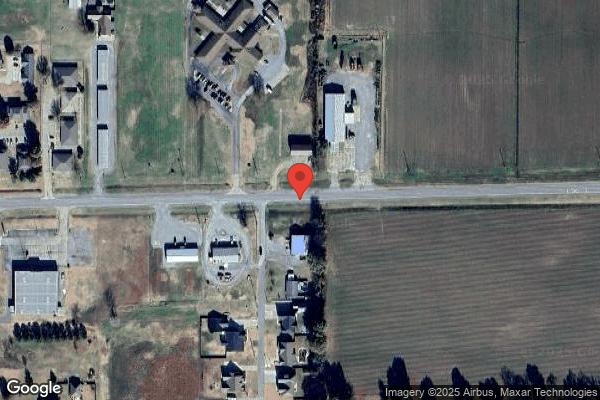

290 WEST STATE HWY 162, PORTAGEVILLE, MO 63873 (573) 379-2017
For profit - Corporation 60 Beds RELIANT CARE MANAGEMENT Data: November 2025
Trust Grade
35/100
#287 of 479 in MO
Last Inspection: May 2025

Inspected within the last 6 months. Data reflects current conditions.

Overview

Portageville Health Care Center currently has a Trust Grade of F, indicating significant concerns about the quality of care provided. Ranking #287 out of 479 facilities in Missouri places it in the bottom half, and it is #4 out of 5 in New Madrid County, meaning there is only one local option that ranks lower. The situation at the facility is worsening, with issues increasing from 7 in 2024 to 9 in 2025. Staffing is a major weakness, receiving a 1-star rating, which indicates poor performance, although they have a low turnover rate of 0%. In terms of compliance, the facility has incurred $243,853 in fines, which is concerning as it is higher than 99% of facilities in Missouri. Specific incidents include unsanitary food storage practices that could lead to food-borne illnesses and failure to notify residents of transfers to hospitals, which undermines their rights and safety. Additionally, the facility was found lacking in providing a clean and comfortable living environment, impacting all residents. Overall, while the health inspection rating is relatively good at 4 stars, the concerning issues in staffing, compliance, and resident care highlight significant weaknesses that families should carefully consider.

Trust Score
F
35/100
In Missouri
#287/479
Bottom 41%
Safety Record
High Risk
Review needed
Inspections
Getting Worse
7 → 9 violations
Staff Stability
○ Average
Turnover data not reported for this facility.
Penalties
✓ Good
$243,853 in fines. Lower than most Missouri facilities. Relatively clean record.
Skilled Nurses
○ Average
RN staffing data not reported for this facility.
Violations
⚠ Watch
25 deficiencies on record. Higher than average. Multiple issues found across inspections.
★★☆☆☆
2.0
Overall Rating
★☆☆☆☆
1.0
Staff Levels
★☆☆☆☆
1.0
Care Quality
★★★★☆
4.0
Inspection Score
Stable
2024: 7 issues
2025: 9 issues

The Good

  • Full Sprinkler Coverage · Fire safety systems throughout facility
  • No fines on record

Facility shows strength in fire safety.

The Bad

2-Star Overall Rating

Near Missouri average (2.5)

Below average - review inspection findings carefully

Federal Fines: $243,853

Well above median ($33,413)

Significant penalties indicating serious issues

Chain: RELIANT CARE MANAGEMENT

Part of a multi-facility chain

Ask about local staffing decisions and management

The Ugly 25 deficiencies on record

May 2025 9 deficiencies
CONCERN (D)

Potential for Harm - no one hurt, but risky conditions existed

Assessment Accuracy (Tag F0641)

Could have caused harm · This affected 1 resident

**NOTE- TERMS IN BRACKETS HAVE BEEN EDITED TO PROTECT CONFIDENTIALITY** Based on interview and record review, the facility failed to accurately code the Minimum Data Set (MDS - a federally mandated as...

Read full inspector narrative →
**NOTE- TERMS IN BRACKETS HAVE BEEN EDITED TO PROTECT CONFIDENTIALITY** Based on interview and record review, the facility failed to accurately code the Minimum Data Set (MDS - a federally mandated assessment instrument completed by facility staff) for one resident (Resident #14) out of 14 sampled residents. The facility census was 56. Review of the facility's policy titled, MDS 3.0, Care Assessment Summary and Individualized Care Plans, revised 11/06/23, showed: - To understand the changes presented by Centers for Medicare and Medicaid (CMS) for the MDS 3.0, to define the intent of each section of the MDS 3.0 and to ensure that MDS 3.0 sections are completed accurately and in a timely manner by the assigned responsible parties; - Section N is to be completed by Nursing Staff. This section focuses on the medications the resident has received in the last seven days or since admission or re-entry if less than seven days; - Section N is used to record the number of days that the resident receives any type of injection, insulin and/or specific oral medications. 1. Review of Resident #14's admission MDS, dated [DATE], showed: - The resident received insulin (medication that helps the body process sugar) in the last seven days, since admission or re-entry. Review of the resident's April 2025 Physician Order Sheet (POS) showed: - Diagnosis of type II diabetes mellitus (a condition that affects the way the body processes blood sugar), dated 03/21/25; - An order for Metformin (lowers blood sugar levels) 1000 milligram (mg) by mouth two times a day related to diabetes mellitus, dated 03/21/25; - An order for Trulicity (a non-insulin medication used to treat diabetes mellitus) injection 0.75 mg/0.5 milliliter(ml) inject 0.5 ml subcutaneously (under the skin) one time a day every Thursday, dated 03/21/25. Review of the resident's care plan, dated 03/21/25, showed: - Diagnosis of diabetes mellitus; - Administer diabetes medication as ordered by the physician; - Monitor/document for side effects and effectiveness. During an interview on 04/29/25 at 9:17 A.M., the resident said he/she did not take insulin but did take Metformin by mouth for his/her diabetes. During an interview on 05/01/25 at 11:21 A.M., the MDS Coordinator said if a resident received a Trulicity injection during the seven-day look back period, he/she would code it as an insulin injection on the resident's MDS. During an interview on 05/01/25 at 1:45 P.M., the Director of Nursing (DON) said she would not consider Trulicity an insulin medication and it should not be coded as an insulin injection on the resident's MDS. During an interview on 05/01/25 at 3:45 P.M., the Regional Director of Operations said Trulicity was not an insulin medication and should not be coded on the resident's MDS as an insulin injection.
CONCERN (D)

Potential for Harm - no one hurt, but risky conditions existed

Comprehensive Care Plan (Tag F0656)

Could have caused harm · This affected 1 resident

**NOTE- TERMS IN BRACKETS HAVE BEEN EDITED TO PROTECT CONFIDENTIALITY** Based on interview and record review, the facility failed to implement a care plan with specific interventions to meet individua...

Read full inspector narrative →
**NOTE- TERMS IN BRACKETS HAVE BEEN EDITED TO PROTECT CONFIDENTIALITY** Based on interview and record review, the facility failed to implement a care plan with specific interventions to meet individual needs for three residents (Residents #6, #18, and #43) out of 14 sampled residents. The facility census was 56. Review of the facility's policy titled, Minimum Data Set (MDS - a federally mandated assessment instrument completed by facility staff) 3.0, Care Assessment Summary and Individualized Care Plans, revision date 11/06/23, showed: - The Care Area Assessment (CAA's) drives the development of the individualized care plan; - The Care Area Trigger (CAT) alerts the assessor that interventions must be in place to address the care concern in the plan of care for the individual resident; - All Care Area Assessment Summary Triggers must be addressed in the individualized plan of care of the resident; - The Plan of Care should then address these factors: a. Improvement where possible; b. Maintenance and prevention of avoidable declines and all Care Area Triggers. 1. Review of Resident #6's medical record showed: - admitted on [DATE]; - Diagnosis of dementia (group of thinking and social symptoms that interferes with daily functioning). Review of the resident's admission MDS assessment, dated 01/17/25, showed: - Active diagnosis of dementia. Review of the resident's care plan, dated 04/08/25, showed: - Dementia problems, goals, and interventions not addressed. 2. Review of Resident #18's medical record showed: - admitted on [DATE]; - Diagnosis of dementia. Review of the resident's quarterly MDS assessment, dated 02/16/25, showed: - Active diagnosis of dementia. Review of the resident's care plan, dated 02/20/25, showed: - Dementia problems, goals, and interventions not addressed. 3. Review of Resident #43's medical record showed: - admitted on [DATE]; - Diagnosis of dementia. Review of the resident's quarterly MDS assessment, dated 03/21/25, showed: - Active diagnosis of dementia. Review of the resident's care plan, dated 03/29/25, showed: - Dementia problems, goals, and interventions not addressed. During an interview on 05/01/25 at 11:10 A.M., Licensed Practical Nurse (LPN) B said he/she was new to the position as the MDS Coordinator. LPN B said he/she did complete the care plans before taking the regional MDS position and would expect dementia to be on the care plan if it was an active diagnosis on the MDS. During an interview on 05/01/25 at 3:20 P.M., the Director of Nursing (DON) said the initial assessment should trigger for the care plan and interventions. Anything pertaining to the diagnosis of dementia should be placed on the care plan. During an interview on 05/01/25 at 4:00 P.M., the Administrator said if the resident had a diagnosis of dementia, then she would expect the resident to have a care plan and interventions for the dementia.
CONCERN (D)

Potential for Harm - no one hurt, but risky conditions existed

Respiratory Care (Tag F0695)

Could have caused harm · This affected 1 resident

**NOTE- TERMS IN BRACKETS HAVE BEEN EDITED TO PROTECT CONFIDENTIALITY** Based on observation, interview, and record review, the facility failed to ensure training was provided, competence was assessed...

Read full inspector narrative →
**NOTE- TERMS IN BRACKETS HAVE BEEN EDITED TO PROTECT CONFIDENTIALITY** Based on observation, interview, and record review, the facility failed to ensure training was provided, competence was assessed, and a physician's order was received for tracheostomy (trach - incision in the windpipe to relieve an obstruction to breathing) care to be completed independently and to have all of the needed trach care supplies easily accessible for immediate emergency care per the facility's policy for one resident (Resident #39) out of one sampled resident with a trach. The facility census was 56. Review of the facility's policy titled, Tracheostomy Care, revised May 2024, showed: - The facility will ensure that residents who need respiratory care, including tracheostomy care and tracheal suctioning, is provided such care consistent with professional standards of practice, the comprehensive person-centered care plan, and resident goals and preferences; - Tracheostomy care will be provided according to the physician's orders, comprehensive assessment and individualized care plan such as monitoring for resident specific risks for possible complications, psychosocial needs as well as suctioning as appropriate. General considerations include: provide tracheostomy care at least twice daily; maintain a suction machine, a supply of suction catheters, correctly sized cannulas, and an artificial manual breathing unit (ambu - used to deliver oxygen into a person's lungs when not breathing properly) bag easily accessible for immediate emergency care; - Based upon the resident assessment, attending physician's orders, and professional standards of practice, the facility in collaboration with the resident/resident's representative, will develop a care plan that includes appropriate nterventions for respiratory care; - The facility will ensure staff responsible for providing tracheostomy care, including suctioning, are trained and competent according to professional standards of practice; - The procedure for care of a reusable Cannula: a. Explain the procedure to the resident and screen for privacy; b. Perform hand hygiene per facility policy; c. Put on exam gloves on both hands; masks and eye wear should be worn if there is a likelihood of splashes and splattering; d. Suction the tracheostomy per facility policy; e. Remove the old dressing; pull the soiled glove down over the hand and the soiled dressing and roll the glove over the dressing; discard both in an appropriate receptacle. Perform hand hygiene; f. Prepare equipment on the bedside table; g. Open and set up the sterile tracheostomy care kit and apply sterile gloves. Pour saline or sterile water into the basin of the kit with the non-dominant gloved hand; h. Remove the inner cannula using sterile technique and place in the cleaning container. Do not allow to soak; i. Clean the inner cannula with the sterile brush or sterile pipe cleaner. When clean, tap it gently against the inside edge of the sterile container to remove excess liquid (or dry the inside of the tube with the sterile pipe cleaner); j. Re-insert the inner cannula, making sure it is securely locked in place. Make sure oxygen is administered as ordered; k. Clean the stoma (the trach site opening) with normal saline or sterile water moistened gauze or cotton tipped applicator; l. Dry the area with additional gauze; m. Change the trach ties/tube holder when soiled or wet. Replace dressing using manufactured split dressing with flaps pointing upward; n. Dispose of equipment and perform hand hygiene; o. Document the procedure and report any signs or symptoms of infection to the physician; - Did not address the facility would ensure a resident providing self-tracheostomy care, including suctioning, was trained and competent according to professional standards of practice. 1. Review of Resident #39's May 2025 Physician Order Sheet (POS) showed: - admitted on [DATE]; - Diagnoses of chronic obstructive pulmonary disease (COPD - a lung disease that causes airflow obstruction and breathing problems), dementia (group of thinking and social symptoms that interferes with daily functioning), seizures (a sudden burst of electrical activity in the brain), and tracheostomy status; - An order for Provox Xtra Moist heat moisture exchanger (a trach cover that makes the air more humid), change daily and as needed (PRN). May keep at bedside one time a day for trach care, dated 12/17/24; - An order for tracheostomy care every shift and PRN. Keep the stoma clean and dry. May use sterile water and gauze to clean around the site. Ensure the trach ties are secure. Ensure the cannula (a removable tube that fits within the outer cannula of the trach tube) is in place and patent. Suction PRN, dated 12/17/24; - No physician order for the resident to perform the trach care and suctioning independently. Review of the resident's quarterly Minimum Data Set (MDS - a federally mandated assessment instrument required to be completed by facility staff), dated 03/19/25, showed: - Cognition intact; - Required a tracheostomy; - Received suctioning. Review of the resident's care plan, revised 03/29/25, showed: - The resident performed trach care independently. Review of the resident's medical record showed: - No documentation the resident was provided trach care education; - No documentation the resident's competency for the trach care was assessed and the resident was assessed competent to provide his/her own trach care. Review of the resident's April 2025 Treatment Administration Record (TAR) showed: - Trach care completed every shift for 04/01/25 - 04/30/25. During an observation on 04/30/25 at 11:30 A.M., of the resident's trach care supplies in his/her room showed: - No ambu bag, trach tube (outer cannula), or obturator (a device used to help the insertion of a trach tube) easily accessible for immediate emergency care; - The suction machine was stored in the resident's closet. During an interview on 04/28/25 at 11:26 A.M., Resident #39 said he/she always performed the trach care him/herself and cleaned the trach every day. The trach was changed every two months because it was kept very clean. During an interview on 04/30/25 at 1:25 P.M., Resident #39 said he/she used alcohol swabs to clean around the stoma and in and around the cannula. The facility staff didn't ever watch him/her perform the trach care. Once the trach care was finished, the resident let the staff know. During an interview on 04/30/25 at 2:23 P.M., the Assistant Director of Nursing (ADON) said the facility did not have the exact size of the resident's inner/outer cannula or an ambu bag with a trach fitting in the resident's room, but did have them in the facility. The resident did most of the trach care for him/herself. The resident had been educated on the importance of handwashing, keeping everything sterile, and used sterile water to clean the cannula. The resident cleaned the cannula daily, then let staff know it was done. During an interview on 05/01/25 at 11:34 A.M., the ADON said there were three code carts (a mobile unit with items needed during an emergency for life support) and there were not any inner/outer cannulas to fit Resident #39's trach on any of the code carts. During an interview on 05/01/25 at 3:12 P.M., the Director of Nursing (DON) said there was no official assessment that was completed for Resident #39 to assess his/her competence to perform trach care appropriately. Trach supplies needed would be a collar, suction, cleaning solution, Yankauer (a medical device used for removing fluids from the mouth and throat during suctioning), flexible suction kit, and ambu bag should all be readily available on the code carts. During an interview on 05/01/25 at 3:52 P.M., the Administrator said staff should complete an assessment to determine if the resident was competent to perform self trach care.
CONCERN (D)

Potential for Harm - no one hurt, but risky conditions existed

Deficiency F0699 (Tag F0699)

Could have caused harm · This affected 1 resident

**NOTE- TERMS IN BRACKETS HAVE BEEN EDITED TO PROTECT CONFIDENTIALITY** Based on interview and record review, the facility failed to identify, assess, and provide supportive interventions for two resi...

Read full inspector narrative →
**NOTE- TERMS IN BRACKETS HAVE BEEN EDITED TO PROTECT CONFIDENTIALITY** Based on interview and record review, the facility failed to identify, assess, and provide supportive interventions for two residents (Residents #27 and #162) out of six sampled residents and two residents (Residents #21 and #22) outside the sample with a diagnosis of post traumatic stress disorder (PTSD - a mental health condition triggered by a terrifying event - either experiencing it or witnessing it; symptoms may include flashbacks, nightmares and severe anxiety, as well as uncontrollable thoughts about the event). The facility's census was 56. Review of the facility's policy titled, Behavioral Health Services, revision date 10/31/24, showed: - It is the policy of this facility to ensure all residents receive necessary behavioral health services to assist them in reaching and maintaining their highest level of mental and psychosocial functioning; - PTSD occurs in some individuals who have encountered a shocking, scare, or dangerous situation. Symptoms usually begin early, within three months of the traumatic incident, but sometimes they begin years afterward. Symptoms must last more than a month and be severe enough to interfere with relationships or work to be considered PTSD; - The facility will consider the acuity of the resident population. This includes residents with mental disorders, psychosocial disorders, or substance use disorders, and those with a history of trauma and/or PTSD; - The facility utilizes the comprehensive assessment process for identifying and assessing a resident's mental and psychosocial status and providing person-centered care; - The assessment and care plan will include goals that are person-centered and individualized to reflect and maximize the resident's dignity, autonomy, privacy, socialization, independence, choice, and safety. Staff will: a. Complete Preadmission Screening and Resident Review (PASARR - a federal program to prevent inappropriate admission and retention of people with mental disabilities in nursing facilities) screening; b. Obtain a history from the medical records, the resident, and as appropriate the resident's family and friends, regarding the mental, psychosocial, and emotional health; c. Monitor the resident closely for expressions or indications of distress; d. Evaluate whether the resident's distress was attributable to their clinical condition and demonstrate that the change in behavior was unavoidable; e. Utilize the Minimum Data Set (MDS - a federally mandated assessment instrument required to be completed by facility staff) and care area assessments; f. Assess and develop a person-centered care plan for concerns identified in the resident's assessment; g. Share concerns with the interdisciplinary team (IDT) to determine underlying causes of mood and behavior changes, including differential diagnosis; h. Accurately document the changes, including the frequency of occurrence and potential triggers in the resident's record; i. Ensure appropriate follow-up assessment, if needed; j. Discuss potential modifications to the care plan; k. Evaluate the resident and the care plan routinely to ensure the approaches are meeting the needs of the resident. 1. Review of Resident #21's medical record showed: - admitted on [DATE]; - Diagnoses of hypertension (high blood pressure), PTSD, schizophrenia (a long term mental disorder that affects a person's ability to think, feel, or behave clearly, sometimes including delusions or hallucinations), anxiety (persistent worry and fear about everyday situations), major depressive disorder (a serious medical illness that negatively affects how you feel, the way you think and how you act) and bipolar (a mental disorder that causes unusual shifts in mood) disorder. Review of the resident's PASARR, dated 08/28/14, showed: - Diagnoses of schizophrenia, depressive disorder and bipolar disorder; - No PTSD diagnosis; - A history of altercations, evictions, and fear of strangers; - Anxiety and aggression due to being bullied by peers at a previous facility. Review of the resident's Trauma Informed Consent Assessment, dated 03/10/25, showed: - No triggers documented. Review of the resident's Behavioral Notes, dated 02/28/25 - 3/18/25, showed: - Attention seeking behaviors; - Refusal of medications; - Refusal to participate in activities; - Sleeplessness at bedtime. Review of the resident's April 2025 Physician's Order Sheets (POS) showed: - An order for clonazepam (an antianxiety medication) 1 milligram (mg) three times a day for anxiety, dated 02/21/25; - An order for bupropion (an antidepressant medication) 300 mg one time a day for major depression disorder, dated 02/21/25; - An order for quetiapine (an antipsychotic (medication used to treat psychosis) medication) 150 mg one time a day in the evening for bipolar disorder, dated 02/21/25. Review of the resident's care plan, revised 03/10/25, showed: - Takes psychotropic (a medication that affects how the brain works and causes changes in mood, awareness, thoughts, feelings, or behavior) medications related to schizophrenia, major depressive disorder and anxiety; - Diagnosis of PTSD and goals include: the resident will be able to identify triggers and the resident will learn and utilize positive coping strategies; - Did not address the resident's past trauma or any triggers that would cause the resident trauma; - Did not address how the facility would address behaviors if they occurred or how the facility would provide support to the resident. During an interview on 04/28/25 at 3:27 P.M., Resident #21 said he/she used to get bullied at school. At the last facility where he/she lived, the people were mean and bullied him/her. He/She also got upset when talking about a specific family member and didn't want that family member to know his/her whereabouts. 2. Review of Resident #22's medical record showed: - admitted on [DATE]; - Diagnoses of hypertension, PTSD, schizophrenia, anxiety, major depressive disorder and bipolar. Review of the resident's PASARR, dated 02/06/18, showed: - Diagnoses of schizophrenia and major mental disorder; - No history of PTSD or trigger indicators. Review of the resident's Trauma Informed Consent Assessment, dated 03/17/25, showed: - No triggers documented. Review of the resident's April 2025 POS showed: - An order for prazosin (a hypertension medication) 2 mg at bedtime for PTSD, dated 02/24/25; - An order for clonazepan 1 mg three times a day for anxiety, dated 02/24/25; - An order for bupropion 150 mg one time a day for major depression disorder, dated 02/24/25; - An order for paliperidone (an antipsychotic medication) 6 mg one time a day for bipolar disorder, dated 02/24/25; - An order for quetiapine 200 mg one time a day in the evening for schizophrenia, dated 02/24/25. Review of the resident's Behavioral Notes, dated 04/04/25 -04/25/25, showed: - Episodes of crying; - Periods of restlessness; - Refusal of lab draws; - Profanity toward staff. Review of the resident's care plan, revised 05/06/25, showed: - Takes psychotropic medications related to schizophrenia, major depressive disorder, and anxiety; - Diagnosis of PTSD and goals include: the resident will be able to identify triggers and the resident will learn and utilize positive coping strategies; - Did not address the resident's past trauma or any triggers that would cause the resident trauma; - Did not address how the facility would address behaviors if they occurred or how the facility would provide support to the resident. During an interview on 04/28/25 at 2:34 P.M., Resident #22 said he/she thought his/her PTSD had gone away because the war was over, the enemy had been captured, and the troops had returned home. 3. Review of Resident #27's medical record showed: - admission date of 09/25/19; - Diagnoses of PTSD, anxiety, schizophrenia, major depressive disorder and insomnia (difficulty sleeping). Review of the resident's PASARR, dated 03/07/16, showed: - Diagnoses of schizophrenia, major depression, and PTSD; - No PTSD trigger indicators. Review of the resident's Trauma Informed Consent Assessment, dated 03/10/25, showed: - No triggers documented. Review of the resident's April 2025 POS, showed: - An order for venlafaxine (an antidepressant medication) extended release 24 hour 150 mg by mouth (PO) in the morning related to major depressive disorder, dated 08/08/24; - An order for Invega (an antipsychotic medication) 234 mg/1.5 ml inject 1.5 ml intramuscularly (injection into the muscle) one time a day every 28 days related to schizophrenia, dated 03/20/25; - An order for paliperidone extended release 24 hour 3 mg PO daily related to schizophrenia, dated 02/22/25; - An order for aripiprazole (an antipsychotic medication) 15 mg PO daily for schizophrenia, dated 02/22/25; - An order for Buspar (an antianxiety medication) 15 mg PO three times daily related to anxiety disorder, dated 02/21/25. Review of the resident's Behavioral Notes, dated 10/27/24 -02/18/25, showed: - Profanity toward staff. - Aggression toward staff; - Resident-to-resident altercation. Review of the resident's care plan, dated 03/10/25, showed: - Takes psychotropic medications related to schizophrenia, major depressive disorder, and anxiety; - Diagnosis of PTSD and goals include: the resident will be able to identify triggers and the resident will learn and utilize positive coping strategies; - Did not address the resident's past trauma or any triggers that would cause the resident trauma; - Did not address how the facility would address behaviors if they occurred or how the facility would provide support to the resident. During an interview on 04/29/25 at 3:50 P.M., Resident #27 said he/she was not aware of a diagnosis of PTSD. He/She didn't know what his/her triggers were. During an interview on 04/30/25 at 12:40 P.M., the Social Service Director (SSD) said he/she completed the Trauma Informed Care Screenings, but when he/she completed it, Resident #27 always answered no to the questions. He/She was not sure when the resident was diagnosed with PTSD, but thought he/she came to the facility with the diagnosis. 4. Review of Resident #162's medical record showed: - admitted on [DATE]; - Diagnoses of hypertension, PTSD, schizophrenia, anxiety, major depressive disorder and bipolar. Review of the resident's PASARR, dated 04/08/22, showed: - Diagnoses of schizophrenia and bipolar disorder; - No diagnosis of PTSD; - Sexual abuse as a child; - Physical abuse as an adult. Review of the resident's Trauma Informed Consent Assessment, dated 04/28/25, showed: - No triggers documented. Review of the resident's April 2025 POS, showed: - An order for Invega 156 mg/ml, inject every day shift every four weeks on Monday for schizophrenia disorder, dated 04/24/25. Review of the resident's care plan, dated 04/24/25, showed: - Takes psychotropic medications related schizophrenia, major depressive disorder and anxiety; - Diagnosis of PTSD and goals include: the resident will be able to identify triggers and the resident will learn and utilize positive coping strategies; - Did not address the resident's past trauma or any triggers that would cause the resident trauma; - Did not address how the facility would address behaviors if they occurred or how the facility would provide support to the resident. Review of the resident's Behavioral Notes, dated 04/25/25 -05/01/25, showed: - No behaviors. During an interview on 04/28/25 at 4:08 P.M., Resident #162 said he/she remembered someone asked about PTSD and if he/she had a feeling of hopelessness. Nothing was asked specific to what triggered it. He/She was in a bad automobile accident at the age of five which injured a family member. He/She got upset hearing about or seeing automobile accidents on the news which made him/her sad and worry about the involved family member . He/She was sexually abused at the age of five by a family member and had counseling for several years to deal with it. He/She was also physically abused by different people growing up. During an interview on 05/01/25 at 3:10 P.M., Licensed Practical Nurse (LPN) B said a resident should be able to tell you their triggers, and sometimes the PASARR will have the triggers listed as well. During an interview on 05/01/25 at 3:25 P.M., the Director of Nursing (DON) said if the resident had a diagnosis of PTSD, the care plan should include what triggers the behavior and the interventions put in place on how it relates. If no triggers were indicated at the time of the assessment, it should be documented on the resident's care plan as well. During an interview on 05/01/25 at 3:48 P.M., the Regional Director of Operations said even if the Trauma Informed Consent Assessment showed no triggers, it should be addressed on the care plan for no triggers indicated and followed up on the next scheduled assessment.
CONCERN (D)

Potential for Harm - no one hurt, but risky conditions existed

Pharmacy Services (Tag F0755)

Could have caused harm · This affected 1 resident

Based on observation, interview, and record review, the facility failed to implement procedures to ensure medications were accurately administered, documented, disposed of, and reconciled for one resi...

Read full inspector narrative →
Based on observation, interview, and record review, the facility failed to implement procedures to ensure medications were accurately administered, documented, disposed of, and reconciled for one resident (Resident #45) outside 14 sampled residents. This practice had the potential to affect all residents. The facility census was 56. Review of the facility's policy titled, Controlled Substance Administration and Accountability, revised May 2024, showed: - The purpose of this policy is to have safeguards in place in order to prevent loss, diversion, or accidental exposure; - All controlled substances obtained from a non-automated medication cart or cabinet are recorded on the designated usage form. Written documentation must be clearly legible with all applicable information provided; - In all cases, the dose noted on the usage form or entered into the automated dispensing system must match the dose recorded on the Medication Administration Record (MAR), Controlled Drug Record, or other facility specified form and placed in the patient's medical record; - The Controlled Drug Record (or other specified form) serves the dual purpose of recording both narcotic disposition and patient administration; - The Controlled Drug Record is a permanent medical record document and in conjunction with the MAR is the source for documenting any patient-specific narcotic dispensed from the pharmacy; - Discrepancy Resolution: any discrepancy in the count of controlled substances is resolved by the end of the shift during which it was discovered; - Resolution can be achieved by review of dispensing and administration records and consulting with all staff with access; - Any discrepancies which cannot be resolved must be reported immediately as follows: Notify the Director of Nursing, charge nurse, or designee and the pharmacy. Complete an incident report detailing the discrepancy, steps taken to resolve it, and the names of all licensed staff working when the discrepancy was noted; - Staff may not leave the area until the discrepancies are resolved or reported as unresolved discrepancies. 1. Review of Resident #45's medical record showed: - An admission date of 11/23/21; - An order for morphine sulfate (a narcotic pain medication) 20 milligrams (mg) per one milliliter (ml) 0.25 ml by mouth every 4 hours as needed for mild pain, dated 01/20/23. Observation on 04/30/25 at 9:49 A.M., of the Nurse Medication Cart showed: - One 30 ml bottle of morphine sulfate 20 mg/ml for Resident #45 with 28 ml remaining in the bottle. Review of the resident's Narcotic Reconciliation sheet on 04/30/25 at 9:51 A.M., showed: - One dose administered on 5/24, amount given documented of 0.25 ml and 29.75 ml remained; - One dose administered on 8/2, amount given documented of 0.25 ml and 29.5 ml remained. Review of the resident's Medication Administration Record (MAR) dated January 2023 through April 2025, showed: - No doses administered. During an interview on 04/30/25 at 10:01 A.M., Licensed Practical Nurse (LPN) A said Resident #45's morphine sulfate 20 mg/ml bottle appeared to have 28 ml of morphine. He/She didn't know why there would not be the correct amount of 29.5 ml of morphine sulfate in the bottle, since only two doses had been charted as administered. Two staff count the narcotics at the beginning and end of each shift. During an interview on 05/01/25 at 2:45 P.M., the Assistant Director of Nursing (ADON) said he/she was unaware of the discrepancy with the Resident #45's morphine sulfate. It was possible that hospice administered doses without signing out on the narcotic record. During an interview on 05/01/25 at 3:00 P.M., the Hospice Registered Nurse (RN) Care Manager said he/she never had administered morphine sulfate to Resident #45. During an interview on 05/01/25 at 3:18 P.M., the Director of Nursing (DON) said she expected two staff members, the on-coming and the off-going, to count the narcotics on each cart for each shift. She expected the narcotic record and the medication in the bottle to match for Resident #45's morphine sulfate. During an interview on 05/01/25 at 3:30 P.M., the Administrator said narcotics should be reconciled with two staff members, the on-coming and off-going staff. The narcotic reconciliation sheet and the medication in the bottle should be the same value.
CONCERN (D)

Potential for Harm - no one hurt, but risky conditions existed

Unnecessary Medications (Tag F0759)

Could have caused harm · This affected 1 resident

Based on observation, interview, and record review, the facility failed to maintain an error rate of less than five percent (%) when medications were given. There were 42 opportunities with three erro...

Read full inspector narrative →
Based on observation, interview, and record review, the facility failed to maintain an error rate of less than five percent (%) when medications were given. There were 42 opportunities with three errors made, for an error rate of 7.14%. This affected two residents (Residents #23 and #42) out of six sampled residents and had the potential to affect all residents. The facility census was 56. Review of the facility's policy titled, Medication Administration Policy, revised June 2024, showed: - Medications are administered by licensed nurses, or other staff who are legally authorized to do so in this state, as ordered by the physician and in accordance with professional standards of practice, in a manner to prevent contamination or infection. It is the policy of this facility to ensure the safe and effective administration of all medications by utilizing best practice guidelines; - Review Medication Administration Record (MAR) to identify medication to be administered; - Administer medication as ordered in accordance with manufacturer specifications; - Observe resident consumption of the medication; - Sign the MAR after administered. 1. Review of Resident #23's Physician Order Sheet (POS), dated April 2025, showed: - An order for aripiprazole (an antipsychotic (medication used to treat psychosis) 15 milligrams (mg)give 7.5 mg by mouth in the morning, dated 08/16/22; - An order for pantoprazole (a stomach acid medication) 40 mg by mouth in the morning for gastroesophageal reflux disease (GERD - stomach acid being forced back into the throat region), dated 02/01/25. During an observation on 04/30/25 at 8:09 A.M., of the resident's medication administration: - Certified Medication Technician (CMT) C did not administer the aripiprazole 7.5 mg and the pantoprazole 40 mg doses to the resident. Review of resident's MAR, dated April 2025, showed: - CMT C documented the 04/30/25 morning doses of aripiprazole 7.5 mg and the pantoprazole 40 mg were administered at 8:14 A.M. During an interview on 04/30/25 at 8:15 A.M., CMT C said the aripiprazole 7.5 mg and the pantoprazole 40 mg doses were not given to Resident #23 today because they were not in the building and he/she forgot to order them. 2. Review of Resident #42's POS, dated April 2025, showed: - An order for Symbicort (a medication to treat asthma and other breathing problems) 80/4.5 micrograms (mcg) 1 puff inhale orally every morning and at bedtime with the instructions to rinse mouth after each use, dated 05/19/21. During an observation on 04/30/25 at 8:20 A.M., of the resident's medication administration: - CMT C administered the Symbicort 80/4.5 mcg 1 puff dose to the resident; - CMT C did not have the resident rinse out his/her mouth after the administration of the Symbicort. Review of the resident's MAR, dated April 2025, showed: - CMT C documented the Symbicort 80/4.5 mcg 1 puff dose was administered; - CMT C documented the resident rinsed his/her mouth after the administration of the Symbicort. During an interview on 04/30/25 at 8:31 A.M., CMT C said he/she didn't know the resident was supposed to rinse his/her mouth after use of the Symbicort. During an interview on 05/01/25 at 3:18 P.M., the Director of Nursing (DON), said she would expect staff to not chart a medication had been given if it had not. She expected staff to follow the physician orders for medication administration. During an interview on 05/01/25 at 3:50 P.M., the Administrator said she would expect medications to be charted when administered and for staff to follow the physician orders for how medications should be administered.
CONCERN (D)

Potential for Harm - no one hurt, but risky conditions existed

Infection Control (Tag F0880)

Could have caused harm · This affected 1 resident

Based on observation, interview, and record review, the facility failed to maintain proper infection control practices during wound care for one resident (Resident #23) out of one sampled resident. Th...

Read full inspector narrative →
Based on observation, interview, and record review, the facility failed to maintain proper infection control practices during wound care for one resident (Resident #23) out of one sampled resident. This practice has the potential to affect all residents. The facility census was 57. Review of the facility's policy titled, Wound Treatment Management Policy, revised May 2024, showed: - The purpose of this policy is to promote wound healing of various types of wounds, it is the policy of this facility to provide evidence-based treatments in accordance with current standards of practice and physician orders; - Wound treatments will be provided in accordance with physician orders, including the cleansing method, type of dressing, and frequency of dressing change. Review of the facility's policy titled, Hand Hygiene, revised June 2024, showed: - All staff will perform proper hand hygiene procedures to prevent the spread of infection to other personnel, residents, and visitors. This applies to all staff working in all locations within the facility; - Hand hygiene is a general term for cleaning your hands by handwashing with soap and water or the use of antiseptic hand rub, also known as alcohol-based hand rub (ABHR); - Staff will perform hand hygiene when indicated, using proper technique consistent with accepted standards of practice; - Hand hygiene is indicated and will be performed under the conditions listed, but not limited to, the following: before applying and after removing personal protective equipment (PPE), including gloves; before and after handling clean or soiled dressing, linens, etc.; before performing resident care procedures; before and after providing care to residents on isolation; after handling items potentially contaminated with blood, body fluids, secretions or excretions; and when during resident care, moving from a contaminated body site to clean body site; - Alcohol-based hand rub with 60 to 95% alcohol is the preferred method for cleaning hands in most clinical situations. Wash hands with soap and water whenever they are visibly dirty, before eating and after using the restroom; - The use of gloves does not replace hand hygiene. If your task requires gloves, perform hand hygiene prior to putting on gloves, and immediately after removing gloves. 1. Review of Resident #23's Physician Order Sheet (POS), dated April 2025, showed: - An admission date of 10/29/24; - An order to cleanse the wound of the left heel with wound cleanser and pat dry. Apply calcium alginate (a type of wound treatment) followed by a dry dressing and wrap with kerlix (a type of dressing). Change every other day and as needed if soiled, dated 01/09/25. Observation on 04/30/25 at 9:04 A.M. of the Resident #23's wound care showed: - Enhanced Barrier Precautions (EBP) signage on the resident's door; - Resident sat in a wheelchair in his/her room; - Licensed Practical Nurse (LPN) A gathered supplies from the nurse treatment cart; - LPN A put on gloves and a gown, did not perform hand hygiene, and entered the room; - LPN A placed a clean barrier on the resident's bedside table and put the wound care supplies on top of it; - LPN A cleaned the wound with gauze moistened with wound cleanser; - LPN A did not change gloves and did not perform hand hygiene; - LPN A dried the wound with clean gauze; - The resident lay his/her left bare foot on the floor with the left heel wound on the floor without a barrier; - LPN A did not clean the left heel wound after it lay on the floor without a barrier; - LPN A changed gloves and did not perform hand hygiene; - LPN A cut the calcium alginate dressing to the size of the wound and wrapped the wound with kerlix and secured with tape; - LPN A removed the gown and gloves, did not perform hand hygiene, and exited the room. During an interview on 05/01/25 at 1:42 P.M., LPN A said when performing wound care, hand hygiene should be done before entering the room, when going from dirty to clean care, after changing gloves, and when exiting the room. A barrier should be placed between the wound and any other surface as to not contaminate the wound. During an interview on 05/01/25 at 3:21 P.M., the Director of Nursing (DON) said hand hygiene should be done before putting on clean gloves every time. A barrier should be placed between a wound and the bed or floor to prevent re-contamination of the wound. During an interview on 05/01/25 at 3:47 P.M., the Administrator said she expects staff to perform hand hygiene prior to entering a resident room to provide care. She expects wound care to be performed to the highest standard of practice.
CONCERN (D)

Potential for Harm - no one hurt, but risky conditions existed

Deficiency F0883 (Tag F0883)

Could have caused harm · This affected 1 resident

Based on interview and record review, the facility failed to provide and document that residents received or declined appropriate immunizations and failed to provide and document pertinent education t...

Read full inspector narrative →
Based on interview and record review, the facility failed to provide and document that residents received or declined appropriate immunizations and failed to provide and document pertinent education to the residents or resident's representative regarding benefits, side effects, or warnings of of those immunizations for three residents (Residents #18, #22, and #53) out of five sampled residents. The facility's census was 56. Review of the facility's policy titled, Infection Prevention and Control Programs, revised June 2024, showed: - Residents will be offered the influenza vaccine each year between October 1 and March 31, unless contraindicated or received the vaccine elsewhere during that time; - Education will be provided to the residents and/or representatives regarding the benefit and potential side effects of the immunizations prior to offering vaccines; - Residents will have the opportunity to refuse the immunizations; - Documentation will reflect the education provided and details regarding whether or not the resident received the immunizations; 1. Review of Resident #18's medical record showed: - admission date of 06/18/19; - An order for an annual influenza vaccination, dated 08/15/23; - No documentation the facility provided information and education for the influenza vaccination to the resident and/or the resident representative for this influenza season; - No documentation of the consent or refusal for the influenza vaccination for this year's influenza season; - No documentation the influenza vaccination was administered or declined for this influenza season. 2. Review of Resident #22's medical record showed: - admission date of 06/18/19; - An order for an annual influenza vaccination, dated 05/10/21; - No documentation the facility provided information and education for the influenza vaccination to the resident and/or the resident representative for this year's influenza season; - No documentation of the consent or refusal for the influenza vaccination for this year's influenza season; - No documentation the influenza vaccination was administered or declined for this year's influenza season. 3. Review of Resident #53's medical record showed: - admission date of 01/29/24; - An order for an annual influenza vaccination, dated 01/30/24; - No documentation the facility provided information and education for the influenza vaccination to the resident and/or the resident representative for this year's influenza season; - No documentation of the consent or refusal for the influenza vaccination for this year's influenza season; - No documentation the influenza vaccination was administered or declined for this year's influenza season. During an interview on 04/30/25 at 2:43 P.M., the Assistant Director of Nursing (ADON)/Infection Preventionist (IP) said he/she administered the influenza immunizations this season. Progress notes were entered on those residents that refused the vaccine. If a resident refused, he/she notified the Social Services Designee (SSD) so the guardians could be notified. During an interview on 05/01/25 at 11:57 A.M., the SSD said that he/she would have the guardian sign an acknowledgement of declination of the immunizations. He/She was not aware of any residents that refused immunizations this season. During an interview on 05/01/25 at 3:23 P.M., the Director of Nursing (DON) said residents had the right to refuse immunizations, even if the guardian gave consent for the vaccination. If a resident refused an immunization, the resident should sign a declination form and the form should be sent to the guardian. During an interview on 05/01/25 at 3:45 P.M., the Administrator said residents had the right to refuse immunizations. The facility did not have the resident sign a declination if they refused vaccinations. The SSD was responsible for sending out the declinations to the guardian.
CONCERN (E)

Potential for Harm - no one hurt, but risky conditions existed

Deficiency F0628 (Tag F0628)

Could have caused harm · This affected multiple residents

**NOTE- TERMS IN BRACKETS HAVE BEEN EDITED TO PROTECT CONFIDENTIALITY** Based on interview and record review, the facility failed to notify the resident and/or the resident's representative in writing...

Read full inspector narrative →
**NOTE- TERMS IN BRACKETS HAVE BEEN EDITED TO PROTECT CONFIDENTIALITY** Based on interview and record review, the facility failed to notify the resident and/or the resident's representative in writing of a transfer or discharge to a hospital, including the statement of appeal rights or the name, address, or telephone number of the Office of the State Long Term Care Ombudsman (advocates for the residents in nursing facilities) within the transfer and discharge notices for six residents (Residents #11, #16, #18, #50, #52 and #60) out of eight sampled residents and two residents (Residents #24 and #58) outside the sample. The facility's census was 56. Review of the facility's policy titled, Resident Transfer/Discharge, Immediate Discharge, and Therapeutic Leave, revised 05/14/24, showed: - Before any resident is transferred or discharged under a facility-initiated transfer or discharge, the facility must: 1. Notify the resident and the resident representative the reason for the transfer or discharge in writing in a manner they understand; 2. Notify a representative of the Office of the State Long-Term Care Ombudsman. A copy of the discharge/transfer notice will be sent to the Ombudsman at least 30 days in advance of the discharge or as soon as possible; - The written notice shall include the following: reason for the discharge/transfer, effective date of the transfer or discharge, location to which the resident is being transferred or discharged , resident's rights to appeal the transfer or discharge notice to the Department of Health and Senior Services within 30 days of the receipt of the notice and the address to which the request shall be sent, and the name, address, e-mail, and telephone number of the designated regional long-term care ombudsman office. 1. Review of Resident #11's medical record showed: - admitted on [DATE]; - The resident transferred to the hospital on [DATE], and readmitted to the facility on [DATE]; - No documentation the written notification was provided to the resident and/or the resident's representative for the resident's transfer to the hospital. 2. Review of Resident 16's medical record showed: - admitted on [DATE]; - The resident transferred to the hospital on [DATE], and returned to the facility on [DATE]; - No documentation the written notification was provided to the resident and/or the resident's representative for the resident's transfer to the hospital. 3. Review of Resident #18's medical record showed: - admitted on [DATE]; - The resident transferred to the hospital on [DATE], and readmitted to the facility on [DATE]; - No documentation the written notification was provided to the resident and/or the resident's representative for the resident's transfer to the hospital. 4. Review of Resident 24's medical record showed: - admitted on [DATE]; - The resident transferred to the hospital on [DATE], and returned to the facility on [DATE]; - No documentation the written notification was provided to the resident and/or the resident's representative for the resident's transfer to the hospital. 5. Review of Resident #50's medical record showed: - admitted on [DATE]; - The resident transferred to the hospital on [DATE], and readmitted to the facility on [DATE]; - No documentation the written notification was provided to the resident and/or the resident's representative for the resident's transfer to the hospital. 6. Review of Resident 52's medical record showed: - admitted on [DATE]; - The resident transferred to the hospital on [DATE], and returned to the facility on [DATE]; - No documentation the written notification was provided to the resident and/or the resident's representative for the resident's transfer to the hospital. 7. Review of Resident #58's medical record showed: - admitted on [DATE]; - The resident transferred to the hospital on [DATE], and readmitted to the facility on [DATE]; - No documentation the written notification was provided to the resident and/or the resident's representative for the resident's transfer to the hospital. 8. Review of Resident 60's medical record showed: - admitted on [DATE]; - The resident transferred to the hospital on [DATE], and returned to the facility on [DATE]; - The resident transferred to the hospital on [DATE], and did not return to the facility; - No documentation the written notifications were provided to the resident and/or the resident's representative for the resident's transfers to the hospital. During an interview on 05/01/25 at 9:18 A.M., Licensed Practical Nurse (LPN) A said when a resident was prepared to be sent to the hospital, the transfer/discharge process was explained to the resident and should be documented on the form. The form should also have the reason for the discharge, time, and date with a copy provided to the resident or responsible party. During an interview on 05/01/25 at 1:45 P.M., the Director of Nursing (DON) said she would expect the charge nurse to prepare the resident by explaining the reason for the transfer/discharge outside of the facility with the date and time on the form. The form should also include the Ombudsman information and statement of appeals rights on the form. During an interview on 05/01/25 at 4:05 P.M., the Administrator said she did not realize all of the information was not on the transfer and discharge form. The form should be given to the resident or the resident's representative at the time of discharge or soon thereafter.
Jun 2024 7 deficiencies
CONCERN (D)

Potential for Harm - no one hurt, but risky conditions existed

Resident Rights (Tag F0550)

Could have caused harm · This affected 1 resident

Based on observation, interview and record review, the facility failed to ensure staff treated residents with dignity and in a respectful manner by leaving one resident (Resident #41) out of 15 sample...

Read full inspector narrative →
Based on observation, interview and record review, the facility failed to ensure staff treated residents with dignity and in a respectful manner by leaving one resident (Resident #41) out of 15 sampled residents exposed during care. The facility census was 59. Review of the facility's policy titled, Dignity and Respect, revised, 06/29/2023, showed: -Every resident has a right to be treated with dignity and respect; 1. Review of Resident #41's medical record showed: -admission date of 11/23/21; -Diagnoses of seizures (a sudden, uncontrolled burst of electrical activity in the brain), chronic embolism and thrombosis of deep veins of bilateral lower extremities (a blood clot that forms within the deep veins), unspecified psychosis (a collection of symptoms that affect the mind, where there has been some loss of contact with reality), unspecified intellectual disabilities (limitations in cognitive functioning and skills, including conceptual, social and practical skills, such as language, social and self-care skills) Review of the resident's quarterly Minimal Data Set (MDS, a federally mandated assessment instrument completed by facility staff), dated 03/25/24 showed: -Cognition moderately impaired; -Always incontinent of bowel; -Moderately Dependent for toileting hygiene. Observation of the resident on 06/05/24 at 11:10 A.M., showed: -The resident lay in bed; -Certified Nurse Assistant (CNA) C and CNA D entered the room to perform incontinent care; -The CNAs did not close the curtains to the windows; -The parking lot and driveway could be seen through the window; -CNA D left the room to obtain additional supplies and the resident lay with his/her genitalia area exposed. During an interview on 06/05/24 at 2:10 P.M. Licensed Practical Nurse (LPN) B said before peri-care is started, privacy should be given by pulling the curtain within the room, pull the window curtains and close the door. During an interview on 06/05/24 at 2:15 P.M., CNA C said before performing peri-care, provide privacy by closing the curtain on the window, the curtain in the room and close the door. During an interview on 06/05/24 at 3:30 P.M. the Director of Nursing (DON) said the curtains on the window and in the room should be pulled closed before providing peri-care to any resident.
CONCERN (D)

Potential for Harm - no one hurt, but risky conditions existed

Deficiency F0655 (Tag F0655)

Could have caused harm · This affected 1 resident

**NOTE- TERMS IN BRACKETS HAVE BEEN EDITED TO PROTECT CONFIDENTIALITY** Based on observation, interview and record review, the facility failed to ensure the baseline care plan (initial plan for delive...

Read full inspector narrative →
**NOTE- TERMS IN BRACKETS HAVE BEEN EDITED TO PROTECT CONFIDENTIALITY** Based on observation, interview and record review, the facility failed to ensure the baseline care plan (initial plan for delivering of care and services) included specific interventions and the resident and/or guardian received a written summary of the baseline care plan for two residents (Resident #105 and #155) out of two sampled residents. The facility was census was 59. Review of the facility's policy titled, Baseline Care Plan Policy, revised 05/18/2024, showed: - The facility will develop and implement a baseline care plan for each resident that includes the instructions needed to provide effective and person-centered care of the resident that meet professional standards of quality care. - The baseline care plan will be developed within 48 hours of a resident's admission; - The admitting nurse, or supervising nurse on duty, shall gather information from the admission physical assessment, hospital transfer information, physician orders, and discussion with the resident and resident representative, if applicable; - Once gathered, initial goals shall be established that reflect the resident's stated goals and objectives. - Interventions shall be initiated that address the resident's current needs. - A supervising nurse shall verify within 48 hours that a baseline care plan has been developed. - A written summary of the baseline care plan shall be provided to the resident and representative in a language that the resident/representative can understand. - A supervising nurse or Minimum Date Set (MDS) nurse/designee is responsible for providing the written summary of the baseline care plan to the resident and representative. - The person providing the written summary of the baseline care plan shall: - Obtain a signature from the resident/representative to verify that the summary was provided. - Make a copy of the summary for the medical record. 1. Review of Resident #105's medical record, showed: - admitted to the facility on [DATE]; - Diagnoses of schizophrenia (a disorder that affects a person's ability to think, feel, and behave clearly, out of touch with reality, disorganized speech or behavior) and depression ( a common mental disorder that can affect a person's thoughts, feelings, behavior, and sense of well-being); - No documentation of a written summary of the baseline care plan. During an interview on 06/04/24 at 12:40 P.M., the resident said he/she is a smoker and did not receive a copy or a written summary of the baseline care plan after being admitted to the facility. He/She said the staff did not discuss her care or orientate her to the facility. 2. Review of Resident #155's medical record, showed: - admitted to the facility on [DATE]; - Diagnoses of schizoaffective disorder (a condition characterized by abnormal thought processes and deregulated emotions), post traumatic stress disorder (PTSD - an anxiety disorder that develops in reaction to physical injury or severe mental or emotional distress), major depressive disorder (long-term loss of pleasure or interest in life) and bipolar (a mental disorder that causes unusual shifts in mood); - No documentation of a written summary of the baseline care plan. During an interview on 06/02/24 at 3:05 P.M., the resident said loud yelling and confrontational people triggered his/her PTSD. He/She does not remember any of the staff coming to his/her room and asking specific questions about personal care or current health status, but does have a guardian. He/She did not receive a copy or a written summary of the baseline care plan. During an interview on 06/05/24 at 3:00 P.M., the Director of Nursing (DON) said she and other staff had been working on the MDS's and care plans due to not having an MDS Coordinator at this time. During an interview on 06/05/24 at 3:03 P.M., The Administrator said the baseline care plans should be completed within the 48 hours of admission and knew staff had been working on the care plans. He/She thought they had been done, however, did not realize the baselines had not been given to the resident/representatives. He/She said they had several new admissions on one day and the MDS coordinator had quit and other staff had been trying to catch things up.
CONCERN (D)

Potential for Harm - no one hurt, but risky conditions existed

Comprehensive Care Plan (Tag F0656)

Could have caused harm · This affected 1 resident

Based on observation, interview and record review, the facility failed to implement a care plan with specific interventions to meet individual needs of four residents (Residents #16, #50, #53, and #10...

Read full inspector narrative →
Based on observation, interview and record review, the facility failed to implement a care plan with specific interventions to meet individual needs of four residents (Residents #16, #50, #53, and #105, ) out of 15 sampled residents. The facility census was 59. Review of the facility's policy titled, Comprehensive Care Plans, revised 01/19/2022, showed: - The purpose of this policy is ensure that the facility must develop a comprehensive care plan for each resident that includes measurable objectives and timetables to meet a resident's medical, nursing, and mental and psychosocial needs that are identified in the comprehensive assessment. - Facility will use the Resident Assessment Instrument (RAI) User Manual 3.0 as a reference to help the Interdisciplinary Team to look at residents holistically, as individuals for whom quality of life and quality of care are mutually significant and necessary. - The care plan will be oriented toward: - Managing risk factors; - Using current standards of practice in the care planning process; - Involving resident/family/responsible party; - Assessing and planning for care sufficient to meet the care needs of new admissions; - Addressing additional care planning areas that could be considered in the facility setting. 1. Review of Resident #16's medical record showed: - admission date of 06/18/2019; - Diagnoses of schizoaffective disorder (a condition characterized by abnormal thought processes and deregulated emotions), post traumatic stress disorder (PTSD - an anxiety disorder that develops in reaction to physical injury or severe mental or emotional distress), major depressive disorder (long-term loss of pleasure or interest in life) and bipolar (a mental disorder that causes unusual shifts in mood). Review of the resident's care plan, revised 03/22/2024, showed no individualized interventions for smoking. Observations made on 06/02/24 at 10:34 A.M. and 06/03/24 at 10:42 A.M., showed the resident sat outside in a designated smoked area smoking with staff supervision. 2. Review of Resident # 50's medical record showed: - admission date of 05/23/2023; - Diagnosis of Rheumatoid Arthritis (a chronic inflammatory disorder usually affecting small joints in the hands and feet), lack of coordination and hypoglycemia (a condition in which the bodies blood sugar level goes below the standard level); Review of resident's care plan, revised on 02/28/2024, showed no individualized interventions for bilateral pull bars. Observations made on 06/02/24 at 10:38 A.M. and 06/03/24 at 8:45 A.M., showed resident sitting upright in bed with both pull bars up. 3. Review of Resident #53's medical record showed: - admission date of 01/29/2024; - Diagnoses of schizoaffective disorder, PTSD, major depressive disorder and bipolar disorder. Review of the resident's care plan, revised 02/08/2024, showed no individualized interventions for smoking. Observations made on 06/02/24 at 10:34 A.M. and 06/03/24 at 10:42 A.M., showed the resident sat outside in a designated smoked area smoking with staff supervision. 4. Review of Resident #105's medical record showed: - admission date of 05/30/2024; - Diagnoses of schizophrenia (a disorder that affects a person's ability to think, feel, and behave clearly, out of touch with reality, disorganized speech or behavior) and depression ( a common mental disorder that can affect a person's thoughts, feelings, behavior, and sense of well-being). Review of the resident's care plan, dated 06/02/2024, showed no individualized interventions for smoking. Observations made on 06/02/24 at 1:00 P.M. and 06/03/24 at 10:40 A.M., showed the resident sat outside in a designated smoked area smoking with staff supervision. During an interview on 06/05/24 at 3:16 P.M., the Director of Nursing (DON) said if a resident smokes then she would expect smoking to be on the care plan. During an interview on 06/05/24 at 3:18 P.M., the Administrator said she expected the care plan to reflect the resident and if they smoke then it should be on the care plan.
CONCERN (D)

Potential for Harm - no one hurt, but risky conditions existed

Medication Errors (Tag F0758)

Could have caused harm · This affected 1 resident

Based on interview and record review, the facility failed to attempt a gradual dose reduction (GDR) for one resident (Resident #37) out of 15 sampled residents. This failure had the potential to keep ...

Read full inspector narrative →
Based on interview and record review, the facility failed to attempt a gradual dose reduction (GDR) for one resident (Resident #37) out of 15 sampled residents. This failure had the potential to keep any resident on a psychoactive medication from receiving the lowest possible dosage of medication due to not monitoring if a medication is treating the target symptom. The facility census was 59. Review of the facility's policy titled, Monthly Drug Regimen Review, revised 07/05/22, showed: -The consultant pharmacist will review the drug regimen of each Resident at least monthly and report, in writing, any irregularities; -The consultant pharmacist will provide to the director of nursing each month a written report with a statement about each resident and any irregularities found. If no irregularities were noted this shall be so noted; - Pharmacy recommendations will be documented in the resident's clinical record; -The nurse/RCC/Director of Nursing will forward the pharmacists recommendations to the attending physician within 48 hours of receiving the recommendation. The nurse/RCC/DON will document the date and time the physician was notified of the recommendation; -If the attending physician does not respond to the recommendation within 7 days, the nurse/RCC/DON will follow up with the physician's office to obtain any orders if necessary; -The attending physician will indicate if they agree or disagree with the recommendation made. If the physician does not agree with the recommendation, the physician will be asked to document the reason in the resident's clinical record. 1. Review of Resident #37's medical record showed: -admission date of 04/12/2021; -Diagnoses of Alzheimer's Disease (a progressive disease that destroys memory and other cognitive functions), unspecified psychosis (mental disorder causing a disconnection from reality), major depressive disorder (persistently depressed mood or loss of interest, casuing significant impairment in daily life); -An order for Olanzapine (an antipsychotic medication that treats mental disorders, including schizophrenia and bipolar disorder)10milligrams (mg) by mouth twice daily, dated 05/19/21; -An order for Quetiapine (an antipsychotic medication that treats schizophrenia, bipolar disorder, and depression) 225mg by mouth at bedtime, dated 01/25/2024; -An order for Carbamazepine (an anticonvulsant medication that treats seizures, nerve pain and bipolar disorder) 200mg by mouth three times daily, dated 05/19/2021; -No attempt by the physician for a GDR of the Olanzapine, Quetiapine, and Carbamazepine. Review of the resident's Pharmacist's Monthly Review Record (MRR) log, dated 01/13/2024 showed: -The GDR's requested by the pharmacist for the Olanzapine, Quetiapine, and Carbamazepine; -No documentation from the physician regarding the GDR's requested for Olanzapine, Quetiapine, and Carbamazepine. During an interview on 06/05/24 at 3:30 P.M. the Administrator said he/she would expect GDR's to be completed on psychotropic medications and a documented rational as to why a GDR was not attempted by the physician.
CONCERN (D)

Potential for Harm - no one hurt, but risky conditions existed

Unnecessary Medications (Tag F0759)

Could have caused harm · This affected 1 resident

Based on observation, interview and record review, the facility failed to maintain an error rate of less than five percent (%) when medications were given. There were 28 opportunities with three error...

Read full inspector narrative →
Based on observation, interview and record review, the facility failed to maintain an error rate of less than five percent (%) when medications were given. There were 28 opportunities with three errors made, for an error rate of 9.09%. This affected two residents (Resident #37 and #52) and had the potential to affect all residents. The facility census was 59. Review of the facility's policy titled, Medication Administration and Monitoring, revised 09/20/2023, showed: -Medications are to be given per doctors' orders; -All medications are recorded in the Electronic Medication Administration Record (EMR) immediately after the resident has taken the medications. The nurse of Certified Medication Technician (CMT) will check each medication to the EMR noting correct name of medication, correct resident name, correct dose, correct time and correct route of administration; -The nurse or CMT should note that if a medication is refused or not available. The nurse or CMT will document appropriately regarding the medication in question. Reason for the medication in question that is not given will be noted along with an explanation of the solution to the problem in progress notes of EMR. The Director of Nursing (DON) or Registered Nurse (RN) will be notified immediately regarding resident not receiving the medication. It will be the DON or RN responsibility to ensure that medication is received and that the Licensed Practical Nurse (LPN) or CMT distributes the medication to the resident; -The physician will be notified if medication is given late and the Nurses' notes will indicate why medication has a discrepancy. This will not only include medications but treatments as well. Review of the facility's policy titled, Administration of Insulin Policy, revised 05/14/2024, showed: -Procedure for administering Insulin Pens: -Gather supplies needed -perform hand hygiene -Don gloves -Verify resident identification -Check expiration date on pen -Examine the appearance of the insulin -Attach pen needle -Prime the insulin pen; dial 2 units by turning the dose selector clockwise; with the needle pointing up, push the plunger and watch to see that at least one drop of insulin appears on the tip of the needle. If not, repeat until at least one drop appears; -Set the insulin dose -Injecting the Insulin; cleanse the skin with alcohol pad; gently pinch up skin at the injection site and hold; inject the needle straight at a 90-degree angle to the skin; fully depress plunger until the dosing numbers count back to zero; while still pressing the plunger, keep the needle in the skin for up to 6-10 seconds and then remove the needle from the skin; may use bandage if needed; remove the needle from the pen by turning counterclockwise and dispose of needle in the sharps container; place the cover back onto the pen and store pen in the medication cart. -Remove gloves and perform hand hygiene -Document dosage, site and time in the medication record along with nurse signature. -Document any teaching and/or demonstrations done when planning for discharge, Review of the Novolog/aspart (fast-acting insulin injected just below the skin that helps lower mealtime blook sugar spikes) Flex Pen administration instructions, dated September 2021, showed: - Check label to make sure that the FlexPen contains the correct type of insulin; - Pull off the pen cap; - Remove paper tab from cap needle; attach needle to pen so that it is straight and secure; - Pull off outer needle cap, pull off inner needle cap and discard; - Turn the dose selector to two units; - Keep the needle upwards and press the push-button until the dose selector reads 0; - Turn the dose selector to select the number of prescribed units; - Push the needle into the skin, then press the dose button until dose selector indicates 0; - Keep the push-button fully pushed in after injection; - Leave the needle under the skin for 6 seconds and then remove it. 1. Review of Resident #37's Physician Order Sheet (POS), dated June 2024, showed: -An order for Colesevelam (a medication used to help stop diarrhea associated with irritable bowel syndrome) 625 milligrams(mg) by mouth with meals, dated 05/17/24; Review of resident's Medication Administration Record (MAR), dated June 2024 showed: -The medication administered at 7:34 A.M. on 06/04/2024. During an observation on 06/04/24 at 8:45 A.M., Certified Medication Technician (CMT) I administered Colesevelam. During an interview on 06/04/24 at 8:46 A.M., the resident said his/her medication was supposed to be given before meals. During an interview on 06/04/24 at 1:05 P.M., CMT I said he/she charted the medication was given and night shift forgot to chart it. During an interview on 06/04/24 at 2:55 P.M., the Director of Nursing (DON), said he/she would expect staff to not chart a medication has been given if it has not. During an interview on 06/04/24 at 2:55 P.M., Administrator said he/she would expect medications to be charted when administered. 2. Review of Resident #52's POS, dated June 2024, showed: -An order for Novolog insulin pen 100 units per milliliter (ml) subcutaneous (an injection just below the skin) with meals and before bedtime per a sliding scale of blood sugar if 50-150=0 units, 151-200=4 units, 201-250=6 units, 251-300=8 units, 301-350=10 units, 351-400=12 units, dated 01/28/24. Observation of Resident #52's medication administration on 06/04/24 at 11:07 A.M., showed: - LPN J administered 8 units of Novolog subcutaneously per order of the sliding scale for a blood sugar of 263 with the resident's Novolog Kwik Pen; - LPN J did not prime the Novolog Kwik Pen per the manufacturer's instructions prior to the administration to the resident. - LPN J did not hold the Novolog Kwik Pen in place for 6-10 seconds per the manufacturer ' s instructions and facility policy. During an interview on 06/04/24 at 2:55 P.M., the Director of Nursing (DON), said he/she would expect nurses and CMT's to prime the insulin pen prior to administration and hold the needle in place for a minimum of 5 seconds to ensure the insulin has been absorbed.
CONCERN (D) 📢 Someone Reported This

A family member, employee, or ombudsman was alarmed enough to file a formal complaint

Potential for Harm - no one hurt, but risky conditions existed

Infection Control (Tag F0880)

Could have caused harm · This affected 1 resident

Based on observation, interview and record review, the facility failed to maintain proper infection control practices during incontinent care for one resident (Resident #38) out of four sampled reside...

Read full inspector narrative →
Based on observation, interview and record review, the facility failed to maintain proper infection control practices during incontinent care for one resident (Resident #38) out of four sampled residents and one resident (Resident #44) outside the sample. The facility failed to maintain proper infection control practices during a wound care treatment for one resident (Resident #26) out of two sampled residents. The facility census was 59. Review of the facility's policy titled, Handwashing/Hand Hygiene, dated 06/29/23, showed: - The use of gloves does not replace handwashing; - Hands are to be washed before and after gloving; - A waterless antiseptic solution may be used as an adjunct to routine handwashing; - Appropriate ten to fifteen second handwashing must be performed under the following conditions: -whenever hands are obviously soiled; -before performing invasive procedures; -before preparing or handling medications; -after having prolonged contact with a resident; -after handling used dressings, specimen containers, contaminated tissues, linens, etc.; -after contact with blood, body fluids, secretions, excretions, mucous membranes or broken skin; -after handling items potentially contaminated with a resident's blood, body fluids, excretions; -after removing gloves. Review of the facility's policy titled, Standard Precautions- Infection Control, dated 05/14/2024, showed: - All staff are to assume that all residents are potentially infected or colonized with an organism that could be transmitted during the course of providing resident care services; - Standard Precautions refer to the infection prevention practices that apply to all residents, regardless of suspected or confirmed diagnosis or presumed infection status, this includes hand hygiene; - Hand hygiene is a general term for cleaning your hands by handwashing with soap and water or the use of antiseptic hand rub; - During the delivery of resident care services, avoid unnecessary touching of surfaces in close proximity to the resident to prevent both contamination of clean hands from environmental surfaces and transmission of pathogens from contaminated hands to surfaces; - Perform hand hygiene in accordance with the facility's hand hygiene policy. Review of the facility's policy titled, Wound Dressing Change, dated 05/18/2024, showed: - It is the policy of this facility to provide wound care in a manner to decrease potential for infection and/or cross-contamination. - Each wound will be treated individually; - When multiple wounds are being dressed, the dressings will be changed in order of the least contaminated to most contaminated. - Wash hands and put on clean gloves; - Loosen the tape and remove the existing dressing; - Remove gloves, pulling inside out over the dressing, the discard into an appropriate receptacle; - Wash hands and put on clean gloves; - Cleanse the wound as ordered, taking care to not contaminate other skin surfaces or other surfaces of the wound; - Dress the wound as ordered; - Discard disposable items and gloves into appropriate receptacle and wash hands. 1. Observation on 06/04/2024 at 11:14 A.M., of incontinent care for Resident #38, showed: - A hoyer lift was used to transfer resident from chair to bed; - Certified Nurse Assistant (CNA) C and CNA K performed incontinent care; - CNA C removed the resident's soiled brief, cleaned the resident's front perineal area, did not remove gloves, failed to perform hand hygiene and failed to apply clean gloves; - CNA C cleaned the resident's buttocks and rectal area, did not remove gloves, did not perform hand hygiene and did not apply clean gloves; - CNA C did not change gloves and did not perform hand hygiene before applying a clean brief to the resident. During an interview on 06/05/24 at 2:10 P.M., LPN B said when providing peri-care, staff should change gloves and perform hand hygiene between removing dirty linens and brief and applying anything that is clean. During an interview on 06/05/24 2:12 P.M., CNA C said that he/she would change dirty gloves, perform hand hygiene and don clean gloves before putting anything clean on the resident. 2. Observation on 06/04/2024 at 4:00 P.M., of wound care for Resident #26, showed: - Licensed Practical Nurse (LPN) H did not perform hand hygiene, then put on gloves and gown; - The resident sat in his/her wheelchair in his/her room; - LPN H removed the soiled bandage from the resident's right lower leg (by using a pair of surgical scissors); - LPN H did not clean the scissors; - The resident's lower leg showed two small open areas to the front of the calf area and two open areas to the back of the calf area; - LPN H removed the gloves, did not perform hand hygiene, and put on new gloves; - LPN H applied wound cleanser to a four by four piece of gauze and cleaned the resident's leg from knee downward to his/her foot from one wound to another, retrieved a clean four by four gauze, applied wound cleanser and cleaned the resident's leg from the knee downward to his foot several times repetitively; - LPN H removed the gloves, did not perform hand hygiene, and put on new gloves; - LPN H wearing the soiled gloves, opened the package, and applied Xerofoam petroleum (a fine mesh gauze occlusive dressing with petrolatum and 3% of deodorizing agent with anti-microbial properties) at the top of the resident's leg (knee area working his/her way down the leg) placing Xerofoam on the resident's leg; - LPN H cut a Xerofoam petroleum dressing in half with the dressing inside the package with the same scissors; - LPN H applied wound cleanser to a four by four piece of gauze and cleaned an open area to the right side of the resident's foot; - LPN H cut calcium alginate (an absorbent non-adhesive dressing) with the same scissors, and placed on the open wound. - LPN H wrapped the resident's lower leg and foot with kling (an absorbent gauze that stretches and conforms to the body shape and clings to itself as it wrapped). - LPN H did not clean each open area with a single gauze, using the same gauze down the leg on all wounds, failed to wash hands in between glove changing, and clean the scissors. During an interview on 06/05/24 at 2:03 P.M., LPN B said the wounds should be cleaned individually and not to cross contaminate with one wound to the other. He/She said the scissors should have been cleaned after removing the dressing and after cutting the Xeroform dressing packet. During an interview on 06/05/24 at 3:10 P.M., the Director of Nursing said the highest wound on the leg should have been cleansed first, dressed and move on down the leg. She said the gauze should not have touched the leg all the way down on all areas. The DON said the scissors should have cleaned prior to starting the wound treatment, after the soiled dressing was removed, after cutting the packaging of dressing. The gloves should be removed and hands washed before putting on new gloves. 3. Observation on 06/05/2024 at 11:37 A.M. of incontinent care for Resident #44 showed: - Certified Nurse Aide (CNA) F performed hand hygiene and put on gloves, CNA G failed to perform hand hygiene and put on gloves; - The resident lay in bed on his/her back; - CNA G removed the resident's urine soaked pull up; - CNA G cleaned the resident's front perineal area, - CNA F rolled the resident to his/her right side; - CNA G cleaned the resident's buttocks, hips, and rectal area; - CNA F and CNA G wearing the same soiled gloves, rolled the resident to his/her back and placed a clean pull up on the resident; - CNA G repositioned the resident's bed linens, clipped the resident's call light to the linens within reach; - CNA G gathered trash and dirty linens, removed his/her gloves and left the resident's room. During an interview on 06/05/24 at 2:06 P.M., CNA G said his/her hands should have been washed prior to placing gloves on to care for the resident and he/she should have removed his/her gloves after they became dirty. CNA G said the gloves should have been removed before touching anything else in the resident's room. During an interview on 06/05/24 at 3:25 P.M., the DON said staff should always wash their hands before applying gloves, and between dirty and clean tasks. She said staff should always wash their hands before exiting the resident's rooms.
CONCERN (E) 📢 Someone Reported This

A family member, employee, or ombudsman was alarmed enough to file a formal complaint

Potential for Harm - no one hurt, but risky conditions existed

Safe Environment (Tag F0584)

Could have caused harm · This affected multiple residents

**NOTE- TERMS IN BRACKETS HAVE BEEN EDITED TO PROTECT CONFIDENTIALITY** Based on observation, interview, and record review, the facility failed to provide a safe, clean and comfortable homelike enviro...

Read full inspector narrative →
**NOTE- TERMS IN BRACKETS HAVE BEEN EDITED TO PROTECT CONFIDENTIALITY** Based on observation, interview, and record review, the facility failed to provide a safe, clean and comfortable homelike environment. This deficient practice had the potential to affect all residents in the facility. The facility census was 59. Review of the facility's policy titled, Safe and Homelike Environment Policy, revised 06/05/2024, showed: - In accordance with residents' rights, the facility will provide a safe, clean, comfortable and homelike environment, allowing the resident to use his or her personal belongings to the extent possible. This includes ensuring that the resident can receive and services safely and that the physical layout of the facility maximizes resident independence and does not pose a safety risk; - Environment refers to any environmental in the facility that is frequented by residents, including (but not limited to) the residents' rooms, bathrooms, hallways, dining areas, lobby, outdoor, patio, therapy areas and activity areas; - General Considerations: Report any unresolved environmental concerns to the Administrator. 1. Observations made on 06/02/24 at 8:54 A.M., 06/03/24 at 8:46 A.M., and 06/05/24 at 8:48 A.M., of the exterior of the building, showed: - A buildup of spiderwebs, dirt and debris on the vinyl ceiling and sides located under the driveway awning; - A buildup of spiderwebs, dirt and debris on the vinyl ceiling and sides located under the entrance awning. 2. Observations made on 06/02/24 at 8:59 A.M., 06/03/24 at 8:48 A.M., and 06/05/24 at 8:56 A.M., of the main dining room showed several areas of dark scuff markings on the bottom portions of both dining room doors. 3. Observation made on 06/02/24 at 9:06 A.M., 06/03/24 at 8:59 and 06/05/24 at 12:10 PM, of the 100 hall, showed: - Several areas of peeled paint and exposed sheetrock on the walls behind a recliner near the door in room [ROOM NUMBER]; - A vent protector missing on the air conditioner/heating unit in room [ROOM NUMBER]; - A buildup of dirt and debris inside the air conditioner/heating unit in room [ROOM NUMBER]. 4. Observations made on 06/02/24 at 10:59 A.M., 06/03/24 at 8:48 A.M. and 06/05/24 at 8:56 A.M., of the 300 hall dining room, showed several straight line areas of dark scuff marks, peeled paint and exposed sheetrock on the walls by the window, under the wall-mounted television and on both sides of the entrance/exit door. 5. Observations made on 06/02/24 at 11:13 A.M., 06/03/24 at 8:57 A.M., 06/05/24 at 8:46 A.M., of the 300 hall, showed: - Floor tiles around the base of the bathroom toilet cracked and stained in room [ROOM NUMBER]; - A line of dark scuff marks, peeled paint and exposed sheetrock on the right side wall of bed 1 located in room [ROOM NUMBER]; - A line of dark scuff marks, peeled paint and exposed sheetrock on the right side wall of bed 1 near the door in room [ROOM NUMBER]; - A line of exposed sheetrock on the wall above the headboard of bed 2 located in room [ROOM NUMBER]; - Several areas of peeled paint and exposed sheetrock on the right side wall of bed 2 near the window located in room [ROOM NUMBER]; - A large area of dark scuff marks, peeled paint and exposed sheetrock behind the headboard of bed near the door located in room [ROOM NUMBER]; - Several areas of peeled paint and exposed sheetrock on the right side wall of bed 2 near the window located in room [ROOM NUMBER]; - Floor tiles around the base of the bathroom toilet cracked and stained in room [ROOM NUMBER]. Review of the maintenance repair log showed no documentation of areas of concern addressed. During an interview on 06/05/24 at 10:26 A.M., Housekeeper A said he/she verbally tells the Maintenance Supervisor (MS) if there are any environmental concerns such as cobwebs, scuff marks, peeled paint or exposed sheetrock. He/She has not seen any environmental concerns to report to MS recently. During an interview on 06/05/24 at 10:26 A.M., Licensed Practical Nurse (LPN) B said he/she verbally tells MS if there is an environmental concern or repair that needs to be addressed. There is a maintenance repair log at the nurses' station that staff can write down things that need repaired or addressed. He/She has not seen any environmental concerns to report to MS recently. During an interview on 06/05/24 at 10:42 A.M., the MS said staff should be filling out a maintenance repair form so the area of concern can be addressed in a timely manner. He/She would prefer staff to write down the environmental concern rather than verbally telling him. During an interview on 06/05/24 at 2:38 P.M., the Administrator said she would expect staff to fill out a maintenance form and not verbally tell MS of environmental concerns that need to be addressed in a timely manner. This will be addressed.
Jan 2023 9 deficiencies
CONCERN (D)

Potential for Harm - no one hurt, but risky conditions existed

Assessment Accuracy (Tag F0641)

Could have caused harm · This affected 1 resident

**NOTE- TERMS IN BRACKETS HAVE BEEN EDITED TO PROTECT CONFIDENTIALITY** Based on observation, interview and record review, the facility failed to document a complete and accurate Minimum Data Set (MDS...

Read full inspector narrative →
**NOTE- TERMS IN BRACKETS HAVE BEEN EDITED TO PROTECT CONFIDENTIALITY** Based on observation, interview and record review, the facility failed to document a complete and accurate Minimum Data Set (MDS), a federally mandated assessment completed by the facility staff, assessments for three residents (Resident #10, #14 and #44) out of 15 sampled residents. The facility census was 57. Record review of the facility's MDS 3.0, Care Assessment Summary and Individualized Care Plans policy, dated 2/26/21 showed: - To understand the changes presented by Centers for Medicare Services (CMS) for the MDS 3.0, to define the intent of each section of the MDS 3.0 and to ensure that MDS 3.0 sections completed accurately and in a timely manner by the assigned responsible parties; - Section H will be completed by the nursing staff. It will determine if the resident had a need to be on a written bowel and bladder program, the need for any bowel/bladder appliances and their response to a bowel and bladder program; - Section K will be completed by the dietary manager. This section addresses nutritional and swallowing status. This section will be used to assess the many conditions that could affect the resident's ability to maintain adequate nutrition and hydration and any need for nutritional approaches; - Section O will be completed by the nursing staff. It will identify any special treatment, procedures and programs that the resident may be receiving. 1. Record review of Resident #10's medical record, showed: - Quarterly MDS, dated [DATE], the resident did not receive oxygen; - A physician's order for oxygen (O2) at 2 liters per minute (L/min) per nasal cannula (NC) as needed (PRN) for shortness of breath, dated 1/5/22. Observations of the resident showed: - On 1/9/23 at 11:43 A.M., the resident lay in bed with O2 on at 2 L/min per NC; - On 1/10/23 at 9:00 A.M., the resident lay in bed with O2 on at 2 L/min per NC. During an interview on 1/12/23 at 9:55 A.M., the MDS Coordinator said if a resident had an order for and used oxygen, then it should be coded on the MDS for oxygen use. During a telephone interview on 1/19/23 at 9:02 A.M., the Director of Nursing (DON) said the oxygen should have been coded on the MDS, it was just a mistake. 2. Record review of Resident #14's quarterly MDS, dated [DATE], showed: - The resident with an indwelling catheter (a flexible tube placed in the bladder to drain urine). Observations showed: - On 1/10/23 at 8:55 A.M., the resident did not have a catheter; - On 1/11/23 at 1:15 P.M. and 3:00 P.M., the resident did not have a catheter; - On 1/12/23 9:30 A.M., the resident did not have a catheter. During an interview on 1/10/22 at 9:00 A.M., Certified Nurse Aide (CNA) G said the resident had not had a catheter that he/she ever knew of. During an interview on 1/10/22 at 3:00 P.M., the DON said the resident had never had a catheter, the MDS had to be coded incorrectly. During an interview on 1/11/23 at 10:29 A.M., the MDS Coordinator said the resident had never had a catheter, the MDS was coded incorrectly on 11/30/22, and he/she had submitted a revision. 3. Record review of Resident #44's annual MDS, dated [DATE], showed: - The resident with a feeding tube (a flexible tube placed through the abdominal wall into the stomach to provide nutrition). Record review of the resident's medical record showed: - The feeding tube discontinued on 6/30/22; - An order for a mechanical soft diet on the resident's January 2023 Physician's Order Sheet (POS). During an interview on 1/11/23 at 10:54 A.M., the MDS Coordinator said the MDS should not have been coded for a feeding tube as it was discontinued on 6/30/22, and was coded incorrectly. During a telephone interview on 1/19/23 at 9:05 A.M., the DON said the resident's MDS should have not been coded for the feeding tube. The MDS should have been changed when the resident's feeding tube was removed.
CONCERN (D)

Potential for Harm - no one hurt, but risky conditions existed

Comprehensive Care Plan (Tag F0656)

Could have caused harm · This affected 1 resident

**NOTE- TERMS IN BRACKETS HAVE BEEN EDITED TO PROTECT CONFIDENTIALITY** Based on observation, interview, and record review, the facility failed to implement a care plan with specific interventions tai...

Read full inspector narrative →
**NOTE- TERMS IN BRACKETS HAVE BEEN EDITED TO PROTECT CONFIDENTIALITY** Based on observation, interview, and record review, the facility failed to implement a care plan with specific interventions tailored to meet individual needs of three residents (Resident #10, #14, and #39) out of 15 sampled residents and one resident (Resident #29) outside the sample. The facility census was 57. Record review of the facility's Comprehensive Care Plans and Baseline Care Plans policy, revised 1/19/22, showed: - The facility must develop a comprehensive care plan for each resident that includes measurable objectives and timetables to meet a resident's medical, nursing, mental and psychosocial needs identified in the comprehensive assessment; - The facility will use the Resident Assessment Instrument (RAI) User Manual 3.0 as a reference to help the interdisciplinary team (IDT) (a group of health care professionals from diverse fields who work in a coordinated effort toward a common goal for a resident) to look at the residents; - The IDT will work together to validate the accuracy of the information gathered; - The IDT will discuss realistic ways to revise care plans on a timely basis and tools needed to revise care plans to be accurate and individualized. 1. Record review of Resident #10's medical record showed: - Diagnoses of chronic obstructive pulmonary disease (COPD) (a condition involving constriction of the airways and difficulty or discomfort in breathing), benign prostatic hyperplasia (prostate enlargement), and a pressure ulcer (an injury to the skin and underlying tissue resulting from pronged pressure) of the sacral region (the tailbone); - An order for oxygen (O2) at 2 liters per minute (L/min) per nasal cannula (NC) as needed (PRN) for shortness of breath, dated 1/5/22; - An order to change the Foley catheter (a flexible tube inserted into to the bladder to drain urine)monthly and PRN, one time a day every 30 days for wound deterioration, dated 1/11/22; - The comprehensive care plan, last revised on 12/6/22, did not address the resident's oxygen therapy, and did not address the Foley catheter. Observations of Resident #10 showed: - On 1/9/23 at 11:43 A.M., the resident lay in bed with oxygen on at 2 L/min per NC and the Foley catheter draining to a collection bag at the side of the bed; - On 1/10/23 at 9:00 A.M., the resident lay in bed with oxygen on at 2 L/min per NC and the Foley catheter draining to a collection bag at the side of the bed. During an interview on 1/12/23 at 10:55 A.M., the Minimum Data Set (MDS) (a federally mandated assessment instrument completed by the facility staff) Coordinator said if a resident had an order for oxygen and a Foley catheter, then it should be addressed in the comprehensive care plan. 2. Record review of Resident #14's significant change MDS, dated [DATE], showed: - admission date of 4/14/22; - Diagnoses of anemia ( a condition where the blood does not have enough healthy red blood cells), thyroid disorder (a medical condition that keeps the thyroid from making the right amount of hormones), quadriplegia (symptom of paralysis that affects all of the person's extremities), anxiety disorder (persistent worry and fear about everyday situations), and COPD; - Tobacco use. Record review of the resident's Smoking Assessment, dated 11/29/22, showed: - Supervision with all smoke breaks; - Smoke times and location in place per the facility policy; - The smoking and safety evaluation will be part of the smoking care plan. Record review of the resident's revised comprehensive care plan, dated 4/27/22, showed: - No individualized interventions for smoking. Observations of the resident showed: - On 1/11/23 at 1:15 P.M., the resident sat in a designated smoke area and smoked with supervision; - On 1/11/23 at 3:00 P.M., the resident sat in a designated smoke area and smoked with supervision. 3. Record review of Resident #29's admission MDS, dated [DATE], showed: - admission date of 6/8/22; - Diagnoses of type one diabetes mellitus (a condition that affects the way the body processes blood sugar), bipolar disorder (a mental disorder that causes unusual shifts in mood), and anxiety disorder; - Tobacco use. Record review of the resident's Smoking Assessment, dated 12/5/22, showed: - Supervision with all smoke breaks; - Smoke times and location in place per the facility policy; - The smoking and safety evaluation will be part of the smoking care plan. Record review of the resident's revised comprehensive care plan, dated 12/6/22, showed: - No individualized interventions for smoking. Observations of the resident showed: - On 1/9/23 at 12:02 P.M., the resident sat in a designated smoke area and smoked with supervision; - On 1/12/23 at 10:02 A.M., the resident sat in a designated smoke area and smoked with supervision. 4. Record review of Resident #39's admission MDS, dated [DATE], showed: - admission date of 4/20/22; - Diagnoses of schizophrenia (a long term mental disorder that affects a person's ability to think, feel, or behave clearly, sometimes including delusions or hallucinations), bipolar disorder (a mental disorder that causes unusual shifts in mood), and viral hepatitis (an infection that causes liver damage and inflammation); - Tobacco use. Record review of the resident's Smoking Assessment, dated 7/29/22, showed: - Supervision with all smoke breaks; - Smoke times and location in place per the facility policy; - The smoking and safety evaluation will be part of the smoking care plan. Record review of the resident's revised comprehensive care plan, dated 11/7/22, showed: - No individualized interventions for smoking. Observations of the resident showed: - On 1/9/23 at 12:02 P.M., the resident sat in a designated smoke area and smoked with supervision; - On 1/12/23 at 10:02 A.M., the resident sat in a designated smoke area and smoked with supervision. During an interview on 1/11/23 at 2:52 P.M., the MDS Coordinator said if a resident was coded for tobacco use on the MDS assessment, it should be part of the resident's individualized care plan. During an interview on 1/11/23 at 2:56 P.M., the Director of Nursing said if a resident was coded for tobacco use on the MDS assessment, it should be included on the resident's comprehensive care plan. During an interview on 1/11/23 at 2:59 P.M., the Administrator said if a resident was coded for tobacco use on the MDS assessment, it should be included on the resident's comprehensive care plan.
CONCERN (D)

Potential for Harm - no one hurt, but risky conditions existed

Deficiency F0658 (Tag F0658)

Could have caused harm · This affected 1 resident

Based on observation, interview, and record review, the facility failed to obtain new orders for one resident (Resident #10) for suprapubic catheter (a hollow flexible tube used to drain urine from th...

Read full inspector narrative →
Based on observation, interview, and record review, the facility failed to obtain new orders for one resident (Resident #10) for suprapubic catheter (a hollow flexible tube used to drain urine from the bladder through a cut in the lower abdomen) care when he/she was readmitted from the hospital, and failed to obtain physician orders and monitor a wanderguard bracelet (a bracelet with sensors that alert caregivers when a resident wearing one approaches a monitored door) for one resident (Resident #52) out of 15 sampled residents and one resident (Resident #41) outside the sample. The facility census was 57. Record review of the facility's Transcription of Orders/Following Physician's Orders policy, revised 7/9/21, showed: - Upon receiving a physician's order via telephone, fax, written order, verbal order, transcribed order or other, it will be written on the Physician's Order Sheet (POS); - The Resident Care Coordinator (RCC)/Unit Director/Licensed Practical Nurse (LPN)/Director of Nursing (DON)/designee will audit all physicians orders daily to ensure all new physician's orders recapped and followed completely and accurately; - On weekends, the Registered Nurse (RN) Supervisor will check all charts in the facility to ensure that all new orders received had been transcribed accurately and implemented. Record review of the facility's Resident Shiftly Safety Assessment policy, revised 2/26/21, showed: - Develop a system to assess residents for suicidal, homicidal and elopement ideations; - The resident shiftly safety assessment will be completed in the morning and in the evening by the licensed/registered nurse; - If the licensed/registered nurse assesses the resident to be suicidal, homicidal or an elopement risk, the administrator and DON will be notified immediately and further policies and procedures will be followed; - The physician will be notified and physician's orders will be followed when the system indicates that the resident answered yes to any of the assessed ideations; - All assessment findings and interventions will be further documented in the resident's medical record. 1. Observation on 1/12/23 at 9:15 A.M., of Resident #10 showed LPN D provided suprapubic catheter care. Record review of the resident's POS, dated January 2023, showed no order for daily catheter care. During an interview on 1/12/23 at 9:25 A.M., LPN D said he/she had been cleaning the resident's suprapubic catheter site daily because he/she knew to do so, but there should be an order in the resident's chart so that all nurses were aware of what needs to be done. During an interview on 1/12/23 at 9:35 A.M., the RCC said he/she did not realize there was not an order in the resident's chart for the catheter care. It was on the resident's discharge orders from the hospital and should have been added to his/her POS at the time of the readmission. It was now added it to his/her chart so that all nurses will see it on the Treatment Administration Record (TAR). He/she would expect the admitting charge nurse to put all new orders on the POS. During an interview on 1/12/23 at 11:20 A.M., the DON said she would expect for all hospital discharge orders to be transferred onto the resident's POS upon readmission to the facility. 2. Observation on 1/11/23 at 2:25 P.M., showed Resident #41 lay in bed with a wanderguard bracelet on his/her left wrist. Record review of the resident's POS, dated January 2023, showed: - Diagnosis of dementia (a condition of persistent or progressive loss of intellectual functioning with impairment of memory and abstract thinking); - An order to apply the wanderguard bracelet due to the resident said he/she was leaving the facility, dated 11/22/22; - An order to check the wanderguard bracelet every shift, dated 11/22/22. Record review of the resident's TAR, dated November 2022 - January 2023, showed: - No documentation of the wanderguard monitoring for 11/22/22 - 11/30/22 on the November 2022 TAR; - No documentation of the wanderguard monitoring for 12/1/22 - 12/31/22 on the December 2022 TAR; - Wanderguard bracelet and monitor shiftly on every shift, dated 1/12/23, on the January 2023 TAR; - No documentation of the wanderguard monitoring for 1/1/23 - 1/12/23; - The facility failed to monitor the use of the wanderguard bracelet. 3. Observation on 1/9/23 at 1:22 P.M., showed Resident #52 walked down the hall with a wanderguard bracelet on his/her left wrist. Record review of the resident's nurses notes dated, 11/2/2022 at 5:18 P.M., showed: - The resident with delusional behaviors (false beliefs or judgements about external reality despite evidence to the contrary), thought he/she owned the building and land, and attempted to walk out the front door; - Staff stopped the resident from opening the door; - The RCC placed a wanderguard bracelet on the resident to prevent the resident from escaping. Record review of the resident's POS, dated January 2023, showed: - Diagnosis of psychosis (a severe mental condition in which thought and emotions affected and contact lost with external reality); - No physician's order for the placement or monitoring of the wanderguard bracelet; - The facility failed to obtain a physician's order for the use and the monitoring of the wanderguard bracelet. Record review of the resident's TAR, dated November 2022 - January 2023, showed: - No documentation of the wanderguard monitoring for 11/2/22 - 11/30/22 on the November 2022 TAR; - No documentation of the wanderguard monitoring for 12/1/22 - 12/31/22 on the December 2022 TAR; - Wanderguard bracelet and monitor shiftly on every shift, dated 1/12/23, on the January 2023 TAR; - No documentation of the wanderguard monitoring for 1/1/23 through 1/12/23; - The facility failed to monitor the use of the wanderguard bracelet. During an interview on 1/11/23 at 10:40 A.M., the Minimum Data Set (MDS) (a federally mandated assessment instrument completed by the facility staff), Coordinator said if a resident had a wanderguard bracelet in use, there should be an order for it. During an interview on 1/11/23 at 10:43 A.M., the DON said she would expect there to be an order for the wanderguard bracelet on any resident that had one in use. During an interview on 1/12/23 at 9:48 A.M., LPN D said the facility had a tool to check the wanderguard bracelets with, and the checks should be completed and documented every shift. There should be an order for the bracelets and a place on the TAR to document when they were checked. Without it being on the TAR, there was no documentation the checks were completed. During an interview on 1/12/23 at 10:22 A.M., the Administrator said she would expect the POS to have an order for the wanderguard bracelet placement and monitoring, as well as it being on the TAR so monitoring could be documented. During an interview on 1/18/23 at 10:30 A.M., the RCC said an order was needed for any resident with a wanderguard bracelet and that he/she had actually called and gotten the order for Resident #52, but neglected to put it in the system. When there was an order for the wanderguard bracelet monitoring, it should be on the resident's TAR for the documentation. It was just discovered that with the new system they had in place, an additional step had to be completed for this to happen.
CONCERN (D)

Potential for Harm - no one hurt, but risky conditions existed

Deficiency F0660 (Tag F0660)

Could have caused harm · This affected 1 resident

Based on interview and closed record review, the facility failed to ensure a discharge planning process was in place which addressed goals and needs and involved the resident and/or the resident's leg...

Read full inspector narrative →
Based on interview and closed record review, the facility failed to ensure a discharge planning process was in place which addressed goals and needs and involved the resident and/or the resident's legal guardian and the interdisciplinary team (IDT) (a group of health care professionals from diverse fields who work in a coordinated effort toward a common goal for a resident) in developing a discharge plan for one resident (Resident #57) out of two sampled discharged residents. The facility census was 57. 1. Record review of Resident #57's closed medical record showed: - admission date of 10/6/22; - Diagnoses of traumatic subdural hemorrhage (a head injury) and schizophrenia disorder (a long term mental disorder that affects a person's ability to think, feel, or behave clearly, sometimes including delusions or hallucinations); - Family member as the legal guardian; - No documentation of the resident's preference and potential for future discharge; - No documentation of an assessment for the resident's continued care needs; - No documentation of an IDT discharge plan of care for the resident and/or the resident's legal guardian. During an interview on 1/11/23 at 11:40 A.M., the Medical Records designee said he/she would expect the facility to start discharge planning on the date of admission and assist the resident and/or the responsible party in the process. During an interview on 1/11/23 at 11:44 A.M., the Director of Nursing said the facility's IDT should assist the resident and/or the resident's representative in developing a discharge plan that reflects the resident's discharge needs, goals and treatment preferences upon admission. During an interview on 1/11/23 at 1:49 P.M., the Administrator said she would expect the facility's IDT to assist the resident and/or the resident's representative in developing a discharge plan that reflects the resident's discharge needs, goals and treatment preferences upon admission. The facility did not provide a discharge summary planning policy.
CONCERN (D)

Potential for Harm - no one hurt, but risky conditions existed

Deficiency F0661 (Tag F0661)

Could have caused harm · This affected 1 resident

Based on interview and closed record review, the facility failed to complete a comprehensive discharge summary for one resident (Resident #57) out of two sampled discharged residents. The facility cen...

Read full inspector narrative →
Based on interview and closed record review, the facility failed to complete a comprehensive discharge summary for one resident (Resident #57) out of two sampled discharged residents. The facility census was 57. Record review of the facility's Resident Transfer, Discharge, Immediate Discharge, and Therapeutic Leave policy, revised 7/12/22, showed: - A resident must have a discharge summary that includes a recapitulation (describes the course of treatment while residing in a facility) when the facility anticipates a discharge; - The intent will ensure appropriate discharge planning and communication of necessary information to the continuing care provider. 1. Record review of Resident #57's closed medical record showed: - The resident discharged to another facility on 10/19/22; - No documentation of a comprehensive discharge summary. During an interview on 1/11/23 at 11:40 A.M., the Medical Records designee said the facility dropped the ball and a discharge summary was not completed on the resident. He/she would expect the nursing department to complete a comprehensive discharge summary, including a recapitulation of a resident's stay for documentation purposes, before a resident's discharge was complete. During an interview on 1/11/23 at 11:44 A.M., the Director of Nursing said the nursing department should have completed a comprehensive discharge summary, including a recapitulation of the resident's stay, prior to the discharge to another facility. During an interview on 1/11/23 at 1:49 P.M., the Administrator said she would expect the facility or nursing department to complete a comprehensive discharge summary, including a recapitulation of a resident's stay, prior to the discharge to another community.
CONCERN (D)

Potential for Harm - no one hurt, but risky conditions existed

Incontinence Care (Tag F0690)

Could have caused harm · This affected 1 resident

Based on observation, interview and record review, the facility failed to ensure staff maintained proper positioning and placement of catheter tubing and the drainage bag for an indwelling urinary cat...

Read full inspector narrative →
Based on observation, interview and record review, the facility failed to ensure staff maintained proper positioning and placement of catheter tubing and the drainage bag for an indwelling urinary catheter (a tube inserted into the bladder to drain the urine) on one resident (#52) out of three sampled residents. The facility census was 57. Record review of the facility's Catheter Care policy and procedure, revised on 2/26/21, showed: - The facility will ensure any resident with a urinary catheter will be maintained to prevent infection; - Staff will make sure urine flows out of the the catheter into the drainage bag; - Staff to keep the urinary drainage bag below the level of the bladder to prevent back flow of the urine; - Staff to make sure the urinary drainage bag and catheter tubing does not touch the floor; - Catheter drainage bags will be placed in privacy bags to promote the resident's dignity. 1. Record review of Resident #52's medical record showed: - readmission from the hospital on 1/11/23, with orders to leave the urinary catheter and to follow up with the urologist; - Diagnosis of benign prostatic hyperplasia (BPH) (an overgrowth of prostate tissue pushing against the urethra and bladder, blocking the flow of urine). Observation of the resident on 1/12/23 at 10:11 A.M., showed: - The resident lay in his/her low bed with the catheter tubing positioned up over the resident's right hip, above the resident's bladder, while the catheter drainage bag hung on the bed frame between the resident's right hip and waist, with approximately 1/3 of the bag lay in the floor, and without a privacy bag or barrier between the collection bag and the floor. During an interview on 1/12/23 at 10:35 A.M., the Administrator said she would expect the catheter drainage bag to be below the bladder, positioned so it would drain properly, not lay on the bare floor, and privacy bags to be used. During an interview on 1/12/23 at 11:59 A.M., Nurse Aide (NA) H said the catheter drainage bag should not be in the floor, it should be placed so it will drain and be in a privacy bag.
CONCERN (E)

Potential for Harm - no one hurt, but risky conditions existed

Abuse Prevention Policies (Tag F0607)

Could have caused harm · This affected multiple residents

Based on interview and record review, the facility staff failed to follow their policy and procedure to complete a Criminal Background Check (CBC) for two out of six sampled staff prior to hire. The f...

Read full inspector narrative →
Based on interview and record review, the facility staff failed to follow their policy and procedure to complete a Criminal Background Check (CBC) for two out of six sampled staff prior to hire. The facility census was 57. Record review of the facility's Applicant Screening policy, revised 5/9/22, showed: - Human Resources (HR) department will conduct pre-employment screens on applicants to determine whether the applicant has committed a disqualifying crime, is an excluded provider of any Federal or State healthcare programs, is eligible to work in the United States, and, if applicable, is duly licensed or certified to perform the duties of the position for which they applied; - HR staff will conduct the following screens on potential employees prior to hire: Criminal History, Federal Exclusion Lists, Licensure, Family Care Safety Registry, Employee Disqualification List, Certified Nurse Assistant (CNA) Registry, and I-9 Verification. 1. Record review of Employee E's personnel file showed: - A hire date of 10/19/22; - No documentation the CBC was completed before the employee's hire date. 2. Record review of Employee F's personnel file showed: - A hire date of 12/6/22; - No documentation the CBC was completed before the employee's hire date. During an interview on 1/12/23 at 12:15 P.M., the Business Office Manager said Employee E had worked at the facility six months prior to his/her rehire date of 10/19/22, and he/she thought that a new background check would not be required. He/she was out on sick leave when Employee F was hired and a background check was not completed until he/she returned to work a week later. During an interview on 1/12/23 at 12:20 P.M., the Administrator said she would expect that all background checks be completed before a new employee was hired.
CONCERN (E)

Potential for Harm - no one hurt, but risky conditions existed

Infection Control (Tag F0880)

Could have caused harm · This affected multiple residents

Based on observation, interview, and record review, the facility failed to maintain infection control practices for four residents (Residents #10, #19, #44, and #52) out of four sampled residents when...

Read full inspector narrative →
Based on observation, interview, and record review, the facility failed to maintain infection control practices for four residents (Residents #10, #19, #44, and #52) out of four sampled residents when facility staff failed to clean/disinfect the glucometer (a device used to measure and display the amount of sugar in a person's blood) between each resident's use, and failed to practice proper isolation precautions for one resident (Resident #52) out of one sampled resident. The facility's census was 57. Record review of the facility's Cross Contamination of Equipment policy, revised 7/5/22, showed: - The policy will define procedures to prevent the spread of infection/diseases when utilizing multiple use equipment; - Examples of multiple use equipment include the accucheck machine (glucometer); - Multiple use equipment will be cleaned after each use and allowed to dry before being placed back into its place of storage; - All multiple use equipment will be cleaned with a disinfectant wipe, bleach wipe and/or as recommended by the Manufacturer. Record review of the facility's General Guidelines for Use of Sani-Cloth (a germicidal disposable wipe used on hard, nonporous environmental surfaces that disinfects in two minutes), undated, showed: - Allow treated surface to remain wet for two minutes; - Let air dry. Record review of the facility's Handwashing policy, dated 12/10/21, showed: - Provide guidelines to employees for proper and appropriate handwashing techniques that will aid in the prevention of the transmission of infection; - The use of gloves does not replace handwashing; - Hands will be washed before and after gloving; - A waterless antiseptic solution may be used as an adjunct to routine handwashing; - Appropriate ten to fifteen second handwashing must be performed after contact with blood, body fluids, secretions, excretions, mucous membranes, or broken skin; after handling items potentially contaminated with a resident's blood, body fluids, excretions and secretions; and after removing gloves. 1. Observation on 1/11/23 at 10:54 A.M., showed: - Prior to monitoring Resident #10's blood glucose, Licensed Practical Nurse (LPN) D wiped the glucometer with a Sani-Cloth for less than 10 seconds and lay it on a paper towel on top of the medication cart; - LPN D performed blood glucose monitoring for Resident #10; - LPN D did not wash/sanitize his/her hands prior to applying gloves; - LPN D did not wash/sanitize his/her hands after removing the gloves. 2. Observation on 1/11/23 at 11:06 A.M., showed: - Prior to monitoring Resident #44's blood glucose, LPN D wiped the glucometer with a Sani-Cloth for less than 10 seconds and lay it on a paper towel on top of the medication cart; - LPN D performed blood glucose monitoring for Resident #44; - LPN D did not wash/sanitize his/her hands prior to applying gloves; - LPN D did not wash/sanitize his/her hands after removing the gloves. 3. Observation on 1/11/23 at 11:20 A.M., showed: - Prior to monitoring Resident #19's blood glucose, LPN D wiped the glucometer with a Sani-Cloth for less than 10 seconds and lay it on a paper towel on top of the medication cart; - LPN D performed blood glucose monitoring for Resident #19; - LPN D did not wash/sanitize his/her hands prior to applying gloves; - LPN D did not wash/sanitize his/her hands after removing the gloves. During an interview on 1/12/23 at 10:49 A.M., LPN D said he/she wiped the glucometer down with the Sani-Cloth and laid it down to dry. He/she was unaware the glucometer had to remain in contact with the wet Sani-Cloth wipe for two minutes to be disinfected and forgot to wash/sanitize his/her hands. During an interview on 1/12/23 at 11:00 A.M., the Director of Nursing (DON) said the glucometers should be cleansed and left wet for at least two minutes. Staff hands should always be cleaned before putting gloves on and after glove use, either with hand sanitizer or washing. 4. Record review of the facility's Isolation Precautions policy, dated 4/31/21 showed: - The policy will be used to prevent the spread of contagious disease to nursing staff and/or other residents; - Droplet precautions will be intended to prevent transmission of pathogens spread through close respiratory or mucous membrane contact with respiratory secretions; - Infectious agents for the indication of droplet precautions found in the influenza virus; - Resident to be placed in a room with isolation precautions and a sign placed outside the door to indicate appropriate precaution measures; - An isolation cart with personal protective equipment (PPE) will be placed outside the resident's room; - Droplet precaution procedural steps include staff to clean their hands before entering the room, clean their hands when leaving the room, put on a mask before room entry, and remove the mask before exiting the room. Record review of Resident #52's medical record showed: - readmission to the facility from the hospital positive for influenza (a highly contagious viral infection) on 1/11/23; - Placed on isolation with droplet precautions. Observation on 1/12/23 at 10:11 A.M., showed: - The resident resided in a private room; - An isolation cart outside the resident's room; - Droplet precaution signage which indicated the precautionary measures on the resident's room; - No biohazard box in the resident's room; - The resident lay in bed; - Nurse Aide (NA) H, entered the room wearing a surgical mask; - NA H did not wash/sanitize his/her hands before entering the room; - NA H did not put on gloves and touched the resident's indwelling catheter (a tube placed in the bladder to drain urine) tubing and the bedding; - NA H exited the room, did not remove his/her mask, and did not wash/sanitize his/her hands before exiting the room. During an interview on 1/12/23 at 11:48 A.M., NA H said he/she should have followed the isolation precautions going into an isolation room. He/she should have put on a mask and gloves, removed them before leaving the room and placed them in the biohazard box, and his/her hands should have be cleaned/sanitized before entering and exiting the room. During an interview on 1/12/23 at 11:35 A.M., the Resident Care Coordinator (RCC) said he/she would expect proper PPE to be used correctly and a biohazard box should be placed in the resident's room to discard the used PPE. During an interview on 1/12/23 at 10: 35 A.M., the Administrator said she would expect staff to use proper personal protective equipment (PPE) of a mask and gloves. She would expect the staff to change the mask at exit of the resident's room, and to wash/sanitize their hands before entering and at exiting the resident's room.
CONCERN (F)

Potential for Harm - no one hurt, but risky conditions existed

Food Safety (Tag F0812)

Could have caused harm · This affected most or all residents

Based on observation, interview, and record review, the facility failed to store and distribute food under sanitary conditions, increasing the risk of cross-contamination and food-borne illness. This ...

Read full inspector narrative →
Based on observation, interview, and record review, the facility failed to store and distribute food under sanitary conditions, increasing the risk of cross-contamination and food-borne illness. This potentially affected all residents. The facility census was 57. Record review of the facility's Dietary Equipment Operations, Infection Control, and Sanitation policy, revised 1/19/22, showed: - The Dietary staff shall maintain the sanitation of the Dietary Department through compliance with written, comprehensive cleaning schedules developed for the facility by the Dietary Manager; - Clean the dish machine interior and exterior with de-liming solution weekly; - Scrub pots and pans using scouring pad or an appropriate cleaning tool; - Any dish or utensil with debris will not be used. 1. Observations of the kitchen on 1/9/23 at 9:40 A.M., 1/10/23 at 8:22 A.M., and 1/11/23 at 7:32 A.M., showed: - Carbon buildup and debris on the front, sides, top, and bottom of the dishwasher; - Buildup of dirt and grime on a drainpipe attached to the garbage disposal; - Seven 12 x 20 x 3 inch (in) steam table pans with carbon, grease and grime buildup along the outside rim and sides located on the second shelf of a metal rack by the three compartment sink system; - Four 18 x 24 x 1 in sheet pans with carbon, grease and grime buildup along the outside rim and sides located on the third shelf of a metal rack by the three compartment sink system; - Three 6 x 10 x 6 in deep dish pans with carbon, grease and grime buildup along the outside rim and sides located on the fourth shelf of a metal rack by the three compartment sink system. Record review of the daily kitchen cleaning schedule, dated December 2022 and January 2023, showed: - No documentation of dishwasher cleaning; - No documentation of drainpipe cleaning; - No documentation of pans free of carbon, grease and grime buildup. During an interview on 1/11/23 at 7:36 A.M., Dietary Aid A said he/she cleaned the kitchen on a daily basis and was not sure of a cleaning sheet to sign off on once the cleaning duties were completed. The dishwasher, drainpipes, and cookware should be free of dirt, carbon, grease and grime buildup. During an interview on 1/11/23 at 7:41 A.M., Dietary [NAME] B said the kitchen was cleaned on a regular basis and there was a cleaning sheet that staff should be signing off on to show cleaning duties had been completed, but was not posted yet. The dishwasher, drainpipes, and cookware should be free of dirt, carbon, grease and grime buildup. During an interview on 1/11/23 at 7:49 A.M., the Dietary Manager said the kitchen was cleaned on a daily basis. He/she would expect the dishwasher, drainpipes, and cookware to be free of dirt, carbon, grease, and grime buildup and be part of the kitchen cleaning duties. During an interview on 1/11/23 at 3:01 P.M., Dietary Aid C said the kitchen should be cleaned on a regular basis and was not sure of a cleaning sheet. The dishwasher, drainpipes, and cookware should be free of dirt, carbon, grease and grime buildup. During an interview on 1/11/23 at 3:38 P.M., the Administrator said the kitchen should be cleaned on a regular basis. She would expect the dishwasher, drainpipes, and cookware to be free of dirt, carbon, grease and grime buildup and be included on the kitchen cleaning schedule.
Understanding Severity Codes (click to expand)
Life-Threatening (Immediate Jeopardy)
J - Isolated K - Pattern L - Widespread
Actual Harm
G - Isolated H - Pattern I - Widespread
Potential for Harm
D - Isolated E - Pattern F - Widespread
No Harm (Minor)
A - Isolated B - Pattern C - Widespread

Questions to Ask on Your Visit

  • "Can I speak with families of current residents?"
  • "What's your RN coverage like on weekends and overnight?"

Our Honest Assessment

Strengths
  • • Licensed and certified facility. Meets minimum state requirements.
Concerns
  • • Multiple safety concerns identified: $243,853 in fines, Payment denial on record. Review inspection reports carefully.
  • • 25 deficiencies on record. Higher than average. Multiple issues found across inspections.
  • • $243,853 in fines. Extremely high, among the most fined facilities in Missouri. Major compliance failures.
  • • Grade F (35/100). Below average facility with significant concerns.
Bottom line: Trust Score of 35/100 indicates significant concerns. Thoroughly evaluate alternatives.

About This Facility

What is Portageville Health's CMS Rating?

CMS assigns PORTAGEVILLE HEALTH CARE CENTER an overall rating of 2 out of 5 stars, which is considered below average nationally. Within Missouri, this rating places the facility higher than 0% of the state's 100 nursing homes. A rating at this level reflects concerns identified through health inspections, staffing assessments, or quality measures that families should carefully consider.

How is Portageville Health Staffed?

CMS rates PORTAGEVILLE HEALTH CARE CENTER's staffing level at 1 out of 5 stars, which is much below average compared to other nursing homes.

What Have Inspectors Found at Portageville Health?

State health inspectors documented 25 deficiencies at PORTAGEVILLE HEALTH CARE CENTER during 2023 to 2025. These included: 25 with potential for harm.

Who Owns and Operates Portageville Health?

PORTAGEVILLE HEALTH CARE CENTER is owned by a for-profit company. For-profit facilities operate as businesses with obligations to shareholders or private owners. The facility is operated by RELIANT CARE MANAGEMENT, a chain that manages multiple nursing homes. With 60 certified beds and approximately 57 residents (about 95% occupancy), it is a smaller facility located in PORTAGEVILLE, Missouri.

How Does Portageville Health Compare to Other Missouri Nursing Homes?

Compared to the 100 nursing homes in Missouri, PORTAGEVILLE HEALTH CARE CENTER's overall rating (2 stars) is below the state average of 2.5 and health inspection rating (4 stars) is above the national benchmark.

What Should Families Ask When Visiting Portageville Health?

Based on this facility's data, families visiting should ask: "Can you walk me through typical staffing levels on day, evening, and night shifts?" "Can I visit during a mealtime to observe dining assistance and food quality?" "How do you handle medical emergencies, and what is your hospital transfer rate?" "Can I speak with family members of current residents about their experience?" These questions are particularly relevant given the below-average staffing rating.

Is Portageville Health Safe?

Based on CMS inspection data, PORTAGEVILLE HEALTH CARE CENTER has a clean safety record: no substantiated abuse findings (meaning no confirmed cases of resident harm), no Immediate Jeopardy citations (the most serious violation level indicating risk of serious injury or death), and is not on the Special Focus Facility watch list (a federal program monitoring the lowest-performing 1% of nursing homes). The facility has a 2-star overall rating and ranks #100 of 100 nursing homes in Missouri. While no facility is perfect, families should still ask about staff-to-resident ratios and recent inspection results during their visit.

Do Nurses at Portageville Health Stick Around?

PORTAGEVILLE HEALTH CARE CENTER has not reported staff turnover data to CMS. Staff turnover matters because consistent caregivers learn residents' individual needs, medications, and preferences. When staff frequently change, this institutional knowledge is lost. Families should ask the facility directly about their staff retention rates and average employee tenure.

Was Portageville Health Ever Fined?

PORTAGEVILLE HEALTH CARE CENTER has been fined $243,853 across 2 penalty actions. This is 6.9x the Missouri average of $35,517. Fines at this level are uncommon and typically indicate a pattern of serious deficiencies, repeated violations, or failure to correct problems promptly. CMS reserves penalties of this magnitude for facilities that pose significant, documented risk to resident health or safety. Families should request specific documentation of what issues led to these fines and what systemic changes have been implemented.

Is Portageville Health on Any Federal Watch List?

PORTAGEVILLE HEALTH CARE CENTER is not on any federal watch list. The most significant is the Special Focus Facility (SFF) program, which identifies the bottom 1% of nursing homes nationally based on persistent, serious quality problems. Not being on this list means the facility has avoided the pattern of deficiencies that triggers enhanced federal oversight. This is a positive indicator, though families should still review the facility's inspection history directly.