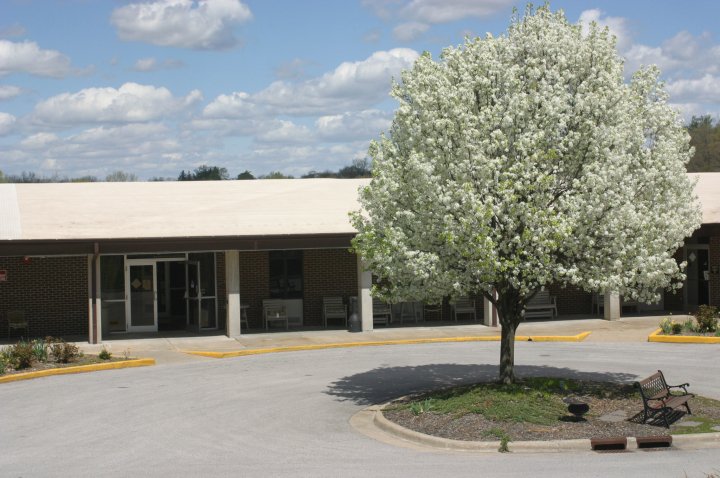
BETH HAVEN NURSING HOME

2500 PLEASANT STREET, HANNIBAL, MO 63401 (573) 221-6000
For profit - Corporation 105 Beds Independent Data: November 2025 3 Immediate Jeopardy citations
Trust Grade
0/100
#345 of 479 in MO
Last Inspection: February 2025

Within standard 12-15 month inspection cycle. Federal law requires annual inspections.

Overview

Beth Haven Nursing Home in Hannibal, Missouri has a Trust Grade of F, indicating significant concerns about the quality of care provided. Ranked #345 out of 479 facilities in Missouri and #4 out of 5 in Marion County, it is in the bottom half for both state and local options. Unfortunately, the facility is worsening, with the number of issues increasing from 9 in 2024 to 30 in 2025. Staffing is not a strong point, earning only 2 out of 5 stars, though turnover is low at 0%. However, the facility has concerning fines of $268,809, which is higher than 96% of Missouri facilities, indicating ongoing compliance problems. There are significant concerns regarding resident safety, including a critical incident where residents were exposed to unsafe indoor temperatures, ranging from 82 to 90 degrees Fahrenheit, well above the recommended range. Additionally, there were serious issues with resident protection, as one resident exhibited inappropriate sexual behavior towards others, causing distress and prompting a request for relocation by a victim. Furthermore, staff failed to recognize critical signs of hyperglycemia in a diabetic resident, leading to a hospital transfer due to dangerously high blood sugar levels. While the low staff turnover suggests some stability, these serious deficiencies raise substantial red flags for families considering this facility.

Trust Score
F
0/100
In Missouri
#345/479
Bottom 28%
Safety Record
High Risk
Review needed
Inspections
Getting Worse
9 → 30 violations
Staff Stability
○ Average
Turnover data not reported for this facility.
Penalties
✓ Good
$268,809 in fines. Lower than most Missouri facilities. Relatively clean record.
Skilled Nurses
⚠ Watch
Each resident gets only 15 minutes of Registered Nurse (RN) attention daily — below average for Missouri. Fewer RN minutes means fewer trained eyes watching for problems.
Violations
⚠ Watch
87 deficiencies on record. Higher than average. Multiple issues found across inspections.
★☆☆☆☆
1.0
Overall Rating
★★☆☆☆
2.0
Staff Levels
★☆☆☆☆
1.0
Care Quality
★☆☆☆☆
1.0
Inspection Score
Stable
2024: 9 issues
2025: 30 issues

The Good

  • Full Sprinkler Coverage · Fire safety systems throughout facility
  • No fines on record

Facility shows strength in fire safety.

The Bad

1-Star Overall Rating

Below Missouri average (2.5)

Significant quality concerns identified by CMS

Federal Fines: $268,809

Well above median ($33,413)

Significant penalties indicating serious issues

The Ugly 87 deficiencies on record

3 life-threatening 2 actual harm
Jun 2025 1 deficiency 1 IJ (1 affecting multiple)
CRITICAL (K) 📢 Someone Reported This

A family member, employee, or ombudsman was alarmed enough to file a formal complaint

Immediate Jeopardy (IJ) - the most serious Medicare violation

Safe Environment (Tag F0584)

Someone could have died · This affected multiple residents

**NOTE- TERMS IN BRACKETS HAVE BEEN EDITED TO PROTECT CONFIDENTIALITY** Based on observation, interview, and record review, the facility failed to ensure a comfortable and homelike environment by not ...

Read full inspector narrative →
**NOTE- TERMS IN BRACKETS HAVE BEEN EDITED TO PROTECT CONFIDENTIALITY** Based on observation, interview, and record review, the facility failed to ensure a comfortable and homelike environment by not maintaining the indoor air temperatures of resident rooms in the facility between 71.0 F. (degrees Fahrenheit) and 81.0 F. for 19 sampled residents on the east wing of the facility (Residents #1, #2, #3, #5, #6, #7, #8, #9, #10, #11, #14, #16, #17, #18, #19, #20, #21, #22 and #23) with room temperatures ranging from 82.0 degrees Fahrenheit ( F.) to 90 F. The facility failed to have a comprehensive monitoring system including documentation of resident room temperatures and each resident's condition. The facility census was 69.The Administrator was notified on 6/23/25 at 5:15 P.M., of the Immediate Jeopardy (IJ) which began on 6/23/25. The IJ was removed on 6/24/25, as confirmed by surveyor onsite verification. Review of the facility's undated, Emergency Cooling Plan for the Facility showed the following:-A portable air unit will be installed in each occupied resident room on the East Unit, one portable air unit will be installed in the East Unit dining room, and one portable unit will be installed in the office area at the entrance of the East Unit;-Temperatures will be monitored and recorded by staff hourly in the resident rooms on the East Unit, the resident core area and resident dining room on the East Unit to ensure areas are between 71.0 F. and 81.0 F.;-If temperatures rise to 81.0 F staff will contact the administrator, Director of Nursing (DON), and the maintenance supervisor immediately and residents will be moved to the [NAME] Core and Dining areas temporarily while other emergency cooling measures are implemented.1. Review of Resident #1's admission Minimum Data Set (MDS, a federally mandated assessment instrument required to be completed by facility staff), dated 5/29/25, showed the following:-The resident was cognitively intact;-The resident had diagnoses that included medically complex conditions, diabetes (a condition that occurs when your blood sugar is too high), congestive heart failure (CHF, a chronic condition in which the heart doesn't pump blood as well as it should and can cause shortness of breath with exertion), kidney failure, and coronary artery disease;-The resident required partial to moderate assistance from staff for transfers;-The resident used a wheelchair for ambulation.During an interview on 6/23/25 at 1:59 P.M., the resident said the following:-The air conditioning in the facility did not work;-Staff brought a portable unit to his/her room, but he/she did not remember when it was placed in the room;-As long as he/she sat fairly close to the air conditioning unit he/she was comfortable;-The portable air conditioning unit worked just ok.Observation on 6/23/25 at 1:59 P.M., showed the resident sat in his/her wheelchair in his/her room. The temperature in the resident's room was 88 F., taken with a dial stem thermometer, with a portable air conditioner in the room running and set at 72 F. Observation on 6/23/25 at 3:56 P.M., showed the following:-The resident sat in the common area watching television;-The common area temperature was 84 F., taken with a dial stem thermometer. 2. Review of Resident #2's quarterly MDS, dated [DATE], showed the following:-The resident was cognitively intact;-The resident had diagnoses that included CHF and diabetes;-The resident was dependent on staff for transfers;-The resident used a wheelchair for ambulation.During an interview on 6/23/25 at 1:42 P.M., the resident said the following:-He/She had a portable air conditioner in his/her room, but still got hot later in the day;-If staff left his/her door open it made the temperature rise in his/her room and staff did not always keep the door closed;-He/She was not able to get up on his/her own. Staff used a mechanical lift to get him/her out of bed;-He/She would prefer the temperature to be 72 F;-Staff had not offered to move the resident to another room.Observation on 6/23/25 at 1:42 P.M., showed the following:-The resident was in bed with no blanket or sheet on;-The resident's room had a portable air conditioner running with the temperature set at 73 F.;-The resident's room temperature was 78 F., taken with a dial stem thermometer. 3. Review of Resident #9's quarterly Minimum Data Set (MDS), a federally mandated assessment instrument required to be completed by facility staff, dated 6/13/25, showed the following:-The resident was cognitively intact;-The resident had diagnoses that included CHF, kidney failure, diabetes, dementia (a chronic condition that causes a decline in mental functioning, such as thinking, remembering, and reasoning), and respiratory failure.During an interview on 6/23/25 at 1:24 P.M., Resident #9 said the following:-His/Her portable air conditioner said 61 F but it did not feel 61 F;-It took a lot to cool him/her down, he/she was hot natured;-He/She used a wheelchair and could not always get his/her room door shut when leaving the room and it caused his/her room to get hot;-Staff had not offered to move the resident to another room.Observation on 6/23/25 at 1:24 P.M., showed Resident #9's room was 80 F., taken with a dial stem thermometer. 4. Observation on 6/23/25 at 1:53 P.M., showed the following:-The east hallway for resident rooms 20-29 was 84 F., taken with a dial stem thermometer; -room [ROOM NUMBER] was the only unoccupied room on this hallway;-Two residents propelled their wheelchairs in the hallway; -A 30 (inch) pedestal fan blew air in the hallway.5. Observation on 6/23/25 at 1:57 P.M., showed the East Wing hallway for resident rooms 30-39 was 90 F., taken with a dial stem thermometer (no residents were present). Rooms 30, 31, 34, 35, 38, and 39 were occupied. 6. During an interview on 6/23/25 at 5:40 P.M., Resident #10 said his/her room was hot and uncomfortable.Observation on 6/23/25 at 5:40 P.M., showed the temperature in the resident's was 88 F., taken with a dial stem thermometer.7. Observation on 6/23/25 at 5:47 P.M., showed Resident #14's room temperature was 92 F., taken with a dial stem thermometer. 8. Observation on 6/23/25 at 5:58 P.M., showed Resident #6's room temperature was 80 F. taken with a dial stem thermometer. The resident was in bed asleep with a fan blowing on him/her9. Review of Resident #19's quarterly MDS, dated [DATE], showed the following:-The resident was cognitively intact;-The resident had diagnoses that included cancer, stroke, and medically complex conditions.During an interview on 6/23/25 at 6:08 P.M., Resident #19 said the following: -His/Her room, had been warm;-He/She would like to move to a room that was not as warm;-Staff had not offered to move the resident to another room. Observation on 6/23/25 at 6:08 P.M., showed the resident's room had two fans that blew air, the portable air conditioning unit was running and set at 61 F.; the room temperature was 80 F., taken with a dial stem thermometer.10. Review of Resident #20's admission MDS, dated [DATE], showed the following:-The resident was cognitively intact;-The resident had diagnoses that included medically complex conditions, seizure disorder, atrial fibrillation (A-Fib - an irregular and often very rapid heart rhythm that can lead to blood clots and increases the risk of stroke, heart failure and other heart-related complications), and chronic obstructive pulmonary disease (COPD, refers to a group of diseases that cause airflow blockage and breathing-related problems).Observation of the common area on 6/23/25 at 6:10 P.M., on the East Wing showed the following:-A large portable air conditioning unit vented into the ceiling;-Four residents were in the common area;-The common area temperature was 84 F., taken with a dial stem thermometer.During an interview on 6/23/25 at 6:11 P.M., Resident #20 said the following:-He/She slept in a recliner in the common area;-He/She got sweaty during the night, because it was so hot in the common area. 11. Observation on 6/23/25 at 6:13 P.M., showed the East Wing dining room had a portable air conditioner, that was running and vented into the ceiling. The temperature in the dining room was 88 F. taken with a dial stem thermometer. No residents were in the dining room at the time.12. Review of Resident #21's quarterly MDS, dated [DATE], showed the following:-The resident's cognition was moderately impaired;-The resident had diagnoses that included medically complex conditions and a need for assistance with personal care;-The resident understood others and could make himself/herself understood to others.During an interview on 6/23/25 at 6:17 P.M., Resident #21 said the following:-He/She had bladder cancer and needed to stay hydrated;-If he/she asked for water from most of the certified nurse aides (CNAs), they only brought a small Styrofoam cup of water.Observation on 6/23/25 at 6:17 P.M., showed the resident in his/her room, in bed with no blanket or sheet covering his/her body. A portable air conditioner unit was running and set at 72 F. The room temperature was 80 F., taken with a dial stem thermometer. 13. During an interview on 6/23/25 at 6:25 P.M., Resident #15 said the following:-He/She arrived at the facility today;-The resident asked his/her family member to bring a fan, because his/her room, was hot; -He/She was uncomfortable and sweaty in his/her room.Observation on 6/23/25 at 6:25 P.M., of Resident #15 and his/her room showed the resident sat on the side of his/her bed and the room temperature was 90 F., taken with a dial stem thermometer. 14. Observation on 6/23/25 at 6:31 P.M., showed Resident #16 and Resident #17's room, was 88 F., taken with a dial stem thermometer. 15. During an interview on 6/23/25 at 6:33 P.M., Resident #22 said the following:-He/She was terrible, it was hot in his/her room, -His/Her family member brought in a fan, because it was hot in his/her room;-If he/she just laid on the bed and did not move around, he/she was okay;-He/She would move to another room if it was cooler.Observation on 6/23/25 at 6:33 P.M., of Resident #22 and his/her room showed the following:-The resident was on his/her back in bed watching television;-The resident had a 24 fan blowing on him/her;-The room temperature was 86 degrees F. taken with a dial stem thermometer.Review of the resident's discharge MDS, dated [DATE], showed the following:-The resident was cognitively intact;-The resident had diagnoses that included kidney failure, weakness, stroke and hardening of the arteries after a coronary artery bypass graft (CABG- a procedure to treat a blockage or narrowing of one or more of the coronary arteries).16. Observation on 6/23/25 at 6:38 P.M. of unoccupied room [ROOM NUMBER], showed the temperature was 92 F. taken with a dial stem thermometer. A portable air conditioner in the room was running and set on 62 F. Observation on 6/23/25 at 6:40 P.M. of unoccupied room [ROOM NUMBER], showed the temperature was 90 F. taken with a dial stem thermometer. A portable air conditioner in the room was running and set on 65 F. 17. During an interview on 6/23/25 at 6:41 P.M., Resident #11 said the following:-He/She was hot;-He/She kicked the blanket and sheet off to the floor and did not want them on the bed;-He/She would move to cooler room if he/she could.Observation on 6/23/25 at 6:41 P.M., of Resident #11 and his/her room showed the following:-The resident lay on his/her bed with no blankets or sheet and wore only an incontinent brief;-The resident's blanket and sheet were on the floor;-The resident's room was 90 F., taken with a dial stem thermometer.18. Review of Resident #3's admission MDS, dated [DATE], showed the following:-The resident was cognitively intact;-The resident had diagnoses that included diabetes and medically complex conditions.During an interview on 6/23/25 at 6:52 P.M., Resident #3 said the following:-The resident only had a sheet covering him/her because he/she just finished eating supper; -It was hot in his/her room and it was going to get hotter;-He/She really suffered from the heat, sometimes it made him/her nauseated;-It was ridiculous it was so hot in his/her room.Observation on 6/23/25 at 6:52 P.M., of Resident #3 and his/her room showed the following:-The resident lay in bed with a sheet covering him/her up to his/her waist;-The temperature in the resident's room was 89 F. taken with a dial stem thermometer;-A portable air conditioning unit was in the room running and set on 61 F. 19. Review of Resident #18's admission MDS, dated [DATE], showed the following:-The resident's cognition was moderately impaired;-The resident had diagnoses that included traumatic brain injury, coronary artery disease, arthritis, hemiparesis (weakness of one entire side of the body), and a need for assistance with personal care. During an interview on 6/23/25 at 7:00 P.M., Resident #18 said the following:-It was hot in his/her room;-He/She was hot and sweaty.Observation on 6/23/25 at 7:00 P.M., of the resident and his/her room showed the following:-The resident lay in bed with a small fan clamped to the bed rail blowing air on the resident's face;-The resident's room temperature was 92 F;-A portable air conditioning unit in the room was running and set on 70 F. 20. Review of weatherunderground.com showed the high temperature for 6/23/25 was 93 F. with a heat index of 98 F.21. During an interview on 6/30/25 at 4:30 P.M. Certified Medication Technician (CMT) E said the following:-On June 21st and June 22nd it was very hot on the east wing in the resident rooms, the dining room, common area, and hallways;-He/She did not use a thermometer to monitor the resident room temperatures, or any other area of the east wing;-Residents were uncomfortable during that weekend. During an interview on 6/23/25 at 12:43 P.M., the Director of Nursing (DON) said the following:-She was not sure when the air conditioning went out on the East wing;-There were portable air conditioning units in each occupied resident room on the East wing;-Staff had not monitored residents more frequently or monitored room temperatures since the air conditioning unit went out on the East wing;-She never saw anything in the emergency preparedness binder that related to a heat plan;-The residents on the East wing continued to use the East wing dining room since the air conditioner went out.During interviews on 6/23/25 at 12:43 P.M., 2:48 P.M., 4:10 P.M., and 6/30/25 at 1:42 P.M., the Administrator said the following:-The facility's air conditioner went down on the East unit the week of 6/3/25;-Portable air conditioners were installed in all occupied resident rooms after the facility air conditioner went out; -Staff had not monitored residents or resident room temperatures since the facility air conditioner on the East wing of the facility went out. The maintenance staff installed portable air conditioning units in their rooms;-Staff usually passed water two times a day. Staff had not been directed to pass water to the residents on the East wing more than twice a day since the facility air conditioner went out; -She had an emergency cooling plan for the facility that was drafted in 2022 specific to the East wing of the facility when the facility had air conditioning problems that was kept in her office;-The staff had not followed the emergency plan to monitor temperatures hourly in resident rooms, core areas, and the dining room;-The staff had not followed the emergency plan to assess residents as appropriate in order to help determine safe room temperatures;-She was responsible for the emergency preparedness policies and keeping the binders up to date;-She did not feel she needed to have a detailed plan in the emergency preparedness binder at the nurse's station because she would expect staff to call her and she would give them instructions;-She did not expect nursing staff to implement a full emergency plan;-It should be general nursing knowledge to monitor residents in the summer for dehydration and excessive heat;-She expected staff to offer fluids throughout the day during the summer and when there was excessive heat.During an interview on 6/30/25 at 2:32 P.M., the Medical Director said the following:-He was aware the air conditioning was broken and there were portable air conditioning units in each resident room;-He would expect staff to monitor residents for excessive heat;-If the facility had a policy but it was not followed, it did not do anyone any good.NOTE: At the time of the abbreviated survey, the violation was determined to be at the immediate and serious jeopardy level K. Based on observation, interview and record review completed during the onsite visit, it was determined the facility had implemented corrective action to address and lower the violation at the time. A revisit will be conducted to determine if the facility is in substantial compliance with participation requirements. At the time of exit, the severity of the deficiency was lowered to the E level. This statement does not denote that the facility has complied with State law (Section 198.026.1 RSMo.) requiring that prompt remedial action be taken to address Class I violation(s). MO256298
Jun 2025 1 deficiency
CONCERN (D) 📢 Someone Reported This

A family member, employee, or ombudsman was alarmed enough to file a formal complaint

Potential for Harm - no one hurt, but risky conditions existed

Free from Abuse/Neglect (Tag F0600)

Could have caused harm · This affected 1 resident

Based on interview and record review, the facility failed to ensure one resident (Resident #1), in a review of nine sampled residents, was free from verbal abuse when Licensed Practical Nurse (LPN) A,...

Read full inspector narrative →
Based on interview and record review, the facility failed to ensure one resident (Resident #1), in a review of nine sampled residents, was free from verbal abuse when Licensed Practical Nurse (LPN) A, after denying to get the resident a cup of coffee when he/she requested one, proceeded to pursue the resident to another wing of the facility, yelled loudly he/she already told the resident the resident could not have a cup of coffee, and LPN A meant it in a demeaning manner at the resident while pointing his/her finger at the resident's face. Witnesses reported the resident had a surprised look on his/her face and asked what he/she had done wrong. The facility investigation showed when interviewed, Resident #1 confirmed LPN A had treated him/her very nasty, pointed his/her finger in the resident's face, and felt like LPN A dismissed him/her like a dog over a cup of coffee. The facility census was 64. The administrator was notified of the past noncompliance on 06/05/25, which occurred on 05/28/25. On 05/28/25, the Director of Nursing (DON) suspended the alleged perpetrator (AP) for the allegation of staff to resident abuse. In-servicing of staff on abuse began and the facility began their investigation into the allegation. In-servicing was completed on 06/01/25. As a result of the facility investigation, the facility determined the AP's actions did constitute staff to resident abuse and the AP was terminated on 06/02/25. This deficiency was corrected on 06/01/25. Review of the facility policy, dated 2001, Abuse, Neglect, Exploitation and Misappropriation Prevention Program, showed the following: -Residents have the right to be free from abuse. This includes but is not limited to freedom from verbal abuse; -Protect residents from abuse by anyone, including, but not necessarily limited to facility staff; -Establish and maintain a culture of compassion and caring for all residents and particularly those with behavioral, cognitive or emotional problems; -The policy did not include a definition of verbal abuse. 1. Review of Resident #1's undated medical diagnosis sheet, showed his/her diagnoses included nonrheumatic aortic valve stenosis (a heart condition, involving the valve between the lower left heart chamber and the body's main artery) , muscle weakness, and falls. Review of the resident's annual Minimum Data Set (MDS), a federally mandated assessment instrument required to be completed by facility staff, dated 05/02/25, showed the following: -Hearing: minimal difficulty; -No hearing aids; -Makes self understood; -Understands, clear comprehension; -Adequate vision; -Cognitively intact; -No behaviors or rejection of cares; -It was very important to the resident to make choices regarding snacks/food; -Independent for mobility. Review of the resident's care plan, dated 05/13/25, showed the following: -Assist the resident when he/she asked for help with activities of daily living (ADL's); -Ensure the resident's needs were met such as hunger, thirst, and socialization. During an interview on 06/04/25 at 11:15 A.M., the resident said the following: -He/She enjoyed a cup of coffee throughout the day and in the evenings; -He/She asked LPN A for a cup of coffee, and LPN A said he/she would not make a cup of coffee just for the resident; -He/She went to another area of the facility to get a cup of coffee; -Another nurse came over and asked him/her why he/she was there (on the west wing), and he/she said he/she had friends there who would make him/her some coffee; -LPN A came over and told him/her to not ever do that again; there was a coffee station on the resident's wing; -He/She was a very obedient person and LPN A spoke very loudly. 2. Review of an undated facility investigation, Summary of Investigation, showed the Director of Nurses (DON) documented the following: -On 05/30/25 (DON clarified that this date was typed in error, actual date was 05/28/25) at 07:44 P.M., it was reported by telephone to her by night shift staff that LPN A yelled at Resident #1 in the facility's core area; -She arrived at the facility and suspended LPN A pending an investigation; -She interviewed Resident #1, and the resident confirmed LPN A had treated him/her very nasty, pointed his/her finger in the resident's face, and dismissed the resident like a dog over a cup of coffee; -An investigation was started; -An in-service was started on verbal abuse for all facility staff; -LPN A was terminated on 06/02/25. 3. Review of a facility statement, dated 05/28/25, showed CNA B wrote the following: -He/She stood at the desk on the west side; -LPN A came over from the east side yelling, Where is Resident #1 at?; -LPN A walked over to the resident and was within inches of the resident's face; -LPN A, with his/her finger pointed at the resident's face, yelled at the resident and told the resident he/she could not have coffee and the resident was going to listen to LPN A; -LPN A returned to the east side of the building. During an interview on 06/03/25 at 05:20 P.M., CNA B said the following: -He/She worked on the west wing of the facility on the evening of 05/28/25; -The resident resided on the east wing of the facility but came over to the west wing to get a cup of coffee; -Graduate Practical Nurse (GPN) D gave the resident a cup of coffee and the resident sat down at a table across from the west wing nurses station; -CNA B heard LPN A's voice before he/she saw LPN A; -LPN A said, Where is Resident #1 at? multiple times, in a loud voice, and LNP A sounded angry; -LPN A saw the resident at the table and LPN A put his/her face very close to the resident's face, within 12 inches; -LPN A pointed his/her finger at the resident's face; -LPN A told the resident he/she could not have coffee, and that LPN A meant it; -The resident looked surprised and just sat there; -LPN A left the west wing and went back to the east wing; -The resident said he/she did not know what he/she had done wrong; -CNA B and CNA C went outside of the facility and called the DON; -LPN A should not have spoken to the resident that way; and he/she considered it verbal abuse of the resident. 4. Review of a facility statement, dated 05/28/25, showed CNA C wrote the following: -LPN A stomped over to the west side and screamed, Where is Resident #1 at?; -LPN A marched over to where the resident sat, and got in the resident's face; -LPN A pointed his/her finger at the resident and yelled that the resident was going to listen to LPN A when he/she said no; -LPN A said he/she meant it, and that did not mean the resident could go and ask other people, and he/she was sick of it; -LPN A turned around and marched back to the other side. During an interview on 06/10/25 at 10:54 A.M., CNA C said the following: -He/She worked on the west wing on the evening of 05/28/25; -The resident sat at a table across from the west wing nurses station; -He/She heard LPN A screaming Where is Resident #1, where is Resident #1!? before CNA C saw LPN A; -LPN A marched over to the resident, pointed his/her finger within inches of the resident's face, and yelled at the resident. LPN A said he/she told the resident no, and the resident should not go and ask other people when LPN A told the resident no; -LPN A returned to the east wing; -The resident had a surprised look on his/her face and asked what he/she had done wrong; -CNA C had never heard a staff person yell at a resident like that; that was probably the worst he/she had ever seen; -Yelling at a resident, or refusing a need, was a form of abuse. 5. Review of a facility statement, dated 05/28/25, showed GPN D said the following: -He/She asked LPN A why he/she did not give Resident #1 a cup of coffee when the resident asked for one; -LPN A told GPN D the resident could not have any coffee and he/she had already told the resident no; -GPN D got the resident a cup of coffee. During an interview on 06/10/25 at 03:00 P.M., GPN D said the following: -He/She worked on the west wing of the facility on the evening of 05/28/25; -Resident #1 resided on the east wing of the facility; -The resident came over to the west wing nurses station and begged the staff for a cup of coffee; -The resident said the other nurse would not make him/her a cup of coffee when the resident asked for one; -GPN D went to the east wing to ask the staff why the resident could not have a cup of coffee; -LPN A immediately turned from the medication cart and said, no, the resident was not going to get a fucking cup of coffee, the resident had already asked and been told no, and the resident had already caused a commotion; -GPN D asked again why the resident could not have a cup of coffee, but LPN A did not respond and only said he/she had already told the resident no; -GPN D left the east wing and got a cup of coffee for the resident from another area in the facility; -When GPN D returned to the west wing nurses station, CNA B and CNA C reported LPN A came over from the east wing, found the resident at the table, and yelled at the resident and told him/her that he/she (LPN A) had already told the resident he/she could not have coffee; -Yelling at a resident, or refusing a request or need, would be considered abuse. 6. During an interview on 06/03/25 at 03:55 P.M., the DON said the following: -She received a phone call on 05/28/25 around 07:44 P.M. from CNA C who said that LPN A had yelled at Resident #1 while the resident sat at a table across from the west wing nurses station; -The resident walked to the west wing to get a cup of coffee and told the west wing staff that LPN A had refused to get a cup of coffee when the resident asked for one; -CNA C said LPN A stomped over to the west wing and said, Where is Resident #1 at? multiple times; -CNA C said LPN A saw the resident at the table and laid into him/her (the resident); -CNA C said LPN A had his/her finger in the resident's face and said, LPN A told the resident no!; -CNA C said he/she had never heard a staff person yell at a resident like that; -LPN A went back to the east wing; -GPN D asked LPN A why he/she did not get the resident a cup of coffee when the resident asked for one; -LPN A said he/she had already told the resident no, but did not give any other explanation; -The resident told her that LPN A was very, very nasty to him/her when he/she asked for a cup of coffee; -The resident said LPN A would not make a cup of coffee just for him/her; -The resident walked to the other wing and asked the staff there to make him/her a cup of coffee and they did; -The resident said he/she really got a lashing from LPN A, LPN A did not like it when the resident asked the other staff to get the cup of coffee; -The resident said it hurt his/her feelings when LPN A spoke that way to him/her; -LPN A should have accommodated the resident's request for a cup of coffee and should not have spoken to the resident in that way; -She would consider how LPN A spoke to the resident as verbal abuse. During an interview on 06/04/25 at 2:50 P.M., the administrator said the following: -She was made aware that LPN A yelled at Resident #1 on 05/28/25 and she came into the facility; -LPN A was suspended during the investigation, then terminated on 06/02/25; -Yelling at a resident was a form of abuse. MO00254942
Apr 2025 2 deficiencies
CONCERN (D) 📢 Someone Reported This

A family member, employee, or ombudsman was alarmed enough to file a formal complaint

Potential for Harm - no one hurt, but risky conditions existed

Deficiency F0558 (Tag F0558)

Could have caused harm · This affected 1 resident

Refer to Y0CV12. This deficiency is uncorrected. For previous examples, see the Statement of Deficiencies dated 02/06/25. Based on observation, interview and record review, the facility failed to ens...

Read full inspector narrative →
Refer to Y0CV12. This deficiency is uncorrected. For previous examples, see the Statement of Deficiencies dated 02/06/25. Based on observation, interview and record review, the facility failed to ensure one resident (Resident #7) in a review of 15 sampled residents, had a proper fitting wheelchair that did not cause him/her pain. The census was 65. Review of the facility policy, Accommodation of Needs, last revised March 2021, showed the following: -The facility's environment and staff behaviors are directed toward assisting the resident in maintaining and/or achieving safe, independent functioning, dignity and well-being; -The resident's individual needs and preferences are accommodated to the extent possible, except when the health and safety of the individual or other residents would be endangered; -The resident's individual needs and preferences, including the need for adaptive devices and modifications to the physical environment, are evaluated upon admission and reviewed on an ongoing basis; -In order to accommodate individual needs and preferences, adaptations may be made to the physical environment, including the resident's bedroom and bathroom, as well as the common areas in the facility. Examples of such adaptations may include: providing a variety of types (for example, chairs with and without arms), sizes (height and depth), and firmness of furniture in rooms and common areas so that residents with varying degrees of strength and mobility can independently arise to a standing position; -In order to accommodate individual needs and preferences, staff attitudes and behaviors are directed towards assisting the residents in maintaining independence, dignity and well-being to the extent possible and in accordance with the residents' wishes. For example, arranging personal items so that they are in easy reach of the resident. Review of Resident #7's care plan, last revised 11/18/24, showed the following: -The resident wished to be physically comfortable while maintaining a sense of control; -He/She had a decline in activities of daily living (ADL) performance and mobility status related to diagnosis of multiple sclerosis (a chronic, autoimmune disease that affects the brain and spinal cord); -The resident will maintain highest level of functioning within limits of progressive multiple sclerosis (MS). He/She will remain free of complications or discomfort related to MS. Review of the resident's quarterly Minimum Data Set (MDS), a federally mandated assessment instrument to be completed by the facility, dated 01/10/25, showed the following: -Cognitively intact; -Dependent on staff for transfers; -Used a manual wheelchair. Review of the resident's Physician's Orders, dated 03/03/25, showed physical therapy and occupational therapy evaluation for fitting new wheelchair. Review of the resident's Social Services Progress Notes, dated 03/05/25 at 3:44 P.M., showed Social Services spoke with outpatient therapy this afternoon who said a message was left for the Director of Nursing (DON) at some point saying the resident would not be able to receive outpatient therapy for a new wheelchair because one of the occupational therapy requirements for a new wheelchair was the resident could not be in a nursing home. At this time, the resident must wait until this facility was able to offer in house therapy before proceeding with getting a new wheelchair. (There was no documentation to show an alternate plan was made to ensure the resident had a comfortable wheelchair.) Observation on 04/10/25 at 1:40 P.M., showed the resident in bed. The resident's wheelchair sat in front of his/her dresser. During a telephone interview on 04/15/25 at 4:23 P.M., the resident said the following: -The only wheelchair he/she had to use was in his/her room last week; -The wheelchair was too small; he/she had ordered and paid for it with his/her own money when he/she came to the facility; -He/She did not know what he/she was doing when he/she ordered the wheelchair; it was too short and it hurt terrible to sit in the wheelchair; -After 02/06/25, the facility gave him/her a cushion for the wheelchair and he/she tried it; the cushion made it worse because the wheelchair was too small and the cushion made it too high so his/her discomfort was worse, instead of better; -He/She has not been evaluated for a wheelchair, or been given a different wheelchair to see if it would help with his/her discomfort; -He/She would like a wheelchair to sit in that did not cause him/her so much discomfort; -He/She had told the DON and the Social Services Director (SSD) about his/her chair being uncomfortable after the last survey; -The resident said with his/her MS diagnosis, when he/she sat, one hip was higher than the other and that caused pressure/discomfort and when you added the chair that was not the correct size, he/she experienced additional discomfort/pressure. During an interview on 04/10/25 at 4:45 P.M., the SSD said she had not made an appointment for the resident for an occupational therapy evaluation at this time. She made calls on 04/09/25, but did not successfully schedule an appointment. During an interview on 04/10/25 at 11:37 A.M. and 2:15 P.M., the DON said the following: -The resident should have a proper fitting wheelchair that did not cause pain; -The facility was responsible for ensuring residents had proper equipment, including wheelchairs; -The SSD was responsible to ensure the resident had an appointment to be evaluated for a properly fitting or possibly a custom wheel chair; -She gave the resident a Roho (brand of cushion for wheelchairs with air filled pockets for pressure relief) and the resident said it was helping some at first; -She went and asked the resident about the cushion and the resident said after he/she used it for a while it was hurting him/her more so he/she had the staff remove it; -She became aware of the resident's concern of his/her chair being uncomfortable during the last survey.
CONCERN (D) 📢 Someone Reported This

A family member, employee, or ombudsman was alarmed enough to file a formal complaint

Potential for Harm - no one hurt, but risky conditions existed

Deficiency F0840 (Tag F0840)

Could have caused harm · This affected 1 resident

Refer to Y0CV12. Based on interview and record review, the facility failed to ensure residents received physical, occupational, and speech therapy services under an arrangement agreed upon by both th...

Read full inspector narrative →
Refer to Y0CV12. Based on interview and record review, the facility failed to ensure residents received physical, occupational, and speech therapy services under an arrangement agreed upon by both the facility and the provider of outpatient therapy services. This failure resulted in lack of communication between the facility and the provider, lack of coordination of care with agreed upon goals, lack of communication to ensure residents had their at home programs implemented at the facility, and failed to ensure residents could toilet and have basic assistance while at therapy for two residents (Resident's #400 and #402) in a review of two residents receiving outpatient therapy services. The facility census was 65.
Feb 2025 26 deficiencies
CONCERN (D)

Potential for Harm - no one hurt, but risky conditions existed

Deficiency F0558 (Tag F0558)

Could have caused harm · This affected 1 resident

**NOTE- TERMS IN BRACKETS HAVE BEEN EDITED TO PROTECT CONFIDENTIALITY** Based on observation, interview, and record review, the facility failed to ensure one wheelchair bound resident (Resident #7), h...

Read full inspector narrative →
**NOTE- TERMS IN BRACKETS HAVE BEEN EDITED TO PROTECT CONFIDENTIALITY** Based on observation, interview, and record review, the facility failed to ensure one wheelchair bound resident (Resident #7), had a proper fitting wheelchair for his/her height and weight which did not cause him/her pain. The facility also failed to ensure call lights were within reach for one resident (Resident #34). The census was 71. Review of the facility policy, Accommodation of Needs, last revised March 2021, showed the following: -The facility's environment and staff behaviors are directed toward assisting the resident in maintaining and/or achieving safe independent functioning, dignity and well-being. -The resident's individual needs and preferences are accommodated to the extent possible, except when the health and safety of the individual or other residents would be endangered. -The resident's individual needs and preferences, including the need for adaptive devices and modifications to the physical environment, are evaluated upon admission and reviewed on an ongoing basis. -In order to accommodate individual needs and preferences, adaptations may be made to the physical environment, including the resident's bedroom and bathroom, as well as the common areas in the facility. Examples of such adaptations may include: providing a variety of types (for example, chairs with and without arms), sizes (height and depth), and firmness of furniture in rooms and common areas so that residents with varying degrees of strength and mobility can independently arise to a standing position; -In order to accommodate individual needs and preferences, staff attitudes and behaviors are directed towards assisting the residents in maintaining independence, dignity and well-being to the extent possible and in accordance with the residents' wishes. For example, arranging personal items so that they are in easy reach of the resident. 1. Review of Resident #7's care plan, last revised 11/18/24, showed the following: -The resident wished to be physically comfortable while maintaining a sense of control; -He/She had a decline in activities of daily living (ADL) performance and mobility status related to diagnosis of multiple sclerosis (a chronic, autoimmune disease that affects the brain and spinal cord); -The resident will maintain highest level of functioning within limits of progressive multiple sclerosis. He/She will remain free of complications or discomfort related to multiple sclerosis. Review of the resident's quarterly Minimum Data Set (MDS), a federally mandated assessment instrument to be completed by the facility, dated 1/10/25, showed the following: -admission date of 7/3/24; -Cognitively intact; -Dependent on staff for transfers; -Used a manual wheelchair. Observation on 2/2/25 at 11:40 A.M., showed the resident sat in a wheelchair in the common area. The resident was tall in stature and too large for his/her wheelchair. The seat of the chair was too short for the resident's legs forcing him/her to sit with his/her legs at an awkward angle, with his/her right knee pointed inward. The back of the wheelchair did not rise high enough to support the resident's back and only came up to the resident's lower to mid back. During an interview on 2/4/25 at 2:00 P.M., the resident said the following: -The only wheelchair he/she had to use was the one he/she was sitting in; -The chair was too small but was the only wheelchair the facility had for him/her; -The wheelchair caused him/her to sit awkwardly and caused pain in his/her right hip; -The facility was supposed to find him/her a more suitable wheelchair, but had not. During an interview on 2/5/25 at 10:35 A.M., the Care Plan/MDS Coordinator said the following: -He/She knew the resident's wheelchair was too small and that it caused the resident pain; -The resident should not be in pain due to the chair; -A wheelchair request was in the works for the last six months; -The process for getting the resident an appropriate chair started when their last therapy group was here (services ended in December 2024). The resident had a physician order, the last therapy group measured the resident and was working on finding him/her an appropriate wheelchair. However, when the therapy group left the facility, all of their records went with them; -He/She had not tried to retrieve the therapy group's records; -He/She had not tried to find the resident a more suitable chair within the facility; -The facility was responsible for ensuring the resident had a suitable sized chair. During an interview on 2/6/25 at 11:37 A.M., the Director of Nursing said the following: -The resident should have a proper fitting wheelchair that did not cause him/her pain; -The facility was responsible for ensuring residents had proper equipment, including wheelchairs; -There was no specific staff responsible for obtaining needed equipment for residents; -Since they did not have a therapy department, they only had access to spare equipment (wheelchairs). 2. Review of Resident #34's quarterly MDS, dated [DATE], showed the following: -Moderately impaired cognition; -Able to make self understood; -Required partial to moderate assistance with bed mobility and transfers. Review of the resident's care plan, last revised 12/12/24, showed the following: -Diagnoses included history of falling, muscle weakness and difficulty walking; -The resident had chronic pain. Anticipate the resident's need for pain relief and respond immediately to any complaints of pain. Observation on 2/2/25 at 11:00 A.M., showed the resident lay in his/her bed. One call light was wrapped around the wall outlet and the second call light in the room laid on the floor. Both call lights were not within the resident's reach Observation on 2/3/25 at 12:35 P.M., showed the resident sat on the side of his/her bed with his/her lunch tray. One call light lay on the floor between the bed and the wall and the other was wrapped around the wall outlet. Neither call light was in the resident's reach. Observations on 2/4/25 at 6:40 A.M. and 9:00 A.M., showed the resident lay in his/her bed. One call light lay on the floor between the bed and the wall and the other call light was wrapped around the wall outlet. Neither call light was in the resident's reach. During an interview on 2/4/25 at 7:55 A.M., Licensed Practical Nurse (LPN) S said call lights should be in the resident's reach at all times. During an interview on 2/4/25 at 1:25 P.M., CNA R said call lights should be in reach of the residents at all times. During an interview on 2/6/25 at 11:37 A.M., the Director of Nursing said call lights should be in reach of all residents at all times.
CONCERN (D)

Potential for Harm - no one hurt, but risky conditions existed

Safe Environment (Tag F0584)

Could have caused harm · This affected 1 resident

**NOTE- TERMS IN BRACKETS HAVE BEEN EDITED TO PROTECT CONFIDENTIALITY** Based on observation, interview, and record review the facility failed to ensure reasonable care for the protection of resident ...

Read full inspector narrative →
**NOTE- TERMS IN BRACKETS HAVE BEEN EDITED TO PROTECT CONFIDENTIALITY** Based on observation, interview, and record review the facility failed to ensure reasonable care for the protection of resident property from loss, when two residents (Resident #59 and #67), and one additional resident (Resident #4), sent items to be laundered and not all items were returned, and failed to ensure one resident's (Resident #4), clothing was free from bleach stains upon return from the laundry department. The facility census was 71. Review of the facility's policy, Personal Property, revised August 2022, showed the following: -Facility staff will treat the residents' belongings with respect, regardless of perceived value; -The resident's personal belongings and clothing are inventoried and documented upon admission and updated as necessary. 1. Review of Resident #4's inventory list, dated 02/11/23, showed the resident had one gray undergarment. Review of the resident's inventory list, dated 02/01/24, showed the resident had one black pair of leggings. (Review showed no documentation of any other clothing items on the resident's inventory lists.) Review of the resident's annual assessment Minimum Data Set (MDS), a federally mandated assessment instrument completed by facility staff, dated 01/31/25, showed the following: -The resident had moderate cognitive impairment; -He/She made himself/herself understood; -It was very important to the resident to take care of his/her personal belongings or things. During an interview on 02/02/25 at 2:35 P.M. and 02/04/25 at 1:37 P.M., the resident said the following: -He/She had 10 pair of gray socks, labeled with his/her name, that were missing for a long time; -He/She had a cover up missing; -He/She reported the missing items to a certified nurses aide (CNA); -He/She reported the missing items to laundry staff; -The facility had not found his/her missing items, and had not replaced the items that were missing from the laundry; -He/She had received items back from the laundry which had bleach stains on them; -He/She was upset because he/she felt his/her items were not taken care of appropriately and were being ruined when laundered at the facility. Observation on 02/04/25 at 1:37 P.M. showed the following: -The resident wore a pair of gray socks and had one pair of gray socks in his/her drawer; -The resident's last name was written on the bottom of the socks; -The resident had a bleach spot on the inside of a gray sport undershirt; -The resident had a bleached stained line on the back of the left leg and on the front waistband of one pair of black leggings. 2. Review of Resident #59's inventory list, dated 05/24/24, showed the following: -Two gray and black jogger pants; -One gray jogger, leg cut at bottoms; -Two black joggers. Review of the resident's admission assessment MDS, dated [DATE], showed the following: -He/She made himself/herself understood; -It was very important to the resident to take care of his/her personal belongings or things. During an interview on 02/02/25 at 10:52 A.M., the resident said the following: -The only pants he/she had were the black joggers he/she currently wore; -He/She was missing one pair of black joggers, one pair of gray joggers and two pair of gray and black joggers with a stripe running down the outside pant leg. The pants were labeled with his/her name; -The pants had been missing for over one month; -He/She told nursing staff he/she did not get his/her pants back from the laundry; -The facility did not find his/her pants and had not replaced his/her pants that were missing from the laundry. Observation on 02/02/25 at 10:52 A.M., showed the following: -An unknown CNA asked if the resident wanted to take a shower; -The resident said he/she did not want to take a shower until he/she had a pair of clean pants; -The CNA left the resident's room; -The resident had four shirts on hangers in his/her closet and no pants. 3. Review of Resident #67's admission assessment MDS, dated [DATE], showed the following: -He/She made himself/herself understood; -It was very important to take care of his/her personal belongings or things. Review of the resident's undated inventory list, showed the resident had three gray t-shirts. During an interview on 02/03/25 at 7:55 A.M. and 10:24 A.M. and on 02/04/25 at 2:09 P.M., the resident said the following: -He/She was missing three gray t-shirts, labeled with his/her name; -His/Her t-shirts had been missing for approximately three to four months; -He/She told a CNA that he/she was missing t-shirts, -The facility had not found his/her t-shirts and had not replaced his/her t-shirts missing from the laundry. 4. During an interview on 02/04/25 at 2:27 P.M., Laundry Aide F said the following: -When a resident had missing items, staff would look in the laundry room to see if they could find them. If the item could not be found, a note was left for the resident which reported the item could not be found; -There was a lost and found room next to the laundry, where staff placed clothes if a item was not labeled or the label was faded and was no longer legible; -Sometimes staff delivered clothes to the wrong resident, so the clothes might be located in another resident's closet; -He/She was not aware Residents #4, #59 and #67 were missing clothing items; -He/She was not aware Resident #4 had bleach stains on his/her clothes; -The only way bleach could get on clothes was with a spray bottle or by sitting the item on top of another item with bleach on it; -The bleach line on the resident's clothing could have come from lying on the metal basket that may have been sprayed with bleach. Observation on 02/04/25 at 2:27 P.M. in the laundry room showed a blue shirt lay on a metal basket with a bleach line running across the back of the shirt. During an interview on 02/04/25 at 3:10 P.M., the Housekeeping Supervisor said the following: -Normally staff marked a resident's clothes with the resident's name before they were laundered; -There were industrial machines that have bleach in the machines and have certain bleach cycles, for washing white sheets, towels, etc.; -No resident had mentioned having bleach stains on his/her clothes; -If a resident was missing a clothing item, staff checked the laundry room and storage room to see if the item could be located. During an interview on 02/04/25 at 3:30 P.M., the SSD said the following: -She did not have any open grievances related to clothing for Resident #4, #67 or #59; -She did not know any of the residents had any items missing or clothing items that were ruined in the laundry; -If a missing item was reported to the CNA, the CNA looked for the item and then should tell a charge nurse. The charge nurse would try to locate the missing item in the resident's room. If the item was not found, staff searched the laundry room and the lost and found. If staff were not able to locate the missing item, staff filled out a form for broken/missing items replacement authorization, and turned in the form to her and she who would start her own investigation. She would interview the resident, check the resident's room, and check with laundry. If she was unable to locate the missing item, then she would give the form with the investigation to the Administrator and the Administrator would inform her of what to do next; -Ultimately, if the items were not found or had been damaged, the facility would need to replace the items. During an interview on 02/06/25 at 11:40 A.M., the Director of Nurses (DON) said the following: -She expected residents to get all their clothing items back that were sent to be laundered at the facility; -If a resident had any missing items from laundry, staff should notify the SSD so an investigation could be performed and a value placed on the items that were not able to locate; -If items were returned to the resident with bleach stains, she would expect the facility to offer to replace the items. During an interview on 02/06/25 at 12:50 P.M., the Administrator said the following: -She expected residents to get all their clothing items back that were sent to be laundered at the facility; -If a resident had any missing items from laundry, staff would look for it in laundry. If staff did not find the item, they should notify the SSD so an investigation could be performed; -She expected the facility to replace lost items; -She would not expect a resident to receive items back from the laundry with bleach stains; -If a resident's clothes were damaged by bleach while in the laundry, she would expect the facility to replace the items.
CONCERN (D)

Potential for Harm - no one hurt, but risky conditions existed

Deficiency F0604 (Tag F0604)

Could have caused harm · This affected 1 resident

Based on observation, interview, and record review, the facility failed to evaluate one resident (Resident #375's) in the use of a power recliner chair as a restraint, in a review of 18 sampled reside...

Read full inspector narrative →
Based on observation, interview, and record review, the facility failed to evaluate one resident (Resident #375's) in the use of a power recliner chair as a restraint, in a review of 18 sampled residents. The motorized recliner which staff sat the resident was positioned so the resident's legs were in front of him/her (horizontal with the floor). The resident was mentally and physically incapable of using power chair remote to put his/her own feet to the floor. The facility census was 71. Review of the facility's policy, Use of Restraints, revised April 2017, showed the following: -Restraints shall only be used for the safety and well-being of the resident(s) and only after other alternatives have been tried unsuccessfully; -Restraints shall only be used to treat the resident's medical symptom(s) and never for discipline or staff convenience, or for the prevention of falls; -When the use of restraints is indicated, the least restrictive alternative will be used for the least amount of time necessary, and the ongoing re-evaluation for the need for restraints will be documented; -Physical Restraints are defined as any manual method or physical or mechanical device, material or equipment attached or adjacent to the resident's body that the individual cannot remove easily, which restricts freedom of movement or restricts normal access to one's body; -The definition of a restraint is based on the functional status of the resident and not the device. If the resident cannot remove a device in the same manner in which the staff applied it given that a resident's physical condition (i.e., side rails are put back down, rather than climbed over), and this restricts his/her typical ability to change position or place, that device is considered a restraint; -Practices that inappropriately utilize equipment to prevent resident mobility are considered restraints and are not permitted, included placing a resident in a chair that prevented the resident from rising; -Prior to placing a resident in restraints, there shall be a pre-restraining assessment and review to determine the need for restraints. Review of the facility's policy, Identifying Involuntary Seclusions and Unauthorized Restraint, revised in September 2022, showed the following: -Sometimes the use of restraints is not intentional, but this does not absolve the staff of responsibility to recognize and report the unauthorized use of restraints. Examples of physical restraints (intentional or unintentional) included placing a resident in a chair, such as a beanbag or recliner, that prevents a resident from rising independently; -Restraints that are used as a last resort to protect the safety of the resident and others must be accompanied by an order from the practitioner and documentation reflecting the circumstances that led up to the decision to restrain him or her (See policy on Use of Restraints). 1. Review of Resident #375's care plan, revised 01/20/25, showed the following: -The resident was resistive to care at times related to his/her cognitive deficits. He/She may also have anxiety or agitation as part of his/her disease process; -He/She had impaired activities of daily living (ADL) performance and mobility status related to multiple disease processes; -He/She cannot ambulate independently. He/She needed staff to walk with him/her with a gait belt. He/She had to wear a gait belt at all times because he/she was very impulsive would attempt to get up quickly to walk on his/her own; -The resident had actual difficulty with communication related to unclear speech/very little talking; -Monitor him/her for physical/nonverbal indicators of discomfort or distress, and follow-up as needed; -He/She have an actual problem with cognition. He/She had found it difficult to feed him/herself, learn new information, understand reasoning, make decisions, recognize objects, or communicate effectively. This alteration in thought process is related to a traumatic brain injury; -No documentation reflecting medical symptoms or underlying problems that might support the need for a restraint. Review of Resident #375's admission Minimum Data Set (MDS), a federally mandated assessment instrument completed by facility staff, dated 01/29/25, showed the following: -He/She was severely cognitively impaired; -He/She had unclear speech and usually understood others; -He/She had physical and verbal behavioral symptoms directed toward others and these behaviors put the resident at significant risk for physical illness or injury and significantly interfered with the resident's care; -He/She required partial/moderate assistance from staff for bed mobility, transfers and sitting to lying in bed, lying to sitting in bed and chair/bed-to-chair transfers, toilet transfer, tub/shower transfer, walk ten feet, walk 50 feet with two turns, and walk 150 feet; -He/She was dependent on staff to pick up items from the floor. Review of the resident's physician orders summary, dated February 2025, showed the following: -Diagnoses included aphasia (a language disorder that affects a person's ability to communicate), traumatic brain injury (brain injury), history of falling, intellectual disabilities, and mood disorder (a mental health condition that causes long-lasting changes to a person's emotional state). -Documentation showed no order for physical restraint. Review of the resident's medical record showed no evaluation or assessment of restraining properties of a power reclining chair for the resident. Observation on 02/02/25 at 3:24 P.M. showed the resident sat reclined in a recliner chair with his/her feet on the chair's elevated foot rest (horizontal to the floor). The resident became restless and attempted to get up out of the chair. Observation on 02/02/25 at 4:10 P.M., showed the resident began to holler. The resident sat reclined in a reclining chair with one foot caught in the foot rest; the foot rest was raised and horizontal to the floor. Observation on 02/04/25 at 6:27 A.M., showed the resident sat in the recliner. The foot rest was down, and the resident's feet were on the floor. The resident stood up from the recliner without assistance. Observation on 02/04/25 at 9:18 A.M., showed the resident sat reclined in a recliner chair with his/her feet on the chair's elevated foot rest (horizontal to the floor). The resident yelled, kicked and tried to get up out of the chair. Staff redirected the resident to listen to a song on a cell phone. During an interview on 02/04/25 at 2:22 P.M., Certified Nurse Aide (CNA) Y said staff raised and lowered the resident's feet in the recliner using the electric recliner control. He/She had never observed the resident put his/her own feet down while in the recliner. During an interview on 02/04/25 at 3:18, CNA H said staff raised the resident's feet up (horizontal to the floor) using the recliner control. He/She did not think the resident could lower his/her feet to to the floor using the recliner control. He/She had never witnessed the resident using the recliner control to lower his/her feet to the floor by himself/herself. During an interview on 02/04/25 at 3:20 P.M., CNA G said the resident could not use the recliner control to put his/her feet down. The resident did not have the manual dexterity or the mental capacity to lower his/her own legs when his/her legs were raised in the air. The resident had tried to get up from the recliner with the foot rest in the raised position. The resident did not understand to stay out of other residents' rooms when walking and he/she always needed staff when he/she was not sitting in the recliner with his/her feet up (horizontal to the floor). During an interview on 02/04/25 at 3:25 P.M., Licensed Practical Nurse (LPN) E said he/she had never seen the resident use the remote to lower his/her feet to the ground when in the recliner. He/She did not think the resident was mentally capable of putting his/her feet down. If the resident wanted to get up from the recliner when his/her feet were up (horizontal to the floor), he/she would have to crawl out of the recliner. During an interview on 02/05/25 at 8:00 A.M., CMT D said the resident could not get up from the recliner by himself/herself if the feet were raised (horizontal to the floor). During an interview on 02/05/25 11:15 A.M., the Social Service Director said the resident could not get out of the recliner without staff assistance if his/her feet were raised (horizontal to the floor). The resident could not use the chair remote to get himself/herself up out of the chair if his/her feet were raised (horizontal to the floor). She would consider the recliner to be an unintentional restraint. During an interview on 02/06/25 at 11:40 A.M., the Director of Nursing said the resident could not get his/her feet down by himself/herself when raised in the recliner (horizontal to the floor). The recliner had been used as an unintentional restraint because the resident could not get out of a chair by himself/herself with his/her feet raised (horizontal to the floor). She did not believe the resident had the mental capacity or the manual dexterity in his/her hands to control the remote to the recliner. If the resident could not get up from the recliner by himself/herself when his/her feet were raised (horizontal to the floor), it would be considered a restraint. It was not appropriate for a restraint to be used in the facility. She would not expect a restraint to be used in the facility. During an interview on 02/06/25 at 12:50, the Administrator said she did not know the resident very well and did not know if he/she was capable of lowering his/her feet to the floor if in the raised position. She expected there to be no restraints used in the facility.
CONCERN (D)

Potential for Harm - no one hurt, but risky conditions existed

Abuse Prevention Policies (Tag F0607)

Could have caused harm · This affected 1 resident

Based on interview and record review, the facility failed to review the Nurse Aide Registry for a Federal Indicator (which would disqualify an individual from working in the facility) for two of ten n...

Read full inspector narrative →
Based on interview and record review, the facility failed to review the Nurse Aide Registry for a Federal Indicator (which would disqualify an individual from working in the facility) for two of ten newly hired employees reviewed. The facility census was 71. 1. Review of the Receptionist's employee file showed the following: -Date of hire 04/10/24; -No documentation the facility completed a Nurse Aide Registry check. 2. Review of Certified Medication Technician (CMT) BB's employee file showed the following: -Date of hire 01/26/24; -No documentation the facility completed a Nurse Aide Registry check. During an interview on 02/04/24 at 1:58 P.M., Human Resources staff she was responsible for completing the Criminal Background and Employee Disqualification List checks but was not aware she was to be completing the Nurse Aide Registry checks on newly hired staff. During an interview on 02/04/25 at 3:20 P.M., the administrator said the following: -She was aware that all employees should be checked against the Nurse Aide Registry; -It would be the responsibility of Human Resources to see that this was completed.
CONCERN (D)

Potential for Harm - no one hurt, but risky conditions existed

Pharmacy Services (Tag F0755)

Could have caused harm · This affected 1 resident

Based on observation, interview, and record review, the facility failed to ensure inventories of schedule II controlled substance medication (substances in this schedule have a high potential for abus...

Read full inspector narrative →
Based on observation, interview, and record review, the facility failed to ensure inventories of schedule II controlled substance medication (substances in this schedule have a high potential for abuse which may lead to severe psychological or physical dependence. Schedule III and IV medications have a lower potential for abuse) and schedule III through IV controlled substance medication, were reconciled by at least two qualified staff to ensure accountability. The facility census was 71. Request for a facility policy regarding Controlled Substances or Narcotic Reconciliation was requested with no policy provided. 1. Review of the [NAME] Unit, Team 1 facility Narcotic Count Sheet, on 02/03/25 at 1:02 P.M. showed the following shift-to-shift documentation: -01/29 (no year), 7:00 A.M., no signature for the on-coming nurse and no signature for the off-going nurse, indicating a shiftly narcotic count had not been completed; -01/29 (no year), 7:00 P.M., no signature for the on-coming nurse and no signature for the off-going nurse, indicating a shiftly narcotic count had not been completed; -01/30 (no year), 7:00 A.M., no signature for the on-coming nurse and no signature for the off-going nurse, indicating a shiftly narcotic count had not been completed; -01/30 (no year), 8:00 A.M., staff signature for the on-coming nurse but no signature for the off-going nurse, indicating a shiftly narcotic count by two qualified staff had not been completed; -01/30 (no year), 3:00 P.M., no signature for the on-coming nurse but a signature for the off-going nurse, indicating a shiftly narcotic count by two qualified staff had not been completed; -01/30 (no year), 7:00 P.M., staff signature for the on-coming nurse but no signature for the off-going nurse, indicating a shiftly narcotic count by two qualified staff had not been completed; -02/03 (no year), 7:00 A.M., no signature for the on-coming nurse and but a signature for the off-going nurse, indicating a shiftly narcotic count by two qualified staff had not been completed. 2. Review of the [NAME] Unit, Team 1 facility Narcotic Count Book, on 02/03/25 at 1:05 P.M. showed the narcotic bin of the medication cart held the following narcotic medications: -Morphine sulfate (a schedule II narcotic controlled substance for pain); -Hydrocodone (a schedule II narcotic controlled substance for pain); -Alprazolam (a schedule IV narcotic controlled substance for anxiety); -Clonazepam (a schedule IV narcotic controlled substance for anxiety); -Ativan (a schedule IV narcotic controlled substance for anxiety). During an interview on 02/03/25 at 1:15 P.M., Licensed Practical Nurse (LPN) P said the following: -Staff are to write the date and time, along with their signature, of each shift change narcotic count; -Without the documentation, there was no way to know if the counts had been completed or not; no documentation meant the count was not done. During an interview on 02/04/25 at 3:18 P.M., the Director of Nursing (DON) said the following: -Two staff should do the shift to shift narcotic count to confirm the inventories of narcotic medications; -Those two staff members were responsible for signing their name in the appropriate spots on the count sheet to acknowledge/document that the narcotic count had been completed at shift change. During an interview on 02/04/25 at 3:20 P.M., the administrator said the following: -She expected narcotic medication to be accounted for between each shift; -Two qualified staff should be doing the narcotic counts together at shift change and immediately signing the count sheet.
CONCERN (D)

Potential for Harm - no one hurt, but risky conditions existed

Deficiency F0760 (Tag F0760)

Could have caused harm · This affected 1 resident

Based on observation, interview and record review, the facility failed to administer insulin according to manufacturers' recommendations to ensure staff administered the prescribed insulin dose for tw...

Read full inspector narrative →
Based on observation, interview and record review, the facility failed to administer insulin according to manufacturers' recommendations to ensure staff administered the prescribed insulin dose for two residents (Resident #20 and #22) in a review of 18 sampled residents. The facility census was 71. Review of the facility policy, Insulin Administration, revised September 2014, showed no direction to staff regarding the use of insulin pens. Review of the Lispro Insulin (fast-acting insulin to treat diabetes) Pen manufacturer's instructions for use showed the following: -Priming your pen: -Prime before each injection; -Priming your pen means removing the air from the needle and cartridge that may collect during normal use and ensures that the pen is working correctly; -If you do not prime before each injection, you may get too much or too little insulin; this step also makes sure you avoid injecting air and ensures proper dosing; -To prime your pen, turn the dose knob to select two units; -Hold the pen with the needle pointing up. Tap the cartridge gently with your finger a few times to make any air bubbles collect at the top of the cartridge and keep the needle pointing upwards; -Press the push-button all the way in. The dose selector returns to 0. A drop of insulin should appear at the needle tip; check and make sure the dose selector is set at 0; hold the dose knob in and count to five slowly; - Select the dose you are to administer by turning the dose selector to the number of units you need to inject; -Giving your injection: -Choose your injection site; -Prepare the injection site as directed by your healthcare professional; -Insert the needle into your skin; push the dose knob all the way in; continue to hold the dose knob in and slowly count to five before removing the needle. Review of the Humalog 75/25 Insulin (mixture of fast-acting and longer-acting insulin to treat diabetes) Pen manufacturer's instructions for use showed the following: -Priming your pen before each injection; -Priming your pen means removing the air from the needle and cartridge that may collect during normal use and ensures that the pen is working correctly; -If you do not prime before each injection, you may get too much or too little insulin; this step also makes sure you avoid injecting air and ensures proper dosing: -To prime your pen, turn the dose knob to select two units; -Hold the pen with the needle pointing up. Tap the cartridge gently with your finger a few times to make any air bubbles collect at the top of the cartridge and keep the needle pointing upwards; -Press the push-button all the way in. The dose selector returns to 0. A drop of insulin should appear at the needle tip. Check and make sure the dose selector is set at 0, hold the dose knob in and count to five slowly; - Select the dose you are to administer by turning the dose selector to the number of units you need to inject. 1. Review of Resident #22's facility diagnoses page showed the resident had diagnoses that included diabetes. Review of the resident's February 2025 Physician Order Sheet (POS) showed the resident had an order for Humalog 75/25 Insulin, 40 units (U) subcutaneously (subq) in the evening. Observation on 02/03/25 at 4:50 P.M. showed the following: -Licensed Practical Nurse (LPN) P, removed a Humalog 75/25 insulin pen and needle cap from the medication cart. -Without priming the insulin pen, LPN P prepared 40 U of insulin and administered the insulin to the resident. During an interview on 02/03/25 at 5:00 P.M., LPN P said he/she had not primed the resident's insulin pen before preparing his/her ordered dose of insulin; he/she had forgotten to do so. 2. Review of Resident #20's facility diagnoses page showed the resident had diagnoses that included diabetes. Review of the resident's February 2025 POS showed the resident had an order for Lispro seven U sub three times daily. Observation on 02/03/25 at 5:15 P.M. showed the following: -Certified Medication Technician (CMT) W, removed a Lispro insulin pen and needle cap from the medication cart; -Without priming the insulin pen, CMT W prepared 40 U of insulin and administered the insulin to the resident, holding the pen against the resident's skin briefly and not for five seconds as instructed by the manufacturer. During an interview on 02/03/25 at 5:20 P.M., CMT W said he/she was unaware that an insulin pen needed to be primed with two units of insulin prior to preparation of the resident's ordered. She was not aware he/she needed to hold the pen against the resident's skin for any specific length of time. During an interview on 02/04/25 at 3:05 P.M., the Director of Nursing (DON) said the following: -Insulin pens should be primed with two units of insulin prior to preparing the ordered dose; -The pen needs to be dialed to a two, wasted and then dialed to the dose to administer; -If the pen was not primed, the resident might not get the full dose of insulin; -A pen should be held against the resident's skin at the time of administration for five seconds.
CONCERN (D)

Potential for Harm - no one hurt, but risky conditions existed

Deficiency F0761 (Tag F0761)

Could have caused harm · This affected 1 resident

**NOTE- TERMS IN BRACKETS HAVE BEEN EDITED TO PROTECT CONFIDENTIALITY** Based on observation, interview and record review, the facility failed to ensure discontinued medications for one resident (Resi...

Read full inspector narrative →
**NOTE- TERMS IN BRACKETS HAVE BEEN EDITED TO PROTECT CONFIDENTIALITY** Based on observation, interview and record review, the facility failed to ensure discontinued medications for one resident (Resident #52), and medications for two discharged residents (Resident #301 and #300), were destroyed or returned to the pharmacy timely. The facility census was 71. 1. Review of Resident #52's physician orders, dated September 2024, showed the resident had an order for Lantus (long-acting injectable medication used to treat diabetes) 24 units subcutaneously in the morning. The order was discontinued 09/04/24. Observation on 02/03/25 at 1:30 P.M. of the [NAME] Unit Team 2 medication cart showed a Lantus insulin pen, labeled for the resident. During an interview on 02/03/25 at 1:31 P.M., Certified Medication Technician (CMT) W said the resident no longer used the insulin because he/she had an insulin pump and that the pen should have been removed from the medication cart and destroyed as soon as the order was discontinued because he/she no longer used the insulin pens. (The medication remained in the medication cart 153 days after the medication was discontinued) 2. Review of Resident #301's physician orders, dated November 2024, showed the resident had an order for Pneumococcal 20-Valent Conjugate Vaccine, Inject 0.5 ml intramuscularly one time only for vaccine. Observation on 02/03/25 at 1:50 P.M. of the East Unit medication storage room refrigerator showed a vial of Prevnar20 labeled for the resident. During an interview on 02/03/25 at 1:40 P.M., CMT DD said the resident had discharged home. He/She did not know why the medication had not been sent back to the pharmacy. During an interview on 02/03/25 at 1:45 P.M., Licensed Practical Nurse (LPN) E said he/she did not know why the immunization was still in the refrigerator. The resident had discharged , so the medication should have been sent back to the pharmacy. When someone discharges or medications are discontinued or changed, nursing staff should destroy them immediately or send them back to the pharmacy. Review of the facility clinical census showed the resident discharged from the facility on 01/01/25. (The medication remained in the medication room [ROOM NUMBER] days after the resident had discharged ) 3. Review of Resident #300's physician orders, dated January 2025, showed the resident had orders for the following: -Ipratropium Bromide/Albuterol Sulfate nebulizer treatment (inhaled lung medication) one vial every four hours as needed for cough or shortness of breath; -Miralax 17 grams every morning for constipation. Observation on 02/03/25 at 1:37 P.M., of the [NAME] Unit medication storage room showed the following: -Two boxes of 90 vials each of Ipratropium Bromide/Albuterol Sulfate nebulizer treatment vials labeled for the resident; -One 29.6 ounce bottle of Miralax labeled for the resident. During an interview on 02/03/25 at 1:40 P.M., CMT W said the resident had discharged home. He/She did not know why the medications had not been sent home with the resident or sent back to the pharmacy. Review of the facility clinical census showed the resident discharged from the facility on 01/17/25. (The medication remained in the medication room [ROOM NUMBER] days after the resident had discharged ) During an interview on 02/04/25 at 3:22 P.M., the Director of Nursing (DON) said nursing staff was responsible for destroying or returning medications that were no longer in use as soon as the occurrence happened.
CONCERN (D)

Potential for Harm - no one hurt, but risky conditions existed

Deficiency F0825 (Tag F0825)

Could have caused harm · This affected 1 resident

Based on interview and record review, the facility failed to ensure residents received physical and occupational services as ordered by a physician for one resident (Resident's #400), in a sample of 1...

Read full inspector narrative →
Based on interview and record review, the facility failed to ensure residents received physical and occupational services as ordered by a physician for one resident (Resident's #400), in a sample of 15 residents. The facility failed to document why the order was not acted upon or why the order was discontinued for physical therapy (PT) and occupational therapy (OT) evaluation and treatment. The facility census was 65. Policies and agreements were requested for, but the facility did not provide a policy on outpatient therapy services. During an interview on 04/10/25 at 3:00 P.M., the Administrator said she did not have a specific policy for therapy orders. Review of Resident #400's Nurses Progress Notes, dated 02/13/25, showed the resident admitted to the facility after a fall at home where he/she sustained bilateral fractures of the lower legs; the resident had casts on both lower legs. The resident uses a mechanical lift (device used to transfer a resident from surface to surface). Review of the resident's Care Plan, dated 02/21/25, showed the following: -Activity of daily living (ADL) deficit related to fractures; -Resident was a mechanical lift transfer with the assist of two staff members; -Resident was dependent on staff for mobility and most ADLs. Review of the resident's Physician's Orders, dated 02/24/25, showed an order for PT and OT, evaluate and treat at an outside facility. Review of the resident's Social Service Progress Notes, dated 02/24/26 at 4:57 P.M., showed the Social Service Director (SSD) spoke to the resident about the therapy referral. The resident told the SSD that he/she spoke with the nurse practitioner this morning and he advised him/her that it would be best to go to another facility, if he/she was able, so that he/she could receive therapy on his/her upper extremities while he/she waited the four weeks (for weight bearing status to change). The resident said on Friday (02/21/25), his/her orthopedic physician said he/she needed to be non-weight bearing for another four weeks. Review of the resident's annual Minimum Data Set (MDS), a federally mandated assessment completed by staff, dated 02/26/25, showed the following: -Cognitively intact; -Diagnosis of arthritis and fractures; -Requires substantial/maximal assistance from staff for rolling left and right, sitting to lying and lying to sitting on the side of the bed; -Dependent on staff for toileting hygiene, shower/bathe, upper body dressing, lower body dressing, putting on/taking off footwear, personal hygiene, chair/bed-to-chair transfer, toilet transfer, tub/shower transfer, wheeling 50 feet and wheeling 150 feet; -No therapy minutes. Review of the resident's medical record showed no documentation staff had acted upon the resident's physical therapy and occupational therapy evaluation and treatment orders from 02/24/25. There was no documentation explaining why the order was not carried out or that the order was discontinued. Review of the resident's Nursing Progress Notes, dated 03/26/25 at 4:28 P.M., showed the resident had his/her orthopedic appointment (his/her casts were removed) and his/her orthopedist gave orders he/she could go home. When the nurse went to speak with the resident about discharge plans the resident decided he/she was not going home, because he/she could not stand. During an interview on 04/09/25 at 12:11 P.M., the resident said the following: -He/She did not start getting therapy or have any contact with a therapist since being at the facility until after his/her appointment 03/26/25; -He/She goes to outpatient therapy because the facility did not have therapy; -He/She did not get therapy while he/she was non-weight bearing for his/her upper extremities, so he/she was weak and could not get up on his/her own. During an interview on 04/10/25 at 11:57 A.M., the resident's family member said the following: -The resident had casts on both legs and was non-weight bearing on his/her legs when admitted to the facility until 03/26/25; -The resident just started going to outpatient therapy at the hospital; -The resident was supposed to get therapy sooner and they tried to send the resident to another facility in town, but the resident was not accepted; -She did not know why the resident could not go to outpatient therapy sooner to keep his/her upper body strong. During an interview on 04/10/25 at 10:27 A.M., Licensed Practical Nurse (LPN) P said the following: -When initially starting outpatient therapy, the SSD made arrangements with therapy; -She was not sure why the resident did not start therapy with the 02/24/25 order. During an interview on 04/10/25 at 12:39 P.M., and 04/17/25 at 3:30 P.M., the SSD said the following: -She did not know why the therapy order in February was not carried out; -She did not know who was supposed to have set this up for the resident in February. During an interview on 04/10/25 at 12:50 P.M. and 1:20 P.M., and 04/17/25 at 2:52 P.M., the Director of Nursing (DON) said the following: -She did not know there was an order for outpatient therapy in February; -At that time, the charge nurse would note the order and notify the SSD to set up therapy; -She was not sure what was missed or why the resident was not evaluated by therapy after the initial therapy order on 02/24/25. During an interview on 04/10/25 at 1:15 P.M., the administrator said the SSD was expected to set up the appointments with outpatient therapy. MO252070
CONCERN (D)

Potential for Harm - no one hurt, but risky conditions existed

Deficiency F0840 (Tag F0840)

Could have caused harm · This affected 1 resident

**NOTE- TERMS IN BRACKETS HAVE BEEN EDITED TO PROTECT CONFIDENTIALITY** Based on interview and record review, the facility failed to ensure residents received physical, occupational, and speech therap...

Read full inspector narrative →
**NOTE- TERMS IN BRACKETS HAVE BEEN EDITED TO PROTECT CONFIDENTIALITY** Based on interview and record review, the facility failed to ensure residents received physical, occupational, and speech therapy services under an arrangement agreed upon by both the facility and the provider of outpatient therapy services. This failure resulted in lack of communication between the facility and the provider, lack of coordination of care with agreed upon goals, lack of communication to ensure residents had their at home programs implemented at the facility, and failed to ensure residents could toilet and have basic assistance while at therapy for two residents (Resident's #400 and #402) in a review of two residents receiving outpatient therapy services. The facility census was 65. Policies and agreements were requested for, but the facility did not provide a policy on outpatient therapy services or on facility outside resource agreements. During an interview on 04/10/25 at 3:00 P.M., the Administrator said he/she asked the outpatient therapy company about a contract and they said they do not do contracts with nursing homes. 1. Review of Resident #400's face sheet showed the resident's payer source was Medicaid and the resident was his/her own responsible party. Review of the resident's Nurses Progress Notes, dated 02/13/25, showed the resident admitted to the facility after a fall at home where he/she sustained bilateral fractures of the lower legs; the resident had casts on both lower legs. The resident used a mechanical lift (device used to transfer a resident from surface to surface). Review of the resident's Care Plan, dated 02/21/25, showed the following: -Activity of daily living (ADL) deficit related to fractures; -Resident was a mechanical lift transfer with the assist of two staff members; -Resident was dependent on staff for mobility and most ADLs. Review of the resident's Physician's Orders, dated 02/24/25, showed an order for physical therapy (PT) and occupational therapy (OT), evaluate and treat at an outside facility. Review of the resident's Social Service Progress Notes, dated 02/24/26 at 4:57 P.M., showed the Social Service Director (SSD) spoke to the resident about the therapy referral. The resident told the SSD that he/she spoke with the nurse practitioner that morning and he advised him/her that it would be best to go to another facility, if he/she was able, so that he/she could receive therapy on his/her upper extremities while he/she waited the four weeks (for weight bearing status to change). The resident said on Friday (02/21/25), his/her orthopedic physician said he/she needed to be non-weight bearing for another four weeks. The resident requested that SSD follow up with another local facility in the morning and if the other facility denied admitting him/her, then he/she would then like for the SSD to send a referral to a third facility in town. Review of the resident's annual Minimum Data Set (MDS), a federally mandated assessment completed by staff, dated 02/26/25, showed the following: -Cognitively intact; -Diagnoses of arthritis and fractures; -Requires substantial/maximal assistance from staff for rolling left and right, sitting to lying and lying to sitting on the side of the bed; -Dependent on staff for toileting hygiene, shower/bathe, upper body dressing, lower body dressing, putting on/taking off footwear, personal hygiene, chair/bed-to-chair transfer, toilet transfer, tub/shower transfer, wheeling 50 feet and wheeling 150 feet; -Frequently incontinent of bowel and bladder; -No therapy minutes documented. Review of the resident's Nursing Progress Notes, dated 03/26/25 at 4:28 P.M., showed the resident had his/her orthopedic appointment (his/her casts were removed) and his/her orthopedist gave orders he/she could go home. When the nurse went to speak with the resident about discharge plans the resident decided he/she was not going home because he/she could not stand. Review of the resident's Social Service Progress Notes, dated 03/26/25 at 4:35 P.M., showed Social Services received a fax the resident could discharge home per orthopedic physician. SS advised resident and his/her family member that although he/she had the orders, the facility must still follow up with the primary care physician to obtain recommendations/orders to move progress forward. Licensed Practical Nurse (LPN) P notified SS and said the resident would no longer be discharging from the facility as the resident could not stand. Review of the resident's electronic medical record showed no documentation between the therapy group and the facility regarding therapy visits, goals, or plans related to therapy including the resident's care plan. During an interview on 04/09/25 at 12:11 P.M., the resident said the following: -He/She did not start getting therapy until the last two weeks; -He/She had to go to outpatient therapy because the facility did not have therapy; -He/She had a co-pay and had to pay $40 per session; -He/She did not get therapy while he/she was non-weight bearing for his/her upper extremities, so he/she was weak and could not get up on his/her own; -The facility transported him/her to therapy, so he/she might be an hour or two early if they had other transports; -He/She used a mechanical lift to get up, so he/she could not go to the bathroom while at the outpatient therapy; -The therapist gave him/her home exercises and wanted him/her to practice standing, but the facility did not have anyone to assist him/her with his/her home exercise program. -The outpatient therapy facility gave him/her a verbal plan, but did not provide anything in written form for him/her to share with the facility. During an interview on 04/10/25 at 11:57 A.M., the resident's family member said the following: -The resident had casts on both legs and was non weight bearing on his/her legs when admitted to the facility until 03/26/25; -The resident just started going to outpatient therapy at the hospital; -The resident has Medicaid and has to pay $40 for each session; The resident has two sessions a week and has paid for two weeks ($80) per week; -The resident has to pay before they will see him/her; -Physical Therapy wanted the resident to do exercises and trying to stand, but the facility does not have extra people to work with the resident at the facility. 2. Review of Resident #402's admission MDS, dated [DATE], showed the following: -Cognitively intact; -Requires substantial/maximal assistance from staff for oral hygiene, shower/bathe, upper body dressing, lower body dressing, putting on/taking off footwear, personal hygiene, rolling left and right, sitting to lying and lying to sitting on the side of the bed; -Dependent on staff for toileting hygiene, chair/bed-to-chair transfers, tub/shower transfers and to wheel 150 feet; -Unable to attempt standing, walking and other transfers due to safety concerns; -Frequently incontinent of bowel and bladder; -No therapy minutes documented. Review of the resident's Physician's Orders Sheet, dated 03/06/25, showed an order for physical therapy, evaluate and treat and occupational therapy, evaluate and treat. Review of the resident's Nursing Progress Notes, dated 03/06/25, showed a therapy referral was sent to the outpatient therapy provider. Review of the resident's Care Plan, dated 04/07/25, showed the following: -Resident has impaired ADL performance and mobility status related to recent hospitalization; -Allow resident to assist with his/her own care as able, then assist him/her with the rest; -Resident cannot ambulate independently; -Resident transfers with assistance of two staff members using a mechanical lift; -He/She uses a wheelchair for mobility; -He/She will do therapy as ordered by his/her physician; -The resident was incontinent and wore adult briefs. During an interview on 04/09/25 at 12:15 P.M., the resident said he/she was going to outpatient therapy at the hospital and can only get 30 minutes of therapy. When there, he/she cannot use the bathroom. His/Her knee gives out and he/she did not feel like it was getting addressed. He/She did not know how he/she was going to stand again because 30 minutes of therapy did not seem like it was going to fix it. He/She wanted to go back to his/her apartment, but doesn't feel like he/she was getting what he/she needed to get there. Review of the resident's medical record showed no documentation from therapy in the resident's medical record or updates to the resident's care plan regarding therapy or goals with therapy. 3. During an interview on 04/10/25 at 10:27 A.M., LPN P said the following: -He/She had two resident's (Resident #400 and #402) on his/her unit going to outpatient therapy; -He/She sends a blank physician order sheet and notes page that was blank for every appointment for the therapy staff to complete and return after each visit; he/she had never gotten any new orders or recommendations back from therapy; -The outpatient therapy had not sent any instructions to him/her about residents needing to work on anything outside of therapy; -He/She had never called the therapy group to try and get this information. During an interview on 04/10/25 at 12:39 P.M., the SSD said the following: -She did not know if the residents were being charged for outpatient therapy; -She did not know if therapy was sending any instructions or communication about what the residents were supposed to work on at the facility; -Outpatient therapy would talk to the resident if there were charges; -The only thing she received from outpatient therapy were the scheduled appointments; -She used two outpatient therapy companies, one only had PT, the other one had PT and OT. During an interview on 04/10/25 at 12:50 P.M. and 1:20 P.M., the Director of Nursing (DON) said the following: -Some of the residents were paying a copay for therapy; -She has had other residents refuse therapy because they did not want to pay the copay or they simply did not have the money if they were on Medicaid; -She did not know the facility was responsible for therapy charges not covered by Medicaid. During an interview on 04/10/25 at 1:15 P.M., the administrator said the following: -The facility was responsible to pay for therapy costs not covered by Medicaid; -She was not aware outpatient therapy was charging Medicaid residents a copay; the facility would be responsible for paying that; -Therapy would be expected to bill the facility for those services; -The outpatient therapy company would not do a contract or agreement; they said they do not do them with nursing homes; -Therapy was not sending any communication to the facility. During an interview on 04/10/25, at 2:22 P.M., the Outpatient Therapy Front Desk Attendant said the following: -Outpatient therapy runs the residents' insurance; -Resident #400 has Medicaid and was paying $40 before each therapy session; -Outpatient therapy had been struggling with not knowing if a resident had a power of attorney or if they were responsible for themselves; -The facility had not been sending face sheets which might be helpful; -She communicated with the SSD at the facility about appointments or any issues; -The residents that come are dropped off and some cannot go to the bathroom by themselves. The residents do not know what needs to be done for therapy; -The facility does not send staff to assist residents and they may have to wait for their appointment or wait to be picked up; -The therapy facility does not have staff to toilet the residents because patients there are outpatient; -If a resident used a bed pan, incontinence products or required a mechanical transfer, the therapy company cannot assist them with those types of things, so the facility needs to send staff that could meet their needs; -They do not see nursing home residents. During an interview on 04/10/25 at 2:28 P.M., the Physical Therapist said the following: -She was the physical therapist working with the residents from the facility; -She gives the residents their home exercise plan; -She did not know anything about the nursing home, but said she would expect them to assist the resident if needed with their home exercises; -She worked with the residents and has not had contact with the facility; -The facility should be able to get information from asking the resident. MO252070
CONCERN (E)

Potential for Harm - no one hurt, but risky conditions existed

Deficiency F0567 (Tag F0567)

Could have caused harm · This affected multiple residents

Based on interview and record review, the facility failed to ensure residents had reasonable access to their personal funds. Residents were unable to gain access to their funds on the weekends includi...

Read full inspector narrative →
Based on interview and record review, the facility failed to ensure residents had reasonable access to their personal funds. Residents were unable to gain access to their funds on the weekends including one resident (Resident #2) in a review of 18 sampled residents. The facility managed funds for 43 residents. The facility census was 71. Request was made of the facility for a facility policy regarding the Resident Trust Fund and no policy was provided. 1. During an interview on 02/02/25 at 2:44 P.M., Resident #2 said he/she was unable to access his/her resident funds on the weekends. Review of the facility log, listing residents the facility held resident funds for, showed Resident #2 was one of 43 residents that held funds in the resident trust fund account. During an interview on 02/03/25 at 2:49 P.M., the Admissions/Social Services staff said the following: -She handed out resident funds to residents; -The facility held funds for 43 residents; -The Business Office was not open on weekends; -The facility's banking hours were Monday through Friday, 8:00 A.M. to 4:00 P.M.; -The facility did not have banking hours on Saturday; -Residents have to ask ahead of time if they want money on the weekends. During email communication on 02/05/25 at 12:35 P.M., the administrator said she was not aware that residents should have access to resident funds for the same time a bank would be open.
CONCERN (E)

Potential for Harm - no one hurt, but risky conditions existed

Deficiency F0570 (Tag F0570)

Could have caused harm · This affected multiple residents

Based on interview and record review, the facility failed to maintain a surety bond (an amount equal to at least one and one half times the average monthly balance of the residents' personal funds) su...

Read full inspector narrative →
Based on interview and record review, the facility failed to maintain a surety bond (an amount equal to at least one and one half times the average monthly balance of the residents' personal funds) sufficient to ensure protection of all personal funds the facility held for 43 residents in the resident fund account. The facility census was 71. Request for a facility policy regarding Resident Trust Fund and/or Surety Bond was made with no policy provided. 1. Review of the facility log, listing residents the facility held resident funds for, showed 43 residents held funds in the resident trust fund account. Review of the facility surety bond, dated 02/06/13, showed the facility had an approved surety bond in the amount of $25,000.00. Review of the resident trust fund account for February 2024 to January 2025 showed an average monthly balance of $26,341.93. Calculation showed the facility required a bond in the amount of at least $39,000.00. The current ledger amount was $25,854.64. During an interview on 02/03/25 at 2:49 P.M., the Admissions/Social Services staff said she thought the administrator or Accounts Receivable (AR Business Office) staff was responsible for anything to do with the facility surety bond. During an interview on 02/04/25 at 12:15 P.M., Accounts Receivable staff said she was not responsible for the facility surety bond; she was not sure who was. During an interview on 02/04/25 at 3:30 P.M., the Administrative said the following: -She was not sure who was responsible for the resident trust fund and obtaining the surety bond for the trust; -She had not reviewed the bond to see if it was adequate.
CONCERN (E)

Potential for Harm - no one hurt, but risky conditions existed

Deficiency F0657 (Tag F0657)

Could have caused harm · This affected multiple residents

**NOTE- TERMS IN BRACKETS HAVE BEEN EDITED TO PROTECT CONFIDENTIALITY** Based on observation, interview, and record review, the facility failed to develop a plan of care consistent with resident's spe...

Read full inspector narrative →
**NOTE- TERMS IN BRACKETS HAVE BEEN EDITED TO PROTECT CONFIDENTIALITY** Based on observation, interview, and record review, the facility failed to develop a plan of care consistent with resident's specific conditions, needs, and risks for four residents (Residents #47, #68, #14 and #10), in a review of 18 sampled residents. The facility census was 71. Review of the facility policy, Care Plans, Comprehensive Person-Centered, dated 3/2022 showed the following: -A comprehensive, person-centered care plan that includes measurable objectives and timetables to meet the resident's physical, psychosocial and functional needs is developed and implemented for each resident; -The care plan interventions are derived from a thorough analysis of the information gathered as part of the comprehensive assessment; -The comprehensive, person-centered care plan that includes measurable objectives and timeframe's, and describes the services that are to be furnished to attain or maintain the resident's highest practicable physical, mental, and psychosocial well-being. 1. Review of Resident #47's quarterly Minimum Data Set (MDS), a federally mandated assessment completed by facility staff, dated 12/20/24, showed the following: -Diagnosis included heart failure, high blood pressure, end stage renal disease (a permanent condition in which the kidneys can no longer filter waste, excess fluids, and electrolytes from the blood. It's also known as kidney failure, and diabetes; -No documentation the resident received dialysis. Review of resident's Physician Order Summary (POS) dated February 2025 showed an order for follow up with nephrologist during dialysis days with a start date 01/28/25. Review of resident's Care Plan, revised 12/05/24, showed no focus, goal or intervention for his/her dialysis care. Interview with resident on 02/05/25 at 8:39 A.M. showed the following: -He/She had been on dialysis for about three years; -He/She goes to dialysis treatment three times weekly. 2. Review of Resident #68's quarterly Minimum Data Set (MDS), a federally mandated assessment instrument to be completed by the facility and dated 1/24/25 showed the following: -Severely impaired cognition; -Dependent for bed mobility, transfers and sitting to lying in bed, lying to sitting in bed and chair/bed-to-chair transfers; -Side rails not used. Review of the resident's care plan, last revised 1/24/25 showed the following: -Impaired ADL performance and mobility status; -Transfer with sit to stand or hoyer (mechanical lift for persons who can not bear weight) lifts; -High risk for falls due to cognitive impairment, history of falls and lack of safety awareness; -Place a fall mattress next to my bed when i am in it; -The care plan did not address the use of side rails. Observation on 2/4/25 at at 6:30 A.M. showed the resident lay on his/her back in the bed with bilateral 1/4 rails (on the top half) of his/her bed. The side rails were in the upright position. Observation on 2/4/25 at 8:11 A.M. showed the resident remained in his/her bed with the 1/4 rails in the upright position. 3. Review of Resident #14's quarterly review MDS, dated [DATE], showed the following: -The resident was cognitively intact; -He/She was independent with rolling left and right; -He/She required substantial assistance with rolling from left to right, sitting to lying, and lying to sitting on the side of bed. Review of the resident's care plan, last reviewed 12/30/24, showed the following: -Diagnoses included: orthostatic hypotension (a condition where blood pressure drops significantly when a person stands up from a sitting or lying position), muscle weakness, difficulty walking, unsteadiness on feet, spinal stenosis (a narrowing of the spinal canal in the lower part of the back), history of falling, and repeated falls; -He/She was at risk for falls; -The care plan did not address the use of bed mobility bars. Observation on 02/02/25 at 10:29 A.M., showed the resident lay in his/her bed with mobility bars on both sides of the resident's bed. Observation on 02/04/25 at 7:45 A.M., showed the resident lay in his/her bed with mobility bars on both sides of the resident's bed. 4. Review of Resident #10's quarterly review MDS, dated [DATE], showed the following: -The resident was cognitively intact; -He/She could feed him/herself; -He/She was dependent on staff for all other cares and bed mobility. Review of the resident's care plan, last reviewed 01/28/25, showed the following: -Diagnoses included osteoarthritis, joint pain, history of falling, ataxic gait (uncoordinated, awkward way of walking that's caused by poor balance and muscle control), and neuropathic arthropathy (a condition that causes progressive joint destruction and bone weakening); -He/She was at risk for falls; -The care plan did not address the use of bed mobility bars. Observation on 02/02/25 at 11:40 A.M., showed the resident lay in his/her bed with mobility bars on both sides of the resident's bed. Observation on 02/03/25 at 8:03 A.M., showed the resident lay in his/her bed with mobility bars on both sides of the resident's bed. Observation on 02/04/25 at 8:35 A.M., showed the resident lay in his/her bed with mobility bars on both sides of the resident's bed. During a phone interview on 02/06/25 at 11:23 A.M., the Care Plan/MDS Coordinator said the following: -She was responsible for updating the care plans; -Care plans should be updated at minimum quarterly and as needed with changes; -When updating a resident's care plan, information was gathered from the IDT, medical records, family and floor staff; -The care plan should reflect the care needs of the resident; -If a resident was receiving dialysis, it should be included on the care plan. The care plan should reflect how often the resident are receiving dialysis and what should be monitored for the resident. During a phone interview on 02/06/25 at 11:40 A.M., the DON said the following: -The care plan should reflect the care needs of the resident; -If a resident had assist bars on their bed to help with bed mobility, she would expect to see it listed on the resident's care plan; -If a resident was receiving dialysis, she would expect to see it listed on the resident's care plan; -If a resident was receiving dialysis, she would expect to see where the resident was receiving dialysis and monitoring for the residentincluding edema, lung sound assessments; any assessment to monitor fluid overload should be listed on the resident's care plan. During an phone interview on 02/06/25 at 12:50, the Administrator said the following: -If a resident had assist bars on their bed, she would expect the information to be listed on the resident's care plan; -If a resident was receiving dialysis, she would expect the information to be listed on the resident's care plan.
CONCERN (E)

Potential for Harm - no one hurt, but risky conditions existed

Deficiency F0658 (Tag F0658)

Could have caused harm · This affected multiple residents

**NOTE- TERMS IN BRACKETS HAVE BEEN EDITED TO PROTECT CONFIDENTIALITY** Based on observation, interview, and record review, the facility failed to follow professional standards of practice for three r...

Read full inspector narrative →
**NOTE- TERMS IN BRACKETS HAVE BEEN EDITED TO PROTECT CONFIDENTIALITY** Based on observation, interview, and record review, the facility failed to follow professional standards of practice for three residents (Residents #55, #46, and #19), in a review of 18 sampled residents, and one additional resident (Resident #65). The facility failed to obtain lab work as ordered for one resident (Resident #55), failed to document treatments and medication administration as completed for three residents (Residents #55, #46 and #19), and failed to ensure staff observed one additional resident (Resident #65) take his/her medications during a medication pass. The census was 71. Review of the facility's policy, Administering Medications, dated 2001 and last revised April 2019, showed the following: -Individual administering the medication initials the resident's medication administration record (MAR) on the appropriate line after giving each medication and before administering the next ones; -Residents may self-administer their own medications only if the attending physician, in conjunction with the interdisciplinary care planning team, has determined that they have the decision-making capacity to do so safely. 1. Review of Resident #55's Physician Order Sheet (POS), dated January 2025, showed the following: -Diagnoses included diabetes mellitus (uncontrolled blood glucose), coronary artery disease (heart blood vessel damage) and hyperlipidemia (high levels of fat in blood); -Hemoglobin A1c (HbA1c-lab to check average blood glucose over last three months) every four months (original order dated 7/7/23); -Complete Blood Count (CBC-measurement of blood cells) and Complete Metabolic Panel (CMP-blood test measuring various substances) yearly; -Calmoseptine external ointment (0.44020.6% menthol zinc oxide) (moisture barrier), apply topically to buttocks two times daily for wound (original order dated 12/21/24); -Accucheck (blood glucose check) fasting, early in the morning related to Type II DM. Contact physician if blood glucose is less than 60 or greater than 400. Review of the resident's Treatment Administration Record (TAR), dated January 2025, showed the following: -Calmoseptine external ointment (0.44020.6% menthol zinc oxide) apply topically to buttocks two times daily for wound care. Cleanse noted stage II (partial thickness loss of dermis presenting as a shallow open ulcer with a red or pink wound bed, without slough. May also present as an intact or open/ruptured blister) wound (0.5 cm x 0.5 cm) to left buttocks with normal saline, pat dry, and apply Calmoseptine two times daily (12/21/24); -Review showed no documentation staff completed the resident's wound care treatment on 1/2, 1/10, 1/12, 1/24, 1/25,1/26 and 1/30/25. Review of the resident's Medication Administration Record (MAR), dated 1/2025, showed no documentation staff completed an accucheck as ordered on 1/8, 1/11, 1/16, 1/25 or 1/31/25. Review of the resident's electronic medical record showed no documentation the facility obtained the HbA1c, CBC or CMP as ordered. During an interview on 02/06/25 at 11:23 A.M. and 12:46 P.M., the Care Plan/MDS coordinator said the following: -She would expect an HbA1C to be completed every four months as ordered; -She was just assigned the task of tracking labs the beginning of last week; -She had just recently started looking at labs; -She had assessed all current lab orders and a report was given to the Director of Nurses (DON). 2. Review of Resident #46's POS, dated December 2024, showed the following: -Tylenol (pain medication) 500 milligrams (mg) two tablets three times daily for pain; -Clonazepam (an anti-anxiety medication) 0.5 mg twice daily for anxiety; -Medi-honey wound and burn dressing external paste (a topical wound dressing made from medical-grade manuka honey used for the treatment of various types of wounds) apply to coccyx BID for open area, cleanse with normal saline, pat dry, apply Medi-honey and cover with border foam; -Diagnoses included osteoarthritis, anxiety, and low back pain. Review of the resident's MAR, dated December 2024, showed the following: -No documentation the resident received the morning dose of clonazepam on 12/7/24, 12/20/24, and 12/22/24; -No documentation the resident received the evening dose of clonazepam on 12/2/24, 12/3/24, 12/6/24, 12/7/24, 12/8/24, 12/17/24, 12/20/24, 12/22/24 and 12/25/24; -No documentation the resident received bedtime dose of Tylenol on 12/4/24; -No documentation the resident's wound care treatment was completed on 12/24/24 (bedtime), 12/27/24 (bedtime). 12/28/24 (morning and bedtime), 12/29/24 (morning and bedtime) and 12/30/24 morning scheduled times. Review of the resident's care plan, last revised 1/15/25, showed the following: -The resident received an antianxiety medication; -Potential for pain related to arthritis; -The resident had orders for Tylenol to help with his/her pain. -Administer pain medications as ordered per physician; -The resident had a sacral wound. Treat according to current orders. Review of the resident's POS, dated January 2025, showed the following: -Tylenol 500 mg two tablets three times daily for pain; -Clonazepam 0.5 mg twice daily for anxiety; -Medi-honey wound and burn dressing external paste apply to coccyx twice daily for open area, cleanse with normal saline, pat dry, apply Medi-honey and cover with border foam. Review of the resident's MARs, dated January 2025, showed the following: -No documentation the resident received morning dose of clonazepam on 1/4/25, 1/8/25, 1/9/25, and 1/23/25; -No documentation the resident received evening dose of clonazepam on 1/4/25, 1/5/25, 1/8/25, 1/9/25, 1/17/25, 1/18/25, and 1/22/25; -No documentation the resident received bedtime dose of Tylenol on 1/16/25 and morning doses on 1/22/25, 1/25/25, 1/26/25 and 1/27/25; -No morning wound care documented as completed on 1/1/25 1/2/25, 1/6/25, 1/16/25, 1/20/25, 1/24/25, 1/25/25 and 1/28/25; -No bedtime wound care documented as completed on 1/1/25, 1/2/25, 1/3/25, 1/6/25, 1/7/25, 1/10/25, 1/11/25, 1/12/25, 1/14/25, 1/15/25, 1/16/25, 1/17/25, 1/20/25, 1/21/25, 1/24/25, 1/25/25, 1/26/25, 1/27/25, 1/28/25, 1/29/25 and 1/30/25. 3. Review of Resident #19's care plan, last reviewed 12/12/24, showed the following: -The resident had a diagnosis of depression and anxiety; -Administer medications as ordered. Review of the resident's POS, dated December 2024, showed the following: -Lorazepam (a medication used to treat anxiety) 0.5 mg every morning; -Lorazepam 0.5 mg every afternoon; -Diagnosis of anxiety. Review of the resident's MARs, dated December 2024, showed the following: -No documentation the resident received morning dose of Lorazepam on 12/20/24 and 12/22/24; -No documentation the resident received afternoon dose of Lorazepam on 12/3/24, 12/7/24, 12/17/24, 12/20/24 and 12/22/24. Review of the resident's POS, dated January 2025, showed the following: -Lorazepam 0.5 mg every morning; -Lorazepam 0.5 mg every afternoon. Review of the resident's MARs, dated January 2025, showed the following: -No documentation the resident received morning dose of Lorazepam on 1/4/25, 1/5/25, 1/8/25, 1/8/25, 1/18/25, and 1/23/25; -No documentation the resident received afternoon dose of Lorazepam on 1/4/25, 1/8/25, 1/9/25 and 1/23/25. During interview on 2/5/25 at 2:01 P.M., LPN C said staff should sign the MAR when they give medications. He/She was not sure why there were days on the MARs/TARs without a signature. 4. Review of Resident #65's annual MDS, dated [DATE], showed the following: -Severely impaired cognition; -Diagnoses included atrial fibrillation, atherosclerotic heart disease (ASHD), Alzheimer's disease and dementia. Review of the resident's POS, dated February 2025, showed the following: -Aspirin 81 mg every morning for high blood pressure; -Metoprolol 25 mg every morning for high blood pressure; -Diagnoses included hypertension (high blood pressure), atrial fibrillation (irregular heart rhythm), atherosclerotic heart disease (a chronic disease which cause arteries to narrow and harden), Alzheimer's disease and dementia; -No order to self-administer medications. Observation on 2/3/25 at 8:06 A.M., showed LPN B prepared the resident's aspirin 81 mg and metoprolol 25 mg. LPN B went to the resident in the dining room and handed the resident the medication cup that contained the medications. LPN B then walked back to the medication cart which was located behind the nurses station and did not observe the resident take his/her medications. During interview on 2/4/25 at 2:55 P.M., LPN B said staff should stay and watch the resident take his/her medications to ensure they take them. 5. During an interview on 2/6/25 at 11:37 A.M., the Director of Nursing said the following: -She expected staff to follow physician orders; -She expected staff to obtain labs as ordered. She recently appointed the MDS/Care Plan Coordinator to track labs to ensure they were completed; -She expected staff to complete treatments as ordered and to measure wounds weekly; -Staff were to document when all medications were administered and treatments were completed on the MAR and TAR; -She was not aware of missing documentation in the MARs/TARs; -If something was not documented, she would assume it was not completed; -She was not aware of anyone monitoring the MARs/TARs for documentation; -She expected staff to stay and observe residents take their medication to ensure they took the medication. She did not believe the facility had any residents who were able to self administer medications.
CONCERN (E)

Potential for Harm - no one hurt, but risky conditions existed

ADL Care (Tag F0677)

Could have caused harm · This affected multiple residents

**NOTE- TERMS IN BRACKETS HAVE BEEN EDITED TO PROTECT CONFIDENTIALITY** Based on observation, interview, and record review, the facility failed to provide the necessary care and services for incontine...

Read full inspector narrative →
**NOTE- TERMS IN BRACKETS HAVE BEEN EDITED TO PROTECT CONFIDENTIALITY** Based on observation, interview, and record review, the facility failed to provide the necessary care and services for incontinence care for three residents (Residents #43, #46, and #5), in a review of 18 sampled residents, and for one additional resident (Resident #175), who required assistance with their activities of daily living. Staff failed to provide oral care for three residents (#43, #46 and #5). The facility census was 71. Review of the facility's policy, Perineal Care, dated 2001 and revised February 2018, showed the following: -The purpose of this procedure is to provide cleanliness and comfort to the resident, to prevent infections and skin irritation and to observe the resident's skin condition; -For a female resident wet washcloth and apply soap or skin cleansing agent; wash perineal area, wiping from front to back; Separate labia and wash area downward from front to back. (Note: If the resident has an indwelling catheter, gently wash the juncture of the tubing from the urethra down the catheter about three inches. Gently rinse and dry the area.); Continue to wash the perineum moving from inside outward to and including thighs, alternating from side to side, and using downward strokes. Do not reuse the same washcloth or water to clean the urethra or labia; Rinse perineum thoroughly in same direction, using fresh water and a clean washcloth. (Note: If the resident has an indwelling catheter, hold the tubing to one side and support the tubing against the leg to avoid traction or unnecessary movement of the catheter.); Gently dry perineum; Instruct or assist the resident to turn to on her side with her top leg slightly bent, if able; Rinse wash cloth and apply soap or skin cleansing agent; Wash the rectal area thoroughly, wiping from the base of the labia towards and extending over the buttocks. Do not reuse the same washcloth or water to clean the labia; Rinse thoroughly using the same technique; Dry area thoroughly; -For a male resident wet washcloth and apply soap or skin cleansing agent; wash perineal area starting with urethra and working outward. (Note: If the resident has an indwelling catheter, gently wash the juncture of the tubing from the urethra down the catheter about three inches. Gently rinse and dry the area.); Retract foreskin of the uncircumcised male; Wash and rinse urethral area using a circular motion; Continue to wash the perineal area including the penis, scrotum, and inner thighs. Do not reuse the same washcloth or water to clean the urethra; Thoroughly rinse perineal area in same order, using fresh water and clean washcloth. (Note: If the resident has an indwelling catheter, hold the tubing to one side and support the tubing against the leg to avoid traction or unnecessary movement of the catheter.); Gently dry perineum following same sequence; Reposition foreskin of uncircumcised male; Instruct or assist the resident to turn to on her side with her top leg slightly bent, if able; Rinse wash cloth and apply soap or skin cleansing agent; Wash the rectal area thoroughly, including the area under the scrotum, the anus and the buttocks; Dry area thoroughly. Review of the facility's policy, Mouth Care, dated 2001 and last revised February 2018, showed the following: -The purpose of this procedure is to keep the resident's lips and oral tissues moist, to cleanse and freshen the resident's mouth and to prevent oral infection; -The facility policy did not address when staff were to provide mouth care to residents. 1. Review of Resident #43's annual Minimum Data Set (MDS), a federally mandated assessment instrument required to be completed by facility staff, dated 12/6/24, showed the following: -Severely impaired cognition; -Required moderate assistance of staff for oral hygiene, personal hygiene, and dressing; -Resident was dependent on staff for toileting; -Occasional incontinent of bowel and bladder; -Diagnoses included Alzheimer's disease and dementia. Review of the resident's undated Care Plan showed the following: -The resident had impaired activities of daily living (ADL) performance and mobility related to dementia. He/She was incontinent of bowel and bladder; -Help him/her to set-up his/her morning/evening care supplies and encourage him/her to do what he/she can for himself/herself, then help him/her with the rest; -Help him/her with each incontinence episode; -He/She needed reminded to perform oral care. Please help him/her if needed. Observation on 2/4/25 at 7:33 A.M. showed the following: -The resident lay in bed; -Certified Nurse Assistant (CNA) A entered the resident's room, put on gloves, retrieved the resident's clothes from the closet and hung them in the bathroom; -CNA A assisted the resident to walk to the bathroom; -CNA A pulled down the resident's pants and soiled incontinence brief and the resident sat on the toilet; -The resident was incontinent and soiled with urine and feces; -CNA A removed the resident's pants, socks and slippers; -CNA A ran the resident's legs through the leg openings of a clean brief and pants; -CNA A assisted the resident to stand and cleaned the resident's rectal and gluteal crease area; -CNA A pulled up the resident's incontinence brief and pants and repositioned the resident's shirt; -CNA A picked up the resident's hair brush, wet the brush with water and combed the resident's hair; -CNA A assisted the resident to the dining room; -CNA A did not clean the resident's front genital area or offer/assist the resident with oral care. 2. Review of Resident #46's annual MDS, dated [DATE], showed the following: -Severely impaired cognition; -Dependent on staff for oral hygiene, toileting and personal hygiene; -Always incontinent of bowel and bladder; -Diagnoses included Alzheimer's disease and dementia. Review of the resident's care plan, last reviewed 12/27/24, showed the following: -The resident was at risk for decline in his/her ADLs and mobility status related to a recent left hip fracture and other comorbid conditions; -He/She needed extensive assistance with toileting; -He/She was occasionally incontinent of bladder and needed assistance with toileting; -He/She had his/her own teeth. He/She needed assistance with brushing his/her teeth. Observation on 2/4/25 at 8:15 A.M., showed the following: -The resident lay in bed; -CNA A and Licensed Practical Nurse (LPN) B entered the resident's room and selected the resident's clothes for the day; -LPN B assisted the resident to sit on the side of the bed; -The resident's incontinence brief was visibly saturated with urine; -CNA A and LPN B assisted the resident to walk to the bathroom; -LPN B left the resident's room; -CNA A pulled down the resident's soiled incontinence brief and assisted the resident to sit on the toilet; -CNA A removed the urine soaked incontinence brief; -CNA A ran the resident's legs through the leg openings of a new incontinence brief and pants; -CNA A changed the resident's shirt; -CNA A assisted the resident to stand, cleaned the resident's gluteal crease with disposable wipes; -CNA A pulled up the resident's clean incontinence brief and pants, opened the door to his/her room and walked with the resident to the dining room; -CNA A did not clean the resident's front genitalia and did not provide oral care. During interview on 2/4/25 at 2:48 P.M., CNA A said the following: -When performing peri care, staff should clean any area of the skin that was soiled; -He/She didn't provide oral care because he/she was working by himself/herself and was just trying to get everyone to breakfast. 3. Review of Resident #5's annual MDS, dated [DATE], showed the following: -Cognitively intact; -Dependent on staff for toileting and personal hygiene; -Always incontinent of bowel and bladder. Review of the resident's care plan, last revised 1/15/25, showed the following: -At risk for skin breakdown related to impaired mobility and incontinence; -Inspect skin during AM/PM cares; -Change after incontinent episodes. Observation on 2/4/25 at 7:45 A.M. showed the following: -CNA Q and CNA R entered the resident's room to perform morning cares; -The resident lay in bed and was incontinent of urine; -CNA Q washed the resident's frontal genitalia with a wash cloth but did not cleanse all areas of the resident's skin in contact with the urine; -CNA Q and CNA R dressed the resident and transferred him/her to a chair and pushed him/her to breakfast; -The resident was edentulous and did not wear dentures; -Staff did not offer or perform oral care for the resident. 4. Review of Resident #175's admission MDS, dated [DATE], showed the following: -Cognitively intact; -Partial to moderate assist with bed mobility; -Supervision to touch assist with personal hygiene; -Substantial to maximum assist with toileting; -Frequently incontinent of bladder. Review of the resident's care plan, last revised 1/30/25, showed the following: -Incontinent of bladder; -Provide preventative skin care as needed; -Cleanse skin as needed. Observation on 2/4/25 at 8:06 A.M. showed the following: -CNA Q and CNA R entered the room; -The resident lay in bed on a bed pan; -CNA R removed the urine filled bed pan and emptied it in the bathroom; -CNA Q assisted the resident to his/her left side. CNA R washed the resident's buttocks with a wash cloth and dried the area with toilet paper; -CNA R did not clean the resident's front perineal area. During an interview on 2/4/25 at 1:15 P.M., CNA Q said the following: -Staff should clean the perineal area, upper thighs, buttocks and any area contaminated by urine or feces when providing incontinent care; -Staff should provide oral care after every meal; -Some residents refused oral care, but staff should offer. 5. During an interview on 2/5/25 at 7:55 A.M., LPN S said the following: -Staff should clean all areas contaminated with urine or feces during perineal care, including front and back perineal areas and thighs -Staff should offer oral care with morning cares, after meals and at bedtime; -If a resident did not have teeth, staff should use a moistened toothette when providing oral care. During an interview on 2/6/25 at 11:37 A.M., the Director of Nursing said the following: -She expected staff to provide oral care in the morning, after meals, and at bedtime; -Staff should offer oral care anytime a resident's teeth were visibly soiled; -If a resident was edentulous, she expected staff to use a toothette to clean the mouth/gumline; -Staff should clean the front and back perineal areas when providing incontinence care; -If a resident urinated on the bedpan, staff should cleanse the frontal perineal area as well as the resident's backside.
CONCERN (E)

Potential for Harm - no one hurt, but risky conditions existed

Deficiency F0678 (Tag F0678)

Could have caused harm · This affected multiple residents

**NOTE- TERMS IN BRACKETS HAVE BEEN EDITED TO PROTECT CONFIDENTIALITY** Based on observation, interview, and record review, the facility failed to ensure the medical record accurately and consistently...

Read full inspector narrative →
**NOTE- TERMS IN BRACKETS HAVE BEEN EDITED TO PROTECT CONFIDENTIALITY** Based on observation, interview, and record review, the facility failed to ensure the medical record accurately and consistently indicated the resident's code status for three residents (Residents #7, #31, and #46), in a review of 18 sampled residents. The facility census was 71. Review of the facility policy, Advance Directives, last revised [DATE], showed the following: -Advance directives are honored in accordance with state law and facility policy; -Do Not Resuscitate (DNR) - indicates that in case of respiratory or cardiac failure, the resident, legal guardian, health care proxy, or representative (sponsor) has directed that no cardiopulmonary resuscitation (CPR) or other life-sustaining treatments or methods are to be used; -Physician Orders for Life-Sustaining Treatment (or POLST) paradigm form - a form designed to improve patient care by creating a portable medical order form that records patient's treatment wishes so that emergency personnel know what treatments the patient wants in the event of a medical emergency, taking the patients current medical condition into consideration. A POLST paradigm form is not an advance directive; -Prior to or upon admission of a resident, the social services director or designee inquires of the resident, his/her family members and/or his or her legal representative, about the existence of any written advance directives; -The resident or representative is provided with written information concerning the right to refuse or accept medical or surgical treatment and to formulate an advance directive if he/she chooses to do so; -Written information about the right to accept or refuse medical or surgical treatment, and the right to formulate an advance directive is provided in a manner that is easily understood by the resident or representative; -The facility policy did not address ensuring the code status of all residents matched in all areas of the medical record and in all areas which list the resident's code status. 1. Review of Resident #7's quarterly Minimum Data Set (MDS), a federally mandated assessment instrument to be completed by the facility, dated [DATE], showed the following: -Cognitively intact; -No short or long-term memory loss; -Able to understand others. Review of the resident's face sheet showed he/she was his/her own responsible party. Review of the resident's Physician Order Sheet (POS), dated February 2025, showed the resident's code status was Full Code. Observation on [DATE] at 10:16 A.M. showed a purple heart sticker (indicating the resident's code status was Do Not Resuscitate (DNR)) on the resident's name plate, located next to the door frame outside of his/her room. Review of the facility's code status binder on [DATE], [DATE], [DATE] and [DATE] showed it contained an out of hospital DNR dated [DATE] and signed by the physician. Review of the resident's care plan, dated [DATE], showed the resident was a DNR. Review of the resident's Electronic Medical Record (EMR) on [DATE] at 2:20 P.M. showed the following: -The dash board read, code status (advanced directive) Full Code; -The face sheet showed the resident's code status was Full Code. (The resident's physician's orders and documents in the EMR showed the resident was Full Code and were not consistent with the resident's wishes to be DNR.) During an interview on [DATE] at 4:50 P.M., the resident said he/she wanted his/her code status to be a DNR. He/She did not want Cardio Pulmonary Resuscitation (CPR) performed in the event his/her heart stopped beating. 2. Review of Resident #31's face sheet showed the following: -No code status was shown; -The resident's family member was listed as his/her responsible party. Review of the resident's care plan, dated [DATE], showed no documentation of code status. Review of the resident's quarterly MDS, dated [DATE], showed the following: -Moderately cognitively impairment; -Made self understood; -Able to understand others. Review of the resident's Physician Order Sheet (POS), dated February 2025, showed no order for code status. Observation on [DATE] at 3:50 P.M. showed a purple heart sticker (indicating DNR code status) on the resident's name plate, located next to the door frame outside of his/her room. Review of the facility's code status binder on [DATE], [DATE], [DATE] and [DATE] showed it contained an out of hospital Do Not Resuscitate (DNR) dated [DATE] and signed by the physician. During an interview on [DATE] at 1:35 P.M the resident said he/she wanted his/her code status to be a DNR. He/She did not want CPR performed in the event his/her heart stopped beating. During an interview on [DATE] at 4:21 P.M., the resident's Power of Attorney (POA) said the resident was a DNR. (Review showed the resident's POS and care plan did not contain information to show the resident's code status was DNR.) 3. Review of Resident #46's annual MDS, dated [DATE], showed the following: -Severely impaired cognition; -Able to understand others. Review of the resident's face sheet showed his/her family member was his/her durable power of attorney (DPOA). Review of the resident's POS, dated February 2025, showed no documentation of the resident's code status. Observation on [DATE] at 3:31 P.M. showed a purple heart sticker (indicating DNR code status) on the resident's name plate, located next to the door frame outside of his/her room. Review of the facility's code status binder on [DATE], [DATE], [DATE] and [DATE] showed it contained an out of hospital Do Not Resuscitate (DNR) signed by the physician. Review of the resident's care plan dated [DATE] showed the resident was a DNR. Review of the resident's Electronic Medical Record (EMR) on [DATE] at 2:20 P.M. showed the following: -The dashboard showed no documentation of the resident's code status; -The face sheet showed no documentation of the resident's code status; -Scanned copy of the resident's DNR form was located in the miscellaneous tab. (Review of the resident's POS, face sheet and dashboard, did not contain information to show the resident's code status was DNR.) 4. During interview on [DATE] at 6:05 A.M., Certified Medication Technician (CMT) said the green heart meant a resident was a full code and a purple heart on a resident's name plate indicated a DNR. He/She would also look on the resident's face sheet for a resident's code status. There used to be a binder at the nurses' station which included all the residents' code status but it was relocated downstairs about a month ago to be uploaded in the EMR. During interview on [DATE] at 3:35 P.M. and on [DATE] at 8:24 A.M., Licensed Practical Nurse (LPN) B said he/she would first check the resident's code status in the code status binder located at the nurses' station. If unable to locate the code status binder, he/she would look in the EMR to see if the full code/DNR form was scanned into the resident's record. During an interview on [DATE] at 5:00 P.M., CMT W said the following: -The hearts on the residents' name plates indicated their code status; -The code status was also in a binder at the desk and on the [NAME]/face sheet on the computer; -He/She would look at the resident's name plate to find the resident's code status and would look at the binder if he/she was not sure of the code status. During an interview on [DATE] at 5:08 P.M., LPN P said the following: -He/She would look at the heart sticker on the door to identify code status; -He/She would verify the code status on the physician's orders; -If there was a discrepancy, he/she would initiate CPR. During an interview on [DATE] at 10:15 A.M., the Social Service Director (SSD) said the following: -The admissions person was responsible for obtaining the resident's code status; -If there were a discrepancy in a code status, she would double check with the physician and the resident; -Either she or the Care Plan Coordinator would change the code status in the care plan as needed; -All necessary areas would be updated/corrected: door name plate, code status binder, POS, and face sheet; -The admissions person or the nurse were responsible for changing the code status in the EMR. During an interview on [DATE] at 11:21 A.M., the Care Plan Coordinator said the following: -The care plan should reflect and match the resident's correct code status; -He/She obtained the code status information from the interdisciplinary team, the family, the direct care staff, and the medical record; -He/She would correct a discrepancy in the care plan by checking the code status binder, discussions with staff and social services would let him/her know of changes. During an interview on [DATE] at 3:00 P.M., the Admissions staff said the following: -She was responsible for obtaining and adding the status to the code status book, the resident's door and the face sheet; -Either she or nursing would add the code status to the EMR; -She was not aware of any discrepancies regarding residents' code status. During an interview on [DATE] at 11:37 A.M., the Director of Nurses (DON) said the following: -A care plan should include a resident's code status; -Admissions staff and the SSD were responsible for obtaining resident's code status, obtaining necessary signatures, faxing the physician and ensuring the resident's code status was documented in all of the necessary places; -The code status should be documented in the code status binder, on the POS, in the care plan, in the electronic medical record and on the name plate outside the residents' rooms and they should all match; -The POS should contain the resident's code status; -If there was an emergency, he/she expected staff to look in the code status binder for the most accurate code status. During an interview on [DATE] at 12:10 P.M., the Administrator said the following: -Admissions staff was responsible for obtaining the code status and placing the code status in code status book, the sticker system (heart on door) and entering the code status in the electronic medical record; -The code status in all these areas should match with no discrepancies; -The SSD was responsible for updating and checking with residents annually to see if they wanted to change their code status; -She expected the code status to be on the physician's orders; -She expected staff to refer to the code status book for a resident's code status.
CONCERN (E)

Potential for Harm - no one hurt, but risky conditions existed

Accident Prevention (Tag F0689)

Could have caused harm · This affected multiple residents

Based on observation, interview, and record review, the facility failed ensure harmful chemicals were kept in locked cabinets and not accessible to residents. The census was 71. 1. Observation on 2/3/...

Read full inspector narrative →
Based on observation, interview, and record review, the facility failed ensure harmful chemicals were kept in locked cabinets and not accessible to residents. The census was 71. 1. Observation on 2/3/25 from 1:35 P.M. to 2:37 P.M., during the dietary and sanitation tour of the facility, showed the following: -One unlabeled cup containing a pink paste substance, one unlabeled cup containing a blue liquid with a spoon in the liquid, and three cans of heavy duty cleaning spray located in an unlocked lower cabinet in the Gardens Special Care Unit (SCU - an area of the facility dedicated to care for residents with dementia who are generally ambulatory) dining room kitchenette. The label on the cans of cleaning spray read 'Keep out of reach of children'; -One gallon jug of concentrated descaler and delimer located on the open bottom shelf of the Gardens SCU dining room steam table. The label on the jug read 'Danger: causes severe skin burns and eye damage. Store locked up'; -One can of disinfectant and sanitizing spray located in an unlocked lower cabinet in the west dining room. The label on the can read 'Caution: keep out of reach of children'; -One can of stainless steel cleaner and polish located in an unlocked lower cabinet in the west kitchenette. The label on the can read 'Warning: keep out of reach of children'; -One can of furniture polish spray located in an unlocked lower cabinet in the Helping Hands dining room. The label on the can read 'Keep out of reach of children.' During an interview on 2/4/25 at 4:49 P.M., the Administrator said she expected cleaning supplies and other chemicals to be secured and inaccessible to residents.
CONCERN (E)

Potential for Harm - no one hurt, but risky conditions existed

Menu Adequacy (Tag F0803)

Could have caused harm · This affected multiple residents

Based on observation, interview, and record review, the facility failed to ensure staff served meals to meet the nutritional needs of the residents when staff failed to prepare and serve food accordin...

Read full inspector narrative →
Based on observation, interview, and record review, the facility failed to ensure staff served meals to meet the nutritional needs of the residents when staff failed to prepare and serve food according to the facility's diet spreadsheet menu. The facility census was 71. 1. Review of the Diet Orders, printed 2/3/25, showed the following: -43 residents with a physician-ordered regular diet; -Ten residents with a physician-ordered consistent carbohydrate (CCHO) (low concentrated sweets (LCS)) diet; -Seven residents with a physician-ordered heart healthy diet; -Four residents with a physician-ordered large portion diet; -Six residents with a physician-ordered pureed diet. Review of the Diet Spreadsheet, for 2/4/25 (Day 24, Tuesday) Lunch, showed the following: -Staff were to serve residents on regular, pureed, CCHO (LCS), heart healthy, mechanical soft, and large portion diets a dinner roll with margarine. (The roll/margarine was to be pureed for the pureed diet orders and a soft dinner roll for the mechanical soft diet orders); -Staff were to serve residents on pureed diets a piece of pureed frosted chocolate cake. Observation on 2/4/25 at 10:18 A.M., showed [NAME] L prepared pureed cake in the food processor and placed the pureed cake in the reach-in cooler in the kitchen. Observation on 2/4/25 from 12:14 P.M. to 12:29 P.M., in the kitchen at the steam table, showed [NAME] L and [NAME] Z prepared residents' plates of mechanical soft and pureed diet food items and placed the items onto trays on carts to go to the upstairs dining rooms. Staff did not serve dinner rolls, soft dinner rolls, pureed dinner rolls, or pureed frosted chocolate cake on the residents' trays. During an interview on 2/4/25 at 12:32 P.M., [NAME] Z said he/she thought the pureed dessert was located on the cart of regular dessert items that was sent up to the east dining room. Observation on 2/4/25 at 12:34 P.M., in the east dining room, showed the following: -Residents on a mechanical soft and pureed diet received plates on trays from a cart that were brought up from the kitchen; -Residents with a pureed diet did not have a dessert on their tray; -The residents on regular, mechanical soft and pureed diets did not receive a dinner roll or margarine. During an interview on 2/4/25 at 12:38 P.M., Certified Nurse Aide (CNA) G said pureed desserts should already be on the trays of residents with a pureed diet. These items were prepared and served on plates in the kitchen and brought up to the dining rooms on carts from the kitchen. A cart of regular dessert items was brought up from the kitchen to the east dining room and CNA G confirmed there were no pureed dessert items on the cart. During an interview on 2/4/25 at 2:26 P.M., Direct Service Aide J (who was responsible to help serve meals) said the following: -Dietary staff brought food from the kitchen to each of the dining rooms for him/her and other staff to serve residents' meals; -He/She was unaware of what items each resident should receive for their diet type; -He/She didn't have a diet spreadsheet menu; -No rolls or pureed frosted chocolate cake were brought up to the east dining room for him/her to serve to residents for the 2/4/25 lunch meal. During interview on 2/4/25 at 2:49 P.M., the Dietary Manager said he expected staff to follow physician-ordered resident diet orders, recipes, and the diet spreadsheet menus.
CONCERN (E)

Potential for Harm - no one hurt, but risky conditions existed

Deficiency F0804 (Tag F0804)

Could have caused harm · This affected multiple residents

Based on observation, interview, and record review, the facility failed to provide food items at a safe and appetizing temperature and taste. The facility census was 71. 1. Review of the Diet Orders...

Read full inspector narrative →
Based on observation, interview, and record review, the facility failed to provide food items at a safe and appetizing temperature and taste. The facility census was 71. 1. Review of the Diet Orders, printed 2/3/25, showed the following: -13 residents with a physician-ordered mechanical soft diet; -Two residents who preferred to receive a mechanical soft diet; -Six residents with a physician-ordered pureed diet. Review of the facility's recipe binders, located on the food preparation counter and in a rack by the dietary manager's office, showed no recipes (or associated temperature guidelines) for the following food items: -Mechanical soft or pureed potato salad; -Pureed or chopped (mechanical soft) spinach; -Mechanical soft or pureed pork loin. Review of the facility's food substitution log for the lunch meal on 2/4/25 showed pork loin was substituted for pork schnitzel with sour cream dill sauce. German potato salad was substituted for potato salad. Review of temperature logs, located in the kitchen, showing the temperature of the items prior to serving the lunch meal on 2/4/25 showed the following: -Cooking Temperature Log: pork loin 185 degrees F, potato salad 45 degrees F, spinach salad 40 degrees F, cooked spinach 177 degrees F; -Mechanical Soft Temperature Log: meat 170 degrees F, starch 166 degrees F, vegetable 165 degrees F, bread 160 degrees F, dessert RT (room temperature); -Puree Temperature Log: meat 170 degrees F, starch 167 degrees F, vegetable 166 degrees F, bread 160 degrees F, dessert RT. Observation on 2/4/25 from 12:14 P.M. to 12:29 P.M., in the kitchen at the steam table, showed [NAME] L and [NAME] Z served mechanical soft and pureed diet food items onto residents' plates, added a plate cover to each plate, and placed the food items onto trays. Staff then placed the meal trays onto metal tray carts to go to the upstairs dining rooms. Observation on 2/4/25 at 12:32 P.M., in the kitchen at the steam table, showed [NAME] Z plated a test tray of mechanical soft and pureed food items after all residents had been served. He/She placed the test tray on the cart staff took to the east dining room. Observation on 2/4/25, in the east dining room, at 12:34 P.M., showed staff served trays off the meal tray cart (that arrived from the kitchen) to residents with mechanical soft and pureed diets. At 12:39 P.M., staff finished serving all resident from the cart. Observation at 12:40 P.M., of the temperature of the food items on the test tray showed the following: -Mechanical soft potato salad was 61.2 degrees Fahrenheit (F) and tasted warm; -Pureed potato salad was 89.1 degrees F and tasted lukewarm; -Pureed spinach was 108.7 degrees F and tasted cool; -Chopped (mechanical soft) spinach was 105.8 degrees F and tasted cool; -Mechanical soft pork loin was 110.7 degrees F and tasted cool; -Pureed pork loin was 111.2 degrees F and tasted cool. During an interview on 2/4/25 at 2:35 P.M., Resident #36 said he/she preferred to eat in his/her room. About three times a week, the food was medium in temperature. He/She preferred hot foods to be hot and cold foods to be cold. During interview on 2/4/25 at 2:49 P.M., the Dietary Manager said the following: -He expected hot foods to be served to residents at a temperature of at least 135 degrees F and cold foods at less than 40 degrees F; -He expected staff to take temperatures of food items during and after cooking, before and during serving food, and to log the temperatures in the food temperature log books.
CONCERN (E)

Potential for Harm - no one hurt, but risky conditions existed

Garbage Disposal (Tag F0814)

Could have caused harm · This affected multiple residents

Based on observation and interview, the facility failed to ensure lids on outdoor garbage and grease collection containers remained closed or covered when not in use. The census was 71. Observations ...

Read full inspector narrative →
Based on observation and interview, the facility failed to ensure lids on outdoor garbage and grease collection containers remained closed or covered when not in use. The census was 71. Observations on 2/3/25 at 3:38 P.M., during the outside sanitation tour near the basement service hall area, showed the following: -A dumpster, approximately 25% full of trash, did not have a lid on the top and front of the dumpster; -A grease container, approximately 90% full of grease, had a lid that hung off to the side of the container. The lid read Grease only. Close lid. A water bottle floated on the surface of the grease in the container. Black and light gray residue was visible on the grass in an approximate 4-foot by 20-foot area around and downhill of the grease container; -No staff were present or actively working in the area where the dumpster and grease container were located. During interview on 2/4/25 at 2:49 P.M., the Dietary Manager said the outside dumpster never had lids. He was unaware the outside grease collection container lid was not covering the opening of the container. During an interview on 2/4/25 at 4:49 P.M., the Administrator said the facility changed garbage disposal companies and received a new dumpster. She was unaware the new dumpster did not have the ability to close the top and front openings of the dumpster. A contracted company came periodically to empty the grease collection container.
CONCERN (E)

Potential for Harm - no one hurt, but risky conditions existed

Deficiency F0909 (Tag F0909)

Could have caused harm · This affected multiple residents

**NOTE- TERMS IN BRACKETS HAVE BEEN EDITED TO PROTECT CONFIDENTIALITY** Based on observation, interview, and record review, the facility failed to complete inspections of bed frames, mattresses, and b...

Read full inspector narrative →
**NOTE- TERMS IN BRACKETS HAVE BEEN EDITED TO PROTECT CONFIDENTIALITY** Based on observation, interview, and record review, the facility failed to complete inspections of bed frames, mattresses, and bed rails as part of regular maintenance program to identify areas of possible entrapment for three residents (Residents #68, #14, and #10), in a review of 18 sampled residents. The census was 71. Review of the Food and Drug Administration (FDA) document, Guide to Bed Safety Rails in Hospitals, Nursing Homes and Home Health Care: The Facts, revised April 2010, shows the potential risk of bed rails may include: -Strangling, suffocating, bodily injury or death when patients or part of their body are caught between rails or between the bed rails and mattress; -More serious injuries from falls when patient climb over rails; -Skin bruising, cuts and scrapes; -Inducing agitated behavior when bed rails are used as a restraint; -Feeling isolated or unnecessarily restricted; -And preventing patients, who are able to get out of bed, from performing routine activities such as going to the bathroom, or retrieving something from a closet. 1. Review of Resident #68's quarterly Minimum Data Set (MDS), a federally mandated assessment instrument to be completed by the facility, dated 1/24/25, showed the following: -Severely impaired cognition; -Dependent on staff for bed mobility, transfers and sitting to lying in bed, lying to sitting in bed and chair/bed-to-chair transfers. Review of the resident's care plan, last revised 1/24/25, showed the following: -Impaired activity of daily living (ADL) performance and mobility status; -Transfer with sit-to-stand or mechanical lifts; -High risk for falls due to cognitive impairment, history of falls and lack of safety awareness; -Place a fall mattress next to my bed when in bed. (No documentation to show the resident had bed rails on his/her bed.) Observation on 2/4/25 at at 6:30 A.M. showed the resident lay on his/her back in the bed with 1/4 bed rails in the raised position on both sides of his/her bed. Review of the resident's medical record showed no evidence staff conducted an inspection of the resident's bed frame, mattress, or assist bars to identify areas of possible entrapment. 2. Review of Resident #14's quarterly MDS, dated [DATE], showed the following: -The resident was cognitively intact; -He/She required substantial assistance with rolling from left to right, sitting to lying, and lying to sitting on the side of bed. Review of the resident's care plan, last reviewed 12/30/24, showed the following: -Diagnoses included orthostatic hypotension (a condition where blood pressure drops significantly when a person stands up from a sitting or lying position), muscle weakness, difficulty walking, unsteadiness on feet, spinal stenosis (a narrowing of the spinal canal in the lower part of the back), history of falling, and repeated falls; -He/She was at risk for falls; (No documentation to show the resident had bed rails/mobility bars on his/her bed). Observations on 02/02/25 at 10:29 A.M. and on 02/04/25 at 7:45 A.M., showed the resident lay in his/her bed with mobility bars on both sides of the resident's bed. Review of the resident's medical record showed no evidence staff conducted an inspection of the resident's bed frame, mattress and mobility bars to identify areas of possible entrapment. 3. Review of Resident #10's quarterly MDS, dated [DATE], showed the following: -The resident was cognitively intact; -He/She was dependent on staff for bed mobility. Review of the resident's care plan, last reviewed 01/28/25, showed the following: -Diagnoses included osteoarthritis, joint pain, history of falling, ataxic gait (uncoordinated, awkward way of walking that's caused by poor balance and muscle control), and neuropathic arthropathy (a condition that causes progressive joint destruction and bone weakening); -He/She was at risk for falls; (No documentation to show the resident had bed rails/mobility bars on his/her bed). Observation on 02/02/25 at 11:40 A.M., 02/03/25 at 8:03 A.M., and on 02/04/25 at 8:35 A.M., showed the resident lay in his/her bed with mobility bars on both sides of the resident's bed. Review of the resident's medical record showed no evidence staff conducted an inspection of the resident's bed frame, mattress and mobility bars to identify areas of possible entrapment. 4. During an interview on 2/5/25 at 8:10 A.M., the Maintenance Director said he did not currently measures beds for entrapments zones. During interviews on 02/06/25 at 11:40 A.M., the Director of Nursing said she the maintenance department was responsible to measure the entrapment zones. During a phone interview on 02/06/25 at 12:50 P.M. the Administrator said she expected the maintenance department to complete measurements for entrapment zones quarterly.
CONCERN (E)

Potential for Harm - no one hurt, but risky conditions existed

Deficiency F0925 (Tag F0925)

Could have caused harm · This affected multiple residents

Based on observation and interview, the facility failed to maintain an environment to deter pests from entering the facility's kitchen, satellite dining rooms, kitchenettes, and food storage areas. Th...

Read full inspector narrative →
Based on observation and interview, the facility failed to maintain an environment to deter pests from entering the facility's kitchen, satellite dining rooms, kitchenettes, and food storage areas. The facility census was 71. 1. Observation on 2/3/25 at 10:49 A.M., in the kitchen above the three compartment sink, showed an approximate 1-foot by 3-foot window was open and did not contain a screen. Observation on 2/3/25 at 3:38 P.M., during the exterior and interior sanitation tour of the facility, showed the following: -Two approximately 1-foot by 3-foot windows were open to the kitchen and contained no screens on the windows; -An exterior door to the service hall, located near the outside dumpster and grease collection container, was propped fully open with a metal ramp. Both the dumpster and grease container were open. The dumpster was 25% full of garbage and did not have a lid on the top and front of the dumpster. The lid of the grease container hung off to the side of the container and the container was 90% full of grease; -Approximately 50 feet down the service hall into the facility (from the open exterior door), the door to the emergency food/water storage and dietary walk-in cooler and freezer room was propped open with a large can of food. Observation on 2/4/25 at 8:29 A.M., in the kitchen, showed a white laundry basket labeled 'Kitchen' sat near two bulk bins of rice and oats. Approximately 50 mouse droppings were located in the bottom of the laundry basket. Behind and along the wall, two boxes of fry oil sat on the floor. Mouse droppings were on the floor around the oil in this area. Observation on 2/4/25 at 8:42 A.M., showed the outside exterior door to the parking lot near the food service was chained open by the handle. No staff were around or actively working in the area. The door to the dry storage room that contained emergency food and water and paper products and the walk-in cooler and freezer had the self closer disconnected at the top of the door and was propped open with a can of food. Mouse droppings were on the floor. On the shelves in this room, multiple cups and food containers were not inverted and mouse droppings were scattered on the surface of the shelves, cups, and food containers. Observation on 2/4/25 at 9:26 A.M., in the kitchenette near the east dining room, showed the cabinets contained loose cereal and dead insects resembling cockroaches. During an interview on 2/4/25 at 2:49 P.M., the Dietary Manager said the following: -The outside dumpster never had lids. He was unaware the outside grease collection container lid was not covering the opening of the container; -The exterior door to the service hall and the door to the emergency food/water storage and dietary walk-in cooler and freezer room should not be propped open when not in use; -The facility had mouse issues in the past and the pest control company gave him a stack of glue traps if he needed to use them. He also planned to put more items in plastic totes to protect them from mice in the dry storage room; -The kitchen windows that were open had been previously damaged and did not have screens. Maintenance staff planned to replace the windows but staff probably shouldn't open the windows until they had screens. During an interview on 2/4/25 at 4:49 P.M., the Administrator said the facility's pest control company maintained outside bait stations and had sticky traps available for mice.
CONCERN (F)

Potential for Harm - no one hurt, but risky conditions existed

Food Safety (Tag F0812)

Could have caused harm · This affected most or all residents

Based on observation, interview, and record review, staff failed to store, prepare, and serve food in accordance with professional standards for food service safety. Staff did not securely seal, label...

Read full inspector narrative →
Based on observation, interview, and record review, staff failed to store, prepare, and serve food in accordance with professional standards for food service safety. Staff did not securely seal, label, date, store per manufacturer's instructions, or properly thaw food items in order to prevent potential contamination. Staff did not practice proper hand and glove hygiene, hair restraint usage, and consumption of personal food and beverage items. Staff did not maintain surfaces and equipment to be free from a buildup of grease and debris or demonstrate proper surface sanitization procedures and knowledge of chemical sanitizer levels. Staff did not ensure dishes and utensils were stored and handled in a sanitary manner. Staff failed to ensure an air gap was present at the facility's ice machine drains to prevent possible backflow from the drain back into the ice machines. The facility census was 71. 1. Observation on 2/3/25 at 10:38 A.M., in the kitchen reach-in freezer, showed a box of catfish nuggets did not have the inner plastic securely sealed around the nuggets. Observation on 2/4/25 at 8:29 A.M., on the kitchen spice shelf, showed the following: -An open, unrefrigerated bottle of lemon juice, with a label that read 'Refrigerate after opening'; -An open, unrefrigerated bottle of chocolate syrup, with a label that read 'Refrigerate after opening'. Observation on 2/3/25 at 1:34 P.M., near the kitchen, showed the following: -Four pork loins thawed in a tray in the walk-in cooler. The pork loins hung over the sides of the tray by 2 inches on one side and were not completely contained in the tray; -A box of chocolate chips in the walk-in freezer had the inner bag not securely sealed. Observation on 2/4/25 at 8:35 A.M., in a reach-in cooler in the kitchen, showed a box of sausage patties did not have the inner plastic sealed and the box flaps were open. Observation on 2/3/25 at 1:56 P.M., in the Gardens Special Care Unit (SCU) kitchenette refrigerator, showed the following: -An undated pan of mixed fruit; -An undated stack of approximately 30 cheese slices; -An unlabeled and undated unknown food item wrapped in foil; -An undated grease stained fast food bag of unknown food items with the first name of a person written on the bag. During an interview on 2/4/25 at 2:49 P.M., the Dietary Manager said food items should be stored in a safe and sanitary manner. Food should be sealed, labeled, dated, and stored per label instructions. Raw meats should thaw in a large enough container so as not to overhang over the edge of the container. During an interview on 2/4/25 at 4:49 P.M., the Administrator said she expected food to be stored, served, and prepared in a safe and sanitary manner. 2. Observation on 2/3/25 at 10:42 A.M., showed Dietary Aide K finished using the food processor to prepare resident food items for the lunch meal service. When he/she moved the food processor machine, an approximate 6-inch by 6-inch area of black oily substance remained on the preparation counter. Dietary Aide N wiped the area with a cloth and placed the soiled cloth in the red bucket of sanitizing solution. Approximately 75% of the cloth was soiled with the black residue. Observation on 2/4/25 at 10:13 A.M., showed a red bucket of sanitizing solution with a cloth inside was discolored brown across 25% of the cloth's surface and was not fully submerged in the solution. A green bucket sat next to the red bucket and a moist cloth lay resting between the two buckets and was not submerged fully in either solution. During an interview on 2/4/25 at 1:09 P.M., Dietary Aide N said cloths in the sanitizer solution in the red bucket should be fully submerged. Staff should change the sanitizing solution every 1.5 hours and test the solution with a chemical test strip. He/She was unsure what the chemical level of the sanitizer should be. During an interview on 2/4/25 at 2:49 P.M., the Dietary Manager said the red buckets in the kitchen contained sanitizing solution and the green buckets contained soapy water. Staff should change the sanitizing solution every two hours, or as needed, test the chemical level of the solution, and record the value in the sanitizer log book. Sanitizer cloths should be fully submerged in the solution and changed when visibly soiled. Record review of the Sanitizing Bucket Chemical Log, located on the preparation counter by the spice shelf in the kitchen, showed the following: -A log sheet indicated values of 100 PPM for July 25, July 29-31, August 1-5, and August 18-22 of an unidentified year. No entries were completed for July 26-28 or August 6-17 on the sheet; -A second log sheet indicated a value of 300 PPM (lunch) and 400 PPM (dinner) for 3/5/24. Values of 400 PPM were filled in for lunch and dinner on 3/7/24. No entries were completed for breakfast for 3/5/24 or 3/7/24. No other entries for March 2024 were completed; -No documentation showing sanitizer chemical levels were logged for 3/8/24 to current date. 3. Observation on 2/3/25 at 1:34 P.M., near the kitchen, showed the walk-in cooler and walk-in freezer had an excess accumulation of a brownish-red residue, trash, and dried food debris on the floor underneath the shelves. Observation on 2/3/25 at 11:46 A.M., in the kitchen, showed two of the eight range hood baffle filters, located above the fryer had a heavy accumulation of yellow grease with fuzzy debris. Observations on 2/3/25 from 1:35 P.M. to 2:37 P.M., during the dietary and sanitation tour of the facility, showed the following: -In the Gardens SCU, sticky brown residue and bits of yellow food debris were visible on the bottom interior of the kitchenette refrigerator. A white residue coated 25% of the ice machine's interior surface and a brown residue was visible along the outer edge of the door opening of the ice machine. Heavy dust and debris was visible on the front lower vent of the ice machine. Discarded cups, paper towels, and a brown residue were visible on the floor behind and below the ice machine. In the cabinet drawer next to the ice machine, there was an ice cream scoop with bits of brown dried debris on the food contact surface of the scoop. The scoop lay on the surface of the drawer which was speckled black; -In the Helping Hands Dining Room, brown sticky residue was on the floor by the refrigerator and the refrigerator's interior bottom surface had a dried pink and yellowish residue on it; -In the [NAME] dining room, the floor was sticky. Observations on 2/4/25 at 8:14 A.M., in the kitchen, showed a heavy accumulation of black fuzzy debris on a 2-foot by 3-foot wall vent located by the upright warming oven. The floor behind and under the convection oven, fryer, stoves, and steamers had a heavy accumulation of food debris, trash, wadded foil, a thermometer, paper towels, and an oily residue coated the floor and legs of cooking appliances in this area. The upright warming oven had approximately 75% of the glass surface coated with dried food drips and the door seal was warped and missing pieces of the seal across 25% of the seal's surface. The interior and exterior metal surfaces and glass doors of the convection oven had a moderate accumulation of dried brown and black residue. Grease and food debris speckled the surface of the convection oven by the fryer. Three of six burners on the 6-burner stove had a heavy black encrusted debris buildup and one of two burners on the 2-burner stove/griddle unit had a heavy black encrusted debris buildup. Observations on 2/4/25 at 9:26 A.M., in the east dining room, showed dried food debris and splatters on the floor and cove base trim by the steam table. In the nearby kitchenette, cabinets contained loose cereal, dead insects resembling cockroaches, dried black and brown stains on the interior bottom and sides of the cabinets. One upper shelf contained a thick pink residue on the shelf's surface. A plastic bag, cups, straws, and various items sat on a heavily soiled lower cabinet. Inside the ice machine there was a moderate accumulation of white and light brown staining. Below and behind the ice machine, there was an excess accumulation of trash and debris including cup lids, spoons, cups, paper towels, and plates. During an interview on 2/4/25 at 2:49 P.M., the Dietary Manager said the following: -He expected the range hood baffle filters to be free from an excess buildup of grease and debris. A company came to clean the filters every six months and they were due to come soon; -Dietary staff did not clean the filters because the company said the filters were very sharp and not easily able to be removed without a special tool; -Staff swept and mopped the middle walkways of the walk-in cooler and freezer but it had probably been awhile since the floors under the shelves in the walk-in units had been cleaned; -The floors under the stoves and cooking appliances were last cleaned in September when a company came to clean them. 4. Observation on 2/3/25 at 9:00 A.M., in the kitchen, showed Dietary Aide K drank from his/her personal beverage then wiped his/her hands on a paper towel and put on gloves. He/She did not wash his/her hands prior to putting on gloves and served fruit crisp for the lunch meal into bowls on the food preparation counter. Observation on 2/3/25 at 9:10 A.M., in the kitchen, showed Dietary Aide N put a glove on his/her left hand and used his/her right bare hand to move spices, a jug of oil, and a bag of bread. Without washing his/her hands or changing his/her gloves, he/she donned a glove on his/her right hand and used his/her right gloved hand to grasp shredded lettuce from a bag and place the lettuce into bowls. Observation on 2/3/25 from 9:13 A.M. to 9:30 A.M., in the kitchen, showed the following: -Cook L washed his/her hands and turned off the faucet handle with his/her clean hands; -He/She wore a hat and had 3-inch long hair on his/her head that was exposed and not covered by the hat and had approximately 1-inch long facial hair that was not covered with a hair restraint; -He/She removed his/her hat, put his/her hat back on, scratched his/her elbow, rubbed the bottom of his/her neck, and touched his/her necklace and shirt with his/her clean hands; -Without washing his/her hands, he/she went to the dry storage room and brought back a bag of macaroni and laid it on the food preparation counter; -He/She poured a cup of coffee, walked across the kitchen drinking the coffee, and sat the coffee down on the food preparation counter; -He/She picked up and drank from the cup of coffee on the food preparation counter, took a soiled cutting board to the dish room, touched his/her shirt, and opened a utensil drawer to obtain a spoon which he/she used to stir food that was cooking on the stove; -He/She went into the dry storage room, removed and replaced his/her hat, obtained a new box of food service film, and returned with the film to the kitchen food preparation counter; -He/She washed his/her hands for approximately 10 seconds and turned off the faucet with his/her clean hands and pulled up his/her pants as he/she walked around the kitchen; -He/She stood by three trays, containing approximately 15 bowls each, of uncovered fruit crisp and five trays, containing approximately 10 bowls each, of uncovered lettuce. All of his/her hair was not covered with a proper hair restraint. Observation on 2/3/25 at 9:32 A.M., in the kitchen, showed the following: -Cook L used his/her bare hands to pick pieces of raw meat left in the three-compartment sink, placed them in a tub and carried it to the dishwashing room; -He/She washed his/her hands, turned off the faucet with his/her clean hands, and used the paper towels from drying his/her hands to wipe the food preparation counter located by the food processor; -He/She went into the dietary manager's office, touched his/her shirt, donned gloves, and opened the cooler door, obtained three eggs, and placed the eggs on a box of open disposable gloves on the food preparation counter; -He/She opened the cooler door and obtained two slices of bacon and placed them on the griddle; -He/She washed his/her hands and turned off the faucet with his/her clean hands and used his/her bare hands to move one of the eggs from the box of disposable gloves and placed the egg on a roll of blank food labels; -Without washing his/her hands, he/she put a glove on his/her right hand and use his/her right gloved hand to obtain slices of bread from a bag and put the slices on the griddle; -He/She removed and replaced his/her hat on his/her head and drank from the coffee cup on the preparation counter and continued to prepare food at the griddle for the breakfast meal service. Observation on 2/3/25 at 10:25 A.M., in the kitchen showed Dietary Aide K used his/her gloved hands to touch the inside portion of a trash bag (located in a trash can) and swept food debris into the trash can. He/She removed his/her gloves, did not wash his/her hands, and used a cloth from a green bucket of soapy water and wiped the food preparation counter. He/She carried his/her phone and personal drink to the food preparation area and put his/her phone upside down on the food preparation counter and played music. He/She went to the hand washing sink, turned on the faucet and used his/her hands to put water on his/her facial hair and wiped his/her facial hair with a paper towel. He/She did not wash his/her hands, went to the food preparation counter, and rested his/her palm on the surface of the food preparation counter. Observation on 2/3/25 at 10:36 A.M., in the kitchen, showed Dietary Aide O obtained a carton of chocolate milk from the cooler, walked to the food preparation counter, and drank the milk while leaning on the food preparation counter. Observation on 2/4/25 at 8:10 A.M., showed the Dietary Manager and Dietary Aide N prepared plates of food for residents during the breakfast meal service at the food preparation and serving area in the kitchen. Both the Dietary Manager and Dietary Aide N had approximately 3-inch long facial hair and were not wearing hair restraints as they served food from the steam table and griddle. During an interview on 2/4/25 at 12:59 P.M., [NAME] Z said staff should wash their hands by wetting their hands, applying soap, singing the happy birthday song three times, and using a paper towel to turn off the faucet handle. Staff should wash their hands when they remove their gloves, touch themselves, and after completing dirty tasks. During an interview on 2/4/25 at 1:09 P.M., Dietary Aide N said staff should eat and drink personal food and beverage items in the break room. During an interview on 2/4/25 at 2:49 P.M., the Dietary Manager said the following: -Staff should not eat, drink, or use their cell phones in food preparation areas; -Staff should wash their hands after touching dirty items such as trash cans; after touching their self, clothing, or hair restraint; after changing their gloves; and before conducting clean tasks; -Staff changing their gloves did not substitute the need for them to wash their hands; -After washing their hands, staff should use a paper towel rather than their clean hands to turn off the faucet handle; -Staff should not handle ready-to-eat (RTE) food items with soiled gloves and should protect RTE food from contamination; -Staff should wear hair restraints properly with all hair secured to prevent potential contamination of food. He was unsure of what beard length required a hair restraint but head hair that went below the ears should be covered. 5. Observation on 2/3/25 at 10:02 A.M., in the kitchen, showed Dietary Aide O washed his/her hands, put on one glove, rubbed his/her nose, and put on the other glove. He/She put clean trays on a three-tiered cart and pushed the cart of trays to the preparation counter where he/she touched meal tickets, clean napkins, and clean silverware by the eating surface of the silverware and placed the silverware on napkins on the trays. Observation on 2/3/25 at 10:59 A.M., in the kitchen, showed Dietary Aide N pureed food for the lunch meal service at the food processor machine located near the three compartment sink. He/She used the spray nozzle at the three-compartment sink to spray out the food processor container after pureeing green beans. He/She then used the container to puree milk and slices of bread. Observation on 2/4/25 at 8:14 A.M., in the kitchen, showed the clean dish and pan storage areas located under the food preparation tables had dried white residue and several bits of food debris and encrusted debris visible. The clean container storage area, located on a three-tier metal wire shelf, showed four containers that were not inverted or covered. A large fan had a moderate accumulation of dust and debris on the wire guard and fan blade and was pointed towards the clean dish storage area. In the utensil drawers, there were dried bits of food debris in the bottom of the drawers. Multiple utensils and food scoops had dried, crusted food debris and white residue on the food surface of the utensils and scoops. During an interview on 2/4/25 at 2:49 P.M., the Dietary Manager said the following: -He expected dishware and utensils to be in good condition, stored clean, and for staff to handle them by the non-eating surfaces of those items; -Staff should properly clean and sanitize dishes and should not just spray them off in the three-compartment sink. 5. Review of the Food and Drug Administration Food Code, dated 2013, showed an air gap between the water supply inlet and the flood level rim of the plumbing fixture or equipment shall be at least twice the diameter of the water supply inlet and may not be less than one inch. Observation on 2/3/25 at 2:05 P.M., of the Gardens SCU ice machine, showed the machine's drain did not contain an air gap. A 3-foot long 1-inch diameter PVC pipe connected to the ice machine drain and continued through the wall to an adjoining resident room (it was not visible when viewed from the resident room side). Approximately 6 inches from the ice machine drain, a 3-foot vertical 1-inch diameter PVC pipe extended upward and was located along the 3-foot horizontal drain PVC pipe. Observation on 2/4/25 at 9:26 A.M., of the east kitchenette ice machine, showed there was no air gap at the drain. A 1-inch diameter 3-foot long flexible drain hose went from the ice machine drain to a 1-inch diameter 3-foot long PVC pipe that that went to another flexible pipe through the wall and was not visible on the other side of the wall. During an interview on 2/5/25 at 10:08 A.M., the Maintenance Supervisor said the following: -The ice machines at the facility were rented from a company; -The rental company preferred to maintain the ice machines including the ice machine drains; -He expected the ice machines to have an appropriate drain air gap and assumed they did. During an interview on 2/4/25 at 9:50 A.M., the Administrator said she expected there to be an air gap at the drain to prevent potential back flow from the drain back into the machine and was unaware that the ice machines did not contain an air gap.
CONCERN (F)

Potential for Harm - no one hurt, but risky conditions existed

Staffing Data (Tag F0851)

Could have caused harm · This affected most or all residents

Based on interview and record review, the facility failed to electronically submit to Centers for Medicare and Medicaid Services (CMS), a complete and accurate direct care staffing information to the ...

Read full inspector narrative →
Based on interview and record review, the facility failed to electronically submit to Centers for Medicare and Medicaid Services (CMS), a complete and accurate direct care staffing information to the Payroll Based Journal (PBJ) data from 07/01/24 through 09/30/24. The facility census was 71. 1. Review of the CMS PBJ Staffing Data Report, dated 1/28/25, showed the facility did not report staffing data for the period of 07/01/24 through 09/30/24. During an interview on 2/5/25 at 2:50 P.M., the Administrator said the following: -The facility had not been submitting their PBJ information; -The last person responsible for submission was the payroll clerk who had since left employment; -Their payroll service was responsible for submitting the PBJ for them once the contract began.
CONCERN (F)

Potential for Harm - no one hurt, but risky conditions existed

Infection Control (Tag F0880)

Could have caused harm · This affected most or all residents

**NOTE- TERMS IN BRACKETS HAVE BEEN EDITED TO PROTECT CONFIDENTIALITY** Based on observation, interview, and record review, the facility failed to ensure staff washed their hands after each direct res...

Read full inspector narrative →
**NOTE- TERMS IN BRACKETS HAVE BEEN EDITED TO PROTECT CONFIDENTIALITY** Based on observation, interview, and record review, the facility failed to ensure staff washed their hands after each direct resident contact and when indicated by professional standard of practice during personal care for four residents (Residents #43, #66, and #5 and #175), and during medication pass for one resident (Resident #25), in a review of 18 sampled residents. The facility failed to ensure three different staff properly performed infection control procedures when they did not clean the tips of insulin pens prior to applying a needle cap and administering insulin to three residents (Residents #22, #20 and #4). The facility failed to complete, or have documentation of, a two step, or prior two step Tuberculin Skin Tests (TST) as required to rule out Tuberculosis (TB) (a communicable disease that affects the lungs characterized by fever, cough, and difficulty breathing), failed to complete annual TB testing as required and failed to document the results of that testing in the appropriate millimeters (mm) for eight of ten sampled employees before compensation. The facility failed to develop specific control parameters for addressing Legionella (a bacterium that can cause a serious type of pneumonia in persons at risk), based on Center for Disease Control (CDC) and American Society of Heating, Refrigerating, and Air Conditioning Engineers (ASHRAE) standards and failed to complete a facility assessment. The facility did not have an active water management team, detailed water flow map, and did not implement the facility's Legionnaire Disease (severe pneumonia like infection caused by contaminated water) policy that instructed staff how to monitor residents for Legionnaire's disease. The facility census was 71. Review of the facility's policy, Handwashing/Hand Hygiene, dated 2001 and revised August 2019, showed the following: -This facility considers hand hygiene the primary means to prevent the spread of infections; -All personnel shall follow the handwashing/hand hygiene procedures to help prevent the spread of infections to other personnel, residents and visitors; -Wash hands with soap (antimicrobial or non-antimicrobial) and water for the following situations: when hands are visibly soiled and after contact with a resident with infectious diarrhea including, but not limited to infections caused by norovirus, salmonella, shigella and C. difficile; -Use an alcohol-based hand rub containing at least 62% alcohol; or, alternatively, soap (antimicrobial or non-antimicrobial) and water for the following situations: before and after coming on duty; before and after direct contact with residents; before preparing or handling medications; before performing any non-surgical invasive procedures; before and after handling an invasive device (e.g., urinary catheters, IV access sites); before donning sterile gloves; before handling clean or soiled dressing, gauze pads, etc.; before moving from a contaminated body site to a clean body site during resident care; after contact with a resident's intact skin; after contact with blood or bodily fluids; after handling used dressings, contaminated equipment, etc.; after contact with objects (e.g., medical equipment) in the immediate vicinity of the resident; after removing gloves; before and after entering isolation precaution settings; before and after eating or handling food; before and after assisting a resident with meals and after personal use of the toilet or conducting your own personal hygiene; -Hand hygiene is the final step after removing and disposing of personal protective equipment; -The use of gloves does not replace hand washing/hand hygiene. Integration of glove use along with routine hand hygiene is recognized as the best practice for preventing healthcare-associated infections. Review of the facility policy, Personal Protective Equipment - Using Gloves, dated 2001 and revised July 2009, showed the following: -Gloves must be worn when handling blood body fluids, secretions, excretions, mucous membranes and /or non-intact skin; -Gloves shall be used only once and discarded into the appropriate receptacle located in the room in which the procedure is being performed; -The use of gloves will vary according to the procedure involved. The use of disposable gloves is indicated: when it is likely that the employee's hands will come in contact with blood, body fluids, secretions, excretions, mucous membranes, and/or non-intact skin [NAME] performing the procedure; when the employee has any cuts, wounds or scrapes on his or her hands; when the employee's hands are chapped or have a skin rash or skin condition; when handling soiled linen or items that may be contaminated; during instrumental examination of oropharynx, gastrointestinal tract and genitourinary tract; when examining abraded or non-intact skin or patients with active bleeding; during invasive procedures and during all cleaning of blood, body fluids and decontaminating procedures; -Wash your hands after removing gloves; -Remove gloves before removing the mask and gown and discard them into the designated waste receptacle inside the room. 1. Review of Resident #43's annual Minimum Data Set (MDS), a federally mandated assessment instrument, dated 12/6/24, showed the following: -Required moderate assistance of staff for personal hygiene and dressing; -Resident was dependent on staff for toileting; -Occasionally incontinent of bowel and bladder. Review of the resident's undated care plan showed the following: -He/She had impaired activities of daily living (ADL) performance related to dementia; -He/She was incontinent of bowel and bladder; -Help him/her with each incontinence episode. Observation on 2/4/25 at 7:33 A.M. showed the following: -Certified Nurse Assistant (CNA) A entered the resident's room, did not wash his/her hands, put on gloves, retrieved the resident's clothes from the closet and hung them in the bathroom; -CNA A assisted the resident to walk to the bathroom; -CNA A pulled down the resident's pants and soiled incontinence brief and the resident sat on the toilet; -The resident was incontinent of urine and feces; -CNA A removed the resident's pants, socks and slippers and placed them in a plastic bag; -CNA A pulled disposable wipes from the container and wiped feces from the back of the resident's lower left leg; -Without changing his/her gloves, CNA A ran the resident's legs through the leg openings of a clean incontinence brief and pants, changed the resident's shirt, pulled seven disposable wipes from the wipes container, laid them on top of the container, and assisted the resident to stand; -CNA A cleaned the resident's rectal and gluteal crease area with wipes; -Wearing the same gloves, CNA A pulled up the resident's incontinence brief and pants and adjusted the resident's shirt; -CNA A removed his/her gloves, and without washing his/her hands, picked up the resident's hair brush, wet the brush with water and combed the resident's hair, and assisted the resident to the dining room. 2. Review of Resident #46's annual MDS, dated [DATE], showed the following: -Dependent on staff for toileting and personal hygiene; -Always incontinent of bowel and bladder. Review of the resident's care plan, last reviewed 12/27/24, showed the following: -He/She was at risk for decline in his/her ADLs related to my recent left hip fracture and other comorbid conditions; -He/She needed extensive assistance with toileting; -He/She was occasionally incontinent of bladder. He/She needed assist with toileting. Observation on 2/4/25 at 8:15 A.M., showed the following: -CNA A entered the resident's room, did not wash his/her hands, put on gloves and selected the resident's clothes for the day; -CNA A walked with the resident to the bathroom; -CNA A pulled down the resident's urine-soaked incontinence brief, assisted the resident to sit on the toilet, and removed the soiled incontinence brief; -Wearing the same gloves, CNA A picked up a clean incontinence brief and pants and ran the resident's legs through the leg openings. CNA A changed the resident's shirt, assisted the resident to stand, cleaned the resident's gluteal crease with disposable wipes, pulled up the resident's clean incontinence brief and pants, opened the door to the resident's room and walked with the resident to the dining room. During interview on 2/4/25 at 2:48 P.M., CNA A said staff should change their gloves when going from front to back during peri care. He/She should wash hands between glove changes and when finished with providing care. 3. Review of Resident #5's annual MDS, dated [DATE] showed the following: -Dependent on staff for toileting and personal hygiene; -Always incontinent of bowel and bladder; -Diagnoses included dementia. Review of the resident's care plan, last revised 1/15/25, showed the following: -Impaired mobility and incontinence; -Change after incontinent episodes. Observation on 2/4/25 at 7:45 A.M. showed the following: -CNA Q entered the resident's room and without washing his/her hands, put on gloves; -CNA Q washed the resident's upper body with a washcloth and then picked up a clean incontinence brief and laid it on the bed; -CNA Q un-taped the resident's urine soiled incontinence brief and pulled it down. He/She washed the resident's front peri-area; -CNA Q wiped feces from the resident's rectum area, pulled the soiled incontinence brief from under the resident, and placed it in the trash; -Without removing his/her gloves, CNA Q touched the resident's hip and back and assisted the resident to roll in bed; -CNA Q removed his/her gloves and exited the room without washing his/her hands. During an interview on 2/4/25 at 1:15 P.M., CNA Q said the following: -He/She should wash his/her hands upon entering the resident's room, when his/her hands were soiled, when changing changes and after providing perineal care; -He/She should change his/her gloves when they were soiled. 4. Review of Resident #175's admission MDS, dated [DATE] showed the following: -Supervision to touch assist with personal hygiene; -Substantial to maximum assist with toileting; -Frequently incontinent of bladder. Review of the resident's care plan, last revised 1/30/25, showed the following: -Incontinent of bladder; -Cleanse skin as needed. Observation on 2/4/25 at 8:06 A.M. showed the following: -CNA R entered the resident's room and without washing his/her hands, put on gloves; -The resident lay in bed on a bed pan; -CNA R removed the urine filled bed pan, emptied it in the bathroom, and then cleaned urine from the resident's buttocks; -Without removing his/her gloves and performing hand hygiene, CNA R applied a gait belt around the resident and assisted the resident to his/her chair; -CNA R removed his/her gloves, and without washing his/her hands, made the resident's bed and exited the room. During an interview on 2/4/25 at 1:25 P.M., CNA R said the following: -He/She should wash before providing care, when he/she changed his/her gloves, after providing care and before exiting the room; -He/She should change gloves when they were soiled. During an interview on 2/6/25 at 11:37 A.M., the Director of Nursing (DON) said the following: -He/She expected staff to wash or sanitize their hands before providing care, when their hands were soiled, and when changing their gloves; -Staff should change their gloves when the gloves were visibly soiled, between tasks, when moving from dirty to clean areas/tasks, and in between residents; -She would not expect staff to touch clean surfaces/items with soiled hands/gloves. 5. Review of the facility's policy, Administering Medications, last revised April 2019, showed staff should follow the facility's established infection control procedures (e.g., handwashing, antiseptic technique, gloves, isolation precautions, etc.) for the administration of medications. 6. Review of Resident #25's Physician Order Sheet (POS), dated February 2025, showed the following: -Amlodipine besylate (a medication used to treat high blood pressure) 10 milligrams (mg) one-half tablet daily; -Coreg (a medication used to treat high blood pressure) 3.125 mg two times daily; -Losartan potassium (a medication used to treat high blood pressure) 50 mg daily; -Meloxicam (a medication used to relieve the symptoms of arthritis) 7.5 mg daily with food; -Myrbetriq (a medication used to treat overactive bladder) 25 mg daily; -Vitamin D (a dietary supplement) 50 micrograms (mcg) daily. Observation on 2/3/25 at 8:10 A.M., showed Licensed Practical Nurse (LPN) B prepared the resident's morning medications for administration. When removing the resident's Myrbetriq from the plastic strip packaging, the tablet fell onto the laptop computer on the medication cart. LPN B put a glove on his/her right hand, picked up the pill and placed the pill in the medication cup with the rest of the resident's morning medications. LPN B administered all the medications to the resident. During interview on 2/4/25 at 2:55 P.M., LPN B said the medication cart should be a clean surface. If a pill dropped on the medication cart, then he/she could pick it up wearing gloves and still administer it to the resident. LPN B said he/she did not clean the laptop computer prior to starting the medication pass. He/She should have destroyed the pill that fell onto the laptop. 7. Review of the facility policy, Insulin Administration, revised September 2014, showed staff was to disinfect the top of the vial with an alcohol wipe. There were no specific instructions for insulin pen use. 8. Review of Resident #4's February 2025 Physician Order Sheets (POS) showed the resident had orders for the following: -Lispro Insulin, six units (U) subcutaneously (subq) (injection to be given in the fatty tissue) three times daily; -Lispro per sliding scale (an amount of medication to be determined based on the blood glucose result), one unit for blood glucose readings of 150 - 199. Review of the manufacturer's instructions for Lispro Insulin (fast-acting insulin to treat diabetes) Pen showed the following: -Step 1: Pull the pen cap straight off; Wipe the rubber seal with an alcohol swab; -Step 3: Select a new needle; Pull off the paper tab from the outer needle shield; -Step 4: Push the capped needle straight onto the pen and twist the needle on until it is tight. Observation on 02/03/25 at 4:38 P.M. showed the following: -Certified Medication Technician (CMT) H removed a Lispro insulin pen and needle cap from the medication cart; -CMT H removed the insulin pen cap, did not clean the tip of the insulin pen with alcohol, and screwed the needle cap on the insulin pen; -CMT H checked the resident's Dexacom Continuous Glucose Monitoring Device (a wearable device that measures blood glucose levels) that showed the resident's blood glucose level was 170; -With bare hands, CMT H cleaned the resident's abdominal injection site with an alcohol pad, placed the insulin pen against the resident's abdomen to begin to administer the resident's ordered insulin; -The Infection Preventionist walked by and stopped CMT H from administering the insulin and instructed him/her to apply gloves. During an interview on 02/03/25 at 4:42 P.M., CMT H said he/she did not know he/she was to clean the tip of the insulin pen prior to applying the needle cap. He/She should always wear gloves when administering insulin. He/She just forgot to apply them. 9. Review of Resident #22's February 2025 POS showed the resident had an order for Humalog 75/25 Insulin, 40 U subq in the evening. Review of the Humalog 75/25 Insulin (mixture of fast-acting and longer-acting insulin to treat diabetes) Pen manufacturer's instructions for use showed the following: -Step 1: Pull the pen cap straight off; Wipe the rubber seal with an alcohol swab; -Step 5: Select a new needle; Pull off the paper tab from the outer needle shield; -Step 6: Push the capped needle straight onto the pen and twist the needle on until it is tight. Observation on 02/03/25 at 4:50 P.M. showed the following: -LPN P removed a Humalog 75/25 insulin pen and needle cap from the medication cart; -LPN P removed the insulin pen cap and without cleaning the tip of the insulin pen with alcohol, screwed the needle cap on the insulin pen; -LPN P then administered the resident his/her ordered insulin. During an interview on 02/03/25 at 5:00 P.M., LPN P said he/she knew to clean the tip of the insulin pen with alcohol before screwing the needle cap on; he/she had just forgotten to do so. 10. Review of Resident #20's February 2025 POS showed the resident had an order for Lispro (fast-acting insulin to treat diabetes) seven U sub three times daily. Observation on 02/03/25 at 5:15 P.M. showed the following: -CMT W removed a Lispro insulin pen and needle cap from the medication cart; -CMT W removed the insulin pen cap and without cleaning the tip of the insulin pen with alcohol, screwed the needle cap on the insulin pen; -CMT W then administered the resident his/her ordered insulin. During an interview on 02/03/25 at 5:20 P.M., CMT W said he/she did not usually clean the tip of the insulin pen prior to applying the needle cap. During an interview on 02/04/25 at 3:05 P.M., the DON said she expected staff to clean the tips of insulin pens with an alcohol pad prior to applying the needle cap and staff should wear gloves when administering injections. 11. Review of the Department of Health and Senior Services Tuberculosis Screening for Long-Term Care Facility Employees Flowchart (based on the requirements identified in the state regulation for administering TB testing), updated 03/11/14, showed the following: -Administer TST first step prior to employment. (Can coincide reading the results with the employee start date by administering TST two to three days prior to the employee start date); -Read results of first step TST within 48-72 hours of administration (results must be read and documented in millimeters (mm) induration prior to or on the employee start date); -If first TST is negative, administer second step within 1-3 weeks; -Read results within 48-72 hours of administration; -The employee cannot start work for compensation until the first step TST is administered and read. Review of the Missouri Department of Health Infection Control Guidelines for Long Term Care Facilities, dated January 2020, showed the following: -The following occupationally-exposed persons should be tested at least annually include, all employees, attending physicians and dentist, volunteers who spend more than 10 hours a week in the facility, and nursing and allied health personnel; -Provide a tuberculin skin test (PPD) to all employees during pre-employment procedures; -The Department of Health rule states employees will be skin tested on an annual basis as a means of surveillance within a facility. 12. Review of LPN I's employee file showed the following: -His/Her date of hire was 09/18/24 (compensation began on this date); -First step TST administered on 09/18/24 and read on 09/20/24. Staff documented the results as negative (-) and did not document in mm of induration; -Second step TST administered on 10/02/24 and read on 10/04/24. Staff documented the results as negative (-) and did not document the results in mm of induration; (The employee received compensation before the first step TST was administered and read and the results were not documented appropriately.) 13. Review of the Social Service Director's employee file showed the following: -His/Her date of hire was 01/24/24; -No documentation of a previous two step TST; -An annual TST was administered on 02/12/24 and read on 02/14/24. Staff documented the results as 0 and did not not document in mm of induration; -No documentation of an annual TST in January of 2025; (The employee received compensation without proof of a prior two step TST. Staff did not document the results of his/her 2024 annual TST properly, and did not ensure he/she received an annual TST in January 2025.) 14. Review of CNA Y's employee file showed the following: -His/Her date of hire was 05/25/23; -No documentation of a previous two step TST; -An annual TST was administered on 02/19/24 and read on 02/22/24. Staff documented the results as 0 and did not document in mm of induration; -No documentation of an annual TST in January of 2025; (The employee received compensation without proof of a prior two step TST. Staff did not document the results of his/her annual 2024 TST properly, and did not ensure he/she received an annual TST in January 2025.) 15. Review of Dietary Aide AA's employee file showed the following: -His/Her date of hire was 08/23/24; -First step TST administered on 08/23/24 and read on 08/26/24. Staff documented the results as negative (-) and did not document in mm of induration; -Second step TST administered on 09/10/24 and read on 09/12/24. Staff documented the results as negative (-) and did not document in mm of induration; (The employee received compensation before the first step TST was administered and read, and staff did not properly document the results in mm of induration.) 16. Review of the Housekeeping/Beautician Staff's employee file showed the following: -His/Her date of hire was 11/24/23; -No documentation of a first step or second step TST; -No documentation of an annual TST, previous or current; -The employee received compensation before TB testing. 17. Review of the Receptionist's employee file showed the following: -His/Her date of hire was 04/10/24; -First step TST administered on 04/10/24 and read on 04/12/24. Staff documented the results as negative (-) and did not document the results in mm of induration; -Second step TST administered on 04/18/24 and read on 04/20/24. Staff documented the results as negative (-) and did not document the results in mm of induration. (The employee received compensation before the first step TST was administered and read, and staff did not properly read the results in mm of induration.) 18. Review of the CMT W's employee file showed the following: -His/Her date of hire was 03/08/24; -No documentation of a first step or second step TST; -Annual TST administered on 03/05/24 and read on 03/07/24. Staff documented the results as 0 and did not document the results in mm of induration. (The employee received compensation without proof of a prior two step TST. Staff did not properly document the results on his/her 2024 annual TST and did not ensure he/she received an annual TST in January 2025.) 19. Review of the CMT BB's employee file showed the following: -His/Her date of hire was 01/26/24; -No documentation of a previous two step TST; -An annual TST was administered on 01/20/24 and read on 01/22/24. Staff documented the results as 0 and did not document in mm of induration; -No documentation of an annual TST in January 2025; (The employee received compensation without proof of a prior two step TST. Staff did not properly document the results on his/her 2024 annual TST, and did not ensure he/she received an annual TST in January 2025.) 20. During an interview on 02/04/25 at 3:05 P.M., the Administrator said the following: -The Infection Preventionist (IP) was responsible for administering, reading and reporting the TB test results and was also responsible for tracking the annual TB tests. Annual TB tests were normally given in January and July. There had been recent staff turnover for the IP position and things might be getting missed or not done; -She expected the facility to follow the regulation for TB screenings, administration and documentation; -She was aware the first-step TST should be administered and read prior to the first date of contact with residents. She did not know that this had to be done by the first time of compensation. Staff do not have contact with residents immediately, but they are paid for their orientation, which would be their date of hire. Staff are given their first step TST during orientation. 21. Review of the facility's policy, Legionella Water Management Program, dated 2001 and last revised September 2022, showed the following: -As part of the infection prevention and control program, our facility has a water management program, which is overseen by the water management team; -The water management team consists of at least the following personnel: the infection preventionist, the administrator, the medical director (or designee), the director of maintenance and the director of environmental services; -The purposes of the water management program are to identify areas in the water system where Legionella bacteria can grow and spread, and to reduce the risk of Legionnaire's disease; -The water management program used by our facility is based on the Centers for Disease Control and Prevention and ASHRAE recommendations for developing a Legionella water management program; -The water management program includes the following elements: -a. An interdisciplinary water management team (see above); -b. A detailed description and diagram of the water system in the facility, including the following: receiving, cold water distribution, heating, hot water distribution, and waste; -c. The identification of areas in the water system that could encourage the growth and spread of Legionella or other waterborne bacteria, including the following: storage tanks; water heaters; filters; aerators; showerheads and hoses; misters, atomizers, air washers and humidifiers; hot tubs; fountains; and medical devices such as CPAP machines, hydrotherapy equipment, etc; -d. The identification of situations that can lead to Legionella growth, such as: construction; water main breaks; changes in municipal water quality; the presence of biofilm, scale or sediment; water temperature fluctuations; water pressure changes; water stagnation; and inadequate disinfection; -e. Specific measures used to control the introduction and/or spread of Legionella (e.g., temperature, disinfectants); -f. The control limits or parameters that are acceptable and that are monitored; -g. A diagram of where control measures are applied; -h. A system to monitor control limits and the effectiveness of control measures; - i. A plan for when control limits are not met and/or control measures are not effective and -j. Documentation of the program; -The water management program is reviewed at least once a year, or sooner if any of the following occur: -a. The control limits are consistently not met; -b. There is a major maintenance or water service change; -c. There are any disease cases associated with the water system or -d. There are changes in laws, regulations, standards or guidelines. Review of the Centers for Disease Control and Prevention Legionella Environmental Assessment Form, undated, showed Legionella generally grow well between 77 degrees Fahrenheit (F) and 113 degrees F. The optimal growth range for Legionella is between 85 degrees F and 108 degrees F. Growth slows between 113 degrees F and 120 degrees F, and Legionella begin to die above 120 degrees F. Growth also slows between 68 degrees F and 77 degrees F, and Legionella become dormant below 68 degrees F. 22. Record review of the facility's water temperature log for November 2024 through February 2025 showed staff only checked the temperature of the hot water in areas of the facility. During an interview on 2/4/25 at 11:31 A.M., the Maintenance Director (MD) said the following: -He started as Maintenance Director at the facility in July 2024; -He checked water temperatures daily; -He only checked hot water temperatures; he did not check cold water temperatures; -He ensured water temperatures were between 105 degrees F and 120 degrees F; -He did not know anything about Legionella or other water-borne pathogens, or what to monitor to prevent water-borne pathogens; -The facility did not have a water flow map; -He was not aware of a water management team. During an interview on 2/4/25, at 12:17 P.M., the DON/Infection Preventionist (IP) said the following: -She was not aware of a water management team, but the team should consist of the IP and Maintenance Director; -She took over as DON in July 2024 as DON and was the interim IP since January 2025; -There used to be a water management flow map, but she was not sure where it was; -She has not talked to the Maintenance Director about water testing or the Legionella program; -She would have to review for the signs/symptoms to look for related to Legionella since the facility policy changed recently; -The facility had test kits at one time but she did not know where they were now. During an interview on 2/5/25, at 1:59 P.M., the Administrator said the following: -The facility did not officially have a water management team, but the team would include the Maintenance Director, IP, DON and Administrator; -The facility had test kits but was she was unsure where they were located or if the Maintenance Director was aware of them; -The Maintenance Director should test the cold water temperatures as well as the hot water temperatures; -She was not sure the Maintenance Director knew what he should do for the water management program.
MINOR (B)

Minor Issue - procedural, no safety impact

Deficiency F0577 (Tag F0577)

Minor procedural issue · This affected multiple residents

Based on observation and interview, the facility failed to place the facility's most recent survey results in an area accessible to the residents and visitors, and failed to post signage of the locati...

Read full inspector narrative →
Based on observation and interview, the facility failed to place the facility's most recent survey results in an area accessible to the residents and visitors, and failed to post signage of the location of the survey results in large enough print to be read and accessible to residents in wheelchairs. The census was 71. During an interview on 2/2/25 at 12:40 P.M., an unidentified resident's family member asked how they could find out the results of a survey. Observation on 2/2/25 at 3:10 P.M. showed a printed white paper (with black lettering) on the front hall bulletin board (located to the right of the front entrance) which read, Last three years survey certificates and complaint investigations available East and [NAME] nurses station, in binder, in filing cabinet, top drawer. The document was higher than eye level when standing. Observation on 2/2/25 at 3:12 P.M. showed the filing cabinets at the East and [NAME] nursing station were located behind the nurse's station where staff were usually present. There was no signage visible in this area to direct residents and staff to the survey results located in the cabinet. During the resident council meeting on 2/3/25 at 1:28 P.M., seven of seven residents in attendance said they did not know where the survey results were kept and were not aware of any signage directing them to the location of the survey results. During an interview on 2/6/25 at 12:50 P.M., the Administrator said the following: -The signage indicating the location of the survey results should be at an eye level so that all residents, including those in wheelchairs can see/read the sign; -The results should be kept in a public location where residents/visitors can review them privately.
MINOR (C)

Minor Issue - procedural, no safety impact

Staffing Information (Tag F0732)

Minor procedural issue · This affected most or all residents

Based on observation and interview, the facility failed to post daily staffing for four out of the four days of the survey. The facility census was 71. Review of the facility policy, Posting Direct Ca...

Read full inspector narrative →
Based on observation and interview, the facility failed to post daily staffing for four out of the four days of the survey. The facility census was 71. Review of the facility policy, Posting Direct Care Daily Staffing Numbers, last revised August 2022, showed the following: -Within two hours of the beginning of each shift, the number of licensed nurses (registered nurses (RNs), licensed practical nurses (LPNs), and licensed vocational nurses (LVNs)) and the number of unlicensed nursing personnel (certified nursing assistants (CNAs) and nurse assistants (NAs)) directly responsible for resident care is posted in a prominent location (accessible to residents and visitors) and in a clear and readable format. -Shift staffing information is recorded on a form for each shift. The information recorded on the form shall include the following: -The name of the facility; -The current date (the date for which the information is posted); -The resident census at the beginning of the shift for which the information is posted; -Twenty-four (24)-hour shift schedule operated by the facility; -The shift for which the information is posted; -Type (RN, LPN), LVN, or CNA) and category (licensed or non-licensed) of nursing staff working during that shift who are paid by the facility (including contract staff); -The actual time worked during that shift for each category and type of nursing staff; -Total number of licensed and non-licensed nursing staff working for the posted shift. -Within two hours of the beginning of each shift, the charge nurse or designee computes the number of direct care staff and completes the Nurse Staffing Information form. The charge nurse completes the form and posts the staffing information in the location(s) designated by the administrator. -The form may by typed or handwritten. If the information must be written so that staffing data can be easily seen and read by residents, staff, visitors or others who are interested in our facility's daily staffing information. Daily observations on 2/2/25 through 2/5/25 of the facility vestibule, front hall, common areas, [NAME] and East nursing stations, outside all office doors, and the unit showed the facility did not post a daily staffing sheet. A binder with facility staffing lay on the desk in the locked special care unit (SCU), however nothing was posted on the wall and visible to all residents and visitors. The staffing sheets in the binder included the number of each RN, LPN, CNAs for each shift, the actual hours worked, the facility name, date and census. During an interview on 2/2/25 at 4:00 P.M., LPN C, who was a charge nurse in the SCU, said the charge nurse of the SCU was responsible to fill out the staffing sheet and to place the paper in a binder. He/She didn't think staff posted the staffing sheet anywhere else in the facility. During an interview on 2/6/25 at 11:37 A.M., the Director of Nursing said the following: -She expected staff to post the daily staffing for residents and families to view; -The daily staffing should be posted outside the Social Services door; -The document should include the facility name, number of licensed nurses, certified medication technicians, CNAs, and NAs, the date, shifts and hours worked; -The charge nurse in the special care unit was responsible for posting daily staffing. During interview on 2/5/25 at 1:59 P.M., the Administrator said SCU staff were responsible for filling out the staffing sheet and to post it by the Social Service office.
Oct 2024 1 deficiency
CONCERN (D) 📢 Someone Reported This

A family member, employee, or ombudsman was alarmed enough to file a formal complaint

Potential for Harm - no one hurt, but risky conditions existed

Accident Prevention (Tag F0689)

Could have caused harm · This affected 1 resident

Based on observation, interview, and record review, the facility failed to provide a transfer in a safe manner for one resident (Resident #2) in a review of five sampled residents when two staff membe...

Read full inspector narrative →
Based on observation, interview, and record review, the facility failed to provide a transfer in a safe manner for one resident (Resident #2) in a review of five sampled residents when two staff members Certified Nurse Aide (CNA) C and CNA D transferred the resident inappropriately with a gait belt (an assistive device which can be used to help safely transfer a person from a bed to a wheelchair and assist with sitting and standing). The resident's Care Plan directed staff to transfer the resident with a mechanical lift (a device that helps move and transfer people who need more support than caregivers can provide manually). Staff transferred the resident from a recliner to his/her wheelchair with a gait belt and did not utilize a mechanical lift. The resident did not bear weight during the transfer. The facility census was 71. Review of the facility's undated policy, Appropriate Transferring Techniques, showed the following: -There is a procedure in place for proper transferring of a resident; -If a resident is able to bear weight and assist with the transfer they may be transferred with a gait belt and assist of one or two staff members; -If a resident does not bear weight, staff must use a mechanical lift with assist of two staff members. Review of the facility policy, Using a Mechanical Lifting Machine, dated 7/2017, showed the following: -The purpose of the procedure is to establish the general principles of safe lifting using a mechanical lifting device; -At least two nursing assistants are needed to safely move a resident with a mechanical lift; -Staff must be trained and demonstrate competency using the specific machines or devices utilized in the facility; -Before using a listing device, assess the resident's current condition, including physical and cognitive conditions; Can the resident assist with the transfer? Is the resident's weight and medical condition appropriate for the use of a mechanical lift? Can the resident understand and follow instructions?Is the resident agitated, resistant, or combative? Does the resident express fear or appear anxious about the use of a mechanical lift? Review of the facility policy Safe Lifting and Movement of Residents, dated 7/2017, showed the following: -In order to protect the safety and well-being of staff and residents, and to promote quality care, this facility uses appropriated techniques and devices to lift and move residents; -Resident safety, dignity, comfort and medical condition will be incorporated into goals and decisions regarding the safe lifting and moving of residents; -Manual lifting (gait/transfer belts, lateral boards) of residents shall be eliminated when feasible; -Nursing staff, in conjunction with the rehabilitation staff, shall assess individual residents' needs for transfer assistance on an ongoing basis. Staff will document resident transferring and lifting needs in the care plan. Such assessment shall include the following: resident's preferences for assistance, resident's mobility (degree of dependency), weight bearing ability, cognitive status, whether the resident is usually cooperative with staff and the resident's goals for rehabilitation; -Staff responsible for direct resident care will be trained in the use of manual and mechanical lifting devices. 1. Review of Resident #2's Care Plan, dated 3/5/24, showed the following: -The resident had fragile skin and had the potential for skin tears; -The resident used a mechanical lift for transfers to help prevent skin injury. Review of the resident's annual Minimum Data Set (MDS), a federally mandated assessment instrument required to be completed by facility staff, dated 8/23/24, showed the following: -The resident's cognition was severely impaired; -The resident had diagnoses that included Alzheimer's disease (a progressive disease that destroys memory and other important mental functions), dementia (a chronic condition that causes a decline in mental functioning, such as thinking, remembering, and reasoning, to the point that it interferes with daily life), need for assistance with personal care, muscle weakness and difficulty walking; -The resident used a wheelchair and was dependent on staff to push him/her from one area to another. Observation on 10/10/24 at 11:35 A.M. showed the following: -Resident #2 sat in a recliner in the day room. His/Her wheelchair, and a mechanical lift were positioned beside the resident; -Certified Nurse Aide (CNA) C placed a gait belt around the resident's waist; -CNA C and CNA D attempted to transfer Resident #2 and then stopped and got Licensed Practical Nurse (LPN) F and they discussed the transfer; -CNA C and CNA D transferred Resident #2 with the gait belt to his/her wheelchair; -During the transfer the resident's feet drug the floor and the resident did not bear weight. CNA C placed his/her right hand on the front of the gait belt and hooked his/her left arm under the resident's right arm. CNA D placed his/her right hand on the resident's left buttock and hooked his/her right arm under the resident's left arm. The CNAs sat the resident in his/her wheelchair on a mechanical lift pad. During an interview on 10/10/24 at 12:40 P.M. LPN F said the following: -He/She told CNA C and CNA D to go ahead and transfer Resident #2 with the gait belt since the resident did not have the mechanical lift pad under him/her; -He/She told CNA C and CNA D to transfer the resident with a mechanical lift from there on out since the resident was non-weight bearing. During an interview on 10/10/24 at 12:46 P.M. CNA C said the following: -He/She did not know the resident was supposed to transfer with a mechanical lift. It must have been a recent change; -He/She was trained on mechanical lift transfers and gait belt transfers. He/She was trained to hook his/her arm under a resident's arm when he/she transferred residents with a gait belt; -All nursing staff members transferred Resident #2 with a gait belt and hooked their arms under the resident's arms. During an interview on 10/10/24 at 1:45 P.M. CNA D said the following: -He/She was hired at the facility a few weeks ago; -He/She was trained on mechanical lift transfers and gait belt transfers. He/She was trained to hook his/her arm under a resident's arms when he/she transferred residents with a gait belt; -He/She did know that Resident #2 was a mechanical lift transfer but one of the other CNAs showed him/her how to use a gait belt with two people to transfer the resident from chair to chair; -He/She also saw other staff members transfer Resident #2 with a gait belt; -The resident would be transferred with a mechanical lift when the resident would get in and out of bed. Observation on 10/10/24 at 2:20 P.M. of the resident's upper arms showed the following: -The resident had multiple, dime sized bruises to his/her left upper arm; -The bruising was on the inner and outer aspects of the left upper arm; -The bruising was yellow and green in color which indicated the bruise occurred in the last five to ten days. During an interview on 10/10/24 at 2:40 P.M. the Director of Nursing said the following: -She expected all staff to make appropriate transfers with gait belts; -She expected Resident #2 to be transferred with a mechanical lift for every transfer; -Residents that did not bear weight should not be transferred with a gait belt; -When asked if she felt the resident's bruises were related to the improper transfer, the DON indicated this was likely. MO242295
Jul 2024 3 deficiencies
CONCERN (D) 📢 Someone Reported This

A family member, employee, or ombudsman was alarmed enough to file a formal complaint

Potential for Harm - no one hurt, but risky conditions existed

Deficiency F0602 (Tag F0602)

Could have caused harm · This affected 1 resident

**NOTE- TERMS IN BRACKETS HAVE BEEN EDITED TO PROTECT CONFIDENTIALITY** Based on interview and record review, the facility failed to ensure two residents (Resident #1 and #3), in a review of seven res...

Read full inspector narrative →
**NOTE- TERMS IN BRACKETS HAVE BEEN EDITED TO PROTECT CONFIDENTIALITY** Based on interview and record review, the facility failed to ensure two residents (Resident #1 and #3), in a review of seven residents, were free from misappropriation of property, when a Licensed Practical Nurse (LPN) D misappropriated narcotics from the residents. The facility census was 68. Review of the facility policy, Identifying Exploitation, Theft and Misappropriation of Resident Property, dated April 2021, showed the following: -Exploitation, theft and misappropriation of resident property are strictly prohibited; -Misappropriation of resident property means the deliberate misplacement, exploitation, or wrongful, temporary, or permanent use of a resident's belongings or money without the resident's consent; -Examples of misappropriation of resident property includes drug diversion (taking the resident's medication). 1. Review of the facility online report, dated 7/7/24 at 4:36 P.M., showed the following: -Resident #1's PRN (as needed) hydrocodone/APAP (opioid pain medication) 5/325 milligrams (mg) was signed out on 7/7/24 by LPN D at 12:58 P.M. The resident said he/she had not reported any pain to the nurse and had not received a pain pill. Upon review of the resident's medical record, it showed staff administered the pill at 1:16 P.M. The resident was adamant he/she had not received this medication and only received his/her morning medications from Certified Medication Technician (CMT) E. The resident said he/she had not received a pain pill since 7/1/24. The Director of Nursing (DON) was notified by House Supervisor/Registered Nurse (RN) F. The resident was cognitively intact when interviewed by the Director of Nursing (DON); -Resident #3 was questioned about receiving his/her pain medication. The resident said he/she thought he/she had received it. The DON noted the resident's pain medication was signed out at 1:18 P.M. (by LPN D). The resident resided on a different hall than LPN D was assigned. LPN D was not to get in the narcotic box on the cart without another staff member due to being on probation for a previous complaint related to missing pain medication that was investigated; -LPN D was suspended pending investigation. 2. Review of the Resident #1's admission Minimum Data Set (MDS, a federally mandated assessment instrument required to be completed by facility) staff dated 4/5/24 showed the following: -Makes self understood and understands others; -Cognitively intact; -Opioid use; -The resident used as needed (PRN) pain medication in the last five days and had pain frequently; -Diagnoses included low back pain, pain in right knee, sacrococcygeal disorders (changes in the tailbone) and osteoarthritis (a degenerative joint disease that causes pain, swelling, and stiffness). Review of the resident's care plan, revised on 7/2/24, showed the following: -The resident had arthritis, give medications as ordered, monitor/document side effects and effectiveness; -The resident had pain related to multiple disease processes, respond immediately to any complaint of pain, monitor the resident for any behaviors of inadequate pain control; -Monitor for inadequate pain control such as agitation, restlessness,confusion or hallucinations, nausea, vomiting, dizziness or falls. Review of the resident's physician order sheets (POS), dated July 2024, showed an order for hydrocodone/APAP 5/325 mg, one tablet by mouth every six hours as needed (PRN) for breakthrough pain. Review of the resident's narcotic count sheet for hydrocodone/APAP 5/325 mg showed LPN D removed one tablet on 7/7/24 at 12:58 P.M. Review of the resident's Medication Administration Record (MAR), dated July 2024, showed LPN D documented he/she administered hydrocodone/APAP one tablet to the resident on 7/7/24 at 1:16 P.M. Review of the resident's progress notes showed no evidence on 7/7/24 the resident complained of pain or requested pain medication. During an interview on 7/16/24 at 10:12 A.M. the resident said he/she did not ask for a pain pill on 7/7/24 or that weekend, he/she did not like taking pain pills. He/She had not taken anything for pain in a while. 3. Review of Resident #3's care plan, revised, 1/17/24, showed the following: -The resident had chronic pain in his/her back, left knee and right wrist; -He/She used Percocet for pain management, if pain management regimen was unsuccessful or if complaint of pain increased in frequency notify the physician, Review of the resident's quarterly MDS, dated [DATE] showed the following: -Makes self understood and understands others; -Moderate cognitive impairment; -Opioid use; -The resident used as PRN pain medication in the last five days and had pain frequently; -Diagnoses included pain in left knee, low back pain, pain in right hand, pain in right arm, and pain in left hip. Review of the resident's POS, dated July 2024, showed an order for oxycodone/APAP (Percocet) 7.5/325 mg, one tablet by mouth three times a day related to pain in right hand, pain in left knee and left hip, pain in right arm and low back pain. Review of the resident's narcotic count sheet for oxycodone/APAP 7.5/325 mg showed LPN D removed one tablet on 7/7/24 at 1:00 P.M. Review of the resident's Medication Administration Record (MAR), dated 7/7/24, showed no documentation LPN D administered the resident's scheduled 2:00 P.M. dose of oxycodone/APAP 7.5/325 mg. 4. During an interview on 7/16/24 at 4:30 P.M. CMT E said the following: -He/She worked with LPN D on 7/7/24 and took over the medication cart for him/her because LPN D became ill and had to leave around 1:30 P.M.; -House Supervisor/RN F and CMT E looked over the narcotic count sheets and noted on Resident #1's narcotic count sheet for hydrocodone/APAP 5/325 mg, LPN D had removed one tablet and documented it was administered on the MAR. Resident #1 was not a resident that routinely took anything for pain; -He/She and House Supervisor/RN F went to the Resident #1's room and questioned him/her about the medication, the resident said he/she did not receive anything for pain and had only received his/her morning medications; - LPN D removed one oxycodone/APAP 7.5/325 mg for Resident #3 at 1:00 P.M., but had not documented he/she administered the medication on the MAR. During an interview on 7/16/24 at 1:55 P.M., House Supervisor/RN F said the following: -He/She worked at the facility on 7/7/24 (day shift); -LPN D was the charge nurse on the east hall and was assigned a medication cart and was responsible for passing most of the narcotics; -Around 1:20 P.M., LPN D said he/she was not feeling well and was diaphoretic (excessive sweating), as though under the influence of a drug/medication. House Supervisor/RN F sent LPN D home; -He/She was concerned because of LPN D's behavior and symptoms so he/she checked the narcotic count sheets; -LPN D documented removing one tablet of hydrocodone/APAP 5/325 mg. on the narcotic sheet; and documented administration of the medication on the resident's MAR; -He/She questioned Resident #1 and he/she denied receiving anything for pain. Resident #1 is alert and oriented and seldom took any pain medication; -Resident #3 complained of pain at 1:30 P.M., he/she felt the resident didn't receive his/her scheduled oxycodone/APAP at 2:00 P.M., because he/she was in so much pain. Normally the resident's pain was relieved if he/she had received his/her routine pain medication; -He/She reported his/her concerns to the DON. During an interview on 7/16/24 at 3:15 P.M. the DON said the following: -On 7/7/24 Resident #1 denied requesting his/her PRN oxycodone/APAP 5/325 mg or receiving it from LPN D. Upon review of documentation of the resident's narcotic count sheet, LPN D removed one oxycodone/APAP 5/325 mg at 12:58 P.M. and documented administering the medication on the MAR; -On 7/7/24, Resident #3 rated his/her pain a 14 on a 0 to 10 scale (ten being the worse pain possible) and denied receiving his/her scheduled 2:00 P.M. dose of oxycodone/APAP 7.5/325 mg. Upon review of documentation of the resident's narcotic count sheet, LPN D removed one oxycodone/APAP 7.5/325 mg at 1:00 P.M., but had not documented the medication as being administered on the MAR; -LPN D was terminated because he/she had signed out narcotics for Resident #1 and the resident was alert and oriented and denied receiving the medication. Also Resident #3 denied getting his/her scheduled oxycodone/APAP 7.5/325 mg on 7/7/24; -LPN D refused to provide a statement. LPN D was currently on probation and had received a verbal warning following a previous report regarding removing narcotics from the narcotic log book and not signing that the medications were administered on the residents' MAR; -LPN D was to have a second staff member sign out any PRN narcotics with him/her; -On 7/7/24 LPN D took the medication cart with the most narcotics and there was no need for that, the CMT could have passed all of the medications as there were only 17 residents or the medication pass. During an interview on 7/17/24 at 1:45 P.M. the Administrator said the following: -This was the second incident regarding LPN D and narcotic administration. Previous issues were in April of 2024. LPN D signed out narcotics and documented the narcotic was administered to an alert and oriented resident (Resident #1) who said he/she did not receive the medication; -There were concerns with misappropriation of resident medications by LPN D. MO238641
CONCERN (E) 📢 Someone Reported This

A family member, employee, or ombudsman was alarmed enough to file a formal complaint

Potential for Harm - no one hurt, but risky conditions existed

Investigate Abuse (Tag F0610)

Could have caused harm · This affected multiple residents

**NOTE- TERMS IN BRACKETS HAVE BEEN EDITED TO PROTECT CONFIDENTIALITY** Based on interview and record review, the facility failed to provide evidence an investigation was completed after a one residen...

Read full inspector narrative →
**NOTE- TERMS IN BRACKETS HAVE BEEN EDITED TO PROTECT CONFIDENTIALITY** Based on interview and record review, the facility failed to provide evidence an investigation was completed after a one resident (Resident #2), reported staff repeatedly slapped him/her on the hand, and failed to provide evidence a thorough investigation was completed following an allegation of staff misappropriation of narcotics for two residents (Resident #1 and #3) of seven sampled residents. The facility failed to report the results of the investigation regarding Resident #1 and #3 to the state agency within five working days of the incident. The facility census was 68. Review of the facility's policy Abuse, Neglect, Exploitation or Misappropriation-Reporting and Investigating, undated, showed the following: -All reports of resident abuse (including injuries of unknown origin), neglect, exploitation, or theft/misappropriation of resident property are reported to local, state, and federal agencies and thoroughly investigated by facility management. Findings of all investigations are documented and reported; -All allegations are thoroughly investigated. The administer initiates investigations according to designating responsibilities to other departments involved; -The individual conducting the investigation will: Review the documentation and evidence; -Reviews the resident's medical record to determine the resident's physical and cognitive statues at the time of the incident; -Observes the alleged victim, including his or her interactions with staff and other residents; -Interviews the person reporting the incident; -Interviews the resident (as medically appropriate) or the resident's representative; -Interviews the resident's attending physician as needed to determine the resident's condition; -Interviews staff members (on all shifts) who have had contact with the resident during the period of the alleged incident; -Interview the resident's roommate, family members, and visitors; -Interview other residents to whom the accused employee provides care or services; -Reviews all events leading up to the alleged incident and documents the investigation completely and thoroughly; -Utilizes the facility abuse, neglect and misappropriation packet; -Each interview is conducted separately and in a private location; -The purpose and confidentiality of the interview is explained thoroughly to each person involved in the interview process; -Witness statements are obtained in writing, signed, and dated. The witness may write his/her statement, or the investigation may obtain the statement; -The investigator consults daily with the administrator concerning the progress/findings of the investigation; -Upon conclusion of the investigation, the investigator records the findings of the investigation on approved documentation forms and provides the completed documentation to the administrator; -Within five days of the incident, the administrator will provide a follow-up investigation report; -The follow-up investigation report will provide sufficient information to describe the results of the investigation, and indicate any corrective actions taken if the allegation was verified; -The follow-up investigation report will provide as much information as possible at the time of submission of the report; -If the investigation reveals that the allegation(s) of abuse are founded the employee is terminated. 1. Review of Resident #2's quarterly Minimum Data Set (MDS), a federally mandated assessment instrument required to be completed by facility staff dated, 6/14/24, showed the following: -Makes self understood and understands others; -Cognitively intact; During an interview on 7/16/24 at 1:15 P. M, the resident said the following: -A tall staff member (only first name provided), slapped him/her on the hand three or four times, it happened recently; -He/She tried to help the staff member turn off the call light in the bathroom, and the staff member got upset with him/her; -He/She felt the staff and this facility should be a Safe Haven for him/her, but it was not. The staff member made him/her angry and he/she cried; -When the resident was questioned if he/she reported this to anyone, the resident said he/she called his/her family member to tell them, because it upset him/her so much. During an interview on 7/16/24 at 3:50 P.M. Certified Nurse Assistant (CNA) C said the following: -On 7/15/24 around 4:00 P.M., Resident #2 reported to him/her that the night before (7/14/24) the CNA working got upset with him/her. The resident had made a mess (incontinent of stool/urine) in the bathroom and the CNA couldn't figure out how to turn off the call light; -The resident got out of bed to show the aide how to turn off the call light and the CNA slapped his/her (Resident #2's) hand repeatedly and told the resident to stay in bed and not use his/her call light; -CNA C reported the incident to the DON, as it was an allegation of abuse. The resident was alert and had never reported that a staff member had hit him/her before. There was no documentation the facility completed an investigation regarding the allegation of abuse. 2. Review of Resident #1's admission MDS, dated [DATE], showed the following: -Makes self understood and understands others; -Cognitively intact. Review of the facility online report, dated 7/7/24 at 4:36 P.M., showed the following: -Resident #1's PRN (as needed) hydrocodone/APAP (opioid pain medication) 5/325 milligrams (mg) was signed out on 7/7/24 by Licensed Practical Nurse (LPN) D at 12:58 P.M. The resident said he/she had not reported any pain to the nurse and had not received a pain pill. Upon review of the resident's medical record, it showed LPN D administered the medication at 1:16 P.M. The resident was adamant he/she had not received this medication and only received his/her morning medications from Certified Medication Technician (CMT) E. The resident said he/she had not received a pain pill since 7/1/24. The Director of Nursing (DON) was notified by House Supervisor/Registered Nurse (RN) F. The resident was cognitively intact when interviewed by the DON; -Resident #3 was questioned about receiving his/her pain medication. The resident said he/she thought he/she had received it. The DON noted the resident's pain medication was signed out at 1:18 P.M. (by LPN D). The resident resided on a different hall than LPN D was assigned. LPN D was not to get in the narcotic box on the cart without another staff member due to being on probation for a previous complaint related to missing pain medication that was investigated; -LPN D was suspended pending investigation. Review of the resident's narcotic count sheet for hydrocodone/APAP 5/325 mg showed LPN D removed one tablet on 7/7/24 at 12:58 P.M. Review of the resident's Medication Administration Record (MAR), dated July 2024, showed LPN D documented he/she administered hydrocodone/APAP one tablet to the resident on 7/7/24 at 1:16 P.M. During an interview on 7/16/24 at 10:12 A.M., the resident said he/she did not ask for a pain pill on 7/7/24 or that weekend, he/she did not like taking pain pills. He/She had not taken anything for pain in a while. Review of the facility's investigation showed there were no written statements from staff or residents to show a complete and thorough investigation was completed. 3. Review of Resident #3's quarterly MDS, dated [DATE], showed the following: -Makes self understood and understands others; -Moderate cognitive impairment. Review of the resident's narcotic count sheet for oxycodone/APAP 7.5/325 mg showed LPN D removed one tablet on 7/7/24 at 1:00 P.M. Review of the resident's MAR, dated 7/7/24, showed there was no evidence LPN D documented he/she administered the resident's scheduled 2:00 P.M. dose of oxycodone/APAP 7.5/325 mg. Review of the facility's investigation showed there were no written statements from staff or residents to show a complete and thorough investigation was completed. 4. During an interview on 7/16/24 at 3:15 P.M. the Director of Nurses (DON) said the following: -The facility did not obtain statements from the residents or staff involved in the incident regarding LPN D and the alleged misappropriation of narcotics; -On 7/7/24, Resident #3 rated his/her pain a 14 on a 0 to 10 scale (ten being the worse pain possible) and denied receiving his/her scheduled 2:00 P.M. dose of oxycodone/APAP 7.5/325 mg. Upon review of documentation of the resident's narcotic count sheet, LPN D removed one oxycodone/APAP 7.5/325 mg at 1:00 P.M., but had not documented the medication as being administered on the MAR; -CNA C reported to him/her that Resident #2 said a staff member had hit him/her on the hand and the resident had a bruise on his/her hand; -The DON asked the resident how he/she received the bruise and if someone had hit him/her. The resident said he/she bumped his/her hand. The DON did not feel anything else needed to be done (no further investigation) because the resident denied being hit; -She was new with completing investigations involving allegations of misappropriation and abuse and was not aware that the facility needed to obtain any written statements or documentation of interviews. During an interview on 7/17/24 at 1:45 P.M. the Administrator said the following: -She expected the staff completing the investigation on Resident #1 and Resident #3 to obtain written statements from residents and staff that were involved in the incident and to complete a thorough investigation; -She felt an investigation should have been completed on Resident #2 since he/she had reported it to a staff member and there was a bruise. MO238641
CONCERN (E) 📢 Someone Reported This

A family member, employee, or ombudsman was alarmed enough to file a formal complaint

Potential for Harm - no one hurt, but risky conditions existed

Deficiency F0925 (Tag F0925)

Could have caused harm · This affected multiple residents

Based on observation and interview, the facility failed to maintain effective pest control measures to prevent mice and roaches in the facility including the east dining room and facility kitchen. The...

Read full inspector narrative →
Based on observation and interview, the facility failed to maintain effective pest control measures to prevent mice and roaches in the facility including the east dining room and facility kitchen. The facility census was 68. Review of the facility's policy, Pest Control, undated showed the following: -Our facility shall maintain an effective pest control program; -This facility maintains an ongoing pest control program to ensure that the building was kept free of insects and rodents; -Garbage and trash are not permitted to accumulate and are removed from the facility daily; -Maintain services, assist when appropriate and necessary, in providing pest control services. 1. Observation on 7/16/24 at 10:25 A.M., showed a resident sat at the table in the east dining room eating his/her breakfast. Inside the resident refrigerator in the east dining room (which contained snacks, juice, and small milk cartons to be served to residents) were eight to ten small insects (resembling roaches) that crawled inside of the refrigerator. During an interview on 7/16/24 at 10:30 A.M., Certified Nurse Assistant (CNA) C said the east dining room was treated for roaches yesterday. He/She did not know roaches were inside the resident refrigerator. Some of the residents complained about the roaches in the facility. 2. Observation on 7/16/24 at 11:50 A.M., showed in the dry storage room of the kitchen, mouse droppings were noted on the floor under a metal shelving unit. The floor was dirty with brown debris, loose dry pasta, and crackers. A bag of corn bread mix was on the floor beside the mouse droppings. 3. Observation on 7/17/24 at 1:30 P.M., showed in the dry storage room of the kitchen, mouse droppings on the floor under a metal shelving unit. The floor was dirty with brown debris, dry loose pasta, and crackers. A bag of corn bread mix was on the floor by the mouse droppings. During an interview on 7/17/24 at 1:35 P.M., Dietary [NAME] A said he/she had seen a couple mice recently in the kitchen. He/She was not aware of the mouse droppings in the dry storage room. He/She was not sure who was responsible for cleaning the room. During an interview on 7/17/24 at 3:50 P.M., Dietary Aide B said he/she did know the dry storage area floor was so dirty or had mouse droppings on the floor. In the past, the facility had put dry food items in tubs because of issue with pests. During an interview on 7/18/24 at 3:00 P.M. the Operation Manager of the Pest Control Company said any food on the floor was a food source for pests. He/She typically recommended a facility with a commercial kitchen and an issue with pests store dry foods in tubs. During an interview on 7/19/24 at 8:48 A.M. the Maintenance Director said the following: -He/She started working at the facility three weeks ago; -He/She was not aware of mice being in the kitchen or mice droppings in the dry storage room; -The East dining room was supposed to be closed to the residents because of the area being treated for roaches. During an interview on 7/17/24 at 1:45 P.M. and on 7/18/24 at 5:35 P.M., the Administrator said she did not know there were mice in the kitchen. At one time, there were mice in the kitchen and all of the dry storage items were to be stored in plastic bins. She was not sure why they quit using the bins. The kitchen floor should be cleaned daily. Food on the floor could cause an issue with roaches and mice. The residents were not supposed to be eating in the East dining room because the area had recently been treated for roaches The facility had an outside pest company that treated the facility routinely. MO238760
Jun 2024 3 deficiencies
CONCERN (D) 📢 Someone Reported This

A family member, employee, or ombudsman was alarmed enough to file a formal complaint

Potential for Harm - no one hurt, but risky conditions existed

Accident Prevention (Tag F0689)

Could have caused harm · This affected 1 resident

Based on observation, interview, and record review, the facility failed to provide safe transfers and prevent bruising and skin tears for one resident (Resident #9), in a review of 12 residents who st...

Read full inspector narrative →
Based on observation, interview, and record review, the facility failed to provide safe transfers and prevent bruising and skin tears for one resident (Resident #9), in a review of 12 residents who staff identified at risk for bruising and skin tears. Staff transferred the resident by lifting the resident under the arms with a gait belt (canvas belt placed around the resident's waist to assist with ambulation, transfer, and positioning in a chair) and pulled on the resident's arms while dressing and undressing the resident. The facility census was 73. Review of the facility policy, Safe Lifting and Movement of Residents, dated July 2017, showed the following: -In order to protect the safety and well-being of staff and residents and to promote quality care the facility used appropriate techniques and devices to lift and move residents; -Resident safety, dignity, comfort and medical condition would be incorporated into goals and decisions regarding the safe lifting and moving of residents; -Manual lifting of residents should be eliminated when feasible; -Staff should assess the individual resident's needs for transfer assistance on an ongoing basis. 1. Review of Resident #9's physician orders, dated 8/24/23, showed the following: -Diagnoses of arthritis, muscle weakness, Alzheimer's disease, difficulty in walking, abnormal gait and mobility, and need for assistance with personal care; -Apply tubigrip (protective sleeves) to extremities. Two staff assistance with gait belt transfers to prevent further injuries. Review of the resident's care plan, revised 3/5/24, showed the following: -High risk for alteration in skin integrity, had fragile skin with potential for skin tears. Staff should use sheep's wool (thick, soft protective covering) applied to the wheelchair for padding the arms/legs. Apply tubigrip to extremities daily, provide two staff assistance with transfers to help prevent skin injury, monitor skin twice daily and report any abnormal findings to the charge nurse. Use caution during transfers and bed mobility to prevent striking arms, legs and hands against any sharp or hard surface; -Issues with pain at times and the resident would moan or cry out during care. Staff should be gentle and move slowly when providing care to decrease discomfort. Review of the resident's quarterly Minimum Data Set (MDS) a federally mandated assessment instrument, completed by facility staff, dated 5/24/24 showed the following: -Severe cognitive impairment; -Dependent on staff (staff provided all the effort) with dressing upper and lower body, bathing and personal hygiene; -Substantial/maximal (staff provided more than half the effort, lifted or held the trunk or limbs) staff assistance with transfers; -Did not walk and was,dependent on staff with wheelchair mobility; -Skin tears present. Review of the resident's nurses' notes showed the following: -On 6/8/24 at 10:48 A.M., a large dark purple bruise was noted to the resident's right upper arm measuring 12 centimeters (cm) by 13 cm; -On 6/10/24 at 5:00 A.M., two skin tears occurred during care. One skin tear to the left lower leg measured 2.5 cm by 2.5 cm and one skin tear to the left arm measured 0.5 cm by 0.5 cm. Observation on 6/14/24 at 7:45 A.M. showed the following: -Certified Nurse Assistant (CNA) C and CNA D removed the resident's tight-fitting shirt with difficulty removing the sleeves. CNA C and CNA D pulled on the resident's arms while stretching the shirt and removed the tubigrip sleeves from each arm. The resident's skin appeared thin and fragile with multiple small bruises, discolored areas to both arms and hands. Skin tears were noted on both lower arms. A bruise was noted on the right arm from just above the elbow to approximately three inches below the shoulder and extended around towards the back of the arm. A new skin tear was noted to the back of the resident's left arm, was C shaped and approximately 1.0 cm in length with bleeding present. CNA C and CNA D notified the charge nurse, who cleaned and applied a dressing on the new skin tear; -CNA C and CNA D applied the tubigrip sleeve on the resident's right arm and attempted to redress the resident in a tight-fitting long sleeve t-shirt with difficulty as they pulled on the resident's arms, stretching the shirt. CNA C and CNA D did not place a tubigrip sleeve to the resident's left arm. The resident moaned several times and said people were rough and hurt his/her arms. During an interview on 6/14/24 at 8:00 A.M. CNA D said the resident did not stand and was a total lift with the gait belt by lifting under the resident's arms. The resident should be a mechanical lift. Staff had to pull on the resident's arms while dressing him/her, it was difficult to dress the resident. His/Her skin was fragile and pulling on the resident's arms during dressing and transfers was causing skin tears and bruising. The resident had multiple bruises and skin tears. Observation on 6/14/24 at 10:00 A.M., showed CNA B and CNA E applied a gait belt around the resident's waist and lifted the resident under both arms out of the wheelchair while holding only the back of the gait belt. The resident moaned and his/her shoulders raised during the transfer. The resident's toes touched the floor without bearing weight, and with ankles crossed as CNA B and CNA E pivoted the resident from the wheelchair to the recliner chair. The resident's feet drug across the floor during the transfer. During interview on 6/14/24 at 10:05 A.M. CNA E said staff always transferred the resident the way he/she and CNA B had just done, with the gait belt and lifting the resident under both arms. The resident did not bear weight during the transfer and staff had to lift the resident. Staff should not lift the resident under the arms. During an interview on 6/14/24 at 3:45 P.M. the Assistant Director of Nursing said staff should not perform a total body lift with a gait belt and by lifting under the resident's arms. A mechanical lift was required for a total body lift. Lifting the resident with a gait belt and under the arms could cause bruising, skin tears and injuries. The resident's skin was fragile, he/she bruised easily and had many skin tears. Dressing the resident in tighter clothing could cause skin tears and bruising while pulling on the resident's arms. During an interview on 6/14/24 at 2:20 P.M. the Administrator said staff should not transfer a resident's full body weight with a gait belt and should not lift a resident under the arms. This could cause injuries, skin tears and bruising. Staff should always provide the safest transfer and avoid injuries. MO237136
CONCERN (D) 📢 Someone Reported This

A family member, employee, or ombudsman was alarmed enough to file a formal complaint

Potential for Harm - no one hurt, but risky conditions existed

Deficiency F0810 (Tag F0810)

Could have caused harm · This affected 1 resident

Based on observation, interview, and record review, the facility failed to provide special eating equipment and utensils for one resident (Resident #9), in a review of 12 sampled residents, who the fa...

Read full inspector narrative →
Based on observation, interview, and record review, the facility failed to provide special eating equipment and utensils for one resident (Resident #9), in a review of 12 sampled residents, who the facility identified needed specialized equipment to assist with eating and drinking. The facility census was 73. Review of the facility Assessment and Care Planning policy, Assisting the Nurse in Examining and Assessing the Resident, dated September 2010, showed the following: -The purpose was to assist the nurse in gathering information about the overall condition of the resident and his/her performance of Activities of Daily Living (ADLs); -The assessment process was continuous. It began upon admission and continued until the resident was discharged ; -ADLs included the resident's physical, psychological, social and spiritual activities; -As meals were served, note assistance needed with eating (opening milk cartons, cutting foods, special devices), the amount and types of food eaten and any changes in the resident's eating habits. 1. Review of Resident #9's physician orders, dated 6/15/23, showed the following: -Diagnoses of arthritis, muscle weakness, Alzheimer's disease, and need for assistance with personal care; -Regular diet, minced texture, soft and bite sized foods. Review of the resident's care plan revised 3/7/24 showed the following: -The resident was at nutritional risk related to confusion and decreased ability to feed self and communicate with appetite less than 76 percent of most meals. Dietary staff should provide a divided plate (a plate with divided sections and raised edges and dividers to facility scooping food onto a fork or spoon) and curved utensils (large handled curved eating utensils to promote gripping and management of food into the mouth) at all meals. Certified Nurse Assistant (CNA) staff should provide Kennedy cups (a cup with a handle and lid that contained a straw) at all meals. Provide yogurt and small, fresh fruit cup at lunch and dinner each day, provide milk with breakfast and tea and water throughout the day. Monitor and report difficulty swallowing, pocketing food, choking, coughing, drooling, holding food in mouth, several attempts at swallowing, refusing to eat or if appeared concerned during all meals. Staff should provide encouragement and assistance with eating if needed; -The resident had alteration in thought processes. Staff should adjust diet to accommodate chewing, swallowing or eating issues in order to maximize independence and nutritional intake; -The resident required extensive assistance with Activities of Daily Living (ADLs) and extensive assistance with meals. This was often one-on-one encouragement and actually feeding the resident at times. Review of the resident's quarterly Minimum Data Set (MDS) a federally mandated assessment instrument, completed by facility staff, dated 5/24/24 showed the following: -Severe cognitive impairment; -Required partial to moderate staff assistance with eating and oral hygiene. Staff provided less than one-half of the effort; -Required a mechanically altered, therapeutic diet. Review of the resident's dietary card on 6/14/24 at 8:25 A.M. showed the following: -Regular diet with soft bite sized pieces; -Divided plate and built up, curved utensils; -Two Kennedy cups; -Yogurt and fresh fruit with every meal. Observation on 6/14/24 at 8:25 A.M. showed the following: -Staff served the resident scrambled eggs, an unopened single serve container of yogurt, an unopened cereal container, an opened carton of milk, a single serving juice container with the sealed foil pulled slightly open, a whole slice of toast and a sausage patty cut into approximately two-inch pieces. Fresh fruit was not provided. The food sat on a regular sized plate with no divided sections. The silver ware was flat without built up and curved handles. No Kennedy cup was provided; -The resident held the toast in his/her hand and attempted to eat. The toast wadded up in the resident's fist as he/she tried to eat. The yogurt and cereal containers remained sealed closed; -The resident picked up one piece of sausage with his/her fingers and placed the entire piece in his/her mouth, attempted to chew and spit out part of the sausage. He/She placed a spoon in the open carton of milk and tried to spoon a drink of milk from the carton. CNA B opened the yogurt container and the resident ate the yogurt with a spoon, holding the flat handled spoon in his/her fist; -The resident ate another bite of sausage and scrambled eggs with his/her fingers, poured milk from the milk carton into the yogurt container and attempted to drink milk from the yogurt container, drank three cartons of juice with a straw and then spit out the unchewed sausage and scrambled eggs; -CNA B removed the resident's tray, the resident asked for water. CNA B did not provide any water or additional food or drinks to the resident. During an interview on 6/14/24 at 9:20 A.M. CNA B said the following: -He/She supervised breakfast and the resident required supervision with eating; -He/She had never seen large handled curved utensils provided for the resident. Staff should provide the divided plate, large handled curved utensils and Kennedy cups as the resident's dietary card indicated. The resident could probably eat and drink better with the assistive devices. He/She did not know where the adaptive utensils were kept, there were not any in the dining room. The Kennedy cups come from the kitchen and none were provided for the resident. He/She placed straws in the resident's juice containers to keep the resident from spilling the juice. Observation on 6/14/24 at 12:10 P.M. showed staff served the resident a whole chicken breast, not cut into bite size pieces, on a divided plate with regular flat silver ware. The resident picked the chicken up with his/her fingers and tried to bite the chicken without success. The resident's family member cut the chicken up for the resident. During an interview on 6/14/24 at 12:45 P.M. the Dietary Supervisor said adaptive eating equipment and utensils came from the kitchen. Dietary staff should ensure all meals were served according to the dietary cards and adaptive equipment was provided. All resident meals should be served in the required consistency. Dietary staff were not following the residents dietary cards at every meal and not always providing residents the needed adaptive equipment and consistency of food. During an interview on 6/14/24 at 3:45 P.M. the Assistant Director of Nursing said if the resident's dietary cards instructed staff to provide assistive devices at meals, staff should ensure those devices were provided to prevent choking and facilitate eating. If a resident had change in ability, staff should notify the charge nurse. During an interview on 6/14/24 at 2:20 P.M. the Administrator said staff should ensure residents dietary requirements were followed and provide adaptive eating equipment as each dietary card indicated. If a resident had a change in ability to eat and chew food, CNA staff should inform the charge nurse for evaluation and changes to prevent choking and promote adequate nutritional intake. Dietary staff should serve the resident's food on a divided plate and provide large handled curved utensils for every meal. His/Her drinks should be served in a Kennedy cup at every meal. The resident was assessed previously and found to need these items to promote eating and drinking fluids.
CONCERN (E) 📢 Someone Reported This

A family member, employee, or ombudsman was alarmed enough to file a formal complaint

Potential for Harm - no one hurt, but risky conditions existed

Deficiency F0658 (Tag F0658)

Could have caused harm · This affected multiple residents

**NOTE- TERMS IN BRACKETS HAVE BEEN EDITED TO PROTECT CONFIDENTIALITY** Based on interview and record review, the facility failed to document the administration of a controlled medication removed from...

Read full inspector narrative →
**NOTE- TERMS IN BRACKETS HAVE BEEN EDITED TO PROTECT CONFIDENTIALITY** Based on interview and record review, the facility failed to document the administration of a controlled medication removed from the Nexus (locked emergency medication dispense machine) and individual resident controlled medication count sheets, removed future doses of controlled medication from the Nexus machine, and individual resident controlled medication count sheets prior to the ordered administration times. Nursing staff who removed the controlled medication was not the same nursing staff member who administered and documented the medication was administered for two sampled residents (Resident #11 and #13), of 13 sampled residents and one closed record (Resident #15). Facility staff removed a controlled medication from the Nexus machine without a physician's order for one closed record (Resident #16) of three closed record residents. The facility census was 73. Review of the facility's Documentation of Medication Administration policy, dated April 2007, showed the following: -A nurse or certified medication aide (where applicable) shall document all medications administered to each resident on the resident's medication administration record (MAR): -Administration of medication must be documented immediately after (never before) it is given; -Documentation must include the date and time of administration, reason(s) why a medication was not administered, and signature and title of the person administering the medication. 1. Review of Resident #13's quarterly Minimum Data Set (MDS), a federally mandated assessment instrument required to be completed by facility staff, dated 5/31/24, showed the following: -The resident readmitted on [DATE]; -He/She had severe cognitive impairment; -He/She received antianxiety and opioid medications. Review of the resident's physician orders, dated April 2024, showed the following: -Hydrocodone/acetaminophen (opioid pain medication) 5/325 milligrams (mg) give 1 ½ tablets by mouth every six hours as needed (PRN) for pain (started 10/18/23); -Hydrocodone/acetaminophen 7.5 mg/325 mg give one tablet by mouth four times a day related to low back pain (started 6/11/23); -Lorazepam (antianxiety) 0.5 mg give one tablet by mouth three times a day related to anxiety disorder (started on 6/11/23). Review of the resident's controlled medication record, dated 4/4/24, showed the following: -Certified Medication Technician (CMT) F signed out one tablet of hydrocodone/acetaminophen 7.5/325 mg at 12:00 P.M.; -Licensed Practical Nurse (LPN) I signed out one tablet of hydrocodone/acetaminophen 7.5/325 mg at 12:30 P.M.; -CMT F signed out one tablet of lorazepam 0.5 mg at 12:00 P.M.; -LPN I signed out one tablet of lorazepam 0.5 mg at 12:30 P.M. Review of the resident's Medication Administration Record (MAR), dated 4/4/24, showed no documentation staff administered hydrocodone/acetaminophen 7.5/325 mg or lorazepam 0.5 mg at 12:00 P.M. or the administration or destruction of the second doses removed at 12:30 P.M. Review of the Nexus (locked emergency medication machine) activity transaction report, dated 4/10/24, showed LPN J and LPN O removed four tablets of hydrocodone/acetaminophen 7.5/325 mg at 8:41 A.M. and four tablets of lorazepam 0.5 mg at 8:42 A.M. Review of the resident's MAR, dated 4/10/24, showed the following: -Staff documented administration of hydrocodone/acetaminophen 7.5/325 mg in the morning, midday, evening, but not at bedtime; -Staff did not document administration or destruction of the bedtime dose of hydrocodone/acetaminophen 7.5/325 mg; -Staff documented administration of lorazepam 0.5 mg in the morning, midday, and evening; -LPN J and LPN O did not document administration or destruction of the fourth tablet of lorazepam, removed from the Nexus machine. Review of the resident's controlled medication record, dated 4/13/24, showed the following: -LPN I signed out one tablet of hydrocodone/acetaminophen 7.5/325 mg at 7:30 A.M., 11:30 A.M., 3:30 P.M., and 7:00 P.M.; -LPN I signed out one tablet of lorazepam 0.5 mg at 7:30 A.M., 11:30 A.M., and 3:30 P.M. Review of the resident's MAR, dated 4/13/24, showed the following: -No documentation staff administered hydrocodone/acetaminophen 7.5/325 mg in the morning, midday, or evening; -No documentation staff administered lorazepam 0.5 mg in the morning, midday, or evening. Review of the resident's controlled medication record, dated 4/14/24, showed LPN I signed out one tablet of hydrocodone/acetaminophen 7.5/325 mg at 7:00 P.M. Review of the resident's MAR, dated 4/14/24, showed a different LPN signed out the hydrocodone/acetaminophen and documented, administered by day shift nurse. Review of the resident's controlled medication record, dated 4/17/24, showed the following: -LPN I signed out one tablet of hydrocodone/acetaminophen 7.5/325 mg at 7:30 A.M.; -LPN I signed out one tablet of lorazepam 0.5 mg at 7:30 A.M. Review of the resident's MAR, dated 4/17/24, showed no documentation staff administered one tablet of hydrocodone/acetaminophen 7.5/325 mg or one tablet of lorazepam 0.5 mg at 7:30 A.M. Review of the resident's controlled medication record, dated 5/27/24, showed CMT F signed out one tablet of lorazepam 0.5 mg at 5:00 P.M. Review of the resident's MAR, dated 5/27/24, showed no documentation staff administered lorazepam 0.5 mg at 5:00 P.M. During an interview on 6/14/24 at 8:10 A.M., LPN I said the following: -He/She did not remember why he/she removed a second tablet of the resident's hydrocodone/acetaminophen on 4/3/24; -He/She did not know if something happened to the first tablet, but he/she had to get a second one; -If he/she signed out a tablet on the controlled substance log, then he/she or a CMT administered it and forgot to sign it as administered on the MAR. 2. Review of Resident #15's admission MDS, dated [DATE], showed the following: -The resident admitted on [DATE]; -He/She was cognitively intact; -He/She received antianxiety and antidepressant medication. Review of the resident's physician orders, dated April 2024, showed the following: -Ativan (antianxiety) 1 mg give one tablet by mouth as needed for anxiety (mental condition characterized by excessive apprehensiveness about real or perceived threats, typically leading to avoidance behaviors and often to physical symptoms such as increased heart rate and muscle tension), may have one table as needed throughout the day or evening (started 4/2/24); -Ativan 1 mg give one tablet by mouth two times a day for anxiety (started 4/2/24). Review of the Nexus activity transaction report, dated 4/4/24, showed LPN H and LPN I removed two tablets of Ativan 0.5 mg from the machine at 7:19 P.M. for the resident. Review of the resident's MAR, dated 4/4/24, showed staff did not document administration of the scheduled Ativan for the evening dose. Review of the Nexus activity transaction report, dated 4/5/24, showed the following: -LPN M and LPN N removed two tablets of Ativan 0.5 mg from the machine at 3:26 P.M. for the resident; -LPN M and LPN N removed one tablet of Ativan 0.5 mg from the machine at 3:28 P.M. for the resident. Review of the resident's MAR, dated 4/5/24, showed staff documented administration of the first two Ativan tablets, but no documentation staff administered or destroyed the third tablet. Review of the Nexus activity transaction report, dated 4/6/24, showed no medication was removed for the resident. Review of the resident's MAR, dated 4/6/24, showed staff documented administration of the resident's scheduled Ativan on 4/6/24 for both the morning and evening dose. Review of the Nexus activity transaction report, dated 4/7/24, showed LPN J and LPN M removed six tablets of Ativan 0.5 mg from the machine at 11:57 A.M. for the resident. Review of the resident's MAR, dated 4/7/24, showed staff documented administering the scheduled Ativan in the morning (two tablets) and evening (two tablets). There was no documentation whether staff administered or destroyed the remaining two tablets. Review of the Nexus activity transaction report, dated 4/10/24, showed LPN J and LPN M removed three tablets of Ativan 0.5 mg from the machine at 4:37 P.M. for the resident. Review of the resident's MAR, dated 4/10/24, showed the following: -Staff documented administering the scheduled Ativan for the morning dose, but no medication was removed from the Nexus machine; -Staff documented administering the scheduled Ativan for the evening dose, but the third tablet was not documented as administrated or destroyed. Review of the resident's controlled medication record, dated 4/13/24, showed LPN I removed the medication from the individual resident's Ativan medication card at 7:00 P.M. Review of the resident's MAR, dated 4/13/24, showed no documentation staff administered the resident's evening scheduled Ativan. Review of the resident's controlled medication record, dated 4/17/24, showed LPN I removed the medication from the individual resident's Ativan medication card at 7:00 P.M. Review of the resident's MAR, dated 4/17/24, showed no documentation staff administered the evening scheduled dose of Ativan. During an interview on 6/14/24 at 8:10 A.M., LPN I said if he/she took medication out of the Nexus for the resident, and it was not documented as administered, then he/she missed signing it off on the MAR. 3. Review of Resident #11's quarterly MDS, dated [DATE], showed the following: -The resident was readmitted on [DATE]; -He/She had severe cognitive impairment; -He/She received opioid medication. Review of the resident's physician orders, dated April 2024, showed tramadol (opioid pain medication) 50 mg give one tablet by mouth every six hours for unexplained agitation (started 3/8/24). Review of the Nexus activity transaction report, dated 4/9/24, showed LPN H and LPN I removed four tablets of tramadol 50 mg at 10:28 A.M. for the resident. Review of the resident's MAR, dated 4/9/24, showed no documentation staff administered the scheduled tramadol 50 mg at 12:00 P.M. or 6:00 P.M. Review of the Nexus activity transaction report, dated 4/18/24, showed LPN H and LPN R removed four tablets of tramadol 50 mg at 7:56 A.M. and one tablet at 7:25 P.M. Review of the resident's MAR, dated 4/18/24, showed no documentation staff administered the resident's scheduled tramadol 50 mg for the 6:00 P.M. dose. During an interview on 6/13/24 at 4:18 PM, LPN H said the following: -He/She had to get tramadol for the resident from the Nexus machine, especially if the resident was out of medication and the pharmacy did not deliver it prior to running out; -If the medication was not documented as administered, then he/she accidentally missed signing it off on the MAR or it was put in the locked cabinet in the locked cart for another CMT or licensed nurse to administer and they missed signing it off. During an interview on 6/14/24 at 8:10 A.M., LPN I said the following: -He/She did not remember taking tramadol out of the Nexus machine for the resident; -He/She did not know what happened to the medication or why it was taken from the Nexus machine; -Previously the Nexus required two licensed nurses to take out controlled meds, now one can be a CMT; -He/She would take extra medication out of Nexus and lock it up in the controlled medication box in the medication cart. 4. Review of Resident #16's admission MDS, dated [DATE], showed the following: -The resident admitted on [DATE]; -He/She had severe cognitive impairment; -He/She received antianxiety and opioid medication. Review of the resident's physician orders, dated April 2024, showed the resident did not have an order for tramadol 50 mg. Review of the Nexus activity transaction report, dated 4/4/24, showed LPN H and LPN I removed one tablet of tramadol 50 mg for the resident. Review of the resident's MAR, dated April 2024, showed no documentation staff administered the tramadol. During an interview on 6/13/24 at 10:30 A.M., CMT F said the following: -LPN I pulled three residents' medication early for the 12:00 P.M. scheduled medication pass and put them in separate medication cups, labeled with each resident's name in the medication cart; -LPN I quit and left the facility leaving the medication cups in the medication cart; -CMT F destroyed the medications and pulled more medications to cover the 12:00 P.M. schedule. During an interview on 6/13/24 at 4:18 PM, LPN H said the following: -He/She usually obtained medications out of the Nexus machine for the East Hall; -Several of the CMTs did not have access to Nexus machine to get their own medications; -He/She helped be second witness for [NAME] Hall when asked. During an interview on 6/14/24 at 8:10 A.M., LPN I said the following: -Licensed nurses and CMTs were the only staff who could administer medication including controlled medications; -Two staff were required to sign out a controlled medication in the Nexus machine, one could be a CMT; -The controlled medications were dispensed from the Nexus machine in individual labeled packages; -The nursing staff only pulled medications from the Nexus machine if it was a new medication order, and the pharmacy did not send it yet; -The pharmacy sent the medication when there was a prescription at the pharmacy; -He/She did not remember Resident #16 and did not know why tramadol was pulled from the Nexus machine when the resident did not have an order for the medication; -He/She denied pulling a resident's medications early and putting it in a cup to administer later. During an interview on 6/14/24 at 9:25 A.M., the Assistant Director of Nursing (ADON) said the following: -The expectation was the nursing staff who removed the medication from the Nexus machine or signed it out on the the resident's controlled medication record be the person who administered the medication; -The nursing staff should not open a resident's medication package and store it in a cup until time of administration; -If a resident refused to take medication, the expectation was it be destroyed and not left in the medication cart; -No controlled medications could be left in a cup in the medication cart, it was required to be double locked. During an interview on 6/14/24 at 1:05 P.M., the LPN/Clinical Care Coordinator said the following: -He/She audited LPN I's medication cart on 4/17/24 and found three medication cups with residents' medication in the cups; -He/She was not able to identify the medication in the cups, so he/she instructed CMT F to destroy the medication and take the next days dose to cover today and he/she notified the pharmacy of the issue. During an interview on 6/14/24 at 9:25 A.M., the Assistant Director of Nursing (ADON) said the following: -Nursing staff who removed medication from the Nexus machine or signed it out on the the resident's controlled medication record should be the person who administered the medication; -The nursing staff should not open a resident's medication package and store it in a cup until time of administration; -If a resident refused to take medication, the expectation was it be destroyed and not left in the medication cart; -No controlled medications could be left in a cup in the medication cart, it was required to be double locked. MO236509
Apr 2024 2 deficiencies
CONCERN (D) 📢 Someone Reported This

A family member, employee, or ombudsman was alarmed enough to file a formal complaint

Potential for Harm - no one hurt, but risky conditions existed

Report Alleged Abuse (Tag F0609)

Could have caused harm · This affected 1 resident

Based on interview and record review, the facility failed to report allegations of abuse to the state agency timely for one resident (Resident #1), in a review of ten sampled residents when staff repo...

Read full inspector narrative →
Based on interview and record review, the facility failed to report allegations of abuse to the state agency timely for one resident (Resident #1), in a review of ten sampled residents when staff reported allegations of sexual abuse by a family member toward the resident to the charge nurse. The facility census was 79. Review of the facility policy, Abuse, Neglect, Exploitation or Misappropriation - Reporting and Investigating (Revised September 2022), showed the following: -All reports of resident abuse are reported to local, state, and federal agencies (as required by current regulations) and thoroughly investigated by facility management. Findings of all investigations are documented and reported. -If resident abuse is suspected, the suspicion must be reported immediately to the administrator (ADMIN), Director of Nurses (DON), Assistant Director of Nurses (ADON), or the state Department of Health and Senior Services; -The ADMIN, DON, ADON, or the individual making the allegation immediately reports his or her suspicion to the state licensing/certification agency responsible for surveying/licensing the facility, the local/state ombudsman, the resident's representative, law enforcement officials, the resident's attending physician, and the facility medical director; -Immediately is defined as within 30 minutes of an allegation involving abuse or result in serious bodily injury; or verbal/written notices to agencies are submitted via special carrier, fax, e-mail, or by telephone; -Notices include, as appropriate the resident's name, room number, type of abuse that is alleged (i.e., verbal, physical, sexual, neglect, etc.), date and time the alleged incident occurred, name(s) of all persons involved in the alleged incident, and what immediate action was taken by the facility. 1.Review of Resident #1's face sheet showed he/she admitted to the facility of 10/12/23. Review of the resident's undated diagnosis page showed the resident had diagnoses that included dementia, heart failure, need for assistance with personal care, other symptoms and signs involving cognitive functions and awareness. Review of the resident's quarterly Minimum Data Set (MDS), a federally mandated assessment instrument completed by facility staff, dated 1/19/24, showed the following: -The resident had a Brief Interview for Mental Status (BIMS) (screening tool to assess cognition) of 8, indicating the resident had moderately impaired cognition; -The resident required substantial/maximal assistance from staff for transfers; Review of the resident's care plan, revised on 1/16/24, showed the following: -His/Her family member was very involved in his/her care; invite the family member to care plan review meetings; -Allow his/her family member to stay in the room during care; -Sometimes his/her family member can help to calm the resident down when upset; -When he/she is eating and his/her famiy member is here, he/she would like form him/her to eat with him/her; -The resident had a diagnosis of dementia and because of this alteration in thought process, his/her behaviors are sometimes inappropriate or offensive; -He/She wishes to have his/her dignity, self-esteem, and quality of life preserved through the next review. During an interview on 4/23/24 at 12:55 P.M., Certified Nurse Aide (CNA) A said the following: -On Friday or Saturday, April 12 or 13, he/she went to the resident's room and knocked on the door and the resident's Power of Attorney (POA) A said hold on and then said come on in; -POA A was standing upright in front of the resident. The resident sat in his/her wheelchair with his/her mouth wide opened; -POA A was adjusting his/her pants; -POA A was with the resident every single day; -The resident was very protective over POA A; -He/She was very uncomfortable with the situation and Nurse Aide (NA) F stayed in the room with the resident and POA A while he/she went and reported it to Licensed Practical Nurse (LPN) B, LPN C and Registered Nurse (RN) D who were all standing at the nurse's desk; -He/She and NA F took the resident to use the restroom and the resident seemed emotional, so he/she asked him/her if he/she was okay and the resident said, No and said I want to go home, I want to go home, I want to go home; -He/She suspected that the resident was performing oral sex on POA A. During an interview on 4/23/23 at 5:45 P.M., NA F said the following: -He/She went into the resident's room with CNA A on Saturday 4/13 and the family member was zipping up his/her pants; -CNA A reported it to the charge nurse and other nurses; -The resident said, I want to go home. Review of the resident's progress notes for April 2024 showed no evidence of any incident occurring. Review of email communication from the administrator to the Department of Health and Senior Services regional office, showed she reported the allegation of abuse to the state agency on 4/17/24 at 12:23 A.M. (four days after staff was aware of the allegation of abuse). During an interview on 4/23/24 at 12:18 P.M., Power of Attorney (POA) B said the following: -He/She would talk to the resident three to four times a week and POA A would visit the resident daily after work and help take care of him/her; -POA A that cared for the resident was socially awkward and exhibited awkward behaviors; -POA A would walk around half the day with his/her pants unzipped; -The facility had not contacted him/her regarding anything; -He/She talked to a detective on the afternoon of 4/17 who informed him/her that the incident under investigation happened a week ago and was concerned about the facility not reporting it right away if that was the case. During an interview on 4/23/24 at 1:55 P.M., LPN B said the following: -On Saturday, 4/13/24, CNA A came and told him/her and RN D and LPN C that the resident's POA A was adjusting his/her waist band in front of the resident; -POA A was slow, but a really nice person and had no history or behaviors; -Normally, when abuse is suspected, the process would be to report it to the supervisor, which was RN D, and they would report it to the DON, ADMIN and State Agency; -He/She has not received any in-servicing since this incident. During an interview on 4/23/24 at 3:20 P.M., LPN C said the following: -CNA A came to the desk on Saturday, 4/13 and reported that POA A was adjusting his/her belt when he/she walked into the room; -CNA A reported it to her nurse on the hall (LPN B) as well as the should be reported to the state; -The weekend supervisor (RN D) grabbed statement papers out of the file cabinet and he/she was not sure what he/she did with them after that. During an interview on 4/23/24 at 4:10 P.M., the DON said the following: -She did not know why the incident of abuse was not reported to the DON or Administration immediately on 4/13; -She found out about it through the Social Services Director (SSD) on 4/16 when she was doing her rounds; -The SSD called her around 9:00 P.M. on 4/16 and the ADMIN came in at that time; -He/She has not done any in-servicing on reporting abuse since this incident occurred. During an interview on 4/24/24 at 12:15 P.M., RN D said the following: -The incident occurred on Saturday 4/13 right after lunch; -CNA A came and told him/her that the resident's family member said hold on when he/she knocked on the door and then said come on in; -CNA A said that the family member was buckling his/her belt and the resident's mouth was ajar; -He/She went into the resident's room to investigate and the family member told him/her that he/she was in the bathroom and that is why he/she said hold on; -CNA A did not tell him/her that he/she was standing directly in front of the resident; -He/She did not have any concern after he/she said that he/she was in the bathroom and did not investigate any further; -He/She would immediately contact the Administrator if he/she was concerned and report it; During an interview on 4/23/24 at 4:50 P.M., the Social Services Director (SSD) said the following: -She was doing rounds last Tuesday 4/16 during evening shift and several aides told her about the incident they had received in report; -She called the DON and ADMIN and ADON and the Administrator came in; -The police had not been contacted until sometime after 9:15 P.M.; -She was aware of another incident that occurred when she first started with the family member lounging around with his/her pants unbuckled. During an interview on 4/23/24 at 6:55 P.M., and 7:50 P.M., the Administrator said the following; -RN D had looked into the incident and didn't find any reason to further investigate; -Days later, when the SSD heard about it from several aides and contacted her, she began the investigation; -She came to the facility, called the police and filed an online report with DHSS at that time; -If staff would suspect abuse, she would expect them to report it immediately. MO234789
CONCERN (D) 📢 Someone Reported This

A family member, employee, or ombudsman was alarmed enough to file a formal complaint

Potential for Harm - no one hurt, but risky conditions existed

Investigate Abuse (Tag F0610)

Could have caused harm · This affected 1 resident

**NOTE- TERMS IN BRACKETS HAVE BEEN EDITED TO PROTECT CONFIDENTIALITY** Based on interview and record review, the facility failed to thoroughly investigate allegations of sexual abuse reported by a st...

Read full inspector narrative →
**NOTE- TERMS IN BRACKETS HAVE BEEN EDITED TO PROTECT CONFIDENTIALITY** Based on interview and record review, the facility failed to thoroughly investigate allegations of sexual abuse reported by a staff member regarding one resident (Resident #1) in a review of ten sampled residents. The facility census was 79. Review of the facility policy, Identifying Types of Abuse (revised September 2022), showed the following: -As part of the abuse prevention strategy, volunteers, employees and contactors hired by this facility are expected to be able to identify the different types of abuse that may occur against residents; -Abuse prevention includes recognizing and understanding the definitions and types of abuse that can occur; -Abuse includes verbal abuse, sexual abuse, physical abuse, and mental abuse. Review of the facility policy, Abuse, Neglect, Exploitation or Misappropriation - Reporting and Investigating (Revised September 2022), showed the following: -All reports of resident abuse are reported to local, state, and federal agencies (as required by current regulations) and thoroughly investigated by facility management. Findings of all investigations are documented and reported; -All allegations are thoroughly investigated. The administrator initiates investigations; -Investigations may be assigned to an individual trained in reviewing, investigating and reporting such allegations; -The administrator provides supporting documents and evidence related to the alleged incident to the individual in charge of the investigation; -Any evidence that may be needed for a criminal investigation is sealed, labeled and protected from tampering or destruction; -The administrator ensures that the resident and the person(s) reporting the suspected violation are protected from retaliation or reprisal by the alleged perpetrator, or by anyone associated with the facility; -The individual conducing the investigation reviews the documentation and evidence; reviews the resident's medical record to determine the resident's physical and cognitive status at the time of the incident; observes the alleged victim, including his or her interactions with staff and other residents, interviews the person(s) reporting the incident, interviews any witnesses to the incident, interviews the resident (as medically appropriate) or the resident's representative, interviews the resident's attending physician as needed to determine the resident's condition, interviews staff members (on all shifts) who have had contact with he resident during the period of the alleged incident, interviews the resident's roommate, family members, and visitors, interviews other residents to whom the accused employee provides care or services , reviews all events leading up to the alleged incident; and documents the investigation completely and thoroughly; -Witness statements are obtained in writing, signed and dated. The witness may write his/her statement, or the investigator may obtain a statement. 1.Review of Resident #1's face sheet showed he/she admitted to the facility of 10/12/23. Review of the resident's undated diagnosis page showed the resident had diagnoses that included dementia, hypertension, heart failure, need for assistance with personal care, other symptoms and signs involving cognitive functions and awareness. Review of the resident's quarterly Minimum Data Set (MDS), a federally mandated assessment instrument completed by facility staff, dated 1/19/24, showed the following: -The resident had a Brief Interview for Mental Status (BIMS) (screening tool to assess cognition) of 8, indicating the resident had cognitive moderate impairment; -The resident had verbal behaviors on one day (in a seven day look back period); -The resident required substantial/maximal assistance from staff for toileting and transfers. Review of the resident's care plan, revised on 1/16/24, showed the following: -His/Her Power of Attorney (POA) A is very involved in his/her care; invite him/her to care plan review meetings; -Allow POA A to stay in the room during care; -Sometimes POA A can help to calm the resident down when upset; -When he/she is eating and POA A is here, he/she would like POA A to eat with him/her; -He/She had a diagnosis of dementia and because of this alteration in thought process, his/her behaviors are sometimes inappropriate or offensive; -He/She uses profanity frequently and gets agitated often; -He/She wishes to have his/her dignity, self-esteem, and quality of life preserved through the next review. Review of the facility's internal investigation report, dated 4/17/23, showed the following: -Certified Nurse Assistant (CNA) A reported on 4/13/24 witnessing POA A zipping his/her pants up and refastening his/her belt while [NAME] in front of the resident while the resident was seated in his/her wheelchair; -CNA A believed that it appeared as if the resident had been engaging in oral sex with POA A; -Registered Nurse (RN) D had CNA A wrote a written statement to turn in on 4/13/24; -CNA A said RN D did not check on the resident or POA A after the report was made; -The administrator was notified by the Social Services Director (SSD) on 4/16/24 at 8:37 P.M.; -Law enforcement was notified on 4/16/24 a 9:20 P.M.; -State agency was notified on 4/16/24 at 11:40 P.M. (email actually dated 4/17/24 at 12:23 A.M.); -Physician was notified on 4/17/24 at 1:30 A.M. Review of the resident's medical record showed the following: -No documentation of the reported incident in the resident's progress notes; -No documentation of an interview with the resident's representative (per the facility policy, an interview with the resident's representative should be obtained). Review of the facility investigation into this allegation of abuse showed no documentation of interviews with other residents. During an interview on 4/23/24 at 12:55 P.M., Certified Nurse Assistant (CNA) A said the following: -On Friday or Saturday, April 12 or 13, he/she went to the resident's room and knocked on the door and the resident's family member said hold on and then said come on in; -POA A was standing upright in front of the resident and he/she was sitting in his/her wheelchair with his/her mouth wide opened; -POA A was adjusting his/her pants; -He/She was very uncomfortable with the situation and Nurse Aide (NA) F stayed in the room with the resident and POA A while he/she went and reported it to Licensed Practical Nurse (LPN) B, LPN C and Registered Nurse (RN) D who were all standing at the nurse's desk; -He/She and NA F took the resident to use the restroom and the resident seemed emotional so he/she asked him/her if he/she was OK and he/she said No and said I want to go home, I want to go home, I want to go home; -He/She suspected POA A of sexually abusing the resident. During an interview on 4/23/23 at 5:45 P.M., NA F said the following: -He/She went into the resident's room with CNA A on Saturday 4/13 and POA A was zipping up his/her pants; -CNA A reported it to the charge nurse and other nurses; -The resident said I want to go home; -POA A stood in front of the resident and the resident was seated in his/her wheelchair; -It appeared as though the resident was engaged in oral sex and CNA A went to report it while he/she stayed with the resident. During an interview on 4/23/24 at 12:18 P.M., the resident's POA B said the following: -He/She would talk to the resident three to four times a week and POA A would visit the resident daily after work and help take care of him/her; -POA A that cared for the resident is socially awkward and exhibited awkward behaviors; -POA A would walk around half the day with his/her pants unzipped; -The facility had not contacted him/her regarding anything; -He/She talked to a detective on the afternoon of 4/17 who informed him/her that the incident under investigation happened a week ago and was concerned about the facility not reporting it right away if that was the case; -The facility had not interviewed the resident's representative as directed by the facility policy instructed. During an interview on 4/23/24 at 3:20 P.M., LPN C said the following: -CNA A came to the desk on Saturday, 4/13 and reported that POA A was adjusting his/her belt when he/she walked into the room; -CNA A reported it to her nurse on the hall (LPN B) as well as the weekend RN supervisor (RN D); -Any report of abuse should go to the supervisor, the DON/ADMIN, and reported to the state; -The weekend supervisor (RN D) grabbed statement papers out of the file cabinet and he/she was not sure what he/she did with them after that. During an interview on 4/24/24 at 12:15 P.M., RN D said the following: -The incident occurred on Saturday 4/13 right after lunch; -CNA A came and told him/her that POA A said hold on when he/she knocked on the door and then said come on in; -CNA A said that POA A was buckling his/her belt and the resident's mouth was ajar and that he/she suspected POA A of sexually abusing the resident; -He/She went into the resident's room to investigate and POA A told him/her that he/she was in the bathroom and that is why he/she said hold on; -CNA A did not tell him/her that POA A was standing directly in front of the resident; -He/She did not have any concern after POA A stated that he/she was in the bathroom and did not investigate any further. During an interview on 4/23/24 at 4:50 P.M., the SSD said the following: -She was doing rounds last Tuesday 4/16 during evening shift and several aides told her about the incident they had received in report; -She called the DON and ADMIN and ADON and the Administrator came in; -POA A left while she was talking to the Administrator and she saw POA A walking to his/her car to go home for the night; -The police had not been contacted until sometime after 9:15 P.M.; -She went to interview the resident and the resident was cutting her off saying no one has touched me or bothered me; -She did not continue with any further investigation; -She was aware of another incident that occurred when she first started with POA A lounging around with his/her pants unbuckled. During an interview on 4/23/24 at 4:10 P.M., the Director of Nursing (DON) said the following: -She doesn't know why the incident of abuse was not reported the DON or Administrator immediately on 4/13; -She found out about it through the SSD on 4/16 when she was doing her rounds; -The SSD called her around 9 P.M. on 4/16 and the Administrator (ADMIN) came in at that time; -She had not completed an investigation. During an interview on 4/23/24 at 6:55 P.M. and at 7:50 P.M., the Administrator said the following; -RN D had looked into the incident and didn't find any reason to further investigate; -Days later, when the SSD heard about it from several aides and contacted her, she began the investigation; -She came to the facility, called the police, and filed an online report at that time; -She would expect staff to do a full investigation immediately if suspected abuse is reported. MO234789
May 2023 26 deficiencies 2 IJ (1 affecting multiple)
CRITICAL (J)

Immediate Jeopardy (IJ) - the most serious Medicare violation

Quality of Care (Tag F0684)

Someone could have died · This affected 1 resident

Based on observation, interview, and record review, facility staff failed to identify signs and symptoms of hyperglycemia (an excess of glucose in the bloodstream) on 4/25/23 for one resident, (Reside...

Read full inspector narrative →
Based on observation, interview, and record review, facility staff failed to identify signs and symptoms of hyperglycemia (an excess of glucose in the bloodstream) on 4/25/23 for one resident, (Resident #32), who had a diagnosis of diabetes, when the resident presented with shaking and excessive thirst. The resident's care plan instructed staff to be alert to signs of high blood sugar and contact the physician as indicated. Facility staff did not check the resident's blood sugar or call the resident's physician to report the noted signs and symptoms. On the morning of 4/26/23, the facility failed to obtain a fasting blood sugar as ordered. On the afternoon of 4/26/23, the facility notified the resident's physician the resident had become lethargic, unresponsive and pale. The resident's physician instructed staff to check the resident's blood sugar and the reading on the facility meter resulted high. The resident was sent to the hospital and assessed with a blood sugar of 797 (normal range 80-120 mg/dl). The resident was admitted to the hospital under ICU (intensive care unit) care and placed on an insulin drip (insulin given through an IV (access to the vein) to lower his/her blood sugar. Interview with the resident's physician showed he would have wanted to be notified on 4/25/23 of the resident's condition and he/she would have instructed for the resident's blood sugar to be checked. The facility census was 76. The administrator was notified of the Immediate Jeopardy (IJ) on 4/27/23 at 5:00 P.M. which began on 4/25/23. The IJ was removed on 5/1/23 as confirmed by surveyor onsite verification. Review of the facility policy, Diabetes Clinical Protocol, revised November 2020, showed the following: -The staff will identify and report issues that may affect, or be affected by, a resident's diabetes and diabetes management such as foot infections, skin ulceration, increased thirst, or hypoglycemia; -Urgent notification may be indicated if the individual has not eaten well or consumed sufficient fluids for two or more days and has fever, hypotension (low blood pressure), lethargy or confusion; -The physician will help the staff clarify and respond to these episodes. Review of the facility policy, Regarding Physician Orders, revised August 2021, showed the following: -It is the responsibility of each charge nurse to assess, document, provide and initiate interventions and to consult with that resident's Primary Care Physician with any/all abnormal findings regarding the resident; -The charge nurse is held accountable and responsible for keeping not only the family informed of potential issues found upon the resident assessment but to also keep the Primary Care Physician informed of ALL issues found concerning the resident. 1. Review of Resident #32's Care Plan, dated 10/23/18, showed the following: -Be alert to signs of high blood sugar including flushed, dry skin, drowsiness, nausea/vomiting, abnormal pain, soft sunken eye balls, red lips, decreased blood pressure, acetone breath, and increased respirations (hyperglycemia). Contact physician as indicated; -Make sure the resident's needs are met such as hunger and thirst; -Anticipate his/her needs and pay attention to nonverbal cues. Review of the resident's quarterly Minimum Data Set (MDS), a federally mandated assessment instrument, completed by facility staff, dated 3/31/23, showed the following: -Severely impaired cognition; -Diagnosis of diabetes mellitus; -No insulin orders. Review of the resident's April 2023 physician orders showed the following: -Accucheck (blood sugar check) three times a week before breakfast on Monday, Wednesday, and Friday. Notify the physician if the blood sugar is below 70 or above 400; -Push water/fluid intake when awake; -Assist with feeding with every meal and snack. Observation on 4/25/23 at 4:04 P.M., showed the resident was in main living room on the [NAME] hall. He/She was pale, had facial grimacing and a clenched mouth. He/She was gritting his/her teeth, his/her hands were in fists, and he/she was shaking. During an interview on 4/25/23 at 4:06 P.M., Licensed Practical Nurse (LPN) N said the following: -The resident was not diabetic; -The resident had not been eating much the past couple of days; -Yesterday, the resident ate breakfast, but not much lunch or dinner; -Today, the resident didn't eat much at breakfast and didn't eat any lunch; -The resident appears in pain, so he/she was going to give him/her some Tylenol. During an interview on 4/25/23 at 4:12 P.M., LPN N (after he/she reviewed the resident's medical record) said the resident was a diabetic, but was not insulin dependent. Review of the resident's Nurse's Note dated 4/25/23 at 4:16 P.M., showed the following: -Resident refused breakfast and lunch, showing signs and symptoms of pain and discomfort with facial grimace and hands in fists. Provided as needed pain medication. Observation on 4/25/23 at 4:20 P.M. showed the following: -LPN N crushed Tylenol and mixed it with applesauce and fed it to the resident; -The resident's lips and mouth were dry/crusty, and his/her tongue was covered with a white film; -LPN N provided the resident an 8-ounce cup of water, and the resident gulped it very quickly through a straw; -LPN N provided the resident a second 8-ounce cup of water, and the resident gulped it through a straw so quickly that he/she began to cough. During an interview on 4/27/23 at 1:19 P.M., LPN N said the following: -He/She didn't check the resident's blood sugar because he/she just thought the resident was thirsty since he/she had missed a meal; -The resident was not insulin dependent; -The resident normally sat with his/her hands clenched; -Excessive thirst, dry mouth, and shaking are all signs of hyperglycemia; -He/She was still trying to learn resident's baselines; -He/She did not notify the resident's family or physician because the resident didn't continue to show signs and symptoms after the pain medication was given. Review of the resident's medical record for 4/26/23 (Wednesday) showed no documentation staff checked the resident's blood sugar before breakfast as directed in his/her physician's order. Review of the resident's progress note, dated 4/26/23 at 1:55 P.M., showed the following: -The resident became lethargic during his/her shower and began to appear as if he/she was becoming non-responsive; -The resident was pale in color, clenching his/her mouth and fists; -Staff notified the resident's primary care physician and he/she directed staff to check the resident's blood sugar. The results read HIGH; -The resident was sent to the hospital. Review of the resident's hospital records, dated 4/26/23 at 3:00 P.M., showed the following: -Glucose, Plasma 797 (normal range between 70-100 mg/dL); -Labs notable for leukocytosis (an increase in the number of white cells in the blood, especially during an infection), hyperglycemia (an excess of glucose in the bloodstream) and hyponatremia (a lower than normal level of sodium in the bloodstream) and acute renal failure (AKI; a condition in which the kidneys suddenly can't filter waste from the blood) concerning for significant dehydration; -Fluid boluses given and started on insulin drip (administering insulin directly into the bloodstream through a thin tube in a vein). Review of the resident's progress note, dated 4/26/23 at 7:37 P.M., showed the resident was in the hospital ICU on an insulin drip. The resident's admitting diagnoses were hyperglycemia, dehydration (a harmful reduction in the amount of water in the body), and hypernatremia. During an interview on 4/27/23 at 10:45 A.M., the resident's physician said the following: -He would expect staff to notify him with signs and symptoms of hyperglycemia. He would have expected to staff to notify him on 4/25/23 when the resident first presented with signs and symptoms; -He would expect staff to check a resident's blood sugars with signs and symptoms of hyperglycemia or would have expected staff to at least call him to get an order to check the resident's blood sugar on 4/25/23; -He would expect staff to follow physician orders. During an interview on 4/27/23 at 11:15 A.M., the Director of Nursing (DON) said the following: -She expected staff to check a resident's blood sugar when the resident has signs and symptoms of hyperglycemia, and to complete a full assessment on the resident and notify the physician; -The blood sugar checks, assessment, and physician notification should all be documented in the electronic medical record. During an interview on 5/2/23 at 7:11 P.M., the Administrator said the following: -She expected staff to use their nursing judgement for diabetic residents with no Accucheck orders and to check a blood sugar prior to giving any insulin, as well as with any change in the condition of the resident. NOTE: At the time of the recertification survey, the violation was determined to be at the immediate jeopardy level J. Based on interview and record review completed during the onsite visit, it was determined the facility had implemented corrective action to remove the IJ violation at the time. A final revisit will be conducted to determine if the facility is in substantial compliance with participation requirements. At the time of exit, the severity of the deficiency was lowered to the G level. This statement does not denote that the facility has complied with State law (Section 198.026.1 RSMo.) requiring that prompt remedial action to be taken to address Class I violation(s).
CRITICAL (K)

Immediate Jeopardy (IJ) - the most serious Medicare violation

Free from Abuse/Neglect (Tag F0600)

Someone could have died · This affected multiple residents

**NOTE- TERMS IN BRACKETS HAVE BEEN EDITED TO PROTECT CONFIDENTIALITY** Based on interview and record review, the facility failed to protect residents on the facility special care unit, including four...

Read full inspector narrative →
**NOTE- TERMS IN BRACKETS HAVE BEEN EDITED TO PROTECT CONFIDENTIALITY** Based on interview and record review, the facility failed to protect residents on the facility special care unit, including four residents (Resident #54, #59, #500 and #501), in a review of thirteen sampled residents, from verbal and sexual abuse by one resident (Resident #68). Resident #68 had a history of verbal and physical sexually inappropriate behavior. The resident exhibited inappropriate sexual behavior towards other residents on the unit which included touching or attempts to touch their bodies with his/her hands or mouth in a sexual manner and made sexual comments toward them. Resident #501, a cognitively intact resident, experienced psychosocial distress due to interactions with Resident #68 when the resident made him/her feel sexually harassed and mentally abused. Resident #501 demanded to be moved from the special care unit where he she resided with Resident #68, to another part of the facility as a result. The facility census was 73. On 07/13/23 at 5:30 P.M., the facility's administrator was notified of the immediate jeopardy which began on 12/7/22. The IJ was removed on 7/18/23 as confirmed by surveyor onsite verification. Review of the facility policy, Identifying Types of Abuse, revised September 2022 showed the following: -As part of the abuse prevention strategy, volunteers, employees and contractors hired by this facility are expected to be able to identify the different types of abuse that may occur against residents; -Abuse of any kind against residents is strictly prohibited; -Abuse includes verbal abuse, sexual abuse, physical abuse, and mental abuse including abuse facilitated or enabled through the use of technology; -Abuse toward a resident can occur as resident-to-resident abuse; -Mental abuse is the use of verbal or non-verbal conduct which causes (or has the potential to cause) the resident to experience humiliation, intimidation, fear, shame, agitation or degradation; -Verbal abuse may be considered to be a type of mental abuse. Verbal abuse includes the use of verbal, written or gestured communication, or sounds, to residents within hearing distance, regardless of age, ability to comprehend, or disability; -Examples of mental and verbal abuse include, but are not limited to harassing a resident, derogatory statements directed to the resident; -Sexual abuse is non-consensual sexual conduct of any type with a resident. Sexual abuse includes, but is not limited to unwanted intimate touching of any kind especially of breasts or perineal area; -Generally, sexual contact is nonconsensual if the resident appears to want the contact to occur, but lacks the cognitive ability to consent or the resident does not want the contact to occur; -Some situations of abuse do not result in an observable physical injury or the psychosocial effects of abuse may not be immediately apparent. In addition, the alleged victim may not report abuse due to shame, fear, or retaliation. Other residents may not be able to speak due to a medical condition and/or cognitive impairment (e.g., stroke, coma, Alzheimer's disease), cannot recall what has occurred, or may not express outward signs of physical harm, pain, or mental anguish. Neither physical marks on the body nor the ability to respond and/or verbalize is needed to conclude that abuse has occurred; -Abuse may result in psychological, behavioral, or psychosocial outcomes; -The following situations are recognized as those that are likely to cause psychosocial harm which may take months or years to manifest, and have long-term effects on the resident and his/her relationship with others and include sexual assault, unwanted sexual touching and sexual harassment. 1. Review of Resident #68's facility face sheet showed he/she admitted to the facility on [DATE]. Review of the resident's undated facility diagnosis page showed the resident with diagnoses that included Alzheimer's disease (a progressive disease that destroys memory and other important mental functions) with late onset, dementia and sexual dysfunction. Review of the resident's facility progress notes showed staff documented the following: -On 11/10/22 at 7:14 P.M., the resident was sexually inappropriate towards staff and was educated on expectations of behavior. Will continue to monitor; -On 11/12/22 at 7:20 P.M., during the resident's shower he/she was noted to be sexually inappropriate with the CNA, making comments about the aide rubbing his/her genitalia. Resident was informed that this behavior was inappropriate. Resident was also noted to be asking this nurse and his/her CNA if we were having sex with our boyfriends/girlfriends; -On 11/14/22 at 6:58 P.M., the resident has been hard to redirect this shift; had to be redirected multiple times for sexual statements, will continue to monitor; -On 11/18/22 at 4:53 P.M., the resident was sexually inappropriate at times. Review of the resident's admission Minimum Data Set (MDS), a federally mandated assessment instrument completed by facility staff, dated 11/22/22, showed the resident had a Brief Interview for Mental Status (BIMS) (screening tool to assess cognition) of 10, indicating the resident had mild cognitive impairment. The resident had verbal behaviors on two days ( in a seven day look back period), transferred, walked and moved in the bed independently. Review of the resident's facility progress notes showed staff documented the following: -On 12/07/22 at 6:23 P.M., Resident currently sits at the dining room table talking to other residents and trying to kiss multiple (residents of the opposite sex). Resident was redirected multiple times. Resident was educated that his/her behavior was inappropriate and upsetting other residents; -On 12/8/22 at 6:39 P.M., the resident has continued to have multiple episodes of inappropriate behaviors. Noted to be sitting at the breakfast table and said (people of the opposite sex), are like whiskey, they are all good but some are better than others in bed. He/She also asked the CNA multiple times, Do you wanna take a shower with me? You can wash me and then gestured towards his/her genitals. Resident was redirected multiple times and educated that his/her behavior was inappropriate and upsetting other residents, he/she said I will try to work on it. Review of the resident's care plan dated 12/8/22 showed no evidence the resident presented with behaviors or direction for staff to address the resident's sexually inappropriate behaviors. Review of the resident's facility progress notes showed staff documented the following: -On 12/13/22 at 6:50 P.M., the resident has had five episodes of being inappropriate this shift; -On 12/16/22 at 6:03 P.M., the resident had two episodes of sexual inappropriate behavior this shift; -On 12/17/22 at 4:50 P.M., the resident had multiple episodes of sexual inappropriate behavior this shift as well as being verbal hateful, belligerent and verbally abusive to staff and residents; -On 12/18/22 5:39 P.M., the resident has been verbally sexually inappropriate and belligerent today; -On 12/30/22 at 7:11 P.M., has been verbally inappropriate this shift; -On 01/01/23 at 7:20 P.M., has been hateful, belligerent and verbally sexually inappropriate this shift. He/She looked at the table where residents of the opposite sex sat and said, Do you guys wanna get lucky tonight? Do you know what (named specific medication for sexual performance)? I use it so I get lucky; -On 01/02/23 at 6:54 P.M., the resident has been belligerent and sexually inappropriate this shift. He/She would walk around to residents of the opposite sex and try kissing them on the mouth. This nurse had to redirect him/her. Resident screamed, Damn, you just can't let me have no damn fun!; -On 01/15/23 at 7:12 P.M., was sexually inappropriate this shift with another resident. The residents were found in this resident's room on his/her bed, kissing on one another and inappropriately touching one another. The residents were separated and individually educated this was not an appropriate setting for these behaviors; -On 01/26/23 at 2:16 P.M., this resident noted to be sitting very close with another resident of the opposite sex, holding hands with each other and rubbing arms. This nurse attempted to relocate the resident, but this was unsuccessful due to this resident not wanting to move; -On 01/29/23 at 6:20 P.M., the resident grabbed hold of one of the dietary staff of the opposite sex and put his/her arms around him/her and squeezed, saying those are nice. This nurse told the resident that he/she could not be handling or vocalizing like that and it was inappropriate. The resident screamed, It is not inappropriate, he/she let me do it!; -On 01/30/23 at 6:48 P.M., orders received, resident not to be alone with staff or residents of the opposite sex. Review of the resident's quarterly MDS, dated [DATE], showed the resident had a BIMS of 14 (cognitively intact), the resident had verbal behaviors one to three days of the seven day look back period, and was independent with walking, transfers and bed mobility. Review of the resident's facility progress notes showed staff documented the following: -On 02/21/23 at 9:35 A.M., the social worker documented in the last seven days, the resident had one incident of sexually inappropriate behavior. Earlier in February the resident had three incidents of sexually inappropriate behavior, in January-19 incidents, and in December-15 incidents of sexually inappropriate behavior; -On 02/22/23 at 6:22 P.M., the resident walked up to another resident of the opposite sex and asked the other resident to give him/her a kiss; -On 03/06/23 at 2:57 P.M., the resident went up to another resident and kissed that resident on the forehead; and was noted to do this twice during this shift; -On 03/08/23 at 8:20 A.M., noted to go up to another resident of the opposite sex while he/she was eating his/her breakfast and grab the collar of this resident's shirt and ask if he/she could see what was under there; -On 03/08/22 at 11:28 A.M., when another resident of the opposite sex was returning to his/her seat from the bathroom, this resident asked this resident, Can I rub them (breasts)? The other resident replied that no, Resident #68 could not rub his/her breasts. After this incident the resident was redirected; -On 03/10/23 at 1:20 P.M., the resident asked a resident of the opposite sex if they liked to have sex. Staff redirected the resident. The resident then went to another resident and asked him/her the same question. When attempting to redirect, he/she asked if staff was married and had sex; -On 03/11/23 at 10:58 A.M., the resident asked a resident of the opposite sex if he/she has had sex since he/she has been at the facility; -On 03/12/23 at 4:27 P.M., resident noted to rub another resident of the opposite sex's back and he/she asked him/her if he/she had ever had sex. This resident told the resident of the opposite sex, If you come to (resident's room), I'll rub on your breast and I'll rub down there so you will know what it feels like; -On 03/15/23 at 1:41 P.M., resident has had sexual behaviors towards other residents this shift. The resident told another resident He/She would like to have some good clean sex with (opposite sex) residents, while (opposite sex) residents sat at the table eating lunch. One of the residents told him/her he/she was a dirty old (person) and that he/she didn't appreciate the way he/she was talking to him/her, and not to speak to him/her anymore. This resident said okay and that he/she really looked good in his/her shirt. Staff informed this resident that he/she could not talk to other residents in that manner because it made them feel uncomfortable; -On 03/21/23 at 2:03 P.M., the resident has had some inappropriate remarks towards staff and other residents. This resident asked a resident of the opposite sex if he/she had sex recently while being in this nursing home and if he/she wanted to do so, then come to (resident's room) and they could have some. Resident of the opposite sex told him NO they can't do that in here; -On 03/25/23 at 3:04 P.M., this nurse witnessed this resident kiss another resident on the forehead; -On 03/26/23 at 3:07 P.M., this nurse overheard this resident tell a resident of the opposite sex that he/she could sit on his/her lap. Review of the resident's care plan, revised 03/28/23, showed the resident presented with sexual behaviors and now took estrogen (hormone) therapy related to sexual behaviors. The care plan did not identify any other action, other than monitoring for medication side effects, to address the resident's behaviors. Review of the resident's facility progress notes showed staff documented the following: -On 04/03/23 at 6:58 P.M., resident noted to make multiple sexual comments towards staff and other residents; -On 04/13/23 at 6:37 P.M., the resident made multiple sexual comments during this shift to residents and staff. Unable to redirect. During morning meal, this resident was noted to be rubbing a resident of the opposite sex's breast while the other resident attempted to push the resident's hand away. Resident #68 said, Doesn't that feel good?; -On 04/17/23 at 6:28 P.M., continues with inappropriate sexual comments to residents and staff multiple times; -On 04/23/23 at 11:35 A.M., resident exhibiting inappropriate behaviors today. Resident observed in a resident of the opposite sex's room, standing over him/her and touching him/her. This resident was redirected by CNA staff and was given education on why this was not appropriate; -On 04/23/23 at 11:42 A.M., regarding previous nurse's note - CNA defined touching as the resident had his/her hand on the other resident's lap, was rubbing his/her back, and their faces were touching; -On 04/25/23 at 6:34 P.M., resident noted to be asking multiple different residents of the opposite gender to give me a kiss. Resident redirected and reminded of possible germs & infection. Resident acknowledged understanding, but has been noncompliant; -On 04/26/23 at 7:24 P.M., resident noted to be very inappropriate sexually with other residents this shift. Resident grabbed a resident of the opposite gender's breast and told him/her he/she had very nice boobies; -On 04/27/23 at 6:30 P.M., resident has had a couple of inappropriate sexual behaviors this shift; trying to kiss other residents, and asked staff if they had been sexually active before coming to work today; -On 05/11/23 at 3:04 P.M., noted during after morning meal to have his/her hands under another resident's shirt. Review of the resident's quarterly MDS, dated [DATE], showed the following: -BIMS of 10, the resident had mild cognitive impairment; -Verbal behaviors occurred on four to six days during the seven day look back period; -Independent with bed mobility, transfers and walking. Review of the resident's facility progress notes showed staff documented the following: -On 05/19/23 at 7:13 A.M., the social worker documented in the last seven days he/she had five incidents of sexually inappropriateness. Earlier in May he/she had one incident of grabbing and nine incidents of sexually inappropriateness. In April he/she had 15 incidents of sexually inappropriateness and in March, 26 incidents of sexually inappropriateness; -On 05/29/23 at 7:37 P.M., the resident stood up at the table and unzipped his/her pants and asked to feel this. Told the resident this was inappropriate to do that and asked him/her to zip his/her pants back up; -On 05/31/23 at 11:09 A.M., resident noted to have inappropriate sexual behavior toward other residents this shift; -On 06/09/23 at 5:14 P.M., staff reported that this resident and a resident of the opposite sex were in this resident's room participating in inappropriate sexual behaviors; -On 06/10/23 at 6:23 P.M., resident made frequent sexual remarks to residents of the opposite sex, and asked them if they would give him/her a kiss on the cheek; -On 06/27/23 at 5:37 P.M., resident was kissing another resident; -On 07/01/23 at 6:36 P.M., resident walked up behind a resident of the opposite sex and put his/her hands around his/her shoulders for a hug; the other resident became upset and yelled at this resident to get off of him/her; -On 07/08/23 at 6:53 P.M., resident was noted to compliment the residents and the workers frequently and requested another resident give him/her a kiss. 2. Review of Resident #501's undated face sheet showed the resident had diagnoses including mild cognitive impairment and unspecified dementia. Review of the resident's facility progress notes showed staff documented the following: -On 12/04/2022 at 6:01 P.M., this resident came to this nurse this evening and said he/she did not like another resident (of the opposite sex) and the next time the other resident came near him/her, he/she was going to hit him/her in the stomach; -On 01/04/23 at 11:44 A.M., the resident walked up to the desk while this nurse was having a conversation with another resident. He/She snapped at the other resident saying, Shut up you rude old (person of the opposite sex). This nurse told this resident, This is not a situation that involves you so let's please leave him/her alone and I will come talk to you in just a moment. This resident screamed at this nurse and CNA saying, This does involve me, I live here, he/she makes my life a living hell, I am so fed up with all of you. Review of the resident's census sheet showed he/she moved from the dementia unit (where Resident #68 resided) on 01/04/23 to a room in another part of the facility. Review of the resident's annual MDS dated [DATE] showed the following: -BIMS of 15, cognitively intact; -Adequate hearing; -No behaviors; -Has clear comprehension of others. Review of the resident's care plan, revised 05/26/23, showed the following: -He/She wanted to feel that he/she was in control of his/her life; -He/She has alteration in his/her thought process related to dementia; he/she would like to feel safe. During an interview on 7/13/23, at 2:36 P.M., Resident #501 said the following: -He/She resided on the locked unit for about a year; -He/She demanded to move off of the unit because of Resident #68; -Resident #68 would not leave him/her alone, he/she would follow Resident #501 around constantly; -Resident #68 drove me nuts; -Resident #68 would say sexual things all the time, he/she still shivers at the thought of it; -Resident #68's hands were always on somebody; -Resident #68 tried to touch Resident #501 several times; -The more Resident #501 turned Resident #68 away the more he/she tried; -If Resident #68 wasn't bugging Resident #501 he/she was staring at Resident #501; -He/She was mad at the staff because they wouldn't make Resident #68 stop, the staff would say, He/She is not hurting anyone, but the resident said, He/She was hurting me; -He/She was being sexually harassed by Resident #68, you don't have to touch someone to be sexually abused; -It is not right; -Resident #68 would try to come in his/her room; -He/She can't understand why the staff didn't make him/her leave the resident alone; -It got to the point Resident #501 was scared he/she was going to hurt Resident #68; -Even now, when Resident #68 comes out for events in the main area of the facility he/she will stare at Resident #501 from across the room; -Resident #68 hurts you in a mental way that destroys you and it turns Resident #68 on; -I wanted to pick up a chair and smash it over his/her head, like I was losing myself, I do not have those kind of thoughts; -Resident #68 knew he/she was conquering me, killing me emotionally, and following me around so much I couldn't breathe, like a prisoner; -That is why he/she demanded to move off of the unit. 3. Review of Resident #54's facility diagnosis page showed the resident had a diagnosis of dementia. Review of the resident's quarterly MDS, dated [DATE], showed the resident had a BIMS of 13, (a BIMS of 15 indicates intact cognition). Review of the resident's progress notes showed staff documented on 01/15/23 at 7:14 P.M., the resident was sexually inappropriate this shift with another resident (Resident #68). They were found in the other resident's room on his/her bed, kissing on one another and inappropriately touching one another. Residents were separated and individually educated on this not being an appropriate setting for this behavior. Review of the resident's annual MDS, dated [DATE], showed the resident had a BIMS of 12; the resident had mild cognitive impairment. Review of the resident's progress notes showed the facility Social Worker documented on 02/13/23 at 8:02 A.M. that the resident's BIMS score was 13 and he/she had had one incident of being sexually inappropriate in January (2023). Review of the resident's care plan, dated 03/28/23, showed the resident has alteration in thought process related to dementia. Review of the resident's progress notes showed staff documented on 05/11/23 at 3:06 P.M., the resident was noted to have inappropriate behaviors with another resident (Resident #68). Review of the resident's quarterly MDS, dated [DATE], showed the following: -BIMS of 3 indicating severe cognitive impairment; -Had the ability to clearly comprehend; -Made self understood. Review of the resident's progress notes showed staff documented the following: -On 05/12/23 at 1:00 P.M., the Social Worker documented that the resident's BIMS score was three and he/she had two incidents of sexually inappropriate behavior in the last seven days. Earlier in May, he/she had two incidents of sexually inappropriate behavior. In April, he/she had ten incidents of sexually inappropriate behavior and in March, three incidents. -On 06/09/23 at 5:30 P.M., staff reported this resident and another resident of the opposite sex (Resident #68) were in the other resident's room participating in inappropriate sexual behavior. This resident appeared to have his/her shirt up and the other resident had his/her mouth on this resident's breast. 4. Review of Resident #500's facility face sheet showed he/she has diagnoses that include age related cognitive decline. Review of the resident's care plan, dated 06/01/21, showed the resident has alteration in thought process related to dementia, the resident will feel safe. Review of the resident's annual MDS, dated [DATE], showed the following: -BIMS of 9; the resident was cognitively impaired; -Had clear comprehension of others; -Able to make self understood. During an interview on 07/13/23 at 4:22 P.M., the resident said the following: -He/She knew who Resident #68 was; -Resident #68 had tried some hanky panky stuff with him/her before, but he/she always told him/her to get lost; he/she didn't do that kind of stuff; -Resident #68 would try and grab at his/her chest, and kiss or touch him/her. 5. Review of Resident #59's facility diagnoses page showed he/she has diagnoses that include Alzheimer's disease and other symptoms and signs involving cognitive functions and awareness. Review of the resident's significant change MDS, dated [DATE], showed the resident had a BIMS of 4; the resident was cognitively impaired. Review of the resident's quarterly MDS, dated [DATE], showed the resident had a BIMS of 99 (resident unable to complete the interview); the resident was severely cognitively impaired. During an interview on 07/13/23 at 9:45 A.M., Licensed Practical Nurse (LPN) A said the following: -The documentation in Resident #54's progress notes on 01/15/23 documented an incident between Resident #54 and Resident #68 that occurred in Resident #68's room; -He/She was sure Resident #54's progress note of 05/11/23 also documented an incident with Resident #68 that was also of a sexual nature; -The documentation in Resident #54's progress notes on 06/09/23 was again in regards to Resident #68. This was the second time the residents had been found together in Resident #68's room engaging in inappropriate behavior; -He/She had made the documentation in Resident #68's progress notes for 03/08/23 and could recall that the resident of the opposite sex was Resident #59 with that incident; -He/She had also documented in Resident #68's progress notes the incident on 03/08/23; that incident was with Resident #500; -Resident #68 flirted with several of the residents of the opposite sex as well as staff. Resident #500 Never took any stuff from Resident #68 and it always seemed to be Resident #54 that Resident #68 was more attracted to; -He/She had documented the entry in Resident #68's progress notes on 07/01/23 at 6:36 P.M., but could not recall if the other resident was Resident #54 or Resident #500. During an interview on 07/14/23 at 4:14 P.M., Registered Nurse (RN) E said he/she had made the entries in Resident #68's progress notes on 04/23/23 at 11:35 A.M. and 11:42 A.M. He/She could not recall who the resident of the opposite sex was. He/She could only recall making the documentation and that an aide had reported it to him/her. He/She would not consider this abuse. He/She did not recall checking on either resident after the reported incident. Residents in the dementia unit would not be able to give any type of consent, that is why staff needed to redirect when possible. During an interview on 07/13/23 at 10:28 A.M., LPN D said the following: -He/She made the entry in Resident #68's progress notes on 03/11/23 at 10:58 A.M. The resident she was referring to was Resident #54. Resident #68 and #54 had been found together in inappropriate acts a couple of different times. He/She was not sure if he/she would consider Resident #68's behavior abuse or not. The residents had dementia so he/she was not sure if that made a difference or not; -He/She made the entry in Resident #68's progress notes on 03/12/23 at 4:27 P.M., this incident also documented the concern between Resident #68 and #54. During an interview on 07/13/23 at 11:15 A.M., LPN B said the following: -He/She made the entry in Resident #68's progress notes on 03/15/23 at 1:41 P.M. He/She could not recall who the other resident was that was involved. He/She did document that Resident #68's behavior made other residents uncomfortable and that it was of a sexual nature, but he/she was not sure if it was abuse. He/She could not tell if Resident #68's behaviors affected other residents because they had diagnoses of dementia, he/she just knew he/she would not like to be treated that way; -He/She made the entry for 03/21/23 at 2:03 P.M. He/She could not recall the opposite sex resident who was invited back to Resident #68's room. Resident #68 was always making comments to staff in the presence of other residents who probably would feel uncomfortable if they understood what Resident #68 was saying or asking, whether it be to staff or other residents; -On 06/09/23 at 5:14 P.M., he/she made the entry in Resident #68's progress notes. The incident documented was between Resident #54 and Resident #68, Resident #54 was in Resident #68's room. Resident #54 had his/her shirt pulled up and under garment pulled down and Resident #68 had his/her mouth on Resident #54's breast. During an interview on 07/13/23 at 11:52 A.M., LPN F said the following: -He/She made the progress note entries in Resident #68's chart on 04/25/23 and 04/26/23; -On 04/26/23, the resident of the opposite sex involved was Resident #54. During an interview on 07/14/23 at 3:05 P.M., the Social Service Director said the following: -She had heard that Resident #68 had made sexually inappropriate comments and had behaviors. She heard this from staff who reported it to her, but she had been told Resident #68 was re-directable so she had no further concerns and had not reported to anyone; -She does recaps quarterly and documents in the resident progress notes. She had read the documentation that staff completed that showed the resident had sexually inappropriate behaviors; -She was aware of the incident between Resident #54 and Resident #68 that occurred on 06/09/23 when Resident #68 had his/her mouth on Resident #54's breast, but did not recall the incident when Resident #68 and #54 were found in Resident #68's bed touching and kissing; -She was not sure if these incidents were considered abuse; -She had tried to call Resident #54's power of attorney (POA) to see if it was alright for Resident #54 to engage in such behaviors if he/she wanted to; -She knew Resident #54 had a BIMS of 3; a score of three means the resident was cognitively impaired and could not make decisions for him/herself. During an interview on 07/11/23 at 5:30 P.M. and 07/12/23 at 12:22 P.M., the administrator said the following: -She was aware of Resident #68's behaviors that were both verbally and physically sexual in nature; -She had instructed staff to redirect the resident and the resident had been started on medications to help curb sexual tendencies; -She was aware Resident #54 and Resident #68 were found in bed together in January and also aware of an incident in June when Resident #68 has his/her mouth on Resident #54's breast; -She had received complaints about Resident #68 from Resident #501, and knew this resident did not like Resident #68; -She did not know there had been an incident between Resident #68 and Resident #59; -She was aware Resident #68 made advances toward Resident #500 but nothing was acted on; Resident #68 just tried to touch him/her; -She was aware there had been an order to ensure Resident #68 was not alone with staff and residents of the opposite sex. Staff ensure this with room checks every 15 minutes; -She did not consider Resident #68's behavior to be abuse; -She thought Resident #54 had sexual inappropriate behaviors towards Resident #68; specifically when he/she exposed him/herself to Resident #68 and came out of his/her room either with no clothes on or when he/she opened up his/her robe; -She did not know who the aggressor was in these incidents; -A resident with a BIMS of three and with an active power of attorney would not be able to make a determination or consent; -Sexual abuse can be both verbal and physical; -If the behavior happens over and over, it would be considered abuse. She felt like staff redirected Resident #68 and his/her behaviors were not considered abuse; -Dementia residents can be re-directed to get the unwanted behavior to stop; -She did not feel that any harm had been done so these incidents were not considered abuse; -She was not sure how the reasonable person would feel if they were exposed to Resident #68's behaviors. During an interview on 07/14/23 at 3:15 P.M., the Nurse Practitioner said the following: -Resident #68 and #54 were both residents he has seen and cared for at the facility; -He was aware of Resident #68's sexual behaviors, with both verbal and physical contacts; -Neither resident was able to give consent as they have diagnosis of dementia, are cognitively impaired and unable to make such decisions. NOTE: At the time of the abbreviated survey, the violation was determined to be at the immediate jeopardy level K. Based on observation, interview and record review completed during the onsite visit, it was determined the facility had implemented corrective action to remove the IJ violation at the time. A final revisit will be conducted to determine if the facility is in substantial compliance with participation requirements. At the time of exit, the severity of the deficiency was lowered to the E level. This statement does not denote that the facility has complied with State law (Section 198.026.1 RSMo.) requiring that prompt remedial action to be taken to address Class I violation(s).
CONCERN (D)

Potential for Harm - no one hurt, but risky conditions existed

Notification of Changes (Tag F0580)

Could have caused harm · This affected 1 resident

**NOTE- TERMS IN BRACKETS HAVE BEEN EDITED TO PROTECT CONFIDENTIALITY** Based on interview and record review, the facility failed to notify one resident's representative (Resident #67) in a review of ...

Read full inspector narrative →
**NOTE- TERMS IN BRACKETS HAVE BEEN EDITED TO PROTECT CONFIDENTIALITY** Based on interview and record review, the facility failed to notify one resident's representative (Resident #67) in a review of 22 sampled residents, when the resident had falls. The facility census was 76. Review of the facility policy Change in a Resident's Condition or Status revised February 2021 showed the facility promptly notifies the resident, his/her attending physician, and the resident representative of changes in the resident's medical/mental condition and/or status. 1. Review of Resident #67's care plan dated 11/23/22 showed the resident is at risk for falls. Review of the resident's significant change Minimum Data Set (MDS), a federally mandated assessment instrument completed by facility staff, dated 3/5/23 showed the following: -Severely impaired cognition; -No falls since prior assessment. Review of the resident's progress notes dated 4/11/23 at 8:58 A.M. showed the following: -Late entry: -Resident was found sitting on the floor in his/her room, denied hitting head or in pain; -Staff did notice a skin tear to the left forearm, dressing applied; -No evidence facility staff notified the resident's responsible party of the resident's fall on 4/11/23. Review of the resident's significant change MDS dated [DATE] showed the following: -Severely impaired cognition; -Two or more non-injury falls since last assessment. Review of the resident's progress notes dated 4/15/23 at 5:42 A.M. showed the following: -This nurse alerted to resident room per staff; -This nurse observed resident on the floor of own room directly in front of own wheelchair; -Proper notifications complete (no specification as to who was notified by staff). Review of the resident's fall incident report dated 4/15/23 showed staff notified the resident's responsible party (Family Member 1) of the resident's fall at 5:30 A.M. During an interview on 4/25/23 at 9:12 A.M. the resident's responsible party (Family Member 1) said the following: -He/She is the resident's first emergency contact; -He/She was not notified of the resident's falls on 4/11/23 and 4/15/23. During an interview on 5/2/23 at 7:00 P.M. Licensed Practical Nurse (LPN) M said the following: -He/She was the nurse on 4/15/23; -He/She probably left a message for the resident's responsible party; -He/She probably asked the day shift nurse to try to get hold of the resident's responsible party, but he/she did not document that. During an interview on 5/2/23 at 7:05 P.M. the Assistant Director of Nursing (ADON) said the charge nurse is responsible for notifying the resident's responsible party of falls.
CONCERN (D) 📢 Someone Reported This

A family member, employee, or ombudsman was alarmed enough to file a formal complaint

Potential for Harm - no one hurt, but risky conditions existed

Accident Prevention (Tag F0689)

Could have caused harm · This affected 1 resident

**NOTE- TERMS IN BRACKETS HAVE BEEN EDITED TO PROTECT CONFIDENTIALITY** Based on interview and record review, the facility failed to consistently evaluate, implement and modify interventions, in accor...

Read full inspector narrative →
**NOTE- TERMS IN BRACKETS HAVE BEEN EDITED TO PROTECT CONFIDENTIALITY** Based on interview and record review, the facility failed to consistently evaluate, implement and modify interventions, in accordance with current standards of practice and as necessary to reduce the risk of falls for two residents (Residents #44 and #67) in a review of 22 sampled residents. The facility census was 76. Review of the facility policy, Falls and Fall Risk, Managing revised March 2018, showed the following: -Based on previous evaluations and current data, the staff will identify interventions related to the resident's specific risks and causes to try to prevent the resident from falling and to try to minimize complications from falling; 2. If a systematic evaluation of a resident's fall risk identifies several possible interventions, the staff may choose to prioritize interventions; 5. If falling recurs despite initial interventions, staff will implement additional or different interventions, or indicate why the current approach remains relevant; 6. If underlying causes cannot be readily identified or corrected, staff will try various interventions, based on assessment of the nature or category of falling, until falling is reduced or stopped, or until the reason for the continuation of the falling is identified as unavoidable; 7. In conjunction with the attending physician, staff will identify and implement relevant interventions to try to minimize serious consequences of falling; 2. If interventions have been successful in preventing falling, staff will continue the interventions or reconsider whether these measures are still needed if a problem that required the intervention has resolved; 3. If the resident continues to fall, staff will re-evaluate the situation and whether it is appropriate to continue or change current interventions. As needed , the attending physician will help the staff reconsider possible causes that may not previously have been identified; 4. The staff and/or physician will document the basis for conclusions that specific irreversible risk factors exist that continue to present a risk for falling or injury due to falls. 1. Review of Resident #44's quarterly Minimum Data Set (MDS), a federally mandated assessment instrument, dated 03/06/23, showed staff assessed the resident as: -Cognitively intact; -Requires extensive assistance of one person for bed mobility, transfers, dressing, toileting, and personal hygiene; -Requires total dependence of one person for locomotion on and off the unit; -Impaired range of motion (ROM) for bilateral upper extremities; -Wheelchair for mobility; -Diagnoses of cerebral vascular accident (stroke), congestive heart failure (CHF, a chronic condition in which the heart doesn't pump blood as well as it should), anemia (a condition in which the blood doesn't have enough healthy red blood cells), right hip fracture, and dementia (a condition characterized by progressive or persistent loss of intellectual functioning, especially with impairment of memory and abstract thinking and often with personality change, resulting from organic disease of the brain); -No falls during the previous look back period to 02/03/23. Review of the resident's care plan, dated 05/18/22 showed the following: -Resident is at risk for falls due to his/her history of falls before and after admission; -Resident will not have major injuries over the next 90 days; -Call Before You Fall (sign) placed in room to remind resident to call for help before transferring or ambulating; -Attempt to bring resident to the common area when/if he/she is restless; -Do not push resident in wheelchair without having his/her feet positioned on foot pedals; -Encourage resident to request assistance with ambulation; -Ensure items resident may need (call light, water, Kleenex, etc.) are within resident's reach when he/she is in his/her room; -The resident wears glasses; ensure they are clean and free from scratches; -Keep non-skid socks or shoes on the resident at all times; -Keep pathways clear and free of clutter; -Make frequent visual checks while in room. Review of the resident's nursing progress notes, dated 01/07/23, showed staff documented the following: -At 9:30 A.M., resident was found in doorway to the bathroom; -Resident initially denied pain but then complained of pain in his/her right hip; -X-ray of right hip obtained and positive for an acute right femoral fracture (right hip fracture); -Resident was transferred to the emergency room at 12:55 P.M. Review of the resident's care plan, dated 05/18/22, showed no evaluation of current interventions or addition of new fall prevention interventions since the resident's fall on 01/07/23 with subsequent right hip fracture. Observation on 04/25/23 at 4:35 P.M. showed the following: -Resident lay on her bed with both eyes closed; -The room was dark, no lights on, window curtains closed, with only the lights from hallway illuminating the resident's room; -A metal coat hanger was on the floor at the end of the resident's bed and in the pathway to the bathroom; -The resident's cell phone was on the bedside table and plugged in to the nearby outlet; the phone cord was coiled just beneath the bedside table and in the pathway to the resident's bathroom; -No Call Before You Fall signage in room. Observation on 04/26/23 at 5:42 A.M. showed the following: -The resident sat on the side of the bed with the bedside table in front of him/her, glasses on bedside stand and out of resident's reach; -The room was dark, no lights on, window curtains closed, only the lights from hallway illuminated the resident's room; -The resident was awake and talked nonsensically to a stuffed animal that he/she held; -A cell phone cord was attached to cell phone on the beside table and plugged in to nearby outlet, extra phone cord was coiled on the floor beneath the resident's feet; -A metal coat hanger was on the floor at the end of the resident's bed and in the pathway to the bathroom. Observation on 05/01/23 at 10:15 A.M. showed the following: -Resident lay on his/her bed, talking nonsensically,was restless and throwing his/her left leg up and out of sheet and leg over edge of bed, no gripper socks on, no glasses on; -Staff walked past the resident's room and did not enter; -The resident's room was dark with no lights on, the window curtains were closed, and only the lights illuminating the room were from the hallway. 2. Review of Resident #67's care plan, revised 12/22/22, showed the following: -The resident is at risk for falls; -Keep all items he/she may want/need within his/her reach; -Never leave the resident unattended while restless; -The resident is at risk for activity of daily living (ADL) decline; -He/She can ambulate with his/her wheeled walker and assistance for short distances; -Perform frequent visual checks while resident in room. Review of the resident's quarterly MDS, dated [DATE], showed the following: -Cognitively intact; -Required extensive assist of two or more staff for transfers; -No history of falls since last assessment. Review of the resident's significant change MDS, dated [DATE], showed the following: -Required limited assistance of one staff for transfers; -No history of falls since last assessment. Review of the resident's progress notes, dated 4/11/23 at 8:58 A.M., showed staff documented the following: -Late entry: -The resident was found sitting on the floor in his/her room; he/she denied hitting head or in pain; -Staff did notice skin tear to left forearm; dressing applied; -The resident was assisted to a wheelchair without difficulty. Review of the resident's fall incident report, dated 4/11/23 at 8:41 A.M., showed the following: -Resident was not taken to the hospital; -Dressing applied to skin tear on left arm. Review of the resident's care plan showed no evidence staff evaluated current fall interventions or implemented new interventions after the resident's fall on 4/11/23. Review of the resident's significant change MDS, dated [DATE], showed the following: -Severely impaired cognition; -Required supervision with staff assist of one for transfers; -Walking in room occurred only one time with staff assist of one; -Two or more non-injury falls since last the assessment. Review of the resident's progress notes, dated 4/15/23 at 5:42 A.M., showed staff documented the following: -This nurse alerted to resident room per staff; -This nurse observed the resident on the floor of his/her own room, directly in front of his/her own wheelchair; -Resident alert and oriented x 1-2, displays poor safety awareness, weakness and functional decline; -The resident was last observed by staff at 4:30 A.M.; -The resident sat in his/her room in a wheelchair with bilateral (both) lower extremities (BLE) elevated on own bed; -The resident was incontinent; -Call light not in reach or in use. Review of the resident's fall incident report, dated 4/15/23 at 5:00 A.M., showed the following: -Head to toe skin assessment completed; -Staff education; -Resident shall not be left in own wheelchair or recliner unattended due to increased risk of falls and impaired cognition as well as poor safety awareness; -Bed remains in lowest position with fall mat at side; -Call light in reach. Review of the resident's care plan showed no evidence staff evaluated current fall interventions or implemented new interventions after the resident's fall on 4/15/23. Review of the resident's progress notes, dated 4/16/23 at 11:11 A.M., showed staff documented the following: -Staff called to room and found resident sitting on the floor; -Resident said he/she tried to stand up from his/her recliner and slid to the floor; -Able to extend and flex all extremities with no complaints of pain or discomfort; -Assisted back to his/her wheelchair without difficulty. Review of the resident's fall incident report, dated 4/16/23 at 11:16 A.M., showed the following: -Evaluated resident, no noted injuries present; -No abrasions or open areas; -No pain in legs or arms; -Denies hitting head; neuro checks started. Review of the resident's care plan showed no evidence staff evaluated current fall interventions or implemented new interventions after the resident's fall on 4/16/23. 3. During an interview on 4/26/23 at 12:50 P.M., Licensed Practical Nurse (LPN) P said the following: -After a resident falls, he/she makes a nurse's note entry and fills out the risk management form in the computer which goes to the Infection Preventionist (IP)'s office; -He/She doe not do anything with the resident's care plan and does not review fall interventions or implement new interventions after a resident falls. During an interview on 5/2/23 at 6:40 P.M., Registered Nurse (RN) F/Supervisor Admissions said the following: -She and the previous Director of Nursing (DON) have been updating care plans; -The charge nurses usually don't update the care plans; -She prefers the charge nurses do not update the care plans in the computers because it gets too confusing; -Falls are reviewed every Wednesday after therapy meeting; -The charge nurse has interventions they can put into place after a fall and document in the incident report; -In the weekly meeting, interventions are reviewed to ensure they are appropriate During an interview on 5/2/23 at 7:05 P.M., the Assistant Director of Nursing (ADON) said the following: -The aides are responsible for ensuring fall interventions are in place; -All staff should be aware of fall prevention; -The charge nurse is responsible for immediately re-evaluating or implementing new fall prevention interventions; -The charge nurse should also notify the MDS coordinator of the new intervention. MO216929
CONCERN (D)

Potential for Harm - no one hurt, but risky conditions existed

Incontinence Care (Tag F0690)

Could have caused harm · This affected 1 resident

Based on observation, interview, and record review, the facility failed to provide proper care to a urinary catheter (a tube inserted into the bladder) for one resident (Resident #25), who had a histo...

Read full inspector narrative →
Based on observation, interview, and record review, the facility failed to provide proper care to a urinary catheter (a tube inserted into the bladder) for one resident (Resident #25), who had a history of urinary tract infections (UTIs) in a review of 22 sampled residents. The facility census was 76. Review of the facility policy Catheter Care, revised 9/30/2019, showed the following: -Make sure that the catheter bag and tubing is not touching the floor to help prevent the risk of infection; -The catheter bag or tubing should never be above the bladder (approximately waist height) to help prevent backflow of urine to decrease the risk of infection. 1. Review of Resident #25's care plan, dated 10/17/22, showed the resident needed extensive assistance with bathing and toileting. He/She is unable to clean him/herself after toileting. Review of the resident's annual Minimum Data Set, (MDS), a federally mandated assessment instrument completed by facility staff, dated 3/3/23, showed the following: -Moderately impaired cognition; -Requires staff assist of one for transfers and toilet use; -Frequently incontinent of urine. Review of the resident's care plan showed the urinary catheter was not addressed on the care plan. Review of the resident's physician's order sheet (POS), dated 4/10/23, showed an order for urinalysis (UA) with culture and sensitivity (C&S) if indicated. Review of the resident's urinalysis (UA) with culture and sensitivity (C&S), dated 4/16/23, showed greater than 100,000 (colony forming units) (cfu)/milliliters (mL) of escherichia coli (E. coli) (bacteria that normally lives in the intestines). Review of the resident's POS, dated 4/19/23, showed an order to place a urinary catheter for diagnosis of urinary retention (difficulty urinating and completely emptying the bladder); Macrobid (antibiotic) 100 milligrams (mg) twice daily for seven days. Observation on 4/26/23 at 5:29 A.M. in the resident's room showed the following: -The resident's bed was low; -The resident lay in bed; -The resident's urinary drainage bag lay directly on the concrete floor. It was not in a privacy bag; -Dark yellow urine was present in the drainage bag. Observation on 4/27/23 at 10:03 A.M. in the resident's room showed the following: -The resident told staff he/she needed to go to the bathroom; -Certified Nurse Aide (CNA) D and CNA E pivot transferred the resident from the wheelchair to the toilet; -During the transfer, CNA E attached the hook of the urinary drainage bag to the top of his/her scrub pants pocket (above the level of the resident's bladder); -Urine visibly backed up in the tubing; -The urine was dark yellow with sediment; -CNA E emptied the resident's urinary drainage bag into a graduated cylinder; -The resident's urine had a very strong smell. During an interview on 4/27/23 at 2:00 P.M., CNA E said the following: -At times, the resident's catheter bag is laying on the floor when he/she comes on duty; -He/She usually hooks the catheter bag to his/her scrub pants to keep the bag off the floor during transfers. During an interview on 5/2/23 at 7:05 P.M., the Assistant Director of Nursing (ADON) said the following: -The urinary catheter bag should never be placed directly on the floor; -The urinary catheter bag should never be held above the level of the resident's bladder.
CONCERN (D)

Potential for Harm - no one hurt, but risky conditions existed

Deficiency F0757 (Tag F0757)

Could have caused harm · This affected 1 resident

Based on interview and record review, the facility failed to ensure timely physician response regarding pharmacist recommendations for two residents (Resident #33 and Resident #67), in a review of 22 ...

Read full inspector narrative →
Based on interview and record review, the facility failed to ensure timely physician response regarding pharmacist recommendations for two residents (Resident #33 and Resident #67), in a review of 22 sampled residents. The facility census was 76. Review of the facility policy Pharmacy Services-Role of the Consultant Pharmacist, revised 4/2019, showed the consultant pharmacist will provide specific activities related to medication regimen. These included appropriate communication of information to prescribers and facility leadership about potential or actual problems related to any aspect of medication and pharmacy services, including medication irregularities, and pertinent resident-specific documentation in the medical record, as indicated. 1. Review of Resident #33's Physician Orders, dated April 2023, showed an order for Novolog (short-acting insulin) injection 100 units/milliliter (ml) inject subcutaneously (under the skin) three times daily as directed per sliding scale: 201-250= 2 units, 251-300=4 units, 301-350=6 units, 351-400=8 units, greater than 400=10 units notify physician; hold pre-meal insulin if blood sugar is less than 70 or poor appetite start date 10/11/21. Review of the resident's Consultant Pharmacist Communication to Physician, dated 6/23/22, showed the following: -This resident has a routine order for sliding scale insulin. To better stabilize glucose control, and to reduce the need for this additional coverage, may he/she suggest the following: Continued or long-term use of sliding scale insulin for non-emergency use is not recommended due to the increased risk of hypoglycemia (low blood sugar). Please review and assess the risks versus benefits of the continued use of sliding scale insulin therapy and, consider discontinuing this order; -NOTE: Or, document below or in a progress note the need for continued therapy; -Physician response to recommendation finding: Please check one of the following: -No documentation of a physician response. 2. Review of Resident #67's April 2023 physician's order showed an order for Pantoprazole (medication used to treat reflux) 40 mg by mouth daily, start date 10/27/22. Review of the resident's Pharmacist Recommendation to the Physician, dated 3/16/23, showed the following: -Resident has order for Pantoprazole 40 mg by mouth daily. Recommend decrease Pantoprazole to 20 mg by mouth daily; -Physician response to recommendation finding: Please check one of the following: -No documentation of a physician response. During interview on 5/2/23 at 7:05 P.M., the Assistant Director of Nursing said she would expect the physician to respond to pharmacist requests and provide a rationale if he/she disagrees with the pharmacist's request.
CONCERN (D)

Potential for Harm - no one hurt, but risky conditions existed

Deficiency F0760 (Tag F0760)

Could have caused harm · This affected 1 resident

Based on observation, interview and record review the facility failed to administer insulin pens according to manufacturers' recommendations to ensure staff administered the prescribed insulin dose fo...

Read full inspector narrative →
Based on observation, interview and record review the facility failed to administer insulin pens according to manufacturers' recommendations to ensure staff administered the prescribed insulin dose for one resident (Resident #33) in a review of 22 sampled residents and one additional resident (Resident #7). The facility census was 76. Review of the facility policy Administering Medication, revised April 2019, showed the following: -Medications are administered in a safe and timely manner as prescribed; -The facility policy did not provide specific directions regarding the use of insulin pens. Review of the Levemir Injection Flexpen package instructions for use, dated 12/2022, showed the following: -Before every injection a small amount of air may collect in the cartridge during normal use. To avoid injection air and to ensure proper dosing: -Turn the dose selector to select 2 units; -Hold the Levemir Flexpen with the needle pointing up. Tap the cartridge gently with your finger a few times to make any air bubbles collect at the top of the cartridge; -Keep the needle pointing upwards, press the green push button all the way in. The dose selector returns to 0. A drop of insulin should appear at the needle tip. Review of the Humalog KwikPen package instructions for use, revised April 2020, showed the following: -Prime before each injection; -Priming your pen means removing the air from the needle and cartridge that may collect during normal use and ensures that the pen is working correctly; -If you do not prime before each injection, you may get too much or too little insulin; -To prime your pen, turn the dose knob to select 2 units; - Hold your pen with the needle pointing up. Tap the cartridge holder gently to collect air bubbles at the top; -Continue holding your pen with needle pointing up. Push the dose knob until it stops and 0 is seen in the dose window. Hold the dose knob in and count to 5 slowly. You should see insulin at the tip of the needle. 1. Review of Resident #33's face sheet showed he/she had a diagnosis of diabetes. Review of the resident's April 2023 physician's orders showed the following: -Blood glucose point of care testing four times daily before meals and at bedtime; -Levemir insulin (long-acting) inject 35 units subcutaneously daily. Observation on 4/26/23 at 5:41 A.M., in the common area showed Certified Medication Technician (CMT) C: -Placed a needle on the Levemir pen; -Dialed the pen to 35 units; -Injected the 35 units of Levemir into the back of the resident's right arm; -Did not prime the insulin pen prior to administering the insulin. 2. Review of Resident #7's face sheet showed he/she had a diagnosis of diabetes. Review of the resident's April 2023 physician's orders showed the following: -Accu-checks three times daily with sliding scale insulin; -Humalog KwikPen 100 units/ml inject three times daily as directed per sliding scale insulin. 201-250=2 units, 251-300=4 units, 301-350=6 units, 351-400=8 units, below 70 or above 400 notify doctor. Observation on 4/26/23 at 5:55 A.M., in the resident's room showed CMT C: -Placed a needle on the Humalog pen; -Dialed the pen to 6 units; -Injected the 6 units of Humalog into the resident's right lower abdomen; -Did not prime the insulin pen prior to administering the insulin. During an interview on 4/26/23 at 6:24 A.M., CMT C said the following: -He/She does not prime the insulin pens before giving insulin; -Insulin pens do not have to be primed; -Priming an insulin pen messes it up. During interview on 5/2/23 at 7:05 P.M., the Assistant Director of Nursing (ADON) said insulin pens should be primed before administration of insulin.
CONCERN (E)

Potential for Harm - no one hurt, but risky conditions existed

Safe Environment (Tag F0584)

Could have caused harm · This affected multiple residents

**NOTE- TERMS IN BRACKETS HAVE BEEN EDITED TO PROTECT CONFIDENTIALITY** Based on observation, interview, and record review, the facility failed to provide a clean, comfortable, and homelike environmen...

Read full inspector narrative →
**NOTE- TERMS IN BRACKETS HAVE BEEN EDITED TO PROTECT CONFIDENTIALITY** Based on observation, interview, and record review, the facility failed to provide a clean, comfortable, and homelike environment by failing to ensure walls and floors were in good repair. The facility census was 76. Review of the facility policy Homelike Environment revised February 2021 showed the following: -Residents are provided with a safe, clean, comfortable and homelike environment and encouraged to use their personal belongings to the extent possible. Review of the facility policy Maintenance Service revised December 2009 showed the following: -Maintenance service shall be provided to all areas of the building, grounds, and equipment; -The maintenance department is responsible for maintaining the buildings, grounds, and equipment in a safe and operable manner at all times; -Functions of maintenance personnel include, but are not limited to: a. Maintaining the building in compliance with current federal, state, and local laws, regulations, and guidelines; b. Maintaining the building in good repair and free from hazards; f. Establishing priorities in providing repair service; i. Providing routinely scheduled maintenance service to all areas; j. Others that may become necessary or appropriate. 1. Observation on 4/24/23 at 1:23 P.M., showed the following: -At the end of the hallway for rooms 3 through 6, the vinyl cove base was separated from the wall under the Heating, Ventilation, and Air Conditioning (HVAC) unit; -In the central bath located on the hallway for occupied rooms 3 through 6, there was a 3 inch by 5 foot long area of flooring between tub and shower floor tile that was separating from the concrete slab. Sealant on the shower wall, under the control handle, was separating from the wall, and a ceiling tile above the tub was water stained; -In occupied room [ROOM NUMBER], there were ten small holes approximately ¼ inch in diameter in the wall next to the bed; -In the central bath located on the hallway for occupied rooms 7 through 12, there was an approximately 6 foot by 9 foot area of flooring missing with concrete slab visible underneath; -In the occupied memory unit common area under the kitchenette counter top, there was an approximate 1 foot by 2 foot area of flooring missing with concrete slab visible underneath. 2. Observation on 5/1/23 at 6:30 P.M., showed the air return vent, located in the ceiling in the basement near the elevator, was covered in dust. 3. Observation on 4/26/23 at 1:35 P.M. in the East Wing Shower Room showed the following: -Rust discoloration on the floor under the heat register and under the window; -Missing tile on the wall on the toilet side of the room exposing wood underneath with black and white discoloration; -Missing floor tiles in the shower stall; -Black discoloration around the perimeter of the shower stall; -The ventilation fans were covered with rust. During an interview on 4/26/23 at 1:35 P.M. Certified Nurse Aide (CNA) D said the East Wing Shower Room had been in the current condition for a while. East Wing resident showers were currently given in this shower room. During an interview on 4/26/23 at 1:40 P.M. Resident #2 said the East Wing Shower Room is where he/she takes a shower. The shower room doesn't look very nice. 4. Observation on 4/26/23 at 1:40 P.M. in occupied resident room [ROOM NUMBER] showed multiple marred areas in the paint and dry wall on the wall next to the resident's bed. 5. Observation on 4/26/23 at 9:06 A.M. in occupied resident room [ROOM NUMBER] showed multiple black paint scrapes along the bathroom door frame and room door frame. 6. Observation on 4/26/23 at 2:43 P.M. on the end of the South Wing Hallway (Rooms 20-29) showed a piece of silver duct tape held down the floor trim under the fire doors. The floor trim curled up at the ends near the door frame. 7. Observation on 4/27/23 at 10:03 A.M. in the bathroom in occupied resident room [ROOM NUMBER] showed multiple black marks on the walls. 8. Observation on 5/1/23 at 1:13 P.M. in the hallway outside occupied resident room [ROOM NUMBER] showed a large brown circular stain on the ceiling tile directly outside the resident's room. The ceiling tile was bulging downward. During an interview on 5/2/23 at 2:03 P.M., the Maintenance Director said the following: -He has been the maintenance director with the corporation less than a year, and oversees nine facilities; -He has two full time maintenance staff at this facility to assist him with identifying and making repairs; -The facility was behind in maintenance and repair when he accepted the position, and he prioritizes projects as they are identified; -Staff submit work orders and verbally notify the maintenance department when facility environmental/equipment issues are identified; -Wall and flooring issues are an ongoing process for the maintenance department; -He was not aware of the vinyl base board separating from the wall, holes in room [ROOM NUMBER], or 1 foot by 2 foot area of linoleum flooring missing in the memory unit kitchenette; -He was aware of the 3 inch by 5 foot, and 6 foot by 9 foot linoleum areas in both central baths, and planned on having the areas repaired in one/two months; -He was aware the air return vent/filter in basement hallway was covered with dust. During an interview on 5/2/23 at 8:15 P.M., the Administrator said the following: -The facility was behind in maintenance and repairs prior to the maintenance director beginning his duties, approximately one year ago; -She expected there to be daily monitoring of maintenance/repairs, and issues to be prioritized and repaired when identified.
CONCERN (E)

Potential for Harm - no one hurt, but risky conditions existed

Report Alleged Abuse (Tag F0609)

Could have caused harm · This affected multiple residents

**NOTE- TERMS IN BRACKETS HAVE BEEN EDITED TO PROTECT CONFIDENTIALITY** Based on interview and record review, the facility failed to report allegations of abuse to the state agency for four residents ...

Read full inspector narrative →
**NOTE- TERMS IN BRACKETS HAVE BEEN EDITED TO PROTECT CONFIDENTIALITY** Based on interview and record review, the facility failed to report allegations of abuse to the state agency for four residents (Resident #54, #59, #500 and #501), in a review of 13 sampled residents, when one resident (Resident #68), who had a history of sexually inappropriate behaviors, abused residents sexually by touching or attempting to touch their bodies with his/her hands or mouth in a sexual manner and making sexual comments toward them. The facility census was 73. Review of the facility policy, Abuse, Neglect, Exploitation or Misappropriation - Reporting and Investigating (Revised September 2022), showed the following: -All reports of resident abuse are reported to local, state and federal agencies (as required by current regulations) and thoroughly investigated by facility management. Findings of all investigations are documented and reported. Policy Interpretation and Implementation: -If resident abuse is suspected, the suspicion must be reported immediately to the administrator, Director of Nurses (DON), Assistant Director of Nurses (ADON), or to the state Department of Health and Senior services; -The administrator DON, ADON or the individual making the allegation immediately reports his or her suspicion to the state licensing/certification agency responsible for surveying/licensing the facility, the local/state ombudsman, the resident's representative, law enforcement officials, the resident's attending physician, and the facility medical director; -Immediately is defined as within 30 minutes of an allegation involving abuse or result in serious bodily injury; or verbal/written notices to agencies are submitted via special carrier, fax, e-mail, or by telephone; -Notices include, as appropriate the resident's name, room number, type of abuse that is alleged (i.e., verbal, physical, sexual, neglect, etc.), date and time the alleged incident occurred, name(s) of all persons involved in the alleged incident, and what immediate action was taken by the facility. 1. Review of Resident #68's facility face sheet showed he/she admitted to the facility on [DATE]. Review of the resident's undated facility diagnosis page showed the resident with diagnoses that included Alzheimer's disease (a progressive disease that destroys memory and other important mental functions) with late onset, dementia and sexual dysfunction. Review of the resident's facility progress notes showed staff documented the following: -On 11/14/22 at 6:58 P.M., the resident has been hard to redirect this shift; had to be redirected multiple times for sexual statements, will continue to monitor; -On 11/18/22 at 4:53 P.M., the resident was sexually inappropriate at times. Review of the resident's admission Minimum Data Set (MDS), a federally mandated assessment instrument completed by facility staff, dated 11/22/22, showed the resident had a Brief Interview for Mental Status (BIMS) (screening tool to assess cognition) of 10, indicating the resident had mild cognitive impairment. The resident had verbal behaviors on two days (in a seven day look back period), transferred, walked and moved in the bed independently. Review of the resident's facility progress notes showed staff documented the following: -On 12/07/22 at 6:23 P.M., the resident has had multiple episodes of inappropriate behaviors. Resident currently sits at the dining room table talking to other residents and trying to kiss multiple residents of the opposite sex. Resident was redirected multiple times. Resident was educated that his/her behavior was inappropriate and upsetting other residents; -On 12/8/22 at 6:39 P.M., the resident has continued to have multiple episodes of inappropriate behaviors. Noted to be sitting at the breakfast table and said (people of the opposite sex), are like whiskey, they are all good but some are better than others in bed. Resident was redirected multiple times and educated that his/her behavior was inappropriate and upsetting other residents, he/she said I will try to work on it. Review of the resident's facility progress notes showed staff documented the following: -On 12/13/22 at 6:50 P.M., the resident has had five episodes of being inappropriate this shift; -On 12/16/22 at 6:03 P.M., the resident had two episodes of sexual inappropriate behavior this shift; -On 12/17/22 at 4:50 P.M., the resident had multiple episodes of sexual inappropriate behavior this shift as well as being verbally hateful, belligerent and verbally abusive to residents; -On 12/18/22 5:39 P.M., the resident has been verbally sexually inappropriate and belligerent today; -On 01/01/23 at 7:20 P.M., has been hateful, belligerent and verbally sexually inappropriate this shift. He/She looked at the table where residents of the opposite sex sat and said, Do you guys wanna get lucky tonight? Do you know what (named specific medication for sexual performance)? I use it so I get lucky; -On 01/02/23 at 6:54 P.M., the resident has been belligerent and sexually inappropriate this shift. He/She would walk around to residents of the opposite sex and try kissing them on the mouth. This nurse had to redirect him/her. Resident screamed, Damn, you just can't let me have no damn fun!; -On 01/15/23 at 7:12 P.M., was sexually inappropriate this shift with another resident. The residents were found in this resident's room on his/her bed, kissing on one another and inappropriately touching one another. The residents were separated and individually educated this was not an appropriate setting for these behaviors; -On 01/26/23 at 2:16 P.M., this resident noted to be sitting very close with another resident of the opposite sex, holding hands with each other and rubbing arms. This nurse attempted to relocate the resident, but this was unsuccessful due to this resident not wanting to move; -On 01/30/23 at 6:48 P.M., orders received, resident not to be alone with residents of the opposite sex. Review of the resident's quarterly MDS, dated [DATE], showed the resident had a BIMS of 14 (cognitively intact), the resident had verbal behaviors one to three days of the seven day look back period, and was independent with walking, transfers and bed mobility. Review of the resident's facility progress notes showed staff documented the following: -On 02/21/23 at 9:35 A.M., the social worker documented in the last seven days, the resident had one incident of sexually inappropriate behavior. Earlier in February the resident had three incidents of sexually inappropriate behavior, in January-19 incidents, and in December-15 incidents of sexually inappropriate behavior; -On 02/22/23 at 6:22 P.M., the resident walked up to another resident of the opposite sex and asked the other resident to give him/her a kiss; -On 03/06/23 at 2:57 P.M., the resident went up to another resident and kissed that resident on the forehead; and was noted to do this twice during this shift; -On 03/08/23 at 8:20 A.M., noted to go up to another resident of the opposite sex while he/she was eating his/her breakfast and grab the collar of this resident's shirt and ask if he/she could see what was under there; -On 03/08/22 at 11:28 A.M., when another resident of the opposite sex was returning to his/her seat from the bathroom, this resident asked this resident, Can I rub them (breasts)? The other resident replied that no, Resident #68 could not rub his/her breasts. After this incident the resident was redirected; -On 03/10/23 at 1:20 P.M., the resident asked a resident of the opposite sex if they liked to have sex. Staff redirected the resident. The resident then went to another resident and asked him/her the same question; -On 03/11/23 at 10:58 A.M., the resident asked a resident of the opposite sex if he/she has had sex since he/she has been at the facility; -On 03/12/23 at 4:27 P.M., resident noted to rub another resident of the opposite sex's back and he/she asked him/her if he/she had ever had sex. This resident told the resident of the opposite sex, If you come to room [ROOM NUMBER], I'll rub on your breasts and I'll rub down there so you will know what it feels like; -On 03/15/23 at 1:41 P.M., resident has had sexual behaviors towards other residents this shift. The resident told another resident He/She would like to have some good clean sex with (opposite sex) residents, while (opposite sex) residents sat at the table eating lunch. One of the residents told him/her he/she was a dirty old (person) and that he/she didn't appreciate the way he/she was talking to him/her, and not to speak to him/her anymore. This resident said okay and that he/she really looked good in his/her shirt. Staff informed this resident that he/she could not talk to other residents in that manner because it made them feel uncomfortable; -On 03/21/23 at 2:03 P.M., the resident has had some inappropriate remarks towards other residents. This resident asked a resident of the opposite sex if he/she had sex recently while being in this nursing home and if he/she wanted to do so, then come to room [ROOM NUMBER] and they could have some. Resident of the opposite sex told him NO they can't do that in here; -On 03/25/23 at 3:04 P.M., this nurse witnessed this resident kiss another resident on the forehead; -On 03/26/23 at 3:07 P.M., this nurse overheard this resident tell a resident of the opposite sex that he/she could sit on his/her lap. Review of the resident's facility progress notes showed staff documented the following: -On 04/03/23 at 6:58 P.M., resident noted to make multiple sexual comments towards other residents; -On 04/13/23 at 6:37 P.M., the resident made multiple sexual comments during this shift to residents. Unable to redirect. During morning meal, this resident was noted to be rubbing a resident of the opposite sex's breast while the other resident attempted to push the resident's hand away. Resident #68 said, Doesn't that feel good?; -On 04/17/23 at 6:28 P.M., continues with inappropriate sexual comments to residents multiple times; -On 04/23/23 at 11:35 A.M., resident exhibiting inappropriate behaviors today. Resident observed in a resident of the opposite sex's room, standing over him/her and touching him/her. This resident was redirected by CNA staff and was given education on why this was not appropriate; -On 04/23/23 at 11:42 A.M., regarding previous nurse's note - CNA defined touching as the resident had his/her hand on the other resident's lap, was rubbing his/her back, and their faces were touching; -On 04/25/23 at 6:34 P.M., resident noted to be asking multiple different residents of the opposite gender to give me a kiss. Resident redirected and reminded of possible germs & infection. Resident acknowledged understanding, but has been noncompliant; -On 04/26/23 at 7:24 P.M., resident noted to be very inappropriate sexually with other residents this shift. Resident grabbed a resident of the opposite gender's breast and told him/her he/she had very nice boobies; -On 04/27/23 at 6:30 P.M., resident has had a couple of inappropriate sexual behaviors this shift; trying to kiss other residents; -On 05/11/23 at 3:04 P.M., noted during after morning meal to have his/her hands under another resident's shirt. Review of the resident's facility progress notes showed staff documented the following: -On 05/19/23 at 7:13 A.M., the social worker documented in the last seven days he/she had five incidents of sexually inappropriate behaviors. Earlier in May he/she had one incident of grabbing and nine incidents of sexually inappropriate behaviors. In April he/she had 15 incidents of sexually inappropriateness and in March, 26 incidents of sexually inappropriate behaviors; -On 05/29/23 at 7:37 P.M., the resident stood up at the table and unzipped his/her pants and asked to feel this. Told the resident this was inappropriate to do that and asked him/her to zip his/her pants back up; -On 05/31/23 at 11:09 A.M., resident noted to have inappropriate sexual behavior toward other residents this shift; -On 06/09/23 at 5:14 P.M., staff reported that this resident and a cognitively impaired resident of the opposite sex (Resident #54) were in this resident's room participating in inappropriate sexual behaviors; -On 06/10/23 at 6:23 P.M., resident made frequent sexual remarks to residents of the opposite sex, and asked them if they would give him/her a kiss on the cheek; -On 06/27/23 at 5:37 P.M., resident was kissing another resident; -On 07/01/23 at 6:36 P.M., resident walked up behind a resident of the opposite sex and put his/her hands around his/her shoulders for a hug; the other resident became upset and yelled at this resident to get off of him/her; -On 07/08/23 at 6:53 P.M., resident was noted to compliment the residents frequently and requested another resident give him/her a kiss. 2. Review of Resident #501's undated face sheet showed the resident had diagnoses including mild cognitive impairment and unspecified dementia. Review of the resident's facility progress notes showed staff documented the following: -On 12/04/2022 at 6:01 P.M., this resident came to this nurse this evening and said he/she did not like another resident (of the opposite sex) and the next time the other resident came near him/her, he/she was going to hit him/her in the stomach; -On 01/04/23 at 11:44 A.M., the resident walked up to the desk while this nurse was having a conversation with another resident. He/She snapped at the other resident saying, Shut up you rude old (person of the opposite sex). This nurse told this resident, This is not a situation that involves you so let's please leave him/her alone and I will come talk to you in just a moment. This resident screamed at this nurse and CNA saying, This does involve me, I live here, he/she makes my life a living hell, I am so fed up with all of you. Review of the resident's census sheet showed he/she moved from the dementia unit (where Resident #68 resided) on 01/04/23 to a room in another part of the facility. Review of the resident's annual MDS dated [DATE] showed the following: -BIMS of 15, cognitively intact; -Adequate hearing; -No behaviors; -Has clear comprehension of others. Review of the resident's care plan, revised 05/26/23, showed the following: -He/She wanted to feel that he/she was in control of his/her life; -He/She has alteration in his/her thought process related to dementia; he/she would like to feel safe. During an interview on 7/13/23, at 2:36 P.M., Resident #501 said the following: -He/She resided on the locked unit for about a year; -He/She demanded to move off of the unit because of Resident #68; -Resident #68 would not leave him/her alone, he/she would follow Resident #501 around constantly; -Resident #68 drove me nuts; -Resident #68 would say sexual things all the time, he/she still shivers at the thought of it; -Resident #68's hands were always on somebody; -Resident #68 tried to touch Resident #501 several times; -The more Resident #501 turned Resident #68 away the more he/she tried; -If Resident #68 wasn't bugging Resident #501 he/she was staring at Resident #501; -He/She was mad at the staff because they wouldn't make Resident #68 stop, the staff would say, He/She is not hurting anyone, but the resident said, He/She was hurting me; -He/She was being sexually harassed by Resident #68, you don't have to touch someone to be sexually abused; -It is not right; -Resident #68 would try to come in his/her room; -He/She can't understand why the staff didn't make him/her leave the resident alone; -It got to the point Resident #501 was scared he/she was going to hurt Resident #68; -Even now, when Resident #68 comes out for events in the main area of the facility he/she will stare at Resident #501 from across the room; -Resident #68 hurts you in a mental way that destroys you and it turns Resident #68 on; -I wanted to pick up a chair and smash it over his/her head, like I was losing myself, I do not have those kind of thoughts; -Resident #68 knew he/she was conquering me, killing me emotionally, and following me around so much I couldn't breathe, like a prisoner; -That is why he/she demanded to move off of the unit. 3. Review of Resident #54's facility diagnosis page showed the resident had a diagnosis of dementia. Review of the resident's quarterly MDS, dated [DATE], showed the resident had a BIMS of 13, (a BIMS of 15 indicates intact cognition). Review of the resident's progress notes showed staff documented on 01/15/23 at 7:14 P.M., the resident was sexually inappropriate this shift with another resident. They were found in the other resident's room on his/her bed, kissing on one another and inappropriately touching one another. Residents were separated and individually educated on this not being an appropriate setting for this behavior. Review of the resident's progress notes showed the facility Social Worker documented on 02/13/23 at 8:02 A.M. that the resident's BIMS score was 13 and he/she had had one incident of being sexually inappropriate in January (2023). Review of the resident's progress notes showed staff documented on 05/11/23 at 3:06 P.M., the resident was noted to have inappropriate behaviors with another resident. Review of the resident's quarterly MDS, dated [DATE], showed the following: -BIMS of 3 indicating severe cognitive impairment; -Had the ability to clearly comprehend; -Made self understood. Review of the resident's progress notes showed staff documented the following: -On 05/12/23 at 1:00 P.M., the Social Worker documented that the resident's BIMS score was three and he/she had two incidents of sexually inappropriate behavior in the last seven days. Earlier in May, he/she had two incidents of sexually inappropriate behavior. In April, he/she had ten incidents of sexually inappropriate behavior and in March, three incidents. -On 06/09/23 at 5:30 P.M., staff reported this resident and another resident of the opposite sex were in the other resident's room participating in inappropriate sexual behavior. This resident appeared to have his/her shirt up and the other resident had his/her mouth on this resident's breast. 4. Review of Resident #500's facility face sheet showed he/she has diagnoses that include age related cognitive decline. Review of the resident's annual MDS, dated [DATE], showed the following: -BIMS of 9; the resident was cognitively impaired; -Had clear comprehension of others; -Able to make self understood. During an interview on 07/13/23 at 4:22 P.M., the resident said the following: -He/She knew who Resident #68 was; -Resident #68 had tried some hanky panky stuff with him/her before, but he/she always told him/her to get lost; he/she didn't do that kind of stuff; -Resident #68 would try and grab at his/her chest, and kiss or touch him/her. 5. Review of Resident #59's facility diagnoses page showed he/she has diagnoses that include Alzheimer's disease and other symptoms and signs involving cognitive functions and awareness. Review of the resident's significant change MDS, dated [DATE], showed the resident had a BIMS of 4; the resident was cognitively impaired. Review of the resident's quarterly MDS, dated [DATE], showed the resident had a BIMS of 99; the resident was severely cognitively impaired. 6. During an interview on 07/14/23 at 4:14 P.M., Registered Nurse (RN) E said he/she had made the entries in Resident #68's progress notes on 04/23/23 at 11:35 A.M. and 11:42 A.M. He/She could not recall who the resident of the opposite sex was. He/She could only recall making the documentation and that an aide had reported it to him/her. He/She would not consider this abuse after he/she got the clarification he/she documented. He/She did not recall checking on either resident after the reporting. Residents in the dementia unit would not be able to give any type of consent; that is why staff needed to redirect when possible. He/She had not reported this to anyone because he/she did not think it was abuse. During an interview on 07/13/23 at 9:45 A.M., Licensed Practical Nurse (LPN) A said the following: -The documentation in Resident #54's progress notes on 01/15/23 documented an incident between Resident #54 and Resident #68 that occurred in Resident #68's room; -He/She was sure Resident #54's progress note of 05/11/23 also documented an incident with Resident #68 that was also of a sexual nature; -The documentation in Resident #54's progress notes on 06/09/23 was again with Resident #68; this was the second time the residents had been found together in Resident #68's room engaging in inappropriate behavior; -He/She had made the documentation in Resident #68's progress notes for 03/08/23 and could recall that the resident of the opposite sex was Resident #59; -He/She had also documented in Resident #68's progress notes the incident on 03/08/23; that incident was with Resident #500; -He/She had shared these behaviors with the social worker, the Director of Nursing and administration but not reported them as abuse. During an interview on 07/13/23 at 10:28 A.M., LPN D said the following: -He/She had made the entry in Resident #68's progress notes on 03/11/23 at 10:58 A.M.; the resident she was referring to was Resident #54; Resident #68 and #54 he/she thought had been found together in inappropriate acts a couple of different times; he/she was not sure if he/she would consider Resident #68's behavior abuse or not; he/she was familiar with what verbal and sexual abuse were; the residents had dementia so he/she was not sure if that made a difference or not; -He/She had also made the entry in Resident #68's progress notes on 03/12/23 at 4:27 P.M., this incident also documented the concern between Resident #68 and #54. During an interview on 07/13/23 at 11:15 A.M., LPN B said the following: -He/She had made the entry in Resident #68's progress notes on 03/15/23 at 1:41 P.M. He/She could not recall who the other resident was that he/she documented about. He/She did document that his/her behavior made other residents uncomfortable and that it was of a sexual nature, but he/she was not sure if it classified as abuse; he/she could not tell if Resident #68's behaviors really affected other residents because they had diagnoses of dementia, he/she just knew he/she would not like to be treated that way; -He/She had also made the entry for 03/21/23 at 2:03 P.M.; he/she could not recall the opposite sex resident who was invited back to Resident #68's room; -On 06/09/23 at 5:14 P.M., he/she made the entry in Resident #68's progress notes; the incident documented was between Resident #54 and Resident #68; Resident #54 was in Resident #68's room; Resident #54 had his/her shirt pulled up and under garment pulled down and Resident #68 had his/her mouth on Resident #54's breast. During an interview on 07/14/23 at 3:05 P.M., the Social Services Director said the following: -She had heard that Resident #68 had made sexually inappropriate comments and had behaviors; she had heard this from staff who reported it to her, but she had been told Resident #68 was re-directable, so she had no further concerns and had not reported these things to anyone; -She does recaps quarterly and documents in the resident progress notes; she had read the documentation that staff completed that showed the resident had sexually inappropriate behaviors; -She was aware of the incident between Resident #54 and Resident #68 that occurred on 06/09/23 when Resident #68 had his/her mouth on Resident #54's breast but did not recall the incident when Resident #68 and #54 were found in Resident #68's bed touching and kissing; -She was not sure if these incidents were considered abuse; -She had not made any report to the state agency regarding any of these incidents. During an interview on 07/11/23 at 5:30 P.M. and 07/12/23 at 12:22 P.M., the administrator said the following: -She was aware of Resident #68's behaviors, both verbal and physical in a sexual nature; -She had not reported these things to the state agency; -She was aware Resident #54 and Resident #68 were found in bed together in January and also aware of an incident in June when Resident #68 has his/her mouth on Resident #54's breast; -She had received complaints about Resident #68 from Resident #501; -She did not know there had been an incident between Resident #68 and Resident #59; -She was aware Resident #68 made advances toward Resident #500, but nothing was acted on; Resident #68 just tried to touch him/her; -She did not consider Resident #68's behavior to be considered abuse; -She thought Resident #54 had sexual inappropriate behaviors towards Resident #68; specifically when he/she exposed him/herself to Resident #68 and came out of his/her room either with no clothes on or when he/she opened up his/her robe; -She did not know who the aggressor was in these incidents; -Someone with a BIMS of 3 and had an active POA would not be able to make a determination or consent; -Sexual abuse can be both verbal and physical; -If the behavior happens over and over, it would be considered abuse; - She felt like staff re-directed Resident #68 and his/her behaviors were not considered abuse; -Any suspected abuse should be reported to at least the Director of Nursing and then the administrator; -She did not feel that any harm had been done so these incidents were not considered abuse and were not reported to the state agency.
CONCERN (E)

Potential for Harm - no one hurt, but risky conditions existed

Investigate Abuse (Tag F0610)

Could have caused harm · This affected multiple residents

**NOTE- TERMS IN BRACKETS HAVE BEEN EDITED TO PROTECT CONFIDENTIALITY** Based on interview and record review the facility failed to thoroughly investigate allegations of sexual abuse reported by one r...

Read full inspector narrative →
**NOTE- TERMS IN BRACKETS HAVE BEEN EDITED TO PROTECT CONFIDENTIALITY** Based on interview and record review the facility failed to thoroughly investigate allegations of sexual abuse reported by one resident (Resident #501) and documented by facility staff for three residents (Resident #54, #59 and #500) in a review of 13 sampled residents. The facility census was 73. Review of the facility policy identifying Types of Abuse (revised September 2022), showed the following: -As part of the abuse prevention strategy, volunteers, employees and contractors hired by this facility are expected to be able to identify the different types of abuse that may occur against residents; -Abuse prevention includes recognizing and understanding the definitions and types of abuse that can occur. -Abuse includes verbal abuse, sexual abuse, physical abuse, and mental abuse; ; -Abuse toward a resident can occur as resident-to-resident abuse. Review of the Facility policy Abuse, Neglect, Exploitation or Misappropriation - Reporting and Investigating (Revised September 2022), showed the following: -All reports of resident abuse (including injuries of unknown origin), neglect, exploitation, or theft/misappropriation of resident property are reported to local, state and federal agencies (as required by current regulations) and thoroughly investigated by facility management. Findings of all investigations are documented and reported; -All allegations are thoroughly investigated. The administrator initiates investigations; -Investigations may be assigned to an individual trained in reviewing, investigating and reporting such allegations; -The administrator provides supporting documents and evidence related to the alleged incident to the individual in charge of the investigation; -Any evidence that may be needed for a criminal investigation is sealed, labeled and protected from tampering or destruction; -The administrator ensures that the resident and the person(s) reporting the suspected violation are protected from retaliation or reprisal by the alleged perpetrator, or by anyone associated with the facility; -Any employee who has been accused of resident abuse is placed on leave with no resident contact until the investigation is complete; -The individual conducting the investigation reviews the documentation and evidence; reviews the resident's medical record to determine the resident's physical and cognitive status at the time of the incident and since the incident; observes the alleged victim, including his or her interactions with staff and other residents, interviews the person(s) reporting the incident, interviews any witnesses to the incident, interviews the resident (as medically appropriate) or the resident's representative, interviews the resident's attending physician as needed to determine the resident's condition, interviews staff members (on all shifts) who have had contact with the resident during the period of the alleged incident, interviews the resident's roommate, family members, and visitors, interviews other residents to whom the accused employee provides care or services, reviews all events leading up to the alleged incident; and documents the investigation completely and thoroughly; -Witness statements are obtained in writing, signed and dated. The witness may write his/her statement, or the investigator may obtain a statement. 1. Review of Resident #68's facility face sheet showed he/she admitted to the facility on [DATE]. Review of the resident's undated facility diagnosis page showed the resident with diagnoses that included Alzheimer's disease (a progressive disease that destroys memory and other important mental functions) with late onset, dementia and sexual dysfunction. Review of the resident's facility progress notes showed staff documented the following: -On 11/14/22 at 6:58 P.M., the resident has been hard to redirect this shift; had to be redirected multiple times for sexual statements, will continue to monitor; -On 11/18/22 at 4:53 P.M., the resident was sexually inappropriate at times. Review of the resident's admission Minimum Data Set (MDS), a federally mandated assessment instrument completed by facility staff, dated 11/22/22, showed the resident had a Brief Interview for Mental Status (BIMS) (screening tool to assess cognition) of 10, indicating the resident had mild cognitive impairment. The resident had verbal behaviors on two days (in a seven day look back period), transferred, walked and moved in the bed independently. Review of the resident's facility progress notes showed staff documented the following: -On 12/07/22 at 6:23 P.M., the resident has had multiple episodes of inappropriate behaviors. Resident currently sits at the dining room table talking to other residents and trying to kiss multiple (residents of the opposite sex). Resident was redirected multiple times. Resident was educated that his/her behavior was inappropriate and upsetting other residents; -On 12/8/22 at 6:39 P.M., the resident has continued to have multiple episodes of inappropriate behaviors. Noted to be sitting at the breakfast table and said (people of the opposite sex), are like whiskey, they are all good but some are better than others in bed. He/She also asked the CNA multiple times, Do you wanna take a shower with me? You can wash me and then gestured towards his/her genitals. Resident was redirected multiple times and educated that his/her behavior was inappropriate and upsetting other residents, he/she said I will try to work on it. Review of the resident's facility progress notes showed staff documented the following: -On 12/13/22 at 6:50 P.M., the resident has had five episodes of being inappropriate this shift; -On 12/16/22 at 6:03 P.M., the resident had two episodes of sexual inappropriate behavior this shift; -On 12/17/22 at 4:50 P.M., the resident had multiple episodes of sexual inappropriate behavior this shift as well as being verbal hateful, belligerent and verbally abusive to staff and residents; -On 12/18/22 5:39 P.M., the resident has been verbally sexually inappropriate and belligerent today; -On 12/30/22 at 7:11 P.M., has been verbally inappropriate this shift; -On 01/01/23 at 7:20 P.M., has been hateful, belligerent and verbally sexually inappropriate this shift. He/She looked at the table where residents of the opposite sex sat and said, Do you guys wanna get lucky tonight? Do you know what (named specific medication for sexual performance)? I use it so I get lucky; -On 01/02/23 at 6:54 P.M., the resident has been belligerent and sexually inappropriate this shift. He/She would walk around to residents of the opposite sex and try kissing them on the mouth. This nurse had to redirect him/her. Resident screamed, Damn, you just can't let me have no damn fun!; -On 01/15/23 at 7:12 P.M., was sexually inappropriate this shift with another resident. The residents were found in this resident's room on his/her bed, kissing on one another and inappropriately touching one another. The residents were separated and individually educated this was not an appropriate setting for these behaviors; -On 01/26/23 at 2:16 P.M., this resident noted to be sitting very close with another resident of the opposite sex, holding hands with each other and rubbing arms. This nurse attempted to relocate the resident, but this was unsuccessful due to this resident not wanting to move; -On 01/30/23 at 6:48 P.M., orders received, resident not to be alone with staff or residents of the opposite sex. Review of the resident's quarterly MDS, dated [DATE], showed the resident had a BIMS of 14 (cognitively intact), the resident had verbal behaviors one to three days of the seven day look back period, and was independent with walking, transfers and bed mobility. Review of the resident's facility progress notes showed staff documented the following: -On 02/21/23 at 9:35 A.M., the social worker documented in the last seven days, the resident had one incident of sexually inappropriate behavior. Earlier in February the resident had three incidents of sexually inappropriate behavior, in January-19 incidents, and in December-15 incidents of sexually inappropriate behavior; -On 02/22/23 at 6:22 P.M., the resident walked up to another resident of the opposite sex and asked the other resident to give him/her a kiss; -On 03/06/23 at 2:57 P.M., the resident went up to another resident and kissed that resident on the forehead; and was noted to do this twice during this shift; -On 03/08/23 at 8:20 A.M., noted to go up to another resident of the opposite sex while he/she was eating his/her breakfast and grab the collar of this resident's shirt and ask if he/she could see what was under there; -On 03/08/22 at 11:28 A.M., when another resident of the opposite sex was returning to his/her seat from the bathroom, this resident asked this resident, Can I rub them (breasts)? The other resident replied that no, Resident #68 could not rub his/her breasts; -On 03/10/23 at 1:20 P.M., the resident asked a resident of the opposite sex if they liked to have sex. Staff redirected the resident. The resident then went to another resident and asked him/her the same question. When attempting to redirect, he/she asked if staff was married and had sex; -On 03/11/23 at 10:58 A.M., the resident asked a resident of the opposite sex if he/she has had sex since he/she has been at the facility; -On 03/12/23 at 4:27 P.M., resident noted to rub another resident of the opposite sex's back and he/she asked him/her if he/she had ever had sex. This resident told the resident of the opposite sex, If you come to room [ROOM NUMBER], I'll rub on your breast and I'll rub down there so you will know what it feels like; -On 03/15/23 at 1:41 P.M., resident has had sexual behaviors towards other residents this shift. The resident told another resident He/She would like to have some good clean sex with (opposite sex) residents, while (opposite sex) residents sat at the table eating lunch. One of the residents told him/her he/she was a dirty old (person) and that he/she didn't appreciate the way he/she was talking to him/her, and not to speak to him/her anymore. This resident said okay and that he/she really looked good in his/her shirt. Staff informed this resident that he/she could not talk to other residents in that manner because it made them feel uncomfortable; -On 03/21/23 at 2:03 P.M., the resident has had some inappropriate remarks towards other residents. This resident asked a resident of the opposite sex if he/she had sex recently while being in this nursing home and if he/she wanted to do so, then come to room [ROOM NUMBER] and they could have some. Resident of the opposite sex told him NO they can't do that in here; -On 03/25/23 at 3:04 P.M., this nurse witnessed this resident kiss another resident on the forehead; -On 03/26/23 at 3:07 P.M., this nurse overheard this resident tell a resident of the opposite sex that he/she could sit on his/her lap. Review of the resident's facility progress notes showed staff documented the following: -On 04/03/23 at 6:58 P.M., resident noted to make multiple sexual comments towards other residents; -On 04/13/23 at 6:37 P.M., the resident made multiple sexual comments during this shift to residents. Unable to redirect. During morning meal, this resident was noted to be rubbing a resident of the opposite sex's breast while the other resident attempted to push the resident's hand away. Resident #68 said, Doesn't that feel good?; -On 04/17/23 at 6:28 P.M., continues with inappropriate sexual comments to residents multiple times; -On 04/23/23 at 11:35 A.M., resident exhibiting inappropriate behaviors today. Resident observed in a resident of the opposite sex's room, standing over him/her and touching him/her. This resident was redirected by CNA staff and was given education on why this was not appropriate; -On 04/23/23 at 11:42 A.M., regarding previous nurse's note - CNA defined touching as the resident had his/her hand on the other resident's lap, was rubbing his/her back, and their faces were touching; -On 04/25/23 at 6:34 P.M., resident noted to be asking multiple different residents of the opposite gender to give me a kiss. Resident redirected and reminded of possible germs & infection. Resident acknowledged understanding, but has been noncompliant; -On 04/26/23 at 7:24 P.M., resident noted to be very inappropriate sexually with other residents this shift. Resident grabbed a resident of the opposite gender's breast and told him/her he/she had very nice boobies; -On 04/27/23 at 6:30 P.M., resident has had a couple of inappropriate sexual behaviors this shift; trying to kiss other residents; -On 05/11/23 at 3:04 P.M., noted during after morning meal to have his/her hands under another resident's shirt. Review of the resident's facility progress notes showed staff documented the following: -On 05/19/23 at 7:13 A.M., the social worker documented in the last seven days he/she had five incidents of sexually inappropriateness. Earlier in May he/she had one incident of grabbing and nine incidents of sexually inappropriateness. In April he/she had 15 incidents of sexually inappropriateness and in March, 26 incidents of sexually inappropriateness; -On 05/29/23 at 7:37 P.M., the resident stood up at the table and unzipped his/her pants and asked to feel this. Told the resident this was inappropriate to do that and asked him/her to zip his/her pants back up; -On 05/31/23 at 11:09 A.M., resident noted to have inappropriate sexual behavior toward other residents this shift; -On 06/09/23 at 5:14 P.M., staff reported that this resident and a resident of the opposite sex were in this resident's room participating in inappropriate sexual behaviors; -On 06/10/23 at 6:23 P.M., resident made frequent sexual remarks to residents of the opposite sex, and asked them if they would give him/her a kiss on the cheek; -On 06/27/23 at 5:37 P.M., resident was kissing another resident; -On 07/01/23 at 6:36 P.M., resident walked up behind a resident of the opposite sex and put his/her hands around his/her shoulders for a hug; the other resident became upset and yelled at this resident to get off of him/her; -On 07/08/23 at 6:53 P.M., resident was noted to compliment the residents and the workers frequently and requested another resident give him/her a kiss. 2. Review of Resident #501's undated face sheet showed the resident had diagnoses including mild cognitive impairment and unspecified dementia. Review of the resident's facility progress notes showed staff documented the following: -On 12/04/2022 at 6:01 P.M., this resident came to this nurse this evening and said he/she did not like another resident (of the opposite sex) and the next time the other resident came near him/her, he/she was going to hit him/her in the stomach; -On 01/04/23 at 11:44 A.M., the resident walked up to the desk while this nurse was having a conversation with another resident. He/She snapped at the other resident saying, Shut up you rude old (person of the opposite sex). This nurse told this resident, This is not a situation that involves you so let's please leave him/her alone and I will come talk to you in just a moment. This resident screamed at this nurse and CNA saying, This does involve me, I live here, he/she makes my life a living hell, I am so fed up with all of you. Review of the resident's census sheet showed he/she moved from the dementia unit (where Resident #68 resided) on 01/04/23 to a room in another part of the facility. Review of the resident's annual MDS dated [DATE] showed the following: -BIMS of 15, cognitively intact; -Adequate hearing; -No behaviors; -Has clear comprehension of others. Review of the resident's care plan, revised 05/26/23, showed the following: -He/She wanted to feel that he/she was in control of his/her life; -He/She has alteration in his/her thought process related to dementia; he/she would like to feel safe. During an interview on 7/13/23, at 2:36 P.M., Resident #501 said the following: -He/She resided on the locked unit for about a year; -He/She demanded to move off of the unit because of Resident #68; -Resident #68 would not leave him/her alone, he/she would follow Resident #501 around constantly; -Resident #68 drove me nuts; -Resident #68 would say sexual things all the time, he/she still shivers at the thought of it; -Resident #68's hands were always on somebody; -Resident #68 tried to touch Resident #501 several times; -The more Resident #501 turned Resident #68 away the more he/she tried; -If Resident #68 wasn't bugging Resident #501 he/she was staring at Resident #501; -He/She was mad at the staff because they wouldn't make Resident #68 stop, the staff would say, He/She is not hurting anyone, but the resident said, He/She was hurting me; -He/She was being sexually harassed by Resident #68, you don't have to touch someone to be sexually abused; -It is not right; -Resident #68 would try to come in his/her room; -He/She can't understand why the staff didn't make him/her leave the resident alone; -It got to the point Resident #501 was scared he/she was going to hurt Resident #68; -Even now, when Resident #68 comes out for events in the main area of the facility he/she will stare at Resident #501 from across the room; -Resident #68 hurts you in a mental way that destroys you and it turns Resident #68 on; -I wanted to pick up a chair and smash it over his/her head, like I was losing myself, I do not have those kind of thoughts; -Resident #68 knew he/she was conquering me, killing me emotionally, and following me around so much I couldn't breathe, like a prisoner; -That is why he/she demanded to move off of the unit. 3. Review of Resident #54's facility diagnosis page showed the resident had a diagnosis of dementia. Review of the resident's quarterly MDS, dated [DATE], showed the resident had a BIMS of 13, (a BIMS of 15 indicates intact cognition). Review of the resident's progress notes showed staff documented on 01/15/23 at 7:14 P.M., the resident was sexually inappropriate this shift with another resident. They were found in the other resident's room on his/her bed, kissing on one another and inappropriately touching one another. Residents were separated and individually educated on this not being an appropriate setting for this behavior. Review of the resident's progress notes showed the facility Social Worker documented on 02/13/23 at 8:02 A.M. that the resident's BIMS score was 13 and he/she had had one incident of being sexually inappropriate in January (2023). Review of the resident's progress notes showed staff documented on 05/11/23 at 3:06 P.M., the resident was noted to have inappropriate behaviors with another resident. Review of the resident's quarterly MDS, dated [DATE], showed the following: -BIMS of 3 indicating severe cognitive impairment; -Had the ability to clearly comprehend; -Made self understood. Review of the resident's progress notes showed staff documented the following: -On 05/12/23 at 1:00 P.M., the Social Worker documented that the resident's BIMS score was three and he/she had two incidents of sexually inappropriate behavior in the last seven days. Earlier in May, he/she had two incidents of sexually inappropriate behavior. In April, he/she had ten incidents of sexually inappropriate behavior and in March, three incidents. -On 06/09/23 at 5:30 P.M., staff reported this resident and another resident of the opposite sex were in the other resident's room participating in inappropriate sexual behavior. This resident appeared to have his/her shirt up and the other resident had his/her mouth on this resident's breast. 4. Review of Resident #500's facility face sheet showed he/she has diagnoses that include age related cognitive decline. Review of the resident's annual MDS, dated [DATE], showed the following: -BIMS of 9; the resident was cognitively impaired; -Had clear comprehension of others; -Able to make self understood. During an interview on 07/13/23 at 4:22 P.M., the resident said the following: -He/She knew who Resident #68 was; -Resident #68 had tried some hanky panky stuff with him/her before, but he/she always told him/her to get lost; he/she didn't do that kind of stuff; -Resident #68 would try and grab at his/her chest, and kiss or touch him/her. 5. Review of Resident #59's facility diagnoses page showed he/she has diagnoses that include Alzheimer's disease and other symptoms and signs involving cognitive functions and awareness. Review of the resident's significant change MDS, dated [DATE], showed the resident had a BIMS of 4; the resident was cognitively impaired. Review of the resident's quarterly MDS, dated [DATE], showed the resident had a BIMS of 99; the resident was severely cognitively impaired. 6. During an interview on 07/14/23 at 4:14 P.M., Registered Nurse (RN) E said he/she had made the entries in Resident #68's progress notes on 04/23/23 at 11:35 A.M. and 11:42 A.M. He/She could not recall who the resident of the opposite sex was. He/She could only recall making the documentation and that an aide had reported it to him/her. He/She would not consider this abuse after he/she got the clarification he/she documented. He/She did not recall checking on either resident after the reporting. Residents in the dementia unit would not be able to give any type of consent; that is why staff needed to redirect when possible. He/She had not reported this to anyone because he/she did not think it was abuse. During an interview on 07/13/23 at 9:45 A.M., Licensed Practical Nurse (LPN) A said the following: -The documentation in Resident #54's progress notes on 01/15/23 documented an incident between Resident #54 and Resident #68 that occurred in Resident #68's room; -He/She was sure Resident #54's progress note of 05/11/23 also documented an incident with Resident #68 that was also of a sexual nature; -The documentation in Resident #54's progress notes on 06/09/23 was again with Resident #68; this was the second time the residents had been found together in Resident #68's room engaging in inappropriate behavior; -He/She had made the documentation in Resident #68's progress notes for 03/08/23 and could recall that the resident of the opposite sex was Resident #59; -He/She had also documented in Resident #68's progress notes the incident on 03/08/23; that incident was with Resident #500; -Resident #68 flirted with several of the residents of the opposite sex; Resident #500 never took any crap from Resident #68 and it always seemed to be Resident #54 that he/she was more attracted to; -He/She had documented the entry in Resident #68's progress notes on 07/01/23 at 6:36 P.M. but could not recall if the other resident was Resident #54 or Resident #500; -He/She had shared these behaviors with the social worker, the Director of Nursing and administration. During an interview on 07/13/23 at 10:28 A.M., LPN D said the following: -He/She had made the entry in Resident #68's progress notes on 03/11/23 at 10:58 A.M.; the resident she was referring to was Resident #54; Resident #68 and #54 he/she thought had been found together in inappropriate acts a couple of different times; he/she was not sure if he/she would consider Resident #68's behavior abuse or not; he/she was familiar with what verbal and sexual abuse were; the residents had dementia so he/she was not sure if that made a difference or not; -He/She had also made the entry in Resident #68's progress notes on 03/12/23 at 4:27 P.M., this incident also documented the concern between Resident #68 and #54. During an interview on 07/13/23 at 11:15 A.M., LPN B said the following: -He/She had made the entry in Resident #68's progress notes on 03/15/23 at 1:41 P.M. He/She could not recall who the other resident was that he/she documented about. He/She did document that his/her behavior made other residents uncomfortable and that it was of a sexual nature, but he/she was not sure if it classified as abuse; he/she could not tell if Resident #68's behaviors really affected other residents because they had diagnoses of dementia, he/she just knew he/she would not like to be treated that way; -He/She had also made the entry for 03/21/23 at 2:03 P.M.; he/she could not recall the opposite sex resident who was invited back to Resident #68's room; -On 06/09/23 at 5:14 P.M., he/she made the entry in Resident #68's progress notes; the incident documented was between Resident #54 and Resident #68; Resident #54 was in Resident #68's room; Resident #54 had his/her shirt pulled up and under garment pulled down and Resident #68 had his/her mouth on Resident #54's breast. During an interview on 07/14/23 at 3:05 P.M., the Social Service Director said the following: -She had heard that Resident #68 had made sexually inappropriate comments and had behaviors. She heard this from staff who reported it to her but she had been told Resident #68 was re-directable, so she had no further concerns and had not reported these things to anyone; -She does recaps quarterly and documents in the resident progress notes; she had read the documentation that staff completed that showed the resident had sexually inappropriate behaviors; -She was aware of the incident between Resident #54 and Resident #68 that occurred on 06/09/23 when Resident #68 had his/her mouth on Resident #54's breast, but did not recall the incident when Resident #68 and #54 were found in Resident #68's bed touching and kissing; -She was not sure if these incidents were considered abuse; -She had made Resident #68's family aware of his/her behaviors, but had not completed any investigation; -She had attempted to notify Resident #54's family member of the incident with Resident #68 in June but had not completed an investigation; -She had not completed an investigation for Resident #501's concerns; he/she just knew Resident #501 did not like Resident #68, but did not know why. During an interview on 07/11/23 at 5:30 P.M. and 07/12/23 at 12:22 P.M., the Administrator said the following: -She was aware of Resident #68's behaviors, both verbally and physically of a sexual nature; -Was aware Resident #54 and Resident #68 were found in bed together in January and also aware of an incident in June when Resident #68 has his/her mouth on Resident #54's breast; -She had received complaints about Resident #68 from Resident #501, she had spoken with Resident #501 but did not document an investigation; -She did not know there had been an incident between Resident #68 and Resident #59; -She was aware Resident #68 made advances toward Resident #500 but nothing was acted on; Resident #68 just tried to touch him/her; -She did not consider Resident #68's behavior to be abuse; -She thought Resident #54 had sexual inappropriate behaviors towards Resident #68; specifically when he/she exposed him/herself to Resident #68 and came out of his/her room either with no clothes on or when he/she opened up his/her robe; -She did not know who the aggressor was in these incidents; -Someone with a BIMS of 3 and had an active POA would not be able to make a determination or consent; -Sexual abuse can be both verbal and physical; -If the behavior happens over and over, it would be considered abuse; She felt like staff re-directed Resident #68 and his/her behaviors were not considered abuse; -Any suspected abuse should be reported to at least the Director of Nursing and then the administrator; -Once reported, the concern should be investigated and harm determined; -She did not feel that any harm had been done so these incidents were not considered abuse and no further investigation was needed.
CONCERN (E)

Potential for Harm - no one hurt, but risky conditions existed

Deficiency F0657 (Tag F0657)

Could have caused harm · This affected multiple residents

**NOTE- TERMS IN BRACKETS HAVE BEEN EDITED TO PROTECT CONFIDENTIALITY** Based on observation, interview and record review, the facility failed to update interventions in the resident's care plan to re...

Read full inspector narrative →
**NOTE- TERMS IN BRACKETS HAVE BEEN EDITED TO PROTECT CONFIDENTIALITY** Based on observation, interview and record review, the facility failed to update interventions in the resident's care plan to reflect current care needs for three residents (Residents #68, #54 and #8), in a review of 27 sampled residents. The facility census was 73. Review of the facility's Care Plans, Comprehensive Person-Centered, Revised March 2022, showed the following: -A comprehensive, person-centered care plan that includes measurable objectives and timetables to meet the resident's physical, psychosocial and functional needs is developed and implemented for each resident; -Care plan interventions are chosen only after data gathering, proper sequencing of events, careful consideration of the relationship between the resident's problem areas and their causes, and relevant clinical decision making; -When possible, interventions address the underlying source(s) of the problem area(s), not just symptoms or triggers; -Assessments of residents are ongoing and care plans are revised as information about the residents and the residents' conditions change. 1. Review of Resident #68's facility face sheet showed he/she admitted to the facility on [DATE]. Review of the resident's undated facility diagnosis page showed the resident with diagnoses that included Alzheimer's disease (a progressive disease that destroys memory and other important mental functions) with late onset, dementia and sexual dysfunction. Review of the resident's facility progress notes showed staff documented the following: -On 11/14/22 at 6:58 P.M., the resident has been hard to redirect this shift; had to be redirected multiple times for sexual statements, will continue to monitor; -On 11/18/22 at 4:53 P.M., the resident was sexually inappropriate at times. Review of the resident's admission Minimum Data Set (MDS), a federally mandated assessment instrument completed by facility staff, dated 11/22/22, showed the resident had a Brief Interview for Mental Status (BIMS) (screening tool to assess cognition) of 10, indicating the resident had mild cognitive impairment. The resident had verbal behaviors on two days ( in a seven day look back period), transferred, walked and moved in the bed independently. Review of the resident's facility progress notes showed staff documented the following: -On 12/07/22 at 6:23 P.M., resident currently sits at the dining room table talking to other residents and trying to kiss multiple (residents of the opposite sex). Resident was redirected multiple times. Resident was educated that his/her behavior was inappropriate and upsetting other residents; -On 12/8/22 at 6:39 P.M., the resident has continued to have multiple episodes of inappropriate behaviors. Noted to be sitting at the breakfast table and said (people of the opposite sex), are like whiskey, they are all good but some are better than others in bed. Resident was redirected multiple times and educated that his/her behavior was inappropriate and upsetting other residents, he/she said I will try to work on it. Review of the resident's care plan, dated 12/8/23, showed no evidence the resident presented with behaviors or direction for staff to address the resident's sexually inappropriate behaviors. Review of the resident's facility progress notes showed staff documented the following: -On 12/13/22 at 6:50 P.M., the resident has had five episodes of being inappropriate this shift; -On 12/16/22 at 6:03 P.M., the resident had two episodes of sexual inappropriate behavior this shift; -On 12/17/22 at 4:50 P.M., the resident had multiple episodes of sexual inappropriate behavior this shift as well as being verbal hateful, belligerent and verbally abusive to staff and residents; -On 12/18/22 5:39 P.M., the resident has been verbally sexually inappropriate and belligerent today; -On 12/21/22 at 7:27 P.M., the resident has been verbally sexually inappropriate with staff and got upset when he/she was redirected; -On 12/30/22 at 7:11 P.M., has been verbally inappropriate this shift; -On 01/01/23 at 7:20 P.M., has been hateful, belligerent and verbally sexually inappropriate this shift. He/She looked at the table where residents of the opposite sex sat and said, Do you guys wanna get lucky tonight? Do you know what (named specific medication for sexual performance)? I use it so I get lucky; -On 01/02/23 at 6:54 P.M., the resident has been belligerent and sexually inappropriate this shift. He/She would walk around to residents of the opposite sex and try kissing them on the mouth. This nurse had to redirect him/her. Resident screamed, Damn, you just can't let me have no damn fun!; -On 01/15/23 at 7:12 P.M., was sexually inappropriate this shift with another resident. The residents were found in this resident's room on his/her bed, kissing on one another and inappropriately touching one another. The residents were separated and individually educated this was not an appropriate setting for these behaviors; -On 01/26/23 at 2:16 P.M., this resident noted to be sitting very close with another resident of the opposite sex, holding hands with each other and rubbing arms. This nurse attempted to relocate the resident, but this was unsuccessful due to this resident not wanting to move; -On 01/30/23 at 6:48 P.M., orders received, resident not to be alone with staff or residents of the opposite sex. Review of the resident's quarterly MDS, dated [DATE], showed the resident had a BIMS of 14 (cognitively intact), the resident had verbal behaviors one to three days of the seven day look back period and was independent with walking, transfers and bed mobility. Review of the resident's facility progress notes showed staff documented the following: -On 02/21/23 at 9:35 A.M., the social worker documented in the last seven days, the resident had one incident of sexually inappropriate behavior. Earlier in February the resident had three incidents of sexually inappropriate behavior, in January 19 incidents, and in December 15 incidents of sexually inappropriate behavior; -On 02/22/23 at 6:22 P.M., the resident walked up to another resident of the opposite sex and asked the other resident to give him/her a kiss; -On 03/06/23 at 2:57 P.M., the resident went up to another resident and kissed that resident on the forehead; noted to do this twice during this shift; -On 03/08/23 at 8:20 A.M., noted to go up to another resident of the opposite sex while he/she was eating his/her breakfast and grab the collar of this resident's shirt and ask if he/she could see what was under there; -On 03/08/22 at 11:28 A.M., when another resident of the opposite sex was returning to his/her seat from the bathroom, this resident asked this resident, Can I rub them (breasts)? The other resident replied that no, Resident #68 could not rub his/her breasts. After this incident the resident was redirected and shortly after this; -On 03/10/23 at 1:20 P.M., the resident asked a resident of the opposite sex if they liked to have sex. Staff redirected the resident. The resident then went to another resident and asked him/her the same question. When attempting to redirect, he/she asked if staff was married and had sex; -On 03/11/23 at 10:58 A.M., the resident asked a resident of the opposite sex if he/she has had sex since he/she has been at the facility; -On 03/12/23 at 4:27 P.M., resident noted to rub another resident of the opposite sex's back and he/she asked him/her if he/she had ever had sex. This resident told the resident of the opposite sex, If you come to room [ROOM NUMBER], I'll rub on your breast and I'll rub down there so you will know what it feels like; -On 03/15/23 at 1:41 P.M., resident has had sexual behaviors towards other residents this shift. The resident told another resident He/She would like to have some good clean sex with (opposite sex) residents, while (opposite sex) residents sat at the table eating lunch. One of the residents told him/her he/she was a dirty old (person) and that he/she didn't appreciate the way he/she was talking to him/her, and not to speak to him/her anymore. This resident said okay and that he/she really looked good in his/her shirt. Staff informed this resident that he/she could not talk to other residents in that manner because it made them feel uncomfortable; -On 03/21/23 at 2:03 P.M., the resident has had some inappropriate remarks towards staff and other residents. This resident asked a resident of the opposite sex if he/she had sex recently while being in this nursing home and if he/she wanted to do so, then come to room [ROOM NUMBER] and they could have some. Resident of the opposite sex told him NO they can't do that in here; -On 03/25/23 at 3:04 P.M., this nurse witnessed this resident kiss another resident on the forehead; -On 03/26/23 at 3:07 P.M., this nurse overheard this resident tell a resident of the opposite sex that he/she could sit on his/her lap. Review of the resident's care plan, revised 03/28/23, showed the resident presented with sexual behaviors and now took estrogen (hormone) therapy related to sexual behaviors. The care plan did not identify any other action, other than monitoring for medication side effects, to address the resident's behaviors. Review of the resident's facility progress notes showed staff documented the following: -On 04/03/23 at 6:58 P.M., resident noted to make multiple sexual comments towards staff and other residents; -On 04/13/23 at 6:37 P.M., the resident made multiple sexual comments during this shift to residents and staff. Unable to redirect. During morning meal, this resident was noted to be rubbing a resident of the opposite sex's breast while the other resident attempted to push the resident's hand away. Resident #68 said, Doesn't that feel good?; -On 04/17/23 at 6:28 P.M., continues with inappropriate sexual comments to residents and staff multiple times; -On 04/23/23 at 11:35 A.M., resident exhibiting inappropriate behaviors today. Resident observed in a resident of the opposite sex's room, standing over him/her and touching him/her. This resident was redirected by CNA staff and was given education on why this was not appropriate; -On 04/23/23 at 11:42 A.M., regarding previous nurse's note - CNA defined touching as the resident had his/her hand on the other resident's lap, was rubbing his/her back, and their faces were touching; -On 04/25/23 at 6:34 P.M., resident noted to be asking multiple different residents of the opposite gender to give me a kiss. Resident redirected and reminded of possible germs & infection. Resident acknowledged understanding, but has been noncompliant; -On 04/26/23 at 7:24 P.M., resident noted to be very inappropriate sexually with other residents this shift. Resident grabbed a resident of the opposite gender's breast and told him/her he/she had very nice boobies; -On 04/27/23 at 6:30 P.M., resident has had a couple of inappropriate sexual behaviors this shift; trying to kiss other residents, and asked staff if they had been sexually active before coming to work today; -On 05/11/23 at 3:04 P.M., noted during after morning meal to have his/her hands under another resident's shirt. Review of the resident's quarterly MDS, dated [DATE], showed the following: -BIMS of 10, the resident had mild cognitive impairment; -Verbal behaviors occurred on four to six days during the seven day look back period; -Independent with bed mobility, transfers and walking. Review of the resident's facility progress notes showed staff documented the following: -On 05/19/23 at 7:13 A.M., the social worker documented in the last seven days he/she had five incidents of sexually inappropriateness. Earlier in May he/she had one incident of grabbing and nine incidents of sexually inappropriateness. In April he/she had 15 incidents of sexually inappropriateness and in March, 26 incidents of sexually inappropriateness; -On 05/29/23 at 7:37 P.M., the resident stood up at the table and unzipped his/her pants and asked to feel this. Told the resident this was inappropriate to do that and asked him/her to zip his/her pants back up; -On 05/31/23 at 11:09 A.M., resident noted to have inappropriate sexual behavior toward other residents this shift; -On 06/09/23 at 5:14 P.M., staff reported that this resident and a resident of the opposite sex were in this resident's room participating in inappropriate sexual behaviors; -On 06/10/23 at 6:23 P.M., resident made frequent sexual remarks to residents of the opposite sex, and asked them if they would give him/her a kiss on the cheek; -On 06/27/23 at 5:37 P.M., resident was kissing another resident; -On 07/01/23 at 6:36 P.M., resident walked up behind a resident of the opposite sex and put his/her hands around his/her shoulders for a hug; the other resident became upset and yelled at this resident to get off of him/her; -On 07/08/23 at 6:53 P.M., resident was noted to compliment the residents and the workers frequently and requested another resident give him/her a kiss. 2. Review of Resident #54's facility diagnosis page showed the resident has diagnoses that includes dementia (a decline in cognitive abilities) and a traumatic brain injury (brain dysfunction that affects how the brain works). Review of the resident's quarterly MDS, dated [DATE], showed the resident had a BIMS of 13; the resident had mild cognitive impairment. Review of the resident's facility progress notes showed staff documented on 01/15/23 at 7:14 P.M. that the resident was sexually inappropriate this shift with another resident. They were found in the other resident's room on his/her bed, kissing on one another and inappropriately touching one another. Residents were separated and individually educated on this not being an appropriate setting for this behavior. Review of the resident's annual MDS, dated [DATE], showed the resident had a BIMS of 12; the resident had mild cognitive impairment. Review of the resident's facility progress notes showed the facility Social Worker documented on 02/13/23 at 8:02 A.M. that the resident's BIM score was 13 and he/she had had one incident of sexually inappropriateness in January. Review of the resident's care plan, dated 03/28/23, showed the resident has alteration in thought process related to dementia and traumatic brain injury. Review of the resident's facility progress notes showed staff documented on 05/11/23 at 3:06 P.M., that the resident was noted to have inappropriate behaviors with another resident. Review of the resident's quarterly MDS, dated [DATE], showed the following: -BIMS of 3, severe cognitive -Had the ability to understand others; -Made self-understood. Review of the resident's facility progress notes showed staff documented the following: -05/12/23 at 1:00 P.M., the Social Worker documented that the resident's BIMS score was 03 and he/she had had two incidents of sexually inappropriateness in the last seven days. Earlier in May, he/she had two incidents of sexually inappropriateness. In April, he/she had ten incidents of sexually inappropriateness and in March, three incidents of sexually inappropriateness; -05/31/23 at 10:52 A.M., resident came to the core area in nothing but his/her robe, this nurse and staff asked resident to go back to his/her room to get dressed so residents of the opposite sex didn't see him/her, and told him/her it was inappropriate to be in the core area with other residents with no clothes on; he/she refused and his/her robe came open, exposing his/her breast, the nurse and staff were standing in between her and male residents sitting at the table. This nurse and staff redirected him/her and took him/her to his/her room to get dressed; -06/05/23 at 5:44 P.M., this resident was noted to come out to the common area without any clothes or underwear on. This nurse went up to the resident and attempted to get him/her dressed and he/she refused, stating he/she was proud of his/her body and wanted to show the men; this nurse was able to grab a blanket and cover him/her up, he/she sat at the table and after a few minutes had passed he/she allowed the CNA to get him/her dressed; -06/09/23 at 5:30 P.M. that staff reported that this resident and another resident of the opposite sex were in the other resident's room participating in inappropriate sexual behavior. This resident appeared to have his/her shirt up and the other resident had his/her mouth on this resident's breast. Review of the resident's care plan on 07/13/23 at 7:25 P.M., last revised 04/03/23, showed it contained no updates regarding the resident's sexual inappropriate behaviors or disrobing in common areas and did not give any staff direction as to what to do in these instances. 3. Review of the Resident #8's quarterly review MDS, dated [DATE], showed the following: -Moderately impaired cognition; -Diagnoses of asthma, Chronic Obstructive Pulmonary Disease (COPD) and respiratory failure; -Shortness of breath with exertion, when sitting at rest and when lying flat; -Requires oxygen therapy was left blank. Review of the resident's Treatment Administration Record, dated 07/01/23 through 07/31/23, showed on 07/02/23 and 07/09/23 at night, staff documented changing the resident's oxygen and nebulizer tubing weekly every night shift every Sunday. Review of the resident's care plan reviewed on 07/02/23, showed no documentation the resident had any respiratory issues or used oxygen. Review of the resident's Physician Order Summary (POS), dated 07/13/23, showed the following: -Change oxygen and nebulizer tubing weekly every night shift every Sunday mark with date of change; -Supplemental oxygen at two liters by NC, to maintain oxygen saturations above 90 percent (%) every day and night shift. Observation on 07/12/23 at 12:52 P.M., showed the the resident sat in his/her wheelchair, awake, oxygen with delivered via a NC at 2L from an oxygen concentrator into oxygen tubing. 4. During an interview on 07/18/23 at 1:45 P.M., the Assistant Director of Nursing (ADON) said the following: -The care plan is a working document that provides the current level of care for each resident and should be accurate; -He/She would expect the care plan to be updated after a fall, a change in condition, or anything that needed to be added to better care for the resident; -The MDS coordinators typically update the care plans; -He/She would expect the charge nurse to update a care plan in an acute situation. During an on 07/18/23 at 1:57 P.M., Licensed Practical Nurse (LPN) J said the following: -He/She was responsible for updating the resident's care plan; -Resident care plans are updated based on the individual and were done quarterly; -The types of items that would be updated were Activities of Daily Living (ADLs) needs, medications and behaviors; -Social services updates the care plan in regards to activities; -Dietary updates the care plan with dietary needs; -Sexually inappropriate behaviors should be addressed on the resident's care plan; -If someone should not be alone with a member of the opposite sex, staff and residents, it should be addressed on the resident's care plan; -Any restricted visits from non-family or a Durable Power of Attorney (DPOA), such as visits to only occur in the common area, needed to be addressed on the resident's care plan; -Any behavior such as disrobing in common areas, or coming out of a room with no clothes should be addressed on the care plan; -Interventions should be put in place to direct staff as to what to do if a resident: has sexually inappropriate behaviors, should not be alone with a member of the opposite sex, whether it is staff or another resident, any restricted visiting areas, and any behavior such as disrobing in common areas, or coming out of a room wearing no clothing. During an interview on 07/18/23 at 1:57 P.M., the Care Plan Coordinator said the following: -Care plans are discussed during a daily fall meeting and he/she updates the care plans at that time; -Resident #68 was on estrogen therapy and this was addressed in his/her care plan; -Resident #68 is to visit in the quiet room. During an interview on 07/18/23 at 2:07 P.M., the Director of Nurses (DON) said the following: -The interdisciplinary team meets daily and care plan updates are discussed and updated by the MDS coordinators at that time; -The care plans are also updated when things come up; -For continuity of care, he would not expect nursing staff to update the care plans; -The nursing staff can update the care plan, but he/she would prefer the care plans to be updated by the MDS coordinators; -The nursing staff can bring items that need updated to him, the ADON or the MDS coordinators; -He/She would expect care plans to be updated with anything that contributes to the resident's day to day living. During an interview on 7/18/23 at 2:50 P.M., the administrator said the following: -She would expect sexually inappropriate behavior, not being able to be alone with members of the opposite sex (staff and residents), restricted visitation, disrobing in the common areas, coming out of room with no clothes on, and interventions on how to handle those types of behaviors to be addressed on the care plan.
CONCERN (E)

Potential for Harm - no one hurt, but risky conditions existed

Deficiency F0658 (Tag F0658)

Could have caused harm · This affected multiple residents

**NOTE- TERMS IN BRACKETS HAVE BEEN EDITED TO PROTECT CONFIDENTIALITY** Based on observation, interview, and record review, the facility failed to administer insulin as ordered for one resident (Resid...

Read full inspector narrative →
**NOTE- TERMS IN BRACKETS HAVE BEEN EDITED TO PROTECT CONFIDENTIALITY** Based on observation, interview, and record review, the facility failed to administer insulin as ordered for one resident (Resident #53), check blood glucose levels for two residents (Resident #53 and Resident #67), collect a urine sample per physician order for two residents (Resident #25 and Resident #67), and obtain labs per physician order for three residents (Resident #53, Resident #25, and Resident #67). The facility census was 76. Review of the facility policy, Regarding Physician Orders, dated 8/19/21, showed the following: -It is the responsibility of each charge nurse to assess, document, provide and initiate interventions and to consult with that resident's Primary Care Physician with any/all abnormal findings regarding the resident; -The charge nurse is held accountable and responsible for keeping not only the family informed of potential issues found upon the resident assessment but to also keep the Primary Care Physician informed of ALL issues found concerning the resident. Review of the facility policy, Diabetes Clinical Protocol, revised November 2020, showed the following: -For the resident receiving insulin who is well controlled, monitor blood glucose levels twice a day if on insulin (for example, before breakfast and lunch and as necessary); -Monitor A1C Glycolated hemoglobin (HgbA1C), (a blood test that measures your average blood sugar levels over the past 3 months) on admission (if no results from a previous test are available) or when diabetes is diagnosed, and every six months thereafter; adjust monitoring frequency depending on glucose control and resident preference. 1. Review of Resident #67's care plan, dated 11/23/22, showed the following: -Monitor the resident for signs/symptoms of high blood sugar, increased thirst and appetite, frequent urination, weight loss, fatigue, dry skin, poor wound healing, muscle cramps, abdominal pain, acetone breath (smells fruity), stupor and coma. Report to his/her physician; -Monitor the resident for signs and symptoms of low blood sugar such as sweating. Review of the resident's physician orders showed an order for Accu-check (blood sugar test) and record four times a day- start date 12/19/22. Review of the resident's quarterly Minimum Data Set (MDS), a federally mandated assessment instrument completed by facility staff, dated 2/6/23 showed the following: -Cognitively intact; -Always incontinent of bladder and bowel; -Diagnoses of UTI and diabetes. Review of the resident's physician's orders, dated 2/13/23, showed the following: -Collect urine sample; -Send sample for urinalysis then culture and sensitivity (C&S) (a test to identify bacteria that can cause infection and also identifies medications that would be used to treat the infection) if indicated; -Diagnosis of altered mental status. Review of the resident's medical record, dated 2/13/23 through 2/17/23, showed no documentation facility staff obtained or attempted to obtain the urine sample as ordered. Review of the resident's progress notes, dated 2/17/23 at 12:05 P.M., showed the following: -Called to resident's room by staff who reported the resident was not responding; -Family Member 2 who was in the room was very concerned; -Resident would not arouse or respond; -He/She would not open his/her eyes or answer questions; -Due to unresponsiveness, sternal rub performed; -Sternal rub unsuccessful; -Attempted to have resident squeeze fingers and he/she was unable to follow commands; -Staff sat resident up on side of bed and he/she opened his/her eyes; -Slightly shook head no when offered a drink; -Resident would not track with eyes, would not speak, and would not follow commands; -UA ordered at beginning of week had not yet been obtained; -Staff spoke with Family Member 2 and suggested the resident should be evaluated at the emergency room (ER); -Family Member 2 believes the resident has a UTI and has had these episodes with UTIs in the past; -Staff called nurse practitioner who gave order to send to ER for evaluation; -Called emergency medical services (EMS) to transfer resident to ER. Review of the resident's hospital history and physical, dated 2/17/23, showed the following: -Resident presents to the emergency department with main complaint of altered mental status, onset morning. Associated symptoms include only responsive to pain, unable to follow commands, jaw and hands clenched tightly; -Resident is unable to communicate if he/she has any pain at this point in time; Plan: -The resident has become hypoxic (absence of enough oxygen in the tissue to sustain bodily functions) and his/her breathing was somewhat labored so he/she was placed on BiPAP (a device that helps with breathing); -UA positive for UTI. Review of the resident's UA results (obtained at the hospital) dated 2/17/23, showed the following: -White blood cell (WBC) count greater than 50 (normal range 0-5/HPF); -Clarity cloudy (normal clear); -Leukocyte Esterase 3+ (normal negative); -Protein 1+ (normal negative); -Glucose 200 (normal negative); -Urobilinogen 2.0 (normal negative); -Blood 1+ (normal negative). Review of the resident's urine culture results, dated 2/18/23, showed enterococcus species (bacteria) greater than 100,000 cfu/ml. Review of the resident's significant change MDS, dated [DATE], showed the following: -Severely impaired cognition; -Diagnosis of diabetes and UTI; -Frequently incontinent of urine. Review of the resident's medical record, dated 4/1/23 through 4/26/23, showed the following: -No documentation staff obtained the resident's blood sugar on 4/2/23 early A.M. and supper; -No documentation staff obtained the resident's blood sugar on 4/6/23 lunch, supper and bedtime; -No documentation staff obtained the resident's blood sugar on 4/7/23 lunch, supper and bedtime; -No documentation staff obtained the resident's blood sugar on 4/8/23 at lunch and supper; -No documentation staff obtained the resident's blood sugar on 4/9/23 early A.M. and bedtime; -No documentation staff obtained the resident's blood sugar on 4/10/23 lunch and supper; -No documentation staff obtained the resident's blood sugar on 4/11/23 supper and bedtime; -No documentation staff obtained the resident's blood sugar on 4/12/23 at lunch; -No documentation staff obtained the resident's blood sugar on 4/13/23 at lunch and supper; -No documentation staff obtained the resident's blood sugar on 4/14/23 at supper; -No documentation staff obtained the resident's blood sugar on 4/16/23 at lunch and bedtime; -No documentation staff obtained the resident's blood sugar on 4/17/23 at supper; -No documentation staff obtained the resident's blood sugar on 4/18/23 at lunch, supper and bedtime; -No documentation staff obtained the resident's blood sugar on 4/19/23 at lunch, supper and bedtime; -No documentation staff obtained the resident's blood sugar on 4/20/23 at lunch, supper and bedtime; -No documentation staff obtained the resident's blood sugar on 4/22/23 at supper; -No documentation staff obtained the resident's blood sugar on 4/23/23 at bedtime; -No documentation staff obtained the resident's blood sugar on 4/24/23 at supper and bedtime; -No documentation staff obtained the resident's blood sugar on 4/25/23 at bedtime; -No documentation staff obtained the resident's blood sugar on 4/26/23 at supper and bedtime. 2. Review of Resident #53's undated face sheet showed diagnosis included Type 2 diabetes mellitus without complications. Review of the resident's Care Plan, dated 1/19/23, showed the following: -Monitor/document/report to physician as needed for signs and symptoms of hypoglycemia including sweating, tremor, increased heart rate (tachycardia), pallor, nervousness, confusion, slurred speech, lack of coordination, staggering gait; -Monitor/document/report to physician as needed for signs and symptoms of hyperglycemia: increased thirst and appetite, frequent urination, weight loss, fatigue, dry skin, poor wound healing, muscle cramps, abdominal pain, Kussmaul breathing, (abnormal breathing pattern characterized by rapid, deep breathing at a consistent pace) acetone breath (smells fruity), stupor, coma. Review of the resident's physician order sheet (POS) for March 2023, showed the following: -Lantus Solostar Pen (long acting insulin for diabetes), Inject 5 units (u) sub Q (in the fatty tissue, just under the skin) at bedtime; -HgbA1C every six months starting 2/2023; -No order for blood sugar checks. Review of the resident's Medication Administration Record (MAR) for March 2023 showed no documentation to show staff administered the resident's Lantus 5 units on 3/28/23, 3/29/23, and 3/30/23 as ordered. Review of the resident's POS for April 2023, showed an order for Novolog Flexpen (fast acting insulin for diabetes) 100 u/milliliter (ml), Inject 2 units sub Q 3 times daily (A.M., mid-day and P.M.). Review of the resident's MAR for April 2023 showed no documentation staff administered the resident's Novolog 2 units on 4/5/23 for the scheduled mid-day time. Review of the resident's medical records from February 2023 to May 2nd, 2023 showed no documentation staff obtained the resident's ordered HgbA1C lab. During an interview with Licensed Practical Nurse (LPN) O on 5/1/23 at 12:35 P.M., he/she said the following: -If there is no order for blood sugar checks, he/she would only check blood sugars if the resident was showing symptoms; -The resident's HgbA1C should have been done in February and it looked like it was missed. During an interview on 5/2/23 at 7:11 P.M., the Assistant Director of Nurses (ADON) said the following: -She would expect blood sugars to be checked for any diabetic resident that receives insulin prior to giving insulin; -She would expect staff to monitor blood sugars and report abnormal blood sugar values outside of the parameters; if there are no parameters, she would expect any value below 70 or greater than 165, depending on their co-morbidities, to be reported; -The labs that were ordered for the resident in February 2023 were not drawn. During an interview on 4/27/23 at 11:15 A.M., the Director of Nurses (DON) said the following: -She expects staff to follow any facility policy; -Blood sugar checks, assessments, and physician notifications should all be charted in the electronic medical record. During an interview on 5/2/23 at 7:11 P.M., the Administrator said she would expect staff to use their nursing judgement for diabetic residents with no Accucheck orders and to check a blood sugar prior to giving any insulin, as well as with any change in the condition of the resident. 3. Review of Resident #25's care plan, dated 10/17/22, showed the resident needed extensive assistance with bathing and toileting. He/She was unable to clean him/herself after toileting. The resident had alteration in his/her thought processes due to periods of confusion. Review of the resident's annual MDS, dated [DATE], showed the following: -Moderately impaired cognition;; -Requires staff assist of one for transfers and toilet use; -No rejection of care; -Frequently incontinent of urine. Review of the resident's physician's order sheet, dated 4/10/23, showed an order for urinalysis (UA) with culture and sensitivity (C&S) if indicated. Review of the resident's UA with C&S, dated 4/16/23, showed greater than 100,000 (colony forming units) (cfu)/milliliters (mL) of escherichia coli (E. coli) (bacteria that normally lives in the intestines). Review of the resident's physician's orders, dated 4/19/23, showed an order to place a urinary catheter (a flexible tube used to empty the bladder and collect urine in a drainage bag) for diagnosis of urinary retention. Macrobid (antibiotic) 100 mg twice daily for seven days. During an interview on 4/26/23 at 1:53 P.M. LPN P said facility staff is responsible for obtaining lab orders. The lab picks up the specimens. He/She could remember trying to get the UA for Resident #25 and it took several days to get the specimen because the resident kept missing the hat or the specimen was contaminated. LPN B ended up obtaining the specimen by straight catheter. During an interview on 4/27/23 at 9:00 A.M. LPN B said the following: -He/She got the order for Resident #25's UA; -He/She tried to obtain the UA via clean catch several days in a row; -Staff passed it on from shift to shift that they still needed to get the UA; -Eventually he/she had to straight cath the resident to obtain the specimen; -He/She did not document his/her attempts to obtain the UA. 4. During an interview on 4/26/23 at 2:40 P.M. and 5/11/23 at 2:30 P.M., the Nurse Practitioner (NP) for Residents #25 and 67 said the following: -He would expect staff to follow physicians orders; -He would expect staff to perform treatments as ordered; -He would expect lab orders to be obtained as soon as able; -He was not aware Resident #67's UA ordered on 2/13/23 was not obtained until the resident went to the hospital; -Resident #25's UA was ordered on 4/10/23 and not obtained until 4/16/23; -He would have liked staff to obtain Resident #25's UA as soon as able; -Resident #25 was having behaviors and had urinary residual twice after voiding requiring placement of an indwelling urinary catheter. During an interview on 4/26/23 at 2:14 P.M. the previous DON/Registered Nurse (RN) A said lab orders should be obtained immediately. UAs should be obtained within 24 hours of the order. During an interview on 5/2/23 at 7:05 P.M. the ADON said the following: -She would expect staff to obtain labs are ordered; -She would expect staff to follow physician orders.
CONCERN (E)

Potential for Harm - no one hurt, but risky conditions existed

ADL Care (Tag F0677)

Could have caused harm · This affected multiple residents

**NOTE- TERMS IN BRACKETS HAVE BEEN EDITED TO PROTECT CONFIDENTIALITY** Based on observation, interview, and record review, the facility failed to ensure staff provided the necessary care and services...

Read full inspector narrative →
**NOTE- TERMS IN BRACKETS HAVE BEEN EDITED TO PROTECT CONFIDENTIALITY** Based on observation, interview, and record review, the facility failed to ensure staff provided the necessary care and services to maintain good personal hygiene for four residents (Residents #8, #22, #51, and #33) who required assistance to perform their activities of daily living, in a review of 22 sampled residents. The facility census was 76. Review of the facility policy, Mouth Care, revised February 2018, showed the purpose of this procedure is to keep the resident's lips and oral tissues moist, to clean and freshen the resident's mouth and to prevent oral infection. The policy did not provide direction to staff regarding frequency of mouth care. Review of the facility policy, Activities of Daily Living (ADL), Supporting, revised March 2018, showed appropriate care and services will be provided for residents who are unable to carry out ADLs independently, with the consent of the resident and in accordance with the plan of care, including appropriate support and assistance with hygiene (bathing, dressing, grooming, and oral care). Review of the facility policy, Care of Fingernails/Toenails, revised February 2018, showed the following: -Nail care includes daily cleaning and regular trimming; -The following documentation should be recorded in the resident's medical record: date and time nail care was given, name and title of the individual(s) who administered the nail care, condition of the resident's nails and nail bed, any difficulties in cutting the resident's nails, any problems or complaints made by the resident with his/her hand or feet or any complaints related to the procedure, if the resident refused the treatment, the reason(s) why and the intervention taken, the signature and title of the person recording the data; -Reporting includes notifying the supervisor if the resident refuses the care, and reporting other information in accordance with facility policy and professional standards of practice. 1. Review of Resident #22's care plan, revised 3/27/23, showed the following: -He/she needs extensive assistance with dressing and bed mobility; -Keep fingernails short; -He/she needs total assist with bathing and toileting needs; -No direction to staff regarding assistance required with personal hygiene needs; -Total assistance with bathing. Review of the resident's admission Minimum Data Set (MDS), a federally mandated assessment instrument completed by facility staff, dated 4/17/23, showed the following: -Severely impaired cognition; -No rejection of care; -Totally dependent on one staff member for personal hygiene. Observation on 4/24/23 at 4:00 P.M. in the common area showed the following: -The resident sat in his/her wheelchair; -His/her face was covered with hair stubble; -There was dried food and a dried brown substance on the resident's chin and around his/her mouth. Observation on 4/26/23 at 5:57 A.M. in the common area showed the following: -The resident sat in his/her wheelchair; -The resident had dried tan skin hanging from his/her upper lip; -The resident's lips were dry. Observation on 4/27/23 at 9:42 A.M. in the TV room showed the following: -The resident sat in his/her wheelchair watching TV; -The resident's mouth and lips were dry; -His/her face was covered with hair stubble; -The resident's nails were long. Observation on 5/1/23 at 12:56 P.M. in the East Hall dining room showed the following: -The resident sat in his/her wheelchair feeding him/herself lunch; -The resident's face was covered with hair stubble; -The resident's fingernails were long with brown debris under the nails. 2. Review of Resident #33's quarterly MDS, dated [DATE], showed the following: -Severely impaired cognition; -No rejection of care; -Totally dependent of two or more staff for transfer and bed mobility; -Totally dependent of two or more staff for personal hygiene and bathing. Review of the resident's care plan, revised 3/22/23, showed the following: -The resident has impaired ADL and mobility performance; -Two staff members need to be in room at all times when providing care; -No direction to staff regarding assistance needed with oral care and face washing. Observation on 4/26/23 at 5:41 A.M. in the common area showed the following: -The resident sat in his/her wheelchair; -He/she had yellow crust in the corners of his/her eyes; -He/she had a white sticky substance on his/her mouth; -The resident rubbed his/her eyes. 3. During an interview on 4/26/23 at 6:30 A.M., Certified Nurse Assistant (CNA) Z said the following: -He/She didn't do oral care or face washing on Resident #22 or Resident #33; (she also said there was no reason why she did not do those things) -He/She doesn't do nails or shaving on his/her shift (night shift). 4. Review of Resident #8's face sheet showed diagnoses including chronic obstructive pulmonary disease with acute exacerbation, acute respiratory failure, stiffness of right shoulder, pain in left shoulder, rheumatoid arthritis, and muscle weakness. Review of the resident's Care Plan, dated 6/11/20, showed the following: -Encourage resident to complete his/her oral care in the A.M. and P.M.; Staff to complete what he/she is unable to do; -He/She prefers to take a shower in the morning. Review of the resident's quarterly MDS, dated [DATE], showed the following: -Moderately impaired cognition; -No rejection of cares; -Required total dependence for hygiene with two staff; -Required total dependence for bathing with two staff. Observation on 4/24/23 at 1:15 P.M., showed the resident lay in bed. The resident had facial hair stubble. Observation on 4/25//23 at 9:00 A.M., showed the resident was in bed awake wearing the same shirt as the day before. During an interview on 4/25/23 at 9:00 A.M., the resident said he/she would like to be shaved, but staff never shave him/her. 5. Review of Resident #51's face sheet showed diagnoses included major depressive disorder, muscle weakness, stiffness of right shoulder, stiffness of left shoulder, contracture (shortening or hardening of the muscles, tendons or other tissue often leading to deformity and rigidity of joints) and unspecified osteoarthritis (most common form of arthritis). Review of the resident's Care Plan, dated 8/21/20, showed the following: -Oral care with A.M. and P.M. care and as needed (own teeth); -Prefers to shower in the morning; -Requires extensive assist with all Activities of Daily Living (ADLs). Review of the resident's quarterly MDS, dated [DATE], showed the following: -Intact Cognition; -No rejection of cares; -Required total dependence for hygiene with one staff; -Required total dependence for bathing with one staff. Observation on 4/24/23 at 1:55 P.M. showed the resident lay in bed in his/her gown, awake with untidy hair, long nails and facial hair stubble. Observation on 4/25/23 at 10:40 A.M. showed the resident lay in bed with facial hair stubble and untidy hair. During an interview on 4/25/23 at 3:40 P.M., the resident said the following: -He/She might get a shower once a week; -Staff haven't brushed his/her teeth or combed his/her hair for a while; -He/She would like to be shaved; -He/She would like a haircut. Observation on 4/26/23 at 7:44 A.M. showed the resident in bed, awake, still in the same clothes from the day before and unshaven. During an interview on 4/26/23 at 7:44 A.M., the resident said he/she still had not been shaved and needed to be shaved. 6. During an interview on 4/26/23 at 5:40 A.M., Certified Nurse's Aide (CNA) W said the following: -The facility was short staffed; -Being short staffed made it difficult to get all cares done on all residents; one person could not do it all. During interviews on 4/27/23 at 3:50 P.M. and 5/2/23 at 6:35 P.M., CNA X said the following: -Showers should be charted in the electronic health record by the nurse. -Every time a resident gets a shower, they are shaved. During an interview on 5/2/23 at 8:15 P.M., the Administrator said the following: -She had heard that sometimes showers were not getting done and they have tried to adjust the shower schedules; -The facility had make up days on Sundays and some days they dedicate an aide to help with showers; -She would expect men and women to be shaved on shower days unless they refused.
CONCERN (E)

Potential for Harm - no one hurt, but risky conditions existed

Respiratory Care (Tag F0695)

Could have caused harm · This affected multiple residents

**NOTE- TERMS IN BRACKETS HAVE BEEN EDITED TO PROTECT CONFIDENTIALITY** Based on observation, interview, and record review, the facility failed to ensure staff followed facility policy to protect the ...

Read full inspector narrative →
**NOTE- TERMS IN BRACKETS HAVE BEEN EDITED TO PROTECT CONFIDENTIALITY** Based on observation, interview, and record review, the facility failed to ensure staff followed facility policy to protect the nebulizer mouthpiece while not in use for one resident (Resident #4), and did not clean equipment by rinsing and air drying the medication cup, mouthpiece and mask of the nebulizer equipment for two residents (Resident #4 and Resident #48), according to the facility policy. The facility also failed to label oxygen and/or nebulizer tubing and the humidification bubbler for oxygen concentrators according to facility policy and physician orders for three residents (Resident #4, Resident #8 and Resident #48) in a review of 27 sampled residents. The facility census was 73. Review of the facility's policy, Departmental (Respiratory Therapy) - Prevention of Infection, revised November 2011, showed the following: -The purpose of this procedure is to guide prevention of infection associated with respiratory therapy tasks and equipment among residents and staff; -Use distilled water for humidification per facility protocol, marking the bottle (bubbler) with date and initials upon opening and discard after twenty-four (24) hours, changing the oxygen cannula and tubing every seven days, or as needed, keeping the oxygen cannula and tubing used PRN (as needed) in a plastic bag when not in use; -After completion of nebulizer therapy, remove the nebulizer container, rinse the container with fresh tap water, dry on a clean paper towel or gauze sponge, reconnect to the administration set-up when air dried, wipe the mouthpiece with a damp paper towel or gauze sponge, store the circuit in plastic bag marked with date and resident's name between uses, and discard the administration set-up every seven days. 1. Review of Resident #4's care plan, revised on 04/03/23, showed the following: -The resident utilizes oxygen therapy; -The resident wishes to have no signs or symptoms of poor oxygen absorption or respiratory decline; -Give nebulizer treatments and oxygen therapy as ordered to maintain oxygen saturations (oxygen levels) between 91% and 95%. Review of the resident's Quarterly Review Minimum Data Set (MDS), a federally mandated assessment instrument completed by the facility staff, dated 04/20/23, showed the following: -Cognitively intact; -Diagnoses of asthma (a respiratory condition marked by spasms in the airways of the lungs, causing difficulty breathing), chronic obstructive pulmonary disease (COPD, a condition involving constriction of the airways and difficulty or discomfort in breathing) and respiratory failure (a condition that makes it difficult to breathe); -Requires oxygen therapy. Review of the resident's Physician Order Summary (POS), dated July 2023, showed orders for the following: -Change oxygen and nebulizer tubing weekly, every night shift every Sunday, mark with date of change; -Oxygen (O2) at three liters by nasal cannula (NC, a lightweight tube which on one end splits into two prongs which are placed in the nostrils to deliver supplemental oxygen) to maintain oxygen saturations above 90% every day and night shift; -Ipratropium/Albuterol Solution (inhaled lung medications that help to open up the airways) 0.5/2.5 milligrams (mg) in 3 milliliters (ml), inhale 3 ml orally every six hours as needed for shortness of breath. Observation on 07/12/23 at 1:36 P.M. and 7/13/23 at 11:54 A.M. showed the following: -The resident sat in his/her wheelchair, awake, oxygen delivered via a NC at three liters (3L) from an oxygen concentrator (a medical device that delivers almost pure oxygen through the nasal cannula tubing), oxygen tubing was not labeled with date of application; -A humidification bubbler, supplying humidification to the oxygen concentrator, was not labeled; -A nebulizer mouth piece, T-piece (a connector for mouthpiece) and medication cup (which are designed to deliver medications via an inhalation method to the lungs) was attached to the tubing that was connected to a nebulizer machine (a small machine that turns liquid medication into a mist that can be easily inhaled). The nebulizer mouth piece and connector lay on the bedside table. A small amount of liquid was in the medication cup and condensation was seen in the T-piece connector. The tubing and connector were not labeled with the date of application and not in a plastic bag; -The plastic bag on the side of the concentrator was labeled 6/06/23 (33 days before the last documented tubing change); -The NC tubing the resident was wearing was labeled 6/26/23 (13 days before the last documented tubing change); -The NC tubing that was wrapped around an oxygen canister that was sitting on the wheelchair was labeled 3/19/23 (115 days before the last documented tubing change) and was not in a plastic bag. During an interview on 07/12/23 at 1:36 P.M., the resident said the following: -He/She last used the oxygen tank that was on the wheelchair during the weekend; -He/She always uses the oxygen tank on the back of the wheelchair when he/she takes a shower; -He/She has been receiving nebulizer treatments when needed for shortness of breath; -The staff does not rinse the mouth piece or medication cup and let them dry after medication administration; -The staff replaces the medication cup when it gets clogged up and does not work correctly. 2. Review of Resident #8's quarterly review MDS, dated [DATE], showed the following: -Diagnoses of asthma, COPD and respiratory failure; -Shortness of breath with exertion, when sitting at rest and when lying flat; -Requires oxygen therapy was left blank. Review of the resident's POS, dated July 2023, showed the following: -Change oxygen and nebulizer tubing weekly, every night shift every Sunday, mark with date of change; -Supplemental O2 at two liters by NC, to maintain oxygen saturations above 90% every day and night shift. Observation on 07/12/23 at 12:52 P.M. showed the following: -The resident sat in his/her wheelchair with oxygen delivered via a NC at 2L from an oxygen concentrator into oxygen tubing; -A humidification bubbler, supplying humidification to the oxygen concentrator, was not labeled; -The plastic bag on the side of the concentrator was labeled 6/06/23 (33 days before the last documented tubing change); -The NC tubing the resident was wearing was labeled 6/30/23 (9 days before the last documented tubing change). 3. Review of Resident #48's quarterly review MDS, dated [DATE], showed the following: -Diagnoses of asthma, COPD, and respiratory failure; -Shortness of breath with exertion, when sitting at rest and when lying flat; -Requires oxygen therapy. Review of the resident's POS, dated July 2023, showed the following: -Oxygen therapy - apply two to four liters of O2 by NC as needed to maintain oxygen saturations above 90% for shortness of breath; -Ipratropium/Albuterol Solution 0.5/2.5 mg in 3 ml, inhale 3 ml orally four times a day for shortness of breath. -Ipratropium/Albuterol Solution 0.5/2.5 mg in 3 ml, inhale 3 ml orally every four hours as needed for shortness of breath. Observation on 07/12/23 at 1:22 P.M., showed the following: -The resident sat on his/her bed with oxygen delivered via a NC at 2L from an oxygen concentrator into oxygen tubing; -A humidification bubbler, supplying humidification to the oxygen concentrator, was not labeled. Observation of the resident on 07/18/23 at 11:36 A.M., showed the following: -The resident lay awake in his/her bed watching television; -A nebulizer mask (a mask that covers the mouth and nose and is held onto the face using an elastic band, used to deliver medications via an inhalation method to the lungs) was attached to tubing that was connected to a nebulizer machine (a small machine that turns liquid medication into a mist that can be easily inhaled). The nebulizer mask was sitting on top of the residents bedside table, uncovered and not placed in a storage bag. There was condensation seen in the nebulizer mask and a small amount of clear fluid in medication cup. During an interview on 07/18/23 at 11:36 A.M., the resident said he/she takes breathing treatments whenever he/she needs them for shortness of breath. He/She took a breathing treatment about one hour ago. The staff clean his/her breathing supply equipment when it needs it, not after every treatment, only when it needs it. During an interview on 07/13/23 at 1:13 P.M., LPN F said the following: -The Sunday night shift nurse was responsible for changing out the oxygen tubing, labeling it and labeling a new plastic bag for storage; -The nurse who replaces the humidification container is responsible for labeling it with the day it was changed; -After administering a breathing treatment, the mask or mouth piece is placed in a plastic bag; -He/She did not know the policy for procedure to clean the mask, mouth piece or medication cup after administering a breathing treatment; -The nurse would be responsible for rinsing the equipment after administering a breathing treatment. During an interview on 07/18/23 at 1:45 P.M., the assistant director of nursing (ADON) said the following: -She expected staff to clean the chamber and mouth piece of nebulizer equipment with soap, let them air dry and then store them in a baggie after each nebulizer treatment administration; -She expected staff to change and date oxygen tubing weekly on Sunday; -She expected staff to change and date a clean baggie weekly on Sunday for oxygen tubing to be placed when not in use; -She expected staff to label the humidification chamber when it is changed. During an interview on 07/18/23 at 2:07 P.M., the director of nursing (DON) said the following: -He knew there was a policy for cleaning the nebulizer equipment, but was not sure what the schedule is on cleaning and discarding or how often it should be performed; -When not in use the equipment should be stored in a baggie; -The nebulizer equipment should be dated; -He expected staff to follow the facility policy for cleaning the nebulizer equipment; -He would expect staff to follow the facility policies for the cleaning of the nebulizer equipment; -Oxygen tubing should be dated and stored in a baggie when not in use; -He was not sure of the policy of replacing the oxygen tubing or the humidification bubbler; -He did not know if the humidification bubbler should be dated.
CONCERN (E)

Potential for Harm - no one hurt, but risky conditions existed

Deficiency F0700 (Tag F0700)

Could have caused harm · This affected multiple residents

**NOTE- TERMS IN BRACKETS HAVE BEEN EDITED TO PROTECT CONFIDENTIALITY** Based on observation, interview, and record review, facility staff failed to assess residents for risk of entrapment from bed ra...

Read full inspector narrative →
**NOTE- TERMS IN BRACKETS HAVE BEEN EDITED TO PROTECT CONFIDENTIALITY** Based on observation, interview, and record review, facility staff failed to assess residents for risk of entrapment from bed rails prior to installation and failed to maintain documentation to show sufficient information was provided to the resident or resident representative so they could provide informed consent for use of the bed rails for eleven residents (Resident #4, #10, #22, #67, #18, #32, #38, #44, #46, #48 and #66), in a review of 22 sampled residents, and for three additional residents (Residents #37, #63 and #226). The facility census was 76. Review of the Food and Drug Administration (FDA) document, Guide to Bed Safety, Bed Rails in Hospitals, Nursing Homes and Home Health Care: The Facts, dated 12/11/17, showed the potential risk of bed rails may include: -Strangling, suffocating, bodily injury or death when patients or part of their body are caught between rails or between the bed rails and mattress; -More serious injuries from falls when patients climb over rails; -Skin bruising, cuts, and scrapes; -Inducing agitated behavior when bed rails are used as a restraint; -Feeling isolated or unnecessarily restricted; -And preventing patients, who are able to get out of bed, from performing routine activities such as going to the bathroom or retrieving something from a closet. Record review of the facility's policy, Bed Safety and Bed Rails, revised August 2022, showed the following: -Policy Statement: Resident beds meet the safety specifications established by the Hospital Bed Safety Workgroup; -It is the policy of this facility to use enabler bars for increased ability and independence on all beds in the facility, with the exception the beds in the Alzheimer's unit. Enabler bars may only be used in the Alzheimer unit by resident or resident representative request after evaluation and resident-centered care planning. The facility will monitor the resident's status and adjust care, as necessary; -The use of any other bed rails is prohibited unless the criteria for use of bed rails have been met; -Policy Interpretation and Implementation: 1. The resident's sleeping environment is evaluated by the interdisciplinary team. 2. Consideration is given to the resident's safety, medical conditions, comfort, and freedom of movement, as well as input from the resident and family regarding previous sleeping habits and bed environment; 3. Bed frames, mattresses and bed rails are checked for compatibility and size prior to use; 4. Bed dimensions are appropriate for the resident's size; 5. Regardless of mattress type, width, length, and/or depth, the bed frame, bed rail and mattress will leave no gap wide enough to entrap a resident's head or body. Any gaps in the bed system are within the safety dimensions established by the Food and Drug Administration (FDA); 6. Maintenance staff routinely inspects all beds and related equipment to identify risks and problems including potential entrapment risks; 7. The maintenance department provides a copy of inspections to the administrator and reports to the Quality Assurance and Performance Improvement (QAPI) committee for appropriate action. Copies of the inspection results and QAPI committee recommendations are maintained by the administrator and/or safety committee; 8. Any worn or malfunctioning bed system components are repaired or replaced using components that meet manufacturer specifications; 9. Bed rails are properly installed and used according to the manufacturer's instructions, specifications and other pertinent safety guidance to ensure proper fit (e.g., avoid bowing, ensure proper distance from the headboard and footboard, etc.); 10. Additional safety measures are implemented for residents who have been identified as having a higher than usual risk for injury including bed entrapment (e.g., altered mental status, restlessness, etc.); 11. The facility's education and training activities will include instruction about risk factors for resident injury due to beds, and strategies for reducing risk factors for injury, including entrapment; -Use of Bed Rails: 1. Bed rails are adjustable metal or rigid plastic bars that attach to the bed. They are available in a variety of types, shapes, and sizes ranging from full to one-half, one quarter, or one eighth lengths. Some bed rails are not designed as part of the bed by the manufacturer and may be installed on or used along the side of a bed; 2. The use of bed rails or side rails (including temporarily raising the side rails for episodic use during care) is prohibited unless the criteria for use of bed rails have been met, including attempts to use alternatives, interdisciplinary evaluation, resident assessment, and informed consent; 3. Prior to the installation or use of a side or bed rail, alternatives to the use of side or bed rails are attempted; 4. If attempted alternatives do not adequately met the resident's needs the resident may be evaluated for the use of bed rails; 5. The resident assessment to determine risk of entrapment; 6. The resident assessment also determines potential risks to the resident associated with the use of bed rails; 7. Before using bed rails for any reason, the staff shall inform the resident or representative about the benefits and potential hazards associated with bed rails and obtain informed consent; 8. The staff shall report to the director of nursing and administrator any accidents or incidents associated with a bed or related equipment including the frame, side or bed rails, and mattresses. The administrator shall ensure that reports are made to the Food and Drug Administration or other appropriate agencies, in accordance with pertinent laws and regulations including the Safe Medical Devices Act. 1. Review of Resident #4's care plan, dated 09/16/21, showed the following: -The resident is at a high risk for falls; -No documentation related to bed rail use or assessment. Review of the resident's quarterly Minimum Data Set (MDS), a federally mandated assessment, dated 04/20/23, showed the following: -Cognitively intact; -Independent with bed mobility and transfers; -No functional limitation in range of motion (ROM) for upper and lower extremities; -Diagnoses of psychotic disorder other than schizophrenia (a mental disorder characterized by a disconnection from reality); -No bed rail use. Observation on 04/25/23 at 4:35 P.M. showed the resident lay in his/her bed. Inverted U-shaped non-adjustable bed rails (attached to the bed to aid mobility) were attached on both sides of the resident's bed. Observation on 04/26/27 at 5:40 A.M. showed the resident lay in his/her bed. Inverted U-shaped non-adjustable bed rails were attached to both sides of the bed. Review of the resident's medical record showed no documentation that staff obtained informed consent or assessed the bed rails prior to use. Review showed no documentation staff conducted regular inspections of the bed frame, mattress, and bed rails to identify possible areas of entrapment. 2. Review of Resident #38's care plan, dated 02/17/21, showed the following: -The resident was a high risk for falls; -The resident had a diagnosis of Parkinson's disease (a disorder of the central nervous system that affects movement often including tremors) and had mobility issues; -No documentation related to bed rail use or assessment. Review of the resident's quarterly MDS, dated [DATE], showed the following: -Cognitively intact; -Requires extensive assistance of one person for bed mobility and transfer; -Diagnoses of cerebral vascular accident (CVA, stroke) and Parkinson's disease; -No bed rail use. Observation on 04/24/23 at 1:40 P.M. showed inverted U-shaped non-adjustable bed rails were attached on both sides of the resident's bed. Observation on 04/26/23 at 5:30 A.M. showed the resident lay in his/her bed. Inverted U-shaped non-adjustable bed rails were attached on both sides of the bed. Review of the resident's medical record showed no documentation that staff obtained informed consent or assessed the bed rails prior to use. Review showed no documentation staff conducted regular inspections of the bed frame, mattress, and bed rails to identify possible areas of entrapment. 3. Review of Resident #44's care plan, dated 05/18/22, showed the following: -The resident was at risk for falls; -No documentation related to bed rail use or assessment. Review of the resident's quarterly MDS, dated [DATE], showed the following: -Cognitively intact; -Requires extensive assistance of one person for bed mobility and transfers; -Impaired ROM for upper extremities; -Diagnoses of CVA and dementia; -No bed rail use. Observations on 04/24/23 at 1:40 P.M., 4/25/23 at 9:07 A.M. and 4:35 P.M., 4/26/23 at 5:30 A.M., and on 5/1/23 at 10:15 A.M. showed the resident lay in his/her bed. Inverted U-shaped non-adjustable bed rails were attached on both sides of the bed. Review of the resident's medical record showed no documentation that staff obtained informed consent or assessed the bed rails prior to use. Review showed no documentation staff conducted regular inspections of the bed frame, mattress, and bed rails to identify possible areas of entrapment. 4. Review of Resident #48's care plan, dated 12/06/22, showed the following: -Resident was at risk for falls; -No documentation related to bed rail use or assessment. Review of the resident's quarterly MDS, dated [DATE], showed the following: -Cognition moderately impaired; -Requires extensive assistance of one person for bed mobility and transfers; -Diagnoses of CVA; -Has had one fall without injury in the look back period; -No bed rail use. Observations on 04/24/23 at 12:25 P.M., 4/25/23 at 4:30 P.M., 4/26/23 at 5:30 A.M., and 4/27/23 at 10:40 A.M. showed the resident lay in his/her bed. Inverted U-shaped non-adjustable bed rails were attached on both sides of the bed. Review of the resident's medical record showed no documentation that staff obtained informed consent or assessed the bed rails prior to use. Review showed no documentation staff conducted regular inspections of the bed frame, mattress, and bed rails to identify possible areas of entrapment. 5. Review of Resident #63's care plan, dated 08/13/22, showed the following: -Resident was at high risk for falls; -Resident had a history of convulsions and was on a seizure medication; -No documentation related to bed rail use or assessment. Review of the resident's quarterly MDS, dated [DATE], showed the following: -Cognitively intact; -Requires limited physical assistance of one staff for bed mobility and transfers; -Impaired ROM for upper and lower extremities; -Diagnoses of CVA, hemiplegia (paralysis of one side of the body), and seizures (sudden, uncontrolled body movements and changes in behavior that occur because of abnormal electrical activity in the brain); -Has had one fall without injury in the look back period; -No bed rail use. Observations on 04/26/23 at 05:50 A.M. and on 5/1/23 at 9:45 A.M. showed the resident lay in his/her bed. Inverted U-shaped non-adjustable bed rails were attached on both sides of the resident's bed. Review of the resident's medical record showed no documentation that staff obtained informed consent or assessed the bed rails prior to use. Review showed no documentation staff conducted regular inspections of the bed frame, mattress, and bed rails to identify possible areas of entrapment. 6. Review of Resident #66's care plan, dated 09/18/22, showed the following: -The resident was at high risk for falls related to impaired vision; -No documentation related to bed rail use or assessment. Review of the resident's quarterly MDS, dated [DATE], showed the following: -Cognitively intact; -Totally dependent on two or more staff for bed mobility; -Required two or more staff for transfers; -Impaired ROM of upper extremities; -No bed rail use. Observations on 04/24/23 at 3:50 P.M., 4/25/23 at 9:45 A.M., 4/26/23 at 6:30 A.M., 4/27/23 at 10:00 A.M., and on 5/1/23 at 9:45 A.M., showed the resident lay in his/her bed. Inverted U-shaped non-adjustable bed rails were attached on both sides of the bed. Review of the resident's medical record showed no documentation that staff obtained informed consent or assessed the bed rails prior to use. Review showed no documentation staff conducted regular inspections of the bed frame, mattress, and bed rails to identify possible areas of entrapment. 7. Review of Resident #37's face sheet showed the resident's diagnoses included unspecified dementia, restlessness and agitation, repeated falls, and weakness. Review of the resident's quarterly MDS, dated [DATE], showed the following: -Unable to interview; -Independent with bed mobility and transfers; -No bed rail use. Review of the resident's care plan, revised 03/30/23, showed the following: -The resident has dementia with behavioral disturbances and delusional disorder; -The resident has potential risk for falls; -Review showed no documentation related to bed rails on the resident's bed. Observation on 04/24/23 at 12:45 P.M., showed the resident had assist bars (bed rails) on both sides of his/her bed. During an interview on 04/27/23 at 9:35 A.M., Licensed Practical Nurse (LPN) H said the resident used the assist bars for transfers and repositioning. During an interview on 04/27/23 at 9:35 A.M., LPN J said the resident used the assist bars for transfers and repositioning. During an interview on 04/27/23 at 8:50 A.M., the Director of Rehabilitation said she did not know the resident had assist bars on his/her bed. Review of the resident's medical record showed no documentation that staff obtained informed consent or assessed the bed rails prior to use. Review showed no documentation staff conducted regular inspections of the bed frame, mattress, and bed rails to identify possible areas of entrapment. 8. Review of Resident #46's face sheet showed the resident's diagnoses included unspecified Alzheimer's disease and dementia, unspecified abnormalities of gait and mobility, restlessness and agitation, and generalized muscle weakness. Review of the resident's care plan, revised 1/16/23, showed the following: -Depression, dementia with behavioral disturbances, and bipolar disorder; -The resident has potential risk for falls; -Review showed no documentation related to assist bars or bed rails on the resident's bed. Review of the resident's quarterly MDS, dated [DATE], showed the following: -Unable to interview; -Required assistance from one staff for bed mobility; -Required extensive assistance from one staff with transfers. -No bed rail use. Observations on 04/24/23 at 1:40 P.M., 4/27/23 at 9:20 A.M., and on 5/1/23 at 11:45 A.M. showed the resident lay in his/her bed. The resident had assist bars on both sides of his/her bed. During an interview on 04/27/23 at 3:15 P.M., Certified Nurse Assistant (CNA) J said the resident used the assist bars to transfer out of his/her bed. During an interview on 04/27/23 at 9:35 A.M., LPN J said the resident used the assist bars for transfers and repositioning. During an interview on 04/27/23 at 8:50 A.M., the Director of Rehabilitation said she did not know the resident had assist bars on his/her bed. Review of the resident's medical record showed no documentation that staff obtained informed consent or assessed the bed rails prior to use. Review showed no documentation staff conducted regular inspections of the bed frame, mattress, and bed rails to identify possible areas of entrapment. 9. Review of Resident #226's face sheet showed the resident's diagnoses included neurocognitive disorder with Lewy bodies (a type of progressive dementia that leads to a decline in thinking, reasoning and independent function), unspecified dementia with agitation, and rapid eye movement (REM) sleep behavior disorder (a sleep disorder in which you physically act out your dreams unknowingly while you are asleep). Review of the resident's care plan, dated 4/10/23, showed the following: -Neurocognitive disorder with Lewy Bodies; -Unable to follow simple instructions; -Advanced dementia; -Monitor so resident is safe in his/her surroundings; -Review showed no documentation related to assist bars on the resident's bed. Observations on 04/24/23 at 1:10 P.M. and on 4/27/23 at 9:29 A.M., showed assist bars were attached on both sides of the resident's bed. During an interview on 04/27/23 at 3:15 P.M., CNA J said the resident used the assist bars to transfer out of his/her bed. During an interview on 04/27/23 at 9:35 A.M., LPN H said the resident used the assist bars for transfers and repositioning. During an interview on 04/27/23 at 8:50 A.M., the Director of Rehabilitation said she did not know the resident had assist bars on his/her bed. Review of the resident's medical record showed no documentation that staff obtained informed consent or assessed the bed rails prior to use. Review showed no documentation staff conducted regular inspections of the bed frame, mattress, and bed rails to identify possible areas of entrapment. 10. Review of Resident #67's care plan, dated 11/23/22, showed the following: -The resident is at risk for falls; -The care plan did not address the use of bed rails for bed mobility and/or transfers. Review of the resident's significant change MDS, dated [DATE], showed the following: -Severely impaired cognition; -Required set up help with staff assistance of one for transfers; -Two or more non-injury falls since last assessment; -Diagnoses of dementia; -Bed rails not used. Observation on 05/1/23 at 10:25 A.M. showed the resident lay in bed awake. Assist bars (bed rails) were attached on both sides of the resident's bed. The resident could not answer when asked how he/she used the assist bars. Review of the resident's medical record showed no documentation that staff obtained consent or assessed the bed rails prior to use. Review showed no documentation staff conducted regular inspections of the bed frame, mattress, and bed rails to identify possible areas of entrapment. 11. Review of Resident #18's care plan, revised 09/18/22, showed the following: -The resident is unsteady on his/her feet and is at risk for falls due to history of falls; -No documentation regarding the use of bed rails. Review of the resident's quarterly MDS, dated [DATE], showed the following: -Cognitively intact; -Required extensive assistance of one staff for bed mobility; -Required extensive assistance of two or more staff for transfers; -Bed rails not used. Observation on 05/1/23 at 10:22 A.M. showed the resident lay in bed with his/her eyes closed. Assist bars were attached on both sides of the resident's bed. Review of the resident's medical record showed no documentation that staff obtained consent or assessed the bed rails prior to use. Review showed no documentation staff conducted regular inspections of the bed frame, mattress, and bed rails to identify possible areas of entrapment. 12. Review of Resident #22's care plan, revised 03/27/23, showed the following: -The resident is at risk for falls; -The resident is unable to turn and reposition himself/herself when he/she is in bed; -He/She needs extensive assistance with bed mobility; -The resident has seizures; -The resident may have alteration in his/her thought process related to dementia; -No documentation regarding the use of bed rails. Review of the resident's admission MDS, dated [DATE], showed the following: -Severely impaired cognition; -Diagnoses of stroke, dementia and seizure disorder; -Totally dependent on two or more staff for bed mobility and transfers; -Bed rails not used. Observation on 4/26/23 at 5:30 A.M. showed the resident lay in bed. Assist bars were attached on both sides of the resident's bed. Review of the resident's medical record showed no documentation that staff obtained consent or assessed the bed rails prior to use. Review showed no documentation staff conducted regular inspections of the bed frame, mattress, and bed rails to identify possible areas of entrapment. 13. Review of Resident #10's face sheet showed the resident's diagnoses included cerebral infarction (stroke), muscle weakness, and repeated falls. Review of the resident's care plan, dated 11/16/18, showed the following: -Resident is at risk for falls; -No documentation related to bed rail use or assessment. Review of the resident's quarterly MDS, dated [DATE], showed the following: -Cognitively intact; -Required extensive assistance from one staff for bed mobility; -Totally dependent on two staff to transfer; -Range of motion lower extremity impairment on both sides; -No bed rail use. Observation on 04/26/23 at 5:36 A.M. showed the resident lay in bed. Inverted U-shaped non-adjustable bed rails were attached on both sides of the resident's bed. Review of the resident's medical record showed no documentation that staff obtained consent or assessed the bed rails prior to use. Review showed no documentation staff conducted regular inspections of the bed frame, mattress, and bed rails to identify possible areas of entrapment. 14. Review of Resident #32's face sheet showed the resident's diagnoses included Alzheimer's disease, contracture of the left hand, unspecified lack of coordination, muscle weakness, other symptoms and signs involving cognitive functions and awareness, unspecified abnormalities of gait and mobility, unspecified dementia, and history of falling. Review of the resident's care plan, dated 10/23/18, showed the following: -He/She is at risk for falls; -He/She has impaired ADL and mobility performance; -He/She has a contracture to right leg; -No documentation related to bed rail use or assessment. Review of the resident's quarterly MDS, dated [DATE], showed the following: -Severely impaired cognition; -Total dependence of two staff for all activities of daily living (ADLs); -Lower extremity impairment on one side; -No bed rail use. Observations on 04/24/23 at 1:58 P.M. and on 4/25/23 at 10:45 A.M., showed the resident lay in bed. Inverted U-shaped non-adjustable bed rails were attached on both sides of the resident's bed. Review of the resident's medical record showed no documentation that staff obtained consent or assessed the bed rails prior to use. Review showed no documentation staff conducted regular inspections of the bed frame, mattress, and bed rails to identify possible areas of entrapment. 15. During an interview on 04/26/23 at 1:05 P.M., LPN G said she did not know if staff completed assessments of the assist bars. During an interview on 04/27/23 at 2:55 P.M., LPN H said the following: -Therapy should assess a resident for the use of assist bars; -After finding a resident would benefit from an assist bar, the maintenance department would be notified to place the assist bar on the bed. During an interview on 4/27/23 at 11:35 A.M., the Maintenance Director said the following: -Nursing notifies him to place assist bars on a resident's bed; -Evaluating bed frames, mattresses, routine bed maintenance, and assessing for possible entrapment is an informal process at the facility; -He does not have, or use an entrapment tool to evaluate the residents' beds; -He does not use maintenance logs to document evaluation of bed frames, mattresses, routine bed maintenance, or assessment for entrapment. During an interview on 05/2/23 at 7:11 P.M., the Assistant Director of Nursing (ADON) said the following: -The assist bars on the residents' beds were called an enabler bar and were not bed rails; -She thought the enabler bar (assist bar) was not considered a bed rail and did not require resident use assessments or entrapment assessments; -The facility had not performed entrapment assessments due to not realizing these were considered bed rails; -She expected someone from the facility to review the risks and benefits of the bed rails with the resident and their family; -The staff should get informed consent from the resident or family for the use of a bed rail. During interviews on 04/27/23 at 10:49 A.M. and 05/2/23 at 8:15 P.M., the Administrator said the following: -She expected staff to review the risks and benefits of bed rails with the resident, or responsible party; -She expected facility staff to get an informed signed consent from the resident, or responsible party for use of the bed rails; -She did not think the assist bars were under the same guidance as bed rails; -She and staff were unable to find documentation to show staff assessed the use of the assist bars or obtained consent for the use of the assist bars.
CONCERN (E)

Potential for Harm - no one hurt, but risky conditions existed

Deficiency F0727 (Tag F0727)

Could have caused harm · This affected multiple residents

Based on interview and record review, the facility failed to provide a Registered Nurse (RN) eight consecutive hours a day, seven days a week. The facility census was 76. Review of the facility polic...

Read full inspector narrative →
Based on interview and record review, the facility failed to provide a Registered Nurse (RN) eight consecutive hours a day, seven days a week. The facility census was 76. Review of the facility policy Nursing Department Supervision, revised August 2022, the following: -A licensed nurse is on duty twenty-four hours per day, seven days per week, to provide resident care services and supervise the nursing services activities provided by unlicensed staff. A licensed nurse is designated as a charge nurse on each shift. 1. Review of the RN/Licensed Practical Nurse (LPN)/Certified Medication Technician (CMT) schedule dated 10/1/22 through 10/31/22 showed no RN coverage on 10/1/22, 10/2/22, 10/8/22, 10/9/22, 10/15/22, 10/16/22, 10/22/22, 10/23/22, 10/29/22, 10/30/22. Review of the RN/LPN/CMT schedule dated 11/1/22 through 11/30/22 showed no RN coverage on 11/5/22, 11/12/22, 11/19/22, 11/26/22 and 11/27/22. Review of the RN/LPN/CMT schedule dated 12/1/22 through 12/31/22 showed no RN coverage on 12/10/22, 12/11/22, 12/17/22, 12/18/22, 12/24/22, 12/25/22, and 12/31/22. Review of the RN/LPN/CMT schedule dated 1/1/23 through 1/31/23 showed no RN coverage on 1/1/23, 1/7/23, 1/8/23, 1/14/23, 1/15/23, 1/21/23, 1/22/23, 1/28/23 and 1/29/23. Review of the RN/LPN/CMT scheduled dated 2/1/23 through 2/28/23 showed no RN coverage on 2/18/23, 2/19/23, 2/25/23 and 2/26/23. Review of the RN/LPN/CMT schedule dated 3/1/23 through 3/31/23 showed no RN coverage on 3/4/23, 3/5/23, 3/11/23, 3/12/23, 3/18/23, 3/19/23, 3/25/23 and 3/26/23. Review of the RN/LPN/CMT schedule dated 4/1/23 through 4/27/23 showed no RN coverage on 4/9/23, 4/15/23 and 4/16/23. During interview on 06/09/23 at 11:02 A.M., the Administrator said the following: -She was aware the facility was required to have eight consecutive hours of RN coverage seven days a week; -She, the Director of Nursing (DON) and Assistant Director of Nursing (ADON) are all responsible for making the nursing schedule and are aware of the regulation and expectation; -The facility only employees three RNs (the DON, one day shift RN supervisor and one part time RN that works every other weekend); -The facility utilizes agency staff, but no RN coverage had been available to staff to meet the regulation.
CONCERN (E)

Potential for Harm - no one hurt, but risky conditions existed

Deficiency F0730 (Tag F0730)

Could have caused harm · This affected multiple residents

Based on interview and record review, the facility failed to complete a performance review of each nurse aide at least once every 12 months and provide regular in-service education based upon the outc...

Read full inspector narrative →
Based on interview and record review, the facility failed to complete a performance review of each nurse aide at least once every 12 months and provide regular in-service education based upon the outcome of the reviews. The facility census was 76. Review of the facility policy Nurse Aide In-Service Training, revised August 2022, showed the following: -The facility completes a performance review of nurse aides at least every 12 months; -In-service training is based on the outcome of the annual performance reviews. 1. Record review showed no documentation of nurse aide evaluations/competencies or annual performance reviews. During an interview on 5/2/23 at 7:05 P.M., the Assistant Director of Nursing (ADON) said she had not done any nurse aide evaluations/competencies or annual performance reviews. During an interview on 5/1/23 at 10:30 A.M., the administrator said the facility did not have nurse aide evaluations/competencies/annual performance reviews.
CONCERN (E)

Potential for Harm - no one hurt, but risky conditions existed

Medication Errors (Tag F0758)

Could have caused harm · This affected multiple residents

Based on observation, interview and record review, the facility failed to ensure gradual dose reductions (GDRs; the stepwise tapering of a medication to determine if symptoms, conditions, or risks can...

Read full inspector narrative →
Based on observation, interview and record review, the facility failed to ensure gradual dose reductions (GDRs; the stepwise tapering of a medication to determine if symptoms, conditions, or risks can be managed by a lower dose or if the dose of medication can be discontinued) were attempted, or the physician documented the rationale for not attempting a GDR on antipsychotic medications (medications that affects brain activities associated with mental processes and behavior) for three residents (Residents #25, #33 and #61) in a review of 22 sampled residents. The facility census was 76. 1. Review of Resident #25's physician's orders showed an order forFluoxetinee (antidepressant) 40 milligrams (mg) by mouth daily, start date 5/28/19. Review of the resident's care plan, dated 10/17/22, showed the resident has alteration in his/her thought processes due to periods of confusion. Review of the resident's Consultant Pharmacist Communication to Physician, dated 1/23/2023, showed the following: -Antidepressant gradual dose reduction attempt Fluoxetine 40 mg by mouth daily; -All agents falling within the psychoactive category (without regard to indication), fall under gradual dose reduction guidelines. This includes agents within the antidepressant category. Please address the appropriate response below: -An attempted GDR is likely to result in impairment of function or increase distressed behavior-marked by the resident's physician; -Physician response to recommendation finding: Please check one of the following: -OTHER: marked by the resident's physician: (Please write a brief statement below concerning the rationale for your response to this recommendation.) No changes. Signed by the resident's physician 3/24/23; -No documentation from the resident's physician regarding the rationale for declining the GDR request. 2. Review of Resident #33's physician's orders, dated 6/17/21, showed an order for citalopram (antidepressant) 20 mg by mouth daily. Review of the resident's Consultant Pharmacist Communication to Physician, dated 5/18/22, showed the following: -Antidepressant gradual dose reduction attempt - citalopram 20 mg by mouth daily; -All agents falling within the psychoactive category (without regard to indication) fall under gradual dose reduction guidelines. This includes agents within the antidepressant category. Please address the appropriate response below: -An attempted GDR is likely to result in impairment of function or increase distressed behavior-marked by the resident's physician; -Physician response to recommendation finding: Please check one of the following: -OTHER: blank: (Please write a brief statement below concerning the rationale for your response to this recommendation.) Blank. Signed by the resident's physician 10/21/22; -No documentation regarding the rationale for declining the GDR request. Review of the resident's care plan, dated 10/10/22, showed the following: -Monitor and report to charge nurse increased signs/symptoms of depression such as poor appetite, sleeping too much, tearful or agitation; -Monitor for side effects or adverse reactions such as: rigid muscles, shaking, frequent falls, decreased appetite, difficulty swallowing, self isolation, blurred vision, nausea/vomiting, weight loss, muscle cramps or behaviors that is not usual for the resident. Report to charge nurse/physician; -No direction regarding GDRs. 3. Review of Resident #61's Consultant Pharmacist Communication to Physician report, dated 3/16/23, showed the pharmacy consultant documented a Gradual Dose Reduction (GDR) recommendation to the physician, for psychotropic agents regarding quetiapine 100 mg. The facility did not provide documentation of a physician response to the pharmacist recommendations for the resident. Review of the resident's care plan, dated 3/27/23, showed the following: -Diagnosis of unspecified dementia and major depressive disorder; -Pharmacist consultant to monitor antipsychotic drugs to ensure medications are not used in excessive doses or for excessive duration. Review of the resident's April, 2023 Physician Order Sheet (POS) showed the following: -Diagnoses included dementia in other diseases classified elsewhere with behavioral disturbance, depressive disorder, and anxiety disorder; -Quetiapine (Seroquel, an antipsychotic that can treat schizophrenia, bipolar disorder, and depression), take one 100 mg tab by mouth at bedtime, original order dated 12/1/22. During an interview on 5/2/23 at 7:11 P.M., the Assistant Director of Nurses (ADON) said the following: -The Minimum Data Set (MDS) Coordinator was responsible for the Medication Regimen Reviews (MRR); -The Director of Nursing (DON) was responsible for making sure the GDR recommendations are done. During an interview on 5/11/23 at 2:30 P.M., the Nurse Practitioner said the following: -He and the physician receive the pharmacist recommendations by mail; -He and the physician review the recommendations and either agree to changes or disagree then sign them.
CONCERN (E)

Potential for Harm - no one hurt, but risky conditions existed

Deficiency F0761 (Tag F0761)

Could have caused harm · This affected multiple residents

**NOTE- TERMS IN BRACKETS HAVE BEEN EDITED TO PROTECT CONFIDENTIALITY** Based on observation, interview, and record review, the facility failed to remove and destroy outdated medications, failed to re...

Read full inspector narrative →
**NOTE- TERMS IN BRACKETS HAVE BEEN EDITED TO PROTECT CONFIDENTIALITY** Based on observation, interview, and record review, the facility failed to remove and destroy outdated medications, failed to remove and destroy expired stock medications (over-the-counter medications used for more than one resident), and medications belonging to discharged residents. The facility census was 76. 1. Observation in the medication room at the Memory Unit nurses station on 4/26/23 at 2:45 P.M., showed the following: -[NAME] RCI Nebulizer hoses, expiration date 1/24/23, total of seven, No resident name; -Myrbetiq 50 mg (milligrams), expiration date 10/20/23, seven count/one punched, no name and no date punched; -Erythromycin 5mg/gm (milligrams per gram) ointment eye-had been used, expiration date 5/22, labeled for Resident #58; -Assure Dose Solution, expiration date 12/31/19; -T-Drain Sponges, expiration date 2022; -New Sponge, expiration date 2019; -Cotton tipped applicators, six inch 100 pack box, expiration date 9/2020; -Sani Cloth bleach germicidal disposable wipe, 40/Box, expiration date 2/2021; -Ipratropium bromide and albuterol sulfate, opened with no resident name, expiration date May, 2016. Observation on 4/26/23 at 2:45 P.M., showed the following medications located in the corner of the medication room in a locked cabinet (and belonged to Resident #350, who no longer resided at the facility); -Levothyroxine 50 mcg (microgram) tablet, expiration date 7/16/17, quantity 30; -Atorvastatin 80 mg tablets, expiration date 6/2317, quantity 30; -Glimepiride 2 mg tablets, quantity 60, expiration date 6/27/17; -Effient 5 mg tablets, quantity 30, expiration date 7/6/16; -Carvedilol 3.125 mg tablets, quantity 30, expiration date 7/14/17; -Nasacort allergy 24 hr (hour), 0.57 fluid ounce (oz), Lot 6H017NA, expiration date 12/20/17; -PreserVision-Eye vitamin and mineral supplement soft gels, quantity 120, expiration date 11/2017; -Softclix lancets 100, quantity 200, expiration 6/2/17. Observation on 4/26/23 at 2:45 P.M., showed the following medications located in the corner of the medication room in a locked cabinet and belonged to current Resident #27. These medications came with him/her from another facility on, 3/6/22 (stored to be destroyed); -Hydroxyzine HCL 10 mg, expiration date 3/1/23, 30 count/1 punched; -Cefdinir 300 mg capsule, expiration date 11/17/22, 10 count/2 punched; -Hydroxyzine HCL 10 mg, expiration 2/23/23, 30 count/4 punched; -Diltiazem 24H ER (CD), expiration date 2/25/23, 16 count/2 punched; -Ondansetron HCL 4 mg tablet, expiration date 5/8/22, 10 count/0 punched; -Metformin HCL 500 mg tablet, expiration date 2/7/22, 30 count/0 punched; -Metformin HCL 500 mg tablet, expiration date 2/7/22, 30 count/18 punched; -Pantoprazole SOD DR 40 tablet, expiration date 2/6/22, 30 count/22 punched; -Clopidogrel 75 mg tablet, expiration date 1/29/23, 30 count/27 punched; -Tamsulosin HCL 0.4 mg capsule, expiration date 2/5/22, 30 count/14 punched; -Oxybutynin CL ER 5 mg tablet, expiration date 3/2/22, 30 count/1 punched; -Oxybutynin CL ER 5 mg tablet, expiration date 2/5/22, 30 count/15 punched; -Rosuvastatin calcium 20 mg, expiration date 1/30/23, 30 count/19 punched; -Donepezil HCL 10 mg tablet, expiration date 1/28/22, 30 count/26 punched; -Fluoxetine HCL 10 mg capsule, expiration date 1/28/23, 30 count/27 punched; -Allopurinal 100 mg tablet, expiration date 2/21/22, 30 count/10 punched; -Mirtazapine 7.5 mg tablet, expiration date 1/30/23, 30 count/7. During an interview on 4/26/23 2:45 P.M., Licensed Practical Nurse (LPN) G said the following: -Facility nurses are to check for expired medications daily; -For disposition of medications, two licensed nurses must be present; -The two nurses reconcile medications, destroy, and fill out the Disposition of Medication Sheet located at back of the narcotics book. Each nurse must sign this sheet; -As the two nurses count, the medication is placed/poured into Drug Buster (a drug disposal system used for pill disposal). 2. Observation of the medication cart at the nurse station in the Memory Unit, on 4/27/23 at 1:38 P.M., showed the following: -Skin-Prep lot 01780, expiration date 10/2022, total of 29 packets; -Albuterol sulfate inhalation aerosol PRN (as needed), expiration date 1/31/23, no name. During an interview on 4/27/23 at 1:38 P.M., LPN H said the following: -Facility nurses are to check for expired medications each shift; -The contracted pharmacy Tech Nurse checks for expired medications on weekends. During an interview on 5/2/23 at 7:11 P.M., the Assistant Director of Nurses (ADON) said the following: -Each charge nurse is responsible for disposing of expired medications every shift; -There should be no stock medications in the medication rooms. Each resident should have their own medications; -She expected the charge nurses to inspect medication room cabinets and refrigerators for expired medications; -The contracted pharmacy provides a tech nurse that comes to the facility on weekends to review for expired medications.
CONCERN (E)

Potential for Harm - no one hurt, but risky conditions existed

Menu Adequacy (Tag F0803)

Could have caused harm · This affected multiple residents

Based on observation, interview, and record review, the facility failed to follow the menu for residents on a pureed diet by not preparing pureed food by the recipe and by not serving the appropriate ...

Read full inspector narrative →
Based on observation, interview, and record review, the facility failed to follow the menu for residents on a pureed diet by not preparing pureed food by the recipe and by not serving the appropriate serving sizes as directed by the spreadsheet menu. The facility census was 73. Review of the facility policy Kitchen Weights and Measures, revised April 2007, showed the following: -Food services staff will be trained in proper use of cooking and serving measurements to maintain portion control; -Cooks and food services staff will be trained in weights and measures, volume and weights, appropriate utensil use, and food can sizes; -Staff will be trained in the comparison of volume and weight measures (e.g., 2 cups (volume) water 1 pound (weight), 1 ounce (oz) weight, 1 oz. volume, etc.); -Staff will be trained in size conversion of food cans to improve accurate measurements. Can size tables will be prominently posted for reference; -Recipes will specify consistent use of metric or U.S. measurement guidelines; -Serving utensils used will be consistent with choice of metric or U.S. measure used; -Staff will be trained in the appropriate measurement and type of serving utensil to use for each food; -The food service supervisor will ensure cooks prepare the appropriate amount of food for the number of servings required. Review of the recipe for Salisbury Steak with Mushrooms, showed ingredients including eggs, bread crumbs, garlic powder, ground black pepper, ground beef, flour, vegetable oil, water, ketchup, Worcestershire sauce, beef base, diced yellow onion, and mushrooms. Portion size is #8 dip (4 ounces). Review of the recipe for Pureed Salisbury Steak, showed the following: -Dissolve beef base and water to make broth; -Place prepared meat in a sanitized food processor; -Gradually add broth as needed, and blend until smooth; -Reheat to greater than 165 degrees Fahrenheit (F) for at least 15 seconds; -Maintain at 135 degrees F or better; -Portion size after pureed is #8 dip. Review of the recipe for Vegetable Medley directed to cook until vegetables are fork tender. Drain vegetables leaving enough liquid to retain heat, add margarine and salt. Maintain at 135 degrees F. Serving size is 4 ounce spoodle (serving spoon and a ladle). Review of the recipe for Pureed Garden Blend Vegetables directed to place prepared vegetables and margarine in a clean and sanitized food processor, blend until smooth. Reheat to greater than 165 degrees for at least 15 seconds and maintain at 135 degrees F. Serving size #12 dip. Review of the recipe for Mashed Sweet Potatoes, showed to heat sweet potatoes in their own juice until heated through, then drain. Place potatoes and remaining ingredients (salt, nutmeg, milk, margarine, and brown sugar) in a large mixing bowl. Whip on high speed until light and creamy. Reheat to 165 degrees F for at least 15 seconds, then maintain at 135 degrees F. The portion size is #8 dip. During the observation of the kitchen on 07/12/23, the above recipes were not available for review and per [NAME] K's interview, recipes were locked up in the Dietary Manager's office. The Dietary Manager later provided copies of the above menus to the state agency when they were requested. Observation in the kitchen on 07/12/23, from 11:35 A.M.-11:59 A.M., showed the following: -Cook K picked up a black scoop (this scoop was 6 oz.) with his/her gloved hands and put three scoops, that were not full, of mixed vegetables into the food processor, to prepare three servings; -Cook K went to the refrigerator with the same gloves on and grabbed a carton of milk; -Cook K, with the same gloves, poured unmeasured milk into the food processor; -Cook K turned the food processor on, then poured the pureed mixed vegetables into a metal pan and placed the the pan in the oven; -Cook K did not follow the pureed garden blend vegetable recipe; no margarine was added and the recipe did not call for milk to be added; -Cook K put on oven mitts over his/her gloves and picked up a metal pan with sweet potatoes; -Cook K picked up a blue scoop (2.375 oz) with the same gloved hands and put three scoops of sweet potatoes into the food processor to prepare three servings; -Cook K used his/her gloved finger to wipe the edge of the food processor to move sweet potatoes into the food processor that were on the edge of the food processor with same the same gloves; -The food processor had soap bubbles on the lid of the food processor; -Cook K poured unmeasured milk into the food processor; -Cook K put pureed sweet potatoes into a metal container and placed it into the oven; -Cook K did not follow the mashed sweet potato recipe; salt, nutmeg, milk, margarine, and brown sugar were not added to the sweet potatoes and the recipe did not call for milk to be added. Observation on 07/12/23, at 12:20 P.M., showed the following: -Three carts were loaded with pans of food including Salisbury steak, sweet potatoes, mixed vegetables, and blueberry crumble, in the kitchen to take to the three facility dining rooms; -Cook L put one black perforated spoodle, one black dip, and tongs onto the first cart going to the Gardens dining room; -Cook L put one black dip, a black handled slotted spoon and a pair of tongs on the second cart going to the East dining room; -Cook L put one gray perforated spoodle, one dark blue scoop, and a pair of tongs onto the third cart going to the [NAME] dining room. -The serving spoons sent to each unit were different sizes. Observation of the [NAME] dining room on 07/12/23, at 12:41 P.M., showed the following: -Domestic Service Aide (DSA) O plated the residents' meal; -DSA O used a dark blue scoop (2 oz.) to serve sweet potatoes (the recipe instructed for a #8 dip to be used which is 4 oz) and a light gray (3.75 oz.) perforated spoodle to serve the mixed vegetables (the recipe instructed for a 4 oz spoodle to be used); Observation and interview on 07/12/23, at 1:05 P.M., showed Dietary Aide (DA) P said the following: -He/She took each scoop used and read the sizes as follows: -The serving utensil in the vegetables was 8 ounces (the recipe called for a 4 oz serving), the scoop for the sweet potatoes was 2 ounces (the recipe called for a #8 dip serving which is 4 oz) and the one in the mechanical soft Salisbury steak, also used in the pureed Salisbury steak, was 3 ounces (the recipe called for a #8 dip serving, 4 oz); -There was no information to tell staff how many ounces to serve, so staff just made it an average size portion; he/she was not aware the recipes included the portion sizes and scoops to use; -Staff did not serve the correct portions at meal service. Observation on 07/12/23, at 1:15 P.M., showed the following: -Staff finished plating the last tray in the [NAME] Dining Room; -A test tray was obtained; -The mechanical soft Salisbury steak was bland and did not have the same flavor as the regular Salisbury steak; -The mixed vegetables were bland and mushy in texture. During an interview on 7/12/23, at 12:10 P.M. and 1:45 P.M., [NAME] K said the following: -He/She has not used recipes, he/she was not sure where they were, probably locked in the Dietary Managers office; -He/She does not know what the menu spreadsheet was; -He/She was not aware of anything that provided serving sizes; -He/She made the pureed Salisbury steak with plain ground beef and beef gravy; -He/She did not use the prepared Salisbury steak; -He/She pureed the vegetables and sweet potatoes with milk; -He/She was trained to use milk if needed to thin down any puree that did not have gravy; -He/She did not know there were pureed recipes; -Vegetables get mushy in the steam table if held too long. During an interview on 07/12/23, at 1:47 P.M., [NAME] L said the following: -There was menu spreadsheets available, and staff do not use the recipes unless it is something they have not cooked before; -Staff are expected to serve a 4 ounce portion of meat, and a 3 ounce portion of vegetables as far as he/she knew; -Cook K was present during the interview and in agreement. During an interview on 07/13/23, at 10:17 A.M., the Dietary Manager said the following; -Pureed vegetables are expected to be pureed with something to maintain taste like the broth off the vegetables and margarine; -Pureed Salisbury steak should be pureed with the prepared meat, not plain ground beef and gravy; -Staff are expected to use recipes, and if not available they can call to get them; -The kitchen does not have enough serving spoons; -The residents are not currently getting the correct portion sizes, since the facility started serving from three dining rooms, after the last survey (not sure exact date); -Utensils have been ordered but have not arrived; -She was not sure when she ordered the utensils or when they will arrive; -Staff are expected to look at the recipe or menu for correct serving sizes and use the correct size utensil to serve the food; -Staff are expected to use the menu from the dietary company for portion sizes; -She was off yesterday and did not leave them out. During an interview on 7/12/23, at 2:05 P.M., the Registered Dietitian said the following: -There are some recipes on the door to the dietary manager's office, but they did not contain the recipes for today; -The menu spreadsheets must be locked in the Dietary Manager's office. During an interview on 7/12/23, at 3:12 P.M., the Administrator said she expects staff to use recipes to prepare and cook food items and review menu spreadsheets, prepared by the Registered Dietitian, for serving sizes.
CONCERN (E)

Potential for Harm - no one hurt, but risky conditions existed

Deficiency F0804 (Tag F0804)

Could have caused harm · This affected multiple residents

Based on observation, interview, and record review, the facility failed to ensure food was palatable and served at an appetizing temperature. The facility census was 76. Review of the facility policy,...

Read full inspector narrative →
Based on observation, interview, and record review, the facility failed to ensure food was palatable and served at an appetizing temperature. The facility census was 76. Review of the facility policy, Food Preparation and Service, dated November 2022, showed the following: -Proper hot and cold temperatures are maintained during food distribution and service; -The temperature of foods held in steam tables are monitored throughout the meal service by food and nutrition services staff. 1. During interview on 4/24/23 at 3:25 P.M., Resident #2 said the food is terrible. During interview on 4/25/23 at 10:03 A.M., Resident #18 said the following: -His/her biscuits and gravy were cold; -The gravy was too greasy; -His/her fried eggs were cold and hard. 2. Review of the menu for the supper meal on 4/25/23 showed staff were to serve mushroom ravioli and roasted zucchini. Observation on 4/25/23 at 4:35 P.M., showed dietary staff took the temperature of the food items on the steamtable prior to the meal service. The temperature of the mushroom ravioli was 191 degrees Fahrenheit (F). Staff took the temperature of two pans of zucchini. The temperature of the zucchini in one pan was 158 degrees F and the other was 151 degrees F. Observation on 4/25/23 at 4:42 P.M., showed dietary staff started serving the meal from the steamtable in the kitchen. Staff covered the plates with an insulated plate cover and placed the trays in enclosed metal carts. Observation on 4/25/23 at 5:13 P.M., showed staff prepared the last meal tray from the steamtable. Dietary Staff U took the covered cart containing the last of the meal trays, including the test tray, to the [NAME] hall. Two certified nurse assistants (CNAs) began serving trays from the cart. They took one tray at a time from the cart to the residents' rooms. At 5:42 P.M., staff said some of the trays left on the cart were for residents who required assistance; staff have to feed these residents so it may take awhile since the staff are feeding other residents. Observation on 4/25/23 at 5:47 P.M., showed three residents' meal trays remained on the cart. Observation of the test tray showed the temperature of the mushroom ravioli was 104 degrees F and the temperature of the zucchini was 100 degrees F. Both food items were cool to taste. During interview on 4/2623 at 9:50 A.M., the Dietary Supervisor said the following: -The temperature of the food has always been a concern; -The facility has a plate warmer. She expected staff to use the plate warmer but the plates get so hot that staff have to wear gloves when handling the plates, so they do not use it; -When the meal trays go to the halls on the carts, they sit for quite awhile waiting for nursing staff to serve them; -She would like nursing to notify her if they need help serving so dietary staff could assist if needed; -She expected the temperature of food to be 150 degrees F at the time of service.
CONCERN (E) 📢 Someone Reported This

A family member, employee, or ombudsman was alarmed enough to file a formal complaint

Potential for Harm - no one hurt, but risky conditions existed

Infection Control (Tag F0880)

Could have caused harm · This affected multiple residents

**NOTE- TERMS IN BRACKETS HAVE BEEN EDITED TO PROTECT CONFIDENTIALITY** Based on observation, interview and record review, the facility failed to ensure staff changed gloves and washed hands as indica...

Read full inspector narrative →
**NOTE- TERMS IN BRACKETS HAVE BEEN EDITED TO PROTECT CONFIDENTIALITY** Based on observation, interview and record review, the facility failed to ensure staff changed gloves and washed hands as indicated during the provision of care for one resident (Resident #33), in a review of 22 sampled residents, and also failed to ensure infection control measures were appropriately followed when staff failed to utilize protective barriers and properly sanitize the glucometer (a device used to evaluate blood glucose levels) in between use and after becoming soiled for four residents (Residents #7, #33, #401 and #59). Additionally, the facility failed to ensure proper infection control was utilized for respiratory care supplies for one resident (Resident #68). The facility census was 76. Review of the undated facility policy, Handwashing and Hand Antisepsis Guidelines, showed the following: -When hands are visibly dirty or contaminated or potentially contaminated or are visibly soiled with blood or other body fluids, wash hands with an antimicrobial soap and water; -If hands are not visibly soiled, use an alcohol-based hand rub or an antimicrobial soap and water for routinely decontaminating hands in all other clinical situations described below: -Before having direct contact with residents; -Handwashing is indicated anytime there is contact with body fluids or excretions, mucous membranes, non intact skin, wound dressing, or moving from a contaminated body site to a clean body site, during resident care; -After contact with inanimate objects (including medical equipment) in the immediate vicinity of the resident; -Before and after removing gloves or moving from a contaminated body site to a clean body site, during resident care. Review of the facility policy, Infection Control for the ChemStick (Accucheck) (finger stick procedure where a droplet of blood is obtained for testing the sugar in the blood) Procedure, dated 8/2007, showed the following: -Wash hands; -Apply gloves; -Insert strip in chemstick machine and set on paper towel (on bedside table); -Wipe finger with alcohol swab-allow to air dry; -Stick finger with lancet and place lancet in sharps container; -Apply drop of blood-wait 10 seconds for results; -Dispose of strip, alcohol swab and lancet in sharps container; -Lay chemstick machine on paper towels; -Remove gloves; -Wash hands; -Apply gloves; -Clean chemstick machine with alcohol swab-hold and allow to air dry. Review of the facility policy, Continuous Positive Airway Pressure (CPAP) (a machine that uses mild air pressure to keep breathing airways open while you sleep) /Bi-Level Positive Airway Pressure (BiPAP) (non-invasive ventilator that helps with breathing) Support, revised March 2015, showed the policy did not direct staff regarding storage of CPAP/BiPAP supplies when not in use. Review of the manufacturer's cleaning and disinfecting directions for the Assure Platinum Blood Glucose Meter, revised 08/2015, showed the following: -The meter should be cleaned and disinfected after use on each patient; -The following disinfectant wipes were approved for cleaning purposes: -Clorox Professional Products Company: Clorox Healthcare Bleach Germicidal Wipes, Dispatch Hospital -Cleaner Disinfectant Towels with Bleach; -Professional Disposables International: Super Sani-Cloth Germicidal Disposable Wipes; -Metrex: CaviWipes; -Two options are available for cleaning and disinfecting the Assure Platinum meter; -Option One: Cleaning: -Wear appropriate protective gear such as disposable gloves; -Obtain a commercially available EPA registered disinfectant detergent or germicide wipe; -Open the towelette container and pull out one towelette and close the lid; -Wipe the entire surface of the meter three times horizontally and three times vertically using one towelette to clean blood and other body fluids; Option Two: Disinfecting (the meter should be cleaned prior to disinfecting) -Wear appropriate protective gear such as disposable gloves; -Open the towelette container and pull out one towelette and close the lid; -Wipe the entire surface of the meter three times horizontally and three times vertically to remove blood- borne pathogens; -Dispose of the used towelette in a trash bin; -Allow exteriors to remain wet for the appropriate contact time and then wipe the meter using a dry cloth; -Drying time requirement: -Clorox Germicidal Wipes: one minute; -Dispatch Hospital Cleaner Disinfectant Towels with Bleach: one minute; -Super Sani-Cloth Germicidal Disposable Wipe: two minutes; -CaviWipes: two minutes. 1. Review of Resident #401's April 2023 physician orders showed the following: -He/She had a diagnosis of diabetes; -An order for Accu-checks four times a day. Observation on 04/26/23 at 5:38 A.M., in the resident's room showed the following: -The resident lay awake in bed; -Certified Medication Technician (CMT) C entered the resident's room; -He/She donned gloves without washing his/her hands with soap and water or sanitizing; -With gloved hands, CMT C placed the glucometer on the resident's over the bed table without using a barrier; -CMT C cleaned the resident's right index finger with alcohol, pricked his/her finger with a lancet and obtained a drop of blood; -CMT C placed the drop of blood on the strip in the glucometer; -CMT C left the resident's room, removed his/her gloves (did not wash or sanitize his/her hands) and sat the glucometer on the top of the medication cart without a barrier; -CMT C pulled the strip out with his/her bare hands; -CMT C sanitized his/her hands (did not wash with soap and water); -CMT C did not sanitize the glucometer. 2. Review of Resident #33's April 2023 physician's orders showed the following: -He/She had a diagnosis of diabetes; -An order for Accu-checks four times daily before meals and at bedtime. Observation on 04/26/23 at 5:41 A.M., in the common area showed the following: -The resident sat in his/her wheelchair; -CMT C donned gloves without washing his/her hands with soap and water or sanitizing; -CMT C cleaned the resident's left index finger with alcohol, pricked his/her finger with a lancet and obtained a drop of blood; -CMT C placed the drop of blood on the strip in the glucometer; -With gloved hands, CMT C removed the strip from the glucometer; -CMT C did not sanitize the glucometer and did not wash hands with soap and water or sanitize hands after the removal of his/her gloves. 3. Review of Resident #7's April 2023 physician's orders showed the following: -He/She had a diagnosis of diabetes; -An order for Accu-checks four times a day. Observation on 04/26/23 at 5:55 A.M., in the resident's room showed the following: -The resident sat on the side of his/her bed; -CMT C entered the resident's room; -CMT C placed the glucometer on the resident's over the bed table without using a barrier; -He/She donned gloves without washing his/her hands with soap and water or sanitizing; -CMT C cleaned the resident's left index finger with alcohol, pricked his/her finger with a lancet and obtained a drop of blood; -CMT C placed the drop of blood on the strip in the glucometer; -With the same gloved hands, CMT C administered the resident's morning medications; -CMT C picked up the glucometer, left the room and sat the glucometer on top of the medication cart without a barrier; -CMT C did not sanitize the glucometer and did not wash hands with soap and water or sanitize hands after the removal of his/her gloves. 4. Review of Resident #59's April 2023 physician's orders showed the following: -He/She had a diagnosis of diabetes; -An order for Accu-check daily. Observation on 04/26/23 at 6:16 A.M., in the resident's room showed the following: -The resident sat in his/her wheelchair; -A sticky substance was present on the resident's over the bed table; -CMT C placed the glucometer on the resident's over the bed table without using a barrier; -He/She donned gloves without washing his/her hands with soap and water or sanitizing; -CMT C cleaned the resident's right index finger with alcohol, pricked his/her finger with a lancet and obtained a drop of blood; -CMT C placed the drop of blood on the strip in the glucometer; -CMT C picked up the glucometer, left the room and sat the glucometer on top of the medication cart without a barrier; -CMT C removed his/her gloves and sanitized his/her hands (did not wash with soap and water); -CMT C placed the glucometer in the top drawer of the medication cart; -CMT C did not sanitize the glucometer. During an interview on 04/26/23 at 6:24 A.M., CMT C said the following: -He/She did not sanitize the glucometer between residents and after use; -There are two glucometers for the hall; -He/She cleaned both glucometers with alcohol earlier in his/her shift (night shift); -Alcohol works just as well as bleach to clean the glucometers; -There are bleach sani-wipes available for use. During an interview on 04/26/23 at 12:00 P.M., the Assistant Director of Nursing (ADON) said the following: -The residents did not have individual glucose monitors; -The facility used the Assure Platinum Glucose Monitor for all residents, there is one glucometer on each of the five medication carts; -The facility staff used a bleach wipe on the glucometer after each use, allowed it to dry on a clean paper towel for at least five minutes before they were used again; -She would expect nursing staff to clean the glucometers after each use on a resident and before using it again. 5. Review of Resident #33's care plan, revised 3/22/23, showed the resident has impaired activities of daily living (ADL) and mobility performance. Two staff members need to be in room at all times when providing care. Review of the resident's quarterly Minimum Data Set (MDS), a federally mandated assessment instrument completed by facility staff, dated 3/29/23, showed the following: -Severely impaired cognition; -Totally dependent on two or more staff for toilet use and personal hygiene; -Always incontinent of urine and feces. Observation on 04/26/23 at 8:14 A.M., in the resident's room showed the following: -Certified Nurse Aide (CNA) D and CNA E transferred the resident from his/her wheelchair to the bed by use of mechanical lift; -The resident was incontinent of urine and feces; -With gloved hands, CNA D provided front pericare; -Without changing gloves or washing his/her hands, CNA D touched the cloth lift sling, the clean incontinence brief and tucked the clean brief under the resident's hips; -With the same gloved hands, CNA D assisted CNA E to roll the resident to his/her back; -With the same gloved hands, CNA D provided rectal pericare; -CNA D changed gloves and without washing his/her hands applied clean gloves. During an interview on 05/29/23 at 8:03 P.M., CNA D said the following: -He/She should wash his/her hands after changing gloves; -He/She washes his/her hands all the time during cares. 6. Review of Resident #68's admission MDS, dated [DATE], showed: -He/She was cognitively intact; -BIPAP/CPAP use while a resident. Review of the resident's care plan, revised 3/28/23, showed the following: -Dementia with alteration in thought process; -Assist as needed; -No documentation related to CPAP machine. Review of the resident's face sheet, dated 4/26/23, showed the resident's diagnoses included: -Alzheimer's Disease; -Obstructive Sleep Apnea; -Other Disorders of Lung. Observation on 04/24/23 at 12:35 P.M., showed the following: -The resident's CPAP machine sat on his/her bedside table; -The CPAP mask, with the face side down, was uncovered and on the bedside table. Observations on 04/25/23 at 8:44 A.M. and 1:10 P.M., showed the CPAP mask, with the face side down, was uncovered and on the unmade bed. Observation on 04/26/23 at 12:45 P.M., showed the CPAP mask, with the face side down, was uncovered and on the bedside table. Observation on 04/27/23 at 9:22 A.M., showed the CPAP mask, with the face side down, was uncovered and sat in a plastic container on the bedside table. Observation on 05/01/23 at 12:00 P.M., showed the CPAP mask, with the face side down, was uncovered and sat in a plastic container on the bedside table. Observation on 05/02/23 at 10:22 A.M., showed the CPAP mask, with the face side down, was uncovered and sat on the bedside table. During an interview on 04/26/23 at 6:32 A.M., CNA I said the following: -The CPAP is used each night by the resident; -The CPAP machine's care and storage is the responsibility of the licensed nurse staff. During an interview on 04/27/23 at 3:15 P.M., CNA J said the following: -A CPAP mask should be covered in a bag to keep it clean; -Licensed nurses are responsible for the care and storage of CPAP machines. During an interview on 04/26/23 at 1:05 P.M., Licensed Practical Nurse (LPN) G said a CPAP mask should be covered in a bag when not in use. During an interview on 04/27/23 at 2:55 P.M., LPN H said the following: -Licensed nurses are responsible for the care and storage of CPAP machines; -A CPAP mask should be covered in a bag when not in use. During an interview on 05/2/23 at 7:11 P.M., the Assistant Director of Nurses (ADON) said the following: -CNA's and licensed nurses are responsible for the infection control, care and storage of CPAP machines; -A CPAP mask should be covered in a bag if not in use. MO215462
CONCERN (E)

Potential for Harm - no one hurt, but risky conditions existed

Deficiency F0925 (Tag F0925)

Could have caused harm · This affected multiple residents

Based on observation, interview, and record review, the facility failed to maintain an effective pest control program when staff failed to report roaches when first identified in the kitchen which del...

Read full inspector narrative →
Based on observation, interview, and record review, the facility failed to maintain an effective pest control program when staff failed to report roaches when first identified in the kitchen which delayed treatment, and failed to ensure effective measures were implemented to ensure the potential source was eliminated. The facility census was 76. Review of the facility's policy, Pest Control, dated May 2008, showed the following: -This facility maintains an on-going pest control program to ensure that the building is kept free of insects and rodents; -Garbage and trash are not permitted to accumulate and are removed from the facility daily; -Maintenance services assist, when appropriate and necessary, in providing pest control services. Review of the facility policy, Sanitation, dated November 2022, showed all kitchen areas are to be kept clean, free from garbage and debris, and protected from rodents and insects. Review of the pest control company service inspection invoice, dated 4/24/23, showed the pest control company treated the interior of the facility and placed bait stations. Phorid flies and German roaches were in the kitchen where there was a water issue. (Review of previous service inspection invoices dated 4/4/23 and 3/27/23 showed no evidence the pest control company treated the facility for roaches.) Observation on 4/25/23 at 10:12 A.M., showed five roaches crawled along the floor in the dishwashing area. Staff were in the area washing dishes at this time. Observation on 4/25/23 at 11:20 A.M., showed a roach crawled out of the dishwashing area and under a cart in the kitchen near the steam table and preparation counter. Observation on 4/25/23 at 4:03 P.M., showed a small roach crawled on the floor under the food carts in the kitchen area. During an interview on 4/26/23 at 9:50 A.M., the Dietary Supervisor said she noticed little roaches in the kitchen about three weeks ago when the facility got a new garbage disposal. The facility was trying to get rid of the roaches the best they could. Staff do not leave out food and keep beverages covered. Observation on 4/26/23 at 9:55 A.M., showed a small roach crawled along the floor in the Dietary Supervisor's office (located across the kitchen from the dishwashing area). Observation on 4/26/23 at 10:28 A.M., showed the following -The cove base in the dishwashing area was pulled away from the wall and lay on the floor. A heavy buildup of black, mold-like substance was visible on the cove base and on the wall under the dishwashing counter. A fan sat on the floor under the dishwashing counter and was not turned on; -The flooring under the dishwashing counter was heavily soiled with a thick buildup of black debris, dead roaches (whole bugs and pieces of bugs), and trash. During an interview on 4/26/23 at 10:30 A.M., Dishwasher V said he/she saw two or three roaches this morning and killed them. He/She started seeing the roaches about the time they fixed the garbage disposal. During interview on 4/26/23 at 2:05 P.M., the Administrator said the pest control company was at the facility on 4/24/23 and sprayed for bugs in the kitchen. The facility pulled back the cove base in the dishwashing area and put a fan on it. She believed the Dietary Supervisor called her on 4/20/23 or 4/21/23 to tell her staff saw bugs in the kitchen. During an interview on 4/26/23 at 2:30 P.M., the Dietary Supervisor and Dishwasher V said the following: -The garbage disposal was replaced approximately three weeks ago (verified install date was 3/17/23); -The facility had issues with water after the garbage disposal was replaced, such as standing water when the pipes came undone and needed repaired; -Dishwasher V first saw roaches in the kitchen approximately two to two and a half weeks ago. He/She did not tell anyone about the roaches since he/she only saw a roach every once in a while. He/She would step on them when he/she saw them; -The Dietary Supervisor said someone from nursing had made a comment about cockroaches in the kitchen, so they conducted deep cleaning in areas of the kitchen. She didn't think it was too bad of an issue since they only saw a roach here and there, until last week when she told the Administrator; -The facility still has standing water in the kitchen and have to shop vac the area almost every night. During an interview on 5/1/23 at 11:56 A.M., the maintenance supervisor said the pest control company had been to the facility for the roaches. They said the problem was related to the moisture in the kitchen from when the garbage disposal was replaced. The pest control company requested the facility remove the cove base and put a fan on it to dry it out. Staff needed to turn on the fan at night so the fan was constantly blowing to dry out the area. He fixed the leaky pipes the week prior but was not aware of any current leaks. If staff identify leaks, they should report this to him. The pest control company sprayed in the kitchen last Tuesday. He was unsure if the pest control company had been back to the facility again.
CONCERN (F)

Potential for Harm - no one hurt, but risky conditions existed

Food Safety (Tag F0812)

Could have caused harm · This affected most or all residents

Based on observation, interview, and record review, the facility failed to ensure sanitary practices in the kitchen. The facility failed to ensure all areas of the kitchen were clean and in good repai...

Read full inspector narrative →
Based on observation, interview, and record review, the facility failed to ensure sanitary practices in the kitchen. The facility failed to ensure all areas of the kitchen were clean and in good repair; failed to ensure staff washed their hands and changed their gloves to prevent the potential for contamination; and failed to ensure staff wore hair nets and beard restraints when in the kitchen and preparing food. The facility census was 76. Review of the facility policy, Sanitation, dated November 2022, showed all kitchen areas are to be kept clean, free from garbage and debris, and protected from rodents and insects. Review of the facility policy, Preventing Food borne Illness - Employee Hygiene and Sanitary Practices, dated November 2022, showed the following: -Employees must wash their hands: -After personal body functions; -After using tobacco, eating or drinking; -Whenever entering or re-entering the kitchen; -Before coming in contact with any food surfaces; -After handling raw meat, poultry, fish and when switching between working with raw food and working with ready-to-eat food; -After handling soiled equipment and utensils; -During food preparation, as often as necessary to remove soiled and contamination and to prevent cross contamination when changing tasks; -After engaging in other activities that contaminate hands.; -The use of disposable gloves does not substitute for proper handwashing; -Hair nets or caps and/or beard restraints are worn when cooking, preparing or assembling food to keep hair from contacting exposed food, clean equipment, utensils and linens. 1. Observation on 4/25/23 at 10:35 A.M., showed the Dietary Supervisor wore gloves. She turned on the range by turning the knob with her gloved hand, obtained a package of brown sugar and opened it with a pair of scissors. She poured brown sugar from the bag into a steamtable pan and then spread out the brown sugar in the pan with her gloved hands. Observation on 4/25/23 at 11:21 A.M., showed Dietary Aide Q opened the kitchen door, and entered the kitchen wearing gloves and carrying a cardboard box of frozen carrots. He/She opened the box and used his/her gloved hands to pick up carrots from the box and put them in a pan. Observation on 4/25/23 at 11:25 A.M., showed the Dietary Supervisor wore gloves and opened the door to the steamer. Without removing her gloves, she placed her gloved hands in a bowl of cut green onion and sprinkled the green onions over the meat in the steamtable pan. Observation on 4/25/23 at 11:30 A.M., showed Dietary Aide Q prepared ice cream shakes in the food processor. He/She wore gloves and obtained a container of ice cream from the freezer. He/She scooped ice cream from the container and placed it into the food processor. He/She touched the ice cream with his/her gloved hands with each scoop. He/She removed his/her gloves, turned on the water in the three-compartment sink and rinsed the blender. He/She turned off the water and then put on gloves without washing his/her hands. He/She moved the trash can by grabbing it with his/her gloved hand and then obtained a stack of plates from the plate warmer for the meal service. Observation on 4/25/23 at 11:45 A.M., showed Dietary Aide R wore gloves. He/She put on oven mitts and removed a pan of rolls from the oven. He/She removed the oven mitts and then touched the rolls with his/her gloved hands. He/She said the rolls were not done yet. He/She put on the oven mitts, and put the pan of rolls back in the oven. Wearing the same gloves, he/she removed the pan of rolls from the oven, removed the mitts and then touched the rolls with his/her gloved hands. He/She then placed individual rolls onto the residents' meal trays with his/her gloved hand. He/She opened the warmer and obtained a pan of pasta, touched the pasta with his/her gloved hand, moved a covered cart and then proceeded to place rolls onto meal trays with his/her gloved hands. He/She also placed scoops of carrots onto the meal trays and touched the carrots with his/her gloved hand. Observation on 4/25/23 at 12:00 P.M., showed Dietary Aide S put on oven mitts over his/her gloves and removed a pan of carrots from the oven. He/She removed the oven mitts and did not remove his/her gloves. He/She opened the refrigerator doors and obtained cheese slices wrapped in plastic wrap. Wearing the same gloves, he/she obtained a slice of cheese from the package with his/her gloved hand, and then handled a frozen hamburger patty and placed it on the griddle. He/She wrapped up the remaining cheese slices in the plastic wrap, opened the refrigerator door and placed the cheese inside. Wearing the same gloves, he/she obtained a bun from a package and placed it on a plate. Observation on 4/25/23 at 4:32 P.M., showed Dietary Aide Q wore gloves. He/She opened the refrigerator door with his/her gloved hands, obtained two hamburger patties from a bag with his/her gloved hands and placed the patties on the griddle. Observation on 4/25/23 at 4:42 P.M., showed Dietary Aide T performed the following: -He/She wore gloves and grilled a cheeseburger on the griddle; -He/She removed his/her right glove and answered the phone; -He/She entered the dry food storage room and obtained a can of cream soup, opened three of the refrigerator doors, and then removed his/her left glove; -He/She placed the burgers on the griddle, opened the can of cream soup with the can opener, placed soup in a pan, opened a container of milk and added it to the pot with the soup; -He/She did not wash his/her hands and then put on gloves; -He/She removed a bun from the package and put the cheeseburger on the bun for a resident; -He/She removed his/her gloves and left the kitchen; -He/She returned to the kitchen, did not wash his/her hands, and put on gloves; -He/She opened the refrigerator and obtained two eggs; -He/She cracked the eggs onto the griddle and held the broken shells in his/her gloved hands prior to throwing them away; -He/She placed meal tickets and plates on the plate warmer in the meal line, grabbed the scoop from the pan of ravioli and prepared plates for residents; -He/She removed his/her right glove and placed a burger on a plate and put it in the warmer and then removed his/her left glove; -Without washing his/her hands, he/she put on new gloves and sprinkled seasoning with his/her gloved hand onto the eggs as they cooked. Observation on 4/25/23 at 5:05 P.M., showed the Dietary Supervisor answered the phone in the kitchen. Without washing his/her hands, she put on gloves, opened the refrigerator door and obtained a salad mix. He/She placed his/her gloved hand into the salad mix and placed the lettuce salad into four bowls. 2. Observation on 4/25/23 at 11:15 A.M., showed Dietary Aide Q prepared pureed rice in the food processor. Dietary Aide Q had facial hair and did not wear a beard restraint. Observation on 4/25/23 at 11:30 A.M., showed Dietary Aide Q prepared ice cream shakes for residents in the food processor. Dietary Aide Q had facial hair and did not wear a beard restraint. Observation on 4/25/23 at 11:37 A.M., showed Dietary Aide Q served rice during the meal service from the steam table. Dietary Aide Q did not wear a beard restraint. Observation on 4/25/23 at 4:30 P.M., showed Dietary Aide T made grilled cheese sandwiches on the griddle. Dietary Aide T had facial hair and did not wear a beard restraint. Observation on 4/25/23 at 4:31 P.M., showed Dietary Aide U was in the kitchen during the meal preparation. He/She did not wear a hair restraint. Observation on 4/25/23 at 4:32 P.M., showed Dietary Aide Q prepared pureed break in the food processor. Dietary Aide Q did not wear a beard restraint. Observation on 4/25/23 at 4:42 P.M., during the meal service, showed the following: -Dietary Aide Q placed breadsticks and scoops of zucchini on resident plates. Dietary Aide Q did not wear a beard restraint; -Dietary Aide U covered the residents' plates with plate covers and loaded them onto a covered cart. He/She did not wear a hair restraint to cover his/her hair; -Dietary Aide T prepared cheeseburgers for residents. Dietary Aide T did not wear a beard restraint. 3. Observations on 4/25/23 between 10:20 A.M. and 4:45 P.M., showed the following: -A buildup of grease and debris on the rangehood baffle filters and on other metal surfaces under the rangehood; -The metal backsplash behind the range and deep fat fryer was soiled with grease and debris; -A piece of wood (similar to a yard stick) was suspended from the ceiling and hung horizontally directly over the steam table. The wood and the strings used to suspend the piece of wood were heavily soiled with debris and a heavy buildup of loose dusty debris; -The cove base in the dishwashing area was pulled away from the wall and lay on the floor. A heavy buildup of black, mold-like substance was visible on the cove base and on the wall under the dishwashing counter; -The flooring under the dishwashing counter was heavily soiled with a thick buildup of black debris, dead bugs, and trash; -The piping and dishwashing components under the dishwashing sink were heavily soiled with debris; -The drain pipe for the three-compartment sink was leaking. A pan was placed under the pipe to catch the water. Water was on the floor around the pan and towel lay on the floor around the pan; -The counter under the wire drying rack on the three-compartment sink was soiled with dried and loose debris. A knife, a scoop, and a pan were drying on the wire rack; -The knobs on the range were soiled with a buildup of debris. Observations on 4/25/23 at 10:21 A.M. and 4:10 P.M., showed a scoop was stored in the bulk flour bin. The scoop handle was in direct contact with the flour. The flour bin was located on the preparation counter where staff prepared the pureed food items. The exterior surfaces of the flour bin and the lid were visibly soiled with dried food debris. 4. Observation on 4/25/23 at 10:15 A.M., showed three ceiling tiles in the dry food storage area were not in the ceiling tile metal grid in the dry food storage room. Two ceiling tiles were water stained. Observation on 4/25/23 at 10:30 A.M., showed the ceiling light cover located by the steamtable and range was soiled with dusty debris. Observation on 4/25/23 at 10:59 A.M., showed three ceiling tiles and two light fixtures by the three-compartment sink and the preparation counter were soiled with a buildup of dusty debris. Observation on 4/25/23 at 12:55 P.M., showed six water damaged or physically damaged (cracked) ceiling tiles in the dishwashing area. Observation on 4/25/23 at 3:45 A.M., showed two water damaged ceiling tiles over the drying rack for the three-compartment sink and stand mixer. Observation on 4/25/23 at 4:00 P.M., showed a ceiling tile was out of the grid and another ceiling tile was water damaged and sagging in the ceiling above the refrigerator. The ceiling tiles and the vent in the ceiling near the refrigerators were soiled with dusty debris. 5. During interview on 4/26/23 at 9:50 A.M., the Dietary Supervisor said the following: -Staff are to mop the floor in the dishwashing area daily; -She had not addressed cleaning the wall under the dishwashing area with dietary staff; -She leaves a cleaning list for staff, however, the cleaning does not always get done. The majority of the cleaning should be completed on the weekends; -Cleaning of the ceiling tiles and vents was never addressed with her to tell her this was part of her responsibility; -Staff clean the rangehood filters in the dishwasher once every three weeks. A company professionally cleans the rangehood every 90 days; -The last deep cleaning in the kitchen was completed in September 2022. At that time, staff wiped down the walls and the backsplash; -The dietician hasn't said anything about staff needing to wear beard restraints. She wasn't aware this was an issue. She would expect staff to wear hair restraints when in the kitchen; -Staff should wash their hands when they return to the kitchen and before putting on gloves. During interview on 5/1/21 at 11:56 P.M., the maintenance supervisor said he was unaware if maintenance would be responsible for maintaining the ceilings in the kitchen. Maintenance was primarily responsible for making repairs.
CONCERN (F)

Potential for Harm - no one hurt, but risky conditions existed

Deficiency F0947 (Tag F0947)

Could have caused harm · This affected most or all residents

Based on interview and record review, the facility failed to ensure nurse aides received the required 12 hours of in-service education annually. The facility census was 76. Review of the facility pol...

Read full inspector narrative →
Based on interview and record review, the facility failed to ensure nurse aides received the required 12 hours of in-service education annually. The facility census was 76. Review of the facility policy Nurse Aide In-Service Training, revised August 2022, showed the following: -All personnel are required to participate in regular in-service education; -Annual in-services to ensure the competency of nurse aides are due no less than 12 hours per employment year and should address the special needs of the residents, as determined by the facility assessment. 1. Review of the facility assessment, last reviewed 12/1/22, showed the following: -The assessment must include or address an evaluation of the facility's training program to ensure any training needs are met for all new or existing staff; - Training needs included wound education for the wound nurse and specialized Alzheimer's disease training for all staff; -All licensed nursing staff should have regular training pertinent to their area of practice; -Skills, knowledge or abilities needed by each department's staff left blank; -No documentation regarding required in-service training for nurse aides. During an interview on 5/2/23 at 7:05 P.M., the (Assistant Director of Nursing) ADON said she hasn't been a part of the nurse aide training. During an interview on 5/1/23 at 10:30 A.M., the Administrator said the facility only has records of staff who attend in-services. They would have to go through the individual inservice sign-in sheets to see if CNA staff have completed the 12 hours of training required annually. No one tracked or monitored to ensure CNA staff receive the annual training as required. The previous Director of Nurses left the faciity on 4/27/23, hasn't returned to the facility and hasn't returned messages or phone calls.
MINOR (C)

Minor Issue - procedural, no safety impact

Staffing Information (Tag F0732)

Minor procedural issue · This affected most or all residents

Based on observation, interview, and record review, the facility failed to post required nurse staffing information, which included the facility name, resident census, and total actual hours worked by...

Read full inspector narrative →
Based on observation, interview, and record review, the facility failed to post required nurse staffing information, which included the facility name, resident census, and total actual hours worked by both licensed and unlicensed nursing staff directly responsible for resident care, per shift, on a daily basis. The facility census was 76. Review of the facility policy Posting Direct Care Daily Staffing Numbers, revised August 2022, showed the following: -The facility will post on a daily basis for each shift nurse staffing data, including the number of nursing personnel responsible for providing direct care to residents; -Within two hours of the beginning of each shift, the number of licensed nurses and the number of unlicensed nursing personnel directly responsible for resident care is posted in a prominent location (accessible to residents and visitors) and in a clear and readable format; -Shift staffing information is recorded on a form for each shift. The information recorded on the form shall include the name of the facility, current date, resident census at the beginning of the shift for which the information is posted, type and category of nursing staff working during that shift, actual time worked for each category and type of nursing staff, total number of licensed and non-licensed nursing staff working for the posted shift; -Within two hours of the beginning of each shift, the charge nurse or designee computes the number of direct care staff and completes the Nurse Staffing Information form. The charge nurse completes the form and posts the staffing information in the location(s) designated by the administrator. 1. Observation on 4/24/23 at 2:44 P.M., showed no posted nurse staffing information in the facility, including the facility name, resident census, and total actual hours worked by both licensed and unlicensed nursing staff directly responsible for resident care, per shift. Observation on 4/25/23 at 10:03 A.M., showed no posted nurse staffing information in the facility, including the facility name, resident census, and total actual hours worked by both licensed and unlicensed nursing staff directly responsible for resident care, per shift. Observation on 4/26/23 at 8:05 A.M., showed no posted nurse staffing information in the facility, including the facility name, resident census, and total actual hours worked by both licensed and unlicensed nursing staff directly responsible for resident care, per shift. Observation on 4/27/23 at 2:14 P.M., showed no posted nurse staffing information in the facility, including the facility name, resident census, and total actual hours worked by both licensed and unlicensed nursing staff directly responsible for resident care, per shift. During an interview on 4/27/23 at 9:00 A.M., Licensed Practical Nurse (LPN) B said the only staffing sheet at the nurses' station was the monthly schedule. During an interview on 5/1/23 at 10:30 A.M., the Administrator said the Director of Nursing (DON) was responsible for posting staffing information. She would expect staffing information to be posted daily.
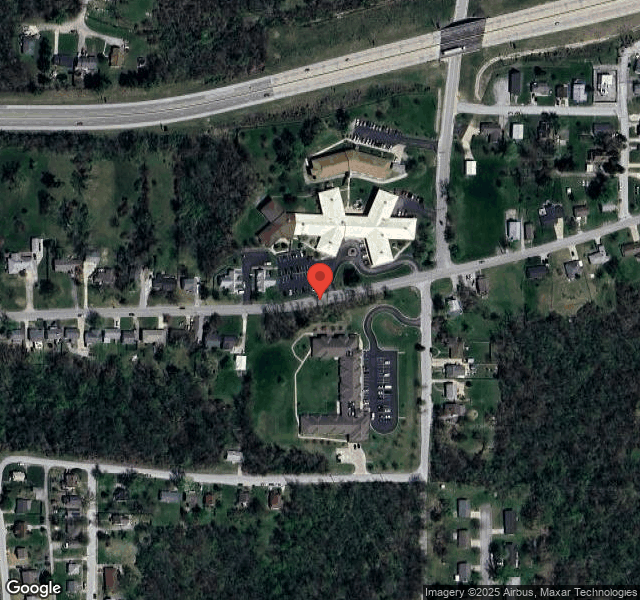
Nov 2022 6 deficiencies
CONCERN (D) 📢 Someone Reported This

A family member, employee, or ombudsman was alarmed enough to file a formal complaint

Potential for Harm - no one hurt, but risky conditions existed

Deficiency F0557 (Tag F0557)

Could have caused harm · This affected 1 resident

**NOTE- TERMS IN BRACKETS HAVE BEEN EDITED TO PROTECT CONFIDENTIALITY** See documentation under event id KGES12 This deficiency was uncorrected. For previous example refer to the statement of deficien...

Read full inspector narrative →
**NOTE- TERMS IN BRACKETS HAVE BEEN EDITED TO PROTECT CONFIDENTIALITY** See documentation under event id KGES12 This deficiency was uncorrected. For previous example refer to the statement of deficiencies dated 9/02/2022. Based on interview and record review the facility failed to ensure staff treated one resident (Resident #1), in a review of nine sampled residents, with dignity and respect when staff placed the resident on a mattress on the floor near the nurses' desk in the common area and visible to the public while sleeping. The facility census was 63. Review of the facility's policy for Resident Rights (undated), showed the following: -You have the right to be treated with respect and dignity; -Dignity means that in their interactions with residents, staff carries out activities that assist the resident to maintain and enhance his/her self-esteem and self-worth; -Each resident shall be treated with consideration, respect, and full recognition of his/her dignity and individuality. 1. Review of Resident #1's care plan dated 9/8/22 showed the following: -Impaired ability to complete activities of daily living (ADLs) and mobility. Staff should assist with ambulation for short distances with a walker. Staff should monitor for safety when the resident crawled out of the recliner onto the floor; -High risk for falls. Staff should provide assist rails to the resident's bed, encourage the resident to use a hand bell for assistance, provided frequent visual checks, bring to the common area when restless to the recliner if the resident was willing and keep the resident's call light or hand bell within reach. Staff should place a mattress beside the resident's bed and the bed in lowest position when not providing care. The resident may get onto the mattress and then on the floor to get staff attention. The resident was unable to use the call light. Review of the resident's care plan showed no intervention to place the resident on the floor on a mattress in the common area near the nurses' desk while sleeping. Review of the resident's quarterly MDS dated [DATE] showed the following: -Long and short term memory problem; -Required supervision of one staff member with bed mobility; -Required limited assistance of one staff member with transfers; -No hallucinations or delusions and no behaviors exhibited. Observation on 10/19/22 at 9:55 A.M. of the resident's room showed a bed mattress propped up against the resident's bed frame blocking the bed. A sheet was on the mattress. The resident was not in the room. Observation on 10/20/22 at 6:10 A.M. showed the resident lay in bed in his/her room. A bed mattress laid on the floor directly beside the bed. A sheet was on the mattress. During interview on 10/19/22 at 4:20 P.M. the resident's family member said family often found the resident sleeping on a mattress on the floor near the nurses' desk early in the morning. The resident would not like sleeping out in the public area and would normally prefer privacy while sleeping. Family preferred the resident sleep in his/her room and not out in the public for others to see. The resident was always a private person and it seemed undignified for staff to place the resident on the floor near the nurses' desk. During interview on 10/20/22 at 6:12 A.M. Certified Nurse Aide (CNA) C said staff put the resident in bed at night until the resident woke up. It was best for staff if they brought the resident out to the front where staff could watch the resident closer. Staff put the mattress on the floor at the nurses' desk and the resident slept there so staff could watch the resident. Last night the resident slept on the mattress near the nurses' desk for two hours from about 12:00 A.M. to 2:00 A.M. During interview on 10/20/22 at 6:20 A.M. CNA E said he/she worked the night shift usually. The resident sometimes slept on the mattress on the floor in the common area near the television. Staff dressed the resident in his/her pajamas and attempted to put the resident to bed in his/her room. If the resident would not stay in bed, staff brought the resident and the mattress out to the common area where staff could see the resident and keep him/her from falling. During interview on 10/20/22 at 6:30 A.M. Licensed Practical Nurse (LPN) D said staff should not place the resident on the mattress in the common area near the nurses' desk during the night. Staff should monitor the resident while sleeping in his/her room and not on the mattress near the nurses' desk. He/She was aware the resident slept on the mattress at times for supervision. During interview on 10/20/22 at 11:15 A.M. the Social Services Designee said the resident slept on the mattress on the floor near the nurses' desk less often now, for awhile it was almost every night. Staff should not place the resident on the mattress on the floor for staff convenience. During interview on 10/20/22 at 9:50 A.M. the administrator and the Director of Nursing said it was not appropriate for staff to place the resident on a mattress on the floor in the common area during the night. Staff should monitor the resident throughout the night while the resident slept in his/her room. Placing the resident in the common area at night was not a fall intervention. Neither the administrator nor Director of Nursing were aware staff placed the resident on a mattress on the floor near the nurses' desk to monitor the resident and prevent falls. Staff should treat residents with dignity, sleeping on the floor was not appropriate. MO# 205105 MO# 208299
CONCERN (D) 📢 Someone Reported This

A family member, employee, or ombudsman was alarmed enough to file a formal complaint

Potential for Harm - no one hurt, but risky conditions existed

Notification of Changes (Tag F0580)

Could have caused harm · This affected 1 resident

See documentation under event id KGES12 Based on interview and record review the facility failed to notify two residents', (Resident #7 and #8) family or responsible party of changes in condition and ...

Read full inspector narrative →
See documentation under event id KGES12 Based on interview and record review the facility failed to notify two residents', (Resident #7 and #8) family or responsible party of changes in condition and changes in treatments in a review of two closed records. The facility census was 63. Review of the facility's undated policy for Resident Rights showed the following in part: -Planning and implementing care, the facility would permit the resident/resident representative to participate in the development, revision and implementation of a person-centered plan of care. This included the right to identify individuals or roles to be included in the planning process, the right to participate in establishing the expected goals and outcomes of care, the right to sign the plan of care and the right to be informed, in advance of changes to the plan of care; -The facility would notify the resident and family/legal representative and consult with the resident's physician, under certain listed circumstances with respect to a need to alter treatment significantly, this included a need to change a current treatment, in addition to discontinuing a current treatment or commencing a new treatment. 1. Review of Resident #7's Physician Order Sheet (POS) dated 8/26/22 showed the following: -Diagnosis of heart attack, atrial fibrillation (chronic irregular heart rhythm), congestive heart failure (a chronic heart condition or failure that worsens over time. The heart does not pump blood as it should resulting in increased fluid buildup in the tissues and lungs), acute renal failure (kidney failure), Parkinson disease (a progressive and debilitating neurological disorder that affected movement and often included tremors), chronic obstructive pulmonary disease (COPD) (progressive chronic respiratory disease) and diabetes; -Supplemental oxygen (delivered through tubing into the nose) at 6 liters (flow rate determined by condition) continuously and increase to 8 liters with ambulation, check oxygen saturation (system of monitoring oxygen levels circulating in the blood, normal values are above 92 percent) every 8 hours and keep saturation levels above 90 percent; -Lasix (diuretic medication used to remove excess fluid or swelling from the tissues) 40 milligrams (mg) daily. Review of the resident's nurse's note showed staff documented the following: -On 8/29/22 at 8:18 P.M. the resident was on 6 liters of supplemental oxygen at rest and 8 liters when up and active. The physical therapist reported the resident's oxygen saturation level was 88 percent (normal values are above 92 percent) when up and active and therapy staff had the resident sit down; -On 8/30/22 at 8:53 P.M. the resident had three plus pitting edema (occurs when excess fluid builds up in the body causing swelling, when pressure is applied to the swollen area a pit or indentation will remain. Graded 1 to 4 with 4 indicating extensive swelling) to both lower extremities. The resident said he/she was on 40 mg of Lasix and he/she needed more to get rid of the fluid. The resident said he/she would not do therapy until the fluid was down in his/her legs. Staff notified the physician of edema and requested new orders. Review showed no documentation staff notified the resident's family or responsible party of the resident's change in condition. Review of the resident's Minimum Data Set (MDS) a federally mandated assessment instrument, completed by facility staff, dated 9/2/22 showed the following: -Moderately impaired cognition; -Required extensive assistance of one staff member with bed mobility, transfers, dressing and toileting; -Shortness of breath or trouble breathing with exertion and when lying flat; -Required supplemental oxygen; -Received diuretics seven of the previous seven days. Review of the POS dated 9/4/22 showed the following: -Potassium chloride (supplemental potassium medication) 40 milliequivalents (mEq) on 9/4/22 and 9/5/22 then 20 mEq daily; -Lantus (long acting insulin, a hormone that regulates blood sugars in the body, administered by injection) 10 units daily; -Novolog (short acting insulin) 3 units with Novolog sliding scale insulin (dosage adjusted according to the current blood sugar level) three times daily before meals; -Basic Metabolic Panel (BMP) (laboratory test to monitor electrolyte levels) and magnesium level (laboratory test to monitor magnesium level in your blood) on 9/6/22. Review of the resident's nurses notes showed the following: -On 9/4/22 at 6:59 P.M. new physician orders received to increase Lasix to 40 mg twice daily; -Administer potassium chloride 40 mEq on 9/4/22 and 9/5/22 and then start 20 mEq daily; -Start Lantus 10 units daily, Novolog 3 units before meals with Novolog sliding scale insulin; -Obtain BMP and magnesium level on Tuesday 9/6/22; -The resident continued with 3+ pitting edema to both legs and complained of a headache. Record review showed no documentation staff notified the resident's family or responsible party of the resident's 3+ pitting edema to both legs and new physician orders for Lasix 40 mg twice daily, potassium chloride 40 mEq for two days and then start 20 mEq daily, Lantus and Novolog insulin started and laboratory tests ordered. Review of the resident's care plan dated 9/5/22 showed the following: -The resident took diuretics daily for CHF. Staff should monitor and toilet as needed, monitor for intake and output of urine and for signs of dehydration. Notify the charge nurse and physician of any changes; -Required supplemental oxygen at all times. Staff should provide periods of rest, monitor and document oxygen delivered, notify physician of any change in condition, assess oxygen saturation levels. Review of the resident's POS dated 9/5/22 showed the following: -Discontinue Lasix; -Torosemide (diuretic medication) 20 mg twice daily; -Potassium chloride 20 mEq twice daily; -BMP and magnesium level on 9/6/22; -Change Lantus to 20 units daily in the mornings; -Novolog 8 units with Novolog sliding scale insulin three times daily before meals; -Administer Novolog 12 units now. Review of the resident's nurses notes showed the following: -On 9/5/22 at 6:53 P.M. the physician saw the resident with new orders to discontinue Lasix. Start Torosemide 20 mg twice daily. Increase potassium chloride 20 mEq twice daily. Obtain BMP and magnesium level on 9/6/22. Change Lantus to 20 units daily in the morning. Novolog 8 units plus sliding scale insulin three times daily before meals. Give 12 units of Novolog once now. Resident walked from his/her commode to the recliner without assistance. No complaints of pain, lungs clear oxygen saturation 94 percent on 6 liters of supplemental oxygen. Record review showed no documentation staff notified the resident's family or responsible party of the change in the resident's physician ordered medications including discontinue Lasix, start Torosemide 20 mg twice daily, increase potassium supplement, change Lantus insulin dosage and laboratory tests ordered. Review of the POS dated 9/7/22 showed the following: -Potassium chloride 40 mEq for three days in addition to scheduled 20 mEq; -Hold Torsemide 9/7/22 evening dose and 9/8/22 morning dose then resume Torsemide 20 mg twice daily. Review of the resident's nurses notes showed the following: -On 9/7/22 at 7:50 P.M. new physician orders received to add additional 40 mEq of potassium chloride for three days plus the scheduled 20 mEq. Hold the Torsemide for the evening dose on 9/7/22 and 9/8/22 morning dose then resume Torsemide 9/8/22 evening dose. The resident's potassium level was low. Review showed no documentation staff notified the resident's family or responsible party of the change in medication orders including increase potassium supplement for three days, and hold the Torsemide for two doses. Review of the POS dated 9/8/22 showed the following: -Lantus 30 units daily; -Novolog 12 units with Novolog sliding scale insulin three times daily. Review of the resident's nurses' notes showed the following: -On 9/8/22 at 8:18 P.M. new physician orders received to increase Lantus to 30 units daily, increase Novolog to 12 units plus sliding scale three times daily before meals and send blood sugar results to the physician office on Monday 9/12/22. No documentation staff notified the resident's family or responsible party of the change in the resident's medications including increase of Lantus and Novolog insulin; -On 9/9/22 at 7:47 A.M. staff received report from the hospital, no heart attack, resident was wheezing from COPD and was given a breathing treatment. The resident returned to the facility at 1:00 A.M. No documentation staff notified the resident's family or responsible party of the resident's return to the facility; -On 9/12/22 at 12:12 A.M. social services noted the resident was discharged to the hospital. Review of the resident's POS dated 9/22/22 showed the following: -Readmit to the facility; -Diagnosis of acute COPD exacerbation, acute CHF; -Prednisone (steroid medication) 10 mg daily; -Novolog 16 units with Novolog sliding scale insulin three times daily before meals; -Call physician if blood sugar over 400; -Potassium chloride 20 mEq twice daily; -Torsemide 20 mg twice daily. Review of the resident's nurses' notes showed the following: -On 9/22/22 at 2:54 P.M. social services noted the resident was readmitted to the facility. No additional documentation regarding assessment of the resident, or notification of family regarding the resident's readmission to the facility; -On 9/25/22 at 6:55 P.M. the resident continued with edema to feet and legs. Staff informed the resident he/she was currently on Torosemide and staff would call the physician in the morning to see if the physician wanted to increase the Torosemide. Spouse at bedside; -On 9/26/22 at 7:18 P.M. the resident asked staff to fax the physician and see if anything was needed for the edema in the resident's legs. Staff faxed the physician per the resident's request. Lungs clear, continued with 3+ pitting edema to legs and feet; -On 9/27/22 at 3:49 P.M. the primary care physician wanted the cardiologist to address the resident's edema in feet and legs. Lungs clear, continued with 3+ pitting edema to feet and legs. Staff called the cardiologist's office. The resident had an appointment with the cardiologist scheduled for the following day and would address the edema at the appointment. Review of the POS dated 9/28/22 showed increase Torsemide to 40 mg twice daily and obtain BMP in one week. Record review of the nurses' notes showed no documentation staff notified the resident's family or responsible party of the resident's change in medication orders to increase Torsemide and laboratory tests ordered. Review of the resident's POS dated 10/7/22 showed the following: -Discontinue prednisone; -Increase Lantus to 58 units daily; -Increase Novolog to 20 units plus Novolog sliding scale insulin three times daily before meals; -Obtain complete metabolic panel (CMP) (laboratory blood test), complete blood count (CBC) (laboratory blood test) and magnesium level; -Zaroxylyn (diuretic medication) 5 mg daily on Saturdays and Wednesdays; -Take an additional 40 mEq of potassium chloride when taking Zaroxolyn on Saturdays and Fridays; -Daily weights. Review of the resident's nurses' notes showed the following: -On 10/7/22 new physician orders received in increase Lantus insulin to 58 units daily, increase Novolog to 20 units plus sliding scale three times daily before meals, send blood sugars in one week, obtain CMP, CBC and magnesium level on 10/7/22 and obtain daily weights. Review showed no documentation staff notified the resident's family or responsible party of the resident's change in medication orders including increase of Lantus and Novolog insulin. 2. Review of Resident #8's care plan dated 6/23/22 showed the following: -Diagnosis of pressure ulcer (a localized injury to the skin and/or underlying tissue usually over a bony prominence, as a result of pressure, or pressure in combination with shear and /or friction) of the right foot, diabetes, CHF, heart attack with stent placement (device inserted to open a vessel and allow blood flow), history of blood clots, anxiety; -Alteration in skin integrity related to Stage II (a partial thickness loss of dermis presenting as a shallow open ulcer with a red-pink wound bed) pressure ulcer of the right outer foot. Review of the resident's nurses notes showed staff documented the following: -On 7/20/22 at 11:5 A.M. the resident continued with a Stage II pressure ulcer to the right outer foot that measured 0.9 centimeters (cm) by 0.5 cm with a hard dark brown scab to the area and no drainage. The area was cleansed with normal saline and patted dry, covered with a border foam dressing as ordered; -On 7/26/22 at 11:02 A.M. Stage II pressure ulcer measured 1 cm by 1 cm with thick brown scab and no drainage. Review of the resident's POS dated 7/30/22 showed fluconazole (medication used for yeast infections) 150 mg daily for two days. Review of the resident's nurses notes showed staff documented on 7/30/33 at 2:34 P.M. thick brown discharge noted from perineal area. The physician was notified and orders received for fuconazole 150 mg daily for two days. Review showed no documentation the resident's family or responsible party was notified of the resident's change in condition of perineal discharge and new medication ordered. Review of the resident's POS dated 8/9/22 showed cleanse right outer foot pressure ulcer with normal saline, pat dry with gauze, apply thin layer of medi- honey gel (medication applied to a wound to promote healing) to eschar (dead or devitalized tissue over a wound that is hard or soft in texture; usually black, brown, or tan in color, and may appear scab-like) /wound bed and cover with border foam every 72 hours until healed. Review of the resident's nurses' notes showed staff documented on 8/11/22 at 8:57 P.M. the right outer foot pressure ulcer dressing was changed, noted white wound base and surrounding skin was white and macerated (moist). Review showed no documentation the resident's family or responsible party was notified of the resident's change in condition of the right outer foot pressure ulcer. Review of the resident's POS dated 8/15/22 showed cleanse right outer foot pressure ulcer with normal saline, pat dry with gauze, apply skin prep (protective ointment applied to help prevent intact skin from becoming macerated) to surrounding intact skin. Fill wound bed with medi-honey, cover with border foam dressing and change daily until healed. Review of the resident's nurses' notes showed staff documented the following: -On 8/15/22 at 8:47 P.M. new treatment orders received for right foot pressure ulcer. Cleanse area with normal saline, pat dry apply skin pep to surrounding wound and fill wound bed with medi honey, cover with border foam dressing and change daily until healed. No staff documentation staff notified the resident's family or responsible party of the resident's change in treatment orders; -On 8/18/22 at 1:14 P.M. Stage II pressure ulcer to the right outer foot no longer able to stage (unable to determine the condition of the pressure ulcer). Measured 2.5 cm by 2.2 cm by 0.4 cm deep. Wound bed was dark brown in color and had dark purple surrounding skin as well as redness. Purulent (thick pus) drainage was noted, tender to the touch. Pressure ulcer cleansed and treatment applied as ordered. Review showed no documentation the resident's family or responsible party was notified of the resident's change in the right foot pressure ulcer condition. Review of the resident's nurse's notes showed on 8/23/22 at 12:50 P.M. non-stageable pressure ulcer to right outer foot measured 3.1 cm by 2.5 cm by 0.2 cm deep. Brown/tan slough present to wound bed with surrounding skin purple with redness. [NAME] purulent drainage noted, complains of pain with touch. Dressing changed and treatment provided as ordered. Review showed no documentation staff notified the resident's family or responsible party of the resident's change in the right foot pressure ulcer condition. Review of the resident's POS dated 8/24/22 showed doxycycline (an antibiotic) 100 mg twice daily for 30 days. Change dressing to right foot every other day with foam dressing, cleanse with normal saline. Review of the resident's nurses' notes dated 8/24/22 showed no documentation staff notified the resident's family or responsible party of the resident's change in medication orders including doxycycline 100 mg twice daily and change in treatment orders to every other day with foam dressing and cleanse with normal saline. Review of the resident's POS dated 9/12/22 showed the following: -Doxycycline 100 mg daily for 30 days (decreased from twice daily); -Cleanse right foot pressure ulcer with wound wash, apply Aquacel (wound dressing used to promote healing) advantage and cover with foam dressing daily. Review of the resident's nurses' notes showed staff documented on 9/12/22 at 7:49 P.M. new physician orders received to cleanse with wound wash (cleansing agent), apply Aquacel advantage and cover with foam dressing daily. Doxycycline 100 mg daily for 30 days. Review showed no documentation staff notified the resident's family or responsible party of the resident's change in condition and change in treatment orders. During interview on 11/21/22 at 11:55 A.M. the resident's family member said they were unaware of the resident's decline and condition of the pressure ulcer, staff had not informed family of changes in the resident's medications and pressure ulcer treatment. 3. During interview on 10/20/22 at 9:50 A.M. the Director of Nursing said staff should notify residents' families of any change in condition or change in treatment and orders. Staff should document in the resident's record the family was notified. During interview on 10/20/22 at 10:00 A.M. the administrator said she expected staff to notify residents' families of any change in treatment or condition and change in physician orders. She expected staff to document in the resident's record communication with families and notification of change in treatment, orders and condition. MO# 208299 MO# 207426
CONCERN (D) 📢 Someone Reported This

A family member, employee, or ombudsman was alarmed enough to file a formal complaint

Potential for Harm - no one hurt, but risky conditions existed

Deficiency F0658 (Tag F0658)

Could have caused harm · This affected 1 resident

**NOTE- TERMS IN BRACKETS HAVE BEEN EDITED TO PROTECT CONFIDENTIALITY** See documentation under event id KGES12 Based on interview and record review the facility failed to follow professional standard...

Read full inspector narrative →
**NOTE- TERMS IN BRACKETS HAVE BEEN EDITED TO PROTECT CONFIDENTIALITY** See documentation under event id KGES12 Based on interview and record review the facility failed to follow professional standards of practice for two residents (Resident #7 and Resident #8), in a review of nine sampled residents and two closed records when staff failed to follow physician orders for provision of medications, laboratory tests and treatments. The facility census was 63. The facility provided no policy or procedure for following physician's orders. 1. Review of Resident #7's care plan dated 9/5/22 showed the following: -Diagnosis of heart attack, atrial fibrillation (chronic irregular heart rhythm), congestive heart failure (a chronic heart condition or failure that worsens over time. The heart does not pump blood as it should resulting in increased fluid buildup in the tissues and lungs), acute renal failure (kidney failure), Parkinson's disease (a progressive and debilitating neurological disorder that affected movement and often included tremors), chronic obstructive pulmonary disease (COPD) (progressive chronic respiratory disease) and diabetes; -Potential to decline overall in his/her health status. Staff should administer medications as ordered and monitor for adverse reactions, monitor for changes, and notify physician of any change in health status. Review of the resident's Physician Order Sheet (POS) dated 9/22/22 showed the following: -Diagnosis of acute COPD exacerbation, acute CHF; -Dofetilide (antiarrhythmic heart medication) 25 milligrams (mg) two capsules twice daily; -Symbicort (inhaled medication used to improve breathing) 160 micrograms (mcg)/4.5 mcg inhale 2 puffs every 12 hours, rinse mouth after use; -Lantus (long acting insulin) 45 units daily in the morning; -Novolog (short acting insulin) 16 units with Novolog sliding scale (dosage adjusted according to the current blood sugar level) three times daily before meals; -Pravastatin (medication used to lower cholesterol) 80 mg at bed time daily; -Ferrous Sulfate (iron supplement medication) 325 mg twice daily; -Folic Acid (vitamin supplement) 8 mg twice daily; -Ipatropium/Albuterol (inhaled medication used to improve breathing) 0.5 mg/2.5 mg/3 ml vial inhale every four to six hours while awake; -Protonix (medication used to decrease stomach acid and heart burn) 40 mg twice daily; -Pramipexole (medication used to treat Parkinson disease) 0.25 mg daily at bedtime; -Prednisone (steroid medication) 10 mg daily; -Potassium chloride (electrolyte replacement medication) 20 milliEquivalents (mEq) twice daily; -Torsemide (diuretic medication used to remove excess fluid from the body) 20 mg twice daily. Review of the resident's Medication Administration Record (MAR) dated 9/23/22 showed no documentation staff administered the following medications: -Dofetilide 25 mg at 5:00 P.M.; -Bridesonide-Formoterol 160 mcg/4.5 mcg at 8:00 A.M. or 8:00 P.M.; -Novolog 16 units with Novolog sliding scale at 11:00 A.M. and 4:00 P.M.; -Pravastatin 80 mg at 8:00 P.M.; -Ferrous Sulfate 325 mg at 5:00 P.M.; -Folic Acid 8 mg at 5:00 P.M.; -Protonix 40 mg at 4:00 P.M.; -Pramipexole 0.25 mg daily at 8:00 P.M.; -Potassium chloride 20 mEq at 5:00 P.M.; -Torsemide 20 mg at 3:00 P.M. Review of the resident's record showed no documentation staff notified the resident's physician of medications not administered. Review of the resident's MAR dated 9/24/22 showed no documentation staff administered the following: -Dofetilide 25 mg at 8:00 A.M. or 5:00 P.M.; -Bridesonide-Formoterol 160 mcg/4.5 mcg at 8:00 A.M. or 8:00 P.M.; -Novolog 16 units with Novolog sliding scale at 6:00 A.M. and 4:00 P.M.; -Pravastatin 80 mg at 8:00 P.M.; -Ferrous Sulfate 325 mg at 5:00 P.M.; -Folic Acid 8 mg at 5:00 P.M.; -Ipatropium/Albuterol 0.5 mg/2.5 mg/3 ml vial at 6:00 A.M., 10:00 A.M., 2:00 P.M. or 6:00 P.M.; -Protonix 40 mg at 6:00 A.M. or 4:00 P.M.; -Pramipexole 0.25 mg daily at 8:00 P.M.; -Potassium chloride 20 mEq at 5:00 P.M.; -Torsemide 20 mg at 3:00 P.M.; -Prednisone 10 mg at 6:00 A.M.; -Lantus 45 units daily at 6:00 A.M. Review of the resident's nurses' notes showed the following: -On 9/25/22 at 6:55 P.M. the resident continued with edema to feet and legs. Staff informed the resident he/she was currently on Torsemide and staff would call the physician in the morning to see if the physician wanted to increase the Torsemide; -On 9/26/22 at 7:18 P.M. the resident asked staff to fax the physician and see if anything was needed for the edema in the resident's legs. Staff faxed the physician per the resident's request. Review of the POS dated 9/28/22 showed increase Torsemide to 40 mg twice daily and obtain BMP (Basic Metabolic Panel, a laboratory blood test) in one week. Review of the resident's MAR dated 9/29/22 showed no documentation staff administered Torsemide 40 mg at 8:00 A.M. or 3:00 P.M. Review of the resident's MAR dated 9/30/22 showed no documentation staff administered Torsemide 40 mg at 3:00 P.M. Review of the resident's record showed no documentation staff obtained the BMP ordered 9/28/22. Review of the resident's POS dated 10/7/22 showed the following: -Discontinue prednisone; -Obtain complete metabolic panel (CMP) (laboratory blood test), complete blood count (CBC) (laboratory blood test) and magnesium level; -Zaroxolyn (diuretic medication) 5 mg daily on Saturdays and Wednesdays; -Take an additional 40 mEq of potassium chloride when taking Zaroxolyn on Saturdays and Fridays; -Daily weights. Review of the resident's nurses' notes dated 10/7/22 showed staff documented new physician orders received to obtain CMP, CBC and magnesium level on 10/7/22 and obtain daily weights. Review of the resident's record showed no documentation staff obtained a daily weight or the BMP ordered on 10/7/22. Review of the resident's record showed no daily weights obtained on 10/8/22 or 10/9/22. 2. Review of Resident #8's care plan dated 6/23/22 showed the following: -Diagnosis of pressure ulcer (a localized injury to the skin and/or underlying tissue usually over a bony prominence, as a result of pressure, or pressure in combination with shear and /or friction) of the right foot, diabetes, congestive heart Failure (CHF), heart attack with stent placement (device inserted to open a vessel and allow blood flow), history of blood clots, anxiety; -Alteration in skin integrity related to Stage II (a partial thickness loss of dermis presenting as a shallow open ulcer with a red-pink wound bed, without slough. May also present as an intact or open/ruptured blister) pressure ulcer of the right outer foot. Staff should assess, monitor and record wound healing weekly, measure the pressure ulcer and document status of perimeters, wound bed and healing progress. Keep the physician informed. Staff should monitor for signs and symptoms of infection such as foul odor, purulent drainage or elevated temperature and report to physician. Report any redness to the charge nurse. Provide treatment as ordered and keep physician informed. Review of the resident's annual MDS dated [DATE] showed the following: -One stage II unhealed pressure ulcer; -Required pressure ulcer care and application of dressings to the feet Review of the resident's POS dated 8/9/22 showed cleanse right outer foot pressure ulcer with normal saline, pat dry with gauze, apply thin layer of medi- honey gel (medication applied to a wound to promote healing) to eschar (dead or devitalized tissue over a wound that is hard or soft in texture; usually black, brown, or tan in color, and may appear scab-like) /wound bed and cover with border foam every 72 hours until healed. Review of the resident's Treatment Administration Record (TAR) showed no documentation staff provided the ordered treatment, cleanse right outer foot pressure ulcer with normal saline, pat dry with gauze, apply thin layer of med-honey gel to eschar and cover with border foam dressing every 72 hours until healed, due on 8/14/22. Review of the resident's POS dated 8/15/22 showed cleanse right outer foot pressure ulcer with normal saline, pat dry with gauze, apply skin prep (protective ointment applied to help prevent intact skin from becoming macerated) to surrounding intact skin. Fill wound bed with medi-honey, cover with border foam dressing and change daily until healed. Review of the resident's POS dated 8/24/22 showed doxycycline 100 mg twice daily for 30 days. Change dressing to right foot every other day with foam dressing, cleanse with normal saline. Review of the resident's MAR showed no documentation staff administered the following: -Doxycycline 100 mg on 8/24/22 at 6:00 P.M.; -Doxycycline 100 mg on 8/25/22 at 6:00 A.M. and 6:00 P.M.; -Doxycycline 100 mg on 8/28/22 at 6:00 A.M. Review of the resident's TAR showed no documentation staff provided the ordered treatment to cleanse area to right outer foot with normal saline, apply foam dressing every other day, due on 8/28/22. Review of the resident's MAR showed no documentation staff administered the following: -Doxycycline 100 mg on 8/29/22 at 6:00 A.M. and 6:00 P.M.; -Doxycycline 100 mg on 8/30/22 at 6:00 P.M.; -Doxycycline 100 mg on 9/3/22 at 6:00 P.M.; -Doxycycline 100 mg on 9/4/22 at 6:00 P.M.; -Doxycycline 100 mg on 9/5/22 at 6:00 P.M.; -Doxycycline 100 mg on 9/11/22 at 6:00 A.M. Review of the resident's POS dated 9/12/22 showed an order to cleanse right foot pressure ulcer with wound wash, apply Aquacel (wound dressing used to promote healing) advantage and cover with foam dressing daily. Review of the resident's TAR showed no documentation staff provided the ordered treatment to cleanse the right foot pressure ulcer with wound wash, apply Aquacel advantage and cover with foam dressing daily on 9/12/22 and 9/13/22. Review of the resident's TAR showed no documentation staff provided the ordered treatment to cleanse the right foot pressure ulcer with wound wash, apply Aquacel advantage and cover with foam dressing daily on 9/16/22 and 9/18/22 3. During interview on 10/20/22 at 10:00 A.M. the Director of Nursing said staff should administer medications and treatments as physician ordered. Staff should notify the physician if medications were not administered and document in the resident's record the physician was notified of missed treatment and medications. During interview on 10/20/22 at 10:15 A.M. the administrator said staff should initial residents medications and treatments on the MAR and TAR at the time provided indicating the medications were administered and treatments were provided. If not documented by staff then it was not done. He/She expected staff to administer residents' medications/treatments as ordered. During interview on 11/21/22 at 2:40 P.M. the Nurse Practitioner said he cared for Resident #8 and expected staff to provide treatments and medications as ordered and document in the residents' medical record treatments were administered and medications administered. MO#208299 MO#207426
CONCERN (D) 📢 Someone Reported This

A family member, employee, or ombudsman was alarmed enough to file a formal complaint

Potential for Harm - no one hurt, but risky conditions existed

Infection Control (Tag F0880)

Could have caused harm · This affected 1 resident

See documentation under event id KGES12 Based on observation, interview and record review the facility failed to implement measures to prevent the development and transmission of infections for one re...

Read full inspector narrative →
See documentation under event id KGES12 Based on observation, interview and record review the facility failed to implement measures to prevent the development and transmission of infections for one resident (Resident #1) in a review of nine residents while administering the resident's nebulizer treatment (inhaled breathing treatment with medication delivered through a mask connected to a small machine that turns liquid medication into a mist). The facility census was 63. Review of the facility Nebulizer Treatment policy dated February 2007 showed the following: -Obtain mask with tubing, a plastic bag and place the mask and tubing in the plastic bag. Thorough cleaning and storage prevented spread of organisms into the residents lungs; -Place the machine with the plastic bag with enclosed tubing and mask at the bedside; -On completion of the treatment clean the mask prior to placing back into the plastic bag on the bedside nightstand. Organisms could be prevented from entering the lungs with proper cleaning and storage of equipment; -Replace the nebulizer equipment weekly and clean the mask and tubing twice weekly, after cleaning place the mask and tubing in a new plastic bag. 1. Review of Resident #1's care plan dated 9/8/22 showed the following: -Diagnosis of Chronic Obstructive Pulmonary Disease (progressive chronic respiratory disease); -The resident had potential for altered health status. Staff should provide the resident's medications as physician ordered. Review of the resident's Physician Order Sheet dated October 2022 showed Duoneb (combination inhalation solution containing albuterol and ipratropium used to relax muscles in the airways and increase air flow to the lungs) 3 milligrams/0.5 milligrams four times daily per nebulizer treatment. Observation on 10/19/22 showed the following: -At 9:40 A.M. the resident's nebulizer treatment mask was face down directly on the handrail with the elastic straps hooked over the handrail, near the resident's recliner in the common area near the nurses' desk. Multiple residents sat near the area and multiple staff walked around the area, in and out of a closet door approximately two feet away; -At 10:32 A.M. staff brought the resident down the hall in a wheelchair and transferred the resident to the recliner. The resident's nebulizer treatment mask was face down directly on the handrail with the elastic straps hooked over the handrail, near the resident's recliner in the common area near the nurses' desk; -At 11:00 A.M. the resident's nebulizer treatment mask remained face down directly on the hand rail near the resident's recliner in the common area; -At 12:20 P.M. the resident's nebulizer treatment mask remained face down directly on the hand rail near the resident's recliner in the common area. Several residents sat near the area; -At 1:00 P.M. the resident's nebulizer treatment mask remained face down directly on the hand rail near the resident's recliner in the common area. Review of the resident's Medication Administration Record dated 10/19/22 showed staff documented administration of Duoneb treatment four times daily. Resident #1 is not interviewable. During interview on 10/19/22 at 4:50 P.M. Licensed Practical Nurse (LPN) F said the resident's nebulizer mask should be stored when not in use, in a clean plastic bag with the resident's name on the bag for infection control. Staff should not provide the resident's nebulizer treatment with a soiled mask that was on the floor or placed directly on the handrail in the common area. He/She used the contaminated nebulizer mask that had been on the handrail all day and administered the resident's nebulizer treatments and stored the mask on the handrail. He/She should throw the contaminated nebulizer mask away and obtain a new mask. Observation on 10/19/22 at 5:00 P.M. showed LPN F threw the soiled nebulizer mask away, obtained a new nebulizer mask, placed the new mask in a labeled plastic bag and placed the bag on the bedside table near the resident's recliner chair in the common area near the nurses' desk. Observation on 10/20/22 at 6:20 A.M. showed the resident's nebulizer mask was face down directly on a bedside table near the resident's recliner in the common area near the nurses' desk. A labeled plastic bag was on the bedside table beside the nebulizer mask. During interview on 10/20/22 at 9:50 A.M. the administrator and Director of Nursing said staff should store residents' nebulizer masks in clean plastic bags labeled with the residents names for infection control. Staff should not leave nebulizer masks uncovered when not in use on the handrail in the common area or on a bedside table in the common area. Residents and staff have touched those surfaces and contaminated the nebulizer mask. Staff should provide nebulizer treatments privately in resident rooms and not in common areas around other residents. MO# 205105
CONCERN (E) 📢 Someone Reported This

A family member, employee, or ombudsman was alarmed enough to file a formal complaint

Potential for Harm - no one hurt, but risky conditions existed

Safe Environment (Tag F0584)

Could have caused harm · This affected multiple residents

See documentation under event id KGES12 Based on observation and interview the facility failed to ensure the common shower rooms were clean, comfortable and home like. The facility census was 63. Dur...

Read full inspector narrative →
See documentation under event id KGES12 Based on observation and interview the facility failed to ensure the common shower rooms were clean, comfortable and home like. The facility census was 63. During interview on 11/2/22 at 10:22 A.M. the administrator said the facility did not have a policy regarding homelike environment and cleanliness. 1. Observation on 10/19/22 at 10:00 A.M. of the west hall common shower room showed the following: -The center shower stall had seven tiles missing with exposed wall boards and insulation, one wall tile dangled near the shower head nozzle and a two foot by two foot section of plastic wall sheeting was pulled away from the wall with exposed boards underneath. The base board was missing on one entire wall with yellow and brown substance around the remaining base boards. The floor tile had brown dirt and soap scum throughout; -The toilet area had an uncovered supply cart against the wall containing linens, hygiene items, combs and brushes. A laundry basket piled full of briefs (not in packages) sat on the floor in the corner near the toilet; -The sink area was blocked with trash and dirty linen barrels. 2. Observation on 10/19/22 at 11:10 A.M. of the northwest hall common shower room showed the following: -The toilet area contained brown stains and brown substances on the base of the toilet and around the toilet seal; -A laundry basket full of wheelchair parts was under the sink blocking the sink area; -The shower stall plastic wall board seam was broken near the shower head with a one to two inch gap from floor to ceiling with exposed boards and debris under the wall board. Insulation and wood debris lay on the shower floor. The entire shower stall was without baseboard leaving a gap between the plastic wall board and the tile floor. The tile floor had brown and yellow dirt and debris along the edges along the gap and onto the tile floor. 3. Observation on 10/19/22 at 11:25 A.M. of the east side common shower room showed the following: -The center shower stall floor tiles peeled up and the entire stall was without baseboard leaving a gap between the plastic wall board and the tile floor. The tile floor had brown and black dirt and debris along the gap and onto the tile floor; -The second shower stall had debris falling out from under the plastic wall board onto the shower floor; -The toilet area had an approximate two by four foot area of wall with no tiles or covering. The underneath boards and insulation were exposed; -The heat/air wall unit under the shower room window was rusted with black soiled areas that extended onto the floor tiles under the wall unit. 4. Observation on 10/19/22 at 11:35 A.M. of the southeast shower room showed the following: -The first and second shower stall was without baseboard; -The plastic wall board pulled away from the wall with cracks in the seams from floor to ceiling; -The floor tile had dirt and black soiled edges. During interview on 10/19/22 at 10:20 A.M. Resident #9 said the following: -The shower rooms were dirty; -The tiles were falling off the walls; -It was not a pleasant place to shower. During interview on 10/19/22 at 10:22 A.M. Certified Nurse Aide (CNA) A said the shower rooms had been this way a long time, the tile was falling off the walls and the rooms were not kept comfortable or organized. The shower rooms were not homelike or inviting for the residents. During interview on 10/19/22 at 11:40 A.M. Housekeeper B said the shower rooms had stained and soiled floor tiles and wall boards and wall tiles were missing or falling off the walls. The shower rooms were cleaned daily, but needed to be redone. The shower rooms were cluttered. During interview on 10/19/22 at 12:00 P.M. the Maintenance Director said the facility shower rooms needed work, the tiles and walls needed repairs. The shower rooms should not be dirty or soiled. The shower rooms were not homelike. During interview on 10/19/22 at 12:05 P.M. the administrator said the shower rooms were not homelike and all of them needed repairs and to be redone. The shower rooms needed all new fixtures and remodeled. There was a plan to remodel all the shower rooms, but the project had not yet started. MO#208299
CONCERN (E) 📢 Someone Reported This

A family member, employee, or ombudsman was alarmed enough to file a formal complaint

Potential for Harm - no one hurt, but risky conditions existed

ADL Care (Tag F0677)

Could have caused harm · This affected multiple residents

**NOTE- TERMS IN BRACKETS HAVE BEEN EDITED TO PROTECT CONFIDENTIALITY** See documentation under event id KGES12 Based on observation, interview and record review facility staff failed to provide care ...

Read full inspector narrative →
**NOTE- TERMS IN BRACKETS HAVE BEEN EDITED TO PROTECT CONFIDENTIALITY** See documentation under event id KGES12 Based on observation, interview and record review facility staff failed to provide care and services to ensure three residents (Resident #2, #3 and #4) in a review of nine residents, who staff identified as unable to independently carry out Activities of Daily Living (ADLs), received the necessary services to maintain good grooming and personal hygiene. The facility census was 63. Review of the facility policy Activities of Daily Living Care dated 9/2015 showed the following in part: -The purpose was to provide all residents with acceptable and dignified personal hygiene on a routine basis; -All residents would receive the necessary care and services to maintain good personal hygiene to prevent body odor; -All residents would receive a partial bath daily when not given a shower; -All residents would be given or assisted with adequate nail care; -All residents would be allowed to or be assisted with transfers, bed mobility, ambulation, dressing and grooming, eating and with activities to improve or maintain self-performance; -All above activities of daily living care would be performed daily as needed. 1. Review of Resident #3's quarterly Minimum Data Set (MDS) a federally mandated assessment instrument, completed by facility staff, dated 9/9/22 showed the following: -Moderately impaired cognition; -Required extensive assistance of one staff member with bed mobility, dressing and personal hygiene; -Required extensive assistance of two staff members with bathing; -Required total assistance of one staff member with toileting; -Required total assistance of two staff members with transfers; -Always incontinent of bowel and bladder. Review of the resident's care plan dated 9/16/22 showed the following: -Diagnosis of sacroilitis (inflammation in one or both joints in the lower spine and pelvis region), rheumatoid arthritis (a chronic inflammatory disorder affecting joint when the body's immune system attacks its own tissue), altered mental status, chronic pain, difficulty walking, dementia, lack of coordination, diabetes, and abnormal gait and mobility; -Impaired mobility and Activities of Daily Living (ADLs) performance. Staff should provide extensive assistance with ADLs and mechanical lift transfers. The resident preferred showers in the mornings; -Potential for complications from diabetes. Staff should trim the resident's fingernails and file rough edges. Staff should encourage good general health practices, good hygiene and oral care. Review of the shower list showed staff scheduled the resident's shower twice weekly every Monday and Thursday. Review of the resident's medical record (including the point of care charting, skin assessments and shower sheets) on 10/19/22 showed staff documented the following: -The resident received no showers in September 2022; -The resident received two showers in October 2022 on 10/7/22 and 10/9/22. Review showed no documentation the resident refused showers or provided bed baths. Observation on 10/19/22 showed the following: -At 10:05 A.M. the resident lay in bed. He/She had long jagged fingernails, facial hair and dried food particles on his/her face; -At 12:32 P.M. the resident lay in bed with long jagged fingernails and facial hair. Observation on 10/20/22 showed the following: -At 6:50 A.M. the resident sat in reclining wheelchair near the nurses' desk with eyes closed. He/She appeared unkempt with long jagged fingernails, facial hair, flaking dry skin around his/her forehead and scalp, peeling dry skin in his/her ears and white substance dried around the resident's mouth; -At 7:10 A.M. the remained at the nurses' desk in a reclining wheelchair with eyes closed. The resident remained with unkempt appearance with long jagged fingernails, facial hair, flaking dry skin around his/her forehead and scalp, peeling dry skin in his/her ears and white substance dried around the resident's mouth. During interview on 10/20/22 at 7:12 A.M. CNA G said he/she got the resident up in the reclining wheelchair that morning. He/She provided the resident incontinence care but no other personal hygiene care was provided before the resident was brought to the common area. He/She was trying to help the day shift out by getting the resident up in the chair. Resident #3 is not interviewable. 2. Review of Resident #2's care plan dated 9/12/22 showed the following: -Diagnosis of lung cancer, diabetes, abnormal gait and mobility, muscle weakness, traumatic brain injury, history of brain cancer, stroke, seizure disorder and dementia; -Impaired mobility and Activities of Daily Living (ADLs) performance. The resident require extensive assistance with ADLs and a mechanical lift transfer. Staff should encourage the resident to complete oral car with morning and bed time personal care. He/She preferred showers in the mornings; -Potential for complications from diabetes. Staff should trim the resident's fingernails monthly. Review of the resident's quarterly MDS dated [DATE] showed the following: -Long and short term memory problems; -Required extensive assistance of one staff member with bed mobility and dressing; -Required extensive assistance of two staff members with bathing; -Required total assistance of one staff member with toileting and personal hygiene; -Required total assistance of two staff members with transfers; -Always incontinent of bowel and bladder. Review of the shower list showed staff scheduled the resident's shower twice weekly every Tuesday and Friday. Review of the resident's medical record (including the point of care charting, skin assessments and shower sheets) showed staff documented the following: -The resident received six showers in September 2022 on 9/2/22, 9/3/22, 9/13/22, 9/20/22, 9/23/22, and 9/29/22; -The resident received three showers in October 2022 on 10/2/22, 10/8/22, and 10/10/22. Review showed no documentaion the resident refused showers or were provided bed baths. Observation on 10/19/22 showed the following: -At 11:15 A.M. the resident sat in the common area in a wheelchair. He/She appeared unkempt with greasy hair and facial hair. The resident had long soiled fingernails with brown substance under the nails; -At 12:55 P.M. the resident sat in the common area in a wheelchair with greasy uncombed hair, long soiled fingernails and facial hair. Hair was noted extending out of the resident's ears; -At 1:45 P.M. the resident sat in the common area in a wheelchair feeding him/herself ice-cream. The resident remained with long soiled fingernails with brown substance under the nails, greasy uncombed hair and facial hair; -At 3:42 P.M. the resident sat in a recliner in the common area. The resident remained with long soiled fingernails with brown substance under the nails, greasy uncombed hair and facial hair. Resident #2 is not interviewable. 3. Review of Resident #4's annual MDS dated [DATE] showed the following: -Diagnosis of Parkinson disease (a progressive and debilitating neurological disorder that affected movement and often included tremors); -Moderately impaired cognition; -Required extensive assistance of one staff member with bathing and dressing; -Required limited assistance of one staff member with transfers, and toileting; -Required supervision of one staff member with personal hygiene; -Occasionally incontinent of bladder. Review of the resident's care plan dated 8/24/22 showed the following: -Diagnosis of muscle weakness, diabetes, and difficulty walking; -Impaired mobility and ADLs performance. Staff should assist the resident with toileting, assist with ambulation, assist with oral care and care of dentures, assist with dressing and assess skin condition during showers and with morning bed time personal care. The resident preferred showers in the mornings; -Potential for complications from diabetes. Staff should trim the resident's fingernails monthly. Review of the shower list showed staff scheduled the resident's shower twice weekly every Tuesday and Friday. Review of the resident's medical record (including the point of care charting, skin assessments and shower sheets) showed staff documented the following: -The resident received three showers in September 2022 on 9/22/22, 9/26/22, and 9/27/22; -The resident received three showers in October 2022 on 10/5/22, 10/7/22 and 10/9/22. Review showed no documentation the resident refused showers. During interview on 10/19/22 at 10:50 A.M. the resident said he/she had not had a shower in over a month. He/She needed help with a shower and staff was supposed to help him/her two times a week to shower. He/She would like a shower twice weekly at least. He/She tried to wash off the best he/she could. He/She shaved and brushed his/her hair without staff assistance. During interview on 10/19/22 at 10:32 A.M. CNA H said staff complete shower sheets and document in the residents' electronic medical record when showers were given. The shower sheets were given to the charge nurses. Residents were scheduled for showers usually twice weekly and sometimes more frequently. If showers were not completed the next shift tried to make them up or the shower was given on Sundays. During interview on 10/19/22 at 4:00 P.M. Licensed Practical Nurse (LPN) I said CNA staff completed a shower sheet after every shower and gave the shower sheet to the charge nurse. CNA staff should document the shower was completed in the residents' medical record. Charge nurses should complete a skin assessment during the residents' shower and document the skin assessment in the residents' medical record. All residents should be clean, shaved and nails trimmed and clean. During interview on 10/20/22 at 9:50 A.M. the Director of Nursing said staff should document showers completed by filling out a shower sheet after completing each shower. The charge nurse completed the weekly skin assessment indicating a shower was done and the resident's skin was assessed. Staff should also document in the resident's electronic record when showers were provided. Residents should be clean, facial hair shaved and ear hair trimmed, fingernails trimmed and cleaned. Staff should ensure all residents were clean and well kempt with personal hygiene provided. During interview on 10/20/22 at 10:00 A.M. the administrator said staff should provide residents' showers at least twice weekly and document in the medical record a shower was provided. If staff did not document the shower in the medical record the shower was not provided. Staff should provide daily personal hygiene cares and keep residents clean. Residents should not be unshaven with facial hair, ear hair, greasy hair and soiled long fingernails. If showers were not provided staff should reschedule the shower on a different day and Sunday was a make up shower day. MO# 205105 MO# 208299 MO# 207426
Sept 2019 16 deficiencies 2 Harm
SERIOUS (G)

Actual Harm - a resident was hurt due to facility failures

Pressure Ulcer Prevention (Tag F0686)

A resident was harmed · This affected 1 resident

**NOTE- TERMS IN BRACKETS HAVE BEEN EDITED TO PROTECT CONFIDENTIALITY** Based on observation, interview, and record review, the facility staff failed to notify the physician and re-evaluate interventi...

Read full inspector narrative →
**NOTE- TERMS IN BRACKETS HAVE BEEN EDITED TO PROTECT CONFIDENTIALITY** Based on observation, interview, and record review, the facility staff failed to notify the physician and re-evaluate interventions when a resident's wound deteriorated, stage a wound according to the National Pressure Ulcer Advisory Panel (NPUAP) guidelines, or use air mattresses according to manufacturer's instructions to prevent development or worsening of pressure ulcers for one resident (Resident #6) in a review of two sampled residents with pressure ulcers, resulting in deterioration of the wound from a suspected deep tissue injury (pressure injury with of persistent non-blanchable deep red, maroon, purple discoloration, skin can be intact or non-intact) to a Stage IV wound (full-thickness loss of skin and tissue loss with exposed or directly palpable fascia, muscle, tendon, ligament, cartilage or bone in the ulcer). The facility census was 97. Review of NPUAP guidelines, dated September 2016, showed the following definitions: -Stage I pressure injury is intact skin with localized area of non-blanchable (when you press on the area of redness the redness does not go away) erythema (redness). Presence of blanchable erythema changes in sensation, temperature, or firmness may precede visual changes; -Stage II pressure injury is a partial-thickness loss of skin with exposed dermis (the thick layer of living tissue below the top layer of skin that forms the true skin). The wound bed is viable, visible and deeper tissue are not visible. Granulation tissue (new connective tissue), slough (dead tissue in the process of separating from the body which is usually light colored, soft, moist, or stringy), and eschar (dead tissue that sheds or falls off from health skin) are not present; -Stage III pressure injury is a full thickness loss of skin, where adipose (fat) is visible in the ulcer and granulation tissue and rolled wound edges are often present. Slough and eschar may be visible, but do not obscure the extent of tissue loss. The depth of tissue damage varies by the location on the body. Undermining and tunneling may occur. Fascia (a thin sheath of fibrous tissue), muscle, tendon, ligament, cartilage or bone are not exposed; -Stage IV pressure injury is a full-thickness skin and tissue loss with exposed or directly palpable fascia, muscle, tendon, ligament, cartilage or bone in the ulcer. Slough and or eschar may be visible, but do not obscure the extent of tissue loss. Rolled edges, undermining and or tunneling often occur. Depth varies by location; -Unstageable pressure injury is a full thickness skin and tissue loss in which the extent of tissue damage within the ulcer cannot be confirmed because it is obscured by slough or eschar; -Deep Tissue Pressure Injury is an intact or non-intact skin with localized area of persistent non-intact skin with localized area of persistent non-blanchable deep red, maroon, purple discoloration or epidermal separation revealing a dark wound bed or blood filled blister. This injury results from intense and/or prolonged pressure and shear forces at the bone-muscle interface. The wound may evolve rapidly to reveal the actual extent of tissue injury, or may resolve without tissue loss. If necrotic tissue, subcutaneous tissue, granulation tissue, fascia, muscle, or other underlying structures are visible, this indicates a full thickness pressure injury (unstageable, Stage III or Stage IV pressure injury). Review of the Resident Assessment Instrument (RAI manual), dated 10/1/17, directed staff to code the Minimum Data Set (MDS) for Stage II pressure ulcers by definition as ulcers with partial-thickness loss of the dermis. Granulation tissue, slough or eschar are not present in Stage II pressure ulcers. Therefore, Stage II pressure ulcers should not be coded as having granulation, slough or eschar tissue. Review of the Manufacturer's Operator Manual, dated 2016, for the facility alternating pressure and low air loss mattress showed the following: -Pressure of the mattress is adjusted by choosing the patient's (resident's) corresponding weight setting using the weight setting buttons (+) or (-); -Follow the hand check procedure to ensure an appropriate pressure level. Review of the facility's Skin Integrity Management Program, undated, showed the following: -Residents' skin will be assessed by licensed personnel on admission; -Skin assessments will be conducted weekly; -Staff will be encouraged to report all skin changes to the charge nurse; -Staff instructed to report any reddened or open area to the charge nurse. 1. Review of Resident #6's admission Minimum Data Set (MDS), a federally mandated assessment assessment instrument completed by facility staff dated 9/6/19, showed the following: -Severe cognitive impairment; -Independent with bed mobility and eating; -Requires limited physical assistance with toilet use; -Not at risk to develop pressure ulcers; -No pressure ulcers present; -No pressure reducing device to bed or chair; -Weight 138 pounds (lbs.); -Occasionally incontinent of bladder; -Frequently incontinent of bowel. Review of the resident's care plan, dated 9/11/19, showed the following: -At risk for alteration in skin integrity; -Moisturize skin; -Do not massage bony prominences; -Weekly skin assessment; -Report red areas to the charge nurse. Review of the resident's skin assessment, dated 9/21/19, showed the resident with bruising to his/her forehead, right wrist, right foot, and edema to the right foot. The note did not describe any other skin changes. Review of the resident's nurses notes, dated 9/21/19, showed the following: -Dark area to inner right and left buttocks, from pressure; -Area is not currently open at this time; -Cream (Super Duper Diaper Doo, a barrier cream) applied per physician's order, -Requested an order for a Roho (pressure reducing wheelchair cushion) from the physician. Review of the resident's nurses notes dated 9/22/19, showed staff documented the buttocks remained dark red/purple. Review of the resident's nurses notes, dated 9/24/19, showed the following: -readmitted to facility on 9/20/19; -Stage I pressure ulcer to each buttock, area noted to be dark red/purple; -Stage I pressure ulcer to right buttock and two ulcers to left buttock; -Blood noted to be draining from all areas; -Requested change of treatment from the physician from Super Duper Diaper Doo to Lantiseptic (moisturizer to treat dry, rough skin and minor skin irritations); -Roho cushion placed on wheelchair and pressure relieving mattress placed on bed. Review of the resident's Wound/Pressure Sore Progress Record, dated 9/24/19, showed the following: -Right buttock Stage II pressure ulcer measures 2.3 centimeter (cm) in length, and 2.2 cm in width; -Left buttock (a) Stage II pressure ulcer measures 0.6 cm in length, and 0.5 cm in width; -Left buttock (b) Stage II pressure ulcer measures 2.6 cm in length, and 1.3 cm in width; -Small amount of bloody drainage noted to all wounds; -No documentation staff notified the physician the wounds had opened. Review of the resident's nurses notes, dated 9/27/19, showed staff documented the open area to the resident's buttock had sloughing skin to the wound bed. The note did not contain documentation of physician notification the wound had sloughing skin. (Slough would not be present in a Stage II wound.) Review of the resident's nurses notes, dated 9/28/19, showed staff documented the resident's bilateral buttock wound was beefy red with yellow sloughing skin. The resident complained of pain in his/her buttock. The note did not contain documentation of physician notification the wound was beefy red with yellow sloughing skin and pain. (Beefy red (granulation tissue) and slough would not be present in a Stage II wound.) Review of the resident's nurses notes, dated 9/29/19, showed staff documented the open areas on the resident's buttock wound bed as dark brown with pink peri wound. The note did not contain documentation of physician notification the wound bed was dark brown. Review of the resident's nurses notes, dated 10/2/19, showed the following: -The resident complains of pain/burning to buttocks; -Buttocks wound bed red with yellow slough present; -Some areas of white macerated (dead skin/tissue that turns white from moisture) tissue noted around wound edges. The note did not contain documentation of physician notification the wound had areas of macerated tissue around the wound edges. Review of the resident's nurses notes, dated 10/3/19, showed staff documented the buttocks wound bed pink with yellow thickened area to middle of the wound bed. Review of the resident's Wound/Pressure Sore Progress Record, dated 10/4/19, showed the following: -Right buttock Stage II pressure ulcer measures 5.2 cm in length, 3.1 cm in width, 0.1 cm in depth; -Left buttock (a) Stage II pressure ulcer measures 5.5 cm in length, and 2.7 cm in width, 0.1 cm in depth; -Small amount of serosanguinous (blood and the liquid part of blood that is clear to yellow) drainage noted to both wounds; -Wound deteriorating. Review of the resident's Nurses Notes, dated 10/4/19, showed staff documented extension of wound assessment: -Ulcer to left buttock and coccyx (tailbone) areas wound bed noted to have yellow/greenish slough present, slight odor present; -Ulcer to right buttock wound bed noted to have yellow/greenish slough present. The note did not contain documentation of physician notification the wound deteriorated, with yellow/greenish slough and odor present. Review of the resident's care plan, revised 10/9/19, showed the following: -Pressure ulcers to coccyx; -Assess, record, monitor wound healing weekly to include: a. measurements of length, width, and depth; b. assess and document status of perimeters; c. wound bed and healing progress; d. keep the physician informed; -Encourage assist with repositioning every two hours; -Monitor for signs and symptoms of infection and report to the physician: i.e. foul odor, purulent (consisting of pus) drainage, or elevation in temperature; -Weekly assessment by licensed nurse; -Pressure relieving mattress on bed, cushion in wheelchair; -Treatment as ordered by the physician. Review of the resident's Wound/Pressure Sore Progress Record, dated 10/11/19, showed the following: -Coccyx Stage II pressure ulcer measures 3.8 cm in length, 6.7 cm in width, and 0.1 cm depth; -White/gray non-viable tissue and/or non-adherent yellow slough; -Granulation tissue bright beefy red; -Small amount of bloody drainage noted to wound. Review of the resident's nurses notes, dated 10/11/19, showed the following: -Stage II pressure ulcer to coccyx/buttocks noted to have slight odor present; -Wound bed noted to have thick yellow slough present; -Granulation tissue noted around wound bed edges; -Requested physician change the treatment order from Lantiseptic to Silvadene (medication used to treat or prevent infection). The nurse's note did not contain documentation of physician notification the wound deteriorated, with white/gray non-viable tissue, and increased measurements. Review of the resident's Wound/Pressure Sore Progress Record, dated 10/18/19, showed the following: -Sacrum Stage II pressure ulcer measures 6.9 cm in length, 4.9 cm in width, and 0.2 cm depth; -White/gray non-viable tissue and/or non-adherent yellow slough; -Granulation tissue bright beefy red; -Small amount of foul purulent drainage noted to wound; -Wound deteriorating. Review of the resident's Nurses Notes, dated 10/18/19, showed the following: -Stage II pressure ulcer to coccyx/buttocks; -Dressing removed noted to be saturated with foul purulent drainage; -Wound bed noted to have dark grayish slough present, granulation tissue noted around wound bed edges; -A dark area above pressure ulcer noted and measures 1.4 cm x 1.4 cm; -Surgical consult set up; -Family notified of surgical consult. Review of the resident's significant change in status assessment (SCSA) MDS dated [DATE], showed the following: -Severe cognitive impairment; -Requires extensive physical assistance of two or more staff members with bed mobility, transfers, and toilet use; -At risk for developing pressure ulcers -One Stage II pressure ulcer present; -One unstageable pressure ulcer with suspected deep tissue injury in evolution; -Weight 137 lbs.; -Frequently incontinent of bowel and bladder. Review of the resident's care plan, revised 10/18/19, showed staff to encourage the resident to lay in bed to relieve pressure to his/her buttocks. Review of the resident's physician note, dated 10/21/19, showed the following: -Sacral wound approximately 4 cm in length, and 3 cm in width; -Moderate amount of fibrinous slough over the surface; -Wet to dry dressings two times daily; -Imperative to keep the pressure off his/her coccyx at all times, so the wound can heal; -If the wound progresses his/her prognosis was very poor. Review of the resident's nurses notes, dated 10/24/19, showed the following: -Pressure ulcer to coccyx; -Moderate amount of purulent drainage with foul odor on dressing when removed; -Yellow slough present to wound bed, with wound edge noted to have granulation tissue; -Pressure ulcer located above coccyx to left buttock; -Wound bed is dark brown in color; -Wet to dry dressing placed. Review of the resident's Wound/Pressure Sore Progress Record, dated 10/24/19, showed the following: -Sacrum Stage II pressure ulcer measures 6.7 cm in length, 4.2 cm in width, and 0.2 cm depth; -Sacrum unstageable pressure ulcer measures 3.4 cm in length, 1.9 cm in width, -White/gray non-viable tissue and/or non-adherent yellow slough; -Granulation tissue pink &/dull, dusky red; -Moderate amount of foul, purulent drainage noted to wound; -Wound deteriorating. Review of the resident's nurses notes, dated 10/25/19, showed staff documented: -Pressure wound located on coccyx; -Drainage noted to dressing when removed; -Slough present in wound bed (right & left upper buttock wounds); -Dark brown/yellow in color; -Superior wound on upper sacral area has necrotic center, edges appear to be detaching from periwound where granulated tissue is present; -Very foul odor from wound. Review of the resident's care plan, revised 10/25/19, showed staff to encourage/assist with repositioning at least every two hours. Review of the resident's nurses notes, dated 10/28/19, showed staff documented: -Coccyx wound bed 100% yellow green adherent slough; -Moderate amount of green drainage with foul odor; -Complained of moderate amount of pain. Review of the resident's discharge MDS, dated [DATE], showed staff assessed the resident with two Stage II pressure ulcers. Review of the resident's Hospital Wound/Ostomy Nurse Initial Assessment, dated 10/29/19, showed the following: -Arrived to the emergency department with a coccyx (sacrum) wound; -Unstageable wound with black eschar, and yellow slough; -Measures 7 cm length, 7 cm width, and 2.5 cm depth; -Recommend debridement of the wound if the resident is admitted ; -If discharged , recommend an enzymatic (enzyme that eats dead tissue) debridement and fill the rest of the wound depth with moistened kerlix (type of gauze). Review of the resident's Hospital Pressure Ulcer Discharge Assessment, dated 11/1/19, showed the following: -Midline coccyx, Stage IV pressure ulcer; -Moist drainage; -Measures 7 cm in length, 6.4 cm in width, 2.8 cm in depth, 0.5 cm undermining; -Weight 130 lbs. Review of the resident's record showed the resident readmitted to the facility on [DATE]. Review of the resident's nurses notes, dated 11/1/19, showed the following: -Stage III pressure ulcer noted to bilateral buttocks and coccyx (hospital identified the wound as a Stage IV); -Ulcer noted to have soft, black eschar present; -Located to center of black eschar on left buttock; -Open area that measures 1.9 cm x 2.2 cm with undermining present that measures 1.3 cm; -Ulcer to buttocks and coccyx measures 6.9 cm x 7.2 cm.; -Located to bottom of wounds to each buttock, to have dull pink granulation tissue present; -Skin surrounding ulcer noted to be bright pink and blanchable; -Wound noted to have odor present; -Noted left buttock to have a small open area that measures 0.04 cm x 0.2 cm round; -Order for ulcer is wet to dry dressing, change every 6 hours, alternate normal saline and Dakins solution (normal saline and bleach mixture) 0.25% solution, apply Vaseline to healthy skin before dressing; -Pressure relieving mattress in place and Roho cushion in wheelchair. Review of the resident's Wound/Pressure Sore Progress Record, dated 11/4/19, showed the following: -Sacrum Stage III pressure ulcer measures 6.9 cm in length, 7.2 cm in width, and 1.3 cm depth; -Adherent soft black eschar; -Granulation tissue pink &/dull, dusky red; -Moderate amount of serosanguinous drainage noted to wound; -Wound deteriorating. Observation on 11/5/19 at 11:00 A.M., showed the resident's air mattress pump on the end of bed his/her bed set with the resident's weight at 450 lbs. Observation on 11/5/19 at 1:20 P.M., showed the resident lay in his/her bed. Additional observation showed the resident's air mattress pump on the end of bed his/her bed set with the resident's weight at 450 lbs. Observation on 11/5/19 at 1:30 P.M., showed the following: -Licensed Practical Nurse (LPN) C changed the resident's dressing; -Coccyx wound, a Stage IV; -Fibrous white connective tissue at the base of the wound; -Half dollar size opening, black tissue around the wound edges, and deep undermining and tunneling; -Foul odor; -Periwound has Stage III superficial areas on both lower sides of the wound on both sides; -Left area is long, and approximately the size of an egg; -Right area is quarter sized; -Periwound around the left lateral part of the wound is deep red tissue that is non-blanchable, above the wound is purple and non-blanchable; -Air mattress pump on the end of bed the resident's bed set with the resident's weight at 450 lbs. Observation on 11/5/19 at 2:00 P.M., showed the resident lay in his/her bed. Additional observation showed the resident's air mattress pump on the end of bed his/her bed set with the resident's weight at 450 lbs. During an interview on 11/5/19 at 2:07 P.M., LPN C said the following: -The sacral wound is now a Stage IV; -The main opening is half dollar size with deep tunneling and undermining; -There is black tissue and slough; -Not sure what the fibrous white tissue was; -Superficial areas are open and connected to the wound, and extend down the left and right of the wound on each side of the buttock; -A medical equipment company sets up the air mattresses and the settings on the air mattress pump and facility staff do not adjust them; -Staff are expected to ensure the mattress is on and the hoses and plugs fastened; -The medical equipment company sets the mattress to the resident's weight when the mattress is first delivered to the facility; -Facility staff do not have access to the settings, they are locked. Observation on 11/5/19 at 2:57 P.M., showed the resident lay in his/her bed. Additional observation showed the resident's air mattress pump on end of bed his/her bed set with the resident's weight at 450 lbs. During an interview on 11/27/19 at 10:26 P.M., the facility wound nurse LPN K said the following: -If staff find a pressure ulcer the charge nurse notifies him/her; -He/She is expected to measure the wound, notify the physician, obtain a treatment order, and document a wound assessment; -He/She uses Bates and [NAME] 2001 and an assessment tool for staging wounds dated 2001; -Wound assessments are done weekly on Fridays; -Charge nurses look at the wounds daily with treatments; -Charge nurses are expected to report to him/her if a wound deteriorates, then; -He/She is expected to contact the physician if the wound deteriorates i.e. tissue type, odor, drainage, or increased size; -Pressure wounds should be covered if open; -Wounds with granulation or slough should be covered; -He/She staged the wound wrong, because he/she was using information from 2001, and granulation and slough cannot be in a Stage II wound; -Lantiseptic cream is not recommended for a Stage III wound; -He/She did not notify the physician when the wound opened or when it deteriorated with new slough, purulent drainage, or with odor until 10/18/19, when the physician ordered a surgical consult, because he/she did not know it was a Stage III wound; -He/She did not see the hospital documentation that the wound was a Stage IV; -Air mattress are expected to be used according to the manufacturers instructions and set to the resident's weight; -Charge nurses were responsible for monitoring the air mattresses. During an interview on 11/5/19, at 12:57 P.M., the Director of Nursing (DON) said the following: -The wound nurse measures and assesses wounds weekly; -The wound nurse is expected to notify the physician if a wound deteriorates; -Resident's equipment and air mattresses should be used according to manufacturer's recommendations. During an interview on 11/25/19, at 5:03 P.M., the resident's physician said the following: -He expected facility staff to notify him of any deterioration of any pressure ulcer; -Facility staff notified him on 9/21/19 by fax, that the resident's buttocks were breaking down, right and left buttock turning colors, and requested a Roho cushion and Super Duper Diaper Doo cream to continue, the physician replied to consult the facility wound nurse; -Facility staff notified him on 9/24/19 by fax and requested an order for Lantiseptic cream to the buttocks wound, the fax did not include a wound description; -From 9/25/19 through 10/8/19 there were no notifications from the facility in regard to the resident; -Facility staff notified him on 10/11/19 by fax to request to change the buttocks treatment from Lantiseptic to Silvadene for Stage II wounds. He replied to agree to the request, the fax did not include a wound description; -On 10/18/19 he ordered to consult the surgeon for wound care; -He received no further notification of wound deterioration or that the wound progressed to a Stage IV pressure wound when the resident returned from the hospital on [DATE]; -Staff are expected to notify him every time a wound deteriorates; -Lantiseptic is not recommended with a Stage III, or unstageable wound with slough, it should be covered and he would have used a different dressing if he had been informed; -All equipment is expected to be used according to the manufacturer and if there is a setting to be set to the resident's weight it should be set appropriately; -Staff are expected to alert him of a wound deteriorating prior to becoming a Stage IV wound so a different course of action can be attempted; -Earlier intervention and advanced treatments may have helped the wound to heal or prevented deterioration of the wound to a Stage IV. He would have ordered the surgical consult when the wound became a Stage III; -The resident did not have a diagnosis that would make the pressure ulcer unavoidable, the resident was high risk. MO00162525
SERIOUS (G)

Actual Harm - a resident was hurt due to facility failures

Accident Prevention (Tag F0689)

A resident was harmed · This affected 1 resident

**NOTE- TERMS IN BRACKETS HAVE BEEN EDITED TO PROTECT CONFIDENTIALITY** Based on observation, interview, and record review, the facility failed to consistently implement, evaluate, and modify interven...

Read full inspector narrative →
**NOTE- TERMS IN BRACKETS HAVE BEEN EDITED TO PROTECT CONFIDENTIALITY** Based on observation, interview, and record review, the facility failed to consistently implement, evaluate, and modify interventions as necessary to address prevention of falls for two residents (Resident #55 and #96), and failed to properly use a gait belt and safely transfer one resident (Resident #96), in a review of 20 sampled residents. The facility census was 99. 1. Record review of the facility's Falls Management Program Policy, dated as revised 7/20/09, showed the following: -A Fall refers to unintentionally coming to rest on the ground, floor or other lower level but not as a result of an overwhelming external force (e.g., resident pushes another resident). An episode where a resident lost his/her balance and would have fallen, if not for staff intervention, is considered a fall. A fall without injury is still a fall. Unless there is evidence suggesting otherwise, when a resident is found on the floor, a fall is considered to have occurred; -An Un-witnessed fall occurs when a resident is observed on the floor and neither the resident nor anyone else knows how he/she got there; -Post-Fall Management: Place individual on the HOT LIST (a form of charting which is problem-focused to obtain needed assessment data to evaluate needs and effectiveness of treatments and/or orders) and document on every shift for three days and perform neurological checks as guided; -All falls will be logged by the clinical supervisor or authorized person and reviewed regularly by the interdisciplinary team; -All incident report forms will be sent to the clinical supervisor for review. The clinical supervisor will track all falls for each individual and investigate the initial cause of the fall(s). The care plan team will discuss the falls on a regular basis and confer about potential preventative fall measures and measures to minimize injuries from falls. 2. Review of Resident #96's admission Minimum Data Set (MDS), a federally mandated assessment instrument completed by facility staff dated 8/6/19 showed the following: -Moderately impaired cognition; -No behaviors; -Independent with transfers; -Walking, not steady but able to stabilize without human assistance; -Surface to surface transfer, not steady but able to stabilize without human assistance; -Used a walker for mobility; -Diagnoses of psychotic disorder and heart failure; -No falls in the last month prior to admission; -Had a fall in the last 2-6 months prior to admission. Review of the resident's undated fall risk assessment showed a score of 12 indicating high risk for falls. Review of the resident's care plan revised 8/9/19 showed the following: -High risk for falls related to multiple disease processes and history of falls; -Keep call light within reach and answer promptly; -Keep glasses clean and free from scratches; -Keep items resident may want within reach; -Keep non-skid socks or shoes on at all times; -Keep pathways clear and free of clutter. Review of the resident's nurse's notes dated 8/9/19 at 2:44 P.M. showed the following: -Therapy reports resident is minimum assist with bed mobility and transfers and ambulating 75 feet with front wheeled walker; -Needs cues for safety awareness set up/supervision with dressing and toileting. Review of the resident's nurses' notes dated 8/13/19 at 3:16 P.M. showed the resident ambulates with a walker and has a steady gait. Review of the resident's nurses' notes dated 8/16/19 at 2:41 P.M. showed the following: -Resident continues to complain of right hip being sore; -Able to walk and sit with minimal difficulty; -Refuses assistance from staff; -Received new order this morning for X-ray of right hip and pelvis. Review of the resident's nurses' notes dated 8/19/19 at 3:32 P.M. showed the resident was unable to ambulate with his/her walker as he/she usually had. Review of the resident's nurse's notes dated 8/19/19 at 8:15 P.M. showed the following: -Resident continues with increased confusion; -Resistive to care; -Striking out at staff; -Unable to ambulate with assist and walker requiring use of wheelchair; -Currently resting in recliner in core area. Review of the resident's nurse's notes dated 8/19/19 at 11:52 P.M. showed the following: -CNA alerted nurse that resident had fallen straight forward out of his/her wheelchair; -This nurse responded to unit and observed resident laying on his/her left side with his/her head towards the nurses' station; -His/her arms and legs were curled up in fetal position and his/her face and forehead were against the ground; -Resident assessed and noted to have large knot to middle of forehead; -He/She also had a skin tear to left forearm measuring 0.5 centimeters (cm); -Skin tear dressed with Vaseline gauze and gauze wrap, edges approximated; -Arms and legs noted to be in proper alignment, but resident not able to follow commands to move them; -Resident unresponsive so unable to perform full neuro checks; -Staff reports that resident has been confused and combative throughout the shift, but had slumped over in his/her wheelchair around 10 P.M. and was not responding to them; -Resident assisted to recliner by staff x3; -Resident sent out per ambulance. Review of the resident's medical record showed no evidence staff evaluated current fall interventions or implemented new interventions after the 8/19/19 fall. Review of the resident's nurses' notes dated 8/20/19 at 7:59 P.M. showed the following: -Resident unable to ambulate requiring use of wheelchair; -Resistive to care; -Continues with increased confusion; -Fax sent to physician with information from visit to ER; -Return fax received with no new orders; -Family member here and fed resident. Review of the resident's nurses' notes dated 8/21/19 at 6:06 A.M. showed the following: -Resident resting in recliner in core area. Has slept fairly well here all night; -Continues on fall follow-up; -Neuro checks remain WNL except resident had difficulty understanding the hand grasp portion early in the shift. That has improved this A.M.; -Abrasion remains to center of forehead; -Resident noted to be unable to ambulate; -One assist, two at times, needed to transfer to wheelchair; -Resident seems to be having difficulty with vision as well, especially with depth perception. Noted to be reaching out for items such as the grab bar or water cup, but is not reaching far enough to actually grab the item; -This nurse asked if the resident if he/she was seeing double and he/she said no. Will continue to monitor. Review of the resident's nurses' notes dated 8/22/19 at 7:51 A.M. showed the following: -Resident was in a recliner in the special care unit and refused to get up for bathroom or to go to bed; -Resident was combative with staff and verbally abusive; -Contacted physician at 9:35 P.M. after resident continued to try and hit aides; -Physician ordered Lorazepam (anti-anxiety medication)2 mgg by mouth now, and1 mgg every 8 hours as needed for aggression; -Can give intramuscular (IM) Lorazepam if unable to take orally. Resident has a wound to left forearm 2L x 1/4 diameter. Review of the resident's nurses' notes dated 8/22/19 at 8:30 A.M. showed the following: -Resident was found on floor in his/her room at bed check; -Resident had earlier been kicking and pinching staff at bed checks; -Aide went into room at 5:10 A.M. and found resident on floor with blood on floor and resident had a head wound; -Resident was laying on right side with right arm under body, blood on face, and was alert; -Resident was assessed head to toe, wounds also noted on right elbow two skin tears, small skin tear on right wrist, cut to upper right lip, bruise on nose, and open laceration above left eyebrow, and bruising to right hip with abrasion; -Resident complains also of left leg pain; -Sent out to ER via ambulance at 5:45 A.M. Review of the resident's nurses' notes dated 8/22/19 at 7:30 A.M. showed the following: -Received report from nurse at ER; -Resident is ready to return to facility; -Resident has had a negative head CT scan (imaging to assess for injury), and has 2-3 sutures in his/her fore head which will dissolve on their own. Review of the resident's significant change MDS dated [DATE] showed the following: -Severe cognitive impairment; -Physical behavioral symptoms occurred 4-6 days of the last seven days; -Verbal behavioral symptoms occurred 4-6 days of the last seven days; -Rejection of care 1-3 days of the last seven days; -Required extensive assist of two or more staff for transfers; -Two or more non-injury falls since prior assessment; -Two or more injury falls (not major) since prior assessment. Review of the resident's fall risk assessment dated [DATE] showed a score of 17 indicating high risk for falls. Review of the resident's care plan revised 9/11/19 showed the following: -Decline in ADL and mobility performance related to low endurance and weakness from recent hospital stay; -Resident requires extensive assist of two with transfers. Observation on 9/10/19 at 10:29 A.M. at the nurses' station showed the following: -The resident sat in a recliner; -CNA Q and CNA I placed a gait belt around the resident's waist; -CNA Q and CNA I pivoted the resident from the recliner to the wheelchair; -Both staff pulled up on the back of the resident's pants during the transfer; -The resident did not bear weight; -During the transfer, the resident's feet slid across the floor and his/her knees were bent. Observation on 9/10/19 at 10:40 A.M. in the resident's room showed the following: -The resident sat in his/her wheelchair beside the bed; -CNA Q and CNA I placed a gait belt around the resident's waist; -CNA Q and CNA I pivoted the resident from the wheelchair to the bed; -Both staff pulled up on the back of the resident's pants during the transfer; -The resident did not bear weight; -During the transfer, the resident's feet slid across the floor and his/her knees were bent. During interview on 09/11/19 at 1:27 P.M. CNA Q said the following: -The resident was not bearing weight well at all during the transfers; -The resident's knees were bent and his/her feet slid across the floor; -The resident did not seem to follow simple commands; -He/She and CNA I had to pull up on the back of the resident's pants to transfer him/her. 2. Record review of Resident #55's quarterly MDS dated [DATE], showed the following: -Severe cognitive impairment for daily decision making; -Independent with no help from staff with bed mobility, transfer, walking in room, walking in corridor, and toileting; -Required supervision with setup help only for dressing and personal hygiene; -Was not steady, but able to stabilize without staff assistance with moving from seated to standing position, walking, turning around, moving on and off the toilet, and surface to surface transfer; -Had no functional limitation in range of motion of the upper and lower extremity; -Used a walker for mobility; -Had no falls since last assessment (1/11/19). Review of the resident's nurse's notes, dated 6/25/19 at 12:49 A.M., showed the resident had been wandering the halls, leaving his/her walker in various places at times. Review of the resident's nurse's notes, dated 7/1/19 at 1:31 P.M., showed the nurse was called to the resident's room and it was reported a housekeeper went into the resident's room and heard the resident calling for help. Upon opening the bathroom door, the resident was noted to be sitting on the floor. The housekeeper called for staff to help assist the resident. When staff entered the room they noted the resident scooting out of the bathroom on his/her buttocks. The nurse walked into the room shortly after and noted the resident sitting outside the bathroom door on his/her buttocks. There was bowel movement noted to the floor of the bathroom and appeared the resident had slipped and fallen on the stool. The resident's walker was found beside his/her bed. The resident had walked to the bathroom unassisted. No apparentinjuriess noted. The resident denied hitting his/her head, but neurological assessment initiated. Review of the resident's nurse's notes, dated 7/27/19 at 3:56 P.M., showed the resident was observed in the dining area sitting on the floor beside his/her walker. No injuries noted. Neurological assessment initiated. Review of the resident's nurse's notes, dated 8/14/19 at 2:39 P.M., showed the resident observed by the nurse sitting on the floor in the dining area with his/her walker to his/her side. No injuries noted. Neurological assessment initiated. Review of the resident's care plan, dated as last reviewed 9/3/19, showed the following: -Focus: High risk for falls related to history of falls and multiple disease processes (date initiated: 2/18/2015); -Interventions: Keep glasses clean and free from scratches (date initiated: 2/18/2015). Keep items theresidentt may want within reach (date initiated: 2/18/2015). Keep non skid socks or shoes on at all times (date initiated: 2/18/2015). Keep walker within reach at all times (date initiated: 2/18/2015). Provide adequate lighting (date initiated: 2/18/2015). Encourage the resident to request assistance with making his/her bed (date initiated: 11/3/2015). Up as needed in the facility with four wheeled walker, make sure walker is always within reach (date initiated 1/19/2017). Keep call light within reach and answer promptly (date initiated: 7/21/2017). Encourage and assist theresidentt to the bathroom at least every two hours (date initiated: 10/22/2018); -Staff failed to modify or implement new interventions after the resident fell on 7/1/19, 7/27/19, and 8/14/19. During an interview on 9/12/19 at 3:20 P.M., Licensed Practical Nurse (LPN) BB said the following: -Nurses can add interventions to the care plan after a fall to ensure another fall doesn't occur; -In some situations staff may need to increase monitoring of the resident to prevent falls and those interventions should be on the care plan. During an interview on 9/12/19 at 4:52 P.M., the Director of Nursing (DON) said the following: -After a fall, staff should look at the interventions and see if those interventions were in place and if not may need to re-educate the resident or staff; -If there are any new interventions that needed to be added to prevent future falls or injury, staff should let the Minimum Data Set (MDS) nurse know, so those interventions can be added to the care plan; -The facility does have a falls committee that looks at all the falls, including the times of the falls and the locations; -It would not be appropriate for staff to transfer a resident who is not bearing weight with a gait belt; -Staff should not pull up on the back of a resident's pants during gait belt transfers.
CONCERN (D)

Potential for Harm - no one hurt, but risky conditions existed

Resident Rights (Tag F0550)

Could have caused harm · This affected 1 resident

**NOTE- TERMS IN BRACKETS HAVE BEEN EDITED TO PROTECT CONFIDENTIALITY** Based on observation, interview, and record review, the facility failed to provide care in a manner that enhanced resident digni...

Read full inspector narrative →
**NOTE- TERMS IN BRACKETS HAVE BEEN EDITED TO PROTECT CONFIDENTIALITY** Based on observation, interview, and record review, the facility failed to provide care in a manner that enhanced resident dignity for two residents (Residents #81, and Resident # 299), in a review of 20 sampled residents. The facility had four residents with urinary catheters. Facility staff failed to cover the residents' urinary catheter (tube leading from the urinary bladder to the outside to drain urine) drainage bags with a dignity/privacy bag. The facility census was 99. 1. Review of the facility provided Resident Rights, undated, showed the following: -As a resident of the facility, you have the right to a dignified existence and to communicate with individuals and representatives of choice. The facility will protect and promote your rights; -The facility will treat you with dignity and respect in full recognition of your individuality. 2. Review of Resident #81's care plan information, dated 8/6/18, showed the following: -The resident required total assistance from staff; -The resident will be able to maintain his/her dignity; -Staff was to assure the resident's dignity was maintained; -Alteration in elimination related to supra pubic urinary catheter related to bulbous urethral stricture (a narrowing of the canal that carries urine from the bladder). Review of the resident's physician's orders, dated September 2019, showed the resident had a urinary catheter. Observation on 9/9/19 at 11:04 A.M., showed the following: -The resident lay in his/her bed, on his/her right side, facing away from the open door; -The catheter drainage bag, containing urine, hung to the side of the bed that faced the open door and was visible from the hall as staff and residents passed by; -The catheter drainage bag was not contained within a privacy bag. Observation on 9/10/19 at 8:57 A.M., showed the following: -The door to the resident's room was open and the privacy curtain was pushed up against the wall, making the resident visible from the hallway; -The resident lay in his/her bed, on his/her back; -The catheter drainage bag, containing urine, hung to the side of the bed that faced the open door and was visible from the hall as staff and residents passed by; -The resident's roommate sat in his/her wheelchair in the room; -The catheter drainage bag was not contained within a privacy bag. Observation on 9/10/19 at 10:43 A.M., showed the following: -The door to the resident's room was open and the privacy curtain was pushed up against the wall, making the resident visible from the hallway; -The resident lay in his/her bed, on his/her right side, facing away from the open door; -The catheter drainage bag, containing urine, hung to the wall side of the bed and was not visible from the hall; - The catheter drainage bag was not contained within a privacy bag; -Certified Nurse Assistant (CNA) F and CNA K entered the resident room and performed personal cares; -When the cares were complete, CNA F and CNA K positioned the resident on his/her left side; -CNA K placed the resident's catheter drainage bag, containing urine, towards the door side of the bed; -The catheter drainage bag was not contained within a privacy bag; -CNA F and CNA K left the resident's room, the privacy curtain pushed up against the wall, making the resident and his/her catheter drainage bag, containing urine, visible from the hall as staff and residents passed by. Observation on 9/11/19 at 6:00 A.M. and 8:55 A.M., showed the following: -The door to the resident's room was open and the privacy curtain was pushed up against the wall, making the resident visible from the hallway; -The resident lay in his/her bed, on his/her back; -The catheter drainage bag, containing urine, hung to the side of the bed that faced the open door and was visible from the hall; -The catheter drainage bag was not contained within a privacy bag. Observation on 9/12/19 at 8:28 A.M., showed the following: -The resident lay in his/her bed, on his/her left side, facing the open door; -The catheter drainage bag, containing urine, hung to the side of the bed that faced the open door and was visible from the hall as staff and residents passed by; -The catheter drainage bag was not contained within a privacy bag. During interview on 9/10/19 at 11:05 A.M., CNA F said the following: -Catheter drainage bags were to be in a privacy bags if a resident were out of their room; -Resident #81 was rarely out of his room, so he/she did not have a privacy bag. 3. Review of Resident #299's baseline care plan dated 9/5/19 showed the following: -Mental attitude: oriented; -Activities of Daily Living (ADLs): urine-assist; -Catheter: blank. Observation on 9/9/19 at 5:18 P.M. in the resident's room showed the following: -The resident lay in bed; -The catheter drainage bag, containing dark yellow urine, hung to the side of the bed that faced the open door and was visible from the hallway; -The catheter drainage bag was not contained within a privacy bag. Observation on 9/10/19 at 8:46 A.M. in the resident's room showed the following: -The resident lay in bed; -The catheter drainage bag, containing dark yellow-orange urine, hung to the side of the bed that faced the open door and was visible from the hallway; -The catheter drainage bag was not contained within a privacy bag. Review of the resident's admission MDS dated [DATE] showed the following: -Severely impairedcognitionn; -Indwelling catheter; -Diagnoses of cancer, hypertension, and arthritis. Observation on 9/11/19 at 6:04 A.M., 7:27 A.M. and 3:15 P.M. in the resident's room showed the following: -The resident lay in bed; -The catheter drainage bag, containing tea-colored urine, hung to the side of the bed that faced the open door and was visible from the hallway; -The catheter drainage bag was not contained within a privacy bag. Observation on 9/12/19 at 8:37 A.M. in the resident's room showed the following: -The resident lay in bed; -The catheter drainage bag, containing tea-colored urine, hung to the side of the bed that faced the open door and was visible from the hallway; -The catheter drainage bag was not contained within a privacy bag. 4. During interview on 9/12/19 at 2:43 P.M. Licensed Practical Nurse (LPN) O said the following: -Catheter drainage bags should be in a dignity bag with the resident is out of the room in the wheelchair; -No dignity bag was needed in the room because the resident was in their room. During interview on 9/12/19 at 4:51 P.M., the Director of Nursing said he would expect the catheter drainage bag to always be kept in a privacy bag, but mainly when the resident is out of his/her room and at the resident's preference.
CONCERN (D)

Potential for Harm - no one hurt, but risky conditions existed

Free from Abuse/Neglect (Tag F0600)

Could have caused harm · This affected 1 resident

Based on interview and record review, the facility failed to ensure one resident (Resident #96), in a review of twenty sampled residents, remained free from abuse when Licensed Practical Nurse (LPN) A...

Read full inspector narrative →
Based on interview and record review, the facility failed to ensure one resident (Resident #96), in a review of twenty sampled residents, remained free from abuse when Licensed Practical Nurse (LPN) A said he/she would duct tape the resident to the bed, would drill the resident if he/she hit him/her, and would get a shot to knock the resident out. The facility's census was 99. 1. Review of the facility's Resident Rights, undated, showed residents have the right to be free from verbal, sexual, physical, or mental abuse, corporal punishment and involuntary seclusion. Review of the facility's Abuse, Neglect, Mistreatment and Misappropriation of Resident Property Policy, undated, showed the following: -It is the policy of the facility to encourage and support all residents, staff, families, visitors, volunteers, and resident representatives in reporting any suspected acts of abuse, neglect, exploitation, involuntary seclusion or misappropriation of resident property from abuse, neglect, misappropriation of resident property, and exploitation. This includes but is not limited to freedom of corporal punishment, involuntary seclusion and any physical or chemical restraint not required to treat the resident's medical symptoms. The term abuse (abuse, neglect, exploitation, involuntary seclusion, or misappropriation of resident property from abuse, neglect, misappropriation of resident property, and exploitation) will be used throughout this policy unless specifically indicated; -An Administrator, licensed nurse, employee, or volunteer of a nursing home shall not physically, mentally, or emotionally abuse, mistreat or neglect a resident. -Verbal abuse is defined as the use of oral, written, or gestured language that willfully includes disparaging and derogatory terms to residents or their families, or within their hearing distance, regardless of their age, ability to comprehend, or disability. Examples of verbal abuse include, but are not limited to: threats of harm; saying things to frighten a resident, such as telling a resident that he/she will never be able to see his/her family again; -Mental abuse includes but is not limited to humiliation, harassment, threats of punishment or deprivation. 2. Record review of Resident #96's admission Minimum Data Set (MDS), a federally mandated assessment instrument completed by facility staff, dated 8/6/19, showed the following: -Moderately impaired for daily decision making; -No signs or symptoms of psychosis (a severe mental disorder in which thought and emotions are so impaired that contact is lost with external reality; -No behaviors; -Rejected care (e.g.,blood workk, taking medications, activities of daily living (ADL) assistance) one to three days; -Wandered (walk or move in a leisurely, casual, or aimless way) one to three days; -Independent with bed mobility, transfers, ambulating in room, dressing, eating, toileting, and bathing; -Active diagnosis included: Debility (physical weakness, especially as a result of illness), atrial fibrillation (irregular, often rapid heart rate that commonly causes poor blood flow), respiratory failure (results from inadequate gas exchange by the respiratory system), psychosis (a severe mental disorder in which thought and emotions are so impaired that contact is lost with external reality). Record review of the resident's care plan, dated as initiated 8/9/19, showed the following: -Focus: Psychotropic medication related to diagnosis ofpsychosiss; -Interventions: If behaviors are present always attempt to rule out medical or environmental stimuli that could be a causative factor. If resident seems anxious or fearful provide positive touch by holding his/her hand and offering reassurance. Monitor for potential side effects as stated on the behavior interventions monthly flow record and keep physician informed. Record review of the facility's investigation, showed the following: -The Director of Nursing (DON) received statements on the morning of 8/22/19 that during the evening the night before on 8/21/19 that they had a resident, Resident #96, who was being combative and not easily redirected. In the process of staff attempting to redirect, it was stated that the nurse Licensed Practical Nurse (LPN) A said that if the resident didn't lay down in bed he/she would duct tape him/her to the bed, the resident threatened to hit LPN A and LPN A said if he/she did then he/she would drill him/her back if he/she did; -Resident #96 earlier in the evening had been noted to be easily agitated and more difficult to be redirected. The the resident had been sitting in a recliner in the core area and was attempting to get up; the leg rest was elevated and when attempting to get up the resident had one leg on each side of the leg rest. Staff attempted to explain the need to sit down and put legs up on leg rest so that they could put the leg rest down so he/she could walk. Staff were finally able to get the leg rest down and get the resident to walk, gait has been very unsteady and had been falling, staff needed to assist with ambulation and had placed a gait belt around him/her and he/she was still being agitated. The nurse had also given an as needed Ambien (sedative) and had obtained a one time order for Ativan (sedative) 2 milligram (mg). The nurse was concerned about increased fall risk and so they walked around core towards his/her room so that he/she might lay down. While the nurse was trying to encourage the resident to lay in bed, he/she did admit to saying that if the resident did not lay down he/she would duct tape him/her to the bed; -When LPN A was asked about this he/she said he/she did say this. LPN A said, I would never actually do this, I was just trying to get him to lie down. During an interview on 9/4/19 at 10:05 P.M., Certified Nurse Aide (CNA) C said the following: -He/She heard LPN A tell the resident two or three times that he/she would duct tape him/her to the bed; -He/She took the statement duct tape you to the bed' as a threat and considered it verbal abuse; -He/She heard LPN A also tell the resident that he/she would get a shot and knock him/her out and he/she felt that was a threat as well. Record review of CNA C's facility acquired written statement, dated 8/21/19, showed the following: -He/She was in checking on the resident when the resident stood up out of bed and told him/her to get out of the room or he/she would shoot him/her, then he/she took a swing at CNA C; -When CNA C heard the doors open/close he/she hollered for help and CNA B came into the room and then went to get more help; -CNA B, CNA D, CNA E, and LPN A came into the room and the resident took a swing at LPN A; -LPN A told the resident to not hit people and the resident took another swing at LPN A; -LPN A told the resident that he/she would go get some duct tape and tape him/her to the bed if he/she did not stop hitting and calm down. LPN A told the resident this two or three times. During an interview on 9/4/19 at 10:12 P.M., CNA D, said the following: -He/She heard LPN A tell the resident that he/she would duct tape him/her to the bed; -He/She saw the resident take a swing at LPN A and LPN A told the resident that if he/she hit him/her that he/she would drill the resident; -He/She took both statements duct tape you to the bed and drill you as threats and abuse. Record review of CNA D's facility acquired written statement, dated 8/21/19, showed the following: -He/She went to the special care unit with CNA E to help with the resident; -The resident was in his/her room with CNA B, CNA C, and LPN A; -LPN A was demanding the resident lay down, he/she said if the resident did not lay down then he/she would duct tape the resident to the bed; -The resident refused to lay down; -The resident threatened to hit LPN A; -LPN A told the resident that if the resident hit him/her then he/she would drill him/her back. During an interview on 9/10/19 at 3:20 P.M., CNA E said the following: -He/She went to the special care unit to help with the resident; -The resident was being combative; -LPN A came into the resident's room demanding the resident lay down or that he/she would get duct tape and tape him/her in the bed; -The resident threatened to hit LPN A and LPN A told him to go ahead and that if he/she did, then he/she would drill you right back; -LPN A also told the resident that if he/she didn't get in bed that he/she would get a shot ordered to knock his/her lights out; -He/she took all the statements as threats and abuse; -This was all witnessed by CNA B, CNA C, and CNA D. Record review of CNA E's facility acquired written statement, dated 8/21/19, showed the following: -He/She went to the special care unit to help with the resident; -The resident was being combative; -LPN A came into the resident's room demanding the resident lay down or that he/she would get duct tape and tape him/her in the bed; -The resident threatened to hit LPN A and LPN A told him to go ahead and that if he/she did then he/she would drill you right back; -LPN A also told the resident that if he/she didn't get in bed that he/she would get a shot ordered to knock his/her lights out; -This was all witnessed by CNA B, CNA C, and CNA D. During an interview on 9/3/19 at 10:00 P.M., CNA B said the following: -He/She heard LPN A tell the resident that he/she would duct tape him/her to the bed and drill him/her; -He/She took LPN A's statements duct tape you to the bed and drill you as a threat to the resident and felt they were verbal abuse; -He/She reported the incidents to LPN R. Record review of CNA B's facility acquired written statement, dated 8/21/19, showed the following: -He/She heard staff member CNA C yelling for help and was in the resident's room. She went in and CNA C said that the resident had hit him/her in the jaw and cheek, so CNA B went and informed LPN A of the incident; -LPN A came into the resident's room and got between CNA C and the resident. LPN A told the resident to not hit and that he/she would duct tape him/her to the bed and drill him/her. During an interview on 9/4/19 at 6:41 P.M., LPN R, said the following: -It was reported to him/her on 8/21/19 that LPN A had threatened to duct tape the resident in his/her bed, had threatened to drill the resident if he/she hit LPN A, and had threatened to give the resident a shot to knock his/her lights out if the resident didn't get in bed and stay. It was reported to him/her as verbal abuse. Record review of LPN's facilityacquiredd written statement, dated 8/23/19, showed the following: -Once they got the resident to his/her room he/she did sit down on the edge of the bed, he/she refused to lay down; -The resident continued to slap, hit, and strike him/her and the aide; -At this time LPN A told the resident to settle down or he/she would duct tape him in bed. During an interview on 9/11/19 at 8:20 A.M., LPN A, said the following: -The resident had been agitated and verbally aggressive that day; -He/She said that he/she did say to the resident, Am I going to have to get duct tape and tape you in bed?. During an interview on 9/12/19 at 5:23 P.M., the administrator said the following: -He would not consider the statement duct taping the resident to the bed as a threat; -He would possibly consider it a threat if the resident threatened to hit the nurse and the nurse responded with if he/she did hit then he/she would drill the resident. MO159821
CONCERN (D)

Potential for Harm - no one hurt, but risky conditions existed

Report Alleged Abuse (Tag F0609)

Could have caused harm · This affected 1 resident

Based on observation, interview, and record review the facility failed to report an allegation of verbal abuse for one resident (Resident #96) in a review of 20 sampled residents. The facility census ...

Read full inspector narrative →
Based on observation, interview, and record review the facility failed to report an allegation of verbal abuse for one resident (Resident #96) in a review of 20 sampled residents. The facility census was 99. 1. Review of the facility's Abuse, Neglect, Mistreatment and Misappropriation of Resident Property Policy, undated, showed the following: -It is the policy of the facility to encourage and support all residents, staff, families, visitors, volunteers, and resident representatives in reporting any suspected acts of abuse, neglect, exploitation, involuntary seclusion or misappropriation of resident property from abuse, neglect, misappropriation of resident property, and exploitation. This includes but is not limited to freedom of corporal punishment, involuntary seclusion and any physical or chemical restraint not required to treat the resident's medical symptoms. The term abuse (abuse, neglect, exploitation, involuntary seclusion, or misappropriation of resident property from abuse, neglect, misappropriation of resident property, and exploitation) will be used throughout this policy unless specifically indicated; -An Administrator, licensed nurse, employee, or volunteer of a nursing home shall not physically, mentally, or emotionally abuse, mistreat or neglect a resident. Any nursing home employee or volunteer who becomes aware of abuse, mistreatment, neglect, exploitation or misappropriation shall immediately report to the nursing home administrator; -The nursing home administrator or designee will report abuse to the state agency per state and federal requirements; -Verbal abuse is defined as the use of oral, written, or gestured language that willfully includes disparaging andderogatoryy terms to residents or their families, or within their hearing distance, regardless of their age, ability to comprehend, or disability. Examples of verbal abuse include, but are not limited to: threats of harm; saying things to frighten a resident, such as telling a resident that he/she will never be able to see his/her family again; -Mental abuse includes but is not limited to humiliation, harassment, threats of punishment or deprivation; -Injuries of Unknown Origin: An injury should be classified as an injury of unknown source when both of the following conditions are met: 1) The source of the injury was not observed by any person or the source of the injury could not be explained by the resident; 2) The injury is suspicious because of the extent of the injury or the location of the injury (e.g., the injury is located in an area not vulnerable to trauma) or the number of injuries observed at one particular point in time or the incidence of injuries over time; -Immediately: means as soon as possible, but ought not to exceed 24 hours after discovery of the incident. *Immediately for the purposes of reporting a crime resulting in serious bodily injury meanscoveredd individual shall report immediately, but not more than two hours after forming the suspicion; -Reporting: It is the policy of the facility that abuse allegations (abuse, neglect, exploitation or mistreatment, including injuries of unknown source and misappropriation of resident property) are reported per Federal and State Law. The facility will ensure that all alleged violations involving abuse, neglect, exploitation or mistreatment, including injuries of unknown source and misappropriation of resident property, are reported immediately, but not later than two hours after the allegation is made, if the events that cause the allegation involve abuse or result in serious bodily injury, to the administrator of thefaciltyy and to other officials including to the State Survey Agency in accordance with State law through established procedures. In addition, local law enforcement will be notified of any reasonable suspicion of a crime against a resident in the facility; -Internal reporting: Employees must always report any abuse or suspicion of abuse immediately to the administrator. **Note: Failure to report can make employee just as responsible for the abuse in accordance with State Law. The administrator will involve key leadership personnel as necessary to assist with reporting, investigation, and follow up. The administrator will report to the Medical Director; -External Reporting: Each covered individual shall report to the State Agency and one or more law enforcement entities for the political subdivision in which the facility is located, any reasonable suspicion of a crime against any individual who is a resident of or is receiving care from the facility, and each covered individual shall report immediately, but not more than two hours after forming the suspicion, if the events that cause the suspicion result in serious bodily injury or not later than 24 hours if the events that cause the suspicion do not result in serious bodily injury. 2. Record review of the facility's investigation, showed the following: -The Director of Nursing (DON) received statements on the morning of 8/22/19 that during the evening the night before (8/21/19), Resident #96 was being combative and not easily redirected. In the process of staff attempting to redirect, Licensed Practical Nurse (LPN) A told the resident if he/she didn't lay down in bed he/she would duct tape the resident to the bed. The resident threatened to hit LPN A and LPN A said if the resident hit him/her, he/she would drill him/her back. During an interview on 9/4/19 at 10:05 P.M., Certified Nurse Aide (CNA) C, said the following: -He/she provided a written statement to the facility; -He/She heard LPN A tell the resident two or three times that he/she would duct tape him/her to the bed; -He/She took the statement duct tape you to the bed' as a threat and considered it verbal abuse; -He/She heard LPN A also tell the resident that he/she would get a shot and knock him/her out and he/she felt that was a threat as well; -He/She reported the incident to another co-worker. During an interview on 9/4/19 at 10:12 P.M., CNA D, said the following: -He/She heard LPN A tell the resident that he/she would duct tape him/her to the bed; He/Shee saw the resident take a swing at LPN A and LPN A told the resident that if he/she hit him/her that he/she would drill the resident' -He/She took both statements duct tape you to the bed and drill you as threats and abuse; -He/She reported incident to LPN R. During an interview on 9/10/19 at 3:20 P.M., CNA E, said the following: -The resident was being combative; -LPN A came into the resident's room demanding him/her to lay down or that he/she would get duct tape and tape the resident in the bed; -The resident threatened to hit LPN A and LPN A told him to go ahead and that if he/she did then he/she would drill you right back; -LPN A also told the resident that if he/she didn't get in bed that he/she would get a shot ordered to knock his/her lights out; -He/she took all the statements as threats and abuse; -He/She reported the incident to LPN R; -This was all witnessed by CNA B, CNA C, and CNA D. During an interview on 9/3/19 at 10:00 P.M., CNA B said the following: -He/She heard LPN A tell the resident that he/she would duct tape him/her to the bed and drill him/her; -He/She took the statements duct tape you to the bed and drill you as a threat to the resident and felt they were verbal abuse; -He/She reported the incidents to LPN R. During an interview on 9/4/19 at 6:41 P.M., LPN R, said the following: -It was reported to him/her on 8/21/19 that LPN A had threatened to duct tape the resident in his/her bed, had threatened to drill the resident if he/she hit LPN A, and had threatened to get the resident a shot to knock his/her lights out if the resident didn't get in bed and stay and it was reported to him/her as verbal abuse; -He/She went and got the keys from LPN A and had him/her work the other side of the building; -He/She reported what was reported to him/her to the DON on the morning of 8/22/19 when the DON arrived at the facility. During an interview on 9/12/19 at 4:52 P.M., the Director of Nursing (DON), said the following: -LPN R reported the incident to him, but did not report it as abuse; -He said staff never reported to him as abuse; -He did not feel that what LPN A said about duct taping the resident to the bed was a threat and did not consider it abuse; -He said LPN A denied saying that he/she would drill the resident if the resident hit him/her; -He denied knowledge that the LPN A threatened to get the resident a shot to knock him/her out; -He did not report it to the State Agency because he did not feel it was abuse. During an interview on 9/12/19 at 5:23 P.M., the Administrator said the following: -He would not consider the statement duct taping the resident to the bed as a threat; -He would possibly consider it a threat if the resident threatened to hit the nurse and the nurse responded with if he/she did hit then he/she would drill the resident.
CONCERN (D)

Potential for Harm - no one hurt, but risky conditions existed

Incontinence Care (Tag F0690)

Could have caused harm · This affected 1 resident

**NOTE- TERMS IN BRACKETS HAVE BEEN EDITED TO PROTECT CONFIDENTIALITY** MO 159742 Based on observation, interview and record review, the facility failed to provide incontinence care with a urinary cat...

Read full inspector narrative →
**NOTE- TERMS IN BRACKETS HAVE BEEN EDITED TO PROTECT CONFIDENTIALITY** MO 159742 Based on observation, interview and record review, the facility failed to provide incontinence care with a urinary catheter (a sterile tube inserted into the bladder to drain urine) consistent with acceptable standards of practice, failed to maintain the catheter bag below the level of the bladder, and failed to keep catheter tubing and drainage bag off the floor for two residents (Resident #30 and #81) in a review of 20 sampled residents. The facility census was 99. 1. Review of the undated facility policy titled, Catheter Care, showed: -Purpose: to prevent infection and to keep the resident comfortable and clean; -Catheter bag should be placed on side of bed opposite the direction that resident is turned; -The policy did not address any infection prevention. 2. Review of the Nurse Assistant in a Long-Term Care Facility, Student Reference, 2001 Revision, showed the Steps of Procedure for Giving Peri Care with a Catheter (a sterile tube inserted and left in the bladder to drain urine) included the following instructions: -More frequent care is required for residents who have an indwelling catheter; -Expose the perineal area; separate the labia of the female resident and gently wash around the opening of the urethra with soap and water; -Wash the catheter tubing from the opening of the urethra outward four inches and further if needed; -Using a fresh wash cloth continue washing and rinsing the peri area; -The bladder is considered sterile, the catheter, drainage tubing, and bag are a sterile system; -Drainage tubing/bags must not touch the floor; always hook to unmovable part of the bed frame or chair; -When transferring residents from bed to chair, always move the drainage bag over to the chair before moving the resident; -The drainage bag should always be below the level of the bladder; -If moved above, urine could flow back into the bladder. 3. Record review of Resident #30's Minimum Data Set (MDS), a federally mandated assessment instrument, completed by facility staff, dated 6/14/19, showed the following: -Moderately impaired cognition; -Required extensive assistance of one staff for bed mobility, toileting, and personal hygiene; -Required limited assistance of one staff for transfers; -Had an indwelling urinary catheter; -Was always continent of bowel; -Active Diagnosis included: Urinary tract infection (UTI) in the last 30 days; -No active diagnosis for the resident's indwelling catheter. Record review of the resident's care plan, dated as last reviewed 6/24/19, showed the following: -Focus: Alteration in elimination related to presence of a urinary catheter; -Interventions: Encourage the resident to leave catheter secure in place to prevent catheter from getting pulled. Monitor and document intake and output as per facility protocol. Monitor and document pain or discomfort due to catheter. Monitor/record/report signs and symptoms of UTI: pain, burning, blood tinged urine, cloudiness, no output, deepening of urine color, increased pulse, increased temperature, urinary frequency, foul smelling urine, fever, chills, altered mental status, change in behavior, change in eating patterns. Position catheter bag and tubing below the level of the bladder. Record review of the physician's progress note, dated 7/19/19, showed the following: -Chief complaint: UTI; -Plan: Macrobid (antibiotic)100 milligram (mg) BID (twice a day) for 10 days. Record review of the resident's Nurses Note dated 7/20/2019 at 2:15 A.M., The resident saw physician today and is now on Macrobid 100 mg BID x 10 days. Resident c/o genital pain at 11 p.m. and was given Tylenol two tabs. Record review of the resident's nurse's notes dated 7/22/2019 at 4:56 P.M., showed the resident's urinary catheter was patent and draining yellow urine without difficulty. The resident had no complaints of genital pain noted so far this shift. Received a new order via telephone per the physician to change antibiotic to Augmentin (antibiotic) 875 mg bid x 7 days. Record review of the resident's nurse's notes on 8/16/2019 at 2:30 P.M., showed an order was received for an urinalysis with culture and sensitivity if indicated. A #20 French (size) urinary catheter was inserted with minimal difficulty by the nurse. Cloudy urine with sediment returned. Record review of the resident's final urinalysis culture and sensitivity report, dated as final 8/19/19, showed greater than 100,00 colony-forming units (CFU) per milliliter (ml) of proteus mirabilis (gram negative bacteria that is widely distributed in soil and water). Record review of the residents nurse's notes on 8/19/2019 at 3:07 P.M., showed a new order was received from the physician for Cipro (antibiotic) 250 mg twice a day for 10 days for UTI. Record review of the resident's physician's orders, dated 9/1/19 through 9/30/19, showed the following: -Diagnosis included: UTI and Sepsis (a life-threatening complication of an infection); -Change urinary indwelling catheter monthly and as needed for occlusion and malfunction, use a #20 french; -No diagnosis listed for indwelling catheter. Observation on 9/9/19 at 10:30 A.M., showed the resident in bed with his/her urinary catheter to the right side of him/her hanging from the metal bed frame with the catheter bag and tubing touching the floor. Observation on 9/10/19 at 08:23 A.M., showed the resident in bed on his/her right side with his/her eyes closed, his/her urinary catheter hung from the metal frame on the right side of the bed, the bag and tubing touched the floor. Observation on 9/11/19 at 5:55 A.M., showed the resident in bed on his/her right side, his/her urinary catheter bag and tubing hung from the bed frame and touched the floor. Observation on 9/12/19 at 8:29 A.M.,showed the resident in bed on his/her right side with his/her urinary catheter bag was to the right side of the bed hanging on the metal frame with part of bag and tubing on the floor. 4. Review of Resident #81's face sheet showed diagnoses included urinary tract infections, proteus mirabilis and morganii (bacteria, that once attached to the urinary tract, infects the kidneys) and bulbous urethral stricture (narrowing of the urethra (duct by which urine is conveyed out of the body from the bladder). Review of the resident's Quarterly MDS, dated [DATE] showed the following: -Severely impaired cognition; -Required total dependence of one staff member with toilet use; -The resident had a suprapubic catheter (a hollow flexible tube that is used to drain urine from the bladder, inserted a few inches below the navel). Review of the resident's care plan, revised on 2/4/19, showed: -Required total assistance of staff; -Required total assist of all ADLs; -Alteration in elimination related to suprapubic catheter and bulbous urethral stricture; -Position catheter bag and tubing below the level of the bladder. Observation on 9/11/19 at 10:43 A.M. showed: -CNA F and CNA K entered the resident's room to give him/her morning care, including a bed bath; -Both CNAs donned gloves; -The resident was on his/her right side in his/her bed; -His/Her suprapubic catheter bag hung on the bed frame; -CNA F removed the resident's suprapubic catheter bag from the bed frame, lifting it in the air, above the mattress and the resident's waist; -The resident's urinary catheter bag contained approximately 250 milliliters (ml) of urine; -Urine ran down the catheter tubing toward the resident's bladder; -CNA F sat the catheter bag on the resident's bed and positioned the resident on his/her back; -CNA F and CNA K rolled the resident back and forth, performing care; -CNA K picked the catheter bag up from the resident's bed, holding it in the air, above the resident's mattress and resident's waist, as CNA F pulled on a draw sheet, positioning the resident on his/her left side; -Urine ran down the catheter tubing toward the resident's bladder; -CNA K then hung the resident's urinary catheter bag on the bed frame. During interview on 9/11/19 at 11:05 A.M., and 11:15 A.M., CNA K and CNA F said catheter tubing should be held and moved so that urine does not back flow into the resident's bladder. During interview on 9/12/19 at 4:51 P.M. the Director of Nursing said: -Catheter bags and tubing should always be kept below the resident's waist level to prevent back flow of urine into the resident's bladder; -Catheter bags should be kept up off of the floor; -Not doing either of these things could cause infections and urinary tract infections.
CONCERN (D)

Potential for Harm - no one hurt, but risky conditions existed

Deficiency F0697 (Tag F0697)

Could have caused harm · This affected 1 resident

**NOTE- TERMS IN BRACKETS HAVE BEEN EDITED TO PROTECT CONFIDENTIALITY** Based on observation, interview, and record review, the facility failed to comprehensively assess pain, provide PRN (as needed) ...

Read full inspector narrative →
**NOTE- TERMS IN BRACKETS HAVE BEEN EDITED TO PROTECT CONFIDENTIALITY** Based on observation, interview, and record review, the facility failed to comprehensively assess pain, provide PRN (as needed) pain medication, and intervene when the resident exhibited crying out during cares for one resident (Resident #71) in a review of 20 sampled residents. The facility census was 99. 1. Review of the facility policy Pain Management revised 11/2009 showed the following: Procedure: 1. Pain will be assessed on a regular basis with the goal of assessment to determine the cause of pain and develop an appropriate individualized treatment plan; 2. Pain screening form will be completed on admission/readmission by nursing, as part of the admitting nursing assessment process or with any new onset of pain-thereafter the form will be completed by the Minimum Data Set (MDS), a federally mandated assessment instrument completed by facility staff, coordinator at least quarterly and with any MDS significant change; 4. The Pain Assessment Flow Sheet will be used to assess pain of resident whose pain is not adequately controlled by occasional as needed (PRN) pain medication or by a regimen of routine pain medications, using the numerical scale 0 (no pain) to 10 (worst possible pain); 5. For the resident who has difficulty communicating, the PAINAD (Pain Assessment in Advanced Dementia) scale will be used; 6. The Pain Assessment Flow Sheet and the Medication Administration Record (MAR) will be filled out every time pain medication is administered. The pain will be assessed each shift to monitor effectiveness of pharmacological and non-pharmacological interventions; 9. The physician will be notified any time assessment reveals inadequate pain control; HIGH RISK FOR PAIN DIAGNOSIS: -ARTHRITIS; -IMMOBILITY/CONTRACTURES (a condition of shortening and hardening of muscles, tendons, or other tissue, often leading to deformity and rigidity of joints); -PRESSURE ULCERS (localized damage to the skin and/or underlying tissue that usually occur over a bony prominence as a result of usually long-term pressure, or pressure in combination with shear or friction). 2. Review of Resident #71's face sheet showed the following: -admitted to the facility on [DATE]; -Diagnoses of stiffness of right hip, left hip, right knee and left knee, pressure ulcer of unspecified heel, unspecified dementia with behavioral disturbance, unspecified osteoarthritis (degeneration of joint cartilage and the underlying bone, most common from middle age onward. It causes pain and stiffness, especially in the hip, knee, and thumb joints), rheumatoid arthritis (an autoimmune disease in which the body's own immune system attacks the body's joints) and age related osteoporosis (a disease in which bone weakening increases the risk of a broken bone). Review of the resident's care plan dated 3/12/2016 showed the following: -Resident is requiring extensive assistance with bed mobility, transfers, dressing, toileting, and personal hygiene at this time. Encourage him/her to do as much for him/herself as possible; -Potential for alteration in health status related to multiple disease processes; -Monitor for pain/discomfort and address accordingly; -Notify physician of any change in health status; -Alteration in thought process related to dementia, senile/presenile psychosis; -Be alert to triggers creating negative responses, such as hunger, thirst, pain, toileting needs, lack of social intervention, boredom, or care actions that could be negatively affecting the resident. Review of the resident's quarterly MDS dated [DATE] showed the following: -Short and long term memory problems; -Clear speech, makes self understood; -Physical behavioral symptoms occurred 1-3 days of the last seven days; -Verbal behavioral symptoms 1-3 days of the last seven days; -Totally dependent on staff for personal hygiene, bathing and toilet use; -Has not been on scheduled pain medication regimen; -Has not received PRN pain medication; -Has not received non-medication interventions for pain; -Lower extremity impairment on both sides. Review of the resident's Pain Screening Form dated 7/29/19 showed a score of three indicating comprehensive pain assessment not needed. Review of the resident's monthly summary dated 8/3/19 showed the following: -Pain frequency: Occasionally; -Pain intensity numeric=0; -Verbal descriptor: N/A; -Indicators of pain: Vocal complaints of pain; -Contractures: Leg and foot; -Overall monthly condition report: No signs/symptoms of pain or discomfort. Resident continues to holler out several times a day for no reason. Review of the resident's September 2019 physician's orders showed an order for Acetaminophen (pain reliever) 160 milligrams (mg)/ 5 milliliters (ml) give 30 ml by mouth every six hours as needed for pain. Review of the resident's Medication Administration Record (MAR), dated 9/1/19-9/12/19 showed staff did not administer any acetaminophen for pain. Observation on 9/10/19 at 2:36 P.M. in the resident's room showed the following: -The resident lay in bed; -He/She was incontinent of urine and stool; -Certified Nurse Aide (CNA) DD and CNA P rolled the resident from side to side in bed; -The resident cried out, Ow, please stop! Ow, please help me! -CNA DD said the resident's yelling/screaming was a behavior; -CNA P provided pericare; -The resident screamed out loudly during care You're hurting me, yes you are. Observation on 9/11/19 at 9:00 A.M. in the shower room showed the following: -The resident lay in the fetal position on a shower gurney; -CNA P provided rectal pericare; -The resident grunted and yelled out, Ow, Ow while being washed; -The resident's legs were contracted; -The resident yelled out loudly, Stop! Ow Ow! while CNA P dried between the resident's legs; -CNA P lifted the resident's hips and placed a clean incontinence brief; -The resident yelled' Ow, Ow! -CNA P said I know; -CNA P applied the resident's clean sweater; -The resident yelled, You're hurting me, please don't; -CNA P repeatedly said, I'm not hurting you; -CNA P lifted up the resident's head and the resident screamed loudly; -CNA P pulled up the resident's pants; -The resident yelled out repeatedly, You're hurting me! -CNA P said, I'm not trying to hurt you; -The resident hit CNA P with his/her right fist; -CNA P rolled the resident back and forth and placed a clean mechanical lift pad under the resident; -During repositioning the resident screamed, Are you going to kill me? Are you going to kill me? During interview on 9/11/19 at 2:52 P.M. CNA P said the following: -He/She thinks the resident's screaming is a behavior and not pain; -The resident's legs are very contracted and do not straighten out easily so the resident often cries out with cares including repositioning, incontinence care, etc.; -Movement with care is probably hurting the resident, but staff have to get the resident's legs straightened out. During interview on 9/11/19 at 3:35 P.M. CNA JJ said the following: -The resident says he/she hurts all the time, if he/she was having pain it would be a more extreme scream; -The resident is contracted; -Stretching the resident's arms and legs to dress him/her could cause pain. During interview on 9/11/19 at 4:03 P.M. CNA HH said the following: -The resident hollers out with repositioning, the resident says it hurts; -The resident is able to say if he/she is hurting; -The resident is very contracted. During interview on 9/11/19 at 2:01 P.M. Restorative Aide (RA) KK said the following: -He/She performs passive range of motion with the resident; -The resident doesn't tolerate it well most of the time; -Sometimes the resident will hit him/her and if the resident does that then it's probably hurting him/her. During interview on 9/12/19 at 2:43 P.M. Licensed Practical Nurse (LPN) O said the following: -The resident doesn't have pain, his/her yelling out is more behavior; -Pain assessments are completed on admission and if a resident receives scheduled or PRN pain medication; -If the resident exhibited grimacing, groaning, or moaning, he/she would intervene and address the resident's pain with the physician; -Because it's this resident, 98% of what he/she does is a behavior. He/She would take that into account; -He/she would expect CNA staff to report to him/her if the resident complained of pain. During interview on 9/12/19 at 4:52 P.M. the Director of Nursing (DON) said the following: -At times the resident will say ouch and exhibit facial grimacing; -If staff is providing care and the resident complains of pain, he would expect staff to try to do the procedure in a different way; -He would expect staff to administer PRN acetaminophen if the resident exhibits signs/symptoms of pain; -He would expect staff to notify the nurse if the resident complains of pain during care; -He would expect staff to assess pain if an as needed pain medication was administered.
CONCERN (D)

Potential for Harm - no one hurt, but risky conditions existed

Deficiency F0698 (Tag F0698)

Could have caused harm · This affected 1 resident

**NOTE- TERMS IN BRACKETS HAVE BEEN EDITED TO PROTECT CONFIDENTIALITY** Based on interview and record review, the facility failed to develop a policy and procedure, based on current standards of pract...

Read full inspector narrative →
**NOTE- TERMS IN BRACKETS HAVE BEEN EDITED TO PROTECT CONFIDENTIALITY** Based on interview and record review, the facility failed to develop a policy and procedure, based on current standards of practice, to address the care of residents receiving dialysis services. The facility failed to monitor the dialysis access sites for one resident (Resident #80), in a review of 20 sampled residents, and for one additional resident (Resident #76) according to standards of practice. The facility identified two residents received dialysis services. The facility census was 99. 1. Review of Nursing Management: The Journal of Excellence in Nursing Leadership, October 2010, Volume 41, Issue 10, Caring for a Patient's Vascular Access for Hemodialysis showed the following: -A patient in end-stage kidney disease relies on dialysis to mechanically remove fluid, electrolytes, and waste products from the blood. For the most effective hemodialysis, the patient needs good vascular access with an arteriovenous (AV) fistula or an AV graft (access used to artificially connect a vein with an artery, so that a higher blood flow is created to allow blood to be pumped out of the body to an artificial kidney machine, and returned to the body by tubes that connect the patient to the machine) that provides adequate blood flow. Follow your facility's policies and procedures and these clinical tips to protect and preserve the vascular access and avoid complications such as infection, stenosis, thrombosis, and hemorrhage: -Assess for patency at least every eight hours. Palpate the vascular access to feel for a thrill or vibration that indicates arterial and venous blood flow and patency. Auscultate the vascular access with a stethoscope to detect a bruit or swishing sound that indicates patency. -Check the patient's circulation by palpating his/her pulses distal to the vascular access; observing capillary refill in his/her fingers; and assessing him/her for numbness, tingling, altered sensation, coldness, and pallor in the affected extremity. -Assess the vascular access for signs and symptoms of infection such as redness, warmth, tenderness, purulent drainage, open sores, or swelling. Patients with end-stage kidney disease are at increased risk of infection. -After dialysis, assess the vascular access for any bleeding or hemorrhage. 2. Review of Resident #76's face sheet showed the resident was admitted to the facility on [DATE] with a diagnosis of chronic kidney disease (longstanding disease of the kidneys leading to renal failure) and Type II diabetes (a chronic condition that affects the way the body processes blood sugar). Review of the resident's Physician's Orders Sheets (POS), dated 9/1/19 through 9/30/19, showed dialysis on Monday, Wednesday, and Friday at 11 A.M., has to be there at 10:45 A.M. and needs lunch sent with him/her. Review of the resident's care plan, dated as initiated 8/17/18 and last reviewed on 9/3/19, showed the following: -Focus: The resident is currently on dialysis related to renal failure; -Interventions: Do not draw blood or take blood pressure from the left arm as it is the arm with the graft. The resident has dialysis on Monday, Wednesday, and Friday. Monitor and dress access site per physician's orders. Monitor for signs and symptoms of infection to access site: redness, swelling, warmth or drainage. Monitor for signs and symptoms of renal insufficiency: changes in level of consciousness, changes in skin turgor, oral mucosa, changes in heart and lung sounds. Monitor for signs and symptoms of the following: bleeding, hemorrhage (the release of blood from a broken vessel, either inside or outside of the body), bacteremia (presence of bacteria in the bloodstream), and septic shock (a widespread infection causing organ failure and dangerously low blood pressure). Monitor labs and report to the physician as needed. Record review of the resident's nurse's notes, dated 7/1/19 through 9/11/19, showed the following: -No documentation of assessment or monitoring of the resident's dialysis catheter (used for exchanging blood to and from a hemodialysismachineg and a patient); -No documentation of assessing or monitoring the resident before or after dialysis treatments. During an interview on 9/10/19 at 10:57 A.M., Registered Nurse (RN) CC said the following: -As far as he/she knew the facility did not do assessments on dialysis residents prior to or after returning to the facility from dialysis; -He/ She did observe the site, but didn't document anything unless there was an issue with the site. 3. Review of Resident #80's face sheet showed the following: -admitted to the facility on [DATE]; -Diagnosis of end stage renal disease (the last stage (stage five) of chronic kidney disease. This means kidneys are only functioning at 10 to 15 percent of their normal capacity). Review of the resident's admission MDS dated [DATE] showed the following: -Cognitively intact; -No rejection of care; -Received dialysis. Review of the resident's care plan revised 7/21/19 showed the following: -Resident is on dialysis related to end stage renal disease and renal osteodystrophy (a bone disease that occurs when the kidneys fail to maintain proper levels of calcium and phosphorus in the blood); -Do not draw blood or take blood pressure in arm with graft. PERMACATH (a special IV line into the blood vessel in the neck or upper chest just under the collarbone) IS IN RIGHT CLAVICLE; -Monitor for sign/symptoms of renal insufficiency: changes in level of consciousness, changes in skin turgor, oral mucosa, changes in heart and lung sounds; -Monitor for signs/symptoms of the following: bleeding, hemorrhage, bacteremia, septic shock; -Resident goes to dialysis on Tuesdays, Thursdays, and Saturdays. Record review of the resident's nurse's notes, dated 7/8/19 through 9/11/19, showed the following: -No documentation of assessment or monitoring of the resident's dialysis catheter (used for exchanging blood to and from a hemodialysismachineg and a patient); -No documentation of assessing or monitoring the resident before or after dialysis treatments. During interview on 9/10/19 at 10:04 A.M. the resident said the following: -He/She has a dialysis catheter in his/her chest; -Facility staff do not look at or do anything with his/her dialysis catheter. During interview on 9/11/19 at 2:39 P.M. Licensed Practical Nurse (LPN) O said the following: -He/She did not know what kind of dialysis catheter the resident had; -He/She does not do anything with the resident's dialysis catheter; -The resident has no treatments ordered for his/her dialysis access; -He/She does not assess the resident's dialysis catheter; -There is nothing special about the resident's assessments; -The staff does not monitor the resident's blood pressure or for fluid overload; -He/She has not had any specific training on how to care for dialysis residents; -He/She thinks the resident goes to dialysis two times a week. During interview on 9/11/19 at 4:47 P.M. and 9/12/19 at 4:50 P.M. the Director of Nursing (DON) said the following: -The facility did not have a policy for dialysis; -Facility staff transport the residents to and from dialysis treatments; -Facility staff should assess the resident and the dialysis access site after dialysis.
CONCERN (D)

Potential for Harm - no one hurt, but risky conditions existed

Menu Adequacy (Tag F0803)

Could have caused harm · This affected 1 resident

Based on observation, interview, and record review, the facility failed to ensure staff prepared and served food items according to the dietary spreadsheet menu for residents on physician-ordered glut...

Read full inspector narrative →
Based on observation, interview, and record review, the facility failed to ensure staff prepared and served food items according to the dietary spreadsheet menu for residents on physician-ordered gluten free and renal diets. The facility census was 99. 1. Review of Resident #148's physician order sheet for September 2019 showed an order for a gluten free diet. Review of the menu for gluten free diets for the evening meal on 9/9/19 showed the following: -Open faced roast beef sandwich (gluten free); -Homemade mashed potatoes; -Corn; -Cookies (gluten free) Observation on 9/9/19 at 5:52 P.M. showed staff only served the resident mashed potatoes and corn. During an interview on 9/9/19 at 6:15 P.M., the resident said he/she only received corn and mashed potatoes for his/her meal. It would have been nice to have something else and he/she would have eaten it if it was served. He/She was on a gluten free diet but could have, and would have eaten, the roast beef. He/She would have liked to have some dessert and would have eaten the banana pudding or any other dessert offered. 2. Review of Resident #76's physician order sheet for September 2019 showed an order for a renal diet. Review of the menu for renal diets for the evening meal on 9/9/19 showed the following: -Open faced roast beef sandwich; -Buttered noodles; -Corn; -Sugar cookies. Observation on 9/9/19 at 5:53 P.M. showed staff served the resident a meal of meat, bread, and corn. Staff did not serve the resident any buttered noodles or dessert. 3. During an interview on 9/10/19 at 3:10 P.M., the dietary manager said Resident #148 should have received everything on the menu last night (9/9/19) except for the bread. He/She tried to keep gluten free bread, pasta, and pizza crust on hand. Staff should have followed the menus for renal and gluten free diets and both residents should have received something for dessert.
CONCERN (E)

Potential for Harm - no one hurt, but risky conditions existed

Deficiency F0658 (Tag F0658)

Could have caused harm · This affected multiple residents

Based on observation, interview and record review, the facility failed to follow standards of practice and physician orders for two residents (Residents #59 and #81), in a review of 20 sampled residen...

Read full inspector narrative →
Based on observation, interview and record review, the facility failed to follow standards of practice and physician orders for two residents (Residents #59 and #81), in a review of 20 sampled residents, and for one additional resident (Residents #67) when staff did not follow physician orders, did not check for residual or placement of the resident's gastrostomy tube (G-tube; a tube inserted into the stomach that brings nutrition/medications directly into the stomach) before administering medications, did not administer the g-tube medications or fluids correctly and failed to obtain an apical (a pulse taken at the area of the apex of the heart at the point of maximum impulse) pulse prior to administering Digoxin (a medication used to treat heart failure and heart rhythm problems). The facility census was 99. 1. Review of the on-line Enteral Nutrition Practice Recommendations, a comprehensive guide developed by an interdisciplinary task force in 2009, showed: -If the resident has a continuous feeding, shut off the pump and clamp the tube; -Check placement by auscultating the resident's abdomen about 3 inches below the sternum with the stethoscope; gently insert 10 cc of air into the tube. You should hear the bubble entering the stomach; -If you hear this sound, gently draw back on the piston of the syringe. The appearance of gastric content implies that the tube is patent and in the stomach; -If no gastric content appears, the tube may be against the lining of the stomach or the tube may be obstructed; -If you meet resistance as you aspirate for stomach content, stop the procedure. Notify the nurse promptly; -After you establish that the tube is patent and in the correct position, clamp or kink the tube; -Reattach the syringe, without the piston, to the end of the tube and open the clamp or unkink the tubing; -Flush the tube with approximately 30ccs water; -Administer the medication(s); flush with 30 ccs of water after the final medication is administered; -Do not force any medication or fluid into the tube. Allow gravity to work as possible; -Deliver the medication slowly and steadily; -If the medication doesn't flow properly, don't force it. It may be too thick to flow through the tube; -If so, dilute it with water, being careful not to overload the resident with too much fluid; -If you suspect the tube placement is inhibiting the flow, stop the procedure and re-evaluate placement of the tube. -When the water has instilled, quickly clamp or kink the tube. Following medication/flush administration, reconnect tubing and turn on pump, if applicable; -Recap: Be sure and check for G-Tube placement prior to administering medications and flush the G-Tube after checking for placement, and before any medications are administered. 2. Review of Resident #81's face sheet showed the resident's diagnoses included: -Gastrostomy (procedure in which a tube is placed into the stomach for nutritional support as well as medication administration); -Gastro-esophageal reflux disease (GERD) without esophagitis (stomach contents leak back into the esophagus (food pipe)). Review of the resident's care plan, last revision on 6/22/18, showed: -The resident required tube feeding related to cerebrovascular accident (CVA) (stroke) with aphasia (inability to swallow); -Check for tube placement and gastric contents/residual volume per facility protocol/physician order and record. Review of the resident's September 2019 POS showed orders for: -Reglan (stomach and esophageal problems) 5 milligrams (mg) via tube four times daily; -Osmolite 1.2 calorie via tube at 60 milliliters (ml)/hour (hr) continuously; -Flush G-tube with 300 ml of water every six hours. Observation on 9/11/19 at 6:00 A.M., showed: -Licensed Practical Nurse (LPN) A prepared the resident's Reglan medication; -LPN A stopped the continuous tube feeding, disconnected the tube feeding and held it in his/her gloved hand; -LPN A attached a syringe to the g-tube and pulled back on the plunger; -LPN A visibly pulled the plunger back with force and was only able to move the plunger approximately 5 ml (no residual was obtained); -LPN A removed the syringe, removing the plunger, and reattached the syringe to the g-tube; -LPN A added 120 ml of water to the syringe from a drinking cup, and while the syringe was still holding the water that was not visibly instilling or moving through the tube, added the prepared medication; -LPN A did not check for tube placement prior; -LPN A held the g-tube and attached syringe up in the air and the syringe contents did not flow through the tube; -LPN A attached the plunger to the syringe and forcefully pushed the plunger downward, making the syringe contents move through the tube; -LPN A removed the syringe from the g-tube, removed the plunger and reattached the syringe to the g-tube; -LPN A added 120 ml to the syringe, placed the plunger in the syringe and pushing down on the plunger, pushed the fluid through the tube; -LPN A disconnected the syringe from the g-tube and reconnected the continuous feeding, restarting the pump; -LPN A did not flush the resident's g-tube with 300 ml of water. During interview on 9/11/19 at 6:14 A.M., LPN A said: -He/She had never used a stethoscope to check for placement of g-tubes prior to medication administration; -He/She had tried to get residual but the plunger of the syringe just would not pull back; -Sometimes the resident's g-tube would get clogged and he/she would have to push, sometimes using force, to get the fluids or medications to go through the tube instead of letting it run in via gravity; -He/she did not realize he/she was to flush the resident's g-tube with 300 ml of water; he/she had only given the resident 240 ml of water. 3. Review of Resident #59's face sheet showed the resident's diagnoses included: -Dysphagia (difficulty swallowing) -Protein-calorie malnutrition. Review of the resident's August 2019 POS showed: -Jevity 1.5 calories, 240 ml via tube three times daily; -Pureed textured diet with thin liquids. Review of the resident's care plan, last revision on 8/29/19, showed: -The resident was at nutritional risk related to his/her diagnoses of dementia, heart failure, diabetes, chronic obstructive pulmonary disease (COPD)lung disorderr), dysphagia, poor appetite and significant weight loss; -Provide enteral feedings as ordered; -Resident to be up in his/her wheelchair for all meals to help prevent choking/aspiration; -Encourage consumption of diet as ordered by physician. Review of the resident's physician 8/29/19 progress note, dated 8/29/19 showed orders to discontinue feedings during day due to the resident having complaints of feeling full and unable to eat his/her meals. Review of the resident's September 2019 POS showed: -Jevity 1.5 calories at 75 ml/hr for 10 hours from 7:00 P.M. to 5:00 A.M.; -Pureed textured diet with thin liquids. Observation on 9/11/19 at 6:27 A.M. showed the resident resting quietly in bed, his/her Jevity feeding infusing at 75ml/hr. Observation on 9/11/19 at 7:04 A.M. showed the resident resting quietly in bed, his/her Jevity feeding infusing at 75ml/hr. Observation on 9/11/19 at 7:43 A.M. showed: -The resident resting quietly in bed, his/her Jevity feeding infusing at 75ml/hr; -CNA P entered the resident's room with his/her breakfast tray, offering the resident the meal; -The resident said he/she did not want the meal; -CNA P left the resident room and placed the resident meal tray back on the hot cart at the nursing desk. Observation on 9/11/19 at 8:16 A.M. showed: -The resident resting quietly in bed, his/her Jevity feeding infusing at 75ml/hr; -LPN O entered the resident's room and stopped the resident's feeding. During interview on 9/11/19 at 7:50 A.M., the resident said he/she felt full and was not hungry. During interview on 9/11/19 at 7:45 A.M., CNA P said the resident refused breakfast and told him/her his/her stomach felt full. During interview on 9/11/19 at 8:20 A.M., LPN O said: -The resident's feeding was complete; -The night nurse was to stop the feeding at 5:00 A.M. but had not. 4. Review of Drugs.com showed a health professional should check an apical pulse (a measure of cardiac function that is completed by placing a stethoscope at the apex of the heart and counting for one minute), prior to giving digoxin. Digoxin will lower the heart rate. The beginning of toxicity could be a rate below 60 beats per minute. The healthcare professional would also listen for any skipped beats and abnormal rhythm changes. They would listen for a regularization of a previously irregular heart rate as well. If the heart rate falls below 60 bpm, the dose would be held and the physician called for further instructions. 5. Review of Resident #67's Physician Order Sheet (POS) for September 2019 showed an order for digoxin 125 micrograms (mcg) by mouth every other day. Hold for heart rate less than 60 beats per minute. Observation on 9/10/19 at 8:45 AM showed the following: -Registered Nurse (RN) N prepared the morning medications for Resident #67; -RN N attempted to obtain the resident's heart rate with a pulse oximeter on several of the resident's fingers but could not get a reading; -A Certified Nurse Aide (CNA) entered and obtained the resident's vital signs with an electronic blood pressure cuff; -The CNA reported to RN N the resident's heart rate was 67 beats per minute; -RN N administered digoxin 125 micrograms (mcg) by mouth every other day; -RN N did not obtain an apical pulse prior to administering the digoxin to the resident. During an interview on 9/10/19 at 3:33 PM RN N said he/she did not typically take a manual pulse unless the resident's heart rate was unusual for the resident or very low. RN N said he/she did not check an apical pulse prior to administering digoxin. During interview on 9/12/19 at 4:51 P.M., the Director of Nursing said the following:: -He expected staff to check G-tubes for placement prior to medication administration; -He expected staff to follow physicians' orders; -He expected staff to obtain an apical pulse prior to the administration of digoxin.
CONCERN (E)

Potential for Harm - no one hurt, but risky conditions existed

Deficiency F0659 (Tag F0659)

Could have caused harm · This affected multiple residents

**NOTE- TERMS IN BRACKETS HAVE BEEN EDITED TO PROTECT CONFIDENTIALITY** Based on interview and record review, the facility failed to ensure staff were trained and available to provide Cardiopulmonary ...

Read full inspector narrative →
**NOTE- TERMS IN BRACKETS HAVE BEEN EDITED TO PROTECT CONFIDENTIALITY** Based on interview and record review, the facility failed to ensure staff were trained and available to provide Cardiopulmonary Resuscitation (CPR) (the manual application of chest compressions and ventilations to persons in cardiac arrest, done in an effort to maintain viability until advanced help arrives) when transporting residents who requested to be full code, in the facility van. Five residents (Resident #27, #30, #16, #148, and #65) in a review of 20 sampled residents and five additional residents (Resident #21, #37, #58, #68, and #10) , who were a full code, were transported multiple times by a facility transporter who was not certified to perform CPR. The facility census was 99. 1. Review of the list of resident code status provided by the Director of Nursing (DON) dated [DATE] showed Residents #27, #30, #16, #148, #65, #21, #37, #58, #68 and #10 were full code. Review of the facility's transportation log dated [DATE] through [DATE] showed the Maintenance/Transporter II provided transportation of full code residents in the facility van as follows: -On [DATE] transported Resident #21 from the facility to a local physician appointment; -On [DATE] transported Resident #21 from the facility to a local cancer treatment center; -On [DATE] transported Resident #37 from the facility to a local physician appointment; -On [DATE] transported Resident #58 from the facility to a local cancer treatment center; -On [DATE] transported Resident #27 from the facility to a local physician appointment; -On [DATE] transported Resident #58 from the facility to a local physician appointment; -On [DATE] transported Resident #68 from the facility to a local physician appointment; -On [DATE] transported Resident #30 from the facility to a local physician appointment; -On [DATE] transported Resident #27 from the local hospital to the facility; -On [DATE] transported Resident #58 from the facility to a local physician appointment; -On [DATE] transported Resident #16 from the facility to a local physician appointment; -On [DATE] transported Resident #148 from the facility to a local physician appointment; -On [DATE] transported Resident #10 from the facility to a local physician appointment; -On [DATE] transported Resident #65 from the local hospital to the facility. Review of Maintenance/Transporter II's employee file showed the following: -Hired by the facility on [DATE]; -No documentation of current CPR certification. During interview on [DATE] at 1:50 P.M. Maintenance/Transporter II said the following: -He/She transports residents to appointments; -He/She does not know resident code status; -If a resident became unresponsive he/she would drive directly to the hospital; -If the transport wasn't in town he/she would call 911; -He/She does transport residents out of town, several miles away; -He/She was not CPR certified and does not know the guidelines to perform CPR; -Occasionally another staff member will go with him/her on transport; During interview on [DATE] at 4:20 P.M. and [DATE] at 4:52 P.M. the Director of Nursing (DON) said the following: -The facility did not have a transportation policy; -Maintenance/Transporter II is a new employee and is not CPR certified; -Maintenance/Transporter II transports residents to appointments; -He would expect facility staff to be CPR certified if transporting full code residents.
CONCERN (E)

Potential for Harm - no one hurt, but risky conditions existed

ADL Care (Tag F0677)

Could have caused harm · This affected multiple residents

**NOTE- TERMS IN BRACKETS HAVE BEEN EDITED TO PROTECT CONFIDENTIALITY** Based on observation, interview, and record review the facility failed to ensure staff provided four of 20 sampled residents (Re...

Read full inspector narrative →
**NOTE- TERMS IN BRACKETS HAVE BEEN EDITED TO PROTECT CONFIDENTIALITY** Based on observation, interview, and record review the facility failed to ensure staff provided four of 20 sampled residents (Resident #59 #71, #80 and #81) that were unable to do their own Activities of Daily Living (ADL's), the necessary care and services to maintain good personal hygiene and prevent body odor. The facility census was 99. 1. Review of the facility policy, titled Activities Of Daily Living Care, revised 9/2015 showed: -Purpose: To provide all residents of this facility with acceptable and dignified personal hygiene on a routine basis; -All residents will receive the necessary care and services to maintain good personal hygiene to prevent body odor; -All residents will receive a partial bath daily when not given a shower; -All residents will be given or assisted with adequate oral hygiene at least once daily and PRN; -All residents will be given or assisted with adequate nail care; -All residents will be assisted with passive range of motion at least daily during ADL care; -All residents will be encouraged to perform active range of motion (ROM) as tolerated; -All residents will be allowed to or be assisted with transfers; -All residents will be allowed to or be assisted with bed mobility; -All residents will be allowed to or be assisted with ambulation; -All residents will be allowed to or be assisted with dressing or grooming; -All residents will be allowed to or be assisted with eating; -All above activities of daily living care will be performed on a daily basis as needed. 2. Review of the Nurse Assistant in a Long Term Care Facility manual, Revision November 2001, showed the following: -Purposes of oral hygiene (mouth care): A clean mouth and properly functioning teeth are essential for physical and mental well-being of the resident, prevent infections in mouth, remove food particles and plaque, stimulate circulation of gums, eliminate bad taste in mouth, thus food is more appetizing; -Purposes of Nail Care: Decrease bacteria buildup under nail that could cause infections, give the resident a neat appearance, prevent cuts/scratches from long nails; -Clean nails daily; -Nail care should be done as needed for each resident; -Residents who are incontinent and confused should have their fingernails cut short so that feces do not collect under the nails; -Helps the resident feel well groomed; Shaving: -Evaluate the resident's need for shaving daily; -Let residents shave themselves if they are able to. Shaving is a good exercise. 3. Review of Resident #59's Annual Minimum Data Set (MDS) a federally mandated assessment instrument, completed by facility staff, dated 7/18/19 showed the following: -Severely impaired cognition; -Required extensive assistance of one staff member with personal hygiene; -Required extensive assistance of one staff member with toilet use; -Total dependence of one staff for bathing; -Always incontinent of bowel and bladder; -Rejection of care one to three times weekly; -No natural teeth. Review of the resident's care plan, revised on 7/25/19, showed: -Diagnoses included dementia, heart failure and chronic obstructive pulmonary disease (COPD) (lung disorder); -Impaired ADL and mobility performance related to multiple disease processes; -Encourage resident to complete oral care with morning and evening care as needed (has a full set of dentures but does not wear them); -Staff to provide good oral care daily and as needed; -Incontinent of bladder; -Cleanse skin after each episode of incontinence as needed. Review of the resident's September 2019 Physician Order Sheets (POS) showed orders for oral hygiene every two hours. Observation on 9/10/19 at 4:25 P.M. showed: -Certified Nurse Aide (CNA) L and CNA I entered the resident's room, washed their hands and donned gloves; -CNA L unfastened the resident's brief, soiled with urine and stool and tucked the front of the brief between the resident's legs; -CNA I turned the resident to his/her left side; -CNA L wiped the resident's anal area of feces with disposable wipes, removed the soiled disposable brief, placing it in a basket and tucked a clean incontinent brief under the resident; -CNA I rolled the resident to his/her right side and pulled the clean incontinent brief under the resident and positioned him/her on his/her back; -Both CNAs pulled the clean incontinent brief up through the resident's legs, covering his/her front genitalia, and fastened the side tabs; -Neither CNA cleansed the resident's frontal genitalia or groin; -CNA L and CNA I covered the resident up with a blanket and left the room; -Neither CNA offered or performed oral care for the resident; -The resident had dry lips and tongue. Observation on 9/11/19 at 9:30 A.M. showed: -CNA P and CNA Q entered the resident's room to prepare to get him/her up for the day; -CNA O unfastened the resident's brief saturated with urine and tucked the front of the brief between the resident's legs; -CNA P turned the resident to his/her left side; -CNA O removed the soiled disposable brief, folded it and put it in a basket; -CNA O tucked a clean disposable brief under the resident and rolled the resident to his/her right side; -CNA P pulled the clean incontinent brief under the resident and positioned him/her on his/her back; -Both CNAs pulled the clean incontinent brief up through the resident's legs, covering his/her front genitalia, and fastened the side tabs; -Neither CNA cleansed the resident's frontal genitalia, groin or buttocks of urine; -CNA P and CNA Q transferred the resident to his/her wheelchair with the lift; -Neither CNA offered or performed oral care for the resident and did not wash the resident's face or hands; -The resident had odorous breath, dry lips and tongue and dried yellow matter in the corner of each of his/her eyes. During interview on 9/10/19 at 4:42 P.M., both CNA L and CNA I said they had just forgotten to wash to resident's front peri area and had not thought to offer oral care for the resident. During interview on 9/11/19 at 9:50 A.M., CNA P said he/she was just in a hurry to get the resident up he/she had forgotten to clean the resident's peri area, wash his/her face and hands or provide oral care. During interview on 9/10/19 at 9:53 A.M., CNA Q said: -He/She knew he/she should have used the wipes or soap and water to clean the resident's peri-area, but neither CNA had gathered the supplies needed and were in a hurry to get the resident up for the day; -It was hard to get to the resident sink for soap and water, making it hard to wash the resident's face and hands; -He/She thought the licensed nurse provided the resident oral care because the resident was a swallow risk. During interview on 9/10/19 at 10:10A.M.M, Registered Nurse (RN) N said he/she sometimes performed the resident's oral care, but mostly he/she thought the CNA staff completed this. 4. Review of Resident #81's Quarterly MDS, dated [DATE] showed the following: -Severely impaired cognition; -Required total dependence of one staff member with toilet use, personal hygiene and bathing; -The resident had a suprapubic catheter; -Always incontinent of bowel; -No documentation of rejection of care; -Diagnoses included cerebral infarction (stroke), urinary tract infections, hemiplegia (paralysis of one side of the body) and hemiparesis (weakness of one side of the body). Review of the resident's care plan, revised on 8/6/18, showed: -Required total assistance of staff; -Oral care with morning and evening care; -Required total assist of all ADLs; -Potential for dehydration; monitor for signs of dehydration such as dry cracked mucous membranes; -Incontinence care with every undergarment change and as needed; -The resident received enteral feedings. Review of the resident's September 2019 Physician Order Sheets (POS) showed orders for oral hygiene every two hours. Observation on 9/11/19 at 6:00 A.M. showed: -Licensed Practical Nurse (LPN) A entered the resident's room to perform cares; -The resident had stubble facial hair and his/her lips were dry and cracked and his/her tongue was dry with a white coating; -LPN A did not offer or perform oral care for the resident. Observation on 9/11/19 at 8:55 A.M. showed the resident's lips were dry and cracked and his/her tongue was dry with a white coating. Observation on 9/11/19 at 10:43 A.M. showed: -CNA F and CNA K entered the resident's room to prepare to give him/her morning care, including a bed bath; -The resident was on his/her right side in his/her bed; -The resident had stubble facial hair and his/her lips were dry and cracked and his/her tongue was dry with a white coating; -CNA K unfastened the resident's brief, soiled with feces, and tucked the front of the brief between the resident's legs; -CNA F turned the resident over more to his/her right side; -CNA K removed the soiled disposable brief, folded it and put it in a basket; -CNA K wiped the resident's anal area of feces with disposable wipes, removed his/her gloves, washed his/her hands with soap and water and donned another pair of gloves; -CNA K washed the resident's buttocks area with soap and water, separating the resident's genitalia from the groin skin folds, cleansing visible feces from the area; -CNA K tucked a clean disposable brief under the resident and rolled the resident to his/her left side; -CNA F pulled the clean incontinent brief under the resident and positioned him/her on his/her back; -Both CNAs pulled the clean incontinent brief up through the resident's legs, covering his/her front genitalia, and fastened the side tabs; -Neither CNA cleansed the resident's front genitalia; -Neither CNA offered or performed oral care for the resident; -Neither CNA offered or shaved the resident. During interview on 9/11/19 at 6:10 A.M., LPN A said: -CNA staff performed oral care and would complete that with morning rounds and their checks every two hours; -He/She did not think CNA staff shaved the resident; he/she thought because of his/her race, he/she required a barber for shaving to prevent skin issues. During interview on 9/11/19 at 11:10 A.M., CNA K said: -He/She knew complete peri-care included the cleansing and washing of all areas of the genitalia; -He/She must have just forgotten to wash the resident's front genitalia; -He/She did not provide any internal oral care; he/she did not think the resident was to have anything by mouth; -He/She had forgotten to bring the supplies for shaving into the resident room; During interview on 9/11/19 at 11:15 A.M., CNA F said he/she had not performed oral care for the resident because he/she was gathering the dirty supplies and thought CNA K was finishing that care. 4. Review of Resident #71's care plan revised 11/16/18 showed the following: -Impaired Activities of Daily Living (ADL) and mobility performance related to dementia, multiple disease process; -Resident is requiring extensive assistance with bed mobility, transfers, dressing, toileting, and personal hygiene at this time. Encourage him/her to do as much for him/herself as possible; -If resident is rejecting care, staff to make sure he/she is safe and then leave for a few minutes then return and attempt to complete care again; -Oral care with A.M. and P.M. care and as needed (has own teeth, in poor condition, dentist aware, family does not want to pursue dental care at this time due to condition). Review of the resident's quarterly MDS dated [DATE] showed the following: -Short and long term memory problems; -No rejection of care; -Totally dependent on one staff for personal hygiene; -Diagnoses of dementia and depression. Observation on 9/9/19 at 10:46 A.M. in the resident's room showed the following: -The resident lay in bed with his/her eyes closed; -The resident's fingernails were long; -Brown-black debris was present under the resident's fingernails. Observation on 9/10/19 at 2:36 P.M. in the resident's room showed the following: -The resident sat in his/her wheelchair; -Brown-black debris was present under the resident's fingernails; -The resident's fingernails were long; -The resident's teeth were covered with a yellow film; -Dry brown debris was present on the resident's lips; -CNA DD and CNA P transferred the resident from wheelchair to bed and provided pericare; -CNA DD asked the resident if he/she could brush his/her teeth; -The resident said Yes; -CNA DD said He/She will never let me do it; -Staff did not provide nail care or oral care. Observation on 9/11/19 at 6:02 A.M. in the dining room showed the following: -The resident sat in his/her wheelchair; -Brown-black debris was present under the resident's fingernails; -The resident's fingernails were long. Observation on 9/11/19 at 9:15 A.M. in the shower room showed the following: -The resident lay on the shower gurney; -CNA DD and CNA P transferred the resident from the shower gurney to his/her wheelchair; -CNA DD said, I wish the resident would let us brush his/her teeth; -Brown-black debris was present under the resident's fingernails; -The resident's fingernails were long; -The resident's gums appeared red and a white buildup was present along the gumline; -CNA staff did not offer or provide oral care or nail care. Observation on 9/12/19 at 8:47 A.M. at the nurses' station showed the following: -The resident sat in his/her wheelchair; -The resident's fingernails were long with brown black debris under them; -The resident's teeth were covered with yellow debris, his/her gums were red and a white buildup was present along the gum line. During interview on 9/11/19 at 2:52 P.M. CNA P said the following: -The resident usually refuses to let staff do oral care; -The resident's teeth were bad; -Staff try to provide oral care but the resident screams or spits at staff; -The resident will not let staff do anything with his/her nails; -He/She has not provided any oral care or nail care for the resident today. During interview on 9/11/19 at 4:03 P.M. CNA HH said the following: -The resident is very contracted; -He/She can't and doesn't brush the resident's teeth, the resident's gums will bleed; -The resident won't let him/her do anything with his/her fingernails. 5. Review of Resident #80's admission MDS dated [DATE] showed the following: -Cognitively intact; -No rejection of care; -Required extensive assist of one staff member with personal hygiene; -Diagnoses of cancer and anemia. Review of the resident's care plan revised 7/21/19 showed the following: -Decline in ADL and mobility performance related to low endurance and weakness from recent hospital stay and multiple disease processes; -Set up care items and allow resident to do what he/she can do. Staff to complete as needed. Observation on 9/9/19 at 5:45 P.M. in the resident's room showed the following: -The resident sat in his/her wheelchair; -The resident had stubble facial hair. Observation on 9/10/19 at 10:04 A.M. in the resident's bathroom showed the following: -The resident sat on the toilet; -The resident had stubble facial hair. Observation on 9/12/19 at 8:54 A.M. in the resident's room showed the following: -The resident sat in his/her wheelchair; -The resident had stubble facial hair. During interview on 9/12/19 at 8:54 A.M. the resident said the following: -Staff tell him/her they will shave him/her but they never do it; -He/she has not been shaved this week. During interview on 9/12/19 at 2:43 P.M. LPN O said the following: -CNA staff should clean and trim resident nails unless the resident is diabetic; -CNA staff should provide oral care daily and at bedtime; -If the resident rejects care it should be reported to the nurse; -Staff should shave those who need shaving daily and as requested. During interview on 9/12/19 at 4:51 P.M., the Director of Nursing said the following: -He expected staff to offer and perform oral care in the morning, evening and as needed n all residents; -He expected staff to shave residents at least on their shower days or to their preference.
CONCERN (E)

Potential for Harm - no one hurt, but risky conditions existed

Medication Errors (Tag F0758)

Could have caused harm · This affected multiple residents

**NOTE- TERMS IN BRACKETS HAVE BEEN EDITED TO PROTECT CONFIDENTIALITY** Based on interview, and record review, the facility failed to ensure resident's medication regimens were free from unnecessary m...

Read full inspector narrative →
**NOTE- TERMS IN BRACKETS HAVE BEEN EDITED TO PROTECT CONFIDENTIALITY** Based on interview, and record review, the facility failed to ensure resident's medication regimens were free from unnecessary medications when the facility failed to show adequate indications for use of an antipsychotic medication (a class of medication primarily used to manage psychosis (including delusions, hallucinations, paranoia or disordered thought), principally in schizophrenia and bipolar disorder) use, failed to have a system to monitor the residents to ensure gradual dose reductions (GDR) were made in an effort to reduce or discontinue the medications and failed to ensure that orders for as needed (PRN) psychotropic medications were limited to 14 days as required except when an attending physician believed it was appropriate the PRN order be extended beyond 14 days, then the physician should document their rationale in the resident's medical record and indicate the duration for the as needed order for three residents (Resident #4, #96, and #148) in a review of 20 sampled residents. The facility census was 99. 1. Review of the facility policy titled Antipsychotic Medication Utilization, dated 12/5/13 showed: -Antipsychotic medications will be utilized appropriately with physicians and the interdisciplinary team through evaluations and monitoring: -The facility will make every effort to comply with state and federal regulations related to the use of antipsychotic medications in long term care to include regular review for continued need, appropriate dosage, side effects risks and/or benefits; -Efforts to reduce dosage or discontinue antipsychotic medications will be ongoing, as appropriate, for the clinical situation; Responsible Party - Actions Required: Primary care physician: -Orders for antipsychotic medication only for the treatment of specific medical and/or psychiatric conditions or when the medication meets the needs of the resident to alleviate significant distress for the resident not met by the use of non-pharmacologic approaches; -Documents rationale and diagnosis for use and identifies target symptoms. -Evaluates/monitors, effects and side effects of antipsychotic medications within one month of initiating, increasing, or decreasing dose through the interdisciplinary teams' assessments and during routine visits thereafter; -Attempt a gradual dose reduction (GDR) decrease or discontinuation of antipsychotic medications after no more than 3 months unless clinically contraindicated. Gradual dose reduction must be attempted for 2 separate quarters (with at least one month between attempts). Gradual dose reduction must be attempted annually thereafter or as the resident's clinical condition warrants, unless the physician has documented at least annually that this would not be indicated or in the patient's best interest; -Orders for PRN antipsychotic medications will be time limited; -Obtains psychiatric consultation as resident's clinical condition requires. -Responsible Party - Actions Required: Nursing : -Monitors antipsychotic drug use daily noting any adverse effects such as increased somnolence or functional decline; -Will monitor for the presence of target behaviors on a daily basis charting by exception (i.e., charting only when the behaviors are present); -Reviews the use of the medication with the physician and the interdisciplinary team on a quarterly basis to determine the continued presence of target behaviors and/or the presence of any adverse effects of the medication use; -May develop behavioral care plans; -Responsible Party - Actions Required: Pharmacist and/or Consulting Pharmacist: -Monitors antipsychotic drug use in the facility to ensure that medications are not used in excessive doses or for excessive duration; -Participates in the interdisciplinary quarterly review of resident's on antipsychotic medications; -Notifies the physician and the DON if whenever an antipsychotic medication is due or past due for review; -Responsible Party - Actions Required: Medical Director: -Monitors the overall use of these medications in the facility through the QAPI process; -Identifies any resident care or potential regulatory issues with the use of antipsychotic medications in the facility and discusses with the medical staff as appropriate; -Participates in the interdisciplinary quarterly review of resident's on antipsychotic medications, as needed, and facilitates communications with attending physicians. 2. Review of Resident #4's care plan, revised 11/28/18, showed: -The resident had a diagnoses of depression and anxiety for which he/she had medication; -Psychotropic medication related to diagnosis of depression and anxiety; -Resident will be on the lowest possible therapeutic dose to minimize decreased interactions with staff and friends, tearfulness and possible increased respirations and increased anxiousness; -Pharmacy consultant to monitor antipsychotic drugs to ensure that the medications are not used in excessive doses or for excessive duration. Review of the resident's Annual Minimum Data Set (MDS), a federally mandated assessment instrument, completed by facility staff, dated 5/17/19 showed: -Diagnoses included anxiety and depression; -The resident received anti-anxiety medication seven of the last seven days; -The resident received anti-depressant medication seven of the last seven days; -No documentation of a gradual dose reduction (GDR) of these medications or that a dose reduction was contraindicated by the physician. Review of the resident's August 2019 physician order sheets (POS) showed: -Xanax (psychotropic medication for anxiety) 0.5 milligrams (mg) twice daily (order date 8/29/18); -Xanax 0.5 mg four hours as needed (PRN) for increased anxiety (order date of 8/3/19); (open ended order with no limitation on number of days); -Lorazepam (psychotropic medication for anxiety) 0.5 mg every four PRN for mild to moderate anxiety/agitation (order date of 8/15/19); (open ended order with no limitation on number of days); -Lorazepam 1 mg every four PRN for severe anxiety/agitation (order date of 8/15/19); (open ended order with no limitation on number of days). Review of the resident's August 2019 medication administration record (MAR) for 8/1/19 through 8/16/19, showed staff documented the following: -Administering the resident's Xanax 0.5 mg twice daily as ordered at 8:00 A.M. and 8:00 P.M.; -No administration of the resident's Xanax 0.5 mg every four hours PRN for increased anxiety; -No administration of the resident's Lorazepam 0.5 mg every four PRN for mild to moderate anxiety/agitation on; -No administration of the resident's Lorazepam 1 mg every four PRN for severe anxiety/agitation. Review of the Consultant Pharmacist Communication to Physician dated 8/16/19 showed the following: -New regulations in effect November 28, 2017 require all PRN psychotropic medications (including Lorazepam and Xanax, even in Hospice residents) to be limited to 14 days; -Therefore, in order for the facility to remain compliant, the PRN order for Lorazepam and Xanax needs to be discontinued; -Please review and consider DISCONTINUING the PRN orders for Lorazepam and Xanax; -NOTE: The order MAY be continued beyond 14 days IF THE PRESCRIBER OR ATTENDING PHYSICIAN DOCUMENTS THE RATIONALE FOR CONTINUING THE ORDER AND PROVIDES A STOP DATE FOR THE ORDER. HOWEVER, THIS MUST BE DONE NO LONGER THAN EVERY 60 DAYS IN ORDER TO ENSURE FACILITY COMPLIANCE; -Physician response to recommendation/finding: blank. Review of the resident's significant change MDS dated [DATE] showed the following: -Diagnoses included anxiety and depression; -The resident received anti-anxiety medication seven of the last seven days; -The resident received anti-depressant medication seven of the last seven days; -The resident received hospice services; -No documentation of a GDR of these medications or that a dose reduction was contraindicated by the physician. Review of the resident's August 2019 medication administration record (MAR) dated 8/17/19 through 8/31/19 showed staff documented: -Administering the resident's Xanax 0.5 mg twice daily as ordered at 8:00 A.M. and 8:00 P.M. 8/17/19 through 8/31/19; -No administration of the resident's Xanax 0.5 mg four hours PRN for increased anxiety; -Administering the resident's Lorazepam 0.5 mg every four PRN for mild to moderate anxiety/agitation on 8/18/19; -No administration of the resident's Lorazepam 1 mg every four PRN for severe anxiety/agitation. Review of the resident's September 2019 POS showed: -Xanax 0.5 mg twice daily; -Xanax 0.5 mg four hours PRN for increased anxiety (order date of 8/3/19); (open ended order with no limitation on number of days); -Lorazepam 0.5 mg every four PRN for mild to moderate anxiety/agitation (order date of 8/15/19); (open ended order with no limitation on number of days). Review of the resident's September 2019 MAR showed staff documented: -Administering the resident's Xanax 0.5 mg twice daily as ordered at 8:00 A.M. and 8:00 P.M. 9/1/19 through 9/12/19; -No administration of the resident's Xanax 0.5 mg four hours PRN for increased anxiety; -No administration of the resident's Lorazepam 0.5 mg every four PRN for mild to moderate anxiety/agitation. Record review of the resident's medical record showed: -The facility had no attempted a GDR for the resident's Xanax 0.5 mg twice daily since its order date of 8/29/18; -The resident had PRN orders for Lorazapam and Xanax that were open ended with no limitation on the number of days to be used; -The facility had not ensured the pharmacy consultant recommendation was sent to the physician and a response received. 3. Review of Resident #96's care plan revised 8/9/19 showed the following: -Psychotropic medication related to diagnosis of psychosis; -Resident will be on the lowest possible therapeutic dose to minimize (target behaviors); -Pharmacy consultant to monitor antipsychotic drugs to ensure that the medications are not used in excessive doses or for excessive duration. Review of the resident's physician's orders dated 8/12/19 showed an order for Ambien (hypnotic medication) 5 mg by mouth at bedtime as needed (open ended order with no limitation on number of days). Review of the Consultant Pharmacist Communication to Physician dated 8/16/19 showed the following: -New regulations in effect November 28, 2017 require all PRN psychotropic medications (including Ambien) to be limited to 14 days; -Therefore, in order for the facility to remain compliant, the PRN order for Ambien needs to be discontinued; -Please review and consider DISCONTINUING the PRN order for Ambien; -NOTE: The order MAY be continued beyond 14 days IF THE PRESCRIBER OR ATTENDING PHYSICIAN DOCUMENTS THE RATIONALE FOR CONTINUING THE ORDER AND PROVIDES A STOP DATE FOR THE ORDER. HOWEVER, THIS MUST BE DONE NO LONGER THAN EVERY 60 DAYS IN ORDER TO ENSURE FACILITY COMPLIANCE; -Physician response to recommendation/finding: blank. Review of the resident's August 2019 Medication Administration Record (MAR) showed staff did not administer PRN Ambien. Review of the resident's September 2019 MAR showed the following: -On 9/1/19 at 10:00 P.M. staff documented administering Ambien 5 mg for sleep; -On 9/4/19 at 1:00 A.M. staff documented administering Ambien 5 mg for insomnia. Review of the resident's significant change MDS dated [DATE] showed the following: -Severe cognitive impairment; -Received hypnotic medication two of the last seven days; -Diagnoses of psychotic disorder and heart failure. 4. Review of Resident #148's admission physician's orders, dated 8/30/19, showed the following: -Diagnosis included: Alzheimer's (progressive disease that destroys memory and other important mental functions), daytime hypersomnolence (recurrent episodes of excessive daytime sleepiness or prolonged nighttime sleep), and depression (mood disorder that may be described as feelings of sadness, loss, or anger); -Risperdal (antipsychotic) 0.25 milligram (mg) at bedtime. Review of the resident's initial care plan, dated 8/30/19, showed the admitting diagnosis: Dementia (a group of thinking and social symptoms that interferes with daily functioning); Review of the resident's record showed no diagnoses supporting the use of Risperdal. During interview on 9/11/19 at 1:50 P.M. and 9/12/19 at 4:52 P.M. the DON said the following: -Resident #148 had a diagnosis of combative Alzheimer's dementia and that was the diagnosis that should have been used for the Risperdal; -He would expect staff to obtain GDRs or orders per the regulation guidelines; -He would expect PRN psychotropic medications to have a 14 days stop date; -The pharmacist recommendations were just now received; -It took the pharmacist a while to get the recommendation sheets to him; -The pharmacist recommendations were now being sent to the physician for response.
CONCERN (E)

Potential for Harm - no one hurt, but risky conditions existed

Deficiency F0804 (Tag F0804)

Could have caused harm · This affected multiple residents

Based on observation, interview, and record review, the facility failed to ensure staff prepared food items according to the recipe to conserve nutritive value, flavor and appearance. The facility cen...

Read full inspector narrative →
Based on observation, interview, and record review, the facility failed to ensure staff prepared food items according to the recipe to conserve nutritive value, flavor and appearance. The facility census was 99. 1. Review of the facility's Fresh Ideas Culinary Hospitality Program, undated, showed the following: -To properly prepare a recipe, certain steps must be followed; -Read the recipe from start to finish and make any notes you may have for your supervisor; -Taste the food you are cooking during different stages throughout the process. Even though a recipe lists salt and pepper in quantities, it is important that judgement be your guide. 2. During group interview on 9/11/19 at 10:05 A.M., showed the following: -Resident #51 said most of the food served was barely warm. -Resident #56 said the food looks bad; -Resident #93 said the food spreads all over the plate; -Resident #51 and Resident #66 said what was on the menu is not what was served. During an interview on 9/9/19 at 10:53 A.M., Resident #26 said the food was not good. At times, the food was undercooked and at other times, it was overcooked. He/She said the food was just not very appetizing at times. During an interview on 9/9/19 at 10:30 A.M., Resident #30 said the food was not the greatest. Sometimes the warm food was cold and the food was undercooked. 3. Review of the spreadsheet menu for the lunch meal on 9/9/19 showed cheesy ham and hash brown casserole, buttered peas and carrots, dinner roll with margarine, and cheesecake with topping. Review of the recipe for the cheesy ham and hash brown casserole from the Summer 2019 menu showed the following for 120 servings: -Nine pounds 10 ounces of sour cream; -One and three quarters of 50-ounce can of cream of celery soup; -Seven tablespoons and 1 teaspoon of chives; -Two tablespoons and 1 teaspoon of pepper; -24 pounds of ground ham; -33 pounds and 10 ounces of shredded hash browns; -One pound 13 ounces of shredded cheddar cheese. -Thaw the ham in the refrigerator up to three days prior to cooking. Observation on 9/9/19 at 12:45 P.M. showed several residents in the dining room outside the special care unit commented they could not find or taste any ham in their hash brown casserole. Observation on 9/9/19 at 12:55 P.M. of the sample tray of hash brown casserole showed there was no ham visible in the dish. The casserole had no flavor, was not well seasoned, and did not taste like ham. The dish appeared and smelled as though it was made with chicken. Observation on 9/9/19 at 1:15 P.M. of Resident #46 showed: -The resident sitting in his/her room with his/her regular diet lunch tray sitting in front of him/her; -The resident's lunch tray contained hashbrown casserole that had a layer of burnt looking cheese on top. During interview on 9/9/19 at 1:18 P.M. the resident said: -The casserole looked terrible; -He/She had peeled back the burnt cheese crust and tried to take a bite but he/she just could not stomach it. During interview on 9/09/19 at 3:03 P.M., Resident #62 said the food was lousy today for lunch. He/She had the casserole for lunch and it did not taste good. During interview on 9/9/19 at 3:29 P.M., Resident #66 said the following: -The food does not come out of the kitchen as it is supposed to; -The food does not taste good; -He/She had the casserole for lunch but it did not taste good. Observation on 9/9/19 at 1:00 P.M. of Resident #75 in the helping hands dining room showed: -The resident sat at the dining room table, a mechanical soft diet plate of food sat in front of the resident; -The hashbrown casserole had a layer of burnt looking cheese on top; -Certified Nurse Assistant (CNA) K gave the resident a bite of the casserole; -The resident wrinkled up his/her nose and spit the bite out into a napkin. Observation on 9/9/19 at 6:20 P.M. of Resident #75 in the helping hands dining room showed: -The resident sat at the dining room table, a mechanical soft diet plate of food sat in front of the resident; -The plate consisted of ground roast beef, creamed corn, mashed potatoes and gravy; -All of the foods and their juices ran together on the plate. Observation on 9/9/19 at 6:22 P.M. of Resident #52 in the helping hands dining room showed: -Dietary staff U prepared and plated from the steam table, a mechanical soft diet plate of food; -The plate consisted of ground roast beef, creamed corn, mashed potatoes and gravy; -All of the foods and their juices ran together on the plate as CNA Q delivered the plate to the resident. During an interview on 9/9/19 at 1:15 P.M., the dietary manager said he/she wasn't sure what the cook used to make the casserole. The ham that was supposed to be used was not pulled out of the freezer over the weekend so it could not be used due to being frozen. The dietary manager told Dietary Staff V to use the leftover roasted pork loin that was in the refrigerator in place of the ground ham. Upon inspection into the refrigerator, the dietary manager said the casserole was made with leftover pork roast as well as left over chicken breast. During an interview on 9/9/19 at 2:15 P.M., Dietary Staff V said he/she used the left over pork loin and left over chicken breast, which was cooked last week and over the weekend, in place of the ground pork called for in the recipe for cheesy ham and hash brown casserole. Dietary Staff V said he/she used about 80% pork loin and 20% chicken breast and used the same amount of pork and chicken as ham that was called for in the recipe. Dietary Staff V said he/she tried to use up the leftovers and thought it would add to the flavor of the casserole. During an interview on 9/10/19 at 3:10 P.M., the dietary manager said he/she expected staff to follow recipes and taste food prior to service and adjust seasonings as needed. The dietary manager said the ham and hash brown casserole served for lunch on 9/9/19 was dry and needed seasoning.
CONCERN (E)

Potential for Harm - no one hurt, but risky conditions existed

Infection Control (Tag F0880)

Could have caused harm · This affected multiple residents

**NOTE- TERMS IN BRACKETS HAVE BEEN EDITED TO PROTECT CONFIDENTIALITY** Based on observation, interview and record review, the facility failed to ensure that nursing staff washed their hands after eac...

Read full inspector narrative →
**NOTE- TERMS IN BRACKETS HAVE BEEN EDITED TO PROTECT CONFIDENTIALITY** Based on observation, interview and record review, the facility failed to ensure that nursing staff washed their hands after each direct resident contact and when indicated by professional practices during personal care, failed to ensure staff did not touch medications during medication administration and failed to ensure staff followed facility policy and procedure during tracheostomy care for three residents (Resident #71, #59, and #81) in a review of 20 sampled residents and one additional resident (Resident #67). The facility census was 99. 1. Review of the facility policy titled, Handwashing and Hand Antisepsis Guidelines, dated 12/2002, showed: -When hands are visibly dirty or contaminated with proteinaceous material or are visibly soiled with blood or other body fluids, wash hands with either a non- antimicrobial soap and water or an antimicrobial soap and water. -If hands are not visibly soiled, use an alcohol-based hand rub or an antimicrobial soap and water for routinely decontaminating hands in all other clinical situations described below: -Before having direct contact with patients; -Before donning sterile gloves when inserting a central intravascular catheter -Before inserting indwelling urinary catheters, peripheral vascular catheters, or other invasive devices that do not require a surgical procedure; -After contact with a resident's intact skin (e.g., when taking a pulse or blood pressure, and lifting a resident); -After contact with body fluids or excretions, mucous membranes, non-intact skin, and wound dressings if hands are not visibly soiled if moving from a contaminated-body site to a clean-body site during resident care; -After contact with inanimate objects (including medical equipment) in the immediate vicinity of the resident after removing gloves; -The physical action of washing and rinsing hands under such circumstances is recommended because alcohols, chlorhexidine, iodophors, and other antiseptic agents have poor activity against spores. 2. Review of a facility policy titled. To Prevent and Track the Spread of Infection, dated 2/2009, showed: -Universal Precautions will be maintained at all times; -Infection control measures will be followed as outlined in the INFECTION CONTROL GUIDELINES FOR LONG TERM CARE FACILITIES from Missouri Department of Health; -We follow the Infection Control Guidelines as updated and posted on The following website: http://www.dhss.mo.gov INursingHomes/Infection_ Control_Guidelines .pdf 3. Review of the facility policy titled, Policy and Procedure - Tracheostomy Care, revised 3/2014, showed: -All care will be provided under a specific doctor order that shall include frequency of care, size and type of trach, using the following procedure to be performed by a Licensed Practical Nurse or Registered Nurse only; -Check doctors order for frequency of care; -Gather all equipment and take to resident room; -Explain procedure to resident, provide privacy and position for comfort; -Wash hands; -Set up supplies on over bed table; -Apply gloves; -Remove inner cannula and place in hydrogen peroxide solution, cleanse the cannula using brush or equipment kit provides; -Rinse cannula in normal saline solution and replace inner cannula; -Remove gloves and wash hands; -Apply gloves, remove dressing at trach site and dispose of properly; -Cleanse around stoma site with hydrogen peroxide and normal saline using q-tip applicators; -Replace with new dressing, replace trach ties as needed, remove gloves and wash hands, dispose of all equipment per policy, clean over bed table; -Make resident comfortable; -Wash hands and document. 4. Review of the facility policy Medication Administration Procedure revised 10/2010 directed staff to not touch medications while administering. 5. Review of Resident #59's Quarterly Minimum Data Set: (MDS), a federally mandated assessment instrument, completed by facility staff, dated 7/18/19 showed the resident received tracheostomy care. Review of the resident's care plan, initiated on 7/24/19, showed: -Impaired breathing mechanics; -Provide tracheostomy care per physician orders; -Use universal precautions. Review of the resident's September 2019 Physician Order Sheets (POS) showed an order for tracheostomy care per facility policy every shift and as needed. Observation on 9/10/19 10:02 A.M. showed: -Registered Nurse (RN) N gathered supplies needed, entered the resident's room to perform tracheostomy care, setting the supplies on the resident's bedside table. RN N sanitized his/her hands with sanitizer, did not wash his/her hands with soap and water before care, and did not clean the bedside table or apply a barrier to the table before placing the kit on the table; -RN N opened the tracheostomy care kit, removed and donned the included pair of gloves; -With his/her gloved hands, he/she picked up an open bottle of hydrogen peroxide on the resident's dresser, opened the bottle and poured an amount into a section of the tracheostomy care kit tray; -RN N removed the wet, yellow stained gauze dressing from around the resident's tracheostomy site and disposed of it in the trash; -RN N removed the inner cannula of the resident's tracheostomy and placed it in the hydrogen peroxide solution and cleansed the outer and inner part of the cannula with brush included with the kit; -RN N placed the soiled brush on the gauze in the tracheostomy care kit tray (contaminating the gauze), picked up the inner cannula, shook off excess hydrogen peroxide from the cannula and inserted it back into the resident's stoma. RN N did not rinse the cannula in normal saline solution before replacing the cannula; -Without donning clean gloves or washing his/her hands with soap and water, RN N picked up part of the contaminated gauze pads, leaving some in the trach care kit tray, and dipped them in the section of the kit that held the hydrogen peroxide he/she had used to cleanse the inner cannula; -RN N used the contaminated, hydrogen peroxide dampened gauze pads and cleaned around the resident's trach site; -With his/her contaminated gloves, RN N then picked up the remaining gauze pads from the trach kit and secured them around the resident's trach site; -RN N removed his/her gloves, picked up the trach care supplies and disposed of them in the trash; -RN N did not clean the resident's bedside table after use; -RN N did not wash his/her hands with soap and water after the resident's care; -In addition, RN N did not remove gloves, wash hands or remove the resident's tracheostomy dressing as the policy instructed. During interview on 9/10/19 at 10:35 A.M., RN N said: -He/She used sanitizer instead of soap and water to wash his/her hands because there just was not enough room in the resident's bathroom to get to the sink; -He/She should not have set the cleansing brush on the gauze pads in the trach care kit; the brush had slipped out of his/her hands and landed on the gauze pads; this contaminated the gauze pads and could cause an infection or respiratory issues; -He/She did not know he/she was to rinse the inner cannula with normal saline before re-inserting the cannula; -He/She should not have dipped the gauze pads in the hydrogen peroxide he/she had used to clean the inner cannula; he/she should have used clean hydrogen peroxide; -The resident did not like the trach care procedure and always wanted to try and talk during, so he/she was in a hurry and had just forgotten or missed some steps. 6. Review of Resident #81's Quarterly MDS, dated [DATE] showed the following: -Severely impaired cognition; -Required total dependence of one staff member with toilet use, personal hygiene and bathing; -Always incontinent of bowel; -Diagnoses included cerebral infarction (stroke), urinary tract infections, hemiplegia (paralysis of one side of the body) and hemiparesis (weakness of one side of the body). Review of the resident's care plan, revised on 8/6/18, showed: -Required total assistance of staff; -Required total assist of all ADLs; -Incontinence care with every undergarment change and as needed. Observation on 9/11/19 at 10:43 A.M. showed: -CNA K entered the resident's room to prepare to give him/her morning care, including a bed bath; -CNA K donned gloves; -CNA K washed the resident's buttocks area with soap and water, separating the resident's genitalia from the groin skin folds, cleaning feces from the area; -After CNA K completed peri-care and positioning the resident, without changing his/her soiled gloves, CNA K gathered a wet washcloth and soapy water and washed the resident's face, using the soiled gloves he/she had used when washing the resident's buttocks, genitalia and groin skin folds; -With the same soiled gloves, CNA K applied [NAME] Stick to the resident's lips. During interview on 9/11/19 at 11:10 A.M., CNA K said he/she knew he/she should change gloves when going from dirty to clean; he/she initially thought he/she had removed all of the feces from the resident's skin, but did clean some between his/her genitalia and groin folds; he/she should have changed his/her gloves before providing any further care; he/she just forgot to change them. 7. Review of Resident #71's care plan revised 11/16/18 showed the following: -Resident is requiring extensive assistance with bed mobility, transfers, dressing, toileting, and personal hygiene at this time; -Keep resident as clean and dry as possible. Check and change resident's incontinence brief at least every two hours. Review of the resident's quarterly MDS dated [DATE] showed the following: -Short and long term memory problems; -Diagnoses of dementia and depression; -Always incontinent of bladder and bowel; -Totally dependent on one staff for personal hygiene and toilet use. Observation on 9/11/19 at 9:00 A.M. in the shower room showed the following: -The resident lay on the shower gurney in the shower stall in fetal position; -With gloved hands, CNA P washed the resident's back; -CNA P provided rectal pericare; -Feces was visible on the wash cloths; -Without changing gloves or washing his/her hands, CNA P placed shampoo in the resident's hair and washed the resident's hair; -With the same soiled gloves, CNA P picked up the shower head, rinsed the resident hair, picked up a clean towel and dried the resident's hair; -With the same soiled gloves, CNA P dried the resident's back; -With the same soiled gloves, CNA P placed a clean incontinence brief under the resident's hips, fastened the brief, applied a clean sweater, socks and pants; -CNA P removed his/her gloves and without washing his/her hands, placed a clean cloth mechanical lift pad under the resident. During interview on 9/11/19 at 2:52 P.M. CNA P said he/she usually washes hands and changes gloves after pericare and prior to touching clean items but he/she did not today. 8. Observation on 9/10/19 at 8:45 AM showed the following: -RN N prepared morning medications for Resident #67; -RN N popped two tablets of Tylenol out of a bubble pack. One of the tablets made it into a medication cup, the other tablet landed on the floor in the hallway outside the resident's room; -RN N picked the tablet of Tylenol off the floor and placed it into the medication cup with the other tablet of Tylenol; -The surveyor directed RN N to throw the Tylenol away; -RN N popped two more tablets of Tylenol out of the bubble pack and placed them directly on top of the medication cart, and with bare hands, picked them up and placed them into a medication cup; -RN N popped digoxin 125 micrograms out of a bubble pack and into the medication cup along with the rest of the resident's morning medications; -With bare hands, RN N picked out the tablet of digoxin from the medication cup containing the resident's morning medications, and placed it in another medication cup; -RN N administered the resident his/her medications, including the digoxin. During an interview on 9/10/19 at 3:33 P.M. RN N said he/she would ask a resident if they minded taking a medication that had been dropped on the floor and if they didn't, he/she would administer the medication that had been on the floor. RN N said medications should be placed in a medication cup and not placed directly on the medication cart. RN N said he/she picked out the resident ' s digoxin with his/her bare hands because it is in a package with another pill. RN N separated the digoxin from the other medications in case it had to be held based on the resident's heart rate. The resident took the digoxin every other day and it was difficult to get the medication out of the cup. During interview on 9/12/19 at 4:50 P.M. the Director of Nursing (DON) said the following: -Staff should not touch medication with bare hands then administer the medication to a resident; -Staff should wash hands all the time; -Staff should wash hands before and after any care; -Staff should change gloves and wash hands after touching dirty items and before touching clean items; -He expected staff to perform tracheostomy care per the facility policy and in a sanitary way.
CONCERN (F)

Potential for Harm - no one hurt, but risky conditions existed

Food Safety (Tag F0812)

Could have caused harm · This affected most or all residents

Based on observation, interview and record review, the facility failed to maintain equipment clean and free of debris, and failed to store and handle foods in a sanitary and safe manner. The facility ...

Read full inspector narrative →
Based on observation, interview and record review, the facility failed to maintain equipment clean and free of debris, and failed to store and handle foods in a sanitary and safe manner. The facility census was 99. 1. Review of the facility's Fresh Ideas Culinary Hospitality Program, undated, showed the following: -The first step in preventing food borne disease is good personal hygiene; -Keep hair neat and clean. Always wear a hair net or hat; -Keep shelves and interiors of the coolers clean. 2. Observation on 9/9/19 at 10:10 A.M. during the initial kitchen inspection showed the following: -The reach-in refrigerator, labeled number six, had a large area of reddish, pink, substance dried on the floor and on the inside of the door; -The reach-in refrigerator, labeled number seven, had a container of garlic with an expiration date of 10/19/17 and a container labeled chicken and rice with a discard date of 9/6/19; -The reach-in refrigerator, labeled number eight, had an open container of cottage cheese with a best by date of 9/6/19, a container labeled pimento cheese loaf with an open date of 8/31/19, a container labeled egg salad with an open date of 8/30/19, and a container labeled macaroni salad with an open date of 8/31/19. The refrigerator also had a large container of Caesar dressing with an open date of 6/14/19, a large container of ranch dressing with an open date of 5/31/19, and a large container of honey mustard dressing with an open date of 5/17/19. During an interview on 9/9/19 at 1:15 P.M., the dietary manager said staff should discard leftover food within five to seven days, and should discard condiments after one month of being opened. Staff had a daily cleaning schedule to follow which included cleaning the refrigerators and checking food for expiration dates and throwing out leftovers that had not been used in five to seven days. The dietary manager reviewed the expired items and dated items and agreed they were past due to be thrown away. 3. Observation on 9/9/19 at 10:35 A.M. in the kitchen showed Dietary Staff W had shoulder length hair that was not secured and stuck out from under his/her hair net, as well as a mustache that was not covered by a beard restraint, as he/she washed and put away dishes in the kitchen. Dietary Staff V and the dietary manager wore beard restraints that did not fully cover their facial hair as they prepared and handled food in the kitchen. Observation on 9/9/19 at 12:30 P.M. in the kitchen showed Dietary Staff V, Dietary Staff W, and the dietary manager all remained with unrestrained facial hair as they washed dishes and prepared and handled food in the kitchen. Dietary Staff W's head hair remained unsecured under his/her hair net. Observation on 9/9/19 at 12:40 P.M. showed Dietary Staff Y had a mustache unrestrained by his/her beard net as he/she served residents from a steam table on the Special Care Unit. During an interview on 9/10/19 at 3:10 P.M., the dietary manager said staff should have all hair secured, including facial hair, while working in the kitchen.
Understanding Severity Codes (click to expand)
Life-Threatening (Immediate Jeopardy)
J - Isolated K - Pattern L - Widespread
Actual Harm
G - Isolated H - Pattern I - Widespread
Potential for Harm
D - Isolated E - Pattern F - Widespread
No Harm (Minor)
A - Isolated B - Pattern C - Widespread

Questions to Ask on Your Visit

  • "What changes have you made since the serious inspection findings?"
  • "What safeguards are in place to prevent abuse and neglect?"
  • "Can I speak with families of current residents?"
  • "What's your RN coverage like on weekends and overnight?"

Our Honest Assessment

Strengths
  • • Licensed and certified facility. Meets minimum state requirements.
Concerns
  • • Multiple safety concerns identified: Federal abuse finding, 3 life-threatening violation(s), Special Focus Facility, 2 harm violation(s), $268,809 in fines, Payment denial on record. Review inspection reports carefully.
  • • 87 deficiencies on record, including 3 critical (life-threatening) violations. These warrant careful review before choosing this facility.
  • • $268,809 in fines. Extremely high, among the most fined facilities in Missouri. Major compliance failures.
  • • Grade F (0/100). Below average facility with significant concerns.
Bottom line: This facility has a substantiated abuse finding. Extreme caution advised. Explore alternatives.

About This Facility

What is Beth Haven's CMS Rating?

CMS assigns BETH HAVEN NURSING HOME an overall rating of 1 out of 5 stars, which is considered much below average nationally. Within Missouri, this rating places the facility higher than 0% of the state's 100 nursing homes. A rating at this level reflects concerns identified through health inspections, staffing assessments, or quality measures that families should carefully consider.

How is Beth Haven Staffed?

CMS rates BETH HAVEN NURSING HOME's staffing level at 2 out of 5 stars, which is below average compared to other nursing homes.

What Have Inspectors Found at Beth Haven?

State health inspectors documented 87 deficiencies at BETH HAVEN NURSING HOME during 2019 to 2025. These included: 3 Immediate Jeopardy (the most serious level, indicating potential for serious harm or death), 2 that caused actual resident harm, 79 with potential for harm, and 3 minor or isolated issues. Immediate Jeopardy findings are rare and represent the most serious regulatory concerns. They require immediate corrective action.

Who Owns and Operates Beth Haven?

BETH HAVEN NURSING HOME is owned by a for-profit company. For-profit facilities operate as businesses with obligations to shareholders or private owners. The facility operates independently rather than as part of a larger chain. With 105 certified beds and approximately 65 residents (about 62% occupancy), it is a mid-sized facility located in HANNIBAL, Missouri.

How Does Beth Haven Compare to Other Missouri Nursing Homes?

Compared to the 100 nursing homes in Missouri, BETH HAVEN NURSING HOME's overall rating (1 stars) is below the state average of 2.5 and health inspection rating (1 stars) is much below the national benchmark.

What Should Families Ask When Visiting Beth Haven?

Based on this facility's data, families visiting should ask: "What changes have been made since the serious inspection findings, and how are you preventing similar issues?" "What safeguards and monitoring systems are in place to protect residents from abuse or neglect?" "Can you walk me through typical staffing levels on day, evening, and night shifts?" "Can I visit during a mealtime to observe dining assistance and food quality?" These questions are particularly relevant given the facility's Immediate Jeopardy citations, the substantiated abuse finding on record, and the below-average staffing rating.

Is Beth Haven Safe?

Based on CMS inspection data, BETH HAVEN NURSING HOME has documented safety concerns. The facility has 1 substantiated abuse finding (meaning confirmed case of resident harm by staff or other residents). Inspectors have issued 3 Immediate Jeopardy citations (the most serious violation level indicating risk of serious injury or death). The facility is currently on the Special Focus Facility watch list (a federal program monitoring the lowest-performing 1% of nursing homes nationwide). The facility has a 1-star overall rating and ranks #100 of 100 nursing homes in Missouri. Families considering this facility should ask detailed questions about what corrective actions have been taken since these incidents.

Do Nurses at Beth Haven Stick Around?

BETH HAVEN NURSING HOME has not reported staff turnover data to CMS. Staff turnover matters because consistent caregivers learn residents' individual needs, medications, and preferences. When staff frequently change, this institutional knowledge is lost. Families should ask the facility directly about their staff retention rates and average employee tenure.

Was Beth Haven Ever Fined?

BETH HAVEN NURSING HOME has been fined $268,809 across 16 penalty actions. This is 7.5x the Missouri average of $35,767. Fines at this level are uncommon and typically indicate a pattern of serious deficiencies, repeated violations, or failure to correct problems promptly. CMS reserves penalties of this magnitude for facilities that pose significant, documented risk to resident health or safety. Families should request specific documentation of what issues led to these fines and what systemic changes have been implemented.

Is Beth Haven on Any Federal Watch List?

BETH HAVEN NURSING HOME is currently an SFF Candidate, meaning CMS has identified it as potentially qualifying for the Special Focus Facility watch list. SFF Candidates have a history of serious deficiencies but haven't yet reached the threshold for full SFF designation. The facility is being monitored more closely — if problems continue, it may be added to the official watch list. Families should ask what the facility is doing to address the issues that led to this status.