MARSHFIELD CARE CENTER FOR REHAB AND HEALTHCARE
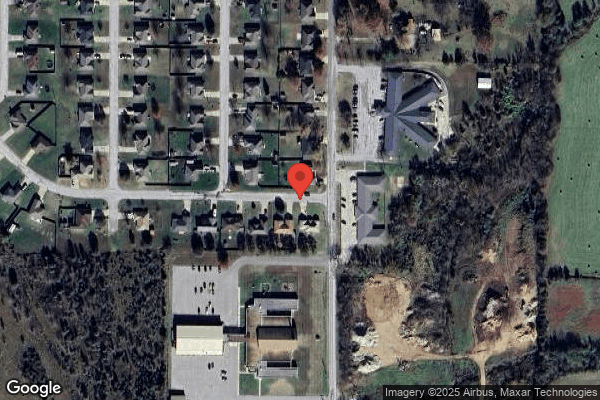
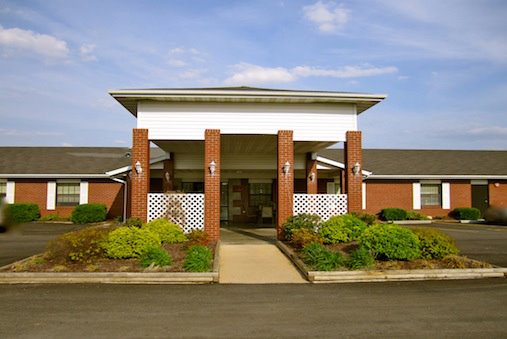
800 SOUTH WHITE OAK, MARSHFIELD, MO 65706 (417) 859-3701
For profit - Limited Liability company 74 Beds PRIME HEALTHCARE MANAGEMENT Data: November 2025
Trust Grade
25/100
#419 of 479 in MO
Last Inspection: August 2024

Within standard 12-15 month inspection cycle. Federal law requires annual inspections.

Overview

Marshfield Care Center for Rehab and Healthcare has received a Trust Grade of F, indicating significant concerns about the facility's quality of care. Ranking #419 out of 479 in Missouri places it in the bottom half of nursing homes, and it is the lowest-ranked facility in Webster County. Unfortunately, the facility's situation is worsening, with issues increasing from 7 in 2024 to 8 in 2025. Staffing is a major concern, with a low rating of 1 out of 5 and a high turnover rate of 83%, significantly above the state average. While there are no fines on record, which is a positive aspect, the facility has faced serious deficiencies, including failing to provide proper wound care for a resident, leading to wound deterioration and infection. Additionally, there have been concerns about food safety practices, such as improper food storage and contamination risks. Overall, families should weigh these significant weaknesses against the few strengths when considering this facility for their loved ones.

Trust Score
F
25/100
In Missouri
#419/479
Bottom 13%
Safety Record
Moderate
Needs review
Inspections
Getting Worse
7 → 8 violations
Staff Stability
⚠ Watch
83% turnover. Very high, 35 points above average. Constant new faces learning your loved one's needs.
Penalties
✓ Good
No fines on record. Clean compliance history, better than most Missouri facilities.
Skilled Nurses
⚠ Watch
Each resident gets only 12 minutes of Registered Nurse (RN) attention daily — below average for Missouri. Fewer RN minutes means fewer trained eyes watching for problems.
Violations
⚠ Watch
45 deficiencies on record. Higher than average. Multiple issues found across inspections.
★☆☆☆☆
1.0
Overall Rating
★☆☆☆☆
1.0
Staff Levels
★★☆☆☆
2.0
Care Quality
★★☆☆☆
2.0
Inspection Score
Stable
2024: 7 issues
2025: 8 issues

The Good

  • Full Sprinkler Coverage · Fire safety systems throughout facility
  • No fines on record

Facility shows strength in fire safety.

The Bad

1-Star Overall Rating

Below Missouri average (2.5)

Significant quality concerns identified by CMS

Staff Turnover: 83%

37pts above Missouri avg (46%)

Frequent staff changes - ask about care continuity

Chain: PRIME HEALTHCARE MANAGEMENT

Part of a multi-facility chain

Ask about local staffing decisions and management

Staff turnover is very high (83%)

35 points above Missouri average of 48%

The Ugly 45 deficiencies on record

1 actual harm
Sept 2025 1 deficiency
CONCERN (E) 📢 Someone Reported This

A family member, employee, or ombudsman was alarmed enough to file a formal complaint

Potential for Harm - no one hurt, but risky conditions existed

Pharmacy Services (Tag F0755)

Could have caused harm · This affected multiple residents

**NOTE- TERMS IN BRACKETS HAVE BEEN EDITED TO PROTECT CONFIDENTIALITY** Based on observation, record review, and interview, the facility failed to provide pharmacy services to meet the needs of each r...

Read full inspector narrative →
**NOTE- TERMS IN BRACKETS HAVE BEEN EDITED TO PROTECT CONFIDENTIALITY** Based on observation, record review, and interview, the facility failed to provide pharmacy services to meet the needs of each resident when the facility failed to have ordered medications available for staff administration and failed to notify the physician of the unavailable medications resulting in three residents (Resident #1, #2, and #3) not receiving medications as ordered. The facility census was 49.Review of the facility's policy titled Medication Administration, revised 05/07/25, showed medications are administered as ordered by the physician and in accordance with professional standards of practice.1. Review of Resident #1's face sheet (brief resident profile sheet) showed the following information:-admission date of 09/05/25;-Diagnoses included multiple sclerosis (a chronic, autoimmune disease that affects the central nervous system), cardiac pacemaker (a small, implantable medical device that helps regulate the heart's rhythm by sending electrical impulses to the heart muscle), hypothyroidism (the thyroid gland doesn't make and release enough hormone into the bloodstream), and restless legs syndrome (a neurological disorder characterized by an irresistible urge to move the legs, often accompanied by uncomfortable sensations like tingling or crawling).Review of the resident's admission Minimum Data Set (MDS - a federally mandated assessment instrument completed by facility staff), dated 09/08/25, showed the resident had no cognitive impairment.Review of the resident's care plan, reviewed on 09/08/25, showed staff to administer medications as ordered.Review of the resident's current physician orders showed the following information:-An order, dated 09/06/25, for pantoprazole sodium (used for ulcer prevention) oral tablet delayed release 40 milligram (mg). Start date of 09/06/25 at 7:30 A.M.;-An order, dated 09/06/25, for venlafaxine HCI (an antidepressant) ER oral tablet extended release 24-hour 75 mg. Start date of 09/06/25 at 7:30 A.M.;-An order, dated 09/06/25, for mirabegron (an antispasmodic) ER oral tablet extended release 24-hour 50 mg. Start date 09/06/25 at 8:00 A.M.;-An order, dated 09/06/25, for ropinirole HCI (an anti-parkinson medication) 2 mg, at bedtime.Start date of 09/06/25 at 8:00 P.M.Review of the resident's September 2025 Medication Administration Record (MAR) showed the following information:-On 09/06/25, at 7:30 A.M., staff documented the doses of pantoprazole and venlafaxine as Not Administered: Drug not available;-On 09/06/25, at 8:00 A.M., staff documented the dose of mirabegron as Not Administered: Drug not available;-On 09/06/25, at 8:00 P.M., staff documented the dose of ropinirole as Not Administered: Drug not available;-On 09/07/25, at 7:30 A.M., staff documented the dose of pantoprazole and venlafaxine as Not Administered: Drug not available;-On 09/07/25, at 8:00 P.M., staff documented the dose of ropinirole as Not Administered: Drug not available.Review of the resident's September 2025 Progress Notes showed staff did not document physician notification of the missed doses of pantoprazole, venlafaxine, mirabegron and ropinirole.During an interview on 09/10/25, at 2:30 P.M., the resident said he/she had not refused any medications. He/she admitted to the facility on [DATE], at 9:00 P.M. Because he/she did not receive his/her medications for a couple of days, it will take his/her body weeks to get back to feeling normal. His/her body was used to the prescribed medications and that he/she had been on those medications for a while, and they were working well for him/her. If he/she would have known prior to coming to the facility that they would not have her medication, he/she would have gone to another facility.During an interview on 09/10/25, at 11:45 A.M., Licensed Practical Nurse (LPN) A said the residents came in late in the day and on a weekend, so their medications would not have been available until Monday.During an interview on 09/10/25, at 2:45 P.M., LPN D said he/she and the Director of Nursing (DON) notified the physician of the resident's admission and told the physician that they did not have the medications. The physician was not happy they accepted the resident knowing that we did not have the medications. The physician gave no other orders.During an interview on 09/10/25, at 12:00 P.M., the Assistant Director of Nursing (ADON) said he/she did not realize the resident did not receive their medications.During an interview on 09/10/25, at 3:30 P.M., the Director of Nursing (DON) said the resident admitted to the facility with an order for ropinirole 1 mg every morning and ropinirole 2 mg every night. The facility does not keep that medication in the e-kit so they had to wait for the pharmacy to bring the medication. He/she called the physician and reviewed the medication list for the resident. The physician was upset that the facility accepted the resident knowing that they could not get their medications. No other orders were received during the phone conversation.During an interview on 09/10/25, at 5:10 P.M., the Medical Director said he did not know about the resident not receiving their medications until 09/09/25. Staff did not notify him. 2. Review of Resident #2's face sheet showed the following information:-admission date of 09/05/25;-Diagnoses included pulmonary embolism (blood clot in the lungs), hypertension (high blood pressure), history of bariatric surgery, presence of left artificial knee joint, moderate protein-calorie malnutrition, major depressive disorder, restless legs syndrome, congestive heart failure (CHF - a long-term condition that happens when the heart can't pump blood well enough to give your body a normal supply ), chronic embolism and thrombosis of left calf muscular vein (blood clot in the leg).Review of the resident's admission MDS, dated [DATE], showed the resident had no cognitive impairment.Review of the resident's care plan, reviewed on 09/08/25, showed staff to administer medications as ordered.Review of the resident's current physician orders showed the following information:-An order, dated 09/06/25, for amlodipine besylate (used to treat high blood pressure) oral tablet 5 mg. Start date of 09/06/25 at 7:00 A.M.;-An order, dated 09/06/25, for biotin (supplement) oral tablet, one tablet daily for immunodeficiency. Start date of 09/06/25 at 7:00 A.M.;-An order, dated 09/06/25, for duloxetine HCI (used to treat depression) oral capsule delayed release sprinkle 60 mg. Start date of 09/06/25 at 7:00 A.M.;-An order, dated 09/06/25, for fluconazole (antifungal medication) oral tablet 150 mg, daily for skin infection. Start date of 09/06/25 at 7:00 A.M.;-An order, dated 09/06/25, for folic acid (supplement) tablet 1 mg, daily for immunodeficiency. Start date of 09/06/25 at 7:00 A.M.;-An order dated 09/06/25, for losartan potassium (used to treat high blood pressure) oral tablet 25 mg. Start date of 09/06/25 at 7:00 A.M.;-An order, dated 09/06/25, for metoprolol succinate (used to treat high blood pressure) oral capsule ER 24-hour sprinkle 25 mg. Start date of 09/06/25 at 07:00 A.M.;-An order, dated 09/06/25, for potassium chloride (supplement) ER tablet extended release 20 milliequivalents (meq), daily for congestive heart failure. Start date of 09/06/25 at 7:00 A.M.;-An order, dated 09/06/25, for spironolactone (potassium-sparing diuretic (water pill)) oral tablet 12.5 mg, daily for swelling. Start date of 09/06/25 at 7:00 A.M.;-An order, dated 09/06/25, for gabapentin (used to treat nerve pain) capsule 300 mg, daily for polyneuropathy (generalized nerve pain). Start date of 09/06/25 at 8:00 P.M.Review of the resident's September 2025 Medication Administration Record (MAR) showed the following information:-On 09/06/25, at 7:00 A.M., staff documented the dose of amlodipine, biotin, duloxetine, fluconazole, folic acid, losartan potassium, metoprolol, potassium chloride, and spironolactone as Not Administered: Drug not available;-On 09/07/25, at 7:00 A.M., staff documented the dose of biotin and metoprolol succinate as Not Administered: Drug not available;-On 09/07/25, at 8:00 P.M., staff documented the dose of gabapentin as Not Administered: Drug not available;-On 09/08/25, at 7:00 A.M., staff documented the dose of biotin and metoprolol succinate as Not Administered: Drug not available.Review of the resident's September 2025 Progress Notes showed staff did not document physician notification of the missed doses of amlodipine besylate, biotin, duloxetine, fluconazole, folic acid, losartan potassium, metoprolol succinate, spironolactone, and gabapentin.During an interview on 09/10/25, at 10:30 A.M., the resident said he/she had not refused any medications. The resident said that he/she admitted to the facility on [DATE], at 9:00 P.M., due to a fall at home that resulted in a broken knee and blood clots that developed in his/her lungs and leg.During an interview on 09/10/25, at 11:45 A.M., LPN A said the resident came in late in the day and on a weekend, so their medications would not have been available until Monday.During an interview on 09/10/25, at 2:45 P.M., LPN D said he/she and the DON notified the physician of the resident's admission and told the physician that they did not have the medications. The physician was not happy they accepted the resident knowing that we did not have the medications. The physician gave no other orders.During an interview on 09/10/25, at 12:00 P.M., the ADON said he/she did not realize the resident did not receive their medications.During an interview on 09/10/25, at 3:30 P.M., the DON said he/she called the physician and reviewed the medication list for the resident. The physician was upset the facility accepted the resident knowing that they could not get their medications. No other orders were received during the phone conversation.During an interview on 09/10/25, at 5:10 P.M., the Medical Director said he did not know about the resident not receiving their medications until 09/09/25, when the resident informed him/her during their exam. Staff did not notify him.3. Review of Resident #3's face sheet showed the following information:-admission date of 09/22/23;-Diagnoses included chronic obstructive pulmonary disease (COPD - a group of lung diseases making it difficult to breathe), type 2 diabetes (unable to control blood sugar), and left lower leg amputation.Review of the resident's admission MDS, dated [DATE], showed minimal cognitive impairment.Review of the resident's care plan, reviewed on 08/13/25, showed staff to administer medications as ordered.Review of the resident's current physician orders showed an order, dated 09/06/25, for pregabalin (used to treat nerve pain) oral Capsule 200 mg, twice daily for pain. Start date of 07/23/25 at 9:00 P.M.Review of the resident's September 2025 MAR showed the following information:-On 09/03/25, at 9:00 A.M., staff documented the dose of pregabalin as Not Administered: Drug not available;-On 09/03/25, at 9:00 P.M., staff documented the dose of pregabalin as Not Administered: Drug not available;-On 09/04/25, at 9:00 A.M., staff documented the dose of pregabalin as Not Administered: Drug not available;-On 09/04/25, at 9:00 P.M., staff documented the dose of pregabalin as Not Administered: Drug not available;-On 09/05/25, at 9:00 P.M., staff documented the dose of pregabalin as Not Administered: Drug not available;-On 09/06/25, at 9:00 A.M., staff documented the dose of pregabalin as Not Administered: Drug not available;-On 09/06/25, at 9:00 P.M., staff documented the dose of pregabalin as Not Administered: Drug not available;-On 09/07/25, at 9:00 A.M., staff documented the dose of pregabalin as Not Administered: Drug not available;-On 09/07/25, at 9:00 P.M., staff documented the dose of pregabalin as Not Administered: Drug not available;-On 09/08/25, at 09:00 A.M., staff documented the dose of pregabalin as Not Administered: Drug not available;-On 09/08/25, at 09:00 P.M., staff documented the dose of pregabalin as Not Administered: Drug not available.Review of the resident's September 2025 Progress Notes showed staff did not document physician notification of the missed doses of pregabalin.During an interview on 09/10/25, at 10:50 A.M., the resident said he/she had not refused any medications. He/she had been on pregabalin for years for phantom pain related to his/her amputated leg. His/her surgeon told him/her that he/she would likely need to be on the medication for life after his/her amputation. He/she did not receive his/her scheduled dose of pregabalin for several days the beginning of September. Staff kept telling him/her they were waiting on the physician to reorder the medication. During an interview on 09/10/25, at 11:45 A.M., LPN A said pregabalin is in the e-kit (emergency medication kit used when medications have not been received). He/she was not sure why the resident did not receive his/her medication. During an interview on 09/10/25, at 2:10 P.M., Certified Medication Technician (CMT) B said the resident was on a high dose of pregabalin, 200 mg. The facility only has pregabalin 25 mg in the e-kit. One dose would completely wipe out the e-kit. The facility did not have the resident's pregabalin because they changed physicians, and the physician didn't sign the prescription in time and the facility ran out of the resident's medication. CMT B said that he/she told the Assistant Director of Nursing (ADON) who keeps up with the narcotics. The ADON told him/her that he/she called the physician and got a new order sent into pharmacy, but they had to wait for the medication to be delivered by pharmacy and that sometimes takes a few days.During an interview on 09/10/25, at 2:15 P.M., CMT C said they do not keep every medication in the e-kit, but they do have pregabalin in 75 mg and 25 mg tablets. The resident should have gotten his/her medication because it was in the e-kit.During an interview on 09/10/25, at 12:00 P.M., the ADON said he/she failed to notify the physician that the resident needed a new prescription signed when the new Medical Director took over services. When he/she realized that the resident didn't get his/her pregabalin renewed. The ADON called the physician immediately and the physician took care of it the same day. The ADON is not sure why the resident did not receive his/her medication after that as plenty of pregabalin is kept in the e-kit. During an interview on 09/10/25, at 05:10 P.M., the Medical Director said the resident was on pregabalin. When he took over services, two weeks ago, nursing staff failed to include the resident as one of the residents that needed a new prescription signed due to being a narcotic. He/she was notified on 09/06/25 and ordered the medication immediately. He/she was also informed that the medication was in the e-kit and staff would be able to administer the medication immediately. He/she was not aware that the resident did not receive his/her medication on 09/03/25, 09/04/25, 09/05/25 (night dose only), 09/06/25, 09/07/25, and 09/08/25.4. During an interview on 09/10/25, at 2:10 P.M., CMT B said that there was nothing that he/she can do if he/she does not have the medication to give. Some medications can be pulled from the e-kit. It usually takes 24 to 48 hours to get all the medications in from pharmacy for a new admit. He/she does not call the doctor personally if he/she does not have the medication available. He/she is not allowed to call the physician. He/she would notify the nurse if the medication was not available.During an interview on 09/10/25, at 02:15 P.M., CMT C said that if he/she doesn't have a medication available to give, he/she notifies the nurseDuring an interview on 09/10/25, at 11:45 A.M., Licensed Practical Nurse (LPN) A said new resident orders are faxed to the pharmacy, and they are delivered the next night, usually around midnight. Staff can get medications out of the e-kit if they are in there. If it is a medication that is not in the e-kit, staff would need to call the physician and get a different order. Pregabalin is in the e-kit. He/she was not sure why Resident # 3 did not receive his/her medication. Residents # 1 and # 2 came in late in the day and on a weekend, so their medications would not have been available until Monday.During an interview on 09/10/25, at 2:45 P.M., LPN D said the physician is the new Medical Director and wants to be called with every new admission. The physician wants the nurse to go over the orders and medications with him/her over the telephone. After reviewing the orders with the physician, the nurse will enter the orders into the electronic medical record (EHR) and then fax the medication list to the pharmacy. Staff can pull medications from the e-kit, it they are in the e-kit. Otherwise, staff must wait for the pharmacy to deliver the medications. The pharmacy is in Kansas City. They deliver medications every night. He/she notifies the physician if the facility does not have a medication. During an interview on 09/10/25, at 12:00 P.M., the ADON said that when they get a new admit, they call the physician and review the medications and orders. The physician must approve all orders. The nurse then enters the orders into the electronic medical record (EHR) and fax the medication orders to the pharmacy. If it is a narcotic, staff must have a signed prescription. The physician takes care of narcotics. If the medication is not in the e-kit, nursing staff will notify the physician that the medication is not available. If they don't have the medication, it usually takes 24 to 48 hours before they can get the medication. During an interview on 09/10/25, at 03:30 P.M., the DON said that when they get a new admit, the nurse will enter the orders from the hospital discharge. The nurse will call the physician and review the medications. The nurse then enters the orders into the EHR and fax the medication list to pharmacy. If the medication is a narcotic, such as pregabalin, the pharmacy requires a signed prescription. The physician will take care of that. The CMT or nurse can pull medications from the e-kit. It the medication is not in the e-kit, staff notify the physician that the medication is not available, and he will either write an order to hold the medication or write an order to get the medication from the local pharmacy.During an interview on 09/10/25, at 5:10 P.M., the Medical Director said there are some processes that need to be addressed and changed. The facility is having difficulty with the pharmacy they are currently contracted with. The facility is having difficulty receiving resident medications timely. He/she expected staff to notify him/her when a new resident arrived at the facility, and he/she would go over the medications and orders with the nursing staff. The Medical Director expected staff to follow his/her orders. If the staff has any problems with medications, he/she expected staff to call him/her, and they would discuss other optionsDuring an interview on 09/10/25, at 04:30 P.M., the Administrator said the facility knows they have a problem getting medications for new admits. The Administrator said their pharmacy is located in Kansas City, and it takes days sometimes to get medications delivered. The facility has a contract with the current pharmacy that ends in November. The facility is hoping to use another pharmacy because this one is just not working out. The Administrator said that he/she expected staff to notify the physician any time they don't have the medication that the physician has ordered. It is up to the physician whether he/she wants to hold the medication or write an order to the local pharmacy. He/she expected staff to follow the policy. He/she was not sure what the policy states regarding medication that is not available.Complaint #2610008
Jul 2025 1 deficiency
CONCERN (D) 📢 Someone Reported This

A family member, employee, or ombudsman was alarmed enough to file a formal complaint

Potential for Harm - no one hurt, but risky conditions existed

Deficiency F0602 (Tag F0602)

Could have caused harm · This affected 1 resident

Deficiency Text Not Available

Read full inspector narrative →
Deficiency Text Not Available
May 2025 3 deficiencies 1 Harm
SERIOUS (G) 📢 Someone Reported This

A family member, employee, or ombudsman was alarmed enough to file a formal complaint

Actual Harm - a resident was hurt due to facility failures

Pressure Ulcer Prevention (Tag F0686)

A resident was harmed · This affected 1 resident

**NOTE- TERMS IN BRACKETS HAVE BEEN EDITED TO PROTECT CONFIDENTIALITY** Based on interview and record review, the facility failed to provide care per professional standards related to pressure ulcers ...

Read full inspector narrative →
**NOTE- TERMS IN BRACKETS HAVE BEEN EDITED TO PROTECT CONFIDENTIALITY** Based on interview and record review, the facility failed to provide care per professional standards related to pressure ulcers (refers to localized damage to the skin and/or underlying soft tissue usually over a bony prominence or related to a medical or other device) for all residents when staff failed to provide wound care per physician orders, failed to update wound care orders, failed to complete full and timely assessments and monitoring of all wounds, and failed to care plan related to wounds for one resident (Resident #1) resulting in deterioration of two wounds and infection of one wound. The facility census was 46. Review of the facility policy titled, Wound Care Policy for Long-Term Care, undated, showed the following: -Purpose to ensure standardized, evidence-based would care practices that promote healing, prevent infections, and enhance quality of life for residents in long-term care settings; -This policy applied to all licensed nurses, wound care specialists, and relevant care staff providing wound care services to residents; -Conduct initial wound assessment within 24 hours of identification or admission; -Document wound location, size (length x width x depth), stage (for pressure injuries), exudate (drainage), wound bed, and perineal (peri- area between the anus and genitals) wound condition; -Reassess wounds at least weekly or per physician's orders; -Develop an individualized wound care plan addressing etiology, treatment goals, and prevention strategies; -Update care plan based on wound progress, resident response, or change in condition; -Select dressings based on wound type, exudate level, presence of infection, and goals of care; -Follow manufacturer instructions for use; -Record assessment findings, treatments, resident response, and any complications; -Maintain accurate and timely wound care records; -Wound care practices will be reviewed quarterly by the facility's wound care team. 1. Review of Resident #1's face sheet (brief resident profile) showed the following: -admission date of 11/22/23; -Diagnoses include long term effects of a stroke, type II diabetes mellitus with other circulatory complications (a long-term condition in which the body has trouble controlling blood sugar and using it for energy), cellulitis of right toe (skin infection), chronic pain, and hemiplegia and hemiparesis following stroke (muscle weakness or partial paralysis on one side of the body). Review of the resident's care plan, revised 10/01/24, showed the following: -Resident at risk for pressure ulcer injury as evidenced by need of staff to assist with mobility, history of stroke with left side weakness, incontinence of urine, and admitted with a pressure ulcer; -Staff to assist resident with turning/repositioning every two hours and as needed and assist with keeping resident clean and dry as possible; -Staff to conduct a systemic skin assessment weekly; -Staff to provide treatments per physician orders and assess and document pressure ulcer size, depth, and color weekly; -Staff to monitor for effectiveness of current treatment and notify physician if no improvement noted;. -External wound care provider referral as ordered and follow any recommendations; -Staff to use moisture barrier to perineal area as needed and report any signs or symptoms of skin breakdown to charge nurse. Review of the resident's quarterly Minimum Data Set (MDS - a federally mandated assessment tool administered by staff), dated 02/26/25, showed the following: -Moderate cognitive impairment; -Partial to moderate assistance required with mobility and substantial to maximal assistance required with transfers; -At risk for pressure ulcers with no unhealed pressure ulcers, ulcers, wounds, or other skin problems. Review of the resident's current Physician Order Sheet (POS) showed an order, dated 02/28/25, to cleanse right heel with wound cleanser, skin prep peri wound, apply alginate (highly absorbent wound dressing from brown seaweed) to wound bed, cover with ABD (highly absorbent dressing) pad, and wrap with Kerlix (a brand of gauze bandage rolls) daily one time a day for wound care. Review of the resident's March 2025 Treatment Administration Record (TAR) showed the following: -An order, dated 03/01/25, to cleanse right heel with wound cleanser, skin prep peri wound, apply alginate to wound bed, cover with ABD pad, and wrap with Kerlix change daily one time a day for wound care; -Staff did not document administering the treatment on 03/01/25 and 03/03/25. Review of the resident's record showed staff did not document regarding the missed treatments on 03/01/25 and 03/03/25. Review of the resident's Skin Observation Tool, dated 03/04/25, showed the following: -Right heel pressure sore measured 5 centimeters (cm) length, 4 cm width, and 0.25 cm depth. The wound was a stage three pressure wound (full-thickness loss of skin in which subcutaneous fat may be visible in the ulcer). Pressure sore to right heel had no exudate (drainage) and wound bed was pink; -Right gluteal fold pressure sore measured 0.75 cm length and 0.75 cm width with no depth noted. The wound was a stage two pressure wound (partial-thickness loss of skin with exposed dermis, presenting as a shallow open ulcer). Review of the resident's current care plan, last revised 10/01/24, showed staff did not update the resident's care plan to reflect the actually skin breakdown and treatments for heel and gluteal fold wounds. Review of the resident's March 2025 TAR showed staff did not complete the ordered treatment to the resident's right heel on 03/05/25, 03/06/25, 03/07/25, 03/08/25, and 03/10/25. Review of the resident's record showed staff did not document regarding the missed treatments to the wound on the resident's heel on 03/05/25, 03/06/25, 03/07/25, 03/08/25, and 03/10/25. Review of the resident's March 2025 TAR showed the following: -An order, dated 03/05/25, to apply wound cleanser and dressing to right gluteal pressure wound in the morning; -Staff did not document administering the treatment on 03/05/25, 03/06/25, 03/07/25, 03/08/25, and 03/10/25. Review of the resident's record showed staff did not document regarding the missed treatments to the wound on the resident's gluteal fold on 03/05/25, 03/06/25, 03/07/25, 03/08/25, and 03/10/25. Review of the resident's current care plan, last revised 10/01/24, showed staff did not update the resident's care plan to reflect the actually skin breakdown and treatments for heel and gluteal fold wounds. Review of the resident's progress note, dated 03/10/25, from the wound care provider showed the following: -Wound to right heel had improved this week. Wound measured smaller with less drainage and good granulation tissue (fleshy, pinkish red tissue that forms during the wound healing process). Continue with same treatment of collagen (structural protein found in skin), calcium alginate, ABD pad, and change daily; -Wound image measurements of area of 4.7 square cm with perimeter of 9.8 cm, length 3.8 cm, width 1.9 cm, with no depth noted; -Granulation red or pink and bumpy 75%; -No slough (non-viable tissue); -Epithelial (final layer of skin during wound healing) 25%. (The wound care provider did not document regarding the wound on the right gluteal fold wound.) Review of the resident's March 2025 TAR showed staff did not complete the ordered treatment to the resident's right heel on 03/11/25, 03/12/25, 03/13/25, 03/14/25, 03/15/25, 03/16/25, and 03/17/25. Review of the resident's record showed staff did not document regarding the missed treatments to the wound on the resident's heel on 03/11/25, 03/12/25, 03/13/25, 03/14/25, 03/15/25, 03/16/25 and 03/17/25. Review of the resident's March 2025 TAR staff did not document administering the treatment to the resident's gluteal fold wound on 03/11/25, 03/12/25, 03/13/25, 03/14/25, 03/15/25, 03/16/25, and 03/17/25. Review of the resident's record showed staff did not document regarding the missed treatments to the wound on the resident's gluteal fold on 03/11/25, 03/12/25, 03/13/25, 03/14/25, 03/15/25, 03/16/25 and 03/17/25. Review of the resident's current care plan, last revised 10/01/24, showed staff did not update the resident's care plan to reflect the actually skin breakdown and treatments for heel and gluteal fold wounds. Review of the resident's progress note, dated 03/17/25, from the wound care provider, showed the following: - Wound to right heel had deteriorated this week. Wound measured larger with increased drainage and small amount of nonviable tissue noted. Good granulation tissue noted. Continue with same treatment of collagen, calcium alginate, ABD pad, and change daily; -Wound image measurements were area of 6.6 square cm with perimeter of 12.6 cm, length 1.9 cm, width 4.8 cm and max depth 0.3 cm; -Granulation 75%; -Slough 25%. (The wound care provider did not document regarding the wound on the right gluteal fold.) Review of the resident's March 2025 TAR showed staff did not document completing the ordered treatment to the right heel on 03/19/25, 03/20/25, 03/21/25, 03/22/25, and 03/23/25. Review of the resident's record showed staff did not document regarding the missed treatments to the wound on the resident's heel on 03/19/25, 03/20/25, 03/21/25, 03/22/25, and 03/23/25. Review of the resident's March 2025 TAR showed staff did not document completing the order treatment to the right gluteal pressure wound on 03/19/25, 03/20/25, 03/21/25, and 03/22/25. Review of the resident's record showed staff did not document regarding the missed treatments to the wound on the resident's gluteal fold on 03/19/25, 03/20/25, 03/21/25, and 03/22/25. Review of the resident's current care plan, last revised 10/01/24, showed staff did not update the resident's care plan to reflect the actually skin breakdown and treatments for heel and gluteal fold wounds. Review of the resident's progress note, dated 03/24/25, from the wound care provider, showed the following: -Wound to right heel had improved measuring smaller with less drainage and good granulation tissue; -Wound image measurements were area 5.5 square cm, with perimeter 11.6 cm, length 4.6 cm, width 1.7 cm, and max depth 0.2 cm; -Granulation 80%; -Slough 20%. (The wound care provider did not document regarding the wound on the right gluteal fold.) Review of the resident's March 2025 TAR showed staff did not document completing the ordered wound care for the right heel on 03/25/25, 03/26/25, 03/27/25, 03/28/25, 03/29/25, and 03/31/25. Review of the resident's record showed staff did not document regarding the missed treatments to the wound on the resident's heel on 03/25/25, 03/26/25, 03/27/25, 03/28/25, 03/29/25, and 03/31/25. Review of the resident's March 2025 TAR showed staff did not document completing the ordered wound care for the right gluteal pressure wound on 03/25/25, 03/26/25, 03/27/25, 03/29/25, and 03/31/25. Review of the resident's record showed staff did not document regarding the missed treatments to the wound on the resident's gluteal fold on 03/25/25, 03/26/25, 03/27/25, 03/29/25, and 03/31/25. Review of the resident's current care plan, last revised 10/01/24, showed staff did not update the resident's care plan to reflect the actually skin breakdown and treatments for heel and gluteal fold wounds. Review of the resident's progress note, dated 03/31/25, from the wound care provider, showed the following: -Wound to right heel had improved measuring smaller with less drainage and good granulation tissue; -Wound image measurements of area 4.5 square cm with perimeter 9.6 cm, length 4.0 cm, width 1.8 cm, and max depth 0.2 cm; -Granulation 50%; -Epithelial 50%; (The wound care provider did not document regarding the wound on the right gluteal fold.) Review of the resident's April 2025 TAR showed the following: -An order, dated 03/01/25, to cleanse right heel with wound cleanser, skin prep peri wound, apply alginate to wound bed, cover with ABD pad, and wrap with Kerlix change daily one time a day for wound care; -Staff did not document administering the treatment on 04/03/25. Review of the resident's record showed staff did not document regarding the missed treatments to the wound on the resident's heel on 04/03/25. Review of the resident's April of 2025 TAR showed the following: -An order, dated 03/05/25, to apply wound cleanser and dressing to right gluteal pressure wound in the morning; -Staff did not document administering the treatment on 04/03/25. Review of the resident's record showed staff did not document regarding the missed treatments to the wound on the resident's gluteal fold on 04/03/25. Review of the resident's progress note, dated 04/07/25, from the wound care provider showed the following: -Wound to right heel had deteriorated measuring larger with increased drainage and nonviable tissue noted. Nonviable tissue required debridement and resident tolerated procedure well. Change treatment to Santyl nickel (an enzyme that removes dead tissue from wounds) thick in wound bed, calcium alginate, ABD pad, Kerlix, and change daily. Will reassess next week; -Wound image measurements of area 5.7 square cm with perimeter 11.3 cm, length 3.8 cm, width 2.3 cm, max depth 0.1 cm; -Granulation 40%; -Epithelial 50%; -Eschar 10% (dead tissue). (The wound care provider did not document regarding the wound on the right gluteal fold). Review of the resident's current care plan, last revised 10/01/24, showed staff did not update the resident's care plan to reflect the actually skin breakdown and treatments for heel and gluteal fold wounds. Review of the resident's April 2025 TAR showed staff did not enter the new order from the wound care provider to change the treatment to Santyl nickel thick in wound bed, calcium alginate, ABD pad, Kerlix, and change daily. Review of the resident's April 2025 TAR showed the following: -An order, dated 03/01/25, to cleanse right heel with wound cleanser, skin prep peri wound, apply alginate to wound bed, cover with ABD pad, wrap with Kerlix change daily one time a day for wound care; -Staff did not document administering the treatment on 04/08/25 and 04/09/25. Review of the resident's record showed staff did not document regarding the missed treatments to the wound on the resident's heel on 04/08/25 and 04/09/25. Review of the resident's April of 2025 TAR showed staff did not document completing the ordered wound tratement to the right gluteal fold wound on 04/08/25 and 04/09/25. Review of the resident's record showed staff did not document regarding the missed treatments to the wound on the resident's gluteal fold on 04/08/25 and 04/09/25. Review of the resident's Skin Observation Tool, dated 04/10/25, showed the following: -Right heel pressure sore measured 5 cm length, 4 cm width, and 0.25 cm depth. The wound was a stage three (full-thickness loss of skin, in which subcutaneous fat may be visible in the ulcer and granulation tissue and epibole (rolled wound edges) are often present) pressure sore. The pressure sore to right heel was pink; -Right gluteal fold pressure sore 0.75 cm length, 0.75 cm width, with no depth noted. Wound was a stage two pressure sore. Review of the resident's current care plan, last revised 10/01/24, showed staff did not update the resident's care plan to reflect the actual skin breakdown and treatments for heel and gluteal fold wounds. Review of the resident's April 2025 TAR showed the following: -An order, dated of 03/01/25, to cleanse right heel with wound cleanser, skin prep peri wound, apply alginate to wound bed, cover with ABD pad, wrap with Kerlix change daily one time a day for wound care; -Staff did not document administering the treatment on 04/13/25. Review of the resident's record showed staff did not document regarding the missed treatments to the wound on the resident's heel on 04/13/25. Review of the resident's April 2025 TAR showed staff did not document completion of the order treatment to the resident's gluteal fold on 04/13/25 Review of the resident's record showed staff did not document regarding the missed treatments to the wound on the resident's gluteal fold on 04/13/25. Review of the resident's progress note, dated 04/14/25, from the wound care provider, showed the following: -Wound to right heel had improved measuring smaller, with less drainage and good epithelial tissue. Will change treatment to calcium alginate, ABD pad, Kerlix, and change daily; -Wound image measurements of area 2.8 square cm with perimeter 7.2 cm, length 2.7 cm, width 1.2 cm, and max depth 0.2 cm; -Granulation 40%; -Epithelial 60%. (The wound care provider did not document regarding the wound on the resident right gluteal fold.) Review of the resident's April 2025 TAR showed the following: -An order, dated of 03/01/25, to cleanse right heel with wound cleanser, skin prep peri wound, apply alginate to wound bed, cover with ABD pad, wrap with Kerlix change daily one time a day for wound care; -Staff did not document administering the treatment on 04/19/25 and 04/20/25, Review of the resident's record showed staff did not document regarding the missed treatments to the wound on the resident's heel on 04/19/25 and 04/20/25. Review of the resident's April 2025 TAR showed staff did not document administering the treatment to the gluteal fold on 04/19/25 and 04/20/25. Review of the resident's record showed staff did not document regarding the missed treatments to the wound on the resident's gluteal fold on 04/19/25 and 04/20/25. Review of the resident's progress note, dated 04/21/25, from the wound care provider, showed the following: -Wound to right heel deteriorated in measurements with moderate drainage and nurse reported an odor. Non-viable tissue noted. Due to not being able to debride, will recommend Santyl ointment nickel thick to the wound bed daily x 1 week and calcium alginate; -Wound image measurements of area 12.60 square cm with length 3 cm, width 4.2 cm, and max depth 0.2 cm; -Granulation 20%; -Slough 75% -Eschar (dead or devitalized tissue that is hard or soft in texture) 5%; (The wound care provider did not document regarding the wound on the resident's right gluteal fold.) Review of the resident's April 2025 TAR showed staff did not enter the new order from the wound care provider to change the treatment to Santyl nickel and calcium alginate for one week. Review of the resident's current care plan, last revised 10/01/24, showed staff did not update the resident's care plan to reflect the actual skin breakdown and treatments for heel and gluteal fold wounds. Review of the resident's April 2025 TAR showed the following: -An order, dated of 03/01/25, to cleanse right heel with wound cleanser, skin prep peri wound, apply alginate to wound bed, cover with ABD pad, and wrap with Kerlix change daily one time a day for wound care; -Staff did not document administering the treatment on 04/23/25 and 04/26/25. Review of the resident's record showed staff did not document regarding the missed treatments to the wound on the resident's heel on 04/23/25 and 04/26/25. Review of the resident's April of 2025 TAR showed staff did not complete the treatment to the resident's right gluteal pressure on 04/23/35 and 04/26/25. Review of the resident's record showed staff did not document regarding the missed treatments to the wound on the resident's gluteal fold on 04/23/25 and 04/26/25. Review of the resident's progress note, dated 04/28/25, from the wound care provider, showed the following: -Wound to right heel had deteriorated, measuring larger, with increased drainage and non-viable tissue noted. Strong foul odor noted. Incorrect dressing on and unsure when it was last changed. Tissue culture acquired and sent to lab. Non-viable tissue required debridement. Resident tolerated procedure well. Ensured nursing staff had correct dressing orders. Will continue same treatment of Santyl nickel thick in wound bed, calcium alginate, ABD pad, Kerlix, and change daily. Will reassess next week; -Wound image measurements of area 8.7 square cm with perimeter 12.2 cm, length 4.4 cm, width 2.4 cm, and no depth noted; -Granulation 10%; -Slough 60% -Eschar 30%; (The wound care provider did not document regarding the wound on the right gluteal fold.) Review of the resident's April 2025 TAR showed staff did not enter the new order from the wound care provider to change the treatment to Santyl nickel and calcium alginate for one week. Review of the resident's current care plan, last revised 10/01/24, showed staff did not update the resident's care plan to reflect the actual skin breakdown and treatments for heel and gluteal fold wounds. Review of the resident's current POS showed an order, dated 04/26/25, for external wound care provider to evaluate and treat for wound on buttocks (gluteal fold). Review of the resident's April 2025 TAR showed the following: -An order, dated of 03/01/25, to cleanse right heel with wound cleanser, skin prep peri wound, apply alginate to wound bed, cover with ABD pad, wrap with Kerlix change daily one time a day for wound care; -Staff did not document administering the treatment on 04/27/25. Review of the resident's record showed staff did not document regarding the missed treatments to the wound on the resident's heel on 04/27/25. Review of the resident's April 2025 TAR showed the following: -An order, dated 03/05/25, to apply wound cleanser and dressing to right gluteal pressure wound in the morning; -Staff did not document administering the treatment on 04/27/25. Review of the resident's record showed staff did not document regarding the missed treatments to the wound on the resident's gluteal fold on 04/27/25. Review of the resident's current POS showed an order, dated 04/28/25, for right heel wound culture. Review of the resident's April of 2025 TAR showed staff did not document administering the treatment to the resident's gluteal fold on 04/30/35. Review of the resident's record showed staff did not document regarding the missed treatments to the wound on the resident's gluteal fold on 04/30/25. Review of the resident's April 2025 TAR showed the following: -An order, dated of 03/01/25, to cleanse right heel with wound cleanser, skin prep peri wound, apply alginate to wound bed, cover with ABD pad, wrap with Kerlix change daily one time a day for wound care; -Staff did not document administering the treatment on 04/30/25. Review of the resident's record showed staff did not document regarding the missed treatments to the wound on the resident's heel on 04/30/25. Review of the resident's progress note, dated 05/05/25, from the wound care provider, showed the following: -Resident not feeling well; -New wound to right buttock; -Started doxycycline (antibiotic) for leg wound infection; -No culture of buttock had been done; -Resident complained of pain in buttock; -Upon rolling resident large amount of foul, purulent (pus discharge) drainage; -Dressing removed to open wound to abscess, copious amount of drainage expulsed, and wound bed deep; -Recommend for resident to be sent out for evaluation due to deteriorating status, needs cultures, x-ray with possible CT scan or MRI. Review of the resident's hospital progress notes, dated 05/07/25, showed the following: -Resident admitted on [DATE] from long term care for worsening chronic wounds to right buttock and right heel; -Evidence of tunneling (type of wound that extends deeper in the tissue than its surface) abscess noted to buttock with purulent drainage; -Surgery team consulted, taken to operating room for incision and drainage on 05/06/25; -Intravenous antibiotics with Cefepime and vancomycin ( a common combination of broad-spectrum antibiotics used to treat suspected bacterial infections, particularly in hospitalized patients); -Wound care following for heel wound, plans to follow up in clinic at time of discharge; -Wound cultures obtained in emergency. Review of the resident's current care plan, last revised 10/01/24, showed staff did not update the resident's care plan to reflect the actual skin breakdown and treatments for heel and gluteal fold wounds. Review of the resident's May 2025 TAR showed the following: -An order, dated 03/01/25, to cleanse right heel with wound cleanser, skin prep peri wound, apply alginate to wound bed, cover with ABD pad, wrap with Kerlix change daily one time a day for wound care; -Staff did not document administering the treatment on 05/10/25. Review of the resident's record showed staff did not document regarding the missed treatments to the wound on the resident's heel on 05/10/25. Review of the resident's progress note dated 05/12/25, from the wound care provider, showed the following: -Resident lying comfortably in bed upon entering room; -Rounded with floor nurse. Resident sleeping during visit. Recently had incision and drainage performed from an abscess noted last week to sacrum (a triangular bone in the lower back) resident was placed on oral Bactrim for treatment by hospital; -Right heel had also improved this week. Will continue same treatment with same changing frequency; -Will continue wet to dry on sacrum and reassess next week; -Right heel wound image measurements of area 4.9 square cm with perimeter 8.9 cm, length 2.0 cm, width 2.5 cm, no depth noted, granulation 10%, and epithelial 90%; -Sacrum wound image measurements of area 10.6 square cm with perimeter 13.3 cm, length 3.0 cm, width 5.2 cm, and no depth noted. During an interview on 05/16/25, at 10:34 A.M., Nurse Assistant (NA) D said staff should report any skin changes to the charge nurse. He/she was aware of the resident's abscess a day or two before he/she was sent out and encouraged the resident to switch from the bed to chair. During an interview on 05/16/25, at 10:48 A.M., Certified Nurse Assistant (CNA) C said staff should report any skin changes to the charge nurse. He/she noticed the resident had a small spot on his/her right buttock and was aware the wound nurse was providing treatment. During an interview on 05/16/25, at 11:03 A.M., Licensed Practical Nurse (LPN) B said the following: -He/she was hired as the wound care nurse; -Staff should document providing wound care in the TAR per physician orders and should document if unable to provide wound care with the correct code. If not documented, staff did not provide the treatment; -The TAR should not have blanks for wound care; -The resident had a wound to the right heel and a small pressure ulcer on the right buttock toward the end of March 2025; -The resident had an order to treat the right buttock with daily cream and gauze; -Nurses provide the same care as the the wound provider including taking pictures with a camera that measures the wounds; -Nurses should complete skin assessments weekly for every resident, including measurements; -The wound care provider should be providing care for all wounds on a resident under their care. During an interview on 05/16/25, at 12:40 P.M., Family Nurse Practitioner (FNP) E said the following: -He/she provided weekly wound care for the resident, including the right heel wound; -He/she did not know about the wound to the right buttock until 05/05/25, when the nurse said the resident was not feeling well. He/she was shown the wound to the right buttock, which looked like an abrasion with a little scab and was draining from the middle and from the side. He/she lanced it and notice purulent drainage with a foul smell, unsure how deep, but did not occur overnight; -There have been multiple issues with the facility staff not changing dressings, and he/she knows this was the case when the wound was not getting better. The resident's right heel worsened due to facility staff not changing dressings; -The wound dressings don't have dates on them at times or have the incorrect dressings; -He/she does not have access to the residents' physician orders and depends on staff to advise of orders. During an interview on 05/16/25, at 2:22 P.M., the MDS Coordinator said the following: -The wound care provider treated all resident wounds over stage II; -The wound care provider treated all wounds of a resident while under their care except for surgical wounds; -Staff should document providing wound care per physician order in the TAR and should document if unable to provide the wound care as well; -The week before the resident was sent out the shower aide called her into the shower room to look at the buttock. The area was hard, not opened with a couple little spots like a pressure ulcer or maybe deep tissue wound; -She was unaware the resident had a right gluteal/buttock wound in March of 2025; -He/she did not know if wound care was completed per physician order for the resident; -She did not know if the external wound care provider was treating the resident's right gluteal wound. During an interview on 05/16/25, at 3:04 P.M., the Assistant Director of Nursing (ADON) said the following: -Nurses were responsible for wound care for residents; -Nurses should complete weekly skin assessments on all residents, including wound measurements; -The wound care provider treated resident wounds every Monday at the facility; -The wound care provider should be notified of any new wounds; -The wound care provider treated all wounds of residents under their care except surgical; -Staff should document wound treatments in the TAR and/or reason not provided; -She was not aware of the resident's wound to the right buttock until the day he/she was sent to the hospital for the abscess; -Staff should change wound dressings per physician order. During an interview on 05/16/25, at 3:41 P.M., the Administrator said the following: -Staff should complete a skin assessment upon admission of a resident, and she is unsure of how frequently after admission; -Staff should document all wound care treatments on the TAR and/or if unable to provide the treatment; -Staff should follow physician orders for wound care treatments and notify the external wound care provider of any new orders or wounds. MO00254120
CONCERN (D) 📢 Someone Reported This

A family member, employee, or ombudsman was alarmed enough to file a formal complaint

Potential for Harm - no one hurt, but risky conditions existed

Deficiency F0602 (Tag F0602)

Could have caused harm · This affected 1 resident

**NOTE- TERMS IN BRACKETS HAVE BEEN EDITED TO PROTECT CONFIDENTIALITY** Based on interview and record review, the facility staff failed to maintain $4,000.00 cash for one resident (Resident #1) when s...

Read full inspector narrative →
**NOTE- TERMS IN BRACKETS HAVE BEEN EDITED TO PROTECT CONFIDENTIALITY** Based on interview and record review, the facility staff failed to maintain $4,000.00 cash for one resident (Resident #1) when staff had possession of the cash and could not locate the cash and provide it to the resident upon request. The facility census was 44.Review of the (undated) facility policy titled, Abuse and Neglect, showed the following:-Residents have the right to be free from verbal, sexual, physical, and mental abuse, neglect, misappropriation of resident property, exploitation, corporal punishment, and involuntary seclusion.-Misappropriation of property is defined as the deliberate misplacement, exploitation, or wrongful, temporary, or permanent use of a resident's belongings or money without the resident's consent;-Any staff member or person affiliated with this facility, including facility consultants and/or attending physician, who has witnessed or who believes that a resident has been a victim of mistreatment, abuse, neglect, or any other criminal offense shall immediately report the mistreatment or offense to the Administrator;-All alleged violations involving abuse, neglect, exploitation or mistreatment, including injuries of unknown source and misappropriation of resident property, should be reported immediately, but not later than two hours after the allegation is made, if the events that cause the allegation involve abuse or result in serious bodily injury, or not later than 24 hours if the events that cause the allegation do not involve abuse and do not result in serious bodily injury, to the administrator and the designated state agency. All alleged violations must be reported immediately;-After the facility submits an immediate report of an alleged violation, the facility must conduct a thorough investigation; prevent any other incidents from occurring during the course of the investigation and report the results of the investigation to the state agency within five working days or as designated by state law. The facility may report the results of the investigation by completing the remainder of the reporting form and resubmitting to the state agency. 1.Review of the facility investigation summary, undated, showed the following:-In December 2024 or January 2025, the administrator found $4,000.00 cash belonging to the resident in the business office manager's (BOM) office. She made a log and placed the money in the facility safe per the regional BOM until the money could be taken to the bank;-The resident's family member came to the facility in the same time frame of December 2024 or January 2025 and requested money. The administrator is unsure if any money was given to the family member and the log placed with the money is missing;-Just before the BOM discontinued employment in April 2025, the BOM and administrator opened the safe and did not see the money and thought the money was given to the family member, but the log was not in the safe;-On 05/16/25, the resident requested money from the $4,000.00 that he/she had given the BOM. The resident denied giving any money to his/her family member;-On 05/21/25, after speaking with family, a friend, and looking into bank records, the money was not located and was considered missing. The state agency and law enforcement were contacted. Review of the police report, dated 05/22/25, showed no arrests were made, and the case was closed unless new evidence was found. Review of the facility record showed a copy of a check made out to the resident, dated 06/18/25, for $4,000.00. 2. Review of Resident #1's face sheet (a brief resident profile) showed the following:-The resident admitted to the facility on [DATE];-Diagnoses included heart failure, rhabdomyolysis (a breakdown of muscle tissue that released a damaging protein into the blood), hearing loss, type two diabetes mellitus (a long-term condition in which the body has trouble controlling blood sugar and using it for energy), cognitive communication deficit (difficulty communicating), Bell's palsy (sudden weakness of muscles on one half of the face) kidney failure, and respiratory failure. Review of the resident's care plan, revised on 04/16/25, showed the following:-Resident has activities of daily living (ADL) functional problems as evidenced by the need for staff assistance with ADL's related to rhabdomyolysis;-Resident has communication problems as evidenced by impaired hearing. Resident does not wear hearing aids. Face the resident when speaking. Review of the resident's quarterly Minimum Data Set (MDS-a federally mandated assessment instrument completed by facility staff), dated 05/14/25, showed the resident was cognitively intact. During an interview on 07/09/25, at 10:28 A.M., the resident said the following:-The facility lost $4,000.00 of his/her money. It just disappeared;-The facility replaced the $4,000.00 about two weeks ago;-The facility made him/her aware the money was missing about a month ago when he/she tried to get a partial withdrawal;-The facility staff talked him/her into keeping $5,000.00 originally in the business office for safe keeping;-The last time he/she withdrew any money was in January for $1,000.00, leaving $4,000.00. During an interview on 07/09/25, at 1:57 P.M., Certified Nurse Assistant (CNA) A said the following:-He/she would immediately notify the charge nurse or administrator if a resident reported missing money;-Staff should never take a resident's money, and he/she considers this to be abuse. During an interview on 7/09/25, at 1:57 P.M., CNA B said the following: -He/she heard in the hall that approximately two months ago, the resident had money missing from the facility, but he/she did not know any other details;-He/she would tell the nurse and social worker upon becoming aware a resident had missing money. He/she would look for the missing money.-He/she said it would be considered misappropriation and financial abuse if staff took or stole money from a resident. During an interview on 07/09/25, at 2:04 P.M., Registered Nurse (RN) C said the following:-He/she would immediately notify management and maybe the police if a resident reported missing money;-Staff should never take money from a resident, and he/she considers this abuse. During an interview on 7/09/25, at 2:09 P.M., Licensed Practical Nurse (LPN) D said the following: -He/she is not aware of any residents missing money;-If a resident reported money missing, he/she would contact the Director of Nursing (DON), and then complete an investigation to find the money;-At the request of the DON, he/she would contact the police department to file a report;-He/she considers stealing money from a resident abuse and misappropriation of property. During an interview on 07/09/25, at 2:38 P.M., the Business Office Manager (BOM) said the following:-Staff should report any allegation of a resident missing money immediately, and then an investigation should be completed;-The facility has two hours to notify the state agency of a resident missing money;-Staff should never take a resident's money, and she considers this to be misappropriation of property and abuse;-He/she was the acting administrator at the time the money was placed in the safe in the administrator's office sometime in December 2024 or January 2025;-She had discovered the resident's $4,000.00 in the previous BOM's office in a lock box that was not locked at the time;-She took the money and called corporate and was advised to place the money in the safe in her office along with a log containing pertinent information;-Both her and the previous BOM had access to the safe, but she is unsure if anyone else knew the money was in the safe;-The key to the safe was in the administrator's bathroom in an unlocked box;-The code to the safe was written on a sticky note taped to the drawer in the administrator's office;-Staff had access to the bathroom and the drawer as the office was not locked while the administrator was in the building;-The previous BOM left the second week of April 2025. About a week before she left, they both looked in the safe and the resident's money was not in there. They assumed the resident had given the money to his/her family member because it had been discussed previously;-The resident asked for money on 05/16/25;-There was no money and no log in the safe or in the BOM's lock box;-After exhausting all avenues to find the money, it was determined on 05/21/25, the money was missing, and the state agency and law enforcement was contacted;-She would never take a resident's money and did not take this resident's money. During an interview on 07/14/25, at 9:15 A.M., the previous BOM said the following:-She was the BOM for four years until 04/09/25;-She oversaw the resident funds, which was located in a lock box in her office;-She and the administrator had access to the lock box;-The resident's money was not included in the resident funds. During an interview on 07/09/25, at 3:10 P.M., the administrator and the Assistant Director of Nursing (ADON) said the following:-Staff should report allegations of misappropriation to the appropriate department head immediately, and the state agency within two hours;-Staff should never take a resident's money and it is considered abuse and misappropriation of property;-An investigation should be completed for any allegation of misappropriation of property, including staff and residents in the room or surrounding area;-The facility replaced the resident's $4,000.00;-The key to the safe was in the administrator's bathroom in an open lock box with several other keys and was not easily identifiable;-Staff used the administrator's bathroom;-The code was written on a sticky note inside the administrator's desk;-The safe required the key and the code to open.
CONCERN (E) 📢 Someone Reported This

A family member, employee, or ombudsman was alarmed enough to file a formal complaint

Potential for Harm - no one hurt, but risky conditions existed

Infection Control (Tag F0880)

Could have caused harm · This affected multiple residents

**NOTE- TERMS IN BRACKETS HAVE BEEN EDITED TO PROTECT CONFIDENTIALITY** Based on observation, interview, and record review, the facility failed to implement and maintain an effective infection control...

Read full inspector narrative →
**NOTE- TERMS IN BRACKETS HAVE BEEN EDITED TO PROTECT CONFIDENTIALITY** Based on observation, interview, and record review, the facility failed to implement and maintain an effective infection control program when staff failed to perform hand hygiene and failed to follow Enhanced Barrier Precautions (EBP - infection control intervention designed to reduce transmission of resistant organisms that employs targeted gown and glove use during high contact resident care activities) while providing wound care for three residents (Residents #1, #2, and #3). The facility also failed to ensure staff were trained on EBP and EBP supplies and signage were available. The facility census was 46. Review of the facility policy titled Hand Hygiene, dated 04/28/22, showed the following: -The facility will provide guidelines to employees on proper handwashing and hand hygiene techniques that will aid in the prevention of the transmission of infections; -Hand hygiene should be performed before/after providing care; -Hand hygiene should be performed before/after performing aseptic task; -Hand hygiene should be performed when in contact with blood, body fluids, or contaminated surfaces; -Hand hygiene should be performed before/after applying/removing gloves and personal protective equipment; -Hand hygiene should be performed after handling soiled lines/items potentially contaminated with blood, body fluids, or secretions; -Employees will perform handwashing with soap and water when hands are visibly soiled; -Employees may use an alcohol-based hand rub when hands are not visibly soiled. Review of the facility policy titled Infection Control Policy, undated, showed the following: -The purpose of the policy was to prevent and control the spread of infections within the facility, ensuring a safe environment for residents, staff, and visitors by implementing evidence-based practices; -All staff are responsible for complying with infection control procedures and reporting infections or breaches; -All staff must follow standard precautions at all times. This includes hand hygiene before and after resident contact or contact with potentially infectious material and the use of personal protective equipment such as gloves, gowns, masks, or eye protection as appropriate; -When standard precautions are not sufficient use transmission-based precautions, which includes contact precautions for infections such as Methicillin-resistant Staphylococcus aureus (MRSA-a type of staph bacteria that is resistant to many antibiotics) or (C. difficile- inflammation of the colon caused by bacteria); -Signage will be placed to alert staff and visitors to required transmission-based precautions; -With resident care practices follow appropriate wound, catheter, and respiratory protocols; -Maintain proper environmental hygiene in resident rooms and common areas. Review of the facility policy titled Wound Care policy for Long-Term Care, undated, showed the following: -The purpose of the policy was to ensure standardized, evidence-based wound care practices that promoted healing, prevented infection, and enhanced the quality of life for residents in long-term care settings; -Use aseptic technique when applying or changing dressings; -For infection control follow standard and transmission-based precautions; -Perform hand hygiene before and after dressing changes; -Dispose of waste according to infection control protocols. Review of the Centers for Disease Control and Prevention (CDC)'s Implementation of Personal Protective Equipment (PPE) Use in Nursing Homes to Prevent Spread of Multidrug-resistant Organisms (MDROs), dated 04/02/24, showed the following: -MDRO transmission is common in skilled nursing facilities, contributing to substantial resident morbidity and mortality and increased healthcare costs; -EBP may be indicated (when contact precautions do not otherwise apply) for residents with wounds or indwelling medical devices, regardless of MDRO colonization status and infection or colonization with an MDRO; -Effective implementation of EBP requires staff training on the proper use of personal protective equipment (PPE) and the availability of PPE and hand hygiene supplies at the point of care; -Expand the use of PPE and refer to the use of gown and gloves during high-contact resident care activities that provide opportunities for transfer of MDROs to staff hands and clothing. MDROs may be indirectly transferred from resident-to-resident during these high-contact care activities. Nursing home residents with wounds and indwelling medical devices are at especially high risk of both acquisition of and colonization with MDROs. The use of gown and gloves for high-contact resident care activities is indicated, when contact precautions do not otherwise apply, for nursing home residents with wounds and/or indwelling medical devices regardless of MDRO colonization as well as for residents with MDRO infection or colonization; -Examples of high-contact resident care activities requiring gown and glove use for EBP include dressing, bathing/showering, transferring, providing hygiene, changing linens, changing briefs or assisting with toileting, device care (use of central line, urinary catheter, feeding tube, tracheostomy/ventilator), and wound care (any skin opening requiring a dressing). -When implementing contact precautions or EBP, it was critical to ensure that staff have awareness of the facility's expectations about hand hygiene and gown/glove use; -Post clear signage on the door or wall outside of the resident room indicating the type of precautions and required PPE (e.g., gown and gloves); -For EBP signage should also clearly indicate the high-contact resident care activities that require the use of gown and gloves; -Make PPE, including gowns and gloves, available immediately outside of the resident room Review of the facility policy titled Barrier Precautions Policy for Long-Term Care, undated, showed the following: -The purpose of the policy was to reduce the risk of transmission of infectious agents, especially MDROs, among residents and healthcare personnel in long-term care settings through the consistent application of evidence-based barrier precautions; -The facility shall implement standard transmission-based barrier precautions, guided by the latest CDC and World Health Organization recommendations, for the prevention and control of infectious diseases in residents; -With standard precautions, perform hand hygiene before and after resident contact, after contact with potentially infectious material, and before donning and after removing gloves; -Use gloves when touching blood, body fluids, mucus membranes, non-intact skin, and contaminated surfaces; -Use gowns, masks, and eye protection based on anticipated exposure; -Clean and disinfect equipment and surfaces routinely and between uses; -For transmission-based precautions, contact precautions include wearing a gown and gloves before entering the room, dedicated resident-care equipment, and prioritized room placement; -Individualized risk assessments should guide the use of precautions to balance infection control with resident quality of life. Residents with cognitive impairments or those requiring frequent hands-on care may need enhanced precautions and staff training; -Staff education and compliance include initial staff education and annual training on infection control and use of personal protective equipment, competency assessments on donning and doffing, ongoing compliance audits with feedback. 1. Review of Resident #1's face sheet (brief information sheet about the resident) showed the following: -admission date of 11/22/23; -Diagnoses include long term effects of a stroke, type II diabetes mellitus with other circulatory complications (a long-term condition in which the body has trouble controlling blood sugar and using it for energy), cellulitis of right toe (skin infection), depression, chronic pain, hemiplegia and hemiparesis following stroke (muscle weakness or partial paralysis on one side of the body), aphasia following stroke (language disorder caused by damage to the brain. Review of the resident's care plan, last revised on 10/01/24, showed the following: -Resident had bowel and bladder incontinence and will remain clean and dry daily with staff assistance; -Staff will provide incontinence care after each incontinent episode, apply moisture barrier to skin, and use incontinence briefs as needed; -Staff will provide routine toileting upon rising, before and after meals, at bedtime, and as needed. -Resident at risk for pressure ulcer injury as evidenced by need of staff to assist with mobility, history of stroke with left side weakness, incontinence of urine and admitted with a pressure ulcer; -Use moisture barrier to perineal area as needed and report any signs or symptoms of skin breakdown to charge nurse. Review of the resident's quarterly Minimum Data Set (MDS - a federally mandated assessment tool administered by staff), dated 02/26/25, showed the following: -Moderate cognitive impairment; -Partial to moderate assistance required with mobility and substantial to maximal assistance required with transfers; -Always incontinent of bladder and bowel; -At risk for pressure ulcers with no unhealed pressure ulcers, ulcers, wounds, or other skin problems. Observations on 05/15/25, at 11:13 A.M., showed the following: -A cart was located outside the resident's room with gowns and gloves in it. There was no enhanced-barrier precautions sign posted outside the resident's door. -Licensed Practical Nurse (LPN) A gathered all dressing change supplies and wound care treatments from the treatment cart in the hall. LPN A entered the resident's room and placed the hall treatment cart tablet, wound care cleanser, and supplies on the resident's bedside table. (The LPN did not place a barrier to prevent the supplies from possible contamination from the beside table.); -The MDS Coordinator entered the room to assist LPN A during the wound care; -LPN A and the MDS Coordinator applied gloves and a gown without completing hand hygiene. LPN A said they were wearing gowns and gloves due to the resident having MRSA (methicillin-resistant staphylococcus aureus infection caused by a type of staph bacteria that's become resistant to many of the antibiotics used to treat ordinary staph infections) in the buttock wound and finishing antibiotics; -LPN A and the MDS Coordinator assisted the resident with rolling to his/her left side. The resident's incontinence brief was noted to be wet with urine and soiled with feces from a large bowel movement; -The MDS Coordinator continued to assist the resident with staying on his/her side and LPN A removed the soiled incontinence pad and placed it in the resident's trash can;. -LPN A used wipes available in the resident's room to clean the urine and feces from his/her buttocks and peri area; -The right buttock dressing was in place and contained a moderate amount of tan drainage; -A large amount of feces was noted at the bottom edge of the buttock dressing; -LPN A continued to use multiple wipes to clean the urine and feces from the resident's buttocks and peri area; -LPN A removed the buttock dressing and placed it in the resident's trash can; -He/she removed his/her gloves and placed them in the trash and applied new gloves without performing hand hygiene; -LPN A grabbed the wound cleanser bottle from the resident's bedside table that he/she brought into the room from the treatment cart in the hall and placed the bottle on the resident's bed (The LPN did not place a barrier to prevent the supplies from possible contamination from the bed.); -The right buttock wound had packing in place that was dried on the wound tissue. LPN A sprayed the packing with the wound cleanser; -Upon placing the wound cleanser bottle back on the bed, the wound cleanser bottle fell onto the floor in the resident's room; -LPN A picked the wound cleanser bottle up off the floor and placed it back on the bed without cleansing the bottle or completing hand hygiene or changing gloves. LPN A bumped the bedside table that had sealed dressing supplies on it and one sealed dressing fell on the floor. He/she picked the sealed dressing up off the floor and placed it on the resident's bed for use. LPN A did not clean the sealed package, complete hand hygiene, or change his/her gloves after picking the dressing up off the floor; -LPN A sprayed the buttock wound packing with the wound cleanser a second time, removed the packing, and threw it in the trash can. LPN A changed his/her gloves and did not complete hand hygiene; -LPN A used the bottle of wound cleanser to moisten gauze and he/she repacked the wound; -The MDS Coordinator and LPN A changed their gloves and applied new gloves without completing hand hygiene; -LPN A applied an alginate dressing over the buttock wound packing along with an ABD pad (a large pad used for wound care) and secured the ABD pad with tape; -The MDS Coordinator and LPN A changed the resident's sheets and applied a new incontinence pad; -Without completing hand hygiene, or changing his/her gloves, LPN A removed the resident's outer layer right heel dressing; -LPN A changed his/her gloves, and sprayed the smaller right heel dressing with wound cleanser to loosen the dressing from the skin and remove it; -LPN A A changed his/her gloves without completing hand hygiene. He/she cleansed the right heel wound with gauze soaked in wound cleanser, dried the area, and applied a new dry dressing secured with an ABD pad and kerlix (a type of gauze bandage roll used in wound care); -The roll of tape that LPN A took into the room from the hall treatment cart fell in the floor. He/she picked it up off the floor and placed it on the resident's bed (no barrier); -LPN A applied new gloves without completing hand hygiene. The nurse sprayed wound cleanser on the left ankle wound to help loosen it prior to removing it and placing it in the trash; -He/she did not apply new gloves or complete hand hygiene. LPN A cleansed the resident's left ankle wound with wound cleanser, applied gauze to the area that was soaked with wound cleanser, covered it with a dry dressing, applied an ABD pad to the area, and secured it with Kerlix. -Without removing his/her gloves and gown or performing hand hygiene, LPN A gathered up all the package and unused wound care supplies and bottle of wound cleanser and placed them on the resident's bedside table (no barrier); -LPN A picked up the unused wound care supplies and bottle of wound care spray from the bedside table and carried them out of the room and placed them on top of the hall treatment cart; -The nurse used alcohol wipes located on the treatment cart to wipe off the hall treatment cart tablet, and wound cleanser bottle that has been in the resident's room; -He/she placed the unused dressing supplies back in the treatment cart located in the hallway. During an interview on 05/16/25, at 10:34 A.M., Nurse Aide (NA) D said the following: -He/she used gloves and a gown while providing care to the resident because the resident had MRSA and was on isolation; -Staff were supposed to be wearing a mask, goggles, gloves, and a gown while caring for the resident. During an interview on 05/16/25, at 10:48 A.M., Certified Nurse Aid (CNA) C said the following: -The resident had a wound on the right side of his/her buttocks; -Staff tried to do his/her wound care during the morning shift; -The resident is on isolation. He/she thought the isolation was due to a diagnosis of MRSA; -He/she wore a gown, gloves, and mask while providing care to the resident. During an interview on 05/16/25, at 11:03 A.M., LPN B said the following: -The resident had a wound on his/her right heel; -LPN B thought the resident's right heel had MRSA in it and felt like the MRSA traveled to his/her buttock wound; -He/she wears gloves at all times while changing the resident's dressings; -Staff were to wear gloves and a mask while providing care to the resident. During an interview on 05/16/25, at 1:36 P.M., LPN A said the following: -LPN A thought the resident's buttock wound was positive for MRSA; -He/she thought the resident received an IV antibiotic for MRSA. During an interview on 05/16/25, at 2:21 P.M., the MDS Coordinator said the following: -The resident developed a pressure ulcer on his/her buttocks approximately the week before his/her hospitalization; -The resident had MRSA in his/her buttock wound, but he/she is not sure if the resident's other wounds have MRSA; -He/she did not observe any hand washing by LPN A while they were in the the resident's room cleaning the resident up after an incontinent bowel movement or before, during, or after the multiple dressing changes. During an interview on 05/16/25, at 3:00 P.M., the Assistant Director of Nursing (ADON) said the following: -He/she was aware of the resident's buttock wound/abscess; -The ADON is not sure if resident had a diagnosis of MRSA. 2. Review of Resident #2's face sheet (brief information sheet about the resident) showed the following: -admission date of 04/18/25; -Diagnoses included diffuse large B-cell lymphoma (a cancer that starts in the lymphatic system), unspecified protein-calorie malnutrition (a condition that occurs when the body does not receive or absorb enough nutrients to maintain health), acute (sudden) kidney failure, critical illness myopathy (a serious complication of critical illness that causes widespread muscle weakness), and thrombocytopenia (low platelet level). Review of the resident's admission MDS, dated [DATE], showed the following: -Cognitively intact; -Dependent with toileting hygiene, lower body dressing, and chair/bed to chair transfer; -Substantial to maximal assistance with showering/bathing, and rolling left to right; -Always incontinent of urine and stool; -Moisture associated skin damage; -Pressure ulcer care; -Surgical wound care; -Application of nonsurgical dressings; -Skin and ulcer treatment application of ointments/medications. Review of the resident's care plan, updated 04/20/25, showed the following: -Required assistance with activities of daily living related to immobility; -Required substantial assistance with bed mobility; -Dependent for toileting and transfers; -Max assist for showers and hygiene; -Change dressings per physician's order. Observations on 05/15/25, at 12:37 P.M., showed the following: -No enhanced-barrier precautions sign posted outside the resident's door and no personal protective equipment cart outside the resident's room; -LPN A gathered the wound care supplies from the treatment cart in the hallway. LPN A utilized hand sanitizer and applied gloves; -There was no dressing over the coccyx (tailbone) wound; -Certified Nurse Aide (CNA) F reported that the dressing came off while staff was changing the resident's soiled brief just prior to the LPN entering the room to complete the dressing change. He/she reported that the dressing had green and bloody drainage on it; -LPN A cleansed the wound with wound cleanser and changed his/her gloves. He/she did not perform hand hygiene. LPN A packed the tunneling area of the wound and then filled in the rest of the wound bed with packing. An ABD pad was placed over the wet to dry packing and it was taped in place; -LPN A removed his/her gloves and cleansed his/her hands with hand sanitizer; -When the nurse moved away from the resident's bed, he/she bumped the small refrigerator/freezer that a small cup which contained gauze soaked with wound cleanser was sitting on and the cup with the soaked gauze fell onto the floor. LPN A picked the cup up off the floor and put it back on the refrigerator/freezer; -LPN A put gloves on without performing hand hygiene; -With the new gloves on, the nurse grabbed the resident's bed control device and lowered the head of the resident's bed; -LPN A removed the resident's feeding tube dressing without difficulty; -Per the resident's request, LPN A soaked the midline abdominal dressing with wound cleanser to assist with removal of the dressing; -After removing the dressing, LPN A removed his/her gloves and did not perform hand hygiene; -LPN A applied new gloves and cleansed the midline abdominal incision and the wound cleanser; -The resident touched the midline abdominal incision and the feeding tube area, so LPN A recleaned both areas with Vashe wound cleanser; -LPN A removed his/her gloves and used hand sanitizer; -The nurse applied a dry dressing to the feeding tube site; -LPN A removed his/her gloves and put on a new pair of gloves without performing hand hygiene; -He/she soaked gauze in the wound cleanser and packed the midline abdominal wound with it. He/she applied an ABD pad over the wet gauze. During an interview on 05/16/25, at 10:48 A.M., Certified Nurse Aid (CNA) C said he/she was aware that the resident had a dressing on their buttock. He/she wore gloves while providing care to the resident, but he/she did not wear a gown. 3. Review of Resident #3's face sheet (brief information sheet about the resident) showed the following: -admission date of 05/01/25; -Diagnoses included MRSA infection, acute congestive heart failure, anxiety, and hypertension (high blood pressure). Observations on 05/15/25, at 10:48 A.M., showed the following: -No enhanced-barrier precautions sign posted outside the resident's door and no personal protective equipment cart outside the resident's room; -LPN A prepared wound care supplies at the treatment cart in the hallway for the resident; -He/she sprayed wound cleanser on gauze and put into a clean cup; -The nurse entered the resident room with prepared supplies and a bottle of wound cleanser from the treatment cart; -He/she placed all supplies on the resident's bedside table (no barrier); -The nurse applied gloves in room without performing hand hygiene; -The nurse removed the non-saturated dressing and put it in the resident's trashcan. He/she removed gloves and disposed of them in the trash can; -LPN A applied new gloves without performing hand hygiene. LPN A wiped the resident's left buttock wound with wound cleanser on the prepared gauze and patted it dry with dry gauze. He/she applied ointment to the bilateral buttock redness and scabbed area on the resident's left buttock. LPN A applied a boarder gauze dressing and secured it to the skin with tape. He/she removed his/her gloves and disposed of them in the trash can; -LPN A did not perform handy hygiene prior to leaving the resident's room; -He/she took the wound cleanser bottle from the resident's bedside table and placed it back on the treatment cart in the hallway without cleaning it. 4. During an interview on 05/16/25, at 10:34 A.M., Nurse Aide (NA) D said the following: -He/she was not familiar with what EBP were; -He/she washes his/her hands before and after resident care and wears gloves while providing resident care. During an interview on 05/16/25, at 10:48 A.M., Certified Nurse Aid (CNA) C said the following: -He/she was not aware of what EBP meant; -He/she used hand sanitizer and applied gloves prior to providing incontinence care; -He/she washed his/her hands upon leaving the resident's room. During an interview on 05/16/25, at 11:03 A.M., LPN B said the following: -He/she was the wound care nurse; -During dressing changes, he/she washed his/her hands, put on gloves, took off the dressing, washed his/her hands again, and put new gloves on to apply a new dressing; -After the dressing was changed, he/she took his/her gloves off and washed his/her hands; -While at the treatment cart, he/she used hand sanitizer prior to handling dressing change supplies; -With multiple wounds, LPN B washed his/her hands before moving to the next wound for a dressing change; -If a resident has a bowel movement while changing a dressing, he/she would change the soiled incontinence pad first, then complete hand hygiene and change his/her gloves; -Wound supplies were kept in a supply room and on the treatment cart in the hall; -Wound treatment supplies were used for all residents; -If wound supplies were taken into a room of a resident with MRSA, the supplies should be left in the room or thrown away; -The hand sanitizer was shared between staff, so it should be left outside the resident's room; -The facility had one bottle of wound cleanser that was used for all residents, so it should not be taken into a resident's room; -Staff know residents are on isolation precautions by the supply cart that is located outside a resident's room; -He/she always used gloves and hand hygiene with wound care procedures; -LPN B has not received any EBP training in the facility. He/she did not know what EBP meant; -The facility did not have any EBP signs that he/she was aware of; -Nursing staff communicate during shift change if a resident is MRSA positive; -If wound care supplies are dropped on the floor, they should be put in the trash and new supplies obtained; -If the wound cleanser bottle is dropped on the floor, he/she would get a new bottle or clean the bottle that was dropped on the floor with alcohol wipes; -He/she prevented contamination of wound care supplies by only taking the supplies that are needed into the resident's room. During an interview on 05/16/25, at 1:36 P.M., LPN A said the following: -His/her normal job was charge nurse, but he/she provided wound care infrequently; -Gloves should be applied after completing hand hygiene; -If he/she had to touch or move a resident, he/she will put gloves on; -He/she would change his/her gloves after changing a dirty dressing; -LPN A would change his/her gloves after cleaning a resident up or changing them; -He/she would put on new gloves to change a dressing after cleaning a resident up; -Hand hygiene should be done before and after each procedure; -Hand sanitizer should be used in between glove changes; -Hand washing with soap and water should be completed before and after each procedure; -Wound care supplies come from a supply room and are stocked on treatment cart in the hall; -He/she used the same bottle of wound care cleanser for all residents with wounds; -All wound care supplies were shared between residents. No resident has their own wound supplies; -If he/she takes extra wound care supplies into a resident's room and they are not used, he/she takes the unused supplies out of the room and places them back in the treatment cart in the hallway; -If a wound care supply was opened in a resident room, but not used, he/she would leave the item in the room to use for the next dressing change or throw it away; -Extra wound care supplies should not be taken into a resident's room who is diagnosed with MRSA; -If extra supplies were taken into the room, they should stay in the room and not be put back on the treatment supply cart; -Wound care supplies that are dropped on the floor should be tossed in the trash; -LPN A was not familiar with EBP and he/she did not know what it meant; -He/she had not received any in-services at the facility regarding EBP; -If he/she was caring for a resident with MRSA, he/she would wear a gown, gloves, and mask; -The facility should have a sign posted outside resident rooms for things like MRSA. During an interview on 05/16/25, at 2:21 P.M., the MDS Coordinator said the following: -He/she did not know what EBP meant; -Staff had not received any in-services on EBP; -He/she was not sure how staff would know if a resident had EBP in place; -The MDS Coordinator believed there should be an EBP sign outside the resident's room; -Staff should wash their hand when entering and exiting a resident's room; -Staff should wash their hands in between caring for residents; -If a resident has MRSA, staff should not take supplies into the room and bring them back out; -Supplies that are dropped on the floor should be tossed in the trash. During an interview on 05/16/25, at 3:00 P.M., the Assistant Director of Nursing (ADON) said the following: -When changing wound dressings, staff were expected to wash their hands and wear gloves; -Staff were expected to wash their hands in between residents, before starting any care with a resident, and after taking their gloves off; -Staff were expected to wash their hands after cleaning a resident up following a bowel movement; -Staff were expected to wash their hands after they take their personal protective equipment/gown off; -A resident that was diagnosed with MRSA should have their own wound care dressing supplies and wound care cleanser bottle in their room; -Staff should not take wound care supplies in the room of a resident diagnosed with MRSA and bring the supplies back out of the room; -It was not acceptable to drop wound supplies on the floor and then use them; -It was not acceptable to lay wound care supplies on a resident's bed and then use the supplies on a resident in another room; -The facility should have more residents on EBP than they do; -Residents with EBP should have a cart outside their room stocked with gowns and gloves. They should also have a sign posted outside their room that identifies them as being on EBP; -When a resident had multiple wounds, staff should clean and dress the dirtiest wounds first and the cleanest wounds last; -If supplies were dropped on the floor they should be discarded or thrown away, not used on residents; -It was not appropriate for staff to take wound care supplies into a resident's room who has been diagnosed with MRSA and bring the supplies back out of the room. During an interview on 05/16/25, at 3:40 P.M., the Administrator said the following: -EBP should be used for any resident that has a wound; -Staff were expected to wear a gown and gloves with direct resident care; -Every resident with a wound should have their own wound care supplies in their room; -He/she was unsure if residents on EBP should have a sign placed outside their room alerting staff and visitors; however, he/she did not know how staff would know about the EBP otherwise; -Staff would know if a resident were on isolation by the isolation prevention cart being present outside the residents room; -He/she expected staff to wear a gown and gloves while caring for residents with MRSA and wounds; -He/she expected staff to use hand hygiene when they enter a resident's room or change their gloves; -He/she expected staff to wash their hands prior to leaving a resident's room; -In between glove changes, he/she expected staff to wash their hands or use hand sanitizer; -He/she expected staff to throw away wound care supplies that were dropped on the floor, and get new supplies; -If a wound care cleanser bottle was taken into a resident's room that was diagnosed with MRSA, the bottle should stay in the room, rather than remove it from the room and sanitize it; -He/she expected residents on isolation to have their own equipment and supplies and not share them with other residents. MO00254120
Mar 2025 1 deficiency
CONCERN (F) 📢 Someone Reported This

A family member, employee, or ombudsman was alarmed enough to file a formal complaint

Potential for Harm - no one hurt, but risky conditions existed

Food Safety (Tag F0812)

Could have caused harm · This affected most or all residents

Based on observation, interview, and record review, the facility failed to store, prepare, distribute, and serve food in accordance with professional standards that protected food from possible contam...

Read full inspector narrative →
Based on observation, interview, and record review, the facility failed to store, prepare, distribute, and serve food in accordance with professional standards that protected food from possible contamination at all times when staff failed to ensure condiments kept in the serve-out refrigerator were not expired and when staff failed to ensure non-food contact surfaces were clean and maintained in good repair. The facility census was 48. Review showed the facility did not have a policy regarding cleaning the kitchen and/or serving station. Review of the facility's Daily Deep Cleaning Scheduled showed the following: -Tuesday: The PM [NAME] was to clean the steam table top to bottom, behind and front glass, and de-lime the steam table; -Saturday: The PM [NAME] was to clean and de-lime steam table, clean floor underneath steam table, and behind steam table from top to bottom. 1. Observation on 03/17/25, at 10:35 A.M., showed the following: -The chrome surfaces surrounding the water wells of the steam table contained debris and dried food particles; -The chrome surface surrounding the plate warmer contained debris and dried liquid substance; -The lower shelf of the steam table had several spots of dried liquid substance; -The trash can lid was splattered with a dried substance; -A tub of butter was on the back counter, resting on top of the lid was a spatula covered with butter. Observation on 03/17/25, at 11:00 A.M., showed the following: -The chrome surfaces surrounding the water wells of the steam table contained debris and dried food particles; -The chrome surface surrounding the plate warmer contained debris and dried liquid substance; -The lower shelf of the steam table had several spots of dried liquid substance; -The trash can lid was splattered with a dried substance. Observation on 03/17/25, at 11:20 A.M., showed the following: -The chrome surfaces surrounding the water wells of the steam table contained debris and dried food particles; -The lower shelf of the steam table had several spots of dried liquid substance; -The chrome surface surrounding the plate warmer contained debris and dried liquid substance; -The trash can lid was splattered with a dried substance. Observation on 03/17/25, at 1:15 P.M., showed the following: -The chrome surfaces surrounding the water wells of the steam table remained covered with debris and dried food particles; -The lower shelf of the steam table had several spots of dried liquid substance. Observation on 03/17/25, at 2:39 P.M., showed the toaster on the back counter was covered in crumbs. The inside of the toaster contained crumbs and a dried substance was on the chrome edging surrounding the bread slots. Observation on 03/17/25, at 3:50 P.M., showed the following: -The chrome surfaces surrounding the water wells of the steam table remained covered with debris and dried food particles; -The inside of the toaster contained a layer of crumbs and a dried substance remained on the chrome edging surrounding the bread slots. During an interview on 03/17/25, at 11:07 A.M., [NAME] A said he/she and the dietary aide (DA) are responsible for cleaning the dining room tables, steam table, and serving area after breakfast and lunch. Usually the aide works on the dining room while the cook cleans up the kitchen and the service area. The A.M. cook and DA are responsible for washing all dishes and cookware after breakfast. The P.M. cook and DA help put away leftover food and help with the dishwashing after lunch, and are responsible for cleaning the dining room tables, steam table, and serving area after dinner. [NAME] A said it was difficult to get everything done between breakfast and lunch since there were only two kitchen staff working the shift. During an interview on 03/17/25, at 2:35 P.M., [NAME] C said the cooks and DAs are responsible for cleaning the dining tables, steam table, plate warmer, microwave, toaster, and serving area countertops after each meal. During an interview on 03/17/25, at 2:49 P.M., the Dietary Manager (DM) said the cook and dietary aide are expected to do the cooking, prep work, and clean-up for each meal served on their shift. Staff should clean the steam table, plate warmer, microwave, toaster, and all countertops of the serving area after each meal. During an interview on 03/17/25, at 3:55 P.M., the Administrator and the Director of Nursing (DON) said the DM was responsible for scheduling the staff and ensuring the meal preparation, service, and cleanup were completed appropriately. The staff should clean the kitchen and service area as needed and after each meal. The heavy cleaning should be done at the end of the day, to include the floors. Staff should ensure the cleanliness of all surfaces prior to each meal, and they should clean the steam table, plate warmer, countertops, microwave, and toaster after each meal. 2. Observation on 03/17/25, at 2:47 P.M., of the refrigerator in the dining room serve out station showed the following condiments in squeeze bottles: -Mustard hand labeled with use by 2/19; -Mayonnaise: hand labeled use by 3/5; -Oil based salad dressing hand labeled use by 1/29; -Barbecue sauce hand labeled use by 2/7; -Mayonnaise hand labeled use by 3/5. During an interview on 03/17/25, at 2:49 P.M., the DM said some of the kitchen staff are new and are not in the habit yet of checking the use by dates on condiments and other food items. They transfer condiments from the large containers in the kitchen refrigerator into the small hand-held bottles. Staff should label the bottles to be used within seven days and discard the contents after that date. During an interview on 03/17/25, at 3:55 P.M., the Administrator and the Director of Nursing (DON) said staff should label food items when they are received, when they are opened, and labeled with a use by date as applicable. Food items and condiments should be discarded after the use by date. MO00248704
Jan 2025 2 deficiencies
CONCERN (D) 📢 Someone Reported This

A family member, employee, or ombudsman was alarmed enough to file a formal complaint

Potential for Harm - no one hurt, but risky conditions existed

Report Alleged Abuse (Tag F0609)

Could have caused harm · This affected 1 resident

**NOTE- TERMS IN BRACKETS HAVE BEEN EDITED TO PROTECT CONFIDENTIALITY** Based on interview and record review, the facility failed to ensure all allegations of abuse and neglect were reported immediate...

Read full inspector narrative →
**NOTE- TERMS IN BRACKETS HAVE BEEN EDITED TO PROTECT CONFIDENTIALITY** Based on interview and record review, the facility failed to ensure all allegations of abuse and neglect were reported immediately to facility management and to the State Survey Agency (Department of Health and Senior Services - DHSS) within the required two-hour time frame when staff failed to immediately report an allegation of employee to resident verbal abuse of involving one resident (Resident #1). The facility census was 48. Review of the facility's Abuse and Neglect Policy, revised September 2024, showed the following: -It is the policy of the home to prohibit resident abuse or neglect in any form, and to report in accordance with the law any incident/event in which there is cause to believe a resident's physical or mental health or welfare has been or may be adversely affected by abuse or neglect caused by another person; -If there is any allegation of abuse, then the facility must report immediately to the administrator and State Survey Agency, no later than two hours; -Abuse is any act done willfully, knowingly, or recklessly through words or physical action which causes or could cause mental or physical injury to a resident. This includes verbal or mental/psychological abuse; -Mental/psychological abuse within the definition of abuse means to inappropriately treat or exploit a resident, not resulting in physical harm, including, but not limited to , humiliation, harassment, threats of punishment, deprivation or intimidation; -Verbal abuse is the use of oral, written, or gestured language that includes disparaging derogatory terms to a resident or within the resident's hearing distance, regardless of the resident's age, ability to comprehend, or disability. 1. Review of Resident #1's face sheet (gives basic profile information) showed the following: -re-admission date of 05/14/24; -Diagnoses included age-related physical debility, mild cognitive impairment of uncertain or unknown cause, and generalized anxiety disorder. Review of the resident's quarterly Minimum Data Set (MDS - a federally mandated assessment tool completed by facility staff), dated 11/02/24, showed the following information: -Moderately impaired cognition; -Utilized a wheelchair for mobility; -Required assistance for toileting, dressing, personal hygiene, and mobility. Review of the resident's care plan, last reviewed 11/02/24, showed the following: -Communication problems as evidenced by impaired hearing; -Cognitive loss; -Staff should introduce themselves during interactions and establish an environment of mutual trust and respect. Review of the facility's investigation documentation showed the following: -Nurse Aide (NA) A's handwritten statement, dated 01/11/25, showed he/she witnessed NA B walk into the resident's room and say to him/her, (called the resident by his/her first name), stop being a fucking brat, and stop calling your fucking family when you don't get your way. -NA A noted he/she notified the charge nurse of the allegation between 10:15 P.M., and 10:20 P.M.; -Staff did not find documentation of the allegation by the charge nurse Registered Nurse (RN C) on duty on 01/10/25, at 10:15 P.M. - 10:20 P.M.; -Staff did not document interviews with staff other than NA B; -Staff did not write a summary statement or document notification to the State Agency (DHSS). Review of the resident's nurses' notes showed staff did not document information pertaining to the allegation made by NA A or notifications made to the Administration, physician, or resident's family. Review of DHSS records showed an online report was made of the allegation by Licensed Practical Nurse ([NAME] D) on 01/11/25, at 6:27 A.M. (the day after the alleged event). During a phone interview on 01/21/25, at 3:01 P.M., NA B said it was wrong to curse at or in front of any resident. During an interview on 01/17/25, at 3:00 P.M., Certified Nurse Aide (CNA) G said cursing would be considered a type of abuse and should be reported immediately to the charge nurse or Director of Nursing (DON). The facility has two hours to report abuse allegations to the State. During an interview on 01/17/25, at 3:08 P.M., CNA J said he/she would report allegations of abuse to the charge nurse. All allegations of abuse should be called in to the State within two hours of the incident. During an interview on 01/17/25, at 11:53 A.M., Certified Medication Technician (CMT) E said staff should report any allegation of abuse immediately to the charge nurse, DON, or the Administrator. The facility must report all abuse allegations to the State within two hours. During an interview on 01/17/25, at 2:10 P.M., Graduate Practical Nurse (GPN) F said cursing at a resident would be considered verbal abuse. All allegations of abuse should be reported immediately to the charge nurse or DON to investigate and must be reported to the State within two hours. During an interview on 01/17/25, at 3:15 P.M., GNP H said cursing at a resident is verbal abuse. If staff witnesses verbal abuse by another staff to a resident, they should immediately report it to the DON or charge nurse. All allegations of abuse should be reported to the State within two hours. During an interview on 01/17/25, at 2:55 P.M., LPN I said staff should report any allegation of abuse immediately to their supervisor. The facility must report all abuse allegations to the State within two hours. During an interview on 01/17/25, at 3:55 P.M., with the Administrator and the DON, the following was said: -On the morning of 01/11/25, LPN D had come to the facility to drop off a family member for work. At that time, NA A told LPN D about the allegation and said he/she had told the on-duty charge nurse, RN C, at the time of the incident around 10:15 P.M. to 10:20 P.M.; -LPN D called the Administrator and the DON to confirm they were aware of the abuse allegation. The Administrator said he/she had not seen the notification text sent to him/her by RN C at 1:08 A.M. that morning and told LPN D to do an investigation. The Administrator said LPN D had NA B write a statement and LPN D conducted and documented the resident interviews; -The Administrator and the DON said RN C should have verified contact with either of them to ensure a timely report to the State and an investigation started. -They said the reported incident would be verbal abuse and should be reported to the State within two hours and an investigation started immediately. MO00247859
CONCERN (D) 📢 Someone Reported This

A family member, employee, or ombudsman was alarmed enough to file a formal complaint

Potential for Harm - no one hurt, but risky conditions existed

Investigate Abuse (Tag F0610)

Could have caused harm · This affected 1 resident

Based on interview and record review, the facility failed to document a timely and thorough investigation of verbal abuse when staff did not begin an immediate investigation into an allegation of staf...

Read full inspector narrative →
Based on interview and record review, the facility failed to document a timely and thorough investigation of verbal abuse when staff did not begin an immediate investigation into an allegation of staff cursing at one resident (Resident #1) and failed to document interviews with multiple staff as part of the investigation. A sample of ten residents was reviewed. The facility had a census of 48. Review of the facility's Abuse and Neglect Policy, revised September 2024, showed the following: -It is the policy of the home to prohibit resident abuse or neglect in any form, and to report in accordance with the law any incident/event in which there is cause to believe a resident's physical or mental health or welfare has been or may be adversely affected by abuse or neglect caused by another person; -Within five business days of the incident, the facility must provide in its report sufficient information to describe the results of the investigation and indicate any corrective actions taken if the allegation was verified. It is important that the facility provides as much information as possible, to the best of its knowledge at the time of submission of the report; -Abuse is the act done willfully, knowingly, or recklessly through words or physical action which causes or could cause mental or physical injury to a resident. This includes verbal or mental/psychological abuse; -Mental/psychological abuse, within the definition of abuse, means to inappropriately treat or exploit a resident, not resulting in physical harm, including, but not limited to , humiliation, harassment, threats of punishment, deprivation or intimidation; -Verbal abuse is the use of oral, written, or gestured language that includes disparaging derogatory terms to a resident or within the resident's hearing distance, regardless of the resident's age, ability to comprehend, or disability; -The home's administration will conduct and investigate allegations of crimes, abuse, neglect, or misappropriation of property, and will provide notification and release of information to the proper authorities, in accordance with federal and state regulations. 1. Review of Resident #1's face sheet (gives basic profile information) showed the following: -re-admission date of 05/14/24; -Diagnoses included age-related physical debility, mild cognitive impairment of uncertain or unknown cause, and generalized anxiety disorder. Review of the resident's quarterly Minimum Data Set (MDS - a federally mandated assessment tool completed by facility staff), dated 11/02/24, showed the following information: -Moderately impaired cognition; -Utilized a wheelchair for mobility; -Required assistance for toileting, dressing, personal hygiene, and mobility. Review of the resident's care plan, last reviewed 11/02/24, showed the following: -Communication problems as evidenced by impaired hearing; -Cognitive loss; -Staff should introduce themselves during interactions and establish an environment of mutual trust and respect. Review of the facility's investigation documentation showed the following: -Nurse Aide (NA) A's handwritten statement, dated 01/11/25, showed he/she witnessed NA B walk into the resident's room and say to him/her, (called the resident by his/her first name), stop being a fucking brat, and stop calling your fucking family when you don't get your way. -On the statement, NA A noted he/she notified the charge nurse on 01/10/25, between 10:15 A.M. and 10:20 P.M.; -Questionnaires were filled out showing interviews with seven residents, dated 01/11/25 (unsigned), regarding their feelings of safety in the facility and whether or not anyone had ever hurt them there. (Investigative staff did not document any additional staff interviews.) Review of the resident's nurses' notes showed staff did not document information pertaining to the allegation made by NA A or notifications made to the administration, physician, or resident's family. During an interview on 01/17/25, at 11:53 A.M., Certified Medication Technician (CMT) E said staff should report any allegation of abuse immediately to the charge nurse, DON, or the Administrator so they could start an investigation. During an interview on 01/17/25, at 2:10 P.M., Graduate Practical Nurse (GPN) F said cursing at a resident would be considered verbal abuse. All allegations of abuse should be reported immediately to the charge nurse or DON to investigate. During an interview on 01/17/25, at 2:55 P.M., Licensed Practical Nurse (LPN) I said staff should report any allegation of abuse immediately to their supervisor and remove the resident from the situation. Administration is responsible for investigating allegations of abuse. During an interview on 01/17/25, at 3:00 P.M., Certified Nurse Aide (CNA) G said cursing would be considered a type of abuse and should be reported immediately to the charge nurse or DON. The CNA said he/she wasn't sure who conducted an investigation. During an interview on 01/17/25, at 3:08 P.M., CNA J said the Administrator or DON investigates allegations of abuse. During an interview on 01/17/25, at 3:15 P.M., GNP H said cursing at a resident is verbal abuse. All allegations of abuse should be investigated. During an interview on 01/17/25, at 3:55 P.M., with the Administrator and the DON, the following was said: -On the morning of 01/11/25, LPN D had come to the facility to drop off a family member for work. At that time, NA A told LPN D about the allegation and said he/she had told the on-duty charge nurse, RN C, at the time of the incident around 10:15 P.M. to 10:20 P.M.; -LPN D called the Administrator and the Director of Nursing (DON) to confirm they were aware of the abuse allegation. The Administrator said he/she had not seen the notification text sent to him/her by RN C at 1:08 A.M. that morning. He/she directed LPN D to begin an investigation; -LPN D interviewed a sample of residents regarding possible abuse and gave them the documentation regarding those interviews. LPN D told them NA A was the only witness to the alleged incident. There were no other staff witness statements obtained; -The Administrator and the DON said RN C should have verified contact with either of them to ensure a timely report to the State and an investigation started immediately; -They said the investigation should include witness statements and interviews with the named resident and any others that may have been under the care of the same alleged staff member. MO00247859
Aug 2024 7 deficiencies
CONCERN (D) 📢 Someone Reported This

A family member, employee, or ombudsman was alarmed enough to file a formal complaint

Potential for Harm - no one hurt, but risky conditions existed

Deficiency F0757 (Tag F0757)

Could have caused harm · This affected 1 resident

Based on interview and record review, the facility failed to ensure all resident's drug regimens were free from unnecessary drugs when staff failed to provide adequate monitoring related to the admini...

Read full inspector narrative →
Based on interview and record review, the facility failed to ensure all resident's drug regimens were free from unnecessary drugs when staff failed to provide adequate monitoring related to the administration of one resident's (Resident #148) diltiazem (used to treat high blood pressure and to control angina (chest pain) for (bradycardia-type of abnormal heart rhythm that occurs when the heart beats more slowly than normal) medication. A sample of 18 residents were reviewed in a facility with a census of 51. Review of the facility's policy titled Administering Medications, revised December 2012, showed the following: -Medications shall be administered in a safe and timely manner, and as prescribed; -Medications must be administered in accordance with the orders, including any required time frame. Review of the drug information insert for diltiazem, dated 08/02/24, showed dilitiazem hydrochloride (HCL) decreases blood pressure. Dilitiazem hydrochloride therapy and may result in symptomatic hypotension (low blood pressure). 1. Review of Resident #'148's face sheet (admission data) showed the following: -admission date of 07/12/24; -Diagnoses include cognitive communication deficit, bradycardia, and Parkinson's disease. Review of the resident's admission Minimum Data Set (MDS - a federally mandated assessment instrument completed by facility staff), dated 07/19/24, showed resident had severely impaired cognitive skills. Review of the resident's care plan, initiated on 07/31/24, showed the following: -At risk for adverse reactions of his/her medications. The resident received a variety of medications which may lead to adverse reactions; -Staff should administer the resident's medications as ordered; -The resident has altered cardiovascular (relating to the heart and blood vessels) status related to bradycardia and paroxysmal atrial fibrillation (an irregular, often rapid heart rate that commonly causes poor blood flow). Review of the resident's July 2024 Physician Orders Sheet (POS) showed the following: -An order, dated 07/17/24 , for diltiazem HCL oral tablet, 30 milligrams (mg), give one tablet by mouth (PO) three times (TID) a day related to bradycardia. Hold if systolic blood pressure reading (measured when the heart beats, when blood pressure is at its highest) is less than 110 millimeters of mercury (mmHg.) Review of the resident's July 2024 Medication Administration Record (MAR) showed the following: -An order, dated 07/17/24 , for diltiazem HCL oral tablet, 30 mg, give one tablet PO TID related to bradycardia. Hold if systolic blood pressure reading is less than 110 mmHg; -On 07/24/24, Certified Medication Technician (CMT) G documented the resident's blood pressure as 107/73 mmHg. CMT G documented administration of the diltiazem HCL. (The blood pressure was not within parameters to administer per the physician order.); -On 07/28/24, CMT G documented the resident's blood pressure as 106/90 mmHg. CMT G documented administration of the diltiazem HCL. (The blood pressure was not within parameters to administer per the physician order.); -On 07/30/24, CMT G documented the resident's blood pressure as 98/48 mmHg. CMT G documented administration of the diltiazem HCL. (The blood pressure was not within parameters to administer per the physician order.) During an interview on 08/01/24, at 10:14 A.M., Licensed Practical Nurse (LPN) I said the following: -Staff should find the medication, ensure the correct resident, check the medication and time, and administer as ordered; -Staff should document administration of a medication in the computer system; -The diltiazem medication parameters was to hold the medication if the resident's systolic blood pressure is not within the parameters; -The order was to hold the diltiazem if the systolic blood pressure is less than 110 mmHg; -Staff should not give the medication if the resident's systolic blood pressure was below 110 mmHg; -The physician ordered to hold the Diltiazem if below 110 mmHg due to it could drop the resident's blood pressure more. During an interview on 08/01/24, at approximately 10:30 A.M., CMT G said the following: -Staff should read the physician order before administering a medication; -Staff should read the directions if a medication order has specific parameters; -The resident's diltiazem order was to hold it if the systolic blood pressure is less than 110 mmHg; -He/she should not have given the medication with the blood pressure was out of parameters. During an interview on 08/01/24, at 11:23 A.M., the Director of Nursing (DON) said the following: -Staff should check a resident's blood pressure if the directions include parameters; -Staff should document the blood pressure; -The order was to hold the diltiazem if the systolic is less than 110 mmHg; -Reasons for the parameters for diltiazem was due to the resident's blood pressure could drop even more; -She expected staff to follow the physician orders; -Staff should not have administered diltiazem on the dates the resident's blood pressure was out of parameters. During an interview on 08/01/24, at 11:23 A.M., the Administrator said she expected nursing staff to follow physician orders and ordered parameters for the resident's diltiazem.
CONCERN (D) 📢 Someone Reported This

A family member, employee, or ombudsman was alarmed enough to file a formal complaint

Potential for Harm - no one hurt, but risky conditions existed

Deficiency F0760 (Tag F0760)

Could have caused harm · This affected 1 resident

Based on observation, record review, and interview, the facility staff failed to ensure all residents were free from significant medication errors when staff failed to prime (removing the air from the...

Read full inspector narrative →
Based on observation, record review, and interview, the facility staff failed to ensure all residents were free from significant medication errors when staff failed to prime (removing the air from the needle and cartridge that may collect during giving the resident too much or too little insulin) an insulin pen for one resident (Resident #30) prior to the administration of insulin. The facility had a census of 51. Review of the facility's policy titled Insulin Administration, revised September 2014, showed the policy did not address priming insulin pens before injection. Review of the facility's policy titled Administering Medications, revised December 2012 showed the policy did not address priming insulin pens before injection. Review of the manufacturer's insert regarding NovoLog (rapid acting insulin) Flex pens, last revised on March 2008, showed the pen should be primed before each injection. The pen should be primed by the following steps: -Turn the dose selector to select two units; -Hold the pen with the needle pointing up; -Tap the cartridge gently with finger a few times to make any air bubbles collect at the top of the cartridge; -Keep the needle pointing upwards and press the push-button all the way in. The dose selector returns to zero; -A drop of insulin should appear at the needle tip. If not, change the needle and repeat the procedure no more than six times; -If a drop of insulin is not seen after six times, do not use the pen. 1. Review of Resident #30's face sheet (brief resident profile sheet) showed the following information: -admission date of 07/31/21; -Diagnoses included chronic obstructive pulmonary disease (COPD - a group of lung diseases making it difficult to breathe), high blood pressure, peripheral vascular disease (circulation disease caused by narrowed blood vessels), and diabetes. Review of the resident's care plan, revised 06/01/24, showed the following information: -At risk for decrease in nutritional needs related to his/her diabetes; -Staff to perform accu-checks (blood glucose test) as ordered by the physician; -Administer medications for diabetes as ordered by the physician. Review of the resident's quarterly Minimum Data Set (MDS - a federally mandated assessment instrument completed by facility staff), dated 06/27/24, showed the resident was cognitively intact. Review of the resident's physician order sheet (POS), current as of 08/01/24, showed the following orders: -An order, dated 06/12/24, to check blood glucose (sugar) before meals and at bedtime; -An order, dated 07/15/24, for Novolog U-100 Insulin aspart solution 100 unit/ml (unit of fluid volume), 4 units with meals subcutaneously (inject under the skin). Staff to hold if blood sugar glucose is less than 100 milligrams (mg)/deciliter (dL). Administer with meals, three times a day. Observation on 07/30/24, at 03:47 P.M., showed Licensed Practical Nurse (LPN) J went to the resident's room and checked the resident's blood sugar. The resident's blood sugar level measured 305 mg/dL. The LPN applied a new needle to the insulin pen. The LPN washed his/her hands, donned gloves, cleansed the resident's abdomen with an alcohol wipe, then administered the insulin to the resident's abdomen. The LPN pushed the knob, administered the dose, and held the pen in place for 5 seconds. The LPN did not prime the pen prior to administration of the insulin. During an interview on 07/30/24, at 3:55 P.M., LPN J said that he/she does not prime the pen prior to administering insulin. LPN J said that these pens come pre-dosed and pre-primed and are ready to go. Priming is not needed and that he/she never primes any of the pens. During an interview on 07/31/24, at 11:32 A.M., LPN I said that he/she always primes insulin pens with two units of insulin, prior to administering the insulin. LPN I said that all the nurses should know to prime the pen before each use. During an interview on 08/01/24, at 9:57 A.M., the Director of Nursing (DON) said that he/she was responsible for training the nursing staff how to properly administer insulin. He/she teaches the staff to complete hand hygiene, apply a new needle, prime with two units of insulin, cleanse the skin with an alcohol wipe, administer the insulin and then hold in place for 10 seconds. The DON said that the education is provided to nurses on hire and yearly. Staff should always prime all insulin pens with two units of insulin before each use. He/she expected all nursing staff to prime the pen every time. During an interview on 08/01/24, at 10:00 A.M., the Administrator said that he/she expected staff to administer insulin per physician orders and as they have been trained.
CONCERN (D) 📢 Someone Reported This

A family member, employee, or ombudsman was alarmed enough to file a formal complaint

Potential for Harm - no one hurt, but risky conditions existed

Deficiency F0925 (Tag F0925)

Could have caused harm · This affected 1 resident

**NOTE- TERMS IN BRACKETS HAVE BEEN EDITED TO PROTECT CONFIDENTIALITY** Based on observation, interview, and record review, the facility failed to maintain an effective pest control program to control...

Read full inspector narrative →
**NOTE- TERMS IN BRACKETS HAVE BEEN EDITED TO PROTECT CONFIDENTIALITY** Based on observation, interview, and record review, the facility failed to maintain an effective pest control program to control the gnat population, when multiple gnats were present in one room, with two residents (Residents #2 and Resident #37) out of a total sample of 18. The facility census was 51. Review of the facility policy titled Pest Control, revised May 2008, showed the following: -The facility shall maintain an effective pest control program; -This facility maintains an on-going pest control program to ensure that the building is kept free of insects and rodents. 1. Review of Resident #2's face sheet (admission data) showed the resident admitted to the facility on [DATE]. Review of the resident's annual assessment sheet (MDS - a federally-mandated assessment form completed by facility staff), dated 06/03/24, showed the following: -No cognitive impairment; -Resident required set up with personal hygiene. 2. Review of Resident #37's face sheet showed the resident admitted to the facility on [DATE]. Review of the resident's quarterly MDS, dated [DATE], showed the following: -Severe cognitive impairment; -Set up or supervision with daily living skills. 3. Observation and interview on 07/29/24, at 4:40 P.M., in Resident #2 and #37's room, showed the following: -Resident #2 said Resident #37 leaves food and cups in the room that caused the room to have gnats; -Resident #2 said he/she had asked his/her son to bring some fly traps; -Two cups and a bowl with some type of food sat by the sink; -Four gnats flew around the sink, two gnats sat on the cups, and at least four gnats sat on the ceiling above the sink. Observation on 07/30/24, at 9:49 A.M., of Resident #2 and #37's room, showed the following: -Four gnats flew around the sink; -One partially eaten banana lay on Resident #37's bedside table and five gnats flew on and around the banana. Observation on 07/31/24, at 8:32 A.M., of Resident #2 and #37's room, showed the following: -Resident #37 came into his/her room to lay down; -Several gnats flew around the sink. There was an almost empty cup of chocolate milk that had four gnats on and around the cup. Observation on 07/31/24, at 2:18 P.M. and 4:39 P.M., of Resident #2 and #37's room, showed the following: -Food in the sink and two cups that had some milk in them; -Three flies flew around the sink. Several gnats flew around or on the ceiling and gnats sat on the cups; -Resident #37 had several cups on his/her bedside table. there were three gnats flying around the table. Observation on 08/01/24, at 8:20 A.M., of Resident #2 and #37's room, showed the following: -Resident #37 lay in his/her bed with his/her eyes closed; -Three large cups on the bedside table and two packs of opened candy sat on the resident's bed; -Several gnats and flies flew around the table and bed. Observations in on 08/01/24, at 10:56 A.M., 1:11 P.M., and 2:05 P.M., of Resident #2 and #37's room, showed the Maintenance Director in the resident's room tested the resident's water temperature while several gnats flew around the resident's sink and the ceiling above the sink. During an interview on 08/01/24, at 9:15 A.M., Certified Nurse Aide (CNA) E said the following: -He/she had seen gnats, usually around the resident's sink, but they're usually gone the next day; -He/she has seen them in Resident #37's room; -Resident #37 hoards food and cups in his/her room; -He/she tried to pick up the food and cups at least one time per shift; -He/she reported seeing the gnats in resident's room to the Maintenance Director. During an interview on 08/01/24, at 9:30 A.M., Housekeeper A, said the following: -He/she had seen the gnats in residents' rooms, especially in Resident #37's room around his/her sink; -Resident #37 likes to keep a lot of food and drinks in his/her room and sometimes he/she finds half eaten bananas; -He/she has told the Maintenance Director about the gnats in Resident #37's room; -A pest company sprays, but he/she doesn't know how often. During an interview on 08/01/24, at 10:20 A.M., Certified Medication Technician (CMT) G, said the following: -He/she has seen gnats in a few of the residents' rooms; -He/she sees some in Resident #37's room; -Housekeeping usually takes care of them and there is a pest control company that sprays; -Staff usually pick up any cups and dishes not being used in resident rooms routinely. During an interview on 08/01/24, at 10:30 A.M., Registered Nurse (RN) H, said the following: -There have been complaints from residents about gnats; -The residents have been complaining less because housekeeping has been cleaning specific rooms; -Resident #37 likes to keep fruit in his/ her room; -Staff have been trying to make sure things are picked up in the resident's rooms and they've been spraying. They also have a pest control company; -He/she would tell the Maintenance Director if there was issues with gnats. During an interview on 08/01/24, at 10:40 A.M., the Maintenance Director said the following: -He/she didn't know there was an issue with gnats until last week; -He/she was told there were gnats on C hall so the facility bought some plug in devices to put in a few rooms; -He/she has seen some in Resident #37's room, but since putting the electronic devices in some other rooms it has drastically reduced the gnats; -He/she believed the source was due to some bananas that he/she threw way back behind the facility and this pulled the gnats to the facility doors; -He/she has not found any cups of bowls of food in residents' rooms; -He/she has seen food be put down sinks and he/she has needed to clean out the drains; -He/she has told housekeeping staff to run the sinks for five minutes when they're in the rooms cleaning. Observation and interview on 08/01/24, at 12:17 P.M., in Resident #2 and #37's room, with the Administrator, showed the following: -Multiple gnats flew on Resident #37's bedside table and the resident's cup on the bedside table; -Multiple gnats sat on the ceiling and wall beside the sink area in the resident's room; -Multiple gnats buzzed around and sat on the three cups beside the resident's sink; -The Administrator said she was not aware of the gnats in the resident's room; -Staff should tidy up the resident's room and take out any cups or food; -Staff should notify administration staff of the gnats in the resident's room; -The facility has placed some plug in devices in other resident rooms around the room. During an interview on 08/01/24, at 3:06 P.M., the Administrator said the following: -She expected staff to report to the maintenance or administrative staff when there are gnats; -She was not aware of the gnats in the resident's room and facility staff were focused on other rooms on the same hall which had gnats. MO00237455
CONCERN (E)

Potential for Harm - no one hurt, but risky conditions existed

Transfer Notice (Tag F0623)

Could have caused harm · This affected multiple residents

**NOTE- TERMS IN BRACKETS HAVE BEEN EDITED TO PROTECT CONFIDENTIALITY** 3. Review of Resident #30's face sheet showed the following information: -admission date of 07/31/21; -Diagnoses included COPD, ...

Read full inspector narrative →
**NOTE- TERMS IN BRACKETS HAVE BEEN EDITED TO PROTECT CONFIDENTIALITY** 3. Review of Resident #30's face sheet showed the following information: -admission date of 07/31/21; -Diagnoses included COPD, high blood pressure, peripheral vascular disease (circulation disease caused by narrowed blood vessels), and diabetes. Review of the resident's quarterly MDS, dated [DATE], showed the resident was cognitively intact. Review of the resident's progress noted, dated 06/03/24, showed the following information: -Resident continued to have altered mental status and was running a temperature of 99.2 degrees F; -Resident was given acetaminophen; -Resident continued to decline in alertness and mental state; -Physician in the building assessed the resident; -Physician recommended sending the resident to the Emergency Department; -Staff notified the resident's family of transfer; -Resident sent to the Emergency Department via ambulance. (Staff did not document providing the resident or his/her representative a written copy of discharge/transfer.) Review of the resident's medical record showed staff did not have a copy of a letter provided to the resident or representative stating the date of transfer, destination of transfer, or the reason for transfer on 06/03/24. 4. During an interview on 08/01/24, at 10:14 A.M., Licensed Practical Nurse (LPN) I said the following: -Staff print a transfer document which includes a resident's diagnoses, medications, and insurance information and give to the EMS staff; -Staff did not upload or make a copy of the resident's transfer forms; -He/she was not aware of a transfer form given to the residents or responsible parties. 5. During an interview on 08/01/24, at 11:05 A.M., the Social Service Director (SSD) said the following: -She was not aware of transfer forms provided to the residents and/or responsible parties when staff sent the residents to the hospital; -She sends the number of residents sent to the hospital at the beginning of the month to the ombudsman. 6. During an interview on 08/01/24, at 11:23 A.M., the Director of Nursing (DON) said staff did not provide transfer forms for the residents and/or responsible parties when transferred to the hospital. 7. During an interview on 08/01/24, at 11:23 A.M., the Administrator said staff did not provide transfer forms to the residents and/or responsible parties when transferred to the hospital. 8. During an interview on 08/01/24, at 11:23 A.M., the Director of Operations said the following: -Other facilities print out the transfer form out of the computer system to give to resident and/or the responsible party; -Staff should send the transfer form with the resident and/or responsible party when a resident is transferred to the hospital. 2. Review of Resident #4's face sheet showed the resident admitted to the facility on [DATE]. Review of the resident's significant change MDS, dated [DATE], showed mild cognitive impairment. Review of the resident's progress note, dated 05/05/24, showed the following: -Resident stayed in bed for dinner; -Resident threw up twice. Resident spiked a temperature of 101.8 degrees Fahrenheit (F); -Resident was clammy; -Staff called Durable Power of Attorney (DPOA) who wanted the resident sent to hospital; -Staff obtained orders to send resident to emergency room for evaluation; -Staff notified of the orders and resident sent out via ambulance. (Staff did not document providing the resident or his/her representative a written copy of discharge.) Review of the resident's medical record showed staff did not have a copy of a letter provided to the resident or representative stating the date of transfer, destination of transfer, or the reason for transfer on 05/05/24 . Review of the resident's progress note, dated 06/14/24, showed the following: -Resident complained of severe stomach pain/nausea after breakfast and after receiving scheduled Zofran (medication to treat nausea); -Resident assessed and family requested resident be sent to the emergency room; -Order received and resident transported to hospital by ambulance. (Staff did not document providing the resident or his/her representative a written copy of discharge.) Review of the resident's medical record showed staff did not have a copy of a letter provided to the resident or representative stating the date of transfer, destination of transfer, or the reason for transfer on 06/14/24. Based on interview and record review, the facility failed to notify the resident and/or the resident's representative in writing of a transfer or discharge to the hospital, including the reason for the transfer, for three residents (Resident #3, Resident #4 and Resident #30) who were selected out of a total sample of 18 residents with a facility census of 51. Review of the facility's policy titled Transfer or Discharge Documentation, revised December 2016, showed the following: -When a resident is transferred or discharged , details of the transfer or discharge will be documented in the medical record and appropriate information will be communicated to the receiving health care facility or provider; -When a resident is transferred or discharged from the facility the information documented in the medical record will include the basis for the discharge and that an appropriate notice was provided to the resident and/or legal representative. 1. Review of Resident #3's face sheet (gives brief information about the resident) showed the following information: -admission date of 05/04/24; -Diagnoses included acute kidney failure, schizophrenia (serious mental illness that affects how a person thinks, feels and behaves) and chronic obstructive pulmonary disease (COPD-common lung disease causing restricted airflow and breathing problems). Review of the resident's quarterly Minimum Data (MDS - a federally-mandated assessment form completed by facility staff), dated 06/18/24, showed cognitive skills intact. Review of the resident's nurses' notes showed the following: -On 05/11/24, at 3:48 P.M., a nurse documented the resident was in his/her room awake and alert in his/her bed. The resident's feeding tube was clogged and did not run. The nurse attempted to flush the feeding tube and was unable to obtain a flow. The nurse notified the on-call physician and received orders to send the resident out for a feeding tube exchange. (Staff did not document providing the resident or his/her representative a written copy of discharge/transfer.) Review of the resident's nurses' notes showed the following: -On 06/04/24, at 8:35 P.M., a nurse documented nursing staff observed a change in the color and volume of the resident's gastric (a thin, clear, colorless acidic fluid secreted by the stomach glands and active in promoting digestion) contents in the drainage tube. At 6:00 P.M., staff emptied 750 milliliters (ml) of brown fluid with coffee ground looking sediment. The resident reported mild lower abdominal pain and sputum (a mixture of saliva and mucus coughed up from the respiratory tract). The resident's tube feeding still ran as ordered. Staff notified the on-call physician assistant. Staff called emergency medical services (EMS) and staff sent the resident to the hospital at 6:30 P.M. (Staff did not document providing the resident or his/her representative a written copy of discharge/transfer.) Review of the resident's nurses' notes showed the following: -On 06/05/24, at 7:24 A.M., a night shift nurse reported that he/she was unable to flush the resident's feeding tube. The nurse attempted to flush the tube multiple times with no success. Staff notified the on-call provider. On 06/05/24, at 9:15 A.M., the on-call provider sent an order to send the resident to emergency room for evaluation and treatment. (Staff did not document providing the resident or his/her representative a written copy of discharge/transfer.) Review of the resident's nurses' notes showed the following: -On 06/06/24, at 8:04 P.M., a nurse documented at 7:30 P.M. he/she tried to administer the resident's evening medications and proceeded to do a water flush and the tube it would not flush. The nurse called the on-call provider and staff sent the resident to the hospital 8:32 P.M. (Staff did not document providing the resident or his/her representative a written copy of discharge/transfer.) Review of the resident's medical record showed staff did not document written notification, or have a copy of written notification, provided to the resident or resident's responsible party of the resident's transfer to the hospital.
CONCERN (E)

Potential for Harm - no one hurt, but risky conditions existed

Deficiency F0625 (Tag F0625)

Could have caused harm · This affected multiple residents

**NOTE- TERMS IN BRACKETS HAVE BEEN EDITED TO PROTECT CONFIDENTIALITY** 3. Review of Resident #30's face sheet showed the following information: -admission date of 07/31/21; -Diagnoses included COPD, ...

Read full inspector narrative →
**NOTE- TERMS IN BRACKETS HAVE BEEN EDITED TO PROTECT CONFIDENTIALITY** 3. Review of Resident #30's face sheet showed the following information: -admission date of 07/31/21; -Diagnoses included COPD, high blood pressure, peripheral vascular disease (circulation disease caused by narrowed blood vessels), and diabetes. Review of the resident's quarterly MDS, dated [DATE], showed the resident was cognitively intact. Review of the resident's progress noted, dated 06/03/24, showed the following information: -Resident continued to have altered mental status and was running a temperature of 99.2 degrees F; -Resident was given acetaminophen; -Resident continued to decline in alertness and mental state; -Physician in the building assessed the resident; -Physician recommended sending the resident to the Emergency Department; -Staff notified the resident's family of transfer; -Resident sent to the Emergency Department via ambulance. (Staff did not document providing the resident or his/her representative a written copy of the bed hold policy.) Review of the resident's medical record showed staff did not have a copy of a bed hold policy provided to the resident or representative for transfer on 06/03/24. Review of the resident's medical record showed staff did not document providing notice of a bed hold agreement to the resident or resident's representative on 06/08/24. 4. During an interview on 08/01/24, at 10:14 A.M., Licensed Practical Nurse (LPN) I said the following: -Nurses assess the resident with a change in condition and notify the physician or hospice; -Nurses print out the transfer document which includes a resident's diagnoses, medications, insurance information and give to the emergency medical staff; -The Social Service Director (SSD) is responsible for bed hold policy information. 5. During an interview on 08/01/24, at 11:05 A.M., the SSD said the following: -Nurses inform administrative staff through a text message when a resident is transferred to the hospital; -She did not send a bed hold policy to the residents and/or responsible parties with the transfer; -She was unaware to send the bed hold policy when a resident is transferred out of the facility until she read the bed hold policy; -She did not have training on the bed hold policy when she took over social services. 6. During an interview on 08/01/24, at 11:23 A.M., the Director of Nursing (DON) said staff did not send the bed hold policy to the residents and/or responsible parties upon transfer. 7. During an interview on 08/01/24, at 11:23 A.M., the Administrator said staff did not send the bed hold policy to the residents and/or responsible parties upon transfer. 8. During an interview on 08/01/24, at 11:23 A.M., the Director of Operations said staff should send the resident and/or responsible party the bed hold policy which informs them of the bed hold. 2. Review of Resident #4's face sheet showed the resident admitted to the facility on [DATE]. Review of the resident's significant change MDS, dated [DATE], showed mild cognitive impairment. Review of the resident's progress note, dated 05/05/24, showed the following: -Resident stayed in bed for dinner; -Resident threw up twice. Resident spiked a temperature of 101.8 degrees Fahrenheit (F); -Resident was clammy; -Staff called Durable Power of Attorney (DPOA) who wanted the resident sent to hospital; -Staff obtained orders to send resident to emergency room for evaluation; -Staff notified of the orders and resident sent out via ambulance. (Staff did not document providing the resident or his/her representative a written copy of bed hold policy.) Review of the resident's medical record showed staff did not have a copy of a written bed hold policy provided to the resident or representative on 05/05/24 . Review of the resident's progress note, dated 06/14/24, showed the following: -Resident complained of severe stomach pain/nausea after breakfast and after receiving scheduled Zofran (medication to treat nausea); -Resident assessed and family requested resident be sent to the emergency room; -Order received and resident transported to hospital by ambulance. (Staff did not document providing the resident or his/her representative a written copy of bed hold policy.) Review of the resident's medical record showed staff did not have a copy of a written notice of bed hold provided to the resident or representative on 06/14/24. Based on record review and interview, the facility failed to give written information to the resident and/or resident's representative of the facility's bed-hold policy for three residents (Resident #3, Resident #4 and Resident #30) who were transferred out to the hospital. A sample of three residents out of total sample of 18 were selected for review in a facility with a census of 51. Review of the facility's policy titled Bed Holds and Returns, undated, showed the following: -Prior to transfers and therapeutic leaves, residents or resident representatives will be informed in writing of the bed hold and return policy; -Prior to a transfer, written information will be given to the residents and the resident representatives that explains in detail the rights and limitations of the resident regarding bed-holds; the reserve bed payment policy as indicated by the state plan (medicaid residents); the facility per diem rate required to hold a bed (non-Medicaid residents), or to hold a bed beyond the state bed-hold period (medicaid residents); and the details of the transfer. 1. Review of Resident #3's face sheet (gives brief information about the resident) showed the following information: -admission date of 05/04/24; -Diagnoses included acute kidney failure, schizophrenia (serious mental illness that affects how a person thinks, feels and behaves) and chronic obstructive pulmonary disease (COPD-common lung disease causing restricted airflow and breathing problems). Review of the resident's quarterly Minimum Data (MDS - a federally-mandated assessment form completed by facility staff), dated 06/18/24, showed cognitive skills intact. Review of the resident's nurses' notes showed the following: -On 05/11/24, at 3:48 P.M., a nurse documented the resident was in his/her room awake and alert in his/her bed. The resident's feeding tube was clogged and did not run. The nurse attempted to flush the feeding tube and was unable to obtain a flow. The nurse notified the on-call physician and received orders to send the resident out for a feeding tube exchange. (Staff did not document providing the resident or his/her representative a copy of the bed hold policy.) Review of the resident's nurses' notes showed the following: -On 06/04/24, at 8:35 P.M., a nurse documented nursing staff observed a change in the color and volume of the resident's gastric (a thin, clear, colorless acidic fluid secreted by the stomach glands and active in promoting digestion) contents in the drainage tube. At 6:00 P.M., staff emptied 750 milliliters (ml) of brown fluid with coffee ground looking sediment. The resident reported mild lower abdominal pain and sputum (a mixture of saliva and mucus coughed up from the respiratory tract). The resident's tube feeding still ran as ordered. Staff notified the on-call physician assistant. Staff called emergency medical services (EMS) and staff sent the resident to the hospital at 6:30 P.M. (Staff did not document providing the resident or his/her representative a copy of the bed hold policy.) Review of the resident's nurses' notes showed the following: -On 06/05/24, at 7:24 A.M., a night shift nurse reported that he/she was unable to flush the resident's feeding tube. The nurse attempted to flush the tube multiple times with no success. Staff notified the on-call provider. On 06/05/24, at 9:15 A.M., the on-call provider sent an order to send the resident to emergency room for evaluation and treatment. (Staff did not document providing the resident or his/her representative a copy of the bed hold policy.) Review of the resident's nurses' notes showed the following: -On 06/06/24, at 8:04 P.M., a nurse documented at 7:30 P.M. he/she tried to administer the resident's evening medications and proceeded to do a water flush and the tube it would not flush. The nurse called the on-call provider and staff sent the resident to the hospital 8:32 P.M. (Staff did not document providing the resident or his/her representative a copy of the bed hold policy.) Review of the resident's medical record showed staff did not document written notification of bed hold provided, or have a copy of written notification of bed hold, provided to the resident or resident's responsible party of the resident's transfer to the hospital.
CONCERN (E)

Potential for Harm - no one hurt, but risky conditions existed

Safe Environment (Tag F0921)

Could have caused harm · This affected multiple residents

Based on observation, record review, and interview, the facility staff failed to ensure the facility was maintained in a sanitary and comfortable fashion when light fixtures in the kitchen and dining ...

Read full inspector narrative →
Based on observation, record review, and interview, the facility staff failed to ensure the facility was maintained in a sanitary and comfortable fashion when light fixtures in the kitchen and dining area had dead bugs present. The facility census was 51. Review showed the facility did not provide a policy regarding light fixtures. 1. Observations on 07/29/24, beginning at 9:48 A.M., and on 07/31/24, beginning at 8:49 A.M., of the kitchen and dining areas showed the following: -The light just before entering the kitchen had several dead bugs present; -The light above the refrigerator and freezer, towards the back of the kitchen, had several dead bugs present; -The two lights when entering the kitchen had several dead bugs present. During an interview on 08/01/24, at 9:00 A.M., Dietary Aide (DA) C said the following: -Ceiling lights are maintained by maintenance; -He/she doesn't know how often maintenance cleans or checks the lights; -He/she tells the Dietary Manager (DM) when he/she sees a problem with the lights. During an interview on 08/01/24, at 9:07 A.M., DA D said the following: -Maintenance takes care of cleaning inside of the ceiling lights; -Kitchen staff to let the DM know when there are kitchen issues, or write the issues in the book located next to the nurses' station. During an interview on 08/01/24, at 10:02 A.M., the DM said the following: -He/she expected kitchen staff to let the maintenance know of any issues in the kitchen; -Maintenance has a book to write kitchen issues in and they could also tell maintenance verbally; -Maintenance was responsible for maintaining the ceiling lights in the kitchen and dining room; -Maintenance did a walk through the kitchen and dining areas to see what needs to be repaired or cleaned; -He/she wasn't aware the lights had bugs in them. During an interview on 08/01/24, at 10:40 A.M., the Maintenance Director said the following: -He/she or the maintenance helper is responsible for cleaning the lights; -He/she doesn't expect kitchen staff to clean the lights; -He/she has a monthly checklist, and cleaning the ceiling lights in the dining room and kitchen are included on the list; -He/she also walked around and checked the ceiling lights; -He/she wasn't aware of the bugs inside of the lights in the kitchen or dining room; -He/she would expect the lights to be free of bugs. During an interview on 08/01/24, at 10:02 A.M., the Administrator said maintenance is responsible for cleaning the ceiling lights. Kitchen staff should be writing down kitchen and dining room needs in the requisition book.
CONCERN (F)

Potential for Harm - no one hurt, but risky conditions existed

Food Safety (Tag F0812)

Could have caused harm · This affected most or all residents

Based on observation, record review, and interview, the facility failed to keep food safe from potential contamination when staff stacked clean dishware inside one another instead of air drying, which...

Read full inspector narrative →
Based on observation, record review, and interview, the facility failed to keep food safe from potential contamination when staff stacked clean dishware inside one another instead of air drying, which could potentially contaminate food served from those items, when staff failed to keep dented cans separate from other canned goods, and when staff did not wear appropriate hair net correctly. The facility census was 51. 1. Review of the 2022 Food Code, issued by the Food and Drug Administration (FDA), showed the following information: -After cleaning and sanitizing, equipment and utensils shall be air-dried or used after adequate draining before contact with food; -Items must be allowed to drain and to air-dry before being stacked or stored. Stacking wet items such as pans prevents them from drying and may allow an environment where microorganisms can begin to grow. Review of the facility's policy titled Dishwashing Machine Operation, undated, showed staff to use clean, washed hands to pull out clean racks from dishwasher, and allow to air dry before putting dishes away for storage. Observations on 07/29/24, beginning at 9:48 A.M., showed two stacks of clear plastic cups, three stacked on top of one another, wet and trapping water between the items. Observations on 07/31/24, beginning at 8:49 A.M., showed 15 stacks of clear plastic cups, with three to five per stack, wet and stacked on top of one another trapping water between the items. During an interview on 08/01/24, at 9:00 A.M., Dietary Aide (DA) C said after dishes have been washed, they are to air dry on a rack. It would not be appropriate to stack wet dishes on top of one another. During an interview on 08/01/24, at 9:07 A.M., DA D said the following: -After dishes are washed, they are to let out until they're dry and them put them up; -He/she leaves the dishes on the cart to dry; -Dishes should not be put on top of one another wet. During an interview on 08/01/24, at 10:02 A.M., the Dietary Manager (DM) said after dishes are washed, they should be left on a rack to dry. Staff should not be stacking wet dishes on one another, that is not appropriate. During an interview on 08/01/24, at 10:02 A.M., the Administrator said dishes should be dry when they're put away. It would not be appropriate to stack wet dishes. 2. Review of the 2022 Food Code showed the following information: -Depending on the circumstances, rusted and pitted or dented cans may also present a serious potential hazard; -Damaged or incorrectly applied packaging may allow the entry of bacteria or other contaminants into the contained food; -If the integrity of the packaging has been compromised, contaminants may find their way into the food. Review of the facility's policy titled Food Storage, undated, showed dented cans are set aside in a separate labeled area of the storeroom to avoid using them and discarded according to vender procedure. Observations on 07/29/24, beginning at 9:48 A.M., showed one six pound can of apples dented and on the shelf with multiple other cans. Observations on 07/31/24, beginning at 8:49 A.M., showed one six pound can of apples dented on the shelf with multiple other cans. During an interview on 08/01/24, at 9:00 A.M., DA C said he/she did not use dented cans of food. He/she tells the DM when they receive a dented can and the DM takes the can of food. During an interview on 08/01/24, at 9:07 A.M., DA D said he/she did not use dented cans of food. He/she will tell the DM and the cans are put in another area in the back. During an interview on 08/01/24, at 10:02 A.M., the DM said the following: -Staff are supposed to put dented cans in a milk crate in the back; -Staff should not be using food from dented cans; -He/she didn't know there was a dented can on the shelf. During an interview on 08/01/24, at 10:02 A.M., the Administrator said the following: -Staff should be setting dented cans aside, call the supplier, and return the dented can of food; -Food in dented cans should not be served to residents. 3. Review of the 2013 Food Code, issued by the Food and Drug Administration, showed the following: -Food employees shall wear hair restraints such as hats, hair coverings or nets, beard restraints, and clothing that covers body hair, that are designed and worn to effectively keep their hair from contacting exposed food; clean equipment, utensils, and linens; and unwrapped single-service and single-use articles. Review of the facility's policy titled Staff Dress and Appearance, undated, showed dining staff working at a steam table or serving area in the dining room should have appropriate hair coverings. Observations on 07/29/24, beginning at 9:48 A.M., showed DA C in the kitchen, wearing a ball cap with five to six inches of hair hanging below the ball cap, with no hair net. Observations on 07/31/24, beginning at 11:01 A.M., showed DA C in the kitchen, wearing a ball cap with five to six inches of hair hanging below the ball cap, with no hair net. DA C prepared the food for residents on pureed diets. Observations on 07/31/24, beginning at 11:40 A.M., showed DA C in the dining room, wearing a ball cap with five to six inches of hair hanging below the ball cap,with no hair net, serving food out of the steam table. During an interview on 08/01/24, at 9:00 A.M., DA C said staff should be wearing hair nets when in the kitchen. He/she said if staff wear a hat, to cover their hair then they are not required to wear a hair net. During an interview on 08/01/24, at 9:07 A.M., DA D said staff are always supposed to wear hair nets when in the kitchen and around food. If staff wear a ball cap, he/she assumed they should still be wearing a hairnet. During an interview on 08/01/24, at 10:02 A.M., the DM said the following: -Staff should be wearing hairnets as soon as they're in the kitchen; -If staff are wearing a ball cap, and hair is out of the ball cap, they should be wearing a hairnet; -If the hair is tucked under the ball cap, they wouldn't need a hair net. During an interview on 08/01/24, at 10:02 A.M., the Administrator said the following: -Anytime staff are in the kitchen or doing food service, they should be wearing hairnets; -If staff are wearing a ball cap, they should still be wearing hairnets, or the hair should be up under the ball cap.
Feb 2023 1 deficiency
CONCERN (D) 📢 Someone Reported This

A family member, employee, or ombudsman was alarmed enough to file a formal complaint

Potential for Harm - no one hurt, but risky conditions existed

Free from Abuse/Neglect (Tag F0600)

Could have caused harm · This affected 1 resident

Based on observations, interviews, and record review, the facility failed to protect the resident's right to be free from verbal and physical abuse by staff when one staff member (Certified Nursing As...

Read full inspector narrative →
Based on observations, interviews, and record review, the facility failed to protect the resident's right to be free from verbal and physical abuse by staff when one staff member (Certified Nursing Assistant (CNA) B)cursed at and handled one resident (Resident #1) in a manner which left bruising on the resident's arm. The facility census was 44. Record review of the facility policy titled Abuse-Reportable Events, dated 1/1/2023, showed the following: -It is the policy of the home to prohibit resident abuse in any form; -Abuse is the willful infliction of injury, unreasonable confinement, intimidation, or punishment with resulting physical harm, pain or mental anguish; -Physical abuse is a physical action including, but not limited to, hitting, slapping, pinching, and kicking; -Verbal abuse is the use of oral, written, or gestured language that includes disparaging derogatory terms to a resident or within the resident's hearing distance, regardless of the resident's age, ability to comprehend, or disability. 1. Record review of Resident #1's face sheet showed the following: -An admission date of 1/14/2019; -Diagnoses included Alzheimer's disease (a progressive disease that destroys memory and other important mental functions). Record review of the resident's quarterly Minimum Data Set (MDS - a federally mandated assessment tool completed by facility staff), dated 12/26/2022, showed the resident was severely cognitively impaired. Record review of the resident's care plan, updated 1/13/2023, showed the following: -The resident was at risk for falls due to weakness and his/her diagnosis of Alzheimer's. His/her balance is not always steady and he/she may require staff assistance at times. Record review of the resident's Skin Evaluation dated 2/24/2023, at 6:48 P.M., showed staff documented the resident had no skin issues. Record review of the facility investigation, dated 2/27/2023, showed the following: -The event reported event occurred on 2/25/203, between 6:15 P.M. and 6:30 P.M.; -It was reported that Nurse Aide (NA) A heard the resident screaming and when he/she entered the room, he/she saw the resident sitting on the floor. CNA B was screaming and cursing at the resident. CNA B then picked up the resident and placed him/her on the bed and told NA A he/she could deal with the resident and walked out of the room; -NA A went to get the charge nurse, Licensed Practical Nurse (LPN) C, and he/she assessed the resident for injuries and found a bruise to the resident's left upper arm; -Licensed Practical Nurse (LPN) C sent CNA B home suspended until the investigation was completed; -After the investigation it was determined that the behaviors and actions taken by CNA B were in direct violation of the facility's standard of care and CNA B's employment was terminated. Record review of NA A's written statement, undated, showed the following: -NA A walked into the resident's room because he/she heard someone in distress or in need of help. When he/she walked in, the resident was on the floor saying He/she is trying to kill me talking about CNA B. NA A wrote he/she assisted the resident up and CNA B threw the resident on the bed, saying fine, just get on the bed. The CNA was being very disrespectful to the resident. NA reported the incident to the nurse. During an interview on 2/26/2023, at 1:50 P.M., NA A said on 2/25/2023, around 6:30 P.M., he/she was walking down C hall and heard a noise coming from down the hall. When he got to the room and opened the door, the resident was on the floor, sitting on CNA B's foot. CNA B was telling the resident to get the fuck up and why the fuck aren't you standing. NA A said CNA B told him/her he/she was not going to help the resident, but kept trying to pick the resident up by his/her arm and body. NA A assisted CNA B to stand the resident up and once standing, NA A said CNA B threw the resident onto the bed. CNA B shoved the resident over NA A said CNA B moved to the other side of the room and NA A went to get the nurses from the end of the hall. The nurses came and NA A wrote a statement. NA A said he/she has seen CNA B shove the resident before and refuse to care for residents. CNA B is rude to residents, yells at them, and has cursed at residents. NA A would consider all these actions abuse. Record review of LPN C's written statement, dated 2/25/2023, showed the following: -NA A came to the nurses' station saying he/she saw the resident sitting on CNA B's foot. When he/she went to go help, CNA B picked up the resident and tossed him/her in the bed, and was yelling at the resident. LPN C and RN D went to the resident's room and could hear CNA B yelling. CNA B was upset and would not talk to the nurses when he/she was addressed. A skin assessment was done. Bruising was noted to the resident's upper left arm measuring 8 centimeter (cm) by 9 cm and was purple in color. During an interview on 2/26/2023, at 1:35 P.M., LPN C said he/she was past the nurses' station and NA A came to tell him/her he/she heard yelling from the resident's room. When NA A went in the resident was screaming that he/she is going to kill me. LPN C got Registered Nurse (RN) D and they went to the room. They could hear yelling and before they got to the room, CNA B came out. They followed CNA B out and to the kitchen. CNA B told the nurse he/she lowered the resident to the floor because he/she wouldn't stand still. CNA B wrote a statement and left the facility. The nurses did an assessment on the resident and found bruising on his/her arm. An assessment had been done earlier in the week and showed no skin issues. During an interview on 2/26/2023, at 1:25 P.M., RN D said he/she heard CNA B's voice raised in the resident's room, but could not tell what was being said, just that his/her voice was loud. Record review of the resident's progress notes dated 2/25/2023, at 7:00 P.M., showed the following: -NA A came to the nurses' station to alert the nurses that CNA B was being rough and yelling at the resident. Two nurses went down the hall towards the resident's room. The nurses could hear CNA B yelling and he/she was leaving the resident's room upset. The resident was assessed. An 8 centimeter (cm) by 9 cm bruising/purple area was noted on the resident's left upper arm. The RN supervisor was notified. The aide went to break until disciplinary action was taken. The resident's next of kin was notified. Record review of the resident's Skin Evaluation dated 2/25/2023, at 9:01 P.M., showed the following: -An 8 cm length x 9 cm width bruising to the resident's left upper arm. Record review of the resident's Skin Evaluation dated 2/26/2023, at 10:53 A.M., showed the following: -The resident has a large bruise to the left tricep that is brown and red and approximately 3.5 cm x 5 cm. There are 3 faint reddish areas surrounding the main bruise. The left flank (the areas around the sides of the body from the upper abdomen to the back) has a faint reddish area that is not measurable. The left hand has bruising between the thumb and index finger that is dark brown. Observations on 2/26/2023, at 12:30 P.M., showed the following: -Three small round bruises on the resident's left lateral (to the side) tricep (the back of the upper arm) resembling fingertips, and one larger bruise measuring approximately 3.5 cm by 5 cm directly underneath the smaller ones; -A reddened area to the left middle of the resident's back that was not measurable and a darkened area on his/her left hand between his/her thumb and index finger. During an interview on 2/26/2023, at 11:40 A.M., Resident #2 said he/she did not want CNA B taking care of him. The CNA is loud and abrasive to residents and has been rough when providing cares to him/her. During an interview on 2/26/2023, at 2:05 P.M., the Assistant Director of Nursing (ADON), Director of Nursing (DON), and Administrator said if staff witness abuse, or a resident says they have been abused, they expect staff to immediately intervene, make sure the resident is safe, and remove the perpetrator. The staff is to report to management immediately and to the State Agency within two hours. An investigation will be started, the next of kin will be notified, the police notified if necessary, and the physician. They said they have had residents report CNA B was rude, but no one had said he/she was abusive. No staff have reported CNA B was abusive. They had never witnessed her yelling, hitting, cursing at or throwing residents. They would consider all those acts to be abuse. MO00214576
Dec 2022 3 deficiencies
CONCERN (D) 📢 Someone Reported This

A family member, employee, or ombudsman was alarmed enough to file a formal complaint

Potential for Harm - no one hurt, but risky conditions existed

Deficiency F0658 (Tag F0658)

Could have caused harm · This affected 1 resident

This deficiency is uncorrected. For previous examples, please refer to the Statement of Deficiencies dated 11/10/2022. 1. Please refer to event ID ID4122, exit date 12/27/2022 for details. MO00211485 ...

Read full inspector narrative →
This deficiency is uncorrected. For previous examples, please refer to the Statement of Deficiencies dated 11/10/2022. 1. Please refer to event ID ID4122, exit date 12/27/2022 for details. MO00211485 This deficiency is uncorrected. For previous examples, please refer to the Statement of Deficiencies dated 11/10/2022. Based on record review and interview, the facility failed to provide care and services in accordance with standards of practice and the resident's care plan, when staff failed to obtain a urine sample timely for one resident (Resident #2) resulting in a delay in antibiotic treatment. The facility census was 49. Record review of the facility's policy titled Lab and Diagnostic Test Results-Clinical Protocol, revised September 2012, showed the following: -The physician will identify and order diagnostic and lab testing based on diagnostic and monitoring needs; -The staff will process test requisitions and arrange for tests; -The laboratory, diagnostic radiology provider, or other testing source will report test results to the facility; -A nurse will review all results; -If the staff who first receive or review lab and diagnostic test results cannot follow the remainder of this procedure for reporting and documenting the results and their implications, another nurse in the facility (supervisor, charge nurse) should follow or coordinate the procedure; -A physician can be notified by phone, facsimile, voicemail, e-mail, mail, pager, or a telephone message to another person acting as the physician's agent; -Facility staff should document information about when, how and to whom the information was provided and the response. This should be done in the progress notes section of the medical record and not on the lab results report, because test results should be correlated with other relevant information such as the individual's overall situation, current symptoms, advance directives, prognosis; -Direct voice communication with the physician is the preferred means for presenting any results requiring immediate notification, especially when the resident's clinical status is unstable or current treatment needs review or clarification; -A physician should respond within one hour regarding a lab test results requiring immediate notification, and by the end of the next office day to a non-emergency message regarding non-immediate lab test notification with a request for response; -If the attending or covering physician does not respond to immediate notification within an hour, the nursing staff should contact the medical director for assistance. 1. Record review of Resident #2's face sheet showed the following: -readmission date of 3/8/22; -Diagnoses included chronic obstructive pulmonary disease (COPD-group of diseases that cause airflow blockage and breathing-related problems), anxiety disorder, psychotic disorder with delusions, and unspecified dementia. Record review of the resident's care plan, revised 7/15/22, showed the following: -The resident at risk for dehydration as evidenced by the resident receives a routine diuretic; -The resident has incontinence problems as evidenced by occasional bladder incontinence, frequent bowel incontinence, and need for assistance with toileting; -Monitor and report any signs and symptoms of UTI (urinary tract infection) to the charge nurse. Record review of the resident's quarterly MDS assessment, dated 12/19/22, showed the following: -Cognitive skills intact; -Extensive assistance required with bed mobility and toilet use; -Occasional incontinence of urine. Record review of the resident's progress note, dated 11/18/22 at 4:36 P.M., showed Registered Nurse (RN) C documented the resident reported blood in his/her urine. The physician was in the facility and new orders received for urinalysis (UA - analysis of urine to test for the presence of disease) with reflux to culture. Record review of the resident's doctor communication sheet, dated 11/18/22, showed the following information: -The staff reported the resident had blood in his/her urine; -UA with reflex to culture. Record review of the resident's progress note, dated 11/20/22, at 6:50 P.M., showed RN D documented staff collected the resident's urine and placed it in a bag in the specimen refrigerator (two days after the order was received). Record review of the resident's medical record showed staff did not document why there was a delay in obtaining the urine sample. Record review of the resident's laboratory results showed the following; -Urine microscopic: white blood count (WBC), red blood cells (RBC), bacteria and leukocyte (white blood cell) extricates collected on 11/20/22 and received date of 11/21/22 as abnormal; -Urine culture collected 11/20/22 and reported 11/25/22 showed Escherichia coli (E-coli-bacteria normally found in feces) greater than 100,000 (colony-forming units(cfu-measure of viable (able to multiply) bacterial or fungal cells) per milliliter (ml). Record review of the resident's medical record showed staff did not document informing the physician of the laboratory results. Record review of the resident's progress note, dated 11/29/22, at 10:16 A.M., showed a nurse documented a written order received for Cefprozil (medicine to treat bacterial infections) 500 milligrams (mg) by mouth (PO) two times per day (BID) for ten days related to UTI (four days after receiving the laboratory results). Record review of the November 2022 Physician Order Sheet (POS) showed an order, dated 11/29/22, for Cefprozil 500 mg one tablet PO BID daily for ten days for a UTI. During interviews on 12/21/22 at 12:56 P.M. and on 12/27/22, at 12:18 P.M., Licensed Practical Nurse (LPN) F said the following: -Staff received the UA order on 11/18/22 and the urine sample should have been collected on 11/18/22, but the urine sample was not collected until 11/20/22. He/she did not know the reason for the delay in collecting the urine sample; -Staff entered the resident's UA order in Laboratory A's system on 11/20/22 and the lab results were on 11/21/22 with the urine culture back on 11/25/22; -The UA results were received on 11/25/22 and the resident was started on an antibiotic on 11/29/22; -Staff should have contacted the physician and received an order when the lab results came back; -He/she did not find the documentation in the resident's medical record if staff contacted the physician of the lab results; -It is not normal for it to take 11 days from the lab order date to the date of when the antibiotic was started. During interviews on 12/21/22 at 2:00 P.M. and on 12/27/22 at 11:57 A.M., LPN G said the following: -Staff noted the resident's urine to be dark and red which he/she had due to his/her diagnosis; -If the physician ordered the resident's UA on 11/18/22, the lab should be completed right away; -Staff should have notified the physician with the 11/25/22 lab results; -He/she works the weekends and did not know why the lab results did not get sent to the physician. During an interview on 12/21/22 at approximately 1:15 P.M., RN C said the following: -Nurses get the physician order for labs and enter the order into Laboratory A's computer system; -He/she was not sure of the protocol of how long to wait for an ordered lab to get completed. During interviews on 12/21/22 at 3:47 P.M. and 4:55 P.M. and on 12/27/22 at 1:13 P.M., the Director of Nursing (DON) said the following: -The physician ordered a UA for the resident on 11/18/22; -Staff entered the UA order into the lab system on 11/20/22. She did not know the reason staff entered the UA order two days later; -The lab collected the resident's urine sample on 11/20/22 and it should have been collected before then; -A urine culture usually takes 48 hours and was back on 11/25/22; -She did not see documentation of the physician notification of the UA lab results and that the antibiotic was not started until 11/29/22; -A nurse enters the lab order into the facility computer system and the laboratory website; -Nurses print the lab requisition and place it into a binder located at the nurses' desk; -A RN supervisor reviews the requisitions in the binder or reviews Laboratory A's portal daily for ordered labs; -Staff also review the ordered labs in the morning meetings. During interviews on 12/21/22 at 2:00 P.M. and on 12/27/22 at 11:57 A.M., LPN G said the following: -Staff collect a resident's urine in the specimen cup, place in the refrigerator for the lab to pick up; -Lab results take 24 hours after they get it to the lab; -Laboratory sends the results to the facility; -Nurses should notify the physician with abnormal lab results right away; -The physician wants a full lab report before deciding on what medicine to prescribe. During interviews on 12/21/22, at 3:47 P.M. and 4:55 P.M., and on 12/27/22, at 1:13 P.M., the Director of Nursing (DON) said the following: -Nurses should notify the physician if there is a delay in obtaining a lab and document in the nurses' notes. During interviews on 12/21/22, at 3:47 P.M. and 4:55 P.M., and on 12/27/22, at 1:13 P.M., the Administrator said the following: -Staff review the ordered labs each day in the morning meeting. Complaint #MO00211485
CONCERN (D) 📢 Someone Reported This

A family member, employee, or ombudsman was alarmed enough to file a formal complaint

Potential for Harm - no one hurt, but risky conditions existed

Laboratory Services (Tag F0770)

Could have caused harm · This affected 1 resident

**NOTE- TERMS IN BRACKETS HAVE BEEN EDITED TO PROTECT CONFIDENTIALITY** 1. Please refer to event ID ID4122, exit date 12/27/2022 for details. MO00211485 Based on record review and interview, the facil...

Read full inspector narrative →
**NOTE- TERMS IN BRACKETS HAVE BEEN EDITED TO PROTECT CONFIDENTIALITY** 1. Please refer to event ID ID4122, exit date 12/27/2022 for details. MO00211485 Based on record review and interview, the facility failed to provide laboratory services as ordered by the physician, when staff failed to obtain a STAT (immediate) lab timely for one resident (Resident #1). The facility census was 49. Record review of the facility's policy titled Lab and Diagnostic Test Results-Clinical Protocol, revised September 2012, showed the following: -The physician will identify and order diagnostic and lab testing based on diagnostic and monitoring needs; -The staff will process test requisitions and arrange for tests; -The laboratory, diagnostic radiology provider, or other testing source will report test results to the facility; -A nurse will review all results. Record review of Laboratory A's agreement, undated, showed the following: -STAT eligible listing includes basic metabolic panel (BMP-a blood test that gives doctors information about the body's fluid balance, levels of electrolytes and how well the kidneys are working), complete blood count (CBC-a set of laboratory tests to provide information about cells in the blood); -All tests requested STAT must be essential for care of the patient during a medical emergency and should meet the medical necessity requirements; -Laboratory services provides daily route service Monday through Friday and our weekend service and staff are limited. While we are happy to provide weekend care when the patient's condition mandates it, we have been overwhelmed by routine lab requests. Unfortunately, the abundance of these requests limits our ability to provide timely service to those patients who have an urgent need for after hours care. We ask for your help in limiting your weekend requests to those patients that are critical in nature; -Scheduling of necessary Saturday and Sunday draws must be called into the laboratory to customer service; -It is highly recommended by the laboratory that an internal facility policy be established so that all nursing personnel understand the procedure to follow when laboratory orders are received from the physician. It is equally important that a clear procedure be established directing personnel on steps to take from when the order is received to when the results are obtained; Record review of the Laboratory A's service schedule, undated, showed the following: -Provider will provide the services of a phlebotomist(s) (a medical professional who performs blood draws) at such time(s) as may be mutually agreed upon as denoted below; -Phlebotomists shall perform specimen collection services for specimens being tested by provider, or any provider reference lab; -Facility will give provider reasonable notice of required laboratory work; -On-call emergency laboratory services (STAT)-provider shall be available until 8:00 P.M. Monday through Friday and on weekends and holidays from 8:00 A.M. to 8:00 P.M. for STAT laboratory tests. Provider will complete all STAT tests within five hours of facility's emergency laboratory services request from facility. 1. Record review of Resident #1's face sheet (admission data) showed the following: -admission date of 12/8/22; -Diagnoses included type two diabetes mellitus (a group of diseases that result in too much sugar in the blood), depression, and cognitive communication deficit. Record review of the resident's care plan, dated 12/12/22, showed the following: -The resident had a diagnosis of diabetes and required a therapeutic diet; -The resident had activities of daily living (ADL - dressing, grooming, bathing, eating, and toileting) functional problems as evidenced by the need for staff assistance with his/her ADLS. Record review of the resident's admission Minimum Data Set (MDS - a federally mandated assessment instrument completed by facility staff), dated 12/15/22, showed the following: -Moderately impaired cognitive skills; -Extensive assistance required with bed mobility, dressing, and toilet use. Record review of the resident's progress note, dated 12/18/22 at 7:33 P.M., showed Registered Nurse (RN) C documented the resident said he/she did not feel right. The resident moaned and appeared to spit up on self. The resident had diarrhea for several days. Staff held the resident's stool softeners and laxatives. The resident had Coronavirus Disease 2019 (COVID-19 - an infectious disease caused by severe acute respiratory syndrome) Coronavirus 2 (SARS-CoV-2)) and his/her blood pressures run soft (low). The resident's family said this is not the resident's baseline. RN C notified the physician and spoke with the nurse practitioner (NP). Orders received for STAT CBC, CMP, urinalysis (UA - analysis of urine to test for the presence of disease) and chest X-ray. RN C entered the orders into the system. Record review of the resident's current physician order sheet (POS) showed the following: -An order, dated 12/18/22, to obtain a CBC, CMP, UA with C & S (culture and sensitivity- a test that helps determine which medications work best to treat a infection) and a chest X-ray STAT-one time only for one day. Record review of the resident's progress notes showed the following: -On 12/19/22 at 4:14 P.M., RN D documented the resident's lab work obtained and collected by Laboratory A (almost 22 hours after the order for the STAT lab was obtained); -On 12/19/22 at 6:10 P.M., RN D documented the resident's family requested for the resident to be sent to the emergency room due to they felt the resident was getting worse, change in mental status, and weakness. RN D contacted the on-call provider of the resident's family's request, vital signs, and change in condition. The NP ordered staff to send the resident out for an evaluation and treat if needed; -On 12/19/22 at 6:45 P.M., RN D documented the resident sent to the hospital by emergency medical services. Record review of the resident's medical record showed staff did not document the reason for the delay in obtaining the ordered STAT labs or informing the physician of the delay in the STAT order. During an interview on 12/21/22 at approximately 1:15 P.M., RN C said the following: -He/she called the on call physician on 12/18/22 at 6:30 P.M., for lab work. He/she received a physician order for a CBC, CMP, UA, and a chest X-ray. He/she called Laboratory B and faxed the order to the company; -He/she called the representative at Laboratory B and told him/her of labs and the representative said to fax the resident's orders; -He/she talked to the Laboratory B staff person to make sure they got the orders. RN D faxed the orders when his/her shift ended; -The Laboratory B staff person did not tell him/her that the company did not do labs. The sheet on the nurses desk said the company did labs and X-rays. During interviews on 12/21/22 at 11:04 A.M. and 4:20 P.M., RN D said the following: -On 12/19/22, the Assistant Director of Nursing (ADON) asked why the resident's STAT lab test did not get completed. He/she referred to the sign at the nurses' desk of Laboratory B's information sheet. The ADON said the facility should use Laboratory A; -RN C and he/she faxed the STAT order on 12/18/22 to Laboratory B for the resident, but the facsimile machine did not load. He/she did not receive a failed fax information sheet; -RN C told Licensed Practical Nurse (LPN) G that labs were expected for the resident when LPN G came on his/her shift; -He/she did not know if nursing staff called Laboratory B for the resident's ordered labs; -Laboratory B came to the facility to get the resident's X-ray before he/she left at 10:00 P.M., he/she thought Laboratory B would complete the labs also; -The facility had a paper at the nurses station that said to use Laboratory B for labs effective 12/16/22. The paper included Laboratory B's fax number; -The nurse calls the provider to get physician orders. The nurse should document the order in the chart and enter the lab order into Laboratory A's website; -Laboratory A sends a message which states on hold for dispatch when they receive the order; -The nurse should call the laboratory company if they did not show up timely. The laboratory company typically comes about 12 hours; -A STAT lab should be within two hours. He/she did not know what the facility or company policy stated. During interviews on 12/21/22 at 12:56 P.M. and on 12/27/22, at 12:18 P.M., Licensed Practical Nurse (LPN) F said the following: -When the facility used Laboratory A, a nurse entered the STAT lab order in the computer on the lab's website; -The laboratory sent a message of waiting for dispatch when the order was received; -He/she called Laboratory A to check on a lab and the company said they were short staffed and could not give the facility a time for the laboratory staff arrival; -He/she called the physician the following day. The physician would do a follow-up visit or sent to the hospital if a lab did not get completed; -The ADON informed him/her and there was a sign at the nurses' desk with an effective date of 12/16/22 to use Laboratory B for labs and X-rays. He/she came back to work on 12/19/22 and there was a sign which said Laboratory A would perform the labs; -Nurses should contact the physician if a ordered STAT lab or x-ray is not obtained timely and document in the progress notes. During interviews on 12/21/22 at 2:00 P.M. and on 12/27/22 at 11:57 A.M., LPN G said the following: -The facility changed laboratory companies and a paper at the desk directed staff to use Laboratory B with the step by step process of how to order labs and X-rays effective 12/16/22; -He/she would call the laboratory within an hour if they did not come to the facility timely; -He/she had called Laboratory A before and they said they were short staffed. During interviews on 12/21/22, at 3:17 P.M. and 4:26 P.M., the ADON said the following: -She did not know if staff contacted the resident's physician that the resident's STAT lab was not obtained timely; -On 12/19/22, at around 8:00 A.M., she reviewed the labs and saw the resident's X-ray had been completed, but not the STAT lab; -She expected the STAT lab to be obtained four to five hours per Laboratory A's policy; -Nurses enter the STAT lab order in Laboratory A's website; -There was confusion with Laboratory A and Laboratory B of what company was to complete labs and X-ray orders; -Laboratory B representative did not mention the labs were not available to complete. During interviews on 12/21/22 at 3:47 P.M. and 4:55 P.M. and on 12/27/22 at 1:13 P.M., the Director of Nursing (DON) said the following: -On 12/19/22 at 8:00 A.M., the ADON came to the facility and said the resident's STAT lab did not get completed. The ADON called Laboratory A and it had not been processed. There was confusion with Laboratory A and Laboratory B; -On 12/19/22, the ADON called Laboratory B and they said they did not do labs; -The ADON called Laboratory A throughout the morning on 12/19/22 to come to the facility to obtain the resident's STAT lab; -Laboratory A came to the facility on [DATE] at 4:03 P.M., to get the resident's STAT labs; -She did not know if the resident's physician was informed of the delayed STAT lab. Staff should document the delay in the lab and notification of the physician; -The facility had issues with Laboratory A completing STAT orders timely and the laboratory always had a random excuse; -The facility is back with Laboratory A due to Laboratory B did not do labs; -The facility was under the impression Laboratory B would complete the labs and X-rays -A nurse enters the lab order into the facility computer system and the laboratory website; -Nurses print the lab requisition and place it into a binder located at the nurses' desk; -The laboratory company give staff a receipt after they draw a lab; -A RN supervisor reviews the requisitions in the binder or reviews Laboratory A's portal daily for ordered labs; -Nurses should call the laboratory if regular (not STAT) labs are not drawn the ordered day; -If the nurse placed a STAT order in the laboratory system between the hours of 8:00 A.M. and 8:00 P.M., the laboratory should arrive and complete this within five hours; -The nurse should contact the laboratory and the physician if there is a delay in obtaining an ordered lab or STAT lab; -Staff review the ordered labs in the morning meetings also; -Nurses should notify the physician if there is a delay in obtaining a lab and document in the nurses' notes. During interviews on 12/21/22 at 3:47 P.M. and 4:55 P.M. and on 12/27/22, at 1:13 P.M., the Administrator said the following: -The facility was supposed to be with Laboratory B effective 12/15/22, but the representative came to the facility on [DATE] to set up the system; -Facility staff was under the impression Laboratory B would complete labs also and staff found out on 12/19/22 the company did not do labs; -On 12/19/22, the ADON got in touch with Laboratory A to obtain the resident's STAT lab; -On 12/19/22, the ADON and RN supervisor called Laboratory A throughout the day to request to come to the facility to obtain the resident's STAT lab; -She did not know if staff notified the resident's physician about the delay in the STAT lab; -Laboratory A agreed to obtain STAT labs within five hours in the past; -Nurses should call the laboratory if a STAT lab is not obtained and notify the physician; -Staff should document the delay in the STAT lab and notifying the physician in the resident's medical record. During an interview on 12/27/22 at 1:42 P.M., the medical director said the following: -STAT labs or X-rays should be obtained right away; -He expects the STAT labs or X-rays to be completed within four hours. Complaint #MO00211485
CONCERN (D) 📢 Someone Reported This

A family member, employee, or ombudsman was alarmed enough to file a formal complaint

Potential for Harm - no one hurt, but risky conditions existed

Deficiency F0776 (Tag F0776)

Could have caused harm · This affected 1 resident

**NOTE- TERMS IN BRACKETS HAVE BEEN EDITED TO PROTECT CONFIDENTIALITY** 1. Please refer to event ID ID4122, exit date 12/27/2022 for details. MO00211485 Based on interview and record review, the facil...

Read full inspector narrative →
**NOTE- TERMS IN BRACKETS HAVE BEEN EDITED TO PROTECT CONFIDENTIALITY** 1. Please refer to event ID ID4122, exit date 12/27/2022 for details. MO00211485 Based on interview and record review, the facility failed to obtain radiology services timely to meet the needs of two residents (Resident #3 and #4) when the physician ordered STAT (without delay - immediate) x-rays. The facility census was 49. Record review of the facility's policy titled Lab and Diagnostic Results - Clinical Protocol, revised 12/2012, showed the following: -The physician will identify and order diagnostic and lab testing based on diagnostic and monitoring needs; -The staff will process test requisitions and arrange for tests. Record review of the Laboratory A's service schedule, undated, showed the following: -Facility will give provider reasonable notice of required laboratory work; -On-call emergency laboratory services (STAT)-provider shall be available until 8:00 P.M. Monday through Friday and on weekends and holidays from 8:00 A.M. to 8:00 P.M. for STAT laboratory tests. Provider will complete all STAT tests within five hours of facility's emergency laboratory services request from facility. 1. Record review of Resident #3's face sheet (a document that gives a patient's information at a quick glance) showed the following: -admission date of 6/19/19; -Diagnoses included heart failure, high blood pressure, diabetes (group of diseases that affect how the body uses blood sugar (glucose)), and dysphagia (difficulty swallowing foods or liquids). Record review of the resident's annual Minimum Data Set (MDS - a federally mandated assessment instrument completed by facility staff), dated 11/19/22, showed the following: -The resident had moderate cognitive impairment; -The resident required extensive assistance from two staff for bed mobility, transfers, dressing and toilet use, extensive assistance of one staff member for locomotion and personal hygiene, and supervision for eating; -The resident had a swallowing disorder. Signs and symptoms of the disorder included coughing or choking during meals or when swallowing medication and complaints of difficulty or pain with swallowing. Record review of the resident's care plan, reviewed 12/7/22, showed the following: -The resident had and activities of daily living (ADL - dressing, grooming, bathing, eating, and toileting) functional problems as evidenced by his/her need for staff limited to extensive assist as needed with ADL's due to balance problem, periods of weakness and cognitive loss; -The resident had a nutritional problem or potential nutritional problem related to obesity with weight being above body mass index recommendation. He/she and his/her family were educated and signed a waiver to no longer receive mechanical soft texture diet on 9/3/21. Record review of the resident's nurses' progress note, dated 12/14/22 at 12:49 P.M., showed a certified medication technician (CMT) alerted the nurse to the resident's room. The resident was coughing and stated he/she choked on a potato from his/her noon meal. Elevated the head of bed and encouraged the resident to cough. Vital signs obtained and SPO2 (a measurement of how much oxygen your blood is carrying as a percentage of the maximum it could carry) was 79% (normal level of oxygen is usually 95% or higher) so oxygen was put in place. The physician's assistant was in the facility at this time and the nurse notified them of possible aspiration. Upon assessment, the physician's assistant gave new orders for PRN (as needed) nebulization (an electrically powered machine that turns liquid medication into a mist so that it can be breathed directly into the lungs through a face mask or mouthpiece) administered now, perform Coronavirus disease (COVID-19 - an infectious disease caused by the SARS-CoV-2 virus) test, and obtain a STAT chest x-ray. COVID-19 swab was negative at this time. The nurse placed a STAT x-ray order and would continue to monitor. Record review of the resident's December 2022 physicians order sheet (POS) showed the following: -An order, dated 12/14/22, for chest x-ray AP (an X-ray picture in which the beams pass from front-to-back) and lateral) STAT. Record review of the resident's nurses' progress notes showed the following: -On 12/15/22, at 3:13 P.M., the nurse notified Laboratory B of STAT chest x-ray awaiting arrival; -On 12/15/22, at 6:35 P.M., mobile imaging could not do the STAT chest x-ray due to the resident was too thick through his/her chest area. Record review of the Laboratory A computer system showed the following: -Nursing staff entered the order for a STAT AP and lateral chest x-ray on 12/15/22 (one day after the x-ray was ordered). No time was present on the order and the order had been canceled. During an interview on 12/27/22 at 11:08 A.M., Licensed Practical Nurse (LPN) K said the following: -The resident choked on a potato at lunch on 12/14/22. A nurse passed this incident on to him/her during report; -He/she was waiting on an x-ray for the resident but did not know if it was STAT; -He/she did not follow-up with Laboratory A or the physician on 12/14/22 because he/she did not think the x-ray orders were STAT; -When he/she returned for his/her shift on 12/15/22 at 2:00 P.M., the laboratory had not completed the resident's x-ray; -He/she notified the on-call physician and informed them the resident coughed up a potato in the night and acted better. He/she informed the physician the laboratory had not completed the x-ray. The physician ordered antibiotics; -Laboratory B came around 4:30 P.M. to 5:00 P.M. to complete the x-ray on the resident. The laboratory said they could not get a clear x-ray due to the resident had too much upper mass around their chest. The physician did not send the resident out to obtain x-rays at this time and started the resident on antibiotics; -On 12/14/22, he/she should have followed-up with Laboratory A, contacted the physician and documented this in a nurse's progress note when the laboratory did not come within five hours, but he/she did not know the x-ray orders were STAT. During an interview on 12/27/22 at 11:27 A.M., Registered Nurse (RN) D said the following: -The Nurse Practitioner was in the building when the resident choked and assessed the resident and ordered a chest x-ray. He/she did not know if the x-ray was STAT; -He/she did not know when the laboratory attempted the x-ray, but said they could not complete it due the resident's chest was too thick; -The nurse should have notified the physician that the laboratory could not complete the x-ray and documented this in the nurse's progress notes. He/she did not know if this happened; -If the resident's chest x-ray order was STAT, the nurse should have notified the physician between when they ordered it and when the laboratory took it that the laboratory had not completed the x-ray and documented this in the nurse's progress notes and on the nurse's 24 hour report sheet. During an interview on 12/27/22 at 11:41 A.M., RN L said the following: -On 12/14/22, in report the off-going nurse told him/her the resident choked on a potato at lunch that day and mentioned the resident had an order for an x-ray; -The laboratory did not come on his/her shift to complete the x-ray; -He/she did not contact the physician on his/her shift about the laboratory not completing the x-ray; -During shift change on 12/14/22, the off-going nurse said the laboratory could take two to three days to come and complete the x-ray and they would not be there that evening; -He/she did not consider two to three days a STAT order; -He/she did not contact the physician about the x-ray because he/she thought two to three days was a normal process for that laboratory. During an interview on 12/27/22 at 12:18 P.M., LPN F said the following: -A nurse entered the STAT x-ray order into Laboratory A's portal on 12/15/22; -The physician ordered the STAT x-ray on 12/14/22; -A nurse notified Laboratory B of the STAT x-ray order on 12/15/22 at 3:12 P.M.; -He/she entered the order into Laboratory A's portal on 12/14/22, but it was canceled on 12/15/22; -The laboratory should have completed the x-ray within five hours. If they did not, the nurse should contact the physician and document this in the nurse's progress notes. During an interview on 12/21/22 at 4:26 P.M., the Assistant Director of Nursing (ADON) said the following: -The nurse initially sent the resident's orders for his/her x-ray to Laboratory A and the laboratory did not show up to complete them; -The night nurse informed him/her on 12/15/22, around 8:30 A.M., that laboratory had not been to complete the resident's x-rays. He/she called the laboratory several times and believed he/she documented this somewhere. When he/she spoke with a person from Laboratory A, they told him/her they were loaded with cases and would call the facility 30 minutes to an hour before they arrive. Later a person from Laboratory A called to see if the x-ray was completed and he/she told them it had not been; -He/she contacted Laboratory B and notified them of a STAT x-ray order after Laboratory A did not show up. He/she believed the physician was in the building and he/she told the physician about the issue with the x-ray and the physician said to try to get the x-ray completed. During an interview on 12/21/22 at 4:57 P.M., the Administrator said the following: -The charge nurse ordered the resident's STAT x-ray in Laboratory A's portal; -The RN supervisor attempted to contact Laboratory A on 12/15/22, around 7:50 A.M., and left a voicemail; -On 12/15/22 around 8:00 A.M., the RN supervisor spoke with Laboratory A and they said they would be at the facility in the next few hours and would call 30 minutes before their arrival; -On 12/15/22, around 11:00 A.M., the laboratory had not arrived and the RN supervisor attempted to contact them again and left a voicemail; -On 12/15/22, at 1:50 P.M., the laboratory called to see if the x-ray was still needed and the ADON informed it was a STAT x-ray ordered on 12/14/22 and he/she called another laboratory to complete. The ADON called Laboratory B with the STAT order on 12/15/22 and they came to the facility to complete them; -He/she did not know if the charge nurse notified the physician, but expected the charge nurse to notify them and document this in the nurse's progress notes. He/she also expected the charge nurse to document when the resident coughed up the potatoes. 2. Record review of Resident #4's face sheet showed the following: -admission date of 5/27/21; -Diagnoses included chronic obstructive pulmonary disease (COPD - a group of lung diseases that block airflow and make it difficult to breathe), depression, anxiety and high blood pressure. Record review of the resident's quarterly MDS, dated [DATE], showed the following: -The resident had moderate cognitive impairment; -The resident required limited assistance of one staff for bed mobility, dressing, toilet use and personal hygiene, set-up assistance from staff for transfers and supervision for locomotion and eating; -The resident did not have a swallow disorder. Record review of the resident's care plan, revised 11/28/22, showed the following: -The resident had ADL functional problems as evidenced by his/her need for staff assistance with his/her ADL's due to weakness, poor balance and cognitive loss dementia; -The resident was at risk for nutritional problem or potential nutritional problem related to diet restrictions of no added salt and mechanical soft texture. He/she would adhere to his/her therapeutic no added salt diet as evidenced by a diagnosis of congestive heart failure (the heart muscle doesn't pump blood as well as it should). All beverages served nectar thickened in a spill proof cup. Record review of the resident's nurse's progress note, dated 12/14/22, at 7:30 P.M., showed the staff observed the resident on the floor of his/her room and alerted the nurse. The nurse initiated vitals, skin assessment and neurological checks (the assessment of sensory neuron and motor responses, especially reflexes, to determine whether the nervous system is impaired) due to the resident holding his/her head and reported he/she hit it. The staff assisted the resident to a sitting position using a gait belt and then assisted the resident to a standing position and into bed. The resident complained of rib pain on the left side, denied pain in his/her head or neck and was able to move all extremities. The nurse placed the resident on fall follow-up with neurological checks and called the on-call physician and spoke with a nurse practitioner who ordered a chest x-ray due to pain and possible aspiration after choking on fluids. Record review of the resident's current POS showed the following: -An order, dated 11/5/22, no added salt diet, mechanical soft texture, nectar/mildly thick consistency and spill proof cup; -An order, dated 12/14/22, for a chest x-ray AP and lateral STAT. Record review of the Laboratory A computer system showed the following: -Nursing staff entered the order for a STAT AP and lateral chest x-ray on 12/15/22. No time was present on the order and the order had been canceled. Record review of the resident's nurse's progress note, dated 12/15/22 at 3:12 P.M., showed Laboratory B was notified of STAT x-ray order, awaiting arrival. Record review of the resident's medical record, from 12/14/22 through 12/27/22, showed staff did not document completion of STAT x-ray. During an interview on 12/27/22 at 11:08 A.M., LPN K said the following: -On 12/14/22; he/she worked with RN D and he/she was in the dining room and heard the resident coughing. Another staff member took the resident to their room and the resident then had a fall; -After the fall, he/she and RN D assisted the resident up and the resident said they thought they broke some ribs; -He/she told RN D the resident possibly aspirated due to the resident's choking incident in the dining room; -RN D called the physician and placed an order for a STAT x-ray towards the end of their shift; -Due to a mix up, Laboratory A did not come for the STAT x-ray on 12/14/22. The facility was in the process of switching to Laboratory B, but did not know when the exact date of the switch took place; -When he/she returned the afternoon of 12/15/22, Laboratory B came to complete the STAT x-ray around 4:30 P.M. to 5:00 P.M.; -He/she did not know if the nurse's followed up from when he/she left shift on 12/14/22 and returned on 12/15/22; -The night nurse should have followed up with the laboratory if they did not arrive within the five hours and should have notified the physician, documented this in the nurse's progress notes and in the shift report book. During an interview on 12/27/22 at 11:27 A.M., RN D said the following: -On 12/14/22, the resident choked on fluids in the dining room and then had a fall in their room after that; -He/she contacted the physician and obtained an order for a chest x-ray. He/she did not remember if the order was STAT; -He/she did not know if the laboratory completed the x-ray that night or the next day; -If the x-ray order was STAT, the laboratory should have completed within four hours; -Previously when an incident happened, they waited for the laboratory to come to the facility and had no specific time frame. It was not uncommon for Laboratory A to take six to twelve hours or longer to complete a STAT x-ray and he/she did not consider this time frame to be STAT; -At that time, the facility had no protocol for a timeframe to contact the physician on a STAT x-ray. During an interview on 12/27/22 at 11:41 A.M., RN L said the following: -He/she did not know if the nurse ordered an x-ray for the resident on 12/14/22 and did not know the resident possibly aspirated. He/she knew the resident had a fall due to the resident was on fall vitals; -The laboratory did not x-ray the resident on his/her shift and he/she did not contact the physician due to not knowing the resident had STAT x-ray orders. The off-going nurse did not tell him/her at shift change about the orders. During an interview on 12/27/22 at 12:18 P.M., LPN F said the following: -A nurse entered an order for a STAT chest x-ray for the resident into Laboratory A's portal on 12/15/22. He/she could not tell what time; -The physician ordered the STAT x-ray on 12/14/22; -A nurse notified Laboratory B of the STAT x-ray on 12/15/22 at 3:12 P.M.; -The nurse should have entered the STAT x-ray order into Laboratory A's portal on 12/14/22. During an interview on 12/21/22, at 1:13 P.M., the Administrator said the following: -He/she did not know when the physician originally ordered the chest x-ray for the resident; -If the physician ordered the chest x-ray on 12/14/22 then the nurse should enter the order into the laboratory's portal on 12/14/22; -His order was sent to Laboratory A, but that laboratory did not show up so Laboratory B was notified of the order. He/she did not know the date the nurse sent to order to Laboratory A or B; -If the laboratory did not show up for a STAT x-ray, the nurse should notify the physician and document in the resident's nurse's progress notes. 3. During an interview on 12/27/22 at 11:08 A.M., LPN K said the following: -For a STAT x-ray order, he/she put an order into PCC and then into the Laboratory A's portal. When he/she put the order into PCC it generated a sheet he/she printed and placed in the shift report binder. The printer at the nurse's station was broken so he/she was not always able to print this report; -The laboratory should complete the STAT x-ray within five hours. If the laboratory did not arrive within the five hours, he/she called them to follow-up and called the physician, Director of Nursing (DON), ADON, and the Administrator and documented this in the nurse's notes. The nurse's should document this communication. During an interview on 12/27/22 at 11:41 A.M., RN L said he/she did not know the process for STAT x-rays or the amount of time the laboratory should complete a STAT x-ray. During an interview on 12/27/22 at 12:18 P.M., LPN F said if a physician ordered a STAT x-ray and the laboratory did not come within five hours, the nurse should notify the physician and document this in a nurse's progress note. During interviews on 12/21/22, at 3:17 P.M. and 4:26 P.M., the ADON said the following: -STAT x-ray orders were entered into Laboratory A's website; -He/she expected STAT x-rays be completed within four to five hours. If they did not arrive within five hours, the nurse should contact the laboratory; -At one point, there was confusion on who completed theses. There was a note at the nurse's desk that said Laboratory B would complete x-ray and labs and that laboratory was to do an in-service on 12/16/22, but they were unable to do at that time and they completed it on 12/20/22. The Administrator set up the change to Laboratory B due to Laboratory A not completing STAT orders timely; -Laboratory B was now completing x-rays for the facility. During interviews on 12/21/22 at 3:47 P.M. and 4:57 P.M., the DON said the following: -They had issues with Laboratory A completing STAT orders timely and the laboratory always had a random excuse. They had STAT x-ray orders and after 23 hours the laboratory still had not arrived. He/she called the laboratory and the physician; -The charge nurse received a physician's order from the physician and put the order into electronic medical record and then put the order into Laboratory A's portal. The nurse then prints out a copy of the order requisition and placed it in a binder at the nurse's station. When the laboratory came and completed the x-ray, they gave a receipt to the charge nurse. The RN supervisor kept track of the orders by looking at the binder or looking at Laboratory A's portal; -If the nurse placed a STAT order in the laboratory's portal between the hours of 8:00 A.M. and 8:00 P.M., the laboratory should arrive and complete this within five hours. If they had not arrived within those five hours, the charge nurse contacted the laboratory and physician and document this in a nurse's progress note. During an interview on 12/21/22, at 1:13 P.M., the Administrator said the following: -The laboratory should address STAT orders within five hours and if not, the nurse should contact the laboratory to follow-up and the physician and document this in the nurse's progress notes. During an interview on 12/21/22, at 1:42 P.M., the Medical Director said the following: -Facility staff should send STAT x-ray orders to the laboratory right away and he/she expected them completed within four hours; -If the laboratory did not arrive within four hours, he/she expected the staff contact him/her if the resident's condition was worse and they could not wait any longer and the nurse should document this; -He/she did not expect staff to take 24 hours to notify the laboratory of STAT orders. Complaint #MO00211485
Nov 2022 3 deficiencies
CONCERN (D) 📢 Someone Reported This

A family member, employee, or ombudsman was alarmed enough to file a formal complaint

Potential for Harm - no one hurt, but risky conditions existed

Deficiency F0658 (Tag F0658)

Could have caused harm · This affected 1 resident

Based on interview and record review, the facility failed to ensure medication was administered per standards of practice and per physician's orders when a certified nurse aide (CNA) administered anot...

Read full inspector narrative →
Based on interview and record review, the facility failed to ensure medication was administered per standards of practice and per physician's orders when a certified nurse aide (CNA) administered another resident's medication to one resident (Resident #1). The facility census was 54. Record review of the facility's policy titled Administering Medications, revised December 2012, showed the following information: -Medications shall be administered in a safe an timely manner, and as prescribed; -Only person licensed or permitted by this state to prepare, administer, and document the administration of medication may do so; -Medications must be administered in accordance with the orders, including any required time frame; -The individual administering medications must verify the resident's identity before giving the resident his/her medication; -Medication ordered for a particular resident may not be administered to another resident, unless permitted by state law and facility policy, and approved by the Director of Nursing services. Record review of the facility's policy titled, Administering Medications, revised April 2014, showed the following information: -A medication error is defined as preparation or administration of drugs biological which is not in accordance with physician's orders, manufacturer specifications or accepted professional standards and principles of professional(s) providing services; -Examples of mediations errors include: unauthorized drug-a drug administered without a physician's order; -The Attending Physician is notified promptly of any significant error or adverse consequence. Residents is closely monitored for 24 to 72 hours. 1. Record review of Resident #1's face sheet (a document that gives a resident's information at a quick glance) showed the following information: -admission date of 1/6/21; -Diagnoses included dementia (a disorder which symptoms include progressive impairments in memory, thinking and behaviors, which negatively affect a person's ability to function and carry out everyday activities), urinary tract infection (UTI - an infection hat affects part of the urinary tract), and Alzheimer's Disease (neurodegenerative disease). Record review of the Resident #1's care plan, last updated 8/2/22, showed the following information: -At risk for adverse reactions to medications. Resident receives a variety of medications which may lead to adverse reactions; -Administer medication as ordered. Record review of the Resident #1's October 2022 medication administration record (MAR) showed the following: -An order, dated 10/23/22, for Keflex Capsule 500 milligrams (mg) (cephalexin - an antibiotic that can treat a number of bacterial infections), administer one capsule by mouth every eight hours related to UTI. Record review of the Resident #1's progress note dated 10/23/22, at 6:15 P.M., showed the following: -A medication error occurred during evening medication pass. Resident #1 was given Resident #2's medications, doxycycline (medication used to treat and prevent infections) 100 mg and Mucinex (cold medication that thins mucus) 600 mg; -Resident #1 does not have any known allergy to either medication noted; -Vitals was taken and noted; -Nurse Practitioner (NP) and family was notified. During an interview on 11/10/22, at 2:28 P.M., Certified Medication Technician (CMT) A said the following: -CMT C had told him/her that Resident #2 will take their medication in a chocolate shake; -He/she put Resident #2's doxycycline and Mucinex into a shake and covered the shake with film wrapping then wrote the resident's name on the film; -He/she gave the shake, with the medication in it, to dietary so it would be there when Resident #2 came to the dining room to eat; -Resident #2 did not come to the dining room for the meal, so dietary gave the shake to CNA B to give to the resident; -CNA B took the shake to Resident #1's room and the family member said Resident #1 drank it all; -Resident #1 drank the shake with Resident #2's medication in it. During an interview on 11/10/22, at 3:20 P.M., Dietary Aide (DA) E said the following: -Resident #2 did not come to the dining area for the meal and the shake was in the reach refrigerator with the resident's name written on the film; -DA E knew there was an antibiotic in the chocolate shake and asked CNA B to take it Resident #2's room; -CNA B took the chocolate shake to Resident #1's room instead of Resident #2; -CMT A is the only CMT who brings the shakes to the kitchen to be passed and this is not the only time; -CMT A brings the shake down before dinner and puts it in the reach-in refrigerator with the resident's name written on the film that covers the glass on top; -Resident #2 did not come to dinner that night and the resident always comes to the dining area. During an interview on 11/10/22, at 1:55 P.M., CMT C said the following: -He/she watches the resident finish their shake or whatever substance the medication is put in, until it is gone; -Staff should never give medication to aides to pass; -He/she passes all the medication on his/her shift and does not give medication to any other person to pass. During an interview on 11/10/22, at 2:17 P.M., CNA B said the following: -CMT and nurses are the only staff that pass medication. During an interview on 11/10/22, at 3:34 P.M., the Director of Nursing (DON) and the Administrator said the following: -A CMT should prepare the medication pass, take the medication to the resident and administer the medication; -The CMT should stay with the resident until they are sure the resident has taken the medication; -They do not expect the CMTs or nurses to leave a drink with medication in it in the refrigerator; -CMTs and nurses pass medication only and CNAs should never deliver medication to a resident; -CMT A should not have left the chocolate shake with the medication in it in the dining area in the refrigerator. MO00209411
CONCERN (D) 📢 Someone Reported This

A family member, employee, or ombudsman was alarmed enough to file a formal complaint

Potential for Harm - no one hurt, but risky conditions existed

Laboratory Services (Tag F0770)

Could have caused harm · This affected 1 resident

Deficiency Text Not Available

Read full inspector narrative →
Deficiency Text Not Available
CONCERN (D) 📢 Someone Reported This

A family member, employee, or ombudsman was alarmed enough to file a formal complaint

Potential for Harm - no one hurt, but risky conditions existed

Deficiency F0776 (Tag F0776)

Could have caused harm · This affected 1 resident

Deficiency Text Not Available

Read full inspector narrative →
Deficiency Text Not Available
Oct 2022 11 deficiencies
CONCERN (D)

Potential for Harm - no one hurt, but risky conditions existed

Investigate Abuse (Tag F0610)

Could have caused harm · This affected 1 resident

Based on interviews and record reviews, the facility failed to ensure that all allegations of possible abuse were thoroughly and timely investigated when staff failed to document investigations of all...

Read full inspector narrative →
Based on interviews and record reviews, the facility failed to ensure that all allegations of possible abuse were thoroughly and timely investigated when staff failed to document investigations of alleged abuse involving two residents (Resident #29 and #103). The facility census was 53. Record review of the facility's policy titled Abuse-Reportable Events, revised 4/21/20, showed the following: -When an employee becomes aware of an allegation or suspicion of abuse the employee should immediately report the allegation or suspicion to the charge nurse on the unit on which the resident resides immediately; -The charge nurse will assess the resident or residents; -Notify the Administrator or the person on-call, if after hours. The person on-call will notify the Administrator; -Begin taking written statements from the person reporting the allegation or suspicion and any witnesses including staff, family, and/or residents. In certain situations, the person writing the information, along with the person making the statement, if at all possible, and a witness to the dictated statement should all sign the completed form; -If an employee is involved, the employee will be detained and removed from their assigned duties until they are interviewed by the Administrator or person on-call or other appropriate staff; -Take appropriate action if an employee is involved in the allegation or suspicion of abuse. This will include removing the employee from duty and will be placed on investigative suspension; -Assess all residents who may have been affected by the allegation or suspicious of abuse; -Consult with the Administrator and/or Director of Nursing (DON) before making reports to state, local police (required for any crimes against a resident), family, attending physician, and any other necessary notification. 1. Record review of Resident #29's face sheet (admission data) showed the following: -admission date of 5/27/21; -Diagnoses included major depressive disorder, anxiety disorder, other sexual dysfunction not due to a substance or known physiological condition, and impulse disorder. Record review of the resident's behavior note dated 6/2/22, at 2:17 P.M., showed the Social Service Director (SSD) documented the Activity Assistant reported to her that she removed the resident from the main area due to she witnessed the resident touching a resident's leg (upper thigh). The Activity Assistant informed the resident that was inappropriate and Resident #29 cannot touch other residents anywhere. Resident #29 agreed and the Activity Assistant took him/her to his/her room. Record review the resident's activity note dated 6/2/22, at 2:19 P.M., showed the Activity Director (AD)/Dietary Manager (DM) documented the resident attended an activity and then sat in the dining room with activity assistant supervision. The activity assistant noticed Resident #29 sat close to another resident. Resident #29 went back towards his/her room. Resident #29 had his/her hand on the inner thigh of the other resident. The Activity Assistant informed Resident #29 this was inappropriate behavior and escorted back to his/her room. Reported to social services and nursing to monitor when out of room. Record review of the resident's behavior note dated 6/9/22, at 1:14 P.M., showed a registered nurse (RN) documented another resident reported that Resident #29 ran his/her hand from the resident's knee up his/her thigh prior to lunch. The resident stated that he/she told Resident #29 to stop and not to touch him/her again. Resident #29 was told to stop rubbing the back of another resident after breakfast. Resident #29 was advised to return to his/her room at that time. Management made aware of these interactions and a behavior/elopement form started. Record review of the resident's progress note dated 9/27/22, at 12:48 P.M., showed Licensed Practical Nurse (LPN) F documented staff reported the resident inappropriately touched another resident. LPN F reported to the RN supervisor and director. Record review of facility records showed the facility did not have documentation of a complete investigation of the allegations of possible abuse. 2. Record review of Resident #103's face sheet showed the following: -admission date of 8/26/22; -Diagnoses included cognitive communication deficit, depression, other stimulant abuse, and generalized anxiety disorder. During an interview on 10/18/2,2 at 11:44 A.M., Certified Nurse Aide (CNA) G said the following: -A resident told him/her that Resident #29 touched Resident #103's breast. This happened about a month ago; -Resident #103 said Resident #29 touched his/her leg on top of the knee; -Resident #103 said Resident #29 touched his/her breast; -Resident #103 was flustered; -CNA G moved Resident #29 and reported to LPN F and SSD; -CNA G informed LPN F that Resident #103's thigh and breast and Resident #103 did not like it; -LPN F talked to Resident #29 and said 'we have talked about this and go to his/her room; -CNA G has not witnessed Resident #29 touch residents inappropriately; - LPN F informed CNA G to tell the SSD of the incident. During an interview on 10/18/22, at 12:09 P.M., the resident said the following: -He/she sat at the table in the dining room and Resident #29 touched him/her on the leg and put his/her finger on his/her nipple; -He/she told the SSD. Record review of facility records showed the facility did not have documentation of a complete investigation of the allegations of possible abuse. During an interview on 10/18/22, at 3:43 P.M., the SSD said the following: -Resident #29's behaviors include touching residents' legs and arms; -Staff reported Resident #29 touched Resident #103's leg but nothing about touching Resident #103's breast; -Resident #103 did not report to SSD of Resident #29 touching her breast, just his/her leg; -SSD did not know of Resident #29 touching residents' breasts; -SSD would report an allegation of abuse to the administrator and speak to the residents involved. 3. During an interview on 10/18/22, at 3:43 P.M., the SSD said the following: -The Administrator, DON, and Assistant Director of Nursing (ADON) are the abuse coordinators; -She interviews the residents for an abuse investigation. 4. During interviews on 10/18/22, at 4:15 P.M., and on 10/21/22, at 3:01 P.M., the Director of Nursing (DON) said the following: -She was not informed of the 6/2/22 progress note; -She would consider touching inner thigh as abuse; -She did not have reports of Resident #29 touching Resident #103's breast; -She would consider this sexual abuse if a resident touched another resident's breast; -She did not know of the 9/27/22 progress note and not aware of this incident; -Staff should intervene and report immediately to the chain of command of any allegation of abuse; -The abuse preventionists are the Administrator and DON; -The nurse initiates the investigations for any allegations of abuse. The DON and Administrator come to the facility to continue the investigation. The nurse interviews the resident and she completes the abuse packet; -The nurse informs in report of how to monitor a resident for inappropriate behavior. 5. During interviews on 10/18/22, at 4:15 P.M., and on 10/21/22, at 3:01 P.M., the Administrator said the following: -She had been informed Resident #29 taps on residents' shoulder, leg or back (not considered abuse) and was not informed of touching a resident's inner thigh; -She did not know of the 6/2/22 or 6/9/22 progress note and would want to be informed; -She did not have reports of Resident #29 touching Resident #103's breast. She would consider this sexual abuse and staff should have reported immediately to her; -She did not know of the 9/27/22 progress note and not aware of this incident. -Staff should intervene and report immediately to the chain of command; -The DON and she is the abuse preventionists; -The nurse initiates the abuse investigation and she and the DON come to the facility to continue the investigation. MO00208919
CONCERN (D)

Potential for Harm - no one hurt, but risky conditions existed

Deficiency F0658 (Tag F0658)

Could have caused harm · This affected 1 resident

This deficiency is uncorrected. For previous examples, please refer to the Statement of Deficiencies dated 11/10/2022. Based on record review and interview, the facility failed to provide care and ser...

Read full inspector narrative →
This deficiency is uncorrected. For previous examples, please refer to the Statement of Deficiencies dated 11/10/2022. Based on record review and interview, the facility failed to provide care and services in accordance with standards of practice and the resident's care plan, when staff failed to obtain a urine sample timely for one resident (Resident #2) resulting in a delay in antibiotic treatment. The facility census was 49. Record review of the facility's policy titled Lab and Diagnostic Test Results-Clinical Protocol, revised September 2012, showed the following: -The physician will identify and order diagnostic and lab testing based on diagnostic and monitoring needs; -The staff will process test requisitions and arrange for tests; -The laboratory, diagnostic radiology provider, or other testing source will report test results to the facility; -A nurse will review all results; -If the staff who first receive or review lab and diagnostic test results cannot follow the remainder of this procedure for reporting and documenting the results and their implications, another nurse in the facility (supervisor, charge nurse) should follow or coordinate the procedure; -A physician can be notified by phone, facsimile, voicemail, e-mail, mail, pager, or a telephone message to another person acting as the physician's agent; -Facility staff should document information about when, how and to whom the information was provided and the response. This should be done in the progress notes section of the medical record and not on the lab results report, because test results should be correlated with other relevant information such as the individual's overall situation, current symptoms, advance directives, prognosis; -Direct voice communication with the physician is the preferred means for presenting any results requiring immediate notification, especially when the resident's clinical status is unstable or current treatment needs review or clarification; -A physician should respond within one hour regarding a lab test results requiring immediate notification, and by the end of the next office day to a non-emergency message regarding non-immediate lab test notification with a request for response; -If the attending or covering physician does not respond to immediate notification within an hour, the nursing staff should contact the medical director for assistance. 1. Record review of Resident #2's face sheet showed the following: -readmission date of 3/8/22; -Diagnoses included chronic obstructive pulmonary disease (COPD-group of diseases that cause airflow blockage and breathing-related problems), anxiety disorder, psychotic disorder with delusions, and unspecified dementia. Record review of the resident's care plan, revised 7/15/22, showed the following: -The resident at risk for dehydration as evidenced by the resident receives a routine diuretic; -The resident has incontinence problems as evidenced by occasional bladder incontinence, frequent bowel incontinence, and need for assistance with toileting; -Monitor and report any signs and symptoms of UTI (urinary tract infection) to the charge nurse. Record review of the resident's quarterly MDS assessment, dated 12/19/22, showed the following: -Cognitive skills intact; -Extensive assistance required with bed mobility and toilet use; -Occasional incontinence of urine. Record review of the resident's progress note, dated 11/18/22 at 4:36 P.M., showed Registered Nurse (RN) C documented the resident reported blood in his/her urine. The physician was in the facility and new orders received for urinalysis (UA - analysis of urine to test for the presence of disease) with reflux to culture. Record review of the resident's doctor communication sheet, dated 11/18/22, showed the following information: -The staff reported the resident had blood in his/her urine; -UA with reflex to culture. Record review of the resident's progress note, dated 11/20/22, at 6:50 P.M., showed RN D documented staff collected the resident's urine and placed it in a bag in the specimen refrigerator (two days after the order was received). Record review of the resident's medical record showed staff did not document why there was a delay in obtaining the urine sample. Record review of the resident's laboratory results showed the following; -Urine microscopic: white blood count (WBC), red blood cells (RBC), bacteria and leukocyte (white blood cell) extricates collected on 11/20/22 and received date of 11/21/22 as abnormal; -Urine culture collected 11/20/22 and reported 11/25/22 showed Escherichia coli (E-coli-bacteria normally found in feces) greater than 100,000 (colony-forming units(cfu-measure of viable (able to multiply) bacterial or fungal cells) per milliliter (ml). Record review of the resident's medical record showed staff did not document informing the physician of the laboratory results. Record review of the resident's progress note, dated 11/29/22, at 10:16 A.M., showed a nurse documented a written order received for Cefprozil (medicine to treat bacterial infections) 500 milligrams (mg) by mouth (PO) two times per day (BID) for ten days related to UTI (four days after receiving the laboratory results). Record review of the November 2022 Physician Order Sheet (POS) showed an order, dated 11/29/22, for Cefprozil 500 mg one tablet PO BID daily for ten days for a UTI. During interviews on 12/21/22 at 12:56 P.M. and on 12/27/22, at 12:18 P.M., Licensed Practical Nurse (LPN) F said the following: -Staff received the UA order on 11/18/22 and the urine sample should have been collected on 11/18/22, but the urine sample was not collected until 11/20/22. He/she did not know the reason for the delay in collecting the urine sample; -Staff entered the resident's UA order in Laboratory A's system on 11/20/22 and the lab results were on 11/21/22 with the urine culture back on 11/25/22; -The UA results were received on 11/25/22 and the resident was started on an antibiotic on 11/29/22; -Staff should have contacted the physician and received an order when the lab results came back; -He/she did not find the documentation in the resident's medical record if staff contacted the physician of the lab results; -It is not normal for it to take 11 days from the lab order date to the date of when the antibiotic was started. During interviews on 12/21/22 at 2:00 P.M. and on 12/27/22 at 11:57 A.M., LPN G said the following: -Staff noted the resident's urine to be dark and red which he/she had due to his/her diagnosis; -If the physician ordered the resident's UA on 11/18/22, the lab should be completed right away; -Staff should have notified the physician with the 11/25/22 lab results; -He/she works the weekends and did not know why the lab results did not get sent to the physician. During an interview on 12/21/22 at approximately 1:15 P.M., RN C said the following: -Nurses get the physician order for labs and enter the order into Laboratory A's computer system; -He/she was not sure of the protocol of how long to wait for an ordered lab to get completed. During interviews on 12/21/22 at 3:47 P.M. and 4:55 P.M. and on 12/27/22 at 1:13 P.M., the Director of Nursing (DON) said the following: -The physician ordered a UA for the resident on 11/18/22; -Staff entered the UA order into the lab system on 11/20/22. She did not know the reason staff entered the UA order two days later; -The lab collected the resident's urine sample on 11/20/22 and it should have been collected before then; -A urine culture usually takes 48 hours and was back on 11/25/22; -She did not see documentation of the physician notification of the UA lab results and that the antibiotic was not started until 11/29/22; -A nurse enters the lab order into the facility computer system and the laboratory website; -Nurses print the lab requisition and place it into a binder located at the nurses' desk; -A RN supervisor reviews the requisitions in the binder or reviews Laboratory A's portal daily for ordered labs; -Staff also review the ordered labs in the morning meetings. During interviews on 12/21/22 at 2:00 P.M. and on 12/27/22 at 11:57 A.M., LPN G said the following: -Staff collect a resident's urine in the specimen cup, place in the refrigerator for the lab to pick up; -Lab results take 24 hours after they get it to the lab; -Laboratory sends the results to the facility; -Nurses should notify the physician with abnormal lab results right away; -The physician wants a full lab report before deciding on what medicine to prescribe. During interviews on 12/21/22, at 3:47 P.M. and 4:55 P.M., and on 12/27/22, at 1:13 P.M., the Director of Nursing (DON) said the following: -Nurses should notify the physician if there is a delay in obtaining a lab and document in the nurses' notes. During interviews on 12/21/22, at 3:47 P.M. and 4:55 P.M., and on 12/27/22, at 1:13 P.M., the Administrator said the following: -Staff review the ordered labs each day in the morning meeting. Complaint #MO00211485
CONCERN (D)

Potential for Harm - no one hurt, but risky conditions existed

Incontinence Care (Tag F0690)

Could have caused harm · This affected 1 resident

**NOTE- TERMS IN BRACKETS HAVE BEEN EDITED TO PROTECT CONFIDENTIALITY** Based on observation, interview, and record review, the facility failed to ensure staff consistently documented urine output as ...

Read full inspector narrative →
**NOTE- TERMS IN BRACKETS HAVE BEEN EDITED TO PROTECT CONFIDENTIALITY** Based on observation, interview, and record review, the facility failed to ensure staff consistently documented urine output as ordered and care planned for two residents (Resident #28 and Resident #45) who had catheters (a sterile tube inserted into the bladder to drain urine). The facility census was 53. Record review of the facility's policy titled Urinary Catheter Care, revised September 2014, showed the following: -The purpose of the procedure is to prevent catheter-associated urinary tract infections (UTI); -Input/Output: Observe the resident's urine level for noticeable increases or decreases. If the level stays the same, or increases rapidly, report it to the physician or supervisor; -Maintain an accurate record of the resident's daily output, per facility policy and procedure. 1. Record review of the Resident #28's face sheet (admission data) showed the following: -admission date of 8/25/21; -Diagnoses included retention of urine (difficulty urinating and completely emptying the bladder) and chronic kidney disease stage 3 (kidneys are damaged and cannot filter blood the way they should). Record review of the resident's care plan, revised 5/26/22, showed the following: -The resident has an indwelling Foley catheter which was attempted to be removed at the hospital and discharged from the hospital related to urinary retention; -Position the catheter bag and tubing below the level of the bladder and away from the entrance room door; -Monitor, record, and report to the medical director for signs and symptoms of a urinary tract infection: pain, burning, blood tinged urine, cloudiness, and no output. Record review of the resident's September 2022 and October 2022 Physician's Order Sheets (POS) showed an order, dated 5/23/22, for an indwelling catheter record output every shift. Record review of the resident's annual Minimum Data Set (MDS - a federally mandated comprehensive assessment instrument completed by facility staff), dated 9/2/22, showed an indwelling catheter. Observation and interview on 10/20/22, at 10:30 A.M., showed the resident lay in his/her bed with the urinary catheter bag in a privacy bag. The resident said staff clean the catheter and empty the urine. Record review of the resident's September 2022 treatment administration record (TAR) showed the following: -An order, dated 5/23/22, for an indwelling catheter record output every shift (day, evening and night); -On 9/5/22, staff did not document the urine output on the day shift; -On 9/8/22, staff did not document the urine output on the day and night shift; -On 9/12/22, staff did not document the urine output on the day shift; -On 9/13/22, staff did not document the urine output on the day shift; -On 9/15/22, staff did not document the urine output on the night shift; -On 9/17/22, staff did not document the urine output on the day shift; -On 9/27/22, staff did not document the urine output on the day shift. Record review of the resident's October 2022 TAR showed the following: -An order, dated 5/23/22, for indwelling catheter record output every shift; -On 10/4/22, staff did not document the urine output on the night shift; -On 10/7/22, staff did not document the urine output on the day shift; -On 10/14/22, staff did not document the urine output on the day shift; -On 10/17/22, staff did not document the urine output on the day shift. During an interview on 10/21/22, at 11:43 A.M., Licensed Practical Nurse (LPN) D said there are blanks in the resident's September 2022 and October 2022 TAR and staff should have documented the resident's urine output. During an interview on 10/21/22, at 12:15 P.M., the Director of Nursing (DON) said staff should have documented on the resident's TAR and there should be no blanks. 2. Record review of Resident #45's face sheet showed the following: -admission on [DATE]; -Diagnoses included chronic kidney disease, stage 3, overactive bladder and bladder-neck obstruction (condition in which the bladder neck fails to open adequately during voiding (discharge urine)), delusions, and dehydration. Record review of the resident's care plan, revised 7/25/22, showed the following: -The resident required an indwelling urinary catheter related to diagnosis of bladder neck obstruction; -Assess drainage. Record the amount, type, color and odor. Observe for leakage; -The resident is at risk for adverse reactions of his/her medications; -The resident receives a diuretic (a drug which causes increased passing of urine) daily. Monitor the resident for signs and symptoms of dehydration; -Assess for dehydration and decreased urine output. -The resident is at risk for dehydration as evidenced for his/her diagnosis of urinary tract infection and wound infection: Symptoms may include but is not limited to, change in mental status, decreased urine output and increased urine concentration. Record review of the resident's September 2022 TAR showed the following: -A order, dated 7/1/22, for indwelling catheter record output every shift (day, evening and night); -On 9/2/22, staff did not document the amount of urine output on the day shift; -On 9/5/22, staff did not document the amount of urine output on the day shift; -On 9/5/22, staff did not document the amount of urine output on the night shift; -On 9/8/22, staff did not document the amount of urine output on the day shift; -On 9/8/22, staff did not document the amount of urine output on the night shift; -On 9/12/22, staff did not document the amount of urine output on the day shift; -On 9/13/22, staff did not document the amount of urine output on the day shift; -On 9/15/22, staff did not document the amount of urine output on the night shift; -On 9/17/22, staff did not document the amount of urine output on the day shift; -On 9/21/22, staff did not document the amount of urine output on the night shift; -On 9/27/22, staff did not document the amount of urine output on the day shift. Record review of the resident's October 2022 TAR showed the following: -An order, dated 7/1/22, for indwelling catheter record output every shift (day, evening and night); -On 10/1/22, staff did not document the amount of urine output on the night shift; -On 10/3/22, staff did not document the amount of urine output on the night shift; -On 10/4/22, staff did not document the amount of urine output on the day or night shift; -On 10/7/22, staff did not document the amount of urine output on the day shift; -On 10/14 /22, staff did not document the amount of urine output on the day shift; -On 10/17/22, staff did not document the amount of urine output on the day shift. During an observation on 10/21/22, at 10:27 A.M., the resident lay in bed with catheter bag containing amber colored urine. During an interview on 10/21/22, at 11:43 A.M., LPN D said staff should have documented the resident's urine output on the TAR for September 2022 and October 2022. During an interview on 10/21/22, at 12:15 P.M., the DON said staff should have documented on the resident's TAR and there should be no blanks. 3. During an interview on 10/21/22, at 10:36 A.M., Certified Nurse Aide (CNA) B said the following: -Staff get in report who has catheters; -Staff should provide catheter care once per shift; -Staff should document how much urine output is in the catheter; -Nurse aides empty the urine and pour it into a urinal and use the measurements; -Nurse aides should document the amount of urine output in the resident chart; -Staff should report to the nurse if no urine output; -Signs of infection include bloody urine, dark urine which could be dehydration and a lot of sediment. 4. During an interview on 10/21/22, at 10:54 A.M., Nurse Aide (NA) J said the following: -Signs and symptoms of a UTI include behavior changes and staff should report to the charge nurse; -Staff should empty the catheter every shift and use a funnel to drain into a urinal; -Staff should document how many milliliters and report to the nurse; -Staff should report no output to the nurse. 5. During an interview on 10/21/22, at 10:59 A.M., CNA G said the following: -Nurse aides empty the catheters and record the output once per shift; -Staff should report to the nurse if no urine output. 6. During an interview on 10/21/22, at 11:43 A.M., LPN D said the following: -Residents with catheters should have a physician order; -Catheter care and output should be completed every shift; -Shifts include 6:00 A.M. to 2:00 P.M. (day), 2:00 P.M. to 10:00 P.M. (evening) and 10:00 P.M. to 6:00 A.M.(night); -Nurse aides collect the urine output. The aides drain the catheter and give information to the nurses and document the urine output in the resident record; -Staff should monitor urine for color, sediment, and a decrease in output. Nursing staff should notify the physician if a decrease in urine output; -Staff should monitor urine output to ensure the resident has output and not having retention. 7. During an interview on 10/21/22, at 12:15 P.M., the DON said the following: -Nurse aides empty the catheters at the end of their shift and report urine output to the nurse; -Output means the percentage/amount of urine emptied, -Staff monitor output to ensure kidneys are functioning and for no signs of dehydration. 8. During an interview on 10/21/22, at 3:00 P.M., the Administrator said she expects staff to document urine output on residents who have a catheter. Staff should have documented on the resident's TAR of the urine output each shift.
CONCERN (D)

Potential for Harm - no one hurt, but risky conditions existed

Deficiency F0698 (Tag F0698)

Could have caused harm · This affected 1 resident

Based on record review, and interview, the facility failed to have a physician's order indicating where and when the resident was to go to dialysis (a process of cleaning the blood by a special machin...

Read full inspector narrative →
Based on record review, and interview, the facility failed to have a physician's order indicating where and when the resident was to go to dialysis (a process of cleaning the blood by a special machine, necessary when the kidneys are not able to filter the blood) treatment and failed to monitor the resident before and after dialysis , including bruit and thrill (a bruit is a rumbling sound that you can hear and a thrill is a rumbling sensation that you can feel for good blood flow rate), for one resident (Resident #31). The facility had a census of 53. Record review of the facility policy titled, Dialysis-General Guidelines and Management, dated 5/2017, showed the following: -Dialysis residents will receive dialysis services as per physician orders and will be monitored accordingly; -Monitor for signs and symptoms of access site for infection or occlusion by bruit/thrill observations or central line observations of possible swelling or redness to the area; -Monitor for signs and symptoms of bleeding from access site. 1. Record review of Resident's #31 face sheet (a document that gives a resident's information at a quick glance), showed the following: -Date of admission 6/4/21; -Diagnoses included chronic kidney disease, type 2 diabetes mellitus with chronic kidney disease, and hypertension (high blood pressure). Record review of the resident Minimum Data Set (MDS - a federally mandated assessment instrument completed by the facility staff), dated 9/12/22, showed the following: -Cognitively intact; -Renal insufficiency, renal failure, or end-stage renal disease (kidneys are no longer working to meet the body's needs); -Dialysis. Record review of the resident's care plan, revised on 7/11/22, showed the following: -Resident needs hemodialysis due to renal failure; -Resident receives dialysis on Monday/Wednesday/Friday; -Monitor/document/report any signs or symptoms of infection to access site: redness, swelling, warmth or drainage; -Monitor/document/report for signs or symptoms of renal insufficiency: changes in level of consciousness, changes in skin rugor (skin's elasticity), oral mucosa (the mucous membrane lining or skin inside of the mouth, including cheeks and lips), or changes in heart and lung sounds; -Monitor/document/report new or worsening peripheral edema (swelling). Record review of the resident's September 2022 and October 2022 physician's order sheets (POS) showed no orders regarding when dialysis is received or the needed monitoring before and after dialysis. Record review of the resident's September 2022 and October 2022 medication administration record (MAR) and treatment administration record (TAR) showed no monitoring of resident before or after dialysis. Record review of the resident's nursing notes, dated September 2022 and October 2022, showed no routine documentation of the resident before or after dialysis. During an interview on 10/19/22, at 9:10 A.M., the resident said the following: -He/she goes to dialysis on Monday/Wednesday/Friday, at 10:00 A.M., and the social worker arranges transportation; -He/she takes a communication sheet with him/her and the dialysis facility will fax the sheet back to the facility. During an interview on 10/21/22, at 3:02 P.M., Certified Medication Technician (CMT) A said the following: -Preparation for dialysis is handled by the nurses; -When the resident returns, CMT A does not provide any services or observations. During an interview on 10/21/22, at 3:09 P.M., Certified Nursing Assistant (CNA) B said the following: -He/she takes the resident's vital and fills out a communication sheet for the dialysis center; -He/she can find information in regards to dialysis in care plan or day to day report; -He/she does not check the site or blood pressure of the resident unless there is an issue; -He/she hasn't provided any after care when the resident returns from dialysis. During an interview on 10/21/22, at 3:18 P.M., the Licensed Practical Nurse (LPN) C said the following: -Resident came to the facility with order from the hospital for dialysis; -Dialysis has never been on the physician orders sheet, but it should be there; -The dialysis will fax back the communication sheet, if there is nothing on the communication sheet for follow up, he/she will not listen for bruit and thrill, and will only assess if there are complaints from the resident. During an interview on 10/24/22, at 9:12 A.M., LPN D said the following; -Pre-dialysis, the facility will get a set of vitals, fill out the communication sheet to the dialysis center and send it with the resident, and a nurse will put lidocaine (medication to reduce pain) on the resident dialysis site; -It should be on the resident's POS when they receive dialysis and care before and after dialysis; -The facility should be observing the resident when he/she comes back, but there is no place to log observation if they did check the resident. During an interview on 10/24/22, at 9:36 A.M., the Director of Nursing (DON) said the following: -The resident was not going to dialysis when he/she was admitted to the facility; -The doctor had been watching her kidney functions and they started going down then the resident was placed on dialysis; -The resident had a port on his/her chest and just recently went to the bruit and thrill; -Care should follow the facility's policy and procedures; -The POS should show have his/her dialysis treatment and care before and after dialysis; -It should also be in the care plan; -Staff should check for bruit and thrill and check before and after dialysis then log in a nurse's note; -Nurses should be logging notes or setup a Treatment Administration Records (TAR) for the resident.
CONCERN (D)

Potential for Harm - no one hurt, but risky conditions existed

Laboratory Services (Tag F0770)

Could have caused harm · This affected 1 resident

**NOTE- TERMS IN BRACKETS HAVE BEEN EDITED TO PROTECT CONFIDENTIALITY** Based on record review and interview, the facility failed to provide laboratory services as ordered by the physician, when staff...

Read full inspector narrative →
**NOTE- TERMS IN BRACKETS HAVE BEEN EDITED TO PROTECT CONFIDENTIALITY** Based on record review and interview, the facility failed to provide laboratory services as ordered by the physician, when staff failed to obtain a STAT (immediate) lab timely for one resident (Resident #1). The facility census was 49. Record review of the facility's policy titled Lab and Diagnostic Test Results-Clinical Protocol, revised September 2012, showed the following: -The physician will identify and order diagnostic and lab testing based on diagnostic and monitoring needs; -The staff will process test requisitions and arrange for tests; -The laboratory, diagnostic radiology provider, or other testing source will report test results to the facility; -A nurse will review all results. Record review of Laboratory A's agreement, undated, showed the following: -STAT eligible listing includes basic metabolic panel (BMP-a blood test that gives doctors information about the body's fluid balance, levels of electrolytes and how well the kidneys are working), complete blood count (CBC-a set of laboratory tests to provide information about cells in the blood); -All tests requested STAT must be essential for care of the patient during a medical emergency and should meet the medical necessity requirements; -Laboratory services provides daily route service Monday through Friday and our weekend service and staff are limited. While we are happy to provide weekend care when the patient's condition mandates it, we have been overwhelmed by routine lab requests. Unfortunately, the abundance of these requests limits our ability to provide timely service to those patients who have an urgent need for after hours care. We ask for your help in limiting your weekend requests to those patients that are critical in nature; -Scheduling of necessary Saturday and Sunday draws must be called into the laboratory to customer service; -It is highly recommended by the laboratory that an internal facility policy be established so that all nursing personnel understand the procedure to follow when laboratory orders are received from the physician. It is equally important that a clear procedure be established directing personnel on steps to take from when the order is received to when the results are obtained; Record review of the Laboratory A's service schedule, undated, showed the following: -Provider will provide the services of a phlebotomist(s) (a medical professional who performs blood draws) at such time(s) as may be mutually agreed upon as denoted below; -Phlebotomists shall perform specimen collection services for specimens being tested by provider, or any provider reference lab; -Facility will give provider reasonable notice of required laboratory work; -On-call emergency laboratory services (STAT)-provider shall be available until 8:00 P.M. Monday through Friday and on weekends and holidays from 8:00 A.M. to 8:00 P.M. for STAT laboratory tests. Provider will complete all STAT tests within five hours of facility's emergency laboratory services request from facility. 1. Record review of Resident #1's face sheet (admission data) showed the following: -admission date of 12/8/22; -Diagnoses included type two diabetes mellitus (a group of diseases that result in too much sugar in the blood), depression, and cognitive communication deficit. Record review of the resident's care plan, dated 12/12/22, showed the following: -The resident had a diagnosis of diabetes and required a therapeutic diet; -The resident had activities of daily living (ADL - dressing, grooming, bathing, eating, and toileting) functional problems as evidenced by the need for staff assistance with his/her ADLS. Record review of the resident's admission Minimum Data Set (MDS - a federally mandated assessment instrument completed by facility staff), dated 12/15/22, showed the following: -Moderately impaired cognitive skills; -Extensive assistance required with bed mobility, dressing, and toilet use. Record review of the resident's progress note, dated 12/18/22 at 7:33 P.M., showed Registered Nurse (RN) C documented the resident said he/she did not feel right. The resident moaned and appeared to spit up on self. The resident had diarrhea for several days. Staff held the resident's stool softeners and laxatives. The resident had Coronavirus Disease 2019 (COVID-19 - an infectious disease caused by severe acute respiratory syndrome) Coronavirus 2 (SARS-CoV-2)) and his/her blood pressures run soft (low). The resident's family said this is not the resident's baseline. RN C notified the physician and spoke with the nurse practitioner (NP). Orders received for STAT CBC, CMP, urinalysis (UA - analysis of urine to test for the presence of disease) and chest X-ray. RN C entered the orders into the system. Record review of the resident's current physician order sheet (POS) showed the following: -An order, dated 12/18/22, to obtain a CBC, CMP, UA with C & S (culture and sensitivity- a test that helps determine which medications work best to treat a infection) and a chest X-ray STAT-one time only for one day. Record review of the resident's progress notes showed the following: -On 12/19/22 at 4:14 P.M., RN D documented the resident's lab work obtained and collected by Laboratory A (almost 22 hours after the order for the STAT lab was obtained); -On 12/19/22 at 6:10 P.M., RN D documented the resident's family requested for the resident to be sent to the emergency room due to they felt the resident was getting worse, change in mental status, and weakness. RN D contacted the on-call provider of the resident's family's request, vital signs, and change in condition. The NP ordered staff to send the resident out for an evaluation and treat if needed; -On 12/19/22 at 6:45 P.M., RN D documented the resident sent to the hospital by emergency medical services. Record review of the resident's medical record showed staff did not document the reason for the delay in obtaining the ordered STAT labs or informing the physician of the delay in the STAT order. During an interview on 12/21/22 at approximately 1:15 P.M., RN C said the following: -He/she called the on call physician on 12/18/22 at 6:30 P.M., for lab work. He/she received a physician order for a CBC, CMP, UA, and a chest X-ray. He/she called Laboratory B and faxed the order to the company; -He/she called the representative at Laboratory B and told him/her of labs and the representative said to fax the resident's orders; -He/she talked to the Laboratory B staff person to make sure they got the orders. RN D faxed the orders when his/her shift ended; -The Laboratory B staff person did not tell him/her that the company did not do labs. The sheet on the nurses desk said the company did labs and X-rays. During interviews on 12/21/22 at 11:04 A.M. and 4:20 P.M., RN D said the following: -On 12/19/22, the Assistant Director of Nursing (ADON) asked why the resident's STAT lab test did not get completed. He/she referred to the sign at the nurses' desk of Laboratory B's information sheet. The ADON said the facility should use Laboratory A; -RN C and he/she faxed the STAT order on 12/18/22 to Laboratory B for the resident, but the facsimile machine did not load. He/she did not receive a failed fax information sheet; -RN C told Licensed Practical Nurse (LPN) G that labs were expected for the resident when LPN G came on his/her shift; -He/she did not know if nursing staff called Laboratory B for the resident's ordered labs; -Laboratory B came to the facility to get the resident's X-ray before he/she left at 10:00 P.M., he/she thought Laboratory B would complete the labs also; -The facility had a paper at the nurses station that said to use Laboratory B for labs effective 12/16/22. The paper included Laboratory B's fax number; -The nurse calls the provider to get physician orders. The nurse should document the order in the chart and enter the lab order into Laboratory A's website; -Laboratory A sends a message which states on hold for dispatch when they receive the order; -The nurse should call the laboratory company if they did not show up timely. The laboratory company typically comes about 12 hours; -A STAT lab should be within two hours. He/she did not know what the facility or company policy stated. During interviews on 12/21/22 at 12:56 P.M. and on 12/27/22, at 12:18 P.M., Licensed Practical Nurse (LPN) F said the following: -When the facility used Laboratory A, a nurse entered the STAT lab order in the computer on the lab's website; -The laboratory sent a message of waiting for dispatch when the order was received; -He/she called Laboratory A to check on a lab and the company said they were short staffed and could not give the facility a time for the laboratory staff arrival; -He/she called the physician the following day. The physician would do a follow-up visit or sent to the hospital if a lab did not get completed; -The ADON informed him/her and there was a sign at the nurses' desk with an effective date of 12/16/22 to use Laboratory B for labs and X-rays. He/she came back to work on 12/19/22 and there was a sign which said Laboratory A would perform the labs; -Nurses should contact the physician if a ordered STAT lab or x-ray is not obtained timely and document in the progress notes. During interviews on 12/21/22 at 2:00 P.M. and on 12/27/22 at 11:57 A.M., LPN G said the following: -The facility changed laboratory companies and a paper at the desk directed staff to use Laboratory B with the step by step process of how to order labs and X-rays effective 12/16/22; -He/she would call the laboratory within an hour if they did not come to the facility timely; -He/she had called Laboratory A before and they said they were short staffed. During interviews on 12/21/22, at 3:17 P.M. and 4:26 P.M., the ADON said the following: -She did not know if staff contacted the resident's physician that the resident's STAT lab was not obtained timely; -On 12/19/22, at around 8:00 A.M., she reviewed the labs and saw the resident's X-ray had been completed, but not the STAT lab; -She expected the STAT lab to be obtained four to five hours per Laboratory A's policy; -Nurses enter the STAT lab order in Laboratory A's website; -There was confusion with Laboratory A and Laboratory B of what company was to complete labs and X-ray orders; -Laboratory B representative did not mention the labs were not available to complete. During interviews on 12/21/22 at 3:47 P.M. and 4:55 P.M. and on 12/27/22 at 1:13 P.M., the Director of Nursing (DON) said the following: -On 12/19/22 at 8:00 A.M., the ADON came to the facility and said the resident's STAT lab did not get completed. The ADON called Laboratory A and it had not been processed. There was confusion with Laboratory A and Laboratory B; -On 12/19/22, the ADON called Laboratory B and they said they did not do labs; -The ADON called Laboratory A throughout the morning on 12/19/22 to come to the facility to obtain the resident's STAT lab; -Laboratory A came to the facility on [DATE] at 4:03 P.M., to get the resident's STAT labs; -She did not know if the resident's physician was informed of the delayed STAT lab. Staff should document the delay in the lab and notification of the physician; -The facility had issues with Laboratory A completing STAT orders timely and the laboratory always had a random excuse; -The facility is back with Laboratory A due to Laboratory B did not do labs; -The facility was under the impression Laboratory B would complete the labs and X-rays -A nurse enters the lab order into the facility computer system and the laboratory website; -Nurses print the lab requisition and place it into a binder located at the nurses' desk; -The laboratory company give staff a receipt after they draw a lab; -A RN supervisor reviews the requisitions in the binder or reviews Laboratory A's portal daily for ordered labs; -Nurses should call the laboratory if regular (not STAT) labs are not drawn the ordered day; -If the nurse placed a STAT order in the laboratory system between the hours of 8:00 A.M. and 8:00 P.M., the laboratory should arrive and complete this within five hours; -The nurse should contact the laboratory and the physician if there is a delay in obtaining an ordered lab or STAT lab; -Staff review the ordered labs in the morning meetings also; -Nurses should notify the physician if there is a delay in obtaining a lab and document in the nurses' notes. During interviews on 12/21/22 at 3:47 P.M. and 4:55 P.M. and on 12/27/22, at 1:13 P.M., the Administrator said the following: -The facility was supposed to be with Laboratory B effective 12/15/22, but the representative came to the facility on [DATE] to set up the system; -Facility staff was under the impression Laboratory B would complete labs also and staff found out on 12/19/22 the company did not do labs; -On 12/19/22, the ADON got in touch with Laboratory A to obtain the resident's STAT lab; -On 12/19/22, the ADON and RN supervisor called Laboratory A throughout the day to request to come to the facility to obtain the resident's STAT lab; -She did not know if staff notified the resident's physician about the delay in the STAT lab; -Laboratory A agreed to obtain STAT labs within five hours in the past; -Nurses should call the laboratory if a STAT lab is not obtained and notify the physician; -Staff should document the delay in the STAT lab and notifying the physician in the resident's medical record. During an interview on 12/27/22 at 1:42 P.M., the medical director said the following: -STAT labs or X-rays should be obtained right away; -He expects the STAT labs or X-rays to be completed within four hours. Complaint #MO00211485
CONCERN (D)

Potential for Harm - no one hurt, but risky conditions existed

Deficiency F0776 (Tag F0776)

Could have caused harm · This affected 1 resident

**NOTE- TERMS IN BRACKETS HAVE BEEN EDITED TO PROTECT CONFIDENTIALITY** Based on interview and record review, the facility failed to obtain radiology services timely to meet the needs of two residents...

Read full inspector narrative →
**NOTE- TERMS IN BRACKETS HAVE BEEN EDITED TO PROTECT CONFIDENTIALITY** Based on interview and record review, the facility failed to obtain radiology services timely to meet the needs of two residents (Resident #3 and #4) when the physician ordered STAT (without delay - immediate) x-rays. The facility census was 49. Record review of the facility's policy titled Lab and Diagnostic Results - Clinical Protocol, revised 12/2012, showed the following: -The physician will identify and order diagnostic and lab testing based on diagnostic and monitoring needs; -The staff will process test requisitions and arrange for tests. Record review of the Laboratory A's service schedule, undated, showed the following: -Facility will give provider reasonable notice of required laboratory work; -On-call emergency laboratory services (STAT)-provider shall be available until 8:00 P.M. Monday through Friday and on weekends and holidays from 8:00 A.M. to 8:00 P.M. for STAT laboratory tests. Provider will complete all STAT tests within five hours of facility's emergency laboratory services request from facility. 1. Record review of Resident #3's face sheet (a document that gives a patient's information at a quick glance) showed the following: -admission date of 6/19/19; -Diagnoses included heart failure, high blood pressure, diabetes (group of diseases that affect how the body uses blood sugar (glucose)), and dysphagia (difficulty swallowing foods or liquids). Record review of the resident's annual Minimum Data Set (MDS - a federally mandated assessment instrument completed by facility staff), dated 11/19/22, showed the following: -The resident had moderate cognitive impairment; -The resident required extensive assistance from two staff for bed mobility, transfers, dressing and toilet use, extensive assistance of one staff member for locomotion and personal hygiene, and supervision for eating; -The resident had a swallowing disorder. Signs and symptoms of the disorder included coughing or choking during meals or when swallowing medication and complaints of difficulty or pain with swallowing. Record review of the resident's care plan, reviewed 12/7/22, showed the following: -The resident had and activities of daily living (ADL - dressing, grooming, bathing, eating, and toileting) functional problems as evidenced by his/her need for staff limited to extensive assist as needed with ADL's due to balance problem, periods of weakness and cognitive loss; -The resident had a nutritional problem or potential nutritional problem related to obesity with weight being above body mass index recommendation. He/she and his/her family were educated and signed a waiver to no longer receive mechanical soft texture diet on 9/3/21. Record review of the resident's nurses' progress note, dated 12/14/22 at 12:49 P.M., showed a certified medication technician (CMT) alerted the nurse to the resident's room. The resident was coughing and stated he/she choked on a potato from his/her noon meal. Elevated the head of bed and encouraged the resident to cough. Vital signs obtained and SPO2 (a measurement of how much oxygen your blood is carrying as a percentage of the maximum it could carry) was 79% (normal level of oxygen is usually 95% or higher) so oxygen was put in place. The physician's assistant was in the facility at this time and the nurse notified them of possible aspiration. Upon assessment, the physician's assistant gave new orders for PRN (as needed) nebulization (an electrically powered machine that turns liquid medication into a mist so that it can be breathed directly into the lungs through a face mask or mouthpiece) administered now, perform Coronavirus disease (COVID-19 - an infectious disease caused by the SARS-CoV-2 virus) test, and obtain a STAT chest x-ray. COVID-19 swab was negative at this time. The nurse placed a STAT x-ray order and would continue to monitor. Record review of the resident's December 2022 physicians order sheet (POS) showed the following: -An order, dated 12/14/22, for chest x-ray AP (an X-ray picture in which the beams pass from front-to-back) and lateral) STAT. Record review of the resident's nurses' progress notes showed the following: -On 12/15/22, at 3:13 P.M., the nurse notified Laboratory B of STAT chest x-ray awaiting arrival; -On 12/15/22, at 6:35 P.M., mobile imaging could not do the STAT chest x-ray due to the resident was too thick through his/her chest area. Record review of the Laboratory A computer system showed the following: -Nursing staff entered the order for a STAT AP and lateral chest x-ray on 12/15/22 (one day after the x-ray was ordered). No time was present on the order and the order had been canceled. During an interview on 12/27/22 at 11:08 A.M., Licensed Practical Nurse (LPN) K said the following: -The resident choked on a potato at lunch on 12/14/22. A nurse passed this incident on to him/her during report; -He/she was waiting on an x-ray for the resident but did not know if it was STAT; -He/she did not follow-up with Laboratory A or the physician on 12/14/22 because he/she did not think the x-ray orders were STAT; -When he/she returned for his/her shift on 12/15/22 at 2:00 P.M., the laboratory had not completed the resident's x-ray; -He/she notified the on-call physician and informed them the resident coughed up a potato in the night and acted better. He/she informed the physician the laboratory had not completed the x-ray. The physician ordered antibiotics; -Laboratory B came around 4:30 P.M. to 5:00 P.M. to complete the x-ray on the resident. The laboratory said they could not get a clear x-ray due to the resident had too much upper mass around their chest. The physician did not send the resident out to obtain x-rays at this time and started the resident on antibiotics; -On 12/14/22, he/she should have followed-up with Laboratory A, contacted the physician and documented this in a nurse's progress note when the laboratory did not come within five hours, but he/she did not know the x-ray orders were STAT. During an interview on 12/27/22 at 11:27 A.M., Registered Nurse (RN) D said the following: -The Nurse Practitioner was in the building when the resident choked and assessed the resident and ordered a chest x-ray. He/she did not know if the x-ray was STAT; -He/she did not know when the laboratory attempted the x-ray, but said they could not complete it due the resident's chest was too thick; -The nurse should have notified the physician that the laboratory could not complete the x-ray and documented this in the nurse's progress notes. He/she did not know if this happened; -If the resident's chest x-ray order was STAT, the nurse should have notified the physician between when they ordered it and when the laboratory took it that the laboratory had not completed the x-ray and documented this in the nurse's progress notes and on the nurse's 24 hour report sheet. During an interview on 12/27/22 at 11:41 A.M., RN L said the following: -On 12/14/22, in report the off-going nurse told him/her the resident choked on a potato at lunch that day and mentioned the resident had an order for an x-ray; -The laboratory did not come on his/her shift to complete the x-ray; -He/she did not contact the physician on his/her shift about the laboratory not completing the x-ray; -During shift change on 12/14/22, the off-going nurse said the laboratory could take two to three days to come and complete the x-ray and they would not be there that evening; -He/she did not consider two to three days a STAT order; -He/she did not contact the physician about the x-ray because he/she thought two to three days was a normal process for that laboratory. During an interview on 12/27/22 at 12:18 P.M., LPN F said the following: -A nurse entered the STAT x-ray order into Laboratory A's portal on 12/15/22; -The physician ordered the STAT x-ray on 12/14/22; -A nurse notified Laboratory B of the STAT x-ray order on 12/15/22 at 3:12 P.M.; -He/she entered the order into Laboratory A's portal on 12/14/22, but it was canceled on 12/15/22; -The laboratory should have completed the x-ray within five hours. If they did not, the nurse should contact the physician and document this in the nurse's progress notes. During an interview on 12/21/22 at 4:26 P.M., the Assistant Director of Nursing (ADON) said the following: -The nurse initially sent the resident's orders for his/her x-ray to Laboratory A and the laboratory did not show up to complete them; -The night nurse informed him/her on 12/15/22, around 8:30 A.M., that laboratory had not been to complete the resident's x-rays. He/she called the laboratory several times and believed he/she documented this somewhere. When he/she spoke with a person from Laboratory A, they told him/her they were loaded with cases and would call the facility 30 minutes to an hour before they arrive. Later a person from Laboratory A called to see if the x-ray was completed and he/she told them it had not been; -He/she contacted Laboratory B and notified them of a STAT x-ray order after Laboratory A did not show up. He/she believed the physician was in the building and he/she told the physician about the issue with the x-ray and the physician said to try to get the x-ray completed. During an interview on 12/21/22 at 4:57 P.M., the Administrator said the following: -The charge nurse ordered the resident's STAT x-ray in Laboratory A's portal; -The RN supervisor attempted to contact Laboratory A on 12/15/22, around 7:50 A.M., and left a voicemail; -On 12/15/22 around 8:00 A.M., the RN supervisor spoke with Laboratory A and they said they would be at the facility in the next few hours and would call 30 minutes before their arrival; -On 12/15/22, around 11:00 A.M., the laboratory had not arrived and the RN supervisor attempted to contact them again and left a voicemail; -On 12/15/22, at 1:50 P.M., the laboratory called to see if the x-ray was still needed and the ADON informed it was a STAT x-ray ordered on 12/14/22 and he/she called another laboratory to complete. The ADON called Laboratory B with the STAT order on 12/15/22 and they came to the facility to complete them; -He/she did not know if the charge nurse notified the physician, but expected the charge nurse to notify them and document this in the nurse's progress notes. He/she also expected the charge nurse to document when the resident coughed up the potatoes. 2. Record review of Resident #4's face sheet showed the following: -admission date of 5/27/21; -Diagnoses included chronic obstructive pulmonary disease (COPD - a group of lung diseases that block airflow and make it difficult to breathe), depression, anxiety and high blood pressure. Record review of the resident's quarterly MDS, dated [DATE], showed the following: -The resident had moderate cognitive impairment; -The resident required limited assistance of one staff for bed mobility, dressing, toilet use and personal hygiene, set-up assistance from staff for transfers and supervision for locomotion and eating; -The resident did not have a swallow disorder. Record review of the resident's care plan, revised 11/28/22, showed the following: -The resident had ADL functional problems as evidenced by his/her need for staff assistance with his/her ADL's due to weakness, poor balance and cognitive loss dementia; -The resident was at risk for nutritional problem or potential nutritional problem related to diet restrictions of no added salt and mechanical soft texture. He/she would adhere to his/her therapeutic no added salt diet as evidenced by a diagnosis of congestive heart failure (the heart muscle doesn't pump blood as well as it should). All beverages served nectar thickened in a spill proof cup. Record review of the resident's nurse's progress note, dated 12/14/22, at 7:30 P.M., showed the staff observed the resident on the floor of his/her room and alerted the nurse. The nurse initiated vitals, skin assessment and neurological checks (the assessment of sensory neuron and motor responses, especially reflexes, to determine whether the nervous system is impaired) due to the resident holding his/her head and reported he/she hit it. The staff assisted the resident to a sitting position using a gait belt and then assisted the resident to a standing position and into bed. The resident complained of rib pain on the left side, denied pain in his/her head or neck and was able to move all extremities. The nurse placed the resident on fall follow-up with neurological checks and called the on-call physician and spoke with a nurse practitioner who ordered a chest x-ray due to pain and possible aspiration after choking on fluids. Record review of the resident's current POS showed the following: -An order, dated 11/5/22, no added salt diet, mechanical soft texture, nectar/mildly thick consistency and spill proof cup; -An order, dated 12/14/22, for a chest x-ray AP and lateral STAT. Record review of the Laboratory A computer system showed the following: -Nursing staff entered the order for a STAT AP and lateral chest x-ray on 12/15/22. No time was present on the order and the order had been canceled. Record review of the resident's nurse's progress note, dated 12/15/22 at 3:12 P.M., showed Laboratory B was notified of STAT x-ray order, awaiting arrival. Record review of the resident's medical record, from 12/14/22 through 12/27/22, showed staff did not document completion of STAT x-ray. During an interview on 12/27/22 at 11:08 A.M., LPN K said the following: -On 12/14/22; he/she worked with RN D and he/she was in the dining room and heard the resident coughing. Another staff member took the resident to their room and the resident then had a fall; -After the fall, he/she and RN D assisted the resident up and the resident said they thought they broke some ribs; -He/she told RN D the resident possibly aspirated due to the resident's choking incident in the dining room; -RN D called the physician and placed an order for a STAT x-ray towards the end of their shift; -Due to a mix up, Laboratory A did not come for the STAT x-ray on 12/14/22. The facility was in the process of switching to Laboratory B, but did not know when the exact date of the switch took place; -When he/she returned the afternoon of 12/15/22, Laboratory B came to complete the STAT x-ray around 4:30 P.M. to 5:00 P.M.; -He/she did not know if the nurse's followed up from when he/she left shift on 12/14/22 and returned on 12/15/22; -The night nurse should have followed up with the laboratory if they did not arrive within the five hours and should have notified the physician, documented this in the nurse's progress notes and in the shift report book. During an interview on 12/27/22 at 11:27 A.M., RN D said the following: -On 12/14/22, the resident choked on fluids in the dining room and then had a fall in their room after that; -He/she contacted the physician and obtained an order for a chest x-ray. He/she did not remember if the order was STAT; -He/she did not know if the laboratory completed the x-ray that night or the next day; -If the x-ray order was STAT, the laboratory should have completed within four hours; -Previously when an incident happened, they waited for the laboratory to come to the facility and had no specific time frame. It was not uncommon for Laboratory A to take six to twelve hours or longer to complete a STAT x-ray and he/she did not consider this time frame to be STAT; -At that time, the facility had no protocol for a timeframe to contact the physician on a STAT x-ray. During an interview on 12/27/22 at 11:41 A.M., RN L said the following: -He/she did not know if the nurse ordered an x-ray for the resident on 12/14/22 and did not know the resident possibly aspirated. He/she knew the resident had a fall due to the resident was on fall vitals; -The laboratory did not x-ray the resident on his/her shift and he/she did not contact the physician due to not knowing the resident had STAT x-ray orders. The off-going nurse did not tell him/her at shift change about the orders. During an interview on 12/27/22 at 12:18 P.M., LPN F said the following: -A nurse entered an order for a STAT chest x-ray for the resident into Laboratory A's portal on 12/15/22. He/she could not tell what time; -The physician ordered the STAT x-ray on 12/14/22; -A nurse notified Laboratory B of the STAT x-ray on 12/15/22 at 3:12 P.M.; -The nurse should have entered the STAT x-ray order into Laboratory A's portal on 12/14/22. During an interview on 12/21/22, at 1:13 P.M., the Administrator said the following: -He/she did not know when the physician originally ordered the chest x-ray for the resident; -If the physician ordered the chest x-ray on 12/14/22 then the nurse should enter the order into the laboratory's portal on 12/14/22; -His order was sent to Laboratory A, but that laboratory did not show up so Laboratory B was notified of the order. He/she did not know the date the nurse sent to order to Laboratory A or B; -If the laboratory did not show up for a STAT x-ray, the nurse should notify the physician and document in the resident's nurse's progress notes. 3. During an interview on 12/27/22 at 11:08 A.M., LPN K said the following: -For a STAT x-ray order, he/she put an order into PCC and then into the Laboratory A's portal. When he/she put the order into PCC it generated a sheet he/she printed and placed in the shift report binder. The printer at the nurse's station was broken so he/she was not always able to print this report; -The laboratory should complete the STAT x-ray within five hours. If the laboratory did not arrive within the five hours, he/she called them to follow-up and called the physician, Director of Nursing (DON), ADON, and the Administrator and documented this in the nurse's notes. The nurse's should document this communication. During an interview on 12/27/22 at 11:41 A.M., RN L said he/she did not know the process for STAT x-rays or the amount of time the laboratory should complete a STAT x-ray. During an interview on 12/27/22 at 12:18 P.M., LPN F said if a physician ordered a STAT x-ray and the laboratory did not come within five hours, the nurse should notify the physician and document this in a nurse's progress note. During interviews on 12/21/22, at 3:17 P.M. and 4:26 P.M., the ADON said the following: -STAT x-ray orders were entered into Laboratory A's website; -He/she expected STAT x-rays be completed within four to five hours. If they did not arrive within five hours, the nurse should contact the laboratory; -At one point, there was confusion on who completed theses. There was a note at the nurse's desk that said Laboratory B would complete x-ray and labs and that laboratory was to do an in-service on 12/16/22, but they were unable to do at that time and they completed it on 12/20/22. The Administrator set up the change to Laboratory B due to Laboratory A not completing STAT orders timely; -Laboratory B was now completing x-rays for the facility. During interviews on 12/21/22 at 3:47 P.M. and 4:57 P.M., the DON said the following: -They had issues with Laboratory A completing STAT orders timely and the laboratory always had a random excuse. They had STAT x-ray orders and after 23 hours the laboratory still had not arrived. He/she called the laboratory and the physician; -The charge nurse received a physician's order from the physician and put the order into electronic medical record and then put the order into Laboratory A's portal. The nurse then prints out a copy of the order requisition and placed it in a binder at the nurse's station. When the laboratory came and completed the x-ray, they gave a receipt to the charge nurse. The RN supervisor kept track of the orders by looking at the binder or looking at Laboratory A's portal; -If the nurse placed a STAT order in the laboratory's portal between the hours of 8:00 A.M. and 8:00 P.M., the laboratory should arrive and complete this within five hours. If they had not arrived within those five hours, the charge nurse contacted the laboratory and physician and document this in a nurse's progress note. During an interview on 12/21/22, at 1:13 P.M., the Administrator said the following: -The laboratory should address STAT orders within five hours and if not, the nurse should contact the laboratory to follow-up and the physician and document this in the nurse's progress notes. During an interview on 12/21/22, at 1:42 P.M., the Medical Director said the following: -Facility staff should send STAT x-ray orders to the laboratory right away and he/she expected them completed within four hours; -If the laboratory did not arrive within four hours, he/she expected the staff contact him/her if the resident's condition was worse and they could not wait any longer and the nurse should document this; -He/she did not expect staff to take 24 hours to notify the laboratory of STAT orders. Complaint #MO00211485
CONCERN (E)

Potential for Harm - no one hurt, but risky conditions existed

Report Alleged Abuse (Tag F0609)

Could have caused harm · This affected multiple residents

Based on interviews and record reviews, the facility failed to ensure all allegations of possible abuse were reported immediately to management and within two hours to the state licensing agency (Depa...

Read full inspector narrative →
Based on interviews and record reviews, the facility failed to ensure all allegations of possible abuse were reported immediately to management and within two hours to the state licensing agency (Department of Health and Senior Services-DHSS) when staff received allegation of possible abuse involving three residents (Resident #29, Resident #45, and Resident #103) The facility census was 53. Record review of the facility's policy titled Abuse-Reportable Events, revised 4/21/20, showed the following: -It is the policy of this home to prohibit resident abuse or neglect in any form, and to report in accordance with the law any incident/event in which there is cause to believe a resident's physical or mental health or welfare has been or may be adversely affected by abuse or neglect caused by another person; -The willful infliction of injury, unreasonable confinement, intimidation, or punishment with resulting physical harm, pain or mental anguish. Any act, failure to act, or incitement to act done willfully, knowingly, or recklessly through words or physical action which causes or could cause mental or physical injury or harm or death to a resident. This includes financial, verbal, sexual, mental/psychological, or physical abuse, including corporal punishment, involuntary seclusion, or any other actions within this definition; -Sexual abuse: The non-consensual sexual contact of any type with a resident and the individual acts deliberately; not that the individual has intended to inflict injury or harm. Any touching or exposure of the anus, breast, or any part of the genitals of a resident without the voluntary, informed consent of the resident and with the intent to arouse or gratify the sexual desire of any person and includes but is not limited to sexual harassment, sexual coercion, or sexual assault; -Reporting: All alleged allegations of abuse will be reported to the appropriate state agency and to all other agencies as required by regulation. 1. Record review of Resident #29's face sheet (admission data) showed the following: -admission date of 5/27/21; -Diagnoses included major depressive disorder, anxiety disorder, other sexual dysfunction not due to a substance or known physiological condition, and impulse disorder. Record review of the resident's behavior note dated 6/2/22, at 2:17 P.M., showed the Social Service Director (SSD) documented the activity assistant reported to her that she removed the resident from the main area due to she witnessed the resident touching another resident's leg (upper thigh). The activity assistant informed the resident that was inappropriate and the resident cannot touch other residents anywhere. The resident agreed and the activity assistant took him/her to his/her room. Record review of the resident's activity note on 6/2/22, at 2:19 P.M., showed the Activity Director (AD)/Dietary Manager (DM) documented the resident attended an activity and then sat in the dining room with activity assistant supervision. The activity assistant noticed the resident sat close to a resident of the opposite gender. Resident #29 went back towards his/her room. Resident #29 had his/her hand on the inner thigh of the other resident. The activity assistant informed the resident this was inappropriate behavior and escorted back to his/her room. Staff reported to social services and nursing to monitor when out of room. Record review of the resident's behavior note on 6/9/22, at 1:14 P.M., showed a registered nurse (RN) documented another resident reported that Resident #29 ran his/her hand from the resident's knee up his/her thigh prior to lunch today. The resident stated that he/she told Resident #29 to stop and not to touch him/her again. Resident #29 was told to stop rubbing the back of another resident after breakfast. Resident #29 was advised to return to his/her room at that time. Management made aware of these interactions and a behavior/elopement form started. Record review of the resident's progress note dated 9/27/22, at 12:48 P.M., showed LPN F documented staff reported the resident inappropriately touched another resident. LPN F reported to the RN supervisor and director. Record review of the resident's record showed staff did not document reporting these allegation of possible abuse. Record review of DHSS records showed the home did not self-report the allegation of possible abuse. 2. Record review of Resident #103's face sheet showed the following: -admission date of 8/26/22; -Diagnoses included cognitive communication deficit, depression, other stimulant abuse, and generalized anxiety disorder. During an interview on 10/18/22, at 11:44 A.M., Certified Nurse Aide (CNA) G said the following: -A resident told him/her Resident #29 touched Resident #103's breast. This happened about a month ago; -Resident #103 said Resident #29 touched his/her leg on top of the knee; -Resident #103 said Resident #29 touched his/her breast; -CNA G did not witness the incident; -Resident #103 was flustered; -CNA G moved Resident #29 and reported to LPN F and the SSD; -CNA G informed LPN F that Resident #103's thigh and breast and Resident #103 did not like it; -LPN F talked to Resident #29; -CNA G has not witnessed Resident #29 touch residents inappropriately; - LPN F informed CNA G to tell the SSD of the incident; -Nurses inform nurse aides to keep an eye on and make sure Resident #29 is not around residents of the opposite gender; -Resident #29 was moved to another table. During an interview on 10/18/22, at 12:09 P.M., the resident said the following: -He/she sat at the table in the dining room and Resident #29 touched him/her on the leg and put his/her finger on his/her nipple; -He/she told the SSD; -He/she was upset and mad about the incident. He/she did not inform his/her family and did not want his/her representative to know due to he/she would be mad; -He/she feels safe. He/she did not want to get in trouble for telling about the incident. Record review of the resident's record showed staff did not document reporting these allegation of possible abuse. Record review of DHSS records showed the home did not self-report the allegation of possible abuse. 3. During an interview on 10/18/22, at 3:43 P.M., the SSD said the following: -Resident #29's behaviors touching residents' legs and arms; -Staff reported Resident #29 touched Resident #103's leg but nothing about touching Resident #103's breast; -Resident #103 did not report to SSD of Resident #29 touching her breast, just his/her leg; -SSD would report an allegation of abuse to the Administrator and speak to the residents involved; -Touching someone's inner thigh by the knee is fine, but close to body parts is inappropriate and would be considered sexual abuse. 4. During interviews on 10/18/22, at 4:15 P.M., and on 10/21/22, at 3:01 P.M., the Director of Nursing (DON) said the following: -She was not informed of the 6/2/22 progress note; -She would consider touching inner thigh as abuse; -She did not have reports of Resident #29 touching Resident #103's breast; -She would consider this sexual abuse if a resident touched another resident's breast; -Staff should report immediately if a resident touches another resident's breast and report to the state within two hours; -She did not know of the 9/27/22 progress note and not aware of this incident. 5. During interviews on 10/18/22, at 4:15 P.M., and on 10/21/22, at 3:01 P.M., the Administrator said the following: -She had been informed Resident #29 taps on residents' shoulder, leg or back (not considered abuse) and was not informed of touching a resident's inner thigh; -She did not know of the 6/2/22 or 6/9/22 progress note and would want to be informed; -She did not have reports of Resident #29 touching Resident #103's breast. She would consider this sexual abuse and staff should have reported immediately to her; -Staff should notify the state within two hours with an allegation of abuse; -She would report these allegations to the state if staff informed her; -She did not know of the 9/27/22 progress note and not aware of this incident. 6. Record review of Resident's 45's face sheet showed the following: -admission date of 7/1/22; -Diagnoses included cognitive communication deficit, delusional disorder, hallucinations, and anxiety disorder. Record review of the resident's progress note (marked out) dated 9/5/22, at 10:43 P.M., showed LPN H documented the resident screamed for a nurse. LPN H arrived and the resident said two men were in another resident's room and raped him/her. The resident stated it was nurse aide (NA) J and an aide (who no longer works at the facility). The resident stated that it happened all the time and that he/she does not feel safe. LPN H calmed the resident down and passed the information in report. Record review of the facility's investigation showed the following: -LPN H's statement, dated 9/5/22, showed LPN H stated at 9:30 P.M. he/she heard the resident yell for a nurse. The resident was upset and pointed to the corner of his/her room and stated a man and his dad were in the room and was worried they were going to rape him/her. LPN H calmed the resident down and informed him/her there was no men in his/her room The resident then said no, the man and his dad went in to the room across the hall and shut the door and heard a woman scream. The resident said he/she knows they raped him/her and he/she could not help him/her. LPN H went across the hall and looked in the two rooms the resident could see from his/her room. The resident pointed to a certain room. LPN H checked both rooms and the residents were asleep. One of the staff members walked by Resident #45's room and he/she said that was one of the men he/she saw along with his dad go into the room he/she heard the yelling from. A bit later another staff member walked by and Resident #45 said that was the dad. Resident #45 was calmed down at this time after LPN H assured him/ her he/she would not let anyone hurt him/her; -LPN H's undated statement showed LPN H documented Resident #45 reported to him/her that he/she saw someone outside of his/her window and in him/her room. Resident #45 reported that nursing staff did not like him/her and has asked why staff would take him/her to court. Record review of the resident's record showed staff did not document reporting these allegation of possible abuse. Record review of DHSS records showed the home did not self-report the allegation of possible abuse. During an interview on 10/19/22, at 4:09 P.M., LPN H said the following: -On 9/5/22, Resident #45 screamed. LPN H went to his/her room and Resident #45 pointed to the corner of his/her room and said there is a dad and a son; -LPN H informed the resident there was no one in his/her room. This was about 10:00 P.M.; -Resident #45 said he/she heard the woman screaming across the hall; -Resident #45 said one man was tall and one was the dad and one was the son; -LPN H checked the other room and the resident was not screaming; -One aide walked by and NA J walked by. Resident #45 pointed to both aides and said that was them, he/she knows they raped the other resident; -LPN H striked through the 9/5/22 progress note because he/she did not document well; -LPN H passed this incident on in report. Resident #45 was placed on 15 minute checks and no men were allowed down the hall; -LPN reported the incident to the Activity Director/Dietary Manager, and SSD the next day at 1:30 P.M. due to the Administrator and DON were out of the facility; -Staff should report an allegation of abuse to the state within two hours; -LPN H reported the allegation of abuse to the Assistant Director of Nursing (ADON); -ADON instructed LPN H to document the incident. During an interview on 10/20/22, at 11:43 A.M., the SSD said the following: -Resident #45 said a father and son went into a resident's room across the hall and was screaming. Resident #45 used the word raped; -The facility completed an investigation. The SSD interviewed residents down that hall and asked if they felt safe. Residents had no concerns; -The facility completed an investigation just to make sure this allegation was not going on; -The DM interviewed residents with the SSD. During an interview on 10/20/22, at 2:50 P.M., the DM/AD said the following: -SSD said Resident #45 said about a month ago a man and his dad hurt the resident across the hall; -Resident #45 informed an overnight nurse of the allegation; -She helped the SSD interview residents who said they had no concerns with anyone hurting them; -The Administrator directed the SSD to conduct an investigation; -The Administrator did not say it was an abuse investigation; -She considers this to be an allegation of abuse and did not know if the facility called the State. During an interview on 10/21/22, at 3:01 P.M., the DON said the following: -Staff completed an abuse investigation and did not call it into the state; -The facility did not call the allegation of abuse into the state due to the facility was in the two hour time frame and the other resident said this did not happen. During an interview on 10/21/22, at 3:01 P.M., the Administrator said the following: -She considers the 9/5/22 progress note of Resident #45's comment an allegation of abuse when it was first reported to her; -The SSD called her about the allegation; -The SSD and DM completed an investigation; -She considered it an abuse investigation, but did not call it in since the other resident said it did not happen. 7. During an interview on 10/18/22, at 11:44 A.M., CNA G said the following: -Staff should report to the charge nurse immediately if a resident reports abuse. The facility should call the state within an hour with an allegation of abuse. 8. During an interview on 10/20/22, at 2:50 P.M., the DM/AD said the following: -Staff should report immediately any allegations of abuse to the administrator; -Staff should notify the state of any allegation of abuse within two hours. 9. During an interview on 10/18/22, at 3:43 P.M., the SSD said the following: -The Administrator, DON, and ADON are the abuse coordinators; -Staff should report an allegation of abuse immediately to the administrator; -The administrator or DON reports an allegation of abuse to the state within two hours. 10. During an interview on 10/18/22, at 4:15 P.M., the DON said the following: -Staff should intervene and report immediately to the chain of command of any allegation of abuse; -The facility should report any allegation of abuse to the state within two hours. 11. During an interview on 10/18/22, at 4:15 P.M., the Administrator said the following: -Staff should intervene and report immediately to the chain of command; -Staff have staff members' personal cell phones to call if there is an allegation of abuse; -Staff should notify the state with any allegation of abuse within two hours. MO00208919
CONCERN (E)

Potential for Harm - no one hurt, but risky conditions existed

Deficiency F0700 (Tag F0700)

Could have caused harm · This affected multiple residents

**NOTE- TERMS IN BRACKETS HAVE BEEN EDITED TO PROTECT CONFIDENTIALITY** Based on observation, interview, and record review, the facility failed to obtain physicians' orders for bed rails and failed to...

Read full inspector narrative →
**NOTE- TERMS IN BRACKETS HAVE BEEN EDITED TO PROTECT CONFIDENTIALITY** Based on observation, interview, and record review, the facility failed to obtain physicians' orders for bed rails and failed to complete ongoing assessments that included inspections and measurements to check for entrapment risk for three residents (Resident #26, #28, and #45); failed to obtain consent for use of bed rails for two residents (Resident #26 and #28); and failed to care plan the use of bed rails for one resident (Resident #28). The facility census was 53. Record review of the facility's policy titled Bed Safety, revised December 2007, showed the following: -The facility shall strive to provide a safe sleeping environment for the resident; -The resident's sleeping environment shall be assessed by the interdisciplinary team, considering the resident's safety, medical conditions, comfort, and freedom of movement, as well as input from the resident and family regarding previous sleeping habits and bed environment; -To try to prevent death/injuries from the beds and related equipment (including the frame, mattress, side rails, headboard, footboard, and bed accessories), the facility shall promote the following approaches: -Inspection by maintenance staff of all beds and related equipment as part of our regular bed safety program to identify risks and problems including potential entrapment risks; -Review that gaps within the bed system are within the dimension established by the Food and Drug Administration (FDA) (Note: The review shall consider situations that could be caused by the resident's weight, movement or bed position); -Ensure that when bed system components are worn and need to be replaced, components meet manufacturer specifications; -Ensure that bed side rails are properly installed using the manufacturers' instructions and other pertinent safety guidance to ensure fit; -Identify additional safety measures for residents who have been identified as having a higher than usual risk for injury including entrapment (altered mental status, restlessness); -The maintenance department shall provide a copy of inspections to the administrator and report results to the quality assurance (QA) committee for appropriate action. Copies of the inspection results and QA committee recommendations shall be maintained by the administrator and/or safety committee; -If side rails are used, there shall be an interdisciplinary assessment of the resident, consultation with the attending physician, and input from the resident and/or legal representative; -The staff shall obtain for the use of side rails from the resident or the resident's legal representative prior to their use; -Side rails may be used if assessment and consultation with the attending physician has determined that they are needed to help manage a medical symptom or condition, or to help the resident reposition or move in bed and transfer, and no other reasonable alternatives can be identified; -Before using side rails for any reason, the staff shall inform the resident and family about the benefits and potential hazards associated with side rails; -When using side rails for any reason, the staff shall take measures to reduce related risk. 1. Record review of Resident #26's face sheet (admission data) showed the following: -admission date of 10/15/18; -Diagnoses included repeated falls, unspecified dementia, psychotic disturbance, mood disturbance, and anxiety. Record review of the resident's quarterly Minimum Data Set (MDS - a federally mandated assessment instrument completed by facility staff), dated 9/14/22, showed the following: -Moderately impaired cognitive skills; -Extensive assistance required with bed mobility and toilet use; -Limited assistance required with transfers. Observation on 10/20/22, at 10:30 A.M., showed the resident in bed with quarter side rail up on both sides of the bed. Record review of the resident's bed rail assessment, dated 8/5/22, showed the following: -Side rail placement recommendations: bilateral; -Side rails/assist bar are indicated and serve as an enabler to promote independence; -No signature of the resident or representative. Record review of the resident's care plan, updated 8/16/22, showed the following: -The resident has functional problems as evidenced by need for staff assistance with ADLs (activities of daily living - dressing, grooming, bathing, eating, and toileting); -Intervention, dated 2/4/21, for 1/2 side rail X 1 for mobility. Record review of the resident's October 2022 physician order sheet (POS) showed no physician order for bed rails. Record review of the resident's medical record showed staff did not document ongoing assessments or inspections of the bed frame and rails to ensure the bed rails were appropriate for use. 2. Record review of Resident #28's face sheet showed the following: -admission date of 8/25/21; -Diagnoses included muscle weakness, hypertension (HTN-high blood pressure), and cognitive communication deficit. Record review of the resident's annual MDS, dated [DATE] , showed the following: -Moderately impaired cognitive skills; -Extensive assistance required with bed mobility, transfer, and toilet use. Observation on 10/20/22, at 10:30 A.M., showed the resident in bed with quarter side rail up on both sides of the bed. Record review of the resident's bed rail assessment, dated 9/2/22, showed the following: -Side rail placement recommendations: bilateral; -Side rails/assist bar are indicated and serve as an enabler to promote independence; -The resident has expressed a desire to have side rails/assist bar; -No signature of the resident or representative. Record review of the resident's care plan, revised 9/2/22, showed staff did care plan the use of of side rails. Record review of the resident's October 2022 POS showed no physician order for bed rails. Record review of the resident's medical record showed staff did not document ongoing assessments or inspections of the bed frame and rails to ensure the bed rails were appropriate for use. During an interview on 10/24/22, at 9:40 A.M., Certified Nurse Aide(CNA) I said the resident used the side rails to roll over and does not get up on his/her own. During an interview on 10/24/22, at 9:48 A.M., the Care Plan Coordinator said she revised the resident's care plan on 9/22/22 and side rails should be on the care plan. During an interview on 10/24/22, at 9:45 P.M., Licensed Practical Nurse (LPN) D said the resident uses the side rails when staff assist with care. During an interview on 10/24/22, at 4:20 P.M., the Director of Nursing (DON) said the resident uses the side rails for assistance with turning. 3. Record review of Resident #45's face sheet showed the following: -admission date of 7/1/22; -Diagnoses included cognitive communication deficit, delusional disorder, hallucinations, and anxiety disorder. Record review of the resident's quarterly MDS assessment, dated 9/30/22, showed the following: -Moderately impaired cognitive skills; -Extensive assistance required with bed mobility, dressing and toilet use. Observation on 10/21/22, at 10:27 A.M., showed the resident in bed with both quarter square assist rails up on both sides of the bed. Record review of the resident's care plan, revised 7/25/22, showed the following: -The resident has ADL functional problems as evidenced by the need for staff assistance due to diagnosis of osteomyelitis (bone infection), unsteadiness on feet, difficulty in walking and muscle weakness; -Encourage resident to keep bed in the lowest position with the brakes locked; -One to two assist rails as needed to enable bed mobility. Record review of the resident's October 2022 POS showed no physician order for bed rails. Record review of the resident's medical record showed staff did not document ongoing assessments or inspections of the bed frame and rails to ensure the bed rails were appropriate for use. During an interview on 10/24/22, at 9:40 A.M., CNA I said the resident uses the side rails to roll over and does not get up on his/her own. During an interview on 10/24/22, at 9:45 P.M., LPN D said the resident uses the side rails when staff assist with care. 4. During an interview on 10/24/22, at 9:30 A.M., the Social Service Director (SSD) said she did not obtain the consents for the side rails and is not involved in the side rail assessment process. 5. During an interview on 10/24/22, at 9:40 A.M., CNA I said the following: -Side rails are used for safety and for a resident to hold onto to roll: -Maintenance supervisor installs the side rails; -He/she did not know the side rail assessment process. 6. During an interview on 10/24/22, at 9:45 P.M., LPN D said the following: -Nurses complete the side rail assessment; -Residents who are admitted for therapy utilize the rails for assist rails; -Staff should get a physician order when approved; -Maintenance director installs the side rails; -He/she thinks the SSD obtains the side rail consents. 7. During an interview on 10/24/22, at 9:45 A.M., the Director of Rehabilitation said the following: -Therapy requests for side rails to be used by a resident; -Staff inform maintenance staff who installs the side rails; -There is no physician order for a side rails. 8. During an interview on 10/24/22, at 9:48 A.M., the Care Plan Coordinator said the following: -The maintenance supervisor installs the side rails on the beds; -Nursing staff complete the side rail assessment; -She adds the side rails to the residents' care plans; -She did not know if the physician has orders for side rails; -Staff has weekly risk meetings and morning meetings. 9. During an interview on 10/24/22, at 9:56 A.M., the Maintenance Director said the following: -He installs the side rails on the beds; -Nursing staff complete the side rail assessment; -He did not complete measurements for the side rail installment. 10. During an interview on 10/24/22, at 10:45 A.M., the Administrator said the following: -Side rails requests include if a residents is admitted from another facility, assistance to sit up or roll over and if therapy notices need for assistance; -Nurses complete the side rail assessment; -Staff notify maintenance staff to put a side rail on the bed; -She is not aware if a physician order is needed for a side rail; -The facility used to do measurements for the side rails, but the electronic system does not prompt to complete the measurements. This got dropped when the facility transferred to the electronic medical record system; -Staff did not check for gaps with the side rails and mattresses; -Every resident has the same mattress which should be the same measurement; -Maintenance supervisor did not measure or check for gaps on the side rails; -Staff should obtain consents for risks and benefits for the side rails. 11. During an interview on 10/24/22 .,at 4:20 P.M., the DON said the following: -Staff should obtain measurements for the side rails, this dropped off when the facility changed over to the electronic medical record; -The facility did not have physician orders for the side rails.
CONCERN (E)

Potential for Harm - no one hurt, but risky conditions existed

Pharmacy Services (Tag F0755)

Could have caused harm · This affected multiple residents

Based on interview and record review, the facility failed to maintain an effective system of records of receipt and disposition of controlled medications when the facility did not maintain pharmacy re...

Read full inspector narrative →
Based on interview and record review, the facility failed to maintain an effective system of records of receipt and disposition of controlled medications when the facility did not maintain pharmacy receipts for accurate reconciliation and failed to reconcile discontinued controlled medications which staff kept in a locked cabinet in the medication room accessible to nurses. The facility census was 53. Record review of the facility policy titled, Discarding and Destroying Medications revised October 2014, showed: -Medication will be disposed of in accordance with federal, state, and local regulations governing management of non-hazardous pharmaceuticals, hazardous waste, and controlled substances; -All unused controlled substances shall be retained in a securely locked area with restricted access until disposed of; -Schedule II, III, IV (non-hazardous) controlled substances will be disposed of in accordance with state regulations and federal guidelines regarding disposition of non-hazardous controlled medication, The facility may contract with a DEA registered collector for proper disposal of non-hazardous schedule II, III, IV and V controlled substances; -The medication disposition record will contain the residents name, date the medication disposed of, the name and strength of the medication, the name of the dispensing pharmacy, the quantity disposed, method of disposition, reason for disposition, and signature of witnesses; -Completed medication disposition records shall be kept on file in the facility for at least two years, or as mandated by state law governing the retention and storage of such records. 1. During an interview on 10/24/22, at 2:07 P.M., Registered Nurse (RN) K said the following: -When the pharmacy delivered medications to the facility, the pharmacy representative brought a receipt listing all the medications and the nurse on duty signed for the delivered medications; -The pharmacy leaves a copy of the receipt at the facility; -RN K pulled a pharmacy receipt from the recycle bin under the nurse desk; -RN K said some of the nurses threw away the receipts, but he/she usually sent the receipts to medical records; -The pharmacy brought a controlled medication count sheet for each card of controlled medications which staff placed in the narcotic count book; -The nurse or certified medication technician (CMT) placed the controlled medications in a locked narcotic drawer inside of the locked medication cart; -The oncoming and off going nurses/CMTs counted controlled medications at the beginning and end of each shift; -The facility had two medication carts and one nurse cart, all of which contained controlled medications; -If the physician discontinued a resident's controlled medication, the nurse of CMT pulled the medication and count sheet and locked up the medication and count sheet somewhere for destruction. The nurse was unsure where the controlled medications were stored prior to destruction. During interviews on 10/24/22, at 2:27 P.M. and 4:17 P.M., Licensed Practical Nurse (LPN) AC said the following: -The nurse sent the signed pharmacy receipt to medical records; -When the physician discontinued a resident's controlled medication, the nurse or CMT wrapped the count paper around the card and placed medication in the locked cabinet in the medication. The nurse who passed medications had keys to the cabinet; -The facility sometimes kept the discontinued controlled medications for more than one day; -Nurses did not count the discontinued controlled medications once staff placed the medications in the medication room cabinet; -Generally, two nurses destroyed controlled medications; During interviews on 10/24/22, at 3:30 P.M. and 4:15 P.M., the Director of Nursing (DON) said the following: -Staff placed the discontinued controlled medications in a locked cabinet in the medication room until someone had time to destroy them; -Staff counted the controlled medications before placing them in the cabinet and then counted them when destroying them. Staff placed the controlled medication count sheet into the locked cabinet until they were destroyed; -Two nurses generally destroyed the discontinued controlled medications; -The facility did not have set plan of when to destroy these medications; -The Assistant Director of Nursing (ADON) usually kept an eye on the discontinued medications and tried to ensure the medications were destroyed; -Once the nurses destroyed the medication the controlled count sheet is signed and sent to medical records; -The receipt that comes from the the pharmacy with the medications referred to as 'consolidation sheets' are kept for 30 days from the time the medications are delivered; -Nurses do not use the receipt or 'consolidation sheet' in the destruction process; -The pharmacy receipt has nothing to do with the count of narcotics; -No information goes back to the pharmacy after the medication is destroyed; -Medical records file the count sheet for discontinued controlled medications in the resident charts; -The DON said the facility would have no way of knowing if a nurse pulled a controlled medication and count sheet from the destruction lock box; -The DON said nurses placed the discontinued controlled medications in a locked cabinet in the medication room for destruction with the count sheet wrapped around the medication and staff did not count the medication again until they destroyed the medication.
CONCERN (E)

Potential for Harm - no one hurt, but risky conditions existed

Medical Records (Tag F0842)

Could have caused harm · This affected multiple residents

**NOTE- TERMS IN BRACKETS HAVE BEEN EDITED TO PROTECT CONFIDENTIALITY** Based on observation, interview, and record review, the facility failed to maintain completed and accurate records when staff fa...

Read full inspector narrative →
**NOTE- TERMS IN BRACKETS HAVE BEEN EDITED TO PROTECT CONFIDENTIALITY** Based on observation, interview, and record review, the facility failed to maintain completed and accurate records when staff failed to document an assessment of change in condition and contact of the responsible party regarding the change of condition for one resident (Resident #48) when staff sent the resident out to the hospital emergency room for evaluation. The facility census was 53. 1. Record review of Resident #48's face sheet showed the resident admitted to the facility on [DATE]. Record review of the resident's quarterly Minimum Data Set (MDS - a federally mandated resident assessment tool completed by facility staff), dated 7/10/22, showed the following: -Cognitively intact; -Diagnoses included debility, congestive heart failure (CHF - a condition in which the heart can't pump enough blood to the body's other organs), hypertension (high blood pressure), depression, and anxiety. Record review of the resident's progress not, dated 8/26/2022, at 12:31 P.M., showed a nurse documented the following: -Resident reported he/she did not feel well this morning and was having pain. Nurse took vitals: blood pressure (BP) = 158/86 (normal is less than 120/80 ) , pulse (P) = 84 (normal range = 60 to 100 ) , pulse oximetry (oxygen saturation in the blood) = 96% (normal range = greater than 90%), no shortness of breath noted. Nurse got resident his/her pain pill and had him/her relax in bed. Upon reassessment resident reported he/she was feeling better. Staff will continue to monitor. Record review of the resident's progress note dated 8/26/2022, at 1:27 P.M., showed a nurse documented the following: -Nurse checked on resident again. He/she states he/she did not sleep last night and is tired. BP = 148/88 P = 84, pulse oximetry = 94 on ordered oxygen, respirations (R) = 16 (normal range = 16 to 20). He/she is resting in bed at this time. No complaints of pain. Nurse will pass on information in report. Staff will continue to monitor. Record review of the resident's progress note dated 8/27/2022, at 10:26 A.M., showed a nurse documented the following: -Resident back from hospital with new order received is Cefpodoxime (an antibiotic) 200 milligrams (mg) by mouth (PO) every 12 hours for 12 days. Diagnosis of urinary tract infections (UTI). (Staff did not document regarding when and why the resident was sent to the hospital. Staff did not document regarding notification of family of the transfer.) During an interview on 10/20/22, at 3:54 P.M., Registered Nurse (RN) K said the following: -He/she was not able to find a progress note pertaining to the resident's change in condition or rationale for why the the facility sent the resident out to the hospital; -The nurse was unable to find documentation of notification of the resident's family of the change in condition or that the facility was sending the resident out to the hospital; -The nurse said he/she remembered from change of shift report, staff sent the resident out to the hospital on 8/26/22; -He/she wrote the progress note on 8/27/22, about the resident returning from the hospital at 10:26 A.M. During an interview on 10/24/22 at 4:26 P.M., the administrator said the following: -When a resident had a change in condition, he/she expected nurses to assess the resident, notify the physician and family, and make a progress note.
CONCERN (F)

Potential for Harm - no one hurt, but risky conditions existed

Infection Control (Tag F0880)

Could have caused harm · This affected most or all residents

Based on interview and record review, the facility failed to maintain an effective infection control program for all residents when the facility failed to have a program in place for the prevention of...

Read full inspector narrative →
Based on interview and record review, the facility failed to maintain an effective infection control program for all residents when the facility failed to have a program in place for the prevention of the growth of Legionella bacteria (a bacteria which causes a respiratory disease when breathing in small droplets of water in the air that contain Legionella. It can become a health concern when it grows and spreads in human-made water systems) in the facility water supply or where moist conditions existed. The facility had a census of 53. Record review of the CDC (Centers for Disease Control and Prevention) Toolkit for Legionella (also titled Developing a Water Management Program to Reduce Legionella Growth & Spread in Buildings), dated 03/25/2021, showed healthcare facilities need to actively identify and manage hazardous conditions that support growth and spread of Legionella by: -Identifying building water systems for which Legionella control measures are needed; -Assess how much risk the hazardous conditions in those water systems pose; -Apply control measures to reduce the hazardous conditions, whenever possible, to prevent Legionella growth and spread; -Make sure the program is running as designed and is effective. Record review of the facility policy titled, Legionella Water Management Program, revised July 2017, showed the following information: -The facility shall have a water management team consisting of an infection preventionist, administrator, medical director, director of maintenance, and the director of environmental services; -The facility shall have a detailed description and diagram of the water system in the facility including receiving water, cold/hot water distribution, heating, and waste water; -Areas that could encourage growth and spread of Legionella shall be identified including storage tanks, water heaters, filters, aerators, showerheads and hoses, misters, atomizers, air washers and humidifiers, hot tubs, fountains, and medical devices; -Possible situations that can lead to Legionella growth shall be identified such as construction, water main breakage, changes in municipal water quality, presence of biofilms, scale or sediment, water temperature fluctuations, water pressure changes, water stagnation, and inadequate disinfection; -Specific measures shall be used to control the introduction and spread of Legionella; -The water management program will be reviewed at least annually. Record review of facility records showed the following: -The facility did not document a risk assessment to identify at risk areas for Legionella growth; -The facility did not document water testing for at risk areas for Legionella; -The facility did not document facility specific measures taken to prevent the growth and/or spread of Legionella bacteria. During an interview on 10/19/2022 at 4:32 P.M., the Maintenance Director said the following: -The facility should have a Legionella program that is facility specific; -The Legionella program should include a risk assessment, water flow diagram, monthly water testing, and prevention measures to prevent the growth of Legionella; -He is responsible for the Legionella program. During an interview on 10/19/2022 at 4:45 P.M., the Administrator said the following: -The facility should have a Legionella program in place; -She realized the facility did not have a complete Legionella program prior to survey, but had not implemented a Legionella program yet; -The Legionella program should include a risk assessment, water flow diagram, monthly water testing, and prevention measures to prevent the growth of Legionella; -The Maintenance Director is responsible for the Legionella program.
Nov 2019 12 deficiencies
CONCERN (D)

Potential for Harm - no one hurt, but risky conditions existed

Deficiency F0582 (Tag F0582)

Could have caused harm · This affected 1 resident

Based on interview and record review, the facility failed to inform two additional residents (Residents #27 and #49) when changes were made to his/her Medicare coverage prior to the end of service dat...

Read full inspector narrative →
Based on interview and record review, the facility failed to inform two additional residents (Residents #27 and #49) when changes were made to his/her Medicare coverage prior to the end of service date. The facility census was 52. The facility did not provide a policy for the procedure for completing and presenting residents and/or their responsible parties with the Notice of Medicare Non-Coverage (NOMNC) form when changes when made to their Medicare coverage. 1. Review of Resident #27's NOMNC service notice showed: - Skilled nursing services ended 7/16/19; - The notice was not signed by the resident or the resident's representative and was dated 11/5/19. 2. Review of Resident #49's NOMNC service notice showed: - Last covered day for skilled services was 10/16/19; - The notice was signed by the resident and dated 11/5/19. 3. During an interview on 11/7/19, at 11:00 A.M., the Social Services Director said she did not know she needed to complete a NMNOC when a resident stopped receiving skilled nursing services. She was told she only had to provide the form when the resident went off managed a healthcare program.
CONCERN (D)

Potential for Harm - no one hurt, but risky conditions existed

Deficiency F0604 (Tag F0604)

Could have caused harm · This affected 1 resident

Based on observation, interview and record review, the facility failed to follow their restraint policy for one of 15 sampled residents (Resident #14), when staff did not obtain specific physician's o...

Read full inspector narrative →
Based on observation, interview and record review, the facility failed to follow their restraint policy for one of 15 sampled residents (Resident #14), when staff did not obtain specific physician's orders for restraint use and did not follow a restraint re-evaluation system. The facility census was 52. 1. Review of the facility's Use of Restraints policy revised April 2017, showed: - Physical Restraints are defined as any manual method or physical or mechanical device, material or equipment attached or adjacent to the resident's body that the individual cannot remove easily, which restricts freedom or movement or restricts normal access to one's body. - Restraints shall only be used upon the written order of a physician to include: the specific reason for the restraint and how the restraint will be used to benefit the resident's medical symptom; the type of restraint and period of time for restraint use. - Restrained individuals shall be reviewed at least quarterly to determine whether they are candidates for restraint reduction, less restrictive methods of restraints, or total restraint elimination. - Care plans shall include measures taken to systematically reduce or eliminate the need for restraint use. 2. Review of the facility's Device Decision Guide (Device Assessment) for restraint, enabler and safety hazard, dated 2/26/18, showed it was the most current assessment completed by staff for Resident #14's bilateral arms and feet devices. Staff documented that the resident does not possess the cognition or physical function to remove the devices. The resident has a diagnosis of Cerebral Palsy, is non-verbal and cannot follow direction with movement of extremities. The devices enable the resident to be up in wheelchair safely. Review of the Resident #14's care plan updated on 12/4/18, showed: - Physical restraints, staff to apply limb enablers on all extremities and seat belt while the resident is up in his/her reclining wheelchair. The resident requires devices and a seat belt while up in his/her wheelchair due to Cerebral Palsy, spastic non-purposeful movements, convulsions, tremors and abnormal involuntary movements. Staff to assure the medical record contains documentation of medical condition justifying the use of restraints. - Falls, risk include anti-depressant medication, decreased mobility and episodes of wiggling and twisting when agitated or anxious. For this reason and to protect him/her from scratching him/herself, he/she has both arm and feet limb enabling devices on and a seat belt whenever he/she is up in his/her wheelchair. He/she can wiggle and squirm enough to throw him/herself out of the wheelchair when he/she is upset. Staff to apply a seat belt and Velcro straps for his/her arms and feet. - No plan to show measures taken to systematically reduce or eliminate the need for restraint use. Review of resident's quarterly Minimum Data Set (MDS), a federally mandated assessment instrument completed by facility staff, dated 8/7/19, showed staff assessed the resident as follows: - Severely impaired cognitive skills for daily decision making; - Two-plus person physical assist with transfers; - One-person physical assist with locomotion; - One-person physical assist with dressing; - Impairment of both upper and lower extremities; - Uses a wheelchair for mobility; - Did not indicate the resident used restraints; - Diagnoses include Cerebral Palsy. Review of a Device Assessment, dated 10/30/19, showed staff completed an assessment for the resident's wheelchair seatbelt but did not assess the resident's wrist and feet restraints. Review of the resident's physician's order sheet (POS), dated November 2019, showed: - Wrist restraints while in wheelchair- off every two hours for 10 minutes; (Foot restraint) monitor strap in wheelchair; - Seatbelt while up in wheelchair; release seatbelt for 10 minutes every two hours while up in wheelchair; - No orders specifying the reason for the restraint and how the restraint will be used to benefit the resident's medical symptom. During an interview on 11/6/19, at 2:29 P.M., the MDS coordinator said the facility did not have a quarterly assessment to review the resident's forearm and foot restraints. She should have used the facility device decision tree to determine if the devices were restraints or enablers. Observation and interview on 11/7/19, at 8:30 A.M., showed the resident in his/her wheelchair with two wide bands of Velcro over towels wrapped around his/her bilateral lower arms and attached to his/her wheelchair. His/her right foot was in a tennis shoe positioned on a metal foot rest with two clip on straps attached to the foot rest and hooked around the shoe. During interviews and record review on 11/6/19 at 2:38 P.M. and 11/7/19 at 8:49 A.M. the ADON: - Said the foot restraint is used to keep the resident from hitting his/her foot down on the ground. The resident no longer used a left foot restraint. Staff should have updated the care plan to show the change but had not; - Said it was over a year since staff assessed the resident's wrist and feet restraints. He/she and the Director of Nursing did not think to complete an assessment for these restraints but should have completed one; - Said the facility did not have a set schedule for completing restraint assessments. Completing the assessments was an easy thing to miss and should be on a schedule. She overlooked that there was no set schedule to complete restraint assessments. They did not have a system in place that she was aware of, to know how often to do the assessments. - Reviewed the facility's restraint policy with her and she said they did not follow the policy by not obtaining specific physician's orders showing specific reason for the resident's restraints as it related to the resident's medical condition and how the restraint was used to benefit the resident's medical symptoms. She did not know the policy required completion of quarterly restraint assessments. The resident's care plan did not include a plan to show measures taken to systematically reduce or eliminate the need for the use of restraints.
CONCERN (D)

Potential for Harm - no one hurt, but risky conditions existed

Quality of Care (Tag F0684)

Could have caused harm · This affected 1 resident

**NOTE- TERMS IN BRACKETS HAVE BEEN EDITED TO PROTECT CONFIDENTIALITY** Based on observation, record review and interviews, the facility failed to assure they provided care and treatment in accordance...

Read full inspector narrative →
**NOTE- TERMS IN BRACKETS HAVE BEEN EDITED TO PROTECT CONFIDENTIALITY** Based on observation, record review and interviews, the facility failed to assure they provided care and treatment in accordance with professional standards of practice when staff failed to follow physicians' orders and provide wound care for two residents (Resident #27 and #22) of 13 sampled residents. The facility census was 52. Review of the facility's policy titled Pressure Ulcers revised July 2017, showed: - Definitions: Pressure Ulcer (UP), refers to localized damage to the skin and/or underlying tissue usually over a bony prominence or related to a medical or other device - Stage I UP: Non-blanchable erythema (reddening of the skin), of intact skin; - Stage II UP: Partial -thickness skin loss with exposed dermis; - Stage III UP: Full-thickness skin loss; - Stage IV UP: Full-thickness skin and tissue loss; - Unstageable UP: Obscured full-thickness skin and tissue loss - An unstageable UP appears as full-thickness skin and tissue loss with exposed or directly palpable fascia, muscle, tendon, ligament, cartilage or bone in the ulcer. Review of the facility's policy on Medication and Treatment Orders revised on July 2016, showed: - Orders for medications and treatments will be consistent with principles of safe and effective order writing; - Verbal orders must be recorded immediately in the resident's chart by the person receiving the order and must include prescriber's last name, credentials, the date and the time of the order. The facility did not provide a policy on following physicians orders. 1. Review of Resident #27's quarterly Minimum Data Set (MDS), a federally mandated assessment to be completed by the facility, dated 9/7/19, showed: - No cognitive impairment; - Extensive assist of one staff for bed mobility, transfers, dressing and hygiene needs; - Four venous (develop from damage to the veins caused by an insufficient return of blood back to the heart) or arterial ulcers (develop as the result of damage to the arteries due to lack of blood flow to tissue), present; - Application of dressings to feet; - Diagnosis included diabetes. Review of the resident's physician's order sheet (POS) for November 2019, showed an order dated 8/27/19 for the following: - Dakin's (a solution made from bleach that has been diluted and is a strong antiseptic that kills most forms of bacteria) 0.125% solution to left foot great second toe and third toes; - 1/4 strength wet to dry dressings (consist of moistened gauze placed in or on a wound, left until dry and then removed), to toes, change daily. Review of the resident's care plan, revised on 11/5/19, showed: - Pain to feet related to a diagnosis of diabetic neuropathy ( a type of nerve damage that can occur if you have diabetes); - History of vascular ulcerations ( leg ulcers caused by problems with blood flow), on toes; - Provide wound care daily and as needed; - At risk for UP related to decreased activity. Review of the resident's treatment administration record (TAR) for November 2019, showed: - Staff did not initial to indicate they administered the treatment on 11/2/19, and 11/3/19. During an observation and interview on 11/4/19, at 8:42 A.M., showed: - The resident sat in his/her wheelchair with compression wraps (used to apply pressure to a specific area to help minimize swelling by keeping fluids from gathering at site) to both lower legs with soiled tubi grips (elasticated bandage stockings) to both legs; - The tubi grips near the resident's toes contained a moderate amount of dried brownish hardened substance; - Said he/she has lymphodema (refers to swelling that generally occurs in one of your arms or legs) and neuropathy in both of his/her legs and feet; - He/she requires daily dressing changes; - This causes discomfort and rated the discomfort a 5 on a pain scale from 1-10 (a tool used to help assess a person's pain); - The dressings to his/her feet were not done all weekend, and he/she pointed to the dried brownish hardened substance on the tubi grips; - This is not the first time this has happened. During an interview on 11/5/19, at 2:00 P.M., the Assistant Director of Nursing ( ADON) said: - Yesterday on 11/4/19, he/she did the resident's dressing changes to his/her feet; - He/she had to saturate the dressings to remove them because they were dried to the resident's feet and he/she feared he/she would cause damage to the tissue; - Several residents did not receive their ordered treatments over the weekend; - This is unacceptable and he/she expects wound care to be provided as ordered by the resident's physician; - He/she plans to have the resident assessed by a wound care provider on 11/6/19. During an observation on 11/5/19, at 2:19 P.M., the ADON did and said the following: - Informed the resident that he/she planned to change the dressings to the resident's feet; - Removed the resident's compression wraps and tubi grips to both legs; - Removed the wet to dry dressings from between the resident's toes on both feet; - Cleaned the resident's very reddened swollen toes removing dried brownish and yellow colored secretions; - Open areas noted on the second and third toes to the resident's left foot; - Applied new wet dressings moistened with Dakin's solution to gauze between all toes on both of the resident's feet; - Applied compression wraps and tubi grips to both legs. 2. Review of Resident #22's quarterly MDS, dated [DATE], showed: - No cognitive impairment; - Extensive assist of two staff for bed mobility; totally dependent on two staff for transfers, dressing and hygiene needs; - Indwelling catheter; - One Stage IV UP present upon admission; - UP care; - Application of dressings to feet; - Application of non surgical dressings; - Diagnosis included diabetes. Review of the resident's care plan, revised on 10/9/19, showed: - Stage IV UP to coccyx provide treatment as ordered; - Provide treatments as ordered for wound to left heel. Review of the resident's POS for November 2019, showed: - Start date 8/9/19: wound vac (a type of therapy to help wounds heal) treatment marked discontinued no date to indicate when it was discontinued; - Start date 10/9/19: clean left heel with wound cleaner pat dry skin prep (a liquid film-forming dressing that, upon application to intact skin, forms a protective film around the wound) around the wound apply Santyl (to help remove dead skin tissue and aid in wound healing) to wound bed and apply calcium alginate (a highly absorbent, biodegradable dressing derived from seaweed) island dressing; change once daily; - Start date 11/4/19: cleanse coccyx with wound cleanser pat dry skin prep around the wound apply collagen pad (a dressing to stimulate new tissue growth and encourage healing) and cover with silicone (a soft, flexible and absorbent foam), dressing daily and as needed. Review of the resident's TAR for November 2019, showed: - Staff did not initial they administered the treatments to the resident's left heel on 11/2/19, and 11/3/19, which indicated the treatment was not done; - Coccyx wound: staff marked through the dates on 11/1/19, 11/2/19, and 11/3/19, and dated the order was written on 10/30/19; - Start date 10/9/19: wound care for coccyx discontinued; no date written to show when this treatment was discontinued; - No current treatment order for the coccyx wound on 11/1/19, 11/2/19, and 11/3/19. 3. During an interview on 11/5/19, at 3:56 P.M. Licensed Practical Nurse (LPN) A said: - He/she worked on 11/2/19, and 11/3/19, which was last weekend; - Treatments did not get done because of staffing issues. During an interview on 11/6/19, at 10:40 A.M., the ADON said the following: - The facility's wound care nurse last day of employment was on 10/31/19; - She did not know why Resident #22 did not have a treatment on the November TAR for his/her coccyx UP; - The Administrator and the former wound care nurse are the only two persons who have access to the notes and orders from the outside wound care provider; - On 11/1/19, she provided the treatment to Resident #22's left heel; - She did not know the resident had a Stage IV UP to his/her coccyx and the resident's November TAR did not have a treatment order; - He/she did all the treatments on 11/1/19, and did not do a treatment on the resident's coccyx; - It is unknown if the resident received treatment to his/her coccyx on 11/2/19, and 11/3/19, but it was likely he/she did not because several treatments were not done over the weekend; - On 11/4/19, she did both of Resident # 22's treatments. During an interview on 11/6/19, at 11:30 A.M., Nurse Practitioner (NP) A said: - He/she is contracted by the facility to provide wound care; - Resident #27 was seen today and he/she had a greenish colored drainage noted from his/her toes and a culture was obtained to determine whether the open areas have become infected; - He/she has treated Resident #22 for about two years he/she has a chronic Stage IV UP to his/her coccyx, recently the wound vac was discontinued; - Additionally, Resident #22 has a diabetic ulcer (an open sore or wound) on his/her left heel with exposed tendon; - He/she expects dressing changes to be done as ordered to promote healing and decrease the risk of infection. During an interview on 11/7/19, at 4:00P.M., the Director of Nursing (DON) said: - Daily dressing changes should be done as ordered by the physician; - A blank area on the TAR indicates the treatment was not done; - Several treatments were not done over the weekend of 11/2/19, and 11/3/19; - She expects treatments to be done as ordered.
CONCERN (D)

Potential for Harm - no one hurt, but risky conditions existed

Pressure Ulcer Prevention (Tag F0686)

Could have caused harm · This affected 1 resident

**NOTE- TERMS IN BRACKETS HAVE BEEN EDITED TO PROTECT CONFIDENTIALITY** Based on observations, interviews, and record reviews, the facility failed to implement measures to treat and prevent pressure u...

Read full inspector narrative →
**NOTE- TERMS IN BRACKETS HAVE BEEN EDITED TO PROTECT CONFIDENTIALITY** Based on observations, interviews, and record reviews, the facility failed to implement measures to treat and prevent pressure ulcers (UP, injuries to skin and underlying tissue resulting from prolonged pressure on the skin) when staff did not document a new UP and implement measures to ensure treatment was provided and did not inform direct care staff for one of 13 sampled residents (Resident #20). The facility census was 52. Review of the facility's undated policy titled Wound Documentation Must Include, showed: - Location: Where is the wound located; - Size: Estimate size of lesion in centimeters (cm); - Exudate: Estimate drainage amount, type, color, and odor; - Tissue type in wound bed: Estimate the percentage; - Periwound: Intact skin tissue that surrounds the open wound. Review of the facility's policy titled Pressure Ulcers revised July 2017, showed: - Definitions: UP, refers to localized damage to the skin and/or underlying tissue usually over a bony prominence or related to a medical or other device; - Stage I UP: Non-blanchable erythema (reddening of the skin) of intact skin; - Stage II UP: Partial-thickness skin loss with exposed dermis (the inner layer of the two main layers of the skin); - Stage III UP: Full-thickness skin loss; - Stage IV UP: Full-thickness skin and tissue loss; - Unstageable UP: Obscured full-thickness skin and tissue loss - An unstageable UP appears as full-thickness skin and tissue loss with exposed or directly palpable fascia (a band or sheet of connective tissue,beneath the skin), muscle, tendon, ligament, cartilage or bone in the ulcer. 1. Review of Resident #20's quarterly Minimum Data Set (MDS), a federally mandated assessment instrument completed by facility staff, dated 8/16/19, showed staff assessed the resident as follows: - Cognitively intact; - Extensive staff assistance of two staff for bed mobility, dressing, and transfers; - Always incontinent of urine and continent of bowel; - No unhealed UP; - Diagnoses included heart failure and seizures. Review of the resident's care plan updated on 10/2/19, showed: - At risk for UP related to decreased activity level and being chairfast; - Weekly skin assessment and inspection weekly by nurse with close attention to lower back, buttocks, coccyx, lower legs, feet, and heels; - At risk for UP due to moisture from bowel and bladder incontinence; - At risk for UP and abrasions due to friction and shear; - Staff did not implement new interventions or update the care plan to prevent PUs and/or skin breakdown. Review of the Resident's weekly skin assessment dated [DATE], showed: - Skin is intact; - Skin warm and dry; - Skin tugor (refers to the skin's elasticity and how quickly your skin returns to its normal and is only moderately accurate at detecting hydration levels, the skin's elasticity) fair; - Edema- (swelling) 2 plus (classified based on the depth and duration of the indentation which is the least severe type of pitting edema) in both lower extremities; frequent refusal of tubi grips (elasticated bandage stockings); - No skin issues; - Pressure reduction mattress and wheelchair cushion; - Splinting/positioning device marked; - The assessment did not include risk factors of developing a UP which include sensory perception, skin moisture, activity, mobility, nutrition and friction/shearing. - No score to indicate a resident's level of risk for pressure ulcer development. Review of the resident's weekly skin assessment dated [DATE], showed: - Skin is not intact; open area to right buttock measuring 1 cm by 2 cm depth 0.2 cm; - Skin dry; - Skin tugor fair; - Edema- marked but did not indicate where the edema was located and or amount of edema; - Pressure reduction mattress and wheelchair cushion; - The assessment did not include risk factors of developing a UP which include sensory perception, skin moisture, activity, mobility, nutrition and friction/shearing. - No score to indicate a resident's level of risk for pressure ulcer development. Review of the resident's nurses' notes for November 2019, showed staff documented the following: - 11/1/19: Remains stable; sit-to-stand (mechanical lift to assist with transfers) for transfers; alert and oriented; cooperative with care; Fentanyl (narcotic pain patch) and oral medications effective for pain control; no documentation of an open area to the resident's buttock; - 11/2/19: no documentation of the newly identified open area and/or treatment; - 11/3/19: no documentation of the newly identified open area and/or treatment; Review of the resident's physician order sheet (POS) dated November 2019, showed: - No orders for wound care on 11/2/19, when the wound was discovered; - On 11/3/19, an order to clean wound to right buttock with wound cleanser then apply medihoney (unique honey, optimal for wound healing), and hydrogel (consists of 90 % water in a gel to keep the wound moist) to the wound bed and apply skin prep (a liquid film-forming dressing that, upon application to intact skin, forms a protective film around the wound) around the wound; cover with waterproof foam dressing; change daily and as needed until resolved; Next to this order staff wrote late for 11/2/19. Observation on 11/4/19, at 10:25 A.M., Certified Nurse Aide (CNA) A and Nurse Aide (NA) transferred the resident with the mechanical lift to his/her bed to provide incontinent care and they did and said the following: - Removed the resident's pants and brief and provided incontinent care; - The resident had a bandage to his/her right buttock that was dated 11/2/19; - Said the resident did not have a UP; - Assisted the resident with the mechanical lift back to his/her wheelchair; - Said the resident was leaving to go to an eye appointment. During an interview on 11/4/19, at 10:35 A.M., the resident said: - He/she does not not know why he/she had a bandage on his/her buttock; - He/she has some discomfort to his/her buttock when sitting in his/her wheelchair and rated it a 3 on a pain scale from 1 thru 10. Review of the resident's November 2019 treatment administration record (TAR) on 11/4/19, at 12:00 P.M., showed no treatment orders for the resident's right buttock. Review of the resident's Nurses notes for November 2019, showed staff documented the following: - 11/4/19, at 1:15 P.M., Late Entry for 11/2/19: skin assessment completed and open area to inner right buttock noted; measures 1 cm by 2 cm; physician notified; new order received and noted; resident aware. Review of the resident's TAR for November 2019, showed: - Start date of 11/4/19, Right buttock apply medihoney and hydrogel to wound bed and apply skin prep around the wound cover with water proof foam dressing change daily and as needed until resolved. Observation and interview on 11/5/19, at 10:23 A.M., the Assistant Director of Nursing (ADON) and Director of Nursing (DON) did and said the following: - Entered the resident's room and informed the resident that they planned to change the dressing to the resident's right buttock; - Said the resident did not have a dressing on because he/she recently had a shower; - The ADON cleaned the wound with wound cleanser, measured the wound, applied skin prep around the wound, applied medihoney and hydrogel to the wound bed, and covered the UP with a dressing; - The DON said the resident has an unstageable UP to his/her right buttock because of the eschar (dead tissue that is cast off from the surface of the skin) noted to the UP. Review of the resident's nurse's note, dated 11/5/19, at 10:30 A.M., showed staff documented the following: - Changed dressing on right buttock; - Area is an unstageable UP measuring 1.5 cm by 1.25 cm covered by 100 percent (%) eschar with yellow slough (refers to the yellow/white material in the wound bed) and area of black esgar covering 5 % of the wound edge; - Surrounding skin is pink, no drainage or odor at this time. During an interview on 11/5/19, at 3:56 P.M. Licensed Practical Nurse (LPN) A said: - He/she worked on 11/2/19, and 11/3/19, and he/she identified the area to the resident's right buttock; - The resident's weekly skin assessment dated [DATE], was not done on 11/1/19; -He/she did the resident's weekly skin assessment on 11/2/19, the date on the weekly skin assessment is dated incorrectly; - The open area appeared to moisture associated skin damage (the general term for inflammation or skin erosion caused by prolonged exposure to a source of moisture such as urine, stool); - He/she called the resident's physician and obtained an order for treatment but forgot to write the treatment on the resident's TAR; - He/she forgot to write the order on the resident's POS, and forgot to write a telephone order (TO); - He/she should have documented the open area in the resident's nurses' notes; - He/she measured the area which measured 1 cm by 2 cm; - The area did not have eschar; - He/she did not that the resident had an unstageable UP to his/her right buttock; - He/she is not qualified to stage a UP; - He/she worked on 11/2/19, and 11/3/19, which was last weekend and treatments did not get done because of staffing issues; - After he/she notified the resident's physician, he/she cleaned the area and provided the treatment; - There is documentation of this treatment being provided. Review of the resident's wound care progress note, dated 11/6/19, showed Nurse Practitioner (NP) A dictated the following: - Preliminary impression of the skin breakdown/ulceration is mixed etiology including pressure; further work up will determine etiology; - A blade was used with minimal amount of bleeding, was controlled with pressure; the procedure was tolerated well with pain level of 1 throughout and a pain level of 1 following the procedure; - Post debridement measurements 1.7 cm length by 1.5 cm width by 0.3 cm depth, with an area of 2.55 square (sq) cm and a volume of 0.765 cubic cm; - Stage III UP excisional/surgical debridement with a total area debrided of 2.55 sq cm was performed; - Cleanse wound with hypochlorous acid (widely used as a disinfectant) skin prep around the wound, apply Santyl (helps to remove dead skin tissue and aid in wound healing), nickel thick to ensure wound bed with each dressing change change dressing daily and as needed for soiling, saturation, or unscheduled removal. Review of the resident's medical record showed no shower sheets completed by the CNAs which would indicate the condition of the resident's skin at the time of each bath. During an interview on 11/6/19, at 11:30 A.M., NP A said: - Today he/she debrided (the removal of dead (necrotic) or infected skin tissue to help a wound heal), the resident's UP to his/her right buttock; - The resident has a Stage III UP to his/her right buttock; - He/she expects dressing changes to be done as ordered to promote healing and decrease the risk of infection. During an interview on 11/7/19, at 4:00 P.M., the DON said: - On 11/5/19, she assisted with the resident's treatment and she staged the UP to the resident's right buttock as an unstageable UP because of the eschar; - On 11/6/19, the NP debrided the UP and staged it as a Stage III UP; - She reviewed the resident's medical record and found no documentation or interventions for the UP to the resident's buttock on 11/2/19 and 11/3/19; - A darkened area on a wound is indicative of eschar; - When a resident has a change in their skin or a new wound is identified, nursing staff should immediately notify the physician, provide treatment ordered, and document; - When nursing staff obtain an order from the physician, they must write the order on the POS, and if it is a verbal order or TO, this too should be documented; - The facility does not have a standard protocol for interventions when a new UP is identified; - All staff should be informed when a new UP is identified to ensure the resident is turned and or repositioned every two hours; - To ensure the physician's order is implemented, staff should make sure all treatment orders on the resident's TAR.
CONCERN (D)

Potential for Harm - no one hurt, but risky conditions existed

Incontinence Care (Tag F0690)

Could have caused harm · This affected 1 resident

Based on observations, interviews and record reviews, the facility failed to provide care to prevent urinary tract infections (UTIs) for a resident with an indwelling catheter when staff failed to fol...

Read full inspector narrative →
Based on observations, interviews and record reviews, the facility failed to provide care to prevent urinary tract infections (UTIs) for a resident with an indwelling catheter when staff failed to follow their policy and inform the resident's physician when blood was noted in the urinary drainage bag and blood was visible on disposable wipes when staff provided catheter care and the resident complained of burning at the catheter insertion site when the resident has a history of UTIs, failed to ensure the catheter bag and tubing did not touch the floor and staff failed to provide catheter care in a way to prevent infections for one of 13 sampled residents (Residents #41). The facility census was 52. Review of the facility's policy titled Catheter Care Urinary, revised September 2014, showed: - Purpose: To prevent UTI in those residents with an indwelling catheter; - Use standard precautions when handling or manipulating the catheter, tubing, or drainage bag; - Be sure the catheter tubing and drainage bag are kept off the floor; - Empty the drainage bag regularly using a separate, clean collection container for each resident; - Changing indwelling catheters or drainage bags at routine, fixed intervals is not recommended. Rather, it is suggested to change catheters and drainage bags based on clinical indications such as infection, obstruction, or when the closed system is compromised; - Ensure that the catheter remains secured with a leg strap; - Observe the resident for complications associated with urinary catheters; - Check the urine for unusual appearance (i.e., color, blood, etc.); - Notify the physician or supervisor in the event of bleeding, or if the catheter is accidentally removed; - Report any complaints the resident may have of burning, tenderness, or pain in the urethral area (insertion site); - Observe for other signs and symptoms of UTI or urinary retention and report findings to the physician or supervisor immediately; - Assemble all supplies and wash and dry hands thoroughly; - Cleanse the resident's perineal skin folds thoroughly with soap and water; - Remove gloves and wash hands dry hands thoroughly; - Using a washcloth cleanse perineal skin folds with a single downward stroke using a different side of the washcloth for each cleansing stroke for each side; - Use a clean washcloth and cleanse from the catheter insertion site outwards approximately four inches, - Check drainage tubing and bag to insure that the catheter is draining properly; - Staff should discard supplies, remove gloves and wash hands thoroughly; - Document all assessment data obtained when giving catheter care; - Character of urine such as color (straw-colored, dark, or red), clarity (cloudy, solid particles, or blood), and odor; - The policy not direct staff how to empty the catheter drainage bag. Review of the facility's policy titled Infection Control Guidelines for All Nursing Procedures, revised August 2012, showed: - Purpose: To provide guidelines for general infection control while caring for residents; - Standard Precautions will be used in the care of all residents in all situations regardless of suspected or confirmed presence of infectious disease; - Standard Precautions apply to blood, body fluids, secretions, and excretions regardless of whether or not they contain visible blood, non-intact skin, and/or mucous membranes; - Transmission-Based Precautions will be used whenever measures more stringent than Standard Precautions are needed to prevent the spread of infection; - Staff must wash their hands for ten (10) to fifteen (15) seconds using a anti-microbial or non-antimicrobial soap and water under the following conditions: - Before and after direct contact with residents, when hands are visibly dirty or soiled, after contact with with blood or body fluids, after removing gloves, after handling potentially contaminated items, before eating and after using the restroom; and when there is likely exposure to spores; - In most situations, the preferred method of hand hygiene is with an alcohol-cased hand rub; If hands are not visibly soiled, use an alcohol-based hand rub containing 60-95% ethanol or isopropropanol (chemical compounds that destroys bacterial and viral cells) for all the following situations: - Before and after direct contact with residents, before applying clean gloves, before performing non-surgical invasive procedures, before preparing and handling medications, before handling clean or soiled dressings, before moving from a contaminated body site to a clean body site during care, after contact with resident's intact skin, after handling used dressings and contaminated equipment, after contact with objects in the immediate vicinity of the resident, and after removing gloves; - Wear Personal Protective Equipment as necessary to prevent exposure to spills or splashed of blood or body fluids or other potentially infectious materials; - In addition to these general guidelines, refer to procedures for any specific infection control precautions that may be warranted. Review of the facility's undated policy titled When DO I Change My Gloves, showed: - Gloves should be worn routinely while toileting residents; - If you have been to perineal area to clean soiled resident, you must change your gloves; - If you have cleaned fecal material, you must change your gloves prior to completing peri-care; - After placing clean brief on a resident, you must change your gloves before continuing care; - If you touch a dirty brief, change your gloves before touching anything else; - If your gloves are visibly soiled; - Between procedures; - Between residents; - When in doubt, change your gloves; 1. Review of Resident #41's admission Minimum Data Set (MDS), a federally mandated assessment instrument completed by facility staff, dated 10/2/19, showed staff assessed the resident as follows: - Cognitively intact; - Extensive staff assistance of two staff for bed mobility and dressing; totally dependent on two staff for transfers and toilet use; - External catheter (a device attached to the shaft of a penis like a condom for males or a receptacle pouch that fits around the labia for females and connected to a drainage bag); - Did not indicate the resident had an indwelling catheter; - Diagnosis included urinary tract infection (UTI), within the last 30 days. Review of the resident's urinalysis (UA) with culture and sensitivity (C&S), dated 10/3/19, showed: - Bacteria indicative of a UTI; - The physician responded by ordering Rocephin (antibiotic) one gram (g) intramuscularly (IM, an injection) every 24 hours for 3 days. Review of the resident's care plan updated on 10/11/19, showed: - Indwelling catheter related to a diagnosis of urinary retention (inability to completely or partially empty the bladder), and history of UTIs; - Do not allow tubing or any part of the drainage system to touch the floor; - Store the drainage bag inside a protective dignity pouch while out of bed; - Staff assistance with catheter care per protocol and as needed; - Assess drainage and record the amount, type, color,, and odor. - Monitor and report signs of UTI and report abnormal findings to the physician. Review of the resident's physician orders sheet (POS), dated November 2019, showed the following orders: - Change 18 French/30 milliliters (ml) bulb Foley catheter monthly and as needed; - Catheter care every shift; - Diagnoses included acute kidney failure. During an interview on 11/5/19, at 9:15 A.M., Resident #41 said: - He/she has kidney failure and has an indwelling catheter. Observation on 11/5/19, at 9:15 A.M., showed Certified Nurse Aide (CNA) A and CNA B entered the resident's room to provide catheter care as the resident lay in bed and did the following: - The catheter drainage bag was partially in a plastic bag that lay on the floor; the catheter tubing also lay directly on the floor; - Neither staff washed their hands prior to putting on clean gloves; - CNA A picked up the catheter drainage bag and plastic bag from the floor and said the catheter bag should not be on the floor and he/she hung the catheter bag with the plastic bag partially around it on the side of the resident's bed; - Did not remove the plastic bag from the catheter drainage bag; - CNA A pulled the resident's pants down, picked up the catheter drainage bag and plastic bag from the side of the bed and slid it through one leg of the resident's pants; - Removed the resident's pants and said there was blood in the crotch of the resident's pants; - Said he/she wondered how the resident's pants had blood in the crotch when the resident had a brief that lay in the crotch of his/her pants; - Both staff rolled the resident onto his/her side as they pulled the resident's brief down as it was not secured with the tabs; - The middle of the brief contained a small amount of bright red blood and the back contained fecal material; - CNA A used several disposable wipes and wiped the resident's buttock and rectal area removing fecal material; - CNA B squirted lotion onto CNA A's dirty gloved hand and he/she applied the lotion to the resident's buttock; - CNA B handed a clean brief to CNA A and with the same gloves used for peri care, CNA A slid the clean brief under the resident's buttock; - Both staff assisted the resident to roll onto his/her back; - CNA A removed his/her gloves, did not wash his/her hands and reached into his/her pocket to obtain a pair of gloves and applied the gloves; - CNA A sprayed a disposable wipe with peri-wash and used the wipe to cleanse the resident's front perineal skin folds; the disposable wipe contained a small amount of red blood; - The resident said his/her catheter was burning; - CNA A said to the resident that he/she would report this to the charge nurse; - CNA A used additional disposable wipes to cleanse the resident's frontal perinal skin folds until the disposable wipes did not contain any blood; - CNA A used an additional disposable wipe to cleanse the catheter tubing; he/she did not hold the catheter tubing at the insertion site to prevent the catheter from pulling; - CNA A removed his/her gloves, did not wash his/her hands and applied clean gloves; - CNA A pulled the brief up between the resident's legs and both staff secured the brief; - Staff placed pillows under the resident's legs and covered the resident with a blanket; - CNA B removed his/her gloves, washed his/her hands and exited the resident's room; - CNA A bagged the trash and put a clean trash bag in the trash can, did not remove his/her gloves and wash his/her hands then exited the resident's room with his/her gloves on. Observation on 11/5/19, at 1:43 P.M., showed CNA A pushed the resident in his/her wheelchair down the hall to his/her room to empty his/her urinary drainage bag and did the following: - The resident's catheter drainage bag was not in the dignity bag that was secured under the resident's wheelchair; - Did not wash his/her hands upon entering the resident's room before putting on clean gloves; - Went to the resident's bathroom and obtained a urinal that was not in a plastic bag from the resident's bathroom which was hanging on the railing next to the commode; - Removed the resident's catheter drainage bag from under the resident's wheelchair then held the drainage bag above the resident's bladder; - Removed the drain spout from the protective sleeve, opened the drain port, stuck the drain port inside the urinal with the drain port touching the side of the urinal and drained the blood-tinged urine into the urinal; - Removed the drain port from the urinal, did not clean the end with an alcohol pad, closed the drain port and returned the drain port to the protective sleeve; - Placed the catheter urinary drainage bag back under the resident's wheelchair; - Emptied the 200 cubic centimeters (cc) of blood-tinged urine in the commode, did not rinse the urinal and hung the urinal on the bar next to the commode; - Removed his/her gloves, did not wash his/her hands and exited the resident's room. During an interview on 11/5/19, at 1:50 P.M., CNA A and CNA B said: - They had not seen the blood before today; - They reported the resident having blood in his/her pants, blood in the brief, blood on the disposable wipes, the resident complaints of burning, and the reddish colored urine, to the charge nurse who is Registered Nurse (RN) A; - The resident's catheter and/or tubing should never be on the floor; - They are unable to place the resident's drainage bag in the dignity bag as the resident's catheter tubing is too short and it will not reach the dignity bag; - Catheter care includes cleaning the tubing and staff should secure it by holding it at the insertion site; - Staff should not touch clean items with dirty hands; - Staff should remove their gloves and wash their hands when going from a dirty task to a clean task; - Staff should clean the drain port with an alcohol pad after draining the urine; - Staff should ensure the drain port does not touch the side of the urinal; - The urinal should be stored in a plastic bag in the resident's bathroom; - Staff should wash their hands after glove removal. During an interview on 11/5/19, at 1:59 P.M., RN A said: - Staff informed him/her that the resident had blood in his/her urine and had blood on the disposable wipes when they provided catheter care; - The resident has a prolapsed bladder (results when supporting muscles and tissues for the bladder give way) and the Assistant Director of Nursing (ADON) is going to assess the resident and change his/her catheter. Review of the facility's 24-hour report sheet (a communication tool used by the facility) dated 11/5/19, showed: - The resident has blood in urine, ADON to evaluate. Review of the nurses' notes on 11/6/19, at 4:15 P.M., showed: - 11/5/19, staff did not document in the nurses' notes the CNAs reported blood in the residents urine; - 11/6/19, staff did not document in the nurses' notes the CNAs reported blood in the resident's urine; - Staff did not document they notified the resident's physician of the blood in the resident's urine. Review of the resident's treatment administration record (TAR) for November 2019, showed: - Change catheter once monthly and as needed; - Scheduled to be changed on 11/12/19; - Staff did not document they changed the resident's catheter after the CNAs reported finding blood in the resident's urine. During an interview on 11/6/19, at 12:15 P.M., the ADON said: - No one told her on 11/5/19, that the resident had blood in his/her urine; - She recently reviewed the 24-hour report sheet dated 11/5/19; - Today, she instructed nursing to change the resident's catheter, notify the resident's physician, and obtain a UA if ordered. During an interview on 11/7/19, at 10:00 A.M., the ADON said: - On 11/6/19, she instructed nursing staff to change the resident's catheter, notify the resident's physician, and obtain a UA if ordered but this was not done as he/she instructed; - Staff did not notify the resident's physician of the blood in the urine and did not change the resident's catheter on 11/6/19; - Today, she questioned RN A asking him/her why he/she did not notify the physician and change the resident's catheter on 11/5/19, and 11/6/19 ; RN A said he/she did not have time. During an interview on 11/7/19, at 11:00 A.M. the Director of Nursing (DON) said: - A nurse should have assessed the resident on 11/5/19, changed his/her catheter, notified the physician, and possibly obtained a UA; - The resident has a history of UTIs and he/she was recently on an antibiotic for a UTI; - Today, staff changed the resident's catheter and notified the physician that on 11/5/19, the resident had blood in his/her urine; - Catheter care includes cleansing the catheter tubing; this should be done by holding the catheter tubing at the insertion site with a clean glove and cleansing the tubing approximately 6 inches down the tubing wiping downwards; - Handwashing should be performed after glove removal and when going from a dirty tasks to clean tasks; - A resident's catheter or catheter tubing should never be on the floor; - The resident does not want the drainage bag to be hung on the side of the bed and prefers the drainage bag to be laid flat; - She recently placed a wash basin under the resident's bed and directed staff to lay the catheter bag in the wash basin; - The drainage bag should be kept below the bladder; - When emptying the drainage bag, staff should ensure the drain port does not come in contact with the emptying device; - After emptying a catheter, staff should clean the drain port with an alcohol pad; - The emptying device should be stored in a plastic bag in the resident's bathroom.
CONCERN (D)

Potential for Harm - no one hurt, but risky conditions existed

Pharmacy Services (Tag F0755)

Could have caused harm · This affected 1 resident

Based on observations, interview and record review, the facility failed to ensure they documented the administration of their controlled substances to ensure the narcotic count and the Controlled Subs...

Read full inspector narrative →
Based on observations, interview and record review, the facility failed to ensure they documented the administration of their controlled substances to ensure the narcotic count and the Controlled Substance Record were accurate which affected two of 13 sampled residents (Resident #44 and #27).The facility census was 52. 1. Review of the facility's policy titled Controlled Substances, revised December 2012, showed: - The facility shall comply with all laws, regulations, and other requirements related to handling, storage, disposal, and documentation of Schedule II and other controlled substances; - Controlled substances must be stored in the medication room in a locked container, separate from containers for any non-controlled medications; - If the controlled substance count is correct, an individual resident Controlled Substance Record must be made for each resident who will be receiving a controlled substance; - The policy did not include immediately after a dose is administered, the staff administering the medication should enter all the required information on the to Controlled Substance Record to ensure no there are no discrepancies. 2. Review of the Resident #44's physician order sheet (POS), dated November 2019, showed: - Norco (narcotic pain medication ) Schedule II (substances, or chemicals are defined as drugs with a high potential for abuse), 7.5 milligrams (mg)/ 325 mg every four hours as needed (PRN) for pain. Observation of the nurses' cart for all the hall on 11/6/19, at 12:54 P.M., showed: - Norco 7.5 mg/325 mg tablet in a medication cup with Resident's #44's first name on the cup. Review of the Controlled Substance Record for the resident's Norco 7.5 mg/325 mg showed the resident should have four Norco 7.5 mg/325 mg tablets in his/her card. Observation on 11/6/19, at 1:00 P.M., showed the resident's medication card of Norco 7.5 mg/325 mg tablets contained three tablets. 3. Review of the Resident #27's POS, dated November 2019, showed: - Hydrocodone (narcotic pain medication) Schedule II 10 mg/325 mg, orally three times daily. Review of the Controlled Substance Record for the resident's hydrocodone 10 mg/325 mg, showed the resident should have 43 hydrocodone 10 mg /325 mg tablets in his/her card. The sheet was partially filled out with the date of 11/6/19, and the time of 12:00 P.M., but did not indicated the amount of hydrocodone 10 mg/325 mg on hand, did not contain the number of tablets administered, name of person administering the medication, and the remaining tablets. Observation on 11/6/19, at 1:14 P.M., showed the resident's medication card of hydrocodone 10 mg/325 mg contained 42 tablets. During an interview on 11/6/19, at 1:21 P.M., Registered Nurse (RN) A said: - The Controlled Substance Record and the actual controlled medication count do not currently match; - He/she needs to sign out Resident #44 Norco 7.5 mg/325 mg and Resident #27's hydrocodone 10 mg/325 mg; - He/she should have completed all documentation immediately after he/she administered Resident #27's hydrocodone; - Resident #44's Norco 7.5 mg/325 mg has not yet been administered and remains in a medication cup in the top drawer of the medication cart; - When he/she removed Resident #44's Norco from the medication card, he/she should have immediately completed the documentation. 5. During an interview on 11/7/19, at 11:00 A.M., the DON said: - The Controlled Substance Record and the narcotic count should always match; - Immediately after a controlled medication is removed from the card, the staff administering the medication should enter all the required information on the Controlled Substance Record; - This includes subtracting the medication on the Controlled Substance Record.
CONCERN (D)

Potential for Harm - no one hurt, but risky conditions existed

Deficiency F0760 (Tag F0760)

Could have caused harm · This affected 1 resident

Based on observation, interview and record review, the facility failed to provide a safe and effective medication administration system that was free of significant medication errors for one out of 13...

Read full inspector narrative →
Based on observation, interview and record review, the facility failed to provide a safe and effective medication administration system that was free of significant medication errors for one out of 13 sampled residents when staff did not follow the manufacturer's guidelines and administered an insulin pen without priming the pen prior to insulin administration and failed to hold the insulin pen against the skin for 6 seconds for one resident (Resident #33). The facility census was 52. 1. Review of the facility's policy on Medication and Treatment Orders revised on July 2016, showed: - Orders for medications and treatments will be consistent with principles of safe and effective order writing; - The policy did not reference the five checks of medication administration which include the right resident, right time and frequency of administration, right dose, right route, and right drug - The policy did not reference the administration of medications. Review of the dosage instructions for Novolog Flex pen insulin's website, showed: - Keep the needle in the skin for at least 6 seconds, and keep the push-button pressed until the needle has been pulled out from the skin to ensure correct dose of insulin is administered; - Priming (means removing the air from the needle and cartridge that may collect during normal use) to ensure that the pen is working correctly, prime before each injection to ensure correct dose of insulin is administered. 2. Review of Resident #33's physicians' order sheet (POS) for November 2019, showed: - Accuchecks three times daily before meals and at bedtime; - Novolog inject per sliding scale for a blood sugar 350-399, inject 12 units (U) subcutaneous for a diagnosis of diabetes. Observation on 11/4/19, at 11:43 A.M., Licensed Practical Nurse (LPN) A did the following: - Entered the resident's room, obtained the resident's blood sugar and reported it was 350; - Returned to the medication cart to prepare the resident's Novolog insulin pen attached the needle to the end of the insulin pen, did not prime the pen with 2 U and dialed the pen to 12 U; - Administered Novolog 12 units subcutaneous in the resident's left arm and did not hold the needle in the skin for 6 seconds, immediately withdrawing the needle. During an interview on 11/4/19, at 11:50 A.M., LPN A said: - Staff should always follow the manufacturer's guidelines; - He/she was not aware the Novolog pen requires the needle to be left in the skin for 6 seconds after the medication is administered to ensure the accurate dose is delivered; - He/she was not aware that the manufacturer's guidelines for the Novolog Flex pen requires priming with 2 U to ensure the pen is working correctly. During an interview on 11/7/19, at 11:00 A.M., the Director of Nursing (DON) said: - Staff should always follow the manufacturer's guidelines and she expected staff to prime insulin pens with 2 U before they gave each injection; - When using the Novolog Flex pen, the needle should be left in the skin for 5-10 seconds after the medication is administered to ensure the accurate dose is delivered.
CONCERN (E)

Potential for Harm - no one hurt, but risky conditions existed

Assessment Accuracy (Tag F0641)

Could have caused harm · This affected multiple residents

**NOTE- TERMS IN BRACKETS HAVE BEEN EDITED TO PROTECT CONFIDENTIALITY** Based on record review and interview, the facility failed to document a complete and accurate Minimum Data Set (MDS) assessment ...

Read full inspector narrative →
**NOTE- TERMS IN BRACKETS HAVE BEEN EDITED TO PROTECT CONFIDENTIALITY** Based on record review and interview, the facility failed to document a complete and accurate Minimum Data Set (MDS) assessment (a federally mandated assessment instrument) by not accurately coding indwelling catheters, Bilevel Positive Airway Pressure (BiPAP, non-invasive form of therapy for patients suffering from sleep apnea), and restraints for three of 13 sampled residents (Residents #14, #41 and #50). The facility census was 52. The facility did not provide a policy on completing the MDS. 1. Review of the Resident Assessment Instrument (RAI) User's Manual used to help skilled nursing center staff in gathering definitive information on a resident's strengths and needs, which must be addressed in an individualized care plan showed an external catheter is defined as a device attached to the shaft of the penis like a condom for males or a receptacle pouch that fits around the labia majora for females and connected to a drainage bag. Review of Resident #41's admission MDS, dated [DATE], showed staff assessed the resident as follows: - Cognitively intact; - Extensive staff assistance of two staff for bed mobility and dressing; totally dependent on two staff for transfers and toilet use; - External catheter; - Did not indicate the resident had an indwelling catheter; - Diagnosis included urinary tract infection (UTI), within the last 30 days. Review of the resident's care plan updated on 10/11/19, showed: - Indwelling catheter related to a diagnosis of urinary retention (inability to completely or partially empty the bladder); - History of UTIs. Review of the resident's physician orders sheet (POS), dated November 2019, showed the following orders: - Change 18 French/30 milliliter (ml) bulb Foley catheter monthly and as needed; - Catheter care every shift; - Diagnoses included acute kidney failure. Observation and interview on 11/5/19, at 9:15 A.M., showed: - Certified Nurse Aide (CNA) A and CNA B entered the resident's room to provide catheter care as the resident lay in bed; - The resident had an indwelling catheter, not an external catheter; - Resident #41 said he/she has kidney failure and has an indwelling catheter. During an interview on 11/7/19, at 10:19 A.M., the MDS Coordinator said: - Resident #41 has an indwelling catheter and she coded the MDS incorrectly; - The facility has no residents that use condom catheters. 3. Review of Resident #50's quarterly MDS, dated [DATE], showed staff assessed the resident as follows: - Cognitively intact; - Limited staff assistance of one staff for bed mobility and dressing; limited staff assistance of one staff for transfers; - Ventilator or respirator; - Did not indicate the resident uses BiPAP; - Diagnoses included heart failure and diabetes. Review of the resident's care plan updated on 10/23/19, showed: - Diagnosis of sleep apnea uses BiPAP at hour of sleep. Review of the resident's POS, dated November 2019, showed the following orders: - BiPAP for a diagnosis of sleep apnea. During an interview on 11/5/19, at 2:56 PM., Resident #50 said: - He/she has sleep apnea and wears a BiPAP at night. During an interview on 11/7/19, at 10:19 A.M., the MDS Coordinator said: - Resident #50 uses a BiPAP at night and she coded the MDS incorrectly; - The facility has no residents that require a ventilator for breathing. 4. Review of the Resident #14's care plan updated 12/4/18, showed: - Physical restraints. Staff to apply limb enablers and seat belt while resident is up in his/her reclining wheelchair. - He/she is a fall risk. When he/she is up in wheelchair, staff to apply a seat belt and Velcro straps for his/her arms and feet. Review of the resident's quarterly MDS, dated [DATE], showed staff assessed the resident as follows: - Severely impaired cognitive skills for daily decision making; - Two-plus person physical assist with transfers; - One-person physical assist with locomotion; - One-person physical assist with dressing; - Impairment of both upper and lower extremities; - Uses a wheelchair for mobility; - Diagnoses include Cerebral Palsy; - Physical restraints not used. Review of the resident's POS, dated November 2019, showed orders for wrist restraints, foot restraints and a seatbelt while in wheelchair. During an interview on 11/6/19 at 2:29 P.M., the MDS coordinator said: - The resident used restraint devices. - He/she did not use the facility Device Decision Guide to determine if the devices were restraints or enablers. - He/she should have used the Device Decision Guide to determine if the devices were restraints in order to accurately determine if they should be shown in the residents MDS.
CONCERN (E)

Potential for Harm - no one hurt, but risky conditions existed

Unnecessary Medications (Tag F0759)

Could have caused harm · This affected multiple residents

Based on observation, interview and record review, the facility failed to ensure staff administered medications with a medication error rate of less than 5 percent (%). Facility staff made three medic...

Read full inspector narrative →
Based on observation, interview and record review, the facility failed to ensure staff administered medications with a medication error rate of less than 5 percent (%). Facility staff made three medication errors out of 25 opportunities, resulting in a medication error rate of 12%. This effected three of 13 sampled residents (Residents #33, #38, and #153). The facility census was 52. Review of the facility's policy on Medication and Treatment Orders revised on July 2016, showed: - Orders for medications and treatments will be consistent with principles of safe and effective order writing; - The policy did not reference the five checks of medication administration which include the right resident, right time and frequency of administration, right dose, right route, and right drug; - The policy did not reference the administration of medications. Review of the dosage instructions for Novolog flex pen insulin's website, showed: - Keep the needle in the skin for at least 6 seconds, and keep the push-button pressed until the needle has been pulled out from the skin to ensure correct dose of insulin is administered; - Priming (means removing the air from the needle and cartridge that may collect during normal use) to ensure that the pen is working correctly, prime before each injection to ensure correct dose of insulin is administered. Review of the package insert instructions for Anoro Ellipta oral inhalation powder (a medication to treat chronic obstructive pulmonary disease, COPD, a progressive lung diseases) showed: - While holding the inhaler away from your mouth, exhale or breathe out fully; - Inhale the medication by putting the mouthpiece between your lips and close your lips firmly around it; - Take one long, steady, deep, breath in through your mouth; - Remove the inhaler from mouth and hold breath for about 3 to 4 seconds (or as long as comfortable). 1. Review of Resident #33's November 2019, physicians' order sheet (POS) showed: - Accuchecks three times daily before meals and at bedtime; - Novolog inject per sliding scale for a blood sugar 350-399 inject 12 units (U) subcutaneous for a diagnosis of diabetes. Observation on 11/4/19, at 11:43 A.M., Licensed Practical Nurse (LPN) A did the following: - Entered the resident's room, obtained the resident's blood sugar and reported it was 350; - Returned to the medication cart to prepare the resident's Novolog insulin pen; attached the needle to the end of the insulin pen; did not prime the pen with 2 U and dialed the pen to 12 U; - Administered Novolog 12 units subcutaneous in the resident's left arm and did not hold the needle in the skin for 6 seconds, immediately withdrawing the needle. During an interview on 11/4/19, at 11:50 A.M., LPN A said: - Staff should always follow the manufacturers' guidelines; - He/she was not aware the Novolog Flex pen requires the needle to be left in the skin for 6 seconds after the medication is administered; - He/she did not know that the manufacturer's guidelines for the Novolog Flex pen requires priming with 2 U to ensure the pen is working correctly. 2. Review of Resident #38's November 2019, POS showed: - Artificial tears 1.4 %, instill two drops into the right eye three times daily for a diagnosis of dry eye syndrome. Observation on 11/5/19, at 8:48 A.M., showed Certified Medication Technician (CMT) A did the following: - Entered the resident's room and instilled two drops of artificial tears near the resident's tear duct; - The drops immediately ran down the resident's cheek; - He/she obtained a Kleenex and wiped the artificial tears from the resident's cheek; - Did not instill the medication into the resident's conjunctival sac (a pouch formed in the lower lid, using the thumb and index finger, gently pinch and pull the lower eyelid downward to form a pocket). 3. Review of Resident #153's November 2019, POS showed: - Anoro Ellipta 62.5 micrograms (mcg) -25 mcg take one puff via inhalation everyday for a diagnosis of COPD. Observation on 11/5/19, at 8:55 A.M., CMT A did the following: - Entered the resident's room and asked the resident if he/she usually self-administers his/her inhaler; - The resident replied he/she self-administers his/her inhaler and he/she handed the resident his/her Anoro Ellipta inhaler; - The resident pulled the lever, did not exhale and immediately inhaled the medication; - Did not hold his/her breath afterwards and immediately took another breath; - Did not instruct the resident to exhale fully or to hold his/her breath for 3-4 seconds. 4. During an interview on 11/5/19, at 9:00 A.M., CMT A said: - He/she did not administer Resident #38's eye medication in the resident's conjunctival sac; - He/she should have educated the Resident #153 on the administration of his/her Anoro Ellipta inhaler. During an interview on 11/7/19, at 11:00 A.M., the Director of Nursing (DON) said: - Staff should always follow the manufacturers' guidelines and she expected staff to prime insulin pens before they gave each injection; - When using the Novolog Flex pen, the needle should be left in the skin for five to ten seconds after the medication is administered to ensure the accurate dose is delivered; - When a resident self-administers his/her inhaler, staff should educate to ensure the medication is administered correctly; - Staff should have instructed Resident #153 to exhale fully prior to the administration of the inhaler and to hold his/her breath afterwards for 3-4 seconds; - Eye medications should be administered in the resident's conjunctival sac.
CONCERN (E)

Potential for Harm - no one hurt, but risky conditions existed

Deficiency F0761 (Tag F0761)

Could have caused harm · This affected multiple residents

Based on observation, interview and record review, the facility failed to ensure staff destroyed and did not store an expired bottle of liquid Ativan (often used at end of life and to treat anxiety), ...

Read full inspector narrative →
Based on observation, interview and record review, the facility failed to ensure staff destroyed and did not store an expired bottle of liquid Ativan (often used at end of life and to treat anxiety), a Schedule IV medication (has a low potential for abuse relative to the schedule III medications) that had been discontinued for one resident (Resident #21), failed to ensure staff destroyed and did not store eye medication for an expired resident, failed to ensure staff did not store their personal belongings and medications in the nurses' medication cart when staff's insulin pen lay next to a resident's narcotic pain medication that was not secured in the locked compartment of the cart for one resident (Resident #44), failed to obtain Tramadol (a narcotic-like pain reliever) from the emergency kit one dose at a time when staff pulled three doses and failed to label the individual envelopes with the date and failed to secure the envelopes in the locked compartment of the medication cart for one resident (Resident #7), and failed to ensure they kept the medication room refrigerator that contained residents' supplements clean and free of debris. Additionally, staff failed to ensure staff checked the refrigerator temperature on the two refrigerators located in the medication room that contained medications and resident food. The facility census was 52. Review of the facility's policy, Storage of Medications, revised April 2007, showed: - The facility shall store all drugs and biologicals in a safe, secure, and orderly manner; - The nursing staff shall be responsible for maintaining medication storage and preparation areas in a clean, safe, and sanitary manner; - The facility shall not use discontinued, outdated, or deteriorated drugs or biologicals; - All such drugs shall be returned to the dispensing pharmacy or destroyed; - Drugs shall be stored in an orderly manner in cabinets, drawers, carts, or automatic dispensing systems; - Each resident's medications shall be assigned to an individual cubicle, drawer, or other holding area to prevent the possibility of mixing medications of several residents; - Medications requiring refrigeration must be stored in a refrigerator located in the drug room at the nurses' station or other secured location. Review of the facility's policy titled Labeling of Medication Containers, revised April 2007, showed: - All medications maintained in the facility shall be properly labeled in accordance with current state and federal regulations; - Labels for individual drug containers shall include all necessary information, such as: the resident's name, prescribing physician, the name strength and quantity of the drug, the date the medication was dispensed, directions for use, expiration date when applicable, prescribing physician's name. Review of the facility's policy titled Refrigerators and Freezers, revised December 2014, showed: - This facility will ensure safe refrigerator and freezer maintenance, temperatures, and sanitation, and will observe food expiration guidelines; - Acceptable temperature ranges are 35 degrees Fahrenheit (F) to 40 degrees F for refrigerators and less than 0 degrees F for freezers; - Monthly tracking sheets for all refrigerators and freezers will be posted to record temperatures; - All food shall be appropriately dated to ensure proper rotation by expiration date; - Refrigerators and freezers will be kept clean, free of debris, and mopped with sanitizing solution on a scheduled basis and more often as necessary. Review of the facility's policy titled Controlled Substances, revised December 2012, showed: - The facility shall comply with all laws, regulations, and other requirements related to handling, storage, disposal, and documentation of Schedule II (substances, or chemicals are defined as drugs with a high potential for abuse), and other controlled substances; - Controlled substances must be stored in the medication room in a locked container, separate from containers for any non-controlled medications; - If the controlled substance count is correct, an individual resident controlled substance record must be made for each resident who will be receiving a controlled substance. Review of the undated Physician Online Reference for Ativan Intensol showed staff should discard 90 days after opening the bottle and store between 36 to 46 degrees Fahrenheit (F). 1. Observation on 11/5/19, at 9:13 A.M., of the medication refrigerator located in the medication room showed: - The thermometer inside read 46 degrees F; - An opened bottle of Latanoprost (medication to treat glaucoma, group of eye conditions that damage the optic nerve) 0.005%, 125 micrograms (mcg)/ 2.5 milliliters (ml); - The eye medication was not in a box labeled with the resident's name, dosage, and directions for use; - The bottle of eye drops did contain a sticker with the resident's last name. During an interview on 11/5/19, at 9:14 A.M., Registered Nurse (RN) A said the bottle of eye medication should have been discarded as the resident expired two days ago. 2. Observation on 11/5/19, at 9:20 A.M., of the residents' food refrigerator located in the medication room showed: - The thermometer inside the refrigerator read 48 degrees F; - An opened, multi-dose carton of lemon-flavored thickened water, dated 10/25/19; the side of the carton read to discard within seven days after opening or 10/31/19; - An opened, multi-dose carton of house supplement that was almost empty with no open date; - Multiple pieces of gray debris that appeared to be insulation lay in the bottom and on the shelves. During an interview on 11/5/19, at 9:25 A.M., the Administrator said: - The attic door is right above the refrigerator; - Staff were recently in the attic and insulation must have fallen from the ceiling. 3. Observation on 11/5/19, at 9:35 A.M., of the medication refrigerator located in the medication room showed: - Resident #21's opened bottle of liquid Ativan 2 milligrams (mg)/ml, give 0.25 mg every two hours as needed (PRN), for restlessness; open date 5/25/19. Review of Resident #21's physicians' order sheet (POS) dated November 2019, showed: - Ativan 2 mg/ml, give 0.25 mg every two hours PRN, discontinued on 10/30/19. 4. Observation on 11/5/19, at 9:45 A.M., of the facility's refrigerator temperature log sheets for the medication and resident food refrigerators located in the medication room for November 2019, showed: - No recorded temperature for the medication refrigerator; - No recorded temperature for the resident food refrigerator. Observation on 11/5/19, at 9:50 A.M., of the facility's refrigerator temperature log sheets for the medication and resident food refrigerators located in the medication room for October 2019, showed: - 10/1/19 thru 10/4/19: left blank and no temperature recorded which indicated staff did not document that they checked the temperature; - 10/7/19 thru 10/10/19: left blank and no temperature recorded; - 10/15/19 thru 10/19/19: left blank and no temperature recorded; - 10/21/19, thru 10/25/19: left blank and no temperature recorded. 5. Observation of the medication cart for B and C hall on 11/5/19, at 10:10 A.M., showed: - Two white envelopes with the following written on them: Resident #23's name, Tramadol 50 mg, take one tablet four times daily, 6:00 A.M., noon, P.M., and hour of sleep (HS); - The envelopes did not include the date and specific time to be administered. During an interview on 11/5/19, at 10:12 A.M., Certified Medication Technician ( CMT) B said: - Earlier today, Registered Nurse (RN) A pulled three Tramadol 50 mg tablets from the emergency kit (E-kit); - The three Tramadol 50 mg were in a medication cup, and he/she administered one of them at 6:00 A.M., and put the other two Tramadol 50 mg into the white envelopes; - He/she wrote the resident's name, the name of the medication, and the dosage times; - He/she did not write the date on the envelopes. During an interview on 11/5/19, at 10:30 A.M., RN A said: - The pharmacy should deliver Resident #23's Tramadol today; - He/she pulled three doses of Tramadol 50 mg for the resident; - He/she should have pulled one dose at a time; - The expiration date of liquid Ativan does not change once the bottle has been opened; he/she uses the expiration date on the bottle; - All items in the refrigerator should be dated when opened and the supplement dated 10/25/19, should be discarded; - Staff had not yet started the refrigerator temperature log sheets for November 2019, for the two refrigerators located in the medication room that contain medications, resident food, and house supplements. 6. Observation of the nurses' cart for all the halls on 11/6/19, at 12:54 P.M., showed: - An insulin pen with no name and/or date when opened, an opened bottle of Visine (eye drops) with no name and/or date when opened, a package of cigarettes, lighter, and multiple packages of candy; - The insulin pen lay next to a medication cup with a Norco 7.5 mg/325 mg (narcotic pain medication, a Schedule II medication, defined as drugs with a high potential for abuse) with Resident #44's first name on the cup; - In the bottom drawer was an opened foil package of DuoNeb (inhalation solution used for nebulizer treatments that relax muscles in the airways and increase air flow to the lungs) with no name and/or dosage instructions; - In the bottom drawer folded was a staff member's jacket. During an interview on 11/6/19, at 12:55 P.M., RN A said: - He/she emptied the pockets from his/her jacket and placed all the items from his/her pockets in the top drawer of the medication cart; - Resident #44's Norco 7.5 mg/325 mg is PRN order; the resident requested a Norco 7.5 mg/325 mg and after he/she obtained the Norco from the locked drawer, the resident was no longer at the medication cart; - He/she placed the medication cup with the Norco 7.5 mg/325 mg in the top drawer of the medication cart; - He/she planned to administer the medication later when he/she saw the resident; - He/she should not have placed the Norco 7.5 mg/325 mg in the top drawer; - All narcotic pain medications should be secured in the locked compartment in the medication cart; - Staff should not store their personal items in the medication cart; - The package of DuoNeb should be in a box with the resident's name and dosage instructions; - Like medications should all be stored together. 7. During an interview on 11/7/19, at 11:00 A.M., the Director of Nursing (DON) said: - Medications should be dated when opened, because the expiration date of medications can change once opened; - Liquid Ativan should be discarded 90 days after opening; - Discontinued and expired medications should not be stored in the medication refrigerator; - All medications should have dosage instructions and should be in the original container; - Staff should never store their personal medication and/or belongings in the medication cart; - Medications should be pulled from the E-Kit one dose at a time; - Controlled medications like Tramadol and Norco should be secured in the locked compartment of the medication cart at all times; - All items in the resident food refrigerator should be dated and expired supplements should not be stored in the refrigerator; - It is everyone's responsibility to ensure the resident food refrigerator is clean; -The night shift charge nurse is responsible for checking the refrigerator temperatures and this should be done nightly.
CONCERN (E)

Potential for Harm - no one hurt, but risky conditions existed

Infection Control (Tag F0880)

Could have caused harm · This affected multiple residents

**NOTE- TERMS IN BRACKETS HAVE BEEN EDITED TO PROTECT CONFIDENTIALITY** Based on observation, interview and record review, the facility failed to ensure staff provided care in a manner to prevent infe...

Read full inspector narrative →
**NOTE- TERMS IN BRACKETS HAVE BEEN EDITED TO PROTECT CONFIDENTIALITY** Based on observation, interview and record review, the facility failed to ensure staff provided care in a manner to prevent infection or the possibility of infection when they failed to assure all staff used personal protective equipment (PPE, equipment worn to minimize exposure to a variety of hazards examples include gloves, gowns, and masks) correctly for one sampled resident who was on contact isolation precautions for Methicillin-resistant Staphylococcus aureus (MRSA, a bacterium that causes infections in different parts of the body), did not use proper hand washing techniques including washing their hands upon entering and exiting resident rooms, failed to wash their hands and change gloves during incontinent care. This affected three of 13 sampled residents (Residents #20, #34, #41) and one additional sampled resident (Resident #203). The facility census was 52. Review of the Center for Disease Control and Prevention (CDC) guidelines provided by the facility showed: - Contact isolation precautions should be used for infectious, diseases, or germs that are spread by touching the patient or items in the room (example: MRSA); - Healthcare workers should wear a gown and gloves while in the patient's room. Review of the facility's policy titled Infection Control Guidelines for All Nursing Procedures, revised August 2012, showed: - Purpose: To provide guidelines for general infection control while caring for residents; - Standard Precautions will be used in the care of all residents in all situations regardless of suspected or confirmed presence of infectious disease; - Standard Precautions apply to blood, body fluids, secretions, and excretions regardless of whether or not they contain visible blood, non-intact skin, and/or mucous membranes; - Transmission-Based Precautions will be used whenever measures more stringent than Standard Precautions are needed to prevent the spread of infection; - Staff must wash their hands for ten (10) to fifteen (15) seconds using a anti-microbial or non-anti-microbial soap and water under the following conditions: - Before and after direct contact with residents, when hands are visibly dirty or soiled, after contact with with blood or body fluids, after removing gloves, after handling potentially contaminated items, before eating and after using the restroom; and when there is likely exposure to spores; - In most situations, the preferred method of hand hygiene is with an alcohol-cased hand rub; If hands are not visibly soiled use an alcohol-based hand rub containing 60-95% ethanol or isopropropanol (chemical compounds that destroys bacterial and viral cells) for all the following situations: - Before and after direct contact with residents, before applying clean gloves, before performing non-surgical invasive procedures, before preparing and handling medications, before handling clean or soiled dressings, before moving from a contaminated body site to a clean body site during care, after contact with resident's intact skin, after handling used dressings and contaminated equipment, after contact with objects in the immediate vicinity of the resident, and after removing gloves; - Wear Personal Protective Equipment as necessary to prevent exposure to spills or splashed of blood or body fluids or other potentially infectious materials; - In addition to these general guidelines, refer to procedures for any specific infection control precautions that may be warranted. Review of the facility's undated policy titled When DO I Change My Gloves, showed: - Gloves should be worn routinely while toileting residents; - If you have been to perineal area to clean soiled resident, you must change your gloves; - If you have cleaned fecal material, you must change your gloves prior to completing peri-care; - After placing clean brief on a resident, you must change your gloves before continuing care; - If you touch a dirty brief, change your gloves before touching anything else; - If your gloves are visibly soiled; - Between procedures; - Between residents; - When in doubt change your gloves. Review of the facility's policy titled Catheter Care Urinary, revised September 2014, showed: - Purpose: To prevent UTI in those residents with an indwelling catheter; - Use standard precautions when handling or manipulating the catheter, tubing, or drainage bag; - Assemble all supplies and wash and dry hands thoroughly; - Cleanse the residents perineal skin folds thoroughly with soap and water; - Remove gloves and wash hands dry hands thoroughly; - After completing catheter care, staff should discard supplies, remove gloves and wash hands thoroughly; - The policy not direct staff how to empty the catheter drainage bag. 1. Review of Resident #20's quarterly Minimum Data Set (MDS), a federally mandated assessment instrument completed by facility staff, dated 8/16/19, showed staff assessed the resident as follows: - Cognitively intact; - Extensive staff assistance of two staff for bed mobility, dressing, and transfers; - Always incontinent of urine and continent of bowel. Review of the resident's care plan updated on 10/2/19, showed: - At risk for PU due to moisture from bowel and bladder incontinence; - Use moisture barrier ointment after providing peri care. Observation on 11/4/19, at 10:25 A.M., showed Certified Nurse Aide (CNA) A and Nurse Aide (NA) A entered the resident's room with the mechanical lift and did the following: - Did not wash their hands upon entering the room before applying clean gloves; - Transferred the resident with the mechanical lift to his/her bed and removed the resident's pants and brief to provide incontinent care; - After providing perineal care, CNA A did not remove his/her gloves, wash his/her hands or apply clean gloves before assisting NA A to roll the resident onto his/her side; - Wearing the same dirty gloves, CNA A cleaned the resident's buttocks and rectum, removing fecal material, then removed his/her gloves, did not wash his/her hands and attempted to put on the clean gloves when one glove tore; - CNA A removed the torn glove said his/her hands were sweaty, wiped both of his/her hands on his/her pants, did not wash his/her hands, and applied clean gloves; - Both staff slid the clean brief under the resident and secured it, dressed the resident and slid the lift seat underneath the resident; - CNA A removed his/her gloves did not wash his/her hands; - With dirty hands, CNA A assisted NA A to transfer the resident with the mechanical lift to his/her wheelchair; - NA A gathered the trash, placed a new plastic liner in the trash can, and exited the room with his/her gloves on; - CNA A handed the resident a book and assisted the resident with putting on a jacket as he/she had an appointment; - CNA A did not wash his/her hands as he/she exited the resident's room and went directly to room [ROOM NUMBER]. 2. Review of Resident #34's quarterly MDS dated [DATE], showed staff assessed the resident as follows: - Moderate cognitive impairment; - Totally dependent on two staff for mobility, dressing, and toileting; - Indwelling catheter; - Always incontinent of bowel; - Urinary tract infection within the last 30 days; Review of the resident's care plan updated on 10/8/19, showed: - Indwelling catheter related to a diagnosis of urinary retention; - Bowel incontinence, provide care as needed. Observation on 11/4/19, at 10:47 A.M., showed CNA A entered the resident's room and did the following: - Did not wash his/her hands before putting on clean gloves; - NA A entered the resident's room, did not wash his/her hands before putting on clean gloves; - The resident said he/she just had a bed bath and he/she would like to get dressed and get up in his/her wheelchair; - Both staff assisted the resident to put on his/her pants then transferred him/her to from the bed to the wheelchair with a mechanical lift; - CNA A removed his/her gloves, then without washing his/her hands, touched multiple clean items in the resident's room, brushed the resident's hair and assisted the resident's daughter with repositioning the resident in his/her wheelchair; - NA A removed his/her gloves, did not wash his/her hands and both staff exited the resident's room without washing their hands; - Both staff entered room [ROOM NUMBER] shutting the door behind them. Observation on 11/4/19, at 1:25 P.M., showed CNA A and CNA D transferred the resident from his/her wheelchair to the bed to provided incontinent care and did the following: - Both staff had gloves on and CNA A removed the resident's pants then CNA A folded the brief down between the resident's legs and said the resident had a bowel movement; - Wearing the same gloves, CNA A opened the resident's night stand to obtain a package of disposable wipes, then opened two additional drawers looking for a bottle of peri-wash and said he/she could not find any; - CNA A used disposable wipes and cleaned the resident's front perineal skin folds removing fecal material; - CNA A did not remove his/her gloves and wash his/her hands then assisted CNA D to roll the resident in order to remove fecal material from the resident's buttock and rectum; - CNA A removed his/her gloves, did not wash his/her hands and applied clean gloves; - CNA D squirted moisture barrier cream on CNA A's gloved hand and he/she applied moisture barrier cream to the resident's buttock; - CNA A removed his/her gloves, did not wash his/her hands and applied clean gloves then pulled the folded, dirty brief which contained fecal material out from under the resident and discarded it in the trash can; - CNA A did not remove his/her gloves and did not wash his/her hands; - Both staff slid a clean brief under the resident and secured the brief; - With dirty gloves, CNA A assisted the resident with removing his/her shirt and assisted him/her with putting on his/her pajamas; - CNA D removed his/her gloves, did not wash his/her hands and put on clean gloves; - Both staff repositioned the resident in bed and positioned pillows behind his/her back and under the resident's legs; - With dirty gloves, CNA A used the controller to raise the head of the bed and attach the call light to the resident's clothing; - CNA D removed his/her gloves but did not wash his/her hands before he/she applied clean gloves then gathered the trash and exited the resident's room with his/her gloves on and without washing his/her hands; - CNA A removed his/her gloves and washed his/her hands before he/she exited the resident's room. 3. Review of Resident #41's MDS, dated [DATE], showed staff assessed the resident as follows: - Cognitively intact; - Extensive staff assistance of two staff for bed mobility and dressing; totally dependent on two staff for transfers and toilet use; - External catheter (a device attached to the shaft of a penis like a condom for males or a receptacle pouch that fits around the labia for females and connected to a drainage bag); - Diagnosis included urinary tract infection (UTI), within the last 30 days. Review of the resident's care plan updated on 10/11/19, showed: - Indwelling catheter related to a diagnosis of urinary retention (inability to completely or partially empty the bladder), and history of UTI's; - Monitor and report signs of UTI and report abnormal findings to the physician. Observation on 11/5/19, at 9:15 A.M., showed CNA A and CNA B entered the resident's room to provide catheter care as the resident lay in bed and did the following: - Neither staff washed their hands prior to putting on clean gloves; - CNA A picked up the catheter drainage bag and plastic bag from the floor and said the catheter bag should not be on the floor and he/she hung the catheter bag with the plastic bag partially around it on the side of the resident's bed; - Removed the resident's pants then both staff rolled the resident onto his/her side as they pulled the resident's brief down the middle of the brief contained a small amount of bright red blood and the back contained fecal material; - CNA A used several disposable wipes and wiped the resident's buttock and rectal area removing fecal material; - CNA B squirted lotion onto CNA A soiled gloved hand and he/she applied the lotion to the resident's buttock; - CNA B handed a clean brief to CNA A and with the same gloves used for peri care CNA A slid the clean brief under the resident's buttock, then both staff assisted the resident to roll onto his/her back; - CNA A removed his/her gloves, did not wash his/her hands and reached into his/her pocket to obtain a pair of gloves and applied the gloves to perform perineal care; - After performing care, CNA A removed his/her gloves, did not wash his/her hands and applied clean gloves; - CNA A helped CNA B put a brief on the resident, placed pillows under the resident's legs and cover the resident with a blanket; - CNA B removed his/her gloves, washed his/her hands and exited the resident's room; - CNA A bagged the trash and put a clean trash bag in the trash can, did not remove his/her glove and wash his/her hands and exited the resident's room with his/her gloves on. During an interview on 11/5/19, at 1:50 P.M., CNA A, CNA D, and CNA B said: - Staff should wash their hands and change gloves between dirty and clean tasks; - Staff should not touch clean items with dirty hands; - Staff should always wash their hands after glove removal; - Staff should remove gloves and wash their hands after applying barrier creams. 5. During an interview on 11/7/19, at 11:00 A.M. the Director of Nursing (DON) said: - The facility follows CDC guidelines; - Staff should perform hand hygiene upon entering and exiting resident rooms; - Staff should perform hand hygiene between every resident; - Handwashing should be performed after glove removal and when going from a dirty tasks to clean tasks. 5. Review of Resident #203 entry tracking MDS dated [DATE], showed the resident admitted to the facility on [DATE]. Review of the resident's physicians' order sheet (POS) for November 2019, showed: - No order for contact isolation precautions. Review of the resident's admission care plan, dated 11/6/19, showed - Infections: MRSA (chest); - Did not indicate the resident was on contact isolation precautions. Review of the resident's new admission worksheet, dated 11/6/19, showed: - Diagnosis and code: Infection following a procedure; unspecified subsequent encounter. Review of the nurses' notes showed staff documented the following: - 11/6/19, at 8:00 P.M.: the resident arrived to the facility at 4:30 P.M., with a wound to his/her chest that with a wound vac in place. The note did not indicate the resident had MRSA in his/her chest wound. The note did not indicate the resident was on contact isolation precautions. - 11/7/19 Late Entry for 11/6/19 at 5:00 P.M.: the resident arrived with chest wound packed with gauze and covered with gauze and covered with absorbent pad. Removed dressing and applied wound vac to area. Observation on 11/7/19, at 8:00 A.M., showed Resident #203 room with no cart outside the resident's room and no signage on the door to indicate the resident was on contact isolation precautions. During an interview on 11/7/19, at 8:19 A.M. CNA C and CNA D said: - They are providing care for Resident #203 today; - They did not know if the resident is on contact isolation precautions; - They did not know what PPE should be worn when providing care for the resident. During an interview on 11/7/19, at 8:30 A.M. Certified Medication Technician (CMT) A said: - He/she thinks the resident is on contact isolation precautions; - Staff should wear gloves and mask; - A gown is not necessary. During an interview on 11/7/19, at 9:24 A.M. the DON said: - Resident #203 admitted last evening on 11/6/19, and should have been placed on contact isolation precautions when he/she admitted on [DATE]; - All staff should have been educated and informed on the appropriate PPE to be used when providing care for this resident; - She just called the medical director and obtained an order and the resident and he/she is now on contact isolation precautions; - A cart with supplies will be placed outside the resident's door and signage will be placed on the door; - She received limited information on this resident and there is no culture report to show the MRSA. Review of the resident's nurses' notes dated 11/7/19, at 9:54 A.M., showed staff documented: - Call placed to physician at 9:15 A.M.; - Orders received for contact isolation; - Gloves and gowns to be used when in the resident's room.
CONCERN (E)

Potential for Harm - no one hurt, but risky conditions existed

Antibiotic Stewardship (Tag F0881)

Could have caused harm · This affected multiple residents

Based on observation, interview, and record review, the facility failed to implement, follow, and monitor a facility-wide antibiotic stewardship program. The facility census was 52. 1. Review of the f...

Read full inspector narrative →
Based on observation, interview, and record review, the facility failed to implement, follow, and monitor a facility-wide antibiotic stewardship program. The facility census was 52. 1. Review of the facility's Antibiotic Stewardship Program policy, dated December 2016, showed: - The purpose of the Antibiotic Stewardship Program is to monitor the use of antibiotics in our residents; - Antibiotic usage and outcome data will be collected and documented using a facility-approved antibiotic surveillance tracking form. The data will be used to guide decisions for improvement of individual resident antibiotic prescribing practices and facility-wide antibiotic stewardship. - As a part of the facility's Antibiotic Stewardship Program, all clinical infections treated with antibiotics will undergo review by the Infection Preventionist (IP), or designee. - The IP or designee will review antibiotic utilization as part of the Antibiotic Stewardship Program and identify specific situations that are not consistent with the appropriate use of antibiotics. The facility was not able to provide antibiotic surveillance tracking forms for residents who received antibiotic treatment for the months of August, September, or October of 2019, and there was not a current tracking form completed for November 2019. Review of Form CMS-672: Resident Census and Condition of Resident, provided by the facility and completed by the facility's Administrator on 11/5/19, showed one resident receiving antibiotics. During an interview on 11/5/19 at 4:38 PM, the Director of Nursing (DON) said: - The facility had an antibiotic stewardship policy and program, but no one completed a antibiotic surveillance tracking form for August, September, October, or November 2019 to show antibiotic usage or monitoring; - The previous DON was responsible for completing the tracking forms, but she was not able to locate any documentation to show the previous DON completed the antibiotic surveillance forms for the months of August, September, or October. - She had not completed an antibiotic surveillance tracking for for the month of November because she was not aware she needed to complete the tracking forms and was not familiar with the process for antibiotic tracking.
Understanding Severity Codes (click to expand)
Life-Threatening (Immediate Jeopardy)
J - Isolated K - Pattern L - Widespread
Actual Harm
G - Isolated H - Pattern I - Widespread
Potential for Harm
D - Isolated E - Pattern F - Widespread
No Harm (Minor)
A - Isolated B - Pattern C - Widespread

Questions to Ask on Your Visit

  • "Why is there high staff turnover? How do you retain staff?"
  • "Can I speak with families of current residents?"
  • "What's your RN coverage like on weekends and overnight?"

Our Honest Assessment

Strengths
  • • No fines on record. Clean compliance history, better than most Missouri facilities.
Concerns
  • • 45 deficiencies on record, including 1 serious (caused harm) violation. Ask about corrective actions taken.
  • • Grade F (25/100). Below average facility with significant concerns.
  • • 83% turnover. Very high, 35 points above average. Constant new faces learning your loved one's needs.
Bottom line: Trust Score of 25/100 indicates significant concerns. Thoroughly evaluate alternatives.

About This Facility

What is Marshfield For Rehab And Healthcare's CMS Rating?

CMS assigns MARSHFIELD CARE CENTER FOR REHAB AND HEALTHCARE an overall rating of 1 out of 5 stars, which is considered much below average nationally. Within Missouri, this rating places the facility higher than 0% of the state's 100 nursing homes. A rating at this level reflects concerns identified through health inspections, staffing assessments, or quality measures that families should carefully consider.
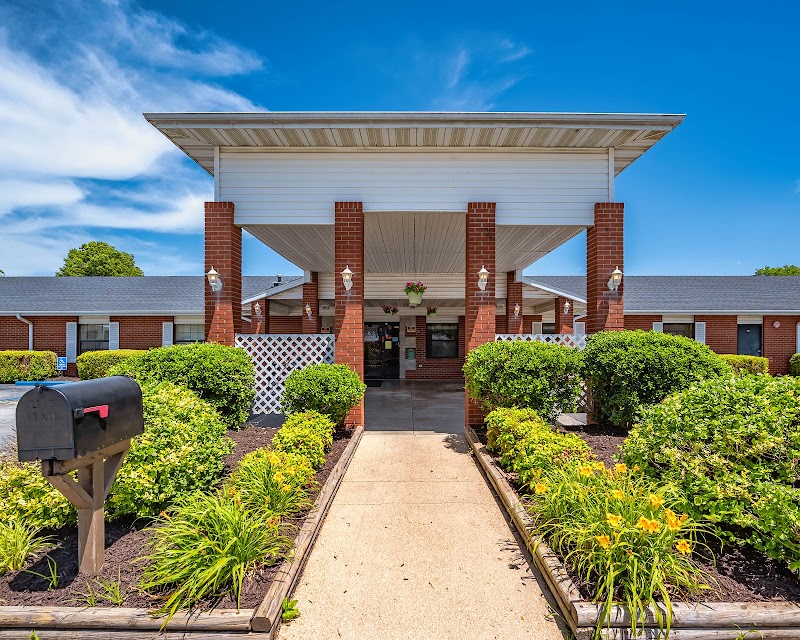
How is Marshfield For Rehab And Healthcare Staffed?

CMS rates MARSHFIELD CARE CENTER FOR REHAB AND HEALTHCARE's staffing level at 1 out of 5 stars, which is much below average compared to other nursing homes. Staff turnover is 83%, which is 37 percentage points above the Missouri average of 46%. High turnover can affect care consistency as new staff learn residents' individual needs. RN turnover specifically is 86%, which is notably high. RNs provide skilled clinical oversight, so turnover in this role can affect medical care quality.

What Have Inspectors Found at Marshfield For Rehab And Healthcare?

State health inspectors documented 45 deficiencies at MARSHFIELD CARE CENTER FOR REHAB AND HEALTHCARE during 2019 to 2025. These included: 1 that caused actual resident harm and 44 with potential for harm. Deficiencies causing actual harm indicate documented cases where residents experienced negative health consequences.
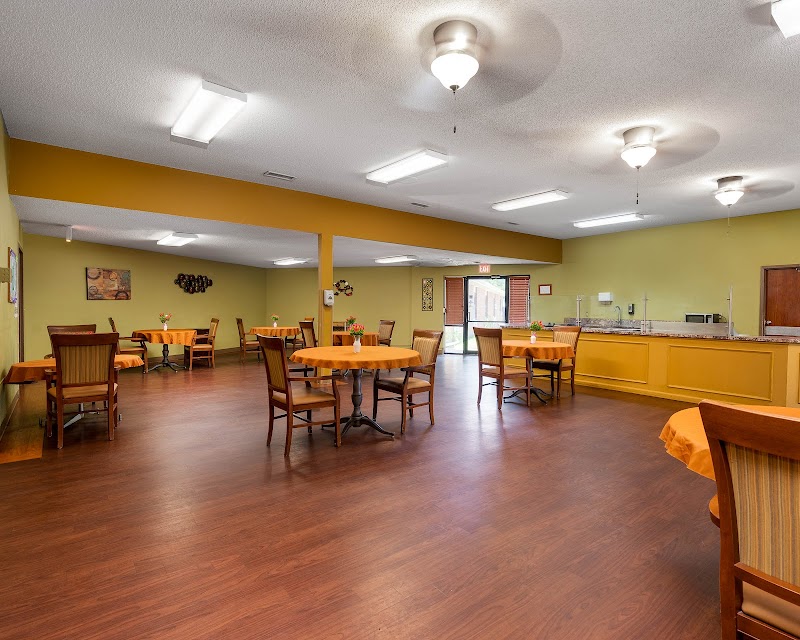
Who Owns and Operates Marshfield For Rehab And Healthcare?

MARSHFIELD CARE CENTER FOR REHAB AND HEALTHCARE is owned by a for-profit company. For-profit facilities operate as businesses with obligations to shareholders or private owners. The facility is operated by PRIME HEALTHCARE MANAGEMENT, a chain that manages multiple nursing homes. With 74 certified beds and approximately 54 residents (about 73% occupancy), it is a smaller facility located in MARSHFIELD, Missouri.
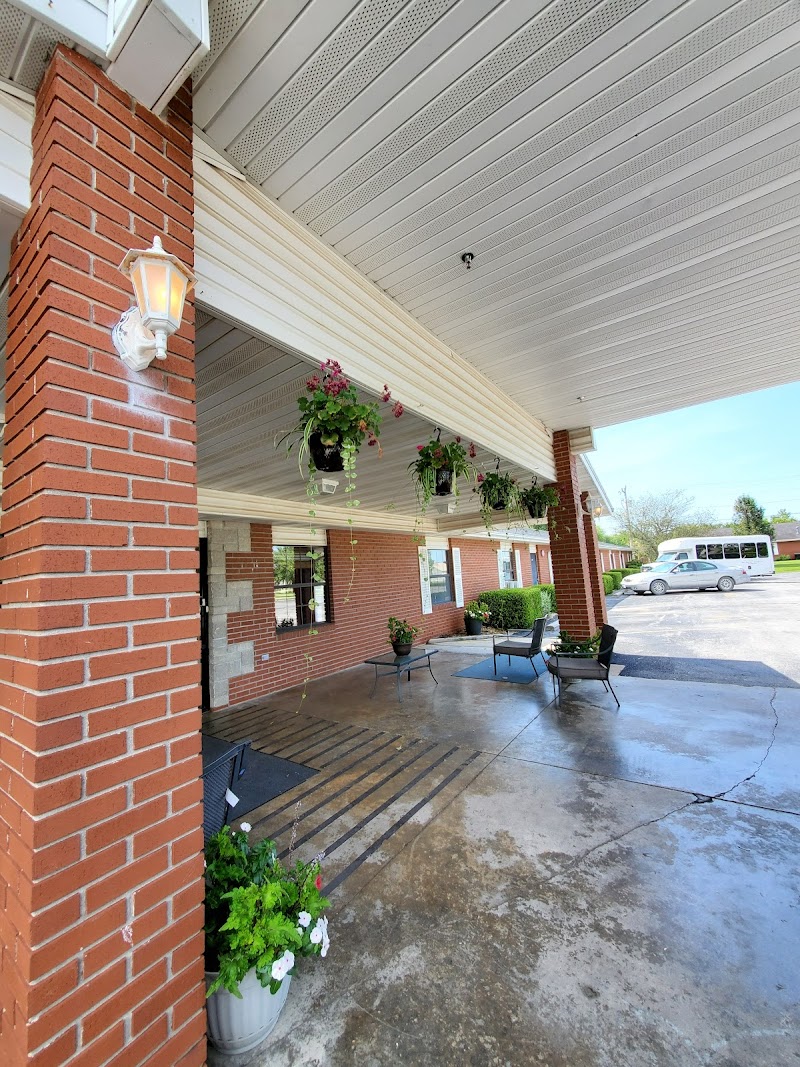
How Does Marshfield For Rehab And Healthcare Compare to Other Missouri Nursing Homes?

Compared to the 100 nursing homes in Missouri, MARSHFIELD CARE CENTER FOR REHAB AND HEALTHCARE's overall rating (1 stars) is below the state average of 2.5, staff turnover (83%) is significantly higher than the state average of 46%, and health inspection rating (2 stars) is below the national benchmark.

What Should Families Ask When Visiting Marshfield For Rehab And Healthcare?

Based on this facility's data, families visiting should ask: "How do you ensure continuity of care given staff turnover, and what is your staff retention strategy?" "Can you walk me through typical staffing levels on day, evening, and night shifts?" "Can I visit during a mealtime to observe dining assistance and food quality?" "How do you handle medical emergencies, and what is your hospital transfer rate?" These questions are particularly relevant given the facility's high staff turnover rate and the below-average staffing rating.

Is Marshfield For Rehab And Healthcare Safe?

Based on CMS inspection data, MARSHFIELD CARE CENTER FOR REHAB AND HEALTHCARE has a clean safety record: no substantiated abuse findings (meaning no confirmed cases of resident harm), no Immediate Jeopardy citations (the most serious violation level indicating risk of serious injury or death), and is not on the Special Focus Facility watch list (a federal program monitoring the lowest-performing 1% of nursing homes). The facility has a 1-star overall rating and ranks #100 of 100 nursing homes in Missouri. While no facility is perfect, families should still ask about staff-to-resident ratios and recent inspection results during their visit.

Do Nurses at Marshfield For Rehab And Healthcare Stick Around?

Staff turnover at MARSHFIELD CARE CENTER FOR REHAB AND HEALTHCARE is high. At 83%, the facility is 37 percentage points above the Missouri average of 46%. Registered Nurse turnover is particularly concerning at 86%. RNs handle complex medical decisions and coordinate care — frequent RN changes can directly impact care quality. High turnover means new staff may not know residents' individual needs, medications, or preferences. It can also be disorienting for residents, especially those with dementia who rely on familiar faces. Families should ask: What is causing the turnover? What retention programs are in place? How do you ensure care continuity during staff transitions?

Was Marshfield For Rehab And Healthcare Ever Fined?

MARSHFIELD CARE CENTER FOR REHAB AND HEALTHCARE has no federal fines on record. CMS issues fines when nursing homes fail to meet care standards or don't correct problems found during inspections. The absence of fines suggests the facility has either maintained compliance or corrected any issues before penalties were assessed. This is a positive indicator, though families should still review recent inspection reports for the full picture.

Is Marshfield For Rehab And Healthcare on Any Federal Watch List?

MARSHFIELD CARE CENTER FOR REHAB AND HEALTHCARE is not on any federal watch list. The most significant is the Special Focus Facility (SFF) program, which identifies the bottom 1% of nursing homes nationally based on persistent, serious quality problems. Not being on this list means the facility has avoided the pattern of deficiencies that triggers enhanced federal oversight. This is a positive indicator, though families should still review the facility's inspection history directly.