COPPER ROCK HEALTHCARE
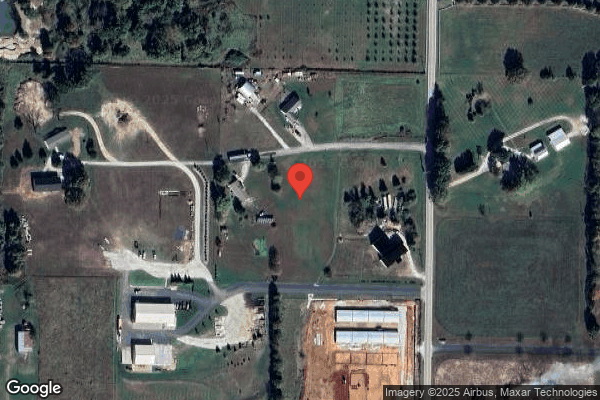
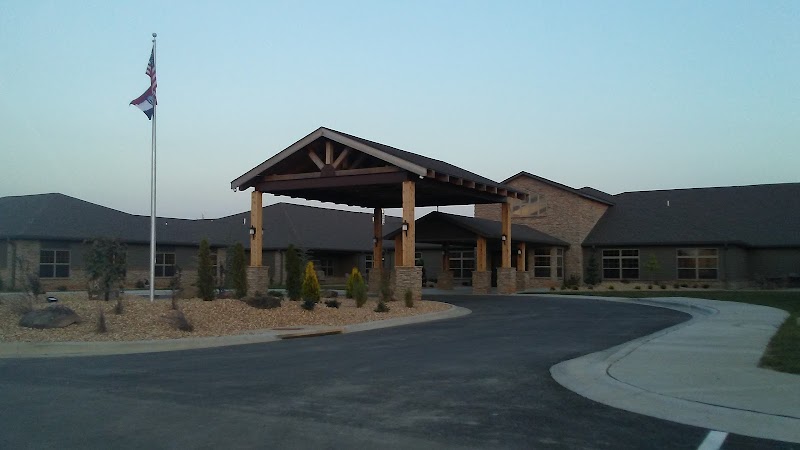
712 COPPER ROCK DRIVE, ROGERSVILLE, MO 65742 (417) 202-4606
Non profit - Corporation 90 Beds Independent Data: November 2025
Trust Grade
35/100
#242 of 479 in MO
Last Inspection: January 2024

Within standard 12-15 month inspection cycle. Federal law requires annual inspections.

Overview

Copper Rock Healthcare in Rogersville, Missouri, has received a Trust Grade of F, indicating significant concerns about the facility's overall quality and care. With a state rank of #242 out of 479, they fall in the bottom half of Missouri facilities, and are #3 out of 4 in Webster County, meaning only one local option is rated lower. Although the facility's trend is improving, going from 15 issues in 2024 to 4 in 2025, there are serious concerns about staffing, which was rated 1 out of 5 stars, and a high turnover rate of 83%, significantly above the state average. Notably, there have been critical incidents, such as a resident receiving another resident's medication, leading to hospitalization, and failures in food safety practices that could risk foodborne illnesses. On a positive note, there have been no fines reported, and the facility offers more RN coverage than 82% of state facilities, which is an important factor for resident care.

Trust Score
F
35/100
In Missouri
#242/479
Top 50%
Safety Record
Moderate
Needs review
Inspections
Getting Better
15 → 4 violations
Staff Stability
⚠ Watch
83% turnover. Very high, 35 points above average. Constant new faces learning your loved one's needs.
Penalties
✓ Good
No fines on record. Clean compliance history, better than most Missouri facilities.
Skilled Nurses
○ Average
Each resident gets 33 minutes of Registered Nurse (RN) attention daily — about average for Missouri. RNs are the most trained staff who monitor for health changes.
Violations
⚠ Watch
25 deficiencies on record. Higher than average. Multiple issues found across inspections.
★★☆☆☆
2.0
Overall Rating
★☆☆☆☆
1.0
Staff Levels
★★☆☆☆
2.0
Care Quality
★★★☆☆
3.0
Inspection Score
Stable
2024: 15 issues
2025: 4 issues

The Good

  • Full Sprinkler Coverage · Fire safety systems throughout facility
  • No fines on record

Facility shows strength in fire safety.

The Bad

2-Star Overall Rating

Near Missouri average (2.5)

Below average - review inspection findings carefully

Staff Turnover: 83%

37pts above Missouri avg (46%)

Frequent staff changes - ask about care continuity

Staff turnover is very high (83%)

35 points above Missouri average of 48%

The Ugly 25 deficiencies on record

1 actual harm
Aug 2025 1 deficiency
CONCERN (D) 📢 Someone Reported This

A family member, employee, or ombudsman was alarmed enough to file a formal complaint

Potential for Harm - no one hurt, but risky conditions existed

Investigate Abuse (Tag F0610)

Could have caused harm · This affected 1 resident

Based on interviews and record review, the facility staff failed to implement their abuse/neglect policy to protect all residents during an abuse allegation investigation when staff allowed one staff ...

Read full inspector narrative →
Based on interviews and record review, the facility staff failed to implement their abuse/neglect policy to protect all residents during an abuse allegation investigation when staff allowed one staff member (Certified Medication Tech (CMT) A) continue to work independently after one resident (Resident #1) made an allegation of abuse involving the CMT. The facility census is 80. Review of the facility policy titled Abuse Prevention, Reporting, and Investigation, revised 02/2017, showed the following:-It is the policy of the facility that reports of suspicions of abuse will be reported and thoroughly investigated;-Physical abuse is defined as hitting, slapping, pinching, kicking, etc;-Should an allegation be made of an incident, or suspected incident of resident abuse, mistreatment, neglect, exploitation, or mistreatment, or events that cause the allegation to occur involve abuse or result in serious bodily; the incident will be immediately, but no later than two hours after the allegation is made, reported to the Administrator, or his/her designee, and other officials including the state survey agency. If not done by the administrator themselves, the administrator will appoint a member of management to investigate the alleged incident and make an immediate report to Department of Health and Senior Services (DHSS);-Should the investigation determine that a facility employee has been implicated in the potential abusive incident, the employee will be placed on suspension until it has been determined that he/she was not involved in abuse. This determination will be the result of the investigation process. 1. Review of Resident #1's face sheet (admission data) showed the following:-admission date of 03/27/25;-Diagnoses included malignant neoplasm of pancreas (cancerous tumor), parkinson's disease (a progressive neurodegenerative disorder that mostly affects movement), type II diabetes, (body doesn't produce enough insulin which leads to high blood-sugar), chronic obstructive pulmonary disease (lung disease that causes breathing problems), paraplegia (partial paralysis), chronic pain, heart disease, and fracture of lower end of left humerus (upper arm bone). Review of the resident's admission Minimum Data Set (MDS - a federally mandated assessment instrument completed by facility staff), dated 04/03/25, showed the following information:-No cognitive impairment;-No behaviors;-Required substantial assistance with toileting hygiene and showers. Review of the resident's care plan, revised 08/04/25, showed the following:-At risk for fatigue;-Has limited physical mobility. Provide supportive care/assistance with mobility as needed;-Resident has chronic pain. Anticipate the resident's need for pain relief and respond immediately to any complain of pain. Review of the resident's progress note dated 08/03/25, at 11:56 P.M., showed the Registered Nurse (RN) C documented the following:-The resident was up in wheelchair most of the afternoon and into the evening so previous RN was unable to get a full skin assessment upon return from hospital. He/she attempted around 7:00 P.M., but resident refused;-Resident continued to exhibit agitated behaviors thereafter. Voicing frustration with inability to transfer self and that he/she had forgotten his/her cell phone in family member's vehicle; -Yelling out in bed for help but not using call light. Assisted to toilet by nursing staff. Behaviors further escalated around 8:30 P.M., with resident screaming at staff; -Redirection and reassurance attempted by multiple staff members. Speech slurred at times. Resident appeared very tired. Often speaking with eyes closed-Resident began saying he/she had been hit in the stomach by Certified Medication Tech (CMT) A;-CMT A stated he/she had dropped jelly on resident's shirt and wiped it off during their interaction while resident was on the toilet. There was a purple sticky substance to note on right breast/abdominal area of shirt. Food had otherwise been spilled on shirt as well. Resident refused to allow he/she or other nursing staff to help the resident to change clothing and was unable to do so independently. While he/she was attempting to deescalate the situation, the resident did acknowledge he/she was very familiar and knows the staff on shift and that they usually provide good care; -Resident did get into bed with assistance at approximately 8:50 P.M. and allowed him/her to verify there was no bruising, swelling, or other sign of injury on right or left lower quadrants of abdomen. Refusing all other care to include full skin assessment and now vital signs; -Administrator and Director of Nursing (DON) made aware of events. DON called family member. Family members bedside at approximately 10:00 P.M. -Investigation process explained. Resident and family agreeable to plan of care for duration of investigation of CMT A not to reenter room, care to be provided in pairs, and resident not to be left alone on the toilet. Reviewed current pain medication orders with daughter. Resident had requested pain medication at this time. Family exited facility for the night at approximately 11:00 P.M.Review of CMT A's timesheet, dated 08/03/25, showed he/she worked from 6:30 A.M., to 10:30 P.M.During an interview on 08/06/25, at 10:51 A.M., Certified Medication Technician (CMT) A said the following:-When a resident alleges abuse, he/she would ask the resident what happened, and report it to the nurse;-He/she would consider hitting a resident to be physical abuse and yelling at a resident would be verbal abuse. He/she did not feel he/she had been abusive or disrespectful towards the resident;-On 08/03/25, about 8:30 P.M., he/she was eating a sandwich, counting medications, and rounding up charting. The resident began screaming for an aide. Nurse Aide (NA) B came through about that time and attempted to calm down the resident, but the resident continued to scream. He/she walked to the resident's room and with a louder voice so the resident could hear, he/she told the resident he/she shouldn't behave like that, NA B was trying to help another resident and would be with him/her shortly. He/she was standing close to the resident, and jelly dropped on the resident's blouse. When he/she attempted to wipe the jelly off, the resident said CMT A hit him/her;-He/she didn't remember if NA B and the other aide were in the room at the time, as they were in/out and had been helping the roommate;-He/she never hit the resident, he/she only tried to remove the jelly on the resident's blouse;-RN C had heard the commotion and went to the resident's room;-CMT A was told to stay out of the resident's room;-He/she administered medications the remainder of the night and did administer the resident's roommate's pills around 9:00 P.M., but did not administer any medications to the resident;-He/she knew the facility does an investigation when there are allegations of abuse, but he/she doesn't know if the accused staff is suspended. He/she was not suspended on 08/03/25. He/she came to work on 08/05/25 and was told he/she was suspended during the investigation. A nurse was supposed to have called him/her to let him/her know but they did not. During an interview on 08/06/25, at 11:50 A.M., NA B said the following:-On 08/03/25, between 8:00 and 8:30 P.M., he/she and the hall partner put the resident on the toilet. They did not leave the room but went to help the roommate. CMT A came into the room and said to the resident to stop yelling as they're going to help you when they get done helping the other resident. CMT was in the hall, The resident said you're not going to hit me. When NA B and his/her hall mate were done, they went to assist the resident. CMT A said the Resident said CMT A hit him/her, but CMT A only dropped jelly on the resident. He/she didn't hear CMT A yell at the resident, but CMT A did raise his/her voice as the resident was yelling. He/she couldn't see CMT A, but could hear what was going on in the bathroom and were in the room the entire time;-He/she went to speak to the resident and the resident said CMT A came in and cussed at him/her;-RN C in the area and heard the commotion, and came in when he/she and the other hall mate were going to assist the resident from the toilet;-CMT A worked the rest of his/her shift, until 10:00 P.M., or 10:30 P.M., passing medications but he/she did not have any further interaction with the resident. RN C told CMT A not to go back into the resident's room and we were told to go in pairs to provide care. During an interview on 08/06/25, at 12:05 P.M., RN C said the following:-On 08/03/25, around 8:30 P.M., he/she heard screaming from the room. The resident had been screaming all evening about various things and couldn't get him/her content. He/she had just gotten back from the hospital earlier in the day. He/she had been observing the resident and trying to de-escalate, as any little thing would set the resident off;-He/she went down the 400 hall, the hall next to the resident's room. He/she believed NA B told him/her the resident was saying CMT A hit the resident. He/she put his/her stuff down and went to the resident's room. CMT A had already left the room. He/she spoke to the resident and the resident said CMT A had hit him/her in the stomach. The resident did allow him/her to minimally observe both the right and left quadrants. There was no injury. The resident said he/she would not stand for this type of treatment. The resident did not say he/she was afraid. The resident was visibly and audibly upset;-He/she spoke to the aides in the room, and they verified they heard the conversation between the resident and CMT A, and they did not hear anything foul or physical contact;-He/she interviewed CMT A and he/she said she only dropped jelly on the resident's shirt and did not hit the resident;-He/she called the DON, and the family came into the facility;-CMT A was told not to go back into the resident's room. To the best of his/her knowledge, the CMT A did not go back into the resident's room;-He/she didn't know if CMT A had more medications to pass. He/she knew CMT A was squaring up his/her cart and putting things away;-He/she knew alleged abuse was to be reported to the state within two hours, but was wondering about staff being suspended. He/she didn't know if they're suspended when a resident makes allegations of abuse. During an interview on 08/06/25, at 12:34 P.M., the DON said the following:-He/she would expect any staff to report abuse to the Social Service Director (SSD), DON, or the Administrator;-He/she received a text from RN C on 08/03/25, at 9:21 P.M. This text was sent to the DON and the Administrator;-The text said RN C didn't think the allegation was legitimate, but the resident was adamant that CMT A hit him/her;-The resident had been screaming and agitated, and the aides were in the room a lot;-When the resident was on the toilet CMT A came in to see if the resident was okay and he/she was holding a peanut butter and jelly sandwich. Part of the jelly fell onto the resident. CMT A began to wipe it off and the resident started screaming you hit me and was going to call his/her daughter and the police. He/she asked RN C when the incident happened, and he/she was told within the last 30 minutes. A report was made to the state;-He/she had to learn the policy on suspension of staff when there are allegations of abuse. The CMT was at the end of his/her shift, so he/she left between 9:00 P.M., and 10:00 P.M. He/she assumed CMT A was already gone so he/she didn't ask if CMT A was still working. He/she didn't know if CMT A was around other residents or if he/she continued to pass medications after the allegation of abuse. He/she knew CMT A was not to go back into the resident's room and the aides were to do cares in pairs. If the CMT passed medications after the incident, he/she would have passed them on his/her on and did not have other staff with him/her;-He/she knows they have abuse training upon hire, as he/she went through the training.During an interview on 08/06/25, at 12:49 P.M., Licensed Practical Nurse (LPN) D said abuse was reported immediately to the nurse and he/she would tell the DON. He/she was not involved in the investigation process, but knew the facility does investigate and they're required to call the state within two hours. The accused staff are sent home immediately. During an interview on 08/06/25, at 12:57 P.M., CMT E said he/she would let the nurse know if a resident reports abuse. He/she would imagine the facility does an investigation and he/she doesn't know if the accused staff would be sent home. During an interview on 08/06/25, at 12:57 P.M., CMT F said he/she would report abuse immediately to the nurse, DON, or Administrator. They are to report the abuse to the state within four to six hours. The accused staff would be removed from the hall, but he/she didn't know if they're sent home. It would probably depend on the situation. If someone witnessed the abuse, they would be sent home. If not, they may be moved to another hall. During an interview on 08/06/25, at 1:10 P.M., the Assistant Administrator and Corporate Administrative Nurse said the following:-They would expect staff to intervene if a resident was being abused and remove them from the situation, so the staff is not around the resident;-The aide should notify the nurse, and the nurse would speak with the resident and report to the Administrator, DON, and/or the on call;-He/she received a text from RN C on 08/03/25, at 9:03 P.M., and was told the incident happened about 30 minutes prior. It said the resident was in the restroom and began screaming. CMT A entered to see what was going on and while speaking to the resident, the CMT had been eating a peanut butter and jelly sandwich, and some jelly fell onto the resident. CMT A attempted to wipe it off, and the resident said he/she was going to call his/her family and the police. RN C attempted to do a skin assessment, but didn't get one right away. RN C began to ask questions of the aides and CMT A. The resident's story has changed with various people. A report was made to the state. CMT A left soon after he/she gave report, a little after 10:00 P.M. He/she didn't believe CMT A passed anymore medications after the incident. He/she believed CMT A was at his/her cart counting meds when the incident happened. No one was assigned to be with CMT A the remainder of his/her shift;-When a resident makes allegations of abuse, they would suspend the accused staff at that time. CMT A was close to time to leave and needed to count the narcotics with the nurse. The resident said he/she wasn't afraid, and CMT A had always given good care. There were no changes in the resident's behavior after the incident. Complaint #25796190
Apr 2025 3 deficiencies
CONCERN (D) 📢 Someone Reported This

A family member, employee, or ombudsman was alarmed enough to file a formal complaint

Potential for Harm - no one hurt, but risky conditions existed

ADL Care (Tag F0677)

Could have caused harm · This affected 1 resident

**NOTE- TERMS IN BRACKETS HAVE BEEN EDITED TO PROTECT CONFIDENTIALITY** Based on observation, interview, and record review, the facility failed to ensure all residents dependent on staff to for groomi...

Read full inspector narrative →
**NOTE- TERMS IN BRACKETS HAVE BEEN EDITED TO PROTECT CONFIDENTIALITY** Based on observation, interview, and record review, the facility failed to ensure all residents dependent on staff to for grooming and personal hygiene received baths/showers in a timely fashion for two dependent resident's (Resident #1 and #2). The facility census was 79. Review of the facility's policy titled, Bath, Shower/Tub, revised February 2018, showed the following: -Purpose to promote cleanliness, provide comfort to the resident, and to observe the condition of the resident's skin; -Document date and time the shower/tub bath was performed; -Document the name and title of the individual(s) who assisted the resident with the shower/tub bath, all assessment data obtained during the shower/tub bath, how the resident tolerated the shower/tub bath, if the resident refused the shower/tub bath, the reason(s) why and the intervention taken, and the signature and title of the person recording the data; -Notify the supervisor if the resident refuses the shower/tub bath; -Notify the physician of any skin areas that may need to be treated; -Report other information in accordance with facility policy and professional standards of practice. Review of the facility's Weekly Shower List Sheet showed anyone who refuses shower, staff to come back and try again. Staff to have the nurse try if the resident still refuses. Have the resident sign the shower sheet, or if they can't sign have the nurse sign the shower sheet and make a nurse's note. 1. Review of Resident #1's face sheet (admission data) showed the following information: -readmission date of 08/02/24; -Diagnoses included cerebral infarction (a condition where blood flow to the brain is blocked, leading to brain tissue damage), osteoarthritis (a condition where the cartilage (tissue that protects and supports joints and other structures in the body) in joints gradually wears away, leading to pain, stiffness, and reduced movement) and unspecified pain. Review of the resident's significant change assessment Minimum Data Set (MDS - a federally mandated assessment tool completed by facility staff), dated 01/28/25, showed the following information: -Cognitively intact; -No assessment of shower/bathing noted; -Resident frequently incontinent of bowel and bladder. Review of the resident's care plan, initiated 08/14/24, showed the following information: -Resident had activities of daily living (ADL) self-care performance deficit related to diagnosis of stroke with right sided weakness; -Dependent on staff for all ADL's except eating; -Incontinent with bowel and bladder and staff to assist with hygiene; -The resident had potential for impairment to skin integrity related to immobility and incontinence; -Keep skin clean and dry. (Staff did not care plan related to preferred shower frequency or any shower/bath preferences. The staff did not care plan regarding any pattern of resident refusal to bathe.) Review of the facility's Weekly Shower List sheet showed the resident was scheduled for a shower/tub bath on Mondays and Thursdays. Review of the resident's March 2025 Shower Sheets showed the following: -On 03/02/25, the resident received a shower; -On 03/09/25, the resident refused a shower; -On 03/10/25, the resident refused a shower; -On 03/19/25, the resident received a shower (17 days after prior shower and 9 days after last offered shower); -On 03/24/25, the resident received a shower. Review of the resident's March 2025 progress notes showed the following: -Staff did not document showers offered or completed any other days in March; -Staff did not document regarding the resident missing and/or going 17 days without a shower. 2. Review of Resident #2's face sheet showed the following information: -admission date of 12/12/24; -Diagnoses included cerebral infarction, irregular heartbeat, and paralysis of the left non-dominant side. Review of the resident's admission assessment MDS, dated [DATE], showed the following information: - Cognitively intact; -Dependent with showering/bathing; -Frequently incontinent of bowel and bladder. Review of the resident's care plan, initiated 12/18/24, showed the following information: -Keep skin clean and dry; -Dependent on staff for all ADL's and mobility; - The care plan does not indicate that the resident frequently refuses showers and/or resident specific requests regarding shower days and/or times. (Staff did not care plan related to preferred shower frequency or any shower/bath preferences. The staff did not care plan regarding any pattern of resident refusal to bathe.) Review of the facility's current Weekly Shower List Sheet showed the resident was scheduled for a shower/tub bath on Mondays and Thursdays. Review of the resident's March 2025 Shower Sheets showed the following: -The resident received a shower on 03/05/25; -The resident received a shower on 03/10/25 (seven days after the prior shower); -The resident received a shower on 03/23/25 (13 days after the prior shower); -The resident received a shower on 03/27/25. Review of the resident's March 2025 progress notes showed the following: -Staff did not document showers offered or completed any other days in March; -Staff did not document regarding the resident missing shower days and/or going 13 days without a shower. During an interview on 04/02/25, at 12:38 P.M., the resident and his/her spouse said the resident's last shower was Thursday, 03/26/25 and that residents were having to fight for showers. The resident's spouse said the resident had gone as long as 12 days without a shower. When the spouse had requested that the resident be given a shower, the staff ask him/her to do it his/herself. 3. During an interview on 04/03/25, at 11:58 A.M.,Certified Nursing Assistant (CNA) D said the following: -There were designated shower aides every day; -If a resident refused a shower that should be documented on the resident's shower sheet. During an interview on 04/03/25, at 12:24 P.M., CNA E said the following: -He/she was not aware of any recent shower refusals; -He/she would assume that it would be appropriate to notify the charge nurse for any frequent refusals and/or write it in on the resident's shower sheets; -It would not be appropriate for a resident to go several days without a shower. During an interview on 04/03/25, at 12:05 P.M., Licensed Practical Nurse (LPN) A said the following: - Resident showers were scheduled weekly and the facility did have a shower aide, but shower aide coverage was slim; -Sometimes, residents do not get one shower per week. -The Administrator makes the shower schedule. -The nurses receive a copy of showers given from the showers aide and the form includes new wounds. -If a resident continually refuses to take a shower, the family should be notified. - Nurses are not told if a resident refuses a shower or even who receives a shower. During an interview on 04/03/25, at 3:00 P.M., Registered Nurse (RN) B said the following: -He/she had not looked at the shower schedule. -The facility had one shower aide for 100, 200, and 300 halls and one for 400 and 500 halls. -Hospice provides showers/bathing for some residents. -Residents should receive a shower two times per week. -Residents have a right to refuse showers. Residents are encouraged to take at least one shower per week. -He/she had not received any shower sheets showing residents are refusing showers. During an interview on 04/04/25, at 10:15 A.M., the Director of Nursing (DON) said the following: -The facility had shower aides Monday through Friday and if there was extra staff on the weekend, they did showers on the weekend. -There was one shower aide for the 100, 200, and 300 halls and one shower aide for the 400 and 500 halls. -Some residents are care planned to have showers one time per week per the resident's preference. -Residents were provided two showers per week unless they refuse. If a resident refused a shower, staff have a form to document the refusal on. -He/she would expect staff to complete the refusal form and notify the charge nurse to encourage showers. -It was not appropriate for residents to go greater than 10 days without receiving a shower, unless the resident refuses. In that case staff would document the refusal During an interview on 04/04/25, at 10:38 A.M., the Administrator said the following: -She would expect staff to offer residents showers two times per week. -Some residents only want a shower one time per week and some residents refuse showers. -She stated that there were only two weeks since December of 2024 that he/she was aware of that staff was not available to give showers to residents two times per week. That has not been the case recently. -If residents refused a shower, staff was expected to fill out the refusal sheet. -The Administrator was not aware of any residents going over 10 days without a shower. -If a resident refused a shower for the third time, he/she would expect staff to offer at least a sink bath. He/she said no resident was missing a shower because it was not offered. Staff should document refusals on the shower sheet. - In the past, staff offered residents to tell what one day of the week works best for them if they want a shower a specific day of the week. MO00251182, MO00251915, MO00251921
CONCERN (D) 📢 Someone Reported This

A family member, employee, or ombudsman was alarmed enough to file a formal complaint

Potential for Harm - no one hurt, but risky conditions existed

Pressure Ulcer Prevention (Tag F0686)

Could have caused harm · This affected 1 resident

Based on observation, interview, and record review, the facility failed to provide care per professional standards related to pressure ulcers (refers to localized damage to the skin and/or underlying ...

Read full inspector narrative →
Based on observation, interview, and record review, the facility failed to provide care per professional standards related to pressure ulcers (refers to localized damage to the skin and/or underlying soft tissue usually over a bony prominence or related to a medical or other device) when the facility staff failed to obtain physician's orders for treatment and interventions of wounds and failed to update the care plan regarding skin breakdown intervention changes for one resident (Resident #3) out of seven sampled residents. The facility census was 79. Review of the facility's policy titled, Pressure Injury Risk Assessment, revised March 2020, showed the following: -Identify all risk factors and then determine which can be modified and which cannot, or which can be immediately addressed, and which will take time to modify; -The risk assessment should be conducted as soon as possible after admission, but no later than eight hours after admission is completed; -Once the assessment is conducted a risk factor are identified and characterized, a resident centered care plan can be created to address the risks for pressure injuries; -If a skin alteration is noted, initiate a pressure or non pressure form related to the type of alteration; -Establish interventions for the skin alteration; -Document the type of skin alteration, time and date of discovery, treatment, initiation of pressure reduction devices, and notifications to the physician and family. -Notify the supervisor, physician, and family. Review of the facility's policy titled, Wound Care, revised October 2010, showed staff to document the type of care given, the date and time, name and title of person performing care, change in status, and assessment data such as wound bed color, size, and drainage. 1. Review of the Resident #3's face sheet (brief look at resident information) showed the following information: -admission date of 03/31/25; -Diagnoses included osteonecrosis (a condition where bone tissue dies due to lack of blood supply), hypertension (a condition where blood pressure in the artery wall is too high), chronic obstructive pulmonary disease (COPD - a lung disease causing restricted airflow and breathing problems), and rheumatoid arthritis with rheumatoid factor (a disease that causes inflammation in the joints, leading to pain, swelling, and stiffness). Review of the resident's baseline care plan, dated 03/31/25, showed the following information: -Current skin integrity issues identified as left buttock 2 x 2 centimeter (cm) open lesion; right buttock approximate 4 x 4 cm open lesion; 3 x 2 cm open lesion to sacrum (a bone located in the lower back and upper part of the pelvic bone). -The resident had right hip arthroplasty (joint replacement surgery) for necrotic (death of living tissue) hip. Wound vac (a medical device that uses negative pressure to help wounds heal) intact at -125. Weight bearing as tolerated right lower extremity. -On Lovenox (a medication that helps prevent blood clots) for deep vein thrombosis (DVT - a condition where a blood clot forms in a deep vein) non-occlusive (does not completely block blood flow). -admitted for physical therapy, occupational therapy, and resolution of DVT. (Staff did not care plan related to care of or treatment for the denitrified wounds.) Review of the resident's Facility to Facility Discharge Information, document from the discharging hospital, dated 03/31/25, showed the following information: -To contact the physician for increased pain; -To follow wound/incision care instructions as recommended by the physician. (The form did not include any specific care or treatment instructions for the identified wounds.) Review of the resident's admission skin assessment, dated 03/31/25, showed the following: -Present on admission, a stage 2 (partial-thickness skin loss with exposed dermis) pressure ulcer/injury on left medial gluteus (buttocks), 2 cm in length, 2 cm width, and zero depth; -Present on admission, a stage 2 pressure ulcer/injury on right gluteus, 4 cm in length, 4 cm width, and zero depth. Light exudate (drainage) amount, with peri wound (skin around the wound) edges flush with wound bed or as a sloping edge; -Present on admission, a stage 2 pressure ulcer/injury on lateral coccyx (bone at the bottom of the spine), 3 cm in length, 2 cm width, zero depth, epithelial (a type of tissue in the body that forms a protective barrier on the outside of organs and lines internal cavities and passageways) 10%, granulation (a type of tissue that forms during the healing process of wounds, appearing as a pink or red, moist, and bumpy tissue) 20%. Peri wound edge appears flush with wound bed or as a sloping edge. (Staff did not document regarding wound treatments/orders, or regarding the resident's surgical incision.) Review of the resident's March 2025 Progress Notes showed the following: -On 03/31/25, at 9:47 P.M., resident was chair-fast and very limited. Resident made occasional slight changes in body or extremity position, but unable to make frequent or significant changes independently. Potential problem with friction and shear. -On 03/31/25, at 9:48 P.M., a new stage 2 pressure ulcer/injury on the resident's left gluteal fold, laterally and medial. Measurements showed 2 cm in length, 2 cm in width, and zero depth. A second stage 2 pressure ulcer/injury was noted on the right gluteus, medial, with a length of 4 cm, width 4 cm, zero depth, and light exudate. A stage 2 pressure ulcer/injury was also noted on the lateral coccyx. It was 3 cm in length, 2 cm width, zero depth, 10% epithelial, and 20% granulation. All three wounds were present on admission, but staff was unsure how long the wounds were present. Additional documentation showed skin issue education provided to the resident, which included changing or shifting positions frequently and turning every two hours. Notification of skin issue included the dietitian, family, and provider. The RN also documented the resident had a right hip surgical incision with a wound vac. Review of the resident's March 2025 Physician Order Sheet (POS) showed the following: -No wound vac orders; -No wound treatment ordered for the buttock wounds. Review showed the facility did not provide a March 2025 Treatment Administration Record (TAR) for the resident. Review of the resident's April 2025 POS showed the following: -An order, dated 04/01/25, for house barrier cream as needed; -No wound vac orders; -No wound treatment orders for buttock wounds on 04/01/25 or 04/02/25. Review of the resident's April 2025 Progress Notes showed the following: -On 04/01/25, at 11:24 A.M., an RN noted a skin issue on the left gluteal fold had been evaluated. Described as a lateral, medial, stage 2 pressure ulcer/injury with partial thickness skin loss with exposed dermis. The wound was present on admission. It was unknown how long the wound had been present. Skin issue number two was described as a stage 2 pressure ulcer/injury, with partial thickness skin loss with exposed dermis. The wound was present on admission. It was unknown how long the wound was present. Wound number three was evaluated and documented as a stage 2 pressure ulcer/injury on the lateral coccyx with partial thickness skin loss and exposed dermis. The wound was present on admission, and it was unknown how long the wound had been present. No measurements were documented as part of the assessment. All wounds were staged in-house by nursing and no measurements were documented as part of the skin assessment; -On 04/01/25, at 4:39 P.M., a RN noted wound vac to surgical site. (Staff did not document any care and/or treatment of the wounds.) Review of the resident's April 2025 TAR showed staff did not document wound care treatments completed or ordered on 4/01/25 or 4/02/25. Review of the resident's April 2025 progress notes showed staff did not document any care and/or treatment for the wounds for 04/01/25 and 04/02/25. Observation on 04/03/25, at 9:57 A.M., showed the resident was behind closed doors using the restroom. The resident reported to the staff member present that he/she had wounds to his/her bottom. The staff member questioned the resident about how long the wounds had been there, and that he/she would report it. During an interview on 04/03/25, at 9:57 A.M., the resident said the following: -He/she had wounds to his/her buttocks since admission to the facility. He/she had told multiple staff members, and no one had done anything about it; -A nurse did assess the wounds on admission, but did not initiate treatment; -The staff were aware that he/she also had a surgical incision to the right hip with a wound vacuum in place. -The wounds hurt. During an interview on 04/03/25, at 10:01 A.M., Licensed Practical Nurse (LPN) C said the following: -He/she was aware the resident had a wound vac in place to his/her right hip; -He/she had not been made aware of any wounds to the residents buttocks; -He/she looked in the resident's electronic medical record (EMR) and said he/she could not find any documentation or treatment orders related to the residents reported buttocks wounds and/or the wound vac. Observation on 04/03/25, at 10:10 A.M., showed LPN enter the resident's room and asked to assess the residents' wounds. The resident agreed. The resident told the LPN that he/she believed he/she was going to an orthopedic appointment on the following Monday for removal of the wound vac. The resident reported to the LPN that the wounds to his/her buttocks had been there when he/she admitted to the facility and that they were painful. Two wounds were seen, one on each buttock. Both wounds had partial thickness skin loss, and no dressings and/or cream in place. Both wounds were approximately dime sized and the wound on the right buttock was seen to have 50% slough tissue (dead tissue that presents as yellow or white, stringy, moist and often adherent tissue found in wound beds). The wound on the left buttock appeared to be 100% granulation tissue. Both wounds had purple peri-wounds. Review of the resident's April 2025 POS showed an order, dated 04/03/25, for zinc oxide (cream) 10%, apply to two inner buttock areas topically every day and evening shift until healed. During an interview on 04/03/25, at 11:58 A.M., Certified Nursing Assistant (CNA) D said the following: -Any new skin concern should be reported to the charge nurse immediately; -The aides have a documenting task in the resident's EMR and it asks about skin integrity; -The resident came in with blisters on his/her bottom; -The nurses were supposed to do a full body assessment when a resident admitted , but he/she personally documented it as well; -He/she had never seen a treatment on the resident's wounds. During an interview on 04/03/25, at 12:24 P.M., CNA E said the following: -He/she was aware that the resident has a wound vac to the right hip; -He/she was aware that the resident has wounds to his/her buttocks; -He/she had not seen any treatment on the buttocks wounds. During an interview on 04/03/25, at 12:05 P.M., LPN A said the following: -Skin assessments were completed by the nursing staff at least weekly; -The skin assessment due dates pop up on the Medication Administration Record (MAR) to alert the nursing staff; -The facility had a wound care doctor that was employed outside of the facility, and he/she completed rounds with the nursing staff; -He/she has been instructed by the Director of Nursing (DON) to do a dressing change on new wounds and relay the information to other staff until the wound doctor is available to evaluate the wound. During an interview on 04/03/25, at 3:00 P.M., Registered Nurse (RN) B said the following: -Contracted wound care staff came to the facility one time per week; -Skin assessments were completed weekly by the charge nurse and documented in the assessment section within the resident's electronic health record; -Wound orders should be on the resident's Treatment Administration Record (TAR); -If a resident did not have wound care orders, but needed them, staff would contact the primary care physician to obtain orders; -If a new wound was observed, he/she would place a dressing over it and notify the physician; -The facility had two physicians that see and treat residents at least one time per week; -The facility had limited physician standing orders for wounds; -The skin assessment was one of the first assessments that should completed with the head-to-toe assessment; -He/she would cleanse and cover new wounds, until the physician is notified and provides guidance. During an interview on 04/04/25, at 10:14 A.M., the DON said the following: -She was not aware of the resident's wounds until 04/03/25, when wound care orders were placed; -Newly admitted residents were expected to have a head-to-toe assessment within 30 minutes after admission; -If wounds were found on the head-to-toe assessment, he/she would expect staff to contact the physician for wound care orders; -The facility did have some standing orders for wound care, but the orders are not very specific. During an interview on 04/04/25, at 10:38 A.M., the Administrator said the following: -He/she would expect the admitting nurse to document wounds and wound vac information; -Treatment should be initiated for wounds; -All necessary notifications should be made. During an interview on 04/04/25, at 10:38 A.M., the Regional Nurse Consultant said the following: -If a resident is admitted with a wound vac, there should be an order from the physician that gives direction on the wound vac; -All wounds should be assessed and have treatment initiated; -All necessary notifications should be made. MO00251919, MO00252115
CONCERN (D) 📢 Someone Reported This

A family member, employee, or ombudsman was alarmed enough to file a formal complaint

Potential for Harm - no one hurt, but risky conditions existed

Deficiency F0697 (Tag F0697)

Could have caused harm · This affected 1 resident

Based on observation, interview, and record review, the facility failed to ensure an effective and accurate pain management program was in place when staff failed to ensure pain patches were on-hand f...

Read full inspector narrative →
Based on observation, interview, and record review, the facility failed to ensure an effective and accurate pain management program was in place when staff failed to ensure pain patches were on-hand for administration, when staff documented administration of pain patches that were not administered, and when staff failed to accurately document monitoring of the pain patch placement for one resident (Resident #1) out of 7 sampled residents. The facility census was 79. Review of the facility's policy titled, Documentation of Medication Administration Policy, revised April 2007, showed the following: -Administration of medication must be documented immediately after (never before) it is given; -Documentation must include at a minimum: name, strength of drug, dose, method of administration, date and time of administration, reason(s) why a medication was withheld, not administered, or refused, signature and title of person administering the medication, and resident response to the medication, if applicable. Review of the facility's policy titled, Medication and Treatment Orders, revised July 2016, showed drugs and biologicals that are required to be refilled must be reordered from the issuing pharmacy not less than three days prior to the last dosage being administered to ensure that refills are readily available. Review of the facility's policy titled, Administering Medications, revised April 2019, showed the following: -The Director of Nursing (DON) supervise and directed all personnel who administer medications and/or have related functions; -Medications are administered in accordance with prescriber orders, including any required time frame; -If a drug is withheld, refused, or given at a time other than the scheduled time, the individual administering the medication shall initial and circle the Medication Administration Record (MAR) space for that drug and dose; -As required or indicated for a medication, the individual administering the medication records in the residents medical record the following; date and time the medication was administered, dosage, route of administration, injection site if applicable, complaints or symptoms associated, results achieved and when those results were observed, and the signature and title of the person administering the drug. 4. Review of the Resident #1's face sheet (brief resident profile sheet) showed the following information: -readmission date of 08/02/24; -Diagnoses included cerebral infarction (a condition where blood flow to the brain is blocked, leading to brain tissue damage), osteoarthritis (a condition where the cartilage (tissue that protects and supports joints and other structures in the body) in joints gradually wears away, leading to pain, stiffness, and reduced movement) and unspecified pain. Review of the resident's significant change assessment Minimum Data Set (MDS - a federally mandated assessment tool completed by facility staff), dated 01/28/25, showed the resident was cognitively intact and had been on a scheduled pain medication regimen. Review of the resident's care plan, initiated 08/14/24, showed the following: -The resident had pain related to a diagnosis of osteoarthritis (a degenerative joint disease where cartilage breaks down, causing pain, stiffness, and reduced movement); -Staff was to anticipate the resident's need for pain relief and respond immediately to any complaint of pain; -Staff was to monitor, record, report to nurse any signs and symptoms of non-verbal pain, changes in breathing, vocalizations such as moaning or yelling out, mood or behavior changes, and changes to eyes, face, and body related to pain; -Staff was to monitor, record, report to nurse resident complaints of pain or requests for pain treatment; -Staff was to notify physician if interventions are unsuccessful or if current complaint is a significant change from resident's past experience of pain. Review of the resident's Physician Order Sheet (POS) showed an order, dated 12/21/24, for fentanyl (a potent synthetic opioid drug approved by the Food and Drug Administration (FDA) for use as an analgesic (pain relief) and anesthetic) transdermal patch 72-hour 25 micrograms per hour (mcg/hr), apply one patch transdermally (route of administration where medication is delivered via a patch through the skin) every 72 hours for pain. The order was discontinued on 03/07/25. Review of the resident's February 2025 Controlled Drug Receipt Record/Disposition Form showed the following: -On 02/22/25, one Fentanyl 25 mcg/hr patch was removed at 7:01 P.M., and four patches remained available; -On 02/25/25, one Fentanyl 25 mcg/hr patch was removed at 5:00 P.M., and three patches remained available; - On 02/28/25, one Fentanyl 25 mcg/hr patch was removed at 6:00 P.M., and two patches remained available. Review of the resident's March 2025 Medication Administration Record (MAR) and March 2025 Progress notes, dated 03/01/25, showed the day, evening, and night shift staff documented the fentanyl 25 mcg/hr patch was observed on the resident's left upper back. Review of the resident's March 2025 Controlled Drug Receipt Record/Disposition Form showed on 03/02/25, at 5:08 P.M., staff applied a fentanyl patch 25 mcg/hr to the resident's left chest. Review of the resident's March 2025 MAR and March 2025 progress notes showed on 03/02/25, the day, evening, and night shift documented the fentanyl patch was observed on the residents left upper back. (Staff did not document related the the patch noted to be on the resident's chest.) Review of the resident's March 2025 Controlled Drug Receipt Record/Disposition Form showed on 03/03/25, one Fentanyl 25 mcg/hr patch was removed from the count, and a new patch was applied to the resident at 5:30 P.M., and one patch remained available. Review of the resident's March 2025 MAR and progress notes showed on 03/03/25, the day, evening and night shift staff documented the Fentanyl patch was observed on the resident's left upper back. (Staff did not document related the the patch noted to be on the resident's chest.) Review of the resident's March 2025 Drug Destruction Log showed on 03/03/25 the newly applied fentanyl 25 mcg patch was destroyed and verified by two staff signatures. Review of the resident's March 2025 MAR and March 2025 Progress Notes showed the following: -On 3/04/25, the day, evening and night shift staff documented the fentanyl patch was observed on the resident's left chest; -On 3/05/25, the day, evening and night shift staff documented the fentanyl patch was observed on the resident's left chest; -On 3/06/25, the day, evening and night shift staff documented the fentanyl patch was observed on the resident's left chest; -On 3/06/25, at 5:38 P.M., staff applied a new fentanyl patch 25 mcg/hr to the resident's left chest. Review of the resident's POS showed the previous fentanyl order was discontinued on 03/07/25, and a new order, dated 3/07/25, showed the same instructions of fentanyl transdermal patch 72-hour 25 mcg/hr, apply one patch transdermally every 72 hours for pain. Review of the resident's March 2025 Progress Notes showed an order note dated 03/07/25, at 10:30 P.M., for a drug protocol alert/warning for fentanyl transdermal patch 72-hour 25 mcg/hr, controlled drug, apply one patch transdermally every 72 hours for pain with drug-to-drug interaction triggered for Zofran (a medication that prevents nausea and vomiting) oral tablet 4 mg, hydrocodone-acetaminophen (a opioid mediation used to treat pain) oral tablet 5-325 mg, and sertraline (an antidepressant) HCL oral tablet 25 mg. Review of the resident's medical record showed staff did not document follow-up related to alert/warning. Review of the resident's March 2025 MAR and March 2025 Progress Notes showed on 03/07/25, the day, evening and night shift staff documented the fentanyl patch was observed on the resident's left chest. Review of the resident's March 2025 Controlled Drug Receipt Record/Disposition Form showed on 03/08/25, one fentanyl 25 mcg/hr patch was removed from the count and applied to the resident at 8:50 A.M., and zero patches remained available. Review of the resident's March 2025 MAR and March 2025 Progress Notes showed the following: -On 03/08/25, at 9:02 A.M., staff applied fentanyl patch 25 mcg/hr to right chest; -On 03/08/25, the day, evening, and night shift staff documented the fentanyl patch was observed on the resident's right upper chest. Review of the facility's Emergency Kit Usage Report showed one fentanyl 25 mcg/hr patch removed for the resident on 03/09/25, at 4:31 P. M. Review of the resident's March 2025 Progress Notes showed the following: -Administration note on 03/09/25, at 4:41 P.M., showed Registered Nurse (RN) F applied new patch on 03/09/25 related to previous patch applied on 3/08/25, falling off and due to the plastic not being removed. Physician notified. Old patch was wasted in sharps container with Certified Medication Tech (CMT) H; -Administration note on 03/09/25, at 6:22 P. M., showed RN F reapplied new patch to left upper chest. Review of the resident's March 2025 MAR and March 2025 Progress Notes showed the following: -On 03/09/25, the day, evening, and night shift staff documented the fentanyl patch was observed on the resident's right upper chest; -On 03/10/25, the day, evening, and night shift staff documented the fentanyl patch was observed on the resident's right upper chest; -On 03/11/25, at 4:41 P.M., staff applied a fentanyl patch 25 mcg/hr to the resident's right chest. (The resident was not due for administration until 03/12/25.) Review of the resident's Controlled Drug Receipt Record/Disposition form showed the resident did not have a current supply of fentanyl patches to remove for administration. Review of the facility's Emergency E-kit use log, dated 03/11/25, showed staff did not withdraw a fentanyl patch for the resident. Review of the resident's medical record showed no order of fentanyl patches had been received for the resident since the the patch applied on 03/08/25. Review of the resident's March 2025 MAR and March 2025 Progress Notes showed the following: -On 03/11/25, the day, evening, and night shift staff documented the fentanyl patch was observed on the resident's right upper chest; -On 03/12/25, the day, evening and night shift staff documented the fentanyl patch was observed on the resident's right upper chest; -On 03/13/25, the day, evening and night shift staff documented the fentanyl patch was observed on the resident's right upper chest; -On 03/14/25, at 7:43 A.M., RN B documented administration of 25 mcg/hr fentanyl patch to resident's right chest. Review of the resident's Controlled Drug Receipt Record/Disposition form showed the resident did not have a current supply of Fentanyl patches to remove for administration on 03/14/25. Review of the Emergency E-kit use log, dated 03/14/25, did not indicate staff removed a fentanyl patch for the resident. Review of the resident's medical record showed no order of fentanyl patches had been received for the resident since the the patch applied on 03/08/25. Review of the resident's progress note, showed a late entry entered on 04/02/25 or 03/14/25, that stated the fentanyl 25 mcg/hr medication was not administered as previously documented, as the resident had no patches for administration. Review of the resident's March 2025 MAR and March 2025 progress notes showed the following: -On 03/14/25, the day, evening, and night shift staff documented the fentanyl patch was observed on the resident's right upper chest; -On 03/15/25, the day, evening and night shift staff documented the fentanyl patch was observed on the resident's right upper chest; -On 03/16/25, the day, evening and night shift staff documented the fentanyl patch was observed on the resident's right upper chest; - On 03/17/25, at 8:00 A.M., staff applied fentanyl patch 25 mcg/hr to left chest. Review of the resident's Controlled Drug Receipt Record/Disposition form showed the resident did not have a current supply of fentanyl patches to remove for administration on 03/17/25. Review of the Emergency E-kit use log, dated 03/17/25, showed staff did not indicate a fentanyl patch withdrawal for the resident. Review of the resident's medical record showed no order of fentanyl patches had been received for the resident since the the patch applied on 03/08/25. Review of the resident's progress note, showed a late entry entered on 04/02/25 for 03/17/25, noting the fentanyl 25 mcg/hr medication was not administered as previously documented, as the resident had no patches for administration. Review of the resident's March 2025 MAR and progress notes showed the following: -On 03/17/25, the day, evening, and night shift staff documented the fentanyl patch was observed on the resident's left upper chest; -On 03/18/25, the day and evening shift staff documented the fentanyl patch was observed on the resident's left upper chest; - On 03/18/25, the night shift staff documented the fentanyl patch was observed on the resident's right upper chest; - On 03/19/25, the day, evening, and night shift staff documented the fentanyl patch was observed on the resident's right upper chest. Review of the resident's March 2025 Progress Notes showed an administration note on 03/19/25, at 2:13 P.M., entered by Licensed Practical Nurse (LPN) A, noted LPN observed the fentanyl patch from 03/09/25 remained on the resident's chest. No new patches on hand and waiting for further direction on removal. Review of the resident's Controlled Drug Receipt Record/ Disposition form showed the resident received 5 fentanyl patches from the pharmacy on 03/19/25. During an interview on 04/03/25, at 12:05 P.M., LPN A said the following: -On 03/19/25, he/she observed a fentanyl patch on the resident that was dated 03/09/25. He/she informed the house supervisor nurse and was instructed to leave the patch in place until the Director of Nursing (DON) was aware of it; -There were no fentanyl patches available for the resident at the time. He/she left the fentanyl patch on until a new order was received, and more patches arrived at the facility; -He/she notified the DON of the outdated patch several times and was repeatedly told that he/she was aware of the situation, but no direction was provided by the DON; -The new fentanyl order was the exact same order as the discontinued order. The new order was placed to restart the fentanyl patches, as there had been a gap in administration; -Fentanyl patches should be removed and destroyed with another nurse or medication technician in the locked medication room; -Narcotic counts are to be completed every shift. During an interview on 04/03/25, at 3:00 P.M., RN B said the following: -He/she was familiar with the resident and recalled resident not having fentanyl patches available for the resident, but he/she did not know why they were not available; -Protocol was to pull the unavailable medications from the facilities E-Kit, but at the time, he/she was new to the facility and did not have access to the E-kit in order to obtain the fentanyl patch; -He/she did not ask another staff member to pull the fentanyl patch for the resident from the emergency kit; -He/she charted incorrectly two times that fentanyl patches were applied to the resident, but no fentanyl patches were available or applied to the resident; -The resident had an old fentanyl patch in place for more days than it should have been. He/she does not remember speaking to the doctor about it. -He/she did notify the DON that the resident was out of fentanyl patches, but he/she did not notify the DON regarding the old patch being in place beyond its removal date. -Certified medication technicians (CMT) are not aloud to assist in the destruction and/or administration of fentanyl patches; -Medications are re-ordered through the residents EMR, and/or by phone to the pharmacy. The pharmacy delivers medications Monday through Friday. -He/she believed there was an issue with the physician not signing the script timely enough for delivery, but did not notify the physician of the concerns. During an interview on 04/04/25, at 10:14 A.M., the DON said the following: -She would expect staff to pull the fentanyl patch from the emergency kit if no patches were available in the resident's medication supply; -She would expect staff to correctly document medication administration on the resident; -When the staff seen the medication error had occurred, the physician should have been notified for direction. During an interview on 04/04/25, at 10:38 A.M., the Administrator said the following: -She would expect staff to follow facility policies and procedures for applying, documenting, and destroying fentanyl patches. -It is her assumption that Fentanyl patches would go into a medication destroyer bucket in the locked medication room. During an interview on 04/04/25, at 10:50 A.M., the Regional Nurse Consultant said staff should follow facility policy and procedures for applying, documenting, and destroying fentanyl patches. MO00251182, MO00251919
Aug 2024 1 deficiency 1 Harm
SERIOUS (G) 📢 Someone Reported This

A family member, employee, or ombudsman was alarmed enough to file a formal complaint

Actual Harm - a resident was hurt due to facility failures

Deficiency F0760 (Tag F0760)

A resident was harmed · This affected 1 resident

**NOTE- TERMS IN BRACKETS HAVE BEEN EDITED TO PROTECT CONFIDENTIALITY** Based on record review and interview, the facility failed to ensure all residents were free from significant medication errors w...

Read full inspector narrative →
**NOTE- TERMS IN BRACKETS HAVE BEEN EDITED TO PROTECT CONFIDENTIALITY** Based on record review and interview, the facility failed to ensure all residents were free from significant medication errors when staff administered another resident's medication to one resident (Resident #1) resulting in an unsafe drop in blood pressure and hospitalization of the resident. Staff also failed to administer insulin as ordered and contact the physician regarding insulin not available for one resident (Resident #3) resulting in elevated blood sugar levels and hospitalization of the resident. A sampled of ten residents were reviewed in a facility with a census of 67. 1. Review of the facility policy titled Administering Medications, April 2019, showed the following: -Medications are administered in a safe and timely manner, and as prescribed; -The Director of Nursing Services supervises and directs all personnel who administer medications and/or have related functions; -Medications are administered in accordance with prescribed orders, including any required time frame; -Medication errors are documented, reported, and reviewed by the QAPI (quality assurance and performance improvement) Committee to inform process changes of the need for additional staff training; -Medications are administered within one hour of their prescribed time, unless otherwise specified (for example, before and after meal orders); -The individual administering medications verifies the resident's identity before giving the resident his/her medications. Methods of identifying the resident include checking identification band; checking photograph attached to medical record; and if necessary, verifying the resident with other facility personnel; -The individual administering the medications checks the label three times to verify the right resident, right medication, right time, and right method (route) of administration before giving the medication; -Medications ordered for a particular resident may not be administered to another resident, unless permitted by state law and facility policy, and approved by the Director of Nursing Services. During an interview on 08/16/24, at 10:25 A.M., Certified Medication Tech (CMT) A said the following: -He/she had been trained on seven rights of medication administration, which included the right resident, right medication, right dose, right time, right route, right documentation, and right reason; -Staff should verify resident and medication by the resident picture in the computer and the resident name on the medication; -He/she worked on the morning of 08/12/24 and had the medication cart in front of Resident #2's room and was preparing medications for Resident #2; -Resident #1 walked down the hall with physical therapy staff; -Resident #1 stopped at the medication cart and he/she handed the resident a cup of medication and a cup of water; -Almost immediately the he/she realized he/she had given the wrong medication to the resident and had the resident spit out as much medication as he/she could; -He/she notified the charge nurse and the resident was seated near the nurses' station; -The CMT believed that all of Resident #2's morning medications were in the cup given to Resident #1. -The nurse contacted the physician and when the resident's blood pressure was too low, the resident was was sent to the emergency room; -This occurred at approximately 11:00 A.M. as the CMT was behind with the morning medications; -The CMT did not administer any additional medications to Resident #1. Review showed the facility did not provide an investigation related to the medication error. Review of Resident #1's face sheet (brief information sheet about the resident) showed the following: -admission date of 08/01/24; -Diagnoses included cerebral infarction (stroke), encephalopathy (a disease that affects the function or structure of your brain), dementia (chronic or persistent disorder of the mental processes caused by brain disease or injury and marked by memory disorders, personality changes, and impaired reasoning), hypertension (high blood pressure), and paroxysmal atrial fibrillation (type of irregular heartbeat that causes the heart to beat quickly and erratically for a few hours or days); -A picture of the resident on the face sheet. Review of Resident #1's admission Minimum Data Set (MDS - a federally mandated comprehensive assessment instrument completed by facility staff), dated 08/06/24, showed severe cognitive impairment and use of oxygen. Review of the Resident #1's care plan, last updated 08/09/24, showed staff should administer medications as ordered. Review of Resident #2's face sheet showed the following: -Original admission date of 07/23/24; -re-admission date of 08/06/24; -Diagnoses included osteomyelitis (bone infection that causes inflammation and swelling in the bone) of vertebra lumbar region (lower back), chronic obstructive pulmonary disease (COPD - group of lung diseases that block airflow and make it difficult to breathe), and sepsis (an infection that has spread throughout the body); -No picture of the resident. Review of Resident #2's admission MDS, dated [DATE], showed severe cognitive impairment and use of oxygen. Review of Resident #2's care plan, last updated 08/13/24, showed the following: -Resident currently receiving medications that has black box warnings (required warning the U.S. Food and Drug Administration (FDA) for certain medications that carry serious safety risks); -Medications with black box warning are flagged on the Medication Administration Record (MAR); -Staff should administer medications as ordered. Review Resident #2's physician's orders, current as of 08/16/24, showed the following: -An order, dated 07/23/24, carvedilol (treats high blood pressure and helps prevent heart disease) 37.5 milligrams (mg), give 37.5 mg two times day related to hypertension. Administer at 8:00 A.M.; -An order, dated 07/23/24, for Xarelto (can treat and prevent blood clots) 2.5 mg, give 2.5 mg two times day related to hypertension. Administer at 8:00 A.M.; -An order, dated 07/24/24, ascorbic acid (vitamin C) 500 mg, give two tablets one time day related to osteomyelitis of vertebra. Administer medication between 7:00 A.M. and 10:00 A.M.; -An order, dated 07/24/24, for losartan potassium (can treat high blood pressure) 50 mg, give one tablet one time day related to hypertension. Administer medication between 7:00 A.M. and 10:00 A.M.; -An order, dated 07/24/24, for Amitizia (used to treat certain types of constipation) 24 micrograms (mcg), give one capsule two times day related to constipation. Administer medication between 7:00 A.M. and 10:00 A.M. and between 4:00 P.M. and 7:00 P.M.; -An order, dated 07/26/24, for spironolactone (used to treat certain types of edema and high blood pressure) 12.5 mg, give 12.5 mg one time day related to hypertension. Administer medication between 7:00 A.M. and 10:00 A.M.; -An order, dated 08/06/24, for hydralazine HCL (used to treat high blood pressure) 25 mg, give three tablets three times day related to hypertension. Administer at 9:00 A.M.; -An order, dated 08/06/24, for amlodipine besylate (lowers blood pressure) 10 mg, give 10 mg one time day related to high blood pressure. Administer medication between 7:00 A.M. and 10:00 A.M.; -An order, dated 08/06/24, aspirin 81 mg, give 81 mg one time day related to high blood pressure. Administer medication between 7:00 A.M. and 10:00 A.M.; -An order, dated 08/06/24, CoQ10 100 mg (antioxidant that the body produces naturally), give one capsule one time for supplement. Administer medication between 7:00 A.M. and 10:00 A.M.; -An order, dated 08/06/24, for fenofibrate (can lower high cholesterol and triglyceride levels) 54 mg, give 54 mg one time day related to hypercholesterolemia (high cholesterol). Administer medication between 7:00 A.M. and 10:00 A.M.; -An order, dated 08/06/24, for pantoprazole sodium (used for heartburn) 20 mg, give one tablet one time day for acid reflux. Administer medication between 7:00 A.M. and 10:00 A.M.; -An order, dated 08/06/24, for docusate sodium (helps soften stool) 100 mg, give 200 mg two times per day related to constipation. Administer at 8:00 A.M.; -An order, dated 08/07/24, for aspirin (used to relieve mild or chronic pain and to reduce fever and inflammation) 81 mg, give 81 mg two times day related to hypertension. Administer at 8:00 A.M.; -An order, dated 08/07/24, for Effer-K 10 meq (dietary supplement that raises potassium levels when they are too low), give one tablet two times day for supplement. Administer at 8:00 A.M.; -An order, dated 08/08/24, for Milk [NAME] (supplement can be used for liver disorders and gallbladder problems) 150 mg, give 600 mg one time day for liver disease. Administer medication 8:00 A.M.; -An order, dated 08/08/24, for multiple vitamin, give one tablet one time day for supplement. Administer medication at 8:00 A.M.; -An order, dated 08/09/24, for acidophilus probiotic (used to promote the growth of good bacteria in the body), give one capsule two times day for prophylactic treatment until 08/19/24. Administer medication between 7:00 A.M. and 10:00 A.M.; -An order, dated 08/10/24, for Keflex (used to treat certain infections) 500 mg, give 500 mg three times day for infection until 08/15/24. Administer at 9:00 A.M. Review of the Resident #2's Medication Administration Record, dated 08/01/24 through 08/31/24, showed the following: -A picture of the resident; -Staff documented the resident's morning medications for 08/12/24 as administered. Review Resident #1 physician's orders, current as of 08/12/24, showed the following: -Picture of the resident on the MAR; -An order dated 08/02/24, for docusate sodium 100 mg, give one capsule two times day for constipation, administer between 7:00 A.M. and 10:00 A.M. (half the dose that was administered in error); -An order dated 08/02/24, losartan potassium 25 mg, give one tablet two times day for hypertension, administer between 7:00 A.M. and 10 A.M. (half the dose that was administered in error); -The resident did not have orders for any additional medication administered in error. Review of Resident #1's nurse's progress note dated 08/12/24, at 11:04 A.M., showed it was brought to the nurse's attention that the resident was given another resident's medication. Upon review of the medication given the nurse noticed that several medications could inadvertently affect the resident's blood pressure. The nurse notified the physician and received orders to transfer the resident to the emergency department if his/her systolic blood pressure was less than 90 millimeters of mercury (mm/Hg). Staff took the resident's blood pressure which measured 85/49 mm/Hg. Staff called emergency medical services (EMS) for transport to the emergency department for evaluation and treatment. Review of the Resident #1's MAR, dated 08/01/24 to 08/31/24, showed on 08/12/24 staff documented the resident's morning medications were not given due to resident being hospitalized . During an interview on 08/16/24, at 11:00 A.M., Registered Nurse (RN) E said the following: -Staff should verify resident for medication administration with two identifiers, including a picture in the resident chart, the resident's date of birth , the resident's name; -The nurse was notified Resident #1 receive the incorrect medication at about 11:00 A.M.; -The nurse had the resident sit in front of the nurses' station and not go to the physical therapy office; -The nurse had the CMT write list of all medication possibly administered; -The nurse reviewed the MAR to determine what was given; -The nurse noted the resident received Coreg 37.5 mg (brand name for carvedilol) and called the physician; -The physician advised if the resident's systolic blood pressure dropped below 90 mm/Hg, the resident was to be sent to the emergency department; -The nurse immediately took the resident's blood pressure, and it was 85/40's mm/Hg; -The nurse contacted his/her supervisor and called the ambulance; -The resident's blood pressure had been in the 90 mm/Hg range earlier in the morning. During an interview on 08/16/24, at 8:25 A.M., CMT C said that when preparing medications for administration the staff person should check the resident name, medication name, medication dose, and scheduled time of medication. He/she said that if he/she was aware of a medication error it should be reported to the charge nurse and fill out a medication error report. The DON should also be notified, and the resident should be monitored. During an interview on 08/16/24, at 8:40 A.M., Licensed Practical Nurse (LPN) E said the following: -There is a picture of the resident in the computer for verification; -He/she was familiar with most residents from working with them; -Staff should report medication error to the boss; -Staff should monitor the resident for 24 hours; -Staff should notify the physician and the family. During an interview on 08/16/24, at 8:50 A.M., CMT B said the following: -Medication administration rights included providing medications to the right resident, the right medication, the right form, the right time; -If staff was unsure of resident name, the staff could ask the resident to verify their name; -If a medication error occurred the staff should report the charge nurse; -The family and doctor should be notified; -The resident should be monitored. During an interview on 08/16/24, at 12:18 P.M., LPN D said the following: -Staff should verify the resident name, date of birth , medication name and double check orders in computer before giving a medication; -Sometime the picture in the computer does not reflect the person. Staff should then ask the Director of Nursing (DON); -The nurse MAR tells staff what to do at what time. During an interview on 08/16/24, at 2:25 P.M., VP (Vice President) Clinical Services said the following: -Staff are expected to immediately report a medication error; -Staff should notify the physician after assessing the resident; -Staff should follow the physician orders and the family should be contacted; -The resident should be closely monitored for up to 72 hours if remain in the building; -There were seven rights of medication administration, right resident, right medication, right route, right strength, right time, right documentation, and right reason; -Staff should verify resident by looking at the picture on the computer and checking the resident name on the door. Staff could also ask the resident or other staff to verify the name; -She was aware of the error that occurred with Resident #1. During an interview on 08/13/24, at 3:40 P.M., the DON said staff should be aware of the seven rights of medication administration. During an interview on 08/19/24, at 8:45 A.M., the Administrator said that staff should verify residents by looking at the picture in the computer and the resident names on the door. If there was not a picture in the computer staff should ask the resident name or ask coworkers if necessary. The social services staff had some trouble with the app for the resident pictures in the computer software. She was aware of the medication error but VP was handling the education. 2. Review of the facility policy titled Insulin Administration, dated September 2014, showed the following: -The policy provides the guidelines for the safe administration of insulin to resident with diabetes; -The type of insulin, dosage requirements, strength, and method of administration must be verified before administration, to assure that it corresponds with the order on the medication sheet and the physician's order; -The nurse shall notify the Director of Nursing Services and Attending Physician of any discrepancies, before giving the insulin; -Staff to notify the physician if the resident has signs and symptoms of hypoglycemia (low blood sugar level) that are not resolved by following the facility protocol for hypoglycemia management. Review of Resident #3's face sheet showed the following: -admission date of 06/17/24; -Diagnoses included type 2 diabetes mellitus with hyperglycemia (high blood sugar) and pure hyperglycemia; -No picture of the resident was on the face sheet. Review of the resident's hospital nursing discharge plan, dated 06/17/24, showed the following medication orders: -Insulin aspart (Novolog FlexPen - rapid acting insulin used to help lower blood sugar levels), inject 44 units with breakfast and lunch, and 35 units with supper, plus medium dose sliding scale. The next dose due on 06/17/24 at 6:00 P.M.; -Insulin glargine-lixisenatide (Soliqua 100/33 - long acting insulin used to treat diabetes), inject 46 units subcutaneous (under the skin) daily. The next does due on 06/17/24 at 9:00 P.M. Review of the resident's physician's orders, active as of 06/17/24, showed the following: -An order, dated 06/17/24, for Soliqua Solution Pen-injector 100-33 units-mcg/ml, inject 46 units subcutaneously at bedtime related to type 2 diabetes mellitus with hyperglycemia; -An order, dated 06/17/24, for Novolog FlexPen 100 unit/ml, inject 35 units subcutaneously in the afternoon related to Type 2 diabetes mellitus with hyperglycemia; -An order, dated 06/17/24, for Novolog FlexPen 100 unit/ml, inject 44 units subcutaneously two times day related to Type 2 diabetes mellitus with hyperglycemia; -An order, dated 06/17/24, for Novolog FlexPen 100 unit/ml, inject per sliding scale of if blood glucose level measured 150 mg/deciliter (dL) to 200 mg/dL, administer three units of insulin; if blood glucose level measured 201 mg/dL to 250 mg/dL, administer five units of insulin; if blood glucose level measured 251 mg/dL to 300 mg/dL, administer seven units of insulin; if blood glucose level measured 301 mg/dL to 350 mg/dL, administered nine units of insulin; if blood glucose level measured 351 mg/dL to 400 mg/dL, administered 11 units of insulin subcutaneously (below the skin) before meals and at bedtime related to Type 2 diabetes mellitus with hyperglycemia. Review of the resident's MAR, dated 06/01/24 through 06/30/24, showed the following: -On 06/17/24, at 5:00 P.M., staff documented Novolog Flex pen, 35 units as administered and blood glucose level at 269 mg/dL; -On 06/17/24, at 5:00 P.M., staff documented Novolog Flex pen, 7 units sliding scale administered and blood glucose at 269 mg/dL; -On 06/17/24, at 8:00 P.M., staff documented Novolog Flex pen, 5 units sliding scale administered and blood glucose at 250 mg/dL; -On 06/17/24, at 8:00 P.M., staff documented Soliqua Pen-injector not administered and see nurse notes. Review of the resident's nurse progress note showed staff documented the following: -On 06/17/24, at 3:24 P.M., resident admitted for skilled services and had history of insulin-dependent diabetes mellitus type 2 and was on insulin; -On 06/17/24, at 4:35 P.M., admission orders received from hospital; -On 06/17/24, at 8:30 P.M., insulin was unavailable and awaiting pharmacy delivery. Staff unable to give medication. (Staff did not document any notification to the physician of medication unavailable.) Review of the resident's MAR, dated 06/01/24 through 06/30/24, showed the following: -On 06/18/24, at 7:00 A.M., staff documented resident blood glucose as 468 mg/dL and Novolog sliding scale documented as held and see progress notes; -On 06/18/24, at 7:00 A.M., staff documented Novolog FlexPen 44 units as administered. Review of the resident's nurses' showed the staff did not document why the noted sliding scale insulin was held or notification of the physician at that time. Review of the resident's nurse progress note dated 06/18/24, at 9:41 A.M., showed resident had a shower, and the bath aide stated the resident's speech was not making any sense. Resident's blood sugar was 469 mg/dL. Nurse notified on call provider and received an order to give 13 units of Novolog at this time. Staff keeping the resident at nursing station to monitor. Review of the resident's physician's orders, active as of 06/17/24, showed an order, dated 06/18/24, for Novolog 100 unit/ml, inject 13 unit subcutaneously one time only for hyperglycemia. Review of the resident's MAR, dated 06/01/24 through 06/30/24, showed on 06/18/24, at 10:36 A.M., staff documented Novolog FlexPen 13 units one time only administered. Review of the resident's nurse progress note showed staff documented the following: -On 06/18/24, at 10:38 A.M., resident continued with elevated blood sugar at 448 mg/dL at 10:00 A.M. Vital signs showed blood pressure 76/52 mg/Hg (normal 120/80), pulse 54 (normal 60-100), respiration 17 (normal 12-20), oxygen 93% and (normal 95-100%) on room air. Notable decline in mental status. Nurse notified on call provider and new orders received to transport resident to emergency department for evaluation and treatment. Ambulance arrived and transporting resident at the time; -On 06/18/24, at 10:51 A.M., the resident transferred to the hospital. Review showed the facility did not provide an investigation of the medication error. During an interview on 08/16/24, at 11:00 A.M., RN F said the following: -Staff should contact the pharmacy for missing medications on admission for stat (immediate) fill, especially critical medication such as insulin; -Staff should check the emergency kit to see if the medication is available there; -If unable to get the medication from the pharmacy, the nurse should notify the physician to receive new orders for a different medication or whether okay to hold until available from the pharmacy; -The nurse vaguely remembered the resident and said that the resident was difficult to keep aroused and alert that morning and after contacting the provider the resident was sent to the emergency room; -The nurse was not aware the resident had not received the bedtime dose of insulin as ordered. During an interview on 08/16/24, at 12:18 P.M., LPN D said the following: -If a medication was not available, staff should mark the medication as not available and notify the DON; -If insulin was not available the nurse would contact the pharmacy to get sent immediately and check the emergency kit; -When insulin was not available the nurse should call the doctor to let him/her know and see if could give anything else; -Usually, the pharmacy delivered by nighttime, but sometimes not until the next morning. During an interview on 08/13/24, at 3:40 P.M., the DON said staff should call the pharmacy if medication was not available. Staff should contact the DON of medication errors. She was aware of the medication error. During an interview on 08/16/24, at 2:25 P.M., VP Clinical Services said the following: -Staff are expected to notify the DON or Assistant Director of Nursing (ADON) if a medication was not available; -Nursing staff should notify the physician if the medication would not be available regardless of the medication type; -The doctor should have the option to change the medication or approve to be held until received from the pharmacy; -After a medication error staff should do a root cause analysis to review why the error occurred. MO00240494 MO00238817
Jan 2024 14 deficiencies
CONCERN (D)

Potential for Harm - no one hurt, but risky conditions existed

Transfer Notice (Tag F0623)

Could have caused harm · This affected 1 resident

**NOTE- TERMS IN BRACKETS HAVE BEEN EDITED TO PROTECT CONFIDENTIALITY** Based on record review and interviews, the facility failed ensure one (Resident #2), of two residents reviewed for hospitalizati...

Read full inspector narrative →
**NOTE- TERMS IN BRACKETS HAVE BEEN EDITED TO PROTECT CONFIDENTIALITY** Based on record review and interviews, the facility failed ensure one (Resident #2), of two residents reviewed for hospitalization, received written notice of transfer to the hospital that included the reason for the transfer, the location of the transfer, a statement of the resident's appeal rights, and the contact information for the office of the Ombudsman. Review of the facility provided a blank form named, Notice of Resident and Discharge, undated showed the form contained spaces to document the following: -Location of the transfer; -Reason for the transfer; -Resident's appeal rights; -Contact information for the State Long-Term Care Appeal Agency, the Missouri Protection and Advocacy Agency, and the Long-Term Care Ombudsman for the region. 1. Review of Resident #2's Profile tab of the electronic medical record (EMR) showed the following: -admission date of 02/11/20; -Diagnoses included dementia, anxiety, and unsteadiness on feet. Review of the resident's significant change of condition Minimum Data Set (MDS - a federally mandated assessment tool completed by facility staff), with an assessment reference date (ARD) of 11/28/23, and located in the MDS tab of the EMR, showed the following: -Severely impaired cognition; -Resident had delusions and wandered occasionally. Review of Resident #2's Communication - with Physician notes, dated 01/13/24, located in the Notes tab of the EMR showed staff found the resident on the floor of his/her room at the entrance by his/her bathroom. The resident was found lying down, conscious, in a pool of blood. The on-call clinician ordered the resident be sent to the emergency room via ambulance. Review of the resident's Communication - with Family/NOK (Next of Kin)/POA (Power of Attorney) note, dated 01/13/24, located in the Notes tab of the EMR, showed staff noted message left for famiy member about fall to floor. During an interview on 01/25/24, at 10:11 A.M., the resident's representative said he/she did not receive any written notice of transfer for the hospitalization for 01/13/24. He/she had only received verbal notice via telephone message. During an interview on 01/24/24, at 1:37 P.M., the [NAME] President of Clinical Operations (VPCO) said he/she was unable to find evidence a written notice of transfer provided to the resident's representative upon his/her transfer to the hospital on [DATE]. During an interview on 01/25/24, at 12:52 P.M., the Director of Nursing (DON) said during the week, the Social Worker was responsible for printing and sending the written transfer notice to the resident or their representative. However, on weekends, the nursing staff were responsible for printing and sending the notice. The DON said since this transfer occurred on a Saturday, the nurse should have provided the written notice to the representative.
CONCERN (D)

Potential for Harm - no one hurt, but risky conditions existed

Deficiency F0625 (Tag F0625)

Could have caused harm · This affected 1 resident

**NOTE- TERMS IN BRACKETS HAVE BEEN EDITED TO PROTECT CONFIDENTIALITY** Based on record review, and interviews, the facility failed ensure one resident (Resident #2), of two residents reviewed for hos...

Read full inspector narrative →
**NOTE- TERMS IN BRACKETS HAVE BEEN EDITED TO PROTECT CONFIDENTIALITY** Based on record review, and interviews, the facility failed ensure one resident (Resident #2), of two residents reviewed for hospitalization, received written notice of the bed hold policy upon transfer to the hospital. Review of the facility's Bed Hold Policy, undated, showed the policy did not address when the bed hold notice would be provided or by whom. 1. Review of Resident #2's Profile tab of the electronic medical record (EMR) showed the following: -admission date of 02/11/20; -Diagnoses include dementia, anxiety, and unsteadiness on her feet. Review of the resident's significant change of condition Minimum Data Set (MDS - a federally mandated assessment instrument completed by facility staff) assessment, with an assessment reference date (ARD) of 11/28/23, located in the MDS tab of the EMR, showed the following: -Resident had severely impaired cognition; -Resident had delusions and wandered occasionally. Review of the resident's Communication - with Physician notes, dated 01/13/24, located in the Notes tab of the EMR showed staff found resident on the floor of his/her room at the entrance by his/her bathroom. The resident was found lying down, conscious, in a pool of blood. The on-call clinician ordered the resident be sent to the emergency room due to a fall with head injury. Review of the resident's Communication - with Family/NOK (Next of Kin)/POA (Power of Attorney) note, dated 01/13/24, located in the Notes tab of the EMR, showed staff left message left for family member about fall to floor. During an interview on 01/25/24, at 10:11 A.M., the resident's representative said he/she did not receive any written or verbal notice of the bed hold policy for the hospitalization on 01/13/24. During an interview on 01/24/24, at 1:37 P.M., the [NAME] President of Clinical Operations (VPCO) said he/she was unable to find evidence a written notice of bed hold policy was provided to the resident's representative upon his/her transfer to the hospital on [DATE]. During an interview on 01/25/24, at 12:52 P.M., the Director of Nursing (DON) said during the week, the Social Worker was responsible for printing and sending the written bed hold notice to the resident or their representative. However, on weekends, the nursing staff were responsible for printing and sending the notice. The DON said since this transfer occurred on a Saturday, the nurse should have provided the written notice to the representative.
CONCERN (D)

Potential for Harm - no one hurt, but risky conditions existed

Deficiency F0688 (Tag F0688)

Could have caused harm · This affected 1 resident

Based on observation, interview, and record review, the facility failed to provide restorative nursing services to maintain, improve, or prevent avoidable decline in range of motion (ROM) and mobility...

Read full inspector narrative →
Based on observation, interview, and record review, the facility failed to provide restorative nursing services to maintain, improve, or prevent avoidable decline in range of motion (ROM) and mobility for one resident (Resident #4) of two residents reviewed for limited range of motion. Review of the facility's policy titled Restorative Nursing Services, dated July 2017, showed the following: -Residents will receive restorative nursing care as needed to help promote optimal safety and independence; -Restorative nursing care consists of nursing interventions that may or may not be accompanied by formalized rehabilitative services (e.g., physical, occupational or speech therapies); -Residents may be started on a restorative nursing program upon admission, during the course of stay, or when discharged from rehabilitative care; -Restorative goals and objectives are individualized and resident-centered, and are outlined in the resident's plan of care. 1. Review of Resident #4's Profile tab of the electronic medical record (EMR) showed the following: -admission date of 03/13/21; -Diagnoses included hemiplegia (paralysis of one side of the body) and hemiparesis (weakness or the inability to move on one side of the body, making it hard to perform everyday activities like eating or dressing) affecting left side, muscle wasting and atrophy (waste away), abnormal gait and mobility, and contracture (a condition of shortening and hardening of muscles, tendons, or other tissue, often leading to deformity and rigidity of joints) of the muscle in the left upper arm. Review of the resident's quarterly Minimum Data Set (MDS - a federally mandated assessment completed by facility staff) assessment, with an assessment reference date (ARD) of 11/15/23 and located in the MDS tab of the EMR, showed the following: -Intact cognition; -Impaired functional range of motion on one side of the upper and lower extremities. Review of the resident's Care Plan, dated 11/14/23 and located in the Care Plan tab of the EMR, showed the following: -The ADL (activities of daily living) self-care performance deficit related to history of CVA (stroke) with hemiplegia with contracture to left arm contracture; -Provide supervision to limited assistance with bed mobility and an electric wheelchair for mobility; (Staff did not address services for ROM or contracture care on the care plan.) During an observation and interview with 01/22/24, at 2:32 P.M., the resident said he/she was unable to move his/her left arm or leg and his/her left arm stayed bent with his/her hand in a fist. The resident said he/she refused to wear a splint or brace, and that he/she had not received any restorative services including range of motion or exercises to prevent further contracture. The resident's arm was observed bent at a 90-degree angle with his/her elbow resting on the arm rest and her hand in her lap. His/her left hand was balled into a fist. The resident said he/she would like to receive restorative services to help maintain her current level of mobility and ROM. He/she could not participate in many of the physical activities offered in the facility due to her lack of use and mobility on her left side. Review of the resident's Occupational Therapy Discharge Summary, dated 12/14/23, showed the following: -Discharge recommendations of recommend restorative nursing program; -Restorative program established/trained for restorative ROM program to maintain ROM overhead with right upper extremity. Review of the resident's Restorative Hand-Off Form, dated 12/14/23, showed the following: -Recommendations for restorative services of strengthening and stretching activities for bilateral upper extremities/bilateral lower extremities up to six times a week; -Transfer training using outside parallel bar to increase standing tolerance up to six times a week. Review of the resident's Tasks tab of the EMR showed the following: -There were three entries for Restorative - Active ROM. There was no data for each of three entries to show ROM services were provided. Review of the resident's EMR showed there was no documentation of provision of ROM services, stretching and strengthening activities, or transfer training. During an interview on 01/25/24, at 2:49 P.M., Certified Nurse Aide (CNA) 4 said he/she typically assisted the resident with changing for bed and getting in and out of bed. He/she did not assist the resident with any ROM, stretching and strengthening, or gait training activities. During an interview on 01/25/24, at 2:51 P.M., Nurse Aide (NA) 1 said he/she did not assist the resident with any ROM, stretching and strengthening, or gait training activities. During an interview on 01/25/24. at 3:03 P.M., the Physical Therapy Assistant (PTA) 1 said the facility used to have a restorative program that was under the therapy department; however, the program ownership had been moved under the facility's corporate ownership. Since the transition, the restorative program had been inconsistent due to staff turnover and staffing issues. The restorative program was not currently in place in the facility. During an interview on 01/25/24, at 5:07 P.M., CNA 3 said he/she did not push the resident with doing ROM or strengthening activities, but he/she helped the resident move his/her arm while getting dressed and to transfer to the toilet. The CNA said he/she had not done any transfer training with the resident using the parallel bar. During an interview on 01/25/24, at 5:21 P.M., CNA 2 said he/she had been appointed as a restorative aide about two months ago; however, he/she had not yet been able to start working on restorative services because he/she was pulled to work on the floor. CNA 2 said he/she had not provided any recommended restorative services for the resident; however, would help stretch her arm whenever she helped the resident get dressed. CNA 2 said the resident required assistance to stand, needed a grab bar to help her stand, and only stood when getting on the toilet. During an interview on 01/25/24, at 6:40 P.M., the Director of Nursing (DON) said the newly appointed restorative aide had not yet been able to implement restorative services as he/she was busy working on the floor as a CNA. The DON had not received the Restorative Hand-Off Form and was unaware therapy provided those forms to nursing/restorative staff. The DON stated, The only thing I got was that email that she was being taken off therapy. The form should go to me.
CONCERN (D)

Potential for Harm - no one hurt, but risky conditions existed

Accident Prevention (Tag F0689)

Could have caused harm · This affected 1 resident

Based on record review, and interview, the facility failed to ensure staff took steps to prevent accidents (falls) for all staff when staff failed to complete a root cause analysis, implement new inte...

Read full inspector narrative →
Based on record review, and interview, the facility failed to ensure staff took steps to prevent accidents (falls) for all staff when staff failed to complete a root cause analysis, implement new interventions, or document the reason new interventions were not implemented for one resident (Resident #2), of four sampled residents, who had multiple falls. Review of the facility's policy titled, Fall Risk Assessment, dated March 2018, showed the following: -For an individual who has fallen, the staff and practitioner will begin to try to identify possible causes within 24 hours of the fall; -Often, multiple factors contribute to a falling problem; -If the cause of the fall is unclear, or if the individual continues to fall despite attempted interventions, a physician will review the situation to help further identify causes and contributing factors; -The staff and physician will continue to collect and evaluate information until either the cause of the falling is identified, or it is determined the cause cannot be found or is not correctable; - Based on the preceding assessment, the staff and physician will identify pertinent interventions to try to prevent subsequent falls and to address the risks; -If interventions have been successful in fall prevention, the staff will continue with current approaches and will discuss periodically with the physician whether these measures are still needed; -If the individual continues to fall, the staff and physician will re-evaluate the situation and reconsider possible reasons for the resident's falling (instead of, or in addition to those that have already been identified) and also reconsider the current interventions. 1. Review of Resident #2's Profile tab of the electronic medical record (EMR) showed the following: -An admission date of 02/11/20; -Diagnoses included vascular dementia with agitation, history of stroke, unsteadiness on feet, abnormal gait and mobility, and muscle weakness. Review of the resident's Care Plan, dated 06/22/22 and located in the Care Plan tab of the EMR, showed the following: -Resident is at risk for falls related to diagnoses of vascular dementia with inability to recognize limitations and history of falls; -Goal that resident will be free of falls with injuries through the review date; -Anticipate and meet the resident's needs; -Be sure the resident's call light is within reach and encourage the resident to use it for assistance as needed; -The resident needs prompt response to all requests for assistance; - Bed in low position; -Fall risk assessment quarterly; -Follow facility fall protocol; -Resident used walker for stabilization. Resident often forgets and staff will remind and encourage; -Physical therapy/occupational therapy evaluate and treat as ordered or as needed; -The resident needs a safe environment with even floors free from spills and/or clutter; adequate, glare-free light; a working and reachable call light; the bed in low position at night; handrails on walls; and personal items within reach); -The Care Plan indicated it had been revised on 01/22/24 with no new interventions added to the fall Care Plan since 06/22/22. Review of the resident's significant change Minimum Data Set (MDS - a federally mandated assessment instrument completed by facility staff), with an assessment reference date (ARD) of 11/28/23 and located in the MDS tab of the EMR, showed the following: -Resident had severely impaired cognition; -Resident had delusions and wandered occasionally; -Resident required supervision with transfers and supervision to moderate assistance with walking; -Resident used a walker for mobility; -Resident experienced two or more falls without injury during the previous quarter. Review of the resident's Incident Note, dated 01/03/24 and located in the Progress Notes tab of the EMR, showed the following: -Resident is on charting for unwitnessed fall. Resident was seen sitting on the floor outside of room and stated, he/she was walking, fell, and could not get him/herself up, so he/she moved him/herself on his/her butt to the hallway. Staff to continue with the current plan of care. Review of the resident's Incident Report, dated 01/03/24, showed the following: -Resident was seen sitting on the floor outside his/her room. When writer got to resident he/she was smiling and stated, he/she was not hurt and asked staff to get him/her up; -Resident stated he/she fell and just could not get up; -There were no injuries; -The resident had been using a walker; -There were no predisposing environmental factors, but a pre-disposing physiological factor was hypotensive. (Staff did not document a root cause analysis of the fall and new interventions implemented, or the reason for no additional interventions.) Review of the Weekly RAR (Resident at Risk) Meeting Notes, dated 12/31/23 to 01/06/24, showed the following: -On 01/03/24, fall occurred outside of the resident room. The questions, Call light on? Was call light within reach? Any recent medication changes? New Interventions put in place at time of fall? were left blank. It was unknown what the resident was doing prior to the fall, there were no unmet needs identified, and the fall was unwitnessed. During an interview on 01/25/24, at 10:33 A.M.,, the Director of Nursing (DON) said the resident would sporadically try to get up and go and the staff just had to check on him/her more frequently. There were no new interventions put in place for fall prevention following this fall; however, frequent monitoring should have been added to the fall report. There was no specific time frame for frequent monitoring. Staff should just look at him/her while passing by his/her room to ensure he/she was safe. The DON confirmed there was no root cause analysis done for this fall. Review of the resident's Incident Note, dated 01/06/24 and located in the Progress Notes tab of the EMR, showed the following : -Around 11:50 A.M., the resident was found sitting on the floor in the doorway of his/her room when this nurse was going to assist another resident. This nurse got assistance to get the resident up and into a wheelchair. This nurse during assessment did not find any issues or problems. This nurse asked how he/she had fell and if he/she hit his/her head. The resident said he/she did not hit his/her head and that he/she was trying to go to the bathroom. Nurse brought resident to sit at nurses' station. Review of the resident's Incident Report, dated 01/06/24, showed the following; -This nurse was walking down the hall to assist another resident when the nurse heard yelling. The nurse located resident on the floor sitting in the doorway of his/her room yelling out for help. The resident said that he/she fell while going to the bathroom. The resident was unable to get up and was yelling for help. The resident said he/she did not hit his/her head. The nurse asked for help from two other nurses to assist the resident up off the floor. Resident had range of motion and no noticeable signs of injury at this time. The resident was using a walker at the time. Staff did not document a root cause analysis completed, the implementation of new interventions, or the reason new interventions were not implemented. During an interview on 01/25/24, at 10:33 A.M., the Assistant Director of Nursing (ADON) said she was responsible for completing this Incident Report, but could not remember the details of the incident. She said the root cause analysis was not done for this fall and no new interventions were put in place. The ADON said the biggest thing the staff needed to work on was conducting a root cause analysis to determine the potential cause of the fall and appropriate interventions to implement. Review of the resident's Incident Note, dated 01/12/24 and located in the Progress Notes tab of the EMR, showed the following: -This nurse was called to residents room by two aides. Resident was laying on the floor by the sink in his/her bathroom. Resident was able to move all extremities without pain or discomfort. Unable to explain what happened. No injuries at this time. Review of the resident's Incident Report, dated 01/12/24, showed the following: -This nurse was called to the resident room by the aides. Resident was lying in the floor by the sink; -Resident had no complaints of pain or discomfort and able to move all extremities with no pain or discomfort; -Resident unable to give description; -This nurse and two aides assisted resident to standing position and walked him/her back to bed; -Neuros started at this time due to being an unwitnessed fall; -No injuries observed at time of incident; -There were no predisposing environmental factors, but a predisposing situation factor included improper footwear. (Staff did not document a root cause analysis completed, new new interventions implemented, or the reason new interventions were not implemented.) Review of the Weekly RAR Meeting Notes, dated 01/07/24 to 01/13/24, showed the following: -The resident's 01/12/24 fall occurred in the resident room; -The questions, Call light on? Was call light within reach? Any recent medication changes? New Interventions put in place at time of fall? were left blank; -It was unknown what the resident was doing prior to the fall, there were no unmet needs identified, and the fall was unwitnessed. During an interview on 01/25/24, at 10:33 A.M., the ADON said he/she completed this Incident Report and said the resident had only socks on his/her feet at the time of the fall. The ADON verified this was not documented in the progress note or Incident Report. The ADON said the nurse on duty said it appeared the resident had fallen off his/her bed onto the fall mat and scooted him/herself across the floor. The ADON stated there were no new interventions implemented at this time to address the improper footwear; however, an intervention to provide non-skid socks should have been added to the Care Plan. The ADON stated there was no root cause analysis of the incident. Review of to the resident's 3:40 P.M. Communication - with Physician note, dated 01/13/24 and located in the Progress Notes tab of the EMR, showed the following; -Resident found on the floor of his/her room at the entrance by his/her bathroom; -Resident found lying down, conscious, and in a pool of blood; -Pupils 4 mm (millimeters) fixed per typical secondary to psychotropics medications; -Alert and talking, coherent at times, other statements typical secondary to dementia diagnosis; -Hematoma (bruise) forming on entire forehead and bruising, blood from nosebleed, pain and swelling right wrist. Review of the resident's 3:45 P.M. Communication - with Physician note, dated 01/13/24 and found in the Progress Notes tab of the EMR, showed the on-call clinician ordered to send the resident to the emergency department (ED) for evaluation. Review of the resident's hospital ED Physician Notes, dated 01/13/24, showed the following: -EMS (emergency medical services) from facility for fall from bed; -Resident fell forward hitting face; -Bruising and edema (swelling) to face; -History of falls and dementia; -Complaints of a headache, but unable to rate pain; -Radiology results showed no fracture or bleeding; -Diagnosed with a facial contusion and returned to the facility the same day. Review of the resident's Incident Report, dated 01/13/24, showed the following ; -Found lying on floor in his/her room bleeding profusely from the nose, complaining of face pain and right wrist pain; -Bloody nose, blood on floor and down his/her face, with large hematoma forming on bruised forehead; -Resident says he/she fell, doesn't know why, just knows he/she hit his/her nose on the floor; -Assessed including neuros, on call clinician notified, 911 called. (Staff did not document completion of a root cause analysis, new intervention implemented, or why new interventions were not implemented.) Review of the Weekly RAR Meeting Notes, dated 01/07/24 to 01/13/24, showed the following : -The resident's 01/13/24 fall occurred in the resident room; -The questions, Call light on? Was call light within reach? Any recent medication changes? New Interventions put in place at time of fall? were left blank; -It was unknown what the resident was doing prior to the fall, there were no unmet needs identified, and the fall was unwitnessed. During an interview on 01/25/24 10:33 AM, the DON stated from reading the Incident Report, the reader could not tell any details of the fall, such as where in her room the fall occurred. However, the Communication - with Physician note documented she was found at the bathroom entrance. During an interview on 01/25/24, at 10:33 A.M., the DON said the facility's interdisciplinary team reviewed each fall during the RAR Committee meetings and had identified problems with root cause analysis had not been conducted for falls and the documentation in the Incident Reports lacking the necessary details. The DON stated the facility had identified this problem on Monday, 01/22/24, and created a Performance Improvement Plan (PIP) to be implemented beginning 02/01/24. The PIP addressed a need to provide education to staff on fall prevention measures, completion of Incident Reports and fall charting, and a weekly fall review to determine any root cause or pattern.
CONCERN (D)

Potential for Harm - no one hurt, but risky conditions existed

Incontinence Care (Tag F0690)

Could have caused harm · This affected 1 resident

Based on observations, interviews, and record review, the facility failed to ensure staff took steps to protect all resident with indwelling urinary catheters (a flexible tube inserted through a narro...

Read full inspector narrative →
Based on observations, interviews, and record review, the facility failed to ensure staff took steps to protect all resident with indwelling urinary catheters (a flexible tube inserted through a narrow opening into a body cavity, particularly the bladder, for removing fluid) from potential infection when staff allowed two resident's (Resident #5 and #128) catheter tubing and collection bag to be in contact with the floor. Three residents reviewed for catheters and urinary tract infection. Review of the facility's policy titled, Catheter Care, Urinary, dated September 2014, showed the following: -The purpose of this procedure is to prevent catheter-associated urinary tract infections; -Be sure the tubing and drainage bag are kept off the floor. 1. Review of the residents' Profile tab, in the electronic medical record (EMR), showed the following: -admission date of 03/26/21; -Diagnoses included dementia, enlarged prostate with lower urinary tract symptoms, neurogenic bladder (urinary conditions in people who lack bladder control due to a brain, spinal cord, or nerve problem), urinary tract infection, and long-term use of antibiotics. Review of the resident's quarterly Minimum Data Set (MDS - a federally mandated assessment completed by facility staff) assessment, with an assessment reference date (ARD) of 10/30/23 and located in the MDS tab of the EMR, showed the following: -Severely impaired cognition; -Indwelling urinary catheter in place. Review of the residents' Orders tab of the EMR showed a physician's order, dated 10/12/22, for indwelling urinary catheter care every shift. Indwelling urinary catheter bag off of floor. During an observation on 01/22/24, at 12:33 P.M., the resident was observed lying in bed and had an indwelling urinary catheter bag and tubing hanging on the side of the bed. The urine collection bag tubing was resting on the floor due to the low position of the bed. During an observation on 01/22/24, at 12:50 P.M., the resident was lying asleep in his/her bed with the urinary catheter bag tubing resting on the floor due to the low position of the bed. During an observation on 01/22/24, at 1:33 P.M. in the dining room, Certified Nurse Aide (CNA) 3 transported the resident in his/her wheelchair from his/her room to the dining room table. The catheter bag was hanging underneath the wheelchair and the urinary catheter bag tubing was dragging along the floor. During an observation on 01/23/24, at 9:55 A.M., the resident was in his/her bed and his/her urinary catheter bag tubing was resting on the floor due to the low position of the bed. During an observation on 01/24/24, at 9:04 A.M., the resident was in bed and his/her urinary catheter bag tubing was resting on the floor due to the low position of the bed. During an observation on 01/25/24, at 8:29 A.M., in the dining room, the resident propelled his/her wheelchair from the dining room table toward his/her room. The catheter bag tubing was dragging along the floor. During an interview on 01/25/24, at 8:31 A.M., Licensed Practical Nurse (LPN) 1 said the resident's catheter bag tubing was touching the ground. The catheter bag tubing should not be in contact with the ground, as this placed the resident at risk for infection. 2. Review of Resident 128's admission MDS, with an ARD date of 08/23/23 located in the EMR under MDS tab, showed the following : -admission date of 08/16/23; -Diagnoses included neurogeonic bladder and urinary tract infection. Observation on 01/22/24, at 1:47 P.M., showed the resident was in bed with the bottom tip of the urinary catheter drainage bag touching the floor. During an interview on 01/22/24, at 2:01 P.M., Certified Nurse Aide (CNA) 3 confirmed that the catheter bag was lying on the floor and that the urinary catheter bag should not be touching the floor. Observation on 01/23/24, at 11:55 A.M., showed the resident was in his/her bed with the bottom tip of the urinary catheter drainage bag touching the floor. Observation on 01/23/24, at 2:53 P.M., showed the resident was in his/her bed with the bottom tip of the urinary drainage catheter bag was touching the floor near the entry port. During an Interview on 01/23/24, at 2:59 P.M. CNA 4 and NA 1 confirmed that the tip of the resident's urinary drainage bag was touching the floor and confirmed that the urinary drainage bag should not touched the floor. Observation on 01/25/24, at 8:01 A.M., showed the resident was in his/her bed with the urinary catheter drainage bag lying on the floor. During an interview on 01/25/24, at 8:01 A.M., the Unit Secretary confirmed that the resident's urinary catheter drainage bag was lying on the floor and that the urinary drainage bag should be off the floor. 3. During an interview on 01/25/24, at 11:00 AM, the Director of Nursing (DON) said the catheter bag and catheter tubing should always be kept off the floor to prevent potential spread of infection.
CONCERN (D)

Potential for Harm - no one hurt, but risky conditions existed

Deficiency F0726 (Tag F0726)

Could have caused harm · This affected 1 resident

Based on interview, observation, and record review, the facility failed to ensure that one of one nurse was competent with skills and knowledge to provide care for one of one resident (Resident #56) w...

Read full inspector narrative →
Based on interview, observation, and record review, the facility failed to ensure that one of one nurse was competent with skills and knowledge to provide care for one of one resident (Resident #56) who used a Dexcom G7 Continuous Glucose Monitoring device (a method to track glucose levels throughout the day and night) out of a total sample of 19 residents. Review of the External Blood Glucose Monitoring Devices-Dexcom-Policy & Procedure, dated 01/2024, showed the following : -The Use of Dexcom Continuous Glucose Monitoring (CGM) Device in the long-term skilled nursing facility is crucial for ensuring the effective management of diabetes for residents requiring continuous glucose monitoring; -Nursing staff responsible for the application, maintenance, and interpretation of Dexcom CGM data will receive comprehensive training on device usage, troubleshooting, and data analysis; -Residents and their designated caregivers will receive education on the purpose, function, and care of the Dexcom CGM device; -Nursing staff will regularly monitor and interpret Dexcom CGM data to ensure timely intervention for abnormal glucose levels. Review of facility-provided documentation titled Start Here G7 Basics showed the following: -Instructions on the sensor and applicator, setting up the app, inserting the sensor, cleaning, removal, application of the over patch to keep the sensor on the body and provided an information pamphlet; -The VPCO stated an information pamphlet comes in every Dexcom box for the staff to read; -The VPCO also provided a three-page roster that included the names of three Registered Nurses (RNs) (RN 1, RN IP, and Assistant Director of Nurses (ADON) and five Licensed Practical Nurses (LPNs) (LPN 2, LPN 4, LPN 5, and LPNUSI) that were instructed on 01/25/24 to visually see the glucose result reading on resident's phone, obtain an accu-check if the resident refuses to share the glucose results, and notify the attending physician when a medication is held without parameters noted. No documentation was provided regarding return competency training for the nursing staff on the Dexcom G7 device. 1. Review of Resident #56's quarterly Minimum Data Set (MDS - a federally mandated assessment completed by facility staff), with Assessment Reference Date (ARD) of 11/20/23, located in the EMR under the MDS tab, showed the following: -admission date of 12/26/22; -Resident cognitively intact. Review of the resident diagnosis located on the profile tab in the EMR showed diagnoses included Type 2 Diabetes Mellitus with hyperglycemia (high blood sugar) and Type 2 Diabetes Mellitus polyneuropathy. Review of the residents' Physician's Orders, under the Orders tab located in the EMR, showed an order, dated 09/16/23, for blood sugar checks one time a day and as needed. During a medication observation and interview with LPN 3 on 01/24/23, at 8:21 A.M., LPN 3 knocked on the door and entered the resident's room. Upon entrance the resident said his/her blood sugar was 256. LPN 3 then turned around and left the resident's room. When LPN 3 was asked at this time, how she verified the resident's blood sugar, she stated I just take his word for it. He gets his blood sugar on his phone. I don't know how it connects to his phone. When LPN 3 was asked if there was a way of verifying the resident's blood sugar, she stated No. LPN 3 further stated that there was no way for them to verify the resident's glucose information unless the resident showed them the glucose results on his phone. During an interview on 01/25/24, at 5:20 P.M., the Unit Secretary/LPN 1 said that there was no way to verify the resident's glucose results unless staff ask him/her to show you the glucose results on his/her phone.
CONCERN (D)

Potential for Harm - no one hurt, but risky conditions existed

Medication Errors (Tag F0758)

Could have caused harm · This affected 1 resident

Based on observations, interviews, and record review, the facility failed to have documentation of increased behaviors to warrant the increased dosage of the antipsychotic medication for one resident ...

Read full inspector narrative →
Based on observations, interviews, and record review, the facility failed to have documentation of increased behaviors to warrant the increased dosage of the antipsychotic medication for one resident (Resident #29) of six residents reviewed for unnecessary medications. Review of the facility's policy titled, Behavioral Assessment, Intervention and Monitoring, dated March 2019, showed the following: -Behavioral symptoms will be identified using facility-approved behavioral screening tools and the comprehensive assessment; -If the resident is being treated for altered behavior or mood, the Interdisciplinary Team (IDT) will seek and document any improvements or worsening in the individual's behavior, mood, and function; -If antipsychotic medications are used to treat behavioral symptoms, the IDT will monitor their indications. 1. Review of Resident #29's quarterly Minimum Data Set (MDS - federally mandated assessment tool completed by facility staff), with an assessment reference date (ARD) of 12/20/23, located in the MDS tab of the EMR, showed the following: -admission date of 08/03/21; -Cognition intact; -Exhibited mood symptoms of feeling depressed, down or hopelessness and trouble concentrating on things, such as reading the newspaper or watching television, and moving or speaking slowly or being fidgety or restless; -Did not exhibit other behavioral symptoms; -Received antipsychotic medication daily, but no gradual dose reduction had been attempted. Review of the resident's Medication Administration Record (MAR), dated 01/01/24 to 01/31/24, under Reports tab showed diagnoses include major depressive disorder and anxiety disorder. Review of the resident's Care Plan, initiated on 06/22/22, located in the Care Plan tab of the EMR, showed the following: -Resident is at risk for decreased activity involvement, altered nutritional intake and poor life choices; -Complications related to the use of antidepressants and antipsychotic; -Record behavior on Behavior Tracking Record/nurse notes; -Observe for changes in mood/behavior. Review of the resident's Physician Orders, dated 09/29/23, in the EMR under the Orders tab, showed the following: -An order for Seroquel (an antipsychotic medication) 50 milligram (mg) PO (by mouth) at night for increase depression; -An order, dated 10/20/23, for Seroquel 75 mg PO at night. Review of the resident's clinic notes, dated 11/10/23, and written by the Nurse Practitioner (NP) under Progress Notes tab, showed the resident presented with a diagnosis of unspecified dementia and unspecified severity with other behavior disturbance. Resident had some increasing behaviors accompanied by increased paranoia. The resident's Seroquel was increased staff reports she continues to have some behaviors. Review of the resident's MAR, Treatment Administration Record (TAR), and review of the Response History for Behavior Monitoring for the months of October 2023 to 12/26/24, showed staff did not document behavioral monitoring. Review of the resident's Response History for Behavior Monitoring, dated 12/27/23 to 01/25/24, showed staff checked no behaviors observed. Review of the resident's EMR Progress Notes under the Notes tab showed no documentation of monitoring of behavioral symptoms to evaluate the nature and circumstances (i.e., triggers) of the verbal behavior and to monitor for continued need of the antipsychotic medication related to behavioral symptoms. During an Interview on 01/25/24, at 6:40 P.M., the Director of Nurse (DON) said there was no documentation of the resident's increased behaviors that would warrant increasing the Seroquel dosage.
CONCERN (D)

Potential for Harm - no one hurt, but risky conditions existed

Medical Records (Tag F0842)

Could have caused harm · This affected 1 resident

Based on observations, record review, and interviews, the facility failed to ensure the skin assessment accurately reflected the current skin condition for one (Resident #5), of three residents, in th...

Read full inspector narrative →
Based on observations, record review, and interviews, the facility failed to ensure the skin assessment accurately reflected the current skin condition for one (Resident #5), of three residents, in the sample of 19 residents reviewed for presence of pressure ulcers or other skin conditions. Review of the facility's policy titled, Charting and Documentation, dated July 2017, showed the following: -The medical record should facilitate communication between the interdisciplinary team regarding the resident's condition and response to care; -Documentation in the medical record will be objective (not opinionated or speculative), complete, and accurate. 1. Review of the Profile tab in Resident #5's electronic medical record (EMR) showed the following: -admission date of 03/26/21; -Diagnoses included disorder of the skin and subcutaneous tissue. Review of the resident's Care Plan, dated 05/03/23 and located in the Care Plan tab of the EMR, showed the following: -Resident had potential for altered skin integrity related to decreased mobility and compromised immune system; -On 05/3/23, resident had two new open areas to buttocks and to be seen by wound care; -Pressure ulcer risk scale quarterly; -Keep skin clean and dry; -Use lotion on dry skin; -Monitor/document location, size, and treatment of skin injury; -Report abnormalities, failure to heal, signs/symptoms of infection, maceration etc. to physician; -Provide treatments to area as ordered and notify provider of worsening; -Skin assessment weekly; -The resident needs wheelchair cushion to protect the skin while up in chair; -Use caution during transfers and bed mobility to prevent striking arms, legs, and hands against any sharp or hard surface. Review of the resident's Orders tab of the EMR showed the following: -An order, dated 05/09/23, for evaluation and treatment by the wound care consultant; -An order, dated 06/07/23, to apply house barrier cream to resident's coccyx (tail bone area) three times per day and as needed. Review of the resident's wound care consultant Progress Note, dated 06/13/23 and located in the Miscellaneous tab of the EMR, showed the buttock wound was healed and the resident discharged from wound care services. Review of the resident's quarterly Minimum Data Set (MDS - an federally mandated assessment completed by facility staff) assessment, with an assessment reference date (ARD) of 10/30/23 and located in the MDS tab of the EMR, showed the following: -Severely impaired cognition; -No current pressure ulcers; -Not at risk for pressure ulcer development. Review of the resident's Assessments tab of the EMR showed the following: -A Skin Only Evaluation, dated 01/01/24, documented on page one, No skin conditions. No abnormalities documented. On page three was documented, Resident has open areas to coccyx and worn areas to elbows. The assessment was completed by Licensed Practical Nurse (LPN) 2. -A Skin Only Evaluation, dated 01/12/24, documented the resident had a current pressure ulcer to the left buttock. The wound was a stage II (with partial thickness skin loss) and measured two centimeters (cm) long and two cm wide. The wound bed was granulation tissue (pink-red moist tissue that fills an open wound, when it starts to heal). The assessment was completed by a temporary pool nurse, LPN 6; -A Skin Only Evaluation, dated 01/19/24, documented on page one, No skin conditions. No abnormalities documented. On page three staff documented, Resident has open areas to coccyx and worn areas to elbows. LPN 2 completed the assessment. During an observation on 01/25/24, at 10:00 A.M., Resident #5 was lying in bed on his/her right side. His/her skin was observed with the assistance of two staff members, Certified Nurse Aide (CNA) 3 and CNA 7. The resident's coccyx was slightly red with no open areas, pressure ulcers, abrasions, bruising, or broken skin to the coccyx or buttocks. During an interview on 01/25/24, at 9:22 A.M., Unit Secretary (US) 1, who also worked as an LPN, said the resident had healed pressure ulcers on his/her buttocks that could be red at times, but had no current pressure ulcers. He/she said it had been several months since the resident had an open pressure ulcer. During an interview on 01/25/24, at 2:35 P.M., LPN 2 said the resident did not have any current pressure ulcers, but had healed areas that were at risk on his coccyx and elbows. LPN 2 said he/she was told by a certified nurse aide that the resident had open areas on his/her coccyx at one time, so he/she documented the open areas on the Skin Only Evaluation. LPN 2 said that was not accurate, as the resident did not have any open sores. During an interview on 01/25/24, at 12:52 P.M., the Director of Nursing (DON) said the resident did not have any current or recent pressure ulcers or open areas. During an interview on 01/25/24, at 6:38 P.M., the DON said she had noticed a problem with accuracy of skin assessments. The nurses were documenting what they were told rather than conducting an inspection of the skin.
CONCERN (E)

Potential for Harm - no one hurt, but risky conditions existed

Resident Rights (Tag F0550)

Could have caused harm · This affected multiple residents

Based on observation, interview, and record review, the facility failed to ensure dignity was provided to all residents when staff failed to keep urinary catheter (a flexible tube inserted through a n...

Read full inspector narrative →
Based on observation, interview, and record review, the facility failed to ensure dignity was provided to all residents when staff failed to keep urinary catheter (a flexible tube inserted through a narrow opening into a body cavity, particularly the bladder, for removing fluid) drainage bags covered for two residents (Resident #128 and #5) and when staff administered nasal medication in the dining room to one resident (Resident #31). A sample of 19 residents was reviewed. Review of the facility's policy titled, Dignity, dated February 2021, showed the following: -Each resident will be cared for in a manner that promotes and enhances his or her sense of well-being, level of satisfaction with life, and feelings of self-worth and self-esteem; -Staff promote, maintain, and protect resident privacy, including bodily privacy during assistance with personal care and during treatment procedures. 1. Review of the resident's admission Minimum Data Set (MDS - a federally mandated assessment completed by facility staff), with an Assessment Reference Date (ARD) of 08/23/23, located in the electronic medical record (EMR) under MDS tab, showed the following: -admission date of 08/16/23; -Diagnoses included neurogenic bladder (when a person lacks bladder control due to brain, spinal cord, or nerve problem) and urinary tract infection. Observations on 01/22/24, at 1:47 P.M., showed the resident laid in bed with his/her urinary catheter drainage bag uncovered hanging from the bed frame. The catheter drainage bag had 250 cubic centimeters (cc) of amber colored urine in the bag. During an interview on 01/22/24, at 2:01 P.M., Certified Nurse Aide (CNA) 3 said the resident's catheter bag did not have a covering over it and it should have been covered. Observation on 01/23/24, at 11:55 A.M., showed the resident laid in bed with his/her urinary catheter drainage bag, with approximately 200 cc of amber colored urine in the urinary catheter bag, uncovered and hanging from the bed frame. Observation on 01/23/24, at 2:53 P.M., showed the resident slept in his/her bed with the urinary catheter drainage bag, that had approximately 50 cc of amber colored urine, hanging uncovered from the bed frame. During an interview on 01/23/24, at 2:59 P.M., CNA 4 and CNA 1 said the resident's urinary drainage bag was not covered, and that the urinary drainage bag should have a cover. 2. Review of Resident #5's Profile tab of EMR showed the following: -admission date of 03/26/21; -Diagnoses included enlarged prostate with lower urinary tract symptoms, neurogenic bladder, and urinary tract infection. Review of the resident's quarterly MDS assessment, with an ARD of 10/30/23, and located in the MDS tab of the EMR, showed the following: -Severely impaired cognition; -Used an indwelling urinary catheter. During an interview on 01/22/24, at 12:33 P.M., the resident laid in bed and had an indwelling urinary catheter bag and tubing hanging on the side of the bed. The urine collection bag was not covered and urine was visible with the room door and privacy curtain both open. During an observation on 01/22/24 at 12:50 P.M., the resident laid in bed with his/her urinary catheter bag visible from the hall outside of the doorway. The catheter bag was not covered and the urine collected was visible. During an observation on 01/22/24, at 1:33 P.M., in the dining room, CNA 3 transported the resident in his/her wheelchair from his room to the dining room table. The urinary catheter bag was hanging underneath the resident's wheelchair with no privacy cover leaving the urine visible to all in the dining room. During an observation on 01/23/24, at 9:55 A.M., the resident laid in bed with his/her urinary catheter bag visible from outside of the doorway. The bag was not covered and urine collected was visible. During an observation on 01/24/24, at 9:04 A.M., the resident was in bed with his/her urinary catheter bag visible from outside of the doorway. The bag was not covered and the urine collected was visible. During an observation on 01/25/24, at 8:29 A.M., in the dining room, the resident sat in his/her wheelchair with the catheter bag hanging underneath the wheelchair with no privacy cover. The urine was visible to all in the dining room. During an interview on 01/25/24, at 8:31 A.M., Licensed Practical Nurse (LPN) 1 said the resident's catheter bag was not covered for privacy. The LPN said the catheter bag should always be covered for dignity and the staff usually used a privacy bag to cover it. 3. During an interview on 01/25/24, at 11:00 A.M., the Director of Nursing (DON) said the catheter bag should always be covered in a privacy cover for dignity whether in the room or out in the dining room. 4. Review of Resident #31's Profile tab of the EMR showed the following; -admission date of 10/29/20; -Diagnoses included Alzheimer's disease and major depression. Review of the resident's quarterly MDS, with an ARD of 11/28/23 and located in the MDS tab of the EMR, showed the following: -Short- and long-term memory problems; -Severely impaired cognition. Review of the resident's Orders tab of the EMR showed an order, dated 05/09/23, for fluticasone propionate (allergy nasal spray), one spray in both nostrils. During an observation on 01/25/24, at 8:25 A.M., in the dining room, LPN 1 approached the resident as he/she had just begun eating his/her meal and administered his/her nasal spray at the dining table. There were two residents seated with the resident at the table who watched the administration. There were additional residents in the dining room that were able to witness the administration. During an interview on 01/25/24, at 8:26 A.M., LPN 1 said he/she had administered fluticasone propionate to the resident at the dining table during the meal. He/she did not know if she needed to remove a resident from the dining room to administer a medication, such as an inhaler. The LPN said it would be ok to administer a resident's nasal spray in the dining room if the resident preferred to stay in the dining room, but said the resident did not voice his/her preference and was unable to do so consistently because of his/her cognitive status. During an interview on 01/25/24, at 12:52 P.M., the DON said staff should never administer medication, such as an inhaler, at the dining room table or during a meal. This could lead to a breach of confidentiality of health information and lack of privacy during treatment or cause a loss of appetite during the resident's meal.
CONCERN (E)

Potential for Harm - no one hurt, but risky conditions existed

Drug Regimen Review (Tag F0756)

Could have caused harm · This affected multiple residents

**NOTE- TERMS IN BRACKETS HAVE BEEN EDITED TO PROTECT CONFIDENTIALITY** Based on interview and record review, the facility failed to provide documentation in each resident's medical record of the cons...

Read full inspector narrative →
**NOTE- TERMS IN BRACKETS HAVE BEEN EDITED TO PROTECT CONFIDENTIALITY** Based on interview and record review, the facility failed to provide documentation in each resident's medical record of the consulting pharmacist's recommendations after the monthly medication review was conducted for each resident in the facility and documentation of the attending physician's response to the consulting pharmacist's recommendations for four of four residents (Residents #38, #55, #31 and #2) reviewed for monthly medication regimen review in a sample of 19 residents. Review of the facility's Facility Medication Regimen Review Policy showed the following: -The Consultant Pharmacist will perform a medication regimen review (MRR) for every resident in the facility; -Routine reviews will be done monthly; -Consultant Pharmacist will document his/her findings and recommendations on the monthly drug/medication regimen review report; -The Consultant Pharmacist will provide a written report to physicians for each resident with an identified irregularity; -If the Physician does not provide a pertinent response, or the Consultant Pharmacist identifies that no action has been taken, he/she will then contact the Medical Director, or if the Medical Director is the physician, the Administrator; -The Consultant Pharmacist will provide the Director of Nursing Services and Medical Director with a written, signed and dated copy of the report, listing the irregularities found and recommendations for their solutions; -Copies of drug/medication regimen review reports, including physician responses, will be maintained as part of the permanent medical record. 1. Review of Resident #38's admission Minimum Data Set (MDS - a federally mandated assessment completed by facility staff) with an assessment reference date (ARD) of 08/30/23, found under the MDS Tab in the electronic medical record (EMR), showed the resident was admitted to the facility on [DATE]. During an interview on 01/25/24, at 7:42 P.M., the [NAME] President of Clinical Operations (VPCO) said there was a list that indicated the resident's monthly MRR was completed. The list did not indicate the consulting pharmacist's recommendation and the physician's response to the pharmacist recommendation. 2. Review of Resident #55's annual MDS, with an ARD of 05/09/23, found under the MDS tab of the EMR, showed an admission date 05/31/21. Review of the resident's MRR, dated 11/07/23, showed the consulting pharmacist's recommendation to reevaluate unused as needed (PRN) medications and an outcome statement of agreed. During an interview on 01/25/24, at 7:42 P.M., the VPCO confirmed that the consultant pharmacist completed the resident's MRRs, but she was unable to find the documentation of the physician's response stating agreement with the consultant pharmacist's recommendation. 3. Review of Resident #31's Profile tab of the EMR showed an admission date of 10/29/20. Review of the resident's quarterly MDS assessment, with an ARD of 11/28/23 and located in the MDS tab of the EMR, showed the following; -Short- and long-term memory problems; -Severely impaired cognition; -Did not exhibit behavioral symptoms; -Received antipsychotic and antidepressant medications routinely. Review of the resident's Orders tab of the EMR showed the following: -A physician's order, dated 10/18/23, for Seroquel (an antipsychotic medication), 50 milligrams (mg), once daily for dementia with behaviors; -A physician's order, dated 09/12/23, for Remeron (an antidepressant medication), 30 mg daily for insomnia. Review of the resident's Care Plan, dated 10/14/22 and located in the Care Plan tab of the EMR, showed the following: -Resident is currently receiving medication(s) that has Black Box Warnings; -Pharmacy review of medications monthly. Review of the resident's Care Plan, dated 01/22/24, showed the following: -The resident uses psychotropic medications related to behavior management; -Consult with pharmacy, physician to consider dosage reduction when clinically appropriate, at least quarterly. Review of the resident's EMR showed no documentation of the pharmacist's monthly medication regimen review including any recommendations and the physician's response and rationale from September 2023 through January 2024. During an interview 01/24/24, at 1:37 P.M., the VPCO provided a list of monthly consultant pharmacist drug regimen reviews. However, the list did not document the pharmacist's recommendations or the physician's rationale for agreeing or disagreeing with recommendations. The VPCO said he/she was unable to locate any documentation of the pharmacist's recommendations or physician's responses and was unable to obtain them from the pharmacist. Review of the residents' undated list of monthly medication regimen reviews, provided on paper, showed the following: -On 09/14/23, a recommendation was made for documentation/charting issues. The physician agreed. There was no further information documented; -On 10/05/23, no recommendations were made; -On 11/07/23, a recommendation was made for medication reduction request (non-psych). The physician agreed. There was no further information documented; -On 12/12/23, no recommendations were made; -On 01/05/23, a recommendation was made for order clarification request. There was no outcome documented. There was no further information documented. During an interview on 01/25/24, at 7:43 P.M., the VPCO said she was unable to locate the pharmacist's recommendations and/or the physician's responses for the dates listed above. She could confirm the pharmacist conducted the review, but could not tell from the documentation which medications were addressed and what the recommendations were, or how the physician responded and why. 4. Review of Resident #2's Profile tab of the EMR showed the following: -admission date of 02/11/20; -Diagnoses included dementia, psychotic disorder with delusions, anxiety, and insomnia. Review of the resident's significant change of condition MDS assessment, with an ARD of 11/28/23 and located in the MDS tab of the EMR, showed the following; -Severely impaired cognition; -Had delusions and wandered occasionally; -Suffered two or more falls with no injury in the past three months; -Received antipsychotic, antianxiety, and antidepressant medications. Review of the resident's Orders tab of the EMR showed the following: -An order, dated 01/04/24, for Depakote sprinkles (an anticonvulsant medication with mood stabilizing properties),125 mg twice daily; -An order, dated 11/26/23, for clonazepam (an antianxiety medication), 0.5 mg twice daily; -An order, dated 05/19/23, for Seroquel, 100 mg twice daily for dementia with mood and behavioral disturbance. Review of the resident's Care Plan, dated 10/14/22 and located in the Care Plan tab of the EMR, showed the following: -Resident is currently receiving medication(s) that has Black Box Warnings; -Pharmacy review of medications monthly. Review of resident's Care Plan, dated 01/22/24, showed the following: -The resident uses psychotropic medications related to behavior management; -Consult with pharmacy, MD to consider dosage reduction when clinically appropriate, at least quarterly. Review of the resident's EMR showed no documentation of the pharmacist's monthly medication regimen review including any recommendations and the physician's response and rationale from October 2023 through January 2024. During an interview 01/24/24, at 1:37 P.M., the VPCO provided a list of monthly consultant pharmacist drug regimen reviews. However, the list did not document the pharmacist's recommendations or the physician's rationale for agreeing or disagreeing with recommendations. The VPCO said she was unable to locate any documentation of the pharmacist's recommendations or physician's responses and was unable to obtain them from the pharmacist. Review of the resident's undated list of monthly medication regimen reviews, provided on paper, showed the following: -On 10/05/23, a recommendation was made for order clarification request. The physician agreed. There was no further information documented; -On 11/07/23, no recommendations were made; -On 12/12/23, no recommendations were made; -On 01/05/23, a recommendation was made for additional documentation/records needed. There was no outcome documented. There was no further information documented. During an interview on 01/25/24, at 7:43 P.M., the VPCO said she contacted the consultant pharmacist, physician and DON and was unable to find the consultant pharmacist's recommendations and/or the physician's responses for the dates listed above. She could confirm the consultant pharmacist conducted the review but could not tell from the documentation which medications were addressed and what the recommendations were, or how the physician responded and why.
CONCERN (E)

Potential for Harm - no one hurt, but risky conditions existed

Menu Adequacy (Tag F0803)

Could have caused harm · This affected multiple residents

Based on observations, interviews, and record review, the facility failed to ensure the nutritional needs of all residents were met when staff failed to follow the recipe and failed to provide the cor...

Read full inspector narrative →
Based on observations, interviews, and record review, the facility failed to ensure the nutritional needs of all residents were met when staff failed to follow the recipe and failed to provide the correct serving size of pureed foods to four residents on pureed diets. Review of the Standardized Recipes policy, dated 2020, showed the following: -Standardized recipes will be used for all menu items, including pureed and therapeutic diets; -Each standardized recipe will include name of product; number of servings or yield; ingredients; measurement and/or weight of ingredients; procedures for assembling/method of production; size of pan needed; serving sizes; and modifications for therapeutic diets if applicable; -Recipes will be scaled to the number served; -The Registered Dietitian will approve recipe changes or new recipes utilized for a menu item. 1. Review of the lunch menu, dated 01/24/24, showed the cooks were to serve the following pureed foods: beef stew, creamed peas, biscuit, and pear cake. Review of the 2024 Pureed Creamed Peas recipe, showed the ingredients included: 2.5 cups of prepared creamed peas, 2.5 slices of bread, and 2 tablespoons of margarine. The directions indicated, place prepared vegetables, bread, and margarine in a washed and sanitized food processor and blend until smooth. During an observation on 01/24/24, at 10:58 A.M., [NAME] (C) 1 began making the pureed foods for the lunch meal. For the pureed creamed peas, he/she added seven 3-ounce (oz.) scoops (approximately 2.5 cups) of prepared creamed peas to a blender, blended until smooth, then added thickener until the appropriate consistency was reached. During an interview on 01/24/24, at 11:20 A.M., C 1 said he/she followed the recipes when making the pureed foods, but he/she did not know the recipe called for bread or margarine to be added. He/she did not add bread or extra margarine to the pureed peas; however, he added butter to the peas when cooking. During an interview on 01/24/24, at 11:23 A.M., the Dietary Manager (DM) said the puree recipes usually did not call for bread to be added and he/she did not know bread and margarine were to be added to the peas. 2. Review of the lunch menu for 01/24/24, showed residents on pureed diets should receive two #8 scoops (8 oz. total) of pureed beef stew. During an observation on 01/24/24, at 12:16 P.M., C 1 and C 3 began plating the lunch meal for service. C 1 and C 3 served one #10 scoop (3.75 oz. total) of pureed beef stew to the residents receiving a pureed meal. During an interview on 01/24/24, at 12:45 P.M., C 1 said he/she served only one #10 scoop of pureed beef stew to the residents on a pureed diet and confirmed the menu called for two #8 scoops. C 1 said he/she did look at the menus for portion size, but had missed the information on the pureed beef stew portion size. During an interview on 01/25/24, at 1:24 PM, the Registered Dietician (RD) said it was important for the staff to follow the menu and recipes to ensure each resident received the calories and nutrients planned on the menu.
CONCERN (E)

Potential for Harm - no one hurt, but risky conditions existed

Deficiency F0805 (Tag F0805)

Could have caused harm · This affected multiple residents

Based on observations, record review, and interviews, the facility failed to ensure that 10 of the 10 residents (including Resident #20, #11, and #62) with a physician's order for a mechanical soft di...

Read full inspector narrative →
Based on observations, record review, and interviews, the facility failed to ensure that 10 of the 10 residents (including Resident #20, #11, and #62) with a physician's order for a mechanical soft diet were served foods prepared in a mechanical soft form to meet their needs. Review of the facility's policy titled, Diet Summary, dated 2023, showed the following; -Dental soft (mechanical soft) diet is a consistency modified diet for individuals with limited or difficulty in chewing regular textured foods; -The diet follows the regular diet planned and provides foods that can be easily chewed; -The diet consists of food of nearly regular textures, but eliminates very hard, sticky, crunchy or hard to chew foods; -Foods should be moist and fork tender; -Meat is ground or chopped into bite-size pieces (½ inch or smaller) and should be mixed or served with gravy, broth, or another type of moistening agent; -Casseroles should contain bite-size chunks of meat, ground or tender meats that are less than ½ inch in size (this will generally fit though the tongs of a fork). 1. Review of Resident #20's Profile tab of the electronic medical record (EMR) showed the following: -admission date of 04/06/21; -Diagnoses included dysphagia (difficulty swallowing). Review of the residents' quarterly Minimum Data Set (MDS - a federally mandated assessment completed by facility staff) assessment, with an assessment reference date (ARD) of 12/19/23 and found in the MDS tab of the EMR, showed the following: -Cognitively intact; -Received a therapeutic diet. Review of the resident's Orders tab of the EMR showed an order for a mechanical soft diet. During an interview on 01/23/24, at 10:03 A.M., the resident said he/she had no teeth and was not a candidate for dentures due to ongoing issues with his/her mouth. He/she was supposed to receive soft foods because he/she could not chew a lot of regular foods; however, he/she typically received foods that were still too hard to chew. He/she said, They're supposed to know how to serve soft foods but they don't do it. Review of the 01/24/24 lunch menu, showed the residents on a mechanical soft texture diet were to receive ground beef stew. During an observation on 01/24/24, at 11:56 A.M., [NAME] (C) 1 prepared the mechanical soft beef stew by placing scoops of the premade beef stew in a pan, with chunks of beef over 1-inch cubed, and began to coarsely chop it using a spatula. Chunks of beef, many appearing larger than ½-inch cubed, remained. Between 12:16 P.M. and 12:50 P.M., staff served to 10 residents with physician orders for a mechanical soft diet texture received the coarsely chopped beef stew. During an interview on 01/24/23, at 12:51 PM, the Dietary Manager (DM) said the chunks of beef in the mechanical soft beef stew were not ground and were too large for a proper mechanical soft texture. The beef should have been ground. 2. During an observation on 01/24/24, at 12:16 P.M., C 2 served Resident #11 and Resident #62, with orders for a mechanical soft texture diet per their tray cards, the regular beef stew rather than the mechanical soft. The stew had large chunks of beef over 1-inch cubed. The beef was not chopped or ground at all before service to the two residents. During an observation on 01/24/24, at 12:53 PM, the DM confirmed residents were on a mechanical soft diet; however, they had received a regular texture meal, and the meat was not ground or chopped. During an interview on 01/24/24 at 1:05 PM, C 2 said he/she missed the two mechanical soft orders. 3. During an interview on 01/25/24, at 1:24 P.M., the Registered Dietician (RD) said the beef in the mechanical soft beef stew should have been ground.
CONCERN (F)

Potential for Harm - no one hurt, but risky conditions existed

Food Safety (Tag F0812)

Could have caused harm · This affected most or all residents

Based on observations, staff interviews, and record review, the facility failed to ensure food stored in the kitchen pantry, refrigerators, freezer and the kitchenette refrigerators for five of five h...

Read full inspector narrative →
Based on observations, staff interviews, and record review, the facility failed to ensure food stored in the kitchen pantry, refrigerators, freezer and the kitchenette refrigerators for five of five halls were labeled, dated, sealed, and stored at the appropriate temperature. These failures had the potential to increase the prevalence and spread of foodborne illness and infection among all facility residents. Review of the facility's policy titled, Food Storage (Dry, Refrigerated, and Frozen,) dated 2020, showed the general storage dry storage guidelines were as follows: -All food items will be labeled. The label must include the name of the food and the date by which it should be sold, consumed, or discarded; -Discard food that has passed the expiration date and discard food that has been prepared in the facility after seven days of storing under proper refrigeration; -Keep potentially hazardous foods out of the temperature danger zone (41 degrees Fahrenheit (F) to 135 degrees F); -Leftover contents of cans and prepared food will be stored in covered, labeled, and dated containers in refrigerators and/or freezers; -Follow and adhere to the guidelines regarding proper storage temperatures and maximum length of storage found in storage guidelines in the Sanitation section of the manual. Review of the facility's policy titled, Food Storage (Dry, Refrigerated, and Frozen,) dated 2020, showed the general storage guidelines for refrigerated storage guidelines were as follows: -Set refrigerators to the proper temperature. The setting must ensure the internal temperature of the food is 41 degrees F or lower. Place a thermometer in the warmest part of the refrigerator to monitor the air temperature in the refrigerator; -Conduct random temperature checks of food items; -Store raw animal foods such as eggs, meat, poultry, and fish separately from cooked and ready-to-eat food. If they cannot be stored separately, place raw meat, poultry, and fish items on shelves beneath cooked and ready-to-eat items. If multiple shelves are available, the raw animal food with the highest final cooking temperatures should be stored on the lowest level, i.e. poultry and stuffed foods. Raw animal foods such as eggs, meat, poultry, and fish should be stored in drip proof containers. Wrap food properly. Never leave any food item uncovered and not labeled; -ln the event of a refrigerator malfunction such as the internal thermometer registering above 41 degrees F, a food sample will be taken from the warmest part of the unit. If the food item is 41 degrees F or less, it will be removed from the malfunctioning unit to a functioning cold storage unit. The malfunctioning unit will be locked out, tagged out per facility maintenance policy. Any food item at greater than 41 degrees F for an unknown duration of time, such as during opening of the kitchen, will be discarded immediately. 1. Observations on 01/22/24, from 11:36 A.M. to 12:00 P.M., showed the following items were observed in the refrigerator near the tray line during the initial kitchen tour: -A squeeze bottle with white sauce, unlabeled, with no date when opened; -A jar of beef base, missing its lid and covered with plastic, with no date when opened; -An opened tub of sour cream with no date when opened; -An opened tub of cottage cheese with no date when opened; -A zipped plastic bag of cooked ham with no date. 2. Observations on 01/22/24, from 11:36 A.M. to 12:00 P.M., showed the following items were observed in the refrigerator near the bistro during the initial kitchen tour: -Two opened and used tubs of sour cream with no date when opened; -An uncovered metal pan of cooked bacon and sausage, unlabeled, with no date. 3. Observations on 01/22/24, from 11:36 A.M. to 12:00 P.M., showed the following items were observed in the walk-in refrigerator during the initial kitchen tour: -A raw beef bottom round pot roast in a sealed plastic wrapper and raw hamburger wrapped in plastic wrap on the second shelf from the bottom, with a tray of prepared sandwiches in zipped plastic bags on the bottom shelf underneath the thawed meat. During an interview on 01/23/24, at 2:35 P.M., the Dietary Manager (DM) said nothing should be stored underneath thawed meat, especially ready-to-eat foods, to prevent cross-contamination. 4. During observation on 01/22/24, at 12:54 PM, the following items were observed in the kitchenette refrigerator for the 300 hall: -The temperature of the refrigerator was 50 degrees Fahrenheit (F). The temperature log on the door was not completed from 01/13/24 to 01/22/24; -An opened tub of pimento cheese with no date when opened; -An opened tub of whipped topping with no date when opened; -An opened tub of sour cream with no date when opened; -A zipped plastic bag of lunch meat, unlabeled, with no date when opened. During a follow-up interview the DM confirmed the temperature of the refrigerator was 50 degrees F and had not been recorded on the log since 01/13/24. The DM said the temperature of the refrigerator was too high. Dietary staff were responsible for monitoring the temperatures of the kitchenette refrigerators and dietary and nursing staff were jointly responsible for ensuring foods were labeled and dated when opened. 5. During an interview on 01/25/24, at 1:24 P.M., the Registered Dietician (RD) said she was aware of sanitation concerns with food storage temperatures, dating and labeling food, and not storing meat below ready-to-eat foods.
CONCERN (F)

Potential for Harm - no one hurt, but risky conditions existed

Antibiotic Stewardship (Tag F0881)

Could have caused harm · This affected most or all residents

Based on interview and record review, the facility failed to maintain documentation for clinical indication of use for antibiotics with the potential to effect all residents in the facility. Review o...

Read full inspector narrative →
Based on interview and record review, the facility failed to maintain documentation for clinical indication of use for antibiotics with the potential to effect all residents in the facility. Review of the facility's Facility Antibiotic Stewardship Review and Surveillance of Antibiotic Use and Outcomes Policy Statement, revised December 2016, showed the following: -Antibiotic usage and outcome data will be collected and documented using a facility-approved antibiotic surveillance tracking form; -The data will be used to guide decisions for improvement of individual resident antibiotic prescribing practices and facility-wide antibiotic stewardship; -The Infection Preventionist (IP), or designee, will review antibiotic utilization as part of the antibiotic stewardship program and identify specific situations that are not consistent with the appropriate use of antibiotics; -Therapy may require further review and possible changes if the organism is susceptible to narrower spectrum antibiotic; therapy was ordered for prolonged surgical prophylaxis; or therapy was started awaiting culture, but culture results and clinical findings do not indicate continued need for antibiotics. 1. Review of the Facility's Surveillance Binder, provided by the facility, showed the following: -An Order Listing Report for medications classes of penicillin, cephalosporins macrolides, tetracyclines, fluoroquinolones, sulfonamides, antimycobacterial agents, antifungals, and antivirals for the month of November 2023; December 2023 and January 2024; -the Order Listing Report for November 2023, December 2023, and January 2024 showed staff did not make entries or surveillance analysis notations. During an interview on 01/25/24, at 10:30 P.M., the IP said she had not completed the antibiotic stewardship analysis documentation for 10/01/23 to 12/31/23. The IP stated that she had been working as a floor nurse and had not had an opportunity to complete the documentation. During an interview on 01/25/24, at 12:49 P.M. the Director of Nurses (DON) said she was unaware that the IP had not documented and completed antibiotic stewardship analysis for the months of 10/01/23 to 12/31/23. The DON said her expectation would be that the IP would communicate that she had not documented the analysis. During an interview on 01/25/24, at 8:04 P.M., the DON said that she received infection control data numbers verbally, but had not kept the information. She said the IP was providing information regarding infection control in Quality Assessment Performance Improvement (QAPI) meetings. The Administrator said at this time that the IP used to give a verbal report in QAPI meetings that included infection control data.
Dec 2023 2 deficiencies
CONCERN (D) 📢 Someone Reported This

A family member, employee, or ombudsman was alarmed enough to file a formal complaint

Potential for Harm - no one hurt, but risky conditions existed

Report Alleged Abuse (Tag F0609)

Could have caused harm · This affected 1 resident

**NOTE- TERMS IN BRACKETS HAVE BEEN EDITED TO PROTECT CONFIDENTIALITY** Based on interview and record review, the facility staff failed to report an allegation of resident to resident abuse involving ...

Read full inspector narrative →
**NOTE- TERMS IN BRACKETS HAVE BEEN EDITED TO PROTECT CONFIDENTIALITY** Based on interview and record review, the facility staff failed to report an allegation of resident to resident abuse involving two residents (Resident #1 and Resident #2) immediately to administration per their policy and failed to report the allegation to the Department of Health and Senior Services (DHSS) within the required two hours of the facility staff becoming aware of the allegation. The facility census was 78. Review of the facility's policy titled, Abuse investigation and Reporting, revised 07/2017, showed the following: -All reports of resident abuse, neglect, exploitation, misappropriation, mistreatment or injuries of unknown origin shall be promptly to reported to the local, state and federal agencies (as defined by the regulations) and thoroughly investigated; -All alleged violations involving abuse will be reported by the facility administrator or his/her designee to the state licensing/certification agency responsible for surveying /licensing to the facility; -An alleged violation of abuse will be reported immediately, but no later than two hours if the alleged violation involves abuse or has resulted in serious bodily injury or 24 hours if the alleged violation does not involve abuse and has not resulted in any serious injury. Review of the facility's policy titled, Abuse Prevention, Reporting and Investigation, revised 02/2017, showed the following: -It is the policy of the facility that reports of suspicions of abuse will be reported and thoroughly investigated; -The facility will not permit residents to be subjected to abuse by anyone, including staff members, other residents etc; -Physical abuse is defined as hitting, slapping, pinching, kicking, etc; -Should an allegation be made of an incident, or suspected incident of resident abuse or mistreatment to the events that cause the allegation to occur involve abuse or result in serious bodily injury the incident will immediately, but no later than two hours after the allegations of made, reported to the administrator, or his/her designee and other officials (including the state survey agency) in accordance with state and federal law. If not done so by the administrator themselves the administrator will appoint a member of management to investigate the alleged incident and make an immediate report to DHSS. 1. Review of Resident #1's face sheet (a document that gives a resident's information at a quick glance) showed the following: -admission date of 12/20/19; -Diagnoses included unspecified dementia without behavioral disturbance (a mental disorder in which a person loses the ability to think, remember, learn, make decisions, and solve problems), major depression disorder, and mild intellectual disability. Review of the resident's care plan, revised 07/29/23, showed the following: -The resident had impaired function related to a diagnosis of dementia and intellectual disabilities; -The resident will maintain current level of cognitive function through review date; -Staff directed to administer medications as ordered. Monitor/document for side effects and effectiveness; -The resident has behaviors at times related to diagnosis of dementia and intellectual disability; -The resident will have no evidence of behavior problems by review date; -Staff directed to administer medications as ordered. Monitor/document for side effects and effectiveness; -The resident touches/kisses staff inappropriately. He/she will at times try to tickle staff. Gently remind the resident that grabbing and kissing staff is not appropriate and redirect his/her activities; -Resident will at times call staff names and flip them off and laugh. Report any inappropriate behaviors; -Monitor behavior episodes and attempt to determine the underlying cause. Consider location, time of day, persons involves and situations, Document behavior and potential causes. Review of the resident's admission Minimum Data Set (MDS - a federally mandated assessment instrument completed by facility staff), dated 10/25/23 showed the following: -Cognition intact; -Other behavioral symptoms not directed toward others (e.g., physical symptoms such as hitting or scratching self, pacing, rummaging, public sexual acts, disrobing in public, throwing or smearing food or bodily wastes, or verbal/vocal symptoms like screaming, disruptive sounds) displayed one to three days; -The resident independent with transfers and ambulation. Review of the residents' nurses' notes showed the following: -On 12/03/23, Licensed Practical Nurse (LPN) A said while waiting for supper Resident #1 was threatening and being disrespectful to another resident seated close to him/her. Resident #1 and Resident #2 had a physical altercation. He/she was on the other side of the counter when the altercation started and Resident #1 already had hold of Resident #2's arms tightly. He/she was able to get the residents separated, while doing so Resident #1 slapped LPN A in the back. The residents kept separated during dinner and there were no further incidents between the two residents. Resident #1 continued to point, pretend to take pictures, slap his/her hands together, and yell out up when being talked to. (Staff did not document notification of DHSS or the Administrator of the allegation of abuse.) Review of the resident' care plan, updated 12/07/23, showed the following: -The resident had an episode of aggression toward a resident and was placed on 15 minute check due to the behavior. Staff is to monitor for agitation or signs/symptoms of aggression and report to provider. 2. Review of Resident #2's face showed the following: -admission date of 02/18/23; -Resident is his/her own responsible party; -Diagnoses included heart failure, chronic obstructive pulmonary disease (COPD - refers to a group of diseases that cause airflow blockage and breathing-related problems), depression, cognitive communication deficit, and anxiety disorder. Review of the resident's care plan, revised 06/02/22, showed the following: -Resident had a diagnosis of pain and received daily schedule pain medication; -Staff to monitor/document for side effects of pain medication. Observe for new onset or increased agitation, restlessness, confusion, hallucinations. Report occurrences to the physician Review of the resident's quarterly MDS, dated [DATE], showed the following: -Cognition intact; -No behaviors displayed; -The resident is independent with transfers and ambulation; Review of the resident's nurses' notes showed the following: -On 12/03/23, at 5:54 P.M., Licensed Practical Nurse (LPN) A said Resident #2 and Resident #1 got into a physical altercation while in the dining room waiting for dinner. He/she was able to separate them, but not before Resident #2 was grabbed roughly on her arms. Resident #2 had large bruising on his/her left arm and was visibly upset. The residents separated and no further incidents during the shift; -On 12/07/23, at 2:15 A.M., late entry, the Director of Nursing (DON) said he/she spoke with the resident regarding the incident with another resident on 12/03/23. Resident #2 said Resident #1 was in the dining room and kept poking fun at me, he/she told him/her to stop and Resident #1 wouldn't. Resident #2 got up and told him/her again (pointing finger, waving back and forth) and Resident #1 put his/her hand up and scratched Resident #2's arm and that is why he/she has bruises while he/she pointed at his/her arm. (Staff did not document notification of DHSS or the Administrator of the allegation of abuse.) During an interview on 12/12/23, at 1:26 P.M., the resident said the following: -He/she felt like Resident #1 was making fun of him/her by making gestures and faces at him/her; -He/she did not like it and walked over to him/her. He/she reached out and grabbed Resident #1 and he/she also grabbed his/her hard and was not letting go. Resident #1 caused a bruise on his/her left arm and some scratches; -The nurse intervened and made him/her let go. He/she did not like it and thought he/she was going to hit him/her. Observations on 12/12/23 at 1:26 P.M., showed the following: -The resident had bruising on the left forearm area that appeared to be fading with yellowing around the edges; -The resident had two small scabbed areas on the underside of the forearm that appeared to be scratches. 3. Review of the facility's follow-up investigation report, dated 12/12/23, showed the following: -The victim was Resident #1 and the alleged perpetrator was Resident #2; -The aggressor received a scratch and a bruise to the forearm and no treatment was needed. No mental harm was noted; -The DON spoke with both residents and Resident #1 was unaware of any issues and said that Resident #2 is his/her friend; -Resident #2 said Resident #1 was mocking her and talking to another resident and it made him/her angry. He/she is now friends with Resident #1 and they made up; -The resident was placed on 15-minute checks on 12/08/23. The physician was notified and Resident #2 was counseled not to engage with Resident #1 when he/she is teasing him/her. Resident #2 verbalized understanding; -The plan for oversight of implementation of corrective action if the allegation is verified: 15 minute checks, referral to the physician, review nurses documentation and verification of behaviors and staff education; -Resident #2 did received a scratch to the forearm when resident was pointing fingers at Resident #1 and telling him/her to stop mocking him/her and quit talking to his/her boyfriend. Resident #2 said the incident was an accident and Resident #1 did not hit him/her; -The DON was responsible for completing the investigation. (Staff did not document notification of DHSS or the Administrator of the allegation of abuse.) 4. During an interview on 12/07/23, at 10:13 A.M., the Administrator said he/she was not aware of any recent allegations of abuse including resident to resident allegations. 5. During an interview on 12/07/23, at 10:42 A.M., Housekeeper C said he/she is not aware of any resident to resident abuse at the facility. If he/she did hear of any allegations he/she would report it to the Administrator immediately/ 6. During an interview on 12/07/23, at 1:25 P.M., LPN D said he/she is not aware of any resent resident to resident abuse, but if he/she was he/she would report it to the Administrator or DON within two hours and they would need to start an investigation. 7. During an interview on 12/07/23, at 6:30 P.M., Certified Nurse Aide (CNA) E said the following: -He/she heard that Resident #1 and #2 had an altercation. Resident #1 was making gestures at Resident #2 and he/she did not like it. LPN A tried to intervene. He/she was not sure of all of the details; -Resident to resident abuse should be reported to the charge nurse. He/she is not sure if the incident was reported. 8. During an interview on 12/10/23, at 6:45 P.M., the Assistant Director of Nursing (ADON) said the following: -On either 12/02/23 or 12/03/23, Resident #1 and Resident #2 had an altercation. He/she did not find out about it until the following Friday (12/08/23); -LPN A did not contact him/her, the DON or the Administrator. He/she would have expected her to call until she was able to contact someone. He/she would expect DHSS to be notified within two hours of the allegation and investigation should have been started immediately. 9. During an interview on 12/10/23, at 7:20 P.M., Certified Medication Tech (CMT) F said the following: -On 12/03/23. LPN A said that Resident #2 and Resident #1 got into it. He/she thinks Resident #1 hurt Resident #2. LPN A had to climb up and over the counter to stop the altercation by getting between the two residents; -Resident #2 had a large bruise on her forearm and some scratches; -LPN A told him/her that he/she had not reported the incident to DHSS. He/she told LPN A that he/she had to report allegations of abuse to DHSS within two hours especially if they result in injury; -LPN A said he/she tried to call the DON, but did not get a return call. 10. During an interview on 12/10/23, at 7:32 P.M., the DON said the following: -The Administrator reviewed the camera footage of the incident; -Resident #2 was scratched by Resident #1. Resident #2 said that Resident #1 was mocking and bothering him/her. He/she was not aware of the incident until 12/06/23, but only knew at that time that Resident #2 got mad and Resident #1. 11. During an interview/observation on 12/10/23, at 7:45 P.M., the Administrator said the following: -They had camera footage of the incident. The footage was reviewed with the Administrator. On 12/03/23, at 5:24 P.M., Resident #2 (as confirmed by the Administrator) walked around another resident and around a counter; -It appears that Resident #1 (as confirmed by the administrator) and Resident #2 reach out and make contact with each others hands/arms. LPN A then jumps over the counter and the residents are then blocked from view; -He/she would have called DHSS as soon as possible if he/she had been aware of the incident. 12. During an interview on 12/11/23, at 3:02 P.M., LPN A said the following: -On 12/03/23, at dinner time, Resident #1 and Resident #2 sit pretty close to each other in the dining room area; -Resident #1 has behaviors sometimes and makes comments about people being stupid or make gestures/faces. It is generally not directed towards anyone; -Resident #2 did not like it. Resident #2 pulled off his/her oxygen cannula, stood up and walked around the counter. LPN A was on the inside of the counter; -Resident #2 appeared like he/she was going to talk to him/her, but then Resident #1 grabbed Resident #2 by the arms and was digging his/her finger nails into his/her skin; -He/she jumped over the counter to get to the residents and separated them; -Resident #2 had a bruise on his/her left forearm a few inches from his/her wrist; -He/she also had two scratches on her forearm; -He/she assessed Resident #2 and he/she did not need any care at that time and he/she asked him/her if he/she would go to his/her room; -He/she then called the DON, but was unable to leave a message so he/she texted the DON to let her know about the allegation of abuse; -He/she then documented the incident in a nurses notes; -He/she did not report to DHSS. He/she was not aware that he/she was supposed to. 13. During an interview on 12/12/23, at 2:50 P.M., the Administrator and DON said the following: -They were not aware of any allegations of abuse until after DHSS staff had come onsite and informed them; -They would expected staff to report the incident between Resident #1 and Resident #2 so that it could be investigated and reported to DHSS within two hours. MO00228296
CONCERN (D) 📢 Someone Reported This

A family member, employee, or ombudsman was alarmed enough to file a formal complaint

Potential for Harm - no one hurt, but risky conditions existed

Investigate Abuse (Tag F0610)

Could have caused harm · This affected 1 resident

**NOTE- TERMS IN BRACKETS HAVE BEEN EDITED TO PROTECT CONFIDENTIALITY** Based on interviews and record reviews, the facility failed to ensure that an allegation of possible abuse was thoroughly and ti...

Read full inspector narrative →
**NOTE- TERMS IN BRACKETS HAVE BEEN EDITED TO PROTECT CONFIDENTIALITY** Based on interviews and record reviews, the facility failed to ensure that an allegation of possible abuse was thoroughly and timely investigated, when a staff member failed to report and begin an investigation into a physical altercation between two residents (Resident #1 and Resident #2) that resulted in injury to one resident. The facility census was 78. Review of the facility's policy titled, Abuse investigation and Reporting, revised 07/2017, showed the following: - All reports of resident abuse, neglect, exploitation, misappropriation, mistreatment or injuries of unknown origin shall be promptly to reported to the local, state and federal agencies (as defined by the regulations) and thoroughly investigated by facility management. Findings of abuse investigations will also be reported; -If an incident or suspected incident of resident abuse, the Administrator will assign the investigation to an appropriate individual; -The Administrator will provide any supporting documents relative to the alleged incident to the person in charge of the investigation; -The Administrator will keep the resident and his/her representative informed of the progress of the investigation; -The Administrator will inform the resident and his/her representative of the status of the investigation and measures to protect the safety and privacy of the resident; -The individual conducting the investigation will, at a minimum, review the completed documentation, review the residents medical records, interview the person reporting the incident/witnesses and the residents (as medically appropriate), interview staff members on all shifts who have had contact with the resident during the period of the alleged incident, and review all events leading up to the alleged incident. Review of the facility's policy titled, Abuse Prevention, Reporting and Investigation, revised 02/2017, showed the following: -It is the policy of the facility that reports of suspicions of abuse will be reported and thoroughly investigated; -The facility will not permit residents to be subjected to abuse by anyone, including staff members, other residents etc; -Physical abuse is defined as hitting, slapping, pinching, kicking, etc; 1. Review of Resident #1's face sheet (a document that gives a resident's information at a quick glance) showed the following: -admission date of 12/20/19; -Diagnoses included unspecified dementia without behavioral disturbance (a mental disorder in which a person loses the ability to think, remember, learn, make decisions, and solve problems), major depression disorder, and mild intellectual disability. Review of the resident's care plan, revised 07/29/23, showed the following: -The resident had impaired function related to a diagnosis of dementia and intellectual disabilities; -The resident will maintain current level of cognitive function through review date; -Staff directed to administer medications as ordered. Monitor/document for side effects and effectiveness; -The resident has behaviors at times related to diagnosis of dementia and intellectual disability; -The resident will have no evidence of behavior problems by review date; -Staff directed to administer medications as ordered. Monitor/document for side effects and effectiveness; -The resident touches/kisses staff inappropriately. He/she will at times try to tickle staff. Gently remind the resident that grabbing and kissing staff is not appropriate and redirect his/her activities; -Resident will at times call staff names and flip them off and laugh. Report any inappropriate behaviors; -Monitor behavior episodes and attempt to determine the underlying cause. Consider location, time of day, persons involves and situations, Document behavior and potential causes. Review of the resident's admission Minimum Data Set (MDS - a federally mandated assessment instrument completed by facility staff), dated 10/25/23 showed the following: -Cognition intact; -Other behavioral symptoms not directed toward others (e.g., physical symptoms such as hitting or scratching self, pacing, rummaging, public sexual acts, disrobing in public, throwing or smearing food or bodily wastes, or verbal/vocal symptoms like screaming, disruptive sounds) displayed one to three days; -The resident independent with transfers and ambulation. Review of the residents' nurses' notes showed the following: -On 12/03/23, Licensed Practical Nurse (LPN) A said while waiting for supper Resident #1 was threatening and being disrespectful to another resident seated close to him/her. Resident #1 and Resident #2 had a physical altercation. He/she was on the other side of the counter when the altercation started and Resident #1 already had hold of Resident #2's arms tightly. He/she was able to get the residents separated, while doing so Resident #1 slapped LPN A in the back. The residents kept separated during dinner and there were no further incidents between the two residents. Resident #1 continued to point, pretend to take pictures, slap his/her hands together, and yell out up when being talked to. (Staff did not document beginning an immediate abuse investigation.) Review of the resident' care plan, updated 12/07/23, showed the following: -The resident had an episode of aggression toward a resident and was placed on 15 minute check due to the behavior. Staff is to monitor for agitation or signs/symptoms of aggression and report to provider. 2. Review of Resident #2's face showed the following: -admission date of 02/18/23; -Resident is his/her own responsible party; -Diagnoses included heart failure, chronic obstructive pulmonary disease (COPD - refers to a group of diseases that cause airflow blockage and breathing-related problems), depression, cognitive communication deficit, and anxiety disorder. Review of the resident's care plan, revised 06/02/22, showed the following: -Resident had a diagnosis of pain and received daily schedule pain medication; -Staff to monitor/document for side effects of pain medication. Observe for new onset or increased agitation, restlessness, confusion, hallucinations. Report occurrences to the physician Review of the resident's quarterly MDS, dated [DATE], showed the following: -Cognition intact; -No behaviors displayed; -The resident is independent with transfers and ambulation; Review of the resident's nurses' notes showed the following: -On 12/03/23, at 5:54 P.M., Licensed Practical Nurse (LPN) A said Resident #2 and Resident #1 got into a physical altercation while in the dining room waiting for dinner. He/she was able to separate them, but not before Resident #2 was grabbed roughly on her arms. Resident #2 had large bruising on his/her left arm and was visibly upset. The residents separated and no further incidents during the shift; -On 12/07/23, at 2:15 A.M., late entry, the Director of Nursing (DON) said he/she spoke with the resident regarding the incident with another resident on 12/03/23. Resident #2 said Resident #1 was in the dining room and kept poking fun at me, he/she told him/her to stop and Resident #1 wouldn't. Resident #2 got up and told him/her again (pointing finger, waving back and forth) and Resident #1 put his/her hand up and scratched Resident #2's arm and that is why he/she has bruises while he/she pointed at his/her arm. (Staff did not document beginning an immediate investigation into the allegation of abuse.) During an interview on 12/12/23, at 1:26 P.M., the resident said the following: -He/she felt like Resident #1 was making fun of him/her by making gestures and faces at him/her; -He/she did not like it and walked over to him/her. He/she reached out and grabbed Resident #1 and he/she also grabbed his/her hard and was not letting go. Resident #1 caused a bruise on his/her left arm and some scratches; -The nurse intervened and made him/her let go. He/she did not like it and thought he/she was going to hit him/her. Observations on 12/12/23 at 1:26 P.M., showed the following: -The resident had bruising on the left forearm area that appeared to be fading with yellowing around the edges; -The resident had two small scabbed areas on the underside of the forearm that appeared to be scratches. 3. Review of the facility's follow-up investigation report, dated 12/12/23, showed the following: -The victim was Resident #1 and the alleged perpetrator was Resident #2; -The aggressor received a scratch and a bruise to the forearm and no treatment was needed. No mental harm was noted; -The DON spoke with both residents and Resident #1 was unaware of any issues and said that Resident #2 is his/her friend; -Resident #2 said Resident #1 was mocking her and talking to another resident and it made him/her angry. He/she is now friends with Resident #1 and they made up; -The resident was placed on 15-minute checks on 12/08/23. The physician was notified and Resident #2 was counseled not to engage with Resident #1 when he/she is teasing him/her. Resident #2 verbalized understanding; -The plan for oversight of implementation of corrective action if the allegation is verified: 15 minute checks, referral to the physician, review nurses documentation and verification of behaviors and staff education; -Resident #2 did received a scratch to the forearm when resident was pointing fingers at Resident #1 and telling him/her to stop mocking him/her and quit talking to his/her boyfriend. Resident #2 said the incident was an accident and Resident #1 did not hit him/her; -The DON was responsible for completing the investigation. (Staff did not document the investigation beginning immediate after the allegation of abuse.) 4. During an interview on 12/07/23, at 10:13 A.M., the Administrator said he/she was not aware of any recent allegations of abuse including resident to resident allegations. 5. During an interview on 12/07/23, at 1:25 P.M., LPN D said the following: -He/she was not aware of any recent resident to resident abuse, but if he/she was he/she would report it to the Administrator or Director of Nursing (DON) within two hours and they would need to start an investigation. 6. During an interview on 12/10/23, at 6:45 P.M., the Assistant Director of Nursing (ADON) said the following: -On either 12/02/23 or 12/03/23, Resident #1 and Resident #2 had an altercation. He/she did not find out about it until the following Friday (12/08/23); -LPN A did not contact him/her, the DON, or the Administrator. He/she would have expected her to call until she was able to contact someone. He/she would expect an investigation to have been started immediately. 7. During an interview on 12/10/23, at 7:32 P.M., the DON said the following: -The Administrator reviewed the camera footage of the incident; -Resident #2 was scratched by Resident #1. Resident #2 said that Resident #1 was mocking and bothering him/her. He/she was not aware of the incident until 12/06/23, but only knew at that time that Resident #2 got mad and Resident #1; -He/she had started an investigation, but he/she did not have it available at this time. 8. During an interview and observation on 12/10/23, at 7:45 P.M., the Administrator said the following: -The facility had camera footage of the incident. The footage was reviewed with the Administrator. On 12/03/23, at 5:24 P.M., Resident #2 (as confirmed by the Administrator) walked around another resident and around a counter; -It appears Resident #1 (as confirmed by the Administrator) and Resident #2 reach out and make contact with each others hands/arms. LPN A then jumps over the counter and the residents are blocked from view; -He/she would have started an investigation if he/she had been aware of the incident. 9. During an interview on 12/11/23, at 3:02 P.M., LPN A said the following: -On 12/03/23, at dinner time, Resident #1 and Resident #2 sit pretty close to each other in the dining room area. -Resident #1 has behaviors sometimes and makes comments about people being stupid or make gestures/faces. It is generally not directed towards anyone; -Resident #2 did not like it. Resident #2 pulled off his/her oxygen cannula, stood up and walked around the counter. LPN A was on the inside of the counter; -Resident #2 appeared like he/she was going to talk to him/her, but then Resident #1 grabbed Resident #2 by the arms and was digging her finger nails into his/her skin; -He/she jumped over the counter to get to the residents and separated them; -Resident #2 had a bruise on his/her left forearm a few inches from his/her wrist; -He/she also had two scratches on her forearm; -He/she assessed Resident #2 and he/she did not need any care at that time and he/she asked him/her if he/she would go to his/her room; -He/she then called the DON but was unable to leave a message so she texted the DON to let her know about the allegation of abuse; -He/she then documented the incident in a nurses notes; -He/she did not start an investigation. During an interview on 12/12/23, at 2:50 P.M., the Administrator and DON said the following: -They were not aware of any allegations of abuse until after DHSS staff had come onsite and informed them; -They started an investigation and found out about the altercation between Resident #1 and Resident #2; -They would expected staff to report the incident between Resident #1 and Resident #2 so that it could be investigated and reported to DHSS within two hours. MO00228296
Apr 2023 1 deficiency
CONCERN (D) 📢 Someone Reported This

A family member, employee, or ombudsman was alarmed enough to file a formal complaint

Potential for Harm - no one hurt, but risky conditions existed

Free from Abuse/Neglect (Tag F0600)

Could have caused harm · This affected 1 resident

Based on interviews and record review, the facility failed to protect one resident's (Resident #1) right to be free from verbal and physical abuse by staff when one staff (Certified Nursing Assistant ...

Read full inspector narrative →
Based on interviews and record review, the facility failed to protect one resident's (Resident #1) right to be free from verbal and physical abuse by staff when one staff (Certified Nursing Assistant (CNA) B) cursed at the resident and was physically rough with the resident. The facility census was 77. Review of the facility policy, titled Abuse Prevention, Reporting and Investigation , dated 02/17, showed the following: -The facility will not permit residents to be subjected to abuse by anyone, including staff members, other residents, consultants, volunteers, staff of other agencies serving the resident, family members, legal guardians, sponsors, friends, or other individuals; -Verbal abuse is defined as any use of oral, written, or gestured language that includes disparaging and derogatory terms to residents or their families, or within their hearing distance, to describe residents, regardless of their age, their ability to comprehend, or disability; -Physical abuse is defined as hitting, slapping, pinching, kicking, etc. It also includes controlling behavior through corporal punishment. 1. Review of Resident #1's face sheet showed the following: -admission date of 01/05/23; -Diagnoses included bipolar disorder (a disorder associated with episodes of mood swings ranging from depressive lows to manic highs), atrial fibrillation (an irregular heart rate that can cause poor blood flow), depression, and generalized anxiety disorder. Review of the resident's quarterly Minimum Data Set (MDS - a federally mandated assessment tool completed by facility staff), dated 04/18/23, showed the following: -Moderately cognitively impaired; -Required extensive assistance from staff for performing bathing, dressing, and transferring. Review of the resident's care plan, dated 04/20/23, showed the following: -Impaired physical mobility related to a history of femur (thigh bone) fracture; -The resident requires a Hoyer lift (a mechanical device with a sling attached to lift and transfer a non-ambulatory resident) for transfers. Review of the resident's Progress Notes dated 04/27/23, at 9:01 A.M., showed the following: -The resident being monitored for an incident that occurred that morning at about 4:54 A.M.; -Nurse Aide (NA) A reported to the nurse that another caregiver was rude with this resident. NA A reported that the resident had said that he/she did not want to get up, but CNA B told the resident that he/she was getting up; -The resident continued to insist that he/she did not want to get up after being placed in his/her wheelchair. NA A reported that CNA B leaned over the resident's left shoulder and said You are a fucking adult, not a child.; -Later another caregiver reported that CNA B pushed the resident towards the window and locked the wheels. Review of the facility investigation, dated 04/27/23, showed the following: -It was reported initially that CNA B had made an inappropriate statement towards the resident, stating that he/she was acting like a baby. The employee was immediately sent home by the charge nurse pending investigation; -In further investigation, NA A, who works with the resident, made a statement that CNA B dragged the resident across the bed and was rough with him/her, grabbed the resident's arm, and yanked his/her arm out of his/her sleeve while the resident was yelling. The CNA did not stop even though the resident was protesting and not wanting to get up. NA A also stated CNA B shoved the resident against the window in his/her wheelchair and told the resident to sit there and quit acting like a baby; -In NA A's statement he/she said CNA B told the resident I don't give a fuck, time to get up. Stop acting like a baby. You are a grown man. Review of NA A's written statement, dated 04/27/23, showed the following: -NA A witnessed CNA B physically drag the resident across the bed while the resident was yelling leave me alone, but CNA B continued to be rough with the resident; -The resident refused to take off his/her shirt, but CNA B grabbed the resident's arm and yanked his/her arm out of the sleeve while the resident was still yelling please leave me alone, I don't have to get up until 5 A.M., I am not getting up.; -CNA B physically picked up the resident and put him/her in his/her wheelchair while the resident was yelling I am not getting up; -CNA B was telling the resident he/she had to get out of his/her room and tried pulling the wheelchair backwards with the resident yelling Stop, I am not going, but the aide continued pulling the wheelchair backwards until the resident set the brakes on the wheelchair. CNA B then shoved the resident in the wheelchair against the window and told him/her to sit there and stop acting like a baby. During an interview on 04/28/23, at 1:30 P.M., NA A said on 04/27/23, around 4:30 A.M., he/she was in with Resident #1's roommate helping get him/her up and CNA B was assisting Resident #1 from bed. NA A said he/she heard the resident saying get your hands off me, get out of my room and he/she looked over, and CNA B was dragging the resident across the bed by his/her arms saying I don't give a fuck, you are getting up anyway. The resident continued to say no, I don't have to get up. CNA B then picked the resident up under his/her arms, stood him/her up, and spun him/her around into the wheelchair. Review of CNA C's written statement, dated 04/27/23, showed the following: -CNA C and two other aides were in the resident's room; -While assisting a resident, he/she had his/her back to Resident #1. When CNA C turned around to look at Resident #1, he/she saw CNA B dragging Resident #1 across the bed backwards; -Resident #1 told CNA B to get his/her hands off and get out of his/her room. During an interview on 4/28/23, at 1:40 P.M., CNA C said on 4/27/23 he/she went to get a sling for a Hoyer lift for a resident, came back and heard the resident saying leave me alone, get out of my room. CNA B had a hold of the resident and was dragging the resident to the wheelchair. CNA C said he/she did feel the action was abusive. Review of CNA D's written statement, dated 04/27/23, showed the following: -On the morning of 04/27/23, CNA D and CNA B were getting the resident up out of bed. NA A was in the room. CNA D was getting the wheelchair ready to transfer the resident when CNA B sat the resident up roughly; -When CNA D attempted to change the resident's shirt and was trying to get the resident's arm out, CNA B thought CNA D was going too slowly, then CNA B ripped it off him; -When the aides got the resident in the chair, CNA D assisted NA A to get the resident's roommate with a clothing change, CNA B rolled the resident's wheelchair backwards. The resident said no. CNA B said I don't give a fuck, it's time to get up. Stop acting like a baby. You are a grown man. During an interview on 04/28/23, at 1:50 P.M., CNA D said CNA B pulled the resident by his/her arms across the bed, ripped his/her shirt off, and cursed at him/her. CNA B told CNA D to get the wheelchair ready. CNA B told the resident to get the fuck up. CNA B then moved the resident by him/herself. The resident said he/she did not want to get up. CNA B told the resident too bad, quit acting like a fucking child. The resident locked the brakes on the wheelchair which caused the resident to nearly fall forward out of the wheelchair. NA A told CNA B that was not acceptable. CNA D said he/she would consider what CNA B had done to be abuse. During an interview on 4/28/23, at 2:15 P.M., Certified Medication Technician (CMT) E said he/she has had residents complain about CNA B, saying he/she was aggressive and they did not want him/her in their room providing care. During an interview on 4/28/23, at 2:35 P.M., CNA F said residents have complained about CNA B being mean and rough. CNA F has heard CNA B curse in front of residents. Wednesday morning at 6:33 A.M., CNA B was walking up the hallway on 200 hall and said It's been a fucking bad night, they can go fuck themselves. The residents' doors were open and CNA B was talking loudly. During an interview on 4/28/23, at 2:45 P.M., the Director of Nursing (DON) and Administrator said if a resident does not want to get up from bed, it is not appropriate to force them to get up. Staff should re-approach the resident later. It is never appropriate to drag the resident from the bed. It is not appropriate to curse at a resident. They would consider dragging a resident out of bed and cursing a resident to be abuse. MO00217623
Jan 2023 1 deficiency
CONCERN (E) 📢 Someone Reported This

A family member, employee, or ombudsman was alarmed enough to file a formal complaint

Potential for Harm - no one hurt, but risky conditions existed

Deficiency F0725 (Tag F0725)

Could have caused harm · This affected multiple residents

**NOTE- TERMS IN BRACKETS HAVE BEEN EDITED TO PROTECT CONFIDENTIALITY** Based on observation, interview, and record review, the facility failed to maintain sufficient staff to answer call lights in a ...

Read full inspector narrative →
**NOTE- TERMS IN BRACKETS HAVE BEEN EDITED TO PROTECT CONFIDENTIALITY** Based on observation, interview, and record review, the facility failed to maintain sufficient staff to answer call lights in a timely fashion and to provide adequate care to residents, including timely incontinent care for four residents (Resident #4, #5, #6, and #7). The facility census was 74. Record review of the facility policy titled, Staffing, revised October 2017, showed the following: -Licensed nurses and certified nursing assistants (CNAs) are available 24 hours a day to provide direct resident care services; -Staffing numbers and the skill requirements of direct care staff are determined by the needs of residents based on each resident's plan of care. Record review of the facility policy titled, Answering the Call Light, undated, showed the following: -Answer the resident call system immediately, and if the request can be fulfilled, complete the task within a timely manner. 1. Record review of the facility's grievance log showed the following: -On 10/24/2022, multiple family members had complained about night and weekend staffing and call light response times; -On 11/01/2022, residents said staffing is horrible on the weekends. Call light wait times are often over two hours. One resident sat in diarrhea the previous night for two hours before call light was answered. (Staff had not document any follow-up or resolution of the grievances filed regarding staffing.) 2. Record review of the resident council meeting minutes, dated 12/16/2022, with twelve residents in attendance, showed the following: -Residents' main concerns were centered around current level of staffing, specifically weekend staffing; -Residents felt some needs were not being met in resident care as a result of low staffing; -Wait times to use lifts were too long; -One resident waited up to three hours to use the sit-to stand (mechanical lift). (Staff had not document any follow-up or resolution of the staffing concerns.) 3. Record review of Resident #4's face sheet (admission data) showed the following information: -admission date of 4/24/2021; -Diagnoses included systemic lupus erythematosus (an inflammatory disease caused when the immune system attacks its own tissues), cerebrovascular disease (group of conditions that affect blood flow and the blood vessels in the brain), and angina pectoris (a type of chest pain caused by reduced blood flow to the heart). Record review of the resident's care plan, revised on 5/12/2022, showed the following: -Deficit with ADL (activities of daily living - dressing, grooming, bathing, eating, and toileting) self-care performance requiring extensive assistance; -Check for incontinence, change if wet/soiled, clean skin with mild soap and water and apply moisture barrier; -Resident at risk for falls, be sure call light is within reach and encourage resident to use for assistance as needed, respond promptly to all requests for assistance. Record review of of the resident's quarterly Minimum Data Set (MDS - a federally mandated assessment instrument completed by facility staff), dated 10/12/2022, showed the following information: -Moderately cognitive impaired; -Required extensive two-person assist with bed mobility, transfers, dressing, personal hygiene, and toileting; -Required use of wheelchair for mobility; -Always incontinent of bladder; -Frequently incontinent of bowel. During an interview on 1/4/2023, at 10:40 A.M., the resident said the following: -The facility is short staffed on evenings, overnights, and all weekends; -He/she has waited up to three hours for staff to bring a sit to stand due to short staffing; -Weekend staff take up to two hours to answer call lights; -He/he has had incontinent episodes while waiting on staff to respond to call lights for toileting. 4. Record review of Resident #5's face sheet showed the following information: -admission date of 10/8/2018; -Diagnosis included multiple sclerosis (a disease in which the immune system eats away at the protective covering of nerves). Record review of the resident's care plan, revised on 5/25/2022, showed the following: -Deficit with ADL self-care performance related to diagnosis of multiple sclerosis; -Monitor for bowel incontinence and change pads/briefs as needed; -Resident at risk for falls, be sure call light is within reach and encourage resident to use for assistance as needed, respond promptly to all requests for assistance. Record review of of the resident's quarterly MDS, dated [DATE], showed the following information: -Cognitively intact; -Total dependence with two person assist with bed mobility, transfers, dressing, personal hygiene and toileting; -Required use of wheelchair for mobility; -Indwelling suprapubic catheter (a catheter inserted through the a hole in the abdomen and then directly into the bladder); -Always continent of bowel. During an interview on 1/4/2023, at 10:40 A.M., the resident said the following: -The facility is short staffed on weekends; -Weekend staff take up to one to three hours to answer call lights; -He/she has been incontinent of bowel while waiting for call light to be answered on all shifts; -On 1/1/2023, he/she waited two and one half hours to be put to bed due to low staffing; -On 1/1/2023, residents were left unattended in the dining room after the evening meal for several hours due to low staffing; -He/she has waited one and a half hours to one hour and forty five minutes for staff to get him/her out of bed in the mornings on the weekends. 5. Record review of Resident #6's face sheet showed the following information: -admission date of 2/26/2022; -Diagnoses included chronic obstructive pulmonary disease (COPD - a group of lung diseases that block airflow and make it difficult to breathe) and hypertension (high blood pressure). Record review of the resident's care plan, revised on 6/6/2022, showed the following: -Deficit with ADL self-care performance related to decreased mobility and incontinence of bowel and bladder; -Resident is totally dependent on staff for toilet use; -Resident is totally dependent on staff for transferring; -Resident at risk for falls, be sure call light is within reach and encourage resident to use for assistance as needed, respond promptly to all requests for assistance. Record review of of the resident's quarterly MDS, dated [DATE], showed the following information: -Cognitively intact; -Required extensive assistance, two person assist with bed mobility and toileting; -Total dependence with two person assist with transfers; -Required use of wheelchair for mobility; -Frequently incontinent of bladder; -Occasionally incontinent of bowel. During an interview on 1/5/2023, at 1:17 P.M., the resident said the following: -Staff take up to two hours to get him/her out of bed on weekends due to staffing issues; -He/she has waited up to three and one half hours to have soaked or soiled briefs changed, which is very uncomfortable. 6. Record review of Resident #7's face sheet showed the following information: -admission included displaced mid-cervical fracture of right femur (broken hip) and atherosclerosis of native arteries of left leg with ulceration of other part of lower leg (disease of peripheral blood vessels causing narrowing and hardening of the arteries that supply the legs and feet). Record review of the resident's baseline care plan, dated 8/24/2022, showed the following: -Resident has impaired physical mobility; -Determine level of needed assistance based on ADLs evaluation; -Risk for impaired skin integrity; -Evaluate for bowel incontinence; -Evaluate for urinary incontinence. Record review of of the resident's quarterly MDS, dated [DATE], showed the following information: -Moderately cognitive impaired; -Required extensive assistance, two person assist with bed mobility and toileting; -Total dependence with assistance, two person assist with transfers; -Always incontinent of bladder; -Occasionally incontinent of bowel. During an interview on 1/5/2023, at 1:58 P.M., the resident said the following: -Staff does not always answer his/her call light, specifically on weekends; -His/her briefs, incontinent pad and sheets are often soaked with urine; -He/she is often not changed from 2:00 P.M. until 9:00 P.M. 7. Record review of Resident #8's quarterly MDS, dated [DATE], showed the following: -Modified independence with cognition; -Independent with ADLs; -Physical help with bathing; -Required use of walker. During an interview on 1/4/2023, at 1:08 P.M. the resident said the following: -Sometimes the call light is never answered by staff; -He/she has waited as long as two or three hours for call lights to be answered, and weekends are the worst. 8. During an interview on 1/7/2023, at 7:40 P.M., Licensed Practical Nurse (LPN) D said the following: -The facility does not have enough staff to care for the residents on the weekends; -On 12/31/2022, evening shift, he/she worked the floor alone from about 11:00 P.M. until 2:00 A.M. on 1/1/2023. Residents were still up at 1:50 A.M. Residents waited over 30 minutes for call lights to be answered, causing accidents in their briefs and residents to be left in soaked or soiled briefs for extended periods of time, and management did not come in to assist; -On 1/1/2023, evening shift, he/she had no staff to work the floor after day shift left and residents were in the dining room for hours waiting to be put to bed, two NA's came in to help about 11:00 P.M.; -He/she is not able to provide incontinent care every two hours on weekend shifts. 9. Record review of the payroll report dated 12/31/2022, showed the following staff worked the weekend night shift: -One LPN worked 6:19 P.M. until 6:58 A.M.; -One RN worked 6:22 P.M., until 6:42 A.M.; -One CNA worked 8:08 P.M. until 6:30 A.M.; -One CNA worked 6:25 P.M. until 11:42 P.M. -One CNA worked 6:43 A.M. until 10:46 P.M.; -One day shift CMT worked until 10:44 P.M.; -One CNA worked 1:09 A.M. until 6:58 A.M. 10. During an interview on 1/5/2022, at 3:10 P.M., Certified Medication Tech (CMT) B said the following: -Staffing on the weekends is not adequate; -Call lights are taking one to three hours to answer on weekends; -On 1/1/2023, he/she was alone on the floor for 100/200/300 halls with the nurse after the day shift left until a CNA came in about 8:30 P.M. and worked until about 10:30 P.M. Two NA's came in to work at 10:30 P.M. and stayed for the remainder of the shift. Residents were left unattended in the dining room after dinner for hours because there was not enough staff available to take them to their rooms and get them ready for bed; -Residents have complained about being left in soaked and soiled briefs; -He/she has observed residents who are embarrassed about having incontinent episodes in their briefs due to not having enough staff to toilet them. 11. Record review of the payroll report, dated 1/1/2023, showed the following staff worked the weekend night shift: -One LPN worked 6:25 P.M. until 7:00 A.M.; -One LPN worked 6:26 P.M. until 7:11 A.M.; -One NA worked 6:24 P.M. until 7:00 A.M.; -One CNA worked 8:32 P.M. until 10:43 P.M.; -Two NA's worked 10:37 P.M. until 7:13 A.M.; -One day shift CMT worked until 12:51 A.M. 12. During an interview on 1/5/2023, at 2:49 P.M., Certified Nurse Aide (CNA) A said the following: -He/she is able to provide incontinent care for residents on the evening shift through the week; -Call lights should be answered within 15 to 20 minutes; -He/she picks up weekend shifts, and they are rough because there is often only the nurse, a CMT, and two CNA's working 100/200/300 halls; -Residents have complained about waiting hours on call lights on the weekends; -Residents have complained about having incontinent episodes while waiting on call lights to be answered on the weekends; -Call lights are not answered in a timely manner on weekends; -Incontinent care is not performed every two hours on weekends. 13. During an interview on 1/5/2023, at 3:45 P.M., CNA C, said the following: -Residents have complained to him/her about waiting on call lights to be answered on the weekends; -He/she has observed residents having accidents in their briefs while waiting for call lights to be answered; -He/she is not able to meet the needs of the residents on weekend shifts due to low staffing. 14. During an interview on 1/7/2023, at 8:39 P.M., CNA F said the following: -He/she works weekend nights; -He/she has worked as the only aide on 100/200/300 halls several times; -Residents wait longer than they should for incontinent care and toileting and are having accidents and sitting in soaked and soiled briefs for long periods of time; -He/she worries about the safety of the residents with fall risks due to low staffing; -Residents wait an hour or longer for call lights to be answered at times. 15. During an interview on 1/9/2023, at 10:40 A.M., CNA G said the following: -He/she did not return to the facility after working Christmas night with one CNA on light duty, one new NA, and a nurse on 100/200/300 halls, including the overflow from the flooding in the other halls; -Call lights should be answered as soon as possible, but are not answered for up to two hours on weekend nights due to low staffing; -Incontinent care should be performed every two hours, but is not getting done on weekend night shifts; -Residents are having incontinent episodes while waiting for call lights to be answered; -Residents are sitting in soaked and soiled briefs for long periods of time, and day shift complained about finding residents this way; -Every resident who has the cognitive ability to complain about call lights and care has complained; -One resident was up until midnight because he/she could not find assistance with the Hoyer (an assistive device allowing a resident to be transferred using a sling between places such as a bed and a chair); -Multiple staff members are using the Hoyer with no assistance when the care plan is for two person assist. 16. During an interview on 1/10/2023, at 10:39 A.M., CNA H said the following: -Residents are waiting over an hour for call lights to be answered on 100/200/300 halls due to low staffing; -Residents are having incontinent episodes in their briefs waiting on call lights to be answered; -Residents are left in soaked and soiled briefs for long periods of time. 17. During an interview on 1/10/2023, at 3:30 P.M., the Director of Nursing (DON) said the following: -Beginning 1/1/2023, the facility utilizes the PPD (per day per resident) calculation to determine staffing needs; -Staffing has been low, but nights and weekends have enough staff to meet the residents' needs; -Residents have complained about waiting on call lights to be answered for extended periods of time; -Grievances have been filed regarding weekend staffing issues; -The resident council has brought up issues with weekend staffing; -Call lights should be answered in less than 15 minutes, preferably less than 10 minutes; -Residents always complain to some degree about having accidents waiting on call lights to be answered and about sitting in soaked or soiled briefs, but not a large quantity; -It is never okay for residents to have accidents while waiting on the call lights to be answered or for residents to sit in wet or soiled briefs for extended periods of time. 18. During an interview on 1/10/2023, at 4:07 P.M., the Administrator said the following: -The facility looks at the acuity and requirements of residents for staffing requirements; -Residents have complained about staffing issues; -Staff have complained about not being able to meet the needs of residents on evenings and weekends; -There have been grievances and resident council meetings about staffing issues; -One resident recently complained about having an incontinent episode while waiting on staff; -Call lights should be answered in less than fifteen minutes; -Residents have complained about waiting two hours for call lights to be answered. MO00210120, MO00212279
Oct 2021 2 deficiencies
CONCERN (D)

Potential for Harm - no one hurt, but risky conditions existed

Quality of Care (Tag F0684)

Could have caused harm · This affected 1 resident

**NOTE- TERMS IN BRACKETS HAVE BEEN EDITED TO PROTECT CONFIDENTIALITY** 2. Record review of Resident #13's face sheet showed the following information: -admission date of 3/1/2021; -Diagnoses include...

Read full inspector narrative →
**NOTE- TERMS IN BRACKETS HAVE BEEN EDITED TO PROTECT CONFIDENTIALITY** 2. Record review of Resident #13's face sheet showed the following information: -admission date of 3/1/2021; -Diagnoses included unspecified dementia (loses the ability to remember, think, learn and make decisions) without behavioral disturbance, vascular dementia (brain damage caused by multiple strokes) with behavioral disturbance, cognitive communication deficit (difficulty with thinking and how someone uses language), anxiety disorder, and major depression (affects his/her mood). Record review of the resident's September 2021 physician's orders showed the following: -An order, start date of 3/1/2021, for staff to complete a weekly skin assessment. Record review of the resident's care plan, created on 3/11/2021, showed the following information: -At risk for skin breakdown/pressure ulcers related to immobility, compromised immune system and incontinence (loss of bowel/bladder control). Resident forgets to turn and reposition while in bed and wheelchair and he/she cannot tell staff he/she needs repositioned; -Diagnoses of major depression disorder, anxiety, and Alzheimer's (progressive disease that destroys memory and other important mental functions); -Assess and monitor skin integrity and signs/symptoms of complications; -Assess and monitor nutritional status to prevent skin breakdown; -Assess and monitor incontinence/moisture risk for skin breakdown; -Complete weekly skin assessments as ordered; -Staff should apply zinc oxide (used to treat irritations to the skin) every shift and as needed (prn) to prevent skin breakdown due to incontinence; -Staff should assist the resident in turning and repositioning while in bed and in wheelchair; -Staff should notify the physician and hospice if skin breakdown occurs. Record review of the resident's quarterly MDS, dated [DATE], showed the following information: -Resident rarely/never understood; -Severely impaired cognition; -Total dependence on staff for bed mobility, transfers, locomotion, dressing, toilet use and personal hygiene; -At risk for pressure ulcers; -Staff documented the resident did not have any unhealed pressure ulcers. Record review of the resident's August 2021 treatment administration record (TAR) showed the following information: -On 08/03/2021, skin clear and intact; -On 08/09/2021, skin clear and intact; -On 08/23/2021, skin clear and intact. (Staff did not document regarding the resident's skin on 08/16/2021.) Record review of the resident's medical record showed on 8/27/2021, at 10:15 P.M., staff sent a skin condition referral (fax) to the physician. Record review of the resident's clinical notes showed the following information: -On 8/27/2021, open area to left second toe measuring 0.5 cm x 0.3 cm. Area looks to be caused by left great toenail rubbing against second toe. Staff cut toenails down as much as resident would allow and cleansed open area cleansed, patted dry and applied triple antibiotic ointment (TAO). Staff covered the area with a band aide. Staff added resident to the list for the podiatrist to see in the morning. Staff notified the ADON by email; -On 8/27/2021, at 10:15 P.M., facility staff sent a fax to the physician to notify the physician of the open area on the left second toe. Record review of the resident's medical record showed the following: -Staff did not document a response from the physician; -Staff did not document any follow-up with the physician regarding the notification of the resident's left toe wound or any follow up treatment order from the physician; -Staff did not document any further wound assessments of the resident's toe after 8/27/21. -Staff did not document any treatment order for the left second toe wound. Record review of the resident's medical record showed no documentation of a full assessment of the resident's toe or visit from the podiatrist with the resident during August 2021. Record review of the resident's August 2021 and September 2021 TAR showed the following information: -On 08/30/21, skin clear and intact (staff did not address the area on the resident's toe); -On 09/06/21, staff did not document regarding the resident's skin; -On 09/13/21, skin clear and intact; -On 09/21/21, reddened area present, small spot on right buttocks (staff did not address the area on the resident's toe); -On 09/28/21, skin clear and intact. Record review of the resident's medical record showed no documentation of an assessment of the resident's toe or a visit from the podiatrist with the resident during September 2021. Record review of the resident's current care plan showed staff did not update the care plan to show the open area on the resident's toe or any interventions regarding the open area on the resident's toe. During observations and interviews on 9/30/2021, at 9:27 A.M., and 10/1/2021, at 9:25 A.M., LPN C said the following: -He/she did not know of any wounds on the resident;. -There is no wound the facility is treating or monitoring for him/her; -Observation showed the resident had a Band-Aid on the left foot, second toe. It was a small red pinpoint area. The nurse said it was not open and removed the Band-Aid; -LPN C said he/she did not know why it had a Band-Aid on it. The nurse lifted the resident's toe and said maybe it is because that is where the toenail comes into contact with it; -Physician's faxed orders are located in the computer under attachments. He/she could not locate a fax for the resident; -He/she is unsure where non-facility physicians would document treatment; -He/she said the podiatrist goes from one resident's room to another when the podiatrist is in the facility; -If he/she did not receive a response from an attempted contact with a physician, he/she would call again within 24 hours. During an interview on 10/01/2021, at 9:20 A.M., CNA D said he/she would notify the nurse if skin issues were found while providing care. Information regarding wound treatments is obtained from the charge nurse. If he/she discovered an ordered treatment not in place while providing care, he/she would notify the charge nurse of the missing treatment. During an interview on 10/1/21, at 10:12 A.M., the care plan coordinator said care plans should include whatever is needed to take care of the residents. Wounds, skin issues, and interventions to assist with the issues would be included. If a resident has a change to his/her care plan, she prefers staff write it down and bring it to her and she will add it. Any skin issue should be added to the care plan. During interviews on 09/30/2021, at 12:40 P.M., and 10/1/2021, at 11:13 A.M., the ADON said wound assessments are documented in two places by the ADON. The ADON documented in two places originally and then began documenting only in the clinical notes. The ADON and the nurse practitioner complete wound assessments weekly. Based on interview, record review, and observation, the facility staff failed to perform a timely initial wound assessment for one resident (Resident #82) who returned from the hospital with a wound and wound orders. The facility failed to obtain a physician's order for wound treatment, failed to perform and document complete weekly skin assessments, and failed to update the care plan for one resident (Resident #13) when the resident developed a wound on the toe. The facility census was 82. Record review of the facility's policy titled Wound Care, dated October 2010, showed the following information: -The purpose of the procedure is to provide guidelines for the care of wounds to promote healing; -Staff should verify there is a physician's order for the procedure; -Staff should document all assessment data, such as the wound bed (bottom of the wound) color, size of the wound, drainage, obtained when inspecting the wound. Record review of the facility's policy titled Pressure Ulcers/Skin Breakdown-Clinical Protocol, dated April 2018, showed the following: -The the nurse should describe and document a full assessment of pressure ulcers, including location, stage (the degree of severity of a pressure ulcer), length, width, and depth, presence of exudate (drainage) or necrotic (dead) tissue; a pain assessment; and current treatments; -The staff and practitioner will examine the skin of newly admitted residents for evidence of existing pressure ulcers or other skin conditions; -The physician will order pertinent wound treatments, including dressings and application of topical agents. Record review of the facility's policy titled Pressure Injury Risk Assessment, dated March 2020, showed the following information: -The purpose of the procedure is to provide guidelines for the structured assessment and identification of residents at risk of developing new pressure injuries or worsening of existing pressure injuries; -The risk assessment should be conducted as soon as possible after admission, but no later than eight hours after admission is completed; -Conduct a comprehensive skin assessment with every risk assessment; -If a new skin alteration is noted, initiate a pressure or non-pressure form related to the type of alteration in skin; -Notify the attending physician if a new skin alteration is noted; -Notify the family, guardian, or update the resident if a new skin alteration is noted. Record review showed the facility did not provide a policy that addressed how often wound assessments should be completed. 1. Record review of Resident #82's face sheet (a brief resident profile sheet) showed the following information: -The resident admitted to the facility on [DATE]; -Diagnoses included dementia, atrial fibrillation (an irregular heartbeat), and chronic kidney disease, stage 3 (moderate kidney damage). Record review of the resident's quarterly Minimum Data Set (MDS - a federally mandated assessment instrument completed by facility staff), dated 9/7/2021, showed the following information: -Severely cognitively impaired; -Currently treated for a skin tear with a non-surgical dressing and ointment or medication. Record review of the resident's current care plan showed the following information: -The resident had a wound to his/her left lower extremity from a fall; -Staff should follow the primary care physician's (PCP) orders for the wound to the left lower extremity; -Staff should report to the nurse if the dressing was saturated or came off; -The nurse to notify PCP if the wound worsens or shows signs and symptoms of infection. Record review of the resident's clinical notes showed the following information: -On 9/26/2021, at 1:40 P.M., the nurse was behind the desk charting and heard the resident fall from his/her chair in the living room. The nurse, two other Licensed Practical Nurses (LPN), and two certified nursing assistants (CNA) rolled the resident onto a Hoyer (a lift designed to lift and safely transfer residents with little effort) sling, and attached the resident to the lift. While starting to move the Hoyer up, the resident's leg became stuck under a part of the Hoyer. Gauze and pressure were placed on the resident's leg immediately and then wrapped with Coban (a stretchy, self-adhesive bandage) to hold. Staff observed a small amount of blood. The resident did not show any signs of discomfort as the Hoyer was going up. One of the LPNs called the registered nurse (RN) supervisor, who then called the on-call physician, and took control of calling Emergency Medical Services (EMS), the family, and hospice; -On 9/26/2021, at 1:53 P.M., the 300 Hall nurse called the nurse to the 400/500 hall at 1:18 P.M. Staff informed the nurse the resident had rolled out of his/her chair after lunch, and when staff assisted him/her back into his/her chair, his/her leg got stuck under part of the Hoyer lift. Staff reported the resident's left lower leg on the shin was injured with a large hole. When the RN arrived, the LPN held pressure to the leg to control the bleeding; -On 9/26/2021, at 2:43 P.M., staff observed the left lower shin to have a golf ball sized hole with subcutaneous tissue (the fatty layer of tissue under all the skin) visualized and minimal bleeding; -On 9/27/2021, at 8:30 A.M., the night shift LPN reported the resident returned to the facility via EMS at approximately 1:00 A.M. The day shift nurse gave discharge paperwork to the Assistant Director of Nursing (ADON). (The LPN did not document performing an admission skin assessment of the resident's wound when he/she returned to the facility.); -On 9/27/2021, at 2:20 P.M., when the ADON arrived to the facility today, the resident had returned from his/her trip to the emergency room (ER). He/she was still on Leave of Absence (LOA) in the computer. The night shift nurse said he/she got back around 1:00 A.M. He/she had new orders for Keflex (an antibiotic) four times daily for ten days. He/she also had dressing orders for packing and a wet to dry (a wet or moist gauze dressing put on the wound and allowed to dry) dressing and wrapped with an ace bandage (an elastic wrap) daily. The hospital physician wanted the resident to see the wound clinic in one week, but to decrease stress on the resident, staff will have the facility wound nurse practitioner see the resident on his/her next rounds. The nurse practitioner was updated. (The ADON did not document an assessment of the resident's wound.) Record review of the resident's medical record showed the facility staff did not perform a skin assessment of the resident's wound on 9/27/2021. Record review of the resident's nurses' notes showed the following: -On 9/28/2021, at 10:18 P.M., staff changed the resident's dressing to the left inner calf. The wound measured 9 centimeters (cm) length by 8 cm width by 5 cm depth with two areas of tunneling (passageways underneath the surface of the skin), with whitish, yellow subcutaneous fat and areas of red subcutaneous tissue noted. Two areas of black were noted. The surrounding tissue was bruised. (This was the first staff wound assessment completed after the wound was received and almost 45 hours after the resident's return from the hospital). During interviews on 9/30/2021, at 9:45 A.M., and 10/1/21, at 9:30 A.M., RN B said if a resident returns from the hospital or is newly admitted , the admitting nurse should do a skin assessment upon admission. The assessment would be found under the admission tab in the computer. The assessment should include measurements of the wound including length, width, depth if measurable, and a description of the wound, such as drainage and redness. During an interview on 9/30/2021, at 3:15 P.M., RN A said the nurse who does an admission should do the admission skin assessment with the admitting paperwork. The assessment should contain a description of the wound including size of the wound including length, width, depth, shape, description, and if the wound has drainage, redness, or odor. The assessment is documented under the admission tab in the computer. During an interview on 10/1/21, at 11:13 A.M., the ADON said the admitting nurse is responsible for doing the admission assessment. The documentation will be in the admission tab on the computer software program. The LPN who completes the admission is responsible for completing the admission skin assessment. It should be charted in the admission tab of electronic medical record. The admission assessment should be done as soon as possible. During an interview 10/1/21, at 12:41 P.M., the Director of Nursing (DON) said admission assessments are completed by the admitting nurse. The assessments should be completed in a timely manner and should include measurements and a description of the wound. If the resident needs an order for the wound, staff should immediately call the physician for an order. The RN is responsible for calling the physician. The assessment would be documented under the assessment tab in the computer. During an interview on 10/1/2021, at 1:25 P.M., the administrator said he expects staff to do an initial skin assessment when a resident is admitted . The admitting nurse is responsible for the assessment and it is documented under assessments. He expects skin assessments to be completed in a timely manner upon arrival. The wound assessments should contain a measurement and a description of the wound, including drainage, redness, and signs of infection. The assessment would be documented under the assessments tab in the computer.
CONCERN (D)

Potential for Harm - no one hurt, but risky conditions existed

Pressure Ulcer Prevention (Tag F0686)

Could have caused harm · This affected 1 resident

**NOTE- TERMS IN BRACKETS HAVE BEEN EDITED TO PROTECT CONFIDENTIALITY** 2. Record review of Resident #28's face sheet showed the following information: -admission date of 12/15/2020; -Diagnoses includ...

Read full inspector narrative →
**NOTE- TERMS IN BRACKETS HAVE BEEN EDITED TO PROTECT CONFIDENTIALITY** 2. Record review of Resident #28's face sheet showed the following information: -admission date of 12/15/2020; -Diagnoses included anxiety disorder, visual disturbances, and dementia (impairs ability to remember, think and make decisions) with behavioral disturbances. Record review of the resident's July 2021 POS showed an order, dated 12/15/2020, for weekly skin assessments every seven days. Record review of the resident's care plan, created date of 12/28/2020, showed the following information: -Effective date 5/4/2021, resident at risk of pressure ulcer (injury to skin and underlying tissue from prolonged pressure on the skin) related to incontinence and decreased mobility; -Check skin for redness, skin tears, swelling, or pressure areas. Report any signs of skin breakdown. -Report issues to nurse if any observed; -Change dressing as ordered; -Seen by wound nurse weekly; -Staff to check for incontinence, change if wet/soiled. Clean skin with mild soap and water/wipes. Apply moisture barrier; -Use pillows, pads, to reduce pressure on heels and pressure points. Turn/reposition; -Use pads/briefs to manage incontinence. Record review of the resident's Braden Score Assessment (an assessment tool used to quantify a patient's degree of risk for developing a pressure ulcer), dated 7/21/2021, showed the following information: -Responded to verbal commands, but cannot always communicate discomfort or need to be turned; -Skin was occasionally moist, requiring extra linen change approximately once daily; -Ability to walk severely limited or non-existent; -Makes occasional, slight changes in body or extremity position but unable to make frequent or significant changes independently; -Moves feebly or requires minimum assistance. During a move, skin probably slides to some extent against sheets, chair, restraints or other devices; -Total score of 15, which reflected the resident at mild risk for skin break down. Record review of the resident's quarterly MDS, dated [DATE], showed the following information: -Severe cognitive impairment; -Total dependence on two staff for bed mobility, dressing, toileting and personal hygiene; -Required extensive assistance of two staff for transfers; -Total dependence on staff for eating; -Always incontinent of bladder and bowel; -At risk for developing pressure ulcers; -Staff documented the resident did not have any current unhealed pressure ulcers. Record review of the resident's weekly skin assessment, dated 7/22/21, showed no open or reddened areas. Record review of the resident's July 2021 treatment administration record (TAR) showed an order, dated 7/28/2021, for zinc oxide ointment (used to treat diaper rash, minor burns, severely chapped skin, or other minor skin irritations) every shift to coccyx until resolved. Record review of the resident's July 2021 POS showed staff did not document the order for zinc oxide ointment. Record review of the resident's medical record shows staff did not document a full assessment of the coccyx area on 7/28/21. Record review of the resident's weekly skin assessment, dated 07/29/21, showed reddened area to the coccyx, no open areas. (Staff did not document any additional assessment of the area.) Record review of the resident's July 2021 TAR showed zinc oxide order discontinued on 8/2/2021. Record review of the resident's care plan, dated 8/2/2021, showed staff updated the care plan to show the resident acquired a shallow Stage III pressure ulcer and stool contamination dermatitis (skin inflammation)/maceration (softening and breaking down of skin resulting from prolonged exposure to moisture) to his/her coccyx. Record review of the resident's August 2021 TAR showed the following information: -An order, start date of 8/2/2021, for staff to provide coccyx wound care three times weekly. Staff to cleanse the coccyx wound with wound cleanser, pat dry, apply calcium alginate (highly absorptive, non-occlusive dressing) and cover with Mepilex border (bordered foam dressing) every Monday/ Wednesday/Friday until resolved. Record review of the resident's medical record shows staff did not document a full assessment of the coccyx wound on 8/2/2021 or 8/3/2021. Record review of the resident's clinical notes and weekly wound assessments, dated 8/4/2021, showed the following information: -The wound nurse practitioner (NP) looked at the resident's coccyx wound per nursing request. The NP agreed with the treatment the nurse had placed. The wound measured 3.2 centimeter (cm) x 1.0 cm. Nursing will continue to monitor and update nurse practitioner as needed. (Staff did not document any further assessment or description of the wound.) Record review of the resident's weekly skin assessment, dated 8/9/2021, showed the following information: -Staff documented open areas present (staff did not specify the location of the open areas), wound nurse continued with treatment and area healing. (The nurse did not document any additional assessment information, such as the size or number of the open areas, stage of the areas, presence of pain, or any odor associated with the areas.) Record review of the resident's clinical notes and weekly wound assessments, dated 8/11/2021, showed the following information: -Cleanse with wound cleanser and pat dry, apply calcium alginate, cover with Mepilex, change every Monday, Wednesday and Friday until resolved; -Wound measurements of coccyx were 3.4 cm x 1.0 cm; -NP wanted to check on the resident's wound to see if there was any progression; -Resident's wound is slightly larger this week. It is 50 % yellow. The drainage is minimal. There are no signs and symptoms of infection and no odor; -Resident changes positions often. Dressing orders will remain the same for another week. No complaints voiced. NP will follow up again next week. Record review of the resident's weekly skin assessment, dated 8/12/2021, showed the following information: -Open areas present, reddened area present on upper buttocks lateral of coccyx. Coccyx wound seen by wound nurse weekly with treatment orders in place. Record review of the resident's clinical notes and weekly wound assessment, dated 8/18/2021, showed the following information: -Cleanse with wound cleanser and pat dry, apply calcium alginate, cover with Mepilex, change every Monday, Wednesday and Friday until resolved; -Wound measurements: 1) coccyx: 1.1 cm x 1.0 cm, 2) coccyx: 0.3 cm x 0.2 cm; -Resident's wound had bridged into two smaller wounds; -Wound healing nicely. There was only 2% yellow noted. The drainage was minimal. There were no signs or symptoms of infection and no odor; -Resident changes positions often, and he/she had a wheelchair cushion. Dressing orders will remain the same for another week. No complaints voiced. NP will follow up again next week Record review of the resident's weekly skin assessment, dated 8/19/2021, showed the following information: -Staff documented open areas present, coccyx with current treatment orders in place. Followed by weekly wound nurse. Record review of the resident's clinical notes and weekly wound assessment, dated 8/26/21, showed the following information: -Cleanse with wound cleanser and pat dry, apply calcium alginate, cover with Mepilex, change every Monday, Wednesday and Friday until resolved; -Wound measurements: 1) coccyx- 0.9 cm x 0.6 cm x 0.1 cm; -Resident's wound had shrunk back into one wound; -Wound healing nicely. It was 100% yellow. There was a small amount of green drainage. There were no signs of infection and no odor; -Dressing orders to remain the same for another week. NP wanted to make sure a barrier cream is used on his/her bottom. Follow up again next week. Record review of the resident's weekly skin assessment, dated 8/26/2021, showed the following information: -Open areas present and rash on buttocks with a pinkish red color on the coccyx. The resident had an open area to the coccyx. Record review of the resident's weekly skin assessment, dated 9/2/2021,showed the following information: -Staff documented open areas present, the resident sees the wound nurse once a week and had a treatment to the coccyx. (Staff did not document a wound assessment.) Record review of the resident's clinical note and weekly wound assessment, dated 9/8/2021, showed the following information: -Cleanse with wound cleanser and pat dry, apply calcium alginate, cover with Mepilex, change every Monday, Wednesday and Friday until resolved; -Wound measurements: 1) coccyx: 0.5 cm x 0.4 cm x 0.1 cm; -Resident's wound continued to heal. It was 100% pink. The surrounding skin was very red. There was only a scant amount of drainage. There are no signs of infection and no odor; -Continue current dressing orders and barrier cream. Nurse will follow up next week. (This assessment was two weeks after the last full assessment on 8/26/21.) Record review of the resident's weekly skin assessment, dated 9/9/2021, showed the following information: -Open areas present and to see the wound nurse for open area to coccyx. Record review of the resident's clinical notes and weekly wound assessment, dated 9/15/2021, showed the following information: -Cleanse with wound cleanser and pat dry, apply calcium alginate, cover with Mepilex, change every Monday, Wednesday and Friday until resolved; -Wound measurements: 1) coccyx: 0.4 cm x 0.3 cm x 0.2 cm; -Resident's wound continues to heal. It had some green drainage- a moderate amount. NP thought it could be fungal or it could have some stool contamination due to the location. The surrounding skin looked better today; -Treatments will stay the same, the NP would like the alginate packed into the wound. She also wanted the Mepilex placed in more of a diamond shape over the wound. It will stay on better that way and have less chance of stool contamination. There were no signs of infection and no odor. NP will follow up next week. Record review of resident's September 2021 POS, showed the following information: -An order, dated 9/15/2021, for staff to cleanse with wound cleanser, pat dry, skin prep area, pack calcium alginate into the wound, cover with Mepilex border, change every Monday, Wednesday and Friday. (The order did not specify the location of the wound.) Record review of the resident's September 2021 TAR showed the following information: -Wound treatment three times weekly, starting 9/15/2021. Cleanse with wound cleanser, pat dry, skin prep area, pack calcium alginate into wound, cover with Mepilex border every Monday/ Wednesday/Friday until resolved. (The treatment did not specify the location of the wound) Record review of the resident's weekly skin assessment, dated 9/16/2021, showed the following information: -Open areas present, sees the wound nurse for open area to coccyx. Record review of the resident's clinical notes and weekly wound assessments showed staff did not complete a wound assessment for the week of 9/22/2021. Record review of the resident's weekly skin assessment, dated 9/23/21, showed the following information: -Staff documented open areas present, has a place on his/her coccyx that had a treatment to it. (Staff did not document a full skin assessment.) Observations of the resident on 9/28/2021, at 1:50 P.M., showed the resident had a small, open slit wound to the coccyx. The open pressure ulcer did not have a dressing covering it. Certified Nurse Aide (CNA) D placed a new brief under the resident and said he/she would not apply cream because of the hospice aide being there. Hospice staff said he/she was going to give the resident a bath. Observation and interview on 9/29/2021, at 9:30 A.M., showed the following: -LPN Q said he/she did not usually work this hall. The nurse said there was only one wound treatment on the hall (did not name the resident). When questioned about the resident, the nurse said they were monitoring a spot on his/her bottom. He/she did not know for sure if there was a treatment for it; -The nurse looked on the computer and said the resident did have a treatment and he/she could complete it right then. The nurse washed his/her hands and gathered supplies for the treatment; -The open coccyx pressure ulcer did not have a dressing covering it. Record review of the resident's weekly skin assessment, dated 9/30/21, showed staff documented open areas present to the coccyx area and healing well. (Staff did not document a full wound assessment.) During an interview on 10/1/2021, at 9:20 A.M., CNA D said the following: -Would notify the nurse if skin issues were found while providing care; -Would know the treatment for a resident's wound because he/she would ask the nurse about the treatments; -Would notify the charge nurse if he/she became aware that a wound did not have the proper treatment in place; -A resident's wounds may not have proper coverings if the resident's wounds become soiled and they're removed when care is provided. 3. During an interview on 9/28/2021, at 11:55 A.M., CNA F said if staff finds a wound, they should report it to the nurse immediately. The nurse comes and does an assessment of the wound and enters it into the computer weekly. During an interview on 9/28/2021, at 12:00 P.M., CNA G said if he/she finds a wound on a resident, he/she reports it to the nurse immediately. The nurse should do an assessment weekly and enter the assessment in the computer. During an interview on 9/30/2021, at 3:15 P.M., RN A said the nurses are responsible for doing weekly assessments. They should contain a description of the wound and any skin issues. The skin assessment shows if the resident has any open areas on the skin. If the resident has a wound, the wound nurse will do an assessment and document. If the wound nurse does not see the resident, the staff nurse should document on the resident. The assessment would be in the computer under the assessment tab. During an interview on 10/1/2021, at 9:03 A.M., Certified Medication Technician (CMT) E said if staff finds a wound on a resident he/she should let the nurse know immediately. The nurse will come do an assessment on the resident and take measurements and document the assessment in the computer. The physician would be notified and a treatment started. The wound should be evaluated weekly. During an interview on 10/1/2021, at 9:30 A.M., RN B said he/she does wound assessments weekly. The wound assessments should include measurements of length, width, depth if possible, a description of the wound including if drainage, redness, any worsening of the wound. The assessments should be done weekly and documented in the computer. During an interview on 10/1/2021, at 10:12 A.M., the care plan coordinator said care plans should include whatever is needed to take care of the residents. Any wounds, skin issues, and the interventions to prevent skin issues should be included. If a resident has a change to his/her care plan, she prefers staff write it down and bring it bring it to her and she will add it. Any skin issue should be added to the care plan. During interviews on 9/30/2021, at 12:40 P.M., and 10/1/2021, at 11:13 A.M., the Assistant Director of Nursing (ADON) said wound documentation should include measurements, and a description such as drainage, granulation, redness, and signs of infection. If the wound care nurse doesn't come, measurements don't get done because the facility likes the consistency of the wound care nurse's measurements. If staff notice a wound, they should let the LPN know, and the LPN lets the RN know. The RN does an assessment and calls the physician. The RN will get the order and enter the order. Wound assessments are documented in two places by the ADON. ADON documented in two places originally and then began documenting only in the clinical notes. The ADON and the nurse practitioner complete wound assessments weekly. During an interview on 10/1/2021, at 12:41 P.M., the Director of Nursing (DON) said if staff finds a new wound on a resident, they should report to the nurse. The nurse does an assessment of the wound which should include measurements and a description, and calls the physician. The RN is responsible for calling the physician. The physician will tell what order is needed for the wound. There are several standing orders that staff are able to use. Staff should document on the wound weekly. The wound should be assessed every time the dressing is changed. The Nurse Practitioner rounds on the wound care residents weekly with the ADON and the measurements and descriptions are documented by the ADON. They are documented in the nurses' notes. The LPNs do the skin assessments weekly. During an interview on 10/1/2021, at 1:25 P.M., the administrator said he expects if staff finds a wound that they report it immediately and the nurse let the RN supervisor know. The RN supervisor is responsible for contacting the physician and getting the order. The wound assessments should contain a measurement and a description of the wound, including drainage, redness, etc. The wound assessments are usually done by the wound nurse practitioner and the ADON. If the wound nurse does not round, the nurses should do the assessments. The assessments are documented in the nurses' notes. It is not acceptable to not do an assessment. The weekly skin assessments are done by the LPNs and documented under the assessments. Based on interview, record review, and observation, the facility failed to routinely complete full weekly wound assessments for two residents (Resident #28 and Resident #67) with pressure wounds and failed to ensure a dressing was maintained in place as ordered for one resident (Resident #28). The facility census was 82. Record review of the facility's policy titled Wound Care, dated October 2010, showed the following information: -The purpose of the procedure is to provide guidelines for the care of wounds to promote healing; -Staff should verify there is a physician's order for the procedure; -Staff should document all assessment data, such as the wound bed (bottom of the wound) color, size of the wound, drainage, obtained when inspecting the wound. Record review of the facility's policy titled Pressure Ulcers/Skin Breakdown-Clinical Protocol, dated April 2018, showed the following: -The the nurse should describe and document a full assessment of pressure ulcers, including location, stage (the degree of severity of a pressure ulcer), length, width, and depth, presence of exudates (drainage) or necrotic (dead) tissue; a pain assessment; and current treatments; -The staff and practitioner will examine the skin of newly admitted residents for evidence of existing pressure ulcers or other skin conditions; -The physician will order pertinent wound treatments, including dressings and application of topical agents. Record review of the facility's policy titled Pressure Injury Risk Assessment, dated March 2020, showed the following information: -The purpose of this procedure is to provide guidelines for the structured assessment and identification of residents at risk of developing new pressure injuries or worsening of existing pressure injuries; -The risk assessment should be conducted as soon as possible after admission, but no later than eight hours after admission is completed; -Conduct a comprehensive skin assessment with every risk assessment; -If a new skin alteration is noted, initiate a pressure or non-pressure form related to the type of alteration in skin; -Notify the attending physician if a new skin alteration is noted; -Notify the family, guardian, or update the resident if a new skin alteration is noted. 1. Record review of Resident #67's face sheet showed the following information: -admission date of 5/14/2021; -Diagnoses included dementia (a group of thinking and social symptoms that interferes with daily functioning), Parkinson's disease (a disorder of the central nervous system that affects movement, often including tremors), type 2 diabetes (a chronic condition that affects the way the body processes blood sugar), and prostate cancer with metastasis (spread) to the bone. Record review of the resident's physician order sheet (POS) showed the following information: -An order, dated 5/28/2021, for weekly skin assessments. Record review of the resident's clinical notes dated 8/10/21, at 8:41 A.M., showed the following information: -The resident was noted to have a new skin issue; -The resident had a reddened, blanchable (when the whitish coloration of the skin remains longer than normal after pressure is applied on an area of the skin), intact skin noted to the medial (middle) gluteal cleft (the groove between the buttocks); -The resident complained of discomfort to the area; -Order received to apply barrier cream (a cream to place a physical barrier between the skin and contaminants that may irritate the skin) every shift and as needed until resolved. Record review of the resident's medical record showed the facility staff did not document completing a full assessment of the wound, including measurements of the reddened, blanchable area. Record review of the resident's quarterly Minimum Data Set (MDS - a federally mandated assessment instrument completed by facility staff), dated 8/24/2021, showed the following information: -Moderately cognitively impaired; -He/she did not have any pressure ulcers; -He/she was being treated for moisture associated skin damage. Record review of the resident's current care plan showed the following information: -At risk for pressure ulcers/skin breakdown related to decreased mobility, weakness, diabetes, and impaired cognition; -Staff should check for redness, skin tears, swelling, or pressure areas and report any signs of skin breakdown; -Staff should use pillows and pads to reduce pressure on heels and pressure points; -Staff should turn and reposition the resident frequently; -Staff should perform a nutritional screening and adjust his/her diet/supplements as indicated to reduce the risk of skin breakdown; -Staff should not massage the resident's skin over pressure areas. Record review of the resident's clinical notes showed the following information: -On 9/8/2021, the wound nurse practitioner saw the resident. The measurements for the coccyx (tailbone) wound measured 1.0 centimeters (cm) by 0.9 cm and the wound was 80% pink; -The wound on the right buttock was 0.5 cm by 1.5 cm. -The resident seen on 9/8/2021 at the request of nursing. The nurse practitioner debrided (remove damaged tissue) some callus (a hard formation of tissue) tissue off of the coccyx wound. She said his/her wound was a shallow stage III (a pressure ulcer that has extended past the skin layers into the subcutaneous layers). Record review of the resident's medical record showed the facility staff did not complete and document a full assessment of the resident's wounds between 8/19/2021 and 9/8/2021. Record review of the resident's clinical notes showed the following information: -On 9/22/2021, the wound nurse practitioner saw the resident; -The coccyx wound measured 1.0 cm by 0.8 cm; -The right buttock was scabbed; -The resident's wounds looked better. The right buttock was scabbed. The nurse practitioner pushed on the area and there was no drainage. The resident did have a small hematoma (a collection of blood outside of a blood vessel) underneath the scab. The nurse practitioner changed the orders to daily dressing changes.
Understanding Severity Codes (click to expand)
Life-Threatening (Immediate Jeopardy)
J - Isolated K - Pattern L - Widespread
Actual Harm
G - Isolated H - Pattern I - Widespread
Potential for Harm
D - Isolated E - Pattern F - Widespread
No Harm (Minor)
A - Isolated B - Pattern C - Widespread

Questions to Ask on Your Visit

  • "Why is there high staff turnover? How do you retain staff?"
  • "Can I speak with families of current residents?"
  • "What's your RN coverage like on weekends and overnight?"

Our Honest Assessment

Strengths
  • • No fines on record. Clean compliance history, better than most Missouri facilities.
Concerns
  • • 25 deficiencies on record, including 1 serious (caused harm) violation. Ask about corrective actions taken.
  • • Grade F (35/100). Below average facility with significant concerns.
  • • 83% turnover. Very high, 35 points above average. Constant new faces learning your loved one's needs.
Bottom line: Trust Score of 35/100 indicates significant concerns. Thoroughly evaluate alternatives.

About This Facility

What is Copper Rock Healthcare's CMS Rating?

CMS assigns COPPER ROCK HEALTHCARE an overall rating of 2 out of 5 stars, which is considered below average nationally. Within Missouri, this rating places the facility higher than 0% of the state's 100 nursing homes. A rating at this level reflects concerns identified through health inspections, staffing assessments, or quality measures that families should carefully consider.

How is Copper Rock Healthcare Staffed?

CMS rates COPPER ROCK HEALTHCARE's staffing level at 1 out of 5 stars, which is much below average compared to other nursing homes. Staff turnover is 83%, which is 37 percentage points above the Missouri average of 46%. High turnover can affect care consistency as new staff learn residents' individual needs. RN turnover specifically is 86%, which is notably high. RNs provide skilled clinical oversight, so turnover in this role can affect medical care quality.

What Have Inspectors Found at Copper Rock Healthcare?

State health inspectors documented 25 deficiencies at COPPER ROCK HEALTHCARE during 2021 to 2025. These included: 1 that caused actual resident harm and 24 with potential for harm. Deficiencies causing actual harm indicate documented cases where residents experienced negative health consequences.

Who Owns and Operates Copper Rock Healthcare?

COPPER ROCK HEALTHCARE is owned by a non-profit organization. Non-profit facilities reinvest revenue into operations rather than distributing to shareholders. The facility operates independently rather than as part of a larger chain. With 90 certified beds and approximately 79 residents (about 88% occupancy), it is a smaller facility located in ROGERSVILLE, Missouri.

How Does Copper Rock Healthcare Compare to Other Missouri Nursing Homes?

Compared to the 100 nursing homes in Missouri, COPPER ROCK HEALTHCARE's overall rating (2 stars) is below the state average of 2.5, staff turnover (83%) is significantly higher than the state average of 46%, and health inspection rating (3 stars) is at the national benchmark.

What Should Families Ask When Visiting Copper Rock Healthcare?

Based on this facility's data, families visiting should ask: "How do you ensure continuity of care given staff turnover, and what is your staff retention strategy?" "Can you walk me through typical staffing levels on day, evening, and night shifts?" "Can I visit during a mealtime to observe dining assistance and food quality?" "How do you handle medical emergencies, and what is your hospital transfer rate?" These questions are particularly relevant given the facility's high staff turnover rate and the below-average staffing rating.

Is Copper Rock Healthcare Safe?

Based on CMS inspection data, COPPER ROCK HEALTHCARE has a clean safety record: no substantiated abuse findings (meaning no confirmed cases of resident harm), no Immediate Jeopardy citations (the most serious violation level indicating risk of serious injury or death), and is not on the Special Focus Facility watch list (a federal program monitoring the lowest-performing 1% of nursing homes). The facility has a 2-star overall rating and ranks #100 of 100 nursing homes in Missouri. While no facility is perfect, families should still ask about staff-to-resident ratios and recent inspection results during their visit.

Do Nurses at Copper Rock Healthcare Stick Around?

Staff turnover at COPPER ROCK HEALTHCARE is high. At 83%, the facility is 37 percentage points above the Missouri average of 46%. Registered Nurse turnover is particularly concerning at 86%. RNs handle complex medical decisions and coordinate care — frequent RN changes can directly impact care quality. High turnover means new staff may not know residents' individual needs, medications, or preferences. It can also be disorienting for residents, especially those with dementia who rely on familiar faces. Families should ask: What is causing the turnover? What retention programs are in place? How do you ensure care continuity during staff transitions?

Was Copper Rock Healthcare Ever Fined?

COPPER ROCK HEALTHCARE has no federal fines on record. CMS issues fines when nursing homes fail to meet care standards or don't correct problems found during inspections. The absence of fines suggests the facility has either maintained compliance or corrected any issues before penalties were assessed. This is a positive indicator, though families should still review recent inspection reports for the full picture.

Is Copper Rock Healthcare on Any Federal Watch List?

COPPER ROCK HEALTHCARE is not on any federal watch list. The most significant is the Special Focus Facility (SFF) program, which identifies the bottom 1% of nursing homes nationally based on persistent, serious quality problems. Not being on this list means the facility has avoided the pattern of deficiencies that triggers enhanced federal oversight. This is a positive indicator, though families should still review the facility's inspection history directly.