COTTON POINT LIVING CENTER
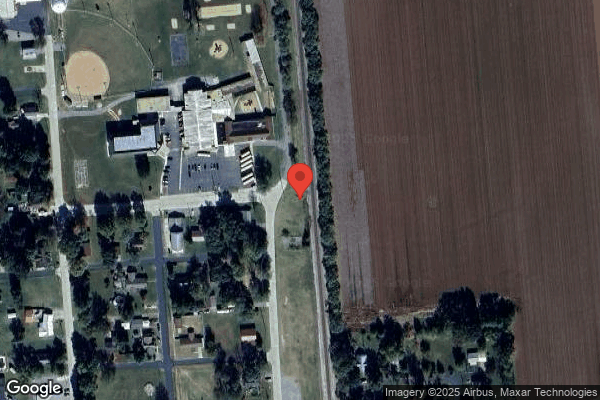
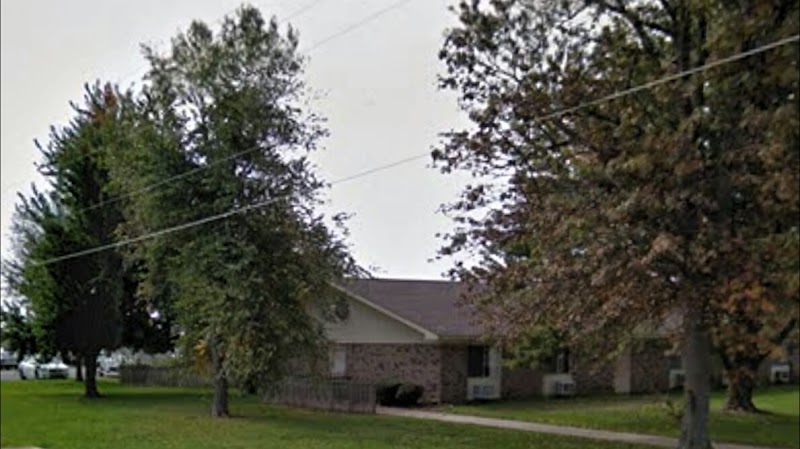
609 SOUTH RAILROAD STREET, MATTHEWS, MO 63867 (573) 471-7861
For profit - Individual 98 Beds Independent Data: November 2025 1 Immediate Jeopardy citation
Trust Grade
1/100
#365 of 479 in MO
Last Inspection: March 2025

Within standard 12-15 month inspection cycle. Federal law requires annual inspections.

Overview

Cotton Point Living Center has received a Trust Grade of F, indicating significant concerns and a poor reputation among nursing facilities. It ranks #365 out of 479 in Missouri, placing it in the bottom half, and #5 out of 5 in New Madrid County, meaning only one local option is worse. The facility is experiencing a worsening trend, with issues increasing from 4 in 2024 to 12 in 2025. Staffing is a major concern, with a low rating of 1 out of 5 stars and a high turnover rate of 75%, significantly above the state average, which suggests that staff do not stay long enough to build rapport with residents. Additionally, there have been serious incidents, including a resident suffering a fractured hip due to physical abuse by another resident, highlighting significant safety issues. There were also concerns about the management of resident funds, as staff failed to properly account for and manage residents' personal finances. Overall, while there are some operational aspects, like average RN coverage, the facility's serious issues and poor ratings may make it a risky choice for families considering care for their loved ones.

Trust Score
F
1/100
In Missouri
#365/479
Bottom 24%
Safety Record
High Risk
Review needed
Inspections
Getting Worse
4 → 12 violations
Staff Stability
⚠ Watch
75% turnover. Very high, 27 points above average. Constant new faces learning your loved one's needs.
Penalties
⚠ Watch
$21,645 in fines. Higher than 92% of Missouri facilities. Major compliance failures.
Skilled Nurses
⚠ Watch
Each resident gets only 22 minutes of Registered Nurse (RN) attention daily — below average for Missouri. Fewer RN minutes means fewer trained eyes watching for problems.
Violations
⚠ Watch
32 deficiencies on record. Higher than average. Multiple issues found across inspections.
★☆☆☆☆
1.0
Overall Rating
★☆☆☆☆
1.0
Staff Levels
★☆☆☆☆
1.0
Care Quality
★★☆☆☆
2.0
Inspection Score
Stable
2024: 4 issues
2025: 12 issues

The Good

  • Full Sprinkler Coverage · Fire safety systems throughout facility
  • No fines on record

Facility shows strength in fire safety.

The Bad

1-Star Overall Rating

Below Missouri average (2.5)

Significant quality concerns identified by CMS

Staff Turnover: 75%

29pts above Missouri avg (46%)

Frequent staff changes - ask about care continuity

Federal Fines: $21,645

Below median ($33,413)

Minor penalties assessed

Staff turnover is very high (75%)

27 points above Missouri average of 48%

The Ugly 32 deficiencies on record

1 life-threatening
Jul 2025 1 deficiency 1 IJ
CRITICAL (J) 📢 Someone Reported This

A family member, employee, or ombudsman was alarmed enough to file a formal complaint

Immediate Jeopardy (IJ) - the most serious Medicare violation

Free from Abuse/Neglect (Tag F0600)

Someone could have died · This affected 1 resident

**NOTE- TERMS IN BRACKETS HAVE BEEN EDITED TO PROTECT CONFIDENTIALITY** Based on observation, interview, and record review, the facility failed to ensure one resident (Resident #1) was free from physi...

Read full inspector narrative →
**NOTE- TERMS IN BRACKETS HAVE BEEN EDITED TO PROTECT CONFIDENTIALITY** Based on observation, interview, and record review, the facility failed to ensure one resident (Resident #1) was free from physical abuse on 07/23/25 when, as staff escorted the residents outside to smoke, Resident #2 made physical contact pushing Resident #1 down to the floor. Resident #1 was sent to the emergency room and diagnosed with a fractured hip that required surgical repair. The facility census was 60.The Administrator was notified on 07/31/25 of the Past Non-Compliance Immediate Jeopardy (IJ) which occurred on 07/23/25. Upon notification, the facility administration immediately started an investigation, notified the police department and Department of Health and Senior Services of the incident, and in-serviced all staff on the facility's policy and procedures for abuse and neglect. The IJ was corrected on 07/24/25. Review of the facility's policy titled, Abuse Prevention Program, undated, showed:The facility will not tolerate verbal, sexual, physical, or mental abuse, corporal punishment, and voluntary seclusion, neglect, or misappropriation of resident property;All allegations will be investigated and any findings that indicate abuse, willful neglect, mistreatment, or misappropriation of property will be taken very seriously and will be dealt with harshly;Every employee must report witnessed abuse, any remarks made, which might indicate abuse has occurred, and any signs of injury, like bruising or skin, tears to the supervisor, or charge nurse immediately;The Administrator and the Director of Nursing (DON) Services have an open-door policy for reports of abuse, neglect, mistreatment, or misappropriation of resident property and confidential reports can be made at any time. Review of Resident #2's medical record showed:admitted on [DATE];Diagnoses of major depressive disorder, anxiety disorder (persistent worry and fear about everyday situations), paranoid personality disorder (a persistent pattern of extreme distrust and suspicion of others), schizophrenia (a long term mental disorder that affects a person's ability to think, feel, or behave clearly, sometimes including delusions or hallucinations), and post-traumatic stress disorder (PTSD - psychological distress following a traumatic event);Had an appointed guardian/public administrator. Review of the resident's Care Plan, revised 03/25/25, showed:Needs assistance from staff to make appropriate decisions;Has poor judgment and a guardian (public administrator) to help in making decisions;Difficulty getting along with other people and required staff oversight;Confrontational and usually easy to redirect;Can make his/her wants and needs known;Intervene as necessary to protect the rights and safety of others;Remove from the situation and take to alternate locations as needed; Review of the resident's Physicians Orders Sheet (POS), dated July 2025, showed:An order for olanzapine (an antipsychotic- primarily used to treat psychosis, a mental state characterized by a disconnect from reality, often involving hallucinations, delusions, and disorganized thinking) medication 10 mg by mouth at bedtime for schizophrenia, dated 07/18/25;An order for Invega (and antipsychotic medication) 234 mg/1.5 milliliter (ml) inject intramuscularly (injection into the muscle) every day shift every 28 days for schizophrenia affective disorder, depressive type, dated 05/23/25;An order to monitor for the following behaviors: agitation, stealing, delusions, hallucinations, psychosis, aggression, refusal of care, smoking in his/her room, related to paranoid schizophrenia and major depressive disorder, dated 06/13/25. Review of the resident's Behavioral Progress Notes, dated 07/23/25 - 07/24/25, showed:On 07/23/25, the resident made physical contact with Resident #1 on the unit. The resident punched Resident #1 in the face and back of the head and then proceeded to push him/her down;On 07/24/25, the resident was sent to the hospital. The guardian was notified of the emergency discharge. Review of Resident #1's medical record showed:admitted on [DATE];Diagnoses of dementia (a disorder marked by memory loss, personality changes, and impaired reasoning that interferes with daily functioning), major depressive disorder (long-term loss of pleasure or interest in life), and chronic obstructive pulmonary disease (COPD - a chronic inflammatory lung disease that causes obstructed airflow from the lungs);Had an appointed guardian/public administrator. Review of the resident's annual Minimum Data Set (MDS - a federally mandated assessment instrument completed by facility staff), dated 06/20/25, showed:Moderate cognitive impairment;Required supervision with all aspects of daily activities of daily living. Review of the resident's Progress Notes, dated 07/23/25 - 07/28/25, showed:On 07/23/25, Resident #2 made physical contact with Resident #1 with bruising to left side of his/her face and complaints of right hip and leg pain. The Administrator was at facility when the incident occurred. The police and the ambulance were notified;On 07/24/25, Resident #1 admitted to the hospital on [DATE] for a right hip fracture and surgery;On 07/28/25, Resident #1 readmitted to the facility. During an interview on 07/31/25 at 10:15 A.M., Resident #1 said he/she didn't have surgery and wasn't sent to the hospital. Everything was fine. Another resident hit him/her in the back and up his/her body. He/She just remembered hurting. Review of the facility's investigation, dated 07/23/25, showed:Resident-to-resident altercation on the unit between Resident #1 and Resident #2;Resident #1 and Resident #2 separated immediately;Responsible parties and physician notified;Resident #1 assessed and transferred to hospital for further evaluation;Resident #2 transferred to the hospital for further evaluation;Witness statements gathered;Staff education and in-service initiated;Local authorities notified with police report filed;Emergency discharge issued with guardian in agreement for Resident #2. During an interview on 08/06/25 at 2:10 P.M., Licensed Practical Nurse (LPN) N A said on the day of the incident, it was reported to him/her that a resident to resident altercation occurred on the unit between Resident #1 and Resident #2. He/She did not witness the incident. Resident #1 and Resident #2 were separated, assessed, and sent to the Emergency Department for further evaluation. Resident #1 had bruising to the left side of his/her face and complaints of right hip and leg pain that LPN A documented in Resident #1's 07/23/25 Progress Note. During an interview on 07/31/25 at 9:05 A.M., the Administrator said the night nurse called her and she was still in the facility. LPN A reported there had been a resident-to-resident altercation on the unit. Resident #1 and Resident #2 were on their way to smoke at the patio at the end of the unit hall and had not made it to the patio area, when Resident #2 hit Resident #1 and pushed him/her down. Both residents were immediately separated by staff. Resident #2 was sent out and given an emergency discharge. Emergency Medical Services (EMS) took both Resident #1 and Resident #2 out of the facility to different hospitals to be further evaluated. Police were notified. An investigation was started immediately with staff witness statements collected regarding the incident on the unit. Resident #2 was transported to a local hospital, and the facility was notified the resident had been transferred to a psychiatric facility. Resident #1 was transported to a local hospital upon assessment and the resident's complaints of pain in the right leg and hip. The facility was notified Resident #1 would have surgery due to a fractured hip. Resident #1 returned to the facility. A police report was filed. Both residents have a Public Administrator and were notified of the incident.
Mar 2025 10 deficiencies
CONCERN (D) 📢 Someone Reported This

A family member, employee, or ombudsman was alarmed enough to file a formal complaint

Potential for Harm - no one hurt, but risky conditions existed

Safe Environment (Tag F0584)

Could have caused harm · This affected 1 resident

**NOTE- TERMS IN BRACKETS HAVE BEEN EDITED TO PROTECT CONFIDENTIALITY** Based on observation, interview and record review, the facility failed to provide a safe, clean and comfortable homelike environ...

Read full inspector narrative →
**NOTE- TERMS IN BRACKETS HAVE BEEN EDITED TO PROTECT CONFIDENTIALITY** Based on observation, interview and record review, the facility failed to provide a safe, clean and comfortable homelike environment. This deficient practice had the potential to affect all residents in the facility. The facility census was 54. Review of the facility's policy titled, Homelike Environment, revised February 2021, showed: - Residents are provided with a safe, clean, comfortable, homelike environment and encouraged to use their personal belongings to the extent possible; - The facility staff and management maximizes, to the extent possible, the characteristics of the facility that reflect a personalized, homelike setting such as a clean, sanitary and orderly environment. Observations on 03/04/25 at 10:21 A.M., and 03/05/25 at 8:15 A.M., of room [ROOM NUMBER] showed: - A buildup of dust and dirt on the air filter inside the air conditioner unit; - Several long dark markings on the wall near the light switch by the door; - Two areas of exposed sheetrock and peeled paint on the wall near the recliner; - Several long dark markings along the wall next to the bed near the window. Observations on 03/04/25 at 10:24 A.M., and 03/05/25 at 8:21 A.M., of room [ROOM NUMBER] showed: - Several long dark markings with areas of exposed sheetrock and peeled paint on the wall near the door. Observations on 03/04/25 at 10:29 A.M., and 03/05/25 at 8:25 A.M., of room [ROOM NUMBER] showed: - A large area of exposed sheetrock and peeled paint next to the nightstand. Observations on 03/04/25 at 10:51 A.M., and 03/04/25 at 8:32 P.M., of room [ROOM NUMBER] showed: - A buildup of dried food and dirt on the resident's wheelchair cushion, seat, foot pedals, and the sides; - A buildup of dirt and grime on the Hoyer lift next to the bed near the window. Observations on 03/04/25 at 10:59 P.M., and 03/05/25 at 8:42 A.M., of room [ROOM NUMBER] showed: - Long dark markings on the bottom part of the wall next to the bed near the window. Observations on 03/04/25 at 11:09 A.M., and 03/05/25 at 8:53 A.M., of the resident private phone room showed a missing square vent cover on the ceiling near the sprinkler head. Review of February 2025 Resident Council Meeting Minutes showed: - A concern with resident wheelchairs not being cleaned or washed by staff. During an interview on 03/07/25 at 10:03 A.M., the Maintenance Supervisor (MS) said he/she was aware there were a lot of things that needed to be repaired and painted. It was hard at times to keep up with maintenance duties when he/she was verbally told when something needed to be addressed by staff in passing. It would be nice if staff would write down the environmental concerns on the maintenance log to be addressed in a timely manner. During an interview on 03/07/25 10:21 A.M., the Administrator said she was aware the facility had a lot of environmental concerns that needed to be addressed. Staff should be writing down any environmental issues on the maintenance log instead of verbally telling the MS in passing so he/she didin't forget throughout the day.
CONCERN (D)

Potential for Harm - no one hurt, but risky conditions existed

Abuse Prevention Policies (Tag F0607)

Could have caused harm · This affected 1 resident

Based on interview and record review, the facility failed to follow their policy and procedure to complete Criminal Background Checks (CBC) for one employee (Employee I) prior to hire and to check the...

Read full inspector narrative →
Based on interview and record review, the facility failed to follow their policy and procedure to complete Criminal Background Checks (CBC) for one employee (Employee I) prior to hire and to check the Employee Disqualification List (EDL - a listing of individuals who have been determined to have abused or neglected, misappropriated funds or property from a resident) periodically for six employees (Employees G, I, J, K, L, and M) out of ten sampled employees. The facility census was 54. Review of the facility's policy titled, Employee Disqualification List (EDL), dated February 2022, showed: - At the time of consideration of employment, the designated employee shall access the EDL website and check the EDL; - The designated employee will review the EDL list on the EDL website to make certain the name of the employee has not been placed on the the EDL since the initial checking requirement; - The annual and quarterly information is found on the same website as the individual information; - The annual list is updated each January. - Each quarter, names are added and deleted; - The designated employee should check and print the list each quarter and annually, check it against the current employee list, and file in a folder called EDL quarterly checklist. Review of the facility's policy titled, Criminal Background Checks Policy and Procedure, dated February 2022, showed: - The facility shall perform criminal background checks on all employees hired after August 28, 1997; - After an employment application has been received by Administration and it is determined the applicant will be offered employment, the designated facility employee will complete an online Criminal Background Request; - Print the request for the employee record. In addition, a copy of the disclosure of the applicant's rights under the Fair Credit Reporting Act shall be given to the applicant. Both requirements shall be completed the same day as the decision to hire, and prior to allowing any person contact with a resident. The responsibility for completing this requirement shall remain with the Administrator even if the task shall be delegated to a designee; - The reply for Criminal Background Request will be emailed with a notice that there is no match or that a follow-up is being mailed, which will indicate a criminal history and this applicant shall not be started to work until such time as the Administrator, or designee, shall receive the response and determine whether or not the applicant is to be disqualified; - There will be no exceptions to this policy. 1. Review of Employee G's personnel file showed: - A hire date of 04/09/24; - The last EDL list check was 04/09/24; - The facility did not check a quarterly EDL list check. 2. Review of Employee I's personnel file showed: - A hire date of 12/24/21; - No documentation the CBC was completed before the employee's hire date; - The most recent EDL list check was 09/16/22; - The facility did not check a quarterly or annual EDL list check. 3. Review of Employee J's personnel file showed: - A hire date of 10/02/24; - The last EDL list check was 09/30/24; - The facility did not check a quarterly EDL list check. 4. Review of Employee K's personnel file showed: - A hire date of 08/23/24; -The last EDL list check was 08/19/24; -The facility did not check a quarterly EDL list check. 5. Review of Employee L's personnel file showed: - A hire date of 11/20/24; - The last EDL list check was 11/06/24; - The facility did not check a quarterly EDL list check. 6. Review of Employee M's personnel file showed: - A hire date of 03/07/24; - The last EDL list check was 02/15/24; - The facility did not check a quarterly or annual EDL list check. During an interview on 03/07/25 at 4:00 P.M., the Human Resources (HR) staff said he/she was not aware it was required for the facility to check the EDL list except at the time of hire. During an interview on 03/07/25 at 4:38 P.M. the Administrator said the CBC and EDL checks should be completed prior to employment and she thought at least quarterly after employment.
CONCERN (D)

Potential for Harm - no one hurt, but risky conditions existed

Deficiency F0638 (Tag F0638)

Could have caused harm · This affected 1 resident

**NOTE- TERMS IN BRACKETS HAVE BEEN EDITED TO PROTECT CONFIDENTIALITY** Based on interview and record review, the facility failed to electronically transmit quarterly Minimum Data Set (MDS) assessment...

Read full inspector narrative →
**NOTE- TERMS IN BRACKETS HAVE BEEN EDITED TO PROTECT CONFIDENTIALITY** Based on interview and record review, the facility failed to electronically transmit quarterly Minimum Data Set (MDS) assessments, a federally mandated assessment instrument completed by the facility, in a timely manner and in accordance with the guidelines for two residents (Residents #37 and #40) out of 14 sampled residents and two residents (Residents #38 and #42) outside the sample. The facility's census was 54. Review of the facility's policy titled, Resident Assessments, dated October 2023 showed: - A comprehensive assessment of each resident is completed at intervals designated by Omnibus Budget Reconciliation Act (OBRA) regulations and Protective Payment System (PPS) requirements. Data from the MDS is submitted to the Internet Quality Improvement Evaluation System (iQIES) as required. - OBRA-Required Assessments are federally mandated, and therefore, must be performed for all residents of Medicare and Medicaid certified nursing homes. OBRA assessments include: a. admission assessment; b. Quarterly assessment; c. Annual assessment; d. Significant change in status assessment; e. Significant correction to prior comprehensive assessment; f. Significant correction to prior quarterly assessment; g. Discharge assessment. - PPS Assessments are conducted (in addition to the OBRA required assessments) for residents for whom the facility receives Medicare Part A Skilled Nursing Facility benefits; - Comprehensive MDS assessments include both the completion of the MDS as well as completion of the Care Area Assessments (CAA) process and care planning. Comprehensive MDS, include admission, annual, and significant changes. - The resident assessment coordinator is responsible for ensuring that the interdisciplinary team conducts timely and appropriate resident assessments. Review of the facility's policy titled, MDS Completion and Submission Timeframes, dated October 2023, showed: - Our facility will conduct and submit resident assessments in accordance with current federal and state submission timeframes; - Timeframes for completion and submission of assessments is based on the current requirements published in the Resident Assessment Instrument (RAI) Manual; - Submission of MDS records to the iQIES is electronic. A hard copy of each record submitted is maintained in the resident's clinical record for a period of 15 months from the date submitted. 1. Review of Resident #37's MDS assessments showed: - admitted on [DATE]; - An admission assessment, dated 08/24/24; - A quarterly MDS, dated [DATE]; - The facility did not complete a quarterly MDS for the resident within 92 days of the last MDS. 2. Review of Resident #38's MDS assessments showed: - admitted on [DATE]; - A quarterly MDS, dated [DATE]; - The facility did not complete a quarterly MDS for the resident within 92 days of the last MDS. 3. Review of Resident #40's MDS assessments showed: - admitted on [DATE]; - A quarterly MDS, dated [DATE]; - The facility did not complete a quarterly MDS for the resident within 92 days of the last MDS. 4. Review of Resident #42's MDS assessments showed: - admitted on [DATE]; - A quarterly MDS, dated [DATE]; - The facility did not complete a quarterly MDS for the resident within 92 days of the last MDS. During an interview on 03/06/25 at 10:10 A.M., the MDS Coordinator said he/she just started in the position but was aware there were some MDS assessments that were behind and/or late. During an interview on 03/07/25 at 4:31 P.M., the Administrator said she would expect the MDS's to be completed on time. During an interview on 03/07/25 at 4:35 P.M., the Regional Nurse Consultant said she was told all of the MDS's were up to date.
CONCERN (D)

Potential for Harm - no one hurt, but risky conditions existed

MDS Data Transmission (Tag F0640)

Could have caused harm · This affected 1 resident

**NOTE- TERMS IN BRACKETS HAVE BEEN EDITED TO PROTECT CONFIDENTIALITY** Based on interview and record review, the facility failed to electronically transmit a Minimum Data Set (MDS - a federally manda...

Read full inspector narrative →
**NOTE- TERMS IN BRACKETS HAVE BEEN EDITED TO PROTECT CONFIDENTIALITY** Based on interview and record review, the facility failed to electronically transmit a Minimum Data Set (MDS - a federally mandated assessment instrument completed by the facility staff) in a timely manner and in accordance with guidelines for two residents (Residents #17 and #41) out of 14 sampled residents. The facility's census was 54. Review of the facility's policy titled, MDS Completion and Submission Timeframes, dated October 2023, showed: - Our facility will conduct and submit resident assessments in accordance with current federal and state submission timeframes; - Timeframes for completion and submission of assessments is based on the current requirements published in the Resident Assessment Instrument (RAI) Manual; - Submission of MDS records to the to the Internet Quality Improvement Evaluation System (iQIES) is electronic. A hard copy of each record submitted is maintained in the resident's clinical record for a period of 15 months from the date submitted. 1. Review of Resident #17's MDS record showed: - admitted on [DATE]; - A quarterly MDS, dated [DATE], completed but not transmitted; - The facility did not transmit the MDS within 14 days of the completion date. 2. Review of Resident #41's MDS assessment showed: - admitted on [DATE]; - A quarterly MDS, dated [DATE], completed but not transmitted; - The facility did not transmit the MDS within 14 days of the completion date. During an interview on 03/06/25 at 10:10 A.M., the MDS Coordinator said he/she just started in this position, but was aware there were some MDS assessments that were behind and/or late. During an interview on 03/07/25 at 4:31 P.M., the Administrator said she would expect the MDS's to be submitted on time. During an interview on 03/07/25 at 4:35 P.M., the Regional Nurse Consultant said she was told all of the MDS's were up to date.
CONCERN (D)

Potential for Harm - no one hurt, but risky conditions existed

Deficiency F0655 (Tag F0655)

Could have caused harm · This affected 1 resident

Based on interview and record review, the facility failed to include an admitting diagnosis of post traumatic stress disorder (PTSD - psychological distress following a traumatic event) with specific ...

Read full inspector narrative →
Based on interview and record review, the facility failed to include an admitting diagnosis of post traumatic stress disorder (PTSD - psychological distress following a traumatic event) with specific interventions on the baseline care plan upon admission for one resident (Resident #158) out of two sampled residents. The facility census was 54. Review of the facility's policy titled, Care Plans - Baseline, revised March 2022, showed: - A baseline plan of care to meet the resident's immediate health and safety needs is developed for each resident within 48 hours of admission; - The baseline care plan includes instructions needed to provide effective, person-centered care of the resident that meets professional standards of quality care and must include the minimum healthcare information necessary to properly care for the resident; - The baseline care plan is used until the staff can conduct the comprehensive assessment and develop interdisciplinary person-centered comprehensive care plan (no later than 21 days after admission); - The baseline care plan is updated as needed to meet the resident's needs until the comprehensive care plan is developed. 1. Review of Resident #158's medical record showed: - An admission date of of 02/17/25; - Diagnoses of PTSD, paranoid schizophrenia (a long term mental disorder that causes distrust, affects a person's ability to think, feel, and behave clearly, and sometimes including delusions or hallucinations, schizoaffective disorder (a condition characterized by abnormal thought processes and deregulated emotions), major depression disorder (long-term loss of pleasure or interest in life), irritability, and anger. Review of the resident's Baseline Care Plan, dated 02/18/25, showed: - PTSD with specific interventions not addressed. During an interview on 03/05/25 at 2:19 P.M., the resident said he/she was in the military and witnessed people that were killed. Loud noises triggered the PTSD. During an interview on 03/05/25 at 2:56 P.M., the Social Service Director (SSD) said the resident was asked about his/her PTSD a few days after being admitted to the facility and he/she avoided the question. During an interview on 03/07/25 at 3:42 P.M., the Director of Nursing said if a new resident was admitted to the facility with a PTSD diagnosis, it should be included on the baseline care plan with specific interventions. During an interview on 03/07/25 at 4:42 P.M., the Administrator said if a new resident was admitted to the facility with a diagnosis of PTSD, the resident's baseline care plan should include specific interventions along with other admission diagnoses documented on the admission paperwork.
CONCERN (D)

Potential for Harm - no one hurt, but risky conditions existed

Deficiency F0658 (Tag F0658)

Could have caused harm · This affected 1 resident

**NOTE- TERMS IN BRACKETS HAVE BEEN EDITED TO PROTECT CONFIDENTIALITY** Based on observation, interview, and record review, the facility failed to obtain and/or follow physician's orders for three res...

Read full inspector narrative →
**NOTE- TERMS IN BRACKETS HAVE BEEN EDITED TO PROTECT CONFIDENTIALITY** Based on observation, interview, and record review, the facility failed to obtain and/or follow physician's orders for three residents (Residents #15, #37 and #158) out of five sampled residents and one resident (Resident #2) outside the sample. The facility census was 54. Review of the facility's policy titled, Medication and Treatment Orders, dated July 2016, showed: - Orders for medication and treatments will be consistent with principles of safe and effective order writing; - Medications shall be administered only upon the written order of a person duly licensed and authorized to prescribe such medications in this state; - Only authorized, licensed practitioners, or individuals authorized to take verbal orders from practitioners, shall be allowed to write orders in the medical record; - Drugs and biological orders shall be recorded on the physician's order sheet (POS) in the resident's chart; - Such orders are reviewed by the pharmacy consultant on a monthly basis. 1. Review of Resident #2's medical record showed: - admitted on [DATE]; - Diagnoses of bipolar disorder (a mental disorder that causes unusual shifts in mood) and major depressive disorder (long-term loss of pleasure or interest in life). Review of the resident's February 2025 Physician Order Sheet (POS) showed: - An order for Invega Trinza (an antipsychotic medication) intramuscularly (IM -injection administered into the muscle) 819 milligram (mg)/2.63 millimeter (ml) every three months, starting on the 6th February/May/August/November related to schizophrenia (a long term mental disorder that affects a person's ability to think, feel, or behave clearly, sometimes including delusions or hallucinations), dated 07/06/24. Review of the resident's November 2024 MAR showed: - Invega scheduled for administration on 11/06/24; - The facility failed to administer the medication. Review of the resident's February 2025 MAR showed: - Invega scheduled for administration on 02/06/25; - The facility failed to administer the medication. 2. Review of Resident #15's medical record showed: - admitted on [DATE]; - Diagnoses of dementia (a serious medical illness that negatively affects how you feel, the way you think and how you act), chronic obstructive pulmonary disease (COPD - a chronic inflammatory lung disease that causes obstructed airflow from the lungs) and emphysema (a lung disease where the tiny air sacs in the lungs make it hard to breathe). Review of the resident's March 2025 POS showed: - No order for oxygen. Review of the resident's progress note, dated 03/04/25, showed: - Difficulty breathing; - Breathing treatment administered; - Oxygen level at 99% via oxygen concentrator in use at 2 liters (L) per nasal cannula (tubing inserted into the nostrils for supplemental oxygen). Observation on 03/04/25 at 10:21 A.M., showed the resident lay in his/her bed with an oxygen concentrator in use at 2 L per nasal cannula. Observations on 03/04/25 11:01 A.M., and 03/07/25 at 10:11 A.M., showed the resident sat upright in his/her chair with an oxygen concentrator in use at 2 L per nasal cannula. During an interview on 03/04/25 at 11:06 A.M., the resident said he/she had difficulty breathing at times and needed oxygen. During an interview on 03/04/25 at 11:26 A.M., the Director of Nursing (DON) said Resident #15 did not have an oxygen order on his/her current POS. There should be a physician's order for oxygen. During an interview on 03/04/25 at 11:47 A.M., the Administrator said she would expect a resident who required oxygen to have a physician's order on his/her current POS. 3. Review of Resident #37's medical record showed: - admitted on [DATE]; - Diagnoses of hypertension (HTN-high blood pressure), congestive heart failure (CHF- heart muscle weak and cannot pump properly), and atrial fibrillation (a-fib - an irregular, often rapid heart rate causes poor blood flow); - No order for hospice care. Review of the resident's hospice binder showed: - Resident admitted to hospice on 07/22/24; - Diagnosis of CHF. During an interview on 03/07/25 at 4:22 P.M., Licensed Practical Nurse (LPN) F said the resident did not have an order for hospice until 03/05/25. During an interview on 03/07/25 at 4:35 P.M., the Administrator said any resident on hospice needed an order for the hospice care. 4. Review of Resident #158's medical record showed: - admitted on [DATE]; - Diagnoses of post traumatic stress disorder (PTSD - psychological distress following a traumatic event), paranoid schizophrenia (a long term mental disorder that causes distrust, affects a person's ability to think, feel, and behave clearly, and sometimes including delusions or hallucinations), schizoaffective disorder (a condition characterized by abnormal thought processes and deregulated emotions), major depression disorder, irritability, and anger. Review of the resident's February 2025 POS showed: - An order for Invega Sustenna IM 234 MG/1.5 ml one time a day starting on the 23rd and ending on the 23rd every month for schizoaffective disorder, depressive type dated 02/17/25. Review of the resident's February 2023 MAR showed: - Invega scheduled for administration on 02/23/25; - The facility failed to administer the medication. Review of the resident's progress note, dated 02/27/25, showed: - The resident involved in a resident-to-resident altercation; - No injuries noted for either resident; - Administrator notified of the incident. During an interview on 03/05/25 at 2:30 P.M., the Regional Nurse Consultant said she would expect nursing staff to document when medications were given and to follow the physician's orders. During an interview on 03/07/25 at 4:45 P.M., the Administrator said she would expect nursing staff to follow physician's orders.
CONCERN (D)

Potential for Harm - no one hurt, but risky conditions existed

Deficiency F0692 (Tag F0692)

Could have caused harm · This affected 1 resident

**NOTE- TERMS IN BRACKETS HAVE BEEN EDITED TO PROTECT CONFIDENTIALITY** Based on observation, interview, and record review, the facility failed to implement, monitor and modify interventions to mainta...

Read full inspector narrative →
**NOTE- TERMS IN BRACKETS HAVE BEEN EDITED TO PROTECT CONFIDENTIALITY** Based on observation, interview, and record review, the facility failed to implement, monitor and modify interventions to maintain acceptable parameters of nutritional status for two residents (Residents #19 and #40) out of four sampled residents. The facility census was 54. Review of the facility's policy titled, Weight Assessment and Intervention, dated March 2022 showed: - Resident weights are monitored for undesirable or unintended weight loss or gain; - Residents are weighed upon admission and at intervals established by the interdisciplinary team; - Any weight change of 5% or more since the last weigh assessment is retaken the next day for confirmation; - Unless notified of significant weight change, the dietitian will review the unit weight record monthly to follow individual weight trends over time; - The threshold for significant unplanned and undesired weight loss will be based on the following criteria: a. one month - 5% weight loss is significant; greater than 5% is severe; b. three months - 7.5% weight loss is significant; greater than 7.5% is severe; c. six months - 10% weight loss is significant; greater than 10% is severe; - If the weight is desirable, this is documented; - An undesirable weight change is evaluated by the treatment team whether or not the criteria for significant weight change has been met; - The physician and the multidisciplinary team identify conditions and medications that may be causing anorexia (reduction in appetite and food intake), weight loss or increasing the risk of weight loss. 1. Review of Resident #19's medical record showed: - admitted on [DATE]; - Diagnoses of anemia (low red blood cells), heart failure (when the heart muscle is weakened and cannot pump blood effectively), hypertension (high blood pressure), anxiety, and depression; - An order for a regular diet, mechanical soft texture, thin liquids, dated 01/09/25; - No order for a health shake. Review of the resident's weights showed: - On 11/14/24, 148.0 pounds (lbs.); - On 12/05/24, 145.4 lbs. - On 01/09/25, 140.0 lbs. - On 02/07/25, 136.0 lbs. - On 03/06/25, 138.0 lbs. - From 11/14/24-02/07/25, the resident had a severe weight loss of 8.11% in three months. Review of the resident's RD Nutritional Assessment, dated 12/04/24, showed: - A recommendation to add ice cream two times daily. Review of the resident's RD Assessment and Recommendations, dated 01/09/25, showed: - A health shake/house supplement two times daily. Review of the resident's RD Assessment and Recommendations, dated 02/17/25, showed: - Add a health shake/house supplement two times daily and provide encouragement to improve intake. The facility failed to address the RD recommendations. Observations on 03/05/25 at 12:24 P.M., 03/06/25 at 12:08 P.M., and 03/07/25 at 12:19 P.M., showed the resident with a divided plate and ate 50% of the meal with no assistance. Staff did not encourage the resident to eat his/her meals. Ice cream nor health shakes were provided to the resident. 2. Review of Resident #40 medical record showed: - admitted on [DATE]; - Diagnoses of hypertension, gastrointestinal esophageal reflux disease (GERD-a stomach acid being forced back into the throat region), diabetes mellitus (DM- a condition that affects the way the body processes blood sugar), and congestive heart failure (CHF); - An order for a regular diet, regular texture, no concentrated sweet (NCS) for diabetes mellitus, dated 06/05/24; - No order for a health shake. Review of the resident's weights showed: - On 10/07/24, 186.6 lbs.; - On 11/04/24, 184.6 lbs.; - On 12/05/24, 183.4 lbs.; - On 01/09/25, 175.4 lbs.; - On 02/07/25, 163.2 lbs.; - On 03/06/25, 166.0 lbs. - From 01/09/25 - 02/07/25, the resident had a severe weight loss of 6.9% in one month; - From 10/07/24 - 03/06/24, the resident had a severe weight loss of 11.3% in six months. Review of the resident's RD Assessment and Recommendations, dated 01/15/25, showed: - Increase the health shake from two times daily to three times daily and to discontinue the low concentrated sweet diet to allow more food choices. Review of the resident's RD Assessment and Recommendations, dated 02/10/25, showed: - Liberalize the diet to a regular diet due to weight loss, increase the health shake to three times daily, and provide encouragement at meals. The facility failed to address the RD recommendations. Observations on 03/06/25 at 12:10 P.M., and on 03/07/25 at 12:16 P.M., showed the resident ate 100% of his/her meal and the ice cream provided with the meal. During an interview on 03/07/25 at 11:00 A.M., the Regional Nurse Consultant said staff weigh the residents. If there was a discrepancy, then the resident was weighed the next day to validate the weight. Nursing was notified and the nursing department would notify the provider of the weight loss. After the RD visited the facility, he/she sent a report to the facility, and the nursing department followed up with the provider with any recommendations. During an interview on 03/07/25 at 3:07 P.M., the Dietary Manager (DM) said he/she received a weight variance report from the RD after his/her facility visit. The DM could look at the residents' medical records after nursing had put the orders in for diet changes and/or supplements.
CONCERN (D)

Potential for Harm - no one hurt, but risky conditions existed

Pharmacy Services (Tag F0755)

Could have caused harm · This affected 1 resident

Based on interview and record review, the facility failed to ensure staff reconciled narcotics (a process that allows one staff to reconcile the exact narcotic inventory on hand with another staff) at...

Read full inspector narrative →
Based on interview and record review, the facility failed to ensure staff reconciled narcotics (a process that allows one staff to reconcile the exact narcotic inventory on hand with another staff) at each shift change for three out of three medication carts. This practice had the potential to affect all residents. The facility census was 54. The facility did not provide a policy on narcotic reconciliation documentation. 1. Review of the 100 Hall Medication Cart Narcotic Count Log for Controlled Substances showed: - For 6 A.M.-6 P.M. shift on 02/03/25-02/24/25, the staff missed 13 out of 44 opportunities to reconcile the narcotic medications; - For 6 A.M.-6 P.M. shift on 02/25/25-03/07/25, the staff missed 6 out of 21 opportunities to reconcile the narcotic medications. 2. Review of the 200 Hall Medication Cart Narcotic Count Log for Controlled Substances showed: - For 6 P.M.-6 A.M. shift on 02/10/25-03/07/25, the staff missed 22 out of 47 opportunities to reconcile the narcotics medications. 3. Review of the 300 Hall Medication Cart Narcotic Count Log for Controlled Substances showed: - For 6 A.M.-6 P.M. shift on 02/15/25-03/07/25, the staff missed 20 out of 42 opportunities to reconcile the narcotic medications. 4. Review of the Medication Room Narcotic Count Log for Controlled Substances showed: - For 6 A.M.-6 P.M. shift on 01/23/25-02/10/25, the staff missed 10 out of 35 opportunities to reconcile the narcotic medications; - For 6 P.M.-6 A.M. shift on 02/10/25-02/27/25, the staff missed 13 out of 35 opportunities to reconcile the narcotic medication; - For 6 A.M.-6 P.M. shift on 02/28/25-03/07/25, the staff missed 4 out of 13 opportunities to reconcile the narcotic medications. During an interview on 03/07/25 at 3:47 P.M., Licensed Practical Nurse (LPN) D said two staff members, the on-coming and off-going staff, count the narcotic medications in the cart or the medication room and signed the narcotic log book. During an interview on 03/07/25 at 4:30 P.M., the Regional Nurse Consultant said the on-coming and off-going staff should count the narcotic medications together and sign the narcotic count log. During an interview on 03/07/25 at 4:35 P.M., the Administrator said the on-coming staff and off-going staff should do a narcotic medications reconciliation and sign the narcotic log book.
CONCERN (D)

Potential for Harm - no one hurt, but risky conditions existed

Medication Errors (Tag F0758)

Could have caused harm · This affected 1 resident

Based on interview and record review, the facility failed to ensure an appropriate diagnosis for the use of a psychotropic (medications that affect a person's mental status) medication for three resid...

Read full inspector narrative →
Based on interview and record review, the facility failed to ensure an appropriate diagnosis for the use of a psychotropic (medications that affect a person's mental status) medication for three residents (Residents #1, #15, and #20) out of five sampled residents. The facility census was 54. Review of the facility's policy titled, Antipsychotic (a medication that affects the brain activities associated with mental processes and behavior) Medication Use, revised July 2022, showed: - Residents will only receive antipsychotic medications when necessary to treat specific conditions for which they are indicated and effective; - The attending physician and other staff will gather and document information to clarify a resident's behavior, mood, function, medical condition, specific symptoms, and risks to the resident and others; - Antipsychotic medications shall generally be used only for the following conditions/diagnoses as documented in the record, consistent with the definitions in the Diagnostic and Statistical Manual of Mental Disorders (current or subsequent editions): a. Schizophrenia (a long term mental disorder that affects a person's ability to think, feel, or behave clearly, sometimes including delusions or hallucinations); b. Schizoaffective disorder (a condition characterized by abnormal thought processes and deregulated emotions); c. Schizophreniform disorder (a mental illness similar to schizophrenia but symptoms last for a shorter period); d. Delusional disorder (a mental disorder marked by false beliefs); e. Mood Disorders (any mental disorder with a disturbance of mood) (e.g. bipolar disorder (a mental disorder that causes unusual shifts in mood), depression with psychotic features (combination of a loss of interest with hallucinations and delusions), and treatment refractory major depression (depression does not respond to standard treatments); f. Psychosis in the absence of dementia (a state where an individual experiences a loss of touch with reality, marked by symptoms like delusions and hallucinations, without dementia); g. Medical illness with psychotic symptoms and/or treatment related psychosis or mania (state of extreme highs such as intense energy and excitement); h. Tourette's Disorder (a neurological disorder that causes people to make sudden, involuntary movements or sounds); i. Huntington's Disease (a genetic progressive brain disorder that causes nerve cells to break down, leading to uncontrolled movements); j. Hiccups (not induced by other medications); or; k. Nausea and vomiting associated with cancer or chemotherapy; - Diagnoses alone do not warrant the use of antipsychotic medication. In addition, to the above criteria, antipsychotic medications will generally only be considered if the following conditions are also met: a. The behavioral symptoms present a danger to the resident or others; and: 1. the symptoms are identified as being due to mania or psychosis (such as auditory, visual, or other hallucinations; delusions, paranoia or grandiosity; or; 2. behavioral interventions have been attempted and included in the plan of care, except in an emergency; - Antipsychotic medications will not be used if the only symptoms are one or more of the following: wandering, poor self-care, restlessness, impaired memory, mild anxiety, insomnia, inattention or indifference to surroundings, sadness or crying alone that is not related to depression or other psychiatric disorders, fidgeting, nervousness, uncooperativeness. 1. Review of Resident #1's March 2025 Physician's Order Sheet (POS) showed: - admission date of 03/13/23; - Diagnoses of Alzheimer's disease (a disease that destroys memory and other important mental functions), anxiety disorder, major depressive disorder (long-term loss of pleasure or interest in life), and unspecified dementia without psychosis (memory loss where the specific underlying cause cannot be identified); - An order for Seroquel (an antipsychotic medication) 25 milligram (mg) by mouth at bedtime for unspecified dementia, dated, 08/08/24; - The facility did not provide an appropriate diagnosis for the Seroquel. 2. Review of Resident #15's March 2025 POS showed: - admission date of 03/14/24; - Diagnoses of atherosclerotic heart disease, chronic obstructive pulmonary disease (COPD - a chronic inflammatory lung disease that causes obstructed airflow from the lungs), depression (a disorder marked by memory loss, personality changes, and impaired reasoning that interferes with daily functioning) and dementia; - An order for Seroquel 37.5 mg by mouth two times a day for behaviors, dated 06/28/24; - The facility did not provide an appropriate diagnosis for the Seroquel. 3. Review of Resident #20's March 2025 POS showed: - admission date of 06/14/24; - Diagnoses of major depressive disorder and dementia; - An order for Seroquel 25 mg by mouth two times a day for psychosis, dated 01/03/25; - The facility did not provide an appropriate diagnosis for the Seroquel. During an interview on 03/07/25 at 4:50 P.M., the Regional Nurse Consultant said dementia was not an appropriate diagnosis for Seroquel. During an interview on 03/07/25 at 4:50 P.M., the Administrator said dementia was not an appropriate diagnosis for Seroquel.
CONCERN (D)

Potential for Harm - no one hurt, but risky conditions existed

Food Safety (Tag F0812)

Could have caused harm · This affected 1 resident

Based on observation, interview, and record review, the facility failed to store and distribute food under sanitary conditions, increasing the risk of cross-contamination and food-borne illness. These...

Read full inspector narrative →
Based on observation, interview, and record review, the facility failed to store and distribute food under sanitary conditions, increasing the risk of cross-contamination and food-borne illness. These deficient practices had the potential to affect all residents. The facility census was 54. Review of the facility's policy titled, Refrigerators and Freezers, dated November 2022, showed: - The facility will ensure safe refrigerator and freezer temperatures, and sanitation, and will observe food expiration guidelines; - Monthly tracking sheets for all refrigerators and freezers are posted to record temperatures; - Food service supervisors or designated employees check and record refrigerator and freezer temperatures with first opening and at closing in the evening; - Use by dates are completed with expiration dates on all prepared food in refrigerators; - Expiration dated on unopened food and observed and use by dates are indicated once food is opened. Review of the facility's policy titled, Food Preparation and Service, dated November 2022, showed: - Food and nutrition services employees prepare, distribute, and serve food in a manner that complies with safe food handling practices; - When verifying food temperatures, staff use a thermometer which is both clean, sanitized, and calibrated to ensure accuracy; - Proper hot and cold temperatures are maintained during food distribution and service; - The temperatures of foods held in steam tables are monitored throughout the meal service by food and nutrition service staff; - The policy did not address food temperature tracking sheets for meals served. Review of the facility's policy titled, Sanitation, revised November 2022, showed: - The food service area is maintained in a clean and sanitary manner; - All kitchens, kitchen areas, and dining areas are kept clean, free of garbage and debris, and protected from rodents and insects; - All equipment, food contact services, and utensils are cleaned and sanitized using heat or chemical sanitizing solutions. Observation on 03/04/25 at 9:22 A.M., of the meal time food temperature logs showed: - No food temperature logs for 02/22/25 - 03/04/25, with 42 missed opportunities out of 42 opportunities. Observation on 03/04/25 at 9:22 A.M., of the refrigerator temperature logs showed: - No refrigerator temperature logs for 03/01/25 - 03/04/25, with eight missed opportunities out of eight opportunities. Observation on 03/04/25 at 9:28 A.M., of refrigerator 1 showed: - A bag of opened biscuits undated and not labeled; - Four bags of frozen pancakes undated and not labeled; - A large opened bag of French fries undated. Observations on 03/04/25 at 9:39 A.M., and 03/05/25 at 9:51 A.M., of the dishwasher machine showed a build up of debris, crumbs, and a hard white substance on the top surface. Observation on 03/05/25 at 9:34 A.M., of the refrigerator near the Dietary Manager's (DM) door showed: - A clear container of red jello undated and not labeled; - An opened bag of boiled eggs undated and not sealed; - A bag of shredded cheese opened and undated; - A half-used stick of butter opened, unwrapped, undated, and not sealed. During an interview on 03/05/25 at 10:31 A.M., the DM said the food temperature logs should be checked with each meal. The refrigerator temperature logs should be checked daily. The kitchen equipment should be cleaned daily and as needed. All foods should be labeled, dated, and secured to prevent any type of contamination. During an interview on 03/05/25 at 10:37 A.M., the Registered Dietician (RD) said food temperatures should be checked before each meal. The refrigerator temperatures should be checked and logged daily per policy. The kitchen equipment should be cleaned on a daily basis for sanitary purposes. All foods should be labeled, dated, and secured to prevent any type of contamination. During an interview on 03/05/25 at 10:52 A.M., the Administrator said she would expect kitchen staff to check food temperature logs before serving the food to the residents. Refrigerator temperature logs should be checked every day by the kitchen staff. The kitchen equipment should be clean at all times. All foods should be labeled, dated, and secured to prevent any type of contamination.
Feb 2025 1 deficiency
CONCERN (D) 📢 Someone Reported This

A family member, employee, or ombudsman was alarmed enough to file a formal complaint

Potential for Harm - no one hurt, but risky conditions existed

Deficiency F0602 (Tag F0602)

Could have caused harm · This affected 1 resident

**NOTE- TERMS IN BRACKETS HAVE BEEN EDITED TO PROTECT CONFIDENTIALITY** Based on interview and record review, the facility failed to ensure one resident (Resident #1) out of four sampled residents was...

Read full inspector narrative →
**NOTE- TERMS IN BRACKETS HAVE BEEN EDITED TO PROTECT CONFIDENTIALITY** Based on interview and record review, the facility failed to ensure one resident (Resident #1) out of four sampled residents was free of misappropriation of his/her property when Housekeeper A utilized the resident's bank card for his/her own personal use. The facility census was 57. The administration was notified on 01/26/25 of the Past Non-Compliance which occurred between 01/25/25 through 01/26/25. On 01/26/25, upon notification, the facility administration started an investigation, notified the police department and the Department of Health and Senior Services of the misappropriation. The non-compliance was corrected on 01/26/25, as the facility completed disciplinary action for Housekeeper A, in-serviced all staff on the facility's policy and procedures on misappropriation and refunded Resident #1 for the amount misappropriated. Review of the facility's policy titled, Abuse Prevention Program, revised September 2021, showed: -Misappropriation of resident property defined as deliberate misplacement, exploitation, or wrongful temporary or permanent use of a resident's belongings or money without the resident's consent; -Employees are educated on the Abuse Prevention Program upon hire and annually. 1. Review of Resident #1's face sheet showed: - admitted on [DATE]; - Diagnoses of type 2 diabetes mellitus (high blood sugar), emphysema (enlargement of the air sacs in the lungs making breathing difficult), urinary retention, and ventricular tachycardia (irregular electrical signals to the heart causing the heart to beat too fast in the lower chambers). Review of the resident's quarterly Minimum Data Set (MDS - a federally mandated assessment instrument completed by the staff), dated 12/20/24, showed no cognitive impairment. Review of the facility's investigation dated, 01/26/25, showed: -On 01/26/25, Resident #1's family member notified the facility Director of Nursing (DON) he/she was made aware by residents bank multiple transactions were made over two days, on 01/25/25 and 01/26/25. DON reported the incident to the Administrator and assisted family with notifying the police. Resident #1's family filed a complaint with the police department and while in the facility, resident's family spoke with the bank and provided dates, times, and location where the card had been used. Police were able to obtain video footage from the gas station ATM (automatic teller machine) where the card had been used and it correlated with the times provided by the bank showing Housekeeper A utilizing the card at the ATM. Resident #1 was assessed and at baseline and felt safe in the facility and wished to stay. Alleged perpetrator was suspended, by contract company and termination pending the company receiving the police report. Staff were immediately in-serviced regarding abuse, neglect, and exploitation. Restitution to be made to Resident #1's account. Facility obtained interviews from residents and staff regarding the alleged incident. Facility was unable to interview the alleged perpetrator as he/she exited the facility when the police officer showed up. Review of the police report dated 01/26/25 showed: -Resident #1 and family member noticed money missing from resident's bank account and contacted the facility and the police department; -Resident #1's family contacted the bank to inquire about the money and were given the times and dates the card was used at a gas station ATM on 01/25/25 and 01/26/25; -Police received permission from gas station to review video footage on the dates and times provided by the bank and Housekeeper A was identified on the video footage by facility Administrator; -Administrator reviewed facility camera footage and Housekeeper A identified going into Resident #1's room, exiting the room and proceeding down the hall then leaving the facility. Approximately 9 minutes later, Housekeeper A observed on the gas station video at the ATM; -The transactions were estimated to be $2544.55 with ATM fees; -Administrator told police department Housekeeper A left the facility upon her arrival for the investigation and had not returned. During an interview on 02/04/25 at 12:46 P.M., Police Officer said the department will be pursing charges against Housekeeper A for stealing. Review of Housekeeper A's personnel file showed: - Abuse Prevention Program Policy signed on 12/19/24. During an interview on 02/04/25 at 9:30 A.M., Dietary Aide C said Housekeeper A asked him/her on 01/25/25 after he/she finished prepping lunch to take her to the gas station so he/she could take money off his/her work card to bail his/her brother out of jail. Dietary Aide C said Housekeeper A took out a red card and proceeded to take money out of the ATM. Dietary Aide said in the car, Housekeeper A counted approximately $1200 he/she had taken out of the ATM and again said he/she had to bail his/her brother out of jail. Dietary Aide C said he/she had no knowledge Housekeeper A was utilizing a resident's card. During an interview on 02/04/25 at 9:45 A.M., Housekeeper B said on 01/25/25 at approximately 11:29 A.M., Housekeeper A sent a texted asking to take him/her to the gas station to meet his/her child's father. Housekeeper B said he/she took Housekeeper A to the gas station and saw him/her use the ATM. Housekeeper B observed Housekeeper A count out approximately $1200. Housekeeper B said he/she had no knowledge the card being used by Housekeeper A did not belong to him/her. During an interview on 02/04/05 at 12:00 P.M., Resident #1 said he/she never gave any staff access or permission to use his/her card. Resident #1 said his/her family received a notification regarding a large money withdrawal, which is how he/she realized the card was stolen. Resident said his/her card was red and he/she only uses the card at the facility to make purchases mainly out of the vending machine. Resident said the card must've been taken out of his/her wallet while he/she was sleeping or out of his/her room. During a phone interview on 02/04/05 at 12:27 P.M., Housekeeper A said he/she is being accused of stealing because he/she goes to the gas station almost every day for lunch. Housekeeper A said he/she will be getting a lawyer. Housekeeper A denied taking Resident #1's card and using it at the gas station ATM. Housekeeper A said he/she did not count money in the car in front of Housekeeper B or Dietary Aide C. During a phone interview on 02/04/05 at 12:46 P.M., Police Officer said the police department will be pursuing charges against Housekeeper A for stealing. During an interview on 02/04/25 at 1:30 P.M., the Administrator said he/she would expect facility staff to follow the Abuse Prevention Program policy. Administrator said facility staff should not use a resident bank card to make personal purchases. Complaint #MO00248600
Dec 2024 3 deficiencies
CONCERN (D) 📢 Someone Reported This

A family member, employee, or ombudsman was alarmed enough to file a formal complaint

Potential for Harm - no one hurt, but risky conditions existed

Deficiency F0569 (Tag F0569)

Could have caused harm · This affected 1 resident

**NOTE- TERMS IN BRACKETS HAVE BEEN EDITED TO PROTECT CONFIDENTIALITY** Based on record review and interview, the facility failed to provide a final accounting of resident fund balances within thirty ...

Read full inspector narrative →
**NOTE- TERMS IN BRACKETS HAVE BEEN EDITED TO PROTECT CONFIDENTIALITY** Based on record review and interview, the facility failed to provide a final accounting of resident fund balances within thirty days to the individual or probate jurisdiction administering the resident's estate for one of four sampled discharged residents (Resident #18) and for one of five expired residents (Resident #16). The facility census was 53. 1. Record review of the facility maintained Discharge Report dated [DATE], showed Resident #18 discharged on [DATE]. Record review of the facility maintained Trust Transaction History Report for the period [DATE] through [DATE], showed Resident #18's money was not refunded until [DATE], 70 days after the discharge date . During an interview on [DATE] at 2:44 P.M., the Regional Accountant said the money was not refunded timely due to trying to close out the books. 2. Record review of the facility maintained Discharge Report dated [DATE], showed Resident #16 expired on [DATE]. Record review of the facility maintained Resident Trust Fund Statement for the period [DATE] through [DATE], showed a withdrawal in the amount of $734.64 on [DATE] noted to pay room and board, and was not reported to the Department of Social Services, Third Party Liability Unit as of [DATE], 107 days after the resident expired. During an interview on [DATE] at 4:10 P.M., the Business Office Manager said Resident #16's guardian said to pay the money for back room and board due and the Business Office Manager did not know the $734.64 should have been reported to the Department of Social Services, Third Party Liability Unit.
CONCERN (E) 📢 Someone Reported This

A family member, employee, or ombudsman was alarmed enough to file a formal complaint

Potential for Harm - no one hurt, but risky conditions existed

Deficiency F0567 (Tag F0567)

Could have caused harm · This affected multiple residents

Based on record review and interview, the facility failed to ensure resident funds were placed in an account separate from the facility operating account. The facility did not provide residents with r...

Read full inspector narrative →
Based on record review and interview, the facility failed to ensure resident funds were placed in an account separate from the facility operating account. The facility did not provide residents with refunds of their personal funds from the operating account in a timely manner for 12 residents (Resident #9, #17, #18, #26, #27, #28, #29, #30, #31, #32, #33 and #34). The facility staff failed to obtain written authorization from the resident and/or financial guardian for money withdrawn for five residents (Resident #1, #2, #3, #6 and #7) out of a sample of seven. Facility staff also failed to provide the Social Security and/or Medicaid monthly allowance in a timely manner, which did not allow the resident/financial guardian the right to manage all of his/her financial affairs for five residents (Resident #2, #3, #4, #6 and #9) out of a sample of five. The facility census was 53. 1. Record review of the facility maintained Accounts Receivable Aging Report, dated 12/05/24, showed the following residents with personal funds held in the facility operating account. Resident Amount Held in Operating Account #9 $0.04 #17 $186.00 #18 $4,104.00 #26 $1,882.00 #27 $2,496.00 #28 $992.00 #29 $480.00 #30 $100.00 #31 $2,670.00 #32 $1,368.00 #33 $600.00 #34 $392.00 Total $15,270.04 During an interview on 12/05/24 at 3:30 P.M., the Interim Administrator said Resident #27's refund was requested in September 2024, Resident #29's refund was requested on 08/28/24, and Resident #33's refund had been requested twice and did not know why it has taken so long for the credits to be refunded. Resident #9, #17, #18, #26, #28, #30, #31, #32 and #34's credit should be refunded and did not know why they had not been refunded. 2. Record review of the facility maintained Resident Trust Transaction History for the period 06/01/24 through 12/05/24, showed the following withdrawal for 10/2024 room & board from Resident #1's account listed twice: Date Amount Description 10/04/24 $1,125.00 10/2024 Room & Board 10/10/24 $1,125.00 10/2024 Room & Board Record review on 12/05/24 of the facility maintained paperwork for Resident #1's Resident Trust Transaction History, showed no written authorization by Resident #1 and/or financial guardian for the duplicate withdrawal. During an interview on 12/05/24 at 4:42 P.M., the Business Office Manager said there was no written authorization for Resident #1's duplicate withdrawal and the October 2024 room and board should only be withdrawn one time. 3. Record review of the facility maintained Resident Trust Transaction History for the period 06/01/24 through 12/05/24, showed the following withdrawal from Resident #2's account: Date Amount Description 10/17/24 $31.48 Room & Board Given Record review on 12/05/24 of the facility maintained paperwork for Resident #2's Resident Trust Transaction History, showed no written authorization by Resident #2 and/or financial guardian for the withdrawal. During an interview on 12/05/24 at 4:42 P.M., the Business Office Manager said there was no written authorization for Resident #2's listed withdrawal. 4. Record review of the facility maintained Resident Trust Transaction History for the period 06/01/24 through 12/05/24, showed the following withdrawals from Resident #3's account: Date Amount Description 07/31/24 $848.00 July Room & Board 07/31/24 $34.94 Cigarettes 10/29/24 $36.03 Cigarettes 10/31/24 $50.00 Walmart Shopping 10/31/24 $50.00 Walmart Shopping Record review on 12/05/24 of the Cost Summary Settlement Report provided by Missouri Medicaid showed no room and board due for 07/2024 for Resident #3 due to a hospitalization stay. Record review on 12/05/24 of the facility maintained paperwork for Admission/Discharges Report dated 12/05/24 shows Resident #3 discharged to Missouri Delta Medical Center on 06/22/24. Record review on 12/05/24 of the facility maintained paperwork for Resident #3's Resident Trust Transaction History, showed no written authorizations by Resident #3 and/or financial guardian for the withdrawals. During an interview on 12/05/24 at 8:33 A.M., the Interim Administrator said he/she and the Business Office Manager had been working on the financials and were still working on them. During an interview on 12/05/24 at 5:10 P.M., the Interim Administrator said there was no written authorization for Resident #3's listed withdrawals. 5. Record review of the facility maintained Resident Trust Transaction History for the period 06/01/24 through 12/05/24, showed the following withdrawal from Resident #6's account: Date Amount Description 07/31/24 $1,600.00 July Room & Board Record review on 12/05/24 of the facility maintained paperwork for Resident #6's Resident Trust Transaction History, showed no written authorization by Resident #6 and/or financial guardian for the withdrawal. During an interview on 12/05/24 at 5:06 P.M., the Interim Administrator said the $1,600.00 should be credited back to Resident #6's account. 6. Record review of the facility maintained Resident Trust Transaction History for the period 06/01/24 through 12/05/24, showed the following withdrawal from Resident #7's account: Date Amount Description 10/31/24 $300.00 Fall/Winter Clothing Record review on 12/05/24 of the facility maintained paperwork for Resident #7's Resident Trust Transaction History, showed no written authorization by Resident #7 and/or financial guardian for the withdrawal. During an interview on 12/05/24 at 4:19 P.M., the Business Office Manager said the $300.00 was not a valid withdrawal and needs to be credited back to Resident #7's account. 7. Record review of the facility maintained Resident Trust Transaction History for the period 06/01/24 through 12/05/24, showed the following residents did not receive the $50 Social Security/Medicaid monthly allowance timely for 10/2024 or 11/2024: Resident # Amount Received Month #2 $0 11/2024 #3 $0 11/2024 #4 $0 10/2024 & 11/2024 #6 $0 11/2024 #9 $0 11/2024 During an interview on 12/05/24 at 4:20 P.M., the Regional Accountant and Business Office Manager said the books had not been closed for 11/2024 and allowances were not given.
CONCERN (E) 📢 Someone Reported This

A family member, employee, or ombudsman was alarmed enough to file a formal complaint

Potential for Harm - no one hurt, but risky conditions existed

Deficiency F0568 (Tag F0568)

Could have caused harm · This affected multiple residents

Based on record review and interview, the facility failed to maintain a system to ensure the resident trust fund account was managed in accordance with proper accounting principles by not maintaining ...

Read full inspector narrative →
Based on record review and interview, the facility failed to maintain a system to ensure the resident trust fund account was managed in accordance with proper accounting principles by not maintaining an accurate accounting of all monies held in the resident trust fund account by not reconciling each month. The facility managed funds for 34 residents. The census was 53. 1. Record review of the facility maintained bank statements for the account ending in 2107 for the months 12/2023 through 11/2024 showed no documentation of reconciliations for the following months. Month 12/2023 06/2024 07/2024 09/2024 10/2024 11/2024 Record review of the facility maintained attempted reconciliation forms for account ending in 2107, dated 12/2023 through 09/2024, showed the attempted reconciliations did not reconcile to the residents' current balance at the time of the attempted reconciliation and showed no attempted reconciliation for 10/2024 through 11/2024. During an interview on 12/05/24 at 11:46 A.M., the Regional Accountant and Business Office Manager said 10/2024 and 11/2024 books had not been closed out and 10/2024 books are still being worked on. During an interview on 12/05/24 at 12:10 P.M., the Regional Accountant said the 10/2024 and 11/2024 reconciliations were not done due to the amount of financial work.
Aug 2024 1 deficiency
CONCERN (D) 📢 Someone Reported This

A family member, employee, or ombudsman was alarmed enough to file a formal complaint

Potential for Harm - no one hurt, but risky conditions existed

Deficiency F0602 (Tag F0602)

Could have caused harm · This affected 1 resident

**NOTE- TERMS IN BRACKETS HAVE BEEN EDITED TO PROTECT CONFIDENTIALITY** Based on interview and record review, the facility failed to ensure one resident (Resident #1) out of three sampled residents wa...

Read full inspector narrative →
**NOTE- TERMS IN BRACKETS HAVE BEEN EDITED TO PROTECT CONFIDENTIALITY** Based on interview and record review, the facility failed to ensure one resident (Resident #1) out of three sampled residents was free of misappropriation of his/her property when Certified Nurse Aide (CNA) A utilized the resident's bank card for his/her own personal use. The facility census was 55. The administration was notified on 08/27/24 of the Past Non-Compliance which occurred between 08/09/24 through 08/14/24. On 08/14/24, upon notification, the facility administration started an investigation, notified the police department and the Department of Health and Senior Services of the misappropriation. The non-compliance was corrected on 08/14/24, as the facility completed disciplinary action for CNA A, in-serviced all staff on the facility's policy and procedures on misappropriation and refunded Resident #1 for the amount misappropriated. Review of the facility's policy titled, Abuse Prevention Program, revised September 2021, showed: -Misappropriation of resident property defined as deliberate misplacement, exploitation, or wrongful temporary or permanent use of a resident's belongings or money without the resident's consent; -Employees are educated on the Abuse Prevention Program upon hire and annually. 1. Review of Resident #1's face sheet showed: - admitted on [DATE]; - Diagnoses of metabolic encephalopathy (problem in the brain caused by a chemical imbalance in the blood), type 2 diabetes mellitus (high blood sugar), heart failure with a pacemaker, anxiety, and depression. Review of the resident's admission Minimum Data Set (MDS - a federally mandated assessment instrument completed by the staff), dated 08/07/24, showed the resident's cognition to be moderately impaired. Review of the facility's investigation dated, 08/14/24, showed: -On 08/14/24, Resident #1's family member notified the facility he/she believed Resident #1's bank card had been stolen by CNA A. Resident #1's family member said he/she was notified by Resident #1 on 08/13/24 his/her bank card was missing, as well as his/her phone had been missing since 08/09/24. Resident' #1's family member went to the bank and got a copy of Resident #1's bank statement, which showed on 08/09/24 two separate charges for $25 each transferred to CNA A's account and on 08/10/24 a charge to an online shopping website for $141.94. The facility upon notification immediately removed CNA A from the floor for questioning, as well as contacted the police per Resident #1's request. CNA A was questioned regarding the use of the bank card and admitted he/she utilized the resident's bank card to get the resident food. Resident #1 denied ever giving CNA A access to his/her bank card for food or any other purchases. CNA A was arrested after questioning by the facility and the police and admitting to using Resident #1's bank card. CNA A's employment with the facility was terminated. On 08/14/24, the facility reimbursed Resident #1 for $191.54. Review of the information obtained from the resident's bank statement dated, 08/05/24-08/12/24, showed: - On 08/09/24 at 5:54 P.M., a transfer of $25 to an account belonging to CNA A; - On 08/09/24 at 5:13 P.M., a transfer of $25 to an account belonging to CNA A; - On 08/10/24, an online shopping website transaction for $141.94. Review of the police report dated 08/14/24 showed: - CNA A admitted to using Resident #1's bank card for two transactions on 08/09/24 for $25; -CNA A each but denied the use of the bank card on 08/10/24 for $141.94; -CNA A was placed under arrest and charged with fraudulent use of a credit/debit card. Review of CNA A's personnel file showed: - Abuse Prevention Program Policy signed on 05/09/24. During an interview on 08/27/24 at 9:20 A.M., Licensed Practical Nurse (LPN) B said he/she was a witness during the police officer interview with Resident #1. LPN B said Resident #1 told the police officer he/she never gave permission to CNA A to use his/her bank card and never received food or anything from CNA A. During an interview on 08/27/24 at 1:33 P.M., CNA A said he/she added Resident #1's bank card to his/her own personal account on his/her phone to go and purchase food for Resident #1, as well as two nightgowns. CNA A said he/she did not have a witness to verify he/she delivered food or nightgowns to Resident #1. CNA A said he/she did not have a receipt to verify the purchases. CNA A denied utilizing the bank card for the $141.94 transaction. During an interview on 08/27/24 at 3:50 P.M., the Administrator said he/she would expect facility staff to follow the Abuse Prevention Program policy, which they are trained on upon hire and annually. Administrator said facility staff should not add resident bank card information to their own accounts to purchase items for residents. During a phone interview on 08/27/24 at 5:47 P.M., Resident #1 said he/she never gave CNA A access or permission to use his/her bank card. Resident #1 said he/she never received any food or nightgowns from CNA A. Complaint #MO240597
Nov 2023 7 deficiencies
CONCERN (D)

Potential for Harm - no one hurt, but risky conditions existed

Resident Rights (Tag F0550)

Could have caused harm · This affected 1 resident

Based on observation, interview, and record review, the facility failed to ensure the resident's dignity was maintained while performing wound care for one resident (Resident #42) out of two sampled r...

Read full inspector narrative →
Based on observation, interview, and record review, the facility failed to ensure the resident's dignity was maintained while performing wound care for one resident (Resident #42) out of two sampled residents. The facility census was 57. Review of the facility policy titled, Dignity, revised February 2021, showed staff are to promote, maintain and protect resident privacy, including bodily privacy during assistance with personal care and during treatment procedures. Review of Resident #42's quarterly Minimum Data Set (MDS), a federal mandated assessment to be completed by the facility, dated 09/28/23, showed: - Moderately impaired cognitive skills; - Sometimes understands others; - Makes self understood; - Diagnoses of pressure ulcers, (localized damage to the and/or underlying tissue as a result of pressure), schizophrenia (chronic mental disorder), and morbid obesity (excessive body fat that presents a health risk). Observation on 11/02/23 at 3:32 P.M. showed Licensed Practical Nurse (LPN) B and Nursing Assistant (NA) E performed wound care to Resident #42's coccyx, right buttocks, and right thigh with no privacy curtain between the resident and his/her roommate. During an interview on 11/02/23 at 3:36 P.M., LPN B and LPN C said they would expect a privacy curtain to be available in all resident rooms for privacy to avoid bodily exposure during care. During an interview on 11/03/23 at 12:13 P.M., Certified Nurses Aide (CNA) D said there should be a privacy curtain in the resident rooms to avoid residents bodies from being exposed during care. During an interview on 11/03/23 at 12:40 P.M., the Director of Nursing (DON) said she would expect a privacy curtain for a resident's dignity to be maintained during wound care.
CONCERN (D)

Potential for Harm - no one hurt, but risky conditions existed

Deficiency F0637 (Tag F0637)

Could have caused harm · This affected 1 resident

Based on interview and record review, the facility failed to complete a significant change Minimum Data Set (MDS) a federally mandated assessment to be filled out by the facility staff, within 14 days...

Read full inspector narrative →
Based on interview and record review, the facility failed to complete a significant change Minimum Data Set (MDS) a federally mandated assessment to be filled out by the facility staff, within 14 days of an admission to hospice for for one resident (Resident #37) out of three sampled residents. The facility census was 57. The facility did not provide a policy regarding Significant Change MDS assessments. Review of Resident #37's medical record showed the resident admitted to hospice on 09/15/23. Review of the resident's MDS records showed: - No significant change MDS dated on or after 0915/23; - The facility failed to complete an significant change MDS within 14 days of the resident's admission to hospice. During an interview on 11/02/23 at 2:37 P.M., the MDS Coordinator said that he/she would expect there would be a significant change MDS completed within 14 days of a resident's admission to hospice. During an interview 11/03/23 at 2:34 P.M., the Director of Nursing (DON) said she would expect there would be a significant change MDS completed within 14 days of a resident's admission to hospice.
CONCERN (D)

Potential for Harm - no one hurt, but risky conditions existed

Quality of Care (Tag F0684)

Could have caused harm · This affected 1 resident

Based on interview and record review, the facility failed to ensure one resident (Resident #37) of two sampled hospice residents had a complete hospice (palliative care for the terminally ill with a l...

Read full inspector narrative →
Based on interview and record review, the facility failed to ensure one resident (Resident #37) of two sampled hospice residents had a complete hospice (palliative care for the terminally ill with a life expectancy of six months or less) coordinated plan of care. The facility census was 57. Record review of the facility's policy titled, Hospice, revised July 2017, showed: - It is the responsibility of the facility to meet the resident's personal care and nursing needs in coordination with the hospice representative; - Communicating with the hospice provider (and documenting such communication) to ensure that the needs of the resident are addressed and met 24 hours per day; - Coordinated care plans for residents receiving hospice services will include the most recent hospice plan of care, as well as the care and services provided by the facility. Review of Resident #37's medical record showed an admission date of 09/15/23 to hospice. Review of the resident's Hospice Coordinated Task Plan of Care, dated 09/15/23, showed: - admitted to hospice on 09/15/23; - Failed to document the name of the hospice nurse and the specific days of the hospice nurse visits; - Failed to document the name of the hospice aide and the specific days of the hospice aide visits; - Failed to document medical supplies provided by the hospice; - Failed to document the durable medical equipment (DME) (equipment that helps complete daily activities) provided by the hospice; - Failed to document the facility staff and hospice staff signatures for the coordination of care. During an interview on 11/02/23 at 2:37 P.M., the Director of Nursing (DON) and the Assistant Director of Nursing (ADON) said they would expect hospice to fill out the resident's hospice coordinated plan of care to include the frequency and the days the hospice visits will be made. The DON and ADON would expect signed documentation of the coordination of care between the hospice staff during visits and the facility staff. During an interview on 11/03/23 at 12:15 P.M., Licensed Practical Nurse (LPN) A said he/she would expect for the coordinated care plan to document the frequency and days the hospice staff will be visiting, as well as signatures to coordinate the resident's care between hospice and the facility. The coordinated plan of care should be signed upon admission to hospice by the hospice company and the facility.
CONCERN (D)

Potential for Harm - no one hurt, but risky conditions existed

Accident Prevention (Tag F0689)

Could have caused harm · This affected 1 resident

Based on observation, interview and record review, the facility failed to monitor and consistently implement interventions, including adequate supervision consistent with resident needs, goals and cur...

Read full inspector narrative →
Based on observation, interview and record review, the facility failed to monitor and consistently implement interventions, including adequate supervision consistent with resident needs, goals and current professional standards of practice, in order to eliminate or reduce the risk of falls and accidents and failed to update the care plan with new interventions to prevent additional falls for one resident (Resident #34) out of two sampled residents. The facility census was 57. Review of the facility policy titled, Managing Falls and Fall Risks, revised March 2018, showed: - The staff, with input from the attending physician, will implement a resident-centered fall prevention plan to reduce the specific risk factors of falls for each resident at risk or with a history of falls; - If falling recurs despite initial interventions, staff will implement additional or different interventions or indicate why the current approach remains relevant; - The staff will monitor and document each resident's response to interventions intended to reduce falling or the risks of falling. Review of the facility's Fall Charting Checklist, undated, showed: - Staff to notify the physician and the Director of Nursing (DON); - Staff to notify the family; - If a fall was unwitnessed or the resident hit his/her head, begin neurological (neuro) check (an assessment tool to determine a person's neurological function) sheet in the packet; - Staff to complete and incident report and place in the DON box; - Staff to chart the incident in the nurses note, include notifications to the physician, DON and the family; - Staff to initiate fall monitor charting for 72 hours after a fall. Review of the Resident #34's quarterly Minimum Data Set (MDS), a federally mandated assessment to be completed by the facility, dated 08/27/23, showed: - Severe cognitive impairment; - Dependent on staff for toileting and to go from lying to sitting positions; - Substantial to maximal assistance of staff for transfers and ambulation; - Resident did not use a wheelchair. Review of the resident's nurse's note, dated 09/22/23, showed: - At 2:35 P.M., staff called the nurse to the resident's room; - The resident lay in the floor on the left side with a two inch laceration (a deep cut or tear in the skin) to the left side of the forehead; - The area cleaned and steri-strips applied; - An order obtained to send to the resident to the emergency room (ER) for evaluation and treatment; - At 2:45 P.M., the resident's responsible party notified of the fall; - At 3:00 P.M., the resident was in route to the ER; - At 8:00 P.M., the resident returned to the facility with no new orders. Review of the resident's nurse's note, dated 09/25/22, showed: - At 7:00 A.M., staff called the nurse called to the resident's room due to the resident lay in the floor; - The resident lay face down on the floor between the bed and the roommate's bed with a bright red fluid around his/her upper torso and head area; -Staff rolled the resident over and assisted to the wheelchair and assessed with an eight centimeter (cm) laceration to the top of the resident's head and a four cm laceration to the resident's forehead; - Areas were cleaned; - The resident's responsible party was notified; - The resident was sent to the ER for evaluation and treatment; - At 12:00 P.M., the resident returned from the ER with no new orders. Review of the resident's nurse's note, dated 10/28/23, showed: - At 11:30 P.M. staff called to the resident's room due to the resident lay in the floor; - The resident lay beside the bed with a laceration above the right eye; - The laceration was cleaned and triple antibiotic ointment applied; - The resident was assisted back to the bed by staff and fa all mat was placed; - The resident's physician was notified; - The resident's responsible party was notified. Review of the resident's medical record showed: - No documentation of the 72-hour post fall monitoring and the neuro checks for the falls on 09/22/23, 09/25/23, and on 10/28/23; - The facility failed to provide 72-hour post fall monitoring and neuro checks for the falls on 09/22/23, 09/25/23, and on 10/28/23. Review of the resident's care plan, last updated on 10/25/23, showed: - Required limited to extensive assistance for activities of daily living (ADLs); - Wandered into other residents' rooms and had no safety awareness. Face to face visual contact at least every 2 hours and every 15 minutes if resident was exit seeking; - Ambulated independently and was at risk for falls; - Wore a helmet; - Set self purposefully in the floor and would get back up when commanded; - Attempted to get up unsupervised. Ensure resident wore his/her helmet; - On 09/22/23, the resident fell and and was sent to the emergency room (ER) for evaluation; - On 09/25/23, the resident fell in his/her room while unattended. Staff reminded not to leave the resident unattended without his/her helmet; - On 10/29/23, the resident fell from his/her bed onto the floor with a laceration and bruising to the right eye. A fall matt and the bed in low and locked position was added to the care plan; - The facility failed to provide additional fall interventions for the falls on 09/22/23 and 09/25/23. During an interview on 11/02/23 at 2:20 P.M., Licensed Practical Nurse (LPN) F said when a fall occurs, he/she used a fall packet and filled out the forms. The nurses charted for 72 hours following a fall. If a head injury was suspected, a neurocheck flow sheet was started and attached to the nurse's report sheet then it went to the DON once completed. During an interview on 11/02/23 at 2:35 P.M., the DON said she expected nurses to chart for 72 hours following a resident's fall and would receive the neurocheck sheets once they were completed for the resident's medical record.
CONCERN (D)

Potential for Harm - no one hurt, but risky conditions existed

Pharmacy Services (Tag F0755)

Could have caused harm · This affected 1 resident

Based on observation, interview, and record review, the facility failed to implement procedures to ensure medications were accurately administered, documented, disposed of and reconciled for one resid...

Read full inspector narrative →
Based on observation, interview, and record review, the facility failed to implement procedures to ensure medications were accurately administered, documented, disposed of and reconciled for one resident (Resident #555) outside of the 15 sampled residents. The facility census was 57. Review of the facility's policy titled, Controlled Substances, revised November 2022, showed: - Controlled substances are counted upon delivery; - If count is correct, an individual resident controlled substance record is made for each resident who will be receiving a controlled substance; - Controlled substance inventory is monitored and reconciled to identify loss or potential diversion in a manner that minimizes the time between loss/diversion and detection/follow up; - The system of reconciling the receipt, dispensing and disposition of controlled substances includes: Records of personnel access and usage; Medication administration records; Declining inventory records; and Destruction, waste and return to pharmacy records; - Controlled substances remaining in the facility after the order has been discontinued or the resident has been discharged are securely locked in an area with restricted access until destroyed; - Accountability records for discontinued controlled substances are kept with the unused supply until it is destroyed or disposed of as required by applicable law or regulation. Observation on 11/03/23 at 7:45 A.M., of the main medication room of the unlocked refrigerator showed: - One bottle of opened liquid morphine (a controlled medication used to treat pain) 100 milligram (mg) per five milliliter (ml) with 29.75 ml left in the 30 ml bottle for resident #555. Review Resident #555's medical record showed: - An admission date of 08/10/23; - An order for morphine 0.25 ml every 2 hours for pain, dated 08/14/23; - A discharge date of 08/17/23 for the resident. Review of the controlled substance record book showed no individual resident controlled substance records for Resident #555's morphine 0.25 ml every 2 hours for pain. During an interview on 11/03/23 at 9:15, Licensed Practical Nurse (LPN) B said there should have been a paper in the book for Resident #555's controlled medication of morphine. When residents were discharged , the unused controlled medications were given to the Director of Nursing (DON) for destruction. During an interview on 11/03/23 at 10:30 A.M., the DON said she was unable to locate a controlled substance sheet for the morphine, and there should have been one.
CONCERN (D)

Potential for Harm - no one hurt, but risky conditions existed

Deficiency F0761 (Tag F0761)

Could have caused harm · This affected 1 resident

Based on observation, interview, and record review, the facility failed to ensure drugs and biologicals were labeled and stored in accordance with accepted professional standards of practice. This had...

Read full inspector narrative →
Based on observation, interview, and record review, the facility failed to ensure drugs and biologicals were labeled and stored in accordance with accepted professional standards of practice. This had the potential to affect all residents who resided in the facility. The facility's census was 57. Review of the facility's policy titled, Controlled Substances, revised November 2022, showed: - Controlled substances are separately locked in permanently affixed compartments; - All keys to controlled substance containers are on a single key ring that is different from any other keys. Observation on 11/03/23 at 7:45 A.M., of the main medication room of the unlocked medication refrigerator showed: - One bottle of liquid lorazepam (a controlled medication used to treat anxiety) 2 milligram (mg) per milliliter (ml) for Resident #37; - One bottle of liquid lorazepam 2 mg per ml for Resident #19; - One bottle of liquid lorazepam 2 mg per ml and one bottle of liquid morphine (a controlled medication used to treat pain) 100 mg per 5 ml for Resident #555; - The facility failed to store the controlled medications behind two locks. During an interview on 11/03/23 at 7:45 A.M., Licensed Practical Nurse (LPN) A said the controlled medications should be in the locked refrigerator and not in the unlocked one. He/She was unable to find a key for the locked refrigerator. During an interview on 11/03/23 at 07:55 A.M., the Director of Nursing (DON) and the Administrator said all controlled medications should be in a separately locked container behind two locks.
CONCERN (E) 📢 Someone Reported This

A family member, employee, or ombudsman was alarmed enough to file a formal complaint

Potential for Harm - no one hurt, but risky conditions existed

ADL Care (Tag F0677)

Could have caused harm · This affected multiple residents

**NOTE- TERMS IN BRACKETS HAVE BEEN EDITED TO PROTECT CONFIDENTIALITY** Based on observation, interview, and record review, the facility failed to provide resident care for activities of daily living...

Read full inspector narrative →
**NOTE- TERMS IN BRACKETS HAVE BEEN EDITED TO PROTECT CONFIDENTIALITY** Based on observation, interview, and record review, the facility failed to provide resident care for activities of daily living (ADLs) when the residents did not receive a minimum of two showers per week for nine residents (Resident #6 #15, #18, #21, #27, #29, #34, #41 and #44) ) out of 15 sampled residents and two residents (Resident #43 and #46) outside of the sample. The facility's census was 57. Review of the facility policy titled, Supporting Activities of Daily Living (ADLs), revised March 2018, showed: - Residents who are unable to carry out ADLs independently will receive the services necessary to maintain good nutrition, grooming and personal and oral hygiene; - Appropriate care and services will be provided for residents who are unable to carry out ADLs in accordance with the plan of care including hygiene (bathing, grooming and oral care). Review of Resident #6's medical record showed: - An admission date of 05/11/22; - Diagnoses of schizophrenia (a long term mental disorder that affects a person's ability to think, feel, or behave clearly, sometimes including delusions or hallucinations), bipolar disorder (a mental disorder that causes unusual shifts in mood) and muscle spasms; - Scheduled shower days on Tuesdays and Fridays. Review of the resident's annual Minimum Data Set (MDS) a federally mandated assessment to be completed by the facility), dated 09/10/23, showed: - Cognitive status moderately impaired; - Limited assistance of one staff for dressing; - Supervision for personal hygiene; - Physical assistance of one staff for part of bathing. Review of the resident's shower sheets for August 2023 through November 3, 2023 showed: - For August 2023, the resident did not receive showers on 08/01/23, 08/04/23, 08/08/23, 08/25/23, and 08/29/23, with five out nine opportunities missed; - For September 2023, the resident did not receive showers on 09/01/23, 09/05/23, 09/08/23, 09/12/23, 09/19/23, 09/26/23, and 09/29/23, with seven out of nine opportunities missed; - For October 2023, the resident did not receive showers on 10/02/23, 10/06/23, 10/10/23, 10/13/23, 10/17/23, 10/20/23, 10/24/23, 10/27/23 and 10/31/23, with nine out of nine opportunities missed; - For November 2023, the resident did not receive a shower on 11/03/23 with one out of one opportunity missed. Observation on 10/31/23 at 2:20 P.M. showed the resident lay in bed with a gray t-shirt and a brief on and with greasy and unkempt hair. Observation on 11/01/23 at 8:35 A.M. showed the resident lay in bed with same gray t-shirt on with greasy and unkempt hair. Observation on 11/02/23 at 03:40 P.M. showed the resident lay in bed with no shirt on with greasy and unkempt hair. During an interview on 10/31/23 at 2:20 P.M., Resident #6 said he/she did not get showers twice a week like he/she was supposed to. His/Her shower days were Tuesdays and Fridays. He/She might get lucky to get one shower a week. Even if he/she asked to get a shower during the week, it did not happen. Review of Resident #15's medical record showed: - An admission date of 11/24/21; - Diagnoses of chronic pain (pain that lasts longer than 12 weeks), osteoarthritis (degenerative joint disease that can affect the many tissues of the joint), and history of falls; - Scheduled shower days on Wednesdays and Saturdays. Review of the resident's annual MDS, dated [DATE], showed: - Cognitive status moderately impaired; - Limited assistance of one staff for dressing; - Supervision for personal hygiene; - Physical assistance of one staff for part of bathing. Review of the resident's shower sheets for August 2023 through November 3, 2023 showed: - For August 2023, the resident did not receive showers on 08/04/23, 08/09/23, 08/11/23, 08/16/23, 08/18/23, 08/23/23, 08/25/23, and 08/30/23, with eight out nine opportunities missed; - For September 2023, the resident did not receive showers on 09/01/23, 09/06/23, 09/08/23, 09/15/23, 09/20/23, 09/22/23, and 09/27/23, and 09/29/23, with eight out of nine opportunities missed; - For October 2023, the resident did not receive showers on 10/04/23, 10/06/23, 10/11/23, 10/13/23, 10/18/23, 10/20/23, 10/25/23, and 10/27/23, with eight out of eight opportunities missed; - For November 2023, the resident did not receive a shower on 11/01/23 and 11/03/23, with two out of two opportunities missed. Observation on 10/31/23 at 09:57 A.M. showed the resident wore gray pajamas and hair unkempt. Observation on 11/02/23 at 1:45 P.M. showed the resident wore tan pajamas and unkempt hair. Observation on 11/03/23 at 12:30 P.M. showed the resident wore the same tan pajamas and unkempt hair. During an interview on 11/03/23 at 1:52 P.M., Resident #15 said he/she didn't get a bath like he/she should. Review of Resident #18's medical record showed: - An admission date of 12/14/21; - Diagnoses of hypertension (high blood pressure), malignant neoplasm of broncius-lung (lung cancer), chronic obstructive pulmonary disease (COPD, a chronic inflammatory lung disease that causes obstructed airflow from the lungs) and major depressive disorder (long-term loss of pleasure or interest in life); - Scheduled shower days of Mondays and Thursdays. Review of the resident's quarterly MDS, dated [DATE], showed: - Cognitive status moderately impaired; - Partial to moderate assistance for dressing and bathing; - Supervision or touch assistance for personal hygiene. Review of the resident's shower sheets for August 2023 through November 3, 2023 showed: - For August 2023, the resident did not receive showers on 08/03/23, 08/07/23, 08/10/23, and 08/24/23, with four out eight opportunities missed; - For September 2023, the resident did not receive showers on 09/04/23, 09/07/23, 09/11/23, 09/14/23, 09/18/23, 09/21/23, and 09/25/23, and 09/28/23, with eight out of eight opportunities missed; - For October 2023, the resident did not receive showers on 10/02/23, 10/05/23, 10/09/23, 10/16/23, 10/19/23, 10/26/23, and 10/30/23, with seven out of nine opportunities missed; - For November 2023, the resident did not receive a shower on 11/02/23, with one out of one opportunity missed. Observation of Resident #18 from 10/31/23 through 11/03/23 showed he/she wore the same gray t-shirt with greasy and unkempt hair. During an interview on 11/03/23 at 10:00 A.M., Resident #18 said he/she got showers, but not always twice a week. Review of Resident 21's medical record showed: - An admission date of 06/18/23; - Diagnoses of bipolar disorder, history of lumbar spinous fracture (a fracture of the backbone), schizoaffective disorder (condition characterized by abnormal thought processes and deregulated emotions) and history of falls; - Scheduled shower days on Wednesdays and Saturdays. Review of the resident's quarterly MDS, dated [DATE] , showed: - Cognitive status moderately impaired; - Dependent on staff for dressing; - Partial to moderate assistance for personal hygiene; - Dependent on staff for bathing. Review of the resident's shower sheets for August 2023 through November 3, 2023 showed: - For August 2023, the resident did not receive showers on 08/02/23, 08/05/23, 08/09/23, 08/12/23, 08/16/23, 08/19/23, 08/23/23, 08/26/23, and 08/30/23, with nine out nine opportunities missed; - For September 2023, the resident did not receive showers on 09/02/23, 09/06/23, 09/09/23, 09/13/23, 09/16/23, 09/20/23, 09/21/23, and 09/30/23, with eight out of nine opportunities missed; - For October 2023, the resident did not receive showers on 10/25/23, with one out of eight opportunities missed; - For November 2023, the resident did not receive a shower on 11/01/23, with one out of one opportunity missed. Observation on 10/31/23 at 11:08 A.M. showed Resident #21 lay in bed with a green shirt on. Review of Resident #27's medical record showed: - An admission date of 12/13/21; - Diagnoses of chronic pain, degenerative disc disease of lumbar spine (disc between the lumbar vertebrae lose cushioning), hypertension, osteoarthritis of the right hip and weakness; - Scheduled shower days on Wednesdays and Saturdays. Review of the resident's quarterly MDS, dated [DATE], showed: - Cognitively intact; - Set up assistance for dressing and personal hygiene; - Supervision or touch assistance for bathing. Review of the resident's shower sheets for August 2023 through November 3, 2023 showed: - For August 2023, the resident did not receive showers on 08/02/23, 08/05/23, 08/09/23, 08/12/23, and 08/16/23, with five out nine opportunities missed; - For September 2023, the resident did not receive showers on 09/02/23, 09/06/23, 09/09/23, 09/20/23, 09/23/23, 09/27/23, and 09/30/23 with seven out of nine opportunities missed; - For October 2023, the resident did not receive showers on 10/04/23, 10/07/23, 10/11/23, 10/14/23, 10/18/23, 10/21/23, 10/25/23, and 10/28/23, with eight out of eight opportunities missed; - For November 2023, the resident did not receive a shower on 11/01/23, with one out of one opportunity missed. Observation of Resident #27 from 10/31/23 through 11/03/23 showed the resident wore the same black baseball t-shirt. During an interview on 11/03/23 at 9:27 A.M., Resident #27 said he/she got help with showers, but that probably did not occur twice a week consistently. Review of Resident #29's medical record showed: - An admission date of 04/25/19; - Diagnosis of hemiplegia (paralysis of one side of the body) following a stroke; - Scheduled shower days on Mondays and Thursdays. Review of the resident's quarterly MDS, dated [DATE], showed: - Cognitively intact; - Partial to moderate assistance for dressing, personal hygiene, and bathing. Review of the resident's shower sheets for August 2023 through November 3, 2023 showed: - For August 2023, the resident did not receive showers on 08/03/23, 08/07/23, and 08/10/23, with three out eight opportunities missed; - For September 2023, the resident did not receive showers on 09/04/23, 09/07/23, 09/11/23, and 09/14/23, with four out of eight opportunities missed; - For October 2023, the resident did not receive showers on 10/02/23, 10/05/23, 10/12/23, 10/16/23, 10/19/23, 10/23/23, 10/26/23, and 10/30/23, with eight out of nine opportunities missed; - For November 2023, the resident did not receive a shower on 11/02/23, with one out of one opportunity missed. Observation on 10/31/23 at 10:05 A.M. showed Resident #29 lay in bed with a gray shirt on with greasy and unkempt hair. Observation on 11/03/23 at 12:30 P.M. showed the resident wore a white shirt and black pants with greasy and unkempt hair. During an interview on 11/03/23 at 11:00 A.M., Resident #29 said he/she didn't get a bath like he/she should. Review of Resident #34's medical record showed: - An admission date of 09/15/22; - Diagnoses of coronary artery disease (CAD, a condition causing damage to the major blood vessels that supply the heart with blood, oxygen and nutrients), hypertension, and Alzheimer's disease (progressive mental deterioration) and depression; - Scheduled shower days not documented. Review of the resident's quarterly MDS, dated [DATE] , showed: - Cognitive status severely impaired; - Dependent on staff for dressing, personal hygiene, and bathing. Review of the resident's shower sheets for August 2023 through November 3, 2023 showed: - For August 2023, the resident did not receive two showers each week with six out eight opportunities missed; - For September 2023, the resident did not receive two showers each week with six out eight opportunities missed; - For October 2023, the resident did not receive two showers each week with nine out of nine opportunities missed; - For November 2023, the resident did not receive two showers each week with one out of one opportunity missed. Observation on 10/31/23 at 11:08 A.M. showed Resident #34 resident lay in bed with matted hair. Observation on 11/01/23 at 8:40 A.M. showed Resident #34 sat in a wheelchair with a helmet on. He/she wore a white shirt and gray sweat pants. Observation on 11/02/23 at 8:20 A.M. showed Resident #34 lay in bed with a white shirt on with greasy and unkempt hair. Review of Resident #41's medical record showed: - An admission date of 02/27/21; - Diagnoses of blindness, seizures (sudden, uncontrolled burst of electrical activity in the brain), and hip fracture; - Scheduled shower days on Wednesdays and Saturdays. Review of the resident's quarterly MDS, dated [DATE], showed: - Cognitively intact; - Partial to moderate assistance hygiene, - Substantial to maximal assistance for dressing and bathing. Review of the resident's shower sheets for August 2023 through November 3, 2023 showed: - For August 2023, the resident did not receive showers on 08/02/23, 08/05/23, 08/09/23, 08/12/23, 08/16/23, 08/19/23, 08/23/23, 08/26/23, and 08/30/23, with nine out nine opportunities missed; - For September 2023, the resident did not receive showers on 09/02/23, 09/06/23, 09/09/23, 09/16/23, 09/20/23, 09/27/23, and 09/30/23, with seven out of nine opportunities missed; - For October 2023, the resident did not receive showers on 10/07/23, 10/14/23, 10/18/23, 10/21/23, and 10/28/23 with five out of eight opportunities missed; - For November 2023, the resident did not receive a shower on 11/01/23, with one out of one opportunity missed. Observation on 10/31/23 at 10:52 A.M. showed Resident #41 with 1/4 inch long facial hair and unkempt hair. During an interview on 11/03/23 at 9:35 A.M., Resident #41 said he/she didn't keep track of when he/she got a shower, but would like to be showered and shaved more often. He/She had never wanted a beard. Review of Resident #43's medical record showed: - An admission date of 11/11/21; - Diagnoses of dementia (the loss of thinking, remembering, and reasoning that interferes with a person's daily life and activities), depression, and frequent urinary tract infections (infections anywhere within the urinary tract); - Scheduled shower days not documented. Review of the resident's quarterly MDS, dated [DATE], showed: - Cognitive severely impaired; - Total assistance hygiene; - Partial to moderate assistance for dressing; - Substantial to maximal assistance for bathing. Review of the resident's shower sheets for August 2023 through November 3, 2023 showed: - For August 2023, the resident did not receive two showers each week with eight out eight opportunities missed; - For September 2023, the resident did not receive two showers each week with four out eight opportunities missed; - For October 2023, the resident did not receive two showers each week with seven out of nine opportunities missed; - For November 2023, the resident did not receive two showers each week with one out of one opportunity missed. Observation on 10/31/23 at 11:06 A.M. showed Resident #43 with 1/4 inch facial hair and greasy and unkempt hair. Review of Resident #44's medical record showed: - An admission date of 09/06/22; - Diagnoses of multiple sclerosis (MS, a disease of the central nervous system resulting in muscle weakness and loss of coordination), major depressive disorder, and anxiety. - Scheduled shower days on Mondays and Thursdays. Review of the resident's annual MDS, dated [DATE], showed: - Cognitively intact; - Supervision for oral hygiene; - Dependent on staff for personal dressing and bathing. Review of the resident's shower sheets for August 2023 through November 3, 2023 showed: - For August 2023, the resident did not receive showers on 08/03/23, 08/10/23, 08/21/23, and 08/24/23, with four out eight opportunities missed; - For September 2023, the resident did not receive showers on 09/04/23, 09/07/23, 09/14/23, and 09/25/23, with four out of eight opportunities missed; - For October 2023, the resident did not receive showers on 10/16/23, 10/23/23, and 10/30/23, with three out of nine opportunities missed; - For November 2023, the resident did not receive a shower on 11/02/23, with one out of one opportunity missed. Observation of the resident from 10/31/23 through 11/03/23 showed Resident #44 lay in bed at all times in the same hospital gown with unkempt hair and facial hair. During an interview on 11/03/23 at 9:55 A.M., Resident #44 said he/she did not receive a shower twice a week like he/she was supposed to. He/She wanted to have his/her face shaved. Review of Resident #46's medical record showed: - An admission date of 02/22/23; - Diagnoses of history of cerebral infarction due to embolism (stroke), psoriasis vulgaris (build up of skin cells that form scales and itchy dry patches), panic disorder, anxiety disorder and major depressive disorder. - Scheduled shower days on Mondays and Thursdays. Review of the resident's quarterly MDS, dated [DATE], showed: - Severe cognitive impairment; - Supervision for dressing; - Set up assistance for personal hygiene and bathing. Review of the resident's shower sheets for August 2023 through November 3, 2023 showed: - For August 2023, the resident did not receive showers on 08/03/23, 08/07/23, 08/21/23, and 08/24/23, with four out eight opportunities missed; - For September 2023, the resident did not receive showers on 09/21/23, 09/25/23, and 09/28/23, with three out of eight opportunities missed; - For October 2023, the resident did not receive showers on 10/02/23, 10/05/23, 10/09/23, 10/12/23, 10/16/23, 10/26/23, and 10/30/23, with seven out of nine opportunities missed; - For November 2023, the resident did not receive a shower on 11/02/23, with one out of one opportunity missed. Observation on 10/31/23 through 11/03/23 showed the resident wore the same yellow shirt and jeans with a black cap every day with long and greasy hair. During an interview on 11/03/23 at 10:03 A.M., Resident #46 said he/she did not get showers twice a week and felt like he/she was lucky to get a shower once a month. During an interview on 11/03/23 at 10:20 A.M., the Director of Nursing (DON) said she would expect showers to be given at least twice a week. The showers should be documented on the shower sheet as given or refused and turned in to her. During an interview on 11/03/23 at 11:05 A.M., the Administrator and Quality Assurance Nurse said they would expect showers to be given at least twice a week and refusals to be documented.
Apr 2023 1 deficiency
CONCERN (E) 📢 Someone Reported This

A family member, employee, or ombudsman was alarmed enough to file a formal complaint

Potential for Harm - no one hurt, but risky conditions existed

Deficiency F0919 (Tag F0919)

Could have caused harm · This affected multiple residents

**NOTE- TERMS IN BRACKETS HAVE BEEN EDITED TO PROTECT CONFIDENTIALITY** Based on observation, interview and record review, the facility failed to provide a functional call light system throughout the ...

Read full inspector narrative →
**NOTE- TERMS IN BRACKETS HAVE BEEN EDITED TO PROTECT CONFIDENTIALITY** Based on observation, interview and record review, the facility failed to provide a functional call light system throughout the building. This deficient practice affected 13 residents (Resident #1, #2, #3, #4, #5, #6, #7, #8, #9, #10, #11, #12, and #13) on the 100 hall. The facility census was 54. The facility's Resident Call System policy, dated September 2022, showed: - The residents are provided with a means to call staff for assistance through a communication system that directly calls a staff member or a centralized work system; - Each resident is provided with a means to call staff directly for assistance from his/her bed and from the toileting facilities; - The resident call system remains functional at all times; - If the resident has a disability that prevents him/her from making use of the call system, a alternative means of communication that is usable for the resident will be provided; - The resident call system will be maintained and tested by the maintenance department. Record review of the Maintenance Request Log showed: - A work order, dated and confirmed on 4/4/23, with call light system issues; - One section of the hall not working correctly; - The call lights did not come on over the door, did not show at the nurses station, and had no alarm; - No documentation of the call lights restored and in working order. 1. Observation on 4/23/23 at 9:50 A.M., of Resident #1's room showed no functional call light in the room or bathroom. Record review of the Resident #1's quarterly Minimum Data Set (MDS) (a federally mandated assessment tool completed by the facility staff), dated 3/23/23, showed: - The resident with moderate cognitive impairment; - Required extensive to total assistance of one to two staff for most activities of daily living (ADL's); - Frequently incontinent of bladder and bowel. During an interview on 4/23/23 at 10:30 A.M., Resident #1 said the call light did not work and it had just worked off and on during the last year. He/she just screamed to get any needed help. 2. Observation on 4/23/23 at 9:54 A.M., of Resident #2's room showed no functional call light in the room or bathroom. Record review of Resident #2's admission MDS, dated [DATE], showed: - The resident with severe cognitive impairment; - Required extensive to total assistance of one to two staff for most ADL's; - Always incontinent of bladder and bowel. During an interview on 4/23/23 at 10:38 A.M., Resident #2 said he/she did not know if the call light worked or not. If it was pushed and nobody came, he/she just waited. 3. Observation on 4/23/23 at 9:57 A.M., of Resident #3's room showed no functional call light in the room or bathroom. Record review of Resident #3's admission MDS, dated [DATE], showed: - The resident with severe cognitive impairment; - Required limited assistance of one staff for most ADL's; - Occasionally incontinent of bladder and bowel. During an interview on 4/23/23 at 10:45 A.M., Resident #3 said he/she never used the call light, so he/she was unsure if it worked or not. 4. Observation on 4/23/23 at 10:00 A.M., of Resident #4's room showed no functional call light in the room or bathroom. Record review of Resident #4's admission MDS, dated [DATE], showed: - The resident's cognition intact; - Required supervision with set up for most ADL's; - Continent of bladder and bowel. During an interview on 4/23/23 at 10:50 A.M., Resident #4 said he/she did not use the call light. 5. Observation on 4/23/23 at 10:03 A.M., of Resident #5's room showed no functional call light in the room or bathroom. Record review of Resident #5's quarterly MDS, dated [DATE], showed: - The resident with severe cognitive impairment; - Required supervision with set up for most ADL's; - Occasionally incontinent of bladder and bowel. 6. Observation on 4/23/23 at 10:06 A.M., of Resident #6's room showed no functional call light in the room or bathroom. Record review of Resident #6's quarterly MDS, dated [DATE], showed: - The resident with severe cognitive impairment; - Requires extensive to total assistance of one to two staff for most ADL's; - Always incontinent of bladder and bowel. 7. Observation on 4/23/23 at 10:10 A.M., of Resident #7's room showed no functional call light in the room or bathroom. Record review of Resident #7's annual MDS, dated [DATE], showed: - The resident with moderate cognitive impairment; - Required extensive assistance of one to two staff for most ADL's; - Always incontinent of bladder and bowel. During an interview on 4/23/23 at 10:59 A.M., Resident #7 said it had been a while since he/she had used the call light and didn't know if it was working. He/she just called staff when they were seen in the hall. 8. Observation on 4/23/23 at 10:13 A.M., of Resident #8's room showed no functional call light in the room or bathroom. Record review of Resident #8's quarterly MDS, dated [DATE], showed: - The resident with moderate cognitive impairment; - Required extensive to total assistance of of one to two staff for most ADL's; - Always incontinent of bladder and bowel. During an interview on 4/23/23 at 11:10 A.M., Resident #8 said he/she just waited on staff to come to his/her room. He/she didn't use the call light. 9. Observation on 4/23/23 at 10:17 A.M., of Resident #9's room showed no functional call light in the room or bathroom. Record review of Resident #9's quarterly MDS, dated [DATE], showed: - The resident with severe cognitive impairment; - Required limited assistance of one staff for most ADL's; - Occasionally incontinent of bladder and continent of bowel. 10. Observation on 4/23/23 at 10:19 A.M., of Resident #10's room showed no functional call light in the room or bathroom. Record review of Resident #10's quarterly MDS, dated [DATE], showed: - The resident with moderate cognitive impairment; - Required supervision and set up assistance with most ADL's; - Occasionally incontinent of bladder and continent of bowel. During an interview on 4/23/23 at 11:22 A.M., Resident #10 said he/she did not think the call light worked because nobody came when it was pushed. 11. Observation on 4/23/23 at 10:22 A.M., of Resident #11's room showed no functional call light in the room or bathroom. Record review of Resident #11's annual MDS, dated [DATE], showed: - The resident cognitively intact; - Required supervision and set up to limited assistance of one staff with most ADL's; - Continent of bladder and bowel. During an interview on 4/23/23 at 11:36 A.M., Resident #11 said the call light didn't work and hadn't since he/she had been moved to this room about two weeks ago. He/she didn't really need it, but he/she worried about what would happen if he/she fell in the bathroom since the light didn't work in there either. 12. Observation on 4/23/23 at 10:24 A.M., of Resident #12's room showed no functional call light in the room or bathroom. Record review of Resident #12's quarterly MDS, dated [DATE], showed: - The resident with severe cognitive impairment; - Required total assistance of one to two staff for most ADL's; - Always incontinent of bowel and bladder. 13. Observation on 4/23/23 at 10:26 A.M., of Resident #13's room showed no functional call light in the room or bathroom. Record review of Resident #13's quarterly MDS, dated [DATE], showed: - The resident with moderate cognitive impairment; - Required supervision to limited assistance with set up of one staff for most ADL's; - Occasionally incontinent of bladder and continent bowel. During an interview on 4/23/23 at 11:48 A.M., Resident #13 said he/she didn't use the call light much and wasn't sure if it worked. During an interview on 4/6/23 at 10:05 A.M., the Administrator said she would expect all resident rooms and bathrooms to have functioning call lights, and they had just recently found out there was an issue. The company had been contacted by maintenance. They will be contacted again now and bells or whistles will be given to the residents to use until the call lights were repaired. During an interview on 4/6/23 at 10:15 A.M., the Maintenance Director said he/she became aware of the problem on 4/4/23, and notified the company that repaired the call light system. He/she was told they would do a work order and send someone out. He/she had not heard anything else from the company. This was his/her second week in this job position and was learning all the things he/she needed to be checking on a regular basis. If there was any paperwork showing testing of the call lights, he/she had not came across it yet, but he/she was trying to get through everything. Complaint #MO214262
Oct 2021 8 deficiencies
CONCERN (D)

Potential for Harm - no one hurt, but risky conditions existed

Deficiency F0578 (Tag F0578)

Could have caused harm · This affected 1 resident

**NOTE- TERMS IN BRACKETS HAVE BEEN EDITED TO PROTECT CONFIDENTIALITY** Based on interview and record review, the facility failed to ensure the accuracy of the advance directive (a written statement o...

Read full inspector narrative →
**NOTE- TERMS IN BRACKETS HAVE BEEN EDITED TO PROTECT CONFIDENTIALITY** Based on interview and record review, the facility failed to ensure the accuracy of the advance directive (a written statement of a person's wishes regarding medical treatment) regarding the resuscitation status (lifesaving technique that's useful in many emergencies, such as a heart attack or near drowning, in which someone's breathing or heartbeat has stopped) for two residents (#27 and #49) out of 13 sampled residents. The facility's census was 51. 1. Record Review of the facility's policy titled, Advance Directives, dated [DATE] showed: - Advanced directives (a legal document that states a person's wishes about receiving medical care if that person is no longer able to make medical decisions because of a serious condition or illness) will be respected in accordance with state law and facility policy; - Upon admission, the resident will be provided with written information concerning the right to refuse or accept medical or surgical treatment and to formulate an advance directive if he or she chooses to do so; - Written information will include a description of the facility's policies to implement advance directives and applicable state law ; - If the resident is incapacitated and unable to receive information about his or her right to formulate an advance directive, the information may be provided to the resident's legal guardian; -Prior to or upon admission of a resident, the social services director or designee will inquire of the resident, his/her family members and/or his or her legal representative, about the existence of any written advance directives; - Information about whether or not the resident has executed an advance directive shall be displayed prominently in the medical record; - If the resident indicates that he or she has not established advance directives, the facility staff will offer assistance in establishing advance directives; - The attending physician will provide information to the resident and legal representative regarding the resident's health status, treatment options and expected outcomes during the development of the initial comprehensive assessment and care plan; - The plan of care for each resident will be consistent with his or her documented treatment preferences and/or advance directive. 2. Record review of Resident #27's medical record showed: - An admission face sheet with an admission date of [DATE]; - Diagnoses included bipolar disorder (episodes of mood swings ranging from depressive lows to manic highs) and cerebral infarction (stroke); - Physician's Order Sheet (POS) dated [DATE] through [DATE], showed no code status (the type of emergent treatment a person would or would not receive if their heart or breathing were to stop). Record review of the resident's comprehensive care plan, dated [DATE] and updated on [DATE] and in use during the survey showed: - Problem: Code Status (blank); - Goal dated [DATE]: Honor my wishes to be ______ code status; - Approaches: See POS for code status, ensure code status is updated yearly or with a significant change in condition; - Goal dated [DATE]: Continue plan of care next 90 days. Record review of the resident's Durable Power of Attorney Healthcare Directive (DPOA: a written instruction, for health care, recognized by state law, relating to the provisions of health care when the individual is incapacitated), dated [DATE], showed With respect to any life-sustaining treatment: I do not want my life to be prolonged nor do I want life-sustaining treatment to be provided or continued if my Agent believed the burdens of the treatment outweigh the expected benefits. I want my Agent to consider the relief of suffering, the expense involved and the quality as well as the possible extension of my life in making decisions concerning life sustaining treatment. During an interview on [DATE] at 8:41 A.M., Licensed Practical Nurse (LPN) A said resident #27's code status is full code because there is not a signed Do Not Resuscitate (DNR: an order that instructs health care providers not to do cardiopulmonary resuscitation (CPR: lifesaving technique used if a patient's breathing stops or if the patient's heart stops beating) paper from the doctor in the chart. The code status should be on the POS and the resident's status is not there, he/she is not sure why that slipped through. 3. Record review of Resident #49's medical record showed: - An admission face sheet with an admission date of [DATE] and re-admission date of [DATE]; - Diagnoses included cancer and hyperlipidemia (high blood level of cholesterol); - Advance Directive dated [DATE], documented/marked no Advance Directive has been executed; - POS, dated [DATE], without no code status; - No signed code status form for the resident electing full code (life saving measures to be performed) and/or DNR. Record review of the resident's nurse's notes, dated [DATE] through [DATE], showed no documentation regarding the resident's elected code status. 4. During an interview on [DATE] at 11:00 A.M. the Administrator said she would expect the correct code status to be indicated on the POS and the care plan and that both documents show the same code status. The charge nurse and/or Director of Nursing (DON) are responsible to ensure each resident's code status is on their current POS when they complete the end of month review of the POS.
CONCERN (D)

Potential for Harm - no one hurt, but risky conditions existed

Transfer Notice (Tag F0623)

Could have caused harm · This affected 1 resident

**NOTE- TERMS IN BRACKETS HAVE BEEN EDITED TO PROTECT CONFIDENTIALITY** Based on interview and record review, the facility failed to notify the Office of the State Long-Term Care Ombudsman of an emerg...

Read full inspector narrative →
**NOTE- TERMS IN BRACKETS HAVE BEEN EDITED TO PROTECT CONFIDENTIALITY** Based on interview and record review, the facility failed to notify the Office of the State Long-Term Care Ombudsman of an emergency transfer to the hospital for two residents (Resident #8 and #10) out of 13 sampled residents. The facility's census was 51. 1. Record review of Resident #8's nurse's notes showed: - The resident transferred to the hospital on 6/21/21 and readmitted to the facility on the same day; - The resident transferred to the hospital on 7/7/21 and readmitted to the facility on the same day. Record review of the resident's medical record showed no documentation of notification to the State Long-Term Care Ombudsman of the emergency transfer to the hospital. 2. Record review of Resident #10's nurse's notes showed the resident transferred to the hospital on 9/8/21 and readmitted to the facility on [DATE]. Record review of the resident's medical record showed no documentation of notification to the State Long-Term Care Ombudsman of the emergency transfer to the hospital. 3. During an interview on 8/20/21 at 7:46 A.M. via email, the State Long-Term Care Ombudsman Director said she has not received any transfer/discharge notices from the facility since December 2020. During an interview on 10/8/21 at 11:00 A.M., the Administrator said she would expect the Ombudsman to be notified of all hospital transfers. She wasn't aware there was a new Director of the Office of the State Long-Term Care Ombudsman since the previous director retired. 4. Record review of the facility's policy titled, Transfer or Discharge Notice, dated December 2016, showed a copy of the notice will be sent to the Office of the State Long-Term Care Ombudsman.
CONCERN (D)

Potential for Harm - no one hurt, but risky conditions existed

Deficiency F0624 (Tag F0624)

Could have caused harm · This affected 1 resident

Based on interview and record review, the facility failed to document preparation and orientation for transfer to the hospital for one resident (Resident #8) out of 13 sampled residents. The facility'...

Read full inspector narrative →
Based on interview and record review, the facility failed to document preparation and orientation for transfer to the hospital for one resident (Resident #8) out of 13 sampled residents. The facility's census was 51. Record review of Resident #8's nurse's notes showed: - The resident transferred to the hospital on 6/21/21 and readmitted to the facility on the same day; - The resident transferred to the hospital on 7/7/21 and readmitted to the facility on the same day. Record review of the resident's medical record did not contain documentation which showed the resident was prepped and oriented for transfer out of the facility. During an interview on 10/8/21 at 11:00 A.M., the Administrator said she would expect a resident to be prepared and oriented for discharge and for that orientation to be documented in the resident's medical record. Record review of the facility's policy titled, Transfer or Discharge, Emergency, dated August 2018, showed should it become necessary to make an emergency transfer or discharge to a hospital or other related institution, our facility will implement the following procedures: prepare the resident for transfer.
CONCERN (D)

Potential for Harm - no one hurt, but risky conditions existed

Comprehensive Care Plan (Tag F0656)

Could have caused harm · This affected 1 resident

Based on observation, interview, and record review, the facility failed to ensure residents had complete, accurate and individualized care plans to address the specific needs of each resident. This af...

Read full inspector narrative →
Based on observation, interview, and record review, the facility failed to ensure residents had complete, accurate and individualized care plans to address the specific needs of each resident. This affected two residents (#27 and #49) out of 13 sampled residents. The facility's census was 51. 1. Record review of the facility's policy titled Care Plans, Comprehensive Person-Centered, dated December 2016, showed: - A comprehensive, person-centered care plan that includes measurable objectives and timetables to meet the resident's physical, psychosocial and functional needs is developed and implemented for each resident; - The comprehensive , person-centered care plan will: - Describe services that would otherwise be provided for the above, but are not provided due to the resident exercising his or her rights, including the right to refuse treatment; - The resident's stated goals upon admission and desired outcomes; - Reflect the resident's expressed wishes regarding care and treatment goals. 2. Record review of Resident #27's medical record showed: : - An admission face sheet with an admission date of 3/4/21; - Diagnoses included bipolar disorder (episodes of mood swings ranging from depressive lows to manic highs) and cerebral infarction (stroke); - Physician's Order Sheet (POS) dated 10/1/21 through 10/31/21, showed no code status (the type of emergent treatment a person would or would not receive if their heart or breathing were to stop). Record review of the resident's comprehensive care plan, dated 6/14/21 and updated on 9/9/21 and in use during the survey showed: - Problem: Code Status (blank); - Goal dated 6/14/21: Honor my wishes to be ______ code status; - Approaches: See POS for code status, ensure code status is updated yearly or with a significant change in condition; - Goal dated 9/9/21: Continue plan of care next 90 days. 3. Record review of Resident #49's medical record showed: - An admission face sheet with an admission date of 3/16/20 and readmission date of 6/28/21; - Diagnoses included cancer and hyperlipidemia (high blood level of cholesterol); - POS, dated October 2021, showed no code status; - No documentation regarding the resident's choice in his/her elected code status. Record review of the resident's care plan, dated 7/6/21 and in use during the survey, showed; - Problem: Resident has stated he/she wishes to be Do Not Resuscitate (DNR: no life saving measures to be performed); - Goal: Honor the resident's wishes to be Full Code (life saving measures to be performed) and continue current plan of care through next 90 days; - Approaches: See POS for code status and ensure code status is updated yearly or with a significant change in condition. 4. During an interview on 10/8/21 at 11:00 A.M., the Administrator and Corporate Consultant said the resident's code status should be addressed on the care plan with interventions/goals to reflect the resident's current code status on the POS.
CONCERN (D)

Potential for Harm - no one hurt, but risky conditions existed

Deficiency F0658 (Tag F0658)

Could have caused harm · This affected 1 resident

**NOTE- TERMS IN BRACKETS HAVE BEEN EDITED TO PROTECT CONFIDENTIALITY** Based on observation, interview, and record review, the facility failed to follow physician's orders for three residents (#8, #1...

Read full inspector narrative →
**NOTE- TERMS IN BRACKETS HAVE BEEN EDITED TO PROTECT CONFIDENTIALITY** Based on observation, interview, and record review, the facility failed to follow physician's orders for three residents (#8, #13, and #49) out of 13 residents. The facility's census was 51. 1. Record review of Resident #8's Physician Order Sheets (POS), dated September-October 2021, showed: - Resident admitted to the facility on [DATE]; - Diagnoses of Alzheimer's disease (progressive mental deterioration) with behaviors and depression; - An order, dated 5/5/20, for olanzapine (an antipsychotic medication) 5 milligrams (mg) once daily; - An order, dated 7/12/21, for Zoloft (an antidepressant medication) 25 mg once daily for depression, reduced from 50 mg once daily since 5/5/20. Record review of the resident's Consultant Pharmacy Report, dated 8/24/21, showed: - Possible drug interaction between Zoloft and Zyprexa (olanzapine), which can cause serotonin syndrome (a potentially life-threatening drug reaction, if left untreated it can be fatal). Symptoms of serotonin syndrome are rapid heartbeat, high blood pressure, and autonomic instability (a dysfunction of the nerves that regulate nonvoluntary body functions, such as heart rate, blood pressure, and sweating). Also confusion can be present. Can we consider discontinue Zoloft 25 mg once daily?; - On 8/30/21, the resident's physician agreed to discontinue Zoloft. Record review of the resident's Medication Administration Record (MAR), dated September-October 2021, showed: - In October 2021, the resident received Zoloft 25 mg once daily from 10/1/21 through 10/7/21; - In September 2021, the resident received Zoloft 25 mg once daily from 9/1/21 through 9/30/21. Record review of the resident's nurse's notes showed: - On 5/5/21, resident found in room, lying on his/her right side. It appears he/she tripped over a pair of shoes in the floor. Small bump on right side of head; - On 6/21/21, resident fell and hit head. Gash to posterior cranium. Sent to ER; - On 7/7/21, resident lying in hallway face first, laceration to right eye and skin tear to right hand. Sent to ER, returned with sutures to right eye. 2. Record review of Resident #13's POSs, dated July-October 2021, showed: - Resident admitted to the facility on [DATE]; - Diagnoses of dementia (a disorder marked by memory loss, personality changes, and impaired reasoning that interferes with daily functioning) with behavior disturbance and major depression; - An order, dated 4/26/21, for Ativan (an anti-anxiety medication) 0.5 mg at noon and 4:00 P.M. for anxiety. Record review of the resident's Consultant Pharmacist's Report, dated 8/24/21, showed: - The resident has been receiving Ativan 0.5 mg at noon and 4:00 P.M.; - A recommendation to reduce the dosage to 0.25 mg at noon and 4:00 P.M.; - On 8/30/21, the resident's physician agreed. Record review of the resident's MAR, dated September-October 2021, showed: - In October 2021, the resident received Ativan 0.5 mg at noon and 4:00 P. M from 10/1/21 through 10/6/21; - In September 2021, the resident received Ativan 0.5 mg at noon and 4:00 P.M. from 9/1/21 through 9/30/21. 3. During an interview on 10/8/21 at 11:00 A.M., the Administrator said it should be the Director of Nursing's (DON) responsibility to review recommendations and get them back to the charge nurse to make those changes once they have been sent to the physician. 4. During a telephone interview on 10/14/21 at 12:28 P.M., the Consultant Pharmacist said he was not aware the facility had not discontinued Resident #8's Zoloft or that the facility had not reduced Resident #13's Ativan dosage. He would assume they would make the changes if the physician agreed to the recommendation. Sometimes there is a lag between his recommendation and the physician response, which might delay the facility making the changes for a month or two. 5. During a telephone interview on 10/14/21 at 1:42 P.M., Resident #8's and #13's physician said she was not aware that the facility had not discontinued Resident #8's Zoloft or that the facility had not reduced Resident #13's Ativan dosage. When she responds to the Consultant Pharmacist's recommendations, she would expect the facility to follow through with her response. She will contact the facility to find out why the changes were not made. 6. Record review of the facility's policy titled, Medication Regimen Reviews, dated May 2019, showed: - The Consultant Pharmacist reviews the medication regimen of each resident at least monthly; - The Attending Physician documents in the medical record that the irregularity has been reviewed and what (if any) action was taken to address it; - The Consultant Pharmacist provides the Director of Nursing Services and Medical Director with a written, signed, and dated copy of all medication regimen reports. Record review of the facility's policy titled, Departmental Supervision, dated April 2006, showed the Director of Nursing Services and/or the Nurse Supervisor/Charge Nurse, as a minimum, is responsible for: - Reviewing medication cards for completeness of information, accuracy in the transcription of physician orders, and adherence to stop order policies; - Keeping nursing service personnel informed of status of residents and other related matters through written reports and verbal communication. 7. Record review of the facility's Restricting Fluids Policy and Procedure, dated October 2020, showed: - Purpose: The purpose of this procedure is to provide the resident with the amount of fluids necessary to maintain optimum health. This may include restricting fluids; - Preparation: Verify there is a physician's order for this procedure; - General Guidelines: Follow specific instructions concerning fluid restrictions; Be accurate when recording fluid intake; Record fluid intake on the intake side of the intake and output record. Record fluid intake in milliliters (ml); When a resident has been placed on restricted fluids, remove the water pitcher and cup from the resident's room. If the resident refuses to have the water pitcher removed, notify the supervisor and physician; Be sure an intake and output record is maintained in the resident's room; - Restricting Fluids: Remove the resident's water pitcher and cup from the room. Store in a designed area. If the resident refuses to have the water pitcher removed, notify the supervisor and in turn, the physician; - Documentation: The following information should be recorded in the resident's medical record: The amount in milliliters (ml) of fluids consumed by the resident during the shift; If the resident refused the treatment, the reason (s) why and the intervention taken; The signature and title of the person recording the data. Record review of the Mosby's 2021 Nursing Drug Reference 34th edition book showed milliliter (ml) and cubic centimeters (cc) are the same measurement and are used interchangeable. 1000 ml will equal 1 liter. Record review of Resident #49's medical record showed: - An admission face sheet with an admission date of 3/16/20 and readmission date of 6/28/21; - Diagnoses included hypertension (high blood pressure) and edema (accumulation of excess fluid which can cause swelling). Record review of the resident's quarterly Minimum Data Set (MDS: a federally mandated assessment instrument completed by facility staff), dated 9/29/21, showed: - Alert and oriented; - No behaviors; - Required extensive assistance from one to two staff for bed mobility, transfers, dressing, toilet use, personal hygiene and bathing; - Required set up assistance from one staff for eating. Record review of the resident's POS, dated October 2021, showed: - An order dated 6/28/21, for 2 liters (2000 ml) of fluid restriction for all three shifts (7:00 A.M. to 3:00 P.M., 3:00 P.M. to 11:00 P.M. and 11:00 P.M. to 7:00 A.M.); - No order to discontinue the 2 liters fluid restriction until 10/7/21 due to non-compliance. Record review of the resident's MAR, dated October 2021, showed: - An order dated 6/28/21, for 2 liters of fluid restriction for all three shifts (7:00 A.M. to 3:00 P.M., 3:00 P.M., to 11:00 P.M. and 11:00 P.M., to 7:00 A.M.); - On 10/1/21 through 10/6/21, staff initialed the MAR for the 2 liter fluid restriction and provided no documentation on the amount of fluids the resident received for all three shifts; - On 10/1/21 through 10/6/21, staff did not document the amount of fluids the resident received with medications, snacks and/or from his/her water pitcher in the resident's room. Record review of the resident's nurse's notes, dated 8/20/21 through 10/6/21, showed no documentation regarding the resident's non-compliance with the 2 liters fluid restriction. Record review of the resident's dietary sheet showed: - Regular diet with 2 liters of fluid restriction; - No documented amount of fluids to be served with each meal. Record review of the dietary fluid restriction form, dated 2012 and provided by the Dietary Manager on 10/7/21, showed 2,000 cc equals 66.6 fluid ounces equals 8 and 1/3 cups. Record review of the resident's dietary intake record, dated October 2021, showed: - On 10/1/21, for intake of fluids with each meal, staff documented 480 cc, for a total of 1440 cc/day; - On 10/2/21, for intake of fluids with each meal, staff documented 480 cc, for a total of 1440 cc/day; - On 10/3/21, for intake of fluids with each meal, staff documented 480 cc, for a total of 1440 cc/day; - On 10/4/21, for intake of fluids with each meal, staff documented 480 cc, for a total of 1440 cc/day; - On 10/5/21, for intake of fluids with each meal, staff documented 480 cc, for a total of 1440 cc/day; - On 10/6/21, for intake of fluids for breakfast/lunch, staff documented 240 cc and for dinner, staff documented 720 cc, for a total of 1200 cc/day; - No documented amount of fluids consumed for morning, evening and/or bedtime snacks. Observations of the resident during the survey showed: - On 10/5/21 at 11:30 A.M., staff served the resident a regular diet with one 120 cc glass of juice and one 120 cc glass of water. The resident consumed 100 percent of his/her meal and fluids; - On 10/5/21 at 3:01 P.M., showed the resident sat in the wheelchair with his/her lower extremities dangled down and not elevated. The resident's lower extremities appeared swollen; - On 10/7/21 at 8:10 A.M., of the resident's room, showed a clear water pitcher filled with approximately 700 cc of water/ice sat directly on the bedside table next to the resident's bed; - On 10/7/21 at 8:20 A.M., the resident sat in the wheelchair with his/her lower extremities elevated on the foot rest of the wheelchair. The resident's lower extremities appeared swollen. During an interview on 10/5/21 at 3:02 P.M., the resident said he/she is on a fluid restriction, but didn't know the amount of fluid restriction he/she was supposed be on. During an interview on 10/7/21 at 9:13 A.M., Licensed Practical Nurse (LPN) A verified the resident is on a 2 liter fluid restriction. Nursing staff should document the amount of fluids the resident received for each meal, snack and medications to ensure the resident received 2 liters of fluid restriction as ordered. LPN A said nursing staff should document the amount of fluids consumed with each medication administration on the resident's MAR. During an interview on 10/7/21 at 9:34 A.M., the facility's Corporate Consultant said nursing staff should document the amount of fluids provided with each meal and medication administration to ensure the resident received the 2 liters of fluids as ordered. The dietary staff should have the amount of fluids to be served for each meal on the resident's dietary sheet. The nursing staff and dietary staff should communicate with each other the amount of fluids the resident is allowed. The Corporate Consultant said if the resident is non-complaint with the 2 liter fluid restriction, nursing staff should document the resident's non-compliance, notify the physician and document the non-compliance/physician notification in the nurse's notes. The charge nurse should notify the physician of the non-compliance with the fluid restriction and get an order to discontinue the 2 liter fluid restriction. During an interview on 10/7/21 at 9:42 A.M., the Dietary Manager verified the resident is on a regular diet with a 2 liter fluid restriction. The dietary/kitchen staff should follow the fluid restriction flow sheet that is posted on the wall in the kitchen to ensure the resident received the correct amount of fluids with each meal. Observation on 10/7/21 at 9:43 A.M. showed the Dietary Manager went into the kitchen and did not find the fluid restriction flow sheet on the wall available for dietary/kitchen staff. During an interview on 10/7/21 at 9:44 A.M., the Dietary Manager said the fluid restriction flow sheet instructs dietary/kitchen staff of how much fluids to be served with each meal to ensure the resident received 2 liters fluid restriction. The Dietary Manager said if the resident should ask for more fluids to drink with his/her meal, the dietary staff were told by nursing staff to give the resident what he/she wanted to drink regardless of the 2 liter fluid restriction. During an interview on 10/7/21 at 10:15 A.M., the Administrator said she expected nursing staff to follow the physician's order regarding the resident's 2 liter fluid restriction. She expected nursing staff to document the amount of fluids provided in cc's for medication administration every shift on the resident's MAR. The administrator said dietary staff should document on the resident's dietary sheet for the amount of fluids provided for each meal and communicate with nursing staff the amount of fluids provided with each meal to ensure an accurate amount of fluids for 2 liters fluid restriction. She expected nursing staff to notify the resident's physician for non-compliance with the 2 liters fluid restriction and should document the notification to the physician in the resident's nurse's notes. During an interview on 10/8/21 at 11:00 A.M., the facility's Corporate Consultant said she expected nursing staff to follow the facility's fluid restriction policy and procedure. During an interview on 10/15/21 at 1:13 P.M., the Registered Dietitian (RD) said she expected dietary staff to have the amount of fluids to be served for each meal documented on the resident's dietary sheet. The RD said the dietary manager is responsible to ensure the amount of fluids for each meal is documented on the resident's dietary sheet and should have a procedure in place to direct dietary staff on the amount of fluids to be served for each meal to ensure the resident received the correct amount of fluids for 2 liters fluid restriction as ordered. During an interview on 10/19/21 at 2:33 P.M., the resident's attending physician said she expected nursing staff to have implemented a system to ensure the resident received 2 liters of fluid restriction as ordered. Nursing staff should have documented the amount of fluilds the resident received with each medication administration on the resident's medication administration record. The nursing staff should have documented the amount of fluids the resident received with snacks and water drank from the resident's water pitcher in his/her room. The dietary staff should have documented the amount of fluids to be served for each meal on the resident's dietary sheet. The attending physician expected nursing staff to have contacted her and/or the nurse pracitioner regarding the resident's non-compliance with the 2 liter fluid restriction prior to 10/7/21. She expected nursing staff to have informed the resident's nurse practitioner regarding being non-complaint with the 2 liter fluid restriction when they made weekly visits to the facility prior to 10/7/21. The attending physician said the reason the resident was placed on the 2 liter fluid restriciton was due to his/her edema and retaining fluid.
CONCERN (D)

Potential for Harm - no one hurt, but risky conditions existed

Medication Errors (Tag F0758)

Could have caused harm · This affected 1 resident

**NOTE- TERMS IN BRACKETS HAVE BEEN EDITED TO PROTECT CONFIDENTIALITY** Based on observation, interview, and record review, the facility failed to ensure the Consultant Pharmacist made a recommendatio...

Read full inspector narrative →
**NOTE- TERMS IN BRACKETS HAVE BEEN EDITED TO PROTECT CONFIDENTIALITY** Based on observation, interview, and record review, the facility failed to ensure the Consultant Pharmacist made a recommendation and the attending physician documented a rationale for the continued use of an as needed (PRN) psychotropic medication (any drug that affects behavior, mood, thoughts, or perception) ordered for longer than 14 days for one resident (Resident #13) out of 13 sampled residents. The facility's census was 51. 1. Record review of Resident #13's Physician's Order Sheets (POS) dated July-October 2021, showed: - Resident admitted to the facility on [DATE]; - Diagnoses of dementia (a disorder marked by memory loss, personality changes, and impaired reasoning that interferes with daily functioning) with behavior disturbance and major depression; - An order, dated 4/26/21, for Ativan (an anti-anxiety medication) 0.5 milligrams (mg) at noon and 4:00 P.M. for anxiety; - An undated order for Ativan 0.5 mg every eight hours PRN for anxiety. Record review of the resident's Medication Administration Records, dated August-October 2021, showed the resident did not receive the PRN medication. Record review of the resident's Consultant Pharmacist's Report, dated 8/24/21, showed: - The resident has been receiving Ativan 0.5 mg at noon and 4:00 P.M.; - A recommendation to reduce the dosage to 0.25 mg at noon and 4:00 P.M.; - Did not address a reduction for Ativan 0.5 mg every eight hours PRN. Record review of the resident's admission Minimum Data Set (MDS, a federally mandated assessment completed by the facility), dated 5/3/21, and significant change MDS, dated [DATE], showed no behaviors. 2. Observation of the resident on 10/5/21 at 11:00 A.M. showed the resident resting comfortably in bed. 3. During an interview on 10/8/21 at 11:00 A.M., the Administrator said she would expect PRN medications to be addressed within the 14 day time frame. 4. During a telephone interview on 10/14/21 at 12:28 P.M., the Pharmacy Consultant said he normally addresses PRN medications that have not been given over a length of time, with the exception of maybe someone on hospice because that is a different situation. This one was just missed. 5. Record review of the facility's policy titled, Medication Regimen Reviews, dated May 2019, showed: - The Consultant Pharmacist performs a medication Regimen review (MRR) for every resident in the facility receiving medication; - MRRs are done upon admission and at least monthly thereafter, or more frequently if indicated; - The MRR involves a thorough review of the resident's medical record to prevent, identify, report and resolve medication problems, errors and other irregularities, for example: medications ordered in excessive doses or without clinical indication and duplicative therapies. 6. Record review of the facility's policy titled, Tapering Medications and Gradual Drug Dose Reduction, dated April 2007, showed: - After medications are ordered for a resident, the staff and practitioner shall seek an appropriate dose and duration for each medication that also minimizes the risk of adverse consequences; - All medications shall be considered for possible tapering.
CONCERN (D)

Potential for Harm - no one hurt, but risky conditions existed

Deficiency F0883 (Tag F0883)

Could have caused harm · This affected 1 resident

**NOTE- TERMS IN BRACKETS HAVE BEEN EDITED TO PROTECT CONFIDENTIALITY** Based on interview and record review, the facility failed to provide information and education to each resident or the resident'...

Read full inspector narrative →
**NOTE- TERMS IN BRACKETS HAVE BEEN EDITED TO PROTECT CONFIDENTIALITY** Based on interview and record review, the facility failed to provide information and education to each resident or the resident's representative of the pneumococcal vaccines (a vaccine used to protect against pneumonia bacteria) for one resident (Resident #8) out of five sampled residents. The facility's census was 51. Record review of the facility's policy titled, Vaccination of Residents, dated October 2019, showed: - All residents will be offered vaccines that aid in preventing infectious diseases unless the vaccine is medically contraindicated or the resident has already been vaccinated; - Prior to receiving vaccinations, the resident or legal representative will be provided information and education regarding the benefits and potential side effects of the vaccinations; - Provision of such education shall be documented in the resident's medical record; - All new residents shall be assessed for current vaccination status upon admission; - The resident or the resident's responsible party may refuse vaccines for any reasons; - If vaccines are refused, the refusal shall be documented in the resident's medical record; - Certain vaccines (influenza and pneumococcal vaccines) may be administered per the physician-approved facility protocol (standing orders) after the resident has been assessed by the physician for medical contraindications for each vaccine. The resident's Attending Physician must provide a separate written order for any other vaccination, and such orders shall be recorded in the resident's medical record. Record review of the facility's policy titled, Pneumococcal Vaccine, dated August 2016, showed: - All residents will be offered pneumococcal vaccines to aid in preventing pneumonia/pneumococcal infections; - Prior to or upon admission, residents will be assessed for eligibility to receive the pneumococcal vaccine series, and when indicated, will be offered the vaccine series within 30 days of admission to the facility unless medically contraindicated or the resident has already been vaccinated; - Assessments of pneumococcal vaccination status will be conducted within five working days of the resident's admission if not conducted prior to admission; - Administration of the pneumococcal vaccines or revaccinations will be made in accordance with current Centers for Disease Control and Prevention (CDC) recommendations at the time of the vaccination. Review of the CDC Pneumococcal Vaccine Timing for Adults, dated 6/25/20, showed: - CDC recommends two pneumococcal vaccines for adults: 13-valent pneumococcal conjugate vaccine (PCV13, Prevnar13) and the 23-valent pneumococcal polysaccharide vaccine (PPSV23, Pneumovax23); - CDC recommends one dose of the PCV13 vaccination for all adults 65 years or older and adults 19 through [AGE] years old with certain medical conditions who have not previously received PCV13; - CDC recommends one dose of PPSV23 vaccination for all adults 65 years or older, regardless of previous history of vaccination with pneumococcal vaccines, and adults 19 through [AGE] years old with certain medical conditions with an indication of a second dose depending on the medical condition; - Once a dose of PPSV23 given at age [AGE] years or older, no additional doses of PPSV23 should be administered. Record review of Resident #8's medical record showed: - admitted to the facility on [DATE]; - The resident [AGE] years old; - Diagnoses of non-traumatic brain dysfunction (injury to the brain that is not caused by an external physical force to the head), coronary artery disease (CAD: a narrowing or blockage of the coronary arteries which causes limited blood flow to the heart), and hypertension (HTN: high blood pressure); - No documentation of the residents's PCV13 and PPSV23 histories; - No documentation of education provided to the resident or the representative for PCV13 and PPSV23; - No documentation of a consent/refusal form signed by the resident or the representative for PCV13 and PPSV23. During an interview on 10/8/21 at 11:00 A.M., the Administrator said she would expect a resident's pneumococcal vaccination status to be determined upon admission and the immunization to be offered with education if the resident's status is unknown or not vaccinated.
MINOR (C)

Minor Issue - procedural, no safety impact

Deficiency F0577 (Tag F0577)

Minor procedural issue · This affected most or all residents

Based on observation, interview, and record review the facility failed to notify residents of the availability and location of the most recent survey results in an accessible location to the residents...

Read full inspector narrative →
Based on observation, interview, and record review the facility failed to notify residents of the availability and location of the most recent survey results in an accessible location to the residents. This practice affected two residents (#49 and #50) out of 13 sampled residents and five residents (#17, #31, #36, #43, and #47) outside the sample and had the potential to affect all residents and visitors. The facility's census was 51. Record review of the facility's policy titled Examination of Survey Results, dated April 2017, showed: - Survey reports and plan of correction are readily accessible to the resident, family members, resident representatives and to the public; - A copy of the most recent survey report and any plans of correction are kept in a binder in the residents' day room. Observations on 10/5/21 at 2:30 P.M. and on 10/06/21 at 10:16 A.M. showed the survey results located just inside of the facility entry door, before a second door to the facility common area, in an unlabeled folder, placed in a wall pocket over a table, not accessible to people using a wheelchair. During a resident council meeting on 10/6/21 at 9:57 A.M., Resident's #17, #31, #36, #43, #47, #49, and #50 collectively said they were not aware of the survey results availability. During an interview on 10/8/21 at 10:50 A.M. the Administrator said the results should be accessible to residents and the public.
Understanding Severity Codes (click to expand)
Life-Threatening (Immediate Jeopardy)
J - Isolated K - Pattern L - Widespread
Actual Harm
G - Isolated H - Pattern I - Widespread
Potential for Harm
D - Isolated E - Pattern F - Widespread
No Harm (Minor)
A - Isolated B - Pattern C - Widespread

Questions to Ask on Your Visit

  • "What changes have you made since the serious inspection findings?"
  • "What safeguards are in place to prevent abuse and neglect?"
  • "Why is there high staff turnover? How do you retain staff?"
  • "Can I speak with families of current residents?"
  • "What's your RN coverage like on weekends and overnight?"

Our Honest Assessment

Strengths
  • • Licensed and certified facility. Meets minimum state requirements.
Concerns
  • • Multiple safety concerns identified: Federal abuse finding, 1 life-threatening violation(s). Review inspection reports carefully.
  • • 32 deficiencies on record, including 1 critical (life-threatening) violation. These warrant careful review before choosing this facility.
  • • $21,645 in fines. Higher than 94% of Missouri facilities, suggesting repeated compliance issues.
  • • Grade F (1/100). Below average facility with significant concerns.
Bottom line: This facility has a substantiated abuse finding. Extreme caution advised. Explore alternatives.

About This Facility

What is Cotton Point Living Center's CMS Rating?

CMS assigns COTTON POINT LIVING CENTER an overall rating of 1 out of 5 stars, which is considered much below average nationally. Within Missouri, this rating places the facility higher than 0% of the state's 100 nursing homes. A rating at this level reflects concerns identified through health inspections, staffing assessments, or quality measures that families should carefully consider.
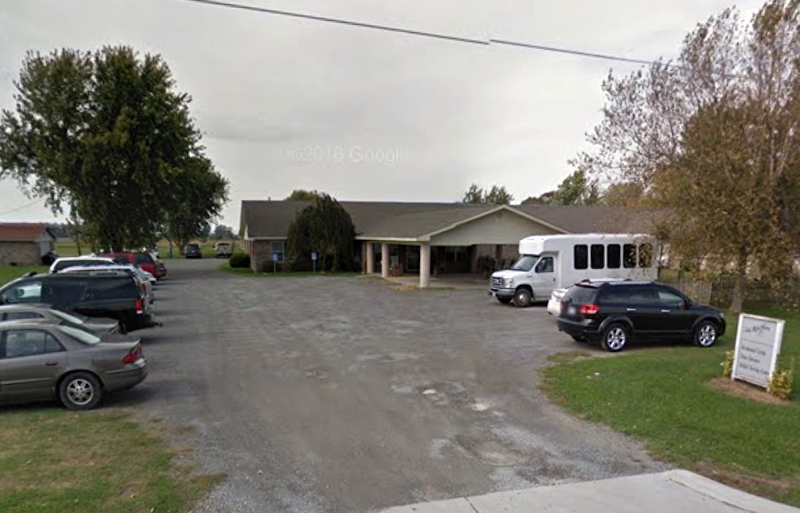
How is Cotton Point Living Center Staffed?

CMS rates COTTON POINT LIVING CENTER's staffing level at 1 out of 5 stars, which is much below average compared to other nursing homes. Staff turnover is 75%, which is 29 percentage points above the Missouri average of 46%. High turnover can affect care consistency as new staff learn residents' individual needs. RN turnover specifically is 71%, which is notably high. RNs provide skilled clinical oversight, so turnover in this role can affect medical care quality.

What Have Inspectors Found at Cotton Point Living Center?

State health inspectors documented 32 deficiencies at COTTON POINT LIVING CENTER during 2021 to 2025. These included: 1 Immediate Jeopardy (the most serious level, indicating potential for serious harm or death), 30 with potential for harm, and 1 minor or isolated issues. Immediate Jeopardy findings are rare and represent the most serious regulatory concerns. They require immediate corrective action.
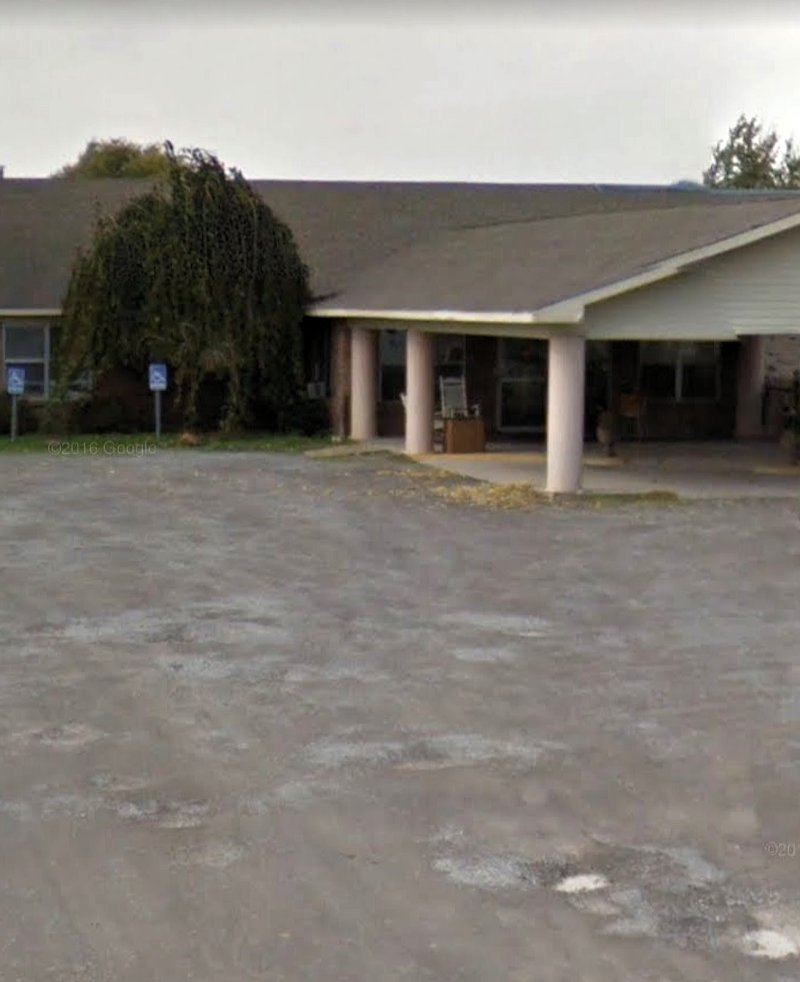
Who Owns and Operates Cotton Point Living Center?

COTTON POINT LIVING CENTER is owned by a for-profit company. For-profit facilities operate as businesses with obligations to shareholders or private owners. The facility operates independently rather than as part of a larger chain. With 98 certified beds and approximately 56 residents (about 57% occupancy), it is a smaller facility located in MATTHEWS, Missouri.
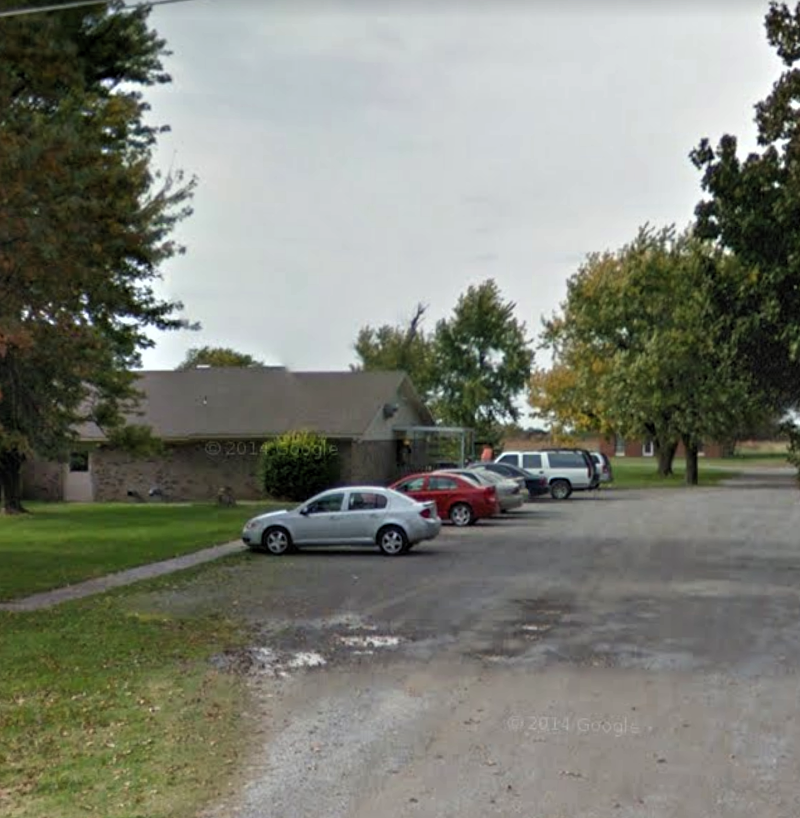
How Does Cotton Point Living Center Compare to Other Missouri Nursing Homes?

Compared to the 100 nursing homes in Missouri, COTTON POINT LIVING CENTER's overall rating (1 stars) is below the state average of 2.5, staff turnover (75%) is significantly higher than the state average of 46%, and health inspection rating (2 stars) is below the national benchmark.

What Should Families Ask When Visiting Cotton Point Living Center?

Based on this facility's data, families visiting should ask: "What changes have been made since the serious inspection findings, and how are you preventing similar issues?" "What safeguards and monitoring systems are in place to protect residents from abuse or neglect?" "How do you ensure continuity of care given staff turnover, and what is your staff retention strategy?" "Can you walk me through typical staffing levels on day, evening, and night shifts?" These questions are particularly relevant given the facility's Immediate Jeopardy citations, the substantiated abuse finding on record, the facility's high staff turnover rate, and the below-average staffing rating.

Is Cotton Point Living Center Safe?

Based on CMS inspection data, COTTON POINT LIVING CENTER has documented safety concerns. The facility has 1 substantiated abuse finding (meaning confirmed case of resident harm by staff or other residents). Inspectors have issued 1 Immediate Jeopardy citation (the most serious violation level indicating risk of serious injury or death). The facility has a 1-star overall rating and ranks #100 of 100 nursing homes in Missouri. Families considering this facility should ask detailed questions about what corrective actions have been taken since these incidents.

Do Nurses at Cotton Point Living Center Stick Around?

Staff turnover at COTTON POINT LIVING CENTER is high. At 75%, the facility is 29 percentage points above the Missouri average of 46%. Registered Nurse turnover is particularly concerning at 71%. RNs handle complex medical decisions and coordinate care — frequent RN changes can directly impact care quality. High turnover means new staff may not know residents' individual needs, medications, or preferences. It can also be disorienting for residents, especially those with dementia who rely on familiar faces. Families should ask: What is causing the turnover? What retention programs are in place? How do you ensure care continuity during staff transitions?

Was Cotton Point Living Center Ever Fined?

COTTON POINT LIVING CENTER has been fined $21,645 across 1 penalty action. This is below the Missouri average of $33,295. While any fine indicates a compliance issue, fines under $50,000 are relatively common and typically reflect isolated problems that were subsequently corrected. Families should ask what specific issues led to these fines and confirm they've been resolved.

Is Cotton Point Living Center on Any Federal Watch List?

COTTON POINT LIVING CENTER is not on any federal watch list. The most significant is the Special Focus Facility (SFF) program, which identifies the bottom 1% of nursing homes nationally based on persistent, serious quality problems. Not being on this list means the facility has avoided the pattern of deficiencies that triggers enhanced federal oversight. This is a positive indicator, though families should still review the facility's inspection history directly.