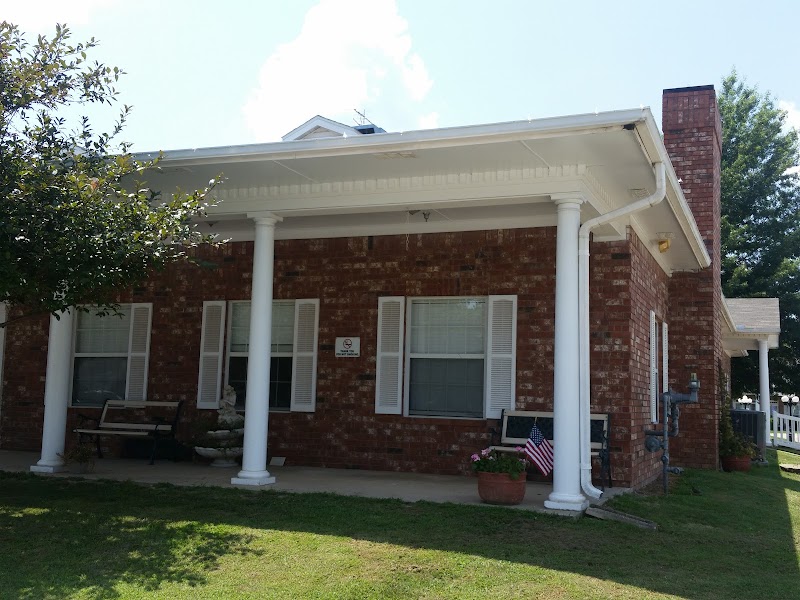
MT VERNON NURSING

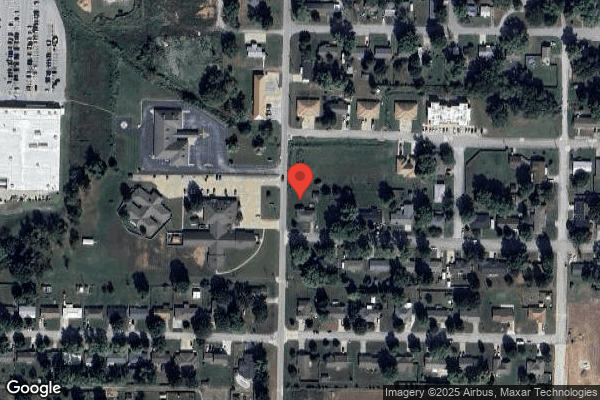
1425 SOUTH LANDRUM, MOUNT VERNON, MO 65712 (417) 466-2260
For profit - Limited Liability company 60 Beds COMMUNITY CARE CENTERS Data: November 2025 1 Immediate Jeopardy citation
Trust Grade
51/100
#175 of 479 in MO
Last Inspection: October 2024

Within standard 12-15 month inspection cycle. Federal law requires annual inspections.

Overview

Mount Vernon Nursing has a Trust Grade of C, which means it is average, falling in the middle of the pack among similar facilities. It ranks #175 out of 479 in Missouri, placing it in the top half, and #1 of 4 in Lawrence County, indicating it is the best option locally. However, the facility is worsening, with issues increasing from 5 in 2023 to 7 in 2024. Staffing is relatively stable with a 3-star rating and a turnover rate of 34%, which is lower than the state average, suggesting staff members tend to stay longer. On the downside, the facility was found to have serious issues, including a critical failure to provide CPR to a resident who needed it and concerns about food safety, such as stacking wet dishes that could promote bacteria growth. Overall, while there are strengths in staffing stability, the increasing number of issues and critical incidents raise significant concerns.

Trust Score
C
51/100
In Missouri
#175/479
Top 36%
Safety Record
High Risk
Review needed
Inspections
Getting Worse
5 → 7 violations
Staff Stability
○ Average
34% turnover. Near Missouri's 48% average. Typical for the industry.
Penalties
✓ Good
$19,460 in fines. Lower than most Missouri facilities. Relatively clean record.
Skilled Nurses
⚠ Watch
Each resident gets only 28 minutes of Registered Nurse (RN) attention daily — below average for Missouri. Fewer RN minutes means fewer trained eyes watching for problems.
Violations
⚠ Watch
13 deficiencies on record. Higher than average. Multiple issues found across inspections.
★★★☆☆
3.0
Overall Rating
★★★☆☆
3.0
Staff Levels
★★☆☆☆
2.0
Care Quality
★★★☆☆
3.0
Inspection Score
Stable
2023: 5 issues
2024: 7 issues

The Good

  • Full Sprinkler Coverage · Fire safety systems throughout facility
  • No fines on record
  • Staff turnover below average (34%)

    14 points below Missouri average of 48%

Facility shows strength in fire safety.

The Bad

3-Star Overall Rating

Above Missouri average (2.5)

Meets federal standards, typical of most facilities

Staff Turnover: 34%

12pts below Missouri avg (46%)

Typical for the industry

Federal Fines: $19,460

Below median ($33,413)

Minor penalties assessed

Chain: COMMUNITY CARE CENTERS

Part of a multi-facility chain

Ask about local staffing decisions and management

The Ugly 13 deficiencies on record

1 life-threatening
Oct 2024 6 deficiencies
CONCERN (D)

Potential for Harm - no one hurt, but risky conditions existed

Quality of Care (Tag F0684)

Could have caused harm · This affected 1 resident

**NOTE- TERMS IN BRACKETS HAVE BEEN EDITED TO PROTECT CONFIDENTIALITY** Based on observation, record review, and interview, the facility failed to provide care per standards of practice when staff fai...

Read full inspector narrative →
**NOTE- TERMS IN BRACKETS HAVE BEEN EDITED TO PROTECT CONFIDENTIALITY** Based on observation, record review, and interview, the facility failed to provide care per standards of practice when staff failed complete blood glucose monitoring by finger stick without a physician order to do so for one resident (Resident #25) when the Freestyle glucose monitor (continuous glucose monitoring device) was not available. The facility census was 43. Review showed the facility did not provide a policy related to physician orders. Review of the FreeStyle Libre Sensor prescribing information, dated 2021, showed the following information: -The FreeStyle Libre 14 day Flash Glucose Monitoring System is a continuous glucose monitoring (CGM) device indicated for the management of diabetes in persons age [AGE] and older; -It is designed to replace blood glucose testing for diabetes treatment decisions; -The System detects trends and tracks patterns aiding in the detection of episodes of hyperglycemia (high blood glucose levels) and hypoglycemia (low blood glucose levels); -Interpretation of the System readings should be based on the glucose trends and several sequential readings over time; -Check Sensor glucose readings by conducting a finger stick test with a blood glucose meter under the following conditions, when Sensor glucose readings may not be accurate and should not be used to make a diabetes treatment decision; if you suspect that your reading may be inaccurate for any reason; when you are experiencing symptoms that may be due to low or high blood glucose; when you are experiencing symptoms that do not match the Sensor glucose readings; during the first 12 hours of wearing a FreeStyle Libre 14 day Sensor; during times of rapidly changing glucose; when the Sensor glucose reading does not include a Current Glucose number or Glucose Trend Arrow; and in order to confirm hypoglycemia or impending hypoglycemia as reported by the Sensor. 1. Review of Resident #25's face sheet (a brief information sheet about the resident) showed the following: -admission date of 12/23/23; -Diagnoses included severe dementia (chronic or persistent disorder of the mental processes caused by brain disease or injury and marked by memory disorders, personality changes, and impaired reasoning), type 2 diabetes mellitus (chronic condition that affects the way the body processes blood sugar (glucose)) with hyperglycemia (high blood sugar levels), and heart failure (chronic condition in which the heart doesn't pump blood as well as it should). Review of the resident's quarterly Minimum Data Set (MDS - a federally mandated comprehensive assessment completed by facility staff), dated 10/01/24, showed the following: -Severe cognitive impairment; -Use of wheelchair; -Dependent on staff for toileting hygiene, showering, dressing, personal hygiene, transfers, and mobility. Review of the resident's physician orders, current as of 10/10/24, showed the following: -An order, dated 08/02/24, for blood glucose monitoring with Freestyle monitor (measures glucose (sugar) levels through a small sensor - the size of two stacked quarters - applied to the back of your upper arm), four times a day; -No order for blood glucose monitoring by finger stick. Review of the resident's September 2024 and October 2024 Medication Administration Record (MAR) showed staff documented the freestyle glucose sensor as changed on 09/30/24 and scheduled to be changed on 10/14/24. Review of the resident's MAR showed staff documented blood glucose monitoring with freestyle glucose monitor four times day for the month of September 2024 and October 2024 to date. Observation on 10/09/24, at 11:32 A.M., showed the following: -Licensed Practical Nurse (LPN) G prepared supplies at the nurse treatment cart and applied gloves. The nurse entered the resident's room. The resident was seated in his/her wheelchair. The nurse wiped the resident's left index finger with an alcohol wipe and allowed to air dry. The nurse then poked the resident's finger with a lancet (small needle to prick the skin) and obtained a blood sample on the test strip (small, disposable plastic strips used to measure blood sugar levels). The nurse wiped the resident's finger with a cotton ball. The resident's blood glucose level was 87. -The nurse returned to the treatment cart disposed of the lancet and test strip, and wiped the glucometer with a disinfecting wet wipe. He/she then removed his/her gloves and used hand sanitizer. He/she charted the blood glucose reading and noted the resident required no insulin. During observation and interview on 10/10/24, at 1:15 P.M., the resident was in a wheelchair in the dining room. The resident did not respond to questions. Certified Medication Tech (CMT) H entered the room and said that the resident's Freestyle glucose monitor had fallen off the resident's arm and had not been on for two days. He/she said the nurse had been checking the glucose by finger stick. The CMT felt both arms of the resident had there was not glucose monitor on the right or left arm. During an interview on 10/10/24, at 1:20 P.M., LPN E said there were two residents in the facility with the Freestyle glucose monitoring sensor. He/she said that if the glucose sensor reading did not seem accurate or had fallen off the nurses should check the glucose reading by finger stick. He/she said there should be an order for glucose monitoring by finger stick. During an interview on 10/10/24, at 1:30 P.M., the Infection Preventionist said staff should obtain an order for finger stick blood glucose testing in case the Freestyle sensor was not working accurately or had fallen off. There should be a physician order for the test. During an interview on 10/10/24, at 1:40 P.M., the Director of Nursing (DON) said staff should obtain a physician's order for a finger stick glucose test for residents with Freestyle glucose monitors in the event glucose monitor was not working or had fallen off before the next time due to be changed. The insurance companies only allowed one glucose monitor every two weeks, so when if it had fallen off it cannot be replaced until the time period allowed. During an interview on 10/10/24, at 1:55 P.M., the Administrator said staff should follow physician orders for blood glucose monitoring and should contact the physician for finger stick orders if a glucose monitor did not work or had fallen off.
CONCERN (E)

Potential for Harm - no one hurt, but risky conditions existed

Transfer Notice (Tag F0623)

Could have caused harm · This affected multiple residents

Based on record review and interview, the facility failed to notify the resident and/or the resident's representative in writing of a transfer to the hospital for three residents (Residents #20, #40 a...

Read full inspector narrative →
Based on record review and interview, the facility failed to notify the resident and/or the resident's representative in writing of a transfer to the hospital for three residents (Residents #20, #40 and #36) of three sampled residents. The facility census was 43. Review of the facility form titled Resident Transfer Form to ER (emergency room), dated December 2015, showed the following to be completed by facility staff: -Date of transfer to the ER; -Resident name, date of birth ; -Next of kin or health care power of attorney name and telephone number and whether notified; -Resident's diagnosis, functional status; -Reason for transfer to ER. Review of the facility form titled Notice of Transfer/Discharge Missouri, undated, showed the following to be completed by facility staff: -Resident name, facility name, Administrator, and phone number; -Date of transfer, -Reason for transfer -Right to appeal with phone numbers and addresses to appeal. 1. Review of Resident #20's face sheet (brief information sheet about the resident) showed the following: -admission date of 01/09/18; -Diagnoses included quadriplegia (partial or complete paralysis (loss of the ability to move) of both the arms and legs especially as a result of spinal cord injury or disease in the region of the neck), heart failure (condition in which the heart doesn't pump blood as well as it should), schizophrenia (disorder that affects a person's ability to think, feel, and behave clearly), and neuromuscular dysfunction of bladder (loss of bladder control, inability to empty bladder). Review of the resident's progress notes showed staff documented the following: -On 09/12/24, at 10:02 A.M., the resident complained of feeling very weak. The certified nurse aide (CNA) reported the resident was leaning to left side while up in wheelchair. Vital signs taken showed blood pressure 152/92 (normal 120/80), pulse 90 (normal 60 to 100, pulse oximeter 61% (normal above 92%), respirations were even and unlabored. Staff reported that the resident had been very difficult to transfer due to weakness and the resident was unable to hold legs up while propelled in wheelchair. Physician notified and resident transferred to emergency room for evaluation. Review of the resident's medical record showed facility staff did not provide a written transfer notification letter to the resident or the resident's representative. Review of the resident's progress notes showed staff documented the following: -On 09/25/24, at 1:01 P.M., therapy staff reported to the nurse the resident's heart rate was reading at 237 on the pulse oximeter monitor. The nurse was unable to obtain a manual heart rate due to very fast and irregular heart rate. Heart rate now ranging from 160s to 230s. Oxygen level reading ranging from 76 to 86% on 3 liters of oxygen. Resident stated not in pain, just felt light-headed. Physician notified and EMS contacted. Face sheet, medication list, and transfer to ER paperwork sent with resident and EMS. Resident's responsible party notified by phone. Review of the resident's medical record showed facility staff did not provide a written transfer notification letter to the resident or the resident's representative. 2. Review of Resident #40's face sheet showed the following: -admission date of 08/21/24; -Diagnosis included pulmonary embolism (one or more arteries in the lungs become blocked by a blood clot), atrial fibrillation (fast and irregular and often very rapid heart rate that can lead to blood clots in the heart), heart failure (chronic condition in which the heart doesn't pump blood as well as it should), and iron deficiency anemia (too few healthy red blood cells due to too little iron in the body). Review of the resident's progress notes showed staff documented the following: -On 10/04/24, at 12:05 A.M., the CNA found the resident on the floor. The CNA notified the nurse. The resident was noted to be laying on the floor on his/her right side with pillow under his/her head. The resident stated he/she was going to the bathroom. Redness noted to the cheek, shoulder, ear, and hip. Resident also had a 3 by 1 centimeter (cm) abrasion to right lateral back and denied pain. Neuro checks (series of tests and questions that evaluate a person's nervous system) and range of motion was within normal limits. Two staff transferred with gait belt (device used to help people with mobility issues move safely) from floor to bed. Resident tolerated well. Oxygen saturation noted to be at 88%. Staff initiated oxygen and notified physician and administrator; -On 10/04/24, at 12:30 A.M., staff notified the physician by phone the resident's oxygen saturation went from 88% on room air to 75% with oxygen on at 3 L by nasal cannula (NC - device used to give additional oxygen through the nose) after fall and now resident complained of severe pain when breathing deep and coughing. New order was provided to send the resident to the emergency room to evaluate and treat. Notified resident's representative of fall, condition, and order to send to the hospital. Administrator was notified of hospital transfer; -On 10/04/24, at 1:00 A.M., emergency medical services (EMS) left with resident at 12:50 A.M. Review of the resident's medical record showed facility staff did not provide a written transfer notification letter to the resident or the resident's representative. 3. Review of Resident # 36's face sheet showed the following information: -admission date of 05/18/23; -Diagnoses included diabetes, viral hepatitis (an infection that causes liver inflammation and damage), pneumonia, depression, and obesity. Review of the resident's progress notes showed staff documented the following: -On 10/08/24, at 8:20 A.M., the nurse documented that the resident was displaying severe confusion and anxiety, continuously yelling out for help instead of using his/her call light and stating he/she can't breathe, doesn't know where he/she is, thought his/her leg had been stabbed and thought he/she was gushing blood. These behaviors were not normal for the resident. Vital signs taken showed all within normal limits. The resident was her own person and the resident requested that the nurse speak with the resident's daughter. The daughter was notified and requested that the resident be sent to the hospital for evaluation. The physician was notified. Emergency Medical Services were notified and arrived to transport the resident. Review of the resident's medical record showed facility staff did not provide a written transfer notification letter to the resident or the resident's representative. 4. During an interview on 10/10/24, at 1:20 P.M., Licensed Practical Nurse (LPN) E said the nursing staff have transfer packets that included a transfer form that was completed and given to the EMTs, along with copy sent to medical records office. The nurse contacted the family by phone for transfer notice. He/she did not send any information in writing to the resident or resident's representative. 5. During an interview on 10/10/24, at 1:30 P.M., the Infection Preventionist said that when a resident was sent to the hospital the nursing staff complete the transfer form and send with EMS. The nurse notified family by phone. He/she did not mail any information to family. He/she did ensure a copy of the transfer form was given to medical records. 6. During an interview on 10/10/24, at 1:40 P.M., the Director of Nursing (DON) said when a resident was sent to the hospital the nursing staff completed a transfer form and sent with EMS. This information included all resident pertinent medical history. The nurses contact the family/guardian by phone. 7. During an interview on 10/10/24, at 1:55 P.M., with the Administrator and Medical Records. The Administrator said the nursing staff complete a transfer form that was sent with EMS when transferring a resident. The form included all pertinent medical history. The nursing staff contact family and guardians by phone.
CONCERN (E)

Potential for Harm - no one hurt, but risky conditions existed

Deficiency F0625 (Tag F0625)

Could have caused harm · This affected multiple residents

Based on record review and interview, the facility failed to notify the resident and/or the resident's representative in writing of the bed hold policy for a transfer to the hospital for three residen...

Read full inspector narrative →
Based on record review and interview, the facility failed to notify the resident and/or the resident's representative in writing of the bed hold policy for a transfer to the hospital for three residents (Residents #20, #40 and #36) of three sampled residents. The facility census was 43. Review of the facility policy titled, Bed Hold Policy and Agreement Form, dated February 2014, showed the following: -Purpose to establish policy and procedure for facility to notify the resident/responsible party of the bed hold policy and agreement to pay charges for bed hold; -The bed hold agreement is to be obtained for each occurrence, hospital or therapeutic home leave; -When hospital or therapeutic home leave is reported on the midnight census, the business office will notify the resident/responsible party to sign the bed hold agreement; -The business office will address weekend or holiday transfers on the next business day; -A telephone call may be documented as notification of bed hold agreement. 1. Review of Resident #20's face sheet (brief information sheet about the resident) showed the following: -admission date of 01/09/18; -Diagnoses included quadriplegia (partial or complete paralysis (loss of the ability to move) of both the arms and legs especially as a result of spinal cord injury or disease in the region of the neck), heart failure (condition in which the heart doesn't pump blood as well as it should), schizophrenia (disorder that affects a person's ability to think, feel, and behave clearly), and neuromuscular dysfunction of bladder (loss of bladder control, inability to empty bladder). Review of the resident's progress notes showed staff documented the following: -On 09/12/24, at 10:02 A.M., the resident complained of feeling very weak. The certified nurse aide (CNA) reported the resident was leaning to left side while up in wheelchair. Vital signs taken showed blood pressure 152/92 (normal 120/80), pulse 90 (normal 60 to 100, pulse oximeter 61% (normal above 92%), respirations were even and unlabored. Staff reported that the resident had been very difficult to transfer due to weakness and the resident was unable to hold legs up while propelled in wheelchair. Physician notified and resident transferred to emergency room for evaluation. Review of the resident's medical record showed facility staff did not provide a written transfer notification letter to the resident or the resident's representative. Review of the resident's progress notes showed staff documented the following: -On 09/25/24, at 1:01 P.M., therapy staff reported to the nurse the resident's heart rate was reading at 237 on the pulse oximeter monitor. The nurse was unable to obtain a manual heart rate due to very fast and irregular heart rate. Heart rate now ranging from 160s to 230s. Oxygen level reading ranging from 76 to 86% on 3 liters of oxygen. Resident stated not in pain, just felt light-headed. Physician notified and EMS contacted. Face sheet, medication list, and transfer to ER paperwork sent with resident and EMS. Resident's responsible party notified by phone. Review of the resident's medical record showed facility staff did not provide a written bed hold notification to the resident or the resident's representative. 2. Review of Resident #40's face sheet showed the following: -admission date of 08/21/24; -Diagnosis included pulmonary embolism (one or more arteries in the lungs become blocked by a blood clot), atrial fibrillation (fast and irregular and often very rapid heart rate that can lead to blood clots in the heart), heart failure (chronic condition in which the heart doesn't pump blood as well as it should), and iron deficiency anemia (too few healthy red blood cells due to too little iron in the body). Review of the resident's progress notes showed staff documented the following: -On 10/04/24, at 12:05 A.M., the CNA found the resident on the floor. The CNA notified the nurse. The resident was noted to be laying on the floor on his/her right side with pillow under his/her head. The resident stated he/she was going to the bathroom. Redness noted to the cheek, shoulder, ear, and hip. Resident also had a 3 by 1 centimeter (cm) abrasion to right lateral back and denied pain. Neuro checks (series of tests and questions that evaluate a person's nervous system) and range of motion was within normal limits. Two staff transferred with gait belt (device used to help people with mobility issues move safely) from floor to bed. Resident tolerated well. Oxygen saturation noted to be at 88%. Staff initiated oxygen and notified physician and administrator; -On 10/04/24, at 12:30 A.M., staff notified the physician by phone the resident's oxygen saturation went from 88% on room air to 75% with oxygen on at 3 L by nasal cannula (NC - device used to give additional oxygen through the nose) after fall and now resident complained of severe pain when breathing deep and coughing. New order was provided to send the resident to the emergency room to evaluate and treat. Notified resident's representative of fall, condition, and order to send to the hospital. Administrator was notified of hospital transfer; -On 10/04/24, at 1:00 A.M., emergency medical services (EMS) left with resident at 12:50 A.M. Review of the resident's medical record showed facility staff did not provide a written bed hold notification to the resident or the resident's representative. 3. Review of Resident # 36's face sheet showed the following information: -admission date of 05/18/23; -Diagnoses included diabetes, viral hepatitis (an infection that causes liver inflammation and damage), pneumonia, depression, and obesity. Review of the resident's progress notes showed staff documented the following: -On 10/08/24, at 8:20 A.M., the nurse documented that the resident was displaying severe confusion and anxiety, continuously yelling out for help instead of using his/her call light and stating he/she can't breathe, doesn't know where he/she is, thought his/her leg had been stabbed and thought he/she was gushing blood. These behaviors were not normal for the resident. Vital signs taken showed all within normal limits. The resident was her own person and the resident requested that the nurse speak with the resident's daughter. The daughter was notified and requested that the resident be sent to the hospital for evaluation. The physician was notified. Emergency Medical Services were notified and arrived to transport the resident. Review of the resident's medical record showed facility staff did not provide a written bed hold notification to the resident or the resident's representative. 4. During an interview on 10/10/24, at 1:20 P.M., Licensed Practical Nurse (LPN) E said the nursing staff have transfer packets that included a transfer form that was completed and given to the EMTs, along with copy send to medical records office. The nurse contacted the family by phone for bed hold. He/she did not send any information in writing to the resident or resident's representative. 5. During an interview on 10/10/24, at 1:30 P.M., the Infection Preventionist said that when a resident was sent to the hospital the nursing staff complete the transfer form and send with the EMTs. The nurse notified family by phone. She did not mail any information to family. She did ensure a copy of the bed hold was given to medical records. The bed hold consent was most of the time provided verbally by phone. 6. During an interview on 10/10/24, at 1:40 P.M., the Director of Nursing (DON) said when a resident was sent to the hospital the nursing staff completed a transfer form and send with EMS. This information included all resident pertinent medical history. The nurses contact the family/guardian by phone. The bed hold was filled out at the time of transfer and sent with the resident or they notified the family by phone. 7. During an interview on 10/10/24, at 1:55 P.M., with the Administrator and Medical Records. The Administrator said the nursing staff complete a bed hold form that was sent with EMS when transferring a resident. The nursing staff contact family and guardians by phone.
CONCERN (E)

Potential for Harm - no one hurt, but risky conditions existed

Deficiency F0804 (Tag F0804)

Could have caused harm · This affected multiple residents

Based on observation, interview, and record review, the facility failed to ensure each resident was provided access to drinks at palatable temperature when staff stored drinks on the Special Care Unit...

Read full inspector narrative →
Based on observation, interview, and record review, the facility failed to ensure each resident was provided access to drinks at palatable temperature when staff stored drinks on the Special Care Unit at room temperatures. The facility census was 43. Review showed the facility did not provide a policy related to drink storage/temperatures. 1. Observations on 10/07/24, starting at 12:03 P.M., showed the following: -Open (about half-full), 46 ounce (oz.) bottle of orange juice sitting on counter in the secure care unit (SCU) dining room. The exterior of the bottle felt the same as room temperature (approximately 72 degrees Fahrenheit (F)); -Open (about half-full), 46 oz. bottle of apple juice; -Large serving pitcher labeled as Kool-aid. Observation on 10/08/24, at 9:44 A.M., showed the Kool-aid, apple juice, and orange juice out on the counter of the SCU. All exteriors of the bottles felt approximately room temperature. Observation on 10/08/24, at 12:02 P.M., showed Certified Nurse Aide (CNA) D poured room temperature Kool-aid from the pitcher for a resident. Observation on 10/09/24, at 11:27 A.M., showed apple juice and orange juice containers out on the counter of the SCU and at about room temperature. Observations on 10/10/24, at 2:22 P.M., showed the following temperatures of drinks sitting on the counter in the dining area of the SCU: -Kool-aid that measured 70.1 degrees F; -Tea that measured 64.6 degrees F; -Orange juice that measured 72.8 degrees F; -Apple juice that measured 71.9 degrees F. During an interview on 10/10/24, at 1:47 P.M., the Registered Dietician (RD) said Kool-aid, juices, and teas can be left out for several days at room temperature without significant concern of bacterial growth. However, most people would prefer the drinks with ice, or cooled down. During an interview on 10/10/24, at 2:05 P.M., CNA C, said the following: -He/she used the drinks for the residents for any time they wished for something to drink; -The orange juice is normally used for those with blood sugar concerns; -He/she does not take temps of the juices; -He/she is unsure how long the juices and drinks are kept on counter; -There is no refrigerator in the unit. During an interview on 10/10/24, at 2:15 P.M., the Dietary Manager said she takes fresh drinks to the unit almost daily; -She has not done so today because she has not had a chance. The temperatures taken by the surveyor were not acceptable temperatures. During an interview on 10/10/24, at 2:45 P.M., the Administrator said the following: -Drinks should be kept cool or changed out frequently; -He/she did not realize the drinks were getting so warm and that was not okay.
CONCERN (E)

Potential for Harm - no one hurt, but risky conditions existed

Infection Control (Tag F0880)

Could have caused harm · This affected multiple residents

Based on interview and record review, facility staff failed to maintain a complete infection control program when staff failed to ensure the required two step tuberculosis (TB-a communicable disease t...

Read full inspector narrative →
Based on interview and record review, facility staff failed to maintain a complete infection control program when staff failed to ensure the required two step tuberculosis (TB-a communicable disease that affects the lungs characterized by fever, cough, and difficulty breathing) screening test was administered timely and correctly documented for three staff members (Business Office Manager (BOM), Certified Medication Technician (CMT) I, and Activity Director) of ten sampled staff. The facility census was 43. Review of the facility policy tilted, Infection Prevention and Control Manual, Employee Health, dated 2019, showed the following information: -Employee was defined as employees, consultants, contractors, volunteers, caregivers who provide care to the residents on behalf of the facility, and nurse or nurse aide students working in the facility; -Each new employee will undergo a two-step Tuberculin Skin Test (TST) or a TB blood test for detection of latent tuberculosis infection or disease or testing in accordance with State requirements; -Documentation of the results of the TST must be made available to the facility; -If a new employee has previously tested positive, they are exempt from repeat TST, but appropriate documentation is necessary to support freedom from infectious disease; -New employees who present a written report of a negative two-step TST within the previous 12 months require a one-step TST, and an employee screening tool will be completed; -New employees with a known, documented positive skin test will not receive a repeat TST but will undergo a chest x-ray (CXR) if they do not have a documented negative CXR after a positive skin test; -New employees will not be allowed to work until the Tuberculin Skin Test or CXR results are known; -Employees who will be receiving the two-step Tuberculin Skin Test may begin work after the first step results are negative; -Skin test results will be documented in the employee's medical record; -Skin test results will be documented in millimeters of induration rather than stating results is positive or negative; -The tuberculin manufacturer and lot number will be recorded; -The test is read between 48 and 82 hours after administration by someone trained in Mantoux reading and interpretation. Review of the Infection Prevention and Control Manual - Employee TB Screening Tool, dated 2019, showed the following: -Employee name, date of hire, department, date of birth ; -Medical questions including: have you been told you have tuberculosis; -Test #1, date, manufacturer, lot #, right arm or left arm, given by, date read, time read, results, read by; -Test #2, date, manufacturer, lot #, right arm or left arm, given by, date read, time read, results, read by. General requirements for Tuberculosis testing for employees in Long Term Care Facilities, 19 CSR 20-20.100, reads as follows: -Long-term care facilities shall screen their employees for tuberculosis using the Mantoux method purified protein derivative (PPD - a skin test to determine if you have tuberculosis) two-step tuberculin test within one month prior to starting employment; -If the initial test is negative, the second test should be given as soon as possible within three weeks after employment begins unless documentation is provided indicating a Mantoux PPD test in the past and at least one subsequent annual test within the past two years; -It is the responsibility of the facility to maintain documentation of each employee's tuberculin status. 1. Review of the BOM personnel record showed the following: -Date of hire 01/02/24; -First-step tuberculosis skin test date administered 12/31/23 and read on 01/02/24; -The second-step tuberculosis skin test did not have a document administration date. It was read on 01/19/24. 2. Review of CMT I personnel record showed the following: -Date of hire 05/24/23; -First-step tuberculosis skin test date administered 06/08/23, with date read on read 06/10/23. (The first step was administered fifteen days after date of hire); -Second-step tuberculosis skin test with date administered on 10/16/23, with date read on 10/18/23. (The second-step administered four months after the first step.) 3. Review of the Activity Director personnel record showed the following: -Date of hire 06/28/23; -First-step tuberculosis skin test date administered on 06/26/23, with date read 06/28/23; -The second-step tuberculosis skin test did not have a document administration date. The date read was 07/15/23. 4. During interview on 10/10/24, at 1:30 P.M., Infection Preventionist said that TB skin testing should be started before the new hire starts working. Generally, the TB skin test if given two days before orientation and then the new hire comes in for orientation and the skin test is read at that time. The second test should be done about 2 weeks later. Staff should document the date given and the date read. The first-step should not be done several weeks after the date of hire. 5. During interview on 10/10/24, at 1:40 P.M., the Director of Nursing DON said that TB testing for new hires should be done two days before orientation so that it can be read at the date of orientation. The second-step is done a couple weeks later. The nursing staff should document the date given and the date read and the first-step test should be given before hire not after hire. 6. During interview on 10/10/24, at 1:55 P.M., the Administrator said she expected staff to correctly complete and correctly document new hire TB testing. The first-step TB testing should be done two days before orientation and read at orientation. The second-step should then be done 7 to 14 days and up to 21 days after hire date.
CONCERN (F)

Potential for Harm - no one hurt, but risky conditions existed

Food Safety (Tag F0812)

Could have caused harm · This affected most or all residents

Based on observation, interview, and record review, the facility failed to keep food safe from potential contamination at all times when staff failed to ensure glasses were fully air dried before stor...

Read full inspector narrative →
Based on observation, interview, and record review, the facility failed to keep food safe from potential contamination at all times when staff failed to ensure glasses were fully air dried before stored/used. The facility census was 43. Review of the facility policy, Dish and Utensil Handling, revised January, 2016, showed the following: -All silverware, dishes, and glasses shall be handled to ensure sanitary conditions and infection control; -Dishes, cups, and glasses will be air-dried prior to storing; -Flatware is to be washed twice and air-dried. Review of the 1999 Food Code, issued by the Food and Drug Administration, showed the following information: -After cleaning and sanitizing, equipment and utensils shall be air-dried or used after adequate draining before contact with food. -Items must be allowed to drain and to air-dry before being stacked or stored. Stacking wet items such as pans prevents them from drying and may allow an environment where microorganisms can begin to grow. 1. Observation on 10/07/24, at 10:27 A.M., showed the following items were found to be wet, following being washed, and sitting upside down with no air flow to allow the dishes to completely dry: -Fifty-eight coffee cups; -Forty-four plastic bowls; -Thirty-eight glass plates; -Twelve glass bowls; -Ten glass saucers; -Four metal steam table pans Observation on 10/09/24, at 9:07 A.M., showed the following items were found to be wet, following being washed, and sitting upside down with no air flow to allow the dishes to completely dry: -Fifty-six small, clear, juice cups; -Fifty-seven medium, clear, tea/milk cups; -Thirty-two plastic bowls During an interview on 10/10/24, at 12:20 P.M., Dietary Aide (DA) A said he/she did not know that dishes could not be turned upside down and placed on the trays (prevent air flow) before being completely dry. During an interview on 10/10/24, at 12:20 P.M., DA B said he/she was not aware that dishes could be stacked in a manner to prevent air flow before being completely dry. During an interview on 10/10/24, at 12:20 P.M., the Dietary Manager, said he/she had not even realized this was how the dishes were being dried. The dishes should not be stored in a way to prevent air flow/drying. During an interview on 10/10/24, at 12:20 P.M., the Director of Nursing (DON) said the following: -He/she knew dishes could not be left wet, and placed in a position that airflow is not permitted; -He/she said the dishes should always be air dried before being put away. During an interview on 10/10/24, at 12:20 P.M., the Administrator said the following: -He/she was not aware that the dishes were not being air dried before being put away until the next use; -He/she did expect staff to completely dry the dishes, and once dry, they can be places elsewhere or stacked, but not when wet.
Aug 2024 1 deficiency
CONCERN (D) 📢 Someone Reported This

A family member, employee, or ombudsman was alarmed enough to file a formal complaint

Potential for Harm - no one hurt, but risky conditions existed

Deficiency F0583 (Tag F0583)

Could have caused harm · This affected 1 resident

Based on observation, interview, and record review, the facility failed to ensure each resident's personal privacy was protected when a staff member (Certified Nurse Aide (CNA) A) posted a video to so...

Read full inspector narrative →
Based on observation, interview, and record review, the facility failed to ensure each resident's personal privacy was protected when a staff member (Certified Nurse Aide (CNA) A) posted a video to social media for public view that included one resident (Resident #1), of four sampled residents, without the resident or resident's responsible party's permission. The facility census was 45. On 08/19/24, the Administrator was notified by facility staff of the Past Non-Compliance that occurred on 08/19/24. The Administrator and Director of Nursing immediately began an investigation that included review the videos and interviews with residents and staff. The facility began inservice education with all staff on 08/19/24 regarding phone use and protecting resident privacy. The noncompliance was corrected on 08/20/24. Review of the facility's policy titled Employment Acknowledgement of Guidelines to Personal Social Networking, dated October 2011, showed the following information: -Social media must maintain resident, employee, and company confidentiality; -Posting pictures or any other information capable of identifying residents is prohibited. 1. Review of Resident #1's face sheet showed the following information: -admission date of 09/15/22; -Diagnoses included traumatic brain injury (TBI), unspecified dementia with behaviors, and anxiety disorder. Review of the resident's quarterly Minimum Data Sheet (MDS - a federally mandated assessment tool filled out by facility staff), dated 06/25/24, showed the following information: -Severe cognitive impairment; -Able to communicate to make needs known, but difficult to understand; -Dependent on staff for all personal cares and mobility. Review of the resident's care plan, created on 08/31/24, showed the following: -Use proper name and clearly identify self to the resident. Staff to make eye contact and use directive sentences; -Totally dependent on staff for all cares, including all mobility, such as turning, transferring, repositioning, and care tasks, such as bathing, dressing and all hygiene concerns. Review of the facility's investigation, dated 08/20/24, showed the following: -The occurrence (TikTok video made that showed back of resident) took place on 08/19/24, time unknown; -Resident had a mental status of confused, but alert to self; -Resident was shown from the back in profile in a social media post that was made by CNA A; -The video was found to be in violation of the facility; -Potential dangers showed someone in the public viewing the recording. Observation on 08/28/24, at approximately 2:30 P.M., showed the following: -A copy of the original TikTok recording was viewed; -A resident could be seen in the background; -What CNA A said could not be clearly understood; -The resident in the video was identifiable as Resident #1. During an interview on 08/28/24, at approximately 2:00 P.M., CNA A said the following: -He/she did film him/herself in a wheelchair, going down the hall in the memory unit; -He/she recorded this from his/her cell phone; -He/she denied saying anything in the video regarding the resident. During an interview on 08/28/24, at approximately 12:00 P.M., CNA D said the following: -On TikTok, he/she saw a picture in the top corner with who looked to be the resident; -He/she then saw the name of the account and saw two videos in which CNA A was in a wheelchair, rolling down the hall in the facility memory care unit; -As CNA A wheeled down the hall, the resident could be seen from the back of his/her head and profile angle; -CNA A said something about the resident having dementia and exit-seeking. During an interview on 08/28/24, at approximately 12:10 P.M., Certified Medication Tech (CMT) E said the following: -CNA D came to him/her upset saying they had just seen something on TikTok, posted by CNA A, and the resident could be seen in the video; -CNA D then pulled up the video and CMT E saw CNA A wheeling down the memory care hall, in an unknown resident's wheelchair; -CNA A tried to change his/her appearance in a humorous way, but did not alter the resident's identity in any way; -CNA A said the resident had dementia and was trying to leave the unit; -He/she said this is clearly a violation of the residents privacy. During an interview on 08/28/24, at approximately 11:25 P.M., Housekeeper B said the following: -He/she did see the TikTok video posted by CNA A; -He/she was aware of the contents and was able to name the resident as the resident in the background; -Staff are not supposed to have a phone out while working on the floor; -Staff are told when hired that no one can have out a phone or record anyone, especially a resident; -This was not protecting the resident's privacy. During an interview on 08/28/24, at approximately 11:45 P.M., CNA C, said the following: -Staff are updated about social media every year. Staff are not to video residents; -This is a privacy issue and the resident should not have been exposed for others to see him/her like that. During an interview on 08/28/24, at approximately 12:50 P.M., CNA G said the following: -He/she did see the video that CNA A posted to TikTok; -He/she said no one should be able to post someone living in a facility, which is private, onto social media; -He/she said they knew immediately who the resident was in the video and so will anyone else if they see it and have been in the building. During an interview on 08/28/24, at approximately 12:25 P.M., Licensed Practical Nurse (LPN) F said the following: -He/she was shown the video posted by CNA A by another staff member; -He/she said they did look and those were the only two videos posted by CNA A; -Anyone who has visited the facility could possibly recognize the resident; -The resident's privacy was violated and if it were his/her own family member, they would be extremely upset about it; -He/she was not sure what CNA A said in the video. During an interview on 08/28/24, at approximately 1:20 P.M., LPN H said the following: -He/she was shown the video and was very upset after seeing it; -He/she felt very bad for the resident; -He/she was not able to say what was said aloud on the video, but said he/she definitely could tell it was the resident; -He/she said that the resident's privacy was not protected that evening; -He/she said they know they would be very upset if it were her being filmed in their own home. During an interview on 08/28/24, at approximately 1:40 P.M., Registered Nurse (RN) I said the following: -He/she did see the video and said they could easily identify the resident; -He/she did look to see if there were any posted prior and that there were none; -This is a violation of the resident's right to privacy. During an interview on 08/28/24, at approximately 2:15 P.M., the DON, said the following: -Two staff brought the video to the Administrator's attention first; -He/she and the Administrator then both reviewed the videos; -The first video showed CNA A rolling down the hall in the memory unit; -As CNA A goes down the hall, the resident is in the background; -It is a side view, but they all are aware of who the resident is; -The second video is just a short blip and doesn't have anything but the CNA's her face for a second; -CNA A distorted his/her face in both videos, but not the resident's face; -CNA A did not protect the resident's privacy; -When the DON and Administrator questioned CNA A after calling him/her in to ask him/her about posting the video CNA A told the DON and Administrator that he/she did not know there was a resident in the background. During an interview on 08/28/24, at approximately 2:30 P.M., the Administrator said the following: -CNA A said This man has dementia; I'm exit seeking, headed for a door; -This is privacy issue; -Phones are not supposed to be on the floor, at all, when clocked-in. MO00240841
Apr 2023 5 deficiencies 1 IJ
CRITICAL (J)

Immediate Jeopardy (IJ) - the most serious Medicare violation

Deficiency F0678 (Tag F0678)

Someone could have died · This affected 1 resident

**NOTE- TERMS IN BRACKETS HAVE BEEN EDITED TO PROTECT CONFIDENTIALITY** Based on interview and record review, facility staff failed to provide basic life support, including cardio-pulmonary resuscitat...

Read full inspector narrative →
**NOTE- TERMS IN BRACKETS HAVE BEEN EDITED TO PROTECT CONFIDENTIALITY** Based on interview and record review, facility staff failed to provide basic life support, including cardio-pulmonary resuscitation (CPR - an emergency procedure that is performed when a person's heartbeat or breathing has stopped) for one full code resident (Resident #47) when staff found the resident without a pulse or respirations. A sample of 17 residents was selected for review. The facility census was 43. The Administrator was notified on [DATE], at 3:00 P.M., of the Immediate Jeopardy (IJ) Past Non-Compliance which occurred on [DATE]. On [DATE], the Administrator became aware of the deficient practice to not administer CPR to a resident who wished to receive it. On [DATE], the staff member was counseled and the facility inserviced the staff on the cardio-pulmonary resuscitation policy and procedures. The IJ was corrected on [DATE]. Review of the facility's policy for CPR titled, Emergency Procedure-Cardiopulmonary Resuscitation, dated February 2022, showed the following: -The goal of early delivery of CPR is to try to maintain life until the emergency medical response team arrives to deliver Advanced Life Support (ALS); -If a resident is found unresponsive and not breathing normally, a licensed staff member will verify code status using the medical record; -If the resident is full code (residents request to have full resuscitation efforts/CPR in the event of respiratory or cardiac arrest) per the medical record a staff member that is certified in CPR will initiate CPR. 1. Review of Resident #47's face sheet (admission data) showed the following: -admission date of [DATE]; -Diagnoses included emphysema (lung disease), atrial fibrillation (an irregular, often rapid heart rate that causes poor blood flow), and high blood pressure. -Code status was a full code. Review of the resident's code status form, dated [DATE], showed the following: -The resident wished to receive CPR; -The resident signed his/her name on the resident signature line on [DATE]. Review of the resident's physician's order sheet showed an order, dated [DATE], for full code status. Review of the resident's care plan, dated [DATE], showed the resident's current code status was full code and the resident wished for staff to perform CPR on him/her in the event it is needed. Review of the resident's nurses' notes, dated [DATE], at 5:14 A.M., showed Licensed Practical Nurse (LPN) A documented that staff came out and said the resident passed away. LPN A assessed the resident. The resident had no heart beat or pulse. LPN A notified the Director of Nursing (DON), Administrator, and the Medical Director. LPN attempted to call the resident's representative two times with no answer or voicemail set up. (Staff did not document initiation of CPR on the resident.) During interviews on [DATE] at 9:10 A.M. and 2:26 P.M., LPN A said the following: -Facility staff should find a resident's code status in a red binder located on top of the crash cart located at the nurses' station; -The overnight charge nurse prints out the code status report every night at midnight; -A resident's code status should be on the face sheet; -Certified Nurse Aide (CNA) F found the resident on [DATE] and asked him/her to check the resident; -He/she did not double check the resident's code status. He/She thought the resident was a Do Not Resuscitate (DNR - do not attempt cardiopulmonary resuscitation); -He/she said there were two admissions on [DATE] and one resident was a full code status and the other resident was a DNR. He/she thought the resident was a DNR based on the resident's condition and appearance; -He/she did not verify the resident's code status; -On [DATE], the resident did not have a heart beat or breath sounds and was warm to touch; -He/she did not perform CPR on the resident; -The Administrator-In-Training (AIT) called him/her the next morning on [DATE] and asked if he/she performed CPR on the resident. The AIT informed him/her that the resident's code status was full code. During an interview on [DATE] at 2:25 P.M., CNA F said the following: -Facility staff should ask the nurse or look in the chart for a resident's code status; -A resident's code status should be in the resident's electronic medical record (EMR), on the face sheet, and on the care plan; -The resident's code status should be in the book on the crash cart; -Facility staff should find a resident's code status if a resident if found not breathing or no pulse; -He/she completed normal rounds and on last rounds he/she found the resident deceased and a little warm; -He/she informed LPN A that he/she found the resident deceased ; -LPN A checked the resident's heart beat and respirations and thought the resident had a DNR code status and on hospice; -LPN A did not call EMS or perform CPR on the resident. During an interview on [DATE] at 9:35 A.M., CNA B said the following: -Facility staff should find a resident's code status on the face sheet; -Facility staff should yell for help if a resident is found unresponsive; -Facility staff should start CPR if not sure of a resident's code status. During an interview on [DATE] at 10:09 A.M., Certified Medication Technician (CMT) C said the following: -Facility staff find a resident's code status in the chart and binder on the crash cart; -If staff find a resident unresponsive with no pulse or respirations, staff should send a facility staff person to check the resident's code status. During an interview on [DATE] at 10:15 A.M., LPN D said the following: -Facility staff should find a resident's code status in the book on the crash cart; -The night charge nurse updates all the residents' code status every night on the code status list; -Facility staff should find a resident's code status in the EMR on the face sheet, medication sheet, and under the profile picture; -The charge nurse enters the code status order in the resident's electronic medical record; -If a resident is full code, staff should start CPR. During an interview on [DATE] at 10:25 A.M., CNA E said the following: -A resident's code status information is at the nurses' station; -Facility staff should get the nurse and code status if a resident is found unresponsive in the room. During an interview on [DATE] at 10:53 A.M., the Social Services Director (SSD) said the following: -She completes the resident's code status paperwork upon admission; -Full code status is on the face sheet; -The overnight charge nurse updates the code status list on the crash cart every night; -Staff should perform CPR if a resident is full code status. During an interview on [DATE] at 12:39 P.M., the MDS/Care Plan Coordinator said the following: -The SSD reviews a resident's code status upon admission and explains the difference of code status; -The resident or representative signs the full code status paper and facility staff scan it in the resident's electronic medical record; -The code status should be on the resident's face sheet and the care plan; -Facility staff should inform the nurse if they find a resident unresponsive or not breathing; -Facility staff should get the crash cart and call code blue; -The nurse should verify the resident's code status on the face sheet in the chart; -Facility staff should initiate CPR once the code status has been verified. During an interview on [DATE] at 10:06 A.M., the AIT said the following: -Staff should check a resident's code status and initiate CPR if a resident is full code status; -If a resident has full code status, staff should initiate CPR and wait until EMS arrives to the facility; -CPR involves chest compressions and rescue breaths; -SSD completes the code status paperwork with the resident and representative upon admission and uploads it into the computer; -Facility staff should find the code status in the binder and immediately find the nurse if a resident looks like they have died. Facility staff should get a nurse, the resident's chart, face sheet and code status list on the crash cart to double check the resident's code status; -CPR certified staff should start CPR if a resident has a full code status; -The resident had a full code status; -LPN A said he/she did not start CPR on the resident; -LPN A said he/she failed to look at the resident's medical record; -LPN A should have completed CPR. During an interview on [DATE] at 12:11 P.M., the Administrator said the following: -The SSD discusses the code status with the resident and/or representative upon admission; -A resident's code status should be in the resident record, on the face sheet and shows on the ribbon on the chart; -Full code status means staff should start CPR and continue chest compressions until EMS arrives at the facility and takes over CPR; -Facility staff should call the nurse if a resident is found not breathing and no pulse; -She expects staff to call the nurse and the nurse should double check the resident's chart for the code status; -She expects the aides to yell for the nurse and start CPR and get the crash cart; -As soon as the nurse says full code and verifies who is CPR certified, CPR should be started immediately; -The AIT notified her the following morning that LPN A did not do CPR on the resident; -LPN A said he/she did not perform CPR on the resident; -She expected staff to provide CPR for the resident due to full code status; -The resident's representative wanted the resident to be a full code status at the time. During an interview on [DATE] at 11:01 A.M., the Medical Director said the following: -Facility staff should initiate CPR if a resident is a full code status; -Facility staff should perform CPR no matter the resident's skin temperature unless a physician calls the time of death.
CONCERN (D)

Potential for Harm - no one hurt, but risky conditions existed

Medication Errors (Tag F0758)

Could have caused harm · This affected 1 resident

Based on interview and record review, the facility failed to ensure all medication regimens were free from unnecessary medications when the facility failed to provide adequate indications for usage an...

Read full inspector narrative →
Based on interview and record review, the facility failed to ensure all medication regimens were free from unnecessary medications when the facility failed to provide adequate indications for usage and failed to have an appropriate diagnosis for use of an antipsychotic medication (Haldol) for one resident (Resident #29). A sample of five residents was reviewed in a facility with a census of 43. Review of the facility policy titled, Psychotropic Medication Use, dated 09/2022, showed the following: -Residents will only receive psychotropic medications when necessary to treat specific conditions for which they are indicated and effective; -Prior to starting psychotropic medications, informed consent will be obtained from resident/representative per state guidelines; -Residents who are admitted from the community or transferred from a hospital and who are already receiving medications will be evaluated for the appropriateness and indications for use; -Antipsychotic medications shall generally be used for only the following diagnoses as documented in the record: schizophrenia (a disorder that affects a person's ability to think, feel, and behave clearly), Tourette's disorder (a nervous system disorder involving repetitive movements or unwanted sounds), and Huntington's disease (an inherited condition in which nerve cells in the brain break down over time). Review of the website MayoClinic.Org showed the following information: -Haloperidol (generic Haldol) is used to treat nervous, emotional and mental conditions such as schizophrenia. It is also used to control the symptoms of Tourette's disorder. This medication should not be used to treat behavior problems in older patients who have dementia. 1. Review of Resident #29's face sheet showed the following: -admission date of 08/09/19; -Diagnoses included vascular dementia with agitation (brain damage caused by multiple strokes) and insomnia (persistent problems falling and staying asleep). Review of the resident's quarterly Minimum Data Set (MDS - a federally mandated assessment tool completed by facility staff), dated 02/24/23, showed the following: -Moderately cognitively impaired; -No physical or verbal behaviors documented from admission to the current evaluation period. Review of the resident's care plan, dated 03/06/23, showed the following: -The resident received psychotropic medications for depression, insomnia, and dementia with behavioral disturbance; -Staff should administer medications as ordered and monitor for any side effects and report any unusual behaviors to the charge nurse. Review of the resident's current physician orders showed the following: -An order, dated 01/17/23, for haloperidol tablet 0.5 milligram (mg), give 0.25 mg by mouth at bedtime related to insomnia. Review of the resident's March 2023 Medication Administration Record (MAR) showed the following: - An order, undated, for haloperidol tablet 0.5 mg, give 0.25 mg by mouth at bedtime related to insomnia; -Staff administered the haloperidol to the resident daily per the order. Review of the resident's Medication Administration Record (MAR), dated 04/01/23 to 04/04/23, showed the following: - An order, undated, for haloperidol tablet 0.5 mg, give 0.25 mg by mouth at bedtime related to insomnia; -Staff administered the haloperidol to the resident daily per the order. Review of the behavior folder located at the resident's nursing station showed no documented behaviors since the resident's admission. Review of the resident's medical record showed no documented behaviors since admission. During an interview on 04/05/23 at 11:03 A.M., Certified Nursing Assistant (CNA) H said he/she had never seen the resident have behaviors. The resident may not want to get up in the morning, but the CNA has not witnessed any behaviors. He/she has worked overnights and never witnessed the resident having any issues sleeping. During an interview on 04/05/23 at 1:19 P.M., CNA I said he/she had never witnessed the resident have any behaviors and he/she hadn't heard of him/her having any behaviors. If a resident does have behaviors it is documented in the behavior book on the nurses' station. He/she would tell the nurse if a resident had those behaviors. During an interview on 04/05/23 at 1:28 P.M., Licensed Practical Nurse (LPN) D said he/she had never seen the resident have any behaviors. The resident went through a period of time where he/she didn't want to get out of bed, but was able to be redirected. The nurse has not seen any other kind of behaviors from the resident. He/she is not sure why the resident is on the Haldol. That medication would not be given for insomnia. During an interview on 04/05/23 at 1:30 P.M., LPN G said he/she has not seen the resident have any behaviors. During an interview on 04/06/23, at 2:32 P.M., the Medical Director said Haldol is not used for insomnia. The resident was on it due to prior behaviors in another facility. During an interview on 04/07/23, at 9:24 A.M., the Administrator in Training (AIT) and Administrator said the behaviors they monitor for when a resident is on antipsychotics include mania, pacing, hitting kicking, punching, sexual behaviors, and wandering. When the resident first came to the facility he/she had some behaviors, however he/she had a urinary tract infection. He/she has had no behaviors since then. Haldol would not be an appropriate medication for insomnia.
CONCERN (D) 📢 Someone Reported This

A family member, employee, or ombudsman was alarmed enough to file a formal complaint

Potential for Harm - no one hurt, but risky conditions existed

Infection Control (Tag F0880)

Could have caused harm · This affected 1 resident

Based on observation, interview, and record review, the facility failed to provide wound care in a manner to promote healing and prevent potential infection when staff failed to perform hand hygiene a...

Read full inspector narrative →
Based on observation, interview, and record review, the facility failed to provide wound care in a manner to promote healing and prevent potential infection when staff failed to perform hand hygiene appropriately during wound care of one resident's (Resident #35) pressure ulcer (injuries to the skin and underlying tissue primarily caused by pressure on the skin). One resident was sampled in a facility with a census of 43. Record review of the facility policy titled, Infection Prevention and Control Manual, dated 2019, showed the following: -Appropriate hand hygiene is essential in preventing transmission of infectious agents; -Hand hygiene continues to be the primary means of preventing the transmission of infections; -The policy did not address when staff should perform hand hygiene. Review of the facility policy titled, Wound Care System Requirements, dated 03/2021, showed the policy did not address hand hygiene during wound care. Record review of the Centers for Disease Control and Prevention (CDC) website, updated 01/30/20, showed the following: -Hand hygiene (washing hands or using alcohol based hand rub) should be performed before putting on gloves; -Hand hygiene should be performed before moving from work on a soiled body site to a clean body site on the same resident; -Hand hygiene should be performed after body fluid exposure or assisting with toileting, performing wound care, or performing a finger stick; -Hand hygiene should be performed after direct contact with a resident; -Hand hygiene should be performed after removing gloves. 1. Record review of Resident #35's face sheet showed the following: -admission date of 10/29/21; -Diagnoses included Type 2 diabetes (a chronic condition that affects the way the body process blood sugar), paraplegia (paralysis of the legs and lower body), and stage 4 pressure ulcer (a wound caused by pressure, that may extend into the muscle, bone or tendon) of the right and left buttock. Record review of the resident's quarterly Minimum Data Set (MDS - a federally mandated assessment tool completed by facility staff), dated 02/06/23, showed the following: -Cognitively intact; -Dependent on staff for activities of daily living (bathing, eating, transferring, etc); -Two stage 4 pressure ulcers. Record review of the resident's care plan, updated 02/23/23, showed the following: -The resident had stage 4 ulcers to the buttocks on admission; -Treatment to cleanse with wound cleanser, apply calcium alginate (a highly absorbent dressing derived from seaweed), and cover with super absorbent dressing. Staff to change twice daily and as needed. Record review of the resident's current Physician Orders showed the following: -An order, dated 02/02/23, to cleanse the left buttock with wound cleanser, apply Santyl (an ointment that removes dead tissue from wounds so they can start to heal), cover with calcium alginate, then cover with super absorbent dressing. Staff to change one time daily every day for wound care; -An order, dated 02/02/23, to cleanse the right buttock with wound cleanser, cover with calcium alginate, then cover with super absorbent dressing. Staff to change one time daily every day for wound care. Observation on 04/05/23 at 8:31 A.M., showed the following: -Licensed Practical Nurse (LPN) G entered the resident's room and put on gloves without performing hand hygiene. LPN D was in the room with gloves on; -LPN D rolled resident to right side and LPN G cleaned the resident's left buttock with wound cleanser: -LPN G removed his/her gloves and applied new gloves without performing hand hygiene; -LPN G reached in his/her pocket to get pen and wrote on the dressings, then removed the calcium alginate from package (the LPN did not complete hand hygiene); -LPN G placed the calcium alginate on the absorbent dressing then applied the calcium alginate and dressing to wound; -LPN G removed his/her gloves and applied new ones with no hand hygiene; -LPN D rolled the resident over further to his/her right side; -LPN G cleaned the wound on the resident's right buttock with wound cleaner and removed his/her gloves; -LPN G did not perform hand hygiene. He/she wrote on the dressing, applied new gloves, without performing hand hygiene; -LPN G applied Santyl to the second wound bed, and calcium alginate over Santyl; -LPN G placed the super absorbent dressing over the top of the Santyl and calcium alginate; -LPN G and LPN D removed their gloves and performed hand hygiene. During an interview on 04/06/23 at 8:25 A.M., LPN D said hand hygiene should be done before starting a task, between dirty and clean surfaces, before applying new gloves, and after completing tasks. It is not appropriate to not do hand hygiene when doing wound care. During an interview on 04/06/23 at 8:34 A.M., LPN A said hand hygiene should be done before starting wound care, when going from a dirty to a clean surface, when changing gloves, and when finishing task. It is not appropriate to not do hand hygiene when changing gloves. During an interview on 04/06/23 at 1:39 P.M., the MDS Coordinator said she would expect staff to perform hand hygiene before beginning wound care, between changing gloves, and when completing wound care. During an interview on 04/07/23, at 9:24 A.M., the Administrator and Administrator in Training (AIT) said they expect staff to do perform hand hygiene before beginning wound care after completing wound care, and any time they do a glove change. It is not appropriate to not do hand hygiene during wound care.
CONCERN (F)

Potential for Harm - no one hurt, but risky conditions existed

Food Safety (Tag F0812)

Could have caused harm · This affected most or all residents

Based on interview, observation, and record review, the facility failed to keep food safe from potential contamination when dishes were stacked wet instead of air dried, potentially trapping water to ...

Read full inspector narrative →
Based on interview, observation, and record review, the facility failed to keep food safe from potential contamination when dishes were stacked wet instead of air dried, potentially trapping water to promote bacteria growth. This deficient practice had the potential to affect all residents. The facility census was 43 . Review of the Food and Drug Administration (FDA) 2013 Food Code showed the following information: -After cleaning and sanitizing, equipment and utensils shall be air-dried or used after adequate draining before contact with food; -Items must be allowed to drain and to air-dry before being stacked or stored. Stacking wet items such as pans prevents them from drying and may allow an environment where microorganisms can begin to grow. Review of the facility's policy titled, Dish and Utensil Handling, undated, showed the following information: -All silverware, dishes and glasses shall be handled to ensure sanitary conditions and infection control; -Dishes, cups, and glasses will be air-dried prior to storing; -Flatware is to be washed twice and air-dried. 1. Observation on 4/03/23 at 9:20 A.M., showed the following dishes were left wet stacked on top of each other, trapping water inside: -50 glass plates; -84 small juice drinking glasses; -57 medium drinking glasses -47 plastic coffee cups; -Three medium sized, metal steam table pans. Observation on 04/05/23 at 12:09 P.M., showed the following dishes were left wet stacked on top of each other, trapping water inside: -16 medium drinking glasses; -44 glass plates; -Three medium sized, metal steam table pans. Observation on 04/06/23 at 8:13 A.M. showed the following dishes were left wet stacked on top of each other, trapping water inside: -16 medium drinking glasses; -16 clear, plastic dessert cups; -Three medium sized, metal steam table pan; -One large metal steam table pan; -12 plastic, serving trays. During an interview on 04/06/23 at 8:22 A.M., Dietary Aide J said the following: -He/She will let the dishes sit and air dry for a bit before putting them away; -He/She said the time allowed for the dishes to air dry is about five to ten minutes; -He/She will then put the dishes where they are supposed to go; -He/She said they may still have a little water in them, but that it is minimal. During an interview on 04/06/23 at 8:30 A.M., Dietary [NAME] K said all dishes need to be air dried and that it's important, because mold or something could grow from it. During an interview on 04/06/23 at 8:41 A.M., the Dietary Manager said the following: -He/she did not realize dishes were being put away while they were still wet; -He/she is aware bacteria could grow because of this practice. During an interview on 4/06/23 at 12:11 P.M., the Administrator said dietary staff should not put clean glasses and dishes away wet. Dietary staff should put the dishes away dry.
CONCERN (F)

Potential for Harm - no one hurt, but risky conditions existed

Deficiency F0922 (Tag F0922)

Could have caused harm · This affected most or all residents

Based on interview, observation, and record review, the facility failed to have a process in place to ensure the facility staff knew how much water needed to be kept on-hand in case of emergency and w...

Read full inspector narrative →
Based on interview, observation, and record review, the facility failed to have a process in place to ensure the facility staff knew how much water needed to be kept on-hand in case of emergency and where the emergency water was located. This deficient practice had the potential to affect all residents. The facility census was 43. Record review of the facility's Emergency Water Supply List, dated 11/09/18, showed phone numbers for local county/public contacts. The policy did not specify the amount of water that needed to be kept on-hand in case of emergency. Record review of the provider contract for water, dated 03/02/23, showed the following: -In the event of a disaster requiring an alternate water supply the provider provide emergency water; -The provider would deliver 3 cases of 1 gallon drinking water, or 24 bottles of water; -Based on the census and number of staff and visitors at the time of the emergency, 3 gallons (128 ounces) of water per resident and staff per day, will be delivered; -Food and water is guaranteed to be delivered within 24 hours. 1. Observation on 04/03/23 at 9:30 A.M., of the Dietary Manager's office showed the following for the facility on-hand emergency water supply: -Nine gallon jugs full of water (a total of 1,152 ounces); -Two, 24 count cases of 8 ounce single-serve bottles (384 ounces); -A total of 1,536 ounces of water. Review of the facility's water contract showed the the home needed a total of 5,504 ounces of water on hand to meet the residents need per day at the current census. During an interview on 04/03/23 at 9:45 A.M., the Dietary Manager said the following: -The water that was on the shelves and in the back office area was the emergency water supply for the facility; -This would be for the residents only; -Unsure what the facility should actually have on-hand. During an interview on 4/05/23 at 3:12 P.M., Dietary [NAME] K said the following: -He/she knew the facility should keep emergency water somewhere for the residents; -He/she said he/she did not know where the water was kept or if the facility had any. During an interview on 04/05/23 at 3:12 P.M., Medical Records said the following: -When looking at the contract, it appears the facility needs a lot more water; -He/she was able to show additional water, that totaled 16, 8 ounce bottles (128 ounces) and one case of 24, 8 ounce bottles (192 ounces), that were being kept in a cabinet in the facility library. During an interview on 04/05/23 at 3:55 P.M., the Dietary Manager said the following: -He/She was really unsure as to how much water was actually required; -Looking at the contract, he/she said the facility was too low in the water they have stored.During an interview on 04/06/23 at 12:11 P.M., the Administrator said the facility had an agreement with a company for three gallons of water per resident and staff per day. The company should deliver the water to the facility within 24 hours. The facility typically kept five cases of water and some gallons of water in the kitchen.
Nov 2022 1 deficiency
CONCERN (E) 📢 Someone Reported This

A family member, employee, or ombudsman was alarmed enough to file a formal complaint

Potential for Harm - no one hurt, but risky conditions existed

Deficiency F0688 (Tag F0688)

Could have caused harm · This affected multiple residents

**NOTE- TERMS IN BRACKETS HAVE BEEN EDITED TO PROTECT CONFIDENTIALITY** Based on record review, and interview, the facility failed to consistently provide restorative services to help improve and/or m...

Read full inspector narrative →
**NOTE- TERMS IN BRACKETS HAVE BEEN EDITED TO PROTECT CONFIDENTIALITY** Based on record review, and interview, the facility failed to consistently provide restorative services to help improve and/or maintain range of motion and abilities, as recommended by therapy, for three residents (Resident #1,#2, and #3). The facility census was 47. Record review of the facility's policy titled Restorative Nursing Policy and Procedure, undated, showed the following: -It is the policy of this facility to provide restorative nursing which promotes the resident's ability to adapt and adjust to living as independently and safely as possible. Restorative nursing focuses on achieving and/or maintaining optimal physical, mental, and psychological function of the resident. The restorative nurse, restorative nursing assistant (RNA), along with the Interdisciplinary Team (IDT), will determine what programs will be initiated for the residents; -Restorative nursing services are provided by RNA,certified nursing assistants (CNA), and other individuals trained in restorative techniques, under the supervision of a licensed nurse; -Screen residents using restorative assessment in the medical record to identify appropriate candidates for programs. These may include, but are not limited to: any resident recently discharged from physical, occupational, or speech therapy; any new admission, quarterly, annual and with any significant change; any resident demonstrating decline in activities of daily living (ADL - dressing, grooming, bathing, eating, and toileting), range of motion (ROM) or other change in condition. Examples of significant change may include: multiple falls, more help with ADLs, wheelchair positioning deficit, changes in quality indicators/quality measures (QI/QM) such as decline in late loss ADL's or decline ROM; residents who have the potential for an increased level of functioning, or who require programs to maintain current level of functioning; and any resident who triggers an ADL care areas assessment (CAA) may be a candidate for a program. Review CAA which is completed by the restorative nurse or MDS Coordinator (MDSC); -Each restorative service is recorded in plan of care (POC ) with minutes provided per shift by the CNA or RNA. These minutes do not have to be provided consecutively as long as a minimum of 15 minutes per program are provided in a 24-hour period; -Restorative programs may be offered in groups as long as there is one group trained restorative staff member for every four residents participating; -Implement programs for a designated period of time. Re-evaluate quarterly at a minimum and revise and continue program and goal if indicated. Every resident who receives restorative nursing has a care plan with individualized, measurable goals and interventions. 1. Record review of Resident #1's face sheet (a document that gives a patient's information at a quick glance) showed the following: -admission date on 9/8/22; -Diagnoses included mood disorder, asthma, depression, muscle spasm, and anxiety. Record review of the resident's admission Minimum Data Set (MDS - a federally mandated assessment tool completed by facility staff), dated 9/15/22, showed the following: -Cognitively intact; -Required no assistance from staff for bed mobility, locomotion on the unit, eating and personal hygiene and extensive assistance from one staff member for transfers, locomotion off the unit, dressing and toilet use; -Used a wheelchair for locomotion; -Received no days of restorative nursing programs (RNP). Record review of the resident's physician's order sheet (POS), dated 11/2022, showed the following: -An order, dated 10/3/22, for physical therapy (PT) to evaluate to RNA program; -An order, dated 10/5/22, PT Clarification: Skilled PT evaluation only. Refer to established individualized RNP. Record review of the resident's Physical Therapy Plan of Care (Evaluation Only), dated 10/5/22, showed the following: -Resident admitted to this facility for long term care (LTC) on 9/8/22. Per resident's report he/she lived alone prior and required LTC secondary to inability to care for self at home. Resident reports progressive right lower extremity (RLE) and back weakness hindering independence and safety with functional mobility for one year. Resident reports he/she recently had a magnetic resonance imaging (MRI - a medical imaging technique used in radiology to form pictures of the anatomy and the physiological processes of the body) scheduled, however unfortunately due to lack of transportation the appointment was canceled. Resident referred to skilled PT for evaluation only secondary to lack of payer source for assessment and establishment of an individualized RNP; -Discharge Plans: Resident planned to remain in this facility LTC. Recommended individualized RNP; -The physician signed the evaluation on 10/7/22. Record review of the resident's Restorative Care Program, dated 10/5/22, showed the following: -Goals for restorative program included increase and prevent decline in functional mobility; -Perform program three times a week for twelve weeks; -Approach/recommendations for implementation of above goals included: bilateral lower extremity (BLE)therapeutic exercises sitting and standing (right lower extremity (RLE) weaker than the left lower extremity(LLE)) progress weights as able and ambulation with four wheeled walker; -Precautions or comments to this program included reports of RLE pain and numbness and report of his/her head floating with ambulation. Record review of the resident's Restorative Aide Notes showed the following: -In 10/2022, the resident received theraband (resistance band used for light strengthening exercises) exercises and ambulation on 10/6/22, 10/7/22, 10/20/22, 10/26/22 and 10/27/22. (Staff provided RNP was provided five out of nine recommended days). Record review of the resident's care plan showed the following added on 10/24/22: -He/she was at risk for falls related to gait and balance problems and medication use. He/she would be free of injuries related to falls through the review date. Encourage him/her to participate in activities that promote exercise, physical activity for strengthening and improved mobility such as group exercise. He/she would receive restorative services as ordered, -He/she had limited physical mobility related to weakness. He/she would increase level of mobility by using a walker with restorative services through the next review date. Invite him/her to activity programs that encourage activity and physical mobility such as exercise group and walking activities. He/she used an assistive device walker with restorative services for ambulation. Record review of the resident's Restorative Aide Notes showed the following: -In 11/2022, the resident received theraband exercises and ambulation on 11/1/22. (Staff provided RNP one out of six recommended days.) During an interview on 11/9/22, at 8:37 A.M., the resident said the following: -He/she did not receive his/her RNP program due to the RNA pulled to the floor to work; -He/she should receive RNP five days a week; -He/she did not believe he/she was getting better due to not receiving his/her RNP. During interviews on 11/9/22, at 8:58 A.M. and 12:34 P.M., RNA A said the following: -The resident should get his/her RNP three times a week, but hardly receives it. The resident received his/her RNP one day last week and one day the week before; -The RNA did not know if the resident had a physician's order for the RNP; -He/she documented when the RNP was completed and did not document any refusals of other staff by the resident. During an interview on 11/9/22, at 1:02 P.M., Licensed Practical Nurse (LPN) C said the following: -The resident complained of not receiving their RNP and stated they would not be able to walk if they did not receive it; -The resident had a RNP and should get it. During an interview on 11/9/22, at 1:52 P.M., the Interim Director of Nursing (DON)/MDS Coordinator said the following: -The resident had a RNP. The resident frequently walked him/herself; -If the resident's RNP said three times a week, he/she should receive the RNP three times a week. During an interview on 11/9/22, at 2:28 P.M., the Administrator said the following: -The resident had a RNP for three times a week. He/she should receive the RNP three times a week; -The resident only wanted to walk with the RNA. 2. Record review of Resident #2's face sheet showed the following: -admitted on [DATE]; -Diagnoses included chronic obstructive pulmonary disease (COPD - a group of lung diseases that block airflow and make it difficult to breathe), heart failure, diabetes, and anxiety. Record review of the resident's POS, dated 11/2022, showed the following: -An order, dated 9/9/22, for PT and Occupational Therapy (OT) to evaluate for RNA program; -An order, dated 9/12/22, for PT Clarification: skilled physical therapy evaluation only. Refer to established individualized RNP. Record review of the resident's Physical Therapy Plan of Care (Evaluation Only), dated 9/12/22, showed the following: -Resident was a LTC resident in this facility. Prior level of function was modified independent with bed mobility and transfers and utilized wheelchair for main mobility within the facility. Resident referred to skilled PT for evaluation only for RNP set-up secondary to insurance/payer source; -Discharge plans included to remain in this facility LTC. Resident reported he/she would like leg exercises and endurance activities for RNP; -The physician signed the evaluation on 9/13/22. Record review of the resident's Restorative Care Program for PT, dated 9/12/22, showed the following: -Goals for restorative program included prevention of functional decline; -Recommended three times a week for twelve weeks; -Approach/recommendations for implementation of above goals included BLE therapeutic exercise in sitting and/or standing, may participate in group exercise, standing balance and tolerance activities and if able, progress to ambulation with rolling walker an follow with wheelchair; -Precautions or comments to this program included continuous oxygen, resident became short of breath and obesity. Record review of the resident's POS, dated 11/2022, showed the following: -An order, dated 9/22/22, for OT Clarification: OT evaluation only completed for establishment of FMP (functional maintenance program (FMP - clinical programs that can be designed to augment or maintain a residents functional status and wellbeing)/RNA three times a week for twelve weeks. Record review of the resident's Occupational Therapy Plan of Care (Evaluation Only), dated 9/22/22, showed the following: -This is a LTC resident in this facility. Prior level of function: resident was modified independent with toileting, upper body dressing grooming and feeding. Resident reported he/she needed assistance with lower body dressing to get clothing over bilateral lower extremities due to inability to reach feet since he/she came to this facility. The resident's main source of mobility was his/her manual wheelchair. Resident referred to skilled OT for evaluation only for RNP set-up secondary to insurance/payer source; -Discharge plans: the resident planned to remain in the skilled nursing facility (SNF) with support/assistance from staff as needed and established FMP for bilateral upper extremity (BUE) exercise and endurance activities; -The physician signed the evaluation on 9/27/22. Record review of the resident's Restorative Care Program for OT, dated 9/22/22, showed the following: -Goals for restorative program included prevention of functional decline with transfers, improve independence with basic ADL's, improve BUE strength and improve endurance and activity tolerance; -Approach/recommendations for implementation of above goals included all functional transfers, UE/LE dressing with use of long-handled equipment, BUE exercises with theraband versus free weights and standing and seated activities; -Precautions or comments to this program included three times a week for twelve weeks, full code, continuous oxygen and obesity. Record review of the resident's care plan, revised 10/24/22, showed the following: -On 9/24/22, staff added resident had an ADL self-care performance deficit. He/she would maintain current level of function in bed mobility, transfers, eating, dressing, toilet use and personal hygiene through the review date. Record review of the resident's Restorative Aide Notes showed the following: -In 9/2022, the resident received standing for periods of time, group exercises, and theraband exercises on 9/29/22 and 9/30/22. (Staff provided RNP three out of nine recommended days.) Record review of the resident's annual MDS, dated [DATE], showed the following: -Cognitively intact; -Required no assistance from staff for bed mobility, transfers, walking in room, locomotion on and off the unit, dressing, eating and personal hygiene and extensive assistance from one staff member for toilet use; -Used a wheelchair for locomotion; -Received three days of range of motion RNP. Record review of the resident's Restorative Aide Notes showed the following: -In 10/2022, the resident received group exercises on 10/5/22, 10/20/22, 10/26/2 and 10/27/22, theraband exercises on 10/26/22 and 10/27/22, and standing for period of time on 10/20/22, 10/26/22 and 10/27/22. (Staff provided RNP four out of twelve recommended days.); -In 11/2022, the resident received ambulation and theraband exercises on 11/1/22. (Staff provided the RNP one out of six recommended days.) During interviews on 11/9/22, at 8:50 A.M. and 1:50 P.M., the resident said the following: -He/she had a RNP; -An aide assisted him/her with his/her RNP two times a week and he/she completed exercises on his/her own as well; -The RNA should complete his/her RNP two to three times a week. During an interview on 11/9/22, at 12:34 P.M., RNA A said the following: -He/she could document working with the resident on their RNP when working the floor, but did not. During an interview on 11/9/22, at 1:52 P.M., the Interim DON/MDS Coordinator said the following: -He/she did not know if the resident had a RNP, but if the resident did and it said three times a week, the resident should receive the RNP three times a week. During an interview on 11/9/22, at 2:28 P.M., the Administrator said the following: -The resident had a RNP for three times a week and should receive the RNP three times a week; -He/she did not know if the resident received the RNP three times a week, but saw the resident walk with the RNA at times. 3. Record review of Resident #3's face sheet showed the following: -admitted on [DATE]; -The resident had a responsible party; -Diagnoses included kidney disease, diabetes, depression, muscle weakness, abnormality of gait and mobility, and need for assistance with personal care. Record review of the resident's quarterly MDS, dated [DATE], showed the following: -Severe cognitive impairment; -Requires limited assistance of one staff member for bed mobility, transfers, waling in room, locomotion on and off unit, dressing, toilet use and personal hygiene and no assistance of staff for eating; -Used a walker and wheelchair for locomotion; -Received three days of therapy and no days of RNP. Record review of the resident's care plan, revised 8/12/22, showed the following: -He/she had falls. He/she would be free of injuries related to falls through the review date. He/she was at risk for falls related to gait and balance problems, psychoactive drug use and poor safety awareness at times. He/she had a history of fall prior to admission that resulted in a left hip fracture. He/she needed encouragement to participate in activities that promoted exercise, physical activity for strengthening and improved mobility such as morning stretches. He/she would receive physical therapy and restorative services as ordered; -He/she had ADL self-care performance deficit. He/she would maintain current level of ADL function through the review date. He/she had an ADL self-care performance deficit related to muscle weakness. He/she required extensive assistance from one staff for bed mobility, dressing and bathing. He/she required extensive assistance with transfers and toilet use. He/she was able to feed him/herself independently, perform personal grooming independently and could propel him/herself independently once in his/her wheelchair. He/she would receive therapy and restorative services as ordered Record review of the resident's POS, dated 11/2022, showed the following: -An order, dated 9/22/22, for OT Clarification: discharge summary completed. Resident at max rehabilitation potential. FMP established for three times a week for twelve weeks. Record review of the resident's OT Therapist Progress and Discharge summary, dated [DATE], showed the following: -Resident participated his/her best in therapy and was at a new baseline at this time. Resident completed grooming from manual wheelchair with minimal assistance, toileting with moderate assistance, toilet transfers with moderate assistance, lower body dressing with maximum assistance and upper body dressing with minimal assistance. Resident was able to self-propel manual wheelchair. Staff had poor return demonstration and carryover of education on proper cues and position of resident when completing functional transfers for improved independence and carry over. Resident was at maximum rehabilitation potential and was appropriate for transition to FMP three times a week for twelve weeks. Discharge OT; -Discharge plans and instructions included the resident would remain in same SNF with 24/7 support/assistance from staff as needed and FMP established three times a week for twelve weeks. Record review of the resident's Restorative Care Program, dated 9/22/22, showed the following: -Goals for restorative program included prevent decline in function; -Approach/recommendations for implementation of above goals included BUE exercises, BUE fine motor and gross motor activities, upper and lower body dressing and toileting and transfer safety; -Precautions or comments to this program included three times a week for twelve weeks, do not resuscitate, fall risk and atrial fibrillation (an irregular, often rapid heart rate that commonly causes poor blood flow). Record review of the resident's Restorative Aide Notes showed the following: -The facility did not provide documentation for 09/2022; -In 10/2022, the resident received theraband exercises, dressing, toileting, grooming and transfer safety on 10/5/22, 10/6/22, 10/7/22, 10/20/22, 10/26/22 and 10/27/22. (Staff provided the RNP six out of twelve recommended days); -In 11/2022, the resident received transfer safety and theraband exercises on 11/1/22. (Staff provided the RNP one out of six recommended days.) During interviews on 11/9/22, at 9:20 A.M. and 1:48 P.M., the resident said the following: -He/she had a RNP; -He/she did not know how often he/she received the RNP and did not know what the RNP included. During an interview on 11/9/22, at 12:34 P.M., RNA A said the following: -He/she worked on transfers for the resident's RNP; -He/she could document working with the resident on their RNP when working the floor, but did not. During an interview on 11/9/22, at 1:52 P.M., the Interim DON/MDS Coordinator said the following: -The resident recently discharged from therapy and they placed him/her on a RNP; -If the residents RNP said three times a week, he/she should receive the RNP three times a week. During an interview on 11/9/22, at 2:28 P.M., the Administrator said the following: -The resident had a RNP for three times a week and should receive the RNP three times a week; -He/she saw the resident walk a few times with the RNA. Some days the resident could walk and someday they could not. 4. During interviews on 11/9/22, at 8:58 A.M., 12:34 P.M., and 1:45 P.M., RNA A said the following: -He/she worked the floor every day and had a hard time getting the RNP's done while working the floor; -He/she worked the floor this date due to a call-in. He/she worked Monday through Friday and worked the floor every day but one day in the last three weeks; -He/she received the RNP from therapy. The therapy director took the RNP to morning meeting and then gave him/her a copy; -If the RNP written for three times a week the resident should receive the RNP three times a week; -He/she had not told anyone he/she could not complete the RNP's; -The DON oversaw the RNP. The former DON and the Administrator asked for his/her RNP documentation once; -He/she had eighteen residents on a RNP; -He/she should communicate with the DON or Administrator about not completing the RNP's, but assumed they knew since he/she worked the floor. 5. Record review of the facility staffing sheets, dated 10/24/22 through 11/9/22, showed the following: -On 10/31/22, RNA moved to Certified Medication Technician (CMT); -On 11/7/22, RNA moved to CMT; -On 11/8/22, RNA moved to CNA on 300 hall; -On 11/9/22, RNA moved to CNA on 200 hall. 6. During an interview on 11/9/22, at 12:17 P.M., CNA B said the following: -He/she did not know which resident received a RNP; -The RNA worked the floor if another staff member called in. This happened maybe once every two weeks. 7. During an interview on 11/9/22, at 12:55 P.M., CMT D said the following: -He/she did not know who received a RNP; -The RNA worked the floor at least once a week. 8. During an interview on 11/9/22, at 1:02 P.M., LPN C said the following: -When therapy discharged a resident, they put the resident on a RNP; -If the RNP said three times a week, the resident should get the RNP three times a week; -The DON oversaw the RNA program; -The RNA worked the floor a lot. When the RNA worked as a CMT, they would not be able to complete the RNP's that day; -When staff called in, the nurse changed the staffing sheet. Sometimes the sheet was changed and sometimes it was not. 9. During an interview on 11/9/22, at 1:52 P.M., the Interim DON/MDS Coordinator said the following: -The physician wrote an order for PT and/or OT to evaluate and set-up a RNP. The PT and/or OT completed the evaluation and wrote recommendations on the Restorative Care Program form. The PT and OT generally wrote the RNP for three times a week for three months. The Rehab Director gave the RNP to the RNA and the RNA filled out the restorative aide notes; -He/she had not checked the restorative aide notes as he/she just took over as Interim DON; -The DON oversaw the RNP; -The facility had walk to dine as a program, but did not know if the CNA's documented this anywhere; -If the RNP said three times a week, the resident should receive the RNP three times a week; -The RNA worked five times a week and generally worked the floor two days a week so that left three days a week to complete the RNP's; -If a resident did not receive their RNP, the nurse should notify the physician due to the potential for the resident to decline from not receiving the services; -He/she care planned the RNP in the resident's care plan. 10. During an interview on 11/9/22, at 2:28 P.M., the Administrator said the following: -Therapy evaluated residents and brought a list of residents who received RNP to the morning meeting. Therapy wrote the physician's order and the RNP and gave the RNP to the RNA. The RNA completed the restorative aide notes and consulted therapy if he/she had any questions; -The DON oversaw the RNP. The former DON reviewed the restorative aide notes weekly and medical records reviewed them monthly; -When the RNA worked the floor, he/she still had time to complete the RNP's, even when he/she passed medications; -If a RNP said three times a week, the resident should receive the RNP three times a week. He/she expected the resident's to receive the ordered RNP unless the resident refused; -He/she did not know the resident's did not receive their RNP's as ordered; -If the RNA could not complete the RNP, they should report this to the DON or Administrator. The nurse should notify the physician. MO00208981 and MO00209657
Understanding Severity Codes (click to expand)
Life-Threatening (Immediate Jeopardy)
J - Isolated K - Pattern L - Widespread
Actual Harm
G - Isolated H - Pattern I - Widespread
Potential for Harm
D - Isolated E - Pattern F - Widespread
No Harm (Minor)
A - Isolated B - Pattern C - Widespread

Questions to Ask on Your Visit

  • "What changes have you made since the serious inspection findings?"
  • "Can I speak with families of current residents?"
  • "What's your RN coverage like on weekends and overnight?"

Our Honest Assessment

Strengths
  • • 34% turnover. Below Missouri's 48% average. Good staff retention means consistent care.
Concerns
  • • Multiple safety concerns identified: 1 life-threatening violation(s). Review inspection reports carefully.
  • • 13 deficiencies on record, including 1 critical (life-threatening) violation. These warrant careful review before choosing this facility.
  • • $19,460 in fines. Above average for Missouri. Some compliance problems on record.
  • • Grade C (51/100). Below average facility with significant concerns.
Bottom line: Mixed indicators with Trust Score of 51/100. Visit in person and ask pointed questions.

About This Facility

What is Mt Vernon Nursing's CMS Rating?

CMS assigns MT VERNON NURSING an overall rating of 3 out of 5 stars, which is considered average nationally. Within Missouri, this rating places the facility higher than 99% of the state's 100 nursing homes. This mid-range rating indicates the facility meets federal standards but may have areas for improvement.

How is Mt Vernon Nursing Staffed?

CMS rates MT VERNON NURSING's staffing level at 3 out of 5 stars, which is average compared to other nursing homes. Staff turnover is 34%, compared to the Missouri average of 46%. This relatively stable workforce can support continuity of care.

What Have Inspectors Found at Mt Vernon Nursing?

State health inspectors documented 13 deficiencies at MT VERNON NURSING during 2022 to 2024. These included: 1 Immediate Jeopardy (the most serious level, indicating potential for serious harm or death) and 12 with potential for harm. Immediate Jeopardy findings are rare and represent the most serious regulatory concerns. They require immediate corrective action.

Who Owns and Operates Mt Vernon Nursing?

MT VERNON NURSING is owned by a for-profit company. For-profit facilities operate as businesses with obligations to shareholders or private owners. The facility is operated by COMMUNITY CARE CENTERS, a chain that manages multiple nursing homes. With 60 certified beds and approximately 40 residents (about 67% occupancy), it is a smaller facility located in MOUNT VERNON, Missouri.

How Does Mt Vernon Nursing Compare to Other Missouri Nursing Homes?

Compared to the 100 nursing homes in Missouri, MT VERNON NURSING's overall rating (3 stars) is above the state average of 2.5, staff turnover (34%) is significantly lower than the state average of 46%, and health inspection rating (3 stars) is at the national benchmark.

What Should Families Ask When Visiting Mt Vernon Nursing?

Based on this facility's data, families visiting should ask: "What changes have been made since the serious inspection findings, and how are you preventing similar issues?" "Can I visit during a mealtime to observe dining assistance and food quality?" "How do you handle medical emergencies, and what is your hospital transfer rate?" "Can I speak with family members of current residents about their experience?" These questions are particularly relevant given the facility's Immediate Jeopardy citations.

Is Mt Vernon Nursing Safe?

Based on CMS inspection data, MT VERNON NURSING has documented safety concerns. Inspectors have issued 1 Immediate Jeopardy citation (the most serious violation level indicating risk of serious injury or death). The facility has a 3-star overall rating and ranks #1 of 100 nursing homes in Missouri. Families considering this facility should ask detailed questions about what corrective actions have been taken since these incidents.

Do Nurses at Mt Vernon Nursing Stick Around?

MT VERNON NURSING has a staff turnover rate of 34%, which is about average for Missouri nursing homes (state average: 46%). Moderate turnover is common in nursing homes, but families should still ask about staff tenure and how the facility maintains care continuity when employees leave.

Was Mt Vernon Nursing Ever Fined?

MT VERNON NURSING has been fined $19,460 across 1 penalty action. This is below the Missouri average of $33,273. While any fine indicates a compliance issue, fines under $50,000 are relatively common and typically reflect isolated problems that were subsequently corrected. Families should ask what specific issues led to these fines and confirm they've been resolved.

Is Mt Vernon Nursing on Any Federal Watch List?

MT VERNON NURSING is not on any federal watch list. The most significant is the Special Focus Facility (SFF) program, which identifies the bottom 1% of nursing homes nationally based on persistent, serious quality problems. Not being on this list means the facility has avoided the pattern of deficiencies that triggers enhanced federal oversight. This is a positive indicator, though families should still review the facility's inspection history directly.