STONEBRIDGE LAKE OZARK
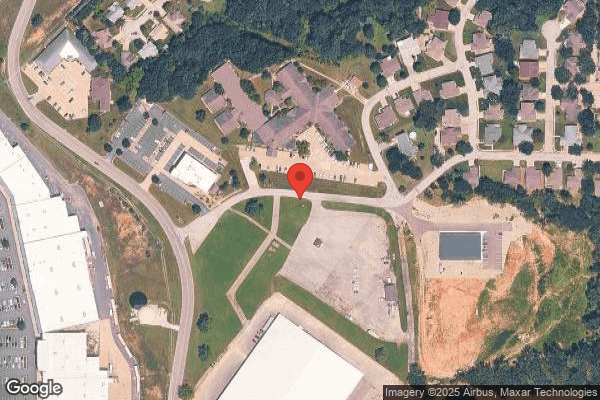
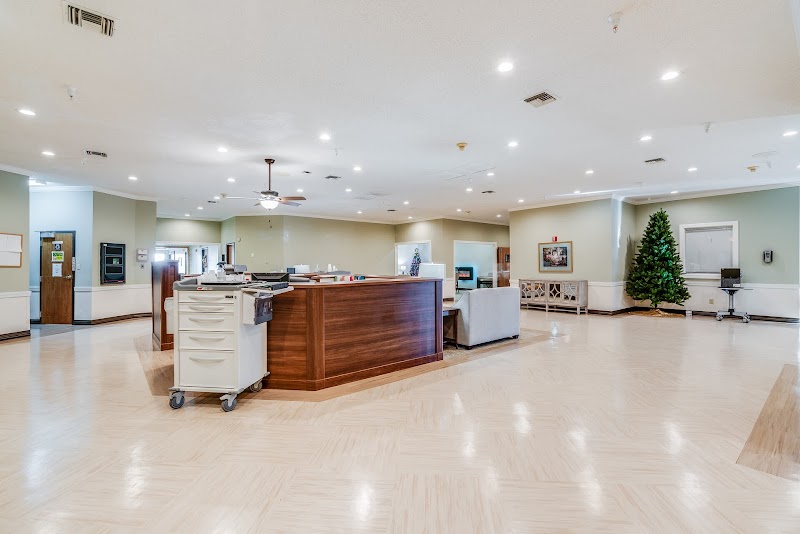
872 COLLEGE BOULEVARD, OSAGE BEACH, MO 65065 (573) 302-0900
For profit - Individual 66 Beds STONEBRIDGE SENIOR LIVING Data: November 2025
Trust Grade
70/100
#123 of 479 in MO
Last Inspection: August 2024

Within standard 12-15 month inspection cycle. Federal law requires annual inspections.

Overview

Stonebridge Lake Ozark has a Trust Grade of B, indicating it is a good option for families considering care for their loved ones. It ranks #123 out of 479 facilities in Missouri, placing it in the top half of the state, and #2 out of 4 in Miller County, meaning there is only one local facility rated higher. The facility is improving, with reported issues decreasing from four in 2024 to two in 2025. Staffing is a concern, rated at 2 out of 5 stars, with a turnover rate of 65%, which is close to the state average. On the positive side, there have been no fines, indicating compliance with regulations, and the facility has more RN coverage than 75% of Missouri facilities, which is beneficial for resident care. However, there are some notable concerns. A recent inspection found that staff failed to properly store open food, risking cross-contamination, and they did not maintain the wallpaper in common areas, which detracted from the homelike environment. Additionally, the facility did not develop comprehensive care plans for some residents, failing to address personal preferences and needs adequately. While there are strengths in RN coverage and no fines, families should weigh these issues when considering this nursing home for their loved ones.

Trust Score
B
70/100
In Missouri
#123/479
Top 25%
Safety Record
Low Risk
No red flags
Inspections
Getting Better
4 → 2 violations
Staff Stability
⚠ Watch
65% turnover. Above average. Higher turnover means staff may not know residents' routines.
Penalties
✓ Good
No fines on record. Clean compliance history, better than most Missouri facilities.
Skilled Nurses
○ Average
Each resident gets 34 minutes of Registered Nurse (RN) attention daily — about average for Missouri. RNs are the most trained staff who monitor for health changes.
Violations
⚠ Watch
16 deficiencies on record. Higher than average. Multiple issues found across inspections.
★★★★☆
4.0
Overall Rating
★★☆☆☆
2.0
Staff Levels
★★☆☆☆
2.0
Care Quality
★★★★☆
4.0
Inspection Score
Stable
2024: 4 issues
2025: 2 issues

The Good

  • Full Sprinkler Coverage · Fire safety systems throughout facility
  • No fines on record

Facility shows strength in fire safety.

The Bad

Staff Turnover: 65%

18pts above Missouri avg (46%)

Frequent staff changes - ask about care continuity

Chain: STONEBRIDGE SENIOR LIVING

Part of a multi-facility chain

Ask about local staffing decisions and management

Staff turnover is elevated (65%)

17 points above Missouri average of 48%

The Ugly 16 deficiencies on record

Mar 2025 2 deficiencies
CONCERN (D) 📢 Someone Reported This

A family member, employee, or ombudsman was alarmed enough to file a formal complaint

Potential for Harm - no one hurt, but risky conditions existed

Free from Abuse/Neglect (Tag F0600)

Could have caused harm · This affected 1 resident

**NOTE- TERMS IN BRACKETS HAVE BEEN EDITED TO PROTECT CONFIDENTIALITY** Based on interview and record review, facility staff failed to ensure one resident (Resident #1) remained free from sexual abuse...

Read full inspector narrative →
**NOTE- TERMS IN BRACKETS HAVE BEEN EDITED TO PROTECT CONFIDENTIALITY** Based on interview and record review, facility staff failed to ensure one resident (Resident #1) remained free from sexual abuse when Resident #2 touched Resident #1's chest inappropriately. The facility census was 57. 1. Review of the Facility's Abuse, Neglect, and Exploitation Program Responsibilities policy, dated September 2022, showed: -Each resident has the right to remain free from abuse, neglect, misappropriation of resident property and exploitation. Residents must not be subject to abuse by anyone, including, but not limited to; facility staff, other residents, consultants, contractors, volunteers, or staff of other agencies; -Abuse is defined as the willful infliction of injury, unreasonable confinement, intimidation, or punishment resulting in physical harm, pain, or mental anguish; -Sexual abuse is defined as non-consensual contact of any type with a resident. 2. Review of the facility incident note, dated 03/26/25, showed staff documented the nurse found Resident #2's hand down Resident #1's shirt touching his/her chest. 3. Review of Resident #1's Minimum Data Set (MDS), a federally mandated assessment tool, dated 03/10/25, showed staff assessed the resident as: -Severe cognitive impairment; -Used [NAME] and wheelchair; -Takes antipsychotic medications; -Diagnosis of dementia. Review of the resident's care plan, dated 03/21/25, showed it did not contain interventions related to the sexual altercation by Resident #2. Review of the resident's progress notes, dated 03/26/25, showed staff documented the resident was touched inappropriately by Resident #2. During an interview on 03/27/25 at 12:05 P.M., Licensed Practical Nurse (LPN) C said he/she was told the resident was on 15-minute checks for the resident to resident sexual altercation. He/She said the resident is on the 15 minute checks because he/she wanders the facility and he/she wandered over to Resident #2 and Resident #2 to touch him/her inappropriately in the chest. During an interview on 03/27/25 at 12:07 P.M., the Director of Nursing (DON) said Resident #1 wandered over to Resident #2, and Resident #2 touched Resident #1 inappropriately. He/She said after the incident the residents were placed on 15 minute checks. 4. Review of Resident #2's Quarterly MDS, dated [DATE], showed staff assessed the resident as: -Severe cognitive impairment; -Verbal behavioral symptoms of yelling out; -No physical or sexual behaviors; -Diagnosis of stroke and anxiety. Review of care plan, dated 12/24/24, showed it did not contain documentation or interventions related to the inappropriate touching. During an interview on 03/27/25 at 12:05 P.M., LPN C said he/she was told the resident was on 15-minute checks for the resident to resident sexual altercation. Resident #2 inappropriately touched Resident #1's chest. During an interview on 03/27/25 at 12:07 P.M., the DON said was made aware of the incident by the Assistant Director of Nursing. He/She said Resident #2 touched Resident #1's chest inappropriately. He/She said Resident #2 is immobile. He/She said after the incident they were placed on 15 minute checks. MO00251734
CONCERN (D) 📢 Someone Reported This

A family member, employee, or ombudsman was alarmed enough to file a formal complaint

Potential for Harm - no one hurt, but risky conditions existed

Comprehensive Care Plan (Tag F0656)

Could have caused harm · This affected 1 resident

**NOTE- TERMS IN BRACKETS HAVE BEEN EDITED TO PROTECT CONFIDENTIALITY** Based on observation, interview, and record review, facility staff failed to revise a comprehensive person-centered care plan fo...

Read full inspector narrative →
**NOTE- TERMS IN BRACKETS HAVE BEEN EDITED TO PROTECT CONFIDENTIALITY** Based on observation, interview, and record review, facility staff failed to revise a comprehensive person-centered care plan for two residents (Resident #1 and #2) out of two sampled residents who had behaviors. The facility census was 57. 1. Review of the facility's policy titled, Comprehensive Care Plans, dated February 2025, showed: -It is the policy of the facility to develop and implement a comprehensive person-centered care plan for each resident, consistent with resident rights, that includes measurable objectives and timeframe's to meet a resident's medical, nursing, and mental and psychosocial needs and all services that are identified in the resident's comprehensive assessment and meet professional standards of quality; -The comprehensive care plan will describe, at a minimum, the services that are to be furnished to attain or maintain the resident's highest practicable physician, mental, and psychosocial well-being. 2. Review of the Facility's Resident to Resident Altercations policy, revised October 2022, showed staff should make any necessary changes in the care plan approaches to any or all of the involved individuals. 3. Review of Resident #1's Quarterly Minimum Data Set (MDS), a federally mandated assessment tool, dated 03/10/25, showed staff assessed the resident as: -Severe cognitive impairment; -Wanderer behavior occurred one to three days; -Behavioral symptoms of physical, verbal, and other did not occur; -Diagnosis of Dementia. Review of resident's elopement evaluation, dated 03/10/25, showed: -Moderate Risk to wander; -Wanderer behavior with a pattern; -Wanders aimlessly; -Wanderer behavior likely to affect others. Review of resident's behavioral chart showed staff documented: -On 09/12/24 wandered/paced hallways during shift; -On 10/08/24 wandered facility the whole shift, restless and anxious; -On 10/10/24 exhibited exit seeking behaviors; -On 10/15/24 attempted to get into bed with/another female resident; -On 10/26/24 wandered facility and other resident rooms confused and agitated; -On 02/14/25 wore shirt and a skirt and refused assistance and pants; -On 03/04/15 ambulated without assistance in hallway with just a shirt and brief on. He/She yelled pinched, and kicked at staff when they attempted to intervene. Review of resident's care plan, dated 03/21/25, showed the care plan did not contain documentation or interventions to direct staff for the resident's behaviors of wandering, elopement, physical behaviors towards others, verbal behaviors towards others, or after a resident to resident sexual altercation. Observation on 03/27/25 at 10:35 A.M., showed the resident propelled his/her self around the nurse station. Observation on 03/27/25 at 10:42 A.M., showed the resident propelled down the 200 hall. Observation on 03/27/25 at 10:50 A.M., showed the resident propelled down 200 hall and was looking in other resident rooms. During an interview on 03/27/25 at 10:30 A.M., Certified Nurse Aide (CNA) A said the resident wanders frequently and exit seeks. CNA A said he/she was made aware that the resident was touched inappropriately by another resident. He/She said the resident is now on 15 minute checks because he/she is mobile and wanders the halls frequently. He/She said he/she was unaware of interventions for the resident before the 15 minute checks. During an interview on 03/27/25 at 10:38 A.M., Certified Medication Technician (CMT) B said he/she was not made aware of any new interventions for the resident. CMT B said he/she knows the resident wanders but is not aware of any other behaviors. During an interview on 03/27/25 at 11:57 A.M., the MDS nurse said the resident does wander/exit seek. He/She said he/she was made aware of the resident being touched by another resident in appropriately that morning but did not update the care plan because he/she was not told it was witnessed and he/she thought it was just an allegation. He/she said residents who wander or are an elopement risk should have it care planed. He/She said he/she was not aware the resident was missing the wandering and elopement from his/her care plan and said it must have been an oversight. During an interview on 03/31/25 at 10:45 A.M., the resident's family member said the resident is known to exit seek and wander the facility. He/She said the resident uses a wander guard bracelet to prevent him/her from exiting the building. He/She said the resident is known to refuse care and be non-cooperative. During an interview on 03/27/25 at 12:05 P.M., Licensed Practical Nurse (LPN) C said he/she was told the resident was on 15-minute checks for a resident-to-resident altercation. He/She said the resident likes to wander and exit seek but has a wander guard on. He/She said he/she was not made aware of any other behaviors and had not witnessed any that day. He/She said wandering, elopement and any behaviors should be care planned. He/She would expect the incident to be care planed with interventions. During an interview on 03/27/25 at 12:07 P.M., Director of Nursing (DON) said the resident likes to exit seek and wander but does wear a wander guard. He/She said the resident can be verbally aggressive but not physically. He/She said he/she would expect the resident's behaviors, wandering/elopement risk, and the incident to be care planned. He/She said he/she is not sure why it wasn't. 4. Review of Resident #2's Quarterly MDS, dated [DATE], showed staff assessed the resident as: -Severe cognitive impairment; -Verbal behavioral symptoms; -No physical or sexual behaviors; -Diagnosis of stroke and anxiety. Review of care plan, dated 12/24/24, showed it did not contain documentation to direct staff for sexually inappropriate behaviors. During an interview on 03/27/25 at 11:57 A.M., the MDS nurse said residents with behaviors that are sexually inappropriate should be care planned. He/She said he/she was made aware of the incident regarding the resident inappropriately touching another resident, but he/she thought it was just an allegation and did not know it was witnessed. He/she said he/she did not update the care plan to include the new behavior or interventions. During an interview on 03/27/25 at 12:05 P.M., LPN C said he/she was made aware of the incident regarding the resident inappropriately touching another resident, during shift report. He/She said he/she would expect there to be an updated care plan regarding the situation and detailed interventions. He/She said he/she was told in report that they are to keep eyes on the residents and keep them separated. During an interview on 03/27/25 at 12:07 P.M., DON said he/she was in the facility when staff witnessed the resident touching another resident inappropriately. He/She said staff were made aware of the incident and he/she said he/she would expect the acre plan to have been updated with the new behavior. MO00251734
Aug 2024 4 deficiencies
CONCERN (D)

Potential for Harm - no one hurt, but risky conditions existed

Deficiency F0578 (Tag F0578)

Could have caused harm · This affected 1 resident

**NOTE- TERMS IN BRACKETS HAVE BEEN EDITED TO PROTECT CONFIDENTIALITY** Based on interview and record review, facility staff failed to review the code status (the type of emergent treatment a person w...

Read full inspector narrative →
**NOTE- TERMS IN BRACKETS HAVE BEEN EDITED TO PROTECT CONFIDENTIALITY** Based on interview and record review, facility staff failed to review the code status (the type of emergent treatment a person would or would not receive if their heart or breathing were to stop) and failed to obtain physician orders for their preferred code status for two residents (Resident #42 and #159) out of 22 sampled residents. The facility census was 52. 1. Review of the facility's Advance Directives policy, dated [DATE], showed upon admission, the resident will be provided with written information in a manner easily understood by the resident or resident representative concerning the right to refuse or accept medical or surgical treatment and to formulate an advance directive if he or she chooses to do so. Prior to or upon admission of a resident, the facility will inquire of the resident, his/her family members about the existence of any written advance directives. the resident's Advance Directives must be easily accessible by staff in order for staff to make appropriate clinical decisions during emergency and routine situations. Review of the facility's Do Not Resuscitate Order (DNR) policy, dated [DATE], showed a DNR form must be completed and signed by the attending physician and resident and placed in the front of the resident's medical record. 2. Review of Resident's 42's face sheet, undated, showed the resident admitted to the facility on [DATE]. The face sheet did not contain an Advance Directive for the resident. Review of the resident's medical record did not contain a completed Advance Directive form, dated and sign by the resident, or the resident's representative. Review of the the facility's Advance Directive Folder, kept at the nurse's station, showed it did not contain a completed Advance Directive form for the resident. Review of the resident's care plan, dated [DATE], showed the resident has an Advance Directive for a DNR code status. Review of the resident's Physician Order Sheet (POS), dated [DATE], showed it did not contain an order for Advance Directive. During an interview on [DATE] at 10:21 A.M., the resident's representative said he/she has not filled out any paperwork and has not been asked about the resident's Advance Directive, since his/her admission. During an interview on [DATE] at 1:46 P.M., Registered Nurse (RN) B said the resident is Hospice so he/she should have an advance directive/code status. The RN said he/she did not know the resident did not have an order for his/her code status. The RN said since the resident received hospice services and does not have a code status order it puts the resident at an increased risk of staff potentially performing Cardiopulmonary resuscitation (CPR), an emergency treatment that's done when someone's breathing or heartbeat has stopped. The RN said the Social Services Director (SSD) or charge nurse who is in the facility when the resident is admitted , should get a code status order. The RN said the resident admitted on [DATE], and should have a code status order by now. During an interview on [DATE] at 4:07 P.M., the SSD said he/she doesn't know why the resident doesn't have an order for his/her code status, the nurse should get the order. The SSD said he/she does not have access to the POS. The SSD said without an order, staff will code the resident and the resident is not a full code. The SSD said staff would have to perform CPR if there is not a DNR order. The SSD said he/she didn't ask the resident's family, the nurse should have asked his/her family, Advance Directives is in the nurse's admission paperwork. During an interview on [DATE] at 11:00 A.M., RN C said he/she admitted the resident and he/she had no paperwork to fill out with the resident when he/she admitted . The RN said he/she could not fill out the code status, because he/she did not have access to the paperwork he/she needed, to have the resident or family sign. During an interview on [DATE] at 1:51 P.M., RN C said he/she forgot to put the code status in when he/she admitted the resident. The RN said he/she got busy and did not get it done. 3. Review of Resident 159's face sheet, undated, showed the resident admitted to the facility on [DATE]. Review showed the face sheet did not contain an Advance Directive for the resident. Review of the resident's care plan, dated [DATE], showed the resident Advance Directive as a DNR code status. Review of the resident's Physician Order Sheet (POS), dated [DATE],did not contain an order for an Advance Directive. Review of the the facility's Advance Directive Folder, kept at the nurse's station, did not contain a completed Advance Directive Form for the resident. During an interview on [DATE] at 4:43 P.M., RN B said the SSD does not get orders, the SSD fills out the paperwork and gives it to the nursing staff and the nursing staff clarify the paperwork with the doctor and add the order to the POS. The RN said the nurses never received any paper work for the resident. During an interview on [DATE] at 4:01 P.M., the SSD said he/she doesn't know why the resident's POS doesn't have a code status order, typically the nurses call the doctor. The SSD said there should be a doctors order for the code status on the POS. 4. During an interview on [DATE] at 4:53 P.M., the Director of Nursing (DON) said typically the nurse who admits the resident should put admission orders in, if the nurse is overwhelmed, the assisting DON and DON can help. The DON said a code status should be added to the POS by the admitting nurse. The DON said code status and consent to treat is a part of the admission paperwork, but should be completed by the charge nurse when admitted . The DON said every resident should have a code status on their POS, when they are admitted to the facility. The DON said he/she does not know why the two residents don't have one. The DON said if staff don't have a code status for the resident, staff would perform CPR. The DON said paramedics would have to do the same without a DNR, they would have to provide life saving measures. The DON said the facility has a code status book at the nurse's station. The DON doesn't know why the two resident's code status is not in the code status book. The DON said it should be put in the book by the admitting nurse. The DON said he/she is sure somebody is supposed to review the code status book, he/she just doesn't know who. The DON said he/she does not think there is admission packets at the nurse's station. During an interview on [DATE] at 2:06 P.M., the administrator said the nurse who admits the resident, should fill out the code status paperwork and get a telephone order from the physician. The administrator said the DON is responsible to ensure the nurses get the code status orders.
CONCERN (D)

Potential for Harm - no one hurt, but risky conditions existed

Comprehensive Care Plan (Tag F0656)

Could have caused harm · This affected 1 resident

**NOTE- TERMS IN BRACKETS HAVE BEEN EDITED TO PROTECT CONFIDENTIALITY** Based on observation, interview and record review, facility staff failed to develop and implement a comprehensive person-centere...

Read full inspector narrative →
**NOTE- TERMS IN BRACKETS HAVE BEEN EDITED TO PROTECT CONFIDENTIALITY** Based on observation, interview and record review, facility staff failed to develop and implement a comprehensive person-centered care plan addressing code status (the type of emergent treatment a person would or would not receive if their heart or breathing were to stop) for three residents (Resident #11, #20, and #25) out of a sample of 22 residents. The facility census was 52. 1. Review of the facility's policy titled, Comprehensive Care Plans, dated [DATE], showed it is the policy of the facility to develop and implement a comprehensive person-centered care plan for each resident, consistent with resident rights, that includes measurable objectives and timeframes to meet a resident's medical, nursing, and mental and psychosocial needs that are identified in the resident's comprehensive assessment. The comprehensive care plan will be developed within seven days after the completion of the comprehensive Minimum Data Set (MDS), a federally mandated assessment tool; all care area assessments (CAAs) triggered by the MDS will be considered in developing the plan of care. The comprehensive care plan will describe, at a minimum, the following: The services that are to be furnished to attain or maintain the resident's highest practicable physical, mental, and psychosocial well-being, the resident's goals for admission, desired outcomes, and preferences for future discharge. 2. Review of Resident #11's admission MDS, dated [DATE], showed staff the resident admitted to the facility on [DATE]. Review of the resident's Physician Order Sheet (POS), dated [DATE], showed an order for Full Code (a medical order that indicates a patient's medical team should take all possible measures to maintain and resuscitate their life if they experience cardiac or respiratory arrest) status with a start date of [DATE]. Review of the resident's comprehensive care plan, dated [DATE], showed it did not contain the resident's code status or preferences. 3. Review of Resident #20's admission MDS, dated [DATE], showed staff assessed the resident admitted to the facility on [DATE]. Review of the resident's medical record showed staff documented the resident's code status as Do Not Resuscitate ((DNR), an order than informs medical staff that cardiopulmonary resuscitation (CPR) should not be attempted). Review of resident's care plan, dated [DATE], showed it did not contain the resident's code status or preferences. 4. Review of Resident #25's admission MDS, dated [DATE], showed staff assessed the resident admitted to the facility on [DATE]. Review of the resident's medical record showed staff documented the resident's code status as DNR. Review of the resident's care plan, dated [DATE], showed it did not contain the resident's code status or preferences. 5. During an interview on [DATE] at 9:37 A.M., Certified Nurse Aide (CNA) K said the residents' code status can be found on the care plans. If the code status is not on the care plan the CNA would go to the nurse and ask. The CNA said if a resident is unresponsive, and he/she is unable to find the code status it would delay the residents care. The CNA said if he/she did not know a residents' code status, he/she would initiate CPR and this could be against the residents' wishes. During an interview on [DATE] at 9:39 A.M., Licensed practical nurse (LPN) J said a residents' code status should be on their care plan. The LPN said if the code status is not on the care plan a resident who wishes to be a DNR could receive CPR in an emergency situation. During an interview on [DATE] at 9:46 A.M., the Director of nursing (DON) said a residents' code status should be on their care plan. The DON said if a code status is not on a residents care plan there is potential staff would not follow the resident's wishes in an emergency. The DON said when a resident is admitted the nurse is responsible for obtaining the orders for code status preference. Once the nurse has the order it should be entered into the electronic Medication Administration Record (eMAR) system and the MDS coordinator is responsible for putting the code status on the care plan. During an interview on [DATE] at 10:50 A.M., the MDS coordinator said a residents' code status should be on the care plan. The MDS coordinator said he/she believes all residents have a code status on their care plan. The MDS coordinator said there could be a detrimental outcome if staff are needing to look for a code status and it is not there. During an interview on [DATE] at 11:25 A.M., the MDS Coordinator said code status should go on the care plan on admission, and the care plans should be reviewed quarterly or if there are any changes, including daily changes. He/she said he/she was responsible for making those changes and it was missed. During an interview on [DATE] at 1:00 P.M., the administrator said code status should be on the care plan and the MDS Coordinator is responsible to update, and he/she did not know some of the resident's did not have a code status on their care plan.
CONCERN (D)

Potential for Harm - no one hurt, but risky conditions existed

Deficiency F0657 (Tag F0657)

Could have caused harm · This affected 1 resident

**NOTE- TERMS IN BRACKETS HAVE BEEN EDITED TO PROTECT CONFIDENTIALITY** Based on observation, interview, and record review, facility staff failed to review and revise the care plan for one resident (R...

Read full inspector narrative →
**NOTE- TERMS IN BRACKETS HAVE BEEN EDITED TO PROTECT CONFIDENTIALITY** Based on observation, interview, and record review, facility staff failed to review and revise the care plan for one resident (Resident #20) who started dialysis and for a change in code status for one resident (Resident #33) out of a sample of 22 residents. The facility census was 52. 1. Review of the facility's policy titled, Comprehensive Care Plans, dated [DATE], showed it is the policy of this facility to develop and implement a comprehensive person-centered care plan for each resident, consistent with resident rights, that includes measurable objectives and timeframes to meet a resident's medical, nursing, and mental and psychosocial needs that are identified in the resident's comprehensive assessment. The comprehensive care plan will be developed within seven days after the completion of the comprehensive Minimum Data Set (MDS), a federally mandated assessment tool) assessment. All care area assessments (CAAs) triggered by the MDS will be considered in developing the plan of care. The comprehensive care plan will describe, at a minimum, the following: The services that are to be furnished to attain or maintain the resident's highest practicable physical, mental, and psychosocial well-being, and the resident's goals for admission, desired outcomes, and preferences for future discharge. The comprehensive care plan will be reviewed and revised by the interdisciplinary team after each comprehensive and quarterly MDS assessment. 2. Review of Resident #20's admission MDS, dated [DATE], showed the resident admitted to the facility on [DATE] with diagnoses of anemia and End Stage Renal Disease (ESRD). Review of the resident's medical record showed staff documented the resident went to the hospital on [DATE] and returned to the facility on [DATE]. The resident returned with new orders to begin dialysis treatment three times a week. Review of the resident's care plan, dated [DATE], showed the care plan did not contain direction for staff in regard to the resident's dialysis treatments. During an interview on [DATE] at 9:40 A.M., Licensed Practical Nurse (LPN) J said a care plan should be updated right away when resident returns from the hospital because there was clearly a change in condition. LPN said if a resident has a new order for dialysis it should be updated on the care plan immediately to prevent lapse in care. During an interview on [DATE] at 9:48 A.M., the Director of nursing (DON) said care plans should be updated as soon as there is a change in condition with a resident. The DON said if a resident has returned from the hospital with a new order for dialysis, he/she would expect the care plan to be updated immediately. He/she said the MDS coordinator is responsible for updating the care plan. During an interview on [DATE] at 10:51 A.M., The MDS coordinator said care plans should be updated with any resident changes, which could be daily. The MDS coordinator said care plans are reviewed quarterly with the whole care team. The MDS coordinator said new orders for dialysis should be translated to the care plan in real time. He/she said he/she thought the resident's care plan was updated. During an interview on [DATE] at 1:49 P.M., the administrator said he/she would expect staff to complete a care plan review when a resident returns from the hospital. The administrator said they would expect to see new orders for dialysis on the resident's care plan. The MDS coordinator is responsible for ensuring care plans are completed and updated. 3. Review of Resident #33's Annual MDS, dated [DATE], showed staff assessed the resident admitted to the facility on [DATE]. Review of the resident's Physician Order Set (POS), dated [DATE], showed an order for Do Not Resuscitate ((DNR), an order that informs medical staff that cardiopulmonary resuscitation (CPR) should not be attempted). Review showed a previous order for Full Code status changed to DNR on [DATE]. Review of the resident's care plan, dated [DATE], showed it did not contain the resident's code status or change in code status or preferences. During an interview on [DATE] at 9:37 A.M., Certified nurse aide (CNA) K said he/she would look for a residents' code status on their care plan. If the code status is not on the care plan the CNA would go to the nurse and ask. The CNA said if a resident is unresponsive, and he/she is unable to find the code status this could delay care. The CNA also said if he/she did not know a residents' code status, he/she would initiate CPR and this could be against the resident's wishes. During an interview on [DATE] at 9:39 A.M., Licensed Practical Nurse (LPN) J said a residents' code status should be on their care plan. The LPN said if the code status is not on the care plan a resident who wishes to be DNR could receive CPR in an emergency situation. During an interview on [DATE] at 9:46 A.M., the Director of Nursing (DON) said a residents' code status should be on their care plan. The DON said if a code status is not on the resident's care plan there is a potential staff would not follow the resident's wishes in an emergency. He/she said when a resident is admitted the nurse is responsible for obtaining the orders for code status preference. Once the nurse enters the orders into the electronic Medication Administration Record (eMAR) system the MDS coordinator is responsible for putting the code status on the care plan. During an interview on [DATE] at 11:25 A.M., the MDS Coordinator said code status should go on the care plan on admission, and the care plans should be reviewed quarterly or if there are any changes, including daily changes. He/she said he/she is responsible for making those changes and it was just missed, it was a lapse. During an interview on [DATE] at 1:00 P.M., the Administrator said code status should be on the care plan and the MDS Coordinator is responsible to update, and he/she did not know they were missing.
CONCERN (D)

Potential for Harm - no one hurt, but risky conditions existed

Deficiency F0761 (Tag F0761)

Could have caused harm · This affected 1 resident

Based on observation, interview, and record review, staff failed to ensure medications were monitored and stored in a safe and effective manner. Licensed staff failed to maintain the control logs for ...

Read full inspector narrative →
Based on observation, interview, and record review, staff failed to ensure medications were monitored and stored in a safe and effective manner. Licensed staff failed to maintain the control logs for three controlled medications in the facility's destruction cabinet. The facility census was 52. 1. Review of the facility's Controlled Substances policy, dated December 2016, showed nursing staff must count controlled medications at the end of each shift. The nurse coming on duty and the nurse going off duty must make the count together. They must document and report any discrepancies to the Director of Nursing (DON). Review of the facility's Discarding and Destroying Medications policy, dated October 2016, showed disposal of controlled substances must take place immediately (no longer than three days) after discontinuation of use by resident. 2. Review of Resident #98's Control Log, undated, showed staff documented a count of 20 tablets of Hydrocodone/APAP(Tylenol) (a narcotic medication used to treat pain) 5-325 milligrams (mg) on 07/27/24. Review of the resident control log showed staff did not document a count of the residents Hydrocodone/APAP 5-325 mg on 07/28/24, 07/29/24, 07/30/24, 07/31/24 and 08/01/24, with the off going and on going nurses. Observation on 08/01/24 at 2:54 P.M., showed the destruction cabinet in the medication room contained a bubble pack of Hydrocodone/APAP 5-325 mg with 20 tablets left in the bubble pack. 3. Review of Resident #99's Control Log, undated, showed staff documented on 07/26/24 a count 19 tablets of Lorazepam (a narcotic medication used to treat anxiety) 0.5 mg and 30 milliliters (ml) of Morphine Solution (a narcotic medication used to treat pain) 100 mg/5 ml. Review of the resident control log showed staff did not document a count of the residents Lorazepam 0.5mg and Morphine Solution 100 mg/5 ml on 07/27/24, 07/28/24, 07/29/24, 07/30/24, 07/31/24 and 08/01/24, with the off going and on going nurses. Observation on 08/01/24 at 02:54 PM, showed the destruction cabinet in the medication room contained an open bottle of Morphine Solution with 30 ml left in the bottle. 4. During and interview on 08/01/24 at 2:54 P.M., the Assistant Director of Nursing (ADON) said the nurses who pull the controlled medication for destruction, put the medications in the destruction cabinet. The ADON said the nurse's usually bring the medications for destruction to him/her, but he/she should have checked the destruction cabinet. The ADON said he/she had not checked the destruction cabinet, because the DON had just quit and he/she had been trying to run everything and work the floor. The ADON said staff should always sign, when they have access to the controlled medications. The ADON said he/she does not know why the nursing staff had not been signing the controlled logs. During an interview on 08/01/24 at 3:12 P.M., Licensed Practical Nurse (LPN) J said the nurse who signs off on controlled narcotics should be the only staff with access to the controlled medications. The LPN said staff should sign the controlled log at the beginning and end of their shift. The LPN said the nurse coming on shift should count the controlled medications with the nurse who is leaving. The LPN said to be honest, he/she did not realize the medications were in the cabinet. During an interview on 08/01/24 at 3:18 P.M., Registered Nurse (RN) B said nurses should count controlled medications every time they take the keys. The RN said he/she did not sign for the controlled medications, because he/she did not know there was any controlled medications in the cabinet. The RN said he/she should have signed for the medications. During an interview on 08/01/24 at 5:22 P.M., the DON said staff have to sign the controlled log when they have access to controlled medications. The DON said staff should count and sign controlled logs at shift change. The DON said if controlled medications are in the destruction cabinet, they still have to count and document the count on a controlled log. The DON said the controlled medications should have never came out of the the medication cart, unless they were being destroyed. The DON said he/she does not know why staff weren't signing the control sheets. The DON said the ADON is responsible for monitoring for medications that need to be destroyed. During an interview on 08/02/24 at 2:06 P.M., the administrator said on-coming and off-going staff should count all controlled medications every shift. The administrator said controlled medications scheduled for destruction should be counted at shift change by staff. The administrator said he/she does not know why staff did not count the controlled medications in the destruction cabinet. The administrator said he/she does not know who is responsible to check the destruction cabinet. The administrator said he/she did not know there was a destruction cabinet.
Jul 2023 4 deficiencies
CONCERN (D)

Potential for Harm - no one hurt, but risky conditions existed

Infection Control (Tag F0880)

Could have caused harm · This affected 1 resident

Based on observation, interview, and record review, facility staff failed to maintain an infection prevention and control program designed to provide a safe, sanitary and comfortable environment when ...

Read full inspector narrative →
Based on observation, interview, and record review, facility staff failed to maintain an infection prevention and control program designed to provide a safe, sanitary and comfortable environment when staff failed to use hand hygiene during incontinence care for one resident (Resident #3). The facility census was 45. 1. Review of the facility's policy titled, Hand Hygiene, undated, showed staff were directed to do the following: -All staff will perform proper hand hygiene procedures to prevent the spread of infections to other personnel, residents, and visitors; -Use either soap or water or an Alcohol Based Hand Rub (ABHR) before applying and after removing personal protective equipment (PPE), including gloves. Observation on 07/13/23 at 9:47 A.M., showed Certified Nurse Aide (CNA) A and CNA F entered Resident #3's room to provide perineal care. CNA F cleansed the resident's bottom, noticed his/her gloves were visibly soiled with feces, and changed gloves, without performing hand hygiene between glove changes. CNA F then removed soiled sheets from the bed and placed a clean incontinence pad under the resident, and touched the resident's exposed side with the same soiled gloves on. CNA A removed the soiled linens, touched the incontinence pad, and changed gloves, but did not use hand hygiene. CNA A provided perineal care, and repositioned the resident, with the same soiled gloves on. CNA A removed gloves, did not perform hand hygiene, and covered up the resident with a sheet. CNA F and CNA A applied barrier cream to the resident, removed their gloves, and applied clean gloves, without performing hand hygiene between glove changes. The CNA's then placed a clean brief under the resident, gathered the resident's clothing, dressed the resident and transferred the resident. During an interview on 07/13/23 at 10:15 A.M., CNA A and CNA F said staff is supposed to wash hands and apply gloves when entering a residents' room, and from dirty to clean tasks. They CNA's said they should have washed hands between glove changes. They said they did know feces and urine can seep through the gloves and the purpose of hand hygiene is to prevent cross contamination. During an interview on 07/13/23 at 11:23 A.M., the Infection Preventionist (IP) said staff should wash hands between glove changes. The IP said if staff does not wash their hands between glove changes there is a concern of cross contamination since gloves are not 100% effective in preventing bodily fluids from leaking through the gloves and onto the hands. During an interview on 07/14/23 at 10:57 A.M., the Administrator and Director of Nursing (DON) said staff should change gloves and wash hands when moving from a dirty to clean task.
CONCERN (E)

Potential for Harm - no one hurt, but risky conditions existed

Safe Environment (Tag F0584)

Could have caused harm · This affected multiple residents

**NOTE- TERMS IN BRACKETS HAVE BEEN EDITED TO PROTECT CONFIDENTIALITY** Based on observation, interview, and record review, facility staff failed to provide a comfortable and homelike environment for ...

Read full inspector narrative →
**NOTE- TERMS IN BRACKETS HAVE BEEN EDITED TO PROTECT CONFIDENTIALITY** Based on observation, interview, and record review, facility staff failed to provide a comfortable and homelike environment for all residents when they did not properly maintain the wallpaper on walls of the 100 and 200 halls. The facility census was 45. 1. Review of the facility's policy titled, Resident Environmental Quality, dated 2016, showed staff are directed to do the following: -It is the policy of this facility to be designed, constructed, equipped, and maintained to provide a safe, functional, sanitary and comfortable environment for residents, staff and the public; -Preventative maintenance schedules, for the maintenance of the building and equipment, should be followed to maintain a safe environment; -All facility personnel are responsible for reporting broken, defective or malfunctioning equipment or furnishings immediately upon identification of the issue. Review of the Maintenance Book at the Nurse's station, undated, showed no documentation in regard to the disrepair of the wallpaper. 2. Observation on 07/12/23 at 1:21 P.M., showed two areas of torn wallpaper outside of room [ROOM NUMBER] to the right of the door. Observation on 07/12/23 at 1:22 P.M., showed torn and missing wallpaper outside of room [ROOM NUMBER] to the left of the door. Observation on 07/12/23 at 1:24 P.M., showed a missing piece of wallpaper on the right side of room [ROOM NUMBER]. Further observation showed a large piece of wallpaper missing from the wall between room [ROOM NUMBER] and room [ROOM NUMBER] and torn and missing wallpaper to the left of room [ROOM NUMBER] door. Observation on 07/12/23 at 1:26 P.M., showed two spots of torn and missing wallpaper on the right side of room [ROOM NUMBER]'s doorframe. Observation on 07/12/23 at 1:27 P.M., showed three areas of torn and missing wallpaper on the left side of room [ROOM NUMBER]'s doorframe. Observation on 07/12/23 at 1:29 P.M., showed two large areas of torn and missing wall paper below the staff kiosk on the 100 hall Observation on 07/12/23 at 1:30 P.M., showed three large areas of torn and missing wallpaper to the left and right of room [ROOM NUMBER]'s doorframe. Observation on 07/12/23 at 1:31 P.M., showed one area of torn and missing wallpaper to the left of room [ROOM NUMBER]'s doorframe. Observation on 07/12/23 at 1:32 P.M., showed two torn and missing areas of wallpaper to the left of room [ROOM NUMBER]'s doorframe. Observation on 07/12/23 at 1:33 P.M., showed four torn and missing areas of wallpaper on the right side of room [ROOM NUMBER]'s doorframe. Observation on 07/12/23 at 1:34 P.M., showed one torn and missing area of wallpaper on right side of room [ROOM NUMBER]'s doorframe. Observation on 07/12/23 at 1:35 P.M., showed two torn and missing areas of wallpaper on left side of room [ROOM NUMBER]'s doorframe. Observation on 07/13/23 at 8:54 A.M., showed torn wallpaper and a large missing piece of wallpaper to the side of room [ROOM NUMBER]'s doorframe. Observation on 07/13/23 at 8:56 A.M., showed five areas of torn and missing wallpaper between room [ROOM NUMBER] and room [ROOM NUMBER]. Observation on 07/13/23 at 8:58 A.M., showed four areas of torn and missing wallpaper between rooms [ROOM NUMBERS]. Observation on 07/13/23 at 9:00 A.M., showed one area of torn wallpaper on the left side of room [ROOM NUMBER]. Observation on 07/13/23 at 9:02 A.M., showed a large torn and missing area of wallpaper by the telephone on the right side of room [ROOM NUMBER]'s doorframe. During an interview on 07/13/23 at 9:12 A.M., Certified Nurse Aide (CNA) A said if he/she finds something that needs repaired he/she notifies the Maintenance Director. The CNA said he/she works on th 200 and 300 halls and is aware of the missing and torn wallpaper, but has not reported it to the Maintenance Director. The CNA said the facility has a maintenance book at the nurse's station but he/she has never used it. The CNA said the torn and missing wallpaper is not homelike. During an interview on 07/13/23 at 9:20 A.M., the Infection Preventionist (IP) said if something needs repaired a work order should be filled out in the Maintenance Work Orders book at the nurses' station. The IP said the Maintenance Director checks the book several times a day, and he/she expects staff to report maintenance concerns to him/her and he/she can pass it along. The IP said staff has not reported any concerns in regard to the wallpaper to him/her, but he/she has noticed the wall paper is peeling. The IP said he/she not filled out a work order for it, but he/she should have. The IP said the missing and torn wallpaper is not homelike. During an interview on 07/14/23 at 8:56 A.M., the Maintenance Director said staff should fill out a work order on the tablet if something needs repaired. The Maintenance Director said staff has not notified him/her the wallpaper needs repaired but he/she has seen it and knows it needs repaired. He/She said he/she did not know why the wallpaper has not been repaired, as it is not homelike. During an interview on 07/14/23 at 9:13 A.M., the Administrator said staff should report maintenance concerns to the maintenance department using the TELS system (web-based facility maintenance tracking system) on the computer, but the facility is transitioning away from that system and he/she is going to put a binder at the nurse's station. The Administrator said he/she has seen the torn wallpaper, but does not have access to the matching wallpaper. The tears in the wallpaper is not to his/her satisfaction.
CONCERN (E)

Potential for Harm - no one hurt, but risky conditions existed

Comprehensive Care Plan (Tag F0656)

Could have caused harm · This affected multiple residents

**NOTE- TERMS IN BRACKETS HAVE BEEN EDITED TO PROTECT CONFIDENTIALITY** Based on observation, interview and record review, facility staff failed to develop a comprehensive person-centered care plan fo...

Read full inspector narrative →
**NOTE- TERMS IN BRACKETS HAVE BEEN EDITED TO PROTECT CONFIDENTIALITY** Based on observation, interview and record review, facility staff failed to develop a comprehensive person-centered care plan for each resident to meet the residents medical, and nursing needs when they failed to address facial hair preferences for five residents (Resident #1, #7, #19, #28, and #31), failed to address activities for ten residents (Resident #1, #3, #12, #13, #7, #19, #27, #28, #31 and #35) and failed to address behaviors for two residents (Resident #1 and #28). The facility census was 45. 1. Review of the facility's policy titled, Comprehensive Care Plans, dated September 2022, showed staff were directed to do the following: -Develop and implement a comprehensive person-centered care plan for each resident, consistent with resident rights, that includes measurable objectives and timeframes to meet a resident's medical, nursing, and mental and psychosocial needs that are identified in the resident's comprehensive assessment; -The care planning process will include an assessment of the resident's strengths and needs, and will incorporate the resident's personal and cultural preferences in developing goals of care; -All Care Assessment Areas (CAAs) triggered by the MDS will be considered in developing the plan of care. Other factors identified by the interdisciplinary team (IDT), or in, accordance with the resident's preferences, will also be addressed in the plan of care; -Resident specific interventions that reflect the resident's needs and preferences and align with the resident's cultural identity, as indicated. 2. Review of Resident #1's Annual Minimum Data Set (MDS), a federally mandated assessment tool, dated 06/08/23, showed staff assessed the resident as follows: -Severe cognitive impairment; -Required extensive assistance from one staff member for personal hygiene; -Did not exhibit physical or verbal behaviors towards others; -Did not reject care; -Wandered daily; -Did not address preference for customary routine and activities; Review of the resident's care plan, dated 06/13/23, staff documented the resident required assistance from one staff member with grooming and bathing. Further review showed no direction for staff in regard to the resident's activity or facial hair preferences, wandering, rejection of care, or aggressive behavior. Review of the medical record, dated 04/16/23, showed staff documented: -04/16/23: Resident found laying in another resident's bed on two occasions and the resident became angry and raised the brush as if to hit someone with it and used profanity towards the staff member; -05/27/23: Resident found in another resident's room, refused to leave the room, and grabbed the staff members arm and dug his/her nails into his/her arm; -06/19/23: Resident found in another resident's room yelling at the resident and bit and scratched a staff member. Observation on 07/11/23 at 11:15 A.M., showed the resident had hair on his/her chin. Observation on 07/12/23 at 1:33 P.M., showed the resident had hair on his/her chin. Observation on 07/13/23 at 8:26 A.M., showed the resident had hair on his/her chin. During an interview on 07/14/23 at 9:13 A.M., Certified Nurse Aide (CNA) G said the resident occasionally rejects care. The CNA said refusals are documented in the behavioral log. During an interview on 07/14/23 at 9:46 A.M., Licensed Practical Nurse (LPN) H said the resident occasionally rejects care like nail trimmings and shaving. During an interview on 07/14/23 at 10:07 A.M., the MDS Coordinator said at one time the care plan addressed wandering, but it was removed because the resident doesn't wear a wander alert anymore. During an interview on 07/14/23 at 10:20 A.M., CNA A said the resident refuses care at times. 3. Review of Resident #3's Annual MDS, dated [DATE], showed staff assessed the resident as follows: -Moderate cognitive impairment; -Not very important to do things with groups of people; -Not important at all to be around animals, keep up with the news or participate in religious services or practices; -Somewhat important to have books, newspapers, and magazines to read, to listen to music, do his/her favorite activities. Review of the resident's care plan, dated 06/13/23, showed no direction for staff in regard to activity preferences for the resident. During an interview on 07/13/23 at 3:27 P.M., the resident said he/she participates in all the activities. 4. Review of Resident #7's Significant Change in Status (SCSA) MDS, dated [DATE], showed staff assessed the resident as follows: -Moderate cognitive impairment; -Required extensive assistance from one staff member for personal hygiene; -Not very important to have books, newspapers, and magazines to read, listen to music, to do things with groups of people or go outside to get fresh air; -Not important at all to be around animals, keep up with the news or participate in religious services or practices; -Somewhat important to do his/her favorite activities. Review of the resident's care plan, dated 06/21/23, showed no direction for staff in regard to facial hair or activity preferences. Observation on 07/11/23 at 10:44 A.M., showed the resident had hair on his/her chin. Observation on 07/12/23 at 11:09 A.M., showed the resident had hair on his/her chin. Observation on 07/14/23 at 9:53 A.M., showed the resident had a few long hairs on his/her chin. During an interview on 07/12/23 at 10:59 A.M., the resident said he/she does participate in some activities. Further, the resident said he/she plucked his/her own facial hair because he/she did not want to use a razor and risk growing more facial hair. 5. Review of Resident #12's SCSA MDS, dated [DATE], showed staff assessed the resident as follows: -Severe cognitive impairment; -Not very important to listen to music, to have books, newspapers, and magazines to read, go outside to get fresh air; -Not important at all to be around animals, keep up with the news or participate in religious services or practices; -Somewhat important to do things with groups of people, do his/her favorite activities. Review of the resident's care plan, dated 06/07/23, showed no direction for staff in regard to activities. During an interview on 07/13/23 at 3:38 P.M., the resident said he/she did not participate in activities. 6. Review of Resident #13's SCSA MDS, dated [DATE], showed staff assessed the resident as follows: -Moderate cognitive impairment; -Not very important to listen to music; -Not important at all to be around animals, keep up with the news or participate in religious services or practices; -Somewhat important to have books, newspapers, and magazines to read, to do things with groups of people, do his/her favorite activities. Review of the resident's care plan, dated 04/07/23, showed no direction for staff in regard to activities. During an interview on 07/13/23 at 3:39 P.M., the resident said he/she did participate in some of the activities. 6. Review of Resident #19's Quarterly MDS, dated [DATE], showed staff assessed the resident as follows: -Severe cognitive impairment; -Required extensive assistance from two staff members for personal hygiene; -Did not reject care; -Did not address preference for customary routine and activities. Review of the resident's care plan, dated 04/26/23, showed staff documented the resident required assistance from two staff members with grooming. Further review showed no direction for staff in regard to facial hair and activity preferences. Observation on 07/11/23 at 11:16 A.M., showed the resident had hair on his/her upper lip and chin. Observation on 07/13/23 at 4:15 PM., showed the resident had hair on his/her upper lip and chin. 7. Review of Resident #27's Annual MDS, dated [DATE], showed staff assessed the resident as follows: -Brief Interview for Mental Status (BIMS) unable to be completed; -Staff assessment of daily and activity preferences showed listening to music as a resident preference; -Totally dependent on one staff member for locomotion on/off unit and eating; -Diagnoses of anemia (not having enough red blood cells), anoxic brain injury (caused by a complete lack of oxygen to the brain, which results in the death of brain cells), heart failure, diabetes, pneumonia, seizure disorder, anxiety, stiff man syndrome (a rare autoimmune neurological disorder that most commonly causes muscle stiffness and painful spasms), and depression; -The Care Area Assessment showed activities should be addressed on the care plan. Review of the Life Enrichment Assessment, dated 4/19/23, showed staff documented the resident does not wish to participate in any group activities or independent activities and he/she prefers to rest in his/her room. Review of the resident's care plan, reviewed 06/07/23, showed no direction for staff in regard to the resident's activity preferences. 8. Review of Resident #28's Quarterly MDS, dated [DATE], showed staff assessed the resident as follows: -Severe cognitive impairment; -Independent with personal hygiene; -Did not reject care; -Did not exhibit behaviors; -Did not address preference for customary routine and activities. Review of the resident's care plan, dated 07/12/23, showed staff documented the resident as independent with grooming and requires assistance from one staff member with bathing. Further review showed no direction for staff in regard to rejection of care, or facial hair and activity preferences. Observation on 07/12/23 at 1:16 P.M., showed the resident with unkempt facial hair. Observation on 07/13/23 at 3:30 P.M., showed the resident with unkempt facial hair. Observation on 07/14/23 at 9:44 A.M., showed the resident with unkempt facial hair. Further observation showed the resident worked on a word search puzzle. During an interview on 07/14/23 at 9:13 A.M., CNA G said the resident requires supervision for showering and personal hygiene. During an interview on 07/14/23 at 9:46 A.M., LPN H said the resident sometimes refuses nails trims and shaves. During an interview on 07/14/23 at 10:20 A.M., CNA A said the resident often refuses care. The CNA said the resident will shave him/herself with encouragement. During an interview on 07/14/23 at 10:07 AM., MDS Coordinator said the resident occasionally rejects care. 9. Review of Resident #31's admission MDS, dated [DATE], showed staff assessed the resident as follows: -Moderate cognitive impairment; -Required extensive assistance from one staff member for personal hygiene; -Did not reject care; -Not very important to have books, newspaper and magazines, listen to music, to go outside to get fresh air or participate in religious services or practices; -Not important at all to be around animals or keep up with the news; -Somewhat important to do things with groups of people and go outside to get fresh air. Review of the resident's care plan, dated 04/24/23, showed staff documented the resident requires assistance from two staff members for personal hygiene. Further reviewed showed no direction for staff in regard to the resident's facial hair and activity preference. Observation on 07/11/23 at 12:04 P.M., showed the resident with long hair on his/her chin. Observation on 07/13/23 at 8:29 A.M., showed the resident with long hair on his/her chin. Observation on 07/13/23 at 3:53 P.M., showed the resident with long hair on his/her chin. Observation on 07/14/23 at 9:46 A.M., showed the resident with long hairs on his/her chin. During an interview on 07/14/23 at 9:46 A.M., LPN H said he/she noticed the resident with facial hair, asked the resident if he/she wanted to be shaved and the resident said yes. 10. Review of Resident #35's Annual MDS, dated [DATE], showed staff assessed the resident as follows: -Moderate cognitive impairment; -Not very important to listen to music, to do things with groups of people; -Not important at all to be around animals, keep up with the news or participate in religious services or practices; -Somewhat important to have books, newspapers, and magazines to read, go outside to get fresh air, do his/her favorite activities. Review of the resident's care plan, dated 05/17/23, showed no direction for staff in regard to activities. During an interview on 07/13/23 at 3:34 P.M., the resident said he/she did not participate in activities. During an interview on 07/14/23 at 9:13 A.M., CNA G said the care plan should guide the staff in the type of care each resident needs and prefers. The CNA said facial hair and civility preferences should be addressed in the care plan. During an interview on 07/14/23 at 9:46 A.M., LPN H said the care plan should provide staff with direction for the type of care the residents need and prefer. During an interview on 07/14/23 at 10:07 A.M., the MDS Coordinator said the care plan should inform staff of the residents' likes, dislikes, behaviors, and any other care needs. He/She said the care plans are updated every three months, and if the resident has a significant change. The MDS Coordinator said it would be beneficial to include facial hair preference on the care plans, but not every residents activity preferences should be listed, unless it's special. During an interview on 07/14/23 at 10:57 AM., the Administrator and Director of Nursing (DON) said the care plan should provide staff with direction to meet the total needs of each resident. They said the care plans are updated quarterly or with a change in condition by the MDS Coordinator. They said refusal of care, behaviors, activity preferences and wandering should be listed on the care plan, but not facial hair preference.
CONCERN (F)

Potential for Harm - no one hurt, but risky conditions existed

Food Safety (Tag F0812)

Could have caused harm · This affected most or all residents

Based on observation, interviews, and record reviews, the facility staff failed to properly store open food to prevent cross contamination and outdated usage. The census was 45. 1. Review of the facil...

Read full inspector narrative →
Based on observation, interviews, and record reviews, the facility staff failed to properly store open food to prevent cross contamination and outdated usage. The census was 45. 1. Review of the facility's Food Receiving and Storage policy, dated July 2014, showed: - Dry foods that are stored in bins will be removed from original packaging, labeled, and dated; - All foods stored in the refrigerator or freezer will be covered, labeled, and dated. Observation on 7/12/23 at 10:50 A.M., showed two bulk bins of white substance unlabeled. Observation of the pantry on 7/12/23 at 3:42 P.M., showed: - Three pound container of kosher salt open, unprotected, and undated; - Container of pepper open, unprotected, and undated; - One pound container cornstarch open and unprotected; - Ziploc bag of bran flakes undated; - Four open loaves of bread undated; - One open hamburger bun undated; - Ziploc bag of bread crumbs undated; - Ziploc bag of tricolored pasta undated; - Ziploc bag of elbow noodles undated. Observation on 7/12/23 at 3:52 P.M., showed: - Open bag of brown sticks not labeled and undated; - Ziploc bag of sliced yellow cheese undated; - Open block white substance not labeled and undated; - Open block of white sliced substance not labeled and undated. Observation on 7/12/23 at 3:57 P.M., of the walk-in freezer, showed: - Two Ziploc bags bread rolls not labeled; - Ziploc bag of breaded strips not labeled and undated; - Ziploc bag of breaded food not labeled and undated; - Bag of orange strips not labeled. During an interview on 7/14/23 at 11:46 A.M., the dietary manager said he was responsible to ensure food was stored in a safe and sanitary manner. The facility had a policy regarding food storage, and he was trained on the policy. The dietary manager said all food should be labeled, dated, and protected. The dietary staff who put away the food have been trained on proper storage of food. The dietary manager said he and the cooks go through the pantry, refrigerator, and freezer every day, and they would discard any food items stored incorrectly. During an interview on 7/14/23 at 12:52 P.M., the administrator and the director of nursing said the dietary manager was responsible to ensure food was stored according to regulations. The facility had a policy regarding food storage, and the dietary manager was trained on the policy. The administrator and the director of nursing said it was expected the food was checked regularly, and staff reconcile or discard any food stored incorrectly.
May 2022 6 deficiencies
CONCERN (D)

Potential for Harm - no one hurt, but risky conditions existed

Deficiency F0625 (Tag F0625)

Could have caused harm · This affected 1 resident

Based on interview and record review, facility staff failed to provide written information to the resident and/or the resident's representative of their bed hold policy at the time of transfer to the ...

Read full inspector narrative →
Based on interview and record review, facility staff failed to provide written information to the resident and/or the resident's representative of their bed hold policy at the time of transfer to the hospital for three residents (Residents #40, #200 and #202 ). The facility's census was 44. 1. Review of the facility's Bed Hold Policy, undated, showed staff were directed as follows: - Before and at the time the resident transfers out of the facility for hospitalization or therapeutic leave, we will provide the resident or the resident's representative with written notice explaining the duration of the bed-hold policy; - If a resident's care is not covered by Medicaid or Medicare, the facility will reserve the resident's bed only if a a bed reservation agreement has been negotiated and the resident has agreed to be personally responsible for the charges to reserve the bed. 2. Review of Resident #40's medical record showed the following: -Resident was assessed as cognitively intact; -Resident discharged from the facility on 04/18/22; -The medical record did not contain written documentation staff notified the resident or the resident's responsible party of the facility bed-hold policy. 3. Review of Resident #200's medical record showed the following: -Resident was assessed as cognitively intact; -Resident discharged from the facility on 11/08/21; -The medical record did not contain written documentation staff notified the resident or the resident's responsible party of the facility's bed-hold policy. 4. Review of Resident #202's medical record showed the following: -Resident was assessed as cognitively intact; -Resident discharged from the facility on 11/08/21; -The medical record not contain written documentation staff notified the resident or the resident's responsible party of the facility's bed-hold policy. During an interview on 05/05/22, at 08:39 A.M., the Assistant Director of Nursing (ADON)said when a resident goes out to the hospital a bed hold is sent with them, but if family is not present, it is put in with the paperwork to ER. If the resident is not their own guardian they call and let them know they are being sent to the hospital. It depends on the situation if they let the family know that there is a bedhold. It is his/her expectation every resident gets a bedhold when discharged to the hospital. The charge nurse on duty is responsible, but it depends on the situation. During an interview on 05/05/22, at 08:48 A.M., the Director of Nursing (DON) said it was his/her expectation every time a resident goes out, staff print and give the bedhold to the resident and leave a copy on Point Click Care (PCC). He/She said the guardian is called and informed the bedhold is being sent with the resident. He/She said the bed holds are sent with Emergency Medical Services (EMS) and he/she thinks the staff may have mailed bed holds to the guardian before, but is not sure who does it. During an interview on 05/05/22, at 08:55 A.M., the administrator said the facility meets the state and federal requirements for bed holds. He/She said social services is in charges of tracking bed holds for the census. He/She said he/she cannot answer what the standard of practice is here at this home, but the person doing the discharge would be responsible.
CONCERN (E)

Potential for Harm - no one hurt, but risky conditions existed

Abuse Prevention Policies (Tag F0607)

Could have caused harm · This affected multiple residents

Based on interview and record review, the facility failed to follow their policy to ensure they completed the required Employee Disqualification List (EDL) check and Criminal Background Check (CBC), p...

Read full inspector narrative →
Based on interview and record review, the facility failed to follow their policy to ensure they completed the required Employee Disqualification List (EDL) check and Criminal Background Check (CBC), prior to hire for three of ten sampled employees hired since the last survey. The facility census was 44. 1. Review of the facility's Abuse, Neglect, and Exploitation Policy, dated October 2017, showed the facility must not employ or otherwise engage individuals who: - Have been found guilty of abuse, neglect, exploitation, misappropriation of property, or mistreatment by a court of law; - Have had a finding entered in the state nurse aide registry concerning abuse, neglect, exploitation, mistreatment of resident or misappropriation of their property; - Background and credentials' checks will conducted on employees prior to employment, by facility administration, in accordance with applicable state and federal regulations. 2. Review of Business Office Manager (BOM) I's employee file showed: -Date of hire 10/20/20; - The file did not contain documentation the EDL had been checked prior to the date of hire; - The file did not contain documentation the CBC had been checked prior to the date of hire. 3. Review of Housekeeping K's employee file showed: -Date of hire 10/12/20; - The file did not contain documentation the EDL had been checked prior to the date of hire; - The file did not contain documentation the CBC had been checked prior to the date of hire. 4. Review of [NAME] L's employee file showed: -Date of hire 11/23/20; - The file did not contain documentation the EDL had been checked prior to the date of hire; - The file did not contain documentation the CBC had been checked prior to the date of hire. 5. During an interview on 05/05/22, at 08:48 A.M., the Director of Nursing (DON) said the Business office manager (BOM) does all the background checks. During an interview on 05/05/22, at 08:55 A.M., the administrator said his/her expectation is all checks are ran before the staff is hired and the staff should should have knowledge of who is in the building. The BOM is responsible for these checks. During an interview on 05/05/22, at 09:22 A.M., BOM said he/she is responsible for doing the CBC, EDL, NA registry, and the FCSR once the staff is hired, but prior to their start date. He/She does not know why the checks were not run correctly before his/her employment as the BOM. The EDL checks are to be done quarterly.
CONCERN (E)

Potential for Harm - no one hurt, but risky conditions existed

Infection Control (Tag F0880)

Could have caused harm · This affected multiple residents

Deficiency Text Not Available

Read full inspector narrative →
Deficiency Text Not Available
CONCERN (E)

Potential for Harm - no one hurt, but risky conditions existed

Deficiency F0883 (Tag F0883)

Could have caused harm · This affected multiple residents

Based on observation, interview, and record review, the facility staff failed to follow policies and procedures for immunizations of residents against pneumococcal disease and influenza in accordance ...

Read full inspector narrative →
Based on observation, interview, and record review, the facility staff failed to follow policies and procedures for immunizations of residents against pneumococcal disease and influenza in accordance with national standards of practice and/or failed to provide education regarding vaccines, offer vaccines, and vaccinate four (Resident's #13, #18, #30, and #194) of ten sampled residents with doses of the pneumococcal and/or influenza vaccine, as recommended by the Center for Disease Control and prevention. The facility census was 44. 1. Review of the facility's pneumococcal vaccine policy, revised August 2016, showed the following: - All resident will be offered pneumoncoccal vaccines to aid in preventing pneumonia/pneumococcal infections; - Prior to or upon admission, resident will be assessed for eligibility to receive the pneumoncoccal vaccine series, and when indicated, will be offered the vaccine series within thirty (30) days of admission to the facility unless medically contraindicated or the resident has already been vaccinated; - Assessments of pneumococcal vaccination status will be conducted within five (5) working days of the resident's admission if not conducted prior to admission; - Before receiving a pneumococcal vaccine, the resident or legal representative shall receive information and education regarding the benefits and potential side effects of the pneumococcal vaccine. (See current vaccine information statements at http:www.cdc.gov/vaccines/hcp/vis/index.html for educational materials.) Provision of such education shall be documented in the resident's medical record; - Pneumococcal vaccines will be administered to resident (unless medically contraindicated, already given, or refused) per our facility's physician-approved pneumococcal vaccination protocol; - Resident/representatives have the right to refuse vaccination. If refused, appropriate entries will be documented in each resident's medical record indicating the date of the refusal of the pneumococcal vaccination; - For residents who receive the vaccines, the date of vaccination, lot number, expiration date, person administering, and the site of vaccination will be documented in the resident's medical record; - Administration of the pneumococcal vaccines or revaccination's will be made in accordance with current Centers for Disease Control and Prevention (CDC) recommendations at the time of vaccination. 2. Review of the facility's Influenza vaccine policy, revised August 2016, showed the following: - Between October 1st and March 31st each year, the influenza vaccine shall be offered to residents and employees, unless the vaccine is medically contraindicated or the resident or employee has already been immunized; - Residents admitted between October 1st and March 31st shall be offered the vaccine within five (5) working days of the resident's admission to the facility; - Prior to the vaccination, the resident (or resident's legal representative) or will be provided information and education regarding the benefits and potential side effects of the influenza vaccine. (See current vaccine information statements at http:www.cdc.gov/vaccines/hcp/vis/index.html for educational materials.) Provision of such education shall be documented in the resident's/employee's medical record; - For those who receive the vaccines, the date of vaccination, lot number, expiration date, person administering, and the site of vaccination will be documented in the resident's medical record; - A resident's refusal of the vaccine shall be documented on the Informed Consent for Influenza Vaccine and placed in the resident's medical record; - The infection preventionist will maintain surveillance data on influenza vaccine coverage and reported rates of influenza among resident and staff. Surveillance data will be made available to staff as part of educational efforts to improve vaccination rate among employees; - Residents may obtain their influenza vaccines from their personal physicians. Documentation of previous vaccination should be provided to the facility; - Administration of the influenza vaccine will be made in accordance with the current CDC recommendations at the time of the vaccination. 3. Review of Resident #13's medical record showed: -admission date of 12/02/21; -Age: 74; -The record did not contain documentation staff provided education regarding vaccines, the resident was offered vaccines, or the resident refused the pneumococcal or the influenza vaccine since admission by the facility. 4. Review of Resident #18's medical record showed: -admission date of 02/22/21; -Age: 92; -The record did not contain documentation staff provided education regarding vaccines, the resident was offered vaccines, or the resident refused the pneumococcal vaccine since admission by the facility. 5. Review of Resident #30's medical record showed: -admission date of 08/02/21; -Age: 73; -The record did not contain documentation staff provided education regarding vaccines, the resident was offered vaccines, or the resident refused the pneumococcal vaccine since admission by the facility. 6. Review of Resident #194's medical record showed: -admission date of 04/14/22; -Age: 91; -The record did not contain documentation staff provide education regarding vaccines, the resident was offered vaccines, or the resident refused the pneumococcal or the influenza vaccine since admission by the facility. 7. During an interview on 05/05/22, at 09:05 A.M., LPN A said resident vaccinations are done by the Director of Nursing (DON) or the Assistant DON (ADON). He/She said if he/she is told to vaccinate a resident, he/she will. The DON and ADON keep track of the residents due for vaccines and document in the electronic medical record. During an interview on 05/05/22, at 09:19 A.M., the ADON said the DON does the influenza and pneumonia vaccinations for the residents. He/She said the resident's vaccine status is in the electronic medical record and is documented when it's administered or refused by the resident. During an interview on 05/05/22, at 10:19 A.M., the DON said he/she administers the influenza and pneumococcal vaccines to the residents. He/She knows who is due by running a report in the electronic medical record. He/She said it should be documented in the electronic medical record when it was given, where it was given, the vaccine and lot number, and the staff who gave it. During an interview on 05/05/22, at 11:11 A.M., the Administrator said the DON is responsible for giving the resident's their influenza and pneumococcal vaccines. He/She said the DON and Infection Preventionist are responsible for keeping track of when the residents are due. He/She said he/she would refer someone to the DON on how and where it's documented if they've received the vaccines or refused.
MINOR (C)

Minor Issue - procedural, no safety impact

Staffing Information (Tag F0732)

Minor procedural issue · This affected most or all residents

Based on observation and interview, facility staff failed to post the required nurse staffing information which included the total number of staff and the actual hours worked by both licensed and unli...

Read full inspector narrative →
Based on observation and interview, facility staff failed to post the required nurse staffing information which included the total number of staff and the actual hours worked by both licensed and unlicensed nursing staff directly responsible for resident care, per shift, and on a daily basis. The facility census was 44. 1. Review of the facility's Department duty hours, nursing services policy, revised August 2006, showed: - Staffing ratios will be posted daily in a place that is easily visible to staff, resident, and visitors. Observation on 05/04/22 at 08:16 A.M., showed the nurse staffing posting by nurses station, dated 05/02/22. Observation on 05/04/22 at 09:24 A.M., showed the nurse staff posting by nurses station, dated 05/02/22. Observation on 05/04/22 at 10:08 A.M., showed the nurse staff posting by the nurses station, dated 05/02/22. Observation on 05/04/22 at 02:00 P.M., showed two nurse staff postings by nurses station, with one dated 05/02/22 and the second dated 05/04/22. Observation on 05/05/22 at 08:09 A.M., showed the nurse staff posting posted by the nurses station, dated 05/04/22. During an interview on 05/05/22, at 08:53 A.M., the Certified Nurses Aide (CNA) said the nurse staff posting is kept up by nurses station. He/She said the Director of Nursing (DON) or Assistant Director of Nursing (ADON) were responsible for at least every other day and may post a couple days at a time to cover the weekends. During an interview on 05/05/22, at 09:05 A.M., Licensed Practical Nurse (LPN) said the nurse staff posting is on the wall close to the nurses station. He/She said the posting is determined by their census and is updated daily by the DON or the night nurse for the next day. During an interview on 05/05/22, at 09:19 A.M., the ADON said the staff posting is kept by the nurses station and is supposed to be completed daily by the DON. He/She said the posting will be put up a couple days at a time for weekends. The DON is responsible for posting, changing, and tracking the nurse staff posting. During an interview on 05/05/22, at 10:19 A.M., the DON said the staff posting is kept on the wall by the nurses station, it is to be completed daily, and he/she is responsible for posting and tracking of the nurse staff posting. He/She said he/she tries to post it daily and will post a couple days at a time. During an interview on 05/05/22, at 11:11 A.M., the administrator said the nurse staff posting is located back by employee break area. He/She said the DON should do this daily and is responsible to keep track of the postings.
MINOR (C)

Minor Issue - procedural, no safety impact

Deficiency F0838 (Tag F0838)

Minor procedural issue · This affected most or all residents

Based on interview and record review, the facility staff failed to conduct and document a facility-wide assessment to determine what resources are necessary to care for its residents competently durin...

Read full inspector narrative →
Based on interview and record review, the facility staff failed to conduct and document a facility-wide assessment to determine what resources are necessary to care for its residents competently during both day-to-day operations and emergencies as required. The facility census was 44. 1. Review of the facility's Facility Assessment Policy, dated October 2018, showed: -This facility conducts and documents a facility-wide assessment to determine what resources are necessary to care for our residents competently during both day-to-day operation emergencies. The purpose of this policy is to establish responsibilities and procedures for the facility assessment process; -The facility assessment will be reviewed and updated whenever there is, or the facility plans for, any change that would require a substantial modification to any part of the assessment or at a minimum annually. Any changed to the assessment will be documented, along with a revision history. Review of the facility's Resident Census and Condition of Residents form, dated 5/2/22, showed a census of 44 and the following resident characteristics: -Indwelling or external catheter: 3; -Occasionally or frequently incontinent of bladder: 36; -Occasionally or frequently incontinent of bowel: 5; -Bedfast all or most of the time: 1; -Documented signs and symptoms of depression: 29; -Documented psychiatric diagnosis: 4; -Dementia: 22; -Behavioral healthcare needs: 3; -Pressure Ulcers: 1; -Hospice care: 2; -Dialysis: 1; -Tracheostomy care: 0; -Ostomy care: 0; -Tube Feeding: 1; -Suctioning: 0; -Injections: 8; -Mechanically altered diets: 7; -Rehabilitative services: 9; -Receiving psychoactive medication: 24; -Antibiotics: 2; -Pain management program: 16. Review of the facility's Facility Assessment, dated 12/31/19, showed the facility did not have a current facility assessment completed for 2021 or 2022. During an interview on 05/05/22 at 08:39 A.M., the assistant director of nursing (ADON) said he/she is not aware of what a facility assessment is and to his/her knowledge has not been a part of the facility assessment for the last two years in his/her current position. During an interview on 05/05/22 at 08:48 A.M., the director of nursing (DON) said he/she is not sure if the facility assessment has been done or how often it should be done. He/She said he/she watches the census to determine staffing. During an interview on 05/05/22 at 08:55 A.M., the administrator said it is his/her responsibility to make sure the facility assessment is reviewed annually for accuracy. He/she said he/she doesn't know why it has not been because he/she was not the administrator until recently.
Understanding Severity Codes (click to expand)
Life-Threatening (Immediate Jeopardy)
J - Isolated K - Pattern L - Widespread
Actual Harm
G - Isolated H - Pattern I - Widespread
Potential for Harm
D - Isolated E - Pattern F - Widespread
No Harm (Minor)
A - Isolated B - Pattern C - Widespread

Questions to Ask on Your Visit

  • "Why is there high staff turnover? How do you retain staff?"
  • "Can I speak with families of current residents?"
  • "What's your RN coverage like on weekends and overnight?"

Our Honest Assessment

Strengths
  • • No major safety red flags. No abuse findings, life-threatening violations, or SFF status.
  • • No fines on record. Clean compliance history, better than most Missouri facilities.
Concerns
  • • 16 deficiencies on record. Higher than average. Multiple issues found across inspections.
  • • 65% turnover. Above average. Higher turnover means staff may not know residents' routines.
Bottom line: Mixed indicators with Trust Score of 70/100. Visit in person and ask pointed questions.

About This Facility

What is Stonebridge Lake Ozark's CMS Rating?

CMS assigns STONEBRIDGE LAKE OZARK an overall rating of 4 out of 5 stars, which is considered above average nationally. Within Missouri, this rating places the facility higher than 99% of the state's 100 nursing homes. This rating reflects solid performance across the metrics CMS uses to evaluate nursing home quality.
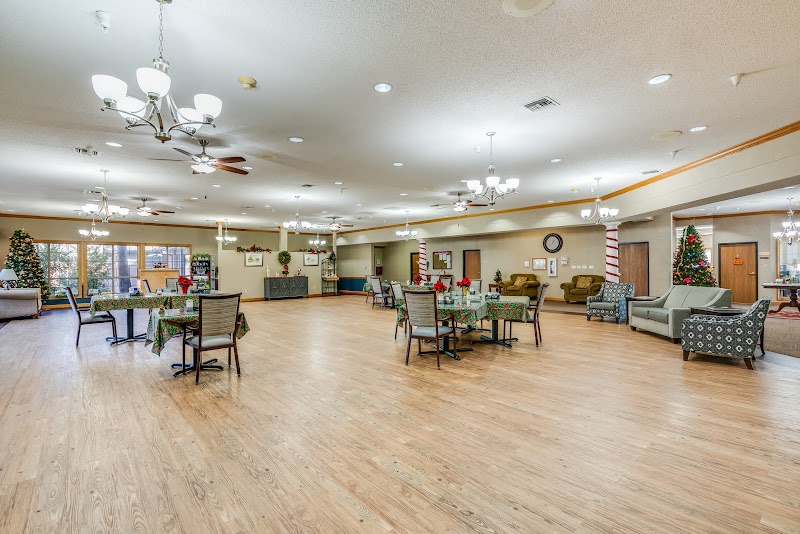
How is Stonebridge Lake Ozark Staffed?

CMS rates STONEBRIDGE LAKE OZARK's staffing level at 2 out of 5 stars, which is below average compared to other nursing homes. Staff turnover is 65%, which is 18 percentage points above the Missouri average of 46%. High turnover can affect care consistency as new staff learn residents' individual needs. RN turnover specifically is 64%, which is notably high. RNs provide skilled clinical oversight, so turnover in this role can affect medical care quality.

What Have Inspectors Found at Stonebridge Lake Ozark?

State health inspectors documented 16 deficiencies at STONEBRIDGE LAKE OZARK during 2022 to 2025. These included: 14 with potential for harm and 2 minor or isolated issues.
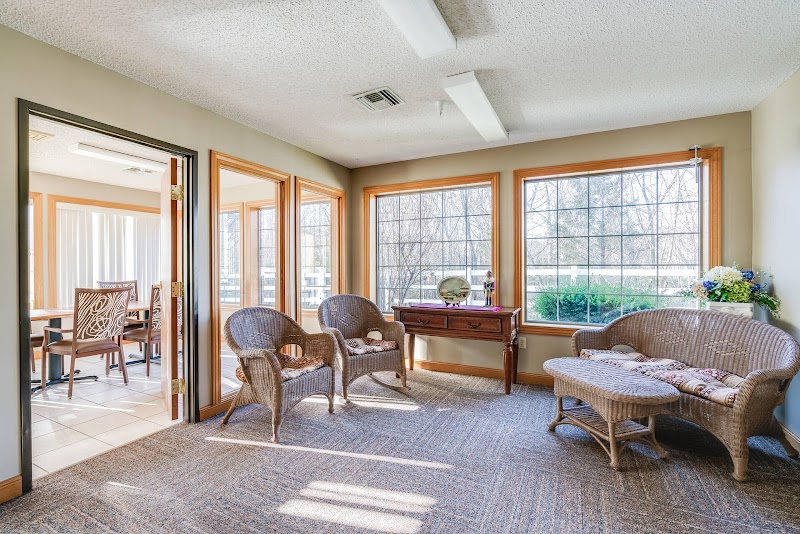
Who Owns and Operates Stonebridge Lake Ozark?

STONEBRIDGE LAKE OZARK is owned by a for-profit company. For-profit facilities operate as businesses with obligations to shareholders or private owners. The facility is operated by STONEBRIDGE SENIOR LIVING, a chain that manages multiple nursing homes. With 66 certified beds and approximately 54 residents (about 82% occupancy), it is a smaller facility located in OSAGE BEACH, Missouri.
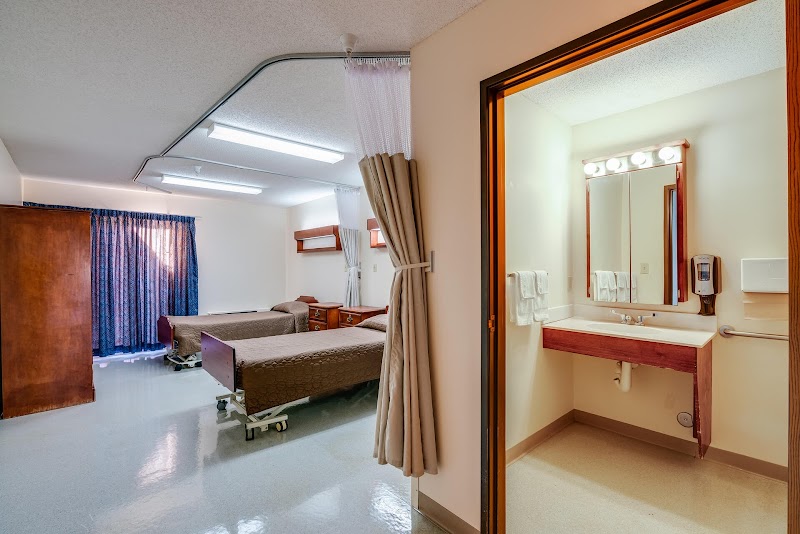
How Does Stonebridge Lake Ozark Compare to Other Missouri Nursing Homes?

Compared to the 100 nursing homes in Missouri, STONEBRIDGE LAKE OZARK's overall rating (4 stars) is above the state average of 2.5, staff turnover (65%) is significantly higher than the state average of 46%, and health inspection rating (4 stars) is above the national benchmark.

What Should Families Ask When Visiting Stonebridge Lake Ozark?

Based on this facility's data, families visiting should ask: "How do you ensure continuity of care given staff turnover, and what is your staff retention strategy?" "Can you walk me through typical staffing levels on day, evening, and night shifts?" "Can I visit during a mealtime to observe dining assistance and food quality?" "How do you handle medical emergencies, and what is your hospital transfer rate?" These questions are particularly relevant given the facility's high staff turnover rate and the below-average staffing rating.

Is Stonebridge Lake Ozark Safe?

Based on CMS inspection data, STONEBRIDGE LAKE OZARK has a clean safety record: no substantiated abuse findings (meaning no confirmed cases of resident harm), no Immediate Jeopardy citations (the most serious violation level indicating risk of serious injury or death), and is not on the Special Focus Facility watch list (a federal program monitoring the lowest-performing 1% of nursing homes). The facility has a 4-star overall rating and ranks #1 of 100 nursing homes in Missouri. While no facility is perfect, families should still ask about staff-to-resident ratios and recent inspection results during their visit.

Do Nurses at Stonebridge Lake Ozark Stick Around?

Staff turnover at STONEBRIDGE LAKE OZARK is high. At 65%, the facility is 18 percentage points above the Missouri average of 46%. Registered Nurse turnover is particularly concerning at 64%. RNs handle complex medical decisions and coordinate care — frequent RN changes can directly impact care quality. High turnover means new staff may not know residents' individual needs, medications, or preferences. It can also be disorienting for residents, especially those with dementia who rely on familiar faces. Families should ask: What is causing the turnover? What retention programs are in place? How do you ensure care continuity during staff transitions?

Was Stonebridge Lake Ozark Ever Fined?

STONEBRIDGE LAKE OZARK has no federal fines on record. CMS issues fines when nursing homes fail to meet care standards or don't correct problems found during inspections. The absence of fines suggests the facility has either maintained compliance or corrected any issues before penalties were assessed. This is a positive indicator, though families should still review recent inspection reports for the full picture.

Is Stonebridge Lake Ozark on Any Federal Watch List?

STONEBRIDGE LAKE OZARK is not on any federal watch list. The most significant is the Special Focus Facility (SFF) program, which identifies the bottom 1% of nursing homes nationally based on persistent, serious quality problems. Not being on this list means the facility has avoided the pattern of deficiencies that triggers enhanced federal oversight. This is a positive indicator, though families should still review the facility's inspection history directly.