AURORA HEALTH AND REHABILITATION

1200 MCCUTCHEN ROAD, ROLLA, MO 65401 (573) 364-2311
For profit - Limited Liability company 116 Beds VERTICAL HEALTH SERVICES Data: November 2025 2 Immediate Jeopardy citations
Trust Grade
1/100
#333 of 479 in MO
Last Inspection: June 2024

Within standard 12-15 month inspection cycle. Federal law requires annual inspections.

Overview

Aurora Health and Rehabilitation has received a Trust Grade of F, indicating significant concerns about the facility's care and operations. Ranking #333 out of 479 in Missouri places them in the bottom half, and #3 out of 6 in Phelps County suggests only two local options are worse. While the facility has shown improvement, reducing issues from 15 in 2024 to 4 in 2025, it still faces serious challenges, including $64,893 in fines which is higher than 81% of Missouri facilities, indicating compliance problems. Staffing is a weakness, with a poor 1-star rating and a turnover rate of 66%, suggesting instability among caregivers; however, they do have more RN coverage than 91% of facilities, which is a positive sign. Specific incidents of concern include a critical failure to secure a resident during transport, leading to severe injuries, and neglect in maintaining a dishwasher, risking cross-contamination of dishes.

Trust Score
F
1/100
In Missouri
#333/479
Bottom 31%
Safety Record
High Risk
Review needed
Inspections
Getting Better
15 → 4 violations
Staff Stability
⚠ Watch
66% turnover. Above average. Higher turnover means staff may not know residents' routines.
Penalties
⚠ Watch
$64,893 in fines. Higher than 89% of Missouri facilities, suggesting repeated compliance issues.
Skilled Nurses
○ Average
Each resident gets 37 minutes of Registered Nurse (RN) attention daily — about average for Missouri. RNs are the most trained staff who monitor for health changes.
Violations
⚠ Watch
59 deficiencies on record. Higher than average. Multiple issues found across inspections.
★☆☆☆☆
1.0
Overall Rating
★☆☆☆☆
1.0
Staff Levels
★★★★☆
4.0
Care Quality
★★☆☆☆
2.0
Inspection Score
Stable
2024: 15 issues
2025: 4 issues

The Good

  • 4-Star Quality Measures · Strong clinical quality outcomes
  • Full Sprinkler Coverage · Fire safety systems throughout facility
  • No fines on record

Facility shows strength in quality measures, fire safety.

The Bad

1-Star Overall Rating

Below Missouri average (2.5)

Significant quality concerns identified by CMS

Staff Turnover: 66%

20pts above Missouri avg (46%)

Frequent staff changes - ask about care continuity

Federal Fines: $64,893

Above median ($33,413)

Moderate penalties - review what triggered them

Chain: VERTICAL HEALTH SERVICES

Part of a multi-facility chain

Ask about local staffing decisions and management

Staff turnover is elevated (66%)

18 points above Missouri average of 48%

The Ugly 59 deficiencies on record

2 life-threatening
Jul 2025 1 deficiency
CONCERN (D) 📢 Someone Reported This

A family member, employee, or ombudsman was alarmed enough to file a formal complaint

Potential for Harm - no one hurt, but risky conditions existed

Deficiency F0627 (Tag F0627)

Could have caused harm · This affected 1 resident

**NOTE- TERMS IN BRACKETS HAVE BEEN EDITED TO PROTECT CONFIDENTIALITY** Based on interview and record review, facility staff failed to provide discharge notice for one resident (Resident #1) and faile...

Read full inspector narrative →
**NOTE- TERMS IN BRACKETS HAVE BEEN EDITED TO PROTECT CONFIDENTIALITY** Based on interview and record review, facility staff failed to provide discharge notice for one resident (Resident #1) and failed to allow Resident #1 to return to the facility when the hospital discharged the resident. The facility census was 80.1. Review of the facility's Transfer and Discharge policy, revised 04/23/25, showed staff were directed to:-Once admitted , the resident has the right to remain in the facility unless their transfer or discharge is necessary for the resident's welfare and the resident's needs cannot be met in the facility;-The facility's transfer/discharge notice will be provided to the resident and resident's representative in a language and manner in which they can understand. The notice will include all of the following at the time it is provided: -The specific reason and basis for transfer or discharge;-The effective date of transfer or discharge;-The specific location (such as the name of the new provider or description and/or address if the new location is a residence) to which the resident is to be transferred or discharged ;-An explanation of the right to appeal the transfer or discharge to the State;-The name, address (mailing and email) and telephone number of the State entity which receives such appeal hearing requests;-Information on how to obtain an appeal form;-Information on obtaining assistance in completing and submitting the appeal hearing request;-The name, address (mailing and email), and phone number of the representative of the Office of the State Long-Term Care Ombudsman;-For nursing facility residents with intellectual and developmental disabilities (or related disabilities) or with mental illness(or related disabilities), the notice will include name, mailing and e-mail address and phone number of the state agency responsible for the protection and advocacy of these populations;-The notice must be provided at least 30 days prior to transfer or discharge of the resident;-If the facility determines it cannot meet the resident's needs, the resident's physician will document the specific resident needs that cannot be met, facility attempts to meet the resident needs, and the specific services available at the receiving facility to meet the needs of the resident which cannot be met at the current facility;-The facility will provide transfer/discharge notice to the resident/representative and ombudsman as indicated;-For a transfer to another provider, ensure necessary information (All other information necessary to meet the resident's needs) is provided along with, or as part of, the facility's transfer form.2. Review of Resident #1's Discharge Minimum Data Set (MDS), a federally mandated assessment instrument required to be completed by facility staff, dated 06/25/25, showed an admission date of 06/04/25 and discharge date of 06/25/25.Review of the resident's nurse's note, dated 06/25/25, showed staff sent the resident to the emergency department by ambulance for suicidal ideation (often referred to as suicidal thoughts, is the experience of thinking about, considering, or contemplating suicide). Review of the resident's electronic medical record, dated 6/25/25, showed the medical record did not contain a 30 day discharge or an emergency discharge notice.During an interview on 07/02/25 at 2:05 P.M., the Social Service Director (SSD) said he/she is responsible for discharge planning and being the liaison between the facility, the family and any resources the residents may need. He/She said he/she has been sending out referrals for the resident to be transferred to another facility and they have been denied. He/She was not aware the resident was denied reentry to the facility. He/She said he/she is not aware of the rules for discharging a resident and not allowing them to reenter. He/She said when a resident is going to be discharged to another facility, he/she usually provides a 30-day notice and helps the resident to find a new placement.During an interview on 07/02/25 at 2:19 P.M., the administrator said the resident has had suicidal ideations since admission on [DATE]. He/She said the last transfer out to the hospital was on 06/25/25. He/She said in order for the resident to return to the facility, the resident would need to be placed on one-on-one care in order to ensure his/her safety. He/She said the facility does not offer one-on-one care and cannot provide the level of care the resident needs to ensure his/her safety. He/She said he/she spoke with corporate, after the hospital called the facility to discharge the resident. He/She talked to them about the resident returning to the facility and they decided as a team, since his/her care level has shifted they are denying him/her reentry. He/She said he/she was not aware of the requirement to allow the resident to return to the facility nor the proper process for discharging the resident. MO00256824
Mar 2025 3 deficiencies
CONCERN (D) 📢 Someone Reported This

A family member, employee, or ombudsman was alarmed enough to file a formal complaint

Potential for Harm - no one hurt, but risky conditions existed

Notification of Changes (Tag F0580)

Could have caused harm · This affected 1 resident

Based on interviews and record review, facility staff failed to notify the physician and family/resident representative in a timely manner of a change in condition for one resident (Resident #1) who h...

Read full inspector narrative →
Based on interviews and record review, facility staff failed to notify the physician and family/resident representative in a timely manner of a change in condition for one resident (Resident #1) who had a medical emergency, and failed to notify the family/resident representative for one resident (Resident #1) who sustained a fall. The facility census was 71. 1. Review of the facility's Notification of Changes policy, revised 9/1/21, shows the purpose of the policy is to ensure the facility promptly informs the resident, consults the resident's physician; and notifies, consistent with his/her authority, resident representative when there is a change requiring notification. Review of Resident #1's Quarterly Minimum Data Set (MDS), a federally mandated assessment tool used to plan care, dated 1/16/25, showed staff assessed the resident as follows: -Cognitive impairment; -Diagnosis of a Stroke, (when blood flow to the brain is interrupted, causing brain cells to die), high blood pressure, and Dementia. Review of the resident's nurses notes, dates 2/22/25, showed staff documented the resident found on his/her floor in his/her room. Resident noted to be laying on the floor on his/her back in the doorway to the bathroom. Review of the resident nurses notes did not contain documentation staff notified the residents family of the fall. Review of the resident's nurses notes, dated 2/24/25, showed staff documented, the resident had episodes of nausea and projectile vomiting at noon meal. Resident unresponsive for approximately two minutes. Review of the residents nurses notes did not contain documentation staff notified the physician of the change in condition. During an interview on 3/11/25 at 8:20 A.M., the Director of Nursing (DON) said the resident had an episode in the dining room where he/she vomited, but when he/she assessed the resident back in his/her room the resident was already alert and speaking. The DON said he/she believed the Nurse Practitioner was notified because he/she was in the building but did not know who notified him/her. The DON said he/she does not know if the residents guardian was notified for the change in condition or the residents fall. During an interview on 3/11/25 at 8:20 A.M., the administrator said he/she is unaware if the residents family was notified of the change in condition or the fall but they are supposed to be. During an interview on 3/11/25 at 10:19 A.M., the residents guardian said he/she was not aware the resident had a medical episode. The guardian said he/she would have requested the resident be sent to the hospital because he/she has a history of strokes. The guardian said he/she did not know the resident had a fall on 2/22/25 and would like to be notified of his/her falls because the resident has dementia and can not relay this information. During an interview on 3/11/25 at 10:44 A.M., Licensed Practical Nurse (LPN) A said he/she was the charge nurse on duty and would have been responsible to notify the physician and the family but he/she can not remember if it was done. During an interview on 3/11/25 at 11:15 A.M., the Nurse Practitioner said he/she was notified of the residents fall on 2/22/25 but was not notified of the residents medical episode on 2/24/25, The Nurse Practitioner said he/she was in the building that day and there was no reason for staff not to have informed him/her. MO00249720
CONCERN (D) 📢 Someone Reported This

A family member, employee, or ombudsman was alarmed enough to file a formal complaint

Potential for Harm - no one hurt, but risky conditions existed

Safe Environment (Tag F0584)

Could have caused harm · This affected 1 resident

**NOTE- TERMS IN BRACKETS HAVE BEEN EDITED TO PROTECT CONFIDENTIALITY** Based on observation and interview, facility staff failed to maintain wheelchairs for three residents (Resident #5, #7 and #8) o...

Read full inspector narrative →
**NOTE- TERMS IN BRACKETS HAVE BEEN EDITED TO PROTECT CONFIDENTIALITY** Based on observation and interview, facility staff failed to maintain wheelchairs for three residents (Resident #5, #7 and #8) of nine sampled residents. The facility census was 76. 1. Review of the facility's policy, Physical Environment: Space and Equipment, dated 02/03/25, showed staff were directed inspection of resident care equipment will be completed routinely and as needed to maintain and ensure safe operating conditions according to manufacturer's recommendations. 2. Review of Resident #5's Quarterly MDS, dated [DATE], showed staff assessed the resident as follows: -Moderate cognitive impairment; -Uses a wheelchair. Observation on 03/20/25 at 12:11 P.M., showed Resident #5 in his/her wheelchair with both arm rest torn. 3. Review of Resident #7's Quarterly Minimum Data Set (MDS), a federally mandated assessment tool used to plan care, dated 12/30/24, showed staff assessed the resident as follows: -Severe cognitive impairment; -Uses a wheelchair. Observation on 03/20/25 at 12:46 P.M., showed Resident #7's wheelchair armrest were worn with sections of missing vinyl. 4. Review of Resident #8's Quarterly MDS, dated [DATE], showed staff assessed the resident as follows: -Cognitively intact; -Uses a wheelchair. Observation on 03/20/25 at 1:48 P.M., showed Resident #8 in his/her wheelchair and the wheelchair had a bent metal piece connecting the chair to the leg rest. Observation showed medical bandage wrapped around the metal connecting piece. During an interview on 03/20/25 at 1:51 P.M., the maintenance director said he/she did not know the resident had a maintenance issue with his/her wheelchair. He/She said the resident owned his/her wheelchair, so staff did not provide repairs to personal wheelchairs. He/She said it was possibly a safety issue and believed the bandage placed on the chair to hold the leg rest to the chair. During an interview on 03/20/25 at 1:56 P.M., the administrator said he/she did not know about the condition of the resident's wheelchair. He/She said staff should have ordered him/her a new wheelchair. He/She said staff should have immediately reported the concern with the wheelchair, due to the potential to harm the resident. 5. During an interview on 03/20/25 at 1:38 P.M., the maintenance director said staff were directed to document wheelchair concerns in the maintenance book, which he/she checked daily. He/She said he/she did not know any of the resident chairs were in need of repair. He/She said there was a concern with skin abrasions if the resident had a worn arm rest. During an interview on 03/20/25 at 2:23 P.M., Registered Nurse (RN) C said staff are directed to report issues with wheelchairs to the maintenance department or document in the maintenance log book. During an interview on 03/20/25 at 1:56 P.M., the administrator said staff should check the condition of resident's wheelchairs daily and report to his/her supervisor to document any issues in the maintenance book or report to the appropriate person. He/She said if the wheelchair arm rest are torn, there was a potential for skin tears. During an interview on 03/20/25 at 2:41 P.M., the Director of Nursing (DON) said staff are directed to check the wheelchair every time in use or weekly when being cleaned by staff. He/She said staff should document concerns in the maintenance book. He/She said if it's the resident's personal wheelchair, staff should notify family and/or guardian for a replacement. He/She said if the wheelchair arm rest are torn, there was a potential for skin tears. MO00250878
CONCERN (D) 📢 Someone Reported This

A family member, employee, or ombudsman was alarmed enough to file a formal complaint

Potential for Harm - no one hurt, but risky conditions existed

ADL Care (Tag F0677)

Could have caused harm · This affected 1 resident

**NOTE- TERMS IN BRACKETS HAVE BEEN EDITED TO PROTECT CONFIDENTIALITY** Based on observation, interview, and record review, facility staff failed to provide care to meet the hygiene needs for four res...

Read full inspector narrative →
**NOTE- TERMS IN BRACKETS HAVE BEEN EDITED TO PROTECT CONFIDENTIALITY** Based on observation, interview, and record review, facility staff failed to provide care to meet the hygiene needs for four residents (Resident #3, #5 and #6) out of seven sampled residents when staff did not provide nail care and assist with facial hair. The facility census was 76. 1. Review of the facilities policy, Activities of Daily Living, dated 01/01/25, showed staff are directed to assist a resident who is unable to carry out activities of daily living will receive the necessary services to maintain good nutrition, grooming, and personal and oral hygiene. The policy did not provide direction for staff in regard to when and how to provide personal hygiene. 2. Review of Resident #3's Quarterly MDS, dated [DATE], showed staff assessed the resident as follows: -Severe cognitive impairment; -Did not exhibit behavior of rejecting care; -Required partial to moderate assistance from staff for personal hygiene. Review of the resident's care plan, dated 01/27/25, showed staff assesed the resident required moderate to maximum assistance with the majority of his/her ADL's due to impaired mobility related to right side hemiparesis. The care plan showed resident required moderate assistance from one staff member with personal hygiene and oral care. The plan did not contain documentation the resident had behaviors of rejecting care. Observation on 03/20/25 at 12:05 P.M., showed the resident nails long, a hole in his/her shirt, white debris on his/her shirt and pants, and unbrushed hair. 3. Review of Resident #5's Quarterly MDS, dated [DATE], showed staff assessed the resident as follows: -Moderate cognitive impairment; -Did not exhibit behavior of rejecting care; -Required partial to moderate assistance from staff for personal hygiene. Review of the resident's care plan, dated 01/07/25, showed staff assessed the resident required moderate assistance for personal hygiene and oral care. The care plan showed the resident had limited physical mobility due to hemiparesis. The plan did not contain documentation the resident had behaviors of rejecting care. Observation on 03/20/25 at 12:11 P.M., showed the resident nails long and with debris, unbrushed hair and unkempt facial hair. 4. Review of Resident #6's Quarterly MDS, dated [DATE], showed staff assessed the resident as follows: -Severe cognitive impairment; -Did not exhibit behavior of rejecting care; -Required substantial to maximum assistance from staff for personal hygiene. Review of the resident's care plan, dated 06/17/24, showed staff assessed the resident required maximum assistance with personal hygiene and oral hygiene. The plan did not contain documentation the resident had behaviors of rejecting care. Observation on 03/20/25 at 12:15 P.M, showed the resident with facial hair, a hole in his/her shirt and his/her hair matted. 5. During an interview on 03/20/25 at 2:10 P.M., Certified Nurse Aide (CNA) B said the aides were responsible to dress resident's and brush the resident's hair daily and as needed. The CNA said CNA's are to provide nail care and facial hair shaves on shower days and as needed. He/She said he/she did know resident's needed their nails trimmed and facial hair shaved. During an interview on 03/20/25 at 2:23 P.M., Registered Nurse (RN) C said nursing staff are to provide facial hair shaves and nail care on shower days or as needed. He/She said staff are directed to change resident's clothing and brush hair daily and as needed. During an interview on 03/20/25 at 2:41 P.M., the administrator said staff were directed to shower resident's twice a week, but they did not have enough shower aides until recently, so resident's were showered once a week. He/She said staff are educated to provide nail care and facial hair on shower days and as needed. He/She said staff changed clothing daily and brushed hair when gotten up and as needed. During an interview on 03/20/25 at 2:42 P.M., the Director of Nursing (DON) said they recently hired two shower aides to assist with personal hygiene needs. He/She said staff are directed to provide nail care and facial hair shaving on shower days and as needed. He/She said staff are directed to brush hair and change clothing when assisted out of bed or as needed. He/She said the nursing staff was responsible to provide care and should be checking the resident's grooming needs daily. MO00250878
Oct 2024 2 deficiencies
CONCERN (D) 📢 Someone Reported This

A family member, employee, or ombudsman was alarmed enough to file a formal complaint

Potential for Harm - no one hurt, but risky conditions existed

Report Alleged Abuse (Tag F0609)

Could have caused harm · This affected 1 resident

Based on interview and record review, facility staff failed to report an allegation of misappropriation of narcotics to the State Survey Agency within the 24 hour time frame, in accordance with their ...

Read full inspector narrative →
Based on interview and record review, facility staff failed to report an allegation of misappropriation of narcotics to the State Survey Agency within the 24 hour time frame, in accordance with their policy, and state law for seven residents (Resident #2, #3, #4, #5, #6, #7, and #8) out of 10 sampled residents. The facility census was 78. 1. Review of the facility's Abuse, Neglect, and Exploitation Policy, dated 8/2022, showed reporting of all alleged violations to the administrator, state agency, adult protective services and to all other required agencies within specified timeframe's. Not later than 24 hours if the events that cause the allegation do not involve abuse and do not result in serious bodily injury. 2. Review of the facility's investigation, dated 9/12/24, showed the Assistant Director of Nursing (ADON) documented their narcotic count had discrepancies and/or medications being given outside of scheduled timeframe by Licensed Practical Nurse (LPN) A. The ADON attempted to speak with LPN A but he/she never returned to the facility. Review showed the Director of Nursing (DON) contacted the police on 9/23/24 and left a message to call him/her back regarding the empty narcotic cards found in LPN A's car. Review showed the facility did not report the alleged misappropriation to the Department of Health and Senior Services within the required 24 hour timeframe. During an interview on 10/8/24 at 9:50 A.M., the administrator said they started an investigation because the narcotic count was off. He/She said their investigation showed no residents missed their medications and there was just an issue of the narcotic counts being subtracted incorrectly by LPN A. He/She said the DON and ADON tried to interview LPN A but he/she did not cooperate with them and never came back to the facility. He/She was made aware by the ADON and DON on 9/20/24 empty narcotic cared were found by an officer in LPN A's car at another local facility. He/She said the corporate office was called and said it was not reportable because the investigation did not show any pills had been misappropriated even though cards were found by an officer in LPN A's car at another local facility. During an interview on 10/8/24 at 10:00 A.M., DON said the counts in the narcotic book were correct but they still had speculation and concern of LPN A not counting the narcotics right. He/She said they were unable to interview LPN A about their concerns with the count not being subtracted correctly. The DON said he/she talked with corporate after being made aware on 9/20/24, by the ADON, empty narcotic cards were found at another local facility by police. He/She was told this was not a reportable incident since they were unable to substantiate their investigation even though narcotic cards were found in LPN A's car at another local facility. He/She said with allegations of misappropriation the state should be notified. During an interview on 10/8/24 at 12:35 P.M., the Assistant Director of Nursing (ADON) said he/she received a call from an administrator at another local facility on 9/20/24, stating they had found narcotic cards from their facility in LPN A's car. The ADON said he/she told corporate about the incident, but was told it was not a reportable incident because their counts were not off. The ADON said he/she followed what corporate said to do. During an interview on 10/8/24 at 1:06 P.M., the Regional Nurse Consultant said he/she was made aware of the allegation and of the missing narcotic cards and sheets found at the other local facility by the police by the ADON and DON. He/She said staff are trying to get into contact with the police for more information and who was affected. He/She said they did not have any names for the residents whose narcotic cards were supposedly taken. He/She said the nurse involved never came back to be interviewed and did not take a drug test. He/She said they report when they have a proven allegation of misappropriation and without reasonable cause it was not reportable to the state. MO00242392
CONCERN (E) 📢 Someone Reported This

A family member, employee, or ombudsman was alarmed enough to file a formal complaint

Potential for Harm - no one hurt, but risky conditions existed

Deficiency F0602 (Tag F0602)

Could have caused harm · This affected multiple residents

**NOTE- TERMS IN BRACKETS HAVE BEEN EDITED TO PROTECT CONFIDENTIALITY** Based on interview and record review, facility staff failed to prevent the misappropriation of seven resident's (Resident #2, #3...

Read full inspector narrative →
**NOTE- TERMS IN BRACKETS HAVE BEEN EDITED TO PROTECT CONFIDENTIALITY** Based on interview and record review, facility staff failed to prevent the misappropriation of seven resident's (Resident #2, #3, #4, #5, #6, #7, and #8) narcotic medications when Licensed Practical Nurse (LPN) A took the medication without authorization of the residents or the residents' responsible parties. The facility census was 78. 1. Review of the facility's Abuse, Neglect, and Exploitation Policy, dated 8/22/22, showed misappropriation defined as the deliberate misplacement, exploitation, or wrongful, temporary or permanent, use of a resident's belongings or money without the resident's permission. 2. Review of the facility's investigation, dated 9/12/24, showed staff had suspicions the narcotics count were off when they identified LPN A had subtracted various pills inaccurately for multiple residents. Upon their investigation it was identified five residents had counts off or were given a narcotic outside of their normal scheduled timeframe. When LPN A was notified he/she did not cooperate and did not return to the facility. The Assistant Director of Nursing (ADON) was made aware on 9/20/24 LPN A had been arrested at another local facility and officers found empty narcotic cards in LPN A's car for Aurora Health and Rehabilitation. The Director of Nursing (DON) tried reaching out to police on 9/17/24 and 9/23/24 for more information. 3. Review of the police reported, dated 9/20/24, showed officers arrested LPN A at another local facility for misappropriation of narcotics. The police report showed the officer documented seven different empty narcotic pill cards from the facility labeled with resident's names were found in LPN A'sa car. 4. Review of Resident #2's Significant Change Minimum Data Set (MDS), a federally mandated assessment tool, dated 9/10/24, showed staff assessed the resident as: -Cognitively intact; -Experienced occasional pain; -Received scheduled and as needed pain medications. Review of the resident's Physician Order Sheets (POS), dated 10/2024, showed an order for Hydrocodone/APAP 5-325 mg (narcotic pain medication) administer one tablet by mouth every 4 hours. Review of the police report, dated 9/20/24, showed the officer documented he/she found one empty Hydrocodone/APAP 5-325 mg medication card with the resident's name in LPN A's car. 5. Review of Resident #3's Quarterly MDS, dated [DATE], showed staff assessed the resident as: -Cognitively intact; -Experienced occasional pain; -Received scheduled and as needed pain medications. Review of the resident's POS, dated 10/2024, showed an order for Oxycodone (narcotic pain medication) five mg administer one talbet by mouth every six hours for severe pain and Oxycotin (narcotic pain medication) 20 mg administer one tablet by mouth two times a day for pain. Review of the residents narcotic log sheet, dated 9/5/24, for Oxycodone 5 mg, showed LPN A signed out that he/she administered one pill on 9/6/24 but he/she subtracted two pills from the narcotic count. Review showed LPN A administered one pill on 9/8/24 but he/she subtracted two pills from the narcotic count. Review showed LPN A wasted one pill on 9/9/24 without a witness. Review of the police report, dated 9/20/24, showed the officer documented he/she found one empty Oxycodone 5 mg and one empty Oxycotin 20 mg medication card with the resident's name in LPN A's car. 6. Review of Resident #4's Quarterly MDS, dated [DATE], showed staff assessed the resident as: -Cognitively intact; -Received scheduled pain medications. Review of the resident's POS, dated 10/2024, showed an order for Oxycodone/APAP 10-325 mg take one tablet by mouth every 12 hours, and Oxycodone/APAP 10-325 mg take one tablet by mouth every 24 hours as needed for pain. Review of the residents narcotic log sheet, dated 8/28/24, for Oxycodone 10-325 mg, showed LPN A signed out that he/she administered one Oxycodone 10-325 mg pill on 8/28/24 but he/she subtracted two pills from the narcotic count. Review of the police report, dated 9/20/24, showed the officer documented he/she found one empty Oxycodone 10-325 mg medication card with the resident's name in LPN A's car. 7. Review of Resident #5's Quarterly MDS, dated [DATE] showed staff assessed the resident as: -Cognitively intact; -Experienced occasional pain; -Received scheduled pain medication. Review of the resident's POS, dated 10/2024, showed an order for Oxycodone 5 mg capsules five mg by mouth four times a day for pain. Review of the police report, dated 9/20/24, showed the officer documented he/she found one empty Oxycodone 5 mg medication card with the resident's name in LPN A's car. 8. Review of Resident #6's Quarterly MDS, dated [DATE], showed staff assessed the resident as: -Cognitively intact; -Experienced occasional pain; -Received as needed pain medications. Review of the resident's POS, dated 10/2024, showed an order for Hydrocodone/APAP 7.5-325 mg administer one tablet by mouth every 6 hours. Review of the police report, dated 9/20/24, showed the officer documented he/she found one one narcotic count sheet and two empty Hydrocodone/APAP 7.5-325 mg medication cards with the resident's name in LPN A's car. 9. Review of Resident #7's Discharge MDS, dated [DATE], showed staff assessed the resident as: -Cognitively intact; -Experienced occasional pain; -Received scheduled and as needed pain medication. Review of the residents POS, dated 10/2024, showed an order for Hydrocodone/APAP 10-325 mg take one tablet by mouth every six hours, at 12:00 A.M., 6:00 A.M., 12:00 P.M., and 6 P.M. for moderate to severe pain. Review of the resident's narcotic log sheet, dated 9/9/24, showed LPN A signed out that he/she administered Hydrocodone/APAP 10-325 mg one pill on 9/10/24 but he/she subtracted two pills from the narcotic count. Review of the police report, dated 9/20/24, showed the officer documented he/she found one empty Hydrocodone/APAP 10-325 mg medication card with the resident's name in LPN A's car. 10. Review of Resident #8's Quarterly MDS, dated [DATE], showed staff assessed the resident as: -Cognitively intact; -Experienced occasional pain; -Received scheduled and as needed pain medications. Review of the resident's POS, dated 10/2024, showed an order for Hydrocodone/APAP 10-325 mg take one tablet by mouth every six hours as needed for chronic pain. Review of the narcotic log sheet, dated 9/1/24, showed LPN A signed out that he/she administered one pill on 9/10/24 but he/she subtracted two pills from the narcotic count. 11. During an interview on 10/8/24 at 9:50 A.M., the administrator said he/she was made aware of the allegation of misappropriation and they started an investigation. He/She said the investigation showed no one missed their medications but the subtraction was off in the narcotic book. He/She said corporate was contacted about the allegation for assistance. Their investigation showed no pills were misappropriated. LPN A was asked to come into the office to talk about the miscalculations but never showed back up to work. Even after being notified of the empty narcotic cards the count was not off so they concluded the investigation as unsubstantiated. During an interview on 10/8/24 at 10:00 A.M., the DON said upon starting the investigation and going through the carts the narcotic counts were correct. The investigation showed discrepancies with the subtraction and administration of some of the narcotics so they contacted LPN A who was responsible for the medications at that time. LPN A would not come back to the facility and did not show back up to work an interview. During an interview on 10/10/24 at 12:32 P.M., LPN A said he/she worked a lot of hours and picked up a lot of shifts at the facility. He/She does not know what happened to the additional pills and said he/she must have subtracted incorrectly. He/She said he/she never wasted a medication while working at the facility. He/She said she was arrested at another facility and knows there were some narcotic log sheets in her car from the facility that he/she had accidentally taken and never took back. LPN A said he/she did not take any medications from the facility. LPN A said he/she was not aware medications were given outside of prescribed timeframe's and gave medications as ordered. LPN A said there was nothing else besides the narcotic sheets found in his/her car from the police. MO00242392
Aug 2024 1 deficiency 1 IJ
CRITICAL (J) 📢 Someone Reported This

A family member, employee, or ombudsman was alarmed enough to file a formal complaint

Immediate Jeopardy (IJ) - the most serious Medicare violation

Free from Abuse/Neglect (Tag F0600)

Someone could have died · This affected 1 resident

**NOTE- TERMS IN BRACKETS HAVE BEEN EDITED TO PROTECT CONFIDENTIALITY** Based on interview and record review, facility staff failed to protect one resident (Resident #1) from neglect when staff failed...

Read full inspector narrative →
**NOTE- TERMS IN BRACKETS HAVE BEEN EDITED TO PROTECT CONFIDENTIALITY** Based on interview and record review, facility staff failed to protect one resident (Resident #1) from neglect when staff failed to properly secure a resident while they transported the resident in the facility vehicle. Facility staff failed to secure the shoulder strap across the resident and when the vehicle came to an abrupt stop, the resident fell over his/her lap belt and from his/her wheelchair which resulted in fractures of both femurs, thoracic spine fractures, and an upper arm fracture. The facility census was 78. The administrator was notified on 8/13/24 of past non-compliance, which occurred on 8/07/24. Staff assessed the resident, notified the resident's physician, sent the resident to the hospital, and in-serviced all transportation staff on the proper way to secure a resident in the van during transport. The IJ was corrected on 8/8/2024. Review of the Facility's Transportation Driving Safety Policy, reviewed 05/04/23, showed: -Drivers of company vans, buses or vehicles carrying residents should have at least three years of driving experience and will be required to complete initial and annual training per manufactures guidelines to include how to properly restrain a wheelchair and use of safety mechanisms for residents in wheelchairs per manufactures guidelines. The driver shall ensure each passenger is properly restrained to include wheelchair(s) properly fastened and shoulder strap in place and/or passenger seat belts are properly latched. Review of the facility's Q-Straint Series Securement-Device User Instructions Manual, undated, showed staff are directed as follows: -Place wheelchair face forward in securement area; apply wheel locks or turn power off; -Attach lap belts-use integrated stiffeners to feed belt through openings between seat backs and bottoms and/or armrests to ensure proper belt fit around occupant; -Attach shoulder belt-extend shoulder belt over passenger's shoulder and across upper torso and fasten pin connector onto lap belt; -Ensure belts are adjusted as firmly as possible, but consistent with user comfort. 1. Review of Resident #1's quarterly Minimum Data Set (MDS), dated [DATE]. showed staff assessed the resident as follows: -Cognitively intact; -Impairments to both sides of lower extremities; -Dependent to roll left and right; -Dependent to move from lying to sitting on bedside; -Used wheelchair. Review of the facility's investigation summary, dated 08/07/24, showed staff documented at approximately 10:33 A.M., the facility's van driver reported to the administrator he/she called 911 after having an accident with the resident while returning from the dialysis clinic. The driver told the administrator the car in front of him/her slammed on the brakes and he/she hit the brakes to avoid hitting the other car. The driver told the administrator the resident fell out of his/her wheelchair and may have bit his/her lip as there was some blood on the resident's mouth. Review showed the driver told the administrator Emergency Medical Services (EMS) arrived and encouraged the resident to be transported to the hospital. Review of Driver A's Incident Statement, dated 08/07/24, showed Driver A documented a vehicle abruptly applied its brakes in front of the transport van at an intersection, he/she applied the brakes so he/she would not hit the vehicle. He/She documented the resident gasped behind him/her. When he/she looked in the rearview mirror he/she saw the resident's mouth agape before the resident fell over his/her seatbelt. He/She pulled the van over to assess the resident. He/She documented the resident was silent and non-responsive so he/she called EMS, at which time the resident began to moan softly before responding to questions. Driver A documented the resident initially refused to go to the hospital, but after talking with EMS the resident agreed to go to the hospital for further assessment. Review of the hospital emergency department records, dated 08/07/2024 at 10:58 A.M., showed the patient was being transported from dialysis and was sitting in his/her wheelchair which was secured, however the patient was not strapped into the wheelchair. The transport vehicle slammed on the brakes causing the patient to fall forward onto his/her forehead. The patient reports that he/she is having pain between his/her shoulder blades, left shoulder, and in his/her right hip. He/She denies that he/she lost consciousness. He/She denies feeling dizzy and denies any nausea, vomiting, or headache. He/She states it hurts in his/her back whenever he/she takes a deep breath or moves any type of way. Review showed the patient had multiple fractures including T spine compression fractures (happens when one or more bones in the spine weaken and crumble), bilateral femur fractures (a broken bone in the long bone of the leg), and humerus fracture (a broken bone in the upper arm). During an interview on 08/12/2024 at 9:28 A.M., Driver A said he/she went to the dialysis clinic to pick up the resident. Driver A said he/she fastened the chair restraints and fastened the waist buckle. He/She said a shoulder strap was not fastened because the resident did not like it on. Driver A said he/she approached an intersection and the car in front of them hit the brakes. Driver said he/she was going 20 miles per hour and hit the brakes to keep from hitting the vehicle in front them. Driver A said the resident went over the waist belt to the floorboard. Driver A said he/she pulled the van over and called EMS and the facility. Driver A said a police officer did stop, but did not speak with him/her. Driver A said when he/she was trained he/she did not use the manufacturer's Device User Instructions Manual. Driver A said a former employee provided a demonstration in the van, but did not tell him/her about using the shoulder strap. During an interview on 08/12/24 at 8:10 P.M., the administrator said facility staff had a driver's license review, van training, and a van loading competency before transporting residents. The administrator said he/she could not locate the original training documentation for Driver A. The administrator said staff were not monitoring to ensure the transport drivers were securing residents properly in the van prior to transport. MO00240339
Jun 2024 8 deficiencies
CONCERN (D)

Potential for Harm - no one hurt, but risky conditions existed

Incontinence Care (Tag F0690)

Could have caused harm · This affected 1 resident

**NOTE- TERMS IN BRACKETS HAVE BEEN EDITED TO PROTECT CONFIDENTIALITY** Based on observation, interview, and record review, facility staff failed to obtain an reason for use of a urinary catheter (tub...

Read full inspector narrative →
**NOTE- TERMS IN BRACKETS HAVE BEEN EDITED TO PROTECT CONFIDENTIALITY** Based on observation, interview, and record review, facility staff failed to obtain an reason for use of a urinary catheter (tube inserted into the bladder to drain urine) for two (Resident #46 and #281) of three residents who had a urinary catheter, failed to obtain orders for the catheter size and update a care plan for one (Resident #46) of three residents, and failed to appropriately document catheter care for one of three residents (#281). The facility census was 83. 1. Review of the facility's Catheter Care policy dated September 2021, showed the policy did not contain direction for catheter orders, care planning, documentation or indication for use. 2. Review of Resident #46's Quarterly Minimum Data Set (MDS), a federally mandated assessment tool, dated 06/14/24 showed staff assessed the resident as cognitively intact and intermittently catheterized. Review of the resident's care plan, dated 05/22/24, showed: -Had an indwelling catheter; -Cleanse catheter with soap and water, rinse, pat dry every shift and as needed if soiling occurs; -Monitor and document catheter output each shift; -The care plan was not updated to reflect the change from indwelling to intermittent catheterization. Review of the resident's Physician Order Sheet (POS), dated June 2024, showed an order dated 06/10/24, resident able to self-catheterize. Review showed the order did not have an indication of use or size of the catheter. 3. Review of Resident #281's Entry MDS, dated [DATE], showed the resident admitted to the facility on [DATE]. Review of the resident's POS, dated June 2024, showed an order dated 06/23/24 for an indweling catheter, 16 french (size) 10 milliliters (ml) balloon. The order did not contain an indication for use. Review of the resident's Treatment Administration Record (TAR), dated June 2024, showed staff did not document catheter care on the dayshift of 6/24/24 and 6/25/24 or the nightshift of 06/23/24, 06/24/24, 06/25/24, and 06/27/24. During an interview on 06/28/24 at 08:55 A.M., Registered Nurse (RN) I said catheter orders should include catheter care, check and record output, any flush orders, when to change it, if at all, the size of the tube and balloon and why they have a catheter and should be a part of a care plan. He/She said anyone in nursing can update a care plan but was not sure what was missing for each resident or if the orders were correct unless dealing with that perticular resident. If there is a question or discrepancy, then the nurse is responsible to make the call to the physician to verify it. During an interview on 06/28/24 at 10:58 A.M.,, the Corporate Quality Control staff said staff should refer to the policy for catheters but would expect an order to say the type of catheter, when to change it, catheter care and diagnosis at minimum. He/She said staff are expected to document catheter care, but they are still learning to use the electronic health record and may not be getting done. He/She said documentation is an issue. During an interview on 06/28/24 at 11:32 A.M., the administrator said he/she is not clinical and would need to refer to the nursing staff for questions regarding catheters. He/She said that the managment staff meet at risk meetings to discuss catheters and infections related to catheters.
CONCERN (D)

Potential for Harm - no one hurt, but risky conditions existed

Staffing Information (Tag F0732)

Could have caused harm · This affected 1 resident

Based on observation, interview, and record review, facility staffed failed to post required nurse staffing information, which included the total number of staff and the actual hours worked by both li...

Read full inspector narrative →
Based on observation, interview, and record review, facility staffed failed to post required nurse staffing information, which included the total number of staff and the actual hours worked by both licensed and unlicensed nursing staff directly responsible for resident care, per shift, on a daily basis. The facility census was 83. 1. Review of the facility's Nurse Staffing Posting Information policy, dated 09/01/21, showed staff are instructed to make staffing readily available in a readable format to residents and visitors at any given time: -The daily staffing sheet will be posted on a daily basis and will contain the following information: facility name, the current date, facility current resident census, and the total and actual hours worked by the following categories of licensed and unlicensed staff direction responsible for resident care per shift; Registered Nurses, Licensed Practical Nurses/Licensed Vocational Nurses, and Certified Nurse Aides; -The facility will post the daily staffing sheet at the beginning of each shift; -The information posted will be presented in a clear and readable format in a prominent place readily accessible to residents and visitors; -The information shall reflect staff absences on that shift due to callouts and illness. After the start of each shift, actual hours will be updated to reflect such; -Staffing shall include all nursing staff who are paid by the facility (including contract staff). Any staff not paid for by the facility, such as hospice staff or individuals hired by families, shall not be included. 2. Observation on 06/25/24 at 4:40 P.M., showed the staff posting did not include the total number of staff and the actual hours worked by both licensed and unlicensed nursing staff directly responsible for resident care, per shift in an easily accessible to residents and visitors. Observation on 06/26/24 at 3:55 P.M., showed the staff posting did not include the total number of staff and the actual hours worked by both licensed and unlicensed nursing staff directly responsible for resident care, per shift in an easily accessible to residents and visitors. Observation on 06/27/24 at 3:55 P.M., showed the staff posting did not include the total number of staff and the actual hours worked by both licensed and unlicensed nursing staff directly responsible for resident care, per shift in an easily accessible to residents and visitors. During an interview on 06/28/24 at 10:58 A.M., the Regional staff member said the night shift nurse is responsible to post the nurse staffing information daily and the Human Resource person will follow up on it. He/She said he/she didn't realize it wasn't posted. During an interview on 06/28/24 at 11:32 A.M., the administrator said the hour posting was the responsibility of the human resource person, but that position is now vacant and didn't think about this task. He/She said it is posted today and will be the administrator's responsibility until a new human recourse person can be hired, then it will be their responsibility.
CONCERN (E)

Potential for Harm - no one hurt, but risky conditions existed

Deficiency F0583 (Tag F0583)

Could have caused harm · This affected multiple residents

Based on observation, interview, and record review, facility staff failed to ensure resident's personal medical information was protected for two residents (Resident #9 and #281) of 11 sampled residen...

Read full inspector narrative →
Based on observation, interview, and record review, facility staff failed to ensure resident's personal medical information was protected for two residents (Resident #9 and #281) of 11 sampled residents when staff left the Electronic Medical Information (EMR) open and unattended in a public area, posted care instructions for residents in a public hallway and failed to provide personal privacy for . The facility census was 83. 1. Review of the facility's Resident Rights policy, dated 09/01/22, showed the resident has a right to personal privacy and confidentiality of his or her personal and medical records. The resident has a right to a safe, clean, comfortable and homelike environment, including but not limited to receiving treatment and supports for daily living safety. 2. Observation on 06/27/24 at 9:36 A.M., showed a tablet opened and unattended on the nurses' desk with resident personal information visible to visitors, residents and staff. During an interview on 06/28/24 at 9:33 A.M., Certified Nursing Assistant (CNA) D said if staff steps away from a screen, the screen should be cleared in order to ensure privacy. If any staff passes an open an unattended screen, they should close it. During an interview at 9:36 A.M., the Director of Nursing (DON) said the tablet should be closed down when unattended to provide privacy. He/She did not know why it was left open. During an interview on 06/28/24 at 9:46 A.M., Licensed Practical Nurse (LPN) C said the screen with the EMR should be cleared before staff steps away because the resident's private medical information would be visible. If staff passed by the open screen, staff should close it. During an interview on 06/28/24 at 10:59 A.M., the Corporate Quality Assurance representative said if staff works on the medical record, the record must be closed with staff leaves the screen. If staff passed an open screen, they should close the screen. Closing the screen is necessary to protect a resident's medical confidentiality. 3. Observation on 06/25/24 at 11:27 A.M ., 6/26/24 at 2:15 P.M., and 06/27/24 at 11:46 A.M., showed the 300 hallway CNA station contained a posted sign visible to visitors, residents and staff contained the following resident information: -Nine resident names requested certain care givers only; -11 resident names used adaptive equipment and the type of equipment used; a sign indicating -A resident get up list with residents names listed for 100 hallway, 200 hallway, 300 hallway and 400 hallway; -Five resident names to sit at the assist table; -Five resident names to sit at the cue table; -Fiveresident names on thickened liquids and the consistency of the liquids; -The shower schedule for all hallways to include resident names and room numbers. 4. Observation on 06/25/24 at 3:02 P.M., showed the ice chest on the 300 hallway with a laminated list of resident names and their current diet orders. 5. During an interview on 06/28/24 at 8:55 A.M., Registered Nurse (RN) I said he/she is not aware of any resident specific information posted in the facility but would expect it to be hidden from visitors and residents to protect their privacy and dignity. He/She said all staff are responsible to ensure resident data is protected. During an interview on 06/28/24 at 10:58 A.M., the Corporate Quality Control staff said any data posted should not include resident names to protect the residents privacy. During an interview on 06/28/24 at 11:32 A.M., the administrator said resident information should be posted in their rooms and not visible to others to protect the residents privacy. He/She said he/she should have paid attention to those areas but did not. 6. Observation on 06/26/24 at 10:29 A.M., showed Resident #9 in bed without pants on and a shirt pulled up to his/her chest. The door to the room open and the resident could be seen from the hallway. Observation on 06/27/24 at 2:59 P.M., showed the resident in bed without pants on and was exposed from the chest down. The door to the room open and the resident could be seen from the hallway. Observation showed staff walked by the resident room and did not assist the residents. 7. Observation on 06/25/24 at 10:33 A.M., showed Resident #281 in bed with legs and bare chest exposed. The door to the room open and the resident could be seen from the hallway. The privacy curtain laid on the floor next to the bed. Observation showed staff walked by the resident room and did not assist the resident. Observation on 06/26/24 at 8:20 A.M., showed the resident in bed and did not have a privacy curtain available to provide privacy to the hallway. Observation showed staff walked by the resident room and did not assist the resident. During an interview on 06/28/24 at 11:35 A.M., the administrator said he/she was not aware the curtain was down for the resident, but would expect all residents to have a privacy curtain around their bed. The administrator said when curtains are taken down to clean them, an alternate curtain should be hung in its place. 8. During an interview on 06/28/24 at 8:05 A.M., CNA A said residents shouldn't be exposed to the hall. The door should be closed, or the resident covered back up. It would also be possible to pull the privacy curtain for the resident. During an interview on 06/28/24 at 8:16 A.M., CNA B said residents should not be exposed to the hallway if they are undressed. Staff could and should cover them with a bed sheet. During an interview on 06/28/24 at 8:23 A.M., LPN C said residents exposed to the hallway should not be left nude and instead should have the privacy curtain pulled or be covered with a blanket. During an interview on 06/28/24 at 11:05 A.M., the Director of Nursing said staff should provide privacy if a resident is exposed to the public. If a door can't be shut, staff can pull the privacy curtain, dress the resident, or cover them with a blanket. During an interview on 06/28/24 at 11:35 A.M., the administrator said staff should enter the room to pull the privacy curtain if a resident is exposed to the hall or open windows.
CONCERN (E)

Potential for Harm - no one hurt, but risky conditions existed

Deficiency F0658 (Tag F0658)

Could have caused harm · This affected multiple residents

**NOTE- TERMS IN BRACKETS HAVE BEEN EDITED TO PROTECT CONFIDENTIALITY** Based on interview and record review, staff failed to maintain professional standards of care when staff failed to document fol...

Read full inspector narrative →
**NOTE- TERMS IN BRACKETS HAVE BEEN EDITED TO PROTECT CONFIDENTIALITY** Based on interview and record review, staff failed to maintain professional standards of care when staff failed to document follow-up neurological assessments after a fall for four (Resident #47, #60, #73, and #258) of four sampled residents. Facility staff failed to follow physician orders for two (Resident #21and #73) out of nine residents who required tube feedings and/or skin assessments, failed to complete weekly weights for one (Resident #21) of four newly admitted residents. Staff failed to clarify a medication order and obtain lab values for one (Resident #5) of one resident who received Lithium (mood stablizer). The facility census was 83. 1. Review of the facility's Incidents and Accidents Policy, reviewed/revised 09/01/22, showed it is the policy of this facility for staff to report, investigate, and review any accidents or incidents that occur or allegedly occur, on facility property and may involve or alleged involve a resident: -Falls required an incident/accident report; -In the event of an unwitnessed fall or blow to the head, the nurse will initiate neurological checks as per protocol and document on the neurological flow sheet. Abnormal findings will be reported to the practitioner; -Documentation should include the date, time, nature of the incident, location, initial findings, immediate interventions, notifications and orders obtained or follow-up interventions. 2. Review of Resident #47's admission Minimum Data Set (MDS), federally mandated assessment, dated 04/01/24, showed staff assessed the resident as follows: -Cognitively intact; -Did not have falls since prior assessment and/or admission; -Required partial to moderate assistance transfers and to walk 10 feet; -Diagnoses of a stroke. Review of the resident's medical record, dated 04/20/24, and 05/28/24, showed staff documented the resident had an unwitnessed fall on 04/20/24, and 05/28/24. Review showed the medical record did not contain documentation staff completed neurological checks. 3. Review of Resident #60's Significant Change MDS, dated [DATE], showed staff assessed the resident as follows: -Severely cognitively impaired; -Had one non-injury fall since prior assessment and/or admission; -Required substantial to maximal assistance for personal assistance, bed mobility transfers, upper and lower body dressing; -Unable to walk; -Diagnosis of a stroke. Review of the resident's medical record showed staff documented the resident with an unwitnessed fall on 06/07/24. Review showed the medical record did not contain documentation staff completed neurological checks. 4. Review of Resident #73's admission MDS, dated [DATE], showed staff assessed the resident as follows: -Cognitively intact; -Had one non-injury fall since prior assessment and/or admission; -Required partial to moderate assistance for transfers and walking 10 feet or more. Review of the resident's medical record showed staff documented on 05/21/24 an unwitnessed fall and the resident reported a fall on 05/24/24. Review showed the medical record did not contain documentation staff completed neurological checks. 5. Review of Resident #258's admission MDS, dated [DATE], showed staff assessed the resident as follows: - Cognitively impaired; - Did not contain assessment of functional ability documented; - Diagnosis of heart failure. Review of the resident's medical record showed staff documented on 06/13/24 the resident with an unwitnessed fall on 06/13/24. Review showed the medical record did not contain documentation staff completed neurological checks. 6. During an interview on 06/28/24 at 9:45 A.M., Licensed Practical Nurse (LPN) C said neurological checks should be done if a resident hits their head or has an unwitnessed fall. If the neuro checks are not done, nursing could miss a brain bleed. After a fall the charge nurse should check the resident from head to toe. If the fall is unwitnessed, and if the resident has impaired cognition, neurological checks should be done according to a fall protocol and scanned into the electronic medical record. During an interview on 06/28/24 at 10:59 A.M., the Director of Nursing (DON) said if a resident has an unwitnessed fall, the resident needs neurological checks every 15 minutes for a certain amount of time, and then hourly after that. If the checks are not done, the resident could suffer a serious brain injury. The charge nurse is responsible for the assessments and follow up. During an interview on 06/28/24 at 11:29 A.M., the administrator said if a resident has an unwitnessed fall or hits their head, the charge nurse should immediately do a full assessment to note if there is an injury, and after that do neurological checks for the next 72 hours. 7. Review of the facility's Medication Administration policy, reviewed/revised 09/01/22, showed medications are administered as ordered by the physician and in accordance with professional standards of practice. Review of the facility's Medical Provider Order policy, reviewed/revised 04/07/22, showed staff are instructed to: -Follow all valid medical provider orders timely unless there is an emergency which would temporarily delay the implementation of the order; -Orders should be reviewed prior to administration of medication to validate the order contains all required elements. -Orders should be reviewed prior to administration of medication to validate the order contains all required elements. -If an order does not contain all the required elements, staff should contact the ordering provider for clarification of the order prior to implementation of the order. -The policy did not address direction of standard facility orders. Review of the facility's Weight Monitoring Policy, reviewed/revised 01/09/22, showed staff are instructed to: -Develop a weight monitoring schedule upon admission; -Newly admitted residents - monitor weight weekly for four weeks. 8. Review of Resident #21's Annual MDS, dated [DATE], showed staff assessed the resident as: -Cognitively intact; -Dependent for eating; -Received 51% of more of his/her nutrition from a feeding tube; -Received 510 cubic centimeters ((cc) a measure of volume in the metric system) average fluid intake from the tube feeding. Review of Resident #21's medical record showed: -admission date of 05/16/24; -Diagnosis of Malignant neoplasm (cancer) of the lower third of the esophagus; -Severe protein-calorie malnutrition; -Did not contain an order for weights: -Did not conatin doucumentation of weekly weights for four weeks. Review of the resident's Physician Order Sheet (POS), dated June 2024, showed staff are instructed to administer: -Gastric tube 20 milliliter (mL) flush four times a day; -Glucema (gastric tube feeding) 1.2 give 250 mL six times a day; -Nutren 1.5. Give two cartons at breakfast, lunch and dinner via g-tube with meals for esophageal cancer. Review of the resident's Medication Administration Record (MAR), dated may 2024 and May 2024, showed staff did not document the resident recieved: -Two cartons of Nutren for one meal on 06/20/24; -A dose of Glucema on 05/24/24 and 05/29/24; -A 200 mL flush on 05/04/24, 06/04/24, 06/05/24, 06/06/24, 06/07/24, 06/11/24, 06/14/24 and 06/25/24. During an interview on 06/28/24 at 9:45 A.M., LPN C said weights should be done on new residents weekly for four weeks unless the physician orders them more frequently. If the charge nurse notices the physician orders do not have an order for weights, the physician should be called to get an order for weights. The orders would be a part of the TAR and if there are blanks in the TAR, it means the resident did not receive the treatment. LPN C said all tube feedings are important to maintain the resident's weight. The missing feedings were not done, but may have been omitted because the resident was out of the building and it was not documented properly. During an interview on 06/28/24 at 9:55 A.M., the dietician said the resident should be weighed weekly for four weeks and then monthly. The dietician said tube feedings were important for the resident to maintain weight. During an interview on 06/28/24 at 10:59 A.M., the DON said residents should be weighed once a week for four weeks and then monthly. The DON said the orders should be placed in the POS, and if they were missing, the charge nurse should assure the orders for weights are obtained. During an interview on 06/28/24 at 11:29 A.M., the administrator said it was policy to weigh a newly admitted resident once a week for four weeks. He/She said the resident should have been weighed four times in the first month the resident was at the facility. The administrator said the weights should be documented, and if not documented, it did not happen. 9. Review of Resident #73's admission MDS, dated [DATE], showed staff assessed the resident as follows: -Cognitively intact; -High risk of pressure ulcers; -One Stage II pressure ulcer (the sore has broken through the top layer of the skin and part of the layer below). Review of the resident's POS, dated June 2024, showed an order, dated 05/15/24, to complete a weekly skin assessment every Wednesday on the evening shift. Review of the resident's medical record showed staff did not document a weekly skin assessment for the week of 06/02/24 and 06/17/24. 10. Review of Resident #5's Admission, MDS dated [DATE] showed staff assessed the resident as: -Cognitively intact; -Dependent on staff for eating; -Complained of pain and difficulty swallowing; -Used a feeding tube and received greater than 51 percent calories and average fluid intake through the tube; -Diagnosis of stroke and aphagia (difficulty with communication). Review of the resident's POS, dated June 2024, showed the physician directed staff to administer -Bisacodyl Delayed-release (for constipation) 5 mg by mouth daily; -Docusate Sodium (for constipation) liquid, 50 mg per 5 milliliters (ml), give 5 ml by mouth daily at bedtime; -Ondansetron (for nausea) 4 mg by mouth every eight hours as needed for nausea and/or vomiting; -Nothing by mouth; -Carbidopa-levodopa 25/100 (for symptoms of shaking and tremors) two tablets by mouth four times a day; -Lorazepam (an antianxiety medication) 50 mg by mouth every twelve hours. Review of the resident's care plan, dated 06/25/24, showed staff assessed the resident required a feeding tube, to have nothing by mouth and to administer medication as ordered. During an interview on 06/25/24 at 03:10 P.M., the resident said he/she does not receive any medications by mouth. He/She said all medication and food go through his/her feeding tube. During an interview on 06/28/24 at 08:55 A.M., Registered Nurse (RN) I said if a resident is to have nothing by mouth, then they are not to receive anything by mouth or risk aspiration (inhaling of substance into the lungs). He/She said he/she was not aware of the conflict with the resident but would expect staff to clarify the order before administering it. He/She said the nurse accepting the order should clarify the medication with the physician to include the route. During an interview on 06/28/24 at 10:58 A.M., the DON said chart audits should be done monthly by the Interdisciplinary team (IDT) and the pharmacist. He/She said if a resident is to have nothing by mouth, then they should not receive medication by mouth and did not know why the resident had orders stating by mouth. 11. Review of Resident #45's admission MDS, dated [DATE], showed staff assessed the resident as follows: -Cognitively intact; -Diagnoses of anxiety, depression, and bipolar disease. Review of the resident's POS, dated June 2024 showed an order directed staff to administer Lithium Carbonate 00 mg daily at bedtime. Review showed the POS did not contain an order for lithium level. During an interview on 06/28/24 at 08:53 A.M., RN I said residents should have blood work periodically when they take certain medications like lithium. He/She said lithium can be toxic to some people if not monitored. He/She did not know if the resident has blood work for his/her lithium use but should have and would check into it. He/She said the person accepting the order should double check for blood work to correlate with the drug use. During an interview on 06/28/24 at 11:32 A.M., the administrator said he/she is not a nurse but would expect that if the drug required blood work that an order is obtained by nursing. He/She said there are monthly audits completed during the IDT meeting and charts are reviewed and updated at that time. He/She was not sure why there was no blood work.
CONCERN (E) 📢 Someone Reported This

A family member, employee, or ombudsman was alarmed enough to file a formal complaint

Potential for Harm - no one hurt, but risky conditions existed

ADL Care (Tag F0677)

Could have caused harm · This affected multiple residents

**NOTE- TERMS IN BRACKETS HAVE BEEN EDITED TO PROTECT CONFIDENTIALITY** Based on observation, interview, and record review, facility staff failed to provide bathing and personal hygiene for six (Resid...

Read full inspector narrative →
**NOTE- TERMS IN BRACKETS HAVE BEEN EDITED TO PROTECT CONFIDENTIALITY** Based on observation, interview, and record review, facility staff failed to provide bathing and personal hygiene for six (Resident #9, #17, #21, #32, #46, and #47) out of twelve sampled dependent residents . The facility census was 83. 1. Review of the facility's Resident Showers policy, dated 2021, showed it is the practice of this facility to assist residents with bathing to maintain proper hygiene, stimulate circulation and help prevent skin issues as per current standards of practice. Residents will be provided showers as per request or as per facility schedule protocols and based upon resident safety. The Certified Nurse Aid (CNA) will assess the skin for any changes while performing bathing and inform the nurse of any changes. 2. Review of Resident #9's Quarterly Minimum Data Set (MDS), a federally mandated assessment tool, dated 06/15/24, showed staff assessed the resident as: -Moderate cognitive impairment; -Total dependence of staff with bathing; -Moderate assistance of staff with personal hygiene -Diagnoses Alzheimer's disease. Review of the resident's care plan, dated 05/22/24, showed staff documented the resident required extensive assist with bathing/showering twice weekly and as needed. Review showed the resident required extensive assist with one staff for personal hygiene and oral care. Review of the resident's care summary, dated 04/01/24 through 06/27/24, showed staff documented the resident received a shower on 04/09/24, 04/13/24, 04/21/24, 04/28/24, 05/09/24, 05/18/24, 05/30/24, 06/05/24, and 06/08/24. Observation on 06/26/24 at 9:03 A.M., showed the resident hair greasy and disheveled. Observation on 06/27/24 at 2:57 P.M., showed the resident in bed with greasy, disheveled hair and with a strong odor of urine. 3. Review of Resident #17's Quarterly MDS, dated [DATE], showed staff assessed the resident as follows: -Moderate cognitive impairment; -Showering moderate assist; -Personal hygiene supervision; -Diagnosis of Alzheimer's, asthma, and hypertension. Review of the resident's care plan, dated 06/24/24, showed staff were directed as follows: -Requires supervision with ADL's; -Showering requires one staff assistance two times weekly and as necessary; -Personal hygiene supervision. Review of the resident's care summary, dated 04/01/24 through 06/27/24, showed staff documented the resident received a shower on 04/09/24, 05/23/24, and 06/12/24. Observation on 06/26/24 at 9:07 A.M., showed the resident with disheveled hair and strong body odor dressed in stained jeans. Observation on 06/27/24 at 2:53 P.M., showed the resident with a strong body odor and dressed in stained jeans. During an interview on 06/27/24 at 2:55 P.M., the resident said he/she had not received a shower in over two weeks and did not like to go that long without showering. 4. Review of Resident #21's Annual MDS, dated [DATE], showed staff assessed the resident as follows: -Cognitively intact; -Showering maximal assistance; -Personal hygiene moderate assistance; -Diagnoses of cancer and arthritis, Review of the resident's care plan, dated 06/10/24, showed staff were directed as follows: -Requires moderate assistance with ADL's; -Showering extensive assist of one to two staff; -Personal hygiene requires moderate assist. Review of the resident's care summary, dated 05/16/24 through 06/27/24, showed staff documented the resident received one shower on 06/27/24. Observation on 06/25/24 at 10:58 A.M., showed the resident with greasy hair and a greasy sheen to the skin with body odor present. Observation on 06/26/24 at 08:38 A.M., showed the resident with greasy hair and a greasy sheen to the skin with body odor present. During an interview on 06/25/24 at 10:58 A.M., the resident said he/she had not had a shower for several weeks and did not like feeling unclean. 5. Review of Resident #32's Quarterly MDS, dated [DATE], showed staff assessed the resident as follows: -Cognitively intact; -Showering dependent; -Personal hygiene moderate assistance; -Diagnosis of renal failure, diabetes mellitus, stroke, hemiplegia, seizure disorder, and depression. Review of the resident's care plan, dated 06/04/24, showed staff were directed as follows; -Requires extensive assistance with ADL's; -Showering requires assist of one to two staff; -Personal hygiene requires extensive assist. Review of the resident's care summary, dated 04/01/24 through 06/27/24, showed staff documented the resident received a shower on 04/10/24, 04/12/24, 04/28/24, 05/28/24, and 06/11/24. Observation on 06/25/24 at 3:00 P.M., showed the resident had greasy disheveled appearing hair and skin. Observation on 06/27/24 at 3:02 P.M., showed the resident in the dining room with greasy disheveled hair pulled back in a ponytail. The resident's skin had a greasy sheen on it. During an interview on 06/25/24 at 3:15 P.M., the resident said his/her hair gets greasy and he/she does not feel clean which is important. 6. Review of Resident #46's admission MDS, dated [DATE], showed staff assessed the resident as follows: -Cognitively intact; -Showering dependent; -Personal hygiene moderate assistance; -Diagnosis of heart failure, arthritis, urinary tract infection, Alzheimer's Disease, and a stroke. Review of the residents care plan, dated 03/13/24, showed staff were directed as follows: -Requires extensive assistance with ADL's; -Showering requires assist of one to two staff; -Personal hygiene requires extensive assist. Review of the resident's care summary, dated 04/01/24 through 06/27/24, showed staff documented the resident received a shower on 04/20/24, 05/09/24, 05/30/24, and 06/14/24. Observation on 06/25/24 at 03:09 P.M., showed the resident with greasy hair wearing blue shorts and a blue and white Hawaiian shirt. Observation on 06/27/24 at 03:20 P.M., showed the resident with greasy hair wearing blue shorts and a blue and white Hawaiian shirt. During an interview on 06/26/24 at 10:29 A.M., the resident said he/she was not getting showers as often as he/she would like to have them. The resident said showers should be every other day, but that doesn't happen. 7. Review of Resident #47's admission MDS, dated [DATE], showed staff assessed the resident as follows: -Cognitively intact; -Showering maximal assistance; -Personal hygiene moderate assistance; -Diagnosis of heart failure, respiratory failure, pneumonia, urinary tract infection, arthritis, urinary tract infection, stroke, anxiety and depression. Review of the resident's care plan, dated 05/22/24, showed staff were directed as follows; -Requires moderate assistance with ADL's; -Showering requires moderate to maximal assist; -Personal hygiene requires supervision to moderate assist. Review of the resident's care summary, dated 04/01/24 through 06/27/24, showed staff documented the resident received a shower on 06/13/24. Observation on 06/25/24 at 11:23 A.M., showed the resident with a dull greasy sheen on the skin, and disheveled greasy hair, appearing almost wet. Observation on 06/26/24 at 09:39 A.M., showed the resident with a dull greasy sheen on the skin, and disheveled greasy hair, appearing wet. Observation on 06/28/24 at 9:33 A.M., showed the resident with a dull greasy sheen on the skin, and disheveled greasy hair, appearing almost wet. During an interview on 06/25/24 at 11:23 A.M., the resident said showers were rare and residents had to request them. The resident said he/she was reluctant to request a shower because staff was too busy. 8. During an interview on 06/28/24 at 8:01 A.M., CNA A said there is a schedule for showers that we look at to see if any showers are missed. The showers are not getting done because we don't have enough staff. Personal hygiene should be done before a resident leaves their room. During an interview on 06/28/24 at 8:15 A.M., CNA B said showers should be done two or three times a week. Personal hygiene should be done before a resident leaves the room. During an interview on 06/28/24 at 8:25 A.M., Licensed Practical Nurse (LPN) C said showers should be done twice a week or more or more if requested. He/She said staff are not doing a good job at this right now. All personal hygiene should be done for dependent residents before they leave their room. During an interview on 06/28/24 at 10:58 A.M., the Director of Nursing said showers should be done twice a week per policy unless otherwise requested. Personal hygiene and showers should be documented in the residents electronic health record and on paper skin assessments. He/She thinks the showers are being done but not documented. During an interview on 06/28/24 at 11:29 A.M., the Administrator said we have one shower aide and need two. Showers should be documented in the residents' electronic health record and on skin assessment sheet. He/She said some residents show as not receiving showers and they should be clean and odor free. MO00237780
CONCERN (E)

Potential for Harm - no one hurt, but risky conditions existed

Accident Prevention (Tag F0689)

Could have caused harm · This affected multiple residents

**NOTE- TERMS IN BRACKETS HAVE BEEN EDITED TO PROTECT CONFIDENTIALITY** Based on observation, interview and record review, facility staff failed to ensure residents' environment remained free of accid...

Read full inspector narrative →
**NOTE- TERMS IN BRACKETS HAVE BEEN EDITED TO PROTECT CONFIDENTIALITY** Based on observation, interview and record review, facility staff failed to ensure residents' environment remained free of accident hazards when staff did not remove chemicals in the dining room during a meal service, and failed to assess self-administration of medication safety for two (Resident #45 and #283) out of two sampled residents who had medication in his/her room in reach. The facility census was 83. 1. Review of the facility's policies showed staff did not provide a policy for chemical storage or chemical safety. 2. Observation on 06/25/24 at 11:52 A.M. through 1:18 P.M., showed a container of sanitizing wipes on dining room table. Five residents sat at the table with the sanitizing wipes. During an interview on 06/28/24 at 8:42 A.M., Certified Nurse Aide (CNA) D said chemicals should not be stored in the dining room or any resident could get hurt with them. During an interview on 06/28/24 at 8:55 A.M., Registered Nurse (RN) I said all chemicals should not be stored in resident reach at any time or the resident could accidentally drink them. During an interview on 06/28/24 at 10:58 A.M., the Corporate Quality Control staff said due to the fact some residents have dementia, it is not safe to store chemicals in reach. Chemicals should be kept in drawers or locked cabinets at all times. During an interview on 06/28/24 at 11:32 A.M., the administrator said chemicals should not be kept in reach of residents, especially those with dementia for safety reasons. 3. Review of the facility's Self-Administration of Medications policy, dated September 2021 showed: -A resident may only self-administer medications after the facility Interdisciplinary Team (IDT) has determined which medications may be self-administered safety; -The IDT should at minimum consider the following: the medications are appropriate and safe for self-administration, the residents physical capacity to swallow and open bottles, the resident's cognitive status, the resident's capability to follow directions and tell time, the resident's comprehension of instructions and when to report to facility staff, the resident's ability to understand what a refusal is, and ability to ensure that medication is stored safely and securely; -The results of the IDT assessment are recorded on the Medication Self-Administration form which is located in the medical record; -All nurses and aides are required to report to the charge nurse on duty any medication found at the bedside not authorized for beside storage; -The care plan must reflect resident self-administration and storage arrangements for medications; -A re-assessment for safety must at minimum be considered by the IDT for a significant change in status or medication error. 4. Review of Resident #45's admission MDS, dated [DATE], showed staff assessed the resident as cognitively intact and diagnosed with Chronic Obstructive Pulmonary Disease (COPD)(a disease that affects the ability to breath appropriately). Review of the resident's care plan, dated 06/10/24, showed the care plan did not contain direction for the use of an inhaler, ability to self-administer medications or keep at bedside. Review of the resident's POS, dated June 2024, showed an order for Albuterol Sulfate HFA Inhaler (generic for Ventolin, used for COPD), inhale two puffs orally every four hours as needed for shortness of breath. The POS did not contain an order for the resident to self-administer medication. Review of the resident's medical record showed the record did not contain a self-medication assessment. Observation on 06/25/24 at 8:51 A.M., showed the resident in his/her room with a open inhaler labeled Ventolin. During an interview on 06/25/24 at 8:51 A.M., the resident said he/she brought the inhaler from home so he/she could use it when he/she needed it. He/she said he/she didn't know if he/she had an order for it or not, but used it when he/she was at home and was planning on going home soon. He/She said he/she leaves it on the table so its available when needed. He/She said that staff knows he/she has it. 5. Review of Resident #283's admission MDS, dated [DATE], showed staff assessed the resident as cognitively intact and diagnosed with Gastrointestinal Reflux Disease. Review of the resident's POS, dated June 2024, showed the POS did not contain an order to self-administer medication. Review of the resident's care plan, dated 06/26/24, showed the care plan did not contain direction for the use of antacid medication, ability to self-administer medications or keep medication at bedside. Review of the resident's medical record showed the record did not contain a self-medication assessment. Observation on 06/25/24 at 11:03 A.M., showed the resident in his/her room. Observation showed a clear medication cup sat on the overbed table and contained two round tablets. During an interview on 06/25/24 at 11:03 A.M., the resident said he/she gets really bad heartburn and takes antacids at home to help. He/She said the staff gave him the antacids to take when he/she needs it. 6. During an interview on 06/28/24 at 08:14 A.M., Certified Medication Technician (CMT) E said he/she is not aware of any residents' care planned to have medication at the bedside. He/She said if residents keep medication at the bed side, then they need to have a physician order in place. During an interview on 06/28/24 at 08:55 A.M., RN I said residents are supposed to be assessed to be able to self-administer medications and then have an order in place. He/She was not aware of any residents approved to keep medication at bedside. He/She said residents who bring medications from home are instructed staff need to know what the medications are so an order can be obtained and the resident stays safe and not at risk for taking more medication that what is ordered. He/She said the admitting nurse is responsible to ensure that the resident turns over any home medications. He/She said sometimes families will bring in items and not always report them or the resident will go home for the day and bring them back with them. During an interview on 06/28/24 at 10:58 A.M., the Corporate Quality Control staff said residents are notified of the facility policies on admission to include home medications. He/She said the resident should be assessed for the ability to self-administer medication and then an order put into place and the care plan updated to reflect the self-administration of the medication. During an interview on 06/28/24 at 11:32 A.M., the administrator said it is against policy for residents to use their home supply of medication. He/She said he/she was not aware there were residents with medication in their rooms. Residents should be assessed by the admitting nurse or the nurse on duty when the resident wants to self-administer medications and then the assessment documented in the medical record to include the care plan.
CONCERN (E)

Potential for Harm - no one hurt, but risky conditions existed

Medication Errors (Tag F0758)

Could have caused harm · This affected multiple residents

Based on record review and interview, facility staff failed to ensure medication regimens were free from unnecessary medications when staff failed to obtain an appropriate diagnosis for the use of psy...

Read full inspector narrative →
Based on record review and interview, facility staff failed to ensure medication regimens were free from unnecessary medications when staff failed to obtain an appropriate diagnosis for the use of psychotropic medications for three (Resident #20, #32, and #45) of seven residents, and failed to ensure as needed psychotropic medication orders were limited to 14 days for one (Resident #60) of seven residents. The facility census was 83. 1. Review of the facility policies provided showed the policies did not contain instructions to obtain an appropriate diagnosis for the use of psychotropic medications. 2. Review of Resident #20's Physician Order Sheet (POS), dated 05/22/24, showed an order for Clonazepam (an anti-anxiety medication). Review of the resident's medical record showed the record did not contain a diagnosis for the medication Clonazepam. 3. Review of Resident #32's POS, dated 05/22/24, showed an order for Buspirone (an anti-anxiety medication). Review of the resident's medical record showed the record did not contain a diagnosis of anxiety. 4. Review of Resident #45's POS dated 05/28/24 showed an order for Vraylar (an antipsychotic medication) with a diagnosis of antipsychotic. During an interview on 06/28/24 at 08:55 A.M., Registered Nurse (RN) I said the admitting nurse should verify diagnosis with the physician when entering the medication into the computer. He/She said the diagnosis should be a part of the order and should correlate with why the resident takes the medication. He/She did not know why the diagnosis for the resident said antipsychotic and would research the resident's admitting orders. 5. During an interview on 06/28/24 at 8:21 A.M, Licensed Practical Nurse (LPN) L said there should be a corresponding appropriate diagnosis for a drug given for anxiety. During an interview on 06/28/24 at 9:23 A.M., Certified Medication Technician (CMT) E said there has to be a diagnosis to match a prescribed medication given to residents. Staff can see the diagnosis with the medication when it is being administered. During an interview on 06/28/24 at 9:24 A.M., the Director of Nursing (DON) said all medications are supposed to have diagnoses. He/She said if a medication is taken for anxiety, the resident should have a diagnosis code of anxiety. During an interview on 06/28/24 at 10:59 A.M., the Corporate Quality Assurance representative said the diagnosis should correspond to each medication. When a nurse enters a medication in the electronic medical record, the nurse should make sure each medication has an appropriate diagnosis. During an interview on 06/28/24 at 11:32 A.M., the administrator said he/she is not a nurse but would expect the order to match the diagnosis and be monitored by the clinical team. 6 Review of the facility's Use of Psychotropic Drugs policy, reviewed/revised 09/01/21, showed as needed orders for all psychotropic drugs shall be used only when the medication is necessary to treat a diagnosed specific condition that is documented in the clinical record, and for a limited duration (i.e.,14 days). If the attending physician or prescribing practitioner believes that it is appropriate for the as needed order to be extended beyond 14 days, he or she shall document their rationale in the resident's medical record and indicate the duration for the as needed order. 7. Review of Resident #60's Significant Change Minimum Data Set (MDS), a federally mandated assessment tool, dated 04/04/24, showed staff assessed the resident as follows: -Severe cognitive impairment; -Diagnosis of Schizophrenia (a disorder that affects a person's ability to think, feel, and behave clearly), anxiety, and depression. Review of the resident's POS, dated June 2024 showed the following: -An order on 02/29/24 for Buspirone HCl 5 milligram (mg) tablet. Give two tablets by mouth every eight hours as needed for anxiety; -An order for Lorazepam Oral Concentrate (to treat anxiety). Give 0.2 mg per ml every three hours as needed for agitation/restlessness; -The order did not contain a 14 day stop date for the Buspirone or Lorazepam. During an interview on 06/28/24 at 09:24 A.M., the DON said if a physician orders a psychotropic medication as needed without a stop date, the charge nurse should contact the physician to add a stop date. The DON said the longest as needed psychotropic medication should be used is 14 days. During an interview on 06/28/24 at 10:59 A.M., the Corporate Quality Assurance representative said there should be a 14-day stop date for psychotropic medications. He/She said a mock survey had revealed this was a problem with physician orders. During an interview on 06/28/24 at 11:32 A.M., the Administrator said he/she is not a nurse and would have to refer to the DON for the pharmacy information.
CONCERN (F)

Potential for Harm - no one hurt, but risky conditions existed

Food Safety (Tag F0812)

Could have caused harm · This affected most or all residents

Based on observation and interview, the facility staff failed to maintain the mechanical dishwasher in good repair to ensure dishes were effectively washed and sanitized to prevent cross-contamination...

Read full inspector narrative →
Based on observation and interview, the facility staff failed to maintain the mechanical dishwasher in good repair to ensure dishes were effectively washed and sanitized to prevent cross-contamination. This failure has the potential to affect all residents. The facility census was 83. 1. Review of the facility's Dishwasher Temperature policy, reviewed January 2024, showed manufacturer's instructions shall be followed for machine washing and sanitizing. For low temperature dishwashers with chemical sanitation the washer temperature shall be 120 degrees Fahrenheit (F). Water temperatures shall be measured and recorded prior to each meal and/or after the dishwasher has been emptied or refilled for cleaning purposes. Review showed facility records did not contain a dishwasher temperature log for the month of June 2024. Observation showed a poster labeled General Operating Instructions, hung on the clean side of the dishwasher. The poster instructed users to report to supervisor if water temperature was less than 120 degrees F. Observation on 06/25/24 at 10:04 A.M., showed Dietary Aide (DA) F washed two racks of soiled kitchen wares in the mechanical dishwasher. Observation showed the DA did not check the temperature of the dishwasher during the cycles. Observation showed the gauge of the dishwasher indicated the water temperature during the wash and rinse cycles as 102 degrees F. Observation showed when the dishwasher cycle finished, the DA removed the rack of wares to the clean side of the dishwasher to dry and then loaded another rack of soiled dishes into the machine to wash. Observation of the manufacturer's instruction label on the dishwasher showed direction for the minimum water temperature to be 120 degrees F. Observation on 06/25/24 at 10:22 A.M., showed DA F ran one rack of soiled wares through the dishwasher and removed a rack of clean dishes which were placed on drying racks. Observation showed the dishwasher indicated a temperature of 110 degrees F during the wash and rinse cycles. Observation on 06/25/24 at 10:41 A.M., showed DA F washed two racks of soiled kitchen wares in the dishwasher and removed both racks to the clean side of the dishwasher to dry. Observation showed the gauge of the dishwasher indicated the water temperature during the wash and rinse cycles was 106 degrees F. Observation on 06/26/24 at 12:27 P.M., showed the DS ran the dishwasher through three consecutive wash/rinse cycles. Observation showed the gauge of the dishwasher indicated the water temperature after the third wash/rinse cycle was 108 dF. During an interview on 06/25/24 at 10:25 A.M., DA F said sometimes he/she checked the dishwasher temperature. DA F said he/she did not check the dishwasher temperature on this day and he/she did not know if anyone else had. During an interview on 06/25/24 at 12:29 P.M., DA G said the dish machine temperature should be between 100 and 200 degrees, but any temperature over 100 is okay. DA G said he/she did not look at the dishwasher temperatures but the water should be hot enough after two cycles. During an interview on 06/25/24 at 12:26 P.M., the Dietary Supervisor (DS) said he/she was responsible for making sure the dishwasher worked properly and the dishwasher usually took three cycles to get to the correct temperature. The DS said the dishwasher temperature should be at least 120 degrees F. The DS said he/she did not know what happened to the June 2024 temperature log or the last time the machine temperature was checked. During an interview on 06/27/24 at 1:10 P.M., the administrator said he/she and the DS were responsible for making sure kitchen equipment worked properly. The administrator said he/she could not remember the correct temperature for the dishwasher and was not aware of any issues before this survey.
Feb 2024 2 deficiencies
CONCERN (E) 📢 Someone Reported This

A family member, employee, or ombudsman was alarmed enough to file a formal complaint

Potential for Harm - no one hurt, but risky conditions existed

Deficiency F0561 (Tag F0561)

Could have caused harm · This affected multiple residents

**NOTE- TERMS IN BRACKETS HAVE BEEN EDITED TO PROTECT CONFIDENTIALITY** Based on record review and interviews, the facility staff failed to ensure residents were allowed to make choices about aspects ...

Read full inspector narrative →
**NOTE- TERMS IN BRACKETS HAVE BEEN EDITED TO PROTECT CONFIDENTIALITY** Based on record review and interviews, the facility staff failed to ensure residents were allowed to make choices about aspects of their lives in the facility when facility staff failed to allow four residents (Resident #1, #2, #3, and #4), who was his/her own responsible person to smoke. The facility census was 73. 1. Review of the Facility's Resident Rights Policy, not dated, showed staff are directed as follows: -The resident has the right to a dignified existence, self-determination, and communication with and access to persons and services inside and outside the facility; -The resident has the right to make choices about aspects of his or her life in the facility that are significant to the resident. 2. Review of the resident #1's annual Minimum Data Set (MDS), a federally mandated assessment, dated 02/12/24, showed the staff assessed the resident as follows: -Moderate cognitive impairment; -No behaviors exhibited by the resident. During an interview on 02/22/24 at 12:15 P.M., the resident said he/she has not been out to smoke since he/she returned from the hospital. 3. Review of the resident #2's annual MDS, dated [DATE], showed the staff assessed the resident as follows: -Severe cognitive impairments; -No behaviors exhibited by the resident. During an interview on 02/22/24 at 12:05 P.M., the resident said that staff are not allowing him/her to go out to smoke until the investigation is complete. He/She said he/she had not had a cigarette in a couple days. 4. Review of the resident #3's quarterly MDS, dated [DATE], showed the staff assessed the resident as follows: -Cognitive; -No behaviors exhibited by the resident. Did we get an interview for this resident?- this resident was out of the building, I can add that observation if you would like. 5. Review of the resident #4's admission MDS, dated [DATE], showed the staff assessed the resident as follows: -Cognitive; -No behaviors exhibited by the resident. During an interview on 02/22/24 at 12:26 P.M., the resident said since he/she and another resident when outside, smokers are not allowed out to smoke. He/She said he/she was told after the investigation is completed, they will let them know if they are able to start smoking again. 6. During an interview on 02/22/24 at 10:27 A.M., the Administrator said as an intervention to the incident, they have suspended smoking breaks for all smokers. During an interview on 02/22/24 at 1:16 P.M., certified nurse aide (CNA) A said the administrative staff told him/her that none of the smoking residents are allowed out to smoke until the investigations are complete. During an interview on 02/22/24 at 1:30 P.M., Licensed practical nurse (LPN) B said when Resident #1 went outside to smoke independently, upper management put smoking on hold. He/She said currently none of the smokers are allowed out to smoke until upper management notifies them. During an interview on 02/22/24 at 1:45 P.M., the Director of Nursing said for the safety of all residents they have suspended smoking pending their investigation as to how Resident #1 was able to go outside to smoke independently. During an interview on 02/22/24 at 2:03 P.M., administrator said they have notified staff and residents that no one is allowed to smoke at this time and have it posted as a reminder. He/She said the residents have not been allowed to smoke since 2/20/24 when Resident #1 went outside to smoke independently. He/She said it is for the safety of the residents and that they have offered smokers the option of nicotine patches for the time being. He/She said he/she is meeting with corporate in regards to turning the facility back into a non-smoking facility. He/She said they have been a smoking facility since May 23 MO00232145
CONCERN (E) 📢 Someone Reported This

A family member, employee, or ombudsman was alarmed enough to file a formal complaint

Potential for Harm - no one hurt, but risky conditions existed

Comprehensive Care Plan (Tag F0656)

Could have caused harm · This affected multiple residents

**NOTE- TERMS IN BRACKETS HAVE BEEN EDITED TO PROTECT CONFIDENTIALITY** Based on interview and record review, facility staff failed to develop a comprehensive person-centered care plan for each reside...

Read full inspector narrative →
**NOTE- TERMS IN BRACKETS HAVE BEEN EDITED TO PROTECT CONFIDENTIALITY** Based on interview and record review, facility staff failed to develop a comprehensive person-centered care plan for each resident to meet the residents medical and nursing needs for four residents (Residents #1, #2, #3 and #4) who smoke cigarettes. The facility census was 73. 1. Review of the facility's Resident smoking policy, revised 9/22/22, showed staff were directed to the following all residents shall be asked about tobacco use during the admission process, and during each quarterly or comprehensive Minimum Data Set (MDS) assessment process. 2. Review of the facility's policies showed the facility did not provide a policy for the development of comprehensive care plans. 3. Review of the Resident #1's annual Minimum Data Set (MDS), a federally mandated assessment, dated 02/12/24, showed the staff assessed the resident as follows: -Moderate cognitive impairment; -No behaviors exhibited by the resident. Review of Resident's Care Plan, dated 11/20/23, showed the care plan did not contain interventions for the resident's supervision, assessment or safety risks with smoking. 4. Review of the resident #2's annual MDS, dated [DATE], showed the staff assessed the resident as follows: -Severe cognitive impairments; -No behaviors exhibited by the resident. Review of Resident's Care Plan, dated 01/12/24, showed the care plan did not contain interventions for the resident's supervision, assessment or safety risks with smoking. 5. Review of the resident #3's quarterly MDS, dated [DATE], showed the staff assessed the resident as follows: -Cognitive; -No behaviors exhibited by the resident. Review of Resident's Care Plan, dated 01/19/24, showed the care plan did not contain interventions for the resident's supervision, assessment or safety risks with smoking. 5. Review of the resident #4's admission MDS, dated [DATE], showed the staff assessed the resident as follows: -Cognitive; -No behaviors exhibited by the resident. Review of Resident's Care Plan, dated 01/08/24, showed the care plan did not contain interventions for the resident's supervision, assessment or safety risks with smoking. 6. During an interview on 02/22/24 at 1:30 P.M., Licensed Practical Nurse (LPN) B said he/she is not sure if smoking is in the resident's care plan. He/She said he/she would have to look. He/She said it is the responsibility of the MDS coordinator to update care plans. During an interview on 02/22/24 at 1:45 P.M., the Director of Nursing said it is his/her expectation smoking is care planned. He/She said he/she believes it is the MDS coordinators responsibility to make sure they are care planned. He/She said he/she was not aware the care plans did not contain direction for smoking. During an interview on 02/22/24 at 2:03 P.M., administrator said smoking should be in the resident's care plan. He/She was not aware the care plans did not include smoking. He/She said it is the MDS coordinators responsibility for ensuring care plans are complete. During an interview on 03/06/24 at 8:51 A.M., the MDS coordinator said he/she is responsible for completing MDS's and care plans. He/She said when a resident does not have a completed smoking assessment it is hard for him/her to know what interventions, if any, to add to the resident's care plan. He/She said if a resident is assessed as being a smoker, he/she should have it care planed with the appropriate interventions. MO00232145
Jan 2024 2 deficiencies
CONCERN (D) 📢 Someone Reported This

A family member, employee, or ombudsman was alarmed enough to file a formal complaint

Potential for Harm - no one hurt, but risky conditions existed

Notification of Changes (Tag F0580)

Could have caused harm · This affected 1 resident

Based on interviews and record review, facility staff failed to notify the resident's guardian in a timely manner of an allegation of abuse and an injury of unknown source for one resident (Resident #...

Read full inspector narrative →
Based on interviews and record review, facility staff failed to notify the resident's guardian in a timely manner of an allegation of abuse and an injury of unknown source for one resident (Resident #1). The facility census was 68. 1. Review of the facility's Notification of Changes policy, revised March 2022, showed a facility representative will notify the resident, his/her family, or representative when there is a change in condition to include deterioration in health, mental, or psychosocial status. 2. Review of Resident #1's Quarterly Minimum Data Set (MDS), a federally mandated assessment tool used to plan care, dated 12/16/23, showed staff assessed the resident as severely cognitively impaired. Review of the facility's investigation, dated 1/13/24, showed staff documented Certified Nursing Assistant A reported to Registered Nurse (RN) B, Resident #1 had a large bruise on his/her chest. Review showed staff interviewed did not have knowledge of how the resident received the bruise. Review showed the investigation did not contain documentation staff notified the resident's guardian of an allegation of abuse and an injury of unknown source. During an interview on 1/24/24 at 2:06 P.M., the administrator said he/she did not contact the resident's guardian to inform him/her of the allegation of abuse and injury of unknown origin but thought it had been done by someone. He/She said it is the responsibility of him/her or the Director of Nursing (DON) to ensure investigations are complete. During an interview on 1/25/24 at 8:51 A.M., the residents guardian said he/she was not notified of the injury of unknown source until 1/24/24 when the administrator called and left him/her a message. He/She said he/she prefers to be notified when the event takes place or within a reasonable amount of time. During a phone interview on 2/2/24 at 9:26 A.M., RN B said he/she instructed the charge nurse Licensed Practical Nurse (LPN) C to call the resident's guardian and he/she did not. He/She said he/She thinks there was misscommunication because they always contact family or the guardian with any changes, injury of unknown orgin or abuse. During a phone interview on 2/2/24 at 10:14 A.M., Licensed Practical Nurse (LPN) C said he/she was not instructed to call the guardian nor did he/she call the guardian. He/She said he/she was only asked to input the resident's skin assessment and give a statement. MO002300228
CONCERN (D) 📢 Someone Reported This

A family member, employee, or ombudsman was alarmed enough to file a formal complaint

Potential for Harm - no one hurt, but risky conditions existed

Investigate Abuse (Tag F0610)

Could have caused harm · This affected 1 resident

Based on interview and record review, facility staff failed to complete a thourough investigation when one resident (Resident #1) reported a staff member held him/her down. Staff did not interview add...

Read full inspector narrative →
Based on interview and record review, facility staff failed to complete a thourough investigation when one resident (Resident #1) reported a staff member held him/her down. Staff did not interview additional residents, witnesses and other who might have knowledge of the allegation. The facility census was 68. 1. Review of the facility's Abuse and Neglect policy, revised 8/22/22, showed the policy is designed to provide protections for the health, welfare and right of each resident by developing and implementing written policies and procedures that prohibit and prevent abuse, neglect, exploitation and misappropriation of resident property: -Investigation of alleged abuse: an immediate investigation is warranted when suspicion of abuse, neglect or exploitation, or reports of abuse, neglect or exploitation occur; -Identify and interviewing all involved persons, including alleged victim, alleged perpetrator, witnesses, and others who might have knowledge of the allegations. 2. Review of Resident #1's Quarterly Minimum Data Set, a federally mandated assessment tool, dated 12/16/23, showed staff assessed the resident as severely cognitively impaired. Review of the facility's investigation, dated 1/13/24, showed staff documented Certified Nursing Assistant A reported to Registered Nurse (RN) B Resident #1 had a large bruise on his/her chest. Review showed staff interviewed did not know of how the resident received the bruise. Review showed the investigation did not contain documentation of resident interviews with the resident's roommate, visitors and other possible witnesses until 1/24/24 (11 days after the allegation). During an interview on 1/24/24 at 1:125 P.M., Resident #1 said I don't know if something happened. During an interview on 01/24/24 at 2:06 P.M., the administrator said he/she did not conduct interviews with other residents or others who might possibly have information until 11 days later because he/she thought the report to state was just a for your information. He/She said he/she did not know to continue the investigation if it is just a for you information report. He/She said he/she or the Director of Nursing are in charge of the completion and accuracy of investigations. MO002300228
Oct 2023 1 deficiency
CONCERN (E) 📢 Someone Reported This

A family member, employee, or ombudsman was alarmed enough to file a formal complaint

Potential for Harm - no one hurt, but risky conditions existed

Transfer Requirements (Tag F0622)

Could have caused harm · This affected multiple residents

**NOTE- TERMS IN BRACKETS HAVE BEEN EDITED TO PROTECT CONFIDENTIALITY** See 0Q2H12. F622. Based on interview and record review, the facility failed to allow two residents (Resident #39 and #401) to re...

Read full inspector narrative →
**NOTE- TERMS IN BRACKETS HAVE BEEN EDITED TO PROTECT CONFIDENTIALITY** See 0Q2H12. F622. Based on interview and record review, the facility failed to allow two residents (Resident #39 and #401) to return to the facility after a hospital stay and failed to provide a discharge location for the residents in their emergency discharge notices. The facility census was 76. 1. Review of the facility's Resident Transfer and Discharge Policy -Emergency policy, revised August 2018, showed staff are directed that residents will not be transferred unless: -The transfer or discharge is necessary for the residents welfare and the resident's needs cannot be met in the facility; -The safety of individuals in the facility is endangered due to the clinical or behavioral status of the resident; -The health of individuals in the facility would otherwise be endangered. If a resident exercises his/her right to appeal a transfer or discharge notice he/she will not be transferred or discharged while the appeal is pending, unless the failure to discharge or transfer would endanger the health or safety of the resident or other individuals in the facility. Should it become necessary to make an emergency transfer or discharge to a hospital or other related institution, our facility will implement the following procedures: -Notify the resident's attending physician; -Notify the receiving facility that the transfer is being made; -Prepare the resident for transfer -Prepare a transfer form to send with the resident; -Notify the representative (sponsor) or other family member. 2. Review of Resident #39's Quarterly Minimum Data Set (MDS), dated [DATE], showed staff assessed the resident as follows: -Cognitively intact; -Diagnoses: medically complex conditions (usually involve multiple body systems and are often chronic in nature), diabetes (a chronic disease that occurs either when the pancreas does not produce enough insulin or when the body cannot effectively use the insulin it produces) and multiple sclerosis (disabling disease of the brain and spinal cord (central nervous system)). -Moisture associated skin damage. Review of the resident's physician's progress notes, dated 09/18/23, showed the physician informed the resident he/she would no longer be in charge of his/her care. The physician noted that he/she informed the administrator and social services director that they assist the resident to find a different provider. Further review showed the facility did not issue a 30-day discharge notice at that time. Review of the resident's Notice of Immediate involuntary transfer, dated 10/18/23, showed staff documented they could not provide clinical and medical care due to lack of attending physician, and for the resident to remain at the facility would put the resident in medical jeopardy. Review showed staff did not document a location to which staff planned to discharge the resident. During an interview on 10/20/23 at 10:46 A.M., the social services director (SSD) said the resident's physician (also the facility's Medical Director) gave the resident a 30-day notice that he/she would no longer care for the resident due to non-compliance. He/She said Emergency Medical Services (EMS) was called after the 30 days ended, because the resident did not want assistance to find a new physician and had not found a physician to oversee his/her medical needs and the facility could no longer meet the resident's needs because of that. During an interview on 10/20/23 at 11:02 A.M., the administrator and director of nursing (DON) said they talked to the resident on 09/18/23, the same day the physician gave his/her notice and told the resident if he/she did not have a physician he/she could not stay at the facility. The resident had been there for 18 months and had never paid for his/her stay. He/She said he/she told the resident this was a good time to part ways. He/She said the facility was unable to find placement for the resident therefore EMS was called to take the resident to the hospital. He/She said the resident was identified as competent, but was not aware of self harm. He/She said that corporate office was aware and was part of the immediate discharge. The resident would not be coming back to the facility. 3. Review of Resident #401's medical record showed the resident admitted on [DATE] and did not have an MDS on file. Review of the resident's medical record showed it did not contain a written discharge or transfer notification. Further review showed the resident was sent to the hospital on [DATE]. During an interview on 10/20/23 at 11:02 A.M., the Administrator and DON said the resident was discharged to the hospital for safety concerns for residents and other staff because he/she urinated on the walls and had hepatitis C (an infection caused by a virus that attacks the liver and leads to inflammation and spread through contact with infected blood. This can be treated with antiviral medication), and that was dangerous to have his/her bodily fluids in contact with staff and possibly other residents. The resident also was non-compliant with care. The administrator and DON said they did not provide a discharge notice to the resident, but verbally told the resident he/she was not allowed back to the facility. The DON said he/she told two case managers at the hospital the resident was not allowed back. MO00225606
Aug 2023 17 deficiencies
CONCERN (E)

Potential for Harm - no one hurt, but risky conditions existed

Resident Rights (Tag F0550)

Could have caused harm · This affected multiple residents

**NOTE- TERMS IN BRACKETS HAVE BEEN EDITED TO PROTECT CONFIDENTIALITY** Based on observation, interview, and record review, the facility staff failed to ensure residents were treated in a manner to ma...

Read full inspector narrative →
**NOTE- TERMS IN BRACKETS HAVE BEEN EDITED TO PROTECT CONFIDENTIALITY** Based on observation, interview, and record review, the facility staff failed to ensure residents were treated in a manner to maintain their dignity when staff failed to knock, announce themselves and wait for permission before entering resident rooms for four residents (Resident #9, #48, #55, #368), hung signs that instruct staff how to care for residents for two residents (Resident's #12 and #38), failed to provide privacy or fully cover the residents with a bath blankets while moving the residents from the spa for two residents (Resident #30 and #368), maintain a dignified dining room experience for one resident (Resident #11), and failed to care for the resident in a manner to promote his/her quality of life when they failed to recognize the resident was exposed, and failed to intervene in a timely manner for one resident (Resident #381). The facility census was 73. 1. Review of the facility's policy titled, Dignity, revised 2/2021, showed staff were directed to do the following: -Each resident shall be cared for in a manner that promotes and enhances his or her sense of well-being, level of satisfaction with life, and feelings of self-worth and self-esteem; -Residents are treated with dignity and respect at all times; -Provided with a dignified dining experience; -Staff are expected to knock and request permission before entering resident's rooms; -Signs indicating the resident's clinical status or care needs are not openly posted in the resident's room unless specifically requested by the resident or family member. Discreet posting of important clinical information for safety reasons is permissible (e.g., taped to the inside of the closet door); -Staff promote, maintain and protect privacy, including bodily privacy during assistance with personal care and during assistance with personal care and during treatment procedures. 2. Observation on 08/30/23 at 11:19 A.M., showed Licensed practical nurse (LPN) E did not announce himself/herself or ask permission from Resident #9 before he/she entered the resident's room. Observation on 08/30/23 at 09:02 A.M., LPN E did not announce himself/herself or ask permission from Resident #48 before he/she entered the resident's room. Observation on 08/28/23 at 03:26 P.M., showed certified nurse aide (CNA) V did not announce himself/herself or ask permission from Resident #55 before he/she entered the resident's room. Observation on 08/28/23 at 03:29 P.M., showed CNA V did not announce himself/herself or ask permission from Resident #368 before he/she entered the resident's room. During an interview on 08/28/23 at 03:28 P.M., Resident #55 said that's pretty much how it rolls around here when staff entered the resident's room without announcing himself/herself or asking permission from the resident. During an interview on 08/31/23 at 01:10 P.M., CNA R said staff should always knock before they enter a resident room because it is their home, it helps keep their dignity. During an interview on 08/31/23 at 01:15 P.M., CNA P said staff should always knock and wait for the resident to respond before entering a resident's room. During an interview on 08/31/23 at 01:28 P.M., LPN E said staff should knock, address the resident, wait for permission to enter the room, explain to the resident what staff is doing. During an interview on 08/31/23 at 02:19 P.M., the Director of Nursing (DON) said staff should knock and announce themselves before entering resident rooms to provide residents with privacy. During an interview on 08/31/23 at 02:19 P.M., the Administrator said it was his/her expectation that staff always knock and ask permission before entering a resident's room. 4. Review of Resident #12's Quarterly MDS, dated [DATE], showed staff assessed the resident as: -Cognitively intact; - Required extensive two person assistance with transfers, toileting, and bathing; -Diagnosis of Stroke, and Absence of right leg below knee; -At risk for pressure ulcers. Observations from 08/28/23 at 11:00 A.M., to 08/31/23 at 3:00 P.M., showed care signs posted above his/her bed visible from the open door. The signs read, Turn schedule Q2 hours, Document if resident refuses. 5. Review of Resident #38's Quarterly MDS, dated [DATE], showed staff assessed the resident as: -Severe cognitive impairment; -Diagnosis of Alzheimer's Disease (a brain disorder that slowly destroys memory and thinking skills, and eventually, the ability to carry out the simplest tasks); -Tube Fed; - Required extensive one person assistance for eating; - Required total assistance of two persons for bed mobility, transferring, and toileting. Observation on 08/28/23 at 11:32 A.M., showed two care signs posted in the resident's room across from his/her roommate and visible from the open door. The signs read, Please do not give the resident thin liquids not safe and The resident must only be given nectar thick liquids he/she is displaying signs of aspiration. Pleasure feeding is lunch in dining room only, nectar in dining room only. During an interview on 08/31/23 at 1:15 P.M., CNA P said the signs are sometimes placed in resident rooms by therapy or administration. He/She said the sign in Resident #38's room has been there since he/she started. He/She said it is there to alert staff not to give the resident drinks while he/she is in their room due to swallowing issues. During an interview on 08/31/23 at 1:28 P.M., LPN E said the signs are hung as reminders to staff on how to care for residents. During an interview on 08/31/23 at 2:19 P.M., the DON said some of the care signs that are hung up in the resident rooms are there for safety reasons. He/She said he/she feels his/her staff should know the residents enough to not need them. He/She said he/she probably would not like care signs hung up in his/her own room. During an interview on 08/31/23 at 2:19 P.M., the Administrator said care signs should not be hung in resident rooms because of resident dignity. He/She said he/she was aware of the problem and has been looking into other ways to alert staff while keeping the residents privacy to others as they pass by. He/She said everyone is responsible and should be aware of it. 6. Review of Resident #30's admission MDS, dated [DATE], showed staff assessed the resident as: -Cognitively intact; -Diagnosis of stroke and hemiplegia (paralysis of on side of the body). -Required total dependence two person assistance with bathing; -Required extensive one person assistance for dressing; -Required extensive two person assistance for bed mobility, transferring, toileting, and personal hygiene. Observation on 08/30/23 at 10:44 A.M., showed an unidentified shower aide propelled the resident from the spa room to his/her room partially covered with a bath blanket. Staff did not assist the resident to cover his/her left side chest and abdomen that was visible by other residents and staff. 7. Review of Resident #368's records, showed the record did not contain an MDS. Observation on 08/28/23 at 03:41 P.M., showed CNA V propelled the resident from his/her room to the spa partially covered with a sheet. Staff did not assist the resident to cover his/her right thigh that was visible by other residents and staff. 8. Review of Resident #11's Quarterly MDS, dated [DATE], showed staff assessed the resident as: -Severe cognitive impairment; -Required extensive one person assistance for bed mobility, transferring, and dressing. Observation on 08/30/23 at 08:05 A.M., showed the resident sat at the dining room table with his/her shirt up, exposing his/her abdomen. He/She was in view of other residents and staff. Further observation showed staff did not assist the resident. 9. Review of Resident #381's medical record showed the following: -Did not contain a MDS assessment; -admission date of 8/29/23. Observation on 08/30/23 at 09:22 A.M., showed the resident sat in his/her wheelchair in his/her room and wore only brief and t-shirt. He/She could be viewed from the hallway by other residents and staff. Staff did not assist the resident to cover himself/herself. Observation on 08/30/23 at 10:19 A.M., showed the resident sat in his/her wheelchair in his/her room and wore only a brief. He/She could be viewed from the hallway by other residents and staff. Additional observation showed the Director of Medical Records walked by and looked in the resident's room. He/She did not stop or assist the resident to cover himself/herself. Observation on 08/30/23 at 10:20 A.M., showed the resident sat in his/her wheelchair in his/her room and wore only a brief. He/She could be viewed from the hallway by other residents and staff. Additional observation showed two unknown staff members walked by and looked in the resident's room and did not stop or assist the resident to cover himself/herself. During an interview on 08/31/23 at 01:15 P.M., CNA P said if a resident is found exposed in any way, staff need to make sure they are covered up and doors are shut. He/She said he/she would assist the resident to fix their shirt right away and would not leave the resident exposed. During an interview on 08/31/23 at 01:28 P.M., LPN E said it is his/her expectation that if staff come across a resident who is exposed that they immediately try to get the resident to put clothing back on, take them back to their room, shut the door, or redirect the resident in order to cover the resident as soon as possible. During an interview on 08/31/23 at 02:19 P.M., the Administrator said if staff see a resident in a room who is exposed, he/she expects his/her staff to knock on the door address the resident, go in and cover the resident. He/She said if the resident refused then he/she expects staff to ask permission to close the door to give the resident privacy. He/She if staff see a resident in the halls or common areas exposed, he/she expects staff to talk to the resident and try to get the resident covered up right away.
CONCERN (E)

Potential for Harm - no one hurt, but risky conditions existed

Transfer Requirements (Tag F0622)

Could have caused harm · This affected multiple residents

**NOTE- TERMS IN BRACKETS HAVE BEEN EDITED TO PROTECT CONFIDENTIALITY** Based on interview and record review, the facility failed to allow two residents (Resident #39 and #401) to return to the facili...

Read full inspector narrative →
**NOTE- TERMS IN BRACKETS HAVE BEEN EDITED TO PROTECT CONFIDENTIALITY** Based on interview and record review, the facility failed to allow two residents (Resident #39 and #401) to return to the facility after a hospital stay and failed to provide a discharge location for the residents in their emergency discharge notices. The facility census was 76. 1. Review of the facility's Resident Transfer and Discharge Policy -Emergency policy, revised August 2018, showed staff are directed that residents will not be transferred unless: -The transfer or discharge is necessary for the residents welfare and the resident's needs cannot be met in the facility; -The safety of individuals in the facility is endangered due to the clinical or behavioral status of the resident; -The health of individuals in the facility would otherwise be endangered. If a resident exercises his/her right to appeal a transfer or discharge notice he/she will not be transferred or discharged while the appeal is pending, unless the failure to discharge or transfer would endanger the health or safety of the resident or other individuals in the facility. Should it become necessary to make an emergency transfer or discharge to a hospital or other related institution, our facility will implement the following procedures: -Notify the resident's attending physician; -Notify the receiving facility that the transfer is being made; -Prepare the resident for transfer -Prepare a transfer form to send with the resident; -Notify the representative (sponsor) or other family member. 2. Review of Resident #39's Quarterly Minimum Data Set (MDS), dated [DATE], showed staff assessed the resident as follows: -Cognitively intact; -Diagnoses: medically complex conditions (usually involve multiple body systems and are often chronic in nature), diabetes (a chronic disease that occurs either when the pancreas does not produce enough insulin or when the body cannot effectively use the insulin it produces) and multiple sclerosis (disabling disease of the brain and spinal cord (central nervous system)). -Moisture associated skin damage. Review of the resident's physician's progress notes, dated 09/18/23, showed the physician informed the resident he/she would no longer be in charge of his/her care. The physician noted that he/she informed the administrator and social services director that they assist the resident to find a different provider. Further review showed the facility did not issue a 30-day discharge notice at that time. Review of the resident's Notice of Immediate involuntary transfer, dated 10/18/23, showed staff documented they could not provide clinical and medical care due to lack of attending physician, and for the resident to remain at the facility would put the resident in medical jeopardy. Review showed staff did not document a location to which staff planned to discharge the resident. During an interview on 10/20/23 at 10:46 A.M., the social services director (SSD) said the resident's physician (also the facility's Medical Director) gave the resident a 30-day notice that he/she would no longer care for the resident due to non-compliance. He/She said Emergency Medical Services (EMS) was called after the 30 days ended, because the resident did not want assistance to find a new physician and had not found a physician to oversee his/her medical needs and the facility could no longer meet the resident's needs because of that. During an interview on 10/20/23 at 11:02 A.M., the administrator and director of nursing (DON) said they talked to the resident on 09/18/23, the same day the physician gave his/her notice and told the resident if he/she did not have a physician he/she could not stay at the facility. The resident had been there for 18 months and had never paid for his/her stay. He/She said he/she told the resident this was a good time to part ways. He/She said the facility was unable to find placement for the resident therefore EMS was called to take the resident to the hospital. He/She said the resident was identified as competent, but was not aware of self harm. He/She said that corporate office was aware and was part of the immediate discharge. The resident would not be coming back to the facility. 3. Review of Resident #401's medical record showed the resident admitted on [DATE] and did not have an MDS on file. Review of the resident's medical record showed it did not contain a written discharge or transfer notification. Further review showed the resident was sent to the hospital on [DATE]. During an interview on 10/20/23 at 11:02 A.M., the Administrator and DON said the resident was discharged to the hospital for safety concerns for residents and other staff because he/she urinated on the walls and had hepatitis C (an infection caused by a virus that attacks the liver and leads to inflammation and spread through contact with infected blood. This can be treated with antiviral medication), and that was dangerous to have his/her bodily fluids in contact with staff and possibly other residents. The resident also was non-compliant with care. The administrator and DON said they did not provide a discharge notice to the resident, but verbally told the resident he/she was not allowed back to the facility. The DON said he/she told two case managers at the hospital the resident was not allowed back. MO00225606
CONCERN (E)

Potential for Harm - no one hurt, but risky conditions existed

Deficiency F0658 (Tag F0658)

Could have caused harm · This affected multiple residents

**NOTE- TERMS IN BRACKETS HAVE BEEN EDITED TO PROTECT CONFIDENTIALITY** Based on observation, interview, and record review, staff failed to maintain professional standards of care by not following phy...

Read full inspector narrative →
**NOTE- TERMS IN BRACKETS HAVE BEEN EDITED TO PROTECT CONFIDENTIALITY** Based on observation, interview, and record review, staff failed to maintain professional standards of care by not following physicians order for two residents (Resident #25 and #378) and staff failed to complete neurological assessments (evaluation completed by staff for early detection of nervous system damage following head trauma) following unwitnessed falls, and falls with a known head injury, for four residents (Resident #25, #35, #36, and #56). Additionally, staff failed to appropriately label a multi-use vial of Humulin (a type of insulin given to control the amount of glucose in your bloodstream) with the open and expiration date. The facility census was 73. 1. Review of the facility's Medical Provider Orders Policy, revised 04/7/22, showed staff are directed as follows: -Medications and/or Treatments should be administered only upon the signed order of a person lawfully authorized to prescribe; -Staff should follow all valid medical provider orders timely unless there is an emergency which would temporarily delay the implementation of the order. 2. Review of Resident #25's quarterly Minimum Data Set (MDS) a federally mandated assessment tool, dated 06/07/23, showed staff assessed the resident as: -Severe cognitive impairment; -At risk for pressure ulcers; -Assessed as having moisture associated skin damage; -Diagnosis of reduced mobility, Alzheimer's Disease (a brain disorder that slowly destroys memory and thinking skills, and eventually, the ability to carry out the simplest tasks), and dementia (the loss of cognitive functions like thinking, remembering, and reasoning, to such an extent that it interferes with a person's daily life and activities). Review of the resident's physician order sheet (POS), dated 09/04/22, showed an order for weekly skin assessments every Sunday. Review of the resident's medical record showed the record did not contain weekly skin assessments since 06/18/23. During an interview on 08/31/23 at 01:20 P.M., Licensed Practical Nurse (LPN) A said you always follow physicians orders, if its believe an error was made it is imperative that you call the physician to confirm. During an interview on 08/31/23 at 01:20 P.M., LPN A said skin assessments are done weekly for everyone. 3. Review of Resident #378's annual MDS, dated [DATE], shows staff assessed the resident as follows: -Cognitively intact; -Limited one person assist with eating; -At risk for pressure ulcers; -No behaviors; -Diagnosis of Diabetes, and chronic kidney disease. Review of the resident's care plan, dated August 2023, shows staff are directed to: -Monitor/document/report any signs and symptoms of dysphagia (difficulty swallowing): pocketing, choking, coughing, drooling, holding food in mouth, several attempts at swallowing, refusing to eat, appears concerned during meals; -Monitor/record/report to doctor any signs or symptoms of malnutrition: Emaciation (Cachexia), muscle wasting, significant weight loss: 3 lbs in 1 week, >5% in 1 month, >7.5% in 3 months, >10% in 6 months. Review of the resident's POS, dated 07/07/23, showed an order to eat ALL meals in dining room and assist. Observation on 08/28/23 at 4:17 P.M., showed the resident in his/her room with their lunch tray on their bedside table. Observation on 08/29/23 at 10:55 A.M., showed the resident in his/her room with their breakfast tray on their bedside table. 4. Review of the facility's Head Injury Policy, revised 03/03/22, showed staff are directed as follows: -Assess resident following a known, suspected, or verbalized head injury. The assessment shall include, at a minimum; -Vital signs, general condition and appearance, neurological evaluation for changes; -Evaluation of the head, eyes, ears and nose for significant changes in vision, hearing, smell and or bleeding; -Any injuries to head, neck, eyes, or face including lacerations, abrasions, or bruising; -Pain assessment. -Notify the physician and follow orders for care; -Perform neuro checks as indicated or as specified by physician; -Continue monitoring for 72 hours following the incident or until the resident is asymptomatic for a period of time specified by the physician. 5. Review of Resident #25's quarterly MDS, dated [DATE], showed staff assessed the resident as: -Severe cognitive impairment; -Diagnosis of repeated falls, reduced mobility, Alzheimer's Disease, and dementia. Review of the resident's nurse's notes, dated 05/27/23 at 2:09 P.M., showed staff documented the resident had an unwitnessed fall. Review of the resident's medical record showed staff did not document a complete neurological assessment, or document the continuous monitoring of the resident for 72 hours following the incident, per their facility policy. 6. Review of Resident #35's significant change MDS, dated [DATE], showed staff assessed the resident as: -Severe cognitive impairment; -Diagnosis of Alzheimer 's disease, abnormalities of gait and mobility, and generalized muscle weakness. Review of the resident's nurse's notes, dated 07/02/23 at 3:09 A.M., showed staff documented the resident had an unwitnessed fall with injury to his/her right forehead. Review of the resident's medical record showed staff did not document a complete neurological assessment, or document the continuous monitoring of the resident for 72 hours following the incident, per their facility policy. During an interview on 08/30/23 at 3:53 P.M., the Director of Nursing (DON) said he/she was not sure why this resident did not have neurological checks done after the falls. He/She said staff should scan the assessments into a resident's chart if they were done. 7. Review of Resident #36's annual MDS, dated [DATE], showed staff assessed the resident as: -Severe cognitive impairment; -Diagnosis of Alzheimer's disease, dementia, generalized muscle weakness and abnormalities of the gait and mobility. Review of the resident's nurse's notes, dated 05/30/23 at 3:09 P.M., showed staff documented the resident had an unwitnessed fall and was found on his/her bathroom floor. Review of the resident's nurse's notes, date 08/23/23 at 12:36 P.M., showed staff documented the resident had an unwitnessed fall with a head injury. Review of the resident's medical record showed staff did not document a complete neurological assessment, or document the continuous monitoring of the resident for 72 hours following the incident, per their facility policy. 8. Review of Resident #56's quarterly MDS, dated [DATE], showed staff assessed the resident as follows: -Mild Cognitive Impairment; -Required extensive assistance of two staff member for bed mobility, transfers, and toileting; -Diagnoses of congestive heart failure (failure of the heart to pump blood with normal efficiency), muscle weakness, and repeated falls. Review of the resident's nurse's notes, dated 02/28/23 at 6:57 P.M., showed staff documented the resident was found lying supine, in the floor of his/her room on the left side of the bed with their legs up on the bed. Review of the resident's medical record showed staff did not document a complete neurological assessment, or document the continuous monitoring of the resident for 72 hours following the incident, per their facility policy. 9. During an interview on 08/31/23 at 01:20 P.M., LPN A said after a resident fall, staff were required to complete a full body assessment, notifications, vital signs and neurological checks. He/She said neurological checks were in intervals of 15 minutes for so long, then 30 minutes and so on. Staff documented assessments on neurological sheets and the aides assist with this. He/She said sometimes they were not done correctly because of poor communication. During an interview on 08/31/23 at 3:20 P.M., the Administrator and DON said staff are expected to complete neurological assessment with every resident fall. The DON and Administrator said their understanding was there were neurological sheet that staff filled out with every fall, and that is scanned into the electronic medical record once they are completed. They said they were unsure why staff were not doing this, but it is the expectation. The Administrator and DON said the charge nurse was responsible for putting new orders or updating existing orders in medical record. The expectation was if there was an order, it was to be done. 10. Observation on 08/30/23 at 11:32 A.M., showed LPN E drew up and administered Humulin R to the resident. Further observation showed the vial was not properly labeled with the date opened and date of expiration. During an interview on 08/30/23 at 11:38 A.M., LPN E said 08/04/23 is the date the vial was opened. He/She said it was okay to give the medication because is just a habit for staff to put in the date it is opened and not the expiration date. During an interview on 08/30/23 at 11:58 A.M., LPN A said multi-use insulin expires 28 days from opening. He/She said staff are expected to fill in the date they open the vial of insulin. He/She said if the medication is not labeled with an open date but the expiration date label had an expired date he/she would not give the medication. During an interview on 08/30/23 at 12:03 P.M., Registered nurse (RN) O said when he/she opened a new vial he/she uses a sharpie to write the open date on the vial. He/She said the vials expire 28 days from opening. He/She said staff are able to use the sticker and write in the date the vial is opened. He/She said he/she would not use the medication if the expiration date was labeled and it was past the expired date. During an interview on 08/30/23 at 12:07 P.M., the DON said multi-use vials of insulin may have different expiration dates depending on the manufacturer. He/She expected his/her staff to label the vials when they opened them either by writing the date with a sharpie or by using the yellow stickers that have a place to put the open date and expiration date. He/She expected staff would not give a medication that was labeled as expired. During an interview on 08/31/23 at 02:19 P.M., the Administrator said he/she expected staff to use the yellow stickers to label multi-use vials of insulin. He/She said that generally the manufacturer's suggestion was that once opened, the vials were good for about 28 days. He/She said the stickers have a place to write in the open date and expiration date. The administrator said he/she expected staff not to give medications that are past the date written in the expiration spot on the yellow sticker.
CONCERN (E)

Potential for Harm - no one hurt, but risky conditions existed

Deficiency F0679 (Tag F0679)

Could have caused harm · This affected multiple residents

**NOTE- TERMS IN BRACKETS HAVE BEEN EDITED TO PROTECT CONFIDENTIALITY** Based on observation, interview and record review facility staff failed to provide an ongoing program of activities designed to ...

Read full inspector narrative →
**NOTE- TERMS IN BRACKETS HAVE BEEN EDITED TO PROTECT CONFIDENTIALITY** Based on observation, interview and record review facility staff failed to provide an ongoing program of activities designed to meet the residents' interest during the weekend. The facility census was 73. 1. Review of the facility's Activities Program policy, revised 04/07/2022, showed the following: -It is the policy of this facility to provide an ongoing program to support residents in their choice of activities based on their comprehensive assessment, care plan, and preferences of each resident.; -Facility sponsored group and individual activities and independent activities will be designed to meet the interests of and support the physical, mental, and psychosocial well-being of each resident, as well as, encourage both independence and interaction within the community. 2. Review of the facility's Activity Calendar, dated August 2023, showed the following: -Sunday, 8/6/23: Cards & Family Visits; -Saturday, 8/12/23: Cards & Coffee; -Sunday, 8/13/23: Cards & Family Visits; -Saturday, 8/19/23: Cards & Coffee; -Sunday, 8/20/23: Cards & Family Visits; -Saturday, 8/26/23: Cards & Coffee; -Sunday, 8/27/23: Cards & Family Visits. 3. Review of Resident #55's admission Minimum Data Set (MDS), a federally mandated assessment tool, dated 05/11/23, showed the resident thinks it is somewhat important to do his/her favorite activities and very important to do things with groups of people. During an interview on 08/31/23 at 02:00 P.M., the resident said he/she absolutely loved activities. He/She said there were no staff to help on the weekends but he/she tried to play games or something. He/She said that sometimes the staff took the games home or residents took them back to their room and that made it boring on the weekends. 4. Review of Resident #15's Quarterly MDS, dated [DATE], showed staff assessed the resident as: -Cognitively intact; -Did not assess the resident on the importance of activities. During an interview on 08/31/23 at 1:58 P.M., the resident said Unfortunately there are no activities on the weekend here, but I would like to have some. During an interview on 08/30/23 at 10:18 A.M., the interim activities director said weekend activities are self-directed unless staff had time to help with games. Resident #59 loves activities and will come help other residents on the weekends sometimes. During an interview on 08/31/23 at 1:20 P.M., Licensed Practical Nurse (LPN) A said the facility use to have activities on the weekends but they do not anymore. The activities department just left out a game cart with puzzles and movies. During an interview on 08/31/23 at 2:21 P.M., the director of nursing (DON) said they were down to one activities aide and he/she did not work seven days a week. On the weekends the residents run the activities for themselves or staff can help. During an interview on 08/31/23 at 2:21 P.M., the administrator said normally the facility has an activities director and an activities aide to help with weekends but the activities director quit.
CONCERN (E)

Potential for Harm - no one hurt, but risky conditions existed

Accident Prevention (Tag F0689)

Could have caused harm · This affected multiple residents

**NOTE- TERMS IN BRACKETS HAVE BEEN EDITED TO PROTECT CONFIDENTIALITY** Based on observation, interview, and record review, facility staff failed to properly propel two residents (Resident #37, and o...

Read full inspector narrative →
**NOTE- TERMS IN BRACKETS HAVE BEEN EDITED TO PROTECT CONFIDENTIALITY** Based on observation, interview, and record review, facility staff failed to properly propel two residents (Resident #37, and one unknown resident) in wheelchairs in a manner to prevent accidents, failed to provide safe propulsion of one resident (Resident #30) down the hall in a shower chair, and failed to ensure the residents' environment remained free of accident hazards when to staff failed to properly store razors/sharps, and medications. Staff failed to ensure hallway and emergency exits were kept clear of obstacles. The facility census was 73. 1. Review of the facility's policy titled, Wheelchair, Safe use, dated 05/04/2022, showed staff were directed to do the following: -Leg rests should be used when transporting a resident in a wheelchair; -Check the residents' legs and feet for proper placement on the leg rests prior to transport. 2. Review of Resident #37's Quarterly Minimum Data Set (MDS), a federally mandated assessment tool, dated 07/03/23, showed staff assessed the resident as: -Moderate cognitive impairment; -Diagnoses of generalized muscle weakness and dementia (the loss of cognitive functions like thinking, remembering, and reasoning, to such an extent that it interferes with a person's daily life and activities); -Used a wheelchair; -Required limited assistance from one staff member for locomotion on the unit. Observation on 08/28/23 at 12:20 P.M., showed an unknown staff member propelled the resident in his/her wheelchair across the dining room without foot pedals. The resident's foot wear skimmed the floor. 3. Observation on 08/30/23 at 11:08 A.M., showed the hairstylist propelled an unknown resident in his/her wheelchair from the salon to the dining room, without foot pedals. The resident's feet skimmed the floor. During an interview on 08/31/23 at 1:10 P.M., Certified Nurse Aide (CNA) R said foot pedals should always be used when propelling a resident, no pedal no push. The CNA said if a resident needs propelled and does not have pedals, pedals can be found. During an interview on 08/31/23 at 2:19 P.M., the Director of Nursing (DON) said residents should have foot pedals on unless the resident refuses. He/She said it is not safe to propel residents without foot pedals but it is his/her expectation that staff do not have to use foot pedals if residents refuse them. During an interview on 08/31/23 at 2:19 P.M., the Administrator said it is his/her expectation that his/her staff do not propel residents without foot pedals. He/She said if residents refuse to use foot pedals, it is his/her expectation that staff attempt to negotiate and reason with the resident to use them. He/She said residents who staff propelled without foot pedals were at risk for injury. 4. Review of Resident #30's admission MDS, dated [DATE], showed staff assessed the resident as: -Cognitively intact; -Diagnoses of stroke and hemiplegia (paralysis of one side of the body). -Totally dependent on two staff members for bathing; -Required extensive assistance from one staff member for dressing; -Required extensive assistance from two staff members for bed mobility, transfers, toilet use and personal hygiene. Observation on 08/30/23 10:44 A.M., showed the shower aide propelled the resident from the spa to his/her room in a shower chair. The resident leaned back in the chair with his/her bottom near the edge of the seat and his/her feet were dangling. During an interview on 08/31/23 at 2:19 P.M., the DON said the use of shower chairs for transportation is acceptable because they have locking wheels on them, but he/she would expect staff to redress the resident if they were in the bathroom and then went to the spa. During an interview on 08/31/23 at 2:21 P.M., the administrator said shower chairs should only be used in the showers. 5. Review of the facility's policy titled, Sharps disposal, dated January 2012, showed staff were directed to discard contaminated sharps immediately or as soon as feasible into designated containers. Review of the facility's policies showed staff did not provide a policy for storage of sharps in resident rooms. 6. Review of Resident #19's Quarterly MDS, dated [DATE], showed staff assessed the resident as: -Cognitively intact; -Diagnoses of anxiety and depression; -Required extensive assistance from two staff members for personal hygiene, toileting, dressing, and bed mobility; -Totally dependent on two staff members for assistance with bathing and transfers. Observation on 08/29/23 at 11:23 A.M., showed the resident in his/her room struggling to shave his/her forehead with a disposable razor. Observation on 08/29/23 at 12:36 P.M., showed a disposable razor in the white basket next to the resident's sink. During an interview on 08/31/23 at 01:10 P.M., CNA R said razors should not be kept in resident rooms because it is a sharp and sharps are a safety hazard. During an interview on 08/31/23 at 2:19 P.M., the DON said disposable razors should be in a closed locked cabinet or behind a locked door out of the reach of residents. He/She said used razors should be put in a sharps container. During an interview on 08/31/23 at 2:19 P.M., the Administrator said disposable razors should not be kept in resident rooms. He/She said sharps should be stored in a locked box or room where residents do not have access to them. He/She said once disposable razors are used they need to be placed in the sharps box. 7. Observation on 08/29/23 at 01:09 P.M., showed Licensed Practical Nurse (LPN) E left the 400 hall medication cart unattended with a bottle of brimonidine eye drops sitting on the top. Observation on 08/30/23 at 11:28 A.M., showed LPN E left the 400 hall medication cart unattended with an insulin pen sitting on the top. During an interview on 08/31/23 at 1:45 P.M., LPN A said staff should never leave medications unattended on top of medication carts. The LPN said leaving medications unattended could result in resident harm from accidental ingestion or injection. During an interview on 08/31/23 at 2:19 P.M., the DON said medications should never be left out and unattended on medication carts or in resident rooms. During an interview on 08/31/23 at 2:19 P.M., the Administrator said it is his/her expectation that his/her staff lock medications away in medication carts. He/She said medications should not be left out on top of medication carts unattended. He/She said leaving medications on top of carts unattended could result in residents taking something that could be harmful. 8. Review of the facility's policy titled, Safe and Homelike Environment, dated 05/04/2022, showed in accordance with residents' rights, the facility will provide a safe, clean, comfortable and homelike environment, allowing the resident to use his or her personal belongings to the extent possible. This includes ensuring that the resident can receive care and services safely and that the physical layout of the facility maximizes resident independence and does not pose a safety risk. 9. Observation on 08/28/23 at 2:40 P.M., showed the right side of the 200 hall with an unused cooler and ice cart, unused storage containers, and two empty medication carts. The left side of the hall had an unused chair and Hoyer lift. Observation on 08/29/23 at 12:40 P.M., showed the right side of the 200 hall with two unused medication carts, one unoccupied wheelchair and a Hoyer lift. The left side of the hall had an unattended housekeeping cart, an unoccupied chair and an unattended lunch cart. Resident #371 struggled to navigate through the hallway in his/her wheelchair because he/she could not access the hand rails. A visitor had to assist the resident to the dining room. Observation on 08/30/23 at 11:15 A.M., showed the left side of the 300 hall with a Hoyer lift, a medication cart, and two resident wheelchairs lined up along the wall. The right side of the hallway had an unattended cooler and ice cart, and treatment cart. Residents and staff were unable to move easily through the hallway. Observation on 08/31/23 at 9:26 A.M., showed the right side of the 400 hall with an unattended medication cart, an unoccupied wheelchair, an unoccupied dining room chair, a water and ice cooler, and an unoccupied geri chair. The left side of the hall had an unattended Hoyer lift, an unattended medication cart, a Hoyer lift and an unoccupied wheelchair. During an interview on 08/31/23 at 1:10 P.M., CNA R said staff are advised to keep all extras to one side of the hall because if not it is a fire hazard. During an interview on 08/31/23 at 2:19 P.M., the DON said all equipment should be kept on one side of the hallway to ensure residents can move safely through the hallways and evacuation can be completed quickly in an emergency. This is a staff oversight. During an interview on 08/31/23 at 02:21 P.M., the Administrator said anything placed in the hallways should be to one side, to ensure safe passage of residents if there is an emergency. The Administrator said staff are not following protocol if they are placing things on both side of the hallway. .
CONCERN (E)

Potential for Harm - no one hurt, but risky conditions existed

Deficiency F0698 (Tag F0698)

Could have caused harm · This affected multiple residents

**NOTE- TERMS IN BRACKETS HAVE BEEN EDITED TO PROTECT CONFIDENTIALITY** Based on observation, interview and record review, facility staff failed to obtain orders for dialysis (the clinical purificatio...

Read full inspector narrative →
**NOTE- TERMS IN BRACKETS HAVE BEEN EDITED TO PROTECT CONFIDENTIALITY** Based on observation, interview and record review, facility staff failed to obtain orders for dialysis (the clinical purification of blood as a substitute for the normal function of the kidney), and failed to have a system in place for ongoing communication with the dialysis clinic for three residents (Resident #49, #372, and #377 ) who receive dialysis. The facility census was 73. 1. Review of the facility's policy titled, Hemodialysis, dated March 2022, showed staff were directed to do the following: -The facility will assure that that each resident receives care and services for the prevision of hemodialysis and/or peritoneal dialysis consistent with professional standards of practice; -Ongoing assessment of the resident's condition and monitoring for complications before and after dialysis treatments received at a certified dialysis facility; -Ongoing assessment and oversight of the resident before, during and after dialysis treatments, including monitoring of the resident's condition during treatments, monitoring for complications, implementation of appropriate interventions, and using appropriate infection control practices; -Ongoing communication and collaboration with the dialysis facility regarding dialysis care and services. -Ongoing communication and collaboration for the development, coordination, and implementation of the dialysis care plan by nursing home and dialysis staff. The care plan should identify both nursing and dialysis staff responsibilities. 2. Review of Resident #49's Quarterly Minimum Data Set (MDS), a federally mandated assessment tool, dated 08/14/23, showed staff assessed resident as: -Cognitively intact; -Received dialysis; -Diagnoses of renal failure (kidney failure), diabetes, and respiratory failure. Review of the resident's Physician's Order Sheets (POS), dated August 2023, showed the resident did not have orders for hemodialysis. Review of the resident's Care Plan, dated 05/04/23, showed the resident received hemodialysis. Review of the resident's medical record, showed the record did not contain documentation of collaboration between the facility staff and dialysis staff of ongoing assessment or oversight of the resident before, and after dialysis treatments. 3. Review of Resident #372's medical record showed no MDS had been completed. Review of the resident's POS, dated August 2023, showed the resident did not have orders for hemodialysis. Review of the resident's Care Plan, dated 08/15/23, showed no direction for staff in regard to hemodialysis for the resident. Review of the resident's medical record, showed the record did not contain documentation of collaboration between the facility staff and dialysis staff of ongoing assessment or oversight of the resident before, and after dialysis treatments. During an interview on 08/31/23 at 1:20 P.M., Licensed Practical Nurse (LPN) A said the resident received hemodialysis but he/she does not know why it was not in the medical record. 4. Review of Resident #377's admission MDS, dated [DATE], showed staff assessed the resident as: -Cognitively intact; -Diagnoses of End Stage Renal Disease (ESRD) (longstanding disease of the kidneys leading to renal failure), and diabetes; -Received dialysis. Review of the resident's care plan, dated August 2023, showed staff were directed to: -Monitor vital signs before and after dialysis. Notify Medical Doctor (MD) of abnormalities; -Monitor dialysis site as ordered. Review of the resident's POS, dated August 2023, showed the resident did not have orders for dialysis. Review of the resident's medical record, showed the record did not contain documentation of collaboration between the facility staff and dialysis staff of ongoing assessment or oversight of the resident before, and after dialysis treatments. During an interview on 08/31/23 at 1:21 P.M., LPN A said the facility just started using dialysis folders that will be kept behind the nurse's station to communicate and follow up with dialysis residents' signs and symptoms. During an interview on 08/31/23 3:23 P.M., the Administrator and Director of Nursing (DON), said there is a pre and post dialysis form that should be filled out, and it goes with the resident to dialysis. The form is supposed to come back with the resident, but it doesn't always make it back. The nurse is responsible for making sure the form comes back and if it doesn't staff should check with the dialysis clinic. Staff should check vital signs and assess the resident upon return from dialysis.
CONCERN (E)

Potential for Harm - no one hurt, but risky conditions existed

Drug Regimen Review (Tag F0756)

Could have caused harm · This affected multiple residents

**NOTE- TERMS IN BRACKETS HAVE BEEN EDITED TO PROTECT CONFIDENTIALITY** Based on interview and record review the facility staff failed to communicate pharmacy recommendations to the physicians for fou...

Read full inspector narrative →
**NOTE- TERMS IN BRACKETS HAVE BEEN EDITED TO PROTECT CONFIDENTIALITY** Based on interview and record review the facility staff failed to communicate pharmacy recommendations to the physicians for four residents (Resident #11, #34, #49, and #55) to prevent or minimize adverse consequences related to medication therapy to the extent possible. The facility census was 73. 1. Review of the facility's Pharmacy Services - Role of the consultant pharmacist Policy, revised April 2019, showed: -The facility shall obtain and retain the services of a consultant pharmacist. The consultant pharmacist shall provide consultation on all aspects of pharmacy services in the facility, and collaborate with the facility and medical director to: -develop, implement, evaluate and revise (as necessary) the procedures for the provision of all aspects of pharmacy services, including procedures to support residents quality of life such as safe, individualized medication administration programs; -coordinate pharmacy services when multiple pharmacy service providers (infusion, hospice, etc.) are utilized; -develop mechanisms for communicating, addressing and resolving issues related to pharmaceutical service. -The consultant pharmacist will provide specific activities related to medication regimen review including: -a documented review of the medication regimen of each resident at least monthly, or more frequently under certain conditions, based on applicable federal and state guidelines; -appropriate communication of information to prescribers and facility leadership about potential or actual problems related to any aspect of medications and pharmacy services, including medication irregularities, and pertinent resident-specific documentation in the medical record, as indicated; -providing the facility with written or electronic reports and recommendations related to all aspects of medication and pharmaceutical services review. 2. Review of Resident #11's quarterly Minimum Data Set, a federally mandated assessment, dated 06/13/23, showed staff assessed the resident as: -Severely cognitively impaired; -Diagnosis of Alzheimer's disease (a brain disorder that slowly destroys memory and thinking skills, and eventually, the ability to carry out the simplest tasks), anxiety, and depression; -Took antidepressants, diuretic, and opioids seven of seven days and antianxiety medications two of seven days of the look back period. Review of the resident's Medication Regimen Review (MRR) note showed the record did not contain an MMR for February through June 2023. Review of the resident's July 2023 MMR note showed, 07/19/2023 MMR completed - see MMR report. Review of the resident's August 2023 MMR note showed, 08/14/2023 MMR completed - see MMR report. Review of the resident's medical record showed the record did not contain documentation of the pharmacist's report or physician's response. 3. Review of Resident #34's admission MDS, dated [DATE], showed staff assessed the resident as: -Severely cognitively impaired; -Diagnoses of cancer, coronary artery disease, hip fracture, stroke, dementia and Parkinson's; -Took antipsychotics, antidepressants and anticoagulants six of seven days and opioids two of seven days of the look back period. Review of the resident's MMR note showed the record did not contain an MMR for June 2023. Review of the resident's July 2023 MMR note showed, 07/19/2023 MMR completed - see MMR report. Review of the resident's medical record showed the record did not contain documentation of the pharmacist's report or physician's response. 4. Review of Resident #49's Quarterly MDS, dated [DATE], showed staff assessed the residents as: -Cognitively intact; -Diagnoses of Coronary artery disease, heart failure, renal failure, diabetes, dementia, anxiety, depression, schizophrenia, post traumatic distress syndrome, asthma and respiratory failure; -Took insulin injections seven of seven days and antidepressants three of seven days in the look back period. Review of the resident's MMR note showed the record did not contain an MMR for June 2023. Review of the resident's July 2023 MMR note showed, 07/19/2023 MMR completed - see MMR report. Review of the resident's August 2023 MMR note showed, 08/14/2023 MMR completed - see MMR report. Review of the resident's medical record showed the record did not contain documentation of the pharmacist's report or physician's response. 5. Review of Resident #55's admission MDS, dated [DATE], showed staff assessed the resident as: -Cognitively impaired; -Diagnoses of cancer, atrial fibrillation, crones disease, renal failure, dementia, Parkinson disease and seizure disorder; -Took antidepressants seven of seven days and opioids two of seven days in the look back period. Review of the resident's August 2023 MMR note showed, 08/14/2023 MMR completed - see MMR report. Review of the resident's medical record showed the record did not contain documentation of the pharmacist's report. During an interview on 08/31/23 at 02:21 P.M., the Administrator and Director of Nursing (DON) said the pharmacist makes recommendations and the facility provides it to the physician who then makes his recommendation and new orders if needed. All pharmacy recommendations were kept in a three ring binder and were expected to be signed and updated within a week. The administrator said there were no excuses why this was not being done but they are in the process of overhauling documentation.
CONCERN (E)

Potential for Harm - no one hurt, but risky conditions existed

Deficiency F0761 (Tag F0761)

Could have caused harm · This affected multiple residents

**NOTE- TERMS IN BRACKETS HAVE BEEN EDITED TO PROTECT CONFIDENTIALITY** Based on observation, interview and record review facility staff failed to ensure medication were stored in a safe and effective...

Read full inspector narrative →
**NOTE- TERMS IN BRACKETS HAVE BEEN EDITED TO PROTECT CONFIDENTIALITY** Based on observation, interview and record review facility staff failed to ensure medication were stored in a safe and effective manner for two of two medication carts, and medications left in two residents' rooms (Resident #8 and #26). Additionally facility staff failed to keep medication and treatment carts securely locked when not in use. The facility census was 73. 1. Review of the facility's medication storage policy, revised 04/07/22, showed: -It is the policy of this facility to ensure all medications housed on our premises will be stored in the pharmacy and/or medication rooms according to manufacturer's recommendations and sufficient to ensure proper sanitization, temperature, light, ventilation, moisture control, segregation and security; -All drugs and biologicals will be stored in locked compartments (i.e., medication carts, cabinets, drawers, refrigerators, medication rooms) under proper temperature controls. Only authorized personnel will have access to the keys to locked compartments. During a medication pass, medications must be under the direct observation or the person administering medications or locked in the medication storage are/cart; -Unused medications: the pharmacy and all medication rooms are routinely inspected by the consultant pharmacist for discontinued, outdated, defective, or deteriorated medications with worm, illegible, or missing labels. These medications are destroyed. 2. Observation on 08/28/23 at 09:47 A.M., showed the medication cart for 100 hall, contained the following loose pills: -One small oblong white pill stamped with Zc38; -One small round white pill stamped with 12; -One small oblong yellow pill stamped with 5; -Three white partial crushed unidentifiable pills. 3. Observation on 08/28/23 at 09:59 A.M., showed the medication cart for 400 hall contained one small round white pill. During an interview at 10:01 A.M., Certified medication technician (CMT) D said it is everyone's responsibility to make sure that there are not loose pills in the cart and to be disposed of properly if they are found. During an interview on 08/31/23 at 01:20 P.M., Licensed Practical Nurse (LPN) A said if he/she finds loose pills the nurses are to let the Director of Nursing (DON) know to dispose but staff are in charge of their own carts and pharmacy does a review as well. 4. Observation on 08/30/23 at 11:28 A.M., showed LPN E left the medication cart unlocked and unattended at the top of the 400 hall. Observation on 08/30/23 at 11:44 A.M., showed the medication cart at the top of 400 hall, unlocked and unattended. Observation on 08/30/23 at 12:03 P.M., showed LPN E got in unlocked cart and retrieved medication, he/she left the cart to give medications and left the cart unlocked. He/She left the cart unlocked and unattended until 12:07 P.M. Observation on 08/30/23 at 04:00 P.M., showed the medication cart between 100 and 200 hall was unlocked and unattended. Observation on 08/31/23 at 07:00 A.M., showed the 400 hall medication cart unlocked and unattended. 5. Review of Resident #8's admission Minimum Data Set (MDS), dated [DATE], a federally mandated assessment tool, showed staff assessed the resident as cognitively impaired. Observation on 08/28/23 at 11:25 A.M., showed Fluticason propionate (used to relieve seasonal and year-round allergic and non-allergic nasal symptoms, such as stuffy/runny nose, itching, and sneezing.) 50 MCG (microgram) and Albuterol (used to treat or prevent bronchospasm in patients with asthma, bronchitis, emphysema, and other lung diseases.) HFA 108 MCG/ACT 18 grams (gm) lay on the resident's bedside table. He/She said said staff usually take the medication with them but didn't this time because they, must have been in a hurry. 6. Review of Resident #26's Significant change MDS, dated [DATE], showed staff assessed the resident as cognitively intact. Observation on 08/29/23 at 1:50 P.M., showed a plastic zip lock bag that contained one vial of Ertapenem Sodium (used to treat infections caused by bacteria in many different parts of the body) Injection Solution Reconstituted 1 GM, and one vial of Lidocaine (a synthetic compound used as a local anesthetic) liquid 50 milligram /5 milliliter lying on the resident's bedside table. During an interview on 08/29/23 at 1:51 P.M., the resident said he/she was not sure why the medication was on the table, The staff must have forgotten about it. 7. During an interview on 08/31/23 at 02:19 P.M., the DON said all medication carts and storage should be locked at all times when staff were not with the cart. He/She did not know why carts were not being locked besides it was an oversight and said it was not acceptable. He/She said loose pills are the responsibility of CMTs and nurses, and should be discarded immediately. He/She said it was not appropriate for residents to have medication left in their room because any other resident could wonder in and take the medications. He/She did not know why this was done. During an interview on 08/31/23 at 02:21 P.M., the administrator said medication carts should always be locked. Staff keys were on a wrist bracelet so they can always keep the keys on them. He/She believed this was just an error. He/She said no medications should be left in the residents' rooms because staff cannot verify if the resident took the medication. He/She added that other residents in the facility could have access to the medications if stored in resident's rooms and it could be contraindicated for their diagnoses or other medications. He/She said there should be no loose pills in the cart and they should be disposed of properly if found. It was the responsibility of the pharmacist, the techs and the nurses to keep their carts clean.
CONCERN (E)

Potential for Harm - no one hurt, but risky conditions existed

Infection Control (Tag F0880)

Could have caused harm · This affected multiple residents

**NOTE- TERMS IN BRACKETS HAVE BEEN EDITED TO PROTECT CONFIDENTIALITY** Based on observation, interview, and record review facility staff failed to use appropriate infection control procedures to prev...

Read full inspector narrative →
**NOTE- TERMS IN BRACKETS HAVE BEEN EDITED TO PROTECT CONFIDENTIALITY** Based on observation, interview, and record review facility staff failed to use appropriate infection control procedures to prevent the spread of bacteria or other infectious causing contaminants during perineal care, when staff failed to perform appropriate hand hygiene, and glove changes for three residents (Resident #12, #22, and #40), failed to appropriately sanitize a multi-use glucometer (a device for monitoring blood sugars) before and after use for three residents (Resident #14, #20, and #23), failed to maintain transmission based precautions for two residents (Resident #6 and #373) in order to prevent the transmission of shingles (a viral infection that causes a painful rash) and clostridium difficile [C-diff- a germ (bacterium) that causes diarrhea and colitis (an inflammation of the colon)] infection and failed to ensure the two-step purified protein derivative (PPD) (skin test for Tuberculosis TB) was completed and on file in accordance with their policy for nine employees (Transport driver, registered nurse (RN) I, certified nurse aide (CNA) J, admissions coordinator, house keeper K, Licensed practical nurse (LPN) L, Minimum Data Set (MDS) coordinator, receptionist, CNA M) out of 10 employee files reviewed. The facility census was 73. 1. Review of the facility's policy titled, Handwashing/Hand Hygiene, revised August 2019, showed staff were directed to the following: -All personnel shall follow the hand washing/hand hygiene procedures to help prevent the spread of infections to other personnel, residents, and visitors; -Wash hands with soap (antimicrobial and non-antimicrobial) and water for the following situations: i.When hands are visibly soiled; ii.After contact with a resident with infectious diarrhea including, but not limited to infections caused by norovirus, salmonella, shigella and c. difficile; -Use an alcohol-based hand rub containing at least 62% alcohol; or, alternatively, soap (antimicrobial or non-antimicrobial) and water for the following situations: i.Before and after direct contact with residents; iii.Before moving from a contaminated body site to a clean body site during resident care; iv.After contact with a residents intact skin; v.After contact with blood or bodily fluids; vi.After contact with objects in the immediate vicinity or the resident; vii.After removing gloves; viii.Before and after entering isolation precaution settings; -Hand hygiene is the final step after removing and disposing of personal protective equipment; -The use if gloves does not replace hand washing/hang hygiene. Integration of glove use along with routine hand hygiene is recognized as the best practice for preventing healthcare-associated infections. 2. Review of Resident #12's Quarterly Minimum Data Set (MDS), a federally mandated assessment tool, dated 06/29/23, showed staff assessed the resident as: -Cognitively intact; -Required extensive two person assistance with transfers, toileting, and bathing; -Diagnosis of Stroke, and Absence of right leg below knee; -At risk for pressure ulcers Observation on 08/28/23 at 3:45 P.M., showed CNA C and CNA B entered the resident's room to provide perineal care. CNA C and B did not perform hand hygiene prior to applying gloves. CNA C cleaned the fecal matter off the resident and got fecal matter on his/her glove. CNA C changed gloves, and did not perform hand hygiene between glove changes or before he/she finished cleaning the resident's BM. With the soiled gloves he/she placed a clean brief on the resident, then repositioned the resident and covered the resident. 3. Review of Resident #22's significant change MDS, dated [DATE], showed staff assessed the resident as: -Severe cognitive impairment; -Diagnosis of hip fracture and Alzheimer's disease (a brain disorder that slowly destroys memory and thinking skills, and eventually, the ability to carry out the simplest tasks); -Required extensive two person assistance for bed mobility and dressing; -Required total dependence of two person assistance with transfers, toileting, and bathing. Observation on 08/29/23 at 8:40 A.M., showed CNA U entered the resident's room to provide perineal care. CNA U failed to perform hand hygiene prior to applying gloves. CNA U wiped the resident multiple times with the same side and portion of the wipe down the resident's front side. CNA U did not perform hand hygiene before he/she applied a clean brief and made the resident's bed. 4. Review of Resident #40's Annual MDS, dated [DATE], showed staff assessed the resident as: -Severe cognitive impairment; -Totally dependent on staff with transfers, toileting, and bathing; -Diagnosis including Alzheimer's disease and Dementia. Observation on 08/29/23 at 10:30 A.M., showed CNA B and an unidentified CNA entered the resident's room to provide perineal care. Both CNAs failed to perform hand hygiene prior to applying gloves. CNA B removed the resident's dirty brief and performed care. CNA B used the same gloves to put the resident's clean brief, and pants on. Both staff transferred the resident from his/her bed into his/her wheelchair and covered him/her up all with the same gloves. 5. During an interview on 08/31/23 at 1:15 P.M., CNA P said hand hygiene should be done before and after resident care, any time gloves are taken off, between clean and dirty tasks. He/She said staff are expected to clean resident's front to back and should always throw away the wipe after each swipe to prevent infections. During an interview on 08/31/23 at 1:28 P.M., LPN E said he/she expected staff to wash hands and put on gloves before providing care. He/She said gloves should be changed in between clean and dirty tasks. He/She said staff should remove gloves and wash hands after providing care. LPN E said staff should always wipe the resident from front to back and get a new wipe after each swipe. During an interview on 08/31/23 at 2:19 P.M., Director of Nursing (DON) said he/she expects his/her staff to wash hands before and after resident care, after removing gloves, and in between care tasks. He/She said staff should wipe resident's front to back using a different wipe with each area. He/She said staff can sanitize when hands are not visibly soiled but must wash hands with soap and water after the 5th time. During an interview on 08/31/23 at 2:19 P.M., Administrator said he/she expected staff to wash their hands prior to touching a resident and prior to putting on gloves. Between contaminated areas staff should change gloves and perform hand hygiene, and after removing gloves. He/She said staff should wipe front to back and get a new wipe every time to help prevent cross contamination. 6. Review of the facility's Assure Platinum blood glucose monitor manual, undated, showed staff were directed to do the following: -Cleaning and disinfecting can be completed by using a commercial available EPA-registered disinfectant detergent or germicide wipe; -To use the wipe, remove it from the container and follow product label instructions to disinfect the meter; or -To clean the outside of the blood glucose meter, use a lint-free cloth dampened with soapy water or isopropyl alcohol (70-80%); -To disinfect the meter, dilute 1mL of house hold bleach (5-6%) sodium hypochlorite solution) in 9mL of water to achieve a 1:10 dilution. The solution can then be used to dampen a towel. Then use the dampened paper towel to thoroughly wipe down the meter; -With all recommended meter cleaning and disinfecting methods, it is critical that the meter be dry before testing a resident's glucose level. 7. Observation on 8/30/23 at 11:32 A.M., showed LPN E wiped the glucometer with an alcohol wipe but did not disinfect the glucometer according to the manufacturer's directions between or after Resident #14, #23, and #20's blood sugar checks. During an interview on 08/31/23 at 2:19 P.M., administrator and DON said the glucometer should be washed and allowed to dry between each resident to prevent the transmission of infections. He/She said there are special wipes that are supposed to be used and the manufacturer instruction label should be followed. 8. Review of the facility's Transmission-Based Precautions policy, revised 10/18/22, showed: -It is the policy of the facility to take appropriate precautions to prevent transmission of infectious agents, based on the agents' modes of transmission. Contact precautions: -Intended to prevent transmission of infectious agents, including epidemiologically important microorganisms, which are spread by direct or indirect contact with the resident or the resident's environment; -Healthcare personnel caring for residents on Contact precautions wear a gown and gloves for all interactions that may involve contact with the resident or potentially contaminated areas in the resident's environment; -Donning personal protective equipment (PPE) upon entry and discarding before exiting the room is done to contain pathogens, especially those that been implicated in transmission through environmental contamination (e.g. VRE, C difficile, noroviruses and other intestinal tract pathogens, RSV.) 9. Review of the facility's Management of C. Difficile Infection Policy, dated 09/01/22, showed: -All staff are to wear gloves and a gown upon entry into the resident's room and while providing care for the resident with C. difficile infection. -Hand hygiene shall be performed by handwashing with soap and water in accordance with a facility policy for hand hygiene; -Maintain on contact precautions for the duration of illness, but no less than 48 hours after diarrhea has resolved. 10. Review of Resident #6's Admissions MDS, dated [DATE], showed staff assessed the resident as follows: -Moderately cognitively impaired; -Diagnoses of orthopedic conditions, atrial fibrillation, diabetes, heart failure, arthritis, depression, asthma and respiratory failure. Observation on 08/28/23 at 11:42 A.M., showed the resident's door had a contact isolation sign that read if you are pregnant or think you might be, see the nurse. Additional observation showed PPE outside the resident's door with instructions on what PPE should be worn in the room: dedicated medical equipment, hand hygiene and gloves and additional environmental cleaning. Observation on 08/28/23 at 01:11 P.M., showed CNA C did not wash his/her hands or apply PPE before he/she entered the resident's room or before he/she assisted the resident. Observation on 08/28/23 at 02:59 P.M., showed CNA Q and CNA T did not apply PPE before they entered the resident's room. Observation on 08/29/23 at 08:50 A.M., showed the resident's door was left open. 11. Review of Resident #373's medical record showed it did not contain an MDS assessment. Observation on 08/28/23 at 11:43 A.M., showed PPE outside the resident's door with instructions on what PPE should be worn in the room: dedicated medical equipment, hand hygiene and gloves and additional environmental cleaning. During an interview on 08/28/23 at 11:47 A.M., RN O said he/she did not know why the resident was on precautions. During an interview on 08/28/23 at 11:49 A.M., LPN E said the resident had C. Difficile. Observation on 08/28/23 at 01:11 P.M., showed CNA C did not wash his/her hands when he/she left the resident's room or before he/she entered Resident #6's room without PPE and assisted the resident. The resident asked to keep the door open and the resident told him/her that he/she couldn't because he/she was on precautions. During an interview on 08/31/23 at 02:21 P.M., the Administrator and DON said for transmission based precautions all PPE should be kept outside the room and staff should wear it at all times while in the room, including proper hand hygiene. He/She said it is never acceptable to not don (putting on the required apparel before patient contact) and doff (removing the required apparel before patient contact) according to the precaution because of contamination and spread. Everyone in the building should know the residents on precautions in case of emergency. 12. Review of the facility's Employment Tuberculosis Testing Policy, revised 09/01/22, showed TB screening and testing is conducted in this facility for the purpose of early identification, evaluation and treatment of employees with latent TB infection or TB disease. Follow state or local requirements regarding TB screening and testing of employees. In the absence of state or local requirements, follow CDC recommendations. -All new staff shall receive two Mantoux TB Skin Tests given two weeks apart (two-step testing); -All initial and follow-up TB tests shall be administered and interpreted (48-72 hours for skin tests) by a trained healthcare provider on our staff, or any licensed physician. 13. Review the transport driver's employee file showed: -Hire date of 03/17/23; -The file did not contain documentation a first or second PPD was administered. 14. Review of RN I's employee file showed: -Hire date of 10/17/22; -The file did not contain documentation a first or second PPD was administered. 15. Review of CNA J's employee file showed: -Hire date of 11/07/22; -The file did not contain documentation a first or second PPD was administered. 16. Review of the admission coordinators employee file showed: -Hire date of 06/13/22; -The file did not contain documentation a first or second PPD was administered. 17. Review of Housekeeper K's employee file showed: -Hire date of 12/21/22; -First step PPD administered on 06/27/22 and read on 06/30/22; -The file did not contain a second PPD was administered. 18. Review of LPN L's Employee file showed: -Hire date of 03/24/23; -The file did not contain documentation a first or second PPD was administered. 19. Review of the MDS coordinators Employee file showed: -Hire date of 05/09/22; -The file did not contain documentation a first or second PPD was administered. 20. Review of the receptionist Employee file showed: -Hire date of 02/14/23; -First step PPD administered on 02/09/23 and read on 02/11/23; -The file did not contain a second PPD was administered. 21. Review of CNA M's Employee file showed: -Hire date of 01/02/23; -First step PPD administered on 12/26/22 and read on 12/29/22; -The file did not contain a second PPD was administered. During an interview on 08/30/23 at 10:24 A.M., the DON said human resources is responsible for keeping up with staff TB testing. During an interview on 08/30/23 at 10:26 A.M., the human resources director said he/she does the first step, once complete new staff can start. The documents then go the DON and he/she was responsible for the second step. During an interview on 08/31/23 at 02:19 P.M., the DON said all staff must be tested for TB with using a two-step process before they start work. He/She said the nursing department was in charge of that and does not know why it was not done before he/she started a few weeks ago. During an interview on 08/31/23 at 02:21 P.M., the administrator said as far as he/she knows, TB testing has been done for all new staff. He/She said Human Resources should be keeping up with it.
CONCERN (F)

Potential for Harm - no one hurt, but risky conditions existed

Food Safety (Tag F0812)

Could have caused harm · This affected most or all residents

Based on observation, interview and record review, the facility staff failed to properly clean and sanitize mechanically washed dishes to prevent cross-contamination. Facility staff failed to allow me...

Read full inspector narrative →
Based on observation, interview and record review, the facility staff failed to properly clean and sanitize mechanically washed dishes to prevent cross-contamination. Facility staff failed to allow mechanically washed dishes to air dry prior to stacking in storage and use to prevent the growth of food-borne pathogens. Facility staff failed to perform hand hygiene as often as necessary using approved techniques to prevent cross-contamination. Facility staff also failed to store food in manner to prevent contamination and out-dated use. The facility census was 73. 1. Review of the facility's Food Safety Requirements policy, date 04/07/22, showed: -Food will be stored, prepared and served in accordance with professional standards for food service safety; -Food safety practices shall be followed throughout the facility's entire food handling process. This process begins when food is received from the vendor and ends with delivery of the food to the resident. Elements of this process includes the equipment used in the handling of food, including dishes, utensils, mixers, grinders, and other equipment that comes in contact with food; -All equipment used in the handling of food shall be cleaned and sanitized, and handled in a manner to prevent contamination; -Staff shall follow facility procedures for dishwashing. Review of the facility's Sanitization policy, dated October 2008, showed: -All equipment, food contact surfaces and utensils shall be washed to remove or completely loosen soils by using the manual or mechanical means necessary and sanitized using hot water and/or chemical sanitizing solutions; -Sanitizing of utensils and removable parts of equipment should be accomplished in one of the following ways: a. Contact for at least 30 seconds with an iodine solution at approved concentration; b. Contact with quaternary ammonium compounds (QAC) at approved concentration per manufacturer's instructions; c. Contact for at least 10 seconds with a chlorine at approved concentration; or d. Immersion for 30 seconds in hot water that measures at least 171 degrees Fahrenheit (dF); -Dishwashing machines must be operated using the following specifications for a low-temperature dishwasher with chemical sanitization: a. Wash temperature of 120 dF; b. Final rinse with 50 parts per million (ppm) concentration of hypochlorite (chlorine) for at least 10 seconds. Observation on 08/28/23 at 10:06 A.M., showed [NAME] F washed soiled dishes in the mechanical dishwasher. Observation showed the five gallon chemical dispensing buckets of wash detergent, rinse aide and sodium hypochloride (chlorine) sanitizer empty and the parts per million (ppm) concentration of the sanitizer in the machine after its rinse cycle did not register when tested with a chlorine test kit. Further observation showed the water temperature of the dishwasher measured 120 degrees Fahrenheit. Observation also showed the kitchen did not contain any visible sanitizer concentration testing logs. Review of the chlorine sanitizer's product label showed instruction to use a concentration of 200 ppm to sanitize food contact surfaces. During an interview on 08/28/23 at 10:08 A.M., [NAME] F said they had checked the concentration of the sanitizer in the dishwasher, but had not lately because they were having trouble getting refill chemicals for the machine. The cook said he/she did not know why staff were still using the dishwasher since it did not have sanitizer. During an interview on 08/28/23 at 10:09 AM, the Dietary Manager (DM) said they were pouring bleach into the machine so the dishes could be sanitized since they were having trouble getting refill chemicals. The DM said they had experienced problems with getting dishwashing chemicals since before the new owners bought the facility and he/she did not know the cause. The DM said he/she did not know how long they had been out of detergent, but they had been out of sanitizer for the machine and using the bleach for approximately two weeks. The DM said the kitchen did have detergent and sanitizer for the three compartment sink and staff should not use the dishwasher if it was not working appropriately, but they did not have time to wash all the dishes by hand. Observation on 08/28/23 at 2:45 P.M. showed Dietary Aide (DA) G washed soiled dishes in the mechanical dishwasher. Observation showed the five gallon chemical dispensing buckets of wash detergent, rinse aide and chlorine sanitizer empty and the ppm concentration of the sanitizer in the machine after its rinse cycle did not register when tested with a chlorine test kit. Further observation showed the water temperature of the dishwasher measured 120 degrees Fahrenheit. During an interview on 08/28/23 at 3:28 P.M., the administrator said when he/she began his/her employment at the facility in April 2023, the previous ownership would use one vendor for supplies and then they would switch to another vendor. The administrator said when the new owners took over on 06/01/23, the facility, yet again, got another vendor which changed the way they order supplies. The administrator said all invoices that came in prior to 06/01/23 went straight to the corporate office and he/she did not see them. The administrator said after 06/01/23 everything was supposed to come to him/her first for processing and if the business office manager, who no longer worked at the facility, did not give him/her a purchase order or invoice to sign he/she would not know of any billing issues which may have led to some of the issues with getting the chemicals from the prior. The administrator said he/she recently discovered after conversations with the DM, that the facility's corporate account representative was not being responsive to the DM's requests and emails until they got the owners involved today. The administrator said he/she knew about an email to the representative on 08/15/23 to order more chemicals, but he/she did not know the chemicals were not ordered and delivered or that they were completely out of chemicals for the dishwasher. The administrator said staff should not use the dishwasher if it does not work correctly and they should use alternative methods to wash the dishes until the problem with the dishwasher was fixed. Observation on 08/29/23 at 8:35 A.M., showed DA H washed soiled dishes in the mechanical dishwasher. Observation showed a full five gallon bucket of chlorine sanitizer set up to dispense the chemical into the dishwasher and the ppm concentration of the sanitizer did not register when tested with a chlorine test kit after the rinse cycle. Observation also showed the kitchen did not contain any visible sanitizer concentration testing logs. During an interview on 08/29/23 at 8:35 A.M., DA H said staff are directed to check the concentration of the sanitizer in the dishwasher before they wash dishes for the day, but he/she did not check the concentration of the sanitizer before he/she washed the dishes. 2. Review of the facility's Sanitization policy, dated October 2008, showed the policy directed staff to allow washed dishes to air dry whenever practical. Observation on 08/28/23 at 10:16 A.M., showed five metal food preparation and service pans stacked together wet on storage rack by the microwave. Observation on 08/28/23 at 10:36 A.M., showed 22 plastic insulated domed plate covers stacked together wet on the tray service line. Observation also showed six plastic insulated plate holders stacked together wet on a service cart near the tray service line. Observation on 08/28/23 at 10:40 A.M., showed 12 plates stacked together wet in the plate lowerator. Observation 08/28/23 at 10:44 A.M., showed 34 plastic food service trays stacked together wet on a service cart by the dietary aide's food preparation counter. During an interview on 08/28/23 at 11:50 A.M., after being shown the wet stacked plastic insulated domed plate covers, the DM said staff should allow washed dishes to air dry prior to storage and staff are trained on that requirement. Observation on 08/28/23 at 12:04 P.M., showed dietary staff used the wet stacked plates, trays, insulated domed plate covers and plate holders for the service of food items during the lunch meal service. During an interview on 08/28/23 at 3:36 P.M., the administrator said washed dishes should be allowed to air dry before they are put away and staff are trained on this requirement. The administrator said the supervisor on duty was responsible to monitor dish washing and storage procedures daily and if staff were aware that dishes are stacked together wet, they should not use the dishes and take them to be rewashed. Observation showed on 08/29/23 at 8:21 A.M., showed 10 metal food preparation and service pans of various sizes stacked together wet on the storage rack by the microwave. Observation also showed multiple plastic service trays stacked together wet on a service cart and staff used the wet stacked service trays for the service of food items during the breakfast meal service. 3. Review of the facility's Handwashing Guidelines for Dietary Employees policy, dated 09/01/21, showed: -Handwashing is necessary to prevent the spread of bacteria that may cause foodborne illnesses; -Dietary employees shall clean their hands and exposed portions of their arms immediately before they engage in food preparation, which includes working with exposed food, clean equipment and utensils and unwrapped single service and single use articles, and after they engage in any activity that may contaminate their hands; -Handwashing procedures included direction to cover their hands with an amount of soap recommended by the manufacturer well beyond the area of contamination, rub their hands together vigorously with the soap for at least 20 seconds and to turn off the water faucet with paper towels. Observation on 08/28/23 at 10:11 A.M., showed [NAME] F washed his/her hands at the handwashing sink. Observation showed the cook scrubbed his/her hands with soap for five seconds, rinsed his/her hands, and then turned the faucet off with his/her bare hands. Observation showed the cook returned to the cook's station and continued to prepare food items for service at the lunch meal. Observation on 08/28/23 at 10:37 A.M., showed [NAME] F washed soiled dishes in the mechanical dishwashing station and then, without performing hand hygiene, put dishes away from the clean side of the station. During an interview on 08/28/23 at 3:46 P.M., the administrator said staff should wash their hands upon entering and exiting the kitchen and between tasks. The administrator said staff should scrub their hands with soap for 15 to 20 seconds, rinse and dry their hands and then turn faucet off with paper towel. The administrator said all staff should be trained on proper hand hygiene procedures. Observations on 08/29/23 at 8:35 A.M. and 8:43 A.M., showed DA H washed his/her hands at the handwashing sink. Observation showed DA scrubbed his/her hands with soap for six seconds, rinsed and dried his/her hands and then put away dishes from the clean side of the mechanical dishwashing station. During an interview on 08/29/23 at 8:43 A.M., DA H said he/she had worked at the facility for six years and had been trained on proper hand hygiene procedures upon hire and since hire. The DA said staff trained him/her to scrub his/her hands with soap long enough to sing the ABC song which should take approximately 30 seconds. The DA said he/she did not scrub his/her hands with soap for 30 seconds because he/she got in a hurry. During an interview on 08/29/23 at 8:48 A.M., the DM said staff should wash their hands between tasks. The DM said staff should scrub their hands with soap for at least 15 seconds and turn off the faucet with a paper towel and not their bare hands. The DM said staff are trained on hand hygiene procedures upon hire and at least twice a year through regular in-services. 4. Review of the facility's Food Safety Requirements policy dated 04/07/22, showed: -Food will be stored, prepared and served in accordance with professional standards for food service safety; -Food safety practices shall be followed throughout the facility's entire food handling process. This process begins when food is received from the vendor and ends with delivery of the food to the resident. Elements of this process includes storage of food in a manner that helps prevent deterioration or contamination of food, including from growth of microorganisms. -Practices to maintain safe refrigerated food storage include labeling, dating, and monitoring refrigerated food, including, but not limited to leftovers, so it is used by its use-by date or frozen/discarded and keeping foods covered or in tight containers. Observation on 08/28/23 at 10:45 A.M., showed undated bulk containers of food thickener and sugar, which had been removed from their original packages, under the cook's food preparation sink counter. Observation 08/28/23 at 11:04 A.M., showed the dry goods pantry contained: -large bags of corn flakes, oat o's and crisp rice cereals opened and undated; -a 10 pound bag of spiral pasta opened and undated; -a five pound bag of white frosting mix opened and undated; -a 25 pound bag of brown rice opened and undated. During an interview on 08/28/23 at 11:05 A.M., the DM said staff should date all opened food items before they are put away and staff are trained on this requirement. The DM said he/she is responsible to monitor the food storage and he/she usually does so weekly, but he/she had bigger fish to fry lately. Observation on 08/28/23 at 12:37 P.M., showed the walk-in refrigerator contained: -a 46 ounce (oz.) carton of nectar thickened lemon water opened to the air and undated; -a five pound bag of lettuce opened and undated; -a five pound bag of shredded mozzarella cheese opened and undated; -a five pound bag of shredded Monterey jack cheese opened and undated. During an interview on 08/28/23 at 3:48 P.M., the administrator said staff should seal, label and date all opened food items and staff are trained on this requirement. The administrator said the DM is responsible to monitor the food storage weekly. Observation on 08/29/23 at 8:16 A.M., showed the walk-in freezer contained cases of chicken egg rolls and peanut butter cookie dough opened to the air and undated. Observation on 08/29/23 at 8:18 A.M., showed the reach-in refrigerator by the steamtable contained 46 oz. cartons of honey thickened lemon water and nectar thickened apple juice opened and undated. Observation on 08/29/23 at 8:47 A.M., showed the dry goods pantry contained: -large bags of corn flakes, oat o's and crisp rice cereals opened and undated; -a 10 pound bag of spiral pasta opened and undated; -a five pound bag of white frosting mix opened and undated; -a 25 pound bag of brown rice opened and undated.
MINOR (B)

Minor Issue - procedural, no safety impact

Deficiency F0625 (Tag F0625)

Minor procedural issue · This affected multiple residents

**NOTE- TERMS IN BRACKETS HAVE BEEN EDITED TO PROTECT CONFIDENTIALITY** Based on interview and record review, facility staff failed to provide written information to the resident and/or the resident's...

Read full inspector narrative →
**NOTE- TERMS IN BRACKETS HAVE BEEN EDITED TO PROTECT CONFIDENTIALITY** Based on interview and record review, facility staff failed to provide written information to the resident and/or the resident's representative of their bed hold policy at the time of transfer to the hospital for three residents (Resident #5, #58, and #66) out of three sampled residents. The facility's census was 73. 1. Review of the facility's Bed-Holds and Returns policy, revised September 2021, showed at the time of transfer for hospitalization or therapeutic leave, the facility will provide to the resident and/or the resident representative written notice which specifies the duration of the bed-hold policy and addresses information explaining the return of the resident to the next available bed. 2. Review of Resident #5's record showed the following: -Cognitively intact; -discharged from the facility on 08/12/23 and readmitted to the facility on [DATE]. -Did not contain written documentation staff notified the resident or the resident's responsible party of the facility's bed-hold policy. 3. Review of Resident #58's record showed the following: -Severe cognitive impairment; -discharged from the facility on 07/16/23 and readmitted on [DATE]; -discharged from the facility on 07/30/23 and readmitted on [DATE]; -Did not contain written documentation staff notified the resident or the resident's responsible party of the facility's bed-hold policy. 4. Review of Resident #66's record showed the following, -discharged from the facility on 06/23/23 and readmitted on [DATE]; -Did not contain written documentation staff notified the resident or the resident's responsible party of the facility's bed-hold policy. 5. During an interview on 08/30/23 at 11:38 A.M., the social services director said the nurses fill out the forms and send them with the resident and give one to him/her, but only has had two forms given to him/her this month. It is not a great process. During an interview on 08/31/23 at 1:20 P.M., Licensed Practical Nurse (LPN) A said the facility did have a process for bed holds it just did not always get done by the nurses. During an interview on 08/31/23 at 2:21 P.M. the administrator said he/she did not believe staff had been properly trained or they failed to give the completed documentation to the social services director. It was a communication breakdown.
MINOR (C)

Minor Issue - procedural, no safety impact

Deficiency F0575 (Tag F0575)

Minor procedural issue · This affected most or all residents

Based on observation, interviews, and record review, the facility failed to post in a form and manner accessible to residents, the Department of Health and Senior Services (DHSS) Elder Abuse and Negle...

Read full inspector narrative →
Based on observation, interviews, and record review, the facility failed to post in a form and manner accessible to residents, the Department of Health and Senior Services (DHSS) Elder Abuse and Neglect hotline information (to report allegations of abuse and neglect), or a list of names, addresses, and phone numbers of the State Survey Agency (SA). The facility census was 73. 1. Review of the facility's Abuse, Neglect and Exploitation policy, revised 09/22/2022, showed the policy did not contain direction on the requirement for the posted information. Observations from 08/28/23 at 1:00 P.M., to 8/31/23 at 3:00 P.M., showed the facility did not have the name, address, and toll free telephone number for the DHSS Elder Abuse and Neglect Hotline, in a prominent manner for residents or visitors to use if needed. During an interview on 08/31/23 at 1:20 P.M., Licensed Practical Nurse (LPN) A said he/she does not know where the abuse and neglect hotline number is posted, there use to be one at the nurse's station but they took it down. During an interview on 08/31/23 at 1:58 P.M., Resident #15 said the hotline number use to be posted in the dining room with the Ombudsman poster but does not know where it is at now. The resident said they are unsure where the information is posted or if it is posted. During an interview on 08/31/23 at 2:01 P.M., Resident #44 said they do not know where the hotline information is posted and does not remember if he/she was ever told what the number is used for. During an interview on 08/31/23 at 3:20 P.M., the Administrator and Director of Nursing (DON) said the hotline information is posted outside of the Social Services Director's office, in a side hallway. The Administrator and DON agreed the location would not be considered an accessible location to all residents and visitors.
MINOR (C)

Minor Issue - procedural, no safety impact

Abuse Prevention Policies (Tag F0607)

Minor procedural issue · This affected most or all residents

Based on interview and record review facility staff failed implement their background screening investigations policy when they did not check the staff's employee disqualification list (EDL) check qua...

Read full inspector narrative →
Based on interview and record review facility staff failed implement their background screening investigations policy when they did not check the staff's employee disqualification list (EDL) check quarterly. The facility census was 73. 1. Review of the facility's Background Screening Investigations policy, revised November 2015, showed the EDL - Through Department of Health and Senior Services - ran prior to hire and quarterly. During an interview on 08/30/23 at 10:24 A.M., the human resources director said he/she was told by corporate the EDLs only had to be ran annually. During an interview on 08/30/23 at 10:43 A.M., the administrator said the facility ran the EDL checks once a year but was not sure how often the checks were required. During an interview on 08/31/23 at 02:21 P.M., the Director of Nursing (DON) said he/she did not know the requirement for the EDL checks.
MINOR (C)

Minor Issue - procedural, no safety impact

Garbage Disposal (Tag F0814)

Minor procedural issue · This affected most or all residents

Based on observation, interview and record review, the facility staff failed to properly contain waste and refuse to prevent the harboring and/or feeding of rodents and pests when the facility failed ...

Read full inspector narrative →
Based on observation, interview and record review, the facility staff failed to properly contain waste and refuse to prevent the harboring and/or feeding of rodents and pests when the facility failed ensure indoor and outdoor waste containers remained covered when not in actual use. The facility census was 73. 1. Review of the facility's Disposal of Garbage and Refuse policy, dated 09/01/21, showed Garbage and refuse containers shall be durable, cleanable, and free from cracks or leaks and covered with not in actual use. Refuse containers and dumpsters kept outside the facility shall be designed and constructed to have tightly fitting lids, doors, or covers. Containers and dumpsters shall be kept covered when not being loaded. Observation on 08/28/23 at 10:45 A.M., showed the waste container in the mechanical dishwashing station, which contained food waste, uncovered and the area unattended by staff. Observation on 08/28/23 at 1:35 P.M., showed the outside dumpster, which contained waste and refuse, uncovered and the area unattended by staff. Observation on 08/28/23 at 2:45 P.M., showed the waste container in the cook's station, which contained food and paper waste, uncovered and the area unattended by staff. During an interview on 08/28/23 at 3:40 P.M., the administrator said waste containers, both inside and outside of the facility, should be covered when not in use. The administrator said staff should be trained on this requirement and he/she did not know that staff did not close the lids on the dumpster outside after use. Observation on 08/29/23 at 8:10 A.M., showed the waste container in the mechanical dishwashing station, which contained food and paper waste, uncovered and the area unattended by staff. Observation on 08/29/23 at 8:13 A.M., showed the waste container by the steamtable, which contained food and paper waste, uncovered and the area unattended by staff. During an interview on 08/29/23 at 8:52 A.M., the Dietary Manager said all waste containers should be covered when not in use and staff are trained on this requirement. Observation on 08/30/23 at 11:00 A.M., showed the outside dumpster, which contained waste and refuse, uncovered and the area unattended by staff.
MINOR (C)

Minor Issue - procedural, no safety impact

Deficiency F0865 (Tag F0865)

Minor procedural issue · This affected most or all residents

Based on interview and record review, facility staff failed to develop a Quality Assurance and Performance Improvement Plan (QAPI) (written plan containing the process that will guide the nursing home...

Read full inspector narrative →
Based on interview and record review, facility staff failed to develop a Quality Assurance and Performance Improvement Plan (QAPI) (written plan containing the process that will guide the nursing home's efforts in assuring care and services are maintained at acceptable levels of performance and continually improved). The facility census was 73. 1. Review of the facility's records showed the facility did not have a QAPI plan containing the necessary policies and protocols describing how they would identify and correct their quality deficiencies, track and measure performance, and establish goals and thresholds for performance measurements. During an interview on 08/31/23 9:27 A.M., the Administrator said the QAPI and QAA program meetings should be quarterly but the facility policy states the meetings should be monthly, and that was his/her expectation. The meetings were not done before he/she started and he/she had just started trying to implement the program.
MINOR (C)

Minor Issue - procedural, no safety impact

Antibiotic Stewardship (Tag F0881)

Minor procedural issue · This affected most or all residents

Based on interview and record review, facility staff failed to implement an Antibiotic Stewardship Program with antibiotic use protocols and a system to monitor antibiotic use. The facility census was...

Read full inspector narrative →
Based on interview and record review, facility staff failed to implement an Antibiotic Stewardship Program with antibiotic use protocols and a system to monitor antibiotic use. The facility census was 73. 1. Review of the facility's policy titled, Antibiotic Stewardship Program, dated 08/18/2022, showed: -It is the policy of the facility to implement an Antibiotic Stewardship Program as part of the facility's overall infection prevention and control program. The Purpose of the program is to optimize the treatment of infections while reducing the adverse events associated with antibiotic use. The program includes antibiotic use protocols and a system to monitor antibiotic use; -The facility uses the McGreer's criteria (criteria used for infection surveillance) to define infections; -All prescriptions for antibiotics shall specify the dose, duration, and indication for use; -Whenever possible, narrow-spectrum antibiotics that are appropriate for the condition being treated shall be utilized; -At least annually, each medical provider shall be provided feedback on his/her antibiotic use data; -The elements of the program and associated protocols are reviewed on an annual basis as part of the facility's review of the overall infection prevention and control program; -Data obtained form the antibiotic stewardship monitoring activities is discussed in the facility's QAPI meetings. During an interview on 08/30/23 at 10:19 A.M., the Assistant to the Director of Nursing (ADON) said he/she did not know what the facility had been doing in regard to the Antibiotic Stewardship Program before he/she started. The ADON said antibiotic usage was documented in the resident's medical record but there was no tracking system in place that he/she was aware of. During an interview on 08/30/23 at 10:25 A.M., the ADON presented a three ring binder that the previous DON had used to show how infections and antibiotic usage were tracked. Review of the binder showed no antibiotic usage or tracking had been documented since April 2023. The ADON said he/she was unsure why this was not completed or why it stopped. During an interview on 8/31/23 at 3:25 P.M., the Administrator and Director of Nursing (DON) said the facility currently did not have an Antibiotic Stewardship Program in place to monitor and track antibiotic use. They said the staff just knew what was going in the facility related to infections and antibiotic use.
MINOR (C)

Minor Issue - procedural, no safety impact

Deficiency F0882 (Tag F0882)

Minor procedural issue · This affected most or all residents

Based on interview and record review, facility staff failed to designate one or more individuals with specialized training in Infection Prevention and Control (IPC) as the Infection Preventionist (IP)...

Read full inspector narrative →
Based on interview and record review, facility staff failed to designate one or more individuals with specialized training in Infection Prevention and Control (IPC) as the Infection Preventionist (IP) for the facility's infection prevention and control program. The census was 73. 1. Review of the policies provided by facility staff showed no policy in regard to specialized training for an IP. During an interview on 08/30/23 at 10:19 A.M., the Assistant to the Director of Nursing (ADON) said he/she had not taken the required classes or test to be certified as an IP. The ADON said he/she enrolled in the IP training the previous day. During an interview on 8/31/23 at 3:30 P.M., the Administrator said all the staff are new, including herself, and the ADON had not been signed up for the required training until the previous day. She was aware the training should be completed before a staff member was given the IP position or title. The prior DON had been the IP, but she left a few weeks ago and there was no one else certified in the building. The administrator said going forward the facility will have a backup assigned to the IP position.
Jul 2023 2 deficiencies
CONCERN (D) 📢 Someone Reported This

A family member, employee, or ombudsman was alarmed enough to file a formal complaint

Potential for Harm - no one hurt, but risky conditions existed

Notification of Changes (Tag F0580)

Could have caused harm · This affected 1 resident

Based on interviews and record review, facility staff failed to notify the family/resident representative in a timely manner of a change in condition of right sided upper rib pain, abdominal tendernes...

Read full inspector narrative →
Based on interviews and record review, facility staff failed to notify the family/resident representative in a timely manner of a change in condition of right sided upper rib pain, abdominal tenderness, and inability to take a deep breath for one resident (Resident #1). The facility census was 71. 1. Review of the facility's Notification of Changes policy, revised March 2022, showed a facility representative will notify the resident, his/her family, or representative when there is a change in condition to include deterioration in health, mental, or psychosocial status. Review of Resident #1's Annual Minimum Data Set (MDS), a federally mandated assessment tool used to plan care, dated 6/01/23, showed staff assessed the resident as follows: -Severe cognitive impairment; -Diagnosis of Coronary Artery Disease (a buildup of plaque in the coronary arteries which cause them to narrow and decrease blood flow to the heart), Cerebral Vascular Accident (damage to the brain from interruption of it's blood supply), and seizure disorder (a disorder in which nerve cell activity in the brain is disturbed which causes seizure). Review of the resident's nurses notes, dated 6/16/23, showed staff documented, they assessed the resident who complained of right sided upper rib pain and when the nurse tried to palpate the area the resident screamed out. The resident also stated he/she was unable to take in a deep breath. Staff documented they called 911 and sent the resident via EMS to the hospital. Review showed the nurses notes did not contain documentation the nurse notified the family/responsible party of the change in condition and transfer to the hospital. During an interview on 6/23/23 at 11:05 A.M., Licensed Practical Nurse (LPN) A said they were expected to contact the resident's family/responsible party when they sent a resident out with a significant change. He/She said it would have been his/her responsibility that day. During an interview on 6/23/23 at 11:30 A.M., the Director of Nurses (DON) said he/she would expect staff to call the family anytime they identified a change in condition with a resident to include right sided upper rib pain, abdominal tenderness, and inability to take a deep breath. During an interview on 6/23/23 at 11:37 A.M., the Administrator said the family and physician should be notified with any change in clinical status per the policy. He/She said that he/she would have expected the family to be notified when the resident was identified with a change in condition. MO00220191
CONCERN (E) 📢 Someone Reported This

A family member, employee, or ombudsman was alarmed enough to file a formal complaint

Potential for Harm - no one hurt, but risky conditions existed

Deficiency F0658 (Tag F0658)

Could have caused harm · This affected multiple residents

**NOTE- TERMS IN BRACKETS HAVE BEEN EDITED TO PROTECT CONFIDENTIALITY** Based on interview and record review, facility staff failed to meet professional standards when staff did not complete weekly sk...

Read full inspector narrative →
**NOTE- TERMS IN BRACKETS HAVE BEEN EDITED TO PROTECT CONFIDENTIALITY** Based on interview and record review, facility staff failed to meet professional standards when staff did not complete weekly skin assessments as ordered by the physician for four sampled residents (Resident #2, #3, #4, and #5). The facility census was 71. 1. Review of the Facility's Skin Assessment Policy, revised 3/3/22, showed a full body or head to toe, skin assessment will be conducted by a licensed or registered nurse upon admission, re-admission, and weekly thereafter. 2. Review of Resident #2's Quarterly Minimum Data Set (MDS), a federally mandated assessment tool, dated 5/11/23, showed staff assessed the resident as: -Cognitively intact; -One stage three (involves the full thickness of the skin and may extend into the subcutaneous tissue layer) pressure ulcer; -At risk for pressure ulcers. Review of the resident's plan of care, dated 2/11/23, showed staff assessed the resident at risk for pressure ulcers, has a pressure ulcer on his/her coccyx, and weekly skin assessment by a licensed nurse. Review of the resident's physicians order sheet (POS), dated 5/1/2023-6/30/23, showed an order for weekly skin assessment completed every Monday between 3:00 PM to 11:00 PM. Review of the resident's weekly skin assessments form, dated 6/1/23 to 7/3/23, showed staff did not document they completed a weekly skin assessment for the week of 6/1/23, 6/8/23, 6/15/23, and 6/29/23 as ordered by the physician. 3. Review of Resident #3's admission MDS, dated [DATE], showed staff assessed the resident as: -Cognitively impaired; -Had two or more pressure ulcers; -At risk for pressure ulcers. Review of the resident's plan of care, dated 5/31/23, showed staff assessed the resident at risk for pressure ulcers related to decreased mobility and pressure ulcers on his/her sacrum and right buttock. Review showed staff are to follow facility policies and protocols for the prevention/treatment of skin breakdown. Review of the resident's POS, dated 5/25/23 showed an order for weekly skin assessments to be completed weekly on Thursdays. Review of the resident's weekly skin assessments form, dated 5/26/23 to 6/29/23, showed staff did not document they completed a weekly skin assessment for the week of 5/26/23, 6/13/23, 6/23/23, and 6/29/23 as ordered by the physician. 4. Review of Resident #4's admission MDS, dated [DATE], showed staff assessed the resident as: -Cognitively intact; -Had three or more unstageable (base of the wound is covered by a layer of dead tissue that may be yellow, grey, green, brown, or black) pressure ulcers; -At risk for pressure ulcers. Review of the resident's care plan, dated 2/20/23, showed staff assessed the resident at risk for pressure ulcers, had actual skin breakdown, and should have a weekly skin assessment by a licensed nurse. Review of the resident's POS, dated 5/26/23 showed an order for weekly skin assessments to be completed on Fridays. Review of the resident's weekly skin assessments form, dated 5/26/23 to 6/21/23, showed staff did not document they completed a weekly skin assessment for the week of 5/26/23, 6/1/23, 6/6/23, 6/14/23 and 6/21/23 as ordered by the physician. 5. Review of Resident #5's Quarterly MDS, dated [DATE], showed staff assessed the resident as: -Cognitively intact; -At risk for pressure ulcers. Review of the resident's care plan, dated 2/20/23, showed staff assessed the resident at risk for pressure ulcers, had actual skin breakdown, and should have a weekly skin assessment by a licensed nurse. Review of the resident's POS, dated 5/17/23 showed an order for weekly skin assessments to be completed on Wednesdays. Review of the resident's weekly skin assessments form, dated 5/4/23 to 6/27/23, showed staff did not document they completed a weekly skin assessment for the week of 5/4/23, 5/11/23, 5/18/23, 5/25/23, 6/1/23, 6/16/23, 6/23/23, and 6/27/23 as ordered by the physician. 6. During an interview on 7/6/23 at 12:20 P.M., the Director of Nursing (DON) said when he/she asked Licensed Practical Nurse (LPN) B for the weekly skin assessments he/she noticed they were not done and had been signed with date of 7/6/23. He/She said he/she would have expected the skin assessments to be completed weekly as ordered by the physician. The DON said LPN B was the person assigned to skin assessments and should document those in the resident's medical record. The DON said this was a new position for him/her so he/she is still trying to follow up with everything to fix their issues in the building. During an interview on 7/6/23 at 3:16 P.M., LPN B said he/she was responsible to chart the skin assessments in the resident's medical records because he/she was the facility wound nurse. He/She said when the DON asked for the wound assessments he/she had tried to sign them all as completed and did not realize the software would time stamp them with today's date. LPN B said they were not done when they were due because he/she had been out a lot and Tuesday would be his/her last day. During an interview on 7/6/23 at 3:23 P.M., the Administrator said he/she was not aware skin assessments weren't completed for residents, did not know why they weren't completed, and the DON would be responsible for making sure they were completed. MO00220779 MO00220530
Nov 2021 20 deficiencies 1 IJ (1 affecting multiple)
CRITICAL (K)

Immediate Jeopardy (IJ) - the most serious Medicare violation

Safe Environment (Tag F0584)

Someone could have died · This affected multiple residents

**NOTE- TERMS IN BRACKETS HAVE BEEN EDITED TO PROTECT CONFIDENTIALITY** Based on observation, interview and record review, facility staff failed to maintain the proper function of individual and centr...

Read full inspector narrative →
**NOTE- TERMS IN BRACKETS HAVE BEEN EDITED TO PROTECT CONFIDENTIALITY** Based on observation, interview and record review, facility staff failed to maintain the proper function of individual and centralized heating equipment in the facility and provide prompt repair to the equipment to provide a safe and comfortable environment for residents. The facility census was 73. The administrator was notified on 11/17/21 at 5:58 P.M. of an Immediate Jeopardy which began on 11/17/21. The IJ was removed on 11/24/21, as confirmed by surveyor onsite verification. 1. Review of the facility's Maintenance Service policy dated December 2009, showed: -The Maintenance Department is responsible for maintaining the buildings, grounds, and equipment in a safe and operable manner at all times. -Functions of maintenance personnel include, but are not limited to: a. Maintaining the building in compliance with current federal, state, and local laws, regulations and guidelines. b. Maintaining the building in good repair and free from hazards. d. Maintaining the heat/cooling system, plumbing fixtures, wiring, etc., in good working order. f. Establishing priorities in providing repair service. i. Providing routinely scheduled maintenance service to all areas. Review of the facility's Inspection of Heat/Air-Conditioning Systems dated May 2008, showed: -Our facility's heating and air-condition system shall be inspected at least semi-annually. -Prior to the beginning of each heating/cooling season our facility's heating and air conditioning systems shall be inspected for possible gas leaks, lines that have burst, etc. -The Maintenance Department shall be responsible for such inspections, and shall have the authority to use local gas companies and/or approved repairmen to assist in making such inspection when assistance is necessary. Review of the facility's physical emergency preparedness manual, dated 10/24/18, showed the manual did not contain documentation of the facility's policy and procedures in the event of extreme temperatures or loss of heat. Review of the weather underground official local weather for the facility's location, showed the projected daily low temperatures for the dates of 11/17/21 through 11/24/21 as: -11/17/21 34 degrees Fahrenheit; -11/18/21 26 degrees Fahrenheit; -11/19/21 38 degrees Fahrenheit; -11/20/21 44 degrees Fahrenheit; -11/21/21 29 degrees Fahrenheit; -11/22/21 28 degrees Fahrenheit; -11/23/21 41 degrees Fahrenheit; -11/24/21 38 degrees Fahrenheit. Observations on 11/17/21 during the Life Safety Code inspection, showed the following rooms did not contain functional packaged terminal air conditioner (PTAC) units (a type of self-contained heating and air conditioning system installed into the wall of a room) to supply heat to the room: -unoccupied resident room [ROOM NUMBER]; -resident room [ROOM NUMBER] occupied by one resident; -the common lounge area on the 100 hall; -the common shower room on the 100 hall; -unoccupied resident room [ROOM NUMBER]; -unoccupied resident room [ROOM NUMBER]; -resident room [ROOM NUMBER] occupied by two residents. During an interview on 11/17/21 at 8:45 A.M., the Maintenance Director said resident room [ROOM NUMBER] had been used for storage since the PTAC unit broke down in July 2021. The facility currently needed eight new PTAC units to replace broken ones, but he/she could not get any more units as the appliance company they order the units from stopped letting them order due to non-payment of past due balance and the company would not provide the funds to buy new ones. He/she had tried to fix the units with the supplies he/she had in-house as he/she had not been able to purchase maintenance supplies in four months and he/she could not repair them. The previous administrator tried to order more units from the facility's medical supply company that they are still able to order from, but the company did not have the units. Review of the stack of check requests forms and invoices provided by the Business Office Manager on 11/17/21 and identified as the records sent to the CEO on 11/02/21, showed the records included invoices from the appliance company dated 10/23/19 which billed the facility $1404.35 for PTAC units, 11/18/19 which billed the facility $1404.35 for PTAC units and 12/27/19 which billed the facility $774.38 for a PTAC unit. During an interview on 11/17/21 at 3:30 P.M., Resident #28 said a fuse was blown and the heater in his/her room did not work. The room did not get cold as long as he/she kept the room door open. During an interview on 11/17/21 at 3:30 P.M., Resident #39 said the heater in his/her room is broken and he/she believed staff were working on it, but they are just not very quick about it. He/she is cold in the room at night. During an interview on 11/17/21 at 3:35 P.M., the Maintenance Director said he/she did not know any residents were in the rooms with the non-functional PTAC units. He/she tells the staff responsible to assign residents rooms which rooms do not have functional PTAC units so they do not put residents in those rooms. During an interview on 11/17/21 at 5:58 P.M., the administrator said he/she knew some rooms did not have functional PTAC units, but he/she had been told those rooms were not occupied by residents. Observation on 11/18/21 from 7:45 A.M. to 8:15 A.M., showed the temperatures of rooms without functional PTAC units measured that below 71 degrees Fahrenheit when tested from the center of the room with a calibrated metal stem-type thermometer as follows: -resident room [ROOM NUMBER] measured 67.1 degrees Fahrenheit; -resident room [ROOM NUMBER] measured 69.1 degrees Fahrenheit; -the 100 hall common shower room measured 67.1 degrees Fahrenheit; -resident room [ROOM NUMBER] measured 70.3 degrees Fahrenheit. During an interview on 11/17/21 at 12:50 P.M., the Maintenance Director said they were having problems with the air conditioning in 2019 and he/she had the technician from their heating, air condition, and ventilation (HVAC) company come look at the units around September 2019. The technician worked on one of the units and gave a bid to replace all five of the HVAC units. He/she gave the bid to the administrator at that time, who submitted the bid to corporate staff and corporate staff delayed starting the repairs. The administrator left around December 2019 or January 2020 at which time he/she spoke to Administrator KK about the repairs. Administrator KK told him/her that the corporation had changed their mind about their regular HVAC company doing the work and hired a different company. The new company came in to replace the HVAC units around the spring of 2020. It took the company about three weeks to install the new units and after they left, the 100, 300 and 400 halls would not stay cool and the 200 hall would stay cool, but the unit leaked so they would have to turn it off and on. They had the new company come back a couple of times to fix the units, but they eventually were not allowed back into the building. He/she then hired their regular HVAC company around July or August of 2020 to work on the units because the air conditioning would not work. When that technician inspected the units, he/she said they had not been installed properly and the duct work had not been reconnected so there was air blowing, but it was not going anywhere. The technician began work to repair the issues around August 2020 and when he/she started to hook up the heat, he/she said something was not right with the unit and it needed to be redone. Administrator KK gave the okay for the technician to do the work and he/she started on the 400 hall, but then had to work on the kitchen unit. The technician would return to the facility for emergency repairs, but then he/she stopped working at the facility and stopped returning his/her calls. The last time the technician was in the facility was May 2021. Then sometime around June 2021, the company came and told Administrator KK that they would not do any more work because they had not been paid their past due balance. He/she also made corporate maintenance staff aware of the situation at that time. Administrator KK left around the end of August to beginning of September 2021 and then he/she talked to the new administrator about it, but they were only at the facility for about a month. The Maintenance Director said he/she wrote out everything that needed to be fixed and why it had not been fixed and he/she gave it to Administrator MM who said he/she would work on it. He/she did not know exactly what Administrator MM did about the situation, but he/she said he/she spoke to corporate staff about it. Administrator MM left the faciity on [DATE] and he/she spoke to the current administrator about it and he/she said he/she would work on it. The Maintenance Director said to date, the heat for the central heat that supplied heat to the hallways and common areas on 100, 300 and 400 halls still did not work. During an interview on 11/17/21 at 1:45 P.M., the Business Office Manager said the company the corporation hired to install the new HVAC units, did not install the new units properly and they had tried multiple times to get them fixed. Their regular HVAC company, who they had come in to try and fix the units, stopped services because they had not been paid their past due balance. They have had problems with the corporate office paying the bills for services provided by the vendors. He/she sends emails every month regarding the outstanding bills and he/she most recently sent a stack of unpaid invoices to the corporation's chief executive office (CEO) on 11/02/21, which included the bill the HVAC company. Even though he/she sends the check request, the corporation does not pay the bills or does not pay them in full and he/she did not know why. The payment checks are sent by the corporate office. Review of facility operational financial records, which included emails, check requests forms and invoices provided by the Business Office Manager on 11/17/21, showed the records included: -an email from the business office manager to the corporation's chief executive officer (CEO) dated 04/28/20, in which the business office manager documented I sent this on 3/4/20 and was needing a check due to he/she had done the work 10/22/19 and was not paid and we needed him/her to come back. We now have large trash cans under leaks from the ceiling and he will not come out until paid and back in October when he was here he/she had given [former administrator] an estimate what it would cost to repair the air conditioner on each hall. The last 3 pages are the estimate he would like partial payment on this prior to doing the work. Review showed the CEO responded Approved to the business office manager. Further review showed an invoice from the HVAC company dated 10/22/19 which billed the facility for $764.45 for services provided and a late fee, as well as check request form dated 03/04/20 for $764.45 attached to the email. Further review of the email, showed a hand-written note which read a check was sent on 04/22/21 for $664.74 which was $99.71 less than the amount due; -an email from Administrator KK to the CEO dated 05/14/21 with the subject title FW: approve and no text written in the body of the email. Review showed the CEO responded back approved. Further review showed an estimate from a secondary company dated 05/02/20 for $22,000 to remove and replace four HVAC units; check request forms dated 05/06/20 for $22,000, 05/14/20 for $14,000 and 05/20/20 for $620; and a copy of a check for $620 attached the email; -an email from the business office manager to the CEO dated 06/08/20, in which the business office manager requested two checks which included one to the HVAC company for $1350 to replace a blower motor and belts on the 10 ton rooftop HVAC unit. Review showed the CEO responded approved. to the business office manager. Further review showed an estimate from the HVAC company dated 06/05/20 for $1350 for repair of the rooftop unit and a check request form dated 06/08/20 for $1350 attached to the email -an email from the business office manager to the CEO dated 08/17/20, in which the business office manager documented This is for the service performed and they need paid please. [Corporate maintenance staff] are here and they said they had spoken to you about all this. Review showed the CEO responded approved to the business office manager. Further review showed invoices from the HVAC company for services provided dated 07/07/20 for $903, 07/30/20 for $160, and 08/14/20 for $3861.72 as well as a check request form dated 08/17/20 for $4924.72 (the sum total of the three attached invoices). During a telephone interview on 11/17/21 at 2:25 P.M., the technician from the HVAC service provider said the facility contacted him/her in 2019 regarding issues with the air conditioning not cooling the facility. He/she went to the facility and conducted an assessment and provided the facility with an estimate for the needed repairs. He/she did not find reason for the HVAC units to be replaced at the time, but had mentioned that they were aging and would need to be replaced at some point. After he/she provided the estimate, he/she did not hear anything back from the facility about doing the repairs. The facility called him/her back to the facility in 2020 to make an assessment for needed repairs of the new HVAC units installed by another company that did not function properly and were leaking. He/she came to the facility and found that the new HVAC units were not installed properly which included the units not being installed level and gaps in the duct work. The gaps in the duct would have affected the heating of the building as the heated air would have been released through the gaps and not distributed throughout the facility in the duct work. The facility hired him/her to make the necessary repairs, but he/she did not complete the repairs and stopped providing services to the facility around August 2021 due to non-payment of services. He/she sent a member of the company to the facility with the outstanding bills which totaled over $5000 and told facility staff that they would no longer provide services until paid. The facility still had not paid the past due balance to date. During an interview on 11/18/21 at 2:00 P.M., the administrator said maintenance staff is responsible to monitor the heating units in the facility. If a PTAC unit is not functional in a resident's room, nursing staff should be made aware so that the resident can be moved to a room with a functional unit. If there is a problem with the heat, maintenance should notify the administrator and take immediate action. He/she did know there was a flow situation with the HVAC units, but no concerns with the facility temperature were ever expressed to him/her in the last five days that he/she had been administrator. He/she had heard when he/she started that some vendors had stopped services due to non-payment and he/she had reached out to the vendors and spoke to his/her boss to make him/her aware of the situation. NOTE: At the time of the survey, the violation was determined to be at the immediate jeopardy level K. Based on observation, interview and record review completed during the onsite visit, it was determined the facility had implemented corrective action to remove the IJ violation at the time. A final revisit will be conducted to determine if the facility is in substantial compliance with participation requirements. At the time of exit, the severity of the deficiency was lowered to the E level. This statement does not denote that the facility has complied with State law (Section 198.026.1 RSMo.) requiring that prompt remedial action to be taken to address Class I violation(s).
CONCERN (D)

Potential for Harm - no one hurt, but risky conditions existed

Respiratory Care (Tag F0695)

Could have caused harm · This affected 1 resident

**NOTE- TERMS IN BRACKETS HAVE BEEN EDITED TO PROTECT CONFIDENTIALITY** Based on observation, interview, and record review, facility staff failed to provide oxygen therapy at the accurate flow rate, t...

Read full inspector narrative →
**NOTE- TERMS IN BRACKETS HAVE BEEN EDITED TO PROTECT CONFIDENTIALITY** Based on observation, interview, and record review, facility staff failed to provide oxygen therapy at the accurate flow rate, to date the oxygen tubing, and to clarify physician orders for one sampled resident (Resident #22). Additionally, the facility staff failed to perform tracheostomy care in a manner to prevent infection-causing contaminants for one resident (Resident #55). The facility census was 73. Review of the Oxygen Administration policy, revision date 10/2012, showed: -Verify that there is a physician's order for this procedure. Review the physician's orders or facility protocol for oxygen administration; - Review the resident's care plan to assess for any special needs of the resident; - Notify the supervisor if the resident refuses the procedure. 1. Review of Resident #22's Significant Change Minimum Data Set (MDS), a federally mandated assessment tool, dated 11/05/21, showed staff assessed the resident as follows: - Severe cognitive impairment; - Respiratory failure; - Required limited two person physical assistance for bed mobility; - Required total two person assistance for dressing, toileting, transfers, and personal hygiene; - Oxygen use. Review of the resident's Treatment Administration Record (TAR), dated 9/01/21 through 10/31/21, showed the oxygen tubing should be changed on Saturday. Ensuring tubing was labeled with the date and placed in a clean bag. Review of the resident's physician orders, dated 10/13/21, showed the oxygen tubing should be changed weekly on Saturday ensuring tubing was labeled with the date and placed in a clean bag and the oxygen administered via nasal cavity at 5 liters. Review of the resident's progress notes, dated 11/01/21 through 11/18/21, showed the record did not contain documentation the resident refused to wear his/her oxygen. Observation on 11/15/21 at 3:00 P.M., showed the resident's oxygen concentrator was set at 3.5 liters. Observations on 11/16/21 at 7:58 A.M., showed the resident did not wear his/her oxygen. Observation on 11/16/21 at 12:29 P.M., showed the resident did not wear his/her oxygen. Observations on 11/17/21 8:16 A.M., showed the resident's oxygen concentrator was set at 3 liters. The resident's oxygen tubing was not labeled with a date. Observations on 11/18/21 at 11:23 A.M., showed the resident's oxygen concentrator was set at 3 liters. During an interview on 11/18/21 10:51 A.M., Registered Nurse (RN) J said the nursing staff changed the oxygen tubing weekly, but there have been occasions when the tubing was not labeled with the date, after it was changed. He/she was not sure how staff would know if the oxygen tubing had been changed according to doctor's orders if there was no label put on the tube. The nursing staff updated doctor's orders as soon as changes were made, staff were directed to follow doctor's orders, and contact the doctor if there were questions about the orders. The RN said the orders for the resident's oxygen use did not specify how often the resident used oxygen, but was informed by other staff the resident received continuous oxygen. During an interview on 11/18/21 at 11:05 A.M., the Director of Nursing (DON) said staff were directed to contact the physician if an order was unclear. The nursing staff was in charge of updating the system with any new orders and the DON completed monthly audits to verify all the orders were correct. The resident had a history of pulling off his/her mask, so interventions were put in place to constantly redirect and educate the resident of the benefit of wearing his/her oxygen and staff were supposed to ensure he/she always wore his/her oxygen. During an interview on 11/18/21 at 1:36 P.M., Certified Nurse Assistant (CNA) S said CNAs were allowed to change the oxygen tubing and the tubing should be changed weekly and labeled with the date. During an interview on 11/18/21 at 1:52 P.M., General Nurse (GN) Y said he/she was not aware of what the physician ordered for the resident's oxygen, but would check the orders to verify the medication and dosage. He/She would contact the physician to get clarification of directions if it was not listed on the orders. During an interview on 11/18/21 at 3:49 P.M., the DON and administrator said the nursing staff were responsible for changing the oxygen tubing and labeling the tubing with the date it was changed. Nursing staff was in charge of monitoring if the resident's concentrator was set to the correct liter per the physician orders. 2. Review of the facility's tracheostomy care policy, revised August 2013, showed it did not contain instruction on proper procedure for suctioning a resident's tracheostomy. Review of Resident #55's Annual MDS, dated [DATE], showed staff assessed resident as: - Cognitively intact; - Active diagnosis of paraplegia, tracheostomy, chronic obstructive pulmonary disease (COPD), chronic respiratory failure with hypoxia, and need for assistance with personal care; - Totally dependent on two or more persons physical assistance for bed mobility, transfers, dressing, and toileting. Review of the resident's care plan, undated, showed he/she was dependent on staff for meeting emotional, intellectual, physical, and social needs due to immobility of medical diagnosis, had an Activities of Daily Living (ADL) self-care performance deficit related to quadriplegia, had limited physical mobility related to quadriplegia. Observation on 11/16/21 at 09:19 A.M., showed RN K did not change the resident's suction tube after the tube touched the comforter on the bed or before he/she provided tracheostomy suctioning for the resident. During an interview on 11/16/21 at 09:28 A.M., RN K said suctioning was sterile and he/she should have started over. RN K said he/she should not have used the suction tube because it came out of the tracheostomy cannula, touched the resident's bed, and at that point the suction tube wasn't sterile. During an interview on 11/18/21 at 01:26 P.M., RN R said tracheostomy care was sterile. He/She said when performing the procedure, one hand will be a sterile hand and the other was a dirty hand. If the suction tube was to touch anything or come out of the tracheostomy tube, the procedure would need to be started over with all new supplies. During an interview on 11/18/21 at 03:24 P.M., the DON said staff are expected to start over with new sterile supplies if sterility was broken during tracheostomy suctioning. He/She would not expect them to continue the procedure.
CONCERN (E)

Potential for Harm - no one hurt, but risky conditions existed

Resident Rights (Tag F0550)

Could have caused harm · This affected multiple residents

**NOTE- TERMS IN BRACKETS HAVE BEEN EDITED TO PROTECT CONFIDENTIALITY** Based on observation, interview, and record review, facility staff failed to maintain resident dignity by not properly covering ...

Read full inspector narrative →
**NOTE- TERMS IN BRACKETS HAVE BEEN EDITED TO PROTECT CONFIDENTIALITY** Based on observation, interview, and record review, facility staff failed to maintain resident dignity by not properly covering urinary catheter bags for six residents (#8, #22, #31, #55, #70, and #328), not knocking on residents door prior to entering the room for two residents (#22 and #24) and leaving two residents (#16 and #22) exposed only wearing an adult brief. Further, the facility failed to ensure one resident (#8) remained free from overgrown facial hair. Additionally, facility staff failed to ensure residents were allowed to make choices about aspects of their lives by not informing three residents (#25, #55 and #61) the facility is a non-smoking facility. The facility census was 73. Review of the Quality of Life- Dignity Policy, revision dated August 2009, showed: -Residents shall be treated with dignity and respect at all times; -Treated with dignity- means the resident will be assisted in maintaining and enhancing his or her self-esteem and self-worth; -Residents shall be groomed as they wish to be groomed (hair styles, nails, facial hair, etc.; -Demeaning practices and standards of care that compromise dignity are prohibited. Staff shall promote dignity and assist residents as needed by: a. Helping the resident to keep urinary catheter bags covered. 1. Review of Resident #8's admission Minimum Data Set (MDS), a federally mandated assessment tool used to plan care, dated 9/03/21, showed staff assessed the resident as follows: -Indwelling catheter (tube inserted into the bladder to drain urine); -BIMs score of 12 (mild cognitive impairment); -Required extensive assist from staff for personal hygiene; -Dependent on staff for toileting; Observation on 11/15/21 at 11:34 A.M., showed the resident in the dining room. His/Her catheter bag contained visible urine and hung from his/her wheelchair. Staff did not place the resident's catheter bag in a privacy bag per facility policy. Observation on 11/15/21 at 2:11 P.M., showed the resident in his/her room. His/Her catheter bag contained visible urine and hung from his/her wheelchair. Staff did not place the resident's catheter bag in a privacy bag per facility policy. Observations on 11/16/21 at 12:55 P.M., showed the resident in the dining room. His/Her catheter bag contained urine and hung from his/her wheelchair in a clear plastic bag. Staff did not place the resident's catheter bag in a privacy bag per facility policy. 2. Review of Resident #22's significant change MDS, dated [DATE], showed staff assessed the resident as follows: -Severe cognitive impairment; -Indwelling catheter. Observation on 11/15/21 at 3:00 P.M., showed the resident in bed. His/Her catheter bag contained urine and hung from the bed (toward the door) in a clear plastic bag. Staff did not place the resident's catheter bag in a privacy bag per facility policy. Observation on 11/16/21 from 7:58 A.M. until as late as 12:59 P.M., showed the resident in bed. His/Her catheter bag contained urine and hung from his/her bed (toward the door) in a clear plastic bag. The catheter bag visible from the hall where other residents, staff, and visitors could see the bag. Staff did not place the resident's catheter bag in a privacy bag per facility policy. Observation on 11/16/21 from 2:52 P.M. until 3:27 P.M., showed the resident in bed. His/Her catheter bag contained urine and hung from the bed (toward the door) in a clear plastic bag. The catheter bag visible from the hall where other residents, staff and visitors could see the bag. Staff did not place the resident's catheter bag in a privacy bag per facility policy. Observation on 11/17/21 from 8:16 A.M. until 11:08 A.M., showed the resident in bed. His/Her catheter bag contained urine and hung from the bed (toward the door) in a clear plastic bag. The catheter bag visible from the hall where other residents, staff and visitors could see the bag. Staff did not place the resident's catheter bag in a privacy bag per facility policy. 3. Review of Resident #31's quarterly MDS, dated [DATE], showed staff assessed resident as: -Cognitively intact; -Active diagnosis or Dementia, chronic kidney disease, malignant neoplasm of the bladder (bladder cancer); -Required extensive one person physical assistance for personal hygiene; -Required limited one person assistance for dressing, toileting, bed mobility, transfers, and locomotion on the unit; -Required two person physical assist for locomotion off the unit; -Used a wheelchair or walker as a mobility device. Review of the resident's care plan showed he/she had a urostomy (opening in the abdomen to the bladder which redirects urine) related to bladder cancer. Observation on 11/16/21 at 8:37 A.M., showed the resident lay in bed with his/her catheter bag hung from his/her walker. The catheter bag contained urine and could be seen from the hallway, visible to other residents, staff and visitors. Staff did not place the resident's catheter bag in a privacy bag per facility policy. Observation on 11/16/21 at 12:02 P.M., showed the resident lay in bed with his/her catheter bag hung from his/her walker. The catheter bag contained urine and could be seen from the hallway. Staff did not place the resident's catheter bag in a privacy bag per facility policy. Observation on 11/16/21 at 2:42 P.M., showed the resident lay in bed with his/her catheter bag hung from his/her walker. The catheter bag contained urine and could be seen from the hallway. Staff did not place the resident's catheter bag in a privacy bag per facility policy. Observation on 11/17/21 at 9:08 A.M., showed the resident lay in bed with his/her catheter bag hung from his/her walker. The catheter bag contained urine and could be seen from the hallway, visible to other residents, staff and visitors. 4. Review of Resident #55's significant change MDS, dated [DATE], showed staff assessed resident as: -Cognitively intact; -Active diagnosis of paraplegia, tracheostomy, Flaccid neuropathic bladder (difficulty urinating because to the bladder muscles do not fully contract), and need for assistance with personal care; -Totally dependant upon two person physical assist for bed mobility, transfers, and toileting; -Used a wheelchair as a mobility device. Review of the resident's undated care plan showed he/she had a urostomy (opening in the abdomen to the bladder which redirects urine). Observation on 11/15/21 at 3:30 P.M., showed the resident lay in bed with his/her catheter bag hung on the left side of the bed. The catheter bag filled with urine and the fig leaf design on the catheter bag did not cover the urine in the catheter bag. Staff did not place the resident's catheter bag in a privacy bag per facility policy. Observation on 11/16/21 at 9:03 A.M., showed the resident lay in bed with his/her catheter bag hung on the left side of his/her bed. The catheter bag filled with urine and the fig leaf design on the catheter bag did not cover the urine in the catheter bag. Staff did not place the resident's catheter bag in a privacy bag per facility policy. Observation on 11/16/21 at 9:19 A.M., showed the resident lay in bed, with his/her catheter bag hung on the left side of his/her bed. The catheter bag filled with urine and the fig leaf design on the catheter bag did not cover the urine in the catheter bag. Staff did not place the resident's catheter bag in a privacy bag per facility policy. Observation on 11/16/21 at 2:52 P.M., showed the resident lay in bed, with his/her catheter bag hung on the left side of his/her bed. The catheter bag filled with urine and the fig leaf design on the catheter bag did not cover the urine in the catheter bag. 5. Review of Resident #70's admission MDS, dated [DATE], showed staff assessed resident as: -Cognitively intact; -Active diagnoses of Congestive heart failure, respiratory failure with hypoxia (absence of oxygen), Chronic Obstructive Pulmonary Disease (COPD) (chronic inflammatory lung disease); -Required one person assist for bed mobility, transfers, locomotion on and off the unit. Observation on 11/15/21 at 2:35 P.M., showed the resident lay in bed with his/her catheter bag hung from his/her walker. The catheter bag contained urine and could be seen from the hallway, visible to other residents, staff and visitors. Observation on 11/16/21 at 9:58 A.M., showed the resident in the main sitting area. His/Her catheter bag contained urine and hung from his/her wheelchair in a clear plastic bag. Staff did not place the catheter bag into a privacy bag as per facility policy. Observation on 11/16/21 at 11:16 A.M., showed the resident lay in bed with his/her catheter bag on the end of the bed between his/her feet and without a privacy bag. The catheter bag contained urine and could be seen from the hallway, visible to other residents, staff and visitors. Observation on 11/17/21 at 8:55 A.M., showed the resident sat in a bedside chair while his/her catheter bag hung from his/her walker. The catheter bag contained urine and could be seen from the hallway, visible to other residents, staff and visitors. Observation on 11/17/21 at 3:13 P.M., showed the resident lay in bed with his/her catheter bag on the end of the bed between his/her feet. The catheter bag contained urine and could be seen from the hallway. Staff did not place the catheter bag in a privacy bag as per facility policy. 6. Review of Resident #328's baseline care plan, dated 11/11/21, showed staff assessed the resident as: -Cognitively intact; -Active diagnoses of heart disease, retention of urine, chronic kidney disease; -Independent for toileting, transfers, and locomotion on and off the unit; -History of urinary tract infections. Observation on 11/15/21 at 11:01 A.M., showed the resident walked through the country kitchen with his/her catheter bag hung from his/her hip. The catheter bag contained urine. Staff did not place the resident's catheter bag in a privacy bag per facility policy. Observation on 11/17/21 at 03:15 P.M., showed the resident lay in bed with his/her catheter bag hung on his/her walker. The catheter bag contained urine and could be seen from the hallway, visible to other residents, staff and visitors. 7. During an interview on 11/17/21 at 03:30 P.M., Certified Nurse Aide (CNA) V said they use the catheter bags with covers to provide privacy to the residents. He/She empties the catheter bag if urine is visible. During an interview on 11/17/21 at 03:44 P.M., CNA W said he/she thought they had privacy bags for catheter bags and are in the basement. He/She hangs a catheter bag to provide privacy on a resident's bed and under a resident's wheelchair to help with privacy. They have catheter bags with blue covers that are supposed to provide privacy. During an interview on 11/17/21 at 4:04 P.M., Graduate Nurse (GN) Y said staff use the catheter bags with the fig leaves to provide privacy for the residents. He/She said it covers the catheter bag so a privacy bag was not needed. During an interview on 11/18/21 at 1:26 P.M., CNA Z said catheter bags are supposed to be in a privacy bag or covered to give the resident privacy. During an interview on 11/18/21 at 1:52 P.M., Registered Nurse (RN) R said catheters bags are supposed to be hung below the bladder on the bed frame, walker, or wheelchair and be in a dignity bag. During an interview on 11/18/21 at 3:24 P.M., Director of Nursing (DON) said they use fig leaf bags, or cloth privacy bags. If the fig covering did not provide full privacy and urine was visible, he/she expected staff to provide a privacy bag. 8. Review of the Resident Rights Guidelines for All Nursing Procedures, revised October 2010, showed staff are directed to knock and gain permission before entering residents' room. Review of Resident #22's significant change MDS, dated [DATE], showed staff assessed the resident as follows: -Severe cognitive impairment; -Required limited two person physical assistance for bed mobility; -Required total two person assistance for dressing, toileting, transfers and personal hygiene. Observation on 11/16/21 at 12:17 P.M., showed CNA E entered the resident's room without knocking on the door. Observation on 11/16/21 at 12:23 P.M., showed a staff member went into the resident's room without knocking on the door. Observation on 11/16/21 at 3:18 P.M., showed CNA W entered the resident's room without knocking on the door. 9. Review of Resident #24's quarterly MDS, dated [DATE], showed staff assessed the resident as follows: -Moderate cognitive impairment; -Required no setup or physical help from staff for bed mobility, transfer, eating, toileting and personal hygiene; -Required supervision with setup help only for dressing. Observation on 11/17/21 at 8:40 A.M., showed CNA E entered the resident's room without knocking on the door and did not gain permission from the resident before he/she entered the room. Observation on 11/17/21 at 9:02 A.M., showed CNA E entered the resident's room without knocking on the door and did not gain permission from the resident before he/she entered the room. 10. During an interview on 11/18/21 at 01:23 P.M., CNA O said staff should always knock when entering a resident's room and announce themselves to the resident. During an interview on 11/18/21 at 01:29 P.M., RN J said staff should always knock when entering a resident's room and state their name and wait for the resident to tell them to enter. Staff should always knock on residents' doors and does not know why a staff member would not do that. 11. Review of the Quality of Life policy, revised August 2009, showed: -Residents shall be treated with dignity and respect at all times; -Treated with dignity- means the resident will be assisted in maintaining and enhancing his or her self-esteem and self-worth; -Residents shall be groomed as they wish to be groomed (hair styles, nails, facial hair, etc.).; -Staff shall promote, maintain and protect resident privacy, including bodily privacy during assistance with personal care and during treatment procedures; -Demeaning practices and standards of care that compromise dignity are prohibited. Review of Resident #16's admission MDS, dated [DATE], showed staff assessed resident as: -Cognitively intact; -Active diagnoses of Atherosclerotic heart disease (Hardening of the arteries, reducing blood flow to organs and tissues), acute kidney failure; -Required extensive one person physical assistance for transfers, dressing, toileting, personal hygiene, and locomotion on and off of the unit; -Wheelchair used as a mobility device. Review of the resident's care plan showed he/she had an Activities of Daily Living (ADL) self-care performance deficit related to limited mobility. Observation on 11/16/21 at 2:28 P.M., showed the resident sat in his/her wheelchair in his/her room and wore only a brief. He/She could be viewed from the hallway by other residents and staff. Staff did not assist the resident to cover himself/herself. Observation on 11/16/21 at 2:47 P.M., showed the resident sat in his/her wheelchair in his/her room and wore only a brief. He/She could be viewed from the hallway by other residents and staff. Staff did not assist the resident to cover himself/herself. Observation on 11/16/21 at 3:15 P.M., showed the resident sat in his/her wheelchair in his/her room and wore only a brief. He/She could be viewed from the hallway by other residents and staff. Staff did not assist the resident to cover himself/herself. Observation on 11/17/21 at 9:09 A.M., showed the resident sat in his/her wheelchair in his/her room and wore only a brief. He/She could be viewed from the hallway by other residents and staff. Staff did not assist the resident to cover himself/herself. Observation on 11/17/21 at 9:58 A.M., showed the resident sat in his/her wheelchair in his/her room and wore only a brief. He/She could be viewed from the hallway by other residents and staff. Staff did not assist the resident to cover himself/herself. During an interview on 11/16/21 at 2:29 P.M., the resident said he/she had wet the bed and staff took his/her sheets and clothes. He/She said he/she did not know where his/her clothes went. 12. Review of Resident #22's significant change MDS, dated [DATE], showed staff assessed the resident as follows: -Severe cognitive impairment; -Required limited two person physical assistance for bed mobility; -Required total two person assistance for dressing, toileting, transfers and personal hygiene. Observation on 11/16/21 from 11:32 A.M. until 12:41 P.M., showed the resident in bed, uncovered with his/her brief exposed and could be seen from the hallway. The resident's window blinds open and visible to outside the facility. Observation on 11/16/21 at 3:18 P.M., showed the resident in bed, uncovered with his/her brief exposed and could be seen from the hallway. The resident's window blinds open and visible to outside the facility. Observation on 11/16/21 at 3:27 P.M., showed the resident in bed, uncovered with his/her brief exposed and could be seen from the hallway. The resident's window blinds open and visible to outside the facility. Observation on 11/16/21 at 3:30 P.M., showed the resident talked to CNA JJ and CNA W and did not realize he/she was only wearing an adult brief until he/she questioned the CNA's about putting his/her shorts back on him/her. The CNAs told the resident he/she was only wearing an adult brief, and the resident said, you mean I was walking around town in a brief. During an interview on 12/08/21 at 10:24 A.M., LPN I said residents should not be left exposed and only wearing an adult brief. If the resident was only wearing an adult brief, staff should cover the resident, use the privacy curtain or close the door. The resident should not have been left exposed to the hallway and the staff should have closed the privacy curtain. During an interview on 12/08/21 at 10:30 A.M., RA (Restorative Aide) HH said residents are not to be left exposed and only wearing an adult brief. Staff are directed to pull the curtain closed, or cover the resident, and at no time should a resident be left uncovered, including when the resident receives care. The resident does not always want to use blankets, but staff are to check on him/her frequently and should cover him/her or ask if he/she would like to be covered. During an interview on 12/08/21 at 10:34 A.M., the DON said if a resident is wearing only an adult brief, without anything covering it, staff should keep the resident covered, or staff should offer a sheet, blanket, gown or clothing. The staff should use the privacy curtain, or shut the door if the resident refused to cover up. The resident preferred no clothing or blanket, but staff are directed to offer to cover him/her with clothes or blankets and close the privacy curtain if the resident refuses. 13. Review of the Quality of Life policy, revised August 2009, showed: -Residents shall be treated with dignity and respect at all times; -Treated with dignity- means the resident will be assisted in maintaining and enhancing his or her self-esteem and self-worth; -Residents shall be groomed as they wish to be groomed (hair styles, nails, facial hair, etc.); -Demeaning practices and standards of care that compromise dignity are prohibited. Review of Resident #8's admission MDS, dated [DATE], showed staff assessed the resident as follows: -BIMs score of 12; -Required extensive assist from staff for personal hygiene. Observation on 11/15/21 at 11:34 A.M., showed the resident in the dining room with long facial hair. Observation on 11/15/21 at 2:11 P.M., showed the resident in his/her room with long facial hair. During an interview on 11/15/21 at 2:11 P.M., the resident said the aides usually take care of it when he/she needs it. He/She rubbed his/her chin and said, Seems like it needs it. During an interview on 11/18/21 at 8:45 A.M., the social services director said if the family, guardian, or the resident had a concern regarding facial hair, then it would be in the care plan. He/She said it would be rude for facility staff to point out the residents' facial hair and staff would need permission to shave the residents' faces. 14. Review of the facility's admission contract does not address if the facility is a smoking or nonsmoking facility. Observation on 11/17/21 at 10:24 A.M., showed the BOM (business office manager) had the Rolla Health and Rehabilitation -Resident smoking times and guidelines hanging in his/her office. Review of the Rolla Health and Rehabilitation -Resident smoking times and guidelines showed: -Monday-Friday: 09:00 A.M.: Activities Director; 01:30 P.M. & 03:30 P.M.: Medical Records; 06:30 P.M.: Dietary; 09:00 P.M.: Nursing. -Saturday and Sunday: 09:00 A.M.: Weekend Manager; 01:30 P.M. & 03:30 P.M.: Receptionist; 06:30 P.M.: Dietary; 09:00 P.M.: Nursing. -Smoking location is the outdoor courtyard between 100/200 wings; -Smoking times are 15 minutes / 2 cigarettes in duration; -Smoking times may be modified in cases of severe weather; -If a resident chooses not to participate in a scheduled smoking time, he/she will be permitted to smoke at the next scheduled time. Review of residents' records affected by the smoking policy change did not contain documentation the residents consented to stop smoking. 15. Review of Resident #25's quarterly MDS, dated [DATE], showed staff assessed the resident as follows: -Cognitively intact; -BIMS of 15; Active Diagnoses: Seizure disorder, anxiety disorder and depression; Resident assessed as non-tobacco user; Independent with no physical assist on: bed mobility, transfers, dressing, toileting and personal hygiene; -Supervision with none or one person physical assist: locomotion on and off the unit and eating. During an interview on 11/18/21 at 1:19 P.M., the resident said they made me quit smoking, I did not know the facility was going to go non-smoking when I transferred here and I would like to continue smoking. 16. Review of Resident #61's annual MDS, dated [DATE], showed staff assessed the resident as follows: -Cognitively intact; -Required extensive one person assistance with bed mobility, transfers, toileting and personal hygiene. Review of the resident's care plan, undated, showed the resident is a smoker. During an interview on 11/18/21 at 8:44 A.M., the resident said he/she used to smoke. He/she left the facility and when he/she returned, staff told him/her it was a non-smoking facility. He/she wanted to smoke. He/she has seen the staff smoking outside his/her window, which made him/her feel disrespected, upset and the staff are better than him/her. 17. Review of Resident #55's significant change MDS, dated [DATE], showed staff assessed resident as: -Cognitively intact; -Active diagnosis of paraplegia, tracheostomy, and need for assistance with personal care; -Totally dependent on two or more persons physical assistance for bed mobility, transfers, dressing and toileting; -Required tracheostomy care and suctioning; -Used a wheelchair as a mobility device. Review of the resident's care plan showed he/she was a smoker and staff are to educate the resident about smoking risks and hazards. During an interview on 11/16/21 at 2:52 P.M., the resident said it had been a year since he/she had been able to smoke. He/She had not heard anyone say this is non-smoking facility. He/She was told by the staff residents could not go out to smoke due to Covid. 18. During an interview on 11/15/21 at 10:27 A.M., the administrator said this was a non-smoking facility. During an interview on 11/17/21 at 8:46 A.M., LPN L said the smoking policy changed almost two years ago, when Covid-19 got in the building. Residents still inquire about the possibility of being able to smoke again, but prior administration flat out refused and to his/her knowledge did not give residents a choice or have them sign anything. He/She said I would be pretty upset if someone just told me I wasn't allowed to smoke anymore. During an interview on 11/17/21 at 10:12 A.M., the administration said when I was here in September and October we had already gone to non-smoking. During an interview on 11/17/21 at 10:14 A.M., the social services director said there was nothing in the admission packet in regards to resident smoking, there used to be a smoking policy in there, but we took it out when the previous administration took smoking away. During an interview on 11/17/21 at 10:24 A.M., the BOM said the smoking policy changed for the residents due to Covid-19. The previous administrator said they couldn't keep them 6 feet apart. They made all the resident who were smokers wear nicotine packages instead. During an interview on 11/18/21 at 1:36 P.M., CNA S said the residents were not able to smoke because of the Covid virus. The non-smoking policy went into effect sometime in mid-April, 2020 and he/she does not know when it will be returned. There have been residents who have complained about not being able to smoke. Staff are still allowed to smoke on the property. MO00173169
CONCERN (E)

Potential for Harm - no one hurt, but risky conditions existed

Deficiency F0558 (Tag F0558)

Could have caused harm · This affected multiple residents

**NOTE- TERMS IN BRACKETS HAVE BEEN EDITED TO PROTECT CONFIDENTIALITY** Based on observation, interview, and record review, facility staff failed to provide reasonable accommodations to meet the needs...

Read full inspector narrative →
**NOTE- TERMS IN BRACKETS HAVE BEEN EDITED TO PROTECT CONFIDENTIALITY** Based on observation, interview, and record review, facility staff failed to provide reasonable accommodations to meet the needs of the residents by failing to keep the call lights within reach for four residents (Resident #16, #31, #55, and #73). The facility census was 73. Review of facility records showed the facility did not have a call light policy 1. Review of Resident #16's admission Minimum Data Set (MDS), a federally mandated assessment tool, dated 05/28/21, showed staff assessed resident as: -Cognitively intact; -Active diagnoses of Atherosclerotic heart disease (Hardening of the arteries, reducing blood flow to organs and tissues), acute kidney failure; -Required extensive one person physical assistance for bed mobility, transfers, dressing, toileting, personal hygiene, and locomotion on and off of the unit; -Wheelchair used as a mobility device. Review of the resident's care plan, undated, showed, an Activities of Daily Living (ADL) self-care performance deficit related to limited mobility and was at risk for falls related to gait, balance, and incontinence. Interventions directed staff to encourage the resident to use his/her call light and to make sure the call light is within the resident's reach. Observation on 11/16/21 at 02:28 P.M., showed the resident sat in his/her wheelchair in his/her room by the sink. His/her call light on the floor beside the bed and out of his/her reach. Observation on 11/16/21 at 02:47 P.M., showed the resident sat in his/her wheelchair in his/her room by the window. His/her call light on the floor beside the bed and out of his/her reach. Observation on 11/16/21 at 03:15 P.M., showed the resident sat in his/her wheelchair in his/her room by the window. His/her call light on the floor beside the bed and out of his/her reach. Observation on 11/17/21 at 09:09 A.M., showed the resident sat in his/her wheelchair in his/her room by the sink. His/her call light on the floor beside the bed and out of his/her reach. Observation on 11/17/21 at 09:58 A.M., showed the resident sat in his/her wheelchair in his/her room by the sink. His/her call light on the floor beside the bed and out of his/her reach. Observation on 11/17/21 at 12:05 P.M., showed the resident sat in his/her wheelchair in his/her room by the sink. His/her call light on the floor beside the bed and out of his/her reach. 2. Review of Resident #31's quarterly MDS, dated [DATE], showed staff assessed resident as: - Cognitively intact; - Active diagnosis or Dementia, duodenal (section of small intestine) ulcer with hemorrhage (bleeding); - Required extensive one person physical assistance for personal hygiene; - Required limited one person assistance for dressing, toileting, bed mobility, transfers, and locomotion on the unit; - Required two person physical assist for locomotion off the unit; - Used a wheelchair as a mobility device. Review of the resident's care plan, undated, showed, an ADL self-care performance deficit related to impaired balance, weakness, fracture to ribs, and was at risk for falls related to impaired balance and mobility. Interventions directed staff to encourage the resident to use his/her call light and to make sure the call light is within the resident's reach. Observation on 11/16/21 at 08:37 A.M., showed the resident lay in his/her bed with his/her call light on the floor and out of his/her reach. Observation on 11/16/21 at 12:00 P.M., showed the resident lay in his/her bed with his/her call light on the floor and out of his/her reach. Certified Nurses Aide (CNA) Z did not place the resident's call light within reach before he/she exited the room. Observation on 11/16/21 at 02:39 P.M., showed the resident lay in his/her bed with his/her call light on the floor and out of his/her reach. Observation on 11/16/21 at 02:42 P.M., showed the resident lay in his/her bed with his/her call light on the floor and out of his/her reach. CNA Z entered the resident's room, filled the resident's water cup, and did not place the resident's call light within reach before he/she exited the room. Observation on 11/16/21 at 02:46 P.M., showed the resident lay in his/her bed with his/her call light on the floor and out of his/her reach. Observation on 11/17/21 at 09:08 A.M., showed the resident lay in his/her bed with his/her call light on the floor and out of his/her reach. 3. Review of Resident #55's significant change MDS, dated [DATE], showed staff assessed resident as: - Cognitively intact; - Active diagnosis of paraplegia, tracheostomy, and need for assistance with personal care; -Totally dependent on two or more persons physical assistance for bed mobility, transfers, dressing, toileting; - Used a wheelchair as a mobility device. Review of the residents care plan, undated, showed he/she was dependent on staff for meeting emotional, intellectual, physical, and social needs due to immobility of medical diagnosis, had an ADL self-care performance deficit related to quadriplegia, had limited physical mobility related to quadriplegia, was at risk for falls related to paralysis. Interventions directed staff to encourage the resident to use his/her call light and to make sure the call light is within reach. Observation on 11/16/21 at 09:03 A.M., showed the resident lay in bed with his/her call light to the left of his/her body, under a blanket, and out of his/her reach. Observation on 11/16/21 at 09:10 A.M., showed nurse Licensed Practical Nurse (LPN) D provided wound care to the resident and did not place his/her call light within reach before he/she exited the room. Observation on 11/16/21 at 09:19 A.M., showed Registered Nurse (RN) K provided cough assistance to the resident and did not place his/her call light within reach before he/she exited the room. Observation on 11/16/21 at 12:08 P.M., showed resident lay in bed with his/her call light to the left of his/her body, under a blanket, and out of his/her reach. Observation on 11/16/21 at 02:50 P.M., showed the resident lay in bed with his/her call light to the left of his/her body, under a blanket, and out of his/her reach. During an interview on 11/16/21 at 02:52 P.M., the resident said he/she did not know where his/her call light was at and would have to call out for help if he/she needed it. 4. Review of Resident #73's quarterly MDS, dated [DATE], showed staff assessed resident as: - Cognitively intact; - Required extensive one person physical assistance for personal hygiene; - Required limited one person assistance for dressing, toileting, bed mobility, transfers, and locomotion on the unit; - Required two person physical assist for locomotion off the unit; - Used a wheelchair as a mobility device. Review of the residents care plan, undated, showed he/she was dependent on staff for meeting emotional, intellectual, physical, and social needs due to physical limitations, was at risk for falls related to gait/balance problems with confusion, and had an ADL self-care performance deficit related to poor cognitive function and refusal of care. Interventions directed staff to encourage the resident to use his call light and to make sure the call light is within the resident's reach. Observation on 11/16/21 at 08:35 A.M., showed the resident lay in his/her bed with his/her call light on the floor and out of his/her reach. Observation on 11/16/21 at 12:00 P.M., showed the resident lay in his/her bed with his/her call light on the floor and out of his/her reach. CNA Z did not place the resident's call light within reach before he/she exited the resident's room. Observation on 11/16/21 at 02:39 P.M., showed the resident lay in his/her bed with his/her call light on the floor and out of his/her reach. Observation on 11/16/21 at 02:42 P.M., showed the resident lay in his/her bed with his/her call light on the floor and out of his/her reach. CNA Z entered, filled the resident's water cup, and did not place the resident's call light within reach before exiting the resident's room. 5. During an interview on 11/17/21 at 03:30 P.M., CNA V said residents #16, #31, #55, and #73 were able to use their call lights. Staff are expected to make sure the call light was within the resident's reach before they leave the room. The call lights have clips so they are able to be clipped to the resident's bed or blanket. During an interview on 11/17/21 03:44 P.M., CNA W said residents #16, #31, #55, and #73 were able to use their call lights and all staff should make sure the resident's call lights were within reach before leaving the room. During an interview on 11/17/21 at 04:04 P.M., Graduate Nurse (GN) Y said call lights are expected to be put in the resident's reach before leaving the room and would expect staff to pick the call light off the floor if it was found there. During an interview on 11/18/21 at 03:24 P.M., Director of Nursing said staff are expected to put call lights within the resident's reach before leaving their room. He/She would expect staff to pick a call light up and place it within the resident's reach.
CONCERN (E)

Potential for Harm - no one hurt, but risky conditions existed

Deficiency F0582 (Tag F0582)

Could have caused harm · This affected multiple residents

Based on interview and record review, facility staff failed to give appropriate Center for Medicare and Medicaid Services (CMS) Skilled Nursing Facility Advance Beneficiary Notices (SNFABN), to two re...

Read full inspector narrative →
Based on interview and record review, facility staff failed to give appropriate Center for Medicare and Medicaid Services (CMS) Skilled Nursing Facility Advance Beneficiary Notices (SNFABN), to two resident's (Resident #55 and #126) of three sampled residents. The facility initiated discharge from Medicare Part A Services when benefit days were not exhausted. The facility census was 73. Review of the facility's records showed the facility did not have a policy on SNFABN Notices. 1. Review of Resident #55's Skilled Nursing Facility (SNF) Beneficiary Protection Notification Review form showed staff documented: -Medicare part A Skilled Services started 8/3/2021; -Last covered day of Part A Service 8/11/2021. Review of the resident's medical record showed he/she remained in the facility after the facility initiated his/her discharge from Medicare Part A Services. The record did not contain a SNF Advance Beneficiary Notices (ABN) letter. 2. Review of Resident #126's SNF Beneficiary Protection Notification Review form showed staff documented: -Medicare part A Skilled Services started 8/19/2021; -Last covered day of Part A Service 8/25/2021. Review of the resident's medical record showed he/she remained in the facility after the facility initiated his/her discharge from Medicare Part A Services. The record did not contain a SNF ABN letter. 3. During an interview on 11/16/21 at 2:15 P.M., the Business Office Manager (BOM) said he/she did not know what an ABN notice was. He/She had never completed one. During an interview on 11/16/21 at 3:25 P.M., the Social Services Designee (SSD) said he/she did not know ABN notices were required. No one had ever told him/her they needed to be completed.
CONCERN (E)

Potential for Harm - no one hurt, but risky conditions existed

Report Alleged Abuse (Tag F0609)

Could have caused harm · This affected multiple residents

Based on interview and record review, facility staff failed to report an allegation of staff misappropriation of narcotics to the State Survey Agency (SA) within the 24 hour timeframe. The facility al...

Read full inspector narrative →
Based on interview and record review, facility staff failed to report an allegation of staff misappropriation of narcotics to the State Survey Agency (SA) within the 24 hour timeframe. The facility also failed to implement their policy when they did not notify the SA, law enforcement, or the Bureau of Narcotics and Dangerous Drugs (BNDD) for two residents (Resident #4 and #5). The facility census was 73. 1. Review of the facility's Compliance with Reporting Allegations of Abuse, Neglect, or Exploitation, dated September 1, 2021,showed staff are to report within two hours after the allegation is made, if the events that cause the allegation involve abuse or result in serious bodily injury. If the events that cause the allegation do not involve abuse and do not result in serious bodily injury, are reported immediately, but not later than 24 hours after the allegation is made, to the administrator of the facility and to other officials (including State Survey Agency and local law enforcement as required). During an interview on 1/21/22 at 3:10 P.M., Licensed Practical Nurse (LPN) A said narcotic counts should always be done at shift change, if there is a discrepancy, he/she would contact the Director of Nursing (DON) and help with investigation from there. He/she believes the DON does the reporting from there. During an interview on 1/21/22 at 10:39 A.M., the DON said the facility had two events of missing narcotics. One event was several months ago. There was no pill pack, no log, no sheets, nothing - it was like the medication was never here, except we checked with the pharmacy and it was delivered. There was an investigation, there were three staff that had access to the cart and therefore we could not prove who did it. Inservices were completed and a new narcotic count audit was put in place. The second event there was an investigation into missing narcotics, but again the facility could not prove who was responsible because of more than one person having access to the cart. He/She said the state agency, police, nor BNDD were contacted for either event. He/she was not aware that this was reportable or considered abuse or neglect. Review of the facility's internal investigation showed staff did not contact the State Survey Agency, law enforcement, or the BNDD within the 24 hour timeframe. During an interview on 1/21/22 at 10:01 A.M., the administrator said that all missing medications should be reported to the correct agencies within 24 hours. During an interview on 1/21/22 at 3:08 P.M., the facility's compliance advisor said he/she expects staff to notify their DON, launch an investigation, contact regional nurses and call the state agency and police, regarding missing narcotics.
CONCERN (E)

Potential for Harm - no one hurt, but risky conditions existed

Deficiency F0625 (Tag F0625)

Could have caused harm · This affected multiple residents

**NOTE- TERMS IN BRACKETS HAVE BEEN EDITED TO PROTECT CONFIDENTIALITY** Based on interview and record review, facility staff failed to provide written information to the resident and/or the resident's...

Read full inspector narrative →
**NOTE- TERMS IN BRACKETS HAVE BEEN EDITED TO PROTECT CONFIDENTIALITY** Based on interview and record review, facility staff failed to provide written information to the resident and/or the resident's representative of their bed hold policy at the time of transfer to the hospital for four residents (Resident #22, #48, #65, and #74) out of four sampled residents. The facility's census was 73. Review of the facility's Bed-Holds and Returns policy, revised December 2018, showed: -Prior to transfers and therapeutic leaves, residents or resident representatives will be informed in writing of the bed-hold and return policy; -The current bed-hold and return policy established by the state) if applicable) will apply to Medicaid residents in the facility; -Notice will be provided to the resident, and if applicable the resident's representative, at the time of transfer, or in cases of emergency transfer, within 24 hours. It is expected that facilities will document multiple attempts to reach the resident's representative in cases where the facility was unable to notify the representative; -Prior to transfer, written information will be given to the resident and the resident representatives that explains in detail the rights and limitations of the resident regarding bed-holds, the reserve bed payment policy as indicated by the state plan (Medicaid residents), the facility per diem rate required to hold a bed (non-Medicaid residents), or to hold a bed beyond the state bed-hold period (Medicaid residents); and the details of the transfer (per the Notice of Transfer). 1. Review of Resident #22's record showed, staff assessed the resident as cognitively intact. Further review showed the resident discharged from the facility on: -09/20/21 and readmitted to the facility on [DATE]; -10/10/21 and readmitted to the facility on [DATE]; -10/22/21 and readmitted to the facility on [DATE]. Review of the resident's medical record showed it did not contain written documentation staff notified the resident or the resident's responsible party of the facility's bed-hold policy. 2. Review of Resident #48's record showed, staff assessed the resident as cognitively severely impaired. Further review showed the resident discharged from the facility on on 06/14/21 and readmitted to the facility on [DATE]. Review of the resident's medical record showed it did not contain written documentation staff notified the resident or the resident's responsible party of the facility's bed-hold policy. 3. Review of Resident #65's record showed, staff assessed the resident as moderately cognitively impaired. Further review showed the resident discharged from the facility on: -08/7/21 and readmitted to the facility on [DATE]; -08/18/21 and readmitted to the facility on [DATE]. Review of the resident's medical record showed it did not contain written documentation staff notified the resident or the resident's responsible party of the facility's bed-hold policy. 4. Review of Resident #74's record showed, staff assessed the resident as cognitively intact. Further review showed the resident discharged from the facility on: -10/4/21 and readmitted to the facility on [DATE]; -10/15/21 and readmitted to the facility on [DATE]; -10/20/21 and readmitted to the facility on [DATE]. Review of the resident's medical record showed it did not contain written documentation staff notified the resident or the resident's responsible party of the facility's bed-hold policy. During an interview on 11/18/21 at 08:50 A.M., the resident said staff did not offer him/her bed-hold information when he/she discharged from the facility. 5. During an interview on 11/18/21 at 08:35 A.M., Licensed Practical Nurse L said he/she was not aware they are supposed to have a copy of bed holds on file for the residents at discharge. The facility was not issuing them at all until the past two months. During an interview on 11/18/21 at 08:45 A.M., the social services director said there is a bed hold policy in the facility's admission contract but besides that, its's not really done, when residents are discharged to the hospital. During an interview on 11/18/21 at 1:13 P.M., the director of nursing said the bed-hold policy is reviewed and signed on admission, then on discharge to the hospital, a new one is filled out. Since October, the nursing staff have been doing it, just not keeping a copy in the resident's record.
CONCERN (E)

Potential for Harm - no one hurt, but risky conditions existed

PASARR Coordination (Tag F0644)

Could have caused harm · This affected multiple residents

**NOTE- TERMS IN BRACKETS HAVE BEEN EDITED TO PROTECT CONFIDENTIALITY** Based on interview and record review, facility staff failed to accurately complete and or obtain the Pre-admission Screening and...

Read full inspector narrative →
**NOTE- TERMS IN BRACKETS HAVE BEEN EDITED TO PROTECT CONFIDENTIALITY** Based on interview and record review, facility staff failed to accurately complete and or obtain the Pre-admission Screening and Resident Review (PASRR) documentation to incorporate the recommendations into resident assessment and care planning for two residents (Resident #4, #53). The facility census was 73. Review of the facility's records showed the facility did not have a policy regarding PASRR policies or documentation. 1. Review of Resident #4's facesheet dated, 11/18/21, showed the resident was admitted to the facility on [DATE]. Review of Resident #4's quarterly Minimum Data Set (MDS), a federally mandated assessment tool, dated 10/15/21, showed staff assessed resident as: -Cognitively intact; -Active diagnoses: anxiety disorder, depression disorder, bipolar disorder and schizophrenia. Review of the resident's medical records showed a level I PASRR completed on 9/13/18 by the previous facility. Further review showed the resident triggered for a level II PASRR. Review of the resident's medical records showed it did not contain a level II PASRR evaluation. During an interview on 11/17/21 10:24 A.M., the business office manager (BOM) said the resident was admitted in January and he/she does not have a PASRR II on file for the resident. He/She said the resident was already approved previously and he/she did not feel it was necessary to file again. 2. Review of Resident #53's facesheet dated, 11/18/21, showed the resident was admitted to the facility on [DATE]. Review of Resident #53's quarterly MDS, dated [DATE], showed staff assessed the resident as: -Cognitively intact; -Active diagnoses: anxiety disorder, depression disorder, bipolar disorder and schizophrenia. Review of the resident's medical record showed it did not contain a level I or level II PASRR evaluation for the resident. During an interview on 11/17/21 10:24 A.M., the BOM said the resident was admitted in January and he/she does not have a PASRR I or II for his/her file and the resident definitely would have triggered for a II. The resident was already approved previously and he/she did not feel it was necessary to file again. 3. During an interview on 11/16/21 at 09:35 A.M., the DON said he/she was not aware of what a PASRR was, who completes them, or where they keep them but could find out. During an interview on 11/17/21 10:24 A.M., the BOM said he/she handled all PASRR information for the residents with the help of the nursing staff. During an interview on 11/18/21 08:35 A.M., Licensed Practical Nurse (LPN) L said nurses do not have anything to do with PASRRs and was not completely sure what they are. During an interview on 11/18/21 03:30 P.M., the administrator said he/she was aware the PASRRs need to be on file even if the resident was admitted from another facility and if documentation does not come with the resident, the facility was responsible for retracing the steps and getting the documentation they need.
CONCERN (E)

Potential for Harm - no one hurt, but risky conditions existed

Accident Prevention (Tag F0689)

Could have caused harm · This affected multiple residents

**NOTE- TERMS IN BRACKETS HAVE BEEN EDITED TO PROTECT CONFIDENTIALITY** Based on observation, interview, and record review, facility staff failed to ensure the residents' environment remained free of ...

Read full inspector narrative →
**NOTE- TERMS IN BRACKETS HAVE BEEN EDITED TO PROTECT CONFIDENTIALITY** Based on observation, interview, and record review, facility staff failed to ensure the residents' environment remained free of accident hazards when they failed to properly propel seven residents (Resident's #16, #29, #43, #57, #66, #70 and #326) in wheelchairs in a manner to prevent accidents. The facility census was 73. 1. Review of the facility records showed the record did not contain a Wheelchair Safety Policy. 2. Review of Resident #16's admission Minimum Data Set (MDS), a federally mandated assessment tool, dated 05/28/21, showed staff assessed resident as: -Cognitively intact; -Active diagnoses of Atherosclerotic heart disease (hardening of the arteries, reducing blood flow to organs and tissues), acute kidney failure; -Required extensive assistance with one person physical assist for locomotion on and off of the unit; -Wheelchair used as a mobility device. Observation on 11/15/21 at 12:18 P.M., showed Certified Nurse Aide (CNA) S propelled the resident backwards in his/her wheelchair without foot pedals. Observation on 11/15/2021 at 12:21 P.M., showed Certified Medication Technician (CMT) F propelled the resident in his/her wheelchair, approximately 150 feet from the dining room to the resident's room without foot pedals. The resident's feet slid on the carpet, which left two indentions in the carpet from the dining room, to the resident's room. The resident had on yellow socks with grips on the bottom of them. Observation on 11/15/21 at 12:22 P.M., showed Certified Medication Technician (CMT) F propelled the resident in his/her wheelchair out of dining room without foot pedals. The resident's feet slid on the ground and left visible marks on the floor when he/she was propelled. During an interview on 11/17/2021 at 8:57 A.M., CMT F said if the resident doesn't have foot pedals, it is because they can propel themselves. Staff should find foot pedals before they wheeled the resident. The resident can propel himself/herself. The CMT said, I should have put foot pedals on, or told him/her to follow me. It's a safety issue. 2. Review of Resident #29's quarterly MDS, dated [DATE], showed staff assessed resident as: -Severe cognitive impairment; -Required limited one person assistance for bed mobility, transfers, dressing; -Required use of a wheelchair for mobility. Observation on 11/16/21 at 10:30 A.M., showed CNA E propelled the resident to the dining room without foot pedals. 3. Review of Resident #43's quarterly MDS, dated [DATE], showed staff assessed the resident as: -Moderate cognitive impairment; -Required extensive one person assistance for personal hygiene; -Required use of a walker and wheelchair for mobility. Observation on 11/16/21 at 9:05 A.M., showed physical therapist (PT) GG propelled the resident in his/her wheelchair down the hallway without foot pedals. 4. Review of Resident #57's quarterly MDS, dated [DATE], showed staff assessed the resident as: -Severe cognitive impairment; -Required total dependence with two person assistance for transfers and toileting; -Required use of a wheelchair for mobility. Observation on 11/17/21 at 8:41 A.M., showed CNA U propelled the resident in his/her wheelchair to his/her room without foot pedals while his/her feet touched the ground. 5. Review of Resident #66's quarterly MDS, dated [DATE], showed staff assessed resident as: -Moderately cognitively impaired; -Required extensive, one person physical assist with: bed mobility, locomotion on/off the unit, dressing, toileting and person hygiene; -Limited, one person physical assist with: transfers; -Wheelchair used for mobility. Observation on 11/15/21 2:48 P.M., showed LPN P propelled resident from his/her room to the common area without foot pedals. Observation on 11/16/21 2:23 P.M., showed LPN M propelled resident from his/her room to the common area without foot pedals. 6. Review of Resident #70's admission MDS, dated [DATE], showed staff assessed resident as: -Cognitively intact; -Supervision with one person assist for locomotion on the unit; -One person physical assist for locomotion off the unit. Observation on 11/16/21 at 9:58 A.M., showed the restorative aide (RA) propelled the resident from the main sitting area in his/her wheelchair to his/her room without foot pedals while his/her feet touched the ground. 7. Review of Resident #326's baseline care plan, dated 11/11/21 showed staff assessed resident as: -Cognitively impaired; -Required assistance with locomotion on and off of the unit; -Wheelchair used as a mobility device. Observation on 11/15/21 at 10:58 A.M., showed CMT Q propelled the resident in his/her wheelchair to the dining room without foot pedals. Observation on 11/15/21 11:35 A.M., showed CNA E propelled the resident in his/her wheelchair to the dining room without foot pedals. Observation on 11/15/21 at 12:05 P.M., showed CMT Q propelled the resident in his/her wheelchair across the dining room without foot pedals. Observation on 11/15/21 at 12:15 P.M., showed CMT Q propelled the resident in his/her wheelchair through and out of the dining room without foot pedals. Observation on 11/17/21 at 03:16 P.M., showed CNA X propelled the resident in his/her wheelchair from his/her room to the nurse's station. His/her right foot slid on the ground between the foot pedals. Observation on 11/17/21 at 03:18 P.M., showed CNA X propelled the resident in his/her wheelchair from the nurse's station in to the dining room. The resident's right foot slid on the ground between the foot pedals. During an interview on 11/15/21 at 12:15 P.M., CMT Q said the resident does not like the foot pedals so he/she does not wear them. 10. During an interview on 11/16/2021 at 2:40 P.M., Registered Nurse (RN) K said residents without footrests on their wheelchairs, was so they can push themselves for therapy and exercise. Staff should not push residents without footrests. Staff received training and it was the policy, to put footrests on before propelling a resident in a wheelchair, it is a safety issue. During an interview on 11/17/2021 at 9:30 A.M., Restorative Aid (RA) HH said most of the residents are in wheelchairs. Staff can't wheel residents unless they have a footrest, because they can put their feet down and fall out. During an interview on 11/17/2021 at 10:53 A.M., the Director of Nursing (DON) said staff should make sure foot pedals are in place, before staff wheel a resident. The resident could catch feet on floor and fall forward out of wheelchair. During an interview on 11/18/21 at 01:26 P.M., CNA Z said residents should have foot pedals on if they wheel them in a wheelchair. He/she received training when hired not to wheel residents without foot pedals. Staff are supposed to keep foot pedals in the bag on the back of the resident's wheelchair. During an interview on 11/18/21 at 01:37 P.M., Graduate Nurse (GN) Y said residents should always have foot pedals on their wheelchairs if they are being wheeled any distance. Residents with a wheelchair should have a bag on the back for the pedals to be stored when not in use. He/She was trained to not wheel a resident without foot pedals. During an interview on 11/18/21 03:24 P.M., DON said they do not have a wheelchair policy, but he/she would expect staff to put pedals on a wheelchair if they wheeled a resident. Residents should not be wheeled without foot pedals and the pedals should be stored in the bags on the back of the wheelchair or in a resident's room when not in use.
CONCERN (E)

Potential for Harm - no one hurt, but risky conditions existed

Deficiency F0761 (Tag F0761)

Could have caused harm · This affected multiple residents

Based on observation, interview and record review, the facility staff failed to ensure multi-dose medications were dated when opened, including, inhalers and an injectable. The facility census was 73 ...

Read full inspector narrative →
Based on observation, interview and record review, the facility staff failed to ensure multi-dose medications were dated when opened, including, inhalers and an injectable. The facility census was 73 residents. Review of the facility's Storage of Medications policy, revised November 2020, showed discontinued, outdated, or deteriorated drugs or biologicals are returned to the dispensing pharmacy or destroyed. Review of the facility's Administering Medications policy, revised December 2012, showed: -The expiration/beyond use date of the medication label must be checked prior to administering; -When opening a multi-dose container the date opened shall be recorded on the container. Review of the consultant pharmacist summary, dated 10/25/21, showed injectable vials are dated when opened was marked as Yes. Review of Senior Care Consultant Group's (the facility's pharmacy) Expiration Guidelines for Inhalation Products, undated, showed once opened, the products must be used within a specific timeframe to avoid reduced potency and, potentially, reduced efficacy. Record review of Senior Care Consultant Group's Medication Storage Information, undated, showed: -Tuberculin (a medication used in the diagnosis of tuberculosis) multi-dose vials expire 30 days after opened; -Advair diskus (to treat asthma) expires 30 days from date opened and in use; -Combivent (to treat asthma) expires 90 days from date opened and in use. Observation on 11/15/21 at 03:35 P.M., showed the 300 hall medication cart contained one opened, undated Combivent Inhaler. Observation on 11/15/21 at 03:48 P.M., showed the main medication room contained one opened, undated Tuberculin vial. Observation on 11/16/21 at 02:30 P.M., showed the secured unit medication cart contained one opened, dated 8/22/21, Advair with 24 doses left of 60. During an interview on 11/15/21 at 03:50 P.M., Certified Medication Technician (CMT) C said He/she was unsure how long inhalers were good for and asked a nearby peer. In addition he/she didn't think they needed to date inhalers. During an interview on 11/15/21 at 03:55 P.M., Registered Nurse (RN) FF said he/she thought inhalers were good for 90 days but didn't keep up with expiration dates. During an interview on 11/16/21 at 02:36 P.M. Licensed Practical Nurse (LPN) M said he/she was responsible checking the expiration of medications, but isn't sure how long insulin is good for. During an interview on 11/17/21 at 11:23 A.M., LPN I said inhalers are good for 30 days once opened. Expired over the counter medications are just thrown away, if from the pharmacy, the facility wastes it. It was the responsibility of each person each shift to check the cart for expired medications before turning over responsibility of the cart to the next person. During an interview on 11/17/21 at 01:50 P.M., RN J said inhalers are good for 90 days from the open date. Whoever was responsible for the medication cart would be who was responsible for checking for expired medications. Expired medications are taken to the DON who would count and destroy medication together. During an interview on 11/18/21 at 03:24 P.M., with the DON, the administrator, and the regional nurse said Tuberculin solution is good for 30 days when opened. The expiration dates are listed on the container or box and dates opened should be on the bottle. Charge nurses and medication technicians check the medication carts and medication storage rooms daily for expired medications and the director of nursing checks it weekly. The DON was responsible for removing expired medications. Inhalers are good for 90 days after they are opened.
CONCERN (E)

Potential for Harm - no one hurt, but risky conditions existed

Deficiency F0883 (Tag F0883)

Could have caused harm · This affected multiple residents

**NOTE- TERMS IN BRACKETS HAVE BEEN EDITED TO PROTECT CONFIDENTIALITY** Based on interview and record review, facility staff failed to follow policies and procedures for immunization of residents agai...

Read full inspector narrative →
**NOTE- TERMS IN BRACKETS HAVE BEEN EDITED TO PROTECT CONFIDENTIALITY** Based on interview and record review, facility staff failed to follow policies and procedures for immunization of residents against Pneumococcal disease and influenza vaccine in accordance with national standards of practice and/or failed to assess and vaccinate 2 (Resident's #2 and #8) of 5 sampled residents (over [AGE] years old) with doses of the Pneumococcal and/or influenza vaccine, as recommended by the Center for Disease control and prevention. Facility census was 73. Review of the facility's Pneumococcal vaccine policy, dated 8/16/2021, showed: -Each resident will be assessed for pneumococcal immunization upon admission. Any additional efforts to obtain information shall be documented, including efforts to determine date of immunization or type of vaccine received; -Each resident will be offered a pneumococcal immunization unless it is medically contraindicated or the resident has already been immunized. Following assessment for any medical contraindications, the immunization may be administered in accordance with physician-approved standing orders; -A consent form shall be signed prior to the administration of the vaccine and filed in the individual's medical record; -The resident's medical record shall include documentation that indicates at a minimum, the following: -The resident or resident's representative was provided educations regarding the benefits and potential side effects of pneumococcal immunization; -The resident received the pneumococcal immunization or did not receive due to medical contraindication or refusal; -For employees, documentation related to pneumococcal immunization will be maintained in the employee file. Review of the U.S. Department of Health and Human Services Centers for Disease Control and Prevention Pneumococcal vaccine timing for adults, dated 06/25/20, showed the following: -Two Pneumococcal vaccines are recommended for adults. 13-valent Pneumococcal conjugate vaccine (PCV13, Prevnar13) and 23-Valent Pneumococcal polysaccharide vaccine (PPSV23, Pneumovax 23); -One dose of PCV13 is recommended for adults 65 years and older can discuss and decide, with their clinician, to receive PCV13 if they have not previously received a dose; -One dose of PPSV23 is recommended for adults 65 years or older, regardless of previous history of vaccination with Pneumococcal vaccines. Once a dose of PPSV23 is given at age [AGE] years or older, no addition doses of PPSV23 should be administered; -For those adults 65 years or older without an immunocompromising condition who have not received any Pneumococcal vaccines, or those with unknown vaccination history, they should receive 1 vaccine of PCV13 and 1 vaccine of PPSV23 at least 1 year apart. Administer 1 dose of PCV13, then administer 1 dose of PPSV23 at least 1 year later; -For those who have previously received 1 dose of PPSV23 at [AGE] years old or older and no doses of PCV13, administer 1 dose of PCV13 at least 1 year after the dose of PPSV23 for all adults, regardless of medical conditions. Review of the facility's Influenza Vaccination Policy, dated 8/16/2021, showed: -It is the policy of this facility, in collaboration with the medical director, to have an immunization program against influenza disease in accordance with national standards of practice; -Influenza vaccinations will be routinely offered annually for October 1st through March 31st unless such immunization is medically contraindicated, the individual has already been immunized during this time period, or refuses to receive the vaccine; -Additionally, influenza vaccinations will be offered to residents upon availablility of the seasonal vaccine until influenza is no longer circulating in the facility's geographic area; -Individuals receiving the influenza vaccine, or their legal representative, will be required to sign a consent form prior to the administration of the vaccine. The completed, signed, and dated record will be filed in the individual's medical record; -Residents, staff members and volunteer workers retain the right to refuse influenza immunization; -The resident's medical record will include documentation that the resident and/or the resident's representative was provided education regarding the benefits and potential side effects of immunization, and that the resident received or did not receive the immunization due to medical contraindication or refusal. 1. Review of Resident #2's medical record showed the record did not contain documentation the resident received, refused, or was offered the influenza or the pneumococcal vaccine by the facility. 2. Review of Resident #8's medical record showed the record did not contain documentation the resident received, refused, or was offered the influenza or the pneumococcal vaccine by the facility. During an interview on 11/17/21 at 3:02 P.M., the Director of Nursing (DON) and Regional Nurse said pneumonia vaccines are offered yearly if a resident needs one and influenza vaccines are offered yearly to all residents, consents are sent out to responsible parties if the resident can not make the decision. When the forms are returned, if they would like the immunization then an order is received from the doctor and it is then administered and documented in the medical record. If they refuse that should be documented in the medical record also. If the consent form was not in the resident's medical record than it probably was not offered.
CONCERN (E)

Potential for Harm - no one hurt, but risky conditions existed

Safe Environment (Tag F0921)

Could have caused harm · This affected multiple residents

**NOTE- TERMS IN BRACKETS HAVE BEEN EDITED TO PROTECT CONFIDENTIALITY** Based on observation, interview, and record review, the facility failed to ensure the ceiling tiles, lighting fixtures, central ...

Read full inspector narrative →
**NOTE- TERMS IN BRACKETS HAVE BEEN EDITED TO PROTECT CONFIDENTIALITY** Based on observation, interview, and record review, the facility failed to ensure the ceiling tiles, lighting fixtures, central air vents, and furniture of the facility were maintained in good repair. The census was 73 1. Review of the maintenance work order book, showed staff documented items which needed to be fixed by maintenance. Staff did not document the damaged ceiling tiles in the maintenance work book. 2. Observation on 11/15/2021 at 12:45 P.M., showed four ceiling tiles in main dining hall, had brown water stains, circular in nature, partially painted over with white paint. Observation on 11/15/2021 at 2:47 P.M., showed eight large brown water stains, circular in nature and ranged from approximately eight inches to two feet in diameter. One of the ceiling tiles was completely covered in the brown stain and appeared to sag below the rest of the ceiling. Observation on 11/15/2021 at 2:54 P.M., showed two brown water stains, semi-circular in nature, around the ceiling air vent between room [ROOM NUMBER] and 416. 3. During an interview on 11/15/2021 at 3:02 P.M., Certified Medication Technician (CMT) F said the water stains were there a month ago. He/she does not know what caused the water stains. Staff can fill out a work order and file it in the Maintenance Supervisor's (MS) box. The CMT said, I have not done a work order, I assumed it was already known about. During an interview on 11/16/2021 at 8:06 A.M., Registered Nurse (RN) J said he/she writes in the book things that need to fixed, and tells MS. He/she hasn't really noticed the water damage. He/she sees it now, but doesn't know how long it's been here. He/she hasn't heard anyone talk about it and he/she has worked here three months. He/she has not written it in the book. During an interview on 11/16/2021 at 8:25 A.M., Maintenance Supervisor (MS) said the air conditioner leaks, when it is turned on. It still leaks when on. He/she turns the air conditioner on to cool the building and then turns it off, because it starts leaking. Corporate has to pay what it owes to the air conditioning company, for them to come back to the facility. During an interview on 11/16/2021, RN K said the water stains have been there a couple of months. During an interview on 11/17/2021 at 9:23 A.M., the MS said he/she knows it looks bad. Just with one guy, he/she can't keep up. He/she has three pages of things. He/she is just stomping out little fires. He/she needs some help. During an interview on 11/17/2021 at 9:30 A.M., Restorative Aide (RA) HH said he/she writes maintenance complaints in the book. He/she noticed the water damage, it has been going on for a long time. He/she has not put it in the book. It needs to be fixed, but they've known about it for so long. During an interview on 11/17/2021 at 10:53 A.M., the Director of Nursing (DON) said he/she has not observed water stains. He/she is not aware. He/she would expect maintenance to replace tiles immediately. During an interview on 11/17/2021 at 11:42 A.M., the administrator (AD) said he/she had not seen water damaged ceiling tiles in the five days he/she had been at the facility. He would expect staff to find source of water, change ceiling tiles if the facility has the tile onsite, and if not order them in a timely fashion. 4. Observation on 11/15/2021 at 12:45 P.M., showed the four air filters in the main dining room air intake, heavily saturated with dust and debris. The air filters had a date of 7/30/21 written on them. During an interview on 11/16/2021 at 8:25 A.M., the MS said he/she changes the air filters once a month. He/she writes on the filter the date he/she puts the new filter in. 5. Observation on 11/15/2021 at 2:42 P.M., showed the two air vents above the central nursing station covered in round black dots. Observation on 11/15/2021 at 3:20 P.M., showed the air intake above the window of the DON's office, covered in debris and dust. During an interview on 11/16/2021 at 8:06 A.M., RN J said he/she sees what is probably dirt and dust on the air vents above the nursing station. He/she would call housekeeping for the air vents. He/she had not seen maintenance clean the vents on his/her day shift. He/she is not aware how often the air vents are cleaned, he/she had not seen the vents cleaned on his/her day shift. During an interview on 11/16/2021 at 8:25 A.M., MS said he/she does not know who cleans the vents and not aware of cleaning schedule. During an interview on 11/17/2021 at 9:53 A.M., the Housekeeping Supervisor (HS) said, he/she is pretty sure maintenance cleans the vents on the ceiling. He/she had never been told about cleaning vents. During an interview on 11/17/2021 at 10:53 A.M., the DON said maintenance cleans the vents on the ceiling once a month. 6. Observation on 11/15/21 at 12:58 P.M., showed 12 of the florescent light fixtures in the main dining room contained a large amount of dead insects. During an interview on 11/17/2021 at 9:53 A.M., the HS said maintenance cleans bugs out of lights. He/she hasn't said anything about the lights in the dining room. He/she needs to, there is a lot of lights with bugs in them. During an interview on 11/17/2021 at 10:53 A.M., the DON said he/she would expect maintenance to clean out light fixtures, if there is bugs in them. 7. Review of the facility's cleaning/repairing Carpeting and Cloth Furnishings Policy, revised December of 2019, showed the following: -Policy Statement: Carpeting and cloth furnishings shall be cleaned regularly and repair promptly; -Policy Interpretation and Implementation: Spills of blood or body fluids shall be cleaned promptly, upholstered furniture shall be kept in good repair and replaced if torn excessively, and Stained or soiled upholstered furniture shall be clean in a manner consistent with the type of fabric and stain. Review of Resident #13's Annual Minimum Data Set (MDS), a federally mandated assessment tool, dated 08/27/21, showed staff assessed resident as: -Moderately cognitively impaired; -Extensive, one person physical assist with: transfers and locomotion. Observation on 11/15/21 at 12:33 P.M., showed an upholstered chair with a brown/maroon stain on seat of chair, in the resident common area. Observation on 11/16/21 at 07:32 A.M., showed Resident #13 sat in the soiled upholstered chair in the common area. Observation on 11/16/21 at 07:48 A.M., showed Licensed Practical Nurse (LPN) M address the resident while he/she sat in the soiled chair. The staff did not address the brown/maroon stain or move the resident to a clean chair. Observation on 11/16/21 at 01:42 P.M., showed the upholstered chair with a brown/maroon stain on the seat of the chair in the resident common area. Observation on 11/17/21 at 10:52 A.M., showed Resident #13 sitting in the soiled upholstered chair. During an interview on 11/17/21 at 10:52 A.M., Certified Nursing Assistant (CNA) N said the resident sometimes uses a wheelchair or walker and sometimes walks with assistance from staff. He/She said sometimes staff have to help the resident to sit, sometimes they do not.
CONCERN (F)

Potential for Harm - no one hurt, but risky conditions existed

Food Safety (Tag F0812)

Could have caused harm · This affected most or all residents

Based on observation, interview, and record review, the facility staff failed to maintain kitchen equipment and store food and food related items in a sanitary manner to prevent cross-contamination an...

Read full inspector narrative →
Based on observation, interview, and record review, the facility staff failed to maintain kitchen equipment and store food and food related items in a sanitary manner to prevent cross-contamination and outdated use. Facility staff also failed to store moist cleaning cloths in sanitizing solution between uses to prevent the spread of bacteria on food-contact surfaces. Facility staff failed to ensure food items placed in hot holding maintained an internal temperature of at least 140 degrees Fahrenheit (°F) and food items placed in cold holding maintained an internal temperature of less than or equal to 41°F during service to prevent the growth of food-borne pathogens. The facility census was 73. 1. Review of the facility's Nutrition Policies and Procedures: Sanitation and Food Safety in Food Service policy, dated 5/1/15, showed: - The Nutrition/Culinary Services Director (NSD) will assume responsibility for the food safety and sanitation of the Nutrition Culinary Department; - Infection control and sanitation practices are followed to minimize the risk of contamination of food and prevent food borne illness; - The NSD develops, implements, and monitors a cleaning schedule that assigns specific cleaning responsibilities to specific individuals; - Cleaning tasks are initialed as they are completed. Review of the facility's kitchen cleaning logs, dated 11/8/21 - 11/14/21, showed the cleaning logs did not address bulk food bins, stove filters, deep fryer, convection oven, outlets, or ceiling tiles. Observation on 11/16/21 at 8:41 A.M., showed: - Bulk sugar bin visibly dirty with crumbs; - Stove hood filters visibly dirty with a black substance on seven out of eight filters; - Deep fryer visibly dirty with build-up of crumbs and splatters; - Stove visibly dirty with build-up of crumbs and splatters; - Convection oven visibly dirty with drips, crumbs, and dust; - Bulk flour bin visibly dirty with crumbs and drips; - Outlet on the metal work table visibly dirty with brown buildup in contact openings; - Four ceiling tiles between the air conditioning unit and the food preparation table visibly dirty with dust build-up. During an interview on 11/16/21 at 3:25 P.M., the dietary manager said staff clean the kitchen on a daily basis according to the cleaning schedule. Staff on each shift have a form to complete in order to keep track of what has been cleaned in the kitchen. He/she checks the cleanliness of the kitchen every day and monitors the cleaning forms. The dietary manager did not have any additional documentation to show the kitchen and equipment had been cleaned according to policy. He/She said if it is not documented there is nothing to show it was completed. Staff have been trained on the kitchen cleaning policy. During an interview on 11/17/21 at 2:27 P.M., the administrator said the dietary manager is responsible for ensuring the kitchen and kitchen equipment are clean and sanitary. The expectation is for staff to clean the kitchen after every meal and as needed. He/she makes rounds to observe the kitchen three times a week, but he does not document the observations or any concerns. He/she was not sure if there was a cleaning checklist, but said the dietary manager would know how the cleaning of the kitchen is monitored. The dietary manager is trained on the facility policy for maintaining a clean and sanitary kitchen. 2. Review of the facility's Cold Food Storage policy, dated November 2019, showed: - It is the facility's policy to insure all frozen and refrigerated food items will be appropriately stored within guidelines of the United States Department of Agriculture Food Code (USDA; food safety guidelines); - The Food Service Director (FSD) is responsible for storing all product six inches above the floor; - The FSD and/or cooks insure all perishable food will be maintained at temperature of 41° F or below, with the exception of necessary periods of preparation and food service; - The FSD and/or cooks will insure all food items are stored properly: - Labeled and dated: must have food common name and have two date system (prepared date and use by date). Review of the facility's Nutrition Policies and Procedures: Food Safety in Receiving and Storage, dated 5/1/15, showed: - Food will be stored by methods to minimize contamination and bacterial growth; - Transfer foods to their appropriate locations as quickly as possible, especially Time/Temperature Control for Safety Foods (TCS) that need to be stored under refrigeration; - The policy did not address storage and or service of food in the danger zone temperatures (between the temperatures of 45°F and 135° F; the temperature range in which food-borne bacteria can grow.) Observation on 11/16/21 at 1:16 P.M., showed food from the residents' lunch service sat on the stove, with the heat source turned off. At 1:22 P.M., dietary aide (DA) A served a bowl of peas from the stove to a resident, and he/she did not take the temperature of the peas before service. Additional observation, showed the temperature of the peas was 100° F. During an interview on 11/16/21 at 1:20 P.M., DA A said the temperature of food should be 165° F at service to the resident. He/she should not have served the peas to the resident without taking the temperature first. Observation on 11/16/21 at 1:57 P.M., showed DA A put boiled eggs from the cold food service table into the refrigerator, and he/she did not take the temperature of the boiled eggs before returning them to the refrigerator. Additional observation, showed the temperature of the boiled eggs was 44° F. During an interview on 11/16/21 at 2:00 P.M., DA A said cold food should be kept at or below 40° F in order to keep it out of the danger zone. Cold food that has entered the danger zone should be discarded and not returned to the refrigerator. During an interview on 11/16/21 at 3:25 P.M., the dietary manager said the temperature of cold food should be maintained at 41° F or less and hot food should be maintained at 145° F or greater in order to keep them out of the danger zone. Food items which enter the danger zone should not be served to residents or returned to storage. Foods in the danger zone temperatures should be discarded. Staff have been trained on the food temperature policy. During an interview on 11/17/21 at 2:27 P.M., the administrator said the cook is responsible for ensuring the resident food is served at the correct temperatures. The expectation is for staff to discard food that is in the danger zone, and it should not be served to residents or return it to storage. The dietary staff are trained on the facility policy for safe food service. 3. Review of the facility's Dry Goods Food Storage policy, dated November 2019, showed: - It is a facility policy to insure dry goods will be appropriately stored within guidelines of the USDA Food Code; - The FSD is responsible for storing all product six inches above the floor. Review of the facility's Nutrition Policies and Procedures: Safe Employee Practices in Receiving and Storage policy, dated 5/1/15, showed: - Safety precautions shall be followed when food items and supply items are stored; - Store items at least six inches above the floor. Review of the facility's Nutrition Policies and Procedures: Food Safety in Receiving and Storage, dated 5/1/15, showed: - General Food Storage Guidelines; - It is recommended that food stored in bins be removed from its original packaging; - Dry Storage Guidelines - focus shall be to keep non-refrigerated foods, disposable dishware, and napkins in a clean dry area, which is free of contaminants; - Containers holding food or food ingredients that are removed from their original packages such as cooking oils, flour, sugar, herbs, and spices are identified with the common name of the food. Observation on 11/16/21 at 8:41 A.M., showed: - Bulk bin contained two Styrofoam bowls which laid unprotected on the sugar, unlabeled and undated; - Bulk bin with an open bag of rice contained a Styrofoam cup which laid unprotected on the rice, undated; - Bulk bin with flour, unlabeled and undated; - One box of single-use plastic spoons, one box of single-use plastic forks, and one box of single-use plastic knives sat open and unprotected on the bottom shelf of a food preparation table; - Three Styrofoam to-go food containers laid on top of the convection oven, interior side down on the dust and crumbs; - A box of large, plastic cups with lids and handles tipped over, opened, and unprotected on the floor of the pantry. Observation on 11/16/21 at 9:30 A.M., showed dietary aide DA B placed the unprotected single-use plastic ware in a serving bag for the residents' lunch service. Observation on 11/16/21 at 9:45 A.M., showed dietary staff walked through the pantry, past the unprotected large, plastic cups with lids and handles. Observation on 11/16/21 at 11:15 A.M., showed the dietary manager removed the Styrofoam food containers from the top of the convection oven and placed food for residents' lunch inside. During an interview on 11/16/21 at 3:25 P.M., the dietary manager said staff should not use the Styrofoam bowls to scoop bulk items out of the bin. Staff have been directed to use a ladle in order to prevent cross contamination. Plastic, single-use items should be covered and protected until it is time to use them, and items should not be stored on the floor. Open food should be labeled and dated. Staff have been trained on the food and food related equipment storage policy. During an interview on 11/17/21 at 2:27 P.M., the administrator said the dietary manager is responsible for ensuring food and food related items are stored in a manner to prevent cross contamination. Food should not be stored on the floor or unprotected. Bulk food scoops should not be stored inside the bins on the food. He/she was not sure if there was a policy, but the dietary manager would know. The dietary manager is trained on maintaining a clean and sanitary kitchen environment. 4. Review of the facility's Nutrition Policy and Procedures: Manual Cleaning and Sanitizing Stationary Equipment and Work Surfaces policy, dated 5/1/15, showed: - Sanitizing Bucket Guidelines; - Store cleaning cloths in the sanitation solution until ready for use; - Return the cloths to the solution after use. Observation on 11/16/21 at 9:41 A.M., showed the dietary manager prepared purees for resident lunches. He/she took the rag from the sanitation bucket and wiped down the work counter around the food processor. The dietary manager laid the rag on the service counter and did not replace it in the bucket of sanitation solution. Observation on 11/16/21 at 10:34 A.M., showed DA A cooked residents' lunch on the stove. He/she used the sanitation rag from the counter to wipe the stove. DA A laid the rag on top the griddle and did not place it in the bucket of sanitation solution. Observation on 11/16/21 at 10:40 A.M., showed the dietary manager finished preparing purees. He/she used the sanitation rag from the griddle to wipe down the work table around the food processor. Observation on 11/16/21 at 11:52 A.M., showed DA A removed the sanitation rag from the bucket of sanitation solution and wiped down the metal food preparation table. He/she placed the rag on the side of the bucket, not submerged in the sanitation solution. During an interview on 11/16/21 at 2:00 P.M., DA A said the sanitation rag should be stored in the sanitation solution between uses. Rags that are stored outside of the solution should be discarded and not used. During an interview on 11/16/21 at 3:25 P.M., the dietary manager said the sanitation rag should be stored submerged in the sanitation solution in order to prevent bacteria growth. Rags that are not submerged should be discarded and not used. Staff have been trained on the sanitation policy. During an interview on 11/17/21 at 2:27 P.M., the administrator said the dietary manager is responsible for ensuring the kitchen and kitchen equipment are clean and sanitary. The expectation is for staff to store sanitation rags in a manner to prevent infection control issues. The dietary manager is trained on infection control. 5. Review of the facility's Dry Goods Food Storage policy, dated November 2019, showed: - It is a facility policy to insure dry goods will be appropriately stored within guidelines of the USDA Food Code; - The FSD is responsible for storing all product six inches above the floor; - The FSD and/or cooks will insure all food items are stored properly; - Must be in air-tight container; - Labeled (if not in original package) and dated (received date, then opened, and used by dates). Review of the facility's Nutrition Policies and Procedures: Food Safety in Receiving and Storage, dated 5/1/15, showed: - Place food that is repackaged in a leak proof, pest proof, non-absorbent, sanitary container with a tight fitting lid; - Label both the container and its lid with the common name of the contents and the date is was transferred to the new container; - Refrigerated, ready to eat TCS are properly covered, labeled, dated with a use-by date, and refrigerated immediately; - [NAME] food items clearly to indicate the date by which the food shall be consumed or discarded. Observation on 11/16/21 at 8:41 A.M., showed the single-door, reach-in refrigerator contained: - Plate of sliced lunch meat and sliced cheese, not labeled and undated; - Small Styrofoam bowl covered with aluminum foil, not labeled and undated. Observation on 11/16/21 at 9:45 A.M., showed the pantry contained: - Three hot dog buns in an unsealed bag and undated; - One unsealed pan of dinner rolls undated; Observation on 11/16/21 at 9:58 A.M., showed the walk-in refrigerator contained: - Small plastic container of sliced tomatoes undated; - Small plastic container of pickles undated; - Small plastic container of shredded cheese undated; - Small plastic container of diced tomatoes undated; - Small plastic container of boiled eggs undated; - Small plastic container of lettuce leaves undated; - Small plastic container of sliced lunch meat not labeled and undated; - Large metal bowl of salad mix undated; - Gallon bag of sliced cheese undated. Observation on 11/16/21 at 10:45 A.M., showed the walk-in freezer contained three boxes of single-serving ice cream cups stored on the floor. Observation on 11/16/21 at 1:55 P.M., showed DA A removed food items from the cold service table and placed them in the walk-in refrigerator. He/she put small plastic cups of cottage cheese and small plastic cups of fruit cocktail in the refrigerator not labeled and undated. During an interview on 11/16/21 at 2:00 P.M., DA A said all items in the refrigerator should be labeled, protected, and dated. There are stickers for the labels, but they do not stick well to the items in the refrigerators and freezer. He/she should use a marker to label and date the items. During an interview on 11/16/21 at 3:25 P.M., the dietary manager said all food items in the pantry, refrigerator, and freezer should be protected, labeled, and dated. Food items should not be stored on the floor. Staff have been trained on the food storage policy. During an interview on 11/17/21 at 2:27 P.M., the administrator said the dietary manager is responsible for ensuring food is stored in a safe and sanitary manner. The expectation is for staff to ensure food is labeled, dated, and protected. Staff should store food in a manner that prevents cross contamination. The dietary manager is trained on the facility policy for food storage.
CONCERN (F)

Potential for Harm - no one hurt, but risky conditions existed

Deficiency F0837 (Tag F0837)

Could have caused harm · This affected most or all residents

**NOTE- TERMS IN BRACKETS HAVE BEEN EDITED TO PROTECT CONFIDENTIALITY** Based on observation, interview, and record review, the facility staff failed to ensure a governing body, or designated persons ...

Read full inspector narrative →
**NOTE- TERMS IN BRACKETS HAVE BEEN EDITED TO PROTECT CONFIDENTIALITY** Based on observation, interview, and record review, the facility staff failed to ensure a governing body, or designated persons functioning as a governing body, implemented policies regarding the maintenance, operation and financial management of the facility. Facility staff failed to ensure vendors were paid in a timely manner to ensure continued operations of facility equipment. This failure has the potential to affect all facility occupants. The facility census was 73. 1. Review of the facility's Testing of the Fire Alarm System policy, dated May 2008, showed: - Our facility's fire alarm system shall be tested on a regularly scheduled basis in accordance with manufacturers' instructions and current regulatory requirements; - A regularly scheduled test of the fire alarm system shall be conducted to ensure that it remains operable at all times; - The Maintenance Director shall be responsible for the testing of the fire alarm system and shall be responsible for notifying the fire department when the test is being conducted and when it has been completed; - A written record will be maintained of the test results and shall be recorded on the Alarm and Life Support Systems Test Record. Completed reports are on file in the business office; Review of the facility maintained fire alarm system inspection, testing and maintenance records, dated November 2020 through October 2021, showed documentation of an annual fire alarm system inspection dated 01/29/21. The records did not contain documentation of a semi-annual fire alarm system inspection during the 12 month period. During an interview on 11/17/21 at 8:45 A.M., the Maintenance Director said the semi-annual fire alarm inspection had not been done because the company which conducts their fire alarm system inspections cut off services due to non-payment for past services. He/she had not contacted any other companies to attempt to have the inspection done. During a telephone interview on 11/17/21 at 10:54 A.M., the owner of the facility's fire alarm service company said he/she conducted the facility's annual fire alarm system inspection earlier in 2021, but the company had not conducted any additional fire alarm system inspections since the annual inspection. He/she notified the facility in July 2021 that the company would not provide further services until their past due balance had been paid. The facility had owed the company between $2500 and $3000 for services provided over the last one and one half years and he/she just received payment from the facility last week. The company provides services to continually monitor the facility's fire alarm system, the company would have done a semi-annual fire alarm system inspection for the facility if contacted and the facility paid for the inspection upon arrival. No one from the facility had contacted them to do the semi-annual fire alarm system inspection for 2021. During an interview on 11/17/21 at 1:45 P.M., the Business Office Manager said they have had problems with the corporate office paying the bills for services provided by the vendors. He/she sends emails every month regarding the outstanding bills. Even though he/she sends the check requests, the corporation does not pay the bills or does not pay it in full and he/she did not know why. Vendors constantly call him//her to get paid, but the payment checks are sent by the corporate office. During an interview on 11/18/21 at 1:30 P.M., the administrator said he became aware in the last five days that the fire alarm system inspection was overdue. The administrator said he/she did not have direct knowledge as to why the inspection had not been done and did not know of the company stopping services due to non-payment of their bill. 2. Review of the facility's Maintenance Service policy dated December 2009, showed: -The Maintenance Department is responsible for maintaining the buildings, grounds, and equipment in a safe and operable manner at all times. -Functions of maintenance personnel include, but are not limited to: a. Maintaining the building in compliance with current federal, state, and local laws, regulations and guidelines. b. Maintaining the building in good repair and free from hazards. d. Maintaining the heat/cooling system, plumbing fixtures, wiring, etc., in good working order. f. Establishing priorities in providing repair service. i. Providing routinely scheduled maintenance service to all areas. Review of the facility's Inspection of Heat/Air-Conditioning Systems dated May 2008, showed: -Our facility's heating and air-condition system shall be inspected at least semi-annually. -Prior to the beginning of each heating/cooling season our facility's heating and air conditioning systems shall be inspected for possible gas leaks, lines that have burst, etc. -The Maintenance Department shall be responsible for such inspections, and shall have the authority to use local gas companies and/or approved repairmen to assist in making such inspection when assistance is necessary. Review of the facility's physical emergency preparedness manual, dated 10/24/18, showed the manual did not contain documentation of the facility's policy and procedures in the event of extreme temperatures or loss of heat. Review of the weather underground official local weather for facility's location, showed the projected daily low temperatures for the dates of 11/17/21 through 11/24/21 as: -11/17/21 34 degrees Fahrenheit; -11/18/21 26 degrees Fahrenheit; -11/19/21 38 degrees Fahrenheit; -11/20/21 44 degrees Fahrenheit; -11/21/21 29 degrees Fahrenheit; -11/22/21 28 degrees Fahrenheit; -11/23/21 41 degrees Fahrenheit; -11/24/21 38 degrees Fahrenheit. Observations on 11/17/21 during the Life Safety Code inspection, showed the following rooms did not contain functional packaged terminal air conditioner (PTAC) units (a type of self-contained heating and air conditioning system installed into the wall of a room) to supply heat to the room: -unoccupied resident room [ROOM NUMBER]; -resident room [ROOM NUMBER] occupied by one resident; -the common lounge area on the 100 hall; -the common shower room on the 100 hall; -unoccupied resident room [ROOM NUMBER]; -unoccupied resident room [ROOM NUMBER]; -resident room [ROOM NUMBER] occupied by two residents. During an interview on 11/17/21 at 8:45 A.M., the Maintenance Director said resident room [ROOM NUMBER] had been used for storage since the PTAC unit broke down in July 2021. The facility currently needed eight new PTAC units to replace broken ones, but he/she could not get any more units as the appliance company they order the units from stopped letting them order due to non-payment of past due balance and the company would not provide the funds to buy new ones. He/she had tried to fix the units with the supplies he/she had in-house as he/she had not been able to purchase maintenance supplies in four months and he/she could not repair them. The previous administrator tried to order more units from the facility's medical supply company that they are still able to order from, but the company did not have the units. During an interview on 11/17/21 at 1:45 P.M., the Business Office Manager said they have had problems with the corporate office paying the bills for services provided by the vendors. He/she sends emails every month regarding the outstanding bills and he/she most recently sent a stack of unpaid invoices to the corporation's chief executive office (CEO) on 11/02/21, which included the bill for the appliance company. Even though he/she sends the check request, the corporation does not pay the bill or does not pay them in full and he/she did not know why. Vendors constantly call him//her to get paid, but the payment checks are sent by the corporate office. Review of the stack of check requests forms and invoices provided by the Business Office Manager on 11/17/21 and identified as the records sent to the CEO on 11/02/21, showed the records included invoices from the appliance company dated 10/23/19 which billed the facility $1404.35 for PTAC units, 11/18/19 which billed the facility $1404.35 for PTAC units and 12/27/19 which billed the facility $774.38 for a PTAC unit. During an interview on 11/17/21 at 12:50 P.M., the Maintenance Director said new company came in to replace the HVAC units around the spring of 2020. It took the company about three weeks to install the new units and after they left, the 100, 300 and 400 halls would not stay cool and the 200 hall would stay cool but the unit leaked so they would have to turn it off and on. They had the new company come back a couple of times to fix the units, but they eventually were not allowed back. He/she then hired their regular HVAC company around July or August of 2020 to work on the units because the air conditioning would not work. When that technician inspected the units, he/she said they had not been installed properly and the duct work had not been reconnected so there was air blowing, but it was not going anywhere. The technician began work to repair the issues around August 2020 and when he/she started to hook up the heat, he/she said something was not right with the unit and it needed to be redone. Administrator KK gave the okay for the technician to do the work and he/she started on the 400 hall, but then had to work on the kitchen unit. The technician would return to the facility for emergency repairs, but then he/she stopped working at the facility and stopped returning his/her calls. The last time the technician was in the facility was May 2021. Then sometime around June 2021, the company came and told Administrator KK that they would not do any more work because they had not been paid their past due balance. He/she also made corporate maintenance staff aware of the situation at that time. Administrator KK left around the end of August to beginning of September 2021 and then he/she talked to the new administrator about it, but they were only at the facility for about a month. The Maintenance Director said e/she wrote out everything that needed to be fixed and why it had not been fixed and he/she gave it to Administrator MM who said he/she would work on it. He/she did not know exactly what Administrator MM did about the situation, but he/she said he/she spoke to corporate staff about it. Administrator MM left the faciity on [DATE] and he/she spoke to the current administrator about it and he/she said he/she would work on it. The Maintenance Director said to date, the heat for the central heat that supplied heat to the hallways and common areas on 100, 300 and 400 halls still did not work. During an interview on 11/17/21 at 1:45 P.M., Business Office Manager said their regular HVAC company, who they had come in to try and fix the units, stopped services because they had not been paid their past due balance. They have had problems with the corporate office paying the bills for services provided by the vendors. He/she sends emails every month regarding the outstanding bills and he/she most recently sent a stack of unpaid invoices to the corporation's chief executive officer (CEO) on 11/02/21, which included the bill the HVAC company. Even though he/she sends the check request, the corporation does not pay the bills or does not pay them in full and he/she did not know why. The payment checks are sent by the corporate office. Review of facility operational financial records, which included emails, check requests forms and invoices provided by the Business Office Manager on 11/17/21, showed the records included: -an email from the business office manager to the corporation's chief executive officer (CEO) dated 04/28/20, in which the business office manager documented I sent this on 3/4/20 and was needing a check due to he/she had done the work 10/22/19 and was not paid and we needed him/her to come back. We now have large trash cans under leaks from the ceiling and he will not come out until paid and back in October when he/she was here he/she had given [former administrator] an estimate what it would cost to repair the air conditioner on each hall. The last 3 pages are the estimate he would like partial payment on this prior to doing the work. Review showed the CEO responded Approved to the business office manager. Further review showed an invoice from the HVAC company dated 10/22/19 which billed the facility for $764.45 for services provided and a late fee, as well as check request form dated 03/04/20 for $764.45 attached to the email. Further review of the email, showed a hand-written note which read a check was sent on 04/22/21 for $664.74 which was $99.71 less than the amount due; -an email from Administrator KK to the CEO dated 05/14/21 with the subject title FW: approve and no text written in the body of the email. Review showed the CEO responded back approved. Further review showed an estimate from a secondary company dated 05/02/20 for $22,000 to remove and replace four HVAC units; check request forms dated 05/06/20 for $22,000, 05/14/20 for $14,000 and 05/20/20 for $620; and a copy of a check for $620 attached the email; -an email from the business office manager to the CEO dated 06/08/20, in which the business office manager requested two checks which included one to the HVAC company for $1350 to replace a blower motor and belts on the 10 ton rooftop HVAC unit. Review showed the CEO responded approved. to the business office manager. Further review showed an estimate from the HVAC company dated 06/05/20 for $1350 for repair of the rooftop unit and a check request form dated 06/08/20 for $1350 attached to the email -an email from the business office manager to the CEO dated 08/17/20, in which the business office manager documented This is for the service performed and they need paid please. [Corporate maintenance staff] are here and they said they had spoken to you about all this. Review showed the CEO responded approved to the business office manager. Further review showed invoices from the HVAC company for services provided dated 07/07/20 for $903, 07/30/20 for $160, and 08/14/20 for $3861.72 as well as a check request form dated 08/17/20 for $4924.72 (the sum total of the three attached invoices). During a telephone interview on 11/17/21 at 2:25 P.M., the technician from the HVAC service provider said the facility contacted him/her in 2019 regarding issues with the air conditioning not cooling the facility. The facility called him/her back to the facility in 2020 to make an assessment for needed repairs of the new HVAC units installed by another company that did not function properly and were leaking. The facility hired him/her to make the necessary repairs, but he/she did not complete the repairs and stopped providing services to the facility around August 2021 due to non-payment of services. He/she sent a member of the company to the facility with the outstanding bills which totaled over $5000 and told facility staff that they would no longer provide services until paid. The facility still had not paid the past due balance to date. During an interview on 11/18/21 at 2:00 P.M., the administrator said he/she had heard when he/she started that some vendors had stopped services due to non-payment and he/she had reached out to the vendors and spoke to his/her boss to make him/her aware of the situation. 3. Review of the facility's range hood maintenance, inspection, and testing records dated November 2020 through 11/16/21, showed documentation of range hood cleanings, dated 09/20/20 and 11/08/21 (more than one year apart from each other). Review also showed handwritten notes attached to the semi-annual range hood inspection dated 03/03/21 which read: -5-12-21 Hood cleaning for Jan. 2021 not done yet because of lack of payment for services rendered last year; -As of 07-30-21 no cleaning of the hood has been done because [service provider] hasn't been paid. Observations on 11/16/21 and 11/17/21 during the Life Safety Code tour, showed staff cooked food for service to the residents at meals on the range. The range hood baffle filters (metal slotted grease filters) contained an excess build-up of dirt and grease, the grease drip trays were missing from beneath the filters, and the system did not contain a tag which identified the range hood did not comply with NFPA standards. During an interview on 11/17/21 at 8:45 A.M., the Maintenance Director said the range hood had not been cleaned in a year due to non-payment of past services. During an interview on 11/17/21 at 10:30 A.M., the Dietary Manager (DM) said the range hood cleaning company did finally come and clean the range hood on 11/08/21. The DM said the range hood cleaning company stopped services due to non-payment for past services. During an interview on 11/17/21 at 1:45 P.M., the Business Office Manager said they have had problems with the corporate office paying the bills for services provided by the vendors. He/she sends emails every month regarding the outstanding bills and he/she most recently sent a stack of unpaid invoices to the corporation's chief executive officer (CEO) on 11/02/21, which included the bill for the range hood cleaning. Even though he/she sends the check request, the corporation does not pay the bill or does not pay it in full and he/she did not know why. Review of the stack of check requests forms and invoices provided by the Business Office Manager on 11/17/21 and identified as the records sent to the CEO on 11/02/21, showed the records included: - An invoice dated 09/21/20, which showed the range hood cleaning company billed the facility $395 for cleaning of the range hood system. Review showed the invoice stamped Approved, included the former administrator's initials and a hand written date of 12/15/20; - An email from the former administrator to corporate staff, dated 05/03/21, which showed the administrator documented Need the bill paid hood cleaning is out of compliance. Further review showed the corporate staff approved the request and the former administrator forwarded the email to the business office manager on 05/06/21; - A Check Request Form, dated 05/07/21, which showed the former administrator signed the form to pay the range hood cleaning company the past due balance of $395. Review showed the 09/21/20 invoice from the range hood cleaning company attached to the form. During a telephone interview on 11/18/21 at 12:58 P.M., the owner of the range hood cleaning company said he/she stopped services for the facility earlier in the year because they had not paid their bill. The facility owed the company $395 from 13 months ago. 4. Review of a Maintenance Service Request Form, dated 07/03/21, staff documented that the range hood had stopped. The maintenance director documented repair of the range hood completed 07/06/21. Review of a Maintenance Service Request Form, dated 07/14/21, staff documented the range hood fan did not work. The maintenance director documented repair of the range hood completed 07/14/21 and noted Big breaker on roof not getting good connection Review of a Maintenance Service Request Form, dated 07/21/21, staff documented the range hood did not work. The maintenance director documented repair of the range hood completed 07/21/21 and noted he/she restarted the unit on the roof. Observations on 11/16/21 and 11/17/21 during the Life Safety Code tour, showed staff cooked food for service to the residents at meals on the range. The range hood exhaust fan did not function and the system did not contain a tag which identified the range hood did not comply with NFPA standards. Review of a letter addressed to the former administrator, copied to the business office manager and dietary manager, and signed by the maintenance director, dated 07/29/21, showed, I want to update you on the kitchen hood fan. On the week of July 20th, I explained to you that the big metal breaker box for the hood fan on the roof wasn't working correctly. When the big metal lever is flipped into the on position, the fan does not come on. If I wiggle it between on and off, I can get it to come on. This is not safe and could be a fire hazard if it shorts out. We will need a licensed electrician to repair/replace the switch box. I am going to leave it in the off position for safety. When in the on or half on position, it usually only runs for an hour or two. During an interview on 11/17/21 at 10:30 A.M., the DM said, while he/she did not know the exact date, the exhaust fan had not functioned in approximately six months. An electrician would have to repair the exhaust fan and the facility's usual electrician stopped services due to non-payment for past services. He/she got invoices and spoke to both former and current administrator about the problem. One former administrator told him/her that he/she would just have to take a tag from state since the hood did not meet the requirements and the other former administrator told him/her no money would be disbursed from the company until November 2021 because of the religious holiday (not observed by banks). The DM said the current administrator had only been at the facility less than a week. Review of an invoice, provided by the DM on 11/17/21, dated 10/27/21, showed the facility's certified electrician billed the facility $2479.30 for past services performed on 06/01/20, 07/01/20, 07/20/20, 08/04/20, 01/08/21, 01/11/21, 03/05/21 and 07/01/21 and late fees. During a telephone interview on 11/17/21 at 10:54 A.M., the facility's certified electrician said he/she did electrical work for the facility in the past, but had to put services on hold because the facility had not paid him/her for past work that he/she had done. He/she notified the facility in July 2021 that the company would not provide further services until their past due balance had been paid. The owner said the facility had owed the company between $2500 and $3000 for services provided over the last one and one half years and he/she just received payment from the facility last week. The facility contacted him/her approximately a week ago about some electrical work that needed to be done in the kitchen, and he/she told them that he/she would not come until the bill had been paid. During an interview on 11/17/21 at 1:30 P.M., the Maintenance Director said the range hood exhaust fan stopped working shortly after the last range hood inspection conducted in July 2021. They started having problems with the exhaust fan before that and he/she would get it to start and then it would go out again. He/she determined it was a problem with the electrical wiring to the fan which required an electrician to repair and the facility's electrician stopped services due to non-payment for past services. He/she did not attempt to contact any other electricians as they have not returned his/her calls in the past because word spreads and they know the company does not pay their bills. During an interview on 11/17/21 at 1:45 P.M., the Business Office Manager said they have had problems with the corporate office paying the bills for services provided by the vendors. He/she sends emails every month regarding the outstanding bills. Even though he/she sends the check requests, the corporation does not pay the bills or does not pay it in full and he/she did not know why. During an interview on 11/18/21 at 1:30 P.M., the administrator said he/she did know the DM or MD had voiced the issues to the previous administrators, and he/she did not know what had been done about the issues. 5. Review of the facility's records showed the facility did not have a QAPI plan containing the necessary policies and protocols describing how they will identify and correct their quality deficiencies, track and measure performance, and establish goals and thresholds for performance measurements. During an interview on 11/16/21 at 8:19 A.M., the administrator said they do not have anything up and running for their QAPI. The administration is aware there must be a QAPI and QAA plan in place, however, the former administration did not do them. During an interview on 11/16/21 at 8:37 A.M., the Director of Nursing (DON) said she was aware the facility must have a QAPI in place. The reason the programs were not complete before is because the prior administration did not do them. 6. Review of the facility's Maintenance Service policy dated December 2009, showed: - The Maintenance Department is responsible for maintaining the buildings, grounds, and equipment in a safe and operable manner at all times; - Functions of maintenance personnel include, but are not limited to: a. Maintaining the building in compliance with current federal, state, and local laws, regulations and guidelines; b. Maintaining the building in good repair and free from hazards; - The Maintenance Director is responsible for maintaining the records/reports for the inspection of building. Observation on 11/15/2021 at 12:45 P.M., showed: - Four ceiling tiles in main dining hall, had eight large brown water stains, circular in nature and ranged from approximately eight inches to two feet in diameter; - One of the ceiling tile in the main dining hall completely covered with a brown stain and sagged below the rest of the ceiling. Observation on 11/15/2021 at 12:45 P.M. and 2:54 P.M., showed - Two brown water stains, semi-circular in nature, around the ceiling air vent between room [ROOM NUMBER] and 416; - Four air filters, dated 7/30/21, in the main dining room air intake, heavily saturated with dust and debris. During an interview on 11/16/2021 at 8:25 A.M., Maintenance Supervisor (MS) said the air conditioner leaks, when it is turned on. He turned the air conditioner on to cool the building, but he turned it off due to leaking water. MS said the HVAC company will not return to fix the leak until the corporate office pays what it owes to the air conditioning company. Observation on 11/17/21 during the Life Safety Code tour, showed: - The door knob to the oxygen storage room door loose on both sides of the door which created a gap; - A gap around the door knob to the breakroom door; - The door to resident occupied room [ROOM NUMBER] did not latch upon closure of the door without the use of excessive force. During an interview at this time, the resident present in room [ROOM NUMBER] said he/she would like for the door to latch in order to keep residents who wander out of his/her room, but he/she is unable to apply enough force to latch the door. During an interview on 11/17/21 at 3:49 P.M., the maintenance director said he knew about the issues with the doors, but he could not fix them. He was not able to purchase maintenance supplies for four months, because vendors have not been paid for past purchases. During an interview on 11/23/21 at 1:08 P.M., the maintenance director said he has worked at the facility since 2017. He is responsible for maintaining facility equipment and contacting outside vendors for service. The vendors stopped returning his calls during the summer. Every vendor he called told him they would not come out due to lack of payment for previous service. He did not know who was responsible for paying the vendors. He calls the vendor for service, and another staff is responsible for ensuring payments are made. The expectation is for the administrator to contact vendors who will not come out due to payment and resolve the issue.
CONCERN (F)

Potential for Harm - no one hurt, but risky conditions existed

Deficiency F0838 (Tag F0838)

Could have caused harm · This affected most or all residents

Based on interview and record review, the facility staff failed to conduct and document a facility-wide assessment to determine what resources are necessary to care for it's residents competently duri...

Read full inspector narrative →
Based on interview and record review, the facility staff failed to conduct and document a facility-wide assessment to determine what resources are necessary to care for it's residents competently during both day-to-day operations and emergencies as required. The facility census was 73. Review of the facility's Resident Census and Condition of Residents form, dated 11/15/21, showed a census of 73 and the following resident characteristics: -Indwelling or external catheter: 6; -Occasionally or frequently incontinent of bladder: 50; -Occasionally or frequently incontinent of bowel: 27; -Bedfast all or most of the time: 1; -Documented signs and symptoms of depression: 12; -Documented psychiatric diagnosis: 25; -Dementia: 29; -Behavioral healthcare needs: 10; -Pressure Ulcers: 4; -Hospice care: 5; -Dialysis: 2; -Tracheostomy care: 1; -Ostomy care: 4; -Tube Feeding: 3; -Suctioning: 1; -Injections: 19; -Mechanically altered diets: 17; -Rehabilitative services: 35; -Receiving psychoactive medication: 50; -Antibiotics: 14; -Pain management program: 49. During an interview on 11/15/21 at 3:29 P.M., the administrator said he/she did not have a facility assessment and was not sure how long it had been since one had been done. During an interview on 11/16/21 at 8:19 A.M., the administrator said he/she was aware the facility needed a facility assessment. The former administrator did not do it and that is the job of the administrator. During an interview on 11/16/21 at 8:37 A.M., the Director of Nursing (DON) said he/she did not know much about the facility assessment and had not been involved in doing one.
CONCERN (F)

Potential for Harm - no one hurt, but risky conditions existed

Deficiency F0865 (Tag F0865)

Could have caused harm · This affected most or all residents

Based on interview and record review, facility staff failed to develop a Quality Assurance and Performance Improvement Plan (QAPI) (written plan containing the process that will guide the nursing home...

Read full inspector narrative →
Based on interview and record review, facility staff failed to develop a Quality Assurance and Performance Improvement Plan (QAPI) (written plan containing the process that will guide the nursing home's efforts in assuring care and services are maintained at acceptable levels of performance and continually improved). The facility census was 73. Review of the facility's records showed the facility did not have a QAPI plan containing the necessary policies and protocols describing how they will identify and correct their quality deficiencies, track and measure performance, and establish goals and thresholds for performance measurements. During an interview on 11/16/21 at 8:19 A.M., the administrator said they do not have anything up and running for their QAPI. He/She has a meeting set for 11/29/21 to introduce the programs in December. The administration was aware there must be a QAPI and QAA plan in place, however, the former administration did not do them. During an interview on 11/16/21 at 8:37 A.M., the Director of Nursing (DON) said he/she was aware the facility must have a QAPI in place. The reason the programs were not complete before was because the prior administration did not do them.
CONCERN (F)

Potential for Harm - no one hurt, but risky conditions existed

Infection Control (Tag F0880)

Could have caused harm · This affected most or all residents

**NOTE- TERMS IN BRACKETS HAVE BEEN EDITED TO PROTECT CONFIDENTIALITY** Based on observation, interview, and record review, the facility staff failed to develop and implement complete policies and pro...

Read full inspector narrative →
**NOTE- TERMS IN BRACKETS HAVE BEEN EDITED TO PROTECT CONFIDENTIALITY** Based on observation, interview, and record review, the facility staff failed to develop and implement complete policies and procedures for the inspection, testing and maintenance of the facility water systems to inhibit growth of waterborne pathogens and reduce the risk of an outbreak of Legionnaire's Disease (LD). Additionally, staff failed to ensure employees were screened appropriately and in a timely manner for tuberculosis (TB), (disease caused by bacteria called Mycobacterium tuberculosis, that usually attacks the lungs) in accordance with the facility policy when they failed to ensure the two-step purified protein derivative (PPD) was administered and retained in the employee file for four, out of ten sampled files. The facility census was 73. 1. Review of the Centers for Medicare and Medicaid Services (CMS) Survey and Certification (S&C) letter 17-30, dated 06/02/17 and revised on 06/09/17; showed: -The bacterium Legionella can cause a serious type of pneumonia called LD in persons at risk. Those at risk include persons who are at least [AGE] years old, smokers, or those with underlying medical conditions such as chronic lung disease or immunosuppression. Outbreaks have been linked to poorly maintained water systems in buildings with large or complex water systems including hospitals and long-term care facilities. Transmission can occur via aerosols from devices such as shower heads, cooking towers, hot tubs, and decorative fountains; -Facilities must develop and adhere to policies and procedures that inhibit microbial growth in building water systems that reduce the risk of growth and spread of Legionella and other opportunistic pathogens in water; -CMS expects Medicare certified healthcare facilities to have water management policies and procedures to reduce the risk of growth and spread of Legionella and other opportunistic pathogens in building water systems. An industry standard calling for the development and implementation of water management programs in large or complex building water systems to reduce the risk of legionellosis was published in 2015 by American Society of Heating, Refrigerating, and Air Conditioning Engineers (ASHRAE). In 2016, the CDC and its partners developed a toolkit to facilitate implementation of this ASHRAE Standard(https://www.cdc.gov/legionella/maintenance/wmp-toolkit.html). Environmental, clinical, and epidemiological considerations for healthcare facilities are described in this toolkit; -Surveyors will review policies, procedures, and reports documenting water management implementation results to verify that facilities: -Conduct a facility risk assessment to identify where Legionella and other opportunistic waterborne pathogens (e.g. Pseudomonas, Acinetobacter, Burkholderia, Stenotrophomonas, nontuberculous mycobacteria, and fungi) could grow and spread in the facility water system; -Implement a water management program that considers the ASHRAE industry standard and the CDC toolkit, and includes control measures such as physical controls, temperature management, disinfectant level control, visual inspections, and environmental testing for pathogens; -Specify testing protocols and acceptable ranges for control measures, and document the results of testing and corrective actions taken when control limits are not maintained. Review of the facility's Legionella Water Management Program policy, dated July 2017, showed: -As part of the infection prevention and control program, our facility has a water management program, which is overseen by the water management team. -The purposes of the water management program are to identify areas in the water system were Legionella bacteria can grow and spread, and reduce the risk of Legionnaire's disease. -The water management program used by our facility is based on the Centers for Disease Control and Prevention and ASHRAE recommendations for developing a Legionella water management program. -5. The water management program includes the following elements: a. An interdisciplinary water management team; b. A detailed description and diagram of the water system in the facility; c. The identification of areas in the water system that could encourage the growth and spread of Legionella or other waterborne bacteria; d. The identification of situations that can lead to Legionella growth; e. Specific measures used to control the introduction and/or spread of legionella (e.g., temperature, disinfectants); f. The control limits or parameters that are acceptable and that are monitored; g. A diagram of where control measures are applied; h. A system to monitor control limits and the effectiveness of control measures; i. A plan for when control limits are not met and/or control measures are not effective; and j. Documentation of the program. Review of the facility's Water Management Program records, showed the records did not contain documentation of a complete water management program to monitor the facility's water systems for the growth of waterborne pathogens and prevent LD. Review showed the records did not contain documentation of: -A detailed description and diagram of the water system in the facility; -The identification of areas in the water system that could encourage the growth and spread of Legionella or other waterborne bacteria; -The identification of situations that can lead to Legionella growth; -Specific measures used to control the introduction and/or spread of legionella; -The control limits or parameters that are acceptable and that are monitored; -A diagram of where control measures are applied; -A system to monitor control limits and the effectiveness of control measures; -A plan for when control limits are not met and/or control measures are not effective. During an interview on 11/18/21 at 1:30 P.M., the administrator said he/she could not locate documentation of a water management program. He/she knew of the requirement to have a water management program, but he/she just became the administrator within the last week and did not know if the facility had a complete water management program. 2. Review of the facility's Employee Screening for TB policy, dated August 2013, showed the following: -All employees shall be screened for TB infection and disease, using a two-step tuberculin skin test (TST) or blood assay for Mycobacterium tuberculosis (BAMT) and symptom screening, prior to beginning employment. The need for annual testing shall be determined by the annual TB risk classification or as per State regulations; -Each newly hired employee will be screened for TB infection and disease after an employment offer has been made but prior to the employee's duty assignment; -The employee health coordinator or designee will accept documented verification of two-step TST or BAMT results within the preceding 12 months. If the TST or BAMT result was negative, the employee will not be given another skin test prior to beginning employment. If the previous skin test result was positive or unavailable, the employee must have additional verification of absence of active TB; -The facility's Employee Health Coordinator will administer a TST to all newly hired employees except those who have documented positive TST or BAMT results, and those who provide documented verification of having had a negative TST or BAMT within the preceding 12 months; -The initial TB testing will be a two-step TST performed by injecting 0.1 milliliter (5 tuberculin units) of purified protein derivative (PPD) intradermally -If the reaction to the first skin test is negative, the facility will administer a second skin test 1 to 2 weeks after the first test. The employee may begin duty assignments after the first skin test (if negative) unless prohibited by state regulations; -If the reaction to the TST is positive, the employee will be referred for a chest x-ray and symptom screening, which must be completed prior to employment. Review of Certified Nurse Assistant (CNA) PP employee file showed the following: -Hire date of 05/25/2019; -The file did not contain documentation that a first PPD was administered, a read date, or results. Review of CNA QQ employee file showed the following: -Hire date of 07/30/2021; -The file did not contain documentation that a first PPD was administered, a read date or results. Review of Dietary Aide (DA) B employee file showed the following: -Hire date of 04/30/2020; -The file did not contain documentation that a second PPD was administered, a read date or results. Review of Registered Nurse (RN) K employee file showed the following: -Hire date of 09/15/2021; -The file did not contain documentation that a first PPD was administered, a read date or results. During an interview on 11/17/2021 at 1:50 P.M., RN J said the Director of Nursing (DON) and the staffing coordinator keep the TB records for the employees. The nurses give them. New hires are required to receive a 2 step and then the employee was required to have a 1 step done annually. The only reason this wouldn't be required is if they can't receive the TB test, but they have to have a chest X-ray done then. Or if they bring proof that they have recently had it done somewhere else. During an interview on 11/17/21 at 2:40 P.M., the DON said that herself and the staffing coordinator are responsible for making sure that employees TB testing are completed. She just recently took this because she recently saw it was not being kept up to date. We are working on getting all employees up to date. All employees are required to have a 2 step TB test done. The first one should be done prior to starting and then the 2nd one should be done 1-2 weeks after the first test. Also, everyone should have the 1 step annually.
CONCERN (F)

Potential for Harm - no one hurt, but risky conditions existed

Antibiotic Stewardship (Tag F0881)

Could have caused harm · This affected most or all residents

Based on interview and record review, facility staff failed to complete the Infection Prevention and Control Program (IPCP) and include an Antibiotic Stewardship Program with antibiotic use protocols ...

Read full inspector narrative →
Based on interview and record review, facility staff failed to complete the Infection Prevention and Control Program (IPCP) and include an Antibiotic Stewardship Program with antibiotic use protocols and a system to monitor antibiotic use. The facility census was 73. Review of facility records showed the facility did not have any documentation for the Antibiotic Stewardship Program. During an interview on 11/15/21 at 03:31 P.M., the Director of Nursing (DON) said the facility does not have a qualified infection preventionist. He/She was in the process of taking the classes to get his/her infection preventionist certificate. During an interview on 11/16/21 at 08:19 A.M., the administrator said the DON and/or the infection preventionist are in charge of the antibiotic stewardship program. He/She was aware the Antibiotic Stewardship Program had to be completed and the person he/she replaced just did not have a lot of programs in place. During an interview on 11/16/21 at 08:37 A.M., the DON said the facility did not have an antibiotic stewardship program in place, he/she does not know how long it had not been in place. He/She was not aware the antibiotic stewardship program was his/her responsibility, antibiotic tracking had been discussed in meetings, but a program had not been implemented. During an interview on 11/18/21 at 08:35 A.M., Licensed Practical Nurse (LPN) L said he/she did not know anything about the facility's infection prevention program and said they do not have an antibiotic stewardship program to his/her knowledge. During an interview on 11/18/21 at 08:58 A.M., the Regional Nurse said he/she was not really sure how long it had been since they have had a qualified infection preventionist who had an antibiotic stewardship program implemented in the facility.
CONCERN (F)

Potential for Harm - no one hurt, but risky conditions existed

Deficiency F0882 (Tag F0882)

Could have caused harm · This affected most or all residents

Based on interview and record review, the facility failed to designate one or more individuals with specialized training in infection prevention and control (IPC) as the infection preventionist (IP) f...

Read full inspector narrative →
Based on interview and record review, the facility failed to designate one or more individuals with specialized training in infection prevention and control (IPC) as the infection preventionist (IP) for the facility's infection prevention control program. The census was 73. Review of the Center for Disease Control (CDC)'s preparing for COVID-19 in nursing homes policy, updated on 11/20/20, showed facilities should assign at least one individual with training in IPC to provide on-site management of their COVID-19 prevention and response activities, because of the breadth of activities for which an IPC program is responsible, including developing IPC policies and procedures, performing infection surveillance, providing competency-based training of health care providers (HCP), and auditing adherence to recommended IPC practices. During an interview on 11/15/21 at 03:31 P.M., the Director of Nursing (DON) said the facility did not have a qualified infection preventionist. He/She was in the process of taking the classes to get his/her infection preventionist certificate. During an interview on 11/18/21 at 08:58 A.M., the Regional Nurse said he/she is not really sure how long it had been since they have had a qualified infection preventionist.
CONCERN (F)

Potential for Harm - no one hurt, but risky conditions existed

Room Equipment (Tag F0908)

Could have caused harm · This affected most or all residents

Based on observation and interview, the facility failed to maintain kitchen equipment in a safe working condition. This failure had the ability to affect all facility residents. The census was 74. 1. ...

Read full inspector narrative →
Based on observation and interview, the facility failed to maintain kitchen equipment in a safe working condition. This failure had the ability to affect all facility residents. The census was 74. 1. Review of the facility's Maintenance Service policy dated December 2009, showed: -The Maintenance Department is responsible for maintaining the buildings, grounds, and equipment in a safe and operable manner at all times. -Functions of maintenance personnel include, but are not limited to: a. Maintaining the building in compliance with current federal, state, and local laws, regulations and guidelines. b. Maintaining the building in good repair and free from hazards. d. Maintaining the heat/cooling system, plumbing fixtures, wiring, etc., in good working order. f. Establishing priorities in providing repair service. i. Providing routinely scheduled maintenance service to all areas. Observation on 11/16/21 at 11:15 A.M., showed: - The convection oven contained a Styrofoam cup inside; - The deep fryer contained metal racks with an electric roaster stored on top; - Steam table used for cold food service; - The thermostat on wall read 88 degrees Fahrenheit (° F). During an interview on 11/16/21 at 11:30 A.M., the dietary manager said the convection oven has not worked for two months. The equipment was not safe to use, because the thermostat stopped working. The convection oven blew cold air and did not cook food. The deep fryer has not worked for several years, and it was not safe to use for cooking. The fryer did not reach the temperature on the dial and did not cook food thoroughly. The fryer also did not have a drain for the grease, and it was dangerous for dietary staff to lift the well to dump the grease. The steam table has not worked for eight months, and it was not safe to use for food service. The water wells leaked water out onto the electrical system under the wells and formed puddles on the kitchen floor. The air conditioner for the kitchen has not worked for two months or longer. The air conditioner stopped working, someone replaced the motor, it worked for a little while, and then it stopped working again. The temperatures in the kitchen reached as high as 95° F during the time the air conditioner was broken. The various broken kitchen equipment has not been replaced or repaired, because it is all hard wired and required an electrician. She told the administrators and corporate staff about the equipment but nothing has been done to fix them. She did not know when the electrician would come to replace the equipment. During an interview on 11/17/21 at 8:50 A.M., the maintenance director said the steamtable broke down and the new one came in June 2021, but it required an electrician to install and the facility's electrician stopped providing services due to non-payment for past services. The convection oven did not work and the new one that was delivered three weeks ago also required an electrician to install it because it has to be directly wired in. He/she had not attempted to contact any other electricians because they have stopped returning his/her call and they all know they will not get paid. Observation on 11/17/21 at 10:30 A.M., showed the temperature in the kitchen read 95° F on a calibrated metal stem-type thermometer. The administrator said he would like to open the doors to the kitchen to allow for air flow to prevent his dietary staff from suffering from the extreme heat in the kitchen. During an interview on 11/17/21 at 10:30 A.M., the dietary manager said most of the equipment in the kitchen did not work properly and all the big equipment is hard-wired into the facility electrical system. They need an electrician to install the new steamtable and convection oven, but the facility's usual electrician stopped services due to non-payment for past services. He/she had called multiple electricians in the area and none of them would return his/her calls. He/she also reached out to co-workers to see if they had any additional resources which was unsuccessful and obtained the invoices that needed paid. He/she got invoices and spoke to both former and current administrator about the problem. One former administrator told him/her that he/she would just have to take a tag from state since the hood did not meet the requirements and the other former administrator told him/her that no money would be disbursed from the company until November 2021 because of the religious holiday (not observed by banks). The current administrator had only been at the facility less than a week. Review of an invoice, provided by the dietary manager on 11/17/21, dated 10/27/21, showed the facility's certified electrician billed the facility $2479.30 for past services performed on 06/01/20, 07/01/20, 07/20/20, 08/04/20, 01/08/21, 01/11/21, 03/05/21 and 07/01/21 and late fees. During a telephone interview on 11/17/21 at 10:54 A.M., the facility's certified electrician said he/she did electrical work for the facility in the past, but had to put services on hold because the facility had not paid him/her for past work that he/she had done. He/she notified the facility in July 2021 that the company would not provide further services until their past due balance had been paid. The owner said the facility had owed the company between $2500 and $3000 for services provided over the last one and one half years and he/she just received payment from the facility last week. The facility contacted him/her approximately a week ago about some electrical work that needed to be done in the kitchen, and he/she told them that he/she would not come until the bill had been paid. During an interview on 11/17/21 at 1:45 P.M., the Business Office Manager said they have had problems with the corporate office paying the bills for services provided by the vendors. He/she sends emails every month regarding the outstanding bills. Even though he/she sends the check requests, the corporation does not pay the bills or does not pay it in full and he/she did not know why. During an interview on 11/17/21 at 2:27 P.M., the administrator said the dietary manager is responsible to identify equipment that is not working in the kitchen and to complete a maintenance concern form. He was not aware of any maintenance concern forms for kitchen equipment submitted in the last five days. He was aware of the issues the kitchen equipment, but they are having difficulty finding vendors to install new equipment due to payment issues. During an interview on 11/23/21 at 1:08 P.M., the maintenance director said he is responsible for contacting outside vendors for repairs to facility equipment. Vendors stopped returning his calls this summer, because they had not been paid for prior services. He could not perform the repairs himself, because the equipment required a technician. He told the administrators and the corporate staff about the broken equipment and the vendors, but he did not know what had been done to resolve the issues.
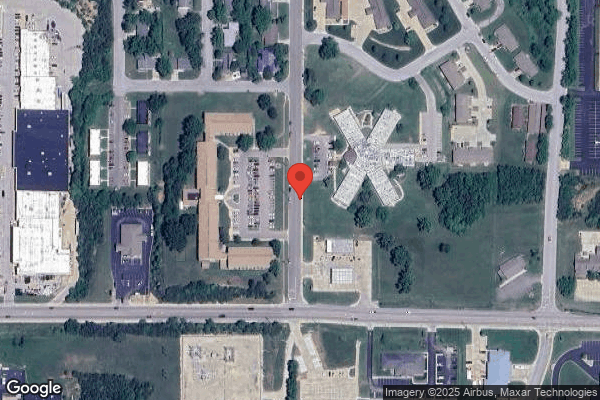
Understanding Severity Codes (click to expand)
Life-Threatening (Immediate Jeopardy)
J - Isolated K - Pattern L - Widespread
Actual Harm
G - Isolated H - Pattern I - Widespread
Potential for Harm
D - Isolated E - Pattern F - Widespread
No Harm (Minor)
A - Isolated B - Pattern C - Widespread

Questions to Ask on Your Visit

  • "What changes have you made since the serious inspection findings?"
  • "Why is there high staff turnover? How do you retain staff?"
  • "Can I speak with families of current residents?"
  • "What's your RN coverage like on weekends and overnight?"

Our Honest Assessment

Strengths
  • • Licensed and certified facility. Meets minimum state requirements.
Concerns
  • • Multiple safety concerns identified: 2 life-threatening violation(s), $64,893 in fines. Review inspection reports carefully.
  • • 59 deficiencies on record, including 2 critical (life-threatening) violations. These warrant careful review before choosing this facility.
  • • $64,893 in fines. Extremely high, among the most fined facilities in Missouri. Major compliance failures.
  • • Grade F (1/100). Below average facility with significant concerns.
Bottom line: Trust Score of 1/100 indicates significant concerns. Thoroughly evaluate alternatives.

About This Facility

What is Aurora's CMS Rating?

CMS assigns AURORA HEALTH AND REHABILITATION an overall rating of 1 out of 5 stars, which is considered much below average nationally. Within Missouri, this rating places the facility higher than 0% of the state's 100 nursing homes. A rating at this level reflects concerns identified through health inspections, staffing assessments, or quality measures that families should carefully consider.

How is Aurora Staffed?

CMS rates AURORA HEALTH AND REHABILITATION's staffing level at 1 out of 5 stars, which is much below average compared to other nursing homes. Staff turnover is 66%, which is 20 percentage points above the Missouri average of 46%. High turnover can affect care consistency as new staff learn residents' individual needs.

What Have Inspectors Found at Aurora?

State health inspectors documented 59 deficiencies at AURORA HEALTH AND REHABILITATION during 2021 to 2025. These included: 2 Immediate Jeopardy (the most serious level, indicating potential for serious harm or death), 50 with potential for harm, and 7 minor or isolated issues. Immediate Jeopardy findings are rare and represent the most serious regulatory concerns. They require immediate corrective action.

Who Owns and Operates Aurora?

AURORA HEALTH AND REHABILITATION is owned by a for-profit company. For-profit facilities operate as businesses with obligations to shareholders or private owners. The facility is operated by VERTICAL HEALTH SERVICES, a chain that manages multiple nursing homes. With 116 certified beds and approximately 77 residents (about 66% occupancy), it is a mid-sized facility located in ROLLA, Missouri.

How Does Aurora Compare to Other Missouri Nursing Homes?

Compared to the 100 nursing homes in Missouri, AURORA HEALTH AND REHABILITATION's overall rating (1 stars) is below the state average of 2.5, staff turnover (66%) is significantly higher than the state average of 46%, and health inspection rating (2 stars) is below the national benchmark.

What Should Families Ask When Visiting Aurora?

Based on this facility's data, families visiting should ask: "What changes have been made since the serious inspection findings, and how are you preventing similar issues?" "How do you ensure continuity of care given staff turnover, and what is your staff retention strategy?" "Can you walk me through typical staffing levels on day, evening, and night shifts?" "Can I visit during a mealtime to observe dining assistance and food quality?" These questions are particularly relevant given the facility's Immediate Jeopardy citations, the facility's high staff turnover rate, and the below-average staffing rating.

Is Aurora Safe?

Based on CMS inspection data, AURORA HEALTH AND REHABILITATION has documented safety concerns. Inspectors have issued 2 Immediate Jeopardy citations (the most serious violation level indicating risk of serious injury or death). The facility has a 1-star overall rating and ranks #100 of 100 nursing homes in Missouri. Families considering this facility should ask detailed questions about what corrective actions have been taken since these incidents.

Do Nurses at Aurora Stick Around?

Staff turnover at AURORA HEALTH AND REHABILITATION is high. At 66%, the facility is 20 percentage points above the Missouri average of 46%. High turnover means new staff may not know residents' individual needs, medications, or preferences. It can also be disorienting for residents, especially those with dementia who rely on familiar faces. Families should ask: What is causing the turnover? What retention programs are in place? How do you ensure care continuity during staff transitions?

Was Aurora Ever Fined?

AURORA HEALTH AND REHABILITATION has been fined $64,893 across 6 penalty actions. This is above the Missouri average of $33,728. Fines in this range indicate compliance issues significant enough for CMS to impose meaningful financial consequences. Common causes include delayed correction of deficiencies, repeat violations, or care failures affecting resident safety. Families should ask facility leadership what changes have been made since these penalties.

Is Aurora on Any Federal Watch List?

AURORA HEALTH AND REHABILITATION is not on any federal watch list. The most significant is the Special Focus Facility (SFF) program, which identifies the bottom 1% of nursing homes nationally based on persistent, serious quality problems. Not being on this list means the facility has avoided the pattern of deficiencies that triggers enhanced federal oversight. This is a positive indicator, though families should still review the facility's inspection history directly.