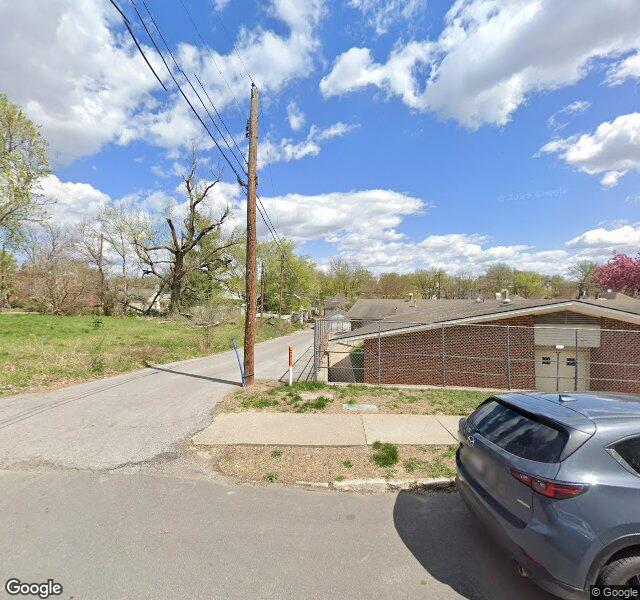
ST JOSEPH CHATEAU

811 NORTH 9TH STREET, SAINT JOSEPH, MO 64501 (816) 233-5164
For profit - Limited Liability company 69 Beds VERTICAL HEALTH SERVICES Data: November 2025
Trust Grade
60/100
#204 of 479 in MO
Last Inspection: May 2025

Inspected within the last 6 months. Data reflects current conditions.

Overview

St. Joseph Chateau has a Trust Grade of C+, which indicates that they are slightly above average but not outstanding. They rank #204 out of 479 nursing homes in Missouri, placing them in the top half of facilities in the state, and #2 out of 6 in Buchanan County, meaning only one local option is better. The facility is improving, with a decrease in reported issues from 17 in 2024 to just 2 in 2025. However, the staffing rating is low at 1 out of 5 stars, indicating challenges, although the turnover rate is better than average at 45%. Notably, there have been no fines, which is a positive sign, and there is good RN coverage, exceeding 88% of facilities in Missouri. On the downside, recent inspections found that the facility struggled with maintaining phone service, which impacted residents' ability to communicate with family and healthcare professionals. Additionally, residents were not able to access their funds in a timely manner, preventing them from making purchases or gifts. There was also a failure to properly inform residents about the local ombudsman, leaving many unaware of how to seek assistance. Overall, while there are strengths in their RN coverage and lack of fines, there are significant communication and access issues that families should consider.

Trust Score
C+
60/100
In Missouri
#204/479
Top 42%
Safety Record
Low Risk
No red flags
Inspections
Getting Better
17 → 2 violations
Staff Stability
⚠ Watch
45% turnover. Above average. Higher turnover means staff may not know residents' routines.
Penalties
✓ Good
No fines on record. Clean compliance history, better than most Missouri facilities.
Skilled Nurses
⚠ Watch
Each resident gets only 30 minutes of Registered Nurse (RN) attention daily — below average for Missouri. Fewer RN minutes means fewer trained eyes watching for problems.
Violations
⚠ Watch
57 deficiencies on record. Higher than average. Multiple issues found across inspections.
★★★☆☆
3.0
Overall Rating
★☆☆☆☆
1.0
Staff Levels
★★★★★
5.0
Care Quality
★★★☆☆
3.0
Inspection Score
Stable
2024: 17 issues
2025: 2 issues

The Good

  • 5-Star Quality Measures · Strong clinical quality outcomes
  • Full Sprinkler Coverage · Fire safety systems throughout facility
  • No fines on record

Facility shows strength in quality measures, fire safety.

The Bad

3-Star Overall Rating

Above Missouri average (2.5)

Meets federal standards, typical of most facilities

Staff Turnover: 45%

Near Missouri avg (46%)

Higher turnover may affect care consistency

Chain: VERTICAL HEALTH SERVICES

Part of a multi-facility chain

Ask about local staffing decisions and management

The Ugly 57 deficiencies on record

Sept 2025 2 deficiencies
CONCERN (D) 📢 Someone Reported This

A family member, employee, or ombudsman was alarmed enough to file a formal complaint

Potential for Harm - no one hurt, but risky conditions existed

Deficiency F0627 (Tag F0627)

Could have caused harm · This affected 1 resident

**NOTE- TERMS IN BRACKETS HAVE BEEN EDITED TO PROTECT CONFIDENTIALITY** Based on interview and record review, the facility failed to allow one resident to return to the facility without a documented r...

Read full inspector narrative →
**NOTE- TERMS IN BRACKETS HAVE BEEN EDITED TO PROTECT CONFIDENTIALITY** Based on interview and record review, the facility failed to allow one resident to return to the facility without a documented reason that the resident's needs could not be met (Resident #1). This affected one resident of five residents sampled. The facility's census was 68.Request for the facility policy on Transfers and Discharges was not provided by the facility. 1. Review of Resident's admission Record, dated 9/11/25, showed:- Resident had a court appointed guardian as the responsible party;- Diagnosis included: major depressive disorder, diabetes, pulmonary disease (respiratory system), traumatic brain injury, Parkinson's disease, anxiety disorder, and paranoid schizophrenia;Review of Resident's Care Plan, revised on 8/21/25, showed:- Resident was adjusting to new surroundings and would like help getting comfortable in his/her new home. Staff should help resident maintain preferences in his/her daily living;- Resident and Guardian wish for resident to stay at the facility long term; Staff to evaluate discharge and long-term care goals annual and as needed;- Resident had the right to refuse cares;- Behaviors: Resident had a history of attention seeking behaviors;- Resident had made statements of self harm. Staff interventions to monitor closely, search room for dangerous items, send resident out for mental evaluation, utilize talk therapy, and provide medications as prescribed;- If Resident makes statements of self-harm, inform charge nurse and doctor immediately. Staff to take all reports of self-harm seriously and follow up on them;- Resident had history of depression and anxiety, administer medications as ordered and psychiatric services as needed;- Resident was at risk for elopement related to wandering;- Resident had the right to to remain in the nursing facility unless a transfer or discharge was ordered by the physician;- Resident had schizophrenia and takes antipsychotic medications and is at risk for behaviors and adverse effects of medications. Staff monitor for increased behaviors and report to physician or psychiatric services.Review of Resident's Physician Order Summary Report, dated 9/11/25, showed:- On 6/5/25 order to monitor for adverse reactions for use of antidepressant medications;- On 8/19/25 order to monitor for adverse reactions for use of antipsychotics;- On 6/5/25 order to record type of behaviors and number of episodes;- On 3/5/25 order refer to Hospital Psychiatric Outpatient Services;- On 5/5/25 or for restorative program three times weekly for walking as a therapeutic activity.Review of the Resident's Progress notes, showed:-On 6/19/25 documentation by Psychiatric-Mental Health Nurse Practitioner showed resident had previously been sent to ER for making suicidal statements. He/she displays significant drug seeking behaviors, and had moderately severe depression. Resident denied Suicidal Ideation (SI): Chronic baseline SI, no plan or intent expressed;-On 7/30/25 documentation by Psychiatric-Mental Health Nurse Practitioner showed chronic baseline SI, no plan or intent expressed;-On 8/2/25 documentation by Psychiatric-Mental Health Nurse Practitioner ordered to increase trazadone and nortriptyline to help resident with his/her anxiety;-On 8/4/25 at 10:10 P.M. The Director of Nursing (DON) reports resident reported SI;-On 8/4/25 at 10:22 P.M. The resident was transported to emergency facility for evaluation;-On 8/5/25 at 7:02 A.M. The resident returned to the facility accompanied by emergency medical services, no new orders;-On 8/5/25 at 8:37 A.M. Lab report from medical facility showed resident tested positive for UTI, cipro 500 MG ordered;-On 8/5/25 at 11:22 A.M. The Social Services Director (SSD) documented the resident had requested to move to another facility and SSD said they would try to accommodate the request with their guardian;-On 8/13/25 documentation by Medical review by Psychiatric-Mental Health Nurse Practitioner showed resident's mood appeared to be good and he/she was not tearful and smiled throughout the conversation. He/she did not appear to be overly anxious and did not display clinical symptoms of anxiety. -On 8/19/25 at 11:03 A.M. The Guardian was contacted and consented to current psychotropics that resident was taking;-On 8/20/25 at 12:25 P.M. The SSD documented that resident stated he/she did not have any urges to hurt himself/herself;-On 8/21/25 Psychotherapy visit documentation showed: The resident continues to be challenged by symptoms of anxiety and depression and demonstrates some disruptive behaviors. Resident was motivated to participate in psychotherapy and was cognitively able to benefit from treatment. Resident symptoms have had variable improvement and treatment goals have not been completed yet. Continue current treatment plan since progress towards treatment goals is evident, ongoing support will be necessary to maintain therapeutic gains;-On 8/29/25 at 6:45 P.M. the police arrived with a social worker stating the resident had called into the suicide hotline. Upon evaluation it was decided the resident needed to be seen at a facility emergency room for a full evaluation; -On 9/2/25 The Resident transferred to emergency room for SI;-On 9/2/25 at 10:17 A.M. Search of resident's room showed no dangerous items or medications;-On 9/2/25 at 10:41 A.M. Social Services and nursing staff requested guardian's permission to send referrals to alternative placements for the resident. Guardian agreed to facility attempting to find alternate placement;-On 9/5/25at 13:39 P.M. documentation showed One facility out of eight referrals for Skilled Nursing Facility agreed to accept resident. Discharge orders and pharmaceutical orders completed and signed. emergency room facility agreed to keep resident until resident's discharge on [DATE]. Guardian updated and agreed to transfer;-On 9/8/25 at 15:17 P.M. The Resident was then transferred to new accepting skilled nursing facility (SNF).Review of the Resident's Medical Record showed:- No discharge instructions, recapitulation of resident's stay, final summary status, or reconciliation of medications provided to the Guardian;- Discharge Notification, undated, showed the attending physician approved the discharge for 9/8/25 at 9:30 A.M. to another skilled nursing facility without providing any reason for the discharge;Record review of communication to the Guardian on 9/4/25 at 2:18 P.M., the Assistant DON (ADON) documented:- Resident is currently inpatient at a Mental Health Hospital. Due to resident making statements of SI, our team believes it in in his/her best interest not to return. The facility believes the Resident needs a higher level of care than we can provide due to ongoing SI. The facility admissions team will reach out to the Mental Health Hospital to communicate that the facility and the Guardian are in agreement with the resident not returning;Review of communication via email between the ADON, Administrator, and SSD on 9/4/25 at 2:56 P.M., the Guardian (A) said:- The Guardian agreed to allow the facility to look for an intake program for mental health evaluation while also looking for other permanent placement locations. The Guardian did not agree that the resident would not be returning to the facility while this search was ongoing. It is the Guardian's expectation that if there is no alternative setting to place the resident temporarily or otherwise, the resident will be returned to the facility. The SSD had already reassured the Guardian previously that the resident would indeed be accepted back until efforts to relocating him/her were successful.Record review of communication to the Guardian on 9/4/25 at 3:03 P.M., showed the facility had come to the conclusion that they cannot provide the level of safety that the resident required.During an interview on 9/11/25 at 3:15 P.M., the Mental Health Hospital RN (A) said:- Initially on 8/29/25 when the resident was transferred to the Mental Health Hospital, the facility said the resident required a psychiatric evaluation for SI and that he/she would be returning back to the facility;- On 9/4/25 the SSD at the facility contacted the Mental Health Hospital and said they would not take the resident back because they could not make it safe for him/her due to the resident's statements about SI. The hospital's viewpoint was that this was a common verbal behavior from the resident, and he/she was not in any danger and could be transferred back to the facility;- The Guardian at no time communicated through the Mental Health Hospital or during numerous conversations that they wanted or initiated a transfer of the resident from their home at the facility to a new skilled nursing facility (SNF);- The resident had a diagnosis of anxiety and his/her mother and sister both live in the city of his/her current facility. Transferring the resident to the new SNF would place the resident at least one hour away by car from his/her family.During an interview on 9/11/25 at 10:40 AM., the Guardian (A) said:- The facility was informed that any plans to discharge the resident would require a 30-day notice. The SSD and ADON were informed that he would appeal the discharge if they did not provide a 30-day notice and not return the Resident back to the facility;- The Guardian never received a notice of discharge for the resident;- The Guardian was told from the Mental Health Hospital that the facility was not going to take the resident back on 9/5/25;- The facility found another SNF to take the resident and since the resident was not being allowed to go back to his/her home he then only agreed to transfer the resident to the new SNF;- The Guardian met with the resident at the Mental Health Hospital and the resident was agreeable to go back to their room at the facility;- The Guardian does not know much about the new facility due to the short lead time of the SNF accepting the resident and the subsequent transfer by the resident's facility;- The Guardian felt pressured to accept the new SNF for the resident due to the circumstances imposed by the resident's home facility of not wanting to take the resident back;- The Mental Health Hospital sent a discharge plan to the Guardian. The Guardian never received any information on the Ombudsman or his/her right to appeal the transfer from the resident's home facility.During an interview on 9/11/25 at 12:35 P.M., the SSD said:- The resident stated he/she wanted to go to another facility because this one didn't meet his/her mental intellect;- The facility got permission from the Guardian to send out referrals because the resident did not want to return to the facility. The reason the resident was being transferred is because they didn't want to transfer;- The resident is not their own person, he/she had a guardian;- The resident had a history of going back and forth on their decisions and wants;- The resident wanted more traditional long-term care and there was no input obtained from the Guardian on where he/she needed to go;- The resident needs diabetic care, ADL assistance, daily monitoring and coping mechanisms for the resident's behaviors. The accepting SNF did not say anything about the SI of the resident when agreeing to accept him/her. The SSD did not screen the SNF to make sure they had all of the services in place to take care of the resident, she expected the accepting SNF to properly review the resident's needs to make sure they could properly provide cares;- The Guardian was told the facility would take the resident back if there was no one that would accept the resident. The facility's main concern at the time of discharge was that the resident was going to harm himself/herself. The facility could employ one on one monitoring to assure the resident's safety;- The Guardian wanted the resident to transfer and gave permission because the resident wanted to transfer from the facility;- Discharge planning wasn't done because the resident wanted to transfer;- A discharge notice and Bed Hold Policy was sent to the Guardian but the Ombudsman was not contacted about the transfer.During an interview on 9/11/25 at 1:05 P.M., the DON said:- The facility could take care of the resident because they have put in a lot of interventions to engage with the resident. The resident voiced concern because he/she could not leave the facility on his/her own and that was a level of independence he/she desired;- The Resident would express SI which resulted in therapy and one on one monitoring to keep the resident safe. Addressing the resident's anxiety issues was also an important factor;- All of these interventions were care planned;- The resident had the behavior of changing their mind on desires and needs from day to day;- The staff would look for other places the resident could go but then the resident would change his/her mind and they would stop looking;- During the resident's most recent hospital stay they were able to find another SNF for him/her but the facility would have taken the resident back if required;- There was not an emergency situation which required the immediate transfer of the resident due to SI;- The facility had been able to handle the last two incidents of SI with the resident. There had not been any concern that the facility could not keep the resident safe. The facility were adjusting medications as an intervention to help with the behaviors of the resident;During the investigation exit interview on 9/11/25 at 1:40 P.M., the Corporate Representative for the facility said:- The resident is not their own person but they can be transferred from the facility if a physician deems it is in the best interest and safety of the resident;- The resident had been transferred due to SI and their potential to be a harm to himself/herself.During an interview on 9/23/25 at 12:30 P.M., Guardian (B) said:- He/she did not initiate the transfer of the resident and would have preferred that the resident did not transfer from the facility after his/her hospital discharge;- He/she had a complete record of interactions with the facility and Mental Health Facility that he/she would provide for review;Review of Guardian notes, dated 9/4-9/5/25, showed:- On 9/4/25 at 1:14 P.M. Guardian (B) received a call from the DON stating that the resident had been sent to a hospital facility for SI and persistent demands for controlled medications. The DON asked permission to send referrals to seek other treatment facilities or placement for him/her. Guardian (B) stated that he/she would authorize sending referrals for another temporary treatment or mental health unit for mental evaluation. - On 9/4/25 at 2:36 P.M. The Mental Health Hospital called and said the resident is ready to transfer back to the resident's facility tomorrow. The doctor reported the resident still has some SI and requests that a mouth check be done when the resident takes his/her medications, and he/she is watched if he/she is given a razor. - On 09/4/25 at 3:00 P.M. Guardian (C) visited with the resident and the resident stated he/she wanted to go back to the facility. Guardian (C) was informed by Mental Health Hospital RN (A) that the resident's facility was refusing to readmit him/her because of his/her SI and they are currently seeking other placement for the resident.- On 9/5/25 at 9:43 A.M. Mental Health Hospital RN (A) told Guardian (B) that the resident was ready to discharge today. Guardian (B) relayed that Guardian (C) had spoken with the facility SSD yesterday and it was agreed that the resident would go back to his/her facility today. - On 9/5/25 at 10:25 A.M. Guardian (B) received a call from the facility Corporate Representative (CR) (B) who wanted to discuss the involuntary discharge of the resident. It was explained by Guardian (B) that an involuntary discharge was unacceptable, and he/she would consider a temporary transfer to a psychological hospital for mental evaluation for the resident. Guardian (C) had worked out with the facility SDD yesterday that the facility would take the resident back and he/she would require a 30-day notice of discharge. CR (B) said the facility would need to do one on one monitoring on the resident until the resident relocates and he/she would have to discuss this with the facility Administrator.- On 9/5/25 at 10:30 A.M. CR (B) called and said the facility could not take on the liability of the resident and was refusing to take him/her back. The facility was reminded by Guardian (B) that they would have to send a 30-day discharge notice and could not just leave the resident or refuse to return him/her to the home facility. CR (B) said they did not have staffing to monitor the resident one on one until he/she was discharged to a new facility. Guardian (B) reminded the facility of the regulations and requirements for a discharge of the resident. CR (B) said that the facility would just have to take the deficiency in this case.- On 9/5/25 at 11:40 A.M. Resident called asking if they were looking for a new place for him/her to go to since the facility would not take him/her back.- 9/5/25 at 12:01 P.M. Mental Health Hospital RN (A) informed Guardian (B) that the home facility would not take the resident back. Guardian (B) asked Mental Health Hospital RN (A) to put in a hotline complaint with the Department of Health and Senior Services since they had not gotten a 30-day notice and it was an abandonment of the resident. - 9/5/25 12:32 P.M. Received a call from the SSD saying another SNF would accept the resident. Guardian (B) agreed to the transfer since there was nowhere else for the resident to go from the Mental Health Hospital. Complaint 2609355
CONCERN (D) 📢 Someone Reported This

A family member, employee, or ombudsman was alarmed enough to file a formal complaint

Potential for Harm - no one hurt, but risky conditions existed

Deficiency F0628 (Tag F0628)

Could have caused harm · This affected 1 resident

**NOTE- TERMS IN BRACKETS HAVE BEEN EDITED TO PROTECT CONFIDENTIALITY** Based on interview and record review, the facility failed to provide a written 30-day notice of discharge, the bed hold policy, ...

Read full inspector narrative →
**NOTE- TERMS IN BRACKETS HAVE BEEN EDITED TO PROTECT CONFIDENTIALITY** Based on interview and record review, the facility failed to provide a written 30-day notice of discharge, the bed hold policy, a discharge summary, and the reason for discharge to one resident's (Resident #1) representative in writing out of the 5 residents sampled, and additionally failed to provide the statement of appeal rights, or the name, address, or telephone number of the Office of the State Long Term Care Ombudsman (advocates for the residents in nursing facilities) and failed to notify the Ombudsman that the resident was discharged . The facility's census was 68.A request was made for the facility's Discharge Policy but was not provided.1. Review of Resident's admission Record, dated 9/11/25, showed:- Resident had a court appointed guardian as the responsible party;- Diagnosis included: major depressive disorder, diabetes, pulmonary disease (respiratory system), traumatic brain injury, Parkinson's disease, anxiety disorder, and paranoid schizophrenia;Review of the Resident's Care Plan, revised 8/21/25, showed:- Resident had been adjusting to his/her new surroundings and would like help getting comfortable in his/her new home. Staff should help Resident maintain his/her preferences in his/her daily living;- Resident and Guardian wished for resident to stay at the facility long term; Staff to evaluate discharge and long-term care goals annually and as needed;- Resident had history of recent hospitalizations at a psychiatric unit facility and the psychiatrist deemed the resident as not a threat to self or others. - If Resident makes statements of self-harm, inform charge nurse and doctor immediately. Staff to take all reports of self-harm seriously and follow up on them;- Resident had the right to receive a 30 day notice of discharge/transfer which includes reason, effective date, location to which the Resident will be transferred/discharged with the telephone number of the Ombudsman;- Resident had the right to appeal the 30 day notice;- Resident had the right to remain in the nursing facility unless a transfer or discharge was ordered.Review of the progress notes, showed on 8/29/25 at approximately 6:45 P.M. the police arrived with a social worker stating the Resident had called into the suicide hotline. Upon evaluation it was decided Resident needed to be seen at a facility emergency room for a full evaluation; Review of the Resident's Medical Record showed:- No bed hold notice provided, no notification of right to appeal discharge, and No Ombudsman contact information for the transfer of Resident on 8/29/25 in the record;- No discharge instructions, recapitulation of resident's stay, final summary status, or reconciliation of medications provided to the Guardian;- A discharge notification signed by attending physician and did not contain reason for discharge.Review of request for Bed Hold Notice for 8/29/25, showed:- Social Services Director (SSD) was only able to provide an old Bed Hold Notice from 8/4/25 which was not in electronic Medical Record;- No Bed Hold Notice for 8/29/25 was provided;Record review of communication to the Guardian on 9/4/25 at 2:18 P.M., the Assistant Director of Nursing (ADON) documented:- Resident was currently inpatient at a Mental Health Hospital and due to resident making statements of SI if they are returned to the facility, the team believes it in in his/her best interest for the resident not to return. The facility believes the Resident needs a higher level of care that they are unable to provide due to ongoing SI. The facility admissions team would reach out to the Mental Health Hospital to communicate that as Power of Attorney you are in agreement with him/her not returning.Review of the progress notes, showed: -Resident transferred to emergency room facility on 9/2/25 for suicidal ideations. -On 9/2/25 at 10:17 A.M. Search of the Resident's room showed no dangerous items or medications;- On 9/2/25 at 10:41 A.M. Social Services and nursing staff requested guardian's permission to send referrals to alternative placements for the Resident. Guardian agreed to facility attempting to find alternate placement;- On 9/5/25 at 1:39 P.M. One facility out of eight referrals agreed to accept the resident. Discharge orders and pharmaceutical orders completed and signed. emergency room facility agreed to keep resident until resident's discharge on [DATE]. The Guardian updated and agreed to transfer;- On 9/8/25 at 3:17 P.M. Resident was then transferred to another skilled nursing facility (SNF).Record review of communication between the ADON, Administrator, and SSD on 9/4/25 at 2:56 P.M., the Guardian said:- As Guardian it was agreed to allow the facility to look for an intake program for mental health evaluation while also looking for other permanent placement locations. I did not agree that the Resident would not be returning to the facility while this search was ongoing. It is my expectation that if there is no alternative setting to place the resident temporarily or otherwise that the Resident be returned to the facility. The SSD had already discussed previously about the Resident not returning to the facility when offering to send out referrals for new permanent placement and reassured me that the resident would indeed be accepted back until efforts to relocating him/her were successful.Record review of communication to the Guardian on 9/4/25 at 3:03 P.M., showed the facility has come to the conclusion that they cannot provide the level of safety that the resident requires;During an interview on 9/11/25 at 3:15 P.M., the Mental Health Hospital RN (A) said:- Initially on 8/29/25 when the Resident was transferred to the Mental Health Hospital the facility said the Resident required a psychiatric evaluation for SI and that he/she would be returning back to the facility;- On 9/4/25 the SSD at the facility contacted the hospital and said they would not take the resident back because they could not make it safe for him/her due to Resident's statements about using a razor with SI. The hospital's viewpoint was that this was a common behavior from the Resident, and he/she was not in any danger and could be transferred back to the facility;- The Guardian at no time communicated through the Mental Health Hospital or during numerous conversations that they wanted or initiated a transfer of Resident from their home at the facility to a new facility;- The Resident had a diagnosis of anxiety and his/her mother and sister both live in the city of the current facility. Transferring the Resident to the new SNF identified by the facility is one hour away by car and is not a benefit to the Resident and a hardship for his/her family to visit.During an interview on 9/11/25 at 10:40 AM., the Guardian said:- The facility was informed that any plans to discharge the resident would require a 30-day notice. The SSD and ADON were informed that he/she would appeal the discharge if they did not provide a 30-day notice and not return the Resident back to the facility;- He never received a notice of discharge for the resident;- He had been told from the Mental Health Hospital that the facility was not going to take the resident back on 9/5/25;- The facility found another Skilled Nursing Facility (SNF) to take the Resident and since the Resident was not being allowed to go back to his/her home we agreed to transfer the Resident to the new SNF;- The Guardian met with the resident at the Mental Health Hospital and the Resident was agreeable to go back to their home at the facility;- The facility did not send a discharge plan to the Guardian, the Guardian never received any information on the Ombudsman or his/her right to appeal the transfer from the Resident's facility.During an interview on 9/11/25 at 12:35 P.M., the SSD said:- The resident stated he/she wanted to go to another facility because this one didn't meet his/her mental intellect;- The facility got permission from the Guardian to send out referrals because the Resident didn't want to return to the community. The reason the Resident was being transferred is because they didn't want the resident to come back;- The Resident is not their own person, he/she had a Guardian;- The Guardian was told the facility would take the Resident back if there was no one that would accept the resident. The facility's main concern was that the resident was going to harm themselves. The facility would employ one on one monitoring to assure the Resident's safety if needed;- The Guardian wanted the resident to transfer and gave permission because the resident wanted to transfer from the facility;- Discharge planning wasn't done because the resident wanted to transfer;- A discharge notice and Bed Hold Policy was sent to the Guardian but the Ombudsman was not contacted about the transfer.During an interview on 9/11/25 at 1:05 P.M., the Director of Nursing (DON) said:- The facility could take care of the resident because they have put in a lot of interventions to engage with the Resident. The Resident voiced concerned because they could not leave the facility on his/her own and that was a level of independence he/she desired;- The Resident would express SI which resulted in therapy and one on one monitoring to keep the Resident safe. - The resident had the behavior of changing their mind on desires and needs from day to day;- The staff would look for other places the Resident could go but then the resident would change his/her mind and they would stop looking;- During the Resident's most recent hospital stay they were able to find another SNF for him/her but the facility would have taken the resident back if required;- The Resident was not in an emergency situation which required his/her immediate transfer;- The facility had been able to handle the last two incidents of SI with the resident so there wasn't a worry they couldn't keep him/her safe and they were adjusting medications as an intervention to help with the behaviors;Complaint 2609355
Aug 2024 1 deficiency
CONCERN (E) 📢 Someone Reported This

A family member, employee, or ombudsman was alarmed enough to file a formal complaint

Potential for Harm - no one hurt, but risky conditions existed

Safe Environment (Tag F0584)

Could have caused harm · This affected multiple residents

**NOTE- TERMS IN BRACKETS HAVE BEEN EDITED TO PROTECT CONFIDENTIALITY** Based on observation, record review and interviews, the facility failed to ensure they maintained a safe, clean, comfortable env...

Read full inspector narrative →
**NOTE- TERMS IN BRACKETS HAVE BEEN EDITED TO PROTECT CONFIDENTIALITY** Based on observation, record review and interviews, the facility failed to ensure they maintained a safe, clean, comfortable environment for the residents when staff failed to keep all areas of the facility clean and in good repair and did not act on recommendations of the pest control contractor to maintain areas of the building to prevent rodents. The facility census was 43. Review of the facility's Pest Control Program policy, dated 9/1/22, included; it is the policy of this facility to maintain an effective pest control program that eradicates and contains common household pests and rodents (e.g., bed bugs, lice, roaches, ants, mosquitos, flies, mice and rats). Review of the facility's Routine Cleaning and Disinfection policy, dated 9/1/21 included: -It is the policy of this facility to ensure the provision of routine cleaning and disinfection in order to provide a safe, sanitary environment and to prevent the development and transmission of infections to the extent possible. -Cleaning refers to the removal of visible soil from objects and surfaces and is normally accomplished manually or mechanically using water and detergents or enzymatic products. -Cleaning considerations include, but not limited to, the following: Dry cleaning procedures will be conducted before wet procedures. Clean from areas that are visibly clean and least likely to be contaminated to areas usually visually dirty. Clean from top to bottom (bring dirt from high levels down to floor levels). Clean from back to front areas. -Consistent surface cleaning and disinfection will be conducted with a detailed focus on high touch areas to include, but not limited to: Toilet flush handles, bed rails, tray tables, call buttons, TV remote, telephones, toilet seats, monitor control panels/touch screens/cables, resident chairs, IV poles, blood pressure cuffs, sinks/faucets, light switches, door knobs/levers. -Horizontal surfaces with infrequent hand contact (window sills and hard surface flooring) in routine resident-care areas should be cleaned: On a regular basis. When soiling and spills occur. When a resident is discharged from the facility. -Cleaning of walls, blinds, and window curtains will be conducted when visibly soiled. Review of the facility's Infection Prevention and Control Program policy, dated 9/1/22, included: -The facility has established and maintains an infection prevention and control program designed to provide a safe, sanitary, and comfortable environment and to help prevent the development and transmission of communicable diseases and infections. -Standard Precautions: Environmental cleaning and disinfection shall be preformed according to facility policy. All staff have responsibilities related to the cleanliness of the facility and are to report problems outside of their scope to the appropriate department. Observation of the facility on 8/22/24 at 9:15 A.M., showed: -An area in the ceiling by nurses' station is cracked, appeared to have been repaired in the past. There is a dark black substance along the crack in the repair. -In the activity office, there is a black mold-like substance on the ceiling above the air conditioner. -Inside the closet containing the ice machine, there is damaged and crumbling sheet rock or plaster, near the floor, on each wall. There are multiple pieces of debris and trash on the floor of the closet. -The wall on the outside of the closet has significant signs of damage, paint peeling and the dry wall is crumbling. - In the laundry room, there is a black mold-like substance along the top of each wall. Observation of the kitchen on 8/22/24 at 10:11 A.M., showed: -Under the three bay sink, there is a mouse approximately the size of an eight ounce glass, stuck to a glue trap, still moving. -There is a black mold-like substance around the window above the three bay sink. There is a black mold-like substance between the glass panes of this window. -The floor throughout the kitchen is sticky and there are multiple pieces of food debris. -There are crumbs and other debris on the shelves of the prepping station. During an interview on 8/22/24 at 10:15 A.M., Dietary Aide A said this is the first time he/she has seen a mouse in the kitchen, but there are a lot of traps in the kitchen. Observation of the small dining room on 8/22/24 at 10:45 A.M., showed: -Dark black mold-like substance on the ceiling, near the fire place, approximately six inches square. -Multiple dead flies on the window sill. Observation of the basement on 8/22/24 at 11:10 A.M., showed: -A large amount of various items, including boxes of records, bags of clothing, parts to beds, walkers, wheelchairs, holiday decorations, computers and monitors. There is a path leading through the basement. -Cockroaches were observed when items were moved. Observation of the facility on 8/27/24 at 8:45 A.M., showed: -The hallway floor with standing debris, visible dirt and a sticky with wax build up. -Resident rooms were observed to have piles of resident belongings on the floors of rooms on the 100 and 200 halls. -The top and bottom of each hall contain rodent traps. Rodent traps were also observed in resident rooms [ROOM NUMBERS]. During an interview on 8/27/24 at 9:45 A.M., Resident #1 said that he/she has seen two mice in his/her room on multiple occasions, especially at night. During an interview on 8/27/24 at 10:00 A.M., the Physical Therapist said he/she has seen mice sitting in the halls in the mornings. They have also been observed in the therapy office. During an interview on 8/27/24 at 10:45 A.M., the Occupational Therapist said: -He/she said the mouse situation is getting worse. Therapy staff have observed mice more frequently and the residents are also reporting to staff they are seeing mice. -He/she has seen mice in the small dining room by the vending machines, which is next to the therapy office. During an interview on 8/27/24 at 10:55 A.M., the Activities Director said he/she has seen mice in the activity office multiple times and and that mouse sightings have become more frequent. Review of the facility's invoices from the pest control company showed: -2/27/2024: Three mice were found in traps during service. Pest control staff sealed holes in rooms and corners and bathrooms where mice had chewed holes in them. -3/4/2024: Structural concerns that could cause pest problems-exit door doesn't close/seal properly. Need new door sweeps for all exit doors, can see daylight and will let mice in. Sanitation issues that could cause pest problems-Laundry/housekeeping needs to remove mouse droppings in laundry room that have not been cleaned up from the last visit. -3/26/24: Service for small flies in patient rooms. Drains in patient rooms have large amount of build up in the drains and are not draining properly, causing small fly breeding areas. Please clean to reduce activity. -4/5/24: Three mice removed from kitchen mop/sink area. One removed from the north hall. One removed from trap next to nurses' station. Structural concerns that could cause pest problems- Exit door doesn't close/seal properly, quarter inch or more gap exists. Daylight can be seen out under bottom of exit doors, this can let pests in. Replace door sweep. -4/24/24: Three mice removed from trap in laundry room, two mice removed from traps in kitchen, two mice removed from room where lifts are stored. Left two more traps for facility and added one more trap to the laundry room. -5/3/24: Two mice removed from traps in laundry room. Three mice removed from mop area in kitchen. One mouse removed by vending machines. -6/7/24: Four mice removed from laundry room, 2 mice removed from kitchen, one mouse removed from resident room [ROOM NUMBER]. -6/19/24: One mouse removed from store room. -7/5/24: One mouse removed from laundry room, one mouse removed from kitchen. -7/9/24: Resident rooms [ROOM NUMBER] were treated for mice and new traps were placed. -7/11/24: Sanitation issues that could cause pest problems- Resident rooms need cleaned thoroughly and all old mouse droppings removed from corners, under dressers and nightstands. Please address sanitation issue. -Based on observation on 8/27/24, this issue has not been addressed. -8/2/24: Removed three mice in the kitchen, four mice in the laundry room, one mouse removed from resident room [ROOM NUMBER]. -8/12/24: One mouse removed from traps in the kitchen, laundry room and resident room [ROOM NUMBER]. Traps placed in resident rooms 101, 103, 121, and 122. -8/23/24: Structural concerns that could cause pest problems- exit door doesn't close/seal properly, quarter inch or greater gap exists. Daylight can be seen between exit doors at north and sound ends of the build. Replace door sweep. -Based on observation on 8/27/24, this issue has not been addressed. During an interview on 8/22/24 at 11:25 A.M., the Director of Maintenance said: -The facility is currently without a maintenance person. -He/she is aware there is a pest control issue in the facility. The facility is working with the pest control company to resolve the issue. -A new maintence person will be starting soon at the facility. His/her first priorities will be to address the items in the basement and the suggestions from the pest control company. During an interview on 8/22/24 at 11:45 A.M., the Administrator said: -He/she is aware the facility has an issue with pest control. The pest control company has been making frequent visits to address this. -It is his/her expectation that the facility be clean and comfortable for residents. Staff should be following the cleaning schedule. -It is his/her expectation that all staff be monitoring the cleanliness of the facility and reporting issues to their supervisor or the administrator. MO240790
Apr 2024 16 deficiencies
CONCERN (D)

Potential for Harm - no one hurt, but risky conditions existed

ADL Care (Tag F0677)

Could have caused harm · This affected 1 resident

**NOTE- TERMS IN BRACKETS HAVE BEEN EDITED TO PROTECT CONFIDENTIALITY** Based on observations, interviews, and record review, the facility failed to ensure dependent residents who were unable to carry...

Read full inspector narrative →
**NOTE- TERMS IN BRACKETS HAVE BEEN EDITED TO PROTECT CONFIDENTIALITY** Based on observations, interviews, and record review, the facility failed to ensure dependent residents who were unable to carry out activities of daily living (ADLs) received the necessary services to maintain good personal hygiene when staff did not provide complete perineal and urinary catheter care to two of 16 sampled residents, (Resident #20 and #33). The facility census was 62. The facility did not provide a policy for perineal care or catheter care. 1. Review of Resident #20's Annual Minimum Data Set (MDS), a federally mandated assessment instrument completed by facility staff, dated 1/15/24 showed: - Long and short term memory problems; - Upper and lower extremities impaired on one side; - Dependent on staff for toilet use, dressing and transfers; - Always incontinent of bowel and bladder (the inability to control urine or bowel movements) - Diagnoses included aphasia (a language disorder that affects a person's ability to communicate), stroke, dementia, seizure disorder, anxiety, depression, hemiplegia (paralysis affecting one side of the body) and schizophrenia (a mental disorder characterized by disruptions in thought processes, perceptions, emotional responsiveness, and social interactions). Review of the resident's care plan, revised 1/29/24 showed: - The resident had an activities of daily living (ADL) self - care performance deficit related to dementia, hemiplegia and old stroke with right side impairment; - The resident does not use the toilet. The resident is incontinent of bowel and bladder and wears incontinent briefs. Required extensive assistance for toileting with staff assistance. Observation on 3/28/24 at 8:51 A.M., showed: - Certified Nurse Aide (CNA) A used a new wipe and wiped up one side of the resident's groin and with the same area of the wipe, and wiped down the groin; - CNA A used a new wipe and wiped down the other side of the groin and used the same area of the wipe, and wiped down the middle perineal folds; - The resident urinated onto the incontinent cloth pad; - CNA A used a new wipe and wiped down the middle perineal folds; - CNA A did not separate clean all the perineal folds; - CNA A and CNA B turned the resident onto his/her side; - CNA A wiped up the outer buttocks, used a new wipe and wiped from front to back used a new wipe and wiped up the inner buttocks; - CNA A did not separate and clean all areas of the skin where urine had touched; - CNA A and CNA B removed the wet fitted sheet, did not clean the mattress and placed a clean fitted sheet on the mattress. 2. Review of Resident #33's quarterly MDS, dated [DATE] showed: - Cognitive skills intact; - Lower extremities impaired on both sides; - Dependent on staff for toilet use and transfers; - Had a urinary catheter (sterile tube inserted into the bladder to drain urine); - Always incontinent of bowel; - Diagnoses included congestive heart failure (CHF, accumulation of fluid in the lungs and other areas of the body), neurogenic bladder (dysfunction that results from interference with the normal nerve pathways associated with urination), chronic obstructive pulmonary disease (COPD, obstruction of air flow that interferes with normal breathing) and peripheral vascular disease (PVD, a circulatory condition in which narrowed blood vessels reduce blood flow to the limbs). Review of the resident's care plan, revised 2/29/24 showed: - The resident had an ADL self - care performance deficit; - The resident required extensive to total staff assistance with ADLs related to weakness, limited range of motion (ROM), morbid obesity, wounds, and COPD; - The resident required total assistance by one staff for toileting. Observation on 3/28/24 at 6:50 A.M., showed: - CNA A wiped down each side of the groin with a new wipe each time; - CNA A wiped across the abdominal fold with a new wipe; - CNA A did not anchor the catheter tubing and wiped down the tubing; - CNA A used a new wipe and wiped down the middle, folded the wipe and wiped down the inner right leg; - CNA A did not separate and clean all the perineal folds; - CNA A and CNA B turned the resident onto his/her side; - CNA A used the same area of a new wipe and wiped up and down the outer left hip; - CNA A used a new wipe and cleaned the rectal area four times with a smear of fecal material on each wipe; - CNA A wiped each side of the inner buttocks; - CNA A did not separate and clean all the perineal folds. During an interview on 3/28/24 at 12:53 P.M., CNA A said: - He/she should have separated and cleaned all areas of the skin where urine had touched; - Should not use the same area of the wipe to clean different areas of the skin; - Should not fold the wipe during peri care; - Should have anchored the catheter tubing then wiped down it; - The mattress should have been cleaned after the resident urinated on it. During an interview on 3/28/24 at 6:55 P.M., the Director of Nursing (DON) said: - She expected the staff to separate and clean all areas of the skin folds; - Staff should not use the same area of the wipe; - Staff should have started over with peri care after the resident had urinated; - Staff should have anchored the catheter tubing at the insertion site.
CONCERN (D)

Potential for Harm - no one hurt, but risky conditions existed

Accident Prevention (Tag F0689)

Could have caused harm · This affected 1 resident

**NOTE- TERMS IN BRACKETS HAVE BEEN EDITED TO PROTECT CONFIDENTIALITY** Based on observation, interview and record review, the facility failed to provide supervision while eating for one resident out ...

Read full inspector narrative →
**NOTE- TERMS IN BRACKETS HAVE BEEN EDITED TO PROTECT CONFIDENTIALITY** Based on observation, interview and record review, the facility failed to provide supervision while eating for one resident out of 16 sampled residents (Resident #5) who is a choking risk while dining in his/her room per the resident's care plan. The facility census was 62. The facilty did not provide the requested policy on accidents. 1. Review of the Resident #5's care plan dated 10/23/23, showed: - ADL self-care performance deficit due to right sided hemiplegia; -The resident is dependent on staff for meeting emotional and physical needs related to cognitive deficits; - The resident has had choking episode while eating related to dysphagia (difficulty swallowing); - The resident is to be monitored by staff while eating. Review of the resident's Quarterly Minimum Data Set (MDS), a federally mandated assessment instrument completed by facility staff, dated 2/9/24 showed; - Severe cognitive impairment; - Substantial assistance with Activities of daily living (ADLs); - The resident had hallucinations (a false perception of objects or events involving the senses); - The resident had delusions ( a false belief or judgment about external reality); - Required supervision or touching assistance with eating; - Coughing or choking with food; - Mechanically altered diet; -Incontinent of bowel and bladder; - Diagnoses included Schizophrenia, hemiplegia (paralysis of one side of the body, stroke, high blood pressure. Review of the residents MDS progress notes showed: -2/9/24: Quarterly MDS review: Assessment/interview with resident. He/she does report a cough sometimes. Noted restorative aide documentation showes he/she coughs while eat/drinking and does have dysphagia and history of choking episodes while eating, history of aspiration pneumonia. Review of the resident's progress notes showed: -3/26/24: Therapist discussed with speech-language pathologist (SLP - works in health care and diagnoses swallowing disorders) information for best practices and care. The resident requires supervision with all meals due to impaired labial and lingual function ( primary function is to provide stability of the upper and lower lip and the tongue) resulting in difficulty with management of bolus in mouth and difficulty swallowing. Information was discussed with the Interdisciplinary Care Team (IDT). Observation on 03/26/24, at 12:25 P.M., showed: - Resident eating in his/her room while laying bed; - The head of the bed was raised to an upright position; - No staff were in the room while the resident was eating. Observation on 3/27/24 at 12:42 P.M., showed: -The resident eating in his/her room while setting in bed; - The head of the bed was raised to an upright position; - No staff were in the room while the resident was eating. During an interview on 03/27/24, at 02:32 P.M Registered Nurse (RN) A said: - The resident has dysphagia and is choking hazard and requires supervision at meals; - The resident has had a choking episode in the past and he/she is care planned to have supervision while eating; - The Certified Nurses Aide (CNA)'s supervise him/her at meals; - If the CNA's cannot do it they are supposed to come and get the nurse but sometimes that does not happen; - The resident should not eat without staff supervision. Observation on 03/28/24 12:53 P.M., showed: -Nurses Aide (NA) A took the resident's lunch meal into the resident's room and set in the bedside table; -The resident starting eating his/her meal while laying in bed; - The head of the bed was raised to an upright position; -NA A left the room and did not supervise the resident while he/she ate his/her meal; - No other staff came in to supervise the resident while eating. During an interview on 03/28/24, at 1:07, P.M., NA A said: -He/she just started in January; -The resident gets up sometimes for meals and sometimes not; -Staff are supposed to set with the resident while he/she eats; -He/she did not give a reason why he/she did not set with the resident today while the resident ate his/her meal. During an interview on 3/28/24, at 02:02 P.M CNA A said: - The resident usually eats in his/her room; - The resident comes to the dining room sometimes; - The resident can feed his/her self; - He/she was not sure if the resident needed to be supervised at meals or not. During an interview on 3/28/24, at 06:58 P.M the Director of Nursing (DON) said: - Residents who are risk for choking should not eat alone and must be supervised by staff; - The charge nurse should be in charge of ensuring that is done; - Resident's who are choking hazards and require supervision are listed in the [NAME] ( a worksheet that includes a summary of resident information).
CONCERN (D)

Potential for Harm - no one hurt, but risky conditions existed

Deficiency F0692 (Tag F0692)

Could have caused harm · This affected 1 resident

Based on observation, interview and record review, the facility failed to prevent significant weight loss of more than 10% of the resident's body weight in a 3 month period for one sampled resident wh...

Read full inspector narrative →
Based on observation, interview and record review, the facility failed to prevent significant weight loss of more than 10% of the resident's body weight in a 3 month period for one sampled resident who was at nutritional risk and received dialysis (Resident #3) out of 16 sampled residents. The facility census was 62 residents. Review of the facility provided policy Weight Monitoring, dated 9/1/22 showed: -Based on the resident's comprehensive assessment the facility will ensure that all residents maintain acceptable parameters of nutritional status, such as usual or desirable body weight. -Interventions will be identified, implemented, monitored and modified (as appropriate), consistent with the resident's assessed needs, choices, preferences, goals, and current professional standards to maintain acceptable parameters of nutritional status. -A significant change in weight is defined as: 5% change in weight in 1 month (30 days), 7.5% change in weight in 3 months (90 days), 10% change in weight in 6 months (180 days). -The physician should be informed of a significant change in weight, and may order nutritional interventions. Review of the Resident #3's Annual Minimum Data Set (MDS: a federally mandated assessment tool completed by the facility) dated 11/6/23 showed: -Brief Interview of Mental Status (BIMS) of 11, indicated some cognitive loss; -Independent for Activities of Daily Living (ADL's:fundamental skills used to care for oneself, such as eating, bathing, and mobility); -Continent of bowel and bladder; -Weight of 149 pounds (lb); -No weight loss; -Therapeutic Diet; -Dialysis not indicated; -Diagnoses of End Stage Renal Disease (a terminal (leading to death) disease in which the kidneys no longer work to meet the body's needs), major depressive disorder (persistently low mood and decreased interest in things), weakness, unsteadiness, anemia (a condition in which the body does not have enough healthy red blood cells) and unspecified protein calorie malnutrition (the state of inadequate intake of food; as a source of protein, calories, and other essential nutrients). Review of the Physician Order sheets for March 2024 showed: -Order date of 12/21/22 : Multivitamin Tablet (Multiple Vitamin) Give 1 tablet by mouth one time a day for supplement; - No Added Salt diet (NAS) , Renal diet-Regular texture, Regular/Thin consistency liquids, Low phosphorus (a mineral naturally occurring in foods that are a key element in bones, teeth and cells) , limited to 1 serving per day. Avoid food containing very high phosphorus; -Order date of 12/29/23: Sevelamer Hydrochloride (HCL: a medication used to control phosphorous levels in the blood)) 800 milligrams (MG); 2 tablets by mouth daily with meals for dialysis. Review of the resident's comprehensive Care Plan dated 4/24/23 showed: -The resident had altered nutrition related to anemia, hyperkalemia (high potassium level in the blood), Stage 3 kidney disease. Avoids beans and tomatoes. -Chewing difficulty as related to complete edentulism (no teeth), he/she was unable to eat steak or peanuts. -He/She has had a weight loss. (added on 2/28/24) -He/She will consume 75-100% of 2 meals per day to meet nutrient requirements through the review date. -Give diet as ordered: Fortified Meal Plan diet, Regular texture, Regular/Thin consistency, Low phosphorus, limit to 1 serving per day. Avoid food containing very high phosphorus. -Monthly weights monitored. Report significant changes to physician. -Offer alternative meal when he/she eats less than 50% of meal. Review of the resident's weights showed: -On 1/4/24 he/she weighed 147.6 lbs - On 2/5/24 he/she weighed 132 lbs with a 15.6 lb loss or 10.57% loss in 30 days. - On 3/5/24 he/she weighed 124.9 lbs with a 7.7 lb loss or 5.38% loss in 30 days. - A total of 23.1 lbs loss or 15.38% loss in 90 days. During an interview on 3/27/24 at 1:35 P.M. The resident said: -The food was always cold, he/she can only have certain foods, he/she had lost weight because he/she did not like the food. Review of the Resident's nutrition/dietary progress notes showed: - 1/2/2024 Continued to follow weights as he/she was now on dialysis three times per week. Diet was listed as NAS/Renal with 1200 milliliters (ml) fluid restriction. -1/10/2024 Continued to follow weight changes as he/she remained on dialysis treatments. -1/17/2024: Discussed weight change, food preferences and goals. The resident has been very upset with all the restrictions. The resident was OK with not using fluid milk or beans, but would not skip cheese. The resident said he/she did try to watch fluid intake. The resident agreed to a Nepro supplement (a nutritional drink for people on dialysis) at bedtime. He/She will recommend the above changes and continue to follow. - 1/29/2024 Followed for weight change. He/She had eaten 75% average of a NAS Renal diet, and was on a 1200 ml fluid restriction. Medical management included Sevelamer with meals. Recommend to discontinue Renal diet as this was usually more compatible with predialysis need. -2/27/2024 He/She was eating 75% average of a NAS/Renal diet with double entrees. Recommended changing diet to liberal renal as he/she had made multiple comments about not wanting to be constantly hounded about what he/she ate and drank. -3/4/2024 Following as weight continued to decline. He/She has eaten a varied amount of a NAS/Renal diet. Current weight was 126.4 lbs; He/She would request discontinuation of renal restriction, and add Nepro at bedtime. Registered Dietician (RD) had called and left message for dialysis team for recent labs or other suggestions. - 3/25/2024 Continued to monitor weight. The resident told the RD he/she did not want to follow the renal diet. He/She would continue to counsel and support the resident. Review of the Dialysis center communication showed: -2/20/24 lab report showed Albumin (protein) level of 2.9 g/dL (grams per deciliter) with a goal of greater than or equal to 4. g/dL -The resident was to eat more fish, eggs and meat. Review of the Resident's medical record showed: -3/8/24 He/She was seen by his/her primary care physician. -No mention of weight loss. During an interview on 3/27/24 at 9:54 A.M. the primary care physician's nurse said: -He/She was not aware of any weight loss for this resident. -He/She did not find any notes in the system about the resident's weight loss. -He/She would leave a note for the Nurse Practitioner. During an interview on 3/27/24 at 10:28 A.M. the Advanced Practice Registered Nurse (APRN) said: -He/She did not specifically recall staff notifying him/her of the resident's weight loss. -He/She was aware the resident had declined in his/her ability and health over the last couple of months. During an interview on 3/27/24 at 12:42 P.M. the Registered Dietician (RD) said: -He/She has seen the resident's weights. -The resident did not like the Nepro. -The dialysis dietician was working to get the resident renal prostat., a different supplement. -The resident received double portions protein at breakfast and dinner. -He/She has sent recommendations to liberalize the resident's diet to the Director of Nursing. -Attempted interventions, non compliance and failures should be documented. During an interview on 3/28/24 at 10:23 A.M. Licensed Practical Nurse (LPN) A said: - Multiple residents have complained to him/her about small portions at meals and they are loosing weight because of it. -This resident has had a large weight loss. -He/She was not sure how much the resident had lost . -The resident asked for lasagna one day when it was served and dietary would not give it to him/her. -The resident was on a renal diet and could not have several things. -The resident did not like the renal diet and would ask for something , but dietary staff would not give it to him/her. The resident was on dialysis but should be allowed to have what he/she wants. -He/she had told administration about the small portions and not allowing residents to have what they want. Nothing has been done that he/she is aware of. During an interview on 3/28/24 at 6:55 P.M. the Director of Nursing said: -The Registered Dietician reviewed the resident's weights monthly, and would give any recommendation. -Recommendations are given to the DON then she passes them to the PCP or the NP. -He/she believed if the resident's goal was living their best life then they should have liberalized diet. If the resident wants dialysis to work best then the resident should stick to the restricted diet. During an interview on 3/28/24 at 7:03 P.M. the Administrator said: -He/She expected food to be served hot or cold, as intended. -There should be enough food for residents to have seconds or alternates. -He/She expected portion sizes to be adequate. -He/She did not recall any complaints recieved or voiced concerns by the residents about portion sizes. -He/she would expect the PCP or NP to address weight loss.
CONCERN (E)

Potential for Harm - no one hurt, but risky conditions existed

Resident Rights (Tag F0550)

Could have caused harm · This affected multiple residents

**NOTE- TERMS IN BRACKETS HAVE BEEN EDITED TO PROTECT CONFIDENTIALITY** 2. Review of Resident #47's care plan, revised 1/15/24 showed: -The resident has an ADL self care performance deficit; -The resi...

Read full inspector narrative →
**NOTE- TERMS IN BRACKETS HAVE BEEN EDITED TO PROTECT CONFIDENTIALITY** 2. Review of Resident #47's care plan, revised 1/15/24 showed: -The resident has an ADL self care performance deficit; -The resident has impaired cognitive function; -The resident is dependent on staff for meeting motional, intellectual, physical and social needs; -The resident requires extensive assistance with dressing. Review of the resident's significant change MDS, dated [DATE] showed: - Severe cognitive impairment; - Required partial assistance with dressing upper body: - Required substantial assistance with dressing lower body; - Lower extremity impaired on one side; - Occasionally incontinent of urine; - Diagnoses included stroke, dementia and high blood pressure. Observation on 3/25/24 at 12:25 P.M., showed: -The resident was walking down the hall past the dining room assisted by hospice staff; - The resident 's skin was exposed on his/her left chest; - The dietary staff was serving lunch in the dining room; - 12 residents were the dining room eating lunch when the resident walked by with his/her skin exposed; - The resident walked by CNA A and CNA D; - Neither CNA A or CNA D assisted the resident in covering his/her exposed skin. During an interview on 3/25/24 at 1:28 P.M., CNA A said: -The resident should have no skin exposed; -The hospice aide got him/her up but the facilty staff is still responsible if they see exposed skin to assist the resident in covering up; -He/she did not notice the resident's skin was exposed. During an interview on 3/25/24 at 1:46 P.M., CNA D said: -The resident should have no skin exposed; -The staff should make sure the resident is dressed before coming out of their room; -He/she could not remember if the resident's skin was exposed because he/she was busy passing lunch trays. During an interview on 3/28/24 at 11:02 A.M., RN A said: - No one should be able to see the resident's skin showing when they are out of their room; - Staff should adjust the resident's clothes to fit if they notice exposed skin in the hall or public areas; - The resident is cognitively impaired and staff assists him/her with dressing. Based on observation, interview and record review, the facility failed to ensure residents were cared for in a dignified way that a reasonable person would expect, when they failed to cover two resident's skin while in common areas of the building. This affected two of 16 sampled residents (Resident #47 and Resident #32). The facility additionally failed to provide a dignified dining experience when the noise levels were so great in the dining room, that one resident (Resident #14) no longer ate in the dining room due to the noise. The facility census was 62. Review of the facility provided policy, Promoting and Maintaining Resident Dignity, date reviewed 9/1/22 showed in part: -It is the practice of this facility to protect and promote resident rights and treat each resident with respect and dignity as well as care for each resident in a manner and in an environment, that maintains or enhances resident's quality of life by recognizing each resident's individuality. -All staff members are involved in providing care to residents to promote and maintain resident dignity and respect resident rights. -The resident's former lifestyle and personal choices will be considered with providing care and services. -Groom and dress residents according to resident preference. 1. Review of Resident # 14's admission Minimum Data Set (MDS: a federally mandated assessment tool completed by facility staff) dated 1/29/24 showed: -Brief Interview of Mental Status (BIMS) of 13, indicated very minimal cognitive loss. -No mood or behavior issues -Supervision to touch assist for Activities of Daily Living (ADLs:an individual's daily self-care activities such as eating, bathing, walking and transfers) - Diagnoses of Congestive Heart Failure (the heart's inability to pump blood throughout the body), Atrail Fibrillation (A-Fib: an irregular, fast heart beat), Hypertension (high blood pressure) and Viral Hepatitis C (a viral infection that causes liver swelling and damage). During an interview on 3/25/24 at 11:19 A.M., Resident #14 said: -He/She did not eat in the dining room anymore because other residents [NAME] their music and cell phones and the noise disturbs him/her. -He/She does not like when others play music on their phones. -Staff do nothing when cell phones are used in the dining room -The facility smells bad at times he/she cannot eat because of the smell. During an interview on 3/28/24 06:37 A.M. the Housekeeping Supervisor said: - There's always an odor on the 200 hallway, between 208 and 202. due to the floor tiles being irreparably soiled. During an interview on 3/28/24 at 12:53 P.M., Certified Nurse Aide (CNA) A said: -Music should not be that loud in the dining room. -He/She would ask the resident to turn it down or get the Charge Nurse. -The facility odor is really bad. During an interview on 3/28/24 at 10:04 A.M. the Director of Nursing (DON) said: -She thinks the odor is from the floor. -She thinks the tiles need to be replaced -Music should not be played that loud in the dining room. -She was not aware there was a resident who was not eating in the dining room due to noise. -She was not aware a resident was not eating at times due to the smell. 3. Review of Resident #32's care plan, revised 1/4/24 showed: - The resident has a legal guardian. The resident has a history of making poor choices and mental health diagnoses of mild intellectual disorder ( deficits in intellectual functions pertaining to abstract/theoretical thinking), Schizophrenia (a mental disorder characterized by disruptions in thought processes, perceptions, emotional responsiveness, and social interactions), bipolar (a mental health condition that causes extreme mood swings that include emotional highs and lows), anxiety, mood disorder (marked disruptions in emotions) and oppositional defiant disorder (a type of behavior disorder). - Keep the guardian informed of the resident's status. Review of the resident's Quarterly MDS, dated [DATE] showed: - Cognitive skills intact; - Rejected care one to three days; - Lower extremity impaired on one side; - Required supervision touching assistance with toilet use dressing, personal hygiene and transfers; - Occasionally incontinent of urine; - Diagnoses included anxiety, bipolar, and Schizophrenia. Observation on 3/25/24 at 12:54 P.M., showed: - The resident sat in his/her wheelchair and propelled him/herself up and down the halls, out to smoke and in the activity room and dining room with his/her shirt pulled up from the left to the right side with approximately two to ten inches of his/her abdomen showing. The resident passed multiple staff and no one offered to pull his/her shirt down or provide assistance to pull the shirt down. Observation on 3/26/24 at 8:30 A.M., showed: - The resident was in his/her wheelchair in the dining room and approximately four inches of the resident's abdomen was showing on the right side. The staff did not assist him/her to pull the shirt down or offer assistance to pull the shirt down. Observation on 3/28/24 at 8:13 A.M., showed: - The resident laid in bed on his/her back; - From the hallway you could see approximately four inches of the resident's abdomen showing; - The privacy curtain was not pulled. During an interview on 3/27/24 at 10:56 A.M., LPN A said: - The resident's skin should not be showing; - Some of the residents have clothes that don't fit and at times it's impossible to get the residents to change into clothes that do fit. During an interview on 3/28/24 at 6:27 A.M., CNA C said: - The resident's skin should not be showing if they are out in the hallways or dining room; - When staff notice it, they should offer to pull the shirt down. During an interview on 3/28/24 at 12:53 P.M., CNA A said: - No one should be able to see the resident's skin showing either in the hallways, dining room/activity room, their room or from the hallway; - Should pull the resident's shirt down and pull privacy curtain. -Music should not be that loud in the dining room. -She would ask the resident to turn it down or get the Charge Nurse. During an interview on 3/28/24 at 6:55 P.M., the DON said: - The resident's skin should not be showing, the residents should be covered.
CONCERN (E)

Potential for Harm - no one hurt, but risky conditions existed

Deficiency F0568 (Tag F0568)

Could have caused harm · This affected multiple residents

Based on record review and interview, the facility failed to maintain a system to ensure the resident trust fund account was managed in accordance with proper accounting principles by not maintaining ...

Read full inspector narrative →
Based on record review and interview, the facility failed to maintain a system to ensure the resident trust fund account was managed in accordance with proper accounting principles by not maintaining an accurate accounting of all monies held in the resident trust fund account by not reconciling each month. The facility managed funds for 56 residents. The facility census was 62. 1. Record review of the facility maintained bank statements for account ending in #8793 for months 03/2023 through 02/2024 showed no documentation of reconciliations. Record review of the facility maintained reconciliation forms for account ending in #8793, dated 03/2023 through 02/2024, showed the attempted reconciliations did not reconcile to the residents' current balance at the time of reconciliation. Email correspondence dated 04/02/24 at 4:23 P.M., showed the Business Office Manager said the reconciliations were not reconciled properly. During an interview on 04/08/24 at 2:28 P.M., the Business Office Manager said the resident trust accounts did not reconcile.
CONCERN (E)

Potential for Harm - no one hurt, but risky conditions existed

Safe Environment (Tag F0584)

Could have caused harm · This affected multiple residents

**NOTE- TERMS IN BRACKETS HAVE BEEN EDITED TO PROTECT CONFIDENTIALITY** Based on observation, record review and interviews, the facility failed to ensure they maintained a safe, clean, comfortable env...

Read full inspector narrative →
**NOTE- TERMS IN BRACKETS HAVE BEEN EDITED TO PROTECT CONFIDENTIALITY** Based on observation, record review and interviews, the facility failed to ensure they maintained a safe, clean, comfortable environment for the residents when staff did not keep all areas of the facility clean and safe. The facility census was 62. Review of the facility provided policy, Safe and Homelike environment, dated 9/1/21 showed: -In accordance with resident's rights the facility will provide a safe, clean homelike environment; -Housekeeping and maintenance services will be provided as necessary to maintain a sanitary, orderly, and comfortable environment; -The facility will maintain adequate and comfortable lighting levels in all areas; -Minimize odors by disposing of soiled linens promptly and reporting lingering odors to the Housekeeping department; -Report any unresolved environmental concerns to the Administrator. Review of the facility provided policy Routine Cleaning, dated 9/1/21 showed: -Cleaning refers to the removal of visible soil from objects and surfaces Review of the facility provided policy Cycle Cleaning dated 9/1/21 showed in: -Routine cleaning of environmental surfaces and non-critical resident care items shall be performed and sufficient enough to keep surfaces clean and dust free; -Specific areas include: hallways, dayrooms, dining rooms, showers, utility, bathrooms and Resident rooms. 1. Observation on 3/25/24 at 10:41 A.M. showed: -room [ROOM NUMBER] floor was sticky, the bathroom door frame was chipped, room door frame was chipped and peeling with loose kickboard on lower 1/3 of the door sticking out away from door. The floor had dirt, debris and dust on it. 2. Observations beginning on 3/25/24 at 12:02 P.M. showed: -The front dining room trash can was dirty with white and coffee ground colored dried food debris. The wall behind the trashcan had brown dried substance that ran down the wall. The floor had dark, black sticky substance beside the trashcan and on the soda machine. - The back dining room wall trim was loose, thresholds had dark brown black debris stuck on and in the grooves and at the floor connection. -The back hall had multiple gouged, chipped paint areas on the lower 1/3, and the hand rail at rooms [ROOM NUMBERS] were loose. The paper towel holder on the wall had corrugated finish that was caked with dust and debris. -The back exit double doors had approximately a 1/4 inch gap where doors meet, daylight was visible. -room [ROOM NUMBER] carpet was stained and dirty. -The fire doors to the back hall had white crusty debris behind the doors in the corner of the wall with dark dusty debris. -The threshold at the back hall fire doors was loose. -The back hall fire door laminate was chipped and broken. 3. Observations beginning on 3/26/24 at 9:55 A.M. showed: -room [ROOM NUMBER] toilet seat was broken and slid to the right side. The toilet had dark brown colored liquid debris on inside ceramic, and dripped down the wall to the right of the toilet. -The 120's hall ceiling light, by the attic entrance, was not working. -A large cobweb was in the corner at the emergency exit doors of 100 hall. -room [ROOM NUMBER] had tape holding the call light cover in place. Shower room [ROOM NUMBER] had a blue sock tied around the handle and door latch, preventing it from closing. -The front shower room had dark black, mold like substance in the corners of the shower, the toilet was broken and missing pieces of pipe that extend into the wall, a black/brown substance was dried in the toilet, dark black/brown debris was on the floor at the edge of the toilet, pink rust colored debris was on the toilet, multiple 1 inch tiles were cracked/broken with missing pieces. The hand rail in the shower was rusted. The light fixture had multiple dead bugs. -The wall by room [ROOM NUMBER] had approximately a 24 inch (in) by 18 in piece of cardboard over a hole in the wall, with 2 exposed pipes. -The nurse's station area had a blue rectangular cushion in the corner with dark black, mold like substance on it. -200 hall handrails were not firmly/securely affixed to the wall. 4. During observation and interview on 3/27/24 at 10:18 A.M. showed: -Certified Medication Technician (CMT) B was attempting to open shower room [ROOM NUMBER] for a resident. -He/She used the code pad three times without success. -The resident said the door has been like that for a very long time. -CMT B said the blue sock was there to prevent the door from shutting and locking, as it did not work. He/She was told to remove the sock on Monday. The door will not open from the inside if it shuts and latches. -CMT B was unsuccessful in opening the door and walked away. 5. During an interview on 3/28/24 at 5:17 P.M. the Housekeeping Director said : -Daily cleaning of the resident rooms included dusting, mopping and disinfecting of the bathroom. -Focus areas/deep cleaning are scheduled every month, with a different focus every day. -The deep clean/focus area schedule is made depending on what he/she determined to be areas of concern. -He/She does not track if the focus areas/deep cleaning list is completed. -He/She expected staff to work on the focus areas but does not inspect or follow up to ensure compliance. -He/She used a duster for the hallways and corners. -He/She thought the shower rooms were being cleaned daily, but did not check to ensure it was done. -He/She added the the shower rooms to the weekly cleaning list today. -Mattress should be cleaned by nursing, then disinfected by housekeeping staff. 6. Observation on 3/25/24 at 9:19 A.M., showed: - The facility had removed the old nurse's station and now used it to store lifts; - A strong odor of urine was noted. 7. Observation on 3/25/24 at 10:30 A.M. showed: - room [ROOM NUMBER] A - the threshold to the resident's room has a lot of old duct tape on it. The wall by the resident's bed has the paint missing and the white sheet rock is showing; - room [ROOM NUMBER]- there's a strong odor of urine outside of the resident's room; bed 1 - the mattress has a strong odor of urine; - room [ROOM NUMBER]- there are seven tiles by the bathroom door that are stained. The bathroom light is so dim you can hardly see. All the tiles in the bathroom are stained and there's a strong odor of urine. 8. Observation on 3/25/24 at 11:47 A.M., showed on the 200 hallway there were multiple gnats in various resident's rooms. 9. Observation on 3/27/24 at 10:27 A.M., showed the 200 hall continued to have a strong odor of urine, especially in rooms 202, 208, 210 and the bathroom shared by rooms [ROOM NUMBERS]. During an interview on 03/26/24 at 10:31 A.M., - Resident #29 said the light in the bathroom of room [ROOM NUMBER] is real dim and he/she was hoping they would put a brighter light bulb in. The bathroom floor has always looked stained but he/she thinks it could be cleaner; - Resident #10 said he/she can't hardly see in the bathroom (shared between room [ROOM NUMBER] and 210) because the light is so dim and the floor does not look clean. During an interview on 3/26/24 at 10:43 A.M., Certified Medication Technician (CMT) B said: - The urine odors on the 200 hall are terrible; - Resident #29's room is terrible. The tiles would probably need to be pulled up and replaced because of the urine; - Several of the mattresses on the 200 hall have a urine odor. -The shower room toilet has not been working since December. During an interview on 3/27/24 at 10:56 A.M., Licensed Practical Nurse (LPN) A said: - The toilet in the shower room has been broken for several months, like before Christmas; - There is an odor on the 200 hall and he/she would compare it to an [NAME] odor. It, at times can take your breath away and burns your eyes; - There are several residents on the 200 hall who urinate in bed, throw their wet incontinent pads under the bed or on the floor and will urinate on the bathroom floor; - He/she thought the urine odors were coming from the residents' mattresses, wheelchairs and the floor; - The gnats are especially bad in room [ROOM NUMBER] but they are also in other residents' rooms. During an interview on 3/28/24 at 6:27 A.M., CNA C said: - There's a resident in room [ROOM NUMBER] who urinates on the floor; - There's always an odor of urine on the hallway. During an interview on 3/28/24 at 6:37 A.M., the Housekeeping/Laundry Supervisor said: - There's always an odor on the 200 hall; - The odor is usually between rooms 202 to 210; - The bathroom floor between rooms [ROOM NUMBERS] had been reported to the previous maintenance director. He/she did not know if the current maintenance director was aware of the odor or not. During an interview on 3/28/24 at 10:04 A.M., the DON said; - She was aware of the urine odors on the 200 hall and thought the urine odors were coming from the floors. She thinks the tiles need to be replaced; - She has replaced one mattress on the 200 hall; - The gnats are bad on the 200 hall but they are better because pest control has been in twice for the gnats. During an interview on 3/28/24 at 10:10 A.M., the Maintenance Director said; - He/She had only been in the facility for three weeks; - Sometimes he/she noticed an odor and thought there might be a little bit of an odor in the bathroom between rooms [ROOM NUMBERS]. -He/she is responsible for cleaning vents only. Housekeeping is responsible for cleaning rooms, hallways, and baseboards. -He/she was not aware some of the handrails were loose. -He/she thinks there was a list of things that must be checked every month, he was not sure if handrails were on that list. During an interview on 3/28/24 at 10:34 A.M., CMT A said: - There are strong urine odors on the 200 hall; - The urine odors have been there since he/she started last August; - Staff don't like to work on the 200 hall because of the urine odors; - Some of the staff wear masks because of the odors; - The gnats are worse on the 200 hall. During an interview on 3/28/24 at 7:03 P.M., the Administrator said; - The urine odors are mainly coming from room [ROOM NUMBER] hall; - They have talked about a variety of things to resolve that. They have cleaned the room, changed the mattress but the resident urinates all over the place; - They do not believe the floor is salvageable; - It took three trips from pest control to address the gnat problem. They are bringing more blue lights with sticky pads for the gnats.
CONCERN (E)

Potential for Harm - no one hurt, but risky conditions existed

Transfer Notice (Tag F0623)

Could have caused harm · This affected multiple residents

**NOTE- TERMS IN BRACKETS HAVE BEEN EDITED TO PROTECT CONFIDENTIALITY** 2. Review of Resident #5's Quarterly MDS, dated [DATE] showed; - Severe cognitive impairment; - The resident had hallucinations ...

Read full inspector narrative →
**NOTE- TERMS IN BRACKETS HAVE BEEN EDITED TO PROTECT CONFIDENTIALITY** 2. Review of Resident #5's Quarterly MDS, dated [DATE] showed; - Severe cognitive impairment; - The resident had hallucinations (a false perception of objects or events involving the senses); - The resident had delusions ( a false belief or judgment about external reality); - Required supervision or touching assistance with eating; -Incontinent of bowel and bladder; - Diagnoses included Schizophrenia, hemiplegia (paralysis of one side of the body, stroke, high blood pressure. Review of the resident's progress notes, dated 11/16/23 showed: -3:00 P.M -SSD informed nurse that he/she thought resident was having a stroke. Nurse immediately assessed resident. Resident found in bed leaning to right side. Right facial droop notes. Resident did not open eyes to voice or sternal rub. Oxygen saturation found to be 88% and 2 liters of oxygen was applied per nasal cannula. Heart rate 58. Blood pressure taken manually in left arm was 96/54. Respirations were 10 per minutes. Temp 98.1. Skin pale, cool and moist. Bilateral upper and lower lobes had inspiratory and expiratory wheezing with diminished air movement. Physician was called and orders to send to emergency room for eval was obtained. EMS arrived 3:05 P.M. Report was given. Resident left building at 3:15 P.M. - The record did not contain copy of any discharge letter that would have been issued to the resident and did not have any documentation of the bed - hold letter. 3. Review of Resident #13's Quarterly MDS, dated [DATE], showed; - No cognitive impairment; - The resident is independent with ADLs; - The resident is occasionally Incontinent of urine; - Diagnoses included psychotic disorder, anxiety, and depression. Review of the resident's progress notes, dated 10/8/23 showed: -12:43 P.M. - The resident has been wandering the halls obsessing over hand sanitizer, he/she will go to each sanitizing station and completely fill her hands with hand sanitizer and rub it all over her body. Another resident was strolling by and asked resident if she was hungry, resident then made a mouthful of spit and tried to spit on another resident. Approx five minutes after this situation, resident began arguing with another female resident which almost became physical. Resident does not take redirection and says, You are no authority to me; -1:18 P.M. - Call placed to the resident's physician related to the resident's behaviors, received order to send to ER for evaluation. EMS arrived and resident was in the hallway yelling at paramedics, refusing to go with EMTS, using word salad, non-sensical statements. Resident hit the female paramedic resulting in arm restraints, resident left nursing home at 1:20 P.M - A copy of the notice provided to a representative of the Office of the State Long - Term Care Ombudsman was not found. During an interview on 3/27/24 at 11:13 A.M., the Social Services Designee (SSD) said: - When the Ombudsman was onsite at the facility, they discussed the transfers and discharges but he/she did not have a formal way to notify the Ombudsman of the transfers and discharges. During an interview on 3/28/24 at 6:55 P.M., the Director of Nursing said: - The transfers and discharges should be faxed to the Ombudsman; - She thought Social Services was sending them to the Ombudsman as a group. Based on interviews and record reviews, the facility failed to ensure staff provided a written notice of transfer or discharge to residents or their responsible parties and the reasons for the transfer, in writing and in a language they understood. The notice should include the effective date of discharge or transfer; the location to which the resident is transferred or discharged ; a statement of the resident's appeal rights, including the name, address (mailing and electronic mail), telephone number of the entity which receives requests and information on how to obtain the appeal form and assistance in completing and submitting it; the name, address (mailing and electronic mail)and telephone number of the Office of the State Long-Term Care Ombudsman; and for residents with a mental disorder or related disabilities, the mailing, electric mail (e-mail) address and telephone number of the agency for protection and advocacy for individuals with mental disorders established under the Protection and Advocacy for Mentally Ill Individuals Act. This affected one of 16 sampled residents, Resident #5. The facility additionally failed to send a copy of the notice to a Representative of the Office of the State Long - Term Care Ombudsman, which affected three residents, (Resident #5, #13 and #32). The facility census was 62. Review of the facility's policy for transfer and discharge, dated 9/1/21 showed, in part: - It is the policy of this facility to permit each resident to remain in the facility, and not transfer or discharge the resident from the facility except in limited situations when the health and safety of the individual or other residents are endangered; - Emergency transfers/discharges: initiated by the facility for medical reasons, or for the immediate safety and welfare of a resident (nursing responsibilities unless otherwise specified); - Contents of the notice must include: the reason for the transfer or discharge; the effective date of transfer or discharge; the location to which the resident is transferred or discharged ; a statement of the resident's appeal rights, including the name, address (mailing and email), and telephone number of the entity which receives such requests; and information on how to obtain an appeal form and assistance in completing the form and submitting the appeal hearing request: and the name, address (mailing and email) and telephone number of the Office of the State Long -Term Care Ombudsman; for nursing facility residents with intellectual and developmental disabilities or related disabilities, the mailing and email address and telephone number of the agency responsible for the protection and advocacy of individuals with developmental disabilities must be included in the notice; for nursing facility residents with a mental disorder or related disabilities, the mailing and email address and telephone number of the agency responsible for the protection and advocacy of individuals with a mental disorder must be included in the notice; - A copy of the notice shall be provided to a representative of the Office of the State Long - Term Care Ombudsman - Provide orientation for transfer or discharge to minimize anxiety and to ensure safe and orderly transfer or discharge, in a form and manner that the resident can understand; - Provide a notice of of the resident's bed hold policy to the resident and representative at the time of transfer, as possible, but no later than 24 hours of the transfer; - Social Services Director, or designee, shall provide notice of transfers to a representative of the State Long - Term Care Ombudsman via monthly list. 1. Review of Resident #32's Quarterly Minimum Data Set (MDS), a federally mandated assessment instrument completed by facility staff, dated 1/4/24 showed; - Cognitive skills intact; - Rejected care one to three days during the assessment period; - Lower extremity impaired on one side; - Required supervision or touching assistance with toilet use, dressing, personal hygiene and transfers; - Occasionally incontinent of urine; - Diagnoses included: Anxiety, Bipolar (a mental health condition that causes extreme mood swings that include emotional highs and lows), and Schizophrenia (a mental disorder characterized by disruptions in thought processes, perceptions, emotional responsiveness, and social interactions). Review of the resident's progress notes, dated 3/19/24 showed: - At 12:16 P.M., the resident became angry at lunch time because he/she received a hamburger for lunch instead of a cheeseburger. The resident threw her food and began calling staff bitches. Redirection was attempted but the resident became argumentative; - At 12:21 P.M., call placed to the resident's guardian and explained the resident's behaviors and the guardian requested for the resident to be sent to the hospital for a psych evaluation. Received an order from the physician to send the resident to the emergency room (ER) for treatment and evaluation; - At 12:34 P.M., notified the emergency medical services of the transfer; - At 12:49 P.M., the resident was transferred to the ER for evaluation and treatment; - Did not have a copy of any discharge letter that would have been issued to the resident and did not have any documentation of the bed - hold letter sent with the resident when he/she was transferred to the hospital.
CONCERN (E)

Potential for Harm - no one hurt, but risky conditions existed

Deficiency F0658 (Tag F0658)

Could have caused harm · This affected multiple residents

3. Review of Resident #41 POS dated March 2024 showed start date 9/16/22: Vitamin D3 tablet, 1 tablet by mouth one time a day for supplement. Observation on 3/28/24 at 9:12 A.M. showed: -The resident...

Read full inspector narrative →
3. Review of Resident #41 POS dated March 2024 showed start date 9/16/22: Vitamin D3 tablet, 1 tablet by mouth one time a day for supplement. Observation on 3/28/24 at 9:12 A.M. showed: -The resident was sitting in his/her room. -Certified Medication Technician (CMT) C removed a bottle of Vitamin D3 25 micrograms (mcg) from the top drawer of the medication cart. -He/she read the label of the bottle and the electronic MAR. -CMT C said the order in the electronic record did not say the dosage of the tablet to be given. He/she would have to notify the Charge Nurse to clarify that order. -He/she opened the bottle of Vitamin D, tapped the bottle on the side of the medication cup, and expelled a single pill. -He/she continued setting up the resident's other medications. -He/she administered the medications including the Vitamin D to the resident. -He/she returned to the cart and began preparring medication for another resident. During an interview on 3/28/24 at 9:15 A.M. CMT C said: -He/She would have to nofity the Charge Nurse that the medication did not have a dosage in the order. -There are different doses of Vitamin D. -He/she probably should have held the medication until the order was clarified. Based on observations, interviews, and record reviews, the facility failed to ensure staff followed professional standards of quality when staff failed to ensure blood sugars were checked prior to meal which affected two of 16 sampled residents, (Resident #32 and #53), failed to obtain blood sugar on the day the physician ordered for Resident #53, failed to obtain an order to check blood sugars for Resident #32, and failed to clarify a Vitamin D3 supplement order for Resident #41. The facility census was 62. Review of the facility's policy for medication administration, revised 9/1/22, showed, in part: - Medications are administered by licensed nurses, or other staff who are legally authorized to do so in this state, as ordered by the physician and in accordance with professional standards of practice, in a manner to prevent contamination or infection. 1. Review of Resident #53's physician order sheet (POS), dated March 2024, showed: - Order date: 8/23/22 - Check blood sugars weekly, one time a day every Saturday related to diabetes mellitus. Notify physician if blood sugar is less than 60 or greater than 250; - Start date: 2/16/24 - Lantus (long acting) insulin pen, 10 units in the morning for diabetes mellitus. The facility did not provide the resident's complete medication administration record (MAR). Observation on 3/28/24 at 7:39 A.M., showed: - The resident had finished breakfast and was in his/her room; - At 7:42 A.M., Licensed Practical Nurse (LPN) A obtained the resident's blood sugar of 188; and the resident was only supposed to have it checked on Saturdays. - At 7:45 A.M., LPN A administered Lantus insulin in the back of the resident's right arm. 2. Review of Resident #32's POS dated, March 2024 showed: - Start date: 9/26/23 - Insulin Glargine (Lantus) 75 units in the mornings for diabetes mellitus; - Start date: 9/26/23 - Insulin Lispro (Humalog), fast acting insulin, per sliding scale before meals and at bedtime for diabetes mellitus. If blood sugar is greater than 450, notify physician; - Did not have a physician's order to obtain blood sugars. The facility did not provide the resident's complete MAR. Observation on 3/28/24 at 7:48 A.M., showed: - The resident had finished breakfast and was in his/her room; - At 7:50 A.M., LPN A obtained the resident's blood sugar of 373; - At 7:57 A.M., LPN A administered Lantus insulin 75 units in the resident's left side of abdomen; - The resident refused the Humalog insulin. - LPN A obtained the resident's blood sugar after they ate and did not have a physician's order to obtain the blood sugar. During an interview on 3/28/24 at 10:17 A.M., LPN A said: - He/she tried to get the residents' blood sugars before breakfast but it depended on when the charge nurses finished report and when the dietary sent the meal trays out. This morning, dietary sent the trays out early; - Should follow physician's orders for obtaining the blood sugars; - There should be an order for blood sugars. During an interview on 3/28/24 at 6:55 P.M., the Director of Nursing (DON) said: - Staff must have an order for blood sugars; - The blood sugars should be obtained before the meal; - Staff should not obtain a blood sugar daily if the order said for weekly on Saturday.
CONCERN (E)

Potential for Harm - no one hurt, but risky conditions existed

Deficiency F0700 (Tag F0700)

Could have caused harm · This affected multiple residents

**NOTE- TERMS IN BRACKETS HAVE BEEN EDITED TO PROTECT CONFIDENTIALITY** Based on observation, interview, and record review, the facility failed to assess residents for risk of entrapment from bed rail...

Read full inspector narrative →
**NOTE- TERMS IN BRACKETS HAVE BEEN EDITED TO PROTECT CONFIDENTIALITY** Based on observation, interview, and record review, the facility failed to assess residents for risk of entrapment from bed rails prior to installation and failed to ensure the bed's dimensions were appropriate for the resident's size and weight, and failed to ensure scheduled maintenance of the bed rail, for two of 16 sampled residents (Resident #5 and Resident #19) who used side rails. The facility census was 62. Review of the facility ' s undated Side Rails Policy showed: -After an attempted alternative to side rails have been made, the facility shall: -Assess the resident for risk of entrapment and other risks; -Obtain a physician ' s order for the use of the side rail; -The facility shall ensure correct installation and maintenance of the bed rails prior to use; -Ensuring the bed dimensions are appropriate for the resident; -Inspecting and regularly checking the mattress and bed rails for gaps and areas of possible entrapment; -The maintenance director or designee is responsible for adhering to a routine maintenance and inspection schedule for all bed frames, mattresses and rails. 1. Review of the Resident #5's care plan dated 10/23/23, showed: - ADL self-care performance deficit due to right sided hemiplegia; -The resident is dependent on staff for meeting emotional and physical needs related to cognitive deficits; - The resident had a history of falls related to weakness; -The resident has a mobility bar on the right side of his/her bed to assist in mobility. Review of the resident's Quarterly Minimum Data Set (MDS), a federally mandated assessment instrument completed by facility staff, dated 2/9/24 showed; - Severe cognitive impairment; - Substantial assistance with Activities of daily living (ADLs); -Bed rails were not used daily; - The resident had hallucinations (a false perception of objects or events involving the senses); - Required supervision or touching assistance with eating; -Incontinent of bowel and bladder; - Diagnoses included Schizophrenia, hemiplegia (paralysis of one side of the body, stroke, high blood pressure. Review of the resident ' s Physicians Order Sheet (POS) dated March 2024 and April 2024 showed no order for bed rails. Observation on 03/26/24, at 12:25 P.M., showed: -The resident laying in bed with the bed rail in the up position on the right side of the bed. Observation on 3/27/24 at 12:42 P.M., showed: -The resident laying in bed with the a bed rail in the up position on the right side of the bed. During an interview on 03/28/24, at 1:07, P.M., Nurses Aid A said: -He/she just started in January 2024; -He/she is not sure why the resident had a rail on his/her bed; -The resident used the rail to position himself/herself; -The resident uses a mechanical lift to get out of bed. 2. Review of Resident #19 ' s Annual MDS, dated [DATE] showed; - Moderate cognitive impairment; - Substantial assistance with ADLs; -Incontinent of bowel and bladder; -Bed rails used daily; - Diagnoses included heart failure, dementia and seizure disorder or Epilepsy (brief episodes of involuntary movement that may involve a part of the body). Review of the resident ' s undated care plan, showed: - ADL self-care performance deficit due to activity intolerance; - The resident requires extensive assistance of two staff for bed mobility; -The resident has bars on both sides of his/her bed to assist with bed mobility; -The resident is at risk for falls related to seizures. Review of the resident ' s POS dated March 2024 and April 2024 showed no order for bed rails. Observation on 03/26/24, at 12:25 P.M., showed: -The resident lying in bed with rails in the up position on both sides of the bed. Observation on 3/27/24 at 12:42 P.M., showed: -The resident lying in bed with rails in the up position on both sides of the bed. During an interview on 3/27/24 at 1:24 P.M., Physical Therapy Assistance (PTA) A, said: -The therapy department looks at this as part of the admit process and if the resident would like a rail for positing therapy assesses this and lets nursing know if a rail would be appropriate for the resident; - Therapy does not do the entrapment assessments or any measuring of the bed or mattress; - The nurses do the assessments for the side rails; -He/she is not sure who does the entrapment assessments at the facility; -After the initial admitting assessment therapy is no longer involved in the side rails. During an interview on 03/27/24, at 02:12 P.M Registered Nurse (RN) A said: -The resident uses the bed rail for mobility; -The therapy department assesses the resident for the use of side rails then they will give the nursing department an order for the side rail; -An entrapment assessment should be done on residents using a side rail; -He/she was not sure who did the entrapment assessments; -He/she was not sure when the resident ' s last entrapment assessment was done. - During an interview on 3/28/24, at 02:02 P.M CNA A said: -He/she is not sure why the resident had a rail on his/her bed; -He/she used the rail to position himself/herself; -The resident uses a mechanical lift to get out of bed with assist of two people. During an interview on 3/28/24 at 2:32 P.M., the Maintenance Supervisor said: -He/she has been here for three months; -He/she is not sure who measures of the bed frames, bed rails or mattresses; -Maintenance installs the bed rails; -He/she had not installed or measured the beds, rails or mattresses since he/she has been here; -Entrapment assessments should be done but he/she was not sure when; -There should be a record of the measurements and entrapments assessments at the facility but he/she did not know where they were because he/she just started; -He/she could find no documentation indicate entrapment assessments had been completed for residents with side rails. During an interview on 3/27/24 at 2:445 P.M., the Regional Maintenance Supervisor said: -In other buildings it is the maintenance department installs the bed rails and does the measuring for the entrapment assessments; -He/she was not sure if that was the case at this facilty; -He/she did not find the facility ' s entrapment assessments; -Entrapment assessments should be done; -There should be a record of the measurements and entrapments assessments at the facility; -He/she could find no documentation indicate entrapment assessments had been completed for residents with side rails. During an interview on 3/28/24, at 06:58 P.M the Director of Nursing (DON) said: -Anyone who sees a need makes a recommendation to therapy and evaluations is done and then a physician ' s order is obtained; - Maintenance measures and then reassessed quarterly; -The same procedure is followed with the hospice beds; -He/she is not sure what the policy says; -He/she is not sure where maintenance documents the measurements. -The administrator concurred with the DON.
CONCERN (E)

Potential for Harm - no one hurt, but risky conditions existed

Drug Regimen Review (Tag F0756)

Could have caused harm · This affected multiple residents

**NOTE- TERMS IN BRACKETS HAVE BEEN EDITED TO PROTECT CONFIDENTIALITY** Based on interview and record review, the facility failed to monitor the monthly Medication Regimen Review (MRR) reports for Nov...

Read full inspector narrative →
**NOTE- TERMS IN BRACKETS HAVE BEEN EDITED TO PROTECT CONFIDENTIALITY** Based on interview and record review, the facility failed to monitor the monthly Medication Regimen Review (MRR) reports for November 2023 and January 2024, completed by the pharmacist, and additionally the facility failed to ensure they addressed recommendations with Resident #5's physician by midnight of the next calendar day. This affected three out of 16 sampled residents, (Resident #5, #19 and # 39). The facility census was 62. Review of the facility's Medication Regimen Review and Reporting policy dated, January 2024, showed: -Resident specific Medication Regimen Review (RR) recommendations and findings are documented and acted upon by the nursing care center and/or physician; -A record of the consultant pharmacist's observations and recommendations is made available in an easily retrievable format to nurses, physicians and the care planning team with 48 hours of RR completion; -For those issues that require a physician intervention, the attending physician either accepts and acts upon the report and recommendations or rejects all or some of the report and should document his or her rationale; -If prescriber intervention is required, facility staff will ensure proper communication is proved to the attending physician, nurse practitioner or physician's assistant to ensure resolution by midnight of the next calendar day. 1. Review of Resident #5's pharmacist medication regimen review, dated November 2023, showed: - On 11/13/23 the resident received Clozapine 175 milligrams (mg) daily for Schizophrenia (a serious mental disorder in which people interpret reality abnormally) and draw complete blood count (CBC - a blood test, that shows abnormalities in the production, life span, and destruction of blood cells) monthly; - On 3/4/24, the physician signed it and ordered a complete blood count (CBC - a blood test, that shows abnormalities in the production, life span, and destruction of blood cells) to be obtained monthly; -The facility failed to ensure they addressed the recommendation to obtain a CBC monthly with the resident's physician by midnight of the next calendar day. Review of the resident's Quarterly Minimum Data Set (MDS), a federally mandated assessment instrument completed by facility staff, dated 2/9/24, showed: - Cognitive skills moderately impaired; - Substantial assist with toilet use, showers, dressing, personal hygiene and transfers; - Diagnoses included high blood pressure, hemiplegia (paralysis that affects one side of the body) and Schizophrenia; - Takes antipsychotic medications, diuretics, and antidepressants. 2. Review of Resident #19's pharmacist medication regimen review, dated January 2024, showed: - On 1/23/24 no lab results for a Valproic Acid level could not be located in the resident's chart. The lab was due to be drawn in December 2023; - On 3/12/24, the physician ordered a Valproic Acid level to be drawn now and every six months; -The facility failed to ensure they addressed the recommendation to obtain a Valproic Acid level every six months with the resident's physician by midnight of the next calendar day. Review of the resident's Annual MDS, dated [DATE], showed: - Cognitive skills moderately impaired; - Substantial assist with toilet use, showers, dressing, personal hygiene and transfers; - Diagnoses included seizure disorder, dementia and heart failure; - Takes antipsychotic medications, diuretics, and anti-platelet medication. Review of the resident's POS dated March, 2024 showed: - Start date: 3/18/24: Valproic Acid level every 6 months. 3. Review of Resident #39's pharmacist medication regimen review, dated January 2024, showed: - On 1/23/24 the resident received Hydroxyzine 25 mg every 8 hours as needed for anxiety. The pharmacist recommended a discontinuation of the medication; - On 3/12/24 the order was noted by staff and faxed to the physician; -The facility failed to ensure they addressed the recommendation to discontinue Hydroxyzine 25 mg every 8 hours as needed for anxiety with the resident's physician by midnight of the next calendar day. Review of the resident's Quarterly MDS, dated [DATE], showed: - No cognitive impairment; - Moderate assist with toilet use, showers, dressing, and personal hygiene; - Substantial assist with transfers; - Diagnoses included high blood pressure, stroke and anxiety; - Takes antidepressant, opioid, and anti-platelet medications. Review of the resident's POS dated March, 2024 showed: -Hydroxyzine 25 mg every 8 hours as needed for anxiety was discontinued on 3/12/24. During an interview on 03/28/24, at 02:55 P.M., the Director of Nursing (DON) said: -The pharmacy comes in and does the medication reviews every week and they email them to him/her - He/she puts the emails in a folder for the physician to review when he/she comes in on Friday; -The physician comes to the facility every Friday and reviews the emails containing the pharmacy recommendations; -When the pharmacy sends recommendations after the physician has been to the facilty on a Friday, the physician addresses them the following Friday; -It can take 7 to 10 days from the time the pharmacy makes recommendations until the physician signes off on them; -The process needs to be faster; -He/she has been here since May 2023 and is trying to fix the time frame.
CONCERN (E)

Potential for Harm - no one hurt, but risky conditions existed

Deficiency F0804 (Tag F0804)

Could have caused harm · This affected multiple residents

**NOTE- TERMS IN BRACKETS HAVE BEEN EDITED TO PROTECT CONFIDENTIALITY** Based on observations, interviews and record review, the facility failed to serve food to the residents that was palatable, attr...

Read full inspector narrative →
**NOTE- TERMS IN BRACKETS HAVE BEEN EDITED TO PROTECT CONFIDENTIALITY** Based on observations, interviews and record review, the facility failed to serve food to the residents that was palatable, attractive, and served at a safe and appetizing temperature. This affected three out of 16 sampled residents residents (Resident #33, #34, and #47). The facility census was 62. Review of the facility's Food Temperatures at Point of Service, reviewed 7/14/23, showed: -Food will be prepared, held and served in a manner that preserves nutritive value and palatability; -Hot foods will be held at 135 degrees Fahrenheit or above and cold foods will be held at 41 degrees Fahrenheit or below prior to serving to maintain food safe; -Best efforts will be made to present hot food hot and cold food cold at point of service by using thermal lids and bases, heated or chilled plates and thermal pellets as necessary; -Food service staff will monitor palatability of food at point of service by periodic test tray evaluation and review of resident council concerns. 1. Review of the resident's #34's Quarterly Minimum Data Set (MDS), a federally mandated assessment instrument completed by facility staff, dated 1/3/24 showed; - No cognitive impairment; - Set up help with meals (the helper sets up and cleans up after the activity); - Independent with dressing, toileting and bathing; - Diagnoses included high blood pressure, diabetes mellitus (a metabolic disease, involving elevated blood glucose levels) and anxiety. Review of the resident's care plan, revised 1/15/24 showed: -The resident is independent with ADLs; -The resident has diabetes mellitus; -The resident is at risk for malnutrition related to diabetes mellitus; - Provide and serve diet as ordered. Observation and interview on 3/26/24 at 12:22 P.M., showed: -The resident was served bowl of dumplings; -The bowl was only 1/4 full; -The resident said the food was cold and he/she did not get enough to eat. 2. Review of Resident #47's care plan, revised 1/15/24 showed: -The resident has an ADL self care performance deficit; -The resident has impaired cognitive function; -The resident is dependent on staff for meeting motional, intellectual, physical and social needs; -The resident requires extensive assistance with dressing. Review of the resident's Quarterly MDS, dated [DATE] showed: - Severe cognitive impairment; - Required partial assistance with dressing upper body: - Required substantial assistance with dressing lower body; - Lower extremity impaired on one side; - Occasionally incontinent of urine; - Diagnoses included stroke, dementia and high blood pressure. Observation and interview on 03/25/24 at 12:25 P.M. through 1:37 P.M., showed: - The resident was brought to the dining room by hospice staff; - The resident was not offered a tray by staff; - 01:06 P.M. house keeping staff were cleaning the the in the dining room; - 01:16 P.M. the resident remains sitting in dining room while house keeping staff are cleaning; - 01:23 P.M. the resident left the dining room to his/her room; -01:28 P.M. the resident wheeled down the hall using his/her walker and went into his/her room and sat on the bed; - 01:37 P.M. the resident started eating from the uncovered plate of food setting on the table next to his/her bed; - The resident said well it is cold but I will eat it because I am hungry. Observation of meal preparation for lunch on 03/27/24 at 11:03 A.M., showed: - [NAME] A prepared the pureed lunch meal; - He/she placed two cups of cooked green beans into the food processor; - He/she then turned on the food processor and blended until it was the desired consistency; - The mixture was thin like liquid. Observation of the pureed and regular lunch test trays on 3/28/24 at 01:15 P.M., showed: - The pureed green beans was 97 degrees Fahrenheit; - The regular hamburger was 98 degrees Fahrenheit; - The pureed chicken was 105 degrees Fahrenheit; - The pureed green beans were very thin and ran off the spoon like water. During an interview on 03/27/24 at 1:36 P.M., [NAME] A said: - The residents should always get a full serving that fills the bowl; - Temperature of hot food a the time of service should be135 degrees Fahrenheit; - Pureed food should not be runny like liquid. During an interview on 03/27/24 at 1:47 P.M., the Dietary Manager said: - The residents get a full serving of the food according to the scoop sizes; - Temperature of hot food a the time of service should be above 135 degrees Fahrenheit; - Pureed food should not be runny like liquid. 3. Review of Resident #33's Quarterly MDS, dated [DATE] showed: - Cognitive skills intact; - Lower extremities impaired on both sides; - Required set up and clean up with eating, personal hygiene, and oral hygiene; - Dependent on staff for toilet use and transfers; - Had a urinary catheter (sterile tube inserted into the bladder to drain urine); - Always incontinent of bowel; - Diagnoses included congestive heart failure (CHF, accumulation of fluid in the lungs and other areas of the body), neurogenic bladder (dysfunction that results from interference with the normal nerve pathways associated with urination), chronic obstructive pulmonary disease (COPD, obstruction of air flow that interferes with normal breathing) and peripheral vascular disease (PVD, a circulatory condition in which narrowed blood vessels reduce blood flow to the limbs). Review of the resident's care plan, revised 2/29/24 showed: - The resident had an ADL self - care performance deficit; - The resident required extensive to total staff assistance with ADLs related to weakness, limited range of motion (ROM), morbid obesity, wounds, and COPD; - The resident required staff to set up meal. The resident is able to feed him/herself. During an interview on 3/26/24 at 8:05 A.M., the resident said: - The resident received room trays and the food was usually cold. During an interview on 3/28/24 at 10:17 A.M., Licensed Practical Nurse (LPN) A said: - It's a common complaint with the resident's about cold food and the small portions; - It's not any specific resident who complains, just all the residents across the board; - It's a constant problem. During an interview on 3/28/24 at 10:34 A.M., Certified Medication Technician (CMT) A said: - They have regular complaints about cold food and the portion size being too small. During an interview on 3/28/24 at 12:53 P.M., Certified Nurse Aide (CNA) A said: - The residents complain about the food being cold pretty much all the time; - They report it to the Charge Nurse and the Director of Nursing (DON); - The residents complain about the portion size for breakfast and lunch being too small. During an interview on 03/28/24 at 10:28 A.M., the Registered Dietitian said: - The residents should receive full serving of the food at meals according to the scoop sizes; - Depending on the food the bowl should be over 1/4 full; - Temperature of hot food a the time of service should be above 135 degrees Fahrenheit; - Pureed food should not be runny like liquid.
CONCERN (E)

Potential for Harm - no one hurt, but risky conditions existed

Deficiency F0805 (Tag F0805)

Could have caused harm · This affected multiple residents

**NOTE- TERMS IN BRACKETS HAVE BEEN EDITED TO PROTECT CONFIDENTIALITY** Based on observation, interview, and record review, the facility failed to ensure staff prepared foods in a consistency designed...

Read full inspector narrative →
**NOTE- TERMS IN BRACKETS HAVE BEEN EDITED TO PROTECT CONFIDENTIALITY** Based on observation, interview, and record review, the facility failed to ensure staff prepared foods in a consistency designed to meet the needs of individual residents, when they did not ensure the pureed (a texture-modified diet in which all foods have a soft, pudding-like consistency) food had a smooth and appropriate consistency. This affected three out of 16 sampled residents (Residents #5, #19, and #47) by causing a choking hazard. The facility census was 62. The facility did not provide the requested policy on pureed food preparation. Review of the facility's Medical Provider Orders Policy, revised 4/7/22, showed: Staff should follow all medical provider orders timely. Review of the facility's undated Therapeutic Diets Policy showed: -Mechanically altered diets will be considered therapeutic diets; -A therapeutic diet must be prescribed by the physician. 1. Review of the Resident #5's Quarterly Minimum Data Set (MDS), a federally mandated assessment instrument completed by facility staff, dated 2/9/24, showed: - Cognitive skills moderately impaired; - Substantial assist with toilet use, showers, dressing, personal hygiene and transfers; - Supervision with meals; - Coughing or choking during meals; - Mechanically altered diet; - Diagnoses included high blood pressure, hemiplegia (paralysis that affects one side of the body) and schizophrenia. A review of the resident's undated care plan, showed: -The resident has had a choking episode while eating related to dysphagia (the inability to swallow safety because of a stroke). - The resident is to be monitored by staff while eating; - The resident has oral health problems related to edentulous (having no teeth); -The resident is to have a pureed diet. A review of the resident's Physician's Order Sheet (POS), dated March 2024, showed the resident had an order for a pureed diet. 2. Review of Resident #19's Annual MDS, dated [DATE], showed: - Cognitive skills moderately impaired; - Substantial assist with toilet use, showers, dressing, personal hygiene and transfers; - Partial assist with eating; - Coughing or choking during meals; - Complaints of difficulty or pain with swallowing; - Mechanically altered diet; - Diagnoses included seizure disorder, dementia and heart failure. A review of the resident's undated care plan, showed: -The resident has a swallowing problem; -The resident is to eat only with supervision; -The resident had no upper teeth; -The resident needed a pureed diet. A review of the resident's POS, dated March 2024, showed the resident had an order for a pureed diet. 3. Review of the Resident #47's Significant Change MDS dated [DATE], showed: -Severe cognitive impairment; -Substantial assist with toilet use, showers, dressing, personal hygiene and transfers; -Supervision at meals; -Mechanically altered diet; - Diagnoses included dementia, arthritis, high blood pressure and stroke. A review of the resident's undated care plan, showed: -The resident has dysphagia and at risk for aspiration pneumonia; -The resident has impaired chewing/swallowing related to dysphagia; -The resident needed a pureed diet. A review of the resident's POS, dated March 2024, showed the resident had an order for a pureed diet. 4. Observation of meal preparation for lunch on 03/27/24 at 11:03 A.M., showed: - The dietary manager prepared the pureed lunch meal; - He/she placed two cups of cooked green beans into the food processor; - He/she then turned on the food processor and blended until it was the desired consistency; - The mixture was thin like liquid. Observation of lunch service on 03/27/24 at 12:45 PM., showed: -Staff served Residents #5, #19, and #47 their pureed meals. Observation of the pureed lunch test tray on 09/12/23 at 01:15 P.M., showed: - Pureed green beans were very thin, and ran off the spoon like water. During an interview on 03/27/24 at 1:36 P.M., [NAME] A said: - Pureed food should be a smooth, pudding-like consistency and should not run off the spoon like water. - He/she did not realize the pureed food was too thin; - Sometimes it is hard to tell how the green beans will turn out. During an interview on 03/27/24 at 1:47 P.M., the Dietary Manager said: - Pureed food should be a smooth, pudding-like consistency; - Pureed food should not be runny like liquid. During an interview on 03/28/24 at 10:28 A.M., the Registered Dietitian said: - Pureed food should not be too thin like water; - Pureed food should be a smooth, pudding-like consistency with no chunks or particles.
CONCERN (E)

Potential for Harm - no one hurt, but risky conditions existed

Food Safety (Tag F0812)

Could have caused harm · This affected multiple residents

Based on observation, interviews, and record review, the facility failed to ensure staff stored food in a sanitary manner and failed to maintain the kitchen in a sanitary manner when the ceilings, wal...

Read full inspector narrative →
Based on observation, interviews, and record review, the facility failed to ensure staff stored food in a sanitary manner and failed to maintain the kitchen in a sanitary manner when the ceilings, walls, floors, and vents were covered in dirt and debris, and when the walls, floors and ceilings were not in good repair, and when the freezers were not clean, and contained opened and undated food. This could potentially impact all residents by dirt or debris coming in contact with food and food preparation areas. Additionally food that is open and undated can be potentially hazardous due to spoilage. The facility census was 62. Review of the facility's undated Cleaning Ceilings policy showed: -Ceilings will be cleaned to avoid soil build-up; -Vacuum ceilings; -Remove all cobwebs; -All light shields shall be cleaned and cleared of all debris; -Ceilings shall be cleaned as necessary or at a minimum of twice a year. Review of the facility's undated Sanitation of the Dietary Department showed: -The dietary staff shall maintain the sanitation of the dietary department through compliance with a written, comprehensive cleaning schedule; -The dietary manager shall record all cleaning and sanitation tasks for the department; -All tasks shall be addressed as to the frequency of cleaning; -A cleaning schedule shall be posted weekly for all cleaning tasks and employees will initial tasks as completed. 1. Observation on 03/25/24 at 09:09 A.M., showed: -The floor under the three compartment sink covered with dirt and debris; -Ceiling above the three compartment sink is covered with dust and dirt; -Top of the dishwasher is covered with dirt and debris; -Base board and tiles missing under the dishwasher; -Vents in the ceiling above the coolers covered with dirt and debris; -Wheels of the meal carts covered with dirt and debris. 2. Observation on 03/27/24 at 11:03 A.M., showed: -Vent and window by the handwashing sink covered with dirt and debris; -Plate warmer with food spatters on the sides; -Paint peeling from the ceiling in the kitchen; Dry Storage: -Bugs in the light on the ceiling; -Floor covered with debris; Chest Freezer: -Undated open bag of beef steak fritters; -Undated open bag of burritos; -Dirt and debris inside the bottom of the freezer; -Undated open package of scrambled eggs; Upright Freezer: -Dirt and debris on the sides and bottom of the inside; -The drawers in the bottom are cracked and chipped with dirt and debris on the inside of the drawers. During an interview on 03/28/24 at 9:48 A.M., the Dietary Manager (DM) said: -The kitchen should be clean and in good repair; -Food should be labeled and dated; -There should be no open containers or open bags of food in the refrigerator or the freezer; -The freezers and refrigerators should be clean on the inside and outside and in good repair; -The kitchen is responsible for the clearing of the kitchen, including the freezers and refrigerators; -The vents are cleaned by maintence; -He/she verbally notifies the maintence department of repairs that need to made in the kitchen and when the vents are dirty During an interview on 03/28/24 at 02:32 P.M., the Maintence Director said: -Maintenance is responsible for the repairing the floors, and ceilings in the kitchen; -There kitchen is responsible for cleaning the vents in the kitchen; -The kitchen writes any repairs in the maintence book; -The maintence book is at the nurses desk; -He/she has only been here three weeks and he/she is not sure the last time any repairs were made in the kitchen; -He/she was not sure the the last time the vents in the kitchen had been cleaned; -He/she was not aware repairs were needed in the kitchen; -He/she was not aware the vents needed cleaned in the kitchen. Review of the maintence book at the nurse's desk did not show any repair or cleaning requests for the kitchen. During an interview on 03/28/24, at 3:27 P.M., the Registered Dietitian (RD) said: -He/she expects the kitchen to be maintained in a clean and sanitary manor; -He/she expects the kitchen to be in good repair; -He/she expects the kitchen staff to be responsible for the cleanliness of the kitchen; -He/she expects food should be labeled and dated; -There should be no open containers or open bags of food in the refrigerator or the freezer; -He/she expects freezers and refrigerators should be clean on the inside and outside and in good repair; -He/she expects the DM to monitor to ensure the kitchen is maintained in a clean and sanitary manner. During an interview on 3/28/2024 at 07:03P.M., the Administrator said: -He/she expects the kitchen staff to keep the kitchen clean and sanitary; -He/she expects the kitchen staff to make sure the food is stored properly; -He/she expects the kitchen to be in good repair; -The kitchen staff is responsible for reporting any repairs to maintenance.
CONCERN (E)

Potential for Harm - no one hurt, but risky conditions existed

Deficiency F0868 (Tag F0868)

Could have caused harm · This affected multiple residents

Based on record review and interviews the facility failed to maintain quarterly quality assessment committee (QAA) meetings with the required members. The facility census was 62. Review of the facilit...

Read full inspector narrative →
Based on record review and interviews the facility failed to maintain quarterly quality assessment committee (QAA) meetings with the required members. The facility census was 62. Review of the facility policy Quality Assurance and Performance Improvement (QAPI) dated 9/1/2021 showed: -The Quality Assessment and Assurance (QAA) committee shall be interdisciplinary and shall consist of a minimum of the Director of Nursing, the Medical Director or his/her designee, the infection preventionist and at least three other members of the facility staff. Shall meet at least quarterly Review of the facility provided sign in sheets for April 2023 through March 2024 showed: -The committee had meetings April 2023, June 2023, October 2023, January 2024 and March 2024 -The Medical Director signed as attending June 21, 2023 and March 1, 2024. -There was no sign in sheet for the quarter between June 2023 and October 2023 During an interview on 3/28/24 at 4:57 P.M. the Director of Nursing said: -She does not know who is responsible for QAA and QAPI as the coordinator. -She attends meetings and performance improvement plans are initiated from those meetings. -Areas under a performance improvement plan (PIP) were: Do Not Resuscitate status, Preadmission Screening and Resident Review (PASRR), and services for psychiatric diagnosed residents. During an interview on 3/28/24 at 5:00 P.M. the Corporate Compliance Nurse said: -The Administrator is in charge of QAA and QAPI. -This facility is in flux since a new Administrator had not started and the current Administrator was an interim. -He was not aware the Medical Director had not attended meetings.
CONCERN (E)

Potential for Harm - no one hurt, but risky conditions existed

Infection Control (Tag F0880)

Could have caused harm · This affected multiple residents

**NOTE- TERMS IN BRACKETS HAVE BEEN EDITED TO PROTECT CONFIDENTIALITY** Observation, record review and interview showed the facility failed to follow infection control standards and guidelines for med...

Read full inspector narrative →
**NOTE- TERMS IN BRACKETS HAVE BEEN EDITED TO PROTECT CONFIDENTIALITY** Observation, record review and interview showed the facility failed to follow infection control standards and guidelines for medication administration when staff touched medications with ungloved hands for two residents (Resident #41 and #36). Additionally staff failed to provide annual tuberculosis testing for three residents (Resident #20, #24 and #47) ) of 16 sampled residents. the facility census was 62. Review of the facility provided policy Medication Administration, revised 9/1/22 showed: - Medications are administered by licensed nurses, or other staff who are legally authorized to do so in this state, as ordered by the physician and in accordance with professional standards of practice, in a manner to prevent contamination or infection; - Remove medication from source, taking care not to touch medication with bare hand. Review of the facility provided policy Infection Prevention and Control Program, reviewed/revised 5/15/23 showed: -This facility has established and maintains an infection prevention and control program designed to provide a safe, sanitary, and comfortable environment and to help prevent the development and transmission of communicable diseases and infections as per accepted national standards and guidelines. -Licensed staff shall adhere to safe medication administration practices as described in relevant facility policies. 1. Review of Resident #41's Quarterly Minimum Data Set (MDS: a federally mandated assessment tool completed by facility staff) showed: -Brief Interview of Mental Status (BIMS) of 13, indicated little to no cognitive deficits. -Moderate assistance with Activities of Daily Living (ADL's: skills required to care for oneself, such as eating, bathing, and mobility); -Always incontinent of bladder and bowel; -Diagnoses of: Obsessive Compulsive Disorder (OCD: a long-lasting disorder in which a person experiences uncontrollable and recurring thoughts (obsessions), engages in repetitive behaviors (compulsions), or both), Cerebralvascular Accident (Stroke: blood flow to the brain is impaired), Paranoid Schizophrenia (a type of mental disorder where the mind doesn't agree with reality and the person may have hallucinations (seeing, smelling or tasting things that are not there) or delusions (a false belief of reality despite evidence), Heart failure (a condition that develops when your heart doesn't pump enough blood for your body's needs). Review of Resident #41's March 2024 Physician Order Sheet showed: -Order date 9/16/22 Vitamin D 3 tablet, give one tablet by mouth one time a day for supplement; -Order date 4/13/23 Cranberry oral tablet 500 milligram (MG), give two tablets by mouth in the morning for odor control. Observation on 3/28/24 at 9:12 A.M. showed: -The resident was sitting in his/her room; -Certified Medication Technician (CMT) C removed a bottle of Vitamin D 3 25 micrograms (mcg) from the top drawer of the medication cart; -He/She read the label of the bottle and the electronic Medication Administration Record (MAR).; -He/She opened the bottle of Vitamin D, tapped the bottle on the side of the medication cup, used his/her thumb to pull the pill forward in the bottle until it expelled from the bottle into a small cup; -He/She then returned the bottle of Vitamin D to the top drawer of the medication cart; -He/She removed a bottle of Cranberry caps from the top drawer of the medication cart, tapped the edge of the bottle on the edge of the medication cup then used his/her bare thumb to pull the pills from the bottle into the cup; -He/She read the label of the bottle and the electronic MAR. -He/She opened the bottle of Cranberry, tapped the bottle on the side of the medication cup, used his/her thumb to pull two pills forward in the bottle until they expelled from the bottle into a small cup. -He/She then returned the bottle to the top drawer of the medication cart. During an interview on 3/28/24 at 9:15 A.M. Certified Medication Technician C said: -Medication should not be touched without gloves. -He/She did not realize he/she had touched the medications. 2. Review of Resident #20's Annual MDS dated [DATE] showed: - Long and short term memory problems; - Dependent on staff for ADL's; - Always incontinent of bowel and bladder; - Diagnoses included aphasia (a language disorder that affects a person's ability to communicate), stroke, dementia (impaired ability to remember, think, or make decisions that interferes with doing everyday activities), seizure disorder, anxiety, depression, hemiplegia (paralysis affecting one side of the body) and schizophrenia (a mental disorder characterized by disruptions in thought processes, perceptions, emotional responsiveness, and social interactions). Review of the resident's electronic medical record showed: -A tuberculin (Tb) skin test (a test used to indicate if a person has tuberculosis: a bacterial lung infection) was administered on 3/2/22. 3. Review of Resident #24 Quarterly MDS dated [DATE] showed: -No long or short term memory impairment; -Moderate assistance for ADL's; -Frequently incontinent of bowel and bladder; -Diagnoses of Coronary Artery Disease (CAD happens when coronary arteries struggle to supply the heart with enough blood, oxygen and nutrients.) heart failure, Parkinson's disease (a brain disorder that causes unintended or uncontrollable movements), anxiety and depression. Review of the resident's electronic medical record showed -A (Tb) skin test was administered on 3/2/22. 4. Review of the Resident #47's Significant Change MDS dated [DATE], showed: -Severe cognitive impairment; -Substantial assist with ADL's; - Diagnoses included Dementia, arthritis, Hypertension (high blood pressure) and stroke. Review of the resident's electronic medical record showed -A (Tb) skin test was administered on 3/2/22. During an interview on 3/27/24 at 12:23 P.M. the Infection Preventionist (IP) said: -He/She became the IP around 2020; -He/She was not responsible for immunizations or any education; -The Assistant Director of Nursing was responsible for all immunizations; -He/She does not know why the Tb test documentation would not be in the chart; -He/ She was responsible for the surveillance portion of the Infection Prevention Program, not the whole thing. 5. Review of Resident #36's Quarterly Minimum Data Set (MDS), a federally mandated assessment instrument completed by facility staff, dated 2/1/24 showed: - Long and short term memory problems; - Required supervision or touching assistance with eating, toilet use, showers, dressing and personal hygiene; - Partial to moderate assistance with transfers; - Frequently incontinent of bowel and bladder; - Diagnoses included stroke, aphasia (a language disorder that affects a person's ability to communicate), diabetes mellitus and Parkinson's disease (a progressive disorder of the nervous system marked by muscle tremors, muscle rigidity, decreased mobility, stooped posture, slow voluntary movements and a mask - like facial expression). Review of the resident's physician order sheet (POS), dated March 2024, showed: - Start date: 1/8/23 - Depakote Sprinkles (Divalproex Sodium) delayed release 125 mg., give four capsules three times a day for restlessness and agitation. Review of the resident's medication administration record (MAR), dated March 2024, showed: - Depakote Sprinkles (Divalproex Sodium) delayed release 125 mg., give four capsules three times a day for restlessness and agitation. Observation on 3/28/24 at 7:59 A.M., showed: - Certified Medication Technician (CMT) A placed the Divalproex Sodium capsules directly on the surface of the medication cart; - CMT A used his/her bare hands and pulled the capsules apart and placed them in a clear medication cup; - At 8:09 A.M., CMT A administered the medication to the resident. During an interview on 3/28/24 at 10:31 A.M., CMT A said: - He/she should have placed the capsules on a clean surface; - He/she should have worn gloves when handling the medication. During an interview on 3/28/24 at 6:55 P.M., the DON said: - Staff should not handle medication with their bare hands; - Staff should not place pills directly on the medication cart without using something for a barrier. -The Assistant Director of Nursing is responsible for Tb testing for residents. -She is unsure when annual Tb testing is done for residents. -She does not know why these resident's did not have current Tb testing.
CONCERN (E)

Potential for Harm - no one hurt, but risky conditions existed

Deficiency F0925 (Tag F0925)

Could have caused harm · This affected multiple residents

**NOTE- TERMS IN BRACKETS HAVE BEEN EDITED TO PROTECT CONFIDENTIALITY** Based on observations, interviews, and record review, the facility failed to maintain an effective pest control program to preve...

Read full inspector narrative →
**NOTE- TERMS IN BRACKETS HAVE BEEN EDITED TO PROTECT CONFIDENTIALITY** Based on observations, interviews, and record review, the facility failed to maintain an effective pest control program to prevent gnats facility wide and mice droppings in two residents' rooms (Resident #24 and Resident #55), potentially effecting all residents. The facility census was 62. Review of the facility provided policy Pest Control reviewed/revised 9/1/22 showed: -It is the policy of this facility to maintain an effective pest control program that eradicates and contains common household pests and rodents (e.g. mosquitos, flies, mice and rats). Observation on 3/25/24 at 11:47 A.M., showed on the 200 hallway there were multiple gnats in various resident's rooms. Observation on 3/25/24 at 12:02 P.M. showed there were multiple gnats in the dining room. Observations on 3/27/24 at 10:18 A.M. showed there were multiple gnats in the hall, the beauty shop, and front office area. During an interview on 3/28/24 at 10:03 A.M. Certified Nurse Aide A said: - He/She picked up wet sheets that morning and there were a million gnats; -The gnats were all over the floor and in the sheets.; -They are always in the building. During an interview on 3/27/24 at 4:58 P.M. the Administrator said: -It had taken three days to get someone in the facility who could do something about the gnats; -Pest control was in the facility twice and there were still gnats; - Pest control found them nesting in a drain while on site 3/27/24; -The drain was treated. Surveyor: [NAME], [NAME] Observation on 3/27/24 at 09:32 A.M., showed mice droppings on the floor in room [ROOM NUMBER] on Resident #24's bedside table, dresser, floor and on the top of the refrigerator. Observation on 3/27/24 at 2:12 P.M., showed mice droppings on the floor in room [ROOM NUMBER] on Resident #24's bedside table, dresser, floor and on the top of the refrigerator and on the floor under Resident #55's bed. There were also mice droppings in the corner of entrance to the bathroom. Observation on 3/28/24 at 8:24 A M. showed a mouse running out of room [ROOM NUMBER] down the hall along the wall and ran through the hole under the exit doors at the end of the hall. Observation and interview on 3/28/24 at 10:18 A M. showed: - Mice droppings remaining on the floor in room [ROOM NUMBER] on Resident #24's bedside table, dresser, floor and on the top of the refrigerator; - Resident #55 said he/she has seen a mouse in her room several times; - He/she has told the administrator but nothing gets done and the mice droppings are bad. During an interview on 3/28/24 at 10:25 A.M., Registered Nurse (RN) A said: -The residents have complained to him/her about the mice; -He/she has wrote it in the book to have the maintence department take care of it; -The book is usually at the nurses station but it is not here right now; -He/she has seen mice in the facility. During an interview on 3/28/24 at 10:45 P.M., the maintence supervisor said: -He/she has set out knew traps and the exterminator came out yesterday to cleaned the drains because of the gnats and that has helped; -This is an old building and it is going to take a while to get it back into shape; -The facilty should be free of pests. During an interview on 03/28/24, at 11:11 A.M., The manager of facility's the pest control company said: -He came out yesterday to treat the the drains. When the facility first sees signs of gnats the drains need to checked and treated. The traps in the drains he/she treated yesterday were dirty and stopped up and that caused the gnats. He would recommend checking and treating the drains monthly. During an interview on 03/28/, at 11:24 A.M., the facility's local exterminator said: -He said he has been servicing the facility for 4 months. He has told them since he started providing services, they needed to fix the gaps in the doors from room to room and the holes and gaps under exit doors and to the exterior doors. The facility did not follow his recommendations. The doors are still gapping. He also told the facility that there were holes in the walls in the residents' rooms that the mice have chewed through that they needed to fix, and that would prevent the mice from traveling from room to room. The facilty did not do that either. He said he fixed the holes with rodent-proof foam the first of this month. He came out yesterday and set out more traps for mice. If the facilty would have patched the holes when he first identified the issue the rodent problem would be better by now.
Dec 2023 4 deficiencies
CONCERN (E) 📢 Someone Reported This

A family member, employee, or ombudsman was alarmed enough to file a formal complaint

Potential for Harm - no one hurt, but risky conditions existed

Transfer Notice (Tag F0623)

Could have caused harm · This affected multiple residents

**NOTE- TERMS IN BRACKETS HAVE BEEN EDITED TO PROTECT CONFIDENTIALITY** Based on record review and interviews, the facility failed to ensure they provided a written notice of transfer or discharge to ...

Read full inspector narrative →
**NOTE- TERMS IN BRACKETS HAVE BEEN EDITED TO PROTECT CONFIDENTIALITY** Based on record review and interviews, the facility failed to ensure they provided a written notice of transfer or discharge to residents or their responsible parties and the reasons for the transfer, in writing and in a language they understood when staff transferred three of eight sampled residents (Resident #1, #2, and #3) to the hospital. The facility census was 63. The facility did not provide a policy on transfer agreements. Review of facility admission packet on hospital transfers, undated, showed: -Facility will arrange for transfer of resident to a hospital when such a transfer is ordered by the attending physician or by another physician, or in the event of an emergency and a physician is not reasonably available. -Resident shall be responsible for payment of transportation charges and other costs of such transfer not paid by Medicaid program, the Medicare program of the Veterans Administration. Unless resident directs the facility otherwise, Resident conseents to Resident's transfer to any hospital at which Resident's attending pysician has staff privileges, or to any hospital at which any other physician of resident has staff privleges or if Resident's care at the facility is being paid for under a contract with the Veterans dministration, to any Veterans Administration hospital. 1. Review of Resident #1's significant change in condition Minimum Data Set (MDS), a federally mandated assessment instrument completed by facility staff, dated 12/1/23, showed: -A Brief Interview for Mental Status (BIMS) score of fifteen, which indicated resident was cognitively intact; -Diagnoses included pneumonia (an infection that inflames air sacs in one or both lungs which may fill with fluid), depression, anxiety disorder, schizophrenia (a disorder that affects a person's ability to think, feel, and behave clearly), unsteadiness on feet, and weakness Review of the resident's electronic medical record showed no documentation of a transfer agreement sent with resident on hospitalization on 12/11/23: -On 12/11/23 at 8:45 P.M., nurse contacted doctor as resident was lethargic, oxygen was at 93% on three liters, respirations were 19, and blood pressure 111/90. Resident had poor appetite and fluid intake, was pale, had zero output that evening. Received order to send resident to the emergency room for evaluation and treatment; -On 12/11/23 9:03 P.M., Emergency Medical Support (EMS) arrived to facility to transport resident. Assistant Director of Nursing (ADON) was notified, next of kin notified, and guardian notified. 2. Review of Resident #2's quarterly MDS, dated [DATE], showed: -A BIMS score of 3, which indicated resident had severe cognitive impairment; -Diagnoses included Alzheimer's disease ( a progressive disease that destroys memory and other important mental functions), paranoid schizophrenia (a pattern of behavior where a person feels distrustful and suspicious of other people and acts accordingly, overactive bladder, and dementia (a condition loss of memory, language, problem-solving and other thinking abilities that are severe enough to interfere with daily life. Review of the resident's electronic medical record showed no documentation of a transfer agreement sent with resident hospitalization on 11/25/23. 3. Review of Resident #3's admission MDS, dated [DATE], showed: -A BIMS score was undetermined; -Diagnoses included end stage renal disease (a condition in which the kidneys lose the ability to remove waste and balance fluids), generalized muscle weakness, need for assistance with personal care, and peripheral vascular disease (A circulatory condition in which narrowed blood vessels reduce blood flow to the limbs). Review of the resident's electronic medical record showed no documentation of a transfer agreement sent with resident hospitalization on 10/5/23. -On 10/5/23 at 3:22 P.M., Director of Nursing (DON) contacted wound care clinic who advised resident's wound was nurse and bone was showing. Wound nurse advised resident would need imaging and would be admitted to hospital. 4. During an interview on 12/19/23 at 10:55 A.M., RN A said: -When he/she transfers resident to the emergency room he/she would send with the resident their face sheet, physician's orders, and progress notes; -He/She did not complete transfer agreements. During an interview on 12/19/23 at 3:29 P.M., the Director of Nursing (DON) said: -Facility calls resident's guardians when a resident is transferred to the hospital; -He/She did not provide a transfer agreement to residents or guardians each time; -Facility staff just documents in the electronic medical record when the guardian is notified. During an interview on 12/19/23 at 3:50 P.M., the Administrator said: -Residents and/or their guardian only signed a transfer agreement as part the admission paperwork; -Transfer agreements were not done when resident was sent to hospital. MO227874
CONCERN (E) 📢 Someone Reported This

A family member, employee, or ombudsman was alarmed enough to file a formal complaint

Potential for Harm - no one hurt, but risky conditions existed

Deficiency F0625 (Tag F0625)

Could have caused harm · This affected multiple residents

**NOTE- TERMS IN BRACKETS HAVE BEEN EDITED TO PROTECT CONFIDENTIALITY** Based on record review and interviews, the facility failed to ensure they provided a notice of their bed-hold policy before tran...

Read full inspector narrative →
**NOTE- TERMS IN BRACKETS HAVE BEEN EDITED TO PROTECT CONFIDENTIALITY** Based on record review and interviews, the facility failed to ensure they provided a notice of their bed-hold policy before transferring three of eight sampled residents (Resident #1, #2, and #3) to the hospital. The facility census was 63. Review of facility's Bed Hold Agreement, undated, showed: -In the event resident is transferred for a hospitalization, therapeutic, or other permissible leave, the resident will be notified of the rate at the time the Resident is temporarily discharged , or within 24 hours in case of an emergency transfer. 1. Review of Resident #1's significant change in condition Minimum Data Set (MDS), a federally mandated assessment instrument completed by facility staff, dated 12/1/23, showed: -A Brief Interview for Mental Status (BIMS) score of fifteen, which indicated resident was cognitively intact; -Diagnoses included pneumonia (an infection that inflames air sacs in one or both lungs which may fill with fluid), depression, anxiety disorder, schizophrenia (a disorder that affects a person's ability to think, feel, and behave clearly), unsteadiness on feet, and weakness Review of the resident's electronic medical record showed no documentation of a bed hold policy or letter sent with resident on hospitalization on 12/11/23. 2. Review of Resident #2's quarterly MDS, dated [DATE], showed: -A BIMS score of 3, which indicated resident had severe cognitive impairment; -Diagnoses included Alzheimer's disease ( a progressive disease that destroys memory and other important mental functions), paranoid schizophrenia (a pattern of behavior where a person feels distrustful and suspicious of other people and acts accordingly, overactive bladder, and dementia (a condition loss of memory, language, problem-solving and other thinking abilities that are severe enough to interfere with daily life. Review of the resident's electronic medical record showed no documentation of a bed hold policy or letter sent with resident hospitalization on 11/25/23. 3. Review of Resident #3's admission MDS, dated [DATE], showed: -A BIMS score was undetermined; -Diagnoses included end stage renal disease (a condition in which the kidneys lose the ability to remove waste and balance fluids), generalized muscle weakness, need for assistance with personal care, and peripheral vascular disease (A circulatory condition in which narrowed blood vessels reduce blood flow to the limbs). Review of the resident's electronic medical record showed no documentation of a bed hold policy or letter sent with resident hospitalization on 10/5/23. 4. During an interview on 12/19/23 at 10:55 A.M., RN A said: -When he/she transfers resident to the emergency room he/she will always send with the resident their face sheet, physician's orders, and progress notes; -He/She did not send bed hold notice. During an interview on 12/19/23 at 3:29 P.M., the Director of Nursing (DON) said: -Facility calls resident's guardians when a resident is transferred to the hospital; -He/She did not provide a bed hold notice to resident or guardian; -Facility just documents in electronic medical record when the guardian was notified. During an interview on 12/19/23 at 3:50 P.M., the Administrator said: -Residents and/or their guardian only sign bed hold notice as part the admission paperwork; -Bed hold notices were not done when resident were sent to hospital. MO227874
CONCERN (E) 📢 Someone Reported This

A family member, employee, or ombudsman was alarmed enough to file a formal complaint

Potential for Harm - no one hurt, but risky conditions existed

ADL Care (Tag F0677)

Could have caused harm · This affected multiple residents

**NOTE- TERMS IN BRACKETS HAVE BEEN EDITED TO PROTECT CONFIDENTIALITY** Based on observation, interview, and record review, the facility failed to ensure staff provided assistance to dependent residen...

Read full inspector narrative →
**NOTE- TERMS IN BRACKETS HAVE BEEN EDITED TO PROTECT CONFIDENTIALITY** Based on observation, interview, and record review, the facility failed to ensure staff provided assistance to dependent residents with grooming and showers when they failed to provide at least two showers a week to six residents (Resident #2, #4, #5, #6, #7, and #8) of the sampled eight. The facility census was 63. Review of facility policy, activities of daily living (ADLs), dated 9/1/21, showed: -The facility will ensure a resident's abilities in ADL's do not deteriorate unless deterioration is unavoidable. -This included the resident's ability to: Bathe, dress, and groom; -A resident who is unable to carry out activities of daily living will receive the necessary services to maintain good nutrition, grooming, and personal and oral hygiene. Review of facility policy, bathing a resident, dated 9/1/21, showed: -It was the practice of the facility to assist residents with bathing to maintain proper hygiene and help prevent skin issues. Review of facility policy, promoting/maintaining resident dignity, dated 9/1/21, showed: -It was the practice of this facility to protect and promote resident rights and treat each resident with respect and dignity as well as care of each resident in a manner and in an environment, that maintains or enhances resident's quality of life by recognizing each resident's individuality. -Groom and dress residents according to resident preference. -Each resident will be provided equal access to quality care regardless of diagnosis, severity of condition or payment source. 1. Review of Resident #2's quarterly Minimum Data Set (MDS), a federally mandated assessment instrument completed by facility staff, dated 10/11/23, showed: -A Brief Interview Mental Status (BIMS) score of 3, a tool used by nursing homes to determine cognitive status, which indicated resident had severe cognitive impairment; -Diagnoses included Alzheimer's disease ( a progressive disease that destroys memory and other important mental functions), paranoid schizophrenia (a pattern of behavior where a person feels distrustful and suspicious of other people and acts accordingly, overactive bladder, and dementia (a condition loss of memory, language, problem-solving and other thinking abilities that are severe enough to interfere with daily life. Review of care plan dated, 9/22/23, showed: -He/She is totally dependent on one staff to provide showers twice weekly and as needed; -He/She preferred a shower twice a week on any day of the week on any shift; -He/She required assistance from one staff with personal cares and oral hygiene. During an interview on 12/19/23 at 10:21 A.M., resident said he last showered last Saturday. During an observation on 12/19/23 at 10:21 A.M., resident was observed with strong odor of urine sitting on urine soaked bed. Resident was wearing a stained shirt, hair appeared greasy with hair matted and sticking up on back of head. Resident is not shaven. Review of electronic medical record showed: -Only one bath documented last 30 days on 12/7/23 Review of shower logs, since 11/9/23, showed: -Showers received on 11/9/23, 12/7/23, 12/14/23 -Shower refusal documented on 12/18/23. -Eight missed opportunities for showers in since 11/9/23. 2. Review of Resident #4's quarterly MDS, dated [DATE], showed: -A BIMS score of 15; -Required substantial/maximal assistance for showering and bathing; -Diagnoses included stroke (damage to the brain from interruption of its blood supply), radiculopathy lumbosacral region (a pain syndrome caused by compression or irritation of nerve roots in the lower back), and contracture (a fixed tightening of muscle, tendons, ligaments, or skin) of left hand. During an interview on 12/19/23 at 10:08 A.M., resident said: -He/She did not get showers frequently enough; -His/Her last shower was last week; -He/She wants showers twice a week, -He/She did not get showers twice a week due to there not being enough staff working. Review of care plan, dated 6/13/23, showed: -He/She required assistance by one staff member during showers; -He/She preferred a shower twice a week on Wednesday and Saturday on evening shift; -Required assistance by one staff with personal hygiene. Review of electronic medical record showed: -No documentation last thirty days under bathing task; Review of shower logs showed: -Bed bath received on 11/30, shower received on 12/6, and bed bath received on 12/13; -Five missed opportunities for baths in last 30 days. 3. Review of Resident #5's annual MDS, dated [DATE], showed: -A BIMS score of 15, showing he/she was cognitively intact; -He/She required substantial/maximal assistance with showering and bathing; -Diagnoses included respiratory failure, lack of coordination, muscle wasting and atrophy (condition in which body tissue or an organ waste away as a result of degeneration of cells), and diabetes (a condition as a result of too much sugar in the blood). During an interview on 12/19/23 at 10:14 A.M., resident said: -He/She gets a bed bath once a week; -He/She would like a bath more than once a week; -He/She did not get baths as liked. Review of care plan, dated 7/13/23, showed: -He/She required assist by one staff member during bath or showers; -He/She preferred a shower twice a week on Wednesday and Saturday on day shift; -Required extensive assistance by one staff for personal hygiene and oral care. Review of electronic medical record showed no documentation in last thirty days, since 11/20/23, under bathing task. Review of shower logs, since 11/20/23, showed: -Shower received on 12/6/23, bed bath on 12/13/23; -Shower refusal documented on 12/9/23; -Six missed opportunities for showers/baths in last 30 days. 4. Review of Resident #7's quarterly MDS, dated [DATE], showed: -A BIMS score of 5, showing he/she was severely cognitively impaired; -He/She required supervision and/or touching assistance with showering and bathing; -Diagnoses included schizophrenia (a condition that affects a person's ability to think, feel, and behave clearly), anxiety, depression, bipolar disorder (a disorder associated with episodes of mood swings ranging from depressive lows to manic highs), autistic disorder (a developmental disability caused by differences in the brain), During an observation on 12/19/23 at 9:48 A.M. showed resident had strong odor of urine coming from his/her body. His/Her hair was going in all different directions and was matted down. Review of care plan, dated 8/4/23, showed: -He/She required supervision from staff for cueing and safety while bathing; -No shower preferences shown. Review of electronic medical record, since 11/20/23 showed: -Showed no documented showers. Review of shower logs since 11/20/23 showed: -Showers received 11/29/23, 12/6/23, and 12/14/23; -5 missed shower opportunities. 5. Review of Resident #6's admission MDS, dated [DATE], showed: -A BIMS score of 12, showing he/she was moderately cognitively impaired; -He/She required substantial/maximal assistance with showering and bathing; -Diagnoses included asthma (a chronic condition that inflames and narrows the airways in the lungs), weakness, unsteadiness on feet, and respiratory failure (a serious condition that makes it difficult to breathe on your own). During an interview on 12/19/23 at 10:04 A.M. resident said: -He/She needed a shower; -He/She could not remember the last shower he/she received. -He/She would like a shower every day. Review of care plan, dated 12/12/23, showed: -He/She required substantial assistance for showers; -He/She required moderate assistance with transfers by one staff to shower chair; -Shower preferences not care planned; -He/She required supervision for personal hygiene. Review of electronic medical record, since 12/4/23, showed: -showed no documented showers. Review of shower logs showed: -Showers received 12/7/23 and 12/14/23. -Two missed opportunities for baths since admitting on 12/4/23. 6. Review of Resident #8's admission MDS, dated [DATE], showed: -A BIMS score of 15, showing he/she was cognitively intact; -He/She was dependent with all showering and bathing; -Diagnoses included osteomyelitis (infection of the bone), sepsis (condition in which the body responds improperly to an infection), bipolar disorder, and lymphoedema (swelling in arm or leg caused by a lymphatic system blockage). Review of care plan, dated 11/14/23, showed: -He/She is totally dependent on staff for showers or bathes. -He/She required partial assistance from one staff for assistance with brushing hair and washing face. -He/She was totally dependent on two staff for transfers with a total body lift. During an interview on 12/19/23 at 11:51 A.M. said: -He/She had not had shower since last Friday; -Prior to Friday's shower had not had a shower since two Thursdays prior to that date; -He/She supposed to get shower on Tuesdays and Friday, but if facility is short staffed he/she did not get them. Review of electronic medical record, since 11/14/23, showed: -Last documented bath on bathing tasks was 11/29/23. Review of shower logs showed since 11/14/23: -No shower logs provided for resident. 7. During an interview on 12/19/23, CNA A said: -When there is enough staff working the facility had a shower aide provide showers; -Some residents refuse showers; -When residents refuse they go back in a couple hours to offer shower again; -Offer shower three times; -Document in shower sheets and in electronic medical record all showers; During an interview on 12/19/23, RN A said: -Showers are assigned through the shower book located at nurses station; -Current shower plan was not working well; -Some residents refuse their showers; -When resident refused a shower the nurse encourages resident to shower; -Shower refusals are documented on the shower sheet; -Getting showers completed was an ongoing issue in the facility. During an interview on 12/19/23 at 2:02 P.M., the Director of Nursing (DON) said: -A lot of residents refuse their showers; -When resident refuses showers the staff are to go back at a different time and ask again; -When resident continues to refuse the CNA was to request a nurse to talk to resident; -When refuse again then the DON is notified; -Residents should be offered showers twice a week; -Showers are documented in shower book and in the electronic medical record. -He/She was not aware of residents going thirty days without a showers; -Refusals of activities of daily living should be care planned. During an interview on 12/19/23 at 2:10 P.M., CNA B said: -When facility is short staffed they have issues getting showers done for the day; -He/She tried to give bed baths if cannot get resident shower; -Some resident will refuse showers; -When resident refuses shower they have to go back and ask again towards middle and end of shift and then notify the nurse if resident continued to refuse; -Showers are documented on paper and in the electronic medical record; -Bed baths are also documented on shower sheets. During an interview on 12/19/23 at 2:37 P.M., CMT A said: -Majority of residents will agree to do their showers when asked; -When a resident refused shower, he/she would let the nurse know; -He/She offered showers to residents two to three times after they initially refused first shower offered; During an interview on 12/19/23 at 3:50 P.M., the Administrator said: -He/She expected showers to be offered once or twice weekly; -He/She was not big on forcing showers and often encouraged a smell test of resident; -Many residents in facility will refuse their showers; -There are issues with residents getting their dirty clothes out of laundry bins and putting them back on after staff have provided ADL care. MO228550
CONCERN (F) 📢 Someone Reported This

A family member, employee, or ombudsman was alarmed enough to file a formal complaint

Potential for Harm - no one hurt, but risky conditions existed

Deficiency F0562 (Tag F0562)

Could have caused harm · This affected most or all residents

**NOTE- TERMS IN BRACKETS HAVE BEEN EDITED TO PROTECT CONFIDENTIALITY** Based on interviews, the facility failed to provide resident representatives and health care professionals access to residents w...

Read full inspector narrative →
**NOTE- TERMS IN BRACKETS HAVE BEEN EDITED TO PROTECT CONFIDENTIALITY** Based on interviews, the facility failed to provide resident representatives and health care professionals access to residents when the facility failed to have continuous phone service available in the facility from 11/24/23 to 12/10/23. This effected two reaidents, when resident #4 was unable to make a phone call to family and when health care professionals were unable to speak to the facility's nursing staff regarding resident #1's care in the emergency room when phones were unanswered by the facility. The facility census was 63. Review of facility policy, resident rights, dated 9/1/21 showed: -Facility will inform the resident both orally and in writing in language that the resident understands of his or her rights and all rules an regulations governing resident conduct and responsibilities during the stay in the facility. 1. Review of Resident #4's quarterly Minimum Data Set, a federally mandated assessment instrument completed by facility staff, dated 10/30/23, showed: -A Brief Interview Mental Status (BIMS), a brief cognitive screening measure tool used by nursing homes, score of 15, resident was cognitively intact; -Required substantial/maximal assistance for showering and bathing; -Diagnoses included stroke (damage to the brain from interruption of its blood supply), radiculopathy lumbosacral region (a pain syndrome caused by compression or irritation of nerve roots in the lower back), and contracture (a fixed tightening of muscle, tendons, ligaments, or skin) of left hand. During an interview on 12/19/23 at 10:08 A.M., resident said: -One week ago phones were not working in the facility; -He/She was going to call daughter and staff told him/her that the phones were out of order. 2. Review of Resident #1's significant change in condition MDS, dated [DATE], showed: -A BIMS score of 15, which indicated resident was cognitively intact; -Diagnoses included pneumonia (an infection that inflames air sacs in one or both lungs which may fill with fluid), depression, anxiety disorder, schizophrenia (a disorder that affects a person's ability to think, feel, and behave clearly), unsteadiness on feet, and weakness. Review of resident's MDS showed: -admitted from hospital on [DATE] -Discharge to hospital 11/24/23 During an interview on 1/3/24 at 12:53 P.M., hospital nurse A said: -On 11/24/23 resident arrived to hospital emergency room via emergency medical services (EMS); -Resident was laying in bed and minimally responsive to verbal stimuli; -Resident arrived to emergency room without a medication list; -He/She contacted the facility on 11/24/23 on three separate times with no answer; -He/She was unable to receive report from facility nurse since the phone calls were not being answered; -He/She attempted using hospital cell phone and personal cell phone to contact the facility; -When calling the facility the system just rang and rang, there was no autmated system and no way to leave a voicemail. During an interview, on 12/19/23 at 10:55 A.M., Registered Nurse (RN) A said: -Phones were shut off when he/she worked on Sunday 12/10/23. -The phones were down for two to three days. During an interview on 12/19/23 at 1:50 P.M., the Administrator said: -The phones were previously not working for at least one week; -Phone service was resolved on Sunday 12/10/23; -The internet system was overloading the phone system; -He/She had to resort to having personal phones used; -The calls were diverted to his/her personal phone on the weekend of 12/10/23; -There was a period of time the phones were not rolled over to another number; -Phones were rolled to a personal cell phone of staff member on 12/10/23 and 12/11/23; -The phone issue was a result of the facility having two internet lines, the internet was working on one line and the other line was overloaded; During an interview on 12/19/23 at 2:02 P.M., the Director of Nursing (DON) said: -He/She was unaware what specific issues caused the phone system to be down at the facility; -Phone system was working off and on for the past couple of weeks; -The facility gave out personal phone numbers to staff, emergency medical responders, and hospitals while phones were not working; -Facility was not always aware when the phones were not working until someone outside the facility contacted them; -At times the facility would receive calls was told it was issues related to the internet; During an interview on 12/19/23 at 2:21 P.M., the Business Office Manager said: -There was a problem all of last week until Friday with phone system not working; During an interview on 12/19/23 at 2:37 P.M., CMT A said: -Phones were down in the facility for a week in the facility; -A hospital staff contacted a family member who notified him/her that the hospital was unable to reach the facility; -He/She had to use personal phone to reach out to hospital. MO228874
Oct 2023 2 deficiencies
CONCERN (D) 📢 Someone Reported This

A family member, employee, or ombudsman was alarmed enough to file a formal complaint

Potential for Harm - no one hurt, but risky conditions existed

Notification of Changes (Tag F0580)

Could have caused harm · This affected 1 resident

Based on observation, record review and interview, the facility failed to notify one resident's (Resident #10) primary care physician and medical director of a wound contaminated by maggots. The facil...

Read full inspector narrative →
Based on observation, record review and interview, the facility failed to notify one resident's (Resident #10) primary care physician and medical director of a wound contaminated by maggots. The facility census was 62. The facility did not provide a policy on notification of the physician. Review of Resident #10 admission Minimum Data Set (MDS: a federally mandated assessment completed by facility staff) dated 9/16/23 showed: -Brief Interview of Mental Status (BIMS) of 15: indicated no cognitive deficit. -No behaviors exhibited. -Extensive Assistance on staff for personal hygiene. -Supervision of staff for dressing, walking and using the toilet. -No pressure ulcers. -No venous/arterial ulcers. -No lesions of the foot. -Diagnosis of Congestive Heart Failure (CHF: A weakened heart condition that causes fluid buildup in the feet, arms, lungs, and other organs.), hypertension, Atrial Fibrillation (an irregular heart rhythm), obesity, edema, and anxiety disorder. Review of the resident's Comprehensive Care plan dated 9/6/23 showed: -He/She had an actual impairment to his/her skin. He/She has open wounds on his/her legs. -He/She will have no complications related to the alteration in skin integrity. -Report any abnormalities, failure to heal, signs and symptoms of infection, maceration (weakened skin caused from being wet for an extended period of time) to the physician. Review of the resident's nurse progress notes dated 9/22/23 showed: -Licensed Practical Nurse (LPN) A was called to the tub room by Hospice Nurse A. - The resident had maggots in a wound on his/her outer ankle. -No note that the resident's Primary Care Physician (PCP)/Medical Director (MD) A was notified. During an interview on 10/5/23 at 12:45 P.M. PCP/MD A said: -He/She was not told of a wound with maggots. -He/She does not recall being notified of the resident's wound. -He/She should have been called about the maggots and the wound. During an interview on 10/5/23 at 12:47 P.M. LPN A said: -The Hospice nurse notified the hospice physician and got treatment orders. -He/She is not sure if he/she notified the PCP/MD. -It should be charted when the physician is notified. During an interview on 10/5/23 at 2:40 P.M. the Director of Nursing (DON) said: -The Hospice nurse found the maggots in the resident's wound, and notified their physician. -Hospice received orders for wound treatment from their physician. -PCP/MD should have been notified. During an interview on 10/5/23 at 2: 30 P.M. the Administrator in Training (AIT) said: -He/She was aware that maggots had been found in the resident's wound. -He/She was not aware the PCP/MD had not been notified. -He/She would expect the PCP/MD to be notified of a wound with maggots. MO224840
CONCERN (E) 📢 Someone Reported This

A family member, employee, or ombudsman was alarmed enough to file a formal complaint

Potential for Harm - no one hurt, but risky conditions existed

Deficiency F0925 (Tag F0925)

Could have caused harm · This affected multiple residents

**NOTE- TERMS IN BRACKETS HAVE BEEN EDITED TO PROTECT CONFIDENTIALITY** Based on observations, interviews, and record review, the facility failed to maintain an effective pest control program to preve...

Read full inspector narrative →
**NOTE- TERMS IN BRACKETS HAVE BEEN EDITED TO PROTECT CONFIDENTIALITY** Based on observations, interviews, and record review, the facility failed to maintain an effective pest control program to prevent flies. The facility census was 62. Review of the facility provided policy Pest Control Program dated 9/1/22 showed in part: -It is the policy of this facility to maintain an effective pest control program that eradicates and contains common household pests (e.g. bed bugs, lice, roaches, ants, mosquitos, flies, mice and rats). -The facility will utilize a variety of methods in controlling certain seasonal pests, such as flies. These will involve indoor and outdoor methods that are deemed appropriate. During an interview on 10/5/23 at 11:03 A.M. Resident #10 said: -His/Her job was to kill flies. -He/She killed 27 flies a few days ago. -The flies crawled on everything -He/She had maggots in a wound because of the flies. -The flies are not as bad now that he/she is getting a daily bath. Observation on 10/5/23 at 11:03 A.M. room [ROOM NUMBER] showed : -Multiple flies in the resident's room, crawling on him/her and the recliner chair. - Six dead flies lying on an incontinent pad on the floor. -The resident moved a plastic shopping bag and multiple flies and gnats flew from the bag. -The resident's room had a foul odor of body odor, sweat and old urine. -The room temperature was 74 degrees and the air conditioner unit was off. During an interview on 10/5/23 at 11:30 A.M. Resident #20 said: -There are flies all over the room, all the time. -The facility smells, but was not as bad as normal. During an interview on 10/5/23 at 2:30 P.M. the Administrator in Training (AIT) said: -He was aware a resident had previously had maggots in a wound. - He was aware of flies in the building. -The facility recently contracted with a new pest control company. -The new contract started within the last 2 weeks. -The new company has only completed one treatment and will come monthly. MO224840
Aug 2023 1 deficiency
CONCERN (E) 📢 Someone Reported This

A family member, employee, or ombudsman was alarmed enough to file a formal complaint

Potential for Harm - no one hurt, but risky conditions existed

Infection Control (Tag F0880)

Could have caused harm · This affected multiple residents

**NOTE- TERMS IN BRACKETS HAVE BEEN EDITED TO PROTECT CONFIDENTIALITY** Based on observation, interview, and record review, the facility failed to maintain an infection control program during a Corona...

Read full inspector narrative →
**NOTE- TERMS IN BRACKETS HAVE BEEN EDITED TO PROTECT CONFIDENTIALITY** Based on observation, interview, and record review, the facility failed to maintain an infection control program during a Coronavirus disease 2019 (Covid-19, an infectious disease caused by severe acute respiratory syndrome Coronavirus 2 (SARS-CoV-2), to provide a safe environment for all residents. The facility failed to follow the facility's policy for infection prevention and control program when staff did not wear personal protective equipment (PPE) when entering SARS-CoV-2 positive rooms. The deficient practice affected five (Resident #1, #2, #3, #8, #10) of ten sampled residents. The facility census was 62. Review of facility policy, Infection Prevention and Control Program, dated 5/15/23, showed: -The facility has established and maintains an infection prevention and control program designed to provide a safe, sanitary, and comfortable environment and to help prevent the development and transmission of communicable disease and infections as per accepted national standards and guidelines. - All staff are responsible for following all polices and procedures related to the program. - Hand hygiene shall be performed in accordance with our facility's established hand hygiene policy procedures. - All staff shall use personal protective equipment (PPE) according to established facility policy. - A resident with an infection or communicable disease shall be placed on transmission-based precautions as recommended by the current Centers for Disease Control (CDC) guidelines. - Residents will be placed on the least restrictive transmission-based precaution for the shortest duration when possible under the circumstances. - Isolation signs are used to alert staff, family members, and visitors of transmission-based precautions. - Passive screening, such as signs, are posted in the facility to alert family members and visitors to adhere to hand washing, respiratory etiquette, and other infection control principles to limit spread of infection from family members and visitors. Review of facility policy, personal protective equipment, dated 9/1/21, showed: - This facility promotes appropriate use of personal protective equipment to prevent the transmission of pathogens to residents, visitors, and other staff. -Personal protective equipment (PPE) refers to a variety of barriers used alone of in combination to protect mucous membranes, skin, and clothing from contact with pathogens. It includes gloves, gowns, face protection (facemask's, goggles, and face shields), and respiratory protection (respirators). - All staff who have contact with residents and/or their environment must wear PPE as appropriate during resident care activities and other times in which exposure to blood, body fluids, or potentially infectious materials is likely. -Perform hand hygiene before putting on and after removal of gloves. - Respiratory protection included: Wear a N95 or higher-level respirator to prevent inhalation of pathogens transmitted by the airborne route. - Select the size according to fit testing. - Remove according to instructions for the type of respirator. - Do not reuse single-use-only respirators. - Put on PPE in this order: gown, mask or respirator, goggle or face shield, then gloves. - Remove PPE in this order: gloves, goggles or face shield, gown, then mask or respirator. Perform hand hygiene after removing gown and then after removal of mask or respirator. - Staff will receive training on the why, what, and how of PPE upon hire, annually, when new products are introduced, and as needed. Review of facility policy, hand hygiene, dated 9/1/21, showed: -All staff will perform proper hand hygiene procedures to prevent the spread of infection to other personnel, residents, and visitors. This applies to all staff working in all locations within the facility. -The use of gloves does not replace hand hygiene. If task required gloves, perform hand hygiene prior to donning gloves, and immediately after removing gloves. Review of the Centers for Disease Control and Prevention (CDC) Interim Infection Prevention and Control Recommendations for Healthcare Personnel During the Coronavirus Disease 2019 (COVID-19) Pandemic guidance, updated 5/8/23, showed Healthcare personal (HCP) who enter the room of a patient with suspected or confirmed SARS-CoV-2 infection should adhere to Standard Precautions and use a NIOSH-approved N95 or equivalent or higher-level respirator, gown, gloves, and eye protection (i.e., goggles or a face shield that covers the front and sides of the face). NIOSH-approved N95 or equivalent masks should be removed and discarded after the patient care encounter with SARS-CoV-2 and a new mask should be donned. Residents should not be cohorted unless they are confirmed to have SARS-CoV-2 infection through testing. If cohorting, only patients with the same respiratory pathogen should be housed in the same room. Door should be kept closed. Limit transport and movement of the patient outside of the room to medically essential purposes. Routine cleaning and disinfection procedures to frequently touched surfaces or objects for appropriate contact times as indicated on products label. Patients should continue to wear source control until symptoms resolve. Transmission-based precautions for patients with SARS-CoV-2 for at least 10 days. Facilities should provide instruction, before visitors enter the patient's room, on hand hygiene, limiting surfaces touched, and use of PPE according to current facility policy. Facility provided list showed nine residents were SARS-CoV-2 positive as of 8/16/23. 1. Review of Resident #1's care plan, dated 8/8/23, showed: -Resident will be free from complications of covid infection through review date; -Follow standard precautions refer to CDC guidelines; -Inform resident and visitors of necessary precautions; -Observe for and report worsening symptoms such as increased cough, shortness of breath, fever, and signs of pneumonia; -Offer covid vaccinations per centers covid-19 guidelines. Review of Resident's quarterly Minimum Data Set (MDS), a federally mandated assessment instrument completed by facility staff, dated 5/31/23, showed: -He/She is cognitively intact; -Diagnoses included dementia (a condition characterized by progressive and persistent loss of intellectual functioning), hepatitis C, depression, and muscle wasting and atrophy (a condition decreasing size and wasting muscle tissue) . During an observation and interview in hallway on 8/17/23 at 9:54 A.M., Resident #1 said: -He/She had SARS-CoV-2. -He/She just started wearing an N95 mask less than five minutes ago; -He/She roamed hallways; -He/She ate meals in dining room; -He/She had not experienced any symptoms. Facility testing showed resident tested positive on 8/7/23, resident would be released from isolation / quarantine precautions on 8/21/23. Observation on 8/17/23 at 10:35 A.M., showed him/her outside smoking with other residents in courtyard. Observation on 8/17/23 at 12:10 P.M. showed him/her sitting in the front dining room in a chair in the corner wearing no mask. Observation on 8/17/23 at 12:15 P.M. showed he/she moved and was eating lunch at the table with two other residents less than one to two feet between each resident. 2. Review of Resident #2's care plan, dated 8/14/23, showed: -Resident will be free from signs and symptoms of infection through review; -Follow standard precautions refer to CDC guidelines; -Monitor vital signs as needed; -Observe as needed for worsening symptoms such as increased cough, shortness of breath, fever, and signs of pneumonia; -Resident has impaired thought processes due to mild intellectual disabilities. Review of Resident's admission MDS, dated [DATE], showed: -He/She is cognitively intact -Diagnoses included depression, infective myositis (infectious process involving skeletal muscles); mild mental retardation, and anxiety. Facility testing results showed resident tested positive on 8/14/23, would be released of quarantine and/or isolation on 8/28/23. Observations of resident room showed there was no transmission based precautions notice on outside of door. Observation on 8/17/23 at 9:10 A.M. showed Certified Nurse Aide (CNA) A adding personal protective equipment outside of the Resident room including a bed side table, N95 masks, gloves, and gowns. Observation on 8/17/23 at 9:16 A.M. showed CNA A entered the resident room, not wearing an N95 mask, did not sanitize his/her hands, came out of resident room, grabbed Nurse Aide (NA) A from the hall for assistance and both CNA A and NA A entered the resident's room without PPE. During an observation in hallway on 8/17/23 at 9:55 A.M., showed the resident pushing his/her walker down the hallway. The Director of Nursing (DON) asked the resident to remember to wear his/her mask. The resident did not apply his/her mask leaving the mask to hang around his/her neck. The resident then sat in chair located in hallway across from the beauty salon. Observation on 8/17/23 at 12:07 P.M. showed the resident sitting in the front dining room at a lunch table with another resident. He/she did not wear a mask. 3. Review of Resident #3's care plan, dated 8/10/23 showed: -Actual covid infection; -Encourage proper rest; -Follow standard precautions refer to CDC guidelines; - Inform resident and visitors of necessary precautions; -Observe when possible for and report worsening symptoms such as increased cough, shortness of breath, fever, and signs of pneumonia; Review of Resident's quarterly MDS, dated [DATE], showed: -He/She is cognitively intact; -Diagnoses included diabetes (a condition resulting in too much sugar in the blood), anxiety, depression, Covid-19 virus identified, and Parkinson's disease (a disease characterized as a progressive motor disability manifested by tremors, shaking, muscular rigidity, and postural reflexes). During an interview in dining room on 8/17/23 at 11:40 A.M., the resident said: -He/She tested positive for SARS-CoV-2 on 8/18/23; -He/She did not have symptoms besides having stuffy nose; -He/She pointed to another resident who sat in dining room wearing N95 mask and stated they let him/her come out of his/her room after testing SARS-CoV-2 positive; Observation on 8/17/23 showed no transmission based precautions posted on resident's door and resident room door was open. 4. Review of resident #8's care plan, dated 1/14/22, showed: -Infection at risk for related to: potential exposure to COVID-19; -Follow standard precautions, -Monitor temperature and saturations as ordered; -Observe for and report worsening symptoms such as increased cough, shortness of breath, fever, and signs of pneumonia; Review of Resident's quarterly MDS, dated [DATE], showed: -He/She is cognitively intact; -Diagnoses included diabetes (a condition of too much sugar in the blood), lack of coordination, depression, obesity, and overactive bladder. Facility testing results showed resident tested positive on 8/15/23. Observation on 8/17/23 at 12:33 P.M. showed CNA C served room tray to the resident's room without putting on PPE. 5. Review of resident #10's care plan, dated 8/8/23, showed: -Infection at risk for related to possible exposure to Covid-19; -Follow standard precautions. -Monitor temperatures and oxygen levels as ordered; -Observe for and report worsening symptoms such as increased cough, shortness of breath, and fever. Review of the resident's quarterly MDS, dated [DATE], showed: -He/She is cognitively intact; -Diagnoses included asthma, anxiety disorder, and tracheostomy (a surgically created hole in your windpipe that provided an alternative airway for breathing). Review of facility testing showed resident positive tested on [DATE]. Observation of the resident's room showed it had no transmission based precaution notice on outside of door. Observation on 8/17/23 at 9:57 A.M., showed NA A and CNA B pulling out PPE equipment from boxes and putting a bed side table outside of the resident room. 6. During an interview on 8/17/23 at 8:30 A.M., the Administrator said: -Facility has encouraged residents with SARS-CoV-2 to eat in their rooms; -Facility has limited group activities; -Residents did not want to stay in their rooms; -Facility had one empty isolation room available; -Facility had no issues obtaining PPE; During an interview on 8/17/23 at 9:10 A.M., Certified Nurses Aide (CNA) A said: -There had been no issues with obtaining supplies in facility; -He/She was just adding personal protective equipment outside of room; -He/She received infection control training during CNA classes and facility did training exercises; -He/She should wear an N95 mask when entering resident rooms who were SARS-CoV-2 positive, use proper brainwashing, and wear gloves; -SARS-CoV-2 positive residents should be isolated to their rooms but facility has been unable to keep residents in their rooms; -Residents who did test positive were impossible to keep isolated; -Facility had seen an increase in positive cases of SARS-CoV-2 in facility. During an interview on 8/17/23 at 12:37 P.M., CNA B said: -Supplies were available in supply room on the west hall; -He/She did not know why staff did not wear N95 masks; -He/She was just told to wear a surgical mask; -N95 masks were to be worn in SARS-CoV-2 positive patient rooms; -He/She should wear a gown when entering SARS-CoV-2 positive rooms; During an interview on 8/17/23 at 1:10 P.M., the Infection Preventionist said: -Transmission based precautions signs are supposed to go on doors of resident's with SARS-Cov-2 infection including PPE outside of door; -Visitors are screened at door; - The staff are expected to put N-95 masks on when entering an isolation room; -Staff should put on PPE before they enter room and take off when all done before leaving room; -Staff members are aware of residents on transmission based precautions by signs posted on doors and charge nurses would provide that information at beginning of shift; -Facility has had issues keeping SARS-CoV-2 residents quarantined to their rooms; During an interview on 8/17/23 at 1:30 P.M., DON said -Expected handwashing to occur anytime staff become visibly soiled or providing care to resident. Hand sanitizer used all other times after coming in contact with residents and coming in and out of resident rooms; -He/She expected the staff to put on an isoaltion gown, gloves and an N-95 mask before entering the resident's room and taking the PPE off when exiting the residents room. -Facility is not using N95 currently throughout building, staff are allowed to wear surgical masks unless they are working with a resident with SARS-CoV-2. -Facility isolates SARS-CoV-2 residents to their room for fourteen days; -Families and guardians were notified of SARS-CoV-2 outbreak via phone or email; -He/She expected the transmission-based precautions are posted on resident rooms and passed on during shift report; -PPE should be accessible outside of rooms for any resident on isolation. During an interview on 8/17/23 at 1:38 P.M., Administrator said: -He/she expected staff to put on PPE when entering SARS-CoV-2 positive rooms and removing the PPE when exiting the resident's room. -PPE supplies are located on the doors or in containers outside of room; -Handwashing should occur prior to providing care and after completing cares if visibly soiled; -Hand sanitizer is available in all resident rooms and outside rooms and should be used by staff; -He/She had experienced very difficult time with resident population having high mental health diagnosis isolating due to residents feeling like they are punished. Facility staff remind residents to wear N-95 masks if they want to come out of their rooms and maintain six feet social distancing with other residents; -Facility notified guardians and families via phone calls and emails about SARS-CoV-2 outbreak in facility; -Facility had signage posted on door for visitors and facility unlocked door for anyone and notified them prior to entering building of outbreak; MO222682
May 2023 2 deficiencies
CONCERN (E) 📢 Someone Reported This

A family member, employee, or ombudsman was alarmed enough to file a formal complaint

Potential for Harm - no one hurt, but risky conditions existed

Deficiency F0567 (Tag F0567)

Could have caused harm · This affected multiple residents

Based on interview and record review, the facility failed to ensure resident funds were kept separate from facility operating funds, when the facility staff did not reimburse residents and/or their re...

Read full inspector narrative →
Based on interview and record review, the facility failed to ensure resident funds were kept separate from facility operating funds, when the facility staff did not reimburse residents and/or their responsible parties. This affected 2 sampled residents (Residents #1 and #2). The facility census was 62. The facility did not provide a policy regarding Resident Trust Funds. Review of the facility's Aging Report dated 5/25/2023 showed the following residents had money in the facility's operating account: -Resident #1: February 2023 Negative balance of -$2515.43 March 2023 Negative balance of -$217.00 April 2023 Negative balance of -$210.00 May 2023 Negative balance of -$217.00 May 25, 2023 Total negative balance of -$3159.43 -Resident #2: February 2023 Negative balance of -$478.78 March 2023 Negative balance of -$310.00 April 2023 Negative balance of -$300.00 May 2023 Negative balance -$310.00 May 25, 2023 Total negative balance of -$1398.78 During an interview on 5/25/23 at 10:19 A.M , the Business Office Manager (BOM) said: -He/She has only worked at the facility as the BOM for a few weeks. -He/She is unsure why Resident #1 or Resident #2 have personal funds remaining in the operating funds. -The previous BOM had been applying money to wrong accounts. -Refunds are processed through the corporate office. During an interview on 5/25/23 at 11:00 A.M. the Administrator said: -The residents should not have funds comingled in the operating account. -If a resident has a large amount of funds, the facility needs to contact the responsible party to make plans for the funds. MO217656
CONCERN (E) 📢 Someone Reported This

A family member, employee, or ombudsman was alarmed enough to file a formal complaint

Potential for Harm - no one hurt, but risky conditions existed

Administration (Tag F0835)

Could have caused harm · This affected multiple residents

Based on interview and record review, the operator of the facility failed to ensure payments were issued in a timely manner to the facility's city water and sewer management provider who provided serv...

Read full inspector narrative →
Based on interview and record review, the operator of the facility failed to ensure payments were issued in a timely manner to the facility's city water and sewer management provider who provided services for the needs of the residents. The facility census was 62. The facility did not provide a policy addressing paying bills in a timely manner. 1. Review of the city utility service account history record, dated 5/22/23, showed: -10/31/22 [NAME] amount due: 777.08 -11/31/22 [NAME] amount due: 1018.40 Balance due: 1873.19 -12/9/22 Past due penalty: 77.71 -12/31/22 [NAME] amount due: 783.09 Balance due: 2776.07 -1/4/23: Past due penalty: 17.95 -1/6/23 Past due penalty: 101.84 -1/26/23: Past due penalty: 54.85 -1/31/23: [NAME] amount due: 930.53 Balance due: 3761.45 -2/10/23: Past due penalty: 78.31 -2/21/23: Payment received: 2578.57 -2/22/23: Payment received: 529.19 -2/28/23: [NAME] amount due: 1046.69 Balance due: 1844.06 -3/10/23: Past due penalty: 65.37 -3/29/23: Past due penalty: 17.00 -3/31/23: [NAME] amount due: 847.87 Balance due: 1809.42 -4/4/23 Payment received: 985.38 -4/7/23: Past due penalty: 85.87 -4/10/23: Payment received: 1046.69 -4/17/23: Insufficient funds returned: 985.38 Insufficient funds penalty: 15.00 -4/30/23: [NAME] amount due: 861.28 Balance due: 2624.39 -5/8/23: Past due penalty: 84.79 -5/22/23: Balance due: 2709.18 During an interview on 5/25/2023 at 10:19 A.M., the Business Office Manager said: -He/She was not aware the facility had an outstanding balance on the city sewer bill. -He/She does not pay the utility bills for the facility. -The facility sends the corporate office the invoices, and the corporate office sends payment directly to the utility companies. During an interview on 5/25/23 at 11:30 A.M., the Administrator said: -He/She was unaware there was such a large outstanding balance on the facility's city sewer bill. -The invoices for the utility bills are sent to the corporate office and not paid by the facility itself. MO217656
Apr 2023 1 deficiency
CONCERN (D) 📢 Someone Reported This

A family member, employee, or ombudsman was alarmed enough to file a formal complaint

Potential for Harm - no one hurt, but risky conditions existed

Pressure Ulcer Prevention (Tag F0686)

Could have caused harm · This affected 1 resident

Based on observations, interview and record review, the facility failed to identify, assess and document, accurately and timely, a pressure ulcer, on the ear, for one resident (Resident #1) out of a s...

Read full inspector narrative →
Based on observations, interview and record review, the facility failed to identify, assess and document, accurately and timely, a pressure ulcer, on the ear, for one resident (Resident #1) out of a selected sample of five residents. The facility census was 61. Review of the facility provided policy, Pressure Injury Prevention and Management, dated 9/1/21, and revised 9/1/22 showed in part: -This facility is committed to the prevention of avoidable pressure injuries and the promotion of healing of existing pressure injuries. Pressure ulcer/injury refers to localized damage to the skin and/or underlying soft tissue usually over a bony prominence or related to a medical or other device. Licensed nurses will conduct a pressure injury risk assessment on all residents upon admission/re-admission, weekly for four weeks, then quarterly or whenever the resident's condition changes significantly. Licensed nurses will conduct a full body skin assessment on all residents upon admission/re-admission, weekly and after any newly identified pressure injury. Findings will be documented in the medical record. Assessments of pressure injuries will be performed by a licensed nurse and documented in the medical record. Nursing assistants will inspect skin during baths and will report any concerns to the resident's nurse immediately after the task. After completing a thorough assessment/evaluation, the interdisciplinary team shall develop a relevant care plan that includes measurable goals for prevention and management of pressure injuries with appropriate interventions. Evidence based interventions for prevention will be implemented. Interventions could include, but not limited to: redistribute pressure, maintain or improve nutrition and hydration status. Evidence based treatments will be provided for all residents with a pressure injury present. The attending physician will be notified of the presence of a new pressure injury upon identification. 1. Review of Resident #1's Quarterly Minimum Data Set (a mandated assessment tool completed by facility staff) dated 3/6/23 showed: -Brief Interview of Mental Stats (BIMS) of 13, indicating very slight cognitive loss. -No pressure ulcers -Limited to extensive assistance of one staff with Activities of Daily Living. (ADLs: activities related to personal care, including bathing or showering, dressing, getting in and out of bed or a chair, walking, using the toilet, and eating.) -Diagnoses of Chronic Obstructive Pulmonary Disease (a disease that causes damage to the lungs making it difficult to breathe), Dementia (a progressive disease of the brain that causes memory loss, the inability to provide care for yourself and confusion) Review of the resident's medical record showed -Braden assessment ( a tool used to determine pressure injury risk) was not completed. -The 4/8/23 Nurse Aide skin assessment showed a new open area; did not indicate where. -No nursing progress notes on a new wound. -No physician notification or treatment orders for a wound. Observation and interview on 4/26/23 at 12:42 P.M. showed the resident has a fifty cent piece sized red and swollen area from the top of his/her ear into the side of his/her face, and an open area to the top of the ear connecting to the head. His/her oxygen tubing was pushing into the wound. The resident moved the tubing; the wound was approximately the size of a zipper pull. The wound bed was bright pink with dried blood colored crusting at the edges. He/she complained the area hurt. During an interview on 4/26/23 at 12:47 P.M. Certified Nurse Aide (CNA) B said there used to be a sponge on the resident's oxygen tubing to protect his/her ears. He/she had the nurse look at the area about two weeks ago and the protective sponge was put on then. The resident picks at it and took the sponge off. Any new skin areas should be marked on bath sheets. During an interview on 4/26/23 at 3:32 P.M. Registered Nurse (RN) B said he/she was not aware of any open area on the resident. CNAs will let the nurse know immediately when open areas are found. The resident had a red area on his/her ear last month and was on antibiotics; the area was not open at that time. There should be progress notes on any open areas. The resident is known to pick, and pulled the foam tubing off the oxygen tubing. During an interview on 4/26/23 at 3:53 P.M. the Director of Nursing (DON) said the resident was previously on antibiotics for cellulitis of the ear. The was no open area at that time. The staff were trying to use sponges for protection but the resident pulled them off. She thought the physician had been notified and orders were received. She was made aware of the open area yesterday. MO217427
Mar 2023 1 deficiency
CONCERN (E) 📢 Someone Reported This

A family member, employee, or ombudsman was alarmed enough to file a formal complaint

Potential for Harm - no one hurt, but risky conditions existed

Accident Prevention (Tag F0689)

Could have caused harm · This affected multiple residents

**NOTE- TERMS IN BRACKETS HAVE BEEN EDITED TO PROTECT CONFIDENTIALITY** Based on observation, record review and interviews the facility staff failed to keep three of three sampled resident's (Resident...

Read full inspector narrative →
**NOTE- TERMS IN BRACKETS HAVE BEEN EDITED TO PROTECT CONFIDENTIALITY** Based on observation, record review and interviews the facility staff failed to keep three of three sampled resident's (Resident #1, #2, and #3) safe when the Wander Guard (WG) system did not function properly at the front door and the patio door. Resident #1 eloped from the facility on 2/26/23 and was found five blocks from the facility. Resident #2 and #3's WG bracelet did not alarm at the front door or the patio door on 3/1/23 after the facility staff documented the resident's WG bracelets worked on 2/26/23. The facility census was 60. Review of the elopement and wandering resident's policy dated 9/1/21 showed: - The facility was equipped with door locks and alarms to help avoid resident elopements. - Alarms are not a replacement for supervision; the facility staff must be vigilant in responding to alarms in a timely manner. Review of the resident safety and supervision policy dated July 2017 showed: - Safety risks are identified on an ongoing basis through employee training, monitoring and the reporting process. - The facilities individualized, resident-centered approach to safety, addresses individual residents. - Monitoring the effectiveness of interventions included that the interventions were implemented correctly and the effectiveness was evaluated. 1. Review of Resident #1's record showed the following: - He/she was admitted to the facility on [DATE] and discharged to another facility on 2/28/23. - Diagnoses included: Alzheimer's disease (a disease of the brain that caused confusion, and impaired reasoning), and a recent urinary tract infection that was treated with antibiotics. - Brief Interview for Mental Status (BIMS) score of 13, indicating no cognitive impairment. - He/she had increased confusion during the early morning hours of 2/26/23 and the charge nurse placed a WG on the resident - Physician's Order Sheet (POS) had an order dated 2/26/23 for WG placement and to check the placement and blinking light for the WG. - Registered Nurse (RN) A documented at 10:30 A.M. staff reported they were unable to find the resident. Staff reported they were gathering lunch menus and could not locate the resident to get his/her lunch order. The night nurse reported the resident talked about leaving the facility and placed a WG on the resident's right wrist. RN A looked at this resident's WG and it was blinking, which indicated it was working. No WG alarms had sounded since staff had seen the resident in the hallway at approximately 10:00 A.M. Review of the resident's baseline care plan dated 2/27/23 showed: - He/she was an elopement risk. - WG was placed on the resident, and the staff were to monitor the resident. During an interview on 3/2/23 at 8:23 A.M. the Administrator said: - The resident made a comment to the charge nurse during the evening of 2/25/23 that he/she wanted to go home. The charge nurse then placed a WG on the resident. - The WGs were checked weekly for functionality by going to each door to ensure the WG alarmed at the doors. - The staff check each WG every shift for the light to flash on the bracelets, indicating the WG was functioning correctly. - The light was flashing on Resident #1's WG, but did not set off the door alarm and the resident went out of the front door. - The resident was found walking five blocks away from the facility at 11:00 A.M. by staff. - The resident was returned to the facility by staff and was unharmed. - Maintenance checked each WG at each of the six doors equipped with the WG system on 2/26/23 to ensure they were all functional. - Resident #1's WG was the only one that did not alarm at the doors. 2. Review of Resident #2's elopement care plan dated 2/28/22 showed: - He/she was at risk for elopement. - The staff were to redirect the resident from the doors and monitor the WG. Review of the resident's quarterly Minimum Data Set, (MDS, a federally mandated assessment completed by the facility staff), dated 2/9/23 showed: - He/she had a Brief Interview for Mental Status (BIMS) score of three, indicating severe cognitive deficit. - Diagnoses included: Alzheimer's disease and anxiety. - He/she required the assistance of one staff to get dressed, transfer, and use the toilet. Review of the resident's record showed the following: - 6/4/21 POS showed an order to check the WG function and placement every shift. - 2/27/23 Elopement Risk Assessment showed the resident was at risk for elopement. During an observation and interview on 3/1/23 at 9:20 A.M., the Administrator said: - The Maintenance supervisor checked each WG at each door weekly, with the last check being 2/26/23. - Each of the WGs were functional at that time. - Resident #2 had a WG with a blinking light on his/her left wrist. - The administrator asked Resident #2 to attempt to open the patio door. The resident opened the door without difficulty. The door did not alarm or lock. - The administrator assisted the resident to the front door and asked him/her to open the door. - The resident opened the door without difficulty. - The door did not alarm or lock. - The Administrator said the manufacturer said the WG did not expire. The WG were functional when the light was blinking. During an interview on 3/1/23 at 11:28 A.M. the Maintenance Supervisor said: - He/she tested each WG one time per week. - The last testing was done on 2/26/23 and all of the WGs were functioning at that time. - He/she took the resident's to each of the six doors to ensure the WG alarmed. During an observation and interview on 3/1/23 at 11:37 A.M. the administrator said Resident #2's WG alarmed at the front door and would not stop alarming. The door was heard alarming. 3. Review of Resident #3's elopement care plan dated 7/23/20 showed: - He/she was at risk for elopement because the resident had made statements of wanting to go home. - The staff were to check the WG placement and if the rd light was blinking every shift. Review of the resident's quarterly MDS dated [DATE] showed: - BIMS score of 15, indicating no cognitive deficit. - Diagnoses included: Schizophrenia (a serious mental condition that can affect the resident's thoughts, reasoning, and behaviors) and anxiety. - He/she was independent of his/her cares. Review of the resident's medical record showed the following: - He/she had an order on his/her POS dated 7/3/20 to check his/her WG every shift for placement and to ensure the red light was blinking - 10/7/22 and 2/27/23 Elopement Risk Assessments showed the resident was at risk for elopement. During an observation and interview on 3/1/23 at 1:43 P.M. the resident: - Was observed coming inside through the patio door after smoking. - The resident was wearing a WG bracelet to his/her left wrist. - The door did not alarm. - The resident was observed entering a code on the door pad to the patio door and walked to the dining room. - The resident said if he/she did not push in the code, it, pointing to the WG on his/her left wrist, would set off the alarm. - The staff were supposed to enter the code into the key pad. - He/she could not recall how he/she got the code. During an interview on 3/1/23 at 1:50 P.M. the Administrator said: - No resident was supposed to have the door pad codes. - She expected the staff to keep the codes confidential and not tell the residents the codes. - She expected the WG system to work properly at all times. - She expected the WG system to alarm and alert the staff when Residents #1, #2, and #3 were near the doors. MO214591
Dec 2022 1 deficiency
CONCERN (F) 📢 Someone Reported This

A family member, employee, or ombudsman was alarmed enough to file a formal complaint

Potential for Harm - no one hurt, but risky conditions existed

Deficiency F0567 (Tag F0567)

Could have caused harm · This affected most or all residents

**NOTE- TERMS IN BRACKETS HAVE BEEN EDITED TO PROTECT CONFIDENTIALITY** Based on interviews and record review, the facility operator failed to ensure that residents had access to their funds. This aff...

Read full inspector narrative →
**NOTE- TERMS IN BRACKETS HAVE BEEN EDITED TO PROTECT CONFIDENTIALITY** Based on interviews and record review, the facility operator failed to ensure that residents had access to their funds. This affected five of five sampled resident's (Resident's #1, #2, #3, #4, and #5). Residents #1, #2, #3, and #4 were not able to purchase Christmas gifts for their families in a timely manner. Resident #5 was not able to make vending machine purchases. The facility census was 56. Review of the resident funds policy dated 9/1/21 showed: - The facility will maintain a resident's personal funds that do not exceed $100 in a non-interest bearing account, interest bearing account or petty cash; - Residents whose care is funded by Medicaid will deposit the resident's personal funds in excess of $50 in an interest bearing account separate from the facility's operating accounts, and that credits all interest earned on residents' funds to that account. Review of the resident rights policy dated 9/1/21 showed: - The resident had the right to manage his/her financial affairs; - This included the right to know, in advance, what charges a facility may impose against a resident's personal funds. 1. Review of the resident's annual Minimum Data Set (MDS), a federally mandated assessment completed by facility staff, dated 11/8/22, showed: - A Brief Interview for Mental Status (BIMS) score of 15, indicating no cognitive impairment. Review of the Resident Fund Management Service (RFMS) data sheet, dated 12/12/22, showed: - The resident had $18.52 in his/her account. During an interview on 12/21/22 at 12:06 P.M. the resident said: - He/she wanted to purchase meat and cheese trays for his/her family as Christmas gifts before today but was not able to because he/she did not have access to his/her money; - He/she was not able to send Christmas cards because he/she did not have access to his/her money; - The new facility operator did not let the residents have their money; - He/she was not able to get his/her Christmas shopping done and that made him/her feel angry. 2. Review of the resident's quarterly MDS, dated [DATE], showed: - He/she had a BIMS score of 15, indicating no cognitive impairment. Review of the RFMS data sheet dated 12/12/22 showed: - The resident had $3,036.78 in his/her account. During an interview on 12/21/22 at 12:12 P.M. the resident said: - He/she asked for $280 to shop for Christmas gifts a month ago, but did not get the money; - He/she was told the facility operator would not release his/her money; - He/she felt bad about not having his/her money available for him/her to use when he/she wanted to. 3. Review of Resident #3's Depression care plan dated 8/6/19 showed: - The facility staff were to monitor and report signs if depression such as hopelessness, anxiety and sadness. Review of the resident's quarterly MDS dated [DATE] showed: - He/she had a BIMS score of 13, indicating no cognitive impairment. Review of the RFMS data sheet dated 12/12/22 showed: - The resident had $1.08 in his/her account. During an interview on 12/21/22 at 1:04 P.M. the resident said: - He/she had a hard time during December getting his/her money; - He/she was told the facility operator was not releasing his/her money; - He/she was not able to purchase snacks, soda-pop, juice or his/her child's Christmas gifts; - He/she felt sad and angry about not being able to purchase Christmas gifts for his/her child. 4. Review of the resident's annual MDS, dated [DATE], showed: - He/she had a BIMS score of 15, indicating no cognitive impairment. - Diagnoses included: Anxiety and depression. Review of the RFMS data sheet dated 12/12/22 showed: - The resident had $29.16 in his/her account. During an interview on 12/21/22 at 1:07 P.M. the resident said: - He/she had trouble getting his/her money during the month of December; - He/she was not able to purchase snacks or soda-pop; - He/she was not able to purchase Christmas gifts and would have done it earlier in the month if he/she had access to his/her money; - He/she was angry that he/she had not had access to his/her money when he/she wanted it; - The facility staff told him/her the new operator did not release the resident's money. 5. Review of the resident's quarterly MDS, dated [DATE], showed: - BIMS score of 13, indicating no cognitive impairment; - Diagnoses included: Depression and muscle weakness. Review of the RFMS data sheet dated 12/12/22 showed: - The resident had $14,688.44 in his/her account. During an interview on 12/21/22 at 1:11 P.M. the resident said: - He/she had not been able to purchase vending machine items for a month; - He/she believed it was mismanagement from the new operating company and not the administrator's fault. 6. During an interview on 12/21/22 at 11:30 A.M., the Business Office Manager (BOM) said: - The residents' money was in the resident trust fund, but the facility did not have access to the money to give to the residents; - The new operator did not make the funds available; - He/she felt bad because the residents did not have access to their funds to make purchases such as Christmas gifts and vending machine money. During interviews on 12/21/22 at 11:00 A.M. and 2:53 P.M. the Administrator said: - The residents had daily banking until 12/10/22; - She decreased the amount of money given to the residents daily to stretch out the funds because they were getting low on funds; - She reached out to corporate regarding the resident funds but was told they were working on it; - She expected the residents to have access to their money when they needed it. MO211155
Apr 2022 26 deficiencies
CONCERN (D)

Potential for Harm - no one hurt, but risky conditions existed

Resident Rights (Tag F0550)

Could have caused harm · This affected 1 resident

Based on observation, interview and record review, the facility failed to ensure staff treated all residents with dignity and respect when staff did not serve all residents seated at one table at the ...

Read full inspector narrative →
Based on observation, interview and record review, the facility failed to ensure staff treated all residents with dignity and respect when staff did not serve all residents seated at one table at the same time, leaving some residents to sit and watch their tablemates eat which affected all residents who eat in the main and assistive dining rooms and when staff did not talk with one of 17 sampled residents (Resident #8) when staff moved the resident's wheelchair abruptly two different times, causing the resident to flip backwards and then pitch forward abruptly. The facility census was 62. Review of the facility's Resident's Rights and Quality of Life policy, dated 5/1/12, showed it is the policy of Advocate that all residents have the right to a dignified existence, self-determination, and communication with an access to people and services inside and outside the facility. The list of resident rights did not include the right to be treated with dignity and respect. Review of the facility's posted meal times showed: - Breakfast: *Main dining room: 7:00 A.M. *Assisted dining room: 7:30 A.M. *Hall trays: 7:45 A.M. - Lunch: *Main dining room: 12:00 P.M. *Assistive dining room: 12:30 P.M. *Hall trays: 12:45 P.M. - Dinner: *Main dining room: 5:00 P.M. *Assisted dining room: 5:30 P.M. *Hall tray: 5:45 P.M. 1. Observations on 4/24/22 starting at 12:00 P.M. of the noon meal showed the following: - 12:01 P.M. Residents sitting in main dining room waiting for lunch; 13 residents sat in the main dining room waiting; - 12:12 P.M. Staff brought the first cart out with seven trays on it. Staff delivered four trays to residents sitting in the main dining room, two residents at one table of four received their trays; two residents seated at a table of three received their trays, then staff took the remaining meal trays to residents who were eating in their room. No residents in the main dining room had any drinks. Staff walked to different halls with the meal trays to deliver the other three trays. - 12:18 P.M. Staff brought another cart from the kitchen with seven more trays to the main dining room. Staff passed trays to the residents at the tables with those eating already. Staff only passed three trays to residents in the main dining room, then took the rest of the trays to residents who ate in their rooms. - 12:22 P.M. A third cart arrived in dining room with seven more trays and again only delivered three to residents seated in the dining room, and took the other four to residents who eat in their rooms. One resident left dining room after his/her tablemates both received their trays. - 12:25 P.M. Staff brought another cart out with seven trays. - 12:32 P.M. All residents in the main dining room served and all staff have left the main dining room. During a group interview on 4/25/22 at 10:02 A.M., 21 residents in attendance said there is no rhyme or reason to passing meals. They feel neglected by staff when someone at their table gets served and they have to wait. It is very frustrating. Observation on 4/26/22 during the noon meal service starting at noon showed staff delivering trays to residents in the dining room. Staff took carts to the main dining room, delivered three trays of the seven each cart to residents seated in the dining room, then delivered the remaining trays to residents who ate in their rooms. During an interview on 4/27/22, at 5:22 P.M., the Administrator and the Corporate Clinical Nurse said they have been struggling with passing trays since they opened the dining rooms back up. Some residents just are not wanting to come back out. Some come for dinner, some just breakfast, others just lunch, there really is not a pattern. They have assigned seating in the dining room or residents will be fighting that someone is in their spot. They did not realize staff were passing trays the way they were. They are not really sure why they are doing it that way. They can see that this would be upsetting to the residents to not be served at the same time as their tablemates. During an interview on 4/28/22, at 4:02 P.M., Certified Nurse Aide (CNA) A and CNA B said they pass the trays in the evening. There is never any kind of organization to how the trays come out. They feel like they are running all over the facility and it takes so much longer to pass trays because they never know where the trays will be going. They are supposed to send meal trays out for each dining room and then the hall trays but they do not. During an interview on 4/28/22, at 5:15 P.M., CNA D said dietary does not have a set way they are sending out the trays. CNA's are running from hall to hall to hall and back to the dining rooms at each meal because of the way dietary sends out the trays. Residents get upset if they serve some residents at one table but not all of them. It is the same with hall trays. If both residents are eating in their room and they give one resident a tray and not the other resident's tray, those residents will get upset. 2. Review of Resident #8's quarterly Minimum Data Set (MDS), a a federally mandated assessment instrument completed by facility staff, dated 2/2/22, showed: - A Brief Interview for Mental Status (BIMS) score of 10, or moderate cognitive impairment; - Extensive staff assistance with bed mobility; total staff dependence for transferring, moving on and off the nursing unit and toilet use; - Used a wheelchair for mobility; - Diagnoses included: schizophrenia; diabetes; flaccid hemiplegia (paralysis on one side of the body) affecting right dominant side; Cerebrovascular disease; and anxiety. Review of the resident's care plan, showed: - Activities of daily living (ADL) self-care performance deficit related to an above the knee amputation. The care plan included the following interventions: *Bed mobility: resident is totally dependent on two staff for repositioning and turning in bed as necessary; *Transfer: the resident requires a mechanical lift with two staff assistance for transfers - Resident has impaired cognitive function/dementia. The care plan included the following interventions: *Communication: Identify yourself at each interaction. Face the resident when speaking and make eye contact. Reduce any distractions. The resident understands consistent, simple direct sentences. Observation and interview on 4/25/22 at 10:02 A.M., showed Nurse Aide (NA) A pushed the resident into the main dining room during a group meeting in his/her reclining wheelchair. NA A pushed the resident up to a table, grabbed the hand release on the back of the chair which caused the chair to fall backwards hard. The resident's head snapped back and bounced off of the headrest. Then without saying anything to the resident, NA A swiftly moved the resident back up into a seated position which caused the resident's head to lunge forward and bounce off the headrest again. NA A did not say anything to the resident and walked out of the room. Residents in the group meeting said NA A is not usually very nice to residents. He/she does not tell them what he/she is doing before doing it and seems to not know what he/she is doing. During an interview on 4/27/22 at 3:09 P.M., NA A said he/she has worked at the facility for about three weeks. He/she received training to perform perineal care and transferring residents. He/she is supposed to start classes this week, but did not get to because they needed help on the floor so he/she has to wait until the next round. He/she has not received any training on operating a reclining wheelchair. Resident #8 has a reclining wheelchair. He/she did not have any trouble moving it. When staff grab the release handles, the chair automatically goes down. This happens every time he/she has done it. He/she has kind of has had training on having a good attitude with residents. He/she did not recall if he/she said anything to the resident when the wheelchair moved fast. Would have been something good to say to the resident. Have not reported issues with the resident's chair, he/she is not sure where or who to report to. During an interview on 4/29/22 at 9:56 A.M. the Director of Nursing (DON) said residents should be treated with dignity and respect, compassionate caring; should be patient kind, compassionate, resident centered. Staff should be telling residents what they are going to do anytime they do anything with them. Staff should apologize and adjust whatever they are doing that caused the jolt. We have to communicate everything we do, before, during the process. If there are issues with equipment staff should be reported to the nurse, and if nurse cant fix it, report to the assistant DON or me so we can address it. Staff can always put a nurse under my door if nurse is not available.
CONCERN (D)

Potential for Harm - no one hurt, but risky conditions existed

Deficiency F0565 (Tag F0565)

Could have caused harm · This affected 1 resident

Based on record review and interviews, the facility failed to ensure they considered the views of the resident group and acted promptly upon the grievances and recommendations of the group concerning ...

Read full inspector narrative →
Based on record review and interviews, the facility failed to ensure they considered the views of the resident group and acted promptly upon the grievances and recommendations of the group concerning issues of resident care and life in the facility and could not demonstrate their responses and rationale for those responses. The facility census was 62. Review of the facility's July 2018 policy titled Customer Concern (Grievance) policy showed the purpose of the the policy was to support each resident's right to voice concerns (grievances) and to ensure after receiving a concern, the center actively seeks a resolution and keeps the customer appropriately apprised of its progress toward resolution. The goal is to encourage open communication of customer concerns in an environment free from reprisal, retaliation or discrimination. We have a commitment to customer service and have systems in place to address concerns. Our Grievance Official is the Center Administrator. The Grievance Official's contact information including phone number and email address, will be readily available to any resident or family member who requests it. The process included: - Customer Concern forms are located at the nurses' station, administration offices and social services offices; - Customer concerns will have a prompt responses. The concern will be recorded on the Customer Concern Form either by the team member who has received the concern or by the resident; - The team member will listen attentively to the customer concern in a manner that is consistent with our core value of compassion; - The team member will determine what the customer wants corrected or done differently. If within the team member's authority to do so, he/she will immediately correct the problem. If the concern is not within their authority to immediately address, team member will advise the resident the proper authority will be notified. The customer will be assured the concern will be investigated fully and follow up communication will occur within 48 hours. - The completed Customer Concern form will be forwarded to the Administrator (Grievance Official). - The Administrator will ensure a thorough investigation is conducted and will respond to the resident. In doing so, the Administrator will respect the confidentiality of all information associated with grievances, such as the identity of the resident if desired. If requested by the resident or family member, the contact information of independent entities with whom grievances may be filed (the pertinent State agency, Quality Improvement Organization, State Survey Agency and State Long-Term Care Ombudsman program, etc.) will be provided. - All Customer Concern forms will be reviewed in Daily Connect. - In resolving the concern, both the administrator and the resident will develop a plan of action which will be specific about what is to occur. - The center shall implement the plan of action. - The Administration shall follow up on the correction of the problem and finalize the Customer Concern Form validating the resolution of the concern including who did what, when, and where. - The administrator shall contact the resident to ensure him/her that it has been resolved. The Administrator will provide a written decision to the resident or family member if requested. - Administrator or designee will enter information from the form to the Customer Concern Log. - It is best practice for the administrator to follow up with the resident after a period of time to ensure the customer remains satisfied with the concern resolution. This follow up should be recorded on the log. Maintaining evidence demonstrating the results of all grievances for a period of no less than three years from the issuance of the grievance decision. - In the event that the customer is not satisfied with the center's response or wishes to remain anonymous with their concerns, they may call a 24-hour Care Line. A prompt response will be provided. - The Support Team will work with the customer and the center to resolve the concern. Review of the 1/31/22 Resident Council minutes showed: - Old business: *Nursing: Juice and coffee not getting passed. Call lights not being answered. Aides need to be more helpful. Staff is eating in the hallway. * Dietary: Pizza was put on the menu; *More bingo was put on the calendar; *Clothes were replaced and found from last month *Maintenance: Maintenance director initialed and dated the form as completed as 3/30/22. - New Business: *When Certified Nurse Aide/Restorative Aide (CNA/RA) is not here juice/coffee is not getting passed. Call lights not being answered timely. Showers are a problem, not getting them timely. *Do not get laundry in a timely manner; missing clothing; paper towels and toilet paper needs stocked; bathrooms are not getting cleaned. - Responses from department managers: Nursing - Education provided-see attached; Housekeeping/laundry: Education provided on areas that need work; No other information listed; - Resident Council meeting coordinated by: left blank. Review of the 1/31/22 Customer Concern/Grievance Communication (CCGC) Form, completed by the Activity Director on behalf of the resident council showed: - Please explain as fully as possible the concern: ice more often; juice/coffee passed; call lights timeliness; aids eating in the hallway; food plates in room; team using cell phones; showers; laundry not returned timely; - Actions to resolve: See attached memo; - Customer contacted for following up on____________ by _______________. (lines were left blank); - Follow up: phone, verbally in person, Mail Response, Other: _____________. (nothing checked or added; - Was concern resolved? Staff marked yes. - Administrator signed the form on 2/1/22, the day after the Resident Council meeting. Review of the Memo attached to the CCGC Form, dated 2/2/22, showed: - Issues expressed during Resident Council that need to be corrected immediately: *Concerns about the frequency of showers and hygiene needs; * Call lights not being answered timely *Not getting trays picked up *Not getting cereal and juice cart passed *Requesting ice and water be passed - this should be done at least once per shift. - Did not address bathrooms being cleaned or laundry being returned timely. Review of the Resident Council minutes, date 2/16/22, showed: - No one addressed old business with the residents; - New business: nursing: juice and coffee getting passed, aides answering call lights, aides are not picking up trash in rooms, need to check on people more often, still not picking up trays timely. - New business: housekeeping/laundry: still not getting clothes back; bathrooms are not getting clean; trash cans need wiped out; clothes being put in other people's closets; - Responses from Department Managers: Nursing - education provided; housekeeping/laundry - educated staff on proper step cleanings and continue to look and find missing items; - Resident council meeting coordinated by: left blank; - Department Manager Response Form: Left blank. Review of the CCGC Form, dated 2/16/22, showed: - Completed by the administrator on 2/16/22; from the resident council; - Please explain as fully as possible the concerns: not pickup up trash in rooms; check people more often; not picking up trays quickly; not getting clothes back; trash cans need cleaned; clothes going to other resident's closets; - Actions to resolve: staff educated in meeting and via memos; - Customer contacted for following up on____________ by _______________. (lines were left blank); - Follow up: phone, verbally in person, Mail Response, Other: _____________. (nothing checked or added; - Was concern resolved? Staff marked yes. - Administrator signed the form on 2/18/22. Review of the memo attached to the CCGC Form, dated 2/16/22, showed: - Resident Council concerns: all concerns from last month have improved; ensure trash is picked up regularly this is all our jobs; if you see a dirty trash can, please get it washed out; when call lights are going off, it is all our responsibility to answer them, that's not my hall is never a good answer; please be aware of your responses to residents, some feel we have been short with our responses and this leaves them feeling like we do not care; - This did not address cleaning of the resident rooms and bathrooms or missing laundry. Review of the Resident Council minutes dated 3/22/22, showed: - No old business; - Dietary: blank; - Housekeeping/laundry: good at finding items; five residents reported missing clothing items. - Oatmeal is hard as a rock - Responses from department managers: Housekeeping/laundry - continue to look for missing clothing. - Department Manager Response Form: blank. Review of the CCGC Form, dated 3/22/22, completed by the administrator showed: - Resident Name: March Resident Council; - Please explain as fully as possible the concern: Oatmeal hard as a rock. - Action to resolve: Talked with dietary staff about preparation of oatmeal; manager to educate staff; - The rest of the form was blank except for the administrator's signature. During a group interview on 4/25/22 at 10:02 A.M., 21 residents in attendance said: - Staff do not address issues with them. No one comes back and gives them the resolution of their concerns - No one comes back to them to tell them why their issues or concerns cannot be resolved the way they would like it to be. - They do not have a big variety of foods, the same things all the time. They have spoken to dietary about food variety and they have changed menu, but then on the day of, change menu. - Call lights are not being answered timely and can take 30 minutes or more to answer. Staff are on their phones a lot. They bring this up during group every month but nothing seems to change; - Rooms do not get cleaned; Housekeeping does not sweep like they should; staff still do not pick up meal trays from rooms even though they have talked about it every month; feel the facility is very dirty; have talked to staff about it, but no one has done any thing about it; window sills are dirty, bathrooms are dirty, underneath beds dirty; staff are not changing sheets, residents have to change own sheets, staff are not washing/spraying down mattresses. - Residents do not feel they are listened to. During an interview on 4/26/22 at 12:49 P.M., the administrator said they are just following up on the grievances on missing clothing items from the 3/22/22 resident council meeting. The Social Worker went around and spoke to all residents and found more residents with missing items. Staff should be marking all residents' clothing when they come in with their name. The facility has lost a lot of items during COVID. They found that some things were put in biohazard bags and sent to biohazard instead of being put back in residents' room. They are replacing items as they know they are missing. During an interview on 4/28/22 at 1:52 P.M., the Activity Director said she will note everything down that the residents say then go to the Administrator and fill out the grievance forms. She passes it out to whoever would take care of the concern. She gets a copy back to put in the book, and will make sure the concerns are dealt with in a timely manner. She does tell the residents the outcome of their concerns but does not document.
CONCERN (D)

Potential for Harm - no one hurt, but risky conditions existed

Deficiency F0572 (Tag F0572)

Could have caused harm · This affected 1 resident

Based on observation, record review and interviews, the facility failed to ensure they informed residents of their rights periodically during residents' stay both orally and in writing. The facility c...

Read full inspector narrative →
Based on observation, record review and interviews, the facility failed to ensure they informed residents of their rights periodically during residents' stay both orally and in writing. The facility census was 62. Review of the facility's Resident's Rights and Quality of Life policy, dated 5/1/12, showed: - It is the policy of Advocate that all residents have the right to a dignified existence, self-determination and communication with an access to people and services inside and outside the facility. - The policy listed out all of the residents' rights. - The policy did not specifically indicate when these rights should be communicated with the residents. Observation on all days of the facility showed a framed poster listing the all the residents' rights hung on the wall at the start of the 200 hall. 20 of the facility's 62 residents resided on the 200 hall. This hall is located far away from the main portion of the facility and not a location that many residents see. During a group interview on 4/25/22 at 10:02 A.M., 21 residents in attendance said resident rights are only reviewed upon admission, but not again after that. During an interview on 4/28/22, at 1:52 P.M., the Activity Director said no one goes over resident rights with the group. She has not been told that she needed to go over resident rights during the resident council meeting. During an interview on 4/29/22 at 3:30 P.M., the Administrator and the Social Worker said they used to read the resident rights at the beginning of resident council but have gotten away from that. No one goes over resident rights with the residents except on admission.
CONCERN (D)

Potential for Harm - no one hurt, but risky conditions existed

Abuse Prevention Policies (Tag F0607)

Could have caused harm · This affected 1 resident

Based on record review and interview, the facility failed to ensure they conducted a complete criminal background check (CBC), and maintain copies of staff's Family Care Safety Registry (FCSR) letters...

Read full inspector narrative →
Based on record review and interview, the facility failed to ensure they conducted a complete criminal background check (CBC), and maintain copies of staff's Family Care Safety Registry (FCSR) letters, checks of the Employee Disqualification List (EDL), and nurse aide (NA) registry which included nine of nine sampled staff. The facility census was 62. Review of the facility's abuse and neglect policy, dated January 2019, showed: -To prohibit and prevent abuse, neglect, exploitation, misappropriation of resident property and to ensure reporting and investigation of alleged violations in accordance with Federal and State Laws. -Team Member-This designation equals employee/staff. -Each center will follow any and all state specific requirements. -Potential team members shall, at a minimum, have the following screening checks conducted: -Reference checks with previous employers and/or current employers -Appropriate licensing board or registry check -Drug testing per company policy -Criminal background check pursuant to company policy or state law -Office of Inspector General (OIG) exclusion background check -The center will not retain any team member with a history of abuse or neglect if that information is known to the center. -The center must not employ or otherwise engage individuals who have had a disciplinary action taken against a professional license by a state licensure body or had a finding entered into the state NA Registry concerning or as a result of abuse, neglect, or mistreatment or a finding of misappropriation of property. 1. Review of Certified Nurses Assistant (CNA) F's personnel records showed: -Hire date of 5/17/21 -No record of FCSR letter -CBC through Orange Tree, dated complete on 5/21/21, is marked as incomplete 2. Review of Social Worker's personal records showed: -Hire date of 3/15/21 -No record of FCSR letter -CBC through Orange Tree, dated complete on 2/17/21, stated additional research at the jurisdictional level may be required to complete this check. 3. Review of the Assistant Director of Nursing's (ADON) personnel records showed: -Hire date of 7/23/21 -No record of FCSR letter -CBC through Orange Tree, dated complete on 7/15/21, stated additional research at the jurisdictional level may be required to complete this check. -CBC states, under the section titled Adult Abuse Registry, Orange Tree contacted the State of Missouri Department of Health and Senior Services Family Care Safety Registry for this service; however the applicant must contact the company directly to provide additional information. Therefore, Orange Tree is unable to complete this service. 4. Review of CNA C's personnel records showed: -Hire date of 3/10/22 -No record of FCSR letter -CBC through Orange Tree, dated complete on 2/24/21, stated additional research at the jurisdictional level may be required to complete this check. 5. Review of [NAME] A's personnel records showed: -Hire date of 12/2/2020 -No record of NA Registry check 6. Review of Dietary Aide A's personnel records showed: -Hire date of 2/16/22 -No record of NA Registry Check 7. Review of Dietary Aide B's personnel records showed: -Hire date of 1/3/22 -No record of NA Registry Check 8. Review of Housekeeper A's personnel records showed: -Hire date of 12/27/21 -No record of FCSR letter -CBC completed through JDP, dated 3/17/22, states Our researchers could not locate a record that matched at least two personal identifiers (name, social security number, date of birth , address) for the subject in that jurisdiction. Further investigation may be warranted 9. Review of Housekeeper B's personnel records showed: -Hire date of 3/23/22 -No record of FCSR letter -CBC completed through JDP, dated 11/29/21, states Our researchers could not locate a record that matched at least two personal identifiers (name, social security number, date of birth , address) for the subject in that jurisdiction. Further investigation may be warranted. During an interview on 4/28/22 at 2:59 P.M., the Human Resources Coordinator said: -He/she is not sure how far back Orange Tree or JPD conduct criminal background checks, but he/she thinks it may be 7 years. -If something comes back on the criminal background check, the director of Human Resources for the company, notifies the Human Resources Coordinator to proceed or not proceed with hiring and individual. -He/she is unsure if Orange Tree or JPD conduct criminal background checks through the Missouri State Highway Patrol. -He/she runs all of the companies employees through the Family Care Safety Registry. -He/she is unsure if the contracted companies, such as dietary and environmental services, runs their employees through the Family Care Safety Registry or Missouri State Highway Patrol. -He/she runs all company employees through the NA Registry and Employee Disqualification List quarterly. He/she is unsure if the contracted companies do this. -It is the responsibility of the contracted companies to maintain the employee records and keep the records up to date. During an interview on 4/28/22 at 3:20 P.M., the Administrator said: -It is his/her expectation that all employee records are complete and be kept up to date.
CONCERN (D)

Potential for Harm - no one hurt, but risky conditions existed

Investigate Abuse (Tag F0610)

Could have caused harm · This affected 1 resident

The facility failed to ensure they completed a thorough investigation into one of 17 sampled resident's (Resident #4) allegations of verbal abuse from a staff member when staff failed to interview the...

Read full inspector narrative →
The facility failed to ensure they completed a thorough investigation into one of 17 sampled resident's (Resident #4) allegations of verbal abuse from a staff member when staff failed to interview the resident. The facility census was 62. Review of the facility's Abuse, Neglect, Misappropriation, Exploitation policy, dated January 2019, showed the purpose of the policy was to prohibit and prevent abuse, neglect, exploitation, misappropriation of resident property and to ensure reporting and investigation of alleged violations (to include injuries of unknown source, mistreatment, and involuntary seclusion) in accordance with Federal and State Laws. If actual violation or alleged violation occurs, the resident will be immediately assessed and removed from any potential harm (if applicable). The administrator, or designee, will over the center in conducting an internal investigation against any violation/alleged violation of abuse, neglect, exploitation, injury of unknown source, misappropriation of resident property, involuntary seclusion and report the results of the investigation to the enforcement agency in accordance with state law including the state survey and certification agency within five days of the incident or according to state law. Investigations will be prompt, comprehensive and responsive to the situation and contain founded conclusions. The investigation will include, but is not limited to the following: - Notification of physician and resident or resident representative; - Identification and removal of the alleged person or persons; - Type of alleged abuse and where and when the incident occurred; - Interviews of all involved persons, including the alleged victim, alleged perpetrator, witnesses, and other who might have knowledge of the allegations (factual information should be documented, not assumptions, speculations or conclusions within the interviews.) Review of Resident #4's Minimum Data Set (MDS), a federally mandated assessment instrument completed by facility staff, dated 1/17/22, showed: - A Brief Interview for Mental Status (BIMS) score of 15 which indicted no cognitive impairment; - Independent with most activities of daily living (ADLs); impairment of both lower extremities, not steady with moving from a seated to standing position, walking with assistive devices, turning around and facing the opposite direction when walking and transferring from surface to surface. - No behaviors; - Diagnoses included: anxiety, bipolar disorder, major depression, post-traumatic stress disorder (PTSD), Paralytic gait (partial paralysis or weakness of one or more legs), low back pain, sacral spina bifida with hydrocephalus (the buildup of fluid in the cavities (ventricles) deep within the brain); - Indwelling catheter and an colostomy (a surgical operation in which a piece of the colon is diverted to an artificial opening in the abdominal wall so as to bypass a damaged part of the colon). Review of the resident's care plan showed: - 11/27/20: Alteration in elimination of bowel (colostomy bag); Interventions included: resident takes care of own colostomy bag; can empty his/herself, clean and change bag as needed; - 4/18/22: Would like to make plans to discharge to assisted living; however has self-harming tendencies by cutting wrist which makes it unsafe to live alone at this time; also requires assistance with daily care. - Revised 4/25/22: Has a self-care performance deficit related to disease process spina bifida, paralytic gait, muscle wasting, lack of coordination and pain. Interventions included: *at times may need assistance with ADLs depending on mood/depression level, pain level at the time. Has spina bifida which is believed to be a factor in fluctuation in abilities day to day; provide assistance with care as requests to meet daily needs; *Is independent with personal hygiene at times and then requires assist at other times depending on pain level, depression level; *Has a colostomy and a urostomy (indwelling catheter superficially inserted in the abdomen) that he/she performs self care on. Staff to assist as needed; Although resident does not toilet, staff are to offer and provide perineal care at least daily and as needed; *Praise resident for all efforts at self-care. Review of the resident's medication administration record for April 2022, showed: - An order for Monistat 7 Complete Therapy Kit 100-2%, Insert on applicator full vaginally at bedtime for seven days for yeast infection at bedtime; Order date 4/8/22; - The medication was administered between 4/9/22 and 4/14/22; - Licensed Practical Nurse (LPN) C documented he/she administered the medication on 4/8/22, 4/11/22 through 4/14/22. During an interview on 4/24/22 at 10:48 A.M., the resident said LPN C, the weekday evening charge nurse has a bad attitude toward staff and residents. LPN C came into his/her room with Monistat 7 and when the resident requested help inserting the applicator, LPN C told him/her you can fucking do it yourself. The resident spoke to on of the certified nurse aides (CNA) and this was reported to management last week. No one came to talk to the resident about the incident. Review of the Investigation Template, completed by the facility staff, dated 4/25/22, showed: - Allegation of inappropriate verbal communication. - Incident date: 4/9/22; amended allegation made 4/25/22; on the evening shift - LPN C listed at the alleged perpetrator; - Perpetrator response: I did not curse at him/her; - Description of the allegation: resident moved in with us at the center on 12/14/20. Has a personal history of sexual abuse prior to coming to our center. Has a BIMS of 15. Has diagnoses of PTSD, major depression, anxiety and bipolar disorder and self-injurious behavior. On Monday, 4/25/22, when a state surveyor was talking with the resident, he/she alleged that when LPN C entered his/her room to provide Monistat treatment, LPN C said you can fucking do it yourself. - Investigation initiated. - Summary of Resident interview: resident alleges that LPN C entered his/her room to provide a Monistat treatment and LPN C said to him/her, You can fucking do it yourself. Resident stated this made him/her scared and when he/she was asked to describe what he/she means by scared the resident stated, I did not feel I could express myself to LPN C at that time. Resident stated that LPN C did provide the Monistat treatment. The resident states things have gotten much better since then and he/she feels safe with LPN C providing care. He/she also feels safe expressing self to LPN C. - Summary of LPN C's interview: spoke with LPN C who denies cursing at the resident. LPN C states he/she asked the resident if he/she could insert the treatment and the resident replied he/she could not reach to place the Monistat him/herself so LPN C placed it. LPN C also indicted that he/she asked the CNAs to provide perineal care daily as the resident is not able to clean self properly if he/she is unable to place Monistat. During an interview on 4/25/22 at 2:36 P.M., the Administrator and Director of Nursing (DON) said they completed their investigation and provided counseling for LPN C right after they learned of the allegation. They did not know he/she used the F-word with the resident or that the resident alleged LPN C used the F-word because they did not interview the resident to determine what LPN C had said to him/her. They can see that they did not do a thorough investigation into the resident's allegations. They did provide counseling to LPN C.
CONCERN (D)

Potential for Harm - no one hurt, but risky conditions existed

Deficiency F0645 (Tag F0645)

Could have caused harm · This affected 1 resident

Based on record review and interviews, the facility failed to ensure they maintained evidence of Level II screenings and any determinations of the need for a Preadmission Screening (PASRR) for two of ...

Read full inspector narrative →
Based on record review and interviews, the facility failed to ensure they maintained evidence of Level II screenings and any determinations of the need for a Preadmission Screening (PASRR) for two of 17 sampled residents Residents #6 and #9) who required Level II screenings. The facility census was 62. The facility did not provide a policy for completing Level I or Level II screenings and maintaining PASRR reports. 1. Review of Resident #6's annual Minimum Data Set (MDS), a federally mandated assessment instrument completed by facility staff, dated 8/2/21, showed: - admission date of 1/12/17; - Staff did indicated no the resident had not been evaluated by Level II PASRR and determined to have a serious mental illness and/or mental retardation or a related condition; did not indicate whether or not the resident had a serious mental illness, mental retardation or other related condition; - A Brief Interview for Mental Status (BIMS) score of 15, indicating no cognitive deficit; - A Resident Mood Interview score of 00, indicating no presence of depression; - No behaviors during the assessment period; - Diagnoses included anxiety, depression, manic depression and bipolar disorder (a disorder associated with episodes of mood swings ranging from depressive lows to manic highs). Review of the resident's current care plan, revised on 5/6/20, showed the resident was at risk for depression. Staff implemented the following interventions: - Administer medications as ordered; - The resident only come out of room for a shower; - Encourage to attend activities; - Report/monitor/record to physician as needed mood patterns, signs/symptoms of depression, anxiety, sad mood as per facility behavior monitoring protocols. Review of the resident's electronic medical record (EMR) on 4/26/22, showed no evidence to show staff completed the Level One Nursing Facility Pre-admission Screening for Mental Illness/Mental Retardation or Related Condition form, also known as the Department of Health and Senior Services' DA (Division of Aging) -124C, to determine if the resident met the criteria for a serious mental illness or mental retardation and would require a Level II Screening. During an interview on 4/26/22 at 4:23 P.M., the Business Office Manager said these forms should have been scanned into the EMR. If they are not in the EMR, the MDS coordinator was looking to see if they had the document in their medical records storage room. Record review showed a Sunshine Request, dated 4/27/22, completed by the Administrator. The request listed out the resident's name and asked if the resident had a previous Level II report. The facility marked this as Yes, to indicate the resident had been screened for a PASRR and possibly additional services. During an interview on 4/27/22 at 1:02 P.M. the Administrator said they have looked for it but the resident had been admitted prior to their corporation taking over. They will need to start the process over again since they cannot verify if the DA-124C was completed for the resident. 2. Review of Resident #9's annual Minimum Data Set (MDS), a federally mandated assessment instrument completed by facility staff, dated 2/7/22, showed: - admission date 2/21/18; - Staff did indicated no the resident had not been evaluated by Level II PASRR and determined to have a serious mental illness and/or mental retardation or a related condition; did not indicate whether or not the resident had a serious mental illness, mental retardation or other related condition; - A Brief Interview for Mental Status (BIMS) score of 3, indicating severe cognitive deficits; - Diagnoses included dementia, stroke, anxiety disorder, depression, and schizophrenia. Review of the resident's current care plan showed: - Dependent on staff or meeting emotional, intellectual, physical and social needs related to physical limitations and vascular dementia (brain damage caused by multiple strokes); - Has an activities of daily living (ADL) self-care performance deficit related to vascular dementia, hemiplegia (muscle weakness or partial paralysis on one side of the body that can affect the arms, legs, and facial muscles) and old stroke with right side residuals; - Has a life long history of depression. - Diagnoses listed on the care plan included: major depressive disorder, single episode; unspecified mood (affective) disorder; schizophrenia and vascular dementia with behavioral disturbance. Review of the resident's electronic medical record (EMR) on 4/26/22, showed no evidence to show staff completed the Level One Nursing Facility Pre-admission Screening for Mental Illness/Mental Retardation or Related Condition form, also known as the Department of Health and Senior Services' DA (Division of Aging) -124C, to determine if the resident met the criteria for a serious mental illness or mental retardation and would require a Level II Screening. During an interview on 4/26/22 at 4:23 P.M., the Business Office Manager said these forms should have been scanned into the EMR. If they are not in the EMR, the MDS coordinator was looking to see if they had the document in their medical records storage room. Record review showed a Sunshine Request, dated 4/27/22, completed by the Administrator. The request listed out the resident's name and asked if the resident had a previous Level II report. The facility marked this as Yes, to indicate the resident had been screened for a PASRR and possibly additional services. During an interview on 4/27/22 at 1:02 P.M. the Administrator said they have looked for it but the resident had been admitted prior to their corporation taking over. They will need to start the process over again since they cannot verify if the DA-124C was completed for the resident.
CONCERN (D)

Potential for Harm - no one hurt, but risky conditions existed

Deficiency F0661 (Tag F0661)

Could have caused harm · This affected 1 resident

Based on record review and interview, the facility failed to complete a discharge summary for one of two sampled closed residents (Resident #64). The facility census was 62. The facility did not prov...

Read full inspector narrative →
Based on record review and interview, the facility failed to complete a discharge summary for one of two sampled closed residents (Resident #64). The facility census was 62. The facility did not provide a policy addressing discharge summaries. 1. Review of Resident #64's significant change Minimum Data Set (MDS), a federally mandated assessment completed by facility staff, dated 4/20/22 included the following: - The resident's Brief Interview for Mental Status (BIMS) score was three, indicating severe cognitive impairment. - Resident had physical and verbal behaviors directed at others. - Family participated in the assessment. - Resident did not plan to return to the community. Review of the nurses' notes dated 2/1/22 at 11:40 A.M. showed the facility transferred the resident to another facility. The resident went to the new facility's memory care unit. Review the of resident's medical record did not show a discharge summary. During an interview on 4/28/22 at 4:41 P.M., the facility administrator said the resident did not have a discharge summary. There was a discharge nurses' note but no summary. Staff should complete a discharge summary after the residents were discharged .
CONCERN (D)

Potential for Harm - no one hurt, but risky conditions existed

Deficiency F0676 (Tag F0676)

Could have caused harm · This affected 1 resident

Based on observation, interview and record review, the facility failed to ensure they assisted one of 17 sampled residents (Resident #4) with performing activities of daily living (ADLs) when staff di...

Read full inspector narrative →
Based on observation, interview and record review, the facility failed to ensure they assisted one of 17 sampled residents (Resident #4) with performing activities of daily living (ADLs) when staff did not assist the resident when he/she wanted to take showers. Review of the Resident's Rights and Quality of Life policy, dated 5/1/12, showed it is the policy that all residents have the right to a dignified existence, self-determination and communication with an access to people and services inside and outside the facility. The policy did not address how to ensure residents' dignity was preserved, providing showers or ensuring residents had services provided in a timely manner or according to their preferences. 1. Review of Resident #4's Minimum Data Set (MDS), a federally mandated assessment instrument completed by facility staff, dated 1/17/22, showed: - A Brief Interview for Mental Status (BIMS) score of 15 which indicted no cognitive impairment; - Independent with most activities of daily living (ADLs) but needed one person physical assistance for bathing; impairment of both lower extremities, not steady with moving from a seated to standing position, walking with assistive devices, turning around and facing the opposite direction when walking and transferring from surface to surface. - No behaviors; - Diagnoses included: anxiety, bipolar disorder, major depression, post-traumatic stress disorder (PTSD), Paralytic gait (partial paralysis or weakness of one or more legs), low back pain, sacral spina bifida with hydrocephalus (the buildup of fluid in the cavities (ventricles) deep within the brain); - Indwelling catheter and an colostomy (a surgical operation in which a piece of the colon is diverted to an artificial opening in the abdominal wall so as to bypass a damaged part of the colon). Review of the resident's care plan showed revised 4/25/22, he/she has a self-care performance deficit related to disease process spina bifida, paralytic gait, muscle wasting, lack of coordination and pain. Interventions included: - At times may need assistance with ADLs depending on mood/depression level, pain level at the time. Has spina bifida which is believed to be a factor in fluctuation in abilities day to day; provide assistance with care as requests to meet daily needs; - Bathing/showering: requires staff assistance for bathing; requires assistance with washing his/her back and feet - Is independent with personal hygiene at times and then requires assist at other times depending on pain level, depression level; - Has a colostomy and a urostomy (indwelling catheter inserted in the abdomen) that he/she performs self care on. Staff to assist as needed; Although resident does not toilet, staff are to offer and provide perineal care at least daily and as needed; - Praise resident for all efforts at self-care. Review of the electronic health record (EHR) for January 2022 bathing showed: - Staff documented the resident had a shower on the day shift on 1/3/22, 1/25/22, 1/26/22, and 1/29/22; left 1/19/22 and 1/21/22 blank; all other days were marked as NA; - Evening shift staff documented NA on 11 days, RR on one day and the rest were blank. Review of the EHR for February 2022 bathing showed staff documented: - On the day shift, NA on 20 days, four days left blank; and documented they provided showers on four days (2/5/22, 2/10/22, 2/20/22 and 2/28/22). - On the evening shift, NA on eight days, 19 days were left blank, and documented they provided a shower on 2/15/22. Review of the EHR for March 2022 bathing showed staff documented: - On the day shift, 23 days marked as NA; provided five showers on 3/14/22, 3/23/22, 3/28/22, 3/29/22, and 3/30/22; left three dates blank; - On the evening shift, two days marked as NA; one day marked as a shower given; all other days left blank. Review of the EHR for April 2022, through 4/28/22, bathing showed staff documented: - On the day shift, 16 days marked as NA; one day marked as refused; provided showers on 4/1/22, 4/3/22, 4/6/22, 4/9/22, 4/11/22, 4/20/22, and 4/27/22; four days were left blank; - On the evening shift, one day marked as NA; all other dates were left blank. Observation and interview on 4/24/22 at 10:43 A.M., the resident said he/she needs help with some care. Staff good to help but he/she does not get showers not often enough. He/she usually gets one once a week or sometimes less. The resident's hair appeared greasy. The resident said he/she has anxiety and depression, when feels like wants to cut him/herself, a hot shower helps. Staff are not always able to help when he/she feels that way. During an interview on 4/26/2022 at 9:55 A.M., Nurse Aide (NA) B said staff fill out shower sheets and place them in the notebook in the shower room and report any skin integrity issues or other concerns to charge nurse. He/she has not read or seen a policy for providing showers and has not had any in-servicing on showers. Providing showers is not his/her only job duty; he/she gets pulled to floor often to assist residents with care. During an interview on 4/28/22 at 11:49 A.M., Corporate Clinical Nurse, the Administrator, the Director of Nursing and the Certified Nurse Aide (CNA) trainer said they do not have a specific bathing/shower policy. It is in the resident rights/dignity policy. They ensure they offer two showers a week, or three if the resident wants it. If the resident refuses, it should be very well documented.
CONCERN (D)

Potential for Harm - no one hurt, but risky conditions existed

Deficiency F0757 (Tag F0757)

Could have caused harm · This affected 1 resident

**NOTE- TERMS IN BRACKETS HAVE BEEN EDITED TO PROTECT CONFIDENTIALITY** Based on record review and interview, the facility failed to ensure residents did not receive unnecessary medications when staf...

Read full inspector narrative →
**NOTE- TERMS IN BRACKETS HAVE BEEN EDITED TO PROTECT CONFIDENTIALITY** Based on record review and interview, the facility failed to ensure residents did not receive unnecessary medications when staff failed to act on recommendations made by their consultant pharmacist to reduce medication doses and failed to ensure residents did not maintain as needed (PRN) narcotics beyond 14 days without reevaluation by the physician. This affected two of 17 sampled residents (Resident #8 and #29). The facility census was 62. The facility did not provide a policy for unnecessary medications. 1. Review of Resident #8's quarterly Minimum Data Set (MDS), a federally mandated assessment instrument completed by facility staff, dated 2/2/22, showed: - A Brief Interview for Mental Status (BIMS) of 10 indicating moderate cognitive impairment; - Needed extensive staff assistance with bed mobility, dressing and personal hygiene; total staff assistance with toilet use, moving on and off the nursing unit and transferring from surface to surface; - Diagnoses included: high blood pressure, diabetes, high cholesterol, stroke, vascular dementia (brain damage caused by multiple strokes), one sided paralysis, anxiety disorder, depression, psychotic disorder, and above the knee amputation; - Received antipsychotic and anticoagulant (blood thinners) seven out of the previous seven days; received an antidepressant six of the previous seven days; - Antipsychotics were received on a routine basis only; yes a gradual dose reduction (GDR) has been attempted on 5/21/21; GDR has not been documented by the physician as clinically contraindicated. - Staff did not indicate if a drug regimen review (DRR) had been completed during the assessment period. Review of the pharmacy consultant report from 4/1/21 through 4/28/22, showed: - 3/4/22: receives Xarelto (an anticoagulant) 20 milligrams (mg) for nonvalvular atrial fibrillation (an irregular heart rhythm that is not caused by a problem with a heart valve but caused by other things, such as high blood pressure or an overactive thyroid gland); - Please consider decreasing the dose of Xarelto to 15 mg once daily with the evening meal. Review of the resident's April 2022 physician's order sheet (POS) showed: - Xarelto 20 mg, give one tablet by mouth one time a day related to permanent atrial fibrillation, give with food; order date 10/22/21. Review of the medication administration record (MAR) showed: - Xarelto 20 mg, give one tablet by mouth one time a day related to permanent atrial fibrillation, give with food; due at 7:30 A.M. Review of the resident's progress notes on 4/27/22, showed no notes from the facility to indicate they contacted the physician to notify him/her of the pharmacy recommendations made on 4/11/22. 2. Review of Resident #29's quarterly MDS, dated [DATE], showed: - A BIMS of 13, indicating no cognitive impairment; - Independent with bed mobility, transferring between surfaces, and walking; supervision with toilet use; and limited staff assistance with dressing and personal hygiene; - Diagnoses included high blood pressure, thyroid disorder, arthritis, chronic obstructive pulmonary disease (COPD); - On a scheduled pain medication regimen; did not receive PRN pain medications in last five days; rarely experiences pain. Review of the pharmacy consultation report for 4/1/21 through 4/28/22, showed: - 9/8/21: has an order for opioid Oxycodone/acetaminophen 5-325 mg, one tablet by mouth every four hours PRN as the sole as needed analgesic. - Please initiate an order for acetaminophen 650 mg every six hours PRN for mild or moderate pain. Document the maximum daily dose of acetaminophen from all sources based on product labeling and the clinical profile (maximum of 3 grams (gm)/24 hours) and clarify that the opioid Oxycodone therapy is for severe pain. - The pharmacy did not address the resident's use of PRN narcotics. Review of the resident's April 2022 POS showed: - Oxycodone-acetaminophen tablet 5-325 mg, give one tablet by mouth every four hours as needed for pain related to pain; do not exceed 3 grams (gm); - Start date 1/6/22; no stop date listed. - The order did not indicate for use with severe pain; - Tylenol tablet 325 mg (acetaminophen) give 2 tablet by mouth every 4 hours as needed for for mild to moderate pain or fever; not to exceed 3 grams of acetaminophen in 24 hours. Review of the resident's EMR on 4/28/22 showed no notes from the physician to indicate a rational to continue use of the PRN opioid beyond the 14 days. 3. During an interview on 4/27/22 at 11:10 A.M., the Director of Nursing (DON) said she has fallen behind on getting recommendations to residents' primary physician and getting responses back regarding them. She did not have a good system in place for pharmacy reviews yet. As needed opioid's should have a stop date after 14 days. She did not have a good system in place to track this.
CONCERN (E)

Potential for Harm - no one hurt, but risky conditions existed

Deficiency F0570 (Tag F0570)

Could have caused harm · This affected multiple residents

Based on record review and interview, the facility failed to ensure they submitted their current bond to the Department of Health and Senior Services (DHSS) for approval after increasing their bond am...

Read full inspector narrative →
Based on record review and interview, the facility failed to ensure they submitted their current bond to the Department of Health and Senior Services (DHSS) for approval after increasing their bond amount covering the Resident Trust Fund (RTF) account. The facility census was 62. Review of the DHSS data base, which tracks the most up to date information regarding approved bonds for RTF accounts for all facilities that hold resident monies showed an approved bond amount of $45,000 approved by DHSS on 8/9/19. Review of the Resident Funds Bonds Worksheet, a form used by DHSS to determine what the facility's bond should be and if they have the appropriate approved amount for their bond, showed: -The average balance for the previous twelve months in the facility's RFT bank account was $61,517.84 -The approved bond amount should be $93,000.00. Review of the rider from the facility's casualty insurance company who holds their RTF account bond, dated 7/1/2021, showed: -A bond increase from $45,000 to $135,000 was approved and was effected 8/10/2021. The amount of $135,000 is effective until 7/1/2022. During an interview on 4/28/22 at 3:43 P.M., the Business Office Manager said: -He/she is responsible for ensuring the surety bond is the appropriate amount. -He/she produced the bond rider, indicating the bond had been increased to $135,000, effective 8/10/21. -The increased bond had not been send to DHSS for approval.
CONCERN (E)

Potential for Harm - no one hurt, but risky conditions existed

Safe Environment (Tag F0584)

Could have caused harm · This affected multiple residents

**NOTE- TERMS IN BRACKETS HAVE BEEN EDITED TO PROTECT CONFIDENTIALITY** Based on observation, record review and interviews, the facility failed to ensure they maintained a safe, clean, comfortable env...

Read full inspector narrative →
**NOTE- TERMS IN BRACKETS HAVE BEEN EDITED TO PROTECT CONFIDENTIALITY** Based on observation, record review and interviews, the facility failed to ensure they maintained a safe, clean, comfortable environment for the residents when staff did not keep all areas of the facility clean and safe. The facility census was 62. Review of the facility's Deep Clean Calendar for April 2022, showed 31 resident rooms were scheduled for deep cleaning during the month along with several offices. Review of the undated Route 1 cleaning schedule showed: - 5-Step Room Cleaning: 1 Pull Trash 2 Dust Horizontals 3 Clean walls 4 Sweep floors 5 Damp mop floors - 7-Step Restroom Cleaning: 1 Check paper supplies 2 Pull trash 3 Dust mop floor 4 Clean mirror 5 Clean sink and tub 6 Clean toilet 7 Damp mop floor - **check underneath/behind furniture when sweeping and mopping - Perform morning walk-thru of your area (address any spills, full trash containers, etc.) - Cross off each common area as you clean it! - Common Areas and Office to Clean (check off as you go) Public/restrooms (AM) Front Offices MDS (minimum data set) office Lobby (AM) South Nurses' Station Director of Nursing/Assistant Director of Nursing office Dietary Office South Shower Room Back dining room South utility room Activities Office - Listed out rooms to clean on Route 1 and a blank to write in the room staff deep cleaned that day. Observation on 4/24/22 at 12:43 P.M., showed a raised threshold between the hallway and the main dining room. Registered Nurse (RN) B tripped on the threshold as he/she came out of the dining room. Another resident's walker got hooked on the threshold. During a group interview on 4/25/22 at 10:00 A.M., the residents said: - Staff do not clean shower rooms in between residents. Residents go in to shower and there are towels and dirty laundry all over the floor; - Rooms do not get cleaned; housekeeping does not sweep like they should. - Many residents felt this facility is very dirty. - They have talked to staff about it, but no one has done any thing about it - Window sills are dirty, bathrooms are dirty, and underneath resident beds is dirty. Observation on 4/25/22 at 11:32 A.M., in room [ROOM NUMBER], showed crumbs and debris on the floor, beneath the sink and the bed. Observation on 4/25/22 at 12:27 P.M., in room [ROOM NUMBER], showed dust and debris on the floors, underneath the bed and and underneath the sink. Observation on 4/25/22 at 2:01 P.M. showed in room [ROOM NUMBER], the room was dirty with trash all over the floor and under the bed. Bed #1 had a urine odor to it. The privacy curtain was stained from the bottom to about 1/3 the way up. Observation on 4/25/22 at 2:06 P.M. in room [ROOM NUMBER], showed a liquid spilled on the floor, food wrappers and debris on the floor and the bathroom floor and around the toilet was dirty. Observation on 4/25/22 at 2:30 P.M., showed in room [ROOM NUMBER]: - Two dirty urinals on the floor in the resident restroom. - Trash on the floor and the floor felt sticky to walk on. Observation on 4/25/22 at 2:43 P.M. showed in room [ROOM NUMBER] the floors were dirty in the room. Observation on 4/25/22 at 3:15 P.M. in room [ROOM NUMBER], showed the floors were dirty as well as the bathroom. Observation on 4/29/22, starting at 12:15 P.M., showed: - room [ROOM NUMBER] had trash on the floor underneath the resident's bed; - room [ROOM NUMBER] the floors in the room were dirty and the vinyl commercial tiles (VCT) was black beside bed #1; the air conditioning (AC) unit was dirty with a thick ground in dirt along the top; - room [ROOM NUMBER] with a black/rust colored substance around the toilet in the bathroom; a strong urine odor in the room; no toilet paper bar in the bathroom; the toilet paper sat in the middle of the dirty bathroom floor; - room [ROOM NUMBER], the floors were dirty with trash underneath the beds; - room [ROOM NUMBER] the AC unit was dirty with a thick ground in dirt along the top; the floors were sticky to walk on; - room [ROOM NUMBER] had a strong urine odor in the bathroom; the floor in the bathroom was wet around the toilet; - room [ROOM NUMBER] the AC unit was dirty with a thick ground in dirt along the top; the bathroom had a strong urine odor; - room [ROOM NUMBER] the AC unit was dirty with a thick ground in dirt along the top; the floors were sticky to walk on; - room [ROOM NUMBER] behind the beds, the sheet rock was exposed from gauges in the wall; - In the shower room on the 100 North hall, a black substance along the side of the shower chair; no toilet paper and no toilet paper bar in the room; floors were dirty; vent covered with dirty and dust; - room [ROOM NUMBER] standing water in the bathroom on the floor, with no odor of urine; the resident's sheets on bed #1 were dirty, dingy and stained; the privacy curtain was stained about 1/2 the way up from the bottom; - room [ROOM NUMBER] the floors were dirty with debris and trash under the beds; - room [ROOM NUMBER] in the bathroom, the base of the toilet was wet with a urine odor in the room; - room [ROOM NUMBER] the AC unit was dirty with a thick ground in dirt along the top; the head board of the bed leaned back against the wall away from the bed; - room [ROOM NUMBER] with a urine odor in the bathroom; VCT tiles around the toilet were discolored. During an interview on 4/29/22 at 2:20 P.M., Housekeeper C said when they clean resident rooms they wipe down the over-the-bed tables, dust the televisions, windows and sills, pull trash and wipe out trash cans. They clean the AC units every day. He/she did not know what to do or who to tell if something was broken or not cleanable. They use Stride Citrus on the floors, sweep first then mop. They sweep the whole room, including under the beds. They have a schedule and a check-off sheet they use to show what they have cleaned and a deep cleaning schedule they follow. Staff should deep clean two rooms a day. During an interview on 4/29/22 at 3:00 P.M., the Maintenance Director said he does not have any oversight over the housekeeping staff as they are a contracted provider. They should be telling him if areas of the facility need to be cleaned above what they do, fixed or there are issues with things like toilets, no toilet paper bars in the resident bathrooms, etc. During an interview on 4/29/22 at 3:30 P.M., the Housekeeping/Dietary Corporate Staff said he is new to this facility. They are a contracted provider and he just took over this building. He just went into resident rooms and saw the same issues noted by the surveyor.
CONCERN (E)

Potential for Harm - no one hurt, but risky conditions existed

Grievances (Tag F0585)

Could have caused harm · This affected multiple residents

Based on observation, record review and interviews, the facility failed to ensure they allowed residents the opportunity to voice grievances to the facility, failed to ensure they made prompt efforts ...

Read full inspector narrative →
Based on observation, record review and interviews, the facility failed to ensure they allowed residents the opportunity to voice grievances to the facility, failed to ensure they made prompt efforts to resolve any grievances, failed to make information on how to file a grievance or complaint available to the residents, and failed to ensure they responded in writing to all grievances. The facility census was 62. Review of the facility's July 2018 policy titled Customer Concern (Grievance) policy showed the purpose of the the policy was to support each resident's right to voice concerns (grievances) and to ensure after receiving a concern, the center actively seeks a resolution and keeps the customer appropriately apprised of its progress toward resolution. The goal is to encourage open communication of customer concerns in an environment free from reprisal, retaliation or discrimination. We have a commitment to customer service and have systems in place to address concerns. Our Grievance Official is the Center Administrator. The Grievance Official's contact information including phone number and email address, will be readily available to any resident or family member who requests it. The process included: - Customer Concern forms are located at the nurses' station, administration offices and social services offices; - Customer concerns will have a prompt responses. The concern will be recorded on the Customer Concern Form either by the team member who has received the concern or by the resident; - The team member will listen attentively to the customer concern in a manner that is consistent with our core value of compassion; - The team member will determine what the customer wants corrected or done differently. If within the team member's authority to do so, he/she will immediately correct the problem. If the concern is not within their authority to immediately address, team member will advise the resident the proper authority will be notified. The customer will be assured the concern will be investigated fully and follow up communication will occur within 48 hours. - The completed Customer Concern form will be forwarded to the Administrator (Grievance Official). - The Administrator will ensure a thorough investigation is conducted and will respond to the resident. In doing so, the Administrator will respect the confidentiality of all information associated with grievances, such as the identity of the resident if desired. If requested by the resident or family member, the contact information of independent entities with whom grievances may be filed (the pertinent State agency, Quality Improvement Organization, State Survey Agency and State Long-Term Care Ombudsman program, etc.) will be provided. - All Customer Concern forms will be reviewed in Daily Connect. - In resolving the concern, both the administrator and the resident will develop a plan of action which will be specific about what is to occur. - The center shall implement the plan of action. - The Administration shall follow up on the correction of the problem and finalize the Customer Concern Form validating the resolution of the concern including who did what, when, and where. - The administrator shall contact the resident to ensure him/her that it has been resolved. The Administrator will provide a written decision to the resident or family member if requested. - Administrator or designee will enter information from the form to the Customer Concern Log. - It is best practice for the administrator to follow up with the resident after a period of time to ensure the customer remains satisfied with the concern resolution. This follow up should be recorded on the log. Maintaining evidence demonstrating the results of all grievances for a period of no less than three years from the issuance of the grievance decision. - In the event that the customer is not satisfied with the center's response or wishes to remain anonymous with their concerns, they may call a 24-hour Care Line. A prompt response will be provided. - The Support Team will work with the customer and the center to resolve the concern. Observations from 4/24/22, at 9:15 A.M., through 4/28/22 at 8:30 A.M., showed no information posted anywhere in the facility giving residents information on how to file a grievance, who the facility's Grievance Official was and no forms available for residents to complete. During a group interview on 4/25/22, at 10:04 A.M., 21 residents present said most residents did not know how to file a grievances. Those who did said they had to tell staff about the grievance and they would complete the form for them. Staff do not come back and report how the grievance was addressed. Some residents did not know who the Grievance Official is. Review of grievances filed as a result of Resident Council showed staff did not address resident grievances from January & February until 3/31/22. Staff did not follow up on grievances filed from the March resident council meeting until 3/25/22. During an interview on 4/26/22 at 12:49 P.M. the administrator said they were working on the grievances today. They have talked to residents about missing clothing items today and got a longer list than the original grievances they had. Observation and interview on 4/28/22 at 8:38 A.M., showed a laminated 8 1/2 x 11 paper outside the physical therapy office telling residents who to file a grievance with. The paper listed the the facility's previous administrator, who had been administrator prior to the facility's last administrator. as the facility's Grievance Official. It did not have any instructions posted to tell residents how to file a grievance and no forms available for residents. During an interview on 4/28/22 at 9:27 A.M., the Administrator and Social Worker said they follow up with residents in person. During an interview on 4/28/22 at 9:58 A.M., the Administrator said they do not have grievance forms available for residents to fill out. They do not respond in writing unless the resident requests it. They show them the form, but do not provide any copies.
CONCERN (E)

Potential for Harm - no one hurt, but risky conditions existed

ADL Care (Tag F0677)

Could have caused harm · This affected multiple residents

**NOTE- TERMS IN BRACKETS HAVE BEEN EDITED TO PROTECT CONFIDENTIALITY** Based on observation, interview and record review, the facility failed to ensure residents who were unable to carry out their ow...

Read full inspector narrative →
**NOTE- TERMS IN BRACKETS HAVE BEEN EDITED TO PROTECT CONFIDENTIALITY** Based on observation, interview and record review, the facility failed to ensure residents who were unable to carry out their own activities of daily living (ADLs) received the necessary services to maintain good personal hygiene, which affected two of 17 sampled residents (Residents #8 and #18). The facility census was 62. Review of the Resident's Rights and Quality of Life policy, dated 5/1/12, showed it is the policy that all residents have the right to a dignified existence, self-determination and communication with an access to people and services inside and outside the facility. The policy did not address how to ensure residents' dignity was preserved, providing showers or ensuring residents had services provided in a timely manner or according to their preferences. 1. Review of Resident #8's Minimum Data Set (MDS), a federally mandated assessment instrument completed by facility staff, dated 2/2/22, showed: - A brief interview for mental status (BIMS) score of 10 which indicated moderate cognitive impairment; - Extensive staff assistance with bed mobility, dressing, and personal hygiene; total dependence on staff for bathing, toilet use and transferring from one surface to another; - Diagnoses included stroke, vascular dementia, diabetes, above the knee amputation (AKA), anxiety, depression and psychotic disorder. Review of the resident's care plan showed revised 5/5/21, he/she has a self-care performance deficit related to AKA amputation. Interventions included: - Bathing/showering: requires assistance of one staff to provide showers and skin checks, two times weekly and as needed; - Requires skin inspection two times weekly with showers; observe for redness, open areas, scratches, cuts, bruises, and report changes to the nurse and as needed; - Resident has diabetes type 2; refer to podiatrist/foot care; nurse to monitor/document foot care needs and to cut long nails; did not mention fingernails. Review of the electronic health record (EHR) for January 2022 bathing showed staff documented: - Coding included: 0 - independent/no set up, no help provided; 1 - supervision - set up/oversight help only; 2 - physical help limited to transfer only/one person physical assist; 3 - physical help in part of bathing activity/2+ physical assist; 4 - Total Dependence; - 1/2/22 coded as 0, 1, S (shower); - 1/10/22 coded as 0, 0, S; - 1/11/22 coded as 0, 1, S; - 1/12/22 coded as 0, 1, W (whirlpool); - 1/18/22 coded as 0, 0, S; - 1/19/22 coded as 2, 2, S; - 1/26/22 coded as 2, 2, S; - NA marked on 23 days on the day shift; seven days on the evening shift; - One date left blank on day shift and 24 days on the evening shift. Review of the resident's January shower sheets, found in the shower book located in the shower room, showed the resident had one documented shower in January, on 1/11/22. No other shower sheets for January were provided. Review of the electronic health record (EHR) for February 2022 bathing showed staff documented: - 2/1/22 0, 0, S; - 2/2/22 3, 3, B (full bed bath) - 2/4/22 4, 3, S - 2/22/22 4, 3 S - 2/24/22 3, 3, S - NA marked on 18 days on the day shift; - RR marked on two days to indicate the resident refused. Review of the resident's February shower sheets, showed the resident had three documented showers in February, on 2/4/22, 2/8/22, and 2/22/22. No other shower sheets for February were provided. Review of the electronic health record (EHR) for March 2022 bathing showed staff documented: - 3/12/22 2, 3, S - 3/13/22 2, 2, S - 3/14/22 1, 1, NA - 3/17/22 1, 2, NA - 3/18/22 4, 2, S - 3/23/22 2, 3, S - 3/25/22 3, 3, S - 3/29/22 4, 2, S - 3/30/22 4, 2, S - NA marked on 16 days; - RR marked on one day; - Seven days left blank. Review of the resident's March shower sheets, showed the resident had four documented showers in March, on 3/18/22, 3/22/22, 3/25/22, and 3/29/22. No other shower sheets for March were provided. Review of the electronic health record (EHR) for April 2022, through 4/28/22, bathing showed staff documented: - 4/3/22 1, 2, P (partial bath) - 4/5/22 4, 2, S - 4/8/22 4, 2 S - 4/15/22 2, 3 P and 4, 3, B - 4/22/22 4, 3 S - 4/28/22 0, 0 NA - NA marked on 19 days - RR marked on two days. Review of the resident's April shower sheets, showed the resident had two documented showers in April, on 4/8/22 and 4/15/22. No other shower sheets for April were provided. Neither shower sheet mentioned the condition of the resident's fingernails. Observation and interview on 4/25/22 at 2:29 P.M., showed the resident's hair appears uncombed, stood up on the back of his/her head, and looks dirty and greasy. The resident said he/she had not been getting showers two times a week like he/she is supposed to. Observation on 4/28/22 at 12:49 P.M., showed the resident's nails were stained and dirty, with a dark matter underneath them. 2. Review of Resident #18's quarterly MDS, dated [DATE], showed: - A BIMS of 12, indicating moderate cognitive impairment; - Extensive staff assistance with bed mobility; total dependence on staff for transferring from one surface to another, moving on and off the nursing unit, dressing, toilet use, bathing and personal hygiene; - Functional limitation in range of motion in both lower extremities; - Diagnoses included Cerebral palsy and multiple sclerosis (MS); Review of the resident's current care plan showed the resident had an ADL self-care performance deficit related to a diagnosis of cerebral palsy, initiated 8/30/19. Interventions included: - Resident is totally dependent on one staff to provide showers and as necessary. Will refuse bathing at times even with encouragement. - Check nail length and trim and clean on bath day and and as necessary. Report any changes to the nurse. - Totally dependent on two staff for repositioning and turning in bed as necessary. - Totally dependent on two staff for dressing. - Totally dependent on one staff for personal hygiene and oral care. - Requires skin inspection two times weekly with showers. Observe for redness, open areas, scratches, cuts, bruises and report to charge nurse. - Totally dependent on two staff for incontinent care; can use the bedpan. - Totally dependent on two staff for transferring with a mechanical lift; may leave lift pad on the resident when up in chair. Review of the electronic health record (EHR) for March 2022 bathing showed staff documented: - 1/6/22 NA, 0, NA - 1/13/22 2, 2, B on day shift; - 1/13/22 0, 1, S on the evening shift; - 1/15/22 NA, NA, S - 1/29/22 1, 0, S - NA marked on seven days on the day shift; 21 days on the evening shift; eight on the night shift; - X marked on 22 days on the day shift; three on the evening shift; 19 on the night shift; - RR on two days. Review of the shower sheets provided by the facility showed no shower sheets, Skin Monitoring sheets for January 2022. Review of the electronic health record (EHR) for February 2022 bathing showed staff documented: - 2/8/22 4, 2, S - 2/9/22 4, 2, S - 2/10/22 3, 3, S - NA marked on three days on the day shift; - X marked on 24 days on the day shift. Review of the February 2022 shower sheets provided by the facility showed staff completed two shower sheets on 2/8/22 and 2/16/22. Review of the electronic health record (EHR) for March 2022 bathing showed staff documented: - Staff did not document they provided any showers to the resident in the month of March. - Staff marked NA on four days in the month, and X on all other days. Review of the March 2022 shower sheets provided by the facility showed staff completed one shower sheet for 3/29/22. Review of the electronic health record (EHR) for April 2022, through 4/28/22, bathing showed staff documented: - 4/5/22 4, 2, S - 4/18/22 1, 1, S - 4/28/22 4, 3, P - RR marked on two days - NA marked on six days; - X marked on 20 days. Review of the April 2022 shower sheets provided by the facility showed staff completed two shower sheets for 4/5/22 and 4/15/22. Review of the resident's April 2022 physician's order sheet showed: - Nystatin cream 100,000 units/gram, apply to gaulded (severe chafing of the skin) areas topically every day and evening shift related to candidiasis (yeast) of skin and nails, order date 2/17/22; - Nystatin powder, apply to gaulded areas topically every six hours as needed for gaulding under breasts. Observation and interview on 4/25/22 at 3:57 P.M., the resident said he/she has not gotten showers like he/she should. He/she has itchy skin and showers help. Sometimes he/she will refuse but no one asks him/her again if he/she does refuse. The resident looked dirt. His/her skin was ashy, dry and flaky, especially around his/her scalp. 3. During an interview on 4/26/2022 at 9:55 A.M., Nurse Aide (NA) B said staff fill out shower sheets and place them in the notebook in the shower room and report any skin integrity issues or other concerns to charge nurse. He/she has not read or seen a policy for providing showers and has not had any in-servicing on showers. Providing showers is not his/her only job duty; he/she gets pulled to floor often to assist residents with care. During an interview on 4/28/22 at 11:49 A.M., Corporate Clinical Nurse, the Administrator, the Director of Nursing and the Certified Nurse Aide (CNA) trainer said they do not have a specific bathing/shower policy. It is in the resident rights/dignity policy. They ensure they offer two showers a week, or three if the resident wants it. If the resident refuses, it should be very well documented.
CONCERN (E)

Potential for Harm - no one hurt, but risky conditions existed

Deficiency F0680 (Tag F0680)

Could have caused harm · This affected multiple residents

Based on observation, record review and interviews, the facility failed to ensure their activity director (AD) completed an approved training course through the State of Missouri. This affected all re...

Read full inspector narrative →
Based on observation, record review and interviews, the facility failed to ensure their activity director (AD) completed an approved training course through the State of Missouri. This affected all residents in the facility. The facility census was 62. The facility did not provide a policy regarding training for the activity director. During a group interview with residents on 4/25/22 at 10:02 A.M., 21 residents said if staff are not able to assist them with an activity, the residents usually do them themselves. Some residents will call bingo so the activity can happen. Weekends are very laid back (watch movie, coloring, word search, watch church on TV). There is not really a lot to do. They feel the AD is doing a good job, he/she just needs to be trained more on what they need. During an interview on 4/28/22 at 1:52 P.M., the AD said: - He/she has been doing activities for about one year. He/she had not been through any type of training and no class or certification program for his/her job. The Minimum Data Set (MDS) coordinator trained him/her on how to complete assessments in the computer but he/she has not been through any training to be certified as an AD. - The residents like bingo, going out for walks, playing pool at a local pool hall, have a lot of volunteers who come in to help, hospice, churches, etc. Snowcones, fruit smoothies. - He/she just learned how to document recently to document activity participation. During an interview on 4/28/22 at 2:30 P.M., the Administrator said the AD has not been through any certification classes yet. The corporation has a class and she believes the AD is signed up for them.
CONCERN (E)

Potential for Harm - no one hurt, but risky conditions existed

Deficiency F0688 (Tag F0688)

Could have caused harm · This affected multiple residents

**NOTE- TERMS IN BRACKETS HAVE BEEN EDITED TO PROTECT CONFIDENTIALITY** Based on observation, interview and record review, the facility failed to ensure residents who entered the facility without limi...

Read full inspector narrative →
**NOTE- TERMS IN BRACKETS HAVE BEEN EDITED TO PROTECT CONFIDENTIALITY** Based on observation, interview and record review, the facility failed to ensure residents who entered the facility without limited range of motion (ROM) did not experience a reduction of their ROM when they failed to provided a restorative nursing program which affected two of 17 sampled residents (Residents #9 and #18). The facility census was 62. Review of the facility's Restorative (RA) Guideline, dated June 2019, showed restorative services refers to nursing interventions to assist the resident in reaching his/her highest level and then maintain that function. The RA program is: - Generally, RA programs are initiated when a resident is discharged from formalized therapy. - Each resident will be screened or evaluated by the interdisciplinary team (IDT) for inclusion into the appropriate center RA program when referred by therapy or the IDT. - The IDT jointly decides that the resident would benefit from a RA program based upon current functional status. - A RA program does not require a physician's order. - Measurable objectives and interventions must be documented in the care plan, and updated as the care plan is updated. - Initial RA evaluation completed in the electronic health record (EHR). - Progress must be evaluated and documented through the RA monthly review evaluation in the EHR related to the RA care plan by the supervising clinician to include initiating and updating RA care plans. - Nursing assistants/aides are trained in the techniques that promote resident involvement in the RA activity and documentation kept in their personnel file. - The aide will document in Point of Care (an EHR charting system for aides) the amount of time provided for the resident related to the activity. - Restorative Considerations: passive (PROM)/active (AROM); splint and brace assistance, bed mobility, transfers, walking, dressing or grooming, eating or swallowing, amputation prosthetic care, communication, bladder training and scheduled toileting. Review of the facility's Restorative (RA) Guideline, dated June 2019, related to referrals and orders showed: - Referrals to the RA program can be made by any attending physician, nurse, therapist, certified nurse aide (CNA) or disciplinary team member. Referrals should be given in writing to the RA nurse for follow-up; - The RA nurse will complete the RA initial evaluation in the (EHR). - Physician's orders are NOT required for restorative. - A resident admitted with RA needs, but is not a candidate for therapy services; - A readmission resident requires RA care to maintain current level of function. - A resident's condition would prohibit skilled therapy, but the resident could participate in RA. - A resident states that it is important to him/her to improve function or increase independence. - Resident needs skill practice in walking and mobility, dressing and grooming, eating and swallowing, transferring, amputation care, and communication in order to improve or maintain his/her physical abilities and prevent further impairment. - MDS (minimum data set, an assessment completed by the facility staff) identifies the potential need for RA. - All residents on RA will be reviewed monthly and as needed; documentation of the review will be in RA monthly review evaluation in the EHR. Review of the facility's Restorative (RA) Guideline, dated June 2019, Restorative Documentation showed: - Clinical documentation must provide a picture of the resident's care needs and response to treatment. Therefore, accurate, consistent, and complete documentation in the clinical record and on the MDS is critical for a successful RA program. - Should include: the nature of the deficit, treatment goals, expected frequency and duration of treatment (examples, 20 minutes per day, six days a week) - The care plan should include: measurable, realistic goals, interventions/activities to meet goal, target date for evaluation of progress; - Monthly RA review evaluation. Review of the facility's Restorative (RA) Guideline, dated June 2019, Discharge from RA showed: - When it is determined that a resident may be discharged from the RA program the resident care plan must be updated and documentation regarding the discharge from RA completed. - The summary should include plans for follow-up and re-evaluation. 1. Review of Resident #9's annual MDS, dated [DATE], showed: - A Brief Interview for Mental Status (BIMS) score of 3, indicating severe cognitive impairment; - Required extensive staff assistance with bed mobility, moving on and off the nursing unit, dressing, toile use and personal hygiene; total staff dependence with transferring between surfaces; - Functional limitation in ROM to both the upper and lower extremities on one side - Diagnoses included stroke, one sided paralysis, pain in toes, dysphagia following a stroke (difficulty swallowing); - Physical therapy start date 9/10/21, end date 11/6/21; - Zero minutes in the previous seven calendar days involved in RA program. Review of the resident's care plan showed a focus area of activities of daily living (ADL) self-care performance deficit related to vascular dementia, one sided weakness and an old stroke to the right side. The care plan listed the following interventions: - Receives RA related to grooming; no other information listed about duration, or any measurable interventions, revised on 5/13/20. Review of the April 2022 physician's orders sheet showed: - An active order dated 8/21/19 for RA nursing program: PROM three times a week for bed mobility daily, dressing/grooming daily. No directions specified for order. Review of the RA documentation task in the EHR showed staff documented the following: DRESSING/BED MOBILITY: - 3/30/2022 10:16 A.M. 10 minutes - 4/1/2022 11:11 A.M. no minutes listed - 4/4/2022 2:29 P.M. 5 minutes - 4/6/2022 8:09 A.M. 5 minutes - 4/8/2022 9:14 A.M. 5 minutes - Nothing documented as done since 4/13/22; PROM - 3/30/2022 10:16 A.M. no minutes listed - 4/1/2022 11:12 A.M. 45 minutes - 4/4/2022 2:29 P.M. 5 minutes - 4/6/2022 8:10 A.M. 5 minutes - 4/8/2022 9:14 A.M. 3 minutes - 4/13/2022 2:18 P.M. no minutes listed. Observation and interview on 4/24/22 at 10:28 A.M. showed the resident had poor ROM to his/her right hand. He/she does not do any therapy for this. Review of the EHR on 4/28/22 showed none of the following: - The nature of the deficit, treatment goals, expected frequency and duration of treatment (examples, 20 minutes per day, six days a week) - No measurable, realistic goals, interventions/activities to meet goal, target date for evaluation of progress on the care plan; - Monthly RA review evaluation. Observation on all days of the survey 4/24/22 through 4/29/22, showed no staff completed PROM with the resident. 2. Review of Resident #18's quarterly MDS, dated [DATE], showed: - A BIMS of 12, indicating moderate cognitive impairment; - Extensive staff assistance with bed mobility; total dependence on staff for transferring from one surface to another, moving on and off the nursing unit, dressing, toilet use, bathing and personal hygiene; - Functional limitation in range of motion in both lower extremities; - Diagnoses included Cerebral palsy and multiple sclerosis (MS); - Zero minutes in the previous seven calendar days involved in RA program. Review of the April POS showed: - RA program, AROM and PROM to left side, five repetitions one set; order date 3/5/20 - Patient to wear Left WHO (wrist splint) splint up to four hours a day as tolerated. Staff to notify nurse of any reddened areas or pressure points. every day shift CHARGE NURSE TO APPLY WHEN RA IS NOT AVAILABLE; order date 10/7/19. Review of the resident's care plan showed: - Initiated on 8/30/19: the resident has cerebral palsy; left arm and hand contracted; refuses to wear brace at times; Occupational therapy (OT) to monitor/document and treat as indicated; encourage resident/caregivers to use and correctly apply all splints and braces. Use assistive devices recommended by OT for grooming, eating, writing, and other activities in order to facilitate independence; - RA splint/brace program, to wear right hand splint up to four hours a day and will have no skin related issues. Interventions included applying the splint, but nothing regarding the PROM and AROM on the resident's left side. Review of the EHR on 4/28/22 showed none of the following: - The nature of the deficit, treatment goals, expected frequency and duration of treatment (examples, 20 minutes per day, six days a week) - No measurable, realistic goals, interventions/activities to meet goal, target date for evaluation of progress on the care plan; - Monthly RA review evaluation. Observation on all days of the survey 4/24/22 through 4/29/22, showed no staff completed PROM with the resident. During an interview on 4/28/22 at 2:15 P.M., the resident said staff make sure he/she wears the brace but no one does any exercises with him/her. They used to but have not in a long time. 3. During an interview on 4/27/22 at 4:00 P.M., the Director of Nursing (DON) they do not have a specific RA program. CNAs provide RA for residents. She did not know they had residents who had physicians' orders for RA. During an interview on 4/28/22 at 10:13 A.M., CNA C said he/she received training on bathing, providing perineal care, catheter care, and feeding residents. He/she had not had any training on range of motion or putting splints on. He/she thought that took another separate certification. During an interview on 4/28/22 at 10:45 A.M. the Physical Therapy (PT) program manager said if a resident needs further assistance once discharged from therapy, she will write an order for RA. They do have an RA. Therapy does not write a lot of RA orders because they do not have a lot of follow through. If a resident has pain from degenerative changes in the spine or shoulder, they should write an RA program for them. Most residents here are independent, but do have some that need RA orders for contractures/braces/splints. During an interview on 4/28/22 at 2:49 P.M. CNA/RA A said he/she worked partially as a CNA and partially an RA. He/she helps with combing hair and brushing teeth. He/she walks Resident #7 and Resident # 29, does all the weights. Right now, he/she is only working part time, three days a week. He/she puts Resident #8's brace on and washes his/her hand. He/she documents it usually in the notebook. The facility is currently having him/her make beds, smoke the residents, serve drinks and take menus. He/she does ROM with Resident #7 and another resident. When he/she has time he/she documents, but it is hard to find time with all of these other things he/she is doing.
CONCERN (E)

Potential for Harm - no one hurt, but risky conditions existed

Deficiency F0700 (Tag F0700)

Could have caused harm · This affected multiple residents

**NOTE- TERMS IN BRACKETS HAVE BEEN EDITED TO PROTECT CONFIDENTIALITY** Based on observation, record review and interviews, the facility failed to ensure they assessed residents for risk of entrapment...

Read full inspector narrative →
**NOTE- TERMS IN BRACKETS HAVE BEEN EDITED TO PROTECT CONFIDENTIALITY** Based on observation, record review and interviews, the facility failed to ensure they assessed residents for risk of entrapment from bed rails prior to installation, failed to review the risk and benefits with the resident or the resident representative and obtain informed consent prior to installation, and failed to ensure the bed's dimensions were appropriate for the resident's size and weight for three of 17 residents (Residents #4, #38 and #61). The facility census was 62. The facility did not have a policy for the use of bed rails. 1. Review of Resident #4's quarterly Minimum Data Set (MDS), a federally mandated assessment instrument completed by facility staff, dated 1/17/22, showed: - Independent with bed mobility and transfers; - Diagnoses included: high blood pressure, neurogenic bladder, anxiety disorder, depression, manic depression, post traumatic stress disorder (PTSD), Paralytic gait (spastic gait, common in patients with cerebral palsy or multiple sclerosis, spastic gait is a way of walking in which one leg is stiff and drags), cervical (neck/spine) disc disorder, sacral spina bifida (a birth defect that occurs when the spine and spinal cord don't form properly) with hydrocephalus (water on the brain). Review of the resident's care plan revised on 7/27/21, showed: - Date initiated 7/27/21: The resident experienced an actual fall related to recent fall, diagnosis of spina bifida, wheelchair use, and unsteady gait. Interventions included a grab bar on his/her bed; - Date initiated 12/30/21: Has activities of daily living (ADL) self-care performance deficit related to disease process spina bifida, paralytic gait, muscle wasting, lack of coordination and pain. Interventions included: independent at times and then requires assist at other times. Reports it is more difficult to roll to left side than to right side. Reports it depends on if his/her back and hips are hurting at the time. Review of the resident's electronic medical record (EMR) showed: - No evidence of any assessments completed by staff for the use of the grab bar/bed rail; - No consents or education provided to the resident or his/her representative on using a bed rail; - No evidence staff ensured the bed rail was installed properly. Observation on all days of the survey, 4/24/22 through 4/28/22, at various times throughout the day showed the resident had small bed rails on each side of his/her bed. During an interview on 4/24/22 at 11:08 A.M., the resident said he/she used the bed rails for turning. 2. Review of Resident #38's quarterly MDS, dated [DATE], showed: - A Brief Interview for Mental Status (BIMS) score of 11, indicating moderate cognitive impairment; - Independent with all ADLs except personal hygiene; the resident did not use any assistive devices for mobility. - Diagnoses included: paranoid schizophrenia, anxiety disorder, depression, impulse disorder, and traumatic brain injury. Review of the resident's care plan showed: - Revised on 7/8/21: has an ADL self-care performance deficit related to a diagnosis of paranoid schizophrenia. Interventions included: is able to reposition self in bed; is able to transfer him/herself. - Revised 7/8/21: is at risk for falls related to psychoactive drug use. Interventions did not include the use of a grab bar or bed rail. Review of the Clinical Health Status Evaluation, dated 3/15/22, showed a side rail assessment screening. Staff did not complete any of the screening except to check the box which read The resident will not utilize side rails at this time. Observation on all days of the survey, 4/24/22 through 4/28/22, at various time showed small hand rails on either side of the resident's bed. The resident did not utilize these rails anytime to assist him/her in rising from the bed or lying back down. Review of the resident's EMR showed: - The only assessment addressing the use of the bed rail stated the resident did not utilize bed rails. - No consents or education provided to the resident or his/her representative on using a bed rail; - No evidence staff ensured the bed rail was installed properly. During an interview on 4/28/22 at 11:49 A.M., Corporate Clinical Nurse, and the Administrator said they do the short side-rail assessment in the EMR. They did not know if they are doing the entrapment assessments on the beds. They could be being done by maintenance but they are not sure. During an interview on 4/28/22 at 3:47 P.M., Corporate Clinical Nurse and the Administrator said they do not have any side rails. They have the cane rails that are enablers. Maintenance does an assessment of the beds, but not with the bed rails. They do not have a policy to address bed rails. They can understand why the bed rails would need to be assessed for appropriateness, entrapment hazards and education of the resident on the use of the rails.
CONCERN (E)

Potential for Harm - no one hurt, but risky conditions existed

Deficiency F0726 (Tag F0726)

Could have caused harm · This affected multiple residents

**NOTE- TERMS IN BRACKETS HAVE BEEN EDITED TO PROTECT CONFIDENTIALITY** Based on observations, interviews, and record review, the facility failed to ensure nursing staff had the appropriate competenci...

Read full inspector narrative →
**NOTE- TERMS IN BRACKETS HAVE BEEN EDITED TO PROTECT CONFIDENTIALITY** Based on observations, interviews, and record review, the facility failed to ensure nursing staff had the appropriate competencies and training to provide nursing and related services to provide safe and effective transfers for two residents (Resident #61 and #8) of seventeen sampled residents. The facility census was 62. 1. Review of the facility policy for transfers dated 4/16/20 showed: - Administrator will designate a lift champion who is responsible for assuring the complete cooperation and compliance with our company's no lift policies and procedures. The champion must be a licensed healthcare provider. -A licensed healthcare provider will evaluate every resident at admission, readmission, and with any change in condition to establish if they have a need for a mechanical lift, which type of transfer, sling size, and number of team members required to use the lift for each resident. Evaluation is to be completed on PCC (point click care, facilities electronic records) after licensed healthcare provider does a hands on evaluation of the resident. -Individualized transfer plan is noted on the care guide sheet. -Residents are only to be lifted or transferred by the designated lift and sling. There can be no interchanging of lifts and slings. -All team members will be orientated and trained on the lifts, policies, and procedures. An acknowledgement form will be signed by each team member. All nurses and CNA's will complete the manufactures skills checklist and in service before they begin orientation on the nursing units. -Facility has electric mechanical lifts. 2. Review of Resident #61's quarterly Minimum Data Set (MDS), a federally mandated assessment instrument completed by staff, showed; -Alert and oriented and able to answer questions; -Extensive assistance of two staff members for transfers, has impairment of both lower extremities and uses a wheelchair for transport. Review of the medical record for the resident showed an assessment for the use of the mechanical lift and was recommended for as needed use. -There was no documentation found regarding what the sling size should be. Observation and interview on 04/25/22 at 2:10 PM showed: -The resident sat in a wheelchair with the sling for a mechanical lift under him/her; -Nurse Aide (NA) C and Certified Nurse Aide (CNA) E attached the loops of the sling onto the mechanical lift; -NA C said that they use which ever loop on the sling that works, they will try multiple slings and loops until they find the one that works the best; -CNA E placed the resident between the opened legs of the mechanical lift and raised the resident up out of the wheelchair. The resident was placed approximately two feet above the seat of the wheelchair, then moved the resident over the bed and lowered the resident onto the bed. -CNA E and NA C said they were unsure if the facility had a policy for the mechanical lift or for the use of the slings for the mechanical lift. 3. Review of Resident #8's quarterly MDS dated [DATE] showed: -Unable to answer questions appropriately; -Dependent upon two staff members for transfers; -Limitations of upper and lower extremities on one side; -Uses a wheelchair for locomotion; -Diagnoses of hypertension, diabetes, stroke and hemiparesis ( weakness or the inability to move on one side of the body) Observation on 4/27/20 at 9:18 A.M. showed: -The resident laid in bed and NA C and NA D placed mechanical sling under resident. - NA D placed the sling loops into mechanical lift loops, then raised the resident approximately one foot off the bed, turned the mechanical lift and moved resident toward the wheelchair. NA C placed wheel chair in between open legs of mechanical lift, the right brake of wheel chair is not locked, NA D lowered the resident into the wheelchair. During an interview on 4/27/22 at 9:30 A.M. NA C and NA D said: -They started Certified Nurse Aide (CNA) classes in February 2022. They attend classes five day a week, eight hours a day, for 3-4 weeks. They are to get tasks signed off on a task sign off sheet and when that sheet is completed they will be able to take CNA test. Both NA's stated the that instructor is busy with many classes and they are having difficulty getting that list checked off. They are able to complete all patient cares on their own and do not require CNA to assist. Both NA's stated they do not know which sling to use for resident during transfer and have not been trained on how to use the mechanical lift and have read the facility policy regarding the mechanical lift or attended in servicing regarding mechanical. During an interview on 4/27/22 at 3:09 PM NA A said he/she had been working at the facility for three weeks. He/she was expected to provide and received a little training on perineal care, using the mechanical lift and the sit to stand lift. He/she was supposed to start classes this week, but did not get to because they needed help on the floor. He/she will have to wait until the next round. He/she did not receive any training on using a reclining wheelchair. During an interview on 4/28/22 at 10:13 A.M., CNA C said he/she received training on bathing, perineal care, catheter care, and feeding residents. He/she has been working as a medication aide in a different facility so he/she needed to go back through the classes but just have not. During an interview on 4/28/22 at 10:20 A.M., the Administrator said they are trying to find the competencies NAs and CNAs completed upon hiring before they were allowed to work the floor to show they had training on caring for residents. The CNA instructor allows the NAs to keep their workbooks during class so they do not have copies of them. Review of the competencies provided by the facility showed they copied the NA training manual and provide blank check off sheets to the survey team. The facility did not provide any completed competencies for any of the CNAs or NAs, no documentation of in-servicing provided to the CNAs or NAs, and no documentation to show they had been trained to provide care per the facility's policies and procedures. During an interview 4/28/22 at 11:49 A.M., the Corporate Clinical Nurse, Administrator, Director of Nursing (DON) and CNA trainer said they do not have a specific bathing/shower policy. They provided training to staff before they work the floor and complete competencies to ensure they know how to care for the residents.
CONCERN (E)

Potential for Harm - no one hurt, but risky conditions existed

Drug Regimen Review (Tag F0756)

Could have caused harm · This affected multiple residents

**NOTE- TERMS IN BRACKETS HAVE BEEN EDITED TO PROTECT CONFIDENTIALITY** During an interview on 4/27/22 at 11:10 A.M., the Director of Nursing (DON) said she has fallen behind on getting recommendation...

Read full inspector narrative →
**NOTE- TERMS IN BRACKETS HAVE BEEN EDITED TO PROTECT CONFIDENTIALITY** During an interview on 4/27/22 at 11:10 A.M., the Director of Nursing (DON) said she has fallen behind on getting recommendations to residents' primary physician and getting responses back regarding them. She did not have a good system in place for pharmacy reviews yet. Based on record review and interview, the facility failed to ensure they reported irregularities found by the consultant pharmacist to the attending physician in a timely manner for them to act on and failed to ensure the attending physician documented the identified irregularities had been reviewed and what action was taken. This affected one of 17 sampled residents (Resident #29). The facility census was 62. The facility did not provide a policy for ensuring the pharmacy consultant reports were communicated to the physician. 1. Review of Resident #29's quarterly MDS, dated [DATE], showed: - A BIMS of 13, indicating no cognitive impairment; - Independent with bed mobility, transferring between surfaces, and walking; supervision with toilet use; and limited staff assistance with dressing and personal hygiene; - Diagnoses included high blood pressure, thyroid disorder, arthritis, chronic obstructive pulmonary disease (COPD); - On a scheduled pain medication regimen; did not receive PRN pain medications in last five days; rarely experiences pain. Review of the pharmacy consultation report for 4/1/21 through 4/28/22, showed: - 11/8/21: receives a medication containing an inhaled corticosteroid, budesonide suspension 0.5 mg/2 milliliters (ml) via nebulizer; please update order to include the direction: rinse mouth with water after use. Do not swallow. Rational: To reduce the risk of thrush, the mouth should be rinsed after the administration of corticosetriod inhalers. - 12/16/21: REPEATED RECOMMENDATION from 11/8/21: Please respond promptly to assure facility compliance with Federal regulations. Recommendation: receives a medication containing an inhaled corticosteroid, budesonide suspension 0.5 mg/2 milliliters (ml) via nebulizer; Rational: To reduce the risk of thrush, the mouth should be rinsed after the administration of corticosetriod inhalers. Recommendation: Please add Rinse mouth with water after use. Do not Swallow to the body of the order; - 3/4/22: has an order for Ciclopirox Olamine cream 0.77%, apply to right thumb nail topically twice daily for fungus since 7/19/21. Please evaluate continued need and discontinue if appropriate. Review of the resident's April 2022 physician's order sheet (POS), showed: - Ciclopirox Olamine Cream 0.77% apply to right thumb nail topically two times a day for fungus; - Order date 7/19/21. Review of the resident's electronic medical record on 4/28/22 showed no evidence the pharmacy recommendations were communicated to the physician for possible discontinuation of the Ciclopirox Olamine cream.
CONCERN (E)

Potential for Harm - no one hurt, but risky conditions existed

Unnecessary Medications (Tag F0759)

Could have caused harm · This affected multiple residents

Based on observation, record review and interview, the facility failed to ensure they administered residents' medications with an error rate not greater than 5 percent (%). The facility staff made 10 ...

Read full inspector narrative →
Based on observation, record review and interview, the facility failed to ensure they administered residents' medications with an error rate not greater than 5 percent (%). The facility staff made 10 errors out of 26 opportunities for error with an error rate of 38.46%, which affected three residents (Resident #25, #36 and #38) of 17 sampled residents. The facility census was 62. Review of the facility's medication pass times showed staff should be passing medications at the following times in the morning : - 6:00 A.M.; - A.M. (6:00 to 10:00 A.M.); - 7:30 A.M.; - 9:30 A.M.; - 11:00 A.M. Review of the 2014 Medication Administration Competency Checklist, provide by the facility as their policy, showed: - Assessment: Checked accuracy and completeness of the medication administration record (MAR), clarified incomplete or unclear orders; - Crushed medications separately if patient/resident has difficulty swallowing, used pill crushing device properly, mixed medication with soft food; - Took medication to resident at correct time, applied six rights of medication administration; - Gave each crushed medication separately with a teaspoon of food; - The competency did not discuss applying patches or administration of eye drops. 1. Review of Resident #25's April 2022 physician's order sheet (POS) showed: - Baclofen tablet 20 milligrams (mg), give one tablet by mouth three times a day for neck muscle pain; - Buspirone HCI tablet 10 mg, give two tablets by mouth three times a day, related to anxiety disorder, give two tablets to equal 20 mg by mouth three times a day; - Chlorpromazine HCI tablet 200 mg, give one tablet by mouth three times a day related to paranoid schizophrenia (characterized by predominantly positive symptoms of schizophrenia, including delusions and hallucinations); - Jardiance tablet 25 mg, give 25 mg by mouth one time daily related to Type 2 diabetes mellitus with hyperglycemia; - Lidocaine patch 4%, apply to lower back topically one time a day related to other chronic pain; - Metformin HCI tablet give 1000 mg by mouth two times a day related to Type 2 diabetes mellitus with hyperglycemia. Review of the resident's medication administration record (MAR) showed: - Baclofen tablet 20 milligrams (mg), give one tablet by mouth three times a day for neck muscle pain; due at 7:30 A.M.; - Buspirone HCI tablet 10 mg, give two tablets by mouth three times a day, related to anxiety disorder, give two tablets to equal 20 mg by mouth three times a day; due at 7:30 A.M.; - Chlorpromazine HCI tablet 200 mg, give one tablet by mouth three times a day related to paranoid schizophrenia (characterized by predominantly positive symptoms of schizophrenia, including delusions and hallucinations); due at 7:30 A.M.; - Jardiance tablet 25 mg, give 25 mg by mouth one time daily related to Type 2 diabetes mellitus with hyperglycemia; due at 7:30 A.M. - Lidocaine patch 4%, apply to lower back topically one time a day related to other chronic pain; - Metformin HCI tablet give 1000 mg by mouth two times a day related to Type 2 diabetes mellitus with hyperglycemia; due at 7:30 A.M. Observation on 4/26/22 at 10:19 A.M. showed Licensed Practical Nurse (LPN) A do the following: - Checked the electronic MAR (EMAR) for orders; all of the resident's medications to administer were highlighted in pink except for the Lidocaine patch, which was yellow, then marked all medications as given; - Popped all of the resident's morning medications out of the bubble packs into medication cup, removed the Lidocaine patch from the box and went into the resident's room to administer the medications; - He/she handed the cup the resident along with a glass of water and the resident took all of the medications; - The resident raised his/her shirt, LPN A cleaned the resident's upper back, between the shoulder blades, with an alcohol swab, wiped back over the area with a cotton ball, then he/she placed the Lidocaine patch on the resident's back between his/her shoulder blades. 2. Review of the website, www.webmd.com, showed: - Metoprolol is used alone or together with other medicines to treat high blood pressure (hypertension); - Swallow the extended-release capsule or tablet whole. Do not crush, break, or chew it. Review of Resident #38's April POS showed: - May crush medications and administer per food; - Benztropine mesylate tablet (can treat Parkinson's disease and side effects of other drugs) 1 mg, give 2 tablets by mouth two times a day for tremors; - Ativan (can treat seizure disorders, such as epilepsy and to relieve anxiety) tablet 1 mg, give one tablet by mouth three times a day related to paranoid schizophrenia; - Metoprolol succinate ER tablet extended release 24 hours 25 mg, give one tablet by mouth two times a day related to high blood pressure; - Restasis Emulsion 0.05%, instill one drop in both eyes two times a day related to trichasis without entropion right eye lid (misalignment of eyelashes, which rub against the eyeball, in a person who does not have entropin, inflammation of the edges of the eyelids, or injury or damage to the eyelid or conjunctiva.) Review of the resident's MAR showed: - Benztropine mesylate tablet (can treat Parkinson's disease and side effects of other drugs) 1 mg, give 2 tablets by mouth two times a day for tremors; due at 7:30 A.M.; - Ativan (can treat seizure disorders, such as epilepsy and to relieve anxiety) tablet 1 mg, give one tablet by mouth three times a day related to paranoid schizophrenia; due at 7:30 A.M.; - Metoprolol succinate ER tablet extended release 24 hours 25 mg, give one tablet by mouth two times a day related to high blood pressure; - Crush medications at this time and place in applesauce/pudding as resident has been spitting meds out frequently every shift; - Restasis Emulsion 0.05%, instill 1 drop in both eyes two times a day related to TRICHIASIS WITHOUT ENTROPin RIGHT LOWER EYELID (H02.052) IN BOTH EYES. SEPARATE FROM NATURAL TEARS BY 15 MINUTES Observation on 4/26/22 at 10:35 A.M., showed LPN A do the following: - Checked the electronic MAR (EMAR) for orders; the resident's benztropine and Ativan were highlighted in pink, then marked all medications as given; - Popped the resident's morning medications out of the bubble packs including the resident's metoprolol, put them into a small baggie, crushed them and mixed them with applesauce; - LPN A administered the medications and applesauce to the resident. Observation on 4/27/22 at 10:03 A.M., showed Registered Nurse (RN) A washed his/her hand, put on gloves which were too big for him/her, gathered his/her supplies, pulling one single-dose vial out of the box of Restasis. He/she woke the resident up. The resident sat up in bed and as RN A took the cap off the single-use vial, he/she dropped the vial on the resident's bed. RN A picked the vial, held the resident's lower left eyelid open and inserted one drop. The resident's left upper eyelid inverted as he/she administered the medication. Liquid ran down the resident's left cheek and RN A wiped the liquid away with a tissue. RN A repeated same process in the resident's right eye, again inverted the resident's upper eyelid, liquid ran down the resident's face and RN A wiped the liquid away with a tissue. Review of www.drugs.com for the use of Restasis showed: -To apply the eye drops: Turn the bottle upside down a few times to gently mix the medicine. Restasis eye drops should appear white in color. -Tilt your head back slightly and pull down your lower eyelid to create a small pocket. Hold the dropper above the eye with the tip down. Look up and away from the dropper and squeeze out a drop. -Close your eyes for 2 or 3 minutes with your head tipped down, without blinking or squinting. Gently press your finger to the inside corner of the eye for about 1 minute, to keep the liquid from draining into your tear duct. 4. During an interview on 4/28/22 at 11:15 A.M., LPN A said medications were late because all of the residents' medications are due at the same time. It is hard to keep up with getting all the medications done because there are so many to pass. They have a lot of medications due at 7:30 A.M. and they just cannot get to everyone to pass them at 7:30 A.M. Resident #25 has an order to crush all medications and she did not think about the resident's metoprolol extended release not being able to be crushed since the resident had the order to crush all medications. The resident's medication needs to be changed to either a liquid or something that could be crushed. During an interview on 4/28/22 at 2:12 P.M., RN A said staff should make sure the resident gets all of the medication including eye drops. 5. Review of resident #36 MAR dated for April 2022 showed: - Invega Sustenna Suspension (used to treat schizophrenia (a mental illness that causes disturbed or unusual thinking, loss of interest in life, and strong or inappropriate emotions) Prefilled syringe 234 mg/1.5 ml. Inject 1.5 ml intramuscularly every day shift starting on the 26th and ending on the 26th every month related to Schizophrenia/bipolar type disorder. Inject 1.5ml IM every month. Medication was ordered and received on 04/27/2022. Observation on 04/27/2022 at 3:15 P.M., with LPN B. LPN showed: -LPN B removed the medication from the packaging and attached 1 23 gage needle to syringe. LPN B did not wash hands his/her before donning (applying) gloves. LPN B wiped residents left upper arm with an alcohol pad. LPN B did not allow alcohol to dry, administered the medication, after LPN B removed the syringe from residents arm, noted small amount of the blood, about half the size of a pea, seep from residents arm before LPN B placed band aid over injection site. LPN B placed syringe into sharps container, then removed gloves. LPN B did not wash/sanitize hands before, during, or after medication administration. During an interview on 4/29/22 at 9:56 A.M., the Director of Nursing (DON) said staff should not pass medications late. They know it is an ongoing problem. Medications should not be late. Staff should not crush extended release medications. If they need to crush a medications that should not be crushed, they should contact the physician for an alternative medications. Staff should not be wiping eye drops away. Even if the manufacturer's guidance does not call for lacrumal pressure, staff should ensure the resident keeps his/her head back so the medication does not come out of the eye
CONCERN (E)

Potential for Harm - no one hurt, but risky conditions existed

Deficiency F0761 (Tag F0761)

Could have caused harm · This affected multiple residents

**NOTE- TERMS IN BRACKETS HAVE BEEN EDITED TO PROTECT CONFIDENTIALITY** Based on observations, interviews, and record reviews, the facility failed to ensure staff discarded expired medications and dis...

Read full inspector narrative →
**NOTE- TERMS IN BRACKETS HAVE BEEN EDITED TO PROTECT CONFIDENTIALITY** Based on observations, interviews, and record reviews, the facility failed to ensure staff discarded expired medications and discarded medications from discharged residents. This had the potential to affect all facility residents. The facility census was 62. 1. Review of the facility policy, dated 1/1/13, on storage of medications showed: - Staff should ensure medications are stored in an orderly manner. - Medications must have an expiration date on the label. - Staff must not retain medications longer than recommended by the manufacturer. - Once staff opened a medication, staff should follow manufacture's guidelines with respect for expiration for opened medications. - Staff must ensure that expired medications should be destroyed. - Staff must inspect medication storage areas for proper storage compliance on a regularly scheduled basis. Review of the Incruse Inhaler (used to treat lung conditions) package insert, dated June 2019 showed staff should discard the inhaler 60 days after opening. Review of the undated package insert for Debrox (used to remove excessive ear wax) showed the medication should only be used for four days. Review of the package insert for Breo Ellipata (used to treat lung issues), dated January 2019, showed the inhaler should be discarded 60 days after opening. 2. Observation on 4/25/22 at 1:47 P.M. of the nurses station medication storage area showed: - An Incruse Inhaler, for a discharged resident, opened 10/29/21. - A stock supply box of 100 Bacitracin packets, (a topical ointment used to treat skin conditions), dated expired May 2021. - A discharged resident's Albuterol (used to treat respiratory issues) 2.5 milligrams (mg) 12 blisters. - A discharged resident's Abetment (a steroid used to treat respiratory issues) one vial with an expiration date of 1/19/21. - A discharged resident's Potassium Chloride (a replacement) 20 milliequivalents ([NAME]) 10 tablets. - A discharged resident's Lidocaine 2% gel (a topical anesthetic) with an expiration date of 2/8/22. - A discharged resident's Debrox (used to treat excessive ear wax) dated opened 6/27/21. - A discharged resident's Preparation H (used to treat hemorrhoids). - A discharged resident's Clear Canal (used to treat excessive ear wax) opened 5/15/21. - A discharged resident's Divaloprex (used to treat seizures) extended release (ER) 500 mg three tablets with an expiration date of 3/1/22. - A discharged resident's opened nystatin cream (used to treat yeast infections). - A discharged resident's opened Bitten (used to treat dry mouth) with an expiration date of 11/21/21. - A discharged resident's tube of Clindamycin cream (used to treat skin infections) with an expiration date of 11/2020. - A discharged resident's opened tube of Triancinalone (used to treat skin issues). - A discharged resident's opened tube of Colbetasol cream ( a steroid cream used to treat skin issues) with an expiration date of 1/23/22. - A discharged resident's vial of Ceftazside (used to treat infections) 2 grams (gm). - A discharged resident's Breo Ellipata inhaler opened 11/7/21. - A discharged resident's normal saline (used to dilute medications) 100 milliliter vial with an expiration date of 9/21/21. - A discharged resident's Amlopidine (used to treat hypertension) 10 mg 31 tablets with an expiration date of 7/18/21. - A discharged resident's Celexa (used to treat depression) 20 mg 31 tablets with an expiration date of 2/1/21. - A discharged resident's Ditropan (used to treat an overactive bladder) 5 mg 21 tablets with an expiration date of 1/25/21. - A discharged resident's Chlorthaid (used to treat hypertension) 25 mg with an expiration date of 1/15/21. - A discharged resident's Lubprostone (used to treat constipation) 24 mcg 28 tablets with an expiration date of 1/21/21. - A discharged resident's Tricor (used to lower cholesterol) 10 mg 28 tablets with an expiration date of 1/25/21. - A discharged resident's Synthyroid (a hormone medication used for the thyroid) 50 mcg with an expiration date of 2/24/21. - A discharged resident's Zocor (used to lower cholesterol) 10 mg 28 tablets with an expiration date of 1/21/21. - A discharged resident's Diovan (used to treat high blood pressure) 160 mg 28 tablets with an expiration date of 1/25/21. - A discharged resident's Catapres (an antihypertensive) 0.1 mg 28 tablets with an expiration date of 1/21/21. During an interview on 4/25/22 at 2:29 P.M. The Director of Nursing (DON) said: - Staff were supposed to bag expired medications and send to back to the pharmacy. - The facility did not have a specific policy for checking for outdated medications. - The facility should have a specific policy for checking for outdated medications and discarding discharged residents' medications.
CONCERN (E)

Potential for Harm - no one hurt, but risky conditions existed

Deficiency F0804 (Tag F0804)

Could have caused harm · This affected multiple residents

Based on observation, interview and record review, the facility failed to ensure each resident received foods prepared in a way to conserve nutritive value, flavor, and appearance, and failed to serve...

Read full inspector narrative →
Based on observation, interview and record review, the facility failed to ensure each resident received foods prepared in a way to conserve nutritive value, flavor, and appearance, and failed to serve foods in a safe and appetizing manner. This has the potential to affect all residents in the facility. The facility census was 62. Review of the facility's Meal Distribution policy, dated 9/2017, showed: -Meals are transported to the dining locations in a manner that ensures proper temperature maintenance, protects against contamination, and are delivered in a timely and accurate manner. -All meals will be assembled in accordance with the individual diet order, plan of care and preferences. -All food items will be transported promptly for appropriate temperature maintenance. -All foods that are transported to dining areas that are not adjacent to the kitchen will be covered. -The nursing staff will be responsible to verifying meal accuracy and the timely delivery of meals to residents. -For the point-of-service dining, the Dining Services department staff, under the supervision of the licensed nurse, will assemble the meal in accordance with the individual meal card and present it to the resident or care staff for delivery to the resident. -Proper food handling techniques to prevent contamination and temperature maintenance controls will be used for point-of-service dining. 1. Observation of the lunch meal in the back dining room on 4/24/22 beginning at 12:03 P.M. showed: -Meals times are posted as 7:00 A.M., 12:00 P.M., 5:00 P.M. -12:03 P.M. Staff assisting residents into the dining room; -12:09 P.M. Staff bring in the drink cart; -12:24 P.M. Staff offering residents clothing protectors; -12:29 P.M. There are 19 residents in the dining room; -12:35 P.M. the first meal is delivered to the dining room; -12:39 P.M. the next meals arrive in the dining room. Three staff members are passing meals. -12:45 P.M. Resident in the corner of the dining room, next to the drink machine, becomes upset at waiting for his/her meal and leaves the dining room. Staff redirect him/her back to the table. -12:46 P.M. the last cart of meals is delivered to the dining room. Two residents are still waiting for their meal after this cart is empty. -12:54 P.M. the last resident is served. -12:59 P.M. The resident who was served the first meal has not starting eating. Staff begin feed the resident his/her lunch. 2. During an interview on 4/24/22 at 3:40 P.M., Resident #59 said: -The food could be better, they serve the same things all the time -He/she eats in the dining room and the food is frequently cold. -The meals are always late. 3. During an interview on 4/24/22 at 3:48 P.M., Resident #2 said: -He/she is supposed to be on a low carb diet. He/she feels that the dietary staff don't listen to him/her and follow his/her desired diet. 4. A group interview was conducted on 4/25/22 at 10:02 A.M. The following information was obtained: -Resident #2 said that there is no variety in food served. He/she has spoken to the Dietary Manager, who explained the menu changes every 6 months. -Resident #59 said that the portions are too small, the food is cold, and not cooked well. Macaroni and cheese and potatoes are served too often. He/she asked for seconds at the lunch meal yesterday and was told there was no more, the kitchen was out. -Resident #12 said that the facility recently changed food companies. The Dietary Managers orders things, but doesn't always get what is ordered. The kitchen serves a lot of fruit cocktail, pears and peaches. The residents recently had french toast three days in a row. The french toast is very hard and cannot be cut. -Resident #59 said that the residents get a snack in the morning and before bed, and the afternoon snack has been cut. The snack before bed is always peanut butter and jelly sandwiches. The staff always start passing snacks on the East Hall. When staff get to the [NAME] Hall, there are few snacks left. -Multiple residents present stated there is no order or pattern in the way trays are passed at meals. -Multiple residents said they feel forgotten or neglected when one person at their table is served and they have to continue to wait for their meal to be passed, and it is very frustrating. -Resident #18 said that the back dining room is always served last and meals are always late. 5. During an interview on 4/25/22 at 8:51 A.M., Resident #30 said: -He/she eats in the dining room. The kitchen serves the same thing a lot. Lots of mashed potatoes. -The food is frequently cold when he/she is served. -The food is not cooked well. It is usually over cooked. 6. During an interview on 4/25/22 at 9:23 A.M., Resident #41 said: -The kitchen serves the same food all the time. They gets lots of mashed potatoes. 7. During an interview on 4/25/22 at 9:26 A.M., Resident #51 said: -They get served the same things all the time, they get lots of potatoes. He/she is tired of potatoes. 8. During an interview on 4/28/22 at 2:26 P.M., [NAME] C said: -Resident menu slips are already in order when she comes in. It has to be in a certain order and she is unsure who does this. 9. During an interview on 4/28/22 at 2:39 P.M., the Dietary Manager said: -The resident menu slips are put in order by nursing. The Director of Nursing and Administrator communicate with the Dietary Manager on what order they want the slips in. -All residents at the table should all be served at the same time. Each dining room should be served fully and then hall trays should be served.
CONCERN (E)

Potential for Harm - no one hurt, but risky conditions existed

Deficiency F0805 (Tag F0805)

Could have caused harm · This affected multiple residents

Based on observation, interview, and record review, the facility failed to prepare pureed foods in a way to conserve the nutritive value, flavor and appearance when staff did not follow the recipe for...

Read full inspector narrative →
Based on observation, interview, and record review, the facility failed to prepare pureed foods in a way to conserve the nutritive value, flavor and appearance when staff did not follow the recipe for preparing pureed roast pork, mashed potatoes, mixed vegetables and bread with butter. The facility census was 62. Review of the facility Therapeutic Diets policy dated 9/2017 showed: -All residents have a diet order, including regular, therapeutic, and texture modification, that is prescribed by the attending physician, physician extender, or credentialed practitioner in accordance with applicable regulatory guidelines. -Therapeutic diet is defined as a diet ordered by a physician, or delegated registered or licensed dietitian, as part of the treatment for a disease or clinical condition. The purpose of a therapeutic diet is to eliminate or decrease specific nutrients in the diet or to increase specific nutrients in the diet or to provide food that a resident is able to eat (mechanically altered diet). -Mechanically altered diet means one in which the texture of the diet is altered. When the texture is modified, the type of texture must be specific and part of the physicians' or delegated registered or licensed dietitian's order. Review of the recipe for the pureed roast pork showed: -For pureed: measure out desired number of servings into the food processor. Blend until smooth. Add liquid if product needs thinning. Add commercial thickener if product needs thickening. Review of the recipe for pureed mixed vegetable blend showed: -For pureed: Measure out desired number of servings into the food processor. Blend until smooth. Follow directions on food thickener guidelines of specific product used in your facility for liquid and thickener measurements. Review of the recipe for pureed bread showed: -For pureed: measure desired number of servings into the food processor. Blend until smooth. Add liquid if product needs thinning. Add commercial thickener if product needs thickening. Note: Liquid measure is approximate and slightly more or less may be required to achieve desired pureed consistency. There was no recipe provided for the mashed potatoes. Observation and interview beginning on 4/26/22 at 9:42 A.M. showed: -The lunch meal is mostly prepared. [NAME] A still needs to prepare the pureed roast pork and pureed bread and butter. -Cook A normally begins preparing the pureed meal at approximately 10:30 A.M -The mashed potatoes were already prepared and being kept warm in the oven. -Cook A began preparing the pureed roast pork by cutting the roast into thick slices then tearing apart the slices into smaller pieces by hand. -There are three residents in the facility who are to receive pureed meals. -At 10:55 A.M., [NAME] A placed an unknown amount of pork roast into the food processor. He/she turns on the food processor to begin pureeing the pork. Broth was added intermittently as he/she pureed the pork. -When asked how much liquid [NAME] A knew to add, he/she answered I add it by eye, how it looks. -Cook A then moved the pureed pork into a serving dish and placed it, covered, on the hot cart. -Dietary Aide C put the parts of the food processor through the dish washer. -When the food processor parts were clean, [NAME] A then began to puree the mixed vegetable blend. [NAME] A placed several scoops of mixed vegetables into the food processor and turned on the food processor. He/she added the cooking liquid from the vegetables intermittently. When asked how much liquid he/she knows to add, [NAME] A answered by how it looks. -After Dietary Aide C cleaned the food processor, [NAME] A then began to prepare the pureed bread and butter. -Cook A placed an unknown number of buttered slices of bread into the food processor and turned it on. He/she then intermittently added small amounts of milk to the food processor. When asked how much liquid he/she knows to add, [NAME] A answered by how thick it is. Observation of the lunch meal on 4/26/22 at 1:05 P.M. showed: -The pureed pork was a temperature of 137.9 degrees Fahrenheit. It had the consistency of ground meat and was thick. The meat was very bland. -The pureed mixed vegetable blend was a temperature of 111.3 degrees Fahrenheit. The puree was very thick, maintaining its shape of a ball in the bowl. The vegetables were bland. -The mashed potatoes was a temperature of 140.3 degrees Fahrenheit. They were very thick. A fork placed vertical into the mashed potatoes remained standing. The mashed potatoes were bland and grainy. -The pureed bread and butter was a temperature of 55.0 degrees Fahrenheit. It was very thick and sticky. -The milk served with the meal was 50.7 degrees Fahrenheit. Observation and interview on 4/26/22 at 1:16 P.M., showed Resident #18 eating lunch in assistive dining room. The resident fed him/herself a pureed meal. The resident said he/she had ground meat as he/she took a bite of what looked like ground or shredded pork. The resident started to cough after taking bits of the pureed pork loin. During an interview on 4/26/22 at 1:15 P.M., [NAME] A said: -Pureed food should be the consistency of pudding or baby food, with no lumps or chunks. -There are recipes to follow for all meals, including pureed. They are kept in binders in the kitchen. During an interview on 4/28/22 at 2:39 P.M., the Dietary Manager said: --Pureed should be like pudding, smooth. No chunks, not too thick. -There are books with recipes for pureed that staff should be using.
CONCERN (E)

Potential for Harm - no one hurt, but risky conditions existed

Infection Control (Tag F0880)

Could have caused harm · This affected multiple residents

**NOTE- TERMS IN BRACKETS HAVE BEEN EDITED TO PROTECT CONFIDENTIALITY** 7. Review of the facility's Communicable Disease (Tuberculosis) policy, dated October 1, 2002, showed: -All employees at the ti...

Read full inspector narrative →
**NOTE- TERMS IN BRACKETS HAVE BEEN EDITED TO PROTECT CONFIDENTIALITY** 7. Review of the facility's Communicable Disease (Tuberculosis) policy, dated October 1, 2002, showed: -All employees at the time of employment and prior to potential for exposure shall receive a health screening to determine their freedom from Communicable Disease/Tuberculosis. -This screening shall include a statement that no evidence of a communicable condition (TB) which would jeopardize the health of any person under the care of the facility, is seen, and shall also include documented results of a Mantoux Tuberculin Skin Test (a skin test to determine if someone has a TB infection) taken within the last 12 months. -Two-step testing should be performed on all newly employed healthcare workers who have an initial negative test result at the time of employment and have not had a documented negative test result during the 12 months preceding the initial test. Once a two-step has been done, routine follow up test should be a one-step test. -Refer all new employees to the Director of Nursing or designee at the time of hire and annually, to receive a Tuberculin Skin Test. -Maintain records of employee's screening so compliance with required times-frames may be met. -Maintain copies of health screening in employees personnel records and remove from duty any employee who does not comply. Review of Certified Nursing Assistant (CNA) F's personnel records showed: -Hire date of 5/17/21. -No date of second of two-step TB test. Review of CNA C's personnel records showed: -Hire date of 3/10/22. -No date of second of two-step TB test. Review of [NAME] A's personnel records showed: -Hire date of 12/2/2020. -No record of second of two-step TB test. Review of Dietary Aide A's personnel records showed: -Hire date of 2/16/22. -No record of any TB testing. Review of Dietary Aide B's personnel records showed: -Hire date of 1/3/22. -No record of first of two-step TB test. Review of Housekeeper A's personnel records showed: -Hire date of 12/27/21. -No record of TB testing. Review of Housekeeper B's personnel records showed: -Hire date of 3/23/22. -No record of second of two-step TB test. During an interview on 4/28/22 at 2:59 P.M., the Human Resources Coordinator said: -TB tests are done before an employee starts working on the floor and read 48 hours later. One to three weeks later, the second TB test was conducted. -It was the responsibility of the contracted employee's supervisor, such as environmental services and dietary, to keep track of the employee's TB test records and keep the employee up to date on TB testing. -He/she was unaware if employees of the contracted companies are up to date on TB testing or if their records are complete. -All TB testing records should be dated with the date the test was administered. During an interview on 4/28/22 at 3:20 P.M., the Administrator said: -His/her expectation was that all employee TB testing was up to date and all records complete. Based on observation, record review, and interview, the facility failed to follow proper infection control practices when staff did not wash their hands during medication pass and when providing perineal care to prevent the spread of infection, which affected six of 17 sampled residents (Resident #6, #25, #29, #38, #61 and #63). The facility also failed to administer the Two-Step Tuberculin (TB) test appropriately, read, and document the results of the test in a timely manner, and failed to maintain record of conducting the staff's TB testing for seven of nine sampled employees. The facility's census was 62. Review of the facility's COVID-19 Education, Prevention and Response Guide, Handwashing/Hand Hygiene policy, dated March 2020, provided as the facility's policy on handwashing, showed the facility's policy considers hand hygiene the primary means to prevent spread of infections. All team members shall be trained and regularly in-serviced on the importance of hand hygiene in preventing transmission of healthcare-associated infections. All team members shall follow the handwashing/hand hygiene procedures to help prevent the spread of infections to other team members, residents and visitors. Use alcohol-based hand-rub (ABHR) or alternatively, soap and water for the following situations: - Before and after direct contact with residents; - Before preparing or handling medications; - Before donning (putting on) sterile gloves; - After removing gloves; - The use of gloves does not replace handwashing/hand hygiene. Integration of glove use along with routine hand hygiene is recognized as the best practice for preventing healthcare-associated infections. 1. Observation on 4/26/22 at 10:19 A.M., showed Licensed Practical Nurse (LPN) A did the following: - Left his/her medication cart to retrieve ice water; - Did not wash his/her hands or use hand sanitizer upon returning with the ice water; - Moved his/her medication cart down the hall, unlocked the cart and proceeded to pop all morning medications out for Resident #25, then pulled a Lidocaine pain patch out of the box in the medication cart; - He/she then took all of the medications, the patch, an alcohol swab and a cottonball into the resident's room; - Handed the cup of pills to the resident, then without washing his/her hands or applying gloves, asked the resident to raise his/her shirt, opened the alcohol swab, wiped the resident's skin between the shoulder blades, and wiped back over the area with the cotton ball; - Without washing his/her hands, using hand sanitizer or applying gloves, he/she opened the package for the pain patch and applied the patch directly to the resident's skin then left the room; - Went to the medication cart, discarded the trash from the patch and without using hand sanitizer or washing his/her hands began popping out medications for Resident #38; - LPN A then placed Resident #38's medications into a small baggie and crushed them, then applied gloves without using hand sanitizer or washing his/her hands and opened capsules and poured the contents into applesauce to administer to the resident. During an interview on 4/28/22 at 11:15 A.M., LPN A said staff should wash their hands or use sanitizer anytime they come in direct contact with a resident, when soiled or when administering medications. 2. Observation on 4/27/22 at 8:09 A.M., showed LPN B did the following: - Without washing his/her hands or applying hand sanitizer, retrieved Resident #29's medication for his/her breathing treatment from the medication cart, went into the resident's room; - Without washing his/her hands, using hand sanitizer or applying gloves, picked up the mouth piece for the resident's nebulizer (a machine that administers medication through breathing directly into the lungs), added two vials of liquid medication into the medicine cup of the nebulizer and handed it to the resident to begin his/her breathing treatment and left the room without washing his/her hands or using hand sanitizer; - LPN B returned to the medication cart, opened the cart to retrieve hydrocortisone cream; - Without washing his/her hands or using hand sanitizer, squeezed the remaining cream from the tube into a medication cup and threw the tube in the overflowing trash bin on this side of the medication cart, touching trash as he/she put the tube in, then put gloves on and walked into Resident #6's room; - Applied the hydrocortisone cream to the resident's face, removed his/her gloves and threw them in the trash and left the resident's room without washing his/her hands or using hand sanitizer. 3. Review of the facility's undated peri care audit tool showed: -Staff must knock before entering, tell the resident what you are going to do, provide privacy (door, window, room divider curtain). -Staff must gather supplies, have bags ready for linen and garbage and wash hands, and apply/put on gloves. -Removes soiled briefs, wash front to back, change side of cloth or disposable wipe with each swipe. -Female-washes middle first, then the sides. -Male - washes tip first, and retracts foreskin if applicable. Then washes the perineal folds. -For all residents, staff washes the buttocks, washes side first, then the middle -STOP! Removes gloves washes/sanitizes hands and reglove. -Applies clean brief, dresses resident, cleans up work area. Makes sure resident is comfortable and call light within reach. -Removes gloves and washes hands before leaving the room, disposes of soiled linen, garbage, and washes hands again. 4. Review of Resident #61's the quarterly Minimum Data Set (MDS), a federally mandated assessment instrument completed by staff, dated 4/12/22, showed: -Alert and oriented and able to answer questions; -Required extensive assistance of two staff members for Activities of Daily Living (ADL's); -Incontinent of bowel and bladder; -Diagnoses of Parkinson's disease (is a progressive nervous system disorder that affects movement, anxiety, depression and psychotic disorder (are severe mental disorders that cause abnormal thinking and perceptions). Observation on 04/25/2022 at 2:04 P.M., showed: -Nurse Aide (NA) C and CNA E transferred the resident from the wheelchair to bed. There was a brownish colored substance on the pressure relieving cushion in wheelchair. Neither staff member washed their hands upon entering the room. CNA E applied gloves and provided perineal care. Neither staff member changed gloves, but used the same gloves to complete clean and dirty tasks during care. Both NA C and CNA E used dirty gloved hands to obtain disposable wipes from the package. -Without changing his/her gloves or washing his/her hands, NA E looked through the bedside table drawers to find a tube of zinc then applied zinc to the resident's groin and buttocks. -CNA E removed his/her gloves and without washing his/her hands left the room to get pillow case; - NA C placed a visibly soiled with several dark yellow rings top sheet over the resident. 5. Review of Resident #63 comprehensive MDS, dated [DATE], showed: -Alert and oriented and able to answer questions; -Independent with ADL's; -Incontinent of bowel and bladder; -Diagnosis of traumatic brain injury (TBI-A traumatic brain injury, or TBI, is an injury that affects how the brain works). Observation on 04/27/2022 at 09:35 AM., showed: -Without washing hands prior to applying gloves, NA D assisted the resident to the bathroom. - NA D changed the resident's brief. NA D removed gloves, did not wash his/her hands and went to get a tube of barrier cream and briefs from the resident's nightstand. NA D returned with supplies, without washing hands or using hand sanitizer he/she applied a pair of gloves. NA D applied zinc barrier cream and assisted resident with clean brief. NA D removed his/her gloves and did not wash his/her hands or apply hand sanitizer, and took the trash out of the residents bathroom. 6. During an interview on 4/29/22 at 9:56 A.M., the Director of Nursing said staff should wash their hands or use hand sanitizer before entering and when coming out of a resident's room, when changing gloves, when going from a dirty task to a clean task. Hand hygiene should be an almost constant thing. Staff should perform hand hygiene between residents during med pass.
CONCERN (F)

Potential for Harm - no one hurt, but risky conditions existed

Deficiency F0574 (Tag F0574)

Could have caused harm · This affected most or all residents

Based on observation and interview, the facility failed to ensure residents knew were to find the name and phone number of the local ombudsman. The facility census was 62. Observation on all days of t...

Read full inspector narrative →
Based on observation and interview, the facility failed to ensure residents knew were to find the name and phone number of the local ombudsman. The facility census was 62. Observation on all days of the survey, 4/24/22 through 4/29/22, showed a black picture frame hanging on the wall outside the administrator's office with what looked like a piece of typing paper and OMBUDSMAN typed on it along with two phone numbers. The sign did not include the name of the local Ombudsman or the address of the office. During a group meeting on 4/25/22 at 10:04 A.M., 21 residents present said they did not know the name of the local local Ombudsman. During an interview on 4/28/22 at 9:58 A.M., the Administrator said the local Ombudsman has not been here since the last one left employment. They had a volunteer but had to ask for them to not come back to the facility because of issues they had with some of the residents and how they talked to the residents. They do have the phone number posted but no other information posted.
CONCERN (F)

Potential for Harm - no one hurt, but risky conditions existed

Food Safety (Tag F0812)

Could have caused harm · This affected most or all residents

Based on observation, record review and interview, the facility failed to store food in a sanitary manner and failed to maintain the kitchen in a sanitary manner. This had the potential to affect all ...

Read full inspector narrative →
Based on observation, record review and interview, the facility failed to store food in a sanitary manner and failed to maintain the kitchen in a sanitary manner. This had the potential to affect all residents in the facility. The facility census was 62. Review of the facility's Food Storage: Dry Goods policy, dated 9/2017, showed: -All dry good will be appropriately stored in accordance with the Food and Drug Administration (FDA) Food Code. -All items will be stored on shelves at lease 6 inches above the floor. -Foods stored on moveable racks or dollies may be stored at less than 6 inches from the floor. -Items will not be stored within 18 inches of a sprinkler unit. -The Dining Services Director or designee regularly inspects the dry storage area to ensure it is well lit, well ventilated and not subject to sewage or wastewater backflow or contamination by condensation, leakage, rodents, or vermin. -All packaged and canned food items will be kept clean, dry and properly sealed. -Storage areas will be neat, arranged, for easy identification, and date marked as appropriate. -Toxic materials will not be stored with food. Review of the facility's Food Storage: Cold Food policy, dated 4/2018, showed: -All time/temperature control safety foods, frozen and refrigerated, will be appropriately stored in accordance with guidelines of the FDA Food Code. -All food items will be stored 6 inches above the floor and 18 inches below the sprinkler unit. -All perishable foods will be maintained at a temperature of 41 degrees Fahrenheit or below, except during necessary periods of preparation and service. -Freezer temperatures will be maintained at a temperature of 0 degrees Fahrenheit or below. -An accurate thermometer will be kept in each refrigerator and freezer. A written record of daily temperatures will be recorded. -All foods will be stored wrapped or in covered containers, labeled and dated, and arranged in a manner to prevent cross contamination. Observation beginning on 4/24/22 at 10:28 A.M. showed: -Dirt and unknown debris under the sink next to the dishwasher; -Dirt on and around the ceiling vents; -Large trash can next to the dishwasher with no lid; -Dirt and unknown debris on the floor under and on the floor by the three-compartment sink and refrigerator #1; -There was no thermometer in refrigerator #1 and inside the refrigerator was moderately cool. There was a bowl with several sandwiches wrapped in plastic wrap, small plastic cups of peanut butter, and 4 wrapped blocks of margarine. [NAME] B said refrigerator #1 does not work and there should not be food in there. [NAME] B took the food from refrigerator #1 and moved to a different refrigerator. -A staff member's drink in a foam cup with a lid and straw was on the counter next to refrigerator #2. Observation of refrigerator #2 on 4/24/22 at 10:30 A.M. showed: -Two open, unwrapped blocks of margarine, undated; -48 ounce bottle of chocolate syrup dated 2/5/22; -Breaded fish in a covered container labeled 4/18/22; -Covered container of peanut butter labeled 4/19/22; -Opened carton of half and half, manufacturers expiration date of 4/23/22; -Covered container of pudding, unable to read label; -Large jug of salsa dated 3/16/22; -Covered container of mixed vegetables with no label; -Ziploc bag of pancakes, no label. Observation of Refrigerator #4 on 4/24/22 at 10:35 A.M. showed: -open carton of thickened apple juice dated 4/7/22; -metal bowl with plastic wrapped peanut butter and jelly sandwiches, no label. Observation on 4/24/22 at 10:40 A.M. -Burners of the stove and the griddle are dirty with grease and food debris. -Front of the oven is dirty with drips of food/food debris; -Toaster is dirty with crumbs; -Tops/lids of large containers of seasonings are dirty with dust. -Large bottle of lemon juice on shelf under small prep table, dated 7/2/21 Manufacturers label states to refrigerate after opening. -Food debris on the blade of the can opener Observation of the Dry Storage area on 4/24/22 at 11:00 A.M. showed: -Unopened carton of thickened cranberry juice dated 4/4; -Unopened carton of Cream of Wheat cereal dated 3/17; -Unopened carton of Quick Oats, dated 2/24; -Box of baking soda, dated 12/12; -There were no years included in these dates. These were the dates handwritten on the cartons by staff. -Cardboard box of cake mixes sitting on a large bucket of soy sauce on the floor. Observation of kitchen beginning on 4/26/22 at 9:42 A.M. showed: -There are now signs on refrigerator #1 stating that this refrigerator did not work, do not use it. -Uncovered pitcher on the lower shelve of the chiller table, collecting the drainage from the table; -The top 2 shelves of the prep table with the toaster and large mixer are dirty with dust and crumbs. -Crumbs and dust under the large mixer. -A large box of brown/ripe bananas in a cardboard box under the large prep table with fruit flies. -Unknown substance splattered on the ceiling above the entrance door; -Unknown dark matter on the floor around the base of the red pipe in the corner; -Dietary Aide B filling glasses with ice, not wearing gloves, fingers and ice scoop touching the rims of the glasses; -Cook A is putting food on plates, not wearing gloves, thumb touching the top surface of the plate. During an interview on 4/27/22 at 1:05 P.M., [NAME] B said: -Food put in the refrigerator should be labeled with the name of the food, date put in the refrigerator and the date it needs to be thrown away -Items put in the fridge, like leftovers, can only be left in the refrigerator for 3 days -All staff help to clean the kitchen. The dietary aides do the dishes. Everyone cleans the floors and wipes the counters. There are no set schedules or assignments. -The cook is responsible to monitoring the refrigerators and freezer for outdated food. -When filling cups with ice, the ice scoop should not touch the glass. -When filling plates, the cook's ungloved thumb should not touch the eating surface of the plate. During an interview on 4/28/22 at 2:39 P.M., the Dietary Manager said: -All food put into the refrigerators or freezer should be labeled with what it is, date put in and the date it should be disposed of; -The length food items can be left in the refrigerator depends on the item. It is is leftovers from the steam table, they need to be disposed of after 3 days. It is opened prepared food, it is 7 days. -All staff should be monitoring for outdated food in the refrigerators and freezer. The Dietary Manager checks daily. However, due to an injury, he/she cannot be on his/her feet. -There is a cleaning schedule of the kitchen for staff, with assigned tasks. -When filling glasses, the ice scoop should not touch the glass; -When filling plates, the cooks thumb should not touch the eating surface of the plate.
MINOR (C)

Minor Issue - procedural, no safety impact

Staffing Information (Tag F0732)

Minor procedural issue · This affected most or all residents

Based on observation and interview, the facility failed to ensure they posted an accurate accounting of their nursing staff who worked each shift. The facility's census was 62. Observation on all days...

Read full inspector narrative →
Based on observation and interview, the facility failed to ensure they posted an accurate accounting of their nursing staff who worked each shift. The facility's census was 62. Observation on all days of the survey, 4/24/22 through 4/29/22, showed they did not post the nursing staff who worked each shift. During an interview on 4/29/22 at 9:56 A.M., the Director of Nursing said the nurse staffing is posted by the nurses' station. It must not be in a conspicuous spot if the surveyors could not find it.
Understanding Severity Codes (click to expand)
Life-Threatening (Immediate Jeopardy)
J - Isolated K - Pattern L - Widespread
Actual Harm
G - Isolated H - Pattern I - Widespread
Potential for Harm
D - Isolated E - Pattern F - Widespread
No Harm (Minor)
A - Isolated B - Pattern C - Widespread

Questions to Ask on Your Visit

  • "Can I speak with families of current residents?"
  • "What's your RN coverage like on weekends and overnight?"

Our Honest Assessment

Strengths
  • • No major safety red flags. No abuse findings, life-threatening violations, or SFF status.
  • • No fines on record. Clean compliance history, better than most Missouri facilities.
Concerns
  • • 57 deficiencies on record. Higher than average. Multiple issues found across inspections.
Bottom line: Mixed indicators with Trust Score of 60/100. Visit in person and ask pointed questions.

About This Facility

What is St Joseph Chateau's CMS Rating?

CMS assigns ST JOSEPH CHATEAU an overall rating of 3 out of 5 stars, which is considered average nationally. Within Missouri, this rating places the facility higher than 99% of the state's 100 nursing homes. This mid-range rating indicates the facility meets federal standards but may have areas for improvement.

How is St Joseph Chateau Staffed?

CMS rates ST JOSEPH CHATEAU's staffing level at 1 out of 5 stars, which is much below average compared to other nursing homes. Staff turnover is 45%, compared to the Missouri average of 46%. This relatively stable workforce can support continuity of care.

What Have Inspectors Found at St Joseph Chateau?

State health inspectors documented 57 deficiencies at ST JOSEPH CHATEAU during 2022 to 2025. These included: 56 with potential for harm and 1 minor or isolated issues. While no single deficiency reached the most serious levels, the total volume warrants attention from prospective families.

Who Owns and Operates St Joseph Chateau?

ST JOSEPH CHATEAU is owned by a for-profit company. For-profit facilities operate as businesses with obligations to shareholders or private owners. The facility is operated by VERTICAL HEALTH SERVICES, a chain that manages multiple nursing homes. With 69 certified beds and approximately 67 residents (about 97% occupancy), it is a smaller facility located in SAINT JOSEPH, Missouri.

How Does St Joseph Chateau Compare to Other Missouri Nursing Homes?

Compared to the 100 nursing homes in Missouri, ST JOSEPH CHATEAU's overall rating (3 stars) is above the state average of 2.5, staff turnover (45%) is near the state average of 46%, and health inspection rating (3 stars) is at the national benchmark.

What Should Families Ask When Visiting St Joseph Chateau?

Based on this facility's data, families visiting should ask: "Can you walk me through typical staffing levels on day, evening, and night shifts?" "Can I visit during a mealtime to observe dining assistance and food quality?" "How do you handle medical emergencies, and what is your hospital transfer rate?" "Can I speak with family members of current residents about their experience?" These questions are particularly relevant given the below-average staffing rating.

Is St Joseph Chateau Safe?

Based on CMS inspection data, ST JOSEPH CHATEAU has a clean safety record: no substantiated abuse findings (meaning no confirmed cases of resident harm), no Immediate Jeopardy citations (the most serious violation level indicating risk of serious injury or death), and is not on the Special Focus Facility watch list (a federal program monitoring the lowest-performing 1% of nursing homes). The facility has a 3-star overall rating and ranks #1 of 100 nursing homes in Missouri. While no facility is perfect, families should still ask about staff-to-resident ratios and recent inspection results during their visit.

Do Nurses at St Joseph Chateau Stick Around?

ST JOSEPH CHATEAU has a staff turnover rate of 45%, which is about average for Missouri nursing homes (state average: 46%). Moderate turnover is common in nursing homes, but families should still ask about staff tenure and how the facility maintains care continuity when employees leave.

Was St Joseph Chateau Ever Fined?

ST JOSEPH CHATEAU has no federal fines on record. CMS issues fines when nursing homes fail to meet care standards or don't correct problems found during inspections. The absence of fines suggests the facility has either maintained compliance or corrected any issues before penalties were assessed. This is a positive indicator, though families should still review recent inspection reports for the full picture.

Is St Joseph Chateau on Any Federal Watch List?

ST JOSEPH CHATEAU is not on any federal watch list. The most significant is the Special Focus Facility (SFF) program, which identifies the bottom 1% of nursing homes nationally based on persistent, serious quality problems. Not being on this list means the facility has avoided the pattern of deficiencies that triggers enhanced federal oversight. This is a positive indicator, though families should still review the facility's inspection history directly.