ST JOSEPH MANOR HEALTH & REHABILITATION

1317 NORTH 36TH STREET, SAINT JOSEPH, MO 64506 (816) 676-1630
For profit - Limited Liability company 110 Beds MO OP HOLDCO, LLC Data: November 2025 1 Immediate Jeopardy citation
Trust Grade
21/100
#301 of 479 in MO
Last Inspection: March 2025

Within standard 12-15 month inspection cycle. Federal law requires annual inspections.

Overview

St. Joseph Manor Health & Rehabilitation has received a Trust Grade of F, indicating significant concerns about the quality of care provided. Ranking #301 out of 479 facilities in Missouri places it in the bottom half, and #3 out of 6 in Buchanan County means there are only two local options that perform better. While the facility has shown improvement, reducing its issues from 21 in 2024 to 6 in 2025, it still has a long way to go. Staffing is rated average with a turnover of 52%, slightly better than the state average, but the facility has concerning RN coverage, being lower than 76% of Missouri facilities. Specific incidents have raised alarms, including failure to follow proper wound treatment protocols for a resident with a severe pressure ulcer and an incident of physical abuse involving a staff member and a resident, highlighting both serious and critical issues that families should carefully consider.

Trust Score
F
21/100
In Missouri
#301/479
Bottom 38%
Safety Record
High Risk
Review needed
Inspections
Getting Better
21 → 6 violations
Staff Stability
⚠ Watch
52% turnover. Above average. Higher turnover means staff may not know residents' routines.
Penalties
⚠ Watch
$10,414 in fines. Higher than 75% of Missouri facilities, suggesting repeated compliance issues.
Skilled Nurses
⚠ Watch
Each resident gets only 21 minutes of Registered Nurse (RN) attention daily — below average for Missouri. Fewer RN minutes means fewer trained eyes watching for problems.
Violations
⚠ Watch
58 deficiencies on record. Higher than average. Multiple issues found across inspections.
★★☆☆☆
2.0
Overall Rating
★★★☆☆
3.0
Staff Levels
★★☆☆☆
2.0
Care Quality
★★☆☆☆
2.0
Inspection Score
Stable
2024: 21 issues
2025: 6 issues

The Good

  • Full Sprinkler Coverage · Fire safety systems throughout facility
  • No fines on record

Facility shows strength in fire safety.

The Bad

2-Star Overall Rating

Near Missouri average (2.5)

Below average - review inspection findings carefully

Staff Turnover: 52%

Near Missouri avg (46%)

Higher turnover may affect care consistency

Federal Fines: $10,414

Below median ($33,413)

Minor penalties assessed

Chain: MO OP HOLDCO, LLC

Part of a multi-facility chain

Ask about local staffing decisions and management

The Ugly 58 deficiencies on record

1 life-threatening 3 actual harm
Mar 2025 6 deficiencies
CONCERN (D)

Potential for Harm - no one hurt, but risky conditions existed

Deficiency F0745 (Tag F0745)

Could have caused harm · This affected 1 resident

**NOTE- TERMS IN BRACKETS HAVE BEEN EDITED TO PROTECT CONFIDENTIALITY** Based on record review, interview, review of the Social Services Director (SSD) job description, and facility policy review, the...

Read full inspector narrative →
**NOTE- TERMS IN BRACKETS HAVE BEEN EDITED TO PROTECT CONFIDENTIALITY** Based on record review, interview, review of the Social Services Director (SSD) job description, and facility policy review, the facility failed to ensure one of one (Resident (R) 21) reviewed for a serious mental health illness out of a sample of 16 residents was offered medically related services to include a support plan based on the Preadmission Screening and Resident Review (PASRR) Level II evaluation. This had the potential for the resident to have unmet mental health needs. The facility census was 56. Review of the Position Description, revised 01/11/12 and provided by the facility, revealed, Job Title: Social Services Director, Summary Description: The Social Services Director is responsible . to ensure that the medically-related emotional and social needs of the patient/resident are met/maintained on an individual basis. Essential Functions and Responsibilities . 2. Meets with administration, medical and nursing staff, and other related departments in planning social services. 3. Develops and maintains a good working rapport with intra-department personnel, other departments within the facility, and outside community health, welfare, and social agencies, to ensure that social services programs are properly maintained to meet the needs of the patients/residents. 7. Assists in developing and implementing policies and procedures for identifying the medically-related social and emotional needs of the patient/resident . 29. Works with emotional needs including assisting patient/resident/family with anxiety and stress caused by illness and admission to the facility, difficulties in coping with residual physical disabilities, fears related to helplessness . 32. Interprets social, psychological and emotional needs of the resident for the medical staff, attending physician and other patient/resident care team members. Review of the facility undated policy titled, Behavioral Health Services revealed, Policy Statement . residents will receive behavioral health services as needed to attain or maintain the highest practicable, physical, mental and psychosocial well-being in accordance with the comprehensive assessment and plan of care. Review of the facility policy titled, Trauma Informed Care, revised March 2019, revealed, Purpose: To guide staff in appropriate and compassionate care specific to individuals who have experienced trauma . Organizational Strategies: 5. Develop relationships with community support organizations for services, referrals, training, and information . Resident-Care strategies: 1. As part of the comprehensive assessment, identify history of trauma or interpersonal violence when possible. Identifying past trauma or adverse experiences may involve record review or the use of screening tools. 2. Utilize trained and qualified staff members who have established a rapport with the resident to assess him or her for previous trauma . Review of R21's admission Record, located in the Electronic Medical Record (EMR) under the Profile tab, revealed the resident was admitted to the facility on [DATE] with diagnoses including major depressive disorder and Post Traumatic Stress Disorder (PTSD). Review of R21's PASRR Level II Summary of Findings, dated 09/24/23 and provided by the facility, revealed the evaluation indicated the resident's needs could be met in a nursing facility. The evaluation indicated the following supports and services were to be provided by the Nursing Facility: Behavioral Support Plan and a Personal Support Network. The PASRR revealed the resident had a severe mental illness. Under the section titled, Psychiatric Assessment/History diagnoses of major depressive disorder with anxiety, PTSD, and social anxiety disorder were listed. The assessment further revealed the resident reported her mother used to abuse her as well as her husband. She said she was bothered by memories of past abuse. The evaluation revealed the resident had received previous psychiatric services. Review of the Mood and Content of Thought section revealed the resident had trouble falling asleep, felt easily annoyed or irritable, had little interest or pleasure in doing things, felt down, depressed, or hopeless, had a poor appetite, felt bad about herself, felt like she was a failure and had let her family down, felt nervous, anxious, and on edge, felt afraid that something awful might happen, and felt like people were talking about her. The resident reported that she did not want to go to a nursing facility and felt anxious about her upcoming move. Review of the Interpersonal Functioning section revealed the resident had serious difficulty interacting appropriately and communicating effectively with other persons, had a possible history of altercations, evictions, fear of strangers, avoidance of interpersonal relationships, and social isolation. Under the section, Adaptation to Change it was recorded the resident had serious difficulty in adapting to typical changes in circumstances. The evaluation revealed that as a result of her major mental disorder, she has had psychiatric services. Under the section titled, Summary it was recorded the resident had trauma history including childhood and marital abuse. The Summary section revealed the resident needed provision of specific services to address her mental health and behavioral needs, and psychiatric follow up to prescribe and manage her medications. Review of R21's admission Minimum Data Set (MDS), with an Assessment Reference Date (ARD) of 01/02/24 and located under the MDS tab of the EMR, revealed a Brief Mental Status Interview (BIMS) score of eight out of 15, indicating the resident was moderately cognitively impaired. The MDS indicated that the resident felt down, depressed, and hopeless for several days. Review of R21's Care Plan, initiated on 01/09/24 and located in the EMR under the Care Plan tab, revealed the resident had depression related to major depressive disorder and anxiety disorder. Interventions included arranging psychiatric consultation and follow up as indicated. There was no evidence in the EMR that the resident ever received a psychiatric consultation, and there was no evidence the resident had a Care Plan developed related to her PTSD diagnosis. Review of R21's Care Plan, initiated 01/09/24 and located in the EMR under the Care Plan tab, revealed the resident had thrown her lighter at another resident during smoke time. Interventions included removing the resident from the smoke room when she exhibited aggressive behavior. Review of R21's Care Plan, initiated on 08/21/24 and located in the EMR under the Care Plan tab, revealed the resident had behavior problems related to her cussing at residents/visitors/staff, was resistive to cares at times, exhibited physical aggressiveness, exhibited verbal aggressiveness. Interventions included discussing the resident's behavior with the resident and to explain why behavior is inappropriate and/or unacceptable. Review of R21's Progress Note, dated 12/27/23, written by the Nurse Practitioner, and located in the EMR under the Progress Note tab, revealed the resident reported she was scared to be in a new facility. Review of R21's Nurse's Note, dated 01/08/24 and located in the EMR under the Progress Notes tab, revealed a Certified Nursing Assistant (CNA) reported while in the smoking room there was an issue where R21 became agitated and allegedly attempted to light another resident's clothing with her lighter. Then a few moments later R21 yelled at another resident calling her a (expletive) and proceeded to throw her lighter striking the resident in the shoulder. R21 was told she could no longer smoke today and she became angry and went to her room. Review of R21's Nurse's Note, dated 11/04/24 and located in the EMR under the Progress Note tab, revealed R21 was witnessed ramming her walker to the back of a resident in a wheelchair because she was taking too long to move for a smoke break. Review of R21's Trauma Abuse Screenings, dated 03/26/24, 06/24/24, 09/23/24, and 12/23/24, located in the EMR under the Assessment tab, and completed by the Social Services Director (SSD) revealed there were 10 categories, and the resident scored one point for each category where there was a yes response. On all four screenings, the resident scored one point related to the resident's vulnerability, history of being exploited, and likelihood for psychiatric, behavioral, and/or physical symptomology related to trauma. One of the categories was history of abuse or neglect;, including physical, emotional, or domestic violence; and it was marked no. Another category on the screening was for psychiatric history and/or present mental health diagnosis, and it was marked no. The last category on the screening was for a history of mistreating others, verbally or physically, and it was marked no. Review of R21's Progress Notes, dated 03/06/25 and located in the EMR under the Progress Notes tab, revealed a note written by the nurse practitioner recording the resident had diagnoses of Major Depressive Disorder and PTSD and to continue Trintellix (an anti-depressant) 20 milligrams (mg), give one tablet by mouth in the morning for major depressive disorder and to continue mirtazapine (an anti-depressant), 7.5 mg, give one tablet by mouth at bedtime. During an interview on 03/20/24 at 7:46 PM, the SSD confirmed she completed the Trauma Abuse Screenings for R21 on 03/26/24, 06/24/24, 09/23/24, and 12/23/24. She confirmed she scored the resident one point only out of 10 categories listed on each of the screenings. The SSD confirmed the response should have been yes on the categories of history of abuse, history of psychiatric history and/or present mental health diagnosis, and for mistreating others per the Level II PASSR screening and the resident's Progress Notes. The SSD confirmed she did not review the resident's PASSR Level II screening which indicated the resident needed provision of specific services to address her mental health and behavioral needs, and psychiatric follow up to prescribe and manage her medications. She confirmed the resident was not offered any mental health services when she was admitted nor had the resident had a psychiatric consultation. The SSD revealed she was not aware of the next steps to take when a resident scored points on the Trauma Abuse Screenings.
CONCERN (D)

Potential for Harm - no one hurt, but risky conditions existed

Antibiotic Stewardship (Tag F0881)

Could have caused harm · This affected 1 resident

**NOTE- TERMS IN BRACKETS HAVE BEEN EDITED TO PROTECT CONFIDENTIALITY** Based on interview, record review, document review, and policy review, the facility failed to ensure an effective antibiotic ste...

Read full inspector narrative →
**NOTE- TERMS IN BRACKETS HAVE BEEN EDITED TO PROTECT CONFIDENTIALITY** Based on interview, record review, document review, and policy review, the facility failed to ensure an effective antibiotic stewardship program when the Infection Preventionist (IP) did not complete an infection screening evaluation to determine if the correct antibiotic was ordered for a urinary tract infection (UTI) in order to reduce the development of antibiotic-resistance organisms for one of three residents (Resident (R) 22) reviewed for UTIs out of a total sample of 16. This failure had the potential to affect all residents' safety related to antibiotic usage and increased the risk of antibiotic-resistance. The facility census was 56. Review of the facility's policy titled, Antibiotic Stewardship, revised December 2016, revealed, . Antibiotics will be prescribed and administered to residents under the guidance of the facility's Antibiotic Stewardship Program. Policy Interpretation and Implementation 1. The purpose of our Antibiotic Stewardship Program is to monitor the use of antibiotics in our residents . When a resident is admitted from an emergency department, acute care facility, or other care facility, the admitting nurse will review discharge and transfer paperwork for current antibiotic/anti-infective orders. 6. Discharge or transfer medical records must include all of the above drug and dosing elements . Review of the IP's job description titled, Infection Control Specialist/Clinical Educator,, revealed . Major Duties and Critical Tasks . The Infection Preventionist will collect, analyze and provide infection and antibiotic usage data and trends to nursing staff and health care practitioners; consult on infection risk assessment and prevention control strategies; provide education and training; and implement evidenced-based infection prevention and control practices . Review of R22's admission Record, located in the electronic medical record (EMR) under the Profile tab, revealed R22 was admitted to the facility on [DATE] and readmitted on [DATE] with diagnoses which included UTI. Review of R22's Physician's Orders, dated 03/13/25 and, located in the EMR under the Orders tab, revealed Cephalexin [an antibiotic] oral capsule 500 milligrams (MG) give one capsule by mouth four times a day related to UTI for seven days. Review of R22's Progress Note, dated 03/13/25 and located in the EMR under the Prog Notes tab, revealed R22 was sent to the emergency room (ER) for a significantly elevated white blood cell count and tested positive for UTI. Review of R22's Lab Results, dated 03/13/25 and provided by the facility, revealed the urine culture showed 70000 colony forming units per milliliter (cfu/ml) of Escherichia coli. Review of the LTC UTI Infection Worksheet, provided by the facility, revealed the infection screening had not been completed for R22 until 03/20/25. During an interview on 03/21/25 at 11:54 AM, the IP stated she was not informed by the charge nurse that R22 had a UTI when he returned from the ER. The IP confirmed she did not pull R22 orders to see if he had orders for an antibiotic, therefore, she did not complete the UTI infection worksheet to determine if the right antibiotic was prescribed by the physician based on the results of the urine culture. The IP indicated she was responsible for collecting and analyzing infection and antibiotic usage data. During an interview on 03/21/25 at 11:55 AM, the Administrator stated they would start reviewing new orders in the morning clinical meeting so they would not be missed any longer.
CONCERN (E)

Potential for Harm - no one hurt, but risky conditions existed

Assessment Accuracy (Tag F0641)

Could have caused harm · This affected multiple residents

**NOTE- TERMS IN BRACKETS HAVE BEEN EDITED TO PROTECT CONFIDENTIALITY** Based on observation, record review and interview, the facility failed to accurately code the Minimum Data Set (MDS) assessment ...

Read full inspector narrative →
**NOTE- TERMS IN BRACKETS HAVE BEEN EDITED TO PROTECT CONFIDENTIALITY** Based on observation, record review and interview, the facility failed to accurately code the Minimum Data Set (MDS) assessment related to restraints for seven of 16 sampled residents (Resident (R) 26, R32, R34, R10, R9, R19, and R20), fall assessments for three of 16 residents (R35, R4 and R55) and a urinary tract infection (UTI) for one (R22) of 16 residents. This deficient practice increased the potential for missed opportunities of care or services. The facility census was 56. Review of the facility's policy titled, Proper Use of Side Rails, dated December 2016, revealed, . Definition: Physical restraints are defined by the Centers for Medicare and Medicaid Services (CMS) as any manual method or physical or mechanical device, material, or equipment attached or adjacent to the resident's body that the individual cannot remove easily which restricts freedom of movement or normal access to one's body . (prevent the resident from leaving his/her bed) . 1. Review of R26's admission Record, located in the electronic medical record (EMR) under the Profile tab, indicated an admission date of 01/16/20 and diagnoses of Alzheimer's, muscle weakness, and difficulty in walking. Review of R26's significant change MDS, with an Assessment Reference Date (ARD) of 12/22/24 and located in the EMR under the MDS tab, revealed that R26 was coded as having restraints. During an observation on 03/18/25 at 11:00 AM, it was noted that R26 used halo side bars, also known as enabler bars, for bed positioning and mobility. The halo bars did not impede R26 from getting in or out of bed. 2. Review of R32's admission Record, located in the EMR under the Profile tab, indicated an admission date of 12/09/23 and diagnoses of chronic respiratory insufficiency, muscle weakness, and difficulty in walking. Review of R32's admission MDS, with an ARD of 12/14/24 and located in the EMR under the MDS tab, revealed that R32 was coded as having restraints. During an observation and interview on 03/18/25 at 12:30 PM, it was noted that R32 had halo side bars, also known as enabler bars, for bed positioning and mobility. R32's bed was also observed to be full of personal belongings and it did not appear that R32 used the bed to sleep in. When R32 was asked where she slept, R32 stated . I sleep in my recliner always . 3.Review of R34's admission Record, located in the EMR under the Profile tab, indicated an admission date of 12/29/23 and diagnoses of spina bifida, muscle weakness and diabetes. Review of R34's quarterly MDS, with an ARD of 06/23/24 and located in the EMR under the MDS tab, revealed that R34 was coded as having restraints. During an observation and interview on 03/18/25 at 1:00 PM, it was noted that R34 had halo side bars, also known as enabler bars, for bed positioning and mobility. During the interview with R34, she stated she used the halo bars to reposition herself in bed. 4. Review of R10's admission Record, located in the EMR under the Profile tab, revealed the resident was admitted to the facility on [DATE]. Review of R10's Care Plan, initiated on 11/07/22 and located in the EMR under the Care Plan tab, revealed the resident had quarter length bilateral side rails on her bed as an enabler for bed mobility. Review of R10's Informed Consent for the Use of Bed Rails, dated 01/30/24 and located in the EMR under the Documents tab, revealed the consent for Bed Rails was signed by R10's Power of Attorney (POA). The risks and benefits were provided. Review of R10's quarterly Bed Rail Use Assessment Form, dated 01/23/25, revealed the resident was assessed for the use of the bed rails for positioning and mobility. The benefits included the bed rails assisted the resident in turning from side to side, getting out of bed, and assists in standing for balance when attempting to get out of bed. Review of R10's quarterly MDS, with an ARD of 01/26/25 and located under the MDS tab of the EMR, revealed a BIMS score of five out of 15, indicating severe cognitive impairment. The MDS indicated the resident used bedrails daily, and they were coded as a restraint. During an observation on 03/17/25 at 10:30 AM, R10 had bilateral quarter length side rails in the up position attached to her bed. The resident was observed to use the side rails to turn and reposition herself. 5. Review of R9's admission Record, located in the EMR under the Profile tab, revealed the resident was admitted to the facility on [DATE]. Review of R9's Care Plan, initiated on 11/01/22 and located in the EMR under the Care Plan tab, revealed the resident had quarter length bilateral side rails on her bed as an enabler for bed mobility. Review of R9's Informed Consent for the Use of Bed Rails, dated 01/30/24 and located in the EMR under the Documents tab, revealed the consent for Bed Rails was signed by R9 and the risks and benefits were provided. Review of R9's quarterly MDS, with an ARD of 01/05/25 and located under the MDS tab of the EMR, revealed a BIMS score of 15 out 15, which indicated the resident was cognitively intact. The MDS indicated the resident used bed rails daily, and they were coded as a restraint. During an observation and interview on 03/18/25 at 12:19 PM, R9 was in her bed with bilateral side rails in the up position attached to her bed. She revealed she used both side rails to turn herself from side to side and to assist her in getting up. 6. Review of R19's admission Record, located in the EMR under the Profile tab, revealed the resident was admitted to the facility on [DATE]. Review of R19's Care Plan, initiated on 04/19/23 and located in the EMR under the Care Plan tab, revealed the resident had quarter length bilateral side rails on her bed as an enabler for bed mobility. Review of R19's quarterly MDS, with an ARD of 12/29/24 and located under the MDS tab of the EMR, revealed a BIMS score of eight out 15, which indicated the resident was moderately cognitively impaired. The MDS indicated the resident used bed rails daily, and they were coded as a restraint. 7. Review of R20's admission Record, located in the EMR under the Profile tab, revealed he was admitted to the facility on [DATE] with diagnosis that included Parkinson's and Alzheimer's Disease. Review of R20's Physician's Orders, dated 01/30/24, revealed an order for 1/4 upper bilateral side rails for bed mobility and transfer ability. Review of R20's annual MDS, with an ARD of 12/29/24 and located in the EMR under the MDS tab, indicated the resident had a BIMS score of 15 out of 15, which revealed the resident was cognitively intact. The MDS revealed bed rail used in bed daily was coded in as a physical restraint. During an interview on 03/19/25 at 2:50 PM, the MDS Coordinator (MDSC) confirmed that the residents used halo bars, or u-shaped bars bilaterally, and they were not a restraint but used for bed mobility/positioning. The MDSC also stated she . errs on the side of caution with the side rail coding . and codes them as a restraint, but they do not impede or stop the resident from getting in or out of bed. The MDSC also stated the facility did not have a specific policy for following the MDS, but the MDS nurses followed the MDS manual for coding. During an interview on 03/19/25 at 4:30 PM, the MDS consultant for facility stated she had not completed any trainings or in-services with the MDSC regarding restraint coding on the MDS and did not complete any random audits or review for accuracy of MDS'. The MDS consultant stated the Resident Assessment Instruction (RAI) manual description for restraints did not meet the definition of a restraint as coded by the MDSC. During an interview on 03/19/25 at 4:31 PM, the MDS Consultant stated that she misunderstood the definition of physical restraints in the RAI Manual and would inform the facility to not code side rails as a physical restraint if it did not meet the definition. 8. Review of R35's admission Record, located in the EMR under the Profile tab, revealed the resident was admitted to the facility on [DATE]. Review of R35's Care Plan, initiated on 12/18/24 and located in the EMR under the Care Plan tab, revealed the resident was attempting to self-transfer from her wheelchair to her bed without assistance and fell. There was no major injury. The resident was reminded to use the call light to request assistance with transfers. Review of R35's quarterly MDS, with an ARD of 02/02/25 and located under the MDS tab of the EMR, revealed a Brief Interview for Mental Status (BIMS) score of 14 out of 15, indicating the resident had intact cognition. The MDS did not indicate the resident had a fall prior to the last assessment. During an interview on 03/19/25 at 3:50 PM, the MDSC confirmed R35 had a fall on 12/17/24 and the quarterly MDS with an ARD of 02/02/25 did not indicate the resident had any falls since the last assessment. She stated it was missed during the completion of the MDS. 9. Review of R4's admission Record, located in the EMR under the Profile tab, indicated the resident was admitted to the facility on [DATE] with diagnoses that included displaced intertrochanteric fracture of left femur and fracture of unspecified carpal bone, left wrist. Review of R4's Nurse's Note, dated 11/11/24 and located in the EMR under the Prog Note tab, revealed, . At approximately 12:45 PM resident was in the shower room with shower aide, resident slipped out of the shower chair while attempting to transfer to wheelchair. Resident landed on his buttocks and hit his left arm on the shower wall resulting in scrapes to lower left arm with redness and swelling. New order to obtain a 2-view left forearm and left wrist x ray, order called into [the x-ray provider] who is here now doing x ray . Review of R4's Nurse's Note, dated 11/12/24 and located in the EMR under the Prog Note tab, revealed, . Res [resident] was taking his neb tx [treatment], then 7:10 PM, res was hollering for help, res found laying on floor, eyes shut perpendicular to his wc [wheelchair] res laying on his back w/ [with] feet facing towards his roommates in front of bathroom, eyes shut, c/o [complained of] breaking his lt [left] leg, res tugging his lt hip. Writer called [the physician] no orders to send to ER [emergency room], instead do STAT [immediate] XRAY 2 view lt [the xray provider] called, they will come tonight to x-ray lt hip . Review of R4's Progress Note/H and P [history and physical], dated 11/14/24 and located in the EMR under the Prog Note tab, revealed, . Nature of presenting illness: Patient is being seen for an acute visit for x-ray results. Left femur x-ray - nondisplaced fracture at the neck of left femur noted . Review of R4's quarterly MDS, with an ARD of 02/03/25 and located in the EMR under the MDS tab, indicated the resident had a BIMS score of 15 out of 15, which revealed the resident was cognitively intact. The MDS revealed R4 had not had a fall since admission/entry or reentry or prior assessment and number of falls since admission or prior assessment - major injury was not coded. During an interview on 03/19/25 at 2:52 PM, the MDSC confirmed R4 had a fall with injury on 11/11/24 and on 11/12/24 and she did not code it under falls with major injury on the quarterly MDS with an ARD of 02/03/25. The MDSC stated she reviewed the progress notes and x-ray results but missed coding it. The MDSC stated the facility's MDS consultant company did not review the quarterly MDS. 10. Review of R55's admission Record, located in the EMR under the Profile tab, revealed R22 was admitted to the facility on [DATE] with diagnoses which included Alzheimer's Disease, repeated falls, and unsteadiness on feet. Review of R55's Nurse's Note, dated 12/19/24 and located in the EMR under the Prog Notes tab, revealed, CNA's were in residents bathroom taking care of her husband. [R55] spilled her coffee and slipped on it and hit her head on the right side of her forehead by her eye. Review of R55's quarterly MDS, with an ARD of 02/23/25 and located in the EMR under the MDS tab, indicated she had a BIMS score of nine out of 15, which revealed the resident was cognitively intact. It was recorded that the resident did not have any falls and that the resident did not have a fall with injury. During an interview on 03/21/25 at 1:33 PM, the MDSC verified her coworker completed the MDS and did not code the fall items accurately. The MDSC stated she reviewed the MDS but did not catch that the number of falls with no injury and injury were not coded accurately. 11. Review of R22's admission Record, located in the EMR under the Profile tab, revealed R22 was admitted to the facility on [DATE] and readmitted on [DATE] with diagnoses which included urinary tract infection (UTI). Review of R22's Physician's Orders, dated 03/13/25 and located in the EMR under the Orders tab, revealed Cephalexin oral capsule [an antibiotic] 500 milligrams (MG) give one capsule by mouth four times a day related to UTI for seven days. Review of R22's Progress Note, dated 03/13/25 and located in the EMR under the Prog Notes tab, revealed R22 was sent to the emergency room (ER) for significantly elevated white blood cell count and tested positive for UTI. Review of R22's Hospital Discharge Lab Results, dated 03/13/25 and provided by the facility, revealed the urine culture showed 70000 colony forming units per milliliter (cfu/ml) of Escherichia coli. Review of R22's quarterly MDS, with an ARD of 03/15/25 and located in the EMR under the MDS tab, indicated he had a BIMS score of 15 out of 15, which revealed the resident was cognitively intact. Review of the MDS revealed it was coded the resident had not had a UTI in the last 30 days. During an interview on 03/21/25 at 1:35 PM, the MDSC stated she did not find lab results for a urine culture in the hospital discharge report, so she did not code the UTI in the last 30 days on the MDS.
CONCERN (E)

Potential for Harm - no one hurt, but risky conditions existed

Medication Errors (Tag F0758)

Could have caused harm · This affected multiple residents

**NOTE- TERMS IN BRACKETS HAVE BEEN EDITED TO PROTECT CONFIDENTIALITY** Based on interview and record review, the facility failed to ensure that psychotropic medications ordered on an as needed (PRN) ...

Read full inspector narrative →
**NOTE- TERMS IN BRACKETS HAVE BEEN EDITED TO PROTECT CONFIDENTIALITY** Based on interview and record review, the facility failed to ensure that psychotropic medications ordered on an as needed (PRN) basis for three of 16 sampled residents (Resident (R) 19, R35 and R16), included a stop date no later than 14 days after receipt of the order, resulting in the potential for adverse side effects from unnecessary medications. The facility census was 56. Review of the facility policy titled, Antipsychotic Medication revised December 2016 revealed, Policy Statement . Antipsychotic medications will be prescribed at the lowest possible dosage for the shortest period of time and are subject to gradual dose reduction and re-review . 14. The need to continue PRN orders for psychotropic medications beyond 14 days requires that the practitioner document the rationale for the extended order. The duration of the PRN order will be indicated in the order. 15. PRN orders for antipsychotic medication will not be renewed beyond 14 days unless the healthcare practitioner has evaluated the resident for the appropriateness of that medication . 1.Review of R19's admission Record, located under the Profile tab in the electronic medical record (EMR), revealed R19 was admitted to the facility on [DATE] with diagnoses of dementia without behavioral disturbances and cognitive communication deficit. Review of R19's quarterly Minimum Data Set Assessment (MDS), located under the MDS tab in the EMR and with an Assessment Reference Date (ARD) of 12/02/24, revealed R19 had a Brief Interview for Mental Status (BIMS) score of eight out of 15, which indicated R19 was moderately cognitively impaired. Review of R19's Medication Administration Records (MAR), revealed R19 had an order dated 02/07/25 for .Lorazepam (an anti-anxiety medication) Intensol oral . on a PRN basis. There was no stop date for the prn medication. It was recorded R19 received two doses on 02/19/25 and 02/24/25 and one dose on 03/16/25. During an interview on 03/21/25 at 1:50 PM, the Director of Nursing (DON) stated there should be a 14 day stop date for any PRN medication like Lorazepam. The DON stated she had spoken with Hospice regarding orders for PRN psychotropic medications needing to have a stop date listed. R19's February and March 2025 MARs were reviewed with the DON. The DON confirmed the Lorazepam Intesol (liquid) dose should have had a 14 day stop date, and she stated she was under the impression this medication had been discontinued as R19 had a routine dose of Lorazepam three times a day scheduled. 2. Review of R35's admission Record, located in the EMR under the Profile tab, revealed the resident was admitted to the facility on [DATE]. Diagnoses included depression and anxiety. Review of R35's quarterly MDS, with an ARD of 02/02/25 and located under the MDS tab of the EMR, revealed a BIMS score of 14 out of 15, indicating the resident had intact cognition. The MDS indicated no behaviors were present and there were no concerns with her mood. Review of R35's Physician Orders, dated 03/14/25 and located in the EMR under the Orders tab of the EMR, revealed an order for Trazodone HCI (an antidepressant) 50 milligrams (mg), give one tablet by mouth every 24 hours as needed (PRN) for agitation and anxiety related to depression. There was no end date for the PRN medication. The order indicated the medication was indefinite. Review of R35's Progress Notes, located in the EMR under the Progress Notes tab, revealed no evidence the resident was experiencing agitation or anxiety prior to the PRN Trazadone being ordered. Review of R35's MAR, located in the EMR under the Orders tab and dated March 2025, revealed the resident had not received the PRN Trazadone since it was ordered on 03/14/25. During an interview on 03/21/25 at 2:00 PM, the DON confirmed R35 was ordered Trazadone on 03/14/25 as a PRN medication without a stop date and confirmed that a stop date should have been indicated on the order. She further confirmed there was no evidence as to why the medication was ordered. 3. Review of R16's admission Record, located in the EMR under the Profile tab, revealed she was admitted to the facility on [DATE] with multiple diagnosis including repeated bipolar disorder, major depressive disorder, and anxiety disorder. Review of R16's quarterly MDS, with an ARD of 12/04/22 and located in the EMR under the MDS tab, revealed a R16 had a BIMS score of one out of 15, indicating R31 was severely cognitively impaired Review of R16's Physician's Orders, located under the Orders tab of the EMR, revealed orders for quetiapine fumarate [an antipsychotic medication] oral tablet 50 milligrams (MG) give one tablet by mouth [PO] every six hours as needed [PRN] for anxiety related to bipolar disorder with a start date of 09/30/24 and no end date, and Seroquel Oral Tablet 50 MG (quetiapine fumarate) give 50 MG PO at bedtime related to major depressive disorder give 50 MG PO every HS AND give 50 MG PO every 12 hours PRN for anxiety give as needed PO BID [twice a day] for anxiety with a start date of 02/26/25 and no end date. Review of R16's MAR, dated March 2025 and located under the Orders tab of the EMR, revealed R16 was administered quetiapine fumarate 50 MG every six hours PRN on 03/02/25, 03/06/25 once, 03/08/25 once, 03/09/25 once, 03/10/25 twice, and on 03/19/25 once. Continued review revealed R16 was administered quetiapine fumarate 50 MG every 12 hours PRN on 03/17/25 once and on 03/19/25 once. During an interview on 03/21/25 at 1:59 PM, the DON stated the nurses entered the medication orders in the EMR, the Administrator checked the orders, and then she rechecked the orders for accuracy. The DON stated that R16's order for quetiapine fumarate 50 MG every six hours PRN was missed because it was included in the order for quetiapine fumarate 50 MG daily. The DON indicated she reviewed all the pharmacy recommendations and did not find one for the PRN order with a start date of 09/30/24, but the pharmacy consultant had not reviewed the order for quetiapine fumarate 50 MG 12 hours PRN yet. During an interview on 03/21/25 at 2:28 PM, the Pharmacy Consultant stated he was not at his computer to determine if he made a pharmacy recommendation for 14-day stop date on the quetiapine fumarate 50 MG every six hours PRN order last year and had not performed a review for the February orders yet.
CONCERN (F)

Potential for Harm - no one hurt, but risky conditions existed

Deficiency F0801 (Tag F0801)

Could have caused harm · This affected most or all residents

Based on interviews and facility job description review, the facility failed to employ either a full time Registered Dietitian (RD) or a qualified Dietary Manager (DM) to carry out the functions of th...

Read full inspector narrative →
Based on interviews and facility job description review, the facility failed to employ either a full time Registered Dietitian (RD) or a qualified Dietary Manager (DM) to carry out the functions of the food and nutrition service since August 2024. This failure had the potential to affect 55 residents who received food from the kitchen. The facility census was 56. Review of the facility's undated job description titled Dietary Manager, revised 04/16/12, provided by the facility, revealed, . Employment Standards: Education: Must possess, as a minimum, a high school diploma, completion of approved dietary manager's course is preferred. Experience: Must have, as a minimum, two (2) years experience in a supervisory capacity in a hospital, skilled nursing care facility, or other related medical facility. Training in cost control, food management, diet therapy, etc. is preferred. Any combination of experience and training which provides the required skills, knowledge and abilities . During an interview on 03/18/25 at 10:33 AM, the DM confirmed he began working at the facility in October 2024 as a temporary employee and then full-time as the DM in February 2025. The DM stated he did work at another facility for a long time in the kitchen but did not have prior experience working as the DM, was not a Certified Dietary Manager (CDM), and was not currently enrolled in a CDM course. The DM also stated a full-time the RD was not employed at the facility since he started working as the DM. During an interview on 03/19/25 at 5:41 PM, the RD confirmed she was not a full-time employee and worked at the facility as a consultant. The RD stated she visited the facility once a month for eight hours and provided clinical coverage for the resident population. During an interview on 03/20/25 at 5:25 PM, the Administrator confirmed the facility had not had a CDM since August 2024, the DM started in February 2025, and the DM was not a CDM. The Administration stated the RD did not work for the facility on a full-time basis.
CONCERN (F)

Potential for Harm - no one hurt, but risky conditions existed

Infection Control (Tag F0880)

Could have caused harm · This affected most or all residents

**NOTE- TERMS IN BRACKETS HAVE BEEN EDITED TO PROTECT CONFIDENTIALITY** Based on interviews, record review, and facility policy review, the facility failed to maintain an effective infection preventio...

Read full inspector narrative →
**NOTE- TERMS IN BRACKETS HAVE BEEN EDITED TO PROTECT CONFIDENTIALITY** Based on interviews, record review, and facility policy review, the facility failed to maintain an effective infection prevention and control program (IPCP) as follows: 1. The facility staff failed to clean and disinfect the multi-use glucometer with the correct disinfectant per the manufacturer's instructions when performing fingerstick blood glucose testing between residents (Resident (R) 10 and R19). 2. The facility staff failed to wear the proper personal protective equipment (PPE) when sorting dirty linens and personal clothes in the soiled linen room of the laundry room. 3. The facility staff failed to wear the proper PPE when entering a resident's room that was on airborne precautions due to a COVID positive status (R22). 4. The facility staff failed to wear the proper PPE for enhanced barrier precautions while administering medications through a gastrostomy tube for R54. These failures placed 56 of 56 residents of the facility at risk for the transmission and spread of infections. Review of the facility's Enhanced Barrier Precautions policy dated 04/01/24 revealed the facility implements required guidance on Enhanced Barrier Precautions (EBP) . 1. Educate all staff on the Enhanced Barrier precautions and use during high-contact resident care activities to include . g. Device care or use of but not limited to . feeding tube . 1. During an observation and interview on 03/20/25 at 11:45 AM, Licensed Practical Nurse (LPN) 3 completed a blood sugar check on R19. After she completed the blood sugar check, LPN3 cleaned the glucometer with a Clorox wipe. She then completed a blood sugar check on R10. After she completed the blood sugar check on R10, she again cleaned the glucometer with a Clorox wipe. LPN3 confirmed she used a Clorox wipe to clean the glucometer in between using the glucometer on R19 and then R10. LPN3 confirmed she had Micro Kill wipes on the cart that she used on hard surfaces that clean blood borne pathogens. LPN3 revealed that she was informed by the Regional Nurse Consultant (RNC) and the Infection Preventionist (IP) that the Clorox wipes were appropriate to clean the glucometer between uses. During an interview on 03/20/25 at 12:30 PM, the IP revealed Clorox wipes could be used to clean the glucometer between resident uses if the residents did not have a bloodborne pathogen. However, the IP was unaware if all or any of the residents who required a blood sugar check had recently been tested for any blood borne pathogens. Review of the Assure Platinum Blood Glucose Monitor manufacturer's instructions provided by the facility (undated) revealed . disinfecting the meter can be accomplished with an EPA [Environmental Protection Agency] registered disinfectant detergent or germicide that is approved for a healthcare setting, or a solution of 1:10 concentration of sodium hypochlorite (bleach) . In accordance with CDC [Centers for Disease Control and Prevention] guidelines, we recommend that the meter be cleaned and disinfected after each use for individual resident care. Review of the facility policy titled, Cleaning and Disinfection of Resident-Care Items and Equipment, revised October 2018 revealed, Policy Statement, Resident-care equipment, including reusable items . will be cleaned and disinfected according to current CDC recommendations for disinfection and the OHSA [Occupational Safety and Health Administration] bloodborne pathogen standard. Policy Interpretation and Implementation . Reusable items are cleaned and disinfected or sterilized between residents. 2. Observation on 03/21/25 at 10:58 AM in the laundry area revealed there were no gowns located in the soiled linen room. Continued observation revealed the Housekeeping Director (HD) removed a cloth gown from a clear plastic container on the bottom shelf in the clean linen room in the laundry area. During an interview on 03/21/25 at 11:00 AM, the HD confirmed she did not wear a gown when sorting dirty linen or personal clothing unless it was in a red biohazard bag, or the clear bag had COVID written on it in the soiled linen room, but she wore gloves when sorting them. During an interview on 03/21/25 at 11:07 AM, Laundry Aide (LA) 1 confirmed he wore gloves when he sorted dirty linens and personal clothes and wore gloves and a gown when he sorted clothes that were in a red biohazard bag or clear plastic bag with COVID written on it. LA1 stated he had worked at the facility for five years and that was the way he had always sorted the clothes. During an interview on 03/21/25 at 11:13 AM, the Infection Preventionist (IP) stated she had not been through the laundry room yet, so she had not identified any infection control issues there. During an interview on 03/21/25 at 11:15 AM, the Administrator stated she expected the laundry staff to wear a gown and gloves when they sorted the dirty linens and personal clothes to prevent the transmission and spread of infections. Review of the facility's policy titled Departmental (Environmental Services) - Laundry and Linen, revised January 2014, revealed, . the purpose of this procedure is to provide a process for the safe and aseptic handling, washing, and storage of linen . General Guidelines . Sorting Soiled Linen l. Employees sorting or washing linen must wear a gown and gloves. A mask may be worn if aerosolization is expected. 2. Use heavy-duty rubber gloves for sorting laundry. Always wash hands after completing the task and removing gloves . 3. Review of R22's admission Record, located in the EMR under the Profile tab, revealed R22 was admitted to the facility on [DATE] and readmitted on [DATE] with diagnoses which included COVID. Review of R22's Progress Note, dated 03/13/25, located in the EMR under the Prog Notes tab, revealed . Patient did test positive for COVID while being evaluated. Patient does continue to have a cough and SOB [shortness of breath] . patient returned to the facility on the same day . Review of R22's comprehensive Care Plan, dated 03/13/25 and located in the EMR under the Care Plan tab, revealed a problem area of Resident Tested positive for Covid 19 with interventions for DROPLET ISOLATION: 1. Keep door to room closed 2. Staff and Visitors to wear PPE at all times while in room . Observation on 03/18/25 at 12:39 PM on the 200 Unit revealed a yellow hanger on the outside of R22's room door that contained the following PPE: Gowns, gloves, N95 and face shield. Also, observation of R22's room door revealed an airborne precautions sign posted on it that read, Everyone must: Perform hand hygiene, wear gown and gloves before entering the room and wear N-95 mask and eye protection prior to entering room. Observation on 03/18/25 at 12:42 PM, Certified Nursing Assistant (CNA) 6 wore a surgical mask as she walked down the hallway with a lunch meal tray in her hands and then entered R22's room without donning a gown, gloves, N95 mask and eye protection. Continued observation revealed CNA6 exited the room with the same surgical mask on. During an interview on 03/18/25 at 12:43 PM, CNA6 confirmed she wore the surgical mask and not the PPE posted on the airborne precautions sign outside of R22's room door. CNA6 stated that she did not touch R22, so she did not have to wear the PPE hanging on the outside of his door. CNA6 stated airborne precautions were spread in the air through a cough and she should have put on a gown, gloves, N95 mask, and eye protection before entering his room. During an interview on 03/21/25 at 11:39 AM, the IP verified R22 returned from the ER on [DATE] with COVID so she posted the airborne precautions sign and placed a hanger with PPE on the outside of R22's room door. The IP stated she trained the nursing staff in January and February 2025 on airborne, droplet, and enhanced barrier precautions (EBP). The IP indicated she placed a binder with the training in it along with a list of the residents' names and what type of precaution they were on at the nurse's station. The IP indicated the facility staff should don the PPE posted on the airborne precautions sign on the door prior to entering R22's room and doff the PPE prior to exiting his room. During an interview on 03/21/25 at 11:46 AM, the Administrator stated facility staff were expected to follow the airborne precaution sign on the outside of R22's room door to prevent the transmission and spread of COVID. Review of the facility's policy titled, Isolation - Categories of Transmission-Based Precautions, dated October 2018, revealed, Policy Statement Transmission-Based Precautions are initiated when a resident develops signs and symptoms of a transmissible infection; arrives for admission with symptoms of an infection; or has a laboratory confirmed infection; and is at risk of transmitting the infection to other residents. Policy Interpretation and Implementation . Airborne Precautions l. Airborne precautions are indicated when an individual is infected with a pathogen that is very small (5 microns or smaller in size) and can be transmitted long distances though the air . Any individuals who enter the room of a resident placed on airborne precautions must wear approved respiratory protection. 5. A resident on airborne precautions will wear a mask when leaving the room or coming into contact with others. Depending on the organism, a special filtration mask may be necessary . 4. During an observation and interview on 03/20/25 at 1:35 PM with LPN2 revealed prior to going in R54's room to administer medications via his g-tube, LPN2 put on gloves and a mask. The door to the resident's room had a sign that read, Enhanced Barrier Precautions, employees must put on a gown, gloves, and a mask before providing any direct care. LPN3 confirmed she did not put a gown on before administering R54's medications via his g-tube and should have. She confirmed the sign on the door indicated to wear a gown, gloves, and a mask when providing direct care. She further confirmed there was personal protective equipment (PPE) hanging on the door to include gowns, gloves, and masks. During an interview with the IP on 03/20/25 at 2:00 PM, the IP confirmed LPN2 should have put on a gown in addition to the gloves and mask she was wearing when she administered medications via R54's g-tube. She confirmed the resident was on EBP.
Feb 2024 1 deficiency 1 Harm
SERIOUS (G) 📢 Someone Reported This

A family member, employee, or ombudsman was alarmed enough to file a formal complaint

Actual Harm - a resident was hurt due to facility failures

Free from Abuse/Neglect (Tag F0600)

A resident was harmed · This affected 1 resident

Based on interviews and record review, the facility failed to keep one resident (Resident #1) free from verbal and physical abuse. Certified Nurse Aide (CNA) A engaged in a verbal altercation with Res...

Read full inspector narrative →
Based on interviews and record review, the facility failed to keep one resident (Resident #1) free from verbal and physical abuse. Certified Nurse Aide (CNA) A engaged in a verbal altercation with Resident #1 which escalated to CNA A pushing the resident from his/her wheelchair. The facility census was 67. Review of the facility's policy on Abuse Prevention, dated December 2016, showed: -Residents have the right to be free from abuse, neglect, misappropriation of resident property and exploitation. This includes but is not limited to freedom from corporal punishment, involuntary seclusion, verbal, mental, sexual or physical abuse, and physical or chemical restraint not required to treat the resident's symptoms. -As part of the resident abuse prevention, the administration will: -Protect residents from abuse by anyone including, but not necessarily limited to: facility staff, other residents, consultants, volunteers, staff from other agencies, family members, legal representatives, friends, visitors, or any other individual. -Require staff training/orientation programs that include such topics as abuse prevention, identification and reporting of abuse, stress management, and handling verbally or physically aggressive resident behavior. -Implement measures to address factors that may lead to abusive situations, for example: a. Provide staff with opportunities to express challenges related to their job and and work environment without reprimand or retaliation; b. Instruct staff regarding appropriate ways to address interpersonal conflicts and; c. Help staff understand how cultural, religious and ethnic differences can lead to misunderstanding and conflicts. 1. Review of Resident #1's Quarterly Minimum Data Set (MDS), a federally mandated resident assessment conducted by staff, dated 2/4/24, showed: -He/She had adequate hearing, clear speech, understands others and makes self understood; -He/She scored 15 on the Brief Interview for Mental Status (BIMS, a structured evaluation aimed at evaluated aspects of cognition in elderly persons). This indicated no cognitive impairment. -He/She used a manual wheelchair; -He/She required substantial assistance with all Activities of Daily Living (ADL), including dressing, bathing, personal hygiene and transfers; -He/She had the the following diagnoses: cerebral infarction (also known as a stroke, refers to damage to tissues in the brain due to a loss of oxygen to the area), hemeplegia/hemaparesis to left side (muscle weakness or partial paralysis on one side of the body that can affect the arms, legs, and facial muscles), dysphagia (difficulty swallowing foods or liquids, arising from the throat or esophagus, ranging from mild difficulty to complete and painful blockage), diabetes mellitus type II (a chronic condition that happens when a person has persistently high blood sugar levels), unsteady on feet, muscle weakness, personal history of traumatic brain injury, anxiety, major depressive order, history of alcohol abuse, schizoaffective disorder (mental health condition including schizophrenia and mood disorder symptoms). Review of the resident's Comprehensive Care Plan, dated January 17, 2024, showed: -He/She had an ADL self-care performance deficit related to left hemiparesis and stroke. He/She required assistance with bathing/showering, bed mobility, dressing, using the toilet and transfers. He/She used a manual wheelchair that he/she propels independently; -He/She had a mood problem related to diagnoses of schizoaffective disorder. He/She required medications as ordered. Assist the resident in identifying coping skills. Monitor, record, and report to the physician any changes in episodes of feelings of sadness, loss of interest, increased anxiety or anger; -He/She had chronic pain related to left side hemiplegia related to stroke. The resident's pain was aggravated by standing and movement. He/She needed medications administered as ordered; -The resident had voiced anxiety as evidenced by statement I can't defend myself. Provide reassurance to the resident that he/she is safe and will be protected. Review of the facility's incident investigation documentation, dated 2/14/2024, showed: -At approximately 1:15 A.M., Resident #1 turned on his/her call light to ask for assistance. CNA A answered the call light and made statements like you're wanting too much and It is ridiculous that you want to get up this early when you're just going to want to lay back down. The resident questioned CNA A about CNA A's desire to work in healthcare and encouraged the CNA to work somewhere else. CNA A left the room and the resident self-transferred to the wheelchair. As CNA A was leaving the room, he/she made the comment to the resident Everyone is sick of your shit. -At approximately 1:25 A.M., the resident went down to the nurses' station and asked CNA B Does anyone else have a beef with me because I wanted to get up this early? CNA A then came out of another resident's room and said No, that's not what the fuck happened. I'm just sick of your shit. Resident #1 then said, Man, why don't you go back to school and make something of yourself? CNA A turned back to the resident and said Man, you fucking bitch. The resident then threw a drink at CNA A and said You don't want a beef with me. -CNA A then ran at the resident and shoved him/her out of the wheelchair. The resident rolled over the side of the wheelchair, flipping over and landing on his/her knees. CNA B told CNA A to clock out and leave the facility. CNA B then informed Licensed Practical Nurse (LPN) A, the charge nurse, of the incident. LPN A immediately informed the Director of Nursing (DON). Approximately 5 minutes after the DON was notified, CNA A returned to the hall and was instructed to leave by LPN A and he/she complied. The resident was assessed and was free of injury. He/She was tearful. Law enforcement was notified and arrived at the facility. -While LPN A was assessing the resident, the resident said The only thing that hurts is my pride right now, I can't fight back. During an interview on 2/22/2024 at 3:18 P.M., Resident #1 said: -CNA A became upset with him/her during the night when the resident asked for assistance in getting out of bed. -The resident got into a verbal altercation with CNA A while in the resident's room. CNA A then left the room. The resident transferred him/herself to the wheelchair and wheeled into the hall to speak to other staff. -While in the hall, CNA A heard the resident talking to another CNA and came out into the hall. CNA A continued to yell at the resident. The resident yelled back at CNA A and threw a cup of water at CNA A. CNA A then ran at the resident and shoved him/her. The resident flipped over the arm rest of the wheelchair and landed on his/her knees. -The resident was not physically hurt, but the incident did scare him/her. -The resident felt safe in the facility now that CNA A was no longer in the facility. During an interview on 2/22/24 at 3:45 P.M., the DON said: -It is his/her expectation that staff walk away from a situation if they become overwhelmed or upset with a resident. -It is his/her expectation that the staff notify the charge nurse of an issue with a resident and let the charge nurse know he/she needs a break to calm down. -Staff are to never have verbal or physical altercations with residents. During an interview on 2/22/24 at 3:45 P.M., the Administrator said: -It is his/her expectation that when staff member become frustrated with a resident, they inform the charge nurse of the situation and then go to a neutral area to calm down. -It is her expectation that staff do not engage in verbal or physical altercations with residents. MO231860 MO232102
Jan 2024 20 deficiencies 1 IJ
CRITICAL (J)

Immediate Jeopardy (IJ) - the most serious Medicare violation

Pressure Ulcer Prevention (Tag F0686)

Someone could have died · This affected 1 resident

Based on observation, interview and record review, facility staff failed to follow physician's order for wound treatment for one resident's (Resident #322) Stage 4 pressure ulcer (a full thickness tis...

Read full inspector narrative →
Based on observation, interview and record review, facility staff failed to follow physician's order for wound treatment for one resident's (Resident #322) Stage 4 pressure ulcer (a full thickness tissue loss with exposed bone, tendon and muscle caused by prolonged pressure to a bony area) on the left Ischium (the bottom of the pelvic bone), when facility staff used a bordered gauze dressing to cover Resident 322's wound instead of a Tegaderm dressing, when facility staff packed the resident's wound with gauze instead of Aquacel Ag ribbon, when facility staff failed to reposition the resident every two hours, and when facility staff failed to ensure the resident was not setting in a chair for longer than two hours. The staff failed to follow-up with a scheduled wound clinic appointment per hospital discharge orders, failed to address the resident's complaints of pain in the pressure ulcer area, failed to ensure the resident's low air loss mattress was set to the correct settings according to manufacturer's recommendations, and failed to ensure staff used correct infection control during perineal and wound care when staff did not wash hands and apply clean gloves after gloves were soiled, and when staff wiped feces into an open wound. Additionally, the facility staff failed to apply a pressure relieving device to one resident's (Resident #13) right foot when he/she developed a Stage 3 pressure ulcer to his/her right outer ankle. The facility census was 72. The facility Administrator was notified on 1/26/24, at 4:07 P.M. of an Immediate Jeopardy (IJ) which began on 1/24/24. The IJ was removed on 1/29/24. Review of the facility's Pressure Ulcers/Skin Breakdown Clinical Protocol, revised April 2018, showed: -The nursing staff and practitioner will assess and document an individual's significant risk factors for developing pressure ulcers; -The staff and practitioner will examine the skin of newly admitted resident for evidence of existing pressure ulcers or other skin conditions; -The physician will order pertinent wound treatments; -The physician evaluates and documents the progress of wound healing-especially for those with complicated, extensive, or poorly-healing wounds; -Current approaches should be reviewed for whether they remain pertinent to the resident's medical condition. Review of the facility's Prevention of Pressure Injuries policy, revised April 2020, showed: -The purpose of this procedure is to provide information regarding the identification of pressure injury risk factors and interventions for specific risk factors; -Inspect the resident's skin on a daily basis when performing personal care or Activities of Daily Living (ADLs): -Reposition the resident as indicated on the care plan; -Clean the resident's skin promptly after episodes of incontinence; -Use facility-approved protective dressings for at risk individuals; -Reposition all residents with/or at risk of pressure injuries on an individualized schedule; -Evaluate, report, and document potential changes in the skin; -Review the interventions and strategies for effectiveness on an ongoing basis. Review of the facility's Repositioning policy, revised May 2013, showed: -The purpose of this procedure is to provide guidelines for the evaluation of resident repositioning needs, to promote comfort for all bed or chair bound residents and to prevent skin breakdown and provide pressure relief for residents; -Review the resident's care plan to evaluate for any special needs of the resident; -Repositioning is a common, effective intervention for preventing skin breakdown and providing pressure relief; -Repositioning is critical for a resident who is dependent upon staff for repositioning; -Positioning the resident on an existing pressure ulcer should be avoided since it puts additional pressure on tissue that is already compromised and may impede healing; -Evaluate the resident for an existing pressure ulcer; -A positioning program includes continuous consistent program for changing the resident's position; -The position program should be document, monitored, and evaluated; -Residents who are in bed should be on at least every two hour repositioning schedule; -Residents with a stage I pressure ulcer or above pressure ulcer, every two hour repositioning schedule is inadequate; -Residents who are in a chair should be on every one hour schedule; -The position in which the resident was placed should be documented. Review of the facility's Support Surface Guidelines policy, revised September 2013, showed: -Procedure is to provide guidelines for the assessment of appropriate pressure reducing and relieving devices for residents at risk of skin breakdown; -Selecting a mattress for the resident based on pressure ulcer risk is clinically appropriate; -Use a pressure ulcer risk scale such as the Braden Scale to help determine need for a pressure relieving device. Review of the facility's Pain policy, revised March 2018, showed: -The staff and physician with identify the characteristic of pain such as location, intensity, frequency, pattern, and severity; -The nursing staff will identify any situations or interventions where an increase in the resident's pain may be anticipated; for example, wound care, ambulation, or repositioning; -The staff will provide the elements of a comforting environment and appropriate physical interventions, such as repositioning; -The staff will reassess the individual's pain at least every shift. Review of the facility's Pain Assessment and Management policy, revised March 2020, showed: -Procedure is used to help the staff identify pain in the resident; -Possible behavioral signs of pain are, verbal expressions such as groaning or crying, facial grimacing, guarding, or favoring a part of the body; -Identifying the causes of pain such as pressure, venous or arterial ulcers; -Review the resident's treatment record to identify any situations where an increase in the resident's pain may be anticipated, for example; treatments such as wound care or dressing changes and repositioning; -Document the resident's reported pain level with adequate detail. Review of the facility's Wound Care policy, revised October 2010, showed: -The purpose of this procedure is to provide guidelines for the care of wounds to promote healing; -Verify that there is a physician's order for this procedure; -Review the resident's care plan for orders for pain medication as needed to be administered prior to wound care; -Use no-touch technique, use sterile tongue blades and applicators to remove ointments and creams from their containers; -Be certain all items are on a clean field; -Document the type of wound care given; -Document all assessment data. Review of the facility's Dressings, Clean/Dry policy, revised September 2013, showed: -The purpose of this procedure is to provide guidelines for the application of dry, clean dressings; -Explain the procedure to the resident; -Establish a clean field; -Place equipment on the clean field, -Wash and dry hands; -Put on clean gloves; -Remove old dressing; -Pull glove over dressing and discard; -Wash and dry hands; -Open clean dressing by pulling corners of the exterior wrapping outward, touching only the exterior surface; -Label dressing with date, time, and initials and place on clean field; -Using clean technique, open other products; -Wash and dry hands; -Put on clean gloves; -Cleanse the wound with ordered cleanser, use clean gauze for each cleaning stroke, clean from the least contaminated area to the most contaminated area (from the center outward); -Use dry gauze to pat the wound dry; -Apply the ordered dressing and secure; -Discard disposable items; -Remove gloves and wash hands; -Document the date and time the dressing was changed; -Document the wound appearance, including wound bed, edges, and the presence of drainage; -Report any other information in accordance with facility's policy and professional standards of practice. Review of Protekt Aire manufacturer's recommendations, undated, showed the low air loss mattress is to be set according to the resident's weight. 1. Review of Resident #322's hospital referral to the facility, dated 11/28/23, showed the wound clinic physician documented the following: -11/17/23 patient's wound stable; -Peri-wound fragile, pink, red; -Wound bed pink, red, yellow; -Measured 2 centimeters (cm) x 1.5 cm x 1.8 cm; -Tunneling 4.5 cm at 10 o'clock; -Undermining 2.5 cm deepest at 9 o'clock -Wound healing 81%; -Stage 4; -Treatment order- clean with wound cleanser, loosely pack with Aqua Ag ribbon, apply transparent adhesive film, change daily. Review of the hospital infection disease physician's progress note, dated 11/18/23, showed the physician documented left buttock/hip ulceration with osteomyelitis (infection of the bone), ulcer to the level of bone with exposed bone in the base and circumferential undermining (separation of wound edges from the surrounding tissue). Review of the hospital discharge record, dated 11/30/23, showed the following orders: -Acetaminophen 500 milligrams (mg) every four hours if needed (PRN) for mild pain; -Continue current wound care recommendations; -Follow-up with wound care in one to two weeks; -Ambulatory referral to wound clinic, office visit; -Flush the wound with wound cleanser; -Loosely pack the wound with Aqua ribbon and cover with clear dressing or a wound vac drape; -Change daily and as needed for soiling/drainage and disruption; -Needs a low air loss mattress with every two hour turns while awake; -Resident is not to be in a chair for longer than two hours at a time; -Scheduled appointment with Wound Care clinic January 2, 2024, at 10:45 A.M. Review of the resident's admission assessment, dated 11/30/23, showed the following were not checked as completed: -Physician notified; -New orders obtained; -Physician and family notified and new orders received under the skin assessment section. Review of the resident's admission skin assessment, dated 11/30/23, showed: -Pressure injury to left buttock; -Measured 4 cm x 3 cm with a depth of 4 cm, and was unstageable: -No wound to the resident's coccyx was found; -No documentation the physician or the family had been notified. Review of the resident's admission Minimum Data Set (MDS), a federally mandated assessment instrument completed by facility staff, dated 12/6/23, showed: -Moderate cognitive impairment; -Dependent on staff for ADLs; -Dependent on staff for turning and repositioning; -Pressure reliving devices in chair and bed; -At risk for pressure ulcers; -One unhealed pressure area; Stage 3 -Uses non-verbal, vocal complaints and facial grimacing as indicator of pain; -Pain observed 1 to 2 days out the last 5 days; -Always incontinent of bowel and bladder; -Uses a wheelchair; -Dependent on staff for mobility: -Diagnosis included: osteomyelitis (a serious infection of the bone), end stage kidney disease, non-pressure chronic ulcer of back, Down Syndrome (a genetic chromosomal disorder that can a cause causing lifelong intellectual disability and developmental delays), diabetes mellitus (a metabolic disease, involving inappropriately elevated blood glucose levels), peripheral vascular disease (progressive circulation disorder caused by narrowing, blockage or spasms in a blood vessel), and atrial fibrillation (a type of abnormal heartbeat). Review of the resident's weekly skin assessments, dated 11/30/23 to 12/31/23, showed staff documented the following: -11/30/23 and 12/8/23: left buttock pressure ulcer, measured 4 cm by 3 cm by 4 cm, unstageable; -12/15/23: left buttock pressure ulcer, measured 4 cm by 3 cm by 4 cm, Stage III (full thickness loss, subcutaneous fat may be visible but bone, tendon or muscle are not exposed); -12/22/23 and 12/29/23: left buttock pressure ulcer, measured 3 cm by 3 cm by 6 cm, Stage III, wound is tunneling, treatment done per order. -Review showed staff did not document a description of the resident's wound bed, drainage, location of tunneling, description of the wound edges or if there was an odor. Review of the resident's Braden Scale assessment (predicts pressure ulcer risk), dated 1/5/24, showed a score of 14, indicating a moderate risk for pressure ulcer development. Review of the resident's weekly skin assessments, dated 1/1/24 to 1/19/24, showed staff documented the following: -1/5/23: left buttock pressure ulcer, measured 3 cm by 2 cm by 6 cm, Stage III, wound is tunneling, treatment done per order; 1/12/23: left buttock pressure ulcer, measured 3 cm by 3 cm by 6 cm, Stage III, wound is tunneling, treatment done per order; 1/19/23: left buttock pressure ulcer, measured 3 cm by 1.5 cm by 4 cm, Stage III, wound is tunneling, treatment done per order. -Review showed staff did not document a description of the resident's wound bed, drainage, location of tunneling, description of the wound edges or if there was an odor. Review of the resident's Weights and Vitals Summary, dated 1/10/24, showed staff documented the resident's weight as 128 lbs. Review of the resident's care plan, dated 1/17/24, showed: -Resident has an ADL self-care performance deficit related to impaired balance and limited mobility; -Resident is incontinent of bowel and bladder; --Resident to be checked every 2 hours and as needed for incontinent every shift; --The resident required a skin inspection daily; -The resident has chronic pain related to end stage kidney disease, dialysis, and left buttocks wound; --Administer analgesic as needed for pain, give 1/2 hour before treatment or care; --Anticipate the resident's need for pain relief and respond immediately to any complaints of pain; --Evaluate the effectiveness of pain interventions daily and every shift; --Monitor probable cause of each pain episode; --Monitor and report to the nurse any signs and symptoms of non-verbal pain; -The resident has actual impairment to skin integrity of the left buttock related to wound; --Check the resident's skin daily while providing cares to the resident and notify the nurse of any areas of skin break down; --Monitor and document location, size and treatment of skin injury, report failure to heal or signs and symptoms of infection to the physician; --Resident to be turned or repositioned every 2 hours when in bed and in chair; --Ensure resident is not laying on left buttocks wound, use pillows to shift resident's weight and prevent further skin breakdown; --Resident needs pressure relieving/reducing device while up in chair; --Resident needs pressure relieving/reducing mattress while in bed; --Weekly skin assessments to be done by nurse, observe, measure, document and report any areas of skin break down and current wound status to provider for treatment orders if required. Review of the resident's Physician's Order Sheet (POS) for January 2024 showed: -admission date of 11/30/23; -Start date: 11/30/23 - no end date, assess pain every shift; -Start date: 11/30/23 - no end date, barrier cream to peri area, buttocks, and sacral coccyx after each incontinent episode; -Start date: 12/1/23 - no end date, flush wound left buttocks with wound cleanser, loosely pack Aqua Ag ribbon into the wound and secure with Tegaderm or wound vac drape. Change daily and as needed for soilage/drainage, one time a day for wound left buttock; -Start date: 11/30/23 - no end date, implement wound care protocol as necessary -Start date: 11/30/23 - no end date, pain management, obtain consult and treatment as needed for patient health and comfort; -Start date: 12/1/23 - no end date, weekly skin assessment every Friday; -Start date: 11/30/23 - no end date, Acetaminophen tablet, 500 mg, give one tablet by mouth every 4 hours as needed for pain; -No order for a loss air mattress; -No order to turn the resident every two hours; -No order to ensure the resident was not in a chair for more than two hours at a time; -No order to see the wound care clinic. Review of the resident's Medication Administration Record (MAR), dated January 2024, showed: -Order start date: 11/30/23 - no end date, Acetaminophen tablet 500 mg, give one tablet by mouth every 4 hours as needed for pain; --The resident received one tablet of Acetaminophen 500 mg on 1/17/24 at 12:30 A.M., with a pain level of 5 on a 0 - 10 pain scale; --The resident received one tablet of Acetaminophen 500 mg, on 1/17/24 at 7:31 P.M., with a pain level of 2; -No other entries the resident received Acetaminophen; -Order start date: 11/30/23 - no end date, assess pain every shift; -1/1/24 through 1/24/24, the resident's pain rating was assessed at 0 (indicating no pain) on the day shift and the night shift. Review of the resident's medical record dated, 11/30/23 - 1/24/24, showed no documentation the resident went to his/her wound clinic appointment on 1/2/24 or that the wound care clinic was contacted or followed the resident as ordered. During an interview on 1/25/24 02:05 P.M., wound clinic staff said: -He/she usually speaks with the transportation supervisor regarding appointments at the facility; -Someone from the nursing home called on 12/13/24 at 2:44 P.M., to cancel the resident's appointment. During an interview on 1/25/24, at 2:45 P.M., the transportation supervisor said: -He/she was not aware of any wound clinic appointment for the resident; -He/she had not taken the resident to any wound clinic appointment. During an interview on 1/25/24 at 3:16 P.M., the wound care physician said: -The facility staff canceled the resident's wound clinic follow up appointment scheduled for 1/2/24; -The facility staff told the wound physician the resident's wound would be taken care of in-house; -Someone from the facility called on 12/13/24 at 2:44 P.M., to cancel the resident's appointment; -The office usually talks to the transportation supervisor when scheduling or canceling appointments. Review of the resident's Treatment Administration Record (TAR) dated, January 2024, showed 1/1/24 through 1/23/24 the resident's wound was treated daily. Observation and interview on 1/23/24 at 7:26 P.M., showed: -The resident's low air loss mattress was set to 300 lbs (pounds); -Certified Nurse Aide (CNA) B and Nurse Aide (NA) A transferred the resident to the bed with the mechanical lift; -CNA B removed the resident's brief and provided perineal care; -CNA B and NA A positioned the resident on his/her left side; -A half dollar size open wound was observed on the resident's left ischium; -There was no dressing covering the wound. The dressing was not in the brief, in the trash, or on the resident's floor; -The wound was draining a penny size amount yellow/green drainage. The wound edges were macerated and undefined. The wound bed was cream colored with a thin black border, and no odor was present; -CNA B washed his/her hands and applied clean gloves. CNA B took a wipe and wiped down the resident's buttocks towards the rectum, wiping feces into the wound and left the wipe soiled with feces laying at the opening of the wound; -CNA B and NA A did not apply barrier cream; -CNA B and NA A said they do not apply barrier cream; -CNA B said the resident had the wound since he/she was admitted ; -NA A said he/she had been working at the facility a few weeks and the resident had the wound since he/she started working; -CNA B said only the nurses do anything with the resident's wounds; -CNA B said he/she was not sure if the wound should be covered or not, but he/she would tell the nurse; -NA A said he/she did not do anything with the low air loss mattress settings; -CNA B said he/she did not know what the settings should be, the nurses set the low air loss mattress settings. Observation and interview on 1/23/24 at 7:45 P.M., showed: -CNA A told Licensed Practical Nurse (LPN) A the resident needed a new dressing applied; -CNA A did not tell the nurse which dressing needed changed; -The LPN A removed the blanket from the resident down to his/her upper abdomen; -The nurse looked at the PICC line dressing on the resident's left chest; -The nurse did not look at the wound on the resident's left ischium; -The nurse said there were no other dressings that needed to be changed today; -The nurse said he/she had been gone and just returned to the facility today and usually does not work this hall; -LPN A said the mattress settings are set at the time the mattress was set up and he/she did not know who set up the mattress or what the settings should be. Continuous observation on 1/24/24 at 7:03 A.M. until 1/24/24 at 4:30 P.M., showed: -7:03 A.M.- 7:45 A.M., the resident sat in his/her wheelchair in the dining room eating and looking out the window. The resident had a cushion in his/her wheelchair; -7:45 A.M., the resident continued to sit in his/her wheelchair in the dining room and propelled himself/herself away from the table and stopped approximately one foot away from the table; -7:45 A.M. - 8:09 A.M., the resident sit in his/her wheelchair in the dining room; -8:09 A.M., the resident continued to sit in his/her wheelchair, he/she waved his/her hands in the air and said he/she was ready to lay down; -8:12 A.M., the resident told NA B please lay me down, I am done; -8:17 A.M. - 8:21 A.M., the resident continued to sit in his/her wheelchair, waving his/her hands in the air and saying he/she was ready to lay down; -8:21 A.M., NA B took the resident back to his/her room in his/her wheelchair; -8:22 A.M., NA B positioned the resident's wheelchair beside the bed with the resident facing the hall and NA B set a bedside table in front of the resident, placed the call light on the table, and turned a movie on. -8:23 A.M., NA B left the resident's room; -8:23 A.M. until 10:01 A.M., the resident continued to sit in his/her wheelchair in his/her room; -10:01 A.M. - 10:05 A.M., the resident continued to sit in his/her wheelchair in his/her room coloring. LPN D stopped at the resident's door and asked if the resident wanted to lay down or stay up and color. The resident told LPN D he/she wanted to stay up and color. LPN D did not offer to reposition the resident in his/her wheelchair, offer incontinent care, or assess the resident for pain. -10:05 A.M. - 10:24 A.M., the resident continued to sit in his/her wheelchair in his/her room coloring; -10: 25 A.M. - 10:44 A.M., the resident continued to sit in his/her wheelchair in his/her room coloring. The resident was leaning to the right, raising his/her bottom up off the seat of the wheelchair; -10:44 A.M. - 10:45 A.M., the resident was leaning to the right with his/her hands on the arms of the wheelchair, raising his/her bottom up off the seat of the wheelchair. Housekeeper A looked in the resident's room while the resident had facial grimacing and was saying ow, ow, that is sore; Housekeeper A did not tell the nursing staff the resident was complaining of pain; -10:46 -10:50 A.M., the resident is continued leaning to the right with his/her hands on the arms of the wheelchair, raising his/her bottom up off the seat; -10:50 A.M. - 11:30 A.M., the resident continued in his/her wheelchair looking around and coloring in his/her room. Staff had not repositioned, offered to change, or assessed him/her for pain; -11:30 A.M., CNA G propelled the resident to the dining room table and handed the resident his/her crayons and coloring pages. The CNA did not offer to toilet or reposition the resident; -From 11:30 A.M.- 11:49 A.M., the resident sat in the dining room in his/her wheelchair coloring. -11:49 A.M. -11:55 A.M., the resident continued to sit in his/her wheelchair coloring. Multiple staff walked around the dining room. Staff did not offer toileting or any positioning assistance to the resident. -11:55 A.M., an unidentified kitchen aide stopped and talked to the resident and walked away. The resident continued to sit in his/her wheelchair. Staff did not reposition the resident, check the resident for incontinence, or assess the resident for pain; -11:56 A.M. - 12:03 P.M., the resident continued to sit in his/her wheelchair at the dining room table looking out the window; -12:04 P.M. - 12:08 P.M., the resident continued to sit at the dining room table in his/her wheelchair with his/her position unchanged. The resident looked around the dining room, he/she used his/her arms to push against the wheelchair arms to lift their left side off of wheelchair. The resident had facial grimacing. -12:09 P.M. -12:20 P.M., the resident continued in the same position without staff assistance and staff walked by passing out lunch trays. The resident had occasional facial grimacing; -12:21 P.M.-12:28 P.M., the resident was in the dining room in his/her wheelchair. CNA F came into the dining room and patted the resident on the back and did not offer to reposition or toilet the resident. The resident continued to have occasional facial grimacing and lifted his/her left buttock off of the wheelchair cushion; -12:28 P.M., the resident received his/her lunch tray, an unidentified dining room assistant sat down next to the resident and moved his/her coloring sheet. Staff did not offer to position or provide toileting assistance to the resident. -12:28 P.M. - 12:53 P.M., the resident ate his/her pureed food and no staff offered to toilet or reposition resident; -12:53 P.M. - 1:00 P.M., the resident continued at the dining room table trying to lift himself/herself up in the chair and said, it hurts. Observation showed staff were in the dining room passing trays. -1:00 P.M. -1:05 P.M., the resident continued in the dining room in his/her wheelchair. CNA F asked the resident if he/she was doing ok and the resident said yes. -1:05 P.M. - 1:19 P.M., the resident continued to eat his/her lunch in dining room. Staff did not reposition or toilet the resident; -1:20 P.M., the resident tried to push his/her plate away from him/her. CNA F stopped and assisted the resident in moving his/her plate and helped the resident get his/her crayons. The CNA did not offer assistance with toileting or positioning. -1:20 P.M., - 1:40 P.M., the resident continued to sit at the dining room table in his/her wheelchair looking around. The resident continued to say he/she needed someone to push him/her, that he/she had pain, and he/she had a sore on his/her buttock. The resident had facial grimacing. CNA G and CNA F passed back and forth through the dining room. -1:40 P.M. - 1:46 P.M., the surveyor reported to CNA G, CNA F, and the Director of Nursing (DON) the resident was asking to be taken back to his/her room. CNA G went to the resident and came back and said the resident wants to stay for bingo; -1:46 P.M., CNA G moved the resident to another table for bingo. CNA G did not provide incontinent care or reposition the resident; -1:46 P.M. - 1:50 P.M., the resident sat in his/her wheelchair in the dining room and waited for bingo to start. -1:50 P.M. - 2:00 P.M., the resident continued in his/her wheelchair trying to push his/herself up off the wheelchair. The resident had facial grimacing and said ow. Multiple staff walked by the resident and did not provide assistance; -2:00 P.M. - 2:25 P.M., the resident continued to sit in his/her wheelchair in the dining room playing bingo and looking around. The resident had facial grimacing and repeatedly said my butt is sore, and ow, ow; -2:25 P.M.-2:28 P.M., CNA G walked over to the resident at the dining room table during bingo asked the resident if he/she needed changed and checked the resident's brief. The CNA told the resident he/she was fine. Staff did not reposition the resident; -2:28 P.M. - 2:40 P.M., the resident continued to sit in his/her wheelchair in the dining room with facial grimacing and saying ouch, using his/her arms to push himself/herself up off of the wheelchair with wheelchair arms. -2:40 P.M., the resident said he/she cannot keep off of his/her buttock, his/her buttock was sore and hurts. The resident continued to have facial grimacing and said ow multiple times; -2:41 P.M. - 3:05 P.M., the resident remained at the dining room table in his/her wheelchair playing bingo. Staff did not offer to reposition or provide toileting assistance; -3:06 P.M. - 3:20 P.M., multiple staff walked by the resident without offering to take the resident to his/her room, reposition, or provide toileting assistance, after bingo. The resident continued to have facial grimacing and said ow multiple times; -3:21 P.M., the resident said, somebody help me. Staff were passing out prizes to residents for bingo. No staff assisted the resident. -3:26 P.M., the activity aide asked the resident what was wrong after the resident said ouch. The resident told the staff that his/her bottom was sore; - 3:27 P.M. - 3:34 P.M., the resident continued to sit in his/her wheelchair and complain of his/her buttocks hurting with facial grimacing; -3:35 P.M., the hospitality aide said he/she told the charge nurse the resident needs situated, and the nurse should be to the dining room soon. The resident remained in the dining room with position unchanged and no staff assistance; -3:42 P.M. -3:44 P.M., the resident used his/her arms to propel himself/herself slowly away from the dining room table; -3:44 P.M. -3:46 P.M., the resident waved down the Social Services Director (SSD) and the SSD propelled the resident around the halls and into his/her room. The SSD left the resident in his/her room and did not tell staff the resident was back in his/her room. -3:46 P.M. - 4:00 P.M., the resident sat in his/her room in his/her wheelchair leaning to the right side, he/she pushed himself/herself off of the wheelchair cushion. The resident had facial grimacing and said, my butt hurts. There was no staff around. -4:00 P.M. - 4:06 P.M., the resident reached for the call light on the bedside table and dropped the call light on the floor. The resident reached for the call light, but could not pick it up; -4:06 P.M., the DON walked to the door of the resident's room and spoke to the resident. The DON did not offer to reposition, toilet, or assess the resident for pain; -4:07 P.M. - 4:19 P.M. the resident continued to sit in his/her wheelchair next to his/her bed and continued to have facial grimacing. -4:20 P.M., the surveyor asked the CNAs to lay the resident down to see the resident's skin. CNA A and NA B transferred the resident to his/her bed with the mechanical lift. The resident's wheelchair had a white foam cushion with a plastic trash bag covering the cushion. CNA A and CNA B removed the resident's mechanical lift pad, pants, and brief. The resident's brief had a strong ammonia odor and adhesive border gauze dressing with a large amount of yellow/green thick drainage in the brief. The wound on the resident's left ischium was red and had yellow/green thick drainage coming from it. CNA A went to get the nurse. -4:30 P.M., LPN D came into the resident's room with gloved hands, holding a bottle of wound cleanser in one hand and an adhesive border gauze dressing and calcium alginate pad (absorbent non-adherent dressing) in the other hand. The LPN set the wound cleanser and dressing on the resident's mattress. The CNAs rolled the resident to his/her left side. No dressing was on the resident's wound and the wound was red and had yellow/green, thick drainage. The LPN sprayed the wound with wound cleanser and wiped the outer edges of the wound with 2x2 gauze. With the same gloves, the LPN used his/her index finger and pushed the calcium alginate into the wound bed and covered the wound with adhesive border gauze and initialed the dressing. The resident said, "
SERIOUS (G)

Actual Harm - a resident was hurt due to facility failures

Deficiency F0697 (Tag F0697)

A resident was harmed · This affected 1 resident

Based on observation, interview, and record review, the facility failed to address pain for one resident (Resident #322) who had a pressure ulcer to the left buttocks, impaired mobility, and was depen...

Read full inspector narrative →
Based on observation, interview, and record review, the facility failed to address pain for one resident (Resident #322) who had a pressure ulcer to the left buttocks, impaired mobility, and was dependent on staff for all activities of daily living. The facility staff failed to assess the resident's pain and document the resident's pain when the resident voiced pain, and failed to administer pain medication to the resident. The resident repeatedly stated, my butt sore and ow, with facial grimacing. The facility census was 72. Review of the facility's Pain Assessment and Management policy, revised March 2020, showed: -Procedure is used to help the staff identify pain in the resident; -Possible behavioral signs of pain are, verbal expressions such as groaning or crying, facial grimacing, guarding, or favoring a part of the body; -Identifying the causes of pain such as pressure, venous, or arterial ulcers; -Review the resident's treatment record to identify any situations where an increase in the resident's pain may be anticipated, for example; treatments such as wound care or dressing changes and repositioning; -Document the resident's reported pain level with adequate detail. Review of the facility's Wound Care policy, revised, October 2010, showed: -Review the resident's care plan for orders for pain medication as needed to be administered prior to wound care. Review of the facility's Repositioning policy, revised May 2013, showed: -The purpose of this policy is to provide guidelines for the evaluation of resident repositioning needs, to promote comfort for all bed or chair bound residents and to prevent skin breakdown and provide pressure relief for residents; -Review the resident's care plan to evaluate for any special needs of the resident; -Repositioning is a common, effective intervention for preventing skin breakdown and providing pressure relief; -Repositioning is critical for a resident who is dependent upon staff for repositioning; -Residents with a stage I pressure ulcer or above pressure ulcer, every two hour repositioning schedule is inadequate; -Residents who are in a chair should be on every one hour schedule; -The position in which the resident was placed should be documented. Review of Resident #322's admission Minimum Data Set (MDS), a federally mandated assessment instrument completed by facility staff, dated 12/6/23, showed: -Moderate cognitive impairment; -Dependent on staff for Activities of Daily Living (ADLs); -Dependent on staff for turning and repositioning; -Pressure reliving devices in chair and bed; -At risk for pressure ulcers; -One unhealed pressure area; Stage 3; -Uses non-verbal, vocal complaints and facial grimacing as indicator of pain; -Pain observed 1 to 2 days out the last 5 days; -Incontinent of bowel and bladder; -Used a wheelchair; -Dependent on staff for mobility: -Diagnosis included: osteomyelitis (a serious infection of the bone), end stage kidney disease, non-pressure chronic ulcer of back, Down Syndrome (a genetic chromosomal disorder that can a cause causing lifelong intellectual disability and developmental delays), diabetes mellitus (a metabolic disease, involving inappropriately elevated blood glucose levels), and peripheral vascular disease (progressive circulation disorder caused by narrowing, blockage or spasms in a blood vessel). Review of the resident's care plan, dated 1/17/24, showed: -Resident has an ADL self-care performance deficit related to impaired balance and limited mobility; -Resident is incontinent of bowel and bladder and dependent on staff to clean and reposition. -The resident has pressure sores and high risk for skin breakdown and pain is to be monitored. -The resident has chronic pain related to end stage kidney disease, dialysis, and left buttocks wound; -Administer analgesic as needed for pain, give 1/2 hour before treatment or care; -Anticipate the resident's need for pain relief and respond immediately to any complaints of pain; -Evaluate the effectiveness of pain interventions daily and every shift; -Monitor probable cause of each pain episode; -Monitor and report to the nurse any signs and symptoms of non-verbal pain -Resident to be turned or repositioned every 2 hours when in bed and in chair; -Staff to ensure resident was not laying on left buttocks wound, use pillows to shift resident's weight and prevent further skin breakdown. Review of the resident's Physician's Order Sheet (POS) for January 2024 showed: -admission date of 11/30/23; -Start date: 11/30/23 - no end date, assess pain every shift; -Start date: 11/30/23 - no end date, pain management, obtain consult and treatment as needed for patient health and comfort; -Start date: 11/30/23 - no end date, Acetaminophen tablet, 500 milligrams (mg), give one tablet by mouth every 4 hours as needed for pain. Review of the resident's Medication Administration Record (MAR) dated January 2024, showed: -Order start date: 11/30/23 - no end date, Acetaminophen tablet 500 mg, give one tablet by mouth every 4 hours as needed for pain; --The resident received one tablet of Acetaminophen 500 mg on 1/17/24 at 12:30 A.M., with a pain level of 5 on a 0 - 10 pain scale; --The resident received one tablet of Acetaminophen 500 mg, on 1/17/24 at 7:31 P.M., with a pain level of 2; --No other entries that the resident received Acetaminophen were found; -Order start date: 11/30/23 - no end date, assess pain every shift; --1/1/24 through 1/24/24 the resident's pain rating was assessed at 0 (indicating no pain) on the day shift and the night shift. Review of the resident's progress notes dated 1/1/24 through 1/24/24 showed no documentation the resident was in pain. Continuous observation on 1/24/24 at 7:03 A.M. until 1/24/24 at 4:20 P.M., showed: -7:03 A.M.- 8:21 A.M., the resident sat in his/her wheelchair in the dining room eating and looking out the window. The resident had a cushion in his/her wheelchair. At 8:12 A.M. the resident told Nurse Aide (NA) B, please lay me down, I am done. The resident continued to sit in his/her wheelchair in the dining room saying he/she was ready to lay down; -8:22 A.M., NA B positioned the resident's wheelchair beside the bed in the resident's room with the resident facing the hall and set a bedside table in front of the resident, placed the call light on the table, and turned a movie on. -8:23 A.M., NA B left the resident's room; -8:23 A.M.- 10:01 A.M., the resident continued to sit in his/her wheelchair in his/her room and color. -10:01 A.M. - 10:05 A.M., the resident continued to sit in his/her wheelchair in his/her room coloring. Licensed Practical Nurse (LPN) D stopped at the resident's door and asked if the resident wanted to lay down or stay up and color. The resident told LPN D he/she wanted to stay up and color. LPN D did not offer to reposition the resident in his/her wheelchair, offer incontinent care, or assess the resident for pain. -10:05 A.M. - 10:24 A.M., the resident continued to sit in his/her wheelchair in his/her room coloring; -10:25 A.M. - 10:44 A.M., the resident continued to sit in his/her wheelchair in his/her room coloring. The resident was leaning to the right, raising his/her bottom up off the seat of the wheelchair; -10:44 A.M. - 10:45 A.M., the resident was leaning to the right with his/her hands on the arms of the wheelchair, raising his/her bottom up off the seat of the wheelchair. Housekeeper A looked in the resident's room while the resident had facial grimacing and was saying ow, ow, that is sore; Housekeeper A did not tell the nursing staff the resident was complaining of pain; -10:46 -10:55 A.M., the resident continued to lean to the right with his/her hands on the arms of the wheelchair, raising his/her bottom up off the seat of the wheelchair; -10:55 A.M. - 11:00 A.M., the resident continued in his/her wheelchair, in his/her room looking around the room., no staff repositioned him/her or assessed him/her for pain; -11:00 A.M. - 11:30 A.M., the resident continued to sit in his/her wheelchair in his/her room and was leaning to the right, raising his/her bottom up off the seat of the wheelchair while the resident had facial grimacing and said ow, ow, my butt is sore. No staff repositioned or assessed the resident for pain; -11:30 A.M., Certified Nurse Aide (CNA) G propelled the resident to the dining room table and handed the resident his/her crayons and coloring pages. The CNA did not offer to toilet or reposition the resident; -From 11:30 A.M. - 11:49 A.M., the resident sat in the dining room in his/her wheelchair and colored; -11:50 A.M. - 11:55 A.M., the resident continued to sit in his/her wheelchair and color. Multiple staff walked around the dining room. Staff did not offer toileting or any positioning assistance to the resident. -11:55 A.M., an unidentified kitchen aide stopped and talked to the resident and walked away. The resident continued to sit in his/her wheelchair. Staff did not reposition the resident or assess the resident for pain; -11:56 A.M. - 12:03 P.M., the resident continued to sit in his/her wheelchair at the dining room table looking out the window; -12:04 P.M. - 12:08 P.M., the resident continued to sit at the dining room table in his/her wheelchair with his/her position unchanged. The resident looked around the dining room, he/she used his/her arms to push against the wheelchair arms to lift his/her left side off the wheelchair. The resident had facial grimacing; -12:09 P.M. - 12:20 P.M., the resident continued in the same position without staff assistance. Staff walked by passing out lunch trays. The resident had occasional facial grimacing; -12:21 P.M.- 12:28 P.M., the resident remained in the dining room in his/her wheelchair. CNA F came into the dining room and patted the resident on the back and did not offer to reposition the resident. The resident continued to have occasional facial grimacing and lifted his/her left buttock off the wheelchair cushion; -12:28 P.M., the resident received his/her lunch tray, an unidentified dining room assistant sat down next to the resident and moved his/her coloring sheet back. Staff did not offer to reposition the resident; -12:29 P.M. - 12:53 P.M., the resident ate his/her food and no staff offered to reposition resident; -12:53 P.M. - 1:00 P.M., the resident continued at the dining room table trying to lift himself/herself up in the chair and said it hurts. Staff were in the dining room passing trays. -1:00 P.M. - 1:05 P.M., the resident continued in the dining room in his/her wheelchair. CNA F asked the resident if he/she was doing ok and the resident said yes. Staff did not reposition the resident; -1:05 P.M. - 1:19 P.M., the resident continued to eat his/her lunch in dining room. Staff did not reposition the resident; -1:20 P.M., the resident tried to push his/her plate away from him/her. CNA F stopped and assisted the resident in moving his/her plate and helped the resident get his/her crayons. CNA F did not offer assistance with repositioning; -1:20 P.M. - 1:40 P.M., the resident continued to sit at the dining room table in his/her wheelchair looking around. The resident continued to say he/she needed someone to push him/her, that he/she had pain, and he/she had a sore on his/her buttock. The resident had facial grimacing. CNA G and CNA F passed back and forth through the dining room; -1:40 P.M. - 1:46 P.M., the surveyor reported to CNA G, CNA F, and the Director of Nursing (DON) the resident was asking to be taken back to his/her room. CNA G went to the resident and came back and said the resident wants to stay for bingo; -1:46 P.M., CNA G moved the resident to another table for bingo. CNA G did reposition the resident; -1:46 P.M. - 1:50 P.M., the resident sat in his/her wheelchair in the dining room and waited for bingo to start. -1:50 P.M. - 2:00 P.M., the resident continued in his/her wheelchair trying to push himself/herself up off the wheelchair. The resident had facial grimacing and said ow. Multiple staff walked by the resident and did not provide assistance to the resident; -2:00 P.M. - 2:25 P.M., the resident continued to sit in his/her wheelchair in the dining room playing bingo. The resident had facial grimacing and repeatedly said, my butt is sore, and ow, ow; -2:25 P.M.- 2:28 P.M., CNA G walked over to the resident at the dining room table during bingo asked the resident if he/she needed changed and checked the resident's brief. CNA G told the resident he/she was fine. Staff did not reposition the resident; -2:28 P.M. - 2:40 P.M., the resident continued to sit in his/her wheelchair in the dining room with facial grimacing and saying ouch, using his/her arms to push himself/herself up off of the wheelchair using the wheelchair arms; -2:40 P.M., the resident said he/she cannot keep off of his/her buttock, his/her buttock was sore and hurts. The resident continued to have facial grimacing and said ow multiple times; -2:41 P.M. - 3:05 P.M., the resident remained at the dining room table in his/her wheelchair playing bingo. Staff did not offer to reposition; -3:06 P.M. - 3:20 P.M., multiple staff walked by the resident without offering to take the resident to his/her room or reposition, after bingo was over. The resident continued to have facial grimacing and said ow multiple times; -3:21 P.M., the resident said, Somebody help me. Staff were passing out prizes to residents for bingo. No staff assisted the resident. -3:26 P.M., the Activity Aide asked the resident what was wrong after the resident said ouch. The resident told the staff that his/her bottom was sore; - 3:27 P.M. - 3:34 P.M., the resident continued to sit in his/her wheelchair and complain of his/her buttocks hurting with facial grimacing; -3:35 P.M., the hospitality aide said he/she told the charge nurse the resident needs situated and the nurse should be to the dining room soon. The resident remained in the dining room with position unchanged and no staff assistance; -3:42 P.M. - 3:44 P.M., the resident used his/her arms to propel himself/herself slowly away from the dining room table; -3:44 P.M. - 3:46 P.M., the resident waved down the Social Services Director (SSD) and the SSD propelled the resident around the halls and to his/her room. The SSD left the resident in his/her room and did not tell staff the resident was back in his/her room. -3:46 P.M. - 4:00 P.M., the resident sat in his/her room in his/her wheelchair leaning to the right side. He/she pushed himself/herself off the wheelchair cushion. The resident had facial grimacing and said, my butt hurts. -4:00 P.M. - 4:06 P.M., the resident reached for the call light on the bedside table and dropped the call light on the floor. The resident reached for the call light, but could not pick it up; -4:06 P.M., the DON walked to the door of the resident's room and spoke to the resident. The DON did not pick up the call light off the floor, offer to reposition the resident, or assess the resident for pain; -4:07 P.M.- 4:19 P.M., the resident continued to sit in his/her wheelchair next to his/her bed. The resident continued to have facial grimacing; -4:20 P.M., the surveyor asked the CNAs to lay the resident down to see the resident's skin. CNA A and NA B transferred the resident to his/her bed with the mechanical lift. The resident's wheelchair had a white foam cushion with a plastic trash bad covering the cushion. CNA A and CNA B removed the resident's mechanical lift pad, pants, and brief. The resident's brief had a strong ammonia odor and adhesive border gauze dressing with a large amount of yellow/green thick drainage. CNA A went to get the nurse. The resident had facial grimacing and said ow. -4:30 P.M., showed LPN D came into the resident's room with gloved hands. The CNA's rolled the resident to his/her left side. The LPN provided the resident's wound treatment. The resident said, that hurts and showed facial grimacing. The LPN said the resident has had this wound for years and is deeply tunneled. The dressings are completed daily, and the wound is unstageable. The resident was admitted with the wound. Review of the resident MAR, dated January 2024, showed no pain medications were given on 1/24/24. During an interview on 1/24/24 at 4:45 P.M., CNA A and NA B said they provide repositioning and toileting assistance to the resident when they get time. They normally start doing rounds at the beginning of their shift and the standard is every two hours. During an interview on 1/24/24 at 5:10 P.M., LPN D said: -None of the staff told him/her the resident was in pain; -He/she did not assess the resident for pain today; -He/she did not give the resident any medication for pain today; -The resident should be repositioned every two hours, because of his/her wound and pain; -If the resident says that he/she hurts, wants to lay down, or shows facial grimacing the nurse should be notified. During an interview on 1/24/24 at 5:41 P.M., NA B said: -The resident had a sore on his/her bottom; -He/she complained that his/her bottom hurts. That was why he/she sets on a cushion; -It was normal for the resident to say ow and my butt hurts, that is what he/she does; -The resident likes to stay up in his/her chair and watch movies; -If the resident says his/her bottom hurts, he/she gets the nurse and the nurse will give the resident something for pain; -The resident should be checked and repositioned every two hours; -The resident will usually tell them if he/she wants to lay down. During an interview on 1/24/24 at 5:45 P.M., CNA G said: -The resident had a sore on his/her bottom; -When he/she complains that his/her bottom hurts, he/she gets the nurse and the staff lay him/her down; -The resident wanted to stay up and play bingo today that was why he/she was not laid down; -If the resident says his/her bottom hurts, he/she gets the nurse and the nurse will give him/her something for pain; -He/she said if the resident says ouch or something hurts, he/she would tell the nurse should address the pain; -It was normal for the resident to say ow and my butt hurts, that is what he/she does. During an interview on 1/25/24 at 5:31 A.M., LPN A said: -He/she did not give the resident any pain medication last night (1/24/24) prior to wound care as directed by the care plan. During an interview on 1/24/24 at 5:51 P.M., CNA F said: -The resident should be repositioned at least every two hours; -If the resident says he/she hurts, the staff tell the nurse. During an interview on 1/24/24 at 6:07 P.M., the SSD said: -If the resident says he/she is in pain or wants to lay down, he/she gets the nursing staff to lay him/her down; -If the resident shows facial grimacing or moaning, staff should tell the nurse; -The resident should be repositioned at least every two hours; -If the resident says he/she hurts, he/she would tell the nurse. During an interview on 1/25/24 at 6:07 A.M., Housekeeper A said: -If the resident said ouch or showed facial expressions of pain that means the resident is in pain and he/she should tell the nurse; -He/she did not see the resident in pain on 1/24/24. During an interview on 1/25/24 at 6:24 A.M., Certified Medication Technician (CMT) A said: -The resident did not receive scheduled pain medication; -The resident had an order for Tylenol for as needed pain; -The resident did not ask for pain medication; -He/she would look for facial expressions and verbal expression for pain and he/she should tell the nurse; -He/she did not remember the resident being in pain at any time he/she has worked. During an interview on 1/25/24 at 3:16 P.M., the wound care physician said: -He/she expected the resident's pain to be controlled even if it is giving the resident just a Tylenol 30 minutes before wound care and any time he/she is having pain. During an interview on 1/25/24 at 4:18 P.M., Family Member A said: -The resident has more pain when he/she does not change positions or if he/she is up too long; -He/she would not expect the resident to be up in his/her wheelchair all day long. During an interview on 1/26/24 at 8:16 A.M., Physician A said: - If a resident is in pain it should be assessed by a nurse and the appropriate action taken whether it is medication or non-pharmlogical interventions; -If staff notice a resident is in pain they should tell the nurse and if they are a nurse they should administer prescribed pain mediation; -The pain should be addressed as soon as possible. During interviews on 1/26/24 at 9:16 A.M. and 1/27/24 at 12:45 P.M., the DON said: -He/she would expect staff to report to the nurse if the resident said his/her butt hurts; -The staff should not let the resident continue to voice complaints of pain, without interventions for an extended period of time; -It is not acceptable for the CNAs to respond to the resident's facial grimacing and reports of pain by not reporting this to the nurse. -He/she expected CNAs to report pain to the charge nurse; -Staff should document the resident's pain on the MAR. During interviews on 1/26/24 at 9:20 A.M. and 1/27/24 at 12:50 P.M., the Administrator said: -He/she would expect staff to report to the nurse if the resident said his/her butt hurts; -He/she expected CNAs to report pain to the charge nurse. -The staff should not let the resident continue to voice complaints of pain, without interventions for an extended period of time; -It is not acceptable for the CNAs to respond to the resident's facial grimacing and reports of pain by not reporting this to the nurse.
CONCERN (D)

Potential for Harm - no one hurt, but risky conditions existed

Resident Rights (Tag F0550)

Could have caused harm · This affected 1 resident

**NOTE- TERMS IN BRACKETS HAVE BEEN EDITED TO PROTECT CONFIDENTIALITY** 2. Review of Resident #322's admission MDS, dated [DATE], showed: -Moderate cognitive impairment; -Dependent on staff for ADLs; ...

Read full inspector narrative →
**NOTE- TERMS IN BRACKETS HAVE BEEN EDITED TO PROTECT CONFIDENTIALITY** 2. Review of Resident #322's admission MDS, dated [DATE], showed: -Moderate cognitive impairment; -Dependent on staff for ADLs; -Dependent on staff for turning and repositioning; -Always incontinent of bowel and bladder; -Used a wheelchair; -Dependent on staff for mobility: -Diagnosis included, non-pressure chronic ulcer of back and Down Syndrome (a genetic chromosomal disorder that can a cause causing lifelong intellectual disability and developmental delays). Review of the resident's care plan, dated 1/17/24, showed: -Resident has ADL self-care performance deficit related to impaired balance and limited mobility; -Resident is incontinent of bowel and bladder; -Resident is to be checked every 2 hours and as needed for incontinence every shift. Observation on 1/24/24 at 1:40 P.M., showed: -The resident was sitting at the table with the hospitality aide; -Other residents were sitting in the dining room; -CNA G came to where the resident was sitting and asked the resident if he/she needed changed; -The CNA pulled the waist band of his/her pants out. -The resident told CNA G no. During an interview on 1/24/24 at 2:05 P.M., CNA G said: -He/she did not think he/she was speaking loud enough for others to hear; -He/she should have taken the resident to a private location. During an interview on 1/27/24 at 12:45 P.M., the Administrator said: -Staff should take a resident to a private location to check to see if they needed incontinent care. Based on observations, interviews, and record review, the facility failed to ensure staff treated one of 18 sampled residents (Resident #38) in a manner that maintained their dignity when staff did not respond to Resident #38's call light in a timely manner and when staff checked Resident #322's incontinent brief while the resident was in the dining room. The facility census was 72. Review of the facility's policy for dignity, revised February 2021, showed, in part: - Each resident shall be cared for in a manner that promotes and enhances his/her sense of well-being, level of satisfaction with life, and feelings of self-worth and self-esteem; - Residents are treated with dignity and respect at all times; - The facility culture supports dignity and respect for residents by honoring resident goals, choices, preferences, values and beliefs. This begins with the initial admission and continues throughout the resident's facility stay; - Individual needs and preferences of the resident are identified through the assessment process; - Demeaning practices and standards of care that compromise dignity are prohibited. Staff are expected to promote dignity and assist residents, for example: promptly responding to a resident's request for toileting assistance; - Staff are expected to treat cognitively impaired residents with dignity and sensitivity, for example: addressing the underlying motives or root causes for behavior. Review of the facility's policy for answering the call light, revised March 2021, showed, in part: - The purpose of this procedure is to ensure timely responses to the resident's requests and needs. 1. Review of Resident #38's care plan, revised 12/26/23, showed: - The resident had an activities of daily living (ADL) self-care performance deficit related to limited mobility; - The resident required the assistance of one to two staff for toileting. Review of the resident's admission Minimum Data Set (MDS), a federally mandated assessment instrument completed by facility staff, dated 12/28/23, showed: - Cognitive skills intact; - Dependent on the assistance of staff for toilet use; - Always incontinent of urine; - Occasionally incontinent of bowel; - Diagnoses included: Stroke, hemiplegia (paralysis affecting one side of the body), and anxiety. During an interview on 1/23/24 at 2:14 P.M., the resident said: - He/She had been constipated and the staff gave him/her stool softeners and now he/she was having liquid stools; - He/She had put his/her call light on at 1:45 P.M. because he/she needed to have his/her incontinent brief changed due to the loose stool; - One staff member came in, shut the call light off and said he/she needed to get someone to assist him/her and left the room; - Another staff member came in, shut the call light off and said he/she needed to go get wipes and left the room; - The third staff member came in, shut the light off and said he/she needed to see what was going on and left the room; - The resident was still waiting to be cleaned up. - It made him/her very upset to wait so long to have his/her call light answered; - He/She did not like it when the staff took so long to answer his/her call light and he/she was left soiled for so long. Observation and interview on 1/23/24 showed: - At 2:15 P.M., the resident put his/her call light on; - At 2:16 P.M., a staff member came in, shut off the call light and said he/she needed to get wipes; - At 2:19 P.M., two staff came in and provided incontinence care to the resident after he/she had waited 34 minutes. During an interview on 1/29/24 at 4:09 P.M., Certified Nurse Aide (CNA) A said: - He/she tried to answer the call lights as soon as they came on; - 30 minutes would not be an acceptable time for a resident to wait to get cleaned up. During an interview on 1/29/24 at 4:30 P.M., CNA B said: - He/She tried to answer call lights as soon as he/she could and was not busy with another resident; - A resident who was soiled should not have to wait 30 minutes to have peri care, it should be done as soon as possible. During an interview on 1/27/24 at 12:45 P.M., the Administrator said: - Her maximum time for call lights to get answered is 15 minutes and should not be going off any longer than that; - She would expect staff to clean the resident up in less than 30 minutes.
CONCERN (D)

Potential for Harm - no one hurt, but risky conditions existed

Deficiency F0645 (Tag F0645)

Could have caused harm · This affected 1 resident

**NOTE- TERMS IN BRACKETS HAVE BEEN EDITED TO PROTECT CONFIDENTIALITY** 2. Review of Resident #322's admission MDS, dated [DATE], showed: -Moderate cognitive impairment; -Diagnosis included, Down Synd...

Read full inspector narrative →
**NOTE- TERMS IN BRACKETS HAVE BEEN EDITED TO PROTECT CONFIDENTIALITY** 2. Review of Resident #322's admission MDS, dated [DATE], showed: -Moderate cognitive impairment; -Diagnosis included, Down Syndrome. Review of the resident's record on showed the following: - No documentation that a PASARR Level I or Level II had been completed. During an interview on 1/25/24 at 10:03 A.M. the Administrator said Resident #322 should have had a PASARR Level I screening completed before the resident was admitted to the facility. Based on interview and record review, the facility failed to ensure two out of 18 sampled residents who had a diagnosis of Post Traumatic Stress Disorder (PTSD) (Resident #18) and a a diagnosis of Down Syndrome (Resident #322) had a Preadmission Screening and Resident Review (PASARR) completed and reviewed by the facility as part of the resident's admission into the facility. The facility census was 72. Review of the admission criteria policy, dated March 2019, showed: - The objectives of the admission criteria are to admit residents who can be cared for adequately by the facility staff; - Assure the facility receives appropriate medical and financial records prior to the residents admission; - All new admissions and residents that are readmitted are screened for mental disorders (MD) and intellectual disorders (ID) per the PASARR process; - The facility conducts a Level I PASARR screening for all potential admissions regardless of the payer source, to determine if the resident meets the criteria of MD or ID; - If the Level I screening indicates the resident may meet the criteria for MD or ID, the resident is referred to the state PASARR representative for a Level II screening. 1. Review of Resident #37's admission Minimum Data Set (MDS, a federally mandated assessment completed by the facility staff), dated 1/2/24, showed: -The resident was admitted to the facility on [DATE]; -Brief Interview for Mental Status (BIMS) score of eight, indicating moderate cognitive impairment; -He/She had little interest in activities; -Diagnoses included: PTSD, anxiety, and depression. Review of the resident's depression care plan, dated 1/9/24, showed: - He/She had depression and anxiety; - The resident will remain free from symptoms of depression, anxiety or sad mood; - The staff were supposed to monitor and report any risk the resident was to harm him/herself. Review of the resident's record on showed the following: - No documentation that a PASARR Level I or Level II had been completed. During an interview and observation on 1/26/24 at 10:02 A.M., the resident said: -He/She did not like to talk about his/her past; -He/She said his/her past trauma was people beating on me prior to him/her coming to the facility; - The resident hugged him/herself and looked down at the floor when he/she talked about his/her past trauma; - He/she said he/she did not want to talk about it. During an interview on 1/25/24 at 10:03 A.M., the Administrator said she was supposed to complete PASARR Level I screenings before residents were admitted to the facility. She did not complete Resident #37's PASARR level I screening.
CONCERN (D)

Potential for Harm - no one hurt, but risky conditions existed

Deficiency F0698 (Tag F0698)

Could have caused harm · This affected 1 resident

**NOTE- TERMS IN BRACKETS HAVE BEEN EDITED TO PROTECT CONFIDENTIALITY** Based on interviews and record reviews, the facility failed to ensure communication between the facility and dialysis center, f...

Read full inspector narrative →
**NOTE- TERMS IN BRACKETS HAVE BEEN EDITED TO PROTECT CONFIDENTIALITY** Based on interviews and record reviews, the facility failed to ensure communication between the facility and dialysis center, failed to document assessments of one resident (Resident #322) before and after dialysis, and failed to follow the resident's care plan for dialysis/renal failure. Additionally, the facility failed to have an agreement with a certified dialysis facility that included all aspects of how the resident's care will be managed. The facility census was 72. Review of the facility's Care of a Resident with End-Stage Renal Disease policy dated, September 2010, showed: -Residents with end-stage renal disease (ESRD) will be cared for according to currently recognized standards of care; -Agreements between this facility and the contracted ESRD facility will include all aspects of how the resident's care will be managed; -Staff caring for residents receiving dialysis care outside the facility shall be trained in the nature and clinical assessment data that is to be gathered about the resident's condition on a daily basis; -The staff caring for residents receiving dialysis shall be trained on the care of grafts and fistulas (an abnormal connection between two body parts, such as an organ or blood vessel. 1. Review of Resident #322's admission MDS, dated [DATE], showed: -Moderate cognitive impairment; -Had a central line (thin tube that is inserted into a vein in the arm, leg or neck for access to the large central veins near the heart); -Received dialysis; -Diagnosis included, osteomyelitis (a serious infection of the bone), end stage kidney disease, non-pressure chronic ulcer of back, Down Syndrome (a genetic chromosomal disorder that can a cause causing lifelong intellectual disability and developmental delays), diabetes mellitus (a metabolic disease, involving inappropriately elevated blood glucose levels), peripheral vascular disease (progressive circulation disorder caused by narrowing, blockage or spasms in a blood vessel), and atrial fibrillation (a type of abnormal heartbeat). Review of the resident's care plan dated, 1/17/24, showed: -The resident needs dialysis related to renal failure; -Auscultate Bruit and palpate Thrill to fistula/shunt every shift (a whooshing sound heard with a stethoscope near the fistula incision site) and thrill ( vibration caused by blood flowing through the fistula); -Check and change dressing at access site and document; -Monitor and treat for side effects; -Monitor and document vital signs before and after dialysis; -Monitor and document new or worsening edema, or weight gain. Review of the resident's medical record showed no agreement with the dialysis center. Review of the resident's Physician's Order Sheet (POS), dated January 2024, showed: -No physician's order for dialysis; -No physician's order to check vitals signs prior to dialysis or post dialysis; -No physician's order to monitor weight and document new/worsening edema, weight gain; -No physician's order to check bruit (a whooshing sound heard with a stethoscope near the fistula incision site) and thrill (vibration caused by blood flowing through the fistula). Review of the resident's nurses notes, dated January 2024, showed: -No documentation regarding assessments prior to leaving or returning from dialysis; -No documentation of communication with the dialysis center; -No documentation to show that vital signs were obtained prior to dialysis or post dialysis; -No documentation to show the resident's weight was obtained prior to dialysis or post dialysis; -No documentation to show that staff checked for a bruit and thrill on a daily basis. Review of the resident's weights showed: -11/30/23 the resident's weight was 141.9 pounds (lbs); -12/19/23 the resident's weight was 126 lbs; -1/8/24 the resident's weight was 128 lbs; -1/10/24 the resident's weight was 128 lbs; -No other weights were found. Review of the resident's medical record showed no dialysis assessments were completed by the facility. During an interview on 1/25/24 at 10:20 A.M., Licensed Practical Nurse (LPN) D said: -The resident attends hemodialysis three times per week on Monday, Wednesday, and Friday; -He/she does not conduct or document assessments on the resident prior to or after returning from dialysis. During an interview on, 1/25/24, at 3:36 P.M., nephrology Physician D from the dialysis center said: -He/she expected the facility to check the the resident's vital signs and monitor the resident for any adverse reactions. During an interview on 1/26/24, at 8:16 A.M., Physician A, the resident's physician, said: -He/she expected there to be a physician's order for dialysis; -He/she expected the facility to have a current agreement with a certified dialysis facility; -He/she expected the facility staff to care for residents receiving dialysis according to currently recognized standards of care. During an interview on 01/26/24, at 09:16 A.M., the Administrator and the Director of Nursing (DON) said: -The nurses should complete vital sign prior to and post dialysis; -The nurses completed complete an assessment of the resident after dialysis; -There should be documentation in the chart; -The DON did not know why there was not documentation in the chart for dialysis assessments; -The facility does not have a contract with with dialysis provider; -The facility should have a contract with the dialysis provider.
CONCERN (E)

Potential for Harm - no one hurt, but risky conditions existed

Deficiency F0565 (Tag F0565)

Could have caused harm · This affected multiple residents

Based on interviews and record review, the facility failed to consider concerns and recommendations of the resident council members and failed to communicate with the council regarding concerns as rep...

Read full inspector narrative →
Based on interviews and record review, the facility failed to consider concerns and recommendations of the resident council members and failed to communicate with the council regarding concerns as reported by 10 of 16 residents who participated in a group interview. The facility census was 72. Review of the facility's policy for filing grievances/complaints, dated April of 2017, showed: - Residents and their representatives have the right to file grievances, either orally or in writing, to the facility staff or to the agency designated to hear grievances (e.g., the State Ombudsman); - The administrator and staff will make prompt efforts to resolve grievances to the satisfaction of the resident and/or representative; - All grievances, complaints or recommendations stemming from resident or family groups concerning issues of resident care in the facility will be considered. Actions on such issues will be responded to in writing, including a rationale for the response; - The resident, or person filing the grievance and/or complaint on behalf of the resident, will be informed (verbally and in writing) of the findings of the investigation and the actions that will be taken to correct any identified problems. 1. Review of the Resident Council Minutes dated 10/6/23, showed: - 11 residents in attendance; - Concerns of transportation to stores; - Concerns about dietary related to cold food, tough chicken, and meal tickets not matching what was served; - Nursing concerns about call lights not being answered, ice water not being passed, and bedding not being changed; - Housekeeping concerns about a resident's sink drain, call light, and television screen; - Administration concerns about church services and billing for two residents; - No documentation addressing facility follow-up or response to past grievances or concerns brought up in the prior resident group meeting. Review of the Resident Council Minutes, dated 11/10/23, showed: - 12 residents in attendance; - Concerns of transportation to stores; - Concerns about dietary related to meal tickets not matching what was served, staff not asking residents what they want for meals, and receiving incorrect food; - Nursing concerns about bedding not being changed and ice water not being passed; - Housekeeping concerns about the same resident's sink drain, light bulbs being out, a resident's blinds not functioning, and wheelchair brakes not working for one resident; - Administration concerns about staff not knocking before entering a room; - No documentation addressing facility follow-up or response to past grievances or concerns brought up in the prior resident group meeting. Review of the Resident Council Minutes, dated 12/8/23, showed: - 8 residents in attendance; - Concerns of transportation to stores; - Concerns about dietary related to cold food, not getting what is on meal tickets, and late food service; - Nursing concerns about call light wait times, ice water not being passed, and beds not being made; - No documentation addressing facility follow-up or response to past grievances or concerns brought up in the prior resident group meeting. Review of the Resident Council Minutes, dated 1/11/24, showed: - 11 residents in attendance; - Actives concerns about wanting to do crafts and smoke break times; - Concerns about dietary related to residents not getting what was on meal tickets, no variety in food, moldy bread, food temperature concerns, and small portions; - Nursing concerns about snacks not being passed, ice water not being passed, and call lights no being answered; - Housekeeping concerns about heat in the facility, dirty floors, and laundry missing; - No documentation addressing facility follow-up or response to past grievances or concerns brought up in the prior resident group meeting. During the resident group interview on 1/25/24 at 2:04 P.M.: - All 16 residents in attendance said they did not know how staff take care of resident complaints or grievances; - 10 out of 16 residents in attendance said they aren't informed when, or if, a grievance has been responded to; - 10 out of 16 residents in attendance said no one follows up with them in reference to their concerns. During an interview on 1/26/24 at 3:32 P.M., the Activities Director said: -He/She directs most resident council meetings with assistance from a few other department managers; -If he/she receives a complaint during resident council, he/she fills out a form and gives it to the department manager for that area of concern; -Old business is discussed in resident council, which is when he/she talks about past grievances; -Response to past grievances is documented in the old business section of the resident council meeting minutes. Review of monthly resident council meeting minutes from 10/6/23, 11/10/23, 12/8/23, and 1/11/24 showed: - No old business section. During an interview on 1/26/24 at 4:11 P.M., the Activities Director said: - He/She thought there was an old business section on the meeting minutes, but must have been mistaken; - Facility response to verbal complaints made during resident council meetings wouldn't be documented anywhere else; - There is no documentation to show follow up on grievances made during resident council. During an interview on 1/27/24 at 12:45 P.M., the Administrator said: - Grievances should be followed up on and documented; - If complaints are expressed during resident council, a grievance form should be completed.
CONCERN (E)

Potential for Harm - no one hurt, but risky conditions existed

Deficiency F0572 (Tag F0572)

Could have caused harm · This affected multiple residents

Based on interview and record review, the facility failed to inform residents of their rights periodically during the resident's stay both orally and in writing. This effected all 16 residents present...

Read full inspector narrative →
Based on interview and record review, the facility failed to inform residents of their rights periodically during the resident's stay both orally and in writing. This effected all 16 residents present during a resident group interview. The facility census was 72. Review of the facility's policy on Resident Rights, dated December of 2016, showed: - Federal and state laws guarantee certain basic rights to all residents of this facility; - Directions to ensure residents are supported by the facility in exercising his or her rights; - Directions to ensure residents are informed about his or her rights and responsibilities. Review of monthly resident council meeting minutes from 10/6/23, 11/10/23, 12/8/23, and 1/11/24 showed: - A section on each form for resident rights review; - The same two statements of right to complain and right to be informed documented on all reviewed resident council meeting minutes. Interview completed with the resident group interview on 1/25/24 at 2:04 P.M., showed: - 16 of 16 residents in attendance said they have not been informed or their rights verbally or in writing since admission; - 16 of 16 residents in attendance said resident rights are not discussed during resident council. During an interview on 1/26/24 at 3:32 P.M., the Activities Director said: -He/She directs most resident council meetings with assistance from a few other department managers; - He/She has list of resident rights that he/she goes over; - Some rights are discussed at the beginning of the meeting; - The rights he/she goes over isn't documented; - He/She did not know he/she had to document all of the rights discussed; - Residents should be informed of their rights verbally and in writing; - Resident should be informed of more than the two documented rights. During an interview on 1/27/24 at 12:45 P.M., the Administrator said: - Resident rights should be reviewed monthly in resident council meeting; - The rights discussed should be documented and discussed on at least a rotating basis.
CONCERN (E)

Potential for Harm - no one hurt, but risky conditions existed

Grievances (Tag F0585)

Could have caused harm · This affected multiple residents

Based interviews and record review, the facility failed to ensure residents were informed they had the right to file grievances in writing, file anonymously, and obtain a written decision regarding a ...

Read full inspector narrative →
Based interviews and record review, the facility failed to ensure residents were informed they had the right to file grievances in writing, file anonymously, and obtain a written decision regarding a grievance. The facility census was 72. Review of the facility's policy for filing grievances/complaints, dated April 2017, showed: - Residents and their representatives have the right to file grievances, either orally or in writing, to the facility staff or to the agency designated to hear grievances (e.g., the State Ombudsman); - The administrator and staff will make prompt efforts to resolve grievances to the satisfaction of the resident and/or representative; - All grievances, complaints or recommendations stemming from resident or family groups concerning issues of resident care in the facility will be considered. Actions on such issues will be responded to in writing, including a rationale for the response; - Grievances and/or complaints may be submitted orally or in writing, and may be filed anonymously. - The resident, or person filing the grievance and/or complaint on behalf of the resident, will be informed (verbally and in writing) of the findings of the investigation and the actions that will be taken to correct any identified problems. Interview completed with the resident group interview on 1/25/24 at 2:04 P.M., showed: - All 16 residents in attendance were unaware of how to file a grievance in writing; - The residents knew how to verbally notify a staff member of concerns, but did not know where to obtain a grievance form so a complaint could be made anonymously; - The residents did not know who the grievance official was. During an interview on 1/26/24 at 3:32 P.M., the Activities Director said: - If he/she receives a complaint during resident council he/she fills out a form and gives it to the department manager for that area of concern; - Resident's have to speak with the Social Services Director about completing a written grievance form; - He/She does not handle written grievances. During an interview on 01/26/24 at 3:48 P.M., the Social Services Director said: - He/She is the grievance coordinator; - Residents can notify any staff member if they want to make a complaint; - All staff members have forms in their office and nurse's stations have them in drawer. During an interview on 1/26/24 at 4:11 P.M., the Activities Director said: - He/She thought there was an old business section on the meeting minutes, but must have been mistaken; - Facility response to verbal complaints made during resident council meetings wouldn't be documented anywhere else; - There is no documentation to show follow up on grievances made during resident council. During an interview on 1/27/24 at 12:45 P.M., the Administrator said: - Residents should know how to file a written grievance; - Residents should be able to file grievance anonymously.
CONCERN (E)

Potential for Harm - no one hurt, but risky conditions existed

ADL Care (Tag F0677)

Could have caused harm · This affected multiple residents

**NOTE- TERMS IN BRACKETS HAVE BEEN EDITED TO PROTECT CONFIDENTIALITY** 4 .Review of the facility's policy for showers, revised February 2018, showed: - The purposes of this procedure are to promote c...

Read full inspector narrative →
**NOTE- TERMS IN BRACKETS HAVE BEEN EDITED TO PROTECT CONFIDENTIALITY** 4 .Review of the facility's policy for showers, revised February 2018, showed: - The purposes of this procedure are to promote cleanliness, provide comfort to the resident and to observe the condition of the resident's skin; - Staff should document the date and time the shower was performed. The name and title of the individual who assisted the resident with the shower. All assessment data obtained during the shower. If the resident refused the shower and the reason; - Staff should notify the supervisor if the resident refused the shower. Review of Resident #40's admission MDS, dated [DATE] showed: - The resident required substantial assistance with upper body dressing, personal hygiene, rolling left and right, sitting to lying, and lying to sitting on side of bed; - The resident is dependent on staff for self-care, toileting hygiene, showering, lower body dressing, putting on/taking off footwear, and chair/bed-to-chair transfer; - Diagnoses of osteomyelitis (a serious infection of the bone that can be either acute or chronic), anemia (a condition that develops when your blood produces a lower-than-normal amount of healthy red blood cells), GERD, hyponatremia (a lower than normal level of sodium in the bloodstream), hyperlipidemia, and paraplegia (paralysis of the legs and lower body, typically caused by spinal injury or disease). Review of the resident care plan, dated 1/22/24, showed: - The resident has a chronic wound to his/her coccyx, an ulcer on his/her left ankle, and right hip; - Interventions of staff performing skin checks daily white providing cares, and staff to do skin checks while bathing the resident; - Interventions to keep skin clean and dry. Review of the resident's shower/bathing record for the dates of 1/1/24 to 1/24/24 showed: - One shower given to the resident on 1/22/24; - The resident had six scheduled showers on the dates of 1/1/24, 1/4/24, 1/8/24, 1/11/24, 1/15/24, and 1/18/24; - No documentation showing that showers were given on 1/1/24, 1/4/24, 1/8/24, 1/11/24, 1/15/24, or 1/18/24; - No documented shower refusals. During an interview on 1/23/24 at 2:09 P.M. the resident said: - He/She does not know how often he/she is supposed to get showers; - He/She only gets about one shower a month; - He/She would like more showers and does not like missing showers; - He/She normally showered more than twice a week at home; - He/She has had to get used to not having showers, because he/she does not get offered many; - He/She has had to get used to having dandruff. During an interview on 01/27/24 at 9:20 A.M., CNA I said: - Residents should receive at least two showers per week: - Residents could have more showers if they wanted; - Residents can refuse showers; - Showers should be documented on shower sheets that need to be signed by a nurse. During an interview on 1/27/24 at 9:42 A.M. LPN F said: - Residents should receive two to three showers weekly; - Residents should receive the number of showers they prefer; - Residents can refuse showers; - Completed showers and refusals should be documented. During an interview on 1/27/24 at 12:45 P.M., the Administrator said: - Residents should receive showers two times a week; - Some residents get 3 times per week per their preference; - Residents can refuse showers; - Refusals should be documented and care planned. Based on observations, interviews, and record, review, the facility failed to ensure dependent residents who were unable to carry out activities of daily living (ADL) received the necessary services to maintain good personal hygiene when staff did not provide complete perineal care which affected two of 18 sampled residents, ( Resident #35 and Resident #38) and failed to ensure showers were completed for Resident #40. The facility census was 72. Review of the facility's policy for perineal care, revised February 2018, showed: - The purposes of this procedure are to provide cleanliness and comfort to the resident, to prevent infections and skin irritation, and to observe the resident's skin condition; - For the female resident: wash the perineal area, wiping from front to back; separate the skin folds and wash area downward from front to back; continue to wash the perineum moving form the inside outward to the thighs; turn the resident on his/her side; wash the rectal area thoroughly, wiping from the base of the skin fold towards and extending over the buttocks; - For the male resident: wash the perineal area from the opening and working outward; continue to wash the perineal area including all the skin folds. 1. Review of Resident #35's quarterly Minimum Data Set (MDS), a federally mandated assessment instrument completed by facility staff, dated 12/22/23, showed: - Cognitive skills intact; - Dependent on the assistance of staff for toilet use, transfers and dressing; - Had a Foley catheter (sterile tube inserted into the bladder to drain urine); - Always incontinent of bowel; - Diagnoses included congestive heart failure (accumulation of fluid in the lungs and other areas of the body), high blood pressure, diabetes mellitus, depression and chronic obstructive pulmonary disease (COPD, obstruction of air flow that interferes with normal breathing). Review of the resident's care plan, revised 12/26/23, showed: - Alteration in activities of daily living (ADL) mobility related to bilateral lower extremity pain due to neuropathy (weakness, numbness and pain from nerve damage) and diabetes mellitus; - Required the assistance of two staff with bed mobility. He/She is to be turned every two hours when in bed; - The resident had functional incontinence of bowel and bladder related to age and obesity; - Provide every two hour checks and as needed, change the incontinent pad if needed, clean and dry skin thoroughly and apply moisture barrier after each incontinent episode; - Provide prompt attention to incontinent episodes. Observation on 1/24/24 at 3:40 P.M., showed: - Certified Nurse Aide (CNA) A and CNA B did not wash their hands and applied gloves; - CNA B provided incontinent care to the resident; - CNA B did not separate and clean all areas of the skin folds; - CNA A and CNA B turned the resident on his/her side; - CNA B used a new wipe and wiped back and forth across both sides of the buttocks; - CNA B removed gloves, did not wash his/her hands and applied new gloves. 2. Review of Resident #38's admission MDS, dated [DATE], showed: - Cognitive skills intact; - Dependent on the assistance of staff for toilet use; - Substantial assistance of staff for transfers; - Always continent of urine; - Occasionally incontinent of bowel; - Diagnoses included stroke, anxiety, COPD, and hemiplegia (paralysis affecting one side of the body). Review of the resident's care plan, revised 1/2/24, showed: - The resident was continent of bowel and bladder; - The resident used a bedside commode (portable toilet) and urinal for toileting. He/She required the assistance of two staff with the use of gait belt (a special belt placed around the resident's waist to provide a handle to hold onto during a transfer) and walker. Please assist the resident with toileting and cleaning skin thoroughly after all toileting. Change brief, clothing and linens if needed as resident does have occasional incontinence. Resident to be checked every two hours and as needed every shift for incontinence. Encourage resident to use call light for assistance with toileting. Observation on 1/23/24 at 2:19 P.M., showed: - CNA A and CNA B entered the resident's room, did not wash their hands and applied gloves; - CNA A unfastened the incontinent brief with liquid fecal material in the front and the back of the incontinent brief; - CNA A used the same area of the wipe and wiped each side of the resident's legs with fecal material; - CNA A removed gloves, did not wash his/her hands and applied new gloves; - CNA A used a new wipe, wiped down one side of the groin with fecal material, folded the wipe and wiped down the groin again with fecal material; - CNA A used a new wipe and with the same area of the wipe, wiped multiple times to remove the fecal material from the pubic hair; - CNA A used a new wipe and used the same area of the wipe and wiped down the groin with fecal material, folded the wipe and used the same area to clean different areas of the skin with fecal material; - CNA A used a new wipe and cleaned different areas of the skin folds with fecal material, folded the wipe and with the same area cleaned different areas of the skin with fecal material; - CNA A and CNA B turned the resident on his/her side; - CNA A used a new wipe and wiped from front to back with fecal material, folded the wipe and wiped from front to back with fecal material; - CNA A used a new wipe and with the same area of the wipe, wiped both side of the resident's lower legs with fecal material; - CNA A used a new wipe and wiped the buttocks with fecal material, folded the wipe and wiped the other side of the buttocks; - CNA A used a new wipe and wiped one side of the buttocks with fecal material, folded the wipe and wiped back to front with fecal material on the wipe; - CNA A used a new wipe and with the same area of the wipe, wiped each side of the resident's buttocks with a smear of fecal material; - CNA A used a new wipe and with the same area of the wipe and wiped fecal material from the top of the inner leg to the groin; - CNA A and CNA B turned the resident on his/her side; - CNA A used a new wipe and with the same area, wiped from back to front twice then on each side of the buttock with fecal material; - CNA B removed the soiled liquid incontinent brief, removed the soiled fitted sheet and placed a clean incontinent brief on the resident. 3. During an interview on 1/29/24 at 4:09 P.M., CNA A said: - He/She should not use the same area of the wipe to clean different areas of the skin. The wipe should just be used once; - He/She should have separated and cleaned all areas of the skin where urine or feces had touched; - Should wipe down so you don't cause a urinary tract infection (UTI, an infection in any part of the urinary system); - He/She thought you could fold the wipe as long as there was no fecal material on it. During an interview on 1/29/24 at 4:30 P.M., CNA B said: - He/She should not have used the same area of the wipe to clean different areas of the skin; - He/She wiped once, folded the wipe, wiped again and then discarded the wipe; - Should separate and clean all areas of the skin where urine or feces has touched; - Should wipe from front to back. During an interview on 1/27/24 at 12:45 P.M., the Administrator said: - Staff should wipe from front to back; - Staff should not use the same area of the wipe to clean different areas of the skin; - Staff should separate and clean all areas of the skin where urine or feces has touched; - It should be one swipe with one wipe; - Staff should not fold the wipe.
CONCERN (E)

Potential for Harm - no one hurt, but risky conditions existed

Respiratory Care (Tag F0695)

Could have caused harm · This affected multiple residents

**NOTE- TERMS IN BRACKETS HAVE BEEN EDITED TO PROTECT CONFIDENTIALITY** Based on observations, interviews, and record review the facility failed to ensure staff provided proper respiratory care for th...

Read full inspector narrative →
**NOTE- TERMS IN BRACKETS HAVE BEEN EDITED TO PROTECT CONFIDENTIALITY** Based on observations, interviews, and record review the facility failed to ensure staff provided proper respiratory care for three of 18 sampled residents (Resident #9, #11, and #374) when staff failed to effectively clean oxygen concentrator filters, properly label and date oxygen concentrator oxygen tubing, and properly fill and date humidified bottles. The facility census was 72. Review of the facility's Oxygen Administration policy, dated October of 2010, showed: - The purpose of the policy was to provide guidelines for safe oxygen administration; - Directions to verify that there is a physician's order for this procedure, review the physician's orders or facility, review the resident's care plan to assess for any special needs of the resident, and assemble the equipment and supplies as needed; - Directions to check the mask, tank, humidifying jar, etc., to be sure they are in good working order and are securely fastened and to be sure there is water in the humidifying jar and that the water level is high enough that the water bubbles as oxygen flows through; - No documentation regarding instructions for labeling or dating tubing; - No documentation regarding cleaning or replacement of filters; - No documentation showing instructions to obtain specific cleaning instructions from manufacturers or suppliers of the oxygen concentrators. 1. Review of Resident #11's admission Minimum Data Set (MDS), a federally mandated assessment instrument completed by facility staff, dated 1/4/24, showed: - A Brief Interview of Mental Status (BIMS) score of 10, which indicated moderate cognitive impairment; - The resident required moderate assistance with rolling left and right, sitting to lying, lying to sitting on side of bed, and toilet transfer; - The resident required substantial assistance with oral hygiene, toileting hygiene, upper body dressing, lower body dressing, putting on and taking off footwear, personal hygiene, sitting to standing, and chair and bed-to-chair transfer; - Active diagnoses of anemia (a condition that develops when your blood produces a lower-than-normal amount of healthy red blood cells), congestive heart failure (a long-term condition in which your heart can't pump blood well enough to meet your body's needs), gastroesophageal reflux disease (GERD)( a disease which occurs when stomach acid repeatedly flows back into the tube connecting your mouth and stomach), pneumonia, hyperlipidemia (which results from an elevated level of lipids, like cholesterol and triglycerides, in your blood), a hip fracture, and respiratory failure. Review of the resident's active physician orders sheet, dated 1/22/24 , showed: - An order for two to three liters of oxygen (O2) for low O2 saturation (the amount of oxygen in the blood stream). No documentation related to cleaning or maintenance of O2 tubing, filters, or humidified bottles. Review of the resident's Care Plan, dated 1/9/24 showed: - The resident has complaints of pain with coughing related to his/her respiratory failure; - The resident has shortness of breath related to acute respiratory failure; - An intervention related to the resident's order to receive two to three liters of oxygen (O2) for low O2 saturation; - The resident is to receive the oxygen via nasal cannula (NC) with humidified air; - The resident has oxygen therapy as needed related to acute respiratory failure; - Interventions to fill humidifier bottle daily, change bottle out weekly, and change bottle as needed. Review of the resident's treatment administration record (TAR) for the dates of 1/3/24 to 1/24/24, showed: - No documentation of the resident receiving O2. Observation on 1/23/24 at 2:59 P.M., showed: - The resident coughing and stating that he/she had pneumonia; - The resident received O2 though an O2 concentrator via a NC; - The O2 set to two liters; - The O2 tubing was undated and lying across the floor; - The filter on the left side of the concentrator covered with a coat of lint and debris; - No humidified bottle in place. Observation on 1/24/24 at 2:46 P.M., showed: - The resident coughing; - The resident received O2 though an O2 concentrator via a NC; - The O2 set to two liters; - The O2 tubing was undated and lying across the floor; - The filter on the left side of the concentrator covered with a coat of lint and debris; - No humidified bottle in place. 2. Review of Resident # 374's Entry MDS, dated [DATE], showed: - An admission date of 1/22/24; - BIMS was not assessed; - No documentation of the resident's functional status; - No diagnoses information. Review of the resident's undated transfer/discharge report showed: - Diagnoses of acquired absence of larynx, chronic obstructive pulmonary disease (COPD) (a group of diseases that cause airflow blockage and breathing-related problems), GERD, pain, and lack of coordination. Review of the resident's active physician orders sheet, dated 1/23/24 , showed: - An order for the resident to receive O2 at four liters per minute related to COPD; - No documentation related to cleaning or maintenance of O2 tubing, filters, or humidified bottles. Review of the resident's Care Plan, dated 1/23/24 showed: - The resident receives oxygen therapy; - An intervention to change O2 tubing weekly and place in a dated bag; - An intervention to clean O2 concentrator filters weekly; - An intervention to have nurses check O2 saturations each shift; - An intervention to provide two to four liters via NC; - An intervention to provide a humidifier bottle on the O2 concentrator and to check water level each shift and fill with distilled water. Observation on 1/23/24 at 6:45 P.M. showed: - The resident's O2 concentrator was on 4 liters per minute; - The O2 tubing was undated; - The resident received O2 via face mask; - The face mask was dirty and full of spots of mucus; - The sealed filter in unit was dirty and dated 7-10-23. 3. Review of Resident #9's quarterly MDS, dated [DATE], showed: - Cognitive skills severely impaired; - Upper extremity impaired on one side; - Diagnoses included congestive heart failure (CHF, an accumulation of fluid in the lungs and other areas of the body), stroke, Alzheimer's disease, and dementia. Review of the resident's care plan, revised 8/25/23, showed: - The resident had shortness of air related to acute and chronic respiratory failure with hypoxia (lack of oxygen to the tissues), or hypercapnia (when there is too much carbon dioxide in the blood), and CHF; - Administer oxygen at 2L/NC as needed to keep oxygen saturation over 92%. If oxygen is being utilized, tubing is to be changed bi-weekly, sign and date. Filter on the concentrator to be changed weekly per provider orders. Provide humidification when the resident is using the concentrator for oxygen; - The resident used oxygen for shortness of air as needed to keep oxygen saturation above 92%; - Change the oxygen tubing weekly. Place in bag and date. Clean filters weekly on oxygen concentrator. Check the humidified bottle's water level each shift, clean, dry and fill to fill line with distilled water as needed. Review of the resident's POS, dated January 2024, showed: - Order date: 10/4/23 - change oxygen tubing, humidifier bottle, and plastic holding bag for oxygen tubing as needed; - Order date: 10/4/23 - change oxygen tubing, humidifier bottle and plastic holding bag for oxygen tubing every night shift every Thursday related to shortness of air; - Order date: 10/4/23 - clean filter on oxygen concentration weekly every night shift related to shortness of air; - Order date: 10/4/23 - oxygen at two liters (2L)/ nasal cannula (NC), continuous. Titrate to keep oxygen saturation (amount of oxygen in the blood), greater than 92%. Notify provider if requiring 4L/NC, every day and night shift related to shortness of air. Observation on 1/23/24 at 7:53 P.M., showed: - The resident's oxygen tubing was not dated; - The humidified water bottle was almost empty and was dated 9/14/23; - The resident's oxygen was on at 3L/NC. 4. During an interview on 1/25/24 at 4:40 A.M., Licensed Practical Nurse (LPN) A said: - The oxygen tubing was supposed to be changed and dated every Thursday; - The humidified water bottle should be cleaned and filled with distilled water every Thursday and should be dated. During an interview on 01/27/24 at 9:20 A.M., CNA I said: - He/She changes O2 tubing; - He/She fills humidified bottles with distilled water; - He/She does not clean filters on O2 concentrators; - He/She does not know how to clean and change filters; - O2 tubing should be dated; - He/She would notify the nurse if something needs fixed that he/she cannot do. During an interview on 1/27/24 at 9:42 A.M., LPN F said: - Nurses usually manage O2 concentrators; - Oxygen tubing should be dated; - Oxygen tubing should be changed by nurses; - Tubing should be replace every 72 hours; - Maintenance usually cleans the filters on O2 concentrators; - Filters should be clean; - A filter dated 7/10/23 should have been changed by now; - He/She has received in-services on cleaning and managing O2 concentrators; - If orders do not specify when to change filter or tubing, more clear orders should be acquired. During an interview on 1/27/24 at 12:45 P.M., the Director of Nursing said: - The night shift nurse that is scheduled for Thursday and Sunday nights should change and date O2 tubing; - Staff are supposed to wash the filters as well; - The humidified water bottle should be filled with distilled water, dated, and should be changed with the same schedule as the tubing. - The filters should be cleaned and changed with each use. During an interview on 1/27/24 at 12:45 P.M., the Administrator said: - Filters dated 9/14/23 and 7/10/23 would not be appropriate; - He/She would expect O2 filters to be changed between residents; - O2 concentrators are typically given to maintenance for servicing.
CONCERN (E)

Potential for Harm - no one hurt, but risky conditions existed

Deficiency F0700 (Tag F0700)

Could have caused harm · This affected multiple residents

**NOTE- TERMS IN BRACKETS HAVE BEEN EDITED TO PROTECT CONFIDENTIALITY** 3. Review of Resident #53's admission MDS, dated [DATE] showed: - A BIMS score of 15, indicating no cognitive impairment; -- The...

Read full inspector narrative →
**NOTE- TERMS IN BRACKETS HAVE BEEN EDITED TO PROTECT CONFIDENTIALITY** 3. Review of Resident #53's admission MDS, dated [DATE] showed: - A BIMS score of 15, indicating no cognitive impairment; -- The resident required partial assistance for rolling left and right, sitting to lying, and lying to sitting on side of bed; - The resident required substantial assistance for toileting hygiene and sitting to standing; - The resident was dependent on staff for showers, lower body dressing, putting on/taking off footwear, chair/bed-to-chair transfer, and toilet transfer; - Diagnoses of leg amputation, anemia (a condition that develops when your blood produces a lower-than-normal amount of healthy red blood cells), coronary artery disease (a disease that occurs when the coronary arteries, the blood vessels supplying blood to the heart, narrow), diabetes mellitus (a metabolic disease, involving inappropriately elevated blood glucose levels), gastroesophageal reflux disease (GERD)(a disease which occurs when stomach acid repeatedly flows back into the tube connecting your mouth and stomach), hyperlipidemia (which results from an elevated level of lipids, like cholesterol and triglycerides, in your blood), and hypokalemia (a lower than normal potassium level in your bloodstream). Review of the resident's care plan, dated 1/2/24, showed: - No documentation for use of bedrails or grab bars. Review of the resident's Electronic Medical Record on 1/25/24 at 9:50 AM showed: - No documentation of entrapment assessments; - No documentation for bedrail assessments: - No documentation for bedrail consent forms. Observation and interview on 1/23/24 at 1:43 P.M. showed: - The resident sitting next to his/her bed in wheelchair; - The resident's bed had half rails on both sides at the head of the bed; - The resident advised he/she uses them to help reposition. 4. During an interview on 1/27/24 at 9:42 A.M. Licensed Practical Nurse (LPN) F said: - Residents should have bed rail assessments completed before be rails are used: - Bedrail assessments are done by management; - Residents should have entrapment assessments completed upon admission and monthly; - Residents should have signed consent forms to use bedrails. During an interview on 1/27/24 at 12:45 P.M., the Administrator said: - Residents should have bedrail assessments completed quarterly; - Entrapment assessments should be completed annually; - Signed consent should be obtained for bedrail use; - Mattresses should fit the bed frame appropriately. During an interview on 1/25/24 at 1:19 P.M. the MDS coordinator said: - Entrapments assessments and bed frame measurements were completed by maintenance; - Entrapment assessments and bedrail assessments are supposed to be completed when the side rails were installed on the resident's beds, upon admission to the facility, quarterly and annually; - He/She completed the bedrail assessment's during the same time frames; - He/She missed completing some of the assessments within the required time frames; - The facility did not have be rail consents for the resident or legal representative to sign; - Resident's #13 and #15 should have had entrapment assessments and bedrail assessments completed. During an interview on 1/25/24 at 2:29 P.M. the Maintenance Director said: - He checked the resident's bedrails and frames every month to make sure they were in good repair; - He went room to room to check on each resident's bed; - Sometimes the aides will change mattresses for residents and not tell him; - He expected to be notified either by the electronic work order system or verbally when a resident is placed on a bed frame or mattress the resident was not originally assessed for; - No resident should be on a bed with a gap of five inches between the mattress and the bedrail; - A mattress with a large gap would require a wedge to be placed; -No staff have reported any of the residents on a mattress that had a large gap. During an interview on 1/25/24 at 2:38 P.M. the Maintenance Director said he spoke with the MDS coordinator and they needed to have a better system in place rather than he go room to room to check on the resident beds so that they can more easily identify when a resident was not on the correct bed. Based on observation, record review, and interview the facility failed to assess the risk for entrapment prior to the installation of bedrails, failed to obtain written consent for the use of the bedrails, and failed to complete a bedrail assessment or complete a bedrail assessment correctly for 3 of 18 sampled residents, (Resident #13, #15 and #53). The facility failed to ensure one resident's (Resident #13) mattress fit the bed frame when the resident's foam mattress was approximately five inches smaller than the bariatric bed frame it was on. The facility census was 72. Review of the bed rail policy, dated December 2016, showed: - Bed rail assessment will be completed to determine the resident's symptoms, risk for entrapment, and the reason for the side rail use; - The assessment will include a review of the resident's bed mobility, risk for entrapment, and the bed frame dimensions are appropriate for the resident; - Consent for the use of side rails will be obtained from the resident or the resident's legal representative; - The resident will be checked periodically for side rail safety; - When side rails are in use, the facility will assess the space between the mattress and side rails to reduce the risk for entrapment. 1. Review of Resident #13's annual Minimum Data Set (MDS, a federally mandated assessment completed by the facility staff), dated 12/3/23, showed: - He/She had a Brief Interview for Mental Status (BIMS) score of 12, indicating minimal cognitive deficit; - He/She required the assistance of two staff transfer, bed mobility, use the toilet, and get dressed; - Diagnoses included: Anxiety, pain and weakness; - He/She had bedrails documented. Review of the resident's physical restraint care plan, dated 2/22/23, showed, he/she used half bedrails to both sides of his/her bed to assist the resident to reposition while in bed. Review of the resident's record showed the following: - The facility staff did not obtain signed consent from the resident indicating he/she consented to the use of the bedrails; - The facility staff completed an entrapment assessment on 4/21/23, indicating the resident was using quarter bedrails on a bariatric bed (large bed); - The facility did not complete an entrapment assessment when the half bedrails were installed; - The facility staff completed a bedrail use assessment on 12/1/23, indicating the resident bed was assessed and it was determined he/she did not have a potential hazard for getting caught between the bed and siderail. Observation on 1/23/24 at 7:10 P.M., showed: - The resident was lying in his/her bed with half bedrails in the raised position; - The bed frame was bariatric size with a much smaller mattress; - Five inch gap between the bedrail and the edge of the mattress. Observation on 1/29/24 at 2:23 P.M., showed: - The resident was lying in his/her bed with both bedrails in the raised position; - The bed frame continued to show a five inch gap between the mattress and the bedrails. 2. Review of Resident #15's quarterly MDS, dated [DATE], showed: - He/She had BIMS score of 14, indicating no cognitive impairment; - Diagnoses included: Urinary Tract Infection, diabetes (a disease in which the body does not process blood sugar properly), and depression; - Dependent on staff to use the toilet, get dressed, and showering. Review of the comprehensive care plan, dated 8/11/23, showed: - Resident required assistance using the toilet, showering, and getting dressed; - The facility staff did not care plan the use of half bedrails. Review of the resident's record showed the following: - A physicians order, dated 8/30/23, the resident may have bedrails; - The facility staff documented a bedrail assessment, dated 1/10/24, indicating the resident was approved for a U- Bar or Halo (both are small rail that are used to assist the resident to change position); - The facility did not document an entrapment assessment for the bedrail; - The facility staff did not obtain signed consent by the resident for the use of the bedrails. Observation on 1/23/24 at 2:32 P.M., showed the resident was lying in a bariatric bed with half bedrails in the raised position. Observation on 1/24/24 at 3:26 P.M., showed the resident lying in bed with both half bedrails in the raised position. Observation and interview on 1/25/24 at 9:00 A.M., the resident was in his/her bed with both bedrails in the up position. - The resident said he/she used the bedrails to move in his/her bed; - The resident did not remember if he/she signed a consent form or if the facility staff assessed his/her to use the bedrails.
CONCERN (E)

Potential for Harm - no one hurt, but risky conditions existed

Deficiency F0761 (Tag F0761)

Could have caused harm · This affected multiple residents

Based on observations, interviews, and record review, the facility failed to discard expired medications and biologicals stored within the medication room and the medication carts, which affected thre...

Read full inspector narrative →
Based on observations, interviews, and record review, the facility failed to discard expired medications and biologicals stored within the medication room and the medication carts, which affected three of 18 sampled residents, ( Resident #2, #39, and #499), failed to date an opened bottle of Lorazepam (used to treat anxiety) for Resident #30, and failed to date an opened vial of Novolin N insulin (an intermediate-acting insulin used to lower blood sugars) for Resident #16. The facility census was 72. Review of the facility's policy for storage of medications, revised November 2020, showed: - The facility stores all drugs and biologicals in a safe, secure, and orderly manner; - Discontinued, outdated, or deteriorated drugs or biologicals are returned to the dispensing pharmacy or destroyed. Review of the manufacturer guidelines for NovoLog insulin (fast acting) vial, at www.mynovoinsulin.com, dated March 2023, showed dispose after 42 days, even if there is insulin left in the vial. Review of the manufacturer guidelines for Novolin N insulin (intermediate-acting insulin) vial, at www.novo-pi.com/novolinn.pdf, dated November 2022, showed dispose after 28 days, even if there is insulin left in the vial. During an observation and interview on 1/25/24 at 7:16 A.M., of the South medication room showed:-- Resident #39 had 11 Prochlorperazine suppositories (used to treat nausea and vomiting) 25 milligrams (mg.), expired 10/23; - Resident #30 had an opened bottle of liquid Lorazepam and did not have a date when it was opened. The box that contained the liquid Lorazepam said to discard 90 days after opening; - Resident #2 had an opened vial of Novolog insulin with an opened dated of 7/16/23; - Resident #16 had an opened vial of Novolin N insulin and did not have a date when it was opened; - Resident #499 had a vial of Novolin N insulin, opened 11/14/23 and discard date 12/4/23; - The Director of Nursing (DON) said the night shift nurse should check the medication room and medication carts for expired medications nightly when checking the refrigerator temperatures. The expired suppositories should have been discarded. Lorazepam should be dated when it was opened. The Novolog insulin should not be used if it was expired or if it was not dated when it was opened. During an interview on 1/27/24 at 12:45 P.M., the DON said: - Insulin should be dated when opened and should not be used if not dated; - Lorazepam should be dated when opened. During an interview on 1/29/23 at 3:30 P.M., CMT B said: - Usually the nurses randomly check the medication rooms and medication carts for expired medications; - Lorazepam should be dated when opened; - Insulin should be dated when it was opened. During an interview on 1/27/24 at 12:45 P.M., the DON said: - Insulin should be dated when opened and should not be used if not dated; - Lorazepam should be dated when opened.
CONCERN (E)

Potential for Harm - no one hurt, but risky conditions existed

Deficiency F0804 (Tag F0804)

Could have caused harm · This affected multiple residents

**NOTE- TERMS IN BRACKETS HAVE BEEN EDITED TO PROTECT CONFIDENTIALITY** Based on observations, interviews and record review, the facility failed to serve food to the residents that was palatable, attr...

Read full inspector narrative →
**NOTE- TERMS IN BRACKETS HAVE BEEN EDITED TO PROTECT CONFIDENTIALITY** Based on observations, interviews and record review, the facility failed to serve food to the residents that was palatable, attractive, and served at a safe and appetizing temperature. This affected two out of 18 sampled residents (Resident #26 and #54). The facility census was 72. Review of the facility's Food and Nutrition Services Policy, dated 2001, showed: -Each resident is provided with a nourishing, palatable, well-balanced diet that meets his/her daily nutritional and special dietary needs, taking into consideration the preference of each resident; -Reasonable efforts will be made to accommodate resident choices and preferences; -The food and nutrition services staff will inspect food trays to ensure that the correct meal is provided to each resident, the food appears palatable and attractive and it is serviced at a safe and appetizing temperature. Review of the facility's Food Production and Food Safety Policy, dated 2021, showed: -Staff will check food temperatures correctly and record the temperatures; -Check temperatures half way through the tray line to ensure safety. Review of the facility's Texture and Consistency-Modified Diets Policy, dated 2021, showed: -Texture and consistency-modified diets should be individualized; -The food and nutrition services department will be responsible for preparing and serving the correct consistency of food and beverage. 1. Observation of the kitchen on 1/25/24, at 10:46 A.M., showed: -The cooked hamburgers were in the oven on the warm setting; -The pureed ham was already cooked and in oven on the warm setting. Observation of the lunch meal test tray on 1/25/24, at 11:55 A.M., showed: -The macaroni cold salad was 58 degrees Fahrenheit; -The pureed peas was 102 degrees Fahrenheit; -The hamburger was tough, hard to chew, and had no flavor; -The ham was black on the bottom and tasted burnt. During an interview on 1/25/24 at 1:30 P.M., [NAME] A said: - The Dietary Manager (DM) prepared the pureed ham and put it in the oven to keep warm until the meal; -He/she was not sure what time the DM put the pureed ham and the cooked hamburgers in the oven; -The ham browns easy on the bottom, but he/she did not think it was burnt; -The hamburgers should not be tough and hard to chew with no flavor; -The temperature of hot food at the time of service should be above 135 degrees Fahrenheit; -Cold foods should be below 41 degrees Fahrenheit at the time of service. During an interview on 1/25/24 at 1:45 P.M., the DM said: -He/she could not remember when he/she put the purred ham and the cooked hamburgers in the oven; - The pureed ham should have been made 30 minutes before lunch and put on the steam table; - The hamburger should have been cooked closer to lunch and put on the steam table; - The ham should not be burnt and it should have a good flavor; -The hamburgers should not be tough and hard to chew with no flavor; -The temperature of hot food at the time of service should be above 135 degrees Fahrenheit; -Cold foods should be below 41 degrees Fahrenheit at the time of meal service. During an interview on 1/25/24, at 2:26 P.M., the Administrator said: -Food should not be burnt and it should have a good flavor; -The food should be cooked and served at safe and appetizing temperatures. During an interview on 1/31/24 at 2:07 P.M., the Registered Dietitian was asked about the palatability and temperature of the food, but did not have a response. 2. Review of Resident #26's quarterly MDS dated [DATE] showed: - He/She had a BIMS score of 15, indicating no cognitive impairment. Review of the resident's nutrition care plan dated 9/6/23 showed: - He/She was to receive a daily menu so the he/she could make his/her meal choices; - The resident ate in his/her room and was able to feed him/herself. During an interview on 1/24/24 at 8:45 A.M., the resident said: - He/She has lived at the facility for six months; - The food was terrible and often cold; - The facility served fish and chicken often; - The facility has a set menu, but they did offer alternatives. During an interview on 1/25/24 at 8:21 A.M. the resident said the evening meal last night was gross, it was stew piled onto a bread roll. He/She did not eat it because it did not look appetizing. 3. Review of Resident #54's admission MDS dated [DATE], showed: - He/She had a BIMS score of 14, indicating no cognitive impairment. During an interview on 1/23/24 at 2:12 P.M. the resident said: - The kitchen served a main entree and had other items to choose from if he/she wanted; - The kitchen rarely seasons the food; - He/She would like his/her food seasoned better. During an interview on 1/24/24 at 8:07 A.M., the resident said: - Breakfast was served and the eggs were boring and without flavor. During an interview on 1/27/24 at 12:45 P.M. the Administrator said: - She expected the food to be served timely, hot and have an appealing taste; - He/She had received some complaints about the food not being seasoned well and the kitchen has improved the seasoning of the food.
CONCERN (E)

Potential for Harm - no one hurt, but risky conditions existed

Deficiency F0805 (Tag F0805)

Could have caused harm · This affected multiple residents

**NOTE- TERMS IN BRACKETS HAVE BEEN EDITED TO PROTECT CONFIDENTIALITY** Based on observations, record review, and interviews, the facility failed to ensure staff prepared foods designed in a way to me...

Read full inspector narrative →
**NOTE- TERMS IN BRACKETS HAVE BEEN EDITED TO PROTECT CONFIDENTIALITY** Based on observations, record review, and interviews, the facility failed to ensure staff prepared foods designed in a way to meet the needs of individual residents when they did not ensure the puree (a texture-modified diet in which all foods have a soft, pudding-like consistency) food had a smooth and appropriate consistency. This affected three residents identified by the facility as having orders for a pureed diet (Residents #9, #35, and #322). The facility census was 72. Review of the facility's Food and Nutrition Services Policy, dated 2001, showed: -Each resident is provided with a nourishing, palatable, well-balanced diet that meets his/her daily nutritional and special dietary needs, taking into consideration the preference of each resident; -Reasonable efforts will be made to accommodate resident choices and preferences; -The food and nutrition services staff will inspect food trays to ensure that the correct meal is provided to each resident, the food appears palatable and attractive and it is served at a safe and appetizing temperature. Review of the facility's Texture and Consistency-Modified Diets Policy, dated 2021, showed: -Texture and consistency-modified diets should be individualized; -The food and nutrition services department will be responsible for preparing and serving the correct consistency of food and beverage. 1. Review of Resident #9's annual Minimum Data Set (MDS), a federally mandated assessment instrument completed by facility staff, dated 8/9/23, showed: -Moderate cognitive impairment; -Severe visual impairment; -Extensive assistance of one staff for transfers, bathing, locomotion, toileting and eating; -Coughing and pain while swallowing; -Diagnoses included dementia, heart failure and high blood pressure. A review of the resident's care plan, revised 12/22/23, showed: -The resident was on a pureed diet. A review of the resident's Physician Order Sheet (POS), dated January 2024, showed the resident had an order for a pureed diet. 2. A review of Resident #35's annual MDS, dated [DATE], showed: -Severe cognitive impairment; -Extensive assistance of one staff for transfers, bathing, locomotion, toileting and eating; -Diagnoses included dementia, stroke and high blood pressure. A review of the resident's care plan, dated 11/12/23, showed: -The resident was on a pureed diet. A review of the resident's POS, dated January 2024, showed the resident had an order for a pureed diet. 3. Review of Resident #322's admission Minimum Data Set MDS, a federally mandated assessment instrument completed by facility staff, dated 12/6/23, showed: -Moderate cognitive impairment; -Dependent on staff for Activities of Daily Living (ADLs); -Mechanical altered diet; -Diagnosis included, osteomyelitis (a serious infection of the bone), end stage kidney disease, non-pressure chronic ulcer of back, Down Syndrome (a genetic chromosomal disorder that can a cause causing lifelong intellectual disability and developmental delays), diabetes mellitus (a metabolic disease, involving inappropriately elevated blood glucose levels), peripheral vascular disease (progressive circulation disorder caused by narrowing, blockage or spasms in a blood vessel), and atrial fibrillation (a type of abnormal heartbeat). Review of the resident's care plan, dated 1/17/24, showed: -Resident has ADL self-care performance deficit related to impaired balance and limited mobility; -The care plan did not address the resident's mechanically altered diet. A review of the resident's POS, dated January 2024, showed the resident had an order for a pureed diet. Review of the purred meal recipe for 1/25/24 showed: -3 ounces (oz) Pureed Ham; -4 oz Pureed Macaroni Salad; -4 oz Pureed Peas; -4 oz Milk 2%; -8 oz Coffee/tea; -Pureed diet should be easy to chew; -Pureed diet should not contain hard, touch, chewy, fibrous, seeds, husks, or bones; -Pureed diet should be a smooth texture and holds shape on a spoon. Observation of meal preparation for lunch on 1/25/24, at 10:41, A.M., showed: - [NAME] A began preparing the pureed lunch meal; - He/she placed two cups of cooked peas into the food processor; - He/she then turned on the food processor and began adding butter and blended until it was the desired consistency; - The mixture was thick with visible pea sized chunks in it. Observation of lunch service on 1/25/24, at 11:55 A.M., showed: -Residents #9, #35, and #322 being served their pureed meals that were thick and had chunks in it; -Resident #322 did not eat the peas; -Resident #9 was having difficulty chewing the peas. Observation of pureed lunch meal on 1/25/24, at 12:12 P.M., showed: - Pureed peas were very thick and allowed a spoon to remain standing with husks of the pea, that required chewing and were hard to swallow. During an interview on 1/25/24 at 1:36 P.M., the [NAME] A said: - Pureed food should be a smooth, pudding-like consistency with no chunks or particles; - He/she did not realize the pureed food was chunky; - Pureed food should be easy to swallow. During an interview on 1/25/24 at 1:45 P.M., the Dietary Manager said: - Pureed food should be a smooth, pudding-like consistency with no chunks or particles; - Pureed food should be easy to swallow. During an interview on 1/25/24, at 2:26 P.M., the Administrator said: - There should be no chunks of food in the pureed food; - Pureed food should not be lumpy; - Pureed food should not be hard to swallow.
CONCERN (E)

Potential for Harm - no one hurt, but risky conditions existed

Deficiency F0809 (Tag F0809)

Could have caused harm · This affected multiple residents

**NOTE- TERMS IN BRACKETS HAVE BEEN EDITED TO PROTECT CONFIDENTIALITY** Based on observations, interviews, and record review, the facility failed to offer evening snacks to all residents. This affecte...

Read full inspector narrative →
**NOTE- TERMS IN BRACKETS HAVE BEEN EDITED TO PROTECT CONFIDENTIALITY** Based on observations, interviews, and record review, the facility failed to offer evening snacks to all residents. This affected four of 18 sampled residents (Resident #11, #32, #36, #38) and other residents who attended the resident group interview. The facility census was 72. Review of the facility's serving snacks (between meals and bedtime) policy, dated September 2010, showed: - The purpose of this procedure was to provide the resident with adequate nutrition; - Directions to review the resident's care plan and provide for any special needs of the resident; - Directions to check the tray before serving the snack to be sure that it is the correct diet ordered and that the food consistency is appropriate to the resident's ability to chew and swallow; - Directions for the person performing this procedure to record the following information in the resident's medical record: the date and time the snack was served, the name and title of the individual(s) who served the snack, the amount of snack eaten by the resident (i.e., 50%, 75%, etc.), if and how the resident participated in the procedure or any changes in the resident's ability to participate in the procedure, any special request(s) made by the resident concerning his or her eating time or food likes and dislikes, any difficulty the resident had in feeding himself or herself, chewing or swallowing, if the resident refused the snack, the reason(s) why and the intervention taken, and the signature and title of the person recording the data. 1. Interview completed with the resident group interview on 1/25/24 at 2:04 P.M., showed: - 13 out of the 16 residents in attendance said they do not get offered a snack after dinner; - 14 out of the 16 residents in attendance said they would prefer to have a snack offered in the evenings. 2. Review of Resident #11's admission Minimum Data Set (MDS), a federally mandated assessment instrument completed by facility staff, dated 1/4/24, showed: - A Brief Interview of Mental Status (BIMS) score of 10, which indicated moderate cognitive impairment; - The resident was independent for eating; - It was somewhat important to the resident to have snacks available between meals; - Active diagnoses of anemia (a condition that develops when your blood produces a lower-than-normal amount of healthy red blood cells), congestive heart failure (a long-term condition in which your heart can't pump blood well enough to meet your body's needs), gastroesophageal reflux disease (GERD) (a disease which occurs when stomach acid repeatedly flows back into the tube connecting your mouth and stomach), pneumonia, hyperlipidemia (which results from an elevated level of lipids, like cholesterol and triglycerides, in your blood), a hip fracture, and respiratory failure. Review of the resident comprehensive Care Plan, dated 1/9/24, showed: - The resident had a diagnosis of vitamin D deficiency; - The resident should be monitored for signs an symptoms of this deficiency and be provided foods enriched with vitamin D when possible; - The resident had a diagnoses of hypokalemia (a lower than normal potassium level in your bloodstream); - The resident should be monitored for signs an symptoms of this diagnosis and provided foods rich in potassium. Review of the resident's task report for provided snacks dated of 12-1-23 to 1-29-24, showed: - No documentation of any snacks given to the resident. During an interview on 1/29/24 at 2:32 P.M., the resident said: - He/She hasn't ever been offered a snack in the evening; - He/She doesn't always eat all of his/her dinner and would like a snack sometimes; - He/She would like to be offered a snack to save for later if he/she did not want it at the time it was offered. 3. Review of Resident #32's significant change in status MDS, dated [DATE], showed: - Cognitive skills impaired; - Independent with eating; - Very important to have snacks between meals; - Diagnosis included diabetes mellitus. Review of the resident's care plan, revised 1/5/24, showed: - The resident was independent with activities of daily living (ADLs) tasks; - The resident ate meals in his/her room and was on a regular diet and able to feed him/herself; - The resident is to receive med pass (supplement) as ordered by the physician and document amount taken; - The resident is currently on a regular diet with thin liquids. Review of the resident's care plan, initiated 1/17/24, showed: - The resident had diabetes mellitus; - Offer substitutes for foods not eaten; - Offer between meal snacks every shift. During an interview on 1/23/24 at 7:18 P.M., the resident said: - He/She did not think the staff offered him/her a snack at bedtime; - He/She would take a snack at bedtime if it was offered. 4. Review of Resident #36's annual MDS, dated [DATE], showed: - Cognitive skills intact; - Independent with eating; - Diagnoses included dementia and Alzheimer's disease. Review of the resident's care plan, revised 1/9/24, showed: - The resident eats in his/her room and is on a regular diet; - The resident is to receive double portions on all meals; - Help open up containers and cut up food if needed; - The resident has a history of significant weight fluctuations; - Continue current liberalized diet order; - The resident receives regular diet with thin liquids. During an interview on 1/23/24 at 7:39 P.M., the resident said: - The staff do not pass snacks to him/her each night; - If he/she wanted a snack, he/she would have to ask for it. 5. Review of Resident #38's admission MDS, dated [DATE], showed: - Cognitive skills intact; - Independent with eating; - Had seven insulin injections; - Diagnoses included diabetes mellitus and stroke. Review of the resident's care plan, revised 1/2/24, showed: - The resident had an ADL self-care performance deficit related to limited mobility; - The resident is able to feed him/herself. Eats in the dining room or his/her room and is on a regular diet with thin liquids; - The resident has diabetes mellitus; - Discuss meal times, portion sizes, dietary restrictions, and snacks allowed in daily nutritional plan. During an interview on 1/23/24 at 2:44 P.M., the resident said: - The staff do not offer him/her a snack at bedtime; - If he/she wanted a snack, he/she would have to ask for one; - He/she would take one if it was offered. 6. Observation on 1/23/24 at 8:00 P.M., of the clean utility room showed: - In the refrigerator, there was a tray with two 1/2 peanut butter and jelly sandwiches, 10 oatmeal cream pies, four small bags of grapes, and one package of cheese and crackers; Observation from 1/23/24 at 8:00 P.M., until 8:30 P.M., showed no snacks were passed. 7. During an interview on 1/27/24 at 9:24 A.M., LPN C said: - The staff are supposed to go room to room and pass bedtime snacks; - Dietary brings the snacks for bedtime and puts them in the refrigerator; - He/She was not for sure if they send out enough snacks for all the residents on the hall; - He/She did not know if the staff documented the bedtime snacks. During an interview on 1/27/24 at 9:42 A.M. LPN F said: - Snacks are offered in the evenings; - Snacks should be passed in the evenings; - Residents should receive a snack if they wanted one; - Snack pass should be documented. During an interview on 1/29/24 at 3:30 P.M., LPN B said: - The dietary staff usually bring a cart out with the bedtime snacks on them; - The Certified Nurse Aides (CNAs) usually pass them around 7:00 P.M. and they document them in the electronic records; - Each side (North and South hall) get a cart and there's only enough snacks for each hall. During an observation and interview on 1/29/24 at 3:50 P.M., the Dietary Manager (DM) said: - He/She put a tray of snacks in the refrigerator on the South hall. It contained: 16 meat and cheese sandwiches, 18 peanut butter and jelly sandwiches, 24 applesauce and puddings, seven small bags of grapes, and ten packages of bear claws; - He/She brought a tray of snacks and placed them in the refrigerator around 9:00 A.M. - 10:00 A.M.; - The Dietary Aide should check after dinner to make sure there's plenty of snacks on the tray for the staff to pass at bedtime, if there's not enough, it should be replenished. During an interview on 1/29/24 at 4:09 P.M., CNA A said: - Sometimes the night Charge Nurse (CN) will go into the kitchen to get bedtime snacks; - The snacks are on a tray in the South refrigerator and they are for the North and South halls; - Normally none of the dietary staff add any snacks to the tray; - Don't usually have puree snacks; - He/she felt like there was only enough snacks for one hall, but not both halls; - If a resident took a snack, it should be documented in the resident's electronic record. During an interview on 1/29/24 at 4:30 P.M., CNA B said: - Bedtime snacks are normally passed throughout the evening shift around 8:00 P.M.; - There's not always enough snacks to pass; - There's only a snack tray on the South hall and usually there's not enough snacks for all the residents; - It's rare if there's enough snacks for all the residents on both halls; - He/she documented in the resident's electronic record; - He/she would put NA if there were not any snacks to pass. During an interview on 1/27/24 at 12:45 P.M., the Administrator said: - Dietary staff leaves snacks in the evening in the clean utility fridge on the South hall; - Staff are supposed to pass evening snacks; - Dietary usually sends out a big tray of sandwiches and a tray under it with pudding cups, or fruit, or left over desserts from dinner; - Staff should be documenting snacks being passed in electronic medical records; - There should be enough snacks for all residents on all halls.
CONCERN (E)

Potential for Harm - no one hurt, but risky conditions existed

Food Safety (Tag F0812)

Could have caused harm · This affected multiple residents

Based on observation, interviews, and record review, the facility failed to ensure staff stored food in a sanitary manner and to maintain the kitchen in a sanitary manner. The food facility census was...

Read full inspector narrative →
Based on observation, interviews, and record review, the facility failed to ensure staff stored food in a sanitary manner and to maintain the kitchen in a sanitary manner. The food facility census was 72. Review of the facility's General Sanitation of the Kitchen Policy, dated, 2021, showed: -Food and nutrition services will maintain the sanitation of the kitchen through a comprehensive cleaning schedule; -Cleaning tasks will be outlined in a written cleaning schedule; -Employees will be trained on how to perform cleaning tasks. Review of the facility's Cleaning of the Microwave Oven Policy, dated 2021, showed: -The microwave oven will be kept clean, sanitized and odor free; -The microwave oven interior should be cleaned after each use and as needed and at a minimum, after each meal service. Review of the facility's Food Storage Policy, dated 2021, showed: -The facility will keep foods safe, wholesome, and appetizing; -Food will be stored in an area that is clean, dry and free from contaminants; -Storage areas will be free from rodent and insect infestation and will be treated for pests on a regular schedule; -Plastic storage containers with tight-fitting covers or resealable plastic bags must be used for storing grain products, sugar, dried vegetables and broken lots of bulk foods or opened packages; -All containers or storage bags must be legible, accurately labeled and dated. Observation of the kitchen on 1/25/24 at 10:22 A.M., showed: - A cockroach crawling from under the steam table; - Ceiling vents cover in dirt and debris; - The inside of the microwave covered with food debris; The walk in cooler showed: - An open package of sausage patties with no date; - An open package of mixed vegetables with no date; The dry storage showed: -A cockroach crawling across the floor. During an interview on 1/25/24 at 1:30 P.M., [NAME] A said: -The microwave should be kept clean, sanitized and odor free; -All the kitchen staff work on cleaning the kitchen, there is no set schedule; -The vents in the kitchen should be clean and free of debris; - Food should be stored in a closed container and labeled with an open date on it; -There should not be any pests or insects in the kitchen; -The kitchen staff set out roach traps and the problem is better than it was; -An exterminator came and sprayed, but he/she could not remember when. During an interview on 1/25/24 at 1:45 P.M., the DM said: -The microwave should be kept clean, sanitized and odor free; -All the kitchen staff work on cleaning the kitchen, there is no set schedule; -The vents in the kitchen should be clean and free of debris; -The maintenance department is in charge of that and he/she told the maintenance department the vents needed cleaned; - Food should be stored in a closed container with an open date on it; -There should not be any pests or insects in the kitchen; -The kitchen staff set out roach traps and the problem is better than it was; -An exterminator treated for the roaches last week, but he/she could not find the invoice. During an interview on 1/25/24, at 3:05 P.M., the Maintenance Director said: -He/she is in charge of cleaning the air vents in the kitchen; -He/she said he/she just cleaned them; -He/she did not know they were dirty again. During an interview on 1/25/24, at 2:26 P.M., the Administrator said: -The kitchen should be clean and in good repair; -Food should be stored in a sanitary manner; -The kitchen should be free of pests and rodents.
CONCERN (E)

Potential for Harm - no one hurt, but risky conditions existed

Deficiency F0849 (Tag F0849)

Could have caused harm · This affected multiple residents

2 . Review of Resident #34's quarterly Minimum Data Set (MDS, a federally mandated assessment completed by the facility staff), dated 11/23/23, showed: -The resident had severe cognitive impairment; -...

Read full inspector narrative →
2 . Review of Resident #34's quarterly Minimum Data Set (MDS, a federally mandated assessment completed by the facility staff), dated 11/23/23, showed: -The resident had severe cognitive impairment; - The resident was admitted to hospice services on 8/22/23. Review of the resident's Hospice care plan, dated 8/22/23, showed: - The resident chose hospice services; - Hospice will prove support for coping with grief and loss; - The resident would remain comfortable; - The facility staff were supposed to assess the resident for pain control, restlessness, and agitation. Review of the undated Coordination Long-Term Care document showed: - Hospice was supposed to visit two times per week to provide showers and nurse assessments. The facility did not provide a hospice agreement contract with the resident's hospice service provider. During an interview on SSD said the facility did not have a current contract with the resident's hospice service provider. 3. During an interview on 1/25/24 at 9:18 A.M., the Administrator said: -There should be a hospice agreement with the hospice provider for each resident on hospice; -He/she usually asks for the agreements and they send them over, but he/she missed getting the agreements. Based on record review and interview, the facility failed to secure hospice agreements for two of 18 sampled residents (Resident #26 and #34). The facility census was 72. Review of the hospice program policy, dated July 2017, showed: - Hospice providers who contract with the facility must have a written agreement with the facility outlining the responsibilities of the facility and the hospice agency. 1. Review of Resident #26's quarterly Minimum Data Set (MDS, a federally mandated assessment completed by the facility staff), dated 11/23/23, showed: - Brief Interview for Mental status (BIMS) score of 15, indicating no cognitive impairment; - Diagnoses included: Abnormal weight loss, muscle weakness and depression; - The resident was admitted to hospice services on 8/29/23. Review of the resident's Hospice care plan, dated 8/30/23, showed: - The resident chose hospice services; - Hospice will prove support for coping with grief and loss; - The resident would remain comfortable; - The facility staff were supposed to assess the resident for pain control, restlessness, and agitation. Review of the undated Coordination Long-Term Care document showed Hospice was supposed to visit two times per week to provide showers and nurse assessments. The facility did not provide a hospice agreement contract with the resident's hospice service provider. During an interview on 1/25/24 at 10:19 A.M., the Social Services Director (SSD) said the facility did not have a current contract with the resident's hospice service provider.
CONCERN (E)

Potential for Harm - no one hurt, but risky conditions existed

Infection Control (Tag F0880)

Could have caused harm · This affected multiple residents

**NOTE- TERMS IN BRACKETS HAVE BEEN EDITED TO PROTECT CONFIDENTIALITY** 6 .During an interview on 1/29/24 at 4:09 P.M., CNA A said: - He/she should wash his/her hands when he/she enters the resident'...

Read full inspector narrative →
**NOTE- TERMS IN BRACKETS HAVE BEEN EDITED TO PROTECT CONFIDENTIALITY** 6 .During an interview on 1/29/24 at 4:09 P.M., CNA A said: - He/she should wash his/her hands when he/she enters the resident's room, after removing gloves, after you throw trash in the barrels, between glove changes and before you leave the resident's room; - It would depend on what kind of fecal material the resident had if you needed to change your gloves and wash your hands; - You can leave the same gloves on that you use to clean fecal material and then put a clean brief on the resident. During an interview on 1/29/24 at 4:30 P.M., CNA B said: - He/she should wash his/her hands after taking gloves off, after providing cares, before leaving the resident's room, and after cleaning fecal material; - If he/she has already washed his/her hands prior to entering the resident's room, he/she does not need to wash his/her hands again; - He/she should wash his/her hands between dirty and clean tasks. During an interview on 1/26/24 at 3:27 P.M. the Administrator said: - She was the current Infection Control Preventionist (ICP) for the facility; - She expected staff to wash their hands when they enter and exit a resident's room, when the staffs hands were visibly dirty; - Using ABHR is accepted when the staffs hands were not visibly dirty. During an interview on 1/27/24, at 12:45 P.M., the DON said: -Staff should wipe from front to back when providing peri care; -Staff should not wipe directly into an open wound; -When gloves are visibly soiled with feces the staff should remove the soiled gloves, wash their hands with soap and water and apply clean gloves; - If hands were not visibly soiled, staff may use hand sanitizer for approximately 20 seconds; - Staff should wash their hands every time they remove their gloves; - Staff should wash their hands anytime they are transitioning from clean to dirty tasks, enter a room, between glove changes; - She expected staff to adhere to sterile technique when changing a PICC dressing. During an interview on 1/27/24, at 12:50 P.M., the Administrator said: -Staff should wipe from front to back when providing peri care; -Staff should not wipe directly into an open wound; -When gloves are visibly soiled with feces the staff should remove the soiled gloves, wash their hands with soap and water and apply clean gloves. 5. Review of Resident #322's admission MDS, dated [DATE], showed: -Moderate cognitive impairment; -Dependent on staff for ADLs; -Dependent on staff for turning and repositioning; -Pressure reliving devices in chair and bed; -At risk for pressure ulcers; -One unhealed pressure area; --Always incontinent of bowel and bladder; -Has a central line (thin tube that is inserted into a vein in the arm, leg or neck for access to the large central veins near the heart); -Dependent on staff for mobility: -Diagnosis included, osteomyelitis (a serious infection of the bone), end stage kidney disease, non-pressure chronic ulcer of back, Down Syndrome (a genetic chromosomal disorder that can a cause causing lifelong intellectual disability and developmental delays), diabetes mellitus (a metabolic disease, involving inappropriately elevated blood glucose levels), peripheral vascular disease (progressive circulation disorder caused by narrowing, blockage or spasms in a blood vessel), and atrial fibrillation (a type of abnormal heartbeat). Review of the resident's care plan, dated 1/17/24, showed: -Resident has ADL self-care performance deficit related to impaired balance and limited mobility; -Resident is incontinent of bowel and bladder; -Resident to be checked every 2 hours and as needed for incontinent every shift; -The resident has actual impairment to skin integrity of the left buttock related to wound; -Check the resident's skin daily while providing cares to the resident and notify the nurse of any areas of skin break down; -Monitor and document location, size and treatment of skin injury, report failure to heal or signs and symptoms of infection to the physician; -Resident to be turned or repositioned every 2 hours when in bed and in chair; -Ensure resident is not laying on left buttocks wound use pillows to shift resident's weight and prevent further skin breakdown; -Resident needs pressure relieving/reducing device while up in chair; -Resident needs pressure relieving/reducing mattress while in bed. Observation and interview on 1/23/24 at 7:26 P.M., showed: -CNA B and NA A transferred the resident to the bed with the mechanical lift; -CNA B removed the resident's brief and provided incontinent care; -CNA B and NA A positioned the resident on his/her left side; -CNA B washed his/her hands and applied clean gloves. CNA B used a wipe and wiped feces into the resident's open wound; -CNA B's gloves were covered in feces and continued to wipe clean the resident's buttocks with a wipe; -CNA B took the dirty brief and removed it from underneath the resident. During an interview on 1/23/24 at 7:45 P.M., CNA B A said: -He/she should not wipe feces into the resident's wound; -He/she should remove gloves that have feces on them, wash hands, and apply clean gloves before continuing peri care. Observation and interview on 1/24/24 at 5:20 P.M., showed: -LPN D came into the resident's room with gloved hands, holding a bottle of wound cleanser in one hand and a bandage and gauze in the other hand; -LPN D did not wash his/her hands or apply clean gloves before he/she started wound care; -LPN D set the wound cleanser, gauze, and dressing on the resident's bed sheet; -The wound was red and had yellow/green drainage coming from it; -LPN D cleansed the wound with wound cleanser, patted dry with gauze; -LPN D put gauze in the wound bed and touched the wound bed with his/her gloved hand; -With the same gloved hands, LPN D applied an adhesive border gauze dressing to the wound; -LPN D did not wash his/her hands or apply clean gloves after cleansing the wound and before touching the wound bed bed and applying the clean dressing. During an interview on 1/24/24, at 6:10 P.M., LPN D said: -He/she should have washed his/her hands and applied clean gloves before he/she started wound care; -He/she should not have used the same gloves that he/she wore into the resident's room to treat the resident's wound; -He/she should have washed his/her hands and applied clean gloves before he/she started wound care; -He/she should have set the wound cleanser, gauze and dressing on a clean field, not on the resident's bed; -He/she should have used a cotton tipped applicator instead of his/her gloved finger, to put gauze in the wound bed. Observation and interview on 1/27/24 at 10:27 A.M. showed: -LPN A washed his/her hands and applied clean gloves; -LPN A set a paper towel on the bedside table; -LPN A set the wound cleanser, Santyl (used to treat wounds) on the paper towel and then removed the Calcium Alginate (wound packing) from the sterile packaging and placed it on the barrier; -LPN A removed two cotton tipped applicators from the sterile package and placed them on the barrier; -LPN A removed the dressing and CNA D cleaned the resident; -LPN A placed Santyl on the wound bed nickel thick and with the nonsterile cotton tipped applicator loosely packed the wound with the nonsterile Calcium Alginate strip then covered the wound with a bordered foam dressing; LPN A said he/she should have opened the sterile Calcium Alginate and sterile cotton tipped applicators as he/she needed them. Based on observations, interviews, and record review, the facility failed to maintain and infection control program to help prevent the spread of infections when the facility staff failed to adhere to hand hygiene practices during wound treatments, PICC line dressing changes, and incontinence care and when staff did not set the wound care supplies on a clean field. This deficient practice affected five out of 18 sampled residents (Resident #13, #15, #35, #38, and #322).The facility census was 72. Review of the hand hygiene policy, dated August 2015, showed: - All staff were to be trained regularly on the importance of hand hygiene in preventing the transmission of health chare associated infections; - All staff shall follow the hand hygiene procedure to help prevent the spread of infections to other staff and residents; - Wash hands with soap and water when your hands are visibly soiled and after contact with a resident with a known infection; - Use alcohol- based hand rub (ABHR) before and after coming onto duty, before and after direct contact with residents, before preparing medications; - Before and after handling urinary catheter and intravenous (IV) access sites; - Before putting on sterile gloves; - After removing gloves; - Before and after assisting a resident with meals; - Hand hygiene is the final step after removing and disposing of personal protective equipment (PPE). Review of the perineal care policy, dated February 2018, showed: - The staff are to wipe the resident from front to back; - The staff are to separate the bikini area folds and wipe front to back. 1. Review of resident #15's quarterly Minimum Data Set (MDS, a federally mandated assessment completed by the facility staff), dated 1/10/24, showed: - He/She had BIMS score of 14, indicating no cognitive impairment; - Diagnoses included: Urinary Tract Infection (UTI), diabetes (a disease in which the body does not process blood sugar properly), kidney disease, and depression; - Dependent on staff to use the toilet, get dressed, and showering; - Frequently incontinent of urine and always incontinent of bowel. Review of the comprehensive care plan, dated 8/11/23, showed: - Resident was incontinent of bowel and bladder; - Resident required assistance using the toilet, showering, and getting dressed; - Monitor the resident for signs and symptoms of UTI. Review of the Physician's Order Sheet (POS), dated January 2024, showed: - 1/4/24 Assess the PICC site in the right upper extremity (RUE) for redness, drainage and infiltration (dislodgement). Notify the physician if the resident had increased pain, swelling, increased drainage, or fever above 101 degrees, every shift; - 1/4/24 Change transparent dressing (no gauze under the transparent dressing), every Wednesday on day shift and as needed if the dressing became soiled or loosened; - 1/23/24 Meropenem (strong antibiotic used to treat UTI), IV solution reconstituted, give 1 gram per IV one time daily for seven days. Run the IV over a three hour time frame. Observation on 1/24/24 at 2:40 P.M., showed: - Licensed Practical Nurse (LPN) B entered the resident's room with a sterile PICC dressing kit; - He/She did not wash his/her hands, opened the PICC dressing kit, put on non-sterile gloves, and removed the old PICC line dressing; - He/She removed his/her gloves, washed his/her hands, picked up the trash can full of trash touching the liner with his/her bare hands; - LPN B opened the sterile drape, placed it on the resident at the PICC line insertion site with his/her bare hands; - He/She put on sterile gloves, opened the package that contained the cotton tipped swab with sterile cleaning solution; - LPN B made multiple swipes from the insertion site out in a circular motion approximately two inches and then made a circular motion from the outside parameter to the insertion site with two swabs. - LPN B's left sterile gloved hand touched the resident's bare skin, LPN B then touched the sterile field with his/her left hand and continued with the dressing change without changing his/her sterile gloves; - LPN B placed a new transparent dressing on the PICC insertion site. During an interview on 1/25/24 at 11:09 A.M. LPN B said: - He/She was trained how to complete PICC line dressing changes while in nursing school; - He/She had not completed a PICC line dressing change in the past; - He/She knew he/she should have changed his/her sterile gloves and should not have cleaned from the clean side towards the insertion site. 2. Review of Resident #13's annual MDS, dated [DATE], showed: - He/She had a BIMS score of 12, indicating minimal cognitive deficit; - He/She was incontinent of bowel and bladder; - He/She required the assistance of two staff transfer, bed mobility, use the toilet, dressing; - Diagnoses included: Anxiety, pain and weakness. Review of the resident's POS, dated January 2024, showed: - 11/20/23: Cleanse the abdominal folds with wound cleanser, apply antifungal cream and collagen particles (a powder to promote the growth of new tissue) to the abdominal folds daily; - 1/19/24: Cleanse the right outer ankle with wound cleaner, apply Santyl (a medication that removes dead tissue) to the wound bed and cover with a bordered gauze (a type of dressing that absorbs minimal drainage and has adhesive surrounding it) one time daily. Observation on 1/24/24 at 4:08 P.M., showed: - LPN B entered the resident's room; He/she did not wash his/her hands or perform hand hygiene. He/she put on gloves; - LPN B cleaned the resident's abdominal folds with wound cleanser and applied the ordered antifungal cream with collagen powder to the resident's abdominal folds; - LPN B changed his/her gloves, but did not wash or sanitize his/her hands; - He/She removed the old dressing from the resident's right outer ankle, cleansed the wound with with wound cleanser, applied Santyl and a border gauze to the wound; - LPN B removed his/her gloves after he/she completed the wound dressing and washed his/her hands. During an interview on 1/25/24 at 11:09 A.M., LPN B said: - He/She should have performed hand hygiene each time he/she changed his/her gloves when he/she provided wound care to Resident #13. - He/She should have performed hand hygiene when he/she entered the resident's room to provide cares. 3. Review of Resident #35's quarterly MDS, dated [DATE], showed: - Cognitive skills intact; - Dependent on the assistance of staff for toilet use, transfers, and dressing; - Had a Foley catheter (sterile tube inserted into the bladder to drain urine); - Always incontinent of bowel; - Diagnoses included congestive heart failure (accumulation of fluid in the lungs and other areas of the body), high blood pressure, diabetes mellitus, depression and chronic obstructive pulmonary disease (COPD, obstruction of air flow that interferes with normal breathing). Review of the resident's care plan, revised 12/26/23, showed: - Alteration in activities of daily living (ADL) mobility related to bilateral lower extremity pain due to neuropathy (weakness, numbness and pain from nerve damage) and diabetes mellitus; - Required the assistance of two staff with bed mobility. He/she is to be turned every two hours when in bed; - The resident had functional incontinence of bowel and bladder related to age and obesity; - Provide every two hour checks and as needed, change the incontinent pad if needed, clean and dry skin thoroughly and apply moisture barrier after each incontinent episode; - Provide prompt attention to incontinent episodes. Observation on 1/24/24 at 3:40 P.M., showed: -CNA A and CNA B entered the resident's room, did not wash their hands and applied gloves; - CNA B provided incontinent care with fecal material noted and did not wash his/her hands or change gloves after cleaning the fecal material; -CNA B used a wipe to clean fecal material from his/her gloved hand and did not wash his/her hands or change gloves; - CNA B continued with incontinent care then removed his/her gloves, did not wash his/her hands, applied new gloves, and continued with incontinent care; - CNA B placed a clean incontinent brief on the resident, turned the resident side to side and placed the lift pad under the resident with the same gloved hands; - CNA B removed his/her gloves and did not wash his/her hands; - CNA A and CNA B used the mechanical lift and transferred the resident from the bed to his/her wheelchair; - CNA A and CNA B did not wash their hands before they left the resident's room. 4. Review of Resident #38's admission MDS, dated [DATE], showed: - Cognitive skills intact; - Dependent on the assistance of staff for toilet use; - Substantial assistance of staff for transfers; - Always continent of urine; - Occasionally incontinent of bowel; - Diagnoses included stroke, anxiety, COPD, and hemiplegia (paralysis affecting one side of the body). Review of the resident's care plan, revised 1/2/24 showed: - The resident was continent of bowel and bladder; - The resident used a bedside commode (portable toilet) and urinal for toileting. He/she required the assistance of two staff with the use of gait belt (a special belt placed around the resident's waist to provide a handle to hold onto during a transfer) and walker. Please assist the resident with toileting and cleaning skin thoroughly after all toileting. Change brief, clothing and linens if needed as resident does have occasional incontinence noted. Resident to be checked every two hours and as needed every shift for incontinence. Encourage resident to use call light for assistance with toileting. Observation on 1/23/24 at 2:19 P.M., showed: - CNA A and CNA B entered the resident's room, did not wash their hands and applied gloves; - CNA A picked the trash can up with his/her gloved hands and placed it beside the bed; - CNA A unfastened the incontinent brief with liquid fecal material in the front and the back of the incontinent brief; - CNA A wiped each side of the resident's legs with fecal material; - CNA A removed gloves, did not wash his/her hands, and applied new gloves; - CNA A used multiple wipes and wiped the fecal material from the resident; - CNA A and CNA B turned the resident on his/her side; - CNA A used multiple wipes and wiped the resident's buttocks with fecal material on the wipes. - CNA A put a clean pair of pants on the resident and pulled them up to his/her ankles; - CNA B left to get another package of wipes; - CNA A bagged the trash; - CNA A used the same gloved hands and looked in the resident's closet for a different shirt; - CNA B returned to the room with wipes; - CNA A used a new wipe wiped fecal material from the top of the inner leg to the groin; - CNA A and CNA B turned the resident on his/her side; - CNA A used a new wipe and wiped on each side of the buttock with fecal material; - With the same gloves CNA B removed the soiled liquid incontinent brief, removed the soiled fitted sheet and placed a clean incontinent brief on the resident; - With the same gloves CNA A and CNA B turned the resident from side to side and pulled his/her pants up, and moved the resident up in bed; - CNA A removed gloves, did not wash his/her hands, applied new gloves, bagged the soiled linens and trash and left the room with them; - CNA B covered the resident with a sheet, removed his/her gloves, did not wash his/her hands and left the room.
CONCERN (F)

Potential for Harm - no one hurt, but risky conditions existed

Deficiency F0841 (Tag F0841)

Could have caused harm · This affected most or all residents

Based on record review and interview, the facility failed to designate a physician to serve as the medical director. The facility census was 72. Review of the facility's policy for medical director, ...

Read full inspector narrative →
Based on record review and interview, the facility failed to designate a physician to serve as the medical director. The facility census was 72. Review of the facility's policy for medical director, revised July 2016, showed: - Physician services shall be under the supervision of the medical director; - The medical director is a licensed physician in this state and is responsible for: ensuring adequate and appropriate physician services; reviewed practitioner credentials and overseeing physicians and those who perform physician-delegated tasks; reviewing physician performance and providing feedback to try to improve performance; overseeing and helping develop and implement care-related policies and practices; participating in efforts to improve quality of care and services; serving as a liaison with the community; and serving as a source of education, training, and information; - Medical director functions also include, but are not limited to : acting as a liaison between administration and attending physicians; acting as a consultant to the director of nursing services in matters relating to resident care services; helping assure that the resident care plan accurately reflects the medical regimen; participating in staff meetings concerning infection prevention and control, quality assurance and performance improvement, antibiotic stewardship, pharmaceutical services, resident care policies, etc.; assisting with employee health issues and concerns; and assuring that physician services comply with current rules, regulations, and guidelines concerning long-term care. Review of the facility's Quality Assurance and Performance Improvement (QAPI) notes, dated 1/27/24 at 10:15 A.M., showed: - The documentation did not show the medical director was in attendance for any of the meetings. During an interview on 1/27/24 at 10:18 A.M., the Administrator said: - Physician A had not signed the contract to be the Medical Director; - The facility had not terminated their agreement with Physician B, but they had not offered him/her a new contract when the new management had taken over.
CONCERN (F)

Potential for Harm - no one hurt, but risky conditions existed

Deficiency F0868 (Tag F0868)

Could have caused harm · This affected most or all residents

Based on interviews and record review, the facility failed to maintain a quality assessment and assurance (QAA) committee that contains the minimum required members. The facility census was 72. Review...

Read full inspector narrative →
Based on interviews and record review, the facility failed to maintain a quality assessment and assurance (QAA) committee that contains the minimum required members. The facility census was 72. Review of the facility Quality Assurance and Performance Improvement (QAPI) Program Policy, dated February 2020, showed: - This facility shall develop, implement, and maintain an ongoing, facility-wide, data-driven QAPI program that is focused on indicators of the outcomes of care and quality of life for residents; - The QAPI program will provide a means to measure current and potential indicators for outcomes of care and quality of life; - The QAPI program will provide a means to establish and implement performance improvement projects to correct identified negative or problematic indicators; - The QAPI program will reinforce and build upon effective systems and processes related to the delivery of quality care and services; - The QAPI program will establish systems through which to monitor and evaluate corrective actions; - The owner and/or governing board (body) of our facility is ultimately responsible for the QAPI program; - The administrator is responsible for assuring this facility's QAPI program complies with federal, state, and local regulatory agency requirements. The facility did not provide a policy regarding their QAA committee. Review of an undated document provided by the facility labeled Monthly Meetings QAPI Members showed: - The following unnamed members Administrator, Director of Nursing, MDS Coordinator, Maintenance, Housekeeping/Laundry, Marketing, Business Office, Therapy, and Medical Director/or Physician. Review of minutes from the monthly QAPI meetings from January of 2023 to January of 2024 showed: - Meeting conducted in the months of January 2023, February 2023, April 2023, May 2023, June 2023, July 2023, October 2023, November 2023, December 2023, and January 2024 without a medical director present. During an interview on 1/27/24 at 10:18 A.M., the Administrator said: - Physician B is the facility's medical director; - Physician B has not attended any meetings; - Physician A is invited to come to QAPI meetings, because he/she practices for most residents in the facility; - Physician A was sent an email for the October 2023 meeting, however no documentation exists to show he/she reviewed the meeting; - The facility's medical director should attend QAPI/QAA meetings.
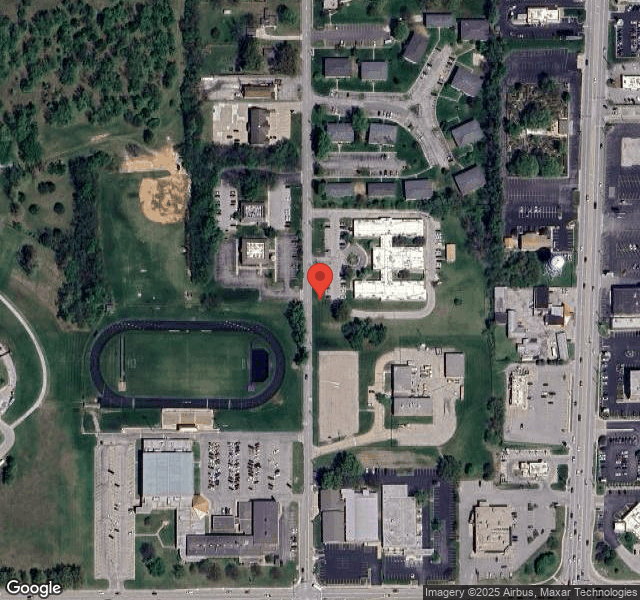
Sept 2023 1 deficiency 1 Harm
SERIOUS (G) 📢 Someone Reported This

A family member, employee, or ombudsman was alarmed enough to file a formal complaint

Actual Harm - a resident was hurt due to facility failures

Quality of Care (Tag F0684)

A resident was harmed · This affected 1 resident

Based on observation, interview and record review, the facility failed to provide the necessary care and services to attain or maintain the highest practicable physical, mental, or psychosocial well-b...

Read full inspector narrative →
Based on observation, interview and record review, the facility failed to provide the necessary care and services to attain or maintain the highest practicable physical, mental, or psychosocial well-being for one resident (Resident #1) when the facility failed to follow up on an urgent x-ray order when the resident had bruising and swelling to left elbow. The facility census was 60. The facility did not provide a policy on following urgent physician orders. 1. Review of Resident #1's Significant Change Minimum Data Set (a federally mandated assessment completed by staff), dated 7/30/23, showed -He/she has the diagnoses of Parkinson's Disease (a disorder of the central nervous system that affects movement, often including tremors), lack of coordination, chronic pain, dysphagia (difficulty swallowing foods or liquids, arising from the throat or esophagus, ranging from mild difficulty to complete and painful blockage), unsteady on feet, weakness, reduced mobility, dementia (a group of thinking and social symptoms that interferes with daily functioning), generalized idiopathic epilepsy (a subtype of generalized epilepsy and consists of childhood absence epilepsy, juvenile absence epilepsy, juvenile myoclonic epilepsy, and generalized tonic-clonic seizures alone), history of falls, chronic obstructive pulmonary disease (COPD, a group of lung diseases that block airflow and make it difficult to breathe), and heart failure. -He/She was receiving hospice care (a special kind of care that focuses on the quality of life for people who are experiencing an advanced, life-limiting illness and their caregivers). -He/She had moderate difficulty hearing, usually understands others. He/She scored zero on the Brief Interview for Mental Status (BIMS, a structured evaluation aimed at evaluating aspects of cognition in elderly patients). This score indicates severely impaired cognitive abilities. -He/She required extensive to total assistance with all activities of daily living, including bathing, dressing, transferring, mobility and personal hygiene. Review of the resident's care plan, dated 8/7/2023 showed: -The resident required assistance with all Activities of Daily Living. -He/She required assistance in positioning in bed and wheelchair. -He/She used a wheelchair for mobility and was unable to propel the wheelchair. -The resident was incontinent of bowel and bladder. -The resident required assistance of two staff and mechanical lift for transfers. Review of the resident's progress notes showed: -9/16/2023 12:00 A.M. (Late Entry): Registered Nurse (RN) A wrote: Certified Nurses Assistant (CNA) showed this writer the resident's left arm. Has bluish bruising to left outer elbow. No swelling observed, continue to observe site. Writer thought resident may have had labs drawn this week and bruising may be from lab. -9/17/2023 02:20 A.M. RN A wrote: CNA called writer to resident's room. Left arm has purple bruising to left outer elbow, left elbow asymmetrical, pain to touch and swelling to left elbow. Writer called hospice nurse. Hospice nurse gave order for STAT (right away) 2 view X-ray to the left elbow to rule out fracture or dislocation. Resident had contractures to both upper extremities. -9/17/2023 7:33 A.M. RN A wrote: Writer called the resident's sister, notified of resident's bruising and swelling to left elbow. Plans for STAT 2 view X-ray to left elbow. -9/17/2023 4:43 PM LPN A wrote: Resident's sister here, worried why X-ray is taking so long. Hospice at bedside. -9/17/2023 5:20 P.M. LPN A wrote: Resident is being sent to emergency room at Mosaic Life Care. Emergency Medical Services (EMS) en route. Hospice, administrator, physician notified. -9/17/2023 9:15 P.M. RN A wrote: Resident returned to facility at 9:15 P.M. Complete oblique fracture through distal (to the elbow) humerus (bone of upper arm) extending to the medial humerus and lateral humerus region. Medial displacement to distal segment at left humerus bone. Has diffused osteopenia ( loss of bone mineral density) and likely hemarthrosis (a condition of articular bleeding, that is into the joint cavity) and surrounding soft tissue swelling. Has soft cast with immobilizer and sling on left arm. During an interview on 9/19/2023 at 10:18 A.M. CNA A said: -He/She worked on the resident's hall on 9/16/2023 from 6:00 A.M. to 2:00 P.M. -He/She reported bruising to LPN A during his/her shift, around lunch time, and LPN A assessed the resident. -There was swelling and bruising to the resident's left elbow and upper arm. -He/She did not work with the resident on 9/17/2023. -The resident's room is small and can be difficult to maneuver the mechanical lift and wheelchair. During an interview on 9/19/2023 at 10:44 A.M., Hospitality Aide (HA) A said: -He/She has worked at the facility almost a year. -He/She makes beds, assist residents in eating, help CNA's in transferring and cleaning residents. -When transferring a resident with a mechanical lift, there should be two staff people. -He/She worked with the resident on 9/16/2023 and 9/17/2023. -On 9/16/2023, the resident's left arm was swollen and bruised. -HA A and CNA A told LPN A about the resident's left arm around lunch time. -LPN A instructed HA A and CNA A to lay down the resident and put a pillow under his/her left arm. -The resident does not move his/her arms on his/her own. During an interview on 9/19/2023 at 12:02 P.M., LPN A said: -He/She worked 9/16/2023, 6:00 A.M. to 6:00 P.M. and 9/17/2023, 6:00 A.M. to 6:00 P.M. -On Saturday, 9/16/2023, at shift change, RN A reported to LPN A that a CNA reported bruising to the resident's left arm, possibly from lab draw. -When LPN A started the shift on 9/17/2023, the resident was already up in his/her chair, wearing a long-sleeved sweater. -He/She assessed the resident after dinner, between 5:00 P.M. and 5:30 P.M. There was bruising to left outer elbow. -Gave report to RN A, the oncoming night nurse, at shift change, reporting the bruising to the elbow. -He/She read in the progress notes that the STAT order for an X-ray to the left elbow was written at 4:00 A.M. on 9/17/2023. -Instructed the staff to leave the resident in bed on 9/17/2023 and assist him/her to eat in his/her room. -The resident receives scheduled pain medication and did not display signs of pain. -He/She did not follow up with the mobile X-ray company or physician in the delay for X-rays being done. -Hospice and the resident's sister arrived at the facility during the afternoon of 9/17/2023 and the decision was made to send the resident to the emergency room. During an interview on 9/19/2023 at 1:25 P.M., the hospice nurse said: -He/She was the on call nurse for hospice on 9/16/2023 and 9/17/2023. -He/She was notified by the night nurse, RN A, on 9/17/2023 at 2:00 A.M. about the bruising and swelling to the resident's left elbow/upper arm. -He/She provided an order for a STAT 2 view x-ray of the left elbow to rule out fracture or dislocation. -He/She received no updates from the facility during the day on 9/17/2023. He/she tried multiple times to call the facility for an update, but no one answered the phone. He/She was out visiting other patients, and stopped at the facility after visiting his/her last patient for the day. He/She arrived at the facility approximately 3:00 P.M. and met the resident's sister while entering the facility. -He/She assessed the resident's left arm. The resident appeared to be in pain and grimaced during the assessment. There was bruising from above the left elbow into the forearm. He/She could see the displacement in the arm. -He/She asked the charge nurse about the status of the X-ray. He/She was informed by LPN A that the X-ray had not been done yet and would be done by 4:00 P.M. -He/She discussed the situation and options with the resident's sister and the decision was made to send the resident to the emergency room for an X-ray and evaluation. -EMS was called, and the resident was transferred to the emergency room. During an interview on 9/19/2023 at 3:15 P.M., the Administrator said: -The mobile X-ray company went to the wrong facility on 9/17/2023. -It is his/her expectation the staff would follow up with the mobile X-ray company and physician regarding the delay in obtaining an X-ray. During an interview on 9/20/2023 at 11:23 A.M., RN A said: -He/She worked the night shift 9/15/2023 into 9/16/2023, 6:00 P.M. to 6:00 A.M., and on 9/16/2023 into 9/17/2023,6:00 P.M. to 6:00 A.M. -A CNA informed him/her of the bruising to the resident's left elbow during the early morning hours of 9/16/2023. -He/She looked at the resident's arm and thought the bruising may have been from a lab draw. -He/She reviewed the lab sheets and the resident had not had any labs drawn recently. -He/She informed LPN A at shift change the morning of 9/16/2023 of the bruising. -During the night shift 9/16/2023 into 9/17/2023, the resident was experiencing tenderness to the elbow. He/She administered pain medication to the resident. -He/She notified hospice of the bruising and received an order for a STAT two view X-ray of the left elbow to rule out fracture or dislocation. -He/She notified LPN A the morning of 9/17/2023 at shift change of the assessment of the resident's elbow and the order for the X-ray. During an interview on 9/25/2023 at 4:30 P.M., the physician said: -He/She is aware of the situation with the resident's fractured elbow. -He/She was notified when the resident was sent to the emergency room. -He/She expected staff to follow up with the mobile X-ray company and the physician if the STAT X-ray had not been obtained within 1-2 hours.
May 2023 3 deficiencies
CONCERN (E) 📢 Someone Reported This

A family member, employee, or ombudsman was alarmed enough to file a formal complaint

Potential for Harm - no one hurt, but risky conditions existed

Menu Adequacy (Tag F0803)

Could have caused harm · This affected multiple residents

Based on observations, interviews, and record reviews the facility failed to follow the menus provided by the facility Registered Dietician (RD), failed to meet the nutritional choices of residents, a...

Read full inspector narrative →
Based on observations, interviews, and record reviews the facility failed to follow the menus provided by the facility Registered Dietician (RD), failed to meet the nutritional choices of residents, and failed to be prepared in advance by not having enough food available for the designated menus and supplements. This effected all of the residents in the facility. The facility census was 66. Review of the facility's Food and Nutrition Services Policy, dated October 2017, showed: - Each resident is provided with a nourishing, well-balanced diet that meets his/her daily nutritional and special dietary needs, taking in to consideration the preferences of each resident. - Food and nutritional services will inspect food trays to ensure that the correct meal provided appears palatable, attractive and according to the planned menus prepared by the RD. 1. Review of 5/24/23 written dietary slip breakfast menu showed: -Pancakes, sausage and juice and/or coffee. Observation of the morning meal on 5/24/23 8:45 A.M., showed staff served to the residents: -Pancakes, bacon and juice and/or coffee. 2. Review of the 5/24/23 written dietary slip lunch menu showed: -Garlic chicken, broccoli and carrots, and cake. Review of complaint submitted anonymously on 2/14/23 showed: - The complaint addresses all residents of the facility being effected; - Staff in the kitchen do not know how to manage the kitchen; - That often the kitchen does not have enough food, like milk, eggs, bacon; - That meals are just thrown together and not planned. Observation of the kitchen for 5/24/23 from 8:45A.M. through 12:20 P.M., showed: - No menu book available, and dietary staff unsure of where the menus were located; - No morning food temps obtained, No lunch food temps obtained; - Staff were unable to locate food temp logs for this week or last week; - Staff were unable to provide information about the current dietary manager and who was in charge; - Staff seemed confused to the process of food preparation, or what to cook; - Staff rotates throughout the day. Morning dietary staff leaves and afternoon staff serve lunch. - Resident meal tickets did not display any special food items requested by the residents. - Several resident breakfast trays left on the dining room tables and in resident rooms with pancakes not eaten. - Chicken with black pepper was being prepared for lunch, with no garlic; - Bagged frozen zucchini-unseasoned and placed on cookie sheet to warm in the oven; - Canned cream corn-unseasoned; heated on the steam table; - Brownie already prepared from last night; - Pureed diets, did not have the brownie; - Pureed diets, had double portion mashed potatoes (no potatoes were provided to the regular noon trays), no gravy, 2 teaspoon sized pureed chicken, 2 teaspoon sized pureed zucchini; - First hall tray out on the cart showed 130 degrees for chicken breast, 80 degrees for zucchini, and 83 degrees for corn. The hot foods should be temped at 135 degrees or above to be safely served to the resident's. - The walk in cooler had no fresh vegetables, and milk label says it expired four days ago. There was uncovered food items, lettuce, sour cream, were not dated and open bags of food not dated. - There was no whole eggs or cheese,. - There was one box of bacon open and undated and one large roll of sausage not dated. During an interviews on 5/24/23 at 8:45 A.M., [NAME] A said: - There was no sausage for breakfast, so bacon was used; - He/She does not have what is needed for noon meal, dinner meal, or tomorrow breakfast; - He/She used a bag of frozen zucchini and a can of creamed corn because there was no broccoli or carrots; - The facilty frequently did not have the food items needed to cook the meals; - The facility has no eggs in the building for breakfast in the morning; - He/she did not know who ordered the food supplies; - He/she did not know where the menus are; - He/she did not know who was in charge of the kitchen since the recent dietary manager left. During at interview on 5/24/23 Dietary Aid A said: -He/she is not from here, works at another facility and that he/she was called in to cover; -The dietary staff are managed by an outside provider, not the facility; - He/she was not sure where the food temp logs are located; - He/she was not sure where the menus are located; - He/she was not sure about who would be managing the kitchen. - He/she could not identify who the working staff was for that day. - He/she said supplies were low and was unsure who did the ordering in this building. Dishwasher A said: - He/she did not know who was in charge and could not answer the questions. - That he/she was just there to wash the dishes. During an interview on 5/24/23 at 4:P.M., the facility administrator said: - The kitchen's manager left a week and a half ago; - She is aware of the issues in the kitchen and is working to resolve them with the contacted company for the kitchen; - She had placed two orders recently for food, and that the food truck will be at the facility on 5/26/23 for delivery. - That delivery of food is on Tuesdays and Fridays. - She was aware of resident grievances related to the food issues during the last three months. - She had the executive director of the contracted company over the kitchen in her office to address all the issues. MO00213353 MO00214012 MO00218308
CONCERN (E) 📢 Someone Reported This

A family member, employee, or ombudsman was alarmed enough to file a formal complaint

Potential for Harm - no one hurt, but risky conditions existed

Deficiency F0804 (Tag F0804)

Could have caused harm · This affected multiple residents

Based on observation, interview, and record review, the facility failed to ensure staff prepared and provided food that was palatable and served at an appetizing temperature. The facility census was 6...

Read full inspector narrative →
Based on observation, interview, and record review, the facility failed to ensure staff prepared and provided food that was palatable and served at an appetizing temperature. The facility census was 66. Review of the facility policy for food temperature of resident meal trays, dated October of 2017; showed: - Each resident is provided with a nourishing , palatable, well balanced diet that meets his or her daily nutritional and special dietary needs, while taking into consideration the preferences of each resident. - The policy provided did not address food safety temperatures. Observation of the noon meal on 5/24/23 at 12:00 P.M. to 12:45 P.M. showed the following: - No food temperature log book available and no temps obtained prior to start of noon meal. - The hall meal cart for the 100 hall was pushed out of the dietary department; - The meal consisted of one small palm sized chicken breast, 1/2 cup zucchini, cream corn, chocolate brownie, and cranberry juice; - Staff served the last resident tray off the cart at 12:45 P.M. - Temperature of the spaghetti with meat sauce was 102 degrees; the zucchini was 100 degrees, cream corn was 78 degrees and the cranberry juice was 62 degrees. -Observation of the dining showed most of the residents ate little of the noon meal and only ate the dessert. - The sampled noon meal tray tasted: The chicken was overcooked and dry, with too much pepper, the zucchini was soggy and tasteless, the creamed corn was bland. During an interview on 5/24/23 at 1:11 P.M., Resident #1 in the side dining area said: -Lunch was not hot, and had no taste. During an interview on 5/24/23 at 8:45 A.M., [NAME] A said: - He/she was not sure where the food temp logs were located; - He/she did not know where the menus were; - He/she did not know where recipes were located; - He/she does not know who was in charge of the kitchen since the recent dietary manager left. During an interview on 5/24/23 at 12:45 P.M., Dietary Aid A said: - He/she was not sure where the food temp logs were located; - He/she was not sure where the menus were located; - He/she was not sure about who would be managing the kitchen. During an interview on 5/24/23 at 4:P.M., the facility administrator said: - The kitchen's manager left a week and a half ago; - She was aware of the issues in the kitchen and was working to resolve them with the contacted company for the kitchen; - She was unaware that food temps were not being done or monitored. - She was aware of resident grievances related to the food issues during the last three months. - She had the executed director of the contracted company over the kitchen in her office to address all the issues with staffing and the management of the kitchen. MO00213353 MO00214012 MO00218308
CONCERN (E) 📢 Someone Reported This

A family member, employee, or ombudsman was alarmed enough to file a formal complaint

Potential for Harm - no one hurt, but risky conditions existed

Food Safety (Tag F0812)

Could have caused harm · This affected multiple residents

Based on observation, record review and interview, the facility failed to procure and serve food in accordance with professional standards to food service, and safety when staff failed to order foods ...

Read full inspector narrative →
Based on observation, record review and interview, the facility failed to procure and serve food in accordance with professional standards to food service, and safety when staff failed to order foods to coordinate with menus, to ensure that kitchen staff were educated on how to obtain menus, recipes, and monitor staff for food preparation, food service and safe food temperatures. The facility census was 66. No policy was provided for food service safety, ordering, and menus. Observation of the kitchen for 5/24/23 from 8:45 A.M. through 12:20 P.M., showed: - The staff was not comfortable on the specific duties regarding food ordering, food preparation, food menus, and food temperature monitoring or the ranges of hot and cold foods. - The staff was not able to state what the food temperatures should be. - No menu book available, and dietary staff unsure of where the menus were located; - No morning food temps obtained, No lunch food temps obtained; - Staff were unable to locate food temp logs for this week or last week; - Staff were unable to state who was in charge of the kitchen; - Staff was confused about the process of food preparation, or what to cook for the meals;. - Noon meal- Chicken with black pepper for lunch, no garlic, there was no formal menu. A written menu of Garlic chicken, broccoli and carrots and cake was written as the menu. - Bagged frozen zucchini-unseasoned and placed on cookie sheet to warm in the oven, not on the menu; it was to be broccoli and carrots. - Canned cream corn-unseasoned; heated on the steam table; - Lunch dessert was not on the menu; a packaged brownie was provided to the residents for dessert. - Pureed diets, did not have the brownie; but had a vanilla pudding cup. - Pureed diets, had double portion mashed potatoes (no potatoes were provided to the regular noon trays), no gravy, 2 teaspoon sized pureed chicken, 2 teaspoon sized pureed zucchini; serving utensil scoops not correct sizes. - First hall tray out on the cart showed 130 degrees for chicken breast, 80 degrees for zucchini, and 83 degrees for corn. Temps should be greater than 135 degrees. - The walk in cooler had no fresh vegetables, and 1 gallon milk label said it expired four days ago, and was used for morning meal. - There was uncovered food items that were not dated, there were open bags of food not dated. There were no whole eggs and no cheese, - There was one 5 pound box of bacon open and undated, 1 large 3 pound roll of sausage not dated. During an interview on 5/24/23 from 8:45 A.M. [NAME] A said: - There was no sausage for breakfast, so bacon was used; - He/She does not have what is needed for noon meal, dinner meal, or tomorrow breakfast; - He/She used a bag of frozen zucchini and a can of creamed corn because there was no broccoli or carrots; - The facilty frequently did not have the food items needed to cook the meals; - The facility has no eggs in the building for breakfast in the morning; - He/She did not know who ordered the food supplies; - He/She did not know where the menus were; - He/She did not know who was in charge of the kitchen since the recent dietary manager left. During an interview on 5/24/23 at 12:45 P.M., the Dietary Aid A said: -He/she is not from here, works at another facility and was called in to help; -The dietary staff are managed by an outside provider, not the facility; - He/She was not sure where the food temp logs are located; - He/She was not sure where the menus are located; - He/She was not sure about who would be managing the kitchen. - He/She could not identify who the working staff was for that day. - He/She said supplies were low and was unsure who did the ordering in this building. During an interview on 5/24/23 at 4:P.M., the facility administrator said: - The kitchen's manager left a week and a half ago; - She is aware of the issues in the kitchen and is working to resolve them with the contacted company for the kitchen; - She had placed two orders recently for food, and that the food truck will be at the facility on 5/26/23 for delivery. - That delivery of food is on Tuesdays and Fridays. - She expects staff to contact her if they don't have food items needed and the facility debit card can be used to purchase what is needed; - She was aware of resident grievances related to the food issues during the last three months. - She had the executed director of the contracted company over the kitchen in her office to address all the issues related to the kitchen and the food concerns. MO00213353 MO00214012 MO00218308
Jun 2021 27 deficiencies
CONCERN (D)

Potential for Harm - no one hurt, but risky conditions existed

Deficiency F0554 (Tag F0554)

Could have caused harm · This affected 1 resident

Based on observation, interview, and record review, the facility failed to ensure Resident #40 was safe to self-administer medications were seven pills were left in a medication cup on the residents' ...

Read full inspector narrative →
Based on observation, interview, and record review, the facility failed to ensure Resident #40 was safe to self-administer medications were seven pills were left in a medication cup on the residents' bedside table unattended by licensed staff. This affected one of fifteen sampled residents. Facility census was 58. Review of facility policy, Self-Administration of Medications, dated December 2016, showed: -Residents have the right to self-administer medications if the interdisciplinary team has determined that it is clinically appropriate and safe for the resident to do so. -The staff and practitioner will assess each resident's mental and physical abilities to determine whether self-administering medications is clinically appropriate for the resident. -Resident assessment will include ability to read and understand medication labels, comprehension of the purpose and proper dosage, administration, ability to ingest and swallow medication. -Staff shall identify and give to the Charge Nurse any medications found at the bedside that are not authorized for self-administration, for return. Review of Resident #40's admission minimum data set (MDS, a federally mandated assessment completed by facility staff), dated 5/9/21 showed: -Brief interview for mental status (BIMS) score 15. This indicates no cognitive impairment. -Receives radiation. -Diagnoses include: cancer, coronary artery disease, hypertension, renal failure, diabetes, thyroid disorder, and COPD (Chronic Obstructive Pulmonary Disease,condition involving constriction of the airways and difficulty or discomfort in breathing). During observation and interview on 6/8/21 at 10:55 A.M. showed and Resident #40 said: -A medication cup on the bedside table with seven pills, various sizes and colors. -No licensed staff member present. -One of those pills was his/her cancer pill and did not like to take it. -He/She would take those pills later. Review of Resident #40's electronic chart showed: -No physician's order to self-administer medications. Review of Resident #40's care plan, dated May 2021, showed: -No documentation of ability to self-administer medications. During an interview on 6/11/21 at 1:55 P.M. the Director of Nursing said: -Documentation should support a residents' ability to self-administer medications safely. Resident should be able to return demonstration and know what the medications are for. -Ability to self-administer should be physician ordered and care planned and documented in a nurse's note. During an interview on 6/15/21 at 10:15 A.M. Licensed Practical Nurse (LPN) A said: -There should be a physician order for residents to self-administer medications. -There should be a nurse's note regarding the order to self-administer medications. -There are some residents approved to self-administer medications.
CONCERN (D)

Potential for Harm - no one hurt, but risky conditions existed

Deficiency F0582 (Tag F0582)

Could have caused harm · This affected 1 resident

Based on observation, interview, and record review, the facility failed to provide Advanced Beneficiary Notices (ABN) to two of three sampled residents (Residents #28 and #47) when the residents disch...

Read full inspector narrative →
Based on observation, interview, and record review, the facility failed to provide Advanced Beneficiary Notices (ABN) to two of three sampled residents (Residents #28 and #47) when the residents discharged from Medicare part A services. Facility census was 58. The facility did not provide a policy on ABN notices. Review of Resident #28's Beneficiary Protection Notification Review form showed: -Last day of covered services was 3/12/21. -The facility initiated the discharge when benefit days were not exhausted. -ABN notice not provided. -Notice of Medicare Non-coverage (NOMNC) form was provided. Review of Resident #47's Beneficiary Protection Notification Review form showed: -Last day of covered services was 6/5/21. -The facility initiated the discharge when benefit days were not exhausted. -ABN notice not provided. -Notice of Medicare Non-coverage (NOMNC) form was provided. During an interview on 6/9/21 at 8:58 A.M. the Administrator said: -He/she did not know the ABN form should have been issued. -If residents wanted to stay on therapy services the facility would switch them over to Part B services.
CONCERN (D)

Potential for Harm - no one hurt, but risky conditions existed

Transfer Notice (Tag F0623)

Could have caused harm · This affected 1 resident

Based on record review and interviews, the facility failed to ensure they provided residents with a discharge notice before transferring or as soon as practicable to one of 15 sampled residents (Resid...

Read full inspector narrative →
Based on record review and interviews, the facility failed to ensure they provided residents with a discharge notice before transferring or as soon as practicable to one of 15 sampled residents (Resident #42) to the hospital in a facility-initiated discharge. The facility's census was 58. The facility did not provide a policy for issuing discharge letters when residents transfer to the hospital. Review of Resident #42's discharge Minimum Data Set (MDS), a federally mandated assessment instrument completed by facility staff, dated 6/4/21, showed the facility discharged the resident to the hospital with a return anticipated. Review of the resident's nursing notes showed staff documented they discharged the resident to the hospital due to critical labs. Staff sent him/her out to emergency room on 6/4/21 at 7:30 P.M. and he/she was admitted to the hospital due to anemia (a condition in which you lack enough healthy red blood cells to carry adequate oxygen to your body's tissues), urinary tract infection (UTI) and hypokalemia (a metabolic imbalance characterized by extremely low potassium levels in the blood). Review of the resident's medical record showed staff did not document they provided the resident or his/her representative a discharge notice which included the reasons for the transfer in writing and in a language and manner he/she understood, the effective date of transfer; where he/she was being transferred to; information on his/her appeal rights, including the name, address (mailing and email), and telephone number of the entity which receives such requests; and information on how to obtain an appeal form and assistance in completing the form and submitting the appeal hearing request; the name, address (mailing and email) and telephone number of the Office of the State Long-Term Care Ombudsman. During an interview on 6/10/21 at 2:17 P.M. the Social Services Director said: -She will issue the discharge letter and bed hold letter if the resident is discharged while she is in the facility; -If the resident is discharged when she is not in the facility, the nurses will issue the discharge letter and the bed hold letter; -The letters should be uploaded into the resident's electronic medical record. During an interview on 6/11/21 at 10:00 A.M. the MDS coordinator said: -There is a book with discharge letters at the nurses station, when a resident is sent to the hospital after business hours and on the weekends, the nurses give the resident a discharge letter; -There are no bed hold letters in the book, there is only the bed hold policy.
CONCERN (D)

Potential for Harm - no one hurt, but risky conditions existed

Deficiency F0625 (Tag F0625)

Could have caused harm · This affected 1 resident

Based on interview and record review, the facility failed to ensure staff issued a notice of their bed-hold policy prior to transferring one of 15 sampled residents (Resident #42) to the hospital. The...

Read full inspector narrative →
Based on interview and record review, the facility failed to ensure staff issued a notice of their bed-hold policy prior to transferring one of 15 sampled residents (Resident #42) to the hospital. The facility's census was 58. Review of the facility's Bed Hold policy, dated December 2006, showed the facility shall inform residents upon admission and upon transfer for hospitalization or therapeutic leave of the bed-hold policy. The policy included the following: - Upon admission and when a resident is transferred for hospitalizations or for therapeutic leave, a representative of the facility will provide information concerning our bed-hold policy; - Upon admission a Bed Reservation Agreement will be completed by the resident or their representative to identify if they request to pay to hold the bed while the resident is on therapeutic leave or out to the hospital. The resident or representative may notify the facility in writing within 24 hours of a transfer to change their bed hold request; - When emergency transfers are necessary, the facility will provide the resident or their representative with notification of our bed reservation agreement. Notice of our bed reservation agreement will be sent to with other papers accompanying the resident to the hospital. Review of Resident #42's discharge Minimum Data Set (MDS), a federally mandated assessment instrument completed by facility staff, dated 6/4/21, showed the facility discharged the resident to the hospital with a return anticipated. Review of the resident's nursing notes showed staff documented they discharged the resident to the hospital due to critical labs. Staff sent him/her out to emergency room on 6/4/21 at 7:30 P.M. and he/she was admitted to the hospital due to anemia (a condition in which you lack enough healthy red blood cells to carry adequate oxygen to your body's tissues), urinary tract infection (UTI) and hypokalemia (a metabolic imbalance characterized by extremely low potassium levels in the blood). Review of the resident's medical record showed no Bed Reservation Agreement signed by the resident or his/her representative. Staff did not document they provided the Bed Hold policy to the resident when they transferred him/her to the hospital on 6/4/21. During an interview on 6/10/21 at 2:17 P.M. the Social Services Director said: -She will issue the discharge letter and bed hold letter if the resident is discharged while she is in the facility; -If the resident is discharged when she is not in the facility, the nurses will issue the discharge letter and the bed hold letter; -The letters should be uploaded into the resident's electronic medical record. During an interview on 6/11/21 at 10:00 A.M. the MDS coordinator said: -There is a book with discharge letters at the nurses station, when a resident is sent to the hospital after hours, the nurses give the resident a discharge letter; -There are no bed hold letters in the book, there is only the bed hold policy.
CONCERN (D)

Potential for Harm - no one hurt, but risky conditions existed

Comprehensive Assessments (Tag F0636)

Could have caused harm · This affected 1 resident

**NOTE- TERMS IN BRACKETS HAVE BEEN EDITED TO PROTECT CONFIDENTIALITY** Based on interviews and record review, the facility failed to ensure accurate assessments when dialysis was not coded on the Min...

Read full inspector narrative →
**NOTE- TERMS IN BRACKETS HAVE BEEN EDITED TO PROTECT CONFIDENTIALITY** Based on interviews and record review, the facility failed to ensure accurate assessments when dialysis was not coded on the Minimum Data Set (MDS, a federally mandated assessment completed by facility staff) for one of fifteen sampled residents (Resident #50). Facility census was 58. Review of facility policy, MDS Completion and Submission Timeframes, dated July 2017, showed nothing specific to the completion accuracy. 1. Review of Resident #50's admission MDS, dated [DATE], showed: -Dialysis not marked. -Diagnosis include: renal failure (kidneys don't function properly to filter blood). During an interview on 6/8/21 at 11:00 A.M. Resident #50 said: -He/she goes to dialysis three times a week. During an interview on 6/11/21 at 1:37 P.M. MDS Nurse A said: -Dialysis should be on the MDS. -Resident #50 goes to dialysis three times a week, been on dialysis since admission. -He/she missed marking dialysis on the MDS. During an interview on 6/11/21 at 1:55 P.M. the Director of Nursing said: -Dialysis should be on the MDS.
CONCERN (D)

Potential for Harm - no one hurt, but risky conditions existed

Comprehensive Care Plan (Tag F0656)

Could have caused harm · This affected 1 resident

**NOTE- TERMS IN BRACKETS HAVE BEEN EDITED TO PROTECT CONFIDENTIALITY** Based on observation, interview, and record review the facility failed to ensure oxygen was care planned for three of three samp...

Read full inspector narrative →
**NOTE- TERMS IN BRACKETS HAVE BEEN EDITED TO PROTECT CONFIDENTIALITY** Based on observation, interview, and record review the facility failed to ensure oxygen was care planned for three of three sampled residents (Resident #49, #50, and #208). The facility census was 58. 1. Review of Resident #49's admission minimum data set (MDS, a federally mandated assessment completed by facility staff), dated 5/16/21, showed: -Resident receives oxygen therapy. Observation on 6/8/21 at 1:30 P.M. showed -Resident #49 with oxygen on. Oxygen tubing not dated. Oxygen tubing not connected to a humidifier bottle. Review of Resident #49's electronic chart on 6/8/21 showed: -Oxygen at 2 liters via nasal cannula continuous. Order date 5/10/21. -No care plan for oxygen. 2. Review of Resident #50's admission MDS, dated [DATE] showed: -Resident receives oxygen therapy -Brief interview for mental status (BIMS) score 15. This indicates no cognitive impairment. During an interview and observation on 6/8/21 at 1:30 P.M. showed and Resident #50 said: -Resident #50 with the oxygen nasal cannula draped over the corner of the bed, not applied. Oxygen tubing not dated. Oxygen tubing not connected to a humidifier bottle. -He/she does not always wear oxygen, because it sometimes causes a bloody nose. Review of Resident #50's electronic chart on 6/8/21 showed: -No physician order for oxygen. -No care plan for oxygen. 3. Review of Resident #209's MDS information showed no submitted MDS. Observation on 6/8/21 at 4:00 P.M. showed: -Resident #209's with oxygen on. Oxygen tubing not dated. Oxygen tubing not connected to a humidifier bottle. Review of Resident #209's current physician orders on 6/9/21 showed: -Oxygen at two liters via nasal cannula; titrate to keep at or above 91%. Order start date 6/7/21. Review of Resident #209's baseline care plan, dated June 2021, showed: -No documentation for oxygen. During an interview on 6/15/21 at 1:54 P.M. the Director of Nursing said: -Care plans are used for the staff to give care to the residents; -Care Plans should be updated and current with the care that the resident needs.
CONCERN (D)

Potential for Harm - no one hurt, but risky conditions existed

Deficiency F0657 (Tag F0657)

Could have caused harm · This affected 1 resident

Based on observations, interviews and record reviews, the facility failed to develop, review and revise comprehensive care plan and assessments that addressed the weight loss for one resident (Residen...

Read full inspector narrative →
Based on observations, interviews and record reviews, the facility failed to develop, review and revise comprehensive care plan and assessments that addressed the weight loss for one resident (Resident #26) out of 15 sampled residents. The facility census was 58. The facility did not provide a policy for care plan timing and revisions. 1. Review of the resident's care plan for nutrition dated 3/12/21 showed: -Problem: resident has had a recent weight loss due to poor intake; -Goal: Resident will maintain current weight; -Approaches in part of: heart healthy mechanical soft diet, dietitian to evaluate quarterly and as needed, weekly weights. Review of Resident #26's comprehensive Minimum Data Set (MDS), a federally mandated assessment instrument completed by staff, dated 4/18/21 showed: -Alert and oriented, difficulty with making decisions; -Extensive assistance with Activities of Daily Living (ADL's); -Incontinent of bowel and bladder; -Weight of 223 pounds (lbs) and on a prescribed weight loss program; -Diagnoses of anemia (low blood count), hypertension (HTN), anxiety and depression. Review of the medical record showed weights of: -4/20/21 - 208 lbs; -4/27/21 - 203 lbs; -5/4/21 - 204.4 lbs; -5/18/21 - 188.8 lbs; -5/27/21 - 192.4 lbs; -6/2/21- 181 lbs; -6/9/21 - 176.6. -A weight variance of 13.6% from May 2021 to June 2021 and 22.28% weight loss from February 2021 to June 2021. Review of the Registered Dietician (RD) progress note dated 4/13/21 showed: - RD follow up for weight. Receives a heart healthy diet with 50-100% intake of meals. No labs to review. Per nursing notes had edema upon admit, on diuretic therapy with no further edema noted. Per staff resident does not eat well in room, does better in main dining room (MDR) with staff to encourage meal in MDR for better meal intakes. Will request to change diet to General Mechanical Soft. RD to follow up as needed. Review of the RD progress note dated 5/21/21 showed: - RD follow up for weight. Weight of 188.8#. A 15.41% weight loss in 30 days and a 15.9% weight loss in 90 days. Receiving mechanical soft diet with poor to fair intake per nursing staff. No labs to review and no skin breakdown reported. May consider adding 90 mls med pass 2.0 (a high calorie, high protein supplement) three times a day (TID) related to weight loss. Review of the medical record showed no follow up or physician order for the Med Pass 2.0. Review of the care plan showed no change in approaches to address the weight loss. During an interview on 6/15/21 at 2:30 P.M. the MDS Nurse A said: -The care plan should be updated to reflect the residents status. During an interview on 6/15/21 at 3:00 P.M. the Director of Nursing said: -She would expect care plans to updated as the resident's condition change.
CONCERN (D)

Potential for Harm - no one hurt, but risky conditions existed

Deficiency F0658 (Tag F0658)

Could have caused harm · This affected 1 resident

**NOTE- TERMS IN BRACKETS HAVE BEEN EDITED TO PROTECT CONFIDENTIALITY** 4. Review of Resident #50's admission MDS, dated [DATE] showed: -Resident receives oxygen therapy -Brief interview for mental st...

Read full inspector narrative →
**NOTE- TERMS IN BRACKETS HAVE BEEN EDITED TO PROTECT CONFIDENTIALITY** 4. Review of Resident #50's admission MDS, dated [DATE] showed: -Resident receives oxygen therapy -Brief interview for mental status (BIMS) score 15. This indicates no cognitive impairment. Review of Resident #50's care plan, dated 5/26/21 showed: -Resident receives warfarin (a blood thinner that requires weekly lab testing) for chronic blood clot. Black box warning for this medications: major or fatal bleeding. Review of Resident #50's physician orders, dated June 2021, showed: -Protime/INR lab (warfarin monitoring) ordered on Mondays and Thursdays; start date 5/16/21. -(Prothrombin time- a blood test that measures prothrombin ratio and international normalized ratio, that helps evaluate a body's ability to appropriately form blood clots. If a result is too high it means the blood is clotting too slowly and is at risk for bleeding and the dose of warfarin may be too high. If a result is too low, the warfarin dose may not be enough to protect the blood from clotting). Review of Resident #50's lab results showed: -No PT/INR results on 5/27/21. -No PT/INR results on 5/31/21. -No PT/INR results on 6/3/21. Review of Resident #50's electronic chart on 6/8/21 showed: -No physician order for oxygen. Review of Resident #50's nurse's notes, dated May and June 2021, showed: -No documentation on 5/27/21, 5/31/21, or 6/3/21 regarding labs. During an interview and observation on 6/8/21 at 1:30 P.M. showed and Resident #50 said: -Resident #50 with the oxygen nasal cannula draped over the corner of the bed, not applied. Oxygen tubing not dated. Oxygen tubing not connected to a humidifier bottle. -He/she does not always wear oxygen, because it sometimes causes a bloody nose. During an interview on 6/11/21 at 1:55 P.M. the Director of Nursing said: -Lab results are faxed to the provider. Some providers that round frequently, results are kept in the lab book for review when onsite. -Lab results and communication with provider should be documented in the lab book and a nurse's note. -If a lab result is critical, a phone call is made. -Lab result should be noted to indicate reviewed. During an interview on 6/15/21 at 10:15 A.M., Licensed Practical Nurse A said: -Lab orders are in the electronic chart. -Lab results are kept in the lab book. -If the lab result is critical, the provider is called. -Depending on the provider, the results are either faxed or left in the lab book for review. Based on observation, interviews and record review, the facility failed to ensure staff followed professional standards of practice when staff failed to utilize the electronic medical record to verify orders when providing wound treatment and obtaining blood sugar and administering insulin for two of 15 sampled residents, (Resident # 11 and #28) and failed to allow Resident #28's fingertip to air dry before obtaining the blood sample. The facility also failed to to ensure physician orders were followed when labs were not obtained twice a week as ordered for one sampled resident out of fifteen (Resident #50), and failed to ensure residents received oxygen as ordered by the physician out for one of 3 sampled residents (Resident #50). The facility census was 58. 1. Review of the facility's policy for administering medications , revised December 2012, showed, in part: -Medications shall be administered in a safe and timely manner, and as prescribed; -Medications must be administered in accordance with the orders; -The individual administering the medications must chart administration of the medication in the electronic medical record. The facility did not provide a policy for following physician orders. Review of facility policy Oxygen Administration, dated October 2010, showed: -Verify that there is a physician's order for oxygen. Review of the facility's policy for wound care, revised October 2010, showed, in part: -The purpose of this procedure is to provide guidelines for the care of wounds to promote healing; -Verify that there is a physician's order for this procedure. 2. Review of Resident #11's admission Minimum Data Set (MDS), a federally mandated assessment instrument completed by facility staff, dated 3/17/21, showed: -Cognitive skills severely impaired; -Limited assistance of two staff for bed mobility, transfers, dressing and personal hygiene; -Had one Stage II pressure ulcer (a partial thickness loss of skin layers that presents clinically as an abrasion, blister or shallow crater; -Diagnoses included anemia (deficiency of red blood cells or of hemoglobin in the blood count) and dementia. Observation on 6/1/21 at 2:47 P.M., showed: -Licensed Practical Nurse (LPN) A provided wound care to the resident's buttocks and did not have the computer to verify the resident's orders. During a telephone interview on 6/11/21 at 10:15 A.M., Licensed Practical Nurse (LPN) A said: - He/she should have the computer to verify the resident's orders. 3. Review of 28's physician order sheet (POS), dated June 2021, showed: -Accucheck (tests the blood sugar level of residents which may determine the dose of insulin) four times a day. Hold if accuchecks are 110 or less; -Insulin Lispro (Humalog) 12 units three times a day with meals for diabetes mellitus. (Hold if blood sugar is less than 110). Review of the resident's medication administration record (MAR), dated June 2021, showed: -Blood sugar at 11:00 A.M. was 202; -Insulin Lispro (Humalog) 12 units three times a day with meals for diabetes mellitus. Hold if blood sugar is less than 110. Observation on 6/8/21 at 11:30 A.M., showed: -LPN A cleaned the resident's fingertip with an alcohol wipe, did not let the fingertip air dry and obtained the blood sample and reported it was 202; - LPN A cleaned the port with an alcohol wipe and attached a needle; - LPN A did not prime the Humalog insulin pen and dialed it to 12 units and administered the 12 units of insulin; - LPN A did not have the computer to verify the resident's orders for the blood sugar or for the insulin. During a telephone interview on 6/11/21 at 2:03 P.M., the Director of Nursing (DON) said: -Staff should have the computer with them to verify the orders when obtaining blood sugars, administering insulin and during wound treatments; -Staff should let the fingertip air dry before obtaining the blood sugar. During a telephone interview on 6/15/21 at 10:15 A.M., LPN A said: - He/she should have dried the fingertip with a cotton ball or let it air dry; - He/she should have primed the insulin pen with two units of insulin.
CONCERN (D)

Potential for Harm - no one hurt, but risky conditions existed

ADL Care (Tag F0677)

Could have caused harm · This affected 1 resident

Based on observation, interview and record review, the facility failed to ensure residents who were unable to carry out their own activities of daily living (ADLs) received the necessary services to m...

Read full inspector narrative →
Based on observation, interview and record review, the facility failed to ensure residents who were unable to carry out their own activities of daily living (ADLs) received the necessary services to maintain good personal hygiene when staff did not provided incontinent care in a timely manner for one resident (Resident #26) out of 15 sampled residents. The facility census was 58. 1. Review of Resident #26's care plan for Activities of Daily Living (ADL's) dated 3/12/21 showed: -Need help with toileting and grooming; -Provide encouragement and assistance. Review of the comprehensive Minimum Data Set (MDS), a federally mandated assessment instrument completed by staff, dated 4/18/21 showed: -Brief Interview for Mental Status (BIMS, a tool used to determine if a person is alert and oriented and able to make decisions), a score of 10 (with 15 being the highest), alert and oriented but difficulty making some decisions; -Extensive assistance of one staff member for toileting and grooming; -Incontinent of bowel and bladder; -Diagnoses of anemia (low red blood cells), hypertension, anxiety, depression and asthma. Observation on 5/29/21 at 6:30 P.M. showed the resident in a wheelchair, wheeling him/herself down the center hallway of the facility. The resident had a very strong odor of feces. Staff were observed walking past the resident with no assistance given. Observation on 5/29/21 from 6:50 P.M. to 7:30 P.M. showed the resident sitting in his/her wheelchair in the front activity room in the corner between a bird aviary and the wall. The resident was wiggling in the wheelchair attempting to remove a blanket and a mechanical lift sling out from under his/her bottom. The resident eventually removed the blanket and the mechanical lift sling, backed him/herself out of the corner and wheeled him/herself down the hallway. The resident continued to have a strong odor of feces. Observation on 5/29/21 at 7:35 P.M. showed the Director of Nursing (DON) approach the resident and asked the resident if he/she was ready for bed. Observation on 5/29/21 from 7:40 P.M. to 8:05 P.M. showed the DON and Certified Nurse Aide (CNA) B transfer the resident from the wheelchair to the toilet. Once the resident was standing, there was liquid feces running down the residents legs. CNA B removed the residents pants and brief. The brief was saturated with urine and feces. Feces was up the residents back. CNA B provided incontinent care. During an interview on 5/29/21 at 8:10 P.M. CNA B said: -He/she came on duty after supper; -He/she works the midnight shift; -He/she had been busy assisting the other residents and did not have the time to assist with Resident #26. During an interview on 5/29/21 at 8:30 P.M. the DON said: -She was working the floor as an aide due to staff call ins; -She had been busy assisting other residents; -She would expect the staff to assist the residents quickly when the residents needed to be changed; -She would have expected the staff to assist Resident #26 sooner. MO185933
CONCERN (D)

Potential for Harm - no one hurt, but risky conditions existed

Deficiency F0688 (Tag F0688)

Could have caused harm · This affected 1 resident

**NOTE- TERMS IN BRACKETS HAVE BEEN EDITED TO PROTECT CONFIDENTIALITY** Based on observation, interview, and record review, the facility failed to ensure residents maintained the highest practicable p...

Read full inspector narrative →
**NOTE- TERMS IN BRACKETS HAVE BEEN EDITED TO PROTECT CONFIDENTIALITY** Based on observation, interview, and record review, the facility failed to ensure residents maintained the highest practicable physical well-being when restorative nursing program was not completed as ordered for two of fifteen sampled residents (Residents #40 and #54). Facility census was 58. Review of facility policy, Restorative Nursing Services, dated July 2017, showed: -Residents will receive restorative nursing care as needed to help promote optimal safety and independence. -Restorative goals and objectives are individualized and resident-centered, and are outlined in the resident's plan of care. -The resident will be included in determining goals and plan of care. 1. Review of Resident #40's admission minimum data set (MDS, a federally mandated assessment completed by facility staff), dated 5/9/21 showed: -Brief interview for mental status (BIMS) score 15. This indicates no cognitive impairment. Review of Resident #40's physician orders, dated June 2021: -Standing order for restorative program as needed. Review of Resident #40's care plan, dated May 2021 showed: -No documentation for therapy or restorative program. During an interview on 6/8/21 at 11:05 A.M. Resident #40 said: -He/she is not receiving therapy. -He/she was supposed to start receiving it three weeks ago. Record review of Resident #40's electronic chart showed: -On 5/25/21 received therapy evaluation. Resident requested restorative nursing program. Review of the Restorative Aide book on 6/9/21 showed: -Resident #40 was scheduled on 5/27 to receive restorative services Mondays, Wednesdays, and Fridays. -No documentation of any sessions completed between 5/27/21 and 6/9/21. 2. Review of Resident #54 care plan for Restorative dated 5/10/21 showed: -Goal: restorative plan will be followed as outlines in the care plan: -Approaches: receive restorative care 3-5 times a week. Sit unsupported on edge of bed with both upper extremities (BUE) strengthening exercises using 2 pound hand weights 15 repetitions for one set. Both lower extremities (BLE) with 2-3 pound weights 20 repetitions for one set. Ambulate with a four wheeled walker for 150 feet. Stand by assist as needed Review of the quarterly MDS, dated [DATE] showed: -No restorative nursing services provided in the last seven days. Review of Resident #54's physician orders, dated June 2021: -Standing order for restorative program as needed. Review of the Restorative Aide book on 6/9/21 showed: -Restorative ordered three to five times a week; Tuesdays, Thursdays, and Saturdays. -Only 6/9/21 completed for the month of June 2021. -Only 5/26/21 completed for the month of May 2021 During an interview on 6/9/21 at 2:00 P.M. the Restorative Aide (RA) said: -He/she knows restorative services are not getting done. -He/she is responsible for also all of the vitals and weights on top of restorative. -He/she gets pulled to work the floor due to staffing. -He/she planned to work late tonight to try and get caught up on some work. During an interview on 6/14/21 at 11:39 A.M. the Physical Therapy Assistant (PTA) said: -Therapy will write the restorative program for the RA or the MDS coordinator. Therapy will discuss the restorative program with the RA. During an interview on 6/14/21 at 11:48 A.M. the MDS nurse A said: -He/she oversee's the restorative program; -Therapy will completes the screen and writes a restorative program. -Once he/she received the program, he/she reviews the program with the RA; -He/she will add the program to the restorative log and schedule the restorative sessions; -The RA should chart each time he/she works with the resident. -The facility only has one RA, if he/she is not working, then restorative nursing does not get done. He/she works the floor as a Certified Nurse Aide (CNA), when this happens restorative nursing does not get done. -The RA should document when the program is not done. During an interview on 6/11/21 at 10:43 A.M., the Director of Nursing (DON) said: -Therapy will recommend residents for RA. The RA aide keeps a binder with residents and who attends the programs. -She expects the RA to provide the restorative programs as ordered.
CONCERN (D)

Potential for Harm - no one hurt, but risky conditions existed

Accident Prevention (Tag F0689)

Could have caused harm · This affected 1 resident

Based on observation, interview, and record review the facility failed to ensure they provided adequate supervision and an environment free form the possiblity of accident hazards for one of 15 sample...

Read full inspector narrative →
Based on observation, interview, and record review the facility failed to ensure they provided adequate supervision and an environment free form the possiblity of accident hazards for one of 15 sampled residents (Resident #19) when the facility staff allowed him/her to use an E-cigarette vape pen. Staff wrapped the pen up in a washcloth, placed the pen on the resident's chest and allowed him/her to use the pen in the resident's room while he/she lay in bed. The facility census was 58. Review of the policy for Resident Smoking dated 7/17 showed: -This facility shall establish and maintain safe resident smoking practices; -Residents shall be informed of the facility smoking policy, including designated smoking areas; -Smoking is only permitted in designated resident smoking areas, which are located outside of the building. Electronic cigarettes may be permitted inside in designated areas only. Otherwise, smoking is not allowed inside the facility under any circumstances; -The resident will be evaluated on admission to determine if he or she is a smoker or a non-smoker. If a a smoker, the evaluation will include: currently level of tobacco consumption; method of tobacco consumption; desire to quite smoking and ability to smoke safely with or without supervision; -A resident's ability to smoke safely will be re-evaluated quarterly upon a significant change of condition and as determined by the staff; -Any smoking-related privileges, restriction, and concerns (for example, need for close monitoring) shall be noted on the care plan, and all personnel caring for the resident shall be alerted to these issues; -The facility may impose smoking restrictions on a resident at any time if it is determined that the resident cannot smoke safely with the available levels of support and supervision; -Any resident with restricted smoking privileges requiring monitoring shall have the direct supervision of a staff member, family member, visitor or volunteer worker at all times while smoking; -Residents who have independent smoking privileges are permitted to keep cigarettes, e-cigarettes, pipes, tobacco, and other smoking articles in their possession. 1. Review of Resident #19 care plan for smoking dated 9/15/20 showed: -Goal: continue smoking; -Approaches: Resident is responsible for providing own smoking supplies; resident has been educated on the risks and safety concerns related to smoking; resident will be assessed to determine the ability to smoke independently or if supervision is needed; the resident is aware that he/she is not allowed to keep supplies in his/her room and educated that if supplies are found, they will be removed; the resident is allowed and supervised to smoke in designated times in the smoke room; -3/23/21 - resident currently has a vaping cigarette which is allowed to keep in his/her room, assist with using the vaping cigarette is requested. Review of the quarterly Minimum Data Set (MDS), a federally mandated assessment instrument completed by staff, dated 4/4/21 showed: -Alert and oriented and able to make decisions; -Extensive assistance of two staff members for Activities of Daily Living (ADL's); -Diagnoses of hypertension, Multiple Sclerosis (is an unpredictable disease of the central nervous system that disrupts the flow of information within the brain, and between the brain and body.) -Tobacco use not marked. Review of resident's medical record showed no smoking assessments. Observation on 6/11/21 at 11:32 A.M. showed a vaping cigarette pen at the resident's bedside. Observation on 6/14/21 at 2:26 P.M. showed: -The resident had two electronic cigarette pens. One was on the beside table connected to an electrical outlet via a cord for charging. The other one was wrapped in wash cloth with tape around the electrical cigaretter and laid on the resident's chest. During an interview on 6/14/21 at 2:30 P.M. Nurse Aide (NA) A said: -The resident keeps vaping cigarette pen wrapped in the wash cloth all the time so he/she can reach it. If the vaping cigarette is not wrapped in the wash clothe he/she could not hold it. - A cloth lies on his/her chest, the vaping cigarette is completely covered except for tip (about 1 inch) where resident's mouth goes. -The Resident uses the pen whenever he/she wants to, the vaping cigarette just stays on his/her chest all day unless he/she asks us to move it. -He/she uses the vape in bed. We put it on his/her chest and he/she gets it when he/she wants it; - No one told me he/she can't do that so I just assume he/she can. During an interview on 6/14/21 at 2:45 P.M. the Administrator said: -The facility does not allow the residents to use e-cigarettes or vaping cigarettes in their room. They can do it in the smoke room. -She is not aware of the resident using the vaping cigarettes in his/her room.
CONCERN (D)

Potential for Harm - no one hurt, but risky conditions existed

Deficiency F0692 (Tag F0692)

Could have caused harm · This affected 1 resident

**NOTE- TERMS IN BRACKETS HAVE BEEN EDITED TO PROTECT CONFIDENTIALITY** Based on observation, interview, and record review the facility failed to provide a meal tray to a resident at risk for malnutri...

Read full inspector narrative →
**NOTE- TERMS IN BRACKETS HAVE BEEN EDITED TO PROTECT CONFIDENTIALITY** Based on observation, interview, and record review the facility failed to provide a meal tray to a resident at risk for malnutrition. This affected one of fifteen sampled residents (Resident #40); and the facility staff failed to monitor weights, notify the physician of the Registered Dietician's (RD) recommendations and of the resident's weight loss for one resident (Resident #26). The facility failed to notify the physician of a significant weight loss of 13.6% in one month and a weight loss of 22.28% in four months. The facility census was 58. Review of facility policy, Nutrition and Hydration to Maintain Skin Integrity, dated October 2010 showed: -The following information should be recorded in the resident's medical record: food consumption, changes in nutritional status, problems or complaints reported by the resident related to nutrition, if the resident refused nutrition, the reason and explanation of risks, benefits, and alternatives. Review of facility policy, Nutrition (Impaired)/Unplanned Weight Loss - Clinical Protocol, dated September 2017, showed: -Nursing staff will monitor and document dietary intake; -The staff will report to the physician significant weight gains or losses's or any abrupt or persistent changes from baseline appetite or food intake; -The staff and physician will identify pertinent interventions based on identified causes and overall resident condition, prognosis, and wishes. Treatment decisions should consider all pertinent evidence and relevant issues; -The physician will authorize appropriate interventions, as indicated; -The staff and physician will review and consider existing dietary restrictions and modified consistency diets; -The physician and staff will monitor nutritional status, an individual's response to interventions, and possible complication of such interventions. 1. Review of Resident #26's care plan for nutrition dated 3/12/21 showed: -Problem: resident has had a recent weight loss due to poor intake; -Goal: Resident will maintain current weight; -Approaches in part of: heart healthy mechanical soft diet, dietitian to evaluate quarterly and as needed, weekly weights. Review of the resident's comprehensive MDS dated [DATE] showed: -BIMS score of 10, difficulty with some decisions; -Extensive assistance with ADL's; -Weight of 223 pounds (lbs); -On a prescribed weight loss program; -Diagnoses of anxiety, depression, anemia (low red blood cells), hypertension. Review of the medical record showed weights of: -4/20/21 - 208 lbs; -4/27/21 - 203 lbs; -5/4/21 - 204.4 lbs; -5/18/21 - 188.8 lbs; -5/27/21 - 192.4 lbs; -6/2/21- 181 lbs; -6/9/21 - 176.6. -A weight variance of 13.6% from May 2021 to June 2021 and 22.28% weight loss from February 2021 to June 2021. Review of the Registered Dietician (RD) progress note dated 4/13/21 showed: - RD follow up for weight. Receives a heart healthy diet with 50-100% intake of meals. No labs to review. Per nursing notes had edema upon admit, on diuretic therapy with no further edema noted. Per staff resident does not eat well in room, does better in main dining room (MDR) with staff to encourage meal in MDR for better meal intakes. Will request to change diet to General Mechanical Soft. RD to follow up as needed. Review of the RD progress note dated 5/21/21 showed: - RD follow up for weight. Weight of 188.8#. A 15.41% weight loss in 30 days and a 15.9% weight loss in 90 days. Receiving mechanical soft diet with poor to fair intake per nursing staff. No labs to review and no skin breakdown reported. May consider adding 90 mls med pass 2.0 (a high calorie, high protein supplement) three times a day (TID) related to weight loss. Review of the medical record showed no follow up or physician order for the Med Pass 2.0, or any documentation of the physician notified of the significant weight loss. Review of the care plan showed no change in approaches to address the weight loss. Review of the nursing progress notes dated 6/10/21 showed; -Weight change note: The exhibited a 4.4% weight loss over past 7 days. He/she receives a heart healthy mechanical soft diet. He/she does not receive a supplement. He/she eats meals in the dining room to provide supervision/cueing/assistance with meals. Meal intake has ranged 25-50% the past 7 days. He/she does fall asleep during meals at time. He/she requires use of oxygen continuous. He/she does receive a diuretic daily for edema. Will continue to monitor intake and weight weekly. Review of the meal intake record for June 2021 showed: -6/1/21 - intake of 50-75%; -6/2/21 - intake of 0-75%; -6/3/21- intake of 0-50%; -6/4/21 - intake of 25-75%; -6/5/21 - intake of 50-100%; -6/6/21 - intake of 50-75%; -6/7/21 - intake of 0-50%; -6/8/21 - no intake of meals documented; -6/9/21 - intake of 75%; -6/10/21 - intake of 0 to 75%; -6/11/21 - intake of 0% for all three meals, documented nurse notified; -6/12/21 - no intake of meals documented; -6/13/21 - intake of 0% for all three meals, documented nurse notified; -6/14/21 - intake of 0% documented for the supper meal, no documentation of breakfast or noon meal, documented nurse notified; -6/15/21 - intake of 50% for breakfast. Review of the medical record from 6/1/21 through 6/10/21 no documentation of the physician notified of the resident's intakes, the significant weight loss or the RD recommendations from 5/21/21. During an interview on 6/11/21 at 2:00 P.M. the DON and Administrator said: -The RD emails the Administrator and MDS nurse the recommendations due to the facility does not have a dietary manager; -The MDS nurse should then communicate the recommendations to the physician. During an interview on 6/11/21 at 2:30 P.M. the MDS nurse said: - The last RD recommendation was in April to change the diet to general mechanical soft, the resident is monitored weekly due to weight loss, and doe not have any supplements ordered; During an interview on 6/11/21 at 4:09 P.M. the manager of the contracted dietary consultants said: -The RD will review the progress notes, and when a weight change is noted, the RD will file a consulting report via an email that goes to designated individuals and will have RD recommendations. There is a record of the report that shows that the report with the recommendations was was emailed to the administrator, and the MDS nurse on 5/24/21 with the recommendations for the resident. Observation on 6/14/21 at 12:33 P.M. showed: -A staff member pushed the resident into an activity room adjacent to the dining room. At 12:43 P.M. the resident was served a meal tray that consisted of mechanical soft sausage, noodles, green beans, garlic bread and blue berry cobbler. The resident ate half of cobbler, two thirds of the meat, no green beans, small amount of the noodles and one bite of bread. There were no staff present in the activity room. The resident was asleep in the chair at 1:11 P.M. At 1:40 P.M., staff came into the dining room and pushed the resident out. During an interview on 6/11/21 at 1:45 P.M. the DON said: -When the RD makes a recommendations, the MDS nurse should make a communication form (carbon copy) and take this form to the charge nurse who will give it to physician. The recommendations will be discussed at the care plan/risk management meetings. The RD recommendations usually go to the dietary manager, but the facility currently does not have one. She has not seen any recommendations for the resident. The Administrator and the interim dietary manager have done the dietary recommendations; -Staff should be monitoring the resident's intake and documenting the intake; -If a resident is not eating, staff should notify the nurse; -She would expect the nurses to monitor the intakes, notify the physician if a resident is not eating. 2. Review of Resident #40's admission minimum data set (MDS, a federally mandated assessment completed by facility staff), dated 5/9/21 showed: -Brief interview for mental status (BIMS) score 15. This indicates no cognitive impairment. -Receives radiation. -Diagnoses include: cancer, coronary artery disease, hypertension, renal failure, diabetes, thyroid disorder, and COPD. -No poor appetite -Base weight 200 pounds. Observation on 6/8/21 at 12:20 P.M. showed facility staff members passing trays on the 100 hall where Resident #40 resides. During an interview on 6/08/21 at 12:29 P.M. Resident #40 said: -He/she did not receive a meal tray. -The facility know he/she leaves at 12:30 P.M. for radiation appointments. Observation on 6/8/21 at 12:30 P.M. showed: -No meal tray left on the 100 hall meal cart for Resident #40. -No meal tray in Resident #40's room. Review of Resident #40's electronic chart showed on 6/9/21 showed: -Care planned at risk for malnutrition. -On 5/4/21 weighed 200 pounds, on 5/11 weighed 199.4 pounds, and on 6/9 weighed 197 pounds. Review of Resident #40's care plan, dated May 2021, showed: -Resident will maintain adequate nutritional status. -Monitor/record/report to physician signs or symptoms of malnutrition: significant weight loss: three pounds in one week, five percent in one month, 7.5 percent in three months, ten percent in six months. -Monitor/document/report to physician refusals to eat. -Resident receives radiation therapy related to glioblastoma (brain tumor). -Monitor nutritional status and intervene as indicated. Increase calories, protein as needed. Provide small meals throughout the day to improve tolerance and increase intake. During an observation on 6/9/21 at 12:30 P.M. showed: -Resident #40 was sitting outside waiting on his/her ride to radiation. -A facility staff member came outside and asked if he/she wanted something to eat. -Resident #40 angrily told the staff member why, what's the point, I didn't get a meal tray yesterday. No documentation provided of meal intakes. During an interview on 6/9/21 at 3:00 P.M. Certified Nurse Aide (CNA) A said: -Meals and refusals are documented. If a resident refuses, the charting directs staff to notify the nurse. If a resident barely eats, the charting directs staff to offer an alternative. During an interview on 6/11/21 at 1:55 P.M. the Director of Nursing said: -Every resident should receive a meal tray. -He/she expects the resident to notify staff if a tray is not received and staff to obtain one. -If a resident refused a meal tray, staff should document and notify charge nurse. -Meal intakes are documented on all residents.
CONCERN (D)

Potential for Harm - no one hurt, but risky conditions existed

Deficiency F0698 (Tag F0698)

Could have caused harm · This affected 1 resident

Based on interviews and record reviews, the facility failed to ensure communication between the facility and dialysis center and standards of practice when staff failed to document an assessment befor...

Read full inspector narrative →
Based on interviews and record reviews, the facility failed to ensure communication between the facility and dialysis center and standards of practice when staff failed to document an assessment before and after dialysis. This affected one of fifteen sampled residents (Resident#50). Facility census was 58. Review of Resident #50's admission Minimum Data Set (MDS), a federally mandated assessment instrument complete by staff, dated 5/21/21, showed: -Dialysis not marked. -Diagnosis include: renal failure (kidneys don't function properly to filter blood). -Brief interview of mental status (BIMS) score 15. This indicates no cognitive impairment. During an interview on 6/8/21 at 1:40 P.M. Resident #50 said: -Goes to dialysis multiple times a week. Review of Resident #50's care plan, dated 5/26/21 showed: -Resident needs dialysis related to end-stage renal disease. -Resident goes to dialysis three times a week on Mondays, Wednesdays, and Fridays. -Obtain vital signs and weight per protocol. -Resident receives warfarin (a blood thinner that requires weekly lab testing) for chronic blood clot. Black box warning for this medications: major or fatal bleeding. Review of Resident #50's physician orders, dated June 2021, showed: -No orders for any assessments or vitals prior to or after dialysis. Review of Resident #50's nurses notes, dated June 2021, showed: -No documentation regarding dialysis; no assessments prior to leaving or returning from dialysis. No documentation of communication with the dialysis center. Review of Resident #50's weights showed: -Weights obtained on 5/18 and 6/9. During an interview on 06/09/21 at 2:45 P.M. the Director of Nursing said: -The nurse should make a note in the chart before and after resident attends dialysis. -Upon return from dialysis, most residents should receive a weight. During an interview on 6/15/21 at 10:15 A.M. Licensed Practical Nurse (LPN) A said: -Some residents need a weight upon return from dialysis. -No specific assessment or documentation is required before and after dialysis appointments.
CONCERN (D)

Potential for Harm - no one hurt, but risky conditions existed

Pharmacy Services (Tag F0755)

Could have caused harm · This affected 1 resident

Based on interviews and record review, the facility failed to provide pharmaceutical services in order to provide medications as ordered when staff failed to receive medications ordered resulting in m...

Read full inspector narrative →
Based on interviews and record review, the facility failed to provide pharmaceutical services in order to provide medications as ordered when staff failed to receive medications ordered resulting in multiple missed doses of eye drops after cataract surgery for one of fifteen sampled residents (Resident #12). Facility census was 58. Review of Resident #12's electronic chart showed: -Resident had cataract surgery on 5/15. -Imprimis (eye drops for patients following cataract surgery) ordered four times daily in left eye due to cataract surgery. Order start date 5/15/21. -Multiple days of Imprimis eye drops documented as not given due to medication unavailable. Review of Resident #12's nurses notes dated June 2021, showed: -No documentation regarding missed doses of Imprimis. Review of Resident #12's medication treatment record dated June 2021, showed doses not administered on: -6/1 at 4 P.M. -6/2 at 4 P.M. -6/3 at 4 P.M. and 6 P.M. -6/4 at 4 P.M. and 6 P.M. -6/7 at 4 P.M. -6/8 at 4 P.M. -6/9 at 4 P.M. -6/10 at 4 P.M. -6/11 at 8 A.M. Review of resident's care plan did not show any information regarding cataract surgery and eye drop medications. During an interview and observation on 6/9/21 at 2:15 P.M. Certified Medication Technician (CMT) A said: -The facility has been having problems receiving medications ordered from PharMerica; staff have been having to call and follow up because medications are not being delivered as ordered. -Resident #12's bottle of Imprimis eye drops in the medication cart were empty. Open date was 5/1/21. He/she was not sure how long a bottle would last. -Pharmacy order sheet dated 5/27/21 showed the facility reordered Resident #12's Imprimis eye drops. Facility never received them. He/She needs to call and follow up because it has probably been a week since Resident #12 has received the eye drops. He/she has been busy and has not had time to follow up sooner. During an interview on 6/11/21 at 1:55 P.M. the Director of Nursing said: -Staff should fill out a reorder form and fax to the pharmacy. -Was not aware of any current problems with getting medications from the pharmacy. -Pharmacy usually delivers ordered medications within twenty-four hours.
CONCERN (D)

Potential for Harm - no one hurt, but risky conditions existed

Deficiency F0760 (Tag F0760)

Could have caused harm · This affected 1 resident

Based on observations, interview and record review, the facility failed to staff provided a safe and effective medication administration system that was free of significant medication errors when staf...

Read full inspector narrative →
Based on observations, interview and record review, the facility failed to staff provided a safe and effective medication administration system that was free of significant medication errors when staff failed to prime an insulin pen prior to administrating insulin which affected one of 15 sampled residents, (Resident #28 ). The facility census was 58. 1. Review of the facility policy for Administering Medications dated 4/19 showed: -Medications are administered in a safe and timely manner, and as prescribed; -Medications are administered in accordance with the prescribed orders, including any required time frame; -The individual administering the medication checks the label THREE (3) times to verify the right resident, right medication, right dosage, right time and right method (route) of administration before giving the medication. 2. Review of the website, www.humalog.com showed: -Priming the pen means removing the air from the needle and cartridge that may collect during normal use and ensures that the pen is working; -If you do not prime the pen before each injection you may get too much or too little insulin; -To prime the insulin pen, turn the dose knob to select two units; -Hold the pen with the needle pointing up. Tap the cartridge holder gently to collect air bubbles at the top; -Continue holding the pen with needle pointing up. Push the dose knob in until it stops and 0 is seen in the dose window. Hold the dose knob in and count to five slowly. You should see insulin at the tip of the needle; -If you do not see insulin, repeat priming no more than four times. If you still do not see insulin, change the needle. 3. Review of Resident #28's physician order sheet (POS), dated June 2021, showed: - Accucheck (tests the blood sugar level of residents which may determine the dose of insulin) four times a day. Hold if accuchecks are 110 or less; - Insulin Lispro (Humalog) 12 units three times a day with meals for diabetes mellitus. (Hold if blood sugar is less than 110). Review of the resident's medication administration record (MAR), dated June 2021, showed: -Blood sugar at 11:00 A.M. was 202; -Insulin Lispro (Humalog) 12 units three times a day with meals for diabetes mellitus. Hold if blood sugar is less than 110. Observation on 6/8/21 at 11:30 A.M., showed: -Licensed Practical Nurse (LPN) A obtained the resident's blood sugar and reported it was 202; -LPN A cleaned the port with an alcohol wipe and attached a needle; -LPN A did not prime the insulin pen and dialed it to 12 units and administered the 12 units of insulin. During a telephone interview on 6/11/21 at 2:03 P.M., the Director of Nursing (DON) said: -Staff should prime the insulin pen with one unit of insulin. During an interview on 6/15/21 at 10:15 A.M., LPN A said: -He/she should have primed the insulin pen with two units of insulin.
CONCERN (D)

Potential for Harm - no one hurt, but risky conditions existed

Infection Control (Tag F0880)

Could have caused harm · This affected 1 resident

**NOTE- TERMS IN BRACKETS HAVE BEEN EDITED TO PROTECT CONFIDENTIALITY** Based on observation, interview, and record review, the facility failed to ensure staff provided care in a manner to prevent inf...

Read full inspector narrative →
**NOTE- TERMS IN BRACKETS HAVE BEEN EDITED TO PROTECT CONFIDENTIALITY** Based on observation, interview, and record review, the facility failed to ensure staff provided care in a manner to prevent infection or the possibility of infection when staff did not change gloves and wash hands between dirty and clean tasks during wound care and perineal care and failed to provide a clean barrier to place wound supplies on which affected two of 15 sampled residents, (Resident #11 and #28). Facility census was 58. Review of the policy for Hand Washing/Hand Hygiene, dated 9/19, showed: -This facility considers hand hygiene the primary means to prevent the spread of infections; -All personnel shall follow the hand washing/hand hygiene procedures to help prevent the spread of infections to other personnel, residents, and visitors; -Wash hands with soap and water for the following situations: -when hands are visible soiled; and -after contact with a resident with infectious diarrhea including, but not limited to infections caused by norovirus, salmonella, shigella and C. difficile; -Use an alcohol-based hand rub containing at least 62% alcohol; or, alternatively, soap and water for the following situations: -before and after coming on duty; before and after direct contact with residents; before and after handing medications; before handling clean or soiled dressings, gauze pads, etc; before moving from a contaminated body site to a clean body side during resident care; after contact with a resident's intact skin; after contact with blood or bodily fluids; after handling used dressings, contaminated equipment; -Hand hygiene is the final step after removing and disposing of personal protective equipment; -The use of gloves does not replace hand washing/hand hygiene. 1. Review of Resident #11's admission Minimum Data Set (MDS), a federally mandated assessment instrument completed by facility staff, dated 3/17/21, showed: -Cognitive skills severely impaired; -Limited assistance of two staff for bed mobility, transfers, dressing and personal hygiene; -Had one Stage II pressure ulcer (a partial thickness loss of skin layers that presents clinically as an abrasion, blister or shallow crater; -Diagnoses included anemia (deficiency of red blood cells or of hemoglobin in the blood count) and dementia. Observation on 6/1/21 at 2:47 P.M., showed: -Licensed Practical Nurse (LPN) A obtained the resident's wound supplies and placed them directly on the resident's counter then moved them to the resident's bed; -LPN A removed the undated dressing and threw it in the trash, removed gloves, did not wash his/her hands and applied new gloves; -LPN A completed the wound treatment, removed his/her gloves, did not wash his/her hands and pulled the resident's pants up. During a telephone interview on 6/15/21 at 10:15 A.M., LPN A said: -He/she should wash his/her hands when entering the resident's room, before and after wound treatments, after removing gloves, and if the gloves were soiled; -Should have had a clean barrier to place supplies on. During an interview on 6/11/21 at 2:03 P.M., the Director of Nursing (DON) said: -Staff should wash their hands when they enter the room, between dirty and clean tasks, and between glove changes; -Staff should have a clean barrier for wound treatment supplies. 2. Review of Resident #27's quarterly MDS, dated [DATE] showed: -Alert and oriented and able to answer questions; -Extensive assistance of one staff member for activities of daily living; -Incontinent of bowel and bladder. Observation on 6/10/21 at 11:33 P.M., showed Certified Nursing Aide (CNA) C did the following: -Performed hand hygiene and applied gloves. Touched a package of incontinent briefs, the closet door, the drawers on the night stand, and a tube of moisture barrier cream; -Performed perineal care on the resident. With out changing gloves and performing hand hygiene, he/she obtained a tube zinc oxide cream from the over the bed table and applied a thick layer to both buttocks of the resident. He/she then wiped the remaining cream off the left glove into the brief. -He/she removed the glove from the left hand and reached into the box of gloves with the soiled gloved right hand and obtained a new glove placing it on his/her left hand; -He/she then attached the sides of the brief, turned the resident to his/her back, and took off his/her soiled gloves; -He/she did not perform hand hygiene and held the bagged trash while moving the over the bed table, returned the cream to the bedside drawer, gave the resident a drink from a cup, left the room with the trash, went to the soiled utility room and disposed of the trash, and took another resident down the hall to the dining room for a meal; -Returned to Resident #27's room, fixed the pillow under the resident's head, and exited the room and used hand sanitizer. During an interview on 6/10/21 at 11:55 A.M., CNA C said: -He/she forgot to do hand hygiene, having someone watch her/him made him/her nervous. During an interview on 6/10/21 at 12:10 P.M., the Administrator said: -Handwashing/hand hygiene is expected when going from clean to dirty or at any time gloves are changed.
CONCERN (E)

Potential for Harm - no one hurt, but risky conditions existed

Deficiency F0578 (Tag F0578)

Could have caused harm · This affected multiple residents

**NOTE- TERMS IN BRACKETS HAVE BEEN EDITED TO PROTECT CONFIDENTIALITY** Based on record review and interviews, the facility failed to assure they followed their policy when they failed to indicated re...

Read full inspector narrative →
**NOTE- TERMS IN BRACKETS HAVE BEEN EDITED TO PROTECT CONFIDENTIALITY** Based on record review and interviews, the facility failed to assure they followed their policy when they failed to indicated residents' wishes and documented the residents' choice of code status in such a way to be readily accessible to staff in the event of an emergency. This affected 5 of 15 sampled residents (Residents #2, #26, and #57). The facility census was 58. The facility did not provide a policy for establishing a resident's wishes regarding code status or how the facility will notify the staff of the resident's code status. 1. Review of Resident #2's quarterly Minimum Data Set (MDS), a federally mandated assessment instrument completed by staff, dated [DATE] showed: -Alert and oriented and able to make decisions -Independent with Activities of Daily Living (ADL's); -Diagnoses of anemia (low red blood cell), hypertension (HTN), and dementia. Review of the Physicians Order Sheet (POS) dated [DATE] showed nothing marked in the area for code status. Review of the resident's care plan for Advance Directive showed a care plan for Do Not Resuscitate (DNR). During an interview on [DATE] at 3:33 P.M. the Restorative Aide said: -The resident's care plan shows staff the resident is a DNR; - He/she looks at the resident information on the kiosk (a computer program with resident information to guide the staff to provide care). There is no information on the kiosk for the resident's code status.; 2. Review of Resident #26's comprehensive MDS dated [DATE] showed: -Alert and oriented, with some difficulty making decisions; -Requires extensive assistance with ADL's -Diagnoses of anemia, HTN, anxiety and depression. Review of the resident's medical record showed: -POS for [DATE] does not indicate if the resident wishes to have CPR or DNR; -Out of hospital DNR paperwork signed [DATE] shows the resident is a DNR. 3. Review of Resident #57's comprehensive MDS dated [DATE] showed: -Alert and oriented and able to make decisions; -Dependent upon staff for ADL's; -Diagnoses of HTN, septicemia (infection in the blood) and urinary tract infection. Review of the resident's medical record showed the resident expired in the facility on [DATE] with no CPR done. Review of the resident's medical record showed the resident's face sheet indicated the resident was a DNR. Review of the POS did not show any code status. There was no advance directives in the residents medical record. Review of the hospital discharge instructions dated 2-19-21 showed: -Code status: Do Not Resuscitate, Requested by: family, full intervention otherwise. During an interview on [DATE] at 10:00 A.M. the Social Services Director said: -The resident was to have CPR done.; -There is a Power of Attorney (POA) in the resident's closed medical record. The POA does not indicate if the resident wished to have CPR done. If there is nothing to indicate that the resident did not want to have CPR, then CPR should have been done; -She is responsible to contacting the family, resident representative or discussing with the resident their wishes for CPR, this was not done with this resident. During an interview on [DATE] at 10:15 A.M. the Director of Nursing (DON) said: -The resident's profile information in the electronic medical record (EMR) will indicate if the resident wishes to have CPR done; -This residents' EMR indicates that the resident wanted to be a DNR; -There is no POA in the medical record; -The code status was taken from the discharge orders from the hospital and should have been reviewed with the resident and the family; -Upon admission, the SSD will discuss with the family and/or the resident their wishes for CPR, once he/she does this, then nursing obtains an order from the physician for the DNR; -The code status should be on the resident's profile, the POS and the care plan.
CONCERN (E)

Potential for Harm - no one hurt, but risky conditions existed

Safe Environment (Tag F0584)

Could have caused harm · This affected multiple residents

**NOTE- TERMS IN BRACKETS HAVE BEEN EDITED TO PROTECT CONFIDENTIALITY** Based on observation and interview, the facility failed to maintain the building in a safe, clean, comfortable home-like environ...

Read full inspector narrative →
**NOTE- TERMS IN BRACKETS HAVE BEEN EDITED TO PROTECT CONFIDENTIALITY** Based on observation and interview, the facility failed to maintain the building in a safe, clean, comfortable home-like environment, when staff did not repair damaged walls, did not maintain resident bathrooms, did not keep exhaust vents clean and dust free, and did not keep floors throughout the building clean and stain free. The facility census was 58. Review of the Floor Waxing and Stripping Completions sheet showed: - No rooms on the 100 North hall had been stripped and waxed since September 2020; - Nine rooms on the 100 hall had not been done since they started using this form; four were done in 2018; seven were done in 2019; nine were done in 2020; of those nine, six were rooms that were completed in 2019. - On the 200 South hall, staff had indicated they stripped and waxed room [ROOM NUMBER] on 3/12/21, room [ROOM NUMBER] on 2/4/21, room [ROOM NUMBER] on 2/2/21, and the kitchen on 1/7/21. - Eleven rooms on the 200 hall had not been done since they started using this form; three were done in 2018; six resident room and the beauty shot were done in 2019; and seven were done in 2020. Review of the undated Job Card for Resident Room Cleaning showed staff should clean: - Clean window glass; - Spot clean walls/damp wipe vertical surfaces/counter/ledges/sills; - Restroom sink/toilet seat/toilet flush handle/ toilet bed pan cleaner - Dust mom and damp mop floor; - Damp mop restroom floor; - Removed mineral deposits from sink and tub/shower and toilets. Review of the Daily Cleaning sheets showed staff should do the following: - Televisions, sinks; - Sweep; - Mop; - Windows and tracks; - Ceiling vents and screens; - Walls/door jambs - Toilets. Review of the Commons cleaning sheets showed the sheet listed out the areas that staff needed to clean. REMEMBER to wipe off light fixtures, baseboards, walls, vents, countertops, and glass doors, Sweep carpet areas. Check sanitizers and soap. Stock paper towels and toilet paper. Remove all trash. Help with deep cleans, therapy, and dining rooms. 1. Observations on 6/14/21 starting at 11:51 A.M., showed the following on the Northeast hall: - room [ROOM NUMBER]: rust around drain in sink and around the faucet; thick fuzz covered the exhaust vent fan; the walls had digs out of them below the window and the screen was bowed out at the bottom of the window. - room [ROOM NUMBER] had rust around the drain in the sink and around the faucet; - room [ROOM NUMBER] had rust around the faucet; tiles across the center of the room were cracked, uneven and raised; - room [ROOM NUMBER]'s walls were rippled around the baseboards in the bathroom; a ring of orange rust around the toilet; the sink drain was discolored, a pink/copper color; - The shower room on the Northeast hall's floors were dirty and grimy along the edges by the walls; - A wad of gray fuzz measuring approximately 2 inches long and one inch wide lay on the floor in the middle of the linen closet on the Northeast hall; a floor matt and a small wedge lay directly on the floor; - room [ROOM NUMBER] had a crack in the wall covering that ran from the floor to the ceiling; the exhaust vent in the bathroom was covered with thick dirt and dust; - room [ROOM NUMBER] had trash laying on the floor under the bed, rust around the drain and faucet as well as around the base of the toilet. The wall covering in the bathroom appeared wavy; - room [ROOM NUMBER] had a floor mat with ripped corners, exposing the foam inside lying on the floor; the sink drain had a ring of rust. - room [ROOM NUMBER] had rust around the drain and faucet as well as around the base of the toilet; - room [ROOM NUMBER] had rust around the drain; - room [ROOM NUMBER] had dirty, sticky floors; - The floors on the Northeast 100 hall were dingy, with scuffs and scratches. Observation on 6/8/21 beginning at 10:34 A.M., 6/9/21 beginning at 9:02 A.M., and 6/14/21 starting at 12:37 P.M. showed the following on the South hall: - room [ROOM NUMBER]- the cover on the wall heater was loose; - room [ROOM NUMBER] had scratches and scrapes on the front of the vanity; window sills were dusty and contained small insects: - room [ROOM NUMBER] the bathroom exhaust fan was dusty. The bathroom floor was discolored a black/brownish color There was a large area on the wall where paint had been scraped off next to the first bed in the room; window sills were dusty and contained small insects: - room [ROOM NUMBER] the floors were dirty and sticky when walked on; the bathroom exhaust vent was not operational and the room smelled like cigarettes; - room [ROOM NUMBER] had a watermelon sized unpainted patch on the back wall, the floors were dirty and felt sticky to walk on, the toilet had an orange ring at the base; - The door to the Lift Storage Room had black scuffs all across the door. - room [ROOM NUMBER]'s exhaust vent in the bathroom was covered with a thick layer of dust; the floors were dirty and sticky; - room [ROOM NUMBER]'s floors were dirty and sticky; - room [ROOM NUMBER] had dirty, sticky floors; window sills were dusty and contained small insects; the exhaust van pad a loud grinding noise when turned on; a box fan in the room covered with dirty and dust; - The carpets in the south living room and the nurses' station stained; - room [ROOM NUMBER] had scuffed walls and scuffed, sticky floors; - room [ROOM NUMBER]'s floors were dirty, scuffed and sticky; the baseboard under the sink was water-stained and the bathroom had a very pungent urine odor; - room [ROOM NUMBER] had dirty, scuffed and stained floors; the exhaust van had a layer of dust and dirt and sounded like a jack-hammer when turned on; - room [ROOM NUMBER] had a dirty box fan in the room and the floors were scuffed, dirty and sticky; - room [ROOM NUMBER] had unpainted patching compound on the wall behind a floor lamp; the floors were dirty, scuffed and sticky; the walls had scuffs all the way down the wall; - room [ROOM NUMBER] had water stained ceiling tiles and the floors were dirty, sticky and scuffed; - room [ROOM NUMBER]'s door was scuffed; the floors were dirty, sticky and scuffed; the wall in the bathroom had an area of white patching compound above the towel and soap dispensers; the exhaust van was covered with a layer of dust and dirt; - room [ROOM NUMBER] had dirty, scuffed, and stained floors; - room [ROOM NUMBER]'s exhaust van in the bathroom did not work, the sink had black inside and appeared dirty; the floors were dirty and scuffed and had a missing tile; - room [ROOM NUMBER] had dirty, sticky floors with an unpleasant odor in the room; - room [ROOM NUMBER] had dirty stick floors; - room [ROOM NUMBER] had a hole in the back wall and the floors were dirty, scuffed and sticky; - room [ROOM NUMBER] had dirty floors with trash covering the floors; - room [ROOM NUMBER] had dirty, scuffed and sticky floors; - room [ROOM NUMBER] had dirty, scuffed and sticky floors; - The hallway floors were dirty, dingy and scuffed. During an interview on 6/15/21, at 2:15 P.M. and 3:40 P.M., the Plant Operations Manager said he and his assistant have been doing the stripping and waxing on the floors when they repaint. The last room they did was March 2021, room [ROOM NUMBER]. They try to do about three a month but lately has not happened. Housekeeping got a new floor machine to clean the hallways. They get work orders from housekeeping for repairing floor tiles, walls, etc, but not a lot of anything from housekeeping. He did not know they had any that did not work but they are going through and checking them. During an interview on 6/15/21 at 4:00 P.M., the Housekeeping Supervisor said they vacuum and mop floors daily. Maintenance staff run the floor machine daily. They should be cleaning the vents, window sills, all high-touch areas including counters, sinks, etc She has a list of things staff go by on what to clean when that does include the bathroom exhaust vents. If something needs fixed, they let maintenance know by putting in work orders. She tries to monitor daily by going to the rooms that are cleaned. Housekeeping takes care of the floor mats and if they are damaged, they should report it to nursing.
CONCERN (E)

Potential for Harm - no one hurt, but risky conditions existed

Respiratory Care (Tag F0695)

Could have caused harm · This affected multiple residents

**NOTE- TERMS IN BRACKETS HAVE BEEN EDITED TO PROTECT CONFIDENTIALITY** Based on observation, interview, and record review the facility failed to ensure oxygen tubing was dated when changed and oxygen...

Read full inspector narrative →
**NOTE- TERMS IN BRACKETS HAVE BEEN EDITED TO PROTECT CONFIDENTIALITY** Based on observation, interview, and record review the facility failed to ensure oxygen tubing was dated when changed and oxygen was humidified for four residents (Residents #49, #50, #52 and #209), and failed to ensure one resident (Resident #26) oxygen tank had oxygen and that the resident was receiving oxygen as ordered by the physician out of 15 sampled residents. The facility census was 58. Review of facility policy Oxygen Administration, dated October 2010, showed: -Verify that there is a physician's order for oxygen. -Humidifier bottle is necessary when administering oxygen. -Ensure there is water in the humidifying jar. -Turn on the oxygen. Unless otherwise ordered, start the flow of oxygen at the rate of 2 to 3 liters per minute. -Place appropriate oxygen device on the resident (i.e., mask, nasal cannula and/or nasal catheter).; -Check the mask, tank, humidifying jar, etc., to be sure they are in good working order and are securely fastened. -Observe the resident upon setup and periodically thereafter to be sure oxygen is being tolerated. -After completing oxygen adjustment, time and date procedure performed should be documented. 1. Review of Resident #26's care plan for Chronic Obstructive Pulmonary Disease (COPD, a condition involving constriction of the airways and difficulty or discomfort in breathing) dated 3/12/21 showed: -Resident has a diagnosis of COPD; -Goal: no complications from the exacerbation of COPD; -Approach of - oxygen at two liters via nasal cannula continuous at all times. Review of the comprehensive MDS dated [DATE] showed: -BIMS of 10 , alert and oriented, difficulty with decision making; -Extensive assistance with ADL's; -Diagnoses of anemia (low red blood cell count), hypertension, anxiety, depression and asthma; -Received oxygen therapy. Review of the POS for June 2021 showed an order for oxygen at two liters per minute via nasal cannula continuous for COPD. Observation on 5/29/21 at 6:30 P.M. showed: -The resident in a wheelchair, wheeled self down the center hall with a small (E) tank of oxygen attached to the back of the wheelchair and the nasal cannula in his/her nose. The gage on the E tank showed empty. The resident had a nasal cannula in his/her nose, but was breathing through his/her mouth. Observation on 5/29/21 from 6:50 P.M. to 7:30 P.M. showed the resident sitting in his/her wheelchair in the front activity room in the corner between a bird aviary and the wall. The resident was wiggling in the wheelchair attempting to remove a blanket and a mechanical lift sling out from under his/her bottom. The resident eventually removed the blanket and the mechanical lift sling, backed him/herself out of the corner and wheeled him/herself down the hallway. The E tank on the back of the wheelchair remained empty. The nasal cannula was in the resident's nose. The resident had his/her mouth open and was breathing heavily. Observation on 5/29/21 at 7:35 P.M. showed the DON approach the resident and asked the resident if he/she was ready for bed. The E tank on the back of the wheelchair remained empty. Observation on 5/29/21 from 7:40 P.M. to 8:05 P.M. showed the DON and Certified Nurse Aide (CNA) B removed the nasal cannula from the resident's nose and transferred the resident from the wheelchair to the toilet and provided incontinent care. The E tank on the back of the wheelchair remained empty. The resident was moaning and breathing heavily. The DON obtained the residents oxygen levels via a pulse oximeter (a device placed on a finger to check the level of oxygen in the blood stream). The pulse oximeter read 92% (normal is generally 95% or higher). CNA B then transferred the resident to the bed. The DON asked the resident if he/she would like to have the oxygen on, the resident replied, Yes. The DON put a nasal cannula from the oxygen concentrator into the residents nose, turned the concentrator on 2 liters. The oxygen concentrator did not have a humidifier bottle on the concentrator During an interview on 5/29/21 at 8:30 P.M. the Administrator said: -The resident has an order for continuous oxygen; -The E tank should have been checked by the nurse and changed; -The oxygen concentrator should have a humidifier bottle. 2. Review of Resident #49's admission minimum data set (MDS, a federally mandated assessment completed by facility staff), dated 5/16/21, showed: -Resident receives oxygen therapy. Observation on 6/8/21 at 1:30 P.M. showed -Resident #49 with oxygen on. Oxygen tubing not dated. Oxygen tubing not connected to a humidifier bottle. Review of Resident #49's electronic chart on 6/8/21 showed: -Oxygen at 2 liters via nasal cannula continuous. Order date 5/10/21. -No care plan for oxygen. 3. Review of Resident #50's admission MDS, dated [DATE] showed: -Resident receives oxygen therapy -Brief interview for mental status (BIMS) score 15. This indicates no cognitive impairment. During an interview and observation on 6/8/21 at 1:30 P.M. showed and Resident #50 said: -Resident #50 with the oxygen nasal cannula draped over the corner of the bed, not applied. Oxygen tubing not dated. Oxygen tubing not connected to a humidifier bottle. -He/she does not always wear oxygen, because it sometimes causes a bloody nose. Review of Resident #50's electronic chart on 6/8/21 showed: -No physician order for oxygen. -No care plan for oxygen. 4. Review of Resident #209's MDS information showed no submitted MDS. Observation on 6/8/21 at 4:00 P.M. showed: -Resident #209's with oxygen on. Oxygen tubing not dated. Oxygen tubing not connected to a humidifier bottle. Review of Resident #209's current physician orders on 6/9/21 showed: -Oxygen at two liters via nasal cannula; titrate to keep at or above 91%. Order start date 6/7/21. Review of Resident #209's baseline care plan, dated June 2021, showed: -No documentation for oxygen. During an interview on 6/11/21 at 1:55 P.M. the Director of Nursing said: -Oxygen tubing should be labeled and dated when changed. -Certified nurse's aides can complete this task; the nurses are ultimately responsible. -Did not know the policy for when oxygen tubing should be changed. During an interview on 6/15/21 at 10:15 A.M. Licensed Practical Nurse (LPN) A said: -Oxygen tubing is changed monthly, per facility policy. -Oxygen tubing should be labeled with date and staff initials. 5. Review of Resident #52's care plan, start date 3/29/21 showed: -The resident received oxygen at two liters per nasal cannula, two liters per nasal cannula; -Ensure oxygen is on and tubing is out of the walkway for resident and staff; -Concentrator filter is to be changed weekly; -Oxygen tubing is to be changed bi-weekly; -Staff to sign and date when it was done and documented; -Ensure humidification is on when receiving oxygen. Review of the resident's significant change in status MDS, dated [DATE] showed: -Cognitive skills moderately impaired; -Required extensive assistance of two staff for bed mobility, transfers, dressing, toilet use and personal hygiene; -Upper extremity impaired on one side; -Diagnoses included congestive heart failure (CHF), accumulation of fluid in the lungs and other areas of the body, other fracture and high blood pressure. Review of the resident's POS, dated June 2021, showed: -Order date: 5/15/21 - change oxygen tubing weekly; -Titrate oxygen to maintain oxygen saturation (amount of oxygen in the blood) to keep greater than 91%. Observation on 6/1/21 at 3:41 P.M., showed: -The resident had a portable oxygen tank with the oxygen tubing on the floor; -The oxygen tubing was not dated. Observation on 6/8/21 at 1:00 P.M., showed: -The resident had an oxygen concentrator with oxygen on at four liters per nasal cannula; -The oxygen tubing had a sticker start 5/30/21; -Did not have a humidified water bottle on the oxygen concentrator. During an interview on 6/11/21 at 2:03 P.M., the DON said: -The oxygen tubing should be dated; -The night Charge Nurse (CN) was responsible to make sure the tubing was changed and the filters cleaned; -Should have distilled water bottle on the oxygen concentrator. MO185933
CONCERN (E)

Potential for Harm - no one hurt, but risky conditions existed

Deficiency F0757 (Tag F0757)

Could have caused harm · This affected multiple residents

**NOTE- TERMS IN BRACKETS HAVE BEEN EDITED TO PROTECT CONFIDENTIALITY** Based on record review and interview, the facility failed to ensure residents were free of unnecessary medications when staff di...

Read full inspector narrative →
**NOTE- TERMS IN BRACKETS HAVE BEEN EDITED TO PROTECT CONFIDENTIALITY** Based on record review and interview, the facility failed to ensure residents were free of unnecessary medications when staff did not discontinue orders for as needed (PRN) narcotics after 14 days for three of 15 sampled residents (Resident #1, #20 and #50). The facility census was 58. Review of the facility's Administering Medications policy, revised April 2019, showed medications are administered in a safe and timely manner and as prescribed. The policy directed: - The Director of Nursing Services (DON) supervises and directs all personnel who administer medication and/or related functions. - If a resident uses PRN medications frequently, the Attending Physician and Interdisciplinary Care Team, with support from the Consultant Pharmacist as needed, shall reevaluate the situation, examine the individual as needed, determine if there is a clinical reason for the frequent PRN use, and consider whether a standing dose of medication is clinically indicated. - The policy did not direct staff to only keep PRN narcotic orders active for 14 days without the physician renewing the order. 1. Review of Resident #1's annual Minimum Data Set (MDS), a federally mandated assessment instrument completed by facility staff, dated 6/21/21, showed: - A Brief Interview for Mental Status (BIMS) score of 15, which indicated no cognitive impairment; - Diagnoses included coronary artery disease (CAD, the buildup of plaque in the arteries that supply oxygen-rich blood to the heart), heart failure, high blood pressure, diabetes, high cholesterol, depression, chronic obstructive pulmonary disease (COPD, a chronic inflammatory lung disease that causes obstructed airflow from the lungs), chronic pain, cramps and spasms; - Has been on scheduled and PRN pain medications; almost constant pain which makes it hard to sleep and perform day-to-day activities; rated his/her pain at a 10 out of 10 on the pain intensity scale. Review of the resident's current care plan showed: - Start date 7/17/19: I have chronic pain in my thoracic spine, lower extremities and abdomen related to neuropathy, irritable bowel syndrome (IBS) and chronic back pain. Interventions included: *Monitor/record/report to nurse any signs or symptoms of non-verbal pain; *I receive both scheduled and PRN pain medications; please administer my pain medications as ordered by my provider; *Assess pain every shift using 1-10 scale and non-verbal cues, document and report any pain not relieved with current pain medication to provider; *Coordinate with hospice team to assure resident experiences as little pain as possible. - Start date 2/24/21: I have selected hospice to participate my end of life care; interventions included: *My pain will be managed with pain medications and other pain relieving techniques such as change of focus, repositioning, etc. If my pain is not being managed facility staff will notify hospice and my physician for other pain interventions; *Observe closely for signs of pain; administer pain medications as ordered and notify the physician immediately if there is breakthrough pain; *Please request pain medication from the nurse if I show signs of pain when you provide care for me. Review of the consultant pharmacist's physician recommendation form, dated 3/1/21, showed the pharmacist addressed the resident's use of Trazodone (used for insomnia) but did not address the resident's continued use of PRN narcotics for pain and orders not being renewed after 14 days. Review of the departmental notes showed: - 5/4/21 1:55 P.M.: MRR (medical record review) complete - one nursing recommendation: document pain score with Norco (a controlled medication used to relieve moderate to severe pain. It contains an opioid pain reliever, hydrocodone, and a non-opioid pain reliever, acetaminophen); - 6/2/21 1:02 P.M.: MRR complete - one physician recommendation regarding gradual dose reduction (GDR). - The pharmacist did not address the continue use of PRN narcotics. Review of the resident's June 2021 physicians' order sheet (POS) showed: - 2/24/21: Admit to hospice with a diagnosis of diastolic heart failure; - 2/24/21: Norco 5-325 tablet every four hours PRN pain; - 5/7/21: Hydromorphone (used to treat moderate to severe pain. It may also be used to treat certain types of cough. Hydromorphone hydrochloride is made from morphine and binds to opioid receptors in the central nervous system. It is a type of opioid and a type of analgesic agent) 1 milligram/milliliter (mg/ml) solution, 0.5 ml sublingual (SL) every two hours PRN pain/SOA (shortness of air); - 5/8/21: Hydromorphone 1mg/ml solution, give 0.5ml under tongue/oral every two hours PRN for pain/SOA (duplicate) hospice order; - May discontinue (d/c) PRN medications if not used during the past 60 days. Review of the resident certified medication technician (CMT) electronic medication administration record (eMAR) for June 2021 showed: - Pain scale: staff document the resident had moderate to severe pain (a rating of five or above) on 6/4/21 = 7, 6/5/21 =6 and 6/9/21=6; mild pain (a rate of less than five) on 6/14/21= 4; and no pain at all other assessments; - Norco 5-325 tablet every four hours PRN pain; order date 2/24/21; staff documented they administered the medication 19 times between 6/1/21 and 6/13/21; - Hydromorphone 1 mg/ml solution, 0.5ml SL, every two hours PRN pain/SOA, order date 5/7/21; staff documented they administered the medication five times between 6/1/21 and 6/5/21; the order remained active on the eMAR for staff to administer; - Hydromorphone 1mg/ml solution, give 0.5ml under tongue/oral every two hours PRN for pain/SOA (duplicate) hospice order, order date 5/8/21; staff documented they administered the medication five times between 6/10/21 and 6/15/21; the order remained active on the eMAR for staff to administer. 2. Review of Resident #20's admission MDS, dated [DATE], showed: - A BIMS score of 14, which indicated no cognitive impairment; - Diagnoses included dorsalgia (spinal-related pain like lower back pain, mid back pain, and sciatica pain), CAD, end-stage renal disease (ESRD), and inflammatory disorder of genitalia; - Not taken scheduled pain medication in previous five days; has received PRN pain medications in the previous five days; almost constant pain that interfered with his/her sleep; rate his/her pain as a 10 on a scale of 0-10 on the pain intensity scale. Review of the departmental notes showed on 5/4/21, the pharmacy consultant wrote: - MRR completed- two nursing recommendations; - Pain parameters; - Locate A1c (hemoglobin A1c laboratory results); - The pharmacist did not address the use of PRN opioid. Review of the resident's current care plan showed: - I have chronic lumbar pain related to radiculopathy (a range of symptoms produced by the pinching of a nerve root in the spinal column) with a start date of 5/12/21. Interventions included: *I receive PRN pain medications for my low back pain, please administer my pain medication as ordered by my provider; *Nurse to assess pain daily using 1-10 pain scale, document and report any pain not relieved with current pain medication to provider; * Provide additional pillows for positioning to relieve pain; * Assist with slow position changes; * Encourage to turn in bed every two hours and PRN, assist with positioning when needed; * Encourage to get daily exercise/physical activity; * Administer pain medication prior to therapy sessions to lesson pain/discomfort during therapy; allow to rest after therapy sessions. - I receive mediations that have Black Box Warnings (is designed to call attention to serious or life-threatening risks); start date 4/14/21; interventions included: * My physician will review my medications when he sees me on rounds. A pharmacist will review my medications for interactions before new medications are dispensed; * I receive oxycodone (an opioid pain medication sometimes called a narcotic) for pain. Black box warning for this medication: potentially fatal respiratory depression. Not to be used for as needed pain relief or in opioid naive patients. Review of the departmental notes showed on 6/2/21, the pharmacy consultant wrote: - MRR complete- one nursing recommendation regarding blood pressure/pulse monitoring; - The pharmacist did not address the use of PRN opioid. Review of the resident's June 2021 POS showed: - May discontinue PRN medications if not used during the past 60 days; - Oxycodone HCL, 10 mg tablet, by mouth every four hours PRN pain, maximum of four per day; order date 3/16/21; - The resident had no orders for any scheduled pain medications. Review of the resident's June 2021 CMT eMAR showed an order, dated 3/16/21, for oxycodone HCL 10 mg tablet, 1 by mouth every four hours PRN pain; maximum four per day. Staff documented they administered the medication as follows: - 6/1/21 three times; - 6/2/21 two times; - 6/3/21 three times; - 6/4/21 three times; - 6/5/21 three times; - 6/6/21 two times; - 6/7/21 four times; - 6/8/21 three times; - 6/9/21 three times; - 6/10/21 three times; - 6/11/21 two times; - 6/12/21 five times; one more than the order directed per day; - 6/13/21 four times; - 6/14/21 two times; - 6/15/21 three times; - Staff did not document on the eMAR any assessments of the resident's pain levels at the time they administered the medication. 3. Review of Resident #50's admission MDS, dated [DATE], showed: - admitted on [DATE]; - A BIMS score of 15; - Diagnoses of unspecified fracture of lower end of left femur, subsequent encounter for closed fracture with routine healing, arthritis, osteoporosis; - Has taken scheduled pain medication in previous five days; has taken PRN pain medication in the previous five days; - Almost constant pain which has made it hard to sleep and to perform day-to-day activities; rated his/her pain at a 9 on the pain intensity scale of 1-10. Review of the resident's current care plan showed staff did not develop a plan of care for the resident's constant pain. Staff initiated a care plan due to the resident receiving medication with a Black Box Warning with the following interventions: - My physician will review my medications when he sees me on rounds. A pharmacist will review my medications for interactions before any [NAME] medication is dispensed. - I receive acetaminophen and Norco as needed for pain. Black box warning for the medication: hepatic toxicity, anaphylaxis, difficulty breathing. Do not exceed 3 grams (3000mg) in all sources of acetaminophen per 24 hours. - My nurse will request a pharmacy review of my medications if I have a significant change of condition. Review of the resident's June 2011 POS showed: - May discontinue PRN medication if not used during the past 60 days; - Norco 10-325 tablet, one by mouth every four hours PRN pain (scale 4-10); - The resident did not have orders for any other pain medications other than acetaminophen 325 mg, every four hours PRN pain. Review of the departmental notes showed the evening shift CMT documented almost nightly they administered Norco 10-325 along with the resident's alprazolam (generic name for Xanax and used to treat anxiety) from 5/18/21 through 6/9/21 between 4:00 P.M. and 10:00 P.M., with the exception of six nights. Staff documented they administered the medication six additional times during the same time span. On 6/2/21, the pharmacy consult wrote: MRR complete- one physician recommendation regarding Xanax stop date; two nursing recommendations regarding documenting pain score with PRN Norco and rinse after Breo (an inhaler). Review the June 2021 CMT eMAR showed: - Norco 10-325 tablet, one by mouth every four hours PRN pain (scale 4-10); order date 5/15/21; - Staff documented they administered Norco 13 times between 6/1/21 and 6/11/21. During an interview on 6/15/21, at 5:00 P.M., the DON said they did not have a policy that specifically addressed the continued use of PRN pain medications, only PRN psychotropic medications that should not be ordered for more that 14 days at a time. They went by the order on each resident's POS which said to discontinue any PRN medications after 60 days of non-use.
CONCERN (E)

Potential for Harm - no one hurt, but risky conditions existed

Unnecessary Medications (Tag F0759)

Could have caused harm · This affected multiple residents

3. Review of Resident #48 Minimum Data Set (MDS), a federally mandated assessment instrument completed by staff, dated 5/16/21 showed: -The resident is alert and oriented and able to answer questions ...

Read full inspector narrative →
3. Review of Resident #48 Minimum Data Set (MDS), a federally mandated assessment instrument completed by staff, dated 5/16/21 showed: -The resident is alert and oriented and able to answer questions appropriately; -Extensive assistance of two staff members for Activities of Daily Living (ADL's); -Diagnoses of coronary artery disease (CAD, develops when the major blood vessels that supply your heart become damaged or diseased), heart failure ( a chronic, progressive condition in which the heart muscle is unable to pump enough blood to meet the body's needs for blood and oxygen), hypertension (HTN, high blood pressure), diabetes, anxiety and depression. Review of the Physician Order Sheet (POS) dated June 2021 showed an order for Proventil ( used to treat the symptoms of acute, or exercise induced asthma ) HFA 90 micrograms (mcg) inhaler, give one puff four times a day (QID) with an order date of 2/19/20. Review of the pharmacy label on the Proventil HFA showed: Inhale two puffs by mouth QID as needed shortness of hair (SOA) for 14 days with an order date of 11/28/20. Observation on 6/10/21 at 11:44 A.M. Certified Medication Aide (CMT) B said and did the following: -Took an inhaler out of the medication cart and said the resident was to take two puffs of the Proventil inhaler. He/she then placed the inhaler to the residents mouth and told him/her to inhale and he/she administered the medication. He/she waited approximately 10 seconds, place the inhaler to the residents mouth again and administered the second puff, he/she then handed the resident a cup of water and instructed the resident to rinse his/her mouth. The resident spit water in a cup. During an interview on 6/10/21 at 3:24 P.M. CMT A said: -The instruction on the Medication Administration Record (MAR) read to give one puff of the Proventil HFA inhaler QID. The label on the box of the inhaler is for two puffs QID for 14 days as needed with a discontinue date of 11/28/20. During an interview on 6/11/21 at 11:52 A.M. CMT B said: -He/she should have checked the label on the box that the inhaler was in and checked the order on the MAR before he/she administered the medication. During an interview on 6/11/21 at 10:51 A.M. the Director of Nursing (DON) said: -This was a medication error, it was reported to the charge nurse. The charge nurse notified the provider for the appropriate order, and if order needed to continue. -She would expect the CMT's and the nurses to follow the physician's order for the right medication and the right order. If the label on the package of the medication is different than the order, she would expect the CMT's and the nurses to verify the order before administering the medication. Based on observations, interviews, and record review, the facility failed to ensure staff maintained a medication error rate of less than five percent. Staff made two medication errors of 25 opportunities for error, which resulted in a medication error rate of eight percent, which affected two of 15 sampled residents, (Resident #28 and # 48). The facility census was 58. 1. Review of the facility policy for Administering Medications dated 4/19 showed: -Medications are administered in a safe and timely manner, and as prescribed; -Medications are administered in accordance with the prescribed orders, including any required time frame; -The individual administering the medication checks the label THREE (3) times to verify the right resident, right medication, right dosage, right time and right method (route) of administration before giving the medication. Review of the website, www.humalog.com showed: -Priming the pen means removing the air from the needle and cartridge that may collect during normal use and ensures that the pen is working; -If you do not prime the pen before each injection you may get too much or too little insulin; -To prime the insulin pen, turn the dose knob to select two units; -Hold the pen with the needle pointing up. Tap the cartridge holder gently to collect air bubbles at the top; -Continue holding the pen with needle pointing up. Push the dose knob in until it stops and 0 is seen in the dose window. Hold the dose knob in and count to five slowly. You should see insulin at the tip of the needle; -If you do not see insulin, repeat priming no more than four times. If you still do not see insulin, change the needle. 2. Review of Resident #28's physician order sheet (POS), dated June 2021, showed: -Accucheck (tests the blood sugar level of residents which may determine the dose of insulin) four times a day. Hold if accuchecks are 110 or less; -Insulin Lispro (Humalog) 12 units three times a day with meals for diabetes mellitus. (Hold if blood sugar is less than 110). Review of the resident's medication administration record (MAR), dated June 2021, showed: -Blood sugar at 11:00 A.M. was 202; -Insulin Lispro (Humalog) 12 units three times a day with meals for diabetes mellitus. Hold if blood sugar is less than 110. Observation on 6/8/21 at 11:30 A.M., showed: -Licensed Practical Nurse (LPN) A obtained the resident's blood sugar and reported it was 202; -LPN A cleaned the port with an alcohol wipe and attached a needle; -LPN A did not prime the insulin pen and dialed it to 12 units and administered the 12 units of insulin. During a telephone interview on 6/11/21 at 2:03 P.M., the Director of Nursing (DON) said: -Staff should prime the insulin pen with one unit of insulin. During an interview on 6/15/21 at 10:15 A.M., LPN A said: - He/she should have primed the insulin pen with two units of insulin.
CONCERN (E)

Potential for Harm - no one hurt, but risky conditions existed

Deficiency F0761 (Tag F0761)

Could have caused harm · This affected multiple residents

**NOTE- TERMS IN BRACKETS HAVE BEEN EDITED TO PROTECT CONFIDENTIALITY** Based on observations, interviews, and record reviews the facility failed to ensure staff properly stored and discarded controll...

Read full inspector narrative →
**NOTE- TERMS IN BRACKETS HAVE BEEN EDITED TO PROTECT CONFIDENTIALITY** Based on observations, interviews, and record reviews the facility failed to ensure staff properly stored and discarded controlled substances (medications with the potential for psychological and/or physical dependence); and failed to discard medications after the medication expiration date. The facility census was 58. The facility did not provide a policy for discarding expired medication. Observation on [DATE] at 1:31 P.M. showed: -In the Certified Medication Technician (CMT) cart: a bottle of Carbamide Peroxide (is used to soften and loosen ear wax, making it easier to remove) ear drops with no date to show when the bottle was open or a date of when to discard the medication; - A bottle of Ofloxacin optho (eye) drops ( is used to treat bacterial infections of the eye) with an expiration date of [DATE]; - A bottle of Pepto Bismal with an expiration date of 2/21, marked with marker for [DATE] as opened; - An unopened Ventolin HFA inhaler (prescription inhaled medicine used to treat or prevent bronchospasm) with an expiration date 3/ 21. -An unopened bottle of Morphine liquid sulfate (A drug used to treat moderate to severe pain with an expiration date of [DATE]. During an interview on [DATE] at 1:31 P.M. CMT B said: -He/she is unsure who is responsible for checking for outdated medications. Observation on [DATE] at 1:57 P.M. of the nurse's treatment cart showed: -Ceftriaxone (prescription medicine used to treat the symptoms of infections) 1gram vial, Xylocaine (an over-the-counter and prescription medicine used to treat the symptoms of skin irritation and as an anesthetic), and Epinephrine ( a medicine used to treat allergic emergencies) 0.3mg autoinject of a discharged resident; -An opened tube of santyl (is used to help the healing of burns and skin ulcers) with no name or date when opened. -A tube of tacrolimus ointment 0.1% (is used to treat the symptoms of eczema) of a discharged resident; - A container of accucheck control fluid that showed an opened date of [DATE] and expired on 9/2020, -An open package of vaseline gauze with part of the gauze removed;, - Convatec ostomy paste with an expiration date of 8/2020. During an interview on [DATE] at 2:00 P.M. the MDS (Minimum Data Set) coordinator said: -Every person should be checking the cart every day when they have tine to check it. no one is scheduled to check it. During an interview on [DATE] at 2:30 P.M. the Director of Nursing said: -She expects each nurse and CMT to check the medication in the carts for expiration dates and remove if the medication is expired; -She expects each nurse and CMT to label the medication when opened; -Medications for discharged residents should be removed from the medication cart and destroyed.
CONCERN (E)

Potential for Harm - no one hurt, but risky conditions existed

Deficiency F0804 (Tag F0804)

Could have caused harm · This affected multiple residents

Based on observation, interview and record review, the facility failed to ensure each resident received foods prepared in a way to conserve nutritive value, flavor and appearance and failed to serve f...

Read full inspector narrative →
Based on observation, interview and record review, the facility failed to ensure each resident received foods prepared in a way to conserve nutritive value, flavor and appearance and failed to serve foods that a safe and appetizing temperature. The facility census was 58. Review of the facility's Food and Nutrition Services policy, dated October 2017, showed each resident is provided with a nourishing, palatable, well-balanced diet that meets his or her daily nutritional and special dietary needs, taking into consideration the preferences of each resident. The policy directed: - The multidisciplinary staff, including nursing staff, the attending physician and the dietitian will assess each resident's nutritional needs, food likes, dislikes, and eating habits, as well as physical, functional, and psychosocial factors that affect eating and nutritional intake and utilization. - A resident-centered diet and nutrition plan will be based on this assessment. - Meals and/or nutritional supplements will be provided within 45 minutes of either resident request or scheduled meal time, in accordance with the resident's medication requirements. - Reasonable efforts will be made to accommodate resident choices and preferences. - The food and nutrition staff will be available and adequately staffed to assist residents with eating as needed. Nurse aides and feeding assistants will provide support to enhance the resident experience, but not as a critical component to the functioning of the department. - Food and nutrition services staff will inspect food trays to ensure that the correct meal is provided to each resident, the food appears palatable and attractive, and it is served at a safe and appetizing temperature. *If an incorrect meal is provided to a resident, or a meal does not appear platable, nursing staff will report it to the Food Service Manager so that a new food tray can be issued. * Foods that are left with a source of heat (for hot foods) or refrigeration (for cold foods) longer than two hours will be discarded. During an interview on 6/8/21 at 11:25 A.M., Resident #37 said the food could be better. They fix weird things. Food is not always the warmest. During a group interview on 6/9/21 at 10:30 A.M., five of the six residents in attendance said if they ate in their rooms their food arrived cold. If a resident eats in their room, they do not get what they want. One resident received carrots when he/she did not want them. Three residents said the food did not taste good, and it depended on who was cooking. The worst meat is pork chops. They do not get a knives to cut the meat and butter knife will not work. During an interview on 6/9/21 at 9:19 A.M., Resident #2 said the food is horrible. If he/she did not like what they make, he/she just will not eat it. During an interview on 6/9/21 at 9:38 A.M., Resident #6 said usually his/her family brings food in if they fix a meal that he/she does not like. Food is typically cold when should be hot. During an interview on 6/9/21 at 11:44 A.M., Resident #26 said the food was not any good. Observation on 6/11/21 of the noon meal preparation and service showed: - At 11:45 A.M., a certified nurse aide (CNA) came to window of the kitchen and asked for Resident #20's noon meal tray because the resident needed to eat before he/she went to dialysis. [NAME] B said the CNA would have to wait to get the resident's tray since dietary staff did not have all the food out and ready. No one fixed the resident a meal tray. - At 11:50 A.M., [NAME] B putting food on steamtable to prepare to serve the noon meal. He/she took temperatures of the food as he/she put the pans of food out. He/she received the following temperatures prior to serving the first meal tray: *Baked fish 129 degrees Fahrenheit (F); *French fries 142 degrees F *Brussel sprouts 144.9 degrees F *Hamburger patties 135.9 degrees F - [NAME] B did not take a temperature of the marinated slaw. - At 12:30 P.M., staff took first meal tray out to the north hall. Staff said they take the hall trays out one at a time. - Prior to starting to serve the noon meal, no staff took time to look at the meal tickets before hand to prepare different foods resident orders. - At approximately 12:50 P.M., Resident #20's meal ticket came up in line late in the service. He/she had indicated on the ticket, he/she wanted a fried ham & cheese sandwich which was not readily available for him/her to have prior to going to dialysis. [NAME] A made the sandwich once the ticket came up but when dietary staff handed it through to nursing staff in the dining room, they indicated the resident was already gone to dialysis. - Another resident indicated he/she wanted a hamburger but with pickles, onions, lettuce, and tomato. No one had made up plates of extras for any residents who might want these to go with their hamburgers. [NAME] B prepared this for the resident but only sent onions and pickles. - Another resident asked for a Chef's salad on his/her meal ticket. Staff had to completed make this from scratch when that tray ticket came up in order. - Throughout the meal services, small cups filled with marinated coleslaw sat on trays next to the steamtable. The cups were not held on ice. Small containers filled with tarter sauce sat on top of the steamtable, not on ice during the majority of the meal services. Observation on 6/11/21 at 1:40 P.M., showed dietary staff were still passing noon meal trays [NAME] B handed the surveyor a test tray at 1:45 P.M. and said they still had three hall trays left to pass. The test tray had the following temperatures recorded after the surveyor had walked back to the North nursing unit, as staff would be to deliver the last meals trays: - Marinated coleslaw 65.6 degrees F; - Hush puppy 104.8 degrees F; - Baked fish 121.6 degrees F; - French fries 97.9 degrees F; - Tarter sauce 74.0 degrees F. During an interview on 6/14/21 at 12:15 P.M., Resident #28 said he/she wanted a sandwich and staff served him/her the regular menu items. During an interview on 6/14/21 at 12:55 P.M., Resident #20 said, on Friday, 6/11/21, he/she did not receive a noon meal before dialysis. During an interview on 6/15/21 at 3:00 P.M., [NAME] A said staff should not serve food at less than 165 degrees F for hot or above 35 degrees F for cold. Coleslaw and tarter sauce should have been on ice. The have had some complaints about food temperatures and that is why they are taking each tray out individually. During an interview on 6/15/21 at 3:30 P.M. the Interim Dietary Manager said they have had a hard time keeping a dietary manager so she learned how to order and got the job until they can hire someone. She does know temperatures should be 135 degrees F or above at time of services or below 41 degrees F for cold foods. Staff should put cold foods on ice to hold their temperatures.
CONCERN (E)

Potential for Harm - no one hurt, but risky conditions existed

Deficiency F0883 (Tag F0883)

Could have caused harm · This affected multiple residents

**NOTE- TERMS IN BRACKETS HAVE BEEN EDITED TO PROTECT CONFIDENTIALITY** Based on interviews and record reviews, the facility failed to assure all residents were offered and did not document the admini...

Read full inspector narrative →
**NOTE- TERMS IN BRACKETS HAVE BEEN EDITED TO PROTECT CONFIDENTIALITY** Based on interviews and record reviews, the facility failed to assure all residents were offered and did not document the administration of the tuberculosis test, the influenza and the pneumonia vaccinations in a timely manner. This affected eight of 32 sampled residents (Residents #1, #2, #8, #12, #20, #26, #28 and #49). The facility census was 58. The facility did not provide a policy for pneumonia or TB vaccines. 1. Review of Resident #1's Minimum Data Set (MDS), a federally mandated assessment instrument completed by staff showed the resident was admitted to the facility on [DATE] with a readmission dated on 12/3/20. Review of the medical record showed: -No documentation of the offering or administration of the pneumonia vaccine in 2020; -No documentation of the yearly TB test in 2021. 2. Review of Resident #2's MDS showed the resident was admitted to the facility on [DATE]. Review of the resident's medical record showed: -No documentation for the offering, administration or refusal of the influenza or pneunococcal vaccine in 2020; -No documentation of the yearly TB test in 2021. 3. Review of Resident #8's MDS showed the resident was admitted to the facility on [DATE]. Review of the resident's medical record showed no documentation for the offering, administration or refusal of the pneumococcal vaccine in 2020; -No documentation of the yearly TB test in 2021. 4. Review of Resident #12's MDS showed the resident was admitted to the facility on [DATE]. Review of the medical record showed no documentation of the yearly TB test given in 2021. 5. Review of Resident #20's medical record showed the resident was admitted on [DATE]. -No documentation of the offering, administration or refusal for the influenza, pneumococcal or the two step Manitou TB test. 6. Review of Resident #26's medical record showed the resident was admitted to the facility on [DATE]. -No documentation of the offering, administration or refusal for the influenza, pneumococcal or the two step Manitou TB test. 7. Review of Resident #28's medical record showed the resident was admitted to the facility on [DATE] -No documentation of the yearly TB test. 8. Review of Resident #49's medical record showed the resident was admitted to the facility on [DATE]; -The first step of the two step Manitou TB test was administered on 5/10/21. Documentation in the medical record showed there was no second step TB test administered. -The medical record did not show the offering or the administration of the pneumococcal or influenza vaccine. During an interview on 6/15/21 at 2:30 P.M. the Director of Nursing (DON) said: -She became the DON in February 2021; -She does not know why some of the residents do not have documentation for the influenza or pneumococcal vaccines; -Influenza and pneumococcal vaccines should be offered; -The administration of the initial and annual TB testing was under a waiver due to Covid 19 ( a new or [NAME] virus), the waiver lifted in May of 2021, currently are catching up with the initial and annual TB tests
CONCERN (E)

Potential for Harm - no one hurt, but risky conditions existed

Deficiency F0909 (Tag F0909)

Could have caused harm · This affected multiple residents

**NOTE- TERMS IN BRACKETS HAVE BEEN EDITED TO PROTECT CONFIDENTIALITY** Based on observation, interview, and record review, facility staff failed to complete entrapment assessments for three residents...

Read full inspector narrative →
**NOTE- TERMS IN BRACKETS HAVE BEEN EDITED TO PROTECT CONFIDENTIALITY** Based on observation, interview, and record review, facility staff failed to complete entrapment assessments for three residents with side rails (Residents #12, #26 and #51) to ensure the environment remained safe and free of accident hazards. The facility census was 58. 1. Review of the facility policy for Proper Use of Side Rails dated 12/16 showed: -The purposes of these guidelines are to ensure the safe use of side rails as resident mobility aids and to prohibit the use of side rails as a restraint unless necessary to treat a resident's medical symptoms; -Side rails are considered a restraint when they are used to limit the resident's freedom of movement (prevent the resident from leaving his/her bed); -Side rails are only permissible if they are used to treat a resident's medical symptoms or to assist with mobility and transfer of residents; -An assessment will be made to determine the resident's symptoms, risk of entrapment and reason for using side rails. When used for mobility or transfer an assessment will include a review of the resident's: bed mobility; ability to change positions, transfer to and from bed or chair, and to stand and toilet; risk of entrapment from the use of side rails and that the bed's dimensions are appropriate for the resident's size and weight; -The use of side rails as an assistive device will be addressed in the resident's care plan; -Consent for using restrictive devices will be obtained from the resident or legal representative per facility protocol; -Less restrictive interventions that will be incorporated in care planning include: providing restorative care to enhance abilities to stand safely and to walk; providing a trapeze to increase bed mobility; placing the bed lower to the floor and surrounding the bed with a soft mat; equipping the resident with a device that monitors attempts to arise; providing staff monitoring at night with periodic assisted toileting for residents attempting to arise to use the bathroom; and/or furnishing visual and verbal reminders to use the call light for residents who can comprehend this information; -Documentation will include if less restrictive approaches are not successful, prior to considering the use of side rails; -The risks and benefits of side rails will be considered for each resident; -The resident will be checked periodically for safety relative to side rail use. Review of the facility policy for Bed Safety dated 12/07 showed: -The resident's sleeping environment shall be assessed by the interdisciplinary team, considering the resident's safety, medical conditions, comfort and freedom of movement, as well a input from the resident and family regarding previous sleeping habits and bed environment; -To try to prevent deaths/injuries from the bed and related equipment (including the frame, mattress, side rails, headboard, footboard, and bed accessories), the facility shall promote the following approached: -Inspection by maintenance staff of all beds and related equipment as part of our regular bed safety program to identity risks and problems including potential entrapment risks; -Ensure that bed side rails are properly installed using the manufacturer's instruction and other pertinent safety guidance to ensure proper fit; -After appropriate review and consent, side rails may be used at the resident's request to increase the resident's sense of security; -Side rails may be used if assessment and consultation with the Attending Physician has determined that they are needed to help manage a medical symptom or condition, or to help the resident reposition or move in bed and transfer, and no other reasonable alternatives can be identified. 2. Review of Resident #12's care plan for one quarter (1/4) side rails dated 3/8/21 showed: -One quarter side rails on the bed as an enabler for bed mobility and transfers: -Intervention: I have a doctor's order for 1/4 side rails for an enabler for bed mobility/turning. Observe for injury or entrapment related to side rail use. Resident may use side rails as aiding positioning and turning when in bed. Review of the quarterly Minimum Data Set (MDS), a federally mandated assessment instrument completed by staff, dated 6/2/21 showed: -Brief Interview for Mental Status (BIMS, an interview conducted by staff to determine the residents ability to answer questions appropriately and make decisions) of 6, the resident is unable to make decisions and answer questions appropriately; -Extensive assistance of two staff members for turning and mobility; -Diagnoses of hypertension, diabetes, stroke, anxiety and depression; -No use of side rails. Review of the medical record showed no assessment for bed safety and entrapment assessment for the use of the side rails. Observation and interview on 6/8/21 at 10:00 A.M. showed 1/4 rails on both sides of the resident's bed. The resident said he/she used the 1/4 rails to get out of bed. 3. Review of Resident #26's care plan for Restraints dated 3/31/21 showed: -Use 1/4 rails as an enabler for bed mobility and transfers; -Goal: remain free of complications related to 1/4 side rails such as injury or entrapment; -Interventions: A doctor's order for 1/4 side rails for an enabler for bed mobility/turning. Observe for injury or entrapment related to side rail use. Review of the comprehensive MDS dated [DATE] showed: -BIMS of a 10, alert and oriented and difficulty with some decision making; -Extensive assistance with ADL's; -Diagnoses of anemia (low red blood cell), hypertension, anxiety and depression; -Uses bed rails daily. Observation during the survey process showed 1/4 rails on both side of the bed. Review of the medical record showed no assessment for bed safety for entrapment and the use of side rails. 3. Review of Resident #51's care plan for Restraints dated 3/31/21 showed: -Use 1/4 rails as an enabler for bed mobility and transfers; -Goal: remain free of complications related to 1/4 side rails such as injury or entrapment; -Interventions: A doctor's order for 1/4 side rails for an enabler for bed mobility/turning. Observe for injury or entrapment related to side rail use. Review of the quarterly MDS dated [DATE] showed: -BIMS of 0, not alert and oriented and not able to make decisions; -Extensive assistance of two staff members for ADL's; -Does not ambulate on own; -Diagnosis of dementia; -Uses bed rails daily. Review of the medical record showed no assessment for bed safety for entrapment and the use of side rails. Observation during the survey period showed 1/4 rails on both sides of the bed. During an interview on 6/15/21 at 1:54 P.M. the Director of Nursing said: -If a resident needs side rails, to aide in mobility or transfers, the nurses should assess the resident for the competency on how to use the side rails and ensure that the resident would not be in danger if side rails were on the bed. The nurses would notify maintenance who does the measurements of the bed and the nurses complete the entrapment assessment; -She would expect the nurse to communicate with the maintenance department for measurements of the bed before side rails are placed on the bed.
CONCERN (F)

Potential for Harm - no one hurt, but risky conditions existed

Deficiency F0809 (Tag F0809)

Could have caused harm · This affected most or all residents

Based on record review and interviews the facility failed to ensure staff offered a nourishing bedtime snack to every resident between the evening meal and breakfast. The facility census was 58. 1. Re...

Read full inspector narrative →
Based on record review and interviews the facility failed to ensure staff offered a nourishing bedtime snack to every resident between the evening meal and breakfast. The facility census was 58. 1. Review of the facility's Food and Nutrition Services policy, dated October 2017, showed each resident is provided with a nourishing, palatable, well-balanced diet that meets his or her daily nutritional and special dietary needs, taking into consideration the preferences of each resident. The policy interpretation and implementation directed the following: - The multidisciplinary staff, including nursing staff, the attending physician and the dietitian will assess each resident's nutritional needs, food likes, dislikes and eating habits, as well as physical, functional, and psychosocial factors that affect eating and nutritional intake and utilization. - A resident-centered diet and nutrition plan will be based on this assessment. - Meals and/or nutritional supplements will be provided within 45 minutes of each resident's request of scheduled meal times, and in accordance with the resident's medication requirements. - Meals are scheduled at regular times to assure that each resident receives at least three (3) meals per day. Meal times are posted in the facility common areas. - Nourishing snacks are available to the residents 24 hours a day. The resident may request snacks as desired, or snacks may be scheduled between meals to accommodated the resident's typical eating patterns. - The policy did not address bedtime (HS) snacks, providing nourishing HS snacks if up to 16 hours elapse between a substantial evening meal and breakfast the following day. 2. Review of the resident council meeting notes and department response forms for April 2021 showed: - 4/9/21 at 10:30 A.M. - Complaint - the snack cart is not being passed on the 2:00 P.M. to 10:00 P.M. shift; Response - talked to staff; issue is on-going; - 4/19/21- form distributed to the department head. Response due back to resident council representative on 5/3/21. Residents concerned the snack cart is not being passed. The dietary staff said they are making up a snack cart but nursing is not handing them out. The staff were in-serviced per shift huddles. Six out of six residents feel the issue has not been resolved. Review of the resident council meeting notes and department response forms for May 2021 showed: - 5/6/21 at 10:30 A.M. - Complaint - the snack cart is not being passed around to the residents. Response - in-serviced the staff; issue is on-going; - 5/13/21 -the form distributed to the department head. Response due back to the resident council representative on 6/3/21. Six out of six residents said the staff is not passing the snack cart around to the rooms for snack before bed on the 2:00 P.M. to 10:00 P.M. shift. The staff were in-serviced and re-education provided. The residents feel this issue has not been resolved. Review of the resident council meeting notes and department response forms for June 2021 showed: - 6/4/21 at 10:30 A.M. - Complaint - the snack cart is not being passed around on the 2:00 P.M. to 10:00 P.M. shift; Response - issue is on-going. - 6/8/21 - the form was distributed to the department head. Response due back to the resident council representative on 7/2/21. On-going concern that the snack cart is not being passed around to the residents on the 2:00 to 10:00 P.M. shift. Did not address if the issue had been resolved or if it was on-going. During a group meeting on 6/9/21 at 10:33 A.M., five out of six residents in attendance said staff do not offer an HS snack. They they would take one if it was offered to them. Observation and interviews on 6/10/21 at 8:00 P.M., showed: - Most residents were already in bed asleep; no staff were passing snacks. - At 8:30 P.M., Resident #211, who resided on the north hall, said staff do not pass snacks but he/she guessed they would if you asked. The resident lifted up in his/her wheelchair to reveal a package of nuts he/she had stuffed in down beside him/her. He/she said his/her son gives him/her snacks since staff do not always. All other residents on the north hall were in bed with their lights off. - Certified Nurse Aide (CNA) A sat at the nurses' station charting on the computer on the north hall. - On the south hall, some residents were up and out of their rooms. - Nurse Aide (NA) A changed out water glasses from each resident's room on the south hall. He/she did not have any snacks on the cart. Resident #51 came out of his/her room and asked NA A did we have supper? NA A answered that yes, they did have supper but did not offer the resident a snack. During an interview on 6/10/21 at 8:53 P.M., NA A said he/she had been working at the facility since 3/1/21. He/she comes in at 2:00 P.M., and they make beds, pass ice water then things are smooth until 4:00 P.M. then they start getting the residents up for dinner. They get them up, move them to the nurses' station until they can take residents to the dining room. He/she stays on the hall and answers call lights. About 6:00 P.M., residents who require one staff to assist them come back from the dining room and staff assist them to bed then he/she helps with the mechanical lift transfers. Earlier, he/she was getting all dirty cups for ice water and washing them then giving the residents fresh ice water. Staff do go around and offer snacks, usually about 8:00 P.M. and 8:30 P.M. When asked why they had not offered snacks to the residents tonight, NA A just said Well tonight was a night. Observation and interview on 6/10/21 at 9:00 P.M., of clean utility room showed a tray with sandwiches, dated 6/9/21, yogurt, and health shakes in the refrigerator. Individual cups of ice cream were in the freezer. NA A said staff will get residents whatever snacks they want if it is available in the clean utility room. All they have to do is ask. During an interview on 6/10/21 at 9:15 P.M., CNA A said he/she usually passes snacks, but everyone was already sleeping tonight. He/she hoped CNAs and NAs passed snacks, he/she trained them to do it. They did not record if a resident had a snack or how much of the snack they ate. Observation on 6/11/21 at 8:51 A.M., showed in the clean utility room on the North hall multiple sandwiches, dated 6/9 and 6/10. On the South hall, all of the sandwiches dated 6/9 were gone, but about 10 with 6/10 remained. Observation on 6/11/21 at 11:40 A.M., showed Dietary Aide (DA) A made peanut butter and jelly sandwiches, placed them in baggies, dated them with 6/11, and took them to the North hall clean utility room. During a telephone interview on 6/11/21 at 2:03 P.M., the Director of Nursing (DON) said: - Dietary brings out a variety of snacks for the residents at bedtime; - Staff should pass the bedtime snacks out, especially to the diabetics; - The staff should go room to room and offer all the residents a bedtime snack; - If the resident refused a bedtime snack, the CNA should notify the charge nurse (CN) who should document it. During an interview on 6/15/21, at 4:00 P.M., DA A and [NAME] A said they make the sandwiches for staff to use as snacks throughout the day. They take them out and put them in the refrigerators on the halls. They do not track how many are left each morning, but sometimes there are a lot left in the mornings, sometimes not as many. Nursing staff are supposed to offer the snacks to the residents three times a day, but they do not always. It has gotten better though. During an interview on 6/15/21, at 4:30 P.M., the Interim Dietary Manager said dietary staff make fresh snacks each day but she did not know that they monitor how much comes back uneaten. Nursing staff are to offer snacks and once dietary takes them to the halls, they do not really monitor what is eaten and what is not. She did not believe the facility had a policy in place that specifically addressed residents' snacks.
CONCERN (F)

Potential for Harm - no one hurt, but risky conditions existed

Food Safety (Tag F0812)

Could have caused harm · This affected most or all residents

**NOTE- TERMS IN BRACKETS HAVE BEEN EDITED TO PROTECT CONFIDENTIALITY** Based on observation, record review and interviews, the facility failed to prepare and serve food in accordance with professiona...

Read full inspector narrative →
**NOTE- TERMS IN BRACKETS HAVE BEEN EDITED TO PROTECT CONFIDENTIALITY** Based on observation, record review and interviews, the facility failed to prepare and serve food in accordance with professional standards for food service safety when staff failed to keep a clean kitchen and failed to monitor sanitizer levels in the dishwasher. The facility census was 58. Review of the facility's policy for Proper Handwashing Procedures and Proper Use of Gloves, dated 2011, showed: - Instructions will be posted over each handwashing station outlining the proper procedure for washing hands; - All employees will wash hands upon entering the kitchen from any other location, after all breaks (including bathroom and smoke breaks), and between all tasks. Handwashing should occur at a minimum of every hour. - Employees will wash hands before and after handling food, after touching any part of the uniform, face, hair and before and after working with an individual resident; - Gloves are to be used when direct food contact is required with the following exception: bare hand contact is allowed with foods that are not in a ready to eat form that will be cooked or baked. - Hands are washed before donning gloves and after removing gloves. - Gloves are changed any time handwashing would be required. This includes when leaving the kitchen for a break, or to go to another location in the building; after handling potentially hazardous raw food; or if the gloves become contaminated by touching the face, hair, uniform or other non-food contact surfaces, such as door handles and equipment. - Staff should be reminded that gloves become contaminated just as hands do, and should be changed often. When in doubt, remove gloves and wash hands again. Review of the facility's Cleaning Rotation, dated 2011, showed equipment and utensils will be cleaned according to the following guidelines or manufacturer's instructions: - Items cleaned after each use: work tables and counters; - Items to be cleaned daily: kitchen and dining room floors; exterior of large appliances; - Items to be cleaned weekly: shelves; ovens; - Items to be cleaned monthly: refrigerators; freezers; ice machines; - Items to be cleaned annually: ceilings and windows. 1. Observation on 6/8/21 beginning at 9:45 A.M., and 6/11/21 beginning at 10:45 A.M., showed the following in the kitchen: - Food particles were on shelf under food prep table; - There was a sticky substance on the racks with clean pans and bowls. One bowl had food particles in the bottom of it; - The floor next to the wall next to the walk-in refrigerator/freezer had black, mold-like substance that and the floor was wet; - The ice machine had corrosion on the filter and the filter had holes in it from the corrosion - A Black substance was inside ice machine that was removed with a paper towel - In the walk in freezer there was food particles on the floor and the floor mat; - The vents on the rear of oven was caked with dust, gas line was also caked with dust - Bowls and cups stored face up after washing; - Between the convection oven and the commercial stove/oven a thick layer of grease and dirt stuck to the grease; an oven rack sat on the floor between the two and was caked with thick grease and dirt. During an interview on 6/15/21 at 3:00 P.M., [NAME] A said they do not have a cleaning schedule due to not having a consistent manager but we do our best to clean. During an interview on 6/15/21 at 3:30 P.M., the Interim Dietary Manager (DM) said the Registered Dietitian does come in and does reviews in the kitchen and was last there on 5/27/21. She has made a new cleaning schedule but not really implemented yet. She has not noticed the black along the wall on the floor. 2. Observation on 6/11/21 starting at 10:45 A.M., showed: - [NAME] B preparing the noon meal. He/she wore gloves to take a box from the freezer of frozen French fries, opened the box then removed a pan from the walk-in cooler and scooped leftover mashed potatoes into a pan and put it in the microwave. - [NAME] B then washed his/her hands touching the trashcan lid to throw paper towels away then dipped Brussel sprouts out of the pot on the stove into a pan for mechanical soft diets. - The Interim Dietary Manager (IDM) put clean gloves on without washing her hands and used the sanitizer water to wipe off the counter; removed her gloves, touched the trashcan lid to throw the gloves away, put on new gloves without washing her hands and began to take out pans out for the frozen fish fillets. She placed the frozen fish fillets on the pans still wearing same gloves. - [NAME] B washed his/her hands, touched the trashcan lid, put new gloves on, went into the walk-in cooler and came out with a gallon of milk then went to storeroom still wearing the same gloves. He/she pulled an ink pen from his/her pocket and opened the box, removed his/her gloves, sanitized the counter using the red bucket of sanitizer water, washed his/her hands, touched trashcan lid to throw the papertowels away and put on new gloves. - Dishwasher A touched the dirty dishes to put them into the dishwasher then began putting clean dishes away without washing his/her hands. He/she touched the insides of the cups as he/she put them away with soiled hands. - [NAME] B put oven mitts on over his/her clean gloves, pulled pans of French fries out of the oven to take temperatures, then cleaned thermometer with rag from sanitizing bucket. He/she removed the ovenmitts, did not remove his/her gloves, took temperatures of the French fries and touched them with his/her soiled glove to move them around on the pan, then cleaned thermometer with alcohol. - IDM removed her gloves, touched the trashcan lid to throw away the gloves, and without washing her hands, put on new gloves. She removed her gloves after she touched measuring cup that she picked up off the floors, then removed the gloves but did not wash her hands. She applied new gloves without handwashing and mixed up marinated for fish fillets and basted each fillet, before putting them in the oven. - [NAME] B put the oven mitts back on over his/her gloves and put fries back in the oven. - Dishwasher A left the kitchen, came back in and did not wash his/her hands, before he/she started putting silverware away. - IDM washed her hands, threw away the papertowels then pulled trashcan lid back over trashcan and began to clean the counter. - [NAME] B washed his/her hands, touched trashcan lid to throw away the papertowels, put on new gloves then put ovenmitts over the top of the gloves. - Dietary Aide (DA) A came into the kitchen, wearing a beard net that did not cover all of his/her beard; washed his/her hands then touched trashcan lid to throw papertowels away and put on gloves. He/she pulled bread out of store room, then with his/her gloved hand pulled his/her wrist band off and put it in his/her pant pocket. He/she did not change gloves or wash his/her hands, pulled bread out of the bag, then took a pen out of his/her pocket to make a notation. He/she then removed his/her gloves and washed hands. During an interview on 6/15/21 at 3:00 P.M., [NAME] A said staff should wash hands before they handle food, with glove changes, and should change gloves with each new task. Staff should not touch the trashcan lid after they wash their hands. During an interview on 6/15/21 at 3:30 P.M., the DM said she has been covering for the DM for just a couple of weeks. They have had a hard time keeping a DM. She learned how to order and has tried her best to keep things stable. Handwashing should be done when staff come in, or touch unwashed surfaces, between food preparation and when visibly soiled. She did not know if they had a policy for handwashing. Staff should wash their hands after touching the trash can. The Registered Dietitian does come in and does reviews in the kitchen and was last there on 5/27/21. Last time she gave these recommendations: should do better with glove changes, cleaning could be better; using tongs to serve. 3. Review of the dishwasher's sanitizer manufacturer recommendations showed the sanitizer level should be between 100 Parts Per Million (ppm) and 200ppm and should not be below 50ppm. There was not a dishwasher sanitizer log found and the facility did not provide a dishwasher sanitizer log for review. Review of the Hydroin QT-10 pH and Sanitizer Test kit strips packaging, used to test the three-compartment sink's sanitizer levels showed: - Someone had handwritten SINK 5 SEC 200 on the front of the kit. - The back of the kit read for testing n-alkyl dimethyl benzyl and/or n-alkyl dimethylethyl benzyl ammonium chloride IMMERSE FOR 10 SECONDS COMPARE WHEN WET. - 0ppm would remain an orange color; 100ppm would be a burnt orange color; 200ppm would be a greenish-orange color; 300ppm would be a light green color; 400ppm would be [NAME] green. During an interview on 6/8/21 at 10:05 A.M. Dishwasher A said he/she did not test the sanitizer in the dishwasher. Observation on 6/8/21 at 10:06 A.M. showed the following: - The Interim Dietary Manager tested the sanitizer in the dishwasher, it registered between 10 and 50 ppm. During an interview on 6/8/21 at 10:06 A.M. The Interim Dietary Manager said: - The sanitizer level in the dishwasher should be checked at least three times per day, with the meals; - She was not sure where the log was for the sanitizer tests; - All of the staff have been trained on how to check the dishwasher sanitizer level; - The sanitizer level should be at least 50 ppm. Observation and interview on 6/11/21 at 11:30 A.M., showed the DM tested sanitizing sink water in the three-compartment sink. The color on strip did not appear to change colors from the orange of the dry strip. She said it registered at about 100 ppm. She tested the red sanitizer bucket which registered the same as the water in the three compartment sink. The DM said They are now checking the levels in the dishwasher. They are supposed to be checking each time they fill the sink and the bucket. They do not document what the sink or the bucket measures. Dishwasher A said he/she knows how to check the levels, but someone always has my back. The test strip should be in the green. During an interview on 6/15/21 at 3:30 P.M., the DM said they have just started taking the dishwasher temperatures but Dishwasher A does not pick up on things as quickly as others so others will help him/her.
Understanding Severity Codes (click to expand)
Life-Threatening (Immediate Jeopardy)
J - Isolated K - Pattern L - Widespread
Actual Harm
G - Isolated H - Pattern I - Widespread
Potential for Harm
D - Isolated E - Pattern F - Widespread
No Harm (Minor)
A - Isolated B - Pattern C - Widespread

Questions to Ask on Your Visit

  • "What changes have you made since the serious inspection findings?"
  • "Can I speak with families of current residents?"
  • "What's your RN coverage like on weekends and overnight?"

Our Honest Assessment

Strengths
  • • Licensed and certified facility. Meets minimum state requirements.
Concerns
  • • Multiple safety concerns identified: 1 life-threatening violation(s), 3 harm violation(s). Review inspection reports carefully.
  • • 58 deficiencies on record, including 1 critical (life-threatening) violation. These warrant careful review before choosing this facility.
  • • $10,414 in fines. Above average for Missouri. Some compliance problems on record.
  • • Grade F (21/100). Below average facility with significant concerns.
Bottom line: Trust Score of 21/100 indicates significant concerns. Thoroughly evaluate alternatives.

About This Facility

What is St Joseph Manor Health & Rehabilitation's CMS Rating?

CMS assigns ST JOSEPH MANOR HEALTH & REHABILITATION an overall rating of 2 out of 5 stars, which is considered below average nationally. Within Missouri, this rating places the facility higher than 0% of the state's 100 nursing homes. A rating at this level reflects concerns identified through health inspections, staffing assessments, or quality measures that families should carefully consider.

How is St Joseph Manor Health & Rehabilitation Staffed?

CMS rates ST JOSEPH MANOR HEALTH & REHABILITATION's staffing level at 3 out of 5 stars, which is average compared to other nursing homes. Staff turnover is 52%, compared to the Missouri average of 46%.

What Have Inspectors Found at St Joseph Manor Health & Rehabilitation?

State health inspectors documented 58 deficiencies at ST JOSEPH MANOR HEALTH & REHABILITATION during 2021 to 2025. These included: 1 Immediate Jeopardy (the most serious level, indicating potential for serious harm or death), 3 that caused actual resident harm, and 54 with potential for harm. Immediate Jeopardy findings are rare and represent the most serious regulatory concerns. They require immediate corrective action.

Who Owns and Operates St Joseph Manor Health & Rehabilitation?

ST JOSEPH MANOR HEALTH & REHABILITATION is owned by a for-profit company. For-profit facilities operate as businesses with obligations to shareholders or private owners. The facility is operated by MO OP HOLDCO, LLC, a chain that manages multiple nursing homes. With 110 certified beds and approximately 56 residents (about 51% occupancy), it is a mid-sized facility located in SAINT JOSEPH, Missouri.

How Does St Joseph Manor Health & Rehabilitation Compare to Other Missouri Nursing Homes?

Compared to the 100 nursing homes in Missouri, ST JOSEPH MANOR HEALTH & REHABILITATION's overall rating (2 stars) is below the state average of 2.5, staff turnover (52%) is near the state average of 46%, and health inspection rating (2 stars) is below the national benchmark.

What Should Families Ask When Visiting St Joseph Manor Health & Rehabilitation?

Based on this facility's data, families visiting should ask: "What changes have been made since the serious inspection findings, and how are you preventing similar issues?" "Can I visit during a mealtime to observe dining assistance and food quality?" "How do you handle medical emergencies, and what is your hospital transfer rate?" "Can I speak with family members of current residents about their experience?" These questions are particularly relevant given the facility's Immediate Jeopardy citations.

Is St Joseph Manor Health & Rehabilitation Safe?

Based on CMS inspection data, ST JOSEPH MANOR HEALTH & REHABILITATION has documented safety concerns. Inspectors have issued 1 Immediate Jeopardy citation (the most serious violation level indicating risk of serious injury or death). The facility has a 2-star overall rating and ranks #100 of 100 nursing homes in Missouri. Families considering this facility should ask detailed questions about what corrective actions have been taken since these incidents.

Do Nurses at St Joseph Manor Health & Rehabilitation Stick Around?

ST JOSEPH MANOR HEALTH & REHABILITATION has a staff turnover rate of 52%, which is 6 percentage points above the Missouri average of 46%. Moderate turnover is common in nursing homes, but families should still ask about staff tenure and how the facility maintains care continuity when employees leave.

Was St Joseph Manor Health & Rehabilitation Ever Fined?

ST JOSEPH MANOR HEALTH & REHABILITATION has been fined $10,414 across 1 penalty action. This is below the Missouri average of $33,183. While any fine indicates a compliance issue, fines under $50,000 are relatively common and typically reflect isolated problems that were subsequently corrected. Families should ask what specific issues led to these fines and confirm they've been resolved.

Is St Joseph Manor Health & Rehabilitation on Any Federal Watch List?

ST JOSEPH MANOR HEALTH & REHABILITATION is not on any federal watch list. The most significant is the Special Focus Facility (SFF) program, which identifies the bottom 1% of nursing homes nationally based on persistent, serious quality problems. Not being on this list means the facility has avoided the pattern of deficiencies that triggers enhanced federal oversight. This is a positive indicator, though families should still review the facility's inspection history directly.