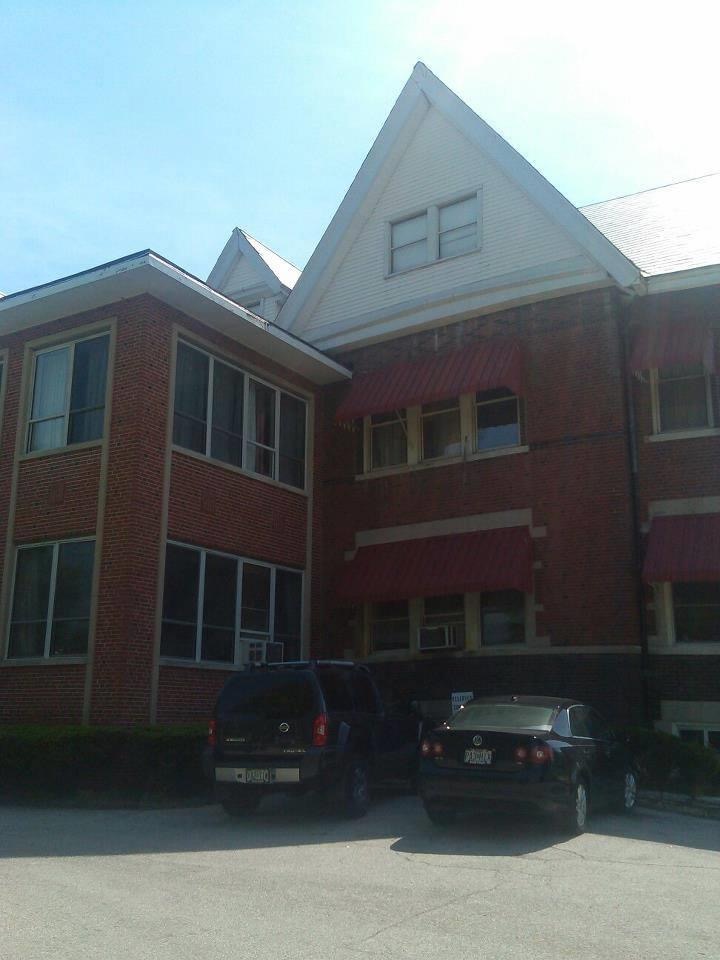
CARRIE ELLIGSON GIETNER HEALTH CARE CENTER

5000 SOUTH BROADWAY, SAINT LOUIS, MO 63111 (314) 752-0000
For profit - Corporation 130 Beds RELIANT CARE MANAGEMENT Data: November 2025 1 Immediate Jeopardy citation
Trust Grade
0/100
#359 of 479 in MO
Last Inspection: June 2024

Within standard 12-15 month inspection cycle. Federal law requires annual inspections.

Overview

The Carrie Elligson Gietner Health Care Center has a Trust Grade of F, indicating significant concerns regarding the quality of care provided. Ranking #359 out of 479 in Missouri places it in the bottom half of facilities statewide, and it is #7 out of 13 in St. Louis City County, meaning only six other local options are worse. While the facility shows an improving trend, having reduced issues from 22 in 2024 to 8 in 2025, it still reported 51 total deficiencies, including a critical failure to provide proper oversight during a heat advisory that led to a resident losing consciousness and requiring hospitalization. Staffing scores are concerning, with only 1 out of 5 stars, and while there is a low turnover rate, the RN coverage is less than that of 88% of Missouri facilities. The facility has accrued fines totaling $101,578, which is higher than 85% of other facilities in the state, reflecting ongoing compliance problems.

Trust Score
F
0/100
In Missouri
#359/479
Bottom 26%
Safety Record
High Risk
Review needed
Inspections
Getting Better
22 → 8 violations
Staff Stability
○ Average
Turnover data not reported for this facility.
Penalties
○ Average
$101,578 in fines. Higher than 61% of Missouri facilities. Some compliance issues.
Skilled Nurses
⚠ Watch
Each resident gets only 8 minutes of Registered Nurse (RN) attention daily — below average for Missouri. Fewer RN minutes means fewer trained eyes watching for problems.
Violations
⚠ Watch
51 deficiencies on record. Higher than average. Multiple issues found across inspections.
★☆☆☆☆
1.0
Overall Rating
★☆☆☆☆
1.0
Staff Levels
★★★☆☆
3.0
Care Quality
★☆☆☆☆
1.0
Inspection Score
Stable
2024: 22 issues
2025: 8 issues

The Good

  • Full Sprinkler Coverage · Fire safety systems throughout facility
  • No fines on record

Facility shows strength in fire safety.

The Bad

1-Star Overall Rating

Below Missouri average (2.5)

Significant quality concerns identified by CMS

Federal Fines: $101,578

Well above median ($33,413)

Significant penalties indicating serious issues

Chain: RELIANT CARE MANAGEMENT

Part of a multi-facility chain

Ask about local staffing decisions and management

The Ugly 51 deficiencies on record

1 life-threatening 5 actual harm
Sept 2025 4 deficiencies
CONCERN (D) 📢 Someone Reported This

A family member, employee, or ombudsman was alarmed enough to file a formal complaint

Potential for Harm - no one hurt, but risky conditions existed

Deficiency F0658 (Tag F0658)

Could have caused harm · This affected 1 resident

Based on interview and record review, the facility failed to meet professional standards when staff failed to make an appointment and follow up with a urologist (specializes in the urinary and reprodu...

Read full inspector narrative →
Based on interview and record review, the facility failed to meet professional standards when staff failed to make an appointment and follow up with a urologist (specializes in the urinary and reproductive systems) as requested by the urologist for one resident. (Resident #4). The sample was five. The census was 86. Review of the facility's Transcription of Orders/Following Physician's Orders Policy, dated 5/18/24, showed the following:-Purpose: The purpose of this policy is to outline procedures in accurately transcribing physician's orders and to ensure that all physicians' orders are followed. To ensure a process is in place to monitor nurses in accurately transcribing and following physician's orders;-Procedure:-A. Upon receiving a physician's order via telephone, fax, written order, verbal order, transcribed order or other, it will be documented in residents' electronic medical records in orders section; -B. Clarification of Physician's Orders will be obtained if the order is either unclear or the nurse is uncomfortable in implementation of the Physician's Orders. Review of Resident #4's quarterly Minimum Data Set (MDS), a federally mandated assessment instrument completed by facility staff, dated 6/10/25, showed the following:-Moderate cognitive impairment;-Required partial to moderate assistance with activities of daily living;-Diagnoses of high blood pressure, anxiety and depression. Review of the resident's nurse's note, dated 7/28/25 at 5:06 P.M., showed the nurse received a call from the urologist. He/She said the resident has diagnosis of prostate cancer (abnormal, uncontrollable growth of cells in the prostate gland, a part of the male reproductive system) and needs treatment. He/She said the resident has a follow up appointment in September but wants the resident to have an urgent appointment this week. The doctor has two offices, one for Tuesday appointment before noon. And a second for Friday appointment in morning. A transportation sheet made out. One copy was placed under social services door and a copy placed in transportation book. Review of the resident's medical record, showed no documentation regarding scheduling an appointment or the resident going to an appointment. During an interview on 9/22/25 at 12:47 P.M., Certified Nurse Aide (CNA) A said he/she escorted the resident to a doctor's appointment on 8/1/25. CNA A said they arrived at the doctor's office, they were turned away for not having an actual appointment on that day. CNA A said he/she and the resident came back to the facility and he/she made the charge nurse (unknown person) aware the resident returned without being seen. CNA A said he/she did not know if there was any follow up at that time. During an interview on 9/25/25 at 9:21 A.M., Licensed Practical Nurse (LPN) B said the resident came back to the facility and went to the previous Administrator's office. LPN B was told the DON and Administrator would handle the situation. LPN B said he/she did not know if another appointment was made for the resident. During an interview on 9/8/25 at 1:40 P.M., the resident said he/she had prostate surgery about six months ago. The resident said he/she did not know if he/she had an appointment with a urologist. He/She did not remember going to an appointment. The resident said he/she would probably find out from the Administrator. Review of the resident's medical record, showed no documentation of a scheduled appointment for the resident to see the urologist. During an interview on 9/22/25 at 10:23 A.M., Nurse C said he/she works with the urologist. When the urologist called the facility and made the recommendation for the resident to be seen immediately, the facility should have called and scheduled an appointment for the resident to be seen as soon as possible. Nurse C said without an appointment, the resident will not be seen. The resident was seen on 9/12/25. During an interview on 9/8/25 at 2:30 P.M., the DON said he/she expected the facility's policy to be followed. The Charge Nurse is to make the appointment and chart the date and time in the resident's medical record. The Charge Nurse should notify Social Services to set up the transportation. The Administrator was present at that time and agreed with the DON. 2609855
CONCERN (E) 📢 Someone Reported This

A family member, employee, or ombudsman was alarmed enough to file a formal complaint

Potential for Harm - no one hurt, but risky conditions existed

Menu Adequacy (Tag F0803)

Could have caused harm · This affected multiple residents

Based on observation, interview and record review, the facility failed to ensure recipes were followed while preparing pureed meals for one of one observed mealtime preparation. The census was 86.Obse...

Read full inspector narrative →
Based on observation, interview and record review, the facility failed to ensure recipes were followed while preparing pureed meals for one of one observed mealtime preparation. The census was 86.Observation on 9/22/25 at 11:05 A.M. of the kitchen, showed [NAME] D took one breaded chicken breast, placed it in a blender and added approximately one tablespoon of water and blended for approximately 45 seconds. Observation after blending, the breaded chicken breast appeared to be of ground meat consistency and not smooth. [NAME] D portioned the mixture into tin pans and placed it on the steamtable. Review of the facility's Pureed Breaded Chicken Breast recipe, dated 2025, showed the following:-One Serving: One breaded chicken breast, four tablespoons and two teaspoons of water and one fourth teaspoon of chicken base;-Combine chicken base and water to make chicken broth. Place prepared breaded chicken breasts in a sanitized food processor. Add broth and blend until smooth. During an interview on 9/22/25 at 11:15 A.M., [NAME] D said he/she should have followed the recipe for the pureed breaded chicken breast. [NAME] D said he/she looked at the recipe and thought he/she was following the recipe. Observation on 9/22/25 at 11:17 A.M., showed [NAME] D took one and one half four-ounce (oz) scoop of mixed vegetables and placed in a blender and blended for approximately 45 seconds. Observation after blending, showed the mixed vegetables were smooth with small lumps of vegetables. During an interview on 9/22/25 at 2:04 P.M., the Dietary Manager (DM) said he/she did not have a recipe for pureed mixed vegetables. They are just pureed until smooth. They never had a recipe for mixed vegetables. The DM expected the cooks to follow the recipes as written to ensure the proper nutrition for the food. The DM did not know why the cooks did not follow the recipes. The Administrator was present and said he/she agreed with the DM. 2619550
CONCERN (E) 📢 Someone Reported This

A family member, employee, or ombudsman was alarmed enough to file a formal complaint

Potential for Harm - no one hurt, but risky conditions existed

Food Safety (Tag F0812)

Could have caused harm · This affected multiple residents

Based on observation, interview and record review, the facility failed to keep the kitchen walls clean and floors free of grease, dirt and grime for one of one day of observation. The census was 86.Re...

Read full inspector narrative →
Based on observation, interview and record review, the facility failed to keep the kitchen walls clean and floors free of grease, dirt and grime for one of one day of observation. The census was 86.Review of the facility's Dietary Cleaning Duties, undated, showed the following:-Morning Crew: Wipe down all stainless surfaces, clean ovens and stove top, mop kitchen and dining room;-Evening Crew: Wipe down all stainless surfaces, clean ovens and stove top, mop kitchen and dining room;All employees must clock out with work completed at designated time. The cook on duty is responsible for checking that above duties are completed before they clock out. Manager is to assure this process is carried out. Observation on 9/22/25 of the kitchen, showed the following:-9:00 A.M., the floor under the refrigerator and along the back wall had dirt built up and grime;-9:02 A.M., the floor under the stove and fryer had built up grease and grime and the walls next to the fryer had built up grease and grime;-9:04 A.M., the floor under the coffee station had built up dirt and grime;-11:04 A.M., the walls behind and alongside the three sinks had built up grease and grime. During an interview on 9/22/25 at 2:15 P.M., the Dietary Manager (DM) said the cooks and the servers should deep clean the kitchen each day. The DM said the dietary staff are not allowed to have overtime, so the kitchen has not been cleaned properly. The DM said his department did not have labor hours for deep cleaning. During an interview on 9/22/25 at 2:20 P.M., the Administrator said she was aware of the concerns with the cleanliness of the kitchen. 2606159
CONCERN (F) 📢 Someone Reported This

A family member, employee, or ombudsman was alarmed enough to file a formal complaint

Potential for Harm - no one hurt, but risky conditions existed

Deficiency F0727 (Tag F0727)

Could have caused harm · This affected most or all residents

Based on interview and record review, the facility failed to provide the services of a Registered Nurse (RN) seven days a week. This had the potential to affect all residents of the facility. The samp...

Read full inspector narrative →
Based on interview and record review, the facility failed to provide the services of a Registered Nurse (RN) seven days a week. This had the potential to affect all residents of the facility. The sample was five. The census was 86. Review of the facility's Sufficient Staffing Policy, dated February 2023, showed the following:-Purpose: It is the policy of this facility to provide sufficient staff with appropriate competencies and skill sets to assure resident safety and attain or maintain the highest practicable physical, mental and psychosocial well-being of each resident. The facility's census, acuity and diagnoses of the resident population will be considered based on the facility assessment.-Policy: -The facility is required to provide licensed nursing staff 24 hours a day, 7 days a week;- Except when waived, the facility must use the services of a Registered Nurse for at least 8 consecutive hours a day, 7 days a week. Review of the facility's daily staffing sheets showed the following:-8/20 through 8/22/25, no RN scheduled;-8/25 through 8/31/25, no RN scheduled;-9/1 through 9/5/25, no RN scheduled. During an interview on 9/8/25 at 12:42 P.M., the Director of Nursing (DON) said the facility currently only has two RNs in the building. The DON said he/she has been working as an RN on the floor but did not know he/she could not be the DON and the RN on the floor at the same time. The Administrator was present at the time and agreed with the DON. 16113302606159
Aug 2025 1 deficiency 1 IJ
CRITICAL (J) 📢 Someone Reported This

A family member, employee, or ombudsman was alarmed enough to file a formal complaint

Immediate Jeopardy (IJ) - the most serious Medicare violation

Accident Prevention (Tag F0689)

Someone could have died · This affected 1 resident

**NOTE- TERMS IN BRACKETS HAVE BEEN EDITED TO PROTECT CONFIDENTIALITY** Based on interview and record review, the facility failed to provide protective oversight for one resident, (Resident #1), when ...

Read full inspector narrative →
**NOTE- TERMS IN BRACKETS HAVE BEEN EDITED TO PROTECT CONFIDENTIALITY** Based on interview and record review, the facility failed to provide protective oversight for one resident, (Resident #1), when the facility failed to follow their weather advisory procedures regarding going outdoors in extreme heat. The failure put this resident, who was prescribed two medications that could affect the body's ability to regulate temperature, at an increased safety risk due to the extreme heat. The resident was outside of the facility, without supervision, from 9:00 A.M. until approximately 4:00 P.M., during a heat advisory. The resident reported to facility administration that after purchasing cigarettes, he/she became overheated and lost consciousness in someone's backyard for an unknown length of time. The resident was admitted to the hospital on [DATE] at 4:28 P.M. and transferred to another hospital on 7/25/25, with nasal abrasions, fractures, and heat exposure The sample was six. The census was 83.The Administrator was notified on 07/31/25 of the Past Non-Compliance Immediate Jeopardy (IJ) which occurred on 07/24/25. Upon notification, the facility administration immediately in-serviced all staff on the facility's policy and procedures for inclement weather/severe heat, leave of absence, and guardianship, and completed chart audits for guardianship verification. The IJ was corrected on 07/25/25. Review of the Inclement Weather/Severe Heat Precautions policy, dated 8/23/22, showed:-Purpose: The purpose of this policy is to identify potentially harmful weather or outside temperatures that may pose harm to the residents;-Policy: The facility will identify the following environmental risks that may cause harm to the resident: Excessive heat greater than 98 degrees Fahrenheit (F) (deemed by the Medical Director) and heat advisory;-The Administrator, Director of Nursing (DON) or designee will determine the weather status before residents exit the facility on walks, Outside Pass (OSP) time, or out of the facility smoke time. If any of the environmental risks are present that may cause harm to the resident, the Administrator/DON/Designee will assess the resident's best interest whether residents should leave facility for OSP time;-In the event that the resident becomes noncompliant with following the inclement/excessive weather guidelines, the legal guardian/designee will be notified. If the resident is their own responsible party, the facility administration/designee will educate the resident on the risks of exiting the facility, and document education in the resident's record and ensure that the plan of care reflects the resident's noncompliance in following facility policy along with interventions and education. Review Resident #1's medical record showed:-A Pre-admission Screening and Resident Review (PASARR), dated 9/16/21, showed the resident wandered, needed supervision for safety, 24/7 supervision, monitor for elopements, fifteen minute checks and maximum monitoring; -Resident admitted to the facility on [DATE].-Diagnoses included: high blood pressure, end-stage renal disease (a severe medical condition where the kidneys have permanently lost most or all of their function), diabetes, anxiety, depression, bipolar (mood disorder that can cause intense mood swings) and schizophrenia (serious mental illness that affects how a person thinks, feels, and behaves). Review of the Missouri casenet website showed the resident was appointed a guardian on 2/4/22. Review the resident's quarterly Minimum Data Set (MDS), a federally mandated assessment instrument completed by facility staff, dated 6/2/25, showed:-Cognitively intact;-No behaviors. Review of the resident's medical record showed court documents, dated 6/4/25, confirmed the resident's guardianship remained in place. Review of the resident's care plan, in use at the time of the investigation, showed prior to 7/24/25, nothing noted in the care plan about the resident's ability or inability to go out independently on leave of absence (LOA), and nothing noted about the presence of a guardian or the resident's ability or inability to make decisions on his/her own. Review of the resident's Physician's Orders Summary (POS), dated 7/31/25, showed:-An order, dated 9/30/24, Haloperidol (antipsychotic medication used to treat mental illness) Oral Tablet 5 milligrams (mg);-An order, dated 9/30/24, Propranolol HCl (heart medication) Oral Tablet 20 mg. Review of the Center for Disease Control and Prevention (CDC) website showed the use of Haloperidol and Propanolol HCl can affect the body's ability to regulate temperature. Review on 7/31/25, of the resident's LOA sign out sheet showed, on 7/24/25 the resident signed out at 9:00 A.M. No destination was obtained. No length of stay was obtained. No signature from the resident was obtained. Review of the National Weather Service website showed on 7/24/25, the St. Louis area was under a heat advisory, and the high temperature for the day was 96 degrees F with a heat index of 107 degrees F. Review of the facility's investigation, dated 7/24/25, showed at 9:00 A.M. on 7/24/25, the resident approached the Activity Director to see if he/she could go to the gas station. The Activity Director escorted the resident to the DON's office and asked the DON if the resident could go. The DON said the resident could go to the store if he/she signed out. The resident was last seen by the Dietary Manager walking on the sidewalk, down Broadway (same street as the location of the facility) wearing a white t-shirt and tan pants around 9:15 A.M. When the resident did not return to the facility, a search was conducted where the resident said he/she was heading. Staff notified the family and the physician of the resident's unknown whereabouts at around 5:00 P.M. After being called by the family, the police arrived the facility around 5:10 P.M. to see about the resident. Staff contacted hospitals and learned the resident was in the emergency room of a local area hospital waiting to be seen, brought in around 4:28 P.M. The Administrator and the Social Service Director went to the hospital to check on the resident in the waiting room. The resident was admitted into the hospital for further evaluation. Review of the resident's initial hospital medical record, showed: The resident was brought to the emergency department on 7/24/25 at 4:28 P.M. The resident had heat exposure and facial abrasions around the nose area. Possible left nasal bone fractures were noted. Review of the resident's hospital records from the second hospital, showed:-The resident admitted to the current hospital after being transferred from a previous hospital on 7/25/25 at 10:34 A.M.;-The resident admitted with facial abrasions around the nose area and left nasal bone fractures were confirmed. During interviews on 7/29/25 at 11:04 A.M. and on 7/31/25 at 7:44 A.M., the Administrator said the DON gave the resident permission to sign himself/herself out to go to the gas station to purchase cigarettes without asking the Administrator. The Administrator had told the resident he/she could not leave the building due to a heat advisory. The Administrator did not inform any other staff the resident had requested to go outdoors during the severe heat advisory and had advised him/her against going outdoors. The Social Worker started a building search around 1:00 P.M., and the Human Resources (HR) director and the Administrator started an outdoor search. After the resident had not come back to the facility by 3:00 P.M., the Administrator and the HR director left the facility and conducted an additional outside search looking for the resident at places he/she was known to frequent. Staff did not start a search right away, because it was not out of the ordinary for the resident to go to the park or other places. They did not get a detailed list of where the resident was going to go that day. The DON reported to the family the resident had not returned to the facility, and that is when the family alerted the facility to the fact the resident had a guardian. The Administrator called the hospital at approximately 4:30 P.M. and found out the resident was in the emergency room (ER) and was informed the resident had been found outside, collapsed at an address a half a mile from the facility. The Administrator and the Social Worker went to the hospital at approximately 5:00 P.M. to check on the resident. The Administrator was not previously aware the resident had a guardian. The Administrator was made aware of the guardianship by the resident's daughter. Per the policy, the guardian should have been made aware the resident had gone outdoors during a heat advisory after the administrator advised him/her not to go. During an interview on 7/30/25 at 7:31 A.M., the Activities Director said she was approached by the resident on 7/24/25. The resident asked her if he/she could leave the building to go to the store mentioning that he/she had already been told no by the Administrator due to the weather. The Activities Director approached the DON, who was in the main office, and asked her if the resident could leave the building. The DON gave the resident permission to leave the building. During an interview on 7/30/25 at 8:36 A.M., the DON (who is no longer with the facility) said on 7/24/25 at 9:00 A.M., the Activities Director asked her if the resident could sign himself/herself out to go to the gas station. The DON gave the resident permission to sign himself/herself out. Around 3:00 P.M., when the resident still had not returned to the facility, she contacted the regional staff while the Administrator and HR Director started to search for the resident. The regional staff told her not to call 911 since the resident signed himself/herself out, it was not considered an elopement. The DON was not aware the resident had a guardian that should have been notified when the resident left the facility, against the administrator's advice, during a severe heat advisory. During interviews on 7/30/25 at 9:50 A.M. and on 7/31/25 at 7:23 A.M., the Dietary Manager (DM) said on 7/24/25, he was driving to work and saw the resident walking down the street in the direction of the facility around 9:03 A.M. to 9:05 A.M. The DM said he was not concerned, because this was normal for him to see the resident walking. The alarm bells were raised when the resident was not back by lunch. The resident never misses a meal. The DM mentioned it to an unidentified Certified Nurse's Aide (CNA) in the dining room. The CNA said they were already aware the resident was not back yet. The DM said he saw the resident walking/going places all the time. The resident has a usual gas station he/she walks to and provided the name (the gas station is .07 miles from the location where the resident was found). During an interview on 7/30/25 at 7:37 A.M., the guardian said she was not informed the resident had been signing him/herself out of the facility. The guardian said he/she did not want the resident signing him/herself out, because the resident needed supervision. The guardian was informed on 7/24/25 the resident left the building, fell, and was transferred to the hospital. Since the facility staff were not aware the resident had a guardian, the guardian had not been kept informed of the resident choosing to exit the building during a severe heat advisory, against advice. During interviews on 7/30/25 at 11:33 A.M. and on 7/31/25 at 10:30 A.M., the resident's physician said he was aware the resident had a guardian. The resident would be safe to go out on his/her own, but the facility should have educated the resident and monitored to make sure the resident was not out for prolonged periods of time in the heat. During an interview on 7/30/25 at 12:20 P.M., the Administrator and Regional Nurse Consultant said their process for determining if a resident can sign themselves out is to complete an elopement evaluation, review the guardian paperwork, and to look at the resident's PASRR. These steps were not completed for this resident. If a resident wanted to go out during excessive heat, staff should educate the resident on the risks. If they still want to leave, staff should inform the guardian. They have a waiver for residents to sign if they want to go out of the building against the advice of staff. The resident did not sign one of the waivers. 257250925724902572447
Jul 2025 1 deficiency
CONCERN (E) 📢 Someone Reported This

A family member, employee, or ombudsman was alarmed enough to file a formal complaint

Potential for Harm - no one hurt, but risky conditions existed

Deficiency F0761 (Tag F0761)

Could have caused harm · This affected multiple residents

**NOTE- TERMS IN BRACKETS HAVE BEEN EDITED TO PROTECT CONFIDENTIALITY** Based on observation, interview and record review, the facility failed to ensure medications on the 200 hallway, were stored pro...

Read full inspector narrative →
**NOTE- TERMS IN BRACKETS HAVE BEEN EDITED TO PROTECT CONFIDENTIALITY** Based on observation, interview and record review, the facility failed to ensure medications on the 200 hallway, were stored properly for multiple residents, including two sampled (Residents #1 and #2), which had the potential to cause harm to all residents. The sample was five. The census was 87.Review of the facility's medication storage policy, dated 5/18/24, showed:-Policy: All drugs and biologicals will be stored in locked compartments, cabinets, drawers, refrigerators, under proper temperature control. Narcotics and controlled substance medications are stored under double lock and key;-Any discrepancies which cannot be resolved must be reported immediately as follows: Notify the Director of Nursing (DON), charge nurse, and the pharmacy. Complete an incident report detailing the discrepancy, steps taken to resolve it, and names of all licensed staff working when the discrepancy was noted. Staff may not leave the area until discrepancies are resolved or reported as unresolved discrepancies. 1. Observation on 7/3/25, at 7:25 A.M., of the nurse's station on the second floor, showed:-The nurse's station was located in an open room with no doors. The nurse's station was open and accessible for anyone to walk behind it;-An open box, positioned on the ground behind the nurse's station, in front of a medication cart. The box contained 45 cards of medication;-A trash bag on the ground behind the nurse's station contained finished medication cards that needed to be disposed of, along with one of the medication cards still containing medications;-An open box, on the ground contained finished medication cards that needed to be disposed of;-An open box, positioned under the desk behind the nurse's station. The box contained over 45 cards of medication;-A open box, positioned under the desk behind the nurse's station next to the previous box. The box contained over 45 cards of medication. Observation on 7/3/25 at 8:43 A.M. and 10:48 A.M., of the nurse's station on the second floor, showed:-An open box, positioned on the ground behind the nurse's station, under the desk. The box contained 45 cards of medication;-A trash bag on the ground behind the nurse's station contained finished medication cards that needed to be disposed of. 2. Review of Resident #1's quarterly Minimum Data Set (MDS), a federally mandated assessment instrument completed by facility staff.dated 4/9/25, showed:-Moderate cognitive impairment;-Diagnoses included acute kidney failure, heart failure, and schizophrenia (mental illness that affects the way a person thinks, feels and behaves). Observation on 7/3/25 at 7:27 A.M., of the nurse's station on the second floor showed the following under the desk:-A medication card labeled with the resident's name. The medication card contained 28 hydrochlorothiazide (high blood pressure medication) 12.5 milligram (mg) capsules;-A medication card labeled with the resident's name. The medication card contained 14 Farxiga (diabetic medication) 10 mg tablets;-A medication card labeled with the resident's name. The medication card contained 28 Amlodipine (high blood pressure medication) tablets. 3. Review of Resident #2's quarterly MDS, dated [DATE], showed:-Moderate cognitive impairment;-Diagnoses included chronic kidney disease and heart failure. Observation on 7/3/25 at 7:28 A.M., of the nurse's station on the second floor showed the following under the desk:-A medication card labeled with the resident's name. The medication card contained 28 hydroxyzine (antihistamine) 10 mg tablets. 4. During an interview on 7/3/25 at 7:20 A.M., Certified Medication Technician (CMT) A said the pharmacy comes around once a month to deliver medication to the facility. The medication is delivered in boxes and then placed behind the nurse's stations for staff to put the medications away in storage. The medication is not stored in a timely manner and normally sits behind the nurse's station where anyone has access to it. The facility policy should store medication as soon as it is delivered. 5. During an interview on 7/3/25 at 9:08 A.M., CMT B said CMTs and nurses are responsible for putting away medications in the proper storage areas when it is delivered. If medication cannot be put away right away, it should be locked in the storage room. Medication should never be left unattended because residents could get into it. 6. During an interview on 7/3/25 at 11:51 A.M., the Regional Nurse Advisor said he would expect boxes of medication to be put away in the proper storage locations. Nurses are responsible for checking in medication and putting them away. The medication boxes observed behind the nurse's station desk were delivered on 6/28/25 and should have been stored properly on the day it was delivered. Residents should never be behind the nurse's station for safety purposes. 7. During an interview at 12:45 P.M., the Administrator and DON said they would expect nursing staff to follow the medication storage policy. They would expect medication to be put away as soon as it is delivered or stored in the locked medication storage room until it can be placed on the medication carts.MO00256390
Apr 2025 2 deficiencies
CONCERN (D) 📢 Someone Reported This

A family member, employee, or ombudsman was alarmed enough to file a formal complaint

Potential for Harm - no one hurt, but risky conditions existed

Abuse Prevention Policies (Tag F0607)

Could have caused harm · This affected 1 resident

Based on interview and record review, the facility failed to conduct a background screening for one hired employee (Administrator A). The facility failed to screen Administrator A to rule out the pres...

Read full inspector narrative →
Based on interview and record review, the facility failed to conduct a background screening for one hired employee (Administrator A). The facility failed to screen Administrator A to rule out the presence of a Federal Indicator, failed to conduct a Criminal Background Check (CBC), and Employee Disqualification List (EDL) check. The facility also failed to maintain records of the employment application, experience and education, references, license verification, and results of the background checks required by section 660.317 of Revised MO Statues. Administrator A was employed at the facility for approximately four months. This had the potential to affect all residents. The census was 86. Review of the facility's Abuse and Neglect policy, revised 6/12/24, showed: -This Facility will not employ individuals who have been convicted of abusing, neglecting or mistreating individuals. Potential employees are screened for a history of abuse, neglect or mistreating of residents; -This Facility is committed to protecting our residents from abuse by anyone including, but not limited to, facility staff, other residents, consultants, volunteers, and staff from other agencies providing services to the individual, family members or legal guardians, friends, or any other individuals. Review of the facility's Background Screening policy, dated 12/27/24, showed: -The Human Resource department will conduct all applicable background investigation(s) on each individual making application for employment with this company and on any current employee if such background investigation is appropriate for position for which the individual has applied. For example, if an employee applies for a job position that requires driving, an investigation of the employee's driving record will be conducted; -For all applicants applying for a position as a Certified Nurse Aide, the human resources department will contact the nurse aide registry of the state in which the individual is certified and/or previously employed to verify that the applicant's certification is in good standing; -Persons applying for employment and current employees will be informed of this policy. The company will not conduct a background investigation without an applicant's or employee's advance consent. Applicants or employees who do not consent to a background investigation will, however, not be considered for positions that the company has determined to require the completion of a background investigation; -If the background investigation(s) disclose any material misrepresentation or omissions by the applicant or employee on the application form or reveal information indicating that the individual may not be appropriate for hire, the company will investigate the matter further. Upon completion of such investigation, if the company determines that the applicant's or employee's background makes him/her unsuitable for the position he/she is seeking, the applicant will not be employed, or, if already employed, will be terminated; -The facility will not employ individuals who: -Have been found guilty of abuse, neglect, exploitation, misappropriation of property, or mistreatment by a court of law; -Have had a finding entered into the state nurse aide registry concerning abuse, neglect, exploitation, mistreatment of residents, or misappropriation of resident property; -Have a disciplinary action in effect against his or her professional license in a state licensure body as a result of a finding of abuse, neglect, exploitation, mistreatment of resident, or misappropriation or resident property; -All inquiries regarding background investigations should be directed toward the Director of Human Resources or Administrator. Review of Administrator A's Missouri Department of Health and Senior Services (DHSS) facility history, showed: -Administrator at Facility D on 10/14/24 through 11/5/24; -Administrator at Facility E on 11/7/24 through 3/19/25. Review of Administrator's A file, received 4/2/25, showed: -No hire date; -No application or resume of employment; -No CBC or EDL checks; -No federal indicator check; -No Administrator license documentation; -Several copies of unsigned facility policies and procedures; -A copy of Administrator A's driver's license and social security card. During an interview on 4/3/25 at 12:45 P.M., Regional Human Resources (HR) C said Administrator A was already employed when he/she returned to the company and Administrator A came from Facility D, a sister home in another city, so he/she had no idea who completed Administrator A's on-boarding and background check when he/she was hired. He/She was at the facility the week of February 3, 2025. HR C had concerns because Administrator A did not have a background check. They were supposed to get the information from Facility D and have it with him/her in the facility, but it slipped his/her mind. HR C thought the Business Office Manager (BOM) took care of it. The BOM handles HR and resident trust account. He/She asked the BOM if he/she had a file for Administrator A and he/she said no, and they would have to see if they could get the information from Facility D. Administrator A was at the facility at the time and HR C spoke to him/her. Administrator A said, they never sent my stuff over. Administrator A said he/she got in touch with someone and they were sending it over. HR C later spoke to Administrator A and asked him/her about the background check. He/She asked Administrator A if he/she received it and Administrator A said, yes. HR C thought it was given to the BOM to file. During an interview on 4/3/25 at 12:52 P.M., the BOM said HR C was at the facility in January or February 2025. He/She checked the employee files. Administrator A did not have a file. Without having the file, the BOM did not remember what was missing. He/She could not recall if there was a conversation regarding specific information that was missing or needed. During an interview on 4/3/25 at 1:17 P.M., Administrator B said he/she had been the Administrator since 3/27/25. The facility has HR, but they are responsible for background checks of the floor staff. Corporate HR ran his/her background check and other salaried management staff. Administrator B said Administrator A came from a different facility. On a corporate level, Administrator B was not privy to conversations that were had, however, the facility's BOM and HR check licenses on all facility staff. MO00251596
CONCERN (D) 📢 Someone Reported This

A family member, employee, or ombudsman was alarmed enough to file a formal complaint

Potential for Harm - no one hurt, but risky conditions existed

Deficiency F0839 (Tag F0839)

Could have caused harm · This affected 1 resident

Based on interview and record review, the facility failed to maintain a qualified Administrator on duty. This had the potential to affect all residents. The census was 86. Review of the current Missou...

Read full inspector narrative →
Based on interview and record review, the facility failed to maintain a qualified Administrator on duty. This had the potential to affect all residents. The census was 86. Review of the current Missouri Board of Nursing Home Administrators (MBNHA) license registry website, showed Administrator A not listed as a current Missouri Licensed Administrator. Review of Administrator A's Missouri Department of Health and Senior Services (DHSS) facility history, showed: -Administrator at Facility D on 10/14/24 through 11/5/24; -Administrator at Facility E on 11/7/24 through 3/19/25. During an interview on 4/2/25 at 10:30 A.M., Administrator B said he/she had been the Administrator of Facility E since 3/27/25. During an interview on 4/2/25 at 2:42 P.M., the Regional Director of Operations said he/she had been with the company since January 2025, so Administrator A was already employed at Facility E. Administrator A's license was checked along with new hires, but his/her name was not listed at all, not even inactive. Administrator A said he/she did not know why he/she was not on there and later said he/she had a HSE (Health Services Executive) license. Administrator A was not listed on there. Their corporate office sent emails to Administrator A and asked for a copy of his/her administrator's license, but he/she did not respond to the email. Later, he/she told corporate that his/her renewal was sent off, but maybe it was not received. They asked for copies of the renewal, but he/she could not find proof of sending it to the board. Administrator A did not have a copy of an administrator's license to submit. During an interview on 4/3/25 at 12:45 P.M., Regional Human Resources (HR) C said Administrator A was already employed when he/she returned to the company and Administrator A came from Facility D, a sister home in another city, so he/she had no idea who completed Administrator A's onboarding and background check when he/she was hired. During an interview on 4/3/25 at 1:17 P.M., the Director of Nursing (DON) said he/she was employed when Administrator A was at the facility. He/She asked Administrator A about the license because it was not posted. The DON knew the Administrator's license should be posted. Administrator A said he/she did not need to do that. During an interview on 4/3/25 at 1:17 P.M., Administrator B said Administrator A came from a different facility. On a corporate level, Administrator B was not privy to conversations that were had, however, the facility's BOM and HR check licenses on all facility staff. They would not be responsible for upper management such as the Administrator's background check and license. MO00251596
Dec 2024 4 deficiencies 2 Harm
SERIOUS (G) 📢 Someone Reported This

A family member, employee, or ombudsman was alarmed enough to file a formal complaint

Actual Harm - a resident was hurt due to facility failures

Quality of Care (Tag F0684)

A resident was harmed · This affected 1 resident

**NOTE- TERMS IN BRACKETS HAVE BEEN EDITED TO PROTECT CONFIDENTIALITY** See the deficiency cited at Event KJ9713. Based on interview and record review, the facility failed to ensure a resident (Reside...

Read full inspector narrative →
**NOTE- TERMS IN BRACKETS HAVE BEEN EDITED TO PROTECT CONFIDENTIALITY** See the deficiency cited at Event KJ9713. Based on interview and record review, the facility failed to ensure a resident (Resident #10) kept all appointments with the orthopedic surgeon after an unwitnessed fall resulting in a fracture of his/her right arm on 9/13/24. Delay of treatment has caused pain and a decrease in his/her ability to perform activities of daily living (ADLs). The sample was three. The census was 77. Review of the facility's Resident Appointment policy, updated on 8/24, showed: -Purpose: To ensure all appointments and follow-up appointments (as needed) are scheduled. Residents will be taken to all scheduled appointments (barring emergency circumstances that require rescheduling). The facility is responsible in assisting with appointment management and scheduling/coordination of transportation (if requested/needed); -Procedure: -Nursing staff to assist with scheduling appointments and follow-up if needed; -Nursing staff to communicate transportation to social services director (SSD) and SSD will set up transportation for the scheduled appointment; -The SSD or designee is responsible for scheduling any needed follow-up appointments; -Communication, appointments, follow ups, concerns, etc. will be documented appropriately. Review of Resident #10's quarterly Minimum Data Set (MDS), a federally mandated assessment instrument completed by facility staff, dated 8/22/24, showed: -Cognitively intact; -Independent with ADLs; -No history of pain; -No history of falls since admission or prior assessment; -Diagnoses included other specified disorders of bone density and structure, and muscle weakness. Review of the resident's progress notes, showed the following: -On 9/13/24 at 7:30 A.M., the resident said he/she had a fall and was able to pick him/herself up off the floor. Upon assessment, the resident's right arm was painful to the touch and swollen. Staff placed a call to the resident's physician. An order was received to send the resident to the emergency room (ER) for evaluation and treatment. The resident able to move all other extremities without difficulty. At 7:40 A.M., staff called 911. At 8:10 A.M., emergency transfer staff were in facility to transfer resident. At 12:40 P.M., the resident returned from the ER with an appointment to see ortho (orthopedic doctor specializes in the management of pain related to the musculoskeletal system) and with a splint to be worn when up, until appointment with ortho. At 12:45 P.M., staff called the resident's physician to inform him of the resident's return. Review of the resident's hospital records, dated 9/13/24, showed: -Fall, unclear mechanism. Right upper extremity injury. Facial involvement; -Final diagnosis: Closed right (RT) humeral fracture (a break in the upper arm bone), spiral (bone broken in a twisting motion)displaced (a displaced fracture means the pieces of the bone moved so much, a gap formed around the fracture); -Relevant imaging results show RT humeral fracture and contusion (bruise) without fracture to nasal bone; -Patient sent back to nursing home with sling and follow up with ortho, ENT (ear, nose and throat specialist) and physician. -No documentation in hospital notes to indicate when surgery or follow up appointments were made. Review of the resident's progress notes, on 9/14/24, no time noted, showed the resident remained on IFU (incident follow up) related to his/her fall. The resident's arm remained in the sling. Staff administered pain medication three times during the shift. It was effective within an hour. There was bruising and swelling to the right arm. Staff provided assistance with the resident's activities of daily living. -On 9/15/24 between 7:00 P.M. and 7:00 A.M., the resident remained on IFU. The staff administered pain medication three times during the shift. It was effective within an hour. The resident did have bruising on the bridge of his/her nose and the right arm. Staff provided assistance with all ADLs; -On 9/16/24 between 7:00 P.M. and 7:00 A.M., the resident remained on IFU/fall with injury. He/She had significant bruising to the entire right arm related to the fracture and has a sling in place. His/Her arm was discolored and edematous (swelling); -On 9/17/24, no time noted, the resident's arm was extremely swollen and staff noted discoloration from shoulder to hand. His/Her hand was warm to the touch and his/her radial (wrist) pulse was weak. Staff notified the resident's physician and sent the resident to the ER for evaluation; -On 9/18/24 at 12:20 A.M., the resident returned to the facility and no issues were found with his/her venous Doppler (ultrasound test that uses sound waves to examine the circulation of blood in veins). There were no changes on the x-ray of his/her right hand since the initial x-ray. The resident denied pain. Review of the orthopedic physician's office visit notes dated 9/19/24, showed: -The resident had been having right upper extremity pain for nine days; -The resident had an injury to the shoulder after a fall; -The resident complained of pain during the day and night and had sleep disturbances; -The resident complained of loss of strength and loss of motion; -At this point, they had tried treatment options including activity modification, anti inflammatory medications, Tylenol and bracing; -The symptoms were not improving with conservative measures; -PROMIS (Patient reported outcomes measurement information system measures health status from the patient's perspective) upper extremity score: 15 (severe dysfunction); -PROMIS pain score 76 (severe); -No current facility administered medication on file prior to visit; -Physical exam: Splint removed; -Skin: Diffuse healing ecchymosis (a widespread bruise, where the discoloration from leaked blood under the skin is spread out over a large area, rather than localized in one spot); -Right upper extremity: Tenderness along the arm. Mobile fracture fragments (pieces of broken bone); -X-ray showed a comminuted shaft fracture (the bone breaks into several pieces) with a long spiral fragment; -Displaced comminuted right proximal humerus fracture (a severe break in the upper part of the arm where the bone shatters into multiple pieces and has shifted out of the normal position); -Plan: Therapy as tolerated to improve range of motion of wrist and hand. Another x-ray in a week to see if better alignment. Review of the resident's monthly physician's notes, dated 9/19/24, showed: -The chief complaint was a right humerus fracture; -The resident had new or worsening medical problems over the last month; -The resident was feeling tired or poorly; -The resident had a fall in the shower and complained of right arm pain. Sent to the hospital on 9/18/24 and found to have a right humerus fracture. Ortho consulted and to follow up as outpatient. The resident returned to the nursing home within hours. He/She was going to follow up with ortho today for surgery. His/Her right arm was ace wrapped and his/her hand was swollen; -Resident reported pain and feeling tired or poorly; Review of the resident's care plan updated 9/13/24, showed: -Problem: Potential for self care deficit related to, ambulates with wheelchair; -Goals: Resident will maintain current level of function and be clean and well groomed through next review; -Interventions: Resident ambulates around the facility with wheelchair. Gait usually abnormal. Positions independently. Transfers without assistance. Dresses independently. Feeds self. Monitor consumption report. Toilets self. Continent. Urinary dribbles, wears bladder pads. Personal care done independently. Showers independently. Bedtime routine completed independently. On 9/13/24, resident had a fall in his/her room. Complained of pain in right arm and sent to ER to evaluate and treat. Returned with right arm and nose fractures; -Problem: Potential for falling. On 9/13/24, the resident reported he/she had fallen and complained of right arm pain. Staff informed physician. New order received to send to emergency room to evaluate and treat; -Interventions: Monitor for gait and balance. Keep area free of clutter. Encourage rest periods. Assist with transfers as needed. Physical therapy/occupational therapy per physician's orders; -Problem: Potential for pain; -Interventions: Educate resident on signs and symptoms of lethargy due to administration of pain medications. Administer routine pain medications per physician's orders. Monitor for effectiveness of pain management and alert physician as needed. Monitor for verbal/nonverbal indicators of pain. Pain management consultation as needed. Pain assessment quarterly. See assessment in chart. Review of the resident's progress notes, showed: -On 9/23/24 between 7:00 A.M. and 7:00 P.M., staff notified the resident's physician regarding swelling, redness and warmth in the right arm. A new order was received for doxycycline (used to treat infection) 100 milligrams (mg), twice a day by mouth for ten days and lasix (used to help reduce excess fluid in the body) 40 mg, one time a day by mouth for ten days. The resident's sling remained intact and staff encouraged him/her to sleep on his/her left side. No signs of acute distress noted. -On 9/24/24 between 7:00 A.M. and 7:00 P.M., the resident's sling remained in place. His/Her arm and fingers remained edematous (swollen); -On 10/23/24, the resident was up and ready for his/her appointment with his/her paperwork. The resident was scheduled for surgery; -No documentation if surgery occurred or why it did not; -No documentation of notifications to physician or family representative; -No documentation of rescheduling of surgery. Review of the resident's monthly physician visit notes dated 11/1/24, showed: -Resident feeling tired or poorly; -Has chronic pain. Seen for follow up. Complained of left hip pain as well; -Seen in wheelchair, wearing a sling on upper right extremity. Fell in September suffering a right proximal comminuted fracture and saw ortho. Surgery was canceled and rescheduled. Labs done as pre-operation (pre-op) and they cleared him/her. Review of the orthopedic physician's appointment records for the resident on 12/18/24, showed on 9/26/24, the resident's orthopedic appointment with the physician was canceled. Review of the resident's progress notes, showed no documentation of missed appointment on 9/26/24. Review of the orthopedic physician's appointment records for the resident on 12/18/24, showed on 10/3/24, the resident did not show up for his/her appointment. (There is nothing in the progress notes to show the surgery was rescheduled.) Review of orthopedic physician office visit notes dated 10/10/24, showed: -Chief complaint: Right upper extremity pain; -The resident was unable to follow up since last visit and they had been unable to successfully get medical clearance for surgery until then; -Physical exam: -Right upper extremity: Tenderness along the arm. Mobile fracture fragments. Shoulder and elbow range of motion not attempted due to pain. There was swelling over the elbow forearm and hand and weak elbow flexion and extension (motion of bending and straightening the elbow); -Plan: Resident agreed to proceed with surgery in the form of right humerus, open reduction and internal fixation (surgical procedure to repair broken humerus bone in upper arm. The surgeon makes an incision to realign the bone and uses hardware like screws, plates, rods or pins to hold the bone together); -The surgery would not be scheduled until there was medical clearance. Review of the resident's progress notes, showed: -On 10/14/24 at 2:50 P.M., the resident's surgeon's office called related to his/her 10/23/24 surgery. They needed surgery clearance. Staff called the resident's physician who stated they would fax the letter on 10/15/24; -On 10/23/24, the resident was up and ready for his/her appointment with his/her paperwork; -No further documentation of why surgery was canceled and/or rescheduled. Review of the resident's physician's appointment records, showed: -On 10/23/24, the resident was scheduled for surgery; -On 11/8/24, the resident's follow up appointment was canceled because the surgery did not occur; -On 12/12/24, the resident was a no show for his/her appointment. Review of a transportation note dated 12/12/24, provided by the facility on 9/18/24, showed the resident's 12/12/24, appointment with the orthopedic physician was canceled because transportation failed to show. During interviews on 12/18/24 at 12:45 P.M. and at 2:20 P.M., Licensed Practical Nurse L said he/she was working on 12/12/24, and the transportation company did show up but left because the resident was not downstairs ready to go. He/She did not remember getting a call from the physician's office or rescheduling an appointment for him/her. The resident needed more help now with transferring, showering and dressing. He/She used to use a walker before the fall and now needed to use a wheelchair. During an interview on 12/18/24 at 1:10 P.M., the SSD said she sat up the transportation for resident appointments. The resident was supposed to go to the hospital for some appointments, but the SSD did not know the resident missed them. The SSD only had documentation for the 10/10/24 appointment that the resident made, the 10/23/24 surgery date that was missed and the 12/12/24 appointment that was missed. The SSD did not know about the other appointments and did not remember setting up transportation for them. The nurse would have made those appointments, and the SSD did not know why she was not given the information. The nurse was no longer working at the facility. Review of the resident's monthly physician visit notes dated 12/16/24, showed: -Resident feeling tired or poorly; -Has increased edema right upper extremity and both lower extremities. Was in sling, not using much. Will increase Lasix to two times a day and get labs; -Resident reported lower back pain, left hip joint pain, joint pain in both knees, muscle stiffness and stillness localized to one or more joints; -Not well appearing; -Comminuted right proximal humerus fracture. Now in sling. Cleared for surgery if needed. During an interview on 12/18/24 at 2:00 P.M., the resident said he/she had been in pain for several months. It did not hurt all of the time, mostly when he/she had to move the arm or turned the wrong way. It was usually at a level 3 out of 5. He/She was not able to do the things he/she used to do and it made him/her sad. He/She just wanted to have the surgery and get the arm fixed so he/she could take care of him/herself again. He/She was supposed to get surgery but when he/she got down to the lobby, the transportation people had left. This happened a lot. He/She tried to get there as soon as possible, but it took a while to get on the elevator and get downstairs. It was very frustrating because he/she just wanted to feel good again. During an interview on 12/19/24 at 12:15 P.M., the facility's physical therapy manager said the resident was referred to them in October and was still on their caseload. They were working to teach him/he how to function with one arm. The resident needed staff assistance with transferring, toileting, dressing and showering. They were not working with his/her right arm because it was still fractured and in a sling. Review of a note sent by the resident's orthopedic physician's office on 12/18/24, showed the office tried to make the appointment with the nursing facility but had not seen the resident since 10/10/24, and no one would call them back. During an interview on 12/18/24 at 2:10 P.M., Certified Nurse's Aide (CNA) F said he/she noticed brusing on the resident that morning during his/her shower. He/She did not notice it earlier since the resident was wearing long sleeves. The bruising was not there the prior week when he/she gave him/her a shower. The resident fell a few months ago and had some bruising and pain since them. He/She cannot move his/her arm very well. The CNA had to help the resident transfer out of bed into his/her wheelchair, shower, dress and toilet. The resident could not do these things by him/herself since the fall. During an interview on 12/18/24 at 2:00 P.M., the resident said he/she had a bruise on his/her arm from falling a couple of weeks ago. He/She did not remember the actual fall in 9/24. He/She is getting very confused and cannot remember things as well anymore. During an interview on 12/18/24 at 2:15 P.M., the orthopedic physician's nurse, said the resident was originally scheduled to have surgery on 10/10/24, and the resident did not have the approval from the physician's office to do it. They rescheduled the surgery for 10/23/24 and then could not do it because the resident had eaten that morning. They attempted to call the facility several times to set up an appointment to have the resident come into the outpatient clinic, but no one would help them set up the appointment. They finally got one set up for 12/12/24, and the resident did not show up. No one called the clinic to let them know the resident was not coming. They had been trying to set up another appointment, but no one would return their calls. During an interview on 12/18/24 at 3:00 P.M., the resident's physician office representative said they were aware the resident was scheduled for surgery and missed it on 10/23/24. The physician cleared the resident for surgery, and the physician thought the facility was rescheduling it. The facility did not notify the office the resident missed more appointments or the resident continued to have pain. They should have notified them about this. They rescheduled another x-ray for the resident because the facility reported he/she was having pain and swelling. The facility did not notify them about the new brusing on his/her right arm. They did not think the resident fell because he/she would not have been able to get him/herself up off the floor. It was probably due to complications with the fracture and should have been noticed prior to 12/18/24 if it was older brusing and reported to them. During an interview on 12/19/24 at 11:50 A.M., the resident's orthopedic surgeon said the resident's arm was broken and could not heal on its own. The resident had lost mobility in his/her upper extremities because he/she could not use his/her arm. Their office tried to set up an appointment with the resident several times. He was concerned because the resident was expressed being in a lot of pain when he saw him/her and might not be expressing this pain to the staff. The x-ray they took did not indicate a new break but the old fracture could be moving or he/she might have damaged it again and it was causing the swelling and bruising. The resident might never regain his/her mobility back. That is why it is so important to get the surgery done before any more damage occurs. No one from the facility notified his office that the resident continued to have bruising and swelling in his/her arm and hands. The arm would not get better unless the resident had the surgery, and he/she would continue to have pain. They had referred him/her to physical therapy to increase the strength in the arm, but it would not help if he/she could not move his/her arm. During an interview on 12/18/24 at 1:00 P.M., the corporate nurse said they had been having problems with the transportation company. They would come late or not show up at all. The charge nurse is responsible to set up appointment and once this is done, he/she will give the information to the SSD who will set up transportation. If the resident misses an appointment, the charge nurse should reach out to the physician's office to reschedule it. All of this information should be documented in the resident's medical record. She was not aware of why the resident missed his/her surgery date or that he/she missed several follow up appointments. Review of the resident's hospital records, dated 12/18/24, showed: -The patient presented with complaint of right arm pain; -The patient fell and developed right humeral fracture on 9/13/24; -Patient scheduled to be seen by ortho as outpatient, but his/her appointments were not kept by the nursing home; -Since fall, he/she could not follow up with orthopedic surgery; -As patient has difficulty moving right arm for a couple of months and has not seen the orthopedic doctor recently, he/she decided to come to the emergency room and be seen by ortho; -Patient was admitted for further evaluation and management. Review of the resident's X-ray results dated 12/19/24, showed a comminuted displaced multipart fracture of the proximal humerus is noted with significant displacement of fracture fragments with foreshortening (due to the positioning of the bone on the x-ray, the bone appears shorter than it actually is on the image, indicating the fracture fragments might be telescoped (one [NAME] is sliding partially inside another bone) into each other). During an interview on 12/27/24 at 1:00 P.M., the former Director of Nursing (DON) said he/she knew the resident was scheduled for surgery in October and it had to be rescheduled because the resident ate that morning. Staff should not have fed him/her. The charge nurse was responsible for rescheduling the surgery and letting the SSD know so she could set up transportation. No one ever told the DON the resident was still missing appointments. The staff should have reported the missed appointments so the DON could find out what happened and follow up. During interviews on 12/18/24 at 2:40 P.M. and at 4:00 P.M., the Administrator said she just started working at the facility a couple of months ago. She was not here when the resident fractured his/her arm and did not know he/she had missed the surgery. The resident should have gotten his/her surgery by now. When the first surgery was missed, they should have immediately rescheduled another one and made sure transportation was available. She knew the resident missed his/her transportation on 12/12/24 but thought it was just a regular appointment. She would have expected staff to document when appointments were made and/or missed and for them to follow up setting up a new appointment. The nurses were responsible for setting the appointments and then once the appointment was made, they would notify the SSD who would set up transportation. The staff should have had the resident ready to go when transpiration arrived. MO00246748
SERIOUS (G) 📢 Someone Reported This

A family member, employee, or ombudsman was alarmed enough to file a formal complaint

Actual Harm - a resident was hurt due to facility failures

Deficiency F0697 (Tag F0697)

A resident was harmed · This affected 1 resident

See the deficiency cited at KJ9713. Based on observation, interview, and record review, the facility failed to consistently assess pain or provide treatment in a timely manner for one resident (Reside...

Read full inspector narrative →
See the deficiency cited at KJ9713. Based on observation, interview, and record review, the facility failed to consistently assess pain or provide treatment in a timely manner for one resident (Resident #10) who fell and fractured his/her arm on 9/13/24. The resident missed a surgery date on on 10/23/24 after staff fed the resident, which resulted in the surgery being canceled. The facility failed to ensure the resident was seen by his/her orthopedic physician despite several attempts by the office to set up appointments since the postponed surgery or set up a new date for the surgery. The facility also failed to complete a new pain assessment after the resident's arm was fractured. These failures resulted in pain and a loss of mobility for the resident. The sample was three. The facility census was 77. Review of the facility's Pain Management policy revised on 6/26/24, showed: -Purpose: The facility must ensure that pain management is provided to residents who require such services, consistent with professional standards of practice, the comprehensive care plan and the resident's goals and preferences; -Policy: The facility will utilize a systematic approach for recognition, assessment and monitoring of pain; -Recognition of pain: In order to help a resident attain or maintain his/her highest practicable level of physical, mental and psychosocial well-being and to prevent or manage pain, the facility will: --Recognize when the resident is experiencing pain and identify circumstances when the pain can be anticipated; --Evaluate the resident for pain and the cause(s) upon admission, during ongoing assessments and when a significant change in condition or status occurs (e.g. after a fall, change in behavior or mental status, new pain or an exacerbation of pain); --Manage or prevent pain, consistent with the comprehensive assessment and plan of care, current professional standards of practice and the resident's goals and preferences; -Facility staff will observed for nonverbal indicators which may indicate the presence of pain. These indicators include but are not limited to: --Loss of function or inability to perform activities of daily living (ADLs) e.g. rubbing a specific location of the body, or guarding a limb or other body parts; --Behaviors such as: Resisting care, irritability, depressed mood or decreased participation in usual physical and/or social activities; --Skin conditions; -Pain assessment: The facility will use a pain assessment tool, which is appropriate for the resident's cognitive status, to assist staff in consistent assessment of a resident's pain; -Based on professional standards of practice, an assessment or evaluation of pain by the appropriate members of the interdisciplinary team (e.g. nurses, practitioner, pharmacists and anyone else with direct contact with the resident) may necessitate gathering the following information as applicable to the resident; --History of pain and its treatment (including non-pharmacological, pharmacological and alternative medicine treatment and whether or not each treatment has been effective; --Asking the resident to rate the intensity of his/her pain using a numerical scale, a verbal or visual descriptor that is appropriate and preferred by the resident; --Reviewing the resident's current medical conditions; --Identifying key characteristics of the pain: --Duration of pain; --Frequency; --Location; --Timing; --Pattern (consistent or intermittent); --Radiation of pain; -Obtaining descriptors of the pain; -Identifying activities, resident care or treatment that precipitate or exacerbate pain and those that reduce or eliminate pain; -Impact of pain on quality of life (e.g. sleeping, functioning, appetite and mood); -Current prescribed pain medications, dosage and frequency; -The resident's goals for pain management and his/her satisfaction with the current level of pain control; -Physical and psychosocial issues that might be causing or exacerbating the pain; -Pain management and treatment: -Based upon the evaluation, the facility in collaboration with the attending physician/prescriber, other health care professionals and the resident and/or resident's representative will develop, implement, monitor and revise as necessary interventions to prevent or manage each individual resident's pain beginning at admission; -Factors influencing the choice of treatments include: -The cause, location and severity of resident's pain; -The resident's current medical condition; -The resident's current medications; -The resident's desired level of relief and tolerance for adverse consequences; -Potential benefits, risks and adverse consequences of medications; -Available treatment options; -Non-pharmacological interventions will include but are not limited to: -Environmental comfort measures; -Loosening any constrictive bandage, clothing or device; -Applying splinting (e.g. pillow or folded blanket); -Physical modalities (e.g. cold compress, warm shower/bath, massage, turning or repositioning); -Cognitive/behavioral interventions (e.g. music, relaxation techniques, activities, diversions, teaching the resident coping techniques and education about pain); -Pharmological interventions will follow a systematic approach for selecting medications and doses to treat pain. The interdisciplinary team is responsible for developing a pain management regimen that is specific to each resident who has pain or who has the potential for pain; -Monitoring, reassessment and care plan revision: -Facility staff will reassess resident's pain management at established intervals for effectiveness and/or adverse consequences such as: -Tolerance; -Physical dependence; -Increased sensitivity to pain; -Constipation; -Sleepiness, dizziness and/or confusion; -Depression; -If re-assessment findings indicate pain is not adequately controlled, the pain management regimen and plan of care will be revised as indicated. Review of Resident #10's quarterly Minimum Data Set (MDS), a federally mandated assessment instrument completed by facility staff, dated 8/22/24, showed: -Cognitively intact; -No behaviors or rejection of care; -Functional Limitation in Range of Motion: No Independent with all ADLs; -No pain; -No falls since admission or prior assessment. Review of the resident's progress notes, showed on 9/13/24 at 7:30 A.M., the resident told staff he/she fell and was able to pick him/herself up off the floor. Upon assessment the resident's right arm was painful to the touch and swollen. Staff placed a call to the resident's physician. An order was received to send the resident to the emergency room (ER) for evaluation and treatment. The resident able to move all other extremities without difficulty. At 7:40 A.M., staff called 911. At 8:10 A.M., emergency transfer staff in facility to transfer resident. At 12:40 P.M., the resident returned from the ER with a appointment to see the ortho (orthopedic physician) and with splint to be worn when up until appointment with ortho. At 12:45 P.M., staff called the resident's physician to inform him of his/her return. Review of the resident's hospital records, dated 9/13/24, showed: -Fall unclear mechanism. Right upper extremity injury. Facial involvement; -Final diagnosis: Closed right (RT) humeral fracture (a break in the upper arm bone), spiral (bone broken in a twisting motion) displaced (a displaced fracture means the pieces of the bone moved so much a gap formed around the fracture); -Relevant imaging results show RT humeral fracture and contusion (bruise) without fracture to nasal bone; -Patient sent back to nursing home with sling and follow up with ortho, ENT (ear, nose and throat specialist) and physician. Further review of the resident's progress notes showed: -On 9/14/24, no time noted, the resident remained on incident follow-up (IFU) related to his/her fall. He/She was in no apparent distress. Staff would continue to monitor. His/Her call light was in his/her reach and bed was in the lowest position. At 7:00 P.M., the resident's family were in the facility to visit. The resident's arm remained in the sling. Staff administered acetaminophen (pain reliever) three times on the shift. It was effective within an hour. There was bruising and swelling to the right arm. Staff provided assistance with the resident's activities of daily living. -On 9/15/24 between 7:00 P.M. and 7:00 A.M., the resident remained on IFU. He/She did not complain of pain or distress at the time. At 7:00 P.M., the resident remained on observation, seated in his/her wheelchair. The staff administered acetaminophen three times during the shift. It was effective within an hour. Staff noted no signs of acute distress. The resident did have bruising on the bridge of his/her nose and the right arm. Staff provided assistance with all ADLs; -On 9/16/24 between 7:00 P.M. and 7:00 A.M., the resident remained on IFU/fall with injury. He/She had significant bruising to the entire right arm related to the fracture and a sling in place. At 4:30 P.M., the resident was up in his/her wheelchair propelling him/herself. No complaints of pain or discomfort at the time. His/Her arm was discolored and edematous (abnormally swollen with fluid); -On 9/17/24, no time noted, the resident's arm was extremely swollen and staff noted discoloration from shoulder to hand. His/Her hand was warm to the touch and his/her radial (pulse felt in the wrist) pulse was weak. Staff notified the resident's physician and sent the resident to the ER for evaluation; -On 9/18/24 at 12:20 A.M., the resident returned to the facility and no issues were found with his/her venous Doppler (a non-invasive ultrasound test that uses high frequency sound waves to examine circulations in a person's veins). There were no changes on the x-ray of his/her right hand since the initial x-ray. The resident denied pain. At 6:15 A.M., staff checked on the resident who voiced no pain. At 7:10 A.M., the resident would not get up to use the restroom or attempt to use his/her call light. -On 9/19/24, no time noted, the resident continued to wear an arm sleeve. Staff encouraged him/her to elevate his/her arm. No complaints of pain at the time. Review of the resident's electronic Medication Administration Record (eMAR) dated 9/1/24 through 9/30/24, showed: -An order dated 9/6/24 for diclofenac sodium (used to reduce pain, swelling and joint stiffness) tablet delay release 75 milligrams (mg). Give one tablet two times a day with food. Documented as administered 9/6 through 9/30/24; -An order dated 6/20/24 for acetaminophen oral tablet 325 mg. Give two tablets every four hours as needed for pain. Two tablets administered on 9/18/24 at 10:00 A.M., 9/28/24 at 9:00 A.M. and 1:00 P.M. and 9/19/24 at 5:00 A.M. and 7:00 P.M. -No documentation of administration for the rest of the month. Review of the orthopedic physician's office visit notes dated 9/19/24, showed: -The resident had been having right upper extremity pain for nine days; -The resident had an injury to the shoulder after a fall; -The resident complained of pain during the day and night and had sleep disturbances; -The resident complained of loss of strength and loss of motion; -At this point they had tried treatment options including activity modification, anti inflammatory medications, acetaminophen and bracing; -The symptoms were not improving with conservative measures; -PROMIS (Patient reported outcomes measurement information system measures health status from the patient's perspective) upper extremity score: 15 (severe dysfunction); -PROMIS pain score 76 (severe); -No current facility administered medication on file prior to visit; -Physical exam: Splint removed; -Skin: Diffuse healing ecchymosis (a widespread bruise, where the discoloration from leaked blood under the skin is spread out over a large area, rather than localized in one spot); -Right upper extremity: Tenderness along the arm. Mobile fracture fragments (pieces of broken bone); -X-ray showed a comminuted shaft fracture (the bone breaks into several pieces) with a long spiral fragment (the bone twists in a corkscrew shape); -Displaced comminuted right proximal humerus fracture (a severe break in the upper part of the arm where the bone shatters into multiple pieces and has shifted out of its normal position); -Plan: Therapy as tolerated to improve range of motion of wrist and hand. Another x-ray in a week to see if better alignment. Review of the resident's monthly physician's notes, dated 9/19/24, showed: -The chief complaint was a right humerus fracture; -The resident had new or worsening medical problems over the last month; -The resident was feeling tired or poorly; -The resident had a fall in the shower and complained of right arm pain. Sent to the hospital and found to have a right humerus fracture. Ortho consulted and to follow up as outpatient. The resident returned to the nursing home within hours. He/She was going to follow up with ortho today for surgery. His/Her right arm was ace wrapped and his/her hand was swollen; -Resident reported pain and feeling tired or poorly; -He/She reported muscle weakness; -He/She reported lower back pain, left hip joint pain, joint pain in both knees, muscle aches, muscle stiffness and stiffness localized to one or more joints; -He/She reported memory lapses or loss; -He/She reported skin symptoms; -Mild disorientation was observed and judgement was impaired. Review of the resident's progress notes, showed: -On 9/23/24 between 7:00 A.M. and 7:00 P.M., staff notified the resident's physician regarding swelling, redness and warmth in the right arm. A new order was received for doxycycline (used to treat and prevent infections) 100 mg, twice a day by mouth for ten days and lasix (used to treat water retention and swelling) 40 mg one time a day by mouth for ten days. The resident's sling remained intact and staff encouraged him/her to sleep on his/her left side; -On 9/24/24 between 7:00 A.M. and 7:00 P.M., the resident's sling remained in place. His/Her arm and fingers remained edematous; -On 9/29/24 at 8:30 P.M., resident seated in bed watching television, showing no signs and symptoms of pain or distress. Review of the physician's appointment records for the resident on 12/18/24, showed on 9/26/24, the resident's orthopedic appointment with the physician was canceled. Review of the resident's progress notes, showed no documentation of a missed appointment on 9/26/24. Review of the resident's eMAR dated 10/1/24 through 10/31/24, showed: Acetaminophen 325 mg. -No documentation of administration 10/1 through 10/31/24. Review of the resident's electronic Treatment Administration Record (eTAR), dated 10/1/24 through 10/31/24 showed: -An order dated 10/2/24 to assess for pain every shift; --On 10/2 through 10/31/24, all areas were left blank for both shifts for pain level. -No documentation of pain level assessed 10/1 through 10/30/24; -An order for diclofenac sodium 75 mg. Give one tablet two times a day for pain. -No documentation of medication administered 10/1 through 10/31/24. Review of the physician's appointment records for the resident on 12/18/24, showed on 10/3/24, the resident did not show up for his/her orthopedic appointment. Review of the resident's progress notes, showed no documentation of missed appointment on 10/3/24. Review of orthopedic physician office visit notes dated 10/10/24, showed: -Chief complaint: Right upper extremity pain; -The resident was unable to follow up since last visit and they had been unable to successfully get medical clearance for surgery until then; -Physical exam: -Right upper extremity: Tenderness along the arm. Mobile fracture fragments. Shoulder and elbow range of motion not attempted due to pain. There was swelling over the elbow forearm and hand and weak elbow flexion and extension (motion of bending and straitening the elbow); -Plan: Resident agreed to proceed with surgery in the form of right humerus, open reduction and internal fixation (surgical procedure to repair broken humerus bone in upper arm. The surgeon makes an incision to realign the bone and uses hardware like screws, plates, rods or pins to hold the bone together); -The surgery would not be scheduled until there was medical clearance. Review of the resident's progress notes, showed on 10/14/24 at 2:50 P.M., the resident's surgeon's office called related to his/her 10/23/24 surgery. They needed surgery clearance. Staff called the resident's physician who stated they would fax the letter on 10/15/24. Review of the resident's physician's appointment records, showed on 10/23/24, the resident was scheduled for surgery. Review of the resident's progress notes, showed: -On 10/23/24, the resident was up and ready for his/her appointment with his/her paperwork; -No documentation if surgery occurred or why it did not; -No documentation of notifications to physician or family representative; -No documentation of rescheduling of surgery. Review of the resident's eMAR dated 11/1/24 through 11/30/24, showed: Acetaminophen 325 mg. -No documentation of administration 11/1 through 11/30/24. Review of the resident's eTAR dated 11/1/24 through 11/30/24 showed: -Diclofenac Sodium 75 mg. No documentation of administration 11/1/24 through 11/30/24; -No assessment for pain documented 11/1 through 11/30/24. Review of the resident's monthly physician visit notes dated 11/1/24, showed: -Resident feeling tired or poorly; -Has chronic pain. Seen for follow up. Complained of left hip pain as well; -Seen in wheelchair, wearing a sling on upper right extremity. Fell in September suffering a right proximal comminuted fracture and saw ortho. Surgery was canceled and rescheduled. Labs done as pre-operative (pre-op) and they cleared him/her. Review of the physician's appointment records for the resident on 12/18/24, showed on 12/5/24, the resident did not show up for his/her orthopedic appointment. Review of the resident's progress notes showed no documentation of an appointment on 12/5/24 or why it was missed. Review of the resident's eMAR dated 12/1/24 through 12/31/24, showed: Acetaminophen 325 mg. -No documentation of administration 12/1 through 12/18/24. Further review of the resident's eTAR dated 12/1/24 through 12/18/24, showed: -Diclofenac Sodium 75 mg. No documentation of administration 12/1/24 through 12/18/24; -No assessment for pain documented 12/1 through 12/18/24. Review of the resident's monthly physician visit notes dated 12/16/24, showed: -Resident feeling tired or poorly; -Has increased edema right upper extremity and both lower extremities. Was in sling, not using much. Will increase Lasix to two times a day and get labs; -Resident reported lower back pain, left hip joint pain, joint pain in both knees, muscle stiffness and stillness localized to one or more joints; -Not well appearing; -Comminuted right proximal humerus fracture. Now in sling. Cleared for surgery if needed. Review of an email sent by the resident's orthopedic physician's office on 12/18/24, showed the office staff tried to make the appointment with the nursing facility but had not seen the resident since 10/10/24, and no one would call them back. Observation and interview on 12/18/24 at 2:00 P.M., showed the resident sat in a wheelchair in the hallway with a sling on his/her right arm. His/Her head was slumped down, and he/she appeared to be tired. He/She said he/she was not in pain at the moment but had pain when he/she slept and/or moved his/her arm the wrong way. He/She bruised his/her arm in a fall but could not remember the date he/she fell. He/She could report the pain to staff when he/she had it, but it would not do any good. They only gave him/her over the counter medication when he/she complained, and it did not always help. The resident cried out in pain when a staff member attempted to pull his/her right sleeve down to observe the bruising. The brusing was dark purple, greenish and yellowish in color. It started at his/her wrist and extended to his/her shoulder. His/Her arm and hand appeared to be very swollen and red. During an interview on 12/18/24 at 2:10 P.M., Certified Nurse's Aide (CNA) F said the resident expressed pain whenever they had to move his/her arm to assess it. He/She noticed the increased bruising to the resident's right arm that morning when giving the resident a shower and reported it to the nurse. The resident's hands were also extremely swollen. The nurse told him/her it was probably older brusing from the original fall and to just keep an eye on it. The resident did not have this much bruising the week before when he/she gave him/her a shower. The resident complained of pain whenever he/she was transferred or needed help with dressing. If he/she was sitting still in his/her wheelchair, the resident would not complain of pain. During an interview on 12/26/24 at 12:30 P.M., Licensed Practical Nurse (LPN) C said he/she assesses pain by asking the resident if they are in pain and administering pain medications if they are in pain. He/She did not know anything about recording a pain level in the new eMAR. It is a new system, and he/she is still learning how to use it. He/She administered all medications as ordered. He/She did not know the system was not documenting the medication as not administered. He/She does not do formal pain assessments on residents and was not sure who did them or if one was done at all. During an interview on 12/18/24 at 3:00 P.M., the resident's physician office representative said they were aware the resident was scheduled for surgery and missed it on 10/23/24. The physician cleared the resident for surgery and the physician thought the facility was rescheduling it. The physician saw the resident several times after the fall, and he/she did not complain of pain to him those times. That is why he did not order more pain medications. The facility should have been doing pain assessments as soon as the resident returned from the hospital. The facility did not notify the office the resident missed more appointments or the resident continued to have pain. The facility should have notified the physician's office about this. Review of the resident's progress notes, showed on 12/18/24 at 1:30 P.M., staff contacted the hospital to find out the orthopedic surgeon's name. The staff member left a message with the surgeon's scheduler to get surgery rescheduled. At 1:40 P.M., staff contacted the resident's physician to inform him they were trying to reschedule the surgery, however they wanted another X-ray to ensure no additional injury occurred. At 2:20 P.M., the person who set up the schedule from the physician's office called back and indicated he/she would have to contact the orthopedic surgeon to see there was anything else on file. They would reschedule once he/she spoke to the physician and would get back with them no later than 12/21/24. The staff member explained they were requesting an x-ray and would forward it to the physician's office when the results were back. At 2:55 P.M., staff were notified by another resident, the resident had a bruise on his/her right arm. The nurse assessed the arm and noted bruising to the arm, forearm and elbow. The resident had slight swelling to the arm. The resident wore a sling related to his/her shoulder fracture. Staff notified therapy to evaluate the resident for a sling and right arm to ensure the sling was properly positioned as concerns were noted due to swelling and abnormal bruising. The bruising was most likely related to fracture, sling and acute issues involving the right arm. The X-ray company was notified and aware of STAT (immediate) order. Staff were waiting for the X-ray company to arrive. Review of the resident's electronic medical records on 12/18/24, showed no documentation of pain assessments conducted 8/24 through 12/18/24. During an interview on 12/26/24 at 11:15 A.M., Licensed Practical Nurse M said they changed from paper charts to electronic in September 2024. If there is an assessment for pain, LPN M asks the resident if they are in pain and enters in yes or no. Some of the electronic records do not allow him/her to enter a level. If a resident told the LPN he/she was in pain, then he/she would administer as needed medications or notify the physician if the resident did not have an order for pain medication. LPN M would document all of this in the resident's electronic medical record. LPN M does not do the actual pain assessment and did not know who was responsible for this. He/She gave the resident all of his/her ordered medications and did not know why the eMAR was not reflecting this. Review of an email sent by the facility Administrator on 12/26/24, showed the MDS coordinator was responsible for updating the MDSs and care plans. The expectation for updating these records was to obtain any records they could locate. No pain assessments were done between 9/24 and 12/18/24. During an interview on 12/30/24 at 12:15 P.M. the MDS Coordinator said she was responsible for performing pain assessments on residents quarterly or with a change in condion. This involved reviewing the resident's medication administration records and/or asking the residents their current pain levels. She had not been able to review the medication administration records for a couple of months, but she asked the staff about the resident's pain medication administration and they reported he/she was not having increased pain. She assessed the resident at his/her quarterly MDS update in August and then again on 11/18/24. She did not know why the updated MDS was not showing up in the system. She probably assessed him/her after he/she came back from the hospital with a fractured arm, but he/she was not sure and could not find the documentation. The resident should have been assessed for pain within 14 days after his/her arm was fractured. During an interview on 12/30/24 at 12:30 P.M., the Interim Director of Nursing (DON) said if a resident said they were in pain, staff should ask what level of pain they were experiencing from 1 to 10 and then document that on the eMAR. If the resident had pain medication ordered, it could be administered or if not, the staff member or nurse would notify the resident's physician to get something for the resident's pain. Then the staff would go back an hour later to see if the resident was still in pain and if so, would need to seek out a higher level of pain control. All of this needed to be documented so they could care plan potential pain issues. If pain levels and times were not being documented, then the staff would not know when to administer as needed medications. It would be harder to assess a resident for increased pain without the documentation. Pain assessments were supposed to be done every three months. They would be automatically done if a resident had chronic pain and updated if a resident expressed new pain. The DON could not find a pain assessment in Resident #10's medical file. There should have been one done when the resident came back from the hospital after he/she fractured his/her arm. During an interview on 12/18/24 at 3:15 P.M. and on 12/30/24 at 1:00 P.M., the Administrator said the resident should have been assessed for pain after he/she came back from the hospital with the fractured arm. He/She was not working at the facility when this occurred and did not know the resident was not assessed. If the resident was having pain when staff were providing care, this should have been documented and the physician notified. MO00246748
CONCERN (D) 📢 Someone Reported This

A family member, employee, or ombudsman was alarmed enough to file a formal complaint

Potential for Harm - no one hurt, but risky conditions existed

Comprehensive Care Plan (Tag F0656)

Could have caused harm · This affected 1 resident

**NOTE- TERMS IN BRACKETS HAVE BEEN EDITED TO PROTECT CONFIDENTIALITY** See the deficiency cited at Event KJ9713. Based on observation, interview and record review, the facility failed to ensure resid...

Read full inspector narrative →
**NOTE- TERMS IN BRACKETS HAVE BEEN EDITED TO PROTECT CONFIDENTIALITY** See the deficiency cited at Event KJ9713. Based on observation, interview and record review, the facility failed to ensure resident care plans were updated and accurate to reflect resident needs. This failure affected one of three sampled residents, whose care plan did not identify the resident's increased need for staff assistance with activities of daily living (ADLs) after falling and fracturing his/her arm (Resident #10). The sample was three. The census was 77. Review of the facility's Baseline Care Plan Policy revised on 5/18/24, showed: -The facility will develop and implement a baseline care plan for each resident that includes the instructions needed to provide effective and person-centered care of the resident that meets professional standards of quality care: -Policy: The baseline care plan will: -Include the minimum healthcare information necessary to properly care for a resident, including but not limited to: -Physicians orders; -Therapy services; -Social services; -The admitting nurse or supervising nurse on duty, shall gather information from the admission physical assessment, hospital transfer information, physician orders and discussion with the resident and resident representative, if applicable; -Interventions shall be initiated that address the resident's current needs including: -Any health and safety concerns to prevent decline or injury, such as elopement, fall or pressure injury risk; -Any identified needs for supervision, behavioral interventions and assistance with activities of daily living; -In the event that the comprehensive assessment and comprehensive care plan identified a change in the resident's goals or physical, mental or psychosocial functioning, which was otherwise not identified in the baseline care plan, those changes shall be incorporated into an updated summary provided to the resident and his/her representative, if applicable. This will be provided by the Minimum Data Set (MDS), a federally mandated assessment instrument completed by facility staff, nurse/designee by the completion date of the comprehensive care plan. Review of Resident #10's quarterly MDS, dated [DATE], showed: -Cognitively intact; -Functional abilities and goals: --Upper extremity (shoulder, elbow, wrist, hand): No impairment; --Lower extremity (hip, knee, ankle, feet): No impairment; --Mobility devices: Walker; --Eating: Independent. Set up or clean up with assistance. Helper sets up or cleans up. Resident completes activity; --Oral hygiene: Independent. Resident completes the activity by him/herself with no assistance from helper; --Toileting hygiene: Independent. Resident completes the activity by him/herself with no assistance from helper; --Shower/Bathe self: Independent. Resident completes the activity by him/herself with no assistance from helper; --Upper body dressing: Independent. Resident completes the activity by him/herself with no assistance from helper; --Putting on/taking off footwear: Independent. Resident completes the activity by him/herself with no assistance from helper; --Personal hygiene: Independent. Resident completes the activity by him/herself with no assistance from helper; -Mobility: Sit to lying: Independent; -Lying to sitting on side of bed: Independent. Resident completes the activity by him/herself with no assistance from helper; -Sit to stand: Independent. Resident completes the activity by him/herself with no assistance from helper; -Chair/bed to chair transfer: Independent. Resident completes the activity by him/herself with no assistance from helper; -Toilet transfer: Independent. Resident completes the activity by him/herself with no assistance from helper; -Tub/shower transfer: Independent. Resident completes the activity by him/herself with no assistance from helper; -Does resident use a wheelchair or a scooter: No; -Health conditions: -Pain effects on sleep: Nothing documented; -Pain effects on therapy activities: Nothing documented. Review of the resident's progress notes, showed the following: -On 9/13/24 at 7:30 A.M., the resident said he/she had a fall and was able to pick him/herself up off the floor. Upon assessment, the resident's right arm was painful to the touch and swollen. Staff placed a call to the resident's physician. An order was received to send the resident to the emergency room (ER) for evaluation and treatment. The resident was able to move all other extremities without difficulty. Vital signs: Temperature 98 degrees (normal ranges from 97.5 Fahrenheit (F) to 98.9), blood pressure 124/72 (normal is 120 or less systolic (the top number in a blood pressure reading measures the pressure in the arteries when the heart beats) and 80 or less diastolic (the resting phase of the heart's cycle when the heart's chambers are relaxed and filled with blood), oxygen saturation level 97 (normal ranges between 95% and 100%). At 7:40 A.M., staff called 911. At 8:10 A.M., emergency transfer staff were in facility to transfer resident. At 12:40 P.M., the resident returned from the ER with an appointment to see ortho (orthopedic doctor specializes in the management of pain related to the musculoskeletal system) and with a splint to be worn when up, until appointment with ortho. At 12:45 P.M., staff called the resident's physician to inform him of the resident's return. Review of the resident's hospital records, dated 9/13/24, showed: -Fall, unclear mechanism. Right upper extremity injury. Facial involvement; -Final diagnosis: Closed right (RT) humeral fracture (a break in the upper arm bone), spiral (bone broken in a twisting motion)displaced (a displaced fracture means the pieces of the bone moved so much, a gap formed around the fracture); -Relevant imaging results show RT humeral fracture and contusion (bruise) without fracture to nasal bone; -Patient sent back to nursing home with sling and follow up with ortho, ENT (ear, nose and throat specialist) and physician. Review of the resident's care plan updated 9/13/24, showed: -The resident required limited supervision with ADL tasks; -Problem: Nine plus medications; -Goals: Resident will experience full benefit from prescribed medication and remain free of adverse reactions through next review; -Interventions: Administer medications as directed. See Physician Order Sheet; -Problem: Potential for decline in activity; -Interventions: Encourage socialization with others as tolerated. Activities will remind/escort resident as needed to activities of choice. Resident enjoys working puzzles, socializes with others and has contact with family. -No documentation of limitations of range of motion or assistance needed to participate in activities; -Problem: Potential for self care deficit related to ambulates with wheelchair; -Goals: Resident will maintain current level of function and be clean and well groomed through next review; -Interventions: Resident ambulates around the facility with wheelchair. Gait usually abnormal. Positions independently. Transfers without assistance. Dresses independently. Feeds self. Monitor consumption report. Toilets self. Continent. Urinary dribbles, wears bladder pads. Personal care done independently. Showers independently. Bedtime routine completed independently. -On 9/13/24, resident had a fall in his/her room. Complained of pain in right arm and sent to ER to evaluate and treat. Returned with right arm and nose fractures. -No documentation of additional assistance needed to dress, transfer, toilet and shower; -Problem: Potential for alteration in cognitive function; difficulty making needs known. Short/long term memory impairment, difficulty with daily decision making. On 8/22/24, the resident continued to make his/her needs known; -Interventions: Administer medications per physicians' orders. Monitor for cognitive change and report; -Problem: Potential for change in usual bowel movement routine; -Interventions: Encourage fluids and consumption. Administer medications per physician's orders. On 8/22/24, the resident uses the bathroom on his/her own. Remind him/her to inform staff of change in normal routine. -No documentation of additional assistance needed to use the bathroom; -Problem: Potential for weight loss/gain; -Interventions: Provide diet/supplements, health shakes per physicians' orders. Eats independently in dining room. -No documentation of increased staff assistance needed to cut food and open items; -Problem: Potential for falling. On 9/13/24, the resident reported he/she had fallen and complained of right arm pain. Staff informed physician. New order received to send to emergency room to evaluate and treat; -Interventions: Monitor for gait and balance. Keep area free of clutter. Encourage rest periods. Assist with transfers as needed. Physical therapy/occupational therapy per physicians orders. -No documentation of new precautions to take with resident unable to use right arm; -Problem: Potential for pain; -Interventions: Educate resident on signs and symptoms of lethargy due to administration of pain medications. Administer routine pain medications per physician's orders. Monitor for effectiveness of pain management and alert physician as needed. Monitor for verbal/nonverbal indicators of pain. Pain management consultation as needed. Pain assessment quarterly. See assessment in chart. No documentation of unhealed fractured arm or pain assessment after arm fracture; -Problem: Potential for impaired skin integrity; -Interventions: On 8/22/24, staff continues weekly to assess skin integrity with no issues. Provide treatment to affected areas as directed. Inform physician of any changes. Monitor consumption/report decline. Weekly skin assessments on Mondays. New concerns will be reported to physician. -No documentation of brusing and swelling in right arm, both hands and lower extremities or what interventions staff would provide for these. Review of the resident's progress notes, on 9/14/24, no time noted, showed the resident remained on IFU (incident follow up) related to his/her fall. He/She was in no apparent distress. Staff would continue to monitor. The resident's arm remained in the sling. Staff administered pain medication three times during the shift. It was effective within an hour. There was bruising and swelling to the right arm. Staff provided assistance with the resident's activities of daily living. Vital signs were temperature 98 degrees, blood pressure 132/70; -On 9/15/24 between 7:00 P.M. and 7:00 A.M., the resident remained on IFU. He/She had not complained of pain or distress at the time. Vital signs: Blood pressure 138/60, pulse 78, respirations 20, temperature 98 degrees. At 7:00 P.M., the resident remained on observation, seated in his/her wheelchair. The staff administered pain medication three times during the shift. It was effective within an hour. Staff noted no signs of acute distress. The resident did have bruising on the bridge of his/her nose and the right arm. Staff provided assistance with all ADLs; -On 9/16/24 between 7:00 P.M. and 7:00 A.M., the resident remained on IFU/fall with injury. He/She had significant bruising to the entire right arm related to the fracture and has a sling in place. Vital signs were: Blood pressure 140/70, pulse 68, respirations 20 and temperature 98 degrees. At 4:30 P.M., the resident was up in his/her wheelchair propelling him/herself. No complaints of pain or discomfort at the time. His/Her arm was discolored and edematous (swelling); -On 9/17/24, no time noted, the resident's arm was extremely swollen and staff noted discoloration from shoulder to hand. His/Her hand was warm to the touch and his/her radial (wrist) pulse was weak. Staff notified the resident's physician and sent the resident to the ER for evaluation; -On 9/18/24 at 12:20 A.M., the resident returned to the facility and no issues were found with his/her venous Doppler (ultrasound test that uses sound waves to examine the circulation of blood in veins). There were no changes on the x-ray of his/her right hand since the initial x-ray. The resident denied pain. At 6:15 A.M., staff checked on the resident who voiced no pain. At 7:10 A.M., the resident would not get up to use the restroom or attempt to use his/her call light. His/Her entire bed was soaked. Staff assisted him/her with care; -On 9/19/24, no time noted, the resident continued to wear an arm sleeve. Staff encouraged him/her to elevate his/her arm. No complaints of pain at the time. Review of the resident's x-ray dated 9/19/24, showed: -Appointment information: Diagnosis: Closed fracture of shaft of right humerus with delayed healing, unspecified fracture morphology, subsequent encounter; -Unspecified fracture of shaft of humerus, right arm; -Findings: A comminuted and angulated proximal right humeral shaft fracture (a serious injury where the upper part of the right upper arm bone is broken into multiple pieces and is significantly angled out of alignment occurring near the shoulder joint on the shaft of the bone) is unchanged. There is a displaced butterfly fragment (a triangular piece of bone that has moved out of its original position due to the injury, resembling the shape of a butterfly's wings); -Follow up with hospital orthopedics. Review of the orthopedic physician's office visit notes dated 9/19/24, showed: -The resident had been having right upper extremity pain for nine days; -The resident had an injury to the shoulder after a fall; -The resident complained of pain during the day and night and had sleep disturbances; -The resident complained of loss of strength and loss of motion; -At this point, they had tried treatment options including activity modification, anti inflammatory medications, acetaminophen (pain reliever) and bracing; -The symptoms were not improving with conservative measures; -Patient reported satisfaction: -Current state: No; -Prior state: No; -PROMIS (Patient reported outcomes measurement information system measures health status from the patient's perspective) upper extremity score: 15 (severe dysfunction); -PROMIS pain score 76 (severe); -No current facility administered medication on file prior to visit; -Physical exam: Splint removed; -Skin: Diffuse healing ecchymosis (a widespread bruise, where the discoloration from leaked blood under the skin is spread out over a large area, rather than localized in one spot); -Right upper extremity: Tenderness along the arm. Mobile fracture fragments (pieces of broken bone); -X-ray showed a comminuted shaft fracture (the bone breaks into several pieces) with a long spiral fragment; -Displaced comminuted right proximal humerus fracture (a severe break in the upper part of the arm where the bone shatters into multiple pieces and has shifted out of the normal position); -Plan: Therapy as tolerated to improve range of motion of wrist and hand. Another x-ray in a week to see if better alignment. Review of the resident's physical therapy (PT) notes dated 10/1/24 through 12/18/24, showed: -Needed supervision or touching assistance to roll left and right; -Transfers: Needed partial to moderate assistance to sit to stand; Needed partial/moderate assistance from chair to bed to chair; Toilet transfer-not applicable; -Reason for skilled services: Continued PT services are necessary in order to facilitate independence with all functional ability, improve dynamic balance, increase lower extremity range of motion and strength and minimize falls in order to enhance patient's quality of life by an improved ability to decrease level of assistance from caregivers. Due to documented physical impairments and associated functional deficits, without skilled therapeutic intervention, the patient is at risk for falls and further decline in function; -Current referral: Reason for referral: Due to new onset decline in functional ability and functional strength, increased fall risk, increased need for assistance with ADLs and reduced functional balance; -Continued skill: Due to the documented physical impairments and associated functional deficits without skilled therapeutic intervention, the patient is at risk for decreasing ability to return to prior level of assistance, decreased ability to return to living environment, decreased ability to return to prior level of supervision, decreased circulatory function, falls, muscle atrophy and further decline in function. Review of the resident's Occupational Therapy (OT) notes from 10/1/24 through 12/18/24, showed: -Toileting hygiene: Substantial/maximal assistance; -Lower body dressing: Substantial/maximal assistance; -Upper body dressing: Substantial/maximal assistance; -Toilet transfer: Partial/moderate assistance; -Prior to onset: Independent. Baseline on 10/1/24: Substantial/maximal assistance; -Current referral: Patient referred to OT due to new onset of decrease in functional mobility, decrease in strength, decreased coordination, increased need for assistance from others, reduced ADL participation, reduced static balance and dynamic balance and falls/fall risk; -Prior levels of function: Self care-Independent. Functional cognition -Independent. During an interview on 12/19/24 at 12:15 P.M., the facility's physical therapy manager said the resident was referred to them in October and was still on their caseload. They were working to teach him/he how to function with one arm. The resident needed staff assistance with transferring, toileting, dressing and showering. They were not working with his/her right arm because it was still fractured and in a sling. Review of the resident's care plan, in use at the time of the investigation and reviewed on 12/18/24, showed: -The resident required limited supervision with ADL tasks. -No updated information regarding needing maximum assistance with transferring, dressing, toileting and showering; -Problem: Potential for decline in activity; -Interventions: Encourage socialization with others as tolerated. Activities will remind/escort resident as needed to activities of choice. Resident enjoys working puzzles, socializes with others and has contact with family. -No documentation of limitations of range of motion or assistance needed to participate in activities; -Problem: Potential for self care deficit related to ambulates with wheelchair; -Goals: Resident will maintain current level of function and be clean and well groomed through next review; -Interventions: Resident ambulates around the facility with wheelchair. Gait usually abnormal. Positions independently. Transfers without assistance. Dresses independently. Feeds self. Monitor consumption report. Toilets self. Continent. Urinary dribbles, wears bladder pads. Personal care done independently. Showers independently. Bedtime routine completed independently. -No documentation of additional assistance needed to dress, transfer, toilet and shower; -Problem: Potential for weight loss/gain; -Interventions: Provide diet/supplements, health shakes per physicians' orders. Eats independently in dining room. -No documentation of increased staff assistance needed to cut food and open items; -Problem: Potential for pain; -Interventions: Educate resident on signs and symptoms of lethargy due to administration of pain medications. Administer routine pain medications per physician's orders. Monitor for effectiveness of pain management and alert physician as needed. Monitor for verbal/nonverbal indicators of pain. Pain management consultation as needed. Pain assessment quarterly. See assessment in chart. -No documentation of pain assessment after arm fracture; -Problem: Potential for impaired skin integrity; -Interventions: Provide treatment to affected areas as directed. Inform physician of any changes. Monitor consumption/report decline. Weekly skin assessments on Mondays. New concerns will be reported to the physician. -No documentation of brusing and swelling in right arm, both hands and lower extremities or what interventions staff would provide for these. Observation and interview on 12/18/24 at 2:00 P.M., showed the resident sat in a wheelchair in the hallway with a sling on his/her right arm. His/Her head was slumped down, and he/she appeared to be tired. He/She said his/her arm was bruised in a fall a couple of weeks ago. He/She could not remember the details of the fall or missing his/her surgery date. The resident said he/she had been in pain for several months. It did not hurt all of the time, mostly when he/she had to move the arm or turned the wrong way. It was usually at a level 3 out of 5. He/She was not able to do the things he/she used to do, and it made him/her sad. During interviews on 12/18/24 at 12:45 P.M. and at 2:20 P.M., Licensed Practical Nurse L said the resident needed more help now with transferring, showering and dressing. He/She used to use a walker before the fall and now needed to use a wheelchair. During an interview on 12/18/24 at 2:10 P.M., Certified Nurse's Aide (CNA) F said the resident cannot move his/her arm very well. The CNA had to help the resident transfer out of bed into his/her wheelchair, shower, dress and toilet. The resident could not do these things by him/herself since the fall. Review of an email sent by the facility Administrator on 12/26/24, showed the MDS coordinator was responsible for updating the care plans. The expectation for updating these records was to obtain any records they could locate. During an interview on 12/30/24 at 12:15 P.M. the MDS Coordinator, who also serves as the facility's Care Plan Coordinator, said care plans are developed in collaboration with facility staff, the resident, and their families on admission, annually, and with a change in condition. She updated the resident's care plan in September 2024 when the resident had a fall and thought she included the additional assistance from staff needed with his/her ADLs. She probably assessed him/her for pain after he/she came back from the hospital with a fractured arm, but he/she was not sure and could not find the documentation. During an interview on 12/30/24 at 12:40 P.M., the Interim Director of Nursing said the resident's care plan should have been updated in 9/24 when he/she came back from the hospital with a fractured arm to reflect his/her need for additional staff assistance. It was important to update the care plan so staff knew how to care for the resident. During interviews on 12/18/24 at 3:00 P.M. and on 12/30/24 at 1:00 P.M., the Administrator said the MDS Coordinator was responsible for updating the care plan. The care plan should be updated when there is a change in condition and the resident required more assistance. A pain assessment should have been done after the resident returned from the hospital and interventions added to the care plan if the resident was experiencing pain. During an interview on 12/18/24 at 3:00 P.M., the resident's physician office representative said the resident would not be independent with his/her ADLs with a fractured arm and using a sling. The facility should have updated his/her care plan to reflect this loss of mobility and need for increased assistance as soon as he/she came back from the hospital. MO00246748
CONCERN (E) 📢 Someone Reported This

A family member, employee, or ombudsman was alarmed enough to file a formal complaint

Potential for Harm - no one hurt, but risky conditions existed

Medical Records (Tag F0842)

Could have caused harm · This affected multiple residents

**NOTE- TERMS IN BRACKETS HAVE BEEN EDITED TO PROTECT CONFIDENTIALITY** See the deficiency cited at Event KJ9713. Based on interview and record review, the facility failed to ensure staff maintained d...

Read full inspector narrative →
**NOTE- TERMS IN BRACKETS HAVE BEEN EDITED TO PROTECT CONFIDENTIALITY** See the deficiency cited at Event KJ9713. Based on interview and record review, the facility failed to ensure staff maintained documentation of medication as provided on the medication administration record and treatment administration for two months for three of three sampled residents (Residents #11, #12 and #10). The census was 77. Review of the facility's Medication Administration policy, revised on 6/26/24, showed: -Purpose: Medications are administered by licensed nurses or other staff who are legally authorized to do so in this state, as ordered by the physician and in accordance with professional standards of practice in a manner to prevent contamination or infection. It is the policy of the facility to ensure the safe and effective administration of all medications by utilizing best practice guidelines; -General medication administration process: -Ensure that the six rights of medication administration are followed: 1. Right resident; 2. Right drug; 3. Right dosage; 4. Right route; 5. Right time; 6. Right documentation; -Sign medication administration record (MAR) after administered. For those medications requiring vital signs, record the vital signs onto the MAR; -Correct any discrepancies and report to nurse manager 1. Review of Resident #11's quarterly Minimum Data Set (MDS), a federally mandated assessment instrument completed by facility staff, dated 10/16/24, showed: -No behaviors or rejection of care; -Bladder and Bowel: Appliances -Indwelling catheter; -Medications: High risk drug classes use and indication: -Taking anti-psychotic, anti-coagulant (prevents or reduces blood clotting) and anti-depressant; -Diagnoses included: Schizophrenia (a disorder that affects a persons ability to think, feel and behave clearly), abnormal weight loss, adult failure to thrive, gross hematuria (blood in urine), unspecified glaucoma (eye conditions which can cause blindness), hyperlipidemia (high levels of fat particles in the blood), acute cystitis with hematuria (bladder infection), high blood pressure, hereditary and idiopathic neuropathy (inherited nerve damage) chronic kidney disease, insomnia (sleep disorder), muscle weakness, anxiety disorder, chronic embolism and thrombosis of deep vein of right distal lower extremity (a condition where a blood clot forms in a deep vein) and diabetes. Review of the resident's care plan dated 10/16/24, showed: -Problem: Nine plus medications; -Interventions: Administer medications as directed. See physicians order sheets (POS). Monitor for effectiveness, adverse side effects: Increased lethargy, decreased balance, change in appetite or weight, change in sleep and inform physician; -Problem: Anti-coagulation therapy; -Interventions: Administer medications as directed. Monitor for bleeding of nose or gums, bruising, pain or hematuria and notify physician; -Problem: Diabetes; -Interventions: Accu-checks (a blood glucose (sugar) monitoring system) per physician's order. Accu check every Wednesday morning; -Problem: Alteration in urinary function related to supra-pubic catheter (a thin, flexible tube that drains urine from the bladder through a small incision in the lower abdomen) in use; -Interventions: Provide catheter care every shift. Irrigate and change in-dwelling catheter per physician's orders; -Empty catheter drainage bag one time a shift and as needed and document amount of output; -Problem: Psychotropic medication use; -Interventions: Administer anti-depressant and anti-psychotic medications per physician's orders. Monitor for effectiveness/adverse side effects. Review of the resident's POS dated 10/1/24 through 10/31/24, showed: -Tamsulosin HCL oral capsule (cap) 9.4 milligrams (mg). Give one cap by mouth in the morning related to retention of urine. Take at the same time every day after a meal; -Turmeric oral cap, 500 mg. Give one cap by mouth, one time a day for nutritional supplement; -Vitamin C oral tablet (tab) 100 mg. Give one tab by mouth one time a day to promote wound healing; -Gabapentin oral cap (used to treat nerve pain), 500 mg. Give one cap by mouth three times a day related to neuropathy; -Senna oral tab 8.6 mg. Give one tab by mouth two times a day for constipation; -Citalopram hydrobromide oral tab (anti-depressant), 40 mg. Give one tab by month one time a day; -Nystatin external cream 100000 unit/grams (gm). Apply to lower abdomen, topically (on the skin) two times a day for skin infection; -Oxybutynin chloride oral tab 5 mg. Give one tab by mouth one time a day related to overactive bladder; -Ferrous Sulfate oral tab 325 mg. Give one tab by mouth one time a day related to iron deficiency; -Eliquis oral tab 2.5 mg. Give one tab two times a day related to chronic embolism and thrombosis; -Atorvastatin calcium oral tab, 80 mg. Give one tab by mouth at bedtime related to hyperlipidemia; -Trazodone HCL oral tab 50 mg. Give 0.5 tab by mouth at bedtime related anxiety disorder; -Melatonin oral tab 3 mg. Give 1 tab at bedtime related to insomnia; -Risperidone oral tab (anti-psychotic) 1 mg. Give one tab at bedtime; -Straight catheter twice daily in A.M., before breakfast and at bedtime if not voiding on own; -Latanoprost Opthlamic solution 0.005%. Instill one drop in both eyes at bedtime related to unspecified glaucoma; -Oxycodone HCL tab 5 mg. Give one tab by mouth every six hours as needed for pain; -Acetaminophen oral tab 325 mg. Give two tabs by mouth every four hours as needed for elevated temperature/pain. Not to exceed 4000 mg in 24 hours; -Supra pubic catheter care with soap and water every shift; -Accu-check every Wednesday. Review of the resident's eMAR dated 10/1/24 through 10/31/24, showed: -Atorvastatin Calcium oral tab: No documentation of administration 10/1 through 10/31/24; -Citalopram Hydrobromide oral tab: No documentation of administration 10/1 through 10/31/24; -Ferrous Sulfate tab: No documentation of administration 10/1 through 10/31/24; -Melatonin oral tab: No documentation of administration 10/1 through 10/31/24; -Oxybutynin tab: No documentation of administration 10/1 through 10/31/24; -Risperidone oral tab: No documentation of administration 10/1 through 10/31/24; -Tamsulosin cap: No documentation of administration 10/1 through 10/31/24; -Oxycodone HCL oral tab: No documentation of administration 10/1 through 10/31/24; -Turmeric oral caps: No documentation of administration 10/1 through 10/31/24; -Anticoagulant medication: Monitor for discolored, black tarry stools, sudden severe headache, diarrhea, muscle/joint pain, lethargy, sudden changes in mental status, shortness of breath, and nosebleeds: X's recorded for 10/1 through 10/3. All boxes left blank after 10/3/24; -Anti-psychotic medication: Monitor for dry mouth, constipation, blurred vision, disorientation/confusion, difficulty urinating, dark urine, low blood pressure, yellow skin, lethargy, drooling, tremors, disturbed gait, increased agitation, restlessness or involuntary movement of mouth and tongue: X's recorded for 10/1 through 10/3. All boxes left blank after 10/3/24; -Eliquis oral tab: No documentation of administration 10/1 through 10/31/24; -Nystatin external cream: No documentation of administration 10/1 through 10/31/24; -Gabapentin oral caps: No documentation of administration 10/1 through 10/31/24; -Acetaminophen oral tab: No documentation of administration 10/1 through 10/31/24; -Oxycodone HCL oral tab: No documentation of administration 10/1 through 10/31/24. Review of the resident's electronic Treatment Administration Record (eTAR) dated 10/1/24 through 10/31/24, showed: -Latanoprost Ophthalmic solution: No documentation of administration 10/1 through 10/31/24; -Vitamin C oral tab: No documentation of administration 10/1 through 10/31/24; -Senna oral tablet: No documentation of administration 10/1 through 10/31/24; -No documentation of catheter care noted on eTAR. Review of the resident's 11/1/24 through 11/30/24, POS, showed: -Tamsulosin HCL oral cap 9.4 mg. Give one cap by mouth in the morning; Take at the same time every day after a meal; -Turmeric oral cap 500 mg. Give one cap by mouth, one time a day; -Vitamin C oral cap 100 mg. Give one cap by mouth one time a day; -Gabapentin oral cap 500 mg. Give one cap by mouth three times a day; -Senna oral tab 8.6 mg. Give one tab by mouth two times a day; -Citalopram hydrobromide oral tab 40 mg. Give one tab by mouth one time a day; -Nystatin external cream 100000 gm. Apply to lower abdomen, topically two times a day; -Oxybutynin chloride oral tab 5 mg. Give one tab by mouth one time a day; -Ferrous Sulfate oral tab 325 mg. Give one tab by mouth one time a day; -Eliquis oral tab 2.5 mg. Give one tab two times a day; -Atorvastatin calcium oral tablet 80 mg. Give one tablet by mouth; -Trazodone HCL oral tab 50 mg. Give 0.5 tab by mouth at bedtime; -Melatonin oral tab 3 mg. Give 1 tab at bedtime related to insomnia; -Risperidone oral tab 1 mg. Give one tab at bedtime; -Straight catheter twice daily in A.M.; -Latanoprost Ophthalmic solution, 0.005%. Instill one drop in both eyes at bedtime; -Oxycodone HCL tab, 5 mg. Give one tab by mouth every six hours, as needed; -Acetaminophen oral tab 325 mg. Give two tabs by mouth every four hours as needed; -Accucheck. Check and record weekly on Wednesdays; -Supra-pubic catheter. Care with soap and water every shift; -Pain assessment checks every shift. Review of the resident's eMARs, dated 11/1/24 through 11/30/24, showed: -Atorvastatin calcium oral tab: No documentation of administration 11/1 through 11/20, 11/22 through 11/25 and 11/27; -Citalopram tab: No documentation of administration 11/1 through 11/26/24; -Ferrous Sulfate tab: No documentation of administration 11/1 through 11/26/24; -Melatonin tab: No documentation of administration 11/1 through 11/20/24, 11/22 through 11/25 and 11/27; -Oxybutynin tab: No documentation of administration 11/1 through 11/30/24; -Risperidone tab: No documentation of administration 11/1 through 11/18/24, 11/20 through 11/25 and 11/27; -Tamsulosin cap: No documentation of administration 11/1 through 11/18/24 and 11/20 through 11/25/24; -Oxycodone HCL tab: No documentation of administration 11/1 through 11/20/24 and 11/22 through 11/25/24 and 11/27; -Turmeric cap: No documentation of administration 11/1 through 11/25/24; -Anticoagulant medication: Monitor for discolored, black tarry stools, sudden severe headache, diarrhea, muscle/joint pain, lethargy, sudden changes in mental status, shortness of breath, and nosebleeds: No documentation of assessments performed 11/1 through 11/20/24, 11/22, 11/24 , a 9 recorded for 11/21; -Anti-psychotic medication: Monitor for dry mouth, constipation, blurred vision, disorientation/confusion, difficulty urinating, dark urine, low blood pressure, yellow skin, lethargy, drooling, tremors, disturbed gait, increased agitation, restlessness or involuntary movement of mouth and tongue: No documentation of assessments performed 11/1 through 11/20/24, 11/21 and 11/22 during the dayshift, 11/22 through 11/24 during the night shift, 11/25 during the dayshift, and 11/27 and 11/30 during the night shift; -Eliquis tab: No documentation of administration 11/1 through 11/25/24; -Nystatin external cream: No documentation of administration 11/1 through 11/18/24, 11/19 on the evening shift, 11/20 through 11/22, 11/23 through 11/25 on the day shift and 11/25; -Gabapentin cap: No documentation of administration 11/1 through 11/30/24; -Acetaminophen tab: No documentation of administration 11/1 through 11/30/24; -Oxycodone HCL tab: No documentation of administration 11/1 through 11/30/24; -No documentation of accuchecks performed 1/1 through 11/18/24. Review of the resident's eTAR dated 11/1/24 through 11/30/24, showed: -Latanoprost Ophthalmic solution: No documentation of administration 11/1 through 11/20/24 and 11/22 through 11/24/24; -Vitamin C oral tab: No documentation of administration 11/1 through 11/20/24 and 11/22 through 11/24/24; -Assess for pain every shift: No documentation of pain assessed 11/1 through 11/20/24, 11/22/24 and 11/22 through 11/24/24 on evening shift; -Senna oral tab: No documentation of administration 11/1 through 11/20/24, 11/22 and 11/24/24 on day shift and 11/21 through 11/24/24 during evening shift; -No documentation of catheter care noted on eTAR. Review of the resident's POS dated 12/1/24 through 12/31/24, showed: -Tamsulosin HCL oral cap 9.4 mg. Give one cap by mouth in the morning; -Turmeric oral cap 500 mg. Give one cap by mouth, one time a day; -Vitamin C oral tab 100 mg. Give one tab by mouth one time a day; -Gabapentin oral cap 500 mg. Give one cap by mouth three times a day; -Senna oral tab 8.6 mg. Give one tab by mouth two times a day; -Citalopram hydrobromide oral tab 40 mg. Give one tab by mouth one time a day; -Nystatin external cream 100000 gm. Apply to lower abdomen, topically two times a day; -Oxybutynin chloride tab 5 mg. Give one tab by mouth one time a day; -Ferrous Sulfate tab 325 mg. Give one tab by mouth one time a day; -Eliquis tab 2.5 mg. Give one tab two times a day; -Atorvastatin calcium tab 80 mg. Give one tab by mouth; -Trazodone HCL tab 50 mg. Give 0.5 tab by mouth; -Melatonin tab 3 mg. Give 1 tab by mouth at bedtime related to insomnia; -Risperidone oral tab 1 mg. Give one tab at bedtime; -Straight catheter twice daily in A.M; -Latanoprost Ophthalmic solution, 0.005%. Instill one drop in both eyes; -Oxycodone HCL tab, 5 mg. Give one tab by mouth every six hours, as needed; -Accucheck. Check and record weekly on Wednesdays; -Supra-pubic catheter. Care with soap and water every shift; -Acetaminophen tab 325 mg. Give two tabs by mouth every four hours as needed. Review of the resident's MAR dated 12/1/24 through 12/31/24, showed: -Atorvastatin Calcium tab: No documentation of administration 12/6/24, 12/16 and 12/17/24; -Melatonin tab: No documentation of administration 12/6/24, 12/16 and 12/17/24; -Risperidone tab: No documentation of administration 12/6/24 and 12/16 and 12/17/24; -Trazodone HCL tab: No documentation of administration 12/6/24 and 12/16 and 12/17/24; -Eliquis oral tab: No documentation of administration 12/11/24 on evening shift and 12/17/24 on evening shift; -Nystatin external cream: No documentation of administration 12/6 and 12/7/24 on evening shift and 12/17/24 on evening shift; -Gabapentin cap: No documentation of administration 12/11/24 on afternoon and evening shift and 12/17/24 on evening shift; -Acetaminophen tab: No documentation of administration 12/1 through 12/30/24; -Oxycodone HCL tab: No documentation of administration 12/1 through 12/30/24. Review of the resident's eTAR dated 12/1/24 through 12/30/24, showed: -Latanoprost ophthalmic solution: No documentation of administration 12/9/24, 12/16/24 and 12/17/24; -Vitamin C tab: No documentation of administration 12/6/24 and 12/12/24; -Senna tab: No documentation of administration 12/6/24, and 12/8/24 on the evening shift and on 12/12/24; -Assess for pain every shift: No documentation of assessments performed 12/1 through 12/9/24 on the night shift and 12/12/24 on the day shift; -No documentation of accuchecks performed 12/1 through 12/18/24; -No documentation of catheter care noted on eTARs. 2. Review of Resident #12's quarterly MDS dated [DATE], showed: -No behaviors or rejection of care; -Medications: High risk drug classes use and indication: -Taking anti-psychotic, anti-anxiety and anti-depressant; -Diagnoses included Alzheimer's disease, heart disease, senile degeneration of brain, high blood pressure and vitamin D deficiency. Review of the resident's care plan dated 8/12/24, showed: -Problem: Nine plus medications; -Interventions: Administer medications as directed/See physician's order sheet; -Problem: Aspirin therapy; -Interventions: Administer medications as directed. Monitor for bleeding of nose or gums, bruising, pain or hematuria and alert physician; -Problem: Potential for pain; -Interventions: Administer as needed pain medications per physician's orders. Administer routine pain medications per physician's orders. Monitor for effectiveness of pain management and alert physician as needed. Pain assessment quarterly/see assessment in chart. -Review of the resident's POS dated 10/1/24 through 10/31/24, showed: -Pain assessment. Check and record every shift; -Alendronate sodium (used to treat osteoporosis) 70 mg , take one tab by mouth weekly on Monday and at least half an hour prior to breakfast; -Aspirin 81 mg tab (used to treat pain). Chew one tablet by mouth daily; -Calcium 250 mg/vitamin D3 125 mg tab (supplement). Take one tab by mouth daily; -Donepezil HCL 10 mg tab (used to treat senile degeneration of brain). Take 1 tab by mouth daily; -Escitalopram 10 mg (used to treat depression). Take one tab by mouth daily; -Ingrezza 40 mg (used to treat tardive dyskinesia). Take 1 cap by moth twice daily; -Lisinopril 2.5 mg (used to treat high blood pressure). Take 1 tablet by mouth daily; -Memantine HCL 1.25 mg (used to treat senile dementia). Take one cap by mouth monthly on the 3rd; -Vitamin D2 (Ergocalciferol) 1.25 mg capsule. Take one cap by mouth on the third Wednesday of each month; -Quetiapine 25 mg tab (used to treat schizophrenia). Half tab by mouth every evening; -Mirtazapine 30 mg tab (used to treat depression). Take one tab by mouth at bedtime; -Acetaminophen 325 mg tab. Take two tab by mouth every four hours as needed for pain; -Hydrocortisone 1% cream (used for dermatitis). Apply topically (to skin) once daily; -Lorazepam 0.5 mg tab (used to treat anxiety). Take ½ tab by mouth three times daily; -Nizoral 1% shampoo. Apply topically twice weekly. Review of the resident's eMAR, dated 10/1/24 through 10/31/24, showed: -Alendronate Sodium: No documentation of administration 10/7/24, 10/14/24, 10/21/24 and 10/12/24; -Aspirin 81 mg: No documentation of administration 10/1 through 10/31/24; -Calcium-Vitamin D3: No documentation of administration 10/1 through 10/31/24; -Donepezil HCL 10 mg: No documentation of administration 10/1 through 10/31/24; -Ergocalciferol: No documentation of administration 10/1 through 10/31/24; -Citalopram 10 mg (generic for Escitalopram): No documentation of administration 10/1 through 10/31/24; -Ingrezza 40 mg: No documentation of administration 10/1 through 10/31/24; -Lisinopril 2.5 mg: No documentation of administration 10/1 through 10/31/24; -Quetiapine Furmarate 25 mg: No documentation of administration 10/1 through 10/31/24; -Mirtazapine 30 mg: No documentation of administration 10/1 through 10/31/24; -Lorazepam 0.5 mg (should this be 0.5?): No documentation administration 10/1 through 10/31/24; -Acetaminophen 325 mg: No documentation of pain levels or administration of medication 10/1 through 10/31/24. -Anti-anxiety medication: Monitor for drowsiness, slurred speech, dizziness, depressive/impulsive behavior: No documentation of assessments performed 10/1 through 10/31/24; -Antipsychotic medication: Monitor for dry mouth, constipation, blurred vision, orientation/confusion, dark urine, increased agitation or restlessness: No documentation of assessments performed 10/1 through 10/31/24. Review of the resident's eTAR dated 10/1 through 10/31/24, showed Nizoral shampoo: No documentation of administration 10/1 through 10/31/24. -Review of the resident's POS dated 11/1/24 through 11/30/24, showed: -Pain assessment. Check and record every shift; -Alendronate sodium 70 mg , take one tablet by mouth weekly on Monday and at least half an hour prior to breakfast; -Aspirin 81 mg tab. Chew one tablet by mouth daily; -Calcium 250 mg/vitamin D3 125 mg tab. Take one tab by mouth daily; -Donepezil HCL 10 mg tab. Take 1 tab by mouth daily; -Escitalopram 10 mg. Take one tab by mouth daily; -Ingrezza 40 mg. Take 1 cap by mouth twice daily; -Vitamin D2 1.25 mg. Take one cap by mouth month on the 3rd of each month; -Lisinopril 2.5 mg. Take 1 tablet by mouth daily; -Memantine HCL 28 mg. Take one cap by mouth once daily; -Vitamin D2 1.25 mg cap. Take one cap by mouth on the third Wednesday of each month; -Quetiapine 25 mg tab. Take 1/2 tab by mouth every evening; -Mirtazapine 30 mg tab. Take one tab by mouth at bedtime; -Acetaminophen 325 mg tab. Take two tab by mouth every four hours as needed; -Hydrocortisone 1% cream. Apply topically once daily; -Lorazepam 0.5 mg tab. Take ½ tab by mouth three times daily; -Nizoral 1% shampoo. Apply topically twice weekly. Review of the resident's eMAR, dated 11/1/24 through 11/30/24, showed: -Alendronate Sodium: No documentation of administration 11/4/24, 11/11/24, 11/18/24 and 11/25/24; -Aspirin 81 mg: No documentation of administration 11/1 through 11/3/24; -Calcium-Vitamin D3: No documentation of administration 11/1 through 11/30/24; -Donepezil HCL 10 mg: No documentation of administration 11/1 through 11/30/24; -Ergocalciferol: No documentation of administration 11/1 through 11/30/24; -Citalopram Oxylate 10 mg: No documentation of administration 11/1 through 11/30/24; -Ingrezza 40 mg: No documentation of administration 11/1 through 11/30/24; -Lisinopril 2.5 mg: No documentation of administration 11/1 through 11/30/24; -Quetiapine Furmarate 25 mg: No documentation of administration 11/1 through 11/30/24; -Mirtazapine 30 mg: No documentation of administration 11/1 through 11/30/24; -Lorazepam 0.5 mg: No documentation of administration on 11/1 through 11/18/24 and on 11/19/24 through 11/30/24; -Atorvastatin 40 mg: No documentation of administration 11/1 through 11/20/24 and 11/22 through 11/30/24; -Acetaminophen 325 mg: No documentation of pain levels or administration of medication 11/1 through 11/30/24. -Anti-anxiety medication: Monitor for drowsiness, slurred speech, dizziness, depressive/impulsive behavior: No documentation of assessments performed 11/1 through 11/20/24 and 11/22 through 11/30/24; -Antipsychotic medication: Monitor for dry mouth, constipation, blurred vision, orientation/confusion, dark urine, increased agitation or restlessness: No documentation of assessments performed 11/1 through 11/20/24 and 11/22 through 11/30/24. Review of the resident's eTAR dated 11/1 through 11/30/24, showed Nizoral shampoo: No documentation of administration 11/1 through 11/30/24. Review of the resident's POS dated 12/1 through 12/31/24, showed: -Pain assessment. Check and record every shift; -Alendronate sodium 70 mg, take one tab by mouth weekly on Monday and at least half an hour prior to breakfast; -Aspirin 81 mg tab. Chew one tab by mouth daily; -Calcium 250 mg/vitamin D3 125 mg tab. Take one tab by mouth daily; -Donepezil HCL 10 mg tab. Take 1 tab by mouth daily; -Escitalopram 10 mg. Take one tab by mouth daily; -Ingrezza 40 mg. Take 1 cap by mouth twice daily; -Memantine HCL 1.25 mg. Take one cap by mouth month on the 3rd; -Lisinopril 2.5 mg. Take 1 tab by mouth daily; -Memantine HCL 28 mg. Take one cap by mouth, once daily; -Vitamin D2 1.25 mg cap. Take one cap by mouth on the third Wednesday of each month; -Quetiapine 25 mg tab. Take 1/2 tab by mouth every evening; -Mirtazapine 30 mg tab. Take one tab by mouth at bedtime; -Acetaminophen 325 mg tab. Take two tab by mouth every four hours as needed; -Hydrocortisone 1% cream. Apply topically once daily; -Lorazepam 0.5 mg tab. Take ½ tab by mouth three times daily; -Nizoral 1% shampoo. Apply topically twice weekly. Review of the resident's MAR, dated 12/1/24 through 12/18/24, showed: -Alendronate Sodium: No documentation of administration 12/2/24, 12/9/24 and 12/16/24; -Aspirin 81 mg: No documentation of administration 12/1 through 12/18/24; -Calcium-Vitamin D3: No documentation of administration 12/1 through 12/18/24; -Donepezil HCL 10 mg: No documentation of administration 12/1 through 12/18/24; -Ergocalciferol: No documentation of administration 12/1 through 12/18/24; -Citalopram Oxylate 10 mg: No documentation of administration 12/1 through 12/18/24; -Ingrezza 40 mg: No documentation of administration 12/1 through 12/18/24; -Lisinopril 2.5 mg: No documentation of administration 12/1 through 12/18/24; -Quetiapine Furmarate 25 mg: No documentation of administration 12/1 through 12/18/24; -Mirtazapine 30 mg: No documentation of administration 12/1 through 12/18/24; -Lorazepam .05 mg: No documentation of administration 12/1 through 12/18; -Atorvastatin 40 mg: No documentation of administration of medication 12/1 through 12/18/24; -Acetaminophen 325 mg: No documentation of pain levels or administration of medication 12/1 through 12/18/24. -Anti-anxiety medication: Monitor for drowsiness, slurred speech, dizziness, depressive/impulsive behavior: No documentation of assessments performed 12/1 through 12/18/24; -Antipsychotic medication: Monitor for dry mouth, constipation, blurred vision, orientation/confusion, dark urine, increased agitation or restlessness: No documentation of assessments performed 12/1 through 12/18/24; -Assess for pain every shift: No documentation of assessment performed 12/1 through 12/18/24. Review of the resident's TAR dated 12/1 through 12/18/24, showed Nizoral shampoo: No documentation of administration 12/1 through 12/18/24. 3. Review of Resident #10's quarterly MDS dated [DATE], showed: -No behaviors or refusal of care; -Medications: High risk drug classes: Use and indication - Taking anti-psychotics and anti-depressant; -Diagnoses of schizophrenia, bipolar disorder (a disorder associated with episodes of mood swings ranging from depressive lows to manic highs), EPS (a group of side effects that occur due to the use of certain medications), high blood pressure, disorder of thyroid, Gastro-Esophageal reflux disease (GERD - a digestive disease in which stomach acid or bile irritates the food pipe lining), other specified disorders of bone density and structure, muscle weakness and age related osteoporosis (a condition in which the bones become weak and brittle). Review of the resident's care plan dated 9/13/24, showed: -Problem: Nine plus medications; -Interventions: Administer medications as directed. See the POS. Monitor for effectiveness, adverse side effects, lethargy, decreased balance, change in appetite/weight, change in sleep and inform physician; -Problem: Potential for pain; -Interventions: Administer as needed pain medications per physician's orders. Administer routine pain medications per physician's orders. Monitor for effectiveness of pain management and alert physician as needed. Pain assessment quarterly/see assessment in chart; -Problem: Psychotropic medication use; -Interventions: Administer anti-depressant and anti-psychotic medications per physician's orders. Monitor for effectiveness/adverse side effects. Review of the resident's POS dated 10/1 through 10/31/24 showed: -Atorvastatin Calcium 20 mg tab. Take one tab by mouth at bedtime; -Trazodone 50 mg tab. Take 1/2 tab by mouth at bedtime; -Acetaminophen 325 mg tab. Take two tabs by mouth every four hours as needed for pain; -Pantoprazole Sodium Oral tab 20 mg. Give one tab by mouth one time a day related to GERD; -Benztropine Mesylate 0.5 mg. Give two times a month for EPS; -Diclofenac Sodium 75 mg. Give one tablet two times a day for pain; -Fluticasone Propionate Nasal suspension 50 micrograms (mcg). One spray in each nostril two times a day related to allergic rhinitis; -Risperidone oral tab, 2 mg. Give one tab two times a day for schizophrenia and bipolar disorder; -Furosemide (treats fluid retention, Lasix) 40 mg tab. Take one tab by mouth once daily; -Ingressa 40 mg cap. Take one cap by mouth once daily; -Lisinopril 5 mg tab. Take one tab by mouth daily; -Oxybutynin Chloride Expended Release (ER) tab 10 mg. Take one tab by mouth daily; -Oxygen at 2 liters per nasal cannula (a device used to give additional oxygen through the nose) for shortness of breath. Verbally authorize with physician within 24 hours; -Health shakes, three times daily with meals; -Pain assessment, check and record every shift. Review of the resident's eMAR dated 10/1 through 10/31/24, showed: -Atorvastatin Calcium 20 mg: No documentation of administration 10/1 through 10/31/24; -Ingrezza 40 mg cap: No documentation of administration 10/1 through 10/31/24; -Lisinopril 5 mg tab: No documentation of administration 10/1 through 10/31/24; -Oxybutynin tab ER 10 mg: No documentation of administration 10/1 through 10/31/24; -Pantoprazole Sodium tab 20 mg: No documentation of administration 10/1 through 10/31/24; -Trazodone HCL 50 mg: No documentation of administration 10/1 through 10/31/24; -Benztropine Mesylate 0.5 mg: No documentation of administration 10/1 through 10/31/24; -Risperidone oral tab 2 mg: No documentation of administration 10/1 through 10/31/24; -Acetaminophen 325 mg as needed (PRN). No documentation of administration 10/1 through 10/31/24; -Antipsychotic medication: Monitor for dry mouth, constipation, blurred vision, orientation/confusion, dark urine, increased agitation or restlessness: No documentation of assessments performed 10/1 through 10/31/24; -Health shake, three times a day for nutritional supplement: No documentation of administration 10/1 through 10/31/24;. Review of the resident's eTAR dated 10/1 through 10/31/24, showed: -Fluticasone Propionate Nasal 50 mcg: No documentation of administration 10/1 through 10/31/24; -Diclofenac Sodium 75 mg: No documentation of administration 10/1 through 10/31/24; -Change and date oxygen tubing weekly on Sundays, every night shift every Sunday: No documentation tubing was changed and dated 10/6, 10/13, 10/20 or 10/27; -Assess for pain every shift: No documentation of assessments performed 10/2 through 10/31/24. Review of the resident's ePOS dated 11/1/24 through 11/30/24, showed: -Atorvastatin Calcium 20 mg tab: Take one tab by mouth at bedtime; -Trazodone 50 mg tab: Take 1/2 tab by mouth at bedtime; -Acetaminophen 325 mg tab: Take two tabs by mouth every four hours; -Pantoprazole Sodium Oral tab 20 mg: Give one tab by mouth one time a day; -Benztropine Mesylate 0.5 mg: Give two times a month; -Diclofenac Sodium 75 mg: Give one tablet two times a day; -Fluticasone Propionate Nasal suspension 50 mcg, one spray in each nostril two times a day; -Risperidone oral tab 2 mg: Give one tab by mouth, two times a day; -Ingressa 40 mg cap: Take one cap by mouth once daily; -Lisinopril 5 mg tab: Take one tab by mouth daily; -Oxybutynin Chloride ER tab 10 mg: Take one tab by mouth daily; -Antipsychotic medication: Monitor for dry mouth, constipation, blurred vision, orientation/confusion, dark urine, increased agitation or restlessness; -Oxygen at 2 liters per nasal cannula for shortness of breath. Verbally authorize with physician within 24 hours; -Health shakes, three times daily with meals; -Pain assessment, check and record every shift. Review of the resident's eMAR dated 11/1 through 11/30/24, showed: -Atorvastatin Calcium 20 mg: No documentation of administration 11/1 through 11/30/24; -Ingrezza 40 mg cap: No documentation of administration 11/1 through 11/30/24; -Lisinopril 5 mg tab: No documentation of administration 11/1 through 11/30/24; -Oxybutynin tab ER 10 mg: No documentation of administration 11/1 through 11/30/24; -Pantoprazole Sodium tab 20 mg: No documentation of administration 11/1 through 11/30/24; -Trazodone HCL 50 mg: No documentation of administration 11/1 through 11/3
Nov 2024 1 deficiency
CONCERN (E) 📢 Someone Reported This

A family member, employee, or ombudsman was alarmed enough to file a formal complaint

Potential for Harm - no one hurt, but risky conditions existed

Deficiency F0925 (Tag F0925)

Could have caused harm · This affected multiple residents

**NOTE- TERMS IN BRACKETS HAVE BEEN EDITED TO PROTECT CONFIDENTIALITY** See event ID #KJ9712. Based on observation, interview and record review, the facility failed to maintain effective pest control ...

Read full inspector narrative →
**NOTE- TERMS IN BRACKETS HAVE BEEN EDITED TO PROTECT CONFIDENTIALITY** See event ID #KJ9712. Based on observation, interview and record review, the facility failed to maintain effective pest control by ensuring resident rooms (Resident #4, #5, #3, #6, #7 and #8) were free from bed bugs (small, oval, brown insects that feed on the blood of animals and humans). This failure had the potential to affect all residents. The sample was nine. The census was 79. Review of the facility's Bed Bug Prevention and Management Policy, revised on 5/14/24, showed: -Purpose: Staff will implement measures to prevent, eradicate and contain bed bugs as a part of the facility's overall pest control program; -Policy: The facility shall take a systematic approach to bed bug prevention and management, including monitoring and detection, treatment of affected resident(s), eradication of pests and prevention of recurrence; -Monitoring and detection: -Bed bugs can be hard to find and identify given their small size and their habit of staying hidden; -Bed bugs usually travel on belongings, not people; -Bites on skin are a poor indicator of a bed bug infestation as they can look like bites from other insects, rashes or even hives; -Staff should be aware of the signs of bed bugs: -Rusty or reddish stains on bed sheets, mattresses, furniture, curtains, under loose wall hangings or in electrical receptacles; -Dark spots which are bed bug excrement and may bleed on the fabric like a marker would; -Eggs and eggshells, which are tiny and pale yellow skins that nymphs shed as they grow larger; -Live bed bugs; -Staff shall monitor vigilantly when there is an outbreak in the geographical location of the facility; -Since bed bugs usually travel on belongings, pay close attention to the belongings of newly admitted residents and those returning from a stay away from the facility; -Treatment of affected resident(s): -Administer medications or topical treatments as ordered; -Be non-judgmental and offer reassurance as needed; -Eradication of pests: -If a bed bug is found that meets the description of a bed bug, notify pest control company for verification; -Check resident rooms adjacent to the room in which the bug was found. Check at night with a flashlight when bed bugs are most active; -Wash and dry bedding, linens and clothing at high temperatures, and dry with high heat for at least 30 minutes; -Vacuum or steam-clean floors, mattresses and any porous surfaces that cannot be machine-washed. Consider removal of fabric furniture. Implement heat or cold treatments; -Use mattress encasements designed to stop bed bugs; -Combine chemical and non-chemical treatments as recommended by pest control company. The number of treatments will depend on the technique; -Relocate the resident(s) to another room. Close door for the duration required by the type of treatment that was implemented (as recommended by pest control company); -Prevention of recurrence: -Keep clutter to a minimum; -Monitor for bed bugs daily at least 30 days as egg to egg life cycle may take four to five weeks. Consider increase in housekeeping/cleaning efforts during this timeframe; -Seal cracks and crevices to remove hiding places; -Follow up on treatment in the recommended timeframe; -Complete incident report of infestation. Maintain documentation of actions taken for treatment, eradication and plans for prevention. 1. Review of the facility's Bed Bug Treatment Records on 11/27/24, showed: -Procedure for bed bugs: -Nursing: Clear all clothing off resident, procure clean clothing, shower resident and only put clean clothing on all shoes, belts, etc. need to stay in room; -Laundry: Take all clothing, belts and put in dryer for one hour heat; -Housekeeping: Clean room thoroughly, check room every day for one week and more accordingly; -Maintenance: Spray whole room, if bugs on mattress, throw away and replace with the new mattress after spray on new mattress. Spray all baseboards, window sills, pictures, appliances, bed rails and bed piping. Put powder on whole room perimeter, around light sockets, switches, etc. Repeat step four weekly for four weeks; -Forms dated 9/12/24 and 9/18/24, showed: -Rooms 136, 200, 201, 203, 205, 207, 209, 211, 212, 234 and 237, sprayed and powder applied; -Form dated 9/19/24, showed: -Rooms 136, 200, 201, 203, 205, 206, 209, 211, 213, 234 and 237, sprayed and powder applied; -Form dated 9/26/24, showed: -Rooms 136, 200, 201, 203, 205, 206, 207, 211 and 212, sprayed and powder applied; -Form dated 10/1/24, showed: -Rooms 136, 200, 203, 205, 206, 212 and 213, sprayed and powder applied; -Form dated 10/10/24, showed: -Rooms 200, 203, 205, 206, 211, 212, 213, 503, 504, 508 and kitchen hall sprayed and powder applied; -Form dated 10/17/24, showed: -Rooms 203, 205, 206, 211, 212, 503, 504, 508 and kitchen hall sprayed and powder applied; -Form dated 10/21/24, showed: -Rooms 139, 205, 206, 209, 211 and 407, sprayed; -Form dated 10/24/24, showed: -Rooms 205, 206, 209, 210, 211, 213, 503, 504, 508 and kitchen hall, sprayed; -Form dated 10/31/24, showed: -Rooms 139, 203, 205, 206, 209, 211, 212, 503, 504 and 508 sprayed; -Forms dated 11/7/24 and 11/14/24, showed: -Rooms 139, 205, 206, 209, 211 and 407, sprayed. Review of a pest control company estimate dated 11/2/24, showed: -Bed bug chemical treatment for 105 beds and setting traps for the bed bugs would cost $7,875.00; -The facility would supply the traps. During an interview on 11/27/24 at 9:10 A.M., the Maintenance Director said he uses Diatomaceous Earth (causes insects to dry out and die) powder and a combination bed bug spray (targets bed bugs at all different stages), to control bed bugs because they are safe for the residents. When a resident or staff member reports bed bugs, staff remove the resident from that room, launder all his/her clothes and he treats the room with powder and spray chemicals. He does not treat all of the rooms in the adjacent area unless there has been a report of bed bugs in those rooms. The mattresses are treated but not removed because they are encased in plastic covers unless the mattress shows signs of infestation, then it is removed. The resident's clothing is bagged up in plastic and sent to the laundry to keep it separate from other residents' clothes. They usually move the residents out of the room for 24 hours while it is being treated. Review of the 10/24, Environmental Protection Agency's (EPA) guidelines for treating bed bugs, showed pesticides are often an important part of a control strategy, but they must be used properly for the treatment to work. There can be many reasons for failure of a pesticide treatment to completely control the bed bugs, including: -Not finding all the bed bugs. -Inadequately preparing area (failure to remove clutter, seal cracks and crevices, etc.). -Overlooking treatment of any of the known resting areas (bed bugs may rest or hide in hampers, bed frames, even furniture). Failing to treat nearby areas where bed bugs may have migrated (adjacent rooms or other apartments in multi-dwelling housing). -Disregarding recommended label rates (applying pesticides at too low a rate may not kill bugs and may speed up development of resistance to that chemical). -Not following up on treatment in an appropriate timeframe (many pesticides will not kill eggs, so treatment must be repeated after the eggs hatch, or the infestation will not be controlled). -Not allowing enough time for a pesticide to work (some pesticides, such as drying agents or growth regulators, may be effective but take some time to kill the population). -Bed bugs becoming resistant to a specific type of pesticide. As insects, such as bed bugs, are exposed to a pesticide over time, the most susceptible ones are killed first, leaving only the less susceptible ones to breed. This can result in a rapid decline in relative effectiveness of the pesticide. 2. Review of Resident #4's quarterly Minimum Data Set (MDS), a federally mandated assessment instrument completed by facility staff, dated 10/15/24, showed he/she was able to understand others and be understood. During an interview on 11/27/24 at 9:25 A.M., Resident #4 said he/she saw bed bugs in the facility. It was frustrating because the staff would spray the rooms and change the sheets and then when the new linen was sent up from the laundry, it would have live bed bugs in it. The bed bugs were accumulating in the plastic covers on the mattresses. 3. Review of Resident #5's annual MDS, dated [DATE] , showed he/she was able to understand others and be understood. During an interview on 11/27/24 at 9:45 A.M., Resident #5 said the staff treated his/her room several times, but he/she could still see the bed bugs crawling up his/her walls sometimes. 4. Observation of resident room [ROOM NUMBER] on 11/27/24 at 9:50 A.M., showed two live bed bugs in the seam of the mattress cover. 5. Review of Resident #3's quarterly MDS, dated [DATE], showed he/she was able to understand others and be understood. Observation of Resident #3's room on 11/27/24 at 9:55 A.M., showed large amounts of a powder substance on the floor in front of the bed, on the bottom of the bedside table and along the wall. During an interview on 11/27/24 at 10:00 A.M., the resident said he/she sees bed bugs every day. The bugs hide during the day and come out at night and bite him/her. He/She gets blood all over his/her sheets where they have bitten him/her. He/She pointed to a reddish stain on the wall and said that was where he/she had killed a bed bug the prior night. The powder along the floor is where the maintenance staff treated his/her room two weeks ago. They had not treated his/her room since that time. He/She tried to keep his/her room clean and showers every day to try and prevent the bed bugs, however, he/she had seen them and picked them off other residents when he/she helped them to the dining room. 6. Review of Resident #6's quarterly MDS, dated [DATE], showed he/she was able to understand others and be understood. Observation of Resident #6's room on 11/27/24 at 10:05 A.M., showed a live bed bug in the folded linen on the bed. During an interview on 11/27/24 at 10:07 A.M., the resident said he/she sees bed bugs in his/her room all the time. He/She sees them crawling on the floor, the walls and in his/her bed linen. He/She gets bitten every night. He/She has had to pick them out of his/her navel (belly button). He/She complains to staff about it all of the time. 7. Review of Resident #7's quarterly MDS, dated [DATE], showed he/she was able to understand others and be understood. Observation of Resident #7's room on 11/27/24 at 10:15 A.M., showed the room cluttered with bags of clothes and boxes of personal items. There was a powdery substance on the floor in front of the bed, around the bed rails and along the wall. During an interview on 11/27/24 at 10:18 A.M., the resident said he/she had bed bugs in his/her room since he/she moved in. The maintenance staff sprayed his/her room six or seven times, but whatever they were using was not killing the bugs. A bed bug bit him/her in the neck last night. The staff changed his/her mattress out, but the bed bugs were coming from everywhere. They offered to change his/her room, but all of the rooms are infected with bed bugs. There was an infestation in the whole building. 8. During an interview on 11/27/24 at 10:20 A.M., Housekeeper I said he/she saw bed bugs in the facility. Maintenance staff were trying to treat them, but they were still everywhere. 9. During an interview on 11/27/24 at 10:25 A.M., Certified Nurse's Aide (CNA) G said there was a problem with bed bugs in the facility. Resident #8's room had to be treated a couple of days ago because he/she had them all over his/her body. They were crawling all over the resident's mattress and in his/her hair. It was terrible. They did not even move the resident out of the room. 10. Review of Resident #8's annual MDS, dated [DATE], showed he/she was able to understand others and be understood. During an interview on 11/27/24 at 10:30 A.M., Resident #8 said he/she complained to staff several times about the bed bugs biting him/her. They were everywhere. He/she saw them on his/her wall earlier that morning. They only started spraying his/her room yesterday. Observation of the laundry room on 11/27/24 at 11:00 A.M., showed a plastic bag of clothes on the floor by the washer with Resident #8's name, with a note attached that the clothing in the bag contained bed bugs. 11. During an interview on 11/27/24 at 10:35 A.M., CNA H said he/she saw bed bugs on residents, their beds and in their linen. They were supposed to shower the resident, put their laundry in a plastic bag with their name and notify maintenance so they could treat the rooms. He/She did not think the treatment was working because the bed bugs were everywhere. 12. During an interview on 11/27/24 at 11:50 A.M., an unidentified resident said he/she did not have bed bugs, but other residents had them. One of the nurses told him/her the staff could no longer hug them because they did not want to take bed bugs home. It hurt because he/she liked hugging the staff and did not feel like it was his/her fault the facility had bed bugs. 13. During an interview on 11/27/24 at 11:20 A.M., the Social Worker said he/she had not seen live bed bugs, but the residents told him/her about them sometimes. Whenever a resident told him/her there were bed bugs in their room, he/she would notify the Maintenance Director so he could treat the room. 14. During an interview on 11/27/24 at 11:30 A.M., Licensed Practical Nurse C said he/she saw live bed bugs, and some of the residents complained about them. They were supposed to shower the resident if he/she had bed bugs in their room and wash their hair. Maintenance staff would spray their room. Then the housekeepers cleaned the rooms and the laundry washed their clothes and linen. Some of the residents complained about being bitten, but he/she performed skin assessments on the residents every week and had not seen any evidence of bites. 15. During interviews on 11/27/24 at 9:10 A.M. and 1:00 P.M., the Administrator said she knew they had bed bugs, but they were treating them and it was working. The corporation who owned the facility got bids for bed bug removal from some pest control companies but had not hired anyone yet because they thought the problem was getting better. She did not know the residents were still complaining about bed bugs. MO00244663 MO00245600
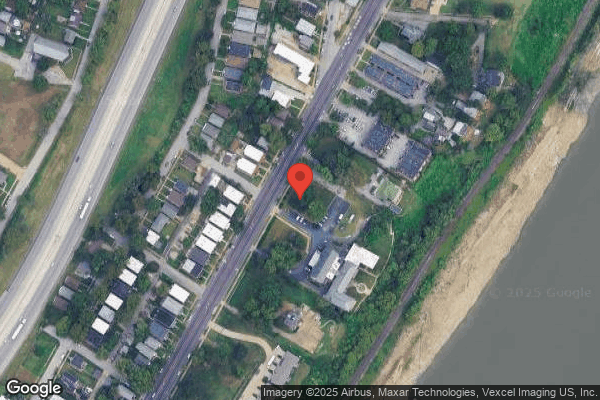
Oct 2024 7 deficiencies 2 Harm
SERIOUS (G) 📢 Someone Reported This

A family member, employee, or ombudsman was alarmed enough to file a formal complaint

Actual Harm - a resident was hurt due to facility failures

Quality of Care (Tag F0684)

A resident was harmed · This affected 1 resident

**NOTE- TERMS IN BRACKETS HAVE BEEN EDITED TO PROTECT CONFIDENTIALITY** Based on interview and record review, the facility failed to ensure a resident (Resident #10) kept all appointments with the ort...

Read full inspector narrative →
**NOTE- TERMS IN BRACKETS HAVE BEEN EDITED TO PROTECT CONFIDENTIALITY** Based on interview and record review, the facility failed to ensure a resident (Resident #10) kept all appointments with the orthopedic surgeon after an unwitnessed fall resulting in a fracture of his/her right arm on 9/13/24. Delay of treatment has caused pain and a decrease in his/her ability to perform activities of daily living (ADLs). The sample was three. The census was 77. Review of the facility's Resident Appointment policy, updated on 8/24, showed: -Purpose: To ensure all appointments and follow-up appointments (as needed) are scheduled. Residents will be taken to all scheduled appointments (barring emergency circumstances that require rescheduling). The facility is responsible in assisting with appointment management and scheduling/coordination of transportation (if requested/needed); -Procedure: -Nursing staff to assist with scheduling appointments and follow-up if needed; -Nursing staff to communicate transportation to social services director (SSD) and SSD will set up transportation for the scheduled appointment; -The SSD or designee is responsible for scheduling any needed follow-up appointments; -Communication, appointments, follow ups, concerns, etc. will be documented appropriately. Review of Resident #10's quarterly Minimum Data Set (MDS), a federally mandated assessment instrument completed by facility staff, dated 8/22/24, showed: -Cognitively intact; -Independent with ADLs; -No history of pain; -No history of falls since admission or prior assessment; -Diagnoses included other specified disorders of bone density and structure, and muscle weakness. Review of the resident's progress notes, showed the following: -On 9/13/24 at 7:30 A.M., the resident said he/she had a fall and was able to pick him/herself up off the floor. Upon assessment, the resident's right arm was painful to the touch and swollen. Staff placed a call to the resident's physician. An order was received to send the resident to the emergency room (ER) for evaluation and treatment. The resident able to move all other extremities without difficulty. At 7:40 A.M., staff called 911. At 8:10 A.M., emergency transfer staff were in facility to transfer resident. At 12:40 P.M., the resident returned from the ER with an appointment to see ortho (orthopedic doctor specializes in the management of pain related to the musculoskeletal system) and with a splint to be worn when up, until appointment with ortho. At 12:45 P.M., staff called the resident's physician to inform him of the resident's return. Review of the resident's hospital records, dated 9/13/24, showed: -Fall, unclear mechanism. Right upper extremity injury. Facial involvement; -Final diagnosis: Closed right (RT) humeral fracture (a break in the upper arm bone), spiral (bone broken in a twisting motion)displaced (a displaced fracture means the pieces of the bone moved so much, a gap formed around the fracture); -Relevant imaging results show RT humeral fracture and contusion (bruise) without fracture to nasal bone; -Patient sent back to nursing home with sling and follow up with ortho, ENT (ear, nose and throat specialist) and physician. -No documentation in hospital notes to indicate when surgery or follow up appointments were made. Review of the resident's progress notes, on 9/14/24, no time noted, showed the resident remained on IFU (incident follow up) related to his/her fall. The resident's arm remained in the sling. Staff administered pain medication three times during the shift. It was effective within an hour. There was bruising and swelling to the right arm. Staff provided assistance with the resident's activities of daily living. -On 9/15/24 between 7:00 P.M. and 7:00 A.M., the resident remained on IFU. The staff administered pain medication three times during the shift. It was effective within an hour. The resident did have bruising on the bridge of his/her nose and the right arm. Staff provided assistance with all ADLs; -On 9/16/24 between 7:00 P.M. and 7:00 A.M., the resident remained on IFU/fall with injury. He/She had significant bruising to the entire right arm related to the fracture and has a sling in place. His/Her arm was discolored and edematous (swelling); -On 9/17/24, no time noted, the resident's arm was extremely swollen and staff noted discoloration from shoulder to hand. His/Her hand was warm to the touch and his/her radial (wrist) pulse was weak. Staff notified the resident's physician and sent the resident to the ER for evaluation; -On 9/18/24 at 12:20 A.M., the resident returned to the facility and no issues were found with his/her venous Doppler (ultrasound test that uses sound waves to examine the circulation of blood in veins). There were no changes on the x-ray of his/her right hand since the initial x-ray. The resident denied pain. Review of the orthopedic physician's office visit notes dated 9/19/24, showed: -The resident had been having right upper extremity pain for nine days; -The resident had an injury to the shoulder after a fall; -The resident complained of pain during the day and night and had sleep disturbances; -The resident complained of loss of strength and loss of motion; -At this point, they had tried treatment options including activity modification, anti inflammatory medications, Tylenol and bracing; -The symptoms were not improving with conservative measures; -PROMIS (Patient reported outcomes measurement information system measures health status from the patient's perspective) upper extremity score: 15 (severe dysfunction); -PROMIS pain score 76 (severe); -No current facility administered medication on file prior to visit; -Physical exam: Splint removed; -Skin: Diffuse healing ecchymosis (a widespread bruise, where the discoloration from leaked blood under the skin is spread out over a large area, rather than localized in one spot); -Right upper extremity: Tenderness along the arm. Mobile fracture fragments (pieces of broken bone); -X-ray showed a comminuted shaft fracture (the bone breaks into several pieces) with a long spiral fragment; -Displaced comminuted right proximal humerus fracture (a severe break in the upper part of the arm where the bone shatters into multiple pieces and has shifted out of the normal position); -Plan: Therapy as tolerated to improve range of motion of wrist and hand. Another x-ray in a week to see if better alignment. Review of the resident's monthly physician's notes, dated 9/19/24, showed: -The chief complaint was a right humerus fracture; -The resident had new or worsening medical problems over the last month; -The resident was feeling tired or poorly; -The resident had a fall in the shower and complained of right arm pain. Sent to the hospital on 9/18/24 and found to have a right humerus fracture. Ortho consulted and to follow up as outpatient. The resident returned to the nursing home within hours. He/She was going to follow up with ortho today for surgery. His/Her right arm was ace wrapped and his/her hand was swollen; -Resident reported pain and feeling tired or poorly; Review of the resident's care plan updated 9/13/24, showed: -Problem: Potential for self care deficit related to, ambulates with wheelchair; -Goals: Resident will maintain current level of function and be clean and well groomed through next review; -Interventions: Resident ambulates around the facility with wheelchair. Gait usually abnormal. Positions independently. Transfers without assistance. Dresses independently. Feeds self. Monitor consumption report. Toilets self. Continent. Urinary dribbles, wears bladder pads. Personal care done independently. Showers independently. Bedtime routine completed independently. On 9/13/24, resident had a fall in his/her room. Complained of pain in right arm and sent to ER to evaluate and treat. Returned with right arm and nose fractures; -Problem: Potential for falling. On 9/13/24, the resident reported he/she had fallen and complained of right arm pain. Staff informed physician. New order received to send to emergency room to evaluate and treat; -Interventions: Monitor for gait and balance. Keep area free of clutter. Encourage rest periods. Assist with transfers as needed. Physical therapy/occupational therapy per physician's orders; -Problem: Potential for pain; -Interventions: Educate resident on signs and symptoms of lethargy due to administration of pain medications. Administer routine pain medications per physician's orders. Monitor for effectiveness of pain management and alert physician as needed. Monitor for verbal/nonverbal indicators of pain. Pain management consultation as needed. Pain assessment quarterly. See assessment in chart. Review of the resident's progress notes, showed: -On 9/23/24 between 7:00 A.M. and 7:00 P.M., staff notified the resident's physician regarding swelling, redness and warmth in the right arm. A new order was received for doxycycline (used to treat infection) 100 milligrams (mg), twice a day by mouth for ten days and lasix (used to help reduce excess fluid in the body) 40 mg, one time a day by mouth for ten days. The resident's sling remained intact and staff encouraged him/her to sleep on his/her left side. No signs of acute distress noted. -On 9/24/24 between 7:00 A.M. and 7:00 P.M., the resident's sling remained in place. His/Her arm and fingers remained edematous (swollen); -On 10/23/24, the resident was up and ready for his/her appointment with his/her paperwork. The resident was scheduled for surgery; -No documentation if surgery occurred or why it did not; -No documentation of notifications to physician or family representative; -No documentation of rescheduling of surgery. Review of the resident's monthly physician visit notes dated 11/1/24, showed: -Resident feeling tired or poorly; -Has chronic pain. Seen for follow up. Complained of left hip pain as well; -Seen in wheelchair, wearing a sling on upper right extremity. Fell in September suffering a right proximal comminuted fracture and saw ortho. Surgery was canceled and rescheduled. Labs done as pre-operation (pre-op) and they cleared him/her. Review of the orthopedic physician's appointment records for the resident on 12/18/24, showed on 9/26/24, the resident's orthopedic appointment with the physician was canceled. Review of the resident's progress notes, showed no documentation of missed appointment on 9/26/24. Review of the orthopedic physician's appointment records for the resident on 12/18/24, showed on 10/3/24, the resident did not show up for his/her appointment. (There is nothing in the progress notes to show the surgery was rescheduled.) Review of orthopedic physician office visit notes dated 10/10/24, showed: -Chief complaint: Right upper extremity pain; -The resident was unable to follow up since last visit and they had been unable to successfully get medical clearance for surgery until then; -Physical exam: -Right upper extremity: Tenderness along the arm. Mobile fracture fragments. Shoulder and elbow range of motion not attempted due to pain. There was swelling over the elbow forearm and hand and weak elbow flexion and extension (motion of bending and straightening the elbow); -Plan: Resident agreed to proceed with surgery in the form of right humerus, open reduction and internal fixation (surgical procedure to repair broken humerus bone in upper arm. The surgeon makes an incision to realign the bone and uses hardware like screws, plates, rods or pins to hold the bone together); -The surgery would not be scheduled until there was medical clearance. Review of the resident's progress notes, showed: -On 10/14/24 at 2:50 P.M., the resident's surgeon's office called related to his/her 10/23/24 surgery. They needed surgery clearance. Staff called the resident's physician who stated they would fax the letter on 10/15/24; -On 10/23/24, the resident was up and ready for his/her appointment with his/her paperwork; -No further documentation of why surgery was canceled and/or rescheduled. Review of the resident's physician's appointment records, showed: -On 10/23/24, the resident was scheduled for surgery; -On 11/8/24, the resident's follow up appointment was canceled because the surgery did not occur; -On 12/12/24, the resident was a no show for his/her appointment. Review of a transportation note dated 12/12/24, provided by the facility on 9/18/24, showed the resident's 12/12/24, appointment with the orthopedic physician was canceled because transportation failed to show. During interviews on 12/18/24 at 12:45 P.M. and at 2:20 P.M., Licensed Practical Nurse L said he/she was working on 12/12/24, and the transportation company did show up but left because the resident was not downstairs ready to go. He/She did not remember getting a call from the physician's office or rescheduling an appointment for him/her. The resident needed more help now with transferring, showering and dressing. He/She used to use a walker before the fall and now needed to use a wheelchair. During an interview on 12/18/24 at 1:10 P.M., the SSD said she sat up the transportation for resident appointments. The resident was supposed to go to the hospital for some appointments, but the SSD did not know the resident missed them. The SSD only had documentation for the 10/10/24 appointment that the resident made, the 10/23/24 surgery date that was missed and the 12/12/24 appointment that was missed. The SSD did not know about the other appointments and did not remember setting up transportation for them. The nurse would have made those appointments, and the SSD did not know why she was not given the information. The nurse was no longer working at the facility. Review of the resident's monthly physician visit notes dated 12/16/24, showed: -Resident feeling tired or poorly; -Has increased edema right upper extremity and both lower extremities. Was in sling, not using much. Will increase Lasix to two times a day and get labs; -Resident reported lower back pain, left hip joint pain, joint pain in both knees, muscle stiffness and stillness localized to one or more joints; -Not well appearing; -Comminuted right proximal humerus fracture. Now in sling. Cleared for surgery if needed. During an interview on 12/18/24 at 2:00 P.M., the resident said he/she had been in pain for several months. It did not hurt all of the time, mostly when he/she had to move the arm or turned the wrong way. It was usually at a level 3 out of 5. He/She was not able to do the things he/she used to do and it made him/her sad. He/She just wanted to have the surgery and get the arm fixed so he/she could take care of him/herself again. He/She was supposed to get surgery but when he/she got down to the lobby, the transportation people had left. This happened a lot. He/She tried to get there as soon as possible, but it took a while to get on the elevator and get downstairs. It was very frustrating because he/she just wanted to feel good again. During an interview on 12/19/24 at 12:15 P.M., the facility's physical therapy manager said the resident was referred to them in October and was still on their caseload. They were working to teach him/he how to function with one arm. The resident needed staff assistance with transferring, toileting, dressing and showering. They were not working with his/her right arm because it was still fractured and in a sling. Review of a note sent by the resident's orthopedic physician's office on 12/18/24, showed the office tried to make the appointment with the nursing facility but had not seen the resident since 10/10/24, and no one would call them back. During an interview on 12/18/24 at 2:10 P.M., Certified Nurse's Aide (CNA) F said he/she noticed brusing on the resident that morning during his/her shower. He/She did not notice it earlier since the resident was wearing long sleeves. The bruising was not there the prior week when he/she gave him/her a shower. The resident fell a few months ago and had some bruising and pain since them. He/She cannot move his/her arm very well. The CNA had to help the resident transfer out of bed into his/her wheelchair, shower, dress and toilet. The resident could not do these things by him/herself since the fall. During an interview on 12/18/24 at 2:00 P.M., the resident said he/she had a bruise on his/her arm from falling a couple of weeks ago. He/She did not remember the actual fall in 9/24. He/She is getting very confused and cannot remember things as well anymore. During an interview on 12/18/24 at 2:15 P.M., the orthopedic physician's nurse, said the resident was originally scheduled to have surgery on 10/10/24, and the resident did not have the approval from the physician's office to do it. They rescheduled the surgery for 10/23/24 and then could not do it because the resident had eaten that morning. They attempted to call the facility several times to set up an appointment to have the resident come into the outpatient clinic, but no one would help them set up the appointment. They finally got one set up for 12/12/24, and the resident did not show up. No one called the clinic to let them know the resident was not coming. They had been trying to set up another appointment, but no one would return their calls. During an interview on 12/18/24 at 3:00 P.M., the resident's physician office representative said they were aware the resident was scheduled for surgery and missed it on 10/23/24. The physician cleared the resident for surgery, and the physician thought the facility was rescheduling it. The facility did not notify the office the resident missed more appointments or the resident continued to have pain. They should have notified them about this. They rescheduled another x-ray for the resident because the facility reported he/she was having pain and swelling. The facility did not notify them about the new brusing on his/her right arm. They did not think the resident fell because he/she would not have been able to get him/herself up off the floor. It was probably due to complications with the fracture and should have been noticed prior to 12/18/24 if it was older brusing and reported to them. During an interview on 12/19/24 at 11:50 A.M., the resident's orthopedic surgeon said the resident's arm was broken and could not heal on its own. The resident had lost mobility in his/her upper extremities because he/she could not use his/her arm. Their office tried to set up an appointment with the resident several times. He was concerned because the resident was expressed being in a lot of pain when he saw him/her and might not be expressing this pain to the staff. The x-ray they took did not indicate a new break but the old fracture could be moving or he/she might have damaged it again and it was causing the swelling and bruising. The resident might never regain his/her mobility back. That is why it is so important to get the surgery done before any more damage occurs. No one from the facility notified his office that the resident continued to have bruising and swelling in his/her arm and hands. The arm would not get better unless the resident had the surgery, and he/she would continue to have pain. They had referred him/her to physical therapy to increase the strength in the arm, but it would not help if he/she could not move his/her arm. During an interview on 12/18/24 at 1:00 P.M., the corporate nurse said they had been having problems with the transportation company. They would come late or not show up at all. The charge nurse is responsible to set up appointment and once this is done, he/she will give the information to the SSD who will set up transportation. If the resident misses an appointment, the charge nurse should reach out to the physician's office to reschedule it. All of this information should be documented in the resident's medical record. She was not aware of why the resident missed his/her surgery date or that he/she missed several follow up appointments. Review of the resident's hospital records, dated 12/18/24, showed: -The patient presented with complaint of right arm pain; -The patient fell and developed right humeral fracture on 9/13/24; -Patient scheduled to be seen by ortho as outpatient, but his/her appointments were not kept by the nursing home; -Since fall, he/she could not follow up with orthopedic surgery; -As patient has difficulty moving right arm for a couple of months and has not seen the orthopedic doctor recently, he/she decided to come to the emergency room and be seen by ortho; -Patient was admitted for further evaluation and management. Review of the resident's X-ray results dated 12/19/24, showed a comminuted displaced multipart fracture of the proximal humerus is noted with significant displacement of fracture fragments with foreshortening (due to the positioning of the bone on the x-ray, the bone appears shorter than it actually is on the image, indicating the fracture fragments might be telescoped (one [NAME] is sliding partially inside another bone) into each other). During an interview on 12/27/24 at 1:00 P.M., the former Director of Nursing (DON) said he/she knew the resident was scheduled for surgery in October and it had to be rescheduled because the resident ate that morning. Staff should not have fed him/her. The charge nurse was responsible for rescheduling the surgery and letting the SSD know so she could set up transportation. No one ever told the DON the resident was still missing appointments. The staff should have reported the missed appointments so the DON could find out what happened and follow up. During interviews on 12/18/24 at 2:40 P.M. and at 4:00 P.M., the Administrator said she just started working at the facility a couple of months ago. She was not here when the resident fractured his/her arm and did not know he/she had missed the surgery. The resident should have gotten his/her surgery by now. When the first surgery was missed, they should have immediately rescheduled another one and made sure transportation was available. She knew the resident missed his/her transportation on 12/12/24 but thought it was just a regular appointment. She would have expected staff to document when appointments were made and/or missed and for them to follow up setting up a new appointment. The nurses were responsible for setting the appointments and then once the appointment was made, they would notify the SSD who would set up transportation. The staff should have had the resident ready to go when transpiration arrived. MO00246748
SERIOUS (G) 📢 Someone Reported This

A family member, employee, or ombudsman was alarmed enough to file a formal complaint

Actual Harm - a resident was hurt due to facility failures

Deficiency F0697 (Tag F0697)

A resident was harmed · This affected 1 resident

Based on observation, interview, and record review, the facility failed to consistently assess pain or provide treatment in a timely manner for one resident (Resident #10) who fell and fractured his/h...

Read full inspector narrative →
Based on observation, interview, and record review, the facility failed to consistently assess pain or provide treatment in a timely manner for one resident (Resident #10) who fell and fractured his/her arm on 9/13/24. The resident missed a surgery date on on 10/23/24 after staff fed the resident, which resulted in the surgery being canceled. The facility failed to ensure the resident was seen by his/her orthopedic physician despite several attempts by the office to set up appointments since the postponed surgery or set up a new date for the surgery. The facility also failed to complete a new pain assessment after the resident's arm was fractured. These failures resulted in pain and a loss of mobility for the resident. The sample was three. The facility census was 77. Review of the facility's Pain Management policy revised on 6/26/24, showed: -Purpose: The facility must ensure that pain management is provided to residents who require such services, consistent with professional standards of practice, the comprehensive care plan and the resident's goals and preferences; -Policy: The facility will utilize a systematic approach for recognition, assessment and monitoring of pain; -Recognition of pain: In order to help a resident attain or maintain his/her highest practicable level of physical, mental and psychosocial well-being and to prevent or manage pain, the facility will: --Recognize when the resident is experiencing pain and identify circumstances when the pain can be anticipated; --Evaluate the resident for pain and the cause(s) upon admission, during ongoing assessments and when a significant change in condition or status occurs (e.g. after a fall, change in behavior or mental status, new pain or an exacerbation of pain); --Manage or prevent pain, consistent with the comprehensive assessment and plan of care, current professional standards of practice and the resident's goals and preferences; -Facility staff will observed for nonverbal indicators which may indicate the presence of pain. These indicators include but are not limited to: --Loss of function or inability to perform activities of daily living (ADLs) e.g. rubbing a specific location of the body, or guarding a limb or other body parts; --Behaviors such as: Resisting care, irritability, depressed mood or decreased participation in usual physical and/or social activities; --Skin conditions; -Pain assessment: The facility will use a pain assessment tool, which is appropriate for the resident's cognitive status, to assist staff in consistent assessment of a resident's pain; -Based on professional standards of practice, an assessment or evaluation of pain by the appropriate members of the interdisciplinary team (e.g. nurses, practitioner, pharmacists and anyone else with direct contact with the resident) may necessitate gathering the following information as applicable to the resident; --History of pain and its treatment (including non-pharmacological, pharmacological and alternative medicine treatment and whether or not each treatment has been effective; --Asking the resident to rate the intensity of his/her pain using a numerical scale, a verbal or visual descriptor that is appropriate and preferred by the resident; --Reviewing the resident's current medical conditions; --Identifying key characteristics of the pain: --Duration of pain; --Frequency; --Location; --Timing; --Pattern (consistent or intermittent); --Radiation of pain; -Obtaining descriptors of the pain; -Identifying activities, resident care or treatment that precipitate or exacerbate pain and those that reduce or eliminate pain; -Impact of pain on quality of life (e.g. sleeping, functioning, appetite and mood); -Current prescribed pain medications, dosage and frequency; -The resident's goals for pain management and his/her satisfaction with the current level of pain control; -Physical and psychosocial issues that might be causing or exacerbating the pain; -Pain management and treatment: -Based upon the evaluation, the facility in collaboration with the attending physician/prescriber, other health care professionals and the resident and/or resident's representative will develop, implement, monitor and revise as necessary interventions to prevent or manage each individual resident's pain beginning at admission; -Factors influencing the choice of treatments include: -The cause, location and severity of resident's pain; -The resident's current medical condition; -The resident's current medications; -The resident's desired level of relief and tolerance for adverse consequences; -Potential benefits, risks and adverse consequences of medications; -Available treatment options; -Non-pharmacological interventions will include but are not limited to: -Environmental comfort measures; -Loosening any constrictive bandage, clothing or device; -Applying splinting (e.g. pillow or folded blanket); -Physical modalities (e.g. cold compress, warm shower/bath, massage, turning or repositioning); -Cognitive/behavioral interventions (e.g. music, relaxation techniques, activities, diversions, teaching the resident coping techniques and education about pain); -Pharmological interventions will follow a systematic approach for selecting medications and doses to treat pain. The interdisciplinary team is responsible for developing a pain management regimen that is specific to each resident who has pain or who has the potential for pain; -Monitoring, reassessment and care plan revision: -Facility staff will reassess resident's pain management at established intervals for effectiveness and/or adverse consequences such as: -Tolerance; -Physical dependence; -Increased sensitivity to pain; -Constipation; -Sleepiness, dizziness and/or confusion; -Depression; -If re-assessment findings indicate pain is not adequately controlled, the pain management regimen and plan of care will be revised as indicated. Review of Resident #10's quarterly Minimum Data Set (MDS), a federally mandated assessment instrument completed by facility staff, dated 8/22/24, showed: -Cognitively intact; -No behaviors or rejection of care; -Functional Limitation in Range of Motion: No Independent with all ADLs; -No pain; -No falls since admission or prior assessment. Review of the resident's progress notes, showed on 9/13/24 at 7:30 A.M., the resident told staff he/she fell and was able to pick him/herself up off the floor. Upon assessment the resident's right arm was painful to the touch and swollen. Staff placed a call to the resident's physician. An order was received to send the resident to the emergency room (ER) for evaluation and treatment. The resident able to move all other extremities without difficulty. At 7:40 A.M., staff called 911. At 8:10 A.M., emergency transfer staff in facility to transfer resident. At 12:40 P.M., the resident returned from the ER with a appointment to see the ortho (orthopedic physician) and with splint to be worn when up until appointment with ortho. At 12:45 P.M., staff called the resident's physician to inform him of his/her return. Review of the resident's hospital records, dated 9/13/24, showed: -Fall unclear mechanism. Right upper extremity injury. Facial involvement; -Final diagnosis: Closed right (RT) humeral fracture (a break in the upper arm bone), spiral (bone broken in a twisting motion) displaced (a displaced fracture means the pieces of the bone moved so much a gap formed around the fracture); -Relevant imaging results show RT humeral fracture and contusion (bruise) without fracture to nasal bone; -Patient sent back to nursing home with sling and follow up with ortho, ENT (ear, nose and throat specialist) and physician. Further review of the resident's progress notes showed: -On 9/14/24, no time noted, the resident remained on incident follow-up (IFU) related to his/her fall. He/She was in no apparent distress. Staff would continue to monitor. His/Her call light was in his/her reach and bed was in the lowest position. At 7:00 P.M., the resident's family were in the facility to visit. The resident's arm remained in the sling. Staff administered acetaminophen (pain reliever) three times on the shift. It was effective within an hour. There was bruising and swelling to the right arm. Staff provided assistance with the resident's activities of daily living. -On 9/15/24 between 7:00 P.M. and 7:00 A.M., the resident remained on IFU. He/She did not complain of pain or distress at the time. At 7:00 P.M., the resident remained on observation, seated in his/her wheelchair. The staff administered acetaminophen three times during the shift. It was effective within an hour. Staff noted no signs of acute distress. The resident did have bruising on the bridge of his/her nose and the right arm. Staff provided assistance with all ADLs; -On 9/16/24 between 7:00 P.M. and 7:00 A.M., the resident remained on IFU/fall with injury. He/She had significant bruising to the entire right arm related to the fracture and a sling in place. At 4:30 P.M., the resident was up in his/her wheelchair propelling him/herself. No complaints of pain or discomfort at the time. His/Her arm was discolored and edematous (abnormally swollen with fluid); -On 9/17/24, no time noted, the resident's arm was extremely swollen and staff noted discoloration from shoulder to hand. His/Her hand was warm to the touch and his/her radial (pulse felt in the wrist) pulse was weak. Staff notified the resident's physician and sent the resident to the ER for evaluation; -On 9/18/24 at 12:20 A.M., the resident returned to the facility and no issues were found with his/her venous Doppler (a non-invasive ultrasound test that uses high frequency sound waves to examine circulations in a person's veins). There were no changes on the x-ray of his/her right hand since the initial x-ray. The resident denied pain. At 6:15 A.M., staff checked on the resident who voiced no pain. At 7:10 A.M., the resident would not get up to use the restroom or attempt to use his/her call light. -On 9/19/24, no time noted, the resident continued to wear an arm sleeve. Staff encouraged him/her to elevate his/her arm. No complaints of pain at the time. Review of the resident's electronic Medication Administration Record (eMAR) dated 9/1/24 through 9/30/24, showed: -An order dated 9/6/24 for diclofenac sodium (used to reduce pain, swelling and joint stiffness) tablet delay release 75 milligrams (mg). Give one tablet two times a day with food. Documented as administered 9/6 through 9/30/24; -An order dated 6/20/24 for acetaminophen oral tablet 325 mg. Give two tablets every four hours as needed for pain. Two tablets administered on 9/18/24 at 10:00 A.M., 9/28/24 at 9:00 A.M. and 1:00 P.M. and 9/19/24 at 5:00 A.M. and 7:00 P.M. -No documentation of administration for the rest of the month. Review of the orthopedic physician's office visit notes dated 9/19/24, showed: -The resident had been having right upper extremity pain for nine days; -The resident had an injury to the shoulder after a fall; -The resident complained of pain during the day and night and had sleep disturbances; -The resident complained of loss of strength and loss of motion; -At this point they had tried treatment options including activity modification, anti inflammatory medications, acetaminophen and bracing; -The symptoms were not improving with conservative measures; -PROMIS (Patient reported outcomes measurement information system measures health status from the patient's perspective) upper extremity score: 15 (severe dysfunction); -PROMIS pain score 76 (severe); -No current facility administered medication on file prior to visit; -Physical exam: Splint removed; -Skin: Diffuse healing ecchymosis (a widespread bruise, where the discoloration from leaked blood under the skin is spread out over a large area, rather than localized in one spot); -Right upper extremity: Tenderness along the arm. Mobile fracture fragments (pieces of broken bone); -X-ray showed a comminuted shaft fracture (the bone breaks into several pieces) with a long spiral fragment (the bone twists in a corkscrew shape); -Displaced comminuted right proximal humerus fracture (a severe break in the upper part of the arm where the bone shatters into multiple pieces and has shifted out of its normal position); -Plan: Therapy as tolerated to improve range of motion of wrist and hand. Another x-ray in a week to see if better alignment. Review of the resident's monthly physician's notes, dated 9/19/24, showed: -The chief complaint was a right humerus fracture; -The resident had new or worsening medical problems over the last month; -The resident was feeling tired or poorly; -The resident had a fall in the shower and complained of right arm pain. Sent to the hospital and found to have a right humerus fracture. Ortho consulted and to follow up as outpatient. The resident returned to the nursing home within hours. He/She was going to follow up with ortho today for surgery. His/Her right arm was ace wrapped and his/her hand was swollen; -Resident reported pain and feeling tired or poorly; -He/She reported muscle weakness; -He/She reported lower back pain, left hip joint pain, joint pain in both knees, muscle aches, muscle stiffness and stiffness localized to one or more joints; -He/She reported memory lapses or loss; -He/She reported skin symptoms; -Mild disorientation was observed and judgement was impaired. Review of the resident's progress notes, showed: -On 9/23/24 between 7:00 A.M. and 7:00 P.M., staff notified the resident's physician regarding swelling, redness and warmth in the right arm. A new order was received for doxycycline (used to treat and prevent infections) 100 mg, twice a day by mouth for ten days and lasix (used to treat water retention and swelling) 40 mg one time a day by mouth for ten days. The resident's sling remained intact and staff encouraged him/her to sleep on his/her left side; -On 9/24/24 between 7:00 A.M. and 7:00 P.M., the resident's sling remained in place. His/Her arm and fingers remained edematous; -On 9/29/24 at 8:30 P.M., resident seated in bed watching television, showing no signs and symptoms of pain or distress. Review of the physician's appointment records for the resident on 12/18/24, showed on 9/26/24, the resident's orthopedic appointment with the physician was canceled. Review of the resident's progress notes, showed no documentation of a missed appointment on 9/26/24. Review of the resident's eMAR dated 10/1/24 through 10/31/24, showed: Acetaminophen 325 mg. -No documentation of administration 10/1 through 10/31/24. Review of the resident's electronic Treatment Administration Record (eTAR), dated 10/1/24 through 10/31/24 showed: -An order dated 10/2/24 to assess for pain every shift; --On 10/2 through 10/31/24, all areas were left blank for both shifts for pain level. -No documentation of pain level assessed 10/1 through 10/30/24; -An order for diclofenac sodium 75 mg. Give one tablet two times a day for pain. -No documentation of medication administered 10/1 through 10/31/24. Review of the physician's appointment records for the resident on 12/18/24, showed on 10/3/24, the resident did not show up for his/her orthopedic appointment. Review of the resident's progress notes, showed no documentation of missed appointment on 10/3/24. Review of orthopedic physician office visit notes dated 10/10/24, showed: -Chief complaint: Right upper extremity pain; -The resident was unable to follow up since last visit and they had been unable to successfully get medical clearance for surgery until then; -Physical exam: -Right upper extremity: Tenderness along the arm. Mobile fracture fragments. Shoulder and elbow range of motion not attempted due to pain. There was swelling over the elbow forearm and hand and weak elbow flexion and extension (motion of bending and straitening the elbow); -Plan: Resident agreed to proceed with surgery in the form of right humerus, open reduction and internal fixation (surgical procedure to repair broken humerus bone in upper arm. The surgeon makes an incision to realign the bone and uses hardware like screws, plates, rods or pins to hold the bone together); -The surgery would not be scheduled until there was medical clearance. Review of the resident's progress notes, showed on 10/14/24 at 2:50 P.M., the resident's surgeon's office called related to his/her 10/23/24 surgery. They needed surgery clearance. Staff called the resident's physician who stated they would fax the letter on 10/15/24. Review of the resident's physician's appointment records, showed on 10/23/24, the resident was scheduled for surgery. Review of the resident's progress notes, showed: -On 10/23/24, the resident was up and ready for his/her appointment with his/her paperwork; -No documentation if surgery occurred or why it did not; -No documentation of notifications to physician or family representative; -No documentation of rescheduling of surgery. Review of the resident's eMAR dated 11/1/24 through 11/30/24, showed: Acetaminophen 325 mg. -No documentation of administration 11/1 through 11/30/24. Review of the resident's eTAR dated 11/1/24 through 11/30/24 showed: -Diclofenac Sodium 75 mg. No documentation of administration 11/1/24 through 11/30/24; -No assessment for pain documented 11/1 through 11/30/24. Review of the resident's monthly physician visit notes dated 11/1/24, showed: -Resident feeling tired or poorly; -Has chronic pain. Seen for follow up. Complained of left hip pain as well; -Seen in wheelchair, wearing a sling on upper right extremity. Fell in September suffering a right proximal comminuted fracture and saw ortho. Surgery was canceled and rescheduled. Labs done as pre-operative (pre-op) and they cleared him/her. Review of the physician's appointment records for the resident on 12/18/24, showed on 12/5/24, the resident did not show up for his/her orthopedic appointment. Review of the resident's progress notes showed no documentation of an appointment on 12/5/24 or why it was missed. Review of the resident's eMAR dated 12/1/24 through 12/31/24, showed: Acetaminophen 325 mg. -No documentation of administration 12/1 through 12/18/24. Further review of the resident's eTAR dated 12/1/24 through 12/18/24, showed: -Diclofenac Sodium 75 mg. No documentation of administration 12/1/24 through 12/18/24; -No assessment for pain documented 12/1 through 12/18/24. Review of the resident's monthly physician visit notes dated 12/16/24, showed: -Resident feeling tired or poorly; -Has increased edema right upper extremity and both lower extremities. Was in sling, not using much. Will increase Lasix to two times a day and get labs; -Resident reported lower back pain, left hip joint pain, joint pain in both knees, muscle stiffness and stillness localized to one or more joints; -Not well appearing; -Comminuted right proximal humerus fracture. Now in sling. Cleared for surgery if needed. Review of an email sent by the resident's orthopedic physician's office on 12/18/24, showed the office staff tried to make the appointment with the nursing facility but had not seen the resident since 10/10/24, and no one would call them back. Observation and interview on 12/18/24 at 2:00 P.M., showed the resident sat in a wheelchair in the hallway with a sling on his/her right arm. His/Her head was slumped down, and he/she appeared to be tired. He/She said he/she was not in pain at the moment but had pain when he/she slept and/or moved his/her arm the wrong way. He/She bruised his/her arm in a fall but could not remember the date he/she fell. He/She could report the pain to staff when he/she had it, but it would not do any good. They only gave him/her over the counter medication when he/she complained, and it did not always help. The resident cried out in pain when a staff member attempted to pull his/her right sleeve down to observe the bruising. The brusing was dark purple, greenish and yellowish in color. It started at his/her wrist and extended to his/her shoulder. His/Her arm and hand appeared to be very swollen and red. During an interview on 12/18/24 at 2:10 P.M., Certified Nurse's Aide (CNA) F said the resident expressed pain whenever they had to move his/her arm to assess it. He/She noticed the increased bruising to the resident's right arm that morning when giving the resident a shower and reported it to the nurse. The resident's hands were also extremely swollen. The nurse told him/her it was probably older brusing from the original fall and to just keep an eye on it. The resident did not have this much bruising the week before when he/she gave him/her a shower. The resident complained of pain whenever he/she was transferred or needed help with dressing. If he/she was sitting still in his/her wheelchair, the resident would not complain of pain. During an interview on 12/26/24 at 12:30 P.M., Licensed Practical Nurse (LPN) C said he/she assesses pain by asking the resident if they are in pain and administering pain medications if they are in pain. He/She did not know anything about recording a pain level in the new eMAR. It is a new system, and he/she is still learning how to use it. He/She administered all medications as ordered. He/She did not know the system was not documenting the medication as not administered. He/She does not do formal pain assessments on residents and was not sure who did them or if one was done at all. During an interview on 12/18/24 at 3:00 P.M., the resident's physician office representative said they were aware the resident was scheduled for surgery and missed it on 10/23/24. The physician cleared the resident for surgery and the physician thought the facility was rescheduling it. The physician saw the resident several times after the fall, and he/she did not complain of pain to him those times. That is why he did not order more pain medications. The facility should have been doing pain assessments as soon as the resident returned from the hospital. The facility did not notify the office the resident missed more appointments or the resident continued to have pain. The facility should have notified the physician's office about this. Review of the resident's progress notes, showed on 12/18/24 at 1:30 P.M., staff contacted the hospital to find out the orthopedic surgeon's name. The staff member left a message with the surgeon's scheduler to get surgery rescheduled. At 1:40 P.M., staff contacted the resident's physician to inform him they were trying to reschedule the surgery, however they wanted another X-ray to ensure no additional injury occurred. At 2:20 P.M., the person who set up the schedule from the physician's office called back and indicated he/she would have to contact the orthopedic surgeon to see there was anything else on file. They would reschedule once he/she spoke to the physician and would get back with them no later than 12/21/24. The staff member explained they were requesting an x-ray and would forward it to the physician's office when the results were back. At 2:55 P.M., staff were notified by another resident, the resident had a bruise on his/her right arm. The nurse assessed the arm and noted bruising to the arm, forearm and elbow. The resident had slight swelling to the arm. The resident wore a sling related to his/her shoulder fracture. Staff notified therapy to evaluate the resident for a sling and right arm to ensure the sling was properly positioned as concerns were noted due to swelling and abnormal bruising. The bruising was most likely related to fracture, sling and acute issues involving the right arm. The X-ray company was notified and aware of STAT (immediate) order. Staff were waiting for the X-ray company to arrive. Review of the resident's electronic medical records on 12/18/24, showed no documentation of pain assessments conducted 8/24 through 12/18/24. During an interview on 12/26/24 at 11:15 A.M., Licensed Practical Nurse M said they changed from paper charts to electronic in September 2024. If there is an assessment for pain, LPN M asks the resident if they are in pain and enters in yes or no. Some of the electronic records do not allow him/her to enter a level. If a resident told the LPN he/she was in pain, then he/she would administer as needed medications or notify the physician if the resident did not have an order for pain medication. LPN M would document all of this in the resident's electronic medical record. LPN M does not do the actual pain assessment and did not know who was responsible for this. He/She gave the resident all of his/her ordered medications and did not know why the eMAR was not reflecting this. Review of an email sent by the facility Administrator on 12/26/24, showed the MDS coordinator was responsible for updating the MDSs and care plans. The expectation for updating these records was to obtain any records they could locate. No pain assessments were done between 9/24 and 12/18/24. During an interview on 12/30/24 at 12:15 P.M. the MDS Coordinator said she was responsible for performing pain assessments on residents quarterly or with a change in condion. This involved reviewing the resident's medication administration records and/or asking the residents their current pain levels. She had not been able to review the medication administration records for a couple of months, but she asked the staff about the resident's pain medication administration and they reported he/she was not having increased pain. She assessed the resident at his/her quarterly MDS update in August and then again on 11/18/24. She did not know why the updated MDS was not showing up in the system. She probably assessed him/her after he/she came back from the hospital with a fractured arm, but he/she was not sure and could not find the documentation. The resident should have been assessed for pain within 14 days after his/her arm was fractured. During an interview on 12/30/24 at 12:30 P.M., the Interim Director of Nursing (DON) said if a resident said they were in pain, staff should ask what level of pain they were experiencing from 1 to 10 and then document that on the eMAR. If the resident had pain medication ordered, it could be administered or if not, the staff member or nurse would notify the resident's physician to get something for the resident's pain. Then the staff would go back an hour later to see if the resident was still in pain and if so, would need to seek out a higher level of pain control. All of this needed to be documented so they could care plan potential pain issues. If pain levels and times were not being documented, then the staff would not know when to administer as needed medications. It would be harder to assess a resident for increased pain without the documentation. Pain assessments were supposed to be done every three months. They would be automatically done if a resident had chronic pain and updated if a resident expressed new pain. The DON could not find a pain assessment in Resident #10's medical file. There should have been one done when the resident came back from the hospital after he/she fractured his/her arm. During an interview on 12/18/24 at 3:15 P.M. and on 12/30/24 at 1:00 P.M., the Administrator said the resident should have been assessed for pain after he/she came back from the hospital with the fractured arm. He/She was not working at the facility when this occurred and did not know the resident was not assessed. If the resident was having pain when staff were providing care, this should have been documented and the physician notified. MO00246748
CONCERN (D) 📢 Someone Reported This

A family member, employee, or ombudsman was alarmed enough to file a formal complaint

Potential for Harm - no one hurt, but risky conditions existed

Report Alleged Abuse (Tag F0609)

Could have caused harm · This affected 1 resident

**NOTE- TERMS IN BRACKETS HAVE BEEN EDITED TO PROTECT CONFIDENTIALITY** Based on interview and record review, the facility failed to ensure allegations of abuse were reported to the Department of Heal...

Read full inspector narrative →
**NOTE- TERMS IN BRACKETS HAVE BEEN EDITED TO PROTECT CONFIDENTIALITY** Based on interview and record review, the facility failed to ensure allegations of abuse were reported to the Department of Health and Senior Services (DHSS) within the required timeline after two residents reported a staff member verbally abused them (Resident #1 and Resident #2). Staff also failed to report the abuse to facility administration in a timely manner. The sample size was four. The census was 80. Review of the facility's Abuse and Neglect policy dated 7/25/24, showed: -Purpose: It is the policy of this facility to report all allegations of abuse/neglect/exploitation or mistreatment, including injuries of unknown sources and misappropriation of resident property immediately to the Administrator of the facility and to other appropriate agencies in accordance with current state and federal regulations within prescribed time frames; -Definitions: -Verbal abuse: Verbal abuse means the use of oral, written or gestured language that willfully includes disparaging and derogatory terms to residents or their families, or within their hearing distance regardless of their age, ability to comprehend or disability. This includes profanity or speaking in a demeaning, non therapeutic, undignified, threatening or derogatory manner in a resident's presence. Examples include harassing a resident, mocking, insulting, ridiculing, yelling at a resident with the intent to intimidate, threatening residents including but not limited to, depriving a resident of care or withholding a resident from contact with family and friends and isolating a resident from social interaction or activities; -Mental abuse: -Mental abuse includes, but is not limited to, humiliation, harassment, threats of punishment or deprivation or abuse that is facilitated or caused by nursing home staff taking or using photographs or recording in any manner that would demean or humiliate a resident. Mental abuse includes the use of verbal or nonverbal conduct with causes or has the potential to cause the resident to experience humiliation, intimidation, fear, shame, agitation or degradation. This includes hovering over a resident with the intent to intimidate, threatening residents including but not limited to, depriving a resident of care or withholding a resident from contact with family and friends and isolating a resident from social interaction or activities; -Policy: -Guidelines: -The facility will develop and operationalize policies and procedures for screening and training employees, protection of residents and for the prevention, identification, investigation, and reporting of abuse, neglect, mistreatment and misappropriation of property. The purpose is to assure that the facility is doing all that is within its control to prevent occurrences; -Prevention: The facility will provide resident, families and staff information on how and to whom they may report concerns, incidents and grievances without the fear of retribution and will provide feedback regarding the concerns that have been expressed. The facility will identify, correct and intervene in situations in which abuse, neglect and/or misappropriation of resident property is more likely to occur; -Alleged violation: A situation or occurrence that is observed or reported by staff, resident, relative, visitor or others but has not yet been investigated and if verified, could be noncompliance with the Federal requirements related to mistreatment, exploitation, neglect or abuse, including injuries of unknown source and misappropriation of resident property; -Investigation: The facility will investigate all allegations and types of incidents as listed above in accordance to facility procedure for reporting/response as described below; -Protection: The facility will protect residents from harm during an investigation; -Reporting/Response: The facility will report all alleged violations and all substantiated incidents to the state agency and to all other agencies as required, and take all necessary corrective actions depending on the results of the investigation. The facility will analyze the occurrences to determine what changes are needed, if any, to policies and procedures to prevent further occurrences; -Procedure for Response and Reporting Allegations of Abuse/Neglect/Exploitation: Any owner, operator, employee, manager, agent or contractor of the facility can report an allegation of abuse/neglect/exploitation to the abuse agency hotline without fear of retaliation; -When suspicion of abuse/neglect/exploitation or reports of abuse/neglect/exploitation occur, the following procedure will be initiated: -The Licensed Nurse will: -Respond to the needs of the resident and protect him/her from further incident; -The facility shall immediately call 911 when there is a medical emergency. All other notifications should be made using a non-emergency number; -Remove the accused employee from resident care areas; -Notify the Administrator or designee; -Notify the attending physician, resident's family/legal representative and medical director; -Monitor and document the resident's condition, including response to medical treatment or nursing interventions; -Document actions taken in the medical record; -Complete an incident report if indicated; -The Administrator or designee will: -Should the incident be a reportable event, notify the appropriate agencies immediately, as soon as possible, but no later than 24 hours after discovery of the incident. In the case of serious bodily injury, no later than two hours after discovery or forming the suspicion. Should the event not be reportable, continue and complete the investigation with all supporting information and place in file with all investigation; -Within five working days of the incident, report sufficient information to describe the results of the investigation and indicate any corrective actions taken, if the allegation was verified; -Notifications: The facility must ensure that all alleged violations involving abuse, neglect, exploitation, mistreatment or sexual assault including injuries of unknown source and misappropriation of resident property, are reported immediately, but no later than two hours after the allegation is made, if the events that cause the allegation involve abuse or result in serious bodily injury, or not later than 24 hours if the events that cause the allegation do not involve abuse and do not result in serious bodily injury to the State Survey Agency. If the abuse involves alleged suspicion of crime, it must also be reported to local law enforcement within those time frames. Review of Resident #1's quarterly Minimum Data Set (MDS), a federally mandated assessment instrument completed by facility staff, dated 9/23/24, showed: -Adequate hearing/vision; -Ability to express ideas and wants; -Ability to understand others: Understands others; -Mobility device: Cane; -No behaviors or refusal of care listed; -Diagnoses of major depressive disorders, bipolar disorder (a mental illness that causes extreme mood swings, or shifts in energy, thinking, behavior, and sleep) and high blood pressure. During an interview on 10/21/24 at 11:00 A.M., Resident #1 said he/she likes to look out for the other residents and used to be the resident council president. On 10/19/24, he/she went outside to smoke after lunch. He/She did not know what time it was exactly because he/she was used to years of going outside whenever he/she wanted to go smoke. It was a force of habit. He/She smoked on the side of the building away from the main courtyard. There were three other residents out there with him/her that morning. He/She was seated by a tree smoking and listening to something on his/her headphones. He/She was not paying much attention to anyone until he/she heard someone loudly demand, What's your name? He/She looked up and saw Certified Nursing Assistant (CNA) G standing in front of Resident #2 with his/her fist balled up and body in an aggressive stance. Resident #2 told the staff member F-ck you. He/She told the staff member to tell his/her story walking. Due to the aggressive way the staff member was approaching the resident, Resident #1 took off his/her headphones and stood up and asked the staff member his/her name since he/she was not wearing a name badge and the resident wanted to report his/her behavior to administration. The staff member said, F*ck you and squared off toward him/her too. The resident felt threatened because the staff member was very large and appeared to be very angry. He/She did not feel safe at that point. The resident told the staff member he/she was going to report him/her. The staff member told the resident he/she was not afraid of him/her and would beat his/her ass too. The resident was not sure what else was said because everyone was yelling at everyone. Then the maintenance staff member came out of the door and told the staff member to go inside. Resident #1 was still very angry and wanted to report the incident. The maintenance staff member walked with him/her, but they took the stairs because the other staff member was standing by the elevator and the maintenance staff member did not want him/her to be in the same elevator with the staff member. They went up to the third floor and met with Licensed Practical Nurse (LPN) H. Resident #3 came up to the desk at that time and was telling the nurse the same story. LPN H told them he/she was not in charge so Resident #1, the Maintenance Director and LPN H all went up to talk to Registered Nurse (RN) E. Resident #1 told RN E what happened, and the nurse asked him/her to write a statement. He/She went to his/her room and wrote out a long statement about what happened and gave it to RN E. Resident #1 did not see the CNA again that day, but he/she was upset when he/she saw the CNA in the dining room the next evening. The resident complained to the nurse on duty about the staff member being back in the building. He/She told the nurse if they did not do something about the CNA by 10/22/24, he/she was going to report them. Review of Resident #2's quarterly MDS, dated [DATE], showed: -Adequate hearing/vision; -Ability to express ideas and wants; -Ability to understand others: Understands others; -No behaviors or refusal of care listed. -Diagnoses of stroke, major depressive disorder, high blood pressure and anxiety. Review of the resident's care plan dated 10/14/24, showed: -Discipline; -Problem: Potential for decline in activity participation; -Interventions: Resident follow his/her own agenda. He/She continues to join smoking group. He/She interacts appropriately with peers and staff; -Problem: Potential for change in mood/behavior; -Interventions: Behavior is usually appropriate and cooperative with care. Distract from behavior with alternate activity. Redirect as needed/usually easily redirected by staff. Allow venting of fears/frustrations. Give reassurance if needed. During an interview on 10/21/24 at 11:45 A.M., the resident said he/she and three other residents were outside smoking on 10/19/24 when CNA G climbed out of the window. The staff member demanded their names and told them to put out their cigarettes because it was not time to smoke. The resident told the staff member they were not bothering anybody and he/she could not demand they stop smoking. The staff member told the resident he/she could demand this and turned to walk away. The resident told him/her to Tell your story walking and he/she turned around and told him/her You don't have to get smart. Then the staff member got in a stance like he/she was going to hit somebody and started yelling. CNA G threatened to knock his/her Old ass out. Then Resident #1 stood up and the staff member asked him/her if he/she was planning to hit him/her with his/her cane. The staff member said I will take that cane and whip all your asses. Then one of the residents said F*ck it. He/She is going to jump us. There are four of us and only one of him. The resident felt threatened because the staff member was very large and was acting crazy. They were all yelling at each other and then the maintenance staff member came out and sent the staff member back inside. He/She did not see the staff member the rest of the day but he/she was back in the dining room the next day. He/She did not write a statement because no one believes them anyway. Review of Resident #4's quarterly MDS, dated [DATE], showed: -Adequate hearing/vision; -Ability to express ideas and wants; -Ability to understand others: Understands others; -No behaviors or refusal of care listed. -Diagnoses of stroke, major depressive disorder, high blood pressure and anxiety. Review of the resident's care plan dated 10/9/24, showed: -Discipline; -Problem: Potential for decline in activity participation; -Interventions: Resident follows his/her own agenda. He/She continues to join smoking group; -Problem: Potential for change in mood/behavior; -Interventions: Usually friendly and socializes with others. Cooperative with care. Distract from behavior with alternate activity. Redirect as needed/usually easily redirected by staff. Allow venting of fears/frustrations. Give reassurance if needed. Review of the resident's written statement dated 10/19/24, showed he/she was asked his/her name and he/she answered, and the staff member introduced him/herself as honey and then asked him/her to put out the smoke and he/she did so. During an interview on 10/21/24 at 12:30 P.M., Resident #4 said he/she was sitting on a window ledge outside in the smoking area when CNA G came up behind him/her from inside the building and asked him/her to move. The CNA then climbed out of the window and approached the three other residents and told them to put their cigarettes out. The residents got angry and started yelling and badgering him/her. The CNA said, Don't be like that. The staff member did step back to square off but it was more of a defensive manner. He/She was more threatened by the residents coming towards him/her. He/She told them not to come forward. He/She did say You aren't going to do shit. The Housekeeper told him/her to step away. It could have went either way. He/She had never seen the residents act that way before. Observation on 10/21/24 during the on-site visit from 9:30 A.M. to 4:30 P.M., showed Resident #3 was unavailable for interview. During interviews on 10/21/24 at 10:30 A.M. and at 3:00 P.M, the Maintenance Director said on 10/19/24, he was working on the third floor and looked out the window and saw a staff member in a commotion. There were several residents and CNA G were going back and forth with each other. The Maintenance Director immediately ran down the stairs to the first floor. When he arrived downstairs to the first floor courtyard where the residents and CNA were located, the four residents appeared to be advancing towards the CNA and he/she was backing up against the building. The residents and the staff member were all yelling at each other. It was hard to understand what was being said because it was so loud. The Maintenance Director quickly stepped between them to deescalate the situation. He told the staff member to go back into the building while he/she tried to calm the residents down. The staff member appeared to be very agitated. The residents were very upset and threatening to damage the staff member's car. The Maintenance Director talked to them and told them not to overreact and they would investigate the situation. Resident #1 was very angry and said he/she was going into the building to report the incident to the supervisor. The Maintenance Director walked in with the resident because he/she was so agitated and he/she did not want the resident and staff member to get into another altercation. They went up the stairs and spoke to LPN H to find out who was in charge. Then they went up to RN E, and the Maintenance Director left the resident with the nurse to report his/her concerns. The Maintenance Director then talked to the CNA. The CNA told him, he/she took responsibility for his/her actions. He/She had told the residents You are not going to beat nothing. I will beat your ass. CNA G admitted using profanity and when Resident #1 stood up he/she said, What are you going to do? I will beat your ass too. He did not write this in his statement because he did not actually witness it. He knew all allegations of abuse had to be reported but thought the Director of Nurses (DON) had reported it. Review of CNA F's written statement dated 10/19/24, showed around 12:45 P.M. to 1:00 P.M., some residents were outside smoking. LPN H overheard the conversation through the window and sent help. CNA G went to get another resident and saw the residents smoking outside of their smoking times and told the residents not to smoke. Then they got mad and things started to lose control. During an interview on 10/21/24 at 12:40 P.M., CNA F said on 10/19/24, he/she went outside to try and get another resident who would not come in. He/She told Nurse H who asked CNA G to go down and get the resident. CNA F told CNA G there were some residents in the courtyard smoking. CNA G went out and got the resident CNA F was asking for and brought him/her into the building. CNA F did not see what happened after that because he/she was trying to get the other resident on the elevator. Then he/she saw the Maintenance Director running down the stairs. CNA F told the resident to hold on and went outside. When he/she got outside, the residents and CNA G were all arguing back and forth, and the Maintenance Director was trying to break it up. It was very heated. Everyone looked upset. Then CNA G came back into the building. CNA F did not report it because he/she thought the nurse reported it. Review of a written statement by LPN H dated 10/19/21, showed he/she was standing in the hallway by the third floor elevators. The Maintenance Director was speaking to three residents about an argument that happened in the smoking area with CNA G. During an interview on 10/21/24 at 2:55 P.M., LPN H said he/she did not see the incident, but he/she heard hollering and then saw the Maintenance Director run downstairs. Then he/she saw them come upstairs, and the Maintenance Director was asking them questions. LPN H heard the residents telling the Maintenance Director about CNA G threatening to hit them with a cane. Resident #1 told the nurse he/she was mad the next day when he/she saw the CNA back at work because the staff member had threatened the residents the day before. LPN H knew all allegations of abuse needed to be reported but did not report it to anyone because he/she thought the Maintenance Director dealt with it and reported it. During an interview on 10/21/24 at 2:15 P.M., RN E said Resident #1 told him/her he/she had an argument with CNA G because he/she was not supposed to be smoking. The resident said the CNA was disrespectful. The RN called the DON who said staff were not supposed to get in arguments with residents and told him/her to get statements. The resident wrote out a statement, but RN E could not make sense of it. The resident did not elaborate on what the CNA did that was disrespectful, and RN E did not ask. He/She just thought the resident was mad because he/she could not smoke. The CNA was shook up because he/she thought the resident was going to hit him/her with his/her cane. RN E sent CNA G home for the day. He/She was allowed to come back the next day, but the nurse talked to him/her about watching what he/she said and no verbal abuse. He/She did report the allegations because he/she gave the information to administration, who is responsible to investigate, and they did not tell him/her to call anyone and report it. He/She thought the allegations had been reported by administration. Review of a written statement by the Social Worker on 10/19/24, showed he/she was in the building attempting to complete social service obligations and did not hear or witness any interactions with any residents or staff members. During an interview on 10/21/24 at 10:00 A.M., the Social Worker said 10/19/24 was his/her off day, but he/she came in to make up some hours. The nurse from the fourth floor (RN E) asked him/her to gather statements from the residents because they were upset about an incident that happened in the smoking area. He/She interviewed Resident #2 who said he/she might be in trouble because he/she told staff there were four of them and only one of him/her. The resident hated the new smoking policy because they used to be able to go out whenever they wanted. Resident #2 also told the staff member I'm grown. Say that shit while you are walking. Resident #4 did not want to say what happened. He/She was just frustrated about being told what to do when they were adults. Resident #1 said the staff member got upset because he/she asked them to do something and they did not feel like he/she had a right to ask them to do it. The Social Worker assumed the staff member had left it alone. He/She did not ask the residents if the staff member cursed or threatened them. He/She knew they were upset but thought it was about not being able to smoke. The Social Worker knew he/she was supposed to report verbal abuse but none of the residents said they were verbally abused, so he/she did not think he/she had to report the incident. During an interview on 10/21/24 at 3:45 P.M., CNA G said a CNA stopped him/her and said residents were out in the smoking area and asked if he/she could ask them to come in. The residents were standing on the side of the building. The CNA knocked on the window and asked their names and if they were familiar with the smoke policy. One of the residents said, This is my f*cking house. I can do what I want. The CNA came out and told them they are not supposed to be smoking and they kept cussing him/her out. They said We will jump your ass. Resident #2 started walking up on him/her. There was another staff member outside, but he/she did not help at all. CNA G told the residents You are not going to beat my ass and started to yell for help. He/She did not threaten them. The Maintenance Director came down and helped. CNA G did not even know these residents. He/She was not going to fight them. He/She thought they were intimidated by his/her size. He/She was allowed to come back the next day. No one in-serviced him/her on abuse/neglect after he/she came back. They just told him/her to stay on the fourth floor and away from the residents. Review of the investigation sent by the facility dated 10/25/24, showed: -During the complaint survey on 10/21/24, the surveyor notified the Administrator that Resident #1 alleged verbal abuse from staff, and that he/she provided a statement to the Charge Nurse. The verbal abuse was alleged to have taken place on 10/19/24; -The resident alleged he/she intervened in an incident between CNA (G) and Residents #2, #3 and #4 in which those residents were asked to smoke at the scheduled times; -The resident alleged the CNA said to him/her, I will f*ck you up; -The initial report and statements provided to the Administrator on 10/19/24 were the residents were upset with the CNA due to his/her attempt to enforce the smoking policy; -The DON asked the CNA to leave the facility until statements were gathered related to the incident; -Statements from staff claimed they did not have knowledge of any interactions between the parties; -At no time on 10/19/24, was the Administrator made aware of an allegation of verbal abuse; -Per the surveyor on 10/21/24, RN E was interviewed and stated Resident #1 was upset and provided a written statement related to the incident; -The nurse stated the resident did not allege verbal abuse from staff, and he/she did not read the statement; -The alleged statement was not received by the Administrator or DON; -Upon notification of the allegation, the DON obtained a statement from the resident and notified his/her physician; -The surveyor also interviewed the Maintenance Director on 10/21/24 who stated the CNA admitted to him that he/she used inappropriate language towards the resident, however the statement he/she provided in writing did not indicate this; -Other residents who were present at the time of the alleged abuse were interviewed. Resident #4 stated the CNA asked the residents for their names and asked they follow the smoking policy; -Resident #2 stated Nothing happened and refused to provide a written statement; -Resident #3 also declined to provide a statement; -Occurrence Resolution: Based on the evidence obtained as a result of the investigation, it is inconclusive as to whether or not verbal abuse occurred; -The CNA is no longer an employee. During an interview on 10/21/24 at 1:00 P.M., the DON said RN E called her on 10/19/24 around 1:00 P.M., and said a verbal altercation had occurred between the residents and staff, but he/she did not know what happened or who was involved. She then talked to the Maintenance Director who told her he overheard loud voices and came downstairs to see the residents advancing on the staff member. The DON had them get statements and told them to send the staff member home. It was her understanding the residents got aggressive with the staff member who originally told them it was not their smoke break time and went outside anyway. When CNA G approached them about it Resident #2 told him/her It is four against one and we will beat the f*ck out of you. The residents did not report the staff member cursed or threatened them. None of the staff reported the staff member cursed or threatened the residents. She felt like the investigation was over at this point and notified the Administrator of this. She allowed the CNA to come back the next day to work his/her shift but told him/her to stay on the fourth floor and have nothing to do with the residents. She did not report the incident because she did not know about the allegations. During an interview on 10/21/24 at 3:50 P.M., the Administrator said the DON called and told her four residents were cursing at an aide and threatened to hit him with a cane. No one said anything about him/her cursing back. Cursing at or threatening residents would be considered verbal abuse. She thought the argument was about smoking times. The employee was sent home because the residents were so upset. If she had known an allegation of verbal abuse occurred, she would have reported it immediately and involved law enforcement. MO00243836
CONCERN (D) 📢 Someone Reported This

A family member, employee, or ombudsman was alarmed enough to file a formal complaint

Potential for Harm - no one hurt, but risky conditions existed

Investigate Abuse (Tag F0610)

Could have caused harm · This affected 1 resident

**NOTE- TERMS IN BRACKETS HAVE BEEN EDITED TO PROTECT CONFIDENTIALITY** Based on interview and record review, the facility failed to ensure they followed their abuse and neglect policy by failing to c...

Read full inspector narrative →
**NOTE- TERMS IN BRACKETS HAVE BEEN EDITED TO PROTECT CONFIDENTIALITY** Based on interview and record review, the facility failed to ensure they followed their abuse and neglect policy by failing to conduct a thorough investigation into one resident's (Resident #1) allegation a Certified Nursing Assistant (CNA) cursed and threatened him/her on 10/19/24. The resident reported the allegation on 10/19/24 and on 10/20/24 when he/she saw the CNA back at the facility. The facility initiated an investigation on 10/19/24, but failed to thoroughly interview all staff involved, interview other residents, document verbal statements and make appropriate notifications. The census was 80. Review of the facility's Abuse and Neglect policy dated 7/25/24, showed: -Purpose: It is the policy of this facility to report all allegations of abuse/neglect/exploitation or mistreatment, including injuries of unknown sources and misappropriation of resident property immediately to the Administrator of the facility and to other appropriate agencies in accordance with current state and federal regulations within prescribed time frames; -Definitions: -Verbal abuse: Verbal abuse means the use of oral, written or gestured language that willfully includes disparaging and derogatory terms to residents or their families, or within their hearing distance regardless of their age, ability to comprehend or disability. This includes profanity or speaking in a demeaning, non therapeutic, undignified, threatening or derogatory manner in a resident's presence. Examples include harassing a resident, mocking, insulting, ridiculing, yelling at a resident with the intent to intimidate, threatening residents including but not limited to, depriving a resident of care or withholding a resident from contact with family and friends and isolating a resident from social interaction or activities; -Mental abuse: -Mental abuse includes, but is not limited to, humiliation, harassment, threats of punishment or deprivation or abuse that is facilitated or caused by nursing home staff taking or using photographs or recording in any manner that would demean or humiliate a resident. Mental abuse includes the use of verbal or nonverbal conduct with causes or has the potential to cause the resident to experience humiliation, intimidation, fear, shame, agitation or degradation. This includes hovering over a resident with the intent to intimidate, threatening residents including but not limited to, depriving a resident of care or withholding a resident from contact with family and friends and isolating a resident from social interaction or activities; -Policy: -Guidelines: -The facility will develop and operationalize policies and procedures for screening and training employees, protection of residents and for the prevention, identification, investigation, and reporting of abuse, neglect, mistreatment and misappropriation of property. The purpose is to assure that the facility is doing all that is within its control to prevent occurrences; -Prevention: The facility will provide resident, families and staff information on how and to whom they may report concerns, incidents and grievances without the fear of retribution and will provide feedback regarding the concerns that have been expressed. The facility will identify, correct and intervene in situations in which abuse, neglect and/or misappropriation of resident property is more likely to occur; -Alleged violation: A situation or occurrence that is observed or reported by staff, resident, relative, visitor or others but has not yet been investigated and if verified, could be noncompliance with the Federal requirements related to mistreatment, exploitation, neglect or abuse, including injuries of unknown source and misappropriation of resident property; -Investigation: The facility will investigate all allegations and types of incidents as listed above in accordance to facility procedure for reporting/response as described below; -Protection: The facility will protect residents from harm during an investigation; -When suspicion of abuse/neglect/exploitation or reports of abuse/neglect/exploitation occur, the following procedure will be initiated: -The Licensed Nurse will: -Respond to the needs of the resident and protect him/her from further incident; -The facility shall immediately call 911 when there is a medical emergency. All other notifications should be made using a non-emergency number; -Remove the accused employee from resident care areas; -Notify the Administrator or designee; -Notify the attending physician, resident's family/legal representative and medical director; -Monitor and document the resident's condition, including response to medical treatment or nursing interventions; -Document actions taken in the medical record; -Complete an incident report if indicated; -The Administrator or designee will: -Complete an administrative investigation to include personal statements from staff involved in a situation that has any type of accusations of abuse either staff or resident abuse, any unexpected medical emergency or when the administrative staff feel uncomfortable in any situation involving resident care or treatment or staff treatment; -Suspend the accused employee pending completion of the investigation; -Should the incident be a reportable event, notify the appropriate agencies immediately, as soon as possible, but no later than 24 hours after discovery of the incident. In the case of serious bodily injury, no later than 2 hours after discovery or forming the suspicion. Should the event not be reportable, continue and complete the investigation with all supporting information and place in file with all investigation; -The administrative investigation will consist of any pertinent information describing the situation being investigated, the names of all staff and residents involved, the root cause of the incident, the recommendations from the investigation including the facts that prove or disprove the alleged situation occurred, the plan of corrective action by the administrative staff, all statements attached from residents and staff involved and any training or education that the administration feels needs to be provided to staff or residents to ensure education has been provided to prevent future similar situations; -The administrative investigation will also include a review of the resident's record to ensure that the documentation reveals that the legal guardian and/or responsible party was notified (if applicable), the physician was made aware, the resident was fully assessed, interventions and physician's orders were followed, the resident was re-evaluated and the plan of care was updated to reflect the change in medical or behavioral status; -Within five working days of the incident, report sufficient information to describe the results of the investigation and indicate any corrective actions taken, if the allegation was verified; -Protection of Residents: The facility will take steps to prevent mistreatment while the investigation is underway; -Employees of the facility who have been accused of mistreatment will be immediately removed from contact with any residents and must leave the facility pending the results of the investigation and review by the administrator; -Employees accused of possible mistreatment shall not complete the shift and will immediately be sent home. Review of Resident #1's quarterly Minimum Data Set (MDS), a federally mandated assessment instrument completed by facility staff, dated 9/23/23, showed: -Adequate hearing/vision; -Ability to express ideas and wants; -Ability to understand others: Understands others; -Mobility device: Cane; -No behaviors or refusal of care listed. -Diagnoses of major depressive disorders, bipolar disorder (a mental illness that causes extreme mood swings, or shifts in energy, thinking, behavior, and sleep) and high blood pressure. Review of the resident's undated trauma screening questionnaire, showed he/she responded yes to heightened awareness of potential dangers to yourself and others. Review of Resident #1's written statement dated 10/21/24, showed: -On 10/19/21, after lunch, he/she and four other residents were on the south side of the solarium. A member of the staff approached aggressively and went after Resident #2 demanding his/her name. Resident #2 responded F*ck you. The staff member went into a fighting stance and stated, Bring it on. Staff was using the F word and the resident was using the F word as well; -Resident #1 got up and asked the staff member his/her name, and the staff member squared off against the resident. The staff member started to walk away and Resident #3 said There are four of us and Resident #1 told him/her to Shut up; -Resident #1 asked the staff member his/her name again and he/she walked away; -The resident came in the building behind staff and the maintenance staff person stopped him/her; -The resident told the maintenance staff person he/she was going to report this to whoever was in charge. During an interview on 10/21/24 at 11:00 A.M., Resident #1 said he/she likes to look out for the other residents and used to be the resident council president. On 10/19/24, he/she went outside to smoke after lunch. He/She did not know what time it was exactly because he/she was used to years of going outside whenever he/she wanted to go smoke. It was a force of habit. He/She smoked on the side of the building away from the main courtyard. There were three other residents out there with him/her that morning. He/She was seated by a tree smoking and listening to something on his/her headphones. He/She was not paying much attention to anyone until he/she heard someone loudly demand, What's your name? He/She looked up and saw CNA G standing in front of Resident #2 with his/her fists balled up and body in an aggressive stance. Resident #2 told the staff member F-ck you. He/She told the staff member to Tell his/her story walking. Due to the aggressive way the staff member was approaching the resident, Resident #1 took off his/her headphones and stood up and asked the staff member his/her name since he/she was not wearing a name badge and the resident wanted to report his/her behavior to administration. The staff member said, F*ck you and squared off toward him/her too. The resident felt threatened because the staff member was very large and appeared to be very angry. He/She did not feel safe at that point. The resident told the staff member he/she was going to report him/her. The staff member told the resident he/she was not afraid of him/her and would beat his/her ass too. The resident was not sure what else was said because everyone was yelling at everyone. Then the maintenance staff person came out of the door and told the staff member to go inside. Resident #1 was still very angry and wanted to report the incident. The maintenance staff person walked with him/her, but they took the stairs because the other staff member was standing by the elevator and the maintenance staff person did not want him/her to be in the same elevator with the staff member. They went up to the third floor and met with Licensed Practical Nurse (LPN) H. Resident #3 came up to the desk at that time and was telling the nurse the same story. LPN H told them he/she was not in charge so Resident #1, the Maintenance Director and LPN H all went up to talk to Registered Nurse (RN) E. Resident #1 told RN E what happened and the nurse asked him/her to write a statement. He/She went to his/her room and wrote out a long statement about what happened and gave it to RN E. Resident #1 did not see the CNA again that day, but he/she was upset when he/she saw the CNA in the dining room the next evening. The resident complained to LPN H about the staff member being back in the building after he/she threatened to hit him/her with a cane the day before. Resident #1 told the nurse if they did not do something about the CNA by 10/22/24, he/she was going to report them. Review of Resident #2's quarterly MDS, dated [DATE], showed: -Adequate hearing/vision; -Ability to express ideas and wants; -Ability to understand others: Understands others; -No behaviors or refusal of care listed; -Diagnoses of stroke, major depressive disorder, high blood pressure and anxiety. Review of the resident's care plan dated 10/14/24, showed: -Discipline; -Problem: Potential for decline in activity participation; -Interventions: Resident follows his/her own agenda. He/She continues to join smoking group. He/She interacts appropriately with peers and staff; -Problem: Potential for change in mood/behavior; -Interventions: Behavior is usually appropriate and cooperative with care. Distract from behavior with alternate activity. Redirect as needed/usually easily redirected by staff. Allow venting of fears/frustrations. Give reassurance if needed. Review of the resident's progress notes on 10/21/24, showed no documentation of incident on 10/19/24. During an interview on 10/21/24 at 11:45 A.M., the resident said he/she and three other residents were outside smoking on 10/19/24 when CNA G came out of the window. The staff member demanded their names and told them to put out their cigarettes because it was not time to smoke. The resident told the staff member they were not bothering anybody and he/she could not demand they stop smoking. The staff member told the resident he/she could demand this and turned to walk away. The resident told him/her to Go tell your story walking and the staff member turned back around and told him/her You don't' have to get smart. Then the staff member got in a stance like he/she was going to hit somebody and started to yell at them. CNA G threatened to knock his/her Old ass out. Then Resident #1 stood up and the staff member asked him/her if he/she was planning to hit him/her with his/her cane. The staff member said I will take that cane and whip all your asses. Then one of the residents said F*ck it. He/She is going to jump us. There are four of us and only one of him. The resident felt threatened because the staff member was very large and was acting crazy. They were all yelling at each other and then the maintenance staff member came out and sent the staff member back inside. Resident #2 did not see CNA G the rest of the day, but he/she was back in the dining room the next day. Resident #2 did not write a statement because no one believes them anyway. Review of Resident #4's quarterly MDS, dated [DATE], showed: -Adequate hearing/vision; -Ability to express ideas and wants; -Ability to understand others: Understands others; -No behaviors or refusal of care listed. -Diagnoses of stroke, major depressive disorder, high blood pressure and anxiety. Review of the resident's care plan dated 10/9/24, showed: -Discipline; -Problem: Potential for decline in activity participation; -Interventions: Resident follows his/her own agenda. He/She continues to join smoking group; -Problem: Potential for change in mood/behavior; -Interventions: Usually friendly and socializes with others. Cooperative with care. Distract from behavior with alternate activity. Redirect as needed/usually easily redirected by staff. Allow venting of fears/frustrations. Give reassurance if needed. Review of the resident's written statement dated 10/19/24, showed he/she was asked his/her name and he/she answered, and the staff member introduced him/herself as honey and then asked him/her to put out the smoke and he/she did so. During an interview on 10/21/24 at 12:30 P.M., Resident #4 said he/she was sitting on a window ledge outside when CNA G came up behind him/her from inside the building and asked him/her to move. The CNA then climbed out of the window and approached the three other residents and told them to put their cigarettes out. The residents got angry and started yelling and badgering him/her. The CNA said, Don't be like that. The staff member did step back to square off, but it was more of a defensive manner. He/She was more threatened by the residents coming towards him/her. CNA G told them not to come forward. CNA G did say You aren't going to do shit. The Housekeeper told him/her to step away. It could have went either way. Resident #4 had never seen the residents act that way before. Observation during the on-site visit on 10/21/24 from 9:30 A.M. to 4:30 P.M., showed Resident #3 was unavailable for interview. Review of the Maintenance Director's written statement dated 10/19/24, showed while inside the building he heard a commotion in the smoking area. He rushed down and tried to get control of the situation and calm everyone down. He got statements from all parties involved. He did not witness any verbally abusive language from the employee at that time. The four residents were using inappropriate language and being aggressive when he arrived. During interviews on 10/21/24 at 10:30 A.M. and at 3:00 P;M, the Maintenance Director said on 10/19/24, he was working on the third floor and looked out the window and saw a staff member in a commotion. There were several residents and CNA G were going back and forth with each other. The Maintenance Director immediately ran down the stairs to the first floor. When he arrived downstairs to the first floor courtyard where the residents and CNA were located, the four residents appeared to be advancing towards the CNA, and he/she backing up against the building. The residents and the staff member were all yelling at each other. It was hard to understand what was being said because it was so loud. The Maintenance Director quickly stepped between them to deescalate the situation. He told the staff member to go back into the building while he/she tried to calm the residents down. The staff member appeared to be very agitated. The residents were very upset and threatening to damage the staff member's car. The Maintenance Director talked to them and told them not to overreact and they would investigate the situation. Resident #1 was very angry and said he/she was going into the building to report the incident to the supervisor. The Maintenance Director walked in with the resident because he/she was so agitated, and he/she did not want the resident and staff member to get into another altercation. They went up the stairs and spoke to LPN H to find out who was in charge. Then they went up to RN E, and the Maintenance Director left the resident with the nurse to report his/her concerns. The Maintenance Director then talked to the CNA. The CNA told him, he/she took responsibility for his/her actions. He/She had told the residents You are not going to beat nothing. I will beat your ass. He/She admitted using profanity and when Resident #1 stood up he/she said, What are you going to do? I will beat your ass too. He did not write this in his statement because he did not actually witness it. Review of CNA F's written statement dated 10/19/24, showed around 12:45 P.M. to 1:00 P.M. some residents were outside smoking. LPN H overheard the conversation through the window and sent help. CNA G went to get another resident and saw the residents smoking outside of their smoking times and told the residents not to smoke. Then they got mad and things started to lose control. During an interview on 10/21/24 at 12:40 P.M., CNA F said he/she went outside to try and get another resident in who would not come in. Nurse H told CNA G to go down and get the resident. CNA F told CNA G there were some residents in the courtyard smoking and he/she went out there and got the resident he/she was asking for and brought him/her into the building. CNA F did not see what happened after that because he/she was trying to get the other resident on the elevator. Then he/she saw the Maintenance Director running down the stairs. CNA F told the resident to hold on and went outside. When he/she got outside the residents and CNA G were all arguing back and forth, and the Maintenance Director was trying to break it up. It was very heated. Everyone looked upset. Then CNA G came back into the building. He/She looked very frustrated. Review of a written statement by LPN H dated 10/19/21, showed he/she was standing in the hallway by the third floor elevators. The Maintenance Director was speaking to three residents about an argument that happened in the smoking area with CNA G. During an interview on 10/21/24 at 2:55 P.M., LPN H said he/she did not see the incident but he/she heard hollering and then saw the Maintenance Director run downstairs. Then he/she saw them come upstairs and the Maintenance Director was asking them questions. He/She heard the residents telling the Maintenance Director about CNA G threatening to hit them with a cane. Resident #1 told the nurse he/she was mad the next day when he/she saw the CNA back at work because the staff member had threatened the residents the day before. Review of Resident #1's progress notes, showed no documentation of him/her telling the nurse he/she was upset because a staff member who allegedly threatened him/her was working in the building. During an interview on 10/21/24 at 2:15 P.M., RN E said Resident #1 told him/her, he/she had an argument with CNA G because he/she was not supposed to be smoking. The resident said the CNA was disrespectful. The RN called the DON who said staff were not supposed to get in arguments with residents and told him/her to get statements. The resident wrote out a statement, but RN E could not make sense of it. The resident did not elaborate on what the CNA did that was disrespectful, and RN E did not ask. He/She just thought the resident was mad because he/she could not smoke. The CNA was shook up because he/she thought the resident was going to hit him/her with his/her cane. RN E sent CNA G home for the day. He/She was allowed to come back the next day, but the nurse talked to him/her about watching what he/she said and no verbal abuse. Review of a written statement by the Social Worker on 10/19/24, showed he/she was in the building attempting to complete social service obligations and did not hear or witness any interactions with any residents or staff members. During an interview on 10/21/24 at 10:00 A.M., the Social Worker said 10/19/24 was his/her off day, but he/she came in to make up some hours. The nurse from the fourth floor (RN E) asked him/her to gather statements from the residents because they were upset about an incident that happened in the smoking area. The Social Worker interviewed Resident #2 who said he/she might be in trouble because he/she told staff there were four of them and only one of him/her. The resident hated the new smoking policy because they used to be able to go out whenever they wanted. Resident #2 also told the CNA, I'm grown. Say that shit while you are walking. Resident #4 did not want to say what happened. He/She was just frustrated about being told what to do when they were adults. Resident #1 said the staff member got upset because he/she asked them to do something and they did not feel like he/she had a right to ask them to do it. The Social Worker assumed the staff member had left it alone. He/She did not ask the residents about the staff member's language or behavior. He/She knew they were upset but thought it was about not being able to smoke. During a telephone interview on 10/21/14 at 3:45 P.M., CNA G said a CNA stopped him/her and said residents were out in the smoking area and asked if he/she could ask them to come in. The residents were standing on the side of the building. The CNA knocked on the window and asked their names and if they were familiar with the smoke policy. One of the residents said, This is my f*cking house. I can do what I want. The CNA came out and told them they are not supposed to be smoking and they kept cussing him/her out. They said We will jump your ass. Resident #2 started walking up on him/her. There was another staff member outside, but he/she did not help at all. CNA G told the residents You are not going to beat my ass and started to yell for help. CNA G did not threaten them. The Maintenance Director came down and helped. CNA G did not even know these residents. He/She was not going to fight them. He/She thought they were intimidated by his/her size. He/She was allowed to come back the next day. No one in-serviced him/her on abuse/neglect after he/she came back. They just told him/her to stay on the fourth floor and away from the residents. Review of the investigation sent by the facility dated 10/25/24, showed: -During the complaint survey on 10/21/24, the surveyor notified the Administrator that Resident #1 alleged verbal abuse from staff and that he/she provided a statement to the Charge Nurse. The verbal abuse was alleged to have taken place on 10/19/24; -The resident alleged he/she intervened in an incident between Certified Nurse's Aide G and Residents #2, #3 and #4 in which those residents were asked to smoke at the scheduled times; -The resident alleged the CNA said to him/her, I will f*ck you up; -The initial report and statements provided to the administrator on 10/19/24 were the residents were upset with the CNA due to his/her attempt to enforce the smoking policy; -The Director of Nursing (DON) asked the CNA to leave the facility until statements were gathered related to the incident; -Statements from staff claimed they did not have knowledge of any interactions between the parties; -At no time on 10/19/24, was the Administrator made aware of an allegation of verbal abuse; -Per the surveyor on 10/21/24, RN E was interviewed and stated Resident #1 was upset and provided a written statement related to the incident; -The nurse stated the resident did not allege verbal abuse from staff, and he/she did not read the statement; -The alleged statement was not received by the Administrator or DON; -Upon notification of the allegation, the DON obtained a statement from the resident and notified his/her physician; -The surveyor interviewed the Maintenance Director on 10/21/24 who stated the CNA admitted to him that he/she used inappropriate language towards the resident, however the statement the Maintenance Director provided in writing did not indicate this; -Other residents who were present at the time of the alleged abuse were interviewed. Resident #4 stated the CNA asked the residents for their names and asked they follow the smoking policy; -Resident #2 stated Nothing happened and refused to provide a written statement; -Resident #3 also declined to provide a statement; -Occurrence Resolution: Based on the evidence obtained as a result of the investigation, it is inconclusive as to whether or not verbal abuse occurred; -The CNA is no longer an employee; -No documentation of a statement from RN E; -No documentation of interviews with other residents to determine if they had witnessed or experienced abuse from this CNA; -No documentation of further interviews with the Maintenance Director or LPN H to verify why their verbal accounts of the incident to the surveyor did not match the written statements; -No documentation of attempted further interviews with Residents #2, #3 and #4 to see if verbal abuse occurred after allegations were made. During an interview on 10/21/24 at 1:00 P.M., the DON said RN E called her on 10/19/24 around 1:00 P.M., and said a verbal altercation had occurred between the residents and staff, but he/she did not know what happened or who was involved. She then talked to the Maintenance Director who told her he overheard loud voices and came downstairs to see the residents advancing on the staff member. The DON had them get statements and told them to send the staff member home. It was her understanding the residents got aggressive with the staff member who originally told them it was not their smoke break time and went outside anyway. When CNA G approached them about it, Resident #2 told him/her It is four against one and we will beat the f*ck out of you. The residents did not report the staff member cursed or threatened them. None of the staff reported the staff member cursed or threatened the residents. She felt like the investigation was over at this point and notified the Administrator of this. She allowed the CNA to come back the next day to work his/her shift but told him/her to stay on the fourth floor and have nothing to do with the residents. During an interview on 10/21/24 at 3:50 P.M., the Administrator said the DON called and told her four residents were cursing at an aide and threatened to hit him/her with a cane. No one said anything about him/her cursing back. She thought the argument was about smoking times. Cursing at or threatening residents would be considered verbal abuse. The employee was sent home because the residents were so upset. If she had known the residents were alleging verbal abuse, he/she would not have been allowed to work until a thorough investigation had been completed. She expected her staff to follow the policy and report all incidents of verbal abuse to administration immediately so they could begin an investigation. The Maintenance Director should have told her the CNA admitted threatening the residents, and the LPN should have told her the resident told him/her the staff member threatened to hit him/her with a cane. This would have changed how the investigation was conducted and reported. MO00243836
CONCERN (D) 📢 Someone Reported This

A family member, employee, or ombudsman was alarmed enough to file a formal complaint

Potential for Harm - no one hurt, but risky conditions existed

Comprehensive Care Plan (Tag F0656)

Could have caused harm · This affected 1 resident

**NOTE- TERMS IN BRACKETS HAVE BEEN EDITED TO PROTECT CONFIDENTIALITY** Based on observation, interview and record review, the facility failed to ensure resident care plans were updated and accurate t...

Read full inspector narrative →
**NOTE- TERMS IN BRACKETS HAVE BEEN EDITED TO PROTECT CONFIDENTIALITY** Based on observation, interview and record review, the facility failed to ensure resident care plans were updated and accurate to reflect resident needs. This failure affected one of three sampled residents, whose care plan did not identify the resident's increased need for staff assistance with activities of daily living (ADLs) after falling and fracturing his/her arm (Resident #10). The sample was three. The census was 77. Review of the facility's Baseline Care Plan Policy revised on 5/18/24, showed: -The facility will develop and implement a baseline care plan for each resident that includes the instructions needed to provide effective and person-centered care of the resident that meets professional standards of quality care: -Policy: The baseline care plan will: -Include the minimum healthcare information necessary to properly care for a resident, including but not limited to: -Physicians orders; -Therapy services; -Social services; -The admitting nurse or supervising nurse on duty, shall gather information from the admission physical assessment, hospital transfer information, physician orders and discussion with the resident and resident representative, if applicable; -Interventions shall be initiated that address the resident's current needs including: -Any health and safety concerns to prevent decline or injury, such as elopement, fall or pressure injury risk; -Any identified needs for supervision, behavioral interventions and assistance with activities of daily living; -In the event that the comprehensive assessment and comprehensive care plan identified a change in the resident's goals or physical, mental or psychosocial functioning, which was otherwise not identified in the baseline care plan, those changes shall be incorporated into an updated summary provided to the resident and his/her representative, if applicable. This will be provided by the Minimum Data Set (MDS), a federally mandated assessment instrument completed by facility staff, nurse/designee by the completion date of the comprehensive care plan. Review of Resident #10's quarterly MDS, dated [DATE], showed: -Cognitively intact; -Functional abilities and goals: --Upper extremity (shoulder, elbow, wrist, hand): No impairment; --Lower extremity (hip, knee, ankle, feet): No impairment; --Mobility devices: Walker; --Eating: Independent. Set up or clean up with assistance. Helper sets up or cleans up. Resident completes activity; --Oral hygiene: Independent. Resident completes the activity by him/herself with no assistance from helper; --Toileting hygiene: Independent. Resident completes the activity by him/herself with no assistance from helper; --Shower/Bathe self: Independent. Resident completes the activity by him/herself with no assistance from helper; --Upper body dressing: Independent. Resident completes the activity by him/herself with no assistance from helper; --Putting on/taking off footwear: Independent. Resident completes the activity by him/herself with no assistance from helper; --Personal hygiene: Independent. Resident completes the activity by him/herself with no assistance from helper; -Mobility: Sit to lying: Independent; -Lying to sitting on side of bed: Independent. Resident completes the activity by him/herself with no assistance from helper; -Sit to stand: Independent. Resident completes the activity by him/herself with no assistance from helper; -Chair/bed to chair transfer: Independent. Resident completes the activity by him/herself with no assistance from helper; -Toilet transfer: Independent. Resident completes the activity by him/herself with no assistance from helper; -Tub/shower transfer: Independent. Resident completes the activity by him/herself with no assistance from helper; -Does resident use a wheelchair or a scooter: No; -Health conditions: -Pain effects on sleep: Nothing documented; -Pain effects on therapy activities: Nothing documented. Review of the resident's progress notes, showed the following: -On 9/13/24 at 7:30 A.M., the resident said he/she had a fall and was able to pick him/herself up off the floor. Upon assessment, the resident's right arm was painful to the touch and swollen. Staff placed a call to the resident's physician. An order was received to send the resident to the emergency room (ER) for evaluation and treatment. The resident was able to move all other extremities without difficulty. Vital signs: Temperature 98 degrees (normal ranges from 97.5 Fahrenheit (F) to 98.9), blood pressure 124/72 (normal is 120 or less systolic (the top number in a blood pressure reading measures the pressure in the arteries when the heart beats) and 80 or less diastolic (the resting phase of the heart's cycle when the heart's chambers are relaxed and filled with blood), oxygen saturation level 97 (normal ranges between 95% and 100%). At 7:40 A.M., staff called 911. At 8:10 A.M., emergency transfer staff were in facility to transfer resident. At 12:40 P.M., the resident returned from the ER with an appointment to see ortho (orthopedic doctor specializes in the management of pain related to the musculoskeletal system) and with a splint to be worn when up, until appointment with ortho. At 12:45 P.M., staff called the resident's physician to inform him of the resident's return. Review of the resident's hospital records, dated 9/13/24, showed: -Fall, unclear mechanism. Right upper extremity injury. Facial involvement; -Final diagnosis: Closed right (RT) humeral fracture (a break in the upper arm bone), spiral (bone broken in a twisting motion)displaced (a displaced fracture means the pieces of the bone moved so much, a gap formed around the fracture); -Relevant imaging results show RT humeral fracture and contusion (bruise) without fracture to nasal bone; -Patient sent back to nursing home with sling and follow up with ortho, ENT (ear, nose and throat specialist) and physician. Review of the resident's care plan updated 9/13/24, showed: -The resident required limited supervision with ADL tasks; -Problem: Nine plus medications; -Goals: Resident will experience full benefit from prescribed medication and remain free of adverse reactions through next review; -Interventions: Administer medications as directed. See Physician Order Sheet; -Problem: Potential for decline in activity; -Interventions: Encourage socialization with others as tolerated. Activities will remind/escort resident as needed to activities of choice. Resident enjoys working puzzles, socializes with others and has contact with family. -No documentation of limitations of range of motion or assistance needed to participate in activities; -Problem: Potential for self care deficit related to ambulates with wheelchair; -Goals: Resident will maintain current level of function and be clean and well groomed through next review; -Interventions: Resident ambulates around the facility with wheelchair. Gait usually abnormal. Positions independently. Transfers without assistance. Dresses independently. Feeds self. Monitor consumption report. Toilets self. Continent. Urinary dribbles, wears bladder pads. Personal care done independently. Showers independently. Bedtime routine completed independently. -On 9/13/24, resident had a fall in his/her room. Complained of pain in right arm and sent to ER to evaluate and treat. Returned with right arm and nose fractures. -No documentation of additional assistance needed to dress, transfer, toilet and shower; -Problem: Potential for alteration in cognitive function; difficulty making needs known. Short/long term memory impairment, difficulty with daily decision making. On 8/22/24, the resident continued to make his/her needs known; -Interventions: Administer medications per physicians' orders. Monitor for cognitive change and report; -Problem: Potential for change in usual bowel movement routine; -Interventions: Encourage fluids and consumption. Administer medications per physician's orders. On 8/22/24, the resident uses the bathroom on his/her own. Remind him/her to inform staff of change in normal routine. -No documentation of additional assistance needed to use the bathroom; -Problem: Potential for weight loss/gain; -Interventions: Provide diet/supplements, health shakes per physicians' orders. Eats independently in dining room. -No documentation of increased staff assistance needed to cut food and open items; -Problem: Potential for falling. On 9/13/24, the resident reported he/she had fallen and complained of right arm pain. Staff informed physician. New order received to send to emergency room to evaluate and treat; -Interventions: Monitor for gait and balance. Keep area free of clutter. Encourage rest periods. Assist with transfers as needed. Physical therapy/occupational therapy per physicians orders. -No documentation of new precautions to take with resident unable to use right arm; -Problem: Potential for pain; -Interventions: Educate resident on signs and symptoms of lethargy due to administration of pain medications. Administer routine pain medications per physician's orders. Monitor for effectiveness of pain management and alert physician as needed. Monitor for verbal/nonverbal indicators of pain. Pain management consultation as needed. Pain assessment quarterly. See assessment in chart. No documentation of unhealed fractured arm or pain assessment after arm fracture; -Problem: Potential for impaired skin integrity; -Interventions: On 8/22/24, staff continues weekly to assess skin integrity with no issues. Provide treatment to affected areas as directed. Inform physician of any changes. Monitor consumption/report decline. Weekly skin assessments on Mondays. New concerns will be reported to physician. -No documentation of brusing and swelling in right arm, both hands and lower extremities or what interventions staff would provide for these. Review of the resident's progress notes, on 9/14/24, no time noted, showed the resident remained on IFU (incident follow up) related to his/her fall. He/She was in no apparent distress. Staff would continue to monitor. The resident's arm remained in the sling. Staff administered pain medication three times during the shift. It was effective within an hour. There was bruising and swelling to the right arm. Staff provided assistance with the resident's activities of daily living. Vital signs were temperature 98 degrees, blood pressure 132/70; -On 9/15/24 between 7:00 P.M. and 7:00 A.M., the resident remained on IFU. He/She had not complained of pain or distress at the time. Vital signs: Blood pressure 138/60, pulse 78, respirations 20, temperature 98 degrees. At 7:00 P.M., the resident remained on observation, seated in his/her wheelchair. The staff administered pain medication three times during the shift. It was effective within an hour. Staff noted no signs of acute distress. The resident did have bruising on the bridge of his/her nose and the right arm. Staff provided assistance with all ADLs; -On 9/16/24 between 7:00 P.M. and 7:00 A.M., the resident remained on IFU/fall with injury. He/She had significant bruising to the entire right arm related to the fracture and has a sling in place. Vital signs were: Blood pressure 140/70, pulse 68, respirations 20 and temperature 98 degrees. At 4:30 P.M., the resident was up in his/her wheelchair propelling him/herself. No complaints of pain or discomfort at the time. His/Her arm was discolored and edematous (swelling); -On 9/17/24, no time noted, the resident's arm was extremely swollen and staff noted discoloration from shoulder to hand. His/Her hand was warm to the touch and his/her radial (wrist) pulse was weak. Staff notified the resident's physician and sent the resident to the ER for evaluation; -On 9/18/24 at 12:20 A.M., the resident returned to the facility and no issues were found with his/her venous Doppler (ultrasound test that uses sound waves to examine the circulation of blood in veins). There were no changes on the x-ray of his/her right hand since the initial x-ray. The resident denied pain. At 6:15 A.M., staff checked on the resident who voiced no pain. At 7:10 A.M., the resident would not get up to use the restroom or attempt to use his/her call light. His/Her entire bed was soaked. Staff assisted him/her with care; -On 9/19/24, no time noted, the resident continued to wear an arm sleeve. Staff encouraged him/her to elevate his/her arm. No complaints of pain at the time. Review of the resident's x-ray dated 9/19/24, showed: -Appointment information: Diagnosis: Closed fracture of shaft of right humerus with delayed healing, unspecified fracture morphology, subsequent encounter; -Unspecified fracture of shaft of humerus, right arm; -Findings: A comminuted and angulated proximal right humeral shaft fracture (a serious injury where the upper part of the right upper arm bone is broken into multiple pieces and is significantly angled out of alignment occurring near the shoulder joint on the shaft of the bone) is unchanged. There is a displaced butterfly fragment (a triangular piece of bone that has moved out of its original position due to the injury, resembling the shape of a butterfly's wings); -Follow up with hospital orthopedics. Review of the orthopedic physician's office visit notes dated 9/19/24, showed: -The resident had been having right upper extremity pain for nine days; -The resident had an injury to the shoulder after a fall; -The resident complained of pain during the day and night and had sleep disturbances; -The resident complained of loss of strength and loss of motion; -At this point, they had tried treatment options including activity modification, anti inflammatory medications, acetaminophen (pain reliever) and bracing; -The symptoms were not improving with conservative measures; -Patient reported satisfaction: -Current state: No; -Prior state: No; -PROMIS (Patient reported outcomes measurement information system measures health status from the patient's perspective) upper extremity score: 15 (severe dysfunction); -PROMIS pain score 76 (severe); -No current facility administered medication on file prior to visit; -Physical exam: Splint removed; -Skin: Diffuse healing ecchymosis (a widespread bruise, where the discoloration from leaked blood under the skin is spread out over a large area, rather than localized in one spot); -Right upper extremity: Tenderness along the arm. Mobile fracture fragments (pieces of broken bone); -X-ray showed a comminuted shaft fracture (the bone breaks into several pieces) with a long spiral fragment; -Displaced comminuted right proximal humerus fracture (a severe break in the upper part of the arm where the bone shatters into multiple pieces and has shifted out of the normal position); -Plan: Therapy as tolerated to improve range of motion of wrist and hand. Another x-ray in a week to see if better alignment. Review of the resident's physical therapy (PT) notes dated 10/1/24 through 12/18/24, showed: -Needed supervision or touching assistance to roll left and right; -Transfers: Needed partial to moderate assistance to sit to stand; Needed partial/moderate assistance from chair to bed to chair; Toilet transfer-not applicable; -Reason for skilled services: Continued PT services are necessary in order to facilitate independence with all functional ability, improve dynamic balance, increase lower extremity range of motion and strength and minimize falls in order to enhance patient's quality of life by an improved ability to decrease level of assistance from caregivers. Due to documented physical impairments and associated functional deficits, without skilled therapeutic intervention, the patient is at risk for falls and further decline in function; -Current referral: Reason for referral: Due to new onset decline in functional ability and functional strength, increased fall risk, increased need for assistance with ADLs and reduced functional balance; -Continued skill: Due to the documented physical impairments and associated functional deficits without skilled therapeutic intervention, the patient is at risk for decreasing ability to return to prior level of assistance, decreased ability to return to living environment, decreased ability to return to prior level of supervision, decreased circulatory function, falls, muscle atrophy and further decline in function. Review of the resident's Occupational Therapy (OT) notes from 10/1/24 through 12/18/24, showed: -Toileting hygiene: Substantial/maximal assistance; -Lower body dressing: Substantial/maximal assistance; -Upper body dressing: Substantial/maximal assistance; -Toilet transfer: Partial/moderate assistance; -Prior to onset: Independent. Baseline on 10/1/24: Substantial/maximal assistance; -Current referral: Patient referred to OT due to new onset of decrease in functional mobility, decrease in strength, decreased coordination, increased need for assistance from others, reduced ADL participation, reduced static balance and dynamic balance and falls/fall risk; -Prior levels of function: Self care-Independent. Functional cognition -Independent. During an interview on 12/19/24 at 12:15 P.M., the facility's physical therapy manager said the resident was referred to them in October and was still on their caseload. They were working to teach him/he how to function with one arm. The resident needed staff assistance with transferring, toileting, dressing and showering. They were not working with his/her right arm because it was still fractured and in a sling. Review of the resident's care plan, in use at the time of the investigation and reviewed on 12/18/24, showed: -The resident required limited supervision with ADL tasks. -No updated information regarding needing maximum assistance with transferring, dressing, toileting and showering; -Problem: Potential for decline in activity; -Interventions: Encourage socialization with others as tolerated. Activities will remind/escort resident as needed to activities of choice. Resident enjoys working puzzles, socializes with others and has contact with family. -No documentation of limitations of range of motion or assistance needed to participate in activities; -Problem: Potential for self care deficit related to ambulates with wheelchair; -Goals: Resident will maintain current level of function and be clean and well groomed through next review; -Interventions: Resident ambulates around the facility with wheelchair. Gait usually abnormal. Positions independently. Transfers without assistance. Dresses independently. Feeds self. Monitor consumption report. Toilets self. Continent. Urinary dribbles, wears bladder pads. Personal care done independently. Showers independently. Bedtime routine completed independently. -No documentation of additional assistance needed to dress, transfer, toilet and shower; -Problem: Potential for weight loss/gain; -Interventions: Provide diet/supplements, health shakes per physicians' orders. Eats independently in dining room. -No documentation of increased staff assistance needed to cut food and open items; -Problem: Potential for pain; -Interventions: Educate resident on signs and symptoms of lethargy due to administration of pain medications. Administer routine pain medications per physician's orders. Monitor for effectiveness of pain management and alert physician as needed. Monitor for verbal/nonverbal indicators of pain. Pain management consultation as needed. Pain assessment quarterly. See assessment in chart. -No documentation of pain assessment after arm fracture; -Problem: Potential for impaired skin integrity; -Interventions: Provide treatment to affected areas as directed. Inform physician of any changes. Monitor consumption/report decline. Weekly skin assessments on Mondays. New concerns will be reported to the physician. -No documentation of brusing and swelling in right arm, both hands and lower extremities or what interventions staff would provide for these. Observation and interview on 12/18/24 at 2:00 P.M., showed the resident sat in a wheelchair in the hallway with a sling on his/her right arm. His/Her head was slumped down, and he/she appeared to be tired. He/She said his/her arm was bruised in a fall a couple of weeks ago. He/She could not remember the details of the fall or missing his/her surgery date. The resident said he/she had been in pain for several months. It did not hurt all of the time, mostly when he/she had to move the arm or turned the wrong way. It was usually at a level 3 out of 5. He/She was not able to do the things he/she used to do, and it made him/her sad. During interviews on 12/18/24 at 12:45 P.M. and at 2:20 P.M., Licensed Practical Nurse L said the resident needed more help now with transferring, showering and dressing. He/She used to use a walker before the fall and now needed to use a wheelchair. During an interview on 12/18/24 at 2:10 P.M., Certified Nurse's Aide (CNA) F said the resident cannot move his/her arm very well. The CNA had to help the resident transfer out of bed into his/her wheelchair, shower, dress and toilet. The resident could not do these things by him/herself since the fall. Review of an email sent by the facility Administrator on 12/26/24, showed the MDS coordinator was responsible for updating the care plans. The expectation for updating these records was to obtain any records they could locate. During an interview on 12/30/24 at 12:15 P.M. the MDS Coordinator, who also serves as the facility's Care Plan Coordinator, said care plans are developed in collaboration with facility staff, the resident, and their families on admission, annually, and with a change in condition. She updated the resident's care plan in September 2024 when the resident had a fall and thought she included the additional assistance from staff needed with his/her ADLs. She probably assessed him/her for pain after he/she came back from the hospital with a fractured arm, but he/she was not sure and could not find the documentation. During an interview on 12/30/24 at 12:40 P.M., the Interim Director of Nursing said the resident's care plan should have been updated in 9/24 when he/she came back from the hospital with a fractured arm to reflect his/her need for additional staff assistance. It was important to update the care plan so staff knew how to care for the resident. During interviews on 12/18/24 at 3:00 P.M. and on 12/30/24 at 1:00 P.M., the Administrator said the MDS Coordinator was responsible for updating the care plan. The care plan should be updated when there is a change in condition and the resident required more assistance. A pain assessment should have been done after the resident returned from the hospital and interventions added to the care plan if the resident was experiencing pain. During an interview on 12/18/24 at 3:00 P.M., the resident's physician office representative said the resident would not be independent with his/her ADLs with a fractured arm and using a sling. The facility should have updated his/her care plan to reflect this loss of mobility and need for increased assistance as soon as he/she came back from the hospital. MO00246748
CONCERN (E) 📢 Someone Reported This

A family member, employee, or ombudsman was alarmed enough to file a formal complaint

Potential for Harm - no one hurt, but risky conditions existed

Medical Records (Tag F0842)

Could have caused harm · This affected multiple residents

**NOTE- TERMS IN BRACKETS HAVE BEEN EDITED TO PROTECT CONFIDENTIALITY** Based on interview and record review, the facility failed to ensure staff maintained documentation of medication as provided on ...

Read full inspector narrative →
**NOTE- TERMS IN BRACKETS HAVE BEEN EDITED TO PROTECT CONFIDENTIALITY** Based on interview and record review, the facility failed to ensure staff maintained documentation of medication as provided on the medication administration record and treatment administration for two months for three of three sampled residents (Residents #11, #12 and #10). The census was 77. Review of the facility's Medication Administration policy, revised on 6/26/24, showed: -Purpose: Medications are administered by licensed nurses or other staff who are legally authorized to do so in this state, as ordered by the physician and in accordance with professional standards of practice in a manner to prevent contamination or infection. It is the policy of the facility to ensure the safe and effective administration of all medications by utilizing best practice guidelines; -General medication administration process: -Ensure that the six rights of medication administration are followed: 1. Right resident; 2. Right drug; 3. Right dosage; 4. Right route; 5. Right time; 6. Right documentation; -Sign medication administration record (MAR) after administered. For those medications requiring vital signs, record the vital signs onto the MAR; -Correct any discrepancies and report to nurse manager 1. Review of Resident #11's quarterly Minimum Data Set (MDS), a federally mandated assessment instrument completed by facility staff, dated 10/16/24, showed: -No behaviors or rejection of care; -Bladder and Bowel: Appliances -Indwelling catheter; -Medications: High risk drug classes use and indication: -Taking anti-psychotic, anti-coagulant (prevents or reduces blood clotting) and anti-depressant; -Diagnoses included: Schizophrenia (a disorder that affects a persons ability to think, feel and behave clearly), abnormal weight loss, adult failure to thrive, gross hematuria (blood in urine), unspecified glaucoma (eye conditions which can cause blindness), hyperlipidemia (high levels of fat particles in the blood), acute cystitis with hematuria (bladder infection), high blood pressure, hereditary and idiopathic neuropathy (inherited nerve damage) chronic kidney disease, insomnia (sleep disorder), muscle weakness, anxiety disorder, chronic embolism and thrombosis of deep vein of right distal lower extremity (a condition where a blood clot forms in a deep vein) and diabetes. Review of the resident's care plan dated 10/16/24, showed: -Problem: Nine plus medications; -Interventions: Administer medications as directed. See physicians order sheets (POS). Monitor for effectiveness, adverse side effects: Increased lethargy, decreased balance, change in appetite or weight, change in sleep and inform physician; -Problem: Anti-coagulation therapy; -Interventions: Administer medications as directed. Monitor for bleeding of nose or gums, bruising, pain or hematuria and notify physician; -Problem: Diabetes; -Interventions: Accu-checks (a blood glucose (sugar) monitoring system) per physician's order. Accu check every Wednesday morning; -Problem: Alteration in urinary function related to supra-pubic catheter (a thin, flexible tube that drains urine from the bladder through a small incision in the lower abdomen) in use; -Interventions: Provide catheter care every shift. Irrigate and change in-dwelling catheter per physician's orders; -Empty catheter drainage bag one time a shift and as needed and document amount of output; -Problem: Psychotropic medication use; -Interventions: Administer anti-depressant and anti-psychotic medications per physician's orders. Monitor for effectiveness/adverse side effects. Review of the resident's POS dated 10/1/24 through 10/31/24, showed: -Tamsulosin HCL oral capsule (cap) 9.4 milligrams (mg). Give one cap by mouth in the morning related to retention of urine. Take at the same time every day after a meal; -Turmeric oral cap, 500 mg. Give one cap by mouth, one time a day for nutritional supplement; -Vitamin C oral tablet (tab) 100 mg. Give one tab by mouth one time a day to promote wound healing; -Gabapentin oral cap (used to treat nerve pain), 500 mg. Give one cap by mouth three times a day related to neuropathy; -Senna oral tab 8.6 mg. Give one tab by mouth two times a day for constipation; -Citalopram hydrobromide oral tab (anti-depressant), 40 mg. Give one tab by month one time a day; -Nystatin external cream 100000 unit/grams (gm). Apply to lower abdomen, topically (on the skin) two times a day for skin infection; -Oxybutynin chloride oral tab 5 mg. Give one tab by mouth one time a day related to overactive bladder; -Ferrous Sulfate oral tab 325 mg. Give one tab by mouth one time a day related to iron deficiency; -Eliquis oral tab 2.5 mg. Give one tab two times a day related to chronic embolism and thrombosis; -Atorvastatin calcium oral tab, 80 mg. Give one tab by mouth at bedtime related to hyperlipidemia; -Trazodone HCL oral tab 50 mg. Give 0.5 tab by mouth at bedtime related anxiety disorder; -Melatonin oral tab 3 mg. Give 1 tab at bedtime related to insomnia; -Risperidone oral tab (anti-psychotic) 1 mg. Give one tab at bedtime; -Straight catheter twice daily in A.M., before breakfast and at bedtime if not voiding on own; -Latanoprost Opthlamic solution 0.005%. Instill one drop in both eyes at bedtime related to unspecified glaucoma; -Oxycodone HCL tab 5 mg. Give one tab by mouth every six hours as needed for pain; -Acetaminophen oral tab 325 mg. Give two tabs by mouth every four hours as needed for elevated temperature/pain. Not to exceed 4000 mg in 24 hours; -Supra pubic catheter care with soap and water every shift; -Accu-check every Wednesday. Review of the resident's eMAR dated 10/1/24 through 10/31/24, showed: -Atorvastatin Calcium oral tab: No documentation of administration 10/1 through 10/31/24; -Citalopram Hydrobromide oral tab: No documentation of administration 10/1 through 10/31/24; -Ferrous Sulfate tab: No documentation of administration 10/1 through 10/31/24; -Melatonin oral tab: No documentation of administration 10/1 through 10/31/24; -Oxybutynin tab: No documentation of administration 10/1 through 10/31/24; -Risperidone oral tab: No documentation of administration 10/1 through 10/31/24; -Tamsulosin cap: No documentation of administration 10/1 through 10/31/24; -Oxycodone HCL oral tab: No documentation of administration 10/1 through 10/31/24; -Turmeric oral caps: No documentation of administration 10/1 through 10/31/24; -Anticoagulant medication: Monitor for discolored, black tarry stools, sudden severe headache, diarrhea, muscle/joint pain, lethargy, sudden changes in mental status, shortness of breath, and nosebleeds: X's recorded for 10/1 through 10/3. All boxes left blank after 10/3/24; -Anti-psychotic medication: Monitor for dry mouth, constipation, blurred vision, disorientation/confusion, difficulty urinating, dark urine, low blood pressure, yellow skin, lethargy, drooling, tremors, disturbed gait, increased agitation, restlessness or involuntary movement of mouth and tongue: X's recorded for 10/1 through 10/3. All boxes left blank after 10/3/24; -Eliquis oral tab: No documentation of administration 10/1 through 10/31/24; -Nystatin external cream: No documentation of administration 10/1 through 10/31/24; -Gabapentin oral caps: No documentation of administration 10/1 through 10/31/24; -Acetaminophen oral tab: No documentation of administration 10/1 through 10/31/24; -Oxycodone HCL oral tab: No documentation of administration 10/1 through 10/31/24. Review of the resident's electronic Treatment Administration Record (eTAR) dated 10/1/24 through 10/31/24, showed: -Latanoprost Ophthalmic solution: No documentation of administration 10/1 through 10/31/24; -Vitamin C oral tab: No documentation of administration 10/1 through 10/31/24; -Senna oral tablet: No documentation of administration 10/1 through 10/31/24; -No documentation of catheter care noted on eTAR. Review of the resident's 11/1/24 through 11/30/24, POS, showed: -Tamsulosin HCL oral cap 9.4 mg. Give one cap by mouth in the morning; Take at the same time every day after a meal; -Turmeric oral cap 500 mg. Give one cap by mouth, one time a day; -Vitamin C oral cap 100 mg. Give one cap by mouth one time a day; -Gabapentin oral cap 500 mg. Give one cap by mouth three times a day; -Senna oral tab 8.6 mg. Give one tab by mouth two times a day; -Citalopram hydrobromide oral tab 40 mg. Give one tab by mouth one time a day; -Nystatin external cream 100000 gm. Apply to lower abdomen, topically two times a day; -Oxybutynin chloride oral tab 5 mg. Give one tab by mouth one time a day; -Ferrous Sulfate oral tab 325 mg. Give one tab by mouth one time a day; -Eliquis oral tab 2.5 mg. Give one tab two times a day; -Atorvastatin calcium oral tablet 80 mg. Give one tablet by mouth; -Trazodone HCL oral tab 50 mg. Give 0.5 tab by mouth at bedtime; -Melatonin oral tab 3 mg. Give 1 tab at bedtime related to insomnia; -Risperidone oral tab 1 mg. Give one tab at bedtime; -Straight catheter twice daily in A.M.; -Latanoprost Ophthalmic solution, 0.005%. Instill one drop in both eyes at bedtime; -Oxycodone HCL tab, 5 mg. Give one tab by mouth every six hours, as needed; -Acetaminophen oral tab 325 mg. Give two tabs by mouth every four hours as needed; -Accucheck. Check and record weekly on Wednesdays; -Supra-pubic catheter. Care with soap and water every shift; -Pain assessment checks every shift. Review of the resident's eMARs, dated 11/1/24 through 11/30/24, showed: -Atorvastatin calcium oral tab: No documentation of administration 11/1 through 11/20, 11/22 through 11/25 and 11/27; -Citalopram tab: No documentation of administration 11/1 through 11/26/24; -Ferrous Sulfate tab: No documentation of administration 11/1 through 11/26/24; -Melatonin tab: No documentation of administration 11/1 through 11/20/24, 11/22 through 11/25 and 11/27; -Oxybutynin tab: No documentation of administration 11/1 through 11/30/24; -Risperidone tab: No documentation of administration 11/1 through 11/18/24, 11/20 through 11/25 and 11/27; -Tamsulosin cap: No documentation of administration 11/1 through 11/18/24 and 11/20 through 11/25/24; -Oxycodone HCL tab: No documentation of administration 11/1 through 11/20/24 and 11/22 through 11/25/24 and 11/27; -Turmeric cap: No documentation of administration 11/1 through 11/25/24; -Anticoagulant medication: Monitor for discolored, black tarry stools, sudden severe headache, diarrhea, muscle/joint pain, lethargy, sudden changes in mental status, shortness of breath, and nosebleeds: No documentation of assessments performed 11/1 through 11/20/24, 11/22, 11/24 , a 9 recorded for 11/21; -Anti-psychotic medication: Monitor for dry mouth, constipation, blurred vision, disorientation/confusion, difficulty urinating, dark urine, low blood pressure, yellow skin, lethargy, drooling, tremors, disturbed gait, increased agitation, restlessness or involuntary movement of mouth and tongue: No documentation of assessments performed 11/1 through 11/20/24, 11/21 and 11/22 during the dayshift, 11/22 through 11/24 during the night shift, 11/25 during the dayshift, and 11/27 and 11/30 during the night shift; -Eliquis tab: No documentation of administration 11/1 through 11/25/24; -Nystatin external cream: No documentation of administration 11/1 through 11/18/24, 11/19 on the evening shift, 11/20 through 11/22, 11/23 through 11/25 on the day shift and 11/25; -Gabapentin cap: No documentation of administration 11/1 through 11/30/24; -Acetaminophen tab: No documentation of administration 11/1 through 11/30/24; -Oxycodone HCL tab: No documentation of administration 11/1 through 11/30/24; -No documentation of accuchecks performed 1/1 through 11/18/24. Review of the resident's eTAR dated 11/1/24 through 11/30/24, showed: -Latanoprost Ophthalmic solution: No documentation of administration 11/1 through 11/20/24 and 11/22 through 11/24/24; -Vitamin C oral tab: No documentation of administration 11/1 through 11/20/24 and 11/22 through 11/24/24; -Assess for pain every shift: No documentation of pain assessed 11/1 through 11/20/24, 11/22/24 and 11/22 through 11/24/24 on evening shift; -Senna oral tab: No documentation of administration 11/1 through 11/20/24, 11/22 and 11/24/24 on day shift and 11/21 through 11/24/24 during evening shift; -No documentation of catheter care noted on eTAR. Review of the resident's POS dated 12/1/24 through 12/31/24, showed: -Tamsulosin HCL oral cap 9.4 mg. Give one cap by mouth in the morning; -Turmeric oral cap 500 mg. Give one cap by mouth, one time a day; -Vitamin C oral tab 100 mg. Give one tab by mouth one time a day; -Gabapentin oral cap 500 mg. Give one cap by mouth three times a day; -Senna oral tab 8.6 mg. Give one tab by mouth two times a day; -Citalopram hydrobromide oral tab 40 mg. Give one tab by mouth one time a day; -Nystatin external cream 100000 gm. Apply to lower abdomen, topically two times a day; -Oxybutynin chloride tab 5 mg. Give one tab by mouth one time a day; -Ferrous Sulfate tab 325 mg. Give one tab by mouth one time a day; -Eliquis tab 2.5 mg. Give one tab two times a day; -Atorvastatin calcium tab 80 mg. Give one tab by mouth; -Trazodone HCL tab 50 mg. Give 0.5 tab by mouth; -Melatonin tab 3 mg. Give 1 tab by mouth at bedtime related to insomnia; -Risperidone oral tab 1 mg. Give one tab at bedtime; -Straight catheter twice daily in A.M; -Latanoprost Ophthalmic solution, 0.005%. Instill one drop in both eyes; -Oxycodone HCL tab, 5 mg. Give one tab by mouth every six hours, as needed; -Accucheck. Check and record weekly on Wednesdays; -Supra-pubic catheter. Care with soap and water every shift; -Acetaminophen tab 325 mg. Give two tabs by mouth every four hours as needed. Review of the resident's MAR dated 12/1/24 through 12/31/24, showed: -Atorvastatin Calcium tab: No documentation of administration 12/6/24, 12/16 and 12/17/24; -Melatonin tab: No documentation of administration 12/6/24, 12/16 and 12/17/24; -Risperidone tab: No documentation of administration 12/6/24 and 12/16 and 12/17/24; -Trazodone HCL tab: No documentation of administration 12/6/24 and 12/16 and 12/17/24; -Eliquis oral tab: No documentation of administration 12/11/24 on evening shift and 12/17/24 on evening shift; -Nystatin external cream: No documentation of administration 12/6 and 12/7/24 on evening shift and 12/17/24 on evening shift; -Gabapentin cap: No documentation of administration 12/11/24 on afternoon and evening shift and 12/17/24 on evening shift; -Acetaminophen tab: No documentation of administration 12/1 through 12/30/24; -Oxycodone HCL tab: No documentation of administration 12/1 through 12/30/24. Review of the resident's eTAR dated 12/1/24 through 12/30/24, showed: -Latanoprost ophthalmic solution: No documentation of administration 12/9/24, 12/16/24 and 12/17/24; -Vitamin C tab: No documentation of administration 12/6/24 and 12/12/24; -Senna tab: No documentation of administration 12/6/24, and 12/8/24 on the evening shift and on 12/12/24; -Assess for pain every shift: No documentation of assessments performed 12/1 through 12/9/24 on the night shift and 12/12/24 on the day shift; -No documentation of accuchecks performed 12/1 through 12/18/24; -No documentation of catheter care noted on eTARs. 2. Review of Resident #12's quarterly MDS dated [DATE], showed: -No behaviors or rejection of care; -Medications: High risk drug classes use and indication: -Taking anti-psychotic, anti-anxiety and anti-depressant; -Diagnoses included Alzheimer's disease, heart disease, senile degeneration of brain, high blood pressure and vitamin D deficiency. Review of the resident's care plan dated 8/12/24, showed: -Problem: Nine plus medications; -Interventions: Administer medications as directed/See physician's order sheet; -Problem: Aspirin therapy; -Interventions: Administer medications as directed. Monitor for bleeding of nose or gums, bruising, pain or hematuria and alert physician; -Problem: Potential for pain; -Interventions: Administer as needed pain medications per physician's orders. Administer routine pain medications per physician's orders. Monitor for effectiveness of pain management and alert physician as needed. Pain assessment quarterly/see assessment in chart. -Review of the resident's POS dated 10/1/24 through 10/31/24, showed: -Pain assessment. Check and record every shift; -Alendronate sodium (used to treat osteoporosis) 70 mg , take one tab by mouth weekly on Monday and at least half an hour prior to breakfast; -Aspirin 81 mg tab (used to treat pain). Chew one tablet by mouth daily; -Calcium 250 mg/vitamin D3 125 mg tab (supplement). Take one tab by mouth daily; -Donepezil HCL 10 mg tab (used to treat senile degeneration of brain). Take 1 tab by mouth daily; -Escitalopram 10 mg (used to treat depression). Take one tab by mouth daily; -Ingrezza 40 mg (used to treat tardive dyskinesia). Take 1 cap by moth twice daily; -Lisinopril 2.5 mg (used to treat high blood pressure). Take 1 tablet by mouth daily; -Memantine HCL 1.25 mg (used to treat senile dementia). Take one cap by mouth monthly on the 3rd; -Vitamin D2 (Ergocalciferol) 1.25 mg capsule. Take one cap by mouth on the third Wednesday of each month; -Quetiapine 25 mg tab (used to treat schizophrenia). Half tab by mouth every evening; -Mirtazapine 30 mg tab (used to treat depression). Take one tab by mouth at bedtime; -Acetaminophen 325 mg tab. Take two tab by mouth every four hours as needed for pain; -Hydrocortisone 1% cream (used for dermatitis). Apply topically (to skin) once daily; -Lorazepam 0.5 mg tab (used to treat anxiety). Take ½ tab by mouth three times daily; -Nizoral 1% shampoo. Apply topically twice weekly. Review of the resident's eMAR, dated 10/1/24 through 10/31/24, showed: -Alendronate Sodium: No documentation of administration 10/7/24, 10/14/24, 10/21/24 and 10/12/24; -Aspirin 81 mg: No documentation of administration 10/1 through 10/31/24; -Calcium-Vitamin D3: No documentation of administration 10/1 through 10/31/24; -Donepezil HCL 10 mg: No documentation of administration 10/1 through 10/31/24; -Ergocalciferol: No documentation of administration 10/1 through 10/31/24; -Citalopram 10 mg (generic for Escitalopram): No documentation of administration 10/1 through 10/31/24; -Ingrezza 40 mg: No documentation of administration 10/1 through 10/31/24; -Lisinopril 2.5 mg: No documentation of administration 10/1 through 10/31/24; -Quetiapine Furmarate 25 mg: No documentation of administration 10/1 through 10/31/24; -Mirtazapine 30 mg: No documentation of administration 10/1 through 10/31/24; -Lorazepam 0.5 mg (should this be 0.5?): No documentation administration 10/1 through 10/31/24; -Acetaminophen 325 mg: No documentation of pain levels or administration of medication 10/1 through 10/31/24. -Anti-anxiety medication: Monitor for drowsiness, slurred speech, dizziness, depressive/impulsive behavior: No documentation of assessments performed 10/1 through 10/31/24; -Antipsychotic medication: Monitor for dry mouth, constipation, blurred vision, orientation/confusion, dark urine, increased agitation or restlessness: No documentation of assessments performed 10/1 through 10/31/24. Review of the resident's eTAR dated 10/1 through 10/31/24, showed Nizoral shampoo: No documentation of administration 10/1 through 10/31/24. -Review of the resident's POS dated 11/1/24 through 11/30/24, showed: -Pain assessment. Check and record every shift; -Alendronate sodium 70 mg , take one tablet by mouth weekly on Monday and at least half an hour prior to breakfast; -Aspirin 81 mg tab. Chew one tablet by mouth daily; -Calcium 250 mg/vitamin D3 125 mg tab. Take one tab by mouth daily; -Donepezil HCL 10 mg tab. Take 1 tab by mouth daily; -Escitalopram 10 mg. Take one tab by mouth daily; -Ingrezza 40 mg. Take 1 cap by mouth twice daily; -Vitamin D2 1.25 mg. Take one cap by mouth month on the 3rd of each month; -Lisinopril 2.5 mg. Take 1 tablet by mouth daily; -Memantine HCL 28 mg. Take one cap by mouth once daily; -Vitamin D2 1.25 mg cap. Take one cap by mouth on the third Wednesday of each month; -Quetiapine 25 mg tab. Take 1/2 tab by mouth every evening; -Mirtazapine 30 mg tab. Take one tab by mouth at bedtime; -Acetaminophen 325 mg tab. Take two tab by mouth every four hours as needed; -Hydrocortisone 1% cream. Apply topically once daily; -Lorazepam 0.5 mg tab. Take ½ tab by mouth three times daily; -Nizoral 1% shampoo. Apply topically twice weekly. Review of the resident's eMAR, dated 11/1/24 through 11/30/24, showed: -Alendronate Sodium: No documentation of administration 11/4/24, 11/11/24, 11/18/24 and 11/25/24; -Aspirin 81 mg: No documentation of administration 11/1 through 11/3/24; -Calcium-Vitamin D3: No documentation of administration 11/1 through 11/30/24; -Donepezil HCL 10 mg: No documentation of administration 11/1 through 11/30/24; -Ergocalciferol: No documentation of administration 11/1 through 11/30/24; -Citalopram Oxylate 10 mg: No documentation of administration 11/1 through 11/30/24; -Ingrezza 40 mg: No documentation of administration 11/1 through 11/30/24; -Lisinopril 2.5 mg: No documentation of administration 11/1 through 11/30/24; -Quetiapine Furmarate 25 mg: No documentation of administration 11/1 through 11/30/24; -Mirtazapine 30 mg: No documentation of administration 11/1 through 11/30/24; -Lorazepam 0.5 mg: No documentation of administration on 11/1 through 11/18/24 and on 11/19/24 through 11/30/24; -Atorvastatin 40 mg: No documentation of administration 11/1 through 11/20/24 and 11/22 through 11/30/24; -Acetaminophen 325 mg: No documentation of pain levels or administration of medication 11/1 through 11/30/24. -Anti-anxiety medication: Monitor for drowsiness, slurred speech, dizziness, depressive/impulsive behavior: No documentation of assessments performed 11/1 through 11/20/24 and 11/22 through 11/30/24; -Antipsychotic medication: Monitor for dry mouth, constipation, blurred vision, orientation/confusion, dark urine, increased agitation or restlessness: No documentation of assessments performed 11/1 through 11/20/24 and 11/22 through 11/30/24. Review of the resident's eTAR dated 11/1 through 11/30/24, showed Nizoral shampoo: No documentation of administration 11/1 through 11/30/24. Review of the resident's POS dated 12/1 through 12/31/24, showed: -Pain assessment. Check and record every shift; -Alendronate sodium 70 mg, take one tab by mouth weekly on Monday and at least half an hour prior to breakfast; -Aspirin 81 mg tab. Chew one tab by mouth daily; -Calcium 250 mg/vitamin D3 125 mg tab. Take one tab by mouth daily; -Donepezil HCL 10 mg tab. Take 1 tab by mouth daily; -Escitalopram 10 mg. Take one tab by mouth daily; -Ingrezza 40 mg. Take 1 cap by mouth twice daily; -Memantine HCL 1.25 mg. Take one cap by mouth month on the 3rd; -Lisinopril 2.5 mg. Take 1 tab by mouth daily; -Memantine HCL 28 mg. Take one cap by mouth, once daily; -Vitamin D2 1.25 mg cap. Take one cap by mouth on the third Wednesday of each month; -Quetiapine 25 mg tab. Take 1/2 tab by mouth every evening; -Mirtazapine 30 mg tab. Take one tab by mouth at bedtime; -Acetaminophen 325 mg tab. Take two tab by mouth every four hours as needed; -Hydrocortisone 1% cream. Apply topically once daily; -Lorazepam 0.5 mg tab. Take ½ tab by mouth three times daily; -Nizoral 1% shampoo. Apply topically twice weekly. Review of the resident's MAR, dated 12/1/24 through 12/18/24, showed: -Alendronate Sodium: No documentation of administration 12/2/24, 12/9/24 and 12/16/24; -Aspirin 81 mg: No documentation of administration 12/1 through 12/18/24; -Calcium-Vitamin D3: No documentation of administration 12/1 through 12/18/24; -Donepezil HCL 10 mg: No documentation of administration 12/1 through 12/18/24; -Ergocalciferol: No documentation of administration 12/1 through 12/18/24; -Citalopram Oxylate 10 mg: No documentation of administration 12/1 through 12/18/24; -Ingrezza 40 mg: No documentation of administration 12/1 through 12/18/24; -Lisinopril 2.5 mg: No documentation of administration 12/1 through 12/18/24; -Quetiapine Furmarate 25 mg: No documentation of administration 12/1 through 12/18/24; -Mirtazapine 30 mg: No documentation of administration 12/1 through 12/18/24; -Lorazepam .05 mg: No documentation of administration 12/1 through 12/18; -Atorvastatin 40 mg: No documentation of administration of medication 12/1 through 12/18/24; -Acetaminophen 325 mg: No documentation of pain levels or administration of medication 12/1 through 12/18/24. -Anti-anxiety medication: Monitor for drowsiness, slurred speech, dizziness, depressive/impulsive behavior: No documentation of assessments performed 12/1 through 12/18/24; -Antipsychotic medication: Monitor for dry mouth, constipation, blurred vision, orientation/confusion, dark urine, increased agitation or restlessness: No documentation of assessments performed 12/1 through 12/18/24; -Assess for pain every shift: No documentation of assessment performed 12/1 through 12/18/24. Review of the resident's TAR dated 12/1 through 12/18/24, showed Nizoral shampoo: No documentation of administration 12/1 through 12/18/24. 3. Review of Resident #10's quarterly MDS dated [DATE], showed: -No behaviors or refusal of care; -Medications: High risk drug classes: Use and indication - Taking anti-psychotics and anti-depressant; -Diagnoses of schizophrenia, bipolar disorder (a disorder associated with episodes of mood swings ranging from depressive lows to manic highs), EPS (a group of side effects that occur due to the use of certain medications), high blood pressure, disorder of thyroid, Gastro-Esophageal reflux disease (GERD - a digestive disease in which stomach acid or bile irritates the food pipe lining), other specified disorders of bone density and structure, muscle weakness and age related osteoporosis (a condition in which the bones become weak and brittle). Review of the resident's care plan dated 9/13/24, showed: -Problem: Nine plus medications; -Interventions: Administer medications as directed. See the POS. Monitor for effectiveness, adverse side effects, lethargy, decreased balance, change in appetite/weight, change in sleep and inform physician; -Problem: Potential for pain; -Interventions: Administer as needed pain medications per physician's orders. Administer routine pain medications per physician's orders. Monitor for effectiveness of pain management and alert physician as needed. Pain assessment quarterly/see assessment in chart; -Problem: Psychotropic medication use; -Interventions: Administer anti-depressant and anti-psychotic medications per physician's orders. Monitor for effectiveness/adverse side effects. Review of the resident's POS dated 10/1 through 10/31/24 showed: -Atorvastatin Calcium 20 mg tab. Take one tab by mouth at bedtime; -Trazodone 50 mg tab. Take 1/2 tab by mouth at bedtime; -Acetaminophen 325 mg tab. Take two tabs by mouth every four hours as needed for pain; -Pantoprazole Sodium Oral tab 20 mg. Give one tab by mouth one time a day related to GERD; -Benztropine Mesylate 0.5 mg. Give two times a month for EPS; -Diclofenac Sodium 75 mg. Give one tablet two times a day for pain; -Fluticasone Propionate Nasal suspension 50 micrograms (mcg). One spray in each nostril two times a day related to allergic rhinitis; -Risperidone oral tab, 2 mg. Give one tab two times a day for schizophrenia and bipolar disorder; -Furosemide (treats fluid retention, Lasix) 40 mg tab. Take one tab by mouth once daily; -Ingressa 40 mg cap. Take one cap by mouth once daily; -Lisinopril 5 mg tab. Take one tab by mouth daily; -Oxybutynin Chloride Expended Release (ER) tab 10 mg. Take one tab by mouth daily; -Oxygen at 2 liters per nasal cannula (a device used to give additional oxygen through the nose) for shortness of breath. Verbally authorize with physician within 24 hours; -Health shakes, three times daily with meals; -Pain assessment, check and record every shift. Review of the resident's eMAR dated 10/1 through 10/31/24, showed: -Atorvastatin Calcium 20 mg: No documentation of administration 10/1 through 10/31/24; -Ingrezza 40 mg cap: No documentation of administration 10/1 through 10/31/24; -Lisinopril 5 mg tab: No documentation of administration 10/1 through 10/31/24; -Oxybutynin tab ER 10 mg: No documentation of administration 10/1 through 10/31/24; -Pantoprazole Sodium tab 20 mg: No documentation of administration 10/1 through 10/31/24; -Trazodone HCL 50 mg: No documentation of administration 10/1 through 10/31/24; -Benztropine Mesylate 0.5 mg: No documentation of administration 10/1 through 10/31/24; -Risperidone oral tab 2 mg: No documentation of administration 10/1 through 10/31/24; -Acetaminophen 325 mg as needed (PRN). No documentation of administration 10/1 through 10/31/24; -Antipsychotic medication: Monitor for dry mouth, constipation, blurred vision, orientation/confusion, dark urine, increased agitation or restlessness: No documentation of assessments performed 10/1 through 10/31/24; -Health shake, three times a day for nutritional supplement: No documentation of administration 10/1 through 10/31/24;. Review of the resident's eTAR dated 10/1 through 10/31/24, showed: -Fluticasone Propionate Nasal 50 mcg: No documentation of administration 10/1 through 10/31/24; -Diclofenac Sodium 75 mg: No documentation of administration 10/1 through 10/31/24; -Change and date oxygen tubing weekly on Sundays, every night shift every Sunday: No documentation tubing was changed and dated 10/6, 10/13, 10/20 or 10/27; -Assess for pain every shift: No documentation of assessments performed 10/2 through 10/31/24. Review of the resident's ePOS dated 11/1/24 through 11/30/24, showed: -Atorvastatin Calcium 20 mg tab: Take one tab by mouth at bedtime; -Trazodone 50 mg tab: Take 1/2 tab by mouth at bedtime; -Acetaminophen 325 mg tab: Take two tabs by mouth every four hours; -Pantoprazole Sodium Oral tab 20 mg: Give one tab by mouth one time a day; -Benztropine Mesylate 0.5 mg: Give two times a month; -Diclofenac Sodium 75 mg: Give one tablet two times a day; -Fluticasone Propionate Nasal suspension 50 mcg, one spray in each nostril two times a day; -Risperidone oral tab 2 mg: Give one tab by mouth, two times a day; -Ingressa 40 mg cap: Take one cap by mouth once daily; -Lisinopril 5 mg tab: Take one tab by mouth daily; -Oxybutynin Chloride ER tab 10 mg: Take one tab by mouth daily; -Antipsychotic medication: Monitor for dry mouth, constipation, blurred vision, orientation/confusion, dark urine, increased agitation or restlessness; -Oxygen at 2 liters per nasal cannula for shortness of breath. Verbally authorize with physician within 24 hours; -Health shakes, three times daily with meals; -Pain assessment, check and record every shift. Review of the resident's eMAR dated 11/1 through 11/30/24, showed: -Atorvastatin Calcium 20 mg: No documentation of administration 11/1 through 11/30/24; -Ingrezza 40 mg cap: No documentation of administration 11/1 through 11/30/24; -Lisinopril 5 mg tab: No documentation of administration 11/1 through 11/30/24; -Oxybutynin tab ER 10 mg: No documentation of administration 11/1 through 11/30/24; -Pantoprazole Sodium tab 20 mg: No documentation of administration 11/1 through 11/30/24; -Trazodone HCL 50 mg: No documentation of administration 11/1 through 11/30/24; -Benztropine Mesylate 0.5 mg: No d
CONCERN (E) 📢 Someone Reported This

A family member, employee, or ombudsman was alarmed enough to file a formal complaint

Potential for Harm - no one hurt, but risky conditions existed

Deficiency F0925 (Tag F0925)

Could have caused harm · This affected multiple residents

**NOTE- TERMS IN BRACKETS HAVE BEEN EDITED TO PROTECT CONFIDENTIALITY** Based on observation, interview and record review, the facility failed to maintain effective pest control by ensuring resident r...

Read full inspector narrative →
**NOTE- TERMS IN BRACKETS HAVE BEEN EDITED TO PROTECT CONFIDENTIALITY** Based on observation, interview and record review, the facility failed to maintain effective pest control by ensuring resident rooms (Resident #4, #5, #3, #6, #7 and #8) were free from bed bugs (small, oval, brown insects that feed on the blood of animals and humans). This failure had the potential to affect all residents. The sample was nine. The census was 79. Review of the facility's Bed Bug Prevention and Management Policy, revised on 5/14/24, showed: -Purpose: Staff will implement measures to prevent, eradicate and contain bed bugs as a part of the facility's overall pest control program; -Policy: The facility shall take a systematic approach to bed bug prevention and management, including monitoring and detection, treatment of affected resident(s), eradication of pests and prevention of recurrence; -Monitoring and detection: -Bed bugs can be hard to find and identify given their small size and their habit of staying hidden; -Bed bugs usually travel on belongings, not people; -Bites on skin are a poor indicator of a bed bug infestation as they can look like bites from other insects, rashes or even hives; -Staff should be aware of the signs of bed bugs: -Rusty or reddish stains on bed sheets, mattresses, furniture, curtains, under loose wall hangings or in electrical receptacles; -Dark spots which are bed bug excrement and may bleed on the fabric like a marker would; -Eggs and eggshells, which are tiny and pale yellow skins that nymphs shed as they grow larger; -Live bed bugs; -Staff shall monitor vigilantly when there is an outbreak in the geographical location of the facility; -Since bed bugs usually travel on belongings, pay close attention to the belongings of newly admitted residents and those returning from a stay away from the facility; -Treatment of affected resident(s): -Administer medications or topical treatments as ordered; -Be non-judgmental and offer reassurance as needed; -Eradication of pests: -If a bed bug is found that meets the description of a bed bug, notify pest control company for verification; -Check resident rooms adjacent to the room in which the bug was found. Check at night with a flashlight when bed bugs are most active; -Wash and dry bedding, linens and clothing at high temperatures, and dry with high heat for at least 30 minutes; -Vacuum or steam-clean floors, mattresses and any porous surfaces that cannot be machine-washed. Consider removal of fabric furniture. Implement heat or cold treatments; -Use mattress encasements designed to stop bed bugs; -Combine chemical and non-chemical treatments as recommended by pest control company. The number of treatments will depend on the technique; -Relocate the resident(s) to another room. Close door for the duration required by the type of treatment that was implemented (as recommended by pest control company); -Prevention of recurrence: -Keep clutter to a minimum; -Monitor for bed bugs daily at least 30 days as egg to egg life cycle may take four to five weeks. Consider increase in housekeeping/cleaning efforts during this timeframe; -Seal cracks and crevices to remove hiding places; -Follow up on treatment in the recommended timeframe; -Complete incident report of infestation. Maintain documentation of actions taken for treatment, eradication and plans for prevention. 1. Review of the facility's Bed Bug Treatment Records on 11/27/24, showed: -Procedure for bed bugs: -Nursing: Clear all clothing off resident, procure clean clothing, shower resident and only put clean clothing on all shoes, belts, etc. need to stay in room; -Laundry: Take all clothing, belts and put in dryer for one hour heat; -Housekeeping: Clean room thoroughly, check room every day for one week and more accordingly; -Maintenance: Spray whole room, if bugs on mattress, throw away and replace with the new mattress after spray on new mattress. Spray all baseboards, window sills, pictures, appliances, bed rails and bed piping. Put powder on whole room perimeter, around light sockets, switches, etc. Repeat step four weekly for four weeks; -Forms dated 9/12/24 and 9/18/24, showed: -Rooms 136, 200, 201, 203, 205, 207, 209, 211, 212, 234 and 237, sprayed and powder applied; -Form dated 9/19/24, showed: -Rooms 136, 200, 201, 203, 205, 206, 209, 211, 213, 234 and 237, sprayed and powder applied; -Form dated 9/26/24, showed: -Rooms 136, 200, 201, 203, 205, 206, 207, 211 and 212, sprayed and powder applied; -Form dated 10/1/24, showed: -Rooms 136, 200, 203, 205, 206, 212 and 213, sprayed and powder applied; -Form dated 10/10/24, showed: -Rooms 200, 203, 205, 206, 211, 212, 213, 503, 504, 508 and kitchen hall sprayed and powder applied; -Form dated 10/17/24, showed: -Rooms 203, 205, 206, 211, 212, 503, 504, 508 and kitchen hall sprayed and powder applied; -Form dated 10/21/24, showed: -Rooms 139, 205, 206, 209, 211 and 407, sprayed; -Form dated 10/24/24, showed: -Rooms 205, 206, 209, 210, 211, 213, 503, 504, 508 and kitchen hall, sprayed; -Form dated 10/31/24, showed: -Rooms 139, 203, 205, 206, 209, 211, 212, 503, 504 and 508 sprayed; -Forms dated 11/7/24 and 11/14/24, showed: -Rooms 139, 205, 206, 209, 211 and 407, sprayed. Review of a pest control company estimate dated 11/2/24, showed: -Bed bug chemical treatment for 105 beds and setting traps for the bed bugs would cost $7,875.00; -The facility would supply the traps. During an interview on 11/27/24 at 9:10 A.M., the Maintenance Director said he uses Diatomaceous Earth (causes insects to dry out and die) powder and a combination bed bug spray (targets bed bugs at all different stages), to control bed bugs because they are safe for the residents. When a resident or staff member reports bed bugs, staff remove the resident from that room, launder all his/her clothes and he treats the room with powder and spray chemicals. He does not treat all of the rooms in the adjacent area unless there has been a report of bed bugs in those rooms. The mattresses are treated but not removed because they are encased in plastic covers unless the mattress shows signs of infestation, then it is removed. The resident's clothing is bagged up in plastic and sent to the laundry to keep it separate from other residents' clothes. They usually move the residents out of the room for 24 hours while it is being treated. Review of the 10/24, Environmental Protection Agency's (EPA) guidelines for treating bed bugs, showed pesticides are often an important part of a control strategy, but they must be used properly for the treatment to work. There can be many reasons for failure of a pesticide treatment to completely control the bed bugs, including: -Not finding all the bed bugs. -Inadequately preparing area (failure to remove clutter, seal cracks and crevices, etc.). -Overlooking treatment of any of the known resting areas (bed bugs may rest or hide in hampers, bed frames, even furniture). Failing to treat nearby areas where bed bugs may have migrated (adjacent rooms or other apartments in multi-dwelling housing). -Disregarding recommended label rates (applying pesticides at too low a rate may not kill bugs and may speed up development of resistance to that chemical). -Not following up on treatment in an appropriate timeframe (many pesticides will not kill eggs, so treatment must be repeated after the eggs hatch, or the infestation will not be controlled). -Not allowing enough time for a pesticide to work (some pesticides, such as drying agents or growth regulators, may be effective but take some time to kill the population). -Bed bugs becoming resistant to a specific type of pesticide. As insects, such as bed bugs, are exposed to a pesticide over time, the most susceptible ones are killed first, leaving only the less susceptible ones to breed. This can result in a rapid decline in relative effectiveness of the pesticide. 2. Review of Resident #4's quarterly Minimum Data Set (MDS), a federally mandated assessment instrument completed by facility staff, dated 10/15/24, showed he/she was able to understand others and be understood. During an interview on 11/27/24 at 9:25 A.M., Resident #4 said he/she saw bed bugs in the facility. It was frustrating because the staff would spray the rooms and change the sheets and then when the new linen was sent up from the laundry, it would have live bed bugs in it. The bed bugs were accumulating in the plastic covers on the mattresses. 3. Review of Resident #5's annual MDS, dated [DATE] , showed he/she was able to understand others and be understood. During an interview on 11/27/24 at 9:45 A.M., Resident #5 said the staff treated his/her room several times, but he/she could still see the bed bugs crawling up his/her walls sometimes. 4. Observation of resident room [ROOM NUMBER] on 11/27/24 at 9:50 A.M., showed two live bed bugs in the seam of the mattress cover. 5. Review of Resident #3's quarterly MDS, dated [DATE], showed he/she was able to understand others and be understood. Observation of Resident #3's room on 11/27/24 at 9:55 A.M., showed large amounts of a powder substance on the floor in front of the bed, on the bottom of the bedside table and along the wall. During an interview on 11/27/24 at 10:00 A.M., the resident said he/she sees bed bugs every day. The bugs hide during the day and come out at night and bite him/her. He/She gets blood all over his/her sheets where they have bitten him/her. He/She pointed to a reddish stain on the wall and said that was where he/she had killed a bed bug the prior night. The powder along the floor is where the maintenance staff treated his/her room two weeks ago. They had not treated his/her room since that time. He/She tried to keep his/her room clean and showers every day to try and prevent the bed bugs, however, he/she had seen them and picked them off other residents when he/she helped them to the dining room. 6. Review of Resident #6's quarterly MDS, dated [DATE], showed he/she was able to understand others and be understood. Observation of Resident #6's room on 11/27/24 at 10:05 A.M., showed a live bed bug in the folded linen on the bed. During an interview on 11/27/24 at 10:07 A.M., the resident said he/she sees bed bugs in his/her room all the time. He/She sees them crawling on the floor, the walls and in his/her bed linen. He/She gets bitten every night. He/She has had to pick them out of his/her navel (belly button). He/She complains to staff about it all of the time. 7. Review of Resident #7's quarterly MDS, dated [DATE], showed he/she was able to understand others and be understood. Observation of Resident #7's room on 11/27/24 at 10:15 A.M., showed the room cluttered with bags of clothes and boxes of personal items. There was a powdery substance on the floor in front of the bed, around the bed rails and along the wall. During an interview on 11/27/24 at 10:18 A.M., the resident said he/she had bed bugs in his/her room since he/she moved in. The maintenance staff sprayed his/her room six or seven times, but whatever they were using was not killing the bugs. A bed bug bit him/her in the neck last night. The staff changed his/her mattress out, but the bed bugs were coming from everywhere. They offered to change his/her room, but all of the rooms are infected with bed bugs. There was an infestation in the whole building. 8. During an interview on 11/27/24 at 10:20 A.M., Housekeeper I said he/she saw bed bugs in the facility. Maintenance staff were trying to treat them, but they were still everywhere. 9. During an interview on 11/27/24 at 10:25 A.M., Certified Nurse's Aide (CNA) G said there was a problem with bed bugs in the facility. Resident #8's room had to be treated a couple of days ago because he/she had them all over his/her body. They were crawling all over the resident's mattress and in his/her hair. It was terrible. They did not even move the resident out of the room. 10. Review of Resident #8's annual MDS, dated [DATE], showed he/she was able to understand others and be understood. During an interview on 11/27/24 at 10:30 A.M., Resident #8 said he/she complained to staff several times about the bed bugs biting him/her. They were everywhere. He/she saw them on his/her wall earlier that morning. They only started spraying his/her room yesterday. Observation of the laundry room on 11/27/24 at 11:00 A.M., showed a plastic bag of clothes on the floor by the washer with Resident #8's name, with a note attached that the clothing in the bag contained bed bugs. 11. During an interview on 11/27/24 at 10:35 A.M., CNA H said he/she saw bed bugs on residents, their beds and in their linen. They were supposed to shower the resident, put their laundry in a plastic bag with their name and notify maintenance so they could treat the rooms. He/She did not think the treatment was working because the bed bugs were everywhere. 12. During an interview on 11/27/24 at 11:50 A.M., an unidentified resident said he/she did not have bed bugs, but other residents had them. One of the nurses told him/her the staff could no longer hug them because they did not want to take bed bugs home. It hurt because he/she liked hugging the staff and did not feel like it was his/her fault the facility had bed bugs. 13. During an interview on 11/27/24 at 11:20 A.M., the Social Worker said he/she had not seen live bed bugs, but the residents told him/her about them sometimes. Whenever a resident told him/her there were bed bugs in their room, he/she would notify the Maintenance Director so he could treat the room. 14. During an interview on 11/27/24 at 11:30 A.M., Licensed Practical Nurse C said he/she saw live bed bugs, and some of the residents complained about them. They were supposed to shower the resident if he/she had bed bugs in their room and wash their hair. Maintenance staff would spray their room. Then the housekeepers cleaned the rooms and the laundry washed their clothes and linen. Some of the residents complained about being bitten, but he/she performed skin assessments on the residents every week and had not seen any evidence of bites. 15. During interviews on 11/27/24 at 9:10 A.M. and 1:00 P.M., the Administrator said she knew they had bed bugs, but they were treating them and it was working. The corporation who owned the facility got bids for bed bug removal from some pest control companies but had not hired anyone yet because they thought the problem was getting better. She did not know the residents were still complaining about bed bugs. MO00244663 MO00245600

Jun 2024 10 deficiencies 1 Harm
SERIOUS (G)

Actual Harm - a resident was hurt due to facility failures

Deficiency F0692 (Tag F0692)

A resident was harmed · This affected 1 resident

Based on observation, interview and record review, the facility failed to ensure residents maintained acceptable parameters of nutritional status to the extent possible, for one resident (Resident #34...

Read full inspector narrative →
Based on observation, interview and record review, the facility failed to ensure residents maintained acceptable parameters of nutritional status to the extent possible, for one resident (Resident #34) who experienced a significant weight loss of 20 pounds from a weight on 5/14/24 of 136.6 pounds to 116.0 pounds on 6/26/24, resulting in a 15% weight loss in 6 weeks. During this timeframe, the facility's Registered Dietician (RD) completed a nutritional assessment and recommended health shakes three times a day. Staff failed to provide the supplements as ordered. The sample was 18. The census was 79. Review of the facility's undated nutrition/unplanned weight loss policy, showed: -Assessment and recognition: -Nursing staff will monitor and document the weight and dietary intake of residents; -The staff and physician will define the individuals current nutritional status and identify individuals with weight loss and at risk for significant impaired nutrition; -The staff will report to the physician significant weight loss or gain or any abrupt or persistent change from baseline appetite or food intake; -Treatment/management: -The staff and physician will identify pertinent interventions based on causes and resident condition, prognosis, and wishes; -Treatment decisions should consider all pertinent evidence and relevant issues and not based solely on laboratory test results; -The physician will authorize appropriate interventions; -The staff and physician will review and consider existing dietary restrictions and modified consistency diets; -Monitoring: -The physician and staff will monitor nutritional status, an individual's response to interventions, and possible complications of such interventions; -When medical conditions or medication related adverse consequences are causing or contributing to altered nutritional status, the physician and staff will collaborate in adjusting interventions, taking into account the status of those causes and the resident's responses, goals, wishes, prognosis, and complications; -The physician and staff will collaborate to address any issues related to weight and nutrition related to severe or prolonged impairment of nutritional status and weight loss. Review of Resident #25's significant change Minimum Data Set (MDS), a federally mandated assessment instrument completed by facility staff, dated 4/29/24, showed: -Moderate cognitive impairment; -Verbal behaviors toward staff; -Staff provide partial to moderate assistance with meals; -No swallowing disorders; -Weight: 131 pounds; -Loss or gain of 5 percent to 10 % in the last six months: no or unknown; -Mechanically altered diet; -Diagnoses included schizophrenia, Parkinson's disease, respiratory failure, and irregular heartbeat. Review of the resident's care plan, updated 4/29/24, showed: -Problem: potential for weight loss/gain; -Goals: April weight: 131; -Interventions: regular diet, health shakes three times a day. Staff provide dietary supplements and health shakes as ordered, staff provide meal set up in the resident's room, monitor the resident's meal intake and offer substitute for uneaten foods. Monitor weights monthly and notify the physician of a weight loss or gain of five pounds. Review of the resident's monthly weight tracking form for 2024, showed: -January: 137 -February: 132.8 -March: 133.7 -April: blank Review of the resident's hospital summary, dated 4/11/24, showed: -Reason for hospitalization: altered mental status; -Additional instructions: risk for malnutrition; -Signs: unplanned weight loss, loss of appetite, lack of food interest, tiredness and low energy, changes in mood or concentration; -Instructions: nutritional supplement liquid, such as high calorie, high protein supplement two to three times a day and continue for 30 days after discharge. Review of the resident's monthly weight tracking form, showed May 2024 blank, no documented weight. Review of the resident's dietary history and screening form, dated 5/14/24, showed: -Weight: 136.6 pounds; -Weight is stable; -Diet order: Regular; -Supplement orders: bedtime and three times a day; -Meal consumption average: 50-75%; -Multiple missing teeth; -Snack/supplement preferred: health shakes with meals, three times a day. Review of the resident's June 2024, physician order sheet, showed: -Diet: regular; -Patient care: health shakes three times a day. Review of the resident's monthly weight tracking form, showed June 2024 weight of 102.0 pounds. Observation and interview on 6/24/24 at 9:08 A.M., showed the resident in his/her room in his/her wheelchair. The resident appeared thin. A breakfast plate noted on the over bed table. The breakfast plate covered. The resident said he/she was not very hungry and did not want what was on the plate. Staff did not offer to cut his/her sausage or toast. No health shake noted on the tray. The morning meal dietary ticket did not reflect health shakes with meals. Observation on 6/25/24 at 8:52 A.M., showed the resident in his/her room. The breakfast tray did not contain a health shake supplement. The meal ticket showed regular diet and no ordered supplements noted on the meal ticket. Observation and interview on 6/25/24 at 12:19 P.M., showed the resident in his/her room. The noon meal tray sat on the over the bed table. The resident had consumed approximately 25% of the meal. No health shake supplement noted. The resident said he/she had not been offered shakes with meals. During an interview on 6/25/24 at 1:43 P.M., Licensed Practical Nurse (LPN) E said the resident can have behaviors at times and prefers to eat in his/her room. Staff should monitor and notify the charge nurse if the resident is noted to have a decreased appetite or is not eating much. When the dietician provides a recommendation, the nurse should notify the physician and write the order into the chart. A dietary form is also filled out and taken to the kitchen. The meal ticket should reflect the dietary orders and include supplements. The supplemental health shakes are placed on the tray by the kitchen staff. Staff should review the meal ticket before serving the resident for accuracy. Observation interview on 6/26/24 at 12:06 P.M., showed the resident in his/her room. The resident did not eat the lunch meal of pasta, chicken, or mixed vegetables. The resident said he/she told the staff he/she did not want the served food when the lunch tray was delivered to his/her room. Staff did not offer an alternative meal. The resident said he/she was hungry and requested ice cream. Observation on 6/26/24 at 12:32 P.M., showed the resident in his/her room eating ice cream, no additional food noted. During an interview on 6/26/24 at 1:08 P.M., the Director of Nursing (DON) said the resident got weighed in his/her wheelchair. The resident refused to transfer out of the wheelchair for staff to obtain the wheelchair weight, so staff would weigh the wheelchair when the resident went to bed to deduct the weight of the wheelchair. During an interview on 6/27/24 at 10:33 A.M., CNA A said the aides pass the trays to the residents. The kitchen puts the meal tickets on each resident tray. If a resident has supplements on the meal ticket, the supplements are sent with the meal trays. He/She does not know how the meal order is changed. The aides are supposed to check the meal ticket before giving the resident the food. He/She worked yesterday day shift and gave the resident his/her meal trays. Neither of the meal trays had a supplement included. The resident appeared thin and he/she slept frequently. The resident also needs help with food to be cut up, but if the resident is sleeping, CNA A would try to remember to return to the room but he/she had forgotten. During an interview on 6/27/24 at 7:02 A.M., the Administrator said when the resident went to bed, staff obtained the wheelchair weight. The resident's weight after deducting the wheelchair was 116 pounds. When staff compared the current weight to the hospital weight in May, the resident has experienced around a 20 pound weight loss. When staff reviewed previous orders, the resident should have received health shakes with meals. In addition, the facility is going to add double portions. When the dietician makes recommendations, the charge nurse is responsible to notify the physician and write the order onto the physician order sheet. The nurse also fills out the dietary order sheet and notifies the kitchen of the change. Health shakes are provided by the kitchen. The supplement should be noted on each meal ticket. The registered dietician and physician should be notified when weight loss is noted. Physician and registered dietician recommendations should be followed.
CONCERN (D)

Potential for Harm - no one hurt, but risky conditions existed

Deficiency F0554 (Tag F0554)

Could have caused harm · This affected 1 resident

Based on observation, interview and record review, the facility failed to ensure residents were assessed to self-administer medications and physician orders were maintained for self-administration of ...

Read full inspector narrative →
Based on observation, interview and record review, the facility failed to ensure residents were assessed to self-administer medications and physician orders were maintained for self-administration of medication for two residents observed with medications left at the bedside (Residents #42 and #62) and one resident who was not adequately supervised during medication administration (Resident #77). The sample was 18. The census was 79. Review of the facility's Self-Administration of Medications policy, revised February 2021, showed: -Policy Statement: Residents have the right to self-administer medications if the interdisciplinary team has determined that it is clinically appropriate and safe for the resident to do so; -Policy Interpretation and Implementation: -As part of the evaluation comprehensive assessment, the interdisciplinary team (IDT) assesses each resident's cognitive and physical abilities to determine whether self-administering medications is safe and clinically appropriate for the resident; -If it is deemed safe and appropriate for a resident to self-administer medications, this is documented in the medical record and the care plan. The decision that a resident can safely self-administer medications is re-assessed periodically based on changes in the resident's medical and/or decision-making status; -Self-administered medications are stored in a safe and secure place, which is not accessible by other residents. If safe storage is not possible in the resident's room, the medications of residents permitted to self-administer are stored on a central medication cart or in the medication room. A licensed nurse transfers the unopened medication to the resident when the resident requests them; -Any medications found at the bedside that are not authorized for self-administration are turned over to the nurse in charge for return to the family or responsible party. 1. Review of Resident #42's medical record, showed: -Able to make needs and wants known; -Diagnoses included kidney disease, high blood pressure, and kidney failure. Review of the resident's physician order sheet (POS), dated 6/2024, showed an undated order for Flonase (used to treat sinus allergies) nasal spray 50 micrograms (mcg), inhale one spray in each nostril daily. Review of the chart, on 6/24/24 at 9:23 A.M. and 2:15 P.M., and 6/25/24 at 8:25 A.M., showed no orders or assessment for medication self-administration. Observation on 6/24/24 at 1:35 P.M., and 6/25/24 at 8:28 A.M., showed a bottle of Flonase next to the resident's bedside. During an interview on 6/25/24 at 11:22 A.M., the resident said he/she used the Flonase during the day. Staff had not provided an assessment or education regarding the medication. Review of the POS on 6/25/24, showed a new order at 1:05 P.M., the resident may keep Flonase nasal spray at the bedside. 2. Review of Resident #62's medical record, showed: -Able to make needs and wants known; -Diagnoses included shortness of breath, heart disease, high blood pressure, vascular disease, stroke, dementia, anxiety, and depression. Review of the resident's POS, dated June 2024, showed: -An order for Atrovent (used for shortness of breath) inhaler, take two puffs three times a day; -An order for Albuterol (used for shortness of breath) inhaler, take two puffs three times a day. Observations of the resident's room on 6/24/24 at 9:45 A.M. and 2:10 P.M., and 6/25/24 at 7:10 A.M. and 12:50 P.M. and 6/26/24 at 7:01 A.M., showed both inhalers in a plastic bag on top of the resident's bedroom dresser. Review of the resident's medical record, showed the resident had no current medication self-administration orders and did not have a current medication self-administration assessment completed. During an interview on 6/27/24 at 10:05 A.M., the resident said he/she uses the inhalers during the day at various times. 3. Review of Resident #77's admission Minimum Data Set (MDS), a federally mandated assessment instrument completed by facility staff, dated 5/30/24, showed: -Cognitively intact; -Diagnoses included high blood pressure, chest pain, viral infection, anxiety, depression, sleep disorder, and adjustment disorder with mixed anxiety and depressed mood. Review of the resident's care plan, revised 5/30/24 and in use at the time of survey, showed: -Problem: Potential for alteration in cognitive function thought process. Confusion/disorientation, memory loss, distractibility, hallucinations, delusions, suspiciousness. Inaccurate interpretation of stimuli. Psychotropic medication; -Goals: Resident will maintain current cognitive level and continue decision making with/without help through next review; -Interventions include administer medications per physician order; -No documentation showing the resident can self-administer his/her own medications. Review of the resident's medical record, showed no assessment identifying the resident as able to self-administer his/her own medications. Review of the resident's POS and medication administration record (MAR) for June 2024, showed: -An order, dated 5/17/24, for carvedilol (used to treat high blood pressure) 25 milligrams (mg), one tab by mouth (PO) twice daily. PM dose on 6/24/24 initiated by Certified Medication Technician (CMT) F; -An order, dated 5/17/24, for acyclovir (drug used to treat herpes virus infections) 400 mg, PO twice daily. PM dose on 6/24/24 initiated by CMT F; -An order, dated 6/11/24, for Risperidol (antipsychotic) 1 mg, PO twice daily. PM dose on 6/24/24 initiated by CMT F; -An order, dated 6/11/24, for Depakote (anti-seizure medication used to treat seizures and bipolar disorder) 250 mg, PO twice daily. PM dose on 6/24/24 initiated by CMT F; -An order, dated 6/19/24, for Fanapt (antipsychotic) 2 mg, PO twice daily. PM dose on 6/24/24 initiated by CMT F; -No orders for the resident to self-administer their medications. Observation on 6/24/24 at 5:21 P.M., showed CMT F stood at a medication cart in the dining room. He/She opened pre-packaged pouches of medication and poured the contents into a plastic medication cup. He/She handed the cup of pills and a cup of water to Resident #77. Resident #77 walked away from the medication cart and walked down the hallway to the nurse's station, where no staff were present. The resident poured several pills into his/her mouth and drank water from the cup. He/She cleared his/her throat and repeated this process three more times until he/she had swallowed all medications from the cup. During an interview on 6/24/24 at 5:24 P.M., the resident said he/she is new to the facility. He/She is not sure what medications he/she is prescribed. He/She just got his/her medications from staff and took them at the nurse's station because he/she did not want to take them in the dining room. He/She is not sure if staff are supposed to watch him/her take the medication. During an interview on 6/27/24 at 7:51 A.M., Licensed Practical Nurse (LPN) D said there are only a few residents in the facility who have been assessed to be able to self-administer their own medications, and all other residents must be supervised while taking their medication. Resident #77 cannot self-administer his/her own medication. During medication administration, staff must watch the resident take their medication due to safety reasons. Unless a resident has been assessed to be able self-administer their medication, it is not appropriate for staff to hand a resident their medication and let the resident walk away without observing them take the medication. 4. During an interview on 6/27/24 at 10:35 A.M., LPN E said residents who self-administer medications should have a physician's order in the chart. A current medication self-administration assessment should be completed prior to the medications being left with the resident. 5. During an interview with the Director of Nursing (DON) and Administrator on 6/27/24 at 10:26 A.M., the DON said if a resident wants to self-administer their medication, the nurse must contact the physician. If the physician agrees, the nurse should complete a self-administration of medication assessment. The physician's order for a resident to be able to self-administer their medication should be added to the resident's POS. The medication self-administration assessment and physician order must be in place before staff provide the resident with their medication to self-administer. If a resident does not have orders to self-administer their medications, staff must supervise the resident during medication administration. Staff should have supervised Resident #77 during his/her medication administration to ensure safety. If a resident wants to take their medication in a private area instead of the dining room, staff should accommodate this, but still make sure to supervise the medication administration.
CONCERN (D)

Potential for Harm - no one hurt, but risky conditions existed

Safe Environment (Tag F0584)

Could have caused harm · This affected 1 resident

Based on observation, interview and record review, the facility failed to provide a homelike environment for one resident when staff failed to ensure the hot water faucet in the resident's was functio...

Read full inspector narrative →
Based on observation, interview and record review, the facility failed to provide a homelike environment for one resident when staff failed to ensure the hot water faucet in the resident's was functioning properly (Resident #67). The sample was 18. The census was 79. Review of Resident #67 medical record, showed: -Diagnoses of depression, Alzheimer's disease, high blood pressure, high cholesterol, and mood disorder; -A Care Plan, dated 4/5/24, showed the resident can shower independently, requires only set up as needed. Review of the resident's Quarterly Minimum Data Set (MDS), a federally mandated assessment instrument completed by facility staff, dated 4/5/24, showed: -Cognitively is intact; -Requires setup or clean-up assistance with showering or bathing. Observation and interview on 6/24/24 at 9:17 A.M., showed the hot water faucet located in the resident's bathroom did not function properly, when turned on, no water was produced. The resident said he/she prefers to bath in the sink located in his/her room because of the time it takes the staff to get him/her to the shower room. He/She has told the nurses about the hot water faucet. Observations on 6/25/24 at 9:30 A.M., and 6/26/24 at 6:37 A.M., showed the hot water faucet located in the resident's bathroom did not function properly, when turned on, no water was produced. During an interview on 6/27/24 at 7:47 A.M., Certified Nursing Assistant (CNA) A said if the resident reports that something is broken, he/she would tell the charge nurse, and there are paper slips located on the maintenance door on the 300 floor that can be filled out to make them aware that something needs to be fixed. Once the slips are completed, there is a box the staff can leave the requests. He/She was unaware that the hot water faucet in the resident's room was not working. During an interview on 6/27/24 at 7:58 A.M., Maintenance C said he/she was unaware that the hot water faucet in the resident's room was not working. The staff are aware that there are paper slips located on his/her door that identify items that need repair, the staff put the completed slips in the box on the door. He/She checks the box regularly. During an interview on 6/27/24 at 8:15 A.M., Licensed Practical Nurse (LPN) D said he/she was unaware that the hot water faucet was not working in the resident's room. If there is something that needs to be repaired, he/she would go to the 3rd floor, and on the maintenance door there are slips that can be filled out and he/she would put them in the box on the door. During an interview with the Administrator and Director of Nursing on 6/27/24 at 10:35 A.M., both were unaware that the hot water faucet was not working properly in the resident's. The Administrator said when the staff need to notify maintenance for a broken item, there are paper slips and a box on the maintenance door that the staff can complete.
CONCERN (D)

Potential for Harm - no one hurt, but risky conditions existed

Deficiency F0660 (Tag F0660)

Could have caused harm · This affected 1 resident

Based on interview and record review, the facility failed to implement and document a discharge planning process involving the legal guardian for one resident (Resident #36) with an expressed interest...

Read full inspector narrative →
Based on interview and record review, the facility failed to implement and document a discharge planning process involving the legal guardian for one resident (Resident #36) with an expressed interest in transitioning to a placement with a lower level of care. The sample was 18. The census was 79. Review of the facility's Discharge Summary and Plan policy, revised October 2022, showed: -Every resident is evaluated for his or her discharge needs and has an individualized post-discharge plan; -The post-discharge plan is developed by the care planning/interdisciplinary team with the assistance of the resident and his or her family; -The discharge plan is re-evaluated based on changes in the resident's condition or needs prior to discharge; -The resident/representative is involved in the post-discharge planning process and informed of the final post-discharge plan; -Residents are asked about their interest in returning to the community. If the resident indicates an interest in returning to the community, he or she will be referred to local agencies and support services that can assist in accommodating the resident's post-discharge preferences; -If it is determined that returning to the community is not feasible, it will be documented why this is the case and who made the determination. Review of Resident #36's medical record, showed: -admission date 12/15/23; -Public administrator appointed the resident's legal guardian; -Diagnoses included polyneuropathy (peripheral nerve disorder), depression, anxiety, insomnia, bipolar disorder, schizophrenia (serious mental illness that affects how a person thinks, feels, and behaves), and alcohol disease. Review of the resident's Level I Preadmission Screening and Resident Review (PASRR), a federally mandated screening process for individuals with serious mental illness and/or intellectual disability who apply or reside in Medicaid-certified beds in a nursing facility, signed by the physician 12/20/23, showed: -Resident with current, suspected, or history of major mental illness; -Identify what services/supports may be needed to live successfully in a less restrictive environment: community-based psychiatric treatment and supports, 12-step/substance abuse program, medical follow-up/physician services (requires ongoing medical and psychiatric follow-up to promote stability), medication education/counseling/set-up and administration, residential services/supported housing, Social Work services/case management, nutritional/dietary evaluation. Review of the resident's admission Minimum Data Set (MDS), a federally mandated assessment instrument completed by facility staff, dated 12/28/23, showed: -Cognitively intact; -Behaviors, rejection of care, and wandering not exhibited; -Set up assistance required for eating and bathing; -Independent with oral hygiene, toileting, dressing, and mobility. Review of the resident's Level II PASRR summary of findings, dated 1/18/24, showed: -Needs at this time can be met in nursing facility; -Does not need specialized services beyond those typically available in a nursing facility; -The following services and supports are to be provided by the nursing facility: Medication therapy, personal support network, structured environment, discharge planning. Review of the resident's care plan, revised 3/27/24, in use at the time of survey, showed: -Resident was previously at another nursing facility that abruptly closed down. Resident is alert and oriented times 3 to 4 (to person, place, time, and situation) and is able to express his/her thoughts and needs. Resident has a court appointed guardian to make decisions; -No documentation of guardian in attendance of care plan meetings; -No documentation related to discharge planning or the resident's desire to reside in a less restrictive placement. Further review of the resident's medical record, showed no documentation of communication with the resident's legal guardian regarding discharge planning and whether or not it would be feasible for the resident to transition to a setting in which a lower level of care was provided. During an interview on 6/24/24 at 10:28 A.M., the resident said his/her family member was his/her legal guardian until the family member experienced a change in mental status and a Public Administrator became appointed to take the family member's place. The resident had a psychiatric inpatient hospitalization and upon discharge, his/her Public Administrator/legal guardian had the resident transferred to a skilled nursing facility. The resident was in the other nursing facility from 2019 until it abruptly closed in December 2023. Throughout his/her stay in the previous facility and his/her current facility, he/she has not had any behavioral issues. He/she has not experienced any exacerbated symptoms of his/her mental health diagnoses. He/She does not require any assistance from staff, aside from medication administration. He/She knows how to schedule doctor appointments, fill prescriptions, arrange for transportation, and manage finances. He/She feels locked up in the facility, like he/she is in prison. He/She has not been involved in any conversation with the facility or with his/her guardian regarding discharge planning since being admitted to the facility. During an interview on 6/24/24 at 12:12 P.M., Licensed Practical Nurse (LPN) E said he/she knew the resident from his/her stay at the nursing facility from which he/she was admitted in December 2023. During his/her stay at the previous facility and throughout his/her stay this facility, the resident has not exhibited any issues or aggressive or problematic behaviors. During an interview on 6/25/24 at 8:35 A.M., the resident said he/she has not been involved in a care plan meeting since admission to the facility. Last year, he/she talked to his/her legal guardian about his/her desire to live independently and the guardian instructed him/her to attend 12-step recovery meetings over the summer of 2023. The resident attended meetings as instructed and has not heard from the guardian about next steps. He/She has not worked with any outside entity to receive support services that would assist him/her in obtaining skills or resources to be able to reside in a less restrictive environment. He/She has spoken to the facility's Social Worker (SW) about his/her desire to live in a setting with a lower level of care, and the SW said she cannot get a hold of the resident's guardian. During an interview on 6/25/24 at 3:05 P.M., the Social Services Director (SSD) said the resident sees a psychiatrist regularly, and the psychiatrist is evaluating the resident for his/her ability to live independently. The psychiatrist thinks the resident is stable and it is unknown how long the psychiatrist will continue the evaluation. The resident is stable and he/she is independent with his/her activities of daily living. He/She is compliant with taking his/her medications and keeps to him/herself. He/She paces up and down the hallway, but does not exhibit any other behaviors. If discharged , he/she might need assistance with medication management. The resident's guardian has not seen the resident since he/she was admitted to the facility. The resident's guardian does not call to check on the resident and he/she did not participate in the resident's care plan meeting. The SSD has reached out to the resident's guardian regarding money for clothing and scheduling appointments for the resident to see specialists. They have not had conversations regarding discharge planning. It is very difficult to get verbal or emailed responses from the resident's legal guardian. During an interview on 6/27/24 at 9:23 A.M., the Administrator said the resident's legal guardian is a Public Administrator in another county. It is difficult for facility staff to get through to the resident's legal guardian. When the resident came to the facility in December 2023, they received very little information about him/her from the previous facility. They know the resident was appointed a legal guardian due to psychiatric issues, but the guardian did not provide the resident with much information either. The resident has been very compliant in taking his/her medications and he/she understands he/she needs them. He/She has not exhibited any behaviors since admission to the facility. He/She is very high functioning and does everything for him/herself, except he/she does depend on facility staff for medication management and administration. Due to his/her payer source and other factors, he/she might not meet the criteria to qualify for support services provided by outside entities, which would also require the legal guardian's consent. The Administrator has attempted to call the resident's legal guardian a couple of times with no success getting through. She has not documented the attempted communication. She was not aware the SSD has not documented her attempted communication with the legal guardian and would expect her to do so. Discharge planning is discussed during quarterly care plan meetings and discharge planning should be documented.
CONCERN (D)

Potential for Harm - no one hurt, but risky conditions existed

ADL Care (Tag F0677)

Could have caused harm · This affected 1 resident

**NOTE- TERMS IN BRACKETS HAVE BEEN EDITED TO PROTECT CONFIDENTIALITY** Based on observation, interview and record review, the facility failed to ensure five residents who required assistance with act...

Read full inspector narrative →
**NOTE- TERMS IN BRACKETS HAVE BEEN EDITED TO PROTECT CONFIDENTIALITY** Based on observation, interview and record review, the facility failed to ensure five residents who required assistance with activities of daily living (ADL) received personal care, nail care, and facial hair hygiene in accordance with their needs and preferences (Residents #2, #19, #20, #7 and #17). The sample was 18. The census was 79. Review of the facility's undated perineal (area including and between the genitals, hips and anal area) care policy, showed: -Purpose: to provide cleanliness and comfort to the resident, to prevent infection, skin irritation and observe the skin condition; -Steps in the procedure: -Wash perineal area, cleaning front to back; -Separate the skin continuing to cleanse in a front to back motion; -Move from inside outward to the thighs. Rinse the skin in a same manner; -Clean the rectal area, front to back of the buttocks. Rinse and dry thoroughly. Review of the facility's undated ADL policy, showed: -Statement: Residents will be provided with care, treatment and services as appropriate to maintain or improve their ability to carry out activities of daily living. Residents who are unable to carry out ADLs independently will receive the services necessary to maintain good nutrition, grooming, and personal and oral hygiene; -Appropriate care and services will be provided for residents who are unable to carry out ADLs independently, with the consent of the resident, in accordance with the plan of care, including appropriate support and assistance with hygiene, such as bathing, dressing, grooming and oral care. 1. Review of Resident #2's quarterly Minimum Data Set (MDS, a federally required assessment instrument completed by facility staff), dated 4/24/24, showed: -Severe cognitive impairment; -Unable to make needs and wants clearly known; -Diagnoses included falls, dementia, skin cancer, kidney failure, and high blood pressure. Review of the resident's care plan, showed: -Problem: self-care deficit; -Goals: maintain current level of function, will be clean and well groomed; -Interventions: frequently incontinent of bowel and bladder, staff provide full assistance with hygiene. Observations of the resident, showed: -On 6/24/24 at 1:00 P.M., the resident sat in his/her wheelchair in the unit lobby. Long facial hair noted to the chin, upper and lower lip. Dark debris under all fingernails. He/She wore a stained pink shirt, food noted on his/her gray pants; -On 6/25/24 at 8:18 A.M., the resident sat in his/her wheelchair in the unit lobby. Long facial hair noted to chin, upper and lower lip. Dark debris under all fingernails. The resident wore the same clothing from 6/24/24; During an observation and interview on 6/25/24 and 1:06 P.M., Certified Nurse Aides (CNA) A and G transferred the resident into the bed. Care was explained to the resident. Staff applied gloves and removed the soiled brief. CNA A obtained wet wipes and cleansed the front of the groin. CNA G assisted the resident onto his/her side and exposed the buttocks. A large area of feces between the buttocks. CNA A used three wet wipes to clean the skin. CNA A removed his/her gloves, applied clean gloves, and applied a clean brief under the resident. CNA A lifted the left buttock to expose the skin for assessment. A large area of loose stool remained between the buttocks. CNA A did not provide additional needed cleansing to the buttocks. CNA A and CNA G applied and secured the clean brief to the resident, applied clean clothing, and assisted him/her into the wheelchair. CNA G said he/she would shave the resident and added the resident does not like the long facial hair. CNA A said staff should provide facial shaving when weekly showers are given, nails should be trimmed. Nail cleaning should be done daily. 2. Review of Resident #19's significant change MDS, dated [DATE], showed: -Severe cognitive impairment; -No behaviors, does not resist care; -Paralysis to both sides of the body; -Dependent on staff for care needs; -Diagnoses included weakness, fall history, diabetes, and traumatic head injury. Review of the resident's care plan, updated 5/24/24, showed: -Problem: self-care deficit; -Goals: will be clean and well groomed; -Interventions: staff provide assistance with daily hygiene and personal care. Observations on 6/24/24 at 11:28 A.M. and 1:32 P.M., and on 6/25/24 at 6:58 A.M., 9:02 A.M., and at 12:11 P.M., showed the resident had long nails and dark debris under all fingernails. 3. Review of Resident #20's medical record, showed: -Diagnoses included anxiety, Alzheimer's disease, high cholesterol, depression, and mood disorder; -Ambulates with a cane. Review of the resident's care plan, dated 4/18/24, showed: -Potential for self-care deficit related to dementia, Alzheimer's disease, psychiatric issues, and pain; -Goal: The resident will maintain current level of function and be clean and well-groomed thru next review; -Interventions: Personal care done independently, assist as needed, set up/cueing or supervision required; -Showers assist, set up as needed with showers. Staff will usually shave and cut resident's hair. Resident frequently refuses to showers, grooming, and to change clothing. The resident will become agitated, yell, and curse staff attempting to help. Staff to encourage good hygiene, approach when behavior subsides. Observation and interview on 6/24/24 at 9:49 A.M., showed the resident in his/her room. Soiled clothes lay on the floor and a brown granule substance near the bed on the floor. A collection of used napkins, and a sticky clear substance on the over-the-bed table. The resident wore a fleece type button up jacket, heavily soiled with a brown substance. The resident's fingernails jagged, discolored and with a brown substance under the longer nails. The resident's hair un-brushed and oily in appearance. The resident said he/she gets showers and that he/she does not need help from the staff. Observation on 6/25/24 at 12:31 P.M., showed the resident in the dining room, he/she brought his/her water pitcher from his/her room, which had a used, soiled napkin sitting on top. The resident wore the same clothes from the day before. Nails still jagged with a brown substance under the longer nails. Hair pulled back and appeared oily. Observation on 6/26/24 at 7:50 A.M., showed the resident arrived in the dining room with clean clothes, nails not trimmed or cleaned, and hair appeared oily. 4. Review of Resident #7's medical record, showed: -Diagnoses included dementia, seizure disorder, paranoia, alcoholism, chronic obstructive pulmonary disease (lung disease), and schizophrenia (mental illness that affects a person's thoughts, feelings, and behaviors); -Up adlib (resident can move around freely). Review of the resident's care plan, dated 6/12/24, showed: -Potential for self-care deficit related to dementia; -Goal: The resident will maintain current level of function and be clean and well-groomed thru next review; -Interventions: Personal care done independently, set up/cueing or supervision required; -Showers independently, set up as needed with showers; staff will usually shave and cut resident's hair. Observation on 6/24/24 at 11:30 A.M., showed the resident in the hallway, walking towards the nursing station. The resident's t-shirt and jacket heavily stained with varying-colored dried spills and the jeans had brown dried stains near the zipper and pockets. There was a dark brown substance under the residents' fingernails on both hands. Observation on 6/25/24 at 9:27 A.M., showed the resident in the hallway near the 2nd floor nurse's station. The resident wore the same t-shirt and jeans from the day before, and the dark substance under the fingernails still present. Observation on 6/26/24 at 6:35 A.M., showed the resident waited outside of dining room doors. The resident wore the same t-shirt and jeans for the 3rd day. The resident's hands in his/her pockets of the jacket. Observed on 6/26/24 at 7:50 A.M., showed the resident ate breakfast and used his/her fingers to lift food items. A dark brown substance remained under his/her fingernails. 5. Review of Resident #17's quarterly MDS, dated [DATE], showed: -Cognitively intact; -Diagnoses included schizophrenia and depression; -Requires supervision and verbal cues with hygiene. Observations on 6/24/24 at 10:38 A.M. and on 6/25/24 at 2:46 P.M. showed the resident had long facial hair on his/her chin and neck. During an interview on 6/26/24 at 12:12 P.M., the resident said he/she does not like facial hair, he/she needed staff to remove the facial hair. 6. During an interview on 6/27/24 at 7:47 A.M., CNA A said that residents receive two to three showers a week. During the shower, staff provide assistance with bathing and will shave male residents if needed. Staff will clean the fingers nails of residents who need assistance. 7. During an interview on 6/27/24 at 7:56 A.M., Certified Medication Technician (CMT) B said all nursing staff are expected to assist the residents with ADL care including removal of facial hair. He/She would expect resident preferences of facial hair to be care planned. 8. During an interview on 6/27/24 at 8:15 A.M., Licensed Practical Nurse (LPN) D said the residents receive two to three showers a week. The staff should provide assistance if needed, shave, shampoo, and clean fingernails. 9. During an interview on 6/27/24 at 10:25 A.M., the Director of Nursing (DON) said that staff should be cleaning the resident's fingernails while in the shower and assist with shaving facial hair. She expects staff to assist the residents with changing their clothing if there are stains.
CONCERN (D)

Potential for Harm - no one hurt, but risky conditions existed

Accident Prevention (Tag F0689)

Could have caused harm · This affected 1 resident

**NOTE- TERMS IN BRACKETS HAVE BEEN EDITED TO PROTECT CONFIDENTIALITY** Based on observation, interview and record review, the facility failed to ensure neurological assessments were completed and doc...

Read full inspector narrative →
**NOTE- TERMS IN BRACKETS HAVE BEEN EDITED TO PROTECT CONFIDENTIALITY** Based on observation, interview and record review, the facility failed to ensure neurological assessments were completed and documented for two of two sampled residents who experienced falls (Residents #42 and #79). The facility also failed to secure and lock the 200 unit medication cart. The sample was 18. The census was 79. 1. Review of the facility's undated fall policy, showed: -The nurse should assess and document and report vital signs, injury especially if a head injury, changes in range of motion, change in cognition or level of consciousness, neurological status, pain, frequency and number of falls since the last physician visit, factors on how the fall occurred, all medications and active diagnoses; -The staff will evaluate and document falls that occur while the individual is at the facility, for example when and where the fall happens, observations of the events; -Falls should be identified as witnessed or unwitnessed; -Monitoring and follow-up: -The staff, with the physician's guidance will follow up on any fall with associated injury until the resident is stable and delayed complications such as a fracture of subdural hematoma (brain bleed) have been ruled out or resolved; -Delayed complications such as late fractures and major bruising may occur hours or several days after a fall, while signs of subdural hematomas or other intracranial bleeding could occur up to several weeks after a fall. During an interview on 6/27/24 at 10:15 A.M., the Director of Nursing (DON) said anytime a resident experienced an unwitnessed fall or a fall that resulted in a head injury, staff are expected to implement the neurological assessment for 72 hours. The neurological assessment is used to detect changes in brain function. The assessment also should include frequent vital signs. Staff notify her when a resident falls and begin the fall investigation. If the neurological assessment form is not available, the nurses should document a detailed assessment in the nurse notes. 2. Review of Resident #79's admission Minimum Data Set (MDS, a federally mandated assessment instrument completed by facility staff), dated 2/5/24, showed: -Moderate cognitive impairment; -No behaviors, does not resist care; -Needs substantial to moderate staff assistance for care needs; -Diagnoses included diabetes, dementia, stroke and paralysis; -No fall history. Review of the resident's fall risk assessment, dated 1/29/24, showed: -Level of consciousness/mental status: intermittent confusion; -History of falls, past 3 months: 0; -Ambulation/elimination status: chair bound; -Vision status: adequate; -Medications: takes one to two medications that could affect gait/stability; -Predisposing diseases: one to two present; -Total score: 13, high risk. Review of the resident's care plan, dated 2/5/24, showed: -Problem: potential for falling; -Goals: remain free from falls; -Interventions: requires one to two staff for transfers, lock the wheelchair, encourage call light use, maintain bed in locked position. Review of the resident's nurse's notes, showed: -On 3/19/24 no time documented: nurse called to resident's room by therapy. The resident noted sitting on the floor and his/her back against the floor. Neurological checks initiated . Physician notified; -On 4/2/24 at 6:45 A.M., during rounds the resident found on the floor wrapped in a blanket. The resident was assessed and a bruise found on the right cheek. At 8:10 A.M., physician notified and agreed with policy to initiate neurological checks; -No documented neurological checks found in the nurse's notes for the falls on 3/19/24 and 4/2/24. 3. Review of Resident #42's quarterly MDS, dated [DATE], showed: -Able to make needs and wants known; -No behaviors; -Diagnoses included heart disease, high blood pressure, vascular disease, stroke, dementia, anxiety and depression; -No fall history. Review of the resident's nurse note's, showed: -On 6/24/24 at 10:30 A.M., resident noted lying on his/her right side, the resident stated he/she hit his/her head. Noted a 1.3 centimeter (cm) laceration to the right forehead with bleeding noted. Wound cleaned and steri-strips applied. Able to move extremities and refused transfer to the emergency room; -On 6/25/24, no time documented: the resident said he/she fell asleep in the wheelchair and he/she slid out of the wheelchair. He/She normally gets in bed to sleep but stayed up later than normal and dosed off. The resident said he/she will attempt to place his/her wheelchair next to the bed and he/she can lean over and sleep on the bed; -No documented neurological checks found in the nurse's notes for the fall on 6/24/24. Review of the resident's care plan, updated 6/24/24, showed: -Problem: found on floor, feel asleep in the wheelchair. Received laceration to forehead and left foot. Has a right above the knee amputation; -Goal: remain free from injury; -Intervention: encourage to take naps in the bed, and the resident stated he/she would try. Staff encourage resident to allow assistance when needed. Use call light and encourage rest periods; -No documentation regarding neurological assessments post fall with head injury. During an interview on 6/25/24 at 12:08 P.M., the resident said he/she had a fall out of his/her wheelchair on 6/24/24 between 7:00 A.M. and 7:15 A.M., he/she bled from his/her forehead. He/she fell asleep in the wheelchair and fell forward. He/She struck his/her head on the floor. He/She yelled for help and about 30 minutes later, when staff delivered the breakfast tray, he/she got help. Staff had not checked or completed frequent vital signs. The nurse applied a bandage to the cut on his/her forehead. During an interview on 6/27/24 at 8:14 A.M., Licensed Practical Nurse (LPN) E said if a resident experienced an unwitnessed fall, staff should conduct a neurological assessment. The neurological assessments should be kept at the nurse's station. He/She had worked with the resident as the charge nurse the last several days. He/She did not have access to the neurological assessment form. If the form is not available, the nurse should document in the nurse notes. He/She had not conducted the neurological assessments. LPN E added he/she had conducted vital signs each shift. Neurological assessments are done for 72 hours. If the resident refuses neurological assessments, that refusal should be documented in the record. During an interview on 6/27/24 at 8:22 A.M., the resident said after the fall, the nurses came and got his/her blood pressure once a day. 4. Review of the facility's undated Medication Labeling and Storage Policy, showed: -Policy Statement: The facility stores all medications and biologicals in locked compartments under proper temperature, humidity, and light controls. Only authorized personnel have access to keys; -Policy Interpretation and Implementation Standard: Medication Storage-Compartments (including, but not limited to drawers, cabinets, rooms, refrigerators, carts, and boxes) containing medications and biologicals are locked when not in use, and tray or carts used to transport such items are not left unattended if open or otherwise potentially available to others. Observation on 6/26/24 at 6:41 A.M., showed the medication cart on the 2nd floor unlocked, with the medication administration record (MAR) binder left on top with the keys to access the cart, with no staff in close proximity. At 6:55 A.M., a vendor filling the food vending machine in close proximity to the unsecured cart and a resident walked up to the medication cart, placing his/her hand on the cart to balance himself/herself while sitting on the windowsill. Several staff members walked to the nurse's station, near the medication cart and did not secure the cart. At 7:05 A.M., Certified Medication Technician (CMT) B approached the cart, noted that the cart was unsecured and locked the cart. During an interview on 6/27/24 at 7:43 A.M., CMT B said that the medication carts should be locked when not in use and the keys should not be left unattended. During an interview on 6/27/24 at 8:15 A.M., LPN D said that medication carts should not be left unlocked when staff are not using the carts. The person responsible for the cart should secure the keys. During an interview on 6/27/24 at 10:25 A.M., the DON said that the medications carts should be locked when not in use. The keys should never be left unattended.
CONCERN (D)

Potential for Harm - no one hurt, but risky conditions existed

Deficiency F0760 (Tag F0760)

Could have caused harm · This affected 1 resident

Based on interview and record review, the facility failed to ensure residents were free from significant medication errors when one resident (Resident #51) was not administered the ordered dose of Las...

Read full inspector narrative →
Based on interview and record review, the facility failed to ensure residents were free from significant medication errors when one resident (Resident #51) was not administered the ordered dose of Lasix (diuretic) for over two weeks. The sample was 18. The census was 79. Review of the facility's undated Medication Orders policy, showed: -The purpose of this procedure is to establish uniform guidelines in the receiving and recording of medication orders; -When recording orders for medications, specify the type, route, dosage, frequency, and strength of the medication ordered. Review of the facility's undated Administering Medications policy, showed: -Medication are administered in a safe and timely manner, and as prescribed; -Medications are administered in accordance with prescriber orders, including any required time frame. Review of Resident #51's medical record, showed: -Diagnoses included high blood pressure, diabetes, anxiety, high cholesterol, and pain; -An order, dated 6/10/24, for Lasix 20 milligrams (mg) by mouth daily for seven days. Obtain blood pressure for seven days, if measures below 100/50 do not give Lasix. Diagnosis of lower extremity edema (swelling). Review of the Resident's medication administration record (MAR) for June 2024, showed no entry for the Lasix or the resident's blood pressure. During an interview on 6/27/24 at 8:15 A.M., Licensed Practical Nurse (LPN) D said when an order is written or verbally given by the physician, the nurse transcribes the order to the MAR as written or verbally given by the physician. For an order that would only be for a certain time period, the nurse would block out the days on the MAR. For an order that would require parameters, the nurse would transcribe the order as written. During an interview on 6/27/24 at 10:25 A.M., the Director of Nursing (DON) said she would expect the nurse to transcribe the order as written on the physician's order sheet (POS) to the MAR.
CONCERN (E)

Potential for Harm - no one hurt, but risky conditions existed

Deficiency F0578 (Tag F0578)

Could have caused harm · This affected multiple residents

**NOTE- TERMS IN BRACKETS HAVE BEEN EDITED TO PROTECT CONFIDENTIALITY** Based on interview and record review, the facility failed to ensure one resident's (Resident #7's) advanced directive matched in...

Read full inspector narrative →
**NOTE- TERMS IN BRACKETS HAVE BEEN EDITED TO PROTECT CONFIDENTIALITY** Based on interview and record review, the facility failed to ensure one resident's (Resident #7's) advanced directive matched in the hard (paper) chart and on the physician's orders sheet (POS) and that one resident (Resident #72) had a current physician's order for code status. The facility also failed to ensure the resident's advanced directives were reviewed annually (Residents #62, #25, #2, #19, #26, #41). The sample was 18. The census was 79. Review of the facility's advanced directives policy, revised [DATE] showed: -Policy: The resident has the right to formulate an advance directive, including the right to accept or refuse medical or surgical treatment. Advance directives are honored in accordance with state law and facility policy; -Policy implementation: The interdisciplinary team will review annually with the resident his or her advance directives to ensure that such directives are still the wishes of the resident. Such reviews will be made during the annual assessment process and recorded in the medical record. Changes or revocations of a directive must be submitted in writing to the Administrator. The Administrator may require new documents if changes are extensive. The interdisciplinary team will be informed of changes and/ or revocations so that the appropriate changes can be made in the resident medical record and care plan. 1. Review of Resident #7's medical record, showed: -admitted : [DATE]; -Able to make needs and wants known; -Diagnoses included dementia, paranoid state, and chronic obstructive pulmonary disease (COPD, lung disease). Review of the medical record on [DATE] and [DATE], showed: -No code status listed on the face sheet; -Signed Code Status form, dated [DATE], designated Do Not Resuscitate (No Code); -Full Code status listed on the [DATE] through [DATE] physician orders. 2. Review of Resident #72's medical record, showed: -admission date [DATE]; -A code status form, checked for full resuscitation, signed by the resident on [DATE]. Review of the resident's POS from April, May, and [DATE], showed no physician's order for code status. 3. Review of Resident #62's medical record, showed: -admitted : [DATE]; -Able to make needs and wants known; -Diagnoses included heart disease, high blood pressure, vascular disease, stroke, dementia, anxiety and depression. Review of the medical record on [DATE] and [DATE], showed a signed full code status sheet, dated [DATE]. Review of the POS, dated 6/2024, showed the selection of full code. Observation on [DATE] at 1:10 P.M., showed the social worker (SW) removed and replaced the code status form dated [DATE] with an updated form, dated [DATE]. 4. Review of Resident #25's medical record, showed: -admitted : [DATE]; -Able to make needs and wants known; -Diagnoses included kidney disease, high blood pressure and kidney failure. Review of the POS, dated 6/2024, showed the selection of full code. Review of the medical chart on [DATE] and [DATE], showed a signed full code status sheet, dated [DATE]. Observation on [DATE] at 1:30 P.M., showed the SW removed the code status form dated [DATE] and replaced it with a form, dated [DATE] for full code. 5. Review of Resident #2's, medical record, showed: -admitted : [DATE]; -Severe cognitive impairment; -Diagnoses included: Dementia, kidney disease, skin cancer, high blood pressure and anemia. Review of the medical record on [DATE], and [DATE], showed a signed full code status form, dated [DATE]. Review of the POS, dated 6/2024, showed the selection of full code. 6. Review of Resident #19's medical record, showed: -admitted : [DATE]; -Severe cognitive impairment; -Diagnoses included weakness, diabetes, anemia, stroke, paralysis and cancer. Review of the POS, dated 6/2024, showed an order for full code. Review of the medical chart, showed a signed full code status form, dated [DATE]. 7. Review of Resident #26's, medical record, showed: -admitted : [DATE]; - Moderately impaired cognition; -Diagnoses included heart failure, muscle weakness, and diabetes. Review of the medical record on [DATE] and [DATE], showed a signed full code status form, dated [DATE]. Review of the POS, dated 6/2024, showed the selection of full code. 8. Review of Resident #41's, medical record, showed: -admitted : [DATE]; -Cognitively Intact; -Diagnoses included bipolar disorder (disorder associated with mood swings ranging from depressive lows to manic highs), diabetes and depression. Review of the medical record on [DATE], and [DATE], showed a signed full code status form, dated [DATE]. Review of the POS, dated 6/2024, showed the selection of full code. 9. During an observation and interview on [DATE] at 1:10 P.M., the SW removed and replaced multiple residents' outdated code status forms with updated, signed forms. She said multiple residents' charts needed to be updated. The updated forms should have been placed in the appropriate resident charts at the time of the updates. She had updated code status forms from [DATE] through [DATE] that she was now placing into the appropriate resident charts. 10. During an interview on [DATE] at 7:43 A.M., Certified Medication Technician (CMT) B said that the resident's code status could be found in the front of the resident's chart. 11. During an interview on [DATE] at 7:51 A.M., Licensed Practical Nurse (LPN) F said the Social Worker had the resident sign a code status sheet upon admission. The nurses and Director of Nursing (DON) obtain physician orders for code status. A resident's code status should be included on the POS, whether they are full code or do not resuscitate (DNR). The physician order should match the signed code status sheet. The Social Worker was responsible for updating the code status sheets. 12. During an interview on [DATE] at 8:15 A.M., LPN D said that the resident's code status could be in the front of the chart and on the POS. He/She treated every resident as a Full Code. 13. During an interview on [DATE] at 1:30 P.M., LPN E said each resident's code status should be updated yearly by the SW. If a resident was unresponsive, staff would access the chart and verify the code status. The POS should reflect an accurate code status. 14. During an interview on [DATE] at 3:05 P.M., the SW said she completes the admission paperwork for admitted residents. Upon admission, the code status is reviewed with the resident or the guardian, and signatures obtained. If a DNR is elected, the physician is notified and the physician will sign the selection. If full code is selected, the election gets copied and added to the chart. The SW updates code status annually. Multiple residents annual renewals were due in May and June, and she placed the updated forms into the medical records on [DATE]. Physician orders are obtained for code status. The nursing department was responsible for obtaining the updated physician orders for code status. Code status, regardless if cardiopulmonary resuscitation (CPR) or DNR, should be on the POS. If code status is not confirmed with a signature, the resident would default to a full code status. 15. During an interview on [DATE] at 10:25 A.M., the DON said the resident's code status was located on the face sheet, the POS and in the red binder containing the Activities of Daily Living (ADL) tool, which was indicated by the color of the dot on the bottom of the page. 16. During an interview with the DON and Administrator on [DATE] at 10:26 A.M., the DON said a resident's code status preference should be documented on their face sheet in the paper chart. In the paper chart, the resident's signed code status should be behind the resident's face sheet. A physician order should be obtained for the resident's code status, and the order should be included on the POS. The physician's order for code status should match what is on the signed code status sheet. The DON checked each resident's POS during monthly recapping to verify the resident's code status was on there, including whether the resident was full code or DNR. The Social Worker obtained a resident's code status upon admission. Code status sheets should be updated by the Social Worker annually.
CONCERN (E)

Potential for Harm - no one hurt, but risky conditions existed

Medical Records (Tag F0842)

Could have caused harm · This affected multiple residents

**NOTE- TERMS IN BRACKETS HAVE BEEN EDITED TO PROTECT CONFIDENTIALITY** Based on interview and record review, the facility failed to ensure that in accordance with acceptable professional standards an...

Read full inspector narrative →
**NOTE- TERMS IN BRACKETS HAVE BEEN EDITED TO PROTECT CONFIDENTIALITY** Based on interview and record review, the facility failed to ensure that in accordance with acceptable professional standards and practices, medical records were complete and accurately documented including the administration of medications and treatments for five residents (Resident #50, #20, #67, #7, and #51). The sample was 18. The census was 79. Review of the facility's undated Administering Medication Policy, showed: -Policy statement: medications shall be administered in a safe and timely manner, and as prescribed; -Only persons licensed or permitted by this state to prepare, administer, and document the administration of medications may do so; -The Director of Nursing (DON) Services will supervise and direct all nursing personnel who administer medications and/or have related functions; -The individual administering the medication must initial the resident's Medication Administration Record (MAR) on the appropriate line after giving each medication and before administering the next ones; -If a dug is withheld, refused, or given at a time other than the scheduled time, the individual administering the medication shall initial and circle the MAR space provided for that drug and dose; -As required or indicated for a medication, the individual administering the medication will record in the resident's medical record: the signature and title of the person administering the drug. 1. Review of Resident #50's quarterly Minimum Data Set (MDS), a federally mandated assessment instrument completed by the facility staff, dated 4/23/24, showed: -Cognitively intact; -Diagnoses included: heart failure, high blood pressure, kidney disease, diabetes, and high cholesterol. Review of the resident's physician order sheet (POS), dated 6/1/24 through 6/30/24, showed: -An order dated 3/11/20, for hydralazine (treats blood pressure) 100 milligram (mg) three times daily; -An order dated 3/11/20, for atorvastatin (treat high cholesterol) 40 mg once daily at bedtime; -An order dated 3/17/20, for docusate (treat occasional constipation) 100 mg once daily at bedtime; -An order dated 11/23/23 for accu-check (checks blood sugar level) twice weekly, in the A.M., on Monday and Friday. Review of the resident's MAR, dated 4/1/24 through 4/30/24, showed: -Staff failed to document they administered the accu-check 2 out of 9 opportunities, with no supporting documentation on the back of the MAR. Review of the resident's MAR, dated 5/1/24 through 5/31/24, showed: -Staff failed to document they administered hydralazine 2 out of 93 opportunities, with no supporting documentation on the back of the MAR. Review of the resident's MAR, dated 6/1/24 through 6/30/24, showed: -Staff failed to document they administered atorvastatin 1 out of 27 opportunities, with no supporting documentation on the back of the MAR; -Staff failed to document they administered docusate 1 out of 27 opportunities, with no supporting documentation on the back of the MAR. 2. Review of Resident #20's quarterly MDS dated [DATE], showed: -Severe cognitive impairment; -Diagnoses included: coronary heart disease (hardening on the arterial walls), high blood pressure, kidney disease, diabetes, high cholesterol, depression and dementia. Review of the resident's POS, dated 6/1/24 through 6/30/24, showed: -An order dated 6/13/14, for furosemide (diuretic) 40 mg twice daily; -An order dated 6/13/14, for Senna Plus (stool softener) 8.6-50 mg twice daily; -An order dated 6/13/24, for citalopram (treat depression) 20 mg daily; -An order dated 8/29/16, for calcium antacid (treat indigestion) 50 mg daily; -An order dated 8/29/16, for calcium antacid (treat indigestion) 1000 mg daily at bedtime; -An order dated 9/4/21, for buspirone (to treat depression) 5 mg daily; -An order dated 2/19/22, for memantine (treats dementia) 10 mg daily; -An order dated 2/10/22, for amlodipine (to treat high blood pressure) 10 mg daily; -An order dated 3/1/22, for olopatadine solution 2% (eye allergies) one drop both eyes daily; -An order dated 5/4/22, for potassium chloride solution 10 % (treat low potassium) 7.5 milliliters (ml)/10 milliequivalent (mEq) once daily on Monday, Wednesday, and Friday; -An order dated 7/21/23, for Tradjenta (treat blood sugar) 5 mg once daily. Review of the resident's MAR, dated 4/1/24 through 4/30/24, showed: -Staff failed to document they administered the memantine 1 out of 30 opportunities, with no supporting documentation on the back of the MAR; -Staff failed to document they administered the potassium chloride solution 1 out of 13 opportunities, with no supporting documentation on the back of the MAR; -Staff failed to document they administered the Tradjenta 2 out of 30 opportunities, with no supporting documentation on the back of the MAR; -Staff failed to document they administered the furosemide 4 out of 30 opportunities, with no supporting documentation on the back of the MAR; -Staff failed to document they administered Senna Plus 4 out of 30 opportunities, with no supporting documentation on the back of the MAR; -Staff failed to document they administered calcium antacid 3 out of 30 opportunities, with no supporting documentation on the back of the MAR. Review of the resident's MAR, dated 5/1/24 through 5/31/24, showed: -Staff failed to document they administered potassium chloride 1 out of 30 opportunities, with no supporting documentation on the back of the MAR. Review of the resident's MAR, dated 6/1/24 through 6/30/24, showed: -Staff failed to document they administered citalopram 1 out of 27 opportunities, with no supporting documentation on the back of the MAR; -Staff failed to document they administered buspirone 1 out of 27 opportunities, with no supporting documentation on the back of the MAR; -Staff failed to document they administered amlodipine 1 out of 27 opportunities, with no supporting documentation on the back of the MAR; -Staff failed to document they administered memantine 1 out of 27 opportunities, with no supporting documentation on the back of the MAR; -Staff failed to document they administered olopatadine solution 1 out of 27 opportunities, with no supporting documentation on the back of the MAR; -Staff failed to document they administered potassium chloride 1 out of 27 opportunities, with no supporting documentation on the back of the MAR; -Staff failed to document they administered Tradjenta 1 out of 27 opportunities, with no supporting documentation on the back of the MAR; -Staff failed to document they administered furosemide 2 out of 54 opportunities, with no supporting documentation on the back of the MAR; -Staff failed to document they administered Senna Plus 2 out of 54 opportunities, with no supporting documentation on the back of the MAR; -Staff failed to document they administered calcium antacid 3 out of 81 opportunities, with no supporting documentation on the back of the MAR. 3. Review of Resident #67's quarterly MDS, dated [DATE], showed: -Cognitively intact; -Diagnoses included: coronary heart disease, heart failure, high blood pressure, kidney disease, diabetes, high cholesterol, depression and dementia. Review of the resident's POS, dated 6/1/24 through 6/30/24, showed: -An order dated 1/5/23, for simvastatin (treat high cholesterol) 10 mg once daily at bedtime; -An order dated 4/19/24, for vitamin B-12 (supplement) 1000 micrograms (mcg) daily. Review of the resident's MAR, dated 4/1/24 through 4/30/24, showed: -Staff failed to document they administered the vitamin B-12 2 out of 30 opportunities, with no supporting documentation on the back of the MAR. Review of the resident's MAR, dated 6/1/24 through 6/30/24, showed: -Staff filed to document they administered the simvastatin 2 out of 27 opportunities, with no supporting documentation on the back of the MAR; -Staff failed to document they administered the vitamin B-12 1 out 27 opportunities, with no supporting documentation on the back of the MAR. 4. Review of Resident #7's annual MDS, dated [DATE], showed: -Cognitively intact; -Diagnoses included: coronary heart disease, high blood pressure, cirrhosis (permanent scarring of the liver), hepatitis (inflamed liver), high cholesterol, depression and dementia. Review of the resident's POS, dated 6/1/24 through 6/30/24, showed: -An order dated 5/20/19, for Xifaxan (to help the liver remove toxins from the blood) 550 mg twice daily; -An order dated 12/6/19, for benztropine (treat muscle spasms caused by other medications) 0.5 mg twice daily; -An order dated 2/21/20, for atorvastatin (treat high cholesterol) 40 mg daily at bedtime; -An order dated 5/23/24, for mirtazapine (appetite supplement) 30 mg daily at bedtime. Review of the resident's MAR, dated 5/1/24 through 5/31/24, showed: -Staff failed to document they administered the Xifaxan 2 out of 62 opportunities, with no supporting documentation on the back of the MAR; -Staff failed to document they administered benztropine 4 out of 62 opportunities, with no supporting documentation on the back of the MAR; -Staff failed to document they administered atorvastatin 1 out of 30 opportunities, with no supporting documentation on the back of the MAR. Review of the resident's MAR, dated 6/1/24 through 6/30/24, showed: -Staff failed to document they administered the atorvastatin 1 out of 27 opportunities, with no supporting documentation on the back of the MAR; -Staff failed to document they administered the mirtazapine 1 out of 27 opportunities, with no supporting documentation on the back of the MAR. 5. Review of Resident #51's quarterly MDS, dated [DATE], showed: -Moderate cognitive impairment; -Diagnoses included: heart failure, high blood pressure, irregular heartbeat, hepatitis, diabetes, high cholesterol, depression, schizophrenia (mental illness), and dementia. Review of the resident's POS, dated 6/1/24 through 6/30/24, showed: -An order dated 12/21/20, for aspirin 81 mg daily; -An order dated 12/21/20, for Eliquis (blood thinner) 5 mg every 12 hours; -An order dated 12/21/20, for atorvastatin (treat high cholesterol) 40 mg every evening; -An order dated 6/8/23, for olanzapine (to treat mental illness) 10 mg daily; -An order dated 6/10/24, for furosemide (diuretic) 20 mg and blood pressures daily for 7 days; Review of the resident's MAR, dated 4/1/24 through 4/30/24, showed: -Staff failed to document they administered the aspirin 2 out of 30 opportunities, with no supporting documentation on the back of the MAR; -Staff failed to document they administered Eliquis 4 out of 60 opportunities, with no supporting documentation on the back of the MAR; -Staff failed to document they administered atorvastatin 1 out of 30 opportunities, with no supporting documentation on the back of the MAR; -Staff failed to document they administered olanzapine 2 out of 30 opportunities, with no supporting documentation on the back of the MAR. Review of the resident's MAR, dated 6/1/24 through 6/30/24, showed: -Staff failed to document they administered furosemide and blood pressures for 7 out of 7 days, with no supporting documentation on the back of the MAR. 6. During an interview on 6/27/24 at 8:15 A.M., Licensed Practical Nurse (LPN) D said that when an order is written or given verbally by the doctor, the nurse should transcribe the order correctly on the MAR or the Treatment Administration Record (TAR). When the resident refuses the medication or is on a leave of absence and the nurse is unable to administer the medications the nurse should circle their initials and put the reason on the back of the MAR or TAR. The doctor should be notified of the medications that were missed and this should be documented in the nurse's notes. 7. During an interview on 6/27/24 at 10:25 A.M., the Director of Nursing said that the nurses should transcribe the written orders or verbal orders as given onto the MAR and TAR. The nurses should notify the doctor if medications are missed, and they should make a note in the resident's chart.
CONCERN (F)

Potential for Harm - no one hurt, but risky conditions existed

Food Safety (Tag F0812)

Could have caused harm · This affected most or all residents

Based on observation, interview and record review, the facility failed to ensure food was prepared separate from dish cleaning and failed to ensure floors and walls in the kitchen were clean and free ...

Read full inspector narrative →
Based on observation, interview and record review, the facility failed to ensure food was prepared separate from dish cleaning and failed to ensure floors and walls in the kitchen were clean and free from debris, fans in the dish washing room free from dust build up, ceiling lights above the food prep station free from dust accumulation, and that the dry food storage rack was free from debris. The census was 79. Review of the facility's dietary cleaning duties, undated, showed: -Morning crew: mop kitchen and dining room, wipe down all racks, fridges, and freezers; -Evening crew: mop kitchen; -Weekly: dietary supervisor to clean all equipment that may emit dust, lint, or grease residue in the kitchen, dining room, dishwasher room, and all dietary storage areas. 1. Observation of lunch preparation on 6/25/24, showed: -At 8:52 A.M., the Dietary Supervisor opened bags of raw chicken and placed chicken into the sink; -At 8:55 A.M., [NAME] H brought two pans over to the sink next to where the chicken was and started to clean the dishes; -At 8:56 A.M., water from the sink where dishes were being cleaned was observed to splash over to the sink holding the raw chicken as [NAME] H cleaned the dishes. 2. Observations on 6/24/24 at 9:09 A.M. and on 6/25/24 at 9:00 A.M., showed: -The floor, baseboards, and wall under and around the sink area in the main kitchen were caked with various substances and food debris; -The floor, baseboards, and wall under the cereal/toaster station were caked with various substances and food debris; -The baseboards and wall around the oven and deep fryer were caked with sticky grease and various substances. 3. Observations on 6/25/24 at 9:37 A.M. and on 6/26/24 at 7:01 A.M., showed two fans in the dish washing room covered with thick dust accumulation. Both fans were observed to be positioned to blow on clean dishes. 4. Observation on 6/25/24 at 8:28 A.M. showed the light fixture above the food preparation table with dust build up with dust hanging from the light. Left over breakfast food observed to be uncovered on the meal preparation table and on 6/27/24 at 7:17 A.M., observation showed the light fixture above the food preparation table to have dust accumulation and build up. 5. Observations on 6/24/24 at 9:15 A.M., 6/25/24 at 8:47 A.M., and 6/26/24 at 9:51 A.M., showed the dry storage rack in the back of the dry storage room with a white powder spill. The white powder was in various areas on the rack. 6. During an interview on 6/27/24 at 7:18 A.M., [NAME] H said all kitchen staff are responsible for cleaning floors and that the kitchen is cleaned weekly. He/She would expect the kitchen to be clean. He/She would expect food to be prepped away from dish washing areas to avoid contamination. 7. During an interview on 6/27/24 at 7:58 A.M., the Dietary Supervisor said all kitchen staff are responsible for cleaning the kitchen and storage areas. He would expect the kitchen to be clean and sanitary. He would expect for food to be prepared separate from dish washing. 8. During an interview on 6/27/24 at 10:56 A.M., the Administrator said she would expect for the kitchen and storage areas to be clean. All kitchen staff are responsible for cleaning the kitchen and storage areas and the manager is responsible for cleaning fans. She would expect food to be prepared separate from dish washing areas.
Nov 2022 15 deficiencies
CONCERN (D)

Potential for Harm - no one hurt, but risky conditions existed

Resident Rights (Tag F0550)

Could have caused harm · This affected 1 resident

**NOTE- TERMS IN BRACKETS HAVE BEEN EDITED TO PROTECT CONFIDENTIALITY** Based on interview and record review, the facility failed to ensure facility staff treated two residents (Resident #34 and #21) ...

Read full inspector narrative →
**NOTE- TERMS IN BRACKETS HAVE BEEN EDITED TO PROTECT CONFIDENTIALITY** Based on interview and record review, the facility failed to ensure facility staff treated two residents (Resident #34 and #21) with respect and dignity. Findings included: 1. Review of a face sheet revealed Resident #34 had diagnoses that included psychosis and arthritis. Review of an annual Minimum Data Set (MDS), dated [DATE], revealed Resident #34 had a Brief Interview for Mental Status score of 15, indicating the resident was cognitively intact. According to the MDS, the resident had delusions and exhibited verbal behavioral symptoms directed toward others, other behavioral symptoms not directed toward others, and rejection of care on one to three days of the seven-day assessment period. Review of a Care Plan, dated 08/04/2022, revealed Resident #34 became annoyed easily and yelled and cursed at peers and staff and did not like people in their room or touching their things. During an interview with the surveyor on 10/31/2022 at 3:57 PM, Resident #34 alleged that CNA #7 was disgusting and abusive. Resident #34 stated CNA #7 mumbled and called the resident names under her breath. Resident #34 alleged CNA #7 said, Spread them and I'll clean them. On 10/31/2022 at 4:29 PM, the surveyor reported Resident #34's allegation to the ADM, who stated he was not aware of the allegation. The ADM stated Resident #34 once cursed him for offering a flu shot. 2. Review of a face sheet revealed Resident #21 had diagnoses which included anxiety, depression, and schizophrenia. Review of a quarterly Minimum Data Set (MDS), dated [DATE], revealed Resident #21 had a Brief Interview for Mental Status (BIMS) score of 15, indicating the resident was cognitively intact. The MDS indicated the resident experienced hallucinations and delusions. During an interview on 11/02/2022 at 2:46 PM, Resident #21stated: - Resident #21 alleged that Certified Nursing Assistant (CNA) #18 called the resident a derogatory name and had not looked at the resident's diarrhea in the toilet or reported it to the nurse. Resident #21 had the understanding they could not receive medication for diarrhea until it had been documented three times. - Resident #21 alleged that CNA #13 had used a very harsh tone toward the resident and stated, I don't know what you are thinking, and You don't make no damn sense. - Resident #21 alleged that Licensed Practical Nurse (LPN) #17 was hateful when the resident first arrived at the facility. LPN #17 would not allow Resident #21 to see the doctor when the resident's arm hurt. LPN #17 sent a transport vehicle away while Resident #21 was making their way to the transport pick-up area, causing the resident to miss a doctor's appointment. On 11/02/2022 at 3:11 PM, the allegations were reported to the ADM, who stated he was not aware of the allegations.
CONCERN (D)

Potential for Harm - no one hurt, but risky conditions existed

Deficiency F0554 (Tag F0554)

Could have caused harm · This affected 1 resident

**NOTE- TERMS IN BRACKETS HAVE BEEN EDITED TO PROTECT CONFIDENTIALITY** Based on observations, interviews, record review, and facility policy review, the facility failed to ensure self-administration ...

Read full inspector narrative →
**NOTE- TERMS IN BRACKETS HAVE BEEN EDITED TO PROTECT CONFIDENTIALITY** Based on observations, interviews, record review, and facility policy review, the facility failed to ensure self-administration of medication was clinically appropriate for 1 (Resident #46) of 1 resident reviewed for self-administration of medications. Observations revealed Resident #46 had an inhaled medication at the bedside and interviews revealed the resident self-administered the medication. Review of the record and interviews with staff revealed no evidence the facility had assessed the resident to be clinically appropriate to self-administer the medication. Findings included: A review of the face sheet revealed the facility admitted Resident #46 with diagnoses that included anxiety, depression, lower leg osteomyelitis, and edema. A review of a progress note of an eye examination for Resident #46, dated 11/22/2021, indicated Resident #46 had age-related cataracts, bilaterally, causing significant blurred vision. A review of the quarterly Minimum Data Set (MDS), dated [DATE], indicated Resident #46 had a Brief Interview for Mental Status (BIMS) score of 15, indicating the resident was cognitively intact. No behaviors were identified for Resident #46 on the MDS and Resident #46 was identified as independent with most activities of daily living. The resident required supervision for locomotion off the unit, eating, toilet use, and personal hygiene and required limited assistance with dressing. There was no limitation in range of motion of the resident's upper extremities. A review of the Multi-Disciplinary Problem Oriented Care Plan for Resident #46, with a revision date of 10/02/2022, indicated the resident received 9-plus medications, with goals for the resident to experience full benefits for prescribed medication and remain free from adverse reactions. The care plan further indicated in a handwritten entry, dated 10/02 (no year specified), to administer medications as directed and to inform the primary care physician (PCP) of any medication concerns. The care plan did not include interventions related to self-administration of medications. A review of Resident #46's current Physician's Orders included Flonase (a steroid nasal spray used to decrease nasal congestion due to allergies), 50 micrograms (mcg). The order included to inhale one spray in each nostril at bedtime. The order did not include instructions to allow the resident to keep the medication at the bedside or to allow self-administration of the medication. An observation was made on 10/31/2022 at 12:38 PM in Resident #46's room. Flonase was observed on the resident's overbed table in the pharmacy bag the medication had been delivered in. Certified Nursing Assistant (CNA) #10 was interviewed on 11/01/2022 at 3:02 PM. The CNA stated she had not noticed the vial of nasal spray on Resident #46's bedside table. On 11/02/2022 at 8:43 AM, the Flonase was observed on Resident #46's bedside table. An interview with Resident #46 was conducted on 11/02/2022 at 8:45 AM and the resident stated the medication had been in the room for a while. The resident was unable to remember which nurse or certified medication technician (CMT) had left it in the room or who had recently brought a new bottle of nasal spray into the room. Resident #46 stated the resident was to spray one spray in each nostril at bedtime, but admitted they used the nasal spray three to four times a day and used two to three sprays per nostril. The resident stated staff members knew the medication was in the room and added CMT #8 had stated the medication was to be left at the bedside. The resident stated one CMT had instructed the resident to use the medication at bedtime only, but again added if the medication was left in the room, the resident would use the medication all day long. CNA #11 was interviewed on 11/02/2022 at 9:37 AM. The CNA stated she had not noticed the nasal spray sitting on Resident #46's bedside table. Licensed Practical Nurse (LPN) #14 was interviewed on 11/02/2022 at 11:53 AM. She described Resident #46 as alert, oriented, and dependable. The LPN stated Resident #46 had the capabilities to administer the Flonase correctly. She added that prior to a resident self-administering a medication, there should be an assessment, return demonstration by the resident, orders from the physician for self-administration, and a care plan for self-administration of medications. LPN #15 was interviewed on 11/02/2022 at 1:36 PM. The nurse stated that before a resident was allowed to self-administer medication, a physician's order had to be obtained and an assessment for self-administration had to be completed. The nurse reviewed the physician's orders for Resident #46 and verified the resident did not have a note on the medication administration record (MAR) by the Flonase entry for the resident to keep the Flonase at the bedside to self-administer. LPN #15 stated she was not comfortable with Resident #46 self-administering medications due to the resident's visual issues. The LPN stated the CMT or the CNA had not reported Resident #46 had the Flonase at the bedside. The MDS nurse was interviewed on 11/04/2022 at 8:13 AM. The MDS nurse stated any resident that self-administered medications had a care plan for self-administration. Additionally, a resident that was self-administering medications must be assessed for that task and have a physician's order for self-administration. The MDS nurse stated she thought Resident #46 self-administered their medications. The Director of Nursing (DON) was interviewed on 11/04/2022 at 9:07 AM. The DON stated the steps for a resident to be able to self-administer medications included assessment, physician's orders, and a care plan. The DON stated that medications that were self-administered were kept in a resident's room and had to be kept in a proper storage area. The DON stated she was unaware Resident #46 had medications at the bedside. The Administrator was interviewed on 11/04/2022 at 11:17 AM. He stated that prior to any resident self-administering medications, staff had to make sure the resident was alert and able to learn the steps for administering the medication. The Administrator stated the resident should return a demonstration of administering the medication, and then staff should monitor the resident. The Administrator further stated self-administration of medications required a care plan.
CONCERN (D)

Potential for Harm - no one hurt, but risky conditions existed

Deficiency F0583 (Tag F0583)

Could have caused harm · This affected 1 resident

**NOTE- TERMS IN BRACKETS HAVE BEEN EDITED TO PROTECT CONFIDENTIALITY** Based on observations, interviews, record review, and facility policy review, the facility failed to ensure a resident's right t...

Read full inspector narrative →
**NOTE- TERMS IN BRACKETS HAVE BEEN EDITED TO PROTECT CONFIDENTIALITY** Based on observations, interviews, record review, and facility policy review, the facility failed to ensure a resident's right to personal privacy was maintained for 1 (Resident #33) of 2 residents reviewed for privacy. Observations revealed there was no door or privacy curtain that would maintain privacy during toileting for Resident #33. Findings included: A review of Resident #33's face sheet indicated the facility admitted the resident with diagnoses that included depression, schizophrenia, psychosis, schizo-affective schizophrenia, and suicidal ideations. A review of Resident #33's 5-day Minimum Data Set (MDS), dated [DATE], indicated the resident's Brief Interview for Mental Status (BIMS) score was 12, indicating the resident had moderately impaired cognition. The MDS indicated the resident required supervision for all activities of daily living. A review of the resident's Multi-Disciplinary Problem Oriented Care Plan, last reviewed on 09/15/2022, indicated Resident #33 was continent of bowel and bladder and used the urinal and the commode with supervision provided as needed. An observation was made on 10/31/2022 at 1:25 PM. The bathroom door in Resident #33's room had no door that could be closed when the resident was toileting. The room was equipped with tracks for a privacy curtain but there was no privacy curtain in place that would provide privacy when the door between the resident's room and the hall was opened. In an interview at that time, Resident #33 stated it bothered the resident when they were in the bathroom and staff entered the room. An interview with Licensed Practical Nurse (LPN) #15 on 11/02/2022 at 2:00 PM revealed she was aware Resident #33's room did not have a bathroom door or a privacy curtain. She stated she imagined not having a privacy curtain or a door to the bathroom was embarrassing, since the bathroom was so close to the entry door. She stated the resident was a private person who always kept the door to the room closed. The Social Worker (SW) for Resident #33's unit was interviewed on 11/03/2022 at 11:09 AM. She stated staff were expected to make sure doors were closed when care was provided. She stated if a bathroom had no door or curtain across the door, it was because that resident used a wheelchair. She stated there were rooms where privacy curtains were not used, and residents just shut their doors. The SW stated she had not spoken to Resident #33 to determine if privacy was an issue for the resident. The Director of Nursing (DON) and the Administrator were interviewed on 11/03/2022 at 3:56 PM. The DON stated the resident should be taken to the bathroom in their own room or the communal bathroom if needed and the door should be shut during care. She stated all residents should be provided privacy when using the bathroom. The Administrator added all residents should have privacy in their own bathroom. They were unsure why bathroom doors had been removed and privacy curtains were not on the tracks, adding it had always been that way.
CONCERN (D)

Potential for Harm - no one hurt, but risky conditions existed

Comprehensive Care Plan (Tag F0656)

Could have caused harm · This affected 1 resident

**NOTE- TERMS IN BRACKETS HAVE BEEN EDITED TO PROTECT CONFIDENTIALITY** Based on interviews, record reviews, and facility policy review, it was determined that the facility failed to develop a care pl...

Read full inspector narrative →
**NOTE- TERMS IN BRACKETS HAVE BEEN EDITED TO PROTECT CONFIDENTIALITY** Based on interviews, record reviews, and facility policy review, it was determined that the facility failed to develop a care plan that included trauma-informed interventions to address post-traumatic stress disorder (PTSD) for 1 (Resident #281) of 4 sampled residents reviewed for care plans. Findings included: Review of a facility policy titled, Care Plans, Comprehensive Person-Centered, revised March 2022, revealed, A comprehensive, person-centered care plan that includes measurable objectives and timetables to meet the resident's physical, psychosocial and functional needs is developed and implemented for each resident. The policy also indicated, 7. The comprehensive, person-centered care plan: a. includes measurable objectives and timeframes; b. describes the services that are to be furnished to attain or maintain the resident's highest practicable physical, mental, and psychosocial well-being. Review of a face sheet revealed the facility admitted Resident #281 on 06/09/2021 with diagnoses which included PTSD and paranoid schizophrenia. Review of a quarterly Minimum Data Set (MDS), dated [DATE], revealed Resident #281 had a Brief Interview for Mental Status (BIMS) score of 8, indicating moderate cognitive impairment. The MDS indicated the resident exhibited no behavioral symptoms during the seven-day assessment period. Review of a Multi-Disciplinary Problem Oriented Care Plan, dated 06/07/2022, revealed Resident #281 had the potential for a change in mood/behavior. Handwritten entries in the Problem column of the care plan listed diagnoses of PTSD, dementia, ID (intellectual disability), and schizophrenia; however, the care plan did not include specific trauma-informed interventions, indications of stress, or services and interventions to be implemented to address the PTSD diagnosis with measurable objectives and timeframes. During an interview with Resident #281 on 10/31/2022 at 3:34 PM, the resident reported having experienced a head injury in the past and stated men had run over the resident with a truck and tried to set the resident on fire. During an interview on 11/03/2022 at 9:11 AM, Social Worker #16 stated Resident #281's background included having been run over by a truck and someone attempting to burn the resident. SW #16 stated that Resident #281 got tearful easily and was timid around men but was also flirty with men and got upset if men were not friendly in return. During an interview on 11/03/2022 at 10:30 AM, the Administrator and Director of Nursing (DON) confirmed Resident #281 had a diagnosis of PTSD. The DON reviewed the resident's care plan and confirmed it did not address the resident's PTSD diagnosis. During an interview on 11/04/2022 at 8:38 AM, the DON again reviewed the resident's care plan and stated it needed to be updated. During an interview on 11/04/2022 at 10:00 AM, the Administrator confirmed Resident #281's care plan needed to be updated to address PTSD.
CONCERN (D)

Potential for Harm - no one hurt, but risky conditions existed

Deficiency F0657 (Tag F0657)

Could have caused harm · This affected 1 resident

**NOTE- TERMS IN BRACKETS HAVE BEEN EDITED TO PROTECT CONFIDENTIALITY** Based on interviews, review of the facility policy, and record review, the facility failed to revise a care plan for 1 (Resident...

Read full inspector narrative →
**NOTE- TERMS IN BRACKETS HAVE BEEN EDITED TO PROTECT CONFIDENTIALITY** Based on interviews, review of the facility policy, and record review, the facility failed to revise a care plan for 1 (Resident #3) of 22 residents reviewed for care plans. Specifically, the facility failed to revise the care plan to include interventions to prevent skin tears for Resident #3. Findings included: A review of the facility policy titled, Care Plans, Comprehensive Person-Centered, revised March 2022, indicated, A comprehensive, person-centered care plan that includes measurable objectives and timetables to meet the resident's physical, psychosocial and functional needs is developed and implemented for each resident. The policy indicated the care plan reflects currently recognized standards of practice for problem areas and conditions. The policy also indicated, 11. Assessments of residents are ongoing and care plans are revised as information about the residents and the residents' conditions change. A review of the face sheet for Resident #3 indicated the facility admitted the resident with a diagnosis that included major neurocognitive impairment with the signs of Alzheimer's disease. Review of a quarterly Minimum Data Set (MDS) dated [DATE], revealed Resident #3 had a Brief Interview for Mental Status (BIMS) score of 3, indicating severe cognitive impairment. The MDS indicated the resident required extensive assistance with transfers. The MDS did not indicate the resident had skin tears at the time of the assessment. Review of Nurse's Notes, dated 06/24/2022 at 6:30 AM, revealed Resident #3 sustained a skin tear to the left leg. The area was cleaned, triple antibiotic ointment was applied, and the area was covered with a bandage. There was no documentation any interventions were implemented to prevent further skin tears. Review of a Care Plan, dated as reviewed 08/29/2022, revealed Resident #3 had a potential for impaired skin integrity related to a history of skin cancer and episodes of incontinence. Although the care plan indicated that Resident #3 had sustained a skin tear to the leg after bumping it on the bed, the care plan did not include any interventions to prevent further skin tears. Review of Nurse's Notes, dated 10/17/2022 at 6:00 AM, revealed the nurse had documented that upon awakening, the resident had a new area noted to the right arm. The area measured 5 centimeters (cm) by 3 cm by 1 cm. The nurse documented a treatment had been initiated. The MDS Nurse was interviewed on 11/04/2022 at 8:13 AM. The MDS nurse stated she was not usually aware when a resident sustained a skin tear and therefore skin tears with interventions for prevention were not care planned.
CONCERN (D)

Potential for Harm - no one hurt, but risky conditions existed

Accident Prevention (Tag F0689)

Could have caused harm · This affected 1 resident

**NOTE- TERMS IN BRACKETS HAVE BEEN EDITED TO PROTECT CONFIDENTIALITY** Based on observations, interviews, and record review, the facility failed to ensure the environment was as free of accident haza...

Read full inspector narrative →
**NOTE- TERMS IN BRACKETS HAVE BEEN EDITED TO PROTECT CONFIDENTIALITY** Based on observations, interviews, and record review, the facility failed to ensure the environment was as free of accident hazards as possible and interventions to prevent further skin tears were developed and implemented for 1 (Resident #3) of 3 sampled residents reviewed for accidents. Specifically, record review revealed the resident had a history of skin tears and observations revealed Resident #3 had a skin tear to the right arm with no interventions in place to prevent further skin tears. Additionally, observations revealed Resident #3's wheelchair had peeling vinyl on the armrest, creating a risk for further skin tears. Findings included: Review of a quarterly Minimum Data Set (MDS) dated [DATE], revealed Resident #3 had a Brief Interview for Mental Status (BIMS) score of 3, indicating severe cognitive impairment. The MDS indicated the resident required extensive assistance with transfers. The MDS did not indicate the resident had skin tears at the time of the assessment. Review of a Care Plan, dated as reviewed 08/29/2022, revealed Resident #3 had a potential for impaired skin integrity related to a history of skin cancer and episodes of incontinence. Although the care plan indicated that Resident #3 had sustained a skin tear to the leg after bumping it on the bed, the care plan did not include any interventions to prevent further skin tears. Review of Nurse's Notes, dated 06/24/2022 at 6:30 AM, revealed Resident #3 sustained a skin tear to the left leg. The area was cleaned, triple antibiotic ointment was applied, and the area was covered with a bandage. There was no documentation any interventions were implemented to prevent further skin tears. Review of Nurse's Notes, dated 10/17/2022 at 6:00 AM, revealed that upon awakening, the resident had a new area noted to R [right] arm. The area measured 5 centimeters (cm) by 3 cm by 1 cm. The nurse documented a treatment was started. Review of an incident report, dated 10/17/2022, indicated Resident #3 had a self-inflicted open area to the right forearm. The area was described as pink tissue with a moist base that was painful to touch. The form indicated the injury was reported to the Administrator and therapy, and a recommendation was made to add lamb fur to the armrest of the resident's wheelchair. Review of a Treatment Record indicated on 10/17/2022 a treatment was initiated for a laceration to Resident #3's right arm. The treatment consisted of cleansing the wound, patting dry, applying a topical antibiotic ointment, covering with a dry dressing, and wrapping with Kling (a stretchy gauze material). During an observation of Resident #3 on 10/31/2022 at 12:59 PM, the resident had a dressing to the right arm. The right armrest on the resident's wheelchair had an area of missing vinyl and there was torn vinyl protruding upward from the armrest. The left wheelchair arm rest had no padding or vinyl in place. During an interview on 11/04/2022 at 8:08 AM, Certified Nursing Assistant (CNA) #11 stated she remembered the vinyl on Resident #3's wheelchair armrest being torn but was unable to remember how long it had been in that condition. She stated she normally reported torn vinyl on residents' wheelchairs to therapy but added she had not reported the torn vinyl on Resident #3's wheelchair armrest. During an interview on 11/04/2022 at 8:53 AM, Licensed Practical Nurse (LPN) #6 stated she had not noticed the condition of Resident #3's wheelchair armrests. She added if she had noticed the torn vinyl, she would have reported it to the Maintenance Supervisor (MS), since torn vinyl could cause skin tears. During an interview on 11/04/2022 at 10:20 AM, the MS stated he was responsible for repairing wheelchairs. He stated staff notified him verbally or via a list that was posted on his office door when there were wheelchair armrests with torn vinyl. The MS stated a wheelchair armrest with broken vinyl could rub a resident's arm and cut their skin. The MS stated he had not been notified about the condition of the vinyl on Resident #3's wheelchair armrest. During an interview on 11/03/2022 at 12:01 PM, the facility owner stated the facility had ordered Resident #3 a new wheelchair. When asked about the recommendation on 10/17/2022 for lamb's wool to be placed on the resident's wheelchair armrests, the owner had no explanation as to why this was not done. The Director of Nursing (DON) and the Administrator were interviewed on 11/03/2022 at 3:44 PM and both stated they would have expected interventions to be implemented to prevent skin tears.
CONCERN (D)

Potential for Harm - no one hurt, but risky conditions existed

Unnecessary Medications (Tag F0759)

Could have caused harm · This affected 1 resident

Based on observations, interviews, record review, and facility policy review, the facility failed to ensure the medication error rate was less than 5%. Observation of medication administration reveale...

Read full inspector narrative →
Based on observations, interviews, record review, and facility policy review, the facility failed to ensure the medication error rate was less than 5%. Observation of medication administration revealed there were 2 medication errors in 27 opportunities for error, resulting in a medication error rate of 7.41%. Findings included: A review of the facility policy titled, Administering Medications through a Metered Dose Inhaler, revised in October 2010, indicated in Paragraph 14, Administer medication: to d. Ask the resident to inhale and exhale deeply for a few breath cycles. On the last cycle, instruct the resident to exhale deeply. e. Place the mouthpiece in the mouth and instruct the resident to close his or her lips to form a seal around the mouthpiece. f. Firmly depress the mouthpiece against the medication canister to administer medication. g. Instruct the resident to inhale deeply and hold for several seconds. The policy further indicated, Repeat inhalation, if ordered. Allow at least one (1) minute between inhalations of the same medication and at least two (2) minutes between inhalations of different medications. A review of the admission Minimum Data Set (MDS) for Resident #71, dated 08/21/2022, indicated the resident had diagnoses that included arthritis and renal insufficiency. The MDS indicated the resident had a Brief Interview for Mental Status (BIMS) score of 3, which indicated Resident #71 had severely impaired cognition. Further review revealed the resident had inattention that fluctuated and with changed in severity. A review of the care plan for Resident #71, last reviewed on 08/21/2022, indicated the resident had a potential for impaired oxygenation. An intervention to maintain optimal oxygenation included giving the resident Atrovent (an inhaled medication that opens the airways) three times a day and Xopenex (an inhaled medication used to help with wheezing and shortness of breath) every six hours. A review of Resident #71's Physician's Orders for November 2022 revealed an order to inhale two puffs (inhalations) of Atrovent three times a day for shortness of breath. Further review revealed an order for two puffs (inhalations) of Xopenex three times daily for shortness of breath. An observation was made on 11/01/2022 at 11:05 AM of Certified Medication Technician (CMT) #8 preparing and administering medications to Resident #71. The CMT first shook the Atrovent inhaler and placed the inhaler in the resident's mouth. No instructions were given to the resident related to deep breathing or holding their breath. Two puffs were quickly given to Resident #71 without waiting any time between the puffs. The resident rinsed their mouth with water after completion. The first administration ended at 11:14 AM. At 11:16 AM, on 11/01/2022, CMT #8 placed the Xopenex inhaler in the resident's mouth. Instructions were not given to the resident for deep breathing or to hold the medication in their lungs for as long as possible. Two puffs were given quickly, without waiting any time between the inhalations. A telephone interview with CMT #8 on 11/04/2022 at 9:35 AM revealed even though she administered two puffs of the inhalers to Resident #71 with no time between each inhalation, the CMT stated she was taught to wait one minute between each puff of an inhaler. Licensed Practical Nurse (LPN) #24 was interviewed on 11/03/2022 at 8:48 AM. The LPN stated instructions should be given to a resident prior to the administration of an inhaler, including instructions for the resident to breathe in as the inhaler was given and to hold the medication in their lungs as long as possible. LPN #24 stated when the resident exhaled, then the second dose of medication was given. LPN #17 was interviewed on 11/03/2022 at 2:01 PM. The LPN stated that when an inhaler was administered to a resident, the time to wait between puffs of medication was found on the inhaler and on the medication administration record (MAR). The LPN reviewed the MAR for Resident #71 and stated the information was not found. She stated if two puffs of medication were given, the resident should have waited two minutes between administration of the medications. CMT #9 was interviewed on 11/03/2022 at 2:06 PM. She stated that when she gave inhalers to a resident, she shook the inhaler, gave the first inhalation, waited one to two minutes, and then gave the second inhalation. The CMT stated she then requested the resident rinse their mouth. She stated that other than waiting the one to two minutes, there were no other instructions she gave residents. The Director of Nursing (DON) was interviewed on 11/04/2022 at 9:10 AM. The DON stated the expectation was for nurses and CMTs to wait at least one minute between inhalations if giving more than one dose of medication. She added she expected staff to instruct the resident on how to effectively use an inhaler.
CONCERN (D)

Potential for Harm - no one hurt, but risky conditions existed

Dental Services (Tag F0791)

Could have caused harm · This affected 1 resident

**NOTE- TERMS IN BRACKETS HAVE BEEN EDITED TO PROTECT CONFIDENTIALITY** Based on observation, interviews, record reviews, and review of a facility policy, the facility failed to provide routine dental...

Read full inspector narrative →
**NOTE- TERMS IN BRACKETS HAVE BEEN EDITED TO PROTECT CONFIDENTIALITY** Based on observation, interviews, record reviews, and review of a facility policy, the facility failed to provide routine dental care for 2 (Resident #48 and Resident #60) of 3 residents reviewed for dental care. Findings included: The facility's policy titled, Availability of Services, Dental with a revision date of August 2017, indicated Oral healthcare and dental services will be provided to all residents. The policy also indicated under Paragraph 1 that Dental services are available to all residents requesting routine and emergency dental care. 1. A review of the face sheet for Resident #48 indicated the facility admitted the resident with diagnoses that included stroke, cognitive impairment, hypertension, diabetes, and depression. A review of Resident #48's annual Minimum Data Set (MDS), dated [DATE], indicated the resident had modified independence (some difficulty in new situations only) with cognitive skills for daily decision making based on the staff assessment of mental status and both the resident's short-term and long-term memory were intact. The resident was identified as dependent on staff for completion of personal hygiene. No issues such as broken teeth, cavities, or being edentulous had been identified for Resident #48. A review of Resident #48's November 2022 Physician's Orders revealed dental care should be provided for the resident as needed. An observation was made of Resident #48 on 10/31/2022 at 2:32 PM. Resident #48 was observed to not have any teeth. A review of the Care Plan for Resident #48, dated 10/18/2022, revealed no documented evidence the facility developed a care plan that addressed dental care. A review of a document titled Treatment Planned Procedures revealed the resident received upper and lower dentures on 07/23/2017. Licensed Practical Nurse (LPN) #15 was interviewed on 11/02/2022 at 1:12 PM. The LPN stated the Social Worker (SW) was responsible for the coordination of dental services for residents. LPN #15 stated that a dental provider visited the facility every 30 to 90 days. According to the LPN, post visit notes for dental services were found in a resident's chart under consults. SW #16, the SW for Resident #48, was interviewed on 11/03/2022 at 10:42 AM. SW #16 stated the facility did not have many choices for dental clinics that provided care for Medicaid recipients. She stated the clinic the facility had used closed and had referred the facility's residents to another clinic, adding it was the only dental clinic in the area. SW #16 stated the dental clinic did not make appointments. She stated they had to take residents to the clinic first thing in the morning and residents stayed until they were seen. According to SW #16, residents were only taken to the dentist as needed. SW #16 stated dental care was scheduled routinely when a mobile unit came to the facility, but now dental care was scheduled on an as-needed basis. SW #16 stated other services, such as podiatry and vision services, were provided by another contract company. SW #16 was unaware the company that provided podiatry and vision services also offered dental services. A follow up interview with SW #16 on 11/04/2022 at 9:48 AM revealed Resident #48 had not received routine dental services in four years. SW #16 stated she was unsure why Resident #48 had not been seen by a dental provider. SW #16 stated the resident could have been hospitalized or had declined dental services; however, provided no documented evidence to support hospitalization or declination. The Administrator and the Director of Nursing (DON) were interviewed on 11/04/2022 at 11:08 AM. The Administrator and DON agreed that the expectation was for residents to receive dental services annually and as needed. 2. A review of Resident #60's face sheet indicated the resident had diagnoses that included diabetes and amputation of the right foot. A review of Resident #60's significant change Minimum Data Set (MDS), dated [DATE], indicated the resident had a Brief Interview for Mental Status (BIMS) score of 8, which indicated the resident had moderately impaired cognition. The MDS also indicated Resident #60 required extensive assistance for personal hygiene. Further review of the MDS indicated the resident had no problems with their teeth, meaning all teeth and/or dentures were in place and in good repair. A review of Resident #60's medical record revealed no documented evidence the resident had received dental care. An observation and interview on 10/31/2022 at 11:20 AM revealed Resident #60 had multiple teeth missing and broken teeth at the gumline. The resident stated at times they experienced dental pain. The resident stated it had been a few years since their last dental appointment. Licensed Practical Nurse (LPN) #15 was interviewed on 11/02/2022 at 1:12 PM. The LPN stated Resident #60 had not reported any dental issues. Licensed Practical Nurse (LPN) #15 was interviewed on 11/02/2022 at 1:12 PM. The LPN stated the Social Worker (SW) was responsible for the coordination of dental services for residents. According to LPN #15, a dental provider visited the facility every 30 to 90 days and visit notes were found in a resident's chart under consults. LPN #15 reviewed Resident #60's medical record and was unable to locate any documentation that indicated Resident #60 had been seen by a dentist. The LPN stated Resident #60 had not complained about dental pain. An interview with SW #16, the SW for Resident #60, on 11/03/2022 at 10:42 AM revealed previously dental care was provided by a mobile dental service. However, they stopped providing services to the facility and there was only one local dental clinic that accepted Medicaid. SW #16 stated the clinic did not make appointments and required residents to come first thing in the morning and stay until they were seen. According to SW #16, routine dental care was not scheduled, dental care was only being provided on an as-needed basis. A follow-up interview with SW #16 on 11/04/2022 at 9:38 AM, revealed she contacted the previous dental provider, who stated Resident #60 was not in their system and had not been evaluated by the mobile dental service. SW #16 stated she was unsure why Resident #60 had not been seen but stated the resident could have been hospitalized or had declined dental services. However, there was no documented evidence to support SW #16's theory. The Administrator and the Director of Nursing (DON) were interviewed on 11/04/2022 at 11:08 AM. The Administrator and DON agreed that they expected residents to receive dental services annually and as needed.
CONCERN (D)

Potential for Harm - no one hurt, but risky conditions existed

Room Equipment (Tag F0908)

Could have caused harm · This affected 1 resident

**NOTE- TERMS IN BRACKETS HAVE BEEN EDITED TO PROTECT CONFIDENTIALITY** Based on observations, interviews, record review, and facility policy review, the facility failed to ensure a wheelchair was mai...

Read full inspector narrative →
**NOTE- TERMS IN BRACKETS HAVE BEEN EDITED TO PROTECT CONFIDENTIALITY** Based on observations, interviews, record review, and facility policy review, the facility failed to ensure a wheelchair was maintained in safe operating condition to prevent potential injury for 1 (Resident #5) of 2 sampled residents reviewed for wheelchair use. Findings included: Review of a facility policy titled, Assistive Device and Equipment, revised January 2020, revealed, Our facility maintains and supervises the use of assistive devices and equipment for residents. The policy also indicated, Devices and equipment are maintained on schedule and according to manufacturer's instructions. Defective or worn devices are discarded or repaired. Review of a face sheet revealed Resident #5 had diagnoses including an above-the-knee amputation and diabetes. Review of an admission Nursing Assessment, dated 04/09/2021, revealed Resident #5's ambulation status was wheelchair only and wheelchair/propels self. Review of a quarterly Minimum Data Set (MDS), dated [DATE], revealed Resident #5 had a Brief Interview for Mental Status (BIMS) score of 15, which indicated the resident was cognitively intact. The MDS indicated the resident utilized a wheelchair for mobility and required only supervision with locomotion on and off the unit. Review of a Multi-Disciplinary Problem Oriented Care Plan, dated 04/01/2022, revealed Resident #5 had a potential for falls related to a history of falls, a right above-the-knee amputation, decreased mobility, and use of a wheelchair for mobility. Interventions included encouraging safe use of the wheelchair and locking the wheelchair before transfers. A care plan revision dated 09/23/2022 indicated the resident continued using a wheelchair for mobility. An observation on 10/31/2022 at 1:16 PM revealed Resident #5 was sitting in a wheelchair inside the resident's room. The right arm rest of the wheelchair was torn, and the wheelchair did not have a left side panel. During an interview at this time, the resident stated the brakes were not working properly. The resident indicated they had been using the current wheelchair for approximately one year. The resident revealed they were using the wheelchair because their own wheelchair broke down, and the facility could not find the parts to fix the wheelchair. During an interview on 11/01/2022 at 12:18 PM, Certified Nursing Assistant (CNA) #8 revealed Resident #5 was so fast in the wheelchair that she had not noticed the disrepair or any issues with the wheelchair. She stated that if she had noticed disrepair, she would have notified maintenance staff. During an interview on 11/01/2022 at 12:19 PM, Licensed Practical Nurse (LPN) #14 stated she was not aware Resident #5 had a wheelchair that needed repair. She stated if she had noticed, she would have let the therapy department know. During a follow-up interview on 11/01/2022 at 2:46 PM, LPN #14 revealed she had looked at Resident #5's wheelchair and confirmed the brake on the right side did not work, the right wheel was worn out, and the arm rest was torn. During an interview on 11/03/2022 at 1:15 PM, the Social Services Director stated that if a resident required a wheelchair while in the facility and the resident was not able to provide their own wheelchair, it was the responsibility of the facility to provide a wheelchair for the resident. During an interview on 11/01/2022 11:18 AM, the Certified Occupational Therapy Assistant (COTA) revealed a wheelchair assessment was not completed for Resident #5. She stated she assessed to make sure the resident could navigate ramps and sidewalks, since the resident's goal was to go out into the community. She stated the assessment did not include the appropriateness of the wheelchair and only determined whether the resident could use the wheelchair. She stated she was aware that Resident #5's wheelchair was not in the best condition; however, after a resident was discharged from therapy, maintenance staff would have to complete any needed repairs. During an interview on 11/01/2022 at 12:25 PM, the Maintenance Director stated any facility staff could report needed repairs. He indicated staff could report in person or complete a slip (maintenance request form) and put it in his inbox. The Maintenance Director stated he had not been informed that Resident #5's wheelchair needed repair. The Maintenance Director revealed the facility did not have a process to periodically check wheelchairs or equipment. He stated he only fixed what was reported to him. During an interview on 11/03/2022 at 3:00 PM, the facility owner stated the facility did not have a system to periodically inspect equipment for maintenance needs. The owner stated they only checked and fixed equipment if a resident reported a concern or if a maintenance form was completed. In a joint interview with the Administrator and Director of Nursing (DON) on 11/04/2022 at 10:04 AM, the Administrator stated the expectation was for a resident to have a proper wheelchair. The DON stated the expectation was for residents to have wheelchairs in good working order.
CONCERN (E)

Potential for Harm - no one hurt, but risky conditions existed

Deficiency F0578 (Tag F0578)

Could have caused harm · This affected multiple residents

Based on record review, interview, and facility policy review, the facility failed to ensure written information was provided to residents and/or their representatives regarding the right to formulate...

Read full inspector narrative →
Based on record review, interview, and facility policy review, the facility failed to ensure written information was provided to residents and/or their representatives regarding the right to formulate an advance directive and failed to ensure assistance with formulating an advance directive was offered for 3 (Resident #61, Resident #43, and Resident #47) of 3 sampled residents reviewed for advance directives. Findings included: Review of a facility policy titled, Advance Directives, revised 12/2016, revealed, 1. Upon admission, the resident will be provided with written information concerning the right to refuse or accept medical or surgical treatment and to formulate an advance directive if he or she chooses to do so. 2. Written information will include a description of the facility's policies to implement advance directives and applicable state law. 3. If the resident is incapacitated and unable to receive information about his or her right to formulate an advance directive, the information may be provided to the resident's legal representative. 4. If the resident becomes able to receive and understand this information later, he or she will be provided with the same written materials as described above, even if his or her legal representative has already been given the information. The policy also indicated, 8. If the resident indicates that he or she has not established advance directives, the facility staff will offer assistance in establishing advance directives. a. The resident will be given the option to accept or decline the assistance, and care will not be contingent on either decision. b. Nursing staff will document in the medical record the offer to assist and the resident's decision to accept or decline assistance. 1. Review of a face sheet revealed the facility admitted Resident #61 on 04/12/2021 with diagnoses that included schizophrenia, hypertension, and chronic obstructive pulmonary disease. Review of a Social History/Assessment, dated 04/14/2021, indicated Resident #61 did not have a living will. Review of the resident's clinical record revealed no indication Resident #61 or their representative had been provided information or offered assistance with formulation of an advance directive upon admission or at any time since admission. 2. Review of a face sheet revealed the facility admitted Resident #43 on 01/26/2022 with diagnoses that included schizophrenia, diabetes mellitus, and major depressive disorder. Review of a Social History/Assessment, dated 01/26/2022, indicated Resident #43 did not have a living will. Review of the resident's clinical record revealed no indication Resident #43 or their representative had been provided information or offered assistance with formulation of an advance directive upon admission or at any time since admission. 3. Review of a face sheet revealed the facility admitted Resident #47 on 02/21/2022 with diagnoses that included chronic lymphocytic leukemia, type 2 diabetes mellitus, and schizophrenia. Review of a Social History/Assessment, dated 02/21/2022, revealed there was no response to the question regarding whether Resident #47 had a living will. Review of the resident's clinical record revealed no indication Resident #47 or their representative had been provided information or offered assistance with formulation of an advance directive upon admission or at any time since admission. During an interview on 11/03/2022 at 11:40 AM, the Social Worker, who was responsible for providing advance directive information to the residents, stated residents were asked if they had a living will, but she had not offered any resident information regarding advance directives or how to complete one. She stated Residents #61, #43, and #47 had not been provided information about an advance directive or how to formulate one. During an interview on 11/03/2022 at 3:02 PM, the above findings were reviewed with the Administrator, who stated he expected residents or their representatives to be offered the opportunity to complete an advance directive and to be provided information about how to formulate one.
CONCERN (E)

Potential for Harm - no one hurt, but risky conditions existed

Deficiency F0582 (Tag F0582)

Could have caused harm · This affected multiple residents

Based on record review, interview, document review, and document review, the facility failed to ensure a Notice of Medicare Non-Coverage (NOMNC) Form CMS-10123 was provided to residents or their repre...

Read full inspector narrative →
Based on record review, interview, document review, and document review, the facility failed to ensure a Notice of Medicare Non-Coverage (NOMNC) Form CMS-10123 was provided to residents or their representatives prior to the end of Medicare Part A services when the residents' benefit days were not exhausted, that advance beneficiary notices (ABNs) of non-coverage were dated, and that the residents'/representatives' decision whether to continue services was indicated on the forms for 3 (Residents #7, #57, and #66) of 3 sampled residents reviewed for beneficiary notices. Findings included: 1. Review of a face sheet revealed Resident #7 had diagnoses that included schizophrenia, bipolar disorder, and osteoarthritis. Review of a SNF [Skilled Nursing Facility] Beneficiary Notification Review form for Resident #7 revealed the resident's Medicare Part A skilled services episode start date was 08/02/2022, and the last covered day of Part A service was 09/15/2022. The form indicated the facility initiated the discharge from Medicare Part A services when the resident's benefit days were not exhausted. Further review of Resident #7's ABN information revealed the facility completed an ABN Form CMS-R 131 which included instructions to select an option in Section G and, Check only one box. We cannot choose a box for you. Section G included three options. Option 1 was to continue the therapy for which the facility believed Medicare would not pay, but to bill Medicare for an official decision on payment. Option 2 was to continue the therapy but not bill Medicare. Option 3 was for the resident to indicate they did not want the therapy and would therefore not be responsible for payment. None of the three options was checked on the form. The form was signed by the resident but was not dated. Further review of Resident #7's records revealed the facility completed a Form CMS-10095 notice of non-coverage, instead of the required NOMNC Form CMS-10123. The CMS-10095 form was signed by the resident but was not dated. 2. Review of a face sheet revealed Resident #57 had diagnoses that included arthritis, diabetes, Parkinson's disease, and schizoaffective disorder. Review of a SNF Beneficiary Notification Review form for Resident #57 revealed the resident's Medicare Part A skilled services episode start date was 07/21/2022, and the last covered day of Part A service was 08/29/2022. The form indicated the facility initiated the discharge from Medicare Part A services when the resident's benefit days were not exhausted. Further review of Resident #57's ABN information revealed the facility completed an ABN Form CMS-R 131 which included instructions to select an option in Section G and, Check only one box. We cannot choose a box for you. Section G included three options. Option 1 was to continue the therapy for which the facility believed Medicare would not pay, but to bill Medicare for an official decision on payment. Option 2 was to continue the therapy but not bill Medicare. Option 3 was for the resident to indicate they did not want the therapy and would therefore not be responsible for payment. None of the three options was checked on the form. The form was signed by the resident but was not dated. Further review of Resident #57's records revealed the facility had completed a Form CMS-10095 notice of non-coverage instead of the required NOMNC Form CMS-10123. The CMS-10095 form was signed by the resident but was not dated. 3. Review of a face sheet revealed Resident #66 had diagnoses that included degenerative joint disease, depression, and osteoarthritis. Review of a SNF Beneficiary Notification Review form for Resident #66 revealed the resident's Medicare Part A skilled services episode start date was 05/19/2022, and the last covered day of Part A service was 08/04/2022. The form indicated the facility initiated the discharge from Medicare Part A services when the resident's benefit days were not exhausted. Further review of Resident #66's ABN information revealed the facility completed an ABN Form CMS-R 131. Certified Occupational Therapy Assistant (COTA) #29, who had completed the form, documented that the resident was unable to sign the form and had been educated on the discharge process. The form included instructions to select an option in Section G and, Check only one box. We cannot choose a box for you. Section G included three options. Option 1 was to continue the therapy for which the facility believed Medicare would not pay, but to bill Medicare for an official decision on payment. Option 2 was to continue the therapy but not bill Medicare. Option 3 was for the resident to indicate they did not want the therapy and would therefore not be responsible for payment. None of the three options was checked on the form, and the form was not dated. Further review of Resident #66's records revealed the facility had completed a Form CMS-10095 notice of non-coverage instead of the required NOMNC-Form CMS-10123. COTA #29, who had completed the form, documented that the resident was unable to sign the form and had been educated on the discharge process. The form was not dated. During an interview on 11/03/2022 at 12:22 PM, COTA #29 stated she usually provided the beneficiary notices to the residents or their representatives seven days prior to their discharge from Medicare Part A services. She stated she did not know the required timeframe in which to provide the notices. She acknowledged it would be important to date the forms to indicate the beneficiary notices were provided during the required timeframes. During an interview on 11/03/2022 at 2:49 PM, the above findings were reviewed with the Administrator, who stated he expected the correct forms to be used and dated, and for Section G of the ABN forms to be completed by the residents or their representatives. During an interview on 11/03/2022 at 2:54 PM, the Director of Nursing (DON) stated the completion of beneficiary notices was not her responsibility. During an interview on 11/04/2022 at 1:19 PM, the facility owner stated the facility had no policy for the completion of NOMNCs.
CONCERN (E)

Potential for Harm - no one hurt, but risky conditions existed

Abuse Prevention Policies (Tag F0607)

Could have caused harm · This affected multiple residents

**NOTE- TERMS IN BRACKETS HAVE BEEN EDITED TO PROTECT CONFIDENTIALITY** Based on interviews, facility document review, and facility policy review, the facility failed to ensure staff under investigati...

Read full inspector narrative →
**NOTE- TERMS IN BRACKETS HAVE BEEN EDITED TO PROTECT CONFIDENTIALITY** Based on interviews, facility document review, and facility policy review, the facility failed to ensure staff under investigation for allegations of abuse were suspended in accordance with the facility's abuse prohibition policies and procedures for one staff member out of 5 staff reviewed in relation to abuse allegations. Findings included: Review of a facility policy titled, Abuse Investigation and Reporting, revised July 2017, revealed, The Administrator will suspend immediately any employee who has been accused of resident abuse, pending the outcome of the investigation. 1. Review of a face sheet revealed Resident #281 had diagnoses that included mild mental retardation, post-traumatic stress disorder (PTSD), dementia, and paranoid schizophrenia. Review of a quarterly Minimum Data Set (MDS), dated [DATE], revealed Resident #281 had a Brief Interview for Mental Status (BIMS) score of 8, indicating the resident had moderate cognitive impairment. According to the MDS, Resident #281 exhibited no behaviors during the seven-day assessment period and used a wheelchair for mobility. Review of a Care Plan, dated 06/07/2022, revealed Resident #281 enjoyed smoking daily in the designated smoking area, had childlike behavior, and was attention-seeking. During an interview on 11/03/2022 at 2:44 PM, the ADM stated that staff were taking turns escorting Resident #281 to smoke due to a recent allegation that was in the process of being investigated. The ADM stated he had escorted Resident #281 to smoke at 11:00 AM and had learned from Social Worker (SW) #16 that, at 12:00 PM, Resident #281 had alleged that the ADM had hit on the resident during that time. The ADM continued to work in the facility during the investigation of Resident #281's allegation. A Missouri Department of Health and Senior Services (DHSS) Region 7 Self-Report Cover Sheet indicated this allegation was reported to the state survey agency (SSA), but the date and time of the report were not listed. On 11/04/2022 at 3:09 PM, the ADM stated he had removed himself from the smoking rotation list and had not been on the fifth floor since the allegation had been made about him. He stated Resident #281 had since denied the allegation.
CONCERN (E)

Potential for Harm - no one hurt, but risky conditions existed

Report Alleged Abuse (Tag F0609)

Could have caused harm · This affected multiple residents

**NOTE- TERMS IN BRACKETS HAVE BEEN EDITED TO PROTECT CONFIDENTIALITY** Based on interviews, facility document review, and facility policy review, it was determined that the facility failed to report ...

Read full inspector narrative →
**NOTE- TERMS IN BRACKETS HAVE BEEN EDITED TO PROTECT CONFIDENTIALITY** Based on interviews, facility document review, and facility policy review, it was determined that the facility failed to report allegations of abuse to the state- when reported to the facility by Resident #281. Findings included: A review of a facility policy titled, Abuse Investigation and Reporting, revised July 2017, indicated, Reporting: 2. An alleged violation of abuse, neglect, exploitation, or mistreatment (including injuries of unknown source and misappropriation of resident property) will be reported immediately, but not later than: a. Two (2) hours if the alleged violation involves abuse OR has resulted in serious bodily injury; or b. Twenty-four (24) hours if the alleged violation does not involve abuse AND has not resulted in serious bodily injury. During the entrance conference conducted on 10/31/2022 at 10:13 AM with the Owner, the Administrator (ADM), and the Director of Nursing (DON), the facility was asked to provide reports of allegations of abuse for the past 12 months. The Owner stated there were no reports for allegations of abuse over the past 12 months. The Owner stated any abuse with injury would have been reported, but verbal altercations that did not lead to an injury would not have been reported. A review of Resident #281's face sheet revealed the facility admitted the resident with diagnoses that included mild mental retardation, post-traumatic stress disorder (PTSD), dementia, and paranoid schizophrenia. A review of the quarterly Minimum Data Set (MDS), dated [DATE], revealed Resident #281 had a Brief Interview for Mental Status (BIMS) score of 8 out of 15, indicating the resident was moderately cognitively impaired. Resident #281 required limited assistance for bed mobility and transfers and required supervision for other ADLs. Resident #281 exhibited no behaviors in the seven-day look back period prior to the assessment. The resident used a wheelchair for locomotion. A review of Resident #281's Multi-Disciplinary Problem Oriented Care Plan, dated on 06/07/2022, indicated Resident #281 enjoyed smoking daily in the designated smoking area, had childlike behavior, and was attention-seeking. During an interview on 11/02/2022 at 10:03 AM, the ADM described what they did when they received an allegation of abuse. The ADM stated they asked the reporter to be specific. The ADM stated they tried to determine what happened, and then it was discussed with the DON and the Owner. The ADM stated, If we don't think it rises to the level of abuse, we don't report. The ADM stated they knew their residents very well. The ADM stated, I think it is appropriate for me to ask a few questions before reporting. On 11/03/2022 at 9:11 AM, Social Worker (SW) #16 stated that when there was an abuse allegation, they talked with the residents and staff and were usually able to work things out. During an interview on 11/03/2022 at 2:44 PM, the ADM stated staff were taking turns escorting Resident #281 to smoke, as a recent allegation that was in the process of being investigated was alleged to have happened during the smoke break. The ADM stated the ADM escorted Resident #281 to smoke at 11:00 AM. The ADM stated they learned from SW #16 that at 12:00 PM, Resident #281 alleged that the ADM had hit on the resident during that time. The ADM stated this allegation had not been reported as an allegation of abuse because it [abuse] did not happen.
CONCERN (E)

Potential for Harm - no one hurt, but risky conditions existed

Assessment Accuracy (Tag F0641)

Could have caused harm · This affected multiple residents

**NOTE- TERMS IN BRACKETS HAVE BEEN EDITED TO PROTECT CONFIDENTIALITY** Based on observations, interviews, and record review, the facility failed to ensure Minimum Data Set (MDS) assessments accuratel...

Read full inspector narrative →
**NOTE- TERMS IN BRACKETS HAVE BEEN EDITED TO PROTECT CONFIDENTIALITY** Based on observations, interviews, and record review, the facility failed to ensure Minimum Data Set (MDS) assessments accurately reflected residents' dental status for 2 (Resident #48 and Resident #60) of 3 residents reviewed for dental needs. Findings included: During an interview on 11/04/2022 at 8:30 AM, the Director of Nursing (DON) was asked for a facility policy regarding completion/accuracy of MDS assessments. No policy was provided prior to the conclusion of the survey. 1. Review of a face sheet revealed Resident #48 had diagnoses that included stroke, cognitive impairment, and diabetes. Observation of Resident #48 on 10/31/2022 at 2:32 PM revealed the resident had no teeth. Review of an annual MDS dated [DATE] revealed Resident #48 had modified independence in cognitive skills for daily decision-making per a staff assessment of mental status. The MDS indicated the resident was totally dependent for personal hygiene. Section L Oral/Dental Status was not accurately completed to indicate the resident had no teeth (was edentulous). Review of Resident #48's Care Plan, revised 10/18/2022, revealed the resident's dental status / dental needs were not addressed. During an interview on 11/01/2022 at 3:01 PM, Certified Nursing Assistant (CNA) #10 stated Resident #48 had no dental issues. During an interview on 11/02/2022 at 9:37 AM, CNA #11 stated Resident #48 had no dental complaints. During an interview on 11/03/2022 at 2:57 PM, the MDS Coordinator stated information for completion of the MDS was gathered from the resident, nursing staff, chart review, the therapy department, and dietary staff. She stated the only time she coded a resident as having missing teeth in the dental section of the MDS was if the missing teeth posed a problem with eating. She added she had completed the MDS this way for 15 years. The MDS Coordinator declined to state whether Resident #48's MDS was inaccurate. 2. Observation of Resident #60 on 10/31/2022 at 11:20 AM revealed the resident had multiple missing teeth and teeth that were broken at the gumline. During an interview at this time, the resident indicated they did sometimes experience dental pain. Review of a significant change in status MDS, dated [DATE], revealed Resident #60 scored 8 on a Brief Interview for Mental Status (BIMS), which indicated the resident had moderate cognitive impairment. The MDS indicated the resident required extensive assistance with personal hygiene. Section L Oral/Dental Status did not indicate any dental issues. During an interview on 11/02/2022 at 1:12 PM, Licensed Practical Nurse (LPN) #15 stated Resident #60 had not complained about dental issues. During an interview on 11/03/2022 at 2:57 PM, the MDS Coordinator stated information for completion of the MDS was gathered from the resident, nursing staff, chart review, the therapy department, and dietary staff. She added that observations of residents were also made. The MDS nurse stated the only time she coded a resident as having missing teeth in the dental section of the MDS was if the missing teeth posed a problem with eating. She added she had completed the MDS this way for 15 years. The MDS Coordinator declined to state whether Resident #60's MDS was inaccurate. During an interview with the Director of Nursing (DON) and Administrator on 11/03/2022 at 4:03 PM, they both stated they expected the MDS to be accurate and represent the residents' current condition.
CONCERN (F)

Potential for Harm - no one hurt, but risky conditions existed

Food Safety (Tag F0812)

Could have caused harm · This affected most or all residents

**NOTE- TERMS IN BRACKETS HAVE BEEN EDITED TO PROTECT CONFIDENTIALITY** Based on observation, interview, record review, and policy review, the facility failed to maintain a clean, sanitary kitchen and...

Read full inspector narrative →
**NOTE- TERMS IN BRACKETS HAVE BEEN EDITED TO PROTECT CONFIDENTIALITY** Based on observation, interview, record review, and policy review, the facility failed to maintain a clean, sanitary kitchen and food storage areas as evidenced by: a. undated, unlabeled, unsealed food in the refrigerators and freezers, b. dried food debris on the manual can opener blade, c. bulk food containers and storage units with debris on the outsides, d. food smears and debris on the outsides of refrigerators and freezers, e. food debris on the plate warmer plate holders, f. food containers on food preparation counters not labeled/dated and/or soiled, g. no documentation of sanitizer concentration testing of dish machine and 3-compartment sink, and h. no documentation of completed cleaning checklists. This had the potential to affect all 71 residents who resided in the facility and ate food prepared in the kitchen. Findings included: A review of the facility's Food Receiving and Storage policy, dated October 2017, revealed, Foods should be received and stored in a manner that complies with safe food handling practices. 1. Food services, or other designated staff, will maintain clean storage areas at all times. 8. All foods stored in the refrigerator or freezer will be covered, labeled, and dated (use by date). 14.e. Other opened containers must be dated and sealed or covered during storage. f. Partially eaten food may not be kept in the refrigerator. A review of the facility's Sanitation policy, dated October 2008, revealed, The food service area shall be maintained in a clean and sanitary manner. 1. All kitchens, kitchen areas and dining areas shall be kept clean. 2. All utensils, counters, shelves, and equipment shall be kept clean. 8. Dishwashing machines must be operated using the following specifications: Low-Temperature Dishwasher (Chemical Sanitization) a. Wash temperature (120 [degrees Fahrenheit]; b. Final rinse with 50 parts per million (ppm) hypochlorite (chlorine) for at least 10 seconds. 9. Manual washing and sanitizing will employ a three-step process for washing, rinsing, and sanitizing: c. Sanitize with hot water or chemical sanitizing solution. Chemical sanitizing solutions may consist of: (1) chlorine 50 ppm for 10 seconds 17. The food services manager will be responsible for scheduling staff for regular cleaning of kitchen and dining areas. Food service staff will be trained to maintain cleanliness throughout their work areas during all tasks, and to clean after each task before proceeding to the next assignment. A review of the facility's undated check off sheet for the Dishwasher and Dietary Aid indicated the procedures for dishwashing included Is chemical solution checked in dishwasher. The checklist for the dietary aide included 4. Employee understands all areas dry storage kitchen refrigerators must be kept clean at all times. 8-All food stored in refrigerator will be covered or in Ziploc bags labeled and dated. 14. Employee understands that providing a clean food environment is essential. A review of the facility's undated Dietary Cleaning Duties (Daily unless otherwise indicated revealed the cleaning duties for the morning and evening crews included: label and tag open food; wipe down all stainless surfaces; plate warmer (inside, outside); wipe down all racks, fridges, and freezers (T, TH, Sat); Mop kitchen and dining room. A review of the facility's Dishwashing Machine Use policy, dated 03/2010, revealed, Food Service staff required to operate the dishwashing machine will be trained in all steps of dishwashing machine use by the supervisor or a designee proficient in all aspects of proper use and sanitation. 1. The following guidelines will be followed when dishwashing: 4. Dishwashing machine chemical sanitizer concentrations and contact times will be as follows: Chlorine 50-100 ppm [parts per million] 10 seconds. 5. A supervisor will check the dishwashing machine for proper concentrations of sanitizer solution (measured as parts-per-million [PPM] after filling the dishwashing machine and once a week thereafter. Concentrations will be recorded in a facility approved log. An initial tour of the facility's kitchen and food storage areas was conducted on 10/31/2022 at 8:45 AM. The following was observed: 1. In the True refrigerator: - A small stainless-steel container with brown liquid was not labeled and/or dated. - Four glasses with pink liquid were not dated. - Eight small bowls of fruit cocktail were not dated. 2. The manual can opener blade had a heavy buildup of dried debris. 3. Bulk containers of sugar, corn meal, and flour were sitting on the floor near the heater unit. The outsides and lids of the containers had a buildup of dried food smears and debris. 4. A shelf next to the heater unit had a buildup of debris. 5. Grease spills/drips were observed under the stove. 6. On the preparation table where the slicer was sitting: - A clear container with purple jelly was not labeled/dated. - Three plastic containers with food/condiments had a heavy buildup of debris on the bottoms. 7. The outsides of the True refrigerators, Edesa freezers, and KoolMore freezer had food smears on the doors and a buildup of debris in the handles. 8. In the right Edesa freezer: - A box of pastry dough was opened, and food was exposed. - A box of [NAME] portions was opened, and food was exposed. - An open can of Pepsi was on the shelf. - A box of chocolate chip cookie dough was opened and food was exposed. 9. In the True refrigerator in the back room: - A box of bologna was opened, and tubes of bologna were not closed, exposing the food. - A stainless-steel pan of brown/red substance was not labeled. 10. The plate warmer next to the steam table had a buildup of debris on the metal plate holders. 11. In the dry storage room: - [NAME] plastic containers for breadcrumbs, sugar, corn meal, and grits had a buildup of food smears and debris on the lids and handles. On 11/02/2022 at 11:47 AM, a plastic bottle of Gold Peak iced tea was observed on the shelf of the KoolMore freezer. An interview was conducted with the Certified Dietary Manager (CDM) on 11/03/2022 at 1:05 PM. He stated leftovers and open boxes/containers of food stored in the refrigerators/freezers should be dated, labeled, and sealed. He stated the outsides of equipment or containers should be cleaned daily. He stated staff should not store personal food/drink in the refrigerators/freezers. The CDM was asked to provide the cleaning schedule checklists for the past two months. However, he stated he did not keep the checklists but threw them away. On 11/03/2022 at 1:29 PM, the surveyor looked for the dish machine sanitizer testing log in the dish machine room. There was no documentation that the dish machine sanitizer concentration was being tested. At that time, the CDM was asked to provide documentation that the dish machine sanitizer concentration was tested. The CDM stated the dish machine sanitizer concentration should be tested and documented before every meal. Dishwasher #20 was interviewed on 11/03/2022 at 1:47 PM. He stated he tested the sanitizer once or twice a day but did not document the sanitizer concentration. The CDM was interviewed on 11/03/2022 at 1:52 PM. He stated he did not know he was supposed to document the sanitizer concentration of the dish machine and/or the 3-compartment sink. He stated he tested the sanitizer concentrations daily and made sure it was okay. When asked how often the 3-compartment sink sanitizer should be tested, he stated he tested it every day. A follow-up interview with the CDM on 11/03/2022 at 1:58 PM confirmed there was no documentation of dish machine sanitizer testing and/or 3-compartment sink sanitizer testing. He stated the Consultant Dietician had never asked to see the sanitizer concentration logs for the dish machine and/or the 3-compartment sink. The Consultant Dietician was interviewed by phone on 11/03/2022 at 2:37 PM. She stated she worked at the facility two days per month for a total of 12 hours. She stated she inspected the kitchen and food storage areas for sanitation issues. She stated she reviewed the cleaning schedules, the dish machine sanitizer concentration logs, and the 3-sink sanitizer testing logs when she was at the facility to ensure they were completed per the facility's policy. The Consultant Dietician stated the dish machine and 3-compartment sink sanitizer logs should be maintained by the CDM. She stated the dish machine sanitizer concentration should be tested daily and the 3-compartment sink sanitizer concentration should be tested every time the sanitizing sink was filled. She stated she had told the CDM the sanitizer concentration logs needed to be addressed. The Consultant Dietician further stated opened and leftover foods stored in the refrigerators/freezers should be dated, labeled, and sealed. The Consultant Dietician stated staff's personal food/drinks should not be stored in the refrigerators/freezers. The Infection Preventionist was interviewed on 11/03/2022 at 3:10 PM. She stated there had been no cases of foodborne illness in the facility during the past six months. Further interview with the CDM on 11/04/2022 at 12:18 PM revealed the CDM confirmed the sanitizing chemical for the 3-compartment sink was chlorine. The Administrator was interviewed on 11/04/2022 at 12:26 PM. He stated he expected dietary staff to date/label food in the refrigerators/freezers, maintain sanitizer concentration logs, and maintain a sanitary kitchen. He stated he expected the CDM and the consultant dietician to monitor for sanitation and to ensure sanitizer concentration logs were maintained for the dish machine and the 3-compartment sink.
Sept 2019 6 deficiencies
CONCERN (D)

Potential for Harm - no one hurt, but risky conditions existed

Unnecessary Medications (Tag F0759)

Could have caused harm · This affected 1 resident

Based on observation, interview and record review, the facility failed to ensure a medication error rate of less than 5%. Out of 34 opportunities, two errors occurred resulting in a 5.88% medication e...

Read full inspector narrative →
Based on observation, interview and record review, the facility failed to ensure a medication error rate of less than 5%. Out of 34 opportunities, two errors occurred resulting in a 5.88% medication error rate (Residents #30 and #44). The census was 76. 1. Review of Resident #30's physician order sheet (POS), dated 9/11/19 through 10/10/19, showed an order, dated 9/24/15, to administer fluticasone (treats allergy symptoms) nasal spray, inhale two sprays into each nostril once a day. Observation on 9/12/19 at 3:54 P.M., showed the resident in the common room, in a wheelchair. Certified Medication Technician (CMT) A administered three squirts of fluticasone in each nostril. CMT A did not block the opposite nostril and did not tell the resident to inhale with the squirt of medication. 2. Review of Resident #44's POS, dated 9/11/ through 10/10/19, showed an order, dated 4/17/19, to administer fluticasone one spray in each nostril twice a day. Observation on 9/12/19 at 3:59 P.M., showed the resident in the common room, in a wheelchair. CMT A administered four squirts to the left nostril and two squirts in the right nostril. He/she did not block the opposite nostril or have the resident inhale with each administration. 3. Review of the facility's undated Instillation of Nasal Spray Policy, showed the following: -Purpose: The purpose of this procedure is to administer medication into the nostrils; -Preparation: -Review the resident's care plan to assess for any special needs of the resident; -Assemble equipment as needed; -Medication book; -Medicine dropper; -Cotton balls or Kleenex; -Solution prescribed; -Gloves; -Using a nasal spray: -Place equipment at bedside or over bed table, arrange supplies so they can be easily reached, wash hands, don gloves and have resident blow nose; -1. Close the nostril that is not receiving the medication. Do this by gently pressing on that side of the nose; -2. Squirt bottle to clear air that may be in the bottle and shake well. Gently insert the bottle tip in to the other nostril while tilting head slightly; -3. Instruct resident to breathe in deeply through the nostril as you squeezed the bottle; -4. Repeat if directed; -5. If directed, repeat steps 1-4 for the other nostril; -6. Gently cleanse any external area and dry; -7. Discard used supplies and wash hands. 4. During an interview on 9/16/19 at 9:50 A.M., the Director of Nursing said when staff administer a nasal spray, they should have the resident blow their nose, hold the opposite nostril of the one receiving the medication and have the resident inhale with each squirt.
CONCERN (E)

Potential for Harm - no one hurt, but risky conditions existed

Safe Environment (Tag F0584)

Could have caused harm · This affected multiple residents

**NOTE- TERMS IN BRACKETS HAVE BEEN EDITED TO PROTECT CONFIDENTIALITY** Based on observation and interview, the facility failed to provide a safe, clean, comfortable and homelike environment, by not e...

Read full inspector narrative →
**NOTE- TERMS IN BRACKETS HAVE BEEN EDITED TO PROTECT CONFIDENTIALITY** Based on observation and interview, the facility failed to provide a safe, clean, comfortable and homelike environment, by not ensuring the main dining room was free of cobwebs, a closet door was attached, a door frame was kept clean and the wall in a resident's restroom was in good repair, for four of four days of the survey. The census was 76. 1. Observation of the main dining room on 9/12/19 at 10:25 A.M. and 12:10 P.M., 9/13/19 at 11:53 P.M., 9/16/19 at 11:50 A.M. and 9/17/19 at 8:00 A.M., showed areas along the west and north walls of the dining room with cobwebs and small insects, attached to the lower wall and behind radiators and pipes. A triangular, dense cobweb, measured approximately five inches at the widest point, was attached to a radiator and wall, approximately three quarters of the way down the west wall, and contained insects. 2. Observations of the 200 Hall on all days of the survey, 9/12 through 9/13/19 and 9/16 through 9/17/19, showed the following: -room [ROOM NUMBER], had a closet without a door and clothes lay on the floor in the walking path. The frame of the bathroom door had 1/4 to 1/2 inch circular brown stains from the floor up approximately four to five feet; -room [ROOM NUMBER], the wall in the restroom next to the commode with five missing tiles that lay on the floor surrounded by drywall dust. 3. During an interview on 9/17/19 at 9:40 A.M., the administrator and Director of Nursing said the facility was in the process of remodeling all rooms, but in the meantime, maintenance performed a detailed check of all rooms for any needed maintenance. They said room [ROOM NUMBER] was cleaned twice a week so there was no reason these issues were not addressed. They said some rooms had closet doors and some did not because of needing repair, however a room looked better with a closet door. They were unaware of the missing tiles in room [ROOM NUMBER] but would address it. The dietary department was responsible for keeping the dining room clean and free of a build-up of cobwebs.
CONCERN (E)

Potential for Harm - no one hurt, but risky conditions existed

Deficiency F0658 (Tag F0658)

Could have caused harm · This affected multiple residents

**NOTE- TERMS IN BRACKETS HAVE BEEN EDITED TO PROTECT CONFIDENTIALITY** Based on observation, interview and record review, the facility failed to ensure all physician's orders were followed by not adm...

Read full inspector narrative →
**NOTE- TERMS IN BRACKETS HAVE BEEN EDITED TO PROTECT CONFIDENTIALITY** Based on observation, interview and record review, the facility failed to ensure all physician's orders were followed by not administering medications as ordered, not ensuring the correct technique for administration of inhaler medications, not following dietary orders for nectar thickened liquids, not obtaining an order for medications to be kept at the bedside and not having a correct medical diagnosis for medication usage, for five of 18 sampled residents (Residents #179, #41, #26, #48 and #9). The census was 76. 1. Review of Resident #179's medical record, showed the following: -admission face sheet, showed admission date of 9/5/19; -Diagnoses included cellulitis (deep inflammation of the tissues just under the skin, caused by infection) of the left foot and nerve pain. Review of the resident's hospital discharge orders, dated 9/5/19, showed the following: -Bactrim (antibiotic) double strength (DS) 800 milligrams (mg)/160 mg, one tablet every 12 hours for two days for diagnosis cellulitis of left foot; -lidocaine (local anesthetic used for pain) 5%, administer two patches to the skin (no location for application) for diagnosis of nerve pain (replaces lidocaine 4% patch). Review of the pharmacy insurance alternative request form, dated 9/5/19, showed the following: -Additional comments: lidocaine 4% over the counter, not covered, but much cheaper; -Current medication/strength: lidocaine 5% patch, apply one patch in the morning and remove at hour of sleep (HS); -Suggested therapeutic alternative: lidocaine 4% over the counter patch, apply one patch in the morning and remove at HS. Review of the resident's admission physician's order sheet (POS), dated 9/5/19, showed the following: -An order, dated 9/5/19, to administer Bactrim DS 800 mg/160 mg, one tablet by mouth every 12 hours for two days; -An order dated 9/5/19, to administer lidocaine 5% one patch (no location for application) daily; -No order to continue Bactrim DS for more than two days; -No order to discontinue lidocaine 5% patch until 9/16/19; -No order for clarification of one and/or two lidocaine patches until 9/16/19; -No order for clarification of where to apply the lidocaine patch. Review of the resident's medication administration record (MAR), dated 9/5/19 through 9/10/19, showed the following: -An order, dated 9/5/19, to administer Bactrim DS 800 mg/160 mg, one tablet by mouth every 12 hours (no duration and/or stop date); -From 9/6/19 through 9/10/19, staff initialed for the administration of Bactrim DS twice daily (BID); -An order dated 9/5/19, to administer lidocaine 5%, two patches (no location for application) daily -From 9/7/19 through 9/10/19, staff initialed for the administration of lidocaine 5% patches daily. Review of the resident's POS, dated 9/11/19 through 10/10/19, showed an order dated 9/6/19, to administer lidocaine 4% two patches (no location for application), apply two patches every morning and remove at HS. Review of the resident's MAR, dated 9/11/19 through 10/10/19, showed the following: -An order, dated 9/6/19, to administer lidocaine 4% one patch every morning and remove at HS; -From 9/11/19 through 9/15/19, staff initialed for the administration of lidocaine 4% one patch (no location for application) every morning and initialed for removal of lidocaine patch at HS. During an interview on 9/13/19 at 11:35 A.M., the Assistant Director of Nurses (ADON) said the charge nurse who took off the physician's order for the Bactrim DS should have transcribed the order correctly on the resident's MAR. She verified the resident's Bactrim DS was administered from 9/6/19 through 9/10/19. She expected nursing staff to have administered the Bactrim DS for only two days as ordered. Observation and interview on 9/16/19 at 8:00 A.M., showed the resident's pharmacy package labeled lidocaine 4% with directions to apply one patch every morning and remove at HS. During an interview at the time, the administrator said she expected the charge nurse who admitted the resident on 9/5/19, to have contacted the physician to verify the correct lidocaine percent, location for application, one and/or two lidocaine patches and should have transcribed the correct order for the lidocaine patch on the resident's MAR. During an interview on 9/16/19 at 10:00 A.M., the Director of Nursing (DON) said nursing staff should have contacted the resident's physician when the resident was admitted on [DATE], for clarification for the lidocaine patch, either 4% or 5%, how many lidocaine patches to be administered and location for the application prior to 9/16/19. He expected the charge nurse to have transcribed the order for the lidocaine patch correctly on the resident's MAR. Observation on 9/16/19 at 12:15 P.M., showed the resident in shorts with one lidocaine patch intact on his/her left upper anterior thigh. 2. Review of Resident #41's quarterly Minimum Data Set (MDS), a federally mandated assessment instrument completed by facility staff, dated 7/16/19, showed the following: -Brief Interview for Mental Status (BIMS) score of eight out of a possible 15, indicated moderate cognitive impairment; -Extensive assistance of staff required for most activities of daily living (ADLs); -Supervision required for eating and drinking; -No signs or symptoms of possible swallowing disorder; -Mechanically altered diet; -Diagnoses included anemia, dementia and schizophrenia (combination of hallucinations, delusions, and extremely disordered thinking and behavior that impairs daily functioning and can be disabling). Review of the resident's POS, dated 9/11/19 through 10/10/19, showed a pureed diet with nectar thickened liquids. Review of the resident's care plan, updated on 7/16/19, showed the following: -Problem: Potential for weight loss/gain related to diagnoses of adult failure to thrive, moderate calorie malnutrition, pureed diet with thickened liquids and anemia; -Goal: Resident would remain well nourished through the next review; -Interventions: Received a pureed diet with nectar thickened liquids, monitor for change in ability to chew/swallow and document/report change; has own teeth. Observations of the resident, showed the following: -On 9/12/19 at 3:33 P.M., the resident sat in a wheelchair in the fourth floor TV area, propelled him/herself to the medication cart, took a small plastic cup from the cart, propelled to the water dispenser at the nurses' station, filled the cup with water and drank it; -On 9/13/19 at 7:27 A.M., the resident sat in the TV area, propelled him/herself to the medication cart, took a small plastic cup from the cart, propelled to the water dispenser at the nurses' station, filled the cup with water and drank it, staff did not intervene or thicken the water; -On 9/16/19 at 2:35 P.M., a red plastic water bottle with a straw and approximately one-half full of ice, sat on the nightstand next to the sink in the resident's room. During an interview on 9/17/19 at 9:45 A.M., the DON said staff should have thickened the water before they allowed the resident to drink it. It was not appropriate for a water bottle filled with ice to be left in the resident's room due to his/her order for thickened liquids. 3. Review of Resident #26's POS, dated 9/11/19 through 10/10/19, showed the following: -Diagnoses included schizophrenia and chronic lung disease; -An order, dated 6/28/19, to administer Symbicort inhaler (steroid that reduces spasms of the bronchioles in people with lung disease), two puffs by mouth three times a day. Rinse mouth after use; -An order, dated 6/6/17, to administer Proair inhaler (prevents and treats wheezing and shortness of breath in people with lung disease) two puffs three times a day. Review of the resident's care plan, dated 4/11/19 and last reviewed 7/9/19, showed the following: -Problem: Potential for impaired oxygenation related to chronic lung disease; -Goal: Resident will receive necessary care and services to maintain optimal oxygenation through next review; -Interventions: Instruct on relaxation, energy conservation and rest as needed, inhalers as ordered, nebulizer and oxygen as needed and monitor effectiveness of medications. Observation on 9/13/19 at 9:59 A.M., showed the resident sat on a couch across from the nurses' desk. Certified Medication Technician (CMT) B handed the resident the Symbicort and Proair inhalers. He/she lifted the Symbicort inhaler to his/her mouth and took one puff. He/she sat the inhaler on the medication cart, picked up the Proair inhaler, took one puff and lay it on the medication cart. He/she did not take the ordered number of puffs and did not rinse his/her mouth. During an interview on 9/13/19 at approximately 10:02 A.M., CMT B said the resident always administers his/her own inhalers and had been instructed on how to properly administer them at some point in the past. During an interview on 9/13/19 at approximately 10:15 A.M., the resident said staff showed him/her some time ago how to administer the inhalers, and they told him/her to take two puffs and take a deep breath, but voiced nothing about rinsing his/her mouth. When asked if he/she should wait in between inhalations, he/she said yes but shrugged when asked how long. During an interview on 9/16/19 at 9:50 A.M., the DON said the resident should always wait at least 30 seconds to one minute between inhalations of the same inhaler and at least 2 minutes between inhalations of a different inhaler and said he/she should absolutely rinse his/her mouth after using a steroid inhaler. The CMT should have coached the resident and had him/her take a second inhalation. 4. Review of Resident #48's POS, dated 9/11/19 through 10/10/19, showed the following: -Diagnoses included schizophrenia and chronic lung disease; -An order, dated 11/11/15, to administer fluticasone (nasal spray for allergies) one spray in to each nostril twice a day; -No order for self administration of any medications. Review of the care plan, dated 11/16/18 and last updated 7/29/19, showed the following: -Problem: Potential for impaired oxygenation related to chronic lung disease, seasonal allergies and smoking; -Goal: Resident will receive necessary care and services to maintain optimal oxygenation through next review; -Interventions: Monitor for and report respiratory distress, use of nebulizers and oxygen as needed, administer inhalers as ordered along with fluticasone twice a day. Self administration of fluticasone not listed. Observation on 9/12/19 at 3:42 P.M., showed Licensed Practical Nurse (LPN) C administered the resident his/her medication. LPN C then pulled fluticasone from the drawer of the medication cart and the resident said that he/she had some in his/her room and would use that. Review of the resident's MARs, dated 8/11/19 through 9/10/19 and 9/11/19 and 9/12/19, showed fluticasone signed as administered two times a day. Further review of the medical record, showed no assessment for self administration of medication. During an observation and interview on 9/13/19 at 8:36 A.M., the resident showed a bottle of fluticasone that he/she stored in the top drawer of his/her dresser. The label on the bottle was worn and faded, and the bottle was approximately half full. He/she said he/she used the medication two or three times a day. During an interview on 9/17/19 at 9:40 A.M., the DON said if a resident kept medication at the bedside they should have a physician's order, the resident should be evaluated for self administration and the information should be on the care plan. 5. Review of Resident #9's POS, dated 9/11/19 through 10/10/19, showed the following: -Diagnoses included high blood pressure and diabetes; -An order, dated 8/6/16, to administer glipizide (helps control blood sugar by helping the pancreas produce insulin) 5 mg one tablet by mouth daily for a diagnosis of high blood pressure. During an interview on 9/17/19 at 9:40 A.M., the DON said glipizide is used to treat high blood sugar not high blood pressure. He said nursing staff should have noticed the wrong diagnosis during monthly recapping of orders and had the diagnosis changed. He added that the pharmacist should also have noticed the wrong diagnosis during their monthly reviews.
CONCERN (E)

Potential for Harm - no one hurt, but risky conditions existed

Accident Prevention (Tag F0689)

Could have caused harm · This affected multiple residents

Based on observation and interview, the facility failed to prevent resident access to medications that sat unattended on top of the fourth floor medication cart. This had the potential to affect all r...

Read full inspector narrative →
Based on observation and interview, the facility failed to prevent resident access to medications that sat unattended on top of the fourth floor medication cart. This had the potential to affect all residents who resided on that floor and were able to move freely around the unit. Twenty residents resided on the fourth floor. The census was 76. 1. Observations of the fourth floor medication cart on 9/13/19, showed the following: -At 6:04 A.M., 7:51 A.M. and 8:51 A.M., the cart sat unattended at the nurses' station. A 473 milliliter (ml) bottle of Amantadine (used to treat and prevent respiratory infections caused by the influenza A virus and treats symptoms of Parkinson's disease) 50 milligrams (mg) per ml with approximately 450 ml in the bottle, a 473 ml bottle of lactulose (treats constipation and liver disease) with approximately 450 ml in the bottle, a container of miralax (treats constipation) and a bottle of trihexyphenidyl (an antispasmodic drug used to treat the stiffness, tremors, spasms, and poor muscle control of Parkinson's disease) 2 mg/5 ml and 180 ml in the bottle; -At 9:09 A.M. and 9:46 A.M., Certified Medication Technician (CMT) D rolled the medication cart from resident to resident and passed medications. The medications remained on top of the cart; -At 10:41 A.M., the medication cart sat next to the nurses' desk. The Assistant Director of Nurses and another nurse sat at the desk, and the medications remained on top of the cart. -At 12:09 P.M., CMT D passed medications from room to room, and the medications sat on top of the medication cart. Observations of the fourth floor medication cart on 9/16/19 at 6:46 A.M. and 8:48 A.M., showed the cart left unattended at the nurses' station, and Amantadine, lactulose and trihexyphenidyl remained on top of the medication cart. 2. During an interview on 9/6/19 at 9:50 AM, the Director of Nursing said there was no instance where it was okay to store medications on top of the medication cart. They should always be in a locked drawer and if a staff member saw unsecured medication, they should lock the medications up in the drawer.
CONCERN (F)

Potential for Harm - no one hurt, but risky conditions existed

Food Safety (Tag F0812)

Could have caused harm · This affected most or all residents

Based on observation and interview, the facility failed to serve serve hot and cold foods at the appropriate temperatures, ensure health shakes were consumed within the specified time period and date ...

Read full inspector narrative →
Based on observation and interview, the facility failed to serve serve hot and cold foods at the appropriate temperatures, ensure health shakes were consumed within the specified time period and date a ham before storing it in the refrigerator. These deficient practices had the potential to affect all residents who ate in the facility. The census was 76. 1. Observation of the kitchen on 9/12/19 at 10:25 A.M. and on 9/13/19 at 11:53 A.M., showed the following: -Two boxes of thawed health shakes, approximately half full of individual cartons, sat on a shelf in a reach-in refrigerator, with one box dated in black marker 8/6/19 and the other box dated 8/20/19. The individual shake cartons read Thaw under refrigeration 40 degrees Fahrenheit (F) or below. After thawing, keep refrigerated. Use within 14 days of thawing. The cartons had a spot to write in the date thawed, but those were left blank; -A vacuum sealed, undated ham sat on a tray on the upper shelf of a refrigerator. Observation on 9/16/19 at 11:20 A.M., showed the box of thawed health shakes, dated 8/6/19, remained in the refrigerator, with 17 shakes left in the box, and four thawed, undated health shakes sat on trays on the cart to go to the fourth floor dining room, and one undated health shake sat on a tray on the cart to go to the fifth floor dining room. 2. Observation on 9/13/19 at 12:12 P.M., showed staff passed lunch trays to residents in the main dining room from a tiered cart. The last tray to be served was taken from the cart and temperatures taken with a digital thermometer. The barbequed pork measured 117.8 degrees F and carrots measured 111.9 degrees F. Both items tasted cold and unappealing. Observation on 9/16/19 at 12:15 P.M., showed the last lunch tray to be served in the fourth floor dining room was taken from the cart and the temperature of pears being served as dessert, measured 63.6 degrees F. Observation on 9/17/19 at 8:10 A.M., showed the last breakfast tray to be served in the fourth floor dining room was taken from the cart and the temperature of scrambled eggs measured 104.1 degrees F and oatmeal measured 116.9 degrees F. Both items tasted cold and unappealing. A health shake from the tray measured 29.2 degrees, was partially frozen and not drinkable. During the resident council interview, on 9/13/19 at 10:00 A.M., five residents attended and agreed that the food was not always hot when served. 3. During an interview on 9/17/19 at approximately 11:15 A.M., the Dietary Manager said health shakes were not frozen when they came in and were placed in the refrigerator. The date on the boxes was either the date they came in or the date the box was opened. The ham should have been dated when it was placed in the refrigerator. It was his or the cooks' responsibility to date items placed in the refrigerator, depending on who put away the deliveries. The ham was served over the weekend (9/14-9/15/19). Hot food should be served at no less than 120 degrees F and kept on the steam table at 135 degrees F. Cold food should be at 41 degrees F or below.
MINOR (B)

Minor Issue - procedural, no safety impact

Deficiency F0625 (Tag F0625)

Minor procedural issue · This affected multiple residents

**NOTE- TERMS IN BRACKETS HAVE BEEN EDITED TO PROTECT CONFIDENTIALITY** Based on interview and record review, the facility failed to provide written notice of the facility's bed hold policy to residen...

Read full inspector narrative →
**NOTE- TERMS IN BRACKETS HAVE BEEN EDITED TO PROTECT CONFIDENTIALITY** Based on interview and record review, the facility failed to provide written notice of the facility's bed hold policy to residents or their legal representatives, at the time of the transfers, for four of 18 sampled residents who were transferred to the hospital for medical reasons (Residents #44, #74, #57 and #73). The census was 76. 1. Review of Resident #44's Minimum Data Set (MDS), a federally mandated assessment instrument completed by facility staff, admission and discharge assessments, showed the following: -admission date of 4/17/19; -Discharge to hospital 8/27/19; -readmission to facility 8/28/19; -No documentation the resident and/or their representative received written notice of the facility's bed hold policy at the time of the transfer. 2. Review of Resident #74's MDS admission and discharge assessments, showed the following: -admission date of 8/6/18; -Discharge to hospital 7/24/19; -readmission to facility 8/9/19; -No documentation the resident and/or their representative received written notice of the facility's bed hold policy at the time of the transfer. 3. Review of Resident #57's MDS admission and discharge assessments, showed the following: -admitted to the facility on [DATE]; -discharged to the hospital on 5/23/19; -readmitted to the facility on [DATE]; -No documentation the resident and/or their representative received written notice of the facility's bed hold policy at the time of transfer. 4. Review of Resident #73's MDS admission and discharge assessments, showed the following: -admitted to the facility on [DATE]; -discharged to the hospital on 7/18/19; -readmitted to the facility on [DATE]; -No documentation the resident and/or their representative received written notice of the facility's bed hold policy at the time of transfer. 5. During an interview on 9/17/19 at 9:45 A.M., the administrator said the facility did not provide the bed hold policy to the resident or their responsible party at the time of discharge. The bed hold policy was discussed at admission and was part of the admission packet. She said she understood now that she needed to develop a policy for residents discharged to the hospital.
Understanding Severity Codes (click to expand)
Life-Threatening (Immediate Jeopardy)
J - Isolated K - Pattern L - Widespread
Actual Harm
G - Isolated H - Pattern I - Widespread
Potential for Harm
D - Isolated E - Pattern F - Widespread
No Harm (Minor)
A - Isolated B - Pattern C - Widespread

Questions to Ask on Your Visit

  • "What changes have you made since the serious inspection findings?"
  • "Can I speak with families of current residents?"
  • "What's your RN coverage like on weekends and overnight?"

Our Honest Assessment

Strengths
  • • Licensed and certified facility. Meets minimum state requirements.
Concerns
  • • Multiple safety concerns identified: 1 life-threatening violation(s), 5 harm violation(s), $101,578 in fines, Payment denial on record. Review inspection reports carefully.
  • • 51 deficiencies on record, including 1 critical (life-threatening) violation. These warrant careful review before choosing this facility.
  • • $101,578 in fines. Extremely high, among the most fined facilities in Missouri. Major compliance failures.
  • • Grade F (0/100). Below average facility with significant concerns.
Bottom line: Trust Score of 0/100 indicates significant concerns. Thoroughly evaluate alternatives.

About This Facility

What is Carrie Elligson Gietner Health's CMS Rating?

CMS assigns CARRIE ELLIGSON GIETNER HEALTH CARE CENTER an overall rating of 1 out of 5 stars, which is considered much below average nationally. Within Missouri, this rating places the facility higher than 0% of the state's 100 nursing homes. A rating at this level reflects concerns identified through health inspections, staffing assessments, or quality measures that families should carefully consider.

How is Carrie Elligson Gietner Health Staffed?

CMS rates CARRIE ELLIGSON GIETNER HEALTH CARE CENTER's staffing level at 1 out of 5 stars, which is much below average compared to other nursing homes.

What Have Inspectors Found at Carrie Elligson Gietner Health?

State health inspectors documented 51 deficiencies at CARRIE ELLIGSON GIETNER HEALTH CARE CENTER during 2019 to 2025. These included: 1 Immediate Jeopardy (the most serious level, indicating potential for serious harm or death), 5 that caused actual resident harm, 44 with potential for harm, and 1 minor or isolated issues. Immediate Jeopardy findings are rare and represent the most serious regulatory concerns. They require immediate corrective action.

Who Owns and Operates Carrie Elligson Gietner Health?

CARRIE ELLIGSON GIETNER HEALTH CARE CENTER is owned by a for-profit company. For-profit facilities operate as businesses with obligations to shareholders or private owners. The facility is operated by RELIANT CARE MANAGEMENT, a chain that manages multiple nursing homes. With 130 certified beds and approximately 84 residents (about 65% occupancy), it is a mid-sized facility located in SAINT LOUIS, Missouri.

How Does Carrie Elligson Gietner Health Compare to Other Missouri Nursing Homes?

Compared to the 100 nursing homes in Missouri, CARRIE ELLIGSON GIETNER HEALTH CARE CENTER's overall rating (1 stars) is below the state average of 2.5 and health inspection rating (1 stars) is much below the national benchmark.

What Should Families Ask When Visiting Carrie Elligson Gietner Health?

Based on this facility's data, families visiting should ask: "What changes have been made since the serious inspection findings, and how are you preventing similar issues?" "Can you walk me through typical staffing levels on day, evening, and night shifts?" "Can I visit during a mealtime to observe dining assistance and food quality?" "How do you handle medical emergencies, and what is your hospital transfer rate?" These questions are particularly relevant given the facility's Immediate Jeopardy citations and the below-average staffing rating.

Is Carrie Elligson Gietner Health Safe?

Based on CMS inspection data, CARRIE ELLIGSON GIETNER HEALTH CARE CENTER has documented safety concerns. Inspectors have issued 1 Immediate Jeopardy citation (the most serious violation level indicating risk of serious injury or death). The facility has a 1-star overall rating and ranks #100 of 100 nursing homes in Missouri. Families considering this facility should ask detailed questions about what corrective actions have been taken since these incidents.

Do Nurses at Carrie Elligson Gietner Health Stick Around?

CARRIE ELLIGSON GIETNER HEALTH CARE CENTER has not reported staff turnover data to CMS. Staff turnover matters because consistent caregivers learn residents' individual needs, medications, and preferences. When staff frequently change, this institutional knowledge is lost. Families should ask the facility directly about their staff retention rates and average employee tenure.

Was Carrie Elligson Gietner Health Ever Fined?

CARRIE ELLIGSON GIETNER HEALTH CARE CENTER has been fined $101,578 across 2 penalty actions. This is 3.0x the Missouri average of $34,095. Fines at this level are uncommon and typically indicate a pattern of serious deficiencies, repeated violations, or failure to correct problems promptly. CMS reserves penalties of this magnitude for facilities that pose significant, documented risk to resident health or safety. Families should request specific documentation of what issues led to these fines and what systemic changes have been implemented.

Is Carrie Elligson Gietner Health on Any Federal Watch List?

CARRIE ELLIGSON GIETNER HEALTH CARE CENTER is not on any federal watch list. The most significant is the Special Focus Facility (SFF) program, which identifies the bottom 1% of nursing homes nationally based on persistent, serious quality problems. Not being on this list means the facility has avoided the pattern of deficiencies that triggers enhanced federal oversight. This is a positive indicator, though families should still review the facility's inspection history directly.