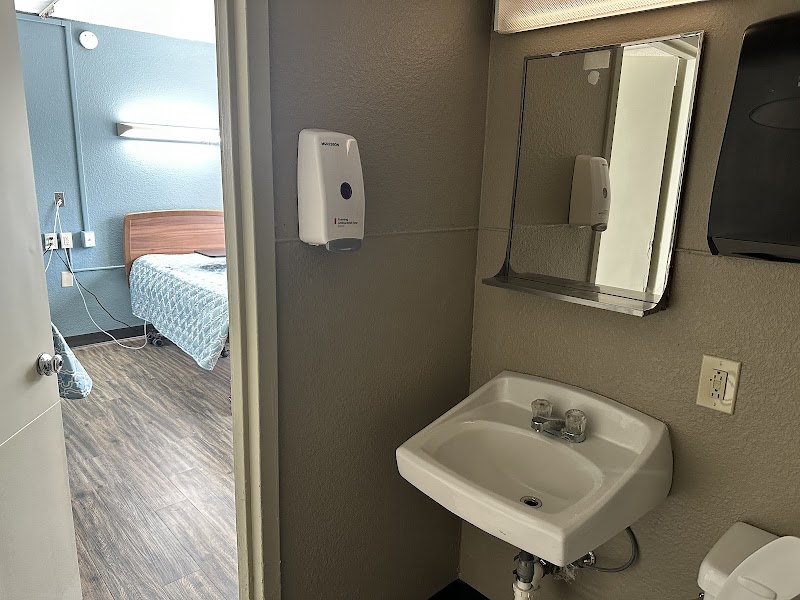
DELHAVEN MANOR

5460 DELMAR BLVD, SAINT LOUIS, MO 63112 (314) 361-2902
For profit - Corporation 156 Beds CIRCLE B ENTERPRISES Data: November 2025 2 Immediate Jeopardy citations
Trust Grade
1/100
#373 of 479 in MO
Last Inspection: November 2024

Within standard 12-15 month inspection cycle. Federal law requires annual inspections.

Overview

Delhaven Manor has received a Trust Grade of F, indicating significant concerns about the quality of care provided. Its state rank of #373 out of 479 places it in the bottom half of Missouri nursing homes, and it ranks #8 out of 13 in St. Louis City County, meaning there are only a few local options that are better. The facility's performance is worsening, with reported issues increasing from 11 in 2023 to 21 in 2024. Staffing is a major concern here, with a low rating of 1 out of 5 stars and a high turnover rate of 70%, which is significantly above the Missouri average. Additionally, the facility has incurred fines totaling $99,233, which is higher than 82% of Missouri facilities, suggesting ongoing compliance problems. There are critical incidents that raise alarms, such as the failure to monitor a resident who was found unresponsive after not being checked on as required, and the lack of necessary behavioral health care for another resident exhibiting troubling behaviors. While there are some average quality measures, the overall picture indicates serious deficiencies that families should consider carefully.

Trust Score
F
1/100
In Missouri
#373/479
Bottom 23%
Safety Record
High Risk
Review needed
Inspections
Getting Worse
11 → 21 violations
Staff Stability
⚠ Watch
70% turnover. Above average. Higher turnover means staff may not know residents' routines.
Penalties
✓ Good
$99,233 in fines. Lower than most Missouri facilities. Relatively clean record.
Skilled Nurses
⚠ Watch
Each resident gets only 11 minutes of Registered Nurse (RN) attention daily — below average for Missouri. Fewer RN minutes means fewer trained eyes watching for problems.
Violations
⚠ Watch
52 deficiencies on record. Higher than average. Multiple issues found across inspections.
★☆☆☆☆
1.0
Overall Rating
★☆☆☆☆
1.0
Staff Levels
★★★☆☆
3.0
Care Quality
★★☆☆☆
2.0
Inspection Score
Stable
2023: 11 issues
2024: 21 issues

The Good

  • Full Sprinkler Coverage · Fire safety systems throughout facility
  • No fines on record

Facility shows strength in fire safety.

The Bad

1-Star Overall Rating

Below Missouri average (2.5)

Significant quality concerns identified by CMS

Staff Turnover: 70%

24pts above Missouri avg (46%)

Frequent staff changes - ask about care continuity

Federal Fines: $99,233

Well above median ($33,413)

Moderate penalties - review what triggered them

Chain: CIRCLE B ENTERPRISES

Part of a multi-facility chain

Ask about local staffing decisions and management

Staff turnover is elevated (70%)

22 points above Missouri average of 48%

The Ugly 52 deficiencies on record

2 life-threatening
Nov 2024 8 deficiencies
CONCERN (D)

Potential for Harm - no one hurt, but risky conditions existed

Deficiency F0569 (Tag F0569)

Could have caused harm · This affected 1 resident

**NOTE- TERMS IN BRACKETS HAVE BEEN EDITED TO PROTECT CONFIDENTIALITY** Based on interview and record review, the facility failed to ensure third party liability (TPL) forms were completed within 30 d...

Read full inspector narrative →
**NOTE- TERMS IN BRACKETS HAVE BEEN EDITED TO PROTECT CONFIDENTIALITY** Based on interview and record review, the facility failed to ensure third party liability (TPL) forms were completed within 30 days for the final accounting for residents who expired. This affected three of three sampled residents who expired and had money in their accounts longer than 30 days (Residents #314, #315 and #316). The census was 60. 1. Review of Resident #314's financial records, showed: -Expired on [DATE]; -Ending balance of $390.49; -TPL form sent on [DATE]. 2. Review of Resident #315's financial records, showed: -Expired on [DATE]; -Ending balance of $29.04; -TPL form sent on [DATE]. 3. Review of Resident #316's financial records, showed: -Expired on [DATE]; -Ending balance of $20.04; -TPL form sent on [DATE]. 4. During an interview on [DATE] at 3:42 P.M., the Business Office Manager (BOM) said the facility was supposed to send the TPL form within 30 days. The BOM started working at the facility in June of last year and realized TPLs were not sent. It was not acceptable to send the funds later than 30 days.
CONCERN (D)

Potential for Harm - no one hurt, but risky conditions existed

Assessment Accuracy (Tag F0641)

Could have caused harm · This affected 1 resident

**NOTE- TERMS IN BRACKETS HAVE BEEN EDITED TO PROTECT CONFIDENTIALITY** Based on interview and record review, the facility failed to assure the residents' Minimum Data Set (MDS, a federally mandated a...

Read full inspector narrative →
**NOTE- TERMS IN BRACKETS HAVE BEEN EDITED TO PROTECT CONFIDENTIALITY** Based on interview and record review, the facility failed to assure the residents' Minimum Data Set (MDS, a federally mandated assessment instrument completed by facility staff) accurately reflect the residents' status for two of 26 sampled residents (Resident #57 and #60). The census was 60. 1. Review of Resident #57's significant change MDS, dated [DATE], showed: -admitted to the facility: [DATE]; -Diagnoses included high blood pressure, aphasia (language disorder that affects a person's ability to understand, speak, read and write), and depression; -Special services received while a resident: Hospice Care; -Does the resident have a condition or chronic disease that may result in life expectancy less than six months: No; -Staff failed to accurately document the resident's condition resulted in a life expectancy of less than six months necessitating hospice services. Review of the resident's physician order sheet, dated [DATE], showed an order dated [DATE], for Hospice care. Review of the resident's care plan in use during the survey, showed: -Problem: Resident has been admitted to Hospice related to diagnosis of senile degeneration of the brain; -Goal: Resident will have his/her needs met thru the next review date; -Interventions included: Facility and Hospice to coordinate for continuity of care. Follow up with Physician and Hospice as needed. Medication provided as prescribed. Monitor for a decline in functions. Provide spiritual and emotional support as needed. 2. Review of Resident #60's admission MDS, dated [DATE], showed: -admitted to the facility: [DATE]. -Diagnoses included cancer, asthma, malnutrition, and Parkinson's Disease; -Special services received while a resident: Hospice Care; -Does the resident have a condition or chronic disease that may result in life expectancy less than six months: No; -Staff failed to accurately document the resident's condition resulted in a life expectancy of less than six months necessitating hospice services. Review of the resident's physician order sheet, dated [DATE], showed an order dated [DATE], for Hospice care. Review of the resident's medical record showed he/she expired at the facility on [DATE]. Review of the resident's care plan, showed: -Problem: Resident has been admitted to Hospice related to diagnosis of metastatic lung cancer; -Goal: Resident will have his/her needs met thru the next review date; -Interventions included: Follow up with Hospice as needed. Follow up with Physician as needed. Medication provided as prescribed. Monitor for a decline in functions. Provide medication as prescribed. 3. During an interview on [DATE] at approximately 2:00 P.M., the MDS Coordinator said she updates the MDS. She is responsible for the MDS. Under Section J, and answer of yes would be noted under if the person is actively dying, and there has to be a physician documentation that they are dying. If the resident is on hospice, it should be noted on the MDS under section O. 4. During an interview on [DATE] at 11:45 A.M., the Administrator said he would expect for the residents' MDS to be accurately coded. The MDS should be accurate and should reflect the residents' current condition.
CONCERN (D)

Potential for Harm - no one hurt, but risky conditions existed

Deficiency F0698 (Tag F0698)

Could have caused harm · This affected 1 resident

Based on interview and record review, the facility failed to ensure residents who received dialysis (the clinical purification of blood as a substitute for the normal function of the kidney) had docum...

Read full inspector narrative →
Based on interview and record review, the facility failed to ensure residents who received dialysis (the clinical purification of blood as a substitute for the normal function of the kidney) had documented assessments and monitoring related to dialysis and ongoing documented communication with the dialysis center. The facility identified two residents who received dialysis, and one resident was sampled (Resident #53). In addition, the facility failed to have a copy of the dialysis contract. The sample was 18. The census was 60. Review of the facility's Care of a Resident with End-Stage Renal Disease Policy, dated reviewed 10/12/24, showed: -Policy statement: residents with end stage renal disease (ESRD, chronic irreversible kidney failure) will be cared for according to currently recognized standards of care; -Staff caring for residents with ESRD, including residents receiving dialysis care outside the facility, shall be trained in the care and special needs of these residents; -Education and training of staff includes, specially: -The nature and clinical management of ESRD (including infection prevention and nutritional needs); -The type of assessments data that is to be gathered about the resident's condition on a daily or per shift basis; -Signs and symptoms of worsening condition and/or complications of ESRD; -How to recognize and intervene in medical emergencies such as hemorrhage (bleeding) and septic infections (serious condition in which the body responds improperly to an infection); -Care of the grafts (arteriovenous graft (AVG), is a surgical procedure that connects an artery and vein using a synthetic tube to create a vascular access point for hemodialysis (a medical treatment that removes waste and excess water from the blood when the kidneys can no longer do so)), and fistulas (access made by joining an artery and vein in the arm); -Agreements between the facility and the contracted ESRD facility include all aspects of how the residents care will be managed, including: -How the care plan will be developed and implemented; -How information will be exchanged between the facilities. Review of Resident #53's medical record, showed: -Cognitively intact; -Diagnoses included: ESRD and dependence on renal dialysis. Review of the care plan, in use at the time of survey, showed: -Focus: is at risk for fluid imbalance and decreased physical mobility related to diagnosis of ESRD. Dependent on dialysis Monday (M), Wednesday (W) and Friday (F); -Goal: will remain free of complications related to diagnoses of ESRD now through next review; -Interventions: ensure to attend dialysis appointments as scheduled, monitor for infections and monitor shunt site (a surgically created connection between an artery and vein) for bruit and thrill (sound and sensation that indicate a good blood flow in a dialysis fistula or graft). Review of the order summary, dated active orders as of 11/6/24, showed an order to check every shift for monitoring dialysis access. Report absence or weak thrill or bruit to dialysis provider and primary medical doctor, start date 8/29/24. Review of the Medication Administration Record (MAR)/Treatment Administration Record (TAR) dated 10/1/24 through 10/31/24. showed no documentation to show staff checked every shift for monitoring dialysis access or report the absence or weak thrill or bruit to the dialysis provider and primary medical doctor. Review of the progress notes dated 10/1/24 through 10/31/24, showed: -On 10/9/24 at 1:14 P.M., 10/18/24 at 7:55 A.M., 10/21/24 at 1:35 P.M., and on 10/30/24 at 6:42 P.M., staff documented dialysis assessments; -Staff did not document any other dialysis assessments. Review of the Dialysis Communication Records, provided by the facility, dated 10/1/24 through 10/31/24, showed four out of 13 assessments were completed. Review of the MAR/TAR, dated 11/1/24 through 11/6/24, showed no documentation to show staff checked every shift for monitoring dialysis access or report the absence or weak thrill or bruit to the dialysis provider and primary medical doctor. Review of the progress notes, dated 11/1/24 through 11/6/24, showed staff did not document any dialysis assessments. Review of the dialysis communication records, provided by the facility, showed no assessments were completed from 11/1/24 through 11/6/24. During an interview on 11/12/24 at 11:40 A.M., Licensed Practical Nurse (LPN) A said residents who received dialysis services had their vital signs and weights completed before going to dialysis. This information was documented on the dialysis communication form along with the medications given to the resident. The form was sent with the resident to dialysis. He/She also called dialysis to give them a report and he/she would document that the resident went out to dialysis in the electronic medical record. When the resident returned home, the nurse should reassess the resident by taking their resident's vital signs and checking the access site. The only place the weight and vital signs are documented was on the dialysis communication form. During an interview on 11/12/24 at 12:43 P.M., LPN E said residents who received dialysis services had a communication form that was completed when they went to dialysis which included the resident's vital signs, the location of the dialysis access site and the medications the resident received. The form was sent to dialysis with the resident. Dialysis was pretty good at sending the forms back to the facility. During an interview on 11/13/24 at 8:15 A.M. and 11:35 A.M., the Director of Nursing (DON) said the facility did not have a copy of the dialysis contract. The facility reached out to the dialysis company to try to obtain a copy but was told the contract was at a different location. She would expect the facility to have a copy of the dialysis contract. Staff should check the resident's vital signs and weight before going to dialysis and document them on the communication form. The form is sent to dialysis with the residents. Sometimes the facility got the form back and sometimes dialysis did not send the form back. If the resident returned home and there was no weight or vitals completed by dialysis, the nurse should complete it. The nurse should monitor the access site for bleeding, bruit and thrill every shift and document it on the TAR. The DON would expect for dialysis monitoring to be documented. During an interview on 11/13/24 at 2:40 P.M., the Administrator said he would expect for dialysis monitoring to be documented. During an interview on 11/13/24 at 8:15 A.M. and 11:35 A.M., the DON said the facility did not have a copy of the dialysis contract. The facility reached out to the dialysis company to try to obtain a copy but was told the contract was at a different location. She would expect the facility to have a copy of the dialysis contract During an interview on 11/13/24 at 2:40 P.M., the Administrator said he would expect for the facility to have a copy of the dialysis contract on premises
CONCERN (D)

Potential for Harm - no one hurt, but risky conditions existed

Unnecessary Medications (Tag F0759)

Could have caused harm · This affected 1 resident

Based on observation, interview and record review, the facility failed to ensure a medication error rate of less than 5%. Out of 37 opportunities observed, three errors occurred resulting in an 8.11% ...

Read full inspector narrative →
Based on observation, interview and record review, the facility failed to ensure a medication error rate of less than 5%. Out of 37 opportunities observed, three errors occurred resulting in an 8.11% error rate (Resident #50). The census was 60. Review of the facility's Medication Administration Policy, undated, showed: -Only licensed personnel or certified medical technicians (CMT) are assigned responsibility of preparing, administering, and recording medication or permitted access to drug storage areas; -Medication may be administered to a resident only if ordered by a practitioner licensed to prescribe medication in that location. Review of the facility's Administering Medications through a Metered Dose Inhaler Policy, dated reviewed 10/1/24, showed: -Purpose: The purpose of this procedure is to provide guidelines for the safe administration of inhaled medications; -Allow at least one minute between inhalations of the same medication and at least two minutes between inhalations of different medications. 1. Review of Resident #50's significant change Minimum Data Set (MDS), a federally mandated assessment instrument completed by the facility staff, dated 7/2/24, showed: -Cognitively intact; -Diagnoses included: high blood pressure and chronic obstructive pulmonary disease (COPD, chronic lung disease). Review of the resident's Order Summary Report, active orders as of 11/8/24, showed: -An order for: Spironolactone (used to treat fluid retention) 25 milligram (mg), give one tablet once time daily for diuretic (water pill); -An order for: Spiriva Respimat (used to treat COPD) Inhalation (Inhaler) 1.25 microgram (mcg), give two puff inhale one time daily for COPD; -An order for: Combivent Respimat (Ipratropium-Albuterol, medication used to treat lung disease) inhalation 20-100 mcg, give two puff inhale one time daily for COPD. Observation on 11/8/24 at 9:10 A.M., showed CMT D administered one tablet of Spironolactone- Hydrochlorothiazide (a combination of two different diuretic medications) 25-25, then administered Combivent Respimat inhaler one puff and Spiriva Respimat inhaler one puff, without waiting at least 2 minutes between the different types of inhalers. At 9:40 A.M., CMT D administered Spiriva Respimat inhaler one puff and Combivent inhaler one puff without waiting at least 2 minutes between the different types of inhalers. During an interview on 11/8/24 at 11:20 A.M., the pharmacist said Spironolactone and Spironolactone HCTZ were not the same medication, and the medications are not interchangeable. During an interview on 11/8/24 at 11:39 A.M., the Director of Nursing (DON) said when staff administer medication, she would expect for staff to follow the five rights of medication administration (right resident, right medication, right dose, right time, and right route). Spironolactone and Spironolactone HCTZ were not the same medication. If the card of medication did not match the Medication Administration Record (MAR) she would expect for CMTs to notify the nurse and the nurse to verify the order. She would expect for staff to administered one inhaler, both two puffs, then wait a few minutes and administer the second inhaler, two puffs. During an interview on 11/13/24 at 2:40 P.M., the Administrator said he would expect staff to follow physician orders and to follow the facility's policies and procedures.
CONCERN (E)

Potential for Harm - no one hurt, but risky conditions existed

Deficiency F0570 (Tag F0570)

Could have caused harm · This affected multiple residents

Based on interview and record review, the facility failed to maintain a surety bond sufficient to ensure the protection of resident funds. This deficiency had the potential to affect all residents who...

Read full inspector narrative →
Based on interview and record review, the facility failed to maintain a surety bond sufficient to ensure the protection of resident funds. This deficiency had the potential to affect all residents who have money in the resident trust fund. The census was 60. Review of the facility's Surety Bond Invoice, dated 12/28/23, showed a bond amount of $75000. Review of the facility's average resident trust fund balance for the previous twelve months, showed: -A monthly average of $52,000.00; -For this amount, the bond amount should have been $78,000. During an interview on 11/12/24 at 2:00 P.M., the Business Office Manager said she was not aware the amount was not sufficient and would request an increase immediately. The bond amount should have been sufficient. During an interview on 11/13/24 at 2:40 P.M., the Administrator said he was unaware the bond amount was not sufficient. The bond should be sufficient and he had the bond amount increased immediately.
CONCERN (E)

Potential for Harm - no one hurt, but risky conditions existed

Infection Control (Tag F0880)

Could have caused harm · This affected multiple residents

**NOTE- TERMS IN BRACKETS HAVE BEEN EDITED TO PROTECT CONFIDENTIALITY** Based on observation, interview and record review, the facility failed to place signage and follow indications for enhanced barr...

Read full inspector narrative →
**NOTE- TERMS IN BRACKETS HAVE BEEN EDITED TO PROTECT CONFIDENTIALITY** Based on observation, interview and record review, the facility failed to place signage and follow indications for enhanced barrier precautions (EBP, an infection control intervention that utilizes personal protective equipment (PPE) to reduce the spread of multidrug-resistant organisms (MDROs)) for two residents who had pressure ulcers (open wounds that occur when skin and tissue are damaged by prolonged pressure), and an indwelling urinary catheter (a flexible tube that drains urine from the bladder into a collection bag) (Residents #42 and #38). In addition, the facility failed to ensure the indwelling urinary catheter bag was off the floor for one resident (Resident #38). Furthermore, the facility failed to ensure the nebulizer mask was stored in bag or clean container when not in use for one resident (Resident #45). The sample was 18. The census was 60. Review of the Centers for Disease Control and Prevention's (CDCs) Implementation of PPE Use in Nursing Homes to Prevent Spread of MDRO guidelines, dated 4/2/2024, showed: -Expand the use of PPE and refer to the use of gown and gloves during high-contact resident care activities that provide opportunities for transfer of MDROs to staff hands and clothing. MDROs may be indirectly transferred from resident-to-resident during these high-contact care activities. Nursing home residents with wounds and indwelling medical devices are at especially high risk of both acquisition of and colonization with MDROs. The use of gown and gloves for high-contact resident care activities is indicated, when Contact Precautions do not otherwise apply, for nursing home residents with wounds and/or indwelling medical devices regardless of MDRO colonization as well as for residents with MDRO infection or colonization; -Examples of high-contact resident care activities requiring gown and glove use for Enhanced Barrier Precautions include: -Dressing; -Bathing/showering; -Transferring; -Providing hygiene; -Changing linens; -Changing briefs or assisting with toileting; -Device care or use: central line, urinary catheter, feeding tube, tracheostomy (a surgical procedure that creates an opening in the neck into the windpipe (trachea) to help a person breathe)/ventilator (type of breathing aparatus); -Wound care: any skin opening requiring a dressing; -In general, gown and gloves would not be required for resident care activities other than those listed above, unless otherwise necessary for adherence to Standard Precautions. Residents are not restricted to their rooms or limited from participation in group activities. Because Enhanced Barrier Precautions do not impose the same activity and room placement restrictions as Contact Precautions (Steps taken to prevent the spread of germs), they are intended to be in place for the duration of a resident's stay in the facility or until resolution of the wound or discontinuation of the indwelling medical device that placed them at higher risk; -When implementing Contact Precautions or Enhanced Barrier Precautions, it is critical to ensure that staff have awareness of the facility's expectations about hand hygiene and gown/glove use, initial and refresher training, and access to appropriate supplies. To accomplish this: -Post clear signage on the door or wall outside of the resident room indicating the type of precautions and required PPE (such as, gown and gloves); -Signage should also clearly indicate the high-contact resident care activities that require the use of gown and gloves; -Make PPE, including gowns and gloves, available immediately outside of the resident room; -Ensure access to alcohol-based hand rub in every resident room (ideally both inside and outside of the room); -Position a trash can inside the resident room and near the exit for discarding PPE after removal, prior to exit of the room or before providing care for another resident in the same room; -Incorporate periodic monitoring and assessment of adherence to determine the need for additional training and education; -Provide education to residents and visitors. Review of the facility's Enhanced Barrier Precautions Policy, revised on 10/12/24, showed: -Policy: It is the policy of this facility to implement enhanced barrier precautions for the prevention of transmission of multidrug-resistant organisms; -Prompt recognition of need: -All staff receive training on enhanced barrier precautions upon hire and at least annually and are expected to comply with all designated precautions; -All staff receive training on high-risk activities and common organisms that require enhanced barrier precautions; -The facility will have the discretion on how to communicate to staff which residents require the use of EBP, as long as staff are aware of which residents require the use of EBP prior to providing high-contact care activities; -Initiation of Enhanced Barrier Precautions: -The facility will have the discretion in using EBP for residents who do not have a chronic wound or indwelling medical device and are infected or colonized with an MDRO that is not currently targeted by CDC; -Enhanced barrier precautions will be initiated for residents with any of the following: -Wounds (such as, chronic wounds such as pressure ulcers, diabetic foot ulcers, unhealed surgical wounds, and chronic venous stasis ulcers) and/or indwelling/implanted medical devices (such as, central lines, ports, urinary catheters, feeding tubes, tracheostomy/ventilator tubes) even if the resident is not known to be infected or colonized with a MDRO; -Infection or colonization with a CDC-targeted MDRO when Contact Precautions do not otherwise apply. The facility did not have policies to address process and procedure for infection control related to oxygen tubing and nebulizer mask storage. 1. Review of Resident #42's admission Minimum Data Set (MDS), a federally mandated assessment instrument completed by the facility staff, dated 10/21/24, showed: -Both short term and long-term memory loss; -Resident had an indwelling catheter; -Two Stage III pressure ulcers (full thickness tissue loss, subcutaneous fat may be visible, but the bone, tendon or muscle is not exposed) Slough may be present but does not obscure the depth of tissue loss. May include undermining or tunneling); -Two Stage IV pressure ulcers (full thickness tissue loss with exposed bone, tendon or muscle. Slough or eschar may be present on some parts of the wound bed. Often includes undermining and tunneling); -One Unstageable (slough and/or eschar known but not stageable due to coverage of wound bed by slough and/or eschar); -One unstageable (deep tissue suspected deep tissue injury in evolution); -Diagnoses included: cancer, heart failure, benign prostatic hyperplasia (BPH, enlarged prostate), stroke and aphasia (a language disorder that makes it difficult to communicate due to damage to the brain's language center). Observation on 11/8/24 at 7:40 A.M., showed no sign on the door to indicate the resident was on EBP. The resident sat in his/her chair with the covered catheter drainage tube draining to gravity. Certified Nurse Aide (CNA) C and Certified Medication Technician (CMT) D entered the resident's room, performed hand hygiene and put on gloves. CNA C and CMT D transferred the resident from the chair to the bed using a mechanical lift. After the resident was in bed, CNA C and CMT D rolled the resident side to side to remove his/her pants and brief. The resident had a dressing on his/her left buttocks dated 11/5/24. The CMT provided personal hygiene to the resident while CNA C held the resident over on his/her side. There were two superficial open areas on the sacrococcygeal area (pertaining to both the sacrum and coccyx (the tailbone)) which were not covered. After the CMT finished cleaning the resident, he/she applied a barrier cream to the buttocks and removed his/her gloves and left the room. A few minutes later, CMT D and the Assistant Director of Nursing (ADON) entered the room, performed hand hygiene and put gloves on. The ADON observed the open areas on the sacrococcygeal area, removed her gloves and left the room to go get supplies to clean the wounds. CMT D emptied 600 milliliters (mL) from the resident's catheter. The ADON returned to the room, performed hand hygiene, put gloves on, then provided wound care to the resident. Staff failed to wear a gown while providing high-contact resident care. 2. Review of Resident #38's quarterly MDS, dated [DATE], showed: -Cognitively intact; -Diagnoses included traumatic spinal cord dysfunction (a condition where the spinal cord is damaged due to trauma), hypotension (low blood pressure), and quadriplegia (a symptom of paralysis that affects all a person's limbs and body from the neck down); -Resident had indwelling catheter; -One Stage II pressure ulcer; -One Stage III pressure ulcer; -One Stage IV pressure ulcer. Observation on 11/8/24 at 10:28 A.M., showed no EBP sign on the door. The resident's indwelling catheter bag did not have a barrier cover on it and hung on the side of the lowered bed. Part of the bag lay on the floor. CNA C entered the room, performed hand hygiene and applied gloves. CNA C did not adjust or pick up the catheter bag. At approximately 10:35 A.M., the ADON entered the room, performed hand hygiene and applied gloves. The ADON provided wound care while CNA C assisted in turning the resident from side to side. Both staff failed to wear a gown while providing high-contact resident care. During an interview on 11/8/24 at 11:39 A.M., the Director of Nursing (DON) and ADON said they had not heard of EBP, and they did not recall hearing about it. 3. During an interview on 11/13/24 at 2:40 P.M., the Administrator said he would expect for staff to use EBP. He would expect the staff to keep the indwelling urinary catheter bag off the floor. 4. Review of Resident #45's quarterly MDS, dated [DATE], showed: -admitted to the facility: 10/20/23; -Understood/understand; -Severely impaired vision; -Special treatments and programs; Oxygen therapy: while a resident; -Diagnoses included COPD (Chronic obstructive pulmonary disease, is a common lung disease that makes it difficult to breathe), diabetes mellitus, and hyperlipidemia (high cholesterol). Review of the resident's care plan, used during the survey showed: -Focus: The resident requires oxygen therapy related to diagnosis of persistent asthma and is frequently short of breath (SOB); -Goal: The resident will remain free of SOB and complications related to diagnosis of persistent asthma; -Interventions: Keep head of bed (HOB) elevated for optimal breathing. Medication provided as prescribed. Monitor oxygen saturation (SPO2, percentage of oxygen in blood) as ordered. Provide supplemental oxygen as prescribed. Review of the resident's physician's order sheet dated 11/8/24 showed: -An order dated: 10/18/24, for albuterol sulfate inhale aero 108 micrograms (mcg)/ACT (90 MCG base equivalent) two puff inhale orally every six hours as needed for SOB/wheezing. Unsupervised. Self-administration may keep at bedside; -An order dated: 9/9/24, albuterol sulfate nebulization solution (2.5 mg/3 ML) 0.083% three milliliter (ml) inhale orally via nebulizer every six hours as needed for SOB; -An order dated: 5/27/24, start date: 6/3/24, for fluticasone-salmeterol aerosol powder breath activated 250-50 mcg/Dose 1 puff inhale orally two times a day for lung disease. Observations of the resident, showed: -On 11/07/24 at 10:33 A.M., a nebulizer machine (turns liquid medicine into a mist that can be inhaled to treat lung conditions) and the mask lay uncovered on the windowsill; -On 11/08/24 at 11:15 A.M., a nebulizer mask lay on the windowsill. No bag to cover the mask was noted; -On 11/08/24 at 2:36 P.M., the resident was out of his/her room. The nebulizer mask lay on the windowsill and was uncovered; -On 11/12/24 at 12:03 P.M., the resident sat in his/her room. The nebulizer mask lay on the windowsill, uncovered. During an interview on 11/13/24 at 2:35 P.M., the administrator said he would have expected for the resident's mask to have been covered due to infection control issues.
CONCERN (F)

Potential for Harm - no one hurt, but risky conditions existed

Food Safety (Tag F0812)

Could have caused harm · This affected most or all residents

Based on observation and interview, the facility failed to label, date, and cover food in the kitchen. In addition, the facility failed to ensure that kitchen equipment was clean and was in proper wor...

Read full inspector narrative →
Based on observation and interview, the facility failed to label, date, and cover food in the kitchen. In addition, the facility failed to ensure that kitchen equipment was clean and was in proper working order. These deficient practices had the potential to affect all residents who consumed food from the facility kitchen. The census was 60. 1. Observations of the kitchen dry storage room, showed: -On 11/6/24 at 11:14 A.M., 11/7/24 at 4:14 P.M., and 11/8/24 at 2:46 P.M.,: -A package of opened mostaccioli noodles wrapped in plastic without a date; -A package of opened cheese flakes wrapped in plastic without a date; -On 11/6/24 at 11:14 A.M. and 11/7/24 at 4:14 P.M., a package of opened stuffing mix wrapped in plastic without a date. 2. Observation on 11/6/24 at 11:14 A.M. and 11/7/24 at 4:14 P.M., showed: -Walk in cooler: -Tortilla shells opened, wrapped in plastic, and without a date; -A salad mix opened, wrapped in plastic, and without a date; -Walk in freezer: -A box of cookies opened, undated, and exposed to the air; -Catch all freezer: -French toast in a plastic bag with a knot tied at end, without a date; -Biscuits in a plastic bag with a knot tied at end, with a hole in the bag, opened, and exposed to air; -A package of hot dogs opened, wrapped in plastic, and without a date; -An unidentified food item in an aluminum container, wrapped in plastic, and without a date. 3. Observations on 11/6/24 at 11:14 A.M., 11/7/24 at 4:14 P.M., and 11/8/24 at 2:46 P.M. in the kitchen, showed: -The deep fryer: -Old grease sat in the fryer; -Caked on grease and batter along the inside of the fryer; -Two straining baskets with caked on grease; -The stove: -Heavy caked on stains on the stove burners; -Old food particles inside the stove burners. 4. Observations of the walk-in cooler on 11/6/24 at 11:14 A.M., 11/7/24 at 4:14 P.M., and 11/8/24 at 2:46 P.M., showed a fan in the ceiling leaked water into a metal pan that sat on the top shelf in the cooler. 5. During interviews on 11/13/24 at 2:23 P.M., the Director of Dietary Services said it is her expectation that all food items should be properly labeled, dated, and stored. Everyone is responsible for labeling and dating food. She does not have a designated sanitation staff person. Staff clean every day in the kitchen, but deep cleaning is done on Sundays because their stock comes in on Mondays. She does not fry a lot in the deep fryer. She changes the grease one time a week. She had not used the deep fryer since last week on Thursday. She is responsible for cleaning the stove. The stove should be getting cleaned every two weeks. Regarding the fan in the cooler, they have someone coming out to look at it on Monday. She expects for the fan as well as all the equipment in the kitchen to be in proper working order. Maintenance is aware of the issue and have called someone out to fix it. 6. During interviews 11/13/24 2:35 P.M. and 11/18/24 at 11:45 A.M., the Administrator said he would have expected for all food to be properly labeled, dated, and stored. He also expected for all equipment in the kitchen to be clean and in proper working order.
MINOR (C)

Minor Issue - procedural, no safety impact

Deficiency F0574 (Tag F0574)

Minor procedural issue · This affected most or all residents

Based on observation and interview, the facility failed to provide accessible information on the location of the State Survey Agency hotline number that was readily available to residents in the facil...

Read full inspector narrative →
Based on observation and interview, the facility failed to provide accessible information on the location of the State Survey Agency hotline number that was readily available to residents in the facility without assistance. The census was 60. Observations throughout the survey on 11/ 7/24, 11/8/24 and 11/12/24 showed, the State Survey Agency number not posted in the facility. During a group interview on 11/8/24 at 9:55 A.M., seven residents, whom the facility identified as alert and oriented, attended the group meeting and said they did not know where the State Survey Agency hotline number was posted. During an interview on 11/12/24 at 3:17 P.M., the Director of Nursing said the State contact information was not posted. The facility has ordered a new poster and frame. During an interview on 11/13/24 at 2:40 P.M., the Administrator said he would expect for the State Survey Agency hotline number to be posted.
Aug 2024 2 deficiencies
CONCERN (E) 📢 Someone Reported This

A family member, employee, or ombudsman was alarmed enough to file a formal complaint

Potential for Harm - no one hurt, but risky conditions existed

Deficiency F0839 (Tag F0839)

Could have caused harm · This affected multiple residents

See the deficiency cited at F839 under event ID G60Z12. Based on observation, interview and record review, the facility failed to ensure staff transporting residents in the company vehicle held the pr...

Read full inspector narrative →
See the deficiency cited at F839 under event ID G60Z12. Based on observation, interview and record review, the facility failed to ensure staff transporting residents in the company vehicle held the proper driver license in accordance with Missouri state regulations, for one of one days of observation. This had the ability to affect all residents who were transported in the facility vehicles. The census was 61. Review of the Missouri State Driver's Guide, revised August 2023, showed the following: -A Class F license is Missouri's basic driver license and is needed to operate any motor vehicle other than one requiring the driver to have a Class A, B, C or E license. -Anyone who transports 14 or fewer passengers for pay or as part of his/her job must have a class E license; -Anyone who regularly operates a motor vehicle for his or her employment, that belongs to another person and is designed to carry freight and merchandise, must also have a Class E license. Review of the facility's transportation escort job description, showed the following: -Duties: Escort patients to medical appointments and other areas of the facility; -Requirements: Class E certification (license). Review of Driver G's employee file, showed the following: -Hire date 1/26/24; -Job classification: Transportation; -A copy of his/her class F driver's license; -No documentation of a Class E driver's license. Observation on 8/12/24 at 11:30 A.M., showed Driver G propelled a resident in his/her wheelchair from the lobby, out of the back door and into the facility van. He/She then transported the resident to his/her dialysis appointment. During an interview on 8/13/24 at 9:58 A.M., Driver G said he/she was hired in January 2024. He/She was hired specifically for transportation. He/She was the only driver working. The nursing staff gives him/her a list of residents' appointments and their face sheets. He/She transports the residents to their appointments. The facility van seats four passengers and has a wheelchair lift. He/She has a regular license. He/She was not aware he/she needed a Class E license. During an interview on 8/13/24 at 2:40 P.M., the Administrator said he did not know if Driver G had a Class E driver's license. He was not aware staff had to have a class E driver's license to operate the van. MO00240229
CONCERN (E) 📢 Someone Reported This

A family member, employee, or ombudsman was alarmed enough to file a formal complaint

Potential for Harm - no one hurt, but risky conditions existed

Social Worker (Tag F0850)

Could have caused harm · This affected multiple residents

See the deficiency cited at F850 under event ID G60Z12. Based on interview and record review, the facility failed to employ a qualified social worker on a full-time basis. The facility was licensed an...

Read full inspector narrative →
See the deficiency cited at F850 under event ID G60Z12. Based on interview and record review, the facility failed to employ a qualified social worker on a full-time basis. The facility was licensed and certified for 156 residents. The current census was 61. Review of the facility's license and certification records, showed the facility licensed for 156 beds, of which 156 beds were certified for Medicaid and Medicare. Review of the facility's Social Worker's job description, showed the following: -The primary purpose of this position is to assist in planning, organizing, implementing, evaluating, and directing the overall operation of the facility's Social Services Department in accordance with current federal, state, and local standards, guidelines and regulations, our established policies and procedures, and as may be directed by the Director of Social Services and/or Administrator, to assure the medically related emotional and social needs of the resident are met/maintained on an individual basis; -Experience: Must have, as a minimum, a bachelor's degree in social work or a bachelor's degree in a human services field including but not limited to sociology, special education, rehabilitation counseling, and psychology. Must have, as a minimum, one year supervised social work experience in a health care setting working directly with individuals. Review of the Social Worker's employee file, showed: -Hire date: 3/4/24; -Department: Social Worker Assistant; -Education history included accounting, cosmetology and massage therapy; -No documentation of a bachelor's degree in a human services field or a minimum of one year of social services experience. During an interview on 8/12/24 at 9:58 A.M., the Social Worker said she started in her position on 3/4/24. She is the Social Services Designee (SSD). She assists the residents with all social service needs. She has some college history but does not have a bachelor's degree. She has not taken the SSD test because it is expensive. During an interview on 8/13/24 at 2:40 P.M., the Administrator said he was not aware of all the qualifications of a Social Worker. The SSD was working at the facility when he was hired. She does not have a bachelor's degree. He thought the need for a qualified social worker was based on the census, not the number of licensed beds. MO00240229
Jul 2024 1 deficiency 1 IJ
CRITICAL (J) 📢 Someone Reported This

A family member, employee, or ombudsman was alarmed enough to file a formal complaint

Immediate Jeopardy (IJ) - the most serious Medicare violation

Deficiency F0740 (Tag F0740)

Someone could have died · This affected 1 resident

**NOTE- TERMS IN BRACKETS HAVE BEEN EDITED TO PROTECT CONFIDENTIALITY** Based on interview and record review, the facility failed to provide necessary behavioral health care services for a resident's ...

Read full inspector narrative →
**NOTE- TERMS IN BRACKETS HAVE BEEN EDITED TO PROTECT CONFIDENTIALITY** Based on interview and record review, the facility failed to provide necessary behavioral health care services for a resident's psychosocial well-being when staff did not address the resident's behaviors, which included alcohol use and verbal/physical aggression, for one resident (Resident #2). The facility failed to address the behaviors and inform staff how to handle the resident's escalating behaviors. The sample was eight. The census was 62. The Administrator was informed on [DATE] of an Immediate Jeopardy (IJ), which began on [DATE]. The IJ was removed on [DATE] as confirmed by surveyor on-site verification. Review of the facility's Substance Use Disorder policy dated [DATE], showed: -Residents admitted to the facility with substance use disorder (SUD) will receive the necessary behavioral health care and services to attain and maintain the highest practicable physical, mental, and psychosocial well-being, provided by the facility and in accordance with the comprehensive assessment and care plan; -SUD is defined as recurrent use of alcohol and/or drugs which causes clinically and functionally significant impairment, such as health problems, disability, and failure to meet major responsibilities at work, school, or home; -The behavioral health care needs of those with SUD or other serious mental health disorders are evaluated as part of the facility assessment. During the facility assessment, the facility determines whether the capacity, services and staff skills are available to meet the needs of those with SUD or other serious mental health disorders; -All residents are screened for serious mental health disorders, intellectual disabilities, and related conditions prior to admission to determine if specialized services under the Preadmission Screening and Resident Review (PASARR) requirements are necessary; -If the resident does not qualify for specialized services under PASARR, but requires more intensive behavioral health services, the facility will provide for and/or arrange for these services; -The specific services needed by the resident are identified during the comprehensive assessment; -The care plan will address the individualized needs the resident may have related to the mental disorder or the SUD. For example: -Activity needs that are different from other residents; -Access to group counseling; -Access to medication assisted treatment, if applicable; -The resident's history of substance use disorder and risk for using substances which could lead to an overdose while in the facility are identified to the extent possible and documented in the medical record; -In addition, safety, and health concerns specific to the resident and his/her history are identified. Health and safety considerations related to substance use disorder may include: -Risk of respiratory depression and fatal overdose; -Increased risk of falls and other accidents; -Potential for wandering and elopement; -Potential for resident-to-resident altercations and other disruptive behaviors; -Constipation and fecal impaction; -Skin infections; -Weight loss and malnutrition; -Potential for cognitive decline and mood disorders; -Care plan interventions are directed at maintaining the safety of the resident, staff, and other residents and not necessarily on addressing the underlying addictive behaviors. Examples of appropriate care interventions for a resident with SUD include: -Monitoring the resident for signs and symptoms of substance use (changes in behavior, unexplained lethargy, odors, new needle marks, slurred speech, lack of coordination, etc.) and overdose, especially after returning from a leave of absence or during/after visitation; -Increasing supervision of the resident and, if needed, the resident's visitors; -Supporting the resident's efforts to prevent substance use such as coordinating behavioral health services, medication assisted treatment, and 12-step meetings; -Facility staff are trained on the signs and symptoms of opioid overdose and emergency interventions (the administration of opioid reversal agents (i.e., naloxone and cardiopulmonary resuscitation (CPR)) when drug overdose is suspected; -Behavioral contracts may be initiated to address behaviors which could endanger the resident, other residents, and staff and to encourage residents to follow their plan of care; -Behavioral contracts are only used with residents who have the capacity to understand them; -Examples of appropriate uses of behavioral contracts include: -A behavioral contract that communicates the resident's right to have a leave of absence and explains the health and safety risks of leaving without facility knowledge or leaving against medical advice (AMA). The contract does not restrict a resident's right to leave the facility, but can distinguish between a leave of absence, elopement, and leaving AMA; -A behavioral contract which clarifies the facility response to suspected illegal substance abuse. If substance abuse is suspected, a behavioral contract may stipulate: -Monitoring and supervision in the facility may be increased to maintain the health and safety of the resident suspected of substance abuse, as well as the other residents; -Visitation may be restricted or supervised if the resident's visitors are deemed to be a danger to the resident, other residents, or staff; -Voluntary drug testing may be conducted if there are concerns that suspected drug use could adversely affect the resident's condition; -Voluntary inspections may be conducted if there is reasonable suspicion of possession of illegal drugs, weapons, or other unauthorized items which could endanger the resident or others; - Local law enforcement will be notified if there is suspicion of a crime in accordance with state laws, such as possession of illegal substances, paraphernalia, or weapons; -Refusal to accept or non-adherence to the terms of a behavioral contract will not be the sole basis for a denial of admission, a transfer or discharge; -Non-adherence to the contract will be treated as a care plan intervention that needs attention or needs to be altered to meet the needs of the resident. The interdisciplinary team (IDT) will work with the resident and resident representative to revise the care plan and contract. Review of Resident #2's admission Minimum Data Set (MDS), a federally mandated assessment instrument completed by facility staff, dated [DATE], showed: -admitted [DATE]; -Cognitively intact; -No behaviors exhibited; -Diagnoses included high blood pressure, high cholesterol, and depression. Review of the resident's progress notes, dated [DATE] at 6:00 A.M., showed the resident arrived back to the facility at 5:10 A.M. after checking him/herself out the facility at 2:50 P.M. on [DATE]. The resident's speech was slurred, and he/she was loud. His/Her gait was unsteady, and he/she was belligerent due to inebriation (drunk or intoxicated). The resident's physician was notified. He/She gave order to hold all medications and give fluids. Review of the resident's hospital discharge paperwork, dated [DATE], showed: -Diagnosis: Alcohol intoxication delirium; -Drugs of abuse screen completed; -Zofran (used to treat nausea or vomiting) four milligrams given. Review of the resident's care plan, in use during the survey, showed: -Problem Onset [DATE]: The resident placed him/herself in unsafe situations when away from the facility. He/She was a danger to him/herself due to polysubstance abuse. He/She had poor decision-making skills. He/She was educated and agreed to leave of absence (LOA) with supervision; -Approaches: Place resident in area with frequent observation. Alert staff of unsafe behavior. Provide diversion activities. Approach in calm and accepting manner. Monitor and document behaviors. -The care plan did not list who is designated to monitor the resident's behaviors, the frequency of monitoring, which behaviors would be monitored, and specific diversional activities. Review of the resident's progress notes, showed: -On [DATE], time unknown, the resident went into another resident's room and cursed at him/her. Staff deescalated the situation; -On [DATE] at 11:00 P.M., the resident told the nurse he/she was going to sign out of the facility. He/She was encouraged to stay inside. He/She refused, put on his/her coat, and exited the front door. The Administrator and Director of Nursing (DON) were notified; -On [DATE] at 12:15 A.M., the resident returned to the facility; -On [DATE] at 6:15 P.M., the nurse reported the resident had a falling out spell (passed out). The resident was wheeled back to his/her room. Staff notified the physician; -On [DATE] at 1:00 A.M., the resident tried to leave the facility. Staff redirected him/her. His/Her speech was slurred, and his/her eyes rolled up/down and side to side rapidly. Nurse practitioner notified. No new orders given. Review of the resident's physician progress note, dated [DATE] and [DATE], showed: -History of polysubstance abuse; -The resident reported depression and anxiety; -Alcohol and cocaine abuse in early remission; -No documentation of resident's aggressive behaviors or intoxication. Review of the resident's progress note, dated [DATE] at 5:37 P.M., showed the resident was physically aggressive with another resident. Review of the resident's medical record on [DATE], showed no documented Social Services notes. During an interview on [DATE] at 8:38 A.M., LPN E said he/she has worked at the facility since [DATE]. The resident would get drunk and bully staff and other residents. On [DATE], the resident asked to speak to LPN E. He/She refused to talk to the resident. The resident was drunk and made irrational statements. The resident grabbed him/her by the neck and pushed him/her in the corner. He/She filed a grievance against the resident immediately. He/She did not document the incident in the nurse's notes. He/She did not notify the resident's physician. Staff were aware the resident was getting drunk. He/She did not know what staff are supposed to do when residents return to the facility intoxicated. The resident got physical when he/she did not get his/her way. The DON said she would have a meeting with the resident and LPN E. They did not have a meeting. Review of the facility's complaint/grievance report, dated [DATE], showed: -Resident #2 was under the influence of alcohol; -He/She cursed at Licensed Practical Nurse (LPN) E and grabbed him/her by the collar; -Plan to resolve investigation: Social Worker will have a discussion with Resident #2; -Results of actions taken: The Administration team set up a meeting with Resident #2. Review of the resident's physician progress note, dated [DATE], showed: -History of cocaine and alcohol abuse. Improved, in early remission; -No complaints and anxiety was better; -No documentation of resident's verbal and physical aggression towards staff and other residents; -No documentation of resident's recent alcohol abuse. Review of the resident's progress note, dated [DATE] at 12:18 A.M., showed the receptionist asked the nurse to come to the lobby for a fight. The resident was in the lobby with blood on his/her hands and shirt. His/Her speech was slurred, and he/she smelled of alcohol. The resident told the nurse he/she tried to talk to Resident #1, and he/she disrespected him/her. Staff called the police. During an interview on [DATE] at 12:18 P.M., Certified Medication Technician (CMT) A said Resident #2 would come back to the facility drunk. He/She was combative and verbally aggressive. He/She usually drank between 2:00 P.M. and 8:00 P.M. CMT A notified the nurse. The nurse did not find alcohol in Resident #2's room. Resident #2 has had altercations with other residents. When residents are under the influence of alcohol or drugs, staff just tells the nurse. During an interview on [DATE] at 12:40 P.M., CNA C said the resident returned to the facility intoxicated at least two or three times per week. He/She reported it once to a nurse eight months ago. He/She is not sure if the Administrator is aware. If a resident comes back to the facility intoxicated, he/she would report it to a nurse. During an interview on [DATE] at 12:46 P.M., CMT B said the resident was very aggressive. He/She would often return to the facility drunk. He/She has reported the instances to the nurse. They could not find any alcohol on him/her. He/She did not document the incidents. If a resident returns to the facility under the influence, staff are supposed to notify the Charge Nurse. During an interview on [DATE] at 1:05 P.M., LPN D said the resident has returned to the facility intoxicated. He/She would stumble around and had slurred speech. The facility did not have a policy for intoxicated residents. He/She would go to his/her room and go to sleep. During an interview on [DATE] at 2:08 P.M., the Social Worker said the resident was having substance use issues. She was made aware in April. She offered him/her Alcohol Anonymous and counseling services. He/She refused the services. The resident would get drunk on the weekends. He/She attacked LPN E on [DATE]. She met with the resident on [DATE], time unknown. after he/she attacked LPN E. She is not sure if the resident was on a behavior contract. He/She should have been put on a behavior contract after the first incident. The nursing staff was supposed to initiate the behavior contract. During interviews on [DATE] at 11:14 A.M., [DATE] at 1:21 P.M. and [DATE] at 1:45 P.M., the DON said she has been at the facility since [DATE]. The resident had a history of being verbally and physically aggressive. He/She returned to the facility intoxicated. He/She denied drinking alcohol. He/She had an altercation with another resident in April and he/she attacked LPN E in May. She thought the Administrator talked to the resident about the incident with LPN E. LPN E said the resident smelled like alcohol. She was not aware of the problem in his/her care plan. The resident did what he/she wanted to do. The resident's physician was aware of his/her substance use and behaviors. The physician did not address the issues with the DON. The facility does not have a substance abuse assessment. Substance abuse is covered under the facility assessment. She thinks 80% of the residents drink alcohol or have a history of substance abuse. She tried to initiate an Alcohol Anonymous group at the facility. The residents came in, got snacks, and left. She is not sure if Resident #2 was on the attendance list. The facility is not allowed to search residents' rooms or person. Resident #2 should have been on a behavior contract. She was not sure who initiated behavior contracts. During an interview on [DATE] at 8:10 A.M., the Administrator said staff would meet with the resident when possible. He does not have control over what residents do when they sign out. Staff will address the situation when residents return. He never saw the resident intoxicated. The resident did not trigger a PASARR. When residents are intoxicated, staff should contact the physician and send them out. The facility puts residents on behavior contracts when deemed necessary. Resident #2 should have been on a behavior contract. He thought the DON or Social Services was responsible for initiating behavior contracts. He did not know why the resident was not on a behavior contract. During an interview on [DATE] at 10:01 A.M., Resident #2's physician said staff notified him/her of the resident being intoxicated on [DATE]. He/She told staff to hold the resident's medications. He/She was not aware the resident assaulted another resident. If the resident was getting drunk and being aggressive, the facility should have contacted his/her office. The resident should have been on a behavior contract and discharged from the facility sooner. MO00238048 MO00238149 Note: At the time of the abbreviated survey, the violation was determined to be at the immediate jeopardy level J. Based on observation, interview and record review completed during the on-site visit, it was determined the facility had implemented corrective action to remove the IJ violation at the time. A final revisit will be conducted to determine if the facility is in substantial compliance with participation requirements. At the time of the exit, the deficiency was lowered to the D level. This statement does not denote the facility has complied with state law (section 198.026.1 RSMO) requiring that prompt remedial action to be taken to address Class I violation(s).
Jun 2024 3 deficiencies
CONCERN (D) 📢 Someone Reported This

A family member, employee, or ombudsman was alarmed enough to file a formal complaint

Potential for Harm - no one hurt, but risky conditions existed

Pharmacy Services (Tag F0755)

Could have caused harm · This affected 1 resident

Based on interview and record review, the facility failed to establish a system of record for all controlled drugs with sufficient detail to enable an accurate reconciliation for four out of four narc...

Read full inspector narrative →
Based on interview and record review, the facility failed to establish a system of record for all controlled drugs with sufficient detail to enable an accurate reconciliation for four out of four narcotic count books reviewed. This had the potential to affect all residents with controlled substance orders. The census was 64. Review of the facility's Controlled Substances policy, revised November 2022, showed: -Dispensing and Reconciling Controlled Substances: -Controlled substance inventory if monitored and reconciled to identify loss or potential diversion in a manner that minimizes the time between loss/diversion and detection/follow-up; -Nursing staff count controlled medication inventory at the end of each shift, using these records to reconcile the inventory count; -The nurse coming on duty and the nurse going off duty make the count together and document and report any discrepancies to the director of nursing services. 1. Review of the controlled drug count sheets for the 1st Certified Medication Technician (CMT) cart, dated 5/1/24 through 5/31/24, showed: -No outgoing staff signature for 12 of 84 opportunities; -No incoming staff signature for eight of 84 opportunities; -No documentation under, Count ok, for 35 of 84 opportunities. Review of the controlled drug count sheets for the 1st CMT cart, dated 6/1/24 through 6/11/24, showed: -No outgoing staff signature for four of 31 opportunities; -No incoming staff signature for one of 31 opportunities; -No documentation under, Count ok, for 10 of 31 opportunities. 2. Review of the controlled drug count sheets for the 2nd floor nurse cart, dated 5/1/24 through 5/31/24, showed: -No outgoing staff signature for 13 of 72 opportunities; -No incoming staff signature for 12 of 72 opportunities; -No documentation under, Count ok, for 59 of 72 opportunities. -Review of the controlled drug count sheets for the 2nd floor nurse cart, dated 6/1/24 through 6/16/24, showed: -No outgoing staff signature for four of 43 opportunities; -No incoming staff signature for five of 43 opportunities; -No documentation under, Count ok, for 29 of 43 opportunities. 3. Review of the controlled drug count sheets for the 2nd floor 2nd cart, dated 5/1/24 through 5/31/24, showed: -No outgoing staff signature for 10 of 82 opportunities; -No incoming staff signature for five of 82 opportunities; -No documentation under, Count ok, for 22 of 82 opportunities. Review of the controlled drug count sheets for the 2nd floor 2nd cart, dated 6/1/24 through 6/16/24, showed: -No outgoing staff signature for two of 41 opportunities; -No incoming staff signature for three of 41 opportunities; -No documentation under Count ok, for seven of 41 opportunities. 4. Review of the controlled drug count sheets for the 4th floor cart, dated 5/1/24 through 5/31/24, showed: -No outgoing staff signature for five of 86 opportunities; -No incoming staff signature for five of 86 opportunities; -No documentation under, Count ok, for five of 86 opportunities. Review of the controlled drug count sheets for the 4th floor cart, dated 6/1/24 through 6/17/24, showed: -No outgoing staff signature for one of 46 opportunities; -No incoming staff signature for two of 46 opportunities; -No documentation under, Count ok, for one of 46 opportunities. 5. During an interview on 6/17/24 at 2:03 P.M., Registered Nurse (RN) said narcotic medications should be counted at the beginning and end of each shift by the oncoming and outgoing nurse or CMT. Both staff who complete the count should document their signatures and the total count on the count sheets. 6. During an interview on 6/17/24 at 2:51 P.M., the Staffing Coordinator said she is also a CMT. She administered narcotic medications on the 4th floor. There is no nurse assigned to the 4th floor. Staff who pass medications were required to count the narcotics on their cart at the beginning and end of each shift. The count should be completed by the oncoming staff and the staff going out. Both staff were required to count the total number of narcotics and both staff were supposed to sign off on the count sheet and document the count. 7. During an interview on 6/17/24 at 4:01 P.M., the Director of Nurses (DON) said narcotics should be counted by the oncoming and outgoing nurse or CMT. Both staff were expected to sign the count sheet and document the count. On 6/12/24, she reviewed the narcotic count books and saw the counts were not consistently being signed by two staff. An in-service was completed with the nurses employed by the facility, but not the CMTs. The CMTs should have been in-serviced as well. Going forward, narcotic medications will only be administered by nurses. Review of the facility's list of active employees and in-service training, dated 6/12/24, showed: -In-service topic: Narcotics must be counted by two nurses each shift; -Seven nurses documented as in attendance; -Five nurses employed by the facility not in attendance; -No CMTS in attendance. 8. During an interview on 6/17/24 at 5:46 P.M., the Administrator said he expected licensed nurses to be the only staff to administer narcotic medications. Narcotics should be counted by the oncoming and outgoing nurse at the end of each shift. Both nurses should sign off on the narcotic count at the same time. If CMTs have been administering narcotic medications, they should have been included in the facility's in-service training on narcotic counts.
CONCERN (E) 📢 Someone Reported This

A family member, employee, or ombudsman was alarmed enough to file a formal complaint

Potential for Harm - no one hurt, but risky conditions existed

Deficiency F0839 (Tag F0839)

Could have caused harm · This affected multiple residents

Based on observation, interview and record review, the facility failed to ensure staff transporting residents in the company vehicle held the proper driver license in accordance with Missouri state re...

Read full inspector narrative →
Based on observation, interview and record review, the facility failed to ensure staff transporting residents in the company vehicle held the proper driver license in accordance with Missouri state regulations, for one of one days of observation. This had the ability to affect all residents who were transported in the facility vehicles. The census was 61. Review of the Missouri State Driver's Guide, revised August 2023, showed the following: -A Class F license is Missouri's basic driver license and is needed to operate any motor vehicle other than one requiring the driver to have a Class A, B, C or E license. -Anyone who transports 14 or fewer passengers for pay or as part of his/her job must have a class E license; -Anyone who regularly operates a motor vehicle for his or her employment, that belongs to another person and is designed to carry freight and merchandise, must also have a Class E license. Review of the facility's transportation escort job description, showed the following: -Duties: Escort patients to medical appointments and other areas of the facility; -Requirements: Class E certification (license). Review of Driver G's employee file, showed the following: -Hire date 1/26/24; -Job classification: Transportation; -A copy of his/her class F driver's license; -No documentation of a Class E driver's license. Observation on 8/12/24 at 11:30 A.M., showed Driver G propelled a resident in his/her wheelchair from the lobby, out of the back door and into the facility van. He/She then transported the resident to his/her dialysis appointment. During an interview on 8/13/24 at 9:58 A.M., Driver G said he/she was hired in January 2024. He/She was hired specifically for transportation. He/She was the only driver working. The nursing staff gives him/her a list of residents' appointments and their face sheets. He/She transports the residents to their appointments. The facility van seats four passengers and has a wheelchair lift. He/She has a regular license. He/She was not aware he/she needed a Class E license. During an interview on 8/13/24 at 2:40 P.M., the Administrator said he did not know if Driver G had a Class E driver's license. He was not aware staff had to have a class E driver's license to operate the van. MO00240229
CONCERN (E) 📢 Someone Reported This

A family member, employee, or ombudsman was alarmed enough to file a formal complaint

Potential for Harm - no one hurt, but risky conditions existed

Social Worker (Tag F0850)

Could have caused harm · This affected multiple residents

Based on interview and record review, the facility failed to employ a qualified social worker on a full-time basis. The facility was licensed and certified for 156 residents. The current census was 61...

Read full inspector narrative →
Based on interview and record review, the facility failed to employ a qualified social worker on a full-time basis. The facility was licensed and certified for 156 residents. The current census was 61. Review of the facility's license and certification records, showed the facility licensed for 156 beds, of which 156 beds were certified for Medicaid and Medicare. Review of the facility's Social Worker's job description, showed the following: -The primary purpose of this position is to assist in planning, organizing, implementing, evaluating, and directing the overall operation of the facility's Social Services Department in accordance with current federal, state, and local standards, guidelines and regulations, our established policies and procedures, and as may be directed by the Director of Social Services and/or Administrator, to assure the medically related emotional and social needs of the resident are met/maintained on an individual basis; -Experience: Must have, as a minimum, a bachelor's degree in social work or a bachelor's degree in a human services field including but not limited to sociology, special education, rehabilitation counseling, and psychology. Must have, as a minimum, one year supervised social work experience in a health care setting working directly with individuals. Review of the Social Worker's employee file, showed: -Hire date: 3/4/24; -Department: Social Worker Assistant; -Education history included accounting, cosmetology and massage therapy; -No documentation of a bachelor's degree in a human services field or a minimum of one year of social services experience. During an interview on 8/12/24 at 9:58 A.M., the Social Worker said she started in her position on 3/4/24. She is the Social Services Designee (SSD). She assists the residents with all social service needs. She has some college history but does not have a bachelor's degree. She has not taken the SSD test because it is expensive. During an interview on 8/13/24 at 2:40 P.M., the Administrator said he was not aware of all the qualifications of a Social Worker. The SSD was working at the facility when he was hired. She does not have a bachelor's degree. He thought the need for a qualified social worker was based on the census, not the number of licensed beds. MO00240229
Apr 2024 3 deficiencies
CONCERN (D) 📢 Someone Reported This

A family member, employee, or ombudsman was alarmed enough to file a formal complaint

Potential for Harm - no one hurt, but risky conditions existed

Free from Abuse/Neglect (Tag F0600)

Could have caused harm · This affected 1 resident

**NOTE- TERMS IN BRACKETS HAVE BEEN EDITED TO PROTECT CONFIDENTIALITY** Based on interview and record review, the facility failed to ensure one resident's right to be free from physical abuse was not ...

Read full inspector narrative →
**NOTE- TERMS IN BRACKETS HAVE BEEN EDITED TO PROTECT CONFIDENTIALITY** Based on interview and record review, the facility failed to ensure one resident's right to be free from physical abuse was not violated (Resident #4) when a resident (Resident #5) hit the other resident in the face. The sample was 5. The census was 62. Review of the facility's Residents Rights policy, revised 2/2021, showed: -Be free from abuse, neglect, misappropriation of property, and exploitation; -Includes, but is not limited to, humiliation, harassment, threats of punishment or deprivation. Review of the facility's abuse and investigation and reporting policy, revised 7/2017, showed: -All reports of resident abuse, neglect, exploitation, misappropriation of resident property, mistreatment and/or injuries of unknown source (abuse) shall be promptly reported to local, state, and federal agencies (as defined by current regulations) and thoroughly investigated by facility management. Findings of abuse investigation will also be reported; -Policy interpretation and implementation: -The Administrator will ensure that any further potential abuse, neglect exploitation or mistreatment is prevented; -The Administrator will inform the resident and his/her representative of the status of the investigation and measures taken to protect the safety and privacy of the resident. Review of Residents #4's admission assessment Minimum Data Set (MDS), a federally mandated assessment instrument completed by facility staff, dated 12/22/23, showed moderate cognitive impairment. Review of the resident's face sheet, showed diagnoses included schizophrenia disorder (serious mental condition of the mind), hypertension (high blood pressure), obesity, intellectual disabilities, hypothyroidism (low thyroid hormone level) and bipolar type (extreme emotional highs and lows). Review of the resident's care plan, in use at the time of the survey, showed: -Category: Behaviors- resident is at risk for socially inappropriate/disruptive behavior; -Interventions: Administer behavior medications as ordered by physician; -Interventions: Remove from public area when behavior is disruptive and unacceptable; -Goal: episodes of inappropriate and disruptive behaviors will decrease by 50% within specified time frame. Review of Resident #4's progress note, dated 4/16/24 at 5:46 P.M., showed Licensed Practical Nurse (LPN) C observed Resident #4 being struck by another resident and fell to the floor. LPN C assisted resident from the floor, care was denied. Staff was able to separate the residents, however Resident #4 was verbally aggressive with the other resident. He/She called Resident #5 a nigger and he/she punched a laptop, knocking it to the floor and breaking it. He/She was also observed punching a wall. He/She was also verbally aggressive with staff. Emergency Medical Services (EMS) was called to transport resident to the hospital for further evaluation. He/She was transported to the hospital. Review of Resident #5's annual MDS, dated [DATE], showed: -Cognitively intact; -Diagnoses included high blood pressure, anxiety disorder and depression. Review of the resident's baseline care plan, dated 3/11/24, showed: -Care plan description, resident is at risk for socially inappropriate/disruptive behavior; -Category Behaviors-on going; -Care plan Goal-Episodes of inappropriate and/or disruptive behaviors will decrease by 50% within specified time frame; -Interventions: -Talk in calm voice when behavior is disruptive; -Refer to Social Services for evaluation; -Remove from public area when behavior is disruptive and unacceptable; -Praise for demonstrating desired behavior; -Monitor and document target behaviors; -Do not argue with resident; -Discuss options for appropriate channeling of anger. Review of the facility's investigation report, showed on 4/16/24 at approximately at 4:20 P.M. on the 200-unit, Resident #4 and Resident #5 were involved in an altercation on the 200 unit: -Summary of alleged incident: While on unit 200, it was reported that Resident #4 and Resident #5 were having words in front of the nursing station. They may have bumped into each other on the elevator. Resident #4 called Resident #5 a racial slur. Resident #5 hit Resident #4. Resident #4 fell while they were fighting. He/She did not hit their head. The staff separated them both and immediately called 911. Resident #4 started hitting the walls and destroying equipment. No police report was done. Resident #4 was taken to the hospital by EMS. During an interview on 4/17/24 at 10:05 A.M., Resident #5 said several months ago, Resident #4 snapped out and was calling the other residents niggas. The resident reported him/her to the Director of Nurses (DON), and he/she thought it was better. But yesterday when Resident #4 saw him/her, he/she started calling Resident #5 the N word again. He/She then made a move like he/she was going to swing on Resident #5. So, he/she defended him/herself. Resident #5 hit him/her once and he/she went down. He/She fell to the ground. The staff came running and told Resident #5 to go to his/her room and he/she did. In the past, they have had about 4 altercations but it wasn't physical until now. He/She stayed in his/her room all night. Resident #4 cursed at Resident #5 today as well, but he/she just ignored him/her. During an interview on 4/18/24 at 8:26 A.M., Certified Nurse Assistant (CNA) G said he/she was in the dining room on the second floor, and he/she heard them arguing and heard another employee say stop. He/She ran over and got between both residents. Resident #5 reached over CNA G's head and hit Resident #4. It was a one/two punch. Resident #4 fell to the floor. Certified Medication Technician (CMT) D called a stat page to the floor. Four or five staff members came. They both were separated and Resident #5 was sent to his/her room. Resident #4 didn't appear to be injured. LPN C called EMS and Resident #4 was sent to the hospital. When EMS came, Resident #4 was still agitated. He/She is usually agitated every day. He/She says things like he/she is going to hit CNA G. He/She is very verbally abusive. It is reported to the nursing. He threatens people saying I'll kick your ass or black bitch. He/She called Resident #5 the N word numerous times. During an interview on 4/18/24 at 8:40 A.M., CNA F said he/she was coming from around the corner out of the linen closet when he/she heard the noise and commotion. He/She and CMT G ran around to find out what was going on. Resident #5 and Resident #4 were having words. Then Resident #4 called Resident #5 the N word. CNA F thought he/she bumped him/her on the elevator. It triggered something in Resident #5. He/She reached over CNA G and punched him/her while they were trying to break them up. Every time Resident #4 said something, Resident #5 tried to hit him/her. They finally broke them up. Resident #4 hit the wall and broke one of the computers until one of the Administrators stopped him/her. The police and ambulance were called. During an interview on 4/19/24 at 9:28 A.M., the Administrator and DON said they expected residents to be free from abuse. It is their right. They expected staff to provide good services to residents that are necessary to avoid physical harm, pain, mental anguish, or emotional stress. MO00234782
CONCERN (D) 📢 Someone Reported This

A family member, employee, or ombudsman was alarmed enough to file a formal complaint

Potential for Harm - no one hurt, but risky conditions existed

Deficiency F0658 (Tag F0658)

Could have caused harm · This affected 1 resident

**NOTE- TERMS IN BRACKETS HAVE BEEN EDITED TO PROTECT CONFIDENTIALITY** Based on interview and record review, the facility failed to ensure services provided met professional standards of practice by ...

Read full inspector narrative →
**NOTE- TERMS IN BRACKETS HAVE BEEN EDITED TO PROTECT CONFIDENTIALITY** Based on interview and record review, the facility failed to ensure services provided met professional standards of practice by not following the physician orders for two residents (Resident #1 and #4). The facility failed to administer all medication as ordered and did not document the reasons for the omissions. The sample was 5. The census was 62. Review of the facility's Medication orders policy revised November 2014, showed; Policy: The purpose of this procedure is to establish uniform guidelines in the receiving and recording of medication orders. -Each resident must be under the care of a Licensed physician authorized to practice medicine in this state and must be seen by the physician at least every sixty (60) days; -A current list of orders must be maintained in the clinical record of each resident; -Orders must be written and maintained in chronological order. Review of the facility's administering medications policy, revised 2019, showed: Policy: Medications are administered in a safe and safe and timely manner, and as prescribed. -Staffing schedules are arranged to ensure that medications are administered without unnecessary interruptions. -Medications are administered in accordance with prescriber orders, including any required time frame. -Medication administration times are determined by resident need and benefit, not staff convenience. Factors that are considered include: a. enhancing optimal therapeutic effect of the medication; b. preventing potential medication or food interactions; and c. honoring resident choices and preferences, consistent with his or her care plan. -Medications are administered within one (1) hour of their prescribed time, unless otherwise specified (for example, before and after meal orders). -If a drug is withheld, refused, or given at a time other than the scheduled time, the individual administering the medication shall initial and circle the Medication Administration Record (MAR) space provided for that drug and dose. 1. Review of Resident #1's quarterly Minimum Data Set (MDS), a federally mandated assessment instrument completed by the facility staff, dated 1/24/24 showed: -Cognitively intact. -Diagnoses included congestive heart failure (fluid surrounding the heart), high blood pressure, Type 2 diabetes mellitus and edema (swelling). Review of the resident's face sheet, dated 4/16/24, showed diagnoses included transient ischemic attack (TIA, mild stroke), and cerebral infarction (blockage of blood to the brain) without residual deficits. Review of the resident's care plan, dated 3/13/24, showed: -Problem: The resident is at risk for edema related to refusal to elevate legs and lay down after meals; -Intervention: Administer diuretics as ordered; -The care plan did not address the resident's heart or high blood pressure. Review of the resident's MAR, dated 4/1/24 through 4/30/24, showed: -An order dated 1/19/24, for Amiodarone (regulates heart rhythm) 100 milligrams (mg) tablet/dose oral. One tablet once daily was not given on 4/10/24 and 4/14/24; -An order dated 1/19/24, for Loratidine (regulates allergies)10 mg/dose oral. One tablet once daily was not given on 4/10/24 and 4/14/24; -An order dated 1/19/24, for Klor-Con M20 Milliequivalent tablet, extended release (helps heart rhythm) dose oral. One tablet once daily was not given 4/10/24 and 4/14/24; -An order dated 1/19/24, for lisinopril (reduces blood pressure) 20 mg tablet/dose oral. One tablet once a day was not given 4/10/24 and 4/14/24; -An order dated 3/22/24, for Furosemide (reduces swelling) 20 mg/dose oral. One tablet once daily was not given on 4/4/24, 4/8/24, 4/10/24 and 4/14/24. Review of the the resident's progress notes, did not show documentation of the reason the medications were not given or communication with the physician, Administration or with the pharmacy. During an interview on 4/16/24 at 7:17 A.M., the resident said he/she did not get his/her medications and he/she did not refuse them. During an interview on 4/18/24 at 9:13 A.M., Registered Nurse (RN) H said he/she was not sure why resident didn't get the medications. The computer was not user friendly. He/She was not sure why medication was not signed off. 2. Review of Resident #4's admission MDS, dated [DATE], showed: -Moderate cognitive impairment. -Diagnoses of schizophrenia (serious mental condition of the mind) and neurological conditions (chemical imbalance of the brain and spinal cord). Review of the resident's face sheet, showed diagnoses included schizophrenia disorder, high blood pressure, obesity, intellectual disabilities, hypothyroidism (low thyroid hormone level) and bipolar type (extreme emotional highs and lows). Review of the resident's progress notes, did not show documentation of the reason the medications were not given or communication with the physician, management or with the pharmacy. Review of the resident's MAR, dated 2/1/24 through 2/29/24, 3/1/24 through 3/31/24 and 4/1/24 through 4/17/24, showed staff did not document administration of the resident's following physician ordered medications: -Miralax (relieves constipation) 17 grams by mouth once daily; February (1 out of 7 opportunities), March (9 out of 31); -Senna (relieves constipation) 8.6 mg by mouth once daily. February (1 of 7 opportunities), March (8 out of 31); -Multivitamin 1 tablet by mouth once daily. March (7 out of 31 opportunities). During an interview on 4/19/24 at 8:30 A.M., the resident's physician said he did not know the resident was missing medications and it could result in a negative outcome if medications were not given in a timely fashion. 3. During an observation and interview on 4/18/24 at 9:23 A.M., Certified Medication Technician (CMT) D said he/she was not sure why medications were not given or not documented as not given. It may be a computer problem that day or someone may have not clicked out. Even if they were given, the system did not let staff go back and click given with the way it was set up. Sometimes, residents refused medications, but they don't know how to get back to put it in. 4. During an interview on 4/18/24 at 1:10 P.M., the Assistant Director of Nursing (ADON) said the medication administration dates were missing, and it appeared the residents did not get their medication. 5. During an interview on 4/19/24 at 9:28 A.M., the Administrator and Director of Nurses said they expected all residents receive their medications per orders. If medication is not given, they expected documentation to reflect the reason why it was not given. They expected a resident who does not get their medication per order may be non-therapeutic and can affect their mental and physical health. MO00234444
CONCERN (D) 📢 Someone Reported This

A family member, employee, or ombudsman was alarmed enough to file a formal complaint

Potential for Harm - no one hurt, but risky conditions existed

Deficiency F0760 (Tag F0760)

Could have caused harm · This affected 1 resident

Based on interview and record review, the facility failed to ensure services provided met professional standards of practice by not following the physician orders for Resident #4. The facility failed ...

Read full inspector narrative →
Based on interview and record review, the facility failed to ensure services provided met professional standards of practice by not following the physician orders for Resident #4. The facility failed to administer his/her medication and did not document the reasons and notification to the physician. The sample was 5. The census was 62. Review of the facility's Medication orders policy, revised November 2014, showed; -Policy: The purpose of this procedure is to establish uniform guidelines in the receiving and recording of medication orders; -Each resident must be under the care of a Licensed physician authorized to practice medicine in this state and must be seen by the physician at least every sixty (60) days; -A current list of orders must be maintained in the clinical record of each resident; -Orders must be written and maintained in chronological order. Review of the facility's administering medications policy, revised 2019, showed: -Policy: Medications are administered in a safe and safe and timely manner, and as prescribed; -Staffing schedules are arranged to ensure that medications are administered without unnecessary interruptions; -Medications are administered in accordance with prescriber orders, including any required time frame; -Medication administration times are determined by resident need and benefit, not staff convenience. Factors that are considered include: -a. Enhancing optimal therapeutic effect of the medication; -b. Preventing potential medication or food interactions; and -c. Honoring resident choices and preferences, consistent with his or her care plan; -Medications are administered within one (1) hour of their prescribed time, unless otherwise specified (for example, before and after meal orders). -If a drug is withheld, refused, or given at a time other than the scheduled time, the individual administering the medication shall initial and circle the Medication Administration Record (MAR) space provided for that drug and dose. Review of Resident #4's admission assessment Minimum Data Set (MDS), a federally mandated assessment instrument completed by facility staff, dated 12/22/23, showed: -Moderate cognitive impairment; -Diagnoses of schizophrenia (serious mental condition of the mind) and neurological conditions (chemical imbalance of the brain and spinal cord). Review of the resident's face sheet, showed diagnoses included schizophrenia disorder, high blood pressure, obesity, intellectual disabilities, hypothyroidism (low thyroid hormone level) and bipolar type (extreme emotional highs and lows). Review of the resident's care plan, in use at the time of the survey, showed: -Category: Behaviors-resident is at risk for socially inappropriate/disruptive behavior; -Interventions: Administer behavior medications as ordered by physician; -Goal: episodes of inappropriate and disruptive behaviors will decrease by 50% within specified time frame. Review of the resident's MAR, dated 2/1/24 through 2/29/24, 3/1/24 through 3/31/24 and 4/1/24 through 4/17/24, showed staff did not document administration of the resident's following physician ordered medications: -Chloropromazine (antipsychotic medication) 100 mg tablet 1 tablet by mouth four times daily. February (5 out of 14 opportunities), March (50 out of 124), April (18 out of 68). -Haloperidol (treats mental conditions) 10 mg tablet 0.5 tablet by mouth three times daily. February (3 out of 10 opportunities), March (33 out of 93), April (12 out of 51); -Lithium carbonate (treats manic episodes of bipolar disorder) 300 mg capsule 1 capsule by mouth twice daily. March (23 out of 62 opportunities), April (6 out of 34); -Quitiapine (typical antipsychotic used to treat schizophrenia, bipolar disorder and depression) 200 mg tablet by mouth at bedtime daily. February (1 out of 7 opportunities); -Lorazepam (treats anxiety) 1 mg tablet 1 tablet by mouth three times daily. February (1 out of 10 opportunities), March (31 out of 93), April (5 out of 51); -Divalproex ER (treats seizure disorders and certain psychiatric conditions) 500 mg by mouth two times daily. February (2 out of 14 opportunities); -Metoprolol Tartrate (lowers blood pressure) 25 mg tablet 1 tablet by mouth two times daily. February (7 out of 20 opportunities), (March 33 out of 62), April (10 out of 19); -Abilify (antidepressant) 10 mg tablet 1 tablet by mouth once daily. February (1 out of 7 opportunities); -Atorvastatin (treats high blood pressure) 10 mg tablet 1 tablet by mouth 1 times daily. February (1 out of 7 opportunities), March (7 out of 31); -Benztropine (reduce movement disorders) 1 mg tablet 1 tablet by mouth once daily. February (1 out of 7 opportunities); -Lasix (diuretic) 20 mg tablet 1 tablet by mouth once daily. February (1 out of 7 opportunities), March (7 out of 31); -Medroxyprogesterone (hormonal therapy) 10 mg tablets 1 tablet by mouth once daily. February (1 out of 7 opportunities), March (8 out of 31). Review of the resident's progress notes, did not show documentation of the reason the medications were not given or communication with the physician, administration or with the pharmacy. Review of the resident's progress notes, showed: -On 2/2/24 at 8:54 A.M., the resident was sent to the hospital emergency department for psych evaluation due to aggressive behavior. Family and Doctor notified of resident's behavior. Call placed to Emergency Medical Services (EMS), awaiting arrival; -On 2/4/24 at 11:22 A.M., resident was coming off the elevator yelling at another resident calling resident a bitch and yelling at staff and being redirected to his/her room; -On 2/7/24 at 6:23 P.M., Director of Nursing called to main dining room (MDR), noted resident being verbally aggressive to other residents using racial slurs; calling residents nigger and nigger bitch and advancing towards two residents and stating I'll take you both, and I'll beat the fuck out of you, MDR was cleared of all residents; resident is in close supervision 1:1 at this time; 911 called; -On 3/7/24 at 6:36 P.M., late entry: resident loud yelling down the hall calling staff out of their name and saying that he/she can leave if we don't want him/her there. Resident continues yelling for laundry to be put back in his/her room and for staff not to steal it. Resident taken by the nurse to laundry to show him/her that clothes were in the washer, and it would take an hour to wash and an hour to dry. Resident continues to be increasingly agitated and verbally aggressive with staff. At this time resident placed in lobby and supervised until ambulance arrived. Doctor and Director of Nursing aware; -On 3/7/24 (no time documented), aggressive behavior intervention and protocol plan was put in place due to resident following behavior: Resident swings but does not hit, calls name, yell; -On 3/7/24 at 9:56 A.M., resident was asked to pull shirt down because he/she had exposed his/her entire stomach, he/she told this writer to Kiss (his/her) Ass! He/She did comply as he/she was going to his/her room; -3/11/24 at 2:37 P.M., staff responded to resident yelling in the hallway by Social Service office. Resident accusing anyone that was attempting to find out what he/she was upset about stealing from him/her. Resident refusing to give details and says you done stealing from me. Resident was educated that he/she can come to Social Services, Administrator to report what is missing so that we can follow up and investigate. Resident still refusing. Staff backed away and continued to observe to make sure behavior did not escalate. Staff stayed near by for 10-15 minutes, no further outburst at this time; -On 4/16/24 at 4:20 P.M., resident was being verbally aggressive with another resident. Resident was struck by another resident. Resident was sent to the hospital. -On 4/17/24 at 7:29 A.M., resident was returned to the facility; -On 4/17/24 at 10:56 A.M., resident continued to have verbally aggressive outbursts. Walked toward staff and other residents making threatening gestures and yelling and cursing. Resident verbalized desire to harm self. Resident continues 1:1 observation until EMS arrives. Resident to be sent to hospital for evaluation and treatment. Review of the resident's hospital emergency room record, dated 4/17/24 at 1:03 P.M., showed the resident's Lithium level measured 0.2 millimoles per liter (2mmol/L) (Normal range is 0.6-1.2mmol/L). During an interview on 4/18/24 at 9:23 A.M., Certified Medication Technician (CMT) D said he/she was not sure why medications were not given or not documented as not given. It may be a computer problem that day or someone may have not clicked out. Even if they were given, the system does not let staff go back and click given with the way it was set up. Sometimes residents refused medications, but they don't know how to get back to put it in. During an interview on 4/18/24 at 9:13 A.M., Registered Nurse (RN) H said he/she is not sure why resident didn't get his/her medications. The computer is not user friendly. He/She was not sure why medication was not signed off. During an interview on 4/18/24 at 9:34 A.M., Hospital Staff A said lab results showed his/her lithium level was undetectable. The medical team surmised that failure by the facility to consistently administer his/her medications could be contributing to his/her increased aggression. During an interview on 4/18/24 at 12:20 P.M., the Administrator said he spoke to the resident's family. The hospital was admitting the resident for medication adjustment. During an interview on 4/18/24 at 1:10 P.M., the Assistant Director of Nursing (ADON) said the medication administration dates were missing, and it appeared the resident did not get their medication. During an interview on 4/19/24 at 9:28 A.M., the Administrator and DON said they expected all residents receive their medications per orders. They expect staff to administer medications per physician's orders. If medication is not given, they expect documentation to reflect the reason why it was not given. They expect a resident who does not get their medication per order may be non-therapeutic and can affect their mental and physical health. During an interview on 4/19/24 at 8:30 A.M., the resident's physician said he did not know the resident was missing medications and it could result in a negative outcome if medications are not given in a timely fashion. MO00234870
Feb 2024 4 deficiencies
CONCERN (D) 📢 Someone Reported This

A family member, employee, or ombudsman was alarmed enough to file a formal complaint

Potential for Harm - no one hurt, but risky conditions existed

Deficiency F0558 (Tag F0558)

Could have caused harm · This affected 1 resident

Based on observation, interview and record review, the facility failed to provide reasonable accommodation of needs and preferences for one resident when staff failed to assist him/her out of bed when...

Read full inspector narrative →
Based on observation, interview and record review, the facility failed to provide reasonable accommodation of needs and preferences for one resident when staff failed to assist him/her out of bed when he/she requested (Resident #1). The sample size was 3.The census was 60. Review of the facility's Activities of Daily Living (ADLs) Supporting policy, last reviewed by the facility 2/6/24, showed: -Policy Statement: Residents will be provided with care, treatment, and services as appropriate to maintain or improve their ability to carry out activities of daily living; -Policy Interpretation and Implementation: -Appropriate care and services will be provided for residents who are unable to carry out ADLs independently, with the consent of the resident and in accordance with the plan of care, including appropriate support and assistance with: -Mobility (transfer and ambulation, including walking); -Care and services to prevent and/or minimize functional decline will include appropriate pain management, as well as treatment for depression and symptoms of depression; -Interventions to improve or minimize a resident's functional abilities will be in accordance with the resident's assessed needs, preferences, stated goals, and recognized standards of practice; -The resident's response to interventions will be monitored, evaluated and revised as appropriate. Review of the facility's Resident's Rights Policy Statement, revised February 2021 and reviewed 2/21/24, showed: -Policy Statement: Employees shall treat all residents with kindness, respect, and dignity; -Policy Interpretation and Implementations: -Federal and state laws guarantee certain basic rights to all residents of this facility. These rights include the resident's right to: -A dignified existence; -Be treated with respect, kindness, and dignity; -Self-determination; -Exercise his or her rights as a resident of the facility and as a resident or citizen of the United States; -Be supported by the facility in exercising his or her rights; -Exercise his or her rights without interference, coercion, discrimination or reprisal from the facility. Review of Resident #1's admission nursing evaluation, dated 7/4/23, showed: -Bed mobility - dependent, assistance required, one person; -Transfer - Assistance required, two person. Review of the resident's activity evaluation, dated 7/5/23, showed: Psychosocial well-being: very interested in life/activities. Review of the resident's quarterly Minimum Data Set (MDS), a federally mandated assessment instrument required to be completed by facility staff, dated 1/23/24, showed: -Cognitively intact; -Functional limitation in range of motion, impairment on both upper and lower extremity; -Chair/bed-to-chair transfer was blank, not addressed; -Diagnosis included traumatic spinal cord dysfunction (damage to any part of the spinal cord or nerves at the end of the spinal canal), quadriplegia (affected by or relating to paralysis of all four limbs). Review of the resident's progress note, showed: -On 2/6/24 at 10:14 A.M., Resident was found on the floor. The resident stated that the bed remote was behind his/her right shoulder and head of bed began to elevate. The resident stated that he/she slid out of bed. The resident is alert and oriented times three, complains of neck pain and headache. There was a one centimeter (cm) laceration observed to the right lateral side of his/her head. A pressure dressing was applied. This writer and two Certified Nurse Assistants (CNA) assisted with transferring the resident back to bed via mechanical lift. A call was placed to Emergency Medical Service (EMS). Awaited arrival of EMS; -On 2/6/24 at 11:02 A.M., staff received report from hospital emergency department that the resident has a fracture C-2, and he/she was coming back to the facility. The resident to always remain in his/her cervical collar (C-collar, a medical device used to support and immobilize a person's neck) and has a follow-up medical appointment in two weeks; -On 2/7/24 at 12:50 A.M., Addendum, diagnoses closed nondisplaced fracture (the bone cracks or breaks but retains its proper alignment) of second cervical vertebra unspecified fracture morphology; -On 2/10/24 at 3:03 P.M., caregiver responded to the resident's call light and alerted this writer that the resident was on the floor at bedside. This writer asked the resident if he/she could explain what happened, resident stated that he/she had a muscle spasm in bilateral lower extremities and slid out of the bed. Bed was in the safest position and mat was in place. Resident denied pain. Call was placed to 911; -On 2/20/24, this writer was informed by the CNA the resident was found on the floor laying on mat in bedroom. This writer asked the resident what happened, he/she stated, I rolled out of the bed, rolled over twice on the mat. This writer observed the resident laying on mat facing the wall. The CNA stated that the resident was also laying in the bed facing the wall when he/she checked on him/her earlier. This writer and two caregivers and therapy assisted the resident back to bed. Resident denied being in pain. Resident back in bed. Bed in safest position with call light within reach. Skin assessed underneath C-collar. Skin dry and intact; -On 2/20/24 at 7:13 P.M., the resident was found on the floor this morning unable to tell how it happened. Resident denied any pain or discomfort. Review of the resident's care plan, dated 2/22/24, showed staff did not address the resident's need for staff assistance with transfers. Review of the resident's medical record, showed no new physicain orders the resident could not get out of bed. Observation and an interview on 2/21/24 at 2:50 P.M., showed the resident was in bed. The resident said staff told him/her it would take four people to get him/her out of bed. He/She believed that was an excuse not to get him/her up. The resident said staff told him/her every day if he/she did not get up that day, he/she would get up on the next day. However, staff never got him/her up out of bed. The resident said he/she felt isolated, sad, and like he/she was in jail. He/She had not participated in activities such as dominoes, bingo or going outside since his/her fall. Before the fall, he/she participated in activities but couldn't now. During an interview on 2/21/24 at 3:32 P.M., Certified Medication Technician (CMT) C said he/she knew the resident, but didn't work with him/her regularly. The resident was total care, quadriplegic and used a mechanical lift for transfers. He/She saw the resident outside smoking before, but not lately. Observation and interview on 2/22/24 at 3:11 P.M., showed the resident was in bed. He/She wanted to get up today, but no one got him/her up. He/She thought staff didn't want to get him/her up. The resident said staff told him/her therapy had to check on him/her before he/she could get into his/her motorized wheelchair. The resident thought staff were just telling him/her that. He/She didn't think he/she would get up tomorrow either. The resident said he/she felt like a hostage. During an interview on 2/23/24 at 9:37 A.M., Social Worker G said the resident had been up all the time and attended activities before his/her fall. He/She thought the resident had been a little depressed because the resident wanted to get up but staff had not gotten him/her up out of bed. Social Worker G said he/she understood. The resident required total care, had two falls, and was wearing a neck collar. The resident had not gotten up because of a pressure sore (areas of damage to the skin and the underlying tissue caused by constant pressure or friction) on his/her bottom. The resident wouldn't get back into bed when the staff would ask him/her to. Social Worker G said staff would get him/her up provided the resident would agree to go back to bed. Social Worker G expected staff to get the resident up to his/her chair, if he/she had a pressure relieving cushion in it. Social Worker G said the resident had a pressure relieving cushion for his/her chair. During an interview on 2/23/24 at 10:36 A.M., Therapist D said he/she thought the resident had not been out of bed because he/she was waiting on a follow-up appointment with a physician. He/She didn't know for sure why the resident hadn't gotten out of bed. During an interview on 2/23/24 at 11:28 A.M., CNA E said the resident used to get up every day before his/her fall. The resident could not get out of bed until he/she saw the doctor. Staff would then know if they could get the resident up out of bed. During an interview on 2/23/24 at 2 P.M., Activity Assistant H said before the resident's fall, he/she would come down for activities but after the fall, the resident didn't come down because staff didn't get him/her up. During an interview on 2/23/24 at 2:57 P.M., CMT F said the resident got out of bed every day and participated in activities before he/she fell on 2/6/24. He/She said the resident still wanted to participate and was ready to get back rolling like he/she had been. During an interview on 2/23/24 at 2:55 P.M., the Director of Nursing expected staff to get the resident up out of bed if there were not any documented reasons for him/her not to get up. MO00231477 MO00232048
CONCERN (D) 📢 Someone Reported This

A family member, employee, or ombudsman was alarmed enough to file a formal complaint

Potential for Harm - no one hurt, but risky conditions existed

Comprehensive Care Plan (Tag F0656)

Could have caused harm · This affected 1 resident

Based on observation, interview and record review, the facility failed to develop and implement a comprehensive care plan to address the resident's specific needs, which included fall interventions. T...

Read full inspector narrative →
Based on observation, interview and record review, the facility failed to develop and implement a comprehensive care plan to address the resident's specific needs, which included fall interventions. The staff failed to conduct fall investigations to determine fall causes and interventions for 3 of 3 falls. In addition, the faclity failed to revise the resident's care plan to address his/her change in mood and access to socialization (Resident #1). The sample size was 3. The census was 60. Review of the facility's Care Plans, Comprehensive Person-Centered, revised 3/2022, showed: -Policy Statement: A comprehensive, person-centered care plan that includes measurable objectives and timetables to meet the resident's physical, psychosocial and functional needs is developed and implemented for each resident; -Policy Interpretation and Implementation: -The interdisciplinary team (IDT), in conjunction with the resident and his/her family or legal representative, develops and implements a comprehensive, person-centered care plan for each resident; -The care plan interventions are derived from a thorough analysis of the information gathered as part of the comprehensive assessment; -Each resident's comprehensive person-centered care plan is consistent with the resident's rights to participate in the development and implementation of his or her plan of care, including the right to receive the services and/or items included in the plan of care; -The comprehensive, person-centered care plan: -Includes measurable objectives and timeframes; -Describes the services that are to be furnished to attain or maintain the resident's highest practicable physical, mental, and psychosocial well-being; -Includes the resident's stated goals upon admission and desired outcomes; -Builds on the resident's strengths; -Care plan interventions are chosen only after data gathering, proper sequencing of events, careful consideration of the relationship between the resident's problem areas and their causes, and relevant clinical decision making; -When possible, interventions address the underlying source(s) of the problem area(s), not just symptoms or triggers; -Assessments of residents are ongoing and care plans are revised as information about the residents and the residents' condition changes; -The IDT reviews and updates the care plan: -When there has been a significant change in the resident's condition; -When the desired outcome is not met. Review of the facility's Resident's Rights Policy, revised 2/2021, showed: -Policy statement: Employees shall treat all residents with kindness, respect, and dignity; -Policy Interpretation and Implementation: Federal and state laws guarantee certain basic rights to all residents of this facility. These rights include the resident's right to: -Be notified of his or her medical condition and of any changes in his or her condition; -Be informed of, and participate in, his or her care planning and treatment; -Be informed of safety or clinical restriction. Review of the facility's Falls-Clinical Protocol, revised 3/2018, showed: -Assessment and recognition: -The physician will help identify individuals with a history of falls and risk factors for falling; -The staff and physician will document in the medical record a history of one or more recent falls; -While many falls are isolated individual incidents, a few individuals fall repeatedly. Those individuals often have an identifiable underlying cause; -In addition, the nurse shall assess and document/report the following: -Recent injury, especially fracture or head injury; -Frequency and number of falls since last physician visit; -The staff and practitioner will review each resident's risk factors for falling and document in the medical record; -The staff will evaluate, and document falls that occur while the individual is in the facility; for example, when and where they happen, any observation of the events, etc; -Fall categorization included circumstances such as sliding out of a chair or rolling from a low bed to the floor; -For an individual who has fallen, the staff and practitioner will begin to try to identify possible causes within 24 hours of the fall; -If the cause of a fall is unclear, or if a fall may have a significant medical cause such as a stroke or an adverse drug reaction (ADR), or if the individual continues to fall despite attempted interventions, a physician will review the situation and help further identify causes and contributing factors; -Based on assessment, the staff and physician will identify pertinent interventions to try to prevent subsequent falls and to address the risks of clinically significant consequences of falling; -If underlying causes cannot be readily identified or corrected, staff will try various relevant interventions, based on assessment of the nature or category of falling, until falling reduces or stops or until a reason is identified for its continuation; -Monitoring and Follow-Up: -The staff, with the physician's guidance, will follow up on any fall with associated injury until the resident is stable and delayed complication's such as late fracture or subdural hematoma have been ruled out or resolved; -The staff and physician will monitor and document the individual's response to interventions intended to reduce falling or the consequences of falling; -Risks of serious adverse consequences can sometimes be minimized even if falls cannot be prevented; -If the individual continues to fall, the staff and physician will re-evaluate the situation and reconsider possible reasons for the resident's falling (instead of, or in addition to those that have already been identified) and reconsider the current interventions. Review of the resident's quarterly Minimum Data Set (MDS), a federally mandated assessment instrument required to be completed by facility staff, dated, 1/23/24, showed: -Cognitively intact; -Motorized wheelchair; -Functional limitation in range of motion, impairment on both upper and lower extremity; -Chair/bed-to-chair transfer was blank, not addressed; -Diagnosis included traumatic spinal cord dysfunction (damage to any part of the spinal cord or nerves at the end of the spinal canal) and quadriplegia (affected by or relating to paralysis of all four limbs). Review of the resident's progress note, showed: -On 2/6/24 at 10:14 A.M., Resident was found on the floor. The resident stated that the bed remote was behind his/her right shoulder and head of bed began to elevate. The resident stated that he/she slid out of bed. The resident is alert and oriented times three (to person, place and time), complains of neck pain and headache. There was a one centimeter (cm) laceration observed to the right lateral side of his/her head. A pressure dressing was applied. This writer and two Certified Nurse Assistants (CNA) assisted with transferring the resident back to bed via mechanical lift. A call was placed to Emergency Medical Service (EMS). Awaited arrival of EMS; -On 2/6/24 at 11:02 A.M., staff received report from hospital emergency department that the resident has a fracture C-2, and he/she was coming back to the facility. The resident to always remain in his/her cervical collar (C-collar, a medical device used to support and immobilize a person's neck) and has a follow-up medical appointment in two weeks. Review of the resident's after visit hospital summary, dated 2/6/24, showed, reason for visit - fall; Diagnoses: fall, initial encounter, closed nondisplaced fracture of second cervical vertebra, unspecified fracture morphology. Done today: inpatient consult to orthopedic surgery and skin glue. Review of the resident's progress notes, dated 2/7/24 at 7:06 A.M., showed the resident's family inquired about bed siderails Review of the resident's progress note, dated 2/8/24 at 4:06 P.M., showed care plan meeting today with IDT members. The resident unable to attend but family in attendance. The family addressed concerns related to having a ½ rail due to the resident falling out of bed. Continue with current care plan. Review of the resident's progress notes, showed: -On 2/10/24, caregiver responded to the resident's call light and alerted this writer that the resident was on the floor at bedside. This writer asked the resident if he/she could explain what happened, resident stated that he/she had a muscle spasm in bilateral lower extremities and slid out of the bed. Bed was in the safest position and mat was in place. Resident denied pain. Call was placed to 911; -No additional documentation regarding this fall. Review of the resident's progress notes, showed: -On 2/20/24, this writer was informed by the CNA that the resident was found on the floor laying on mat in bedroom. This writer asked the resident what happened, he/she stated, I rolled out of the bed, rolled over twice on the mat. This writer observed the resident laying on mat facing the wall. The CNA stated that the resident was also laying in the bed facing the wall when he/she checked on him/her earlier. This writer and two caregivers and therapy assisted the resident back to bed. Resident denied being in pain. Resident back in bed. Bed in safest position with call light within reach. Skin assessed underneath C-collar. Skin dry and intact; -On 2/20/24 at 7:13 P.M., resident was found on the floor this morning unable to tell how it happened. Resident denied any pain or discomfort. Review of the resident's medical record, including the care plan, showed no documentation staff completed fall investigations or any determination if new interventions should have been implemented. Review of the resident's care plan, dated 2/22/24, showed: -Care plan description: The resident is at risk for fall related injury due to history of falling related to poor safety awareness, quadriplegia, and dependent on staff for assistance. The resident wears a cervical collar and has fall mats in place, touch call light in reach at all times. 2/6/24 observed on floor, fracture C-2, 2/10/24 observed on the floor, no injury, 2/20/24, found on the floor, no injury; -Care plan goal: Control of falls to the extent practicable; -Interventions: Refer to physical therapy for evaluation, start date 2/8/24. refer to restorative nursing program, start date 2/8/24. Need call light on to help see at night, start 2/8/24. Monitor for changes in condition that may warrant increased supervision/assistance and notify the physician, start 2/8/24; -No transfer assistance level of care documented; -No new interventions care planned related to falls on 2/10/24 and 2/20/24; -No Social Service documentation related to the resident's change in mood; -No Social Service documentation related to social/mental assessment or interventions; -No interventions related to the resident's ability to attend activities. During an interview on 2/23/24 at 10:36 A.M., Therapy Manager D said she knew the resident's fall on 2/6/24 caused an injury and the resident now wore a C-collar. She assisted with getting the resident back in bed on 2/20/24 from a fall. Therapy Manager D said the resident said his/her pillow slid from underneath his/her head but when he/she was found, the pillow was on the floor and the resident's head was still on the pillow. She said when a resident falls, therapy was responsible to complete a fall screening. She didn't know anything about a bedrail assessment, physical therapy, or the restorative nursing program requests being made at the care plan meeting by the resident's family. Review of the resident's medical record, showed no fall screening documentation. Review of the resident's Social Services progress note, showed: -No documentation related to the resident's change in mood because he/she was not able to get out of bed; -No interventions implemented by Social Services related to the resident's inability to get out of bed or participate in activities. During an interview on 2/23/24 at 9:37 A.M., Social Worker G said the resident required total care, had two falls, and wore a neck collar. He/She thought the resident had been a little depressed because he/she wanted to get up and Social Worker G said he/she understood. The resident had not gotten up because of a pressure sore (areas of damage to the skin and the underlying tissue caused by constant pressure or friction) on his/her bottom. Staff would get him/her up, provided the resident agreed to go back to bed He/She said the resident had been up all the time and attended activities previous to the fall. He/She said the facility had a 1:1 activity program for residents who were in bed or didn't want to come out from their rooms. He/She did not know if the resident was offered those services, but would like to think the resident was offered activities since he/she had been in his/her room. Observation on 2/21/24 at 2:50 P.M., showed the resident was in bed with a scabbed over sore above his/her left eye and on the right side of the back of his/her head. The resident's bed was in its lowest position. During an interview on 2/22/24 at 11:54 A.M., Licensed Practical Nurse (LPN) J said he/she could get care information about residents from his/her care plan and shift report. During an interview on 2/23/24 at 11:28 A.M., CNA E said he/she knew how to care for residents by shift report, looking at the residents, and by the care plan. During an interview on 2/23/24 at 2:50 P.M., the Director of Nursing (DON) said the resident's level of care was dependent. The DON said the first fall was isolated, the second fall was related to a muscle spasm and she was unsure what happened with the third fall. She said investigations had been completed for the falls and a facility post fall tool had been used. She expected a fall investigation to have been completed. She said she didn't know about the family's request for bedrails, physical therapy or restorative nursing program at the care plan meeting. The DON and Administrator both expected the assessments to have been completed, all falls to have been care planned, and the care plan information to have been accurate. She said LPN K (who is also the MDS Coordinator) was responsible for care plan information. At the time of exit on 2/23/24, no documentation for fall investigations, post fall tools, fall assessments or any other assessments were provided. MO00231477 MO00232048
CONCERN (D) 📢 Someone Reported This

A family member, employee, or ombudsman was alarmed enough to file a formal complaint

Potential for Harm - no one hurt, but risky conditions existed

Accident Prevention (Tag F0689)

Could have caused harm · This affected 1 resident

Based on observation, interview and record review, the facility failed to identify potential safety hazards for one resident's environment, who staff assessed as being unable to move while in bed, whe...

Read full inspector narrative →
Based on observation, interview and record review, the facility failed to identify potential safety hazards for one resident's environment, who staff assessed as being unable to move while in bed, when the staff left the bed remote control under the resident's back (Resident #1). The resident's back applied pressure to the bed remote control and caused it to elevate to the highest position. This resulted in a one centimeter laceration of the head and a C-2 (a break in the second vertebra of the neck) neck fracture. In the two weeks following this fall with injury, the resident had two additional falls. The facility failed to investigate and implement additional safety interventions after each fall. The sample size was 7. The census was 60. Review of the facility's Falls-Clinical Protocol, revised 3/2018, showed: -Assessment and recognition: -The physician will help identify individuals with a history of falls and risk factors for falling; -The staff and physician will document in the medical record a history of one or more recent falls; -While many falls are isolated individual incidents, a few individuals fall repeatedly. Those individuals often have an identifiable underlying cause; -In addition, the nurse shall assess and document/report the following: -Recent injury, especially fracture or head injury; -Frequency and number of falls since last physician visit; -Cause Identification: -For an individual who has fallen, the staff and practitioner will begin to try to identify possible causes within 24 hours of the fall; -If the cause of a fall is unclear, or if a fall may have a significant medical cause such as a stroke or an adverse drug reaction (ADR), or if the individual continues to fall despite attempted interventions, a physician will review the situation and help further identify causes and contributing factors; -The staff and physician will continue to collect and evaluate information until either the cause of the falling is identified, or it is determined that the cause cannot be found or is not correctable; -Treatment/Management: -Based on the preceding assessment, the staff and physician will identify pertinent interventions to try to prevent subsequent falls and to address the risks of clinically significant consequences of falling; -If underlying causes cannot be readily identified or corrected, staff will try various relevant interventions, based on assessment of the nature or category of falling, until falling reduces or stops or until a reason is identified for its continuation; -Monitoring and Follow-Up: -The staff and physician will monitor and document the individual's response to interventions intended to reduce falling or the consequences of falling; -If the individual continues to fall, the staff and physician will re-evaluate the situation and reconsider possible reasons for the resident's falling (instead of, or in addition to those that have already been identified) and reconsider the current interventions; -As needed, and after an appropriately thorough review, the physician will document any uncorrectable risk factors and underlying causes. Review of the facility's Repositioning Level II Policy, revised 5/2013, showed: -Purpose: The purpose of this procedure is to provide guidelines for the evaluation of resident repositioning needs, to aid in the development of an individualized care plan for repositioning, to promote comfort for all bed-or chair-bound residents and to prevent skin breakdown, promote circulation and provide pressure relief for residents; -Lower the bed into lowest position and place the side rails in the appropriate position as indicated in the resident's care plan; -Place the call light within easy reach of the resident. Review of the facility's Resident's Rights Policy, revised 2/2021, showed: -Policy statement: Employees shall treat all residents with kindness, respect, and dignity; -Policy Interpretation and Implementation: Federal and state laws guarantee certain basic rights to all residents of this facility. These rights include the resident's right to: Be informed of safety or clinical restriction. Review of Resident #1's evaluation for use of bed rails, dated 12/9/23, included: -Identify all that contribute to the resident's need to use bed rail(s): weakness and unable to support trunk in upright position; -Will the bed rail(s) assist the resident in: Bed mobility -no; Transfer-no; Other: avoiding rolling out of bed and providing a sense of security-no; -Recommendation: Bedrails are not needed; -Comment: The resident is totally dependent of staff to turn and reposition. He/She is quadriplegic and does not make any movement in bed and is dependent on staff to turn and reposition him/her; Review of the resident's quarterly Minimum Data Set (MDS), a federally mandated assessment instrument required to be completed by facility staff, dated, 1/23/24, showed: -Cognitively intact; -Motorized wheelchair; -Diagnosis included traumatic spinal cord dysfunction (damage to any part of the spinal cord or nerves at the end of the spinal canal), quadriplegia (affected by or relating to paralysis of all four limbs). Review of the resident's progress note, showed: -On 2/6/24 at 10:14 A.M., Resident was found on the floor. The resident stated that the bed remote was behind his/her right shoulder and head of bed began to elevate. The resident stated that he/she slid out of bed. The resident is alert and oriented times three (to self, place and time), complains of neck pain and headache. There was a one centimeter (cm) laceration observed to the right lateral side of his/her head. A pressure dressing was applied. This writer and two Certified Nurse Assistants (CNA) assisted with transferring the resident back to bed via mechanical lift. A call was placed to Emergency Medical Service (EMS). Awaited arrival of EMS; -On 2/6/24 at 11:02 A.M., staff received report from hospital emergency department that the resident has a fracture C-2, and he/she was coming back to the facility. The resident to always remain in his/her cervical collar (C-collar, a medical device used to support and immobilize a person's neck) and has a follow-up medical appointment in two weeks; -On 2/7/24 at 12:50 A.M., Addendum, diagnoses closed nondisplaced fracture (the bone cracks or breaks but retains its proper alignment) of second cervical vertebra unspecified fracture morphology. Review of the resident's after visit hospital summary, dated 2/6/24, showed, reason for visit - fall; Diagnoses: fall, initial encounter, closed nondisplaced fracture of second cervical vertebra, unspecified fracture morphology. Done today: inpatient consult to orthopedic surgery and skin glue. Review of the resident's progress note, dated 2/7/24 at 7:06 A.M., showed the resident's family inquired about bed siderails. Review of the resident's progress note, dated 2/8/24 at 4:06 P.M., care plan meeting today with interdisciplinary team (IDT) members. The resident unable to attend but family in attendance. The family addressed concerns related to having a ½ rail due to the resident falling out of bed. Continue with current care plan. Review of the resident's progress note, dated 2/10/24, showed: -Caregiver responded to the resident's call light and alerted this writer that the resident was on the floor at bedside. This writer asked the resident if he/she could explain what happened, resident stated that he/she had a muscle spasm in bilateral lower extremities and slid out of the bed. Bed was in the safest position and mat was in place. Resident denied pain. Call was placed to 911; -On 2/20/24, this writer was informed by the CNA the resident was found on the floor laying on mat in bedroom. This writer asked the resident what happened, he/she stated, I rolled out of the bed, rolled over twice on the mat. This writer observed the resident laying on mat facing the wall. The CNA stated that the resident was also laying in the bed facing the wall when he/she checked on him/her earlier. This writer and two caregivers and therapy assisted the resident back to bed. Resident denied being in pain. Resident back in bed. Bed in safest position with call light within reach. Skin assessed underneath C-collar. Skin dry and intact; -On 2/20/24 at 7:13 P.M., the resident was found on the floor this morning unable to tell how it happened. Resident denied any pain or discomfort. Review of the resident's medical record, showed no documentation for fall investigations, post fall tools or fall assessments. Review of the resident's care plan dated 2/22/24, showed: -Care plan description: The resident is at risk for fall related injury due to history of falling related to poor safety awareness, quadriplegia, and dependent on staff for assistance. The resident wears a cervical collar and has fall mats in place; touch call light in reach at all times. 2/6/24 observed on floor, fracture C-2, 2/10/24 observed on the floor, no injury, 2/20/24, found on the floor, no injury; -Care plan goal: Control of falls to the extent practicable; -Intervention: Refer to physical therapy for evaluation. Refer to restorative nursing program. Monitor for changes in condition that may warrant increased supervision/assistance and notify the physician; -The care plan did not address if new interventions were put in place after each fall and what, if any, steps staff should take or implement to ensure safety. Observation on 2/21/24 at 2:50 P.M., showed a scabbed over sore, above the resident's left eye and on the right side of the back of the resident's head. During an interview, the resident said he/she fell out of bed because there was no bedrail on his/her bed. He/She was in bed so the Wound Nurse could check his/her wounds. After the wound care was completed, staff put his/her legs in the middle of the bed, with a pillow behind his/her legs so his/her legs wouldn't move. After the staff left, the bed started to lift, and the head of bed lifted. His/Her legs always face to the right, so that was the direction he/she fell. The bed was up high and when he/she fell out of bed. When he/she fell out of bed, he/she hoped nothing bad would happen. The resident said he/she called for staff, but no one came, and he/she couldn't reach the call light. When staff finally came and saw him/her, he/she was bleeding. Staff told him/her not to move and called the ambulance. The resident said he/she was hurting, and the fall was nothing nice. His/Her legs were leaned toward the right and the momentum just took his/her whole body that way. He/She couldn't brace or catch himself/herself because the resident's hands were contracted (a permanent tightening of the muscles, tendons, skin that causes the joints to shorten and become very stiff) and unable to open. He/She is afraid to be turned away from the wall because there is no bedrail and thinks he/she will fall out of the bed again. The resident said he/she fell again yesterday . He/She was repositioned in bed and at some point, the pillow started to slide towards the left, with his/her head on the pillow. The resident said he/she was trying to reposition himself/herself and the more he/she moved, the more the pillow moved, until he/she fell to the floor. The resident said he/she fell out of bed, landing on the pillow but he/she wasn't hurt. Even though the bed was low, it hurt his/her neck. During an interview on 2/23/24 at 10:36 A.M., Therapy Manager D said she knew one fall caused the injury and that the resident was wearing a C-collar. She assisted with getting the resident back in bead on 2/20/24 from a fall. Therapy Manager D said the resident said his/her pillow slid from underneath his/her head but when he/she was found, the pillow was on the floor and the resident's head was still on the pillow. She said when a resident falls, therapy is responsible to complete a fall screening. She didn't know anything about the care plan meeting bedrail assessment request. Review of the resident's medical record, showed no fall screening documentation in the progress note or medical chart. During an interview on 2/23/24 at 11:28 A.M., CNA E said the resident fell on his/her call light on 2/6/24. When he/she went to answer the call light is when he/she saw the resident on the floor. He/She stood at the resident's door and hollered for the nurse. He/She said they didn't move the resident because he/she had complained that his/her neck was hurting. The resident was lying on the floor on his/her left side. He/She had blood coming out of his/her head on the left side. That was the first time the resident fell. He/She didn't have bedrails. The resident said he/she was lying on the bed remote, and the bed kept raising up and that's when he/she fell out. The bed was all the way up in its highest position when the resident fell. CNA E said he/she didn't know how the bed remote got underneath the resident's back. As far as he/she knew, the resident's head was the only thing hurt but when the resident came back to the facility, he/she had a neck brace on. CNA E said the second time the resident fell out of bed, he/she had a muscle spasm. During an interview on 2/23/24 at 2:50 P.M., the Director of Nursing (DON) said the resident's level of care was dependent (total care) and she didn't know about the care plan meeting bedrail assessment request. The DON said the first fall was isolated, the second fall was related to a muscle spasm, and she was unsure what happened with the third fall. She said investigations had been completed for the falls and a facility post fall tool had been used. She expected a fall investigation to have been completed and fall precautions to have been in place at the time of admission. The DON said if nursing did an assessment and thought it was safe to move the resident, after he/she complained of neck and headache, then it was safe to do so. At the time of exit on 2/23/24 no documentation for fall investigations, post fall tools, fall assessments or screenings had been provided. MO00231477 MO00232048
CONCERN (D) 📢 Someone Reported This

A family member, employee, or ombudsman was alarmed enough to file a formal complaint

Potential for Harm - no one hurt, but risky conditions existed

Deficiency F0740 (Tag F0740)

Could have caused harm · This affected 1 resident

Based on observation, interview, and record review, the facility failed to provide services to promote one of seven sampled resident's highest possible level of well-being, to assure the emotional and...

Read full inspector narrative →
Based on observation, interview, and record review, the facility failed to provide services to promote one of seven sampled resident's highest possible level of well-being, to assure the emotional and social needs of the resident were met/maintained. The facility also failed to address the resident's mental and psychosocial needs thoroughly, which negatively impacted him/her, causing feelings of isolation and sadness (Resident #1). The sample was 7. The census was 60. Review of the facility's Social Service Designee documentation policy, dated 2003, showed: -The primary purpose of your job position is to assist in planning, developing, organizing, implementing, evaluating, and directing our facility's social service programs in accordance with current existing federal, state, and local standards, as well as our established policies and procedures, to assure that the medically related emotional and social needs of the resident are met/maintained on an individual basis; -Administrative functions: -Record and maintain regular social service progress notes indicating response to the treatment plan; -Coordinate social service activities with other departments as necessary; -Make routine visits to residents and perform services as necessary; -Work with emotional problems including assist resident/family with anxieties and stress caused by illness and admission to the facility, difficulties in coping with residual physical disabilities, fears related to helplessness and death, and the need for institutional and specialized care; -Assist in providing solutions for social and practical environmental problems; -Assist in interpreting social, psychological, and emotional needs of the resident/family to the medical staff, attending physician, and other resident care team members; -Assist in obtaining resources from community social, health and welfare agencies to meet the needs of the resident; -Provide consultation to members of our staff, community agencies, etc., in efforts to solve the needs and problems of the resident through the development of social service programs. Review of the facility's Activities of Daily Living (ADLs) Supporting policy, last reviewed by the facility 2/6/24, showed: -Policy Statement: Residents will be provided with care, treatment, and services as appropriate to maintain or improve their ability to carry out activities of daily living; -Policy Interpretation and Implementation: -Care and services to prevent and/or minimize functional decline will include appropriate pain management, as well as treatment for depression and symptoms of depression; -Interventions to improve or minimize a resident's functional abilities will be in accordance with the resident's assessed needs, preferences, stated goals, and recognized standards of practice. Review of the facility's Resident's Rights Policy Statement, revised February 2021 and reviewed 2/21/24, showed: -Policy Statement: Employees shall treat all residents with kindness, respect, and dignity; -Policy Interpretation and Implementations: 1. Federal and state laws guarantee certain basic rights to all residents of this facility. These rights include the resident's right to: -A dignified existence; -Be treated with respect, kindness, and dignity; -Self-determination; -Communication with and access to people and services, both inside and outside the facility. Review of Resident #1's activity evaluation, dated 7/5/23, showed: Psychosocial well-being: very interested in life/activities. Review of the resident's quarterly Minimum Data Set (MDS), a federally mandated assessment instrument required to be completed by facility staff, dated, 1/23/24, showed: -Cognitively intact; -Rarely felt lonely or isolated; -Motorized wheelchair; -Diagnosis included traumatic spinal cord dysfunction (damage to any part of the spinal cord or nerves at the endo of the spinal canal), quadriplegia (affected by or relating to paralysis of all four limbs). Review of the resident's progress note, dated 2/6/24 at 10:14 A.M., showed the resident was found on the floor. The resident stated that the bed remote was behind his/her right shoulder and head of bed began to elevate. The resident stated that he/she slid out of bed. The resident is alert and oriented times three, complains of neck pain and headache. There was a one centimeter (cm) laceration observed to the right lateral side of his/her head. A pressure dressing was applied. This writer and two Certified Nurse Aides (CNAs) assisted with transferring the resident back to bed via mechanical lift. A call was placed to Emergency Medical Services (EMS). Awaited arrival of EMS. Observation and interview on 2/21/24 at 2:50 P.M., showed the the resident in bed. During an interview, he/she said he/she had no activities available to him/her. Before the fall, he/she had participated in activities but couldn't now. He/She felt isolated, sad, and like he/she was in jail. He/She was told by staff that it would take four people to get him/her out of bed, but he/she believed that was an excuse not to get him/her up. The resident said staff told him/her every day if he/she did not get up that day, he/she would get up on the next day. However, staff never got him/her up out of bed. The resident said he/she had not participated in activities, such as dominoes, bingo, or going outside since his/her fall. During an interview on 2/21/24 at 3:32 P.M., Certified Medication Technician (CMT) C said he/she knew the resident but didn't work with him/her regularly. The resident was total care, quadriplegic, and used a mechanical lift for transfers. He/She saw the resident outside smoking before but not lately. Observation and interview on 2/22/24 at 3:11 P.M., showed the resident in bed. The resident said he/she wanted to get up, but no one got him/her up. He/She thought staff didn't want to get him/her up. The resident said staff told him/her therapy had to check on him/her before he/she could get into his/her motorized wheelchair. The resident thought staff was just telling him/her that and didn't think he/she would get up tomorrow either. The resident said he/she felt like a hostage. During an interview on 2/23/24 at 10:36 A.M., Therapist D said he/she thought the resident had not been out of bed because he/she was waiting on a follow-up appointment with a physician. He/She was not aware of any evaluation or assessment request for getting the resident out of bed. During an interview on 2/23/24 at 11:28 A.M., CNA E said the resident used to get up everyday before his/her fall. He/She said the resident wasn't getting out of bed now until he/she would see the doctor. Then staff would know then if they could get the resident up out of bed. During an interview on 2/23/24 at 2 P.M., Activity Assistant H said before the resident's fall, he/she would come down for activities but after the fall, the resident didn't come down. Staff didn't get him/her up or he/she couldn't get up, was as much as he/she knew. If residents didn't come downstairs for activities, activity staff would go to the resident rooms to see if they wanted activities in their room. He/She didn't know if the Activity Director went to the resident's room to see if he/she wanted activities or not. During an interview on 2/23/24 at 2:57 P.M., CMT F said the resident got out of bed every day and participated in activities before he/she fell on 2/6/24. He/She said the resident still wanted to participate and was ready to get back rolling like he/she had been doing. Review of the resident's care plan, dated 2/22/24, showed: -No activity interventions in place; -No social service documentation related to the resident's change in mood; -No social service documentation related to an assessment or interventions. Review of the resident's Social Services progress note, showed: -No documentation related to the resident's change in mood because he/she was not able to get out of bed; -No interventions implemented by Social Services related to the resident's sudden inability to get out of bed or participate in activities. During an interview on 2/23/24 at 9:37 A.M., Social Worker G said the resident required total care, had two falls, and was wore a neck collar. He/She thought the resident had been a little depressed because he/she wanted to get up and Social Worker G said he/she understood. The resident had not gotten up because of a pressure sore (areas of damage to the skin and the underlying tissue caused by constant pressure or friction) on his/her bottom. The resident didn't want to get back into bed when the staff would ask him/her to. Staff would get him/her up, provided the resident agreed to go back to bed. Social Worker G expected staff to get the resident up to his/her chair, if he/she had a pressure relieving cushion in it. Social Worker G said the resident had a pressure relieving cushion for his/her chair. He/She said the resident had been up all the time and attended activities previous to the fall. He/She said the facility had a 1:1 activity program for residents who were in bed or didn't want to come out from their rooms. He/She did not know if the resident was offered those services, but would like to think the resident was offered activities since he/she had been in his/her room. He/She would check on the resident and make sure he/she had activities. During an interview at 11:02 A.M., Social Worker G said he/she spoke with the Activity Director to have the resident put on the 1:1 activity program roster today and would get a radio for his/her room. Observation on 2/23/24 at 1:52 P.M., showed the resident up in his/her wheelchair in the dining room parked alongside the dining room table. The resident was playing bingo and socializing with other residents. During an interview at 2:20 P.M., the resident said he/she was happy to be out of bed. Observation on 2/23/24 at 3:20 P.M., showed the resident outside the facility in his/her motorized wheelchair. He/She was smiling. He/She was talking and laughing with other residents who were outside at the time. During an interview on 2/23/24 at 2:55 P.M., the Director of Nursing (DON) said he/she expected Social Services to address the resident's feelings of depression, related to being in his/her room and unable to get up. The DON expected the Activity Director to provide activities to the resident while he/she had been in his/her room. MO00231477 MO00232048
Aug 2023 1 deficiency
CONCERN (E) 📢 Someone Reported This

A family member, employee, or ombudsman was alarmed enough to file a formal complaint

Potential for Harm - no one hurt, but risky conditions existed

Deficiency F0727 (Tag F0727)

Could have caused harm · This affected multiple residents

See the deficiency cited at event ID RFBY12. Based on interview and record review, the facility failed to use the services of a registered nurse (RN) for at least 8 consecutive hours a day, 7 days a w...

Read full inspector narrative →
See the deficiency cited at event ID RFBY12. Based on interview and record review, the facility failed to use the services of a registered nurse (RN) for at least 8 consecutive hours a day, 7 days a week. The staffing sheets were reviewed for the month of August, 2023 and no RN was scheduled for the weekend. The census was 60. Review of the facility's August 2023 staff schedule, reviewed on 8/25/23, showed: -No staff listed under the job description of RN supervisor; -Every shift identified the nurses working as Licensed Practical Nurses (LPNs); -No RNs scheduled; -Weekend dates with no RN coverage included 8/5, 8/6, 8/12, 8/13, 8/19, and 8/20/23. During an interview on 8/25/23 at 10:23 A.M., the Director of Nursing (DON) said she began employment at the facility in July 2023. He/She typically works Monday through Friday. The facility does not have an RN scheduled on the weekends. During an interview on 8/25/23 at 10:32 A.M., the staffing coordinator said she will refer questions about RN staffing to the DON. During an interview on 8/25/23 at P.M., the Administrator said they do not use agency staff. The facility has job postings for RNs listed, reached out to nursing schools and their graduating classes, and held job fairs, but had no luck on getting an RN. MO00221743 MO00221781
Jun 2023 9 deficiencies
CONCERN (D)

Potential for Harm - no one hurt, but risky conditions existed

Deficiency F0568 (Tag F0568)

Could have caused harm · This affected 1 resident

Based on resident and staff interviews and record reviews, it was determined the facility failed to provide quarterly financial statements to 2 (Resident #2 and Resident #24) of 24 residents who had r...

Read full inspector narrative →
Based on resident and staff interviews and record reviews, it was determined the facility failed to provide quarterly financial statements to 2 (Resident #2 and Resident #24) of 24 residents who had resident trust accounts with the facility. The facility census was 57. Findings included: 1. A review of a quarterly Minimum Data Sheet (MDS), with an Assessment Reference Date (ARD) of 04/29/2023, indicated the facility readmitted Resident #2 on 08/06/2019 with active diagnoses that included hypertension, diabetes, and depression. The MDS also indicated Resident #2 was cognitively intact, with a score of 15 on the Brief Interview for Mental Status (BIMS). During an interview on 06/26/2023 at 11:00 AM, Resident #2 stated they did not receive a quarterly statement for their resident trust account. A review of an Open Balance Report, dated 06/28/2023, revealed a list of residents who had trust accounts with the facility. Resident #2 was listed on the report, indicating they had a trust account with the facility. During an interview on 06/29/2023 at 4:50 PM, the Administrator stated that since January 2023 the facility had not had a Business Office Manager (BOM), and the business office functions were being handled through oversight from corporate staff. The Administrator indicated that residents may not have received quarterly statements for their resident trust accounts. On 06/30/2023 at 11:30 AM, the Administrator confirmed she was unable to find documentation that indicated Resident #2 had received a quarterly statement for their resident trust account. 2. A review of a quarterly Minimum Data Set (MDS), with an Assessment Reference Date of 05/19/2023, revealed the facility readmitted Resident #24 on 11/17/2021 with active diagnoses that included diabetes, depression, and heart failure. Resident #24 scored 15 on the Brief Interview for Mental Status (BIMS), which indicated the resident was cognitively intact. During an interview on 06/26/2023 at 11:26 AM, Resident #24 stated they did not receive a quarterly bank statement for their resident trust account. A review of an Open Balance Report, dated 06/28/2023, revealed a list of residents who had trust accounts with the facility. Resident #24 was listed on the report, indicating they had a trust account with the facility. On 06/29/2023 at 4:50 PM, the Administrator was interviewed and stated that since January 2023 the facility had not had a Business Office Manager (BOM), and the business office functions had been handled through oversight from corporate staff. The Administrator indicated that residents may not have received quarterly statements for their resident trust accounts. On 06/30/2023 at 11:30 AM, the Administrator confirmed she was unable to find documentation that indicated Resident #24 had received a quarterly statement for their resident trust account.
CONCERN (D)

Potential for Harm - no one hurt, but risky conditions existed

Deficiency F0645 (Tag F0645)

Could have caused harm · This affected 1 resident

Based on interview, record review, and facility document and policy review, the facility failed to ensure Level 1 Preadmission Screening and Resident Reviews (PASARRs) were accurately completed upon a...

Read full inspector narrative →
Based on interview, record review, and facility document and policy review, the facility failed to ensure Level 1 Preadmission Screening and Resident Reviews (PASARRs) were accurately completed upon admission for 2 (Resident #8 and Resident #54) of 3 residents reviewed for PASARR. Specifically, the facility failed to ensure Resident #8 had a Level I PASARR completed prior to admission and failed to ensure Resident #54's Level I PASARR was accurate and included mental illness diagnoses upon admission. The facility census was 57. Finding included: Review of a facility policy titled, admission Criteria, revised in March 2019, indicated, Our facility admits only residents whose medical and nursing care needs can be met. Further review of the policy revealed the objectives of the facility's admission criteria were to, e. assure that the facility receives appropriate medical and financial records prior to or upon the resident's admission. Although requested, a policy specific to PASARR was not provided. 1. A review of Resident #8's Face Sheet revealed the facility admitted the resident on 12/16/2021 with diagnoses that included schizoaffective disorder (bipolar type) and psychoactive substance dependance. Review of a quarterly Minimum Data Set (MDS), with an Assessment Reference Date (ARD) of 06/18/2023, revealed Resident #8 had a Brief Interview for Mental Status (BIMS) score of 15, which indicated the resident was cognitively intact. The MDS indicated Resident #8 had diagnoses that included bipolar disorder and schizophrenia and received antipsychotic medication on a routine basis. Review of a Care Plan problem/need statement, dated 12/29/2021, indicated Resident #8 was at risk of side effects from antipsychotic medication use and could experience mood swings and sudden anger outbursts. A Care Plan problem/need statement, dated 12/29/2022, indicated Resident #8 displayed verbally aggressive behavior at times. Review of a nursing home encounter visit note, dated 12/15/2022 and written by a nurse practitioner, revealed Resident #8 had a diagnosis of schizoaffective disorder. During an interview on 06/28/2023 at 10:58 AM, the Administrator stated she was responsible for completing and/or tracking PASARRs and she was unable to find a PASARR for Resident #8. During an interview with the Director of Nursing (DON) on 06/30/2023 at 10:11 AM, she stated PASARRs should be completed prior to admission and should be accurate. She added she was not employed at the facility when Resident #8 was admitted . During an interview with the Administrator on 06/30/2023 at 10:45 AM, she stated all residents should have a PASARR Level 1 completed prior to admission. 2. A review of Resident #54's Face Sheet revealed the facility admitted the resident on 04/27/2023. The Face Sheet did not include the resident's diagnoses. Review of a hospital History and Physical [H & P], dated 04/25/2023, indicated the resident had diagnoses that included depressive disorder and bipolar disorder. A review of Resident #54's admission Nursing Evaluation, dated 04/27/2023, revealed Resident #54 was admitted with diagnoses of anxiety and bipolar disorder. Review of an admission Minimum Data Set (MDS), with an Assessment Reference Date (ARD) of 05/08/2023, revealed Resident #54 had a Brief Interview for Mental Status (BIMS) score of 15, which indicated the resident was cognitively intact. The MDS indicated Resident #54 had active diagnoses that included anxiety, depression, and bipolar disorder. Review of Resident #54's Care Plan, dated 05/09/2023, indicated Resident #54 had diagnoses that included bipolar, depression, and anxiety. Review of Resident #54's Level One Nursing Facility Pre-admission Screening for Mental Illness, Intellectual Disability, or Related Condition, dated 04/26/2023 and completed by a hospital social worker prior to the resident's admission, indicated Resident #54 did not have a major mental illness diagnosis. During an interview with the Director of Nursing (DON) on 06/30/2023 at 10:11 AM, she stated PASARRs should be completed prior to admission and should be accurate. She added she was not employed at the facility when Resident #54 was admitted . During an interview with the Administrator on 06/30/2023 at 10:45 AM, she stated all residents should have a PASARR Level 1 completed prior to admission by the discharging entity. She added she assumed they were accurate and had no idea Resident #54's PASARR was not correct.
CONCERN (D)

Potential for Harm - no one hurt, but risky conditions existed

ADL Care (Tag F0677)

Could have caused harm · This affected 1 resident

2. A review of a Face Sheet indicated the facility admitted Resident #308 on 05/10/2023 and readmitted the resident on 06/20/2023. The resident had diagnoses that included type I diabetes mellitus and...

Read full inspector narrative →
2. A review of a Face Sheet indicated the facility admitted Resident #308 on 05/10/2023 and readmitted the resident on 06/20/2023. The resident had diagnoses that included type I diabetes mellitus and acute kidney failure. The admission Minimum Data Set (MDS), with an Assessment Reference Date (ARD) of 05/16/2023, revealed Resident #308 had a Brief Interview for Mental Status (BIMS) score of 14, which indicated the resident was cognitively intact. The resident required limited staff assistance of one person for personal hygiene and bathing. Review of Resident #308's Care Plan, dated 06/26/2023, revealed the resident required limited assistance with personal hygiene and bathing. Review of Nurse's Notes from 06/03/2023 to 06/27/2023 revealed no documentation that Resident #308 had refused nail care. On 06/26/2023 at 10:26 AM, Resident #308 was observed with long, dirty fingernails. During an interview on 06/26/2023 at 10:26 AM with Resident #308, the resident stated their fingernails were long, and the resident would like for them to be trimmed. On 06/27/2023 at 8:49 AM, Resident #308 was observed with long, dirty fingernails. On 06/29/2023 at 9:05 AM, Resident #308 was observed with long, dirty fingernails. During an interview on 06/29/2023 at 1:14 PM with Licensed Practical Nurse (LPN) #4, she stated the nurses were responsible for trimming the nails of residents who had diabetes. She stated if a resident refused care, it should be documented. During an interview on 06/29/2023 at 1:46 PM with Certified Medication Technician (CMT) #1, revealed nurses were responsible for trimming nails of residents who had diabetes. During an interview on 06/29/2023 at 2:05 PM with Certified Nursing Assistant (CNA) #2, she also stated nurses were supposed to trim the nails of the diabetic residents. During an interview on 06/29/2023 at 7:43 PM with LPN #3, LPN #3 stated the nurses were responsible for trimming the nails of residents with a diabetes diagnosis. During an interview on 06/30/2023 at 11:33 AM, the Administrator stated the nurses were responsible for trimming the nails of residents who had diabetes. Based on observations, interviews, record review, and policy review, it was determined that the facility failed to provide services to residents who were unable to carry out activities of daily living (ADL) necessary to maintain good grooming and personal hygiene for 2 (Resident #23 and Resident #308) of 17 sampled residents reviewed for assistance with ADL care. Specifically, Resident #23 and Resident #308 had fingernails that were long with dirty substances underneath the nails. The facility census was 57. Findings included: Review of a facility policy titled, Activities of Daily Living (ADLs), Supporting, revised 03/2018, indicated, Residents will be provided with care, treatment and services as appropriate to maintain or improve their ability to carry out activities of daily living (ADLs). Residents who are unable to carry out activities of daily living independently will receive the services necessary to maintain good nutrition, grooming, and personal and oral hygiene. The policy indicated, 2. Appropriate care and services will be provided for residents who are unable to carry out ADLs independently, with the consent of the resident and in accordance with the plan or care, including appropriate support and assistance with: a. hygiene (bathing, dressing, grooming, and oral care). Review of a facility policy titled, Fingernails/Toenails, Care of, revised 02/2018, indicated, The purpose of this procedure are to clean the nail bed, to keep nails trimmed, and to prevent infections. The policy indicated, 1. Nail care includes daily cleaning and regular trimming. 2. Proper nail care can aid in the prevention of skin problems around the nail bed. and 4. Trimmed and smooth nails prevent the resident from accidentally scratching and injuring his or her skin. 1. Review of Resident #23's Face Sheet revealed the facility admitted the resident on 02/28/2020. The resident had diagnoses of Parkinson's disease, cerebral infarction, vascular dementia, need for assistance with personal care, muscle weakness, and hemiplegia affecting the left non-dominant side. The quarterly Minimum Data Set (MDS), with an Assessment Reference Date (ARD) of 05/23/2023, revealed Resident #23 had moderately impaired cognitive skills for daily decision making per the Staff Assessment for Mental Status (SAMS). The resident required extensive assistance from staff with personal hygiene and required one person physical assistance with bathing. According to the MDS, Resident #23 had limited range of motion to the upper extremity on one side. Review of Resident #23's Care Plan, with a problem onset date of 12/01/2021, indicated the resident required assistance to safely complete daily activities of care related to a cerebral vascular accident (CVA) with non-dominant left-sided weakness. The resident required total assistance with bathing and hygiene. Interventions directed staff to provide assistance with bathing as needed, and to bathe per schedule. On 06/26/2023 at 10:25 AM, Resident #23 was observed sitting in a wheelchair in their room. Fingernails on both hands were observed long, extending over the tip of the fingers approximately 1/4 to 1/2 inch in length, with yellow and brown substances underneath the nails. On 06/28/2023 at 2:40 PM, Resident #23 was observed in bed with long fingernails on both hands, extending over the tip of the fingers approximately 1/4 to 1/2 inch in length, with yellow and brown substances underneath the nails. On 06/28/2023 at 2:43 PM, during an interview with Licensed Practical Nurse (LPN) #4 in Resident #23's room, LPN #4 looked at Resident #23's fingernails and indicated the fingernails were long, dirty, and needed trimmed and cleaned. LPN #4 stated Resident #23 did not refuse care. During an interview on 06/29/2023 at 9:34 AM, Certified Nursing Assistant (CNA) #5 stated the resident required extensive assistance from staff for personal hygiene and bathing. She looked at Resident #23's fingernails on both hands and indicated the nails were long, dirty, and needed cut and cleaned. She stated Resident #23 did not refuse care. During an interview on 06/29/2023 at 2:10 PM, CNA #2 stated staff were responsible for cutting Resident #23's fingernails since Resident #23 was dependent on the staff for ADLs. She stated Resident #23 did not refuse care, and their fingernails should be cut as needed or when they had a shower or bath. During an interview on 06/30/2023 at 9:56 AM, the Director of Nursing (DON) stated Resident #23 was totally dependent on staff for ADLs. She stated nail care should be completed daily and as needed. She stated she expected Resident #23's nails to be trimmed and cleaned daily. During an interview on 06/30/2023 at 11:04 AM, the Administrator stated Resident #23 was totally dependent on staff for nail care, and nail care should be done as needed or when the nails were lengthy or dirty. She stated that CNAs were responsible for checking the resident's nails daily and expected CNAs to perform nail care as needed. She stated if a resident was diabetic, she expected nurses to cut the fingernails. During an interview on 06/30/2023 at 12:23 PM, the Medical Director (MD) stated he had been in the position for more than 10 years. He stated he expected nail care to be provided daily and as needed.
CONCERN (D)

Potential for Harm - no one hurt, but risky conditions existed

Deficiency F0688 (Tag F0688)

Could have caused harm · This affected 1 resident

Based on observations, interviews, and facility document and policy review, it was determined the facility failed to provide treatment to prevent further decrease in range of motion for 1 (Resident #2...

Read full inspector narrative →
Based on observations, interviews, and facility document and policy review, it was determined the facility failed to provide treatment to prevent further decrease in range of motion for 1 (Resident #23) of 2 residents reviewed for limited range of motion. The facility census was 57. Findings included: Review of facility policy titled, Restorative Nursing Services, revised in 07/2017, indicated, Residents will receive restorative nursing care as needed to help promote optimal safety and independence. 1. Restorative nursing care consists of nursing interventions that may or may not be accompanied by formalized rehabilitation services (e.g., physical, occupational, or speech therapies). 2. Residents may be started on a restorative nursing program upon admission, during the course of stay or when discharged from rehabilitative care. 5. Restorative goals may include, but are not limited to supporting and assisting the resident in: b. Developing, maintaining or strengthening his/her physiological and psychological resources. Review of a facility policy titled, Resident Mobility and Range of Motion, revised 07/2017, revealed, 2. Residents with limited range of motion will receive treatment and services to increase and/or prevent a further decrease in ROM [range of motion]. 3. Residents with limited mobility will receive appropriate services, equipment and assistance to maintain or improve mobility unless reduction in mobility is unavoidable. The policy revealed, 3. During the resident assessment, the nurse will identify the underlying factors that contribute to his or her range of motion or mobility problems, if any, including: e. splints, orthotics, prosthetics will have an order with education and instruction on specific or individualized use. The policy further indicated, 5. The care plan will include specific interventions, exercises, and therapies to maintain, prevent avoidable decline in, and/or improve mobility and range of motion. Review of Resident #23's Face Sheet revealed the facility admitted the resident on 02/28/2020, with diagnoses of Parkinson's disease, cerebral infarction (stroke), vascular dementia, need for assistance with personal care, and hemiplegia (severe or complete loss of strength or paralysis) affecting the left, non-dominant side. The quarterly Minimum Data Set (MDS), with an Assessment Reference Date (ARD) of 05/23/2023, revealed Resident #23 had moderately impaired cognitive skills for daily decision making per the Staff Assessment for Mental Status (SAMS). The resident required extensive assistance of one staff person with bed mobility, transfers, dressing, toilet use, personal hygiene, and bathing. The MDS indicated Resident #23 had ROM limitations to the upper and lower extremities on one side and received splint or brace assistance for seven days during the assessment period. Review of Resident #23's Care Plan, initiated on 11/22/2022, indicated the resident had restorative care tasks. Interventions directed staff to apply a left restorative hand splint (RHS) for contracture management six times per week. Review of Resident #23s Physician Orders, for the month of June 2023, revealed an order dated 06/28/2023, to continue with an orthotic splint to the left hand as tolerated six days per week from 7:00 AM to 3:00 PM. Review of an In-Service Training Class Attendance Record, dated 04/05/2023, indicated the Director of Rehabilitation (DOR) completed an in-service regarding care for Resident #23. The training record revealed applying the resident's splint should be part of the resident's morning dressing care and removed at bedtime or before dinner. The left resting hand splint could be worn six to eight hours daily to prevent further contractures to the left hand. Review of a Restorative Therapy Assessment, dated 04/27/2023, indicated goals for the restorative therapy program for Resident #23 were to maintain current level of functioning. The comments section of the form indicated the resident wore a hand splint. On 06/26/2023 at 10:25 AM, Resident #23 was observed sitting in a wheelchair in their room. The left hand was in a fist position and there was not a device in place in the hand. During an interview at that, the resident stated they had a splint that was in the dresser drawer, but staff put it on the resident infrequently. On 06/28/2023 at 2:41 PM, Resident #23 was observed lying in bed and the left hand was in a fist, with no device in place in the hand. On 06/28/2023 at 2:43 PM, during an interview with Licensed Practical Nurse (LPN) #4 in Resident #23's room, LPN #4 stated the resident should have had a splint to the left hand. LPN #4 indicated restorative staff were responsible for applying the hand splint and she expected it to be applied as ordered. On 06/29/2023 at 9:36 AM, an interview with Restorative Certified Nursing Assistant (RCNA) #8 revealed she had worked at the facility for three months. She stated Resident #23's left hand was contracted, and the resident should have a device placed in the left hand every day to prevent further contracture. She stated she did not know why the splint was not applied. On 06/29/2023 at 2:45 PM, the DOR stated Resident #23 was discharged from skilled occupational therapy services because Resident #23 was supposed to be admitted to hospice care on 04/06/2023; however, the resident was to remain in the restorative nursing program (RNP). She indicated that nursing was responsible for the RNP. She confirmed she provided an in-service for nursing staff on 04/05/2023, at which time she educated staff that the splint should be applied six to eight hours daily to the left hand and removed at bedtime. The DOR stated Resident #23 should have a device in the left hand six days a week throughout the day. She stated she expected a resident with a contracture to have a device to prevent further contracture. On 06/30/2023 at 10:01 AM, the Director of Nursing (DON) stated she had been the DON since May 2023. She indicated Resident #23 was on the RNP and should have something in their hand to prevent further contracture. She stated she expected contracture management to be provided for residents to prevent further decline. She stated RCNA #8 was responsible for applying the orthotic device to Resident #23's left hand, and nursing was responsible for placing the device when RCNA #8 was not working. On 06/30/2023 at 11:06 AM, the Administrator stated Resident #23 had a contracture of the left hand and was on the RNP. The Administrator stated Resident #23 should have a device in the left hand to prevent further decline. She stated RCNA #8 was responsible for applying the device in Resident #23's left hand. The Administrator stated she expected the device to be in place as ordered and expected all orders to be followed. On 06/30/2023 at 12:24 PM, the Medical Director (MD) stated he expected staff to put the splint/device in Resident #23's left hand to prevent further contracture. He expected physician orders to be followed.
CONCERN (D)

Potential for Harm - no one hurt, but risky conditions existed

Deficiency F0698 (Tag F0698)

Could have caused harm · This affected 1 resident

**NOTE- TERMS IN BRACKETS HAVE BEEN EDITED TO PROTECT CONFIDENTIALITY** Based on interviews and record review, the facility failed to ensure ongoing communication and collaboration with the dialysis f...

Read full inspector narrative →
**NOTE- TERMS IN BRACKETS HAVE BEEN EDITED TO PROTECT CONFIDENTIALITY** Based on interviews and record review, the facility failed to ensure ongoing communication and collaboration with the dialysis facility regarding dialysis care and services, and failed to ensure ongoing assessment of the resident's condition and monitoring for complications before and after dialysis treatments received at a certified dialysis facility were completed for 1 (Resident #44) of 2 residents reviewed for dialysis. The facility census was 57. Findings included: Review of Resident #44's Face Sheet revealed the resident was readmitted to the facility on [DATE] with a diagnosis that included end stage renal disease. The annual Minimum Data Set (MDS), with an Assessment Reference Date (ARD) of 05/17/2023, revealed Resident #44 had a Brief Interview for Mental Status (BIMS) score of 12, which indicated the resident was moderately cognitively impaired. Per the MDS, Resident #44 was receiving dialysis treatment. Review of Resident #44's Care Plan with a problem onset date of 05/23/2023, revealed the resident required renal dialysis related to end stage renal disease (ESRD). A review of Dialysis Communication Record forms provided for Resident #44 from May 2023 through June 2023 revealed the forms were incomplete for the dates of 05/08/2023, 06/16/2023 and 06/19/2023. The form dated 05/08/2023 did not contain a nurse's signature and the respirations vital sign which was to be completed upon return from dialysis was left blank. The forms dated 06/16/2023 and 06/19/2023 were missing vital signs which were to be completed upon return from dialysis; these were left blank. The vital signs included blood pressure, pulse, respirations, temperature, pre-weight, and post-weight. There was also no nurse's signature for the section that was to be completed upon return from dialysis. Dialysis Communication Record forms were not provided for the following dates: 05/01/2023, 05/03/2023, 05/05/2023, 05/10/2023, 05/12/2023, 05/15/2023, 05/17/2023, 05/19/2023, 05/22/2023, 05/24/2023, 05/26/2023, 05/29/2023, 05/31/2023, 06/05/2023, 06/07/2023, 06/09/2023, 06/12/2023, 06/21/2023, and 06/23/2023. A review of Resident #44's Nurse's Progress Notes from May 2023 through June 2023 revealed no documentation that the resident missed any dialysis treatments. Resident #44 was scheduled to receive dialysis services every Monday, Wednesday, and Friday. During an interview on 06/29/2023 at 1:14 PM, Licensed Practical Nurse (LPN) #4 stated the dialysis communication forms were to be filled out before and after the resident's dialysis appointments. During an interview on 06/29/2023 at 7:43 PM, LPN #3 stated the dialysis forms were to be completed by the nurse before and after the dialysis visits. During an interview on 06/30/2023 at 9:17 AM, the Director of Nursing (DON) stated the nurses were responsible to fill out the top part of the dialysis form and the dialysis facility filled out the bottom part of the dialysis form. She stated if the forms were incomplete, she expected the nurses to call the dialysis center and request the missing information. During an interview on 06/30/2023 at 11:33 AM, the Administrator stated she thought the dialysis forms were sent with the resident and filled out by the dialysis nurse. She further stated she did not find a policy related to dialysis services.
CONCERN (D)

Potential for Harm - no one hurt, but risky conditions existed

Medication Errors (Tag F0758)

Could have caused harm · This affected 1 resident

Based on record review, interview, and facility policy review, it was determined the facility failed to provide evidence of adequate monitoring for the effects of and/or responses to psychotropic medi...

Read full inspector narrative →
Based on record review, interview, and facility policy review, it was determined the facility failed to provide evidence of adequate monitoring for the effects of and/or responses to psychotropic medications for 1 (Resident #49) of 5 residents reviewed for unnecessary medications. The facility census was 57. Finding included: A review of a facility policy titled, Behavioral Assessment, Intervention and Monitoring, revised in 03/2019, indicated, 3. The nursing staff will identify, document, and inform the physician about specific details regarding changes in an individual's mental status, behavior, and cognition, including: a. onset, duration, intensity and frequency of behavioral symptoms. A review of Resident #49's Face Sheet revealed the facility admitted the resident on 08/13/2022 with diagnoses that included other specified depressive episodes. A quarterly Minimum Data Set (MDS), with an Assessment Reference Date (ARD) of 05/14/2023, revealed Resident #49 had a Brief Interview for Mental Status (BIMS) score of 15, indicating the resident had intact cognition. Per the MDS, Resident #49 had a Patient Health Questionaire-9 (PHQ-9) score of 21, indicating they had severe depression. A review of Resident #49's Care Plan, indicated Resident #49 was at risk for trauma related to past experiences, with a problem onset date of 11/08/2022. Included in the approaches for this identified problem/need was a directive for staff to maintain a behavior log. On 06/27/2023 at 3:28 PM, Resident #49's behavior log was requested for review, but was not received prior to exit. A review of Resident #49's Physician's Orders revealed orders, dated 05/31/2023, directing staff to administer Abilify (antipsychotic) 5 milligrams (mg) daily for major depressive disorder (MDD) and Cymbalta (serotonin-norepinephrine-reuptake inhibitor) 90 mg daily for MDD. A review of Resident #49's Physician's Orders revealed an order, dated 05/31/2023, directing staff to administer Buspar (antianxiety medication) 10 mg three times a day for generalized anxiety disorder (GAD). During an interview on 06/30/2023 at 8:05 AM, Certified Nurse Aide (CNA) #7 indicated residents' behaviors should be documented. During an interview on 06/30/2023 at 8:35 AM, the Social Services Director (SSD) indicated all behaviors should be care planned and documented. During an interview on 06/30/2023 at 10:11 AM, the Director of Nursing (DON) revealed behaviors should be documented on a form. During an interview on 06/29/2023 at 10:59 AM, the Administrator confirmed there was no behavior monitoring for Resident #49. During a second interview on 06/30/2023 at 10:45 AM, the Administrator revealed Resident #49's behaviors should have been monitored and documented in their chart.
CONCERN (D)

Potential for Harm - no one hurt, but risky conditions existed

Deficiency F0760 (Tag F0760)

Could have caused harm · This affected 1 resident

Based on record review, interview, and facility policy review, the facility failed to ensure 1 (Resident #44) of 3 residents who received insulin were free from significant medication errors. Specific...

Read full inspector narrative →
Based on record review, interview, and facility policy review, the facility failed to ensure 1 (Resident #44) of 3 residents who received insulin were free from significant medication errors. Specifically, the facility failed to ensure staff administered Resident #44's insulin as ordered by the physician. The facility census was 57. Findings included: Review of a facility policy titled, Administering Medications, revised April 2019, revealed, Medications are administered in a safe and timely manner, and as prescribed. 4. Medications are administered in accordance with prescriber orders, including any required time frame. The policy further indicated If a dosage is believed to be inappropriate or excessive for a resident, or a medication has been identified as having potential adverse consequences for the resident or is suspected of being associated with adverse consequences, the person preparing or administering the medication will contact the prescriber, the resident's attending physician or the facility's medical director to discuss the concerns. A review of a Face Sheet indicated the facility readmitted Resident #44 on 01/12/2023 with diagnoses that included type II diabetes mellitus without complications. The annual Minimum Data Set (MDS), with an Assessment Reference Date (ARD) of 05/17/2023, revealed Resident #44 had a Brief Interview for Mental Status (BIMS) score of 12, which indicated the resident had moderately impaired cognition. The MDS indicated the resident received insulin injections seven days during the assessment period. A review of Resident #44's Care Plan dated 05/23/2023 revealed the resident had labile unstable blood sugars related to type II diabetes mellitus with interventions that directed staff to administer medications as ordered. A review of Resident #44's physician orders, dated 01/12/2023, revealed insulin Lispro was ordered three times daily per the following sliding scale (the amount of insulin to be administered was based on the resident's blood sugar result): 150 milligrams per deciliter (mg/dL) or less, give no insulin; 151-200 mg/dL, give 1 unit of insulin; 201-250 mg/dL, give 2 units of insulin; 251-300 mg/dL; give 3 units of insulin; greater than 300 mg/dL, give 4 units of insulin. A review of Resident #44's April 2023 and May 2023 Medications Administration Record (MAR) revealed the resident's blood sugar checks and subsequent as-needed insulin administration was scheduled for 7:00 to 9:00 AM, 11:00 AM to 1:00 PM, and 5:00 PM to 7:00 PM, daily. Each time, staff were required to document Resident #44's blood sugar result, the number of units of insulin administered, and the site where the insulin was administered. Review of Resident #44's April MAR revealed for the 11:00 AM to 1:00 PM blood sugar check on 04/08/2023, staff documented the resident's blood sugar was 188 mg/dL and two units of insulin was administered in the resident's abdomen. However, according to the physician's order, the resident should have received one unit of insulin for a blood sugar between 151 and 200 mg/dL. Review of Resident #44's April MAR revealed for the 7:00 AM to 9:00 AM blood sugar check on 04/15/2023, the resident's blood sugar was 138 mg/dL and staff documented one unit of insulin was administered in the abdomen, even though, per the physician's order, no insulin was to be given for a blood sugar less than 150 mg/dL. During an interview on 06/29/2023 at 1:14 PM, Licensed Practical Nurse (LPN) #4 stated she could not remember, but she may have written down the wrong insulin amount (date unknown) for Resident #44. She stated she should have followed the physician orders when giving insulin and it was very important to make sure documentation was completed. During an interview on 06/29/2023 at 7:43 PM, LPN #3 stated nurses should follow physician orders for all medications. She stated the insulin amount given should be based on the blood sugar result and sliding scale. An interview with LPN #3 on 06/30/2023 at 12:44 PM revealed staff should follow physician orders and, if the wrong dosage was administered, staff should contact the resident's physician. During an interview on 06/30/2023 at 9:17 AM, the Director of Nursing (DON) stated she expected nurses to follow physician orders. During an interview on 06/30/2023 at 11:33 AM, the Administrator stated she expected nurses to follow physician orders. She stated she expected staff to contact the physician if they had questions.
CONCERN (E)

Potential for Harm - no one hurt, but risky conditions existed

Deficiency F0727 (Tag F0727)

Could have caused harm · This affected multiple residents

Based on interview and record review, the facility failed to use the services of a registered nurse (RN) for at least 8 consecutive hours a day, 7 days a week. The staffing sheets were reviewed for th...

Read full inspector narrative →
Based on interview and record review, the facility failed to use the services of a registered nurse (RN) for at least 8 consecutive hours a day, 7 days a week. The staffing sheets were reviewed for the month of August, 2023 and no RN was scheduled for the weekend. The census was 60. Review of the facility's August 2023 staff schedule, reviewed on 8/25/23, showed: -No staff listed under the job description of RN supervisor; -Every shift identified the nurses working as Licensed Practical Nurses (LPNs); -No RNs scheduled; -Weekend dates with no RN coverage included 8/5, 8/6, 8/12, 8/13, 8/19, and 8/20/23. During an interview on 8/25/23 at 10:23 A.M., the Director of Nursing (DON) said she began employment at the facility in July 2023. He/She typically works Monday through Friday. The facility does not have an RN scheduled on the weekends. During an interview on 8/25/23 at 10:32 A.M., the staffing coordinator said she will refer questions about RN staffing to the DON. During an interview on 8/25/23 at P.M., the Administrator said they do not use agency staff. The facility has job postings for RNs listed, reached out to nursing schools and their graduating classes, and held job fairs, but had no luck on getting an RN. MO00221743 MO00221781
CONCERN (E)

Potential for Harm - no one hurt, but risky conditions existed

Medical Records (Tag F0842)

Could have caused harm · This affected multiple residents

**NOTE- TERMS IN BRACKETS HAVE BEEN EDITED TO PROTECT CONFIDENTIALITY** 4. A review of a Face Sheet indicated the facility admitted Resident #310 on [DATE], readmitted the resident on [DATE], and disc...

Read full inspector narrative →
**NOTE- TERMS IN BRACKETS HAVE BEEN EDITED TO PROTECT CONFIDENTIALITY** 4. A review of a Face Sheet indicated the facility admitted Resident #310 on [DATE], readmitted the resident on [DATE], and discharged the resident on [DATE]. According to the Face Sheet, Resident #310 had diagnoses that included blindness, dependence on supplemental oxygen, major depressive disorder, chronic obstructive pulmonary disease, and chronic diastolic (congestive) heart failure. The annual Minimum Data Set (MDS), with an Assessment Reference Date (ARD) of [DATE], revealed Resident #310 had a Brief Interview for Mental Status (BIMS) score of 11, indicating the resident was moderately cognitively impaired. The MDS revealed the resident was independent with bed mobility, required limited staff assistance with transfers, dressing, and eating, and required extensive assistance from staff with toilet use and personal hygiene. The resident was always incontinent of bowel and bladder. The MDS indicated the resident utilized oxygen and had no pressure ulcers. Review of Resident #310's Care Plan, dated [DATE], indicated the resident had shortness of breath upon exertion related to chronic obstructive pulmonary disease (COPD) with interventions that directed staff to administer oxygen therapy as ordered. The Care Plan also indicated the resident was at risk for hypo/hyperglycemia related to diabetes and directed staff to monitor blood sugar levels and administer medications as ordered. Further review revealed the resident required staffs' assistance with activities of daily living and was at risk for side effects from psychotropic medications, altered nutrition/weight loss, fluid overload due to congestive heart failure, dehydration, skin breakdown, and injuries/immobility. The resident also had a Care Plan for medication allergies and impaired vision. Further review of the Care Plan revealed on [DATE], the facility developed a care plan that indicated Resident #310 had chosen to receive hospice care. During an interview on [DATE] at 9:15 AM with the Administrator, Resident #310's medical record was requested and the Administrator stated they were searching for Resident #310's records but were not having any luck finding the resident's medical record. During an interview on [DATE] at 3:29 PM, the Administrator confirmed she was unable to find Resident #310's medical record. A review of a written statement provided by the Regional Consultant, dated [DATE], revealed, This letter is being written on behalf of [the facility] to provide validation that 2021 and prior grievance logs, some closed records, resident council minutes, and some other information may not be available as the prior Administrator destroyed documentation and is now being inspected/investigated by the [state entity] for EDL (employee disqualification list) and Board of Nursing Home Administrators review. 5. Review of a facility policy titled, Administering Medications, revised [DATE], indicated, Medications are administered in a safe and timely manner, and as prescribed. Further review revealed, 22. The individual administering the medication initials the resident's MAR [medication administration record] on the appropriate line after giving each medication and before administering the next ones. 23. As required or indicated for a medication, the individual administering the medication records in the resident's medical record: a. the date and time the medication was administered; b. the dosage; d. the injection site; g. the signature and title of the person administering the drug. A review of a Face Sheet indicated the facility readmitted Resident #44 on [DATE] with diagnoses that included type II diabetes mellitus without complications. The annual Minimum Data Set (MDS), with an Assessment Reference Date (ARD) of [DATE], revealed Resident #44 had a Brief Interview for Mental Status (BIMS) score of 12, which indicated the resident had moderately impaired cognition. The MDS indicated the resident had received insulin injections on seven days during the seven-day assessment period. Review of Resident #44's Care Plan, dated [DATE], revealed the resident had labile blood sugars related to type II diabetes mellitus with interventions that directed staff to administer medications as ordered. A review of Resident #44's physician orders, dated [DATE], revealed Insulin Lispro was ordered three times daily per the following sliding scale (the amount of insulin to be administered was based on the resident's blood sugar result): 150 milligrams per deciliter (mg/dL) or less, give no insulin; 151-200 mg/dL, give 1 unit; 201-250 mg/dL, give 2 units; 251-300 mg/dL; give 3 units; greater than 300 mg/dL, give 4 units. Further review of Resident #44's [DATE] and [DATE] MAR revealed on the following dates and times there was no documented evidence staff administered one unit of insulin per physician's orders: - 11:00 AM to 1:00 PM on [DATE], the documented blood sugar was 188 mg/dL; however, the MAR was blank for the insulin dose and administration site. - 5:00 PM to 7:00 PM on [DATE], the resident's blood sugar was 186 mg/dL; however, the insulin dose and insulin administration site were blank. During an interview on [DATE] at 1:14 PM with Licensed Practical Nurse (LPN) #4, she stated it was very important to make sure documentation was completed. During an interview on [DATE] at 7:43 PM with LPN #3, she stated they should follow the physician orders for all medications. LPN #3 stated if a MAR had blanks, then it would appear the medication may not have been given but it could also mean the nurse forgot to complete the MAR. During an interview on [DATE] at 9:17 AM, with Director of Nursing (DON), she stated if a MAR was not filled out, it looked like the medication was not given. During an interview on [DATE] at 11:33 AM with the Administrator, she stated she expected the nurses to follow physician orders and to contact the physician if they had questions. Based on interview, record review, and facility document and policy review, the facility failed to retain complete, accurate, organized and readily accessible records for 5 (Residents #261, #310, #109, #110, and #44) of 24 residents reviewed for resident records. The facility census was 57. Findings included: A review of the facility's undated policy titled, Record Retention, indicated, Medical Records: HIPAA [Health Insurance Portability and Accountability Act] subsection CFR [Code of Federal Regulations] 164.316 (b) (2) (i) says that such records must be kept for a minimum of six years after their creation. The policy indicated state law required Each facility shall retain medical records of each resident for five years after he/she leaves the facility. Further review of the policy revealed state law for financial records required Each facility shall retain all financial information, data and records relating to the operation and reimbursement of the facility for a period of not less than seven years. Review of a facility policy titled, Retention of Medical Records, revised [DATE], indicated, Medical records of discharged residents will be retained for a period of 7 years. 1. A review of Resident #261's Face Sheet revealed the resident was admitted the facility on [DATE] and discharged on [DATE]. The Face Sheet revealed the resident was admitted with diagnoses that included weakness, altered mental state, unspecified dementia without behavioral disturbances, heart failure, and urinary tract infection. A review of the admission Minimum Data Set (MDS), with an Assessment Reference Date (ARD) of [DATE], revealed Resident #26's Brief Interview for Mental Status (BIMS) was not completed. The Staff Assessment for Mental Status indicated had short-term and long-term memory problems and had an altered level of consciousness. The MDS indicated Resident #261 required limited assistance from staff for bed mobility and transfers. Resident #261 required extensive assistance from staff with dressing and personal hygiene. Additionally, Resident #261 used a wheelchair for ambulation. A review of Resident #261's Care Plan, dated [DATE], indicated Resident #261 was at risk for falls and required assistance to complete daily activities of care. During an interview on [DATE] at 3:23 PM, the Administrator said she was unable to find any additional medical records for Resident #261. She stated she was not able to find the narcotic count sheets, medication administration records (MARs), or any information on falls for the resident. A review of a written statement provided by the Regional Consultant, dated [DATE], indicated, This letter is being written on behalf of [facility name] to provide validation that 2021 and prior grievance logs, some closed records, resident council minutes and some other information may not be available as the prior Administrator destroyed documentation and is now being inspected/investigated by the [state entity] for EDL (employee disqualification list) and Board of Nursing Home Administrators review. 2. A review of Resident #110's Face Sheet revealed the facility admitted the resident on [DATE] with diagnoses that included chronic obstructive pulmonary disease, congestive heart failure, and diabetes mellitus. A review of the quarterly Minimum Data Set (MDS), with an Assessment Reference Date (ARD) of [DATE], revealed Resident #110 had a Brief Interview for Mental Status (BIMS) score of 13, which indicated the resident was cognitively intact. The MDS indicated Resident #110 was independent with bed mobility, transfers, and locomotion and required extensive assistance from staff with toilet use and personal hygiene. The MDS indicated Resident #110 was always continent of bladder and always incontinent of bowel. According to the MDS, Resident #110 had almost constant pain that the resident described as severe; the resident received a scheduled pain medication regimen. The MDS indicated that Resident #110 was at risk of developing pressure ulcers/injuries. A review of Resident #110's Care Plan, revealed handwritten notations dated [DATE], that indicated Resident #110 had a healed anterior left lower leg venous ulcer, a healed medial left lower leg venous ulcer, and a healed buttock wound. Another undated Care Plan problem/need statement indicated the resident experienced frequent chronic lower back pain. Care Plan approaches directed staff to evaluate the resident's pain daily using a numeric pain scale and administer Resident #110 pain medication as ordered. Review of Resident #110's closed medical record on [DATE], revealed no medication administration records (MARs) or treatment administration records (TARs) for November of 2020, December of 2020, or January of 2021. The surveyor requested that staff provide the MARs and TARs. During interviews on [DATE] at 4:00 PM and [DATE] at 9:30 AM, the Administrator stated the requested MARs and TARs for Resident #110 were not found. A review of a written statement provided by the Regional Consultant, dated [DATE], indicated, This letter is being written on behalf of [facility name] to provide validation that 2021 and prior grievance logs, some closed records, resident council minutes and some other information may not be available as the prior Administrator destroyed documentation and is now being inspected/investigated by the [state entity] for EDL (employee disqualification list) and Board of Nursing Home Administrators review. 3. A review of Resident #109's Face Sheet revealed the facility admitted the resident on [DATE] with diagnoses that included cancer of the rectum, anus, and anal canal. The resident expired in the facility on [DATE]. Review of an admission Minimum Data Set (MDS), with an Assessment Reference Date (ARD) of [DATE], revealed Resident #109 had a Brief Interview for Mental Status (BIMS) score of 13, which indicated the resident was cognitively intact. The MDS indicated Resident #109 required extensive assistance with toilet use and personal hygiene and was totally dependent upon staff for bathing. The MDS indicated Resident #109 was always incontinent of bladder and had an ostomy for bowel. The MDS revealed the resident had almost constant pain rated at a 7 on a scale of 0 to 10, with 10 being the worst pain possible. The MDS indicated the resident received a scheduled pain medication regimen and PRN (as needed) medication for pain. According to the MDS, the resident was receiving hospice care. A review of Resident #109's Care Plan problem/need statement, with an onset date of [DATE], indicated Resident #109 had the potential for skin breakdown. An approach directed staff to provide incontinence care. Another Care Plan problem/need statement, dated [DATE], indicated the resident's pain was to be maintained at a tolerable level with an approach that directed staff to provide the resident's pain medication as ordered. Review of Resident #109's closed medical record on [DATE], revealed no physician's orders, medication administration records (MARs), or treatment administration records (TARs) for November of 2020, December of 2020, or January of 2021. The surveyor requested that staff provide the physician's orders, MARs, and TARs. During interviews on [DATE] at 4:00 PM and [DATE] at 9:30 AM, the Administrator stated the requested physician's orders, MARs, and TARs were not found. A review of a written statement provided by the Regional Consultant, dated [DATE], indicated, This letter is being written on behalf of [facility name] to provide validation that 2021 and prior grievance logs, some closed records, resident council minutes and some other information may not be available as the prior Administrator destroyed documentation and is now being inspected/investigated by the [state entity] for EDL (employee disqualification list) and Board of Nursing Home Administrators review.
Apr 2023 1 deficiency
CONCERN (D) 📢 Someone Reported This

A family member, employee, or ombudsman was alarmed enough to file a formal complaint

Potential for Harm - no one hurt, but risky conditions existed

Deficiency F0660 (Tag F0660)

Could have caused harm · This affected 1 resident

Based on interview and record review, the facility failed to ensure a discharge planning process was in place which addressed discharge goals and needs, including caregiver support, referrals to local...

Read full inspector narrative →
Based on interview and record review, the facility failed to ensure a discharge planning process was in place which addressed discharge goals and needs, including caregiver support, referrals to local contact agencies as appropriate and involvement with the resident (Resident #2). The sample was 4. The census was 52. Review of the facility's discharge policy, dated 8/2018, showed: -Policy: emergency transfers or discharges may be necessary to protect the health and/or well-being of the resident; -Interpretation and implementation: -Residents will not be transferred unless the transfer or discharge is appropriate because the resident's health has improved sufficiently so the resident no longer needs the services provided by the facility. Review of the progress notes, dated 1/17/23, showed at 4:30 P.M., the facility admitted Resident #2. Alert and oriented X 3 (person, place and time) and able to make needs known. He/She noted to be ambulatory with no assistive devices needed. Review of the physician order sheet, dated 1/17/23, showed the following medications: -Amlodepine (used to treat high blood pressure) 10 milligrams (mg); -Folic acid 1 mg (vitamin supplement); -Thiamine (vitamin supplement) 100 mg; -Atorvastatin (used to treat high cholesterol) 20 mg; -Mirtrazapine (used for difficulty sleeping) 15 mg; -Tramadol (used for pain) 50 mg. Review of the care plan, dated 1/17/23, showed: -Problem: the resident requires supervision with bathing and he/she is independent in all other activities of daily care; -Goal: he/she will continue to bathe independently; -Approach: allow rest breaks between tasks and one staff will supervise bathing activity; -Problem: discharge plan; -Goal: he/she will remain in the facility through the next 90 days; -Approach: the resident will notify social services if/when discharge plans change. Review of the admission Minimum Data Set (MDS), a federally mandated assessment instrument completed by facility staff, dated 1/24/23, showed: -Cognitively intact; -Feels down at times; -No behaviors or wandering; -Independent in all care, staff provided supervision; -Takes antidepressant medication daily; -Received no therapy services; -Diagnoses of high blood pressure and depression. Review of the admission agreement, signed by the resident and dated 2/13/23, showed the resident is self-responsible and did not list an elected power of attorney. Review of the physician visit note, dated 2/28/23, showed: -Reason for visit: routine adult history and physical and check up; -History of drug and alcohol abuse, -Well appearing, not ill appearing, well developed, well nourished and in no acute distress; -Plan: continue with medications for high blood pressure, vitamin replacement from alcohol abuse, sleep aids and monitor for drug abuse. Review of the monthly summary, dated 4/7/23, showed: -Mental status: alert; -Hearing: good; -Speech: normal, clear; -Social: socializes with others and not visitors; -Mood/behavior: cooperative, quiet; -Grooming: self-care; -Nails: cut as needed by staff; -Hygiene: self-care, shower; -Ambulation: independent; -Position: self; -Muscle tone: adequate; -Bladder: independent, continent; -Bowel: continent, regular; -Eating habits: independent, good appetite, eats in the dining room a regular diet; -Oral hygiene: self-care; -Skin condition: dry and fragile, eczema to both lower legs; -Sleep pattern: no known problems; -Contractures: none; -Restraints: none; -Note: the resident remains alert and oriented with no acute changes from his/her baseline. Able to make needs known to staff. He/She ambulates independently. Appetite good at meals and voices no complaints. Review of the progress note, dated 4/20/23 with no time documented, showed the resident alert and oriented x 4 (person, place, time and situation) and able to make needs known. He/She ambulates independently, without aid and with a steady gait. Consumed a regular diet, and eats in the main dining room. Voices no concerns or complaints of pain. During an interview on 4/27/23 at 9:08 A.M., the Administrator said a new social worker (SW) started at the facility on 4/26/23. The former SW left in February 2023. The Administrator had been the Social Service Designee as of that time. Residents should be involved in discharge planning if appropriate or the resident's responsible party. The SW is usually involved in discharge planning when the resident is admitted to the facility. During an interview on 4/27/23 at 9:30 A.M., the resident said he/she admitted to the facility from the hospital on 1/17/23. He/She does not need staff help for anything except to get his/her medications. Staff provide set up for showers. He/She had been involved with Money follows the People (a program that assists residents in long term care to transition back into the community) prior to his/her admission. He/She wanted to live in the community, but he/she needed a state issued identification card. He/She needed the facility to transport him/her to the Department of Motor Vehicles (DMV) to get the identification card. Last month, he/she had an appointment for the Administrator to take him/her to the DMV but the appointment was missed as the Administrator was not available. He/She felt very frustrated that no one at the facility had been assisting him/her to discharge back to his/her own place. During an interview on 4/27/23 at 12:55 P.M., the Administrator said the resident had spoken to her on several occasions regarding obtaining state ID and the goal was to move out of the facility. The former SW left in February 2023 and she had been the SSD since that time. The resident had an appointment scheduled at the DMV to obtain his/her needed state ID. The appointment was missed because the Administrator was unable to drive the resident in the facility van because he/she had to be at the facility. Two other staff are working on getting certified to drive the facility van, but at the time of interview, the Administrator is the only staff licensed to drive the facility van. It is very difficult for the Administrator to drive to appointments and be available at the facility. She did not document the conversations with the resident about his/her desires to live outside the facility. She has not assisted the resident to make arrangements to move outside of the facility and the resident is his/her own responsible party. MO00217199
Dec 2022 4 deficiencies 1 IJ
CRITICAL (J) 📢 Someone Reported This

A family member, employee, or ombudsman was alarmed enough to file a formal complaint

Immediate Jeopardy (IJ) - the most serious Medicare violation

Quality of Care (Tag F0684)

Someone could have died · This affected 1 resident

**NOTE- TERMS IN BRACKETS HAVE BEEN EDITED TO PROTECT CONFIDENTIALITY** Based on interview and record review, facility staff failed to monitor one resident (Resident #1), in accordance with facility s...

Read full inspector narrative →
**NOTE- TERMS IN BRACKETS HAVE BEEN EDITED TO PROTECT CONFIDENTIALITY** Based on interview and record review, facility staff failed to monitor one resident (Resident #1), in accordance with facility stated standards of practice to ensure the health and safety of residents, when facility staff failed to check on the resident at shift change and every two hours. Facility staff reported administering medications to and speaking to the resident on [DATE] at 9:00 P.M. On [DATE] at 9:00 A.M., the resident was found on the floor, with a coat on. The resident did not have signs of life, and he/she had rigor mortis (stiffening of the joints and muscles of a body a few hours after death). The night shift nurse left the facility at approximately 6:00 A.M. without checking on residents with the day shift nurse. A certified medication technician (CMT) documented medication administration and a blood pressure reading at 8:00 A.M. without administering/observing the resident. Facility staff noted the resident was not at breakfast, which was uncharacteristic, however did not check on the resident. The sample was 4. The census was 50. The administrator was notified on [DATE] at 3:00 P.M. of an Immediate Jeopardy (IJ) which began on [DATE]. The IJ was removed on [DATE], as confirmed by surveyor onsite verification. Review of the facility's documentation of medication administration policy, dated 2001 and revised [DATE], showed the following: -The facility shall maintain a medication administration record to document all medications administered; -A nurse or certified medication aide shall document all medications administered to each resident on the resident's MAR; -Administration of medication must be documented immediately after (never before) it is given. During an interview on [DATE] at 3:00 P.M., the Administrator said the following: -She expects nursing staff to make rounds when they came on and off shift and every two hours for resident safety; -She expects nursing staff to stay at their assignment until their relief came and they were able to give report. During an interview on [DATE] at 3:00 P.M., the Regional Nurse said the following: -Nursing staff were expected to make rounds on their residents when coming on and off shift and at every two hours during their shift to ensure resident safety; -Making frequent rounds on residents was considered a professional standard of care. During an interview on [DATE] at 4:14 P.M., the Primary Care Physician (PCP) said he expects nursing staff to round on residents at least two times a shift, but ideally every couple of hours. Review of Resident #1's care plan, undated, showed the following: -Problem: The resident was at risk for falls and fall related injury due to abnormalities of gait and mobility; Interventions included: Remind the resident to keep his/her area free of clutter, including the path to the bathroom. Assist as needed; -Problem: At risk for respiratory infection/illness due to choosing to smoke cigarettes; Interventions included: Monitor for any changes in mental status and report changes to the physician; -Full code (provide resuscitation procedures). Review of the resident's annual Minimum Data Set (MDS), a federally mandated assessment instrument completed by facility staff, dated [DATE], showed the following: -Cognitively intact; -Independent with activities of daily living (ADLs); -Walked without devices; -Diagnoses included heart failure, high blood pressure, diabetes mellitus, chronic obstructive pulmonary disease (COPD, lung disease) and schizophrenia. Review of the resident's physician order sheets, dated [DATE] through [DATE], showed the resident was full code. (Full code means that if a person's heart stopped beating and/or they stopped breathing, all resuscitation procedures will be provided to keep them alive.) Review of the facility's investigation, received on [DATE] at 5:20 P.M., showed the Director of Nursing (DON) wrote a document titled Nursing progress note, dated [DATE], no time noted, detailing the time line of events of that morning: -At 9:04 A.M., the DON received a call from the Certified Medication Technician (CMT) on the third floor reporting a resident was found on the floor and appeared dead. -Upon arriving to the floor, the psychiatric (psych) Nurse Practitioner (NP) and CMT were kneeled next to the resident. The resident was on the floor at the foot of the bed, fully clothed to include coat and gloves. -Further noted, resident's extremities (arms and legs) were in rigor mortis with swelling to his/her face, legs and arms. The resident was unresponsive. -Calls were placed to the Primary Care Physician (PCP) for further instruction. The Regional Registered Nurse was notified. -The resident's temporal (artery that runs across the forehead) temperature was 35.6 C (equal to 96.0 Fahrenheit) (The average body temperature is 98.6 F (37 C)- but can range between 97 F (36.1 C) and 99 F (37.2 C)Celsius, equal to 96.0 degrees Fahrenheit); -A statement, undated, from the psych NP. On the morning of [DATE], he/she was doing rounds at the facility. When he/she arrived to the resident's room, he/she noticed a person lying face down on the floor. He/she immediately notified the nursing staff who was standing just outside the resident's room near his/her medication cart. They entered the room together and checked for the resident's pulse. The resident had no pulse. The resident was very stiff, but they managed to turn the resident over and immediately noticed rigor mortis in the resident's face muscles. The resident's skin was very cold to the touch. The nursing staff immediately called for assistance and the nursing facility staff responded promptly; -An investigation statement, dated [DATE], no time noted, signed by CMT A. He/she was on his/her way to give the resident his/her morning medications when the psych NP found the resident face down on the floor. They entered the room and the psych NP checked the resident arm for a pulse, which was absent. They turned the resident around to see if he/she was alright. The CMT saw the resident was unresponsive and called the DON to inform her what was happening; -A statement, dated [DATE], signed by Nurse D. He/she worked on the third floor on [DATE] on the 11:00 P.M. to 7:00 A.M. shift. The resident was in bed under the covers during his/her rounds; -A statement, undated, signed by CMT E. On [DATE], the CMT entered the resident's room around 8:50 P.M. The resident was asleep. CMT E woke the resident to give him/her medications. The resident woke up, took his/her medications, said thank you and went back to sleep; -There were no other statements found. -There was no final summary or conclusion of the investigation provided by the facility. During an interview on [DATE] at 11:41 A.M., CMT E said the following: -He/she worked on the third floor as a CMT on [DATE] during the evening shift from 3:00 P.M. to 11:00 P.M.; -He/she last saw the resident around 9:20 P.M. when he/she administered medications to him/her; -The resident was in bed when the CMT went in the bedroom. The resident was easily roused, sat up in the bed, took the medications from the CMT, said thank you and went back to sleep; -He/she did not notice anything different with the resident; -The resident went to bed a little earlier than usual that evening; -He/she left at approximately 11:00 P.M. when Nurse D came to relieve him/her; -He/she remembered Nurse D coming on shift. He/she gave the nurse report. They did not do rounds together. During an interview on [DATE] at 3:53 P.M., Nurse D said the following: -He/she worked the night shift on [DATE] from 11:00 P.M. to 7:00 A.M. on [DATE]; -He/she was assigned to the third floor; -There were no other staff working with him/her that shift; -He/she would do rounds on his/her residents to check to make sure they were all stable, make sure all the beds were in the low position, take report from the off-going nurse and count the narcotics on the medication cart when he/she started his/her shift; -He/she could not recall if he/she did rounds at the start of the shift; -The resident was already in bed when he/she started his/her shift; -He/she thought the last time he/she saw the resident was maybe around 4:00 A.M. The resident was in bed asleep under the covers; -He/she left between 6:00 A.M. and 7:00 A.M. that morning; -He/she gave report to Registered Nurse XX (RN-XX); -He/she did not do rounds before he/she left his/her assignment; -He/she did not do rounds with RN-XX or see RN-XX do rounds before leaving the third floor; -There were no other staff on the third floor when he/she left his/her assignment; -He/she often worked on the third floor without any other staff; -He/she often worked on the second floor during night shift and was responsible for both the second and third floor assessments and medication pass; -The third floor was often staffed with just a CNA during the night shift; -He/she found it challenging to cover both floors by him/herself to ensure the residents safety. During an interview on [DATE] at 1:03 P.M., RN-XX said the following: -She worked on [DATE]; -She did not see the resident down on the first floor for breakfast that morning, which was unusual; -RN-XX did not follow up on this unusual behavior by checking on the resident; -She was alerted by CMT A the resident was deceased at approximately 9:16 A.M.; -She went upstairs to the third floor and entered the resident's room and saw the psych NP kneeling next to the body. He/she told RN-XX he/she could not find a pulse; -The body had rigor mortis and appeared a little swollen; -She called the PCP and the family to alert them of the resident's death; During an interview on [DATE] at 11:36 A.M., the psych NP said the following: -He/she was on the third floor at approximately 9:00 A.M. on [DATE] to visit residents; -He/she normally walked around the floor, popping into rooms to say hello to his/her residents before he/she started his/her assessments; -At approximately 9:20 A.M., he/she went to the resident's room and saw him/her lying on the floor next to his/her bed, face down; -He/she went to the door and saw CMT A outside in the hall with the medication cart. He/she asked the CMT to come into the room; -He/she knelt down beside the resident and felt for a pulse. Finding none, he/she had the CMT assist him/her in rolling the resident over to his/her back; -The resident was cold to the touch, the body was stiff with rigor mortis and his/her face was distorted; -The CMT left the room to alert other staff and he/she stayed with the body; -He/she attempted a few rounds of chest compressions. The body was cold, lifeless and stiff and did not respond to the compressions; -RN-XX and another nurse came in and said the resident was dead, it was apparent from the presence of rigor mortis. During an interview on [DATE] at 11:49 A.M., CMT A said the following: -He/she worked on the third floor as a CMT on [DATE]; -He/she was running late that day and didn't arrive on the floor until approximately 7:40 A.M.; -There were no other staff on the third floor when he/she arrived. He/she retrieved the keys to the medication cart from Nurse C, the night nurse on the second floor; -He/she did not receive report from anyone; -The third floor usually was not staffed with certified nurse assistants (CNAs); -Nurse D worked the night shift, but was not there when he/she started his/her shift; -The facility usually staffed a CMT for the evening shift (3:00 P.M. to 11:00 P.M.); -CMT E worked the evening shift and had left the previous night at 11:00 P.M.; -He/she did not do rounds on the residents at the beginning of his/her shift; -He/she began passing out medication at approximately 8:00 A.M. to residents on the hall on the other side of the floor from the resident's room; -The psychiatric NP came on the floor around 9:18 A.M.; -The psych NP was checking on his/her patients when he/she entered the resident's room at approximately 9:20 A.M.; -The psych NP exited the resident's room and called out to the CMT, who was on the resident's hall, to come and check on the resident as there was something wrong; -The CMT entered the room with the psych NP and saw the resident was on the floor, near his/her bed, face down. The psych NP knelt down beside the resident, checked for a pulse, and found none; -Both the CMT and the psych NP rolled the resident over onto his/her back. The resident was cold to the touch, there was a knot on his/her forehead, and the left side of the resident's face looked smooshed in. The resident's arms were stiff, bent at the elbow, to his/her chest and there was dried spit around the resident's mouth; -The resident's body was stiff and unbending when they rolled the resident onto his/her back; -The resident was wearing street clothes, a coat and socks with no shoes; -The CMT left the room to call RN-XX; -RN-XX came up to the resident's room with Nurse B to assess the resident; During an interview on [DATE] at 12:33 P.M., Nurse B said the following: -Nurses were expected to round when they first got on shift and then every two hours with the CNAs; -Breakfast was served between 7:00 and 7:30 A.M.; -He/she was present the day the resident passed away. He/she was told a CMT found the resident on the floor and he/she was not breathing; -RN-XX asked him/her to go up with her to assess the resident; -The resident was lying on his/her back, arms were contracted up and bent at the elbow. The resident's face was puffy; -Rigor mortis had set in as the resident was not normally contracted. During an interview on [DATE] at 11:30 A.M., Nurse B said the following: -He/she would do rounds on the residents with the off-going nurse or by him/herself, before starting his/her assignment to ensure the safety of the residents; -If there was not a nurse scheduled on the third floor, the DON or Assistant Director of Nursing (ADON) were responsible for the third floor; -RN-XX was assigned to the third floor on [DATE] during the day shift; -Nurse B worked as the nurse on the second floor during the day shift on [DATE]; -He/she did not make rounds on the third floor, as it was not part of his/her assignment. During an interview on [DATE] at 12:00 P.M. CNA G said the following: -He/she was assigned to work the second floor on [DATE] during the day shift; -CMT A was the only staff member working on the third floor when CNA G came on shift at 7:00 A.M.; -CNA G normally made rounds on residents every two hours and when coming on and off shift to ensure safety. Review of the resident's MAR, dated [DATE] through [DATE], showed the following: -On [DATE], CMT A initialed he/she administered one medication at 8:00 A.M.; -On [DATE], CMT A initialed he/she administered eight medications at 9:00 A.M.; -On [DATE], CMT A initialed he/she administered metoprolol tartrate (used to lower blood pressure) 25 mg at 9:00 A.M. with a blood pressure listed. There was a dark mark drawn over the blood pressure reading making the numbers difficult to read. During an interview on [DATE] at 10:45 A.M., CMT A said the following: -The facility was always very prompt at giving breakfast between 7:00 A.M. and 7:30 A.M.; -He/she did not see the resident go downstairs to breakfast. The resident also usually goes outside to smoke after breakfast; -He/she was not sure why he/she did not round on the residents at the beginning of his/her shift. He/she was focused on passing out the medications; -He/she did not give the resident any medication on [DATE]; -He/she was preparing to give the resident his/her medication by putting medication in a pill cup; -He/she signed his/her initials on the MAR after he/she prepared the resident's medication before administration; -He/she did not see the resident before the psych NP alerted him/her to the resident's death; -He/she was not sure why there was a blood pressure listed on [DATE] on the MAR; -If a resident did not consume the medication, he/she would circle his/her initials on the MAR and write a note on the back, explaining the medication was not consumed. During an interview on [DATE] at 3:51 P.M., NA F said the following: -He/she was assigned to work on the third floor on [DATE] during the day shift; -He/she came on shift at approximately 8:30 A.M., and got to the floor approximately 10 minutes later; -Only CMT A was working on the third floor when he/she came on shift; -He/she did not get report from anyone when he/she started his/her assignment; -He/she started to do rounds on all residents on the floor when he/she started his/her assignment; -He/she did not round on the resident as he/she did not get to the resident's side of the building before CMT A alerted him/her the resident was found dead. Review of the worksheet for nursing home deaths for the Office of the Medical Examiner, undated, showed the following: -The resident was listed as deceased at the facility; -Date/time last seen on [DATE] by a CMT; -Condition/circumstances when last seen alive: sleeping at 9:00 P.M.; -Date/time found on [DATE] at 9:20 A.M. by a CMT and psych NP. No unusual conditions noted; -No medical problems including recent illness, injury trauma or fall; -The body was found in a room, on the floor, at the foot of the bed; -Date/time pronounced: [DATE] at 9:20 A.M. During an interview on [DATE] at 9:13 A.M., the coroner said the following: -The county coroner released the body to him to perform an autopsy of the body due to the state of the body when it was found and questionable ligature (something that binds or ties) marks found on the resident's wrists; -The ligature marks found on the resident's wrists may have been caused by a coat and/or gloves the resident was reported to wear often; -The resident had a bruise on his/her right forehead and a subgaleal hemorrhage (an accumulation of blood formed between the skin and skull) at the right front of his/her scalp, showing the resident had a very recent fall, within a few hours of death. It may or may not have been significant to the resident's death; -He was not able to determine a conclusive cause of death. During an interview on [DATE] at 10:22 A.M., an anonymous resident who resided on the third floor, said the following: -The staff do not come around and check on the residents to make sure they were ok; -The facility consistently did not staff a nurse to the third floor. During an interview on [DATE] at 3:00 P.M., the Administrator said the following: -Breakfast was served between 7:15 A.M. and 7:20 A.M. It was a combination of both dining room service and hall tray service; -If residents did not eat in the dining room, the dietary aides would take breakfast trays up to the rooms for the residents who missed breakfast; -CNAs were responsible for passing out meal trays; -She expected staff to pass all room trays; -She expected staff to alert the nurse if a resident did not receive a meal so the nurse could assess the resident to see if there was a change of condition, attempt to get the resident to eat, offer an alternative and then document in progress notes if the resident refused to eat; -The third floor was generally staffed with a nurse and a CNA or a CMT and a CNA with the second floor nurse responsible for oversight; -She expected the second floor nurse to round on the third floor as appropriate or every two hours, deal with acute issues, changes of conditions, contact the PCP as needed and document in progress notes; -She expected the CMT on the third floor to pass medications to the residents and help the CNA as needed; -She expected staff to document on the resident's MAR after administering a medication for accuracy of records; -She expected the DON to investigate any death to see what occurred, what was the possible cause of death, if a change of condition was missed, if the resident could have been sent out sooner to avoid death and to provide education to staff if needed. During an interview on [DATE] at 10:03 A.M., the Administrator said the following: -RN-XX was the charge nurse responsible for the third floor on [DATE] during the day shift; -She expected RN-XX to make rounds with Nurse D before Nurse D left the building to ensure all residents were safe; -CMT A and CNA G were assigned to work on the third floor on [DATE] during the day shift; -She expected CMT A and CNA G to make rounds when they first came on shift; -She expected CMT A and CNA G to make sure all residents either went down to the dining hall on the first floor or received a breakfast tray in their room; -She expected the DON to begin an investigation on the resident's death on the day he/she had passed; -She expected the investigation to include interviews with all nursing staff who were assigned to the third floor on [DATE] night shift and on [DATE] during the day shift in order to determine a timeline of when the resident was last seen by staff and his/her last known condition to give a broader picture of what might have occurred leading up to and after the resident's death; -The DON was responsible for starting the investigation within 24 hours of the incident and to complete it with a summary of findings within 72 hours; -The Administrator was responsible to follow up on the investigation to check it for completeness; -The facility did not provide any education to staff regarding monitoring of residents during their shift. During an interview on [DATE] at 9:37 A.M., the Administrator said the facility did not have a list for residents who received hall trays; if a resident did not go to the dining room for a meal, the dietary staff would prepare a meal tray and send it to the resident's floor. There was no documentation the resident received a breakfast tray on the morning of [DATE]. During an interview on [DATE] at 9:53 A.M., the resident's family member, said the following: -He/she was notified of the resident's death on [DATE] between 11:00 and 11:45 A.M.; -The DON met the family member at the lobby and brought the family member up to the third floor; -The DON said they had given the resident his/her medications the night before and then put the resident to bed. The DON did not say what time, just specified last night; -The DON said the last time the resident was seen by staff was at 9:00 P.M. when nursing staff gave him/her medication; -The DON said when she arrived to the facility that morning, she noticed the resident was not in the dining room or in the lobby. She said the resident was always downstairs and always so friendly .(he/she) didn't come to breakfast .we just thought (he/she) was sleeping in. -The DON said the psych NP found the resident when he/she was doing rounds and the resident was already dead. During an interview on [DATE] at 3:00 P.M., the Regional Nurse said the following: -The facility did not have a policy on rounding; -Nursing staff were expected to make rounds on their residents when coming on and off shift and at every two hours during their shift to ensure resident safety; -Making frequent rounds on residents was considered a professional standard of care. During an interview on [DATE] at 4:14 P.M., the PCP said the following: -He expected nursing staff to round on residents at least two times a shift, but ideally every couple of hours; -The facility told him the resident was found dead on the floor, next to his/her bed, lying face down with significant amount of rigor mortis found in his/her limbs and face; -Rigor mortis sets into a body within six to seven hours after death; -If the resident had fallen trying to get out of bed, the nursing staff could have intervened if they had performed frequent rounding and found the resident on the floor; -He expected the facility to check on a resident's status if they miss a meal; -He expected the facility to find the deceased resident's body much sooner, during rounds, on-coming/off-going rounds or, at the very least, after the resident missed breakfast; -There was an autopsy performed on the resident due to some questions by the county coroner and the family of the resident; -He listed CHF as the cause of death based on the resident's diagnoses although he was not sure if that was the reason yet; -He expected facility staff to document after they administered medications to a resident for accuracy of records. It was obvious the resident could not have consumed medication at 8:00 A.M. or at 9:00 A.M. given the facility found him/her dead with rigor mortis between 9:00 and 9:20 A.M. MO00208478 Note: At the time of the survey, the violation was determined to be at the immediate jeopardy level J. Based on observation, interview and record review completed during the on-site visit, it was determined the facility had implemented corrective action to remove the IJ violation at the time. A final revisit will be conducted to determine if the facility is in substantial compliance with participation requirements. Note: At the time of the exit, the severity of the deficiency was lowered to the D level. This statement does not denote that the facility has complied with State law (Section 198.026.1 RSMo.) requiring that prompt remedial action be taken to address Class I violation(s).
CONCERN (D) 📢 Someone Reported This

A family member, employee, or ombudsman was alarmed enough to file a formal complaint

Potential for Harm - no one hurt, but risky conditions existed

Safe Transfer (Tag F0626)

Could have caused harm · This affected 1 resident

**NOTE- TERMS IN BRACKETS HAVE BEEN EDITED TO PROTECT CONFIDENTIALITY** Based on interview and record review, the facility failed to follow their written policy permitting residents to return to the f...

Read full inspector narrative →
**NOTE- TERMS IN BRACKETS HAVE BEEN EDITED TO PROTECT CONFIDENTIALITY** Based on interview and record review, the facility failed to follow their written policy permitting residents to return to the facility after they have been hospitalized , for one resident of three sampled residents (Resident # 3). The census was 50. Review of the facility's Bed Holds and Returns policy, revised March 2022, showed: -All residents/representatives are provided written information regarding the facility bed-hold policies, which address holding or reserving a resident's bed during periods of absence. Residents are provided written information about theses policies at least twice: well in advance of any transfer and at the time of transfer (or, if the transfer was an emergency, within 24 hours); -If the resident is transferred with the expectation that he or she will return, but it is determined that the resident cannot return, the resident will be formally discharged ; -The resident will be permitted to return to an available bed in the location of the facility that he or she previously resided. Review of Resident #3's medical record, showed: -admitted to the facility on [DATE]; -Diagnoses included anxiety disorder, stroke, chronic kidney disease, cocaine abuse and alcohol abuse; -The resident was his/her own responsible party; -A progress note, dated 9/30/22 at 5:20 P.M., the resident returned to the facility from an outing with injuries to his/her head, wearing a neck brace, and a disposable blood pressure cuff on his/her left arm. The resident stated he/she was in a car wreck and went to the hospital. The resident was then seen with an unidentified white powder on his/her phone which he/she claimed was given to him/her by the hospital for pain. The resident tried to inhale the white powder when the Administrator knocked the phone out of the resident's hand, spilling the unidentified white powder to the floor. The resident was informed he/she would go to the hospital for evaluation and treatment. Per the Administrator the resident could not return to the facility. Emergency medical transfer was contacted; -A progress note, dated 9/30/22 at 6:45 P.M., the resident transported to the hospital; -A progress note, date 10/1/22 at 3:00 P.M., the resident was at the facility at 6:30 A.M., with Emergency Medical Transfer Services (EMTS). The Assistant Director of Nursing (ADON) explained to the EMTS; the resident left with the EMTS at 6:50 A.M.; -There was no documentation what the ADON explained to the EMTS. DHSS attempted to contact the ADON regarding what was told to the resident and EMT, however, the ADON is no longer employed at the facility and did not respond to telephone calls; -There was no documentation found where the resident went to after leaving the facility on 10/1/22. During an interview on 12/16/22 at 3:58 P.M., the Administrator said the following: -She expected staff to follow facility policies; -She was responsible for all emergency transfers; -She spoke to the resident's family on 9/30/22 and they indicated the resident would not return to the facility; -She did not expect the resident to return; -She did not tell her staff the resident could not return. She was not sure why that was written in the note; -The facility did not receive a report the resident was returning back to the facility; -She was not sure what occurred on 10/1/22. She did not investigate the incident. She did not know where the resident was sent; -There were beds available for the resident on 10/1/22; -The ADON was no longer employed at the facility; -She was not sure if social services sent out the bed hold policy to the resident. The Social Services designee is no longer with the facility. During an interview on 12/20/22 at 11:42 A.M., the Administrator said they could not find any record that a bed hold policy was given to the resident. Per policy, the bed hold policy should be in the resident's medical record. MO0208478
CONCERN (D) 📢 Someone Reported This

A family member, employee, or ombudsman was alarmed enough to file a formal complaint

Potential for Harm - no one hurt, but risky conditions existed

Deficiency F0661 (Tag F0661)

Could have caused harm · This affected 1 resident

**NOTE- TERMS IN BRACKETS HAVE BEEN EDITED TO PROTECT CONFIDENTIALITY** Based on interview and record review, the facility failed to ensure that when the facility anticipates discharge, a resident mus...

Read full inspector narrative →
**NOTE- TERMS IN BRACKETS HAVE BEEN EDITED TO PROTECT CONFIDENTIALITY** Based on interview and record review, the facility failed to ensure that when the facility anticipates discharge, a resident must have a discharge summary that includes reconciliation of all pre-discharge medications with the post-discharge medications and a post-discharge plan of care that is developed with the participation of the resident and/or representative for two of five sampled residents (Residents #3 and #4). The census was 50. 1. Review of the facility's Transfer or Discharge Notice policy, revised March 2021, showed: -Residents and/or representatives are notified in writing, and in a language and format they understand, at least thirty days prior to a transfer or discharge; -Discharge refers to the movement of a resident from a bed in one certified facility to a bed in another certified facility or other location in the community, when return to the original facility is not expected; -Notice is given as soon as it is practicable but before transfer or discharge if the safety or health of individuals would be endangered; an immediate transfer or discharge is required by the resident's urgent medical needs; -The resident and representative are notified in writing of the following information: -The specific reason for the transfer or discharge; -The effective date of the transfer or discharge; -The location to which the resident is transferred or discharged ; -An explanation of the resident's rights to appeal the transfer or discharge to the state; -The facility's bed-hold policy; -Contact information for the Office of the State Long-term Care Ombudsman; -The reasons for the transfer or discharge are documented in the resident's medical record; -The policy did not include information related to discharge summaries. 2. Review of Resident #3's medical record, showed: -The resident was his/her own responsible party; -A progress note, dated 9/30/22 at 5:20 P.M., the resident returned to the facility from an outing with injuries to his/her head, wearing a neck brace, and a disposable blood pressure cuff on his/her left arm. The resident stated he/she was in a car wreck and went to the hospital. The resident was then seen with an unidentified white powder on his/her phone which he/she claimed was given to him/her by the hospital for pain. The resident tried to inhale the white powder when the Administrator knocked the phone out of the resident's hand, spilling the unidentified white powder to the floor. The resident was informed he/she would go to the hospital for evaluation and treatment. Per the Administrator the resident could not return to the facility. Emergency medical transfer was contacted; -A progress note, dated 9/30/22 at 6:45 P.M., the resident transported to the hospital; -A progress note, date 10/1/22 at 3:00 P.M., the resident was at the facility at 6:30 A.M., with Emergency Medical Transfer Services (EMTS). The Assistant Director of Nursing (ADON) explained to the EMTS; the resident left with the EMTS at 6:50 A.M.; -There was no documentation what the ADON explained to the EMTS. DHSS attempted to contact the ADON regarding what was told to the resident and EMT, however, the ADON is no longer employed at the facility and did not respond to telephone calls; -There was no documentation found where the resident went to after leaving the facility on 10/1/22. -No order found to discharge the resident to the hospital on 9/30/22; -No documentation found of a final summary of the resident's status and a recapitulation of the resident's stay; -No documentation found of discharge paperwork sent with the resident on discharge or faxed to the hospital; -No documentation found of report to the hospital; -No reconciliation of all pre-discharge medications with the post-discharge medications; -No post-discharge plan of care; -The facility was not able to provide a notice of discharge. 3. Review of Resident #4's medical records, showed: -A progress note, dated 10/2/22 at 3:30 A.M., the resident was discharged to the hospital due to an acute change of condition; -No order found to discharge the resident to the hospital on [DATE]; -A progress note, dated 10/11/22 at 10:09 A.M., tentative discharge information communicated to administration; -No documentation found of a final summary of the resident's status and a recapitulation of the resident's stay; -No documentation found of discharge paperwork sent with the resident on discharge or faxed to the hospital; -No documentation found of report to the hospital; -No reconciliation of all pre-discharge medications with the post-discharge medications; -No post-discharge plan of care; -The facility was not able to provide the discharge notice. During an interview on 12/15/22 at 11:59 P.M., the Director of Nursing (DON) said upon discharge, the resident should be sent with a discharge report, a list of medications, diagnoses, and information on follow-up appointments. A medication list and discharge instructions are to be completed and sent with the resident. It was the responsibility of the nurse to do this. During an interview on 12/16/22 at 3:58 P.M., the Administrator said: -She expected a physician's order for discharge or transfers; -Upon transfer or discharge, she expected nursing to give the resident a copy of the discharge summary and discharge notice. If it was an emergency transfer or discharge, she expected the nurse to fax the information to the hospital; -Nurses were expected to document in progress notes where the resident was discharged to, why, what documents were sent with them, who the nurse gave report to and any education they gave the resident; -She expected social services to follow up with the family after the resident was discharged to make sure they had the proper documents; -The facility kept the original discharge summary and notice in the resident's medical record. MO00208478
CONCERN (E) 📢 Someone Reported This

A family member, employee, or ombudsman was alarmed enough to file a formal complaint

Potential for Harm - no one hurt, but risky conditions existed

Deficiency F0725 (Tag F0725)

Could have caused harm · This affected multiple residents

**NOTE- TERMS IN BRACKETS HAVE BEEN EDITED TO PROTECT CONFIDENTIALITY** Based on interview and record review, the facility failed to ensure sufficient staff were available to care for the needs of twe...

Read full inspector narrative →
**NOTE- TERMS IN BRACKETS HAVE BEEN EDITED TO PROTECT CONFIDENTIALITY** Based on interview and record review, the facility failed to ensure sufficient staff were available to care for the needs of twenty residents residing on the third floor with physical and mental health conditions requiring skilled nursing facility level of care. On [DATE] to [DATE], insufficient staff were available to provide supervision and monitoring of the residents. From 7:00 AM to 7:40 AM on [DATE], no staff were on-duty on the 3rd floor. Resident #1, who was assessed as a fall risk and had physician orders for a full code, was not regularly monitored throughout the night and was found deceased at 9:00 A.M. on the morning of [DATE]. The resident was on the floor, with a coat on, a bruise on his/her forehead and with rigor mortis (stiffening of the joints and muscles of a body a few hours after death). The census was 52, with 20 residents on the third floor. Review of Resident #1's care plan, undated, showed the following: -Problem: The resident was at risk for falls and fall related injury due to abnormalities of gait and mobility; Interventions included: Remind the resident to keep his/her area free of clutter, including the path to the bathroom. Assist as needed. Review of the resident's annual Minimum Data Set (MDS), a federally mandated assessment instrument completed by facility staff dated [DATE], showed the following: -Cognitively intact; -Independent of activities of daily living (ADLs) -Walked without devices; -Diagnoses included heart failure, high blood pressure, diabetes mellitus, chronic obstructive pulmonary disease (COPD, lung disease) and schizophrenia ( a disorder that affects a person's ability to think, feel, and behave clearly). Review of the resident's physician order sheets, dated [DATE] through [DATE], showed the resident was full code (Full code means that if a person's heart stopped beating and/or they stopped breathing, all resuscitation procedures will be provided to keep them alive.) During an interview on [DATE] at 10:51 A.M. and at 11:24 A.M., the Administrator said the following: -The census for the facility on [DATE] was 50; Twenty residents were on the third floor. Review of the daily nursing assignment, dated [DATE], showed the following: -There was no nurse assigned to the third floor for the night shift (11:00 P.M. to 7:00 A.M.); -Nurse C was assigned to work the evening shift (3:00 P.M. to 11:00 P.M.) and the night shift on the second floor; -Certified Medication Technician (CMT) E was assigned to work the evening shift on the third floor; -CMT I and Certified Nursing Assistant (CNA) H were assigned to work the night shift on the third floor. During an interview on [DATE] at 5:01 P.M., Nurse C said the following: -He/She worked on [DATE]; -He/She was assigned to work on the second floor and to cover the third floor if there was a need during the evening shift; -He/She could not recall if he/she saw the resident on [DATE]; -He/She rounded every two hours to check on his/her residents on both floors if there was not a nurse on the third floor; -On [DATE] Nurse D worked the night shift. During an interview on [DATE] at 11:41 A.M., CMT E said the following: -He/She worked on the third floor as a CMT on [DATE] during the evening shift from 3:00 P.M. to 11:00 P.M.; -He/She last saw Resident #1 around 9:20 P.M. when he/she administered medications to him/her; -He/She left at approximately 11:00 P.M. when Nurse D came to relieve him/her; -He/She remembered Nurse D coming on shift, he/she gave the nurse report. They did not do rounds together. During an interview on [DATE] at 3:53 P.M., Nurse D said the following: -He/She worked the night shift on [DATE] from 11:00 P.M. to 7:00 A.M. on [DATE]; -He/She was assigned to the third floor; -He/She saw the resident asleep in his/her bed during rounds at approximately 11:30 P.M.and at approximately 4:00 A.M The resident was asleep under a blanket; -There was no other staff working with him/her that shift; -CMT I and Certified Nursing Assistant (CNA) H did not come in even though they were assigned to work the night shift on the third floor. -He/She left between 6:00 A.M. and 7:00 A.M. that morning; -He/She gave report to the Registered Nurse XX (RN-XX); -He/She did not do rounds before he/she left his/her assignment; -He/She did not do rounds with RN-XX or see RN-XX do rounds before leaving the third floor; -There was no other staff on the third floor when he/she left his/her assignment; -He/She often worked on the third floor without any other staff; -He/She often worked on the second floor during night shift and was responsible for both the second and third floor assessments and medication pass; -The third floor was often staffed with just a CNA during the night shift; -He/She found it challenging to cover both floors by his/herself to ensure the residents' safety. Review of the daily nursing assignment, dated [DATE], showed the following: -Nurse B was assigned to work the day shift (7:00 A.M. to 3:00 P.M.) on the second floor; -CMT A, CNA G, and Nursing Assistant (NA) F were assigned to work on the second floor during the day shift; -The RN-XX was assigned to work the day shift on the third floor. -CMT J and CNA K were assigned to work the day shift on the third floor. Review of the facility time card reports, dated [DATE], showed the following: -On [DATE] Nurse C clocked in at 3:15 P.M. and clocked out on [DATE] at 8:00 A.M. -On [DATE], Nurse D clocked in at 11:00 P.M. and clocked out on [DATE] at 7:00 A.M.; -On [DATE], CMT A clocked in at 7:30 A.M. -Time card reports for CNA H, NA F and RN-XX were not provided by the facility; -Per the time card reports, no staff were available for the third floor from 7:00 A.M. to 7:40 A.M. when Nurse D clocked out and CMT A arrived for work, although RN-XX was assigned to take over. Interviews of staff and review of the facility provided time cards for nursing staff who worked on [DATE] and [DATE], showed there was no staff on the third floor from 7:00 A.M. and 7:40 A.M. During an interview on [DATE] at 11:49 A.M., CMT A said the following: -He/She was working on the third floor as a CMT on [DATE]; -He/She was running late that day and didn't arrive on the floor until approximately 7:40 A.M.; -There was no other staff on the third floor when he/she arrived. RN-XX had gone downstairs; -He/She retrieved the keys to the medication cart from Nurse C, the night nurse on the second floor; -He/She did not receive report from anyone; -The third floor usually was not staffed with CNAs; -Nurse D worked the night shift, but was not there when he/she started her shift; -The facility usually staffed a CMT for the evening shift (3:00 P.M. to 11:00 P.M.); -CMT E worked the evening shift and had left last night at 11:00 P.M.; -The psych Nurse Practitioner (NP) came on the floor around 9:18 A.M.; -The psych NP was checking on his/her patients when he/she entered the resident's room at approximately 9:20 A.M.; -The psych NP exited the resident's room and called out to the CMT, who is the resident's hall, to come and check on the resident as there was something wrong; -The CMT entered the room with the psych NP and saw the resident was on the floor, near his/her bed, face down. The psych NP knelt down beside the resident, checked for a pulse, and found none; -Both the CMT and the psych NP rolled the resident over onto his/her back. The resident was cold to the touch, and there was a knot on his/her forehead. The resident's arms were stiff, bent at the elbow, to his/her chest and there was dried spit around the resident's mouth. During an interview on [DATE] at 1:03 P.M., RN-XX said the following: -She worked on [DATE]; -She did not see the resident down on the first floor for breakfast that morning, which was unusual; -She was alerted by CMT A that the resident was deceased at approximately 9:16 A.M. During an interview on [DATE] at 11:30 A.M., Nurse B said the following: -RN-XX was assigned to the third floor on [DATE] during the day shift and was expected to make rounds on the residents for safety; -Nurse D left the floor at 7:00 A.M.; -The CMT came in at 7:40 A.M.: -He/she worked as the nurse on the second floor during the day shift on [DATE]. During an interview on [DATE] at 12:00 P.M., CNA G said the following: -He/She was assigned to work the second floor on [DATE] during the day shift; -CMT A was the only staff member working on the third floor when CNA G came on shift at 7:00 A.M. During an interview on [DATE] at 10:45 A.M., CMT A said the following: -Nursing Assistant (NA) F was scheduled to work on the third floor starting at 8:30 A.M.; -CMT A first saw NA F at approximately 9:10 A.M. During an interview on [DATE] at 3:51 P.M., NA F said the following: -He/She was assigned to work on the third floor on [DATE] during the day shift; -He/She came on shift at approximately 8:30 A.M., and got to the floor approximately 10 minutes later; -Only CMT A was on working on the third floor when he/she came on shift. During an interview on [DATE] at 3:00 P.M., the Administrator said the following: -She expected nursing staff to stay at their assignment until their relief came and they were able to give report; -The third floor was generally staffed with a nurse and a CNA or a CMT and a CNA with the second floor nurse responsible for oversight; -She expected the second floor nurse to round on the third floor as appropriate or every two hours, deal with acute issues, changes of conditions, contact the primary care physician as needed and document in progress notes; -She expected the CMT on the third floor to pass medications to the residents and help the CNA as needed; -She expected the CMT and/or CNA assigned to the third floor to alert the second floor nurse to any acute issues or changes of conditions; -The residents on the third floor were independent of ADLs and did not require much supervision. During an interview on [DATE] at 10:51 A.M. and at 11:24 A.M., the Administrator said the following: -Nurse D and CNA H were assigned to the third floor for the night shift on [DATE]; -She was not able to provide a time sheet for CNA H; -The phone number provided for CNA H was no longer in service; -RN-XX and CMT A were assigned to the third floor for the day shift on [DATE]; -NA F was assigned to the second floor for the day shift on [DATE] from 8:30 A.M. to 3:15 P.M. During an interview on [DATE], at 4:14 P.M., the Primary Care Physician (PCP) said the following: -He expected nursing staff to round on residents at least two times a shift, but ideally every couple of hours; -The facility told him the resident was found dead on the floor, next to his/her bed, lying face down with significant amount of rigor mortis found in his/her limbs and face; -Rigor mortis sets into a body with six to seven hours after death; -If the resident had fallen trying to get out of bed, the nursing staff could have intervened if they had performed frequent rounding and found the resident on the floor; -He expected the facility to check on a resident's status if they miss a meal; -He expected the facility to find the deceased resident's body much sooner, during rounds, on-coming/off-going rounds or, at the very least, after the resident missed breakfast. During an interview on [DATE] at 10:22 A.M., an anonymous resident who resided on the third floor, said the following: -There was not enough staff on the third floor; -He/She needed help with incontinence and would lay in feces for hours before someone answered his/her call light; -The staff do not come around and check on the residents to make sure they were ok; -The facility consistently did not staff a nurse to the third floor. During an interview on [DATE] at 12:26 P.M., the former employee YY said the following; -The facility did not staff the third floor correctly; there was often no staff assigned to the third floor or with only a CMT to pass medications; -The nurse assigned to the second floor was expected to go and assess residents on the third floor if the nurse was alerted by third floor staff that there was a change of condition; -He/she left his/her position at the facility because they consistently refused to let him/her staff the third floor appropriately and he/she felt it was not safe. During an interview on [DATE], at 8:25 A.M., former employee ZZ said the following: -Residents on the third floor primarily had psychiatric diagnoses with episodes of psychosis (mental disorder which could include delusions, hallucinations, talking incoherently, and agitation. May occur as a result of a psychiatric illness). Some residents also had diagnoses of dementia; -While most residents were able to take care of their own activities of daily living, there were a few residents who required incontinence care, help with transfers, and minimal assistance with personal care needs; -The third floor residents required supervision due to intermittent psychotic episodes; -The third floor residents required assessments to watch for declines from baseline, monitoring for suicidal or homicidal ideations, anxiety or depression in order to treat before the resident decompensated; -The third floor residents would sometimes refuse medications or pocket (hide) their medications which would then lead to psychiatric episodes; -The third floor residents were not safe on their own without supervision due to their poor safety choices. Their intellectual, emotional, and cognitive status needed monitored for safety. MO00208478
Oct 2019 16 deficiencies
CONCERN (D)

Potential for Harm - no one hurt, but risky conditions existed

Assessment Accuracy (Tag F0641)

Could have caused harm · This affected 1 resident

**NOTE- TERMS IN BRACKETS HAVE BEEN EDITED TO PROTECT CONFIDENTIALITY** Based on observation, interview and record review, the facility staff failed to accurately code the Minimum Data Set (MDS), a fe...

Read full inspector narrative →
**NOTE- TERMS IN BRACKETS HAVE BEEN EDITED TO PROTECT CONFIDENTIALITY** Based on observation, interview and record review, the facility staff failed to accurately code the Minimum Data Set (MDS), a federally mandated assessment instrument completed by facility staff, regarding life expectancy for one resident (Resident #15) and tracheostomy (trach, an opening in the neck to place a tube in the windpipe that allows air to enter the lungs) and the use of oxygen for one resident (Resident #46). The sample size was 15. The census was 59. 1. Review of Resident #15's quarterly MDS, dated [DATE], showed the following: -Severe cognitive impairment; -Unable to ambulate; -Supervision required for mobility and personal care; -Diagnoses included diabetes, dementia and chronic lung disease; -Life expectancy of less than six months: NO. Review of the medical record, showed he/she admitted to hospice on 2/21/18. Review of the care plan, dated 2/21/18 and last updated 9/10/19, showed the following: -Problem: Resident has chosen to receive hospice services; -Goal: Resident will experience a peaceful, dignified death and will remain comfortable throughout hospice care; -Interventions: Assist resident with setting up hospice services, coordinate care with hospice team and provide resident and family with grief and spiritual counseling if desired. During an interview on 10/11/19 at 7:20 A.M., the MDS coordinator said she was informed by hospice personnel to not mark life expectancy of less than six months when someone was admitted to hospice. She said she was told that sometimes hospice was more palliative in nature and just because they were admitted to hospice did not mean they had a life expectancy of less than six months. She said that was why she did not mark it on the MDS. 2. Review of Resident #46's quarterly MDS, dated [DATE], showed the following: -admitted to the facility on [DATE] and readmitted on [DATE]; -Severe cognitive impairment; -Dependent on staff for all mobility and personal care; -Special treatments and care: NO; -Diagnoses included stroke, traumatic brain injury, seizures, trach and gastrostomy (an opening through the abdominal wall in to the stomach to provide nourishment and hydration). Review of the care plan, dated 8/15/19, showed the following: -Problem: Resident unable to care for tracheostomy; -Goal: Resident will suffer no signs of infection at the trach site; -Approaches: Perform trach care every shift, check trach site daily for redness or drainage, listen to resident's lung sounds every shift and monitor vital signs (blood pressure (BP), heart rate, respirations and temperature; -Problem: Resident requires oxygen therapy with high humidity trach collar (HHTC-keeps secretions thin and avoids mucus plugs); -Goal: Resident will experience no shortness of breath; -Approaches: Administer oxygen as ordered, ensure oxygen supply is available at all times, change oxygen tubing per protocol, provide humidification with oxygen and monitor symptoms that may indicate worsening respiratory status and report to physician. Observations on 10/9/19 at 7:38 A.M. and 10:31 A.M., 10/10/19 at 8:27 A.M. and 11:44 A.M., and 10/11/19 at 7:28 A.M., showed he/she lay in bed with oxygen at 4 liters (L) connected to a humidifier set at 28% and administered via trach collar (small mask over the trach). During an interview on 10/11/19 at 7:40 A.M., the MDS coordinator said trach and oxygen should have been marked on the MDS; she just somehow missed it.
CONCERN (D)

Potential for Harm - no one hurt, but risky conditions existed

Unnecessary Medications (Tag F0759)

Could have caused harm · This affected 1 resident

Based on observation, interview and record review, the facility failed to ensure a medication error rate of less than 5%. Out of 26 opportunities, two errors occurred resulting in 7.69% medication err...

Read full inspector narrative →
Based on observation, interview and record review, the facility failed to ensure a medication error rate of less than 5%. Out of 26 opportunities, two errors occurred resulting in 7.69% medication error rate (Resident #38). The census was 59. Review of Resident #38's physician's order sheet (POS), dated 10/7/19 through 11/6/19, showed the following: -Diagnoses included high blood pressure and muscle spasms; -An order, dated 8/11/18, to administer Lisinopril (medication used to treat high blood pressure) 20 milligrams (mg), one tablet daily (scheduled administration time 9:00 A.M.) and Baclofen (medication used to treat muscle spasms) 10 mg, one tablet twice daily (BID) (scheduled administration times 9:00 A.M. and 1:00 P.M.). Observation on 10/7/19 at 10:35 A.M., showed Certified Medication Technician (CMT) A administered the resident's medication, except Lisinopril 20 mg tablet and Baclofen 10 mg tablet, due to medications not available for administration. During an interview on 10/7/19 at 11:05 A.M., CMT A said the resident's Lisinopril and Baclofen medications were ordered from the pharmacy today and would be delivered at approximately 5:30 P.M. today. He/she said nursing staff could not order the resident's Lisinopril and Baclofen from the facility's back up pharmacy and would have to wait until the resident's medications were delivered from the facility's contracted pharmacy. During an interview on 10/7/19 at 2:00 P.M. and 2:40 P.M., the Director of Nursing (DON) said she expected the resident's medications of Lisinopril and Baclofen to be available at the time medications were scheduled to be administered. She said the facility's contracted pharmacy delivered medications to the facility every evening at approximately 8:30 P.M. The DON said nursing staff should administer medications two hours before and/or two hours after the scheduled administration time. She said the resident's medications, Lisinopril and Baclofen, were ordered from the facility's back up pharmacy and would be delivered at 5:00 P.M. today. She verified both medications were not available for the scheduled administration time and would be considered a medication error.
CONCERN (E)

Potential for Harm - no one hurt, but risky conditions existed

Deficiency F0567 (Tag F0567)

Could have caused harm · This affected multiple residents

Based on observation, interview and record review, the facility failed to ensure resident requests for less than $100.00 ($50.00 for Medicaid residents) were honored within the same day by not assurin...

Read full inspector narrative →
Based on observation, interview and record review, the facility failed to ensure resident requests for less than $100.00 ($50.00 for Medicaid residents) were honored within the same day by not assuring residents had access to their trust account on the weekends. This deficient practice affected all the residents who had a resident trust account. The facility also failed to keep resident trust fund (RTF) accounts from being overdrawn for eight residents (Residents #214, #216, #217, #215, #212, #213, #30 and #52). The census was 59. 1. During the resident council group interview on 10/8/19 at 11:00 A.M., six out of six residents agreed the facility does not offer RTF banking hours on the weekends. Observation of the door to the facility business office, showed a sign posted stating, New bank hours: Monday through Friday 10 A.M. -12 P.M. and 2 P.M - 4 P.M. During an interview on 10/9/19 at 11:41 A.M., the administrator said the RTF bank hours were Monday through Friday 10 A.M. -12 P.M. and 2 P.M - 4 P.M. She was not aware residents should have access to funds over the weekend. 2. Review of the facility's Resident Trust Fund Trial Balances (TFTB) provided by the facility, showed the following: -Resident #212 had a discharge date of 6/28/17; -Resident #213 had a discharge date of 12/6/15. Further Reivew of the TFTB, from 9/18 through 10/19, showed the following: -September 2018 TFTB: -Resident #212 had a negative balance of $1,052.00; -Resident #213 had a negative balance of $1,306.00; -Resident #214 had a negative balance of $718.96; -October 2018 TFTB: -Resident #212 had a negative balance of $1,052.00; -Resident #213 had a negative balance of $1,306.00; -November 2018 TFTB: -Resident #212 had a negative balance of $1,052.00; -Resident #213 had a negative balance of $1,306.00; -December 2018 TFTB: -Resident #212 had a negative balance of $1,052.00; -Resident #213 had a negative balance of $1,306.00; January 2019 TFTB: -Resident #212 had a negative balance of $1,052.00; -Resident #213 had a negative balance of $1,306.00; -Resident #215 had a negative balance of $4.16; February 2019 TFTB: -Resident #212 had a negative balance of $1,052.00; -Resident #213 had a negative balance of $1,306.00; March 2019 TFTB: -Resident #212 had a negative balance of $1,052.00; -Resident #213 had a negative balance of $1,306.00; April 2019 TFTB: -Resident #212 had a negative balance of $1,052.00; -Resident #213 had a negative balance of $1,306.00; -Resident #216 had a negative balance of $1,063.54; -Resident #217 had a negative balance of $49.48; May 2019 TFTB: -Resident #212 had a negative balance of $1,052.00; -Resident #213 had a negative balance of $1,306.00; June 2019 TFTB: -Resident #212 had a negative balance of $1,052.00; -Resident #213 had a negative balance of $1,306.00; -Resident #215 had a negative balance of $7.91; -Resident #30 had a negative balance of $129.96; July 2019 TFTB: -Not available; August 2019 TFTB: -Resident #212 had a negative balance of $1,052.00; -Resident #213 had a negative balance of $1,306.00; -Resident #52 had a negative balance of $918.69; September 2019 TFTB: -Resident #212 had a negative balance of $1,052.00; -Resident #213 had a negative balance of $1,306.00; -Resident #215 had a negative balance of $3.76; -Resident #30 had a negative balance of $63.43; October 2019 TFTB as of 10/10/19: -Resident #212 had a negative balance of $1,052.00; -Resident #213 had a negative balance of $1,306.00. During an interview on 10/9/19 at 1:02 P.M., the corporate bookkeeper and administrator said Resident #212 and Resident #213 had discharged from the facility. Both residents had Social Security Administration (SSA) checks directly deposited to the RTF account. The balance of each resident's account was sent back to the SSA when they discharged via paper check. The SSA also made withdrawals from the residents' accounts, which made their balance become negative. The accounts have remained negative because the facility is waiting for the SSA to to return the funds. A resident's balance should never be negative.
CONCERN (E)

Potential for Harm - no one hurt, but risky conditions existed

Deficiency F0568 (Tag F0568)

Could have caused harm · This affected multiple residents

Based on interview and record review, the facility failed to ensure general accounting principles were followed, when they failed to provide documentation regarding quarterly resident trust fund state...

Read full inspector narrative →
Based on interview and record review, the facility failed to ensure general accounting principles were followed, when they failed to provide documentation regarding quarterly resident trust fund statements. This affected all residents for whom the facility held funds. The census was 59. During the resident council group interview on 10/8/19 at 11:00 A.M., five out of six residents, whom the facility identified as cognitively intact, agreed the facility did not provide resident trust fund quarterly statements. No one knew their resident trust balance. During an interview on 10/9/19 at 12:38 P.M., the corporate bookkeeper and administrator said there was no documentation of quarterly statements being provided for the last quarter. Typically, they had residents sign the statements, but there was nothing on file to show statements were provided to the residents during the last quarter.
CONCERN (E)

Potential for Harm - no one hurt, but risky conditions existed

Deficiency F0570 (Tag F0570)

Could have caused harm · This affected multiple residents

Based on interview and record review, the facility failed to maintain the bond amount for at least one and one-half times the average monthly balance of the residents' personal funds for the last twel...

Read full inspector narrative →
Based on interview and record review, the facility failed to maintain the bond amount for at least one and one-half times the average monthly balance of the residents' personal funds for the last twelve consecutive months from September 2018 to August 2019. The census was 59. Record review on 10/10/19 of the residents' personal funds account for the last twelve consecutive months from September 2018 to August 2019 showed the following: -The facility could not provide a reconciled bank statement for July 2019; - The facility's current approved bond amount equaled $35,000.00; - The average monthly balance for the residents' personal funds equaled $27,533.67; - An average monthly balance of $27,533.67 required a bond of at least $42,000.00. During an interview on 10/10/19 at 12:46 P.M., the corporate bookkeeper said the current bond amount was insufficient. The facility should increase the bond to $50,000.00 for sufficient coverage.
CONCERN (E)

Potential for Harm - no one hurt, but risky conditions existed

Deficiency F0657 (Tag F0657)

Could have caused harm · This affected multiple residents

**NOTE- TERMS IN BRACKETS HAVE BEEN EDITED TO PROTECT CONFIDENTIALITY** Based on observation, interview and record review, the facility failed to ensure care plans reflected residents' current needs b...

Read full inspector narrative →
**NOTE- TERMS IN BRACKETS HAVE BEEN EDITED TO PROTECT CONFIDENTIALITY** Based on observation, interview and record review, the facility failed to ensure care plans reflected residents' current needs by not updating them to include a new pressure ulcer (pressure injury to the skin and/or underlying tissue usually over a bony prominence, as a result of pressure or friction), new/additional fall interventions and a resident's risk of pressure ulcers, including treatment and interventions, for three (Residents #5, #37 and #45) of 15 sampled residents. The census was 59. 1. Review of Resident #5's quarterly Minimum Data Set (MDS), a federally mandated assessment instrument completed by facility staff, dated 6/10/19, showed the following: -Moderate cognitive impairment; -Unable to ambulate; -Dependent on staff for all mobility and personal care; -Incontinent of bowel and bladder; -Risk of developing pressure ulcers: YES; -No skin breakdown; -Diagnoses included muscular sclerosis (MS-a chronic disease of the central nervous system that affects the brain, spinal cord and optic nerves), depression and lung disease. During an interview on 10/7/19 at 11:01 A.M., the resident sat in a wheelchair and said he/she had a sore on his/her bottom. He/she sat on a ROHO (pressure relieving cushion). Observation on 10/7/19 at 3:30 P.M., showed Certified Nurse Aide (CNA) E provided incontinence care to the resident. A small area, approximately one inch in circumference, noted to both the right and left buttock, and each area appeared open. CNA E applied barrier cream to the buttocks. Observation and interview on 10/9/19 at 9:28 A.M., showed Certified Medication Technician (CMT) G and Licensed Practical Nurse (LPN) F transferred the resident to bed with the use of a mechanical lift. After removing his/her brief, LPN G noted a reddened area to the resident's right buttock. The entire area remained approximately one inch in circumference and contained two smaller open areas, each measured approximately 0.2 centimeters (cm). LPN F said he/she would not stage the open areas and was unaware of any open areas on the resident's skin, but said he/she would need to get a treatment order to prevent any further damage to the skin. His/her buttocks showed scarred areas and LPN F said the resident has had previous wounds, and has been followed by the wound team. Further observation of the resident's skin, showed the area on the left buttock was closed. Review of the medical record on 10/10/19 at 7:45 A.M., showed an order, dated 10/9/19, to cleanse area to right buttock with normal saline or wound cleanser, apply skin prep (protective barrier) to peri wound and apply allevyn (foam dressing) to open area. Change dressing every 72 hours and as needed (PRN). Review on 10/11/19 of the care plan, dated 10/7/17, showed the following: -Problem: At risk for pressure ulcers; -Goal: Resident will remain free of skin breakdown; -Interventions: Reposition every two hours, pressure relieving device for the wheelchair and bed, teach resident risk factors for development of pressure ulcers, encourage good nutritional intake, teach resident/family consequences of noncompliance with therapeutic regimen, daily observation of skin with routine care, full skin evaluation weekly, use pillows or other supportive devices to assist with positioning, avoid use of restrictive clothing, incontinence care after each incontinent episode and use mechanical lift to avoid friction/shearing; -No documentation regarding the new open area on right buttock or the treatment for the wound. 2. Review of Resident #37's annual MDS, dated [DATE], showed the following: -Severe cognitive impairment; -Total assistance required for all activities of daily living (ADLs), except bed mobility; -Lower extremity impairment both sides; -Incontinent of bowel and bladder; -No falls; -Diagnoses included anemia, high blood pressure, heart failure, dementia, osteoporosis, arthritis and depression. Review of the resident's care plan, updated on 6/27/19, showed the following: -Problem: Onset 2/2/16, at risk for falls related to vision concerns, cognitive issues and ADL needs from staff, fall history. Has been known to move around the bed a lot and has been placed in a low bed with a mat to the floor with personal safety alarm; -Goal: Will have no serious injury from falls through next review date and no falls for the next 90 days; -Approaches: Adequate lighting for optimal sight, keep items used daily in reach, answer call light in timely manner, keep bed in low position when at rest and locked position when transferring, keep area free of clutter, keep personal alarm on at all times to alert staff when needs assistance as well as call light; -Handwritten entries, dated 9/2/19, fall without injury; and 9/28/19, fall with injury, with no new interventions added. Review of the resident's nurses' notes, showed the following: -9/2/19, resident found on the floor, crying and uncooperative, could not take vitals. Nurse practitioner gave order to send to the emergency room, admitted with diagnoses of urinary tract infection, returned on 9/3/19 at 5:30 A.M., with new order for Keflex (antibiotic) 500 milligrams (mg) twice daily for five days; -9/29/19, resident found on the floor in room on mat with laceration to forehead, sent to the emergency room, received six sutures. Review of the resident's physician's order sheet (POS) dated 9/7/19 to 10/6/19, showed an order, dated 9/28/19, to cleanse area on forehead with soap and water, pat dry, apply triple antibiotic ointment to wound bed, cover with dry dressing, secure with tape, change daily and as needed until sutures dissolve and wound heals. Keep wound clean and dry, do not scrub wound. During an interview on 10/11/19 at 9:30 A.M., the DON said after the resident's fall with injury on 9/28/19, hospice provided a bed that could be lowered closer to the floor than the other bed, and they got a thicker mat for the floor. The care plan should have been updated with those interventions. 3. Review of Resident #45's quarterly MDS, dated [DATE], showed the following: -Cognitively intact; -Required extensive assistance from staff for activities of daily living; -Diagnoses included high blood pressure and diabetes; -At risk for pressure ulcers? Yes; -Special treatments while a resident: Dialysis (Process for removal of waste and excess water from the blood due to kidney failure). Review of the resident's October 2019 POS, showed the following: -An order, dated 9/24/19, to cleanse the right lateral heel with wound cleanser, pat dry and and apply skin prep daily and as needed; -An order, dated 9/24/19, to wear heel protectors (pressure relieving boots) at all times except when going to dialysis; -An order, dated 10/7/19, to add protein supplement with meals three times a day. Review of the resident's care plan, last updated on 6/27/19, showed the following: -Staff did not address the resident's risk for pressure ulcers or what current treatments and interventions were in place; -Staff did not update the care plan to show the additional protein supplement order. 4. During an interview on 10/11/19 at 9:35 A.M., the DON said that updates on the care plan should be made by the MDS coordinator or herself. She then added that really any nurse can update a care plan, and all care plans should reflect the resident's current condition.
CONCERN (E)

Potential for Harm - no one hurt, but risky conditions existed

Deficiency F0658 (Tag F0658)

Could have caused harm · This affected multiple residents

**NOTE- TERMS IN BRACKETS HAVE BEEN EDITED TO PROTECT CONFIDENTIALITY** Based on observation, interview and record review, the facility failed to ensure staff obtained diagnoses for antibiotics and ps...

Read full inspector narrative →
**NOTE- TERMS IN BRACKETS HAVE BEEN EDITED TO PROTECT CONFIDENTIALITY** Based on observation, interview and record review, the facility failed to ensure staff obtained diagnoses for antibiotics and psychotropic medications, clarify the dose of a heparin (blood thinner) flush, obtain code status (full code-all life preserving methods are performed, or no code-no life preserving methods are performed) orders, obtain the liter (L) flow for continuous oxygen administration, provide a diagnosis for the use of a supra-pubic catheter (SP cath-a small tube surgically inserted through the lower abdominal wall into the bladder to drain urine), follow up with the physician regarding a dietician's recommendations, and follow a physician's order for the use of heel protectors. This affected four residents (Residents #260, #259, #210 and #45). The sample size was 15. The census was 59. 1. Review of Resident #260's face sheet, showed the following: -admitted to the facility on [DATE]; -Diagnoses included diabetes, heart disease,stroke, high blood pressure, sepsis (a serious illness that happens when your body has an overwhelming immune response to a bacterial infection) and bacteremia (presence of bacteria in the bloodstream). Review of the admission physician's order sheet (POS), dated 9/23/19, showed the following: -Administer Elavil (antidepressant) 10 milligrams (mg) one tablet every HS (bedtime). No diagnosis listed for administration of the medication; -Administer Wellbutrin (antidepressant) 100 mg twice daily. No diagnosis listed for administration of the medication; -Administer Vancomycin (antibiotic) 250 mg in 250 cubic centimeters (cc)'s of normal saline (NS) via central line (a tube that doctors place in a large vein in the neck, chest, groin, or arm to give fluids, blood, or medications) every 48 hours for 30 days. No diagnosis listed for administration of the medication; -Flush central line with 10 cc NS before administration of the antibiotic, 10 cc NS after administration of the antibiotic and five cc's of Heparin after the second flush of NS. The order did not specify the number of units (strength) of Heparin; -Code status not addressed; -An order to administer oxygen (O2) continuously. The order did not specify the L flow of oxygen; -An order for an SP catheter. Change the catheter monthly and as needed (PRN). No diagnosis listed for the catheter. Further review of the POS, showed the following: -An order, dated 10/8/19 to discontinue Vancomycin; -An order, dated 10/8/19 to administer Zyvox (antibiotic) 600 mg via central line every 12 hours until 10/23/19. No diagnosis listed for administration of the medication. Review of the medical record, showed no facility code status form. Observations on 10/7/19 at 2:26 P.M., 10/8/19 at 7:58 A.M., 11:03 A.M. and 1:37 P.M., 10/9/19 at 7:36 A.M. and 2:00 P.M., 10/10/19 at 7:24 A.M. and 9:42 A.M. and 10/11/19 at 7:24 A.M., showed he/she lay in bed with O2 per nasal cannula (NC, prongs that fit in the nostrils to administer oxygen) at 2L and the SP catheter hung on the bed frame. During an interview on 10/11/19 at 9:35 A.M., the Director of Nursing (DON) said all medications should have a diagnosis, particularly antibiotics and psychotropics, and if it was not with the medication or on the face sheet, then the nurse should contact the physician. For any orders that were not complete, the nurse was responsible for contacting the physician for clarification. For safety purposes, the Heparin flush should be written using the number of units along with the number of cc's since Heparin comes in different strengths. She said in an emergent situation, the code status would be checked on the order sheet and all residents should have a facility code status form that is renewed yearly and with any significant changes. 2. Review of Resident #259's face sheet, showed the following: -admitted to the facility on [DATE]; -Diagnoses included acute respiratory failure, hemiplegia (paralysis) to right side, high blood pressure, seizures, dysphagia (difficulty swallowing), gastrostomy tube (g-tube, a small rubber tube surgically inserted through the abdomen to administer nutrition and hydration), stroke, seizures and alcohol dependence. Review of the admission POS, showed the following: -An order, dated 9/26/19, to administer Seroquel (antipsychotic) 25 mg one tablet via g-tube every 12 hours. No diagnosis listed for administration of the medication; -An order, dated 9/26/19, to administer Lexapro (antidepressant) 10 mg one tablet via g-tube daily. No diagnosis listed for administration of the medication. 3. Review of Resident #210's medical record, showed an admission date of 8/17/19. Review of the resident's nutritional assessment completed by the facility's registered dietician, dated 9/24/19, showed the following recommendations: -Add no sweetened beverages and sugar substitute only to diet card; -Give two eggs at breakfast and skim milk three times a day to aid with wound healing. Review of the resident's progress notes, showed staff did not document if the resident's physician was made aware of the dietary recommendations. Review of the resident's October 2019 POS, showed no orders to add the dietary recommendations. Review of the resident's diet card, showed the following: -Diet texture: Regular -Diet other: blank; -Notes: blank. During an interview on 10/11/19 at 9:40 A.M., the DON said she printed the dietary recommendations, faxed the recommendations to the physicians and then received the responses. Nurses would then fill out a diet change form and give the form to dietary to implement the changes. There should be documentation if the physician agreed or disagreed with the recommendations. 4. Review of Resident #45's quarterly MDS, dated [DATE], showed the following: -Cognitively intact; -Required extensive assistance from staff for activities of daily living; -Diagnoses included high blood pressure and diabetes; -At risk for pressure ulcers (pressure injury to the skin and/or underlying tissue, usually over a bony prominence, as a result of pressure or friction)? Yes; -Special treatments while a resident: Dialysis (Process for removal of waste and excess water from the blood due to kidney failure). Review of the resident's October 2019 POS, showed the following: -An order, dated 9/24/19, to cleanse the right lateral heel with wound cleanser, pat dry and and apply skin prep (liquid that when applied to the skin, forms a protective film or barrier) daily and as needed; -An order, dated 9/24/19, to wear heel protectors (pressure relieving boots) at all times except when going to dialysis. Observations of the resident on 10/10/19 at 9:53 A.M. and 1:17 P.M., showed the resident wore black sneakers. The heel protectors sat on the window sill of the resident's room. During an interview on 10/10/17 at 1:18 P.M., CNA H said the resident did not have dialysis today. The resident wore heel protectors when in bed, but staff put shoes on the resident when he/she was out of bed. During an interview on 10/11/19 at 9:40 A.M., the DON said she expected staff to follow physician orders.
CONCERN (E)

Potential for Harm - no one hurt, but risky conditions existed

Accident Prevention (Tag F0689)

Could have caused harm · This affected multiple residents

**NOTE- TERMS IN BRACKETS HAVE BEEN EDITED TO PROTECT CONFIDENTIALITY** . Based on observation, interview and record review, the facility failed to follow their smoking policy by allowing two resident...

Read full inspector narrative →
**NOTE- TERMS IN BRACKETS HAVE BEEN EDITED TO PROTECT CONFIDENTIALITY** . Based on observation, interview and record review, the facility failed to follow their smoking policy by allowing two residents (Residents #12 and #38) to keep cigarettes and a lighter on their persons. The facility also failed to prevent resident access to razors by not removing razors from one resident's room (Resident #210) and allowing storage of razors in an unlocked cabinet drawer in the hall of the 3rd floor. The facility also failed to repair a call light in the 3rd floor shower room, which left exposed wires. The census was 59. Review of the facility's Smoking Policy, dated 9/21/17, showed the following: -All smokers will be supervised by staff to smoke; -All resident cigarettes are stored in container at the main reception desk on the first floor; -Cigarettes are given to the residents inside the smoke room only; -Residents are not allowed to be in possession of lighters and/or matches while inside the facility; -The policy did not state how staff would determine if a resident was safe to engage in smoking. 1. Review of Resident #38's quarterly Minimum Data Set (MDS), a federally mandated assessment instrument completed by facility staff, dated 7/29/19, showed the following: -Cognitively intact; -Independent with all activities of daily living (ADLs, self care activities); -Diagnoses included heart failure, depression, high blood pressure and chronic obstructive pulmonary disease (COPD, a lung disease characterized by chronic obstruction of lung airflow that interferes with normal breathing); -Current tobacco use: Staff left blank. Review of the resident's most recent Safe Smoking Evaluation, dated 10/17/19, showed the resident must be supervised by staff, volunteer or a family member at all times when smoking. Observations of the resident's room, showed the following: -On 10/7/19 at 11:33 A.M., a pack of cigarettes on the resident's over the bed table. The resident said he/she was allowed to smoke without supervision; -On 10/8/19 at 12:19 P.M., two packs of cigarettes on the resident's over the bed table; -On 10/9/19 at 12:18 P.M., two packs of cigarettes on the resident's over the bed table; -On 10/10/19 at 1:08 P.M., one pack of cigarettes on the resident's over the bed table. During an interview on 10/11/19 at 11:28 A.M., the administrator said the resident signed out for leave of absence (LOA) frequently. His/her cigarettes should be stored in the box, and he/she should sign out cigarettes when he/she signs out for LOA. Residents should not have cigarettes in their possession. 2. Review of Resident #12's quarterly MDS, dated [DATE], showed the following: -Cognitively intact; -Required limited staff assistance for some ADLs such as transfers, dressing, toileting and personal hygiene; -Diagnoses included high blood pressure, stroke, hemiplegia (paralysis on one side), anxiety and depression; -Current tobacco use: Staff left blank. Review of the resident's most recent Safe Smoking Evaluation, dated 9/20/19, showed the resident must be supervised by staff, volunteer or a family member at all times when smoking. During an interview on 10/9/19 at 2:02 P.M., the resident said he/she just got back from the smoke break. He/she kept his/her cigarettes in a blue pouch. The pouch sat on the resident's lap. Observation of the blue pouch, showed a pack of cigarettes, loose cigarettes and a lighter. He/she said he/she only smoked during the scheduled smoke times. Further observations of the resident on 10/10/19 at 9:38 A.M., showed the resident with the blue pouch on his/her lap, smoking in the smoking room. On 10/10/19 at 1:05 P.M. the resident was observed on the 3rd floor with the blue pouch on his/her lap waiting for the smoke break. On 10/11/19 at 7:11 A.M., the resident sat in the hallway of the 2nd floor with the blue pouch on his/her lap. During an interview on 10/10/19 at 1:27 P.M., Certified Nurse's Aide (CNA) H said staff were supposed to hold cigarettes for residents. They then give the cigarettes out during the smoke breaks. There were residents who had their own cigarettes, but he/she was not sure of the policy on that. He/She did not know how the residents obtained the cigarettes. 3. Review of Resident #210's medical record, showed the following: -admission date of 8/17/19; -Diagnoses included diabetes, congestive heart failure and major depression disorder. Review of the resident's care plan, last revised on 8/17/19, showed staff did not address the resident's ADLs. Observation of the resident on 10/7/19 at 1:29 P.M., showed the resident in his/her room. The resident was able to transfer independently and walk with a cane. The resident said he/she moved to the facility about two months ago. He/she provided his/her own self care. A disposable razor sat on the window sill of the resident's room. Further observations of the resident's room, showed the following: -On 10/8/19 at 9:12 A.M., the disposable razor remained on the window sill; -On 10/9/19 at 12:22 P.M., one disposable razor on the window sill and one disposable razor on top of the resident's television; -On 10/10/19 at 9:00 A.M., two disposable razors on the window sill; -On 10/11/19 at 7:20 A.M., the disposable razors remained on the window sill. 4. Observations on 10/9/19 at 7:35 A.M., 10/10/19 at 7:35 A.M. and 1:26 P.M. and 10/11/19 at 7:00 A.M., of the cabinet located in the hallway outside of room [ROOM NUMBER], showed four razors in the unlocked top drawer. Twenty-seven residents resided on the third floor. During an interview on 10/11/19 at 9:40 A.M., the administrator said staff should remove razors from resident rooms because they pose safety concerns. The disposable razors should be stored in locked closets and disposed in a biohazard container on each floor. 5. Observations on 10/7/19 at 11:39 A.M., 10/9/19 at 7:35 A.M., 10/10/19 at 7:35 A.M. and 1:26 P.M. and 10/11/19 at 7:00 A.M., of the third floor unlocked shower room, across the hall from room [ROOM NUMBER], showed the face plate of the emergency call light turned sideways, which exposed wiring for the call light system. During an interview on 10/11/19 at 9:35 A.M., the Director of Nursing and administrator said they were unaware of the exposed wires. They said they would notify maintenance, and in the meantime, lock the door of the shower room.
CONCERN (E)

Potential for Harm - no one hurt, but risky conditions existed

Deficiency F0698 (Tag F0698)

Could have caused harm · This affected multiple residents

**NOTE- TERMS IN BRACKETS HAVE BEEN EDITED TO PROTECT CONFIDENTIALITY** Based on interview and record review, the facility failed to provide thorough assessments, orders, monitoring and ongoing commun...

Read full inspector narrative →
**NOTE- TERMS IN BRACKETS HAVE BEEN EDITED TO PROTECT CONFIDENTIALITY** Based on interview and record review, the facility failed to provide thorough assessments, orders, monitoring and ongoing communication with the dialysis (the clinical purification of blood by dialysis as a substitute for the normal function of the kidney) center for three residents (Residents #49, #22 and #45). The facility identified four residents who received dialysis. Three of them were chosen for the sample of 15 and issues were found with all three of them. The census was 59. 1. Review of Resident #47's quarterly Minimum Data Set (MDS), a federally mandated assessment instrument completed by facility staff, dated 8/15/19, showed the following: -No cognitive impairment; -Total dependence on staff for most activities of daily living (ADLs); -Upper extremity impairment on one side; -Incontinent of bowel and bladder; -Received dialysis; -Diagnoses included diabetes and depression. Review of the resident's care plan, updated on 7/20/19, showed the following: -Problem: Required renal dialysis on Monday, Wednesday and Friday; -Goal: No complications due to dialysis; -Approach: Monitor shunt for patency, monitor fluid intake, coordinate transportation to the dialysis center. Review of the resident's physician's order sheet (POS), dated 10/7/19 through 11/6/19, showed the following: -Additional diagnoses of end stage renal disease (ESRD) and metabolic encephalopathy (chemical imbalance in the blood that affects the brain and caused by organs that are not working as well as they should); -No order to receive dialysis, or for the care and monitoring of the dialysis access site. During an interview on 10/8/19 at 7:59 A.M., the resident said he/she went to dialysis three times a week. The dialysis center checked his/her access site, but the facility staff did not. Review of nutritional progress notes showed the following: -6/18/19, call placed to dialysis registered dietician (RD) for current lab report and continuity of care; -8/14/19, no labs for review, call to dialysis, RD not available, left message to respond if any concerns; -9/24/19, weight is stable, dialysis labs not available and unable to contact dialysis RD today. Review of the resident's medical record, showed no dialysis lab results since 2/18/19. 2. Review of Resident #22's quarterly MDS, dated [DATE], showed the following: -No cognitive impairment; -Extensive assistance of staff required for most ADLs; -Lower extremity impairment on one side; -Incontinent of bowel and bladder; -Received dialysis; -Diagnoses included chronic obstructive pulmonary disease (COPD-difficulty breathing), atrial fibrillation (A-fib-irregular heartbeat) and heart failure. Review of the resident's care plan, updated on 7/27/19, showed the following: -Problem: Required renal dialysis; -Goal: No complications due to dialysis through next review; -Approach: Coordinate transportation to dialysis center, monitor fluid intake, monitor shunt (an implanted tube in an artery and vein that provides proper blood flow for dialysis) for patency; -A handwritten note, dated 7/27/19, showed noncompliant with dialysis, gets out of chair one hour before he/she should, against the physician's advice. Review of the resident's POS, dated 10/7/19 to 11/6/19, showed the following: -Additional diagnosis of ESRD; -No order to receive dialysis, or for the care and monitoring of the dialysis access site. 3. Review of Resident #45's quarterly MDS, dated [DATE], showed the following: -Cognitively intact; -Required extensive assistance from staff for activities of daily living; -Diagnoses included high blood pressure and diabetes; -At risk for pressure ulcers (pressure injury to the skin and/or underlying tissue usually over a bony prominence, as a result of pressure or friction)? Yes; -Special treatments while a resident: Dialysis. During an interview on 10/9/19 at 9:00 A.M. Nurse F said the resident went to dialysis on Mondays, Wednesdays and Fridays. Review of the October 2019 POS, showed no orders for dialysis treatments or assessment of site. 4. Review of the facility's Care of a Resident with ESRD policy, revised September 2010, showed the following: -Policy interpretation and implementation: -Staff caring for residents with ESRD, including residents receiving dialysis care outside the facility, shall be trained in the care and special needs of these residents; -Education and training of staff includes, specifically: -The type of assessment data that is to be gathered about the resident's condition on a daily or per shift basis; -The care of grafts and fistulas; -Agreements between the facility and the contracted ESRD facility include all aspects of how the resident's care will be managed, including: -How the care plan will be developed and implemented; -How information will be exchanged between the facilities. 5. During an interview on 10/11/19 at 9:30 A.M., the Director of Nursing said there should be an order for dialysis on the POS along with an order to check and monitor the access site. Each resident who received dialysis had a binder containing communication forms that staff complete and send with the residents, but dialysis does not always send them back. The centers will also fax them information about the residents. 6. During an interview on 10/16/19 at 2:00 P.M., the facility RD said when reviewing a dialysis resident's medical record, she would expect to find the dialysis labs. She was often told that the dialysis centers do send them, but she had not seen them. She tried to call the dialysis centers to follow up with labs, the resident's target weight and any concerns they may have, but was not always successful.
CONCERN (E)

Potential for Harm - no one hurt, but risky conditions existed

Pharmacy Services (Tag F0755)

Could have caused harm · This affected multiple residents

Based on interview and record review, the facility failed to establish a system of records of receipt and disposition of all controlled drugs in a sufficient detail to enable an accurate reconciliatio...

Read full inspector narrative →
Based on interview and record review, the facility failed to establish a system of records of receipt and disposition of all controlled drugs in a sufficient detail to enable an accurate reconciliation by not ensuring nursing staff signed at the beginning and end of each nursing shift, for two of four narcotic count books checked. The census was 59. 1. Review of the 300 Hall nurse's narcotic count sheet, dated October 2019, showed the following: -From 10/1 through 10/6/19, a total of 10 shifts without the on-coming nursing staff signature and/or initials for counting narcotics; -From 10/1 through 10/6/19, a total of 10 shifts without the off-going nursing staff signature and/or initials for counting narcotics. 2. Review of the 300 Hall Certified Medication Technician (CMT) narcotic count sheet, dated October 2019, showed the following: -From 10/1 through 10/6/19, a total of 5 shifts without on-coming CMT's signature and/or initials for counting narcotics; -From 10/1 through 10/6/19, a total of 4 shifts without off-going CMT's signature and/or initials for counting narcotics. During an interview on 10/7/19 at 12:40 P.M., CMT A said all nursing staff, including CMTs, should count narcotics with on coming and off going nursing staff at the beginning and end of each shift, and staff should initial and/or sign the narcotic count sheet when counting narcotics. 3. Review of the facility's Controlled Substance Policy, dated December 2012, included the following: -Policy Statement: The facility shall comply with all laws, regulations and other requirements related to handling, storage, disposal and documentation of Scheduled II and other controlled substances; -Policy Interpretation and Implementation: 8.) Nursing staff must count controlled medications at end of each shift. The nurse/CMT coming on duty and the nurse/CMT going off duty must make the count together. They must document and report any discrepancies to the Director of Nursing Services. 4. During an interview on 10/7/19 at 12:45 P.M., the Director of Nursing (DON) said she expected all CMTs and licensed nursing staff to count narcotics at the beginning and end of each shift and should sign their initials on the narcotic count sheets for each shift. The DON verified CMTs and licensed nursing staff worked eight hour shifts and verified the 300 Hall CMT and Nurses narcotic count sheets were not an accurate reconciliation of counting narcotics. She expected nursing staff to follow the facility's policy regarding counting controlled substances.
CONCERN (E)

Potential for Harm - no one hurt, but risky conditions existed

Deficiency F0804 (Tag F0804)

Could have caused harm · This affected multiple residents

Based on observation, interview and record review, the facility failed to follow puree recipes to ensure food was prepared by methods that conserved nutritive value and flavor, for seven of seven resi...

Read full inspector narrative →
Based on observation, interview and record review, the facility failed to follow puree recipes to ensure food was prepared by methods that conserved nutritive value and flavor, for seven of seven residents who received pureed diets. The census was 59. 1. Observation on 10/8/19 at 10:05 A.M., showed [NAME] J stood at a kitchen counter and said he/she would puree seven servings of spaghetti and meatballs, and zucchini for the lunch meal. The blender bowl sat on the counter and contained pasta. [NAME] J said he/she put four tongs full of pasta in the bowl, which was about 8 ounces (oz). He/she added two, 6 oz. (12 oz. total) scoops of spaghetti sauce with an unknown number of meat balls. [NAME] J washed his/her hands, donned gloves and added 2 teaspoons of chicken base to two cups of hot water and stirred the mixture. [NAME] J turned on the blender and added approximately one-half cup of chicken broth. [NAME] J stirred the mixture, added the rest of the liquid, turned the blender back on and continued to blend. The puree tasted strongly like pasta, with a slight taste of the sauce and meatballs. Review of the diet spreadsheet, showed one serving of spaghetti and meatballs equaled 3 meatballs, 4 oz. of sauce and 4 oz. of spaghetti. (For seven servings: 21 meatballs, 28 oz. sauce and 28 oz. of spaghetti). 2. Observation on 10/8/19 at 10:05 A.M. of the pureed zucchini preparation, showed [NAME] J placed 4, 4-oz. scoops of cooked zucchini and liquid from cooking into a small pan, poured it into the blender and turned the blender on. [NAME] J stirred the mixture, added two more 4 oz. scoops of zucchini with a small amount of liquid and continued to blend. The dietary manager (DM) said the mixture should be thicker and handed [NAME] J a can of commercial thickener. [NAME] J added two teaspoons of thickener, blended and checked it again, saying he/she would add one more teaspoon of thickener. Review of the pureed steamed vegetables recipe, showed one serving of vegetables equaled one-half cup. [NAME] J used 3 cups (six servings) to make seven servings of puree. 3. During an interview on 10/11/19 at approximately 12:15 P.M., the dietary manager said it was very important to follow puree recipes because the residents who received pureed diets had swallowing issues and might also have low weight. She expected staff to follow recipes.
CONCERN (E)

Potential for Harm - no one hurt, but risky conditions existed

Food Safety (Tag F0812)

Could have caused harm · This affected multiple residents

Based on observation and interview, the facility failed to ensure food was dated when placed in the walk-in refrigerator. This deficient practice had the potential to affect all residents who ate at t...

Read full inspector narrative →
Based on observation and interview, the facility failed to ensure food was dated when placed in the walk-in refrigerator. This deficient practice had the potential to affect all residents who ate at the facility. The census was 59. 1. Observation of the walk in refrigerator, showed the following: -On 10/7/19 at 10:31 A.M. and 5:30 P.M., and 10/8/19 at 10:05 A.M., two large pork tenderloins and four approximate 5 pound (lb) rolls of ground beef sat, undated, on a tray on the bottom shelf; -On 10/9/19 at 2:41 P.M., the pork tenderloins and four rolls of ground beef had a sticker, dated 10/9/19; -On 10/10/19 at 1:21 P.M., four rolls of ground beef, dated 10/9/19, remained on the tray on the bottom shelf and two pork tenderloins were gone. 2. Observation of the reach-in cooler, showed the following: -On 10/7/19 at 3:50 P.M., two boxes of thawed health shakes, dated 10/4/19 with black marker, sat on the shelf; -On 10/8/19 at 10:05 A.M., a box, dated 10/11/19, containing nine thawed strawberry health shakes, sat on the shelf along with an unopened box of chocolate health shakes, dated 10/4/19; -On 10/9/19 at 2:41 P.M., one opened box of vanilla health shakes, dated 10/4/19 and one unopened box of strawberry healthshakes, dated 10/4/19, sat on the shelf; -On 10/10/19 at 1:21 P.M., an opened box of strawberry health shakes showed '10/4/19' had been written over with marker and now said 10/7/19. An unopened box of chocolate healthshakes dated 10/4/19 also sat on the shelf. 3. During an interview on 10/11/19 at approximately 12:15 P.M., the dietary manager said she used the first in, first out method in the refrigerators. Everything should have a label showing the date it went into the refrigerator. The pork and ground beef came in on 10/7/19, and she did not know why they were dated 10/9/19. Healthshakes were placed in the refrigerator and dated when they were delivered and were good for 14 days. She did not know why a box was dated 10/11 on 10/8, or why the date was changed on one box from 10/4 to 10/7.
CONCERN (E)

Potential for Harm - no one hurt, but risky conditions existed

Deficiency F0849 (Tag F0849)

Could have caused harm · This affected multiple residents

**NOTE- TERMS IN BRACKETS HAVE BEEN EDITED TO PROTECT CONFIDENTIALITY** Based on interview and record review, the facility failed to collaborate with hospice in the development of a coordinated plan o...

Read full inspector narrative →
**NOTE- TERMS IN BRACKETS HAVE BEEN EDITED TO PROTECT CONFIDENTIALITY** Based on interview and record review, the facility failed to collaborate with hospice in the development of a coordinated plan of care for residents receiving hospice care. The facility also failed to maintain documentation of a continuation of services provided when one hospice provider went out of business, until the resident was admitted to another provider (Resident #15). The facility identified two residents who received hospice care. Both residents were included in the sample of 15, and problems were found with each of them (Residents #15 and #37). The census was 59. 1. Review of Resident #15's quarterly Minimum Data Set (MDS), a federally mandated assessment instrument completed by facility staff, dated 7/15/19, showed the following: -Severe cognitive impairment; -Unable to ambulate; -Required staff supervision for mobility and personal care; -Diagnoses included high blood pressure, dementia, depression and chronic lung disease; -Life expectancy of less than six months: NO Review of the care plan, dated 2/21/18 and last updated 9/10/19, showed the following: -Problem: Resident has chosen to receive hospice services (name of one participating hospice provider crossed off and another providers name written in); -Goal: Resident will experience a peaceful, dignified death and will remain comfortable throughout hospice care; -Interventions: Assist resident with setting up hospice services, coordinate resident's care with hospice team, coordinate with the hospice team to ensure resident experiences as little pain as possible and provide resident and family with grief counseling. -Staff did not show a collaboration with hospice to show what services would be provided. Review of the hospice binder, showed the following: -He/she admitted to hospice on 2/21/18; -Recertification, dated 8/8/19 by the hospice physician, read the resident still qualified for hospice services; -No notes by the registered nurse (RN) after 8/8/19; -No notes by the hospice chaplain after 8/12/19; -No notes by the hospice home health aid (HHA) after 8/13/19; -No notes by the hospice social worker (SW) after 8/14/19. Review of the nurse's notes, showed an entry dated 8/27/19, resident seen by nurse practitioner and no new orders obtained. No nurse's notes after 8/27/19. Review of the physician's order sheet (POS), showed an order dated 9/10/19, to change to a different hospice company. Review of the binder for the new hospice company, showed the following: -admitted to hospice on 9/10/19, with a diagnosis of chronic obstructive pulmonary disease (COPD-chronic lung disease); -RN will visit once a week on Wednesday; -HHA not specified; -SW will visit one to two times a month; -Chaplain will visit one to two times a month; -Hospice company to provide oxygen, dressing supplies, nebulizer and incontinence products. During an interview on 10/11/19 at 9:35 A.M., the administrator and Director of Nursing (DON) said they have a book at each nurse's desk for hot charting which was daily charting and used for any change in a resident's condition. They said the hospice company was changed because the initial hospice company went out of business and that information must be in the book of hot charting, which they would provide. To their knowledge, the resident remained on hospice services during the transition even though there were no notes by the hospice team after 8/14/19. Review of the nurse's notes provided by the DON and dated 7/24/19 through 10/10/19, showed no documentation of any hospice changes until he/she was admitted to a new hospice company on 9/10/19. There was no information provided regarding when the initial hospice company stopped their services. 2. Review of Resident #37's annual MDS, dated [DATE], showed the following: -Severe cognitive impairment; -Total assistance required for all activities of daily living (ADLs), except bed mobility; -Lower extremity impairment on both sides; -Incontinent of bowel and bladder; -Diagnoses included anemia, high blood pressure, heart failure, dementia, osteoporosis, arthritis and depression. Review of the resident's care plan, updated on 9/30/19, showed the following: -A handwritten note, dated 9/30/19, admitted to hospice last week; -No further mention of hospice care and no documented collaboration between the facility and hospice provider to provide end of life care to the resident. Review of the hospice provider's binder, kept at the nurse's station, showed the following: -admitted to hospice care on 9/19/19, with diagnoses of protein calorie malnutrition and dementia; -Nurse visits on Tuesday and Friday; -Home health aide visits on Tuesday, Thursday and Friday; -.A visit flow sheet showed dates and times of visits by the nurse and home health aide, and included vitals and last bowel movement. 3. During an interview on 10/11/19 at 9:30 A.M., the DON said the MDS coordinator and nurses can update care plans. They should reflect the residents current condition. The facility's care plan should show a collaboration between the facility and the hospice provider to care for the resident. There should be ongoing documentation of hospice services provided to the residents.
CONCERN (E)

Potential for Harm - no one hurt, but risky conditions existed

Deficiency F0919 (Tag F0919)

Could have caused harm · This affected multiple residents

**NOTE- TERMS IN BRACKETS HAVE BEEN EDITED TO PROTECT CONFIDENTIALITY** Based on observation, interview and record review, the facility failed to ensure the resident call light system remained functio...

Read full inspector narrative →
**NOTE- TERMS IN BRACKETS HAVE BEEN EDITED TO PROTECT CONFIDENTIALITY** Based on observation, interview and record review, the facility failed to ensure the resident call light system remained functional for four of four shower rooms on the second floor and one shower room on the third floor. This affected all residents who showered in those shower rooms. The census was 59. 1. Observations on 10/7/19 at 11:39 A.M., 10/9/19 at 7:35 A.M., 10/10/19 at 7:35 A.M. and 1:26 P.M. and 10/11/19 at 7:00 A.M., of the third floor unlocked shower room across the hall from room [ROOM NUMBER], showed the call light detached from the wall and not in working order. 2. Observations on 10/11/19 of the second floor shower rooms, showed the following: -At 7:13 A.M., the shower room across from room [ROOM NUMBER] did not sound or light up outside the door when the string was pulled; -At 7:14 A.M., the shower room across from room [ROOM NUMBER] did not light up outside the door when the string was pulled; -At 7:16 A.M., the shower room across from room [ROOM NUMBER] did not sound or light up outside the door when the string was pulled; -At 7:17 A.M., the shower room across from room [ROOM NUMBER] did not sound or light up outside the door when the string was pulled. 3. During an interview on 10/11/19 at 8:15 A.M., the maintenance director said he tested the call lights monthly. 4. Review of the monthly call light log, showed between April 2019 and October 2019, staff documented testing shower room call lights on 4/1/19 and 10/1/19. 5. During an interview on 10/11/19 at 9:40 A.M., the administrator said there were residents on the second and third floor who showered independently. All call lights should be in working order for safety reasons.
MINOR (B)

Minor Issue - procedural, no safety impact

Safe Environment (Tag F0584)

Minor procedural issue · This affected multiple residents

Based on observation and interview, the facility failed to provide a dignified and homelike dining experience for residents who dined in the second and third floor dining rooms by leaving the plates a...

Read full inspector narrative →
Based on observation and interview, the facility failed to provide a dignified and homelike dining experience for residents who dined in the second and third floor dining rooms by leaving the plates and glasses on cafeteria style trays and leaving plate lids on the tables during meals. The sample size was 15. The census was 59. 1. Observations on 10/7/19 at 11:18 A.M., 10/8/19 at 7:53 A.M., 10/9/19 at 7:39 A.M., 10/10/19 at 8:00 A.M. and 10/11/19 at 7:43 A.M., showed residents seated at the dining room tables on the second floor. Staff served the meals on trays and did not remove the cafeteria style trays from beneath the plates. 2. Observations on 10/7/19 at 11:18 A.M., 10/8/19 at 7:43 A.M., 10/9/19 at 7:35 A.M. and 12:20 P.M., 10/10/19 at 7:34 A.M. and 10/11/19 at 7:14 A.M., showed residents seated at the dining room tables on the third floor. Staff served the meals on trays and did not remove the cafeteria style trays from beneath the plates. Staff also piled the lids of the plates in the middle of the tables. 3. During an interview on 10/11/19 at 9:35 A.M., the administrator and Director of Nursing said trays should be removed and the plates and glasses placed directly on the table. They agreed the trays were not homelike.
MINOR (B)

Minor Issue - procedural, no safety impact

Deficiency F0625 (Tag F0625)

Minor procedural issue · This affected multiple residents

**NOTE- TERMS IN BRACKETS HAVE BEEN EDITED TO PROTECT CONFIDENTIALITY** Based on interview and record review, the facility failed to provide written notice of the facility's bed hold policy to residen...

Read full inspector narrative →
**NOTE- TERMS IN BRACKETS HAVE BEEN EDITED TO PROTECT CONFIDENTIALITY** Based on interview and record review, the facility failed to provide written notice of the facility's bed hold policy to residents or their legal representatives, at the time of the transfers, for six of 15 sampled residents who were transferred to the hospital for medical reasons (Residents #12, #46, #40, #45, #41 and #22). The census was 59. Review of the facility's Bed-Hold and Return policy, revised in March 2017, showed prior to transfers and therapeutic leaves, residents or resident representatives will be informed in writing of the bed-hold and return policy. 1. Review of Resident #12's medical record, showed the following: -admission date of 7/9/09; -Order to discharge to hospital 8/31/19; -readmission to facility 9/2/19; -No documentation the resident and/or their representative received written notice of the facility's bed hold policy at the time of the transfer. 2. Review of Resident #46's Minimum Data Set (MDS), a federally mandated assessment instrument completed by facility staff, admission and discharge assessments, showed the following: -admitted to the facility on [DATE] -discharged to hospital for evaluation on 10/8/19; -Returned to the facility on [DATE]; -No documentation the resident and/or their representative received written notice of the facility's bed hold policy at the time of the transfer. 3. Review of Resident #40's MDS admission and discharge assessments, showed the following: -admission date of 1/23/19; -discharge date of 6/14/19; -readmission to facility 6/16/19; -No documentation the resident and/or their representative received written notice of the facility's bed hold policy at the time of the transfer. 4. Review of Resident #45's MDS admission and discharge assessments, showed the following: -admission date of 11/10/18; -discharge date of 3/28/19; -readmission to facility 3/31/19; -No documentation the resident and/or their representative received written notice of the facility's bed hold policy at the time of the transfer. 5. Review of Resident #41's MDS admission and discharge assessments, showed the following: -admission date of 17/16/18; -discharge date of 7/17/19; -readmission to facility 7/19/19; -No documentation the resident and/or their representative received written notice of the facility's bed hold policy at the time of the transfer. 6. Review of Resident #22's MDS admission and discharge assessments, showed the following: -admitted to the facility on [DATE]; -discharged to hospital 9/22/19; -Returned to the facility on 9/25/19; -No documentation the resident and/or their representative received written notice of the facility's bed hold policy at the time of the transfer. 7. During an interview on 10/8/19 at 11:58 A.M., the Director of Social Service said they reviewed the bed hold policy verbally upon admission with the resident and their representative. When a resident was given a transfer notice, it covered the bed hold policy. They did not give out written copies to the resident but kept a copy of the bed hold policy in the chart. 8. During an interview on 10/8/19 at 12:30 P.M., Licensed Practical Nurse's (LPN) I said he/she checked the bed hold policy box when discharging a resident but did not provide the bed hold policy to the resident or their representative. That was something social services provided. 9. During an interview on 10/11/19 at 7:10 A.M., LPN's B and C, said when a resident was transferred to the hospital, staff sent a transfer sheet, a copy of the Medication Administration Record, recent labs, a copy of the current physician's order sheet and a copy of the bed hold policy. When asked for a copy of the bed hold policy that was sent with the resident, they could not provide one.
Understanding Severity Codes (click to expand)
Life-Threatening (Immediate Jeopardy)
J - Isolated K - Pattern L - Widespread
Actual Harm
G - Isolated H - Pattern I - Widespread
Potential for Harm
D - Isolated E - Pattern F - Widespread
No Harm (Minor)
A - Isolated B - Pattern C - Widespread

Questions to Ask on Your Visit

  • "What changes have you made since the serious inspection findings?"
  • "Why is there high staff turnover? How do you retain staff?"
  • "Can I speak with families of current residents?"
  • "What's your RN coverage like on weekends and overnight?"

Our Honest Assessment

Strengths
  • • Licensed and certified facility. Meets minimum state requirements.
Concerns
  • • Multiple safety concerns identified: 2 life-threatening violation(s), $99,233 in fines, Payment denial on record. Review inspection reports carefully.
  • • 52 deficiencies on record, including 2 critical (life-threatening) violations. These warrant careful review before choosing this facility.
  • • $99,233 in fines. Extremely high, among the most fined facilities in Missouri. Major compliance failures.
  • • Grade F (1/100). Below average facility with significant concerns.
Bottom line: Trust Score of 1/100 indicates significant concerns. Thoroughly evaluate alternatives.

About This Facility

What is Delhaven Manor's CMS Rating?

CMS assigns DELHAVEN MANOR an overall rating of 1 out of 5 stars, which is considered much below average nationally. Within Missouri, this rating places the facility higher than 0% of the state's 100 nursing homes. A rating at this level reflects concerns identified through health inspections, staffing assessments, or quality measures that families should carefully consider.

How is Delhaven Manor Staffed?

CMS rates DELHAVEN MANOR's staffing level at 1 out of 5 stars, which is much below average compared to other nursing homes. Staff turnover is 70%, which is 24 percentage points above the Missouri average of 46%. High turnover can affect care consistency as new staff learn residents' individual needs. RN turnover specifically is 71%, which is notably high. RNs provide skilled clinical oversight, so turnover in this role can affect medical care quality.

What Have Inspectors Found at Delhaven Manor?

State health inspectors documented 52 deficiencies at DELHAVEN MANOR during 2019 to 2024. These included: 2 Immediate Jeopardy (the most serious level, indicating potential for serious harm or death), 47 with potential for harm, and 3 minor or isolated issues. Immediate Jeopardy findings are rare and represent the most serious regulatory concerns. They require immediate corrective action.

Who Owns and Operates Delhaven Manor?

DELHAVEN MANOR is owned by a for-profit company. For-profit facilities operate as businesses with obligations to shareholders or private owners. The facility is operated by CIRCLE B ENTERPRISES, a chain that manages multiple nursing homes. With 156 certified beds and approximately 80 residents (about 51% occupancy), it is a mid-sized facility located in SAINT LOUIS, Missouri.

How Does Delhaven Manor Compare to Other Missouri Nursing Homes?

Compared to the 100 nursing homes in Missouri, DELHAVEN MANOR's overall rating (1 stars) is below the state average of 2.5, staff turnover (70%) is significantly higher than the state average of 46%, and health inspection rating (2 stars) is below the national benchmark.

What Should Families Ask When Visiting Delhaven Manor?

Based on this facility's data, families visiting should ask: "What changes have been made since the serious inspection findings, and how are you preventing similar issues?" "How do you ensure continuity of care given staff turnover, and what is your staff retention strategy?" "Can you walk me through typical staffing levels on day, evening, and night shifts?" "Can I visit during a mealtime to observe dining assistance and food quality?" These questions are particularly relevant given the facility's Immediate Jeopardy citations, the facility's high staff turnover rate, and the below-average staffing rating.

Is Delhaven Manor Safe?

Based on CMS inspection data, DELHAVEN MANOR has documented safety concerns. Inspectors have issued 2 Immediate Jeopardy citations (the most serious violation level indicating risk of serious injury or death). The facility has a 1-star overall rating and ranks #100 of 100 nursing homes in Missouri. Families considering this facility should ask detailed questions about what corrective actions have been taken since these incidents.

Do Nurses at Delhaven Manor Stick Around?

Staff turnover at DELHAVEN MANOR is high. At 70%, the facility is 24 percentage points above the Missouri average of 46%. Registered Nurse turnover is particularly concerning at 71%. RNs handle complex medical decisions and coordinate care — frequent RN changes can directly impact care quality. High turnover means new staff may not know residents' individual needs, medications, or preferences. It can also be disorienting for residents, especially those with dementia who rely on familiar faces. Families should ask: What is causing the turnover? What retention programs are in place? How do you ensure care continuity during staff transitions?

Was Delhaven Manor Ever Fined?

DELHAVEN MANOR has been fined $99,233 across 2 penalty actions. This is above the Missouri average of $34,071. Fines in this range indicate compliance issues significant enough for CMS to impose meaningful financial consequences. Common causes include delayed correction of deficiencies, repeat violations, or care failures affecting resident safety. Families should ask facility leadership what changes have been made since these penalties.

Is Delhaven Manor on Any Federal Watch List?

DELHAVEN MANOR is not on any federal watch list. The most significant is the Special Focus Facility (SFF) program, which identifies the bottom 1% of nursing homes nationally based on persistent, serious quality problems. Not being on this list means the facility has avoided the pattern of deficiencies that triggers enhanced federal oversight. This is a positive indicator, though families should still review the facility's inspection history directly.