GRAND MANOR HEALTH CARE CENTER
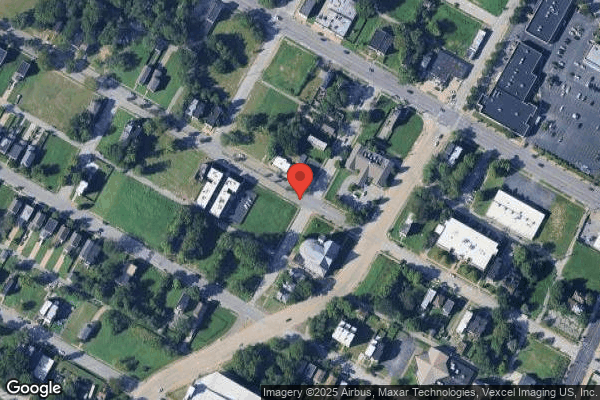

3645 COOK AVE, SAINT LOUIS, MO 63113 (314) 531-2352
For profit - Limited Liability company 120 Beds RELIANT CARE MANAGEMENT Data: November 2025 1 Immediate Jeopardy citation
Trust Grade
18/100
#390 of 479 in MO
Last Inspection: September 2024

Within standard 12-15 month inspection cycle. Federal law requires annual inspections.

Overview

Grand Manor Health Care Center has received a Trust Grade of F, which indicates significant concerns and a poor reputation in care quality. They rank #390 out of 479 nursing homes in Missouri, placing them in the bottom half of facilities in the state, and #9 out of 13 in St. Louis City County, meaning only four local options are worse. The facility is, however, showing signs of improvement, with the number of issues decreasing from 10 in 2024 to 6 in 2025. Staffing here is a strength, with a 0% turnover rate, significantly better than the Missouri average of 57%, indicating that staff are likely to remain long-term and build relationships with residents. However, the facility has a concerning $99,988 in fines, which is higher than 86% of nursing homes in Missouri, suggesting repeated compliance issues. Specific incidents include a critical failure to provide necessary medication to a resident with serious health conditions, leading to hospitalization and the resident's death, and concerns about food safety and cleanliness in the kitchen, which could affect all residents. While there are some strengths, families should weigh these serious weaknesses carefully when considering this facility.

Trust Score
F
18/100
In Missouri
#390/479
Bottom 19%
Safety Record
High Risk
Review needed
Inspections
Getting Better
10 → 6 violations
Staff Stability
○ Average
Turnover data not reported for this facility.
Penalties
○ Average
$99,988 in fines. Higher than 68% of Missouri facilities. Some compliance issues.
Skilled Nurses
⚠ Watch
Each resident gets only 12 minutes of Registered Nurse (RN) attention daily — below average for Missouri. Fewer RN minutes means fewer trained eyes watching for problems.
Violations
⚠ Watch
44 deficiencies on record. Higher than average. Multiple issues found across inspections.
★☆☆☆☆
1.0
Overall Rating
★☆☆☆☆
1.0
Staff Levels
★★☆☆☆
2.0
Care Quality
★★☆☆☆
2.0
Inspection Score
Stable
2024: 10 issues
2025: 6 issues

The Good

  • Full Sprinkler Coverage · Fire safety systems throughout facility
  • No fines on record

Facility shows strength in fire safety.

The Bad

1-Star Overall Rating

Below Missouri average (2.5)

Significant quality concerns identified by CMS

Federal Fines: $99,988

Well above median ($33,413)

Moderate penalties - review what triggered them

Chain: RELIANT CARE MANAGEMENT

Part of a multi-facility chain

Ask about local staffing decisions and management

The Ugly 44 deficiencies on record

1 life-threatening
Jun 2025 2 deficiencies
CONCERN (E) 📢 Someone Reported This

A family member, employee, or ombudsman was alarmed enough to file a formal complaint

Potential for Harm - no one hurt, but risky conditions existed

Deficiency F0658 (Tag F0658)

Could have caused harm · This affected multiple residents

Deficiency Text Not Available

Read full inspector narrative →
Deficiency Text Not Available
CONCERN (E) 📢 Someone Reported This

A family member, employee, or ombudsman was alarmed enough to file a formal complaint

Potential for Harm - no one hurt, but risky conditions existed

Deficiency F0925 (Tag F0925)

Could have caused harm · This affected multiple residents

Deficiency Text Not Available

Read full inspector narrative →
Deficiency Text Not Available
Apr 2025 4 deficiencies
CONCERN (D) 📢 Someone Reported This

A family member, employee, or ombudsman was alarmed enough to file a formal complaint

Potential for Harm - no one hurt, but risky conditions existed

Transfer Notice (Tag F0623)

Could have caused harm · This affected 1 resident

**NOTE- TERMS IN BRACKETS HAVE BEEN EDITED TO PROTECT CONFIDENTIALITY** Based on interview and record review, the facility failed to notify a representative of the State Long-Term Care (LTC) Ombudsman...

Read full inspector narrative →
**NOTE- TERMS IN BRACKETS HAVE BEEN EDITED TO PROTECT CONFIDENTIALITY** Based on interview and record review, the facility failed to notify a representative of the State Long-Term Care (LTC) Ombudsman of transfer and discharge and failed to provide a written notice of transfer/discharge for one resident (Resident #4) when the resident was transferred to another facility. The sample was four. The census was 114. Review of the facility's Resident Transfer/Discharge, Immediate Discharge, and Therapeutic Leave Policy, dated 5/14/24, showed the following: -Purpose: -Establish policy and procedure regarding the transfer/discharge of residents; -Definitions: -Facility-initiated transfer or discharge: A transfer or discharge which the resident objects to, which did not originate through a resident's verbal or written request, and/or is not in alignment with the resident's stated goals for care and preferences; a. Consent to or Agreement with the discharge or transfer means that the resident or their legally authorized representative has consented to or agreed with the transfer or discharge; b. Consent or agreement of the resident means that resident, with sufficient mental capacity to fully understand the effects and consequences of the transfer or discharge, consents to or agrees with the transfer or discharge; c. Legally authorized representative means a duly appointed guardian or attorney-in-fact who has current and valid power to make health care decisions or the resident; d. Any consent shall be documented in the medical record. -Transfer and discharge: Includes movement of a resident to a bed outside of the certified facility whether that bed is in the same physical plant or not. Transfer and discharge does not refer to movement of a resident to a bed within the same certified facility. Specifically, transfer refers to the movement of a resident from a bed in one certified facility to a bed in another certified facility when the resident expects to return to the original facility. Discharge refers to the movement of a resident from a bed in one certified facility to a bed in another certified facility or other location in the community, when return to the original facility is not expected. Refusal to admit a former resident shall not constitute a discharge if the former resident has been absent from the facility for more than ninety days. -Notice of Discharge or Transfer: A. Who Must Receive Notice; Before any resident is transferred or discharged under a Facility-Initiated Transfer or Discharge, the Facility must: 1. Notify the resident and the resident representative the reason for the transfer or discharge in writing in a manner they understand; 2. Notify a representative of the Office of the State Long-Term Care Ombudsman. a. A copy of the discharge/transfer notice shall be sent to the Ombudsman at least 30 days in advance of the discharge or as soon as possible; b. In the case of an emergency or immediate discharge, copies shall be sent to Ombudsman. This notice shall be sent when practicable and a monthly list is acceptable and should include if the resident's return is expected. B. What Notice Must Include: The written notice shall include the following information: 1. Reason for the transfer or discharge; 2. Effective date of the transfer or discharge; 3. Location to which the resident is being transferred or discharged , including specific address; 4. Resident's right to appeal the transfer or discharge notice to the state agency within 30 days of the receipt of the notice; 5. That if the resident files an appeal, they can remain in the facility unless and until a hearing official finds otherwise. Review of Resident #4's quarterly Minimum Data Set (MDS), a federally mandated assessment instrument completed by facility staff, dated 3/17/25, showed the following: -admitted [DATE]; -Short and long term memory ok; -No moods or behaviors; -No impairment to extremities; -Partial/Moderate assistance with activities of daily living; -Diagnoses of high blood pressure, diabetes, stroke and seizure disorder. Review of the resident's facesheet, showed he/she was his/her own responsible party. Review of the resident's Social Service note, dated 3/25/25 at 4:11 P.M., showed the Social Service Director (SSD) spoke with resident's family member concerning his/her transfer to another facility; he/she had no objections and will follow-up once the transfer is complete. Review of the resident's nurse's note, dated 3/26/25 at 7:39 P.M., showed the resident discharged to another facility by taxi cab, accompanied by facility staff. The resident expressed disappointment with having to move to another facility. The resident medications was sent by administrator for safety. The resident's remainder of belongings will be sent to new facility in the morning. Review of the resident's medical record, showed no documentation of transfer/discharge notice. During an interview on 4/10/25 at 2:19 P.M., the SSD said the transfer was initiated by the Corporate staff. The SSD said he/she spoke with the resident's family member but did not speak with the resident about the discharge/transfer. During an interview on 4/11/25 at 8:13 A.M., the Administrator said the resident has been at the facility about three years. The resident was incarcerated for being a sex offender. He/She had gotten out then had a stroke and came to the facility. The Administrator said when the resident came to the facility, she did not know the facility could not have sex offenders as residents. The Director of Operations (DOO) contacted her, could not remember when, and asked if the facility had any sex offenders. The Administrator said they had one, Resident #4. The DOO said they could not have a sex offender in the building due to the locations of schools and churches in the area. The Administrator was told she had to discharge the resident to another facility. The Administrator said she did not speak with the resident, did not issue a discharge notice to the resident and did not contact the Office of the State LTC Ombudsman. The Administrator said she was not aware of the facility discharge policy from memory. She just swapped the resident for another resident from the other facility. The Administrator said the resident did not exhibit any behaviors. During an interview on 4/11/25 at 9:26 A.M., the DOO said there was a concern with a sex offender at another one of his/her facilities. When he/she did an audit and put in the facility's address, a sex offender was located at the facility, Resident #4. The facility could not have a sex offender, so the resident had to be moved to another facility. The DOO said he/she expected the Administrator to follow the facility's policy on discharge/transfer and to follow the proper protocol.
CONCERN (D) 📢 Someone Reported This

A family member, employee, or ombudsman was alarmed enough to file a formal complaint

Potential for Harm - no one hurt, but risky conditions existed

Accident Prevention (Tag F0689)

Could have caused harm · This affected 1 resident

Based on observation, interview and record review, the facility failed to ensure the safety of one resident with a diagnoses of diabetes and substance abuse, who left the building unnoticed for leave ...

Read full inspector narrative →
Based on observation, interview and record review, the facility failed to ensure the safety of one resident with a diagnoses of diabetes and substance abuse, who left the building unnoticed for leave of absence (LOA). Staff last saw the resident on 3/31/25 at approximately 1:00 P.M. to 2:00 P.M. It was approximately seven hours until staff realized the resident was gone. Staff did not administer ordered afternoon and evening insulin (a hormone that helps your body use blood sugar for energy) injections (Resident #2). The sample was four. The census was 114. The Administrator was notified on 4/17/25 at 9:00 A.M., of the past non-compliance, which occurred on 3/31/25. The facility provided in-servicing for all staff regarding the facility's Resident's Outside Pass Policy and Elopement and Wandering Policy. The facility also updated Resident #2's care plan. The deficiency was corrected on 4/2/25. Review of the facility's Resident Outside Pass Policy (OSP), date 6/29/23, showed the following: -Purpose: -To ensure that the facility provides education and treatment/medications to the resident/resident's responsible party upon the resident's absence from the facility to ensure continuity of care while the resident is out of the facility therefore allowing for a successful out of the facility visit without negative effects on the resident. -Procedure: -If the resident is their own responsible party, the facility will obtain the following information: -a. Where to contact the resident in the event of an emergency; -b. Who will be transporting the resident; -c. How long the resident will be absent from the facility; -d. When the resident will return to the facility; -e. Any additional information that requires the facility to further provide care. -The charge nurse/designee will complete the OSP form prior to the resident leaving the facility; -In the event that the resident does not return to the facility at the time given to the facility, the facility will attempt to contact the resident/resident's responsible party to verify the resident's return. -If the facility is not able to contact the resident/resident's responsible party, the facility will then follow the CODE PURPLE (elopement while outside of the facility) procedures. Review of the facility's Elopement and Wandering Resident's Policy, dated 6/12/24, showed the following: -Purpose: -This facility ensures that residents who exhibit wandering behavior and/or are at risk for elopement receive adequate supervision to prevent accidents, and receive care in accordance with their person centered plan of care addressing the unique factors contributing to wandering or elopement risk; -Elopement: Elopement occurs when a resident leaves the premises or a safe area without authorization (i.e., an order for discharge or leave of absence) and/or any necessary supervision to do so. -Procedure for Locating Missing Resident: -1. Any staff member becoming aware of a missing resident will alert personnel using facility approved protocol. -Code White= Elopement from facility; -Code Purple= Elopement while outside the facility (on OSP or doctor's appointment, etc.); -2. The designated facility staff will look for the resident; -3. If the resident is not located in the building or on the grounds, Administrator or designee will notify the police department and serve as the designated liaison between the facility and the police department. The Administrator or designee should also notify the company's corporate office; -4. Director of Nursing (DON) or designee shall notify the physician and family member or legal representative; -5. Police will be given a description and information about the resident; include any photos; -6. All parties will be notified of the outcome once the resident is located; -7. Appropriate reporting requirements to the state survey agency shall be conducted. Review of Resident #2's face sheet, showed the following: -Diagnoses of diabetes and substance abuse in remission; -The resident was his/her own responsible party. Review of the resident's March Physician Order Summary, showed the following: -3/26/25, Insulin Aspart Injection (a rapid-acting insulin used to control blood sugar levels in people with diabetes) Solution 100 Unit/Milliliters (ml), inject seven units subcutaneously (involves injecting insulin into the fatty tissue layer beneath the skin) with meals for diabetes. Review of the resident's nurse's note, dated 3/31/25 at 12:50 P.M., showed late entry, the resident in bed resting, no distress noted. The resident received scheduled accucheck (blood glucose monitoring). The resident educated on the importance of signing out of facility if he/she wanted to go to the store or any other place outside of facility. This nurse had previously seen resident going to store across from facility. Review of the resident's Medication Administration Record (MAR), dated 3/31, showed blanks for the 4:00 P.M. and 8:00 P.M. dosages. Review of the resident March Order Summary, showed the following: -3/26/25, Insulin Glargine Subcutaneous (a long-acting type of insulin that works slowly, over about 24 hours) Solution, inject 25 units subcutaneously at bedtime for diabetes. Review of the resident's MAR, dated 3/31/25, showed a blank for the 8:00 P.M. dosage. Review of the facility's LOA book, located at the front receptionist desk, showed the following: -Date: 3/31/25; -Time: 3:17 P.M.; -Destination and/or contact number: friend; -Expected date/time return: blank; -Signature of person accepting responsibility: Resident's name; -Actual time of return: blank; -Staff Initials: blank. Review of the resident's nurse's note, dated 4/1/25 at 12:00 A.M., showed a late entry, At approximately midnight (12:00 A.M.) made aware that the resident did not notify the previous nurse on day shift nurse of going LOA. Night shift nurse who had also worked day shift said he/she made the resident aware that he/she always must sign out and notify nursing so that medications can be sent with the resident. Upon receiving this information, the DON was immediately made aware, as well as Administrator and code white for elopement activated per policy. The police were notified and case number received by this Registered Nurse (RN). The DON and Administrator was made aware. The resident's physician was phoned and awaited a call back. The resident was phoned, awaited a call back. The complete facility was searched for resident. The resident's room appears to have drawers cleared out of room and DON made aware. Review of the resident's nurse's note, dated 4/1/25 at 3:30 A.M., showed staff spoke with resident's friend who said, Y'all not doing nothing for (him/her) anyway so why do (he/she) need to come back. Made him/her aware we would prefer to speak with the resident regarding his/her personal health care. The resident's friend became angry and said, I can't make (him/her) talk to you and hung up the phone. Several attempts were made by the staff to speak with the resident to encourage him/her to come pick up medications without success. Observation on 4/7/25 at 10:45 A.M., showed the resident in the common area, in a wheelchair and monitored by staff. During an interview at that time, the resident said he/she was fine and did not want to say where he/she had been. Review of the resident's nurse's note, dated 4/7/25, showed the following: -11:00 A.M., the resident arrived at the facility via staff transport via wheelchair. When resident arrived, upon cleaning him/her up, he/she had dried up bowel movement from the top of his/her perineal area all the way to his/her ankles. The resident has open area on the inner left and right thigh, that wasn't there when he/she left. This area is open and raw. He/She has a sore on the top of his/her left foot that has a scab on it; -11:06 A.M., The resident's physician was contacted with reference to resident's return to facility. Orders were received to send the resident out for evaluation. During an interview on 4/7/25 at 1:15 P.M., Certified Nurse Aide (CNA) A said he/she worked the night shift, 11:00 P.M. to 7:00 A.M. on 3/31 through 4/1/25. When he/she came on shift, he/she did rounds and the resident was not in his/her room. CNA A said he/she asked RN B if he/she had seen the resident. RN B did not know where the resident was. During an interview on 4/7/25 at 2:07 P.M., RN B said he/she came on shift at 2:00 P.M. on 3/31/25. RN B said he/she and did not get in report the resident was LOA. Towards the end of the shift, at an unknown time, CNA A came to him/her and said the resident was not in his/her room. RN B said he/she could not speak as to when the resident was last seen. RN B said the resident had a scheduled accu-check that evening but it was not completed. RN B did not think to locate the resident or find out if the resident was gone. RN B said he/she was recently inserviced on the facility OSP and Elopement Policy. During an interview on 4/8/25 at 9:45 A.M., Receptionist C said he/she worked the reception desk on the 3/31/25 evening shift, from 3:00 P.M. to 11:00 P.M. Receptionist C said the resident did not sign out with him/her before leaving. The protocol to go outside or LOA is to sign out at the nurse's station then sign out with the receptionist. The resident's name, time leaving and expected time of return should be on the sign out sheet. Receptionist C said sometimes a telephone number to be reached at will be left and sometimes not. The resident did not come back on his/her shift. It was about 10:00 P.M. or 11:00 P.M. before anyone realized the resident was gone. Receptionist C said he/she was inserviced on the facility's OSP and Elopement Policy. During an interview on 4/8/25 at 12:37 P.M. CNA D said he/she was assigned to the resident on 3/31/25 on the 3:00 P.M. to 11:00 P.M. shift. When he/she came on shift, he/she did not see the resident. CNA D said in fact, he/she did not see the resident the entire shift. CNA D assumed the resident was out in the smoking area. About 9:00 P.M., he/she told RN B he/she had not seen the resident. RN B said he/she had not seen the resident either. CNA D should have tried to lay eyes on the resident during his/her shift. During an interview on 4/9/25 at 9:05 A.M., Licensed Practical Nurse (LPN) E said earlier during the day on 3/31/25, he/she educated the resident on signing out before leaving the facility. LPN E said the last time he/she saw the resident was about 1:00 P.M. to 2:00 P.M. and the resident was in bed. LPN E did not sign out the resident later in the day on 3/31/25. LPN E said when he/she came back to work the night shift, 11:00 P.M. to 7:00 A.M. on 3/31 through 4/1/25, CNA A said he/she did rounds and did not see the resident. LPN E asked RN B about the resident and he/she said the resident was maybe downstairs. RN B said he/she did not realize the resident was not in bed. LPN E said he/she was recently inserviced in the facility's elopement policy. During an interview on 4/7/25 at 10:19 A.M., the DON and Administrator said RN B should have tried to locate the resident and administer his/her insulin as ordered. The DON said a blank spot on the MAR means the medication was not administered. The DON and Administrator said the CNA and charge nurse should have been doing rounds at the beginning of the shift to locate all residents. The Administrator said the LOA form should have been filled out completely by the receptionist with the time leaving, expected time back, and possibly a number where the resident could be reached. The Administrator said she has already inserviced staff on the facility's OSP and Elopement Policies.
CONCERN (E) 📢 Someone Reported This

A family member, employee, or ombudsman was alarmed enough to file a formal complaint

Potential for Harm - no one hurt, but risky conditions existed

Deficiency F0658 (Tag F0658)

Could have caused harm · This affected multiple residents

**NOTE- TERMS IN BRACKETS HAVE BEEN EDITED TO PROTECT CONFIDENTIALITY** Based on interview and record review, the facility failed to meet professional standards when staff failed to administer and doc...

Read full inspector narrative →
**NOTE- TERMS IN BRACKETS HAVE BEEN EDITED TO PROTECT CONFIDENTIALITY** Based on interview and record review, the facility failed to meet professional standards when staff failed to administer and document medications as order by the physician for three residents. (Resident #10, Resident #12 and Resident #15). The sample was 13. The census was 111. Review of the facility's Transcription of Orders/Following Physician's Order Policy, dated 5/18/24, showed the following: -Purpose: The purpose of this policy is to outline procedures in accurately transcribing physician's orders and to ensure that all physicians' orders are followed. To ensure a process is in place to monitor nurses in accurately transcribing and following physician's orders. -Procedure: A. Upon receiving a physician's order via telephone, fax, written order, verbal order, transcribed order or other, it will be documented in residents' electronic medical records in orders section; B. The Licensed/Registered Nurse will check the emergency kit to verify if the medication is present in the facility to begin immediately. If the medication is not available, the facility may contact the backup pharmacy to deliver the medication sooner. If the medication is unable to be started within 24 hours of the order, the prescribing physician will be notified, and further orders will be obtained. If a stat medication is ordered, the physician will be made aware of facility availability in the case that an alternative is needed. Review of the facility's Medication Administration Policy, dated 6/26/24, showed the following: -Purpose: Medications are administered by licensed nurses, or other staff who are legally authorized to do so in this state, as ordered by the physician and in accordance with professional standards of practice, in a manner to prevent contamination or infection. It is the policy of this facility to ensure the safe and effective administration of all medications by utilizing best practice guidelines; -Policy: General Medication Administration Process: -Sign Medication Administration Record (MAR) after administered. For those medications requiring vital signs, record the vital signs onto the MAR; -If medication is a controlled substance, sign narcotic book; -Report and document any adverse side effects or refusals; -Correct any discrepancies and report to nurse manager. 1. Review of Resident #10's quarterly Minimum Data Set (MDS), a federally mandated assessment instrument completed by facility staff, dated 5/3/25, showed the following: -No cognitive impairment; -No moods or behaviors; -No impairment to extremities; -Mobility device of walker and wheelchair; -Supervision with activities of daily living (ADLs) -Diagnoses of orthopedic condition and depression. Review of the resident's care plan, dated 5/21/25, showed the following: -Problem: The resident has a potential for behavior problem; -Intervention: Administer medications as ordered. Monitor/document for side effects and effectiveness. Review of the resident's Order Summary Report, dated 6/3/25, showed the following: -3/10/25, Duloxetine HCl Oral Capsule Delayed Release Particles (used to treat depression and anxiety) 40 milligrams (mg), give two capsules by mouth one time a day related to pain; -3/10/25, Famotidine Oral Tablet (to treat stomach ulcers) 20 mg, give 20 mg by mouth one time a day for heartburn; -3/10/25, Hydroxychloroquine Sulfate Oral Tablet (to treat inflammatory conditions, including rheumatoid arthritis) 400 mg, give one tablet by mouth in the morning related to bilateral post traumatic osteoarthritis of the hip. Review of the resident's May 2025 MAR, showed the following: -Duloxetine HCl Oral Capsule: left blank on 5/13, 5/18, 5/31/25; -Famotidine Oral Tablet: left blank on 5/12, 5/16-19, 5/21, 5/25-26/25; -Hydroxychloroquine Sulfate Oral Tablet: -Staff documented 9=See Progress Notes: 5/1-2, 5/5-7, 5/9, 5/12, 5/15, 5/16, 5/19, 5/20, 5/24, 5/26, 5/28-30/25; -Left blank on: 5/13, 5/18 and 5/31/25; -Review of the resident's progress notes, showed no documentation regarding the medication. During an interview on 6/3/25 at 10:25 A.M., the resident said he/she had a problem getting all his/her medications. He/She had been told the facility did not have his/her pain medications. 2. Review of Resident #12's quarterly MDS, dated [DATE], showed the following: -No cognitive impairment; -No behaviors; -Supervision with ADLs; -Diagnoses of high blood pressure, End Stage Renal Disease (ESRD) (the final, irreversible stage of chronic kidney disease, where the kidneys can no longer function adequately to sustain life without dialysis or kidney transplantation), anxiety and depression. Review of the resident's care plan, dated 4/8/25, showed the following: -Problem: The resident has a potential for a behavior problem regards to anxiety and depressive disorder; -Intervention: Administer medications as ordered. Monitor/document for side effects and effectiveness. Review of the resident's Order Summary Report, dated 6/3/25, showed the following: -5/20/24, Nortriptyline (used to treat depression) HCl Oral Capsule 25 mg, give one capsule by mouth at bedtime related depression; -5/20/24, Melatonin Oral Tablet 3 mg, give two tablet by mouth at bedtime related to insomnia; -5/20/24, Amlodipine Besylate Oral Tablet 10 mg, give one tablet by mouth one time a day related to stroke. Review of the resident's May 2025 MAR, showed the following: -Nortriptyline HCl Oral Capsule: Left blank on 5/5, 5/13-22, 5/24-26 and 5/31/25; -Melatonin Oral Tablet: Left blank on 5/5, 5/13-22, 5/24-26 and 5/31/25; -Amlodipine Besylate Oral Tablet: Left blank on 5/13 and 5/19-23/25. During an interview on 6/3/25 at 9:45 A.M., the resident said he/she did not get his/her Nortriptyline medication at night. He/She said there were some other medication he/she did not get, but he/she was not sure of the names of the medications. 3. Review of Resident #15's Facesheet, showed the following: -Date of admission: [DATE]; -Diagnoses of heat failure and acute kidney failure. Review of the resident's care plan dated 6/17/25, showed the following: -Problem: The resident has altered cardiovascular status; -Intervention: Assess for chest pain every (specify). Enforce the need to call for assistance if pain starts. Review of the resident's Order Summary Report, dated 6/17/25, showed the following: -7/12/24, Hydralazine HCl Oral Tablet (used to treat high blood pressure) 25 mg, give one tablet by mouth three times a day for hypertension; -This order was discontinued on 6/6/25. -6/6/25, Hydralazine HCl Oral Tablet 25 mg, give three tablets by mouth three times a day for hypertension; -7/12/24, Isosorbide Dinitrate Oral Tablet (used to prevent angina (chest pain) caused by coronary artery disease) 20 mg ,give one tablet by mouth three times a day for hypertension; -This order was discontinued on 6/6/25; -6/6/25, Isosorbide Dinitrate Oral Tablet 20 mg ,give one and one half tablets by mouth three times a day for hypertension. Review of the resident's June MAR, showed the following: -7/12/24, Hydralazine HCl Oral Tablet 25 mg, one tablet three times a day: -7:00 A.M.: Left blank on 6/1-4/25, 9=See progress notes: 6/5/25; -12:00 P.M.: Left blank on 6/1-4/25, 9=6/5/25; -8:00 P.M.: Left blank on 6/1-3/25; -6/6/25, Hydralazine HCl Oral Tablet 25 mg, three tablets three times a day: -12:00 P.M.: 9=6/6, Left blank: 6/14; -8:00 P.M.: 9=6/6, Left blank: 6/16. Review of the resident's progress notes showed no documentation regarding the medication. -7/12/24, Isosorbide Dinitrate Oral Tablet 20 mg ,give one tablet by mouth three times a day: -7:00 A.M., Left blank on 6/1-4/25, 9=6/5/25; -12:00 P.M., Left blank on 6/1-4/25, 9=6/5/25; -8:00 P.M., Left blank on 6/1-3/25; -6/6/25, Isosorbide Dinitrate Oral Tablet 20 mg ,give one and one half tablets by mouth three times a day: -12:00 P.M., 9=6/6, 6/14, left blank; -8:00 P.M., 9=6/6, 6/16, left blank; -Review of the resident's progress notes showed no documentation regarding the medication. During an interview on 6/16/25 at 10:42 A.M., the resident said he/she did not get his/her blood pressure medication all the time. The resident said there had been times when the medications had been missed. 3. During an interview on 6/6/25 at 1:05 P.M., Licensed Practical Nurse (LPN) C said when a medication was administrated the MAR should be initialed. If the medication was not administered the MAR should be noted as refused or unable to administer and documented in the resident's medical record. If the medication was not available, one should try the emergency kit for the medication. 4. During an interview on 6/17/25 at 1:54 P.M., the Director of Nursing (DON) said she would expect the Medication Administration Policy and Physician Order Policy to be followed as written. The DON said staff should initial the MAR after administering the medication and document if the medication was not administered. If the MAR was not initialed the medication was not given and the physician order was not followed. The Administrator agreed with the DON. MO00255890 MO00253530 MO00255054
CONCERN (E) 📢 Someone Reported This

A family member, employee, or ombudsman was alarmed enough to file a formal complaint

Potential for Harm - no one hurt, but risky conditions existed

Deficiency F0925 (Tag F0925)

Could have caused harm · This affected multiple residents

**NOTE- TERMS IN BRACKETS HAVE BEEN EDITED TO PROTECT CONFIDENTIALITY** Based on observation, interview and record review, the facility failed to maintain an effective pest control program to ensure r...

Read full inspector narrative →
**NOTE- TERMS IN BRACKETS HAVE BEEN EDITED TO PROTECT CONFIDENTIALITY** Based on observation, interview and record review, the facility failed to maintain an effective pest control program to ensure resident rooms were free from mice (Resident #17, Resident #15 and Resident #16). The sample was 13. The census was 111. Review of the facility's Pest Control policy, last reviewed 5/14/24, showed: -Purpose: It is the policy of this facility to maintain an effective pest control program that eradicates and contains common household pests and rodents; -Definition: Effective pest control program is defined as measures to eradicate and contain common household pests (e.g., bed bugs, lice, roaches, ants, mosquitoes, flies, mice, and rats); -Policy: Facility will maintain a written agreement with a qualified outside pest service to provide comprehensive pest control services on a regular and scheduled basis. Review of the facility's pest control invoices showed the following: -5/13/25, Treated interior kitchen, laundry for spiders and occasional invaders. Service interior rodents' stations of rodent activity, gave blue boards to maintenance and fruit fly traps; -5/20/25, Treated interior kitchen, laundry for spiders and occasional invaders. Service interior rodents' stations and dropped off traps to maintenance for rodent activity; -5/27/25, Treated interior kitchen, laundry for spiders and occasional invaders. Service interior rodents' stations with minimal rodent activity at the time of service Review of video footage received by the Department of Health and Senior Services (DHSS) on 5/7/25, showed a mouse climbing down a window screen in a resident's room. Review of a photograph received by the DHSS on 5/7/25, showed three mice on a glue trap next to the resident's bed. 1. Review of Resident #17's annual Minimum Data Set (MDS), a federally mandated assessment instrument completed by facility staff, dated 5/11/25, showed the following: -No cognitive impairment; -No behaviors; -Supervision with activities of daily living; -Diagnoses of diabetes, depression and schizophrenia (a serious mental health condition that affects how people think, feel and behave). During an interview on 6/16/25 at 7:15 A.M., the resident said he/she always saw mice in his/her room. The resident said he/she saw a mouse last night and one this morning. Observation of the resident's room at that time showed no signs of mice droppings. 2. Review of Resident #15's Facesheet, showed the following: -Date of admission: [DATE]; -Diagnoses of heart failure and acute kidney failure, During an interview on 6/16/25 at 10:42 A.M., the resident said he/she saw mice in his/her room all the time. Observation of the resident's room at that time, showed dirty sticky traps in the corner of the room. 3. Review of Resident #16's quarterly MDS, dated [DATE], showed the following: -Moderate cognitive impairment; -No behaviors; -Partial /Moderate assistance with ADLs; -Diagnoses of anemia(a condition where the body doesn't have enough healthy red blood cells to carry adequate oxygen to the body's tissues), high blood pressure, and schizophrenia. During an interview on 6/17/25 at 7:40 A.M., the resident said he/she saw mice in his/her room at night. The resident said last night a mouse ran across the floor in his/her room. Observation of the resident's room, showed no signs of mice droppings. 4. Observation on 6/2/25 at 8:36 A.M. of the Dietary Manager's Office located in kitchen, showed a dead mouse in a box trap. 5. During an interview on 6/2/25 at 1:30 P.M., Housekeeper (HK) A said he/she saw mouse droppings when cleaning resident rooms on the second floor each day. HK A said he/she reported the sightings to the Housekeeping Supervisor. HK A said he/she had been with the facility a little over a year and the mice concern had not gotten better. He/She had not been instructed to do anything differently to resident rooms after reporting the droppings. During an interview on 6/16/25 at 8:50 A.M., HK B said he/she cleaned resident rooms on the third floor. He/she would clean bathrooms and other areas and would often see mouse droppings. He/She reported this to the Housekeeping Supervisor. He/She had not been instructed to do anything differently to resident rooms after reporting the droppings. 6. During an interview on 6/16/25 at 8:24 AM., the Maintenance Director said the facility just recently upgraded the service with the pest control company. Previously, the facility was responsible for maintaining the inside pest program. With the upgraded service, the pest control company would replace the mouse traps outside and now monitor the inside of the building to include changing out the inside traps and a detailed walk through. The pest control technician would be there on 6/17/25. This was the earliest they could come out. 7. During an interview on 6/17/25 at 2:04 P.M., the Administrator said the Maintenance Director was in responsible for the pest control program. The Administrator said she was not sure why it took so long to get the upgraded services. MO00253893 MO00253412 MO00255523 MO00253530 MO00253104 MO00255890 MO00255792
Sept 2024 8 deficiencies
CONCERN (D)

Potential for Harm - no one hurt, but risky conditions existed

Deficiency F0582 (Tag F0582)

Could have caused harm · This affected 1 resident

Based on record review, interview, and policy review, the facility to provide one of one residents (Residents (R) 81) a Centers for Medicare and Medicaid Services (CMS) for Skilled Nursing Facility Ad...

Read full inspector narrative →
Based on record review, interview, and policy review, the facility to provide one of one residents (Residents (R) 81) a Centers for Medicare and Medicaid Services (CMS) for Skilled Nursing Facility Advanced Beneficiary Notice (SNF ABN) when he completed his Medicare A therapy services. This failure to provide the CMS for SNF ABN prevented the resident from knowing he had days remaining under Medicare A. Findings include: Review of the facility's policy titled, Advanced Beneficiary Notice implemented 01/01/24 stated, .The current CMS-approved version of the forms shall be used at the time of issuance to the beneficiary (resident or resident representative). [sic] Contents of the form shall comply with related instructions and regulations regarding the use of the form. For Part A items and services, the facility shall use the Skilled Nursing Facility Advance Beneficiary (SNF ABN), Form CMS-10055. Record review of R81's Face Sheet, located in the Profile tab of the electronic medical record (EMR) was admitted to the facility for long-term care and was being skilled in therapy after a hospital stay. Further review revealed the Social Services Director (SSD) issued a Notice of Medicare Non-Coverage 08/21/24 and the resident signed it for himself. His last covered day was 08/23/24. R81 remained in the facility and reverted back to Medicaid. Several attempts to interview R81 were made to interview with R81 however he did not wish to speak me. During an interview with the SSD on 09/10/24 at 3:58 PM, he stated he did not know he was supposed to use both forms for a resident that had Medicare A days available, and the facility team had determined the resident had returned to his prior level of function.
CONCERN (D)

Potential for Harm - no one hurt, but risky conditions existed

Transfer Notice (Tag F0623)

Could have caused harm · This affected 1 resident

**NOTE- TERMS IN BRACKETS HAVE BEEN EDITED TO PROTECT CONFIDENTIALITY** Based on interview, record review and policy review, the facility failed to notify the Ombudsman of a transfer for one of three ...

Read full inspector narrative →
**NOTE- TERMS IN BRACKETS HAVE BEEN EDITED TO PROTECT CONFIDENTIALITY** Based on interview, record review and policy review, the facility failed to notify the Ombudsman of a transfer for one of three residents (Resident (R) 84) out of a total sample of 26 residents. Findings include: Review of the facility's policy titled, Resident Transfer/ Discharge, Immediate Discharge, and Therapeutic Leave Policy last revised 05/14/24, indicated, . Who Must Receive Notice. In the case of an emergency or immediate discharge, copies shall be sent to the Ombudsman. In Section III. r their legal representative, a copy of the Bed Hold Policy. Review of R84's Face Sheet located in the Profile tab of the electronic medical record (EMR) revealed he was initially admitted on [DATE] for long-term care. Among his diagnoses on his Face Sheet were Type 2 diabetes mellitus and dementia. Review of R84s's most recent Quarterly Minimum Data Set (MDS) with an Assessment Review Date (ARD) on 06/23/24 revealed his Brief Interview of Mental Status (BIMS) was an 11, indicating he was moderately cognitively impaired. Review of the Documents tab of the EMR revealed there were no documents uploaded reflecting a transfer information was provided to the Ombudsman when R84 was sent out on 06/06/24 because he had missed two sessions of dialysis. An interview was attempted with R84 however the resident did not respond to questioning. During an interview on 09/12/24 at 1:05 the Social Services Director (SSD) verified that no transfer notice was provided to the Ombudsman when R84 transferred to the hospital. During an interview with the Administrator and Director of Nursing on 09/13/24 at 2:00 PM confirmed they were unaware the transfer information was not being sent to the Ombudsman.
CONCERN (D)

Potential for Harm - no one hurt, but risky conditions existed

Deficiency F0625 (Tag F0625)

Could have caused harm · This affected 1 resident

**NOTE- TERMS IN BRACKETS HAVE BEEN EDITED TO PROTECT CONFIDENTIALITY** Based on interview, record review, and policy review, the facility failed to issue one of three residents (Resident (R) 84) or t...

Read full inspector narrative →
**NOTE- TERMS IN BRACKETS HAVE BEEN EDITED TO PROTECT CONFIDENTIALITY** Based on interview, record review, and policy review, the facility failed to issue one of three residents (Resident (R) 84) or their responsible party out of a total sample of 26 residents a bed hold notice when R84 was sent to the emergency room. This failure could leave a resident to believe they would not be allowed to return when hospital ready from Findings include: Review of the facility policy titled, Bed Hold Policy, last revised 11/06/23 stated, .When a resident is discharged to the hospital . the Facility will provide to the resident or their legal representative, a copy of the Bed Hold Policy. Review of R84's Face Sheet located in the Profile tab of the electronic medical record (EMR) revealed he was initially admitted on [DATE] for long-term care. Among his diagnoses on his Face Sheet were Type 2 diabetes mellitus and dementia. Review of R84s's most recent Quarterly Minimum Data Set (MDS) with an Assessment Review Date (ARD) on 06/23/24 revealed his Brief Interview of Mental Status (BIMS) was an 11, indicating he was moderately cognitively impaired. Review of the Documents tab of the EMR revealed there were no documents uploaded reflecting a bed hold form was provided to R84 when he was sent out on 06/06/24 because he had missed two sessions of dialysis. An interview was attempted with R84 however the resident did not respond to questioning. During an interview on 09/12/24 at 1:05 PM the Social Services Director (SSD) verified that no bed hold notice was provided to R84 upon transfer to the hospital.
CONCERN (D)

Potential for Harm - no one hurt, but risky conditions existed

Medication Errors (Tag F0758)

Could have caused harm · This affected 1 resident

**NOTE- TERMS IN BRACKETS HAVE BEEN EDITED TO PROTECT CONFIDENTIALITY** Based on interview, record review, and facility policy review, the facility failed to ensure each resident's drug regimen is man...

Read full inspector narrative →
**NOTE- TERMS IN BRACKETS HAVE BEEN EDITED TO PROTECT CONFIDENTIALITY** Based on interview, record review, and facility policy review, the facility failed to ensure each resident's drug regimen is managed and monitored to promote or maintain the resident's highest practicable mental, physical, and psychosocial well-being for two of six residents (Resident (R) 30 and R1) reviewed for unnecessary psychotropic medications. Findings include: Review of the facility's policy titled, Use of Psychotropic Medication Policy last revised 06/26/24 revealed Purpose: Residents are not given psychotropic drugs unless the medication is necessary to treat a specific condition, as diagnosed and documented in the clinical record, and the medication is beneficial to the resident, as demonstrated by monitoring and documentation of the resident's response to the medication .13. The resident's response to the medication(s), including progress towards goals and presence/absence of adverse consequences, shall be documented in the resident's medical record. 1. Review of R30's undated admission Record, located in the Profile tab of the electronic medical record (EMR), revealed R30 was admitted to the facility on [DATE]. R30's diagnoses included schizophrenia, unspecified. The admission Record did not include a diagnosis related to depression. Review of an admission Minimum Data Set (MDS), located in the EMR under the MDS tab, with an Assessment Reference Date (ARD) of 06/19/24 indicated R30 had a Brief Inventory of Mental Status score (BIMS) of 15 out of 15 indicating R30 was cognitively intact. The MDS also indicated R30 had one psychiatric diagnosis, schizophrenia, and was taking an antipsychotic agent and an antidepressant agent during the last seven days prior to the ARD. Review of the most recent Comprehensive Care Plan, located in the resident EMR under the Care Plan tab, initiated 08/22/24, indicated a focus area of the resident is at risk for adverse reaction r/t [related to] polypharmacy, with the goal that the resident will be free of adverse drug reactions through the review date. The interventions included If resident has more than one prescribing MD [Medical Director] < ensure that each physician has the full list of meds available, including OTC [over the counter] and PRN [as needed] meds, while ordering. Request physician to review and evaluate medications. Review pharmacy consult recommendations and follow up as indicated. The Comprehensive Care Plan also included a focus area of the resident uses antidepressant medication. The interventions included Monitor/document side effects and effectiveness Q-Shift. Monitor/document/report PRN adverse reactions to antidepressant therapy. Review of R30's active Orders located in the EMR under the Orders tab revealed an order dated 07/25/24 for mirtazapine (an antidepressant medication) 7.5 milligram (mg), amitriptyline (an antidepressant medication) 25 mg dated 07/23/24, sertraline (an antidepressant medication) 50 mg dated 06/06/24, and duloxetine (an antidepressant medication) 30 mg (an antidepressant medication) dated 06/07/24. The orders for mirtazapine, sertraline and duloxetine had an indication of schizophrenia. The order for amitriptyline had an indication for diabetes mellitus. R30's active orders did not indicate an order to monitor for antidepressant adverse effects. R30's active orders included two orders dated 06/06/24 for two antipsychotic medications with the same mechanism of action; risperidone (an antipsychotic medication) 1 mg and lurasidone (an antipsychotic medication) 40 mg, with an indication for schizophrenia. Review of R30's Medication Administration Record (MAR) for August 2024 and September 2024, located in the EMR under the Orders tab in Reports revealed no evidence of monitoring for antidepressant adverse effects. Review of a document titled -Psychiatric Progress Note dated 09/14/23 and provided by the Director of Nursing (DON) revealed a diagnostic impression which included major depressive disorder and paranoid schizophrenia. A review of two psychiatric progress notes, dated 10/12/23 and 11/10/23, revealed a diagnostic impression which included schizophrenia and depression. The treatment recommendations on all three notes indicated R30 should continue with duloxetine and lurasidone treatment. Review of a document titled Consultant Pharmacist's Medication Regimen Review dated 08/15/24 and provided by the DON, revealed the clinical pharmacist had indicated the order for amitriptyline had an inappropriate diagnosis attached to the order in the EMR and that the indication should be changed to major depressive disorder. The document had a follow-through response, dated 08/19/24, to change the indication for amitriptyline to pain. Review of the facility's pharmacy drug regimen reviews for the last 12 months did not reveal any additional pharmacy recommendations related to R30's antipsychotic or antidepressant agents. During an interview on 09/11/24 at 10:30 AM the DON stated for R30 the amitriptyline order should not be read for diabetes and the other antidepressants (mirtazapine, sertraline and duloxetine) should not have an indication of schizophrenia. She stated she was not sure why R30 was ordered the antidepressants and why they were listed with an indication of schizophrenia. The DON could not determine why R30 was also on risperidone and lurasidone combined. The DON stated if the care plan included side effect monitoring, then there should be an order and documentation in the MAR for side effects. During an interview on 09/12/24 at 1:47 PM the Clinical Pharmacist stated for R30 he would consider risperidone and lurasidone as polypharmacy because they are from the same drug class, and staff should be monitoring for antidepressant side effects. He stated the indications for the antidepressants need clarification and should be for a diagnosis the resident has. He stated he had submitted a recommendation with the August reviews for the amitriptyline indication. 2. Review of R1's undated admission Record, located in the Profile tab of the EMR revealed R1 was admitted to the facility on [DATE]. R1's diagnoses included abnormal weight loss, but did not include a diagnosis related to depression or mood. Review of a quarterly MDS located in the EMR under the MDS tab with an ARD of 06/24/24 indicated R1 had a BIMS of 3 indicating R1 was cognitively severely impaired. The MDS indicated an active diagnosis of malnutrition but did not indicate any psychiatric diagnoses. The MDS indicated R1 was taking an antidepressant during the last seven days prior to the ARD. Review of the most recent Comprehensive Care Plan, located in the resident EMR under the Care Plan tab, initiated 08/16/24, indicated a focus area for malnutrition with interventions which included Administer medications as ordered. Monitor/document for side effects and effectiveness. The Comprehensive Care Plan did not include any further focus areas that addressed antidepressant medications. Review of R1's active Orders' located in the EMR under the Orders tab revealed an order for mirtazapine (an antidepressant medication) with an indication for mood disorder and escitalopram (an antidepressant medication) with an indication for mood disorder. Review of all active orders revealed no order to monitor for antidepressant adverse effects. Review of R1's MAR for August 2024 and September 2024, located in the EMR under the Orders tab in Reports revealed no evidence of monitoring for antidepressant adverse effects. Review of R1's Progress Notes located in the EMR under the Progress Notes tab revealed a nutrition note dated 07/31/24 that referred to the addition of supplement and a Remeron (mirtazapine) order to increase appetite. During an interview on 09/11/24 at 10:30 AM the DON acknowledged that R1's mirtazapine order should have been ordered with an indication for appetite stimulation not mood disorder and there should be side effect monitoring for the antidepressant medications.
CONCERN (D)

Potential for Harm - no one hurt, but risky conditions existed

Medical Records (Tag F0842)

Could have caused harm · This affected 1 resident

**NOTE- TERMS IN BRACKETS HAVE BEEN EDITED TO PROTECT CONFIDENTIALITY** Based on medical record reviews, staff interviews and facility policy review, the facility failed to maintain complete and acces...

Read full inspector narrative →
**NOTE- TERMS IN BRACKETS HAVE BEEN EDITED TO PROTECT CONFIDENTIALITY** Based on medical record reviews, staff interviews and facility policy review, the facility failed to maintain complete and accessible medical records for three of 31 sampled residents ((R)6, R9 and R47) whose electronic medical records (EMRs) were reviewed for the recertification and complaint survey. Specifically, the EMRs for R6, R9 and R47 contained no current care plans following the facilities migration from one electronic medical record system to another. This meant the Certified Nurse Aids could not access a current Plan of Care to provide appropriate care and services. As well as failed to ensure the one out of eight residents (R95) medication prescription was accurately documented in the medical record. The findings include: Review of the facility policy titled, Medical Records, dated 02/2024 revealed, .The facility shall maintain medical records on each resident that are complete, accurately documented, accessible and organized. In an interview with the Administrator and Regional Director of Operations (RDO) on 09/09/24 at 3:50 PM revealed the facility had recently changed ownership and have adopted a new EMR system. They stated most of the resident's data had been migrated to the new EMR but they are still scanning hard copy chart data. They confirmed each resident should have a current care plan in the EMR. 1.a. Record review of R6's Face Sheet found in the Profile tab of the EMR, revealed he was admitted to the facility on [DATE] from a closing sister facility. R6's diagnoses included paranoid schizophrenia, anxiety disorder, history of ETOH abuse, and sepsis. Review of R6's quarterly Minimum Data Set (MDS) Assessment with an Assessment Reference Date (ARD) of 06/23/24 revealed a Brief Interview for Mental Status (BIMS) score of 15 of 15 points indicating that R6 was cognitively intact. R6 was ambulatory without a wheelchair for short distances, however he had one in his room for longer distances/appointments. R6 was independent with most Activities of Daily Living (ADLs) and he required only standby assistance and reminders from staff. R6 had behaviors of impulsivity and poor safety awareness. The EMR review failed to include a current and active care plan for R6 since his move from the closed sister facility in December 2023. b. Record review of R9's Face Sheet found in the Profile tab of the EMR that revealed he was admitted to the facility on [DATE] with diagnoses including moderate intellectual disabilities and hemiplegia to unspecified site following unspecified cerebrovascular disease, and mood disorder. Review of R9's annual MDS Assessment with an ARD of 07/12/24 revealed a Brief Interview for Mental Status BIMS score of eight out of a 15indicating moderate to severe cognitive impairments. R9 was ambulatory per himself in a wheelchair, and he required moderate staff assistance with Activities of Daily Living (ADLs). R9 also exhibited behaviors intermittently, primarily refusals to bathe/shower, and a tendency to become loud and aggressive with staff that tried to clean him up anyway. Review of the current EMR failed to include a current and implemented care plan for R9. c. Review of R47's undated admission Record, located in the Profile tab of the electronic medical record (EMR), revealed R47 was admitted to the facility on [DATE]. R47's diagnoses included chronic kidney disease, polyneuropathy, essential hypertension, age-related cognitive decline, anemia, and muscle weakness. Review of R47's Medical Diagnosis, located in the Diagnosis tab of the EMR, revealed R47 also had a diagnosis of major depressive disorder, pain in the right leg, and alcohol abuse with intoxication, unspecified. Review of a quarterly Minimum Data Set (MDS), located in the EMR under the MDS tab, with an Assessment Reference Date (ARD) of 07/15/24 indicated R47 had a Brief Inventory of Mental Status score (BIMS) of 15 indicating R47 was cognitively intact. The MDS also indicated R47 was independent for almost all activities of daily living. Review of the most recent Comprehensive Care Plan, located in the resident EMR under the Care Plan tab, initiated 05/24/24, indicated only two focus areas: one for advanced directives for code status and a second for no known allergies. Review of a document titled Care Plan provided by the Administrator from MatrixCare, last reviewed/revised 05/01/24, revealed focus areas for behavioral symptoms related to intoxication, activities, nutritional status, behavioral symptoms related to resisting care, mood state, psychosocial well-being, pain, psychotropic drug use, falls risk, activities of daily living, and cognitive loss/dementia. In an interview with the Administrator and Director of Nurses (DON) on 09/12/24at 12:15 PM they confirmed the three residents above did not have current, accurate and accessible care plans in the current EMR for staff to access and implement. They confirmed the migration to the new electronic system had not been an easy transition, but they stated they were still working thru the changes .we fix things as we find them in chart audits . 2. Review of the facility's policy titled, Pharmacy Services Policy, revised 05/18/24, revealed Pharmaceutical Services refers to: The process (including documentation, as applicable: of receiving and interpreting prescriber's orders; acquiring, receiving, storing, controlling, reconciling, compounding, dispensing, packing, labeling, distributing, administering, monitoring responses to, using and/or disposing of all medications, biological, chemicals .Policy: The facility will provide pharmaceutical services to include procedures that assure the accurate acquiring, receiving, dispensing, and administering of all routine and emergency drugs and biologicals to meet the needs of each resident, are consistent with state and federal requirements, and reflect current standards of practice. Review of R95's admission Record located in the Profile tab of the electronic medical record (EMR) revealed R95 was admitted to the facility on [DATE] with diagnoses which included Crohn's disease, unspecified, without complications. Review of R95's quarterly Minimum Data Set (MDS) located in the MDS tab of the EMR, with an Assessment Reference Date (ARD) of 07/10/24, revealed R95 had a Brief Interview for Mental Status (BIMS) score of 13 out of 15 which indicated R95 was cognitively intact. The MDS indicated R95 was coded for pain, with a frequency of Almost constantly. Review of an Order, located in the Order tab of the EMR and dated 08/28/24 revealed an order for oxycodone-acetaminophen oral tablet 7.5/325 milligram (mg). Review of R95's Medication Administration Record (MAR), dated 08/24 and located under the Reports tab in the EMR, revealed R95 received four days of oxycodone-acetaminophen oral tablet 7.5-325 mg, from 08/28/24 to 08/31/24. Review of R95's MAR dated 09/24 and located under the Reports tab in the EMR, revealed R95 received 11 days of oxycodone-acetaminophen oral tablet 7.5-325 mg, from 09/01/24 to 09/11/24. During observations on 09/11/24 at 6:00 AM Licensed Practical Nurse (LPN) 4 was observed during medication administration punching a half tablet of oxycodone 15 mg from a blister packet that contained 51 of 90 half tablets of oxycodone 15 mg to fulfill the oxycodone/acetaminophen 7.5-325 mg order for R95. During an interview on 09/11/24 at 6:00 AM LPN4 stated the oxycodone 15 mg half tablet was what she had been administering to R95 for pain since before her recent hospitalization and that was what the pharmacy had sent. LPN 4 stated orders entered in the EMR were automatically transmitted electronically to the pharmacy for dispensing. LPN4 was unable to determine how the pharmacy sent a card for oxycodone 15 mg half tablets rather than the oxycodone-acetaminophen 7.5-325 mg tablets order found in the EMR. During an interview on 09/11/24 at 10:30 AM the DON stated the original physician's order for R95 was for oxycodone 7.5 mg without acetaminophen. The DON stated she did not know why the order was entered as oxycodone 7.5 mg with acetaminophen 325 mg. The DON acknowledged that she had entered the order in error. She stated the pharmacy filled the order from the original order sent to the pharmacy by the physician, not the order sent electronically by the facility via the EMR.
CONCERN (D)

Potential for Harm - no one hurt, but risky conditions existed

Infection Control (Tag F0880)

Could have caused harm · This affected 1 resident

**NOTE- TERMS IN BRACKETS HAVE BEEN EDITED TO PROTECT CONFIDENTIALITY** Based on observation, interview, record review and policy review, the facility failed to ensure nursing staff properly stored a ...

Read full inspector narrative →
**NOTE- TERMS IN BRACKETS HAVE BEEN EDITED TO PROTECT CONFIDENTIALITY** Based on observation, interview, record review and policy review, the facility failed to ensure nursing staff properly stored a residents BiPAP mask when not in use for one of one sampled resident (Resident (R) 32). Findings include: A review of the facility's policy titled CPAP/BiPAP Cleaning Policy revised 05/14/24 revealed, BiPAP mask should be cleaned daily after use, dry well and cover with plastic bag or completely enclosed in machine storage when not in use Review of R32's admission Record, located in the Profile tab of the electronic medical record (EMR) revealed readmission to the facility on [DATE] and with diagnosis of respiratory failure, sleep apnea and chronic obstructive pulmonary disease (COPD). Review of R32's admission Minimum Data Set (MDS) under the MDS tab of the EMR, with an Assessment Reference Date (ARD) of 07/14/24, revealed the Brief Interview for Mental Status (BIMS), revealed a score of 15 out of 15 which indicated no cognitive impairment. The resident was coded as receiving noninvasive mechanical ventilator (BiPAP). During observations on 09/10/24 at 12:35 PM, and on 09/12/24 at 9:45 AM the resident's BiPAP mask was lying on top of the table at the bedside uncovered. R32 said she used her BiPAP machine daily and that staff covered it in a plastic bag one time but have not covered it since then. During an observation and interview on 09/12/24 at 9:45 AM with Licensed Practical Nurse (LPN)1 and LPN3 observed R32 in bed with BiPAP mask lying on top of the bedside table uncovered. R32 said she used her BiPAP machine last night and they use to store it in a bag, but they have not for a while. LPN1 said the BiPAP mask should be stored in a bag and LPN3 also said it was supposed to be in a bag and asked if there was a bag placed by the mask to be stored in but there was not. During an interview on 09/12/24 at 12:19 PM the Regional Director of Operations (RDO) stated BiPAP masks should be cleaned after use and bagged when not in use.
CONCERN (E)

Potential for Harm - no one hurt, but risky conditions existed

Deficiency F0567 (Tag F0567)

Could have caused harm · This affected multiple residents

Based on interview and record review, the facility failed to have a system in place to ensure residents' individual trust fund accounts were not allowed to go into a negative balance. The facility man...

Read full inspector narrative →
Based on interview and record review, the facility failed to have a system in place to ensure residents' individual trust fund accounts were not allowed to go into a negative balance. The facility managed funds for 61 residents. A sample of eight residents were chosen and the deficient practice affected six residents (Residents #8, #30, #37, #64, #66 and #78). The census was 104. Review of the facility's Resident Trust Policy, dated 2/2/24, showed the following: -Purpose: Complete Procedures on Resident Trust Responsibilities; -Negative Balances in Resident Accounts; -On the last day of every month the Resident Trust Clerk must confirm that all transactions for the month have been posted and then should run a Current Account Balance report from the banking system on the last day of the month to verify resident balances. If any resident has a negative balance on the last day of the month a positive adjustment must be posted in the banking system to make their balance zero. The banking system batch should be labeled Negatives to Fund in the batch description. The state agency will cite the facility for any overdrawn resident accounts so this step is very important. Review of the facility's Resident Trust Transaction History, dated 5/1/24 through 9/13/24, showed the following: -Resident #8: 9/10/24, negative balance ($456.23); -Resident #30: 9/3/24, starting negative balance ($50.00) through 9/4/24, negative balance ($1038.00); -Resident #37: 9/4/24, negative balance ($126.47); -Resident #64: 9/3/24, starting negative balance ($29.97) through 9/4/24, negative balance ($5444.00); -Resident #66: 9/4/24, negative balance ($898.00); -Resident #78: 9/4/24, negative balance ($212.00). During an interview on 9/13/24 at 12:04 P.M., the Business Office Manager (BOM) said the resident trust accounts should never go into the negative and she was aware of the negative balances. The BOM said the reason for the negative balances was the facility was waiting to become representative payee for some residents. This would fix the negative balances. At that time the Administrator said she was aware and agreed with the BOM.
CONCERN (E)

Potential for Harm - no one hurt, but risky conditions existed

Deficiency F0568 (Tag F0568)

Could have caused harm · This affected multiple residents

Based on interview and record review, the facility failed to complete and maintain monthly account reconciliations of the facility's bank statements for two months. The census was 104. Review of the ...

Read full inspector narrative →
Based on interview and record review, the facility failed to complete and maintain monthly account reconciliations of the facility's bank statements for two months. The census was 104. Review of the facility's Resident Trust Policy, dated 2/2/24, showed the following: -Purpose: Complete Procedures on Resident Trust Responsibilities; -Resident Trust Bank Reconciliation: A reconciliation of the bank statement module must be completed monthly. This will be completed by the facility's staff accountant responsible for the facility's financials. The reconciliation must be done by someone other than the Resident Trust Clerk. Review of the facility's resident trust accounts, showed no documentation of bank statement reconciliation's from January 2024 and April 2024. During an interview on 9/13/24 at 12:05 P.M., the Business Office Manager (BOM) and the Administrator said the previous owners of the facility no longer allowed access to the bank statements. The BOM said she thought she had copies of the bank statements. The new owners took over in May 2024.
Feb 2024 2 deficiencies 1 IJ
CRITICAL (J) 📢 Someone Reported This

A family member, employee, or ombudsman was alarmed enough to file a formal complaint

Immediate Jeopardy (IJ) - the most serious Medicare violation

Deficiency F0760 (Tag F0760)

Someone could have died · This affected 1 resident

**NOTE- TERMS IN BRACKETS HAVE BEEN EDITED TO PROTECT CONFIDENTIALITY** Based on interview and record review, the facility failed to provide a medication to one of eight sampled residents (Resident #1...

Read full inspector narrative →
**NOTE- TERMS IN BRACKETS HAVE BEEN EDITED TO PROTECT CONFIDENTIALITY** Based on interview and record review, the facility failed to provide a medication to one of eight sampled residents (Resident #1) whose diagnosis included human immunodeficiency virus (HIV, a virus that attacks cells that help the body fight infection, making a person more vulnerable to other infections and diseases) and progressive multifocal leukoencephalopathy (PML, a disease of the white matter of the brain, caused by a virus infection (polyomavirus JC) that targets cells that make the myelin sheath-the material that insulates nerve cells) when the resident was admitted to the facility on [DATE] and was not given their Biktarvy (contains three antiviral medications). The resident was discharged to the hospital on [DATE] when he/she was unable to respond. The resident expired at the hospital. The census was 87. The administrator was notified on [DATE] at 5:56 P.M. of an Immediate Jeopardy (IJ) which began on [DATE]. The IJ was removed on [DATE], as confirmed by surveyor onsite verification. Review of the facility's undated Following Physician Orders policy showed: -Procedure: -When a medication order is received the Charge Nurse receiving the order will write the order on the right-side of the Physician Order Sheet (POS); -In addition, a telephone order sheet will be completed. The yellow copy is taped in the chart, the white copy goes to medical records, and the pink copy goes to the Director of Nursing (DON). If this is a routine order the Nurse will write the order in the box on the left side of the Physician Orders Sheet (POS) as well; -A nurse's note is written when an order is received, as to why the order was obtained and that the order was carried out; -The Nurse will fax the top copy of the POS, or write on a new Order form, to the pharmacy to be filled; -The Nurse will write the order on the Medication Administrator Record (MAR), with the date the order is received; -The time of administration is recorded on the POS and the MAR (observing dosing intervals as appropriate to the medication); -The Nurse will monitor the pharmacy deliveries to ensure that the medication is received. If the pharmacy has not delivered the medication before the end of that nurse's shift, the nurse will communicate to the next shift to monitor for the medication; -If the medication is not received on the same day that it is faxed, the Nurse will call the pharmacy to ascertain the reason for delay; -The nurse will notify the Physician of the delay; -The nurse will document the delay and the reason for the delay in the nurse's notes; -When the medication is received the Nurse will ensure that it is administered in a timely fashion as ordered; -The Nurse will ensure that after the medication is administered, the MAR is initialed properly, according to the five rights and three checks to ensure the correct medication was given; -Stock medications that are available from the facility emergency kit (E-kit) will be used to start the resident on their regimen; -Any physician order that the facility cannot obtain and carry out in a timely manner, the Charge Nurse will inform the ordering doctor and make the appropriate documentation in the resident chart; -Should it be determined that a medication error has occurred either by omission, an incorrect medication administration, wrong time, wrong dosage, or wrong patient, the Physician is to be notified immediately and informed. Review of Resident #1's paper chart, from the resident's prior Missouri facility, showed -Rehabilitation Hospital discharge and clinical summary information, dated [DATE], showed the resident was treated at the medical hospital for PML, which has a very severe and high mortality risk, and the treatment was to continue the daily Biktarvy medication. Instructions were given for the resident to follow-up with the Infectious Disease (ID) Case Manager at the hospital, to set up appointments. The resident was to follow up for ID, neuro-immunology, general neurology, cardiology, and nephrology. The resident's discharge medication list included Biktarvy, dapsone, metoprolol (treats high blood pressure), Miralax (treats constipation), ibuprofen, and acetaminophen; -Facility's written admission orders, dated [DATE], showed Biktarvy [DATE] milligrams (mg), one tablet daily, for HIV and dapsone 100 mg daily for HIV. Review of the facility's contract pharmacy's medication delivery sheet, dated [DATE], showed 30 tablets of Biktarvy were delivered to the resident's former Missouri facility, which closed on [DATE]. Review of the resident's referral email, dated [DATE] at 11:05 A.M., from the company's Illinois facility Administrator, and sent to the facility's Admissions Coordinator (AC) D, with three electronic medical record attachments, showed: -Physician order report, dated [DATE], start date of [DATE], with a list of 26 physician orders that included the following medication order: -Biktarvy tablet, 50-200-25 mg, one tablet at 8:00 A.M.; -Face Sheet (a document which gives a resident's personal demographics, emergency contact details, and medical diagnoses). There was no diagnosis of PML on the face sheet. -[DATE] at 10:41 A.M., Social Services documented the resident's referral packet was emailed to their Missouri facility, per family's request to be closer to home. During an interview on [DATE] at 12:20 P.M., the Illinois facility's Director of Nursing (DON) (from the resident's previous facility) said they sent the resident's discharge paperwork with the resident, when they transported him/her to the Missouri facility ([DATE]). Review of an email, dated [DATE] at 12:30 P.M., sent from the Illinois facility Administrator to the surveyor, was a copy of the IL facility's Discharge Plan, Instructions, and Recap of Stay (the resident's IL facility discharge summary), dated [DATE], and a copy of the resident's POS, dated [DATE]. The IL Administrator said this discharge summary and POS were sent with the resident on [DATE], to his/her new facility. The discharge summary showed: -Initial admission to Illinois facility was [DATE]; -discharge date [DATE] to the Missouri facility; -Contact Illinois facility social services designee, telephone number written in, for any questions; -Comments: Biktarvy 50-200-25 mg daily; -Non-ambulatory and assistance needed with activities of daily living (ADLs); -Alert, oriented, comprehends questions and commands and has accurate recall; -Copy of electronic Physician Order Sheets, dated [DATE], included the following medication orders: -Biktarvy tablet, 50-200-25 milligram (mg), one tablet at 8:00 A.M. During an interview on [DATE] at 3:00 P.M., AC D said the Illinois facility emailed the resident's electronic referral, with the medical attachments, but he/she did not have a copy of the email. Once he/she uploads the resident's International Classification of Diseases codes (ICD-9 codes, diagnosis coding system) into the resident's electronic medical record and forwards the medical record attachments, which include the Face Sheet, history and physical (H&P, a record of the physical exam, brief historical information, and medical diagnoses), and physician's orders, to the facility's Medical Records employee, to upload into the resident's electronic medical record, the email is deleted. AC D said he/she received a copy of the resident's H&P and went through it. AC D said he/she did not upload or add any of the referral information into the resident's electronic medical record, because he/she was locked out of the electronic medical record at that time. AC D said he/she forwarded the referral packet to this facility's Medical Records employee for uploading into the resident's electronic medical record. During an interview on [DATE] at 3:20 P.M., Medical Records (MR) E said he/she never received the resident's referral packet. Review of the resident's electronic progress note, dated [DATE] at 1:29 P.M., showed the DON documented the resident was transferred from their sister facility with belongings. The resident denied pain or discomfort during transfer. The resident was up in the wheelchair, propelling self on and off the unit. The oncoming nurse was made aware of the new resident and vital signs were obtained. Review of the resident's paper nurse's notes, dated [DATE] (no time), showed Licensed Practical Nurse (LPN) F documented the resident was a new admission, alert and oriented two to three, with some confusion at times. Family aware of resident's transfer with medications and belongings. Resident was pleasant, quiet, and propelled self in wheelchair on the unit. Vital signs were within normal limits and oxygen saturation was 100% on room air. Awaiting return call from the resident's physician. Review of the resident's care plan showed: Problem Start Date: [DATE] for diagnosis of HIV. Goal: Resident will remain free of infection and maintain skin integrity while preventing transmission through next review date. Interventions: Administer HIV medications as ordered. Coordinate with Center for Infectious Disease to ensure agreement of plan of care. Monitor for side effects of medication. The most common side effects include nausea, vomiting, diarrhea, fever, loss of appetite, hair loss, cough, headache, stomach pains, tiredness, runny nose, insomnia (difficulty sleeping), joint pain, rash, dizziness, muscle pain, and hypersensitivity reaction. Liver toxicity is common to all treatment regimens and should be monitored by regular blood work including liver enzymes. Observe for signs and symptoms of high fever, dehydration, or malnutrition, unstable or changing vital signs, concerns over failure to take medications prescribed, increasing depression and report to MD. Provide information about the disease process and support psychosocial adjustment; -The care plan showed no problems, goals, or interventions related to the resident's diagnosis of PML or of complications related to not receiving his/her Biktarvy medication Review of the facility's paper Medication Administrator Record (MAR), dated [DATE], showed: -No order for Biktarvy 50-200-25mg through [DATE]; -Biktarvy 50-200-25 mg, start date of [DATE], with documentation the medication was not given on [DATE] because it was not available, and the nurse was aware. --Documentation for [DATE] through [DATE], showed the Biktarvy was not available, without documentation the nurse or physician was made aware. Review of the resident's paper nurse's note, dated [DATE] 3:00 P.M. to 11:00 P.M., showed LPN F documented a call was placed to the pharmacy related to the resident's medications and Pharmacy Technician (PT) G said the resident's medications would be out on the next run. Review of the resident's paper nurse's note, dated [DATE], (no time), showed LPN F documented: -The resident's medications arrived, but there was no Biktarvy. LPN F called the pharmacy and spoke with pharmacist (RPh) H, who said it was too soon to refill the medication because a 30-day supply of the resident's Biktarvy was sent out on [DATE] (to previous facility). -There was no documentation of physician notification reporting the medication was unavailable and was not going to be given as ordered; -There was no documentation the DON or Administrator was notified; -There was no documentation of family notification; -There were no further paper nurse's notes documented until [DATE]. Review of the resident's paper nurse's note, dated [DATE] (no time), showed Registered Nurse (RN) I documented: -They were still unable to locate the resident's paper chart. Resident still not in the system. The resident's physician was notified the resident's medication (no name of medication documented) was unavailable, and pharmacy said a medication refill was too soon. Resident was up in the wheelchair, alert to self, no signs or symptoms of pain or discomfort, afebrile (free from fever), temperature (T) 97.9 degrees Fahrenheit (normal range, 97 degrees to 99 degrees Fahrenheit), pulse (HR) 76 (normal range is 60 to 100 beats per minute), and blood pressure (BP) was 130/ (diastolic reading was illegible). Normal range, systolic 95-135 and diastolic 60-80). -There was no documentation of the physician's response to no available Biktarvy; -There was no documentation the DON or Administrator was notified there was no Biktarvy During an interview on [DATE] at 10:10 A.M., PT G said they had no clear record of the resident being at the facility until [DATE]. The Biktarvy order was sent to them on [DATE] and they tried to fill it, but it was over the facility's approved amount. During an interview on [DATE] at 1:38 P.M., the Illinois facility's Administrator said their Accounts Receivable (AR) Specialist, who is shared by both facilities, said she delivered the resident's original paper chart to the Missouri facility on [DATE]. During an interview on [DATE] at 2:45 P.M., Missouri Pharmacy Supervisor (PS) O said she investigated the situation and spoke with RPh H. PS O said they had no record of anything from the facility until [DATE], when the resident's orders were received electronically from the facility. Therefore, there could not have been a phone call between the facility nurse, PT G and RPh H, on [DATE]. There were no orders in the system, so there was no order there to talk about. RPh H canceled the resident's Biktarvy order on [DATE] because it was rejected in the system, for the high dollar amount. It won't let the pharmacists process orders that are over the facility limit. RPh sent a fax to the facility on [DATE], regarding the Biktarvy being over the facility amount and requiring approval from the DON or Administrator to be processed. They received no return fax or verbal approval from the facility for the Biktarvy. Review of the resident's electronic and paper progress notes, [DATE]-[DATE], showed no documentation regarding the medication being over the facility limit and requiring Administrator or DON approval to send. There was no documentation a fax arrived from the pharmacy, indicating the Biktarvy was over the facility's monetary limit and required DON or Administrator approval to send. Review of the resident's admission Minimum Data Set (MDS), a federally mandated assessment instrument completed by facility staff, dated [DATE], showed: -admission date [DATE]; -The resident was unable to complete the cognition interview; -Functional self-care abilities: -Independent with bed mobility, moving from sitting to lying flat, moving from lying on back to sitting up on side of bed without back support, feeding self, wheeling self in wheelchair for 50 feet and making two turns, wheeling self in wheelchair for 150 feet within a corridor; -Staff supervision or touching assistance with oral hygiene and upper body dressing; -Partial/moderate staff assistance with bathing self, lower body dressing, personal hygiene, and toilet transfers; -Dependent on staff for toileting hygiene; -Diagnoses included deep venous thrombosis (DVT, a blood clot in one or more of the deep veins in the body, usually the legs), renal failure (kidney disease), hyperkalemia (a high level of potassium in the blood) and malnutrition. Review of the facility's paper MAR, dated [DATE], showed: -Biktarvy had nursing staff initials circled, from [DATE] through [DATE], indicating the medication was not given. -There was one written note, on the back side of the MAR, dated [DATE], which said the medication was not there and the nurse was notified. Review of the resident's electronic progress notes, dated [DATE], showed: -2:48 P.M., a call was placed to the resident' physician, to review medications, and awaiting a return call; -3:22 P.M., physician called back and received a new order for a consult at the ID clinic. During an interview on [DATE] at 2:36 P.M., Certified Nurse Aide (CNA) M said the resident seemed tired and was sleepy on Sunday, [DATE], was not talking much, and would just look at her/him. CNA M said he/she thought he/she was just tired. CNA M said he/she put the resident in a Geri chair (a large, padded chair designed to help seniors with limited mobility) that day because the resident was sliding out of the wheelchair. The resident ate some of his/her lunch and he/she laid the resident down after lunch. Review of the resident's electronic progress note, dated [DATE], showed LPN F documented: -1:17 P.M., the resident appeared to be having a dry cough, was lethargic, fatigued, alert, unable to eat, and unable to respond when spoken to; just looked at staff. Vital signs were 98.9 (T), 18 (respirations), 129 (HR), and 131/92 (BP). The physician was notified, and order received to send the resident to the hospital. The resident's family was notified; -2:39 P.M., ambulance arrived to transport the resident to the hospital. During an interview on [DATE] at 1:00 P.M., LPN F said on [DATE] between 10:00 A.M. and 12:00 P.M., the resident had increased weakness, was no longer oriented, and was not talking. The resident had a change in condition. LPN F notified the physician and sent the resident to the hospital. During an interview on [DATE] at 1:57 P.M., CNA K said he/she cared for the resident twice. Once shortly after admission and on the day they sent him/her out to the hospital. When he/she first cared for the resident, he/she could stand on one side and pivot, was able to talk, but did not talk a lot, was using a urinal, and helped with rolling in bed. On [DATE], sometime after 10:00 A.M., the resident did not look good, wasn't helping with anything, made no eye contact, and was not responding when spoken to. CNA K told the nurse there was a change in the resident's condition. Review of the hospital record, dated [DATE], showed the family spoke with the resident on [DATE] and he/she was at baseline. On [DATE], family went to visit and the resident was unable to speak and was slow to respond in any manner. On [DATE], the resident was unresponsive and brought to the emergency room. The family reported he/she took Biktarvy at the facility, alternate information indicates he/she was not getting Biktarvy. Upon arrival to the Emergency Department, the resident had hypertension (high blood pressure), was tachycardic (heart rate over 100 beats per minute), and elevated blood urea nitrogen (BUN, tests kidney function) 73 (normal range 6-25). His/Her diagnoses included altered mental status secondary to progressive PML, HIV, acute kidney injury on chronic kidney disease, hypernatremia (a high concentration of sodium in the blood), concern for neurostorming (paroxysmal sympathetic hyperactivity, a complication of severe brain injury which is characterized by episodes of hypertension, tachycardia, tachypnea, diaphoresis, fever, and dystonic posturing). The resident expired on [DATE]. During an interview on [DATE] at 2:36 P.M., the resident's ID Physician N, (who treated the resident during his/her hospitalization from [DATE] through [DATE]), said he/she felt very strongly the resident not being on the Biktarvy was a contributing factor in the resident's death. The resident died from complications from the uncontrolled PML infection. The resident needed to be on HIV medication daily, for the rest of his/her life, to maintain the immune system. Without the Biktarvy, his/her immune system was too weak, so the virus was allowed to infect the brain and spread. The resident's only chance of surviving was for him/her to stay on the Biktarvy. Review of the DON's typed investigation summary, dated [DATE], showed: -On [DATE], the DON called their pharmacy manager, regarding the need for the residents' physicians orders and medication lists, for the many residents who were recently admitted to their facility when their sister facility was evacuated. The pharmacy manager said they were working on this for all the facilities who admitted the evacuees. -On [DATE], the resident's original paper chart arrived, and the nurse was able to admit the resident into their electronic system and order his/her medications via the computer. -On [DATE], the resident's medications arrived from the pharmacy, except for the Biktarvy. LPN F called the pharmacy technician and was told it was too soon to refill and they could not send it out until after [DATE], because a 30-day supply had been sent to their sister facility on [DATE] and the cost was billed to that facility, due to non-coverage by insurance. LPN F asked them to send it to the facility, as they had no idea where the original medication was due to the unforeseen circumstances of the facility's closure. The technician said the cost of the medication exceeded the facility's dollar amount and they would have to ensure payment before the medication could be sent out. -On [DATE], the resident's Biktarvy remained unavailable due to non-coverage by insurance and current non-payment issues with the facility. -On [DATE], the resident's facility physician was notified and said to call the ID Center to see it that physician could get the medication. The ID clinic was called and said they would need to see the resident first, since the resident had not been seen there since 2020. The facility's transportation department was told to call the clinic back to schedule an appointment and arrange transportation. -On [DATE] staff noted the resident had a poor appetite and was not going out to smoke, which he/she looked forward to daily. During an interview on [DATE] at 1:00 P.M., LPN F said the facility in Illinois brought the resident to the building. The resident only came with three medication bubble cards in a white trash bag. One was folic acid, and he/she could not recall what the other two were. LPN F said he/she called the Illinois facility three times, to get report from the resident's nurse, but they either left him/her on hold, hung up, or did not answer the phone. LPN F called the resident's facility physician and got admission orders for the bubble cards the resident came with. LPN F told the DON and the Administrator the resident's paper chart did not come with the resident. The Administrator said she was going to call their corporate office. LPN F said he/she did not think to call the pharmacy to ask them what medications the resident was on, because he/she thought the resident was only taking the three medications he/she came with. LPN F said the resident was alert and oriented, but did not ask him/her about his/her medications. LPN F put all the resident's orders in the next day, when his/her chart came. The Biktarvy did not come, so he/she called the pharmacy and was told it was too early to reorder. LPN F said he/she could not do anything about that and could not recall if he/she notified the physician or not. LPN F did not look through the resident's chart, because the resident's diagnoses were on his/her Face Sheet. During an interview on [DATE] at 1:55 P.M., LPN F said the resident had lived on an unlocked floor at the facility which closed. LPN F went there to find residents' medications, who admitted to their facility from there, but found none. LPN F spoke with PT G, who knew they had no Biktarvy, but said it was too soon to send more. LPN F said he/she called the physician but did not recall what he said. During an interview on [DATE] at 1:40 P.M., LPN J said the CMT did not notify him/her the resident was not getting the Biktarvy. LPN J called the resident's physician to get an order for a consult to the ID clinic. (There was no paper or electronic nurse's note, from LPN J, regarding a call to the resident's physician for an order for an ID consultation.) During an interview on [DATE] at 12:32 P.M., the resident's facility physician said he did not see the resident at the facility, before the resident was discharged to the hospital. The physician was out of town until [DATE], and a nurse called him during that time (date unknown). The nurse said the resident's Biktarvy was unavailable. Biktarvy is a special medication for HIV. He told the nurse to call the ID physician, the one who ordered it, to let them know so they can switch to another medication. The physician said he was not told the resident had PML and the nurses should notify him, the same day any medication is not available to be given. During an interview on [DATE] at 11:30 A.M., LPN F said they did not get the resident's paper chart until [DATE], but they had his/her physician order sheets, which were in the resident's electronic medical record. He/She added the Biktarvy to the MAR then, the day the resident was admitted . The resident came to the facility with no Biktarvy. Review of an email to the surveyor, dated [DATE] at 1:09 P.M., from RPh L with the facility's Missouri pharmacy, showed they did not receive admission medication orders for the resident until [DATE], and the orders were submitted electronically. Per the facility's rules, they did not send the Biktarvy because it flagged for a high dollar amount. Per the pharmacy's protocol, they faxed the facility a notice to have the Administrator or DON sign the approval form and return it. They did not receive the signed approval form, to send the Biktarvy. Email attachments showed: -[DATE], delivery receipt of the Biktarvy to the resident's former Missouri facility; -[DATE], electronic physician orders, from the facility, for the resident's Biktarvy; -[DATE] at 10:25 P.M., fax confirmation of the notice sent to the facility which said the Biktarvy medication exceeded the facility's maximum dollar amount and authorization from the DON/Administrator was required, prior to dispensing the medication; -[DATE], delivery receipt for the resident's other medications. The Biktarvy was not delivered. During an interview on [DATE] at 12:30 P.M., the DON said their resident's medical charts were not completely electronic, as they continued to use paper charts. All MARs and Treatment Administration Records (TARs) were paper. Neither the resident's discharge packet, nor the resident's paper chart came with the resident on [DATE], when he/she was transferred from the Illinois facility back to Missouri. The Illinois facility did not tell them about the resident's Biktarvy medication, and he/she came with none. If she knew the resident was on Biktarvy, she would not have admitted the resident because it costs thousands of dollars and Medicaid does not cover the cost. The resident came with nothing, and they could not put his/her orders into the electronic medical record until the resident's paper chart was found and delivered to them. The resident could not tell you about his/her care or medications. The resident's parent visited (date unknown) and told them about the resident's brain infection, which was why the resident was not him/herself anymore. The resident initially admitted to the previous Missouri facility sister facility on [DATE], and the pharmacy sent them a 30-day supply of the Biktarvy on [DATE]. The pharmacy said it was too early to be delivered here, before [DATE]. Additionally, the Biktarvy, which cost $4,000.00 per month, exceeded the facility's maximum designated dollar amount, so the pharmacy would not send it. They also would not send it because their sister Missouri nursing home, which closed on [DATE], had not paid for the Biktarvy sent to them on [DATE]. There was no substitute for Biktarvy, so a replacement could not be ordered. Additionally, they did not know which ID Clinic or ID Physician, was following the resident, because they did not get the resident's paper chart until [DATE]. During an interview on [DATE] at 10:38 A.M., the DON said she recalled being told something about the pharmacy not sending the Biktarvy, because their sister facility had not paid them the $4,000 owed for the Biktarvy delivered on [DATE]. However, she never spoke with the pharmacy about the resident's Biktarvy and never received a fax from the pharmacy, regarding the resident's Biktarvy. The facility has 4 or 5 faxes and there is no telling where the fax went. During an interview on [DATE] at 3:13 P.M., the Administrator said she did not recall when she became aware the resident was not receiving his/her Biktarvy. She did not recall seeing a fax from the pharmacy, regarding the resident's Biktarvy needing Administrator approval because the cost was over their limit, and the pharmacy did not call her for approval. She recalls calling the pharmacy once, but they were out and did not get back with her. Note: At the time of the survey, the violation was determined to be at the immediate jeopardy level J. Based on observation, interview and record review completed during the on-site visit, it was determined the facility had implemented corrective action to remove the IJ violation at the time. A final revisit will be conducted to determine if the facility is in substantial compliance with participation requirements. At the time of the exit, the severity of the deficiency was lowered to the D level. This statement does not denote that the facility has complied with State law (Section 198.026.1 RSMo.) requiring that prompt remedial action be taken to address Class I violation(s). MO00230073
CONCERN (D) 📢 Someone Reported This

A family member, employee, or ombudsman was alarmed enough to file a formal complaint

Potential for Harm - no one hurt, but risky conditions existed

Free from Abuse/Neglect (Tag F0600)

Could have caused harm · This affected 1 resident

**NOTE- TERMS IN BRACKETS HAVE BEEN EDITED TO PROTECT CONFIDENTIALITY** Based on interview and record review, the facility failed to ensure one resident's (Resident #6) right to be free from abuse was...

Read full inspector narrative →
**NOTE- TERMS IN BRACKETS HAVE BEEN EDITED TO PROTECT CONFIDENTIALITY** Based on interview and record review, the facility failed to ensure one resident's (Resident #6) right to be free from abuse was not violated, when the resident was abused by another resident (Resident #7), of eight sampled residents. Upon discovery of the abuse, a mental health aide walked away, while the victim was still on the floor with the perpetrator at his/her side, to call for a nurse. During this brief period of time, Resident #7 threw an unlit cigarette at Resident #6. The census was 87. Review of the facility's Abuse and Neglect policy, dated 7/2022, showed: -Abuse definition: The willful infliction of injury, unreasonable confinement, intimidation, exploitation, mistreatment, or punishment with resulting physical harm, pain, or mental anguish. Included is verbal abuse, sexual abuse, physical abuse, and mental abuse including abuse facilitated or enabled with technology. Willful, as used in this definition of abuse, means the individual acted deliberately, not that the individual must have intended to inflict injury or harm. -Procedure-To ensure no abuse is allowed in the Facility, the following steps will be as follows: -Prevention: All residents upon admission are informed of the grievance procedure and the Social Services (SS) Employee introduces him/herself as the person to report concerns. All staff receive education on the definition of abuse and what to do if they should suspect or observe any treatment of a resident that would be deemed abuse. The resident is provided information on how to proceed with filling out a grievance form and who the Grievance Officer on duty is. -Protection: If a resident alleges another resident has caused the harm, the residents are to be separated; preferably, to another area of the facility. -Instructions when determining alleged abuse: Any staff that observes a resident harming, or attempting to harm, another resident, or staff, threatens self-harm, inappropriate sexual behaviors or elopement attempts must immediately stay with the patient. Staff must inform the charge nurse on the floor, the Administrator, Director of Nursing (DON), and Social Services. The responsible party, with the residents' permission, will be notified. The attending physician/psychiatrist will be notified, and any orders will be documented and followed. Review of the facility's undated Smoking policy showed: -Procedure- It is the responsibility of the charge nurse to assign a staff member to supervise resident smoking at designated times, if it has been determined that a resident poses a risk to smoking unsupervised i.e., burning clothing, skin, etc. Cigarettes will be kept secured at the nurses' station. This will be determined by the smoking assessment; -At designated times, supervised smoking will occur; -Smoking hours are: 9:00 A.M., 11:00 A.M , 2:00 P.M., 4:00 P.M., 8:00 P.M., and 9:00 P.M.; -Unsupervised cigarette/cigar smoking in the courtyard is determined by the smoking assessment; -Unsupervised smoking is allowed in the courtyard if you have been deemed capable of smoking without supervision. Smoking hours are from 9:00 A.M. to 9:00 P.M.; -It is prohibited for the resident to smoke cigarettes/cigars in any other area of the building unless weather changes occur (i.e., temps <32 or above 90 degrees); -Smoking violations will be handled by the Social Services department, Director of Nursing and the Administrator which may include but not limited to a 30-day discharge/Immediate discharge notice for continued noncompliance with this policy; Review of Resident #6's care plan showed: -Focus: Start Date: 8/15/2023 for Activities. Resident attends limited groups because he/she prefers to spend time with his/her mate, who also lives in the facility. Goal: Resident will maintain his/her current activity level through the next review. Interventions: Continue to invite to all activities; -Focus: Start Date: 9/30/2021 for smoking cigarettes at the facility. Goal: Resident will not have any issues related to smoking while in the facility. Interventions: Resident requires actual supervision with smoking. Review of the resident's quarterly Minimum Data Set (MDS), a federally mandated assessment instrument completed by facility staff, dated 12/17/23, showed: -Intact cognition; -No behaviors; -Diagnoses included end stage renal disease (ESRD, permanent kidney failure leading to long-term dialysis to maintain life), heart failure, diabetes, and schizophrenia (a serious mental disorder). Review of Resident #6's progress note, dated 1/23/24 at 7:00 A.M., showed the charge nurse was called to the downstairs dining room because Resident #6 was found on the floor. Resident #6 was found sitting on the floor, with two staff members at his/her side. The charge nurse was told there had been a resident-to-resident altercation. The resident said Resident #7 pushed him/her down, his/her head did not hit anything, and he/she was not hurt. A body assessment revealed no visible injury, physical assessment revealed no trauma to the head, neurological checks were within normal limits, range of motion was normal for all extremities, vital signs were within normal range, and the resident denied pain. The two residents live on different floors. The resident was educated on not being on the same floor together and to have supervised only smoke breaks. The psychiatric physician was notified and said the resident was to have no contact with the other resident, under any circumstances. The resident's physician/nurse practitioner and the police were called. Review of Resident #6's progress note, written by the DON, dated 1/23/24 at 8:10 A.M., showed both Resident #6 and Resident #7 said Resident #7 was upset because on 1/22/24, Resident #6 had his/her door locked and said it was because he/she was hiding from another resident, who was also interested in him/her, but he/she was not. Resident #6 had also shared Resident #7's food with this other resident. The outside food had been delivered to the facility by Resident #7's family member, handed to Resident #6, and was not to be shared with anyone. Resident #6 would not give up the name of the other resident and that angered Resident #7. They were over that, until this morning when Resident #6 had his/her door locked which sparked Resident #7's accusation that Resident #6 had another boy/girlfriend. Resident #7 grabbed Resident #6's shirt, pushed him/her to the floor, threw a cigarette butt toward him/her, and tapped his/her face three times. Resident #6 said it was like a firm tap, not a hard slap. The police came and said no charges would be filed against either resident, at that time. Family, physician, and Department of Health and Senior Services (DHSS) were notified. Review of Resident #7's annual MDS, dated [DATE], showed: -Intact cognition; -No behaviors; -Independent with activities of daily living (ADL); -Diagnoses included diabetes. Review of Resident #7's care plan showed: -Focus: Start Date: 11/09/23 for behavioral symptoms related to history of polysubstance abuse. Goal: Resident will not use illegal substances while at the facility. Interventions: Closely monitor the resident for signs and symptoms of substance abuse and report to the physician immediately. Review of Resident #7's progress note, dated 1/23/23 at 7:00 A.M., showed the Mental Health Aide reported the resident had pushed Resident #6 down and threw a cigarette at him/her. The residents were separated. Resident #7 had no injuries and was restricted to the floor. The resident's physician was notified and received order for a psychiatric evaluation. Awaiting a return call from the resident's psychiatrist. Review of Resident #7's progress note, by the DON, dated 1/23/23 at 8:15 A.M., showed the resident said he/she was upset because Resident #6 had his/her door locked and would not tell him/her the name of the resident he/she was hiding from. Resident #6 also gave away, to another resident, some of the food his/her sibling had brought for him/her to share with Resident #6. The police came but did not take the resident to jail, because it was one resident's word against the other resident's word, and there were no witnesses to the hitting. The DON informed the police that staff did see Resident #7 flick his/her cigarette at Resident #6. The police said they would write it in their report, but no charges would be filed at this time. The resident's family and DHSS was notified. The Administrator and Social Worker were notified, and an immediate discharge letter was given to the resident. Resident #7 said he/she was done with his/her boy/girlfriend and wanted to discharge to another facility at this time. Review of Resident #7's progress note, dated 1/23/23 at 12:50 P.M., showed the charge nurse spoke with the psychiatric nurse practitioner, regarding the resident-to-resident altercation, and received orders to send the resident out for a psychiatric evaluation. A message was left on the family's answering machine. Review of Resident #7's progress note, dated 1/23/24 at 2:21 P.M., showed the resident was transported to the hospital, via the facility's contract ambulance service, and a copy of his/her against medical advice discharge and immediate discharge papers was given to the resident. Review of the DON's investigation summary, dated 1/23/24, showed on the morning of 1/23/24, around 7:00 A.M., Resident #6 said Resident #7 was upset because he/she had locked his/her door the night before, to avoid being contacted by another resident. Resident #6 shared some chicken with another resident, on 1/22/24, so the other resident thought Resident #6 liked him/her. Resident #6 refused to tell Resident #7 the name of the other resident, because he/she did not want Resident #7 to become upset and approach the other resident. Resident #7 became upset anyway, because he/she refused to give him/her the name of the other resident. Resident #7 then threw an ashtray toward Resident #6, but it did not hit him/her, then Resident #7 firmly tapped him/her on the face three times. Resident #6 stood up, to get away, and he/she grabbed his/her shirt and pushed, which caused him/her to fall on his/her buttocks. Resident #6 yelled for help and a dietary aide entered the dining room. Resident #7 called out Resident #6's name and flicked a cigarette butt toward him/her, which was witnessed by staff. Resident #7 agreed he/she became upset and grabbed Resident # 6's shirt and pushed him/her to the floor. The two were immediately separated and the nurse was notified. Resident #6 was assessed for injuries, and none were noted at that time. Both residents lived on different floors and were placed on supervised monitoring to avoid any further contact with each other. The police were notified but the officer refused to file any charges or take Resident #7 to jail. The officer said Resident #7 denied hitting Resident #6 and there was no visible redness or bruising noted to Resident #6. It was one person's word against the other person's word, as there were no witnesses to the abuse. The DON told the officer Resident #7 admitted to grabbing Resident # 6's shirt, causing Resident #6 to fall. The officer said the facility needed to handle it. Resident #7 was issued an immediate discharge, with information pertaining to his/her right to appeal. Resident #7 said he/she was leaving on his/her own, against medical advice, was not going to return, and was not going to the hospital. The ambulance attendants were already at the facility, spoke to the resident, who agreed to be taken to the hospital if his/her electric wheelchair could accompany him/her. The attendants said the wheelchair could not be taken, so the facility transported the resident's wheelchair to the hospital. During an interview on 1/26/24 at 3:21 P.M., Resident #6 said it all started on 1/23/24 when Resident #7 came to his/her room, between 6:15 A.M. and 6:30 A.M., and his/her door was locked. Resident #7 wanted to know why it was locked. He/She said it was because someone was after him/her. Resident #6 refused to give the other resident's name to Resident #7, because he/she did not want Resident #7 to get kicked out of the facility. They left to go to the downstairs dining room to smoke because it was too cold to go outside. Resident #7 beat him/her to the dining room and was hiding in the dark. Resident #7 came out of the darkness, when he/she entered the dining room, and started at him/her again. Resident #7 continued to ask questions about who was after him/her and Resident #6 continued to say he/she was not going to say because he/she did not want Resident #7 to get into a fight and get kicked out. Resident #7 kept asking and he/she started ignoring him/her. Resident #6 sat down to finish the cigarette and Resident #7 picked up an ash tray, threw it across the room and said, Do you think this is a fucking game? There was no one else in the dining room at that time. Resident #6 got up to put the cigarette out in the ash tray on another table. Resident #7 grabbed the front of his/her shirt, pushed him/her to the floor, then wheeled him/herself out of the dining room to see if anyone had heard. Resident #7 returned and told him/her to get off the floor. Resident #6 said he/she was laying on the floor because his/her legs were not strong enough to get up. Resident #7 came over and tried to roll over him/her with his/her wheelchair. He/She ran the wheelchair up to his/her waist, but the wheelchair wheels would not go any further. It did not hurt because he/she was wearing a coat. Resident #6 kept struggling and managed to pull him/herself up and onto one of the dining room chairs. Resident #7 came over and, with both hands, pushed him/her off the chair and onto the floor. It did not hurt because the chair broke the fall by hitting the floor first. Resident #7 kept telling him/her to get up, while he/she was sitting on the floor, then Resident #7 smacked me twice in the face, on my left cheek. Resident #6 said it did not hurt, because he/she actually did it soft so it would leave no mark. Resident #7 then started holding his/her face. Resident #6 heard staff at the time clock and hollered for help. A cafeteria employee and another staff person came in and asked how he/she got on the floor. He/She told them Resident #7 had pushed him/her. They asked Resident #7 why, but he/she turned around and left the dining room. They took Resident #6 upstairs and there were no injuries. When asked if Resident #7 was upset about his/her food, which was delivered by a family member the day before, Resident #6 said he/she was downstairs in the lobby when Resident #7's sibling came in with some chicken, around 3:00 P.M. or 4:00 P.M. the day before, gave it to him/her, and said, this is for you. He/She was tired of chicken and put it back in the bag. A resident sitting beside him/her asked if he/she could have some of it. Resident #6 said he/she did not know it was for Resident #7, because Resident #7's sibling said it was for him/her. They went upstairs to the resident's room, and he/she gave the other resident some of the chicken and fries. Resident #7 showed up and asked where his/her food was. Resident #6 said, What food? Resident #7 said the food his/her sibling delivered to the facility for him/her. Resident #6 said he/she gave it to another resident, because he/she did not know it was for Resident #7. Resident #7 said, You thought my sibling came all the way from the city to bring you something to eat? Resident #6 gave him/her the bag of food. Resident #7 got mad, said there were only 3 wings and 3 fries left, and stormed out. Resident #7 returned and asked what all his/her sibling had brought him/her. Resident #6 told him/her there was a second bag with cigarettes and popcorn in it. He/She gave Resident #7 the second bag. Resident #7 looked inside the bag and saw only one bag of popcorn, that had been opened, and no cigarettes. He/She asked where the cigarettes were. Resident #6 said the cigarettes were in his/her drawer. Resident #7 asked why his/her cigarettes were opened and Resident #6 said because he/she had smoked one. Resident #7 asked why, and Resident #6 said because Resident #7's sibling said, I could have it. Resident #7 got mad and rolled out of the room, but returned all evening long, saying he/she had hustled up the money to get it and could not believe he/she took it and gave his/her food away. Resident #6 said no one was after him/her and he/she felt safe, as long as Resident #7 was no longer there. During an interview on 1/26/24 at 3:00 P.M., Mental Health Aide (MHA) A said he/she clocked in at 6:45 A.M. on 1/23/24 and went to the dining room to get a beverage from the vending machine. Upon entering the dining room, Resident #6 was sitting on the floor and Resident #7 was in his/her wheelchair, about 10 to 15 feet away from Resident #6. Resident #6 was saying, help, (he/she) pushed me down. Resident #7 said, Fuck that bitch and stormed out of the dining room. Review of MHA A's written statement, dated 1/23/24, showed at 6:50 A.M., when he/she walked into the dining room, Resident #6 was on the floor and said, help, (he/she) pushed me down. MHA A went to the front desk and asked the receptionist to call the second-floor nurse to come and assess the resident on the floor. MHA A went back into the dining room and asked Resident #7 why he/she did that, and Resident #7 said, Fuck that bitch. MHA A called the DON. During an interview on 1/26/24 at 3:10 P.M., Dietary Aide (DA) B said he/she clocked in at 6:50 A.M. and before reaching the dining room, he/she heard Resident #7 call Resident #6 a bitch. MHA A was walking out of the dining room, to ask the receptionist in the lobby to call a nurse to the dining room, as DA B was walking into the dining room. Resident #7 was beside Resident #6, who was sitting on the floor. Resident #7 threw his/her whole, unlit, cigarette at Resident #6, hitting his/her upper torso or shoulder area. DA B told Resident #7 to stop it. Resident #6 said Resident #7 had pushed him/her to the floor. Resident #6 was not crying and did not appear to be in pain. Resident #7 said he/she did not try to push him/her down and rolled out of the dining room when the nurses showed up. Review of DA B's written statement, dated 1/23/24 (no time), showed as he/she walked into the dining room, Resident #7 threw a cigarette at Resident #6. Resident # 6 was on the floor and said Resident #7 pushed him/her out of the chair and slapped him/her around. Review of Licensed Practical Nurse (LPN) C's statement, dated 1/23/24, showed he/she was called to the dining room for a resident found on the floor. Upon arrival to the dining room, Resident #6 was on the floor and said Resident #7 had pushed him/her to the floor twice, slapped him/her, and tried to run him/her over with the wheelchair. Assessment of Resident #6's body showed no signs of injury. LPN C was also told Resident #7 flicked a cigarette onto Resident #6, which was witnessed by staff. During an interview on 1/26/24 at 11:00 A.M., the DON said Resident #7 pushed Resident #6 down. Resident #6 said Resident #7 pushed him/her and described the facial contact as a firm three taps to his/her face. Resident #7 said Resident #6 fell backwards as he/she grabbed him/her. Resident #6's face was not red, and the police asked why it was not red, if he/she was slapped. The police said Resident #7 said he/she grabbed Resident #6's shirt and he/she fell backwards because he/she pulled away. DA B saw Resident #7 flick a cigarette butt at Resident #6. Resident #7 said he/she was upset because Resident #6 shared the chicken, that was given to him/her by his/her sibling, with another resident. At 3:59 P.M., the DON said Resident #6 did not go into that much detail, regarding all that took place in the dining room. Resident #6 never said, to her or the police, that Resident #7 pushed him/her down twice. The DON said she kept telling Resident #6, if Resident #7 slapped him/her, that was assault. Resident #7 pushed Resident #6 down, and that was assault. Resident #6 was mad and wanted the police to take Resident #7 to jail, however the police changed their demeanor after they saw Resident #7 was in a wheelchair. MO00230706
Jul 2023 14 deficiencies
CONCERN (D)

Potential for Harm - no one hurt, but risky conditions existed

Deficiency F0558 (Tag F0558)

Could have caused harm · This affected 1 resident

Based on observation, interview and record review, the facility failed to ensure reasonable accommodations of needs were provided for one resident (Resident #58) with diagnoses of aphasia (language im...

Read full inspector narrative →
Based on observation, interview and record review, the facility failed to ensure reasonable accommodations of needs were provided for one resident (Resident #58) with diagnoses of aphasia (language impairment) and hemiplegia (paralysis on one side of the body). The sample was 16. The census was 62. Review of Resident #58's medical record, showed: -The resident listed as his/her responsible party; -Diagnoses included stroke, aphasia, hemiplegia affecting left non-dominant side, and depression, recurrent and severe. Review of the resident's quarterly Minimum Data Set (MDS), a federally mandated assessment instrument completed by facility staff, dated 3/29/23, showed: -Resident rarely/never understood; -Short term memory ok; -Made decisions regarding tasks of daily life independent - decisions consistent/reasonable; -Required extensive assistance of one person physical assist for bed mobility; -Total dependence of two (+) person physical assist for transfers; -Upper and lower extremity impairment to one side. Review of the resident's care plan, in use at the time of survey, showed: -Problem: Resident never or rarely capable of making daily decisions related to aphasia; -Approaches included: Consult with responsible party/significant other regarding care and services provided; -Problem: Resident requires total assist for activities of daily living (ADLs) related to one-sided weakness following stroke; -Problem: Resident has difficulty making self understood related to aphasia; -Approaches included: Allow resident time to speak and avoid interrupting. Ask resident questions requiring 1-2 word answers. Ask resident to repeat slurred, mumbled words. Ask simple questions requiring a yes/no answer. Encourage verbalization. Remind resident to speak slowly and clearly. Observe for non-verbal signs of distress. Turn/reposition, communicate with/touch, provide personal care, assess for pain, provide liquids/food as needed; -The care plan failed to identify the resident's left-sided paralysis and requirement to have needed items, including call light, within reach on his/her right side. During an interview on 7/10/23 at 9:17 A.M., the resident was unable to speak and nodded or shook his/her head in response to questions. He/She indicated he/she is unable to move his/her left hand and only uses his/her right hand. Observation on 7/10/23 at 12:42 P.M., showed the resident on his/her back in bed, slouched down and toward the right side of his/her bed. His/Her call light draped over the left side of the head of the bed, not within reach. During an interview on 7/10/23 at 1:23 P.M., the resident indicated he/she can write with his/her right hand. Staff do not offer him/her to write in order to communicate with them. He/She cannot talk and it is hard for staff to understand what he/she needs. It is frustrating trying to communicate his/her needs. Observation on 7/11/23 at 1:44 P.M., showed the resident seated in a geri-chair (reclining wheeled chair) with his/her call light tucked in the corner on the left side of the chair. The resident used his/her right hand to reach across his/her body and he/she could not reach his/her call light. During an interview, the resident shrugged his/her shoulders when asked how he/she would get staff's attention to request assistance when he/she could not reach his/her call light. During an interview on 7/12/23 at 10:51 A.M., Certified Nurse Aide (CNA) B said the resident is aware and is not confused. He/She hears staff, can respond appropriately, and can follow direction. The resident can only say some words, like, Yes, no, and hey. Aside from asking yes/no questions, there is no other way to communicate with the resident. It would be a good idea to have a communication board or a way for the resident to write things down. The resident cannot uses his/her left side, but can use his/her right side. Items the resident needs, such as a call light, should be placed within the resident's reach on his/her right side. During an interview on 7/12/23 at 8:59 A.M., CNA A said the resident is alert and aware of what is going on. He/She is not confused at all and can respond appropriately to staff. He/She cannot talk much. Staff have to ask the resident questions to know how he/she is doing. The resident uses his/her right hand for everything and cannot use his/her left hand. While in the resident's room, CNAs should check his/her call light and other necessary items to make sure they are within the resident's reach. During an interview on 7/12/23 at 10:06 A.M., Licensed Practical Nurse (LPN) C said the resident is alert and oriented x 4 (person, place, time and situation). He/She can get some words out. Staff should ask him/her yes/no questions when providing care. The resident would not be able to communicate unless asked the right question. He/She is unable to use his/her left side and uses his/her right hand to do everything. He/She can feed him/herself and write. CNAs should ensure the resident's call light is on his/her chest or right side before leaving the room. During an interview on 7/13/23 at 8:34 A.M., LPN D said the resident is alert and oriented to self, but is nonverbal. The resident knows where he/she is and knows who the staff members are. He/She grunts to communicate and can nod or shake his/her head in response to yes/no questions. If staff do not ask the right yes/no question, it would be difficult to know if the resident needed anything else. His/Her left side is paralyzed and he/she has full use of his/her right hand. When staff are in the resident's room, they should make sure the resident has what he/she needs within reach on his/her right side. If items are moved during care, staff should replace the items so they are within reach upon finishing care. During an interview on 7/14/23 at 7:35 A.M., the Director of Nurses (DON) said the resident is alert to self only and has cognitive difficulties. He/She would not know what day or time it is and is unable to follow direction. He/She is verbal at times, using one word answers, but is nonverbal most of the time. He/She can recognize his/her family and regular caregivers, but new people would have difficulty communicating with him/her. A communication board or pen and paper are not used to communicate with the resident; he/she wouldn't be able to comprehend how to use these things. He/She has full use of one arm, but not the other. The DON expected staff to place items the resident needs, such as a call light, within reach on the side the resident is able to use. During an interview on 7/14/23 at 7:53 P.M., the Administrator said she was unaware of communication issues with the resident. She expected staff to be able to communicate effectively with him/her. The resident has paralysis on one side of his/her body. She expected staff to ensure needed items were within reach on the side of the resident's body he/she is able to use.
CONCERN (D)

Potential for Harm - no one hurt, but risky conditions existed

Deficiency F0578 (Tag F0578)

Could have caused harm · This affected 1 resident

**NOTE- TERMS IN BRACKETS HAVE BEEN EDITED TO PROTECT CONFIDENTIALITY** Based on interview and record review, the facility failed to verify the accurate code status due to conflicting information in t...

Read full inspector narrative →
**NOTE- TERMS IN BRACKETS HAVE BEEN EDITED TO PROTECT CONFIDENTIALITY** Based on interview and record review, the facility failed to verify the accurate code status due to conflicting information in the medical record for one of 16 sampled residents (Resident #7). The census was 62. Review of the facility's Advanced Directives policy, showed: Regarding: Ensure the residents' wishes are communicated; -Procedure: -Upon admission, the resident will give the facility any legal documents such as durable power of attorney, living will and trust, legal guardianship documents, and/or any surrogate delegation of rights with those rights clearly written; -Should a resident change their code status abruptly, you are to go by their wishes and document the change of the code status; -Should the resident not have prior advance directives, the social services department and/or nursing will ask the resident questions to determine what decisions the resident has made regarding emergency end of life care. If there are no advance directives, cardiopulmonary resuscitation (CPR, initiate life sustaining measures in the the event the heart stops beating) will be initiated should a life threatening event occur. This will be updated upon receipt of advance directives; -Advance directives are to be reviewed with the resident no less than every year or with an improvement with cognition that may change directives given while cognition was compromised; -Personnel provide basic life support including CPR to a resident requiring emergency care prior to the arrival of emergency medical personnel and subject to the physician's orders and the residents advance directives. Review of Resident #7's quarterly Minimum Data Set (MDS), a federally mandated assessment instrument completed by facility staff, dated [DATE] showed: -admission date of [DATE]; -Moderate cognitive impairment; -Diagnoses of anemia (low red blood cell count), wound infection and hip fracture. Review of the resident's medical record, showed: -An electronic face sheet, with a code status of full code; -An electronic physician order sheet (POS) with a standing order for full code; -A crash cart book with a code status of full code; -A facility code status form signed on [DATE], showed full code; -A facility code status form, signed on [DATE], showed no code. During an interview on [DATE] 10:55 A.M., Registered Nurse (RN) G said in case of an emergency, staff would either look in the binder, check the charts or matrix (the electronic charting). The book (crash cart) is different. It depends on the person, on which one they would check to see what code status to use. The standard is to do what is quicker. The red book is the code status and crash cart book. The resident code statuses should match throughout the resident's medical records. Based off the crash cart book, Resident #7's code status is full code. Everyone should have a code status listed in the crash cart book. During an interview on [DATE] at 10:00 A.M., the Director of Nursing (DON) said in case of an emergency, when checking for code status, most nurses would grab the medical chart. The chart would be more accurate. The facility needs a universal system on what to use if an emergency arise. Resident #7's family member just changed his/her code status this month. Social Services is responsible for ensuring the code statuses are congruent throughout the residents' medical records.
CONCERN (D)

Potential for Harm - no one hurt, but risky conditions existed

Assessment Accuracy (Tag F0641)

Could have caused harm · This affected 1 resident

**NOTE- TERMS IN BRACKETS HAVE BEEN EDITED TO PROTECT CONFIDENTIALITY** Based on interview and record review, the facility failed to assure each resident received an accurate assessment, reflective of...

Read full inspector narrative →
**NOTE- TERMS IN BRACKETS HAVE BEEN EDITED TO PROTECT CONFIDENTIALITY** Based on interview and record review, the facility failed to assure each resident received an accurate assessment, reflective of the resident's status for 3 of 16 sampled residents (Residents #7, #11 and #23). The census was 62. 1. Review of Resident #7's progress notes, dated 10/27/2022 at 11:09 A.M., showed the resident was put onto hospice on 10/26/22. Review of the resident's quarterly Minimum Data Set (MDS), a federally mandated assessment instrument completed by facility staff, dated 6/9/23 showed: -admission date of 2/27/18; -Moderate cognitive impairment; -Required extensive assistance from staff for activities of daily living (ADLs) such as personal hygiene, eating, dressing, bathing, mobility and dressing. -Diagnoses of anemia (low red blood cell count), wound infection and hip fracture; -Special services received while a resident: Hospice Care; -Does the resident have a condition or chronic disease that may result in life expectancy less than six months: No; -Staff failed to accurately document the resident's condition resulted in a life expectancy of less than six months, necessitating hospice services. Review of the resident's Physician Order Sheet (POS), dated 7/1/23 through 7/31/23, showed a standing care order for hospice care. During an interview on 7/14/23 at 10:00 A.M., the Director of Nursing (DON) said she expected the resident's MDS be accurate. If the resident has a chronic disease or terminal illness with the life expectancy of less than six months, she expected for this to be reflected on the MDS. 2. Review of Resident #11's admission MDS, dated [DATE], showed the resident did not receive anticoagulant medications for seven out of seven days. Review of the resident's POS, showed an order, dated 5/9/23, for Eliquis (an anticoagulant medication) 2.5 milligrams (mg) administer twice daily. During an interview on 7/14/23 at 10:00 A.M., the DON said Eliquis should be coded as an anticoagulant. 3. Review of Resident #23's quarterly MDS, dated [DATE], showed the resident received anticoagulant medications therapy six out of seven days. Review of the resident's POS, during the time frame of April 2023, showed no orders for anticoagulant medications. During an interview on 7/14/23 at 10:00 A.M., the DON said she thought Aspirin was considered an anticoagulant. 4. During an interview on 7/14/23 at 10:00 A.M., the DON said that the facility did not have a full time MDS Coordinator and they were having an Licensed Practical Nurse (LPN) who also works the floor and completes some of the MDSs. The DON has been signing off on the MDSs.
CONCERN (D)

Potential for Harm - no one hurt, but risky conditions existed

Deficiency F0688 (Tag F0688)

Could have caused harm · This affected 1 resident

**NOTE- TERMS IN BRACKETS HAVE BEEN EDITED TO PROTECT CONFIDENTIALITY** Based on observation, interview and record review, the facility failed to ensure one resident (Resident #58) received a splint a...

Read full inspector narrative →
**NOTE- TERMS IN BRACKETS HAVE BEEN EDITED TO PROTECT CONFIDENTIALITY** Based on observation, interview and record review, the facility failed to ensure one resident (Resident #58) received a splint as ordered for contracture management. The facility identified seven residents with splints. The census was 62. Review of Resident #58's medical record, showed: -Diagnoses included stroke, aphasia, (language impairment) and hemiplegia (paralysis on one side of the body; -A physician order, dated 10/5/22, to apply left resting hand splints as tolerated. Review of the resident's occupational therapy Discharge summary, dated [DATE], showed: -Diagnoses included contracture, left hand; -Goal, discontinued 2/1/23: Patient will achieve normal anatomical alignment of left hand and left fingers for 8 hours in order to achieve proper alignment, in order to decrease discomfort, in order to facilitate joint mobility, and in order to maintain joint integrity;. -Comments: The patient needs to continue wearing the splint daily up to 4 hours. Review of the resident's quarterly Minimum Data Set (MDS), a federally mandated assessment instrument completed by facility staff, dated 3/29/23, showed: -Resident rarely/never understood; -Short term memory ok; -Made decisions regarding tasks of daily life independent - decisions consistent/reasonable; -Rejection of care behavior not exhibited; -Total dependence of one person physical assist required for dressing; -Upper and lower extremity impairment to one side; -Number of days in the last 7 calendar days splint or brace assistance performed: 0. Review of the resident's care plan, in use at the time of survey, showed: -Problem: Resident requires total assist for his/her activities of daily living (ADLs) related to one-sided weakness following stroke; -The care plan failed to identify the resident's use of a splint on his/her left hand. Review of the resident's restorative flowsheets, reviewed 7/12/23, showed: -Flowsheets, dated 5/1/23 through 5/31/23 and 6/1/23 through 6/30/23: Order to apply left resting hand splints as tolerated marked as for your information (FYI) only with an X underneath each date and no documentation of splint application; -Flowsheet, dated 7/1/23 through 7/31/23 had no documentation regarding a left hand splint order or application. Observations on 7/10/23 at 9:17 A.M., 12:42 P.M., and 1:23 P.M., showed the resident in bed with his/her left hand at his/her side. The resident's left hand was without a splint or brace, contracted into a C shape with his/her fingers curled and digging into the palm of his/her hand. During an interview on 7/10/23 at 1:23 P.M., the resident was unable to speak and nodded or shook his/her head in response to questions. He/She indicated he/she is unable to move his/her left hand and only uses his/her right hand. He/She indicated his/her left hand hurt and he/she had not been given a splint or brace that day. Observations on 7/11/23 at 7:32 A.M., 8:27 A.M., and 1:44 P.M., showed the resident's left hand positioned at his/her side without a splint or brace. His/Her left hand was contracted with his/her fingers curled and digging into the palm of his/her hand. During an interview on 7/11/23 at 1:44 P.M., the resident indicated he/she was not offered a hand splint that day. During an interview on 7/12/23 at 8:17 A.M., the Restorative Aide (RA) said the resident is alert and knows what is going on, but is nonverbal. He/She can indicate what he/she wants. He/She is supposed to wear a splint on his/her left hand for a contracture, to keep his/her hand open. RA is the only restorative staff who works at the facility and she is responsible for putting splints and braces on residents. She works four or five days a week, and gets pulled to the floor for Certified Nurse Aide (CNA) duties approximately half of the days she is scheduled. When she is not working, CNAs are responsible for applying splints and braces. She did not work on 7/10/23. She offered the resident his/her left hand splint on 7/11/23, but the resident refused. When a resident refuses, staff should try again later and then document the refusal. She did not document the resident's refusal on 7/11/23. The restorative flowsheets are where she documents splint applications. She saw there is nowhere to document the splint on the July 2023 flowsheet and this is a mistake. Physician orders for splints and braces should be followed in order to help treat contractures. During an interview on 7/13/23 at 8:34 A.M., Licensed Practical Nurse (LPN) D said the resident's left side is paralyzed and he/she has a splint for his/her left hand. Splints are used to treat contractures. The RA is responsible for putting on splints. When the RA is not working, the CNA assigned to the resident that day is responsible for putting on the splint. If a resident refuses their splint or takes it off, it should be reported to the nurse and they would document it. During an interview on 7/14/23 at 7:35 A.M., the Director of Nurses (DON) said the resident is paralyzed on one side and has a hand splint. The RA or CNAs are responsible for applying splints. If a resident refuses to wear their splint, staff should document the refusal in the resident's record. The resident's order for a splint is active and should be on the RA's flowsheet so there is a way for her to chart on the splint application. The DON expected physician orders to be followed. During an interview on 7/14/23 at 7:53 A.M., the Administrator said she expected staff to follow physician orders for the use of splints.
CONCERN (D) 📢 Someone Reported This

A family member, employee, or ombudsman was alarmed enough to file a formal complaint

Potential for Harm - no one hurt, but risky conditions existed

Accident Prevention (Tag F0689)

Could have caused harm · This affected 1 resident

**NOTE- TERMS IN BRACKETS HAVE BEEN EDITED TO PROTECT CONFIDENTIALITY** Based on observation, interview and record review, the facility failed to ensure a safe transfer for one resident (Resident #11)...

Read full inspector narrative →
**NOTE- TERMS IN BRACKETS HAVE BEEN EDITED TO PROTECT CONFIDENTIALITY** Based on observation, interview and record review, the facility failed to ensure a safe transfer for one resident (Resident #11) and implement fall prevention interventions for two residents (Residents #58 and #49). In addition, the facility failed to secure soiled utility and janitors' closets on the 200 and 300 halls that contained trash, soiled linen, cleaning equipment and chemicals. The sample was 16. The census was 62. Review of the facility's Transfer policy, undated, showed: Policy: All residents shall be assessed upon admission to determine their method of transfer; Input regarding transfers shall be made by nursing services, restorative and/or the therapy department to ascertain the safest method of transfer for the resident; -Nursing services shall review the resident's current diagnosis, condition, cognitive status, weight bearing status, mobility, and other pertinent physical information to determine the safest method of transferring the resident; -Once the safest method of transfer has been determined, the dot for the corresponding method of transfer shall be placed next to that resident's name on his/her door; -White dot= independent; -Green dot= one person assist; -Yellow dot= two person assist; -Red dot= Hoyer lift (a device used by staff to transfer a resident); -All Certified Nursing Assistants (CNA) are required to have access to a gait belt to assist with transfers as needed. Review of the facility's Following Falls policy, undated, showed: -The charge nurse will contact the physician and document any new orders received; -The charge nurse will write interventions on the care plan and communicate these interventions to the staff. 1. Review of Resident #11's admission Minimum Data Set (MDS), a federally mandated assessment instrument completed by facility staff, dated 5/15/23, showed: -The resident is rarely or never understood; -Required extensive assist of two persons for transfers, ambulation, dressing, eating and toilet use; -Total dependence on staff for personal hygiene; -Uses a wheelchair; -Frequently incontinent of bladder and occasionally incontinent of bowel; -Diagnoses included atrial fibrillation (a fib, irregular heartbeat) and peripheral vascular disease (PVD, narrow blood vessels that reduce blood flow and causes pain). Review of the resident's care plan, in use at the time of survey, showed it did not address the resident's transfer status. Review of the resident's fall risk evaluation, dated 5/8/23, showed the resident's fall risk score: 17; high fall risk. During observation and interview on 7/12/23 at 7:52 A.M., CNA F informed the resident he/she was going to get him/her out of bed. CNA F assisted the resident to a sitting position on the side of the bed. CNA F held onto the resident under his/her right arm and encouraged the resident to stand. The resident attempted to stand but was unable to. CNA F attempted to rock the resident back and forth at the side of the bed to give the resident momentum with standing. CNA F continued to hold the resident under his/her right arm while rocking the resident. The resident stood with his/her legs bent and torso bent forward. The resident took a couple of unsteady steps to a chair which was located next to the bed. CNA F held the resident under his/her right arm while to assisting the resident to the chair. A gait belt was not used during the transfer of the resident. A gait belt was observed in a gray box located on the resident's nightstand next to his/her bed. CNA F said the resident did not require a gait belt and the resident was just being stubborn about getting out of bed. The resident was not a fall risk. Observation on 7/14/23 at 8:30 A.M., showed the resident's name on a plaque outside of his/ her door with a yellow dot next to his/her name. During an interview on 7/12/23 at 8:50 A.M. and 7/14/23 at 9:09 A.M., CNA A said the resident was a two person assist with a gait belt to prevent him/her from falling. The resident is at risk for falling. The different color dots on the door indicate how the person transfers. During an interview on 7/14/23 at 10:00 A.M., the Director of Nursing (DON) said she wasn't sure what the resident's transfer status was. It is expected for the staff to use a gait belt with all residents who require assistance with transfers. Staff is expected to follow the facility's transfer policy. 2. Review of Resident #58's medical record, showed: -Diagnoses included stroke, aphasia (language impairment), hemiplegia (paralysis on one side of the body) affecting left non-dominant side and depression; -A fall risk assessment, dated 3/11/22, showed the resident assessed as at risk for falls. Review of the resident's electronic Physician Order Sheet (ePOS), showed: -An order, dated 12/1/22, for fall mat; -An order, dated 12/1/22, for low bed. Review of Resident #58's quarterly MDS, dated [DATE], showed: -Resident rarely/never understood; -Total dependence of two (+) person physical assist for transfers; -Upper and lower extremity impairment to one side. Review of the resident's care plan, in use at the time of survey, showed: -Problem: Resident is at risk for falls; -Problem: Resident experienced an actual fall on 5/17/22; -Approaches included: Continue interventions on resident's at risk fall care plan. Provide resident with a low bed. Provide resident with floor safety mats. Observation on 7/10/23 at 9:17 A.M. and at 1:23 P.M., 7/11/23 at 7:32 A.M. and 7/12/23 at 8:15 A.M., showed the resident on his/her back in bed. The bed was positioned at regular height, approximately three feet from the floor. A fall mat was on the floor, halfway underneath an air conditioning unit, approximately two feet away from the left side of the resident's bed. During an interview on 7/12/23 at 8:59 A.M., CNA A said the resident has a history of falls. He/She has a fall mat for fall prevention and his/her bed should also be lowered to the floor. CNAs should make sure these things are in place before leaving the resident's room. During an interview on 7/12/23 at 1:48 P.M., CNA B said the resident had a history of falls. He/She requires a fall mat next to his/her bed and the bed should be lowered all the way to the floor due to his/her fall risk. During an interview on 7/12/23 at 10:06 A.M., Licensed Practical Nurse (LPN) D said the resident is not a fall risk. It is acceptable for his/her bed to be at regular height, not lowered to the floor. LPN D was unaware if the resident had a fall mat. If a resident has a fall mat, it should be placed directly next to the bed, not two feet away from the bed or under furniture. CNAs are responsible for ensuring fall interventions are in place while they are in the room. During an interview on 7/12/23 at 7:35 A.M., the DON said the resident is no longer a fall risk after a recent change in condition. A new fall assessment should have been completed and his/her physician orders for a fall mat and low bed should have been discontinued. Because the resident has active orders for a fall mat and low bed, the DON expected the orders to be followed by staff. CNAs should ensure the resident's fall mat and low bed are in place before leaving the room. Fall mats should be placed directly next to the resident's bed. 3. Review of Resident's #49 medical record showed: -admitted to the facility: 1/18/23; -Moderate impairment; -Diagnoses includes high blood pressure, wound infection (other than leg), aphasia, stroke, epilepsy (seizure disorder) and respiratory failure. Review of the resident's quarterly MDS, dated [DATE], showed the following: -Verbal behavioral symptoms directed toward others, such as threatening, screaming and cursing: None exhibited; -Behavioral symptoms directed towards others such as hitting, kicking, pushing, scratching and grabbing, abusing others sexually: None exhibited; -Rejection of care: None exhibited; -Total dependence of one person physical assist for bed mobility, dressing, eating, toilet use and maintaining personal hygiene, and bathing; -Total dependence of two person physical assist for transfers; -No falls; -Bed rails: Not used. Review of the resident's undated care plan, in use during the survey, showed the following: -Problem: Falls; -Goal: The resident will resume his/her activity through the next review; -Approach: Bed in low position; fall mat. Review of the resident's progress note, dated 1/19/23 at 1:00 A.M., showed a CNA went to the desk and said the resident threw him/herself out of the bed unto the floor. No injuries or bruises noted, range of motion (ROM) done to all extremities. He/She was unable to say what happened. The resident was assisted times three staff members' with a gait belt to put the resident back in bed. He/She was lying on his/her left side. Bed was placed in low position, mat on the floor. The bed was close to wall, head of bed (HOB) elevated, dressing intact to the coccyx (a small triangular bone at the base of the spinal column), no odor drainage noted. Call placed to the physician, awaited return call. Further review of the resident's medical record showed no further falls. Observations of the resident on 7/10/23 at 10:37 A.M., 7/11/23 at 10:55 A.M. and 7/12/23 at 10:30 A.M., showed the resident in bed, bed in regular height position, and fall mat on the floor. During an interview on 7/14/23 at 10:37 A.M., the DON said if the care plan said the bed should be in a low position, then it should have been in a low position. This should have been discharged off. There have been no issues with the resident falling. 4. Observation of the 200 hall on 7/10/23 at 1:16 P.M. and 7/11/23 at 7:57 A.M., showed a soiled utility closet with a napkin stuffed into the receiving latch of the door frame, preventing it from closing and/or locking. Soiled linen cans, trash cans, as well as a mop and bucket were observed inside the soiled utility closet. 5. Observation of the 200 resident's hall on 7/10/23 at 1:20 P.M. and on 7/11/23 at 8:01 A.M., showed a janitor's closet slightly ajar and unlocked. A gallon size jug of Comet floor cleaner with bleach, approximately three-fourths full, was observed on a short shelf inside the closet. Review of the Material Safety Data Sheet (MSDS) for Comet Cleaner with Bleach - Ready to Use, produced by Procter & Gamble and revised on April 7, 2015, showed: -The chemical is classified as Hazard Category 2B, indicating it is irritating to the eyes and skin, and is corrosive to metals; -Comet Cleaner should be handled at all times with adequate skin and eye protection; -The manufacturer recommends storing the chemical in an air-tight container and away from children and other cognitively impaired individuals. 6. Observation of the 300 hall on 7/10/23 at 12:37 P.M., showed a soiled utility closet near room [ROOM NUMBER] with an unlocked door. Soiled linen cans and trash cans were observed uncovered inside the soiled utility closet. 7. Observation of the 300 hall on 7/10/23 at 1:08 P.M. and 7/12/23 at 7:58 A.M., showed a soiled utility closet with a microfiber towel stuffed into the receiving latch of the door frame, preventing it from closing and/or locking. 8. During an interview on 7/13/23 at 10:47 A.M., the Housekeeping Supervisor said she expected housekeeping staff to keep soiled utility closets and janitors' closets locked to prevent cognitively impaired residents from getting into housekeeping chemicals, possibly causing injury. MO00184996 MO00198391
CONCERN (D)

Potential for Harm - no one hurt, but risky conditions existed

Respiratory Care (Tag F0695)

Could have caused harm · This affected 1 resident

Based on observation, interview and record review, the facility failed to ensure adequate respiratory services were provided for one resident (Resident #18) when staff failed to ensure the oxygen rela...

Read full inspector narrative →
Based on observation, interview and record review, the facility failed to ensure adequate respiratory services were provided for one resident (Resident #18) when staff failed to ensure the oxygen related orders matched the electronic physician orders sheet (ePOS), physician order sheets (POS) in the resident's medical record and the Treatment Administration Record (TAR). Staff also failed to obtain physician orders related to changing oxygen tubing and the oxygen humidifier bottle. The sample was 16. The census was 62. Review of the resident's quarterly Minimum Data Set (MDS), a federally mandated assessment instrument completed by facility staff, dated 2/28/23, showed: -Cognitively intact; -Diagnosis of chronic obstructive pulmonary disease (COPD, lung disease that prevent the lungs from working properly); -Oxygen therapy. Review of the resident's care plan, in use at the time of survey, showed: -Problem: -The resident is at risk for shortness of breath related to COPD; -The resident is non-compliant by continuing to smoke cigarettes despite resident teaching; -Approach: -Administer oxygen 2 liters (L)/minute (min) per nasal cannula (NC) as needed (PRN); -Observe oxygen precautions; -Assess for changes in level on consciousness, and coherency; -Report changes; -Monitor and report signs of respiratory distress (wheezing, shortness of breath (dyspnea), cyanosis (bluish discoloration of the skin caused by low oxygen levels in the blood) and decreased breath sounds; -Monitor closely for respiratory failure. Review of the resident's ePOS, dated 7/1/23 through 7/31/23, showed: -An order, dated 9/21/22, for oxygen 2 L/min per NC, PRN for oxygen levels less than 90% (normal levels are 90-100%); -No orders for oxygen checks every shift, oxygen tubing changes and humidifier bottle changes. Review of the resident's paper POS and TAR, dated 7/1/23 through 7/31/23, showed; -An order, dated 3/6/23, for oxygen checks every shift; -No oxygen orders, oxygen tubing or humidifier bottle change orders. During observation and interview on 7/10/23 at 8:27 A.M. and 7/11/23 at 9:43 A.M., the resident lay in bed with an undated oxygen tubing per nasal cannula connected to an undated humidifier bottle. A black oxygen concentrator, covered in dust, was located next to his/her bed and was turned on and set on 2L/min. The resident said he/she uses the oxygen as needed. The resident is a smoker but removes the oxygen before he/she goes to smoke. During observation and interview on 7/13/23 at 8:30 A.M. and 7/14/23 at approximately 1:00 P.M., the resident sat at the side of his/her bed with undated oxygen tubing per nasal cannula connected to an undated humidifier bottle. The black oxygen concentrator was turned on and set on 4L/min. The resident said he/she turns the oxygen up and down when his/her shortness of breath (SOB) is increased. During an interview on 7/13/23 at 1:25 P.M., Licensed Practical Nurse (LPN) D said the only orders he/she verified was on the paper POS and TAR, to check the resident's oxygen levels three times a day. He/ She did not see orders for the oxygen, oxygen tubing or humidifier bottle to be changed on the paper POS or on the TAR. The electronic medication administration record is used primarily for progress notes. Orders are followed as to what is on the paper POS and TAR. He/She thought the tubing and humidifier should be changed weekly and labeled with the change date by the nursing staff. During an interview on 7/14/23 at 10:00 A.M., the Director of Nursing (DON) said all oxygen related orders are expected to match on the ePOS, the paper POS and the TAR. The oxygen tubing and humidifier bottle are expected to be changed and labeled weekly.
CONCERN (D)

Potential for Harm - no one hurt, but risky conditions existed

Deficiency F0700 (Tag F0700)

Could have caused harm · This affected 1 resident

**NOTE- TERMS IN BRACKETS HAVE BEEN EDITED TO PROTECT CONFIDENTIALITY** Based on observation, interview and record review, the facility failed to ensure bed rail (side rail) assessments were completed...

Read full inspector narrative →
**NOTE- TERMS IN BRACKETS HAVE BEEN EDITED TO PROTECT CONFIDENTIALITY** Based on observation, interview and record review, the facility failed to ensure bed rail (side rail) assessments were completed accurately and routinely in accordance with the facility's policy for three residents (Residents #58, #34 and #14) and to obtain physician orders for the use of the side rails. The facility identified six residents with side rails. The census was 62. Review of the facility's Side Rail and Bed Assessment policy, undated, showed: -Procedure: The resident's sleeping environment shall be assessed by the interdisciplinary team (IDT), considering the resident's safety, medical conditions, comfort, and freedom of movement, as well as input from the resident and family regarding previous sleeping habits and bed environment; -After appropriate review and consent, side rails may be used at the resident's request to increase the resident's sense of security (e.g., if he/she has a fear of falling, his/her movement is compromised, or he/she is used to sleeping in a larger bed); -Side rails may be used if assessment and consultation with the Attending Physician has determined they are needed to help manage a medical symptom or condition, or to help the resident reposition or move in bed and transfer, and no other reasonable alternatives can be identified. The IDT will discuss continued need on a quarterly basis during care plan review. 1. Review of Resident #58's medical record, showed: -Diagnoses included stroke, aphasia (language impairment), high blood pressure, hemiplegia (paralysis on one side of the body) affecting left non-dominant side, and depression; -A physician order, dated 12/28/22, for half-length side rails x 2. Review of the resident's side rail assessment, completed 5/23/22, showed: -Reason for side rail usage: assist with transfer, bed mobility; -Type of rails to be used: one side; -Frequency of use: blank. Review of the resident's quarterly Minimum Data Set (MDS), a federally mandated assessment instrument completed by facility staff, dated 3/29/23, showed: -Resident rarely/never understood; -Required extensive assistance of one person physical assist for bed mobility; -Total dependence of two (+) person physical assist required for transfers; -Upper and lower extremity impairment to one side; -Side rails not used. Review of the resident's care plan, in use at the time of survey, showed no documentation regarding the use of side rails. Review of the resident's medical record, reviewed 7/11/23, showed no side rail assessments completed after 5/23/22. Observations on 7/10/23 at 9:17 A.M. and 12:42 P.M., 7/11/23 at 7:32 A.M., and 7/12/23 at 8:15 A.M., showed the resident on his/her back in bed. with half-length side rails raised on both sides at the head of the bed. During an interview on 7/10/23 at 9:17 A.M., the resident was unable to speak and nodded or shook his/her head in response to questions. He/She indicated he/she is unable to move his/her left hand and only uses his/her right hand. The resident was unable to respond to questions regarding his/her side rails. During an interview on 7/12/23 at 10:06 A.M., Licensed Practical Nurse (LPN) C said the resident has side rails on both sides of his/her bed for repositioning. During an interview on 7/13/23 at 8:34 A.M., LPN D said the resident has side rails on both sides of his/her bed for fall prevention and per his/her family's request. He/She can also use the side rail for repositioning. 2. Review of Resident #34's quarterly MDS, dated [DATE], showed: -Cognitively intact; -Independent with bed mobility; -Required supervision for transfers; -Diagnoses included high blood pressure, spinal stenosis (narrowing in the spine that causes pressure on the nerves and spinal cord), and fibromyalgia (condition that causes widespread pain); -Side rails not used. Review of the resident's care plan, in use at the time of survey, showed no documentation regarding the use of side rails. Review of the resident's side rail assessment, dated 3/1/23, showed a recommendation of half side rail will be used to assist in positioning and/or transfer (bilateral). Review of the resident's current physician orders, reviewed 7/10/23, showed no orders for the use of side rails. Review of the resident's medical record, showed no side rail assessments completed after 3/1/23. Observation on 7/10/23 at 8:39 A.M., 7/11/23 at 8:31 A.M. and 7/12/23 at 1:54 P.M., showed the resident seated on his/her bed. Half-length side rails were raised on both sides at the head of the bed. During an interview on 7/12/23 at 8:12 A.M., the resident said he/she needs side rails to transfer him/herself in and out of bed. The side rails remain raised at all times and he/she does not move them. During an interview on 7/12/23 at 10:06 A.M., LPN C said the resident has side rails on both sides of his/her bed per the resident's request because he/she is afraid to fall. During an interview on 7/13/23 at 8:34 A.M., LPN D said the resident has side rails on both sides of the bed to transfer him/herself to and from bed. Nurses assess residents for the use of side rails on admission. 3. Review of Resident #14's medical record, showed: -Diagnoses included generalized muscle weakness, seizures, high blood pressure, and atrial fibrillation (irregular heartbeat); -A side rail assessment, dated 2/1/23, showed a recommendation of half or quarter rail will be used to assist in positioning and/or transfers (half-length side rail). The assessment did not indicate the number of side rails utilized. Review of the resident's quarterly MDS, dated [DATE], showed: -Cognitively intact; -Required limited assistance of one person physical assist for bed mobility; -Required extensive assistance of one person physical assist for transfers; -Side rails not used. Review of the resident's care plan, in use at the time of survey, showed no documentation regarding the use of side rails. Review of the resident's current physician orders, showed no orders for the use of side rails. Review of the resident's medical record, showed no side rail assessments completed after 2/1/23. Observation on 7/10/23 at 9:01 A.M. and 7/13/23 at 12:10 P.M., showed half-length side rails raised on both sides at the head of the resident's bed. During an interview on 7/14/23 at 8:05 A.M., the resident said he/she uses his/her side rails to move around his/her bed and does not want them removed. 4. During an interview on 7/12/23 at 10:06 A.M., LPN C said nurses assess residents for the use of side rails upon admission and quarterly. The assessment should include the reasoning for side rail use, as well as type and amount of side rails used. After the resident is assessed, the nurse has to obtain orders from the physician for the use of side rails. Side rails should be documented on the resident's care plan. Care plans are updated by nursing administration. 5. During an interview on 7/13/23 at 8:34 A.M., LPN D said nurses assess residents for the use of side rails on admission. After admission, the Director of Nurses (DON) completes side rail assessments. Physician orders are required for the use of side rails. Side rails should be documented on the resident's care plan, which is updated by the Social Worker and department heads. 6. During an interview on 7/14/23 at 7:35 A.M., the DON said nurses complete resident side rail assessments on admission. Side rail assessments should be completed at least twice a year and upon a change in condition. Side rail assessments should be completed accurately and should indicate the side rail type and amount used. Physician orders must be obtained for the use of side rails, and should indicate the length and quantity of side rail used. 7. During an interview on 7/14/23 at 7:53 A.M., the Administrator said she expected nurses to complete side rail assessments accurately and within the timeframes expected by the DON and in accordance with the facility's policy. She expected physician orders for the use of side rails.
CONCERN (E)

Potential for Harm - no one hurt, but risky conditions existed

Deficiency F0568 (Tag F0568)

Could have caused harm · This affected multiple residents

**NOTE- TERMS IN BRACKETS HAVE BEEN EDITED TO PROTECT CONFIDENTIALITY** Based on interview and record review, the facility failed to provide quarterly statements to residents and/or their representati...

Read full inspector narrative →
**NOTE- TERMS IN BRACKETS HAVE BEEN EDITED TO PROTECT CONFIDENTIALITY** Based on interview and record review, the facility failed to provide quarterly statements to residents and/or their representatives (Residents #24, #44, #37 and #55). This affected 60 residents whose funds were handled by the facility. The census was 62. 1. Review of the facility's Trial Balance report, showed the facility holds funds for 60 residents, including Residents #24, #44, #37 and #55. 2. Review of Resident #24's quarterly Minimum Data Set (MDS), a federally mandated assessment instrument completed by facility staff, dated 6/17/23, showed: -Cognitively intact; -Diagnoses included schizophrenia (serious mental illness that affects how a person thinks, feels, and behaves). During an interview on 7/11/23 at 10:44 A.M., Resident #24 said the facility holds funds for him/her. Today, he/she received a quarterly statement showing transactions for his/her account. Today is the first time he/she received a quarterly statement. 3. Review of Resident #44's quarterly MDS, dated [DATE], showed: -Cognitively intact; -Diagnoses included anxiety and depression. Review of Resident #37's quarterly MDS, dated [DATE], showed: -Cognitively intact; -Diagnoses included depression. Review of Resident #55's quarterly MDS, dated [DATE], showed: -Cognitively intact; -Diagnoses included anxiety and depression. During a group interview on 7/11/23 at 1:37 P.M., Residents #44, #37 and #55 said their funds are held by the facility. They have never received quarterly statements showing the transactions or balances for their accounts. 4. During an interview on 7/12/23 at 10:26 A.M., the Business Office Manager (BOM) said she began working with the facility approximately 4 months ago. Prior to her, the facility was without a BOM for around 9 months. Residents who have funds held by the facility should receive statements on a quarterly basis. While the facility did not have a BOM, quarterly statements were not provided consistently. On 7/11/23, the BOM's assistant provided residents with quarterly statements for April through June 2022. The residents should have been provided with quarterly statements covering April through June 2023. She could not locate documentation of quarterly statements provided to residents during the past 12 months. 5. During an interview on 7/13/23 at 1:56 P.M., the Administrator said the facility was without a BOM for about a year until the new BOM was hired several months ago. The Administrator expected residents with funds held by the facility to be provided with copies of their statements. Statements should be provided to residents quarterly, at minimum, and as requested. The BOM and her assistant are responsible for providing residents with quarterly statements.
CONCERN (E) 📢 Someone Reported This

A family member, employee, or ombudsman was alarmed enough to file a formal complaint

Potential for Harm - no one hurt, but risky conditions existed

Safe Environment (Tag F0584)

Could have caused harm · This affected multiple residents

**NOTE- TERMS IN BRACKETS HAVE BEEN EDITED TO PROTECT CONFIDENTIALITY** Based on observation, interview and record review, the facility failed to provide a clean, comfortable, homelike environment for...

Read full inspector narrative →
**NOTE- TERMS IN BRACKETS HAVE BEEN EDITED TO PROTECT CONFIDENTIALITY** Based on observation, interview and record review, the facility failed to provide a clean, comfortable, homelike environment for the residents. This includes the failure to keep resident floors clean and kempt, keeping resident hall bathrooms in clean and working order, and the failure to provide homelike common areas designated on resident halls. The sample was 16. The census was 62. 1. Observation on 7/10/23 at 9:16 A.M., showed white liquid and leftover food from the breakfast meal on the floor of room [ROOM NUMBER]. At 1:21 P.M., the white liquid remained on the floor. Observation of the 300 hall on 7/10/23 at 9:21 A.M. and on 7/11/23 at 7:45 A.M., showed the floor was sticky and appeared to have a gummy film across the floor tiles. While walking across the floor, the surveyor's shoes made a loud sound as the adhesive properties of the uncleaned floor stuck to the bottoms of the surveyor's shoes. Observation of the 300 hall common room on 7/10/23 at 12:39 P.M., showed the floor of the common area was dirty, had two small, uncleaned spills near the window, food crumbs, and numerous dust collections along the nearest wall. Observation of the 300 hall on 7/12/23 at 6:42 A.M. and on 7/13/23 at 8:38 A.M., showed the floor was sticky, significantly so near room [ROOM NUMBER]. Dirt, debris, and food crumbs stuck to the floor. 2. Observation of the 300 hall common area between room [ROOM NUMBER] and room [ROOM NUMBER] on 7/10/23 at 12:48 P.M. and on 7/12/23 at 6:48 A.M., showed two chairs for residents across from two large storage containers and an unplugged Konica-Minolta copier/printer combo against the wall. Observation of the 200 hall common area between room [ROOM NUMBER] and room [ROOM NUMBER] on 7/10/23 at 1:18 P.M. and on 7/12/23 at 6:55 A.M., showed two chairs for residents across from an unplugged Konica-Minolta copier/printer combo and an open, industrial-sized trash can against the wall. 3. Observation of the 300 hall men's shower room on 7/10/23 at 9:19 A.M. and on 7/12/23 at 2:19 P.M., showed a collection of graffiti drawings, random names, and ineligible words scrawled on the wall and interior doorway. Observation of the 300 hall men's shower room on 7/10/23 at 12:52 P.M. and on 7/13/23 at 7:52 A.M., showed graffiti-like designs scrawled on the countertop of the bathroom's vanity. Observation of the 200 hall men's shower room on 7/11/23 at 7:54 A.M., showed the overhead lights in the room not working. The large bathtub in the center of the room was full of unused wheelchair pegs, chair pads, a bucket of loose surgical gloves and a can of tile cleaner. During an interview on 7/11/23 at 1:58 P.M., Housekeeping Aide E said housekeeping staff are expected to clean the resident floors twice daily, including common areas and resident rooms. Housekeeping staff are expected to clean any food spill or debris from resident floors when they come across them. Housekeeping staff are also expected to clean the resident hall bathrooms, showers, and tubs on a regular basis and between uses. 4. Review of Resident #55's medical record, showed: -Cognitively intact; -Diagnoses of cancer, hypertension (high blood pressure), end stage renal disease (ESRD, chronic irreversible kidney failure), anxiety disorder and depression. Observations of the resident's bathroom on 7/11/23 at 11:02 A.M., 7/12/23 at 10:41 A.M., and 7/13/23 at 8:42 A.M., showed a brown substance on the wall underneath the sink and brown like substance around the base of the commode; Observation of the resident's bathroom on 7/11/23 at 11:02 A.M., showed a brown substance and a ring inside of the commode; Review of Resident #7's medical record, showed: -Moderate cognitive impairment; -Diagnoses of anemia (low red blood cell count), wound infection, and hip fracture. Observations on 7/11/23 at 10:46 A.M. and 7/12/23 at 11:39 A.M., showed the resident in his/her bed. The bedroom floor was very sticky throughout the room. Inside the resident's bathroom was a brown substance around the base of the commode. 5. During an interview on 7/13/23 at 10:47 A.M., the Housekeeping Supervisor said common areas of the facility should be cleaned at minimum once daily, and resident hall floors should be cleaned every two hours as long as they're not interrupting resident activities, care or meals. The Housekeeping Supervisor was not aware of the graffiti in the 300 hall men's bath, and expected staff to clean or remove it after seeing it. She expected housekeeping staff to clean any mess observed in resident rooms, even without being asked to clean it by the resident or a nursing staff member. 6. During an interview on 7/14/23 at 10:21 A.M., the Administrator and Director of Nursing (DON) said they expected resident hall floors to be clean and free of debris. They also expected resident rooms, common areas, and bathrooms to be free of unnecessary clutter and to be maintained in a homelike manner. MO00182456 MO00184996 MO00191887
CONCERN (E)

Potential for Harm - no one hurt, but risky conditions existed

MDS Data Transmission (Tag F0640)

Could have caused harm · This affected multiple residents

Based on interview and record review, the facility failed to electronically transmit residents' Minimum Data Sets (MDS), a federally mandated assessment instrument completed by facility staff, in a ti...

Read full inspector narrative →
Based on interview and record review, the facility failed to electronically transmit residents' Minimum Data Sets (MDS), a federally mandated assessment instrument completed by facility staff, in a timely manner for 3 of 3 months reviewed. The census was 62. Review of the Centers for Medicare and Medicaid Services (CMS) Long-Term Care Facility Resident Assessment Instrument manual, version 1.18.11 dated October 2023, showed: -All Medicare and/or Medicaid-certified nursing homes and swing beds, or agents of those facilities, must transmit required MDS data records to CMS' Internet Quality Improvement and Evaluation System; -Transmitting Data: Providers must transmit all sections of the MDS 3.0 required for their State-specific instrument and all tracking or correction information; -The manual includes a submission timeframe table for MDS record types. Review of the facility's CMS submission, MDS final validation report, submitted 4/5/23, showed: -27 records processed; -8 records submitted late. Review of the facility's CMS submission, MDS final validation report, submitted 4/26/23, showed: -31 records processed; -22 records submitted late. Review of the facility's CMS submission, MDS final validation report, submitted 5/4/23, showed: -10 records processed; -2 records submitted late. Review of the facility's CMS submission, MDS final validation report, submitted 6/19/23, showed: -19 records processed; -10 records submitted late. Review of the facility's CMS submission, MDS final validation report, submitted 6/27/23, showed: -20 records processed; -4 records submitted late. During an interview on 7/14/23 at 10:01 A.M., the Director of Nurses and Administrator said the facility has a part-time MDS Coordinator who is responsible for completing and updating each MDS for all residents in the facility. The MDS Coordinator also gets pulled to help work on the floor and the facility needs to hire a full-time MDS Coordinator. The DON and Administrator expected all MDS assessments to be transmitted to CMS within 14 days after completion.
CONCERN (E)

Potential for Harm - no one hurt, but risky conditions existed

Comprehensive Care Plan (Tag F0656)

Could have caused harm · This affected multiple residents

**NOTE- TERMS IN BRACKETS HAVE BEEN EDITED TO PROTECT CONFIDENTIALITY** Based on observation, interview and record review, the facility failed to ensure residents had complete, accurate, and individua...

Read full inspector narrative →
**NOTE- TERMS IN BRACKETS HAVE BEEN EDITED TO PROTECT CONFIDENTIALITY** Based on observation, interview and record review, the facility failed to ensure residents had complete, accurate, and individualized care plans to address the specific needs of four residents (Resident #11, #58, #7 and #23). The sample was 16. The census was 62. Review of the facility's Care Plan Policy, undated, showed: Policy: Care plan coordination to provide the optimum level of functioning of each resident; To assure that all residents have an accurate and updated plan of care that reflect that individual needs and correlates with the submitted Minimum Data Set (MDS), a federally mandated assessment instrument completed by facility staff; Procedure: Each resident's chart will be reviewed quarterly and/or with a change of condition, by a committee consisting of Care Plan Coordinator, Dietary, Wound Care Nurse, Therapy, Nursing, Activities and Social Services; The charge nurse to inform the Care Plan Coordinator with any updated or changed assessments on resident; Care plans to be updated as needed to reflect the new plan of care; The Care Plan Coordinator is to address any needs or services generated by the updated care plan; The resident's skin integrity, cognition, behavior, mood, bowel/bladder, activities of daily living (ADL) performance, appetite, wander guard placement (a device to alert staff of possible elopement), restraints and other changes will be addressed on the care plan. 1. Review of Resident #11's admission MDS, dated [DATE], showed: -admission date, 5/8/23; -The resident is rarely or never understood; -Requires extensive assist from facility staff for transfers, ambulation, dressing, eating and toilet use; -Total dependence on staff for personal hygiene; -Uses a wheelchair; -Frequently incontinent of bladder and occasionally incontinent of bowel; -Diagnosis include atrial fibrillation (a fib, irregular heartbeat) and peripheral vascular disease (PVD, narrow blood vessels that reduce blood flow and causes pain). Review of the resident's care plan, in use at the time of survey, showed: -Problem: The resident is at risk for skin breakdown due to bowel and bladder incontinence and poor fluid intake; -Approach: Staff to provide incontinent care after each episode; -Problem: The resident is at risk for dehydration or other complications related to staff difficulty with getting the resident to open his/her mouth; -Approach: Staff is to encourage resident to drink fluids; Speech therapy to evaluate and treat as indicated; -The care plan failed to identify the resident's cognition that the resident is rarely or never understood. -The care plan failed to identify the resident's transfer status and assistance from staff required for ADLs. -The care plan failed to identify the resident's nutritional status and assistance from staff required to eat; -The care plan failed to identify the resident's high fall risk and update the care plan with the resident's fall history. Review of the resident's fall risk evaluation, dated 5/8/23, the resident's fall risk score: 17; High fall risk. Review of the resident's progress note, dated 7/4/2023 at 3:09 P.M., showed the resident slid out of chair onto his/her bottom, no injuries noted. During observation and interview on 7/12/23 at 8:45 A.M., Certified Nursing Assistant (CNA) E assisted the resident with eating breakfast in the resident's room. CNA E said the resident required assistance eating, bathing and with all his/her ADLs. During an interview on 7/12/23 at 8:50 A.M., CNA A said the resident was a two person assist with a gait belt to prevent him/her from falling. The resident is at risk for falling because of his/her unsteady gait. The resident is non-verbal most of the time. Care plans are to direct staff on how to care for the resident. 2. Review of Resident #58's quarterly MDS, dated [DATE], showed: -Resident rarely/never understood; -Total dependence of one person assist required for eating; -Upper and lower extremity impairment to one side; -Bladder appliances not indicated; -Always incontinent of bladder; -Proportion of total calories the resident received through tube feeding: 26-50%; -Diagnoses included empress (weakness on one side of the body)/hemiplegia (paralysis on one side of the body) and depression. Review of the resident's electronic Physician Order Sheet (ePOS), showed: -Order, dated 10/5/22, to apply left resting hand splints as tolerated; -Order, dated 12/28/22, for half-length side rails x 2; -Order, dated 3/9/23, for pureed diet. Review of the resident's care plan, undated and in use at the time of survey, showed: -Problem, revised 12/30/22: Feeding tube. Resident has a recent new g-tube (a tube surgically incerted into the stomach to provide nutrition, hydration and medication); -Approaches included guidance for care and monitoring related to tube feeding. Approaches did not include guidance or information related to pureed diet orders; -Problem, revised 12/30/22: ADLs functional status/rehabilitation potential. Resident requires total assistance for ADLs related to one sided weakness following stroke; -Approaches included requires total assistance of one person with eating, resident has a gastrostomy tube (g-tube, a tube surgically inserted into the stomach to provide hydration, nutrition, and medications); -Problem, revised 1/13/23: Urinary incontinence. Resident is incontinent of both bowel and bladder; -Approaches included indwelling catheter (a sterile tube inserted into the bladder to drain urine), see orders for specifications; -The care plan failed to identify which side of the resident's body in which weakness was present, the resident's left hand contracture for which there was an active physician order for application of a left hand splint, and the resident's use of side rails; -The care plan failed to accurately reflect the resident's nutritional needs of receiving a portion of calories through tube feeding and a portion of calories through a pureed diet; -The care plan failed to appropriately reflect the resident's bladder needs by inaccurately identifying the resident with an indwelling catheter. Observation on 7/10/23 at 1:23 P.M., showed the resident seated upright in bed, feeding him/herself pureed texture food using his/her right hand. His/Her left hand was curled with fingertips visibly digging into the skin on the palm of his/her left hand. No catheter bag was visible. Half-length side rails were raised on both sides at the head of the resident's bed. During an interview, the resident was unable to speak and nodded or shook his/her head in response to questions. He/She indicated he/she is unable to move his/her left hand. He/She can use his/her right hand to eat, write, and use remote controls. During an interview on 7/12/23 at 8:51 A.M., CNA B said the resident does not have use of his/her left arm, for which he/she has a hand splint. He/She uses his/her right hand to feed him/herself. He/She eats a pureed texture diet. Items needed by the resident should be placed on his/her right side. He/She is incontinent and does not have a catheter. He/She has side rails on both sides of his/her head to protect him/her from falls. Care plans should be documented in the resident's medical record. Care plans should accurately reflect a resident's individual needs. Nurses update the care plans. During an interview on 7/12/23 at 8:59 A.M., CNA A said the resident cannot use his/her left arm and has a splint for his/her left hand. He/She uses his/her right hand for everything, including feeding him/herself. He/She eats a pureed texture diet. He/She has side rails on both sides of the bed and can turn him/herself by using holding onto the side rail with his/her right hand. He/She is incontinent and does not have a catheter. Care plans are used at the facility, but not by CNAs. CNAs are informed of a resident's care needs during morning meetings. During an interview on 7/12/23 at 10:06 A.M., Licensed Practical Nurse (LPN) C said the resident receives nutrition from tube feedings and from feeding him/herself pureed texture foods. He/She cannot use his/her left side. He/She uses his/her right hand for everything. Items needed should be placed on the resident's right side. The resident has side rails on both sides of his/her bed and can hold onto the side rail for positioning with his/her right hand. He/She does not have a catheter. Individualized care needs and preferences, including diet orders, use of side rails, and fall interventions, should be documented on a resident's care plan. Care plans are updated by nursing administration. During an interview on 7/13/23 at 8:34 A.M., LPN D said the resident's left side is paralyzed and he/she has a splint to address his/her left hand contracture. He/She has full use of his/her right hand and can feed him/herself. He/She receives tube feedings and also eats a pureed diet. He/She does not have a catheter. He/She has side rails on both sides of the bed and can reposition using the side rail. Individual care needs and preferences should be accurately documented on a resident's care plan. Care plans are updated by the Social Worker and department heads. LPN D sits in on care plan meetings and then relays the information to the CNAs so they know each resident's care needs. During an interview on 7/14/23 at 7:35 A.M., the Director of Nurses (DON) said the resident has full use of one arm and not the other. Staff should place needed items on the side used by the resident. The resident has a splint for his/her paralyzed arm. He/She has side rails up on both sides of the bed. He/She receives nutrition through tube feedings and a pureed diet. The resident can feed him/herself pureed foods. He/She does not have a catheter. 3. Review of Resident #7's quarterly MDS , dated 6/9/23 showed: -admission date of 2/27/18; -Severely impaired cognition; -Diagnoses of anemia (low red blood cell count), wound infection and hip fracture; -Received hospice care. Review of the resident's ePOS, dated 7/1/23 through 7/31/23, showed a standing care order for Hospice care. Review of the resident's care plan, dated 2/17/17 and in use during the survey, showed no problem identified for hospice care and no interventions or collaboration for hospice and end of life care addressed. During an interview on 7/14/23 at 10:00 A.M., with the Administrator and the DON, the DON said she expected the care plans to be updated. If a resident receives hospice, she expected for hospice and end of life care to be care planned. 4. Review of Resident #23's quarterly MDS, dated [DATE], showed: -Cognition mildly impaired; -Total dependence on staff for bed mobility, transfers, dressing and toilet use; -Requires extensive assist from staff with personal hygiene; -Diagnosis included dementia and seizure disorder. Review of the resident's ePOS, dated 7/1/23 through 7/31/23, showed an order, dated 3/10/23, restorative care, dumb bell upper extremities exercises for 20 repetitions for four sets, three days a week. Review of the resident's restorative flowsheet, dated May 2023, June 2023, and July 2023, showed the resident was receiving exercise assistance from restorative care as ordered. Review of the resident's care plan, in use at the time of survey, did not reflect the resident was receiving restorative care. 5. During an interview on 7/14/23 at 10:01 A.M., the DON and Administrator said the facility has a part-time MDS Coordinator who is responsible for updating all MDSs, as well as creating and updating care plans for each resident in the facility. The MDS Coordinator gets her information for care plans from the facility's department heads, morning meetings, resident medical records, and from working the floor. The DON and Administrator expected resident records to be accurate for the MDS Coordinator to pull information. A resident's care plan should accurately reflect each resident's individual care needs and preferences, including device use, diet orders, and other interventions. Care plans should be utilized by all nursing staff. Any changes made to the care plan should be communicated by the MDS Coordinator during clinical meetings, which are attended by all nurses. The DON and Administrator expected nurses to communicate care plan changes to the CNAs.
CONCERN (E)

Potential for Harm - no one hurt, but risky conditions existed

Deficiency F0868 (Tag F0868)

Could have caused harm · This affected multiple residents

Based on interview and record review, the facility failed to ensure quality assurance performance improvement (QAPI) meetings consisted of the required committee members when the Medical Director fail...

Read full inspector narrative →
Based on interview and record review, the facility failed to ensure quality assurance performance improvement (QAPI) meetings consisted of the required committee members when the Medical Director failed to attend the facility's QAPI meetings. The census was 62. Review of the facility's monthly QAPI sign-in sheets for the last 12 months, reviewed 7/11/23, showed the Medical Director or his designee not in attendance. During an interview on 7/13/23 at 1:56 P.M., the Administrator said the facility holds QAPI meetings on a monthly basis. The facility identifies which issues to work on during QAPI meetings. QAPI meetings should be attended by all department heads and the facility's Medical Director. The Medical Director has attended a QAPI meeting in the past 12 months, but the Administrator could not recall the date of the last meeting the Medical Director attended. The Medical Director has not signed in on the QAPI meeting attendance sheets. She expected the Medical Director to attend and QAPI meetings, at least quarterly.
CONCERN (E)

Potential for Harm - no one hurt, but risky conditions existed

Deficiency F0882 (Tag F0882)

Could have caused harm · This affected multiple residents

Based on interview and record review, the facility failed to designate one or more individuals with specialized training in infection prevention and control (IPC) as the infection preventionist (IP) f...

Read full inspector narrative →
Based on interview and record review, the facility failed to designate one or more individuals with specialized training in infection prevention and control (IPC) as the infection preventionist (IP) for the facility's infection prevention control program. The census was 62. Review of the Centers for Disease Control (CDC) and Prevention's interim infection prevention and control recommendations to prevent COVID-19 spread in nursing homes, updated 2/2/22, showed: -Development of an IPC program; -Assign one or more individuals with training in IPC to provide on-site management of the IPC program; -This should be a full-time role for at least one person in facilities that have more than 100 residents or that provide on-site ventilator or hemodialysis services. Smaller facilities should consider staffing the IPC program based on the resident population and facility service needs identified in the IPC risk assessment. During an interview on 7/14/23 at 8:51 A.M. the Administrator said one floor nurse is currently certified as an IP, but is not performing those tasks or heading up the antibiotic stewardship program as of this time. The DON and Administrator have been jointly working on the facility's infection prevention and control programs, and have been filling that role since losing their previous IP a couple months ago.
CONCERN (F)

Potential for Harm - no one hurt, but risky conditions existed

Food Safety (Tag F0812)

Could have caused harm · This affected most or all residents

Based on observation and interview, the facility failed to store food appropriately by failing to label, date, cover and discard outdated items. The facility also failed to ensure kitchen equipment wa...

Read full inspector narrative →
Based on observation and interview, the facility failed to store food appropriately by failing to label, date, cover and discard outdated items. The facility also failed to ensure kitchen equipment was clean and in working condition. In addition, staff failed to ensure a leaking pipe under the kitchen sink was repaired in a timely manner. These deficient practices had the potential to affect all residents who consumed food from the facility's kitchen. The census was 62. 1. Observations on 7/10/23 at 9:15 A.M., 7/11/23 at 7:30 A.M., 7/12/23 at 9:30 A.M., showed the following: -Storage room: -A bottle of Apple Ready Care drink mix with an expiration date of 4/22/23; -Six (6) packs of V8 original Vegetable Juice with expiration dates of 11/9/19. Five packs contained all 6 cans inside the packages unopened and the one package was opened with three cans remaining; -A package of noodles wrapped in plastic wrap; without a date; -Freezer: -An opened box that contained an opened package of chicken, opened and exposed to air; -A zip lock bag contained bread sticks, without a date; -An opened box that contained an opened package of breaded chicken breast, opened and exposed to air. 2. Observations of the walk-in cooler on 7/10/23 at 9:15 A.M., 7/11/23 at 7:30 A.M. and on 7/12/23 at 9:30 A.M., showed an opened box of Ready Care Thickened Dairy Drink with an expiration date of 8/8/22. The box was missing three cartons of the drink mixes. 3. Observations of the storage room on 7/10/23 at 9:15 A.M. and 7/11/23 at 7:30 A.M., showed a package of spaghetti noodles wrapped in plastic, without a date. 4 Observations of the freezer on 7/10/23 at 9:15 A.M. and 7/11/23 at 7:30 A.M., showed an opened box that contained an opened bag of mini corn on the cobs, opened and exposed to air. 5. Observations of the storage room on 7/11/23 at 7:30 A.M. and on 7/12/23 at 9:30 A.M., showed a package of macaroni noodles wrapped in plastic, without a date. 6. Observations of the freezer on 7/11/23 at 7:10 A.M. and 7/12/23 at 9:30 A.M., showed the following: -An opened box that contained an opened bag of beef patties, opened and exposed to air; -An opened box that contained an open bag of crinkle cut carrots, opened and exposed to air. During an interview on 7/12/23 at 2:00 P.M., the Dietary Manager (DM) said it is his expectation that food items are properly labeled, dated and stored. Expired items should be discarded. It is the responsibility of the cook and whoever uses the food items to properly label, date and store food. 7. Observation on 7/10/23 at 9:15 A.M., 7/11/23 at 7:30 A.M., 7/12/23 at 9:30 A.M., of the kitchen, showed the following: -The stove: -Heavy caked-on stains on the stove burners; -Heavy caked-on stains along the top and front of the stove. -The stand along double oven: -Heavy caked-on stains on the tray racks; -Heavy caked-on stains on the inside on the oven door; -Caked-on stains on the outside of the oven door; -Heavy, blackened charcoal, sticky looking matter on the bottom of the oven. During an interview on 7/12/23 at 2:00 P.M., the DM said there is no actual schedule for cleaning the kitchen equipment. They just clean it. Deep cleaning was done maybe two times a week. They went down to deep cleaning once a week. They had a full time sanitary person (whose job was to clean), but when the census went down, they lost the person. The cooks and DM are responsible for ensuring the kitchen equipment is cleaned. It is his expectation the kitchen equipment is cleaned. 8. Observations of the sink by the entrance door in the kitchen on 7/10/23 at 9:15 A.M., 7/11/23 at 7:30 A.M. and on 7/12/23 at 9:30 A.M., showed water dripped from a pipe from under the sink. The water dripped and collected in two square plastic tubs which were on the floor under the sink. During an interview on 7/12/23 at 2:00 P.M., the DM said there is water leaking from the pipe from under the sink. The plumber looked at the sink and ordered the parts needed to repair the sink. They are waiting on the parts to arrive. The plumber went to the facility about a week or so ago, maybe two weeks. The plumber said he needed some valves because the shut off valves were bad, so he had to order some of those. Both sides of the sink are leaking. The sink has been leaking for about a month now. Maintenance went to the kitchen with the plumber. It is his expectation that kitchen equipment is proper working order. During an interview on 7/13/23 at 11:18 A.M., Chief Plant Officer (CPO) said there was an issue with the pipes under the sink in the kitchen. They have been waiting for parts for about about two months with a big company and about three to four weeks with a smaller company. They have to replace a total of five shut off valves, two in the ceiling, two under the kitchen sink, and one with the lever up under the sink. He knew it was an issue a while ago. He had been trying to get the issues in the kitchen taken care since about May 2023.
Apr 2023 2 deficiencies
CONCERN (D) 📢 Someone Reported This

A family member, employee, or ombudsman was alarmed enough to file a formal complaint

Potential for Harm - no one hurt, but risky conditions existed

Report Alleged Abuse (Tag F0609)

Could have caused harm · This affected 1 resident

See event ID LROR12 Based on interview and record review, the facility failed to ensure allegations of misappropriation were reported to the Department of Health and Senior Services (DHSS) after an al...

Read full inspector narrative →
See event ID LROR12 Based on interview and record review, the facility failed to ensure allegations of misappropriation were reported to the Department of Health and Senior Services (DHSS) after an allegation was made by one resident (Resident #29) to facility management. The sample size was 12. The census was 61. Review of the facility's Abuse and Neglect policy, updated 7/8/2020, showed: -Misappropriation of resident property: Deliberate misplacement, exploitation, or wrongful, temporary, or permanent use of a resident's belongings or money without the resident's consent; -Reporting: The facility must ensure that all alleged violations involving abuse, neglect, exploitation or mistreatment, including injuries of unknown source and misappropriation of resident property, are reported immediately, but not later than two hours after the allegation is made if the events that cause the allegation involve abuse or result in serious bodily injury, or not later than 24 hours if the events that cause the allegation do not involve abuse and do not result in serious bodily injury. Review of Resident #29's medical record, showed his/her diagnoses included quadriplegia and neuromuscular dysfunction of bladder. Review of the resident's care plan, in use during survey, showed: Problem: I require assistance with my activities of daily living (ADLs); -Goal: Will remain at current level or better through next review; -Approach: I prefer locomotion with wheelchair. I cannot walk without max assist x 2; -Provide extensive to total assist with toileting, toilet hygiene, transfers, and showers/baths; -Provide limited to extensive assist with personal hygiene, dressing, and grooming; -Provide set up to limited assist with eating related to bilateral hand contractures. During an interview on 3/27/23 at 11:30 A.M., the resident said Activity Aide E charged $4400 on his/her card. The resident had notified the bank about the debit card and they have canceled the card and will send him/her a new one. Review of the facility's investigation, showed: -An email correspondence with the police department, dated 3/27/23, showed Social Services Director brought the resident into my office to assist with activating his/her new card that arrived via mail this weekend and assist in requesting statements for the last twelve months, which will display all transactions completed and requested statements. Statements will be mailed to the facility within 10 business days; -An email correspondence with the police department, dated 4/3/23, showed resident claimed that he/she had $4,000 and/or $3000 some odd dollars at the beginning of March 2023. Statements do not reflect that amount. Per our discussion, you informed me that the resident also reported to you another amount that he/she had on the card, $44,000 and some odd dollars. Please review the attached statements at your convenience; -A transaction statement, dated March 2023, showed: -Starting balance was $1,338.93; -Total charges was $585.56; -Total credits was $205.00; -Ending balance was $958.37; -Amazon purchase was not listed on the transaction sheet. Review of the resident's progress notes, dated 4/10/23, showed the Social Service Designee met with resident to go over his/her direct express card statements line by line. Resident stated he/she felt better, however, may still dispute some transactions. During an interview on 4/11/23 at 9:45 A.M., the resident said Activity Aide E was supposed to use his/her debit card to purchase cigarettes, pay a cell phone bill, and refreshments, but spent $3000. The resident called the police, but the police did not make a report. The resident reported it to the social worker, and the resident was told to wait on the statements. He/She received the transaction statements, but did not agree with it. There were withdrawals on there he/she did not make. Activity Aide E did not provide the resident with a receipt. Activity Aide E is the designated person to go to the store for the residents who are not able to go. The ATM and store where the cell phone bill is paid is located across the street from the facility. The resident said he/she had ATM receipts in his/her wallet. He/She pulled out several ATM receipts and showed a receipt from October 2022. The receipt showed an approximate balance of $4000. The other ATM receipts provided showed lesser amounts each month after October 2022. The resident was asked if those ATM withdrawals were made with his/her permission and the resident said yes. The resident said Activity Aide E always provided receipts when he/she went to the ATM for him/her. The resident had a small radio on his/her lap. The resident said he/she always listened to music and carried the radio with him/her. During an interview on 4/11/23 at 10:35 A.M., Social Worker F said the resident reported money was missing from his/her debit card that was in his/her possession. He/She reported originally reported three different amounts, $1000, $4000, and $45,000. The resident also reported Activity Aide E purchased a radio from Amazon with his/her card without permission. It was not true. Activity Aide E ordered a radio for the resident, but it was purchased on Activity Aide E's card. It was never the resident's card used and Activity Aide E provided the facility with a receipt and record of purchase. Activity Aide E is the assigned person who goes to the store for the residents. During an interview on 4/11/23 at 11:20 P.M., the Administrator said the resident reported to her that staff used his/her debit card without permission. The resident called the police. The resident reported different amounts that were $1000, $4000, and $45,000. They did an investigation and received the transaction statements from the resident's debit card. Activity Aide E also provided the receipts that showed the radio was purchased by Activity Aide E on his/her own card. It was not purchased on the resident's debit card. It was not reported to DHSS because the resident's story changed several times. During an interview on 4/11/23 at 11:44 A.M., Activity Aide E said he/she is the designated person who goes to the ATM for the residents. Every month, he/she went to the store for the resident. He/She purchased cigarettes and paid the resident's cell phone bill. The radio and the money were two separate incidents. He/She heard the resident told people that he/she withdrew $3000 from his/her debit card. The maximum amount a person can receive from the ATM across the street was $200. It was reported to the Administrator and Social Worker and they started an investigation. The resident called the police, but he/she was not in the facility at the time the police were there. He/She never spoke to the police and they had not asked to speak to him/her. Activity Aide E had not paid the resident's cell phone bill or made ATM withdrawals since he/she was accused in March. The resident carried a radio with him/her and the headphones were broken. Activity Aide E purchased another radio for him/her off Amazon because the resident broke his/her radio and he/she wanted a new one. Activity Aide E purchased the radio with his/her own card and gave it to the resident. It was after Activity Aide E delivered the radio to the resident that he/she reported the radio was purchased with his/her card without permission. The two accusations happened back to back. Activity Aide E never withdrew $3000. He/She only withdrew the amount the resident asked for and he/she always provided a receipt for everything. The resident never reported missing money prior to this. During an interview on 4/12/23 at 11:24 A.M., the Administrator said she expected staff to notify DHSS when there are allegations of abuse, neglect and misappropriation per facility policy.
CONCERN (E) 📢 Someone Reported This

A family member, employee, or ombudsman was alarmed enough to file a formal complaint

Potential for Harm - no one hurt, but risky conditions existed

Safe Environment (Tag F0584)

Could have caused harm · This affected multiple residents

**NOTE- TERMS IN BRACKETS HAVE BEEN EDITED TO PROTECT CONFIDENTIALITY** See event ID LROR12 Based on observation, interview and record review, the facility failed to provide a safe, clean and comforta...

Read full inspector narrative →
**NOTE- TERMS IN BRACKETS HAVE BEEN EDITED TO PROTECT CONFIDENTIALITY** See event ID LROR12 Based on observation, interview and record review, the facility failed to provide a safe, clean and comfortable, homelike environment. The facility failed to address clutter and hoarding in resident rooms after reports of increase of mice in the facility. The sample size was 12. The census was 61. Review of the facility's undated pest control policy, showed: -Our facility shall maintain an effective pest control program; -The facility maintains an on-going pest control program to ensure that the building is kept free of insects and rodents; -Pest control services are provided by a bonded and certified pest control representative; -Windows are screened at all times -Only approved Food and Drug Administration (FDA) and Environmental Protection Agency (EPA) insecticides and rodenticides are permitted in the facility and all such supplies are stored in areas away from food storage areas; -Garbage and trash are not permitted to accumulate and are removed from the facility daily; -Maintenance services assist, when appropriate and necessary, in providing pest control services. Review of the facility's undated Housekeeping policy, showed: -Housekeeping is one of the most important environmental services since it plays a major role in providing a healthy, comfortable environment. Omnibus Budget Reconciliation Act (OBRA) requires housekeeping services necessary to maintain a sanitary, orderly, and comfortable interior. This service makes a significant contribution to facility-wide sanitary practices and prevents the spread of disease-causing organisms; -An orderly interior means an uncluttered physical environment in which residents and staff can function safely. Orderliness involves not only housekeeping but also nursing and maintenance. It includes: -Equipment and supplies properly stored and not in corridors; -Proper handling of spills; -No peeling paint, visible water leaks, and plumbing problems; -Orderliness may be involved in making a room homelike. The resident may prefer a cluttered room. This can be allowed so long as the clutter does not represent a fire hazard, a threat to safety, or impediment to staff performing their duties. Resident and staff safety take precedent over a resident's choice. 1. Review of Resident #20's medical record, showed his/her diagnoses included diabetes, respiratory failure, difficulty in walking, morbid obesity, and chronic obstructive pulmonary disease (COPD, a group of lung diseases that block airflow and make it difficult to breathe). Observation on 4/10/23 at 3:27 P.M., showed a mousetrap box in room [ROOM NUMBER]. The dented mousetrap box was in between the wall and a large storage container. Inside the mousetrap box showed a small rodent with its tails hanging out of the box. Observation and interview on 4/10/23 at 3:35 P.M., showed Certified Nurse Aide (CNA) B in room [ROOM NUMBER]. The resident was not in the room. CNA B said he/she tries to clean the resident's room when he/she is working. He/She makes the bed and cleans off his/her table tray. CNA B last saw mice about a month ago. There are traps around and the residents complain about seeing mice. There was a resident who was once admitted and left the next day after he/she saw a mouse. During an interview on 4/10/23 3:45 P.M., the Chief Plant Officer said he is responsible for checking all of the mouse traps. If he is not here, housekeeping will check. He had not been in the facility since 4/6/23. They do not have a list of residents who have mouse traps in their room. He went to room [ROOM NUMBER] and saw the mouse trap box. He confirmed it was a dead mouse inside the box. Observation and interview on 4/11/23 at 9:50 A.M., showed the resident in his/her room in bed. The resident did not have a roommate. There were bags and large containers around the perimeter of the far end of the room with clothing and other items on top of the dressers, containers and windowsill. The mouse trap box was replaced with a new one in the same spot. The resident said it had been a while since he/she saw a mouse. The mice come from the room next door through the bathroom he/she shared with the resident next door. A mouse once came in under the door. The mouse looked at the resident, and it ran out of the room. The resident said it was funny because he/she was not used to seeing mice. It had only become a problem in the last few months. They recently tore down a building near the facility and that brought in mice. The resident said his/her belongings were more organized but not anymore. Staff put his/her belongings in containers, but there is not a lot of staff that can help because they are shorthanded. When staff bring the resident his/her belongings or clothing, they do not put it back where it should go, so they pile it on top of the containers or dressers and it creates clutter. 2. Review of Resident #22's medical record, showed his/her diagnoses included high blood pressure, diabetes, major depressive disorder, and schizophrenia (a serious mental illness that affects how a person thinks, feels, and behaves). Observation and interview on 4/10/23 at 12:00 P.M., showed the resident in his/her room. The resident said staff clean the rooms, however he/she saw mice in his/her room. It was either this morning or yesterday. Underneath the resident's window, showed mouse droppings on the floor. Observation on 4/11/23 at 1:15 P.M., showed the resident was not in his/her room. There was one large container in the room that overflowed with clothing and other items. The dresser drawers were open. There was one Styrofoam container on the bedside table and another Styrofoam container with food inside that was inside the resident's small trash can. During an interview on 4/11/23 at 1:35 P.M., the resident sat in the TV area. He/She saw a mouse run behind his/her furniture either today or yesterday. He/She wanted it out of his/her room. Certified Medication Technician (CMT) D said the resident had not reported mice sightings, but he/she will call maintenance. 3. Review of Resident #21's medical record, showed his/her diagnoses included unilateral inguinal hernia (tissue protrudes through a weak spot in the abdominal muscles), post -traumatic stress disorder, high blood pressure, and sleep apnea. Observation and interview on 4/10/23 at 12:05 P.M., showed the resident in his/her room. The resident said he/she tried to keep his/her room clean, but they saw four mice last week. The resident believed it was a rat because he/she saw its tail, and it was several inches long. They once found a mouse inside the dresser drawer. There were a total of five mouse glue traps that lay flat and upright in the resident's room. There was one mouse glue trap in the bathroom. The resident said they see mice every day. They also chew through the Styrofoam containers. Observation on 4/10/23 at 12:10 P.M., showed the meal cart was transported by dietary staff to the 200 unit. The resident's meal was served inside Styrofoam containers. During an interview on 4/11/23 at 11:50 A.M., the resident said he/she sees mice late at night or early in the morning. He/She believed the mice are smart because they are going around the glue on the trap. The resident also believed since there were abandoned buildings around, mice needed a place to go when it got too cold or too hot. The resident and roommate found a mouse in a dresser drawer. The resident helped his/her roommate clean out a drawer because he/she had so many packets of salt, sugar, and other condiments, that it nearly filled half of a small trash bag. There was a mouse in the drawer that ran across his/her hand. They did not want to finish cleaning it out after that, so the drawer is empty and not being used. At one point, the resident asked maintenance for more mousetraps to put in his/her room. He/She understood they cannot put down poison. Pest control comes in and housekeeping cleans up, so there is only so much that can be done. The resident believed the mousetraps and keeping their room clean helped since the mice are just passing through at night or early in the morning when he/she sees them. 4. Review of Resident #23's medical record, showed his/her diagnoses included hemiplegia and hemiparesis, seizures, asthma and diabetes. During an interview on 4/10/23 at 12:15 P.M., the resident said there are mice in the building. He/She has a glue mousetrap in his/her room on the floor next to the window and window unit. He/She sees mice weekly and had killed two mice. He/She found one in his/her dresser drawer. The resident could not continue cleaning the drawer out. There are still mouse droppings in there. 5. Review of Resident #29's medical record, showed diagnoses included quadriplegia and neuromuscular dysfunction of bladder. During an interview on 4/11/23 at 9:45 A.M., the resident said there is a big mouse problem in the facility and they are everywhere. The mice do not wait until nighttime to come out, they come out during the day. They have sticky mousetraps, but he/she believed the mice avoid it at this point. The mice are smart. A month ago, he/she saw a mouse when it crawled into his/her bed. The resident said he/she did not report it. 6. During an interview on 4/10/23 at 12:20 P.M., CMT D said he/she had never seen mice in the building. He/She thought the mousetraps were there as a precaution since it is an old building. 7. During an interview on 4/10/23 at 3:30 P.M., Licensed Practical Nurse (LPN) A said there are some residents with mousetraps in their room, but he/she had never seen a mouse. He/She did not know if mice only come out at night, so that was why he/she never saw them. None of the residents had ever complained to him/her about seeing pests in the facility. They do not check the mouse traps. Housekeeping or maintenance will usually check them. They do not have a list of residents that have mouse traps inside their room. 8. During an interview on 4/11/23 at 11:40 A.M., Housekeeper C said one out of ten residents reported mice in the past, it is not that many. He/She checks the mousetraps, but he/she was not sure if other staff do the same. 9. During an interview on 4/10/23 3:45 P.M., the Chief Plant Officer said pest control comes in weekly and they continue to put mouse traps in the residents' rooms. He figured out that many of the residents have a lot of clutter or are even hoarding in their room. They also leave food in their rooms as well. It attracts the mice. The residents also feed the birds outside where they smoke, so the food on the ground is also attracting mice. Since the weather is getting warm, there may be a decrease in the pest sightings. 10. During an interview on 4/12/23 at 11:24 A.M., the Administrator said she expected staff to ensure a clean, comfortable, homelike environment and address clutter and hoarding concerns in the resident rooms. She expected maintenance and nursing staff to check the mousetraps consistently, however, maintenance is responsible for removing the mice. Staff are expected to ensure the mousetraps are in proper position. The Administrator expected the mousetraps to be in proper position and in a location where it would not get folded, crumbled, or crushed in between furniture or other items. MO00212384 MO00215411 MO00216215
Feb 2023 3 deficiencies
CONCERN (D) 📢 Someone Reported This

A family member, employee, or ombudsman was alarmed enough to file a formal complaint

Potential for Harm - no one hurt, but risky conditions existed

Report Alleged Abuse (Tag F0609)

Could have caused harm · This affected 1 resident

Based on interview and record review, the facility failed to ensure allegations of misappropriation were reported to the Department of Health and Senior Services (DHSS) after an allegation was made by...

Read full inspector narrative →
Based on interview and record review, the facility failed to ensure allegations of misappropriation were reported to the Department of Health and Senior Services (DHSS) after an allegation was made by one resident (Resident #29) to facility management. The sample size was 12. The census was 61. Review of the facility's Abuse and Neglect policy, updated 7/8/2020, showed: -Misappropriation of resident property: Deliberate misplacement, exploitation, or wrongful, temporary, or permanent use of a resident's belongings or money without the resident's consent; -Reporting: The facility must ensure that all alleged violations involving abuse, neglect, exploitation or mistreatment, including injuries of unknown source and misappropriation of resident property, are reported immediately, but not later than two hours after the allegation is made if the events that cause the allegation involve abuse or result in serious bodily injury, or not later than 24 hours if the events that cause the allegation do not involve abuse and do not result in serious bodily injury. Review of Resident #29's medical record, showed his/her diagnoses included quadriplegia and neuromuscular dysfunction of bladder. Review of the resident's care plan, in use during survey, showed: Problem: I require assistance with my activities of daily living (ADLs); -Goal: Will remain at current level or better through next review; -Approach: I prefer locomotion with wheelchair. I cannot walk without max assist x 2; -Provide extensive to total assist with toileting, toilet hygiene, transfers, and showers/baths; -Provide limited to extensive assist with personal hygiene, dressing, and grooming; -Provide set up to limited assist with eating related to bilateral hand contractures. During an interview on 3/27/23 at 11:30 A.M., the resident said Activity Aide E charged $4400 on his/her card. The resident had notified the bank about the debit card and they have canceled the card and will send him/her a new one. Review of the facility's investigation, showed: -An email correspondence with the police department, dated 3/27/23, showed Social Services Director brought the resident into my office to assist with activating his/her new card that arrived via mail this weekend and assist in requesting statements for the last twelve months, which will display all transactions completed and requested statements. Statements will be mailed to the facility within 10 business days; -An email correspondence with the police department, dated 4/3/23, showed resident claimed that he/she had $4,000 and/or $3000 some odd dollars at the beginning of March 2023. Statements do not reflect that amount. Per our discussion, you informed me that the resident also reported to you another amount that he/she had on the card, $44,000 and some odd dollars. Please review the attached statements at your convenience; -A transaction statement, dated March 2023, showed: -Starting balance was $1,338.93; -Total charges was $585.56; -Total credits was $205.00; -Ending balance was $958.37; -Amazon purchase was not listed on the transaction sheet. Review of the resident's progress notes, dated 4/10/23, showed the Social Service Designee met with resident to go over his/her direct express card statements line by line. Resident stated he/she felt better, however, may still dispute some transactions. During an interview on 4/11/23 at 9:45 A.M., the resident said Activity Aide E was supposed to use his/her debit card to purchase cigarettes, pay a cell phone bill, and refreshments, but spent $3000. The resident called the police, but the police did not make a report. The resident reported it to the social worker, and the resident was told to wait on the statements. He/She received the transaction statements, but did not agree with it. There were withdrawals on there he/she did not make. Activity Aide E did not provide the resident with a receipt. Activity Aide E is the designated person to go to the store for the residents who are not able to go. The ATM and store where the cell phone bill is paid is located across the street from the facility. The resident said he/she had ATM receipts in his/her wallet. He/She pulled out several ATM receipts and showed a receipt from October 2022. The receipt showed an approximate balance of $4000. The other ATM receipts provided showed lesser amounts each month after October 2022. The resident was asked if those ATM withdrawals were made with his/her permission and the resident said yes. The resident said Activity Aide E always provided receipts when he/she went to the ATM for him/her. The resident had a small radio on his/her lap. The resident said he/she always listened to music and carried the radio with him/her. During an interview on 4/11/23 at 10:35 A.M., Social Worker F said the resident reported money was missing from his/her debit card that was in his/her possession. He/She reported originally reported three different amounts, $1000, $4000, and $45,000. The resident also reported Activity Aide E purchased a radio from Amazon with his/her card without permission. It was not true. Activity Aide E ordered a radio for the resident, but it was purchased on Activity Aide E's card. It was never the resident's card used and Activity Aide E provided the facility with a receipt and record of purchase. Activity Aide E is the assigned person who goes to the store for the residents. During an interview on 4/11/23 at 11:20 P.M., the Administrator said the resident reported to her that staff used his/her debit card without permission. The resident called the police. The resident reported different amounts that were $1000, $4000, and $45,000. They did an investigation and received the transaction statements from the resident's debit card. Activity Aide E also provided the receipts that showed the radio was purchased by Activity Aide E on his/her own card. It was not purchased on the resident's debit card. It was not reported to DHSS because the resident's story changed several times. During an interview on 4/11/23 at 11:44 A.M., Activity Aide E said he/she is the designated person who goes to the ATM for the residents. Every month, he/she went to the store for the resident. He/She purchased cigarettes and paid the resident's cell phone bill. The radio and the money were two separate incidents. He/She heard the resident told people that he/she withdrew $3000 from his/her debit card. The maximum amount a person can receive from the ATM across the street was $200. It was reported to the Administrator and Social Worker and they started an investigation. The resident called the police, but he/she was not in the facility at the time the police were there. He/She never spoke to the police and they had not asked to speak to him/her. Activity Aide E had not paid the resident's cell phone bill or made ATM withdrawals since he/she was accused in March. The resident carried a radio with him/her and the headphones were broken. Activity Aide E purchased another radio for him/her off Amazon because the resident broke his/her radio and he/she wanted a new one. Activity Aide E purchased the radio with his/her own card and gave it to the resident. It was after Activity Aide E delivered the radio to the resident that he/she reported the radio was purchased with his/her card without permission. The two accusations happened back to back. Activity Aide E never withdrew $3000. He/She only withdrew the amount the resident asked for and he/she always provided a receipt for everything. The resident never reported missing money prior to this. During an interview on 4/12/23 at 11:24 A.M., the Administrator said she expected staff to notify DHSS when there are allegations of abuse, neglect and misappropriation per facility policy.
CONCERN (D) 📢 Someone Reported This

A family member, employee, or ombudsman was alarmed enough to file a formal complaint

Potential for Harm - no one hurt, but risky conditions existed

Deficiency F0740 (Tag F0740)

Could have caused harm · This affected 1 resident

Based on interview and record review, the facility failed to provide necessary behavioral health care services for one of three sampled resident's psychosocial well-being (Resident #2). Staff did not ...

Read full inspector narrative →
Based on interview and record review, the facility failed to provide necessary behavioral health care services for one of three sampled resident's psychosocial well-being (Resident #2). Staff did not address the drug use of one resident with a known history of drug abuse. The facility also failed to ensure the necessary services were person-centered and reflected the resident's need for safety and personal well-being, and failed to have a policy in place addressing the use of alcohol and/or illegal substances by residents in the facility. The census was 65. Review of Resident #2's admission Packet, dated 9/15/21, showed there was no documentation found regarding illicit drug use. Review of the resident's psychiatric progress note, dated 6/29/22, showed the following: -Diagnosis of generalized anxiety disorder; -Substance abuse history: Tobacco, alcohol and illicit drugs was not applicable; -The resident was experiencing mild depression and moderate anxiety; -There was no documentation found regarding illegal substance abuse. Review of the resident's primary care physician (PCP) progress note, dated 8/1/22, showed the following: -The resident complained of pain for several weeks; Coccyx (tailbone) wound not doing well due to the resident sitting in his/her wheelchair all day; -Plan included calling pharmacy for emergency release of Oxycodone Immediate Release (IR, an opioid medication used to manage moderate to severe pain). Review of the resident's quarterly Minimum Data Set (MDS), a federally mandated assessment instrument completed by facility staff, dated 8/11/22, showed: -Cognitively intact; -No behaviors were noted; -Required supervision for transfers and personal hygiene; -Independent for location on and off unit; -Used a wheelchair for mobility; -Received scheduled pain medication; -One pressure ulcer (localized injury to the skin and/or underlying tissue usually over a bony prominence, as a result of pressure, or pressure in combination with shear and/or friction) Stage IV (Full thickness tissue loss with exposed bone, tendon or muscle. Slough or eschar (dead or devitalized tissue that is hard or soft in texture; usually black, brown, or tan in color) may be present on some parts of the wound bed) was present; -Diagnoses included paraplegia (paralysis affecting all or part of trunk, legs and pelvic organs), depression, amputation at knee level of right lower leg, amputation at knee level of left lower leg, and osteomyelitis (infection in the bone). Review of the resident's physician order sheets, dated 8/1/22 through 8/31/22, showed the following: -An order, dated 7/13/22, for Oxycodone IR 7.5 milligrams (mg), give one tablet three times a day; -There were no orders for Fentanyl (narcotic drug, used to treat severe pain) or cannabinoids (marijuana, psychoactive drug). Review of the resident's progress notes, showed the following: -On 8/10/22 at 12:59 P.M., a meeting was held to discuss the resident's plan of care. The resident was alert and able to communicate his/her needs, his/her mood was normally good with no behaviors to note; -On 8/12/22 at 10:56 A.M., showed the resident loved to spend the bulk of his/her time outdoors. Review of the resident's care plan, dated 8/18/22, showed the following: -Problem: The resident received antidepressant medication; -Interventions included monitor the resident's mood and response to medication; -There was no documentation regarding substance abuse. Review of the resident's medication administration record (MAR), dated 8/1/22 through 8/31/22, showed the following: -Oxycodone IR 7.5 mgs was administered at 6:00 A.M. on 8/2, 8/8, 8/9, 8/12, 8/13, 8/14 and 8/15/22; -Oxycodone IR 7.5 mgs was administered at 2:00 P.M. on 8/2 through 8/18/22; -Oxycodone IR 7.5 mgs was administered at 10:00 P.M. on 8/2 through 8/19/22; -Oxycodone IR 7.5 mgs was shown not administered due to the resident was leave of absence (LOA) on 8/20/22. Review of the resident's progress notes, showed the following: -On 8/20/22 at 2:23 A.M., the resident remained on LOA with his/her family member; -On 8/20/22 at 9:44 P.M., the resident returned from LOA and was dropped off at door. The resident's family member reported the resident's upper body was jerking and his/her face and eyes were twitching. The resident's family member also said the resident was in a car accident and had hit his/her forehead. The resident asked to go to the hospital for evaluation. The nurse notified the primary care physician (PCP) to report the resident's condition and received orders to send the resident to the hospital. Ambulance service arrived and transported the resident to the hospital; -On 8/20/22 at 10:15 P.M., the hospital called and reported the resident tested positive for marijuana and Fentanyl. The resident was receiving treatment and was expected back to the facility. Review of the resident's hospital discharge paperwork, showed the following: -Visit on 8/20/22; -Reason for visit was a motor vehicle crash; -Diagnosis was acute cystitis (inflammation of the bladder, usually caused by a bladder infection) with hematuria (blood in the urine); -A drugs of abuse screening showed Cannabinoids (marijuana) and Fentanyl were detected on 8/21/22; -The drugs of abuse screening also showed the following: Cannabinoids was detected on 2/26/22 and 8/1/21; Cocaine was detected on 2/26/22, 11/29/21 and 8/1/21; Fentanyl was detected on 2/26/22, 11/29/21 and 8/1/21. Review of the resident's progress notes, dated 8/21/22 at 12:38 P.M., showed the resident returned to the facility with a new order for Ciprofloxacin (antibiotic to treat infection) 500 mgs, two times a day for 14 days for acute cystitis with hematuria. There was no acute distress noted. The PCP was made aware. There was no documentation the resident received services, interventions and/or was monitored for drug abuse. Review of the resident's progress notes, dated 8/22/22 at 7:32 P.M., showed the resident was seen by the PCP. New orders were given for physical and occupational therapy and for a cushion for the resident's wheelchair. The resident denied pain and discomfort during the shift; Review of the resident's psychiatric progress note, dated 8/24/22, showed the following: -Diagnosis of generalized anxiety disorder; -The resident was seen for a follow up. There were no psychotic symptoms observed or reported from the patient or per staff. The resident denied auditory or visual hallucination, denied suicidal and homicidal ideation. The resident was taking his/her medications; -The resident was experiencing mild depression and mild anxiety; -The resident was stable at that time. Follow up in four weeks; -No new medication was prescribed; -There was no documentation regarding the resident's hospital visit on 8/20/22; -There was no documentation regarding the resident's drug abuse screen, dated 8/21/22, which showed the resident tested positive for cannabinoids and Fentanyl. Review of the resident's progress notes, showed the following: -On 9/8/22 at 8:11 P.M., showed at approximately 7:00 P.M., a staff member called the nurse stating help was needed at the alley close to a major road close the facility. Upon arriving to where the resident was located, the nurse saw ambulance services was there with the resident. The resident was unresponsive, was receiving oxygen therapy, and his/her blood pressure was monitored. The nurse called out to the resident, noted the resident was unresponsive and had moments of stiff movements for approximately two to three minutes. The resident slowly regained consciousness and responded to his/her name. The nurse told the resident he/she had to go to the hospital for evaluation. The resident refused. Emergency services informed the nurse they could not force the resident to go to the hospital as the resident was cognitively intact and was refusing services. The resident decided to gather his/her belongings and leave the facility without return. The nurse tried to redirect the resident without success. The resident signed him/herself against medical advice (AMA); -On 9/8/22 at 10:29 A.M., the nurse notified the PCP and Director of Nursing (DON) of the incident. The nurse attempted to contact the resident's emergency contact but the phone number was not operative. During an interview on 1/27/23 at 12:46 P.M., Nurse A said the following: -He/she was not employed when the incident with the resident took place; -Residents often went out on to a grassy area located behind the facility, near the building's parking lot; -The area in which the facility was located had a lot of known illegal drug activity which took place at various gas stations which were within walking distance; -Residents would often go out to the patio, located on the back of the facility, then end up on the grassy area near the parking lot (a few feet away from the patio) and then go off to a gas station or store located nearby; -It was difficult to monitor residents' activity if they were independently mobile; -If a resident was suspected of illegal substance abuse, he/she would conduct a room search and ask the resident questions about their activity. He/She would not be able to search the resident's person as that was a violation of their rights. He/She would notify the Administrator or DON so an investigation would begin. During an interview on 1/27/23 at 1:05 P.M., the Administrator and DON said the following: -The resident left the building, went out to the alley, got drugs somehow, and was found slumped over in his/her wheelchair by either a staff member or another resident. The nurse was alerted, who then went out to assess the resident. The resident was unresponsive at first and after he/she gained consciousness, refused to go to the hospital for evaluation; -The resident signed out AMA and they had not heard from the resident since; -They expected residents to keep illicit drugs out of the facility; -They would ask questions if the resident was suspicious of illicit drug use; they could not conduct a search for illicit drugs as it was against resident rights; -They would alert the PCP if the resident was suspicious for illicit drug use and then create a behavior contract with the resident; -They were not sure if the admission packet had included anything regarding illicit drug use; -They expected the admitting nurse to review the hospital discharge paperwork, note any new orders and/or new diagnoses and then alert the PCP; -They expected the admitting nurse to alert the PCP about the resident's drug screen if it showed marijuana and Fentanyl were detected; -The MDS Coordinator would have known about the resident's positive drug screen from discussions that took place during morning meetings and by reading the resident's progress notes; -They expected the MDS Coordinator to update the resident's care plan to address illicit drug use with appropriate interventions after the resident returned from the hospital; -The facility had a psychologist and a psychiatrist who came to the facility monthly or as needed; -They were not sure if the resident received services from the psychologist or psychiatrist regarding illicit drug use; -They expected nursing staff to document any interventions in progress notes; -The facility did not currently have a policy regarding illicit drug use, behaviors, or psychosocial care. During an interview on 3/1/23 at 12:23 P.M., the MDS Coordinator said the following: -He/She was responsible for writing and updating the facility's care plans; -He/She wrote care plans upon admission and updated care plans quarterly, when there was a significant change and/or when the need arose; -He/She attended daily clinical meetings where the interdisciplinary team would discuss any changes in the residents; -He/She would determine when to update care plans based on the information shared during daily clinical meetings; -He/She was not aware the resident tested positive for marijuana and Fentanyl during his/her hospital stay on 8/20/22. It was not discussed during the daily clinical meeting; -He/She expected nursing to alert him/her of the positive drug test; -He/She would have updated the resident's care plan to add the problem area of behaviors to address illegal substance abuse with the appropriate interventions. Review of the resident's psychiatric progress note, received on 1/30/22, showed the following: -An addendum, dated 1/30/23 at 2:00 P.M., was added to the original progress note, dated 8/24/22; -The addendum stated the provider was informed by the facility administration the resident had used Fentanyl and marijuana. Concerns addressed with the resident in person regarding relapse prevention and motivation enhancement therapy. The resident declined interventions. During an interview on 2/27/23 at 1:06 P.M., the Social Worker said the following: -He/She was not aware the resident had tested positive for marijuana and Fentanyl after hospital stay on 8/20/22; -He/She expected nursing to alert him/her to the positive drug tests so he/she could offer support to the resident; -He/She would have sent a referral to the psychologist who came to the facility weekly or monthly to present education on alcohol and drug abuse prevention to the residents. It was the only support available provided by the facility at that time; -He/She was not aware if the psychologist knew the resident had a positive drug screen for substance abuse or if the psychologist addressed drug abuse with the resident; -He/She did not have keep a log or history of what classes or services the psychologist gave during his/her visits to the facility. He/She did not have a list of residents who received services from the psychologist; -He/She was not aware the resident had a history of drug abuse; -He/She assessed the resident on 3/22/22 and the resident did not admit to illicit drug abuse; -He/She knew the resident had a habit of going out on LOA from the facility with his/her family member for days at a time and then would end up having to go to the hospital for treatment after the resident returned to the facility because of what the resident did while on LOA. He/She could not say why the resident would have had to go out to the hospital; -He/She would not create a behavior contract with a resident if the resident was using illicit drugs while on LOA; -He/She would only create a behavior contract with a resident if the resident was found with illicit drugs in the facility or if a resident was caught using illicit drugs while in the facility; -The resident did not have a behavior contract for illicit drug abuse. During an interview on 2/27/23 at 1:54 P.M., the DON said the following: -She did not know if the psychologist gave classes on alcohol and drug abuse prevention; -The Social Worker was in charge of keeping in contact with the psychologist and would have knowledge on what programs the psychologist provided to the residents. MO00209589
CONCERN (E) 📢 Someone Reported This

A family member, employee, or ombudsman was alarmed enough to file a formal complaint

Potential for Harm - no one hurt, but risky conditions existed

Safe Environment (Tag F0584)

Could have caused harm · This affected multiple residents

**NOTE- TERMS IN BRACKETS HAVE BEEN EDITED TO PROTECT CONFIDENTIALITY** Based on observation, interview and record review, the facility failed to provide a safe, clean and comfortable, homelike enviro...

Read full inspector narrative →
**NOTE- TERMS IN BRACKETS HAVE BEEN EDITED TO PROTECT CONFIDENTIALITY** Based on observation, interview and record review, the facility failed to provide a safe, clean and comfortable, homelike environment. The facility failed to address clutter and hoarding in resident rooms after reports of increase of mice in the facility. The sample size was 12. The census was 61. Review of the facility's undated pest control policy, showed: -Our facility shall maintain an effective pest control program; -The facility maintains an on-going pest control program to ensure that the building is kept free of insects and rodents; -Pest control services are provided by a bonded and certified pest control representative; -Windows are screened at all times -Only approved Food and Drug Administration (FDA) and Environmental Protection Agency (EPA) insecticides and rodenticides are permitted in the facility and all such supplies are stored in areas away from food storage areas; -Garbage and trash are not permitted to accumulate and are removed from the facility daily; -Maintenance services assist, when appropriate and necessary, in providing pest control services. Review of the facility's undated Housekeeping policy, showed: -Housekeeping is one of the most important environmental services since it plays a major role in providing a healthy, comfortable environment. Omnibus Budget Reconciliation Act (OBRA) requires housekeeping services necessary to maintain a sanitary, orderly, and comfortable interior. This service makes a significant contribution to facility-wide sanitary practices and prevents the spread of disease-causing organisms; -An orderly interior means an uncluttered physical environment in which residents and staff can function safely. Orderliness involves not only housekeeping but also nursing and maintenance. It includes: -Equipment and supplies properly stored and not in corridors; -Proper handling of spills; -No peeling paint, visible water leaks, and plumbing problems; -Orderliness may be involved in making a room homelike. The resident may prefer a cluttered room. This can be allowed so long as the clutter does not represent a fire hazard, a threat to safety, or impediment to staff performing their duties. Resident and staff safety take precedent over a resident's choice. 1. Review of Resident #20's medical record, showed his/her diagnoses included diabetes, respiratory failure, difficulty in walking, morbid obesity, and chronic obstructive pulmonary disease (COPD, a group of lung diseases that block airflow and make it difficult to breathe). Observation on 4/10/23 at 3:27 P.M., showed a mousetrap box in room [ROOM NUMBER]. The dented mousetrap box was in between the wall and a large storage container. Inside the mousetrap box showed a small rodent with its tails hanging out of the box. Observation and interview on 4/10/23 at 3:35 P.M., showed Certified Nurse Aide (CNA) B in room [ROOM NUMBER]. The resident was not in the room. CNA B said he/she tries to clean the resident's room when he/she is working. He/She makes the bed and cleans off his/her table tray. CNA B last saw mice about a month ago. There are traps around and the residents complain about seeing mice. There was a resident who was once admitted and left the next day after he/she saw a mouse. During an interview on 4/10/23 3:45 P.M., the Chief Plant Officer said he is responsible for checking all of the mouse traps. If he is not here, housekeeping will check. He had not been in the facility since 4/6/23. They do not have a list of residents who have mouse traps in their room. He went to room [ROOM NUMBER] and saw the mouse trap box. He confirmed it was a dead mouse inside the box. Observation and interview on 4/11/23 at 9:50 A.M., showed the resident in his/her room in bed. The resident did not have a roommate. There were bags and large containers around the perimeter of the far end of the room with clothing and other items on top of the dressers, containers and windowsill. The mouse trap box was replaced with a new one in the same spot. The resident said it had been a while since he/she saw a mouse. The mice come from the room next door through the bathroom he/she shared with the resident next door. A mouse once came in under the door. The mouse looked at the resident, and it ran out of the room. The resident said it was funny because he/she was not used to seeing mice. It had only become a problem in the last few months. They recently tore down a building near the facility and that brought in mice. The resident said his/her belongings were more organized but not anymore. Staff put his/her belongings in containers, but there is not a lot of staff that can help because they are shorthanded. When staff bring the resident his/her belongings or clothing, they do not put it back where it should go, so they pile it on top of the containers or dressers and it creates clutter. 2. Review of Resident #22's medical record, showed his/her diagnoses included high blood pressure, diabetes, major depressive disorder, and schizophrenia (a serious mental illness that affects how a person thinks, feels, and behaves). Observation and interview on 4/10/23 at 12:00 P.M., showed the resident in his/her room. The resident said staff clean the rooms, however he/she saw mice in his/her room. It was either this morning or yesterday. Underneath the resident's window, showed mouse droppings on the floor. Observation on 4/11/23 at 1:15 P.M., showed the resident was not in his/her room. There was one large container in the room that overflowed with clothing and other items. The dresser drawers were open. There was one Styrofoam container on the bedside table and another Styrofoam container with food inside that was inside the resident's small trash can. During an interview on 4/11/23 at 1:35 P.M., the resident sat in the TV area. He/She saw a mouse run behind his/her furniture either today or yesterday. He/She wanted it out of his/her room. Certified Medication Technician (CMT) D said the resident had not reported mice sightings, but he/she will call maintenance. 3. Review of Resident #21's medical record, showed his/her diagnoses included unilateral inguinal hernia (tissue protrudes through a weak spot in the abdominal muscles), post -traumatic stress disorder, high blood pressure, and sleep apnea. Observation and interview on 4/10/23 at 12:05 P.M., showed the resident in his/her room. The resident said he/she tried to keep his/her room clean, but they saw four mice last week. The resident believed it was a rat because he/she saw its tail, and it was several inches long. They once found a mouse inside the dresser drawer. There were a total of five mouse glue traps that lay flat and upright in the resident's room. There was one mouse glue trap in the bathroom. The resident said they see mice every day. They also chew through the Styrofoam containers. Observation on 4/10/23 at 12:10 P.M., showed the meal cart was transported by dietary staff to the 200 unit. The resident's meal was served inside Styrofoam containers. During an interview on 4/11/23 at 11:50 A.M., the resident said he/she sees mice late at night or early in the morning. He/She believed the mice are smart because they are going around the glue on the trap. The resident also believed since there were abandoned buildings around, mice needed a place to go when it got too cold or too hot. The resident and roommate found a mouse in a dresser drawer. The resident helped his/her roommate clean out a drawer because he/she had so many packets of salt, sugar, and other condiments, that it nearly filled half of a small trash bag. There was a mouse in the drawer that ran across his/her hand. They did not want to finish cleaning it out after that, so the drawer is empty and not being used. At one point, the resident asked maintenance for more mousetraps to put in his/her room. He/She understood they cannot put down poison. Pest control comes in and housekeeping cleans up, so there is only so much that can be done. The resident believed the mousetraps and keeping their room clean helped since the mice are just passing through at night or early in the morning when he/she sees them. 4. Review of Resident #23's medical record, showed his/her diagnoses included hemiplegia and hemiparesis, seizures, asthma and diabetes. During an interview on 4/10/23 at 12:15 P.M., the resident said there are mice in the building. He/She has a glue mousetrap in his/her room on the floor next to the window and window unit. He/She sees mice weekly and had killed two mice. He/She found one in his/her dresser drawer. The resident could not continue cleaning the drawer out. There are still mouse droppings in there. 5. Review of Resident #29's medical record, showed diagnoses included quadriplegia and neuromuscular dysfunction of bladder. During an interview on 4/11/23 at 9:45 A.M., the resident said there is a big mouse problem in the facility and they are everywhere. The mice do not wait until nighttime to come out, they come out during the day. They have sticky mousetraps, but he/she believed the mice avoid it at this point. The mice are smart. A month ago, he/she saw a mouse when it crawled into his/her bed. The resident said he/she did not report it. 6. During an interview on 4/10/23 at 12:20 P.M., CMT D said he/she had never seen mice in the building. He/She thought the mousetraps were there as a precaution since it is an old building. 7. During an interview on 4/10/23 at 3:30 P.M., Licensed Practical Nurse (LPN) A said there are some residents with mousetraps in their room, but he/she had never seen a mouse. He/She did not know if mice only come out at night, so that was why he/she never saw them. None of the residents had ever complained to him/her about seeing pests in the facility. They do not check the mouse traps. Housekeeping or maintenance will usually check them. They do not have a list of residents that have mouse traps inside their room. 8. During an interview on 4/11/23 at 11:40 A.M., Housekeeper C said one out of ten residents reported mice in the past, it is not that many. He/She checks the mousetraps, but he/she was not sure if other staff do the same. 9. During an interview on 4/10/23 3:45 P.M., the Chief Plant Officer said pest control comes in weekly and they continue to put mouse traps in the residents' rooms. He figured out that many of the residents have a lot of clutter or are even hoarding in their room. They also leave food in their rooms as well. It attracts the mice. The residents also feed the birds outside where they smoke, so the food on the ground is also attracting mice. Since the weather is getting warm, there may be a decrease in the pest sightings. 10. During an interview on 4/12/23 at 11:24 A.M., the Administrator said she expected staff to ensure a clean, comfortable, homelike environment and address clutter and hoarding concerns in the resident rooms. She expected maintenance and nursing staff to check the mousetraps consistently, however, maintenance is responsible for removing the mice. Staff are expected to ensure the mousetraps are in proper position. The Administrator expected the mousetraps to be in proper position and in a location where it would not get folded, crumbled, or crushed in between furniture or other items. MO00212384 MO00215411 MO00216215
Dec 2019 9 deficiencies
CONCERN (D)

Potential for Harm - no one hurt, but risky conditions existed

Deficiency F0583 (Tag F0583)

Could have caused harm · This affected 1 resident

Based on observation, interview and record review, the facility failed to maintain residents' privacy and confidentiality of medical information by leaving identifying information, a physician's order...

Read full inspector narrative →
Based on observation, interview and record review, the facility failed to maintain residents' privacy and confidentiality of medical information by leaving identifying information, a physician's order sheet and a laboratory result, in the survey binder, which is accessible to all residents and the public. The census was 96. 1. Observation of the front desk on all days of the survey, from 12/3/19 through 12/6/19, showed a sign which indicated the survey results binder was located at the front desk. Further observation of the front desk, showed a binder labeled Survey Results. 2. Review of the survey results binder, showed the following: -A March 2019 physician order sheet for one resident; -A urinalysis (urine test) result, dated 2/22/18, for one resident; -An audit sheet, dated 11/4/19, identified a resident by name and his/her location; -An audit sheet, dated 10/5/19, identified a resident by name and his/her location. 3. During an interview on 12/6/19 at 10:00 A.M., the administrator said she and the business office manager maintain the survey results binder. She agreed there should not be any identifying information or medical information in the binder to protect residents' privacy.
CONCERN (D)

Potential for Harm - no one hurt, but risky conditions existed

Deficiency F0692 (Tag F0692)

Could have caused harm · This affected 1 resident

Based on observation, interview and record review, the facility failed to contact the physician and dietician when a resident experienced a significant weight loss for one of 20 sampled residents (Res...

Read full inspector narrative →
Based on observation, interview and record review, the facility failed to contact the physician and dietician when a resident experienced a significant weight loss for one of 20 sampled residents (Resident #50). The census was 96. Review of Resident #50's quarterly Minimum Data Set (MDS), a federally mandated assessment instrument completed by facility staff, dated 10/5/19, showed the following: -Severe cognitive impairment; -Dependent on staff for all mobility and personal care; -Diagnoses included altered mental status and osteoporosis (brittle bones). Review of the facility face sheet, showed an additional diagnosis of dementia. Review of the care plan, dated 11/27/19 and in use during the survey, showed the following: -Problem: Nutritional status; -Goal: Regular diet. Resident requires assistance with feeding due to low vision and resident will verbalize understanding of dietary regimen; -Interventions: Assist with meals, obtain dietary consult and follow recommendations, provide Boost (nutritional supplement), one can by mouth four times a day Review of the dietician's note, dated 10/17/19, showed the resident received protein liquid 30 cubic centimeters (cc)s/day, multivitamin daily, oscal (calcium) daily and vitamin D3 weekly. The resident received a regular diet with ground meats. The diet was changed to ground meat on 9/3/19, due to difficulty chewing meats. Ice cream was started at dinner and lunch on 5/10/19, due to weight loss. Review of the physician's order sheet (POS), dated 11/9 through 12/8/19, showed the following: -An order, dated 3/25/15, to administer Vitamin D3 50,000 units one capsule every Wednesday; -An order, dated 5/10/19, to administer Protein supplement 30 milliliters (ml) by mouth once a day; -An order, dated 11/12/19 to administer multivitamin one tablet daily; -An order, dated 11/12/19 to administer calcium 250/125 milligrams (mg) one tablet daily; -No order for Boost. Review of the resident's weights, showed the following: -Weight on 10/30/19-130.4 pounds; -Weight on 11/6/19-125.2 pounds; -Weight on 11/13/19-126.8 pounds; -Weight on 11/20/19-124.4 pounds; -Weight on 11/27/19-120.6 pounds; -Weight loss of 8.13% in a month. Observation on 12/4/19 at 8:46 A.M., showed a staff member fed the resident, and he/she consumed 100% of the meal. Observation on 12/5/19 at 9:11 A.M., showed a staff member fed the resident breakfast and he/she consumed approximately 50% of the meal. Review of the nurse's notes, showed no documentation the physician or dietician had been contacted regarding weight loss. During an interview on 12/6/19 at 9:55 A.M., the Director of Nursing (DON) said staff contacted the physician if/when a resident lost 5% or 10% of their weight, and the nurse should note that contact in the nurse's notes. She and the administrator said the resident was diagnosed with Clostridium difficile (c-diff, a bacterium that can cause symptoms ranging from diarrhea to life-threatening inflammation of the colon) and that would account for some of the weight loss. The DON said she would look in the resident's chart to see if the physician had been contacted. During an interview on 12/6/19 at approximately 12:00 P.M., Restorative Aide G said the resident lost weight due to c-diff and now staff have been feeding him/her to make sure he/she eats. He/she provided the weight of 120.6 pounds obtained on 12/4/19. Review of the medical record, showed a diagnosis of c-diff on 12/3/19. As late as 2:00 P.M. on 12/6/2019, the facility provided no information regarding contacting the physician about the weight loss. During an interview on 12/10/19 at 10:45 A.M., the dietician, contracted by the facility, said that she had not been contacted regarding the resident's weight loss. During an interview on 12/10/19 at 9:50 A.M., the nurse practitioner for the facility's medical director said that if the facility contacted their office regarding the weight loss, they would have ordered a health shake three times a day with meals and started the resident on an appetite stimulant.
CONCERN (E)

Potential for Harm - no one hurt, but risky conditions existed

Deficiency F0578 (Tag F0578)

Could have caused harm · This affected multiple residents

**NOTE- TERMS IN BRACKETS HAVE BEEN EDITED TO PROTECT CONFIDENTIALITY** Based on interview and record review, the facility failed to perform a yearly review of code status, full code (if the heart sto...

Read full inspector narrative →
**NOTE- TERMS IN BRACKETS HAVE BEEN EDITED TO PROTECT CONFIDENTIALITY** Based on interview and record review, the facility failed to perform a yearly review of code status, full code (if the heart stops beating or breathing ceases, all life saving methods are performed) or no code (do not resuscitate, no life prolonging methods are performed), and failed to verify code status by having conflicting information in the medical record for six of 20 sampled residents (Residents #17, #57, #83, #67, #9 and #93). The census was 96. 1. Review of Resident #17's annual Minimum Data Set (MDS), a federally mandated assessment instrument completed by facility staff, dated 9/3/19, showed the following: -readmitted to the facility on [DATE]; -Diagnoses included major depression, obesity and heart disease. Review of the medical record on 12/4/19, showed a signed facility code status form in the front of the chart read full code, dated 11/7/18. Further review of the medical record on 12/5/19, showed the signed form, dated 11/7/18, replaced with a blank code status form, dated 12/4/19. 2. Review of Resident #57's annual MDS, dated [DATE], showed the following: -admitted to the facility on [DATE]; -Diagnoses included artery disease, depression and schizophrenia. Review of the medical record on 12/4/19, showed a signed facility code status form in the front of the chart read full code, dated 11/6/18. Further review of the medical record on 12/5/19, showed the signed form, dated 11/6/18, replaced with a blank code status form, dated 12/4/19. 3. Review of Resident #83's annual MDS, dated [DATE], showed the following: -admitted to the facility on [DATE]; -Diagnoses included high blood pressure, stroke and aphasia (inability to speak). Review of the medical record, showed a signed facility code status form in the front of the chart read full code, dated 11/2/18. 4. Review of Resident #67's re-entry MDS, dated [DATE], showed the following: -readmitted on [DATE]; -Diagnoses included multiple sclerosis (neurological disease) and high blood pressure. Review of the medical records, showed a signed facility code status form in the front of the chart read full code, dated 9/5/18. Review of the resident's readmission physician's orders sheet (POS), dated 11/15/19, showed the code status section blank. 5. Review of Resident #9's medical record, showed the following: -An original admission date of 1/18/19; -A signed facility code status form signed 1/22/19 for do not resuscitate (DNR); -A re-admission POS, dated 11/12/19, showed the code status section blank; -A re-admission POS, dated 11/20/19, showed full code. 6. Review of Resident #93's medical record, showed the following: -An original admission date of 4/23/15; -A signed facility code status form, signed 3/5/19, for full code; -A readmission POS, dated 12/2/19, showed the code status section blank. 7. During an interview on 12/6/19 at 10:00 A.M., the administrator said she didn't know why the forms would be dated, but not have a code status checked. The social service designee (SSD) was responsible for updating and maintaining the code status forms. Staff referred to the facility code status form in the chart when a code was called. When a resident returned from the hospital, the information on the admission POS was what staff followed. The code status should be listed on it. The admitting nurse was supposed to verify the resident's code status preference. If there was not a written order upon readmission, staff knew to make the resident a full code. The signed code status form and the POS should match.
CONCERN (E)

Potential for Harm - no one hurt, but risky conditions existed

Deficiency F0658 (Tag F0658)

Could have caused harm · This affected multiple residents

**NOTE- TERMS IN BRACKETS HAVE BEEN EDITED TO PROTECT CONFIDENTIALITY** Based on observation, interview and record review, the facility failed to clarify the diagnosis for administration ...

Read full inspector narrative →
**NOTE- TERMS IN BRACKETS HAVE BEEN EDITED TO PROTECT CONFIDENTIALITY** Based on observation, interview and record review, the facility failed to clarify the diagnosis for administration of antibiotic medication, failed to obtain a neurology consultation in a timely manner and left medication at a resident's bedside without an order. The facility also failed to obtain orders for the use of an indwelling catheter, the use of siderails, the use of a Bi-level Positive Airway Pressure machine and failed to transcribe the size for an indwelling urinary catheter to the physician's orders sheet, for five of 20 sampled residents (Residents #93, #29, #50, #9 and #13. The census was 96. 1. Review of Resident #93's quarterly Minimum Data Set (MDS), a federally mandated assessment instrument completed by facility staff, dated 11/15/19, showed the following: -Cognitively intact; -Required limited assistance with activities of daily living; -Diagnoses included diabetes, chronic obstructive pulmonary disorder (COPD, a group of lung diseases that block airflow and make it difficult to breathe) and respiratory failure. During an interview on 12/3/19 at 11:15 A.M., the resident said he/she wore a BiPAP (Bilevel Positive Airway Pressure, pressurized air through a mask to regulate breathing pattern for individuals with COPD while they are asleep or when their symptoms flare) machine when he/she slept. Staff were supposed to put it on him/her, but he/she usually had to do it. Observations of the resident's room on 12/4/19 at 10:59 A.M., showed the following: -A BiPAP machine with tubing and mask on an over the bed table on the right side of the resident's bed; -A medicine cup with three small chalk-like tablets sat on an over the bed table on the left side of the resident's bed; -Half side rails on both sides of the resident's bed. During an interview on 12/4/19 at 11:20 A.M., the resident said the medicine cup contained Tums (a antacid made of sucrose (sugar) and calcium carbonate). He/she said staff left it for him/her to take. He/she always slept with the head of the bed in a raised position. The side rails had always been there, but he/she did not use them. Review of the resident's admission Physician's order sheet (POS), dated 12/2/19, showed the following: -No order for the BiPAP machine; -An order for Oysco-500 (calcium carbonate) tablet, 500 milligrams (mg) calcium, give one tablet as needed three times a day for heartburn; -No order to keep medications at bedside; -No order for side rails. During an interview on 12/6/19 at 10:00 A.M., the Director of Nursing (DON) said there should be an order for staff to apply the BiPAP. Staff should observe residents taking medication. They should not leave medications at the bedside. Side rails required a physician's order. 2. Review of Resident #29's quarterly MDS, dated [DATE], showed the following: -No cognitive impairment; -Unable to ambulate; -Supervision required for all care; -Diagnoses included spastic hemiplegia (a neuromuscular condition of spasticity that results in the muscles on one side of the body being in a constant state of contraction) and schizophrenia (a chronic and severe mental disorder that affects how a person thinks, feels, and behaves). Review of the POS, dated 11/9/19 through 12/8/19, showed the following: -An order, dated 11/27/19, for a consult with a neurologist: -An order, dated 12/4/19, to administer ceftriaxone (antibiotic) one gram intramuscularly (IM) daily for five days. The order did not include a diagnosis for administration of the medication. During an interview on 12/6/19 at 9:55 A.M., the administrator said she was certain an appointment had been made with a neurologist, and they would provide information. She said they could not get an appointment before March and were currently trying to find another physician who could see the resident sooner. The administrator and DON said all antibiotics should have a diagnosis to show why the medication was being administered. Information received on 12/6/19 at approximately 12:10 P.M., showed on 12/5/19 (eight days after the original order), staff called and scheduled a neurology consultation. 3. Review of Resident #50's quarterly MDS, dated [DATE], showed the following: -Severe cognitive impairment; -Dependent on staff for all mobility and personal care; -Diagnoses included altered mental status and osteoporosis (brittle bones). Review of the facility face sheet, showed an additional diagnosis of dementia. Review of the POS, showed an order, dated 12/3/19, to administer Flagyl (an antibiotic) 500 mg one table three times a day for 10 days. The order did not include a diagnosis for administration of the medication. 4. Review of Resident #9's quarterly MDS, dated [DATE], showed the following: -Severe cognitive impairment; -Required extensive assistance from staff for eating and toileting; -Bowel and bladder appliances: indwelling catheter (a sterile tube inserted into the bladder to drain urine); Supra pubic (a sterile tube inserted into the bladder through the abdominal wall to drain urine); -Diagnoses: none listed. Review of the resident's care plan, last revised on 9/11/19 and in use during the survey, showed the following: -Problem: Resident requires an indwelling urinary catheter related to benign prostatic hyperplasia (BPH, a nonmalignant enlargement of the prostate gland) and also has chronic kidney disease; -Goal: Resident will have catheter care managed appropriately as evidenced by not exhibiting signs of infection or urethral trauma; -Interventions included: Use the smallest size catheter lumen (inner spaces in tubes that transport liquids) possible to avoid tissue trauma. Use a catheter strap (worn around the leg to secure the catheter tube in place). Assess drainage. Record the amount, type, color, odor. Observe for leakage; -Staff did not address the size catheter or the bulb (a small balloon inflated on the end of the tubing to prevent the catheter from sliding out of the body) and how frequently to change the catheter. Review of the resident's re-admission POS, dated 11/20/19, showed no orders regarding the type or size of the catheter, the size of the bulb, frequency of care or qualifying diagnosis. The POS, only showed to change the drainage bag on the 30th of the month. Observations of the resident on all days of the survey from 12/3/19 through 12/6/19, showed the resident with catheter tubing coming from the bottom of the resident's pants to a drainage bag placed in a privacy bag. During an interview on 12/6/19 at 9:56 A.M., the administrator said there should be an order for type of catheter, size of tubing and bulb and frequency to change. 5. Review of Resident #13's medical record, showed the following: -admission date of 2/12/18; -Diagnoses included urinary retention (inability to completely empty the bladder of urine). Review of the resident's POS, dated April 2019, showed an order dated 4/25/19, to change the indwelling urinary catheter monthly with 16 French/10 cubic centimeter balloon/bulb. Review of the resident's POS, dated 11/9/19 through 12/8/19, showed the following: -An order, dated 5/9/19, for urine output every shift; -An order, dated 11/1/19, to change urinary catheter drainage bag on the first and eighth of each month and catheter care every shift; -No order for size of urinary catheter on the current POS. Observations of the resident during the survey, showed the following: -On 12/3/19 at 1:06 P.M., the resident lay in bed with the urinary collection drainage bag attached to the bed frame below the resident's bladder. The resident's urinary catheter secured to his/her left upper thigh with a size 16 French/10 cubic centimeter (cc) balloon/bulb intact; -On 12/4/19 at 10:00 A.M., the resident in bed with the urinary collection drainage bag attached to the bed frame below the resident's bladder. The resident's catheter tubing and drainage collection bag contained dark, yellow colored urine. During an interview on 12/6/19 at 7:45 A.M., the DON verified there was no physician's order for the resident's catheter size on the current POS. During an interview on 12/6/19 at 9:56 A.M., the administrator said she expected nursing staff to review the resident's orders regarding catheters at the end of each month during recapping, to ensure all orders regarding catheters were transcribed onto the resident's current POS. She said sometimes the pharmacy would leave off orders from the previous POS, and nursing staff have to review the physician's orders at the end of each month to ensure all orders were transcribed onto the current POS for each resident.
CONCERN (E)

Potential for Harm - no one hurt, but risky conditions existed

ADL Care (Tag F0677)

Could have caused harm · This affected multiple residents

**NOTE- TERMS IN BRACKETS HAVE BEEN EDITED TO PROTECT CONFIDENTIALITY** Based on observation, interview and record review, the facility failed to ensure proper perineal care (peri-care, cleansing of t...

Read full inspector narrative →
**NOTE- TERMS IN BRACKETS HAVE BEEN EDITED TO PROTECT CONFIDENTIALITY** Based on observation, interview and record review, the facility failed to ensure proper perineal care (peri-care, cleansing of the surface area between the thighs, extending from the pubic bone to the tail bone) for two of four observations (Residents #74 and #82) and failed to provide personal grooming to one resident by not shaving him/her (Resident #84). The sample size was 20. The census was 96. 1. Review of Resident #74's quarterly Minimum Data Set (MDS) a federally mandated assessment instrument completed by facility staff, dated 11/11/19, showed the following: -Moderate cognitive impairment; -Unable to ambulate; -Dependent on staff for personal hygiene and toileting; -Colostomy (a surgical procedure that brings one end of the large intestine out through the abdominal wall) and frequently incontinent of bladder; -Diagnosis of Alzheimer's disease. Observation on 12/3/19 at 10:52 A.M., showed the resident sat on the toilet and, with gloved hands, Certified Nurse Aid (CNA) A removed the colostomy bag and emptied the contents into the trash can. He/she changed gloves, cleansed the resident's upper body and with the same cloth, cleansed liquid feces in a downward direction that ran down the resident's abdomen toward his/her groin. With the same cloth, CNA A cleansed his/her right and left groin downward toward the urinary meatus (opening). CNA A left the room and when he/she returned, feces again ran from the colostomy into the fold of the groin. CNA A donned gloves and with a disposable cloth, wiped the feces down the abdomen in to the groin area and cleansed the right groin with the same cloth. Feces again ran down the abdomen, and with a different cloth, CNA A wiped the feces down the abdomen into the groin area. CNA A then applied a colostomy bag and assisted the resident to stand. He/she obtained a wet soapy cloth and cleansed the resident's inner and outer buttocks and with the same cloth, and not changing areas of the cloth, cleansed the front peri area in a back and forth motion. With a new cloth, he/she rinsed the inner and outer buttocks, and changed areas of the cloth and rinsed the front peri area in a back and forth motion. During an interview on 12/3/19 at approximately 11:10 A.M., CNA A said he/she wiped the stool in a downward motion so it would not move back up around the colostomy, and he/she knew to be careful to not let any stool get in the front peri area. When asked if it would have been more sanitary to wipe the stool away from the peri area, CNA A did not respond. During an interview on 12/6/19 at 9:55 A.M., the administrator and Director of Nursing (DON) said a new colostomy bag should have been applied immediately upon removal of the other. The staff member should not have allowed feces to run down his/her abdomen. For infection control purposes, the feces should have been wiped away to the side, not toward the peri area 2. Review of Resident #82's admission MDS, dated [DATE], showed the following: -No cognitive impairment; -Extensive assistance required for all personal hygiene and toileting; -Frequently incontinent of bowel and bladder; -Diagnoses included renal failure and dementia. Observation on 12/4/19 at 6:22 A.M., showed CNA B entered the resident's room, washed hands and donned gloves. He/she released the front of the residents's brief, which was saturated with urine, and with a wet soapy cloth, CNA B cleansed the resident's front peri area in a circular motion and in and out between the legs. With a new cloth, CNA B rinsed between the resident's legs and the peri area in the same manner. CNA C entered the room, donned gloves and both CNAs turned the resident to his/her left side. CNA C discarded the saturated brief and urine soaked bed pad. CNA C cleansed the inner and outer buttocks with a soapy cloth and then rinsed with a different cloth. He/she cleansed the inner buttock from front to back. During an interview on 12/4/19 at approximately 6:35 A.M., CNAs B and C said to always cleanse from the front to the back and change areas of the cloth with each pass. Both said it was not okay to cleanse in a circular motion. 3. Review of the facility's Perineal Care Policy, dated 5/16/13, included the following: -Wash hands thoroughly before beginning; -Provide privacy; -Apply disposable gloves; -Wash perineal area with soap and water and rinse well; -Wash from the front to the back to prevent contamination from feces; -Wash the inner thighs to make sure you remove all of the urine residue on them. Do this for female and male residents; -Turn the resident and cleanse the buttocks area and the back of the thighs; -Take the time to cleanse all skin folds to prevent irritation and infections. 4. Review of Resident #84's admission MDS, dated [DATE], showed the following: -Severe cognitive impairment; -Makes self understood and usually understands; -Limited assistance required for all personal care; -Diagnoses included dementia, diabetes and stroke. Observation on 12/3/19 at 10:48 A.M. and 12/4/19 at 7:13 A.M., showed he/she lay in bed and 1/4 inch whiskers covered his/her face and neck. Observation and interview on 12/4/19 at 8:58 A.M., showed the resident sat on the side of the bed. When asked if he/she preferred to have a full face of whiskers or to be clean shaven, he/she said clean shaven. The resident then rubbed his/her face and asked Do you have access to a razor? Observations on 12/4/19 at 12:46 P.M., 12/5/19 at 6:03 A.M., 9:13 A.M. and 11:30 A.M., showed the resident remained unshaven. Observation on 12/6/19 at 8:01 A.M., showed the resident lay in bed and remained unshaven. When asked if he/she still wanted to be shaved, the resident responded yes. During an interview on 12/6/19 at 9:55 A.M., the administrator and DON said residents should be shaved on their shower days and as needed or upon their request.
CONCERN (E)

Potential for Harm - no one hurt, but risky conditions existed

Deficiency F0698 (Tag F0698)

Could have caused harm · This affected multiple residents

**NOTE- TERMS IN BRACKETS HAVE BEEN EDITED TO PROTECT CONFIDENTIALITY** Based on observation, interview and record review, the facility failed to obtain physician's orders for dialysis (process for r...

Read full inspector narrative →
**NOTE- TERMS IN BRACKETS HAVE BEEN EDITED TO PROTECT CONFIDENTIALITY** Based on observation, interview and record review, the facility failed to obtain physician's orders for dialysis (process for removal of waste and excess water from the blood due to kidney failure) care and monitoring of dialysis access sites, administer medications as ordered on dialysis days and ensure a resident's dialysis center information on the care plan and physician's order sheet (POS) were congruent, for four residents (Residents #88, #5, #68 and #32) who received dialysis. The facility identified seven residents on dialysis, four were chosen for the sample of 20 and problems were found with all four of them. The census was 96. 1. Review of Resident #88's quarterly Minimum Data Set (MDS), a federally mandated assessment instrument completed by facility staff, dated 11/13/19, showed the following: -Cognitively intact; -Independent with activities of daily living (ADLs); -Received dialysis; -Diagnoses included high blood pressure and diabetes. Review of the resident's care plan, updated on 11/27/19, showed the following: -Problem: Requires dialysis; -Goal: Will not exhibit signs or symptoms of infection at access site; -Approach: Avoid unnecessary diagnostic/therapeutic procedures and devices, monitor and report signs of localized infection (localized swelling, redness, pain or tenderness, heat at the infected area, purulent (containing pus) drainage), loss of function, monitor and report signs of systemic infection, practice aseptic (sterile) technique; -Additional diagnoses of end stage renal disease disease (ESRD, chronic irreversible kidney failure). Review of the facility's listing of residents who received dialysis, showed Resident #88 received dialysis on Monday, Wednesday and Friday, at 5:00 A.M. at dialysis center A. Review of the resident's physician's order sheet (POS), dated 11/9/19 to 12/8/19, showed the following: -No order to receive dialysis or for the care and monitoring of the dialysis access site; -An order, dated 10/31/19, for carvedilol (blood pressure medication) 25 milligrams (mg) by mouth twice daily with meals; -An order, dated 10/31/19, for sevelamar carbonate (used to treat kidney disease) two 800 mg tablets with meals; -An order, dated 10/31/19, for Virt-caps (dietary supplement used to treat kidney disease) 1 mg once a day; -An order, dated 10/31/19, for aspirin 81 mg once daily for heart health; -An order, dated 10/31/19, for Prosource (nutritional supplement) liquid supplement, 30 milliliters (ml) daily; -An order, dated 10/31/19, for calcium acetate (used to treat kidney disease) 667 mg three times daily. Review of the resident's medication administration record (MAR), dated 11/9/19 through 12/8/19, showed the following: -Carvedilol 25 mg by mouth twice daily with meals; 9:00 A.M. and 5:00 P.M., initialed and circled on dialysis days; -Sevelamar carbonate two 800 mg tablets with meals; 8:00 at 9:00 A.M., 12:00 P.M. and 5:00 P.M. The 8:00 A.M. entries were circled and initialed on dialysis days; -Calcium acetate 667 mg three times daily; 8:00 A.M., 12:00 P.M. and 5:00 P.M. The 8:00 A.M. entries were circled and initialed on dialysis days; -Virt-caps 1 mg once a day; 9:00 A.M., circled and initialed on dialysis days; -Aspirin 81 mg once daily for heart health; 9:00 A.M., circled and initialed on dialysis days; -Prosource liquid supplement, 30 ml daily; 9:00 A. M., circled and initialed on dialysis days; -On the back of the MAR on 12/6/19 at 9:00 A.M., staff documented Carvedilol, sevelamar carbonate and calcium acetate, all medications not given, resident at dialysis; -On the back of the MAR on 11/10/19, 11/13/19, 11/18/19, 11/19/19, 11/22/19, 11/24/19, 11/26/19 and 12/2/19 at 9:00 A.M., Virt-caps, aspirin and Prosource liquid medications not given, resident out to dialysis. During an interview on 12/6/19 at 9:10 A.M., Certified Medication Technician (CMT) I said the resident was always gone to dialysis when he/she came in, so the 8:00 A.M. and 9:00 A.M. medications could not be given. When the resident came back from dialysis, he/she received the other medications. CMT I did not know if the physician had been contacted to change the times of the morning medications. During an interview on 12/6/19 at 8:35 A. M, the administrator said the facility did not have a contract with dialysis center A. During an interview on 12/6/19 at 10:00 A.M., the Director of Nursing (DON) said there should be a physician's order for dialysis and for the care of the access site. The administrator said nursing staff should be checking the site, and she would look for the documentation. The administrator said she would expect staff to have the resident's 9:00 A.M. medication time adjusted to fit the resident's schedule. Review of documentation provided by the facility on 12/9/19, showed staff checked the resident's dialysis access site for positive bruit (an audible vascular sound associated with turbulent blood flow and heard with a stethoscope) and thrill (palpation of the vascular blood flow), pain, bleeding, redness and swelling. 2. Review of Resident #5's quarterly MDS, showed the following: -No cognitive impairment; -Unable to ambulate; -Moderate assistance required for personal care; -Diagnoses included acute kidney failure (kidneys suddenly lose the ability to eliminate excess salts, fluids, and waste materials from the blood) and diabetes; -Special treatments: Dialysis. Review of the care plan, dated 10/17/19, showed the following: -Problem: Resident requires dialysis three times a week (included the name of the dialysis center); -Goal: Resident will not exhibit signs or symptoms of infection at the access site; -Approaches: Avoid unnecessary diagnostic/therapeutic procedures and devices, check shunt for bruit and thrill every shift; if the access site is actively bleeding, apply two hand direct pressure with gloved fingers for 15-30 minutes, the non-dominant hand should apply pressure proximal (nearer to the center of the body) to the bleeding point while the dominant hand applies pressure directly to the bleeding point. Call physician and document interventions, monitor and report signs of localized infection and/or systemic infections and when providing site care practice aseptic technique. Review of the POS, dated 11/9 through 12/8/19, showed the following: -An order, dated 7/25/19, to check and record the bruit and thrill every shift; -No orders for dialysis, the name of the dialysis company or the days of the week he/she received dialysis. 3. Review of Resident #68's medical record, showed the following: -admission date of 7/29/15 and readmission date of 11/16/19; -Diagnoses included ESRD. Review of the resident's annual MDS, dated [DATE], showed the following: -Intact cognition; -Required total assistance from staff with transfers, dressing, personal hygiene and bathing; -Diagnoses included high blood pressure, diabetes and stroke; -Specialized treatment: Dialysis. Review of the resident's care plan, dated 9/26/19 and in use during the survey, showed the following: -Problem: Resident requires dialysis on Monday, Wednesday and Friday; -Goal: Resident will not exhibit signs or symptoms of infection at the dialysis access site; -Approaches: Avoid unnecessary diagnostic/therapeutic procedure/devices, check bruit and thrill every shift, monitor/report signs of localized infection and when providing site care, practice aseptic technique. Review of the resident's POS, dated 11/16/19 through 12/8/19 and in use during the survey, showed the following: -An undated order for dialysis on Monday, Wednesday and Friday with location of the dialysis center listed; -No order for assessing the dialysis access site for bruit/thrill every shift; -No order for assessing the dialysis access site for signs of bleeding, infection, pain and/or swelling; -No order for blood pressure not to be obtained in the resident's right arm. Review of the resident's nurses treatment administration record (TAR), dated 11/16/19 through 12/8/19, showed documentation nursing staff assessed the resident's dialysis access site for bruit/thrill every shift, signs/symptoms of infection, pain, swelling and bleeding and no blood pressure in the resident's right arm from 11/16/19 through 12/6/19. Further review of the resident's medical record, showed on-going communication between the dialysis center and facility dated April 2019 through November 2019. Observations of the resident during the survey, showed the following: -On 12/3/19 at 12:36 P.M., the resident's dialysis arteriovenous fistula (AV fistula-an abnormal connection or passageway between an artery and a vein) intact in his/her right lower forearm; -On 12/5/19 at 12:10 P.M., the resident's dialysis AV fistula intact in his/her right lower forearm. During an interview on 12/6/19 at 9:56 A.M., the administrator and DON said there should be physician's orders for dialysis, frequency of dialysis treatments, name of dialysis center, checking dialysis access site for bruit/thrill every shift, checking the dialysis access site for signs of infection, pain, swelling, redness and/or bleeding and no blood pressure to be obtained in the arm of the dialysis access site. 4. Review of Resident #32's annual MDS, dated [DATE], showed the following: -Cognitively intact; -Independent with toileting and transfers. Required supervision for personal hygiene, eating and bathing; -Diagnoses included high blood pressure, depression, anxiety and ESRD; -Special treatments while a resident at the facility: Dialysis. Review of the resident's care plan, last revised by staff on 11/27/19 and in use during the survey, showed the following: -Problem: Resident requires dialysis on Mondays, Wednesdays and Fridays at dialysis center B; -Goal: Resident will not exhibit signs or symptoms of infection at access site; -Interventions included: Check shunt bruit and thrill every shift, monitor for signs and symptoms of excessive bleeding. Review of the Resident Dialysis List, provided by the facility on 12/3/19, showed the resident attended dialysis at dialysis center B. Review of the resident's November 2019 POS, showed the following: -A miscellaneous order for resident to attend dialysis three times a week on Mondays, Wednesdays and Fridays at dialysis center C; -Staff failed to obtain an order for the correct dialysis center. During an interview on 12/6/19 at 10:00 A.M., the administrator said she would expect staff to obtain an order for the correct dialysis center. The POS and the care plan should match.
CONCERN (E)

Potential for Harm - no one hurt, but risky conditions existed

Food Safety (Tag F0812)

Could have caused harm · This affected multiple residents

Based on observation and interview, the facility failed to ensure food items were dated when placed in the walk-in refrigerator and failed to cover the stand up mixer and slicer when not in use. The c...

Read full inspector narrative →
Based on observation and interview, the facility failed to ensure food items were dated when placed in the walk-in refrigerator and failed to cover the stand up mixer and slicer when not in use. The census was 96. 1. Observation of the kitchen, showed the following: -On 12/3/19 at 10:10 A.M. and 4:45 P.M. and 12/4/19 at 11:23 A.M., two thawed and undated five pound rolls of ground beef, two undated, large, thawing turkey roasts and one undated, large, thawing smoked turkey roast, sat on trays on the bottom shelf of the walk-in refrigerator; -On 12/5/19 at 9:39 A.M. and 12/6/19 at 6:45 A.M., one five pound roll of thawed ground beef and one smoked turkey, dated 12/4/19, sat on trays on the bottom shelf of the walk-in refrigerator. During an interview on 12/5/19 at 11:23 A.M., [NAME] H said the turkey and ground beef should be dated when placed in the refrigerator, but sometimes if the packaging was wet, the date, written in marker, came off. 2. Observation of the kitchen, showed the following: -On 12/3/19 at 10:10 A.M. and 4:45 P.M., 12/4/19 at 11:23 A.M. and on 12/5/19 at 9:39 A.M., the stand mixer and slicer sat on kitchen counters, not in use, and uncovered. -On 12/6/19 at 6:45 A.M, the stand mixer sat on the counter, not in use and uncovered. 3. During an interview on 12/5/19 at 1:30 P.M., the facility consultant said he/she expected food to be dated when placed in the walk-in refrigerator. The stand mixer and slicer should be covered when not in use. 4. During an interview on 12/6/19 at 12:30 P.M., the Dietary Manager said the porter was responsible for dating items placed in the walk-in refrigerator. Normally, the mixer and slicer were covered when not in use.
CONCERN (E)

Potential for Harm - no one hurt, but risky conditions existed

Infection Control (Tag F0880)

Could have caused harm · This affected multiple residents

**NOTE- TERMS IN BRACKETS HAVE BEEN EDITED TO PROTECT CONFIDENTIALITY** Based on observation, interview and record review, the facility failed to ensure staff utilized acceptable infection control mea...

Read full inspector narrative →
**NOTE- TERMS IN BRACKETS HAVE BEEN EDITED TO PROTECT CONFIDENTIALITY** Based on observation, interview and record review, the facility failed to ensure staff utilized acceptable infection control measures during perineal care (peri-care, cleansing of the surface area between the thighs, extending from the pubic bone to the tail bone) for one of four residents observed (Resident #74), by allowing urinary catheter (small rubber tube inserted in to the bladder to drain urine) tubing and the privacy bag (rubber bag that holds the catheter bag to provide dignity) to lie on the floor, by feeding two residents at the same time even though one of those residents had an infectious disease (Resident #9), and by not cleansing hands between residents when passing medications. The sample size was 20. The census was 96. 1. Review of Resident #74's quarterly Minimum Data Set (MDS), a federally mandated assessment instrument completed by facility staff, dated 11/11/19, showed the following: -Moderate cognitive impairment; -Unable to ambulate; -Dependent on staff for personal hygiene and toileting; -Colostomy (a surgical procedure that brings one end of the large intestine out through the abdominal wall) and frequently incontinent of bladder; -Diagnosis of Alzheimer's disease. Observation on 12/3/19 at 10:52 A.M., showed the resident seated on the toilet. With gloved hands, Certified Nurse Aide (CNA) A removed the resident's colostomy bag, discarded the contents into the trash can, changed gloves without washing his/her hands, wet a cloth and handed it to the resident who washed his/her face. Feces ran down the resident's abdomen toward the groin and with a wet cloth, CNA A cleansed the feces, removed his/her gloves and left the room. He/she returned to the room, donned gloves without washing his/her hands and cleansed the feces running down the abdomen from the colostomy. CNA A again removed his/her gloves, did not wash his/her hands and left the room. He/she returned to the room with towels, did not wash his/her hands and donned gloves. He/she again cleansed feces that ran down the abdomen from the colostomy, removed gloves, washed his/her hands, donned gloves and applied a new colostomy bag. He/she assisted the resident to stand and provided peri care. He/she removed his/her gloves and washed his/her hands. The resident then pointed to an area of feces on his/her right thigh and with a clean cloth and no gloves, CNA A wiped the feces from the resident's thigh and proceeded to dress the resident. During an interview on 12/3/19 at approximately 11:10 A.M., CNA A said to always wash hands at the beginning and at the end of care. He/she said to clean your hands whenever you do anything especially after cleaning feces. During an interview on 12/6/19 at 9:55 A.M., the administrator and Director of Nursing (DON) said the CNA should have immediately applied a new colostomy bag to avoid any contamination with feces. Staff should always wash their hands after touching feces, it is not okay to just change gloves or to cleanse feces without wearing gloves. Staff should also always wash their hands before leaving the room and upon entering the resident's room. 2. Review of Resident #9's quarterly MDS, dated [DATE], showed the following: -Severe cognitive impairment; -Required extensive assistance from staff for eating and toileting; -Bowel and bladder appliances: Indwelling catheter; -Diagnoses: none listed. Observations of the resident's catheter tubing and privacy bag, showed the following: -On 12/3/19 at 11:37 A.M. and 1:19 P.M., the resident reclined in a geri chair (reclining wheeled chair) with tubing running down from the chair. Approximately three inches of amber colored urine filled tubing touched the floor and looped up into the privacy bag, which also touched the floor. The resident's chair sat across from the nurses' station where several staff were sitting or standing; -On 12/4/19 at 8:31 A.M. and 2:03 P.M., the resident reclined in his/her geri chair near the nurses' station. Approximately two inches of the catheter tubing touched the floor; -On 12/5/19 at 1:37 P.M., the resident sat up in a wheelchair near the nurses' station. A staff member sat next to the resident. Approximately three inches of the bottom of the privacy bag touched the floor During an interview on 12/6/19 at 8:41 A.M., Licensed Practical Nurse (LPN) D said the catheter tubing and privacy bag should never be on the floor to prevent contamination. During an interview on 12/6/19 at 9:06 A.M., the director of operations said she did not have an issue with the resident's privacy bag touching the floor. The catheter tubing should not be on the floor. She would expect any nursing staff to address the placement of the tubing and privacy bag immediately. This is an infection control issue. 3. Review of Resident #9's medical record, showed an order, dated 11/29/19, for Vancomycin (antibiotic) 25 milligram (mg)/milliliter (ml), take 5 ml by mouth every six hours for 30 days for Clostridium difficile (C-diff, a bacterium that can cause symptoms ranging from diarrhea to life-threatening inflammation of the colon). Observation on 12/05/19 at 1:03 P.M., showed CNA F assisted the resident with lunch. He/she took a fork with food from the resident's plate and then fed it to the resident. He/she then got up, walked over to another resident and took that resident's fork and knife and cut up food for that resident. CNA F then sat down and began assisting Resident #9 with lunch. CNA F did not wash or sanitize his/her hands between assisting residents. 4. Observation on 12/6/19 from 8:07 A.M. to 8:15 A.M., showed certified medication technician (CMT) E took a cup with medications and a cup with liquid and handed each, one at a time, to the resident. CMT E then took the cups back from the resident and threw them away. CMT E then went to the medication cart and documented in the medication administration record (MAR). A resident then got off the elevator and CMT E asked the resident to take his/her medications. CMT E poured the medications into a cup and handed the cup to the resident. The CMT then handed a cup of liquid to the resident. CMT E took the cups back from the resident, threw them away, then documented in the MAR. CMT E rolled the cart down the hall and stopped to give another resident medications. CMT E poured the medications into a cup and handed it to the resident. He/she also handed a cup of liquid to the resident. CMT took the empty cups back, threw them away, and documented in the MAR. A bottle of hand sanitizer and a canister of bleach wipes sat next to the MAR on the medication cart. CMT E did not wash or sanitize his/her hands between residents. 5. During an interview on 12/6/19 at 9:06 A.M., the administrator said staff should have washed their hands between assisting the residents with eating. Staff should always sanitize hands between residents during medication administration.
MINOR (B)

Minor Issue - procedural, no safety impact

Transfer Notice (Tag F0623)

Minor procedural issue · This affected multiple residents

**NOTE- TERMS IN BRACKETS HAVE BEEN EDITED TO PROTECT CONFIDENTIALITY** Based on interview and record review, the facility failed to issue a written notice for transfer/discharge notice to the residen...

Read full inspector narrative →
**NOTE- TERMS IN BRACKETS HAVE BEEN EDITED TO PROTECT CONFIDENTIALITY** Based on interview and record review, the facility failed to issue a written notice for transfer/discharge notice to the resident and/or resident's representative, when the resident was transferred to the hospital for various medical reasons for six sampled residents (Residents #9, #14, #83, #5, #93 and #67). The sample was 20. The census was 96. 1. Review of Resident #9's Minimum Data Sets (MDS), a federally mandated assessment instrument completed by facility staff, admission and discharge assessments, showed the following: -Original admission date of 1/18/19; -discharged to the hospital on [DATE]; -admitted to the facility on [DATE]; -discharged to the hospital on [DATE]. Review of the resident's progress notes, showed the resident readmitted to the facility on [DATE]. Further review, showed no documentation the resident and/or their representative was provided a written notice of the resident's transfer to the hospital. 2. Review of Resident #14's MDS admission and discharge assessments, showed the following: -admission date of 5/19/16; -Discharge to the hospital 9/9/19; -readmission to the facility 9/26/19. Review of the resident's nurses notes, dated 9/9/19, showed the resident was transferred to the hospital due to the resident's change in condition. There was no documentation the resident and/or their representative received a written notice of the resident's transfer to the hospital. 3. Review of Resident #83's MDS admission and discharge assessments, showed the following: -admitted to the facility on [DATE]; -Discharge to the hospital on [DATE]; -readmission to the facility on [DATE]; -No documentation the resident and/or their representative received written notice of the resident's transfer. 4. Review of Resident #5's MDS admission and discharge assessments, showed the following: -admitted to the facility on [DATE]; -Discharge to the hospital on 7/9/19; -readmission to the facility on 7/11/19; -No documentation the resident and/or their representative received written notice of the resident's transfer. 5. Review of Resident #93's MDS admission and discharge assessments, showed the following: -Original admission date of 4/23/15; -discharged to the hospital on 8/14/19; -readmitted to the facility on [DATE]; -discharged to the hospital on [DATE]; -readmitted to the facility on [DATE]. Review of the resident's progress notes, showed the following: -A note, dated 11/29/19, showed the resident was transferred to the hospital due to the resident's change in condition; -A note, dated 12/2/19, showed the resident returned to the facility on [DATE]; -No documentation the resident and/or their representative received a written notice of the resident's transfers to the hospital. 6. Review of Resident #67's MDS admission and discharge assessments, showed the following: -admitted to the facility on [DATE]; -discharged to the hospital on [DATE]; -readmitted to the facility on [DATE]; -No documentation the resident and/or their representative received written notice of the resident's transfer. 7. During an interview on 12/6/19 at 9:56 A.M., the administrator verified the facility had not provided transfer/discharge notice letters to the residents and/or their representative at the time the residents were transferred to the hospital.
Understanding Severity Codes (click to expand)
Life-Threatening (Immediate Jeopardy)
J - Isolated K - Pattern L - Widespread
Actual Harm
G - Isolated H - Pattern I - Widespread
Potential for Harm
D - Isolated E - Pattern F - Widespread
No Harm (Minor)
A - Isolated B - Pattern C - Widespread

Questions to Ask on Your Visit

  • "What changes have you made since the serious inspection findings?"
  • "Can I speak with families of current residents?"
  • "What's your RN coverage like on weekends and overnight?"

Our Honest Assessment

Strengths
  • • Licensed and certified facility. Meets minimum state requirements.
Concerns
  • • Multiple safety concerns identified: 1 life-threatening violation(s), $99,988 in fines, Payment denial on record. Review inspection reports carefully.
  • • 44 deficiencies on record, including 1 critical (life-threatening) violation. These warrant careful review before choosing this facility.
  • • $99,988 in fines. Extremely high, among the most fined facilities in Missouri. Major compliance failures.
  • • Grade F (18/100). Below average facility with significant concerns.
Bottom line: Trust Score of 18/100 indicates significant concerns. Thoroughly evaluate alternatives.

About This Facility

What is Grand Manor Health's CMS Rating?

CMS assigns GRAND MANOR HEALTH CARE CENTER an overall rating of 1 out of 5 stars, which is considered much below average nationally. Within Missouri, this rating places the facility higher than 0% of the state's 100 nursing homes. A rating at this level reflects concerns identified through health inspections, staffing assessments, or quality measures that families should carefully consider.

How is Grand Manor Health Staffed?

CMS rates GRAND MANOR HEALTH CARE CENTER's staffing level at 1 out of 5 stars, which is much below average compared to other nursing homes.

What Have Inspectors Found at Grand Manor Health?

State health inspectors documented 44 deficiencies at GRAND MANOR HEALTH CARE CENTER during 2019 to 2025. These included: 1 Immediate Jeopardy (the most serious level, indicating potential for serious harm or death), 42 with potential for harm, and 1 minor or isolated issues. Immediate Jeopardy findings are rare and represent the most serious regulatory concerns. They require immediate corrective action.

Who Owns and Operates Grand Manor Health?

GRAND MANOR HEALTH CARE CENTER is owned by a for-profit company. For-profit facilities operate as businesses with obligations to shareholders or private owners. The facility is operated by RELIANT CARE MANAGEMENT, a chain that manages multiple nursing homes. With 120 certified beds and approximately 108 residents (about 90% occupancy), it is a mid-sized facility located in SAINT LOUIS, Missouri.

How Does Grand Manor Health Compare to Other Missouri Nursing Homes?

Compared to the 100 nursing homes in Missouri, GRAND MANOR HEALTH CARE CENTER's overall rating (1 stars) is below the state average of 2.5 and health inspection rating (2 stars) is below the national benchmark.

What Should Families Ask When Visiting Grand Manor Health?

Based on this facility's data, families visiting should ask: "What changes have been made since the serious inspection findings, and how are you preventing similar issues?" "Can you walk me through typical staffing levels on day, evening, and night shifts?" "Can I visit during a mealtime to observe dining assistance and food quality?" "How do you handle medical emergencies, and what is your hospital transfer rate?" These questions are particularly relevant given the facility's Immediate Jeopardy citations and the below-average staffing rating.

Is Grand Manor Health Safe?

Based on CMS inspection data, GRAND MANOR HEALTH CARE CENTER has documented safety concerns. Inspectors have issued 1 Immediate Jeopardy citation (the most serious violation level indicating risk of serious injury or death). The facility has a 1-star overall rating and ranks #100 of 100 nursing homes in Missouri. Families considering this facility should ask detailed questions about what corrective actions have been taken since these incidents.

Do Nurses at Grand Manor Health Stick Around?

GRAND MANOR HEALTH CARE CENTER has not reported staff turnover data to CMS. Staff turnover matters because consistent caregivers learn residents' individual needs, medications, and preferences. When staff frequently change, this institutional knowledge is lost. Families should ask the facility directly about their staff retention rates and average employee tenure.

Was Grand Manor Health Ever Fined?

GRAND MANOR HEALTH CARE CENTER has been fined $99,988 across 1 penalty action. This is above the Missouri average of $34,079. Fines in this range indicate compliance issues significant enough for CMS to impose meaningful financial consequences. Common causes include delayed correction of deficiencies, repeat violations, or care failures affecting resident safety. Families should ask facility leadership what changes have been made since these penalties.

Is Grand Manor Health on Any Federal Watch List?

GRAND MANOR HEALTH CARE CENTER is not on any federal watch list. The most significant is the Special Focus Facility (SFF) program, which identifies the bottom 1% of nursing homes nationally based on persistent, serious quality problems. Not being on this list means the facility has avoided the pattern of deficiencies that triggers enhanced federal oversight. This is a positive indicator, though families should still review the facility's inspection history directly.