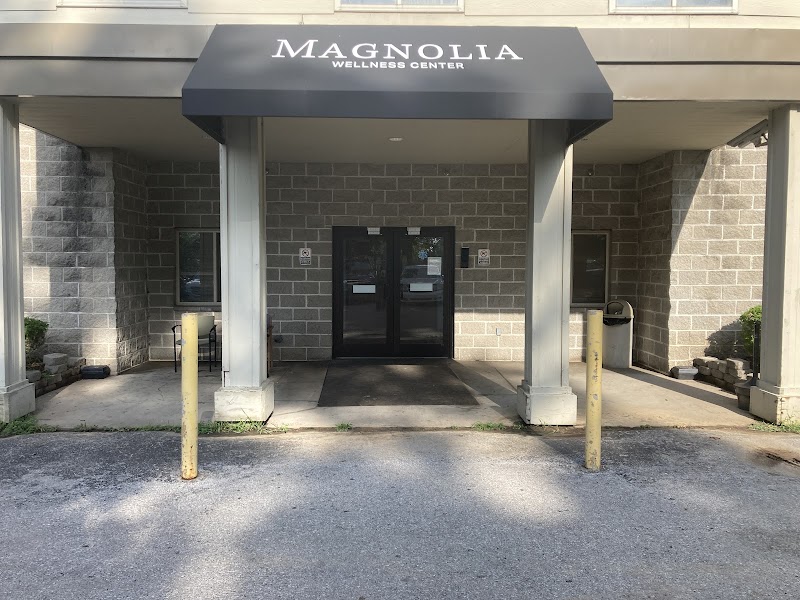
MAGNOLIA WELLNESS CENTER

3421 GASCONADE, SAINT LOUIS, MO 63118 (314) 832-4700
For profit - Individual 120 Beds Independent Data: November 2025 2 Immediate Jeopardy citations
Trust Grade
0/100
#416 of 479 in MO
Last Inspection: February 2024

Within standard 12-15 month inspection cycle. Federal law requires annual inspections.

Overview

Magnolia Wellness Center has received a Trust Grade of F, indicating significant concerns about the facility's care and operations. It ranks #416 out of 479 nursing homes in Missouri, placing it in the bottom half of state facilities, and #11 out of 13 in St. Louis City County, meaning there are very few local options available that are better. While the facility is improving, having reduced issues from 15 in 2024 to 10 in 2025, it still has serious problems, including a concerning $215,683 in fines, which is higher than 94% of Missouri facilities. Staffing is not a strength, as there is less RN coverage than 95% of state facilities, although the turnover rate is exceptionally low at 0%. Specific incidents include a failure to monitor a resident in respiratory distress, resulting in delayed treatment, and a tragic incident where a resident sustained a brain bleed during a poorly executed mechanical lift transfer, highlighting significant safety concerns.

Trust Score
F
0/100
In Missouri
#416/479
Bottom 14%
Safety Record
High Risk
Review needed
Inspections
Getting Better
15 → 10 violations
Staff Stability
○ Average
Turnover data not reported for this facility.
Penalties
○ Average
$215,683 in fines. Higher than 61% of Missouri facilities. Some compliance issues.
Skilled Nurses
⚠ Watch
Each resident gets only 9 minutes of Registered Nurse (RN) attention daily — below average for Missouri. Fewer RN minutes means fewer trained eyes watching for problems.
Violations
⚠ Watch
73 deficiencies on record. Higher than average. Multiple issues found across inspections.
★☆☆☆☆
1.0
Overall Rating
★☆☆☆☆
1.0
Staff Levels
★★☆☆☆
2.0
Care Quality
★☆☆☆☆
1.0
Inspection Score
Stable
2024: 15 issues
2025: 10 issues

The Good

  • Full Sprinkler Coverage · Fire safety systems throughout facility
  • No fines on record

Facility shows strength in fire safety.

The Bad

1-Star Overall Rating

Below Missouri average (2.5)

Significant quality concerns identified by CMS

Federal Fines: $215,683

Well above median ($33,413)

Significant penalties indicating serious issues

The Ugly 73 deficiencies on record

2 life-threatening 2 actual harm
Jun 2025 1 deficiency
CONCERN (D) 📢 Someone Reported This

A family member, employee, or ombudsman was alarmed enough to file a formal complaint

Potential for Harm - no one hurt, but risky conditions existed

Resident Rights (Tag F0550)

Could have caused harm · This affected 1 resident

Based on interview and record review, the facility failed to ensure residents were treated with respect and dignity when an employee did not accommodate one resident's request for condiments during me...

Read full inspector narrative →
Based on interview and record review, the facility failed to ensure residents were treated with respect and dignity when an employee did not accommodate one resident's request for condiments during meal service, and engaged in an argument with the resident (Resident #3). The sample was seven. The census was 86. The Administrator was notified on 6/25/25 at 3:53 P.M., of the past non-compliance, which occurred on 6/15/25. The facility provided in-servicing for staff regarding interventions to deescalate when a resident becomes agitated. The deficiency was corrected on 6/23/25. Review of the facility's Privacy and Dignity policy, revised June 2020, showed: -Purpose: To ensure that care and services provide by the facility promote and/or enhance privacy, dignity and overall quality of life; -Policy: The facility promotes resident care in a manner and an environment that maintains or enhances dignity and respect, in full recognition of each resident's individuality; -Procedure: -Staff assists the residents in maintaining self-esteem and self-worth; -The facility promotes independence and dignity in dining; -Staff treat residents with respect including respecting their social status, speaking respectfully, listening carefully. Review of the facility's Customer Service document, provided to staff during orientation, undated, showed: -Customer service is the cornerstone of every business. The concept of excellent customer service is used in many brand taglines to assure customers that their wellbeing is the most important aspect of the customer-business relationship. This section outlines the five elements that will strengthen and drive our customer service program: -Service: In the profession of care giving, serving the client is the one thing that drives the program. Employees who select caregiving as a profession must put others before themselves every hour of every day. A resident who has immediate needs, whether great or small, requires staff to be servants to their needs without regard to their own personal needs. Caring for the elderly means nothing is more important than prompt, polite and friendly responses. Service for residents, families and coworkers is the obligation of caregiving; -Attitude: Attitude is conveyed by body language, words, and eye contact. A change in attitude by itself can positively affect the way someone is perceived. Every day, every conversation and every encounter can be controlled in a positive way by choosing the right body language, tone of voice, facial expressions, and words. Attitudes are contagious. Caregivers cannot afford to convey an image of a bad attitude - because the collective actions of staff convey the attitude of the entire facility; -Respect; -Applying Customer Services Skills: -Be pleasant and polite with our community. -Understand their request; -Be patient; -Use positive language and remove negative words; -Remember you are in someone's home. Review of the Dietary Aide (DA) position description, revised December 2023, showed: -Meal Service Responsibilities: -Dietary services must be provided to residents according to their individual needs, as determined by assessments and care plans; -Promotes customer service and resident enjoyment of meals and dining; -Customer Service Responsibilities: -Models customer service principles throughout the center and promotes appreciation of our customer's needs; -Treats residents, residents' family members, visitors and fellow employees with courtesy, respect, and dignity; -Resident Rights: -Understands, upholds, and promotes the rights of the residents; -Ensures resident concerns/complaints are responded to with tact and urgency. Review of DA A's employee file, showed a Documentation Checklist for General Orientation Information, signed by the employee on 2/6/25. The checklist showed the employee confirmed by signing that he/she received information and reviewed the material regarding the identified items on the checklist, which included Customer Service. Review of Resident #3's quarterly Minimum Data Set (MDS), a federally mandated assessment instrument completed by facility staff, dated 3/27/25, showed: -Cognitively intact; -Verbal and physical behavior not exhibited; -Diagnoses included depression and unspecified mood disorder. Review of the resident's care plan, in use at the time of survey, showed: -Focus: Resident has potential to demonstrate physical behaviors related to anger. Poor impulse control toward staff and other residents; -Focus: Resident has potential to become verbally abusive related to ineffective coping skills, poor impulse control; -Interventions/tasks included: -Assess and anticipate the resident's needs; -Provide physical and verbal cues to alleviate anxiety; -Give the resident choices about care and activities to help de-escalate the situation; -When the resident becomes agitated, intervene before agitation escalates. Guide away from source of distress, engage calmly in conversation. If response is aggressive, staff to walk calmly away, and approach later; -Assess resident's coping skills and support system; -Assess resident's understanding of the situation. Allow time for the resident to express self and feelings toward the situation; -Provide positive feedback for good behavior; -Focus: Resident has experienced verbal abuse by one staff member evidenced by an incident that occurred on 6/15/25; -Interventions/tasks included during a verbal or physical aggression, staff will intervene and separate all parties. Review of the resident's general progress note, dated 6/15/25 at 8:30 A.M., showed Licensed Vocational Nurse (LVN) D documented resident complained of not receiving condiments from dietary. Resident upset and complained to dietary. DA arguing with resident. This nurse redirected resident several times. This nurse asked DA to stop arguing with resident. DA refused and continued to argue. Housekeeping Supervisor notified to diffuse the situation. Housekeeping Supervisor separated staff from resident. During an interview on 6/25/25 at 9:43 A.M., the resident said during breakfast in the first-floor dining room, he/she asked DA A for salt and pepper. DA A said there weren't any salt and pepper, and the resident went to the second floor and got some salt and pepper. When he/she returned to the first-floor dining room, DA A laughed at the resident and said, Haha, that's why you ain't got no salt and pepper, in a taunting manner. DA A called the resident skinny, old, bald-headed, and told the resident to get some hair weave. DA A was disrespectful. The resident needs good service and is supposed to be accommodated. During an interview on 6/25/25 at 9:50 A.M., Certified Nurse Aide (CNA) B said he/she was helping serve breakfast in the first-floor dining room when the resident and DA A got into an argument. The resident wanted salt, pepper, sugar, and milk, and dietary had none of these items. Dietary is supposed to have these items available for residents during meals. The resident went upstairs to the second floor to get the items he/she wanted. When he/she came back to the first-floor dining room, DA A could not control him/herself and laughed at the resident. The resident asked what he/she was laughing at, and DA A kept laughing and began exchanging words with the resident. DA A taunted the resident and called the resident skinny and bald-headed. DA A was rude, inappropriate, and unprofessional. He/She argued with the resident for several minutes. When the resident asked for condiments, DA A should have gotten the resident what he/she wanted. During an interview on 6/25/25 at 11:10 A.M., LVN D said he/she was at the nurse's station next to the first-floor dining room when the resident came back from the second floor with some condiments. DA A said he/she did not care that the resident didn't have his/her condiments, and this upset the resident. The resident and DA A started arguing. LVN D told DA A to stop arguing and to step away, but DA A stayed and kept going. DA A called the resident skinny and bald-headed. He/She was inappropriate, cussing and calling names while arguing with the resident. The resident said he/she would spit on DA A, and DA A said if that happened, he/she would spit on the resident. The exchange between the resident and DA A lasted for five minutes. DA A would have gotten a better response from the resident if he/she had just gotten the items the resident requested. During an interview on 6/25/25 at 2:17 P.M., DA C said he/she was on the second floor serving breakfast and could hear DA A yelling with someone else downstairs. DA C went to the first floor and saw the resident and DA A yelling back and forth in the dining room. DA A was cussing at the resident. The resident said he/she would spit on DA A and DA A told the resident to do it and laughed at him/her. The way DA A acted toward the resident was disrespectful. During an interview on 6/25/25 at 11:32 A.M., the Housekeeping Supervisor said during breakfast, she was getting off the elevator on the first floor when she heard commotion in the dining room. She saw the resident and DA A standing at the steam table, going back and forth. DA A taunted the resident and said fuck you to him/her. The Housekeeping Supervisor escorted DA A out of the dining room and had him/her clock out and go home. The situation could have been avoided if DA A had just gotten the salt and pepper the resident requested. During an interview on 6/25/25 at 1:32 P.M., DA A said during breakfast, he/she was preparing plates at the steam table with another dietary aide. The resident came up to the steam table and asked for salt and pepper. There was no salt and pepper on the dietary cart. DA A could not get the items requested because he/she was busy preparing plates and this task requires two staff. The resident cussed at DA A, then went to another floor to get the salt and pepper. When the resident came back to the dining room, another employee asked DA A for milk. DA A left the dining room to get the milk and when he/she returned, the resident called him/her a name and made a comment about how the DA A could leave to get milk, but not salt and pepper. DA A said, You're too rude, that's why I didn't break my neck getting it for you. He/She went back and forth with the resident and called him/her skinny. When the resident said he/she would spit on DA A, DA A said, Y'all play crazy but you're not crazy enough to spit on me. When asked why DA A chose to go back and forth with the resident, he/she said the resident was starting to irritate him/her. He/She could have just not said anything, but the resident was right in front of him/her, so DA A said something bad. Looking back on the situation, he/she probably wouldn't have gone back and forth with the resident, but he/she would still make the comment about the resident not being crazy enough to spit on him/her. Review of the facility's investigation summary, undated, showed: -Interviews with staff noted the resident and DA A had a back and forth exchange. Resident was loud and aggressive at the steam table with the dietary staff. DA A went back and forth with the resident about the salt and pepper, did not honor the resident's request, and kept responding in an argumentative manner to the resident's comments; -Recommendation: The staff member, DA A, will be terminated. Education with staff. Review of DA A's Corrective Action Memo, dated 6/25/25, showed: -Type of Violation: Violation of policy or procedure and unsatisfactory customer service; -Employer Statement: Unsatisfactory customer service and approach to the residents; -Objectives/Solution: Termination. During an interview on 6/25/25 at 3:53 P.M., the Administrator said the interaction between the resident and DA A is considered a customer service and dignity issue. DA A should have given the resident what he/she wanted and stepped away from the situation. DA A was terminated based on his/her approach and arguing back with the resident. Approach is critical in these situations. Staff have been educated to never argue back with residents and to deescalate when a resident is aggressive. MO00255863
May 2025 2 deficiencies
CONCERN (D) 📢 Someone Reported This

A family member, employee, or ombudsman was alarmed enough to file a formal complaint

Potential for Harm - no one hurt, but risky conditions existed

Quality of Care (Tag F0684)

Could have caused harm · This affected 1 resident

Deficiency Text Not Available

Read full inspector narrative →
Deficiency Text Not Available
CONCERN (E) 📢 Someone Reported This

A family member, employee, or ombudsman was alarmed enough to file a formal complaint

Potential for Harm - no one hurt, but risky conditions existed

Deficiency F0688 (Tag F0688)

Could have caused harm · This affected multiple residents

Deficiency Text Not Available

Read full inspector narrative →
Deficiency Text Not Available
Mar 2025 5 deficiencies
CONCERN (D) 📢 Someone Reported This

A family member, employee, or ombudsman was alarmed enough to file a formal complaint

Potential for Harm - no one hurt, but risky conditions existed

Deficiency F0658 (Tag F0658)

Could have caused harm · This affected 1 resident

**NOTE- TERMS IN BRACKETS HAVE BEEN EDITED TO PROTECT CONFIDENTIALITY** Based on observation, interview and record review, the facility failed to ensure staff consistently notified physicians when res...

Read full inspector narrative →
**NOTE- TERMS IN BRACKETS HAVE BEEN EDITED TO PROTECT CONFIDENTIALITY** Based on observation, interview and record review, the facility failed to ensure staff consistently notified physicians when residents' high blood glucose levels exceeded the ordered parameters. The facility identified 10 residents with orders for routine blood glucose level checks, four were sampled and problems were found with two (Residents #13 and #3). The census was 86. Review of the facility Change of Condition - Observing, Reporting and Recording policy, dated 5/17, showed: -Policy: It is the policy of this home to inform the resident, the resident's physician and if indicated the resident's responsible party of the following: -A significant change in the resident's physical, mental or psychosocial status, such as a deterioration in health, mental or psychosocial status, in life-threatening conditions or clinical complications; -A need to alter treatment significantly; -The attending physician should be notified as soon as possible when immediate attention is required; -Documentation: -Date, time condition change was identified. Pertinent assessment findings. Who was notified and when. Disposition of resident. 1. Review of Resident #13's annual Minimum Data Set (MDS), a federally mandated assessment instrument completed by facility staff, dated 2/24/25, showed: -Makes Self Understood: Understood; -Ability To Understand Others: Usually understands; -Moderately impaired cognition; -Diagnoses of diabetes mellitus (DM, high/low blood sugar), high blood pressure and dementia. Review of the resident's care plan, located in the electronic medical record (EMR), showed: -5/9/23: Focus: diabetes mellitus requiring insulin and accu-checks (blood glucose monitoring). Goal: Will have no complications related to DM. Interventions/Tasks: diabetes medication as ordered. Monitor/document/report as necessary (PRN) any signs/symptoms of hyperglycemia (high blood glucose level) and hypoglycemia (low blood glucose level). Review of the resident's Physician's Order Sheet (POS), located in the EMR, showed: -9/14/23: Basaglar KwikPen (long-acting insulin) inject 25 units (u) one time a day for DM; -3/22/24: metformin HCI (DM oral medication) 1000 milligrams (mg) twice a day; -3/23/24: glipizide ER (DM oral medication) tablet 10 mg) daily; -5/6/24: blood sugar (glucose) every A.M. and P.M. Call physician if blood sugar is below 59 or 250 or above. Review of the resident's blood glucose levels located on the Medication Administration Record (MAR), showed: -2/1/25 through 2/28/25: 2/4 - 301, and 2/25 - 272; -3/1/25 through 2/25/25: 3/3 - 274, 3/21 - 285, and 3/22 - 401; -Review of the February and March MARs, showed no documentation the resident's physician was notified when the resident's blood glucose levels exceeded the ordered parameters of 250. Review of the resident's progress notes, dated 2/1/25 through 3/26/25, showed no documentation the resident's physician was notified when the resident's blood glucose level exceeded the ordered parameters of 250. During an interview on 3/25/25 at 1:26 P.M., the Director of Nurses (DON) said she did not find documentation staff updated the resident's physician on 2/4, 2/25, 3/3, 3/21, or 3/22 regarding the resident's blood glucose levels that exceeded the ordered parameters. Review of the resident's progress note, dated 3/25/25 at 11:48 A.M., showed the DON contacted the resident's physician regarding the blood glucose levels. The physician gave an order to increase the resident's basaglar insulin to 30 u every A.M., continue the blood glucose monitoring, update him in three days with the blood glucose level results and obtain a hemoglobin A1C (a lab that measures the average blood glucose level over the past two to three months). 2. Review of Resident #3's admission MDS, dated [DATE], showed: -Makes Self Understood: Usually understands; -Ability to Understand Others: Sometimes understands - responds adequately to simple, direct communication only; -Diagnoses of diabetes mellitus, dementia and malnutrition. Review of the resident's care plan, showed: -2/25/25: Focus: Diabetes Mellitus. Goal: Will be free from any signs/symptoms of hyperglycemia/hypoglycemia. Interventions/Tasks: Diabetes medication as ordered by the physician. Monitor/document/report to physician any signs/symptoms of hyperglycemia/hypoglycemia. Review of the resident's POS, showed: -3/20/25: Oolong (fast-acting insulin) FlexPen. Inject per sliding scale (the glucose level determines the amount of insulin that is administered) three times a day. Call physician if blood glucose level is less than 60 or greater than 400; -3/20/25: Lantus (long-acting insulin) SoloStar 10 u one time daily. Review of the resident's MAR, dated 3/1/25 through 3/31/25, showed a glucose level on 3/7 of 540 with no documentation staff contacted the resident's physician. Review of the resident's progress notes, showed no documentation staff contacted the resident's physician on 3/7/25, regarding the blood glucose level of 540. During an interview on 3/25/25 at 1:26 P.M., the DON said she did not find documentation staff updated the resident's physician on 3/7/25 about the resident's glucose level of 540. 3. During an interview on 3/25/25 at 7:20 A.M., Licensed Practical Nurse (LPN) J said if a resident's blood sugar exceeds the parameters the physician orders, he/she would contact the physician with the blood glucose results and document it in the progress notes along with any new order given by the physician. 4. During an interview on 3/25/25 at 7:24 A.M., LPN O said if a resident's blood sugar exceeds the parameters the physician orders, he/she would contact the physician with the blood glucose results and document it in the progress notes along with any new order given by the physician. 5. During an interview on 3/25/25 at 8:44 A.M., the DON said if a resident's blood glucose level exceeds the the physician's parameters for low or high blood glucose levels, she expected staff to contact the physician. Staff should document contacting the physician along with any new orders in the resident's progress notes. MO00251124
CONCERN (D) 📢 Someone Reported This

A family member, employee, or ombudsman was alarmed enough to file a formal complaint

Potential for Harm - no one hurt, but risky conditions existed

Quality of Care (Tag F0684)

Could have caused harm · This affected 1 resident

Based on observation, interview and record review, the facility failed to ensure Resident #3's physician was notified and monitoring was started after staff documented on shower review forms the resid...

Read full inspector narrative →
Based on observation, interview and record review, the facility failed to ensure Resident #3's physician was notified and monitoring was started after staff documented on shower review forms the resident had blisters on his/her bilateral feet. In addition, the facility failed to ensure staff initialed treatments had been completed and failed to ensure the resident wore his/her protective boots. Three residents were sampled and problems were found with one. The census was 86. Review of the facility Wound Management policy, dated 06/2020, showed: -Purpose: To provide a system for the treatment and management of residents wit wounds including pressure and non-pressure injury; -Policy: A resident who has a wound will receive necessary treatment and services to promote healing, prevent infection and prevent new pressure injuries from developing; -Definitions: -Diabetic Neuropathic Ulcer: requires that the resident be diagnosed with diabetes mellitus (DM, high/low blood sugar) and peripheral neuropathy (damage or disease affecting the nerves). The diabetic ulcer characteristically occurs on the foot; -Assessment: -A licensed Nurse will perform a skin assessment upon admission, readmission, weekly, and as needed for each resident; -Upon identification of a new wound the Licensed Nurse will: measure the wound (length, width, depth). Initiate a Wound Monitoring Record sheet. A wound Monitoring Record will be completed for each wound. If the Wound Monitoring Record is not used, documentation will be recorded within the medical record which may include nurse's notes, treatment records or care plans. Implement a wound treatment per physician's order;; -An assessment of care needs for wound management will be made with emphasis on, but not limited to: identifying Risk factors. Treatment. Mechanical offloading and pressure reducing devices. Reducing skin friction, sheer, and moisture; -Wound Management: -The Attending Physician will be notified to advise on appropriate treatment promptly; -A Licensed Nurse will develop a care plan for the resident based on recommendations from Dietary, Rehabilitation and the Attending Physician; -Documentation: -New wounds will be documented on the 24 hour log; -Documentation will include: Location of wound. Length, width, and depth measurements recorded in centimeters (cm). Appearance of the wound base. Drainage amount and characteristics including color, consistency, and odor. Appearance of wound edges. Description of the peri-wound (the area that surrounds the wound) or evaluation of the skin adjacent to the wound; -Licensed Nurses will document effectiveness of current treatment in the resident's medical record on a weekly basis; -Document notifications following a change in the resident's skin; -Update the resident's care plan as necessary. Review of the facility's Showering a Resident policy, undated, showed: Report any broken skin, bruises, rashes, cuts, skin discoloration or reddened areas to the Charge Nurse. Review of Resident #3's admission Minimum Data Set (MDS), a federally mandated assessment instrument completed by facility staff, dated 3/1/25, showed: -Makes Self Understood: Usually understands; -Ability to Understand Others: Sometimes understands - responds adequately to simple, direct communication only; -Short and long term memory problem; -Functional limitations of both upper extremities and one lower extremity; -Dependent on staff for shower/bathing, roll left and roll right, lying to sitting on the side of the bed, chair/bed to chair transfer; -Diagnoses of DM, dementia and malnutrition; -Feeding Tube: Gastrostomy tube feeding (g-tube, a tube inserted into the stomach through the abdomen to provide nutrition, hydration and medicine); -Number of Venous and Arterial Ulcers: 0. Review of the resident's care plan, located in the electronic medical record (EMR), showed: 2/25/25: Focus: Diabetes Mellitus. Goal: Will be free from any signs/symptoms of hyperglycemia (high blood sugar) or hypoglycemia (low blood sugar). Interventions/Tasks: Check all of body for breaks in skin and treat promptly as ordered by physician. Inspect feet daily for open sores, pressure areas, blisters, edema (swelling) or redness; -No focus/goal/interventions/tasks documented regarding actual/current wound on the resident's feet. Review of the resident's Skin Monitoring: Comprehensive Certified Nursing Assistant (CNA) Shower Review forms (completed on scheduled shower days by a CNA and co-signed by a Licensed Nurse) showed: -2/26/25, the anatomical figure on the form had both feet circled and blisters documented. Charge Nurse Assessment: under wound care. Interventions: pressure relief boots. Forwarded to Director of Nurses (DON): blank. The shower form was signed by the CNA and co-signed by the Assistant Director of Nurses (ADON); -3/3/25, an anatomical figure on the form that showed both feet circled and blisters documented. Charge Nurse Assessment: under wound care. Interventions: pressure relief boots. Forwarded to DON: blank. The shower form was signed by the CNA and co-signed by the ADON. Review of the Weekly Skin Check (completed by a Licensed Nurse) dated 3/5/25 (the last skin assessment prior to the resident being sent to the hospital on 3/14/25), showed: does the resident have any skin impairments? Yes. Description: Abdomen - g-tuber. Right and left hand - edema. Right toes - edema. Left toes - edema. No documentation about blisters or open areas on the feet. Review of the resident's physician's order sheet (POS) located in the EMR, showed no order from 2/26/25 through 3/13/25, for the blisters/open areas on the resident's feet. Review of the resident's progress note, from 2/26/25 through 3/14/25, showed no documentation if the physician had been notified about the blisters or open areas on the resident's feet. Review of the resident's Skin Monitoring: Comprehensive CNA Shower Review form, dated 3/13/25, showed the anatomical figure on the form had both feet circled and blister treatment bandage documented. Charge Nurse Assessment: blisters and open area to left foot dressings in place. Intervention: under wound care physician and treatment nurse in house. Review of the resident's POS, showed: -3/14/25: wound care for bilateral lower extremity. Apply calcium alginate (an absorbent wound dressing) and dry dressing daily. The treatment order did not show how many wounds were on each foot. Review of the resident's Treatment Administration Record (TAR), showed an order dated 3/14/25, for wound care to the bilateral lower extremities. Apply calcium alginate and dry dressing daily. Staff initiated the treatment had been completed on 3/14/25. Review of the resident's progress notes, showed: -3/13 and 3/14/25: No documentation about the wounds on the resident's feet; -3/14/25 at 2:22 P.M.: Resident has an abnormal lab glucose level of 521. Resident's physician was notified; -3/14/25 at 2:45 P.M.: Talked to physician and was advised to send resident to emergency room. Review of the hospital report, dated 3/15/25 at 2:09 P.M., showed the resident came to the emergency room on 3/14/25 around 3:40 P.M. Resident arrived with wounds on the outside edge of left foot (is the worst), and right and left heel. Review of the resident's progress note, dated 3/19/25 4:10 P.M., showed the resident arrived at the facility via Emergency Medical Services (EMS) stretcher. Wound to left foot medial (middle) anterior (front) side and two open blisters on the right posterior heel. Review of the resident's TAR, showed an order dated 3/19/25, for calcium alginate to the bilateral feet daily and as necessary (PRN). Staff did not initial the treatment was completed on 3/19 and 3/20/25. Staff initialed the treatment as completed on 3/22, 3/23 and 3/24/25. Review of the resident's Skin Monitoring: Comprehensive CNA Shower Review form, dated 3/22/25, showed blisters, open area documented. Charge Nurse Assessment: wound care treatment. Interventions: heel protectors. Forwarded to DON: blank. Observation on 3/24/25 at 8:45 A.M., showed the resident lay in bed. CNA L said Resident #3 was the only resident residing in the room. The resident did not currently have a roommate. Licensed Practical Nurse (LPN) H entered the resident's room and removed the resident's covers to complete a skin assessment. The resident had a pillow between his/her knees, but no pressure relieving boots. Observation showed two green pressure relieving boots on the second bed at that time. The resident had undated dressings on both feet. The LPN lifted the dressing, showing an open area on the left lateral heel with a moderate amount of slough (yellow or white tissue that adheres to the ulcer bed in strings or thick clumps, or is mucinous) and drainage, an open area on the left medial foot with a moderate amount of slough and drainage, an open area on the right small toe with a scant amount of slough and drainage, and an red beefy colored open area on the right heel. The LPN confirmed there were no dates on the dressings. He/She said he/she did not work the past weekend and did not know when the dressings had been applied. After the skin assessment, the LPN covered the resident and left the room. The green protective boots remained on top of the second bed in the room. Observation at 1:13 P.M., showed no protective boots on the resident's feet and the green protective boots remained on the second bed in the resident's room. During an interview on 3/26/25 at 8:20 A.M., Registered Nurse K and LPN J said CNAs give them the shower sheet after the shower is completed. If the CNA identifies anything abnormal, they are responsible to assess the resident's skin. If there is not a current treatment order in place, they are responsible to call the physician for a treatment order. They are responsible to put the new order on the POS and TAR and document in the resident's progress notes. They would notify the facility Wound Nurse. During an interview on 3/26/25 at 8:43 A.M., the ADON reviewed the shower sheets dated 2/26 and 3/3, and confirmed she signed them. Although she did assess the resident's feet, she never notified the physician because she assumed the facility Wound Nurse was already aware and had updated the physician. She never documented her assessments in the progress notes. She did not look at the POS or TAR to see if orders were in place and she never discussed the blisters and open areas with the facility Wound Nurse. During an interview on 3/26/25 at 9:25 A.M., the facility Wound Nurse reviewed the 2/26 and 3/3 shower sheets and said she was not notified by the ADON or anyone about the blisters or open areas. Had she been notified, she would have contacted the physician for treatment orders. She was not aware until 3/13 or 3/14, when the first treatment order was obtained and started. The resident should be wearing the protective boots. Review of the Wound Care Company physician's progress note, dated 3/26/25, no time documented, showed: -Location: left lower lateral (to the side) heel; -Measurements: 3.0 cm by 2.0 cm by 0.3 cm; -Etiology: diabetic ulcer; -Granulation (pink or red tissue with shiny, moist, granular appearance): 40%, and 60% slough; -Periwound: intact; -Exudate (drainage): moderate. Exudate appearance: serous (clear to yellow fluid that leaks from a wound); -Treatment: calcium alginate and cover with a dry dressing; -Location: left lower, medial (middle) foot; -Measurements: 3.0 cm by 2.0 cm by 0.3 cm; -Etiology: diabetic ulcer; -Granulation: 40% and 60% slough; -Periwound: intact; -Exudate: moderate; -Treatment: calcium alginate and cover with a dry dressing; -Location: right lateral 5th toe; -Measurements: 0.5 cm by 0.8 cm by 0.2 cm; -Etiology: diabetic ulcer; -Granulation: 80% and 20% slough: -Periwound: intact; -Exudate: light; -Treatment: calcium alginate and cover with a dry dressing; -Location: right medial heel; -Measurements: 2.0 cm by 23.0 cm by 0.10 cm; -Etiology: diabetic ulcer; -Epithelial (thin tissue that covers the exposed surfaces of the body): 100%; -Periwound: intact; -Exudate: none; -Treatment: Skin Prep (a liquid that when applied to the skin forms a protective film or barrier). During an interview on 3/25/25 at 8:44 A.M., the DON said she expected staff to write the date and their initials on dressings after they are completed. If there are blanks on the TAR, then she would have to assume the treatment had not been completed as ordered. At 1:26 P.M., the DON said the CNA fills out the shower sheet after every shower and gives it to the Licensed Nurse. If the CNA had documented anything abnormal about the skin, the Licensed Nurse has to assess the area(s) and if the area is new, they must call the physician and get a treatment. The new treatment should be documented on the POS and TAR. The Licensed Nurse should also document the assessment of the wound in the progress notes, including the measurement and description of the wound. She and the facility Wound Nurse should be notified. MO00251124
CONCERN (D) 📢 Someone Reported This

A family member, employee, or ombudsman was alarmed enough to file a formal complaint

Potential for Harm - no one hurt, but risky conditions existed

Deficiency F0688 (Tag F0688)

Could have caused harm · This affected 1 resident

**NOTE- TERMS IN BRACKETS HAVE BEEN EDITED TO PROTECT CONFIDENTIALITY** Based on interview and record review, the facility failed to provide services and/or treatment to increase or prevent reduction ...

Read full inspector narrative →
**NOTE- TERMS IN BRACKETS HAVE BEEN EDITED TO PROTECT CONFIDENTIALITY** Based on interview and record review, the facility failed to provide services and/or treatment to increase or prevent reduction of range of motion. The facility failed to maintain a measurable, goal oriented restorative nursing program, and/or exercise program, to ensure residents requiring physical assistance were assisted by staff to maintain or improve their physical abilities, per facility policy. The facility provided a list of 11 current residents who had been discharged from skilled therapy services. Of those 11, two were identified with concerns of not getting recommended restorative therapy (Residents #21 and #19). The census was 87. Review of the facility Restorative Nursing Program Guidelines, dated 6/20, showed the following: -Purpose: The Restorative Nursing Program provides nursing interventions that promote the resident's ability to adapt and adjust to living as independently and safely as possible. This program actively focuses on achieving and maintaining optimal physical, mental, and psychosocial functioning; -Policy: -I. A resident may be started on a Restorative Nursing Program: -A. Upon admission to the Facility with restorative needs, but is not a candidate for formalized rehabilitation therapy; -B. When restorative needs arise during the course of a longer-term stay; -C. In conjunction with formalized rehabilitation therapy; or -D. When a resident is discharged from formalized physical, occupational, or speech rehabilitation therapy. -II. The Director of Nursing Services (DNS), or their designee, manages and directs the Restorative Nursing Program. Licensed rehabilitation professionals, (physical therapists, occupational therapists, and speech therapists) provide ongoing consultation and education for the Restorative Nursing Program; -A. General restorative nursing care is that which does not require the use of a qualified professional therapist to render such care. The basic restorative nursing categories include: -i. Active range of motion (AROM); -ii. Passive range of motion (PROM); -iii. Splinting or bracing; -iv. Amputation/Prosthesis management; -v. Bladder training or bowel training; -vi. Bed mobility; -vii. Transfer training; -viii. Dressing or grooming; -ix. Walking; -x. Eating or swallowing; -xi. Communication. -Procedure: -I. Residents will be reviewed by the Interdisciplinary Team (IDT) upon admission, readmission, quarterly, and as needed to identify any decline in activity of daily living (ADL) function. If a decline is identified, the IDT will evaluate whether the resident is an appropriate candidate for restorative services; -II. The Attending Physician, Licensed Nurse or Therapist may refer the resident to the rehabilitation department for rehabilitative screening; -III. The Licensed Therapist will document whether the resident may benefit from a more detailed rehabilitation evaluation or from unskilled therapy (e.g. restorative nursing services that can be provided by caregivers); -IV. In conjunction with the Attending Physician and staff, therapists will propose a rehabilitation or restorative care plan that provides an appropriate intensity, frequency and duration of interventions to help achieve anticipated goals and expected outcomes; -V. If a potential to benefit from rehabilitation therapies or restorative therapy (either skilled or unskilled) is identified, the Attending Physician will order a relevant therapy evaluation; -VI. An order will be obtained from the Attending Physician as indicated for participation in the Restorative Nursing program or for skilled rehabilitation services (e.g. physical, occupational, or speech therapy). -Documentation: -A. Restorative programs developed by therapy will be completed on paper and the facility will enter Restorative Nursing Program (RNP) in Point Click Care (PCC, electronic medical record) as appropriate; -B. The documentation will be done in PCC; -C. The care plan will reflect the restorative needs of each resident including problems/needs, measurable goals and individualized approaches; -i. The care plan for each resident will be reviewed quarterly or as needed by the IDT; -ii. The Restorative Nurse's Aide (RNA) carries out the restorative program according to the care plan and documents daily. In addition, the RNA completes a written weekly summary for residents on a Restorative Nursing Program; -C. The Restorative Nursing Program Coordinator (or designee) reviews RNA weekly summary notes on a regular basis; -D. Licensed Nurses reflect participation in and progress of residents in the Restorative Nursing Program in their weekly/monthly summaries; -E. The following criteria must be met in order to code 00500 in the Minimum Data Set (MDS); -i. Measurable objectives and interventions must be documented in the care plan and in the medical record; -ii. Evidence of periodic evaluation by the Licensed Nurse must be present in the resident's medical record; -a. When not contraindicated by state practice act provisions, a progress note written by the restorative aide and countersigned by a Licensed Nurse is sufficient to document the Restorative Nursing Program once the purpose and objectives of treatment have been established; -iii. Nursing assistants/aides are trained in the techniques that promote resident involvement in the activity; -iv. A Licensed Nurse must supervise the activities in the Restorative Nursing Program. 1. Review of Resident #19's annual Minimum Data Set (MDS), a federally mandated assessment instrument completed by facility staff, dated 2/24/25, showed the following: -Severe cognitive impairment; -No behaviors; -Impairment on one side for an upper and lower extremity; -Required partial to moderate assistance with ADLs; -Wheelchair mobility (manual or electric); -Diagnoses of high blood pressure, diabetes, and stroke; -Zero days of restorative therapy. Review of the resident's occupational therapy (OT) Discharge summary, dated [DATE], showed Discharge Recommendation: Restorative Program Established/Trained-Restorative Dining Swallowing Program, Restorative Range of Motion Program. Review of the resident's medical record, showed no documentation the resident's physician was notified regarding the restorative therapy recommendation. Review of the resident's care plan, dated 10/5/24, showed the following: -Focus: The resident has an ADL self care performance deficit related to stroke; -Interventions: Eating: The resident is able to hold cup, feed him/herself and eat finger foods independently. -No documentation regarding ROM; -No interventions regarding restorative therapy. Review of the resident's Range of Motion-Indicate Passive or Active ROM form, dated 4/25/25, showed the following: -Goal: To maintain full ROM; -Training Approaches: Bilateral Upper Extremity (BUE); -No documentation of frequency. Review of the resident Eating form, dated 4/25/25, showed the following: -Goal: To maintain minimum of self feeding: -Training Approaches: Position at table with assistance with scooping hand to mouth as needed; -No documentation of frequency. During an interview on 4/30/25 at 7:43 A.M., the resident said he/she has not received any restorative therapy. He/she did not know how long it had been since he/she was evaluated. The resident said restorative therapy is important to him/her because he/she would like to get out of his/her wheelchair at some point. 2. Review of Resident #21's annual MDS, dated [DATE], showed the following: -Moderate cognitive impairment; -Wheelchair for mobility (manual or electric); -Dependent with ADLs; -Diagnoses of anemia (a condition where the blood doesn't have enough healthy red blood cells or hemoglobin to carry oxygen to the body's tissues), congestive heart failure, and high blood pressure; -Zero days for restorative therapy. Review of the resident's medical record, showed an order dated 3/4/25, for an OT evaluation and treatment as indicated. Review of the resident's medical record, showed OT evaluation completed as ordered. Review of the resident's OT Discharge summary, dated [DATE] through 4/9/25, showed the following: -Discharge Recommendation and Status: -Discharge Recommendation: Potential need for scoop bowl for increased independence with feeding; -Restorative Programs: Restorative Program Established/Trained=Restorative Dining/Swallowing Program. Dining/Swallowing Program Established/Trained: Resident has difficulty obtaining items due to decreased coordination as well as attention to continue to self-feed. Resident to increase ability to self feed with appropriate adaptations like scoop bowl as needed and attention to meal. Review of the resident's medical record, showed no documentation the resident's physician was notified regarding the restorative therapy recommendation. Review of the resident's care plan, dated 10/5/24, showed the following: -Focus: Resident has an ADL self care performance deficit related to dementia; -Intervention: The resident is able to a hold cup, feed him/her self and eat finger foods independently. -The care plan did not identify OT recommendations or use of a scoop bowl; -No interventions regarding restorative therapy. Review of the resident's Eating Form, dated 4/9/25, showed the following: -Goals: Increase attention and ability to self feed; -Training Approaches: Blank. 3. During an interview on 4/29/25 at 9:33 A.M., the Restorative Aide (RTA) said he/she had not done any restorative exercises for any of the residents. The RTA said he/she has been busy taking his/her Certified Medication Technician classes. During an interview on 4/30/25 at 9:52 A.M., the Area Director of Rehabilitation said the purpose of restorative therapy program is to prevent decline in the resident's achievement from skilled therapy. A protocol of exercises will be given to the RTA regarding each resident and kept in a book. The Director of Nursing (DON) will oversee the RTA and the duties. The Area Director of Rehabilitation said she was aware the restorative program was not active due to the RTA being in another school. During an interview on 4/30/25 at 12:33 P.M., the MDS Coordinator said the therapy department will send over the restorative orders via email. He/She did not know what to do with the tasks. He/She has spoken with the DON on what to do, but was not given any clear guidance. The MDS Coordinator said a Registered Nurse (RN) should oversee the restorative aide and he/she is not an RN. During an interview on 4/30/25 at 12:07 P.M., the DON said the purpose of restorative therapy is to prevent decline after skilled therapy. The DON said the Director of Rehabilitation (DOR) will send the recommendations to the MDS Coordinator. He/She will call the doctor for orders for restorative therapy. Once the order is obtained, the orders are given to the RTA to follow through. The DOR will oversee the RTA for the duties. The DON should be kept updated. The facility has an active RTA, but he/she did not feel comfortable doing the tasks. At that time, the Administrator said he agreed with the DON's statements about who should monitor the RTA and the tasks for the RTA. MO00253381
CONCERN (E) 📢 Someone Reported This

A family member, employee, or ombudsman was alarmed enough to file a formal complaint

Potential for Harm - no one hurt, but risky conditions existed

Unnecessary Medications (Tag F0759)

Could have caused harm · This affected multiple residents

Based on observation, interview and record review, the facility failed to ensure a medication error rate of less than 5%. Out of 34 opportunities observed, nine errors occurred resulting in a 26.47% e...

Read full inspector narrative →
Based on observation, interview and record review, the facility failed to ensure a medication error rate of less than 5%. Out of 34 opportunities observed, nine errors occurred resulting in a 26.47% error rate (Residents #11, #7, #12 and #4). In addition, Resident #1, Resident #4, and residents attending the 3/3/25 Resident Council meeting complained about receiving medications late. The census was 86. Review of the facility Medication-Administration policy, dated 5/2017, showed: -Policy: It is the policy of this home that medications will be administered and documented as ordered by the physician and in accordance with state regulations; -Procedure: -Medications are prepared, administered, and recorded only by licensed nursing, Certified Medications Technicians (CMTs), medical, pharmacy, or other personnel authorized by state laws and regulations to administer medications; -Current medications and dosage schedules are listed on the resident's Medication Administration Record (MAR); -Medications are administered within 60 minutes of scheduled time (60 minutes before or after the scheduled time); -If a dose of regularly scheduled medication is withheld or refused, the space provided on the front of the MAR for that dosage administration is initialed and circled; -Prior to administration, the medication and dosage schedule on the resident's MAR is compared with the medication label. If the label and MAR are different and the container is not flagged indicating a change in directions or if there is any other reason to question the dosage or directions, the physician's orders are checked for the correct dosage schedule. 1. Review of the facility 3/24/25, resident census report showed 39 residents resided on the 100 hall. During an interview on 3/24/25 at 10:05 A.M., CMT I, who was on the floor passing the morning medications said he/she is the only CMT who passes medications on the 100 hall on day shift. He/She arrived at work at 7:00 A.M., and started the med pass around 7:30 A.M. He/She has about 40 residents to pass medications to. He/She just finished passing medications to the 153-168 hall and some residents while they were in the dining room. He/She still had about 9 residents left to pass medications to in the 112-127 hall. By the time he/she finished the morning medication pass, it was about time to begin the noon medication pass. The facility really needs a second person to help pass the morning medications. Observation at 11:10 A.M., showed the CMT finished his/her morning medication pass. 2. Observation on 3/25/25 at 10:00 A.M., showed CMT I prepared Resident #11's morning medications which included baclofen (muscle relaxant) 10 milligrams (mg) two times a day at 8:00 A.M. and 8:00 P.M. At 10:09 A.M. The CMT administered the medications to the resident at 10:09 A.M. 3. Observation on 3/25/25 at 10:11 A.M., showed CMT I prepared Resident #7's morning medication, levetiracetam (anti seizure medication) 1000 mg every 12 hours at 8:00 A.M. and 8:00 P.M. The CMT administered the medication to the resident at 10:12 A.M. 4. Observation on 3/25/25 at 10:13 A.M., showed CMT I prepared Resident #12's morning medications which included gabapentin (used to treat nerve pain) 400 mg three times a day at 8:00 A.M., 12:00 P.M., and 4:00 P.M. Pentoxifylline (improves blood flow) 400 mg three times a day at 9:00 A.M., 1:00 P.M., and 5:00 P.M. Risperidone (antipsychotic) 0.5 mg two times a day at 8:00 A.M., and 5:00 P.M. Oxycarbazepine (anti seizure medication) 300 mg twice a day at 8:00 A.M., and 5:00 P.M. The CMT administered the medication to the resident at 10:26 A.M. 5. Observation on 3/25/25 at 10:28 A.M., showed CMT I prepared Resident #4's morning mediations which included Oyster Shell Calcium (used to prevent calcium deficiency) 250 mg twice a day at 8:00 A.M. and 4:00 P.M., and Eliquis (used to prevent blood clots and lower the risk of stroke) 5 mg twice a day at 8:00 A.M. and 4:00 P.M. The CMT administered the medication to the resident at 10:36 A.M. During an interview on 3/24/25 at 7:30 A.M., Resident #4 said he/she gets his/her morning medications late all the time. Sometimes not until 11:00 A.M. or 12:00 P.M. 6. During an interview on 3/25/25 at 10:36 A.M., CMT I said medications should be administered one hour prior to, or one hour after the medication administration time. He/She had four more residents to administer medications to before the morning medication pass was finished. 7. Review of the Resident Council minutes, dated 3/3/25 at 11:12 A.M. - 11:35 A.M.,, attended by 14 residents, showed residents raised concerns about not getting their medications on time. 8. During an interview on 3/25/25 at 12:27 P.M., Resident #1 said when they start passing medications on his/her hall he/she gets his/her medications on time. When they start passing on the other hall first it can be close to noon before he/she gets his/her 8:00 A.M. medication. 9. During an interview on 3/25/25 at 8:44 A.M., the Director of Nurses said the residents are supposed to be on a liberalized med pass (flexible med pass times such as A.M. (7 A.M. to 11:00 A.M.)). She did not know the meds were still being passed on traditional set times. In that case, an 8:00 A.M. med can be passed from one hour before (7:00 A.M. to one hour after (9:00 A.M.)). Anything out of that range would be considered a medication error. 10. During an interview on 3/25/25 at 12:52 A.M., the Administrator said he thought the medication pass was liberalized. He did not know the residents had specific times scheduled. If there are specific times scheduled, the medication should be received one hour prior to the time scheduled or up to one hour after the time scheduled. Anything out of those time parameters would be considered a medication error. MO00246938 MO00248935 MO00250663
CONCERN (E) 📢 Someone Reported This

A family member, employee, or ombudsman was alarmed enough to file a formal complaint

Potential for Harm - no one hurt, but risky conditions existed

Infection Control (Tag F0880)

Could have caused harm · This affected multiple residents

**NOTE- TERMS IN BRACKETS HAVE BEEN EDITED TO PROTECT CONFIDENTIALITY** Based on observation, interview and record review, the facility failed to ensure residents who required enhanced barrier precaut...

Read full inspector narrative →
**NOTE- TERMS IN BRACKETS HAVE BEEN EDITED TO PROTECT CONFIDENTIALITY** Based on observation, interview and record review, the facility failed to ensure residents who required enhanced barrier precautions (EBP) for infection control interventions had a sign on their door or wall next to the room entrance instructing staff to use EBPs while providing personal care. In addition, the facility failed to ensure personal protective equipment (PPE, gloves, gowns, masks and goggles/face shields) were readily accessible for residents requiring EBP, and staff were inserviced on EBP and which residents required EBPs. The facility identified 18 residents who required EBPs, and this had the potential to affect all residents (Residents #5, #6 and #3). The census was 86. Review of the facility's Standard and Enhanced Precautions policy, dated 4/1/24, showed: -Purpose: To ensure the use of appropriate personal protective equipment to improve infection control as required in the care of residents; -Policy: The facility will utilize current guidelines from the Centers for Disease Control (CDC) and the Censers for Medicare & Medicaid Services (CMS) to determine the appropriate PPE to be utilized during the care of residents to minimize the risk of infection or spread of infection; -Definitions: Enhanced Barrier Precautions refers to an infection control intervention designed to reduce transmission of multidrug-resistant organisms (MDRO) that employs targeted gown and glove use during high contact resident care activities that are associated with a high risk of MDRO colonization when contact precautions do not otherwise apply and/or transmission such as presence of indwelling devices (e.g., urinary catheter, feeding tube, endotracheal or tracheostomy tube, vascular catheters and wound or unhealed pressure ulcers; -For residents whom EBP are indicated, EBP should be used when performing the following high-contact resident care activities: Dressing, bathing/showering, transferring, providing hygiene, changing linens, changing briefs or assisting with toileting, device care use such as feeding tubes, and wound care for any skin opening requiring a dressing; -EBP are intended to be in place for the duration of a resident's stay or until resolution of the wound or discontinuation of the indwelling medical device that placed them at high risk; -The Infection Preventionist will follow the guidelines for Enhanced Standard Precautions for Long-Term Care Facilities for residents at high risk for MDRO colonization and transmission. Review of the facility's Enhanced Barrier Precaution signage (to be placed on the door or wall next to the door of residents that meet EBP requirements), showed: -EBP Everyone Must: -Clean their hands, including before entering and when leaving the room; -Providers and Staff Must Also: -Wear gloves and a gown for the following High-Contact Resident Care Activities: dressing, bathing/showering, transferring, changing linens, providing hygiene, changing briefs or assisting toileting. Device care or use: central line, urinary catheter, feeding tube, tracheostomy. Wound Care: any skin opening requiring a dressing. 1. Review of Resident #5's quarterly Minimum Data Set (MDS), a federally mandated assessment instrument completed by facility staff dated 2/24/25, showed: -Diagnoses of stroke and malnutrition; -Feeding Tube: Gastrostomy tube feeding (g-tube, inserted into the stomach through a surgical opening on the abdomen to provide nutrition, hydration and medicine); -Risk of Pressure Ulcers: Yes; -Unhealed Pressure Ulcers: Yes; -One Stage 3 pressure ulcer (Full thickness tissue loss. Subcutaneous fat may be visible but bone, tendon or muscles not exposed. Slough (yellow or white tissue that adheres to the ulcer bed in strings or thick clumps, or is mucinous) may be present but does not obscure the depth of tissue loss. May include undermining and tunneling); -One Stage 4 pressure ulcer (Full thickness tissue loss with exposed bone, tendon or muscle. Slough or eschar (black, brown or tan tissue that adheres firmly to the wound bed or ulcer edges, may be softer or harder than surrounding skin). Review of the resident's care plan, located in the electronic medical record (EMR), showed: -10/23/24: Focus: Activity of daily living self care performance deficit. Goal: Will maintain current level of function. Interventions/Tasks: Bedfast most of the time. Requires two staff with transfers and bed mobility. Requires a skin inspection every shift; -11/19/25: Focus: Potential nutritional problem, receives tube feeding. Goal: Will have stable weight. Interventions/Tasks: -12/31/24: Focus: resident has a Stage 4 pressure ulcer (injury) to his/her sacrum (a large, triangular bone at the base of the spine). Goal: Will have no complications related to pressure ulcer. Interventions/Tasks: Educate resident/family/caregivers of causative factors and measures to prevent skin injury. Follow facility protocols to treatment of injury; -No documentation about staff using EBP during care. Review of the facility's weekly Pressure Injury Trending Report for the third week of March, 2025, showed: -Midline sacrum Stage 4 pressure injury measuring 8.0 centimeters (cm) length by 7.5 cm width by 2.5 cm depth. Observation on 3/24/25 at 8:00 A.M., showed the resident lay in bed. There was no EBP sign on the door and no PPE supplies outside or inside the room, except gloves. Licensed Practical Nurse (LPN) A and Certified Nursing Assistant (CNA) B entered the room to complete a skin assessment. Both the LPN and CNA donned gloves, but did not don a gown. The LPN placed the resident's g-tube feeding on hold, lowered the head of the bed, removed the resident's covers and turned the resident onto his/her right side revealing a pressure ulcer on the sacrum with no dressing covering it. The CNA lifted the corner of the dressing on the feeding tube stoma (surgical opening) for observation. The LPN applied a new dressing to the resident's sacrum wearing gloves but no gown. 2. Review of Resident #6's quarterly MDS, dated [DATE], showed: -Diagnoses of seizure disorder and malnutrition; -Feeding tube. Review of Resident #6's care plan located in the EMR, showed: -2/3/25: Focus: Tube feeding. Goal: Will remain free of side effects or complications related to tube feeding. Interventions/Tasks: Clean insertion site daily as ordered; -No documentation about staff using EBP during care. Observation on 3/24/25 at 8:21 A.M., showed the resident lay in bed. There was no EBP sign on the door and no PPE supplies outside or inside the room, except gloves. LPN A entered the room to complete a skin assessment. The LPN donned a pair of gloves, but no gown. The resident's tube feeding was off and disconnected. The LPN lowered the head of the bed, removed the covers and turned the resident from side to side, and lifted up the resident's tube feeding dressing covering the feeding tube stoma site for observation. 3. Review of Resident #3's admission MDS, dated [DATE], showed: -Diagnoses of diabetes mellitus (DM, high/low blood sugar), dementia and malnutrition; -Feeding Tube; -Risk of Pressure Ulcers: Yes; -Unhealed Pressure Ulcers: No; -Number of Venous and Arterial Ulcers: 0. Review of the resident's care plan located in the EMR, showed: -2/25/25: Focus: Diabetes mellitus. Goal: Will be free from signs/symptoms of hyperglycemia and hypoglycemia. Interventions/Tasks: Check all of body for breaks in skin and treat promptly as ordered by physician. Diabetes medication as ordered. Inspect feet daily for open areas, sores, pressure areas, blisters, swelling or redness. Monitor/document/report to physician signs/symptoms of hypoglycemia and hyperglycemia; -2/25/25: Focus: Requires a tube feeding due to dysphagia (difficult swallowing). Goal: Will be free of aspiration (food/fluids enters the lungs). Interventions/Tasks: Monitor and report any signs of aspiration; -No focus area for pressure injuries or wounds; -No documentation about staff using EBP during care. Observation on 3/24/25 at 8:45 A.M., showed the resident lay in bed. There was no EBP sign on the door and no PPE supplies outside or inside the room, except gloves. LPN H entered the room to complete a skin assessment. The LPN donned a pair of gloves but no gown. The resident's tube feeding was off and disconnected. The LPN lowered the head of the resident's bed, removed the covers and turned the resident from side to side. The LPN peeled back the dressings on the resident's feet and the tube feeding stoma for observation. 4. Observation of the 100 and 200 halls on 3/24/25 from 9:00 A.M. until 9:20 A.M., showed no EBP signs on any resident room doors, and no PPE supplies in the halls with the exception of room [ROOM NUMBER] that had a contact precaution sign on the door. 5. During an interview on 3/24/25 at 9:25 A.M., CNA C said to his/her knowledge, the only resident who required EBP is the resident in room [ROOM NUMBER]. No other residents require EBP when providing care. He/She was not aware he/she should wear a gown in addition to gloves while providing personal care to residents with urinary catheters, wounds or feeding tubes. 6. During an interview on 3/24/25 at 10:00 A.M., CNA D said he/she just started today and does not know which residents require EBP supplies when providing care. So far today, he/she had only worn gloves while providing personal care. 7. During an interview on 3/24/25 at 10:10 A.M., CNA E said he/she uses gloves when providing care to residents with g-tubes, urinary catheters and wounds. He/She had not been told to wear a gown in addition to gloves while providing personal care to those residents. 8. During an interview on 3/24/25 at 10:13 A.M., LPN A said he/she had not seen the facility's EBP policy, but was aware gloves and gowns should be worn while providing care to residents with pressure injuries, wounds, feeding tubes and intravenous (IVs). He/She should have worn a gown today, when he/she did Resident #5's treatment and Resident #6's skin assessment. There should be signs on the doors for those residents requiring EBP and there should be PPE supplies outside those residents' rooms. 9. During an interview on 3/24/25 at 10:20 A.M., LPN F (agency staff) said he/she was aware gloves and gowns should be used when providing care to residents with tube feeding, wounds, and IVs. He/She had not been wearing the gowns because they are not available. He/She would wear them if available. 10. During an interview on 3/24/25 at 10:31 A.M., CNA G said he/she had never seen any EBP signs on the resident doors. He/She wears gloves when providing care to all residents, but does not wear gowns. No one told him/her to wear the gowns. 11. During an interview on 3/25/25 at 8:44 A.M., the Director of Nurses (DON) said she was aware of the EBP requirements. The facility has the EBP signs but have not put them on the doors of residents requiring EBP supplies. Last week or the week before, the facility ordered containers to hold the EBP supplies, but they have not come in yet, She was going to have the signs put on the residents' doors when the containers came in. They should have put the signs up even if they did not have the containers. The facility has the necessary EBP supplies on hand. 12. Review of the facility list of residents who meet the EBP requirements received from the DON on 3/25/25 at 12:00 P.M., showed 18 of 86 residents, including Resident #5, Resident #6 and Resident #3 should have EBP signs posted on their doors with PPE supplies readily available for staff use. 13. During an interview on 3/26/25 at 8:43 A.M., the ADON/Infection Preventionist said she had been at the facility for about two weeks. The facility had EBP signs and supplies but they had not put them up on the doors of residents requiring EBPs. They were waiting on the container to hold the EBP supplies which should be in any day.
Mar 2025 2 deficiencies 1 Harm
SERIOUS (G) 📢 Someone Reported This

A family member, employee, or ombudsman was alarmed enough to file a formal complaint

Actual Harm - a resident was hurt due to facility failures

Free from Abuse/Neglect (Tag F0600)

A resident was harmed · This affected 1 resident

**NOTE- TERMS IN BRACKETS HAVE BEEN EDITED TO PROTECT CONFIDENTIALITY** Based on interview and record review, the facility failed to ensure a resident's right to be free from abuse was not violated, w...

Read full inspector narrative →
**NOTE- TERMS IN BRACKETS HAVE BEEN EDITED TO PROTECT CONFIDENTIALITY** Based on interview and record review, the facility failed to ensure a resident's right to be free from abuse was not violated, when residents were involved in physical resident to resident altercations. Staff witnessed Resident #6 engage in a verbal altercation with Resident #5. Resident #5 then choked the neck of Resident #6, which caused bruising to the resident's neck and a sore throat. The sample was 8. The census was 87. Review of the facility's Abuse Prevention and Prohibition Program, revised 10/24/22, showed: -Purpose: To ensure the facility establishes, operationalizes, and maintains an abuse prevention and prohibition program designed to screen and train employees, protect residents, and to ensure a standardized methodology for the prevention, identification, investigation, and reporting of abuse, neglect, mistreatment, misappropriation of property, and crime in accordance with federal and state requirements; -Policy: Each resident has the right to be free from mistreatment, neglect, abuse, involuntary seclusion and misappropriation of property. The facility has zero-tolerance for abuse, neglect, mistreatment, and/or misappropriation of resident property. Staff must not permit anyone to engage in verbal, mental, sexual, or physical abuse, neglect, mistreatment, or misappropriation of resident property; -The facility is committed to protecting residents from abuse by anyone, including but not limited to facility staff, other residents, consultants, volunteers, staff from other agencies serving residents, family members, legal guardians, surrogates, sponsors, friends, and visitors; -The Administrator is responsible for coordinating and implementing the facility's abuse prevention policies, procedures, training programs, and systems; -Procedure: The Administrator may delegate coordination and implementation of components of the abuse prevention program to other staff within the facility; -Prevention: Staff, residents and families will be able to report concerns, incidents and grievances without fear of retribution or retaliation; -Identification: The facility provides covered individuals with training to enable the identification of the following signs and symptoms of potential resident abuse and neglect: Physical Abuse: Welts or bruises; -Investigation: The facility promptly and thoroughly investigates reports of resident abuse. The investigation may take some or all of the following steps: An employee who knowingly makes a false report may be subject to disciplinary action, up to and including termination; -Protection: Resident-resident altercations will only be investigated as an incident of abuse if the incident meets the criteria of the definition of abuse (no definition provided); -Residents and facility staff will not be retaliated against for reporting abuse. Review of the Resident #6's admission Minimum Data Set (MDS), a federally mandated assessment instrument completed by facility staff, dated 12/2/24, showed: -Cognitively intact; -No impairment upper or lower extremity; -Walker; -Depression (other than bipolar disorder). Review of the resident's care plan, in use at the time of the investigation, showed: -Focus: Resident has the potential to demonstrate physical behaviors related to anger and poor impulse control toward staff and other residents; -Goal: Resident will verbalize understanding of need to control physically aggressive behavior; -Interventions: - Analyze key times, places, circumstances, triggers and what de-escalate behavior and document; -Provide physical and verbal cues to alleviate anxiety, positive feedback, assist verbalization of source of agitation, assist to set goals for more pleasant behavior, encourage seeking out of staff member when agitated; -Give the resident choices about care and activities to help de-escalate the situation; -When the resident becomes agitated, intervene before agitation escalates. Guide away from the source of distress, engage calmly in conversation. If response is aggressive, staff to walk calmly away, and approach later; -Focus: Resident has potential to demonstrate verbally abusive behaviors related to ineffective coping skills and poor impulse control; -Goal: Resident will verbalize understanding of need to control verbally abusive behavior; -Interventions included: -Assess resident's understanding of the situation. Allow time for the resident to express self and feelings toward the situation; -Give choices of care and activities to de-escalate the situation; -When the resident becomes agitated, intervene before agitation escalates. Guide away from the source of distress. Engage calmly in conversation. If response is aggressive, staff to walk calmly away and approach later. Review of Resident #8's admission MDS, dated [DATE], showed: -Severe cognitive impairment; -Physical behavioral symptoms directed toward others (e.g., hitting, kicking, pushing, scratching, grabbing, abuses others, sexually): Behavior of this type occurs daily; -Wheelchair; -Diagnoses included stroke. Review of the resident's care plan in use at the time of the investigation, showed: -Focus: Resident has potential to be physically aggressive related to poor impulse control, throwing things at staff and attempting to trip staff and other residents by putting his/her feet out; -Goal: Resident will verbalize understanding of need to control physically aggressive behavior through the review date; -Interventions/Tasks: Maintain and keep resident safe and prevent harm to other residents. Monitor and document observed behavior and attempted interventions in behavior log. Monitor/document/report as need any signs/symptoms of resident posing danger to self and others. Review of Resident #5's quarterly MDS, dated [DATE], showed: -Cognitively intact; -Physical behavioral symptoms directed toward others (e.g., hitting, kicking, pushing, scratching, grabbing, abuses others, sexually): Behavior not exhibited; -No impairments upper/lower extremity; -Walker; -Diagnoses included: Hypertension and Alzheimer's Disease. Review of the resident's care plan in use at the time of the investigation, showed: -Focus: The resident has potential to demonstrate physical behaviors related to Dementia; -Goal: The resident will verbalize understanding of need to control physically aggressive behavior through the review date; -Interventions included: -Analyze of key times, places, circumstances, triggers, and what de-escalated behavior and document; -Provide physical and verbal cues to alleviate anxiety; give positive feedback, assist verbalization of source of agitation, assist to set goals for more pleasant behavior, encourage seeking out of staff member when agitated; -When the resident becomes agitated: Intervene before agitation escalates; Guide away from the source of distress; Engage calmly in conversation; If response is aggressive, staff to walk calmly away and approach later. Review of Resident #6's alert note, showed: -2/25/25 at 12:59 P.M., the resident was yelling at everyone about the food issues but he/she was not combative at that moment. Staff stated the resident walked up to another resident (Resident #8) and made contact with his/her leg. This nurse call 911 and paramedics to assist with calming resident down and to prevent him/her from fighting other residents. Police arrived, stated that they could not take him/her since he/she had calmed and refused to go; -2/25/25 at 2:26 P.M., resident placed on 1:1 immediately after for his/her and other residents safety. Review of the facility's investigation summary, dated 2/25/25, signed by Regional Nurse Consultant (RNC), showed: Resident # 8 and Resident #6; -Incident description: During breakfast on 2/25/25, Resident #6 expressed his/her discontent about the meal and stood up, gesturing with his/her arms. In doing so, he/she inadvertently made contact with Resident #8's anterior (outer) thigh; -Immediate actions taken: -Staff promptly intervened and separated the two residents to ensure their safety; -Both residents were assessed for injuries by a licensed nurse (none noted); -Notifications were made to the Administrator, Director of Nursing (DON), RNC, Regional Director of Operations (RDO), PCP, Responsible party (RPs); -Interviews were conducted with both residents and staff; -Trauma-informed screenings were performed for Resident #8, Resident #6, and all other residents in the dining room; -Safe surveys were conducted with all residents on the unit with a Brief Interview for Mental Status (BIMS ) score above 8 (moderate cognitive impairment); -Both residents' plan of care, care plans and progress notes were reviewed; -Both residents' PCPs were seen onsite, and orders were obtained; -Both residents were placed under direct close supervision; -Follow-up action: On 2/25/25, the DON and Administrator interviewed both residents. Resident #8 could not recall the event. Resident #6 adamantly denied any willful intent to strike Resident #8, explaining that he/she was merely expressing his/her discontent with the meal and accidentally made contact while gesturing. He/She emphasized that he/she did not intend to cause any harm, injury, or pain to Resident #8. Resident #8 was unable to recall the event. Resident #6 remained 1:1 supervision, but it was lowered at this time due to the investigation deeming it was not abuse. However, he/she continued to be monitored to ensure safety. During a telephone interview on 3/3/25 at 12:36 P.M., the Social Worker Manager said she didn't hear about the event between Resident #8 and Resident #6 until after the incident between Resident #6 and Resident #5. She asked nursing staff who were present what happened. She was told Resident #6 kicked Resident #8's wheelchair, not the resident. She wasn't there. She was dependent upon information given to her by the staff. It was difficult to ask Resident #8 questions. He/She may understand most of the questions, but he/she could be aggressive too. Staff stopped Resident #6 from making things worse. She would consider the ideal thing to do was to keep Resident #6 away from Resident #8, so that's what happened. She expected staff to be proactive. If staff saw Resident #6 was screaming, agitated, acting erratic, the staff should intervene then. She said the staff actions/interventions with Resident #6 should have happened prior to the altercation with Resident #8. Review of Resident #6's alert note on 2/25/25 at 12:59 P.M., written by the ADON, showed the resident was yelling at everyone about the food issues, but he/she was not combative at that moment. He/She went outside, exchanged words with another resident (Resident #5), who then wrapped his/her hands around the resident's neck and choked him/her, leaving visible marks. Review of Resident #6's general progress note, effective on 2/25/25 at 8:45 P.M. and created on 2/26/25 at 7:58 P.M. by Registered Nurse (RN) K, showed resident agreed to go to hospital for psych evaluation. Resident alert and oriented times four. Respirations even and nonlabored. No complaints of pain. [NAME] noted to neck area. Review of resident's Resident #6's social service note dated 2/25/25 at 3:00 P.M., showed at 10:00 A.M., the resident appeared agitated and displayed signs of distress, leading to a verbal altercation with another resident. Nursing staff and aides promptly intervened to de-escalated the situation, providing verbal redirection and emotional support. The resident was encouraged to take deep breaths and step away from the situation to regain composure. Review of Resident #5's alert note, showed on 2/25/25 at 2:27 P.M., the resident was placed on 1:1 for choking another resident (Resident #6). Review of Resident #5's social service note, showed on 2/25/25 at 4:23 P.M., at 10 A.M., Resident #5 was engaged in an altercation with another resident. Nursing staff and aides promptly intervened to de-escalate the situation, providing verbal redirection and emotional support. This afternoon, the Social Worker met with the resident to discuss the physical altercation that occurred earlier on 2/25/25. The resident was given the opportunity to share his/her perspective on the incident. The Social Worker reviewed the importance of personal boundaries and discussed the impact of physical aggression on others and the overall community. He/She was encouraged to seek staff assistance or remove himself/herself from escalating situations to prevent further conflicts. The Social Worker provided education on the facility's behavioral expectations and the consequences of physical aggression. Review of Resident #5's general progress note, showed on 2/25/25 at 4:28 P.M., PCP on rounds and resident assessed. New orders received for psychiatric evaluation for patient-to-patient altercation for safety evaluation. Review of the facility's investigation summary provided by RNC, dated 2/26/25, showed: -It was alleged that during a smoke break on 2/25/25, Resident #6 and Resident #5, who know each other well from the facility and are friends, were conversing. Suddenly, without provocation, Resident #5, who was sitting across from Resident #6, extended his/her arms and placed his/her hands around Resident #6's neck. Staff immediately took the following actions: -Staff immediately intervened and separated the two residents to ensure safety; -A licensed nurse assessed both residents, and no injuries were noted; -Resident #6 stated he/she was unsure what provoked this behavior, as they are friends and it happened without apparent cause; -When interviewing Resident #5, he/she did not recall what occurred; -Resident #5 is cognitively intact. During an interview on 2/26/25 at 11:23 A.M., Resident #5 said he/she knew Resident #6 and they were friends. He/She said Resident #6 cussed him/her out yesterday. He/She said Resident #6 came into his/her room and started cussing him/her out. Resident #6 wanted everything his/her way. He/She didn't get hurt but did push Resident #6 back because he/she was in his/her face talking about people's mama and stuff. Resident #6 cussed people out bad and staff let him/her get away with a lot of stuff. He/She said Resident #6 thinks he/she can say anything to people. During an interview on 3/4/25 at 9:53 A.M., Resident #6 said Resident #5 liked him/her but they were just friends. He/She wanted to stay just friends, nothing else. Resident #5 saw him/her talking to a new resident. He/She said Resident #5 called the new resident a honky. He/She said Resident #5 choked him/her because Resident #5 was jealous. That was the only time Resident #5 choked him/her. Resident #6 and Resident #5 were arguing in the hallway as he/she was going outside to smoke a cigarette. He/She said Resident #5 didn't choke him/her until they got outside. There were aides in the hallway when they were arguing but only one of them said hey hey, what's the arguing about? No one came over to where he/she and Resident #5 were. He/She said Resident #5 told him/her to keep talking smart and if talking smart when they got outside, See what happens. He/She told Resident #5 he/she was going outside to smoke. He/She said there was bruising on his/her neck and his/her throat was sore after Resident #5 choked him/her. He/She demonstrated the choking by placing his/her thumb on one side of his/her neck, near his/her throat and his/her fingers around the neck on the other side. He/She said some residents and staff pushed Resident #5 off him/her. He/She left the patio and went to his/her room. Staff said he/she had to go to the hospital. He/She told staff Resident #5 choked him/her so why did he/she have to go? He/She said staff told him/her that was protocol. The aides kept asking him/her if he/she was ok. He/She thought there was only one other resident outside when Resident #5 choked him/her, but staff ran outside to help get Resident #5 off him/her. He/She saw the doctor at the facility. He asked if he/she was ok and didn't say anything else. He/She went to the hospital. The resident felt safe because they moved Resident #5 farther down the hall. He/She was not worried about Resident #5. He/She kept his/her distance from Resident #5 and Resident #5 has kept his/her distance from him/her. He/She said Resident #5 was his/her friend, but not now. He/She doesn't look Resident # 5's way and doesn't talk to him/her anymore. He/She doesn't trust Resident #5 anymore because he/she did him/her like that, grabbing him/her by his/her throat. He/She said Resident #5 grabbed him/her like he/she was trying to kill him/her or something. He/She said as little as he/she was, Resident #5 would grab him/her by the throat. That let him/her know where he/she was coming from. He/She said their friendship was a done deal (not friends). He/She was friendly. It made him/her upset when people got up in his/her face. Resident #6 left with his/her family because that's how upset he/she was. He/She couldn't fight. He/She was too old for that. He/She couldn't tussle and Resident #5 was big compared to him/her. During an interview on 2/25/25 at 2:15 P.M., the Social Service Manager said Resident #6 and Resident #5 didn't have a history of resident-to-resident abuse with each other or other residents. She said the residents had arguments with each other before but nothing like this. During an interview on 2/26/25 at 1:09 P.M., the Social Service Manager said she had just learned of the information about yesterday when she took Resident #6 to his/her room. The resident said Resident #5 put his/her hands on him/her. She talked with Resident #5 in his/her room. She said Resident #5 said he/she never touched Resident #6. The information Resident #5 told her was different than what everyone else said. Resident #5 told her he/she just pushed Resident #6 but didn't touch his/her neck. She informed the Administrator. During an interview on 2/26/25 at 11:59 A.M., Nursing Assistant (NA) C said he/she was at work yesterday and was assigned to Resident #6. Resident #5 lived on the same hall . The Resident #6 was outside on the patio. He/She started cussing and swung on Resident #5. Resident #5 tried to stop the resident from hitting him/her. NA C and another staff separated Resident #6 and Resident #5. They told the DON what happened and wrote statements. Resident #6 was fussing at Resident #5 and getting all up in his/her face. Then, the resident Resident #6 hit Resident #5. Resident #5 put his/her hands up. It looked like he/she hit the resident Resident #6. Resident #5 put his/her hands up to stop Resident #6 from hitting him/her. It wasn't a fight or anything like that. During an interview on 3/4/25 at 11:30 A.M., NA C said he/she didn't hear any argument between Resident #6 and Resident #5. Resident #6 was out on the patio first, then Resident #5 came out. Both were smoking. He/She didn't think there were other residents out there besides those two residents, but there could have been one other resident. He/She wasn't sure. He/She didn't know Resident #6 and Resident #5 were coupled up or dating. He/She just knew they were friends. He/She saw Resident #5 hit Resident #6 but not choke. At first, they were arguing outside. Then it escalated. Resident #6 hit Resident #5, then Resident #5 hit Resident #6 back. Resident #5 told Resident #6, you suck other people's dick. Resident #5 said other things to Resident #6 but he/she didn't hear it all. He/She just tried to keep them separated. He/She didn't know anything about Resident #6 and Resident #8's altercation. During a telephone interview on 3/3/25 at 12:36 P.M., the Social Worker Manager thought nursing staff took Resident #6 to the patio to calm down and that's where the altercation with Resident #5 happened. Resident #6 and staff told her the altercation happened on the patio but Resident #5 said it happened in his/her room. She wasn't completely dependent upon what Resident #5 said but it was false based on what everyone else said. Based on what she saw, there were two staff with Resident #6 and Resident #5 was taken back to his/her room. The door was closed. She said Resident #5 said Resident #6 tried to ask him/her for money and he/she said no. Resident #6 said he/she and Resident #5 were friends, but he/she didn't want it to be more than that. From what she understands, Resident #6 was in a heightened state that morning due to something else. She thinks the staff did their job related to the incident between Resident #6 and Resident #8. She didn't think the staff thought Resident #6 would escalate so fast. What happened that day, she didn't think anybody was used to Resident #6 getting escalated to that point. She said the resident was a calm, strict, and firm person. During a telephone interview on 3/3/25 at 3:39 P.M., the PCP said he was aware of the choking incident between Resident #5 and Resident #6. He was told the residents were girlfriend/boyfriend but he wasn't sure. During an interview on 3/4/25 at 11:53 A.M., the ADON said the Resident #6 had bruises on his/her neck. Resident #5 snatched (grabbing someone fast and with force) him/her up. He/She said Resident #6 was already upset from the night before. He/She said the resident said he/she had been upset all night and woke up this morning still upset. Resident #6 went out on the patio. He/She was cussing at Resident #5. Resident #5 picked Resident #6 up by the neck. The ADON said you can't agitate these residents because it takes a long time to calm them down. During a telephone interview on 3/3/25 at 1:45 P.M., the DON said staff could have not let Resident #5 and Resident #6 go out on the patio to smoke at the same time, if Resident #6 was still upset. She didn't think Resident #6 was still upset with Resident #5. There was nothing to indicate Resident #5 would have choked Resident #6. No words were passed between them. She said no one saw that coming because of their friendship. It happened so fast. Staff separated them immediately.
CONCERN (D) 📢 Someone Reported This

A family member, employee, or ombudsman was alarmed enough to file a formal complaint

Potential for Harm - no one hurt, but risky conditions existed

Deficiency F0740 (Tag F0740)

Could have caused harm · This affected 1 resident

**NOTE- TERMS IN BRACKETS HAVE BEEN EDITED TO PROTECT CONFIDENTIALITY** Based on interview and record review, the facility failed to provide the necessary behavioral health care services when staff di...

Read full inspector narrative →
**NOTE- TERMS IN BRACKETS HAVE BEEN EDITED TO PROTECT CONFIDENTIALITY** Based on interview and record review, the facility failed to provide the necessary behavioral health care services when staff did not intervene during a resident's agitated and heightened state (Resident #6) who then kicked another resident (Resident #8). The facility also failed to intervene when Residents #6 and #5 were involved in a verbal altercation that led to Resident #5 reaching out and wrapping his/her hands around Resident #6's neck. Resident #6 complained of bruising to his/her neck and a sore throat. The sample was 8. The census was 87. Review of the facility's Behavior Management policy, revised 06/2020, showed: -Purpose: To implement the most desirable and effective interventions to change, modify, decrease, or eliminate behaviors that are distressing to the resident, and/or are decreasing or negatively impacting the resident's quality of life; -The facility is responsible for providing behavioral health care and services that create an environment that promotes emotional and psychosocial well-being meet each resident's needs and include individualized approaches to care; -Policy: The concept of behavior management is an interdisciplinary process. The key components of this process are: -Identifying residents whose behaviors may pose a risk to self or others; -Developing individual and practical care strategies based on assessed needs; -Implementing the behavior management program; -Ongoing assessment, monitoring, and evaluation of the effectiveness of the behavior management program; -The goal of any behavior management process is to maintain function and improve quality of life. The goal of the interdisciplinary team is to promptly identify behavior management issues and develop an effective management program; -The charge nurse will assign a staff member(s) to monitor/shadow the resident as needed. Review of the Resident #6's admission Minimum Data Set (MDS), a federally mandated assessment instrument completed by facility staff, dated 12/2/24, showed: -Cognitively intact; -No impairment upper or lower extremity; -Walker; and -Depression (other than bipolar disorder). Review of the resident's care plan in use at the time of the investigation, showed: -Focus: Resident has the potential to demonstrate physical behaviors related to anger and poor impulse control toward staff and other residents; -Goal: Resident will verbalize understanding of need to control physically aggressive behavior; -Interventions/Tasks: Analyze of key times, places, circumstances, triggers, and what de-escalate behavior and document; -Provide physical and verbal cues to alleviate anxiety, positive feedback, assist verbalization of source of agitation, assist to set goals for more pleasant behavior, encourage seeking out of staff member when agitated; -Give the resident choices about care and activities to help de-escalate the situation; -When the resident becomes agitated, intervene before agitation escalates. Guide away from the source of distress, engage calmly in conversation. If response is aggressive, staff to walk calmly away, and approach later; -Focus: Resident has potential to demonstrate verbally abusive behaviors related to ineffective coping skills and poor impulse control; -Goal: Resident will verbalize understanding of need to control verbally abusive behavior; -Interventions included: -Assess and anticipate resident's needs; -Assess resident's coping skills and support system; -Assess resident's understanding of the situation. Allow time for the resident to express self and feelings toward the situation; -Give choices of care and activities to de-escalate the situation; -Provide positive feedback for good behavior and emphasize the positive aspects of compliance; -When the resident becomes agitated, intervene before agitation escalates. Guide away from the source of distress. Engage calmly in conversation. If response is aggressive, staff to walk calmly away and approach later. Review of Resident #8's admission MDS, dated [DATE], showed: -Severely impaired; -Physical behavioral symptoms directed toward others (e.g., hitting, kicking, pushing, scratching, grabbing, abuses others, sexually): Behavior of this type occurs daily; -Wheelchair; -Diagnoses included stroke. Review of the resident's care plan in use at the time of the investigation, showed: -Focus: Resident has potential to be physically aggressive related to poor impulse control, throwing things at staff and attempting to trip staff and other residents by putting his/her feet out; -Goal: Resident will verbalize understanding of need to control physically aggressive behavior through the review date; -Interventions/Tasks: Maintain and keep resident safe and prevent harm to other residents. Monitor and document observed behavior and attempted interventions in behavior log. Monitor/document/report as need any signs/symptoms of resident posing danger to self and others. Review of Resident #5's quarterly MDS, dated [DATE], showed: -Cognitively intact; -Physical behavioral symptoms directed toward others (e.g., hitting, kicking, pushing, scratching, grabbing, abuses others, sexually): Behavior not exhibited; -No impairments upper/lower extremity; -Walker; -Diagnoses included: Hypertension and Alzheimer's Disease. Review of the resident's care plan in use at the time of the investigation, showed: -Focus: The resident has potential to demonstrate physical behaviors related to Dementia; -Goal: The resident will verbalize understanding of need to control physically aggressive behavior through the review date; -Interventions included: -Analyze of key times, places, circumstances, triggers, and what de-escalated behavior and document; -Provide physical and verbal cues to alleviate anxiety; give positive feedback, assist verbalization of source of agitation, assist to set goals for more pleasant behavior, encourage seeking out of staff member when agitated; -Monitor. Document observed behavior and attempted interventions in behavior log; -When the resident becomes agitated: Intervene before agitation escalates; Guide away from the source of distress; Engage calmly in conversation; If response is aggressive, staff to walk calmly away and approach later. Review of Resident #6's mood/behavior note, showed: - On 1/1/25 at 11:58 A.M., today this resident was complaining of having his/her gold chain stolen. He/She came out in the hall and said his/her chain was stolen and muthafuckers are going to find his/her shit! He/She then went to a resident that was sitting in the hall and said to him/her, I know you took my shit because yo sneaky ass always by my door! If my shit don't come up, it's gone be a problem! Resident then went to three other resident's doors and stated, come the fuck out here and find my shit! Other residents were saying they did not have the chain for the resident to go back into his/her room and look for it. He/She was calling staff out of their names, stating staff don't do anything for him/her at all. The resident went back into his/her room and found the box with his/her gold chain in the closet in one of his/her jacket pockets. He/She then came out and stated he/she was sorry everyone, he/she found the gold chain. This nurse reached out to administration who came to assist with the situation. Also called 911 for assistance with the resident and calming down the situation. The resident left the facility for two nights to go with his/her family; -On 1/18/25 at 11:18 A.M., during this shift, resident yelling at this nurse, cursing, and displaying erratic behavior. Resident appeared to be upset due to him/her having to wait for this nurse to complete his/her treatment. The other nurse that was present notified resident that this nurse would be doing his/her treatment. He/She then appeared to be agitated and visibly upset. This nurse informed the resident his/her treatment would be started as soon as this nurse took his/her personal items away. He/She then started saying that he/she was ready and that the nurse needed to be ready. The resident then proceeded to walk towards this nurse yelling and cursing, calling the nurse a fake bitch and also said the nurse thought the resident was cute. The resident yelled at this nurse saying, with all the at fake shit. At this time, this nurse feels unsafe working with this resident. The resident has created a hostile work environment. Review of Resident #6's alert note, showed: -2/25/25 at 12:59 P.M., the resident was upset this a.m. The resident stated he/she spent the entire night upset. The resident yelling at everyone but he/she was not combative at that moment. Staff stated the resident walked up to another resident (Resident #8) and kicked that resident's leg. This nurse called 911 and paramedics to assist with calming resident down to prevent him/her from fighting other residents. Police arrived and stated they could not take him/her since he/she had calmed and refused to go. The police stated it would be involuntary due to him/her being his/her own responsible party. The resident went outside, exchanged words with another resident, who then wrapped his/her hands around the resident's neck and choked him/her, leaving visible marks. Resident stated he/she was not going to the hospital under no circumstances. He/She refused vital signs and stated he/she wanted to speak with the Social Worker only. The Social Worker arrived, and the resident went to his/her room with the Social Worker; -2/25/25 at 2:26 P.M., resident placed on 1:1 immediately after for his/her and other residents safety. Review of Resident #8's alert note, showed on 2/25/25 at 5:39 P.M., resident kicked by another resident in his/her leg, per staff. Primary Care Physician (PCP) assessed resident and stated he/she had no injuries. No bruising noted. Resident has no complaints of pain or discomfort. Resident unable to tell this nurse what happened and why he/she was kicked. Guardian made aware via phone. Review of the facility's investigation summary, dated 2/25/25, signed by Regional Nurse Consultant (RNC), showed: -Incident description: During breakfast on 2/25/25, Resident #6 expressed his/her discontent about the meal and stood up, gesturing with his/her arms. In doing so, he/she inadvertently made contact with Resident #8's anterior (outer) thigh; -Immediate actions taken: -Staff promptly intervened and separated the two residents to ensure their safety; -Both residents were assessed for injuries by a licensed nurse (none noted); -Notifications were made to the Administrator, Director of Nursing (DON), Regional RNC, Regional Director of Operations (RDO), PCP, Responsible party (RPs), Department of Health and Senior Services, and Police Department; -Interviews were conducted with both residents and staff; -Trauma-informed screenings were performed for Resident #8, Resident #6, and all other residents in the dining room; -Safe surveys were conducted with all residents on the unit with a Brief Interview for Mental Status (BIMS) score above 8; -Both residents' plan of care, care plans, and progress notes were reviewed; -Both residents' PCPs were seen onsite, and orders were obtained; -Both residents' were placed under direct close supervision; -Follow-up action: On 2/25/25, the DON and Administrator interviewed both residents. Resident #8 could not recall the event. Resident #6 adamantly denied any willful intent to strike Resident #8, explaining that he/she was merely expressing his/her discontent with the meal and accidentally made contact while gesturing. He/She emphasized that he/she did not intend to cause any harm, injury, or pain to Resident #8. Resident #8 was unable to recall the event. Resident #6 remained on 1:1 supervision, but it was lowered at this time due to the investigation deeming it was not abuse. However, he/she continued to be monitored to ensure safety. Review of the resident's alert note, dated 2/25/25 at 2:26 P.M., showed: -Patient placed on 1:1 immediately after for his/her and other residents safety; -No other documented interventions during the residents agitated state and/or prior to the altercation. Review of the resident's social service note, dated 2/25/25 at 3:00 P.M., showed at 10:00 A.M. in the morning, the resident (Resident #6) appeared agitated and displayed signs of distress, leading to a verbal altercation with another resident. During an interview on 3/3/25 at 12:36, the Social Worker said nursing staff and aides promptly intervened to de-escalate the situation, providing verbal redirection and emotional support. Staff stopped Resident #6 from making things worse. She would consider the ideal thing to do was to keep Resident #6 away from Resident #8 and that's what happened. She expected staff to be proactive. If staff saw Resident #6 was screaming, agitated, and/or acting erratic, the staff should have intervened then. She said the staff actions with Resident #6 should have happened prior to the altercation with Resident #8. During a telephone interview on 3/3/25 at 3:39 P.M., the facility physician said he was notified Resident #8 had been kicked in the leg. He assessed the resident, and he/she had no bruising to the leg. During an interview on 3/4/25 at 11:53 A.M., the ADON said Resident #6 kicked Resident #8 in the leg. He/She was standing in the doorway behind nurse's station when he/she heard staff asking Resident #6 why he/she kicked Resident #8. Review of Resident #6's alert note, showed on 2/25/25 at 12:59 P.M., the resident was yelling at everyone about the food issues, but he/she was not combative at that moment. He/She went outside, exchanged words with another resident (Resident #5), who then wrapped his/her hands around the resident's neck and choked him/her, leaving visible marks. Review of the Resident #6's social service note, showed 2/25/25 at 3 P.M., at 10 A.M., in the morning, the resident appeared agitated and displayed signs of distress, leading to a verbal altercation with another resident. Nursing staff and aides promptly intervened to de-escalate the situation, providing verbal redirection and emotional support. The resident was encouraged to take deep breaths and step away from the situation to regain composure. Review of the Resident #6's general progress note, dated 2/25/25 at 8:45 P.M., showed the resident agreed to go to the hospital for psychiatric evaluation. [NAME] noted to neck area. Review of Resident #5's alert note, showed on 2/25/25 at 2:27 P.M., resident placed on 1:1 for choking another resident (Resident #6). Review of Resident #5's social service note, dated 2/25/25 at 4:23 P.M., showed at 10:00 A.M., the resident was engaged in an altercation with another resident (Resident #6). Nursing staff and aides promptly intervened to de-escalate the situation, providing verbal redirection and emotional support. This afternoon, the social worker met with the resident to discuss the physical altercation that occurred earlier on 2/25/25. The resident was given the opportunity to share his/her perspective on the incident. The social worked reviewed the importance of personal boundaries and discussed the impact of physical aggression on others and the overall community. He/She was encouraged to seek staff assistance or remove himself/herself from escalating situations to prevent further conflicts. The social worker provided education on the facility's behavioral expectations and the consequences of physical aggression. Review of the Resident #5's general progress note, showed on 2/25/25 at 4:28 P.M., PCP on rounds and resident assessed. New orders received for psychiatric evaluation for patient-to-patient altercation for safety evaluation. Review of the facility's investigation summary provided by RNC, dated 2/26/25, showed: -It was alleged that during a smoke break on 2/25/25, Resident #6 and Resident #5, who know each other well from the facility and are friends, were conversing. Suddenly, without provocation, Resident #5, who was sitting across from Resident #6, extended his/her arms and placed his/her hands around Resident #6's neck. Staff immediately took the following actions: -Staff immediately intervened and separated the two residents to ensure safety; -A licensed nurse assessed both residents, and no injuries were noted; -Resident #6 stated he/she was unsure what provoked this behavior, as they are friends and it happened without apparent cause; -When interviewing Resident #5, he/she did not recall what occurred; -Resident #5's BIMS score of 14 and is cognitively intact. During an interview on 2/26/25 at 11:23 A.M., Resident #5 said he/she knew Resident #6 and they were friends. He/She said Resident #6 cussed him/her out on yesterday. He/She said Resident #6 came into his/her room and started cussing him/her out. Resident #6 wanted everything his/her way. He/She didn't get hurt but did push the resident back because Resident #6 was in his/her face talking about people's mama and stuff. Resident #6 cussed people out bad and staff let him/her get away with a lot of stuff. He/She said Resident #6 thinks he/she can say anything to people. During an interview on 3/4/25 at 9:53 A.M., Resident #6 said Resident #5 said he/she liked Resident #6, but they were just friends. He/She wanted to stay just friends, nothing else. Resident #5 saw him/her talking to a new resident. He/She said Resident #5 called the new resident a honky. Resident #5 choked him/her because he/she was jealous. That was the only time he/she choked him/her. The two residents were arguing in the hallway as he/she was going outside to smoke a cigarette. Resident #5 didn't choke him/her until they got outside. There were aides in the hallway when they were arguing but only one of them said hey hey, what's the arguing about? No one came over to where he/she and Resident #5 were. Resident #5 told him/her to keep talking smart and if he/she talked smart when they got outside, See what happens. He/She told Resident #5 he/she was going outside to smoke. There was bruising on his/her neck and his/her throat was sore after Resident #5 choked him/her. He/She demonstrated the choking by placing his/her thumb on one side of his/her neck, near his/her throat and the rest of his/her fingers around the neck on the other side. He/She said some residents and staff pushed Resident #5 off him/her. He/She left the patio and went to his/her room. Staff said he/she had to go to the hospital. He/She told staff Resident #5 choked him/her so why did he/she have to go? Staff said it was protocol. The aides kept asking if he/she was ok? He/She thought there was only one other resident outside when Resident #5 choked him/her, but staff ran outside to help get Resident #5 off him/her. He/She saw the doctor at the facility. He asked if he/she was ok and didn't say anything else. He/She went to the hospital. He/She felt safe because they moved Resident #5 farther down the hall. He/She was not worried about him/her. He/She kept his/her distance from Resident #5 and Resident #5 has kept his/her distance from Resident #6. Resident #5 was a friend, but not now. He/She didn't look Resident #5's way and didn't talk to him/her anymore. He/She doesn't trust Resident #5 anymore because he/she grabbed him/her by the throat. Resident #5 grabbed like he/she was trying to kill him/her or something. He/She said as little as he/she was, Resident #5 would grab him/her by the throat. That let him/her know where Resident #5 was coming from. He/She said their friendship had ended. Resident #6 was friendly. It made him/her upset when people get up in his/her face. He/She left with his/her family because that's how upset he/she was. Resident #6 said he/she couldn't fight or tussle. He/She was too old for that. Resident #5 was big compared to him/her. During an interview on 2/25/25 at 2:15 P.M., the Social Service Manager said Resident #6 and Resident #5 didn't have a history of resident-to-resident abuse with each other or other residents. She said the residents had arguments with each other before but nothing like this. During an interview on 2/26/25 at 11:59 A.M., Nursing Assistant (NA) C said he/she was at work yesterday and was assigned to the resident's hall. The resident was outside on the patio. He/She started cussing and swung on Resident #5. Resident #5 tried to stop the resident from hitting him/her. NA C and another staff separated the two residents. They told the DON what happened and wrote statements. The resident was fussing at Resident #5 and getting all up in his/her face. Then, the resident hit Resident #5. Resident #5 put his/her hands up. It looked like he/she hit the resident (Resident #6). Resident #5 put his/her hands up to stop the resident (Resident #6) from hitting him/her. It wasn't a fight or anything like that. During an interview on 2/26/25 at 1:09 P.M., the Social Service Manager said she had just learned of the information about yesterday when she took the resident to his/her room. The resident (Resident #6) said Resident #5 put his/her hands on his/her. She talked with Resident #5 in his/her room. She said Resident #5 said he/she never touched Resident #6. The information Resident #5 told her was different than what everyone else said. Resident #5 told her he/she just pushed Resident #6 but didn't touch his/her neck. She informed the administrator. During an interview on 2/26/25 at 2:41 P.M., Certified Nursing Assistant/Certified Medication Technician (CNA/CMT) D said he/she never had a problem with the resident. He/She didn't know what the resident's interventions were and the resident had not had any outburst since he/she had been there. During an interview on 2/26/25 at 4:23 P.M., CMT A said he/she was fairly new to the floor and was not very familiar with the resident. CMT A said he/she got a walk through and was given paperwork during orientation about the residents. She didn't know of any interventions for the resident but said she would ask a nurse and use whatever resources that were available. CMT A said he/she would be responsible to intervene if the resident became agitated and escalated, even though he/she was fairly new. CMT A said it depended on the situation, but he/she would separate and make the resident 1:1. CMT A said he/she would use common sense but he/she should know what the resident's interventions were. He/She said he/she was sure there were interventions listed but he/she didn't know what they were. During an interview on 2/26/25 at 4:25 P.M., CNA B said he/she knew the resident and he/she did pretty much for himself/herself. CNA B reported the resident's concerns and encouraged him/her to do the same. He/She walked the resident to his/her room to calm him/her down. Sometimes that worked and sometimes it didn't. CNA B said he/she tried to separate the resident from the situation. That was the only intervention he/she was aware of. He/She wasn't aware of all the resident's other interventions but said he/she would ask the nurse, peers, or look in the resident's care plan. During an interview on 2/27/25 at 10:32 A.M., the DON said staff knew what the resident's interventions were because the facility in-serviced staff after the first resident-to-resident altercation. She said the resident was never 1:1 and the documentation in the resident's progress note was not accurate. She said the documentation in the resident's progress note related to kicking the first resident-to-resident altercation was not accurate. She would have both documentations removed from the resident's record. The facility had an immediate huddle and in-service the same day related to the resident's interventions after the first altercation. She and other presenters read the resident's interventions verbatim. They will have to re-in-service staff again on the resident's interventions. The facility gave monthly de-escalation in-services. The resident went out for psychiatric evaluation. She was told the resident was not a threat to self or others. She expected staff to know how to intervene when the resident displayed verbal/physical agitation and expected staff to intervene before the resident's behavior escalated. During an interview on 2/27/25 at 10:41 A.M., the Administrator said he expected the staff to follow the resident's interventions. He expected staff to know what to do before the residents behavior escalated. During a telephone interview on 3/3/25 at 12:36 P.M., the Social Worker Manager thought nursing staff took Resident #6 to the patio to calm down and that's where the altercation with Resident #5 happened. Resident #6 and staff told her the altercation happened on the patio but Resident #5 said it happened in his/her room. She wasn't completely dependent upon what Resident #5 said but it was false based on what everyone else said. Based on what she saw, there were two staff with Resident #6 and Resident #5 was taken back to his/her room. The door was closed. She said Resident #5 said Resident #6 tried to ask him/her for money and he/she said no. Resident #6 said he/she and Resident #5 were friends, but he/she didn't want it to be more than that. From what she understands, Resident #6 was in a heightened state that morning due to something. She thinks the staff did their job related to the incident between Resident #6 and Resident #8. She didn't think the staff thought Resident #6 would escalate so fast. What happened that day, she didn't think anybody was used to Resident #6 getting escalated to that point. She said the resident was a calm person, strict, and firm person. During a telephone interview on 3/3/25 at 1:45 P.M., the DON said staff could have not let Resident #5 and Resident #6 go out on the patio to smoke at the same time, if Resident #6 was still upset. She didn't think the resident was still upset with Resident #5. There was nothing to indicate Resident #5 would have choked Resident #6. No words were passed between them. She said no one saw that coming because of their friendship. It happened so fast. Staff separated them immediately.
Jul 2024 1 deficiency
CONCERN (D) 📢 Someone Reported This

A family member, employee, or ombudsman was alarmed enough to file a formal complaint

Potential for Harm - no one hurt, but risky conditions existed

Free from Abuse/Neglect (Tag F0600)

Could have caused harm · This affected 1 resident

**NOTE- TERMS IN BRACKETS HAVE BEEN EDITED TO PROTECT CONFIDENTIALITY** Based on observation, interview and record review, the facility failed to ensure a resident's right to be free from abuse was no...

Read full inspector narrative →
**NOTE- TERMS IN BRACKETS HAVE BEEN EDITED TO PROTECT CONFIDENTIALITY** Based on observation, interview and record review, the facility failed to ensure a resident's right to be free from abuse was not violated, when residents were involved in physical resident to resident altercation, in which one resident placed their hands around another resident's neck (Residents #1 and #2). The sample was 32. The facility census was 74. The facility was notified of past non-compliance on 7/2/24. Facility staff immediately intervened, notified administration, separated the residents, and provided assessment and services to the involved residents. Staff were in-serviced on abuse and neglect prevention. The deficiency was corrected on 6/29/24. Review of the facility's Abuse Prevention and Prohibition Program policy, dated 10/24/22, showed: -Purpose: To ensure the Facility establishes, operationalizes, and maintains an Abuse Prevention and Prohibition Program designed to screen and train employees, protect residents, and to ensure a standardized methodology for the prevention, identification, investigation, and reporting of abuse, neglect, mistreatment, misappropriation of property, and crime in accordance with federal and state requirements; -Policy: The Facility is committed to protecting residents from abuse by anyone, including but not limited to Facility Staff, other residents, consultants, volunteers, staff from other agencies serving residents, family members, legal guardians, surrogates, sponsors, friends, and visitors. This policy statement also includes deprivation by any individual, including a caretaker, of goods, services or rights that are necessary for a resident to attain or maintain physical, mental, and psychosocial wellbeing. Review of Resident #1's Minimum Data Set (MDS), a federally mandated assessment instrument, completed by facility staff, dated 5/26/24, showed: -Diagnoses included anemia, atrial fibrillation (irregular heartbeat), coronary artery disease (heart disease), hypertension (high blood pressure), acid reflux, diabetes, kidney failure, arthritis, depression, schizophrenia (disorder that affects a person's ability to think, feel, and behave clearly), asthma, and respiratory failure; -No cognitive impairment; -No behaviors. Review of the Resident #1's progress notes, showed: -On 6/26/24 at 4:28 P.M., this nurse heard screaming down the east hallway. This patient was seen being strangled by another patient around his/her neck. This nurse quickly went down the hall to separate the two patients with another staff member. Patient assessed after situation, redness noted under neck. Patient stated he/she was wiping under neck with a cloth. This nurse asked patient was happened, he/she stated the other patient attempted to go inside his/her room. He/She told him/her don't go in my room and he/she began to choke him/her. Patient stated although he/her choked him/her, he/she did not have any pain and it did not hurt. All parties notified of the situation; -At 4:49 P.M., Charge Nurse notified Assistant Director of Nursing (ADON) and this writer that resident was choked by another resident. Nurse, ADON, and this writer went to resident's room and asked resident what happened. He/She stated that he/she believes that other resident came into his/her room earlier and slobbered on his/her mints. He/She saw other resident going towards his/her room so he/she passed him/her and went in his/her door way other resident walked by and he/she told other resident not to come into his/her room. He/She came towards him/her and grabbed his/her neck. When asked if he/she was hurt, he/she stated no it just scared me. Administrator and social services updated; -At 4:51 P.M., Charge nurse notified this reporting nurse and Director of Nursing (DON) that resident was choked by another resident. When this reporting nurse, DON and charge nurse entered residents room to do an assessment. Resident seemed to be calm, no signs or symptoms of distress or pain. When asked if resident was hurt, he/she stated no. Resident stated that earlier that resident had came into his/her room and slobbered all over his/her candy. Resident was in the door way of his/her room so resident could not come inside again and that is when he/she put his/her hands on his/her neck. Again resident stated that he/she is not hurt but it just scared him/her. Administrator and Social services have been updated; -At 4:53 P.M., Social Worker met with Resident #1 in regard to an incident reported with Resident #2. Social Worker informed Resident #1 that they are trying to get the full picture of the situation to help with an intervention. Resident #1 stated that earlier that morning Resident #2 had entered his/her room. There was a bag of candy on his/her table and Resident #2 proceeded to try and take a piece. Resident #1 informed Resident #2 that that was his/her candy and asked the resident to leave. Resident #2 left the room. Resident #1 later came back to the room to find the bag of candy to be wet. Resident #1 is not sure who was in his/her room but believes it was Resident #2. Later on Resident #1 was headed to his/her room and noticed Resident 2 walking in the direction of his/her room. Resident 1 got ahead of Resident #2 and blocked the door. Resident #1 informed Resident #2 not to enter his/her room. Resident #2 proceeded to come towards Resident #1 waving his/her arms and making noises. Resident #1 stated that Resident #2 ran into his/her foot pedals and put his/her arms around his/her neck. Resident #1 then shouted for help and staff intervened. Resident #1 was asked if Resident #2 was choking him/her. Resident #1 stated no that all he/her did was get slobber around his/her neck. Resident #1 was asked if there were any other incidents and if he/she felt safe. Resident #1 stated this is the only time Resident #2 had done this and that he/she felt safe. Resident #1 was given an option of a room on another floor but declined. Resident #1 was asked again if she felt safe and asked for a way to keep resident 2 out of his/her room. Social worker asked Resident #1 about his/her thoughts on a keypad entry for her room that only herself and staff have the pin for. Resident #1 liked this idea. Social worker informed Resident #1 that he/she would speak with the Administrator to see about having a keypad entry installed on her door. Review of Resident #2's quarterly MDS, dated [DATE], showed: -Diagnoses included hypertension, hyperlipidemia (high lipids in the blood), stroke, dementia, anxiety, and depression; -Severe cognitive impairment; -Daily wandering behavior. Review of Resident #2's care plan, in use during survey, showed: -Problem: Resident has been physically aggressive with staff related to dementia; -Goal: He/She will not harm self or others; -Interventions: Administer medications as ordered. Monitor/document for side effects and effectiveness; Analyze times of day, places, circumstances, triggers, and what de-escalates behavior and document; Monitor/document/report as needed (PRN) any signs or symptoms of resident posing danger to self and others; Psychiatric/Psychogeriatric consult as indicated; When the resident becomes agitated: Intervene before agitation escalates; Guide away from source of distress; Engage calmly in conversation; If response is aggressive, staff to walk calmly away, and approach later; -Problem: Resident is a wanderer disoriented to place, impaired safety awareness and resident wanders aimlessly significantly intrudes on the privacy of the other resident; -Goal: Resident's safety will be maintained; -Interventions: Assess for fall risk; Check Wander Guard placement every shift; Distract resident from wandering by offering pleasant diversions, structured activities, food, conversation, television, book; Provide structured activities: toileting, walking inside and outside, reorientation strategies including signs, pictures and memory boxes; Redirect resident when wandering in hall to structured activities; -Problem: Resident has a behavior problem related to walking up on other residents trying to scare them; -Goal: Resident will have no evidence of behavior problems; -Interventions: Administer medications as ordered. Monitor/document for side effects and effectiveness; Anticipate and meet the resident's needs; Assist the resident to develop more appropriate methods of coping and interacting with other residents. Encourage the resident to express feelings appropriately; Caregivers to provided opportunity for positive interaction, attention. Stop and talk with him/her as passing by; if reasonable, discuss the resident's behavior. Explain/reinforce why behavior is inappropriate and/or unacceptable to the resident; Intervene as necessary to protect the rights and safety of others. Approach/Speak in a calm manner. Divert attention. Remove from situation and take to alternate location as needed. Review of the resident's progress notes, showed: -On 6/26/24 at 3:36 P.M., this nurse heard screaming down the east hallway, this patient was seen choking another patient around his/her neck. This nurse quickly went down the hall to separate the two patients with another staff member. Patient was escorted down the hall away from the patient who was harmed. DON and ADON notified of the situation. Call placed to physician waiting on call back; -At 3:54 P.M., Orders received to send patient out for evaluation; -On 6/27/24 at 12:00 A.M., resident returned from hospital. No new orders received. Alert and oriented x 1-2. No complaints of pain. No aggression noted; -On 6/28/24 at 2:54 P.M., Resident remains on intervention follow up (IFU) after physical altercation with another resident. Resident calm and corporative with care. Pacing up and down each hallway. Easy to redirect. No aggressive behavior observed. Resident smiling this morning with nursing staff. No signs and symptoms of distress noted. Resident denies pain/discomfort. no face grimacing or moaning noted. Resident in activities having cake and ice cream as activities celebrates the monthly birthdays; -On 6/29/24 at 11:46 A.M., Resident remains on IFU after physical altercation with another resident. Resident calm and corporative with care. Pacing up and down each hallway. Easy to redirect. Resident denies pain/discomfort. No face grimacing or moaning noted. Review of the facility's investigation, dated 6/26/24, showed: -Date and time of incident: 6/26/24 at 4:30 P.M.; -Date and time of discovery: 6/26/24 at 4:30 P.M.; -Date and time incident reported to supervisory staff: 6/26/24 at 4:30 P.M.; -Charge nurse heard screaming down the hall and went down the hall to find Resident #2 with his/her hands on Resident's #1's neck. Nurse immediately intervened and separated residents. Resident #1 states that he/she was not hurt and just had slobber on his/her neck from the other resident's hands. Resident #1 had red marks on his/her neck but states that it was from rubbing his/her neck with a towel; -Resident #2 was sent to the emergency room for an evaluation and returned. He/She was on 1:1 monitoring x 24 hours with no issues, decreased to checks every 15 minutes x 24 hours with no issues, decreased to checks every 30 minutes x 24 hours, decreased to checks hourly with no issues. Resident #2 is now on two hour checks and no further issues have been observed; -Resident #1 was initially offered to move rooms down to the first floor as it is not an option for Resident #2 to move due to his/her wandering tendencies. Resident #1 refused and agreed to a keypad lock on his/her door and staff having the knowledge of the code. Resident #1 later declined the lock and has now agreed to move to the first floor. No further issues have been noted; -It is the conclusion of facility that the facility acted appropriately, staff immediately intervened in the situation and separated the residents. Staff stayed with Resident #2 until he/she was sent out with emergency medical technicians (EMTs) for evaluation. Upon return Resident #2 was closely monitored and no further issues have been observed. Resident #1 states nothing like this has happened before. He/She states that he/she feels safe in his/her room and does not have fear in his/her current environment. Review of Licensed Practical Nurse (LPN) A's written statement, dated 6/26/24, showed this nurse heard screaming down the hall. This nurse seen patient choking another patient. This nurse quickly went down the hall to separate the two individuals this nurse and another staff member escorted patient to room. During an interview on 7/2/24 at 10:30 A.M., LPN A said the incident occurred right before dinner. Resident #1 screamed and LPN A and Certified Medication Technician (CMT) B ran to the resident. Resident #1 and #2 were seen in the hall in front of Resident #1's doorway. Resident #2's hands were around Resident #1's neck. Resident #2 was physically escorted away by LPN A and CMT B. This was the first time LPN A witnessed aggressive behavior from Resident #2. He/She may jump out at someone in a playful way. If Resident #2 knows if the person is frightened, he/she may continue to do it. LPN A never saw Resident #2 physically touch another resident. He/She is unable to speak, but he/she can shake their head yes and no. Resident #1 was assessed by staff and he/she had redness on his/her neck. At the time, Resident #1 started wiping his/her neck with a washcloth because he/she said Resident #2 had drool on his/her hands. Resident #1 said the redness resulted from him/her wiping his/her neck with the cloth. There were no complaints of pain and to his/her knowledge Resident #1 did not hit Resident #2 during the altercation. Resident #2 wanders into other resident's rooms, but he/she was never aggressive. Resident #1 did not have a history of behaviors. He/She yelled for staff and for the resident to get out of his/her room. Review of CMT B's written statement, dated 6/26/24, showed CMT B witnessed Resident #2 choke Resident #1. During an interview on 7/2/24 at 10:58 A.M., CMT B said he/she was at the nurse's station with the medication card. He/She heard a scream, turned around, and ran down the hall with LPN A. Resident #2's hands were around Resident #1's neck. Resident #1 was blocking Resident #2 from going into his/her room. Resident #1 was in his/her wheelchair and Resident #2 leaned over him/her. Resident #1 grabbed Resident #2's hands to try to pull him/her off. LPN A and CMT B had to physically remove Resident #2's hands from Resident #1. LPN A and CMT B escorted Resident #2 back to his/her room. Resident #2 did not have any injuries. Resident #1 was assessed by another nurse. Resident #2 went to the hospital. CMT B never witnessed aggressive behavior from Resident #2. He/She wanders and has a wander guard. He/She jumps at someone, but his/her expression is blank, so CMT B did not know if he/she is joking around. During an interview on 7/2/24 at 9:12 A.M., LPN C said Resident #2 is a wanderer. He/She walks around and enters other resident rooms. It does not happen often. Staff re-direct the resident. He/She usually finds an empty bed and sleeps in the room. LPN C heard about the incident that occurred between Resident #1 and #2 and he/she was surprised. LPN C never witnessed aggressive behavior or hostile behavior. He/She does not speak. He/She jumps at people and he/she jokes around because he/she will start to smile. During an interview on 7/2/24 at 11:20 A.M., Resident #1 said Resident #2 was in his/her room earlier that day. He/She had a bag of candy in the room the resident went for. There was drool all over the bag, so the nurse told him/her to throw it away. Resident #1 did not want Resident #2 in his/her room. He/She saw Resident #2 wandering again, so he/she met Resident #2 at the doorway of his/her room. Resident #1 said, do not go in my room. Resident #2 started to choke Resident #1. His/her hands were around Resident #1's neck. Resident #1 said he/she did not lose consciousness, did not cough or choke, but there was pressure from his/her hands. It happened so fast. He/She believed he/she grabbed Resident #2's hands. He/She yelled out and staff immediately came and separated them. Resident #1 said his/her neck was red, but it was from wiping the drool off that was on Resident #2's hands. He/She did not have any pain. He/She was asked if he/she wanted to move to another room, but he/she said no. Resident #1 later thought about it and agreed to move to another room. He/She feels safe and happy with his/her room. Observation and interview 7/2/24 at 9:13 A.M., showed Resident #2 in his/her room. He/She was alert and oriented to self. The resident was asked questions and was not able to verbally communicate. He/She was asked yes or no questions. The resident was asked if he/she ate breakfast. He/she shook his/her head yes. The resident had a breakfast tray on the bedside table. He/She was served scrambled eggs, sausage, toast, and oatmeal. The food appeared to not have been touched or eaten. Surveyor continued to attempt to interview, but resident lay back in bed. Observation and interview on 7/3/24 at 11:48 A.M., showed Resident #2 sat in the TV room. He/she was alert and oriented to self. The resident was unable to shake his/her head yes or no to questions. The resident did not maintain eye contact. He/She had drool, approximately 12 inches long, that started from his/her bottom lip that landed on his/her shirt. The resident's shirt was wet from the drool landing on the shirt. During an interview on 7/2/24 at 1:30 P.M., Corporate Nurse D/Interim Administrator said she would expect for staff to continue to follow the abuse and neglect policy. She would expect staff to continue to follow up with Resident #2's behaviors, document them, and report any aggressive behavior.
May 2024 1 deficiency 1 IJ
CRITICAL (J) 📢 Someone Reported This

A family member, employee, or ombudsman was alarmed enough to file a formal complaint

Immediate Jeopardy (IJ) - the most serious Medicare violation

Quality of Care (Tag F0684)

Someone could have died · This affected 1 resident

Based on interview and record review, the facility failed to provide acceptable nursing services by not directly and continuously monitoring and intervening for one resident who was in respiratory dis...

Read full inspector narrative →
Based on interview and record review, the facility failed to provide acceptable nursing services by not directly and continuously monitoring and intervening for one resident who was in respiratory distress (Resident #1). Two therapy staff found the resident difficult to wake, breathing heavily, and would groan and open and then close his/her eyes when his/her name was called. The resident was identified not connected to the oxygen concentrator and the resident did not have his/her BiPap on. The concentrator was broken. When staff attempted to use the emergency oxygen tank (e-tank) on the back of the resident's wheelchair, it was found empty, further delaying treatment while staff went to retrieve a full e-tank. Staff applied the nasal cannula with oxygen at 4 liters from the e-tank. The resident had an order for a BiPap which was not applied when the resident was noted to be in distress. The resident's oxygen saturation level was 68%. When Emergency Medical Services (EMS) arrived at the resident's bedside, the resident was unattended, prone (chest down) on a flat bed, with his/her head to the side. The resident had audible rales (crackling noises), thick white sputum, peripheral cyanosis (bluish-purple color) of the fingers and lips, an oxygen saturation level of 57%, and was hot and diaphoretic (sweating). EMS placed the resident on a nonrebreather mask (fits over mouth and nose) at 15 liters. His/Her breathing rate was 40 and shallow. The resident was transferred to the hospital, where he/she expired a short time later. The census was 71. The Administrator was notified on 5/1/24 at 4:58 P.M. of an Immediate Jeopardy (IJ) which began on 4/5/24. The IJ was removed on 5/1/24, as confirmed by surveyor onsite verification. Review of the facility's Abuse and Neglect - Clinical Protocol Policy, revised 7/2017, showed: -Neglect, as defined at §483.5, means the failure of the facility, its employees or service providers to provide goods and services to a resident that are necessary to avoid physical harm, pain, mental anguish or emotional distress.; -Assessment and Recognition: -l. The nurse will assess the individual and document related findings. Assessment data will include: -e. All current medications; -g. Vital signs; -j. All active diagnoses; -k. Any recent labs; -2. The nurse will report findings to the physician. As needed, the physician will assess the resident/patient to verify or clarify such findings, especially if the cause or source of the problem is unclear; -4. The physician and staff will help identify risk factors for abuse within the facility; for example, significant numbers of residents/patients with unmanaged problematic behavior, significant injuries in physically dependent individuals; problematic family issues; deficiencies in the physical environment; problems related to adequate staffing, staff burnout, poor preparation, and training; and lack of knowledge, skills, or performance that might affect how the residents/patients are being cared for; -Treatment/Management: -1. The facility management and staff will institute measures to address the needs of residents/patients and minimize the possibility of abuse and neglect. -Monitoring and Follow-Up: -2. The medical director will advise facility management and staff about systems to ensure that basic medical, functional, and psychosocial needs are being met and that potentially preventable or treatable conditions affecting function and quality of life are addressed appropriately; -3. The medical director will advise the facility and help review and address abuse and neglect issues as part of the quality assurance process. Review of the facility's Pulse Oximetry (Assessing Oxygen Saturation) Policy, revised 9/2010, showed: -Purpose: The purpose of this procedure is to monitor arterial blood oxygen saturation (SaO2) without the use of invasive devices; -Preparation: -1. Review the physician's orders or facility protocol for pulse oximetry; -2. Review the resident's care plan to assess for any special needs of the resident; -General Guidelines: -1. The pulse oximeter is a probe with light emitting diodes (LEDs) connected to an oximeter. The LED emits light waves that are absorbed by oxygenated and deoxygenated hemoglobin molecules. The oximeter measures the light reflected by these molecules and calculates the pulse oxygen saturation (SpO2) which is a reliable measure of SaO2; -2. Normally SpO2 is between 90 and 100 percent; SpO2 below 70 percent is life threatening; -Assessment; -1. Assess the resident for the following signs and symptoms of impaired oxygen saturation: -a. Altered respirations, difficulty breathing, abnormal breath sounds; -b. Cyanotic appearance of nail beds, lips, skin, mucous membranes, skin; -c. Restlessness, irritability; and/or; -d. Confusion, loss of consciousness; -11. If SpO2 is less that 90 percent: -a. Reposition the probe and re-evaluate readings; -b. If SpO2 is less than acceptable level for resident's condition, notify the physician; -c. Position the resident in semi-Fowler's (position in which the individual lies on their back on a bed with the head of the bed elevated at 30 to 45 degrees) or high-Fowler's (position in which the individual lies on their back on a bed with the head of the bed elevated between 60 and 90 degrees) position; -Documentation: The SpO2 flow sheet should be placed in the medical record. In addition, the following information should be recorded in the resident's medical record: -1. The date and time the procedure was performed; -2. The type of probe and location of placement; -3. The assessment data gathered prior to the procedure; -4. The resident's response to the procedure; -5. Any unusual findings and action taken; -Reporting: -2. Report other information in accordance with facility policy and professional standards of practice. Review of the facility's Oxygen Administration Policy, revised 10/2010, showed: -Purpose: The purpose of this procedure is to provide guidelines for safe oxygen administration; -Preparation: -1. Verify that there is a physician's order for this procedure. Review the physician's orders or facility protocol for oxygen administration; -2. Review the resident's care plan to assess for any special needs of the resident; -General Guidelines: -1. Oxygen therapy is administered by way of an oxygen mask, nasal cannula, and/or nasal catheter; -a. The oxygen mask is a device that fits over the resident's nose and mouth. It is held in place by an elastic band placed around the resident's head; -b. The nasal cannula is a tube that is placed approximately one-half inch into the resident's nose. It is held in place by an elastic band placed around the resident's head; -Assessment: -Before administering oxygen, and while the resident is receiving oxygen therapy, assess for the following: -1. Signs or symptoms of cyanosis (blue tone to the skin and mucous membranes); -2. Signs or symptoms of hypoxia (rapid breathing, rapid pulse rate, restlessness, confusion); -3. Signs or symptoms of oxygen toxicity (tracheal irritation, difficulty breathing, or slow, shallow rate of breathing); -4. Vital signs; -5. Lung sounds; -Steps in the procedure: -13. Observe the resident upon setup and periodically thereafter to be sure oxygen is being tolerated (see Assessment); -Documentation: -After completing the oxygen setup or adjustment, the following information should be recorded in the resident's medical record: -1. The date and time that the procedure was performed; -2. The name and title of the individual who performed the procedure; -3. The rate of oxygen flow, route, and rationale; -4. The frequency and duration of the treatment: -5. The reason for as needed (PRN) administration: -6. All assessment data obtained before, during, and after the procedure; -7. How the resident tolerated the procedure; -Reporting: -2. Report other information in accordance with facility policy and professional standards of practice. Review of the facility's Acute Condition Changes, Clinical Protocol Policy, revised 12/2015, showed: -Assessment and Recognition: -1. During the initial assessment, the Physician will help identify individuals with a significant risk for having acute changes of condition during their stay; -2. In addition, the nurse shall assess and document/report the following baseline information: -a. Vital signs; -b. Neurological status: -c. Current level of pain, and any recent changes in pain level; -d. Level of consciousness; -e. Cognitive and emotional status; -f. Resident's age and sex; -g. Onset, duration, severity; -h. Recent labs; -i. History of psychiatric disturbances, mental illness, depression, etc.; -j. All active diagnoses; -k. All current medications; -3. Direct care staff, including nursing assistants will be trained in recognizing subtle but significant changes in the resident (for example, a decrease in food intake, increased agitation, changes in skin color or condition) and how to communicate these changes to the nurse; -6. Before contacting a physician about someone with an acute change of condition, the nursing staff will make detailed observations and collect pertinent information to report to the Physician; for example, history of present illness and previous and recent test results for comparison; -a. Phone calls to attending or on-call physicians should be made by an adequately prepared nurse who has collected and organized pertinent information, including the resident's current symptoms and status; -b. Nurses are encouraged to use the situation, background, assessment, and recommendation (SBAR) communication form and progress note as a tool to help gather and organize information before notifying the Physician; -7. The nursing staff will contact the Physician based on the urgency of the situation. For emergencies, they will call or page the Physician and request a prompt response (within approximately one-half hour or less); -8. The Attending Physician (or a practitioner providing backup coverage) will respond in a timely manner to notification of problems or changes in condition and status; -a. The staff will notify the Medical Director for additional guidance and consultation if they do not receive a timely or appropriate response. The Physician should ask questions to clarify the situation; for example, vital signs, physical findings, and description of symptoms; -9. The Nurse and Physician will discuss and evaluate the situation; -a. The Physician should ask questions to clarify the situation; for example, vital signs, physical findings, and description of symptoms; -Treatment/Management: -2. If it is decided, after sufficient review, that care or observation cannot reasonably be provided in the facility, the Attending Physician will authorize transfer to an acute hospital, emergency room, or another appropriate setting; -Monitoring and Follow-Up: -1. The staff will monitor and document the resident's progress and responses to treatment, and the Physician will adjust treatment accordingly; -2. The Physician will help the staff monitor a resident with a recent acute change of condition until the problem or condition has resolved or stabilized. -The facility policy did not address emergency situations such as when a resident is in acute distress (such as respiratory distress), if the staff should call for assistance, and how the staff should care for the resident. Review of the facility's Change in a Resident's Condition or Status, revised 12/2016, showed: -Policy Statement: -Our facility shall promptly notify the resident, his or her Attending Physician, and representative of changes in the resident's medical/mental condition and/or status; -Policy Interpretation and Implementation: -1. The nurse will notify the resident's Attending Physician or physician on call when there has been a(an): -d. Significant change in the resident's physical/emotional/mental condition; -g. Need to transfer the resident to a hospital/treatment center; -i. Specific instruction to notify the Physician of changes in the resident's condition; -2. A significant change of condition is a major decline or improvement in the resident's status that: -a. Will not normally resolve itself without intervention by staff or by implementing standard disease- related clinical interventions (is not self-limiting); -3. Prior to notifying the Physician or healthcare provider, the nurse will make detailed observations and gather relevant and pertinent information for the provider, including information prompted by the Interact SBAR Communication Form. -The facility policy did not address emergency situations such as when a resident is in acute distress (such as respiratory distress). If the staff should call for assistance and how the staff should care for the resident. Review of the facility's Emergency Procedure for Critically Low Oxygen Level, dated 4/10/24, showed: -In the event that a resident has critically low oxygen level and you are unable to immediately reach the resident's PCP the following procedures should be followed: -Start the resident on oxygen at 2L (liters) per nasal cannula or mask and titrate up to 10L until SpO2's reach 90%; -Continue to attempt to reach PCP and call EMS to transport the resident to the ER for emergency care. Review of Resident #1's hospital discharge orders, dated 3/27/24, showed, bilevel positive airway pressure (BiPap, machine that helps with breathing when the patient is unable to get enough oxygen or unable to get rid of carbon dioxide) to be used with sleep and as needed during the daytime, use nightly. Review of Minimum Data Set (MDS, a federally mandated assessment instrument completed by facility staff), dated 4/3/24, showed: -admission date 3/27/24; -Cognitively intact; -Rejection of care not exhibited; -Independent with eating, oral hygiene, upper body dressing, and putting on or taking off footwear; -Required supervision or touching assistance with toileting, bathing, sit to stand, transfers, and walking 10 feet, and walking 10 feet on uneven surface; -Required set up or clean up assistance with lower body dressing, roll left and right, sit to lying, lying to sitting; -Shortness of breath with exertion walking, bathing, transferring, none; -Shortness of breath or trouble breathing when sitting at rest, none; -Shortness of breath or trouble breathing when lying flat, none; -Received continuous oxygen therapy on admission and while a resident; -Used noninvasive positive pressure ventilation (NPPV, ventilatory assistance without an invasive artificial airway. It is delivered to a spontaneously breathing patient via a tight-fitting mask that covers the nose or both the nose and mouth), BiPap; -Diagnoses included chronic obstructive pulmonary disease (COPD, lung disease), obstructive sleep apnea (intermittent airflow blockage during sleep), narcolepsy, congestive heart failure (CHF, a weakened heart condition that causes fluid buildup), Covid 19, respiratory failure, and obesity. Review of the resident's care plan, in use during the survey, showed: -Problem: Resident has COPD; -Goals: Resident will display optimal breathing patterns and will be free of signs and symptoms of respiratory infections through the review date; -Interventions: -Give aerosol (fine mist inhaler, used to treat breathing disorders) or bronchodilators (inhaler used to treat breathing disorders) as ordered. Monitor and document any side effects and effectiveness; -Head of bed (HOB) elevated to 45 degrees if tolerated or out of bed upright in a chair during episodes of difficulty breathing; -Monitor for difficulty breathing on exertion. Remind resident not to push beyond endurance; -Monitor for signs and symptoms of acute respiratory insufficiency: anxiety, confusion, restlessness, shortness of breath (SOB) at rest, cyanosis, somnolence (lethargy); -Monitor, document, report PRN any signs and symptoms of respiratory infection: fever, chills, increase in sputum (document amount, color, and consistency), chest pain, increased difficulty breathing, increased coughing and wheezing; -Problem: Resident has oxygen therapy related to CHF, ineffective gas exchange at 3L/NC and use BiPap with the following settings: NPPV settings: titrate to keep SpO2 greater than or equal to 90%, FiO2 (fraction of inspired oxygen, an estimation of the oxygen content a person inhales) 40%, set respiratory rate to 20; -Goals: Resident will have no signs or symptoms of poor oxygen absorption through the review date; -Interventions: -Monitor for signs and symptoms of respiratory distress and report to physician PRN: respirations, pulse oximetry, increased heart rate, restlessness, diaphoresis, headaches, lethargy, confusion, atelectasis (partial or complete collapse of the lung), hemoptysis (coughing up blood), cough, pleuritic pain (inflammation of the lining of the lungs that causes sharp chest pains), accessory (muscles of the shoulder and chest wall that are utilized during respiratory distress to help the flow of air in and out of the lungs) muscle usage, skin color; -Oxygen settings: oxygen via nasal cannula at 3L and BiPap: NPPV settings: titrate to keep oxygen greater than or equal to 90%, Fio2: 40%, set respiratory rate to 20; -Promote lung expansion and improve air exchange by positioning with proper body alignment. If tolerated, HOB elevated to 45 degrees. Review of the resident's electronic physician order summary (ePOS), showed: -Order date, 3/28/24, Full code (when vital signs are not present, basic cardiopulmonary resuscitation (CPR) will be initiated and 911 will be called); -Order date, 3/28/24, listed under other (orders listed under other do not show up on the electronic medication administration (eMAR) or electronic treatment administration (eTAR)), oxygen 3 L per minute continuous via nasal cannula (NC); -Order date, 3/28/24, listed under other, NPPV Settings: titrate (adjust) to keep oxygen saturations greater than or equal to 90%, FiO2 40%, set respiratory rate 20; -Order does not specify when to use BiPap. Review of the resident's vital signs summary, dated 3/27/24 through 4/5/24, showed: -3/27/24 at 6:25 P.M.: -SpO2, 92% via 3L/NC (normal range 95% - 100%); -Respiratory rate (RR, breaths per minute, normal range is 12-18) 18; -Pulse rate, (PR, heart beats per minute (BPM), normal range 60 - 100) 98; -Blood pressure, (BP, normal 120/80) 140/80; -Temperature, (T, normal 98.6 degrees Fahrenheit (F)) 98.3 F; -3/28/24 at 12:51 A.M.: -SpO2, 98% via 4L/NC; -RR, 18; -PR, 70; -BP, 138/70; -T, 98.6 F; -3/29/24 at 12:56 A.M.: -SpO2, no value recorded; -RR, 18; -PR, 72; -BP, 134/72; -T, 98.2 F; -4/5/24 at 12:42 P.M.: -SpO2, 98% via 4L/NC; -RR, 16; -PR, 120; -BP, 154/70; -T, 96.6 F. Review of the resident's progress notes, dated 4/5/24, showed: -At 7:39 A.M., resident was up in wheelchair watching TV. Resident slept well through the night. Resident denied pain until he/she went to the bathroom with staff assistance. PRN pain medication was administered as ordered and pain medication was effective; -At 12:31 P.M., nurse was called to resident's room to check oxygen concentrator. Resident's oxygen concentrator was found to be broken and portable e-tank was obtained, and oxygen was administered at 4L per nasal cannula. Resident's SpO2 started out at 61% when oxygen was first applied. Resident's SpO2 increased to 76% on 4L, resident is lethargic, and only answered to name. Primary Care Physician (PCP) called and orders given to send to ER. Report called to ER, ambulance arrived and transported resident to ER. Review of the Emergency Medical Services (EMS) Care Report, dated 4/5/24, showed: -Nature of call: Breathing problem; -Response mode to scene: Emergent; -Timeline of EMS services: -Public-safety answering point (PSAP, call center) call at 12:46 P.M.; -Unit arrived on scene at 12:56 P.M.; -Arrived at patient at 1:02 P.M.; -Unit left scene at 1:56 P.M.; -Destination patient transfer of care 2:16 P.M.; -Primary impression: Respiratory failure; -Initial patient acuity: critical; -Assessment summary: -Skin: diaphoretic, hot, cyanotic; -Mental status: somnolent; -Eyes: left reactive, right reactive; -Findings: -Responded on 911 to call out of facility, arrived on scene to find nurse at nurse's station. Nurse stated the resident was off oxygen for an unknown amount of time due to his/her oxygen tank not working. Nurse stated the resident is now lethargic and has low SpO2 saturations and the resident is on 4L at baseline. EMS crew made patient contact. The resident was found prone on his/her bed with his/her head to the side. Resident was on 4L via nasal cannula. Resident's skin was diaphoretic and hot. Resident had audible rales and white thick sputum. Resident was alert to painful stimuli (assessing the consciousness level of a person. The patient may move, moan, or cry out directly but only in the response to the application of painful stimuli). Resident had peripheral cyanosis of the fingers and lips. Resident was unable to be repositioned due to furniture and other resident belongings in the way. Resident was placed on nonrebreather (NRB, mask that allows person to only breathe in pure oxygen) at 15L and crew removed objects and furniture to better gain access to the resident and treat the resident. Resident was rolled supine (chest up) in his/her bed and was transferred to the stretcher. Resident was breathing 40 RR and shallow. The resident's SpO2 saturation was steadily improving, but respiratory effort was not. Second Advanced Life Support (ALS/EMS) crew for lift assist arrived on scene as crew reached the ambulance. Resident's SpO2 saturation raised above 90% and peripheral cyanosis improved. Resident's respiratory effort did not improve. Crew placed intraosseous (IO, placement of a specialized hollow bore needle through bone for fast and reliable route to give medications and infusions) in the resident's right tibia (the shinbone). The resident was placed on 1L of normal saline (IV fluids) infusion via pressure bag (used when a critically ill or injured patient requires a rapid administration of fluids). Crew prepared for sedative assisted intubation (tube inserted through the mouth to maintain an open airway to assist with breathing). Resident had intact gag reflex and was alert to pain. I-gel (used in securing and maintaining an airway in emergency situations) was placed and crew began to ventilate (to force air in and out of the lungs of a person who cannot breathe on their own) with bag-valve-mask (BVM, the standard method for rapidly providing rescue ventilation). Resident capnography (measurement of the partial pressure of carbon dioxide (CO2)) read high. Resident was given a breath every 5 seconds. Resident was transported to ER. Resident remained unconscious without gag reflex. Crew maintained SpO2 in the high 90's for duration of transport. Resident was taken into ER on the stretcher; -Vital signs: -At 1:06 P.M.: -SpO2, 57%; -RR, no value recorded; -PR, 134; -BP, no value recorded; -At 1:11 P.M.: -SpO2, 88%; -RR, 42, shallow; -PR, 12
Feb 2024 13 deficiencies 1 IJ
CRITICAL (J) 📢 Someone Reported This

A family member, employee, or ombudsman was alarmed enough to file a formal complaint

Immediate Jeopardy (IJ) - the most serious Medicare violation

Accident Prevention (Tag F0689)

Someone could have died · This affected 1 resident

**NOTE- TERMS IN BRACKETS HAVE BEEN EDITED TO PROTECT CONFIDENTIALITY** Based on interviews, record reviews, personnel file review, and review of the facility's policy, the facility failed to have two...

Read full inspector narrative →
**NOTE- TERMS IN BRACKETS HAVE BEEN EDITED TO PROTECT CONFIDENTIALITY** Based on interviews, record reviews, personnel file review, and review of the facility's policy, the facility failed to have two staff available during the mechanical lift transfer of one resident (Resident (R) 73). Staff failed to ensure the mechanical lift device was in working order and inspection of the device showed it had missing bolts. During the transfer, the lift collapsed. The resident was later transferred to the hospital, diagnosed with a brain bleed, underwent surgery, and expired. This had the likelihood to cause serious injury, harm or death for any of the 76 residents that could be transferred by untrained personnel. An Immediate Jeopardy was identified on [DATE] and was determined to exist starting on [DATE]. The Administrator and Director of Nursing were notified on [DATE] at 9:24 PM. The facility was notified that an acceptable plan of removal had been accepted and verified as implemented on [DATE]. Findings include: Review of the facility's policy titled, Lifting Machine, Using a Mechanical, revised [DATE], showed: General Guidelines- 1. At least two (2) nursing assistants are needed to safely move a resident with a mechanical lift. Review of R73's admission Record from the electronic medical record (EMR) Profile tab showed a facility admission date [DATE] of with medical diagnoses that included hemiplegia and hemiparesis (paralysis and weakness) following a nontraumatic intracerebral hemorrhage (stroke) affecting the left non-dominant side, muscle weakness, abnormal posture, dementia, and cognitive communication deficit. A quarterly Minimum Data Set (MDS), with an assessment reference date (ARD) of [DATE] showed R73 had a Brief Interview for Mental Status (BIMS) score of six of a possible 15, indicative of severe cognitive impairment. Review of R73's Care Plan, initiated on [DATE], from the EMR Care Plan tab revealed she had an Activities of Daily Living (ADL) self-care performance deficit and required the use of a full body mechanical lift with the assistance of two staff for transfers. The care plan also showed R73 was dependent on staff for meeting emotional, intellectual, physical, and social needs related to self-care deficit, alert and oriented to self, confusion and a diagnosis of cognitive communication deficit. Review of the Progress Note from the EMR Progress Note tab, dated [DATE] at 6:12 AM showed, [CNA4's name] was opening the arms of mechanical lift once up in the air, the right arm folded in instead of opening up. Resident went straight down to floor on her back. Couldn't tell if she hit head but initiated Neuros regardless. VSS [Vital Signs Stable] 162/80, 70, 18.perrla [pupils are equal round and reactive to light and accommodation] Call placed to pcp [primary care provider] to get order for R [right] hip x-ray, and to update on fall. Awaiting response. Review of the undated Facility Reported Investigation, provided by the facility, indicated, an agency Certified Nurse Aide (CNA) 4 (contracted [DATE]) was performing a transfer with R73 with a manual mechanical lift on [DATE] at approximately 5:45 AM. CNA4's statement showed she had never used the lift previously. R73 was in the mechanical lift sling over the bed when the lift had a mechanical failure, and the leg collapsed into the other leg instead of opening up, causing the lift to fall, and R73 hit the floor as the lift started going back down by itself. Neuro checks were instituted and were within normal limits until the two one-hour checks at 8:45 AM and 9:45 AM when it was documented the resident refused. R73 was taken to breakfast and then placed in a chair. There was no documentation for the hours between breakfast and 11:20 AM. At 11:20 AM, R73 vomited and was unresponsive to sternal rubs. R73 was transferred to the hospital. The resident underwent surgery for a brain bleed and passed away. CNA4 was the only nursing staff in the room when the lift fell over. The nurse was in the common area just outside of R73's room. According to facility policy, another staff member should have been in the room during the transfer. During a telephone interview on [DATE] at 4:35 PM CNA4 stated she was getting ready to do last rounds and R73 wasn't feeling good that morning. CNA4 stated she had asked for help from another aide that worked overnight - but the aide didn't come. R73 was connected with the [mechanical lift brand commonly used to signify a total body lift], I've never worked with this type lift before it was a crank and [R73's] wouldn't stop moving, I'd tell her to be still but it kept going up and down. The Charge Nurse was at the end of the hall and as I was ready to ask for help when the whole machine fell inwards, the whole thing just collapsed. It was a crank and she couldn't be still. It happened so fast she wouldn't be still. She [R73] was moving all the time. It just lifted up and toppled over collapsed on itself. It was still under the bed and she was over the bed. When queried if CNA4 had received training on the lifts available for use in the facility, CNA4 responded, No I didn't have no [sic] orientation. They did a walk through with me to know the people [residents] I will be working with. During an interview with the Director of Nursing (DON) on [DATE] at 5:09 PM, the DON stated the incident was not an injury of unknown origin, so no report was sent to state and an internal investigation led to the conclusion that the equipment malfunctioned. The lift has been taken out of service. Maintenance records show that monthly inspections were completed on the lifts; however, the records do not indicate which lifts were inspected. Inspection of the involved lift after the incident showed bolts were missing. Competency checks have been requested for facility and agency staff members. R73 went to the hospital and, according to a family interview on [DATE] at 10:42 AM, was diagnosed with a brain bleed, underwent surgery, and expired. A training regarding the requirement for two nursing staff to be present before a resident is attached to a mechanical lift was completed on [DATE]. Twenty staff signed the Staff to Inservice sign-in sheet. A staff list provided [DATE] showed there are 45 facility & agency employees, which leaves 25 current staff members not in-serviced on the requirement for the presence of two nursing staff when the mechanical lift is used. Note: At the time of the survey, the violation was determined to be at the immediate jeopardy level J. Based on observation, interview and record review completed during the onsite visit, it was determined the facility had implemented corrective actions to remove the IJ violation at the time. A final revisit will be conducted to determine if the facility is in substantial compliance with participation requirements. At the time of the exit, the deficiency was lowered to the D level. This statement does not denote the facility has complied with state law (section 198.026.1 RSMO) requiring that prompt remedial action to be taken to address Class I violation(s). MO00230310
CONCERN (D)

Potential for Harm - no one hurt, but risky conditions existed

Comprehensive Assessments (Tag F0636)

Could have caused harm · This affected 1 resident

**NOTE- TERMS IN BRACKETS HAVE BEEN EDITED TO PROTECT CONFIDENTIALITY** Based on interview and record review, the facility failed to complete Minimum Data Set (MDS) assessments in the allotted time fr...

Read full inspector narrative →
**NOTE- TERMS IN BRACKETS HAVE BEEN EDITED TO PROTECT CONFIDENTIALITY** Based on interview and record review, the facility failed to complete Minimum Data Set (MDS) assessments in the allotted time frame as stated in the Resident Assessment Instrument [RAI] manual for two of two residents (Resident (R) 171 and R173) reviewed. Findings include: Review of the facility policy titled MDS Submission and Transmission Timeframes, revised July 2017, showed: Policy Statement Our facility will conduct and submit resident assessments in accordance with current federal and state submission timeframes. Policy Interpretation and Implementation 1. The Assessment Coordinator or designee is responsible for ensuring that resident assessments are submitted to CMS QIES Assessment Submission and Processing (ASAP) system in accordance with current federal and state guidelines. 2. Timeframes for completion and submission of assessments is based on the current requirements published in the he Resident Assessment Instrument Manual. Review of the October 2019 Resident Assessment Instrument (RAI) Manual showed on page 2-8: admission refers to the date a person enters the facility and is admitted as a resident. A day begins at 12:00 a.m. and ends at 11:59 p.m. Regardless of whether admission occurs at 12:00 a.m. or 11:59 p.m., this date is considered the 1st day of admission. Completion of an . admission assessment must occur in any of the following admission situations: -when the resident has never been admitted to this facility before; OR -when the resident has been in this facility previously and was discharged return not anticipated; OR -when the resident has been in this facility previously and was discharged return anticipated and did not return within 30 days of discharge (see Discharge assessment below). Page 2-20 showed: 01. admission Assessment . The admission assessment is a comprehensive assessment for a new resident and, under some circumstances, a returning resident that must be completed by the end of day 14, counting the date of admission to the nursing home as day 1 if: -this is the resident's first time in this facility, OR -the resident has been admitted to this facility and was discharged return not anticipated, OR -the resident has been admitted to this facility and was discharged return anticipated and did not return within 30 days of discharge. 1. Review of R171's admission Record from the electronic medical record (EMR) Profile tab showed an admission date of 12/02/16 and a readmission on [DATE] with medical diagnoses that included adult failure to thrive, convulsions, hypertension, and heart disease. Review of R171's EMR MDS tab showed an Entry MDS with an assessment reference date of (ARD) 07/08/23. There was no additional MDSs for review as of 02/05/24 at 2:50 PM. During an interview on 02/06/24 at 3:42 PM, the MDS Coordinator (MDSC) stated, The admission Coordinator deals with the billing and made her Medicare then switched her back to Medicaid, something she had done did not let R171 trigger [for MDS assessment]. The MDSC confirmed R171 had not had a comprehensive MDS assessment since admission. 2. Review of R173's admission Record from the EMS Profile tab showed a facility admission date of 05/28/17, readmission on [DATE], with medical diagnoses that included sepsis and type I diabetes. Review of R173's EMR MDS tab showed Entry MDS with an ARD date of 02/21/23. An Annual MDS showed as In Progress. There was no additional MDSs for review 02/05/24 at 3:17 PM During an interview on 02/06/24 at 3:42 PM, the MDSC stated she had spoken with [provided name] at Centers for Medicare and Medicaid (CMS) and was told the error happened because of the transfer of the resident from (sister facility name). The MDSC confirmed that the only transmitted MDS prior to the survey inquiry was the Entry MDS for R173.
CONCERN (D)

Potential for Harm - no one hurt, but risky conditions existed

Deficiency F0645 (Tag F0645)

Could have caused harm · This affected 1 resident

Based on record review, interview, and policy review, the facility failed to ensure the Pre-admission Screen and Resident Review (PASARR) level one screen was completed prior to admission for one (Res...

Read full inspector narrative →
Based on record review, interview, and policy review, the facility failed to ensure the Pre-admission Screen and Resident Review (PASARR) level one screen was completed prior to admission for one (Resident (R) 38) of three residents reviewed for PASARR. This created a potential failure to identify what specialized or rehabilitative services the resident needed and whether placement in the facility was appropriate prior to admission. Findings include: Review of the facility's policy titled, admission Criteria revised 12/2016, indicated, .9. Potential residents with mental disorders or intellectual disabilities will only be admitted if the State mental health agency has determined (through the preadmission screening program) that the individual has a physical or mental condition that requires the level of services provided by the facility. Review of R38's admission Record, located under the Profile tab of the electronic medical record (EMR), revealed an admission date of 11/22/17 with diagnoses that included schizophrenia and major depression. Review of R38's annual Minimum Data Set (MDS), with an Assessment Reference Date (ARD) of 12/04/23 and located under the MDS tab of the EMR, revealed R38 had a Brief Interview for Mental Status ( BIMS) score of 15 out of 15, which indicated R38 was cognitively intact. Review of R38's entire EMR revealed there was no documentation of a PASARR. In an interview on 02/08/24 at 4:45 PM the Social Worker stated he could not find a PASARR for R38. In an interview on 02/8/24 at 5:00 PM the Administrator confirmed R38's PASARR cannot be located in the facility.
CONCERN (D)

Potential for Harm - no one hurt, but risky conditions existed

Deficiency F0657 (Tag F0657)

Could have caused harm · This affected 1 resident

**NOTE- TERMS IN BRACKETS HAVE BEEN EDITED TO PROTECT CONFIDENTIALITY** Based on record review, interviews, and facility policy review, the facility failed to ensure care conferences were conducted fo...

Read full inspector narrative →
**NOTE- TERMS IN BRACKETS HAVE BEEN EDITED TO PROTECT CONFIDENTIALITY** Based on record review, interviews, and facility policy review, the facility failed to ensure care conferences were conducted for one of three residents (Resident (R) 16) reviewed for care conferences of 76 census residents. Findings include: Review of the facility's policy titled, Care Plans, Comprehensive Person-Centered, revised 12/16, revealed The care planning process will: facilitate resident and/or representative involvement . Review of R16's undated admission Record located under the Profile tab in the electronic medical record (EMR) revealed the resident was admitted on [DATE] with diagnoses which included chronic obstructive pulmonary disease (COPD), muscle weakness, other abnormalities of gait and mobility, and weakness. Review of the quarterly Minimum Data Set (MDS) with an Assessment Reference Date (ARD) of 12/21/23 revealed the resident had a Brief Interview for Mental Status (BIMS) score of 15 out of 15 which indicated the resident had intact cognition. During an interview on 02/05/24 at 10:13 AM, R16 stated there had not been any care conferences conducted since admission. She stated she had concerns regarding therapy services. Review of the handwritten care conference documentation provided by the facility, dated 09/28/23, revealed Attendance at meeting: Dietary, Social Worker, Nursing Administration, therapy, and activities .Social Work Summary: issues will be addressed as res [resident] brings them to our attention .Restorative Care/ PT [Physical Therapy]/OT [Occupational Therapy] Summary: had therapy orders- frequently refused. Condition remains stable. Resident attendance was not identified in the documentation. (Quarterly care conference not conducted for December 2023). During an interview on 02/07/24 at 2:54 PM, the Social Services Director (SSD) stated they tried to hold care conferences quarterly. During an interview on 02/07/24 at 6:44 PM, the SSD stated there was no additional documentation of care conferences being conducted.
CONCERN (D)

Potential for Harm - no one hurt, but risky conditions existed

Deficiency F0700 (Tag F0700)

Could have caused harm · This affected 1 resident

**NOTE- TERMS IN BRACKETS HAVE BEEN EDITED TO PROTECT CONFIDENTIALITY** Based on observation, interview, record review, and facility policy review, the facility failed to ensure that one of two reside...

Read full inspector narrative →
**NOTE- TERMS IN BRACKETS HAVE BEEN EDITED TO PROTECT CONFIDENTIALITY** Based on observation, interview, record review, and facility policy review, the facility failed to ensure that one of two residents (Resident (R) 171) reviewed for bed rail use had a bed rail that was considered a safe design for use. This failure had the potential for the resident to become entrapped in the bed rail with a risk of severe injury and/or death with bed rail use. Findings include: Review of the facility's policy titled, Resident Beds and Bed Safety Rails Program, effective 10/28/19, stated Purpose: 1. To establish and verify that NHS Facilities meet the requirements of the FDA and other regulatory agencies; And [sic] to establish mitigation and preventative requirements and activities that maintain a constant state of safety related to Resident Care Beds and Bed Safety Rails. Review of the facility's policy titled, Proper Use of Side Rails, revised December 2016, showed, The purposes of these guidelines are to ensure the safe use of side rails as resident mobility aids and to prohibit the use of side rails as restraints unless necessary to treat a resident's medical symptoms General Guidelines . 3. An assessment will be made to determine the resident's symptoms, risk of entrapment and reason for using side rails. When used for mobility or transfer, an assessment will include a review of the resident's: a. Bed mobility; b. Ability to change positions, transfer to and from bed or chair, and to stand and toilet; c. Risk of entrapment from the use of side rails; and . During an attempted interview on 02/05/24 at 10:16 AM, observation the R171's bed had a bed rail from the head of the bed about 2/3 the length of the bed. On 02/07/24 at 3:40 PM, R171 was in bed watching television with pillows propped against the bed rail. Review of R171's admission Record from the EMR Profile tab showed an admission date of 12/02/16, with a readmission on [DATE], with medical diagnoses that included adult failure to thrive, pressure ulcers, chronic obstructive pulmonary disease (COPD), convulsions, cognitive communication deficit, dementia, generalized muscle weakness, and heart disease. Review of R171's MDS (Minimum Data Set) tab showed an entry MDS with an assessment reference date of 07/08/23; the In Progress status annual MDS with an ARD date of 02/06/24 showed R171 had a Brief Interview for Mental Status (BIMS) score of 04 out of a possible 15, indicative of severe cognitive impairment. Review of the electronic medical record (EMR) Miscellaneous tab showed a side rail assessment conducted on 12/15/22 that stated the resident did not require side rails. During an observation on 02/08/24 at 8:27 AM, the Assistant Director of Nursing (ADON) was asked about the bed rail and responded We're doing the side rail evaluation now. When asked if the space between the upright bars was large enough for body parts to fit through, the ADON stated, Oh, maybe an arm. At 8:29 AM the ADON measured the gaps between the upright slat style bars and stated 8 inches, and confirmed R171's head right near the bed rail. Review of R171's Care Plan from the electronic medical record Care Plan tab showed a focus the resident having a seizure disorder. No seizure precaution pad was observed on the side rail. Further review of the Care Plan, initiated on 12/09/21, indicated, [R171] uses full side rail on the left side of her bed for bed mobility and transfers. Review of R171's Restraint: Side Rail Utilization Assessment, dated 02/08/24, had an attached Restraint/Entrapment Assessment that showed Zone 1 measurement of 8 inches; the assessment had a section where it stated: Preventing Entrapment Regularly inspect each of these seven areas on each bed with restraints. View the entrapment drawings and take into consideration the following: -The bars within the bed rails should be closely spaced to prevent a resident's head from passing through the openings and becoming entrapped . The drawing on the next page showed a head through a widely spaced rail. The last page had a chart titled Summary of FDA [Food and Drug Administration] Measurement Recommendations that showed Zone 1, within the rail, should not be greater than 4¾ inches.
CONCERN (D) 📢 Someone Reported This

A family member, employee, or ombudsman was alarmed enough to file a formal complaint

Potential for Harm - no one hurt, but risky conditions existed

Pharmacy Services (Tag F0755)

Could have caused harm · This affected 1 resident

**NOTE- TERMS IN BRACKETS HAVE BEEN EDITED TO PROTECT CONFIDENTIALITY** Based on record review, interviews, and facility policy review, the facility failed to ensure timeliness of medication administr...

Read full inspector narrative →
**NOTE- TERMS IN BRACKETS HAVE BEEN EDITED TO PROTECT CONFIDENTIALITY** Based on record review, interviews, and facility policy review, the facility failed to ensure timeliness of medication administration was provided for one of one resident (Resident (R38) reviewed for late medications of 76 census residents. Findings include: Review of the facility's policy titled, Administering Medications, revised 12/12, revealed Medications must be administered within one (1) hour of their prescribed time, unless otherwise specified. Review of R38's undated admission Record located under the Profile tab of the electronic medical record (EMR) revealed the resident was admitted on [DATE] with diagnosis which included type two diabetes, cerebrovascular disease, major depressive disorder, schizophrenia, and essential hypertension. Review of the annual Minimum Data Set (MDS) with an Assessment Reference Date (ARD) of 12/04/23, revealed the resident had a Brief Interview for Mental Status (BIMS) of 15 out of 15 which indicated the resident had intact cognition. Review of the Medication Admin [Administration] Audit Report, dated 02/08/24, revealed the following: -Benztropine Mesylate Oral Tablet One MG, give one tablet by mouth one time a day for Antiparkinson with a schedule date: 02/03/24 at 21:00 (9:00 PM). This medication was administered on 02/04/24 at 00:35 (12:35 AM). (Two hours and 35 minutes late) -Namzaric Oral Capsule Extended Release 24-hour 28-10 MG (milligram) (Memantine HCL (hydrochloric acid)-Donepezil HCL, give one capsule by mouth one time a day for psychotherapeutic and neurological agents with a schedule date: 02/04/24 at 8:00 AM. This medication was administered on 02/04/24 at 11:41 AM. (Two hours and 41 minutes late) -Protonix Tablet Delayed Release 40 MG (Pantoprazole Sodium) Give one tablet by mouth one time a day for GERD (gastroesophageal reflux disease) with a schedule date: 02/04/24 at 8:00 AM. This medication was administered on 02/04/24 at 11:41 AM. (Two hours and 41 minutes late) --Namzaric Oral Capsule Extended Release 24-hour 28-10 MG (milligram) (Memantine HCL-Donepezil HCL) Give one capsule by mouth one time a day for psychotherapeutic and neurological agents with a schedule date: 02/05/24 at 8:00 AM. This medication was administered on 02/05/24 at 12:57 PM. (Three hours and 57 minutes late -Protonix Tablet Delayed Release 40 MG (Pantoprazole Sodium) Give one tablet by mouth one time a day for GERD (gastroesophageal reflux disease) with a schedule date: 02/05/24 at 8:00 AM. This medication was administered on 02/05/24 at 12:57 PM. (Three hours and 57 minutes late) - Lisinopril Tablet 10 MG Give One tablet by mouth one time a day for HTN (Hypertension) related to essential hypertension with a schedule date: 02/05/24 at 9:00 AM. This medication was administered on 02/05/24 at 12:57 PM. (Two hours and 57 minutes late) -Metformin HCL Tablet 500 MG, give 500 mg by mouth two times a day related to type 2 diabetes mellitus without complications with a scheduled date: 02/05/24 at 9:00 AM. This medication was administered on 02/05/24 at 12:57 PM. (Two hours and 57 minutes late) -Levetiracetam Tab 500 MG, give one tablet orally two times a day for anticonvulsants, chemicals related to other seizures with a schedule date: 02/05/24 at 9:00 AM. This medication was administered on 02/05/24 at 12:57 PM. (Two hours and 57 minutes late) -Atorvastatin Tab 80 MG, give one tablet orally at bedtime related to hyperlipidemia, unspecified with a schedule date: 02/07/24 at 21:00 (9:00 PM). This medication was administered on 02/08/24 at 6:36 AM. (Eight hours and 36 minutes late) -Latuda Oral Tablet 40 MG (Lurasidone HCL), give 60 mg by mouth at bedtime for Schizoaff .with a schedule date: 02/07/24 at 21:00 (9:00 PM). This medication was administered on 02/08/24 at 6:36 AM. (Eight hours and 36 minutes late) During an interview on 02/08/24 at 12:15 PM, the Director of Nursing (DON) stated they were supposed to be following an hour before or after the medication administration time. She stated they were not auditing medication administration time. She stated the expectation was the medications be given timely and marked off timely. MO00222868
CONCERN (D)

Potential for Harm - no one hurt, but risky conditions existed

Deficiency F0909 (Tag F0909)

Could have caused harm · This affected 1 resident

**NOTE- TERMS IN BRACKETS HAVE BEEN EDITED TO PROTECT CONFIDENTIALITY** Based on observation, interview, and review of manufacturer's instructions, the facility failed to ensure bed frames and rails, ...

Read full inspector narrative →
**NOTE- TERMS IN BRACKETS HAVE BEEN EDITED TO PROTECT CONFIDENTIALITY** Based on observation, interview, and review of manufacturer's instructions, the facility failed to ensure bed frames and rails, if present, were inspected and serviced per the Manufacturer's Instructions for Use (MIFU) to minimize the risks of bed malfunction and/or resident injury. This failure had the potential to affect any of the 76 residents who reside at the facility and use a bed. Findings include: Review of the facility policy Bed Safety, revised December 2007, showed: Our facility shall strive to provide a safe sleeping environment for the resident. Policy Interpretation and Implementation l. The resident's sleeping environment shall be assessed by the interdisciplinary team, considering the resident's safety, medical conditions, comfort, and freedom of movement, as well as input from the resident and family regarding previous sleeping habits and bed environment. 2. To try to prevent deaths/injuries from the beds and related equipment (including the frame, mattress, side rails, headboard, footboard, and bed accessories), the facility shall promote the following approaches: a. Inspection by maintenance staff of all beds and related equipment as part of our regular bed safety program to identify risks and problems including potential entrapment risks; b. Review that gaps within the bed system are within the dimensions established by the FDA (Note: The review shall consider situations that could be caused by the resident's weight, movement or bed position.); c. Ensure that when bed system components are worn and need to be replaced, components meet manufacturer specifications; d. Ensure that bed side rails are properly installed using the manufacturer's instructions and other pertinent safety guidance to ensure proper fit (e.g., avoid bowing, ensure proper distance from the headboard and footboard, etc.); and e. Identify additional safety measures for residents who have been identified as having a higher than usual risk for injury including entrapment (e.g., altered mental status, restlessness, etc.). 3. The maintenance department shall provide a copy of inspections to the Administrator and report results to the QA Committee for appropriate action. Copies of the inspection results and QA Committee recommendations shall be maintained by the Administrator and/or Safety Committee. Review of the facility policy Bed Inspection Policy, dated 09/01/18, showed: Policy- It is the policy of this facility to conduct regular inspections of all bed frames, mattresses and bed rails as a part of a regular maintenance program to identify areas of potential entrapment or other safety hazards. When bed rails and mattresses are purchased separately from the bed frame, the facility will ensure that bed rails, mattresses and bed frames are compatible. As an approach to providing a safe, clean, comfortable and homelike environment. The facility's regular maintenance program, as well as the facility wide resource assessment will include inspection of all bed mattresses to ensure they are clean and comfortable. Policy interpretation and implementation Maintenance will do a visual inspection of beds on walking rounds monthly, if there are any visible issues, the bed will be taken out of service until repaired or replaced. Staff will complete a visual inspection of beds when providing care, if there are any safety concerns or if the mattress is not in good repair, reported to maintenance through a maintenance request form. If any staff member feels that the bed is unsafe for resident use, it will be taken out of service until repaired. If the bed cannot be repaired, it will be replaced. During an attempted interview and observation on 02/05/24 at 10:16 AM, R171's bed had a bed rail from the head of the bed about 2/3 the length of the bed. On 02/07/24 at 3:40 PM, R171 was in bed watching television with pillows propped against the bed rail. Facility maintenance/inspection logs and manufacturer instructions for use for the facility beds as part of a bed rail investigation were requested a number of times. No logs or MIFUs were provided. Fifteen printed photographs of manufacturer tags on the different beds were provided by the Maintenance Director. Internet searches found MIFUs for five of the 15 bed types and revealed the following preventative maintenance / inspection recommendations: Medline Bariatric - as needed found on page 26 NOA Medical Industries - once a year or as required on page 17 [NAME] Hospital Group - semi annual and annual inspections on page 96 [NAME] IPX4 - performed at a minimum annually on page 2-3 Medline Low Full Electric Basic Bed - as needed found on page 26 During an interview on 02/08/24 at 6:20 PM regarding bed maintenance / inspection, the Maintenance Director (MD) stated, It's on a case by case thing, we get them up and running - we've got a room with five or six broke beds. We swap them out, but no, we don't know the recommended PMs [preventative maintenance] and we don't keep records. In an interview on 02/08/24 at 7:13 PM regarding her expectation for preventative maintenance on beds, the Administrator responded, On walking rounds [clarified, nursing staff] a visual of the beds is done. The CNAs [Certified Nurse Aides] and Housekeepers, look at beds and fill out maintenance request and take the bed out of service until maintenance determines if in safe working order. If that is what the manuals state, then yes should be done.
CONCERN (D)

Potential for Harm - no one hurt, but risky conditions existed

Deficiency F0940 (Tag F0940)

Could have caused harm · This affected 1 resident

Based on record review, interview, and review of the facility policy, the facility failed to implement and maintain a training program for lift equipment training for one Certified Nurse Aides (CNA1)....

Read full inspector narrative →
Based on record review, interview, and review of the facility policy, the facility failed to implement and maintain a training program for lift equipment training for one Certified Nurse Aides (CNA1). This failure to train CNA1 had the potential to affect the care and services provided to any of 76 residents that might require lift transfers by CNA4. Findings include: Review of the facility policy titled Orientation Program for Newly Hired Employees, Transfers, Volunteers, dated January 2008, did not address contract staff or training on facility equipment specifically, stating: 2. Our orientation program includes, but is not limited to: a. A tour of the facility, which includes: (1) A description of the resident population; (2) An overview of the resident's daily routine; and (3) A demonstration of the use of the resident's call light and intercom system. b. Instructions in procedures to be followed in an emergency which includes, but is not limited to: (1) Unusual occurrences with residents (i.e., accidents, wandering, missing, etc.); . (4) Accident prevention and emergency first aid procedures. c. An introduction to resident care procedures, which includes, but is not limited to: (1) A review of the facility's Nursing Services Policy and Procedure Manual; (2) A review of the facility's Nursing Assistant's Training Program; (3) A review of the facility's In-Service Training Program; (4) A review of the facility's infection control practices; and (5) A review of the facility's philosophy of care. 3. In addition to our general orientation, each department will orientate the newly hired employee/transfer/volunteer to his or her department's policies and procedures, as well as other data that will aid him/her in understanding the team concept, attitudes and approaches to resident care. Review of CNA4's provided personnel file showed education regarding infection control, departmental functions, hazardous communication/exposure control plan, safety data sheets, an orientation checklist (which did not include equipment), abuse, and mental illness. The facility was unable to provide any documentation of CNA4 receiving education on how to operate the manual full body lift, used for a resident, that failed causing resident injury requiring hospitalization. During a telephone interview on 02/07/24 at 4:35 PM CNA4 stated she had not had any training on a the manual full body lift used to transfer a resident when the lift failed resulting in the hospitalization of the resident. During an interview on 02/06/24 at 5:09 PM, when queried about the training for agency or contract staff stated, the Director of Nursing responded, None that I am aware of. When asked if competencies were done with nursing staff, the DON stated, I plan on doing it. I do the continuing education here. Like a handwashing one, we do nurse's medication pass one, other stuff and in-services for abuse, neglect, transfers, and all of that. We check off where we watch them. When asked what skills they do the competencies on, the DON replied, Handwash and med pass, that's it that I know of.
CONCERN (E)

Potential for Harm - no one hurt, but risky conditions existed

Deficiency F0567 (Tag F0567)

Could have caused harm · This affected multiple residents

Based on interview and record review, the facility failed to have a system in place to ensure residents' individual trust fund accounts were not allowed to go into a negative balance. The facility man...

Read full inspector narrative →
Based on interview and record review, the facility failed to have a system in place to ensure residents' individual trust fund accounts were not allowed to go into a negative balance. The facility managed funds for 46 residents. A sample of eight residents were chosen and the practice affected four residents (Residents #101, #104, #56 and #105). The census was 74. Review of the facility's Trust Policies and Management Policy, undated, showed the following: -admission Requirement Regarding Resident Trust: Upon admission the resident or resident's representative may request the facility to hold the resident's funds in the resident trust account; -General Information Regarding Responsibilities of Holding Resident Funds: -The Business Office Manager (BOM) shall keep an accurate record and maintain the accounting system for the residents who choose to have their personal financial affairs managed; -These funds shall be safeguarded by the facility, including complete and separate accounting principles, which preclude any commingling of resident funds with facility funds; -There was no documentation regarding negative balances. Review of the June 2023, Resident Trust Statement, showed the following; -Resident #101, 5/1/23, starting negative balance ($1,640.00) through 5/1/23; -Resident #104, 5/26/23 starting negative balance of ($27.41) through 6/6/23, negative balance decreased to ($10.99) through 6/12/23. Review of the December 2023, Resident Trust Statement, showed the following: -Resident #56, 11/16/23 starting negative balance ($201.05) through 11/30/23; -Resident #105, 12/6/23 starting negative balance ($21.46) through 12/11/23. During an interview on 2/14/24 at 1:21 P.M., the BOM said the resident trust accounts had payments coming through which made them go negative. The BOM said the resident trust accounts should never go negative. During an interview on 2/14/24 at 3:30 P.M., the Administrator said the resident trust accounts should never go negative. The Administrator said she was not aware the resident trust accounts went negative.
CONCERN (E)

Potential for Harm - no one hurt, but risky conditions existed

Deficiency F0805 (Tag F0805)

Could have caused harm · This affected multiple residents

Based on observations, interviews, recipe review, and pureed food guideline review, the facility failed to ensure proper pureed consistency for residents receiving pureed texture of 76 census resident...

Read full inspector narrative →
Based on observations, interviews, recipe review, and pureed food guideline review, the facility failed to ensure proper pureed consistency for residents receiving pureed texture of 76 census residents. Findings include: Review of the undated pureed meat recipe, provided by the facility, revealed Place entrée in blender. Grind. Add bread. Grind. Add 4[sic] oz [ounce] or ½ [half]cup liquid until consistency is smooth and between pudding and mashed potato consistency. Review of the undated Pureed Food Guideline, provided by the facility, revealed The consistency of the pureed food should not be thinner than pudding or thicker than mashed potatoes. During an observation on first floor meal service on 02/07/24 at 11:54 AM, the pureed texture had the appearance of moist mechanical soft texture. The staff serving the food confirmed it was supposed to be pureed meat. During an interview on 02/07/24 at 1:03 PM, the Dietary Manager (DM) stated Dietary Staff (DS) 2 was educated on the proper pureed texture. She stated pureed texture should have been more like mashed potato, pudding like consistency. During an observation and interview on 02/07/24 at 1:15 PM, the food on the steam table was reviewed at the end of tray line service alongside the DS2 and the DM. The DM tasted the pureed meat and pushed it back out of her mouth with her tongue and stated, it's not smooth. She stated the texture was more like ground wet mechanical soft. She confirmed it was not proper consistency. During an observation of the pureed texture production on 02/08/24 at 10:08 AM, the DS2 placed three large containers of turkey lunchmeat into the blender. She stated they had four residents consuming pureed texture. The three containers of lunchmeat filled the blender to the upper portion. She added four slices of bread to the lunchmeat and some vegetable broth. She blended the mixture. She added more bread slices, and the product had the appearance of cottage cheese, small pieces of meat throughout. DS2 appeared to be unsure of the right consistency. The DM came over to the production and asked the DS2 what the proper texture needed to be. She tasted it and said it tasted like potted meat- canned meat. She said, it needs to be smoother. The DM told the DS2 to take out half of the mixture. At 10:26 AM, the DM stated the product has a little gritty texture. They continued until the product got to a smoother product.
CONCERN (E) 📢 Someone Reported This

A family member, employee, or ombudsman was alarmed enough to file a formal complaint

Potential for Harm - no one hurt, but risky conditions existed

Safe Environment (Tag F0921)

Could have caused harm · This affected multiple residents

**NOTE- TERMS IN BRACKETS HAVE BEEN EDITED TO PROTECT CONFIDENTIALITY** Based on observations, interviews, and facility policy review, the facility failed to ensure safe, functional, sanitary, and com...

Read full inspector narrative →
**NOTE- TERMS IN BRACKETS HAVE BEEN EDITED TO PROTECT CONFIDENTIALITY** Based on observations, interviews, and facility policy review, the facility failed to ensure safe, functional, sanitary, and comfortable resident equipment for three of four residents (Residents (R) 44, R272, and R12) reviewed for wheelchair and recliner chair maintenance. The facility failed to ensure accessible Emergency Medical Services (EMS) access for 76 census residents. Findings include: Review of the facility's undated policy titled, Maintenance Service revealed Maintenance shall be provided to all areas of the building, grounds, and equipment. The maintenance department is responsible for maintaining the buildings, grounds, and equipment in a safe and operable manner at all times. Review of the facility policy Resident Environmental Quality, dated 08/13/04; and Safety and Supervision of Residents, revised July 2017 did not reveal information on maintaining a after hours emergency services access. No policy was provided that addressed functional door call systems for after hours emergency services access. 1. Review of R44's undated admission Record located under the Profile tab in the electronic medical record (EMR) revealed the resident was admitted on [DATE] with diagnoses which included morbid obesity, unsteadiness on feet, and muscle weakness. Review of the quarterly Minimum Data Set (MDS) with an Assessment Reference Date (ARD) of 12/09/23, located under the MDS tab of the EMR, revealed the resident had a Brief Interview for Mental Status (BIMS) score of 15 out of 15 which indicated R44 had intact cognition. During an observation and interview alongside the Maintenance Director (MD) on 02/07/24 at 3:24 PM, revealed R44 asked the MD if he was there to fix her wheelchair. She stated the brake had been missing a bolt for about a month. She stated she had told someone about it, but it had not been fixed. The MD confirmed the wheelchair pads need to be swapped out for sure. The right wheelchair pad had the appearance of being frayed. He stated he would fix the break on her wheelchair. 2. Review of R272's undated admission Record located under the Profile tab in the EMR revealed the resident was admitted on [DATE] with diagnoses which included spinal stenosis and altered mental status. Review of the significant change in status MDS with an ARD of 02/06/24, located under the MDS tab of the EMR, revealed the resident had a BIMS score of seven out of 15 which indicated the resident had severe cognitive impairment. During an observation and interview alongside the MD on 02/07/24 at 3:28 PM, revealed the resident's wheelchair had a missing arm pad on the right side of the wheelchair. He lifted the seat cushion and there was extensive debris located on the seat. The right front wheel was wobbling. He stated, it's horrible and he was going to get a new wheelchair. He stated he did not think the wheelchair came from the facility. 3. Review of R12's undated admission Record located under the Profile tab revealed an admission date of 11/09/09 with diagnoses which included muscle weakness, cognitive communication deficit, left knee contracture, right knee contracture, and unspecified dementia. Review of the quarterly MDS with an ARD of 01/09/24, located under the MDS tab of the EMR, revealed the resident had a BIMS score of nine out of 15 which indicated the resident had moderately impaired cognition. During an observation and interview alongside the MD on 02/07/24 at 3:40 PM, revealed the resident had a recliner in the room with pieces of fabric coming off along the backside and arm. R12 stated someone had just brought it in and she did not know where it came from. The MD stated he would bring her a recliner in better condition. During an interview on 02/07/24 at 3:14 PM, the MD stated he was the only maintenance person in the facility. He stated the staff let him know if anything needed to be fixed. For the wheelchairs, he stated he would look at them when they first arrived and if the staff notified him of any problems. He stated he did not conduct any wheelchair audits. 4. Observation of the door Emergency Medical Services (EMS) were directed to by signs on the front and ground floor accesses on 02/08/24 at 6:02 AM revealed after ringing the intercom bell (which could be heard at the box) that would light up for a video image within the facility 11 times, there was no response to the call bell. At 6:12 AM, the team knocked on the door and Dietary Staff (DS) 1 answered the door. After an explanation of what the early arrival was about, DS1 stated, It took me 20 minutes to get in this morning. I had to call. As we entered the facility, Registered Nurse (RN) 1 came out of the ancillary services elevator. When asked about the delivery door bell, at 6:15 AM on 02/08/24 RN1 responded The video is on the first floor and the bell is on the second floor. I was on the second floor and didn't hear any doorbell. RN1 confirmed she was not coming to the delivery area in response to a door bell. On 02/08/24 at 3:00 PM facility staff accompanied by a surveyor went to the first floor nurse's station, second floor nurse's station, down the hall on the second floor, and at the EMS designated door with the Maintenance Director (MD), who confirmed the delivery door was the designated EMS use door. At 3:04 PM the bell was rung. No ring was heard on the second floor and nursing staff advised the ring only goes through the front office on the first floor. The Administrator with a surveyor on the first floor stated, can't hear it because it doesn't work, it needs parts. On 02/08/24 at 3:09 PM during an interview with the Business Office Manager (BOM) regarding the EMS access (delivery) door stated, That only goes to the front office. When it was put in at the delivery door it only goes to this box [pointed to box with video on the wall above her desk]. When asked about EMS being routed to that door, the BOM stated I thought all those signs had been taken down. MO00231061 MO00230953
CONCERN (F) 📢 Someone Reported This

A family member, employee, or ombudsman was alarmed enough to file a formal complaint

Potential for Harm - no one hurt, but risky conditions existed

Food Safety (Tag F0812)

Could have caused harm · This affected most or all residents

Based on observations, record review, and interviews, the facility failed to ensure food was not expired, skim milk was available according to physician orders, dented cans were not stored in areas of...

Read full inspector narrative →
Based on observations, record review, and interviews, the facility failed to ensure food was not expired, skim milk was available according to physician orders, dented cans were not stored in areas of usage, dish machine concentration levels were monitored, the hood was cleaned, and food temperatures were within proper parameters and properly monitored in accordance with professional standards for food service safety for one of one kitchen for 76 census residents. Findings include: Review of the job description for the Dietary Manager (DM), revised 04/20, revealed The dietary manager is responsible for assisting and supporting dietary staff within established state and federal regulations .The dietary manager is also responsible for assuring that meals are healthy, nutritious and look appealing and monitoring safety in the kitchen. Review of the facility's policy titled, Purchasing and Storage: Facility and Resident Food Supplies, revised 01/24, revealed Purchases shall be inspected upon delivery by the manager or his/her designee. Supplies which do not meet appropriate standards of wholesomeness shall be immediately returned. Dented cans, spoiled or damaged food which is above temperatures shall be immediately returned or discarded to the vendor for replacement or credit. Review of the facility's policy titled, Warewashing and Storage, revised 01/24, revealed Test strips shall be available for the pot sink and the low temp [temperature] dishmachine sanitizer. Result shall be checked and recorded daily. Review of the facility's policy titled, Meal Service Temperatures, revised 01/24, revealed To ensure appropriate food temperatures during meal service to ensure appropriate food holding temperatures .meal temperatures shall be monitored by the Dietary Manager and the Cooks on a daily basis. Hot food shall be cooked or heated to a temperature above 165 degrees . Temperatures shall be taken and may be recorded on the food temperature record. Food which does not meet the appropriate temperatures shall be removed and reheated or rechilled prior to meal service. 1. During an observation on 02/05/24 at 9:00 AM along with the DM and Dietary Staff (DS) 1, the walk-in refrigerator had a five-pound container of sour cream with a best by date of 12/23/23. The walk-in refrigerator had crates of whole milk and chocolate milk. There was no skim milk available. During an interview on 02/05/24 at 9:12 AM with DS1 and the DM, the DS1 stated everyone was responsible for monitoring expired foods. The DM stated everyone should have been looking at dates. She confirmed the sour cream was expired and was going to get the food delivery to credit it. During an observation on 02/05/24 at 11:16 AM, the walk-in refrigerator had the same five-pound container of sour cream, which remained on the rack, with a best by date of 12/23/23. The walk-in refrigerator had crates of whole milk, chocolate milk, 2% milk, and 1% milk. No skim milk available. During an observation and interview in the first-floor dining room on 02/06/24 at 6:29 PM, R38 received broccoli, mac-n-cheese, fish sandwich and iced tea. The tray card had skim milk as a physician order and was not received at the meal observation. R38 confirmed he did not receive the skim milk. Review of R38's diet order located under the Orders tab of the Electronic Medical Record (EMR) revealed an order for regular diet .add skim milk for diet order, dated 08/10/23. During an interview on 02/07/24 at 11:37 AM, the DM stated she was aware some residents had order for skim milk, and she thought the 1% milk (1% milk fat) was skim milk (fat free). 2. During an observation of the dry storage area along with the DM on 02/07/24 at 10:58 AM, there were two cans of diced pears, two cans of tuna, and one can of black beans with large dents on the side of the cans. The bent cans were placed among the other food items for service. During an interview on 02/07/24 at 10:58 AM, the DM stated the aides from the evening shift placed the cans onto the shelves. She stated they needed to be returned for credit and should not have been on the shelves for service. There was no designated area for bent cans observed. The DM took the cans off of the shelf and placed them in a different location. 3. During an observation on 02/07/24 at 11:00 AM, when asked to check the dish machine concentration, the DM had to look for the strips. At 11:02 AM, the DM stated they did not have any documentation logs for the dish machine. She stated she did not know she should have been monitoring the dish machine concentrations. At 11:07 AM, the DM tried to check the dish machine with chlorine strips with no measure. During an interview on 02/07/24 at 1:01 PM, the DM stated the strips they needed were the quaternary strips and it measured concentration. The DM stated the sanitizer was changed to chlorine this day and she now had the correct sanitizer strips with the correct sanitizer, and they worked. She confirmed there was no documentation of any dish machine concentration levels since she had been at the facility, end of October 2023. 4. During an observation on 02/07/24 at 11:10 AM along with the DM, the hood was observed to be greasy and dirty throughout. The right side of the hood had some oil streaks leaking along the outside of the hood vents. During an interview on 02/07/24 at 11:35 AM, the DM stated when the vents came down, they put through the dish washer, but she had only seen that once since she had been at the facility. During an interview on 02/07/24 at 1:14 PM, the DM confirmed the hood was dirty and needed to be cleaned. 5. During an observation on 02/07/24 at 11:54 AM, the DS2 started placing food on the steam table at 12:00 PM. No temperatures were taken of the food items. The steam table left the kitchen at 12:06 PM and started tray line service on the first floor. No temperatures were observed as taken. The steam table arrived on the second floor at 12:31 PM. No temperatures were observed as taken. During an interview on 02/07/24 at 1:03 PM, the DM confirmed the DS2 did not take any temperatures of the food. The DM confirmed the staff should have taken food temperatures prior to service. At 1:15 PM, DS2 confirmed she did not take any temperatures during meal service. During an observation on 02/07/24 at 1:18 PM, the DM took the temperatures at the end of service. The ground beef was measured at 120 degrees F. Review of the Meal Temperature Form provided by the facility, revealed missing documentation on 01/28/24- 02/03/24 dinner meals; and on 02/04/24 breakfast, lunch, and dinner meal. MO00230953
MINOR (C)

Minor Issue - procedural, no safety impact

Deficiency F0680 (Tag F0680)

Minor procedural issue · This affected most or all residents

Based on interviews and policy review, the facility failed to have a qualified Activities Director to oversee the activities department for all 76 current residents in the facility. This failure could...

Read full inspector narrative →
Based on interviews and policy review, the facility failed to have a qualified Activities Director to oversee the activities department for all 76 current residents in the facility. This failure could result in all residents not being offered or participating in a resident centered and life enriching activity program. Findings include: Review of the undated policy titled, Activity Program - Staffing reflects in part 1. Our activity program is under the direct supervision of a qualified professional who: a. Is qualified therapeutic recreation specialist or an activities professional who: 1. Is licensed or registered, if applicable, by the state in which practicing; and 2. Is eligible for certification as a therapeutic recreation specialist or as an activities professional by a recognized accrediting body on or after October 1, 1990; OR b. Has two (2) years of experience in a social or recreational program within the last five (5) years, one (1) of which was full-time in a patient activities program in a health care setting; OR c. Is a qualified occupations therapist or occupational therapy assistant; OR d. Has completed a training course approved by the state; . During an interview on 02/09/24 at 3:40 PM, Activity Director was asked for her credentials, she stated, I'm still working on that. It's one of those work at your own pace programs. During an interview on 02/09/24 at 5:35 PM, the Administrator stated that she expected that we would like someone that is certified or would take the courses. She was in the AD position when I started here.
Mar 2023 1 deficiency
CONCERN (F) 📢 Someone Reported This

A family member, employee, or ombudsman was alarmed enough to file a formal complaint

Potential for Harm - no one hurt, but risky conditions existed

Administration (Tag F0835)

Could have caused harm · This affected most or all residents

Based on interview and record review, the facility failed to employee a licensed Nursing Home Administrator for the facility who was responsible for operation of the facility and held responsible for ...

Read full inspector narrative →
Based on interview and record review, the facility failed to employee a licensed Nursing Home Administrator for the facility who was responsible for operation of the facility and held responsible for the actions of all employees, as well as provide oversight to the residents to assure they receive appropriate nursing and medical care. This had the potential to affect all residents of the facility. The census was 79. During an interview on 3/1/23 at 10:18 A.M., the Director of Nursing (DON) said the following: -The prior Administrator resigned on 2/26/23; -They did not have an Administrator employed at the facility; -The Administrator from a sister facility was helping Corporate secure a new Administrator for the facility; -He/She was not sure when the position would get filled; -The Administrator from the sister facility sometimes came to the facility to help with Administrator duties but was not acting as their Administrator. During an interview on 3/1/23 at 11:03 A.M., the Administrator from the sister facility, said the following: -She received a resignation email from the facility's prior Administrator on 2/26/23; -There was no Administrator at the facility; -She was helping the facility with Administrator responsibilities, but not acting as their Administrator; -She was at facility all day on 2/27/23 and will be there again on 3/2/23; -She was taking calls 24 hours a day for both facilities to support them in administrative duties; -She was actively looking for an Administrator to hire for the facility. MO00214766
Nov 2022 1 deficiency
CONCERN (D) 📢 Someone Reported This

A family member, employee, or ombudsman was alarmed enough to file a formal complaint

Potential for Harm - no one hurt, but risky conditions existed

Social Worker (Tag F0850)

Could have caused harm · This affected 1 resident

**NOTE- TERMS IN BRACKETS HAVE BEEN EDITED TO PROTECT CONFIDENTIALITY** Based on interview and record review, the facility failed to employ a qualified social worker on a full time basis. This had the...

Read full inspector narrative →
**NOTE- TERMS IN BRACKETS HAVE BEEN EDITED TO PROTECT CONFIDENTIALITY** Based on interview and record review, the facility failed to employ a qualified social worker on a full time basis. This had the potential to affect all residents in the facility. The sample was 3. The census was 43. Review of the State Operation [NAME] (SOM), showed a qualified social worker, for a facility with more than 120 beds defined as: An individual with a minimum of a bachelor's degree in social work or a bachelor's degree in a human service field including but not limited to sociology, gerontology, special education, rehabilitation counseling and psychology and one year supervised social work experience in a health care setting working directly with individuals. Review of the facility's Staffing/Social Services Policy, dated 2001 (Revised April 2007), showed: -Policy Statement: Our facility provides adequate staffing to meet needed care and services for out resident population; -Policy Interpretation and Implementation: Our facility maintains adequate staffing on each shift to ensure that our resident's needs and services arc met. Licensed registered nursing and licensed nursing staff are available to provide and monitor the delivery of resident care services; -Other support services (dietary, activities/recreational, social, therapy, environmental, etc.) are adequately staffed to ensure that resident needs are met; -Inquiries or concerns relative to our facility's staffing should be directed to the Administrator or his/her designee. Review of the facility's license and certification records, showed the facility was licensed for 120 beds and all 120 beds were certified for Medicaid and Medicare. During an interview on 11/29/22 at 11:00 A.M., the director of nursing (DON), said the facility has not had a Social Worker since September. During an interview on 11/30/22 at 9:10 A.M., the assistant administrator said the facility has an advertisement with an online employment agency, seeking a new social worker, but has been unable to find anyone to fill the position. She provided a copy of the online applicants and handwritten reason the applicant was not hired. Review of the facility utilized online hiring website copy, showed: -Social Services Director candidates; -9/21/22, called applicant multiple times, left message, no one returned the call; -9/26/22, applicant called day of interview, said the facility wasn't going to pay him/her enough based upon something he/she heard; -9/27/22, no call, no show for interview; -9/28/22, left message with applicant; -9/30/22, applicant called, said he/she was no longer interested in the position; -10/17/22, applicant called day of interview, said he/she was no longer interested in the position; -10/24/22, applicant accepted the position and never called back. Reached out multiple times, no answer; -11/25/22, left multiple messages with applicant, no answer. -11/26/22, left multiple messages with applicant, no answer; During an interview on 11/30/22, at 9:30 A.M., the assistant administrator said they are in the process of looking for a new social worker. Every time an interview is set up, the applicants don't show up. It seems COVID has changed a lot of people's mindsets, they are just not wanting to work in a nursing home. The previous social worker left in September 2022. The nursing staff have been documenting and trying to work in the social worker capacity until someone is hired. She said she was not aware if there is an agency that provides social services personnel.
Dec 2021 29 deficiencies 1 Harm
SERIOUS (G)

Actual Harm - a resident was hurt due to facility failures

Pressure Ulcer Prevention (Tag F0686)

A resident was harmed · This affected 1 resident

**NOTE- TERMS IN BRACKETS HAVE BEEN EDITED TO PROTECT CONFIDENTIALITY** Based on observation, interview and record review, the facility failed to ensure appropriate care and services were provided to ...

Read full inspector narrative →
**NOTE- TERMS IN BRACKETS HAVE BEEN EDITED TO PROTECT CONFIDENTIALITY** Based on observation, interview and record review, the facility failed to ensure appropriate care and services were provided to residents with pressure ulcers (injury to the skin and underlying tissue usually over a bony prominence, as a result of pressure or friction). The facility failed to document weekly wound assessments, failed to notify the physician of new wound development delaying the resident's treatment and failed to identify a newly acquired Deep Tissue Pressure Injury (DTPI). Facility staff also failed to consistently ensure pressure ulcer treatments and interventions were performed according to the wound specialist's recommendations or as ordered and failed to ensure prevention interventions were completed as ordered. This resulted in a delay of 11 days in obtaining orders and treating a pressure ulcer for one resident (Resident #15). When the wound was first staged, it was identified as unstageable (an ulcer that has full thickness tissue loss but is covered by extensive necrotic (dead) tissue). The facility identified three residents as having pressure ulcers. The survey team identified four residents as having pressures. Issues were found with three out of four residents sampled with pressure ulcers (Resident #15, #32 and #30). The sample was 12. The census was 44. Review of the facility's Resident Census and Condition of Residents, dated 12/2/21, showed: -Total residents 44; -Indicate the number of residents with pressure ulcers: Three; -Of the total of residents with pressure ulcers, how many residents had pressure ulcers on admission: Zero. Review of the facility's Resident Matrix Centers for Medicare and Medicaid Services (CMS) form, showed: -Resident #15 identified as having a stage IV (full thickness tissue loss with exposed bone, tendon or muscle. Slough (moist dead tissue) or eschar (dry dead tissue) may be present on some parts of the wound bed) pressure ulcer; -Resident #32 identified as having a stage IV pressure ulcer; -Resident #30 not identified as having any pressure ulcers. Review of the facility's Wound Care Policy, revised October 2010, showed: -Purpose: To provide guidelines for the care of wounds to promote healing; -Procedure: Verify that there is a physician's order for this procedure. Review the resident's care plan to assess for any special needs of the resident. Assemble the equipment and supplies as needed; -Documentation: The type of wound care given. The date and time the wound care was given. The name and title of the individual performing the wound care. Any change in the resident's conditions. All assessment data (wound bed color, size, drainage) obtained when inspection the wound. If the resident refused the treatment and the reason why; -Reporting: Report other information in accordance with facility policy and professional standards of practice. Notify the supervisor if the resident refuses the wound care. 1. Review of Resident #15's quarterly Minimum Data Set (MDS), a federally mandated assessment instrument completed by facility staff, dated 9/9/21, showed the following: -admission date 8/6/09; -Severe cognitive impairment; -Dependence on staff for eating, dressing, toileting, and bed mobility; -Unable to ambulate; -One stage IV pressure ulcer; -Is resident at risk for developing pressure ulcers: Yes; -Diagnosis included heart failure, high blood pressure, diabetes, seizure disorder, depression and hemiplegia (paralysis of one side of the body). Review of the resident's care plan in use at time of survey, showed; -Problem: Resident is at risk for pressure ulcers related to incontinence, immobility and right sided hemiplegia; -Interventions: Administer treatments as ordered and monitor for effectiveness. Conduct a systematic skin inspection per protocol on shower days. Pay particular attention to boney prominences. Follow facility policies and protocol for the prevention and treatment of skin breakdown. Follow treatment orders given by physician daily. Monitor dressing during care to ensure it is intact and adhering. Monitor, document and report as needed any changes in skin status, appearance, color, wound healing, signs and symptoms of infection, wound size (length, width, depth), and stage. Needs assistance to turn and reposition at least every 2 hours. Report any signs of skin breakdown. Resident requires cushion in chair and pressure reliving mattress. Weekly treatment documentation to include measurement of each area of skin breakdown, width/length/depth, type of tissue and exudate (drainage). Review of the resident's skin observation tools, showed: -Dated 10/6/21, showed a new open area on coccyx (tailbone area). Treatment orders needed; -Site: Coccyx: Type: Pressure; Measurements: 1 centimeter (cm) length by 1 cm width; -Site: Right gluteal fold (buttocks); Measurements: 0.5 cm length by 0.5 cm width; -No documentation the physician was notified; -No other skin observation tools were completed in October 2021. Review of the resident's progress notes, showed: -On 10/17/21, open area noted to coccyx 1.9 cm by 0.8 cm wound bed red with macerated (soft or wet) edges, no drainage slough or odor noted. Physician notified of new area to coccyx. New order cleanse coccyx with normal saline apply foam dressing daily; -No documentation the physician was notified of the wound prior to 10/17/21. Review of the resident's electronic physician order sheet (ePOS), showed: -An order with a start date of 4/6/21, for weekly skin assessments every Tuesday; -An order dated 10/17/21, to cleanse the coccyx with normal saline, apply foam dressing daily. Discontinued 10/26/21; -No treatment order for the coccyx wound prior to 10/17/21. Review of the resident's wound provider's note dated, 10/19/21, showed: -Location: Coccyx; -Type: Pressure ulcer/injury: Unstageable; -Wound bed description: 10% granulation (new tissue growth) and 90 % necrosis and slough; -Measurements: Length 2.1 cm by width 1.4 cm, depth unable to determine (utd) cm; -Peri-wound (surrounding tissues): Normal; -Exudate: Small; -Color: Serosanguineous (clear blood tinged); -Plan: Cleanse with normal saline apply, apply nickel thick Santyl (used to remove dead tissue from wounds so they can start to heal) and cover with border gauze daily and as needed. Review of the resident's medial record, showed the resident sent to the hospital on [DATE] for a change in condition and returned to the facility on [DATE]. Further review of the resident's progress notes, dated 10/26/21, showed: -Multiple wounds, coccyx wound 4 cm is clean. No redness or drainage. Dry dressing intact. Three additional patches to buttock and old wounds not open 1 cm by 1 cm; -No further description of the wounds, staging, drainage, or clarification of the location of the multiple wounds. Further review of the resident's ePOS, showed: -No treatment order from 10/26/21 through 10/28/21; -An order dated 10/28/21, to cleanse the buttock and coccyx wounds with normal saline, apply nickel thick Santyl and cover with border gauze daily. Review of the resident's October 2021 electronic Treatment Administration Record (eTAR), showed: -No treatment documented as ordered or applied to the resident's coccyx from 10/26/21 through 10/28/21; -An order dated 10/28/21, to cleanse buttock and coccyx wounds with normal saline, apply nickel thick Santyl and cover with border gauze daily; -Not documented as completed on 10/28, 10/29 and 10/30/21. Review of the resident's wound provider note, dated 11/2/21, showed: -Location: Coccyx: -Type: Pressure ulcer/injury: Unstageable; -Wound bed description: 10% granulation and 90% necrosis and slough; -Measurements: Length 1.8 cm by width 1.2 cm by depth utd cm; -Peri-wound: Normal; -Exudate: Small; -Color: Serosanguineous; -Plan: Cleanse with normal saline apply, apply nickel thick Santyl and cover with border gauze daily and as needed; -Location: Right buttock: -Type: Pressure ulcer/injury: Unstageable; -Wound bed description: 10 % granulation and 90% necrotic and slough; -Measurements: Distal (lowest part of the wound) 1.5 cm by 0.5 cm and depth utd, Medial (middle) 4 cm by 0.5 cm; -Peri-wound: Excoriated (reddened); -Exudate: Small; -Color: Serosanguineous; -Plan: Cleanse with normal saline apply nickel thick Santyl and cover with border gauze daily and as needed. Further review of the resident's ePOS, showed: -The order to cleanse buttock and coccyx wounds with normal saline, apply nickel thick Santyl and cover with border gauze daily, discontinued on 11/2/21; -An order dated 11/3/21, for Gentamycin Sulfate Ointment 1% (antibiotic ointment); Apply to buttocks and sacral (tailbone area) wounds once daily. Cleanse right buttock and sacral wounds with normal saline. Apply nickel thick Santyl and Gentamycin 1% cover with border gauze and dressing daily; -An order dated 11/13/21 and discontinued 11/16/21, for Santyl ointment 250 unit/gram. Apply to right buttocks wound topically every day shift for wound care. Cleanse right buttocks with normal saline. Apply nickel thick Santyl and cover with boarder gauze daily and as needed. Review of the resident's November 2021 eTAR, showed the following: -An order dated 11/2/21, for weekly skin assessments every Tuesday; -An order dated 11/3/21, for Gentamycin Sulfate Ointment 1%; Apply to buttocks and sacral wounds once daily. Cleanse right buttock and sacral wounds with normal saline. Apply nickel thick Santyl and Gentamycin 1% cover with border gauze and dressing daily; -Not documented as administered on 11/3 through 11/6, 11/18 through 11/19, 11/21, 11/23, and 11/25 through 11/26/21. Review of the resident's wound provider note, dated 11/9/21, showed: -Location: Coccyx: -Type: Pressure ulcer/injury: Unstageable; -Wound bed description: 20% granulation and 80 % slough; -Measurements: Length 2.5 cm by width 1.5 cm by depth utd cm; -Peri-wound: Normal; -Exudate: Small; -Color: Serosanguineous; -Plan: Cleanse with normal saline apply, apply nickel thick Santyl and cover with border gauze daily and prn; -Location: Right buttock: -Type: Pressure ulcer/injury: Unstageable; -Wound bed description: 10 % granulation and 90% necrotic and slough; -Measurements: 4 cm by 0.5 and depth utd; -Peri-wound: excoriated; -Exudate: small; -Color: Serosanguineous; -Plan: Cleanse with normal saline apply nickel thick Santyl and cover with border gauze daily and prn. Further review of the resident's ePOS, showed: -An order dated 11/13/21 and discontinued 11/16/21, for Santyl ointment 250 unit/gram. Apply to right buttocks typically every day shift. Cleanse right buttocks with normal saline. Apply nickel thick Santyl and cover with border gauze daily and as needed; -No order to discontinue the Gentamycin Sulfate. Review of the resident's wound provider's note, dated 11/16/21 showed: -Location: Coccyx: -Type: Pressure ulcer/injury: Unstageable; -Wound bed description: 20% granulation and 80% slough; -Measurements: Length 2.2 cm by width 2.0 cm by depth utd cm; -Peri-wound: Normal; -Exudate: Small; -Color: Serosanguineous; -Plan: Cleanse with normal saline apply, apply nickel thick Santyl and cover with border gauze daily and as needed; -Location: Right buttock: -Type: Pressure ulcer/injury: Stage III (full thickness tissue loss, subcutaneous (under the skin) fat may be visible but the bone, tendon or muscle is not exposed); -Additional notes: Closed. Review of the resident's wound provider's note, dated 11/30/21, showed: -Location: Coccyx: -Type: Pressure ulcer/injury: Unstageable; -Wound bed description: 90% slough, dark tan, malodorous (foul odor) and 10% non-granular (no granulation tissue); -Measurements: Length 3.0 cm by width 3.0 cm by depth 2.5 cm; -Undermining (when significant erosion occurs underneath the outer wound edges resulting in more extensive damage beneath the skin surface): 2.5 cm circumference; -Peri-wound: 2 cm induration (hardening of the skin due to inflammation); -Exudate: Moderate; -Color: Serosanguineous; -Plan: Cleanse with normal saline apply, apply nickel thick Santyl and cover with border gauze daily and prn; -Additional notes: tissue culture (lab test to check for infection) ordered; -Location: Left heel: -Type: Pressure ulcer/injury, Deep tissue pressure injury (DTPI) Intact skin; -Wound bed description: 100% stable eschar; -Measurements: Length 4 cm by width 5cm, depth DTPI; -Exudate: None; -Interventions: Float heels with booties; -Plan: Cleanse with normal saline and apply skin prep (skin protectant) daily and as needed. Further review of the resident's medical record, showed no skin observation tools completed in November 2021. Further review of the resident's progress notes, showed no documentation of the resident's left heel DTPI. Observation on 12/1/21 at 12:22 P.M. showed the resident in his/her wheelchair and a foul odor noted in the room. CNA/Staffing Coordinator, Restorative Aide C and Certified Nursing Assistant (CNA) S placed the resident into his/her specialty bed per Hoyer lift and provided peri-care (cleansing of genitals and buttocks). Staff assisted the resident to his/her left side and the foul odor became stronger when the resident lay on his/her side. A dressing to the resident's coccyx saturated with brown drainage. The administrator, who was also working as the floor charge nurse, entered the room and removed the dressing to the coccyx. The coccyx wound had a large amount of brown drainage and string-like brown tissue to the wound bed. The administrator cleansed the wound with normal saline applied Gentamycin 1% ointment onto a piece of gauze and then packed the dressing into the resident's coccyx wound. He/she then covered it with a Collagen Alginate (specialty wound dressing that contained collagen and calcium alginate) and secured it with paper tape. No border gauze used. Further review of the resident's ePOS, showed: -An order start date 12/3/21, cleanse coccyx with normal saline, apply nickel thick Santyl ointment daily; -An order start date 12/3/21, cleanse left heel with normal saline and apply skin prep daily and as needed; -No order for a Collagen Alginate dressing; -No order for heel protector booties; -No order for wound culture. Observation and interview on 12/2/21 at 7:20 A.M., showed the resident lay in bed with no protective heel booties on his/her feet. The protective heel booties observed in the corner of the room. At 7:30 A.M., CNA M provided peri-care and then turned the resident on his/her left side. No dressing to the coccyx observed. CNA M said the wound was looking very bad and probably the worse he/she had ever seen it. He/she said the odor was awful. The coccyx wound drained a large amount of brown drainage and the drainage noted on the resident's incontinence pad on the bed. The resident's left heel observed with large, intact, blackened area. CNA M left the room to tell the nurse that there was no dressing on the resident's coccyx. Licensed Practical Nurse (LPN) B entered the room, cleansed the resident's coccyx wound with normal saline, applied Gentamycin 1% ointment to the wound base and covered it with a gauze and secured it with tape. Observation on 12/3/21 at 7:30 A.M., showed the resident's heel booties not on his/her feet. CNA M stood in the resident's room and sprayed odor neutralizer. During an interview on 12/8/21 at 8:20 A.M., Restorative Aide C said when the aide completes a bed bath or shower, a shower sheet is filled out to indicate a new area and the shower sheet is signed off by the charge nurse. Review of the resident's shower sheets, requested from the facility, showed one shower sheet provided, dated 12/3/21 and it did not indicate the resident's DTPI to the left heel. CNA signature and charge nurse signature observed on the sheet. During an interview on 12/7/21 at 9:44 A.M., Wound Provider Nurse R, said he/she identified the resident's left heel DTPI on 11/30/21. The facility did not. He/she verified that the orders for the resident's coccyx wound was only to be Santyl and not Gentamycin after the 11/9/21 visit. He/she expects staff to pack the wound if there is a depth to the wound. That would be common nursing practice for wound care. The wound culture was not obtained by the facility as ordered. He/she expects the treatments to be completed as ordered. He/she expects orders to be followed through within 24 hours. 2. Review of Resident #32's quarterly MDS, dated [DATE], showed: -Cognitively intact; -No evidence of acute change in mental status from the resident's baseline; -Total dependence in bed mobility, transfer, toilet use and dressing; -Impairment in range of motion on both lower extremities; -Diagnoses included high blood pressure, kidney disease, and diabetes; -Has a stage IV pressure ulcer. Review of the resident's care plan, in use at the time of survey, showed: -Has a stage IV pressure ulcer to the buttock; -Administer medications as ordered; -Administer treatments as ordered and monitor effectiveness; -Follow the facility policies and protocols for the prevention and treatment of skin breakdown; -Monitor dressing during shift to ensure it is intact and adhering; -Monitor nutritional status; -Encouraged good nutrition and hydration in order to promote healthier skin. Review of the resident's wound provider's note, dated 9/21/21, showed: -Location: Left buttocks; -Type: Pressure ulcer/injury: Stage IV; -Wound bed description: 70% granulation, 10% hyper-granulation (new tissue growth that forms beyond the surface of the wound) and 10% slough; -Measurements: length 16.3 cm by width 6 cm by depth 0.1 cm; -Peri-wound: Normal; -Exudate: Moderate; -Color: Serosanguineous; -Plan: Normal Saline cleanse, apply nickel thick Santyl and cover with Silver Alginate (antimicrobial dressing) and super absorbent dressing two times a day and as needed; -Additional notes: Wound bed is improving. Review of the resident's ePOS, showed: -An order dated 9/26/21, for Santyl ointment 250 unit/gram, to be applied to the left buttock topically two times a day for wound care. Cleanse area with normal saline and cover with Silver Alginate, and super absorbent dressing. The order discontinued on 11/10/21; -An order dated 11/10/21, for Santyl ointment 250 unit/gram, to be applied to left buttock topically tow times a day and as needed for wound care. Cleanse area with normal saline and cover with Silver Alginate and super absorbent dressing. The order discontinued on 12/2/21. Review of the resident's eTAR, reviewed on 12/6/21 at 8:10 A.M., showed the following dates the wound treatments not documented as administered: -On 9/27/21, 9/29/21, and 9/30/21, both day and evening shifts; -On 9/28/21, evening shift; -On 10/1/21 through 10/4/21, 10/8/21, 10/20/21 and 10/28/21, both day and evening shifts; -On 10/5/21, 10/9/21, 10/19/21, 10/23/21 to 10/25/21, 10/27/21, 10/29/21, and 10/31/21, day shifts; -On 10/10/21, 10/13/21, 10/14/21, 10/17/21, and 10/18/21, evening shifts; -On 11/3/21, 11/5/21, 11/8/21, 11/16/21, 11/18/21, 11/20/21, 11/23/21 to 11/26/21, day shifts; -On 11/21/21 and 11/25/21, both day and evening shifts. Review of the resident's wound provider note, dated 11/30/21, showed: -Location: Left buttocks; -Type: Pressure ulcer/injury: Stage IV; -Wound bed description: 90% hyper-granulation and 10% slough; -Measurements: length 14.5 cm by width 5 cm by depth hyper-granulation friable tissue; -Peri-wound: Normal; -Exudate: Moderate; -Color: Serosanguineous and yellow/dark tan; -Plan: Normal Saline cleanse, apply nickel thick Santyl and Gentamicin 0.1% and cover with Silver Alginate (antimicrobial dressing) and super absorbent dressing two times a day and as needed; -Additional notes: Wound culture ordered. Further review of the resident's ePOS, showed an order dated 12/2/21, for Gentamicin Sulfate ointment 0.1% and Santyl, to be applied to left buttock topically two times a day and as needed for wound care. Cleanse area with normal saline and cover with Silver Alginate and super absorbent dressing. During an interview on 12/1/21 at 8:09 A.M., the resident said the nurses provide wound treatments sometimes only once a day, as opposed to two times a day. He/she said it may be due to the facility's shortage of staff. 3. Review of Resident #30's quarterly MDS, dated [DATE], showed: -Moderate cognitive impairment; -Required extensive assistance from staff for mobility, dressing and personal hygiene. Total dependence on staff for showers and toileting; -Always incontinent of bowel and bladder; -Diagnoses included high blood pressure, stroke, dementia and depression; -At risk for pressure ulcers; -Number of unhealed pressure ulcers: One unhealed Stage 3. Review of the resident's care plan, in use during the survey, showed staff failed to address the wound to the resident's knee or include any preventative interventions. Review of the resident's wound management provider note, dated 10/26/21, showed: -Location: Left medial knee; -Pressure ulcer/injury: Stage III; -Wound bed description: 90% granulation and 10% slough; -Measurements: Length 2.5 cm by width 1.2 cm by depth 0.1 cm; -Exudate: None; -Interventions: Other place wedge/pillow between knees to off load pressure; -Plan: Normal saline cleanse, apply Santyl and Calcium Alginate, cover with a dry dressing daily and as needed. Review of the resident's ePOS, showed: -An order dated 10/27/21, for Santyl ointment 250 milligrams (mg), apply to left medial knee topically every day shift for wound care. Cleanse left medial knee with normal saline. Apply Santyl and Calcium Alginate, cover with a dry dressing daily and as needed; -An order dated 10/27/21, to place pillow/wedge between knees to off load pressure. Review of the resident's October 2021 TAR, showed: -An order dated 10/27/21, for Santyl Ointment 250 mg, apply to left medial knee topically every day shift for wound care. Cleanse left medial knee with normal saline. Apply Santyl and Calcium Alginate, cover with a dry dressing daily and as needed; -Start date: 10/28/21; -Staff documented completing the treatment for one out of four opportunities; -No other documentation; -No order for a pillow/wedge. Review of the resident's wound management provider note, dated 11/2/21, showed: -Location: Left medial knee; -Pressure ulcer/injury: Stage III; -Wound bed description: 95% granulation and 5% slough; -Measurements: Length 2 cm by width 1 cm by depth 0.1 cm; -Exudate: Moderate; -Color: Serosanguineous; -Interventions: Other place wedge/pillow between knees to off load pressure; -Plan: Normal saline cleanse, apply Santyl and Calcium Alginate, cover with a dry dressing daily and as needed. Review of the resident's 11/9/21 wound management provider note, showed: -Location: Left medial knee; -Pressure ulcer/injury: Stage III; -Wound bed description: 95% granulation and 5% slough; -Measurements: Length 1.8 cm by width 0.8 cm by depth 0.1 cm; -Exudate: Moderate; -Color: Serosanguineous; -Interventions: Other place wedge/pillow between knees to off load pressure; -Plan: Normal saline cleanse, apply Santyl and Calcium Alginate, cover with a dry dressing daily and as needed. Review of the resident's 11/16/21, wound management provider note, showed: -Location: Left medial knee; -Pressure ulcer/injury: Stage III; -Wound bed description: 95% granulation and 5% slough; -Measurements: Length 0.9 cm by width 0.6 cm by depth 0.1 cm; -Exudate: Moderate; -Color: Serosanguineous; -Interventions: Other place wedge/pillow between knees to off load pressure; -Plan: Normal saline cleanse, apply Santyl and Calcium Alginate, cover with a dry dressing daily and as needed. Review of the resident's 11/30/21 wound management provider note, showed: -Location: Left medial knee; -Pressure ulcer/injury: Stage III; -Wound bed description: 95% granulation and 5% slough; -Measurements: Length 1.3 cm by width 0.5 cm by depth 0.1 cm; -Exudate: Moderate; -Color: Serosanguineous; -Interventions: Other place wedge/pillow between knees to off load pressure; -Plan: Normal saline cleanse, apply Santyl and Calcium Alginate, cover with a dry dressing daily and as needed. Review of the resident's November 2021 eTAR, showed: -Staff documented administering the treatment 18 out of 30 opportunities; -No other documentation; -No order for a pillow/wedge. Review of the resident's 12/1/21 wound management provider note, showed: -Location: Left medial knee; -Pressure ulcer/injury: Stage III; -Wound bed description: 95% granulation and 5% slough; -Measurements: Length 1.3 cm by width 0.5 cm by depth 0.1 cm; -Exudate: Moderate; -Color: Serosanguineous; -Interventions: Other place wedge/pillow between knees to off load pressure; -Plan: Normal saline cleanse, apply Santyl and Calcium Alginate, cover with a dry dressing daily and as needed. Observation on 12/2/21 at 7:39 A.M., showed the resident lay in bed on his/her back. The resident had a treatment on his/her left knee dated 11/30/21 and signed by the wound management provider. A wedge/pillow was not in place between his/her knees. Observation on 12/3/21 at 7:30 A.M., showed the resident lay in bed on his/her back. The resident had a treatment on his/her left knee dated 12/2/21 and signed by the wound management provider. A wedge/pillow was not in place between his/her knees. Observation on 12/6/21 at 1:04 P.M., showed the resident lay in bed on his/her back. The resident had a treatment on his/her left knee dated 12/5/21 and initialed by facility staff. A wedge/pillow was not in place between his/her knees. Review of the resident's December 2021 eTAR reviewed on 12/6/21 at 5:25 P.M., showed: -Staff documented administering the treatment 5 out of 6 opportunities; -No other documentation; -No order for a pillow/wedge. During an interview on 12/8/21 at 8:19 A.M., CMT D said he/she was familiar with the resident. The resident used to have a wedge that staff placed on his/her side, but he/she was not aware of a wedge or pillow that needed to go between the resident's knees. 4. During an interview on 12/7/21 at 11:25 A.M., the administrator said she expected staff to follow physician orders. If the eTAR is blank, staff should document as to why it was not completed. If it is blank, either the treatment was not completed or staff failed to document completing it. There should be documentation the physician was notified after three missed treatments. 5. During an interview on 12/8/21 at 8:25 A.M., LPN L said once a wound is newly identified he/she will measure the wound, describe the wound bed and drainage if any is noted. The physician needs to be notified before the nurses shifts ends to obtain new orders. In the meantime, he/she would place a dry dressing over the wound until orders are received. He/she did not know when skin assessments are done because he/she was agency staff. He/she thought they would pop up on the computer to be completed and was not sure where they are documented. 6. During an interview with the administrator and the consultant administrator on 12/8/21 at 12:04 P.M., they said staff is expected to notify the physician before their shift ends if a new wound or a change in a wound status is observed to obtain orders so there is no delay in treatment. The weekly wound assessments are expected to be signed off on the eTAR and a skin observation tool is expected to be used weekly for the documentation of the specifics of the wound, such as if the wound is new, changes in the wound, measurements, location, and if drainage is noted. New orders from the wound nurse is expected to be in place within 24 hours. Staff is expected to complete treatments and assessments accurately and as ordered. MO00187410
CONCERN (D)

Potential for Harm - no one hurt, but risky conditions existed

Investigate Abuse (Tag F0610)

Could have caused harm · This affected 1 resident

Based on interview and record review, the facility failed to thoroughly investigate an allegation of verbal abuse for one resident (Residents #245). The sample was 18. The census was 39. Review of the...

Read full inspector narrative →
Based on interview and record review, the facility failed to thoroughly investigate an allegation of verbal abuse for one resident (Residents #245). The sample was 18. The census was 39. Review of the facility's Abuse Investigation and Reporting Policy showed, undated, showed: -Policy Statement: -All reports of resident abuse, neglect, exploitation, misappropriation of resident property, mistreatment and/or injuries of unknown source (abuse) shall be promptly reported to local, state, and federal agencies (as defined by current regulations) and thoroughly investigated by facility management. Findings of abuse investigations will also be reported; -Role of the Administrator: -If an incident or suspected incident of resident abuse, mistreatment, neglect or injury of unknown origin is reported, the administrator will assign the investigation to an appropriate individual; -The administrator will provide any supporting documents relative to the alleged incident to the person in charge of the investigation; -The administrator will keep the resident and his/her representative (sponsor) informed of the progress of the investigation; -The administrator will ensure that any further potential abuse, neglect, exploitation or mistreatment is prevented; -The administrator will inform the resident and his/her representative of the status of the investigation and measures taken to protect the safety and privacy of the resident; -Role of the Investigator: -The individual conducting the investigation will, at a minimum: -Review the completed documentation forms; -Review the resident's medical record to determine events leading up to the incident; -Interview any witnesses to the incident; -Interview the resident as medically appropriate; -Interview staff members (on all shifts) who have had contact with the resident during the period of the alleged incident; -Interview other residents to whom the accused employee provides care or services; -Review all events leading up to the alleged incident; -The following guidelines will be used when conducting interviews: -Witness reports will be obtained in writing. Either the witness will write his/her statement and sign and date it, or the investigator may obtain a statement, read it back to the member and have him/her sign and date it; -The investigator will notify the ombudsman that an abuse investigation is being conducted. The ombudsman will be invited to participate in the review process; -Upon conclusion of the investigation, the investigator will record the results of the investigation on approved documentation forms and provide the completed documentation to the administrator; -Reporting: -All alleged violations involving abuse, neglect, exploitation, or mistreatment, including injuries of unknown source and misappropriation of property will be reported to the facility administrator, or his/her designee, to the following persons or agencies: -The state licensing/certification agency responsible for surveying/licensing the facility; -The local/state ombudsman; -The resident's attending physician; -The facility medical director; -The administrator, or his/her designee. Will provide the appropriate agencies or individuals listed above with a written report of the finding of the investigation within five (5) working days of the occurrence of the incident; -The resident and/or resident representative will be notified of the outcome immediately upon conclusion of the investigation. Review of Resident #245's medical record, showed: -admission date: 11/19/21; -discharge date d: 2/16/22; -Responsible Party: Self -Diagnoses of adjustment disorder, schizoaffective disorder (a mental health disorder that is marked by a combination of schizophrenia symptoms, such as hallucinations or delusions, and mood disorder symptoms, such as depression or mania), major depressive disorder, antisocial personality disorder (a mental health disorder characterized by disregard for other people), high blood pressure, high cholesterol and heart disease Review of the resident's care plan, showed: -Problem: The resident receives behavior management for new disruptive behavior related to bipolar disorder (a disorder associated with episodes of mood swings ranging from depressive lows to manic highs); -Goal: The resident will remain safe; -Interventions: Encourage the resident to participate in self-calming behaviors such as breathing exercises, meditation or guided imagery. Ensure the safety of resident and others. Evaluate medication schedule and possible pharmacologic causes of disruptive behavior. -The care plan showed no documentation of an incident on 12/17/21. Review of the resident's progress notes, showed no documentation on 12/17/21, regarding the resident and Certified Nurse Aide (CNA) M. Review of the facility's investigation, showed on 12/17/21, the facility self-reported an incident of verbal abuse involving the resident by CNA M. The resident is his/her own responsible party and his/her physician was notified of the incident. CNA M was told to leave the building and not to return until after he/she had spoken with the administrator. Further review of the facility's investigation, showed the facility failed to thoroughly investigate the allegation. The investigation showed: -No documentation of a statement from the resident; -No documentation of a statement from the alleged perpetrator; -No documentation of other resident interviews; -No documentation of a summary of the incident; -No documentation of the conclusion of the incident. -No documentation from any witness(es) to the incident. During an interview on 3/16/22 at 11:07 A.M., CNA M denied the allegations of verbal abuse. He/she was an employee with the facility, but is no longer employed there. During an interview on 3/16/21 at 3:00 P.M., the administrator said he had begun his role as the administrator at the facility on 2/14/22. He could not find any other documentation regarding the facility's investigation regarding the incident on 12/17/21. As far as who is responsible for conducting abuse and neglect investigations, it depends on the team structure. The administrator would normally conduct the investigation, but there is a Director of Nursing (DON), and the DON would help along with social services. The administrator would then review everything to make sure everything is fine. He expected for the investigation to include the resident's, along with other resident interviews, staff interviews, summary and conclusion. He expected for a more thorough investigation to have been completed. MO00194749
CONCERN (D)

Potential for Harm - no one hurt, but risky conditions existed

ADL Care (Tag F0677)

Could have caused harm · This affected 1 resident

**NOTE- TERMS IN BRACKETS HAVE BEEN EDITED TO PROTECT CONFIDENTIALITY** Based on observation, interview and record review, the facility failed to ensure weekly showers were provided to two sampled res...

Read full inspector narrative →
**NOTE- TERMS IN BRACKETS HAVE BEEN EDITED TO PROTECT CONFIDENTIALITY** Based on observation, interview and record review, the facility failed to ensure weekly showers were provided to two sampled residents (Residents #34 and #30). The facility also failed to have a system in place to track resident showers to ensure they were offered. The sample was 12. The census was 44. Review of the facility's Shower/Tub Bath policy, revised October 2010, showed: -Purpose: To promote cleanliness, provide comfort to the resident and to observe the condition of the resident's skin; -Documentation: The following information should be recorded on the resident's ADL record and/or in the resident's medical record: 1. The date and time the shower/tub bath was performed; 2. The name and title of the individual(s) who assisted the resident with the shower/tub bath; 3. All assessment data (e.g., any reddened areas, sores, etc., on the resident's skin) obtained during the shower/tub bath; 4. How the resident tolerated the shower/tub bath; 5. If the resident refused the shower/tub bath, the reason(s) why and the intervention taken; 6. The signature and title of the person recording the data; -Reporting: 1. Notify the supervisor if the resident refuses the shower/tub bath; 2. Notify the physician of any skin areas that may need to be treated; 3. Report other information in accordance with facility policy and professional standards of practice. 1. Review Resident #34's quarterly Minimum Data Set (MDS), a federally mandated assessment completed by facility staff, dated 11/6/21, showed: -An admission date of 7/24/21; -No cognitive impairment; -Required total assistance from staff for dressing, bathing, personal hygiene, toileting, mobility and transfers; -Always incontinent of bowel and bladder; -Diagnoses included high blood pressure, stroke and chronic obstructive pulmonary disease (COPD, a type of lung disease). Review of the resident's care plan, in use during the survey, showed staff failed to address the resident's bathing needs or preferences. Review of a nurse's note, dated 11/2/21 (Tuesday) at 10:04 P.M., showed the resident returned from a medical appointment. Resident is alert and orientated to person, place and time. He/she requested to have a bath at 9:30 P.M. Informed him/her shower days are Wednesday and Saturday. The nurse will pass on to the night nurse to make sure the aides are aware and to give the resident his/her shower in the morning. The resident called a family member and the nurse discussed issue with him/her. Observations of the resident on 12/1/21 at 12:06 P.M., 12/2/21 at 7:43 A.M., 12/3/21 at 7:16 A.M. and 12:22 P.M., 12/6/21 at 10:59 A.M. and 5:57 P.M., 12/7/21 at 8:12 A.M. and 2:12 P.M., and 12/8/21 at 8:17 A.M., showed the resident lay in his/her bed. The resident wore a hair bonnet on his/her head and a hospital gown. During an interview on 12/3/21 at 7:16 A.M., the resident said he/she hadn't received a shower since he/she was admitted in July. He/she was told by staff he/she had to be on a list and he/she is not on it. The resident has asked to have showers and has been told only day shift does them. The resident has hygiene spray for personal areas and sprays his/her sheets with Lysol to keep from smelling. He/she said It's like living like a pig here. The resident said his/her skin was peeling. Observation on 12/3/21 at 7:22 A.M., during a skin assessment, showed the resident lay in bed on a low air loss mattress. Restorative Aide (RA) C removed the resident's covers revealing dry flaky skin on his/her thighs and lower legs. While he/she removed the resident's socks, flakes of dry skin fell on the sheet. There was a buildup of thick, dry flaky skin on both feet which resembled a hard, dry scab. He/she removed his/her hair bonnet revealing dry, matted hair. During an interview at this time, the resident said he/she has not had a shower since he/she was admitted to the facility and said his/her scalp itched. 2. Review of Resident #30's quarterly MDS, dated [DATE], showed: -Moderate cognitive impairment; -Required extensive assistance from staff for mobility, dressing and personal hygiene. Total dependence on staff for showers and toileting; -Always incontinent of bowel and bladder; -Diagnoses included high blood pressure, stroke, dementia and depression; -At risk for pressure ulcers (injuries to skin and underlying tissue resulting from prolonged pressure on the skin); -Number of unhealed pressure ulcers: One unhealed Stage III (Full thickness tissue lost. Subcutaneous fat may be exposed, but bone, tendon or muscle is not exposed. Slough (yellow/white material in the wound bed) may be present, but does not obscure the depth of the tissue loss.) Observations of the resident on 12/1/21 at 10:07 A.M., 12/2/21 at 7:39 A.M., 12/3/21 at 12:20 P.M., 12/6/21 at 10:57 A.M., and 5:45 P.M., 12/7/21 at 12:10 P.M., and 12/8/21 at 8:15 A.M., showed the resident lay in bed and wore a hospital gown. The resident had a heavy build up flaky skin on and around his/her eyebrows and hair line. The resident's fingernails were long and a build of accumulated debris was visible under his/her nails. The resident's palms had dried orange-colored matter on them. The resident's hair appeared disheveled. 3. Review of the information provided by the facility, showed the residents' shower sheets for the past three months, requested on 12/3/21, not provided as late as the exit conference on 12/8/21. 4. During an interview on 12/7/21 at 11:25 A.M., the administrator said she expected showers to be given to residents. If a resident requests a shower, it should be given. Last week, she started requiring certified nursing assistant s(CNAs) to fill out shower sheets, have the nurse sign off and give to her. She would've expected this process to have already been in place. She has heard there is a shower book, but hasn't been able to locate it. MO00171488 MO00172092 MO00167954
CONCERN (D)

Potential for Harm - no one hurt, but risky conditions existed

Deficiency F0687 (Tag F0687)

Could have caused harm · This affected 1 resident

Based on observation, interview and record review, the facility failed to ensure proper treatment and care to maintain good foot health for one of 12 sampled residents. The resident's feet were extrem...

Read full inspector narrative →
Based on observation, interview and record review, the facility failed to ensure proper treatment and care to maintain good foot health for one of 12 sampled residents. The resident's feet were extremely dry with large areas of skin that flaked and peeled (Resident #30). The census was 44. Review of Resident #30's quarterly Minimum Data Set (MDS), a federally mandated assessment instrument completed by facility staff, dated 10/24/21, showed: -Moderate cognitive impairment; -Required extensive assistance from staff for mobility, dressing and personal hygiene; -Total dependence on staff for showers and toileting; -Foot problems: blank; -Diagnoses included high blood pressure, stroke, dementia and depression; -At risk for pressure ulcers (injuries to skin and underlying tissue resulting from prolonged pressure on the skin). Review of the resident's order summary report, showed an order, dated 4/1/21, for a weekly skin assessment, every Thursday evening. Review of the resident's care plan, showed no information regarding the resident's feet. Review of the resident's podiatry treatment notes for 4/28/21, 6/30/21 and 9/7/21, showed: -The resident was seen for evaluation of the lower extremities and toenails; -There is clinical evidence of mycosis of the toenail (a fungal infection which causes discoloration, thickening, and separation from the nail bed); -The resident suffers from pain, and/or secondary infection resulting from thickening and deformity of the infected toenail; -Exam reveals thick elongated nails with pain upon palpitation, discoloration and incurvation; -The resident has dry scaly skin present on the lower extremities; -Recommend moisturizer after showers and clean socks daily. Proper foot hygiene is recommended. Review of the resident's skin observation tools, dated 10/1/21, 10/8/21 and 10/29/21, showed bilateral lower extremities dry/scaly. Review of the resident's skin observation tools, dated 11/12/21, 11/16, 21, 11/26/21 and 12/1/21, showed no documentation regarding the resident's foot care. Observation of the resident on 12/3/21 at 12:18 P.M., showed the resident lay in bed on his/her back as his/her feet hung out from under the blanket near the end of the bed. The resident's feet were bare and appeared extremely dry with large areas of skin that flaked and peeled. The skin appeared dusky white in color. The skin around the toes peeled back and appeared like flakes and grew over the toe nails. The skin around the right second and third toenail were with a black discoloration. During an observation and interview on 12/3/21 at 12:27 P.M., the administrator looked at the resident's feet. She said she would have to talk with the nurse practitioner from the wound management company to see what was going on. She expected to see something on the 24 hour nurse report that staff are addressing the resident's feet. Review of the 24 hour nurse report, showed no documentation regarding the resident's feet. During an interview on 12/6/21 at 5:25 P.M., the administrator said she had the nurse clean and oil the resident's feet. This should be routine care provided. She expected staff to assess feet and include it on the skin assessment tool. Staff should have followed up with the resident's doctor about the condition of the resident's feet. There may be a certain type of ointment that could be applied. She expected staff to implement the podiatrist's recommendations. This should all be included on the care plan.
CONCERN (D)

Potential for Harm - no one hurt, but risky conditions existed

Deficiency F0692 (Tag F0692)

Could have caused harm · This affected 1 resident

**NOTE- TERMS IN BRACKETS HAVE BEEN EDITED TO PROTECT CONFIDENTIALITY** Based on observation, interview and record review, the facility failed to follow physician's orders for weight loss prevention a...

Read full inspector narrative →
**NOTE- TERMS IN BRACKETS HAVE BEEN EDITED TO PROTECT CONFIDENTIALITY** Based on observation, interview and record review, the facility failed to follow physician's orders for weight loss prevention and nutritional needs and ensure acceptable parameters for nutritional status were maintained to prevent weight loss for three sampled residents. One resident experienced a 11.86% weight loss within a six month period and a 6.0 % weight loss within a month period (Resident #32), one resident experienced a weight loss of 8.24% within a month period (Resident #30), and one resident experienced who was fed via a tube feeding, had inconsistently documented weights and weight fluctuations (Resident #15). The census was 44. Review of the facility's Resident Census and Condition of Residents form, dated 12/2/21, showed residents with unplanned significant weight loss/gain: 12. Review of the facility's Weighing and Measuring the Resident policy, revised March 2011, showed: -The purposes of this procedure are to determine the resident's weight and height, to provide a baseline and an ongoing record of the resident's body weight as an indicator of the nutritional status and medical condition of the resident, and to provide a baseline height in order to determine the ideal weight of the resident; -Height is usually only measured on admission; -Weight is usually measured upon admission and monthly during the resident's stay; -The following information should be recorded in the resident's medial record: -The date and time the procedure was performed; -Who performed the procedure; -The height and weight of the resident; -All assessment data obtained during the procedure; -How the resident tolerated the procedure; -If the resident refused the procedure, the reason(s) why and the intervention taken; -Report significant weight loss/weight gain to the nurse supervisor; -The threshold for significant unplanned and undesired weight loss/gain will be based on the following criteria: -One month: 5% weight loss is significant, greater than 5% is severe; -Three months: 7.5% weight loss is significant, greater than 7.5% is severe; -Six months: 10% weight loss is significant, greater than 10% is severe; -Notify the nurse supervisor if the resident refuses the procedure; -Report other information in accordance with facility policy and professional standards of practice. During an interview on 12/6/21 at 5:22 P.M., the administrator said weights are done monthly by the 10th, just in case of the need for a re-weight. Weights are scheduled to be completed on the nights or evening shifts, weekly for every resident. 1. Review of Resident #32's quarterly Minimum Data Set (MDS), a federally mandated assessment instrument completed by facility staff, dated 10/29/21, showed the following: -Cognitively intact; -No evidence of acute change in mental status from the resident's baseline; -Total dependence in bed mobility, transfers, toilet use and dressing; -Impairment on both lower extremities; -Diagnoses included: anemia (low red blood cell count), high blood pressure, kidney disease and diabetes; -Has Stage IV pressure ulcer (full thickness tissue loss with exposed bone, tendon or muscle. Slough (moist dead tissue) or eschar (dry dead tissue) may be present on some parts of the wound bed). Review of the resident's care plan, in use at the time of survey, showed the following: -Has Stage IV pressure ulcer; -Administer medications as ordered; -Administer treatments as ordered and monitor effectiveness; -Follow the facility policies and protocols for the prevention and treatment of skin breakdown; -Monitor dressing during shift to ensure it is intact and adhering; -Monitor nutritional status; -Encouraged good nutrition and hydration in order to promote healthier skin. Review of the resident's weights, documented in the electronic medical record (EMR), reviewed on 12/6/21 at 8:10 A.M., showed the following: -On 1/26/21 - 137.0 pounds (lbs.); -On 2/24/21 -134.6 lbs.; -No weights obtained in March or April 2021; -On 5/26/21 -140.0 lbs.; -No weights obtained in June 2021; -On 7/15/21 - 124.8 lbs.; -No weights documented in August 2021; -On 9/1/21 - 123.0 lbs.; -No weights documented in October 2021; -On 11/11/21 - 123.4 lbs.; -No further weights documented. Review of the resident's electronic physician order sheet (ePOS), dated 10/13/21, showed orders for Med Pass (high calorie and protein drink) supplement 120 milliliters (ml) four times a day, and weekly weights for four weeks. Further review of the resident's EMR, showed no documentation of the weekly weights ordered 10/13/21. The resident experienced a significant weight loss of 11.86% within a six months period, between May and November 2021. Review of the resident's nutrition/dietary note, dated 10/18/21, showed: -October weight not available, 1 month 123 lbs., 3 months 124 lbs., 5 months 140 lbs.; -Diet order: Regular controlled carbohydrate (CCHO) diet; -Supplements: ProSource (protein supplement drink) three times a day, Med Pass 120 ml four times a day; -Prescription: Vitamin C, zinc (vitamin supplement), statin (medicines used to lower high cholesterol in blood), multivitamin, iron and insulin; -Skin: coccyx (tailbone area); -Estimated nutrition needs: 1700 kilo calories (kcal) 85 grams (g) protein, 1700 ml fluid; -Past medical history (PMH) includes Type II diabetes, COVID-19, high blood pressure, hypothyroidism (condition in which the thyroid gland does not produce enough thyroid hormone) and spina bifida (birth defect in which a developing baby's spinal cord fails to develop properly); -Weight showing stability after loss, on increased kcal regimen, would continue current diet, will monitor, and obtain October weight. Review of the resident's electronic treatment administration record (eTAR), reviewed on 12/6/21 at 8:10 A.M., showed the following dates Med Pass supplement was left blank: -On 10/19/21, 10/20/21 and 10/24/21, both 9:00 A.M. and 1:00 P.M. doses; -On 11/26/21, both 9:00 A.M. and 1:00 P.M. doses. Review of the resident's nutrition/dietary note, dated 11/14/21, showed: -November weight 123 lbs., 2 months 123 lbs., 6 months 140 lbs.; -Diet order: Regular CCHO diet; -Supplements: ProSource three times a day, Med Pass 120 ml four times a day; -Prescription: Vitamin C, zinc, statin, multivitamin, iron and insulin; -Skin: coccyx; -Labs: Blood glucose (sugar) 116; -Weights stable after loss, current diet supportive, continued weight stability and wound healing desired. During observation and interview on 12/7/21 at 10:28 A.M., the certified nursing assistant (CNA)/staffing coordinator and Restorative Aide C obtained the resident's weight using a Hoyer lift (mechanical lift) with a digital scale. The resident weighed 116 lbs. Both staff said the facility uses the same scale equipment for the resident each time he/she is weighed. Restorative Aide C was unable to provide weight record for the month of October. He/she said he/she only started the responsibility of weighing residents in November 2021. The current weight calculated with a 6.0% weight loss within almost a month period. During an interview on 12/7/21 at 10:37 A.M., the resident said he/she has not received any supplement, and did not know what a Med Pass supplement is. During an observation and interview on 12/7/21 at 10:42 A.M., Licensed Practical Nurse (LPN) L said he/she did not have any residents who receive a Med Pass supplement. He/she said there were no Med Pass orders noted in the eTAR. Observation at this time, of the east and west medication carts, showed no Med Pass supplement available on any of the medicine carts. During an interview on 12/8/21 at 12:04 P.M., the administrator consultant said the restorative aide is responsible for obtaining residents' monthly and weekly weights. Weekly weights can also be obtained by other CNAs, if needed. The administrator said she expected staff to follow physician orders, including supplements and weights. He/she added that the purpose of obtaining weights is to determine if the resident's change in condition, if they have had weight loss or weight gain. She expected staff to re-weigh the resident for any significant weight changes. 2. Review of Resident #30's quarterly MDS, dated [DATE], showed: -Moderate cognitive impairment; -Required extensive assistance from staff for mobility, dressing and personal hygiene. Total dependence on staff for showers and toileting; -Always incontinent of bowel and bladder; -Diagnoses included high blood pressure, stroke, dementia and depression; -Weight: 140 lbs; -At risk for pressure ulcers (injuries to skin and underlying tissue resulting from prolonged pressure on the skin). Review of the resident's nutrition/dietary notes, showed on 12/21/20: -Weight 169 lbs. (June 2020); -Assessment: Last documented weight from June 2020. Obtain new weight. Resident under hospice care. Diet previously appropriate. Will monitor. Review of the resident's weights, showed on 1/26/21, the resident weighed 151.2 lbs. Review of the resident's nutrition/dietary notes, showed on 2/15/21: -January weight 151 lbs.; -Diet order: Pureed no added salt (NAS). Mechanical soft as tolerated; -Supplements: Juice supplement three times a day (TID), ice cream supplement TID; -Weight showing loss for six months. Intake appears to be approximately 25-50% per progress notes. Would add 60 ml Med Pass twice a day (BID) to promote weight stability. Will monitor. Review of the resident's weights, showed: -On 2/23/21, 148.0 lbs.; -On 3/16/21, 135.8 lbs.; -Weight loss of 8.24% within a month period; -No weight documented for April. Review of the resident's nutrition dietary notes, showed on 4/14/21: -April weight not available. One month 135 lbs. Three months 151 lbs.; -Diet order: Pureed NAS. Mechanical soft as tolerated; -Supplements: Juice supplement TID, ice cream supplement TID; -Weight showing loss for six months. Would add 90 ml Med Pass TID to promote weight stability. Will monitor. Review of the resident's physician orders, showed an order, dated 4/19/21 for Med Pass 90 ml TID. Review of the resident's nutrition dietary notes, showed on 5/14/21: -May weight not available. Two months 135 lbs. Three months 148 lbs; -Diet order: Pureed NAS. Mechanical soft as tolerated; -Supplements: Juice supplement TID, ice cream supplement TID; -Last documented weight from 3/2021. Would obtain new weight. On increased kcal (kilocalorie, also known as calorie) regimen. Will monitor. Further review of the resident's weights, showed: -5/26/21, 141.6 lbs.; -6/2/21, 144.8 lbs. Further review of the resident's dietary/nutrition notes, on 6/12/21, showed: -June weight 144 lbs., one month 141 lbs., three months 135 lbs., 5 months 151 lbs.; -Diet order: Pureed NAS. Mechanical soft as tolerated; -Supplements: Juice supplement TID, ice cream supplement TID; -No new nutrition. Weight showing slight gain after loss, current diet is supportive, would continue to monitor. Further review of the resident's weights, showed: -On 7/15/21, 140.6 lbs.; -No weights documented for August and September 2021. Further review of the resident's dietary/nutrition notes, on 9/15/21, showed: -July weight at 140 lbs.; -Diet order no longer posted; -Supplements: 90 ml Med Pass TID; -Last weight from July. Weight stable at that time. Obtain new weight. Will monitor. Diet order no longer posted, would repost. Further review of the resident's weight, showed: -No documented weights for October 2021; -On 11/11/21, 140.0 lbs. Further review of the resident's dietary/nutrition notes, on 11/14/21, showed: -November weight at 140 lbs.; -Diet order no longer posted; -Supplements: 90 ml Med Pass TID; -Weight is stable. No diet posted in chart, would post. Receives Med Pass--appropriate. Will monitor. Further review of the resident's weight on 12/6/21, showed a weight of 138.2 lbs. Review of the resident's electronic medication administration record (eMAR) for April, May, June, July, August, September, October, November and December 2021, showed staff failed to document any administrations of Med Pass. Review of the residents' progress notes, showed no documentation of the resident refusing Med Pass or explanation of why the Med Pass was not administered. During an interview on 12/6/21 at 5:14 P.M., the administrator said the certified medication technician (CMT) administers the Med Pass and it should be documented on the eMAR. During an interview on 12/7/21 at 11:25 A.M., the administrator said she expected staff to follow physician orders. If the MAR is blank it was either not given or given and not documented. It should be documented if missed and the physician should be notified after three misses. During an interview on 12/7/21 at 2:19 P.M., Nurse L said he/she did not know the process for what to do when the dietician makes a recommendation. 3. Review of Resident #15's quarterly MDS, dated [DATE], showed the following: -admission date 8/6/09; -Severe cognitive impairment; -Dependence of staff for eating, dressing, toileting and bed mobility; -Unable to ambulate; -Weight 111 lbs. and height 64 inches; -Swallowing disorder: No; -One stage IV pressure ulcer; -Loss of 5% or more in the last month or 10 % or more in the last six months: Yes; -Diagnoses included heart failure, high blood pressure, diabetes, seizure disorder, depression and hemiplegia (paralysis of one side of the body). Review of the resident's care plan, in use at the time of survey, showed; -Problem: Resident has had weight loss. Resident requires assistance with all meals, supplements ordered and snacks; -Interventions: Give supplements as ordered, alert nurse/dietician if not consuming on a routine basis, if weight decline persists, contact physician and dietician immediately, monitor and evaluate any weight loss, determine percentage lost and follow facility protocol for weight loss, offer substitutes as requested or indicated. The resident likes ice cream, pudding, check medication administration record for diet updates, follow all orders and communicate with staff. Report adverse change in condition immediately. Review of the resident's ePOS, showed: -An order dated 3/15/21, for Med Pass 120 ml four times daily. -An order dated 4/20/21, for Med Pass 120 ml three times daily. Review of the resident's weight log, dated 6/2/21, showed his/her weight at 117.2 lbs. Review of the resident's registered dietician (RD) nutritional progress notes, dated 6/11/21, showed: Supplements: Med Pass 120 ml four times daily; Receives assistance with meals. Review of the resident's eTAR, dated June 2021, showed the following: -Med Pass 120 ml three times daily, start date 4/20/21; documented as administered; -Med Pass 120 ml four times daily, no start date, no documentation that the supplement was administered. Review of the RD's nutrition progress note dated, 7/13/21, showed: Supplements: Med Pass 120 ml four times daily. Appetite appears good. Receives assistance with meals, current diet adequate. Will monitor. Review of the resident s weight log dated 7/15/21, showed his/her weight at 111.8 lbs. Review of the resident's eTAR, dated July 2021, showed the following: -Med Pass 120 ml three times daily, start date 4/20/21, documented as administered; -Med Pass 120 ml four times daily, no start date, no documentation that the supplement was administered. Review of the resident's progress notes, did not show that the physician or RD was notified of the resident's weight loss. Review of the resident's weight log, dated August 2021, showed no weight documented. Review of the RD's nutrition progress notes, dated 8/11/21, showed: Supplements: Med Pass 120 ml four times a day. Additional weight loss noted per July weight. No indication of appetite changes. Would obtain new weight. Continue to provide assistance with meals and supplements. Nutrition regimen provides supportive nutrition. Will monitor. Review of the resident's eTAR, dated August 2021, showed the following: -Med Pass 120 ml three times daily, start date 4/20/21, documented as administered; -Med Pass 120 ml four times daily, no start date, no documentation that the supplement was administered. Review of the resident's weight log dated September 2021, showed no weight documented. Review of the RD's nutritional progress notes, dated 9/14/21, showed: Supplements: Med Pass 120 ml four times a day. Last weight from July. Resident has a history of weight loss and wounds. Last documented weight is not an indicator of current nutritional status. Obtain new weight. Will monitor. Review of the resident's eTAR, dated September 2021, showed the following: -Med Pass 120 ml three times daily, start date 4/20/21, no documentation that the supplement was administered; -Med pass 120 ml four times daily, no start date, no documentation that the supplement was administered. Review of the resident's weight log dated October 2021, showed no weight documented. Review of the resident's RD nutrition progress notes, dated 10/16/21 showed: Supplements: Med pass 120 ml four times daily. Last weight from July. The resident has a history of weight loss and wounds. Last documented weight is not an indicator of current nutritional status. Obtain new weight. Will monitor. Review of the resident's progress notes, showed resident had been discharged to the hospital on [DATE] due to a change in condition and returned to the facility on [DATE], with a gastrostomy tube (g-tube, a tube placed through the abdomen into the stomach to provide nutrition, hydration and medications). Review of the resident's ePOS, dated October 2021, showed an order dated 3/15/21, for Med pass 120 ml four times a day. Review of the resident's eTAR, dated October 2021, showed the following: -Med pass 120 ml three times daily, start date 4/20/21 and a discontinuation date 10/26/21; -Med pass 120 ml four times daily, no start date and a discontinuation date 10/26/21; -No documentation that the supplement was administered; -Enteral feeding Osmolite (liquid meal replacement) 1.5 give 240 ml four times daily per g-tube with a start date of 10/28/21; -Zero out of 14 opportunities were documented as administered. Review of the resident's lab results, dated 10/29/21, showed the resident's albumin (protein in the blood which can detect malnutrition) level measured 2.6 grams per deciliter (g/dl) (normal range is 3.5-5.5). Review of the resident's weight log, dated 11/11/21, showed his/her weight at 100.8 lbs. Review of the resident's progress notes, did not show that the physician or RD were notified of weight loss. Review of the RD nutrition progress notes, showed: Tube feeding order: Osmolyte 1.5, 240 ml bolus (a single, large dose) four times daily plus 180 ml of water. Additional weight loss noted. On oral diet and tube feeding regimen. Review of the resident's ePOS dated, November 2021, showed an order dated 10/26/21, for Osmolite 1.5, 240 ml bolus via feeding tube four times daily and g-tube flush 180 ml after each bolus feeding. Review of the resident's eTAR dated, November 2021, showed the following: -Enteral feeding Osmolite 1.5 give 240 ml four times daily per g-tube with a start date of 10/28/21; -49 out of 120 opportunities Osmolite 1.5 bolus feeding was not documented as administered; -Water flush order was not on the TAR. Review of the resident's weight log, dated 12/3/21, showed his/her weight at 118.4. Observations of the resident on 12/1/21, 12/2/21 and 12/3/21, showed the resident appeared thin, clavicle bones (bone that connects the breastplate to the shoulder bones) prominent and loose skin on his/her trunk, buttocks, arms and legs. Observations of the resident on 12/1/21 at 9:17 A.M. and 12/2/21 at 9:30 A.M., showed staff assisted the resident with eating. During a telephone interview with the facility's medical director on 12/7/21 at 2:29 P.M., he said he was not able to say if the nutritional supplements and tube feeding not being given as per physician orders was related to the resident's weight loss. The resident's family was refusing the g-tube since March. He was aware of the weight loss and interventions were in place. The facility is doing the best they can due to the circumstances related to the pandemic. 4. During an interview with the administrator and the consultant administrator on 12/8/21 at 12:04 P.M., they said physician orders and what is on the eTAR are expected to match. Physician orders are expected to be followed and documented. Weights are to be done on the 10th of each month and as needed. The purpose of weights is to determine a change in condition of the residents and to determine if they have had weight loss or weight gain. It is expected that staff re-weigh the resident the resident if there is a significant weight change. Nursing is to notify the physician and RD and let them know if a weight change has occurred. The RD's recommendations are faxed over, verified with the physician and placed as an order into the electronic medical record. MO00182564 MO00182762
CONCERN (D)

Potential for Harm - no one hurt, but risky conditions existed

Deficiency F0740 (Tag F0740)

Could have caused harm · This affected 1 resident

Based on observation, interview and record review, the facility failed to provide necessary behavioral health care services for a resident's psychosocial well-being when staff did not address the resi...

Read full inspector narrative →
Based on observation, interview and record review, the facility failed to provide necessary behavioral health care services for a resident's psychosocial well-being when staff did not address the resident's behavior which included picking and scratching at his/her skin to the point of drawing blood. The facility failed to develop nonpharmacological interventions to help ease the resident's anxiety (Resident #35). The facility failed to notify the physician in a timely manner. The sample was 12. The census was 44. Review of Resident #35's quarterly Minimum Data Set (MDS), a federally mandated assessment instrument completed by facility staff, dated 11/8/21, showed: -Cognitively intact; -No behavioral symptoms; -No skin issues; -Independent with locomotion and eating. Required supervision with toileting and personal hygiene; -Diagnoses included high blood pressure, anxiety and depression. Review of the resident's care plan, in use during the survey, showed: -Problem: Resident has reported a problem of picking at skin when he/she feels anxious; -Goal: Resident will have no evidence of picking at skin through next review; -Interventions included: Administer medications as ordered. Anticipate and meet resident's needs. Caregivers to provide opportunity for positive interaction, attention. Stop and talk with him/her as passing by. If reasonable, discuss resident's behavior. Explain why behavior is inappropriate and/or unacceptable to the resident; -Staff failed to develop any interventions that addressed triggers for the resident's picking, as well as personalized interventions for the triggers. Review of the resident's order summary report for December 2021, showed: -An order, dated 7/28/19 ant 8/6/19, for a psychiatric consult and evaluation; -An order, dated 3/23/21 and discontinued on 11/10/21, for Benadryl (antihistamine, can be used to hay fever, allergies, cold symptoms and insomnia) Allergy tablet 25 milligram (mg), give one tablet every eight hours as needed (PRN) for itching; -An order, dated 4/1/21, for weekly skin assessments every Thursday night; -An order, dated 8/7/20, for Buspirone (medication used to treat depression) tablet 10 mg, give two tablets twice a day related to major depressive disorder; -An order, dated 9/9/21 for Escitalopram Oxalate (Lexapro, medication used to treat anxiety and depression) tablet 10 mg, give one tablet every morning for depression; -An order, dated 11/10/21 for Melatonin (hormone used for the short-term treatment of insomnia) 5 mg at bedtime for sleeping aide, take along with Trazodone (antidepressant and sedative) 75 mg; -An order, dated 11/10/21 for Trazodone tablet 50 mg, take 1.5 tablet at bedtime for insomnia; -An order, dated 11/20/21 for Clonazepam (medication used to treat anxiety) tablet disintegrating 0.25 mg, give one tablet by mouth, one time a day for migraine related to generalized anxiety disorder; -An order, dated 12/6/21 for Clonazepam tablet 10 mg, give one tablet at bedtime for anxiety; -No medications or treatments for the resident's skin. Review of the resident's skin assessment tools, showed: -On 9/24/21, Small abrasions on arms and legs from resident digging and picking at skin related to itching (takes PRN Benadryl for this); -On 10/8/21, Scabs on limbs from resident digging and scratching own skin. Resident feels this is due to nerves and would like Clonazepam increased in an effort to stop this behavior; -On 10/29/21, Multiple small scabs noted to upper and lower extremities which are self inflicted. No current treatment order in place; -On 11/12/21, Multiple small scabs noted to upper and lower extremities which are self inflicted. No current treatment order in place; -On 11/19/21, Multiple small open areas noted to all extremities; -On 11/26/21, Multiple small open areas noted to all extremities. Review of the resident's psychiatric treatment notes found in the resident's medical record, showed: -On 7/22/21, resident still complains of not able to sleep at night; -Recommendations: -Continue the current psychotropic medications, monitor closely for both adverse effects as well as efficacy; -Reinforce need to decrease sleep during the day and be more active to improve sleep at night; -Continue to encourage appropriate activities; -Follow up in one month; -On 9/9/21, still complains of anxiety. Some scratching and open wounds on legs. Engages in activities; -Response to treatment: Still anxiety increased; -Diagnoses: Depression and anxiety; -Discussion and plan: Discontinue Celexa (used to treat depression) and will try Lexapro 10 mg to better manage anxiety. Encourage activities. See in one month. Review of the resident's progress notes, showed: -On 10/8/21, Behavior note: Scabs on limbs from resident digging and scratching own skin. Resident feels this is due to nerves and would like his/her Clonazepam increased in an effort to stop this behavior. Staff to make doctor aware during normal business hours; -On 11/10/21, Social Service note included: Resident also shared that he/she would like to be assessed and evaluated potentially for medication to assist with his/her anxiety and picking behaviors; -On 11/10/21, Communication with physician: Resident wants sleeping aid to help for sleeping along with Trazodone 50 mg. Background: General anxiety disorder; currently has PRN Benadryl order of which he/she requests to fall asleep. Assessment: Resident appears to be anxious about not being able to fall asleep. Recommendations: Melatonin 5 mg; -On 11/10/21, Order note: Resident's physician returned call and discontinued Benadryl and added Melatonin 3 mg as a sleep aid. Physician also increased Trazodone 75 mg from Trazodone 50 mg. During an interview and observation on 12/1/21 at 1:26 P.M., the resident had numerous scabs and open areas on his/her hands, arms and legs. He/she said it is due to being anxious all the time. He/she worries about his/her future and his/her family. He/she pointed out that he/she began picking at his/her skin while we were talking. He/she would like it if they gave him/her something for it. During an interview on 12/2/21 at 9:34 A.M., the resident said he/she has nothing to do and this makes him/her nervous. During observation and an interview on 12/6/21 at 3:29 P.M., the resident sat up in his/her wheelchair in his her room. His/her hands, arms and legs remained covered with multiple scabs and open areas. The resident said he/she scratches himself/herself because of his/her nerves. He/she wishes he/she could take a nerve pill like his/her parents did. He/she tries to keep busy. He/she had many books dispersed throughout his/her room. He/she likes bingo, but they haven't had it in over a month. He/she wished the facility offered things to keep his hands busy like crafts or jewelry making. He/she used to make beaded jewelry when he/she lived in a different facility and that was very enjoyable. During an interview on 12/7/21 at 8:14 A.M., Certified Medication Technician (CMT) D said he/she was aware the resident picked at his/her skin. It is because of his/her nerves. The resident is not taking anything specific for picking at his/her skin. During an interview on 12/7/21 at 8:18 A.M., licensed practical nurse (LPN) L said he/she knew the resident had anxiety. The resident picks at his/her arms and legs. The resident's order for Benadryl was discontinued because he/she was asking for it to help with sleep. His/her Trazodone was increased. The resident is anxious about sleeping. There is no treatment for the resident's skin. They would need to get to the root cause of the resident's anxiety to effectively treat his/her picking. The resident worries a lot and is forgetful. Picking at his/her skin is a behavior and self inflicted anxiety. During an interview on 12/7/21 at 11:25 A.M., the administrator said she was aware the resident picks at his/her skin some. She observed him/her picking at his/her skin the other day. She told the nurse to look at him. The resident told her his/her skin looks better. She has not talked to the resident about why he/she does this. She is not sure if it is a nervous thing or pain related because he/she is going through pain management and this has the resident shaken up. She would have expected staff to tell the physician the pill form of Benadryl wasn't working for his/her scratching and picking. They could get an order for Benadryl cream. The resident might benefit from group or individual therapy. He/she was going out with a friend today and that seemed to perk him/her up.
CONCERN (D)

Potential for Harm - no one hurt, but risky conditions existed

Deficiency F0825 (Tag F0825)

Could have caused harm · This affected 1 resident

**NOTE- TERMS IN BRACKETS HAVE BEEN EDITED TO PROTECT CONFIDENTIALITY** Based on interview and record review, the facility failed to timely provide or obtain the required services from an outside reso...

Read full inspector narrative →
**NOTE- TERMS IN BRACKETS HAVE BEEN EDITED TO PROTECT CONFIDENTIALITY** Based on interview and record review, the facility failed to timely provide or obtain the required services from an outside resource, for one of four residents sampled for rehab and restorative services (Resident #244). The resident was admitted to the facility with orders for physical and occupational therapy evaluations that were not completed timely. The census was 44. Review of Resident #244's admission Minimum Data Set (MDS, a federally mandated assessment instrument completed by facility staff), dated 11/30/21, showed: -admission date: 11/17/21; -Independent with activities of daily living (ADLs); -Diagnoses included diabetes, chronic obstructive pulmonary disease (COPD, lung disease), sickle-cell anemia (a group of disorders that cause red blood cells to become misshapen and break down), anxiety and depression. Review of the resident's hospital records, dated 11/14/21 through 11/16/21, showed: -An occupational therapy progress note dated 11/15/21, showed the resident would continue to benefit from skilled occupational therapy to optimize activities of daily living and functional mobility to maximize independence and safety, increase strength, endurance, range of motion and decrease pain. Continue per plan of care. The resident complained of knee pain; -A physical therapy progress note dated 11/15/21, showed the resident complained of pain and soreness to his/her right knee. The resident's long-term goals included being independent/baseline with functional mobility and be able to safely discharge to prior level of care; -A progress note dated 11/16/21, showed prior to his/her hospitalization, the resident lived at home with help from his/her family member. The resident is interested in facility placement for closer supervision and medication management; -A physician progress note dated 11/16/21, showed the resident had chronic left knee pain which is worse with movement. The resident has been using a walker and requiring home assistance from his/her family member since his/her recent back surgery. The resident is concerned about needing supervision in case he/she has repeated altered mental status or falls and he/she is also interested in medication management. The physician recommended physical therapy and occupational therapy and a referral for facility placement. Review of the resident's admission nurse's note, dated 11/17/21, showed the resident arrived at the facility via emergency medical services. The resident was able to transfer from the stretcher to the bed, with minimal assistance. The resident complained of pain to his/her back and right knee. The resident requested an air mattress to help with pain. Review of the resident's electronic physician's order sheet (ePOS), reviewed on 12/3/21, showed orders dated 11/17/21, for the resident to receive an occupational and physical therapy consult. Review of the resident's nurse's notes, reviewed on 12/3/21, showed: -On 11/18/21, the social services director (SSD) met with the resident to discuss his/her immediate needs. The SSD did not document any discussion with the resident regarding therapy needs or needs related to pain management; -No notes regarding the status of the resident's therapy consults or participation in therapy. Review of the resident's undated active care plan, reviewed on 12/7/21, showed: -Problem: The resident wished to return to the community and be discharged home, when he/she gained strength. Interventions related to the resident's desire to return home included, staff were to evaluate and record the resident's abilities and strengths and determine gaps in abilities, which would affect the resident's discharge. The facility to arrange with required community resources (such as physical and occupational therapy) to support the resident's independence post-discharge; -No documentation regarding the resident's need for and desire to participate in occupational and physical therapy, during his/her admission at the facility. No further details regarding services or interventions to be provided by the facility to assist the resident in achieving his/her goal of returning home; -No documentation regarding the resident's need for occupational and physical therapy consults; -No specific problems or needs related to the resident's physical or functional status identified; -No measurable goals related to the resident's rehabilitation identified; -Problem: The resident is on pain medication therapy related to fibromyalgia (widespread muscle pain or tenderness); -Goal: The resident will be free of any discomfort or adverse side effects from pain medication; -Interventions included, staff were to administer analgesic (pain relief) medications as ordered; -No non-pharmacological intervention identified to address the resident's pain. No specific details regarding the location of the resident's pain or problem areas related to the resident's pain identified; -Problem: The resident has a chemical dependence problem with opioids; -No alternates to opioid medication therapy identified; -No documentation regarding the resident's need for consult with a pain management clinic. Further review of the resident's nurse's notes, reviewed on 12/3/21, showed: -On 11/20/21, the resident expressed to staff that he/she was awake all night last night crying, due to pain and spasms in his/her legs. Staff made the resident's physician aware and obtained new orders to address the resident's restless leg syndrome and insomnia; -On 11/22/21, the resident complained of leg pain which was more severe throughout the night. The resident's physician was notified and stated staff should consult with the resident's pain management clinic. Staff attempted to make an appointment with the resident's previous pain clinic but the physician at the resident's previous pain clinic would not accept appointments for the resident for unknown reasons. Instead, staff made the resident an appointment with a new pain management clinic for 11/29/21; -No notes regarding attempts to consult with pain management prior to 11/22/21; -No notes regarding resident's pain management appointment on 11/29/21 and no additional notes regarding the resident' pain management. During an interview on 12/1/21 at 11:25 A.M., the resident said he/she had been at the facility since 11/17/21 but had not received any sort of therapy services. He/she came to the facility to get therapy so he/she could regain his/her physical strength but he/she hadn't started any kind of therapy as of 12/1/21. Staff at the facility had not told him/her when he/she was going to start therapy. The resident was in the hospital prior to his/her admission to the facility. He/she had spinal surgery in August of this year and he/she was having a lot if weakness at home. Prior to his/her hospitalization, he/she lived with his/her family and his/her goal was to return home. He/she participated in a care plan meeting with the facility but they mostly only talked about his/her medications and how he/she should be taking them. The resident was concerned because he/she was waiting to start physical and occupational therapy but it seemed like nothing was happening to get things started. The resident was under the impression his/her time at the facility was limited due to his/her insurance coverage and he/she was concerned he/she would not receive the therapy he/she needed before he/she was discharged . The occupational therapist had evaluated the resident and said he/she definitely needed therapy. He/she needed therapy because he/she could not stand up straight and he/she could not walk too far. He/she was supposed to be working on walking with a walker so he/she could stand up straight and walk further. He/she does not have good balance but he/she can get up out of bed and do most everything on his/her own. He/she can transfer him/herself and walk, but he/she is unsteady and his/her right knee gives out a lot. The resident experienced pain in his/her back and knee and was currently being given Tylenol and naproxen (anti-inflammatory) but he/she is still in a lot of pain. The staff ask him/her if the medications they give him/her helps and she tells them no. The resident was supposed to have a pain management appointment on Monday 11/29/21, but it was rescheduled because of a transportation issue. His/her appointment at the pain management clinic was rescheduled for next Monday 12/6/21 and now he/she has to go another whole week in pain. His/her bed is uncomfortable and he/she got used to having an air mattress while he/she was in the hospital, but he/she was sleeping on a regular mattress at the facility. The facility did not offer him/her an air mattress or any other non-pharmacological interventions to address his/her pain. During an interview on 12/2/21 at 3:11 P.M., the resident said he/she was still in pain today, in his/her back and right knee. Staff administered Tylenol to him/her most recently at 1:00 P.M. and when staff asked him/her if it helped, he/she told them no. The resident said he/she still had not started therapy. The occupational therapist saw him/her today but said they were still waiting on something before they could start. The occupational therapist knows the resident needed the therapy. He/she did not know how much longer his/her insurance would pay for him/her to stay at the facility but he/she did not want to go home without having received any therapy. He/she felt stiff from lying in bed and sitting all day. The resident had been up all morning on 12/2/21 but he/she just got back in bed because his/her back and knee started acting up. The resident was currently finishing up Suboxone (used to treat narcotic dependence) before he/she could be started back on a stronger pain medication. When he/she was in the hospital, he/she used a heat compress and it seemed help with his/her pain, but he/she had not been offered anything like that at the facility. During an interview on 12/6/21 at 5:36 P.M., the administrator said they were having some issues trying to figure out the resident's insurance and if it will cover the cost of occupational and physical therapy. The facility could still do an evaluation and start the resident on restorative therapy while waiting to see what the resident's insurance would cover. She was not sure why the resident has not at least been started on restorative therapy. The resident's ability to participate in skilled physical and occupational therapy depended on insurance coverage and the facility would have to take steps on their end to address any insurance issues. While they are working to figure out the issues with the resident's insurance, he/she should be getting at least some restorative therapy to address his/her needs and goals. She was aware the resident had an order for a pain management consult and an order to follow-up with his/her back surgeon but she was not sure what had been done to address those orders and she would need to follow-up regarding the matter. If the resident is in pain and is not getting relief from his/her current treatment, staff should consult with the resident's physician to address to resident's needs. The resident's appointment at the pain management clinic on 11/29/21 was rescheduled for 12/6/21 because of a transportation issue. The administrator was not aware the resident had requested an air mattress upon admission, until the surveyor brought this to her attention on 12/2/21. The administrator would follow-up to see what they could do to address the resident's pain, prior to his/her upcoming appointment at the pain management clinic. Further review of the resident's ePOS, reviewed on 12/7/21, showed an order dated 12/3/21 for a low air loss mattress for back pain. During an interview on 12/6/21 at 5:46 P.M., the resident said his/her pain was much better because he/she started getting Norco (used to treat pain) on 12/4/21. The facility still had not offered him/her a heat compress, air mattress or anything besides medication, to help manage his/her pain. He/she still has not received any therapy services and he/she was told his/her insurance denied coverage of therapy services. The resident received physical therapy, during the first few weeks after his/her back surgery and during his/her recent hospitalization, but apparently his/her insurance would not approve him/her to receive more therapy at the facility. The staff at the facility do work with him/her and encourage him/her to get up and walk around with his/her walker but he/she does not consider that to be a therapy service and he/she does not feel he/she is doing enough to be able to go home. The resident did see the pain management physician the morning of 12/6/21. During an interview on 12/7/21 3:17 P.M., the occupational therapist said she does all of the therapy assessments for newly admitted residents. When the resident first came to the facility, she went in and completed a screening of the resident. When she completes a screening, she just goes in and observes the resident to see what they can do, such as if they can stand on their own and go to the bathroom. A full hands on assessment or evaluation is a legal evaluation where she goes in and physically touches the resident to assess their needs. Until she has received clarification regarding if insurance will cover the hands on assessment/evaluation, she cannot touch the resident and the evaluation cannot be completed. She could not fully assess the resident until she received clarification regarding the resident's insurance coverage. She was not familiar with the type of insurance plan the resident has but she found out on 12/2/21 or 12/3/21 that the resident's insurance denied coverage of therapy services. The resident is now on her schedule today 12/7/21, to be evaluated to start on a restorative therapy program. The occupational therapist said she is not an expert on insurance, so she deferred to the facility so they could figure out why the resident's insurance would not pay for therapy. With the recent holiday and the staffing challenges at the facility, the process of figuring out the resident's insurance issues extended on for a while. When she found out the resident's insurance denied him/her for therapy, she brought it up in the morning meeting so the facility could address it because she does not handle insurance issues. She had never seen this type of situation before, where a resident's insurance denied coverage of therapy costs for a resident who was admitted to the facility for rehabilitation. If a resident is denied coverage for skilled physical or occupational therapy, but they are still willing and able to get involved with therapy, they would be recommended for a restorative therapy program. When a resident is admitted to the facility, it is optimal to start them on therapy as soon as possible. The facility pays for a restorative therapy assessment if one is needed. She has to do a hands on, legal evaluation, to establish a resident on a restorative therapy program. She can only do this assessment/evaluation one time and she would need to know or have clarification regarding insurance coverage before she could go in and touch the resident. The occupational therapist worked for a third party company, contracted by the facility and she was not considered an employee of the facility, so she was following the policies of the company she worked for. If the resident was not going to be able to receive therapy services, his/her coming to the facility was kind of a [NAME] point because his/her primary reason for coming to the facility was so he/she could receive therapy services. The whole system breakdown that led to the delay in the resident receiving therapy services was not okay. Based on her screening of the resident, with some therapy, the resident would likely be physically fit to return home. She would hope when a resident is coming to the facility for rehabilitation that someone would first look at their hospital paperwork to determine if they could provide services to meet the resident's needs. She deferred to the SSD so she could try to address the insurance issues but the SSD just started working at the facility around the time the resident was admitted , so it was on a bit of a learning curve with trying to figure out what was going on. It did not make sense for the resident to come to the facility for rehabilitation if he/she was not going to be able to receive the therapy services he/she needed there. During an interview on 12/8/21 at 11:45 A.M., the SSD said there was miscommunication regarding the resident's insurance because the therapy department told her the resident had one kind of coverage but he/she actually had a different kind of insurance plan. There is an expectation that while the resident was in the facility he/she would do therapy. After it was determined the resident insurance would not cover skilled occupational or physical therapy, the plan was to start him/her on restorative therapy. If a resident requires skilled therapy services, she provides their information to the therapy department because they are their own entity and they have to request their own authorizations. It is ideal to get any issues like this, with insurance coverage, resolved timely so residents can receive the services they need. When the resident was admitted , he/she had a lot of immediate needs, such as his/her family's ability to continue to pay utility bills while he/she was in the facility and those immediate needs were the focus, instead of his/her insurance issues regarding therapy services. The SSD was working with the resident to address multiple barriers he/she is faced, to ensure the resident is ready to go home when it is time for him/her to be discharged . It is definitely obtainable for the resident to go home and that is the resident's goal, but first they have to ensure the resident and his/her home environment are stable. During an interview on 12/8/21 at 11:20 A.M., the consultant administrator said therapy needed to complete a consult if a resident has an order for one. If the facility accepts a resident for rehabilitation and they need therapy, the facility should be providing it. The facility should be looking at a resident's insurance prior to admission to see if they can accept them. The SSD started at the facility in the beginning of November 2021, around the time the resident was admitted and she was working to try and resolve the issue with the resident's insurance. If insurance denies coverage of skilled occupational and physical therapy services, the resident should be signed up to receive restorative therapy. During an interview on 12/8/21 at 12:24 P.M., the administrator said the resident's need for therapy services should have been addressed on his/her care plan. If the resident needs therapy services those should be provided and any insurance issues should be resolved promptly to avoid any delay in the resident receiving services. The resident's pain management needs should be addressed on his/her care plan, including any interventions to be provided outside administration of pain medication.
CONCERN (E)

Potential for Harm - no one hurt, but risky conditions existed

Deficiency F0564 (Tag F0564)

Could have caused harm · This affected multiple residents

**NOTE- TERMS IN BRACKETS HAVE BEEN EDITED TO PROTECT CONFIDENTIALITY** Based on observation, interview and record review, the facility failed to communicate changes in their visitation policy to resi...

Read full inspector narrative →
**NOTE- TERMS IN BRACKETS HAVE BEEN EDITED TO PROTECT CONFIDENTIALITY** Based on observation, interview and record review, the facility failed to communicate changes in their visitation policy to residents and representatives in a widespread or timely manner. This resulted in two sampled residents (Residents #41 and #34) and their family members to adhere to the more restrictive visitation policy, which denied the residents' rights to have visitors per their preference. This had the potential to affect all residents who would choose to have visitors. The sample size was 12. The census was 44. Review of the Centers for Medicare and Medicaid Services (CMS) Nursing Home Visitation Covid-19 (Revised) Memorandum, revised on 11/12/21, showed: -CMS is committed to continuing to take critical steps to ensure America's healthcare facilities are prepared to respond to the Coronavirus Disease 2019 (COVID-19) Public Health Emergency (PHE); -Visitation Guidance: CMS is issuing new guidance for visitation in nursing homes during the COVID-19 PHE, including the impact of COVID-19 vaccination; -Visitation is now allowed for all residents at all times. Review of the facility's undated Visitation Policy, showed: -Statement: It is the policy of this facility to allow visitors into the facility, encourage residents to visit with family and friends as often as possible to promote psychosocial well-being and to maintain close relationships in the community; -Interpretation and implementation: Encourage visitors to call to schedule a time to visit, visits in our visiting room are encouraged, compassionate care visits are allowed at any time in the resident's room, must screen for signs and symptoms of Covid before entering the facility, and mask must be worn at all times. 1. Review of Resident #41's admission Minimum Data Set (MDS), a federally mandated assessment instrument completed by facility staff), dated 11/5/21, showed: -admission date of 11/4/21; -Preferred language: German; -Cognitively intact; -Diagnoses included: high blood pressure, urinary tract infection (UTI), high cholesterol, dementia, Parkinson's disease (a disorder of the central nervous system that affects movement, often including tremors) and depression. Review of the resident's care plan, showed: -Problem: Impaired communication related to Parkinson's disease and language barrier, has history of depression; -Intervention: Educate representative/staff on anticipation of resident's needs, encourage representative to communicate with the resident; allow family when present to help communicate his/her needs, anticipate and meet the resident's needs, and educate the resident/family/caregivers on successful coping and interaction strategies. During an interview on 12/1/21 at 2:09 P.M., the resident's representative/spouse confirmed the resident speaks German and only understands very little English. It is important for him/her to visit more often, and prefers to have more options of the visiting hours. He/she visits daily, and has to call the facility for appointments before he/she is allowed to visit. He/she can only visit during the hours of 10:00 A.M., 11:00 A.M., 1:00 P.M. and 2:00 P.M. The receptionist screens for signs and symptoms of Covid before entering the facility. 2. During an observation and interview on 12/1/21 at 3:24 P.M., Receptionist N said he/she receives the telephone calls from the residents' visitors to set appointments prior to visiting. A blank copy of the Resident Visitor Schedule sheet, provided by Receptionist N, showed visiting times at 9:00 A.M., 10:00 A.M., 11:00 A.M., 1:00 P.M., 2:00 P.M., 3:00 P.M., 4:00 P.M. and 5:00 P.M. The sheet showed two slots for each time. Receptionist N said there are no appointments before 9:00 A.M. and after 5:00 P.M. because there were normally no visits during those hours in the past. 3. During an interview on 12/1/21 at 3:15 P.M., the administrator said the family or visitors need to call for appointments before coming in to visit the residents. He/she said the receptionist takes the call and provides available times. The administrator said the facility recently added Saturday as opposed to the previous Monday to Friday schedule. The visitors are not allowed on the second floor, where all current residents are placed. Visitors can only meet in the first floor dining area. 4. Review of Resident #34's quarterly MDS, dated [DATE], showed: -An admission date of 7/24/21; -No cognitive impairment; -Required total assistance from staff for dressing, bathing, personal hygiene, toileting, mobility and transfers; -Always incontinent of bowel and bladder; -Diagnoses included high blood pressure, stroke and chronic obstructive pulmonary disease (COPD, a group of diseases that cause airflow blockage and breathing-related problems). During an interview on 12/2/21 at 9:40 A.M., the resident said his/her spouse visits but cannot come up to his/her room. They have to visit in the dining room on the first floor. The previous night, the resident's spouse brought dinner for him/her, and he/she had to wait for a nurse to go downstairs to get the food from the resident's spouse. His/her spouse frequently brings food and it always takes a long time for the resident to receive it. 5. During an interview on 12/3/21 at 11:26 A.M., the social service director (SSD) said when he/she started, four weeks ago, there were specific times and location for visits. Only one family could visit at a time. The time slots were 10:00 A.M., 11:00 A.M., 1:00 P.M. 2:00 P.M. and 3:00 P.M., in the dining room on the first floor. Two families can now visit at a time and more times have been added, including times on the weekend. This has been implemented within the last four weeks, and has been communicated to staff at an all staff meeting and the receptionist has told visitors as they've come in to visit. Everyone else is being made aware of the new days/times via word of mouth. 6. During an interview on 12/3/21 at 2:01 P.M., the consultant administrator said their process is for the visitor to call and speak with the receptionist to schedule a time to visit. They are screened and visit in the first floor dining room and have to keep 6 feet apart. They have them call so that staff can have the resident prepared to be brought down for a visit. If a resident cannot get out of bed, then the visitor can go upstairs. Visitors can come at any time, but they encourage everyone to follow their process. The administrator and administrator consultant said they were aware CMS had lifted all restrictions on visitation. They will type a letter regarding the lifting of the restrictions to make residents/visitors aware and post it as well. 7. Review of facility's change in visitation policy notification, dated 12/3/21, showed: -Attention all residents, family members and staff: -According to CMS guidelines, there are NO restrictions placed on when family can visit our residents or when our residents want to go out with family. If the resident wants to leave for a while, that's okay as well; 1. If a resident is going out, check with the nurse to see if any medications are due soon, and if so, the resident may take them with them; 2. If the resident is going to be out longer than expected, if the resident or family member could let the facility know, it would be helpful, the resident may want to pick up additional medications for a longer stay; 3. Also, any residents who are fully vaccinated do not have to wear a mask or continue to keep six feet distance; 4. Families are encouraged to continue to wear a mask; 5. Visitations can occur anywhere in the building. Observation on 12/6/21 at 1:02 P.M., showed the 8.5 by 11.5 change in visitation policy notification was posted on the inside of the lobby on the receptionist's door, inside the elevator, in the stairwell, and on a door behind the nurse's station. 8. During an observation and interview on 12/6/21 at 1:56 P.M., Resident #41's spouse arrived to the second floor and said the receptionist informed him/her that he/she can now meet with the resident on the second floor. That was his/her first experience being on the unit since the resident's admission to the facility. He/she was not informed of any other changes of the visitation policy other than allowing the visitors to the second floor and resident's room. 9. During an interview on 12/6/21 at 2:12 P.M., Resident #34 said he/she had lunch with his/her spouse today. He/she had to go to the first floor dining room. No one has spoken to him/her about any changes in visiting hours. Today, the resident's spouse was given the facility's change in visitation policy notification when the spouse came for the visit. The letter was dated 12/3/21. The resident said they should have been told before now. 10. During an interview on 12/8/21 at 12:04 P.M., the administrator said the changes in the visitation policy have been communicated to residents and staff. Staff have been informed individually or via the 24 hour nurse report. They are also passing out letters to families as they visit and will send them in the mail. The social services designee is responsible for communicating the changes to the residents.
CONCERN (E)

Potential for Harm - no one hurt, but risky conditions existed

Deficiency F0578 (Tag F0578)

Could have caused harm · This affected multiple residents

**NOTE- TERMS IN BRACKETS HAVE BEEN EDITED TO PROTECT CONFIDENTIALITY** Based on interview and record review, the facility failed to perform admission review (Residents #4, #34 and #244) and a yearly ...

Read full inspector narrative →
**NOTE- TERMS IN BRACKETS HAVE BEEN EDITED TO PROTECT CONFIDENTIALITY** Based on interview and record review, the facility failed to perform admission review (Residents #4, #34 and #244) and a yearly review (Residents #15 and #26) of code status (full code-if the heart stops beating or breathing ceases, all lifesaving methods are performed) or no code (do not resuscitate, no life prolonging methods are performed). The sample size was 12. The census was 44. 1. Review of Resident #4's admission Minimum Data Set (MDS), a federally mandated assessment instrument completed by facility staff, dated [DATE], showed: -admission date: [DATE]; -Independent with self care activities; -Diagnoses included high blood pressure and cirrhosis (late stage liver disease). Review of the resident's medical record, showed: -Resident is their own responsible party; -No order for code status; -No code status form signed by the resident; -Code status not addressed on the care plan. Review of the code status binder at the nurses' station, showed no information for the resident. During an interview on [DATE] at 8:24 A.M., the resident said he/she wouldn't want anything done to him/her if he/she were found to be unresponsive. He/she did not want cardiopulmonary resuscitation (CPR, an emergency lifesaving procedure performed when the heart stops beating). No one talked to him/her about it at the facility. He/she couldn't remember if he/she signed anything stating his/her code status preference. During an interview on [DATE] at 8:27 A.M., Licensed Practical Nurse (LPN) G and LPN I said if a resident was found unresponsive, they would check the medical record then the code status binder at the desk if needed. If no code status information was found, then the resident would be considered a full code. 2. Review of Resident #34's quarterly MDS, showed: -admission date of [DATE]; -Required total assistance from staff for dressing, personal hygiene, tolieting, mobility and transfers; -Diagnoses included high blood pressure, stroke and chronic obstructive pulmonary disease (COPD, chronic inflammatory lung disease that causes obstructed airflow from the lungs). Review of the resident's medical record, showed: -Resident is their own responsible party; -An order, dated [DATE], showed CPR until we have proof of DNR (do not resuscitate); -No code status form signed by the resident; -Review of the resident's care plan, showed full code (all resuscitation procedures will be provided). Review of the code status binder at the nurses' station, showed no information for the resident. During an interview on [DATE] at 2:12 P.M., the resident said the social service designee (SSD) asked him/her about code status at lunch today. He/she was asked to sign a form indicating he/she wanted to be full code. This is the first time anyone has spoken to the resident about his/her preference. 3. Review of Resident #244's admission MDS, dated [DATE], showed: -admission date: [DATE]; -Independent with activities of daily living (ADLs); -Diagnoses included type II diabetes mellitus (DM), COPD, sickle-cell anemia (a group of disorders that cause red blood cells to become misshapen and break down), anxiety and depression. Review of the resident's medical record, showed: -The resident is their own responsible party; -The resident's electronic physician's order sheet (ePOS), reviewed on [DATE], showed no code status order; -The resident's care plan did not include any information regarding the resident's code status or advanced directives; -No code status or advanced directive information documented elsewhere in the resident's medical record. Review of the code status binder at the second floor nurse's station on [DATE], showed no documented code status information for the resident. During an interview on [DATE] at 11:25 A.M., the resident said when he/she was admitted , he/she participated in a care plan meeting with the facility. He/she did not recall if his/her code status or advance directive preferences were discussed with him/her during the meeting, but he/she wanted to be a full code. 4. Review of Resident #15's quarterly MDS, dated [DATE], showed the following: -admission date [DATE]; -Severe cognitive impairment; -Dependence on staff for eating, dressing, toileting and bed mobility; -Diagnosis included heart failure, high blood pressure, diabetes, seizure disorder, depression and hemiplegia (paralysis of one side of the body). Review of the resident's medical record, showed: -Resident's family member is the responsible party; -Order for full code. Review of the code status binder at the nurses' station showed the resident was a full code and the form was dated [DATE]. During an interview on [DATE] at 10:15 A.M., the SSD said the code status forms are currently being updated and he/she verified that the resident's most current code status update was [DATE]. 5. Review of Resident #26's quarterly MDS, dated [DATE], showed: -readmission date: [DATE]; -Required extensive assistance from staff for dressing and mobility; -Diagnoses which included dementia, aphasia (a language disorder that affects a person's ability to communicate), anemia and high blood pressure. Review of the resident's medical record, showed: -The resident's family member was his/her responsible party; -The resident's ePOS, reviewed on [DATE], showed an order dated [DATE], for DNR; -The resident's care plan indicated his/her code status was DNR. Review of the code status binder at the second floor nurse's station on [DATE], showed a code status form, signed by the resident, for DNR. The resident's signature was undated and the form was not signed by the resident's responsible party. The form was signed and dated by the resident's physician but the date of the signature was not legible. During an interview on [DATE] at 4:02 P.M., LPN L said the date, next to the physician's signature on the resident's code status form, looked like it read [DATE]. 6. During an interview on [DATE] at 10:30 A.M., the consultant administrator said the resident's code status should be reviewed with the resident and/or resident's responsible party yearly. 7. During an interview on [DATE] at 11:25 A.M., the administrator said the code status form is completed by the SSD and nursing upon admission. A form should be signed and scanned into the chart. There should be an order for the code status. If there is no order, then staff are to assume full code.
CONCERN (E)

Potential for Harm - no one hurt, but risky conditions existed

Safe Environment (Tag F0584)

Could have caused harm · This affected multiple residents

**NOTE- TERMS IN BRACKETS HAVE BEEN EDITED TO PROTECT CONFIDENTIALITY** Based on observation, interview and record review, the facility failed to ensure the residents had a clean, comfortable and home...

Read full inspector narrative →
**NOTE- TERMS IN BRACKETS HAVE BEEN EDITED TO PROTECT CONFIDENTIALITY** Based on observation, interview and record review, the facility failed to ensure the residents had a clean, comfortable and homelike environment when they served residents meals in Styrofoam containers and on cafeteria-style trays. The facility failed to maintain shower rooms in working order. In addition, the facility failed to ensure the walls, floors, and cove base in common areas and the medication and treatment carts were clean and in good repair. The census was 44. 1. Observations of the second floor dining room on 12/1/21 at 12:08 P.M., 12/3/21 at 9:09 A.M., and 12:41 P.M., 12/6/21 at 1:00 P.M., and 5:49 P.M. and 12/7/21 at 8:21 A.M., showed: -Residents were served trays with disposable Styrofoam food containers, plastic cups and plastic flatware; -Staff failed to remove the cafeteria- style trays from the tables after staff served food to the residents. During the entrance conference on 12/1/21 at 8:47 A.M., the administrator said there were no positive or suspected cases of COVID-19 in the building. There were no residents on transmission based precautions. During an interview on 12/7/21 at 9:53 A.M., the Dietary Manager (DM) said the facility's registered dietician instructed them to use disposable dishes and flatware at the beginning of the COVID-19 pandemic in 2020. No one has discussed changing this, so they have continued to use it. Nursing staff is responsible for serving the residents their meals. She does not know why they do not remove the trays from the tables. During an interview on 12/7/21 at 11:25 A.M., the administrator said when serving meals, she expected staff to set the tray down on the table, provide set up and ask if anything else is needed. It was not okay to keep the food on trays. She agreed this is not homelike. The last time a resident tested positive for COVID-19 was on 9/27/21. She did not know why food was being served on disposable dishes. It is not homelike, but she was under the impression it was a COVID-19 thing. The consultant administrator said part of the reasoning is infection control and part of it is extreme staffing shortage in the kitchen. Using disposable dishware helped to make sure all residents are served timely. 2. Review of Resident #245's admission Minimum Data Set (MDS), a federally mandated assessment instrument completed by facility staff dated 12/2/21, showed: -Cognitively intact; -Diagnoses included high cholesterol, depression and schizophrenia (a disorder that affects a person's ability to think, feel and behave clearly). During an interview on 12/1/21 at 8:35 A.M., the resident said the building is falling apart. Only one shower room is working because the facility won't fix things. It looks horrible. Observation on 12/1/21 at 12:21 P.M., of the 200 hall, showed a shower room located on the east hall and west hall which showed the following: -The west hall shower room: Contained a toilet area, tub and shower. The shower had caution tape across it and a note that said do not use; -The east shower room: The cove base on the outside of the door bubbled and peeled away from the wall. The floor and wall near the bottom of the door frame had a thick rust colored buildup. Upon entering the shower room, a stagnant odor was present. The floor at the entrance to the shower room had large areas missing and the sub floor exposed. The area of missing flooring was irregular shaped, and approximately 3 feet wide by 1 foot long in some areas. The floor lifted approximately 1 to 2 inches from the floor. The floor throughout the shower room appeared visibly soiled with debris. A large squeegee leaned against the wall at the entrance and a pair of flip-flops rested on the floor on the left side of the room. The room contained a toilet, tub and shower area. Observation of the east shower room on 12/2/21 at 5:30 A.M., showed no changes to the wall or baseboard on the outside of the shower room door. Inside the shower room, the flip-flops and squeegee remained in the same location and there continued to be visible soiled areas and debris on the floor. A stagnant odor existed in the room. On 12/3/21 at approximately 7:15 A.M., no change to the appearance and odor of the shower room. The flip-flops and squeegee remained in the same spot. On 12/6/21 at 1:40 P.M., no changes to the appearance of the shower room. A malodorous smell of stool permeated through the shower room. Observation inside the trash can in the shower room, showed a soiled brief in the can, not inside a bag. No trash bag available in the room. Stool visibly smeared down the side of the trash can. The flip-flops and squeegee remained in the same location. During an interview on 12/2/21 at 5:36 A.M., Licensed Practical Nurse (LPN) B toured the shower room with the surveyor and said the residents mostly use the shower rooms downstairs on the closed down 100 hall. The east shower room on the 200 hall actually works. There is just a problem with the way water runs, it will sometimes run towards the door and not down the drain. The whirlpool tub in the west shower room works. Observation at this time, showed the floor in the east shower room peeled up and lifted approximately 2 inches off the floor. When entering the room with LPN B, the surveyors shoe caught under the lifted floor causing the surveyor to trip. 3. Observation on 12/1/21 at 12:21 P.M., 12/2/21 at 5:30 A.M., and 12/3/21 at approximately 7:15 A.M., of the east medication cart, showed: -The cart had 6 smaller and one large drawer; -All drawers with small areas with chipped or peeled paint and a rust colored discoloration in the areas with the missing or chipped paint; -The handles with a rough feel underneath where the fingers grab; -Dirt, hair and debris wrapped around the wheels and the hardware that holds the wheels to the cart; -The sides of the cart were soiled with various areas of discoloration; -A large area of rust colored discoloration located on the 6th drawer and measured approximately 4 inches wide and varying height, up to approximately 2 inches. The discolored area with no paint and rough to the touch. During an interview on 12/1/21 at 10:53 A.M., the administrator verified the medication cart was in use for the residents on the east hall. 4. Observation on 12/1/21 at 12:21 P.M., 12/2/21 at 5:30 A.M., and 12/3/21 at approximately 7:15 A.M., of the west medication cart, showed: -The cart had 6 smaller and one large drawer; -All drawers with small areas with chipped or peeled paint and a rust colored discoloration in the areas with the missing or chipped paint. Several of the areas measured approximately dime size speckled on several of the drawers; -The handles with a rough feel underneath where the fingers grab; -Dirt, hair and debris wrapped around the wheels and the hardware that holds the wheels to the cart. Visible dirt build up on the wheel locks; -Dirt and debris build up visible on the lower ledge, right side of the cart, just below the bottom drawer; -The sides of the cart appeared soiled with various areas of discoloration; -A large area of rust colored discoloration located on the 5th drawer and measured approximately 3 inches wide and varying height, up to approximately 1 ½ inches; -A large area of rust colored discoloration located on the 6th drawer and measured approximately 5 inches wide and varying height, up to approximately 2 inches. The discolored area with no paint and rough to the touch. During an interview on 12/1/21 at 10:53 A.M., the administrator verified the medication cart was in use for the residents on the west hall. 5. Observation on 12/1/21 at 12:21 P.M., 12/2/21 at 5:30 A.M., and 12/3/21 at approximately 7:15 A.M., of the west treatment cart, showed: -The cart had 6 smaller and one large drawer; -All drawers with small areas with chipped or peeled paint and a rust colored discoloration in the areas with the missing or chipped paint; -The left front corner of the cart wrapped in medical tape. The tape appeared dirty and peeled off in areas. During an interview on 12/1/21 at 10:53 A.M., the administrator verified the treatment cart was in use for the residents on the west hall. 6. Observation on 12/1/21 at 12:45 P.M., by room [ROOM NUMBER], showed an area on the wall, approximately 12 inches by 12 inches unpainted. On 12/3/21 at 1:00 P.M., on the west hall right side, showed several areas with patched drywall, roughed in and not painted. One area by room [ROOM NUMBER] with 2 different shades of paint. 7. Observation on 12/1/21 at 12:21 P.M., 12/2/21 at 5:30 A.M., and 12/3/21 at approximately 7:15 A.M., of the cove base in the dining room, showed the cove base appeared bubbled out and peeled away from the wall in areas. An area approximately 3 feet wide, located in the center of the large picture window, appeared to have the wall behind the cove base, cracked and crumbled. 8. During an interview on 12/6/21 at 1:06 P.M., Restorative Aide (RA) C said maintenance concerns are documented in a maintenance book, located at the nurse's station. If they saw an issue, they would write it in the book. Observation at this time, showed no maintenance book located at the nurses station. RA C said the administrator must have taken it. 9. During an interview on 12/6/21 at 1:45 P.M., the Maintenance Supervisor said he is the supervisor of maintenance and housekeeping. Currently, there are two maintenance staff at the facility. Himself and one other person. He has only been at the facility for a few weeks and is still learning. The facility only has one housekeeper, but he just interviewed another, so hopefully there will be more soon. Both nursing and housekeeping staff are responsible to report environmental concerns. The process to do this is by the staff calling him on his cell phone. They can call at any time. He is aware of the floor in the east shower room. He does plan on getting to that, but he is not sure when. Currently, they are working patching walls and painting the building. Facility staff reported the floor in the shower room was damaged by water slowly dripping overtime. Housekeeping is responsible to clean the shower rooms two times a day. The shower room with the peeling floor should be out of service, so they are not cleaning that room at this time. The east shower room should not be used for residents at this time because it is a safety hazard. 10. During an interview on 12/6/21 at 5:07 P.M., the administrator said she would expect the building, floors, walls and equipment to be in good repair. The discoloration and rough areas on the medication and treatment carts are that color because of rust, but she is not sure how they got that way. It is not appropriate to have tape wrapped around the carts because surfaces should be easily cleanable. All residents currently reside on the 200 halls. Some residents who are independent will go down to use the shower rooms on the first floor. Other than that, she is not sure what staff are using to provide showers. She does plan on talking with maintenance to discuss fixing the shower rooms.
CONCERN (E)

Potential for Harm - no one hurt, but risky conditions existed

Comprehensive Care Plan (Tag F0656)

Could have caused harm · This affected multiple residents

**NOTE- TERMS IN BRACKETS HAVE BEEN EDITED TO PROTECT CONFIDENTIALITY** Based on observation, interview, and record review, the facility failed to ensure residents had complete, accurate and individua...

Read full inspector narrative →
**NOTE- TERMS IN BRACKETS HAVE BEEN EDITED TO PROTECT CONFIDENTIALITY** Based on observation, interview, and record review, the facility failed to ensure residents had complete, accurate and individualized care plans to address the specific needs of each resident. This affected five residents (Residents #34, #30, #35, #23 and #2) out of 12 sampled residents. The facility's census was 44. 1. Review of Resident #34's admission Minimum Data Set (MDS, a federally mandated assessment instrument completed by facility staff), dated 11/6/21, showed: -Required total assistance from staff for dressing, personal hygiene, toileting, mobility and transfers; -Always incontinent of bowel and bladder; -Diagnoses included high blood pressure, stroke and choric obstructive pulmonary disease (COPD, lung disease). Review of the resident's care plan, in use during the survey, showed: -Problem: Resident has limited physical mobility related to weakness; -Goal: The resident will remain free from complications related to immobility, including contractures, thrombus formation (blood clot), skin breakdown, and fall related injury through next review dated; -Intervention: Ambulation: The resident requires (Specify: assistance) by (X) staff to walk as necessary; -Staff failed to individualize the care plan to the resident's specific mobility needs; -Staff failed to address the resident's incontinence needs in the care plan. Observations of the resident on 12/1/21 at 12:06 P.M., 12/2/21 at 7:43 A.M., 12/3/21 at 7:16 A.M. and 12:22 P.M., 12/6/21 at 10:59 A.M. and 5:57 P.M., 12/7/21 at 8:12 A.M. and 2:12 P.M., and 12/8/21 at 8:17 A.M., showed the resident laid in his/her bed in his/her room. 2. Review of Resident #30's quarterly MDS, dated [DATE], showed: -Moderate cognitive impairment; -Required extensive assistance from staff for mobility, dressing and personal hygiene. Total dependence on staff for showers and toileting; -Always incontinent of bowel and bladder; -Diagnoses included high blood pressure, stroke, dementia and depression; -At risk for pressure ulcers (injuries to skin and underlying tissue resulting from prolonged pressure on the skin). Review of the resident's wound management provider note, dated 10/26/21, showed: -Location: Left medial knee; -Pressure ulcer/injury: stage III ulcer (full thickness tissue loss, subcutaneous fat may be visible but the bone, tendon or muscle is not exposed); -Wound bed description: 90% granulation (new tissue growth) and 10% slough (moist dead tissue); -Measurements: Length 2.5 centimeters (cm) by Width 1.2 cm by Depth 0.1 cm; -Exudate (wound drainage): None; -Interventions: Other place wedge/pillow between knees to off load pressure. Review of the resident's electronic physician order sheet (ePOS), showed an order dated 10/27/21, to place pillow/wedge between knees to off load pressure. Review of the resident's care plan, in use during the survey, showed staff failed to address the resident's new pressure ulcer as well as preventative interventions, including a pillow/wedge to offload pressure. 3. Review of Resident 35's annual MDS, dated [DATE], showed: -Cognitively intact; -Interview for Activity Preferences: How important is it to listen to music, be around animals such as pets, do things with groups of people, do favorite activities and go outside to get fresh air? Very important. Review of the resident's quarterly MDS, dated [DATE], showed: -Cognitively intact; -Independent with locomotion and eating. Required supervision with toileting and personal hygiene; -Diagnoses included high blood pressure, anxiety and depression. During interviews on 12/2/21 at 9:34 A.M., and 12/6/21 at 3:52 P.M., the resident said he/she tends to get nervous. He/she really likes BINGO. He/she likes to keep his/her hands busy and likes art or crafts. He/she used to make beaded jewelry and really enjoyed doing that. He/she also liked trivia. Review of the resident's care plan, in use during the survey, showed staff failed to address the resident's activity preferences. 4. Review of Resident #23's annual MDS, dated [DATE], showed: -Cognitively intact; -Interview for activity preferences: The following are very important to the resident: books, newspapers and magazines, listen to music, keep up with the news, do things with groups of people, do favorite activities, go outside for fresh air, and religious activities. Review of the resident's quarterly MDS, dated [DATE], showed: -Independent in bed mobility, locomotion on unit and eating; -Required limited assistance for transfers; -Required supervision for dressing, toilet use and personal hygiene; -Usually incontinent of bladder, and always continent of bowel; -Diagnoses included high blood pressure, kidney disease, diabetes, high cholesterol, depression, bipolar disease (mood disorder characterized by manic highs and depressed lows) and schizophrenia. During an observation and interview on 12/1/21 at 11:00 A.M., the resident propelled him/herself around his/her room. He/she had no pants on and one side of his/her incontinent brief was unfastened and part of it hung on his/her left side. The resident said he/she does not need any assistance in toileting and dressing. He/she will wash up in the bathroom before lunch time. During the same interview, the resident said he/she used to participate in some activities in the facility, especially BINGO. The facility has not provided any activities for the past several months. At around 12:30 P.M., the resident was observed exiting his/her bathroom with clean clothes on. During an interview on 12/2/21 at 5:52 A.M., Certified Nurse Aide (CNA) A said the resident does not require assistance for transfers to wheelchair, toilet use, dressing or eating. CNA A added the resident only asks the staff for supplies, such as towels and linens, as needed. During further observation and interview on 12/3/21 at 11:14 A.M., the resident propelled him/herself in the hallway of hall 200. He/she had clean clothes on and combed hair. He/she said he/she has been independent with dressing and bathing for years. He/she only asks the staff for help when he/she needed some towels and other supplies. When asked about activities, the resident said he/she would like something to do at times. Review of the resident's care plan, in use during the survey, showed: -Staff failed to address the resident's required level of assistance as indicated on the MDS, and during resident's observation and interview; -Staff failed to address the resident's activities preferences, goals and interventions. 5. Review of resident #2's quarterly MDS, dated [DATE], showed: -Cognitively intact; -Limited assistance with toilet use, transfers, bed mobility and personal hygiene; -Used a wheelchair; -Diagnoses included heart failure, high blood pressure, anxiety and depression. Review of the resident's ePOS, dated December 2021, showed an order dated 9/15/17, for regular diet, regular texture, no added salt (NAS), and fluid restriction 1680 milliliters (ml) for dietary and 320 ml for nursing. Review of the resident's care plan, in use at time of survey, showed; -Problem: Diet is regular texture and diet; -Interventions: Provide and serve diet as ordered; -Staff failed to individualize the resident's care plan to his/her needs related to his/her fluid restriction and NAS diet. During an interview with on 12/3/21 at 7:30 A.M., CNA M said he/she wasn't aware the resident was on a fluid restriction. He/she also said the resident asks for additional water frequently. During an observation and interview with the resident on 12/3/21 at 9:00 A.M., he/she said he/she is on a fluid restriction because of his/her heart failure. Observation at this time, showed the resident's dietary slip on his/her meal tray and showed fluid restriction and NAS diet. 6. During an interview on 12/8/21, the administrator said the MDS coordinator is responsible for updating care plans. Care plans should be updated quarterly and when a change occurs. The care plan should represent the resident's current needs.
CONCERN (E)

Potential for Harm - no one hurt, but risky conditions existed

Deficiency F0658 (Tag F0658)

Could have caused harm · This affected multiple residents

**NOTE- TERMS IN BRACKETS HAVE BEEN EDITED TO PROTECT CONFIDENTIALITY** Based on observation, interview and record review, the facility failed to ensure services provided met professional standards of...

Read full inspector narrative →
**NOTE- TERMS IN BRACKETS HAVE BEEN EDITED TO PROTECT CONFIDENTIALITY** Based on observation, interview and record review, the facility failed to ensure services provided met professional standards of quality for residents by failing to administer supplements as ordered by the physician (Resident #4), clarify conflicting physician orders (Resident #15) and ensuring staff did not substitute a medication for other medications, without a corresponding physician order (Resident #8). The facility failed to obtain an order for blood glucose monitoring which staff performed but also did not document (Resident #244). Additionally, staff failed to obtain and document monthly weights (Residents #26, #18, #2 and #25). The sample was 12. The census was 44. Review of the facility's undated Following Physician's Orders policy, showed: -The purpose of a physician's order is to communicate the medial care that a resident is to receive while in our facility, as well as to document the medications, treatments and tests that are to be/have been provided; -Once orders are obtained for a new resident, the charge nurse is to transcribe them onto a physician's order sheet and the physician then called to verify those orders. Once this is completed, the charge nurse must sign off that all orders have been verified; -After orders are written for a new resident, this is the responsibility of the charge nurse to process these orders and advice the various departments that may be involved in carrying out the procedures, such as dietary, lab and pharmacy. This responsibility continues as the physician writes new orders, and changes or discontinues previously written orders; -Clarification of physician orders: -Medication orders: These orders cover all the medications that may be prescribed for a resident by several different routes of administration. There may also be different indications as to when and how a medication is to be given, such as before meals or with food; -Dietary orders: These orders cover all the nutritional requirements of a resident. This category of orders includes tube feedings, as well as restrictions in the type or amount of food or liquids; -Diagnostic orders: These orders cover labs such as blood draws and urine analysis, as well as x-rays and other medical imaging; -Treatment orders: These orders cover various treatments a resident receives and may vary from a preventative dressing to addressing to a wound with multiple different ointments; -Importance of following physician orders: Medications must be administered in such a way that the balance of absorption and metabolism maintains a specific level in the blood. For each medication, scientists have determined the optimal dose and frequency of dosing to maintain concentrations in the blood that are high enough to maximize beneficial effects, but low enough to avoid toxic side effects. If the doses are too low or are taken too infrequently, the medication may not be effective. If the doses are too high or are taken too frequently, a toxic side effect may occur; -Medications can easily become toxic or give rise to side effects if not administered as directed. Administering more than the recommended dose can greatly increase the risk of side effects with no additional benefits for the resident. One common example is acetaminophen, which is larger than recommended doses can cause serious liver damage but does not provide greater pain relief; -The bottom line is that to obtain the maximum benefit form medications, ointments, treatments, etc. and to minimize the potential for side effects for our residents, a charge nurse must always follow the physician's order. 1. Review of Resident #4's admission Minimum Data Set (MDS), a federally mandated assessment instrument completed by facility staff dated 9/6/21, showed: -An admission date of 8/24/21; -Severe cognitive impairment; -Independent with all self-care activities; -Diagnoses included high blood pressure and cirrhosis (late stage liver disease). Review of the resident's electronic physician order sheet (ePOS), showed an order dated 8/24/21, for Med Pass (nutritional supplement) 60 milliliters (ml) to be given four times a day. Review of the resident's August 2021, September 2021, October 2021, November 2021 and December 2021 electronic medication administration records (eMAR), showed the administration of the ordered Med Pass left blank. Review of the resident's progress notes, showed no documentation of the resident receiving/refusing Med Pass or explanation of why the Med Pass was not administered as ordered. During an interview on 12/7/21 at 11:25 A.M., the administrator said she expected staff to follow physician orders. If the eMAR is blank, the order was either not given or given and not documented. It should be documented if missed and the physician should be notified after three misses. 2. Review of Resident #15's medical record, showed: -A quarterly MDS dated [DATE], showed severe cognitive impairment and total dependence on staff for bed mobility, transfer, locomotion on and off the unit, dressing, eating, toilet use and personal hygiene; -Diagnoses included hemiplegia (paralysis of one side of the body) and hemiparesis (another term for hemiplegia) following a cerebral infarction (stroke) affecting the right dominate side; -An order dated 11/4/21, for aspirin enteric coated (EC, a coating used on some medications to prevent immediate absorption in the stomach) 81 milligram (mg), one tablet one time a day for blood thinner; -An order dated 11/4/21, for aspirin EC 81 mg, one tablet one time a day for blood thinner; -No documentation of clarification regarding the two identical medication orders. Observation on 12/3/21 at 9:39 A.M., showed Licensed Practical Nurse (LPN) G administered the resident's morning medication. He/she administered one aspirin EC 81 mg tablet to the resident. Review of the resident's eMAR, reviewed on 12/3/21 at approximately 10:00 A.M., showed staff documented the administration of both orders for aspirin EC 81 mg. During an interview on 12/6/21 at 5:07 P.M., the administrator said the two orders for the aspirin should be clarified with the physician. She would expect only one of the doses be administered until clarified. 3. Review of Resident #8's medical record, showed: -A quarterly MDS, dated [DATE], showed the resident cognitively intact. Diagnoses included lung disease; -An order dated 9/25/20, for Spiriva HandiHaler (an inhaled medication used to prevent bronchospasm caused by chronic obstructive pulmonary disease (COPD, lung disease) flair ups) 18 micrograms (mcg), one capsule inhale one time a day related to COPD; -An order dated 11/6/20, for Advair Diskus (used to treat asthma and chronic COPD) 250-50 mcg/dose 1 puff inhaled two times a day; -An order dated 11/30/21, for Symbicort Aerosol (used to treat asthma and COPD) 80-4.5 mcg/actuations per canister (ACT, dose), 2 puffs inhaled two times a day for COPD; -No order for incruse ellipta (used to treat COPD) 62.5 mcg inhaler. Observation on 12/3/21 at 8:05 A.M., showed Certified Medication Technician (CMT) A administered incruse ellipta 62.5 mcg inhaler, 1 inhaled dose to the resident. He/she did not administer Spiriva, Advair or Symbicort to the resident. Review of the resident's eMAR, reviewed at approximately 10:00 A.M., showed CMT A documented the administration of the ordered Spiriva, Advair and Symbicort. No documentation of the incruse ellipta. During an interview on 12/3/21 at 10:00 A.M., the resident said the CMT never came back in to give him/her any other inhalers or other medications. During an interview on 12/3/21 at 10:38 A.M., Pharmacist F said all three medications; Symbicort, Spiriva, and Advair can be replaced with the incruse ellipta. The physician orders should be updated to reflect the medication given. During an interview on 12/6/21 at 5:07 P.M., the administrator said she would expect staff to contact the physician to clarify the orders for the inhalers. If staff are administering the incruse ellipta, there should be an order for it and the other inhalers should be discontinued at those scheduled times. 4. Review of Resident #244's admission MDS, dated [DATE], showed: -admission date: 11/17/21; -Independent with activities of daily living (ADLs); -Diagnoses which included type II diabetes mellitus, COPD, sickle-cell anemia (a group of disorders that cause red blood cells to become misshapen and break down), anxiety and depression. Review of the resident's hospital records, dated 11/14/21 through 11/16/21, showed: -The resident admitted to the hospital due to altered mental status, related to hyperglycemia (high blood sugar levels) and possible mismanagement of medication at home. Family reported the resident gets like this when his/her sugars are high; -A progress note dated 11/16/21, showed prior to his/her hospitalization, the resident lived at home with help from his/her family member. The resident is interested in facility placement for closer supervision and medication management. Review of the resident's ePOS, reviewed on 12/3/21, showed: -An order dated 11/17/21, for 6 units of Novolog (fast-acting insulin), three times daily with meals; -An order dated 11/17/21, for 10 units of Lantus (long-acting insulin), at bedtime; -No order for staff to perform routine blood sugar monitoring. No order for finger stick blood sugar (FSBS) testing supplies. Review of the resident's medical record, reviewed on 12/7/21, showed no documented blood sugar monitoring and no record of blood sugar levels obtained since the resident's admission. During an interview on 12/7/21 at 4:11 P.M., the resident said one reason he/she came to the facility was for help with managing his/her medications such as his/her insulin and medications to manage his/her diabetes. Staff check the resident's blood sugar levels by performing a FSBS test on him/her, before every meal. During an interview on 12/8/21 at 12:24 P.M., the administrator and consultant administrator said if a resident receives insulin, such as Novolog, three times daily with meals, staff should be checking the resident's blood sugar levels. The resident should have a routine order for staff to perform blood sugar checks and they were not aware the resident did not have an order for this. If staff are performing FSBS checks, they should be documenting the resident's blood sugar levels. It is important for staff to keep a record of the resident's blood sugar levels because they needed to monitor these levels to make sure they are treating the resident effectively. The physician also needs to be able to see this information in the resident's medical record. 5. Review of the facility's weight policy, dated 3/2011, showed: -The purpose of this procedure is to determine the resident's weight, to provide baseline and an on-going record of the resident's body weight, as an indicator of nutritional status and medical condition of the resident; -Weight is measured upon admission and monthly during the resident's stay; -Review the resident's care plan to assess for any special needs of the resident; -Be sure the weight scale is calibrated (balanced to zero); -The following information should be recorded in the resident's medical record: -The date and time the procedure was performed; -The name and title of the individual(s) who performed the procedure; -The weight of the resident; -All assessment data obtained during the procedure; -If the resident refused the procedure, the reason(s) why and the intervention taken. 6. Review of Resident #26's quarterly MDS, dated [DATE], showed: -readmission date: 10/9/20; -Severely impaired cognition; -Required supervision from staff for eating; -Weight: 198 lbs.; -Diagnoses which included dementia, aphasia (a language disorder that affects a person's ability to communicate), anemia and high blood pressure. Review of the resident's undated active care plan, reviewed on 12/3/21, showed the resident had an unplanned/unexpected weight loss related to poor food intake. Interventions: If weight decline persists, contact physician and dietician immediately. The care plan did not address or direct staff to perform routine monitoring of the resident's weight. Review of the resident's weight log, reviewed on 12/2/21, showed: -On 6/2/21, 210.4 pounds (lbs.); -On 7/15/21, 198.2 lbs.; -No weight documented for August, September or October of 2021. Review of the resident's medical record, reviewed on 12/2/21, showed a nutrition note dated 10/19/21, indicated the resident's last weight obtained was 198 lbs. in July of 2021 and showed a significant weight loss, at that time. The dietitian requested a new weight for the resident be obtained. Further review of the resident's weight log, reviewed on 12/2/21, showed on 11/11/21, 226.0 lbs. Further review of the resident's medical record, reviewed on 12/2/21, showed a nutrition note dated 11/14/21, indicated the resident weighed 226.0 lbs. in November of 2021 and showed a significant weight gain, after previous weight loss. 7. Review of Resident #18's quarterly MDS dated [DATE], showed: -Moderately cognitively impaired; -Independent with eating; -Weight: 144 lbs.; -Recent significant weight loss; -Diagnoses included diabetes mellitus, high cholesterol, stroke and anxiety. Review of the resident's undated active care plan, reviewed on 12/3/21, showed the resident was on a mechanical soft diet with honey thick liquids, with a goal to maintain his/her weight and nutritional status. Review of the resident's weight log, reviewed on 12/2/21, showed: -On 6/2/21, 158.8 lbs.; -On 7/15/21, 144.0 lbs.; -No weight documented for August, September or October of 2021. Review of the resident's medical record, reviewed on 12/2/21, showed: -A nutrition note dated 10/18/21, indicated the resident's last weight obtained was 144 lbs. in July of 2021 and showed a significant weight loss, at that time. The dietitian requested a new weight for the resident be obtained; -A nutrition note dated 11/14/21, indicated the resident weighed 174.0 lbs. in November of 2021 and showed a 30 lbs. weight gain, which the dietician noted was unlikely and requested the resident be reweighed. Further review of the resident's weight log, reviewed on 12/2/21, showed on 11/22/21, 172.2 lbs. Observation on 12/7/21 at 3:59 P.M., showed staff assisted the resident to a standing potion, on a scale, which indicated the resident weighed 174.6 lbs. During an interview on 12/7/21 at 3:59 P.M., the resident said his/her weight was up and down but it fluctuated constantly. 8. Review of Resident #2's quarterly MDS, dated [DATE], showed: -admission date, 10/19/20; -Cognitively intact; -Limited assistance with toilet use, transfers, bed mobility, and personal hygiene; -Uses wheelchair; -Diagnosis include heart failure, high blood pressure, anxiety and depression. Review of the resident's care plan, in use at time of survey, showed: -Problem: Resident receives diuretic medication related to heart failure. -Interventions: Obtain weight and record weight. Review of the resident's weight log, showed: -On 7/15/21, 140.2 lbs.; -August, September, and October no weight documented; -On 11/11/21, 208.0 lbs.; -On 12/4/21, 209.0 lbs. During an interview on 12/3/21 at 9:00 A.M., the resident said his/her weight is normally around 200 lbs. and he/she thought the weight in July/2021 was incorrect. He/she said it is important for him/her to be weighed due to his/her diagnosis of heart failure. 9. Review of Resident #25's quarterly MDS dated [DATE], showed the following: -admission date, 5/13/16; -Severe cognitive impairment; -Total dependence of staff with toilet use, transfers, bed mobility, personal hygiene, and dressing; -Uses wheelchair; - Diagnosis include high cholesterol, aphasia, seizure disorder, traumatic brain injury and respiratory failure. Review of the resident's weight log showed; -On 7/15/21, 147.8 lbs.; -August, September, and October no weight documented; -On 11/11/21,158.8 lbs.; -On 12/3/21, 159.9 lbs. 10. During an interview on 12/8/21 at 12:24 P.M., the administrator said Restorative Aide C was responsible for obtaining resident weights. Residents should be weighed monthly or more frequently if ordered by the physician. Weights should be obtained by the tenth of every month. If a resident's weight seems off, staff should request a reweigh. Following a reweigh, if a resident's weight still seems off, staff should notify the resident's physician. Weights should be documented in each residents' electronic health record, under the vitals tab. The MDS Coordinator is responsible for following through to make sure the weights are being obtained. If a resident is missing weights, that is a problem, in particular with residents who have concerns with weight loss. Weights need to be obtained so they can monitor for any unplanned weight loss or weight gain. If the dietician notes a new weight needs to be obtained, staff should obtain one. MO00192820
CONCERN (E)

Potential for Harm - no one hurt, but risky conditions existed

Deficiency F0725 (Tag F0725)

Could have caused harm · This affected multiple residents

Based on observation, interview and record review, the facility failed ensure there are a sufficient number of skilled licensed nurses to provide nursing care to all residents in accordance with resid...

Read full inspector narrative →
Based on observation, interview and record review, the facility failed ensure there are a sufficient number of skilled licensed nurses to provide nursing care to all residents in accordance with resident care plans and per the facility assessment. The facility failed to ensure a licensed nurse was on duty each shift, which resulted in the administrator having to forego her administrative duties at the facility to work as the charge nurse on the floor. The administrator's office was located on the first floor and all residents resided on the second floor. This resulted in resident's not receiving a treatment as ordered and improper documentation that residents received their ordered medications (Residents #15 and #40). The sample was 12. The census was 44. 1. During the entrance conference on 12/1/21 at 8:47 A.M., the administrator said the facility does not currently have a Director of Nursing (DON). The facility does use agency staff intermittently. She is a Licensed Practical Nurse (LPN). All residents reside on the second floor. Review of the facility's Facility Assessment Tool, last reviewed on 6/30/21, showed: -Average daily census: 40-50; -Staff type, included: Administrator, DON, unit managers, registered nurse (RN), LPNs, certified medication technicians (CMTs) and certified nursing assistants (CNAs); -Staffing plan: Total number needed, average, or range: -Licensed nurses providing direct care: 10 (agency also used); -Other nursing personnel (e.g., those with administrative duties): five; -This facility reviews and updates job descriptions annually. The facility administration also reviews the staffing needs and the needs of the residents on an ongoing basis. The facility works on recruitment and retention continually offering bonus programs for new hires, retention bonus programs for those what currently work in the community, performing market analysis to assure that our wages remain above competitive to draw the best staff. Further review of the Facility Assessment Tool, showed the facility assessment belonged to a different facility. During an interview on 12/10/21 at 3:40 P.M., the administrator said she was not sure if there was another facility assessment or not. She is going to look, but knows that the facility does share many of the same policies with sister facilities. She will let the department know if she has anything different. At 4:31 P.M., the administrator said she talked with the consultant administrator (who is the administrator for the facility the Facility Assessment Tool belonged to) who said both facilities did use a lot of the same assessments and policies, but the facility will be updating the assessment to have their own. Review of the facility's December 2021, day shift schedule, showed: -31 of 31 days with no RN scheduled; -15 of 31 days with no licensed nurse scheduled; -One day with no licensed nurse or CMT scheduled. Review of the facility's December 2021, evening shift schedule, showed 17 of 31 days with no licensed nurse scheduled. During an interview on 12/2/21 at 7:06 A.M., the administrator said the CNA/staffing coordinator is responsible for making the schedules. The facility does use agency staff. If agency staff if needed, she has to make the request. The CNA/staffing coordinator is not able to do that. During an interview on 12/6/21 at 11:49 A.M., the CNA/staffing coordinator said she is responsible to make the schedule, which is located on a clipboard at the nurse's desk. When she makes the schedule, she gives corporate a list of staffing needs. If there is a day without a nurse, she reports the nursing need but does not have the authority to arrange for agency staff. They are supposed to have both a nurse and CMT scheduled every day shift due to the census. 2. Review of the facility's staffing sheet for December 1, 2021, showed the following staff scheduled for the day shift: -No RN scheduled; -LPN H scheduled day shift, with WNBI (will not be in) hand written next to LPN H's name; -One CMT scheduled; -Two CNAs scheduled. Review of Resident #245's admission Minimum Data Set (MDS, a federally mandated assessment instrument completed by facility staff), dated 12/2/21, showed: -Cognitively intact; -Diagnoses included high cholesterol, depression and schizophrenia. During an interview on 12/1/21 at 8:35 A.M., the resident asked for the nurse and said he/she needed to go to the hospital. A staff on the floor said they would let the nurse know. The resident said it always takes forever for the nurse to come, they can never seem to find the nurse. Last time it took hours. Observation at this time, showed no nurse on the unit. Observation on 12/1/21 at 10:42 A.M., showed no nurse on the unit. The surveyor asked to speak with the nurse for the hall; the CNA/staffing coordinator said if you need to talk to the nurse, you probably need to call her up here as she may be in the administrator's office on the first floor. She may not be up for a while. She called the nurse on the phone at this time. During an observation and interview on 12/1/21 at 10:53 A.M., the administrator arrived to the unit and said she is filling the role of the nurse on the floor for all residents in the facility. The floor nurse did not show up today. Observation on 12/1/21 at 11:55 A.M., showed the administrator passed medications to the residents on the 200 hall. At 12:19 P.M., the administrator sat at the nurse's station and documented in resident electronic medical records. At 12:29 P.M., the administrator entered the room of Resident #15 to provide a wound treatment. On 12/1/21 at approximately 2:20 P.M., the consultant administrator said the administrator has not been able to complete the facility matrix or provide other documents requested as part of the survey process as she was out on the floor working. At 3:15 P.M., the consultant administrator said the administrator is working on the floor and will bring the matrix as soon as she is able. During an interview on 12/1/21 at 3:40 P.M., CMT D said there is now a new nurse on duty. The administrator is no longer acting as the nurse. During an interview on 12/2/21 at 7:06 A.M., the administrator said if staff call out, the CNA/staffing coordinator was dealing with that. Just last payday, the administrator asked the nurses to call her directly so she could find a replacement. She has had to work the floor as a floor nurse prior to December 1, 2021. When she was working as the administrator in September, it was often. Since her return in November, it has only happened two or three times. It is usually on the day shift. The facility does utilize agency staff, but if the agency does not have anyone to send, the facility is stuck without the staff. The facility has started pre-scheduling agency staff. If staff call in and no agency staff is available, she will usually have to come in to work or she can try to get someone from a sister facility. She will also try to reach out to floor staff who are off. 3. Review of Resident #15's medical record, showed: -A care plan, in use at the time of the survey, showed the resident has an alteration in gastrointestinal status related to dysphagia (difficulty swallowing) and requires medication via gastrointestinal tube (g-tube, a tube surgically inserted into the stomach to provide food, fluids and medications); -Diagnoses included hemiplegia (paralysis of one side of the body) following a stroke, pressure ulcer (injury to the skin and/or underlying tissue, as a result of pressure or friction), high cholesterol and seizures. Review of the resident's electronic physician order sheet (ePOS), showed: -An order dated 11/4/21, for aspirin enteric coated (EC, a coating used on some medications to delay the absorption of the medication) tablet 81 milligram (mg). Give one tablet enterally (via the gastrointestinal (GI) tract) one time a day. Scheduled administration time 9:00 A.M.; -An order dated 11/4/21, for atorvastatin calcium (used to treat high cholesterol) tablet 40 mg. Give one tablet enterally one time a day. Scheduled administration time 9:00 A.M.; -An order dated 11/4/21, for Senna-docusate sodium (combination of two stool softeners) tablet 8.6-50 mg. Give one tablet enterally one time a day for constipation. Scheduled administration time 9:00 A.M.; -An order dated 11/4/21, for sennosides tablet (stool softener) 8.6 mg. Give two tablet enterally one time a day for constipation. Scheduled administration time 9:00 A.M.; -An order dated 11/4/21, for depakene solution (used to treat seizures) 250 mg/5 milliliter (ml). Give 15 ml enterally three times a day for seizures. Scheduled administration times included 9:00 A.M.; -An order dated 11/6/21, for metoprolol tartrate (used to treat high blood pressure) tablet 25 mg. Give one tablet enterally two times a day for high blood pressure. Scheduled administration times included 9:00 A.M.; -An order dated 11/9/21, for Cymbalta capsule (used to treat depression) delayed release particles 30 mg. Give 30 mg enterally in the morning for depression. Scheduled administration time 9:00 A.M. Review of the resident's electronic medication record (eMAR), reviewed on 12/2/21, showed no documentation the resident's aspirin, atorvastatin calcium, Senna-docusate sodium, sennosides, depakene solution, metoprolol tartrate or Cymbalta capsule administered as ordered for the 9:00 A.M. scheduled time. During an interview on 12/2/21 at 7:06 A.M., the administrator said she was responsible for administering g-tube medications on 12/1/21, when she was working as the charge nurse on the floor. She did administer the resident's g-tube medication, but she was busy with other things and must not have documented it. Further review of the resident's ePOS, showed: -An order dated 11/3/21, for gentamicin sulfate (antibiotic) ointment 0.1 %. Apply to buttocks and sacral (tailbone area) wounds topically one time a day related to pressure ulcer of the right ankle, stage IV (full thickness tissue loss with exposed bone, tendon or muscle. Slough (moist dead tissue) or eschar (dry dead tissue) may be present on some parts of the wound bed. Often includes undermining and tunneling). Normal saline cleanse to right buttock, sacral wounds, apply nickel thick Santyl (used to remove dead tissue) and gentamicin 0.1%, cover with bordered gauze dressing daily and as needed. Scheduled administration time 9:00 A.M.; -An order dated 11/17/21, to apply treatment to left buttock topically every day shift for wound care. Cleanse left buttocks with normal saline. Apply nickel thick Santyl and cover with boarder gauze daily and as needed. Scheduled administration time 9:00 A.M. Further review of the resident's medical record, showed no clarification for the order for gentamycin ordered to be applied to the buttocks and ankle, to clarify if the order was for the buttocks or ankle. No clarification if the wound on the ankle was on the right or left side. Observation on 12/1/21 at 1:19 P.M., showed the administrator completed the treatment for the resident's buttocks. No treatment completed on the residents lower extremities. A dressing present on the left lower leg not changed. Observation on 12/2/21 at 7:20 A.M., showed a dressing to the resident's left lower extremity dated 11/30/21. During an interview on 12/2/21 at 7:06 A.M., the administrator said the only wound care she provided on 12/1/21 when acting as the charge nurse was the wound care observed provided to the resident's buttocks. The evening shift was responsible to help complete the tasks she was not able to complete when covering the floor. Review of the resident's electronic treatment administration record (eTAR), reviewed on 12/2/21, showed no documentation any scheduled wound treatments were completed on 12/1/21 for the 9:00 A.M. scheduled administration time. Further review of the resident's ePOS, showed: -An order dated 10/28/21 for Osmolite 1.5 (liquid nutrition) 240 ml four times a day via g-tube. Scheduled administration times included 9:00 A.M. and 12:00 P.M. Further review of the resident's eTAR, reviewed on 12/2/21, showed the scheduled administration time of 9:00 A.M. and 12:00 P.M., of Osmolite not documented as administered. During an interview on 12/2/21 at 7:06 A.M., the administrator said she was responsible to administer tube feedings for residents on 12/1/21 day shift. She did administer the resident a feeding, but she was busy with other things and must not have documented it. 4. Review of Resident #40's ePOS, showed: -An order dated 11/11/21, for SASH protocol (used to describe the techniques of flushing an intravenous (IV) line with normal saline, administering the ordered medication, flushing with saline to clear the medication from the line and then flushing with heparin which is a blood thinner used to prevent the IV line from forming a blood clot) to be performed upon antibiotic administration. One time a day for infection for 34 days; -An order dated 11/11/21, for Ertapenem Sodium (antibiotic) solution reconstituted 1 gram IV every 24 hours for infection for 33 Days; -An order dated 11/11/21, to cleanse right foot with wound cleanser, pat dry, paint betadine (a disinfectant used to cleanse the skin) over suture sites, and wrap with Kerlix (gauze wrap) dressing one time a day for wound care. Review of the resident's eMAR and eTAR, reviewed on 12/2/21, showed no documentation the SASH protocol or Ertapenem Sodium were administered as ordered or right foot dressing completed as ordered on 12/1/21. During an interview on 12/2/21 at 7:06 A.M., the administrator said the only wound care she provided on 12/1/21 when acting as the charge nurse was the wound care observed provided to Resident #15. The evening shift was responsible to help complete the tasks she was not able to complete when covering the floor. She did administer the resident's antibiotic IV medication, but she was busy with other things and must not have documented it. 5. During an interview on 12/2/21 at 7:06 A.M., the administrator said if there are holes in the eMAR or eTAR, it means possibly someone just did not sign it as completed because they got busy or forgot, or it got missed. MO00192820
CONCERN (E)

Potential for Harm - no one hurt, but risky conditions existed

Pharmacy Services (Tag F0755)

Could have caused harm · This affected multiple residents

**NOTE- TERMS IN BRACKETS HAVE BEEN EDITED TO PROTECT CONFIDENTIALITY** Based on observation, interview and record review, the facility failed to establish a system of records of receipt and dispositi...

Read full inspector narrative →
**NOTE- TERMS IN BRACKETS HAVE BEEN EDITED TO PROTECT CONFIDENTIALITY** Based on observation, interview and record review, the facility failed to establish a system of records of receipt and disposition of all controlled drugs in sufficient detail to enable an accurate reconciliation, for one of one narcotic book reviewed. In addition, the facility failed to account for all controlled drugs when a narcotic removed from stock was not accounted for (Resident #15). The census was 44. Review of the facility's Controlled substance policy, revised December 2012, showed: -The facility shall comply with all laws, regulations and other requirements related to handling, storage, disposal and documentation of controlled substances; -Controlled substances must be counted upon delivery. The nurse receiving the medication, along with the person delivering the medication, must count the controlled substances together. Both individuals must sign the designated controlled substance record; -If the count is correct, an individual resident controlled substance record must be made fore each resident who will be receiving a controlled substance. Do not enter more than one prescription per page; -Nursing staff must count controlled medications at the end of each shift. The nurse coming on duty and the nurse [NAME] off duty must make the count together. They must document and report any discrepancies to the Director of Nursing (DON); -The DON shall investigate any discrepancies in narcotics reconciliation to determine the cause and identify any responsible parties, and shall give the administrator a written report of such findings. 1. Observation on 12/1/21 at 8:36 A.M., of the east medication cart narcotic book, showed: -A tab with an illegible label. Located behind the tab, a Controlled Substance Inventory Record, dated for November 2021, showed: -The record did not indicate if the count was for the nurse's narcotics or certified medication technician (CMT) narcotics; -The number of narcotic prescriptions labeled at the top; -Each day of the month contained a line for three shifts: 7-3, 3-11 and 11-7. Each line contained a slot for the number of packages, initials for the oncoming shift and for the off going shift; -The number of packages blank 27 of 90 opportunities; -Only one nurse signed 40 of 90 opportunities; -No count of narcotics 16 of 90 opportunities; -A tab labeled nurse. Located behind the tab, a Controlled Substance Inventory Record, dated for November 2021, showed: -The record did not indicate if the count was for the nurse's narcotics or CMT narcotics; -The number of narcotic prescriptions labeled at the top; -Each day of the month contained a line for three shifts: 7-3, 3-11 and 11-7. Each line contained a slot for the number of packages, initials for the oncoming shift and for the off going shift; -The number of packages blank 14 of 90 opportunities; -Only one nurse signed 8 of 90 opportunities; -No count of narcotics 35 of 90 opportunities. During an interview on 12/1/21 at 2:22 P.M., CMT D said the first tab that is illegible is the CMT narcotics. The tab labeled nurse is for the nurses narcotics. There are only 2 narcotic books in the facility. One for the east and one for the west. Each book has the CMT and nurse sections. 2. Observation on 12/1/21 at 8:36 A.M., of the east medication cart narcotic book, showed a tab with an illegible label. Located behind the tab, an individual prescription count for Resident #15 for hydrocodone/acetaminophen (a combination of narcotic pain medication and Tylenol) 5/325 milligram (mg), showed: -Initial amount: 12; -On 11/23/21 at 9:00 A.M., one tablet initialed by staff as administered to leave 11 that remained; -On 11/24/21 at 1:29 (A.M. or P.M. not specified), one tablet initialed by staff as administered to leave 10 that remained; -One pill subtracted from the count with no documentation when the medication was taken or by whom, with 9 that remained; -On 11/25/21 at 6:00 A.M., one tablet initialed by staff as administered to leave 8 that remained. Review of Resident #15's medical record, showed: -An order dated 11/20/21, for hydrocodone/acetaminophen 5/325 mg, on tablet every six hours as needed; -No documentation on the medication administration record to show hydrocodone/acetaminophen as administered between the date of 11/23/21 and 11/26/21; -No documentation in the progress notes to show a pain medication as administered between the date of 11/23/21 and 11/26/21. 3. During an interview 12/6/21 at 5:07 P.M., the administrator said every shift should have a count of narcotics documented. If a staff works a double shift, staff should still count at shift change. When signing out a narcotic from the individual sheets, staff should sign, date and time the administration of a narcotic. She does not know what happened to Resident #15's hydrocodone/acetaminophen tablet. This is something she would expect staff to catch during shift change count and it should have been brought to her attention. The narcotic sheets should be labeled to show if it is the sheet for the CMT or Nurses narcotics, so it can be identified once it is removed from the binder.
CONCERN (E)

Potential for Harm - no one hurt, but risky conditions existed

Unnecessary Medications (Tag F0759)

Could have caused harm · This affected multiple residents

**NOTE- TERMS IN BRACKETS HAVE BEEN EDITED TO PROTECT CONFIDENTIALITY** Based on observation, interview and record review, the facility failed to ensure a medication error rate of less than 5%. Out of...

Read full inspector narrative →
**NOTE- TERMS IN BRACKETS HAVE BEEN EDITED TO PROTECT CONFIDENTIALITY** Based on observation, interview and record review, the facility failed to ensure a medication error rate of less than 5%. Out of 40 opportunities observed, nine errors occurred resulting in a 22.5% error rate (Residents #37, #25, #8 and #15). The census was 44. Review of the facility's undated Following Physician's Orders policy, showed: -The purpose of a physician's order is to communicate the medial care that a resident is to receive while in our facility, as well as to document the medications, treatments and tests that are to be/have been provided; -Once orders are obtained for a new resident, the charge nurse is to transcribe them onto a physician's order sheet and the physician then called to verify those orders. Once this is completed, the charge nurse must sign off that all orders have been verified; -After orders are written for a new resident, this is the responsibility of the charge nurse to process these orders and advice the various departments that may be involved in carrying out the procedures, such as dietary, lab and pharmacy. This responsibility continues as the physician writes new orders, and changes or discontinues previously written orders; -Clarification of physician orders: -Medication orders: These orders cover all the medications that may be prescribed for a resident by several different routes of administration. There may also be different indications as to when and how a medication is to be given, such as before meals or with food; -Importance of following physician orders: Medications must be administered in such a way that the balance of absorption and metabolism maintains a specific level in the blood. For each medication, scientists have determined the optimal dose and frequency of dosing to maintain concentrations in the blood that are high enough to maximize beneficial effects, but low enough to avoid toxic side effects. If the doses are too low or are taken too infrequently, the medication may not be effective. If the doses are too high or are taken too frequently, a toxic side effect may occur; -Medications can easily become toxic or give rise to side effects if not administered as directed. Administering more than the recommended dose can greatly increase the risk of side effects with no additional benefits for the resident. One common example is acetaminophen, which in larger than recommended doses can cause serious liver damage but does not provide greater pain relief; -The bottom line is that to obtain the maximum benefit form medications, ointments, treatments, etc. and to minimize the potential for side effects for our residents, a charge nurse must always follow the physician's order. 1. Review of Resident #37's quarterly Minimum Data Set (MDS, a federally mandated assessment instrument completed by facility staff), dated 11/11/21, showed: -Understood; -Clear comprehension, understands; -Severe cognitive impairment; -Able to recall after cuing; -Diagnoses included anemia (low red blood cell count) and high blood pressure. Review of the resident's electronic physician order sheet (ePOS), showed: -An order dated 6/13/18, for ProSource Liquid (protein nutritional supplement). Give 30 milligram (mg)/milliliter (ml) by mouth two times a day. Scheduled administration time 9:00 A.M. and 5:00 P.M.; -An order dated 11/19/21, for Med Pass (nutritional supplement) 60 ml by mouth two times a day. Scheduled administration times 9:00 A.M. and 5:00 P.M. Observation on 12/3/21 at 7:51 A.M., showed Certified Medication Technician (CMT) A administered the residents scheduled 8:00 A.M. and 9:00 A.M. medications. CMT A failed to administer the resident's ordered ProSource Liquid or Med Pass. Review of the resident's electronic medication administration record (eMAR), reviewed on 12/3/21 at 8:57 A.M., showed CMT A documented the ProSource and Med Pass as administered as ordered. During an interview on 12/3/21 at 9:11 A.M., the resident said he/she never got any liquid supplements. He/she did not even know what that is or that he/she was supposed to get it. Observation on 12/3/21 at 9:13 A.M., of the medication cart, showed no Med Pass available for use and a bottle of ProSource almost empty. Review of the resident's medical record, showed the order for ProSource and Med Pass only listed on the eMAR used by the CMT, not the nurse's eMAR. 2. Review of Resident #25's ePOS, showed: -An order dated 8/13/21, for Centrum (multi-vitamin with minerals) liquid. Give 15 ml by mouth one time a day for supplement. Scheduled administration time 8:00 A.M.; -An order dated 8/13/21, for Polyethylene Glycol (used to treat constipation) powder. Give 17 grams by mouth one time a day for constipation. Scheduled administration time 8:00 A.M.; -An order dated 8/13/21, for Amantadine HCl (used to treat Parkinson's disease, a disease of the nervous system) syrup 50 mg/5 ml. Give 20 ml by mouth every 12 hours for Parkinson's disease. Scheduled administration time 8:00 A.M. Observation on 12/3/21 at 7:57 A.M., showed CMT A administered the residents scheduled 8:00 A.M. and 9:00 A.M. medications. CMT A said the resident's Amantadine was not available and is on order. In addition, CMT A failed to administer the resident's ordered Centrum liquid and Polyethylene Glycol. Review of the resident's eMAR, reviewed on 12/3/21 at 8:59 A.M., showed Amantadine HCl documented as not available other. CMT A documented he/she had administered the ordered Centrum liquid and Polyethylene Glycol. Review of the resident's medical record, showed the order for Centrum liquid and Polyethylene Glycol only listed on the eMAR used by the CMT, not the nurse's eMAR. 3. Review of Resident #8's quarterly MDS, dated [DATE], showed: -Cognitively intact; -Diagnoses included anemia and high blood pressure. Review of the resident's ePOS, showed: -An order dated 9/25/20, for Lidocaine patch (used to treat pain topically) 4 %. Apply to left knee topically in the morning related to rheumatoid arthritis (a chronic inflammatory disorder affecting many joints) and remove per schedule. Scheduled administration time 9:00 A.M. and scheduled removal time 8:59 P.M.; -An order dated 3/6/21, for Polyethylene Glycol. Give 17 grams by mouth one time a day. Scheduled administration time 9:00 A.M. Observation on 12/3/21 at 8:05 A.M., showed CMT A administered the residents scheduled 8:00 A.M. and 9:00 A.M. medications. CMT A said the resident's Lidocaine patch was missing. He/she usually receives it to the right shoulder. Polyethylene Glycol was not administered as ordered. Review of the resident's eMAR, reviewed on 12/3/21 at 9:01 A.M., showed the Lidocaine patch documented as not available other. CMT A documented he/she had administered the ordered Polyethylene Glycol. During an interview on 12/3/21 at 10:00 A.M., the resident said the CMT never came back in to give him/her any other medications, liquids or supplements. Review of the resident's medical record, showed the order for Lidocaine patch and Polyethylene Glycol only listed on the eMAR used by the CMT, not the nurse's eMAR. 4. Review of Resident #15's medical record, showed: -A care plan, in use at the time of the survey, showed the resident has an alteration in gastrointestinal status related to dysphagia (difficulty swallowing) requires medication via gastrointestinal tube (g-tube, a tube surgically inserted into the stomach to provide food, fluids and medications); -Diagnoses included hemiplegia (paralysis of one side of the body) following a stroke, pressure ulcer (injury to the skin and/or underlying tissue, as a result of pressure or friction), high cholesterol and seizures. Review of the resident's ePOS, showed: -An order dated 11/4/21, for aspirin enteric coated (EC, a barrier applied to medications that prevents disintegration in the gastric environment. With aspirin, the EC prevents stomach ulcers and bleeding that can occur with aspirin) tablet 81 mg. Give 1 tablet enterally (via gastro intentional tract) one time a day for blood thinner. Scheduled administration time 9:00 A.M.; -An order dated 11/4/21, for atorvastatin calcium (used to treat high cholesterol) tablet 40 mg. Give 1 tablet enterally one time a day. Scheduled administration time 9:00 A.M. Observation on 12/3/21 at 9:35 A.M., showed CMT A stood at the medication cart with Licensed Practical Nurse (LPN) G and documented all of the resident's scheduled nurse's medications as administered for LPN G and used his/her CMT initials. Observation at 9:39 A.M., showed LPN G administered the resident's medications. LPN G crushed the resident's aspirin EC 81 mg tablet and administered via g-tube. He/she failed to administer the resident's atorvastatin calcium. Review of the residents nurse's eMAR, reviewed on 12/3/21 at 10:29 A.M., showed all 9:00 A.M. nurse eMAR medications administered by LPN G documented as administered by CMT A. Atorvastatin calcium documented as administered by CMT A. 5. During an interview on 12/6/21 at 5:07 P.M., the administrator said medications should be administered as ordered. EC medications should not be crushed. If a resident with a g-tube had an order for EC aspirin, she would expect staff to get clarification and get an order for something different. Medications that are low in stock should be reordered before they run out. Pharmacy makes deliveries three time a day. CMTs are responsible for the administration of oral supplements and medications to include Med Pass and ProSource. Medications should not be documented as administered if they were not administered by the person completing the documentation.
CONCERN (E)

Potential for Harm - no one hurt, but risky conditions existed

Deficiency F0761 (Tag F0761)

Could have caused harm · This affected multiple residents

**NOTE- TERMS IN BRACKETS HAVE BEEN EDITED TO PROTECT CONFIDENTIALITY** Based on observation, interview and record review, the facility failed to ensure drugs and biologicals are stored and labeled in...

Read full inspector narrative →
**NOTE- TERMS IN BRACKETS HAVE BEEN EDITED TO PROTECT CONFIDENTIALITY** Based on observation, interview and record review, the facility failed to ensure drugs and biologicals are stored and labeled in accordance with currently accepted practices, and include the appropriate expiration date. The facility failed to store all drugs and biologicals in locked compartments and permit only authorized personnel to have access to the keys. In addition, the facility failed to ensure narcotic medications were separately locked, behind two locks. These practices affected four of four medication/treatment carts and one of one medication room reviewed. The facility identified five medication/treatment carts and one medication room in use at the facility. The census was 44. Review of the facility's Storage of Medications policy, revised April 2007, showed: -The facility shall store all drugs and biologicals in a safe, secure and orderly manor; -Drugs and biologicals shall be stored in the packaging, containers or other dispensing systems in which they are received; -The nursing staff shall be responsible for maintaining medication storage and preparation areas in a clean, safe and sanitary manner; -Drug containers that have missing, incomplete, improper or incorrect labels shall be returned to the pharmacy for proper labeling before storing; -The facility shall not use discontinued, outdated or deteriorated drugs or biologicals. All such drugs shall be returned to the dispensing pharmacy or destroyed; -Compartments (including, but not limited to drawers, cabinets, rooms, refrigerators, carts and boxes) containing drugs and biologicals shall be locked when not in use, and trays or carts used to transport such items shall not be left unattended if open or otherwise potentially available to others; -Only persons authorized to prepare and administer medications shall have access to the medication room, including any keys. 1. Observation on 12/1/21 at 9:17 A.M., of the west treatment cart, located by the chart room, showed: -The cart unlocked. No staff in view of the cart. A Certified Nursing Assistant (CNA) sat in the dining room and assisted a resident with a meal. The CNA had their back to the treatment cart; -The first drawer of the cart contains diclofenac sodium (medication used topically to treat pain, such as arthritis) topical gel 1%, nystatin (antifungal) power, ammonium lactate (a compound formula used to treat dry or scaly skin) 12% cream, hydrocortisone (steroid) cream 1%, as well as other medications accessible to residents; -A tube of triple antibiotic ointment, not labeled with a pharmacy label or resident name, but visibly squeezed; -The third drawer contained 12 individual slots, all with a variety of treatments, creams and powered medications; -The fourth drawer contained prescription ointments; -The fifth drawer contained ammonia lactate; -The bottom drawer contained wound cleansing solutions; -Observation at this time, showed a resident in a wheelchair propelled past the cart, as it sat unlocked with no staff present. Observation on 12/1/21 at 10:32 A.M., showed the cart remained unlocked with no staff present at the nurses station or in view of the cart. A resident in the television area propelled out and near the nurses station, where the cart sat. At 11:56 A.M., the cart remained unlocked. 2. Observation on 12/1/21 at 9:22 A.M., of the injection cart, showed: -The cart sat by the nurses station, unlocked with no staff present; -The cart contained blood sugar check supplies in the top drawer, including the blood sugar machines and lancets (needles used to draw blood for the blood sugar test); -The second drawer contained nine insulin pens and eight insulin vials; -The third drawer contained two tubes of glucose gel (used to treat low blood sugar quickly); -The fourth drawer contained insulin needles and syringes; -The fifth drawer contained saline and heparin syringes, used for intravenous (IV) administration; -The sixth drawer contained saline and syringes; -All unlocked and accessible to residents. A resident propelled by as the cart remained unlocked and was unsupervised by staff; -Two Novolog (short acting) insulin pens not labeled when removed from refrigeration or an expiration date; -Two Lantus (long acting) insulin pens not labeled when removed from refrigeration or an expiration date; -Humalog (short acting) insulin pen not labeled when removed from refrigeration or an expiration date. Observation on 12/1/21 at 10:32 A.M., showed the cart remained unlocked with no staff present at the nurses station or in view of the cart. A resident in the television area propelled out and near the nurses station, where the cart sat. Review of the manufacturer's directions for Novolog insulin pens, showed: -Refrigerate between 36 and 46 degrees Fahrenheit (F); -Once opened, store at room temperature for as long as 28 days. Review of the manufacturer's directions for Lantus insulin pens, showed: -Lantus should be stored in a refrigerator to maintain the labeled expiration date. In the absence of refrigeration, unopened vials should be discarded after 28 days; -After its first use, do not refrigerate the Lantus. After 28 days throw the opened Lantus pen away, even if it still has insulin in it. Review of the manufacturer's directions for Humalog insulin pens, showed: -Humalog should be stored in the refrigerator until it is opened; -Once in use, it can be stored at room temperature for 28 days. 3. Observation on 12/1/21 at 9:29 A.M., of the east treatment cart, showed: -The cart sat at the nurse's station with no staff present. Several residents sat in the dining room. Two staff sat in the dining room with their backs turned to the cart. The cart was unlocked; -The cart contained two gauze wraps and a stack of gauze pads, not in a package. The bottom of the drawer appeared soiled with debris. The gauze sat in the debris; -The second, third, fourth, fifth and bottom drawers contained several tubes of ointments, creams and solutions accessible to residents. Observation on 12/1/21 at 10:32 A.M., showed the cart remained unlocked with no staff present at the nurses station or in view of the cart. A resident in the television area propelled out and near the nurses station, where the cart sat. 4. Observation on 12/3/21 at 8:18 A.M., showed the east medication cart sat in the hall near room [ROOM NUMBER], unlocked with no staff present. Observation on 12/3/21 at 9:13 A.M., showed a bottle of ProSource with no date when opened. In the bottom drawer, a lock box that contained narcotics, locked, but only locked under the one lock. 4. Observation on 12/1/21 at 10:42 A.M., showed the Certified Nursing Assistant (CNA)/staffing coordinator sat at the nurses station. She said she is a CNA who also works as the staffing coordinator at the facility. During an interview and observation on 12/1/21 at 10:53 A.M., the administrator said she is the nurse on the floor for all resident's in the facility. The floor nurse did not show up today. When asked to view the medication room, the administrator obtained the medication room keys from an unlocked drawer at the nurse's station. The drawer the keys were removed from was not locked and accessible to residents and staff without authority to access medication storage. Observation of the medication room, showed limited storage. The cabinets contained mediations to be returned to the pharmacy. The refrigerator contained IV medications. The administrator said there are no narcotics stored in the medication room currently, they are on the medication carts. Observation of the unlocked injection cart at this time with the administrator, showed the administrator opened the drawer without the use of a key and said insulin pens should be labeled when opened the first time, but they should stay in the refrigerator until used. The unlabeled insulin pens in the drawer should be removed. When the administrator left the floor, she handed the medication room keys to the CNA/staffing coordinator. 5. Observation on 12/8/21 between 9:30 A.M. and 2:00 P.M., of the L18 storage room, across the hall from the therapy department on the resident accessible ground floor, showed the following: -At 9:30 A.M., the door to the room in the open position with no staff present. Inside the room, the walls were lined with metal shelving units. The following over-the-counter medications were stored on one of the shelves: -Three bottles of 200 milligram (mg) ibuprofen (pain reliever), each bottle contained 100 tablets; -Three bottles of 3 mg melatonin (dietary supplement used to treat insomnia), each bottle contained 60 tablets; -One bottle of 5 mg melatonin which contained 90 tablets; -Three bottles of 10 mg loratadine (antihistamine, used to treat allergy symptoms), each bottle contained 90 tablets; -Three bottles of Senna-s (docusate sodium 50 mg and sennosides 8.6 mg, used to treat constipation), each bottle contained 60 tablets; -One bottle of 500 mg extra strength acetaminophen (pain reliever) which contained 100 tablets; -One box of five lidocaine patches (transdermal patch, applied to the skin to relieve pain); -Three boxes of 25 mg diphenhydramine (antihistamine, used to treat allergy symptoms), each box contained 100 individually packaged capsules; -Two bottles of milk of magnesia (used to treat constipation); -One bottle of liquid guaifenesin (used to treat chest congestion); -At 1:43 P.M., the door to the room was in the closed position but it was unlocked and no staff were present; -At 2:00 P.M., the door to the room remained unlocked and no staff were present. During an interview on 12/8/21 at 1:56 P.M., the administrator said the central supply room has been kept open so staff has easy access to the supplies they need because the central supply staff are not at the facility every day. She was not aware medications were being stored in the central supply storage room across from therapy. During an interview on 12/8/21 at 1:56 P.M., the consultant administrator said if medications are being stored in the central supply storage room, across from therapy, the door should be kept locked. 6. During an interview on 12/6/21 at 5:07 P.M., the administrator said treatment carts and medication carts should be locked when not in use. Medications should be secured in a place where they cannot be accessed by individuals who should not have access to medications. Gauze should be in the rapper or other package to protect from contamination. If gauze was not in a package, it should be removed from the treatment cart. Ointments, supplements, creams and liquids should be labeled and dated when opened.
CONCERN (E)

Potential for Harm - no one hurt, but risky conditions existed

Deficiency F0804 (Tag F0804)

Could have caused harm · This affected multiple residents

**NOTE- TERMS IN BRACKETS HAVE BEEN EDITED TO PROTECT CONFIDENTIALITY** Based on observation, interview and record review, the facility failed to ensure food was served palatable and at a safe and app...

Read full inspector narrative →
**NOTE- TERMS IN BRACKETS HAVE BEEN EDITED TO PROTECT CONFIDENTIALITY** Based on observation, interview and record review, the facility failed to ensure food was served palatable and at a safe and appetizing temperature during meal service by failing to maintain the temperature of hot food at least at 120 degrees Fahrenheit (F) for two of two trays sampled. The census was 44. 1. Review of Resident #18's quarterly Minimum Data Set (MDS, a federally mandated assessment instrument completed by facility staff), dated 9/24/21, showed: -Cognitively intact; -Independent with eating; -Diagnoses included diabetes mellitus, high cholesterol, stroke and anxiety. During an interview on 12/1/21 at 10:49 A.M., Resident #18 said he/she doesn't like the food served at the facility. He/she can't eat the food without feeling sick and it upsets his/her stomach. The food is poor quality and it doesn't taste good. He/she is on a mechanical soft diet because he/she has issues with choking. Something is wrong with his/her throat and the food does not always want to go down. They grind the meat up in a blender before serving it to him/her and it looks like dog food. If the food doesn't look good, he/she doesn't eat it. He/she never knows what meat he/she is being served and he/she can't always tell what he/she is eating. Staff do not make it a point to tell him/her what is on his/her plate. There is a menu on the wall but half the time, what's on the menu, is not what's actually being served. During an interview on 12/7/21 at 3:17 P.M., the occupational therapist said the resident has dysphasia (difficulty swallowing) as a result of a stroke. The resident is on a mechanical soft diet with thickened liquids. For a mechanical soft diet, the meat texture is like ground beef or it is shredded meat kind of like taco meat. To achieve a mechanical soft consistency, the meat is run through a blender. She believed the facility did hand out menus with what the residents are being served. If the resident is not able to identify what he/she is being served and wants to know what he/she is eating, that is a legitimate concern and it should be addressed. During an interview on 12/8/21 at 12:24 P.M., the administrator said staff should make residents aware of what they are being served especially if a resident is not able to identify what the food is by looking at it. 2. Review of Resident #245's admission MDS, dated [DATE], showed: -Cognitively intact; -Independent with eating; -Diagnoses included high cholesterol, depression and schizophrenia. Observation of lunch meal service on 12/3/21 at 12:41 P.M., showed Resident #245 sat in the dining room with no food served, with 15 other residents. Eight of the residents had already been served their meal from the cart and the remaining seven residents sat in the dining room without food served. Staff served the hot food in Styrofoam containers on trays from the cart to residents on the 200 East hall. Resident #245 sat in the middle of the dining room and said loudly What the fuck? Where is lunch? It is almost 1 o'clock. What happened to lunch being served at noon? I am hungry! This is bull shit! Other residents turned to look at Resident #245. The Certified Nursing Assistant (CNA)/staffing coordinator told the resident the food should be coming soon. The resident responded, I guess they are not going to feed the rest of us today, fuck! At 12:44 P.M., another resident came up to the nurse's desk and asked, Can I not get my lunch? Are they not going to feed us? Certified Medication Technician (CMT) A asked the resident, Your tray is not over there? Another staff person, who sat with a resident in the dining room said, Now, you know the second tray is not up yet. Staff guided the resident to his/her chair and then continued down the hall. At 12:45 P.M., the second meal cart arrived to the floor and staff started to pass trays to the residents who sat in the dining room without their meal. Observation on 12/3/21 at 1:05 P.M., of a meal test tray, obtained after the last tray was served to the residents, showed: -The taco meat measured 92 degrees F on a calibrated dial thermometer; -The refried beans measured 110 degrees F on a calibrated dial thermometer; -The taco meat tasted extremely salty and inedible with a grainy texture, cool to the touch; -The beans felt cold in the mouth and tasted bland. Observation on 12/3/21 at 1:06 P.M. of a pureed food meal test tray, obtained after the last tray was served to residents, showed the pureed meat measured 110.3 F on a digital thermometer. During an interview on 12/7/21 at 9:42 A.M., the dietary manager said food should be served at the correct temperatures. She agreed the hot food should be hot and the cold food should be cold. Nursing staff serve residents their meals. Sometimes it takes them a long time to serve the trays so the food can grow cold. The hot food should be around 145 degrees F at the time of service. She tests the temperature of food before it leaves the kitchen. They used to serve from a steam table in the dining rooms, but haven't since the beginning of the COVID health emergency. There is not a process in place to keep the food hot once it leaves the kitchen. During an interview on 12/7/21 at 11:25 A.M., the administrator said food should be 120 degrees F when it is served. It is not okay to serve cold food.
CONCERN (E)

Potential for Harm - no one hurt, but risky conditions existed

Medical Records (Tag F0842)

Could have caused harm · This affected multiple residents

Based on observation, interview and record review, the facility failed to maintain medical records on each resident that are complete and accurately documented. An agency nurse contracted to work at t...

Read full inspector narrative →
Based on observation, interview and record review, the facility failed to maintain medical records on each resident that are complete and accurately documented. An agency nurse contracted to work at the facility had a certified medication technician (CMT) document the administration of medications administered by the nurse (Resident #15). When working the floor as the charge nurse, in addition to having administrative responsibilities at the facility, the administrator failed to document the administration of medications (Residents #15 and #40). Staff failed to document a resident's complaint of pain, administration of medication or effective of the medication (Resident #39). In addition, staff documented the administration of medications that had not been administered (Residents #37, #25 and #8). The census was 44. 1. Review of Resident #15's nurse electronic medication administrator record (eMAR), reviewed on 12/3/21 at 10:29 A.M., showed all 9:00 A.M. nurse eMAR medications documented as administered by CMT A. Observation on 12/3/21 at 9:35 A.M., showed CMT A stood at the medication cart with Licensed Practical Nurse (LPN) G, an agency nurse contracted to work at the facility, and documented all of the resident's scheduled nurse's medications as administered for LPN G and used his/her CMT initials. Observation at 9:39 A.M., showed LPN G administered the resident's medications. 2. Review of Resident #15's electronic physician order sheet (ePOS), showed: -An order dated 11/4/21, for aspirin enteric coated (EC, a coating used on some medications to delay the absorption of the medication) tablet 81 milligram (mg). Give one tablet enterally (via the gastrointestinal (GI) tract) one time a day. Scheduled administration time 9:00 A.M.; -An order dated 11/4/21, for atorvastatin calcium (used to treat high cholesterol) tablet 40 mg. Give one tablet enterally one time a day. Scheduled administration time 9:00 A.M.; -An order dated 11/4/21, for Senna-docusate sodium (combination of two stool softeners) tablet 8.6-50 mg. Give one tablet enterally one time a day for constipation. Scheduled administration time 9:00 A.M.; -An order dated 11/4/21, for sennosides tablet (stool softener) 8.6 mg. Give two tablet enterally one time a day for constipation. Scheduled administration time 9:00 A.M.; -An order dated 11/4/21, for depakene solution (used to treat seizures) 250 mg/5 milliliter (ml). Give 15 ml enterally three times a day for seizures. Scheduled administration times included 9:00 A.M.; -An order dated 11/6/21, for metoprolol tartrate (used to treat high blood pressure) tablet 25 mg. Give one tablet enterally two times a day for high blood pressure. Scheduled administration times included 9:00 A.M.; -An order dated 11/9/21, for Cymbalta capsule (used to treat depression) delayed release particles 30 mg. Give 30 mg enterally in the morning for depression. Scheduled administration time 9:00 A.M. Review of the resident's eMAR, reviewed on 12/2/21, showed no documentation the resident's aspirin, atorvastatin calcium, Senna-docusate sodium, sennosides, depakene solution, metoprolol tartrate or Cymbalta capsule were administered as ordered for the 9:00 A.M. scheduled time. During an interview on 12/2/21 at 7:06 A.M., the administrator said she was responsible for administering the resident's medications on 12/1/21, when she was working as the charge nurse on the floor. She did administer the resident's g-tube medication, but she was busy with other things and must not have documented it. Review of Resident #40's ePOS, showed: -An order dated 11/11/21, for SASH protocol (used to describe the techniques of flushing an intravenous (IV) line with normal saline, administering the ordered medication, flushing with saline to clear the medication from the line and then flushing with heparin which is a blood thinner used to prevent the IV line from forming a blood clot) to be performed upon antibiotic administration. One time a day for infection for 34 days; -An order dated 11/11/21, for Ertapenem Sodium (antibiotic) solution reconstituted 1 gram IV every 24 hours for infection for 33 Days. Review of the resident's eMAR and electronic treatment administration record, reviewed on 12/2/21, showed no documentation the SASH protocol or Ertapenem Sodium were administered as ordered. During an interview on 12/2/21 at 7:06 A.M., the administrator said she did administer the resident's antibiotic IV medication, but she was busy with other things and must not have documented it. 3. Review of Resident #39's ePOS, showed an order dated 7/30/20, for Tylenol Extra Strength tablet. Give 500 mg by mouth every 4 hours as needed for arthritis related to pain. Observation and interview on 12/1/21 at 3:52 P.M., showed the resident sat in the TV room and complained of a headache. He/she asked the surveyor to let the staff know he/she needs his/her Tylenol. During an interview with CMT D, he/she said he/she just gave the resident his/her Tylenol. The resident said the CMT lied and never administered the Tylenol. The resident sat with his/her head in his/her hand and a grimace on his/her face. Review of the resident's eMAR, reviewed on 12/1/21 at 4:00 P.M., and on 12/2/21, showed no documentation of Tylenol administered around the time the resident complaint of a headache. The only dose of Tylenol documented as administered on 12/1/21, was documented at 8:35 P.M. Review of the resident's progress notes, showed no documentation the resident had complaints of a headache on 12/1/21, the administration of Tylenol or if the Tylenol was effective. 4. Review of Resident #37's ePOS, showed: -An order dated 6/13/18, for ProSource Liquid (protein nutritional supplement). Give 30 milligram (mg)/milliliter (ml) by mouth two times a day. Scheduled administration time 9:00 A.M. and 5:00 P.M.; -An order dated 11/19/21, for Med Pass (nutritional supplement) 60 ml by mouth two times a day. Scheduled administration times 9:00 A.M. and 5:00 P.M. Observation on 12/3/21 at 7:51 A.M., showed CMT A administered the residents scheduled 8:00 A.M. and 9:00 A.M. medications. CMT A failed to administer the resident's ordered ProSource Liquid or Med Pass. Review of the resident's eMAR, reviewed on 12/3/21 at 8:57 A.M., showed CMT A documented the ProSource and Med Pass as administered as ordered. 5. Review of Resident #25's ePOS, showed: -An order dated 8/13/21, for Centrum (multi-vitamin with minerals) liquid. Give 15 ml by mouth one time a day for supplement. Scheduled administration time 8:00 A.M.; -An order dated 8/13/21, for Polyethylene Glycol (used to treat constipation) powder. Give 17 grams by mouth one time a day for constipation. Scheduled administration time 8:00 A.M. Observation on 12/3/21 at 7:57 A.M., showed CMT A administered the residents scheduled 8:00 A.M. and 9:00 A.M. medications. CMT A failed to administer the resident's ordered Centrum liquid and Polyethylene Glycol. Review of the resident's eMAR, reviewed on 12/3/21 at 8:59 A.M., showed CMT A documented he/she had administered the ordered Centrum liquid and Polyethylene Glycol. 6. Review of Resident #8's ePOS, showed an order dated 3/6/21, for Polyethylene Glycol. Give 17 grams by mouth one time a day. Scheduled administration time 9:00 A.M. Observation on 12/3/21 at 8:05 A.M., showed CMT A administered the residents scheduled 8:00 A.M. and 9:00 A.M. medications. Polyethylene Glycol was not administered as ordered. Review of the resident's eMAR, reviewed on 12/3/21 at 9:01 A.M., showed CMT A documented he/she had administered the ordered Polyethylene Glycol. 7. During an interview on 12/6/21 at 5:07 P.M., the administrator said agency staff do have access to the facility's electronic medical record and have the ability to document in the eMAR. It is not acceptable for staff to sign off on medications for another staff member. Documentation should be complete and accurate to include which staff administered medications. Medications administered should be documented as administered. Resident #39 can have some confusion and forget if Tylenol was administered. She would expect staff to accurately document when they administer medications. Tylenol can be toxic if too much is given. The documentation should include the reason the medication was needed and the effectiveness of the medication.
CONCERN (E)

Potential for Harm - no one hurt, but risky conditions existed

Antibiotic Stewardship (Tag F0881)

Could have caused harm · This affected multiple residents

Based on observation, interview and record review, the facility failed to implement an antibiotic stewardship program that includes antibiotic use protocols and a system to monitor antibiotic use. Dur...

Read full inspector narrative →
Based on observation, interview and record review, the facility failed to implement an antibiotic stewardship program that includes antibiotic use protocols and a system to monitor antibiotic use. During the time of the survey, the infection preventionist worked as the Minimum Data Set (MDS, a federally mandated assessment instrument completed by facility staff) coordinator on a part time basis and had not yet implemented any aspect of the antibiotic stewardship program. The prior infection preventionist had left employment and had last implemented the program in May 2021, nearly 6 months prior. This resulted in one resident with a wound infection that required antibiotic use to not be identified by the facility as a resident on antibiotics (Resident #15). This had the potential to affect all residents who require antibiotic use. The census was 44. Review of the Facility Assessment Tool, last reviewed on 6/30/21, showed: -Average daily census: 40-50; -Services and care we offer based on our residents' needs: -Infection prevention and control: Identification and containment of infections, prevention of infections, as well as antibiotic management. Further review of the Facility Assessment Tool, showed the facility assessment belonged to a different facility. During an interview on 12/10/21 at 3:40 P.M., the administrator said she was not sure if there was another facility assessment or not. She is going to look, but knows that the facility does share many of the same policies with sister facilities. She will let the department know if she has anything different. At 4:31 P.M., the administrator said she talked with the consultant administrator (who is the administrator for the facility the Facility Assessment Tool belonged to) who said both facilities did use a lot of the same assessments and policies, but the facility will be updating the assessment to have their own. Review of the facility's Antibiotic Stewardship policy, revised December 2016, showed: -Antibiotics will be prescribed and administered to residents under the guidance of the facility's antibiotic stewardship program; -The purpose of our antibiotic stewardship program is to monitor to use the antibiotic in our resident; -Orientation, training and education of staff will emphasize the importance of antibiotic stewardship and will include how inappropriate use of antibiotics affects individual residents and the overall community. Review of the facility's Antibiotic Stewardship- Review and Surveillance of Antibiotic Use and Outcomes policy, revised December 2016, showed: -Antibiotic usage and outcome data will be collected and documented using a facility-approved antibiotic surveillance tracking form. The data will be used to guide decision for improvement of individual resident antibiotic prescribing and facility-wide antibiotic stewardship. During the entrance conference interview on 12/1/21 at 8:47 A.M., the administrator said she has only been the administrator at the facility since 11/8/21. The facility does not currently have a Director of Nursing (DON). The facility does not have an infection preventionist. On 12/06/21 at 5:07 P.M., the administrator said she would expect the facility to have implemented the policies related to the antibiotic stewardship program. During an interview on 12/2/21 at 8:27 A.M., the consultant administrator said the MDS coordinator is the infection preventionist. She accepted the role last month, but has not implemented the program as of this time. Review of the facility's monthly infection report, showed: -May 2021: -The report divided by unit and separated out by type of infection; -Attached to the report, a report ran from the individual resident's electronic medical record, to include ordered antibiotics as applicable, and if the orders were active, completed or discontinued; -No infection report completed since May 2021. Review of the facility's Resident Matrix Centers for Medicare and Medicaid (CMS) form 802, completed by the facility to document the current condition of residents, provided on 12/2/21, showed: -Four residents currently received antibiotics; -Resident #15 not identified as receiving antibiotics. Review of Resident #15's medical record, showed: -Diagnoses included pressure ulcer (injury to the skin and/or underlying tissue, as a result of pressure or friction); -An order dated 11/3/21, for gentamicin sulfate (antibiotic) ointment 0.1 %. Apply to buttocks and sacral (tailbone area) wounds topically one time a day related to pressure ulcer of the right ankle, stage IV (full thickness tissue loss with exposed bone, tendon or muscle. Slough (moist dead tissue) or eschar (dry dead tissue) may be present on some parts of the wound bed. Often includes undermining and tunneling). Normal saline cleanse to right buttock, sacral wounds, apply nickel thick Santyl (used to remove dead tissue) and gentamicin 0.1%, cover with bordered gauze dressing daily and as needed; -An order dated 11/17/21, to apply treatment to left buttock topically every day shift for wound care. Cleanse left buttocks with normal saline. Apply nickel thick Santyl and cover with boarder gauze daily and as needed. Further review of the resident's medical record, showed no clarification for the order for gentamycin ordered to be applied to the buttocks and ankle, to clarify if the order was for the buttocks or ankle. Observation on 12/01/21 at 1:19 P.M., showed the administrator completed a dressing change to the residents buttocks and applied gentamycin sulfate ointment to the wound. The wound had purulent (containing puss) brown drainage and had a fowl smelling odor that permeated the room and could be smelled out into the hallway. During an interview on 12/6/21 at 11:32 A.M., the MDS coordinator said she has received the specialized infection preventionist training. Currently, she is just working on MDS assessments and she has not implemented any aspect of the infection prevention and control program at this time. She does believe the facility currently has four residents on antibiotics, but she currently is not tracking infections or antibiotic use.
CONCERN (E)

Potential for Harm - no one hurt, but risky conditions existed

Deficiency F0882 (Tag F0882)

Could have caused harm · This affected multiple residents

Based on interview and record review, the facility failed to designate one or more individuals with specialized training in infection prevention and control (IPC) as the infection preventionist (IP) f...

Read full inspector narrative →
Based on interview and record review, the facility failed to designate one or more individuals with specialized training in infection prevention and control (IPC) as the infection preventionist (IP) for the facility's infection prevention control program. The census was 39. Review of the Centers for Disease Control (CDC) and Prevention's interim infection prevention and control recommendations to prevent COVID-19 spread in nursing homes, updated 2/2/22, showed: -IPC program: -Assign one or more individuals with training in IPC to provide on-site management of the IPC program; -This should be a full-time role for at least one person in facilities that have more than 100 residents or that provide on-site ventilator or hemodialysis services. Smaller facilities should consider staffing the IPC program based on the resident population and facility service needs identified in the IPC risk assessment. During an interview on 3/15/22 at 10:00 A.M., the administrator said the facility does not have an IP at this time. The Director of Nurses (DON) started working with the facility yesterday, and will assist with overseeing some duties related to infection control. The corporate nurse has been overseeing COVID-19 vaccination efforts. The facility has posted the position for an IP on several job hiring websites.
CONCERN (E)

Potential for Harm - no one hurt, but risky conditions existed

Deficiency F0887 (Tag F0887)

Could have caused harm · This affected multiple residents

Based on interview and record review, the facility failed to provide COVID-19 vaccine boosters as requested for 10 residents (Residents #504, #35, #20, #505, #38, #403, #501, #23, #30, and #500). The ...

Read full inspector narrative →
Based on interview and record review, the facility failed to provide COVID-19 vaccine boosters as requested for 10 residents (Residents #504, #35, #20, #505, #38, #403, #501, #23, #30, and #500). The sample was 18. The census was 39. Review of the facility's Resident Covid Vaccination Policy, updated 12/1/21, showed: -Policy: To protect the health and safety of our residents and staff, this facility strongly encourages the COVID-19 vaccination for residents; -Policy interpretation and implementation: -Residents will be offered the opportunity to receive the vaccine at no cost. The vaccination process is a two-step vaccination. If receiving the Moderna vaccine, the second vaccination will occur no earlier than 28 days from the initial vaccination. If receiving the Pfizer vaccine, the second vaccination will occur no earlier than 21 days from the initial vaccination. To be fully protected from being infected with COVID-19 you will need to receive both vaccinations and booster vaccinations when indicated; -The policy failed to provide guidance regarding COVID-19 vaccination boosters. 1. Review of Resident #504's medical record, showed: -An admission date of 11/14/14; -Diagnoses included COVID-19, muscle weakness and morbid obesity; -COVID-19 primary vaccine series completed 2/12/21; -Consent for COVID-19 vaccine booster, signed 2/23/22. Further review of the resident's medical record, showed no COVID-19 vaccine booster received. During an interview on 3/16/22 at 9:22 A.M., the resident said he/she has been asking for several months for the booster shot. He/she asked everyone in the facility about the booster but there was not any follow through about his/her inquiry. 2. Review of Resident #35's medical record, showed: -admission date of 7/22/19; -Diagnoses included COVID-19 and shortness of breath; -COVID-19 vaccine primary series completed 2/12/21; -Consent for COVID-19 vaccine booster, signed 2/23/22. Further review of the resident's medical record, showed no COVID-19 vaccine booster received. During an interview on 3/16/22 at 2:26 P.M., the resident said he/she did not think he/she received the COVID-19 vaccine booster yet. He/she would like to receive the booster soon. 3. Review of Resident #20's medical record, showed: -admission date of 3/20/18; -Diagnoses included COVID-19 and unspecified asthma; -COVID-19 vaccine primary series completed 2/12/21; -Consent for COVID-19 vaccine booster, signed 2/23/22. Further review of the resident's medical record, showed no COVID-19 vaccine booster received. 4. Review of Resident #505's medical record, showed: -admission date of 3/22/18; -Diagnoses included COVID-19 and respiratory failure; -COVID-19 vaccine primary series completed 2/12/21; -Consent for COVID-19 vaccine booster, signed 2/23/22. Further review of the resident's medical record, showed no COVID-19 vaccine booster received. 5. Review of Resident #38's medical record, showed: -admission date of 10/29/20; -Diagnoses included COVID-19; -COVID vaccine primary series completed 2/12/21; -Consent for COVID-19 vaccine booster, signed 2/23/22. Further review of the resident's medical record, showed no COVID-19 vaccine booster received. 6. Review of Resident #403's medical record, showed: -admission date of 2/26/21; -Diagnoses included COVID-19; -COVID-19 vaccine primary series completed 5/21/21; -Consent for COVID-19 vaccine booster, signed 2/23/22. Further review of the resident's medical record, showed no COVID-19 vaccine booster received. 7. Review of Resident #501's medical record, showed: -admission date of 11/26/13; -Diagnoses included stroke and high blood pressure; -COVID-19 vaccine primary series completed 2/12/21; -Consent for COVID-19 vaccine booster, signed 2/23/22. Further review of the resident's medical record, showed no COVID-19 vaccine booster received. 8. Review of Resident #23's medical record, showed: -admission date of 11/9/09; -Diagnoses included COVID-19; -COVID-19 vaccine primary series completed 2/12/21; -Consent for COVID-19 vaccine booster, signed 3/1/22. Further review of the resident's medical record, showed no COVID-19 vaccine booster received. 9. Review of Resident #30's medical record, showed: -admission date of 12/2/16; -Diagnoses included COVID-19 and chronic obstructive pulmonary disease (COPD, lung disease); -COVID-19 vaccine primary series completed 2/12/21; -Consent for COVID-19 vaccine booster signed 3/1/22. Further review of the resident's medical record, showed no COVID-19 vaccine booster received. 10. Review of Resident #500's medical record, showed: -admission date of 2/8/20; -Diagnoses included COVID-19 and emphysema (lung disease); -COVID-19 vaccine primary series completed 4/6/21; -Consent for COVID-19 vaccine booster signed 3/7/22. Further review of the resident's medical record, showed no COVID-19 vaccine booster received. 11. During an interview on 3/15/22 at 10:00 A.M., the administrator said the facility does not have an Infection Preventionist at this time. The regional administrator is responsible for overseeing the facility's COVID-19 vaccination effort. Social Services has obtained consents from residents to receive their COVID-19 vaccination boosters. The boosters have not been scheduled yet, but the administrator is working on getting them scheduled. 12. During an interview on 3/16/22 at 9:34 A.M., the administrator said he was not aware the residents had been asking for the vaccine booster. He was waiting to get a large batch of consents completed and then he was going to set up a booster clinic through the pharmacy. No booster clinic date was currently set up. MO00195435
CONCERN (F)

Potential for Harm - no one hurt, but risky conditions existed

Deficiency F0679 (Tag F0679)

Could have caused harm · This affected most or all residents

**NOTE- TERMS IN BRACKETS HAVE BEEN EDITED TO PROTECT CONFIDENTIALITY** Based on observation, interview and record review, the facility failed to provide an ongoing program to support residents in the...

Read full inspector narrative →
**NOTE- TERMS IN BRACKETS HAVE BEEN EDITED TO PROTECT CONFIDENTIALITY** Based on observation, interview and record review, the facility failed to provide an ongoing program to support residents in their choice of activities, both facility-sponsored group and individual activities, designed to meet the interests of each resident. The facility failed to employ an activity director qualified for the position, failed to maintain an activity director in the past year for a sufficient length of time to develop and implement an effective activities program, and failed to employ sufficient numbers of activity staff. The facility failed to ensure there was a current activities schedule and failed to ensure scheduled activities occurred. The facility failed to provide outdoor activities per residents request and failed to provide activities per residents choice as identified on the Minimum Data Set (MDS, a federally mandated assessment completed by facility staff), for three of four residents investigated for activities (Resident #35, #34, and #23). These failures had the potential to affect all residents in the facility, both residents able to attend group activities and those who require in room and/or one on one activities. The sample was 12. The census was 44. 1. Review of the facility's Facility Assessment Tool, last reviewed on 6/30/21, showed: -Average daily census: 40-50; -Services and care we offer based on our residents' needs: Activities of daily living, mobility and fall/fall with injury prevention, bowel/bladder, skin integrity, mental health and behavior, medications, pain management, infection prevention and control, management of medical conditions, therapy, other special care needs, nutrition, and provide person-centered/directed care: psycho/social/spiritual support: -Mental health and behavior: Manage the medical conditions and medication-related issues causing psychiatric symptoms and behavior, identify and implement interventions to help support individuals with issues such as dealing with anxiety, care of someone with cognitive impairment, care of individuals with depression, trauma/post-traumatic stress disorder (PTSD), other psychiatric diagnoses, intellectual or developmental disabilities; -Provide person-centered/directed care: Psycho/social/spiritual support: Build relationships with resident/get to know him/her; engage resident in conversation. Find out what resident's preferences are routines are; what makes a good day for the resident; what upsets him/her and incorporate this information not the care planning process. Make sure staff caring for the resident have this information. Record and discuss treatment and care preferences. Support emotional and mental well-being; support helpful coping mechanisms. Support resident having familiar belongings. Provide culturally competent care: Learn about resident preferences and practices about culture and religion; stay open to requests and preferences and work to support those as appropriate. Provided or support access to religious preferences, use or encourage prayer as appropriate/desired by the resident. Provide opportunities for social activities/life enrichment (individual, small group, community). Support community integration if resident desires. Prevent abuse and neglect. Identify hazards and risk for residents. Offer and assist resident and family caregivers (or other proxy as appropriate) to be involved in person-centered care planning and advance care planning. Provide family/representative support; -Staff type: Activity director, activity assistants; -Staff training/education and competencies: Does not address the specialized training required of the activity director. Further review of the Facility Assessment Tool, showed the facility assessment belonged to a different facility. During an interview on 12/10/21 at 3:40 P.M., the administrator said she was not sure if there was another facility assessment or not. She is going to look, but knows that the facility does share many of the same policies with sister facilities. She will let the department know if she has anything different. At 4:31 P.M., the administrator said she talked with the Consultant Administrator (who is the administrator for the facility the Facility Assessment Tool belonged to) who said both facilities used a lot of the same assessments and policies, but the facility will be updating the assessment to have their own. Review of the facility's 2021 hire list, showed: -An activity director hired 5/5/21 and terminated; -An activity director hired 7/6/21 and terminated; -An activity director hired 10/18/21 and terminated. Review of the facility's list of current employees, showed no activity director and no activity staff currently employed by the facility. During the entrance conference on 12/1/21 at 8:47 A.M., the administrator said there has not been an activity director employed at the facility since she started on 11/8/21. One person started, but then 20 minutes later put the facility keys on the administrator's desk and left. A few of the nursing aides provide some activities such as decorating the facility for the holidays, bingo and games. All residents reside on the second floor. 2. Observation on all days of the survey from 12/1/21 through 12/3/21 and 12/6/21 through 12/8/21, showed an activity calendar posted in the second floor dining room. Review of the posted activity calendar, showed the following: -Activities for the month of: 2021 (no month listed); -Sundays: Blank; -Mondays: 10:00 A.M., outside chat and 11:00 A.M., movies; -Tuesdays: Bingo, no time listed; -Wednesdays: 10:00 A.M., Bible study and craft; -Thursdays: Bingo, no time listed; -Fridays: 10:00 A.M., group exercise, outside game and food fun; -Saturdays: Contest; -Special notes: 4:00 P.M. to 5:00 P.M., daily encouragement visits. Contest winner Monday morning; -The dates of the days posted on the activity calendar when compared to the day of the week did not match the current month; -The dates when compared to the day of the week, matched an activity calendar for the last half of June 2021 and July 2021. Observation during all days of the survey, from 12/1/21 through 12/3/21 and 12/6/21 through 12/8/21, showed no observation of organized activities took place. No observations of Bingo. Residents observed in their rooms, in the dining room or in the TV room with the TV on and no staff interactions. At times, music played in the dining room in the background, but no staff and resident involvement. As of the survey exit, on 12/8/21, no activity calendars were provided to the survey team. 3. Review of Resident #35's annual MDS, dated [DATE], showed: -Cognitively intact; -Interview for activity preferences: -How important is it to you to listen to music you like: Very important; -How important is it to you to be around animals such as pets: Very important; -How important is it to you to keep up with the news: Somewhat important; -How important is it to you to do things with groups of people: Very important; -How is it to you to do things with groups of people: Very important; -How important t is it to you to do your favorite activities: Very important; -Diagnoses included medically complex conditions, anxiety disorder and depression. Review of the resident's quarterly MDS, dated [DATE], showed: -Cognitively intact; -Independent with locomotion and eating. Required supervision with toileting and personal hygiene; -Diagnoses included high blood pressure, anxiety and depression. Review of the resident's care plan, in use during the survey, showed: -Problem: Resident has reported a problem of picking at skin when he/she feels anxious. Caregivers to provide opportunity for positive interaction, attention. Stop and talk with him/her as passing by; -Staff did not address the resident's activities preferences; -The care plan did not address the need to encourage activities. Review of the resident's psychiatric treatment notes, showed: -On 7/22/21, resident still complains of not able to sleep at night. Recommendations: Reinforce need to decrease sleep during the day and be more active to improve sleep at night. Continue to encourage appropriate activities; -On 9/9/21, still complaints of anxiety. Some scratching and open wounds on lags. Engages in activities. Discussion and plan: Encourage activities. Review of the resident's medical record, reviewed for September, October and November 2021, showed no documentation of any activity participation notes. During an interview on 12/2/21 at 9:34 A.M., the resident said he/she has nothing to do and this makes him/her nervous. On 12/6/21 at 3:52 P.M., the resident said he/she really likes Bingo, but they have not had it in a month and he/she does not know why. He/she wishes the facility offered things that would keep his/her hands busy like art or crafts. The resident said he/she tends to get nervous. He used to make beaded jewelry and really enjoyed it. He/she likes to read and also likes trivia. The resident enjoys watching a particular game show, but the TV in his/her room is broken, so he/she has to watch it in TV room. 4. Review of Resident #34's admission MDS, dated [DATE], showed: -An admission date of 7/24/21; -Cognitively intact; -Interview for activity preferences: -How important is it to you to have books, newspapers and magazines to read: Very important; -How important is it to you to listen to music you like: Very important; -How important is it to you to be around animals such as pets: Very important; -How important is it to you to keep up with the news: Very important; -How important is it to you to do things with groups of people: Very important; -How important is it to you to do things with groups of people: Very important; -How important is it to you to do your favorite activities: Very important; -How important is it to you to participate in religious services or practices: Very important; -Diagnoses included: Medically complex conditions, stroke and lung disease. Review of the resident's quarterly MDS, dated [DATE], showed: -Cognitively intact; -Required total assistance from staff for dressing, bathing, personal hygiene, toileting, mobility and transfers; -Diagnoses included high blood pressure, stroke and lung disease. Review of the resident's care plan, in use during the survey, showed staff did not address the resident's activity preferences. Review of the resident's medical record, reviewed for November 2021, showed no documentation of any activity participation notes. During an interview on 12/1/21 at 12:06 P.M. and 12/3/21 at 8:59 A.M., the resident said they only have Bingo. He/she would like to get up and do more. He/she is past bored. He/she would like to go outside. He/she has not been outside for over a month. Observations of the resident on 12/1/21 at 12:06 P.M., 12/2/21 at 7:43 A.M., 12/3/21 at 7:16 A.M. and 12:22 P.M., 12/6/21 at 10:59 A.M. and 5:57 P.M., 12/7/21 at 8:12 A.M. and 2:12 P.M., and 12/8/21 at 8:17 A.M., showed the resident lay in his/her bed in his/her room. Staff were not observed engaging with the resident. 5. Review of Resident #23's annual MDS, dated [DATE], showed: -An admission date of 11/9/09 and reentry date of 8/17/15; -Cognitively intact; -Interview for activity preferences: -How important is it to you to have books, newspapers and magazines to read: Very important; -How important is it to you to listen to music you like: Very important; -How important is it to you to be around animals such as pets: Somewhat important; -How important is it to you to keep up with the news: Very important; -How important is it to you to do things with groups of people: Very important; -How important is it to you to do things with groups of people: Very important; -How important is it to you to do your favorite activities: Very important; -How important is it to you to participate in religious services or practices: Very important; -Diagnoses included depression, manic depression (bipolar disease, characterized by manic highs and depressed lows), and schizophrenia. Review of the resident's quarterly MDS, dated [DATE], showed: -Independent in bed mobility, locomotion on unit and eating; -Required limited assistance for transfer; -Diagnoses included: Depression, bipolar disease and schizophrenia. Review of the resident's medical record, reviewed for November 2021, showed no documentation of any activity participation notes. During an interview on 12/1/21 at 11:00 A.M., the resident said he/she used to participate in some activities in the facility, especially Bingo. The facility has not provided any activities for the past several months. During an interview on 12/2/21 at 5:52 A.M., Certified Nurse Aide (CNA) A said the resident does not require assistance for transfer to wheelchair, and propels him/herself in the area. The resident likes to socialize with the other residents, especially with the resident next door. CNA A added the resident has been staying in his/her room most of the time. Observation and interview on 12/3/21 at 11:14 A.M., showed the resident propelled him/herself in the hallway of hall 200. He/she said he/she would like something to do at times. 6. During an interview on 12/3/21 at 11:26 A.M., the social service designee (SSD) said there is not currently an activity director, but some of the CNAs have done holiday decorations and crafts with the residents. They do this if they have time during their shifts. She knows that Resident #34 enjoys playing cards. She knows another resident enjoys coloring. She has checked in with those residents who are able to articulate their preferences to see what they enjoy. The residents could benefit from an on-going activity program. It would improve their quality of life and get them closer to some normalcy. It also helps with socialization. She spoke with one resident earlier and just listened. The resident seemed very eager to share and very appreciative of her taking the time.
CONCERN (F)

Potential for Harm - no one hurt, but risky conditions existed

Deficiency F0680 (Tag F0680)

Could have caused harm · This affected most or all residents

Based on observation, interview and record review, the facility failed to ensure the activities program was directed by a qualified professional. This affected all residents who resided in the facilit...

Read full inspector narrative →
Based on observation, interview and record review, the facility failed to ensure the activities program was directed by a qualified professional. This affected all residents who resided in the facility. The census was 44. Review of the Facility Assessment, revised on 6/30/21, showed: -Identify the type of staff members, other health care professionals, and medical practitioners that are needed to provide support and care for residents: The facility included the activity director as a needed staff member; -In addition to nursing staff, other staff needed for behavioral healthcare and services (list other staff positions/roles): The facility included the activity director as a needed staff member. Observation of the second floor activity calendar, on all days of the survey from 12/1/21 through 12/3/21 and 12/6/21 through 12/8/21, showed the following: -Activities for the month of: 2021, (no month listed); -Sundays: Blank; -Mondays: 10: 00 A.M., outside chat and 11:00 A.M., movies; -Tuesdays: Bingo, no time listed; -Wednesdays: 10:00 A.M., Bible study and craft; -Thursdays: Bingo, no time listed; -Fridays: 10:00 A.M., group exercise, outside game and food fun; -Saturdays: Contest; -4:00 P.M. to 5:00 P.M., daily encouragement visits; -The dates of the days posted on the activity calendar did not match the current month. During an interview on 12/1/21 at 8:47 A.M., the administrator said there has not been an activity director employed at the facility since she started on 11/8/21. One person started, but then 20 minutes later put the facility keys on the administrator's desk and left. A few of the nursing aides provide some activities such as decorating the facility for the holidays, bingo and games. Residents reside only on the second floor. They are posting the open position to try and find a new activity director. There is not an activity program at this time.
CONCERN (F)

Potential for Harm - no one hurt, but risky conditions existed

Deficiency F0727 (Tag F0727)

Could have caused harm · This affected most or all residents

Based on observation, interview and record review, the facility failed to use the services of a registered nurse (RN) for at least 8 consecutive hours a day, 7 days a week. In addition, the facility f...

Read full inspector narrative →
Based on observation, interview and record review, the facility failed to use the services of a registered nurse (RN) for at least 8 consecutive hours a day, 7 days a week. In addition, the facility failed to designate a RN to serve as the Director of Nursing (DON) on a full time basis. The census was 44. Review of the facility's Facility Assessment Tool, last reviewed on 6/30/21, showed: -Average daily census: 40-50; -Staff type, included: Administrator, DON, unit managers, RN, licensed practical nurses (LPNs), certified medication technicians (CMTs) and certified nursing assistants (CNAs); -Staffing plan: Total number needed, average, or range: -Licensed nurses providing direct care: 10 (agency also used); -Other nursing personnel (e.g., those with administrative duties): five; -This facility reviews and updates job descriptions annually. The facility administration also reviews the staffing needs and the needs of the residents on an ongoing basis. The facility works on recruitment and retention continually offering bonus programs for new hires, retention bonus programs for those what currently work in the community, performing market analysis to assure that our wages remain above competitive to draw the best staff. Further review of the Facility Assessment Tool, showed the facility assessment belonged to a different facility. During an interview on 12/10/21 at 3:40 P.M., the administrator said she was not sure if there was another facility assessment or not. She is going to look, but knows that the facility does share many of the same policies with sister facilities. She will let the department know if she has anything different. At 4:31 P.M., the administrator said she talked with the consultant administrator (who is the administrator for the facility the Facility Assessment Tool belonged to) who said both facilities did use a lot of the same assessments and policies, but the facility will be updating the assessment to have their own. Review of the facility's December 2021, schedule, showed: -Day shift: -31 of 31 shifts with no RN scheduled; -15 of 31 shifts with no licensed nurse scheduled; -Evening shift: -30 of 31 shifts with no RN scheduled; -17 of 31 shifts with no licensed nurse scheduled; -Night shift: -31 of 31 shifts with no RN scheduled; -Only one RN employed by the facility. The RN scheduled for one shift in December. Review of the staffing sheets, provided by the CNA/staffing coordinator as the 2 most recent full weeks of staffing, showed: -Friday November 19, 2021: No RN worked any shift; -Saturday November 20, 2021: No RN worked any shift; -Sunday November 21, 2021: No RN worked any shift; -Monday 22, 2021: No RN worked any shift; -Tuesday 23, 2021: No RN worked any shift; -Wednesday 24, 2021: No RN worked any shift; -Thursday 25, 2021: No RN worked any shift; -Friday 26, 2021: An RN worked the evening 2:30 P.M. through 11:00 P.M. shift; -Saturday 27th - no staffing sheet provided -Sunday 28, 2021: No RN worked any shift; -Monday 29, 2021: No RN worked any shift; -Tuesday November 30, 2021: An RN worked the evening 2:30 P.M. through 11:00 P.M. shift. During an interview on 12/1/21 at 8:47 A.M., the administrator said she is an LPN. The facility does not currently have a DON, but they will have one on 12/15/21. She started 11/8/21 and the facility did not have a DON when she started. There is one RN on staff who only works a certain amount of days.
CONCERN (F)

Potential for Harm - no one hurt, but risky conditions existed

Deficiency F0838 (Tag F0838)

Could have caused harm · This affected most or all residents

Based on interview and record review, the facility failed to conduct and document a facility-wide assessment to determine what resources are necessary to care for its residents competently during both...

Read full inspector narrative →
Based on interview and record review, the facility failed to conduct and document a facility-wide assessment to determine what resources are necessary to care for its residents competently during both day-to-day operations and emergencies. At the time of the survey, the facility assessment in use at the facility was a facility assessment for a sister facility. The census was 44. Review of the Facility Assessment Tool provided by the facility as their facility assessment, last reviewed on 6/30/21, showed: -Average daily census: 40-50; -Physical environment and building/plan needs: The facility is a large one-story community with 240 licensed skilled beds. Review of the facility layout, showed the facility had three levels. The ground level, first floor and second floor. Review of the facility's bed listing, showed a capacity of 120. Further review of the Facility Assessment Tool, showed the facility assessment belonged to a different facility. During an interview on 12/10/21 at 3:40 P.M., the administrator said she was not sure if there was another facility assessment or not. She is going to look, but knows that the facility does share many of the same policies with sister facilities. She will let the department know if she has anything different. At 4:31 P.M., the administrator said she talked with the consultant administrator (who is the administrator for the facility the Facility Assessment Tool belonged to) who said both facilities did use a lot of the same assessments and policies, but the facility will be updating the assessment to have their own.
CONCERN (F)

Potential for Harm - no one hurt, but risky conditions existed

Deficiency F0865 (Tag F0865)

Could have caused harm · This affected most or all residents

**NOTE- TERMS IN BRACKETS HAVE BEEN EDITED TO PROTECT CONFIDENTIALITY** Based on observation, interview and record review, the facility failed to ensure the Quality Assurance and Performance Improveme...

Read full inspector narrative →
**NOTE- TERMS IN BRACKETS HAVE BEEN EDITED TO PROTECT CONFIDENTIALITY** Based on observation, interview and record review, the facility failed to ensure the Quality Assurance and Performance Improvement (QAPI) committee made good faith attempts to identify and correct quality deficiencies. The facility administrator had only been at the facility for a month at the time of the survey and had not yet held a QAPI meeting. The prior administration had no current performance improvement projects identified or implemented. The survey team identify quality deficiencies for infection control, staffing, wounds, weights and activities. This failure had the potential to affect all residents in the facility. The census was 44. Review of the facility's undated Quality Assurance and Performance Improvement Committee policy, showed: -This facility shall establish and maintain a QAPI Committee that oversees the implementation of the QAPI program; -The administrator shall delegate the necessary authority for the QAPI Committee to establish, maintain and oversee the QAPI program; -The committee shall be a standing committee of the facility, and shall provide reports to the administrator and governing board; -The primary goals of the QAPI Committee are to: -Establish, maintain and oversee facility systems and processes to support the delivery of quality of care and services; -Promote the consistent use of facility systems and processes during provision of care and services; -Help identify actual and potential negative outcomes relative to resident care and resolve them appropriately; -Support the use of root cause analysis to help identify where patterns of negative outcomes point to underlying systematic problems; -Help departments, consultants and ancillary services implement systems to correct potential and actual issues in quality of care; -Coordinate the development, implementation, monitoring and evaluation of performance improvement projects (PIPs) to achieve specific goals; -Coordinate and facilitate communication regarding the delivery of quality resident care within and among departments and services, and between facility staff, residents and family members; -Committee Meetings: -The committee will meet monthly at an appointed time and quarterly; -Special meetings may be called by the coordinator as needed to address issues that cannot be held until the next regularly scheduled meeting. Review of the Facility Assessment Tool, last revised 6/30/21, showed: -Average daily census: 40-50; -Services and care we offer based on our residents' needs: -Infection prevention and control: Identification and containment of infections, prevention of infections, including COVID-19, depending on available staffing, personal protective equipment and staffing/contingency staffing, as well as antibiotic management; -Skin integrity: Pressure injury prevention and care, skin care, wound care, special cushions and chairs/beds if needed. Provide adequate hydration/nutrition; -Nutrition: Individualized dietary requirements, liberal diets, specialized diets, tube feeding, cultural or ethnic dietary needs, assistive devices, fluid monitoring or restrictions; -Staff type, included: Administrator, Director of Nursing (DON), unit managers, registered nurse (RN), licensed practical nurses (LPNs), certified medication technicians (CMTs) and certified nursing assistants (CNAs); -Staffing plan: Total number needed, average, or range: -Licensed nurses providing direct care: 10 (agency also used); -Other nursing personnel (e.g., those with administrative duties): five; -This facility reviews and updates job descriptions annually. The facility administration also reviews the staffing needs and the needs of the residents on an ongoing basis. The facility works on recruitment and retention continually offering bonus programs for new hires, retention bonus programs for those what currently work in the community, performing market analysis to assure that our wages remain above competitive to draw the best staff; -Disease conditions: -Integumentary system: Skin ulcers, injuries; -Infectious disease: Skin and soft tissue infection, respiratory infection, urinary tract infections (UTI), infections with multi-drug resistant organisms, septicemia (life-threatening complication of infection), viral hepatitis (virus that affects the liver), clostridium difficile (bacteria that causes loose stools), influenza (flu), and scabies (a contagious skin condition caused by mites); -Metabolic disorders: Diabetes, thyroid disorder, high cholesterol, obesity and morbid obesity; -Digestive system: Gastroenteritis (inflammation of the gastro-intestinal (GI) tract), gastric reflux disease, Crohn's disease (autoimmune disorder affecting the GI system), and bowel incontinence Further review of the Facility Assessment Tool, showed the facility assessment belonged to a different facility. During an interview on 12/10/21 at 3:40 P.M., the administrator said she was not sure if there was another facility assessment or not. She is going to look, but knows that the facility does share many of the same policies with sister facilities. She will let the department know if she has anything different. At 4:31 P.M., the administrator said she talked with the consultant administrator (who is the administrator for the facility the Facility Assessment Tool belonged to) who said both facilities did use a lot of the same assessments and policies, but the facility will be updating the assessment to have their own. 1. During the entrance conference interview on 12/1/21 at 8:47 A.M., the administrator said she has only been the administrator at the facility since 11/8/21. The facility has held no QAPI meetings since she started. The facility currently has no COVID-19 positive residents in the building. The facility does not currently have a Director of Nursing (DON). The facility does not have an infection preventionist. The administrator said she is a Licensed Practical Nurse (LPN) but she does not have the infection preventionist training. She is currently responsible for the COVID-19 vaccination efforts. 2. During an interview on 12/2/21 at 8:27 A.M., the consultant administrator said the Minimum Data Set (MDS, a federally mandated assessment instrument completed by facility staff) coordinator is trained as the infection preventionist. She accepted the role last month, but has not implemented the program as of this time. Review of the facility's monthly infection report, showed: -May 2021: -The report divided by unit and separated out by type of infection to include UTI, upper respiratory infection, lower respiratory infection, wound, surgical, pressure ulcer (injury to the skin and/or underlying tissue, as a result of pressure or friction), other skin, conjunctivitis (eye infection), GI, sepsis, and other; -No infection report completed since May 2021. During an interview on 12/6/21 at 11:20 A.M., the consultant administrator said the prior infection preventionist left employment around May 2021. The facility has no infection tracking after that time. During an interview on 12/0/21 at 5:07 P.M., the administrator said she would expect the facility to have implemented the policies related to the infection control program. 3. Review of the staffing sheets, provided by the CNA/staffing coordinator as the 2 most recent full weeks of staffing, showed: -Friday November 19, 2021: No RN worked any shift; -Saturday November 20, 2021: No RN worked any shift; -Sunday November 21, 2021: No RN worked any shift; -Monday November 22, 2021: No RN worked any shift; -Tuesday November 23 , 2021: No RN worked any shift; -Wednesday November 24, 2021: No RN worked any shift; -Thursday November 25, 2021: No RN worked any shift; -Friday November 26, 2021: An RN worked the evening 2:30 P.M. through 11:00 P.M. shift; -Saturday November 27th - no staffing sheet provided -Sunday November 28, 2021: No RN worked any shift; -Monday November 29, 2021: No RN worked any shift; -Tuesday November 30, 2021: An RN worked the evening 2:30 P.M. through 11:00 P.M. shift. Review of the facility's December 2021, schedule, showed: -Day shift: -31 of 31 shifts with no RN scheduled; -15 of 31 shifts with no licensed nurse scheduled; -Evening shift: -30 of 31 shifts with no RN scheduled; -17 of 31 shifts with no licensed nurse scheduled; -Night shift: -31 of 31 shifts with no RN scheduled; -Only one RN employed by the facility. The RN scheduled for one shift in December. During an interview on 12/1/21 at 8:47 A.M., the administrator said she is an LPN. The facility does not currently have a DON, but they will have one on 12/15/21. She started 11/8/21 and the facility did not have a DON when she started. There is one RN on staff who only works a certain amount of days. 4. Review of the facility's Centers for Medicare and Medicaid Services (CMS) form 2567, reviewed from the prior annual survey through the current annual survey, showed the facility cited for treatment and services to treat and heal pressure ulcers (injury to the skin and/or underlying tissue, as a result of pressure or friction), on the following surveys: -On 9/6/19: The facility failed to ensure residents with pressure ulcers received necessary treatment and services, consistent with professional standards of practice, to promote healing, prevent infection and prevent new ulcers from developing for two of six residents investigated for pressure ulcers: -Cited as no actual harm with potential for more than minimal harm that is not immediate jeopardy, isolated; -On 1/8/21: The facility failed to ensure a resident with pressure ulcers received necessary treatment and services, consistent with professional standards of practice, to promote healing and prevent infection. This occurred to one resident admitted to the facility with a pressure ulcer. Staff failed to consistently assess the wound and provide treatments as ordered: -Cited as no actual harm with potential for more than minimal harm that is not immediate jeopardy, isolated; -On 12/8/21: The facility failed to ensure appropriate care and service were provided to residents with pressure ulcers. The facility failed to document weekly wound assessments, failed to notify the physician of new wound development, delaying the resident's treatment and failed to identify a newly acquired Deep Tissue Pressure Injury (DTPI). Facility staff also failed to consistently ensure pressure ulcer treatments and interventions were performed according to the wound specialist's recommendations or as ordered and failed to ensure prevention interventions were completed as ordered. This resulted in a delay of 11 days in obtaining orders and treating a pressure ulcer for one resident (Resident #15). When the wound was first staged, it was identified as unstageable (an ulcer that has full thickness tissue loss but is covered by extensive necrotic (dead) tissue). The facility identified three residents as having pressure ulcers. The survey team identified four residents as having pressures. Issues were found with three out of four residents sampled with pressure ulcers; -Cited as actual harm that is not immediate jeopardy, isolated. 5. Review of the facility's Resident Census and Condition of Residents form, dated 12/2/21, showed residents with unplanned significant weight loss/gain: 12. Review of the facility's Weighing and Measuring the Resident policy, revised March 2011, showed: -The purposes of this procedure are to determine the resident's weight and height, to provide a baseline and an ongoing record of the resident's body weight as an indicator of the nutritional status and medical condition of the resident, and to provide a baseline height in order to determine the ideal weight of the resident; -Height is usually only measured on admission; -Weight is usually measured upon admission and monthly during the resident's stay. Review of Resident #32's medical record, showed: -On 1/26/21, 137.0 pounds (lbs.); -On 2/24/21, 134.6 lbs.; -No weights obtained in March or April 2021; -On 5/26/21, 140.0 lbs.; -No weights obtained in June 2021; -On 7/15/21, 124.8 lbs.; -No weights documented in August 2021; -On 9/1/21, 123.0 lbs.; -No weights documented in October 2021; -On 11/11/21, 123.4 lbs.; -No further weights documented. -An electronic physician order sheet (ePOS), dated 10/13/21, showed an order for weekly weights for four weeks; -No documentation of the weekly weights ordered 10/13/21. Review of Resident #30's medical record, showed: -On 1/26/21, 151.2 lbs.; -On 2/23/21, 148.0 lbs.; -On 3/16/21, 135.8 lbs.; -No weight documented in April 2021; -On 5/26/21, 141.6 lbs.; -On 6/2/21, 144.8 lbs.; -On 7/15/21, 140.6 lbs.; -No weight documented in August, September or October 2021; -On 11/11/21, 140.0 lbs.; -On 12/6/21, 138.2 lbs. Review of Resident #15's medical record, showed: -On 6/11/21, 117.2 lbs.; -On 7/15/21, 111.8 lbs.; -No weight documented in August, September or October 2021; -On 11/11/21, 100.8 lbs; -On 12/3/21, 118.4 lbs. During an interview on 12/6/21 at 5:22 P.M., the administrator said weights are done monthly by the 10th, just in case of the need for a re-weight. Weights are scheduled to be completed on the nights or evening shifts, weekly for every resident. 6. Review of the facility's 2021 hire list, showed: -An activity director hired 5/5/21 and terminated; -An activity director hired 7/6/21 and terminated; -An activity director hired 10/18/21 and terminated. Review of the facility's list of current employees, showed no activity director and no activity staff currently employed by the facility. During the entrance conference on 12/1/21 at 8:47 A.M., the administrator said there has not been an activity director employed at the facility since she started on 11/8/21. One person started, but then 20 minutes later put the facility keys on the administrator's desk and left. A few of the nursing aides provide some activities such as decorating the facility for the holidays, BINGO and games. Review of the Department of Health and Senior Services, Survey Entrance Conference Checklist, provided to the facility upon entrance to the facility on [DATE] at 8:47 A.M., showed: -Item: Current activity calendar and past three months; -Need by: 1 hour; -As of survey exit, on 12/8/21, no activity calendars provided. Observation on all days of the survey from 12/1/21 through 12/3/21 and 12/6/21 through 12/8/21, showed an activity calendar posted in the second floor dining room. Review of the posted activity calendar, showed the following: -Activities for the month of: 2021 (no month listed); -Sundays: Blank; -Mondays: 10:00 A.M., outside chat and 11:00 A.M., movies; -Tuesdays: Bingo, no time listed; -Wednesdays: 10:00 A.M., Bible study and craft; -Thursdays: Bingo, no time listed; -Fridays: 10:00 A.M., group exercise, outside game and food fun; -Saturdays: Contest; -Special notes: 4:00 P.M. to 5:00 P.M., daily encouragement visits. Contest winner Monday morning; -The dates of the days posted on the activity calendar when compared to the day of the week did not match the current month; -The dates when compared to the day of the week, matched an activity calendar for the last half of June 2021 and July 2021. Observation during all days of the survey, from 12/1/21 through 12/3/21 and 12/6/21 through 12/8/21, showed no observation of organized activities took place. No observations of BINGO. Residents either observed in resident rooms, in the dining room or in the TV room with the TV on. At times, music played in the dining room in the background, but no staff and resident involvement. During an interview on 12/2/21 at 9:34 A.M., Resident #35 said he/she has nothing to do and this makes him/her nervous. On 12/6/21 at 3:52 P.M., the resident said he/she really likes BINGO, but they have not had it in a month and he/she does not know why. He/she wishes the facility offered things that would keep his/her hands busy like art or crafts. The resident said he/she tends to get nervous. He/she used to make beaded jewelry and really enjoyed it. He/she likes to read and also likes trivia. The resident enjoys watching a particular game show, but the TV in his/her room is broken, so he/she has to watch it in TV room. During an interview on 12/1/21 at 12:06 P.M. and 12/3/21 at 8:59 A.M., Resident #34 said they only have BINGO. He/she would like to get up and do more. He/she is past bored. He/she would like to go outside. He/she has not been outside for over a month. During an interview on 12/1/21 at 11:00 A.M., Resident #23 said he/she used to participate in some activities in the facility, especially BINGO. The facility has not provided any activities for the past several months. 7. During an interview on 12/6/21 at 5:22 P.M., the administrator said the facility is just starting to go thorough resident care plans to identify areas of improvement. Wound reports, skin assessments and routine weights are part of the information gathered to identify potential performance improvement projects (PIPs). The facility has identified the need to re-weigh some residents to determine if they are accurate. The prior administration had no PIPs in place. That is something the facility is now working to implement once they identify areas that need improvement.
CONCERN (F)

Potential for Harm - no one hurt, but risky conditions existed

Infection Control (Tag F0880)

Could have caused harm · This affected most or all residents

**NOTE- TERMS IN BRACKETS HAVE BEEN EDITED TO PROTECT CONFIDENTIALITY** Based on observation, interview and record review, the facility failed to implement their infection surveillance program and fai...

Read full inspector narrative →
**NOTE- TERMS IN BRACKETS HAVE BEEN EDITED TO PROTECT CONFIDENTIALITY** Based on observation, interview and record review, the facility failed to implement their infection surveillance program and failed to ensure the infection preventionist acted in that capacity at the facility. During the time of the survey, the infection preventionist worked as the Minimum Data Set (MDS, a federally mandated assessment instrument completed by facility staff) coordinator on a part time basis and had not yet implemented any aspect of the infection prevention and control program. The prior infection preventionist had left employment and had last implemented the program in May 2021, nearly 6 months prior. This resulted in one resident with a wound infection not to be identified by the facility as a resident with an infection (Resident #15). The facility failed to ensure staff used acceptable infection control procedures during perineal care, for one of three residents observed during personal care (Resident #3). The facility failed to ensure staff properly sanitized shared medical equipment before and/or after use for a resident who was weighed using a mechanical lift scale (Resident #32). The facility failed to ensure clean linen was transported and stored in a manor to prevent contamination. In addition, the facility failed to ensure their policy was followed regarding testing staff for tuberculosis (TB). These failures had the potential to effect all residents at the facility. The sample was 12. The census was 44. Review of the facility's Facility Assessment Tool, last reviewed on 6/30/21, showed: -Average daily census: 40-50; -Services and care we offer based on our residents' needs: -Infection prevention and control: Identification and containment of infections, prevention of infections, including COVID-19, depending on available staffing, personal protective equipment and staffing/contingency staffing, as well as antibiotic management. Further review of the Facility Assessment Tool, showed the facility assessment belonged to a different facility. During an interview on 12/10/21 at 3:40 P.M., the administrator said she was not sure if there was another facility assessment or not. She is going to look, but knows that the facility does share many of the same policies with sister facilities. She will let the department know if she has anything different. At 4:31 P.M., the administrator said she talked with the Consultant Administrator (who is the administrator for the facility the Facility Assessment Tool belonged to) who said both facilities used a lot of the same assessments and policies, but the facility will be updating the assessment to have their own. 1. Review of the facility's Surveillance for Infections policy, revised July 2017, showed: -The infection preventionist will conduct ongoing surveillance for Healthcare associated infections and other epidemiologically (the study of the cause, distribution and control of disease) significant infections that have substantial impact on potential resident outcome and that may require transmission-based precautions and other preventative interventions; -The purpose of the surveillance of infections is to identify both individual cases and trends of epidemiologically significant organisms and healthcare associated infections, to guide appropriate interventions and prevent future infections; -The infection preventionist or designated infection control personnel is responsible for gathering and interpreting surveillance data. The infection control committee and/or Quality Assurance Performance Improvement (QAPI) Committee may be involved for interpretation of the data; -The Surveillance should include a review of any or all of the following information to help identify possible indicators of infections: -Laboratory records; -Skin care sheets; -Infection control rounds or interviews; -Verbal reports from staff; -Infection documents records; -Temperature logs; -Pharmacy records; -Antibiotic review; -Transfer log/summaries; -In addition to collecting data on the incidence of infections, the surveillance system is designed to capture certain epidemiologically important data that may influence how the overall surveillance data is interpreted, for example, focused surveillance data may be gathered for residents with a high risk for infection or those with a recent hospital stay; -Daily as indicated: Record detailed information about the resident and infection on an individual infection report form; -Monthly: Collect information from individual resident infection reports and enter line listing of infections by resident for the entire month; -Monthly: Summarize monthly data for each nursing unit by site and by pathogen; -Monthly/Quarterly: Identify predominate pathogens or sites of infection among residents in the facility or in particular units by recording them month to month and observing trends; -Monthly/Quarterly: Compare incidence of current infections to previous data to identify trends and patterns. Use an average infection rate over a previous time period as the baseline. Compare subsequent rates to the average rate to identify possible increases in infection rates; -Surveillance data will be provided to the infection control committee regularly; -The infection control committee will determine how important surveillance data will be communicated to the physicians and other providers, the administrator, nursing units and the local and state health departments. During the entrance conference interview on 12/1/21 at 8:47 A.M., the administrator said she has only been the administrator at the facility since 11/8/21. The facility has held no QAPI meetings since she started. The facility currently has no COVID-19 positive residents in the building. The facility does not currently have a Director of Nursing (DON). The facility does not have an infection preventionist. The administrator said she is a Licensed Practical Nurse (LPN) but she does not have the infection preventionist training. She is currently responsible for the COVID-19 vaccination efforts. On 12/06/21 at 5:07 P.M., the administrator said she would expect the facility to have implemented the policies related to the infection control program. During an interview on 12/2/21 at 8:27 A.M., the consultant administrator said the MDS Coordinator is trained as the infection preventionist. She accepted the role last month, but has not implemented the program as of this time. Review of the facility's monthly infection report, showed: -May 2021: -The report divided by unit and separated out by type of infection to include urinary tract infection (UTI), upper respiratory infection, lower respiratory infection, wound, surgical, pressure ulcer (injury to the skin and/or underlying tissue, as a result of pressure or friction), other skin, conjunctivitis (eye infection), gastrointestinal (GI), sepsis (a life-threatening complication of infection) and other; -Totaled by unit, and totaled monthly; -Attached to the report, a report ran from the individual resident's electronic medical record, to include ordered antibiotics as applicable, and if the orders were active, completed or discontinued; -No infection report completed since May 2021. During an interview on 12/6/21 at 11:20 A.M., the consultant administrator said the prior infection preventionist left employment around May 2021. The facility has no infection tracking after that time. Review of the facility's Resident Matrix Centers for Medicare and Medicaid (CMS) form 802, completed by the facility to document the current condition of residents, provided on 12/2/21, showed: -Four residents currently received antibiotics; -One resident with viral hepatitis (an infection that causes liver inflammation); -One resident with pneumonia; -One resident with sepsis; -One resident with a UTI; -Resident #15 not identified as having a wound infection or antibiotic use. Review of Resident #15's medical record, showed: -Diagnoses included pressure ulcer; -An order dated 11/3/21, for gentamicin sulfate (antibiotic) ointment 0.1 %. Apply to buttocks and sacral (tailbone area) wounds topically one time a day related to pressure ulcer of the right ankle, stage IV (full thickness tissue loss with exposed bone, tendon or muscle. Slough (moist dead tissue) or eschar (dry dead tissue) may be present on some parts of the wound bed. Often includes undermining and tunneling). Normal saline cleanse to right buttock, sacral wounds, apply nickel thick Santyl (used to remove dead tissue) and gentamicin 0.1%, cover with bordered gauze dressing daily and as needed; -An order dated 11/17/21, to apply treatment to left buttock topically every day shift for wound care. Cleanse left buttocks with normal saline. Apply nickel thick Santyl and cover with boarder gauze daily and as needed. During an interview on 12/6/21 at 11:32 A.M., the MDS Coordinator said she has received the specialized infection preventionist training. Currently, she is just working on MDS assessment and she has not implemented any aspect of the infection prevention and control program at this time. She does believe the facility currently has four residents on antibiotics, but she currently is not tracking infections or antibiotic use. 2. Review of the facility's Perineal Care (cleansing of the areas to include the buttocks and genitals) policy, revised October 2010, showed the following: -Purpose: To provide cleanliness and comfort to the resident, to prevent infections and skin irritation, and to observe the resident's skin condition; -Procedure included: Wash and dry hands thoroughly, fill the wash basin one-half full of warm water, place the basin on the bedside stand, put on gloves, wet washcloth and apply soap or skin cleansing agent, wash perineal area, wiping from front to back, rinse the area using fresh water and clean washcloth, and gently dry, instruct or assist the resident to turn to his/her right side with his/her top leg slightly bent if able, wash the rectal area thoroughly, wiping from the genitals towards and extending over the buttocks, do not reuse the same washcloth or water, then gently dry area, remove gloves after discarding disposable items into designated containers, wash and dry hands thoroughly. Review of Resident #3's quarterly MDS, dated [DATE], showed the following: -Severe cognitive impairment; -Total dependence for bed mobility; -Extensive assistance for dressing and personal hygiene; -Always incontinent of bowel and bladder. Review of the resident's care plan, in use at the time of survey, showed the following: -Has an activity of daily living (ADL) self-care performance deficit; -Requires assistance with bathing/showering and dressing; -Requires assistance with personal hygiene and oral care. Observation on 12/2/21 at 5:15 A.M., showed the resident lay in bed, eyes closed but responded to verbal stimulation. Certified Medication Technician (CMT) A gathered supplies and entered the resident's room. He/she placed the supplies on top of the end-table, then washed his/her hands. He/she ran water in the resident's bathroom sink, then put gloves on. He/she placed three wet and soapy washcloths on the resident's bedside table. He/she also placed another three dry washcloths next to the wet ones. CMT A unsecured and rolled up the resident's brief. He/she wiped the resident's genital area from front to back, using one wet washcloth, folding the washcloth in between wipes. CMT A dried the area with a bath towel. CMT A assisted the resident to turn to the resident's right side. Stool was visible on the resident's buttocks. CMT A wiped the stool with the remaining wet washcloths in a front to back motion, folding them between wipes. Stool continued to be visible on the resident's rectal area, CMT A then used the same bath towel he/she used to dry the resident's genital area, and wiped the stool off from the rectal area. CMT A pulled the resident's soiled brief and placed it in the trash bag. While he/she wore the same gloves used to cleanse the stool from the resident's buttocks, CMT A grabbed a clean brief and placed it under the resident's buttocks. He/she turned the resident on his/her back, and fastened the brief. CMT A obtained the resident's clean pants and put them on him/her. CMT A continued to wear the same soiled gloves. He/she then assisted the resident to stand up with his/her walker, and pivot-transferred to his/her wheelchair. The resident required minimum assistance, as CMT A held his/her back during the transfer. CMT A continued to use the same soiled gloves and did not perform hand hygiene. After transferring the resident. CMT A removed his/her gloves and washed his/her hands before exiting the room. During an interview on 12/2/21 at 5:52 A.M., CMT A said he/she received in-services and trainings on personal care and handwashing in November 2021. He/she has been employed since August 2020, as a certified nursing assistant (CNA) and CMT. He/she has been a CNA for many years. During an interview on 12/8/21 at 9:35 A.M., the consultant administrator said the facility provided staff the policies and procedures during employee onboarding and in-services. He/she added that the facility provides additional in-services to staff, if needed. During the same interview, the administrator said she expects the staff to follow the facility's policies and procedures. 3. Review of the facility's Cleaning and Disinfection of Resident-Care Items, revised August 2010, showed: -Policy Statement: Resident-care equipment, including reusable items and durable medical equipment will be cleaned and disinfected according to current Centers for Disease Control (CDC) recommendations for disinfection and the Occupational Safety and Health Administration (OSHA) Bloodborne Pathogen Standard; -Policy Interpretation and Implementation: Reusable items are cleaned and disinfected between uses, reusable resident care equipment will be decontaminated and/or sterilized between residents according to manufacturer's instructions. Review of Resident #32's quarterly MDS, dated [DATE], showed the following: -Cognitively intact; -No evidence of acute change in mental status from the resident's baseline; -Total dependence for bed mobility, transfers, toilet use and dressing; -Impairment on both lower extremities; -Diagnoses included high blood pressure, kidney disease and diabetes; -Has Stage IV pressure ulcer. Review of the resident's care plan, in use at the time of survey, showed the following: -Has Stage IV pressure ulcer; -Monitor nutritional status. Observation on 12/7/21 at 10:26 A.M., showed the CNA/staffing coordinator assisted Restorative Aide C and weighed the resident using the Hoyer lift (mechanical lift) with digital scale. The CNA/staffing coordinator took the Hoyer lift from the common bath room, while Restorative Aide C obtained a Hoyer pad. Neither staff cleaned/disinfected the Hoyer lift or Hoyer pad. They entered the resident's room, sanitized their hands and put gloves on. Restorative Aide C assisted the resident to turn to his/her left side. He/she then placed the pad under the resident. Both staff attached the pad to the Hoyer lift's designated hooks and raised the lift about two feet above the bed. The digital scale registered the resident's weight of 116 pounds (lbs). Both staff unhooked and removed the pad. They then removed their gloves and performed hand hygiene. They returned the Hoyer lift and pad back to the common bath room without cleaning/disinfecting them. The CNA/staffing coordinator verified the Hoyer lift and pad are shared with other residents. During an interview on 12/8/21 at 9:35 A.M., the administrator said she expected staff to clean the shared equipment before and after use. He/she also expects staff to follow the facility's policies and procedures. 4. Record review of the facility policy revised 2010, showed the following regarding employee tuberculosis (TB) testing: -All employees shall be screened for TB using a two step test prior to beginning employment; -The Employee Health Coordinator will administer a tuberculin test; -If the reaction to first skin test is negative the facility will administer a second skin test one to two weeks after the first test. The employee may begin duty assignments after the first skin test if negative; -If the reaction to the test is positive, the employee will be referred for a chest x-ray and symptom screening, which must be completed prior to employment. Review of the employee files, showed the following: -The social service director had a hire date of 11/1/21. The TB test was administered on 11/1/21, however no date as to when it was read; -CNA O had a hire date of 9/9/21. The TB test was administered on 9/9/21, however no date as to when it was read; -CNA P had a hire date of 10/28/20 and there were no results of any TB testing; -The receptionist had a hire date of 9/30/21. The first TB step was not administered until 10/19/21. 5. Observation on 12/1/21 at 10:43 A.M., on the 200 hall, showed laundry staff transported a linen cart off the elevator and down the hall, uncovered and past residents who sat in the dining room. The cart contained incontinence pads. The laundry staff stocked the linen into the linen storage room. During an interview on 12/6/21 at 5:07 P.M., the administrator said linen carts should be covered when transported through the halls. 6. Observation on 12/2/21 at 5:58 A.M., on the 200 hall, showed a resident propelled him/herself in a wheelchair to the linen room door. A staff person stood in the hall and faced the direction of the resident. The resident had a wet cough and coughed into his/her hands, opened the door, reached in and grabbed various linen items, then closed the door. The staff person did not respond to the resident and then entered another resident's room. During an interview on 12/6/21 at 5:07 P.M., the administrator said residents should not be obtaining their own linen from the linen storage room. Staff should have assisted the resident.
MINOR (C)

Minor Issue - procedural, no safety impact

Staffing Information (Tag F0732)

Minor procedural issue · This affected most or all residents

Based on observation, interview and record review, the facility failed to post the nurse staffing information in a prominent place, readily accessible to residents and visitors. In addition, the staff...

Read full inspector narrative →
Based on observation, interview and record review, the facility failed to post the nurse staffing information in a prominent place, readily accessible to residents and visitors. In addition, the staffing sheets maintained by the facility did not include the facility name, total number and the actual hours worked by category of staff, or the resident census. The census was 44. Observation on 12/1/21 at 1:22 P.M., on 12/2/21 at 4:00 A.M., on 12/3/21 at 5:07 A.M., and on 12/6/21 at 11:45 A.M., showed no nurse staffing information posted in a prominent place. The staffing sheets were located behind the nurse's station. During an interview on 12/6/21 11:49 A.M., the certified nursing assistant (CNA)/staffing coordinator said she does not post any nursing hours. She makes the schedule, which she keeps on a clipboard at the nurse's station. This is the form that would be used if someone needed to look back to see nursing hours worked. Review of the staffing sheets provide for the dates of 11/19/21 through 11/30/20, showed they did not include the facility name, did not consistently include staff titles for all categories, total number and actual hours worked or the daily resident census. During an interview on 12/2/21 at 7:06 A.M., the administrator said the staffing coordinator is the CNA/staffing coordinator. This is who is responsible for the staffing sheets. She believes they are posted.
MINOR (C)

Minor Issue - procedural, no safety impact

Deficiency F0888 (Tag F0888)

Minor procedural issue · This affected most or all residents

Based on interview and record review, the facility failed to fully implement their staff vaccination policy for COVID-19 by failing to obtain all the required information for one of one staff who had ...

Read full inspector narrative →
Based on interview and record review, the facility failed to fully implement their staff vaccination policy for COVID-19 by failing to obtain all the required information for one of one staff who had a medical exemption. The facility had 100% of employees fully vaccinated or with an approved exemption and had no residents with COVID-19 infections within the last four weeks. The census was 39. Review of the facility's COVID-19 Vaccine Policy, undated, included the following: -Scope: This policy applies to all employees and all non-employee personnel who perform in-person services for the organization, attend in-person organization meetings, or visit organization facilities. -Contractors and non-employees vaccination requirement: Prior to performing any in-person services for the organization, attending any in-person meetings or visiting any organization facilities, contractors, vendors and non-employees must present proof they are fully vaccinated against COVID-19; -Medical exemptions: This documentation must specify which of the COVID-19 vaccines are clinically contraindicated for the employee requesting the exemption and the recognized clinical reasons for the contraindications. Review of the COVID-19 Staff Vaccination Status for Providers Form, received from the facility on 3/16/22, showed the following: -Total staff: 81; -Staff with exemptions: 15, including, one contracted staff with a medical exemption. Review of the facility's COVID-19 staff vaccination documentation showed 100% of employees were fully vaccinated or had an approved exemption. Review of the facility's COVID-19 resident outbreak documentation showed no residents tested positive for COVID-19 in the four weeks prior to the onsite review. Review of Employee F's medical exemption form, dated 12/3/21, showed the following: -Permanent contraindication due to a severe allergic reaction after a previous dose or to a vaccine component; -The form did not indicate which COVID-19 vaccine(s) were clinically contraindicated. During an interview on 3/16/22 at 3:30 P.M., the administrator said the facility has access to a portal to the agency vaccine data. It is part of the agreement that they have with the agencies; that they will only have staff members who are vaccinated or exempted sent to the facility to work.
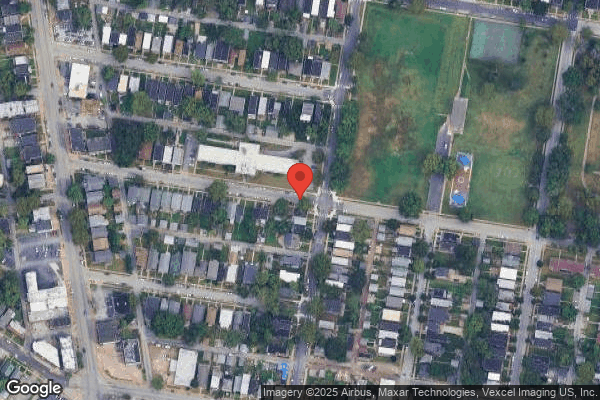
Sept 2019 17 deficiencies
CONCERN (D)

Potential for Harm - no one hurt, but risky conditions existed

Deficiency F0578 (Tag F0578)

Could have caused harm · This affected 1 resident

Based on interview and record review, the facility failed to ensure the residents' right to request, refuse and/or discontinue treatment and to formulate advance directives was followed by failing to ...

Read full inspector narrative →
Based on interview and record review, the facility failed to ensure the residents' right to request, refuse and/or discontinue treatment and to formulate advance directives was followed by failing to ensure residents' code status listed on the physician order sheet matched the resident's code status form for two of 19 sampled residents (Residents #17 and #19). The census was 71. 1. Review of the facility's advance directive policy, updated August 2019, showed: -The code status order and the code status form must match; -All code status will be reviewed quarterly in care plan meetings and with significant change in condition; -If any code status updates or changes are made with the social services directives; social services will immediately notify nursing and the Director of Nursing (DON), and update the code status books and the care plan. 2. Review of Resident #17's medical record, showed: -A signed code status form, dated 6/17/19, with a code status of do not resuscitate (DNR, no lifesaving methods are performed); -Physician order sheet (POS), dated 9/1/19 through 9/30/19, showed an order for full code (all lifesaving methods are performed) status. 3. Review of Resident #19's medical record, showed: -A signed code status form, dated 12/21/18, with a code status of full code; -A POS, dated 9/1/19 through 9/30/19, showed: -An order, dated 5/3/17, for full code; -An order, dated 12/24/18, for DNR; -An order, dated 2/12/19, for DNR. 4. During an interview on 9/6/19 at 12:30 P.M., the DON said she would expect the signed code status and the code status on the POS to match. Social services is responsible for ensuring the POS showed the accurate code status.
CONCERN (D)

Potential for Harm - no one hurt, but risky conditions existed

Deficiency F0658 (Tag F0658)

Could have caused harm · This affected 1 resident

**NOTE- TERMS IN BRACKETS HAVE BEEN EDITED TO PROTECT CONFIDENTIALITY** Based on observation, interview and record review, the facility failed to ensure services provided by the facility meet professi...

Read full inspector narrative →
**NOTE- TERMS IN BRACKETS HAVE BEEN EDITED TO PROTECT CONFIDENTIALITY** Based on observation, interview and record review, the facility failed to ensure services provided by the facility meet professional standards of quality of care for 3 of the 19 residents sampled. The facility failed to obtain physician orders for two residents (Residents #60 and #3), failed to document an infection for one resident (Resident #3) and failed to follow a physician order by not obtaining a diagnostic test for one resident (Resident #50). The census was 71. 1. Review of Resident #60's admission Minimum Data Set (MDS), a federally mandated assessment instrument completed by the facility staff, dated 6/18/19, showed: -Brief Interview for Mental Status (BIMS) score: of 15 out of a possible 15, which indicates cognitively intact; -Diagnoses included: Cancer, anemia and paraplegia (paralysis of the legs and lower body); -Special treatments, procedures, and programs: chemotherapy was marked for both, while not a resident and while a resident. Interviews with the resident, showed: -On 9/3/19 at 10:00 A.M., the resident said he/she goes out of the facility for chemotherapy once a week; -On 9/5/19 at 8:06 A.M., the resident said he/she was getting ready to go out for chemotherapy today. During an interview on 9/5/19 at 12:15 P.M., Licensed Practical Nurse (LPN) E said the resident went out for chemotherapy. Review of the resident's medical record, showed: -No order for chemotherapy on the physician order sheet; -The care plan showed the following problems: -Resident is receiving chemotherapy related to breast cancer; -Resident has nausea and vomiting related to chemotherapy. Diagnosis of carcinoma (cancer) left breast. During an interview on 9/6/19 at 12:28 P.M., with administrator, Director of Nursing (DON) and the assistant Director of Nursing (ADON), they said residents should have an order for chemotherapy on the physician order sheet. The administrator said sometimes orders drop off the physician order sheet and they do not know why. The nurse is responsible for entering orders into the computer. 2. Review of the facility's skin breakdown policy, revised 3/2014, showed: -Assessment and recognition: The nurse shall describe, document and report the following: -Full assessment including location, stage, length, width and depth; -Pain assessment; -The resident's mobility status; -Current treatments, including support surfaces; -All active diagnoses; -The physician will assist the staff to determine the cause and characteristics of the skin alteration; -Cause identification: The physician will help identify factors contributing of predisposing residents to skin breakdown, such as medical co-morbidities such as diabetes, heart failure, overall medical stability, or fragile skin; -Treatment and management: The physician will authorize pertinent orders related to wound treatments, including wound cleansing, dressing and application of topical agents if indicated. Review of Resident #3's annual MDS, dated [DATE], showed: -Cognitively intact; -Extensive staff assistance needed with toileting, hygiene and transfers; -Diagnoses of anxiety, diabetes, vascular disease and heart failure. Observations on 9/4/19 10:05 A.M., 12:02 P.M., and 2:01 P.M., showed the resident asleep in his/her wheelchair in his/her room with his/her right lower leg wrapped with an undated dressing. Review of the electronic physician order sheet (ePOS), showed an order dated 9/4/19, for Doxycycline (antibiotic) 100 milligrams (mg) tablet. Take one tablet by mouth twice a day for infection for 11 days. Review of the care plan, in use at the time of the survey, showed no entry regarding a wound to the right lower leg or antibiotic use. Review of the September 2019 treatment administration record (TAR), dated 9/1/19 through 9/31/19, showed no orders for treatments or dressings for the right lower leg. Review of the nurse notes, showed on 9/4/19 at 2:45 P.M., the resident noted to have some swelling in bilateral (both sides) lower extremities. He/she noted to have some weeping (leaking of fluid from the tissue). The area had no warmth and minimal pain noted. Call placed to the physician and new order to increase of Lasix (diuretic, used to remove excessive fluid from the body) to three times a day and begin antibiotic for ten days. The note did not address treatment to the lower leg for the open areas. Review of the licensed nurse weekly skin assessment, dated 9/4/19, showed the resident had bilateral lower extremity swelling and weeping. No further documentation noted for physician contact or treatment orders on the form. Observations on 9/4/19 at 3:15 P.M., showed the resident asleep in his/her wheelchair in his/her room. His/her right lower leg wrapped with an undated dressing. During an interview at 4:45 P.M., the resident said he/she had blisters on his/her lower leg and the blisters broke open. There had been some drainage and the nurse had wrapped his/her leg. Review of the nurse notes, showed on 9/5/2019 at 7:21 A.M., the resident continues on antibiotic for cellulitis (bacterial skin infection). No signs or symptoms of adverse reactions. Will continue to monitor. The resident's temperature measured 97.7 degrees. No documentation noted regarding treatment to the lower right leg. During an observation and interview on 9/5/19 at 8:22 A.M., the resident sat awake in his/her wheelchair in his/her room. An undated bandage noted to his/her right lower leg and he/she said the blisters still drain fluid. None of the nurses had changed the bandage since it had been applied a day ago. During an observation and interview on 9/6/19 at 7:15 AM the resident said the bandage had been on his/her right lower leg for several days and had not been changed. He/she had developed a blister to the area and it opened up and a nurse put the bandage on several days ago. The area did not hurt but he/she knew the area had been draining. The nurse told him/her that the doctor had started an antibiotic for the cellulitis but he/she did not know why the bandage had not been changed yet. During a skin observation and interview on 9/6/19 at 7:28 A.M., the DON said she had not been notified of any current skin issues the resident had. She entered the resident's room and asked the resident about the bandage around his/her right lower leg. The resident said that he/she had developed blisters on his/her right lower leg. The blisters had broken open and started draining. He/she had told the nurse and the nurse had wrapped his/her lower leg. The nurse also called the doctor and he/she started antibiotics for the blisters. The DON left the room and verified with the day shift nurse that he/she had not been notified of any new skin treatment orders for the resident and added that the resident is on antibiotic therapy documentation. The DON verified the resident had no current orders for new skin treatments. Upon assessment, the DON removed the undated gauze wrap from the right lower leg and confirmed the bandage had dried yellow drainage to the back of the dressing. The DON removed the dressing and noted the blister had a section of Silver alginate (topical antimicrobial agent) applied over the open blister. The DON cleaned the open blister, the wound noted to the front of the right lower leg, which appeared red and moist. The area measured 0.8 centimeters (cm) long x 2. 2 cm wide. The DON applied a dry dressing. The DON said she will contact the wound physician and get treatment orders to treat the area. The DON said that the nurse who applied the treatment should have obtained an order for treatment. The nurse should have also reported the wound to the following shift and entered a nurse's note. She also expected the nurse aides to have informed the charge nurse over the last several days that they had noted a bandage to the resident's lower leg. Further review of the ePOS, showed an order dated 9/6/19 at 8:07 A.M., for Silver Sulfadiazine (topical antibiotic) cream 1%. Apply to the front of the right lower leg daily for skin blisters. 3. Review of Resident #50's quarterly MDS, dated [DATE], showed: -Moderate cognitive impairment; -Extensive one person physical assist required for bed mobility, transfer, dressing, toilet use and personal hygiene; -Diagnoses included high blood pressure, blood clots and diabetes Review of the resident's care plan, dated 6/25/19, showed: -Problem: On anticoagulant (blood thinner) therapy due to peripheral vascular disease (poor blood flow to the lower extremities). This may cause bruising due to medication's blood thinning property. Puts at risk for bleeding and bruising; -Intervention: Be free from discomfort or adverse reactions related to anticoagulant use through the review date. Administer anticoagulant medications as ordered by physician. Monitor for side effects and effectiveness each shift. Daily skin inspection. Report abnormalities to the nurse; -Problem: At risk for pressure ulcers due to weakness requiring staff support and incontinence; -Intervention: Avoid shearing resident's skin during positioning, transferring, and turning. Conduct a systematic skin inspection weekly. Pay particular attention to the bony prominences. Report any signs of skin breakdown (sore, tender, red, or broken areas). Use lifting device lift sheet to move resident in bed. Review of the resident's nurse's notes, showed the following: -On 7/10/19, certified nursing assistant (CNA) notified this nurse that the resident has wounds on his/her feet, upon observation this nurse noted a discoloration/growth on the right 4th toe, and a small open area on left great toe. The DON was notified and assessed the area. Open area cleansed, and dry dressing applied. Wound physician to follow; -On 7/11/2019, Skin/Wound Note: Wound physician was in to see area to resident's left foot. Area to left 4th toe noted discoloration, drainage and small amount of bleeding. New order noted. Toe nail and surrounding tissue removed from area. Pedal (foot) pulses weak. Resident stated he/she hit his/her toe some time ago and felt no pain to the area. New order for tubigrip (cloth mesh used to protect the skin) and arterial Doppler (test with ultrasound to look at the blood flow in the large arteries and veins in the arms and legs) to be done. Review of the resident's ePOS, dated 7/11/19, showed an order for an arterial Doppler to the resident's bilateral (both side) extremities. Further review of the resident's medical record, showed no Doppler had been completed. During an interview on 9/6/19 at 12:26 P.M., the administrator said the Doppler had not been completed and staff are expected to follow physician's orders.
CONCERN (D)

Potential for Harm - no one hurt, but risky conditions existed

ADL Care (Tag F0677)

Could have caused harm · This affected 1 resident

**NOTE- TERMS IN BRACKETS HAVE BEEN EDITED TO PROTECT CONFIDENTIALITY** Based on observation, interview and record review, the facility failed to provide thorough personal care for two of three care o...

Read full inspector narrative →
**NOTE- TERMS IN BRACKETS HAVE BEEN EDITED TO PROTECT CONFIDENTIALITY** Based on observation, interview and record review, the facility failed to provide thorough personal care for two of three care observations (Residents #53 and #66). The facility also failed to provide grooming and nail care to one resident (Resident #50) of 19 sampled residents. The census was 71. 1. Review of facility's perineal care (cleansing the front of the hips, between the legs and buttocks) policy, revised 10/2010, showed: -Purpose: To provide cleanliness and comfort to the resident, to prevent infection, skin irritation and to observe the resident's skin; -Procedure: -Wet the washcloth and apply soap or skin cleansing agent; -Wash the perineal area, wiping from the front to the back; -Separate the skin folds and wash downward from the front to the back. Wash moving from inside to the outside including the thighs, alternating from side to side and use downward strokes. Do not reuse the same washcloth or water to clean in between the skin folds; -Rinse the skin in the same direction, use fresh water and clean washcloths. Gently dry the areas; -Assist the resident onto her side. Use clean washcloths and cleanse the rectal area in a front to back motion. Rinse and dry the skin. 2. Review of Resident #53's Annual Minimum Data Set (MDS), a federally mandated assessment instrument completed by facility staff, dated 7/1/19, showed: -Severe cognitive impairment; -Total assistance required for transfers; -Total dependence on staff for toileting; -Extensive staff assistance required for hygiene; -Diagnoses of Alzheimer's disease, anxiety and deep vein thrombosis (DVT, blood clots). Review of the resident's care plan, in use at the time of the survey, showed: -Problem: The resident's ability to toilet and maintain personal hygiene has deteriorated; -Goal: The resident will maintain his/her current ability to assist in care; -Interventions: Provide extensive assistance for toileting and to maintain personal hygiene. During an observation and interview on 9/4/19 at 1:33 P.M., Certified Nurse Aides (CNA) B and C entered the resident's room, applied gloves and assisted the resident to lay on his/her back in bed. CNA B and CNA C removed the resident's pants, unfastened the urine saturated brief and tucked the brief between the resident's legs. Both aides removed their gloves, sanitized their hands, and applied clean gloves. CNA B obtained a wet wipe and wiped in a back and forth motion under the resident's abdominal fold and used the same wet wipe to cleanse in a back and forth motion on the front thigh folds and disposed of the wet wipe. CNA B and CNA C assisted the resident onto his/her side and exposed the buttocks. CNA C obtained a wet wipe and cleaned the back of the resident's thighs in a back and forth motion. CNA C removed his/her gloves and placed a clean brief under resident. CNA B and CNA C assisted the resident onto his/her back and removed the dirty brief. CNA B used a wet wipe and wiped the outside of the groin in a back and forth motion. CNA B and CNA C secured the clean brief into place. Neither CNA B nor CNA C separated the skin folds of the groin or buttocks to provide cleansing before securing the brief into place. CNA B and CNA C said cleansing should be completed in a front to back motion. Skin folds should be separated to provide thorough cleaning. During an interview on 9/6/19 at 12:46 P.M., the Director of Nursing (DON) and administrator said perineal cleansing should be in a front to back motion. Clean linen should be used for each part of the body. All areas should be cleansed. 3. Review of Resident #66 significant change MDS, dated [DATE], showed: -Severe cognitive impairment; -Total staff assistance needed for toileting and hygiene; -Received hospice services; -Diagnoses of dementia, diabetes and anxiety. During an observation and interview on 9/4/19 at 3:15 P.M., CNA D entered the resident's room, washed his/her hands and applied gloves. He/she filled two bath basins, applied soap into one of the basins and placed two washcloths into the soapy water. He/she explained care to the resident and placed the basins on the bedside table. He/she obtained a soapy wash cloth from basin and wiped in a front to back motion on the front groin. He/she obtained a second soapy washcloth, repeated the motion and tucked both of the washcloths in between the front of the resident's legs. CNA D changed his/her gloves, obtained a wet washcloth from the rinse basin and wiped the front groin in a front to back motion and tucked the wash cloth in between the resident's legs. CNA D assisted the resident to turn onto his/her side and exposed the buttocks. CNA D pulled the used washcloths from in between the resident's legs, wiped between the resident's buttocks and wiped the buttocks. CNA D did not use clean wash cloths to clean the back side of the resident. He/she did not separate the front groin skin folds and provide cleaning. 4. Review of Resident #50's quarterly MDS, dated [DATE], showed: -Moderate cognitive impairment; -Extensive one person physical assist required for bed mobility, transfers, dressing, toilet use and personal hygiene; -Diagnoses included high blood pressure, blood clots and diabetes. Review of the resident's care plan, dated 6/25/19, showed: Problem: Resident's ability to transfer, walk in room, walk in corridor, dress, toilet, maintain personal and oral hygiene has deteriorated due to cognitive loss, age related debility; -Intervention: Provide adequate assistance for safe completion of activities of daily living (ADLs); -Do not rush the resident. Allow extra time to complete ADLs; -Monitor for presence of pain/intolerance during self-care; -Provide extensive one person assistance for bed mobility, transfers, locomotion, dressing, toileting, personal and oral hygiene, and bathing; -Therapy for strengthening/endurance; -Report any further deterioration in status to physician. Observation of the resident on all days of the survey, from 9/3/19 through 9/6/19, showed the resident's finger nails to be long and dirty, with a brown substance under the nails. During an interview on 9/6/19 at 12:26 P.M., the administrator said the nurses were responsible for ensuring diabetic resident's nails are kept trimmed. All nursing staff are responsible for ensuring resident's nails were clean. MO00160425
CONCERN (D)

Potential for Harm - no one hurt, but risky conditions existed

Deficiency F0679 (Tag F0679)

Could have caused harm · This affected 1 resident

**NOTE- TERMS IN BRACKETS HAVE BEEN EDITED TO PROTECT CONFIDENTIALITY** Based on interview and record review, the facility failed to provide, based on the comprehensive assessment and care plan and th...

Read full inspector narrative →
**NOTE- TERMS IN BRACKETS HAVE BEEN EDITED TO PROTECT CONFIDENTIALITY** Based on interview and record review, the facility failed to provide, based on the comprehensive assessment and care plan and the preferences of each resident, an ongoing program to support residents in their choice of activities designed to meet the interests and support the physical, mental, and psychosocial well-being of each resident by failing to provide documented one to one individual activities to three of 19 sampled residents. In addition, the facility failed to adequately document the activities provided and the length of time of the activity (Residents #19, #52, and #66). The census was 71. 1. Review of the facility's activity calendar, showed one to one activities was scheduled on the following dates and times: -Monday through Friday at 5:30 P.M.; -Saturday and Sunday at 11:30 A.M. 2. Review of the Resident #19's annual Minimum Data Set (MDS), a federally mandated assessment instrument completed by staff, dated 5/18/19, showed: -Brief Interview for Mental Status (BIMS), a screening tool used to assess cognitive impairment, score of 14 out of 15, which showed the resident was cognitively intact; -Extensive assistance required for bed mobility, transfers, dressing and hygiene; -Diagnoses included high blood pressure, gastroesophageal reflux disease (GERD, acid reflux), multiple sclerosis (MS, neurological disorder), and depression; -Interview for activity preferences: -How important it is to you to have books, newspapers, and magazines to read: Very important; -How important is it to you to listen to music you like: Somewhat important; -How important is it to you to be around animals such as pets: Somewhat important; -How important is it to you to keep up with the news: Very important; -How important is it to you to do things with groups of people: Somewhat important; -How important is it to you to do your favorite activity: Very important; -How important is it to you to participate in religious services or practices: Very important; -Further review showed activities was triggered to be added to the care plan. Review of the resident's quarterly MDS, dated [DATE], showed: -A BIMS score of 14 out of 15, which showed the resident was cognitively intact; -Extensive assistance required for bed mobility, dressing, and personal hygiene; -Diagnoses included high blood pressure, MS, depression, osteomyelitis (bone infection), bacterial infection, and vitamin D deficiency. Review of the resident's care plan, dated 9/4/19, showed no documentation of the resident's choices and preferences of activities. Review of the resident's one to one activity sheet, showed: -Has one to one activities two times a week; -July 2019: On 7/1/19, mail; -On 7/3/19, television; -On 7/10/19, mail; -On 7/24/19, room visit; -August 2019: -On 8/14/19, room visit; -On 8/13/19, mail; -On 8/20/19, room visit; -On 8/22/19, room visit; -On 8/25/19, room visit; -On 8/27/19, room visit -No further description of what room visit entailed. Observation on 9/3/19 at 9:37 A.M. and 2:00 P.M., 9/4/19 at 1:41 P.M. and 5:44 P.M., and 9/5/19 at 12:22 P.M., showed the resident lay in his/her bed and watched television. 3. Review of Resident #52's annual MDS, dated [DATE], showed: -Rarely/never understood; -Total dependence with bed mobility, transfers, dressing, eating, toileting, and hygiene; -Diagnoses included pneumonia, cerebrovascular accident (CVA, stroke), and seizure disorder; -Unable to interview for daily and activity preferences; -Staff assessment of daily and activity preferences: -Receiving bed bath; -Receiving sponge bath; -Family or significant other involvement in care discussion; -Listening to music; -Participating in favorite activities; -Activities care area triggered and indicated as care planned. Review of the resident's care plan, dated 7/3/19, showed no documentation of the resident's choices and preferences of activities. Review of the resident's one to one activity sheet, showed: -Resident has one to one activities once a week; -July 2019: -On 7/2/19, room visit with resident and husband; -On 7/9/19, mail; -On 7/17/19, sat with resident and talked to him/her; -On 7/24/19, room visit; -August 2019: -On 8/15/19, mail; -On 8/28/19, mail; -On 8/20/19, room visit -No further description of the listed activities for the resident. Observation on 9/3/19 at 10:53 A.M. and 2:10 P.M., 9/4/19 at 1:50 P.M. and 6:36 P.M., and 9/5/19 at 12:00 P.M., showed the resident lay in his/her bed. 4. Review of Resident #66's significant change MDS, dated [DATE], showed: -Severe cognitive impairment; -Activity preferences, completed by the resident, showed: -How important is it for you to have books, newspapers and magazines to read: Somewhat important; -How important is it for you to listen to music you like: Somewhat important; -How important is it for you to keep up with the news: Somewhat important; -How important is it for you to do your favorite activities: Somewhat important; -How important is it for you to go outside and get fresh air when the weather is good: Somewhat important; -How important is it for you to participate in religious services or practices: Somewhat important; -Received hospice services. Review of the resident's one to one activity sheet, showed: -June 2019: -On 6/2: Room visit; -On 6/5: Room visit; -On 6/12: Bingo; -On 6/14: Room visit; -On 6/16: Room visit; -On 6/18: Room visit; -On 6/25: Chat; -On 6/27: Room visit; -July 2019: -On 7/2: Room visit; -On 7/3: Room visit; -On 7/9: Room visit; -On 7/11: Room visit; -On 7/17: Room visit; -On 7/18: Room visit; -On 7/23: Room visit; -On 7/24: Room visit; -August 2019: -On 8/14: Chips; -On 8/16: Donuts; -On 8/20: Room visit; -On 8/22: Room visit; -On 8/25: Room visit; -On 8/27: Room visit; -No further description of what room visit entailed. Review of the resident's care plan, updated 8/2019, showed activity needs was not addressed. Observations on 9/3/19 at 9:53 A.M. and 12:22 P.M., 9/4/19 at 2:05 P.M., and 4:35 P.M., 9/5/19 at 1:22 P.M., and 9/6/19 at 7:46 A.M., showed the resident lay in his/her bed. 5. During an interview on 9/6/19 at 8:52 A.M., the activity director said she would expect all one to one activities to include meaningful activities to enhance the resident's sense of well-being and to promote or enhance physical, cognitive, and emotional health. Residents who are not able to attend the facility's group activities are added to the one to one activity list. One to one activities are throughout the day. They are not limited to a specific day or time as shown on the facility's calendar. Residents are asked what they would like to do. One to one activities include hugs, watching television, listening to music. The activity is for 15 minutes. The previous activity director completed the documentation, but moving forward, the documentation will show more information.
CONCERN (D)

Potential for Harm - no one hurt, but risky conditions existed

Pressure Ulcer Prevention (Tag F0686)

Could have caused harm · This affected 1 resident

**NOTE- TERMS IN BRACKETS HAVE BEEN EDITED TO PROTECT CONFIDENTIALITY** Based on observation, interview and record review, the facility failed to ensure residents with pressure ulcers received necessa...

Read full inspector narrative →
**NOTE- TERMS IN BRACKETS HAVE BEEN EDITED TO PROTECT CONFIDENTIALITY** Based on observation, interview and record review, the facility failed to ensure residents with pressure ulcers received necessary treatment and services, consistent with professional standards of practice, to promote healing, prevent infection and prevent new ulcers from developing for two of six resident's investigated for pressure ulcers resident's (Residents #19 and #169). The sample was 19. The census was 71. 1. Review Resident #19's quarterly Minimum Data Set (MDS), a federally mandated assessment instrument completed by facility staff, dated 8/18/19, showed: -Cognitively intact; -Extensive assistance required for bed mobility, dressing, and personal hygiene; -Diagnoses included high blood pressure, multiple sclerosis (MS, neurological disorder), depression, osteomyelitis (bone infection), bacterial infection, and vitamin D deficiency; -One stage VI (full thickness tissue loss with exposed bone, tendon or muscle. Slough or eschar may be present on some parts of the wound bed. Often includes undermining and tunneling) pressure ulcer (injury to the skin and/or underlying tissue, as a result of pressure or friction). Review of the resident's care plan, dated 6/3/19, showed: -Problem: Resident has a pressure ulcer(s) related to immobility and incontinence. Resident was admitted with wounds from the hospital. Pressure ulcer to his/her coccyx (tail bone); -Goals: Resident will allow staff to perform all cares to aid in healing and prevention of pressure ulcer; -Interventions: Assess and record the condition of the skin surrounding the pressure ulcer. Assess the pressure ulcer for location, stage, size (length, width, and depth), presence/absence of granulation tissue (new tissue growth) and epithelization (tissue growth and healing) weekly. Conduct a systematic skin inspection weekly. Report any signs of further skin breakdown. Treatment: As Ordered (refer to physician orders). Review of the resident's physician order sheet (POS), dated 9/1/19 through 9/30/19, showed: -An order, dated 5/4/17, for wound doctor (may have wound consult with facility wound doctor); -An order, dated 8/22/19, to apply Iodosorb gel (highly absorbent gel that provides a moist wound healing environment) to right buttock wound and cover with Tegaderm (transparent medical dressing) dressing, and then apply wound vacuum (wound vac, vacuum assisted closure used to conduct negative pressure wound therapy to promote healing) dressing over Tegaderm every day shift and every other day related to pressure ulcer of sacral (tail bone) region; -An order, dated 8/22/19, to change wound vac dressing every other day, add Puracol (a collagen dressing used for wound healing) and moisten foam with Dakin's (a strong antiseptic that kills most forms of bacteria and viruses) every day shift and every other day related to pressure ulcer of the sacral region; -The wound vac did not contain and order for the pressure setting. Review of the facility's wound report, dated 8/30/19, showed the following for the resident: -Location: Coccyx; -admitted with on 5/1/17; -Stage: IV; -Measurements: 4.5 centimeters (cm) x 1.5 cm x 1.0 cm (length, width, and depth); -Odor: yes; -Drainage: Moderate Serous (clear); -Description: Stage IV pressure ulcer. Fat and fascia layer (connective tissue beneath the skin that attaches, stabilizes, encloses, and separates muscles and other internal organs) exposed. Distinct wound margin. Wound bed 100% pink granulation. Periwound (wound edges) slightly reddened sheared area healing. Status: improving. Observation and interview, showed: -On 9/3/19 at 9:37 A.M. and 2:00 P.M., the resident lay in bed. The wound vac off. The resident said the wound vac continued to beep every two minutes. He/she informed the certified nurse aide (CNA) and he/she turned it off; -On 9/4/19 at 1:41 P.M., the wound vac off. At 5:44 P.M., the wound vac on and set at 125 millimeters of mercury (mmHg, unit of pressure measurement); -On 9/5/19 at 12:22 P.M., the wound vac on and set at 125 mmHg. During an interview on 9/6/19 at 12:26 P.M., the Director of Nursing (DON) said if a resident had an order for a wound vac, she would expect the amount of suction to be documented on the POS and the order should be followed. 2. Review of Resident #169's admission MDS, dated [DATE], showed: -admitted [DATE]; -At risk for pressure ulcers; -One stage III (full thickness tissue loss, subcutaneous fat may be visible but the bone, tendon or muscle is not exposed) Slough may be present but does not obscure the depth of tissue loss. May include undermining or tunneling) pressure ulcer on admission. Review of the resident's care plan, showed: -Stage III pressure ulcer on coccyx upon admission; -Pressure ulcer will show signs of healing and remain free from infection by/through review date; -Administer medications as ordered. Monitor/document for side effects and effectiveness. Administer treatments as ordered and monitor for effectiveness. Assess/record/monitor wound healing weekly Measure length, width and depth where possible. Assess and document status of wound, wound bed and healing progress. Report improvements and declines to the physician. Avoid positioning the resident on coccyx. Follow facility policies/protocols for the prevention/treatment of skin breakdown. Monitor dressing during shift while providing care to ensure it is intact and adhering. Report loose dressing to treatment nurse. Monitor/document/report as needed any changes in skin status: appearance, color, wound healing, signs/symptoms of infection, wound size (length X width X depth), stage. Followed by wound physician weekly. Review of the resident's medical record, showed: -admitted [DATE]; -discharged to a hospital 8/20/19; -Diagnoses included pressure ulcer of sacral (sacrum, tail bone area) region. Review of the resident's admission skin assessment, dated 8/2/19, showed: -Sacrum pressure ulcer; -No wound description, treatment orders or measurements. Review of the resident's admission Braden assessment (an assessment to determine pressure ulcer risk), dated 8/2/19, showed a score of 11 (high risk). Review of the resident's progress notes, showed: -On 8/2/19 at 6:32 P.M., admission Summary Note Text: Resident admitted to facility via ambulance. Diagnoses: Respiratory failure, congestive heart failure, shortness of breath, unstageable pressure ulcer to coccyx (depth of the wound unable to be determined due to coverage of dead tissue); -No measurements or description of the wound or documentation of a treatment applied. Review of the resident's POS, showed: -No treatment order upon admission; -An order dated 8/3/19, cleanse coccyx wound with normal saline, apply silver alginate (absorbent dressing), and cover with Mepilex (occlusive dressing). Change every 3 days. Order discontinued on 8/8/19; -An order dated 8/8/19 (six days after admission with a pressure ulcer), low air loss mattress (a mattress that provides a constant flow of air in the mattress to help prevent pressure ulcers) for relieve pressure related to pressure ulcer of sacral region; -An order dated 8/9/19, Santyl (sterile enzymatic debriding ointment) packing strip moistened with Dakin's, ABD pad (highly absorbent dressing) and border foam (occlusive absorbent dressing). Change every day shift related to pressure ulcer of sacral region unspecified stage. Discontinued 8/15/19; -An order dated 8/16/19, apply gauze moistened with Dakin's 0.25%, ABD pad and border foam dressing every day shift related to pressure ulcer of sacral region unspecified stage. Review of the resident's physician wound note, dated 8/8/19, showed: -Date of service: 8/8/19 at 11:00 A.M.; -Chief complaint: initial visit for pressure ulcer in the coccyx; -Present on admission on [DATE]: Patient presents with one open wound that has been present from approximately 8/2/19. Resident has been treating wound in the following manner: in the skilled nursing facility. Reportedly has not been tested for an antibiotic resistant organism; -Integumentary: Wound status is open. The wound is currently classified as a category/stage III wound with etiology of pressure ulcer and is located on the coccyx. The wound measures 2.5 cm length x 1.5 cm width x 0.5 cm depth. There is no tunneling (the formation of open tunnels under the wound edges) noted, however, there is undermining (wound open underneath the border of the wound) starting at 12:00 (location when compared to the face of a clock) and ending at 6:00 with a max distance of 1 cm. There is a medium amount of serious drainage noted. There is a large 67-100% pink granulation within the wound bed. There is no necrotic (dead) tissue within the wound bed; -Wound cleansing and dressings: Cleanse wound with 0.25% Dakin's solution, apply Santyl to wound bed. Apply to wound bed 1-2 inch plain packing strip moistened with Dakin's solution. Cover wound with ABD, cover wound with bordered foam. Change daily and as needed; -Pressure relief/offloading: Pressure redistribution mattress per facility protocol. Wheelchair pressure distributing cushion per facility protocol. Review of the resident's weekly wound observation tool, showed: -On 8/11/19: Weekly wound observation tool: Coccyx pressure stage IV. Overall impression: First observation, no reference. Granulation tissue present (beefy red), slough tissue present (yellow, tan, white, stringy dead tissue) 50% slough, serous drainage moderate amount. length 25 millimeters (mm, 25 mm is equivalent to 2.5 cm), width 15 mm (1.5 cm), depth 05 mm (0.5 cm), undermining 1.0 (mm or cm not specified) from 12:00 to 6:00, well-defined wound edges, treatment: Santyl packing strip moistened with Dakin's, ABD pad, and Allevyn (border foam dressing). Evaluation: First observation; -On 8/15/19: Weekly observation tool: Low air loss mattress, coccyx pressure stage IV. Worsening, serous, moderate, no odor, 20 mm (2 cm) x 25 mm (2.5 cm) x 05 mm (0.5 cm), periwound reddened, irregular wound edges. Treatment plan: Santyl, packing strip, Dakin's, ABD and border foam. Evaluation wound progress: worsening; -No weekly wound observation tool completed prior to 8/11/19. Review of the facility's wound report, showed the following for the resident: -On 8/9/19: 2.5 x 1.5 x 0.5 moderate serous. Open wound to coccyx moderate slough noted, undermining 1 cm from 12:00 to 6:00, pink granulation noted; -On 8/15/19: admitted [DATE]: coccyx 2 x 2.5 x 0.5 moderate serous drainage. Open wound to coccyx moderate slough noted, undermining 0.7 cm from 3:00 to 11:00, periwound with necrosis; -No documentation prior to 8/9/19 for the resident. During an interview on 9/5/19 at 11:53 A.M., the wound physician said that nurses should follow orders. If the treatment order is not available he expected staff to contact him right away so he could change the order, if needed. Delay in treatments or not completing treatments as ordered could make a wound deteriorate, worsen or become infected. During an interview on 9/6/19 at 9:04 A.M., the DON said wound measurements should be obtained on admission if a wound is present, unless the wound doctor would be coming soon. In this circumstance, the wound measurements should have been obtained. The admission assessment should include a description of the wound. She is not sure how soon after admission of a resident with a pressure ulcer the resident should have an order for an air mattress. The treatment order should be obtained immediacy upon admission. Obtaining the order the next day is not acceptable. 3. Review of the facility's Pressure Ulcer/Skin Breakdown Clinical Protocol, revised March 2014, showed: -The nursing staff and attending physician will assess and document an individual's significant risk factors for developing pressure sores; -In addition, the nurse shall describe and document/report the following: -Full assessment of pressure sore including location, stage, length, width and depth, presence of exudate (drainage) or necrotic tissue; -Pain management; -Resident's mobility status; -Current treatments, including support surface; -All active diagnoses; -Staff will examine the skin of new admission for ulcerations or alterations in skin; -The physician will authorize pertinent orders related to wound treatments, including cleansing and debridement (removal of dead tissue) approaches, dressings, and application of topical agents if indicated for type of skin alteration. MO00159734
CONCERN (D)

Potential for Harm - no one hurt, but risky conditions existed

Deficiency F0688 (Tag F0688)

Could have caused harm · This affected 1 resident

Based on observation, interview and record review, the facility failed to ensure a resident with limited range of motion receives appropriate treatment and services to increase range of motion and/or ...

Read full inspector narrative →
Based on observation, interview and record review, the facility failed to ensure a resident with limited range of motion receives appropriate treatment and services to increase range of motion and/or prevent further decrease in range of motion by failing to follow the physician's order for restorative therapy, for one of 19 sampled resident (#50). The census was 71. Review of Resident #50's quarterly Minimum Data Set (MDS), a federally mandated assessment instrument completed by facility staff, dated 6/28/19, showed: -Moderate cognitive impairment; -Extensive one person physical assist required for bed mobility, transfer, dressing, toilet use and personal hygiene; -No restorative therapy provided; -Diagnoses included anemia, high blood pressure, blood clots and diabetes. Review of the resident's physician order, dated 6/1/18, showed he/she will receive restorative nursing program 3 times a week for maintaining function. Review of the resident's care plan, dated 6/25/19, showed: -Problem: History of falls due to cognitive loss, weakness and incontinence; -Interventions: Encourage to assume a standing position slowly. Verbal reminders not to ambulate/transfer without assistance. Obtain physical therapy consult for strength training, toning, positioning, transfer training, gait training, mobility devices. Review of restorative binder on 9/6/19 at 9:30 A.M., located on the 2nd floor, showed the following for the resident: -A restorative care date of 10/12/18; -No other documentation regarding restorative therapy; -During an interview at this time the restorative aide, said the resident did not receive restorative therapy. During an interview on 9/6/19 at 9:45 A.M., the therapy department director said the resident did not receive restorative therapy. During an interview on 9/6/19 at 12:26 P.M., the administrator said staff are expected to follow physician's orders.
CONCERN (D)

Potential for Harm - no one hurt, but risky conditions existed

Accident Prevention (Tag F0689)

Could have caused harm · This affected 1 resident

**NOTE- TERMS IN BRACKETS HAVE BEEN EDITED TO PROTECT CONFIDENTIALITY** Based on observation, interview and record review, the facility failed to ensure the residents environment remains as free of ac...

Read full inspector narrative →
**NOTE- TERMS IN BRACKETS HAVE BEEN EDITED TO PROTECT CONFIDENTIALITY** Based on observation, interview and record review, the facility failed to ensure the residents environment remains as free of accident hazards as possible and each resident received adequate supervision and assistance devices to prevent accidents by failing to ensure medications were secured and not accessible to residents, ensure proper transfer techniques were used during resident transfers, and failed to follow physician's orders for tubi-grips (tubular bandage) used to prevent injury, for three of 19 sampled residents (Residents #15, #53 and #50). The census was 71. 1. Review of the facility's storage of medication policy, revised 4/2017, showed: -Policy statement: The facility shall store all drugs and biologicals in a safe, secure and orderly manner; -Policy interpretation and implementation: -The nursing staff shall be responsible for maintaining medication storage and preparation areas in a clean and safe manner; -Drugs shall be stored in an orderly manner. Each resident's medications shall be assigned to an individual drawer or other holding area to prevent the mixing of medication of several residents. Observation on 9/3/19, showed: -At 9:00 A.M., Licensed Practical Nurse (LPN) H dispensed Resident #15's medications into plastic medicine cups: -One tablet amlodipine (used to treat high blood pressure) 10 milligram (mg); -One tablet of Metformin (used to treat diabetes) 500 mg; -One tablet of Lisinopril (used to treat high blood pressure) 10 mg; -One tablet of Aspirin (used to treat pain and support heart health) chewable 81 mg; -Liquid Keppra (used to treat seizure disorder) 100mg/10 milliliter (ml) liquid; -LPN H placed the medicine on top of the medication cart outside of the resident's room and said he/she needed to get the blood pressure cuff; -At 9:03 A.M., LPN H walked away from medication cart, and walked down the hallway to locate the blood pressure machine. The medication cart located outside the residents rooms in the hallway. Seven resident's ambulated in the hallway. The dispensed medications lay exposed on top of the medication cart. No other staff were present to monitor the medications or the medication cart; -At 9:09 A.M., LPN H returned with the blood pressure machine. He/she entered the resident's room and pulled the medication cart to the resident's open doorway. He/she left the dispensed medications on top of the medication cart. He/she obtained the resident's blood pressure; -At 9:11 A.M., LPN H entered the resident's blood pressure into the record, the medications remain exposed on top of the medication cart; -At 9:19 A.M., LPN H responded to a resident's call light, across the hallway. He/she left the medications on top of medication cart. No other staff present to monitor the medications, five residents ambulated past the exposed medications in the hallway; -At 9:21 A.M., LPN H returned from assisting the resident across the hallway and crushed the medications on top of the medication cart, and placed each medication into a separate plastic cup; -At 9:23 A.M., LPN H responded to assist a resident across the hallway in his/her bathroom. He/she left the five crushed medications on top of cart exposed to residents in the hallway. No other staff present to observe the exposed medications. LPN H returned to the medications on top of the cart at 9:25 A.M.; -At 9:26 A.M., LPN H entered the resident's room with the prepared medications and placed the medications on the over the bed table and poured water into each crushed medication cup; -At 9:29 A.M., LPN H left the resident's room to locate a staff member to assist to pull the resident up in bed, he/she left the medications exposed on the over bed table in the resident's room, the resident's bedroom door open to hallway; -At 9:30 A.M., LPN H returned with additional staff assistance, repositioned the resident and administered the medications. During an interview on 9/3/19 at 9:45 A.M., LPN H said he/she did not think to secure the exposed medications in the medication cart when he/she left to get the blood pressure machine since the machine appeared to be a short distance down the hallway. He/she wanted to respond to the resident who needed help in the bathroom and forgot to secure the medications at that time. Usually medications should not be exposed to other residents. If medications are exposed, residents could accidentally take those medications not prescribed to them. During an interview on 9/6/19 at 12:26 P.M., the Director of Nursing (DON) said that medications should not be left out, exposed and unattended. If medications are left unattended, other residents or staff could take the medications that are not ordered for them. If the staff had to respond to another resident, they should place the medications in the cart and lock the cart. 2. Review of Resident #53's annual Minimum Data Set (MDS) a federally mandated assessment instrument completed by facility staff, dated 7/1/19, showed: -Severe cognitive impairment; -Required total assistance with two staff for transfers; -Diagnoses of Alzheimer's, seizure disorder, anxiety and deep vein thrombosis (DVT, blood clots). During an observation and interview on 9/4/19 at 1:33 P.M., showed Certified Nurse Aides (CNA) B and C entered the resident's room with the sit to stand lift and explained the transfer to the resident. The resident's lower legs was noted to be very swollen. CNA B pushed the lift up to the resident's feet as he/she sat in the wheelchair. CNA C lifted the resident's feet and placed his/her feet onto the lifts foot pad. The resident yelled out oh that hurts to lift my feet and legs like that. CNA B pushed the lift closer to the resident with his/her feet on the lift foot rest, against the lift leg pad. No leg strap noted on the lift to secure the lower legs to the padding. CNA C applied the lift waist belt loosely around the resident's waist. CNA B placed the resident's hands on top of the lift arms. The lift noted to not have handle bars and black tape covered sections of the lift arms. CNA B operated the lift and the lift belt noted to slide under the resident's arms, the waist belt did not remain snug against the resident's waist. The resident lifted out of his/her wheelchair, the resident's lower legs observed not to be secured to the lift and the resident had no handle bars to assist himself/herself to stand up. He/she dangled at a 90 degree angle to the lift. CNA B and C transferred the resident approximately 5 feet to his/her bed, lowered the arms of the lift, disconnected the loose waist strap and assisted the resident to lay into bed. CNA B and C said the resident is often transferred with a sit to stand lift even though his/her legs are very swollen. The resident is not able to stand very well. The lift should have handle bars and a lower leg strap but they do not know what happen to the lift parts. There was another lift but it was in use and the CNA's wanted to lay the resident down in bed. During an interview on 9/6/19 at 12:26 P.M., the DON said when staff use a mechanical sit to stand lift, the resident's lower legs should be secured to the leg pads and the waist belt should be snug on the resident's waist. If the resident is not able to stand well during a sit to stand transfer, staff should stop the transfer and notify the nurse. The therapy department could provide a transfer assessment, the resident's care plan should reflect the current transfer needs of the resident. Review of the facility's safe lifting and movement of resident policy, revised 7/2017, showed: -Policy statement: In order to protect the safety and well-being of staff and residents, and to promote quality care, the facility uses appropriate techniques and devices to lift and move residents; -Policy interpretation and implementation: Resident safety, dignity, comfort and medical condition will be incorporated into goals and decisions regarding the safe lifting and moving of residents; -Nursing staff in conjunctions with the rehabilitation staff, shall assess individual resident's needs for transfer assistance on an ongoing basis. Staff will document resident transferring and lifting needs and the assessment shall include: -The resident's preferences for assistance; -The resident's mobility (degree of dependency); -The resident's size and weight bearing ability; -The resident's cognitive status; -Whether the resident is usually cooperative with staff and the resident's goals for rehabilitation, including restoring or maintaining functional abilities; -Mechanical lifting devices shall be used for heavy lifting, including lifting and moving residents when necessary; -Maintenance staff shall perform routine checks and maintenance of equipment used for lifting to ensure that it remains in good working order. 3. Review of Resident #50's quarterly MDS, dated [DATE], showed: -Moderate cognitive impairment; -Extensive one person physical assist required for bed mobility, transfer, dressing, toilet use and personal hygiene; -Diagnoses included high blood pressure, blood clots and diabetes Review of the resident's care plan, dated 6/25/19, showed: -Problem: On anticoagulant (blood thinner) therapy due to peripheral vascular disease (poor blood flow to the extremities). This may cause bruising due to medications blood thinning property. Puts at risk for bleeding and bruising; -Intervention: Be free from discomfort or adverse reactions related to anticoagulant use through the review date. Administer anticoagulant medications as ordered by physician. Monitor for side effects and effectiveness each shift. Daily skin inspection. Report abnormalities to the nurse; -Problem: At risk for pressure ulcers (injury to the skin caused by pressure or shearing) due to weakness requiring staff support and incontinence; -Intervention: Avoid shearing resident's skin during positioning, transferring, and turning. Conduct a systematic skin inspection weekly. Pay particular attention to the bony prominences. Report any signs of skin breakdown (sore, tender, red, or broken areas). Use lifting device lift sheet to move resident in bed. Review of the resident's physician's orders, dated 7/12/19, showed tubi-grips to bilateral (both sides) extremities, on in A.M. and off at bedtime. Review of the resident's nurse's notes, showed the following: -On 8/26/19 at 8:07 A.M., Skin/Wound Note: Resident sustained a skin tear on left lower arm during transfer by nurses' aid this morning around 5:00 A.M., area cleaned, pressure applied to stop bleeding, steri-strips, triple antibiotic and gauze applied to area; -On 8/26/19 at 8:34 A.M., Skin/Wound Note: CNA reported that resident sustained a skin break during transfer to the left lower arm, steri-strips, triple antibiotic applied to area, daughter, supervisor, and physician notified; -On 8/27/19, Incident Note, resident continues on follow up for skin tear to left forearm. Bruising noted around area and on left wrist. No new injuries noted, dressing to skin tear changed. Observations of the resident on all days of survey on 9/3/19 at 9:38 A.M. and 12:23 P.M., 9/4/19 at 1:34 P.M., 9/5/19 at 11:43 A.M., and 9/6/19 at 10:08 A.M., showed the resident did not wear his/her tubi-grips. Observation on 9/6/19 at 9:17 A.M., showed LPN I stood next to the resident who was seated in his/her wheelchair beside the nurse's medication cart. LPN I said the resident is supposed to have tubi-grips on and the CNA is responsible for putting them on. 4. During an interview on 9/6/19 at 12:26 P.M., the administrator said staff are expected to follow physician's orders.
CONCERN (D)

Potential for Harm - no one hurt, but risky conditions existed

Deficiency F0692 (Tag F0692)

Could have caused harm · This affected 1 resident

Based on observation, interview and record review, the facility failed to maintain acceptable parameters of nutritional status and offer a therapeutic diet when there is a nutritional problem and fail...

Read full inspector narrative →
Based on observation, interview and record review, the facility failed to maintain acceptable parameters of nutritional status and offer a therapeutic diet when there is a nutritional problem and failed to follow physician's orders and provide additional meal supplements as ordered for one resident with a significant weight loss (Resident #44) out of 19 sampled residents. The census was 71. Review of Resident #44's quarterly Minimum Data Set (MDS), a federally mandated assessment instrument completed by facility staff, dated 6/22/19, showed: - Severe cognitive impairment; -Set up help and supervision required with eating; -Wheelchair for mobility; -Weight loss of 5% or more over the last month or 10% or more over the last six months; -No swallowing disorders; -Weight 120 pounds (lbs.); -Nutritional approach: None; -Diagnoses included high blood pressure, diabetes, osteoporosis (weak and brittle bones), dementia and depression. Review of the resident's recorded weights, showed: -On 2/7/19 at 2:20 P.M., 135.4 lbs.; -On 3/19/19 at 1:25 P.M., 132.4 lbs.; -On 4/22/19 at 10:00 A.M., 129.6 lbs.; -On 5/9/19 at 12:07 P.M., 107.2 lbs.; -On 6/7/19 at 12:31 P.M., 119.8 lbs.; -On 7/11/19 at 4:11 P.M., 119.6 lbs.; -On 8/15/19, 113.2; lbs. (indicated a 16.39% weight loss in 6 months). Review of the resident's physician orders, showed on 6/1/19 an order for Med Pass (liquid nutritional supplement), updated on 8/20/19 for Med Pass 120 milliliters (mL) four times a day. Review of the resident's electronic medication administration record (eMAR), reviewed on 9/6/19, showed: -An order for Med Pass, 120 mL, four times a day at 9:00 A.M., 1:00 P.M., 5:00 P.M. and 9:00 P.M.; -On 8/1/19 through 8/31/19, not initialed as administered; -On 9/1/19 through 9/5/19, not initialed as administered. Review of the resident's dietician's progress note, dated 8/7/19, showed his/her current weight 113 pounds. Significant weight loss. Med Pass 90 mL four times a day. Spoke with nurse who reports resident eats little at meals and is easily distracted, must be redirected multiple times during a meal. Also very active rolling up and down hallways. Will drink Med Pass, recommend to increase to 120 ml four times a day to support stable weight. However, may continue to see weight loss if intake does not improve. Review of the resident's nurse's notes, showed on 8/20/2019, an order was received from the physician per dietary recommendation to increase Med Pass due to poor appetite and weight loss. Review of the resident's care plan, in use during the survey, showed: -Problem: Experiences wandering (moves with no rational purpose, seemingly oblivious to needs or safety); -Interventions: Provide care, activities, and a daily schedule that resembles the resident's prior lifestyle. When resident begins to wander, provide comfort measures for basic needs (pain, hunger, toileting, too hot/cold, etc.); -Problem: Confusion related to dementia (other than Alzheimer's disease); -Interventions: Allow sufficient time to complete self-care. Provide private, non-distracting environment for self-care activities. Structure daily programs around the physical aspects of the resident's life cognitive, exercise, eating, etc.; -Weight loss not indicated as a problem or direction to staff for potential weight loss interventions. Observation and interview on 9/6/19 at 9:15 A.M., Licensed Practical Nurse (LPN) I stood beside the medication cart. He/she said he/she was not aware of the resident's order for Med Pass was not on the resident's eMAR. He/she opened the eMAR and said the resident's Med Pass was not on the nurse's medication administration screen. He/she said it was the responsibility of person taking the order to add the order to the eMAR. He/she was aware the resident had experienced weight loss. During an interview on 9/6/19 at 9:28 A.M., the Director of Nursing (DON) said she was not aware the resident had weight loss or had an order for Med Pass, she did not believe the resident was on the weight loss list. During an interview on 9/6/19 at 12:26 P.M., the administrator said staff are expected to follow physician's orders.
CONCERN (D)

Potential for Harm - no one hurt, but risky conditions existed

Infection Control (Tag F0880)

Could have caused harm · This affected 1 resident

Based on observation, interview and record review, the facility failed to establish and maintain an infection prevention and control program designed to provide a safe, sanitary and comfortable enviro...

Read full inspector narrative →
Based on observation, interview and record review, the facility failed to establish and maintain an infection prevention and control program designed to provide a safe, sanitary and comfortable environment and to help prevent the development and transmission of communicable diseases and infections by failing to follow their policy for one resident who was on isolation out of 19 sampled residents (Resident #67). The census was 71. Review of the facility's Isolation-Notices of Transmission-Based Precautions policy, showed: -Policy Statement: -Appropriate isolation notices will be used to alert staff of the implementation of transmission-based precautions, while protecting the privacy of the resident; -Policy interpretation and implementation: -When transmission-based precautions are implemented, an appropriate sign (example: color coded) will be placed at the entrance/doorway of the resident's room. Signs will be used to alert staff of the implementation of transmission-based precautions and to alert visitors to report to the nurses' station before entering the room, while respecting the resident's privacy; -Blank is the color code/sign for airborne precautions: -Place a blank sign at the doorway instructing visitors to report to the nurses' station before entering the room; -Place a blank indicating airborne precautions on the head of the resident's bed and on the front of the resident's chart; -Blank is the color code/sign for contact precautions: -Place a blank sign at the doorway instructing visitors to report to the nurses' station before entering the room; -Place a blank indicating contact precautions on the head of the resident's bed and on the front of the resident's chart; -Blank is the color code/sign for droplet precautions: -Place a blank sign at the doorway instructing visitors to report to the nurses' station before entering the room; -Place a blank indicating droplet precautions on the head of the resident's bed and on the front of the resident's chart. Review of Resident #67's quarterly Minimum Data Set (MDS), a federally mandated assessment instrument completed by facility staff, dated 8/28/19, showed: -Brief interview of mental status (BIMS, a screen for cognitive impairment) score of 1 out of a possible 15; -BIMS score of 0-7, showed the resident had severe impairment; -Feeding tube; -Diagnoses included hypertension (high blood pressure), aphasia (condition characterized by either partial or total loss of the ability to communicate verbally or using written words), diabetes, septicemia (infection of the blood), cerebrovascular accident (CVA, stroke), dementia, depression, and seizure disorder. Review of the electronic physician order sheet (POS), dated September 2019, showed an order dated 9/3/19, for Vancomycin HCI (antibiotic) Solution 1250 milligrams (mg). Use 250 milliliters (ml) in the afternoon related to pressure ulcer (injury to the skin or underlying tissue as a result of pressure or friction) of sacral (tail bone) region, until 9/26/19. Review of the resident's progress notes, showed the resident diagnosed with vancomycin-resistant enterococcus (VRE, Infectious disease an enterococcus, primarily Enterococcus faecium, resistant to most antibiotics, including aminoglycosides and vancomycin). Observations on 9/4/19 at 1:59 P.M., 9/4/19 at 5:20 P.M., 9/5/19 at 7:42 A.M., and 9/6/19 at 9:52 P.M., showed a nightstand outside of the resident's room leaned against the wall along the left side of the doorway. Observation on 9/6/19, showed a box of gloves sat on the top of desk and lay inside of first drawer with a gait belt. Yellow isolation gowns lay inside of the second and third drawers. No sign posted on the door. Observations of the resident on 9/5/19 at 7:42 A.M., and 9/6/19 at 9:52 A.M. showed a pink sign on the right side of the wall after entrance into his/her room that read STOP, please check with the nurse's station before entering this room. During an interview on 9/6/19 at 12:30 P.M., the administrator, Director of Nursing (DON), and Assistant DON said there is protocol for staff to follow for residents who are on isolation precautions. They would expect the staff to follow the protocol. There should be a sign on the outside of the room before entering the room.
CONCERN (E)

Potential for Harm - no one hurt, but risky conditions existed

Deficiency F0568 (Tag F0568)

Could have caused harm · This affected multiple residents

Based on interview and record review, the facility failed to ensure generally accounting principles were followed, when they did not keep resident ledgers updated, ensure all monthly bank statements w...

Read full inspector narrative →
Based on interview and record review, the facility failed to ensure generally accounting principles were followed, when they did not keep resident ledgers updated, ensure all monthly bank statements were reconciled and provide documentation regarding quarterly statements. This affected 50 residents whom the facility held their funds of which 8 were sampled (Residents #15, #16, #17, #43, #56, #49, #6 and #44). The census was 71. 1. Record review of the facility resident trust fund for the previous 12 months, showed they could only provide the months of January 2019 through July 2019 of reconciled bank statements. 2. Record review of the resident ledgers, showed the following: -Resident #15's ledger had a balance of $210.03 and had not been brought current for several months as noted by the administrator (a sticky note was on the form). It could not be determined since when, as the ledger was not dated; -Review of Resident #16's ledger had an undated ending balance of $2588.25, but showed no deposits for his/her surplus spending money since April 2019. The ledger showed no ending balances for each month; -Review of Resident #17's ledger, showed an undated ending balance of $1,100.79. The ledger had not been brought current since before January 2019; -Review of Resident #43's ledger had an undated ending balance of $3434.92. The ledger had not been brought current since before January 2019; -Review of Resident #56's ledger had an undated ending balance of $6234.66. The ledger had not been brought current and since January 2019 and showed no deposits for his/her surplus spending money; -Review of Resident #49's ledger had an ending balance of $9446.79. The ledger had not been brought current since January 2019 and showed no deposits for his/her surplus spending money; -Review of Resident #6's ledger had an ending balance of $9720.30. The ledger had not been brought current since January and showed no deposits for his/her surplus spending money; -Review of Resident #44's ledger had an ending balance $6096.09. The ledger had not been brought current since January 2019 and showed no deposits for his/her surplus spending money. 3. During an interview on 9/6/19 at 10:00 A.M., the administrator from a sister facility (owned by same company) said they could not give more information regarding funds. They are down one accountant. The resident trust information is not in the building. The accountants came to the facility to gather the information to get it organized. They are typically at the facility once a week to do the trust. Funds are a mess, and she would not lie about it. They had problems since one Controller left in November. Another one replaced him/her. The receptionist has a list of residents with their current balance. The residents are receiving their $50 monthly. 4. During an interview on 9/6/19 at 11:39 A.M., the administrator and the administrator from a sister facility said they did not have copies of quarterly statements that would have been sent. Quarterly statements are sent but they did not know if copies are kept and they can't reprint if they have already been sent. For the residents that they are representative payee, their $50 should be posted on the ledger they did not know why it was not showing, but it should be. They got really behind with changes in controllers, and have had two different ones. One left in October/November 2018 and the other one has left as well. They were without one for a while. They know there are issues with funds and having everything match. They had to clean up the accounts receivable side now they would work on the resident trust side.
CONCERN (E)

Potential for Harm - no one hurt, but risky conditions existed

Deficiency F0569 (Tag F0569)

Could have caused harm · This affected multiple residents

**NOTE- TERMS IN BRACKETS HAVE BEEN EDITED TO PROTECT CONFIDENTIALITY** Based on interview and record review, the facility failed to ensure discharged residents received their money from the resident ...

Read full inspector narrative →
**NOTE- TERMS IN BRACKETS HAVE BEEN EDITED TO PROTECT CONFIDENTIALITY** Based on interview and record review, the facility failed to ensure discharged residents received their money from the resident trust account timely and failed to notify third party liability (TPL) within 30 days when a resident expires. This affected six residents who left the facility or expired (Residents #240, #241, #242, #243, #69 and #244). The census was 71. 1. Review of Resident #240's Checkbook balancer, showed a starting balance of $1044.28 and an ending balance of $3073.28. During an interview on [DATE] at 1:10 P.M., the administrator said he/she was discharged on [DATE]. 2. Review of Resident #241's Checkbook balancer, showed a starting balance of $129.28 and an ending balance of $164.28. During an interview on [DATE] at 1:10 P.M., the administrator said he/she was discharged on [DATE]. 3. Review of Resident #242's Checkbook balancer, showed a starting balance of $844.66 and an ending balance of $7189.66. Review of the admit/discharge form dated [DATE], showed he/she expired on [DATE]. The administrator could not provide a third part liability (TPL) form that would have been sent for the resident. 4. Review of Resident #243's Checkbook balancer, showed a starting balance of $807.75 and an ending balance of $897.75. Review of the admit/discharge form dated [DATE], showed he/she expired on [DATE]. The administrator could not provide a third part liability (TPL) form that would have been sent for the resident. 5. Review of Resident #69's Checkbook balancer, showed a starting balance of $221.01 and an ending balance of $6021.01. Review of the admit/discharge form dated [DATE], showed he/she expired on [DATE]. The administrator could not provide a third part liability (TPL) form that would have been sent for the resident. 6. Review of Resident #244's Checkbook balancer, showed a balance of $2697.85. Review of the admit/discharge form dated [DATE], showed he/she expired on [DATE]. The administrator could not provide a third part liability (TPL) form that would have been sent for the resident. 7. During an interview on [DATE] at 1:10 P.M., the facility administrator and the administrator from a sister facility said they may have done the TPL's but do not know where they are in the business managers office, who was not there that day. She remembered seeing a check for Resident #244. They did not know about the discharged residents being refunded their money.
CONCERN (E)

Potential for Harm - no one hurt, but risky conditions existed

Safe Environment (Tag F0584)

Could have caused harm · This affected multiple residents

**NOTE- TERMS IN BRACKETS HAVE BEEN EDITED TO PROTECT CONFIDENTIALITY** Based on observation and interview, the facility failed to maintain a safe, clean, comfortable and homelike environment by faili...

Read full inspector narrative →
**NOTE- TERMS IN BRACKETS HAVE BEEN EDITED TO PROTECT CONFIDENTIALITY** Based on observation and interview, the facility failed to maintain a safe, clean, comfortable and homelike environment by failing to maintain resident rooms, equipment, walls, air conditioner covers, and water fountains in good repair. The census was 71. 1. Review Resident #19's quarterly MDS, a federally mandated assessment instrument, dated 8/18/19, showed: -Cognitively intact; -Extensive assistance required for bed mobility, dressing, and personal hygiene. Observations on 9/3/19 at 9:37 A.M. and 2:00 P.M., 9/4/19 at 1:41 P.M. and 5:44 P.M. and 9/5/19 at 12:22 P.M., showed resident in his/her bed. The controller box for the low air loss mattress hung on the foot of the bed. The controller box on and the top cover missing, exposing the electronic wires. During an interview on 9/3/19 at 9:37 A.M., the resident said he/she does not get out of bed often. He/she was aware that the controller box at the foot of the bed was missing the cover. The wires had been exposed for over a year. During an interview on 9/6/19 at 8:15 A.M., the Maintenance Director said he was not aware that the cover was missing and wires were exposed. He confirmed that he would be responsible for repairing it or contacting a repair company if it were reported by staff. 2. Observations on all days of survey, from 9/3/19 through 9/6/19, showed in room [ROOM NUMBER], the corner of the wall on the right side of the room with a metal corner guard peeled away from the wall and bowed out approximately 2 inches. The metal corner with the paint and wall chipped from the floor to approximately 2 feet up the wall. The cove base peeled away and ripped approximately 1 foot from the corner. During an interview on 9/6/19 at 8:15 A.M., the maintenance director said there is a maintenance log that staff can complete or staff can inform him in person. Issues, such as damaged walls, should be reported. At 8:51 A.M., the maintenance director said the issues in room [ROOM NUMBER] were not issues that he was made aware of. 3. Observations of the water fountains, located on the ground level entrance, 1st floor nurse's station and 2nd floor nurse's station on 9/3/19 through 9/6/19, showed the water fountains not operational. 4. Observations of the 200 Hall residents' rooms, on 9/3/19 through 9/6/19, showed numerous air condition covers, covered with dirt, dust and debris. 5. Observation of the 200 Hall dining room, on 9/3/19 through 9/6/19, showed the wall located across from the elevator, covered in black scuff marks and pieces of missing dry wall. 6. During an interview on 9/6/19 at 8:16 A.M., Housekeeper Z said maintenance is responsible for keeping the covers cleaned, as well as the scuff marks on the wall. 7. During an interview on 9/6/19 at 8:20 A.M., the maintenance director said he cleans the air condition covers bi-weekly, he removes and power washes them. The scuff marks on the wall, he cleans when he sees them. The dining room wall is repaired several times a year. He was aware the water fountains were not working. 8. During an interview on 9/6/19 at 12:39 P.M., the administrator said she was not aware of the water fountains being broken. Maintenance is responsible for maintaining the equipment and she should be informed if something is not working.
CONCERN (E)

Potential for Harm - no one hurt, but risky conditions existed

Deficiency F0698 (Tag F0698)

Could have caused harm · This affected multiple residents

**NOTE- TERMS IN BRACKETS HAVE BEEN EDITED TO PROTECT CONFIDENTIALITY** Based on observation, interview and record review, the facility failed to obtain a physician order for residents who require dia...

Read full inspector narrative →
**NOTE- TERMS IN BRACKETS HAVE BEEN EDITED TO PROTECT CONFIDENTIALITY** Based on observation, interview and record review, the facility failed to obtain a physician order for residents who require dialysis. In addition, the facility failed to provide a pre and post assessment of residents who are receiving dialysis service. The facility identified two residents as receiving dialysis (Resident #370 and #24). Both residents were included in the sample of 19 and issues were found with both. The census was 71. 1. Review of Resident #370's admission Minimum Data Set (MDS), a federally mandated assessment instrument completed by the facility staff, dated 8/25/19, showed: -admitted [DATE]; -Brief Interview for Mental status (BIMS) score: 11, showed moderately impaired cognition; -Activities of daily living: needs assistance of one staff member for grooming, bathing, dressing and hygiene. Needs assistance of two staff members for transfers and toileting; -Diagnoses included: Atrial fibrillation (irregular heart beat), coronary artery disease (the narrowing or blockage of the coronary arteries), peripheral vascular disease (poor circulation), end stage renal disease (chronic irreversible kidney failure), diabetes, left below the knee amputation, and partial traumatic amputation of the right foot; -Special treatments, procedures, and programs: Marked for dialysis (process of filtering toxins from the blood in individuals with kidney failure) while a resident. Review of the residents care plan, in use at the time of survey, showed: -Problem: Resident needs dialysis related to end stage renal disease. Dialysis requests for resident to transfer with Hoyer lift (mechanical lift) at dialysis and needs to have Hoyer pad accompany resident on dialysis days, make sure on special scheduled days during holiday he/she has one as well; -Goal: Resident will have no signs and symptoms of complications from dialysis through the review date; -Intervention: -Check and change dressing daily at access site. Document; -Encourage resident to go to the scheduled dialysis appointments. Resident receives dialysis (specify frequency); -Hoyer pad should be sent with resident on dialysis days. He/she uses Hoyer lift at dialysis Mon, Wed, Fri; -Monitor for dry skin and apply lotion as needed; -Monitor labs and report to doctor as needed; -Monitor/document report to physician signs and symptoms of depression. Obtain order for mental health consult if needed; -Monitor/document/report as needed any signs and symptoms of infection to access site: Redness, swelling, warmth or drainage; -Monitor/document/report as needed for signs and symptoms of renal insufficiency (poor kidney function): changes in level of consciousness, changes in skin turgor, oral mucosa, changes in heart and lung sounds; -Monitor/document/report as needed for signs and symptoms of the following: Bleeding, hemorrhage (bleed), bacteremia (blood infection), septic shock (severe systemic infection); -Monitor/document/report as needed new/worsening peripheral edema (swelling). Work with resident to relieve discomfort for side effects of the disease and treatment (cramping, fatigue, headaches, itching, anemia, bone demineralization, body image change and role disruption). Review of the resident's medical record, reviewed on 9/4/19, showed: -No order on the physician order sheet for dialysis; -Only 2 pre dialysis assessments completed (8/16 and 8/30/19); -Only 2 post dialysis assessments completed (8/15 and 8/16); -Only 1 time was both the pre and post assessment completed (8/16/19). Observation of the resident, showed: -9/4/19 at 10:42 A.M., the resident sat in a wheelchair in his/her room, and said he/she is waiting for ride to dialysis; -9/4/19 at 11:30 A.M., dietary in room to see resident before going for dialysis; -9/4/19 at 11:50 A.M., the resident left floor in wheelchair propelled by escort, going to dialysis; -9/5/19 at 8:46 A.M., Physical Therapy (PT) G entered the resident's room to get the resident up. PT G noted a small amount of blood on a Kleenex (blood old dry rust colored) and spot of blood noted on resident's right hand. PT G positioned resident in bed, then, PT G went out of the room to talk to the nurse. The resident told PT G he/she had post nasal drip. The resident said he/she felt ok; -9/5/19 at 8:50 A.M., PT G returned to the resident's room. PT G checked the resident's oxygen saturation (O2 sat, percent of oxygen in the blood). A nurse came into the room and said his/her nose was bleeding but it has stopped now. The nurse asked the resident about bleeding. The nurse told the resident once he/she got up the nurse would get some vital signs and then the nurse left the room. PT G said I can't get a reading. PT G attempted to obtain an O2 sat on a different finger. O2 sat measured 91% (normal 95% through 100%) then PT G said the resident's O2 sat dropped to 88%. PT G assisted the resident to sitting position on the side of the bed. PT G instructed the resident on how to deep breathe. The residents O2 sat raised to 94%. PT G assisted the resident with dressing, while continuing to encourage the resident to deep breathe. PT Gturned on the call light. A certified nursing assistant (CNA) answered the call light. PT G asked if he/she could put oxygen on the resident because the resident is not maintaining his/her O2 sat. The administrator entered the room and says it's ok to apply oxygen. Oxygen was started at 2 liters; -On 9/5/19 at 9:04 A.M., PT G asked the resident if he/she got wiped out after dialysis yesterday and the resident replied yes. 2. Review of Resident #24's quarterly MDS, dated [DATE], showed: -BIMS score of 12 out of a possible 15; -BIMS score of 8-12, showed the resident had moderate impaired cognition; -Special treatment marked for dialysis; -Diagnoses included hypertension (high blood pressure), hyperlipidemia (high cholesterol), hip fracture, aphasia (condition characterized by either partial or total loss of the ability to communicate verbally or using written words), seizure disorder, schizophrenia (breakdown in relation between thought, emotion, and behavior leading to faulty perception, inappropriate actions and feelings), and anxiety disorder. Review of the resident's care plan, in use during the survey, showed: -Dialysis: The resident needs dialysis related to end stage renal disease (ESRD, chronic irreversible kidney failure). He/she receives dialysis on Mondays, Wednesdays, and Fridays, at a local dialysis provider. His/her chair time is 11:40 A.M. to 4:00 P.M. Review of the resident's most recent physician order sheet (POS), dated September 2019, showed the following: -Diagnoses included end stage renal disease and dependence on renal dialysis; -No specific order for the resident to receive dialysis, where or how often. 3. During an interview on 9/6/19 at 12:28 P.M., with the administrator, Director of Nursing (DON) and assistant DON, they said residents who receive dialysis should have a physician order for dialysis and should receive a pre and post assessment on dialysis days. The nurse is responsible for entering orders into the computer. The nurse is also be responsible for completing the pre/post dialysis assessments. Plus, the nurse is responsible for communicating with the dialysis center. Communication is done by phone or fax. 4. Review of the facility's End-Stage Renal Disease, Care of a Resident policy, revised September 2010, showed: -No specifications for obtaining a physician order for dialysis; -Staff caring for residents with End stage renal disease (ESRD), including residents receiving dialysis care outside the facility, shall be trained in care and special needs of these residents; -Education and training of staff includes, specifically: the type of assessment data that is to be gathered about the resident's condition on a daily or per shift basis, signs and symptoms of worsening condition and/or complications of ESRD.
CONCERN (E)

Potential for Harm - no one hurt, but risky conditions existed

Deficiency F0761 (Tag F0761)

Could have caused harm · This affected multiple residents

Based on observation, interview and record review, the facility failed to ensure drugs and biologicals used in the facility were stored in accordance with currently accepted professional principles, b...

Read full inspector narrative →
Based on observation, interview and record review, the facility failed to ensure drugs and biologicals used in the facility were stored in accordance with currently accepted professional principles, by failing to ensure all controlled substances were stored under double locks and ensuring medication and food used for medication administration was stored properly. This effected one of the two medication rooms and four of five medication/treatment/insulin carts reviewed. The census was 71. 1. Observation on 9/4/19 at 10:03 A.M., the first floor medication room, showed: -Two bottles of lorazepam intensol (narcotic medication used to treat anxiety) located inside the medication refrigerator. One bottle on a shelf in the back of the refrigerator and the other bottle located on shelf on the inside door of the refrigerator, behind only one lock. The door to the medication room locked. The door to the refrigerator not locked; -One container of pudding inside the medication refrigerator. 2. Observation on 9/4/19 at 10:03 A.M., the 100 [NAME] medication cart, showed: -Two push locks on the top of the cart. Only one of the two locks locked; -Licensed Practical Nurse (LPN) F unlocked the medication cart; -In the bottom drawer of the cart was a lock box. Next to the lock box, but not located inside the lock box, 20 cards of controlled medications stored, to include lorazepam, clonidine (narcotic sedative), tramadol (narcotic pain medication), hydrocodone/APAP (narcotic pain medication) and vimpat (controlled seizure medication). 3. Observation on 9/4/19 at 10:03 A.M., the 100 [NAME] treatment cart, showed: -One hydrocortisone cream (steroid) with no lid; -One silver sulfa cream (used to treat wounds) with no lid; -One tube of protective ointment with the cap opened and no name. LPN F said he/she did not know who the protective ointment belonged to. 4. Observation on 9/4/19 at 10:03 A.M., the 100 East treatment cart, showed: -The inside the top drawer contained two containers of pudding. One container of pudding with the top foil cover pulled half open, and the open part exposed the pudding to the air; -One tube of Gentamycin ointment (antibiotic) with no lid. 5. Observation on 9/4/19 at 10:03 A.M., the 100 hall insulin cart, showed: -One Novolog (short acting insulin) insulin pen, not open and no date on the medication to show when it had been removed from the refrigerator; -One tube of glucagon (a gelatin sugar paste, used to treat low blood sugar) with no cap/lid on the medication and no date on the tube for when the medication was opened. 6. During an interview on 9/4/19 at 10:10 A.M., Licensed Practical Nurse F said: -There are two nurses who have keys to the medication room; -The medications in the locked box, in the bottom drawer of the medication carts, are the medications the nurse's give; -The other controlled medications located in the bottom drawer, not in the locked box, are the medications the certified medication technicians (CMTs) give. 7. Review of the facility's undated Controlled Substance policy, showed: -The facility shall comply with all laws, regulations and other requirements related to handling, storage, disposal, and documentation of controlled substances; -Controlled substances must be stored in the bottom drawer of the medication cart. The controlled medications are locked in a separate container in the bottom drawer. This container must remain locked at all times, except when it is accessed to obtain medications for residents; -The policy does not specifically state controlled medications should be under double locks. 8. Review of the facility Storage of Medication Policy, revised April 2007, showed: -Medications must be stored separately from food and must be labeled accordingly; -Drugs and biologicals shall be stored in the packaging, containers or other dispensing systems in which they are received. Only the issuing pharmacy is authorized to transfer medications between containers; -Drugs containers that have missing, incomplete, improper, or incorrect labels shall be returned to the pharmacy for proper labeling before storing; -Drugs shall be stored in an orderly manner in cabinets, drawers, carts, or automatic dispensing systems. Each resident's medication shall be assigned to an individual cubicle, drawer, or other holding area to prevent the possibility of mixing medications of several residents. 9. During an interview on 9/6/19 at 12:28 P.M., with the administrator, Director of Nursing (DON), and assistant DON, showed: -They would expect controlled substances to be behind two locks; -The medication carts have two locks on them and they would expect both locks to be locked if narcotics are not locked inside the locked box in the bottom drawer of the medication cart; -The door to the medication room should be locked and the refrigerator has a locked box inside to store controlled medications; -Food should not be kept in the medication refrigerator; -Food on the medication carts should be covered; -Insulin pens should be stored in the refrigerator until ready to be used; -Insulin should be dated when removed from the refrigerator and have the residents name on it; -Ointments and creams should be covered with a lids or caps; -Medications in use on the treatment cart should have the resident's name on them; -Medications should not be left open in the cart.
MINOR (B)

Minor Issue - procedural, no safety impact

Resident Rights (Tag F0550)

Minor procedural issue · This affected multiple residents

**NOTE- TERMS IN BRACKETS HAVE BEEN EDITED TO PROTECT CONFIDENTIALITY** Based on observation, interview and record review, the facility failed to ensure staff treated residents in a respectful manner ...

Read full inspector narrative →
**NOTE- TERMS IN BRACKETS HAVE BEEN EDITED TO PROTECT CONFIDENTIALITY** Based on observation, interview and record review, the facility failed to ensure staff treated residents in a respectful manner by posting resident care signs in a resident room (Resident #36) and failed to knock on residents' doors before entering. In addition, the facility staff failed to speak in a dignified manner in the presence of residents. The census was 71. 1. Review of Resident #36's quarterly Minimum Data Set (MDS), a federally mandated assessment instrument completed by facility staff, dated 6/8/19, showed: -Clear speech at times; -Usually understands; -Rarely/never understood; -Diagnoses included heart failure, hypertension (high blood pressure), pneumonia, hyperlipidemia (high cholesterol), seizure disorder, diabetes and depression. Observations on 9/4/19 at 1:33 P.M. and at 5:18 P.M., 9/5/19 at 7:40 A.M. and 9/6/19 at 9:42 A.M., showed an uncovered two page sign on the wall, over the head of the resident's bed, stating: -Safe swallow strategies for Resident #36; -He/she is on a pureed diet with regular liquids; -He/she must be up in wheelchair for all intake. Must be up at 90 degrees in wheelchair for all meals; -Please feed him/her as needed; -He/she should have one teaspoon bites and sips; -Please allow him/her time to clear mouth completely prior to presenting next bite/sip; -Remind him/her to tongue sweep and clear residue; -No straws; -If he/she coughs, encourage him/her to cough hard with each swallow, remind him/her to swallow hard; -He/she must sit up at 90 degrees for 20 minutes following meal; -He/she must be supervised at all times when eating and drinking; -Alert charge nurse immediately if he/she exhibits any signs and symptoms of distress. During an interview on 9/5/19 at 12:30 P.M., the administrator, Director of Nursing (DON) and Assistant Director of Nursing (ADON) said the sign should not be on the wall. 2. Observations on 9/4/19, showed: -At 5:12 P.M., a staff member walked into Resident #5 room without first knocking; -At 5:16 P.M., another staff member walked into Resident #5 room without first knocking. Observation on 9/6/19 at 9:58 A.M., showed a staff member walked out of a room and across the hall into room [ROOM NUMBER] without knocking. During an interview on 9/5/19 at 12:30 P.M., the administrator, DON and ADON said it is expected that staff knock first before entering resident's room. 3. Observation on 9/3/19 at 12:52 P.M., showed Certified Nurse Aide (CNA) A stood in the dining room while he/she observed a female resident in his/her wheelchair transported to the dining room by staff. The resident and staff were behind a group of residents who were ambulating down the hall to the dining room with their walkers. CNA A continued to stand at the table and said loudly, come on to the staff transporting the resident down the hall. CNA A said loudly, Hurry up so he/she can eat two bites and leave again. During an interview on 9/6/19 at 12:30 P.M., the DON said that was not an appropriate response for staff to say about a resident. Staff are expected to treat residents with dignity and respect.
MINOR (B)

Minor Issue - procedural, no safety impact

Assessment Accuracy (Tag F0641)

Minor procedural issue · This affected multiple residents

**NOTE- TERMS IN BRACKETS HAVE BEEN EDITED TO PROTECT CONFIDENTIALITY** Based on interview and record review, the facility failed to ensure the resident assessment accurately reflected the residents'...

Read full inspector narrative →
**NOTE- TERMS IN BRACKETS HAVE BEEN EDITED TO PROTECT CONFIDENTIALITY** Based on interview and record review, the facility failed to ensure the resident assessment accurately reflected the residents' status for three of four residents who had a resident assessment completed after the start of hospice services (Residents #28, #17 and #66). The census was 71. 1. Review of Resident #28's medical record, showed the resident received hospice services since 7/19/18. Review of the resident's quarterly Minimum Data Set (MDS), a federally mandated assessment instrument completed by facility staff, dated 8/19/19, showed: -Received hospice services; -Does the resident have a condition or chronic disease that may result in a life expectancy of less than 6 months: No. 2. Review of Resident #17's medical record, showed he/she had been admitted to hospice services on 6/17/19. Review of the resident's quarterly MDS, dated [DATE], showed: -Received hospice services; -Does the resident have a condition or chronic disease that may result in a life expectancy of less than six months of less: No. 3. Review of Resident #66's medical record, showed he/she had been admitted to hospice services on 8/10/19. Review of the resident's significant change MDS, dated [DATE], showed: -Received hospice services; -Does the resident have a condition or chronic disease that may result in a life expectancy of less than six months of less: No. 4. During an interview on 9/6/19 at 8:06 A.M., the MDS coordinator said she is the person responsible for all resident MDS in the facility. She would expect MDS to be accurate. She only marks yes for the question regarding if the resident has a condition or chronic disease that may result in a life expectancy of less than 6 months if she has a copy of the certification of terminal illness. She knew that residents on hospice are required to have this certification, but the facility does not always get a copy.
MINOR (C)

Minor Issue - procedural, no safety impact

Deficiency F0577 (Tag F0577)

Minor procedural issue · This affected most or all residents

Based on observation, interview and record review, the facility failed to ensure residents have the right to examine the results of the most recent survey of the facility conducted by Federal or State...

Read full inspector narrative →
Based on observation, interview and record review, the facility failed to ensure residents have the right to examine the results of the most recent survey of the facility conducted by Federal or State surveyors and any plan of correction in effect with respect to the facility by failing to post in a place readily accessible to residents, and family members and legal representatives of residents, the most recent plan of correction for the survey of the facility. In addition, the facility failed to post notice of the availability for any individual to review upon request the reports with respect to any surveys, certifications, and complaint investigations made respecting the facility during the 3 preceding years, and any plan of correction in effect with respect to the facility. The census was 71. Observation on 9/3/19 at 8:55 A.M., on 9/4/19 at 10:56 A.M., on 9/5/19 at approximately 12:00 P.M. and 9/6/19 at 7:45 A.M., of the front entrance of the facility, showed a sign posted for the most recent survey conducted by federal and state surveyors is located in the table drawer in the front lobby. Review of the folders, located in the table drawer in the front lobby, showed: -A folder dated 2017, with the results of the survey dated 11/21/17 and the corresponding plan of correction; -A folder dated 2018, with the results of the survey dated 10/26/18. No corresponding plan of corrections available; -No results of the complaint investigation results with corresponding plan of correction, dated 5/21/19; -No posted notice of availability for individuals to review upon request any surveys, certifications and complaint investigations made respecting the facility during the 3 preceding years and any plan of correction in effect with respect to the facility. During an interview on 9/6/19 at 8:44 A.M., the administrator said she is responsible to assure the survey folders have all the required documents. She would expect the most recent annual survey and licensures inspection reports and plan of correction, as well as any complaint inspection reports and plans of corrections since the most recent annual survey and licensure to be available to residents and visitors. She would expect notice to be posted that the 3 prior years for survey, licensures and complaint reports and associated plans of correction to be available upon request or to have the reports available.
Understanding Severity Codes (click to expand)
Life-Threatening (Immediate Jeopardy)
J - Isolated K - Pattern L - Widespread
Actual Harm
G - Isolated H - Pattern I - Widespread
Potential for Harm
D - Isolated E - Pattern F - Widespread
No Harm (Minor)
A - Isolated B - Pattern C - Widespread

Questions to Ask on Your Visit

  • "What changes have you made since the serious inspection findings?"
  • "What safeguards are in place to prevent abuse and neglect?"
  • "Can I speak with families of current residents?"
  • "What's your RN coverage like on weekends and overnight?"

Our Honest Assessment

Strengths
  • • Licensed and certified facility. Meets minimum state requirements.
Concerns
  • • Multiple safety concerns identified: Federal abuse finding, 2 life-threatening violation(s), 2 harm violation(s), $215,683 in fines, Payment denial on record. Review inspection reports carefully.
  • • 73 deficiencies on record, including 2 critical (life-threatening) violations. These warrant careful review before choosing this facility.
  • • $215,683 in fines. Extremely high, among the most fined facilities in Missouri. Major compliance failures.
  • • Grade F (0/100). Below average facility with significant concerns.
Bottom line: This facility has a substantiated abuse finding. Extreme caution advised. Explore alternatives.

About This Facility

What is Magnolia Wellness Center's CMS Rating?

CMS assigns MAGNOLIA WELLNESS CENTER an overall rating of 1 out of 5 stars, which is considered much below average nationally. Within Missouri, this rating places the facility higher than 0% of the state's 100 nursing homes. A rating at this level reflects concerns identified through health inspections, staffing assessments, or quality measures that families should carefully consider.

How is Magnolia Wellness Center Staffed?

CMS rates MAGNOLIA WELLNESS CENTER's staffing level at 1 out of 5 stars, which is much below average compared to other nursing homes.

What Have Inspectors Found at Magnolia Wellness Center?

State health inspectors documented 73 deficiencies at MAGNOLIA WELLNESS CENTER during 2019 to 2025. These included: 2 Immediate Jeopardy (the most serious level, indicating potential for serious harm or death), 2 that caused actual resident harm, 63 with potential for harm, and 6 minor or isolated issues. Immediate Jeopardy findings are rare and represent the most serious regulatory concerns. They require immediate corrective action.

Who Owns and Operates Magnolia Wellness Center?

MAGNOLIA WELLNESS CENTER is owned by a for-profit company. For-profit facilities operate as businesses with obligations to shareholders or private owners. The facility operates independently rather than as part of a larger chain. With 120 certified beds and approximately 88 residents (about 73% occupancy), it is a mid-sized facility located in SAINT LOUIS, Missouri.

How Does Magnolia Wellness Center Compare to Other Missouri Nursing Homes?

Compared to the 100 nursing homes in Missouri, MAGNOLIA WELLNESS CENTER's overall rating (1 stars) is below the state average of 2.5 and health inspection rating (1 stars) is much below the national benchmark.

What Should Families Ask When Visiting Magnolia Wellness Center?

Based on this facility's data, families visiting should ask: "What changes have been made since the serious inspection findings, and how are you preventing similar issues?" "What safeguards and monitoring systems are in place to protect residents from abuse or neglect?" "Can you walk me through typical staffing levels on day, evening, and night shifts?" "Can I visit during a mealtime to observe dining assistance and food quality?" These questions are particularly relevant given the facility's Immediate Jeopardy citations, the substantiated abuse finding on record, and the below-average staffing rating.

Is Magnolia Wellness Center Safe?

Based on CMS inspection data, MAGNOLIA WELLNESS CENTER has documented safety concerns. The facility has 1 substantiated abuse finding (meaning confirmed case of resident harm by staff or other residents). Inspectors have issued 2 Immediate Jeopardy citations (the most serious violation level indicating risk of serious injury or death). The facility has a 1-star overall rating and ranks #100 of 100 nursing homes in Missouri. Families considering this facility should ask detailed questions about what corrective actions have been taken since these incidents.

Do Nurses at Magnolia Wellness Center Stick Around?

MAGNOLIA WELLNESS CENTER has not reported staff turnover data to CMS. Staff turnover matters because consistent caregivers learn residents' individual needs, medications, and preferences. When staff frequently change, this institutional knowledge is lost. Families should ask the facility directly about their staff retention rates and average employee tenure.

Was Magnolia Wellness Center Ever Fined?

MAGNOLIA WELLNESS CENTER has been fined $215,683 across 3 penalty actions. This is 6.1x the Missouri average of $35,236. Fines at this level are uncommon and typically indicate a pattern of serious deficiencies, repeated violations, or failure to correct problems promptly. CMS reserves penalties of this magnitude for facilities that pose significant, documented risk to resident health or safety. Families should request specific documentation of what issues led to these fines and what systemic changes have been implemented.

Is Magnolia Wellness Center on Any Federal Watch List?

MAGNOLIA WELLNESS CENTER is not on any federal watch list. The most significant is the Special Focus Facility (SFF) program, which identifies the bottom 1% of nursing homes nationally based on persistent, serious quality problems. Not being on this list means the facility has avoided the pattern of deficiencies that triggers enhanced federal oversight. This is a positive indicator, though families should still review the facility's inspection history directly.