SALEM MEMORIAL DISTRICT HOSPITAL
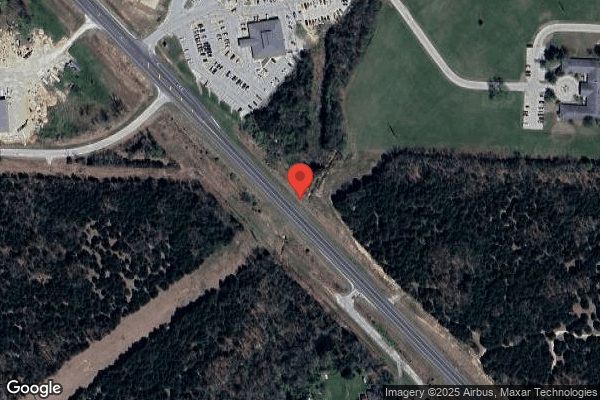

35629 HIGHWAY 72, SALEM, MO 65560 (573) 729-6626
Government - Hospital district 18 Beds Independent Data: November 2025
Trust Grade
55/100
#195 of 479 in MO
Last Inspection: September 2024

Within standard 12-15 month inspection cycle. Federal law requires annual inspections.

Overview

Salem Memorial District Hospital has a Trust Grade of C, which means it is average and sits in the middle of the pack among nursing homes. In Missouri, it ranks #195 out of 479 facilities, placing it in the top half, and it is ranked #1 out of 3 facilities in Dent County, indicating it's the best option locally. However, the facility's trend is worsening, with issues increasing from 4 in 2023 to 5 in 2024. Staffing is a significant concern, rated at only 1 out of 5 stars, but it has a low turnover rate of 0%, which is much better than the state average. The facility has faced $138,438 in fines, which is alarming as it exceeds fines from all other Missouri facilities, suggesting ongoing compliance problems. Additionally, while the facility has more RN coverage than 85% of state facilities, there were serious incidents found, including a medication error rate of 60%, where staff failed to administer medications properly, and a lack of informed consent for the use of bed rails for several residents. Overall, while there are strengths in RN coverage and staffing stability, the facility has significant weaknesses that families should consider carefully.

Trust Score
C
55/100
In Missouri
#195/479
Top 40%
Safety Record
Moderate
Needs review
Inspections
Getting Worse
4 → 5 violations
Staff Stability
○ Average
Turnover data not reported for this facility.
Penalties
⚠ Watch
$138,438 in fines. Higher than 98% of Missouri facilities. Major compliance failures.
Skilled Nurses
✓ Good
Each resident gets 50 minutes of Registered Nurse (RN) attention daily — more than average for Missouri. RNs are trained to catch health problems early.
Violations
⚠ Watch
11 deficiencies on record. Higher than average. Multiple issues found across inspections.
★★★☆☆
3.0
Overall Rating
★☆☆☆☆
1.0
Staff Levels
★★☆☆☆
2.0
Care Quality
★★★★☆
4.0
Inspection Score
Stable
2023: 4 issues
2024: 5 issues

The Good

  • Full Sprinkler Coverage · Fire safety systems throughout facility
  • No fines on record

Facility shows strength in fire safety.

The Bad

3-Star Overall Rating

Above Missouri average (2.5)

Meets federal standards, typical of most facilities

Federal Fines: $138,438

Well above median ($33,413)

Significant penalties indicating serious issues

The Ugly 11 deficiencies on record

Sept 2024 5 deficiencies
CONCERN (D)

Potential for Harm - no one hurt, but risky conditions existed

QAPI Program (Tag F0867)

Could have caused harm · This affected 1 resident

reviewed AT Based on interview and record review, the facility staff failed to implement an effective Quality Assurance (QA)/Quality Qssurance Preformance Improvemnt (QAPI) program when staff did not ...

Read full inspector narrative →
reviewed AT Based on interview and record review, the facility staff failed to implement an effective Quality Assurance (QA)/Quality Qssurance Preformance Improvemnt (QAPI) program when staff did not meet and discuss interventions to correct any on-going systemic issues that pertain to the Long Term Care (LTC). The facility census was 18. 1. Review of the facility's LTC QAPI Policy, revised 06/16/22, showed the following: -To identify and correct quality deficits along the areas for improvement within Long Term Care; -The multidisciplinary team will meet monthly to evaluate a current projects and identify areas that need improvement or included. The LTC Medical Director will be made aware of the findings of the LTC QAPI Committee Monthly, LTC Director will report to the Hospital QAPI Committee quarterly. Review of the facility's records, showed staff did not provide documentation of a QAPI/QA program. During an interview on 09/27/24 at 2:16 P.M., the Chief Nursing Officer (CNO) said he/she is familiar with what the QA or QAPI process because the hospital side meets quarterly for this process, LTC is supposed to be included, but there is nothing specific to the LTC discussed. During an interview on 09/27/24 at 3:00 P.M., the Chief Executive Officer (CEO) said the Administrator/Executive Director would be responsible to have a QAPI/QA program implemented. The CEO said if there was a program previously, I do not know so we are starting from scratch.
CONCERN (E)

Potential for Harm - no one hurt, but risky conditions existed

Deficiency F0658 (Tag F0658)

Could have caused harm · This affected multiple residents

**NOTE- TERMS IN BRACKETS HAVE BEEN EDITED TO PROTECT CONFIDENTIALITY** Reviewed AT Based on observation, interview, and record review, facility staff failed to follow professional standards when staf...

Read full inspector narrative →
**NOTE- TERMS IN BRACKETS HAVE BEEN EDITED TO PROTECT CONFIDENTIALITY** Reviewed AT Based on observation, interview, and record review, facility staff failed to follow professional standards when staff prepared four medication cups with medications prior to the timed medication pass and left one resident (Resident #10) medication unattended on top of the medication cart. Facility staff failed to notify three resident's (Resident #5, #7, and #13) physician regarding medications not being administered on time. The facility census was 18. 1. Review of the Facility's Administration of Drugs policy, dated 01/24/14, showed medications may not be prepared in advance and must be administered within one hour of preparation. 2. Observation on 09/25/24 at 10:10 A.M., showed the medication cart contained: -One medication cup labeled with a first name contained one pill; -One medication cup labeled with a first name contained eight various pills; -One medication cup labeled with a first name contained two various pills; -One medication cup labeled with a first name contained five various pills. During an interview on 09/25/24 at 10:10 A.M., Licensed Practical Nurse (LPN) A said the medications in the medicine cups were pre-popped for his/her morning medication pass. He/She said the medications are in his/her cart pre-popped while he/she is waiting for staff to get residents out of bed for the day. He/She said he/she cannot pass the medications while they are in bed because they are at risk for choking and he/she does not want to forget to pass them later. He/She said he/she is unsure what the facilities policy is on pre-popping medications. He/she said he/she has seen other staff pre-pop pills, so he/she believes it is okay. During an interview on 09/27/24 at 2:10 P.M., the Chief Nursing Officer (CNO) said the nurses should only be popping pills right before administration to each resident, and he/she expects the nurse to prepare medications for one resident at a time. During an interview on 09/27/24 at 2:26 P.M., the Unit Nurse Manager said he/she does not expect the nurses to practice pre-popping residents' medications. During an interview on 09/27/24 at 3:03 P.M., the Cheif Executive Officer (CEO) said he/she expects staff to prepare a resident's medications immediately before the scheduled time to administer the medication. 3. Review of the Facility's Medication Security policy, dated 03/01/14, showed: -All drugs and biologicals stored in this hospital shall be kept in a secure area, [NAME] when appropriate and accessible only to authorized personnel; -All drugs and biologicals, except those intended for crash carts use, will be stored in lockable containers or areas; -All medications at nurse stations shall be in lockable storage atv all times. Medications are stored either in lockable medicatioin carts/automated disensing machine or the medication room. 4. Review of Resident #10's Minimum Data Set (MDS), a federally mandated assessment tool, dated 07/22/24 showed staff assessed the resident as follows: -Severe cognitive impairment; -Used feeding tube; -Diagnosis of traumatic brain dysfunction. Observation on 09/25/24 at 10:54 A.M., showed LPN A prepared the resident's medication and left the medication cup on top of the medication cart unattended. Observation on 09/25/24 at 11:05 A.M., and 11:19 A.M., showed LPN A left the medication cart unattended and out of sight at the nurse's station as he/she went down the hall to a resident's room. Observation showed multiple residents seated at the nurse's station. During an interview on 09/26/24 at 5:33 P.M., LPN A said he/she placed the resident's medications in the cup of water on top of the cart so they could be dissolved before they were administered to the resident. The LPN said he/she must have stepped away from the cart to answer a call light or something like that, not realizing the medications were left unattended. The LPN said leaving the meds unattended on top of the cart created the risk of someone taking it, and he/she should have probably placed the cup in the top drawer of the cart when he/she stepped away from the cart. During an interview on 09/27/24 at 2:10 P.M., the CNO said it is not okay for staff to leave medications unattended on the cart or anywhere else, as it creates the risk for someone to take it. During an interview on 09/27/24 at 2:26 P.M., the Unit Nurse Manager said it is not okay for the nurse to leave medications unattended on the cart, due to the risk for someone such as a confused resident could get a hold of the medications and potentially take them. During an interview on 09/27/24 at 3:03 P.M., the CEO said staff should not leave medications unattended on the cart because staff could lose track of whose medication it is, someone could take it, or the medications could also be accidentally spilled. 5. Review of the Facility's Medication error policy, dated May 2024, showed when a medication error is made and/or discovered by the nursing staff, the following steps are to be taken: -The patient is to be observed closely for any signs of adverse reaction; -The patient's physician is to be notified of the nature of the error; -An incident report is to be completed immediately by the person discovering the error, completed as thoroughly as possible and submitted to the nursing supervisor; -The error is to be charted in the patient's medical record, stating what was done wrong. 6. Review of Resident #5's annual MDS, dated [DATE], showed staff assessed the resident with severe cognitive impairment and Alzheimer's disease. Review of the resident's Physician Order Sheet (POS), dated September 2024, showed staff is directed to administer the following medications at 8:00 A.M.: -Levothyroxine (treat low thyroid) 100 microgram (mcg); -Tramadol (pain reliever) 50 milligrams (mg); -Aspirin (reduce the risk of heart attack) 81 mg; -Sennoside/docusate (treat constipation) 8.6/50 mg; -Multivitamin. Observation on 09/25/24 at 10:50 A.M., showed LPN A administered levothyroxine, tramadol, aspirin, sennoside/docusate, and a multivitamin to the resident. Review of the resident's medical record did not contain documention staff notified the resident's physician the resident's medication were administered late. 7. Review of Resident #7's admission MDS, dated [DATE] showed staff assessed the resident with mild cognitive impairment and dementia. Review of the resident's POS, dated September 2024, showed staff is directed to administer the following medications at 8:00 A.M.: -Pantoprazole (acid reducer) 40 mg; -Losartan (treat high blood pressure) 50 mg; -Isosorbide mononitrate (prevent chest pain) 30 mg; -Spironolactone (diuretic) 25 mg; -Clonazepam (anti-anxiety) 0.25 mg; -Synthroid (treat low thyroid) 137 mcg at breakfast; -Plavix (blood thinner) 75 mg; -Sertraline (anti-depressant) 100 mg. Observation on 09/25/24 at 10:25 A.M., showed LPN A administered pantoprazole, losartan, isosorbide mononitrate, spironolactone, clonazepam, Synthroid, Plavix, and sertraline to the resident. Review of the resident's medical record did not contain documention staff notified the resident's physician the resident's medication were administered late. 8. Review of Resident #13's annual MDS, dated [DATE] showed staff assessed the resident with severe cognitive impairment and Alzheimer's disease. Review of the resident's POS, dated September 2024, showed staff is directed to administer the following medications at 8:00 A.M: -Furosemide (diuretic) 20 mg; -Florajen (probiotic). Observation on 09/25/24 at 12:00 P.M., showed LPN A administered furosemide and florajen to the resident. Review of the resident's medical record did not contain documention staff notified the resident's physician the resident's medication were administered late. 9. During an interview on 09/26/24 at 2:54 P.M., LPN A said the five rights of medication administration are to ensure the right patient, right medication, right route, right dose, and right time. The LPN said medications ordered to be given at 8 A.M. can be administered between 7 A.M. and 9 A.M., and if administered after 9 A.M., it would be considered a late administration, and maybe a med error. The LPN said if he/she made a med error, he/she thinks there is a form to be filled out, notify the Unit Nurse Manager, and maybe the doctor. The LPN said he/she did not notify the Unit Nurse Manager or the physician about the late medications because he/she just didn't even think about it. During an interview on 09/27/24 at 2:10 P.M., The CNO said he/she expects staff to follow the policy for Medication Administration, and if a nurse administered a medication after the allowed timeframe, that is considered a late administration and a med error. The CNO said if the nurse identified a med error occurred, he/she would expect the nurse to notify the Unit Nurse Manager/CNO, notify the physician of the error and obtain further directions from the physician on whether to administer the medication(s), or not. The CNO said if certain medications are administered late, it could increase the potential for a resident to have a negative outcome. During an interview on 09/27/24 at 2:26 P.M., the Unit Nurse Manager said if the nurse recognizes that medications will be administered late to a resident, or a medication error occurred, he/she would expect the nurse to notify him/her and notify the physician for further directions. During an interview on 09/27/24 at 3:03 P.M., the CEO said he/she expects staff to follow the facility's policies for medication administration, and if a medication is administered past the timeframe, it would be considered late. The CEO said the occurrence of a medication error would depend on the medication and what is stated in the policy. The CEO said if a medication error occurred, he/she would expect the nurse to document the reason for the late administration, alert the physician, CNO, and/or the supervisor at the moment.
CONCERN (E)

Potential for Harm - no one hurt, but risky conditions existed

Deficiency F0700 (Tag F0700)

Could have caused harm · This affected multiple residents

**NOTE- TERMS IN BRACKETS HAVE BEEN EDITED TO PROTECT CONFIDENTIALITY** Reviewed AT Based on observation, interview, and record review, facility staff failed to obtain informed consent from the reside...

Read full inspector narrative →
**NOTE- TERMS IN BRACKETS HAVE BEEN EDITED TO PROTECT CONFIDENTIALITY** Reviewed AT Based on observation, interview, and record review, facility staff failed to obtain informed consent from the resident and/or resident representative for the use of side rails for one resident (Resident #5) and failed to complete an entrapment risk assessment or obtain a physician's order for use of the bed rails for five residents (Resident #5, #8, #11, #12, and #13), out of five sampled residents. The facility census was 18. 1. Review of the facility's policies showed staff did not provide a policy for Entrapment Risk Assessments. Review of the facility's Bed Rails Policy, dated 03/14/2014, showed bed rails are considered a restraint, three rails may be raised at one time to enhance bed mobility of the patient, all four rails may not be raised at the same time. Review of the facility's Consent for Use of Side Rails form, provided to each resident/resident representative at the time of admission, showed staff are directed to obtain a signed consent from the resident/resident representative, and obtain a physician's order including medical symptom/condition/diagnosis for use of the side rail (s). 2. Review of Resident #5's annual Minimum Data Set (MDS), a federally mandated assessment, dated 07/28/24, showed staff assessed the resident as: -Cognition not assessed; -Lower extremity impairment on both sides; -Required maximum assist from staff to roll left and right; -Dependent on staff for lying to sitting on side of bed, sitting to lying in bed. Review of the resident's medical record did not contain a signed consent from the resident and/or resident representative for the use of side rails, an entrapment assessment, or a physician's order for use of side rails. Observation on 09/26/24 at 11:10 A.M., showed the resident in bed on his/her right side with quarter rails on both sides in the upright position. During an interview on 09/27/24 at 10:14 A.M., the Unit Nurse Manager said he/she did not realize the resident's side rail consent form was not filled out or signed. 3. Review of Resident #8's quarterly MDS, dated [DATE], showed staff assessed the resident as: -Severe cognitive impairment; -No impairment to upper or lower extremities; -Required substantial/maximum assist from staff to roll left and right, lying to sitting on side of bed, sitting to lying in bed, and transfers from bed to chair. Review of the resident's medical record showed, the record did not contain an entrapment assessment or a physician's order for use of side rails. Observation on 09/26/24 at 11:12 A.M., showed the resident in bed on his/her left side with a quarter rail on the left side in the upright position. 4. Review of Resident #11's annual MDS, dated [DATE], showed staff assessed the resident as: -Cognition not assessed; -No impairment to upper/lower extremities; -Required substantial/maximum assist from staff to roll left and right, sitting to lying in bed, and transfers from bed to chair; -Dependent on staff for lying to sitting on side of bed. Review of the resident's medical record showed, the record did not contain an entrapment assessment or a physician's order for use of side rails. Observation on 09/26/24 at 11:12 A.M., showed the resident in bed on his/her left side with a quarter rail on the left side in the upright position. 5. Review of Resident #12's admission MDS, dated [DATE], showed the staff assessed the resident as follows: -Moderate cognitive impairment; -Impairment on one side to upper/lower extremities; -Required substantial/maximum assist from staff to roll left and right, sitting to lying in bed, and transfers from bed to chair; -Stroke, Type 2 Diabetes and Hemiplegia (loss of strength to one side of the body) or Hemiparesis (inability to move one side of the body). Review of the resident's medical record showed, the record did not contain an entrapment assessment or a physician's order for the use of side rails. Observation on 09/25/24 at 2:30 P.M., showed the resident in bed with both quarter rails in the upright position. Observation on 09/26/24 at 9:00 A.M., showed the resident in bed with both quarter rails in the upright position. Observation on 09/27/24 at 11:30 A.M. showed the resident in bed with both quarter rails in the upright position. 6. Review of Resident #13's Annual MDS, dated [DATE], showed the staff assessed the resident as follows: -Cognition not assessed; -Required substantial/maximum assist from staff to roll left and right, sitting to lying in bed; -Dependent on staff for transfers from bed to chair and sit to stand; -Non-traumatic brain injury (damage to the brain by internal factors, such as lack of oxygen, exposure to toxins or pressure from a tumor). Review of the resident's medical record showed, the record did not contain an entrapment assessment or a physician's order for the use of side rails. Observation on 09/26/24 at 10:12 A.M., showed the resident in bed with one quarter rail in the upright position on. Observation on 09/27/24 at 9:00 A.M., showed the resident in bed with both quarter rails in the upright position. 7. During an interview on 09/27/24 at 11:35 A.M., the Activities Director (AD) said he/she is responsible to measure bed rails with mattresses quarterly, has been doing them for a few years, documents the measurements by bed serial number, and room number, but does not label the document with a resident's name. The AD said he/she does not do any measurements with a resident in the bed because he/she did not know that was required and was never taught to do that. The AD said he/she does not know anything about an entrapment assessment, he/she just measures the bed, the attached rails, and the mattress. During an interview on 09/27/24 at 2:15 P.M., the Chief Nursing Officer (CNO) said he/she was not familiar with entrapment assessments or consents for the use of bed rails/side rails. During an interview on 09/27/24 at 2:30 P.M., the Unit Nurse Manager said he/she did not know an order was needed for a side rail. The unit manager said he/she was not aware that an entrapment assessment needed to be completed for each resident. During an interview on 09/27/24 at 3:00 P.M., the Chief Executive Officer (CEO) said she was aware side rails typically need orders, but is not familiar with who has rails in the facility and who doesn't, so is not sure who has an order. The CEO said she believes it would be the nurse staff's responsibility to do entrapment assessments, consents and orders for each resident with bed rails/side rails but she does not know why they are not done.
CONCERN (E)

Potential for Harm - no one hurt, but risky conditions existed

Unnecessary Medications (Tag F0759)

Could have caused harm · This affected multiple residents

Reviewed AT Based on observation, interview, and record review, facility staff failed to maintain a medication error rate of less than 5% out of 25 opportunities observed, 15 errors occurred, resulti...

Read full inspector narrative →
Reviewed AT Based on observation, interview, and record review, facility staff failed to maintain a medication error rate of less than 5% out of 25 opportunities observed, 15 errors occurred, resulting in a 60% error rate, which affected three residents (Resident #5, #7, and #13) out of seven sampled residents. The facility census was 18. 1. Review of the Facility's Medication Administration policy, dated 05/31/20, showed the individual administering a medication will be aware of the following information concerning each medication before administration: Appropriate timing of medication administration. 2. Review of Resident #5's Physician Order Sheet (POS), dated September 2024, showed staff is directed to administer medications at 8:00 A.M.: -Levothyroxine (treat low thyroid) 100 micrograms (mcg) daily on an empty stomach at 8:00 A.M.; -Tramadol (pain reliever) 50 milligrams (mg) twice daily at 8:00 A.M. and 5:00 P.M.; -Aspirin 81 mg daily at 8:00 A.M.; -Sennoside/docusate (treat constipation) 8.6/50 mg twice daily at 8:00 A.M. and 5:00 P.M.; -Multivitamin once daily at 8:00 A.M Observation on 09/25/24 at 10:50 A.M., showed Licensed Practical Nurse (LPN) A administered levothyroxine, tramadol, aspirin, sennoside/docusate, and a multivitamin to the resident (One hour and 50 minutes late). During an interview on 09/25/24 at 10:50 A.M., LPN A said he/she just passed the resident's morning medications because he/she was waiting for staff to get the resident out of bed. 3. Review of Resident #7's POS, dated September 2024, showed staff is directed to administer medications at 8:00 A.M.: -Pantoprazole (acid reducer) 40 mg daily at 8:00 A.M.; -Losartan (treat high blood pressure) 50 mg once daily at 8:00 A.M.; -Isosorbide mononitrate (prevent chest pain) 30 mg once daily at 8:00 A.M.; -Spironolactone (diuretic) 25 mg once dialy at 8:00 A.M.; -Clonazepam (anti-anxiety) 0.25 mg thre times daily at 8:00 A.M., 12:00 P.M., and 5:00 P.M.; -Synthroid (treat low thyroid) 137 mcg daily at breakfast; -Plavix (blood thinner) 75 mg daily at 8:00 A.M.; -Sertraline (anti-depressant) 100 mg twice daily at 8:00 A.M. and 8:00 P.M Observation on 09/25/24 at 10:25 A.M., showed LPN A administered the residents pantoprazole, losartan, isosorbide mononitrate, spironolactone, clonazepam, Synthroid, Plavix, and sertraline (One hour and 25 minutes late). During an interview on 09/25/24 at 10:25 A.M., LPN A said these medications were from the resident's morning medication pass. He/She said he/she was late to pass them because staff had not gotten the resident up out of bed during the morning medication pass. 4. Review of Resident #13's POS, dated September 2024, showed staff is directed to administer medications at 8:00 A.M.: -Furosemide (diuretic) 20 mg once daily at 8:00 A.M.; -Florajen (probiotic) once daily at 8:00 A.M Observation on 09/25/24 at 12:00 P.M., showed LPN A administered the residents furosemide and florajen (Three hours late). During an interview on 09/25/24 at 12:00 P.M., LPN A said the medications he/she has are from the resident's morning medication pass. He/She said he/she had late medications because the resident was not up out of bed during his/her medication pass. 5. During an interview on 09/26/24 at 2:54 P.M., LPN A said the five rights of medication administration are to ensure the right patient, right medication, right route, right dose, and right time. The LPN said medications ordered to be given at 8 A.M. can be administered between 7 A.M. and 9 A.M., and if administered after 9 A.M., it would be considered a late administration, and maybe a med error. The LPN said if he/she made a med error, he/she thinks there is a form to be filled out, notify the Unit Nurse Manager, and maybe the doctor. The LPN said he/she did not notify the Unit Nurse Manager or the physician about the late medications because he/she just didn't even think about it. During an interview on 09/27/24 at 2:10 P.M., the Chief Nursing Officer (CNO) said he/she expects staff to follow the policy for medication administration, and if a nurse administered a medication after the allowed timeframe, that is considered a late administration and a med error. The CNO said if the nurse identified a med error occurred, he/she would expect the nurse to notify the Unit Nurse Manager/CNO, notify the physician of the error and obtain further directions from the physician on whether to administer the medication(s), or not. The CNO said if certain medications are administered late, it could increase the potential for a resident to have a negative outcome. During an interview on 09/27/24 at 2:26 P.M., the Unit Nurse Manager said if the nurse recognizes that medications will be administered late to a resident, or a medication error occurred, he/she would expect the nurse to notify him/her and notify the physician for further directions. During an interview on 09/27/24 at 3:03 P.M., the Chief Executive Officer (CEO) said he/she expects staff to follow the facility's policies for medication administration, and if a medication is administered past the timeframe, it would be considered late. The CEO said the occurrence of a medication error would depend on the medication and what is stated in the policy. The CEO said if a medication error occurred, he/she would expect the nurse to document the reason for the late administration, alert the physician, CNO, and/or the supervisor at the moment.
CONCERN (E)

Potential for Harm - no one hurt, but risky conditions existed

Food Safety (Tag F0812)

Could have caused harm · This affected multiple residents

**NOTE- TERMS IN BRACKETS HAVE BEEN EDITED TO PROTECT CONFIDENTIALITY** Based on observation, interview and record review, facility staff failed to store food in a manner to prevent potential contamin...

Read full inspector narrative →
**NOTE- TERMS IN BRACKETS HAVE BEEN EDITED TO PROTECT CONFIDENTIALITY** Based on observation, interview and record review, facility staff failed to store food in a manner to prevent potential contamination and outdated use. Facility staff failed to reheat pureed food to prevent the growth of food-borne pathogens and potential for food-borne illness. Facility staff failed sanitize kitchen wares in a manner to prevent contamination. Facility staff failed to cover kitchen waste containers when not in actual use to deter the attraction of pests and rodents. These failures have the potential to affect all residents. The census was 18. 1. Review of the facility's Food Storage policy, revised [DATE], showed: -All food will have proper dates, labels and be properly covered when stored; -All prepared, ready-to-eat foods will be marked with a date of preparation and/or expiration date; -All food will be used by the expiration date. Review showed the policy did not address food storage on the freezer floor. 2. Observation on 09/25/24 at 10:41 A.M., showed the walk-in cooler contained opened and undated bags of brussels sprouts, lima beans, cubed potatoes, mixed vegetables, squash, corn nuggets, tater tots, and an unlabeled brown bag. 3. Observation on 09/25/24 at 10:44 A.M., showed the walk-in freezer contained: -A plastic zipper bag labeled pork and dated 7-24, which contained a frost covered substance; -Two plastic zipper bags labeled salmon patties and dated 7-11-24; -Four boxes of frozen foods set on the freezer floor. 4. Observation on 09/25/24 at 10:46 A.M., showed the reach in refrigerator contained a zipper bag of cooked bacon, two bags of shredded cheese and one bag of shredded carrots which were opened and undated. During an interview on 09/25/24 at 12:10 P.M., [NAME] B said the cook was responsible for checking the refrigerator and freezer daily. [NAME] B said all open food items should be labeled and dated. [NAME] B said all opened food items were good for three days after opening or preparation. [NAME] B said food should not be stored on the floor. During an interview on 09/26/24 at 8:00 A.M., the interim Dietary Supervisor (DS) said the cooks were responsible to ensure all food was labeled and dated. The interim DS said opened food items were good for three days. The interim DS said the cooks were responsible to put food deliveries away and food should not be stored on the floor. 5. Review of the facility's Pureed Diets policy, dated [DATE], showed the policy did not address pureed item preparation. Review of the facility's Food Temperatures policy, dated [DATE], showed: -The temperature of food items on trayline shall be taken and recorded before the start of serving; -Hot foods should be above 140 degrees Fahrenheit (F). If they are less than that, they must be returned for heating and reheated to greater than (>) 165 degrees F. 6. Observation on 09/25/24 at 11:22 A.M., showed [NAME] B pureed baked beans and added the beans to a bowl. [NAME] B covered the beans with a plastic lid and placed the bowl on the steam table. [NAME] B did not check the temperature of the beans after they were pureed. Observation on 09/25/24 at 11:30 A.M., showed [NAME] B added four hamburgers, beef broth and thickener to a food processor which was obtained from the drain board. [NAME] B pureed the items and separated the pureed food into four bowls. [NAME] B covered the bowls with plastic lids and placed the bowls on the steam table. [NAME] B did not check the temperature of the pureed hamburgers. Observation on 09/25/24 at 11:40 A.M., showed [NAME] B checked temperatures of steam table items but did not check the temperature of pureed items. Observation on 09/25/24 at 11:50 A.M, showed [NAME] B served residents pureed hamburgers and chicken noodle soup with crackers. Observation showed the temperature of the pureed hamburger was 95 degrees F when checked with a calibrated digital thermometer. Observation showed the temperature of the pureed chicken noodle soup was 125 degrees F. During an interview on 09/25/24 at 12:10 P.M., [NAME] B said he/she pureed items and placed them in covered bowls on the steam table. [NAME] B said he/she was never told to reheat pureed items so he/she never did. [NAME] B said he/she was aware the steam table was not acceptable method of reheating food. During an interview on 09/26/24 at 8:00 A.M., the interim Dietary Supervisor (DS) said hot foods should be held at 140 degrees F and served at 120 degrees F. The interim DS said he/she was not aware of specific requirements to prepare pureed foods. 7. Review of the facility's Nutritional Services Infection Control policy, undated, showed pots, pans, cooking utensils, etc. will be sanitized by an approved chemical per manufacturer's specifications. Review showed the policy did not address thermometer sanitization. Review of the sanitizer solution directions for use showed: -Scrape, flush or presoak articles to remove gross food particles and soil; -Rinse articles thoroughly with potable water; -Sanitize by immersing articles in a 150-400 parts per million solution for at least 60 seconds. 8. Observation on 09/25/24 at 11:25 A.M., showed [NAME] B hand washed the food processor parts, rinsed the items, placed the items in the sanitizer sink, swirled the items around in the sanitizer and did not fully submerge the items for one minute before he/she placed the items on the drain board to dry. Observation on 09/25/24 at 11:40 A.M., showed [NAME] B checked the temperature of the beans on the steam table. [NAME] B wiped the thermometer with an alcohol wipe, then wiped the thermometer with a red cloth which sat on the steam table. [NAME] B checked the temperature of the gravy, wiped the thermometer with an alcohol wipe, then wiped the thermometer with a red cloth which sat on the steam table. [NAME] B used the red cloth to wipe her gloved hands and placed the red cloth back on the steam table. [NAME] B checked the temperature of the hamburgers, wiped the thermometer with an alcohol wipe, then wiped the thermometer with a red cloth which sat on the steam table. [NAME] B used the red cloth to wipe her gloved hands and placed the red cloth back on the steam table. [NAME] B checked the temperature of fish, The cook used the red cloth to wipe her gloved hands and placed the red cloth back on the steam table. During an interview on 09/25/24 at 12:10 P.M., [NAME] B said all item should be completely submerged in the sanitizer solution for one minute. [NAME] B said he/she was nervous and he/she did not fully submerge the food processor. [NAME] B said he/she always used a cloth to wipe the alcohol from the thermometer. [NAME] B said he/she did not want to contaminate the food with alcohol and he/she did not know wiping the thermometer with the cloth was not acceptable. [NAME] B said he/she was nervous and did not realize he/she was using the cloth to wipe his/her gloves. During an interview on 09/26/24 at 8:00 A.M., the interim Dietary Supervisor (DS) said kitchen staff should follow manufacturer's instructions for sanitizer solutions. The interim DS said staff should not wipe a thermometer after it had been cleaned with alcohol. 9. Observation on 09/25/24 at 10:35 A.M. and 11:55 A.M., showed two large plastic trash cans, which contained kitchen wastes, not covered and not in use. Observation showed the area around the trash cans did not contain trash can lids. During an interview on 09/25/24 at 12:10 P.M., [NAME] B said the kitchen trash cans were purchased a couple weeks ago and did not have lids. [NAME] B said he/she was aware the trash cans should be covered when not in use. During an interview on 09/26/24 at 8:00 A.M., the interim Dietary Supervisor (DS) said he/she placed the new trash cans in the kitchen within the past week but they did not come with lids. The interim DS said the trash cans should be covered when not in use. During an interview on 09/26/24 at 8:00 A.M., the interim Dietary Supervisor (DS) said he/she was the hospital infection preventionist and he/she was filling in as DS. The interim DS said the facility had hired two different dietary supervisors in the past couple months, but neither stayed. The interim DS said the facility has a registered dietician who comes in two days per week and the previous dietary supervisor is currently working in another department. During an interview on 09/26/24 at 1:00 P.M., the Chief Executive Officer (CEO) said the facility was struggling to keep qualified staff. The CEO said he/she knew of some of the issues in the kitchen.
Aug 2023 4 deficiencies
CONCERN (D)

Potential for Harm - no one hurt, but risky conditions existed

Grievances (Tag F0585)

Could have caused harm · This affected 1 resident

Based on interview and record review, staff failed to provide residents with a written response to grievances. The facility census was 16. 1. Review of the facility's policy titled, Grievances, Invest...

Read full inspector narrative →
Based on interview and record review, staff failed to provide residents with a written response to grievances. The facility census was 16. 1. Review of the facility's policy titled, Grievances, Investigating and Grievances and Complaints, revised 03/07/17, showed staff were directed to do the following: -It is the policy of this facility to investigate all grievances and complaints filed with the facility; -The Grievance/Complaint Investigation Report must be filed with the administrator within five (5) working days of the receipt of the grievance or complaint form; -The resident, or acting on behalf of the resident, will be informed of the findings of the investigation, as well as any corrective actions recommended, within ten (10) working days of the filing of the grievance or complaint; -A copy of the Grievance/Complaint Investigation Report must be attached to the Grievance and Complaint Report and filed in the Medical Records; -Copies of all reports must be signed and will be made available to the resident or person acting on behalf of the resident. Review of the facility's policy titled, Grievance, Grievance/Complaint Log, revised 03/07/17, showed staff were directed to do the following: -It is the policy of this facility that the disposition of all grievances and/or complaints be recorded on our facility's Grievance and Complaint Log; -The disposition of all written grievances and/or complaints must be recorded on the Grievance and Complaint Log; -The Long Term Care (LTC) Director and/or Social Service Department will be responsible for recording and maintaining the log. During an interview on 08/21/23 at 8:33 A.M., Resident #8 said he/she had Hershey kisses go missing not too long ago. He/She said he/she reported the missing candy to the staff and there was no follow up on his/her concern. During an interview on 08/21/23 at 8:42 A.M., the Administrator/Social Service Director said the resident made several reports of missing candy and the staff reported it. A grievance form was not filled out, and the missing candy was not documented anywhere. They said they have never filled out a grievance form after receiving a reported concern. When asked how staff remembered to follow up on missing items if it's not documented, the they said it's a good question. They said they did not know what the policy said in regard to filling out a grievance form. During an interview on 08/22/23 at 8:03 A.M., the Activity Director said if a resident reports something missing, staff should look for the item and report it to the nurse or supervisor. The AD said he/she reported the resident's missing candy to a nurse, but he/she did not know what happened after that. During an interview on 08/22/23 at 9:57 A.M., Registered Nurse (RN) E said if a resident reports something missing, staff should look for the item and report the concern to the director or Administrator.
CONCERN (D)

Potential for Harm - no one hurt, but risky conditions existed

ADL Care (Tag F0677)

Could have caused harm · This affected 1 resident

**NOTE- TERMS IN BRACKETS HAVE BEEN EDITED TO PROTECT CONFIDENTIALITY** Based on observation, interview, and record review, facility staff failed to provide appropriate hair and nail care for three de...

Read full inspector narrative →
**NOTE- TERMS IN BRACKETS HAVE BEEN EDITED TO PROTECT CONFIDENTIALITY** Based on observation, interview, and record review, facility staff failed to provide appropriate hair and nail care for three dependent sampled residents (Resident #3, #8, and #10). The facility census was 16. 1. Review of the facility's policy titled, Direct Resident Care, Hygiene and General Care, dated 01/24/23, showed staff were directed to do nail care every week and as needed (PRN). Review of the facility's policy titled, Resident Care Management, Scope of Care, dated 01/24/14, showed staff were directed to ensure each resident receives daily personal hygiene to assure cleanliness, good skin care, good grooming, and oral hygiene taking into account individual preferences. Review of the policies provided showed no policy in regard to facial hair management. 2. Review of Resident #3's Quarterly Minimum Data Set (MDS), a federally mandated assessment tool, dated 06/27/23, showed staff assessed the resident as follows: -Cognitively intact; -Independent with personal hygiene; -Did not reject care; -Impairment of upper and lower extremities on one side. Review of resident's care plan, dated 07/11/23, showed staff were directed to cue/assist the resident with personal hygiene. Further review showed no documentation in regard to the resident rejecting care. Review of the activity calendar, dated 08/21/23, showed manicure's at 10:30 A.M. Observation on 08/20/23 at 2:31 P.M., showed the resident with long nasal hair and long nails. Observation on 08/21/23 at 8:55 A.M., showed the resident with long nasal hair and long nails. Observation on 08/21/23 at 1:56 P.M., showed the resident with long nasal hair and long nails. Observation on 08/22/23 at 7:40 A.M., showed the resident with long nasal hair. During an interview on 08/21/23 at 8:55 A.M., the resident said staff does not offer to trim his/her finger nails or toe nails, and it bothers him/her to have long nails. He/She said he/she can not fully unbend his/her fingers, so he/she is not able to trim his/her own nails. 3. Review of Resident #8's Annual MDS, dated [DATE], showed staff assessed the resident as follows: -Moderate cognitive impairment; -Required limited assistance from one staff member with personal hygiene; -Did not reject care; -Impairment of upper and lower extremities on one side. Review of the resident's care plan, dated 05/30/23, showed staff documented the resident requires assistance with personal hygiene. Further review showed no documentation in regard to the resident rejecting care. Review of the activity calendar, dated 08/21/23, showed manicure's at 10:30 A.M. Observation on 08/21/23 at 8:20 A.M., showed the resident with long nasal hair, unkempt facial hair and long nails with debris under the nails. Further observation showed the resident was unable to open his/her left hand. Observation on 08/21/23 at 1:56 P.M., showed the resident with long nasal hair, unkempt facial hair and long nails with debris under the nail. Observation on 08/22/23 at 7:40 A.M., showed the resident with long nasal hair, unkempt facial hair and long nails with debris under the nail. Observation on 08/22/23 at 8:15 A.M., showed the resident with long nasal hair, unkempt facial hair and long nails with debris under the nail. Further observation showed the resident picked up a piece of toast with his/her nails and ate it. 4. Review of Resident #10's Annual MDS, dated [DATE], showed staff assessed the resident as follows: -Moderately impaired cognition; -Required assistance from one staff member for transfers, dressing and toilet use; -Required supervision, cueing, and setup assistance from one staff member for personal hygiene; -Required extensive assistance from one staff member for bathing; -Diagnosis of Dementia. Review of the resident's care plan, dated 07/12/23, showed staff are to assist the resident with setup for personal hygiene. Review of the resident's shower sheets showed the shower aide documented: -07/24/23: Resident needs toenails cut. Further review showed the charge nurse signed the form and did not document he/she provided an intervention for the resident's toenails. The Director of Nursing (DON) did not sign, or date he/she reviewed the shower sheet; -07/26/23: Resident needs toenails cut. Further review showed the charge nurse signed the form and did not document he/she provided an intervention for the resident's toenails. The DON did not sign, or date he/she reviewed the shower sheet; -07/29/23: Resident needs toenails cut. Further review showed the charge nurse signed the form and did not document he/she provided an intervention for the resident's toenails. The DON did not sign, or date he/she reviewed the shower sheet; -08/13/23: Resident needs toenails cut. Further review showed the charge nurse signed the form and did not document he/she provided an intervention for the resident's toenails. The DON did not sign, or date he/she reviewed the shower sheet. During an interview on 08/20/23 at 2:21 P.M., the resident said no one clips his/her toenails, and the facility needs to find someone who can. The resident said he/she asked staff to clip his/her toenails and the staff said the facility did not have clippers for his/her toenails, the facility only has fingernail clippers. Observation on 08/22/23 at 9:23 A.M., showed the Activity Director (AD) removed the resident's socks. Further observation showed the resident's toenails were long and jagged. The resident's toenails appeared to be very thick and full of a built up yellow substance. During an interview on 08/22/23 at 08:10 A.M., the resident said staff still has not provided nail care for his/her toenails. During an interview on 08/22/23 at 8:03 A.M., the AD said Resident #3 and resident #8 require assistance from staff for personal hygiene. He/she said resident #8 will only allow him/her and one other staff member to cut his/her nails. He/She said he/she had not seen resident #8's nails in few days, but he/she had asked the resident if he/she wanted his/her nails cut, but did not document it in the medical record. He/She said he/she had not cut the resident's nails for a while. The AD said Resident #3 and Resident #8 have long nasal hair and the Certified Nurse Aides (CNAs) should be trimming it at least twice a week during their showers. He/She said the facility had a beautician that assisted with facial hair, but they no longer have one. The AD did not feel it was dignified for a resident to have long nails with debris caked under them. He/She said the resident could get sick if the debris was eaten. During an interview on 08/22/23 at 9:47 A.M., CNA A said staff document on the shower sheet if the resident needs their toenails clipped, and then the shower sheet goes to the nurse. The CNA said the resident used to go to a podiatrist, but the facility does not have a podiatrist anymore, so the nurses clip the resident's toenails. The CNA said he/she documented on the shower sheet that the resident needed his/her toenails clipped. The CNA said the DON reviews the shower sheets when the nurse is done. During an interview on 08/22/23 at 9:56 A.M., Registered Nurse (RN) E said the facility does not currently have a podiatrist. The RN said if he/she can not get his/her clippers to go through the nail, he/she does not cut the nails. The RN said if a CNA feels a resident's toenails need to be cut, the CNA documents it on the resident's shower sheet. The shower sheets then goes to the nurse, and if there is an issue the nurse follow up on it. The RN said if a CNA documents the resident needs their toenails cut, the RN will try to get to it within 24 hours, and if he/she can't cut the resident's toenails, he/she will try to make an appointment with a podiatrist. The RN said some nurses will document interventions on the shower sheet and some don't. The RN said once the shower sheet is signed by the nurse, the nurse puts the shower sheet in the DON's basket. The RN said the resident asked to see the podiatrist, and did see one six or seven months ago, but the CNA's told him/her that they could clip the resident's toe nails. Further, the RN said the CNA's should trim nose hair when they provide shaves at least two times per week, or per their preference. The RN said he/she had trimmed Resident #8's nose hair, but it had been a while ago. He/She said the last time he/she had asked Resident #3 or Resident #8 if they wanted their nose hairs trimmed was about five to six weeks ago, and he/she did not know if anyone else had asked them. During an interview 08/22/23 at 11:17 A.M., Long Term Care (LTC) Director said if a CNA documents the resident needs his/her toenails clipped he/she expects the nurse assess the resident's nails and clip them if able. If the nurse can not clip the toenails he/she expects the nurse to notify the doctor and get the resident a podiatry consult. The LTC Director said he/she does not know why the nurse's did not refer the resident to the podiatrist, the nurse should have. He/She said finger nails and nose hairs should be trimmed as needed.
MINOR (C)

Minor Issue - procedural, no safety impact

Staffing Data (Tag F0851)

Minor procedural issue · This affected most or all residents

Based on interview and record review, the facility failed to submit Payroll Based Journal (PBJ) data (staffing information based on payroll data) for five quarters. The facility census was 16. 1. Revi...

Read full inspector narrative →
Based on interview and record review, the facility failed to submit Payroll Based Journal (PBJ) data (staffing information based on payroll data) for five quarters. The facility census was 16. 1. Review of the policies provided by the facility showed no PBJ policy. Review of the facility's PBJ Quarterly reports showed: -01/01/22 through 03/31/22, showed no data submitted for the quarter; -04/01/22 through 06/30/22, showed no data submitted for the quarter; -07/01/22 through 09/30/22, showed no data submitted for the quarter; -10/01/22 through 12/31/22, showed no data submitted for the quarter; -01/01/23 through 03/31/23, showed no data submitted for the quarter. During an interview on 08/22/23 at 8:31 A.M., the Long Term Care Director said he/she has worked for the facility for a week. He/She said PBJ data was not submitted for the last quarter, and it should be submitted quarterly. The director said he/she does not know why the data was not submitted. During an interview on 08/22/23 at 9:59 A.M., the Chief Nursing Officer (CNO) said the Chief Financial Officer (CFO) is responsible for submitting PBJ data. The CFO started at the facility on 8/21/23. He/she said a management group had managed the facility and the facility is just now resuming in house management. The CNO said the Finance Department is responsible for submitting the data. He/she said he/she knows the data was not submitted but does not know why. The CNO said he/she knows the facility is deficient.
MINOR (C)

Minor Issue - procedural, no safety impact

Antibiotic Stewardship (Tag F0881)

Minor procedural issue · This affected most or all residents

Based on interview and record review, facility staff failed to implement an infection prevention and control program (IPCP) that included an Antibiotic Stewardship Program that addressed antibiotic us...

Read full inspector narrative →
Based on interview and record review, facility staff failed to implement an infection prevention and control program (IPCP) that included an Antibiotic Stewardship Program that addressed antibiotic use protocols and a system to monitor antibiotic use. The facility census was 16. 1. Review of the facility's policy titled, Surveillence, Prevention, and Control of Infection, Renal Dosing of Selected Antimicrobials, dated 02/16/23, showed staff were directed to do the following: -All Medications administered at the facility will be of the appropriate dose, route and frequencey in consideration of the patient's condition, indications, and lab values; -The antimicrobial agents in this policy are considered to be of special interest to the Antimicrobials Stewardship Committee and require precautions and attention to ensure they are dosed appropriately. This policy will authorize dose adjustments to be made dependent upon patient specific factors, according to published guidelines and/or prescribing information. Review of the facility's policy titled, Infection Prevention Program, dated 02/10/21, showed staff were directed to do the following: -An effective infection prevention program is essential for the well-being of patients, resident and the safety of hospital personnel. Measures are develooped to prevent, identify, and control infections aquired in the hospital; -The Infection Prevention Committee (IPC) will establish and execute policies for the surveillance, prevention, and and control of healthcare-associated infections (HAI); -Responsibilities of the Infection Prevention Nurse (IPN) include, but are not limited to perform comprehensive surveillance for healthcare-associated infections and epidemiologically significant organisms and report findings to the IPC and create and maintain appropriate infection prevention policies and procedures; -SMDH participates in surveillance activities to prevent and reduce healthcare-associated infections. Infection surveillance data is used to measure success of infection prevention and control programs, identify areas for improvement, and to meet public reporting mandates and pay for performance goal data is currently reported via National Healthcare Safety Network (NHSN); -The IPN duties related to HAI surveillance includes to identify and investigate clusters or outbreaks of infection. Review of the facility's Infection Control Line Listing form, dated 05/2023, showed Resident #8 and #10 received antibiotcs. Further review showed no documenation that labs were ordered to verify the antibiotics were appropriate for the residents' specific pathogens (bacteria, virus, or other microrganism that can cause disease). Review of the facility's Infection Control Line Listing form, dated 07/2023, showed Resident #2, #6, #12, #13, #14, and #15 received antibiotics. Further review showed no documenation that labs were ordered to verify the antibiotics were appropriate for the residents' specific pathogens. During an interview on 08/21/23 at 3:38 P.M., the Human Resource Director said the Infection Preventionist (IP) was responsible to track antibotic use. During an interview on 08/21/23 at 3:59 P.M., the Administrator said there most likely was not a tracking system for the type of organism because the physician is old school and prescribed antibotics without knowing the specific type of bacteria because he/she prefers to practice medicine the way he/she wants to practice medicine. During an interview on 08/21/23 at 4:30 P.M., the IP said he/she is responsible for tracking antibotic use. He/She said the nursing staff would complete the Infection Control Line Listing form and forwarded the information to him/her. He/She noticed the type of pathogen and the date of the lab was missing for several residents in May and July. He/She said if the staff did not order labs, or document the type of infection the resident had, the prescribed antibiotic may not be appropriate and staff would not know what type of interventions to implement to prevent the spread of the infection. Further, he/she said the tracking log did not include the length of time the resident received the medication.
May 2022 2 deficiencies
CONCERN (E)

Potential for Harm - no one hurt, but risky conditions existed

Drug Regimen Review (Tag F0756)

Could have caused harm · This affected multiple residents

**NOTE- TERMS IN BRACKETS HAVE BEEN EDITED TO PROTECT CONFIDENTIALITY** Based on interview and record review facility staff failed to maintain monthly pharmacist documentation, and ensure the Pharmaci...

Read full inspector narrative →
**NOTE- TERMS IN BRACKETS HAVE BEEN EDITED TO PROTECT CONFIDENTIALITY** Based on interview and record review facility staff failed to maintain monthly pharmacist documentation, and ensure the Pharmacist Medication Regimen Review (MRR) was completed for four (Resident #11, #14, #15, and #16) out of eight sampled residents. The facility census was 17. 1. Review of facility records showed the facility did not provide a policy for drug regimen review. 2. Review of Resident #11's quarterly Minimum Data Set (MDS), a federally mandated assessment tool, dated 04/24/22, showed staff assessed the resident as: - Unable to complete Brief Interview for Mental Status (BIMS) as resident is rarely/never understood; - Diagnoses of anoxic brain injury (an injury caused by a complete lack of oxygen to the brain, which results in death of brain cells), quadriplegia (paralysis of all four limbs), tracheostomy (a hole that is surgically made through the front of the neck and into the windpipe to allow direct access of a breathing tube), dependent on a ventilator (a machine that mechanically breathes for someone who is unable to breathe independently), and has a gastrostomy (the creation of an artificial external opening into the stomach for nutritional support); - No documentation under section for drug regimen review. Review of the resident's medical record showed the record did not contain the MRR for the months of December 2021 through May 2022. 3. Review of resident #14's Minimum Data Set (MDS), dated [DATE], showed staff assessed the resident as: -Severe cognitive impairment; -No behaviors; -Diagnosis of Alzheimer's disease, aphasia, anxiety, and depression; -Antianxiety and antidepressant medications daily. Review of the resident's medical record showed the record did not contain the MRR for the months of December 2021 through May 2022. 4. Review of Resident #15's annual MDS, dated [DATE], showed staff assessed the resident as: - Severe cognitive impairment; - Diagnoses included Dementia without behaviors, diabetes, anemia, atrial fibrillation (fluttering of upper heart chanbers), heart failure and high blood pressure; - Insulin, antibiotics and diuretics daily. Review of the resident's medical record showed the record did not contain the MRR for the months of December 2021 through May 2022. 5. Review of resident #16's Quarterly MDS, dated [DATE], showed staff assessed the resident as: - Cognitively intact; - Verbal behaviors occurred one to three days; - Diagnosis of Non-traumatic brain dysfunction, Seizure disorder or Epilepsy, and manic Depression; - Received an antipsychotic daily for the last seven days; - No Drug Regime Review; - Last GDR attempted 10/30/2019. Review of the resident's medical record showed the record did not contain the MRR for the months of December 2021 through May 2022. 6. During an interview on 5/27/22 at 1:26 P.M., Registered nurse (RN) A said for about a year there was no Pharmacist performing reviews. Facility staff told the physician about medication that needed to be reviewed. During an interview on 5/27/22 at 1:33 P.M., the Director of Nursing (DON) said if the pharmacist review was not in the resident's medical record it was not done due to the lack of pharmacy employees. He/she said pharmacist reviews have not been done since December of 2021.
MINOR (C)

Minor Issue - procedural, no safety impact

Deficiency F0865 (Tag F0865)

Minor procedural issue · This affected most or all residents

Based on interview and record review, the facility staff failed to develop a Quality Assurance and Performance Improvement Plan (QAPI) (written plan containing the process that will guide the nursing ...

Read full inspector narrative →
Based on interview and record review, the facility staff failed to develop a Quality Assurance and Performance Improvement Plan (QAPI) (written plan containing the process that will guide the nursing home's efforts in assuring care and services are maintained at acceptable levels of performance and continually improved). The facility census was 17. 1. Review of the hospital's Quality Assurance and Performance Improvement (QAPI) Plan policy dated 9/02/2021 showed: - Although Long Term Care, Dialysis, and Salem Memorial District Hospital (SMDH) Family Medicine are separate entities with their own QAPI regulations, they will report data to the Quality Council quarterly or in accordance with their regulations. Review of the facility's records showed the facility did not have a QAPI plan containing the necessary policies and protocols describing how they will identify and correct their quality deficiencies, track and measure performance, and establish goals and thresholds for performance measurements. During an interview on 5/26/2022 at 9:54 A.M., the Administrator said Long Term Care does not have a Quality Assurance (QA) (systematic process of determining whether a service meets specified requirements) program. He/she said Long Term Care is covered under the hospital's QA program. He/she said Long Term Care submits data to the hospital QA program quarterly. During an interview on 5/27/2022 at 1:45 P.M., the Director of Long Term Care said the Long Term Care QA committee does not have a formal schedule or QA plan. During an interview on 5/27/2022 at 2:50 P.M., the Hospital Director of Quality Improvement and Risk Management said he/she was uncertain of the last time Long Term Care submitted data to the facility quality committee. He/she said he/she reviewed records going back to January of 2019 and could find no record of Long Term Care quality data.
Understanding Severity Codes (click to expand)
Life-Threatening (Immediate Jeopardy)
J - Isolated K - Pattern L - Widespread
Actual Harm
G - Isolated H - Pattern I - Widespread
Potential for Harm
D - Isolated E - Pattern F - Widespread
No Harm (Minor)
A - Isolated B - Pattern C - Widespread

Questions to Ask on Your Visit

  • "Can I speak with families of current residents?"
  • "What's your RN coverage like on weekends and overnight?"

Our Honest Assessment

Strengths
  • • Licensed and certified facility. Meets minimum state requirements.
Concerns
  • • 11 deficiencies on record. Higher than average. Multiple issues found across inspections.
  • • $138,438 in fines. Extremely high, among the most fined facilities in Missouri. Major compliance failures.
  • • Grade C (55/100). Below average facility with significant concerns.
Bottom line: Mixed indicators with Trust Score of 55/100. Visit in person and ask pointed questions.

About This Facility

What is Salem Memorial District Hospital's CMS Rating?

CMS assigns SALEM MEMORIAL DISTRICT HOSPITAL an overall rating of 3 out of 5 stars, which is considered average nationally. Within Missouri, this rating places the facility higher than 99% of the state's 100 nursing homes. This mid-range rating indicates the facility meets federal standards but may have areas for improvement.

How is Salem Memorial District Hospital Staffed?

CMS rates SALEM MEMORIAL DISTRICT HOSPITAL's staffing level at 1 out of 5 stars, which is much below average compared to other nursing homes.

What Have Inspectors Found at Salem Memorial District Hospital?

State health inspectors documented 11 deficiencies at SALEM MEMORIAL DISTRICT HOSPITAL during 2022 to 2024. These included: 8 with potential for harm and 3 minor or isolated issues.

Who Owns and Operates Salem Memorial District Hospital?

SALEM MEMORIAL DISTRICT HOSPITAL is owned by a government entity. Government-operated facilities are typically run by state, county, or municipal agencies. The facility operates independently rather than as part of a larger chain. With 18 certified beds and approximately 16 residents (about 89% occupancy), it is a smaller facility located in SALEM, Missouri.

How Does Salem Memorial District Hospital Compare to Other Missouri Nursing Homes?

Compared to the 100 nursing homes in Missouri, SALEM MEMORIAL DISTRICT HOSPITAL's overall rating (3 stars) is above the state average of 2.5 and health inspection rating (4 stars) is above the national benchmark.

What Should Families Ask When Visiting Salem Memorial District Hospital?

Based on this facility's data, families visiting should ask: "Can you walk me through typical staffing levels on day, evening, and night shifts?" "Can I visit during a mealtime to observe dining assistance and food quality?" "How do you handle medical emergencies, and what is your hospital transfer rate?" "Can I speak with family members of current residents about their experience?" These questions are particularly relevant given the below-average staffing rating.

Is Salem Memorial District Hospital Safe?

Based on CMS inspection data, SALEM MEMORIAL DISTRICT HOSPITAL has a clean safety record: no substantiated abuse findings (meaning no confirmed cases of resident harm), no Immediate Jeopardy citations (the most serious violation level indicating risk of serious injury or death), and is not on the Special Focus Facility watch list (a federal program monitoring the lowest-performing 1% of nursing homes). The facility has a 3-star overall rating and ranks #1 of 100 nursing homes in Missouri. While no facility is perfect, families should still ask about staff-to-resident ratios and recent inspection results during their visit.

Do Nurses at Salem Memorial District Hospital Stick Around?

SALEM MEMORIAL DISTRICT HOSPITAL has not reported staff turnover data to CMS. Staff turnover matters because consistent caregivers learn residents' individual needs, medications, and preferences. When staff frequently change, this institutional knowledge is lost. Families should ask the facility directly about their staff retention rates and average employee tenure.

Was Salem Memorial District Hospital Ever Fined?

SALEM MEMORIAL DISTRICT HOSPITAL has been fined $138,438 across 20 penalty actions. This is 4.0x the Missouri average of $34,463. Fines at this level are uncommon and typically indicate a pattern of serious deficiencies, repeated violations, or failure to correct problems promptly. CMS reserves penalties of this magnitude for facilities that pose significant, documented risk to resident health or safety. Families should request specific documentation of what issues led to these fines and what systemic changes have been implemented.

Is Salem Memorial District Hospital on Any Federal Watch List?

SALEM MEMORIAL DISTRICT HOSPITAL is not on any federal watch list. The most significant is the Special Focus Facility (SFF) program, which identifies the bottom 1% of nursing homes nationally based on persistent, serious quality problems. Not being on this list means the facility has avoided the pattern of deficiencies that triggers enhanced federal oversight. This is a positive indicator, though families should still review the facility's inspection history directly.