SEVILLE CARE CENTER

35625 HIGHWAY 72, SALEM, MO 65560 (573) 729-6141
For profit - Limited Liability company 90 Beds Independent Data: November 2025
Trust Grade
55/100
#197 of 479 in MO
Last Inspection: January 2025

Within standard 12-15 month inspection cycle. Federal law requires annual inspections.

Overview

Seville Care Center has received a Trust Grade of C, indicating they are average compared to other facilities, placing them at #197 out of 479 in Missouri, which means they are in the top half of nursing homes in the state. However, their situation appears to be worsening, with the number of identified issues increasing from 2 in 2024 to 6 in 2025. Staffing levels are average, with a turnover rate of 50%, which is better than the state average, suggesting that many staff members remain long enough to build relationships with residents. The facility has incurred $31,404 in fines, which is concerning and points to ongoing compliance issues. Recent inspections revealed specific problems, including staff serving incorrect portion sizes in meals, failing to maintain cleanliness in the kitchen, and not properly monitoring food temperatures, all of which could affect residents' health and safety. Overall, while there are strengths in staffing stability, the facility has notable weaknesses that families should consider.

Trust Score
C
55/100
In Missouri
#197/479
Top 41%
Safety Record
Low Risk
No red flags
Inspections
Getting Worse
2 → 6 violations
Staff Stability
⚠ Watch
50% turnover. Above average. Higher turnover means staff may not know residents' routines.
Penalties
✓ Good
$31,404 in fines. Lower than most Missouri facilities. Relatively clean record.
Skilled Nurses
⚠ Watch
Each resident gets only 27 minutes of Registered Nurse (RN) attention daily — below average for Missouri. Fewer RN minutes means fewer trained eyes watching for problems.
Violations
⚠ Watch
35 deficiencies on record. Higher than average. Multiple issues found across inspections.
★★★☆☆
3.0
Overall Rating
★★★☆☆
3.0
Staff Levels
★☆☆☆☆
1.0
Care Quality
★★★★☆
4.0
Inspection Score
Stable
2024: 2 issues
2025: 6 issues

The Good

  • Full Sprinkler Coverage · Fire safety systems throughout facility
  • No fines on record

Facility shows strength in fire safety.

The Bad

3-Star Overall Rating

Above Missouri average (2.5)

Meets federal standards, typical of most facilities

Staff Turnover: 50%

Near Missouri avg (46%)

Higher turnover may affect care consistency

Federal Fines: $31,404

Below median ($33,413)

Moderate penalties - review what triggered them

The Ugly 35 deficiencies on record

Jan 2025 6 deficiencies
CONCERN (D)

Potential for Harm - no one hurt, but risky conditions existed

Pressure Ulcer Prevention (Tag F0686)

Could have caused harm · This affected 1 resident

**NOTE- TERMS IN BRACKETS HAVE BEEN EDITED TO PROTECT CONFIDENTIALITY** Based on observation, interviews and record review, facility staff failed to properly complete weekly skin assessments, and fail...

Read full inspector narrative →
**NOTE- TERMS IN BRACKETS HAVE BEEN EDITED TO PROTECT CONFIDENTIALITY** Based on observation, interviews and record review, facility staff failed to properly complete weekly skin assessments, and failed to notifiy the physician and obtain a treatment order for one resident (Resident #6) of one sampled resident who developed a new facility-acquired pressure ulcer to the resident's right buttock. The facility's census was 49. 1. Review of the facility's policy titled, Pressure Ulcer/Pressure Injury Prevention, dated April 2018, showed, if a pressure ulcer/pressure injury is present, provide treatment to heal it and prevent development of additional pressure ulcers/pressure injuries. 2. Review of the facility's policy titled, Wound Assessment, dated April 2018, showed the facility is to assess each wound initially at the time of admission or at the time the wound is identified, and each wound will be assessed weekly thereafter or with any significant noted change in the wound. The wound assessment and documentation should include: -Anatomic location includes anatomic landmarks; -Size- specify length, width, depth, tunneling/undermining; -Drainage, include amount, color and consistency; -Pain or tenderness which may be indicators of underlying tissue destruction, or vascular insufficiency; -Peri-wound (skin surrounding the wound) skin condition; -Odor. 3. Review of Resident #6's Quarterly Minimum Data Set (MDS), a federally mandated assessment tool, dated 11/19/24, showed staff assessed the resident as follows: -Cognitive; -At risk for developing pressure ulcer; -One Stage three (full-thickness skin loss potentially extending into the subcutaneous tissue layer) Pressure Ulcer not present on admission; -Frequently incontinent of urine and bowel movement. Review of the resident's care plan, dated 11/25/24, showed staff assessed the resident with a potential for impairment to skin integrity, a Stage two (partial thickness loss of skin with a red or pink wound bed) pressure ulcer on his/her left buttock dated, 11-8-24. Staff are directed to administer treatments as ordered and monitor for effectiveness. Document location of wound, amount of drainage, peri-wound area, pain, edema, and circumference measurements weekly. Review of the resident's mobile wound care physician's visit report, dated 11/26/24, showed the wound physician documented the left buttock wound as a Stage two Pressure Ulcer and received an outcome of resolved, the peri-wound skin texture, moisture, and color are normal. Review of the resident's weekly skin assessment dated [DATE], 12/11/24, 12/18/24, 12/25/24, 01/05/25, and 01/08/25, showed Registered Nurse (RN) E documented ongoing treatment to stage two on left buttocks, no new skin issues noted, skin clean/dry/intact. The weekly skin assessments did not contain a complete wound assessment to include measurements or description of the wound. Review of the resident's Physician's Order Sheet (POS), dated 11/27/24 through 01/13/25, showed the POS did not contain documentation of a physician's ordered wound treatment for the resident's buttock area. Review of the resident's Treatment Administration Record (TAR), dated 12/01/24 through 01/13/25, showed the TAR did not contain documentation staff provided wound treatments to the resident's buttock area. Review of the resident's nurses' notes, dated 11/27/24 through 01/13/25, showed the nurse's notes did not contain documentation in regards of the resident's pressure ulcer. During an interview 01/14/25 at 10:38 A.M., the resident said he/she had an open area but facility staff have not been doing any treatments to the area. Observation on 01/14/25 at 10:46 A.M., showed the resident's right buttock with an open area partially covered with a pink substance. During an interview on 01/14/25 at 10:46 A.M., Licensed Practical Nurse (LPN) G said he/she was not aware the resident had an open area which required a treatment, and his/her skin assessment is not typically done on the day shift. Review of the resident's mobile wound care physician's visit report, dated 01/14/25 at 4:46 P.M., showed the wound physician documented the patient seen today as a consultation for evaluation of the patient's wound, and assessed the wound as follows: -Wound to right buttock Stage three pressure injury/pressure ulcer (full-thickness skin loss potentially extending into the subcutaneous tissue layer) with a status of not healed; -Initial wound encounter measurements are 1.1 centimeter (cm) length x 0.6cm width x 0.1 cm depth, with an area of 0.66 square cm, volume of 0.066 cubic cm; -Small amount of sero-sanguineous drainage (thin, pink, watery fluid); -Wound bed has 76-100 percent pink, granulation tissue; -The peri-wound skin texture, moisture, and color are normal. During an interview on 01/15/25 at 2:34 P.M., LPN D said the nurses are responsible to perform weekly skin assessments and if he/she identifies a new wound, he/she should measure and document his/her observation of the wound. The LPN said the wound care doctor was seeing the resident for the left buttuck wound that was healed on 11/26/24. The LPN said about two weeks prior, he/she noticed the resident had a new wound on his/her buttock and did not have a treatment order, but the wound physician was unavailable, and he/she just got busy and did not assess the wound, or attempt to obtain an order from the resident's physician in the absence of the wound physician. During an interview on 01/15/25 at 2:52 P.M., RN E said when he/she performed the resident's weekly skin assessments, he/she did not measure or assess the wound, and did not verify there was a treatment order in place. The RN said he/she just wrote what he/she documented on the previous skin assessment. During an interview on 01/16/25 at 9:19 A.M., the resident's physician said he/she expects staff to call him/her for a new wound treatment in the absence of the wound physician, as he/she is ultimately responsible for the resident's medical care. During an interview on 01/16/25 at 12:52 P.M., the Director of Nursing (DON) said the nurses are responsible to perform the resident's weekly skin assessment, document his/her current observations under the assessments tab in the electronic medical record (EMR), and sign the TAR when finished. He/She said if the nurse notices an open area, he/she should obtain measurements, describe the wound (color, drainage, odor), complete an incident/communication form with physician, document who he/she contacted regarding wound, and obtain a treatment order from the physician until the physician is able to physically assess the resident. The DON said he/she expects the nurses' documentation to be accurate, and the nurses should always verify if there is an active treatment in place. During an interview on 01/16/25 at 1:02 P.M., the administrator said the nurses are responsible to perform the resident's weekly skin assessments, document accurately under the assessments tab in the EMR and sign the TAR once complete. He/She said if a nurse identifies a new wound on a resident, he/she expects the nurse to document the assessment and contact the physician for a treatment order.
CONCERN (E)

Potential for Harm - no one hurt, but risky conditions existed

Abuse Prevention Policies (Tag F0607)

Could have caused harm · This affected multiple residents

Based on interview and record review, the facility staff failed to develop an abuse and neglect policy which met the required time frame to report immediately, but not later than two hours after an al...

Read full inspector narrative →
Based on interview and record review, the facility staff failed to develop an abuse and neglect policy which met the required time frame to report immediately, but not later than two hours after an allegation of abuse or neglect. The facility census was 49. 1. Review of the facility's Policy & Procedure Abuse and Neglect Prevention policy, revised on 02/15/2012, showed: -The resident has the right to be free from verbal, sexual, and physical, and mental abuse, corporal punishment, and involuntary seclusion; -Once the facility administration becomes aware of any of these alleged violations, the home must report immediately to the designated state agency, CMS indicates that the term immediately means as soon as possible, but no more than 24-hours after the alleged incident is discovered. The facility's policy did not include direction the facility is required to report all alleged violations-immediately but not later than, two hours- if the alleged violation involves abuse or results in serious bodily injury, 24 hours if the alleged violation does not involve abuse and does not result in serious bodily injury. During an interview on 01/16/25 at 1:25 P.M., the Director of Nursing said he/she is aware abuse and neglect time frames for reporting is two hours but is not sure what their policy states. During an interview on 01/16/25 at 1:28 P.M., the administrator said this was the most recent policy provided by the new owners but she was not aware of what the policy said. The administrator said she had not looked at or reviewed the policy.
CONCERN (E)

Potential for Harm - no one hurt, but risky conditions existed

Deficiency F0658 (Tag F0658)

Could have caused harm · This affected multiple residents

**NOTE- TERMS IN BRACKETS HAVE BEEN EDITED TO PROTECT CONFIDENTIALITY** Based on observation, interview and record review, facility staff failed to ensure services provided met professional standards ...

Read full inspector narrative →
**NOTE- TERMS IN BRACKETS HAVE BEEN EDITED TO PROTECT CONFIDENTIALITY** Based on observation, interview and record review, facility staff failed to ensure services provided met professional standards of practice when staff did not contact the physician for a pain medication refill order in a timely manner for one resident (Resident#30) of one sampled resident. Facility staff failed to follow physician orders when staff did not document the administration of medications and tube feedings for one resident (Resident #45). Staff failed to complete and document neurological checks for three (Resident #1, #18, and #30) of six sampled residents who had unwitnessed falls, as directed by the facility policy. The facility's census was 49. 1. Review of the facility's policy, Physicians Medication Orders, revised April 2010, showed drugs and biologicals that are required to be refilled must be reordered from the issuing pharmacy not less then three days prior to the last dosage being administered to ensure refills are readily available. 2. Review of Resident #30's Quarterly Minimum Data Set (MDS), a federally mandated assessment, dated 12/04/24, showed staff assessed the resident as follows: -Cognitively intact; -Resident on scheduled pain regimen; -Resident has frequent pain. Review of the Physician Order Sheet (POS), dated 11/22/24, showed an order for Buprenorphine (controlled substance used to treat pain) HCI 150 micrograms (MCG) every 12 hours for nonmalignant pain. Review of the Controlled Drug Receipt/Record/Disposition Form, dated 12/02/2024, showed staff documented the last Buprenorphine dose administered to the resident on 01/04/25. Review showed the form did not contain documentation staff ordered a refill of the medication. Review of the nurses' note, dated 01/05/25, showed staff documented the resident did not have any Buprenorphine. Staff received an order from the on-call doctor for Hydrocodone-Acetaminophen ((APAP) (narcotoc pain medication) 10/325 milligrams (mg) one tablet twice daily for three doses or until Buprenorphine available. Review of the resident's Medication Administration Record (MAR), dated January 2025, showed an order for Hydrocodone-Acetaminophen oral tablet 10-325 MG, one tablet every day and night for pain. Review showed staff did not document they adminstered the medication after 01/06/25. Review of the resident's MAR, dated January 2025, showed it did not contain documentation staff administered the residents Buprenorphine or Hydrocodone-Acetaminophen 01/07/25, 01/08/25, and 01/09/25. During an interview on 01/14/25 at 1:30 P.M., the resident said he/she had a pain medication pouch they were using, but that prescription ran out, and he/she was told insurance does cover that medication any longer. The resident said he/she did not get other pain medication while they waited for this to get figured out. He/She said they went about three days without a substitute pain medication. The resident said he/she has a Tylenol order but it does not work, and a muscle relaxer also. The resident said it was uncomfortable for her to have to go without pain medication. During an interview on 01/16/25 at 10:25 A.M., the Medical Director (MD) said the expectation is medication refills be ordered about a week before they run out. The MD said a resident does not have to go without pain medication. He/She said there is always someone on call to sign for narcotics, if needed. The MD said it would be uncomfortable for the resident to not have the pain medication for the few days. During an interview on 01/16/25 at 1:20 P.M., the Director of Nursing (DON) said medication should be ordered between seven and 10 days before the last pill is used. The DON said the nurse is expected to contact the pharmacy and they will automatically send to the doctor for the refill and signature. If the medication is not available, then it should be pulled from the emergency medication kit (ekit). The DON said she/he was not aware the resident went without pain medication, but there is no reason when it can be pulled from the ekit. During an interview on 01/16/25 at 1:25 P.M., the administrator said the expectation is for medications be ordered at least a week before they are to run out. The administrator said the nurse should request an order for something for the resident to take while they are waiting on the medication to come or be refilled. If the medication doesn't come promptly then they should pull from the ekit. The administrator was not aware the resident went with out medication while he/she waited for the refill. 3. Review of the facility's policy titled, Administering Medications, revised April 2010, showed staff are directed as follows: -Medications shall be administered in a safe and timely manner, and as prescribed; -Medications must be administered in accordance with the orders, including any required time frames; -The individual administering the medication must initial the resident's MAR on the appropriate line after giving each medication and before administering the next ones; 4. Review of Resident #45's admission MDS, dated [DATE], showed staff assessed the resident as follows: -admitted [DATE]; -Cognition not assessed; -Diagnoses Stroke, Traumatic brain injury, and Thyroid Disorder. -Received 51 percent (%) or more total calories via tube feeding, and received 501 cubic centimeters (cc) or more average daily fluid intake via tube feeding. Review of the resident's care plan, dated 12/17/24, showed the resident required tube feeding, is dependent with tube feeding and water flushes, and follow physician orders for current feeding. Review of the resident's POS, dated November 2024 through January 2025, showed the physician ordered medications and nutrition to be administered via Gastric Tube ((G-Tube) a surgically inserted tube which provides nutrition, hydration, or medicine directly into the stomach) as follows: -Hydrocortisone (to treat hormone imbalance) five mg tablet, give three tablets in the morning; -Levothyroxine (to treat Thyroid Disorder) 50 mcg tablet, give one tablet in the morning; -Famotidine (to treat heartburn and indigestion) 20 mg tablet, give one tablet two times per day; -Caffeine 200 mg tablet, give one tablet two times per day; -Desmopressin Acetate (to reduce the amount of urine made) 0.1 mg tablet, give one tablet two times per day; -Jevity 1.5 Cal (sole-source nutrition for tube feeding) 240 cc, give bolus (a single large dose) four times per day; -Flush tube with at least 75 milliliters (ml) water before and after feeding. Review of the resident's MAR, dated November 2024, showed the MAR did not contain documentation staff administed the Hydrocortisone or Levothyroxine at 6:00 A.M. on 11/23/24, 11/24/24, 11/26/24 and 11/27/24, and the Jevity or water flushes on 11/23/24, 11/24/24, and 11/27/24. Review of the resident's MAR, dated December 2024, showed the MAR did not contain documentation staff administed the Hydrocortisone, Levothyroxine, Caffeine, Desmopressin, Famotidine, Jevity, or water flushes at 6:00 A.M. on 12/02/24, 12/11/24, and 12/12/24. Review of the resident's MAR, dated January 1st through 14th 2025, showed the MAR did not contain documentation staff administed the Hydrocortisone, Levothyroxine, Caffeine, Desmopressin, Famotidine, Jevity, or water flushes at 6:00 A.M. on 1/07/24 and 1/12/24. During an interview on 01/15/25 at 8:56 A.M., LPN D said if the nurse did not administer a medication, feeding, or water flush, he/she is supposed to document the reason with a code such as refused, medication not available, other, and if applicable, he/she is expected to also document a nurse's note with explanation. He/She said if there is a hole or missing initials on the resident's MAR, it means the medication, feeding or water flushes did not get completed During an interview on 01/16/25 at 12:52 P.M., the DON said he/she expects staff to always follow the physician's orders and if there was a hole in the MAR then the medication or tube feeding was not given. He/She said no one currently double checks for blank spots on the MAR because there should always be either an inital or code in each spot, and regardless of the reason for non-administration of a medication or feeding, there should never be a blank spot on the MAR. During an interview on 01/16/25 at 1:02 P.M., the administrator said he/she expects staff to always follow the physician's orders. 5. Review of the facility's Fall Prevention policy, dated 04/12/2009, showed if the fall is not witnessed or the resident hit his/her head, initiate neurological checks based on the schedule on the neurological status evaluation per facility policy. 6. Review of the facility's policy titled, Neurological Assessments, dated 10/2001, showed when a resident has an unwitnessed fall, accident/injury involving head trauma, the nurse is to perform a neurological assessment. Review showed the nurse is required to complete checks- every 15 minutes for one hour, every 30 minutes for one hour, every hour for six hours, every four hours times two, every eight hours times seven for a total of 72 hours. 7. Review of Resident #1's quarterly MDS, dated [DATE], showed: -Severe cognitive impairment; -Dependent on staff for transfers from chair to bed/bed to chair; -Diagnosis of Stroke, Parkinson's Disease, and Traumatic Brain Injury. Review of the resident's nurses' notes, dated 11/22/24, showed staff documented the resident found on his/her stomach, on the left side of the bed, with blankets under him/her and a fall mat in place. Review showed the resident said I tried to roll over in bed and fell out. Review of the resident's electronic medical record (EMR) showed the record did not contain documentation staff completed the neurological checks after the resident's unwitnessed fall on 11/22/24. 8. Review of Resident #18's Quarterly MDS, dated [DATE], showed staff assessed the resident as: -Cognitively intact; -Impairment on one side upper and lower extremity; -Independent for chair/bed-to-chair transfers. Review of the resident's nurses' notes, dated 10/04/24, showed staff documented the resident found sitting on the floor next to the side of the bed. Review showed staff documented the fall unwitnessed. Review of the resident's EMR showed the record did not contain documentation staff completed the neurological checks after the resident's unwitnessed fall on 10/04/24. 9. Review of Resident #30's Quarterly MDS, dated [DATE], showed staff assessed the resident as: -Cognitively intact; -Impairment to lower extremity both sides; -Partial/moderate assist with chair/bed-to-chair transfer. Review of the resident's nurses' notes, dated 09/05/24, showed staff documented the resident yelled help and found sitting on the floor in front of his/her wheelchair by the bed. Review of the resident's nurses' notes, dated 12/01/24, showed staff documented the resident found sitting on the floor by his/her bed by staff. Review showed the resident said I transferred myself to the bed and I slid off onto the floor. Review of the resident's EMR showed the record did not contain documentation staff completed the neurologoical checks after the resident's fall on 09/05/24 and 12/01/24. 10. During an interview on 01/16/25 at 9:08 A.M., the MDS/Care plan Coordinator said per facility protocol, staff are expected to conduct and document neurological checks/assessments on a resident after any unwitnessed fall. He/She said the neurological checks are not documented on paper, and the charge nurse usually initiates the assessment in the residents' EMR's. During an interview on 01/16/25 at 12:10 P.M., LPN D said when a resident falls the nurse will assess the resident. He/She said neurological checks are usually case by case on unwitnessed falls and are started depending on if the resident is alert and oriented and can tell him/her exactly what happened and whether they did or did not hit their head. He/She said if resident is not alert and orientated and the fall was unwitnessed then neurological checks are started. He/She it is the nurse's responsibility on duty to start neurological checks. He/She said the importance of starting neurological checks is to ensure there is not head injury. During an interview on 01/16/25 at 12:44 P.M., the DON said neurological checks should be started on any resident who has an unwitnessed fall. He/She said it does not matter whether the resident is alert and orientated, if it is unwitnessed, then neuros should start by the nurse on duty at that time. He/She said the importance of neuros is to see if mental status changes or grips strengths to ensure not a head injury. During an interview on 01/16/25 at 12:50 P.M., the administrator said in regards to unwitnessed falls, if a resident falls and they are alert and orientated and can tell you they didn't hit their head then the on duty nurse can assess and make the call if the resident needs to be started on neuro checks.
CONCERN (E)

Potential for Harm - no one hurt, but risky conditions existed

Deficiency F0727 (Tag F0727)

Could have caused harm · This affected multiple residents

Based on interview and record review, facility staff failed to provide the services of a Registered Nurse (RN) for at least eight consecutive hours per day, seven days a week. The facility census was ...

Read full inspector narrative →
Based on interview and record review, facility staff failed to provide the services of a Registered Nurse (RN) for at least eight consecutive hours per day, seven days a week. The facility census was 49. 1. Review of the facility's policies showed the facility did not provide a policy for RN coverage. 2. Review of the facility's RN staff schedule, dated July 2024, showed the facility did not have an RN, eight consecutive hours a day, in the building for the dates on: -Thursday 07/04/24; -Friday 07/05/24; -Saturday 07/06/24; -Sunday 07/07/24; -Wednesday 07/10/24; -Saturday 07/13/24; -Sunday 07/14/24; -Monday 07/15/24; -Tuesday 07/16/24; -Saturday 07/20/24; -Sunday 07/21/24; -Saturday 07/27/24; -Sunday 07/28/24. 3. Review of the facility's RN staff schedule, dated August 2024, showed the facility did not have an RN, eight consecutive hours a day, in the building for the dates on: -Saturday 08/03/24; -Thursday 08/08/24; -Saturday 08/10/24; -Sunday 08/11/24; -Thursday 08/15/24; -Friday 08/16/24; -Saturday 08/17/24; -Sunday 08/18/24; -Monday 08/19/24; -Thursday 08/22/24; -Saturday 08/24/24; -Sunday 08/25/24; -Saturday 08/31/24. 4. Review of the facility's RN staff schedule, dated September 2024, showed the facility did not have an RN, eight consecutive hours a day, in the building for the dates of: -Sunday 09/01/24; -Monday 09/02/24; -Saturday 09/07/24; -Sunday 09/08/24; -Saturday 09/14/24; -Sunday 09/15/24; -Monday 09/16/24; -Thursday 09/19/24; -Friday 09/20/24; -Saturday 09/21/24; -Sunday 09/22/24; -Thursday 09/26/24; -Saturday 09/28/24; -Sunday 09/29/24. 5. Review of the facility's RN staff schedule, dated October 2024, showed the facility did not have an RN, eight consecutive hours a day, in the building for the dates on: -Friday 10/04/24; -Monday 10/07/24; -Saturday 10/12/24; -Sunday 10/13/24; -Sunday 10/27/24. 4. Review of the facility's RN staff schedule, dated November 2024, showed the facility did not have an RN, eight consecutive hours a day, in the building for the dates on: -Saturday 11/02/24; -Sunday 11/03/24; -Saturday 11/09/24. 4. Review of the facility's RN staff schedule, dated December 2024, showed the facility did not have an RN, eight consecutive hours a day, in the building for the dates on: -Saturday 12/28/24; -Sunday 12/29/24. 5. During an interview on 01/16/25 at 12:48 P.M., the Director of Nursing (DON) said he/she was not aware of any days currently without eight consecutive RN coverage, at least not since he/she started at the facility in November. During an interview on 01/16/25 at 12:50 P.M., the administrator said he/she was aware of the regulation of having RN in building eight consecutive hours daily. He/She said when he/she first took over as administrator he/she knew the regulation was not being met and he/she was trying his/her best to make sure it was understood midnight starts a new day and night shift would not count as eight consecutive hours. He/She said recent missed days may have been because the nurses took off over the weekend and they didn't have coverage. He/She said it is important to have RN in building for the continuation of care and having the extra oversight of the building.
MINOR (B)

Minor Issue - procedural, no safety impact

Deficiency F0583 (Tag F0583)

Minor procedural issue · This affected multiple residents

**NOTE- TERMS IN BRACKETS HAVE BEEN EDITED TO PROTECT CONFIDENTIALITY** Based on observation, interview, and record review, facility staff failed to protect residents' privacy when staff failed to pro...

Read full inspector narrative →
**NOTE- TERMS IN BRACKETS HAVE BEEN EDITED TO PROTECT CONFIDENTIALITY** Based on observation, interview, and record review, facility staff failed to protect residents' privacy when staff failed to provide privacy during perineal care for two residents (Resident #1 and # 9) out of two sampled residents. The facility's census was 49. 1. Review of the facility's policy titled, Resident Rights, dated October 2009, showed employees shall treat all residents with kindness, respect, and dignity, and each resident has the right to privacy and confidentiality. 2. Review of Resident #1's quarterly Minimum Data Set (MDS), a federally mandated assessment, dated 11/03/24 showed staff assessed the resident as follows: -Severe cognitive impairment; -Dependent on staff for dressing, toileting hygiene, and personal hygiene. Review of the resident's care plan, dated 11/14/24, showed staff are directed to assist the resident with transfers, dressing, toileting, and personal hygiene. Observation on 01/15/25 at 1:35 P.M., showed Certified Nursing Assistant (CNA) A and Nursing Assistant (NA) B transferred the resident from his/her chair to bed, and provided perineal care to the resident with the resident's roommate in his/her bed positioned facing the resident. CNA A and NA B did not pull the privacy curtain between the residents' beds to provide privacy during perineal care. During an interview on 01/15/25 at 2:10 P.M., CNA A said he/she should have pulled the privacy curtain between the two residents, especially since the resident's roommate was awake in the room, but he/she was just nervous and forgot to pull the curtain. During an interview on 01/15/25 at 2:12 P.M., NA B said the privacy curtain should be pulled during perineal care, and he/she realized the privacy curtain between the resident and his/her roommate's bed was not closed, but he/she did not think to prompt CNA A to pull the curtain either. 3. Review of Resident #9's quarterly MDS, dated [DATE], showed staff assessed the resident as follows: -Severe cognitive impairment; -Dependent on staff for dressing, toileting hygiene, and personal hygiene. Review of the resident's care plan, dated 11/23/24, showed staff are directed to assist the resident with transfers, dressing, toileting, and personal hygiene. Observation on 01/13/25 at 1:33 P.M., showed CNA A and CNA C transferred the resident from his/her chair to bed, and provided perineal care to the resident, the resident's window blinds raised and open, and a car drove by the driveway that led to the rear parking lot of the building. The CNAs did not lower and close the window blinds to provide privacy during perineal care. Observation on 01/15/25 at 1:58 P.M., showed CNA A and NA B transferred the resident from his/her chair to bed, and provided perineal care to the resident, the resident's window blinds raised and open, with clear view of a driveway that led to the rear parking lot of the building. Staff did not lower and close the window blinds to provide privacy during perineal care. During an interview on 01/15/25 at 2:10 P.M., CNA A said he/she should have lowered and closed the resident's window blinds for privacy during perineal care but he/she was nervous and just did not think about it. During an interview on 01/15/25 at 2:12 P.M., NA B said he/she should have lowered the blinds to ensure the resident's privacy during perineal care but he/she just did not think about it at the time. 4. During an interview on 01/15/25 at 2:34 P.M., Licensed Practical Nurse (LPN) D said staff should close the privacy curtain, as well as close and lower the window blinds in a resident's room to ensure the resident's privacy during perineal care. During an interview on 01/16/25 at 12:52 P.M., the Director of Nursing (DON) said staff should knock prior to entering a resident's room, pull the privacy curtain, use a sheet to cover the resident, lower and close the window blinds in the room to provide privacy and maintain modesty to each resident during perineal care. He/She said staff should absolutely pull the privacy curtain particularly if the resident's roommate is inside the room during care. During an interview on 01/16/25 at 1:02 P.M., the administrator said staff should knock prior to entering a resident's room, pull the privacy curtain, use a sheet to cover the resident, and close the window blinds in the room to provide privacy to the resident during perineal care.
MINOR (C)

Minor Issue - procedural, no safety impact

Deficiency F0680 (Tag F0680)

Minor procedural issue · This affected most or all residents

Based on interview and record review, facility staff failed to ensure the activities program was directed by a qualified professional. The facility census was 49. 1. Review of facility's policies show...

Read full inspector narrative →
Based on interview and record review, facility staff failed to ensure the activities program was directed by a qualified professional. The facility census was 49. 1. Review of facility's policies showed staff did not provide a policy in regards to qualifications for the Activity Director position. 2. Review of the facility's Activities Designee job description, undated, showed the Activity Director must receive Activity Designee certification within six months of hire. 3. Review of the facility maintained personnel records showed the Activity Director with a hire date of 05/17/24. During an interview on 01/15/25 at 11:45 A.M., the Activity Director said he/she does not have his/her Activity Director certification. He/She said he/she has been the Activity Director Since June 2024 and states the Activity Director course has been talked about but he/she is not currently enrolled in any courses at this time. During an interview on 01/16/25 at 12:41 P.M., the Director of Nursing (DON) said he/she was not aware the Activity Director did not have his/her Activity Director certification. He/She said the Activity Director was hired before he/she came and he/she does not do anything with the hiring process. He/She said he/she was not aware of a time frame the Activity Director needed their certification. During an interview on 01/16/25 at 12:43 P.M., the Administrator said he/she was aware the current Activity Director did not have his/her Activity Director certification. He/She said there is another staff who works part time/two days a week and has his/her certification and he/she thought that would carry over.
Dec 2024 1 deficiency
CONCERN (D) 📢 Someone Reported This

A family member, employee, or ombudsman was alarmed enough to file a formal complaint

Potential for Harm - no one hurt, but risky conditions existed

Deficiency F0657 (Tag F0657)

Could have caused harm · This affected 1 resident

**NOTE- TERMS IN BRACKETS HAVE BEEN EDITED TO PROTECT CONFIDENTIALITY** Based on observation, interview, and record review, facility staff failed to review and revise the comprehensive care plan for o...

Read full inspector narrative →
**NOTE- TERMS IN BRACKETS HAVE BEEN EDITED TO PROTECT CONFIDENTIALITY** Based on observation, interview, and record review, facility staff failed to review and revise the comprehensive care plan for one resident (Resident #2) out of two sampled resident care plans, when the resident wandered into another resident room. The facility census was 51. 1. Review of the facility's Comprehensive Care Plan policy, dated 02/01/24, showed staff are directed as follows: -The Minimum Data Set (MDS), a federally mandated assessment tool, Coordinator or designee shall act in a case management role by knowledge of ongoing care needs; -The policy did not contain direction or guidance when the care plan should be updated when changes in resident care is observed. 2. Review of Resident #2's Quarterly Minimum Data Set (MDS), a federally mandated assessment tool, dated 08/29/24, showed staff assessed the resident as: -Cognitively impaired; -Used a wheelchair; -Inattentive, had disorganized thinking and wandered; -Diagnosis of dementia and anxiety. Review of resident's Wandering Assessment, dated 08/28/24, showed staff assessed the resident as: -Disoriented; -Does not understand surroundings; -Independent with an aide of cane or walker; -Diagnosis of Alzheimer Disease; -Known wanderer/history of wandering. Review of resident's Wandering Assessment, dated 11/27/24, showed staff assessed the resident as: -Disoriented; -Forgetful/short attention span; -Does not understand surroundings; -Independent with an aide; -Diagnosis of Alzheimer Disease; -Known wanderer/history of wandering. Review of the nurse notes dated, August 2024 through December 2024, showed staff documented: -On 10/24/24, resident wanders the facility often; -On 10/26/24, propels self about facility and frequent redirection; -On 11/10/24, assist with transfers to wheelchair, propels self about facility requiring redirection at times; -11/13/24, assist with transfers to wheelchair, propels self about facility; -11/14/24, assist with transfers to wheelchair, propels self about facility requiring redirection at times; -11/27/24, resident propels self about the facility and needs frequent redirection. Review of the resident's care plan, dated 7/18/24, showed the care plan did not contain direction or guidance for when the resident wanders into other resident rooms or potentially unsafe areas. Observation on 12/04/24 at 10:34 A.M., showed the resident propelled his/herself in a wheelchair from the nurse station onto 200 hallway. He/She passed a staff member and entered room [ROOM NUMBER]. During an interview on 12/04/24 at 09:30 A.M., the administrator said on 12/02/24 a family member reported Resident #2 went into another resident room. During an interview on 12/04/24 at 10:00 A.M., Certified Nurse Aide (CNA) A said the resident wanders anywhere and everywhere. He/She said they try to keep him/her out of other rooms and areas he/she is not to be in but he/she is always on the go. He/She said he/she is not sure what the care plan says about his/her wandering but would think it should be in there. He/She gets a report from the nurses and off-going staff for care needs of the residents. During an interview on 12/04/24 at 10:07 A.M., Certified Medication Technician (CMT) B said the resident is constantly wandering and goes into other rooms. CMT B said he/she is not sure what the care plan says regarding his/her wandering. During an interview on 12/04/24 at 11:42 A.M., The MDS Coordinator said he/she is responsible to update the care plans and thought the resident's care plan addressed wandering. He/She said wandering should be a part of the care plan. Care plans are usually updated at least every three months and with any changes to care. He/She said the point of care chart has direction for staff to do a safety check on the resident every two hours but does not include wandering. During an interview on 12/04/24 at 12:23 P.M., the Administrator said the care plans are the responsibility of the MDS Coordinator and should be updated when changes in care occur, to include wandering. He/She said this resident started to wander about 6 months ago and his/her care plan should have been updated at that time. Staff are educated on the resident care needs during their orientation upon hire. MO00245979
May 2024 1 deficiency
CONCERN (D) 📢 Someone Reported This

A family member, employee, or ombudsman was alarmed enough to file a formal complaint

Potential for Harm - no one hurt, but risky conditions existed

Resident Rights (Tag F0550)

Could have caused harm · This affected 1 resident

Based on record review and interviews, the facility staff failed to ensure one resident (Resident #1) out of three residents were allowed to make choices about aspects of their lives when staff did no...

Read full inspector narrative →
Based on record review and interviews, the facility staff failed to ensure one resident (Resident #1) out of three residents were allowed to make choices about aspects of their lives when staff did not allow the resident who is his/her own responsible party and assessed to smoke a cigarette independently as a consequence for his/her behavior. The facility census was 44. 1. Review of the facility's Resident Rights policy, undated, showed residents have the right to a dignified existence and self-determination. Review of the facility's smoking policy, dated 01/08/23, showed: -Resident's will be assessed at the time of admission and reassessed at a minimum quarterly or with a significant change to determine the level of assistance and supervision required to ensure resident safety; -Resident's who are determined by the care plan team to be able to smoke without supervision may smoke at-will in the designated smoking area only; -Any and all residents that are not deemed capable of smoking unsupervised, will be given the opportunity to smoke with supervision at the facility's designated smoking times; -Smoking areas will be designated as the front right patio unless inaccessible to residents will be approved to smoke on the front porch; Review of the facility smoking policy disclaimer, undated, showed any and all residents that display undesirable behaviors such as hitting, kicking, screaming, cussing, disrupting, etc. will lose the smoking opportunity immediately following the incident. Independent smokers will be defined as any individual that is alert and oriented, their own person, and care planned to be capable of smoking independently. The policy did not contain direction to place the resident onto supervised scheduled smoking. 2. Review of Resident #1's Annual Minimum Data Set (MDS), a federally mandated assessment tool, dated 02/02/24 Showed staff assessed the resident as: -Cognitively intact; -Smoked; -No impairment in functional range of motion; -Diagnosis of cancer. Review of the residents medical showed the resident signed the facility smoking policy disclaimer, dated 01/08/24. Review of the residents care plan, dated 02/01/24, showed staff assessed the resident sometimes hits his/her self in the face due to frustration and verbally loud when upset. Staff were directed to explain/reinforce why behaviors are inappropriate and/or unacceptable. Review showed to follow smoking per facility protocol. Review showed the care plan did not contain direction to remove smoke privileges or ensure resident is moved to supervised smoking only if exhibits a behavior. Review of the residents smoking assessment, dated 05/06/24, showed staff assessed the resident as: -Cognitively intact; -Holds cigarette safetly; -Able to light cigarrette independently; -Able to extinguish a cigarette independently; -Clothing is free from ashes/burns. Review of the residents nurse notes, dated 05/01/24 through 05/09/24, showed staff documented: -On 05/03/24 at 01:45 P.M., when the nurse came to the nurse station to get his/her cigarettes, the resident began to yell obscenitity's at another nurse due to the fact they did not have the keys to the room where the cigarettes were kept. The Director of Nursing (DON) tried to intervene when the resident threatened to call the state. The DON explained to the resident until he/she was calm, he/she was unable to go out. The resident began hitting the wall yelling he/she wanted to smoke. The resident yelled at the DON and was explained again once he/she calmed down and stopped the behavior he/she may go to smoke. The resident currently sitting in the hallway crying and begging to smoke. -On 05/03/24 at 01:57 P.M., this nurse went to nurse station to get supplies when the resident said I want my cigarettes nurse explained he/she did not have the keys to the medication room. The resident said how long am I supposed to sit here and wait? Informed a few minutes until the other nurse can get up here and help you. The resident said that's bullshit. This nurse went to the DON office to let him/her know of the resident's behaviors, upon exiting the DON office and heading to the nurse station the resident was outside the DON office and said the other nurse is on break, am I supposed to wait. This nurse replied yes, you will have to wait, he/she is the one with the keys, and will be back shortly. The resident said I'm supposed to wait on the nurse to be able to smoke. The DON stepped into the hallway from his/her office and said to the resident, you signed a smoking policy that states if you have behaviors we have the right to revoke your liberal smoking, and that is what we are doing. The DON said we are not punishing you, you signed a smoking policy agreeing not to have behaviors along with other circumstances. The resident then started punching the wall repeatedly saying this is bullshit, and started to cry. Revew showed the resident then said I'm sorry can I go out to smoke and was told no, you may not. The resident went to the Business Office Manager (BOM) and expressed his/her need to go to smoke and he/she cant help they got mad. A few moments later the resident asked well when is the next supervised smoke break. The DON said he/she did not know, but explained to the resident he/she will get to smoke later, not right now. Resident yelled and wheeled backwards ran over another residents feet and hit his/her knee. Physician made aware of behaviors. -On 5/03/24 at 10:30 P.M., the resident called the facility and demanded that the nurse come outside and make Resident #2 come in from their smoke break because he/she is talking to him/her and about him/her and it needs to be dealt with. The nurse went outside where this resident sat by the drive and Resident #2 on the porch. Both residents continued to yell and fuss to another. Both residents continued to bicker back and forth and this nurse stated if this arguing couldn't stop smoke break would come to an end for the night. -On 05/05/24 at 05:40 P.M., the resident called the facility and asked if they would be going out to smoke and this nurse explained smoke break was at 06:00 P.M. The resident then came to the desk and asked who would smoke with them and explained the aides were doing resident care and one was picking up hall trays and when available they would take the residents outside. The resident said well I guess I need to go back to my prison cell because that's what it feels like, like I'm not wanted or allowed to be out of my room and you can just call for outside time. I have every right to feel this way because no one likes me and everyone has it out for me because I like to smoke. Observation on 05/09/24 at 01:45 P.M., showed the resident on the patio with five peers and one staff member during supervised smoke break. During an interview on 05/02/24 at 12:52 P.M., the resident said he/she was upset because his/her independent smoking privileges were taken away and now can only smoke with the supervised smokers. He/She said he/she gets set off easily and stays in his/her room due to it. He/She said they are currently being treated for cancer, and smoking is one thing he/she has left and when staff take that away, it increases his/her anxiety. He/She said when he/she was independently smoking, he/she would sit outside on the front porch where there was shade due to the sun and the chemotherapy medications could make him/her burn. The resident said he/she now has to sit on the patio with the other smokers where there is constant sun. He/she said he/she turns in his/her smoking materials like the policy says, but the materials should be available when he/she desires them. During an interview on 05/09/24 at 03:00 P.M., the DON said he/she thought the policy covered the ability to take the resident from independent to supervised smoking when the resident has behaviors. During an interview on 05/09/24 P.M., the administrator said the policies were in place prior to him/her joining the facility. He/She said based off the policy as it read, the residents priveledges should not have been changed. The administrator said he/she has offered a secondary place for Resident #1 to smoke if he/she does not want to be bothered, but is currently on supervised smoking sessions. MO00235610
Dec 2023 1 deficiency
CONCERN (D) 📢 Someone Reported This

A family member, employee, or ombudsman was alarmed enough to file a formal complaint

Potential for Harm - no one hurt, but risky conditions existed

Notification of Changes (Tag F0580)

Could have caused harm · This affected 1 resident

Based on interviews and record review, facility staff failed to notify the physician in a timely manner for one resident (Resident #1) who stated he/she felt like harming himself/herself. The facility...

Read full inspector narrative →
Based on interviews and record review, facility staff failed to notify the physician in a timely manner for one resident (Resident #1) who stated he/she felt like harming himself/herself. The facility census was 44. 1. Review of the facility's policy titled, Behavioral Assessment, Intervention and Monitoring, dated February 2023, showed staff were directed to do the following: -Any resident with a behavior that has been identified would present a potential danger to either himself/herself or other residents will be placed on increased visual monitoring, unless other immediate interventions are needed; -The charge nurse will notify the attending physician and family of the behavior. 2. Review of Resident #1's admission Minimum Data Set (MDS), a federally mandated assessment tool, dated 10/22/23, showed staff assessed the resident as follows: -Cognitively intact; -Did not exhibit signs of feeling down, depressed or hopeless or thoughts he/she would be better of dead, or of hurting themselves in some way; -Diagnosis of depression (a mood disorder that causes a persistent feeling of sadness and loss of interest) and manic depression (a mental illness that causes unusual shifts in a person's mood, energy, activity levels, and concentration). Review of the resident's care plan showed staff documented the following: -11/13/23: Resident uses an antidepressant medication related to depression. Contact the medical director for signs or symptoms of depression unaltered by antidepressant medications, including suicidal ideation's, negative mood or comments, changes in condition and anxiety; Review of the resident's medical record, dated 12/04/23, showed staff documented the resident said he/she is depressed and felt like he/she was going to self-harm. Staff contacted the guardian and the Director of Nursing (DON). Staff documented they contacted the guardian to switch the resident's room and to resolve the conflict between the resident and another resident but the guardian denied the request because he/she felt it would allow the resident to not learn how to resolve conflicts. Review of the progress not did not contain documenation staff notified the resident's physician of his/her statement of self-harm. Review of the resident's medical record, dated 12/04/23 through 12/05/23, showed staff documented they performed 15 minute checks on the resident. Review of the progress note did not contain documenation staff notified the resident's physician of his/her statement of self-harm. During an interview on 12/11/23 at 1:42 P.M., the resident said he/she told staff he/she wanted to hurt himself/herself about a week ago, but did not have a plan. The resident said staff came in and spoke with him/her in regard to the statement of self-harm to see if he/she had a plan and he/she said he/she did not have a plan. He/She said he/she had not made statements of self-harm to the staff prior to 12/04/23. During an interview on 12/11/23 at 2:05 P.M., the resident's guardian said the resident had a history of attention seeking behaviors. He/She staff did contact him/her in regard to the statement of self-harm and he/she believed it was for attention. He/She said the facility contacted him/her a few moments before the resident harmed himself/herself and he/she spoke with the resident. He/She said the facility staff calmed the resident down while on the phone with him/her and the resident was fine. He/She said the resident was upset with another resident. He/She said the two physician's from the hospital diagnosed the resident with severe personality disorder and attention seeking disorder. He/She said the hospital did not keep the resident because they did not believe the resident intended to harm themselves. During an interview on 12/12/23 at 10:29 A.M., Registered Nurse (RN) C said he/she did not know the facility's protocol for when a resident makes a statement in regard to self-harm, including whether or not to the physician should be notified. During an interview on 12/12/23 at 2:41 P.M., the administrator said if a resident makes a statement in regard to self-harm, staff is expected to report it to the nurse supervisor, assess the resident, contact the resident's physician and obtain an order for a mental health evaluation. The Administrator said staff did not notify him/her the resident made a statement of self-harm. The Administrator said staff should have notified the resident's physician. During an interview on 12/12/23 at 2:47 P.M., the Director of Nursing (DON) said staff is expected to notify the physician if a resident makes a statement of self-harm. The DON said the charge nurse is responsible for contacting the physician, but he/she did not follow up to verify the physician was contacted. He/She said the resident was placed on 15 minute checks after the resident made the statement of self-harm. During an interview on 12/21/23 at 1:02 P.M., The physician said he/she would expect staff to contact him/her if a resident made a statement of self-harm. He/She said he/she would work with the facility and the resident to come up with a plan to ensure the resident's safety. During an interview on 12/21/23 at 1:09 P.M., Psychiatric Nurse Practitioner (NP) said the resident has a history of saying he/she wants to self-harm. The facility staff did not contact him/her when the resident said he/she felt like harming himself/herself. The NP said he/she would not always expect staff to contact him/her after a resident made a statement of self-harm. The NP said it depended on the circumstances and if there was a plan or intent. The NP said he/she would expect staff to contact him/her if unsure whether the resident would actually harm himself/herself. MO00228574
Nov 2023 10 deficiencies
CONCERN (D)

Potential for Harm - no one hurt, but risky conditions existed

Accident Prevention (Tag F0689)

Could have caused harm · This affected 1 resident

**NOTE- TERMS IN BRACKETS HAVE BEEN EDITED TO PROTECT CONFIDENTIALITY** Based on observation, interview, and record review, facility staff failed to provide a safe mechanical lift transfer for one res...

Read full inspector narrative →
**NOTE- TERMS IN BRACKETS HAVE BEEN EDITED TO PROTECT CONFIDENTIALITY** Based on observation, interview, and record review, facility staff failed to provide a safe mechanical lift transfer for one resident (Resident #8) and failed to keep residents safe while smoking by not implementing smoking interventions and utilizing smoking assistive devices for two residents (Resident #34 and #36). The facility census was 44. 1. Review of the facility's policy titled, Lifting Machine, Using a Portable, dated 10/10, showed staff were directed to do the following: -To transfer a resident from a bed to a chair, you should position the resident comfortably in the chair, grasp the top of the sling with one hand and pull back on the sling while lowering the resident into the chair. -Review showed it did not contain direction for staff to guide the resident while using the machine or the positioning of the legs of the machine. 2. Review of Resident #8's Annual Minimum Data Set (MDS), a federally mandated assessment tool, dated 06/18/23, showed staff assessed the resident as: -Did not contain documentation of a Brief Interview for Mental Status (BIMS) score; -Totally dependent on staff for chair and/or bed to chair transfers. Observation on 11/14/23 at 11:12 A.M., showed Certified Nurse Aide (CNA) D raised the resident in a hoyer lift, without the base of the lift open and transferred the resident from his/her bed to a wheelchair. Observation showed CNA C did not guide the resident while being transfered with the mechanical lift. During an interview on 11/15/23 at 9:27 A.M., CNA D and CNA C said they were told to keep the legs of the lift closed while transferring residents in a mechanical lift. They said the only time the base should be open is when a resident is being lowered to the bed or wheelchair. They said a resident should only be guided during the initial lift from the bed or chair. During an interview on 11/15/23 at 4:00 P.M., Licensed Practical Nurse (LPN) H said there should be one staff member operating the lift, while the other staff member guides the resident in the sling. The LPN said the resident could be injured if they fell out of the sling. The LPN said staff should keep the mechanical lift base open when transferring a resident to increase stability and keep the lift from tipping over. During an interview on 11/16/23 9:38 A.M., the Administrator and Director of Nursing (DON) said staff are directed to use one staff operate the lift while the other staff member guides the resident in the sling. They said the resident could fall out of the sling and be injured if a staff member does not guide the resident during a transfer. They said the base of the lift should be open during the transfer. 3. Review of the facility's policy titled, Seville Care Center Smoking Policy', dated 11/01/23, showed based on assessment findings, the resident's plan of care will be revised to reflect the level of assistance, supervision and any assistive devices that may be needed by each resident to ensure resident safety. The policy did not provide direction for staff in regard to the use of assistive devices while smoking. 4. Review of Resident #34's Quarterly MDS, dated [DATE], showed staff assessed the resident as: -Cognitively intact; -Did not document smoking preference. Review of the resident's care plan, dated 11/01/23, showed staff documented the resident should wear a smoking apron while smoking. Observation on 11/14/23 at 6:07 P.M., showed staff gave the resident two cigarettes and lit one of the cigarettes. Observation showed the resident did not have a smoking apron on. Observation on 11/15/23 at 9:52 A.M., showed the resident smoking a cigarette without a smoking apron on. 5. Review of Resident #36's Quarterly MDS, dated [DATE], showed staff assessed the resident as: -Did not document a Brief Interview for Mental Status (BIMS) score; -Did not document smoking preferences. Review of the resident's care plan, dated 09/19/23, showed staff documented the resident smokes and wears a smoking apron while smoking. Observation on 11/14/23 at 6:07 P.M., showed staff gave the resident two cigarettes and lit one of the cigarettes. Observation showed the resident did not have a smoking apron on. Observation on 11/15/23 at 9:52 A.M., showed the resident smoking a cigarette without a smoking apron on. During an interview on 11/15/23 at 9:57 A.M., Hospitality Aide (HA) L said he/she is responsible for taking the residents out to smoke and was just outside with the residents. The HA said he/she did not know Resident #34 and #36 were supposed to wear smoking aprons, and he/she did not know the facility had smoking aprons. During an interview on 11/15/23 at 4:00 P.M., LPN H said Resident # 36 is required to wear a smoking apron when smoking. The LPN said staff should bring the smoking aprons outside and give the apron to the residents when they smoke. The LPN said all staff is educated upon hire to have the residents wear smoking aprons when necessary. During an interview on 11/16/23 9:38 A.M., the Administrator and Director of Nursing (DON) said staff are required to follow the residents care plans. They said smoking aprons are located at the nurses' station and staff should offer the aprons to the residents when smoking. They said all staff are educated to offer a smoking apron to the residents and if the resident refuses to use an apron, staff should educate the resident on the importance of it.
CONCERN (D)

Potential for Harm - no one hurt, but risky conditions existed

Infection Control (Tag F0880)

Could have caused harm · This affected 1 resident

**NOTE- TERMS IN BRACKETS HAVE BEEN EDITED TO PROTECT CONFIDENTIALITY** Based on observation, interview, and record review, the facility failed to develop and implement complete policies and procedure...

Read full inspector narrative →
**NOTE- TERMS IN BRACKETS HAVE BEEN EDITED TO PROTECT CONFIDENTIALITY** Based on observation, interview, and record review, the facility failed to develop and implement complete policies and procedures for the inspection, testing and maintenance of the facility water systems to inhibit growth of waterborne pathogens and reduce the risk of an outbreak of Legionnaire's Disease (LD). Additionally, facility staff failed to remove soiled gloves and/or properly wash hands during incontinence care for two residents (Resident #8 and #25) to prevent the spread of bacteria and other infection causing contaminants. The facility census was 44. 1. Review of the Centers for Medicare and Medicaid Services (CMS) Quality, Safety and Oversight memo (QSO-17-30- Hospitals/CAHs/NHs), revised 7/06/18 showed: In manmade water systems, Legionella can grow and spread to susceptible hosts, such as persons who are at least [AGE] years old, smokers, and those with underlying medical conditions such as chronic lung disease or immunosuppression. Legionella can grow in parts of building water systems that are continually wet, and certain devices can spread contaminated water droplets via aerosolization. CMS expects Medicare and Medicare/Medicaid certified healthcare facilities to have water management policies and procedures to reduce the risk of growth and spread of Legionella and other opportunistic pathogens in building water systems. Facilities must have water management plans and documentation that, at a minimum, ensure each facility: -Conducts a facility risk assessment to identify where Legionella and other opportunistic waterborne pathogens (e.g. Pseudomonas, Acinetobacter, Burkholderia, Stenotrophomonas, nontuberculous mycobacteria, and fungi) could grow and spread in the facility water system. -Develops and implements a water management program that considers the American Society of Heating, Refrigerating and Air-Conditioning Engineers (ASHRAE) industry standard and the Centers for Disease Control and Prevention (CDC) toolkit. -Specifies testing protocols and acceptable ranges for control measures, and document the results of testing and corrective actions taken when control limits are not maintained. -Maintains compliance with other applicable Federal, State and local requirements. Note: CMS does not require water cultures for Legionella or other opportunistic water borne pathogens. Testing protocols are at the discretion of the provider. Review of the facility's policiies showed the policies did not contain a water management plan. During an interview on 11/14/23 at 2 P.M., the maintenance director said he/she checks water temperatures and pH weekly. The maintenance director also said he/she had started adding tablets to the attic HVAC unit to prevent bacterial growths. The maintenance director said he/she did not know if the facility had a water management program since he/she just started about a month ago. He/She added that he/she was aware of water safety issues from previous jobs but did not know specific requirements for this facility. During an interview on 11/15/23 at 10:50 A.M., the administrator said he/she could not locate a facility water management plan. The administrator said he/she started in August and has been focused on resident care and more immediate issues. 2. Review of the facility's policy titled, Policy and Procedure Perineal/Incontinence Care, dated 06/17/05, showed staff were directed as follows: -To provide cleanliness and comfort to the resident, prevent infections and skin irritation, and observe the resident's skin condition; -Provide hand hygiene and apply gloves; -Assure all areas affected by incontinence have been cleansed; -Remove gloves and perform hand hygiene; -Apply clean gloves; -Apply protective ointment as a part of incontinence care; -Remove gloves and perform hand hygiene; -Apply clean brief and reapply clothing; -Remove gloves and perform hand hygiene; -Reposition resident into a safe and comfortable position and return the bed to the lowest position, unless contraindicated. 3. Observation on 11/14/23 at 11:12 A.M., showed Certified Nurse Aide (CNA) C and CNA D entered Resident #8's, performed hand hygiene and applied gloves. CNA C provided care and repositioned resident with the same soiled gloves on. CNA D provided care, put a clean brief under the resident, repositioned the resident with the same soiled gloves on. Observation showed CNA C continued to wear the same soiled gloves and applied barrier cream. Observation showed CNA D continued to wear the same soiled gloves, fastened the clean brief and touched the resident's arm. CNA D removed his/her gloves, left the room, returned, and applied gloves without first performing hand hygiene. 4. Observation on 11/15/23 at 10:56 A.M., showed Registered Nurse (RN) I and Nurse Aide (NA) M entered Resident #25's room to provide perineal care. NA M provided perineal care and touched the resident's bare skin with the same soiled gloves. The RN rolled up the soiled incontinence pad, provided perineal care, placed a clean incontinence pad partially under the resident, and touched the resident's body with the same soiled gloves. The RN and NA rolled the resident to his/her side, the NA removed the soiled incontinence pad, and RN I and NA M positioned the resident's clean brief, and touched the resident's bed linens with the same soiled gloves on. During an interview on 11/15/23 at 11:05 A.M., NA N and RN I said staff should wash hands when entering the room, when gloves are visibly soiled and after providing care. They said the purpose of hand hygiene and glove changes is to prevent the spread of bacteria. They said they realized they missed a hand hygiene and glove change opportunity when they touched the resident, the clean incontinence pad, the resident's body and bedding with the same gloves on. During an interview on 11/16/23 at 9:38 A.M., the Administrator and Director of Nursing (DON) said staff are directed to perform hand hygiene and apply gloves before providing care and when moving from a dirty to clean task. They said if staff did not perform hand hygiene and gloves changes after providing care and before moving from a dirty to clean task it would be a cross contamination issue.
CONCERN (D)

Potential for Harm - no one hurt, but risky conditions existed

Deficiency F0909 (Tag F0909)

Could have caused harm · This affected 1 resident

**NOTE- TERMS IN BRACKETS HAVE BEEN EDITED TO PROTECT CONFIDENTIALITY** Based on observation, interview and record review, facility staff failed to conduct inspections of bed rails as part of a regula...

Read full inspector narrative →
**NOTE- TERMS IN BRACKETS HAVE BEEN EDITED TO PROTECT CONFIDENTIALITY** Based on observation, interview and record review, facility staff failed to conduct inspections of bed rails as part of a regular maintenance program for two residents (Resident #8 and #20) to identify areas of possible entrapment. The facility census was 44. 1. Review of the United States Food and Drug Administration (FDA) document entitled, Hospital Bed System Dimensional and Assessment Guidance to Reduce Entrapment, dated March 10, 2006, showed 413 people died as a result of entrapment events in the United States. Further review showed those among the most vulnerable for these entrapment type events are elderly patients and residents, especially those who are frail, confused, restless, or who have uncontrolled body movement. Review of the FDA document entitled, Practice Hospital Bed Safety, dated February 2013 identifies seven different potential, zones of entrapment. This guidance characterizes the head, neck, and chest as key body parts that are at risk of entrapment. Review of the FDA document entitled, Guide to Bed Safety Rails in Hospitals, Nursing Homes and Home Health Care: The Facts shows the potential risk of bed rails may include: -Strangling, suffocating, bodily injury or death when patients or part of their body are caught between rails or between the bed rails and mattress; -More serious injuries from falls when patient climb over rails; -Skin bruising, cuts and scrapes; -Inducing agitated behavior when bed rails are used as a restraint; -Feeling isolated or unnecessarily restricted; -And preventing patients, who are able to get out of bed, from performing routine activities such as going to the bathroom, or retrieving something from a closet. Review of policies provided by the facility did not contain a policy for entrapment assessments. 2. Review of Resident #8's Significant Change Minimum Data Set (MDS), a federally mandated assessment tool, dated 09/18/23, showed staff assessed the resident as totally dependent on staff for mobility. Review of the resident's progress note, dated 11/02/23, showed staff documented the resident found with buttocks and legs on floor, rib area laying against half rails, head on mattress. Review showed neurological checks (assessment completed to evaluate for neurological trauma) completed. Review of the resident's medical record showed staff did not complete a bedrail safety check for possible entrapment zones. Observation on 11/13/23 at 2:41 P.M. showed the resident in bed with half bedrail up on both sides. 3. Review of Resident #20's Quarterly MDS, dated [DATE], showed staff assessed the resident as: -Cognitively intact; -Required substantial assistance from staff for rolling left to right; -Required total assistance from staff for chair and/or bed to chair and toilet transfers. Review of the resident's medical record showed staff did not complete a bedrail safety check for possible entrapment zones. Observation on 11/13/23 at 3:16 P.M., showed the resident in bed with the bedrails in the upright position on both sides. Observation on 11/15/23 at 3:50 P.M., showed the resident in bed with the bedrails in the upright position on both sides. During an interview on 11/16/23 at 9:08 A.M., the Maintenance Director said he/she has not completed any entrapement assessments because he/she has not been trained on the process. During an interview on 11/16/23 at 9:38 A.M., the Administrator and Director of Nursing (DON) said no entrapement assessments have been completed because the maintenance department did not know to do assessments. The Administrator said he/she was new to the position and so was the maintenance director, so they did not know entrapment assessments were required to be completed.
CONCERN (E)

Potential for Harm - no one hurt, but risky conditions existed

Deficiency F0561 (Tag F0561)

Could have caused harm · This affected multiple residents

**NOTE- TERMS IN BRACKETS HAVE BEEN EDITED TO PROTECT CONFIDENTIALITY** Based on observation, interview and record review, facility staff failed to create an environment respectful of the rights of ea...

Read full inspector narrative →
**NOTE- TERMS IN BRACKETS HAVE BEEN EDITED TO PROTECT CONFIDENTIALITY** Based on observation, interview and record review, facility staff failed to create an environment respectful of the rights of each resident to make choices about significant aspects of their lives for five residents (Residents #21, #24, #25, #34 and #43), when facility staff did not honor residents dietary preferences. The facility census was 44. 1. Review of the facility's policy titled, Resident's Rights, dated Month 2009, showed staff employees shall treat all residents with kindness, respect, and dignity. Residents are entitled to exercise their rights and privileges to the fullest extent possible. Review of the facility's policy titled, Resident Food Preferences, dated December 2008, showed the Dietician will visit residents periodically to determine if revisions are needed regarding food preferences. The nursing staff will inform the kitchen about resident requests. The Food Services Department will offer a limited number of food substitutes for individuals who do not want to eat the primary meal. 2. Review of Resident #21's admission Minimum Data Set (MDS) a federally mandated assessment tool, dated 10/04/23, showed staff assessed the resident as severely cognitively impaired. Review of resident's dietary card (individualized card used by facility staff to quickly identify resident likes/dislikes), undated, showed staff documented the resident disliked rice. Observation on 11/15/23 at 12:42 P.M., showed a large portion of rice on the resident's plate. Observation showed the dietary card, with listed preferences, next to the resident's plate. 3. Review of Resident #24's Annual MDS, dated [DATE], showed staff assessed the resident as moderately cognitively impaired. Review of resident's dietary card, undated, showed staff documented the resident disliked broccoli. Observation on 11/13/23 at 12:34 P.M., showed staff served the resident steamed broccoli. Observation showed the dietary card, with listed preferences, on the meal tray. Observation on 11/15/23 at 12:20 P.M., showed staff served the resident steamed broccoli. At this time the resident said, this is awful, left the dining room and did not eat his/her meal. 4. Review of Resident #25's Quarterly MDS, dated [DATE], showed staff assessed the resident as severely cognitively impaired. Review of resident's dietary card, undated, showed staff documented the resident disliked rice. Observation on 11/15/23 at 12:22 P.M., showed staff served the resident rice. Observation showed the dietary card, with listed preferences, next to the resident's plate. 5. Review of Resident #34's Quarterly MDS, dated [DATE], showed staff assessed the resident as cognitively intact. Review of resident's dietary card, undated, showed staff documented the resident disliked rice. Observation on 11/15/23 at 12:43 P.M., showed staff served the resident rice. Observation showed the dietary card with listed preferences next to the resident's plate. During an interview on 11/16/23 at 7:24 A.M., the resident said staff served him/her rice yesterday, even though he/she does not like rice. 6. Review of Resident #43's admission MDS, dated [DATE], showed staff assessed the resident as cognitively intact. Review of resident's dietary card, undated, showed staff documented the resident disliked pork. Observation on 11/15/23 at 12:24 P.M., showed staff served the resident pork loin. Observation showed the dietary card with listed preferences next to the resident's plate. During an interview on 11/15/23 at 12:30 P.M., the resident said he/she does not like pork. The resident said he/she has told staff multiple times and staff continue to serve him pork. The resident said staff do not ask him/her if he/she wants an alternative on days the facility serves pork. During an interview on 11/15/23 at 2:34 P.M., dietary aide (DA) J said he/she helps serve residents their food. The DA said the dietary cards show the residents likes/dislikes, and diet order. The DA said he/she looks at the cards every time he/she puts food on the trays. The DA said if the facility is serving one of the residents' dislikes, the cook asks what the resident would like instead, and if available will serve the alternate option. The DA said he/she does not serve residents, their disliked items, but sometimes he/she is not who puts the food on the plates, so he/she has to serve it out. The DA said the cook has the dietary card and puts the card on the resident's tray. The DA said the cooks should be looking at the dietary card, when preparing the residents' plates. The DA said he/she does not know why the residents were served their dislikes. During an interview on 11/15/23 at 2:50 P.M., the Dietary Manager (DM) said the dietary cards contain the residents' names, room numbers, ordered diets, and food likes/dislikes. The DM said the DA's, Cooks and Nurse Aides (NA) look at the dietary cards during meal service. The DM said the cook clearly did not look at the residents' dietary cards when he/she prepared resident plates. The DM said staff can't memorize all residents dislikes, but should read the residents dietary cards. The DM said the dietary cards should be reviewed during meal preparation, to see if the facility is preparing a food a resident may not like. During an interview on 11/16/23 at 10:18 A.M., the Director of Nursing (DON) said dietary cards are used to identify resident food allergies, likes/dislikes, and ordered diets. The DON said dietary staff should pay attention to the dietary cards when food is served, and the nursing staff staff should pay attention when they deliver the food. The DON said an alternative food item should be served if the resident doesn't like a certain food. The DON said the Aides should observe the food on the tray and if a resident's dislike is on the tray, the Aides should take the tray back to dietary staff and let the dietary staff know the resident needs a new tray. During an interview on 11/16/23 at 9:38 A.M., the Administrator said staff should abide by the residents' preferences. It is not dignified to disregard the preferences of the residents.
CONCERN (E)

Potential for Harm - no one hurt, but risky conditions existed

Safe Environment (Tag F0584)

Could have caused harm · This affected multiple residents

**NOTE- TERMS IN BRACKETS HAVE BEEN EDITED TO PROTECT CONFIDENTIALITY** Based on observation and interview, facility staff failed to provide a comfortable and homelike environment for residents, when ...

Read full inspector narrative →
**NOTE- TERMS IN BRACKETS HAVE BEEN EDITED TO PROTECT CONFIDENTIALITY** Based on observation and interview, facility staff failed to provide a comfortable and homelike environment for residents, when staff failed to maintain walls, floors, doors, door frames, lighting devices, and an effective pest control program. The facility census was 44. 1. Review of the policies provided by the facility did not contain a policy for environmental concerns. 2. Observations on 11/13/23 and 11/14/23 during the Life Safety Code tour showed: -a broken hall light cover outside resident room [ROOM NUMBER]; -a large accumulation of dead insects in the hall light between resident rooms [ROOM NUMBERS]; -a large brown stain on the ceiling outside resident room [ROOM NUMBER]; -a broken light cover outside resident room [ROOM NUMBER]; -a missing hall light cover between resident rooms [ROOM NUMBERS]; -a cracked hall light cover outside resident room [ROOM NUMBER]; -a large unfinished ceiling patch over the North nurse station; -a large accumulation of dead insects in the hall light between resident rooms [ROOM NUMBERS]; -a large accumulation of dead insects in the hall light outside resident rooms 411; -a missing light cover over the South nurse station; -two hall light covers missing on the 500 hall; -four cracked/broken light covers in the resident dining room; -a broken hall light cover outside the business office; -two large stains on the main hall ceiling between the entrance and the administrators office; -two area of cracked, peeling ceiling texture between the entrance and the administrators office. 2. Observation on 11/13/23 at 12:25 P.M., showed black marks on the floor in the room [ROOM NUMBER]. Observation on 11/13/23 at 12:32 P.M. showed a large reddish brown stain on tile floor in room [ROOM NUMBER]. Observation on 11/13/23 at 2:42 P.M., showed room [ROOM NUMBER] with a heavily stained recliner. Observation on 11/13/23 at 2:53 P.M., showed three flies land on multiple items in room [ROOM NUMBER]. Observation on 11/13/23 at 3:01 P.M., showed room [ROOM NUMBER] had missing paint on the door and around the bottom of the walls and black marks on the walls. Observation on 11/13/23 at 3:02 P.M., showed a large accumulation of dead insects in the hall light outside resident rooms [ROOM NUMBERS]. Observation on 11/13/23 at 3:04 P.M., showed a brown water stain on the drywall between resident rooms [ROOM NUMBERS]. Observation on 11/13/23 at 3:06 P.M., showed insects flew in and out of a large cracked light cover between resident rooms [ROOM NUMBERS]. Observation on 11/13/23 at 3:08 P.M., showed light shone through an unsealed, rusted exit door at end of the 100 hall. Observation on 11/13/23 at 3:14 P.M., showed room [ROOM NUMBER] had peeled up linoleum and a large hole in the drywall behind the headboard of the bed. Observation on 11/13/23 at 3:16 P.M., showed room [ROOM NUMBER] had black marks on the exterior bathroom door and floors, and the middle drawer was broken. Observation showed the bathroom wall had black marks and missing paint, a black substance around the base of the toilet and debris buildup in the crevices of the bathroom tile. Observation on 11/14/23 at 8:07 A.M., showed room [ROOM NUMBER] had black marks on the walls and black and brown marks on the floor. Observation showed the bathroom had missing and chipped paint. Observation on 11/14/23 at 9:08 A.M., showed room [ROOM NUMBER] with five dark blue mismatched tiles near the bathroom entry, the remainder of the floor had speckled white tiles. Observation on 11/14/23 at 9:21 A.M., showed the resident doors and door frames, fire door and walls of the 400 hall had missing and chipped paint. Observation on 11/14/23 at 9:25 A.M., showed room [ROOM NUMBER] had black marks and trash on the floor. Observation showed the toilet seat had scratches and brown substance around the base on the floor. Observation on 11/14/23 at 2:17 P.M., showed room [ROOM NUMBER] had black marks and scratches on the floor, a dirty privacy curtain, and black marks and dents in the walls. The bathroom door and frame had missing and chipped paint, stains on the floor, the base of the toilet had a brown substance around it and the wall had blacks marks. Observation on 11/15/23 at 8:50 A.M., showed three flies landed on food trays and beds in room [ROOM NUMBER]. Observations at 12:42 P.M. and 2:30 P.M., showed flies flew around the room. Observation on 11/16/23 at 8:37 A.M., showed the Director of Nursing (DON) entered the room. The flies flew around the DON's face and the DON swatted at the flies. Observation on 11/15/23 at 9:12 A.M., showed room [ROOM NUMBER] with had gouged walls to the right of the window, and black smudges between the gouges. Observation on 11/16/23 at 8:28 A.M., showed 100 hall shower room door and door frame had gouges and missing paint. Observation on 11/16/23 at 8:29 A.M., showed the door between 100 hall and dining room had gouges and missing paint. During an interview on 11/14/23 at 12:15 P.M., the maintenance director said he/she started at the facility one month ago. The maintenance director said he/she is aware of the missing light covers in resident areas and the kitchen but he/she does not have any replacement covers. The maintenance director said he/she has been working on repairing the building but is not sure of the facility's purchasing process yet. During an interview on 11/15/23 at 9:27 A.M., Certified Nurse Aide (CNA) C and CNA D said staff should document environmental concerns on a maintenance form. They said they have not filled out the log, but have reported concerns to the nursing staff. They said they did not feel like the facility was homelike due to the condition of the environment. During an interview on 11/15/23 at 10:50 A.M., the Administrator said the Maintenance Director is responsible for building maintenance. The administrator said he/she and the maintenance director have been working to address building issues and they recognize they still have work to do. During an interview on 11/16/23 at 8:46 A.M., Housekeeper (HSKR) K said when he/she cleans rooms and sees something that needs to be fixed, he/she goes to find the maintenance staff. HSKR K said if maintenance is not in the building, there is a piece of paper on the maintenance door, staff are supposed to write on. HSKR K said he/she thinks maintenance is supposed to clean and maintain light covers. During an interview on 11/16/23 at 8:52 A.M., Certified Medication Technician (CMT) A said he/she had noticed the flies. The CMT said everyone is aware of the flies, but he/she is not aware of what is being done about the flies. The CMT said he/she fills out a maintenance sheet and lets the nurse and maintenance know then something needs fixed. The CMT said it had been awhile since he/she filled out a maintenance request. During an interview on 11/16/23 at 9:08 A.M., the Maintenance Director said he/she audits the resident rooms once a week and documents environmental concerns. The Maintenance Director said he/she noticed the condition of the resident rooms and hallways and is in the process of completing repairs, because he/she does not feel like the resident rooms are homelike. The Maintenance Director said he/she has not received any reports in regard to fly concerns. During an interview on 11/16/23 at 10:18 A.M., the DON said if a Aide sees flies the charge nurse should be notified. The DON said the charge nurse should notify him/her and he/she would report it to the Administrator.
CONCERN (E)

Potential for Harm - no one hurt, but risky conditions existed

Deficiency F0655 (Tag F0655)

Could have caused harm · This affected multiple residents

**NOTE- TERMS IN BRACKETS HAVE BEEN EDITED TO PROTECT CONFIDENTIALITY** Based on record review and interview, facility staff failed to complete a baseline care plan within 48 hours of admission for fo...

Read full inspector narrative →
**NOTE- TERMS IN BRACKETS HAVE BEEN EDITED TO PROTECT CONFIDENTIALITY** Based on record review and interview, facility staff failed to complete a baseline care plan within 48 hours of admission for four residents (Resident #7, #30, #41, and #46). The facility census was 44. 1. Review of the policies provided by the facility did not contain a policy for baseline care plans. 2. Review of Resident #7's medical record showed staff documented the resident was admitted to the facility on [DATE]. Additional review showed the record did not contain a baseline care plan. 3. Review of Resident #30's medical record showed staff documented the resident was admitted to the facility on [DATE]. Additional review showed the record did not contain a baseline care plan. 4. Review of Resident #41's medical record showed staff documented the resident was admitted to the facility on [DATE]. Additional review showed the record did not contain a baseline care plan. 5. Review of Resident #46's medical record showed staff documented the resident was admitted to the facility on [DATE]. Additional review showed the record did not contain a baseline care plan. During an interview on 11/16/23 at 9:02 A.M., the Administrator said the Minimum Data Set (MDS), a federally mandated assessment tool completed by facility staff, Coordinator is responsible for all care plans, including baseline care plans. The Administrator said he/she did not know the required timeframe for completing baseline care plans. During an interview on 11/16/23 at 9:32 A.M., the MDS Coordinator said he/she is the only one responsible for completing baseline care plans and he/she tries to get them done within 48 hours, unless they are admitted on a Friday afternoon/evening, then he/she completes them first thing Monday morning. The MDS Coordinator said he/she did not know Resident #7 and #30 did not have completed baseline care plans, and he/she missed Resident #41's.
CONCERN (E)

Potential for Harm - no one hurt, but risky conditions existed

ADL Care (Tag F0677)

Could have caused harm · This affected multiple residents

**NOTE- TERMS IN BRACKETS HAVE BEEN EDITED TO PROTECT CONFIDENTIALITY** Based on observation, interview and record review, facility staff failed to ensure eight residents (Residents #5, #7, #11, #23, ...

Read full inspector narrative →
**NOTE- TERMS IN BRACKETS HAVE BEEN EDITED TO PROTECT CONFIDENTIALITY** Based on observation, interview and record review, facility staff failed to ensure eight residents (Residents #5, #7, #11, #23, #32, #34, #36 and #37), who were unable to complete their own activities of daily living (ADLs), received the necessary care and services to maintain good personal hygiene. The facility census was 44. 1. Review of the policies provided by the facility did not contain a policy for ADLs. 2. Review of Resident #5's Significant Change Minimum Data Set (MDS), a federally mandated assessment tool, dated 08/31/23, showed staff assessed the resident as follows: -Severe cognitive impairment; -Did not reject care; -Dependent on staff for toileting, bathing, dressing, bed mobility and transfers; -Always incontinent of bowel and bladder; -Diagnosis of dementia (progressive or persistent loss of intellectual functioning, especially with impairment of memory and abstract thinking, and often with personality change, resulting from organic disease of the brain). Review of resident's care plan, dated 9/5/23, showed staff documented the resident required assistance from one staff member for personal hygiene. Observation on 11/14/23 at 8:02 A.M., showed the resident ate breakfast in his/her room. Observation showed under the resident fingernails with a black debris. Observation on 11/15/23 at 8:50 A.M., showed the resident ate breakfast in his/her room. Observation showed under the resident fingernails with a black debris. 3. Review of Resident #7's Quarterly MDS, dated [DATE], showed staff assessed the resident as follows: -Severe cognitive impairment; -Did not reject care; -Required maximal assistance from staff for bed mobility; -Dependent on staff for toilet hygiene, bathing, dressing, personal hygiene and all transfers; -Always incontinent of bowel and bladder; -Diagnoses of Bipolar Disorder, Psychotic Disorder and Scizophrenia. Review of resident's care plan, dated 7/26/23, showed staff documented the resident required assistance from one staff member for personal hygiene. Observation on 11/13/23 at 12:41 P.M., showed the resident fed himself/herself in the dining room. Observation showed under the resident fingernails with a black debris and disheveled tangled hair. Observation on 11/14/23 at 8:02 A.M., showed the resident fed himself/herself breakfast in his/her room. Observation showed under the resident fingernails with a black debris. Observation on 11/15/23 at 8:50 A.M., showed the resident fed himself/herself breakfast in his/her room. Observation showed under the resident fingernails with a black debris. Observation on 11/15/23 at 12:42 P.M., showed the resident fed himself/herself lunch in his/her room. Observation showed under the resident fingernails with a black debris. Observation on 11/16/23 at 8:32 A.M. showed the resident finished breakfast in his/her bed with black debris under his/her fingernails. 4. Review of Resident #11's admission MDS, dated [DATE], showed staff assessed the resident as follows: -Cognitively intact; -Did not reject care; -Required partial to moderate assistance from staff members with bathing or showers; -Did not document personal hygiene assistance. Review of the resident's care plan, dated 09/12/23 showed staff documented the resident required assistance from one staff member for personal hygiene. Review showed staff are directed to check the resident's nail length and trim and clean nails on bath day and as necessary. Observation on 11/13/23 at 2:47 P.M., showed the resident with unkempt facial hair. Observation showed under the resident fingernails long and with black debris. Observation on 11/14/23 at 9:25 A.M., showed the resident with unkempt facial hair. Observation showed under the resident fingernails long and with black debris. Observation on 11/15/23 at 10:10 AM., showed the resident with unkempt facial hair. Observation showed under the resident fingernails long and with black debris. During an inteview on 11/15/23 at 3:46 P.M., the resident said staff has not trimmed or cleaned his/her nails. He/She said he/she does not like when his/her nails are dirty and he/she prefers to be shaved, but staff does not always shave him/her. 5. Review of Resident #23's admission MDS, dated [DATE], showed staff assessed the resident as follows: -Cognitively intact; -Did not reject care; -Required supervision or touch assistance from staff members for bathing/showering. Review of the resident's care plan, dated 10/09/23, showed staff documented the resident requires assistance from one staff member for bathing/showering at least twice weekly and as necessary. Review showed staff were directed to check the resident's nail length and trim and clean nails on bath day and as necessary. Review of the resident's shower sheet, dated 11/4/23, showed staff documented the resident received a shower and needed his/her toenails cut. Observation on 11/13/23 at 3:31 P.M., showed the resident fingernails long and with a red substance on two of the nails. Observation on 11/14/23 08:07 AM., showed the resident with disheveled hair. Observation showed the resident fingernails long and with a red substance on two of the nails. Observation on 11/15/23 at 10:09 A.M., showed the resident fingernails long and with a red substance on two of the nails. Observation on 11/16/23 at 7:15 A.M., showed the resident fingernails long and with a red substance on two of the nails. During an interview on 11/15/23 at 10:09 A.M., the resident said he/she prefers shorter nails and the staff has not asked if he/she would like his/her nails trimmed. 6. Review of Resident #32's Quarterly MDS, dated [DATE], showed staff assessed the resident as follows: -Severe cognitive impairment; -Did not reject care; -Required supervision from staff with eating; -Required assistance from staff for toileting hygiene, bathing and dressing; -Frequently incontinent of bowel and bladder; -Diagnoses of Dementia. Observation on 11/15/23 at 12:26 P.M., showed the resident ate his/her lunch in the dining room. Observation showed the resident fingernails with a black built up debris. Observation on 11/16/23 at 8:41 A.M., showed the resident sat at the dining room table with black debris built up under his/her fingernails. 7. Review of Resident #34's Quarterly MDS, dated [DATE], showed staff assessed the resident as follows: -Cognitively intact; -Did not reject care; -Required assistance from staff for showers/bathing and upper body dressing -Totally dependent on staff for lower body dressing; -Required assistance from staff for personal hygiene. Review of the resident's care plan, dated 11/01/23, showed staff documented the resident requires extensive assistance from one to two staff for bed mobility and hygiene and is totally dependent on staff for toileting, dressing, and bathing. Observation on 11/13/23 at 12:37 P.M., showed the resident fingernails long and with debris, smelled of urine, long eye brow hairs, and a white substance on the front of his/her pants. Observation showed the resident had unkempt facial hair and greasy unbrushed hair. Observation on 11/14/23 at 8:01 A.M., showed the resident fingernails long and with debris, smelled of urine, long eye brow hairs, and a white substance on the front of his/her pants. Observation showed the resident had unkempt facial hair and greasy unbrushed hair. Observation on 11/15/23 at 9:52 A.M., showed the resident fingernails long and with debris, smelled of urine, long eye brow hairs, and a white substance on the front of his/her pants. Observation showed the resident had unkempt facial hair and greasy unbrushed hair. During an interview on 11/16/23 at 7:24 A.M., the resident said he/she preferred short hair and facial hair, and for his/her nails cut short, but there has not been staff available to cut his/her hair. 8. Review of Resident #36's Quarterly MDS, dated [DATE], showed staff assessed the resident as follows: -Required assistance from staff for showering/bathing and upper and lower body dressing; -Did not document assistance required for personal hygiene. Review of the resident's care plan, dated 09/19/23, showed staff documented the resident as dependent on staff for bathing and required total assistance from staff with personal hygiene. Staff is directed to check nail length and trim and clean on bath days and as necessary. Observation on 11/14/23 at 5:46 P.M., showed the resident fingernails with debris, a red substance on his/her hands, debris in his/her facial hair, and white debris on his/her shirt. Observation on 11/15/23 3:34 P.M., showed the the resident fingernails with debris, a red substance on his/her hands, unbrushed hair, debris in his/her facial hair and black debris on his/her shirt. Observation on 11/16/23 at 7:12 A.M., showed the resident with long fingernails and unbrushed hair. 9. Review of Resident #37's Annual MDS, dated [DATE], showed staff assessed the resident as follows: -Cognitively intact; -Required assistance from staff with showers/bathing and upper and lower body dressing; -Did not document personal hygiene assistance; -Did not reject care. Review of the resident's shower sheet, dated 11/12/23, showed staff documented did not require nail trimming. Review of the care plan, dated 08/25/23, showed staff documented the resident required assitance from staff for bathing, dressing and personal hygiene. Review showed staff are directed to check nail length, trim and clean on bath day and as necessary. Observation on 11/14/23 at 2:16 P.M., showed the resident with fingernails long, long nose hairs and unkempt facial hair. Observation on 11/15/23 at 3:35 P.M., showed the resident with long fingernails, long nose hairs, and unkempt facial hair. During an interview on 11/15/23 at 3:35 P.M., the resident said staff has not trimmed his/her nails or his/her nose hairs and he/she would like it done. The resident said he/she asks staff for shaves and nails trims, but staff does not always provide the care. During an interview on 11/15/23 at 9:27 A.M., Certified Nurse Aide (CNA) C and CNA D said staff should brush residents hair when getting them out of bed and wash faces and hands after every meal. They said staff should check nails as often as possible and trim the nails when needed and on shower days. They said resident's should be shaved on shower days and as needed, and clothing should be changed when dirty or if needed. During an interview on 11/15/23 at 4:00 P.M., Licensed Pratical Nurse (LPN) H said nurses are responsible for providing nail care for residents who are diabetic. The LPN said the aides trim the other residents nails on shower days. The LPN said CNA's should wash the residents faces every morning and after every meal and should check the residents nails and trim them if needed. The LPN said the resident should not have to eat meals with dirty nails as it poses an infection control concern. The aides are responsible for shaving the residents facial hair on shower days and changing the residents clothes when visibly soiled or when the resident requests. The LPN said if a resident refuses care the aides should reapproach, and should document refusals on the shower sheets. During an interview on 11/16/23 at 9:38 A.M., the Administrator and Director of Nursing (DON) said the aides and other nursing staff should provide nail care, including trimming and cleaning, shaving and nose hair trimming as needed. They said staff should be checking nails and facial hair when providing care. They said clothing should be changed in the morning and when dirty or soiled.
CONCERN (E)

Potential for Harm - no one hurt, but risky conditions existed

Medication Errors (Tag F0758)

Could have caused harm · This affected multiple residents

**NOTE- TERMS IN BRACKETS HAVE BEEN EDITED TO PROTECT CONFIDENTIALITY** Based on interview, and record review, facility staff failed to provide a 14-day stop date for as needed (PRN) psychotropic medi...

Read full inspector narrative →
**NOTE- TERMS IN BRACKETS HAVE BEEN EDITED TO PROTECT CONFIDENTIALITY** Based on interview, and record review, facility staff failed to provide a 14-day stop date for as needed (PRN) psychotropic medications (any drug that affects behavior, mood, thoughts or perceptions), for three residents (Residents #6, #30, and #41). The facility census was 44. 1. Review of the policies provided by the facility did not contain a policy for psychotropic medications. 2. Review of Resident #6's Annual Minimum Data Set (MDS), a federally mandated assessment tool, dated 9/18/23, showed staff assessed the resident as: -Severe cognitive impairment; -Diagnoses of Alzheimer's Disease (progressive disease that destroys memory and other important mental functions), Dementia (progressive and persistent of intellectual functioning, with impairment in memory and abstract thinking), Anxiety Disorder (feeling of worry, anxiety, or fear strong enough to interfere with daily function), Depression and Psychotic Disorder (disconnection from reality). Review of the resident's Physician Order Sheet (POS), dated November 2023, showed an order for Lorazepam (psychotropic medication) Intensol Oral Concentrate 2 milligrams/milliliter (mg/ml) 0.5 ml by mouth every two hours PRN for anxiety, pain, discomfort related to encounter for palliative care, and anxiety disorder due to physiological condition. Review of the resident's medical record showed the Lorazepam did not have a 14-day stop date. 3. Review of Resident #30's Quarterly MDS, dated [DATE], showed staff assessed the resident as: -Severe cognitive impairment; -Received antipsychotic medication; -Did not receive antipsychotic medication on a PRN basis; -Diagnoses of heart disease, high blood pressure, Alzheimer's Disease, Dementia with agitation (a group of thinking and social symptoms that interferes with daily functioning), anxiety, and Bipolar Disease (a disorder associated with episodes of mood swings ranging from depressive lows to manic highs). Review of the resident's POS, dated November 2023, showed an order for Zyprexa (antipsychotic medication) 5 mg by mouth every 24 hours PRN for agitation. Review of the resident's medical record showed the Zyprexa did not have a 14-day stop date. 4. Review of Resident #41's Significant Change MDS, dated [DATE], showed staff assessed the resident as: -Severe cognitive impairment; -Did not receive antianxiety medications; -Diagnoses of stroke, dementia with behavioral disturbance, anxiety, and depression. Review of the resident's POS, dated November 2023, showed the following orders: -07/06/23: Ativan (psychotropic medication) Injection Solution 2 mg/ml Inject 0.5 ml intramuscularly (IM), in the muscle, every 12 hours PRN for agitation; -10/18/23: Lorazepam Oral Concentrate 2 mg/ml give 0.25 ml by mouth every three hours PRN for anxiety/nausea/vomiting; -11/14/23: Lorazepam Oral Tablet 0.5 mg one tablet by mouth every three hours PRN for anxiety. Review of the resident's medical record showed the PRN psychotropic medications did not have a 14-day stop date. During an interview on 11/15/23 at 4:00 P.M., Licensed Practical Nurse (LPN) H said Resident #41 receives hospice services and is evaluated weekly. The primary care provider (PCP) evaluates the resident monthly. The LPN said PRN psychotropic medications should have a 14-day stop date, and if not the staff should call the PCP for clarification. LPN H said he/she did not know why the medications did not have stop dates. During an interview on 11/16/23 at 10:22 A.M., the Director of Nursing (DON) thought resident #41's medications did not need to have the stop date due to the resident receiving hospice services. 5. During an interview on 11/16/23 at 9:02 A.M., the Administrator said psychotropic medications should not be used unless the resident's medical condition or diagnosis warrants them. If the medications are PRN a 14-day stop date is required unless the physician reviews and extends the medication with a specific rationale for use greater than 14 days. The Administrator said the consultant pharmacist and Director of Nursing (DON) should follow up to ensure the medications have a 14-day stop date. He/She did not know residents had PRN psychotropic medications without a stop date. During an interview on 11/16/23 at 10:22 A.M., the DON said PRN psychotropic medications should have a 14-day stop date. If the medication needs to be extended past 14 days it should be noted by the physician on the order. The psychiatric physician comes to the facility monthly to review the medications and documents if they agree or disagree with the pharmacy recommendations. The DON said the nursing staff and himself/herself is responsible for ensuring the medications have a 14-day stop date and he/she was unaware that these residents' psychotropic medications did not have the required 14-day stop date.
CONCERN (F)

Potential for Harm - no one hurt, but risky conditions existed

Menu Adequacy (Tag F0803)

Could have caused harm · This affected most or all residents

Based on observation, interview and record review, the facility staff failed to serve food in accordance with the nutritionally calculated menus and standardized recipes. The facility census was 44. 1...

Read full inspector narrative →
Based on observation, interview and record review, the facility staff failed to serve food in accordance with the nutritionally calculated menus and standardized recipes. The facility census was 44. 1. Observation on 11/13/23 at 12:15 P.M., showed [NAME] N served residents the noon meal per the Week one, Day two preplanned menu. Observation also showed -regular menu listed baked mostaccioli serving size as a six ounce spoodle, staff served the entree using a four ounce spoodle -regular menu listed apple crisp serving size as a #6 dip (5.33 ounces), staff served the fruit using a four ounce spoodle -pureed menu listed baked mostaccioli serving size as a #6 dip, staff served the pureed entree using a #8 dip (four ounces) -pureed menu listed italian vegetables serving size as a #12 dip (2.67 ounces), staff served the pureed vegetables using a #8 dip (four ounces) -pureed menu listed apple crisp serving size as a #6 dip, staff served the pureed entree using a #16 dip (two ounces) -pureed menu listed bread serving size as a #20 dip (1.6 ounces), staff served the pureed entree using a #8 dip (four ounces) During an interview on 11/14/23 at 8:21 A.M., Resident # 23 said the meal portions were small and he/she would prefer to be provided with larger portions at meal times. During an interview on 11/14/23 at 2:13 P.M., Resident #37 said the portion sizes were too small and would like larger portions, so he/she did not feel hungry after the meal. During an interview on 11/13/23 at 12:35 P.M., [NAME] N said there were no #6 or #12 scoops available in the kitchen. He/She also said he/she did not know what the scoop sizes meant so he/she could not use an alternative serving utensil. He/She said he/she usually checks serving sizes but did not know why he/she did not check this time. During an interview on 11/13/23 at 12:40 P.M., the Dietary Manager said the staff member serving the meal should verify correct scoop sizes according to the menu. He/She added that he/she could not locate #6 or #12 scoops in the kitchen. The dietary manager said he/she is responsible for ensuring menus are followed. During an interview on 11/15/23 at 10:50 A.M., the administrator said kitchen staff should have the proper kitchen wares to serve meals according to the menus. The administrator said he/she did not know the kitchen staff did not have all of the proper scoops they needed.
CONCERN (F)

Potential for Harm - no one hurt, but risky conditions existed

Food Safety (Tag F0812)

Could have caused harm · This affected most or all residents

Based on observation, interview and record review, facility staff failed to maintain kitchen exhaust fans, lighting devices and ceiling surfaces in a clean sanitary manner to prevent the potential for...

Read full inspector narrative →
Based on observation, interview and record review, facility staff failed to maintain kitchen exhaust fans, lighting devices and ceiling surfaces in a clean sanitary manner to prevent the potential for cross-contamination. The facility census was 44. 1. Observation of the kitchen on 11/13/23 at 11:05 A.M., showed: -The ceiling above the three part sink had a large unfinished, repaired area. Observation showed the gypsum wallboard was unpainted and the joints were not taped or sealed, leaving gaps in the ceiling. Observation also showed the patched area was not flush and large areas hung below the ceiling level, exposing gypsum material; -Two ceiling exhaust fans had large accumulations of dust and grease; Six fluorescent tube light fixtures had missing covers, exposing twelve light bulbs; During an interview on 11/14/23 at 11:05 A.M., the dietary manager said the dietician told him/her about dirty kitchen exhaust fans and broken light covers in the resident dining room. The dietary manager said the dietician did not mention the missing light covers in the kitchen. During an interview on 11/15/23 at 12:15 P.M., the maintenance director said he/she was responsible for the kitchen ceiling, exhaust fans and light covers. The maintenance director said he/she was working on the exhaust fans but was not finished. The maintenance director said he/she had not had time to finish the repairs to the kitchen ceiling. The maintenance director said he/she knew about missing and broken light covers throughout the facility but he/she did not have any replacements. The maintenance director also said he/she has only been at the facility one month so he/she does not know the purchasing process yet. During an interview on 11/15/23 at 10:50 A.M., the administrator said he/she knew about the patched area of the kitchen ceiling. The administrator said the maintenance director was working on the ceiling and exhaust fans, but had not finished his/her work. The administrator said all kitchen lights should be covered and he/she did not know about the missing light covers in the kitchen.
Jul 2023 1 deficiency
CONCERN (D) 📢 Someone Reported This

A family member, employee, or ombudsman was alarmed enough to file a formal complaint

Potential for Harm - no one hurt, but risky conditions existed

Free from Abuse/Neglect (Tag F0600)

Could have caused harm · This affected 1 resident

Based on interview and record review, facility staff failed to keep the residents free from neglect when Licensed Practical Nurse (LPN) A failed to assess and document an assessment for one resident (...

Read full inspector narrative →
Based on interview and record review, facility staff failed to keep the residents free from neglect when Licensed Practical Nurse (LPN) A failed to assess and document an assessment for one resident (Resident #1) after a fall where the resident hit his/her head, sustained a hematoma, and experienced confusion. The facility census was 21. The administrator was notified on 7/19/23 of past Non-Compliance which occurred on 6/12/23. On 6/12/23, LPN A failed to assess and document on Resident #1 after he/she sustained a fall, hit his/her head, and sustained a hematoma to his/her head. Upon discovery of the allegation on 6/15/23 the facility immediately started an investigation, suspended LPN A, completed the investigation, and terminated LPN A. The staff completed inservices with all nurses on proper assessment and documentation after a fall. Staff corrected the deficient practice on 6/30/23. 1. Review of the facility's Abuse, Prevention, and Prohibition Policy, revised 11/2018, showed the facility is to prohibit mistreatment, neglect, or abuse of any resident. Neglect is defined as the failure to provide goods and services necessary to avoid physical harm, mental anguish, or mental illness. This includes cases where the facility's indifference or disregard for residential care, comfort, or safety, resulted in or could have resulted in physical harm, pain, mental anguish or emotional distress. Review of Resident #1's admission Minimum Data Set (MDS) a federally mandated resident assessment tool, dated 5/06/23, showed staff assessed the resident as follows: -Cognitively impaired; -No history of falls; -Independent with bed mobility, transfers, dressing, and personal hygiene. Review of the resident's plan of care, dated 5/12/23, showed staff assessed the resident at risk for falls, and used a rolling walker to ambulate. Review of the facility's investigation, dated 6/15/23, showed the charge nurse informed the Director of Nurses (DON) on 6/15/23 the resident's family member called and reported the resident told the physician when he/she was there he/she sustained a fall and had an injury to his/her head. Upon review the DON identified staff did not document a fall and began an investigation for the allegation. Review of the facility investigation showed staff documented statements as follows: -Nurse Assistant (NA) B documented he/she found the resident on the floor on 6/12/23 and alerted LPN A who told him/her to get the resident up and he/she would assess him/her later. NA B documented he/she observed a bump on the resident's head and again alerted LPN A and LPN A said it would be looked at later, which NA B documented did not occur; -Certified Nurse Assistant (CNA) C documented NA B alerted him/her on 6/12/23 he/she found the resident on the floor. CNA C documented he/she sat with the resident and NA B went to get LPN A. When NA B returned to the room he/she said the nurse said to get the resident up and LPN A would assess him/her later. CNA C documented when they started to get the resident up the resident complained of head pain. NA B went to tell the nurse but NA B returned again and said the nurse said to get the resident up. They got the resident up and the resident complained of pain in his/her head and forehead. CNA C documented he/she and NA B checked on the resident throughout the night and they never saw the nurse go into the resident's room. The CNA also documented the resident reported he/she hit his/her head when he/she fell. Review of the resident's nurses notes, dated 6/12/23, showed LPN A did not document the resident fell or any post-fall assessments. Review of the Disciplinary Action Form, dated 6/15/23, showed the DON documented they terminated LPN A on 6/15/203 for poor job performance and conduct as he/she did not do neurological checks, vitals, or assess the resident after a fall. During an interview on 6/30/23 at 10:00 A.M., the resident's family member said the resident told him/her, he/she fell. The family member said when the resident was at an appointment the physician noticed the resident's gait was off and his/her eyes were not real responsive and ordered a computerized topography (CT) (a type of imaging test) scan. The resident reported to the physician he/she had sustained a fall a few days before. The family member said they alerted LPN D at the facility of the resident's allegations and reported they were on their way to the hospital for the CT test. He/She said the facility staff reported they would immediately began an investigation. The family member said the DON contacted him/her later and informed him/her LPN A had never completed an assessment or documented on the fall but that the resident had sustained a fall. The family member said the CT was negative. During an interview on 6/30/23 at 10:14 A.M., the DON said they had no idea the resident had sustained a fall because it was not documented until the family reported it on 6/15/23 during a doctor appointment. The DON said once they were notified, an investigation was started and they found LPN A had not assessed or documented the fall and they terminated the employee. During an interview on 6/30/23 at 10:50 A.M., LPN B said he/she received a call from the resident's family member on 6/15/23 from the physician's office and the resident transferred to the hospital for a CT scan for an allegation of a fall. LPN B said he/she went immediately to the DON and reported the allegations. LPN B said if a resident had a fall, a nurse was expected to assess the resident before they are moved and it should be documented in their medical record. During an interview on 6/30/23 at 11:05 A.M., the administrator said she would expect the nurse to notify her after a resident has a fall and initiate the fall protocol. The administrator said the nurse was responsible to document in the resident's medical record when the fall occurred, where it occurred, if there were injuries, and what their assessment consisted of. During an interview on 7/6/23 at 12:00 P.M., NA B said he/she was going down the hall to check on residents when he/she found Resident #1 on the floor. NA B said he/she got CNA C who came to sit with the resident while he/she went to get LPN A. NA B said he/she found LPN A outside and reported the resident fell and he/she told him/her to get the resident up and he/she would check on the resident later. NA B said he/she returned to the room and when they started to get the resident up noticed he/she had a large lump on his/her head and was confused. CNA C told him/her to go back and report the information to LPN A. NA B said he/she reported the information to LPN A and LPN A got upset and raised his/her voice and said I told you to get the resident up so do it and I will look at it later. NA B said he/she went back to the room and told CNA C what LPN A said and got the resident up. NA B said he/she and CNA C continued to check on him/her throughout the night. NA B said he/she never saw LPN A go into the room to check on the resident. NA B said LPN A was the only nurse that night so there was no one to report the nurse to. During an interview on 7/13/23 at 11:29 A.M., CNA C said he/she worked one side of the hall and NA B worked the other side on 6/12/23. NA B stepped out in the hall and yelled to him/her Resident #1 was on the floor. CNA C said he/she went to sit with the resident and told NA B to go get LPN A because residents are supposed to be assessed before they are moved after a fall. CNA C said NA A returned and said LPN A told them to go ahead and get the resident up and he/she would assess him/her later. CNA C said they started to get the resident up when the resident complained of head pain and they noticed a goose egg on the back of the resident's head. CNA C said he/she did not feel comfortable to get the resident up and asked NA B to alert the nurse again of the goose egg. CNA C said NA B returned and said LPN A got upset and directed them to get the resident up so they did. CNA C said he/she told NA B to keep a close eye on the resident. CNA C said to his/her knowledge the nurse never did go check on the resident. MO00220037
Feb 2023 1 deficiency
CONCERN (D) 📢 Someone Reported This

A family member, employee, or ombudsman was alarmed enough to file a formal complaint

Potential for Harm - no one hurt, but risky conditions existed

Deficiency F0658 (Tag F0658)

Could have caused harm · This affected 1 resident

**NOTE- TERMS IN BRACKETS HAVE BEEN EDITED TO PROTECT CONFIDENTIALITY** Based on interview and record review, facility staff failed to meet professional standards when staff did not complete weekly sk...

Read full inspector narrative →
**NOTE- TERMS IN BRACKETS HAVE BEEN EDITED TO PROTECT CONFIDENTIALITY** Based on interview and record review, facility staff failed to meet professional standards when staff did not complete weekly skin assessments as ordered by the physician for four sampled residents (Resident #1, #2, #3, and #4). The facility census was 47. 1. Review of the facility's Weekly Skin Check policy, dated 4/2018, showed licensed nurses are to complete weekly skin checks for all residents. The staff nurse or wound care nurse will implement weekly skin checks for all residents. The nurse will assess the individual resident's skin from head to toe, to determine if there are any new or additional skin issues present. The nurse will document any scars noted over bony prominences. Any new wounds or skin conditions will be assessed by the nurse finding the wound or skin issue. The wounds care nurse will follow-up to ensure all interventions are in place. Review of the facility's Wound Care System Requirements policy, dated 4/2018, showed staff are to conduct skin checks by licensed staff weekly for all residents. Monthly 100% Skin Audits of all resident by the Director of Nursing (DON) and administrative nurse team completed by the 10th of each month. 2. Review of Resident #1's Quarterly Minimum Data Set (MDS), a federally mandated assessment tool, dated 1/31/23, showed staff assessed the resident as: -Cognitively intact; -Has Moisture Associated Skin Damage (MASD); -At risk for pressure ulcers. Review of the resident's plan of care, revised 8/15/22, showed staff assessed the resident at risk for pressure ulcers and actual impairment to skin integrity related to edema, with a rash to lower left leg fold, reoccurring blisters to both lower extremities, irritated area to folds, and scratches/denuded raw area to buttocks and back left thigh. Interventions in place directed staff to conduct a weekly skin assessment and monitor/document location, size and treatment of skin injury. Report abnormalities, failure to heal, signs and symptoms of infection to the physician. Review of the resident's Physicians Order Sheet (POS), dated 2/2023, showed an order for weekly skin assessment completed weekly, every Tuesday, 7:00 AM to 3:00 PM. Review of the resident's weekly skin assessments form, dated 1/1/23 to 2/15/23, showed staff did not document they completed a weekly skin assessment for the week of 1/30/23 and 2/14/23 as ordered by the physician. 3. Review of Resident #2's Quarterly MDS, dated [DATE], showed staff assessed the resident as: -Cognitively intact; -Required extensive one staff assistance for bed mobility; -Has Moisture Associated Skin Damage (MASD); -At risk for pressure ulcers. Review of the resident's plan of care, dated 11/15/22, showed the plan of care did not not address the resident's skin integrity or pressure ulcer risk. Review of the resident's POS, dated 2/2023 showed an order for weekly skin assessment completed weekly, once on Mondays, 7:00 PM to 7:00 AM. Review of the resident's weekly skin assessments form, dated 1/1/23 to 2/15/23, showed staff did not document they completed a weekly skin assessment for the week 1/30/23, 2/7/23, and 2/14/23 as ordered by the physician. 4. Review of Resident #3's Significant change MDS, dated [DATE], showed staff assessed the resident as: -Severely impaired cognition; -Totally dependent on one staff assistance for personal hygiene; -Totally dependent on two staff assistance for bed mobility, transfers, and toileting; -On hospice services; -At risk for pressure ulcers. Review of the resident's care plan, dated 12/8/22, showed the resident at risk for complications related to Stage IV (Full thickness skin loss with extensive destruction; tissue necrosis; or damage to muscle, bone, or supporting structure (such as tendon, or joint capsule) pressure ulcer to left heel, Stage IV left toe 5th digit, and Stage II (Partial thickness loss of dermis presenting as a shallow open ulcer with a red or pink wound bed, without slough or bruising) right heel and coccyx (a small triangular bone at the base of the spinal column in humans). Resident rubs his/her left heel against the mattress and scratches himself/herself at times. Interventions in place directed staff to monitor for skin changes during incontinent care episodes, report to nurse any changes. Review of the resident's POS, dated 2/2023 showed staff are ordered: -Weekly skin assessment completed weekly, once on Thursdays, 7:00 PM to 7:00 AM. Review of the resident's weekly skin assessments form, dated 1/1/23 to 2/15/23, showed staff did not complete a weekly skin assessment due the weeks of 2/2/23 and 2/9/23 as ordered by the physician. 5. Review of Resident #4's Quarterly MDS, dated [DATE], showed staff assessed the resident as: - Cognitively intact; - Required extensive one staff assistance for toileting, personal hygiene; - Required extensive two staff assistance for bed mobility; - Totally dependent on two staff for transfers; - At risk for pressure ulcers. Review of the resident's care plan, dated 11/2/22, showed it did not address the resident's skin integrity or pressure ulcer risk. Review of the resident's POS, dated 2/2023 showed the physician directed staff to complete weekly skin assessment, once on Mondays, 7:00 AM to 3:00 P.M. Review of the resident's weekly skin assessments, dated 1/1/23 to 2/15/23, showed the staff did not document a weekly skin assessment due the week of 2/7/23 as ordered by the physician. 6. During an interview on 2/15/23 at 10:18 A.M., Certified Medication Technician (CMT) A said the nurses are responsible for completing skin assessments. Staff are supposed to report any new skin issues to the charge nurse. He/She does not know who was responsible for making sure the assessments were completed. During an interview on 2/15/23 at 10:22 A.M., Licensed Practical Nurse (LPN) B said nurses are responsible to complete skin assessments weekly. He/She said they had a wound nurse responsible for weekly skin assessments on the residents, but he/she walked out last week. He/She said staff are expected to report new skin issues to the charge nurse. He/She said the DON is responsible from making sure the skin assessments are completed weekly. He/She was not aware of skin assessments not being completed. During an interview on 2/15/23 at 10:36 A.M., CMT C said the nurses are responsible for skin assessments and new skin issues are reported to the charge nurse. He/She said he/she does not know who is responsible for making sure the weekly assessments are completed. During an interview on 2/15/23 at 1:40 P.M., the DON said they had a wound nurse who was responsible for completing the skin assessments weekly, but he/she had walked out and quit. He/She said the charge nurse would be responsible for completing the skin assessments if the wound nurse was not there. He/She said he/she is responsible for auditing the skin assessments but has not due to being pulled to the floor to work and fill in. He/She said he/she was not aware residents had not had skin assessments completed weekly. During an interview on 2/15/23 at 3:00 P.M., the MDS coordinator said nurses are supposed to complete the skin assessments weekly. He/She said they are documented under assessments in point click care. He/She said he/she was not aware skin assessments weren't completed for residents and said the DON would be responsible for making sure they were completed. During an interview on 2/15/23 at 3:20 P.M., the Administrator said skin assessments are completed weekly by the nurses. He/She said he/she was not aware skin assessments weren't completed for residents, did not know why they weren't completed, and the DON would be responsible for making sure they were completed. MO00213601 MO00213690
Sept 2022 14 deficiencies
CONCERN (D)

Potential for Harm - no one hurt, but risky conditions existed

Medication Errors (Tag F0758)

Could have caused harm · This affected 1 resident

**NOTE- TERMS IN BRACKETS HAVE BEEN EDITED TO PROTECT CONFIDENTIALITY** Based on observation, interview and record review the facility staff failed to ensure medication regimens were free from unneces...

Read full inspector narrative →
**NOTE- TERMS IN BRACKETS HAVE BEEN EDITED TO PROTECT CONFIDENTIALITY** Based on observation, interview and record review the facility staff failed to ensure medication regimens were free from unnecessary medications when staff failed to obtain an appropriate diagnosis for the use of psychotropic medications (a chemical substance that changes brain function and results in alterations in perception, mood, consciousness or behavior) for two residents (Residents #21 and #35). The facility census was 42. 1. Review of American Geriatrics Society (AGS), updated 2019, AGS Beers Criteria for Potentially Inappropriate Medication Use in Older Adults showed: - Avoid antipsychotics for behavioral problems of dementia or delirium unless nonpharmacological options (e.g., behavioral interventions) have failed or are not possible and the older adult is threatening substantial harm to self or others; -Strength of recommendation - Strong. Review of the prescribing information for Zyprexa/Olanzapine (antipsychotic) showed: -Zyprexa is an atypical antipsychotic indicated for schizophrenia and Bipolar I disorder; -Zyprexa is not approved for the treatment of patients with dementia-related psychosis; -Elderly patients with dementia-related psychosis treated with antipsychotic drugs are at an increased risk of death; -Prophylaxis (prevention) of migraine headaches. Review of the prescribing information for Sertraline/Zoloft (antidepressant) showed: - Zoloft is a selective serotonin reuptake inhibitor (SSRI - increases the amounts of serotonin, a natural substance in the brain that helps maintain mental balance) indicated for major depressive disorder; - Evidence from clinical studies and experience suggests that use in the geriatric population is associated with differences in safety or effectiveness; - Zoloft can cause sleepiness or dizziness and can affect balance. This can increase the risk of falling, especially in the elderly. Review of the facility's Psychotropic Medication Use policy, reviewed 02/2021, showed: -Residents will only receive psychotropic medications when necessary to treat specific conditions for which they are indicated and effective; -Residents who are admitted from the community or transferred from a hospital and who are already receiving psychotropic medications will be evaluated for the appropriateness and indications for use; -The interdisciplinary team will: re-evaluate the use of psychotropic medication at the time of admission to consider whether or not the medication can be reduced, tapered, or discontinued; -Diagnoses alone do not warrant the use of psychotropic medications; -Antipsychotic medications shall generally be used only for the following conditions: schizophrenia, schizo-affective disorder, schizophreniform disorder, Tourette's disorder, and Huntington's disease. 2. Review of Resident #21's Minimum Data Set (MDS), a federally mandated assessment tool to be completed by facility staff, dated 04/26/22, showed facility staff assessed the resident as follows: -Brief Interview for Mental Status (BIMS) not able to be conducted; -No behaviors directed towards others; -Did not reject care; -No symptoms present of sleeping too much; -Received antipsychotic and antidepressant medications seven out of seven days in the look back period (7 day period of time before the assessment is completed to capture the status of a resident); -Diagnosis of Alzheimer's disease (a progressive disease that destroys memory and other important mental functions); -The MDS did not include the diagnosis of schizoaffective disorder (a chronic mental health condition with symptoms of schizophrenia, such as hallucinations or delusions, and symptoms of a mood disorder, such as mania and depression). Review of the resident's care plan, dated 4/26/22, showed it does not address the resident's dementia, schizo-affective disorder, or use of psychotropic medications. Review of the resident's Physician Order Sheets (POS), dated September 2022, showed the following medication orders: -On 4/26/22 Olanzapine 2.5 milligram (mg) tablets twice a day (BID) related to Alzheimer's Disease; -On 6/25/22 Sertraline Hcl 100 mg tablet once a day in the morning for depression. Review of the resident's medical record showed staff did not ensure the resident had an appropriate diagnosis for the use of the psychotropic medications in the body of the order. Observation on 9/15/22 at 09:44 A.M., showed the resident in bed and appeared to be asleep. Observation on 9/16/22 at 10:00 A.M., showed the resident covered up in bed and appeared to be asleep. During an interview on 9/13/22 at 11:11 A.M., the resident's roommate said the resident sleeps a lot, gets up to eat a meal, and then goes back to sleep. During an interview on 9/16/22 at 10:04 A.M., Registered Nurse (RN) E said the resident has no behaviors, and has never had a behavioral issues or outbursts. RN E said the resident does sleep a lot. During an interview on 9/16/22 at 10:06 A.M., Certified Medication Technician (CMT)/ Certified Nurse Assistant (CNA)A said the resident had no bad behaviors, he/she is kind, and he/she does sleep a lot and gets up for meals then goes to bed. During an interview on 9/16/22 at 10:30 A.M., CNA I said the resident is great and when he/she first came he/she had some behaviors, but nothing since then. He/she also said the resident likes to sleep a lot, and puts himself/herself to bed a lot. 3. Review of Resident #35's admission MDS dated [DATE], showed facility staff assessed the resident as follows: -Mild cognitive impairment; -No behaviors; -Diagnoses included Stroke, overactive bladder, Morbid (severe) obesity due to excess calories, diabetes, peripheral vascular disease, atrial fibrillation, hemiplegia and cancer; -Received antidepressant medications seven out of seven days in the look back period; -Care Area Assessment showed psychotropic drug use was triggered and addressed in care plan. Review of the resident's admission history and physical note, dated 8/4/22 showed the active diagnosis list did not include depression. Review of the resident's Medical Diagnosis list in the electronic health record showed the record did not contain a diagnosis of depression. Review of the resident's POS, updated 9/12/22, showed the following medication orders: -On 8/4/22 Bupropion HCl (SR) Tablet Extended Release (an antidepressant) 150 MG. Give one tablet by mouth two times a day for smoking; -On 8/4/22 Fluoxetine HCl (an antidepressant) Capsule 40 MG. Give one capsule by mouth one time a day for Depression. Review of the resident's medical record showed staff did not ensure the resident had an appropriate diagnosis for the use of the antidepressant medication in the body of the order. During an interview on 9/14/22 at 3:05 P.M., the resident said he/she never smoked. He/She said he/she has COPD (chronic lung disease) from 25 years as a firefighter. During an interview on 9/15/22 at 2:10 P.M., the resident's daughter and Power of Attorney said the resident never smoked. 4. During an interview on 9/16/22 at 09:05 A.M., the Assistant Director of Nursing (ADON) and the Director of Nursing (DON) said it is not appropriate to order Olanzapine for Alzheimer's; and they were unaware of that diagnosis on the POS. The DON said if the resident has behaviors then they should be evaluated; also, the facility should do non-pharmacological interventions first then chemical interventions as a last resort. The DON further said he/she has not had time to look at all residents orders to ensure they are accurate. The DON said the facility should do a gradual dose reduction (GDR) as well. The DON said he/she would expect staff to chart behavioral notes. He/she is aware that documentation has been lacking but they were trying to get it fixed. The ADON and DON said they just have not had time to do that because they are fixing and updating so many things. During an interview on 9/16/22 at 11:09 A.M., the Administrator said he/she would expect residents on psychotropic medications to have appropriate interventions in their care plans and the physician should be called to make sure it is appropriate. The administrator said it is not acceptable to have an Alzheimer/Dementia diagnosis for antipsychotics, and it would not be appropriate to use a medication for smoking cessation/depression for a resident that has no history of smoking. They should have an appropriate diagnosis for the medication, and pharmacy should be overseeing. The Administrator further said he/she would expect the DON to verify the correct diagnosis for the medication is in the electronic health record, and would expect behaviors to be monitored when on psychotropics and have care plan interventions as necessary. The Administrator said he/she would expect a resident on psychotropics with no documented behaviors to be assessed for a GDR to see if they need to be on the same dose or at even at all. He/she was not aware of these diagnoses not being correct for the medication.
CONCERN (D)

Potential for Harm - no one hurt, but risky conditions existed

Deficiency F0761 (Tag F0761)

Could have caused harm · This affected 1 resident

**NOTE- TERMS IN BRACKETS HAVE BEEN EDITED TO PROTECT CONFIDENTIALITY** Based on observation, interview, and record review facility staff failed to store and label medication in a safe and effective m...

Read full inspector narrative →
**NOTE- TERMS IN BRACKETS HAVE BEEN EDITED TO PROTECT CONFIDENTIALITY** Based on observation, interview, and record review facility staff failed to store and label medication in a safe and effective manor in one of two medication storage rooms and in one of two medication storage carts. The facility census was 42. 1. Review of the facility's Medication Storage Policy, dated [DATE], showed expired medication will be removed by the facility and destroyed or sent back to the pharmacy. Disposal of any medications prior to the expiration date will be required if contamination or decomposition is apparent. Observation on [DATE] at 10:15 A.M., showed the 100 hall medication storage room contained; - 6 100 tablet bottles of folic acid 400 mg with an expiration date of 8/22; - 2 100 tablet bottles of calcium 250 mg + D3 with an expiration date of 6/22; - 2 insta-Glucose 2 mg tubes with an expiration date of 6/22. Observation on [DATE] at 10:35 A.M., showed the 100 hall medication storage cart contained; - 1 loose tablet labeled Senna PSD 22; - 1 loose tablet labeled Ibu 44 291 brown; - 1 unknown white tablet. During an interview on [DATE] at 10:21 A.M., Certified Medication Technician (CMT) A said loose medications on the medication cart are to be thrown away. Narcotics have to be destroyed by a registered nurse. He/she tells the charge nurse if he/she finds any loose medication on the cart. Out of date medications must be destroyed. During an interview on [DATE] at 9:38 A.M., CMT B said out of date medications are disposed of and replaced if still ordered. CMT B said they dispose of loose medications, and if it is a narcotic, they get the a nurse to help dispose of the medication. During an interview on [DATE] at 9:42 A.M., the director of nursing said out of date medication should be taken out of the cart or storage room and then destroyed. It is reordered if there is a current order in place. He/she was not aware of any out of date medications. During an interview on [DATE] at 8:00 A.M., the administrator said out of date or loose medications should be destroyed or returned to the pharmacist.
CONCERN (D)

Potential for Harm - no one hurt, but risky conditions existed

Infection Control (Tag F0880)

Could have caused harm · This affected 1 resident

**NOTE- TERMS IN BRACKETS HAVE BEEN EDITED TO PROTECT CONFIDENTIALITY** Based on observation, interview, and record review, facility staff failed to use proper hand hygiene and provide perineal care i...

Read full inspector narrative →
**NOTE- TERMS IN BRACKETS HAVE BEEN EDITED TO PROTECT CONFIDENTIALITY** Based on observation, interview, and record review, facility staff failed to use proper hand hygiene and provide perineal care in a manner to reduce the risk of infection for two residents (Residents #7, and #34). Additionally, staff failed to provide wound care in a manner to reduce the risk of infection for two residents, (Residents #31, and #494). The facility census was 42. 1. Review of the facility's Infection Prevention and Control Manual, dated 2019, showed the hand hygiene procedure referred to the CDC website for further information on appropriate hand hygiene. Review of the CDC website showed: -Multiple opportunities for hand hygiene may occur during a single care episode. Following are the clinical indications for hand hygiene: --Before moving from work on a soiled body site to a clean body site on the same patient; --Immediately after glove removal. 2. Review of Resident #7's Annual Minimum Data Set (MDS), a federally mandated resident assessment tool, dated 6/21/22 showed staff assessed the resident as follows: -Cognitively intact; -Totally dependent on two members for transfers; -Required extensive, one person assistance with dressing and toileting. Observation on 9/14/22 at 10:32 A.M., showed Certified Medication Technician (CMT) B removed a wipe and cleaned the resident's posterior perineal area. CMT B wiped back and forth with the same surface of the wipe. CMT B disposed of the soiled wipe and rolled the soiled waterproof bed pad under the resident. CMT B did not change his/her gloves or perform hand hygiene before he/she applied barrier cream to the resident's buttocks. After applying the barrier cream, CMT B removed his/her gloves, but did not perform hand hygiene, before applying clean gloves. He/she placed a clean waterproof bed pad under the resident, placed heel protectors (to protect the heel from pressure, sheer, and friction), assisted the resident onto his/her right side supported with pillows, and placed the call light and bedside table within reach. Further observation showed CMT B assisted the resident with turning on oxygen and placed the nasal cannula (oxygen tubing that is placed in the nose) on his/her face and nose. During an interview on 9/16/22 at 9:57 A.M., Nurse Assistant (NA) F said before performing perineal care staff should wash hands and apply gloves. Staff should wipe front to back and fold the wipe with each pass during perineal care. During an interview on 9/16/22 at 9:59 A.M., Registered Nurse (RN) E said staff is expected to wash their hands and wear gloves. Staff should not use the same dirty portion of the wipe during perineal care. During an interview on 9/16/22 at 11:19 A.M., the Director of Nursing (DON) said staff is expected to fold the wipe over after washing front to back or get a new wipe. 3. Review of Resident #34's MDS, dated [DATE] showed facility staff assessed the resident as follows: -Severe cognitive impairment; -Required extensive assistance with one staff for bed mobility; -Required assistance of two staff and totally dependent for: transfers, toilet use, personal hygiene, and bathing; -Always incontinent of bladder and bowel. Observation on 9/14/22 at 9:11 A.M., showed Nursing Assistant (NA) C and Certified Nurse Assistant (CNA) D performed perineal care on the resident. NA C and CNA D assisted resident to the bed from his/her wheelchair using a gait belt. NA C and CNA D removed their gloves, did not perform hand hygiene, and put on new gloves. CNA D cleaned the resident's perineal area after he/she removed the resident's brief and did not wash his/her hands after he/she removed his/her gloves or before he/she applied new gloves. During an interview on 9/14/22 at 9:25 A.M., CNA D said hand hygiene should be completed upon entering a resident's room, and typically, he/she would wash hands in between glove changes. CNA D said he/she was nervous today and did not perform hand hygiene between glove changes, and he/she should use sanitizer or soap and water after each glove change. 4. Review of the facility's Clean (Aseptic) Treatment Technique Policy, dated 4/2018, showed staff is directed to do the following: -Wash hands or use hand-sanitizing gel as per policy; -Clean the surface of the table prior to setting up the clean field. Use soap and water to wash the table if visibly soiled, disinfect the surface with bleach wipes; -Place a pad on the table, a water resistant pad or a clean towel on the table; -Put all needed supplies (dressings, topical medications, cleansing solutions, etc.) on the clean field; -When removing soiled dressings, wash or sanitize hands per policy. Apply gloves; -When cleansing the wound, wash and sanitize hands per policy. Apply gloves; -After cleansing, discard cleansing tools and gloves; -When applying a clean dressing, wash or sanitize hands per policy; -Date and initial your dressing; -Apply clean gloves; -Discard soiled gloves, and wash or sanitize hands per policy. 5. Review of Resident #31's Quarterly MDS, dated [DATE] showed facility staff assessed the resident as follows: -Cognitively intact; -Totally dependent on two staff for assistance with bed mobility, transfers, toileting, and bathing; -Other skin problems, open lesions; -Diagnosis of Edema (puffiness caused by excess fluid trapped in the body's tissues). Observation on 9/13/22 at 2:50 P.M., showed Licensed Practical Nurse (LPN) H took suture scissors from his/her pocket, cut the bandage from the resident's lower right leg, and placed the scissors on the resident's bed without a prepared clean field. With the same scissors, LPN H cut the bandage from the lower left leg. Further observation showed the leg began to leak a fluid substance, the LPN took gauze and wiped the fluid. With the same gloves LPN H touched the wound cleaner and gauze, cleaned the wound, and then placed clean bandages on both of the resident's lower legs. 6. Review of Resident #494's Annual MDS, dated [DATE] showed staff assessed the resident as follows: -Cognitively intact; -Limited, one person assist with dressing and toileting; -Stage III (full thickness skin loss) pressure ulcer. Observation on 9/15/22 at 1:44 P.M., showed LPN H entered the resident's room to perform wound care. The LPN did not prepare a clean field on the resident's bedside table. He/she did not wash his/her hands or apply gloves before he/she removed the bloody drainage-filled canister from the wound vac machine. LPN H then applied his/her gloves without washing his/her hands. He/She clamped off the wound vac drainage tubing and rearranged the resident for the dressing change. CMT A held the resident's leg up while LPN H removed the wound vac sponge from the resident's heel wound. LPN H did not change his/her gloves before he/she touched the wound cleaner and gauze on the bedside table. The LPN cleaned the wound with the same gloves before he/she removed them. LPN H placed the clean wound vac canister and tubing on the bed side table with his/her bare hands. He/she did not perform hand hygiene and applied clean gloves . He/she connected the wound vac canister to the machine and left the tubing lying on the resident's bed without a clean barrier. LPN H did not clean the scissors after he/she removed them from his/her pants pocket and used them to open the wound dressing package. He/she cut the adhesive dressing with the same scissors and returned them to his/her pocket. CMT A held the resident's leg. LPN H touched the resident's foot with his/her gloved hands, while measuring the wound size. He/she did not clean the scissors after he/she removed them from his/her pocket and cut the adhesive dressing further and returned them to his/her pocket. LPN H placed the adhesive dressing around the resident's wound. He/she removed the sponge used for packing the resident's wound with the same gloves. LPN H did not clean the scissors after he/she removed them from his/her pants pocket and cut the sponge multiple times to fit the wound size. He/she placed the sponge in the wound bed, then removed it to trim off more of the sponge. CMT A held the sponge in place with his/her gloved hand. LPN H applied the adhesive dressing over the wound. He/she did not clean the scissors before he/she cut a hole on the top of the dressing. He/she applied the wound vac dressing over the adhesive dressing, and connected the tubing to the wound vac machine. During an interview on 09/15/22 at 2:15 P.M., LPN H said he/she shouldn't have opened the canister without gloves. During an interview on 09/16/22 at 09:59 A.M., RN H said during a dressing change staff should wash their hands and change their gloves when they come in the room, after they clean the wound, and before and after they apply the dressing. RN H said staff should use clean scissors and lay them on a clean surface. During an interview on 09/16/22 at 11:19 A.M., the DON said staff should wash their hands when they enter the room, when they are soiled, and when they are done with the dressing. They should have clean scissors and a clean area.
CONCERN (E)

Potential for Harm - no one hurt, but risky conditions existed

Deficiency F0569 (Tag F0569)

Could have caused harm · This affected multiple residents

**NOTE- TERMS IN BRACKETS HAVE BEEN EDITED TO PROTECT CONFIDENTIALITY** Based on record review and interview, the facility staff failed to refund resident funds within 30 days of discharge for six res...

Read full inspector narrative →
**NOTE- TERMS IN BRACKETS HAVE BEEN EDITED TO PROTECT CONFIDENTIALITY** Based on record review and interview, the facility staff failed to refund resident funds within 30 days of discharge for six residents (Resident # 286, #287, #288, #289, #290 and #291). The facility census was 42. Review of the facility policies showed they did not have a policy for resident refunds after discharge. 1. Review of the facility's aging report, dated 9/15/22, showed the following residents had money in the facility's operating account: -Resident #286 was discharged on 5/21/20: with a balance of $763.35; -Resident #287 was discharged on 2/14/22: with a balance of $1681.80; -Resident #288 was discharged on 2/1/21: with a balance of $152.67; -Resident #289 was discharged on 3/5/21: with a balance of $152.55; -Resident #290 was discharge on [DATE]: with a balance of $976.38; -Resident #291 was discharged on 6/3/22: with a balance of $1,410.66. 2. During an interview on 9/16/22 at 11:30 A.M., the Business Office Manger (BOM) said he/she reviews the accounts receivable report with corporate staff every month by phone. He/She said he/she calls the Department of Social Services (DSS) within 30 days of a residents discharge or death and does not submit any paperwork unless instructed to by DSS staff. He/She said they were not aware of the facility's policy on refunding resident credits and any credits due are paid by corporate. He/She said I should have followed up on accounts with credits due. During an interview on 9/23/22 at 1:15 P.M., the Administrator said it is the Business Office Manager's (BOM) responsibility to keep track of this process and request any refunds for discharged residents within the 30 days of discharge. He/She is aware that funds need to be refunded within 30 days and the expectation is that the BOM checks this as he/she does the monthly reconciling of the account.
CONCERN (E)

Potential for Harm - no one hurt, but risky conditions existed

Deficiency F0570 (Tag F0570)

Could have caused harm · This affected multiple residents

Based on interview and record review, facility staff failed to purchase a surety bond in an amount sufficient to assure security of all resident funds the facility holds. The facility census was 42. ...

Read full inspector narrative →
Based on interview and record review, facility staff failed to purchase a surety bond in an amount sufficient to assure security of all resident funds the facility holds. The facility census was 42. 1. Review of the resident's trust fund account for September 2021 through August 2022, showed an average monthly balance of $34,001.33, which requires a surety bond of $45,000.00. Further review showed the current ledger amount was $32,430.90. Review of the Department of Health and Senior Services (DHSS) database, showed the facility has an approved non-cancelable Escrow Agreement Account in the amount of $40,000.00. During an interview on 9/16/22 at 10:30 A.M., the Business Office Manager (BOM) said the administrator was responsible to ensure the bond amount was sufficient. He/She said after the previous administrator left and the new corporation took over, After change in staff, I guess no one really knew about it, I just figured it out when I was getting it together for you. During an interview on 9/16/22 at 11:00 A.M., the Administrator said it is the business office manager's responsibility to make sure the bond is sufficient. He/She said they expect the bond to be checked and reconciled monthly by the BOM and would expect that person to let him/her know if something needs to be changed. The Administrator said they are not sure how this got missed as the BOM is not new to this job.
CONCERN (E)

Potential for Harm - no one hurt, but risky conditions existed

Comprehensive Care Plan (Tag F0656)

Could have caused harm · This affected multiple residents

**NOTE- TERMS IN BRACKETS HAVE BEEN EDITED TO PROTECT CONFIDENTIALITY** Based on interview and record review, the facility failed to develop and implement a comprehensive person-centered care plan to ...

Read full inspector narrative →
**NOTE- TERMS IN BRACKETS HAVE BEEN EDITED TO PROTECT CONFIDENTIALITY** Based on interview and record review, the facility failed to develop and implement a comprehensive person-centered care plan to include the triggered care areas for four residents (Resident #14, #17, #24 and #30). The facility census was 42. 1. Review of the facility's Care Planning- Interdisciplinary Team Policy, dated 2/2021, showed staff is directed to the following: -Every resident will be assessed using the Minimum Data Set (MDS) according to the guidelines set forth in the Resident Assessment Instrument (RAI) manual; -To use this assessment data to develop a comprehensive Plan of Care (POC) for each resident that will assist a resident in achieving and maintaining the highest practical level of mental functioning, physical functioning, and wellbeing as possible; -Upon completion of comprehensive assessments (as defined by the RAI Manual), Care Area Assessment (CAA)s will be triggered to flag areas of concern that may need to be addressed in the POC for the resident. Each triggered CAA will be reviewed by designated staff to determine if a triggered condition affects the resident's function and quality of life of if the resident is at significant risk of developing the triggered condition; -CAA documentation will be done following guidelines in the RAI Manual and will state whether or not a care plan is needed to address the triggered area and the rationale for arriving at this decision; -The POC is not to be limited to the triggered areas. The comprehensive POC must address all care issues that are relevant to the individual, whether or not they are specifically covered in the MDS/CAA process. 2. Review of Resident #14's annual MDS, a federally mandated assessment tool, dated 7/9/22 showed staff assessed the resident as follows: -Brief Interview for Mental Status (BIMS) of 15- cognitively intact; -Diagnosis of Arthritis, obesity, pain, and disorder of urinary system; -Behavior that exhibits rejection of evaluation or care that is necessary to achieve resident's goals for health and well-being; -Totally dependent on staff to assist with toileting; -Required extensive assistance from two staff with bed mobility; -Indwelling catheter in place; -Moisture associated skin damage; -Little interest or pleasure in doing things; -Pain medication used as needed. Review of the resident's CAA worksheet showed the following triggered areas: -Cognitive loss/Dementia; -Urinary incontinence and indwelling catheter; -Psychosocial well-being; -Mood; -Behavioral; -Activities; -Pressure ulcers; -Pain. Review of the resident's Physician Order Sheet (POS), dated September 2022 showed an order for Hydrocodone-Acetaminophen (narcotic used to treat pain) 5/325 milligram (mg) one tablet every six hours as needed for pain. Review of the resident's care plan, dated 7/11/22 showed staff did not document they addressed the following triggered care areas: -Cognitive loss/Dementia; -Urinary incontinence and indwelling catheter; -Psychosocial well-being; -Mood; -Behavioral; -Activities; -Pressure ulcers; -Pain. Further review showed staff did not document rationale for the decision not to proceed with a care plan for all the areas triggered. 3. Review of Resident #17's quarterly MDS, dated [DATE] showed the following: -BIMS of 15, cognitively intact; -Diagnosis of severe morbid obesity; -Required the physical assistance of two or more people with the following: bed mobility, transfers, dressing, and toieting; -Impairment to one side of both the upper and lower limbs; -Is at risk for pressure ulcers; -Uses a pressure reducing device for chair/bed and is on a turning/repositioning program. Review of resident CAA worksheet showed the resident was at risk for developing pressure ulcers. Review of the resident's progress notes, dated 8/2/22 showed staff documented the resident had a facility acquired pressure ulcer. Review of the resident's care plan, dated 10/6/21 showed staff did not address the resident's pressure ulcer on the care plan. Further review showed staff did not document rationale for the decision not to proceed with a care plan for all the areas triggered. 4. Review of Resident #24's admission MDS, dated [DATE] showed the following: -BIMS of 14 (cognitively intact); -Diagnosis of Heart failure, hypertension (high blood pressure), end stage renal disease (impaired kidney function), and abnormalities of gait and mobility; -Required limited, one person assistance with mobility, transfer, dressing, and toileting; -Balance not steady without human assistance for walking, turning around, and facing opposite direction; -Use of walker and wheelchair; -Received antipsychotic, antidepressant, and diuretic (a medication that increases fluid removal from the body) medications. Review of the resident's CAA worksheet showed the following triggered areas: -Urinary Incontinence; -Nutritional status; -Falls; -Pressure Ulcers; -Psychotropic Drugs; -Dehydration/Fluid Retention. Review of the resident's POS, dated September 2022, showed an order for the following: -Paxil (antidepressant) 20mg, one tablet daily; -Seroquel (antipsychotic) 100mg, one tablet in the evening; -Lasix (diuretic) 80mg, one tablet daily on Tuesday, Thursday, Saturday and Sunday. Review of the resident's care plan, dated 7/22/22 showed staff did not document they addressed following triggered care areas: -Urinary Incontinence; -Nutritional status; -Falls; -Pressure Ulcers; -Psychotropic Drugs; -Dehydration/Fluid Retention. Further review showed staff did not document rationale for the decision not to proceed with a care plan for all the areas triggered. 5. Review of Resident #30's admission MDS, dated [DATE], showed facility staff assessed the resident as follows: -Severe cognitive impairment; -Required limited assistance with one staff for the following: bed mobility, transfers, dressing, toileting, and personal hygiene; -Received antipsychotic, antidepressant, antianxiety, opioid, and diuretic medications seven out of seven days in the look back period (7 day period of time before the assessment is completed to capture the status of a resident); -admitted with one stage one pressure ulcer (Intact skin with non-blanchable redness of a localized area usually over a bony prominence. Darkly pigmented skin may not have a visible blanching); -Had a fall in the last month prior to admission; -Diagnoses of anxiety disorder, unspecified dementia without behavioral disturbances, heart failure, age-related osteoporosis (a condition in which the bones become weak and brittle), psychotic disorder with delusions, major depressive disorder, pain, Alzheimer's Disease (a progressive disease that destroys memory and other important mental functions), pain in arms, and abnormalities of gait and mobility. Review of the resident's CAA worksheet showed the following triggered areas: -Cognitive loss/dementia; -Communication; -ADL functional/rehabilitation potential; -Urinary incontinence; -Falls; -Pressure Ulcers; -Psychotropic drug use. Review of the resident's POS, dated September 2022, showed the following: - Clonazepam (antianxiety) 0.5 mg, give one tablet by mouth at bedtime for anxiety; - Cymbalta (antidepressant) Capsule Delayed Release Particles 30 MG (Duloxetine HCl) give 90 mg by mouth one time a day related to major depressive disorder; - Lasix Tablet 40 mg (Furosemide) Give 40 mg by mouth one time a day related to heart failure; - Risperidone (antipsychotic) Tablet Give 0.125 mg by mouth at bedtime related to psychotic disorder with delusions due to known physiological condition; - Percocet (narcotic to treat pain) Tablet 5-325 MG (oxyCODONE-Acetaminophen) Give 1 tablet by mouth three times a day related to age-related osteoporosis without current pathological fracture; - Fentanyl Patch (narcotic to treat pain) 72 Hour 25 MCG/HR Apply 1 patch transdermally every 72 hours for pain related to age-related osteoporosis without current pathological fracture. Review of the resident's care plan, dated 7/22/22 showed staff did not document they addressed the following triggered care areas: -Cognitive loss/dementia; -Communication; -ADL functional/rehabilitation potential; -Urinary Incontinence; -Falls; -Pressure Ulcers; -Psychotropic drug use. Further review of the resident's care plan showed staff did not document interventions for the following focus areas: - Pain management; - Depression; - Nutritional status; - Neurological status; - Limited physical mobility. Further review showed staff did not document rationale for the decision not to proceed with a care plan for all the areas triggered. 6. During an interview on 9/15/22 at 01:30 P.M., the Director of Nursing (DON) said he/she would expect to see CAA triggered areas in the care plans. During an interview on 9/15/22 at 01:45 P.M., the MDS coordinator said he/she would expect to see CAA triggered areas included in the care plans and he/she is responsible for making sure that they are included. During an interview on 9/15/22 at 02:00 P.M., the administrator said he/she would expect to see what is triggered in the CAA in the care plan and the DON is responsible for updating care plans and reviewing them.
CONCERN (E)

Potential for Harm - no one hurt, but risky conditions existed

Deficiency F0657 (Tag F0657)

Could have caused harm · This affected multiple residents

**NOTE- TERMS IN BRACKETS HAVE BEEN EDITED TO PROTECT CONFIDENTIALITY** Based on interview and record review, facility staff failed to ensure the comprehensive care plans were updated for three reside...

Read full inspector narrative →
**NOTE- TERMS IN BRACKETS HAVE BEEN EDITED TO PROTECT CONFIDENTIALITY** Based on interview and record review, facility staff failed to ensure the comprehensive care plans were updated for three residents (Resident #3, #21, and #489). The facility census was 42. 1. Review of the facility's Care Planning- Interdisciplinary Team Policy, dated 2/2021, showed staff is directed to the following: -Every resident will be assessed using the Minimum Data Set (MDS), a federally mandated assessment tool, according to the guidelines set forth in the Resident Assessment Instrument (RAI) manual; Use this assessment data to develop a comprehensive Plan of Care (POC) for each resident that will assist a resident in achieving and maintaining the highest practicable level of mental functioning, physical functioning, and well-being as possible; -The clinical record is also utilized to gather data including (but not limited to) nursing notes, medication/treatment records, lab results, physician notes, and demographic information; -The policy does not indicate the time frame POCs should be reviewed and revised. 2. Review of Resident #3's Significant Change MDS, dated [DATE], showed facility staff assessed the resident as having severe cognitive impairment. Review of the resident's Quarterly MDS, dated [DATE] showed facility staff assessed the resident as follows: -Cognitive status not assessed; -Rejection of care 1-3 days; -Totally dependent on staff for transfers and locomotion; -Diagnoses included orthopedic aftercare, heart failure, diabetes, anxiety disorder, depression, chronic lung disease, osteoarthritis, cellulitis of right lower limb, gout, unstageable pressure ulcer of left heel, osteoporosis with left lower leg fracture, muscle weakness, chronic pain syndrome, atrial fibrillation (rapid beating of the upper heart chambers); -Medications included antidepressants, anticoagulants, antibiotics, diuretics and opioids. Review of the resident's Physician's Order Sheet (POS) showed: -Advair Diskus Aerosol Powder Breath Activated 250-50 MCG/DOSE (to control and prevent symptoms caused by asthma or ongoing lung disease) one puff inhaled by mouth two times a day for COPD, dated 2/1/2022; -Physical Therapy discharge today. Goals partially met. Patient at max potential with goals due to limited willingness to participate. Continue with restorative program 2 to 3 times a week to maintain mobility in BLE (lower legs). Continue to use hip abduction pillow daily to decrease contracture formation, and up in wheelchair daily, hoyer for transfers, dated 5/13/2022; -Bed to be against the wall for safety to prevent falling or rolling out of bed every day and night shift, dated 5/17/2022; -Pulmicort Suspension 0.5 MG/2ML (Budesonide) (an inhaled steroid) two ml inhaled by mouth every 12 hours for Upper respiratory infection, dated 7/17/2022 Review of the resident's Medication Administration Record (MAR) for August and September of 2022 showed the resident refused Advair on 38 of 46 days and Pulmicort on 39 of 46 days. Review of the resident's care plan showed staff did not updated the care plan to include the physician's orders to place bed against the wall, for the resident to get out of bed to wheelchair daily or interventions related to repeated refusals of treatment. 3. Review of Resident #21's MDS, dated [DATE], showed facility staff assessed the resident as follows: -Cognitive status not assessed; -Received antipsychotic and antidepressant medications; -Diagnosis of Alzheimer's Disease (a progressive disease that destroys memory and other important mental functions). Review of the resident's medical history, dated 6/3/22 showed a new diagnosis of schizoaffective disorder (a chronic mental health condition with symptoms of schizophrenia, such as hallucinations or delusions, and symptoms of a mood disorder, such as mania and depression). Review of the resident's care plan, dated 4/26/22, showed staff did not update the care plan to address the resident's Alzheimer's Disease, schizo-affective disorder or use of psychotropic medications. 4. Review of Resident #489's medical record showed the resident was admitted to the facility on [DATE] and there is no MDS data available. Review of the resident's POS, dated 9/15/22 showed a diet order dated 9/8/22 included additional directions to monitor silverware for correct return count. Review of the resident's care plan, updated on 9/13/22 showed showed the care plan did not include additional resident monitoring, specific behavioral interventions or any specific safety interventions. During an interview on 9/14/22 at 12:31 P.M., LPN H said he/she never heard of residents not being able to use metal silverware. During an interview on 9/16/22 at 8:07 A.M., the MDS Coordinator said the resident's care plan should address behaviors and staff should be aware of safety concern with silverware. He/She said the charge nurses work on care plans when the resident is admitted and he/she finishes them. He/She also said the Director of Nursing (DON) and Assistant DON (ADON) can change or update care plans. During an interview on 9/16/22 at 9:06 A.M., [NAME] O said Resident #489 was only supposed get plastic ware and the dietary aides were supposed to account for it. He/She also said the resident is still using plastic as far as he/she knows. During an interview on 9/16/22 at 9:07 A.M., Dietary Aide K said he/she was told that the resident is supposed to have plastic ware. He/She also said the resident had an issue with using plastic yesterday and the resident's nurse said the resident can have metal silverware in the dining room but must still have plastic in his/her own room. During an interview on 9/16/22 at 8:55 A.M., the ADON said the resident was not very happy with placement and facility staff received a verbal report that the resident was suicidal so plastic silver ware was added to diet order as a precaution. He/She said the resident is monitored continuously and staff are in the process of seeing if the resident can transition to regular silverware. He/She also said the resident was not a threat to self or others. 5. During an interview on 09/16/22 at 8:07 A.M., the MDS Coordinator said the charge nurses work on care plans on admission and he/she finishes them. During an interview on 9/16/22 at 09:38 A.M. the DON said any charge nurse should be able to change and update care plans; and he/she would expect care plans to be updated at the time care needs change and should be reviewed quarterly. The DON said the MDS Coordinator is responsible for quarterly review and ensuring accuracy and timeliness of care plans. He/She was not sure how long the facility was without an MDS Coordinator. The current MDS coordinator has been in the position for less than a month. During an interview on 9/16/22 at 8:10 A.M., the administrator said care plans should be updated to reflect any changes in resident behaviors or conditions. This should be reviewed regularly.
CONCERN (E)

Potential for Harm - no one hurt, but risky conditions existed

Deficiency F0658 (Tag F0658)

Could have caused harm · This affected multiple residents

**NOTE- TERMS IN BRACKETS HAVE BEEN EDITED TO PROTECT CONFIDENTIALITY** Based on observation, interview, and record review, facility staff failed to meet professional standards of care delivery when t...

Read full inspector narrative →
**NOTE- TERMS IN BRACKETS HAVE BEEN EDITED TO PROTECT CONFIDENTIALITY** Based on observation, interview, and record review, facility staff failed to meet professional standards of care delivery when they failed to date and time Fentanyl patches for two residents (Residents #7 and #30), obtain a physician's order for the delivery of Continuous Positive Airway Pressure / Bilevel Positive Airway Pressure (CPAP / BiPAP, a device that helps with breathing) for two residents (Resident #14 and #35), ensure correct delivery of respiratory medications for two residents (Residents #3 and #490), address multiple treatment refusals or inability to perform treatments for one resident (Resident #490) and follow physician's orders for two residents (Residents #3, and #10). The facility census was 42. 1. Review of the facility policies showed staff did not provide a policy for dating and timing of Fentanyl patches. Review of Missouri Certified Medication Technician Student Manual, 2008 Revision showed the procedure PREPARE, ADMINISTER, REPORT, AND RECORD TRANSDERMAL PATCHES included Label Transdermal patch with date, time and your initials. 2. Review of Resident #7's Annual Minimum Data Set (MDS), a federally mandated resident assessment instrument, dated 6/21/22 showed facility staff assessed the resident as follows: -Cognitively intact; -No opioids received during the look back period; -Diagnoses of coronary artery disease, high blood pressure, peripheral vascular disease, diabetes, cerebral palsy, dementia, paraplegia, depression, manic depression, psychotic disorder - other than schizophrenia, asthma/chronic lung disease, need for assistance with personal care, hypothyroidism, cellulitis, weakness, severe obesity. Review of Physician's Order Sheet (POS) dated September 2022, showed the physician directed staff to administer: -Fentanyl Patch 72 Hour 50 micrograms per hour (MCG/HR). Apply 1 patch transdermally (on the skin) every 72 hours for pain and remove per schedule, active 3/12/2022. Observation on 9/13/22 at 12:13 P.M., showed the resident with a 50 mcg Fentanyl patch with tegaderm (clear adhesive dressing) on top on the left chest. Observation showed the Fentanyl patch did not contain a date, time, or initials. During an interview on 9/13/22 at 12:13 P.M., the resident said the Fentanyl patch was placed yesterday morning and staff change it every three days. 3. Review of Resident #30's admission MDS, dated [DATE], showed facility staff assessed the resident as follows: -Severe cognitive impairment; -Received opioid medications seven out of seven days in the look back period (7 day period of time before the assessment is completed to capture the status of a resident); -Diagnoses of age-related osteoporosis (a condition in which the bones become weak and brittle) without pathological fracture, pain, pain in arms, cervical and intervertebral disc degeneration (wearing down of the bones in the neck and back). Review of the POS, dated September 2022, showed the physician directed staff to administer: -Fentanyl Patch 72 Hour 25 MCG/HR. Staff are directed to apply one patch transdermally every 72 hours for pain related to age-related osteoporosis without current pathological fracture, every 72 hours and remove per schedule, active 7/29/2022. Review of the resident's Treatment Administration Record (TAR) showed Licensed Practical Nurse (LPN) H administered the Fentanyl patch on 9/12/22 at 4:55 P.M. to the left chest. Observation on 9/13/22 at 3:02 P.M., showed the resident with a 25 mcg Fentanyl patch with tegaderm on top on the left chest. Observation showed the Fentanyl Patch did not contain a date,time, or initials. Observation on 9/15/22 at 9:55 A.M,. showed th resident with a 25 mcg Fentanyl patch with tegaderm on top on left chest. Observation showed the Fentanyl patch did not contain a date, time or initials. During an interview on 9/15/22 at 9:55 A.M., the resident said he/she was unsure when it was changed or if it was changed. During an interview on 9/16/22 at 8:57 A.M., Registered Nurse (RN) E said he/she would first check the physician order, then look in the narcotic book to make sure it is due. He/She then said he/she would check the computer for an order; get the blue narcotic book sign out and make sure the count is correct. RN E said he/she would document the time of removal and time of placement and location in the Electronic Mar (eMAR); clean the new site with an alcohol swab, cover the patch with tegaderm/clear plastic, and he/she would always put the date and his/her initials. He/She said the nurse should be responsible to date and time the patch, and should check every two hours to make sure it is still in place. During an interview on 9/16/22 at 9:38 A.M., the Director of Nursing (DON) said there is currently no auditing of narcotic patch administration in place at this time. He/She would want staff to check at the beginning and end of each shift, and two nurses are responsible for checking placement and date and initials. The DON said the charge nurse would be responsible for ensuring appropriate placement and documentation. 4. Review of the facility policies showed facility staff did not provide a policy for physician's orders for BiPAP use. 5. Review of Resident #14's annual MDS, a federally mandated assessment tool, dated 7/9/22 showed the staff assessed the resident as follows: -Cognitively intact; -Diagnosis of central sleep apnea; -Use of CPAP/BiPAP; -Required extensive assistance from two staff for bed mobility. Review of the resident's care plan dated 7/9/22, showed the care plan did not provide staff direction for the BiPAP. Review of the physician order sheet dated 9/20/22 showed the record did not contain an order for the BiPAP. Observation on 9/13/22 at 11:15 A.M., showed the resident lay in bed with the BiPAP in use. Observation on 9/14/22 at 8:40 A.M., showed the resident lay in bed with the BiPAP in use. During an interview on 9/15/22 at 1:35 P.M., LPN H said he/she knows the resident wears a BiPAP and had since she has worked at the facility, the last five years. He/She knows there is not an order, but is unsure why. During an interview on 9/16/22 at 11:14 a.m., the resident said he/she has had the BiPAP machine since at least September of 2020. He/She said facility staff change out the water, filter, and tubes when supplies are sent. During an interview on 9/16/22 at 11:19 A.M., the DON said that she expects the admitting nurse to put in the orders for a resident's CPAP/BiPAP machine and to ensure she has an order for it. 6. Review of Resident #35's admission MDS dated [DATE], showed facility staff assessed the resident as follows: -Mild cognitive impairment; -No behaviors; -Diagnoses included Stroke, overactive bladder, Morbid (severe) obesity due to excess calories, diabetes, peripheral vascular disease, atrial fibrillation, hemiplegia, cancer -Received antidepressant medications seven out of seven days in the look back period; -CPAP/BiPAP (Continuous Positive Airway Pressure / BiLevel Positive Airway Pressure is a device to help with breathing and oxygen delivery) not used while a resident or while not a resident. Review of the resident's care, plan last revised on 8/26/22, showed: -Oxygen Therapy and CPAP related to COPD (chronic lung disease), dated 8/3/2022 -Administer the CPAP when in bed, dated 8/26/2022 Review of the POS, dated 9/14/22, showed the POS did not contain orders for oxygen or CPAP. Observation on 9/13/22 at 2:54 P.M., showed the resident's BiPAP machine sat on the floor on a piece of bubble wrap with tubing to connected to a mask. The mask sat on the resident's bed next to the pillow. During an interview on 9/13/22 at 2:54 P.M., the resident said he/she was on oxygen at four liters per min and on BiPAP with oxygen as well. He/She said he/she did not know the BiPAP settings. He/She said sometimes he/she places the BiPAP mask without assistance and sometimes facility staff help. During an interview on 9/15/22 at 2:10 P.M., the resident's family member said he/she knows the resident's BiPAP settings are really high, but he/she is not sure what they are. 7. Review of the facility policies showed staff did not provide a policy or procedure for the delivery of respiratory medications or resident medication refusals. 8. Review of Resident #3's Significant Change MDS, dated [DATE], showed facility staff assessed the resident as having severe cognitive impairment. Review of the resident's Quarterly MDS dated [DATE] showed facility staff assessed the resident as follows: -Cognitive status not assessed; -Rejection of care 1-3 days; -Totally dependent on staff for assistance for transfers and locomotion; -Diagnoses included orthopedic aftercare, heart failure, diabetes, anxiety disorder, depression, chronic lung disease, osteoarthritis, cellulitis of right lower limb, gout, unstageable pressure ulcer of left heel, osteoporosis with left lower leg fracture, muscle weakness, chronic pain syndrome, atrial fibrillation (rapid beating of the upper heart chambers); -Medications included antidepressants, anticoagulants, antibiotics, diuretics and opioids. Review of the POS, dated September 2022, showed the the physician directed staff to administer: -Advair Diskus Aerosol Powder Breath Activated (to treat COPD) 250-50 micrograms/dose (Fluticasone-Salmeterol) one puff inhaled by mouth two times a day for COPD; -Pulmicort Suspension (to treat asthma) 0.5 MG/2ML two ml inhaled by mouth every 12 hours for Upper respiratory infection; -ProAir HFA (type of propellant) Aerosol Solution 108 (90Base) micrograms/actuation two puffs inhaled by mouth every four hours as needed for wheezing or shortness of breath. Review of 9/15/22 Medication Administration Record (MAR) showed staff documented they administered Pulmicort and Albuterol. Further review showed staff documented the resident refused Advair. Observation on 9/15/22 10:26 A.M., showed Certified Medication Technician (CMT) B entered the resident's room with an ProAir inhaler. Further observation showed CMT B told the resident I'll push, you breath and activated the ProAir inhaler. Observation showed the CMT did not instruct the resident to take a slow deep breath or hold the breath in. Observation showed the CMT did not provide a waiting period between inhalations. Additional observation showed the staff did not offer the resident the Advair inhaler or Pulmicort nebulizer treatment. During an interview on 9/15/22 at 10:35 A.M., CMT B said the Albuterol inhaler was an as needed medication for wheezing and shortness of breath. He/She also said the resident usually refuses Advair and nebulizer treatments so he/she did not even try. During an interview on 9/16/22 at 8:37 A.M., CMT A, said Advair was documented on the morning of 9/15, as resident took one puff and refused. He/She said since the order is for one puff, he/she did not know what that meant because you can't document it twice. He/She said the resident is capable of taking Advair if she wants to but maybe not taking a deep breath. He/She also said the resident has been refusing meds for a long time and he/she is not sure if anything is being done to address. He/She added, everyone is aware of the resident's repeated refusals. During an interview on 9/16/22 at 9:16 A.M., the Director of Nursing (DON) said he/she does not think the resident is capable of correctly taking the Advair inhaler. He/She said the resident's repeated refusals should be incorporated in the resident's care plan and include interventions. He/She also said the physician's orders should be clarified or changed for items that are being refused on a regular basis. 9. Review of Resident #490's medical record showed the resident was admitted on [DATE] and there was no MDS data available. Review of Symbicort patient instructions showed the following: -Shake your inhaler well for 5 seconds; -Breathe out fully (exhale). Hold the inhaler up to your mouth. Place the white mouthpiece fully into your mouth and close your lips around it. Make sure that the inhaler is upright and that the opening of the mouthpiece is pointing toward the back of your throat; -Breathe in (inhale) deeply and slowly through your mouth; -Press down firmly and fully on the top of the counter on the inhaler to release the medicine; -Continue to breathe in (inhale) and then hold your breath for about 10 seconds, or for as long as it is comfortable. Before you breathe out (exhale), release your finger from the top of the counter; -Keep your inhaler upright and remove it from your mouth; -Shake your inhaler again for 5 seconds and repeat steps 2 to 4. Review of Missouri Certified Medication Technician Student Manual, 2008 Revision showed the following: -Instruct resident to breathe out; -Closed mouth technique: Instruct resident to close lips on inhaler and to begin inhaling slowly. Activate inhaler after resident begins inhaling; -Open mouth technique (optional for steroid inhalers): Inhaler is held 1-2 inches from mouth. Activate inhaler at same time resident begins inhaling slowly. -Instruct resident to hold breath 5-10 seconds or as long as possible; -Instruct resident to breathe out slowly (generally no audible breath sounds); -Wait at least one minute before giving a second inhalation (if ordered) of the same medication; -Shake container before each administration. Observation on 9/15/22 at 8:15 A.M., showed CMT B handed the resident a Symbicort inhaler after administering pills to the resident. The resident placed the inhaler in his/her mouth, depressed the inhaler twice and took a deep breath in. During an interview on 9/15/22 at 08:20 A.M., the resident said the hospital taught him/her how to take an inhaler. The resident said he/she pressed the button twice, took deep breath in and held it. He/She also said facility staff never talked to him/her about how to take an inhaler. During an interview on 9/14/22 at 12:11 P.M., CMT B said he/she leaned how to give inhalers in his/her medication technician class in 2008. He/She said he/she did not work as a medication technician from 2011 through 2020 and since working at this facility has only trained on the medication cart. He/She said he/she just watches the resident breath the inhaler in. He/She also said there is a difference between how Advair and Symbicort should be taken but he/she does not know what it is. During an interview on 9/15/22 at 3:29 P.M., the DON said the facility should have a policy and additional training on delivery of respiratory medications. He/She said the training should be more than the training received in Certified Medication Technician school. 10. Review of the facility policies showed facility staff did not provide a policy on physician's orders. 11. Review of Resident #3's Significant Change MDS, dated [DATE], showed facility staff assessed the resident as having severe cognitive impairment. Review of the resident's Quarterly MDS dated [DATE] showed facility staff assessed the resident as follows: -Cognitive status not assessed; -Rejection of care 1-3 days; -Total dependence for transfers and locomotion; -Diagnoses included orthopedic aftercare, heart failure, diabetes, anxiety disorder, depression, chronic lung disease, osteoarthritis, cellulitis of right lower limb, gout, unstageable pressure ulcer of left heel, osteoporosis with left lower leg fracture, muscle weakness, chronic pain syndrome, atrial fibrillation (rapid beating of the upper heart chambers); -Medications included antidepressants, anticoagulants, antibiotics, diuretics and opioids. Review of Physician Order Sheet (POS), dated September 2022, showed the following orders: -Bed to be against the wall for safety to prevent falling or rolling out of bed every day and night shift; -Physical Therapy discharge today. Goals partially met. Patient at max potential with goals due to limited willingness to participate. Continue with restorative program two to three times a week to maintain mobility in BLE (lower legs). Continue to use hip abduction pillow daily to decrease contracture formation, and up in wheelchair daily, Hoyer for transfers. Observation on 9/13/22 at 11:38 A.M., showed the resident's bed was three feet away from the wall on the side closest to the window and the other side of the bed was open toward the middle of the room. There was a fall mat between the bed and window and no fall mat in the center of the room. The resident lay in bed sleeping. Observation on 9/13/22 at 2:44 P.M. showed the resident's bed was three feet away from the wall on the side closest to the window and the other side of the bed was open toward the middle of the room. There was a fall mat between the bed and window and no fall mat in the center of the room. The resident lay in bed rotated toward right, eating lunch. Observation on 9/14/22 at 8:10 A.M., showed the resident's bed was three feet away from the wall on the side closest to the window and the other side of the bed was open toward the middle of the room. There was a fall mat between the bed and window and no fall mat in the center of the room. The resident lay in bed sleeping. Observation on 9/14/22 at 8:39 A.M., showed the resident's bed was three feet away from the wall on the side closest to the window and the other side of the bed was open toward the middle of the room. There was a fall mat between the bed and window and no fall mat in the center of the room. The resident lay in bed rotated toward his/her right side facing the middle of the room. Observation on 9/14/22 at 11:28 A.M., showed the resident's bed was three feet away from the wall on the side closest to the window and the other side of the bed was open toward the middle of the room. There was a fall mat between the bed and window and no fall mat in the center of the room. The resident lay in bed sleeping. Observation on 9/14/22 at 3:13 P.M., showed the resident's bed was three feet away from the wall on the side closest to the window and the other side of the bed was open toward the middle of the room. There was a fall mat between the bed and window and no fall mat in the center of the room. The resident lay in bed rotated toward his/her right side facing the middle of the room. Observation on 9/15/22 at 8:26 A.M., showed the resident's bed was three feet away from the wall on the side closest to the window and the other side of the bed was open toward the middle of the room. There was a fall mat between the bed and window and no fall mat in the center of the room. The resident lay in bed eating breakfast. Observation on 9/15/22 at 10:33 A.M. showed the resident's bed was three feet away from the wall on the side closest to the window and the other side of the bed was open toward the middle of the room. There was a fall mat between the bed and window and no fall mat in the center of the room. The resident lay in bed rotated toward his/her right side facing the middle of the room. During an interview on 9/14/22 at 12:31 P.M., LPN H said he/she doesn't know who is responsible for reviewing orders to ensure they are followed. He/She said the nurses look at the orders daily so the nurses should address orders not being followed. During an interview on 9/16/22 at 8:31 A.M., Nurses Aide (NA) F said he/she had worked in the facility a month and a half and had not seen the resident out of bed. During an interview on 9/16/22 at 8:37 A.M., CMT A said the resident doesn't get out of bed very often since he/she she doesn't like to. He/She said he/she is not aware of an order for the resident to be in wheelchair daily. During an interview on 9/16/22 at 8:51 A.M., RN E said he/she can't find an order for the resident to be out of bed to wheelchair daily. During an interview on 9/16/22 at 8:54 A.M., the DON and charge nurse is responsible for following up to ensure orders are followed or changed. 12. Review of Resident #10's Quarterly MDS, dated [DATE] showed facility staff assessed the resident as follows: -Resident's cognition not assessed; -Diagnosis of Stroke (damage of the brain from interruption of its blood supply). -Totally dependent on one person for assistance with eating; -Nutrition approach, feeding tube. Review of the resident's care plan, updated 6/03/22, showed resident required bolus feeding if he/she doesn't complete his/her meal. Review of nurse's note dated 7/4/22, showed the resident pulled out the g-tube and was sent to a local hospital to have it replaced. Further review showed the hospital was unsuccessful placing tube back in as resident kept pulling it out. Review review of the POS showed an order dated 7/05/22 for a swallow evaluation to determine if the G-Tube can be left out. Further review of the POS dated 9/2022 showed an active order for a percutaneous endoscopic gastrostomy (PEG) feeding tube (a tube placed directly into the stomach through an opening in the abdominal wall for administration of fluids, nutrition and medications). Review of the resident's medical record showed the record did not contain documentation of swallow evaluation being completed. During an interview on 9/14/22 at 10:00 A.M., the DON said there were no residents with a feeding tube in the facility. During an interview on 9/14/22 at 12:31 PM LPN H said he/she doesn't know who is responsible for reviewing orders to ensure they are followed. He/She said the nurses look at the orders daily so the nurses should address orders not being followed. During an interview on 9/16/22 at 8:54 A.M., the DON said the charge nurse is responsible for following up to ensure orders are followed or changed.
CONCERN (E)

Potential for Harm - no one hurt, but risky conditions existed

Antibiotic Stewardship (Tag F0881)

Could have caused harm · This affected multiple residents

Based on interview and record review, facility staff failed to implement an Antibiotic Stewardship Program with antibiotic use protocols and a system to monitor antibiotic use. The facility census was...

Read full inspector narrative →
Based on interview and record review, facility staff failed to implement an Antibiotic Stewardship Program with antibiotic use protocols and a system to monitor antibiotic use. The facility census was 42. 1. Review of the facility's Infection Prevention and Control Program, dated 2019 showed: -Develops and implements an ongoing infection prevention and control program (IPCP) to prevent, recognize and control the onset and spread of infection to the extent possible and reviews and updates the IPCP annually, based upon the facility assessment and as necessary. This would include revision of the IPCP as national standards change; -The Infection Preventionist (IP) will oversee the facility Antibiotic Stewardship Program; --Review of the use of antibiotics (including comparing prescribed antibiotics with available susceptibility reports) is a vital aspect of the infection prevention and control program; --Involve the consultant pharmacist with the oversight by identifying antibiotics prescribed for resistant organisms; --Track antibiotic use monthly and complete an antibiogram ( a summary of antimicrobial susceptibility for selected bacterial pathogens) yearly or as directed by the medical Director and the QAA Committee; --Review findings at the quarterly QAA meeting; -Infection Preventionist Responsibilities for surveillance/monitoring included: --Review microbiology culture and sensitivity report on a regular basis to identify types of organisms causing infections, antibiotic resistant organisms, and transmission of organisms between residents; --Monitor antibiotic use to help determine if appropriate. 2. During an interview on 9/15/22 at 2:49 P.M., the Director of Nursing, who is also serving as the facility IP, said he/she is new to the facility and is trying to establish an infection prevention and control program. He/She said the facility does not use a formal criteria to direct or assess antibiotic use. He/She also said facility staff were recording antibiotic use and patterns, but were not performing any follow-up since they do not have a formal antibiotic stewardship program at this point. During an interview on 9/15/22 at 2:57 P.M., the Assistant Director of Nursing said they have a log of antibiotic use but they are not tracking microorganisms at this point.
CONCERN (F)

Potential for Harm - no one hurt, but risky conditions existed

Deficiency F0804 (Tag F0804)

Could have caused harm · This affected most or all residents

Based on observation, record review and interviews, facility staff failed to properly maintain the temperature of hot food at or above 120 Degrees Fahrenheit (°F) and cold foods at or below 41°...

Read full inspector narrative →
Based on observation, record review and interviews, facility staff failed to properly maintain the temperature of hot food at or above 120 Degrees Fahrenheit (°F) and cold foods at or below 41° F for for 9 residents (Resident #5, #16,#17,#25, #28, #29, #31, #35, and #494) at the time of meal service and failed to implement a system of monitoring food temperatures at the time of service. Failure to maintain foods at the proper temperature has the potential to affect all residents who received room trays. Further, staff failed to serve palatable food to residents. The facility census was 42. 1. Review of the facility's Meal Service Temperatures policy dated, revised January 2017, showed staff were directed as follows: -Meal temperatures shall be monitored by the dietary manager and the cooks on a daily basis. Hot food shall be cooked or heated to a temperature above 165 degrees. Cold food shall be chilled to a temperature below 40 degrees. 2. Observation on 9/15/22 at 8:36 A.M., showed staff delivered a covered hall tray to Resident #5's room. The tray contained fried eggs that appeared overcooked and a dark brown color. During an interview on 9/13/22 at 2:47 P.M., the resident said the food does not taste good and is often late. 3. Observation on 9/14/22 at 8:30 A.M., showed staff delivered a hall tray to Resident #25's room. The temperature of the pancakes contained in the covered hall tray was 80 degrees. Observation on 9/15/22 at 8:30 A.M., showed staff delivered a hall tray to the resident's room. The fried eggs on the covered hall tray appeared overcooked and a dark brown color. Observation on 9/15/22 at 9:00 A.M., showed kitchen staff emptied the returned hall trays with multiple trays containing dark brown fried eggs that were not eaten. During an interview on 9/13/22 at 3:00 P.M., the resident said the food is often bad or overcooked and cold. The resident said he/she has to buy their own food because of this problem. 4. Observation on 9/14/22 at 8:16 A.M., showed staff delivered a hall tray to Resident #29's room. The temperature of the pancakes were 90 degrees. Observation on 9/14/22 at 12:55 P.M., showed staff delivered an open cart with meal trays to the 100 hall. Observation on 9/14/22 at 12:57 P.M., showed staff delivered a hall tray to the resident's room. The temperature of the cheeseburger was 80 degrees, and the potato casserole was 100 degrees. During an interview on 9/13/22 at 11:11 A.M., the resident said his/her breakfast is cold, cold scrambled eggs, sausage fried to a crisp, and lunch is cold too. He/She said it occurs all the time, and he/she always eats in his/her room. 5. Observation on 9/14/22 at 8:20 A.M., showed staff delivered a hall tray to Resident #31's room. The temperature of the grits was 118 degrees. Observation on 9/15/22 at 8:07 A.M. showed staff delivered a hall tray to the resident's room. The temperature of the scrambled eggs was 100 degrees. During an interview on 9/13/22 at 11:04 A.M., the resident said his/her breakfast is cold a lot, and that is the only meal he/she eats in his/her room. 6. Observation on 9/14/22 at 8:32 A.M., showed staff delivered a hall tray to Resident #494's room. The temperature of the pancakes was 78 degrees. During an interview on 9/14/22 at 8:34 A.M., the resident said the food is terrible, it is cold when it should be hot and hot when it should be cold, food times are not consistent and come at different times of the day. Portion sizes are okay. If he/she asks for something else he/she says they will eventually bring him/her something else. 7. During an interview on 09/13/22 at 11:11 A.M., Resident #17 said the food at the facility is cold all of the time, it tastes horrible, and they bring him/her food they know he/she dislikes. During an interview on 09/13/22 at 12:00 P.M., Resident #28 said the food is always cold and never good. During an interview on 09/13/22 at 2:47 P.M., Resident #16 said the food is cold and not good. During an interview on 9/13/22 at 2:54 P.M., Resident #35 said he/she wishes food was better. He/She said the food does not taste good and hot food is too cold to eat. He/She said he gets eggs for breakfast with no toast or meat pretty regularly. He/She said he/she has asked repeatedly to not get scrambled eggs but they give them to him/her anyway. During an interview on 9/14/22 at 2:53 P.M., the resident council members said the food is cold and sometimes they don't follow the menu. It is often one hour late. During an interview on 9/15/22 at 8:50 A.M., Resident #35 said breakfast was better, but still not good. He/She said the eggs were over-fried and he/she received toast with no butter or jelly. He/She added that he/she only received one coffee instead of two and there was supposed to be a standing order for breakfast to include two cups of coffee. During an interview on 9/15/22 at 9:45 A.M., the Dietary [NAME] O said hall trays should remain at 150 degrees at the time a resident receives the tray. Further the dietary cook said they were not aware of any burnt food. During an interview on 9/15/22 at 10:25 A.M., the dietary director said staff check temperatures often. When a resident is sent a hall tray the temperature should remain 165 degrees. He/she added that the kitchen has received complaints about food being cold and overcooked. During an interview on 9/15/22 at 2:10 P.M., Resident #35's family member said the resident is not happy with the facility's food. He/She said family members were bringing him/her food to eat. During an interview on 9/16/22 at 8:05 A.M., the administrator said food on hall trays should be at 145 degrees, cold food should be at 45 degrees. Residents may not eat the food if it is burned or cold. During an interview on 9/16/22 at 8:56 A.M., Nurse Aide (NA) F said food delivered to rooms still should be warm. They don't check the temps on the hall trays. He/She will ask the residents if they want him/her to warm it up for them; and he/she has had a few residents ask him/her to warm it up.
CONCERN (F)

Potential for Harm - no one hurt, but risky conditions existed

Food Safety (Tag F0812)

Could have caused harm · This affected most or all residents

Based on observation, interview and record review, the facility staff failed to perform hand hygiene as often as necessary to prevent cross-contamination. Facility staff failed to allow sanitized dish...

Read full inspector narrative →
Based on observation, interview and record review, the facility staff failed to perform hand hygiene as often as necessary to prevent cross-contamination. Facility staff failed to allow sanitized dishes to air dry prior to stacking in storage to prevent the growth of food-borne pathogens. Facility staff failed to appropriately wash and sanitize manually washed kitchenware to prevent cross-contamination. Facility staff failed ensure kitchen waste containers were covered when not in actual use to deter the attraction of pests and rodents. Facility staff failed to prepare pureed food items in accordance with standardized recipes to ensure pureed foods served to four residents (Residents #11, #12 #15 and #34) were reheated to an internal temperature of 165 degrees Fahrenheit (dF) or greater prior to service to prevent the growth of food-borne pathogens and food-borne illness. Facility staff also failed to thaw meat in a manner to prevent the growth of food-borne pathogens and food-borne illness. The facility census was 42. 1. Review of the facility's handwashing policy dated 2017, showed the policy directed staff to wash their hands: -before preparing food; -before working with clean equipment and utensils; -before putting on single use gloves; -when leaving and returning to the kitchen prep areas; -after clearing tables or busing dirty dishes; -after touching the body or clothing. Observation on 09/13/22 at 10:33 A.M., showed Dietary Aide (DA) J entered the kitchen, washed his/her hands at the handwashing sink, turned the faucet off with his/her wet bare hands, dried his/her hands and then prepared beverages for service at the lunch meal. Observation on 09/13/22 at 10:36 A.M., showed DA K entered the kitchen, washed his/her hands at the handwashing sink, turned the faucet off with his/her wet bare hands, turned the faucet back on with his/her wet hands, rinsed his/her hands under running water for two seconds, dried his/her hands with paper towel and then turned the faucet off with the paper towel. Observation showed the DA then put away clean dishes from the mechanical dishwashing station. Further observation showed the DA scratched his/her leg, adjusted his/her facemask and, without performing hand hygiene, donned a pair of gloves and prepared beverages for service at the lunch meal. Observation on 09/13/22 at 10:53 A.M., showed the Dietary Manager (DM) washed his/her hands at the handwashing sink, turned the faucet off with a paper towel and then used the same paper towel to dry his/her hands. During an interview on 09/13/22 at 10:53 A.M., the DM said you use the paper towel to turn off the faucet so you do not get your hands dirty. The DM said he/she did not think about the paper towel being dirty after he/she used it to turn off the faucet and he/she should not have dried his/her hands with the dirty paper towel. Observation on 09/13/22 at 11:41 A.M., showed DA J entered the kitchen and washed his/her hands at the handwashing sink. Observation showed the DA scrubbed his/her hands with soap for two seconds, rinsed, turned the faucet off with his/her wet bare hands, dried his/her hands and then continued to prepare drinks for service at the lunch meal. Observation on 09/13/22 at 12:01 P.M., showed with gloved hands, [NAME] M washed the food processor in the three compartment sink. Observation showed, without removing his/her soiled gloves and performing hand hygiene, the cook removed a bus tub from the sink of sanitizer solution, stacked it while wet on a clean dry bus tub, and then placed the bus tubs on the storage shelf. Observation on 09/13/22 at 11:52 A.M., showed DA N entered the kitchen, put a hair net on and, without performing hand hygiene, went to the aides prep station, touched his/her facemask with his/her bare hands four times, put his/her hands in his/her pockets, touched his/her facemask again, scratched his/her ear, and then removed food preparation and service items from the bottom shelf in the station. Observations on 09/13/22 at 12:26 P.M. and 12:37 P.M., showed DA N washed his/her hands at the handwashing sink and then turned the faucet off with his/her bare wet hands. Observation on 09/13/22 at 1:36 P.M., showed [NAME] M washed his/her hands at the handwashing sink and then turned the faucet off with his/her wet bare hands. Further observation showed the cook returned to cook's station, donned a pair of gloves and prepared sandwiches for service to residents at the lunch meal service. Observation on 09/13/22 at 1:50 P.M., showed [NAME] L, [NAME] M, DA K, and nursing staff in the dining room touched their facemasks during the lunch meal service and continued to serve trays of food to residents without performing hand hygiene. During an interview on 09/13/22 at 1:53 P.M., the DM said staff are trained on handwashing and infection control procedures upon hire. The DM said staff should wash their hands after they touch their facemasks. During an interview on 09/14/22 at 9:32 A.M., the DM said should wash their hands upon entry to the kitchen, before and after glove use, after they touch any part of themselves or facemasks, and after they wash dirty dishes. The DM said staff should scrub their hands with soap for at least 60 seconds when they wash their hands. The DM said, when finished, staff should dry their hands with a paper towel and turn the faucet off with a different paper towel. The DM said hand hygiene is supposed to be part of staff's orientation and he/she did not know if the staff hired before his/her employment as the DM had been trained on hand hygiene, but he/she had trained all the staff he/she had hired during his/her employment. Observation on 09/14/22 at 10:06 A.M., showed [NAME] O removed his/her soiled gloves and washed his/her hands at the handwashing sink. Observation showed the cook scrubbed his/her hands with soap for three seconds and then turned the faucet off with his/her wet bare hands. Further observation showed the cook then prepared a cup of coffee and served it to a resident in the dining room. Observation showed the cook reentered the kitchen and washed his/her hands at the handwashing sink. Observation showed the cook scrubbed his/her hands with soap for three seconds and then turned the faucet off with his/her wet bare hands. Observation showed the cook then donned a pair of gloves and tore leaves of lettuce for service at the lunch meal. During an interview on 09/14/22 at 10:11 A.M., the cook said staff should scrub their hands with soap for 30 seconds, rinse and turn the faucet off with a paper towel so they do not get their hands dirty again. The cook said he/she just got in a hurry when he/she washed his/her hands and forgot. During an interview on 09/14/22 at 12:49 P.M., the administrator said staff should wash their hands when the enter the kitchen, before they prepare and handle food, when they leave the kitchen and reenter, after they wash dirty dishes, and after they touch their body or their facemasks. The administrator said staff should scrub their hands with soap for at least for 20 seconds when they wash their hands. The administrator said, when finished, staff should dry their hands with a paper towel and turn the faucet off with a paper towel. The administrator said staff should not use the same paper towel they used to turn off the faucet to dry their hands. The administrator said staff are trained on hand hygiene and infection control upon hire. 2. Review of the facility's Food Service Inspection checklist, undated, showed the checklist included Dishes, utensils, pots and pans are air dried. Observation on 09/13/22 at 10:40 A.M., showed six divided plates stacked together wet in the upright position on the utility cart. Observation on 09/13/22 10:42 A.M., showed 20 food service trays stacked together wet on the counter top next to the dish storage racks. Observation also showed 32 insulated plate holders and nine insulated dome lids stacked together wet on the utility cart by the stove. Observation on 09/13/22 during the lunch meal service which began at 1:20 P.M., showed the dietary staff used the wet stacked service trays, divided plates, and insulated plate holders to serve foods to residents. Observation on 09/13/22 at 11:23 A.M., showed six metal food preparation and service pans stacked together wet on the bottom shelf in the cook's station. Observation on 09/13/22 at 11:28 A.M., showed the DM removed four of the six wet stacked pans and used them for service of prepared foods at the lunch meal. Observation on 09/13/22 at 12:01 P.M., showed [NAME] M removed a bus tub from the sink of sanitizer solution at the three compartment sink, stacked it while wet on a clean dry bus tub, and then placed the bus tubs on the storage shelf. Observation on 09/14/22 at 9:13 A.M., showed DA J removed a rack of sanitized food service trays from the dishwasher, stacked them together while wet and placed them on top of the other food service trays stored on the counter by the dish storage rack. Further observation showed the DA removed sanitized plates from the clean side of the mechanical dishwashing station, stacked them together while wet and placed them on the utility cart. Observation on 09/14/22 at 9:18 A.M., showed 11 insulated plate holders and and 12 insulated dome lids stacked together wet on the utility cart by the stove. Further observation showed DA J removed additional sanitized insulated plate holders and dome lids from the clean side of the mechanical dishwashing station and stacked then while wet on the utility cart. During an interview on 09/14/22 at 9:20 A.M., DA J said no one had ever told him/her that dishes needed to be dry before they are stacked and put away. During an interview on 09/14/22 at 9:29 A.M., the DM said staff should allow dishes to air dry before they are put away and staff are trained on this requirement. Observation on 09/14/22 at 9:53 A.M., showed DA K removed food service trays from the clean side of the mechanical dishwashing station, dried the trays with a cloth towel and stacked them on top of the other trays on the counter. Observation on 09/14/22 at 11:55 A.M., showed [NAME] O removed a wet cutting board from the rack at the three-compartment sink, dried it with a cloth towel and then used the cutting board to slice raw tomatoes for service at the lunch meal. During an interview on 09/14/22 at 12:01 P.M., the cook said he/she had not been trained on how to wash dishes in the three compartment sink other than that dishes should be washed, rinsed and sanitized. During an interview on 09/14/22 at 12:53 P.M., the administrator said staff should allow dishes to air dry prior to stacking in storage and it is never acceptable for staff to dry wet dishes with a towel. The administrator said all of the current dietary staff are new and he/she did not know if any of them had been trained on this requirement. 3. Observation on 09/13/22 at 12:01 P.M., showed [NAME] M washed the food processor in the three compartment sink. Observation showed after he/she washed and rinsed the food processor, the cook placed the food processor in the sanitizer solution for 10 seconds, removed it and placed it in the rack to dry. Review of product label for the quaternary ammonium (QUAT) sanitizer used in the three compartment sink, showed the instructions for use included direction to immerse food contact surfaces in the sanitizer solution for at least 60 seconds. During an interview on 09/14/22 at 11:36 A.M., the administrator said he/she did not have policy for manually washing dishes in the three compartment sink. Observation on 09/14/22 at 11:55 A.M., showed [NAME] O washed a soiled cutting board in the three compartment sink. Observation showed the cook washed the cutting board in soapy water, placed it in the sanitizer solution and then immediately removed the cutting board to drain in the rack. Observation showed the cook did not rinse the cutting board with clean potable water before he/she placed it in the sanitizer solution. Further observation showed the cook removed the cutting board from the rack while wet, dried it with a cloth towel and then used the cutting board to slice raw tomatoes for service at the lunch meal. During an interview on 09/14/22 at 12:01 P.M., the cook said he/she had not been trained on how to wash dishes in the three compartment sink other than that dishes should be washed, rinsed and sanitized. The cook said he/she also had not reviewed the QUAT sanitizer's instructions for use and did not know that dishes should remain immersed in the sanitizer solution for at least one minute. The cook said he/she needed the cutting board in a hurry and did not think it was a big deal to skip the rinse step. During an interview on 09/14/22 at 12:30 P.M., the DM said staff should wash dishes with soapy water, rinse the dishes with clean water and then place them in the sanitizer for at least 120 seconds before they remove the dishes to drain. The DM said he/she had not trained staff on how to wash dishes in the three compartment sink and did not know if anyone had trained the staff since they were all hired prior to his/her employment as the DM. During an interview on 09/14/22 at 12:56 P.M., the administrator said staff should first wash dishes in soapy water, rinse them with clean water and then place them in sanitizer for 30 seconds before they remove the dishes to dry. The administrator said he/she did not know if anyone had trained the dietary staff on that process. 4. Observations on 09/13/22 at 10:50 A.M. and 12:44 P.M., showed the waste containers in front of reach-in #3 and in the mechanical dishwashing station, which contained food and paper waste, uncovered. Observation showed the waste containers not in use and the areas unattended by staff. Further observation showed the kitchen did not contain covers for the waste containers. During an interview on 9/14/22 at 9:39 A.M., the DM said he/she had not had covers for the waste containers during his/her employment and he/she did not know waste containers had to be covered when not in use. Observation on 09/14/22 at 10:01 A.M., showed the waste container in the mechanical dishwashing station, which contained food and paper waste, uncovered. Observation showed the waste container not in use and the area unattended by staff. During an interview on 09/14/22 at 1:01 P.M., the administrator said he/she did not know if the facility had a policy about waste containers as he/she had only been the administrator for a week. The administrator said when waste containers are not in use, they should be covered with a lid. The administrator said he/she did not know prior to yesterday that the kitchen did not have lids for their waste containers. 5. Review of the facility's Food Service Inspection checklist, undated, showed the checklist included: -Recipes followed. -Pureed food and ground meat reheated to 165 degrees after preparation. Review of Resident #11's physician orders dated September 2022, showed the resident's physician directed staff to provide the resident with a pureed diet. Review of Resident #12's physician orders dated September 2022, showed the resident's physician directed staff to provide the resident with a pureed diet. Review of Resident #15's physician orders dated September 2022, showed the resident's physician directed staff to provide the resident with a pureed diet. Review of Resident #34's physician orders dated September 2022, showed the resident's physician directed staff to provide the resident with a pureed diet. Review of the facility menus dated 09/13/22 (Week 4, Tuesday), showed the menus directed staff to provide the residents on pureed diets with: -one half cup of barbequed beef brisket pureed with bread; -one half cup of pureed augratin potatoes; -one half cup of baby brussel sprouts pureed with bread. Observation on 09/13/22 at 11:55 A.M., showed the kitchen did not contain standardized recipes for the preparation of the pureed foods. Observation on 09/13/22 at 12:01 P.M., showed [NAME] M placed three 1/2 cup portions of prepared brussel sprouts into food processor and blended the brussel sprouts with tap water and three pieces of bread. Observation showed the cook placed the pureed brussel sprouts into a pan, placed the pan in the steamtable and walked away with pan uncovered. Observation showed the cook did not check the internal temperature of the pureed brussel sprouts before he/she walked away. Observation showed the internal temperature of the pureed brussel sprouts on the steamtable measured 129 dF when tested by the surveyor at this time. Observation on 09/13/22 at 12:19 P.M., showed [NAME] M placed a lid on pureed brussel sprouts in the steamtable. Observation showed the cook did not check the internal temperature of the pureed brussel sprouts at this time. Observation on 09/13/22 at 12:30 P.M., showed [NAME] M placed five two ounce (oz.) scoops of prepared augratin potatoes into the food processor and blended. Further observation showed the cook scooped the pureed potatoes into a pan, placed a lid on pan, placed the pan in the steamtable and walked away. Observation showed the cook did not check the internal temperature of the pureed potatoes before he/she walked away. Observation showed the internal temperature of the pureed potatoes on the steamtable measured 129 dF when tested by the surveyor at this time. During an interview on 09/13/22 at 1:00 P.M., the DM said they substituting grilled cheese sandwiches for the barbequed beef brisket since the brisket had not cooked completely. The DM said they made some grilled cheese sandwiches on the stove and then pureed those with melted butter. The DM said they placed the pureed grilled cheese sandwiches in the pan and put the pan in the steamtable. The DM said staff did not check the temperature of the pureed grilled cheese before they placed it in the steamtable. Observation on 09/13/22 at 1:11 P.M., showed the internal temperatures of the pureed food in steamtable measured: -pureed potatoes 158 dF; -pureed brussel sprouts 144 dF; -pureed grilled cheese 139 dF. Observation on 09/13/22 during the lunch meal service which began at 1:20 P.M., showed the dietary staff served Residents #11, #12, #15 and #24 the pureed grilled cheese, pureed augratin potatoes and pureed brussel sprouts. Observation showed the staff did not rapidly reheat the pureed food items to an internal temperature of 165 dF prior to service. During an interview on 09/13/22 at 1:20 P.M., the DM said he/she did not have recipes for the preparation of pureed food items. During an interview on 9/14/22 at 9:41 A.M., the DM said staff should put the food in the steamtable after they make it in the food processor. The DM said the temperature of hot pureed food should be 160 dF or higher when placed in steamtable and staff should check the temperature of pureed food before it is placed in steamtable. The DM said he/she did not know pureed food should be reheated to 165 dF or higher prior to service. During an interview on 09/14/22 at 1:10 P.M., the administrator said staff should check the internal temperature of pureed food items prior to placement in the steamtable. The administrator said if the temperature of food falls below 165 dF during preparation, staff should reheat the food items to 165 dF prior to service. The administrator said staff should not use the steamtable to reheat foods. The administrator said he/she did not know if staff had been trained on when and how to reheat food item. 6. Review of the facility's Food Storage-Refrigeration policy dated January 2016, showed Foods being thawed, other than those in single service containers, must be placed on a pan or container which enfolds the entire product. Items must be thawed separately and must be held in separate pans or containers. Review showed the policy did not provide instruction to staff on how to thaw food with the use of water. Observation on 09/14/22 from 9:24 A.M. to 10:00 A.M., showed three large bags of raw chicken submerged in hot water in the cook's preparation sink without water running over the chicken. Observation showed the temperature of the water in the sink measured 89 dF. During an interview on 09/14/22 at 9:58 A.M., the DM said staff should ideally thaw meat in the refrigerator. The DM said the chicken needed for the meal had not thawed so he/she put it in the sink of water to thaw. The DM said meat thawed in the sink should be covered with warm water. The DM said he/she did not know meat should be thawed with water running over it and he/she did not think the water was too hot. Observation on 09/14/22 at 10:49 A.M., showed two bags of chicken submerged in hot water in the cook's preparation sink without water running over the chicken. Observation showed the temperature of the water in the sink measured 86 dF. During an interview on 09/14/22 at 1:07 P.M., the administrator said staff should thaw meat submerged in water with a temperature of not greater than 70 dF with running water on it or in the microwave if ready to use. The administrator said he/she did not know if staff had been trained on the proper way to thaw foods.
MINOR (C)

Minor Issue - procedural, no safety impact

Deficiency F0575 (Tag F0575)

Minor procedural issue · This affected most or all residents

Based on observation, interviews and record review the facility failed to post in a form and manner accessible to residents, the Department of Health and Senior Services (DHSS) hotline information (to...

Read full inspector narrative →
Based on observation, interviews and record review the facility failed to post in a form and manner accessible to residents, the Department of Health and Senior Services (DHSS) hotline information (to report allegations of abuse and neglect), or a list of names, addresses, and phone numbers of the State Survey Agency (SA). The facility census was 42. 1. Review of the facility's admission package, Resident Grievance Procedure, showed; if at any time a resident or any person who believes that there has been a violation of a resident's rights concerning abuse, neglect or the misappropriation of a resident's property, the resident or third party is instructed to call the pertinent office listed on the Local Government Resources insert. A statement containing the rights of Resident will be provided to the Resident upon execution of this Agreement. Observations from 09/13/22 at 3:00 P.M. to 09/16/22 at 11:00 A.M., showed the facility did not post the name, address, and toll free telephone number for the Elder Abuse Hotline, in a prominent manner for residents or visitors. During an interview on 9/13/22 at 11:02 A.M., Resident #16 said that he/she has asked staff multiple times for the hotline phone number and is told every time that it is posted out in the hallway. The resident added that he/she in not aware of where that is posted and stays in bed most of the time because he/she cannot use one side of his/her body. During a group interview on 09/14/22 at 2:45 P.M., five residents, identified by the facility as alert and oriented, said they did not know where the hotline number was posted, or if it was posted. During an interview on 9/16/22 at 8:05 A.M., the administrator said the hotline number should be posted in an area visible to all residents. During an interview on 9/16/22 at 11:42 A.M., Registered Nurse (RN) E said the abuse hotline number was in their information book at the nurse's desk, and the nurses should have access to it. If a resident needs it they can ask nursing staff and they could call for them. He/She said it was not specified where it should be posted, he/she guessed it should be where residents could see it. During an interview on 9/16/22 at 11:46 A.M., Nurse Aide (NA) F said he/she thinks the hotline is posted in the breakroom. He/She said everyone in the building should have access to it. He/She further said residents do not have access to the break room. He/She said it should be posted in the main hallways or nurse's stations so residents can see it easily. He/She did not know why it was not posted visibly.
MINOR (C)

Minor Issue - procedural, no safety impact

Staffing Information (Tag F0732)

Minor procedural issue · This affected most or all residents

Based on observation, interview, and record review, facility staff failed to complete or post the required nurse staffing information in an area readily accessible to residents and visitors. The facil...

Read full inspector narrative →
Based on observation, interview, and record review, facility staff failed to complete or post the required nurse staffing information in an area readily accessible to residents and visitors. The facility census was 42. 1. Review of the facility's Posting Direct Care Daily Staffing Numbers policy, dated February 2021, showed staff are directed to: -Post the staffing on a daily basis at the beginning of each shift; -List the licensed staff including Registered nurses (RN), Licensed practical nurses (LPN), Licensed vocational nurses (LVN), and Certified nurse aides (CNA); -Each staff member will be listed by first name only, the actual hours worked, and the total number of hours worked will be posted. Review of the Daily Staffing sheets, dated 09/13/22, 09/14/22, and 09/15/22, showed the sheets did not contain the following: -The total number and the actual hours worked by the licensed and unlicensed nursing staff directly responsible for resident care per shift including RNs, LPNs, LVNs, and CNAs; -Staffing listed in a clear and readable format; -The staff members listed by first name only. During an interview on 09/15/22 at 09:57 A.M., the administrator said that there is no staff posting other than what's on the bulletin board. The reason the registered nurse and licensed practical nurse schedule is not posted is because they know where to go daily and that is the responsibility of the Director of Nursing (DON) to post. During an interview on 09/15/22 at 1:05 P.M., LPN H said he/she writes the staffing out on a clip board that sits behind the desk in the 100-200 hall, others cannot see it and it is not posted anywhere else. During an interview on 09/15/22 at 1:10 P.M., Certified Medication Technician (CMT) A said the staff posting sheet sits behind the desk in the 100-200 hall on a clip board, others cannot see it and it is not posted anywhere else. During an interview on 09/15/22 at 1:57 P.M., the DON said staffing is posted on the big bulletin board in the main hallway and that there are no RNs posted right now. The DON said he/she thought he/she was responsible for placing the staffing sheet on the board.
MINOR (C)

Minor Issue - procedural, no safety impact

Deficiency F0838 (Tag F0838)

Minor procedural issue · This affected most or all residents

Based on interview and record review, the facility staff failed to update a facility-wide assessment to determine what resources are necessary to care for its residents competently during both day-to-...

Read full inspector narrative →
Based on interview and record review, the facility staff failed to update a facility-wide assessment to determine what resources are necessary to care for its residents competently during both day-to-day operations and emergencies as required. The facility census was 42. 1. Review of the facility assessment showed the assessment has not been updated since 04/1/20. During an interview on 09/15/22 at 11:28 A.M., the administrator said he/she does not have an updated facility assessment and that he/she is responsible for updating it. He/she said that the facility assessment is supposed to determine the level of competency required for the staff with the facility assessment.
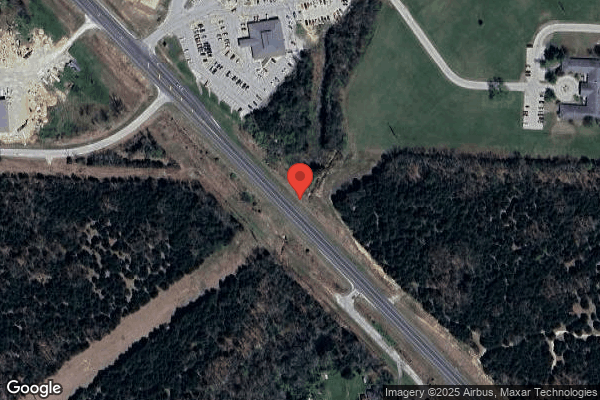
Understanding Severity Codes (click to expand)
Life-Threatening (Immediate Jeopardy)
J - Isolated K - Pattern L - Widespread
Actual Harm
G - Isolated H - Pattern I - Widespread
Potential for Harm
D - Isolated E - Pattern F - Widespread
No Harm (Minor)
A - Isolated B - Pattern C - Widespread

Questions to Ask on Your Visit

  • "Can I speak with families of current residents?"
  • "What's your RN coverage like on weekends and overnight?"

Our Honest Assessment

Strengths
  • • No major safety red flags. No abuse findings, life-threatening violations, or SFF status.
Concerns
  • • 35 deficiencies on record. Higher than average. Multiple issues found across inspections.
  • • $31,404 in fines. Higher than 94% of Missouri facilities, suggesting repeated compliance issues.
  • • Grade C (55/100). Below average facility with significant concerns.
Bottom line: Mixed indicators with Trust Score of 55/100. Visit in person and ask pointed questions.

About This Facility

What is Seville's CMS Rating?

CMS assigns SEVILLE CARE CENTER an overall rating of 3 out of 5 stars, which is considered average nationally. Within Missouri, this rating places the facility higher than 99% of the state's 100 nursing homes. This mid-range rating indicates the facility meets federal standards but may have areas for improvement.

How is Seville Staffed?

CMS rates SEVILLE CARE CENTER's staffing level at 3 out of 5 stars, which is average compared to other nursing homes. Staff turnover is 50%, compared to the Missouri average of 46%.

What Have Inspectors Found at Seville?

State health inspectors documented 35 deficiencies at SEVILLE CARE CENTER during 2022 to 2025. These included: 30 with potential for harm and 5 minor or isolated issues.

Who Owns and Operates Seville?

SEVILLE CARE CENTER is owned by a for-profit company. For-profit facilities operate as businesses with obligations to shareholders or private owners. The facility operates independently rather than as part of a larger chain. With 90 certified beds and approximately 50 residents (about 56% occupancy), it is a smaller facility located in SALEM, Missouri.

How Does Seville Compare to Other Missouri Nursing Homes?

Compared to the 100 nursing homes in Missouri, SEVILLE CARE CENTER's overall rating (3 stars) is above the state average of 2.5, staff turnover (50%) is near the state average of 46%, and health inspection rating (4 stars) is above the national benchmark.

What Should Families Ask When Visiting Seville?

Based on this facility's data, families visiting should ask: "Can I visit during a mealtime to observe dining assistance and food quality?" "How do you handle medical emergencies, and what is your hospital transfer rate?" "Can I speak with family members of current residents about their experience?"

Is Seville Safe?

Based on CMS inspection data, SEVILLE CARE CENTER has a clean safety record: no substantiated abuse findings (meaning no confirmed cases of resident harm), no Immediate Jeopardy citations (the most serious violation level indicating risk of serious injury or death), and is not on the Special Focus Facility watch list (a federal program monitoring the lowest-performing 1% of nursing homes). The facility has a 3-star overall rating and ranks #1 of 100 nursing homes in Missouri. While no facility is perfect, families should still ask about staff-to-resident ratios and recent inspection results during their visit.

Do Nurses at Seville Stick Around?

SEVILLE CARE CENTER has a staff turnover rate of 50%, which is about average for Missouri nursing homes (state average: 46%). Moderate turnover is common in nursing homes, but families should still ask about staff tenure and how the facility maintains care continuity when employees leave.

Was Seville Ever Fined?

SEVILLE CARE CENTER has been fined $31,404 across 5 penalty actions. This is below the Missouri average of $33,393. While any fine indicates a compliance issue, fines under $50,000 are relatively common and typically reflect isolated problems that were subsequently corrected. Families should ask what specific issues led to these fines and confirm they've been resolved.

Is Seville on Any Federal Watch List?

SEVILLE CARE CENTER is not on any federal watch list. The most significant is the Special Focus Facility (SFF) program, which identifies the bottom 1% of nursing homes nationally based on persistent, serious quality problems. Not being on this list means the facility has avoided the pattern of deficiencies that triggers enhanced federal oversight. This is a positive indicator, though families should still review the facility's inspection history directly.