E W THOMPSON HEALTH & REHABILITATION CENTER
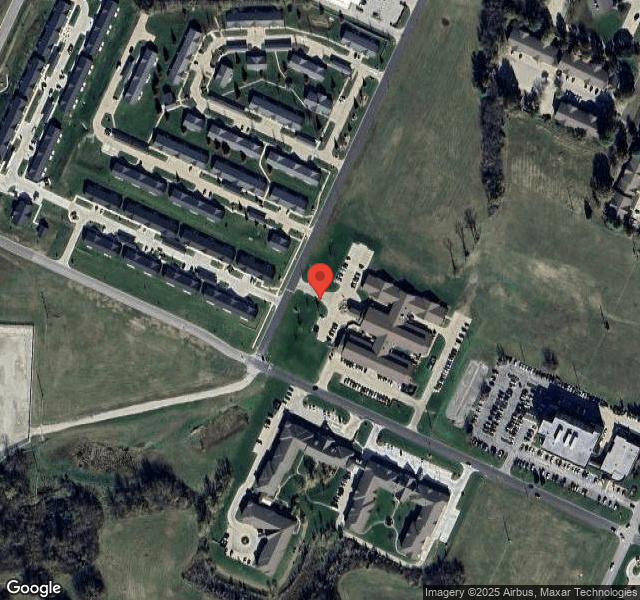
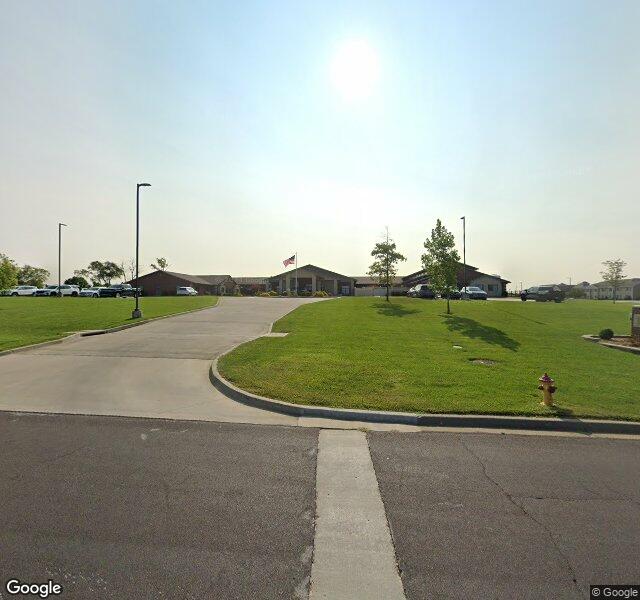
975 MITCHELL ROAD, SEDALIA, MO 65301 (660) 851-0668
Non profit - Corporation 66 Beds Independent Data: November 2025
Trust Grade
80/100
#68 of 479 in MO
Last Inspection: January 2025

Within standard 12-15 month inspection cycle. Federal law requires annual inspections.

Overview

E W Thompson Health & Rehabilitation Center has a Trust Grade of B+, which means it is above average and recommended for families considering care options. It ranks #68 out of 479 facilities in Missouri, placing it in the top half of the state, and it is the best option among five nursing homes in Pettis County. The facility is improving, with the number of issues reported decreasing from six in 2023 to four in 2025. Staffing is a strong point, rated 4 out of 5 stars with a low turnover rate of 21%, while the RN coverage is concerning, as it is lower than 90% of other Missouri facilities. Although there have been no fines, the inspector found issues such as staff not consistently practicing hand hygiene and failing to submit accurate staffing information to Medicare, indicating areas that need attention alongside their strengths.

Trust Score
B+
80/100
In Missouri
#68/479
Top 14%
Safety Record
Low Risk
No red flags
Inspections
Getting Better
6 → 4 violations
Staff Stability
✓ Good
21% annual turnover. Excellent stability, 27 points below Missouri's 48% average. Staff who stay learn residents' needs.
Penalties
✓ Good
No fines on record. Clean compliance history, better than most Missouri facilities.
Skilled Nurses
⚠ Watch
Each resident gets only 20 minutes of Registered Nurse (RN) attention daily — below average for Missouri. Fewer RN minutes means fewer trained eyes watching for problems.
Violations
⚠ Watch
13 deficiencies on record. Higher than average. Multiple issues found across inspections.
★★★★☆
4.0
Overall Rating
★★★★☆
4.0
Staff Levels
★★☆☆☆
2.0
Care Quality
★★★★☆
4.0
Inspection Score
Stable
2023: 6 issues
2025: 4 issues

The Good

  • 4-Star Staffing Rating · Above-average nurse staffing levels
  • Low Staff Turnover (21%) · Staff stability means consistent care
  • Full Sprinkler Coverage · Fire safety systems throughout facility
  • No fines on record
  • Staff turnover is low (21%)

    27 points below Missouri average of 48%

Facility shows strength in staffing levels, staff retention, fire safety.

The Bad

No Significant Concerns Identified

This facility shows no red flags. Among Missouri's 100 nursing homes, only 1% achieve this.

The Ugly 13 deficiencies on record

May 2025 1 deficiency
CONCERN (D) 📢 Someone Reported This

A family member, employee, or ombudsman was alarmed enough to file a formal complaint

Potential for Harm - no one hurt, but risky conditions existed

Free from Abuse/Neglect (Tag F0600)

Could have caused harm · This affected 1 resident

**NOTE- TERMS IN BRACKETS HAVE BEEN EDITED TO PROTECT CONFIDENTIALITY** Based on interview and record review, facility staff failed to ensure one resident (Resident #1) remained free from verbal and e...

Read full inspector narrative →
**NOTE- TERMS IN BRACKETS HAVE BEEN EDITED TO PROTECT CONFIDENTIALITY** Based on interview and record review, facility staff failed to ensure one resident (Resident #1) remained free from verbal and emotional abuse when Certified Nurse Aide (CNA) B demanded multiple times for the resident to perform his/her toileting independently although he/she was unable to perform, and aggressively pulled resident under the arm to stand him/her up without a gait belt. The facility census was 60. The administrator was notified on 5/1/25 of past Non-Compliance, which occurred on 4/28/25 when staff reported the allegation. Staff immediately suspended CNA B pending the results of the investigation, assessed the resident for physical and psychological harm, conducted an investigation, in-serviced staff on abuse and neglect, and terminated the employee on 4/25/25. Review of the facility's Abuse, Neglect, Exploitation or Misappropriation- Reporting and Investigating policy, date September 2022, showed all reports of resident abuse to include injuries of unknown origin, neglect, exploitation, or misappropriation of resident property are reported to local, state, and federal. agencies, and thoroughly investigated by facility management. Investigation findings are documented and reported. If resident abuse, neglect, exploitation, misappropriation of resident property or injury of unknown source is suspected, the suspicion must be reported immediately to the administrator and the other officials according to state law. Upon receiving any allegations of abuse, neglect, exploitation, misappropriation of resident property or injury of unknown source, the administrator is responsible for determining what actions (if any) are needed for the protection of residents. Review of the facility's investigation, dated 4/25/25, showed the administrator was notified by Resident #1's family, CNA B was verbally and emotionally abusive. The administrator reported the allegations of verbal and emotional abuse to the required agencies and suspended CNA B. The administrator documented CNA B was terminated. Review of the video footage, dated 4/24/25, showed CNA B and Nurse Aide (NA) C enter the resident's room to offer toileting. CNA B and NA C assisted Resident #1 to his/her feet with his/her walker. CNA B is heard telling the resident I need you to turn around and sit on the toilet so turn around, well turn! Resident #1 said I'm trying. CNA B assisted the resident with being changed while the resident stood then demanded he/she sit on his/her walker. CNA B said Sit down, you're not doing anything, I can't be in here for 30 minutes cause you can't sit. Resident #1 sat on the walker while CNA B finished putting the resident's pants on. CNA B then pushed the resident backwards in his/her walker. CNA B said We have other things to do, we're both stuck in here and we should've been done a long time ago. CNA B said to the resident stand up. CNA B forcefully grabbed the resident under his/her right arm and jerked him/her up to standing , pulled his/her pants up, and pivoted the resident to his/her recliner. Review of Resident #1's Minimum Data Set (MDS), a federally mandated assessment tool, dated 4/29/25, showed staff assessed the resident as: -Cognitively intact; -Diagnoses of Dementia and Obsessive Compulsive Disorder; -Required substantial to maximum assistance from staff for toileting. During an interview on 5/1/25 at 11:45 A.M., the administrator said he/she was made aware of CNA B when family notified him/her and brought a video for him/her to watch. CNA B was immediately suspended and sent home after family notified Licensed Practical Nurse (LPN) A of what they saw on the video. LPN A who was on duty watched the video and educated NA C regarding gait belt use and inappropriate resident communication. LPN A assessed the resident, spoke with family, and notified the administrator. After the administrator was able to watch the video it was decided to terminate the CNA B on 4/25/25. During an interview on 5/1/25 at 12:38 P.M., LPN A said he/she was approached by the resident's family the evening of 4/24/25, and explained CNA B had said some things to the resident that they did not appreciate. LPN A said he/she watched the video and called the administrator. He/She was directed to send CNA B home. LPN A said he/she assessed the resident and educated NA C on inappropriate resident communication. During an interview on 5/1/25 at 12:53 P.M., CNA B said he/she and NA C went to the resident's room to assist him/her to the toilet because he/she was soaked. He/She said they assisted the resident to the bathroom but the resident would not turn around and sit on the toilet. CNA B said he/she tried coaxing the resident but he/she did not listen. CNA B said he/she has a loud voice and sometimes can come off as if he/she is yelling or being rude but he/she is not, he/she is just loud. CNA B said he/she does not think he/she was demeaning or abusive in anyway toward the resident and doesn't feel like he/she did anything wrong. During an interview on 5/1/25 at 1:03 P.M., the residents family said they reviewed the video in real time and did not appreciate how the CNA was talking to the resident. He/She said he/She went to the facility with the video and showed LPN A. He/She said LPN A sent the CNA home and assessed the resident. He/She said the next [NAME] they came back to the facility to show the video to the administrator. At the time the administrator told him/her the would be investigating the way CNA B talked to the resident and had the CNA would be terminated. The family confirmed they felt the interaction between CNA B towards the resident was abusiveafter they had spoke to the administrator. During an interview on 5/1/25 at 1:47 P.M., NA C said he/she and CNA B went into the residents room to change him/her. He/She said everything was going okay until they got the resident to the bathroom. He/She said the resident did not understand what was being asked of him/her and they tried for at least 10 minutes to try and have the resident sit down. He/She said CNA B got very rude, demanding, and was telling the resident they didn't have time to deal with him/her. He/She said after the CNA B changed the resident standing, they got him/her back in front of his/her recliner. He/She said CNA B was demanding the resident to stand and then forcefully grabbed the resident under his/her right arm and jerked him/her up to a standing position. He/She said CNA B pulled the residents pants up and sat him/her in his/her recliner. MO00253253
Jan 2025 3 deficiencies
CONCERN (E)

Potential for Harm - no one hurt, but risky conditions existed

Unnecessary Medications (Tag F0759)

Could have caused harm · This affected multiple residents

**NOTE- TERMS IN BRACKETS HAVE BEEN EDITED TO PROTECT CONFIDENTIALITY** Based on observation, interview, and record review, facility staff failed to ensure a medication error rate of less than 5% out ...

Read full inspector narrative →
**NOTE- TERMS IN BRACKETS HAVE BEEN EDITED TO PROTECT CONFIDENTIALITY** Based on observation, interview, and record review, facility staff failed to ensure a medication error rate of less than 5% out of 25 opportunities observed. Four errors occurred, resulting in a 16% error rate, which affected four residents (Residents #22, #36, #47 and #64) of six sampled residents. The facility census was 60. 1. Review of the facility policy titled, Insulin Administration Policy, not dated, showed nursing staff will have access to specific instructions (from manufacturer if appropriate) on all forms of insulin delivery system(s) prior to their use. Review of the Insulin Aspart Injection manufacturer insert showed: Before each injection small amounts of air may collect in the cartridge during normal use. To avoid injecting air and to ensure proper dosing: -Turn the dose selector to select two units; -Hold the Insulin Aspart FlexPen with the needle pointing up. Tap the cartridge gently with your finger a few times to make any air bubbles collect at the top of the cartridge; -Keep the needle pointing upwards, press the push button all the way in; -The dose selector returns to zero; -A drop of insulin should appear at the needle tip. If not, change the needle and repeat the procedure no more than six times. Review of the Novolog FlexPen manufacturer instructions showed: -Give the air shot before each injection; -Turn the dose selector to select two units; -Hold the NovoLog FlexPen with the needle pointing up. Tap the cartridge gently with your finger a few times to make any air bubbles collect at the top of the cartridge; -Keep the needle pointing upwards, press the push bottom all the way. The dose selector returns to zero; -A drop of insulin should appear at the needle tip. If not, change the needle and repeat the procedure no more than six times; -If you do not see a drop of insulin after six times, do not use the NovoLog FlexPen and contact manufacturer. 2. Review of Resident #22's Quarterly Minimum Data Set (MDS), a federally mandated assessment tool, dated 11/11/24, showed staff documented the resident had a diagnosis of diabetes and received insulin injections seven out of the seven days in the look back period. Review of the Physician Order Sheet (POS), dated 10/24/24, showed an order for Insulin Aspart (Niacinamide) three times per day at 7:00 A.M., 11:00 A.M., and 5:00 P.M. Observation on 1/21/25 at 11:30 A.M., showed Certified Medication Technician (CMT) B dialed the resident's Humalog Kwik Pen to 18 units and administered the insulin to the resident. The CMT did not prime the insulin pen prior to administration. 3. Review of Resident #36's Quarterly MDS, dated [DATE], showed staff documented the resident had a diagnosis of diabetes and received insulin injections seven out of seven days in the look back period. Review of the POS, dated 03/12/24, showed an order for NovoLog FlexPen Insulin Aspart 100 units/milliliter (ml). Three units three times per day at 7:30 A.M., 11:30 A.M., and 5:00 P.M. Observation on 1/21/25 11:40 A.M., showed CMT B dialed Resident #36's Novolog Pen to three units and administered the insulin to the resident. The CMT did not prime the insulin pen prior to administration. 4. Review of Resident #47's Quarterly MDS, dated [DATE], showed staff documented the resident had a diagnosis of diabetes and received insulin injections seven out of seven days in the look back period. Review of the resident's POS, dated 11/22/24, showed an order for Novolog FlexPen Insulin Aspart 100 unit/ml four times per day at 7:00 A.M., 11:30 A.M., 5:00 P.M., and 8:00 P.M. Observation on 1/21/25 4:39 P.M., showed CMT C dialed Resident #47's Novolog Pen to four units and administered the insulin to the resident. The CMT did not prime the insulin pen prior to administration. During an interview on 01/22/25 at 1:05 P.M., CMT A said he/she is fairly new at administering insulin, and did not know insulin pens should be primed. The CMT said he/she does not recall that being included in his/her training. 5. Review of the facility policy titled Administering Medications, dated April 2019, showed medications are administered in accordance with prescriber orders, including any required timeframe. If a drug is withheld, refused or given at a time other than the scheduled time, the individual administering the medication shall initial and circle the MAR space provided for that drug and dose. 6. Review of Resident # 64's admission MDS, dated [DATE], showed staff documented the resident had a diagnosis of dementia and anxiety disorder. Review of the resident's POS, dated 01/19/25, showed an order for Doxycycline Hydate (antibiotic) 100 milligrams (mg) capsule. One capsule by mouth twice per day at 8:00 A.M., and 8:00 P.M., for cellulitis (a bacterial infection of the skin and underlying tissues). Review of the Medication Administration Record (MAR), dated 01/20/25, showed CMT A did not document he/she administered the Doxycycline Hydate 100 mg at 8:00 A,M. as prescribed. Observation on 1/20/25 at 8:35 A.M. showed CMT A did not administer Doxycycline 100 mg during the morning medication pass or indicate a reason in the MAR. During an interview on 1/22/25 at 1:10 P.M., CMT A said he/she could not find the resident's doxycycline in the medication cart, so he/she made a note to remind him/her to talk to the supervisor. CMT A notified Licensed Practical Nursed (LPN) G the morning of 1/22/25 that the medication could not be found in the medication cart. The CMT said he/she did not notify the supervisor timely because he/she got busy. 7. During an interview on 1/22/25 at 1:35 P.M., the Director of Nursing (DON) said staff should prime insulin pens with two units of insulin. The DON said staff prime the needle to remove air. The DON said if staff does not prime the insulin pen, then the resident would not get the correct amount of insulin. The DON said he/she did not know staff did not know they were supposed to prime insulin pens. The DON said staff are expected to follow the Administering Medication policy when a medication cannot be located in the medication cart. He/She said if a medication can not be found staff should check the emergency kit and notify the charge nurse. If staff are unable to administer a medication they should circle and initial it on the MAR. During an interview on 1/22/25 at 3:02 P.M. the Administrator said he/she expects staff to follow physician orders and policy/device manufacturer instructions when administering medications. The Administrator expects CMTs to know how to ensure a full dose of insulin is administered, which is priming the pen prior to administration. The Administrator said if staff can not find a medication in the cart a hold should be initiated in the MAR by selecting the Hold button. He/She said staff should document the reason for the hold in the MAR. The Administrator said he/she knows the policy states staff are to circle and initial next to the medication on the MAR, but this not current practice.
CONCERN (F)

Potential for Harm - no one hurt, but risky conditions existed

Food Safety (Tag F0812)

Could have caused harm · This affected most or all residents

Based on observation, interview and record review, the facility staff failed to perform hand hygiene as often as necessary using approved techniques to prevent cross-contamination. The facility census...

Read full inspector narrative →
Based on observation, interview and record review, the facility staff failed to perform hand hygiene as often as necessary using approved techniques to prevent cross-contamination. The facility census was 60. 1. Review of the facility's Food and Nutrition Services Hand Washing policy, dated 01/01/07, showed the policy directed staff to wash their hands: -During food preparation; -When switching between raw food and work with ready-to-eat food; -Before donning gloves for working with food; -After handling soiled utensils or equipment; -After engaging in other activities that contaminate the hands. Review showed the procedure for handwashing listed as: -Rinse hands under clean, running, warm water; -Apply a cleaning compound; -Rub together vigorously for approximately 10 to 15 seconds; -Rinse thoroughly under clean, running, warm water; -Shut off the water faucet without contaminating the clean hands (id est, by using a paper towel). Review of the facility's Handwashing/Hand Hygiene policy, dated August 2015, showed The facility considers hand hygiene the primary means to prevent the spread of infections. All personnel shall follow the handwashing/hand hygiene procedures to help prevent the spread of infections to other personnel, residents, and visitors. Review showed the policy directed staff to perform hand hygiene: -When hands are visibly soiled; -Before and after coming on duty; -Before donning gloves; -After removing gloves; -Before and after eating or handling food. Review showed the procedure for handwashing listed as: -Vigorously lather hands with soap and rub them together, creating friction to all surfaces, for a minimum or 20 seconds (or longer) under a moderate stream of running water, at a comfortable temperature; -Rinse hands thoroughly under running water; -Dry hands thoroughly with paper towels and then turn off faucets with a clean, dry paper towel. Observation on 01/20/25 at 4:15 P.M., showed [NAME] H scrubbed his/her hands with soap under running water for four seconds and turned off the faucet with his/her bare wet hands at the handwashing sink. Observation showed the cook donned gloves, cleaned the food preparation counter, removed his/her soiled gloves, lifted the lid of the trash can with his/her bare hand to dispose of the gloves and then washed his/her hands at the handwashing sink. Observation showed the cook scrubbed his/her hands with soap under running water and turned off the faucet with his/her wet bare hands. Observation showed the cook then donned gloves and cut raw cucumbers to prepare the tomato and cucumber salad for service to the residents. Observation on 01/20/25 at 4:20 P.M., showed [NAME] H removed his/her soiled gloves, lifted the trash can lid with his/her bare hand to dispose of the gloves and then washed his/her hands at the handwashing sink. Observation showed the cook scrubbed his/her hands with soap under running water and turned off the faucet with his/her wet bare hands. Observation showed the cook then donned gloves and continued to cut raw cucumbers to prepare the tomato and cucumber salad for service to the residents. Observation on 01/20/25 at 4:29 P.M., showed [NAME] H removed his/her soiled gloves, lifted the trash can lid with his/her bare hand to dispose of the gloves and then washed his/her hands at the handwashing sink. Observation showed the cook scrubbed his/her hands with soap under running water and turned off the faucet with his/her wet bare hands. Observation showed the cook then donned gloves and prepared scalloped potatoes for service to residents at the evening meal. During an interview on 01/20/25 at 4:30 P.M., [NAME] H said he/she had worked at the facility since June 2024 and staff trained him/her on hand hygiene procedures upon hire. The cook said staff should wash their hands before food preparation, after they remove gloves and after they touch anything dirty. The cook said a trash can lid would be considered a dirty piece of equipment. The cook said staff should scrub their hands with soap, out of the water, for 20 seconds and turn the faucet off with a paper towel when they wash their hands. The cook said he/she did not know why he/she did not scrub his/her hands properly or why he/she turned off the faucet with his/her bare hands other than he/she was just in a hurry. Observation on 01/21/25 at 9:28 A.M., showed Dietary Aide (DA) I scrubbed his/her hands with soap for five seconds when he/she washed his/her hands at the handwashing sink. Observation showed the DA then put away sanitized from the mechanical dishwashing station. Observation 01/21/25 at 9:31 A.M., showed DA J washed soiled dishes in the mechanical dishwashing station. Observation showed, without performing hand hygiene, the DA then put away sanitized dishes from the clean side of the station. Observation on 01/21/25 at 9:36 A.M., showed DA J scrubbed his/her hands with soap for three seconds and turned the faucet off with his/her wet bare hands at the handwashing sink. Observation showed the DA dried his/her hands with a paper towel, used his/her bare hand to lift the lid of the trash can to dispose of the paper towel, and then put sanitized dishes away from the clean side of the mechanical dishwashing station. Observation on 01/21/25 at 9:56 A.M., showed DA J cleaned the counter of the dirty side of the mechanical dishwashing station and then washed his/her hands at the handwashing sink. Observation showed the DA scrubbed his/her hands with soap for seven seconds and turned the faucet off with his/her wet bare hands. Observation showed the DA then put sanitized dishes away from the clean side of the mechanical dishwashing station. During an interview on 01/21/25 at 9:57 A.M., DA J said he/she had worked at the facility for three years and he/she had been trained on hand hygiene during his/her employment. The DA said staff should scrub their hands with soap for 20 seconds and use a paper towel to turn the water off when they wash their hands. The DA said he/she did not have a reason for why he/she did not scrub his/her hands with soap longer or for not using a paper towel to turn off the water. Observation on 01/21/25 at 11:00 A.M., showed DA I scrubbed his/her hands with soap for four seconds when he/she washed his/her hands at the handwashing sink. Observation showed the DA then put sanitized dishes on a service cart. During an interview on 01/21/25 at 11:16 A.M., the Dietary Manager (DM) said staff should wash their hands after they remove gloves or touch anything dirty and a trash can lid would be considered dirty. The DM said staff should scrub their hands with soap, out of the water, for 20 seconds and use a clean, dry paper towel to turn off the faucet when they wash their hands. The DM said all staff are trained on proper hand hygiene procedures upon hire and as needed. During an interview on 01/21/25 at 1:00 P.M., the administrator said staff should wash their hands any time they are soiled or when they go from a dirty task to a clean task. The administrator said staff should scrub their hands with soap, out of the water, long enough to sing the ABC song twice which should take them about 30 seconds and use a fresh paper towel to turn off the faucet when they wash their hands. The administrator said all staff are trained on proper hand hygiene procedures upon hire.
CONCERN (F)

Potential for Harm - no one hurt, but risky conditions existed

Staffing Data (Tag F0851)

Could have caused harm · This affected most or all residents

Based on interview and record review, facility staff failed to electronically submit to the Centers for Medicare and Medicaid Services (CMS), complete and accurate direct care staffing information to ...

Read full inspector narrative →
Based on interview and record review, facility staff failed to electronically submit to the Centers for Medicare and Medicaid Services (CMS), complete and accurate direct care staffing information to the Payroll Based Journal (PBJ) data on the schedule specified by CMS from January 1, 2024, through July 31, 2024. The facility census was 60. 1. Review of the facility's Reporting Direct Care Staffing Information (Payroll-Based Journal) policy, revised August 2022, showed: -Direct care staffing information is reported electronically to CMS through the PBJ; -Compete and accurate direct care staffing information is reported electronically to CMS through the PBJ system in a uniform format specified by CMS; -For auditing purposes, reported staffing information is based on payroll records, invoices, tied back to a contract, or other verifiable information; -Data is submitted only by designated personnel with training on the PBJ user interface; -Direct care staffing information is submitted on the schedule specified by CMS, but no less frequently than quarterly; -Staffing information is collected daily and reported for each fiscal quarter no later than 45 days after the end of the reporting quarter. Dates are as follows: Fiscal Quarter 1 - Date Range October 1-December 31 - submission deadline February 14; Fiscal Quarter 2 - Date Range January 1-March 31 - submission deadline May 15; Fiscal Quarter 3 - Date Range April 1-June 30 - submission deadline February 14; Fiscal Quarter 4 - Date Range July 1-September 30 - submission deadline November 14. Review of the CMS Electronic Staffing Data Submission Payroll-Based Journal Policy Manual for submission guidelines showed submissions must be received by the end of the 45 th calendar day (11:59 PM Eastern Standard Time) after the last day in each fiscal quarter to be considered timely. Below are the deadlines for each reporting period: Fiscal Quarter 1 - Date Range October 1-December 31 - submission deadline February 14; Fiscal Quarter 2 - Date Range January 1-March 31 - submission deadline May 15; Fiscal Quarter 3 - Date Range April 1-June 30 - submission deadline February 14; Fiscal Quarter 4 - Date Range July 1-September 30 - submission deadline November 14. 3. Review of the facility's CMS PBJ Staffing Data Report, dated July 1-September 30, showed the facility had a One Star Staffing Rating. During an interview on 01/22/25 at 3:02 P.M., the administrator said the facility is ultimately responsible to submit information for the PBJ. The facility was in the process of switching payroll administration to a new company in February. The facility expected the new payroll company to enter the PBJ information as required, and this did not happen. In April, facility staff realized the information had not been submitted for Fiscal Quarter one and it was submitted late. The process should have been corrected however the next deadline for submission was also missed. During an interview on 01/29/25 at 11:02 A.M., the HR manager said the facility switched to a new company to handle payroll, and the new company was to format information for the PBJ. The company did not come through with this task, and he/she had to convert information and enter the PBJ manually for Quarter 1. The company still did not fix the issue and the next quarter again was not submitted timely, and the HR manager had to enter the information manually again.
Oct 2023 6 deficiencies
CONCERN (E)

Potential for Harm - no one hurt, but risky conditions existed

Deficiency F0625 (Tag F0625)

Could have caused harm · This affected multiple residents

**NOTE- TERMS IN BRACKETS HAVE BEEN EDITED TO PROTECT CONFIDENTIALITY** Based on interview and record review, facility staff failed to provide written information to the resident and/or the resident's...

Read full inspector narrative →
**NOTE- TERMS IN BRACKETS HAVE BEEN EDITED TO PROTECT CONFIDENTIALITY** Based on interview and record review, facility staff failed to provide written information to the resident and/or the resident's representative of their bed hold policy at the time of transfer to the hospital for four residents (Residents #4, #19, #38, and #49). The facility's census was 56. 1. Review of the facility's Bed-Holds and Returns policy showed the policy did not direct staff to provide written information regarding bed-hold at the time of transfer. 2. Review of Resident #4's quarterly Minimum Data Set (MDS), a federally mandated assessment tool, dated 8/01/23, showed staff assessed the resident as follows: -Moderate cognitive impairment; -discharged to the hospital from the facility on 07/15/23; -readmitted to the facility on [DATE]. Review of the resident's medical record showed the record did not contain written documentation staff notified the resident or the resident's responsible party of the facility's bed-hold policy. 3. Review of Resident #19's admission MDS, dated [DATE], showed staff assessed the resident as follows: -Cognitively intact; -discharged to the hospital from the facility on 10/09/23. Review of the resident's medical record showed the record did not contain written documentation staff notified the resident or the resident's responsible party of the facility's bed-hold policy. 4. Review of Resident #38's quarterly MDS, dated [DATE], showed staff assessed the resident as follows: -Cognitively intact; -discharged to the hospital on [DATE]; -readmitted to the facility on [DATE]. Review of the resident's medical record showed the record did not contain written documentation staff notified the resident or the resident's responsible party of the facility's bed-hold policy. 5. Review of Resident #49's significant change MDS, dated [DATE], showed staff assessed the resident as follows: -Moderate cognitive impairment; -discharged to the hospital on [DATE]; -readmitted to the facility on [DATE]. Review of the resident's medical record showed the record did not contain written documentation staff notified the resident or the resident's responsible party of the facility's bed-hold policy. During an interview on 10/13/23 at 10:45 A.M., the Assistant Director of Nursing (ADON) said the facility has bed-hold information in the admission agreement but do not give anything to the resident or their representative at the time of transfer or discharge. During an interview on 10/13/23 at 3:50 P.M., the Administrator said the ADON is in charge of this task, however they have not been sending the information with the resident or responsible party at the time of discharge. The administrator said she did not know that needed to be done.
CONCERN (E)

Potential for Harm - no one hurt, but risky conditions existed

Deficiency F0658 (Tag F0658)

Could have caused harm · This affected multiple residents

**NOTE- TERMS IN BRACKETS HAVE BEEN EDITED TO PROTECT CONFIDENTIALITY** Based on observation, interview, and record review, facility staff failed to maintain professional standards of care when they f...

Read full inspector narrative →
**NOTE- TERMS IN BRACKETS HAVE BEEN EDITED TO PROTECT CONFIDENTIALITY** Based on observation, interview, and record review, facility staff failed to maintain professional standards of care when they failed to complete neurological assessments (evaluation completed by staff for early detection of nervous system damage following head trauma) following unwitnessed falls for three residents (Resident #32, #43, and #49), and failed to administer medications according the the facility policy for three residents (Residents #37, #45, and #25). The facility census was 56. 1. Review of the facility's Neurological Assessment policy, revised October 2010, showed it directed staff as follows: -The purpose of the procedure is to provide guidelines for a neurological assessment: 1) upon physician order; 2) when following an unwitnessed fall; 3)subsequent to a fall with a suspected head injury; or 4) when indicated by resident condition; -The following information should be recorded in the resident's medical record: the date and time the procedure was performed, the name and title of the individual(s) who performed the procedure, all assessment data obtained during the procedure, if the resident refused the procedure, the reason(s) why and the intervention taken, and the signature and title of the person recording it. Review of the Neuro Monitor Form, undated, showed staff are directed to monitor every 15 minutes for one hour; every 1 hour x 2 hours; every 2 hours x 8 hours; and every shift x 1 day. 2. Review of Resident #32's admission Minimum Data Set (MDS), a federally mandated assessment tool, dated 09/18/23, showed facility staff assessed the resident as: -Severe cognitive impairment; -Required extensive assistance of one staff member for bed mobility and dressing, and extensive assistance of two staff members with transfers and toileting; -Diagnosis of Alzheimer's disease (is a progressive disease beginning with mild memory loss and possibly leading to loss of the ability to carry on a conversation and respond to the environment) and dementia (impaired ability to remember, think, or make decisions that interferes with doing everyday activities). Review of the resident's nurse's notes, showed the following: -10/04/23 at 1:52 P.M., showed staff documented the resident had an unwitnessed fall; -10/04/23 at 8:42 P.M., showed staff documented the resident had an unwitnessed fall; -10/06/23 at 9:45 P.M., showed staff documented the resident had an unwitnessed fall; -10/07/23 at 08:13 A.M., showed staff documented the resident had an unwitnessed fall. Review of the resident's medical record showed staff did not document a neurological assessment, continuous monitoring of the resident or notification of the physician for the falls on the following dates: -10/04/23; -10/06/23; -10/07/23. 3. Review of Resident #43's quarterly MDS, dated [DATE], showed staff assessed the resident as: -Severe cognitive impairment; -Required limited assistance of one staff member for transfers and bed mobility, and extensive assistance with toileting; -Diagnosis of fractures and other multiple trauma, Alzheimer's disease, and dementia. Review of the resident's nurse's notes, showed on 10/03/23 at 7:19 P.M., staff documented the resident had an unwitnessed fall. Review of the resident's medical record showed staff did not document a neurological assessment, continuous monitoring of the resident or notification of the physician for the fall. 4. Review of Resident #49's significant change MDS, dated [DATE], showed facility staff assessed the resident as: -Moderate cognitive impairment; -Required extensive assistance of one staff member dressing, and extensive assistance of two staff members with transfers and toileting; -Diagnosis of dementia. Review of the resident's nurse's notes, showed on 09/27/23 at 03:40 P.M., staff documented the resident had an unwitnessed fall. Review of the resident's medical record showed staff did not document a neurological assessment, continuous monitoring of the resident or notification of the physician for the fall. 5. During an interview on 10/13/23 at 03:27 P.M., licensed practical nurse (LPN) B said staff are expected to do neuro checks on residents that fall and hit their head or if the fall is unwitnessed. He/She said staff should fill out an incident report that triggers staff to start the neuro checks. He/She said neuro checks are done on paper and passed down during end of shift report. He/She said once she neuro checks are done they are placed in the medical record office to be scanned in. He/She said neuro checks may not be in the chart due to staff not doing them. He/She said that there have been times that he/she has chosen not to initiate neuro checks on unwitnessed falls. He/She gave the example of when it was the end of his/her shift and it appeared the resident slipped out of his/her wheelchair and he/she did not see an apparent injury. He/She said in that situation he/she chose not to initiate a neurological assessment because he/she knew the resident would be fine. During an interview on 10/13/23 at 10:10 P.M., the Director of Nursing (DON) said it is his/her expectation that neurological assessments be done on all unwitnessed falls or falls with head injury. He/She said he/she was unable to find the missing neurological assessments and he/she was not sure if staff had done them. During an interview on 10/19/23 at 10:57 A.M., the Administrator said neurological checks should be done for at least 24 hours after a fall, and the expectation is that staff document on the neurological check sheet. 6. Review of the facility's Administering Medications Policy, dated December 2012, showed staff were directed as follows: -Medications must be administered in accordance with the orders, including any required time frame; -Medications must be administered within one (1) hour of their prescribed time, unless otherwise specified; -The individual administering the medication must check the label THREE (3) times to verify the right resident, right medication, right dosage, right time and right method of administration before giving the medication. Review of the facility's Medication Administration Schedule Policy, dated November 2020 showed: -Daily medications are given at 8:00 A.M.; -BID (two times daily) medications are given at 8:00 A.M. and 8:00 P.M.; -TID (three times daily) medications are given at 8:00 A.M., 12:00 P.M. and 4:00 P.M. 7. Review of Resident #37's Medication Administration Record (MAR) showed an order for the following medications: -Aspirin 81 milligrams (mg) daily at 8:00 A.M.; -Oxybutynin (to treat overactive bladder) 10 mg daily; -Furosemide (to treat swelling) 40 mg daily. Observation on 10/11/23 at 10:29 A.M., showed Certified Medication Technician (CMT) C administered the following medications: -Aspirin 81 mg; -Oxybutynin 10 mg; -Furosemide 40 mg. 8. Review of Resident #45's MAR showed an order for the following medications: -Omeprazole (to treat heartburn) 20 mg daily; -Levothyroxine (to treat enlarged thyroid gland) 100 micrograms (mcg) daily; -Furosemide 20 mg daily; -Potassium (treats low potassium levels) 20 milliequivalent (mEq) twice a day; -Amlodipine (treats high blood pressure) 10 mg daily; -Lisinopril (treats high blood pressure) 40 mg daily; -Quetiapine (antipsychotic) 25 mg one half tab TID; -Sertaline (treats depression) 100 mg one and one half tab daily; -Exelon Patch (treats dementia) 4.6mg daily. Observation on 10/11/23 at 10:35 A.M., showed CMT C administered the following medications: -Omeprazole 20mg; -Levothyroxine 100 mcg; -Furosemide 20 mg; -Potassium 20 mEq; -Amlodipine 10 mg; -Lisinopril 40mg; -Quetiapine 25mg one half tab; -Sertaline 100mg one and one half tab; -Exelon Patch 4.6mg. 9. Review of Resident #25's MAR showed an order for the following medications: -Multivitamin daily; -Stool softner twice daily at 8:00 A.M. and 8:00 P.M.; -Chlorthalidone (treats high blood pressure) 25mg one half tab daily; -Lisinopril 10mg daily; -Metoprolol (treats high blood pressure) 50mg daily; -Tylenol 325mg two tablets at 8:00 A.M. and 8:00 P.M.; -Anastrozole (treats breast cancer) 1 mg daily. Observation on 10/11/23 at 10:43 A.M., showed CMT C administered the following medications: -Multivitamin; -Stool softener; -Chlorthalidone 25mg one half tab; -Lisinopril 10mg; -Metoprolol 50mg; -Tylenol 325mg two tablets; -Anastrozole 1mg. 10. During an interview on 10/13/23 at 3:27 P.M., LPN B said staff are allowed to give medications an hour before or after the scheduled time. He/She said the medication still has to be given so staff should give the medication but make sure they use the same route the next time they pass medications, to make sure the residents don't get the medications too early the next round. He/She said he/she was aware that medications sometimes get administered past the one hour time frame. He/She said it is because of the number of units the staff have to cover in the hour time frame. He/She said he/she would notify the doctor if it was two hours past the scheduled time. He/She said he/she would consider late medications a medication error. During an interview on 10/13/23 at 3:30 P.M., CMT C said medications can be given one hour before or one hour after scheduled time. CMT C said, We will usually hold the medication if it was going to be late, and don't give because it will be out of the time window. CMT C said if a medication is late or held he/she is expected to let their charge nurse know, and it would be documented. During an interview on 10/13/23 at 3:52 P.M., the DON said medication administration is acceptable one hour before and one hour after the ordered time. He/She said it is his/her expectation that if medications are late that the CMT would first notify the nurse who would get in contact with the physician to get further direction from them on how they would like to proceed. The DON said he/she was not aware staff were giving medications late and it should not have happened. He/She said he/she would consider late medications a medication error. During an interview on 10/13/23 at 3:53 P.M., the Administrator said medications are supposed to be given at the time they are scheduled, but there is a two hour window before or after that the medication can be given. The Administrator said it would depend on what medication is being given, whether if it can be held and given later, or not if it would be considered a medication error.
CONCERN (E)

Potential for Harm - no one hurt, but risky conditions existed

Deficiency F0761 (Tag F0761)

Could have caused harm · This affected multiple residents

**NOTE- TERMS IN BRACKETS HAVE BEEN EDITED TO PROTECT CONFIDENTIALITY** Based on observation, interview, and record review staff failed to ensure medications were stored in a safe and effective manner...

Read full inspector narrative →
**NOTE- TERMS IN BRACKETS HAVE BEEN EDITED TO PROTECT CONFIDENTIALITY** Based on observation, interview, and record review staff failed to ensure medications were stored in a safe and effective manner, by not ensuring medications were properly labeled and contained in their original package until time of administration on two medication carts, failed to discard expired medications from the medication room refrigerator, failed to store time scheduled controlled medications (medications which fall under United States (US) Drug Enforcement Agency (DEA) Schedules II-V and have a potential for abuse, ranging from low to high, and may also lead to physical or psychological dependence) in a separately locked, permanently affixed compartment and failed to ensure medications carts were locked at all times. The facility census was 56. 1. Review of the facility's Storage of Medications Policy, revised August 2019, showed staff were directed to store all drugs and biologicals in a safe, secure, and orderly manner. Review of the Food and Drug Administration (FDA) website, www.accessdata.fda.gov showed Haloperiol (antipsychotic medication) should be stored at room temperature and protected from light. 2. Observation on 10/10/23 at 09:40 A.M., showed the medication cart located between East Hills and [NAME] Plains contained the following: -One loose large round white pill; -One loose small oval mint green pill; -One medicine cup that contained two large white pills, one large oval pink pill, one small oval red pill, one small oval white pill, three small round white pills. Observation on 10/10/23 at 9:48 A.M., showed a vial of Haloperiol the refrigerator in the medication storage room on Clover [NAME]. The vial was not properly stored at room temperature or labeled with the resident's name or dosage. Observation on 10/10/23 at 9:57 A.M., showed the medication cart on Clover [NAME] contained two vials of Haloperidol in small white envelopes, not stored in the original package or properly labeled with the resident's name or dosage. Observation on 10/10/23 at 9:57 A.M., showed the medication cart on Blue Ridge contained one single dose vial of Haloperidol not properly labeled or dated with the a resident's name. During an interview on 10/13/23 at 3:27 P.M., Licensed Practical Nurse (LPN) B said it is ultimately the certified medication technicians (CMT) responsibility to maintain medication carts and ensure there are no loose pills or vials. He/She said it could also be the nurse's responsibility if the nurse is passing medications on the cart. He/She said medication carts should always be free of loose pills. He/She said if loose pills are found, staff should properly discard the medication and investigate to see if they can figure out where the medication came from. He/She said staff are not allowed to pre-pop pills. He/She said medication carts should not contain medication cups with loose pills in them. He/She said there should not be loose unlabeled vials of Haloperidol in the medication carts. He/She said the vials of haloperidol should come packaged from pharmacy labeled with resident's information on them. He/She said medications pulled from the Emergency Kits should be a single dose and excess should be disposed of. During an interview on 10/13/23 at 3:30 P.M., CMT C said medication carts are to be checked before and after each shift. CMT C said there is no pre-popping pills, it is not allowed, and is posted in the medication room as a reminder. During an interview on 10/13/23 at 03:52 P.M., the Director of Nursing (DON) said CMTs and nurses are responsible for maintaining medication carts. He/She said he/she expects staff to check for loose pills whenever they are assigned to pass medications on a cart. If loose medications are found, he/she expects CMTs to report to the nurse on duty so that the medication can be identified, investigated, and properly destroyed. He/She said it is her expectation that medication cups are not pre-filled or left unattended in medication carts. He/She said the concern for pre-filled medication cups is that medications may get added, taken out, or given to the wrong resident, which could result in harm. He/She said it is her expectation that staff do not leave loose unlabeled vials of Haloperidol in medication carts or refrigerators. He/She said Haloperidol is not a medication that should be refrigerated. He/She said he/she was unaware that there were unlabeled haloperidol in the medication storage room refrigerator or in the medication carts. He/She said the medications in the white envelopes were single use vials of Haloperidol that should have been destroyed and not kept. During an interview on 10/13/23 at 3:53 P.M., the Administrator said the CMT on the cart should be checking their cart at the start of the shift. The administrator said the only time staff should pre-pop pills is if the resident is going out on leave of absence and it should be labeled appropriately. 3. Review of the facility's Storage of Medications Policy, revised August 2019, showed the policy did not contain direction on expired medications. Observation on 10/10/23 at 9:48 A.M., showed the refrigerator in the medication storage room located in Clover [NAME], contained four single dose vials of Haloperidol with an expiration date of 4/2023. During an interview on 10/13/23 at 03:27 P.M., LPN B said it is the CMT's and nurse's responsibility to maintain medication carts and storage room expiration dates. He/She said he/she was unaware there was expired vials of Haloperidol in the medication storage room refrigerator. During an interview on 10/13/23 at 03:52 P.M., the DON said it is his/her expectation that staff check medication carts and rooms on a regular basis and before administering any medications. He/She said he/she was unaware that there were expired medications in the medication storage room refrigerator. He/She said it is his/her expectation that if a medication is expired that staff pull the medication and destroy it according to facility policy. 4. Review of the facility's Storage of Medications Policy, revised August 2019, showed the policy did not contain direction on storage of scheduled controlled medications. Observation on 10/10/23 at 9:58 A.M., showed the medication cart on Blue Ridge, contained two unlocked and non-affixed tackle boxes that contained time scheduled controlled medications. During an interview on 10/13/23 at 3:27 P.M., LPN B said the medication storage boxes in the medication carts contain scheduled narcotics. He/She said those boxes should have a pad lock on them when not in use. He/She said narcotics should always be under two locks. During an interview on 10/13/23 at 3:52 P.M., the DON said he/she was not aware that staff were leaving the medication boxes unlocked. He/She said the tackle boxes contained scheduled controlled medications. He/She said scheduled controlled medications should be at the bottom of the medication cart in a locked affixed box. During an interview on 10/13/23 at 3:53 P.M., the Administrator said I was not aware that narcotics were kept on the cart. The expectation is that they are locked behind two locks. She said the CMT on the cart should be checking their cart at the start of the shift. 5. Observation on 10/10/23 at 12:40 P.M., showed the medication cart left unlocked and unattended in the dining hall of Blue Ridge with residents present. During an interview on 10/13/23 at 3:27 P.M., LPN B said medication carts should be locked when staff are not using them or nearby. He/She said residents could get into and take harmful medications when medication carts are left unlocked and unattended. During an interview on 10/13/23 at 3:52 P.M., the DON said it is his/her expectation that medication carts are locked when unattended. Unlocked carts put residents at risk for injury.
CONCERN (E)

Potential for Harm - no one hurt, but risky conditions existed

Infection Control (Tag F0880)

Could have caused harm · This affected multiple residents

**NOTE- TERMS IN BRACKETS HAVE BEEN EDITED TO PROTECT CONFIDENTIALITY** Based on observation, interview, and record review facility staff failed to use appropriate infection control procedures to prev...

Read full inspector narrative →
**NOTE- TERMS IN BRACKETS HAVE BEEN EDITED TO PROTECT CONFIDENTIALITY** Based on observation, interview, and record review facility staff failed to use appropriate infection control procedures to prevent the spread of bacteria or other infectious causing contaminants during perineal care, when staff failed to perform appropriate hand hygiene, and glove changes for one resident (Resident #11), failed to ensure sanitary conditions for a catheter bag (a container to hold urine) by keeping the catheter off the floor for one resident (Resident #64), additionally staff failed to change oxygen tubing for three residents (Resident #4, #23, and #31) and failed to properly store nebulizer supplies for one resident (Resident #47). The facility census was 56. 1. Review of the facility's Handwashing/Hand Hygiene policy, revised August 2019, showed staff were directed to the following: -All personnel shall follow the handwashing/hand hygiene procedures to help prevent the spread of infections to other personnel, residents and visitors; -Wash hands with soap (antimicrobial or non-antimicrobial) and water for the following situations: i.When hands are visibly soiled; -Use alcohol-based hand rub containing at least 62% alcohol, or, alternatively, soap (antimicrobial or non-antimicrobial) and water for the following situations: i.Before and after direct contact with the residents; ii.Before moving from a contaminated body site to a clean body site during resident care; iii.after contact with a resident's skin; iv.After removing gloves; -Hand hygiene is the final step after removing and disposing if personal protective equipment; -Single use disposable gloves should be used: i.When anticipating contact with blood or body fluids; ii.When in contact with a resident, or the equipment or environment of a resident, who is on contact precautions. 2. Review of the facility's Perineal Care policy, revised February 2018, showed staff were directed to the following: -Wash and dry hands thoroughly; -Put on gloves; -Wash perineal area; -Remove gloves and discard into designated containers; -Wash and dry hands thoroughly; -Reposition the bed covers. Make resident comfortable; -Wash and dry hands thoroughly. 3. Review of Resident #11's quarterly Minimum Data Set (MDS), a federally mandated assessment tool, dated 07/11/23, showed facility staff assessed the resident as: -Severe cognitive impairment; -Required extensive one person assistance for transfers and toileting; -Required total assistance from one person for bed mobility, dressing, and personal hygiene. Observation on 10/13/23 at 08:45 A.M., showed Certified Nurse Aide (CNA) A entered the resident's room to provide perineal care. CNA A did not perform hand hygiene before he/she put on gloves to provide perineal care for the resident. CNA A used the same areas of the wipe to clean the left and right side of the resident's groin and then down the center. After the resident was turned to his/her side, CNA A wiped the resident's buttocks four times with the same area of the wipe, retrieved another wipe and wiped the resident's buttocks three times with the same area of the wipe. CNA A did not change gloves or perform hand hygiene after he/she performed perineal care or before he/she placed the resident's clean brief. Further observation showed CNA A removed his/her gloves but did not perform hand hygiene before he/she held the resident's straw while he/she assisted the resident with a drink. During an interview on 10/13/23 at 3:45 P.M., CNA F said when staff provide care, they provide privacy first, then do hand hygiene, then apply gloves to perform perineal care. CNA F said gloves should be changed between clean and dirty tasks and after care. When providing care, the expectation is to always use a clean portion the wipe for each swipe. During an interview on 10/13/23 at 03:27 P.M., Licensed Practical Nurse (LPN) B said staff should wash hands when they enter the resident's room, before applying gloves, after taking gloves off, and before leaving the residents room. He/She said staff should change gloves and perform hand hygiene if their gloves become soiled and between clean and dirty tasks. He/She said his/her expectation is that staff use one portion of the wipe and fold the wipe with each swipe. During an interview on 10/13/23 at 03:52 P.M., the Director of Nursing (DON) said he/she expects his/her staff should perform hand hygiene upon entering the resident's room, before putting on gloves, every time they change their gloves, if their gloves become soiled, and before leaving the residents room. He/She said he/she expects his/her staff to change gloves between dirty and clean tasks and before assisting the residents with their clothing or linen. He/She said he/she expects staff to use a clean surface of the wipe with each swipe. During an interview on 10/13/23 at 3:50 P.M., the Administrator said anytime staff are providing perineal care and go from a dirty to clean task, gloves should be changed. She said the expectation is to start with a clean surface for each wipe when providing pernineal cleansing. The administrator said staff should wash their hands before starting care and when going from clean to dirty tasks, and then again before leaving the resident's room. 4. Review of the facility's Catheter Care, Urinary policy, Revised August 2022, showed staff were directed to be sure the catheter tubing and drainage bag are kept off the floor. 5. Review of Resident #64's admission MDS, dated [DATE], showed facility staff assessed the resident as follows: -Cognitively intact; -Has indwelling catheter; -Requires extensive assistance from staff with toileting. Review of the resident's Physician Order Sheet (POS), dated October 2023, showed an order for a catheter. Observation on 10/11/23 at 2:15 P.M., showed the resident in his/her room in the recliner. Further observation showed the resident's catheter bag touched the floor. Observation on 10/12/23 at 10:30 A.M., showed the resident in his/her room in the recliner. Further observation showed the resident's catheter bag touched the floor. Observation on 10/13/23 at 9:45 A.M., showed the resident in his/her room in the recliner. Further observation showed the resident's catheter bag touched the floor. During an interview on 10/13/23 at 3:50 P.M., the Administrator said Catheter bags should not be on the floor due to infection control concerns. 6. Review of the facility's policies, showed staff did not provide a policy with direction for staff regarding direction to change oxygen tubing, nebulizer tubing or mask care. 7. Review of Resident #4's quarterly MDS, dated [DATE], showed facility staff assessed the resident as: -Moderate cognitive impairment; -Received oxygen therapy; -Requires extensive one person assistance for bed mobility, transfers, toileting, and personal hygiene; -Diagnosis of chronic obstructive pulmonary disease (COPD-A group of lung diseases that block airflow and make it difficult to breathe). Review of the resident's POS, dated 07/18/23, showed the following: -Change the humid bottle on time per month on the 3rd Wednesday afternoon; -Change oxygen tubing once a week on Wednesdays; -Did not contain an order for nebulizer treatments. Review of the resident's treatment administration record (TAR), dated August 2023, showed the following: -Staff did not document the humid bottle was changed for the month of August; -Staff did not document the oxygen tubing was changed on 08/02/23, 08/09/23, 08/16/23, 08/23/23. Review of the resident's TAR, dated September 2023, showed the following: -Staff did not document the humid bottle was changed for the month of September; -Staff did not document the oxygen tubing was changed on 09/05/23, 09/13/23, 09/20/23. Review of the resident's TAR, dated October 2023, showed staff did not document the oxygen tubing was changed 10/3/23 and 10/11/23. Observation on 10/10/23 at 2:10 P.M., showed the resident with oxygen delivered per nasal cannula. The oxygen tube lay on the floor and was undated. Further observation showed the humid bottle was undated. Observation on 10/11/23 at 09:50 A.M., showed the resident with oxygen delivered per nasal cannula. The oxygen tube lay on the floor and was undated. The nebulizer tube and mask on the bed, undated and not in a bag. Further observation showed the humid bottle was undated. Observation on 10/12/23 at 03:14 P.M., showed the resident with oxygen delivered per nasal cannula. The oxygen tube lay on the floor and was undated. Further observation showed the humid bottle was undated. Observation on 10/13/23 at 08:25 A.M., showed the resident with oxygen delivered per nasal cannula. The oxygen tube lay on the floor and was undated. Further observation showed the humid bottle was undated. 8. Review of Resident #23's significant change MDS, dated [DATE], showed facility staff assessed the resident as follows: -Severe cognitive impairment; -Totally dependent on staff for self care, mobility and transfers. Review of the resident's POS, dated October 2023, showed an order for oxygen per nasal cannula as needed to maintain oxygen saturation greater than 90%. Observation on 10/10/23 at 3:15 P.M., showed the resident in bed with his/her nasal cannula applied, and the oxygen tube laid on the floor undated. Observation on 10/12/23 at 3:43 P.M., showed the resident in bed with his/her nasal cannula applied, and the oxygen tube laid on the floor undated. 9. Review of Resident 31's significant change MDS, dated [DATE], showed facility staff assessed the resident as: -Severe cognitive impairment; -Required total two person assistance with bed mobility and personal hygiene; -Required extensive one person assistance for eating; -Required extensive two person assistance for toileting, upper body dressing, and transfers; -Received oxygen. Review of the resident's POS, dated October 2023, showed the resident did not have an order for the use of oxygen. Observation on 10/10/23 at 1:51 P.M., showed the resident wore oxygen delivered through a nasal cannula. The resident's oxygen tube lay on the floor and was undated. Observation on 10/11/23 at 11:32 A.M., showed the resident wore oxygen delivered through a nasal cannula. The resident's oxygen tube lay on the floor and was undated. Observation on 10/12/23 at 3:22 P.M., showed the resident's oxygen cannula lay on top of the oxygen concentrator and was undated and not in a bag. Observation on 10/13/23 at 2:10 P.M., showed the resident wore oxygen delivered through a nasal cannula. The resident's oxygen tube lay on the floor and was undated. 10. Review of Resident #47's dischage MDS, dated [DATE], showed facility staff assessed the resident as: -Severe cognitive impairment; -Diagnosis of chronic obstructive pulmonary disease (COPD-A group of lung diseases that block airflow and make it difficult to breathe); -Impairment on one side for upper extremity; -Required moderate assistance with toileting. Review of the resident's POS, dated October 2023, showed the resident did not have an order for nebulizer treatments. Observation on 10/10/23 at 3:15 P.M., showed a nebulizer, the tubing and mask lay on the resident's bed, undated and not in a bag. 11. During an interview on 10/13/23 at 3:27 P.M., LPN B said oxygen tubing is changed every Wednesday. He/She said each resident should have an order for the oxygen tubing changes. He/She said it is generally the responsibility of the Certified Medication Technicians (CMT) but nurses can change them too. He/She said the TAR prompts staff to change the tubing and they should be labeling the tubing with the date. He/She said when residents are not using it, the oxygen the tubing should be placed in a zip lock bag and not be on the floor or laying out. Nebulizer tubing should be changed once a week according to the TAR. He/She said when the nebulizer is not in use, it should not be left out and should be stored in a zip lock bag. During an interview on 10/13/23 at 03:52 P.M., the DON said it is the responsibility of the CMTs to change out oxygen tubing weekly. He/She said staff are triggered by the TAR to change the tubing and staff should be checking it off on the TAR and labeling it with the date changed. He/She said oxygen tubing should have an order and should be changed out weekly. He/She said if the resident did not have an order, then staff should obtain an order for the tubing changes. He/She said if the tubing is not dated and the TAR is not marked off then the tubing was not changed. He/She said when nebulizers or oxygen tubing were not in use they should be placed in a bag. He/She said tubing should never be on the floor. Nebulizers should be changed out weekly like oxygen tubing. He/She said residents should have an order for the nebulizer and the tubing should be dated and marked off on the TAR when changed. During an interview on 10/13/23 at 3:50 P.M., the Administrator said oxygen canisters should be secured to the concentrator, and the tubing should not be on the floor. The Medication Administration Record (MAR) should have the tube changing order. The CMT is usually in charge of changing the oxygen tubing. They are to be dated and initialed on tape then placed at the beginning of oxygen tubing.
CONCERN (F)

Potential for Harm - no one hurt, but risky conditions existed

Deficiency F0801 (Tag F0801)

Could have caused harm · This affected most or all residents

Based on interview and record review, the facility staff failed to designate a person to serve as the Director of Food and Nutrition Services with the appropriate qualifications, when the facility did...

Read full inspector narrative →
Based on interview and record review, the facility staff failed to designate a person to serve as the Director of Food and Nutrition Services with the appropriate qualifications, when the facility did not employ a qualified dietitian or other clinically qualified nutrition professional full-time. The census was 56. 1. Review of the facility's Dietician policy, dated November 2022, showed if a dietician is not employed 35 or more hours per week a director of food and nutrition services will be designated. This individual will: -be a certified dietary manger (CDM), or; -be a certified food service manager, or; -be nationally certified in food service management and safety, or; -have an associates (or higher) degree in food service management or hospitality, if the course includes food service or restaurant management from an accredited institution, or; -has two or more years of experience in the position of director of food and nutrition services in a nursing facility setting and has completed a course of study in food safety and management, by no later than October 1, 2023, and; -receive frequently scheduled consultations from a qualified dietician or qualified nutrition professional. During an interview on 10/11/23 at 9:25 A.M., the Dietary Manager (DM) said he/she started in the position two weeks ago after working in restaurants for a long time. The DM said he/she had a food handling course over 10 years ago and had not started Certified Dietary Manager (CDM) coursework yet. The DM said the dietician came in every other week to review resident diets and answer any questions. The DM said the housekeeping supervisor helped with his/her training for the first week and a half and is available if he/she needs help. He/She said the housekeeping supervisor is the the previous DM. During an interview on 10/10/23 at 8:35 A.M., the Human Resources (HR) manager said the DM is not a Certified Dietary Manager. The HR manager said the facility gave the DM one year to complete CDM training. During an interview on 10/11/23 at 10:50 A.M., the housekeeping supervisor said he/she does not have a foods service related degree or CDM credential. The housekeeping supervisor said he/she had 25 years of dietary experience in nursing facilities. He/She also said he/she trained the DM for two weeks and periodically shadows the DM. He/She said they do not have a set training schedule but have been focused on resident diets and weight loss. During an interview on 10/12/23 at 11:25 A.M., the administrator said the person serving as DM should be certified. The administrator said facility staff discussed the issue with Quality Improvement Program for Missouri (QIPMO) staff and thought it would be acceptable for the DM to work under the guidance of the housekeeping supervisor during the time the DM completed CDM coursework. The administrator also said it had been very difficult to fill the DM position.
CONCERN (F)

Potential for Harm - no one hurt, but risky conditions existed

Food Safety (Tag F0812)

Could have caused harm · This affected most or all residents

Based on observation, interview and record review, the facility staff failed to maintain proper food temperatures to prevent the spread of food borne illness. Facility staff also failed to properly cl...

Read full inspector narrative →
Based on observation, interview and record review, the facility staff failed to maintain proper food temperatures to prevent the spread of food borne illness. Facility staff also failed to properly clean and sanitize mechanically washed dishes to prevent cross-contamination. The facility census was 56. 1. Review of the facility's Food Preparation and Service policy, revised July 2014, showed: -the danger zone for food temperatures is between 41 degrees Fahrenheit (F) and 135 degrees F. This temperature range promotes the rapid growth of pathogenic microorganisms that cause food borne illness; -potentially hazardous foods include meats, poultry, seafood, cut melon, eggs, milk, yogurt and cottage cheese; -the longer foods remain in the danger one, the greater the risk for growth of harmful pathogens; The temperature of foods held in steam tables will be monitored by food service staff. Observation on 10/11/23 at 8:00 A.M., showed dietary staff served the breakfast meal from a portable steam table to the residents of Blue Ridge. Staff served cooked eggs, sausage and cheese on English muffins and one half of a banana. Observation showed the steam table temperature of the sausage was 110 degrees Fahrenheit (F) and the temperature of the eggs was 120 degrees F, using a calibrated metal stem thermometer during meal service. Observation also showed staff plastic wrapped five breakfast plates and two bowls with a mechanically altered breakfast meal. Observation on 10/11/23 at 8:14 A.M., showed five breakfast plates and two bowls with mechanically altered breakfasts, wrapped in plastic, set on the counter next to the refrigerator. During an interview on 10/11/23 at 8:00 A.M., Dietary Aide (DA) F said the food temperature should be 156 degrees F. He/She also said dietary staff does not keep temperature logs on the service line and he/she had not checked food temperatures before serving Blue Ridge residents. During an interview on 10/11/23 at 8:08 A.M., Certified Nursing Assistant (CNA) E said he/she would place wrapped meals on the counter to cool before placing them in the refrigerator. He/She said the meals were held for residents who were not awake yet. He/She did not know how long the plates sat on the counter before being refrigerated. During an interview on 10/11/23 at 9:25 A.M. the Dietary Manager said he/she did not know what temperature foods should be held at during meal service. During an interview on 10/12/23 at 11:25 A.M., the administrator said he/she thought foods should be held at less than 45 degrees F or greater than 120 degrees F. He/She said the dietary manager is responsible for ensuring foods are held and served at the proper temperatures. 2. Review of the facility's Dishwashing Machine Use policy, revised march 2010, showed: -dishwashing machines that use hot water to sanitize must maintain wash solution temperatures at 160 degrees F; -dishwashing machine hot water sanitation rinse temperatures may not be less than 180 degrees F; -the operator will check temperatures using the machine gauge with each dishwashing machine cycle, and will record the results on the facility approved log; -the operator will monitor the gauge frequently during the dishwashing machine cycle; -inadequate temperatures will be reported to the supervisor and corrected immediately. Review of the facility's Dish machine Temperature log for October 2023 on 10/11/23 at 10:00 A.M., showed staff had entered wash and rinse temperatures for breakfast on 10/01/23 and 10/07/23. Further observation showed the log did not contain other entries for breakfast lunch or dinner during the month of October. Observation of the dishwashing machine temperature gauges on 10/11/23 at 9:48 A.M. showed labels indicated a minimum wash temperature of 160 degrees F and a minimum rinse temperature of 180 degrees F. Observation also showed the machine ran a load of dishes and the rinse temperature was 125 degrees F. Further observation also showed two racks of kitchen wares had been run through the dishwashing machine and set on the clean side of the machine. During an interview on 10/11/23 at 9:47 A.M., dishwasher F said staff are supposed to check dishwashing machine temperatures every day and record them on the temperature log. He/She said the dishwashing machine temperatures should be 160 to 182 degrees F. He/She said the two loads of kitchen wares on the clean side had just been washed. The dishwasher also said he/she had washed three loads of cups, plates and metal pans a little earlier. Dishwasher F also said he/she forgot to turn on the hot water booster causing the temperature to be too low. During an interview on 10/12/23 at 11:25 A.M., the administrator said kitchen staff are responsible for checking dishwashing machine temperatures daily and recording the temperatures on the log. He/She said kitchen wares should be washed at 180 degrees F.
Apr 2022 3 deficiencies
CONCERN (E)

Potential for Harm - no one hurt, but risky conditions existed

Accident Prevention (Tag F0689)

Could have caused harm · This affected multiple residents

**NOTE- TERMS IN BRACKETS HAVE BEEN EDITED TO PROTECT CONFIDENTIALITY** Based on observation, interview and record review, facility staff failed to ensure the residents' environment remained free of a...

Read full inspector narrative →
**NOTE- TERMS IN BRACKETS HAVE BEEN EDITED TO PROTECT CONFIDENTIALITY** Based on observation, interview and record review, facility staff failed to ensure the residents' environment remained free of accident hazards when staff failed to prevent access to razors in shower rooms. Additionally, staff failed to store a bottle of antibacterial cleaning spray in a manner to prevent to access to residents. The facility census was 55. 1. Review of the facility's Hazardous Areas, Devices and Equipment Policy, dated July 2017, showed a hazard is defined as anything in the environment that has the potential to cause injury or illness. Examples of environmental hazards include, but are not limited to the following: -Sharp objects that are accessible to vulnerable residents; -Open areas or items that should be locked when not in use. Observation on 04/11/22 at 11:26 A.M., showed the shower room on Pine Valley, a secured unit for confused residents, unattended with the door propped open. Twenty razors sat on a shelf approximately four feet from the ground. Observation on 04/11/22 at 11:32 A.M., showed the shower room outside the Blue Ridge and Pine Valley units, unattended with the door propped open. Twenty razors sat on the sink. Observation on 04/11/22 at 11:49 AM., showed the shower room on Blue Ridge, a secured unit for confused residents, unlocked and unattended. A bottle of antibacterial cleaning spray sat on a shelf that was approximately four feet from the ground. The label on the bottle read, if swallowed contact poison control. Observation on 4/13/22 at 11:25 A.M., showed the shower room on the Clover [NAME] unit, unlocked and unattended. A razor sat on the shelf. Observation on 4/13/22 at 12:56 P.M., showed the shower room on the Clover [NAME] unit, unlocked and unattended. A razor sat on the shelf. Observation on 4/13/22 at 1:27 P.M., showed the shower room on the [NAME] Plains hall, unlocked and unattended. An unlocked cabinet contained two razors. Observation on 4/14/22 at 9:52 A.M., showed the shower room outside the Clover [NAME] and Pine Valley halls, unlocked and unattended. Eighteen razors sat on the sink. Observation on 4/14/22 at 11:25 A.M., showed the shower room outside Clover [NAME] and Pine Valley halls, unlocked and unattended. Eighteen razors sat on the sink. Observation on 4/14/22 at 1:53 P.M., showed the shower room outside Clover [NAME] and Pine Valley halls, unlocked and unattended. Eighteen razors sat on the sink. During an interview on 4/14/22 at 2:46 P.M., Certified Nurse Assistant (CNA) E said razors should not be left unattended. During an interview on 4/14/22 at 3:42 P.M., Licensed Practical Nurse (LPN) D said he/she is unsure if the shower rooms have to be locked but they do have locking cabinets in them. Razors should be stored in the locked cabinets and not left out unattended. During an interview on 4/14/22 at 4:02 P.M., the Assistant Director of Nursing (ADON) said shower rooms are used on all the units, and the doors do not have locks. They have cabinets with locks and supplies, including razors, should be stored in them. Razors should not be left out. During an interview on 4/14/22 at 4:25 P.M., the Administrator said the shower rooms do not lock. He/She said they do have cabinets with locks and that is where the supplies, including razors, should be.
CONCERN (E)

Potential for Harm - no one hurt, but risky conditions existed

Deficiency F0700 (Tag F0700)

Could have caused harm · This affected multiple residents

**NOTE- TERMS IN BRACKETS HAVE BEEN EDITED TO PROTECT CONFIDENTIALITY** Based on observation, interview and record review, facility staff failed to obtain informed consent for the use of side rails fo...

Read full inspector narrative →
**NOTE- TERMS IN BRACKETS HAVE BEEN EDITED TO PROTECT CONFIDENTIALITY** Based on observation, interview and record review, facility staff failed to obtain informed consent for the use of side rails for eight residents (Resident #1, #20, #26, #36, #37, #40, #41 and #50) out of 15 sampled residents. The facility census was 55. 1. Review of the facility's Bed Safety Policy, dated December 2007, showed staff are directed to obtain consent for the use of side rails from the resident or the resident's legal representative prior to use. 2. Review of Resident #1's Annual Minimum Date Set (MDS), a federally mandated assessment tool, dated 3/29/22, showed staff assessed the resident as follows: -Severe Cognitive Impairment; -Diagnosis of stroke; -Totally dependent on staff for mobility, toileting, transfers, locomotion, personal hygiene, dressing, and showering; -Upper and Lower extremity impairment on both sides. Review of the resident's medical record, showed the record did not contain informed consent for the use of the side rails. Observation on 04/13/22 at 10:16 A.M., showed the resident in bed with both upper side rails in the upright position. Observation on 04/14/22 at 04:55 P.M., showed the resident in bed with both upper side rails in the upright position. 3. Review of Resident #20's quarterly MDS, dated [DATE] showed staff assessed the resident as follows: -Severe Cognitive Impairment; -Diagnosis of Alzheimer's disease (a brain disorder that slowly destroys memory and thinking skills and, eventually, the ability to carry out the simplest tasks); -Independent with bed mobility and transfers; -Requires limited assist from one person for dressing, toileting and bathing. Review of the resident's medical record, showed the record did not contain informed consent for the use of the side rails. Observation on 04/13/22 11:39 A.M., showed the resident in bed with one upper side rail in the upright position. Observation on 04/14/22 at 4:56 P.M., showed the resident in bed with one upper side rail in the upright position. 4. Review of Resident #26's admission MDS, dated [DATE] showed staff assessed the resident as follows: -Severe Cognitive Impairment; -Diagnosis of non-traumatic brain dysfunction; -Requires limited assist from one person for bed mobility, and transfers; -Requires extensive assist from one person for dressing and bathing; -No impairment of upper and lower extremities. Review of the resident's medical record, showed the record did not contain informed consent for the use of the side rails. Observation on 04/12/22 at 7:58 A.M., showed the resident in bed with both upper side rails in the upright position. Observation on 04/14/22 at 4:56 P.M., showed the resident in bed with one upper side rail in the upright position. 5. Review of Resident #36's Quarterly MDS, dated [DATE] showed staff assessed the resident as follows: -Cognitively Intact; -Diagnosis of paraplegia (paralysis of the legs/lower body); -Requires extensive assist from two staff for mobility; -Totally dependent on one staff for dressing, toileting, personal hygiene and bathing; -Totally dependent on two staff for transfers; -Upper extremity impairment on one side; -Lower extremity impairment on both sides. Observation on 4/11/22 at 2:48 P.M., showed the resident in bed with both upper side rails in the upright position. Observation on 4/13/22 at 9:10 A.M., showed the resident in bed with both upper side rails in the upright position. Observation on 04/13/22 09:10 A.M., showed the resident in bed with both upper side rails in the upright position. 6. Review of Resident #37's Quarterly MDS, dated [DATE], showed staff assessed the resident as follows: -Cognitively Intact; -Requires supervision from one staff for transfers and dressing; -Requires limited assist from one staff for toilet use; -Has lower extremity impairment of both sides. Review of the resident's medical record, showed the record did not contain informed consent for the use of the side rails. Observation on 4/11/22 at 10:11 A.M., showed the resident in bed with both upper side rails in the upright position. Observation on 4/12/22 at 10:03 A.M., showed the resident in bed with both upper side rails in the upright position. 7. Review of Resident #40's Quarterly MDS, dated [DATE], showed staff assessed the resident as follows: -Moderate Cognitive Impairment; -Requires limited assist of two staff for transfers; -Requires extensive assist from one staff for locomotion and personal hygiene; -Requires extensive assist from two staff for mobility, ambulation and toileting; -Totally dependent on two staff for dressing; -Upper and Lower extremity impairment on one side. Review of the resident's medical record, showed the record did not contain informed consent for the use of the side rails. Observation on 04/11/22 at 3:08 P.M., showed the resident in bed with both upper side rails in the upright position. Observation on 4/12/22 at 10:41 A.M., showed the resident in bed with both upper side rails in the upright position. 8. Review of Resident #41's Annual MDS, dated [DATE], showed staff assessed the resident as follows: -Severe Cognitive Impairment; -Totally dependent on one staff for locomotion and eating; -Totally dependent on two staff for mobility, transfers, dressing, toileting, personal hygiene and bathing; -Upper and Lower extremity impairment of both sides. Review of the resident's medical record, showed the record did not contain informed consent for the use of the side rails. Observation on 4/11/22 at 2:22 P.M., showed the resident in bed with both upper side rails in the upright position. Observation on 4/12/22 at 9:48 A.M., showed the resident in bed with both upper side rails in the upright position. 9. Review of Resident #50's admission MDS, dated [DATE] showed staff assessed the resident as follows: -Cognitively Intact; -Requires limited assist of one staff for transfers, dressing, toileting and bathing; -Lower extremity impairment on both sides; Review of the resident's medical record, showed the record did not contain informed consent for the use of the side rails. Observation on 4/14/22 at 9:45 A.M., showed the resident in bed with both upper side rails in the upright position. 10. During an interview on 4/14/22 3:35 P.M., Certified Nurse Assistant (CNA) C said one risk of the residents using side rails would be the residents trying to climb over them. He/She said a side rail assessment is completed when they first come in. He/She said he/she assumes all the resident's side rails can be up. During an interview on 4/14/22 at 4:02 P.M., the Assistant Director of Nursing (ADON) said all the beds have side rails, the side rail assessments are done on admission and quarterly, and the safety/entrapment assessments are done annually. He/She said side rails are used for repositioning, and we don't have anyone using them as a restraint. He/She did not know a consent was required for the use of side rails. During an interview on 4/13/22 at 4:42 P.M., the Administrator said they only get consent for side rails when they are used for restraints.
CONCERN (F)

Potential for Harm - no one hurt, but risky conditions existed

Food Safety (Tag F0812)

Could have caused harm · This affected most or all residents

Based on observation, interview, and record review, the facility staff failed to ensure food temperatures remained out of the danger zone (the temperature range in which food-borne bacteria can grow, ...

Read full inspector narrative →
Based on observation, interview, and record review, the facility staff failed to ensure food temperatures remained out of the danger zone (the temperature range in which food-borne bacteria can grow, between the temperatures of 45 degrees Fahrenheit and 135 degrees Fahrenheit) during food service. The facility staff also failed to serve and store food in a manner to prevent cross-contamination and outdated use and to ensure staff used hair restraints while in the kitchen. The census was 55. 1. Review of the facility's Food Preparation and Service policy, dated 7/2014, showed: - The danger zone for food temperatures is between 41° F (degrees Fahrenheit) and 135° F. This temperature range promotes the rapid growth of pathogenic microorganisms that cause foodborne illness; - Potentially hazardous foods (PHF) include milk, yogurt, and cottage cheese; - The longer foods remain in the danger zone the greater the risk for growth of harmful pathogens. Therefore, PHF must be maintained below 41° F or above 135° F. Review of the facility's Food Service and Distribution policy, dated 11/28/17, showed: - While PHF/TCS (potentially hazardous food/time temperature controlled for safety) foods are on the tray line, the temperature of the foods should be periodically monitored throughout the meal service to ensure proper hot or cold holding temperatures are maintained; - If time is being used in place of temperature as a means of ensuring food safety, the facility must have a system in place to track the amount of time a PHS/TCS is held out of temperature control and dispose of it accordingly. Review of the recipe for Cherry Whip Fruit Salad, showed dietary staff were instructed to refrigerate after they prepared the salad. Observation on 4/12/22 at 12:20 P.M., showed dietary aide (DA) A prepared resident lunch plates on the East Hills hallway. Further observation showed a container of cottage cheese and a container of cherry whip sat on the serving shelf of steam table without a cooling method. DA A served the cottage cheese and cherry whip to residents for lunch. Observation at 12:38 P.M., showed last lunch service to residents on East Hills. The temperature of the cherry whip measured 48° F. The temperature of the cottage cheese measured 50° F. Observation on 4/12/22 at 12:43 P.M., showed DA A served residents on the [NAME] Plains hallway lunch. He/she used the cherry whip and cottage cheese from the East Hills hallway for the residents' lunch. The cherry whip and cottage cheese sat on the shelf of the steam table without a cooling method. 2. Review of the facility's Food Service and Distribution policy, dated 11/28/17, showed: - The purpose of these systems is to provide safe holding and transport of the food to the resident's location; - Food safety requires consistent temperature control from the tray line to transport and distribution to prevent contamination (e.g., covering food items). Observations on 4/12/22 at 12:20 P.M., showed DA A prepared resident lunch plates on the East Hills hallway, and nursing staff delivered the plates to resident rooms. Further observation showed staff carried unprotected plates and bowls with food down the hallway, past residents and staff. Observation on 4/12/22 at 12:43 P.M., showed DA A prepared resident lunch plates on the East Hills hallway, and nursing staff delivered the plates to resident rooms. Further observation showed staff carried unprotected bowls with food down the hallway, past residents and staff. During an interview on 4/12/22 at 1:08 P.M., DA A said all food should be covered during transport to resident rooms. He/she was not aware some of the plates went uncovered. He/she did not have anything to cover the bowls, and that is why they were not protected. 3. Review of the facility's Food Receiving and Storage policy, dated 10/2017, showed: - All foods stored in the refrigerator or freezer with be covered, labeled and dated; - Uncooked and raw animal products and fish will be stored separately in drip-proof containers and below fruits, vegetables, and other ready-to-eat foods; - All food belonging to residents must be labeled with the resident's name, the item and the use by date; - Other opened containers must be dated and sealed or covered during storage. Observation on 4/11/22 at 9:35 A.M., showed: - The two-door two door freezer contained three packages of bacon stored over an opened box of chocolate chips; - The three-door refrigerator contained one plastic container of fruit unlabeled and not dated. Observation on 4/12/22 at 1:25 P.M., of the pantry/DM office, showed: - One opened bag of cake mix, undated; - One opened blue bag of dried fruit, undated and not labeled; - One opened clear bag of shredded white substance, undated and not labeled; - One opened sleeve of round crackers, undated; - One opened bag of white corn tortillas, undated; - One gallon bag of bread crumb like item, contained a quart bag with an open white bag. Both bags undated and not labeled; - One opened bag of spaghetti, undated; - Two opened bags of penne pasta, undated; - One opened bag of fettuccini pasta, undated. Observation on 4/12/22 at 1:38 P.M., of the walk-in refrigerator, showed: - One 16 ounce (oz) opened container of chicken base, undated; - One opened bag of shredded mozzarella, undated; - One opened bag of shredded yellow cheese, undated; - One opened one pound block of margarine, undated. Observation on 4/12/22 at 1:44 P.M., of the walk-in freezer, showed one opened bag breaded brown rectangles, undated and not labeled. Observation on 4/12/22 at 1:50 P.M., of the two-door freezer, showed three packages of bacon stored over an opened box of chocolate chips. Observation on 4/12/22 at 1:53 P.M., of the three-door refrigerator, showed: - One storage container, labeled with a resident's name, contained tortilla pinwheels, undated; - One storage container, labeled with a resident's name, contained salsa, undated; - A deli bag contained sliced pepperoni and sliced yellow cheese, undated and not labeled; - One small styrofoam bowl of sliced potatoes with ketchup, undated and not labeled. Observation on 4/13/22 at 9:20 A.M., of the walk-in refrigerator, showed: - One 16 oz. opened container of chicken base, undated; - One opened bag of shredded mozzarella, undated; - One opened bag of shredded yellow cheese, undated; - One opened one pound block of margarine, undated. Observation on 4/12/22 at 9:25 A.M., of the two-door freezer, showed three packages of bacon stored over an opened box of chocolate chips. Observation on 4/13/22 at 9:27 A.M., of the three-door refrigerator, showed: - One storage container, labeled with a resident's name, contained tortilla pinwheels, undated; - One storage container, labeled with a resident's name, contained salsa, undated; - A deli bag contained sliced pepperoni and sliced yellow cheese, undated and not labeled. Observation on 4/12/22 at 9:30 A.M., of the walk-in freezer, showed one opened bag breaded brown rectangles, undated and not labeled. Observation on 4/13/22 at 2:18 P.M., of the pantry/DM office, showed: - One opened bag of cake mix, undated; - One opened blue bag of dried fruit, undated and not labeled; - One opened clear bag of shredded white substance, undated and not labeled; - One opened bag of white corn tortillas, undated; - One gallon bag of bread crumb like item, contained a quart bag with an open white bag. Both bags undated and not labeled; - One opened bag of spaghetti, undated; - Two opened bags of penne pasta, undated; - One opened bag of fettuccini pasta, undated. 4. Review of the facility's Hair Restraints/Jewelry/Nail Polish policy, dated 11/28/17, showed staff must wear hair restraints (e.g., hairnet, hat, and/or beard restraint) to prevent hair from contacting food. Observation on 4/12/22 at 12:00 P.M., showed the entrance to the kitchen contained a yellow tape box at the entrance door. Further observation showed a sign posted which read, When stepping past the yellow box, you must wear a hairnet. The hairnet needs to cover all of your hair. Observation on 4/13/22 at 11:14 P.M., showed CNA B entered the kitchen while dietary staff prepared the residents' lunch. He/she had waist length hair which swung loosely from his/her ponytail, and he/she did not put on a hairnet. Further observation showed the CNA walked past carts, which contained unprotected lunch dishes, and food preparation areas and got items out of the resident's refrigerator. 5. During an interview on 4/13/22 at 2:31 P.M., the dietary manager said cold food should be maintained at a temperature of 40° F or less. It is expected staff would discard and not serve any cold food item is over 40° F due to the potential for bacterial growth. The facility has a policy regarding safe food temperatures, and the staff have been trained on it. The dietary manager said staff are expected to cover all food items on hall trays. She said the plates have covers, and it is expected the staff would use them. The bowls will not fit under the plate covers, and they do not know how to cover them in transport. The facility has a policy regarding food distribution, and staff have been trained on it. The dietary manager said staff are expected to label and date all food items they open. Staff should also label and date resident food that is stored in the kitchen. Meat products, like bacon, should be stored on the bottom shelf of the refrigerators and freezers. The facility has a policy on food storage, and the staff have been trained on it. The dietary manager said there is a yellow box taped to the floor at the entrance to the kitchen, and staff are expected to wear a hairnet if they step beyond the yellow box. She said there is also a sign posted which instructed staff to put on a hairnet before they walked past the yellow box. She was not aware nursing staff entered the kitchen during lunch preparation without a hairnet. She said the facility has a policy regarding hair restraints, and the staff have been trained on it. During an interview on 4/13/22 at 3:13 P.M., the administrator said staff are expected to cover all items on resident hall trays. The staff should use plate covers and plastic wrap to cover the items. This is to protect the food from contamination during transport. The facility has a policy on food distribution, and the staff have been trained on it. The administrator said cold food items should be maintained at 41° F or less in order to prevent bacterial growth. It is expected staff would not serve any cold food item that is warmer than 41° F. The facility has a policy of food temperatures, and the staff have been trained on it. The administrator said staff are expected to label and date food as they open it. Resident food should also be labeled with the resident's name, the food, and the date it was placed in the refrigerator or freezer. Staff are to store meat items, like bacon, on the bottom shelf. The facility has a policy on food storage, and the staff have been trained on it. The administrator said all staff are expected to wear a hairnet in the kitchen if they walk past the yellow box. The facility has a policy on hair restraints, and all staff have been trained on it.
Understanding Severity Codes (click to expand)
Life-Threatening (Immediate Jeopardy)
J - Isolated K - Pattern L - Widespread
Actual Harm
G - Isolated H - Pattern I - Widespread
Potential for Harm
D - Isolated E - Pattern F - Widespread
No Harm (Minor)
A - Isolated B - Pattern C - Widespread

Questions to Ask on Your Visit

  • "Can I speak with families of current residents?"
  • "What's your RN coverage like on weekends and overnight?"

Our Honest Assessment

Strengths
  • • Grade B+ (80/100). Above average facility, better than most options in Missouri.
  • • No major safety red flags. No abuse findings, life-threatening violations, or SFF status.
  • • No fines on record. Clean compliance history, better than most Missouri facilities.
  • • 21% annual turnover. Excellent stability, 27 points below Missouri's 48% average. Staff who stay learn residents' needs.
Concerns
  • • 13 deficiencies on record. Higher than average. Multiple issues found across inspections.
Bottom line: Generally positive indicators. Standard due diligence and a personal visit recommended.

About This Facility

What is E W Thompson Health & Rehabilitation Center's CMS Rating?

CMS assigns E W THOMPSON HEALTH & REHABILITATION CENTER an overall rating of 4 out of 5 stars, which is considered above average nationally. Within Missouri, this rating places the facility higher than 99% of the state's 100 nursing homes. This rating reflects solid performance across the metrics CMS uses to evaluate nursing home quality.

How is E W Thompson Health & Rehabilitation Center Staffed?

CMS rates E W THOMPSON HEALTH & REHABILITATION CENTER's staffing level at 4 out of 5 stars, which is above average compared to other nursing homes. Staff turnover is 21%, compared to the Missouri average of 46%. This relatively stable workforce can support continuity of care.

What Have Inspectors Found at E W Thompson Health & Rehabilitation Center?

State health inspectors documented 13 deficiencies at E W THOMPSON HEALTH & REHABILITATION CENTER during 2022 to 2025. These included: 13 with potential for harm.

Who Owns and Operates E W Thompson Health & Rehabilitation Center?

E W THOMPSON HEALTH & REHABILITATION CENTER is owned by a non-profit organization. Non-profit facilities reinvest revenue into operations rather than distributing to shareholders. The facility operates independently rather than as part of a larger chain. With 66 certified beds and approximately 59 residents (about 89% occupancy), it is a smaller facility located in SEDALIA, Missouri.

How Does E W Thompson Health & Rehabilitation Center Compare to Other Missouri Nursing Homes?

Compared to the 100 nursing homes in Missouri, E W THOMPSON HEALTH & REHABILITATION CENTER's overall rating (4 stars) is above the state average of 2.5, staff turnover (21%) is significantly lower than the state average of 46%, and health inspection rating (4 stars) is above the national benchmark.

What Should Families Ask When Visiting E W Thompson Health & Rehabilitation Center?

Based on this facility's data, families visiting should ask: "Can I visit during a mealtime to observe dining assistance and food quality?" "How do you handle medical emergencies, and what is your hospital transfer rate?" "Can I speak with family members of current residents about their experience?"

Is E W Thompson Health & Rehabilitation Center Safe?

Based on CMS inspection data, E W THOMPSON HEALTH & REHABILITATION CENTER has a clean safety record: no substantiated abuse findings (meaning no confirmed cases of resident harm), no Immediate Jeopardy citations (the most serious violation level indicating risk of serious injury or death), and is not on the Special Focus Facility watch list (a federal program monitoring the lowest-performing 1% of nursing homes). The facility has a 4-star overall rating and ranks #1 of 100 nursing homes in Missouri. While no facility is perfect, families should still ask about staff-to-resident ratios and recent inspection results during their visit.

Do Nurses at E W Thompson Health & Rehabilitation Center Stick Around?

Staff at E W THOMPSON HEALTH & REHABILITATION CENTER tend to stick around. With a turnover rate of 21%, the facility is 24 percentage points below the Missouri average of 46%. Low turnover is a positive sign. It means caregivers have time to learn each resident's needs, medications, and personal preferences. Consistent staff also notice subtle changes in a resident's condition more quickly. Registered Nurse turnover is also low at 20%, meaning experienced RNs are available to handle complex medical needs.

Was E W Thompson Health & Rehabilitation Center Ever Fined?

E W THOMPSON HEALTH & REHABILITATION CENTER has no federal fines on record. CMS issues fines when nursing homes fail to meet care standards or don't correct problems found during inspections. The absence of fines suggests the facility has either maintained compliance or corrected any issues before penalties were assessed. This is a positive indicator, though families should still review recent inspection reports for the full picture.

Is E W Thompson Health & Rehabilitation Center on Any Federal Watch List?

E W THOMPSON HEALTH & REHABILITATION CENTER is not on any federal watch list. The most significant is the Special Focus Facility (SFF) program, which identifies the bottom 1% of nursing homes nationally based on persistent, serious quality problems. Not being on this list means the facility has avoided the pattern of deficiencies that triggers enhanced federal oversight. This is a positive indicator, though families should still review the facility's inspection history directly.