FOUR SEASONS LIVING CENTER
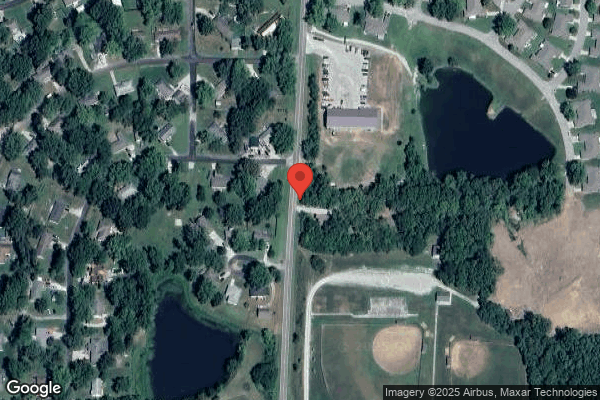
2800 HIGHWAY TT, SEDALIA, MO 65301 (660) 826-8803
For profit - Corporation 239 Beds RELIANT CARE MANAGEMENT Data: November 2025 1 Immediate Jeopardy citation
Trust Grade
0/100
#383 of 479 in MO
Last Inspection: October 2024

Within standard 12-15 month inspection cycle. Federal law requires annual inspections.

Overview

Four Seasons Living Center in Sedalia, Missouri has a Trust Grade of F, indicating significant concerns about the quality of care provided. Ranked #383 out of 479 facilities in Missouri, they are in the bottom half, and #3 out of 5 in Pettis County, suggesting that only two local options are better. While the facility is reportedly improving, with the number of issues decreasing from 13 in 2024 to 9 in 2025, it still faces serious challenges. Staffing is rated poorly at 1 out of 5 stars, with a turnover rate of 61%, which is around the state average, and there is concerning RN coverage, being lower than 95% of state facilities. Additionally, the facility has had a number of alarming incidents, including failures in infection control practices during a COVID-19 outbreak, instances of resident-on-resident violence, and failure to supervise a resident leading to hospitalization. Overall, while there are some signs of improvement, there are significant weaknesses that families should consider.

Trust Score
F
0/100
In Missouri
#383/479
Bottom 21%
Safety Record
High Risk
Review needed
Inspections
Getting Better
13 → 9 violations
Staff Stability
⚠ Watch
61% turnover. Above average. Higher turnover means staff may not know residents' routines.
Penalties
✓ Good
$25,760 in fines. Lower than most Missouri facilities. Relatively clean record.
Skilled Nurses
⚠ Watch
Each resident gets only 4 minutes of Registered Nurse (RN) attention daily — below average for Missouri. Fewer RN minutes means fewer trained eyes watching for problems.
Violations
⚠ Watch
57 deficiencies on record. Higher than average. Multiple issues found across inspections.
★☆☆☆☆
1.0
Overall Rating
★☆☆☆☆
1.0
Staff Levels
★☆☆☆☆
1.0
Care Quality
★☆☆☆☆
1.0
Inspection Score
Stable
2024: 13 issues
2025: 9 issues

The Good

  • Full Sprinkler Coverage · Fire safety systems throughout facility
  • No fines on record

Facility shows strength in fire safety.

The Bad

1-Star Overall Rating

Below Missouri average (2.5)

Significant quality concerns identified by CMS

Staff Turnover: 61%

15pts above Missouri avg (46%)

Frequent staff changes - ask about care continuity

Federal Fines: $25,760

Below median ($33,413)

Moderate penalties - review what triggered them

Chain: RELIANT CARE MANAGEMENT

Part of a multi-facility chain

Ask about local staffing decisions and management

Staff turnover is elevated (61%)

13 points above Missouri average of 48%

The Ugly 57 deficiencies on record

1 life-threatening 2 actual harm
Aug 2025 4 deficiencies 1 Harm
SERIOUS (G) 📢 Someone Reported This

A family member, employee, or ombudsman was alarmed enough to file a formal complaint

Actual Harm - a resident was hurt due to facility failures

Free from Abuse/Neglect (Tag F0600)

A resident was harmed · This affected 1 resident

**NOTE- TERMS IN BRACKETS HAVE BEEN EDITED TO PROTECT CONFIDENTIALITY** Based on interview and record review, facility staff failed to ensure three residents (Resident #5, #6, and #7) out of seven sam...

Read full inspector narrative →
**NOTE- TERMS IN BRACKETS HAVE BEEN EDITED TO PROTECT CONFIDENTIALITY** Based on interview and record review, facility staff failed to ensure three residents (Resident #5, #6, and #7) out of seven sampled residents remained free from physical abuse when Resident #8 who had a history of physical aggression towards other residents willfully hit the residents in the head. The facility's census was 234.1. Review of the facility's Abuse and Neglect policy, dated 06/12/24, showed abuse is the willful infliction of injury, unreasonable confinement, intimidation or punishment with resulting physical harm, pain or mental anguish, which can include staff to resident abuse and certain resident to resident altercations. Instances of abuse of all residents, irrespective of any mental or physician condition, cause physical harm, pain or mental anguish. Physical abuse is purposefully beating, striking, wounding, or injuring any resident in any manner whatsoever. Residents who allegedly mistreat another resident will be removed from contact with the resident during the course of the investigation. The accused resident's condition shall be immediately evaluated to determine the most suitable therapy, care approaches, and placement considering his/her safety, as well as the safety of other residents and employees in the facility. 2. Review of Resident #8's Quarterly Minimum Data Set (MDS), a federally mandated assessment tool, dated 06/19/25, showed staff assessed the resident as cognitively intact and did not exhibit physical or verbal behavioral symptoms towards others. Review of the resident's care plan, revised 07/03/25, showed staff assessed the resident as has a history of being verbally and physically aggressive towards staff and peers due to his/her Autism and mild intellectual disabilities. Resident has ineffective coping skills, poor impulse control, and may have crying spells, throwing fits and melt downs, where he/she will yell at staff, threaten to hit or smack others, and at times he/she may then become uncooperative with care and redirection. Review showed staff documented on 7/3/25 a physical altercation with a peer on 07/01/25 with intervention the resident to be educated on anger management in easy-to-understand communication from staff and resident to do conflict resolution with the other resident. Review of the resident's progress notes, dated 04/01/25 to 07/31/25, showed staff documented:-On 04/04/24 at 9:34 A.M., the resident initiated physical contact with peer when the resident struck another resident several times open-handed to the head after a verbal altercation occurred between them, residents were immediately separated, assessed for injuries, guardians, local authorities, Nurse Practitioner notified.-On 05/16/25 at 3:02 P.M., resident was the aggressor in an altercation; -On 06/10/25 at 2:50 P.M., resident was the aggressor in an altercation; -On 06/11/25 at 2:47 P.M, resident was the aggressor in an altercation; -On 06/22/25 at 11:05 P.M., resident charged at another resident and struck him/her several times in the head and pulled his/her hair, redness and scratches noted to the other resident's neck, the other resident transported to the hospital. Guardians notified for both residents, medical and Nurse Practitioner notified, and local authorities dispatched with EMS for hospital transport;-On 07/02/25 at 10:15 P.M., resident charged at his/her roommate, swatted him/her open-handed on the top of the head and grabbed his/her hair, after his/her roommate admitted to using his/her body wash without permission, staff separated both resident, the roommate was moved to a different hall, guardian notified, medical and Nurse Practitioner notified, and dispatch notified-On 07/31/25 at 2:12 P.M., Resident #8 in altercation with Resident #5, #6, and #7 today. guardian contacted along with administration. Review of the facility's incident Investigation Summary, dated 08/01/25, showed staff documented:-On 07/31/25, Resident #8 involved in a physical altercation with Resident #5. Resident #8 became upset with Resident #5, after he/she witnessed Resident #5 slapping at a staff member, the resident got up from the table, walked around staff and slapped the top of Resident #5's head and pulled his/her hair. The altercation was not accidental and was not preventable. Reward card initiated for Resident #8, Resident #8 educated and encouraged to not interfere with other resident's behaviors. Resident #8 agreed to conflict resolution and has apologized to Resident #5.-On 07/31/25, Resident #8 involved in a physical aggression with Resident #6 and Resident #7. Resident #8 knocked on Resident #6's door and asked to use his/her bathroom, Resident #6 said no, Resident #8 pushed the door, Resident #6 yelled at Resident #8 to get out, then Resident #8 slapped Resident #6 to the face. During the altercation, Resident #6 tripped and fell to the floor hit his/her head. Resident #7 entered Resident #6's room, told Resident #8 to stop, staff responded, and Resident #7 returned to his/her room. Resident #8 ran to Resident #7's room and slapped Resident #7 to his/her head and pulled his/her hair. The altercation was not accidental and was not preventable. Staff documented Resident #8 with one small scratch to his/her left upper cheek, Resident #6 with three small scratches to his/her right upper cheek and raised area to the right side of back of head, Resident #7 not injured. Resident #8 placed one-one with staff for de-escalation time and reflection and re-educated on keeping hands to self when upset. Resident #8 wishes to do conflict resolution with other residents. Resident #6 moved to separate unit, wishes to do conflict resolution with Resident #8. Resident #7 moved to separate unit, educated on seeking staff assist when having issue with other resident and not interfere with other residents' behaviors.During an interview on 08/01/25 at 3:19 P.M., Nurse Practitioner F said he/she is aware of the incidents involving Resident #8 on 07/31/25, but staff did not request any medication changes or request an as needed medication from him/her.During an interview on 08/01/25 at 3:24 P.M., Certified Medication Technician (CMT) B said the resident has a history of hitting other residents but had not been in an altercation with anyone for a while. During an interview on 08/01/25 at 4:15 P.M., the administrator said the resident has a history of altercations with other residents, but he/she had not had to do a detailed investigation involving the resident since approximately 04/04/25. He/she said staff are aware to routinely monitor the resident, assess the resident's coping skills, re-direct resident if he/she starts to show signs of anger, offer support pillow, and call the administrator if needed to intervene in escalating situations. 3. Review of Resident #5 Electronic Medical Record (EMR), dated 08/01/25, showed staff documented the resident admitted to the facility on [DATE].Review of the resident's care plan, dated 07/28/25, showed staff were directed to ensure the resident's environment is safe.Review of the resident's progress notes, dated 07/31/25, showed staff documented Resident #5 in altercation with Resident #8, non-injury, guardian contacted along with all other appropriate parties. During an interview on 08/01/25 at 3:28 P.M., the resident said he/she had only been at the facility for a few days and was in the dining room the day prior, when Resident #8 hit him/her in the head. He/She said his/her head hurt, and requested something from pain from CMT B.4. Review of Resident #6's admission MDS, a federally mandated assessment tool, dated 07/08/25, showed staff assessed the resident admitted on [DATE] and cognitively intact.Review of the resident's care plan, revised 07/15/25, showed staff were directed to ensure the resident's environment is safe, and keep his/her environment safe from actual or perceived judgement and physical or perceived danger.Review of the resident's progress notes, dated 07/31/25, showed staff documented Resident #6 in altercation with Resident #8.Review of the resident's Physician Order Sheet (POS), dated 07/31/25 to 08/01/25, showed the physician ordered an x-ray of the resident skull due to trauma on 07/31/25, and on 08/01/25, an order for skull, complete, minimum 4 views- sent for imaging. Observation on 08/01/25 at 11:01 A.M., showed the resident with scratches to his/her cheek and complained of a headache.During an interview on 08/01/25 at 11:06 A.M., CMT B said the resident had an altercation with Resident #8 the day prior and has a goose egg to the backside of his/her head. During an interview on 08/01/25 at 3:01 P.M., the resident said Resident #8 hit him/her in the head and scratched him/her below his/her left eye. The resident said he/she was moved to a different unit after the incident and staff has offered him/her ice packs for treatment.During an interview on 08/01/25 at 3:24 P.M., CMT B said when he/she responded to the resident's room, Resident #8 had the resident on the floor, and he/she assisted Resident #8 from over the resident and escorted Resident #8 from the resident's room. 5. Review of Resident #7's Quarterly MDS, dated [DATE], showed staff assessed the resident as cognitively intact.Review of the resident's care plan, revised 03/17/25, showed staff were directed to ensure and provide the resident with a safe environment. Review of the resident's progress notes, dated 07/31/25, showed staff documented resident in altercation with Resident #8, non-injury, all appropriate parties notified.During an interview on 08/01/25 at 3:03 P.M., the resident said Resident #8 ran into his/her room the day prior and tried to fight him/her. The resident said he/she was not injured. Staff separated the residents and Resident #7 was moved to a different unit.During an interview on 08/01/25 at 3:24 P.M., CMT B said he/she escorted Resident #8 from Resident #6's room after an altercation, and Resident #8 went over to Resident #7's room and hit him/her in the head. Staff separated the residents and Resident #7 was moved to a different unit.6. During an interview on 08/01/25 at 1:47 P.M., the administrator said after the incidents involving Resident #8, Residents #5, #6, and #7 were moved to a different unit and Resident #8 was kept on his/her unit because he/she does not do well on the other units and was placed one on one with staff for de-escalation and reflection. The administrator said the residents had agreed to participate in conflict resolution, but staff had to allow some time to do so. During an interview on 08/01/25 at 3:24 P.M., CMT B said after a resident-to-resident altercations, staff usually separate the residents, keep a closer eye on the residents, a resident may get moved to another hall, and sometimes the resident may get sent to the hospital for an evaluation if they were injured. The CMT said whenever Resident #8 has been involved in an altercation with another resident, staff always moved the other resident and leave Resident #8 on his/her unit. The CMT said after the altercations on 07/31/25, staff were verbally directed to closely monitor Resident #8, but it was difficult to do so with only three staff assigned to two locked units, especially when the residents were exhibiting physical behaviors towards each other. During an interview on 08/01/25 at 4:15 P.M, the Director of Nursing (DON) said staff initiated appropriate interventions by moving Residents #5, #6 and #7 to a different unit after Resident #8 hit all three residents on 07/31/25. The DON said staff had plans to sit Resident #8 down with the other residents for conflict resolution after at least 24 hours. The DON said staff had no way of predicting Resident #8 would hit the residents when he/she did, so after the resident had calmed down, he/she returned to 15-minute checks from staff.During an interview on 08/17/25 at 12:01 P.M., CMT B said prior to the altercations on 07/31/25, the last altercation he/she can recall Resident #8 involved in was about three to four weeks ago. The CMT said staff were directed by the resident's care plan if the resident starts getting angry/upset, remove him/her from situation, offer him/her tablet for coping skills, and color/sketch pads. The CMT said after the altercations on 07/31/25 Residents #5, #6, and #7 were moved to a different unit, Resident #8 was one-on-one with staff until he/she calmed down, and then staff were verbally directed to maintain close supervision of Resident #8 with 15- minute checks. During an interview on 08/17/25 at 12:10 P.M., Nursing Aide (NA) G said prior to the altercations on 07/31/25, the last altercation he/she can recall Resident #8 involved in was about a month ago. The NA said he/she was not at facility on 07/31/25, but staff verbally reported to him/her on 08/01/25 that Resident #8 was involved in more than one altercation the day prior, Residents #5, #6, and #7 were moved to a different unit, and the current intervention was to conduct 15-minute checks on Resident #8 and ensure he/she had his/her tablet for use. Intake # 2577272 and 2577436
CONCERN (D) 📢 Someone Reported This

A family member, employee, or ombudsman was alarmed enough to file a formal complaint

Potential for Harm - no one hurt, but risky conditions existed

Notification of Changes (Tag F0580)

Could have caused harm · This affected 1 resident

**NOTE- TERMS IN BRACKETS HAVE BEEN EDITED TO PROTECT CONFIDENTIALITY** Based on interview and record review, facility staff failed to notify one resident's (Resident #1's) responsible party after the...

Read full inspector narrative →
**NOTE- TERMS IN BRACKETS HAVE BEEN EDITED TO PROTECT CONFIDENTIALITY** Based on interview and record review, facility staff failed to notify one resident's (Resident #1's) responsible party after the resident had a change in condition. Facility staff failed to notify one resident's (Resident #3's) physician out of two sampled residents when staff did not administer the resident's medications. The facility census 231.1. Review of the facility's Notification of Change policy, dated 05/14/24, showed the purpose of this policy is to ensure the facility promptly informs the resident, consults the resident's physician; and notifies, consistent with his or her authority, the resident's representative when there is a change requiring notification. The facility must inform the resident, consult with the resident's physician and /or notify the resident's family member or legal representative when there is a change requiring such notification. Circumstances requiring Notification include accidents, resulting in injury or potential to require physician intervention.2. Review of Resident #1's Annual Minimum Data Set (MDS), a federally mandated assessment tool completed by facility staff used to assess the care needs of the resident, dated 06/20/25, showed staff assessed the resident as moderately cognitively impairment.Review of the resident's progress notes, dated 06/19/25, showed staff documented the physician reviewed the resident's x-ray for his/her right humorous and right shoulder on 06/15/25 and documented the resident had a humeral fracture. Review showed it did not contain documentation staff contacted the guardian with the results of the x-ray.During an interview on 07/11/25 at 9:53 A.M., the resident's guardian said he/she was not notified the resident had sustained a fracture of his/her arm.During an interview on 07/11/25 at 11:43 A.M., Licensed Practical Nurse (LPN) A said staff are directed to contact the resident family or guardian when a resident had a change in condition. During an interview on 07/11/25 at 12:25 P.M., the administrator said staff are directed to contact the resident's guardian if the resident's experienced a change in condition.During an interview on 07/11/25 at 12:26 P.M., the Director of Nursing (DON) said staff are directed to contact the resident's guardian if the resident's experienced a change in condition.During an interview on 08/15/25 at 3:49 PM, the DON said he/she reviewed the results of the x-ray and was responsible to contact the guardian, but the resident was sent out to the hospital around the same time frame, so he/she overlooked contacting the guardian about the fracture.3. Review of the facility's policy titled, Transcription of Orders/Following Physician's Orders, dated 05/18/24, showed if the medication is unable to be started within 24 hours of the order, the prescribing physician will be notified, and further orders will be obtained. If the resident is not going to receive their scheduled medication per Physician's Order, the Licensed Nurse will contact the DON, the administrator, physician, and legal guardian, if applicable. 4. Review of Resident #3's Electronic Medical Record (EMR), on 07/23/25, showed the resident admitted to the facility on [DATE], with primary diagnosis of schizoaffective disorder (a chronic mental health condition that includes symptoms of hallucinations, delusions, and mood disorders). Review of the resident's Physician Order Sheet (POS), dated 07/18/25 through 07/23/25, showed: -Amiloride (used to treat high blood pressure/edema without losing potassium) HCl 5 milligrams (mg), give two tablets by mouth twice daily;-Cobenfy Oral Capsule (used to treat schizophrenia) 125-30 mg, give one capsule by mouth three times daily;-Gabapentin Capsule (used to treat psychiatric disorders) 300 mg, give one capsule by mouth three times a day for mood stabilizer;-Lithium Carbonate ER (used to control mood, behaviors and thoughts) 300 mg, give one tablet by mouth at bedtime, give with Lithium 450 mg;-Lithium Carbonate ER 450 mg, give one tablet by mouth at bedtime, give with Lithium 300 mg;-Lorazepam (used to treat anxiety disorders) 0.5 mg, give one tablet by mouth three times a day;-Ondansetron (used to prevent nausea and vomiting) 4 mg disintegrating tablet, give one tablet by mouth twice a day;-Pantoprazole Sodium (used to treat heartburn) 40 mg, give one tablet by mouth daily;-Senna (used to treat constipation) 8.6 mg, give two tablets by mouth in the mornings;-Multivitamin-Minerals, give one tablet by mouth in the mornings for supplement. Review of the resident's Medication Administration Record (MAR), dated 07/18/25, did not contain documentation staff administered one Gabapentin 300 mg capsule, one Lorazepam 0.5 mg tablet, one Lithium Carbonate ER 300 mg tablet, and one Lithium Carbonate ER 450 mg tablet to the resident at 8:00 P.M. Review of the resident's MAR, dated 07/19/25, did not contain documentation staff administered: -One Pantoprazole Sodium 40 mg tablet by mouth at 5:00 A.M.;-One Multivitamin-Minerals tablet by mouth at 6:00 A.M.;, -Two Amiloride HCl 5 mg tablets by mouth at 6:00 A.M. and 2:00 P.M.;-One Cobenfy 125-30 mg capsule by mouth at 6:00 A.M. and 2:00 P.M.;-One Ondansetron 4 mg disintegrating tablet by mouth at 6:00 A.M. and 2:00 P.M.;-One Gabapentin 300 mg capsule by mouth at 7:00 A.M., 11:00 A.M. and 8:00 P.M.;-One Lorazepam 0.5 mg tablet by mouth at 7:00 A.M., 11:00 A.M. and 8:00 P.M.;-One Lithium Carbonate ER 300 mg tablet by mouth at 8:00 P.M.;-One Lithium Carbonate ER 450 mg tablet by mouth at 8:00 P.M. Review of the resident's MAR, dated 07/20/25, did not contain documentation staff administered: -One Pantoprazole Sodium 40 mg tablet by mouth at 5:00 A.M.;-Two Amiloride HCl 5 mg tablets by mouth at 6:00 A.M. and 2:00 P.M.;-One Cobenfy 125-30 mg capsule by mouth at 6:00 A.M. and 2:00 P.M.;-One Ondansetron 4 mg disintegrating tablet by mouth at 6:00 A.M. and 2:00 P.M.;-One Gabapentin 300 mg capsule by mouth at 7:00 A.M., 11:00 A.M. and 8:00 P.M.;-One Lithium Carbonate ER 300 mg tablet by mouth at 8:00 P.M.;-One Lithium Carbonate ER 450 mg tablet by mouth at 8:00 P.M. Review of the resident's MAR, dated 07/21/25, did not contain documentation staff administered: -Two Senna 8.6 mg tablets by mouth at 6:00 A.M.;-One Multivitamin-Minerals tablet by mouth at 6:00 A.M.; -Two Amiloride HCl 5 mg tablets by mouth at 6:00 A.M. and 2:00 P.M.;-One Cobenfy 125-30 mg capsule by mouth at 6:00 A.M. and 2:00 P.M.;-One Ondansetron 4 mg disintegrating tablet by mouth at 6:00 A.M. and 2:00 P.M.;-One Gabapentin 300 mg capsule by mouth at 7:00 A.M., 11:00 A.M. and 8:00 P.M.;-One Lorazepam 0.5 mg tablet by mouth at 7:00 A.M. and 11:00 A.M. Review of the resident's nurses' notes dated 07/18/25 through 07/22/25, did not contain documentation staff notified the physician staff did not administer the resident's medications. During an interview on 07/23/25 at 2:01 P.M., the DON said his/her expectation is for the nurse to notify the physician of medications that were not administered. During an interview on 07/23/25 at 2:58 P.M., the resident's physician said he/she would expect facility staff to notify him/her of any medications that were not available pr not administered to the resident so he/she could give additional orders. During an interview on 07/23/25 at 3:43 P.M., the administrator said his/her expectation is for the nurse to notify the physician of medications that were not administered. Complaint# 1516289 and 2567579
CONCERN (D) 📢 Someone Reported This

A family member, employee, or ombudsman was alarmed enough to file a formal complaint

Potential for Harm - no one hurt, but risky conditions existed

Deficiency F0657 (Tag F0657)

Could have caused harm · This affected 1 resident

**NOTE- TERMS IN BRACKETS HAVE BEEN EDITED TO PROTECT CONFIDENTIALITY** Based on observation, interview, and record review, facility staff failed to review and revise the plan of care with changes in ...

Read full inspector narrative →
**NOTE- TERMS IN BRACKETS HAVE BEEN EDITED TO PROTECT CONFIDENTIALITY** Based on observation, interview, and record review, facility staff failed to review and revise the plan of care with changes in the resident's needs for two residents (Resident #1 and #2) out of three sampled residents. Facility staff also failed to update the plan of care with behavioral interventions for one resident (Resident #8) out of one sampled resident. The facility census was 231. 1. Review of the facility's MDS 3.0, Care Assessment Summary and Individual Care Plans policy, dated 11/06/23, showed staff are directed as follows:-The Plan of Care should address improvements where possible and maintenance and prevention of avoidable declines and all Care Area Triggers;-There are twenty (20) areas that can become triggered areas for concern and must be addressed with individualized interventions on the plan of care for resident;-The policy did not address timeframes for revising a resident's care plan after a change in condition.2. Review of Resident #1's annual Minimum Data Set (MDS), a federally mandated assessment tool used to assess the care needs of residents, dated 06/20/25, showed staff assessed the resident with moderately cognitively impairment and documented one non-injury fall since admission or prior assessment.Review of the resident's care plan, revised 06/12/25, showed staff assessed the resident at risk for falls related to confusion, incontinence, and psychoactive drug use. Review showed the care plan did not contain documentation of a new fall intervention after 06/12/25. Review of the facility's incident report, dated 06/14/25, showed the resident had an unwitnessed fall and did not have interventions listed.3. Review of Resident #2's Part A Discharge MDS, dated [DATE], showed staff assessed the resident as cognitively intact and did not contain documentation of a fall since admission or prior assessment.Review of the resident's care plan, revised 06/27/25, showed the resident is a low risk for falls and is at risk for falls related to psychoactive medications and extrapyramidal symptoms. The plan did not contain document of a new fall intervention after 06/27/25.Review of the facility's incident report, dated 06/28/25, showed staff documented the resident had an unwitnessed fall and did not have interventions listed.Review of the facility's incident report, dated 07/01/25, showed staff documented the resident had an unwitnessed fall and did not have interventions listed.4. Review of Resident #8's quarterly MDS, dated [DATE], showed staff assessed the resident as cognitively intact and did not exhibit physical or verbal behavioral symptoms towards others. Review of the resident's care plan, revised 07/03/25, showed staff assessed the resident with a history of being verbally and physically aggressive towards staff and residents due to his/her Autism and mild intellectual disabilities. Resident has ineffective coping skills, poor impulse control, and may have crying spells, throwing fits and melt downs, where he/she will yell at staff, threaten to hit or smack others, and at times he/she may then become uncooperative with care and redirection. Review showed staff documented on 07/03/25 a physical altercation with another resident on 07/01/25 with intervention for the resident to be educated on anger management in easy-to-understand communication from staff and resident to do conflict resolution with a resident. Review of the resident's progress notes, dated 04/01/25 to 07/31/25, showed staff documented on 07/31/25 at 2:12 P.M., resident in altercation with another resident, guardian contacted along with administration.Review of the resident's care plan did not contain documentation of a new intervention after the resident's physical altercations with three different residents on 07/31/25. During an interview on 08/01/25 at 1:47 P.M., the administrator said the resident's care plan had not been officially updated yet, and staff usually update the care plans within 24 hours after an incident with new/appropriate interventions. During an interview on 08/17/25 at 12:01 P.M., Certified Medication Technician (CMT) B said he/she uses the resident's care plan to view interventions in place for the resident, but he/she was unsure if staff had updated the resident's care plan after the incidents on 07/31/25 because he/she had not checked the resident's care plan.5. During an interview on 07/11/25 at 11:43 A.M., Licensed Practical Nurse (LPN) A said staff are directed to utilize the resident care plans to determine how to properly care for each resident. He/She said the MDS Coordinator was responsible to update the resident care plan after a change in condition.During an interview on 07/11/25 at 12:25 P.M., the administrator said staff are educated to update care plans with a new intervention after a resident sustained a fall. He/She said the risk management team discussed interventions after a resident had a fall. He/She said the Care Plan Coordinator updated the care plan and the Director of Nursing (DON) was responsible to ensure the new interventions were updated in the resident's care plan.During an interview on 07/11/25 at 12:26 P.M., the DON said staff are educated to update care plans with a new intervention after a resident sustained a fall. He/She said the risk management team discussed interventions after a resident had a fall. He/She said the Care Plan Coordinator updated the care plan and he/she was responsible to ensure new interventions were addressed in the care plan but had been busy with other assignments and unable to review the care plans.Complaint 1516289, Intake # 2577272, and 2577436
CONCERN (D) 📢 Someone Reported This

A family member, employee, or ombudsman was alarmed enough to file a formal complaint

Potential for Harm - no one hurt, but risky conditions existed

Deficiency F0658 (Tag F0658)

Could have caused harm · This affected 1 resident

**NOTE- TERMS IN BRACKETS HAVE BEEN EDITED TO PROTECT CONFIDENTIALITY** Based on interview, and record review, facility staff failed to maintain professional standards of practice when staff failed to...

Read full inspector narrative →
**NOTE- TERMS IN BRACKETS HAVE BEEN EDITED TO PROTECT CONFIDENTIALITY** Based on interview, and record review, facility staff failed to maintain professional standards of practice when staff failed to ensure prescribed medications were available and administered for one resident (Resident #3) out of two sampled residents. The facility's census was 230.1. Review of the facility's Medication Administration policy, dated 06/26/24, showed medications are administered by a licensed nurse, or other staff who are legally authorized to do so in this state, as ordered by the physician and in accordance with professional standards of practice. 2. Review of the facility's Transcription of Orders/Following Physician's Orders policy, dated 05/18/24, showed staff are directed as follows:-The Licensed/Registered Nurse will check the emergency kit to verify if the medication is present in the facility to begin immediately. If the medication is not available, the facility may contact the backup pharmacy to deliver the medication sooner. If the medication is unable to be started within 24 hours of the order, the prescribing physician will be notified, and further orders will be obtained;-If the medication is unavailable, the Licensed Nurse will contact the pharmacy and have the medication delivered. If the resident is not going to receive their scheduled medication per Physician's Order, the Licensed Nurse will contact the Director of Nursing (DON), the administrator, physician, and legal guardian, if applicable. The Resident Care Coordinator (RCC)/Unit Manager/Designated Nurse will then follow any further order that may be provided by the physician;-The facility may utilize a stat or emergency medication kit or back up pharmacy to deliver the medication to the resident before the primary pharmacy is able to deliver. 3. Review of Resident #3's Electronic Medical Record (EMR), on 07/23/25, showed the resident admitted to the facility on [DATE], with primary diagnosis of Schizoaffective Disorder (a chronic mental health condition that includes symptoms of hallucinations, delusions, and mood disorders). Review of the resident's Physician Order Sheet (POS), dated 07/18/25 through 07/23/25, showed: -Amiloride (used to treat high blood pressure/edema without losing potassium) HCl 5 milligrams (mg), give two tablets by mouth twice daily;-Cobenfy Oral Capsule (used to treat schizophrenia) 125-30 mg, give one capsule by mouth three times daily;-Gabapentin Capsule (used to treat psychiatric disorders ) 300 mg, give one capsule by mouth three times a day for mood stabilizer;-Lithium Carbonate ER (used to control mood, behaviors and thoughts) 300 mg, give one tablet by mouth at bedtime, give with Lithium 450 mg;-Lithium Carbonate ER 450 mg, give one tablet by mouth at bedtime, give with Lithium 300 mg;-Lorazepam (used to treat anxiety disorders) 0.5 mg, give one tablet by mouth three times a day;-Ondansetron (used to prevent nausea and vomiting) 4 mg disintegrating tablet, give one tablet by mouth twice a day;-Pantoprazole Sodium (used to treat heartburn) 40 mg, give one tablet by mouth daily;-Senna (used to treat constipation) 8.6 mg, give two tablets by mouth in the mornings;-Multivitamin-Minerals, give one tablet by mouth in the mornings for supplement. Review of the resident's Medication Administration Record (MAR), dated 07/18/25, showed staff documented awaiting medication for.; -Gabapentin 300 mg, give one capsule by mouth at 8:00 P.M.;-Lorazepam 0.5 mg, give one tablet by mouth at 8:00 P.M.;-Lithium Carbonate ER 300 mg, give one tablet by mouth at 8:00 P.M., give with Lithium 450 mg;-Lithium Carbonate ER 450 mg, give one tablet by mouth at 8:00 P.M., give with Lithium 300 mg. Review of the resident's MAR, dated 07/19/25, showed staff documented awaiting medication for: -Pantoprazole Sodium 40 mg, give one tablet by mouth at 5:00 A.M.;-Multivitamin-Minerals, give one tablet by mouth at 6:00 A.M.;;-Amiloride HCl 5 mg, give two tablets by mouth at 6:00 A.M. and 2:00 P.M.;;-Cobenfy 125-30 mg, give one capsule by mouth at 6:00 A.M. and 2:00 P.M.;-Ondansetron 4 mg disintegrating tablet, give one tablet by mouth at 6:00 A.M. and 2:00 P.M.;-Gabapentin 300 mg, give one capsule by mouth at 7:00 A.M., 11:00 A.M. and 8:00 P.M.;-Lorazepam 0.5 mg, give one tablet by mouth at 7:00 A.M., 11:00 A.M. and 8:00 P.M.;-Lithium Carbonate ER 300 mg, give one tablet by mouth at 8:00 P.M., give with Lithium 450 mg;-Lithium Carbonate ER 450 mg, give one tablet by mouth at 8:00 P.M., give with Lithium 300 mg. Review of the resident's MAR, dated 07/20/25, showed staff documented awaiting medication for: -Pantoprazole Sodium 40 mg, give one tablet by mouth at 5:00 A.M.;-Amiloride HCl 5 mg, give two tablets by mouth at 6:00 A.M. and 2:00 P.M.;-Cobenfy 125-30 mg, give one capsule by mouth at 6:00 A.M. and 2:00 P.M.;-Ondansetron 4 mg disintegrating tablet, give one tablet by mouth at 6:00 A.M. and 2:00 P.M.;-Gabapentin 300 mg, give one capsule by mouth at 7:00 A.M., 11:00 A.M. and 8:00 P.M.;-Lithium Carbonate ER 300 mg, give one tablet by mouth at 8:00 P.M., give with Lithium 450 mg;-Lithium Carbonate ER 450 mg, give one tablet by mouth at 8:00 P.M., give with Lithium 300 mg. Review of the resident's MAR, dated 07/21/25, showed staff documented awaiting medication for: -Senna 8.6 mg, give two tablets by mouth at 6:00 A.M.;-Multivitamin-Minerals, give one tablet by mouth at 6:00 A.M.;-Amiloride HCl 5 mg, give two tablets by mouth at 6:00 A.M. and 2:00 P.M.;-Cobenfy 125-30 mg, give one capsule by mouth at 6:00 A.M. and 2:00 P.M.;-Ondansetron 4 mg disintegrating tablet, give one tablet by mouth at 6:00 A.M. and 2:00 P.M.;-Gabapentin 300 mg, give one capsule by mouth at 7:00 A.M., 11:00 A.M. and 8:00 P.M.;-Lorazepam 0.5 mg, give one tablet by mouth at 7:00 A.M. and 11:00 A.M. Review of the resident's nurses' notes dated 07/18/25 through 07/22/25 showed the notes did not contain documentation staff contacted the physician or the pharmacy when the resident did not receive his/her medications and did not contain documentation staff utilized the facility's general (stock) and stat medication supply to administer the resident's medications.During an interview on 07/23/25 at 1:25 P.M., Licensed Practical Nurse (LPN) D said if the pharmacy had not yet delivered the resident's medications, staff should try to administer available medications from the facility's general stock and stat medication supply. Staff are to notify the physician of any medications not administered. He/She said he/she was off for a few days, and was not sure who was responsible to ensure staff administered the resident's medications and follow up with pharmacy and the physician. He/She said the resident should not have gone without his/her medications for several days and the physician not notified by staff. During an interview on 07/23/25 at 2:01 P.M., the DON said only a nurse can access the facility's stat medications kit. He/She said Gabapentin and Lorazepam are available from the stat medications kit, Senna, and multivitamins are available from general stock medications. He/She said the nurses and Certified Medication Technicians (CMTs) have been educated on when to use the facility's stat medications kit, and his/her expectation is for the nurse to follow up with the pharmacy regarding delivery of the medications, pull any available medications from the stat kit, and notify the physician. During an interview on 07/23/25 at 2:58 P.M., the resident's physician said he/she would expect facility staff to administer available medications from the facility's stat kit to the resident and notify him/her of any medications that were not available/administered so he/she could give additional orders to attempt getting the medications from a local pharmacy, potentially hold a medication, closely monitor the residents heart rate, pulse, blood pressure, and monitor for any other adverse effects. He/She said he/she should have been notified to make that determination and follow-up with the resident. During an interview on 07/23/25 at 3:15 P.M., the resident's physician said Nurse Practitioner (NP) E reported staff did not notify him/her staff did not administer the resident's medications from 07/18/25 to 07/21/25. During an interview on 07/23/25 at 3:26 P.M., CMT C said he/she was responsible to administer scheduled medications to the resident on 07/18/25 to 07/20/25 at 8:00 P.M. but he/she did not administer the medications because they were not available. He/She said he/she did not notify a nurse to try to obtain the medications from the facility's stat kit because there was not a nurse on the unit, but he/she left a note in report on the unit for the oncoming shift to follow up. During an interview on 07/23/25 at 3:31 P.M., CMT B said he/she was responsible to administer scheduled medications to the resident on 07/19/25 and 07/20/25 but he/she did not administer the medications because they were not available. CMT B said he/she made radio calls for a nurse to come to the unit to address a few other concerns since there was not a nurse on the unit, but a nurse did not respond, and he/she did not make another attempt to notify a nurse to obtain the medications from the facility's stat kit.During an interview on 07/23/25 at 3:43 P.M., the administrator said his/her expectation is for the CMT to notify the nurse about unavailable medications, the nurse to follow up with the pharmacy regarding delivery of the medications, pull any available medications from the stat kit, and notify the physician. He/She said he/she was not aware staff did not administer the resident's medications from 07/18/25 to 07/21/25.Complaint# 2567579
Jul 2025 3 deficiencies
CONCERN (D) 📢 Someone Reported This

A family member, employee, or ombudsman was alarmed enough to file a formal complaint

Potential for Harm - no one hurt, but risky conditions existed

Notification of Changes (Tag F0580)

Could have caused harm · This affected 1 resident

Based on interview and record review, facility staff failed to contact one resident's (Resident #1's) responsible party after the resident had a change in condition. The facility census 231. 1. Review...

Read full inspector narrative →
Based on interview and record review, facility staff failed to contact one resident's (Resident #1's) responsible party after the resident had a change in condition. The facility census 231. 1. Review of the facility's, Notification of Change policy, dated 05/14/24, showed:-The purpose of this policy is to ensure the facility promptly informs the resident, consults the resident's physician; and notifies, consistent with his or her authority, the resident's representative when there is a change requiring notification;-The facility must inform the resident, consult with the resident's physician and /or notify the resident's family member or legal representative when there is a change requiring such notification. Circumstances requiring Notification include accidents, resulting in injury or potential to require physician intervention.2. Review of Resident #1's Annual Minimum Data Set (MDS), a federally mandated assessment tool completed by facility staff used to assess the care needs of the resident, dated 06/20/25, showed staff assessed the resident as moderately cognitively impairment.Review of the resident's progress notes, dated 06/19/25, showed results were reviewed with the physician for the right humorous and right shoulder x-ray from 06/15/25 and the resident had a humeral fracture.During an interview on 07/11/25 at 9:53 A.M., the resident's guardian said he/she was not notified the resident had sustained a fracture of his/her arm.During an interview on 07/11/25 at 11:43 A.M., Licensed Practical Nurse (LPN) A said staff are directed to contact the resident family or guardian when a resident had a change in condition. During an interview on 07/11/25 at 12:25 P.M., the administrator said staff are directed to contact the resident's guardian if the resident's experienced a change in condition.During an interview on 07/11/25 at 12:26 P.M., the Director of Nursing (DON) said staff are directed to contact the resident's guardian if the resident's experienced a change in condition.Complaint 1516289
CONCERN (D) 📢 Someone Reported This

A family member, employee, or ombudsman was alarmed enough to file a formal complaint

Potential for Harm - no one hurt, but risky conditions existed

Deficiency F0657 (Tag F0657)

Could have caused harm · This affected 1 resident

**NOTE- TERMS IN BRACKETS HAVE BEEN EDITED TO PROTECT CONFIDENTIALITY** Based on observation, interview, and record review, facility staff failed to review and revise the plan of care with changes in ...

Read full inspector narrative →
**NOTE- TERMS IN BRACKETS HAVE BEEN EDITED TO PROTECT CONFIDENTIALITY** Based on observation, interview, and record review, facility staff failed to review and revise the plan of care with changes in the resident's needs for two residents (Resident #1 and #2) out of three sampled residents. The facility census was 231. 1. Review of the facility's policy, MDS 3.0, Care Assessment Summary and Individual Care Plans, dated 11/06/23, showed:-The Plan of Care should address improvements where possible and maintenance and prevention of avoidable declines and all Care Area Triggers;-There are twenty (20) areas that can become triggered areas for concern and must be addressed with individualized interventions on the plan of care for resident;-The policy did not address timeframes for revising a resident's care plan after a change in condition.2. Review of Resident #1's Annual Minimum Data Set (MDS), a federally mandated assessment tool completed by facility staff used to assess the care needs of the resident, dated 06/20/25, showed staff assessed the resident as moderately cognitively impairment and documented one non-injury fall since admission or prior assessment.Review of the resident's care plan, revised 06/12/25, showed the resident was a risk for falls related to confusion, incontinence, and psychoactive drug use. The plan did not contain documentation of a new fall intervention after 06/12/25.Review of the facility's incident report, dated 06/14/25, showed the resident had an unwitnessed fall.3. Review of Resident #2's Part A Discharge MDS, dated [DATE], showed staff assessed the resident as cognitively intact and did not contain documentation of a fall since admission or prior assessment.Review of the resident's care plan, revised 06/27/25, showed the resident is a low risk for falls and is at risk for falls related to psychoactive medications and extrapyramidal symptoms. The plan did not contain document of a new fall intervention after 06/27/25.Review of the facility's incident report, dated 06/28/25, showed staff documented the resident had an unwitnessed fall.Review of the facility's incident report, dated 07/01/25, showed staff documented the resident had an unwitnessed fall.4. During an interview on 07/11/25 at 11:43 A.M., Licensed Practical Nurse (LPN) A said staff are directed to utilize the resident care plans to determine how to properly care for each resident. He/She said the MDS Coordinator was responsible to update the resident care plan after a change in condition.During an interview on 07/11/25 at 12:25 P.M., the administrator said staff are educated to update care plans with a new intervention after a resident sustained a fall. He/She said the risk management team discussed interventions after a resident had a fall. He/She said the Care Plan Coordinator updated the care plan and the Director of Nursing (DON) was responsible to ensure the new interventions were updated in the resident's care plan.During an interview on 07/11/25 at 12:26 P.M., the DON said staff are educated to update care plans with a new intervention after a resident sustained a fall. He/She said the risk management team discussed interventions after a resident had a fall. He/She said the Care Plan Coordinator updated the care plan and he/she was responsible to ensure new interventions were addressed in the care plan, but had been busy with other assignments and unable to review the care plans. Complaint 1516289
CONCERN (D) 📢 Someone Reported This

A family member, employee, or ombudsman was alarmed enough to file a formal complaint

Potential for Harm - no one hurt, but risky conditions existed

Deficiency F0658 (Tag F0658)

Could have caused harm · This affected 1 resident

**NOTE- TERMS IN BRACKETS HAVE BEEN EDITED TO PROTECT CONFIDENTIALITY** Based on interview, and record review, facility staff failed to maintain professional standards of practice when staff failed to...

Read full inspector narrative →
**NOTE- TERMS IN BRACKETS HAVE BEEN EDITED TO PROTECT CONFIDENTIALITY** Based on interview, and record review, facility staff failed to maintain professional standards of practice when staff failed to ensure prescribed medications were available and administered after admission from 07/18/25 to 07/21/25 to one resident (Resident #3) out of two sampled residents and failed to notify the physician to obtain further orders. The facility's census was 230.1. Review of the facility's policy titled, Medication Administration, dated 06/26/24, showed medications are administered by a licensed nurse, or other staff who are legally authorized to do so in this state, as ordered by the physician and in accordance with professional standards of practice. 2. Review of the facility's policy titled, Transcription of Orders/Following Physician's Orders, dated 05/18/24, showed: -The Licensed/Registered Nurse will check the emergency kit to verify if the medication is present in the facility to begin immediately. If the medication is not available, the facility may contact the backup pharmacy to deliver the medication sooner. If the medication is unable to be started within 24 hours of the order, the prescribing physician will be notified, and further orders will be obtained;-If the medication is unavailable, the Licensed Nurse will contact the pharmacy and have the medication delivered. If the resident is not going to receive their scheduled medication per Physician's Order, the Licensed Nurse will contact the Director of Nursing (DON), the administrator, physician, and legal guardian, if applicable. The Resident Care Coordinator (RCC)/Unit Manager/Designated Nurse will then follow any further order that may be provided by the physician;-The facility may utilize a stat or emergency medication kit or back up pharmacy to deliver the medication to the resident before the primary pharmacy is able to deliver. 3. Review of Resident #3's Electronic Medical Record (EMR), on 07/23/25, showed the resident admitted to the facility on [DATE], with primary diagnosis of Schizoaffective Disorder (a chronic mental health condition that includes symptoms of hallucinations, delusions, and mood disorders). Review of the resident's Physician Order Sheet (POS), dated 07/18/25 through 07/23/25, showed: -Amiloride (used to treat high blood pressure/edema without losing potassium) HCl 5 milligrams (mg), give two tablets by mouth twice daily (BID);-Cobenfy Oral Capsule (used to treat schizophrenia) 125-30 mg, give one capsule by mouth three times daily (TID);-Gabapentin Capsule (commonly used to treat psychiatric disorders) 300 mg, give one capsule by mouth TID for mood stabilizer; -Lithium Carbonate ER (used to control mood, behaviors and thoughts) 300 mg, give one tablet by mouth at bedtime, give with Lithium 450 mg;-Lithium Carbonate ER 450 mg, give one tablet by mouth at bedtime, give with Lithium 300 mg;-Lorazepam (used to treat anxiety disorders) 0.5 mg, give one tablet by mouth TID;-Ondansetron (used to prevent nausea and vomiting) 4 mg disintegrating tablet, give one tablet by mouth BID;-Pantoprazole Sodium (used to treat heartburn) 40 mg, give one tablet by mouth daily;-Senna (used to treat constipation) 8.6 mg, give two tablets by mouth in the mornings;-Multivitamin-Minerals, give one tablet by mouth in the mornings for supplement. Review of the resident's Medication Administration Record (MAR), dated 07/18/25, showed staff documented awaiting medication for Gabapentin, Lorazepam, and Lithium Carbonate, at 8:00 P.M.; Review of the resident's MAR, dated 07/19/25, showed staff documented awaiting medication for: -Pantoprazole Sodium, at 5:00 A.M.;-Multivitamin-Minerals, at 6:00 A.M.;-Amiloride, at 6:00 A.M. and 2:00 P.M;-Cobenfy, at 6:00 A.M. and 2:00 P.M;-Ondansetron, at 6:00 A.M. and 2:00 P.M.;-Gabapentin, at 7:00 A.M., 11:00 A.M. and 8:00 P.M.;-Lorazepam, at 7:00 A.M., 11:00 A.M. and 8:00 P.M.;-Lithium Carbonate, at 8:00 P.M.; Review of the resident's MAR, dated 07/20/25, showed staff documented awaiting medication for: -Pantoprazole Sodium, at 5:00 A.M.;-Amiloride, at 6:00 A.M. and 2:00 P.M;-Cobenfy, at 6:00 A.M. and 2:00 P.M;-Ondansetron, at 6:00 A.M. and 2:00 P.M.;-Gabapentin, at 7:00 A.M., 11:00 A.M. and 8:00 P.M.;-Lithium Carbonate, at 8:00 P.M. Review of the resident's MAR, dated 07/21/25, showed staff documented awaiting medication for: -Senna, at 6:00 A.M.;-Multivitamin-Minerals, at 6:00 A.M.;-Amiloride, at 6:00 A.M. and 2:00 P.M;-Cobenfy, at 6:00 A.M. and 2:00 P.M;-Ondansetron, at 6:00 A.M. and 2:00 P.M.;-Gabapentin, at 7:00 A.M. and 11:00 A.M.;-Lorazepam, at 7:00 A.M. and 11:00 A.M. Review of the resident's EMR, dated 07/18/25 through 07/22/25 did not contain documentation staff contacted the physician or the pharmacy when the resident did not receive his/her medications, and did not contain documentation staff utilized the facility's general (stock) and stat medication supply to administer the resident's medications. During an interview on 07/23/25 at 1:25 P.M., RCC/Licensed Practical Nurse (LPN) D said if the pharmacy had not yet delivered the resident's medications, staff should try to administer available medications from the facility's general stock and stat medication supply and notify the physician of any medications that were not administered. He/She said he/she was off for a few days, and was not sure who was responsible to ensure staff administered the resident's medications and follow up with pharmacy and the physician. He/She said the resident should not have gone without his/her medications for several days and the physician not notified by staff. During an interview on 07/23/25 at 2:01 P.M., the DON said only a nurse can access the facility's stat medications kit. He/She said Gabapentin and Lorazepam are available from the stat medications kit. He/She said the nurses and Certified Medication Technicians (CMTs) have been educated on when to use the facility's stat medications kit, and his/her expectation is for the nurse to follow up with the pharmacy regarding delivery of the medications, pull any available medications from the stat kit, and notify the physician. During an interview on 07/23/25 at 2:58 P.M., the resident's physician said he/she would expect facility staff to administer available medications from the facility's stat kit to the resident and notify him/her of any medications that were not available/administered so he/she could give additional orders to attempt getting the medications from a local pharmacy, potentially hold a medication, closely monitor the residents heart rate, pulse, blood pressure, and monitor for any other adverse effects. He/She said there would not be any major harm to the resident if staff did not administer the Lithium and Cobenfy for up to three days due to the longer efficacy of the medications, but he/she should have been notified to make that determination and follow-up with the resident. During an interview on 07/23/25 at 3:15 P.M., the resident's physician said Nurse Practitioner (NP) E reported he/she assessed the resident on 07/22/25 and the resident did not exhibit any negative signs, symptoms or behaviors. He/She said NP E also reported staff did not notify him/her staff did not administer the resident's medications from 07/18/25 to 07/21/25. During an interview on 07/23/25 at 3:26 P.M., CMT C said he/she was responsible to administer scheduled medications to the resident on 07/18/25 to 07/20/25 at 8:00 P.M. but he/she did not administer the medications because they were not available. He/She said he/she did not notify a nurse to try to obtain the medications from the facility's stat kit because there was not a nurse on the unit, but he/she left a note in report on the unit for the oncoming shift to follow up. During an interview on 07/23/25 at 3:31 P.M., CMT B said he/she was responsible to administer scheduled medications to the resident on 07/19/25 and 07/20/25 but he/she did not administer the medications because they were not available. CMT B said he/she made radio calls for a nurse to come to the unit to address a few concerns since there was not a nurse on the unit but a nurse did not respond, and he/she did not make another specific attempt to notify a nurse to obtain the medications from the facility's stat kit. During an interview on 07/23/25 at 3:43 P.M., the administrator said his/her expectation is for the CMT to notify the nurse about unavailable medications, the nurse to follow up with the pharmacy regarding delivery of the medications, pull any available medications from the stat kit, and notify the physician. He/She said he/she was not aware staff did not administer the resident's medications from 07/18/25 to 07/21/25. Complaint# 2567579
Feb 2025 2 deficiencies
CONCERN (D) 📢 Someone Reported This

A family member, employee, or ombudsman was alarmed enough to file a formal complaint

Potential for Harm - no one hurt, but risky conditions existed

Deficiency F0658 (Tag F0658)

Could have caused harm · This affected 1 resident

**NOTE- TERMS IN BRACKETS HAVE BEEN EDITED TO PROTECT CONFIDENTIALITY** Based on interview, and record review, facility staff failed to maintain professional standards of practice when staff failed to...

Read full inspector narrative →
**NOTE- TERMS IN BRACKETS HAVE BEEN EDITED TO PROTECT CONFIDENTIALITY** Based on interview, and record review, facility staff failed to maintain professional standards of practice when staff failed to complete and document wound care treatments for two resident's (Resident #2 and #3) out of three sampled residents. The facility census was 232. 1. Review of the facility's Documentation of Wound Treatments policy, dated 05/18/24, showed wound treatments are documented at the time of each treatment. If treatment is not due, an indication on the status of the dressing shall be documented each shift. Additional documentation shall include, but is not limited to: Date and time of the wound management treatments; weekly progress towards healing and effectiveness of current intervention; Any treatment for pain; Modification of treatments or interventions; Notifications to physician and/or responsible party regarding wound or treatment change. 2. Review of Resident #2's Quarterly Minimum Data Set (MDS), a federally mandated assessment tool, dated 12/11/24, showed staff assessed the resident as follows: -Cognitively intact; -Did exhibit rejection of care behaviors one to three days during the seven day look back period; -Did not have any unhealed pressure ulcers, other ulcers, wounds or skin problems. Review of the resident's Physician Order Sheet (POS), dated 01/01/25, showed physician orders to apply barrier cream after each incontinence episode every shift related to urinary retention, apply Santyl (used to clean skin ulcers and burns) external ointment 250 unit/gm (collagenase) to the right side of stomach topically every day shift for wound, cleanse area under the right side of abdominal fold with washcloth, apply Santyl and bordered dressing every day shift until healed, and cleanse with soap and water daily and keep open areas cleaned and dry one time a day. Review of the resident's Treatment Administration Record (TAR), dated 01/01/25 through 01/31/25, showed the TAR did not contain documentation staff provided the resident's wound treatment for barrier cream on 01/04/25, 01/05/25, 01/10/25, 01/11/25, 01/12/25, 01/15/25, 01/16/25, 01/20/25, 01/24/25, 01/25/25, or 01/29/25. The TAR did not contain documentation the resident refused wound care treatment. Review of the resident's TAR, dated 01/01/25 through 01/31/25, showed the TAR did not contain documentation staff provided the resident's wound treatment for Santyl external ointment 250 unit/gm collagenase to the right side of stomach topically every day shift for wound on 01/04/25, 01/05/25, 01/11/25, 01/12/25, or 01/24/25. The TAR did not contain documentation the resident refused wound care treatment. Review of the resident's TAR, dated 01/01/25 through 01/31/25, showed the TAR did not contain documentation staff provided the resident's wound treatment to cleanse area under the right side of the abdomen fold with washcloth, apply Santyl and bordered dressing every day shift until healed on 01/04-01/05 and 01/11-01/12. The TAR did not contain documentation the resident refused wound care treatment. Review of the resident's TAR, dated 01/01/25 through 01/31/25, showed it did not contain documentation staff provided the resident's wound treatment to cleanse with soap and water daily and keep open areas cleaned and dry one time a day on 01/04/25, 01/05/25, 01/11/25, or 01/12/25. The TAR did not contain documentation the resident refused wound care treatment. 3. Review of Resident #3's Quarterly MDS, dated [DATE], showed staff assessed the resident as follows: -Moderately cognitively impaired; -Did not exhibit rejection of care behaviors; -Did not have any unhealed pressure ulcers; -Did have a surgical wound. Review of the resident's POS, dated 02/05/25, showed an order to apply xeroform (a sterile, petroleum-impregnated gauze dressing used to treat wounds) and telfa dressing (non adherent dressing to treat wounds) to left foot daily or when needed until healed. Review of the resident's TAR, dated 01/01/25 through 01/31/25, showed it did not contain documentation staff provided the resident's wound treatment for xeroform on 01/01/25, 01/03/25 - 01/06/25, 01/08/25, 01/09/25, 01/14/25, 01/18/25, 01/19/25, 01/22/25, 01/23/25, 01/25/25, or 01/26/25. The TAR did not contain documentation the resident refused wound care treatment. 4. During an interview on 02/06/25 at 9:46 AM, Licensed Practical Nurse (LPN) G said wound care orders were located in the resident's medical records. He/She said once staff completed the treatment, it would be document in the resident's medical chart. He/She said if a resident refused treatment, it would be documented on the TAR. LPN G said if staff noticed a missed treatment, staff would notify upper management, the physician and guardian. He/She said if the resident refused treatment, it would be documented on the TAR. During an interview on 02/06/25 at 10:00 A.M., the administrator said staff are directed to follow the physician orders. He/She said once the treatments are completed, staff documented in the resident's medical record. The administrator said if a resident refused treatments, it was document in the resident's medical resident. He/She said if a resident missed a treatment, staff should complete the treatment and notify the physician. He/She said the Director of Nursing (DON) was responsible to audit the resident's medical record to ensure the treatments are completed and there were no missing treatments. He/She said the DON had conducted an in-service on documentation within the last month or two. During an interview on 02/06/25 at 10:01 A.M., the DON said staff should follow the orders in the TAR and after the treatments are completed, staff should document in the resident's medical record on the TAR. He/She said if a resident refused wound care, he/she expected staff to document refusal of treatment. He/She said if staff noticed a missing treatment, the staff would complete the treatment, document the missed treatment and notify the physician. The DON said he/she did notice the missed treatments for Resident #2 and #3 when he/she gave the printed TAR's for the resident's to the surveyor. The DON said he/she was responsible for auditing the TAR's to ensure the treatments were being documented, but had been too busy and was not able to complete the audit process. The DON said he/she had conducted an in-service on documentation within the last month or two. MO00248825
CONCERN (E) 📢 Someone Reported This

A family member, employee, or ombudsman was alarmed enough to file a formal complaint

Potential for Harm - no one hurt, but risky conditions existed

Deficiency F0725 (Tag F0725)

Could have caused harm · This affected multiple residents

Based on observation, interviews and record review, facility staff failed to provide adequate nursing staff, as determined by their facility assessment. This had the potential to affect all residents....

Read full inspector narrative →
Based on observation, interviews and record review, facility staff failed to provide adequate nursing staff, as determined by their facility assessment. This had the potential to affect all residents. The facility census was 232. 1. Review of the Facility Assessment, dated 08/01/24, showed staff are directed as follows: -Direct care staff required to care for their facility census for a twenty-four hour period should include: Six Licensed Practical Nurses (LPN); Nine Certified Medication Technician (CMT); Twelve Certified Nurse Aides (CNA); Eight Nurse Aides (NA); and One Resident Care Coordinator (RCC). -The assessment is based on the resident population and their needs for care and support; -The last quarter average number of occupied beds was 235. Review of the employee staffing schedule from 01/19/25 through 02/04/25, with an average daily census of 235, showed: -Thursday, 01/30/25; six LPN's, ten CMT's, ten CNA's, six NA's and one RCC; -Sunday, 02/02/25; six LPN's, ten CMT's, thirteen CNA's, nine NA's and zero RCC; -Monday, 02/03/25; six LPN's, ten CMT's, thirteen CNA's, nine NA's and zero RCC; -Tuesday, 02/04/25; five LPN's, eight CMT's, ten CNA's, seven NA's and zero RCC. 2. During an interview on 2/06/25 at 9:31 A.M., the Staffing Coordinator said he/she was responsible to ensure there was enough coverage for each shift. He/She said he/she determined the amount of staff required per shift, based on the number of residents per hall. The staffing Coordinator said he/she did not utilize the facility assessment to determine how many of each staff was required per shift. The staffing Coordinator said he/she started his/her position in September and was not trained to review the facility assessment to determine how many different types of nursing staff were required during a twenty-four hour period. During an interview on 02/06/24 at 9:46 A.M., LPN B said he/she did feel there was enough staff during each shift. He/She said the department heads would help if there was a staffing shortage. He/She said staffing was not an issue, but possibly staff needed more education with crisis prevention due to the amount of resident to resident altercations. During an interview on 2/06/25 at 9:36 A.M., the administrator said the facility assessment provided guidance to staff to ensure adequate staffing. He/She said the assessment was based on resident needs, acuity, population, behaviors and fire code. The administrator said he/she recently started to review the facility assessment, so he/she did not know there was not enough staff per shift. The administrator said he/she needed to compare the facility assessment against the staffing schedule to verify if more staff was needed. The administrator said he/she felt there was enough staff per shift, if there were not staff call ins. He/She said he/she did not know if more staff would prevent resident resident to resident altercations, but maybe staff needed more education in crisis prevention. During an interview on 02/06/25 at 10:01 A.M., the Director of Nursing (DON) said he/she worked with the administrator and Staffing Coordinator to create the staffing schedule. He/She said the staffing schedule should reflect the information in the facility assessment, which is based on acuity and behaviors. He/She said the facility assessment determine staffing required per shift. He/She said there was a master schedule, based on the facility assessment, which directed staff on scheduling staff on the units. He/She said he/she recently researched the schedule versus the facility assessment staffing requirements with another State Surveyor and no issues were found. MO00248825
Oct 2024 8 deficiencies
CONCERN (D)

Potential for Harm - no one hurt, but risky conditions existed

Abuse Prevention Policies (Tag F0607)

Could have caused harm · This affected 1 resident

Based on interview and record review, facility staff failed to screen four employees (Dietary Aide S, [NAME] Y, Housekeeper N, and Activity Aide K) out of ten new employees prior to employment to dete...

Read full inspector narrative →
Based on interview and record review, facility staff failed to screen four employees (Dietary Aide S, [NAME] Y, Housekeeper N, and Activity Aide K) out of ten new employees prior to employment to determine if the employees had a federal indicator with the Employee Disqualification List (EDL) and/or the Family Care Safety Registry (FCSR). The facility census was 233. 1. Review of the Facility's policy titled Pre-Employment Screening, undated, showed the Human Resources department will conduct pre-employment screens on applicants to determine whether the applicant has committed a disqualifying crime, is an excluded provider of any Federal or State healthcare programs, is eligible to work in the United States, and if applicable, is duly licensed or certified to perform the duties of the position for which they applied. Human Resources will conduct the following screens on potential employees prior to hire: -Criminal History: Using the Request for Criminal Records Check, a criminal background check (CBC) should be done through the Missouri Highway Patrol's Missouri Automated Criminal History Site. If a check is made through the Family Care Safety Registry (FCSR) showing that the applicant is registered and a no findings letter is received and printed, that will satisfy the Missouri CBC requirement and no check needs to be done with the Missouri Highway Patrol. -EDL: The Missouri EDL must be checked for every applicant. If a record is found, the applicant is on the EDL and may not be hired. The results must be printed with the original initialed and dated by the person who conducted the check. 2. Review of Dietary Aide S's personnel record showed: -Hire date of 09/25/23; -Documentation showed staff requested the FCSR check on 09/27/23. 3. Review of [NAME] Y's personnel record showed: -Hire date of 12/04/23; -Documentation showed staff completed an EDL check and FCSR check on 12/06/23. 4. Review of Housekeeper N's personnel record showed: -Hire date of 08/26/24; -Documentation showed staff completed an EDL check on 09/06/24 and requested the FCSR check on 08/28/24. 5. Review of Activity Aide K's personnel record showed: -Hire date of 09/03/24; -Documentation showed staff completed an EDL check and requested the FCSR check on 09/06/24. During an interview on 10/25/24 at 11:50 A.M., Human Resources said he/she is responsible for making sure the EDL and FCSR checks are completed and placed in all new employee files before hire. Human Resources said the facility staff does not complete CBC checks, they request FCSR letters because they include all required checks. He/She said the expectation is the FCSR letter is in the employee record before hire. Two of the staff members were hired before he/she started so he/she does not know why the checks were not done. He/She said the other two staff were hired after he/she started and he/she does not know why the letters were requested after their hire dates. During an interview on 10/25/24 at 1:32 P.M., the administrator said he/she expects all the background screenings to be done before a staff member is hired. He/She said he/she did not know some of the checks were not completed prior to the staffs hire dates.
CONCERN (D)

Potential for Harm - no one hurt, but risky conditions existed

Deficiency F0658 (Tag F0658)

Could have caused harm · This affected 1 resident

**NOTE- TERMS IN BRACKETS HAVE BEEN EDITED TO PROTECT CONFIDENTIALITY** Based on interview and record review, facility staff failed to document they administered three residents (Residents #115, #132 ...

Read full inspector narrative →
**NOTE- TERMS IN BRACKETS HAVE BEEN EDITED TO PROTECT CONFIDENTIALITY** Based on interview and record review, facility staff failed to document they administered three residents (Residents #115, #132 and #219) of 35 sampled residents medications and treatments. The facility census was 233. 1. Review of the facility's policy titled Transcription of Orders/Following Physician's Orders, dated 05/18/24, showed the nurse or Certified Medication Technician (CMT) in charge of medication administration must review all of their designated MARs and TARs prior to the end of their shift to ensure that all medications/treatments scheduled to be given on their shift were administered according to the physicians' order and that all necessary interventions were taken in the event of an omission Review of the facility's policy titled Documentation of Wound Treatments, dated 05/18/24, showed wound treatments are documented at the time of each treatment. If treatment is not due, an indication on the status of the dressing shall be documented each shift. Additional documentation shall include, but is not limited to: Date and time of the wound management treatments; weekly progress towards healing and effectiveness of current intervention; Any treatment for pain; Modification of treatments or interventions; Notifications to physician and/or responsible party regarding wound or treatment change. 2. Review of Resident #115's admission Minimum Data Set (MDS), a federally mandated assessment tool, dated 08/08/24, showed staff assessed the resident as: -Intact cognition; -Rejection of care not exhibited; -Received scheduled pain medication in last five days; -Pain occasionally interferes with day to day activities; -Diabetic foot ulcer; -Application of dressings to feet. Review of the resident's Physician Order Sheet (POS), dated September 2024, showed physician orders to clean wound on left foot with wound cleanser, place hydrofera blue (line of antibacterial, non-toxic wound care product that helps heal wounds by reducing inflammation) in wound, moisten dressing with normal saline, place foam non-adhesive dressing and cover with tape and change daily. Assess pain every shift. Review of the resident's Treatment Administration Record (TAR), dated September 2024, showed it did not contain documentaion staff provided the resident's wound treatment on 09/01, 09/03, 09/04-09/06, 09/09-09/13, 09/16, 09/17, 09/20, 09/23-09/25 and 09/27/24. Review of the resident's TAR, dated September 2024, showed it did not contain documentation staff assessed the resident's pain every shift on 09/02, 09/03, 09/05, 09/07, 09/08, 09/10, 09/11, 09/12, 09/13, 09/16, 09/23, 09/25 and 09/30/24 on day shift. Review of the resident's POS, dated October 2024, showed clean wound on left foot with wound cleanser, place hydrofera blue in wound, moisten dressing with NS, place foam non-adhesive dressing and cover with tape, change daily, one time a day. Assess pain every shift. Review of the resident's TAR, dated October 2024, showed staff did not document they administered the resident's wound treatment on 10/04, 10/06, 10/07, 10/08, 10/09, 10/10, 10/16 and 10/18/24. Review of the resident's TAR, dated October 2024, showed staff did not document they assessed the resident's pain every shift on 10/05, 10/07-10/10 and 10/14/24 on day shift. During an interview on 10/22/24 at 8:20 A.M., the resident said the wound clinic said he/she is supposed to have the bandage to his/her foot changed daily but facility staff say it should be changed every three to four days. The dressing is usually changed whenever staff get to it. 3. Review of Resident #132's Annual MDS, dated [DATE], showed staff assessed the resident as: -Severe cognitive impairment; -Rejection of care one to three days in the seven day look back period; -One venous ulcer; -Application of non-surgical dressings; -Application of ointments; -Occasional incontinence. Review of the resident's POS, dated October 2024, showed staff may use barrier cream after each incontinent episode, cleanse perineal area first, then apply cream, every shift for incontinence; Apply Venelex (ointment used on skin to cover wounds and might relieve pain from the wound) and cover left shin until healed daily at bedtime for wound healing. Apply Venelex and cover left shin until healed, every day, one time a day for wound healing. Review of the resident's TAR, dated October 2024, showed staff did not document they administered the resident's wound treatment on 10/01 on day shift, 10/05 at 6 A.M. and bedtime, 10/06 at 6 A.M. and bedtime, 10/10 at 6 A.M. and bedtime, 10/12 at 6 A.M., 10/14 at bedtime, 10/15 at bedtime, 10/16 at 6 A.M., 10/18 at 6 A.M. and bedtime, 10/19 at bedtime, 10/20 at 6 A.M. and bedtime, 10/22 at bedtime, 10/23 at bedtime, 10/24/24 at bedtime. Review of the resident's TAR, dated October 2024, showed staff did not document they administered barrier cream every shift after incontinence on 10/01, 10/05 on day shift,10/06 on day and night shift, 10/07 on night shift, 10/10 on day and night shift, 10/12 on day shift, 10/14 on night shift, 10/15 on night shift, 10/16 on day shift, 10/18 on day and night shift, 10/19 on night shift, 10/20 on day shift, 10/22 on night shift, 10/23 on night shift, 10/24/24 on night shift. 6. Review of Resident #219's admission MDS, dated [DATE], showed staff assessed the resident as: -Moderate cognitive impairment; -Rejection of care not exhibited; -feeding tube. Review of the resident's POS, dated August 2024, showed a physician order directed to cleanse feeding tube site area and change split sponge nightly and as needed when soiled. Flush feeding tube with 200 cubic centimeters (cc) of water every shift. Change syringe kit daily for feeding tube flushes. Review of the resident's TAR, dated August 2024, showed staff did not document they changed syringe kit daily, or cleanse feeding tube site and change split sponge on, 08/01-08/09, 08/12-08/15, 08/17, 08/18, 08/22, 08/23 and 08/27/24. Review of the resident's TAR, dated August 2024, showed staff did not document they flushed the resident's feeding tube with 200 cc water every shift on 08/01 day and night shift,08/02 day shift, 08/03 day and night shift, 08/04 day and night shift, 08/05 day and night shift, 08/06 day and night shift, 08/07 day and night shift, 08/08 day shift, 08/09 day and night shift, 08/10 night shift, 08/11/24 night shift, 08/12 day shift, 08/13 day shift, 08/14 day shift, 08/15 day and night shift, 08/16 night shift, 08/17 day and night shift, 08/18 day and night shift, 08/19 night shift, 08/20 night shift, 08/22 day and night shift, 08/23 day shift, 08/24 night shift, 08/25 night shift, 08/26 night shift, 08/27 day shift, 08/28 day and night shift, 08/29 day shift, 08/30 day shift and 08/31/24 day shift. Review of the resident's POS, dated September 2024, showed change syringe kit daily, every day shift for feeding tube flushes. Flush feeding tube with 200 cc of water every shift, every shift. feeding tube site, cleanse area and change split sponge nightly and as needed when soiled. Review of the resident's TAR, dated September 2024, showed staff did not document they changed syringe kit daily, or cleanse feeding tube site and change split sponge on 09/02, 09/06, 09/07, 09/17, 09/20, 09/22, 09/27 and 09/30/24. Review of the resident's TAR, dated September 2024, showed staff did not document they flushed the resident's feeding tube with 200 cc water every shift on, 09/02 day and night shift, 09/04 day and night shift, 09/06 day and night shift, 09/07 day and night shift, 09/08 day shift, 09/09 day shift, 09/10 day shift, 09/11 night shift, 09/14 day shift, 09/15 day shift, 09/16 night shift, 09/17 day and night shift, 09/20 day and night shift, 09/21 day shift, 09/22 day and night shift, 09/23 day shift, 09/25 night shift, 09/27 day and night shift, 09/29 day shift and 09/30/24 day and night shift. Review of the resident's POS, dated October 2024 , showed change syringe kit daily, every day shift for feeding tube flushes. Flush feeding tube with 200 cc of water every shift, every shift. feeding tube site, cleanse area and change split sponge nightly and as needed when soiled. Review of the resident's TAR, dated October 2024, showed staff did not document they changed syringe kit daily, or cleanse feeding tube site and change split sponge on, 10/01, 10/05, 10/06, 10/10, 10/18, 10/20, 10/23 and 10/24/24. Review of the resident's TAR, dated September 2024, showed staff did not document they flushed the resident's feeding tube with 200 cc water every shift on 10/01 day and night shift, 10/05 day and night shift, 10/06 day and night shift, 10/10 day and night shift, 10/12 day shift, 10/14 night shift, 10/15 night shift, 10/16/ day shift, 10/18 day and night shift, 10/19 night shift, 10/20 day and night shift, 10/23 night shift, 10/24 night shift. During an interview on 10/25/24 at 10:25 A.M., Resident Care Coordinator (RCC) AA said staff should let him/her know if there is missing signature on the TAR/MAR. The RCC said missed means It isn't done, and it would be a medication or treatment error. The RCC said he/she would investigate, and if it is an old missing signature, he/she would call the doctor and notify the Director Of Nursing (DON). The RCC said staff had not notified him/her of missing signatures. The RCC said he/she forgot to document the treatments for the resident's as completed or he/she did not work on the days missing signatures. During an interview on 10/25/24 at 12:54 P.M., the DON said if the TAR is missing signatures it could mean staff are not documenting or the treatment is not provided. The DON said holes on the MARs and TARs could be considered a medication error and he/she and the RCC should be notified. The DON said he/she had not been notified the TARs had any missing signatures. The DON said the facility has a dashboard that shows missed medications, but it is tedious to review. During an interview on 10/25/24 at 1:23 P.M., the administrator said the DON completes TAR audits weekly. The administrator said if the DON finds missing signatures he/she is supposed to notify the physician and guardian. The administrator said, If you didn't document it, you didn't do it. The administrator said missing signatures on TARs is a medication error. The administrator said if there is a medication error, staff should notify the physician and the resident's guardian.
CONCERN (E)

Potential for Harm - no one hurt, but risky conditions existed

Deficiency F0568 (Tag F0568)

Could have caused harm · This affected multiple residents

Based on record review and interview, facility staff failed to prevent the commingling of 12 resident's (Resident #53, #85, #69, #102, #20, #181, #128, #98, #125, #216, #116, and #204) personal funds ...

Read full inspector narrative →
Based on record review and interview, facility staff failed to prevent the commingling of 12 resident's (Resident #53, #85, #69, #102, #20, #181, #128, #98, #125, #216, #116, and #204) personal funds with the facility operating funds out of 79 sampled. The sampled resident's resided in the facility. The facility census was 233. 1. Review of the facility's policy titled Resident Rights, revised 07/05/23, showed the facility must establish and maintain a system that assures a full and complete separate accounting of resident's personal funds, the system must preclude any commingling of resident funds with facility funds. Review of the facility's policy titled Resident Trust, revised 11/08/23, showed the facility shall keep an accurate and maintained accounting system for the residents that choose to have their personal funds managed. These funds shall be safeguarded by the facility using complete and separate accounting principles, which precludes any commingling of resident funds with facility funds. Review of the facility's admission Agreement, undated, showed the facility must establish and maintain a system that assures a full and complete separate accounting, according to generally accepted accounting principles, of each resident's personal funds entrusted to facility on resident's behalf. The system must preclude any commingling of resident funds with facility funds. 2. Review of the facility's-maintained Account Receivable Aging report, dated 10/22/24, showed current residents with personal funds held in the facility operating account: -Resident #53 with a credit balance of $704.00 with a start date of 01/03/23; -Resident #85 with a credit balance of $2631.95 with a start date of 01/03/23; -Resident #69 with a credit balance of $1094.00 with a start date of 01/11/23; -Resident #102 with a credit balance of $1884.71 with a start date of 01/17/23; -Resident #20 with a credit balance of $921.35 with a start date of 01/31/23; -Resident #181 with a credit balance of $1415.00 with a start date of 02/07/23; -Resident #128 with a credit balance of $2923.80 with a start date of 04/30/23; -Resident #98 with a credit balance of $2336.00 with a start date of 06/06/23; -Resident #125 with a credit balance of $184.00 with a start date of 09/01/23; -Resident #216 with a credit balance of $6251.00 with a start date of 01/26/24; -Resident #116 with a credit balance of $6651.61 with a start date of 07/09/24; -Resident #204 with a credit balance of $1184.00 with a start date of 08/23/24. 3. During an interview on 10/22/24 at 2:00 P.M., the Business Office Manager (BOM) said he/she is responsible for the resident trust and the Corporate AR manger is responsible for the Account Receivable report and facility funds. The BOM said the facility terminated the prior BOM staff in June 2024 and the Corporate Account Receivable manager took over. The BOM said the facility does not have written authorization to hold resident funds in the facility account. The BOM said the facility did not commingle resident resident funds with facility funds. During an interview on 10/23/24 at 3:00 P.M., the Corporate Account Receivable manager said he/she is responsible for Account Receivable at the facility. The Corporate Account Receivable manager said he/she took over in June or July 2024. The Corporate Account Receivable manager said the facility does not have written authorization to hold funds. The Corporate Account Receivable manager said the facility should not commingle resident funds with facility funds. During an interview on 10/25/24 at 1:23 P.M., the administrator said he/she started at the facility this week. The administrator said the business office and the administrator are responsible to review the Account Receivable and billing. During an interview on 10/25/24 at 1:30 P.M., the Corporate Administrator said he/she has been at the facility since June 2024 as the Administrator until this week when the new Administrator started. The Corporate Administrator said the Account Receivable and billing should be reviewed weekly. The Corporate Administrator said the facility does not have written permission to hold these credits.
CONCERN (E)

Potential for Harm - no one hurt, but risky conditions existed

Deficiency F0569 (Tag F0569)

Could have caused harm · This affected multiple residents

Based on record review and interview, facility staff failed to provide refunds of personal funds to the residents from the facility operating account within 30 days for three residents (Resident #587,...

Read full inspector narrative →
Based on record review and interview, facility staff failed to provide refunds of personal funds to the residents from the facility operating account within 30 days for three residents (Resident #587, #588, and #585) out of five sampled who were discharged from the facility. The facility census was 233. 1. Review of the facility's policy titled Resident Rights, revised 07/05/23, showed upon the death of a resident the facility must convey within 30 days resident funds, and financial accounting of those funds to the individual or probate jurisdiction administering the resident estate. Within five days of the discharge of a resident, the facility will provide the resident or resident designee/guardian with an up-to-date accounting of resident funds. Upon the death of a resident the facility will provide an accounting to either the Department of Social Services or the fiduciary of the resident's estate. Review of the facility's policy titled Resident Trust, revised 11/08/23, showed upon a resident death the facility shall submit in writing a complete accounting of the resident's remaining personal funds, this must be submitted within 30 days from the date of death . Review of the facility's admission Agreement, undated, showed upon death of a resident facility must convey within 30 days resident funds and a final accounting of those funds to the individual or probate jurisdiction administering resident estate. 2. Review of the facility's-maintained Account Receivable Aging report, dated 10/22/24, showed residents with personal funds held in the facility operating account: -Resident #587 discharged from the facility on 06/04/23 with a credit balance of $2264.29; -Resident #588 discharged from the facility on 06/18/23 with a credit balance of $2259.79; -Resident #585 discharged from the facility on 05/31/24 with a credit balance of $703.20. 3. During an interview on 10/22/24 at 2:00 P.M., the Business Office Manager (BOM) said he/she is responsible for the resident trust and the Corporate Account Receivable manger is responsible for the Account Receivable report and facility funds. The BOM said he/she did not know why the resident's money had not been refunded, but he/she did know there were refunds that should have been sent. During an interview on 10/23/24 at 3:00 P.M., the Corporate Account Receivable manager said he/she is responsible for Account Receivable at the facility. The Corporate Account Receivable manager said he/she took this over in June or July 2024. The Corporate Account Receivable manager said the Account Receivable report should be reviewed every month and at the very latest every 45 days. The Corporate Account Receivable manager said refunds should be issued within 30 days, but at this time he/she is still working to get caught up. The Corporate Account Receivable manager said he/she is aware there are outstanding negative balances still needing to be addressed. During an interview on 10/25/24 at 1:23 P.M., the administrator said he/she started at the facility this week. The Administrator said the business office and the administrator are responsible to review the Account Receivable and billing. The administrator said the AR and billing should be reviewed weekly. The administrator said he/she thought refunds should be completed within 30 days of a resident death and within five days of a resident discharge but he/she does not know why they have not been refunded. During an interview on 10/25/24 at 1:30 P.M., the Corporate Administrator said he/she has been at the facility since June 2024 as the Administrator until this week when the new Administrator started. The Corporate Administrator said the Account Receivable and billing should be reviewed weekly. The Corporate Administrator said he/she did not know there were outstanding credit balances until the BOM reported it to him/her during survey. The Corporate Administrator said he/she does not know why there are outstanding credit balances on the Account Receivable . The Corporate Administrator said refunds should be completed within 30 days of a resident death and within five days of a resident discharge.
CONCERN (E) 📢 Someone Reported This

A family member, employee, or ombudsman was alarmed enough to file a formal complaint

Potential for Harm - no one hurt, but risky conditions existed

Safe Environment (Tag F0584)

Could have caused harm · This affected multiple residents

**NOTE- TERMS IN BRACKETS HAVE BEEN EDITED TO PROTECT CONFIDENTIALITY** Based on observation and interview, facility staff failed to provide a comfortable and homelike environment for residents, when ...

Read full inspector narrative →
**NOTE- TERMS IN BRACKETS HAVE BEEN EDITED TO PROTECT CONFIDENTIALITY** Based on observation and interview, facility staff failed to provide a comfortable and homelike environment for residents, when staff failed to maintain resident rooms, furniture in common areas, and ensure resident rooms did not contain piles of laundry. Staff failed to clean and maintain wheelchairs for three residents (Resident #137, #98, and #115) of 35 sampled residents. The facility census was 233 with a capacity of 239. 1. Review of facility policy titled, Housekeeping - Deep Cleaning, dated 06/29/23, show staff were directed as follows: -Deep cleaning is to be completed as scheduled. This includes complete pull-outs of furniture in rooms, wall cleaning, floor cleaning (scrubbing and waxing included), restrooms to be cleaned and disinfected, floors at closets and doorways are to be free from wax/dirt build up; -All areas should be monitored on a daily basis and all resident living areas and non-living areas should be clean and odor free; -Daily Cleaning: dust mop or sweep floor; clean bathroom using the same cleanser/disinfectant wall smudges, inside and outside of toilet tank, seat and bowl. -Resident room deep clean: -All resident rooms will be deep cleaned once monthly or more often if needed, as in the case of heavy care rooms; -Floor bathroom surfaces will be cleaned with a cleaner/disinfectant; -Floors will be swept and mopped and any dirt, grime or stains will be hand scrubbed with stiff brush or other equipment suitable for removing surface dirt from the entire floor; -Necessary wall washing to remove smudges and spots will be done with disinfectant cleaner. Review of the facility policy titled, Handling Clean and Dirty Linen, dated 06/26/24, showed staff were directed as follows: -It is the policy of this facility to handle, store, process and transport clean and soiled linen in a safe and sanitary method to prevent contamination of the linen, which can lead to infection; -Linen can become contaminated with pathogens from contact with intact skin, body substances, or from environmental contaminants; -Linen should not be allowed to touch the uniform or floor and should be handled as little as possible, with minimum agitation to avoid contamination of air, surfaces, and persons; -Used or soiled linen shall be collected at the bedside (or point of use, such as dining room) and placed in a linen bag or designated lined receptacle. Review of the facility policy titled, Use of Assistive Devices, dated 05/18/24, showed staff were directed as follows: -The purpose of this policy is to provide a reliable process for the proper and consistent use of assistive devices for those residents requiring equipment to maintain or improve function and/or dignity; -Assistive devices are tools, products, types of equipment, or technology that help individuals perform tasks and activities and may include: mobility aids, such as wheelchairs; -The facility will provide assistive devices for residents who need them; nursing, dietary, social services, and therapy departments will work together to ensure availability of devices, such as for ordering and/or replacement; -Direct care staff will be trained on when to refer to other departments for changes in condition or problems with the device; -A nurse with responsibility for the resident will monitor for the consistent use of the device and safety in the use of the device. Refusals of use, or problems with the device, will be documented in the medical record; -Storage and maintenance of equipment is based on the determination of the department with responsibility for oversight. 2. Observation on 10/21/24 at 12:08 P.M., showed occupied resident room [ROOM NUMBER] wall with black scuff marks on the bottom edge under the window, and peeling paint near the heater/air conditioning unit. Observation on 10/23/24 at 9:40 AM showed occupied resident room [ROOM NUMBER] wall with a black substance on the floor, sticky, and an unpainted patched drywall to the left of the window. 3. Observation on 10/21/24 at 12:12 P.M., showed occupied resident room [ROOM NUMBER] floor with a black substance, visible wheelchair tire prints and footprints, and the floor sticky. 4. Observation on 10/21/24 at 12:14 P.M., showed occupied resident room [ROOM NUMBER] floor with a black substance, wheelchair marks on the floor,and the floor sticky. Observation on 10/22/24 at 9:43 A.M. showed occupied resident room [ROOM NUMBER] floor with a black substance, wheelchair marks on the floor,and the floor sticky. 5. Observation on 10/22/24 at 11:45 A.M., showed occupied resident room [ROOM NUMBER] floor sticky floor with debris and brown shoe marks along the walkway. The clothing cabinet with six broken doors that do not close. The drawers under the sink broken with drawers overlapping and not closing properly. The countertop chipped with exposed brown layer below the finish. The interior door handle loose, chipped and dented. Three flies flew throughout the room around the resident and landed on the resident. The resident bathroom with feces on the toilet and toilet seat, the floor, the safety bar next the toilet, on the inside of the bathroom door, and on the wall to the front and left of the toilet. Observation on 10/22/24 at 11:50 A.M., showed an unidentified Certified Nurse Aide (CNA) in the resident's room who told the resident the feces in the bathroom is from the previous occupant of his/her room and had not been cleaned yet. The CNA told the resident he/she would have another CNA clean the bathroom. Observation on 10/22/24 at 11:52 A.M., showed an unidentified CNA got a white wash rag wet with tap water and entered the bathroom. Observation on 10/22/24 at 11:56 A.M., showed the unidentified CNA left the bathroom and told the resident it is clean except the floor and housekeeping would be around to clean it. Observation on 10/22/24 at 11:57 A.M., showed the bathroom had feces on the wall in front of and to the left of the toilet and on the door. During an interview on 10/22/24 at 11:58 A.M., the resident said the toilet in the room is so dirty he/she could not sit down to use the restroom. The resident said look at these flies everywhere. It is disgusting. 6. Observation on 10/22/24 at 12:00 P.M., showed resident occupied room [ROOM NUMBER] floor sticky and covered with debris. The clothing cabinets and drawers beneath the countertop broken with drawers overlapping and not closing properly. The counter and sink are covered with debris on and around the sink. The floor under the sink dirty with debris. 7. Observation on 10/22/24 at 12:08 P.M., showed the [NAME] dining room floor sticky with dirty shoe prints, black sticky spots of debris and brown stains. The cabinets under the countertop dirty and do not close properly. The wall to the right of the doorway with dried food and drinks on it. 8. Observation on 10/22/2024 at 12:11 P.M., showed the Units wall with a cut out under the fire extinguisher chipped with peeled paint above the baseboard. The baseboard around the wall split and peeled on the right-hand corner and middle. 9. Observation on 10/24/24 at 2:58 P.M., showed an unknown resident on the unit kicked a large clump of dust from the middle of the hallway to the edge of the hall. 10. During an interview on 10/24/24 at 3:04 P.M., CNA T said the aides assigned to the unit are responsible for cleaning the tables and mopping the floor in the [NAME] diner, as well as cleaning up trash and clutter throughout the unit. The CNA said housekeeping staff is responsible for cleaning the resident rooms daily. During an interview on 10/24/24 at 3:07 P.M., Resident Care Coordinator (RCC) BB said housekeeping staff is responsible for cleaning the unit daily. The RCC said there are a lot of days the nursing staff end up doing the housekeeping duties. The RCC said he/she did not know why housekeeping staff had not been cleaning this hallway. During an interview on 10/25/24 at 9:18 A.M., the housekeeping supervisor said there is housekeeping staff assigned to the unit. The staff is responsible for cleaning each room daily and deep cleaning two rooms daily. The housekeeping supervisor said the common areas are cleaned by the nursing staff and custodial staff. He/She said custodial staff are responsible for going behind the housekeeper to double check cleanliness. The housekeeping supervisor said he/she completes daily rounds of the facility to check for cleanliness. He/She said he/she had not been on the unit this week to check for cleanliness. 11. Review of the Maintenance Log at the 400/500 hall Nurse's Station, showed staff documented a request for maintenance on 10/25/24, with the last maintenance request in the log dated 09/27/24. 12. Observation on 10/21/24 at 2:43 P.M., showed occupied resident room [ROOM NUMBER] bed without sheets, the floor with a black stain, and a pile of clothes on the floor next to the bed. During an interview on 10/21/24 2:44 P.M., Resident #119 said the clothes on the floor are dirty and needed to be washed, but since the washer and dryer on the unit haven't been working for about a month, he/she needed a bag from staff, and help to get the clothes upstairs to be washed. During an interview on 10/25/24 at 10:40 A.M., RCC AA said the floor in room [ROOM NUMBER] is a mess and is a room that needs to be cleaned more often than the others due to repeated mess made by the resident that requires daily cleaning or more often if needed, by the housekeeping staff. 13. Observation on 10/21/24 at 2:47 P.M., showed 400 hall dining rooms two leather chairs with tears in the fabric and yellow foam hung out of the fabric. 14. Observation on 10/21/24 at 2:51 P.M., showed Resident #137 pressure reducing cushion in his/her wheelchair with dried food debris and an unknown substance. 15. Observation on 10/21/24 at 2:58 P.M., showed occupied resident room [ROOM NUMBER] transition strip from the room to the bathroom with black scuff marks and built-up debris, the residents bed fitted sheet with a large brown stain, and one brown-stained washcloth hung on each arm of the chair next to the bed. Observation on 10/24/24 at 9:02 A.M., showed the room with a white towel with brown stains tucked between the mattress and the foot board of the bed. During an interview on 10/21/24 at 2:58 P.M., Resident #90 said he/she thinks staff changed the bed sheets when needed and he/she did not know when they were last changed. 16. Observation on 10/21/24 at 3:04 P.M., showed occupied resident room [ROOM NUMBER] bed sheets and comforter with a large brown stains, dirt and debris. The wheelchair in the room did not have the right arm rest and had exposed sharp metal. Resident #98's wheelchair had dried debris on the seat and a built up unknown substances on the frame and wheels. The bathroom had holes in the linoleum in front of the toilet. Dried food debris and unknown sticky black substance on tiles of room floor. Observation on 10/22/24 at 8:59 A.M., showed the room floor with sticky brown substances and a build up of black debris along the base trim. Observation on 10/23/24 at 11:42 A.M., showed the room with dried boost spilled on the tiles along the bed and under the sink. The sink had dirt and debris on it. Several empty chip bags on the floor throughout the room. An unknown dry substance on the wall beside the refrigerator. The linoleum in bathroom stained, discolored and with holes. The resident's wheelchair heavily soiled with debris and missing an armrest. During an interview on 10/23/24 at 2:12 P.M., CNA V said he/she had noticed the resident's wheelchair was in bad condition and he/she reported it to physical therapy department. 17. Observation on 10/21/24 at 3:09 P.M., showed occupied resident room [ROOM NUMBER]'s clothing wardrobe laminate broken off of the door with exposed unfinished compressed board. The grab bar in the shower covered in rust and nine tiles around the toilet stained brown and discolored. 18. Observation on 10/21/24 at 3:20 P.M., showed occupied residents room [ROOM NUMBER] with a pile of clothes on the floor next to the air conditioning unit. Resident #175 rolled his/her bed towards the door, pointed at the built-up black debris on floor and said, they need to clean all this up. During an interview on 10/21/24 at 3:20 P.M., Resident #10 said the washer on the unit is out of order, so the dirty clothes are getting backed up, and the dirty clothes on the floor belonged to him and his roommate. 19. Observation on 10/21/24 at 3:31 P.M., showed occupied resident room [ROOM NUMBER] bed pillows with yellow and brown stains and did not have pillow cases. The bathroom toilet without caulk around the front and wet paper towels on floor around the toilet. The linoleum around the base of the toilet stained brown. The drywall above the base trim, by the shower damaged. Observation 10/23/24 at 11:58 A.M., showed under the bed contained dirty dishes with dried food on them. The tile floor contained brown stained and debris. The linoleum in the bathroom stained and discolored. During an interview on 10/21/24 at 3:31 P.M., Resident #164 said water leaks out of the bottom of the toilet. The resident said he/she just moved to the room . 20. Observation on 10/21/24 at 3:41 P.M., showed occupied resident room [ROOM NUMBER] entrance without the transition strip, the floor sticky with black scuff marks, built-up debris and an area with blue stains on the floor between the two beds. The door scraped the floor and made a loud noise when opened or closed. During an interview on 10/21/24 at 3:41 P.M., Resident #141 said the floor in the room is nasty. He/She said staff did not clean the room after the other resident moved out a few days ago and prior to moving him/her into the room. During an interview on 10/24/24 at 3:44 P.M., the Maintenance Director said he/she did not not know the door to room [ROOM NUMBER] scraped the floor until this week when he/she did the walk-through with the state surveyor. During an interview on 10/25/24 at 10:40 A.M., RCC AA said he/she had not been in room [ROOM NUMBER] lately so he/she did not know how the floor looked or that there is not a transition strip. 21. Observation on 10/21/24 at 3:55 P.M., showed occupied resident room [ROOM NUMBER] with an unpleasant odor, the floor sticky with black scuff marks, and built-up debris. During an interview on 10/21/24 at 3:55 P.M., Resident #79 said staff does not care about cleaning or fixing the rooms. The resident said the rooms that don't get fixed are usually the ones with residents who get in trouble, and he/she does not get in trouble with others so he/she does not know why his/her room looked like that. 22. Observation on 10/22/24 at 8:20 A.M., showed Resident #115 sat in his/her wheelchair. The handles of the wheelchair are cracked and peeling. Observation on 10/24/24 at 8:14 A.M., showed the resident in his/her wheelchair, in the dining room. The frame of the wheelchair had built up dirt and debris. The Vinyl on the armrest is cracked and peeling apart. During an interview on 10/22/24 at 8:20 A.M., the resident said the screws are falling out of his/her wheelchair and the wheelchair does not work right. Resident said he/she had told staff, but no one listens to him/her. 23. Observation on 10/23/24 at 8:11 A.M., showed occupied resident room [ROOM NUMBER] floor with dirt, debris and multiple burnt cigarette butts on the tile floor. Observation showed trash and food debris on tile through the room and in bathroom. 24. Observation on 10/23/24 at 10:54 A.M., showed occupied resident room [ROOM NUMBER] with built up debris in the corner behind the door, and black scuff marks on the floor in front of the closet. 25. Observation on 10/23/24 at 11:10 A.M., showed occupied resident room [ROOM NUMBER] floor with black stains and scuff marks. During an interview on 10/23/24 at 10:00 A.M., Resident #140 said staff only clean the rooms when State is in the building. The resident said they sometimes sweep and mop, but do not deep clean. The resident said we are paying to live here, and they want us to have to clean our room ourselves, and that's not fair because we are the customers. 26. During an interview on 10/23/24 at 10:30 A.M., Certified Medication Technician (CMT) P said the washer and dryer on the unit are out of order, so the residents have to put their dirty clothes in the laundry barrel for staff to take to the main laundry room to be washed and returned to them. The CMT said the CNA or Hall Monitor on duty is responsible to check the rooms each shift for cleanliness and encourage the residents to put their dirty clothes in a bag and place the bag in the laundry barrel. During an interview on 10/24/24 at 4:10 P.M., CMT Q said the CNA or Hall Monitor on duty is responsible to check each shift or at least once a day to ensure the residents have clean sheets and pillow cases on the bed, remind/encourage them to bring their dirty clothes to the laundry bin to get washed, and help the ones that can't to get their clothes bagged, labeled and taken to the laundry room. The CMT said there is usually just two housekeepers staff here on the weekends for the entire building, so they mostly just empty trash in the rooms, and because it is a bit difficult to clean all the rooms, the staff just try to clean the hot rooms daily. During an interview on 10/24/24 at 4:14 P.M., Hall Monitor/ Nurse Aide (NA) X said he/she is responsible to help make beds for the residents that need help, and open the laundry room door for them to do laundry. He/She said since the washer is broken, he/she helps the residents get their dirty clothes bagged, taped with their name, and takes the barrel with dirty clothes to the main laundry room. The NA said he/she is still getting to know the residents, but if he/she sees any of them with a pile of clothes laying on the floor, he/she will check and see if they need to go to laundry and encourage or help the resident get the dirty clothes taken to laundry. The NA said he/she had not seen the clothes on the floor in room [ROOM NUMBER]. During an interview on 10/25/24 at 8:55 A.M., Housekeeper N said there is usually just one or two staff at the facility on the weekends to clean for the entire building. The Housekeeper said the focus on the weekend is to remove the trash, clean the toilets, replenish toilet paper/paper towels, and clean the dependent residents' rooms. The Housekeeper said he/she worked one weekend to date, and only picked up the trash and cleaned one hot room on the 400/500 hall. The Housekeeper said he/she does not sweep or mop rooms on the weekend unless the room is really bad with lots of trash and spills on the floor. During an interview on 10/25/24 at 8:58 A.M., the Housekeeping Supervisor said there is usually just one housekeeper working on the weekends for the building, and their expectation is really just to empty the trash and do touch ups to the rooms that need it. He/She said the weekend staff does not deep clean rooms on the weekend, but if there is an issue with a room that has a dire need for deep cleaning, he/she will come to the facility and take care of it. He/She said most of the heavy cleaning is done during the week when most of the staff are available. During an interview on 10/25/24 at 9:52 A.M., CNA W said housekeeping cleans resident rooms every other day, or he/she will mop if he/she has time. The CNA said staff are supposed to page housekeeping on a walkie talkie if they see something needs to be cleaned. The CNA said he/she calls maintenance, if he/she sees something that needs to be fixed. The CNA said the floors in the rooms are dirty, he/she has notified housekeeping, but sometimes it still doesn't look clean after they clean the floors. I have reported stuff on the walls of the rooms to housekeeping and they haven't cleaned it. During an interview on 10/25/24 at 10:05 A.M., CMT R said the floors in the resident rooms are really bad and sticky. The CMT said he/she thinks housekeeping cleans resident rooms daily. The CNA said he/she calls a housekeeper on a walkie talkie, if he/she see something that needs to be cleaned. The CMT said sometimes he/she uses the walkie talkie to contact maintenance to let them know what needs to be done. The CMT said he/she believes there is a maintenance book in the office that staff are supposed to write issues in. During an interview on 10/25/24 at 10:25 A.M., RCC AA said Tiger Lane does not have housekeeping services. The RCC said he/she had been told the floors on his/her unit were to get stripped and waxed and they did three floors and stopped. The RCC said housekeepers do not clean rooms between room changes. The RCC said the housekeepers waxed over dirt and other stuff that is now stuck in the wax, like hair and food. The RCC said he/she had two housekeepers for one month and they got pulled for room moves all the time. The RCC said there is an official maintenance log, but he/she does not use it. The RCC said he/she had taken pictures of the stained linoleum in the bathrooms six months ago, when maintenance strips the rooms, they don't do the bathrooms. The RCC said his/her unit has no scheduled staff to clean the floors, housekeepers come down for a few days and then that is about it. The residents are instructed to bag their clothes, tape the bag/label with their name, and put the bags in the bins so staff can take them down to laundry. The RCC said the Hall Monitor is responsible to ensure the residents get their dirty clothes sent to laundry since the washer and dryer on the unit are currently out of order. The RCC said Laundry staff brings clean linens, sheets, towels, pillow cases down to the unit and place the items in the linen closet, and the Hall Monitors are responsible to ensure the residents have clean sheets on the beds, offer clean sheets to residents that need one, change the ones that needs help with it, and give the residents clean sheets to put on the bed. The RCC said the residents should not have to ask for a clean sheet unless they made a mess. During an interview on 10/25/24 at 12:16 P.M., the Housekeeping Supervisor said he/she had noticed the floors are sticky and he/she has been having staff go back and redo them. The Housekeeping Supervisor said he/she wants housekeepers to clean under the bed, above and below sinks, and the window sills. The Housekeeping Supervisor said at 12:00 P.M. he/she tries to review the rooms and send the housekeepers back if they are not clean. The Housekeeping Supervisor said if something needs fixed staff should contact maintenance. The Housekeeping Supervisor said the maintenance log is kept at the nurses desk. The Housekeeping Supervisor said housekeepers should fill out the maintenance log if something needs fixed, so it is documented. The Housekeeping Supervisor said if there is damage to linoleum housekeepers should write it down in the maintenance log. During an interview on 10/25/24 at 12:30 P.M., the Maintenance Director said staff should write concerns in the work order book. If it's an emergency, they can call immediately. The Maintenance Director said staff are using the work order books. The Maintenance Director said the floors in the rooms need to be stripped and waxed. Burns in the linoleum and stands on the floors should be reported so the floor can be replaced. During an interview on 10/25/24 at 12:54 P.M., the Director of Nursing (DON) said he/she had noticed the floors on Tiger lane had dirt and debris stuck to them. The DON said nursing staff should clean, and if it is a deep cleaning issue staff need to notify housekeeping. Housekeeping does not have a log like maintenance, staff need to notify the housekeeper assigned to the unit, or their supervisor. The DON said he/she would expect staff to put maintenance orders in maintenance book, and maintenance walks the building and collects those. The DON said he/she would expect staff to report burns and stains in the linoleum. The DON said he/she doesn't know why staff are not reporting these issues. The DON said the resident rooms should be cleaned prior to room changes. The DON said the CNA or Hall Monitor on duty is responsible to ensure the residents' clothes get placed in the bins and taken to laundry, and then laundry staff returns the clothes when clean. During an interview on 10/25/24 at 1:23 P.M., the administrator said the facility has hot rooms that the staff should clean two to three times a day. The administrator said he/she had staff start waxing the floors a couple of weeks ago and he/she did not like how it was going. The administrator said the linoleum in the bathrooms needs replaced, the brown stains around the toilet had been reported and should be replaced, but no one had reported the burns in the linoleum to him/her. The administrator said he/she expects staff to call the maintenance director if there is an urgent issue, if not immediate, staff should put concern in work order book. During an interview on 10/25/24 at 1:35 P.M., the corporate administrator said the rooms should be deep cleaned prior to room changes and it could be an infection control concern if not completed. The CNAs are responsible to take the residents dirty clothes to the laundry room and laundry staff return the clean clothes. It is unacceptable to have one housekeeper in the building for the weekend, and impossible for that one staff to clean the rooms properly.
CONCERN (E)

Potential for Harm - no one hurt, but risky conditions existed

Deficiency F0679 (Tag F0679)

Could have caused harm · This affected multiple residents

**NOTE- TERMS IN BRACKETS HAVE BEEN EDITED TO PROTECT CONFIDENTIALITY** Based on interview and record review, facility staff failed to provide an ongoing activity program designed to meet the resident...

Read full inspector narrative →
**NOTE- TERMS IN BRACKETS HAVE BEEN EDITED TO PROTECT CONFIDENTIALITY** Based on interview and record review, facility staff failed to provide an ongoing activity program designed to meet the residents' interest, mental, and psychosocial well-being on the weekends for six residents (Resident #10, #73, #140, #141, #186, and #212) out of 35 sampled residents. The facility staff failed to post an activities calendar with accurate events for residents to view on Tiger Lane. The facility census was 233. 1. Review of the facility's policy titled Activity, dated 07/19/23, showed the purpose is to ensure all residents in the facility are provided an ongoing program of activities designed to meet, in accordance with the comprehensive assessment, their interests and their physical, mental and psychosocial well-being. The Life Enhancement Director coordinates section F (Preferences of Customary Routines and Activities) of the comprehensive assessment and ensures the activities are designed to promote and enhance the emotional health, self-esteem, pleasure, comfort, education, creativity, success and independence for all residents based on interview and assessing the resident's likes and dislikes. The activities calendar will be posted on each unit and will include activities that are appropriate for the general therapeutic milieu population that meets the specific needs, cognitive impairments, interests, and supports the quality of life while enhancing self-esteem and dignity. Section F of the Minimum Data Set (MDS) 3.0 comprehensive assessment will be reviewed on all residents to ensure that the facility identifies resident's interests and needs and has a plan for individual 1:1 and self-directed activities. 2. Review of the facility's Activity Calendar for Tiger Lane, dated October 2024, showed: -Saturday, 10/05/24: 2:00 P.M., Bingo, Word Finds Crosswords; -Sunday, 10/06/24: 9:30 A.M., Church with Sam, Meet and Greets, Activities will help with shopping lists; -Saturday, 10/12/24: 2:00 P.M., Bingo, Word Finds Crosswords; -Sunday, 10/13/24: 9:30 A.M., Church with Sam, Meet and Greets, Activities will help with shopping lists; -Saturday, 10/19/24: 2:00 P.M., Bingo, Word Finds Crosswords; -Sunday, 10/20/24: FATHER'S DAY! 9:30 A.M., Church with Sam, Meet and Greets, Activities will help with shopping lists; -Saturday, 10/26/24: 2:00 P.M., Bingo, Word Finds Crosswords; -Sunday, 10/27/24: Did not contain any scheduled activities. Review of the facility's Activity Calendar for [NAME] Hawk Ave., dated October 2024, showed: -Saturday, 10/05/24: 2:00 P.M., Bingo, Word Finds Crosswords; -Sunday, 10/06/24: 9:30 A.M., Church with Sam, Meet and Greets, Activities will help with shopping lists; -Saturday, 10/12/24: 2:00 P.M., Bingo, Mail delivery, Word Finds Crosswords; -Sunday, 10/13/24: 9:30 A.M., Church with Sam, Meet and Greets, Activities will help with shopping lists; -Saturday, 10/19/24: 2:00 P.M., Bingo, Mail Delivery, Word Finds Crosswords; -Sunday, 10/20/24: FATHER'S DAY! 9:30 A.M., Church with Sam, Meet and Greets, Activities will help with shopping lists; -Saturday, 10/26/24: 2:00 P.M., Bingo, Mail Delivery, Word Finds Crosswords; -Sunday, 10/27/24: 9:30 A.M., Church with Sam, Meet and Greets, Activities will help with shopping lists. During an interview on 10/21/24 at 4:25 P.M., Resident #73 said there is only one activity per weekend. The resident said, You have to find your own thing to do on the weekends, and there is nothing to keep us out of our head. During an interview on 10/22/24 at 9:23 A.M., Resident #141 said the residents on Tiger Lane have nothing to do on the weekends, and it gets really boring. Observation showed at this time showed the resident pointed at the activities calendar posted on the wall in his/her room and said this shows Sunday was Father's Day, was it really? Wait a minute, we're not even in June. During an interview on 10/23/24 at 9:28 A.M., Resident #10 said the only activity staff does with them on the weekends is play Bingo, so he/she quit participating. The resident said he/she just watches television or a movie on the weekends. During an interview on 10/23/24 at 9:58 A.M., Resident #140 said it's boring on the weekends with nothing to really do in terms of activities. The resident said he/she would love to have more time to go hang out, since he/she only gets to go twice a day for 30 minutes, and sometimes staff is late to take him/her so he/she does not always get to go for the allotted 30 minutes. During an interview on 10/24/24 at 2:45 P.M., Resident #186 said there is nothing to do on the weekends, sometimes they play bingo on Saturdays. The resident said on Sundays there is church, but he/she doesn't want to go to church, so he/she does nothing. The resident said there is only one activity a weekend. During an interview on 10/24/24 at 3:54 P.M., Resident #212 said he/she does not get to do much on the weekends other than go outside to smoke a couple times and maybe play bingo. The resident said he/she misses doing stuff outside like gardening and fishing. During an interview on 10/23/24 at 10:38 A.M., Certified Medication Technician (CMT) P said staff only offer one activity on the weekend, which is usually Bingo, and it's not fair to the residents. The CMT said the residents on Tiger Lane get bored and if staff had activities for the residents to do, some of them wouldn't get into it with each other so much. The CMT said some of the residents would participate in other activities if they were offered. During an interview on 10/24/24 at 2:58 P.M., Certified Nurse Aide (CNA) Z said there are activities once in a while on Saturdays, but not always. There is usually church on Sundays. CNA Z said he/she works different halls all over the building, and he/she tries to setup movies or color with the residents on the weekends, but there isn't always time for that. Residents have to find things to occupy their time when there is no activity provided. During an interview on 10/24/24 at 4:00 P.M., CMT Q said staff mainly just provide Bingo as an activity on the weekends. The CMT said if other activities were offered to the residents, depending on the activity and the residents' likes/interests, some of them would participate. The CMT said if the residents had other activities to do on the weekends particularly in the evenings, it would keep some of them busy and they might stay out of trouble. During an interview on 10/24/24 at 4:14 P.M., Nursing Assistant (NA) X said he/she works every other weekend and takes the residents outside for designated smoke breaks. The NA said the only weekend activity he/she has seen staff do with the residents on the 400/500 Hall is bingo, but it would be nice if they could implement some more things for the residents to do on the weekends. The NA said most of the residents are young, and would take part in other activities if offered. During an interview on 10/25/24 at 8:35 A.M., activity assistant T said the activities staff rotate weekends so it leaves one staff member to provide all weekend activities for every resident. The activity assistant said at a minimum they offer bingo on the weekends, and each unit usually gets to play on either Saturday or Sunday. The activity assistant said he/she worked two weekends ago and he/she ran out of time on Saturday to play Bingo with the residents on the 400/500 Hall, so they played on Sunday. The activity assistant said he/she has not been able to do any 1:1 activity with any of the residents on the 400/500 Hall since he/she started working at the facility. During an interview on 10/25/24 at 10:35 A.M., the Activities Director (AD) said the activities calendar should be the same for all the units, but activities staff rotate the specific activities among the units on the weekends because there is only one activity staff at the facility on the weekends. The AD said the Father's Day activity listed on 10/20/24 should not be there and he/she just overlooked the accuracy because he/she was more focused on getting a calendar posted in the rooms timely. The AD said the October calendar for Tiger Lane is not accurate with the events listed, they are the wrong month and season. The AD said it is challenging to do more activities with the residents on the weekends with only one activity staff. The AD said it is difficult to arrange some activities without adequate help from staff to keep some female and male residents separate, but with more help, staff could do more activities with all the residents in the building. During an interview on 10/25/24 at 10:40 A.M., Resident Care Coordinator (RCC) AA said there is not much in terms of activities for the residents on 400/500 Hall on the weekends, so they get bored and then physically look for something to do. During an interview on 10/25/24 at 12:54 P.M., the Director of Nursing (DON) said the residents should have scheduled weekend activities led by either activity staff or facility/floor staff, and there is one activity staff at the facility on the weekends. The DON said hang out is open on weekends for the residents, and the hall monitor or any other staff that is free can take the residents to hang out. The DON Said he/she expects the posted activity calendar to be accurate, and recognizing Father's Day is not an appropriate event for October, because a resident with a history of trauma could expect an activity that wasn't done or not appropriate for the month/season. During an interview on 10/25/24 at 1:35 P.M., the Corporate Administrator said there should be staff led activities offered to the residents on the weekends, and staff should follow the posted activity calendar if it is up to date. He/She said if staff attempted to do a Father's Day activity during October, it could make a resident think they missed an important day/event and potentially alter their mood.
CONCERN (E) 📢 Someone Reported This

A family member, employee, or ombudsman was alarmed enough to file a formal complaint

Potential for Harm - no one hurt, but risky conditions existed

Deficiency F0804 (Tag F0804)

Could have caused harm · This affected multiple residents

Based on observation, interview and record review, the facility staff failed to ensure prepared food items were served at a safe and appetizing temperature when the facility staff failed to maintain t...

Read full inspector narrative →
Based on observation, interview and record review, the facility staff failed to ensure prepared food items were served at a safe and appetizing temperature when the facility staff failed to maintain the internal temperatures of hot food items at 120 degrees Fahrenheit (dF) or higher upon service to residents who resided on the 400 and 500 halls. The facility census was 233. 1. Review of the facility's Dietary Food Preparation policy, revised on 07/05/23, showed the policy directed staff to check the internal temperature of food items before service and the acceptable serving temperatures for hot foods were greater than 135 dF but preferably 160 dF to 170 dF. Review showed the policy directed staff to reheat food products to the proper temperature if temperatures do not meet acceptable serving temperatures. 2. Observation on 10/21/24 from 12:17 P.M. to 12:51 P.M., showed Dietary Aide (DA) EE prepared meal trays for the 400 Medical Hall. Observation showed the DA placed hot food from the steamtable on to room temperature plates, put the plates on a plastic service tray, covered the plates with metal plate covers which had open holes in the tops, and then placed the trays on an open wheeled bakery rack cart. Observation showed staff delivered the cart to the 400 Medical Hall and Certified Nursing Assistant (CNA) W and Certified Medication Technician (CMT) R served the trays. During an interview on 10/21/24 at 12:38 P.M., CNA W said he/she believed the temperature of hot foods should be at least 72 dF at the time of service. During an interview on 10/21/24 at 12:38 P.M., CMT R said he/she guessed staff take the temperatures of the food in the kitchen and he/she did not know what the temperature of the food should be at the time of service to the residents. Observation on 10/21/24 at 12:51 P.M. showed the dietary manager (DM) took the temperature of food from a tray still on the 400 Medical Hall cart. Observation showed the internal temperature of the chicken paprikash with pasta measured 109.4 dF and the internal temperature of the squash measured 95.7 dF. Observation showed the DM returned the tray of food to the cart after he/she checked the food temperatures. During an interview on 10/21/24 at 12:51 P.M., the DM said the temperature of hot foods served to the residents should be 135 dF. The DM said the metal plate covers with holes are used for the 400 and 500 halls, while the plate covers without holes are used for the rest of the facility. The DM said the metal covers with holes are used on the on 400 and 500 halls, because they do not have room to store the plate covers without holes in the kitchen for the 400 and 500 halls. Observation on 10/21/24 at 12:55 P.M., showed CMT R continued to serve meal trays to residents from the 400 Medical Hall, after the DM took the temperatures from the tray on the meal cart. During an interview on 10/22/24 at 3:20 P.M., Resident #137 said his/her food is cold a lot. During an interview on 10/22/24 at 3:42 P.M., Resident #35 said his/her food is not always hot. 3. Observation on 10/24/24 at 7:30 A.M., showed uncovered pans of oatmeal, sausage gravy and biscuits in the steamtable in the kitchen for the 400 and 500 halls. Observation showed cold air from the vent above the steamtable blew down on the food and staff were not actively serving the food held in the steamtable. Observation showed the internal temperature of the oatmeal measured 153 dF and the internal temperature of the gravy measured 175 dF at this time. Observation on 10/24/24 from 8:00 to 8:15 A.M., DA EE prepared breakfast trays for the residents who resided on the 400 Medical Hall with the food from the steamtable. Observation showed the DA placed the food on room temperature plates, placed the plates on plastic service trays, covered the plates with plate covers which had open holes in the top, and placed the trays on an open wheeled bakery rack cart. Observation on 10/24/24 at 8:15 A.M., showed staff delivered the cart of 18 breakfast trays to the 400 Medical Hall and two staff began to deliver the trays to the residents at 8:17 A.M. Observation on 10/24/24 at 8:26 A.M., showed 10 trays remained on the cart to be served to the residents. Observation showed the internal temperature of the biscuits and gravy on Resident #164's breakfast tray measured 109 dF and the internal temperature of the biscuits and gravy on Resident 102's breakfast tray measured 104 dF. Observation on 10/24/24 at 8:35 A.M., showed staff served Resident #164 his/her breakfast tray. Observation also showed the internal temperature of the biscuits and gravy on Resident #132's breakfast tray, still on the cart, measured 100 dF. During an interview on 10/24/24 at 8:42 A.M., Resident #164 said his/her food was not hot. Observation on 10/24/24 at 8:40 A.M., showed staff served Resident #132 his/her breakfast tray. During an interview on 10/24/24 at 8:42 A.M., Resident #132 said his/her food was not hot. Observation on 10/24/24 from 8:55 A.M. to 9:00 A.M., showed the internal temperature of the oatmeal held in the steamtable in the 400/500 hall kitchen measured 125 dF. Observation showed staff served the oatmeal to Resident #80. During an interview on 10/24/24 at 9:40 A.M., the DM said the temperature of hot foods should be at least 165 dF while in the steamtable and at least 135 dF when served to the residents. The DM said, to ensure foods remain hot, staff should check the temperatures of the foods before service, not leave foods uncovered on the steamtable when they are not being served, and cover the plates delivered on carts with metal plate covers. The DM said dietary staff are trained on these practices. The DM said the plates covers with the holes in them do not keep heat in well and they have had issues with cold food at meals for the unit because usually only one person passes the trays delivered on the cart. The DM said he/she does not routinely check the temperatures of foods served on carts in the unit and he/she had not discussed the purchase of different plate covers with the administrator. During an interview on 10/24/24 at 1:12 P.M., the administrator said the temperature of hot food should be at least 140 dF while in the steamtable and staff should not leave food uncovered on the steamtable unless they are actively serving the food. The administrator said the temperature of hot foods should be at least 120 dF upon service to the residents and staff should use hot plates and plate covers without holes to ensure the food stays hot when food is placed on carts for delivery to the residents. The administrator said they did not have plate covers without holes on the unit because no one ordered them and no one told him/her that they needed them. The administrator said DM is responsible to monitor the temperatures of foods and he/she should check the food temperatures on the last tray that goes out for each meal. The administrator said he/she did not know about any issues with the temperature of hot foods when served to residents. MO00244085 MO00244087
CONCERN (F)

Potential for Harm - no one hurt, but risky conditions existed

Food Safety (Tag F0812)

Could have caused harm · This affected most or all residents

Based on observation, interview and record review, the facility staff failed to allow sanitized dishes to air dry prior to stacking in storage to prevent the growth of bacteria and food contamination....

Read full inspector narrative →
Based on observation, interview and record review, the facility staff failed to allow sanitized dishes to air dry prior to stacking in storage to prevent the growth of bacteria and food contamination. Facility staff failed to maintain kitchen equipment and surfaces in two of two kitchens and one kitchenette in a clean sanitary manner to prevent cross-contamination and the growth of food-borne pathogens. The facility census was 233. 1. Review of the facility's Dietary-Equipment Operations, Infection Control, and Sanitation policy, revised on 02/02/24, showed the policy directed staff to air dry dishes by racking or putting on single trays lined with mesh after they are washed and sanitized. Observation on 10/21/24 at 10:31 A.M., showed 14 metal food service pans stacked together wet in the kitchen. Observation showed eight of the 14 wet stacked pans contained food debris inside them. Observation on 10/24/24 at 7:50 A.M., showed multiple plates stacked together wet upside down on a storage cart and 20 metal plate covers stacked together wet upside down on top of the toaster in the kitchen for the 400 and 500 halls. Observation on 10/24/24 at 8:00 A.M., showed Dietary Aide (DA) EE obtained a stack of the wet plates from the cart and placed them right side up on the steamtable. Observation showed the DA used the wet plates and plate covers to serve food to the residents on the 400 and 500 halls. During an interview on 10/24/24 at 8:10 A.M., DA EE said the plates and plate covers would have been washed in the kitchen by the evening staff the prior day and dishes should be dry before they are put away because it breeds bacteria when they are stacked wet. The DA said he/she did notice the plates covers were wet, but he/she did not notice that the plates were wet. Observation on 10/24/24 at 8:10 A.M., showed DA EE continued to use the wet plates and plate covers to serve food to the residents on the 400 and 500 halls. During an interview on 10/24/24 at 9:40 A.M., the dietary manager (DM) said dishes should be air dried before they are put away and staff are trained on this requirement. The DM said wet stacked dishes breeds bacteria and staff should use wet stacked dishes for food service. During an interview on 10/24/24 at 1:12 P.M., the administrator said dishes should be air dried after they before they are put away after they are washed and staff are trained on this requirement. The administrator said staff should not use wet stacked dishes for food service because it could contaminate the food with bacteria. 2. Review of the facility's Dietary-Equipment Operations, Infection Control, and Sanitation policy, revised on 02/02/24, showed: -The dietary staff shall maintain the sanitation of the dietary department through compliance with written, comprehensive cleaning schedules developed for the facility by the dietary manager; -The dietary manager shall record all cleaning and sanitation tasks for the dietary department; -A cleaning schedule shall be posted with tasks designated to specific positions in the department; -All tasks shall be addressed as to the frequency of cleaning; -The dietary employees should complete the tasks assigned for the day and shift and they should check off tasks as they are completed. If the employee does not accomplish a task, they need to communicate with the dietary manager and place the task on the list for the following day; -All food waste must be placed in covered garbage and trash cans and the garbage and trash cans are to be thoroughly inspected and cleaned, if needed, at least daily; -The policy directed staff to clean and sanitize: *the insides of tray, dish and utility carts after each meal; *the exterior of the dishwasher after each meal and clean the interior and exterior of the machine with de-liming solution weekly; *the exterior of the ice machine daily; *the steamtables after each meal. Review showed the policy directed staff to remove food from the wells when they clean the steamtables; *the floors daily. Review showed the policy directed staff to dust mop or sweep and mop the floors when they clean them; *walls and ceilings at least twice a year, but heavily soiled surfaces must be cleaned more frequently and as required *equipment daily. Observations on 10/21/24 from 10:36 A.M. to 10:42 A.M., showed the main kitchen contained: -A built-up substance on the sides of the wells of the steamtable and food debris floated in the water; -A build-up of dried food debris on the floor under the steamtable in the kitchen. -A build-up of dried food debris on the floor and wall under the three compartment sink, used to clean pots and pans. Observations on 10/21/24 from 10:54 A.M. to 10:58 A.M., showed the main dining room kitchenette contained: -An excessive accumulation of an unidentifiable red substance throughout all of the water lines of the ice machine; -Food debris and an unidentifiable white substance floated around in the water inside the steamtable wells; -Dried food debris splattered on the lids used to cover the steamtable wells; -An accumulation of trash, food debris and used gloves on the floor between the steamtable and the wall. Observation on 10/21/24 at 12:06 P.M., showed uncovered food items in the steamtable of the kitchen for the 400 and 500 halls. Observation showed air from a vent covered with lint and dirt blew over the food. Observation on 10/21/24 at 12:12 P.M., showed an excessive accumulation of an unidentifiable black substance along the base trim and under the sink in the kitchen for the 400 and 500 halls. Observation showed multiple areas with an accumulation of an unidentifiable black speckled substance above the three compartment sink where the drywall met the protective guard. Observation showed the paper towel dispenser above the hand washing sink with a thick, brown, unidentifiable substance built up on it. Observations on 10/23/24 from 9:08 A.M. to 09:30 A.M., showed the main kitchen did not contain a visible cleaning schedule. Observations also showed the kitchen contained: -An excessive accumulation of lime and calcium deposits on the counters, on the exterior of the dishwasher and under the dishwasher; -An accumulation of food debris on the bottom shelf of the pan storage rack in the service station; -An accumulation of grease and dust on the nozzles to the rangehood suppression system; -An excessive accumulation of dirt and food debris under the three compartment sink. Observation on 10/24/24 at 7:30 A.M., showed uncovered pans of oatmeal, sausage gravy and biscuits in the steamtable in the kitchen for the 400 and 500 halls. Observation showed air from a vent covered with lint and dirt blew over the food. Observation showed an accumulation of dirt on the ceiling and the vent adjacent the reach-in refrigerator. Observation showed the the kitchen did not contain a visible cleaning schedule. Observation on 10/24/24 at 7:50 A.M., showed the kitchen for the 400 and 500 halls contained a waste container which contained food and paper waste uncovered under the counter with a hole in it for trash disposal. Observation showed open pitchers of juices for service at the breakfast meal on the counter around the open hole with waste coming out of the hole. Observation showed the exterior of the waste container with an accumulation of dried food debris and the area unattended by staff. Observation also showed an excessive accumulation of brown stains, dirt and food debris on floors beneath the equipment and on the plate storage cart. Observation on 10/24/24 at 8:00 A.M., showed DA EE used the plates from the soiled plate storage cart to serve food from the steamtable to the residents on the 400 and 500 halls. During an interview on 10/24/24 8:10 A.M., DA EE said the kitchen had a cleaning list in place when he/she left the facility in April 2024, but when he/she returned in August 2024 staff were not using the cleaning list anymore. The DA said the staff should wipe down the counters, clean the grill, wash the dishes, sweep and spot mop the floor each shift. The DA said he/she does not move the equipment around to sweep or mop unless he/she knows that he/she dropped something underneath the equipment. The DA said he/she had never covered the waste container under the counter and did not know who was responsible to clean the walls, floors, ceilings and the steamtable in the kitchen. During an interview on 10/24/24 at 9:40 A.M., the DM said he/she is ultimately responsible to ensure the kitchens and kitchenette are clean sanitary. The DM said maintenance staff would be responsible to clean air vents and the ceilings, while the dietary staff have cleaning schedules that should be followed for everything else and they are trained on the cleaning schedules. The DM said the staff who work in the kitchen for the 400 and 500 halls are to pick up the cleaning schedule from his/her office daily and take it to their kitchen. The DM said he/she does not have a routine schedule to check the sanitation of that kitchen and he/she did not know staff were not aware of the cleaning schedule. The DM said floors should be swept and moped after each shift and staff should move equipment to clean beneath it when they do so. The DM also said he/she did not think they could use a de-liming chemical on the outside of the dishwasher and he/she did not know what to do to get rid of the lime and calcium deposit build-up. During an interview on 10/24/24 at 1:12 P.M., the administrator said the dietary staff are responsible for the cleanliness of the kitchens and kitchenette and the facility has cleaning schedules that should be used. The administrator said the staff should be trained on the use of the cleaning schedules and the DM should do routine inspections of the areas to ensure they are clean and sanitary. The administrator said dietary staff should notify maintenance staff if vents and ceilings need cleaned. The administrator staff should de-lime the dishwasher inside and out daily at the end of the day, he/she had not looked at the dishwasher recently and he/she did not know staff were not de-liming the outside of the dishwasher. The administrator said staff should clean the steamtables inside and out nightly and as needed. The administrator said the floors should be cleaned after each meal and as needed and staff should move equipment to clean behind and beneath it. The administrator said the ice machine in the kitchenette is to be deep cleaned by their contracted vendor quarterly and he/she thought they had just serviced the ice machine so he/she did not know why the tubing was red and soiled. The administrator said he/she did not know about the issues in the kitchens and kitchenette or that all dietary staff did not know about the cleaning schedules.
Sept 2024 2 deficiencies 1 Harm
SERIOUS (G) 📢 Someone Reported This

A family member, employee, or ombudsman was alarmed enough to file a formal complaint

Actual Harm - a resident was hurt due to facility failures

Accident Prevention (Tag F0689)

A resident was harmed · This affected 1 resident

Based on interview and record review, the facility staff failed to provide supervision of one resident (Resident #1) who has a history of inserting foreign objects into his/her colostomy bag (a bag th...

Read full inspector narrative →
Based on interview and record review, the facility staff failed to provide supervision of one resident (Resident #1) who has a history of inserting foreign objects into his/her colostomy bag (a bag that collects stool) and stoma (an opening in the body) which resulted in the resident being transfered to the hospital. The facility census was 232. 1. Review of the facility's policy titled, Incidents and Accidents Policy, dated 05/18/24, showed staff were directed to assure appropriate and immediate interventions are implemented and corrective actions are taken to prevent recurrences and improve the management of resident care. 2. Review of Resident #1's Quarterly Minimum Data Set (MDS), a federally mandated assessment tool, dated 07/18/24, showed staff assessed the resident as cognitively intact and used a colostomy bag. Review of the resident's Physician Order Summary, undated, showed an order for a colostomy bag. Review of the resident's medical record showed staff documented: -On 06/23/24 at 1:34 P.M., the resident sent to the hospital due to shoving a paperclip in his/her stoma; -On 07/03/24 at 12:39 P.M., the resident sent to the hospital due to shoving a fork in his/her colostomy bag; -On 09/10/24 at 10:47 A.M., the resident sent to the hospital due to placing foreign objects in his/her stoma; -On 09/17/24 at 2:55 P.M., the resident sent to the hospital due to shoving a spoon and fork in his/her stoma. Review of the resident's care plan, dated 08/27/24, showed staff documented the resident used a colostomy bag. Staff documented the resident exhibited behavior's of inserting foreign objects into his/her colostomy bag. Review of the care plan showed staff documented on 02/23/24 resident has behavior of inserting foreign objects. The care plan did not contain interventions for the resident inserting foreign objects. Review of the resident's hospital paperwork, dated 09/18/24, showed the resident admitted to the hospital due to insertion of a foreign object in his/her ostomy, which required a procedure to examine the lower part of the colon and rectum to assist with removal of the foreign object surgically. During an interview on 09/25/26 at 2:16 P.M., Charge Nurse A said the resident had a history of inserting foreign objects into his/her colostomy bag. He/She said he/she did not know if there were interventions after each incident, but he/she said there should be and it should be documented in the care plan. During an interview on 09/25/24 at 2:40 P.M., the Director of Nursing (DON) said the resident had a history of inserting foreign objects in his/her colostomy bag. He/She said staff did not attempt interventions after each incident of inserting foreign objects in his/her colostomy bag. He/She said staff should have attempted interventions and addressed the interentions in the care plan. During an interview on 10/02/24 at 8:24 A.M., the DON said if staff did attempt interventions after each incident, it could have potentially prevented future incidents of the resident's inserting foreign objects in his/her colostomy bag. He/She said staff did not have interventions in place to monitor the silverware prior to the resident leaving the table after meals. During an interview on 09/25/24 at 2:40 P.M., the administrator said the resident had a history of inserting foreign objects in his/her colostomy bag. He/She said staff did not attempt interventions after each incident of inserting foreign objects in his/her colostomy bag. He/She said staff did not have interventions in place to monitor the silverware prior to the resident leaving the table after meals. MO00242343
CONCERN (E) 📢 Someone Reported This

A family member, employee, or ombudsman was alarmed enough to file a formal complaint

Potential for Harm - no one hurt, but risky conditions existed

Deficiency F0657 (Tag F0657)

Could have caused harm · This affected multiple residents

**NOTE- TERMS IN BRACKETS HAVE BEEN EDITED TO PROTECT CONFIDENTIALITY** Based on interview, and record review, facility staff failed to document and update care plans to include the use of a colostomy...

Read full inspector narrative →
**NOTE- TERMS IN BRACKETS HAVE BEEN EDITED TO PROTECT CONFIDENTIALITY** Based on interview, and record review, facility staff failed to document and update care plans to include the use of a colostomy bag (a bag that collects stool) for one (Resident #2) and new interventions for one resident (Resident #1) with a behavior of inserting foreign objects into his/her colostomy bag and stoma (opening in the body) out of four sampled residents. The facility census was 232. 1. Review of the facility's policy titled, Comprehensive Care Plans, dated 6/26/24, showed staff were directed to: -Develop and implement a comprehensive person-centered care plan for each resident, consistent with resident rights, that include measurable objectives and time frames to meet a resident's medical, nursing, and mental and psychosocial needs that are identified in the resident's comprehensive assessment; -The comprehensive care plan will include measurable objectives and timeframe's to meet the resident's needs as identified in the resident's comprehensive assessment. The objectives will be utilized to monitor the resident's progress. Alternative interventions will be documented, as needed. 2. Review of Resident #2's Quarterly Minimum Data Set (MDS), a federally mandated assessment tool, dated 07/19/24, showed staff assessed the resident as cognitively intact and used an ostomy bag. Review of the resident's Physician Order Summary (POS), undated, showed an order for a colostomy bag. Review of the resident's care plan, dated 07/15/24, showed it did not contain direction for staff in regard to the use of a colostomy bag. During an interview on 10/02/24 at 8:24 A.M., the Director of Nursing (DON) said if a resident had a colostomy bag, it should be addressed in the care plan. The DON said he/she did not know if the colostomy bag was addressed in the resident's care plan, but it should be if it was not. He/She said the MDS Coordinator and him/her were responsible to update the care plan. During an interview on 10/02/24 at 2:27 P.M., the MDS Coordinator said the resident did have a colostomy bag. He/She said he/she did not know why it was not listed on his/her care plan and it was overlooked by himself/herself and the care plan coordinator. He/She said he/she was able to update the care plans, as well as the DON and other staff. 3. Review of Resident #1's Quarterly MDS, dated [DATE], showed staff assessed the resident as cognitively intact and uses an colostomy bag. Review of the resident's Physician Order Summary, undated, showed an order for a colostomy bag. Review of the resident's medical record showed staff documented: -On 06/23/24, the resident sent to the hospital due to shoving a paperclip in his/her stoma; -On 07/03/24, the resident sent to the hospital due to shoving a fork in his/her colostomy bag; -On 09/10/24, the resident sent to the hospital due to placing foreign objects in his/her stoma; -On 09/17/24, the resident sent to the hospital due to shoving a spoon and fork in his/her stoma; Review of the resident's care plan, dated 08/27/24, showed staff documented the resident used a colostomy bag. Staff documented the resident exhibited behavior's of inserting foreign objects into his/her colostomy bag. Review of the care plan showed staff documented on 02/23/24 resident with the behavior of inserting foreign objects. The care plan did not contain documentation of new interventions since 02/23/24. During an interview on 09/25/26 at 2:16 P.M., Charge Nurse A said the resident had a history of inserting foreign objects into his/her colostomy bag. He/She said he/she did not know if there were interventions after each incident, but he/she said there should be and it should be documented in the care plan. During an interview on 09/25/24 at 2:40 P.M., the DON said the resident had a history of inserting foreign objects in his/her colostomy bag. He/She said staff did not attempt interventions after each incident of inserting foreign objects in his/her colostomy bag. He/She said staff should have attempted interventions and addressed in the care plan. During an interview on 09/25/24 at 2:40 P.M., the administrator said the resident had a history of inserting foreign objects in his/her colostomy bag. She said staff did not attempt interventions after each incident of inserting foreign objects in his/her colostomy bag. She said staff should have attempted interventions and addressed in the care plan. During an interview on 10/02/24 at 2:27 P.M., the MDS Coordinator said he/she did know the resident had a history of inserting foreign objects into his/her colostomy bag. He/She said the DON and administrator were responsible to implement new interventions and would relay the informaiton to the care plan coordinator or himself/herself. He/She said he/she was not told of any new interventions. MO00242343
Aug 2024 1 deficiency
CONCERN (D) 📢 Someone Reported This

A family member, employee, or ombudsman was alarmed enough to file a formal complaint

Potential for Harm - no one hurt, but risky conditions existed

Notification of Changes (Tag F0580)

Could have caused harm · This affected 1 resident

Based on interview and record review, facility staff failed to contact one resident's (Resident #1's) responsible party when the resident was transported to the hospital. The facility census was 236. ...

Read full inspector narrative →
Based on interview and record review, facility staff failed to contact one resident's (Resident #1's) responsible party when the resident was transported to the hospital. The facility census was 236. 1. Review of the facility's Notification of Changes policy, dated 5/14/24, showed the purpose of this policy is to ensure the facility promptly informs the resident, consults the resident ' s physician, and notifies the resident's representative when there is a change that requires notification. Circumstances which requires notification are significant changes in the resident's physical, mental or psychosocial condition such as deterioration in health, mental or psychosocial status which may include life threatening conditions or clinical complications. 2. Review of Resident #1's Significant change Minimum Data Set (MDS), a federally mandated assessment tool, dated 8/9/24, showed staff assessed the resident as: -Cognitively intact; -Surgical wound to Right Foot; -Diagnoses of metabolic encephalopathy, Diabetes Mellitus with other circulatory complications, encounter for orthopedic aftercare following surgical amputation, non-pressure chronic ulcer of right heel and midfoot with fat layer exposed, and partial traumatic amputation of right midfoot. Review of the resident's plan of care, dated August 2024, showed staff assessed the resident with a Left Below the Knee amputation (BKA) related to diabetes, a right transverse foot amputation due to a non-healing wound, used a wheelchair for mobility, and used a wound vac on the right transverse foot amputation. Review of the resident's nurse notes, dated 8/21/24, showed staff did not document they notified the resident's guardian of the transfer from the residents wound care appointment to the hospital. During an interview on 8/28/24 at 11:18 A.M., Licensed Practical Nurse (LPN) A said the resident went out to the local wound clinic on 8/21/24. He/She said the wound clinic notified the supervisor or driver and the nurses found out later the resident had been transferred. He/She said the supervisors should have notified the guardian because the nursing staff didn't know until later. He/She said it is the expectation of staff to notify the resident's guardian anytime they are being transferred outside of the facility or if there is a change in condition. During an interview on 8/28/24 at 12:46 P.M., Director of Nursing (DON) said the resident went to his/her wound care appointment and was transferred from the appointment to the hospital. The DON said he/she is not sure if anyone notified the guardian, but it is the expectation of staff to call the guardian if there is any type of transfer outside of the facility. During an interview on 8/28/24 at 1:52 P.M., Resident Care Coordinator (RCC) said the resident was at a scheduled wound appointment and was sent from there to the hospital. RCC said he/she was made aware by transport the resident had been transferred. RCC said he/she should have called but that he/she did not because he/she thought the wound clinic would have notified the guardian. During an interview on 9/9/24 at 3:03 P.M., the guardian said he/she was not contacted by the facility or the wound clinic letting him/her know the resident was being transferred to the hospital. The guardian said he/she did not know the resident was at the hospital until he/she was contacted by the hospital on 8/21/24 for permission to treat. MO00240937
Apr 2024 1 deficiency
CONCERN (E) 📢 Someone Reported This

A family member, employee, or ombudsman was alarmed enough to file a formal complaint

Potential for Harm - no one hurt, but risky conditions existed

Infection Control (Tag F0880)

Could have caused harm · This affected multiple residents

**NOTE- TERMS IN BRACKETS HAVE BEEN EDITED TO PROTECT CONFIDENTIALITY** Based on observation, interview, and record review, facility staff failed to maintain an infection prevention and control progra...

Read full inspector narrative →
**NOTE- TERMS IN BRACKETS HAVE BEEN EDITED TO PROTECT CONFIDENTIALITY** Based on observation, interview, and record review, facility staff failed to maintain an infection prevention and control program to provide a safe and sanitary environment to help prevent potential spread of COVID-19 (an acute respiratory illness in humans caused by the coronavirus, SARS-CoV-2) and other infections, staff failed to protect residents in the facility when they did not follow acceptable infection control practices for COVID-19. The facility failed to separate residents who tested positive for Covid-19 from residents who had tested negative for Covid-19 or had only been exposed to Covid-19 for residents (Resident #40, #43, #21, #22, #27 and #9) at an increased risk of contracting Covid-19 due to prolonged exposure. Staff failed to wear the appropriate Personal Protective Equipment (PPE) with Covid -19 positive residents, removed PPE in appropriate areas and dispose of contaminated PPE appropriately. The facility census was 236. 1. Review of the Centers for Disease Control and Prevention (CDC)'s Interim Infection Prevention and Control Recommendations for Healthcare Personnel During the Coronavirus Disease 2019 (COVID-19) Pandemic, updated 3/18/24, showed: -Place a patient with suspected or confirmed SARS-CoV-2 infection in a single-person room, the door should be kept closed (if safe to do so). Ideally, the patient should have a dedicated bathroom; -If cohorting, only patients with the same respiratory pathogen should be housed in the same room. Multidrug resistant organism (MDRO) colonization status and/or presence of other communicable disease should also be taken into consideration during the cohorting process; -Facilities could consider designating entire units within the facility, with dedicated Healthcare Personnel (HCP), to care for patients with SARS-CoV-2 infection when the number of patients with SARS-CoV-2 infection is high. Dedicated means HCP are assigned to care only for these patients during their shifts. Dedicated units and/or HCP might not be feasible due to staffing crises or a small number of patients with SARS-CoV-2 infection; -Limit transport and movement of the patient outside of the room to medically essential purposes. -PPE:, HCP who enter the room of a patient with suspected or confirmed SARS-CoV-2 infection should adhere to Standard Precautions and use a NIOSH Approved particulate respirator with N95 filters or higher , gown, gloves, and eye protection (i.e., goggles or a face shield that covers the front and sides of the face). -Environmental Infection Control, management of laundry, food service utensils, and medical waste should be performed in accordance with routine procedures. Once the patient has been discharged or transferred, HCP, including environmental services personnel, should refrain from entering the vacated room without all recommended PPE until sufficient time has elapsed for enough air changes to remove potentially infectious particles [more information (to include important footnotes on its application) on clearance rates under differing ventilation conditions is available]. After this time has elapsed, the room should undergo appropriate cleaning and surface disinfection before it is returned to routine use. 2. Review of the facility's, COVID-19 Infection Control policy, dated 03/08/24, directs staff as follows: -Post signs on resident's room the clearly describe the type of infection control precautions needed and required PPE and keep PPE and lined trash can near room to make PPE available and make it easier to discard PPE; -Facility will follow physician's orders and CDC recommendations regarding isolation and treatment; -Residents who test positive for the Coronavirus will be placed in isolation. Isolation could mean being placed in a private room (if available) or housed with other residents who are COVID-19 positive. Review of the facility's Use of PPE When Caring for Patients with Confirmed or Suspected COVID-19 signs, dated 06/03/20, directs staff as follows: -PPE must be donned correctly before entering the patient area (e.g., isolation room, unit if cohorting); -PPE must remain in place and be worn correctly for the duration of work in potentially contaminated areas, PPE should not be adjusted (e.g., retying gown, adjusting respirator/facemask) during patient care; -PPE must be removed slowly and deliberately in a sequence that prevents self-contamination; -PPE to use is face shield/goggles, N95 respirator, one pair of clean, non-sterile gloves and isolation gown. Review of the facility's Room Roster ,dated 04/23/24, showed the 200 hall contained 14 COVID-19 positive residents and 44 COVID-19 negative residents on the hall. Review of the facility's COVID-19 Positive list, dated 04/22/24, showed 14 positive residents (Residents #4, #15, #23, #24, #25, #26, #28, #33, #34, #35, #36, #37,#38 and #39) on 200 hall. 3. Observation on 04/22/24 at 4:40 P.M., showed the door to room [ROOM NUMBER] open to the 200 hall. Both Covid-19 positive residents, Resident #4 and Resident #36, on their beds and did not have a mask on. Certified Nurse Aide (CNA) C sat in chair at the foot of Resident #4's bed and only had a N95 respirator on. Staff had been assigned to provide continuous one on one supervision for Resident #4. Staff did not have gloves, faceshield, or gown on. Staff sat approximately three feet from the resident. 4. Observation on 04/23/24 at 12:54 P.M., showed the door to room [ROOM NUMBER] open to the hall and did not have a PPE station outside the room. Observation showed COVID-19 positive Resident #15 and Resident #38 in the room on their beds. The residents did not have masks on. Resident #40 stood in the doorway of his/her room across the hall from room [ROOM NUMBER] and did not have a mask on. 5. Observation on 04/23/24 at 1:04 P.M., showed the door to Resident #19, #41 and #42's room open to 200 hall. Observation showed Covid-19 positive Resident #4 and #36's room door open to 200 Hall. Observation showed the resident rooms are next door and across hall from each other. Observation showed the resident's did not have a mask on. 6. Observation on 04/23/24 at 1:06 P.M., showed maintenance worker B and assistant administrator entered Resident #15 and Resident #38's room with a N95 mask on and did not have on a gown, face mask or protective eye wear on. The maintenance worker and assistant administrator talked to Resident #15 about his/her maintenance concerns. The residents did not have a mask on. Maintenance worker and assistant administrator exited the 200 hall through the plastic barrier, and continued to wear same N95. 7. Observation on 04/23/24 at 1:08 P.M., showed the door to Covid-19 positive Resident #15 and Resident #38's open. Observation showed the residents did not have a mask on. 8. Observation on 04/23/24 at 1:20 P.M., showed CNA J exited Resident #26's room into the hall with full PPE. CNA J removed his/her faceshield, gown and gloves in hall. CNA placed contaminated PPE in a trash can with regular black trash bag. Resident #26's door remained opened. During an interview on 04/23/24 at 1:56 P.M., CNA J said he/she asked yesterday what to do with the used PPE and had been told to drag gray barrel around with him/her. The CNA said it is a standard trash bag in the gray barrel. 9. Observation on 04/23/24 at 1:22 P.M., showed COVID-19 negative Resident #27 stood in the 200 hallway, without a mask and directly across from room a COVID-19 positive resident's. Observations showed two unidentified staff exited COVID-19 positive Resident #28's room and removed PPE where COVID-19 negative Resident #27 stood. Staff placed the contaminated PPE in a regular black trash bag. 10. Observation on 04/23/24 at 1:30 P.M., showed CNA E exited COVID-19 positive Resident #33 and #34's room with only a N95 mask on. The CNA then assisted COVID-19 positive Resident #35 propel across hall into his/her room. During an interview on 04/23/24 at 1:47 P.M., CNA E said staff who provide care to COVID-19 positive residents, should have a gown, N95 mask, goggles, gloves and booties on. The CNA said he/she should have all the PPE on, it is his/her mistake. 11. Observation on 04/23/24 at 1:33 P.M., showed housekeeper F transferred COVID-19 positive Resident #35's from his/her previous room, into his/her new room. Observation showed the housekeeper with N95 face mask and gloves on. Housekeeper G while in the room with COVID-19 positive resident's, reached up and pulled his/her N95 mask down, exposing his/her mouth and nose, took three large breaths, and placed N95 back over his/her nose and mouth. During an interview on 04/23/24 at 1:33 P.M., Housekeeper F said staff did not tell him/her Resident #35 is now COVID-19 positive, he/she is just switching the resident's clothes from his/her old room, to his/her new room. During an interview on 04/23/24 at 1:34 P.M., Housekeeper G said he/she was not able to breath with the mask on. 12. During an interview on 04/23/24 at 1:44 P.M., Certified Medication Technician (CMT) H said staff that go into COVID-19 positive rooms, should have on gowns, gloves, eyewear, booties, hairnets and N95 mask. The CMT said staff should take the PPE off in room, because it is contaminated. The CMT said there should be a bio-hazard trash can in the room, not in halls. The CMT said if staff come out into the hallway with the PPE, the staff are contaminating the hallway. The CMT said staff are able to step out if they are having trouble breathing. During an interview on 04/23/24 at 1:50 P.M., Resident Care Coordinator (RCC) A said when staff enter a COVID-19 positive room, staff should have on a gown, booties, gloves, eye protection, N95 and hairnet. The RCC said staff should take PPE off right inside the door, of the room. The RCC said staff should put PPE in a red bio-hazard bag. The RCC said he/she does not know why staff are putting contaminated PPE in black trash bags. The RCC said housekeepers should wear all the same PPE, when they enter a COVID-19 positive room. During an interview on 04/23/24 at 2:05 P.M., the Director of Nursing (DON) said he/she expects staff to wear N95 mask, gown, gloves and goggles when they enter a COVID-19 positive room. The DON said he/she expects staff to take their PPE off in the room, the hallway should be clean air. The DON said typically there should be red barrels in rooms to put PPE in. The DON said staff should not put contaminated PPE in regular trash bags. MO00234916
Mar 2024 1 deficiency
CONCERN (D) 📢 Someone Reported This

A family member, employee, or ombudsman was alarmed enough to file a formal complaint

Potential for Harm - no one hurt, but risky conditions existed

Deficiency F0658 (Tag F0658)

Could have caused harm · This affected 1 resident

Based on interview and record review, facility staff failed to complete 72-hour neurological checks and fall follow up documentation for two residents (Resident #1 and #2) of four sampled residents, w...

Read full inspector narrative →
Based on interview and record review, facility staff failed to complete 72-hour neurological checks and fall follow up documentation for two residents (Resident #1 and #2) of four sampled residents, who had un-witnessed falls. The facility census was 233. 1. Review of the facility's Post Fall Protocol, revised 6/30/23, showed the purpose of the policy is to ensure all residents who have had a fall have accurate assessment and follow through to prevent further injury and recurrence of falls. Review showed neurological assessments include assessment of level of consciousness, movement of extremities, hand grasps, pupil size, pupil reaction, and speech. Review showed documentation of the resident fall must be completed in the risk management section and include but is not limited to documentation of the incident details, the time of the incident, the location of incident, equipment involved if any, residents activity at time of the incident. Continue neurological checks (if involved hitting head or was unwitnessed) every 15 minutes for one hour, every 30 minutes for one hour, every four hours until follow up complete. Review showed progress along this time schedule only if signs are stable, any abnormalities are to be reported to physician immediately. Documentation follow up within 24 hours which includes but is not limited to vital signs, neurological checks, any complaint of pain or discomfort, any identified injury, and functional status of gait pattern compared to prior. 2. Review of Resident # 1's Quarterly Minimum Data Set (MDS), a federally mandated assessment tool, dated 1/6/24, showed staff assessed the resident as: -Cognitively intact; -Independent for mobility; -Received antipsychotic medications on a routine basis; -Resident at risk for falls with one fall since admission or prior assessment. Review of the resident's care plan, revised 3/6/24, showed staff assessed the resident at risk for falls due to communication, comprehension and psychoactive drug use. Review showed staff are directed to provide a safe environment, ensure pathways are clear, have the call light within reach, and make sure resident is in no-skid footwear. Review of the facility's unwitnessed fall incident report, dated 1/28/24 to 3/14/24, showed staff documented the resident had an unwitnessed fall on 3/10/24 and 3/11/24. Review of the resident's medical record did not contain documentation staff completed the 72-hour neurological checks or post-fall documentation for the 3/10/24 or 3/11/24 fall. 3. Review of Resident # 2's Quarterly MDS, a federally mandated assessment tool, dated 2/22/24 showed staff assessed the resident as: -Cognitively intact; -Supervised with the use of a wheelchair for mobility; -Does not receive antipsychotics; -Resident at risk for falls with one fall since admission or prior assessment. Review of the resident's care plan, revised 1/15/24, showed staff assessed the resident at risk for falls due to psychoactive drug use, impaired cognitive function, and impaired vision. Staff are directed to anticipate and meet the resident's needs, be sure the call light is within reach and encourage the resident to use it, and the resident needs a prompt response to all requests for assistance. Review of the facility's unwitnessed fall incident report, dated 1/28/24 to 3/14/24, showed the resident had an unwitnessed fall on 3/7/24. Review of the resident's medical record did not contain documentation staff completed the 72-hour neurological checks or post-fall documentation for the 3/7/24 fall. 4. During an interview on 3/13/24 at 11:42 A.M., Licensed Practical Nurse (LPN) C said if a resident has an unwitnessed fall, nurses are expected to start neurological checks, which are charted in Point Click Care (PCC) for 72 hours. He/She said follow up charting should be completed in PCC under progress notes for 72 hours. Nurses are responsible for completing the neurological checks follow up charting. LPN C said nurses know through report and hot rack charting ???? who needs to be chart on and have neurological checks completed. He/She said the Director of Nursing (DON) is responsible for making sure staff complete this. During an interview on 3/13/24 at 3:49 P.M., Certified Medication Aide (CMT) D said if a resident has an unwitnessed fall, staff are supposed to notify the nurse to assess the resident. He/She said nurses or CMT's can initiate neurological checks and nurses are expected to complete follow up documentation. The CMT said neurological checks are completed for two or three days. He/She said the DON is responsible for making sure these tasks are completed by the nurses and CMT's. During an interview on 3/14/24 at 1:47 P.M., CMT F said when a resident has an unwitnessed fall, the charge nurse is notified immediately to perform assessments. He/She said he/she can do vital signs for the resident, but the nurses are responsible for completing neurological checks and follow up charting for two to three days. He/She said the Resident Care Coordinator (RCC) would be responsible for making sure the nurses completed. During an interview on 3/14/24 at 2:23 P.M., LPN G said when a resident has an unwitnessed fall the nurse is expected to initiate neurological checks for 72 hours. He/She said the following up charting is completed in the neurological checks and staff pass on in report to know who to chart on. He/She said the RCC are responsible for making sure these tasks are completed. During an interview on 3/14/24 at 3:29 P.M., RCC I said when a resident has an unwitnessed fall, nurses are expected to fill out a risk management incident report and initiate neurological checks in PCC. The RCC said when the nurse fills this out it will automatically generate a note into the resident's progress notes. The neurological checks, once initiated, will auto-generate for staff to complete in PCC. He/She said the RCC's are responsible to make sure this is completed by the nurses and the DON is responsible to check to make sure these tasks are completed. He/She said he/she does not know why this was completed. During an interview on 3/15/24 at 8:30 A.M., RCC H said nurses are expected to initiate neurological checks and complete follow up charting when a resident has an unwitnessed fall. He/She said CMT's are able to complete neurological checks as well. He/She said this should be completed in PCC, but occasionally staff with use paper sheets to complete neurological checks but should be using PCC. He/She said he/she does not know why staff aren't completing this. He/She said neurological check and follow charting should be completed for 72 hours. He/She said the DON would be responsible for making sure this is completed. During an interview on 3/15/24 at 8:54 A.M., the Assistant Administrator said if a resident has an unwitnessed fall, the nurse is expected to initiate neurological checks for 24- 48 and perform fall follow up documentation but was not sure how long this is completed. He/She said the nurses are responsible for making sure this is completed and the DON is responsible for making sure this is completed and in PCC. During an interview on 3/20/24 at 8:36 A.M., the DON said if a resident has an unwitnessed fall, the nurse is expected to initiate neurological checks in PCC but have trouble getting some staff to use this process, in which case they fill out a paper sheet for neurological checks and these are given to medical records to scan into PCC. He/She said nurses are expected to note anything outside normal vital signs and neurological checks in the progress notes. He/She said the neurological checks cover pain and range of motion. He/She said the RCC's are responsible for making sure this is completed and he/she is ultimately responsible for making sure these tasks are completed. MO00232616
Sept 2023 2 deficiencies
CONCERN (E) 📢 Someone Reported This

A family member, employee, or ombudsman was alarmed enough to file a formal complaint

Potential for Harm - no one hurt, but risky conditions existed

Deficiency F0576 (Tag F0576)

Could have caused harm · This affected multiple residents

Please refer to Event ID 2UWO12 Based on interview and record review, facility staff failed to ensure five residents (Resident #1, #4, #2, #3 and #5) of five sampled residents had the opportunity to m...

Read full inspector narrative →
Please refer to Event ID 2UWO12 Based on interview and record review, facility staff failed to ensure five residents (Resident #1, #4, #2, #3 and #5) of five sampled residents had the opportunity to make and receive phone calls in a private setting. The facility census was 234.
CONCERN (E) 📢 Someone Reported This

A family member, employee, or ombudsman was alarmed enough to file a formal complaint

Potential for Harm - no one hurt, but risky conditions existed

Deficiency F0586 (Tag F0586)

Could have caused harm · This affected multiple residents

Please refer to Event ID 2UWO12 Based on observation, interview and record review, the facility staff failed to ensure five residents (Residents' #1, #2, #3,#4 and #5) are able to communicate freely w...

Read full inspector narrative →
Please refer to Event ID 2UWO12 Based on observation, interview and record review, the facility staff failed to ensure five residents (Residents' #1, #2, #3,#4 and #5) are able to communicate freely with the state Abuse Hotline and Emergency Services. The facility census was 234.
Jul 2023 15 deficiencies
CONCERN (D)

Potential for Harm - no one hurt, but risky conditions existed

Deficiency F0676 (Tag F0676)

Could have caused harm · This affected 1 resident

Based on observation, interview, and record review, facility staff failed to provide proper communication forms for one resident (Resident #231) who resides on the memory care unit. The facility censu...

Read full inspector narrative →
Based on observation, interview, and record review, facility staff failed to provide proper communication forms for one resident (Resident #231) who resides on the memory care unit. The facility census was 236. 1. Review of the facility's Communications with Persons with Limited English Proficiency policy, dated 06/30/23, showed staff were directed as follows: -Identify resident and their language; -Obtain a qualified interpreter; -Use family and/or friends as interpreters; -Provide written translation; -Monitor language needs. Review of Resident #231 admission Minimum Data Set (MDS), a federally mandated assessment tool, dated 06/18/23, showed the staff assessed the resident as follows: -Language marked undetermined; -Able to make self-understood; -Able to understand; -Clear speech; -Adequate vision using corrective lenses; -Adequate hearing; -Marked as no if he/she should be asked activity preferences; -Required limited assistance with dressing; -Required limited assistance with personal hygiene; -Independent with bathing; -Diagnosis of Alzheimer's disease (brain disorder that slowly destroys memory and thinking skills), Dementia (loss of cognitive functioning), Malnutrition (lack of proper nutrition), Anemia (lack of red blood cells), Coronary Artery Disease (caused by plaque buildup in the walls of the arteries of the heart), and Pneumonia (an infection that effects the lungs). Review of the resident's care plan, dated 06/19/23, showed staff were directed as follows: -Provide opportunities for the resident to make simple choices with ADL care; -Provide protective oversight and assist where needed; -Communication: Use the resident preferred name. Identify yourself at each interaction. Face the resident when speaking and make eye contact. Reduce any distractions - turn off the TV, radio, close doors, etc. The resident understands consistent, simple, directive sentences. Provide resident with necessary cues - stop and return if agitated; -Ask yes/no questions in order to determine the resident's needs; -Cue, reorient, and supervise as needed; -Arrange consultation with eye care practitioner as required; -Identify factors affecting visual functioning; -Did not contain direction or guidance for activities; -Did not contain direction or guidance for the resident's primary language and best way to communicate with him/her. Observation on 07/24/23 at 11:51 A.M., showed the resident sat in the dining room by himself/herself at the table with long facial hair and wore black and white pajama pants, and a brown long sleeve shirt. Observation on 07/25/23 at 8:35 A.M., showed the resident sat in the dining room with the same black and white pajama pants, and brown long sleeve shirt as 07/24/23. Further observation showed resident had long facial hair. Observation on 07/25/23 at 10:43 A.M., showed that Certified Nurse Assistant (CNA) J spoke to resident in English and told him/her that staff were trying to get him/her clean clothes from laundry. Further observation showed the resident did not respond. Further observation showed CNA J attempted to use Google on his/her phone to translate to the resident, but the resident couldn't hear the phone and did not understand the translation. CNA J then said he/she would call the Assistant Director of Nursing (ADON) to translate. Observation on 07/25/23 at 11:00 A.M., showed CNA HH, prior to leaving for the day, reported off to the other staff that he/she got all the showers done for the day shift except Resident #231 because he/she was waiting on clean clothes from laundry. Observation on 07/25/23 at 3:23 P.M., showed the resident wore the same black and white pajama pants, a brown long sleeve shirt, and had long facial hair. Observation on 07/26/23 at 9:01 A.M., showed the resident wore the same black and white pajama pants, brown long sleeve shirt, and long facial hair. Observation on 07/26/23 at 9:59 A.M., showed CNA DD asked the resident in English to change his clothes. Further observation showed CNA DD told the resident his/her clothes were laying out on his/her bed for him/her to put on. Further observation showed the resident walked to the room and did not change his/her clothes. CNA DD took the resident to his/her room and then he/she came out shortly after and said he/she could not find the clothes he/she had laid out for the resident. CNA DD then asked the resident to take a shower in English, but the resident did not respond. CNA DD then asked CNA J if the ADON came to talk to the resident on 07/25/26 about taking shower. Further observation showed it was determined by CNA DD and CNA J that the ADON did not come speak to the resident on 07/25/23 regarding changing his clothes or a shower. Observation showed on 07/26/23 at 10:10 A.M., the ADON spoke to the resident in his/her primary language and was able to have a fluent conversation with the resident and assisted him/her to change his/her clothes, but did not take a shower. The resident changed clothes to a blue long sleeve shirt, and blue sweat pants. Observation on 07/27/23 at 9:17 A.M., showed the resident in bed with a long sleeve blue shirt, blue sweat pants, and long facial hair. Observation on 07/28/23 at 9:27 A.M., showed the resident wore a long blue sleeve shirt, blue sweat pants, and long facial hair while in the hallway. During an interview on 07/27/23 at 2:45 P.M., CNA J said that the staff are given an assigned shower list for each shift. He/She said the day shift does try to get their showers done in the morning for their shift. He/She said all the residents should get two showers a week, and he/she expects the resident to be shaved, have nail care, and change the resident's clothes with each shower. He/She said he/she would expect to see in the care plan if a resident wishes to have a beard. He/She said that regarding residents who don't use English as their primary language he/she would expect to see their primary language in the care plan, and how staff should communicate with the resident. He/She said he/she has used Google on his/her phone to translate at times. He/She said he/she is not aware if other techniques such as pictures, cards, etc, that have been tried for communication. He/She said the ADON at the facility can speak the resident's language fluently. During an interview on 07/27/23 at 3:25 P.M., Certified Medication Technician (CMT)/Administrator in Training (AIT) K said that the residents are supposed to get two showers a week. He/She said that he/she expects the residents to be shaved, get nail care, and have his/her clothes changes with showers. He/She said that he/she had noticed a lot of men had facial hair today. He/She said all showers and cares that are refused by residents should be documented. He/She said that Resident #231 does not speak much English. CMT/AIT K said that they call the ADON to help translate. He/She said that if the ADON is not available then there really isn't much we can do. During an interview on 07/28/23 at 9:14 A.M., the MDS Director, and MDS Assistant said that they used pictures to communicate with the residents who don't speak English as their primary language. They said they don't know why staff would not be using the pictures to communicate with the resident. They said it should be in the care plan on how to communicate best with resident. They said they do not know why the resident's primary language was not marked on the MDS since he/she knew from the admission paperwork the resident spoke a different language, and they did not know why activity preferences were not discussed with the resident since the resident can communicate with the ADON. During an interview on 07/28/23 at 9:27 A.M., CNA CC said that the resident does not have many clothes and, that he/she was waiting on laundry to bring him/her some clean ones. He/She said the resident felt like they threw his/her clothes away when they took them to laundry. During an interview on 07/28/23 at 10:57 A.M., the Administrator and DON said they were aware on admission the resident spoke another language, and the only reason they accepted him/her was because the ADON could communicate with him/her. The DON said they had tried a translator board when the resident was admitted , but he/she could not see it well enough. The DON also said the pictures staff tried were too small and the resident could not see them well enough either. The DON and Administrator both said the primary way to communicate with the resident is to call the ADON. The DON said the care plan should contain how to communicate best with the resident, and how to perform ADLs such has changing cloths, showers, and shaving. The Administrator and DON both said they do not know why the resident's MDS was coded to say the language was unknown, or why the resident's activity preferences were not discussed with the resident.
CONCERN (D)

Potential for Harm - no one hurt, but risky conditions existed

Deficiency F0692 (Tag F0692)

Could have caused harm · This affected 1 resident

Based on interview and record review, facility staff failed to ensure one resident (Resident #198) received a meal or a snack prior to dialysis (process for removal of waste and excess water from the ...

Read full inspector narrative →
Based on interview and record review, facility staff failed to ensure one resident (Resident #198) received a meal or a snack prior to dialysis (process for removal of waste and excess water from the blood due to kidney failure) treatment. The facility census was 236. 1. Review of the facility's policy titled, Dietary-Medical Nutrition Therapy Policy, dated 2023, showed staff were directed to do the following: -The Dietary Technician/Dietary Manager will check all residents records for Diagnosis of Renal Failure; -After assessing residents identified to be at nutrition risk, a nutrition therapy plan is developed to meet identified needs and placed in the patient's chart; -Did not contain direction for staff in regard to dialysis. 2. Review of Resident #198's admission Minimum Data Set (MDS), a federally mandated assessment tool, dated 07/01/23, showed staff assessed the resident as follows: -Cognitively intact; -Diagnosis of renal failure; -Received dialysis. Review of the resident's Physician Order Summary (POS), July 2023, showed: -Dialysis every Tuesday, Thursday, and Saturday at 4:30 A.M.; -Diagnoses of dependence of renal dialysis and end stage renal disease; -Regular texture diet with diabetic precautions. Review of the resident's care plan, dated 07/26/23, showed: -Receives hemodialysis outside the facility related to renal failure; -Encourage to attend scheduled dialysis appointments. Received dialysis on Tuesday, Thursday and Saturday; -Did not contain direction for staff in regard to dietary needs. During an interview on 07/27/23 at 10:00 A.M., the resident said he/she just returned from dialysis. The resident said he/she leaves around 4:00 A.M. and returns around 10:00 A.M. The resident said staff does not provide breakfast before he/she leaves or send him/her with a snack. He/She said he/she does not get food after he/she returns because the facility quits serving breakfast, so he/she has to wait until lunch. During an interview on 07/27/23 at 10:01 A.M., the Director of Nursing (DON) said the resident should get food before he/she left for dialysis or sent with a snack. The DON said he/she did not know the resident was not offered a meal prior to dialysis and he/she would check on it. During an interview on 07/27/23 at 3:18 P.M., Licensed Practical Nurse (LPN) R and LPN P said they did not know if the resident was offered a meal before dialysis or if staff sent a snack with the him/her. The LPNs said if the resident did not eat before his/her dialysis it was long wait between meals. During an interview on 07/27/23 at 3:50 P.M., Resident Care Coordinator (RCC) B said residents who receive dialysis should be offered a meal beforehand or provided a snack to take with them. The RCC said the resident should not have to wait until he/she returned from dialysis before he/she was able to eat. The RCC said the dietary staff knew the residents who received dialysis and he/she reminded the dietary supervisor the residents should receive a meal or snack. During an interview on 08/02/23 at 10:52 A.M., the Dietary Manager (DM) said there were two residents in the facility who received dialysis and the nursing staff was given a snack for both residents the night before their appointments. The DM said he/she gave the nursing staff a snack for both residents the night before their appointments. He/She said he/she did not know if the residents ate the snacks before dialysis, or if staff was not sending the snacks with them. During an interview on 07/28/23 at 9:25 A.M., the Administrator and DON said the nursing staff coordinates with the dietary staff to ensure the residents receive food on their dialysis days. ·
CONCERN (E)

Potential for Harm - no one hurt, but risky conditions existed

Resident Rights (Tag F0550)

Could have caused harm · This affected multiple residents

**NOTE- TERMS IN BRACKETS HAVE BEEN EDITED TO PROTECT CONFIDENTIALITY** Based on observation, interview, and record review, facility staff failed to maintain resident dignity, when staff failed to cov...

Read full inspector narrative →
**NOTE- TERMS IN BRACKETS HAVE BEEN EDITED TO PROTECT CONFIDENTIALITY** Based on observation, interview, and record review, facility staff failed to maintain resident dignity, when staff failed to cover two residents' (Resident #95 and #108) catheter drainage bags (bag that collects urine from the bladder), failed to keep the privacy curtain pulled for three residents (Resident #83, #159, and #687) when the lack of sheets/blankets left them exposed to the hallway, and failed to ensure three residents (Resident #112, #205, and #217) were dressed in clothing free from holes, stains, wrinkles, and facing the right direction. The facility census was 236. 1. Review of the facility's policy titled, Resident Rights, dated 07/05/23, showed each resident shall be treated with consideration, respect and full recognition of his/her dignity and individuality including privacy in treatment and in care for his/her personal needs. Review of the facility's policy titled, Catheter Care, dated 06/29/23, showed catheter bags are to be placed in privacy bags to promote dignity. 2. Review of Resident #95's Quarterly Minimum Data Set (MDS), a federally mandated assessment tool, dated 06/09/23, showed staff assessed the resident as follows: -Cognitively intact; -Required use of an indwelling urinary catheter; -Diagnosis of chronic kidney disease. Observation on 07/24/23 at 12:28 P.M., showed the resident in bed with his/her catheter bag hooked to the bed frame with urine visible in the bag. The catheter bag could be seen from the hallway. Observation on 07/25/23 at 2:22 P.M., showed the resident in bed with his/her catheter bag hooked to the bed frame with urine visible in the bag. The catheter bag could be seen from the hallway. Observation on 07/26/23 at 9:05 A.M., showed the resident in bed with his/her catheter bag hooked to the bed frame with urine visible in the bag. The catheter bag could be seen from the hallway. 3. Review of Resident #108's Quarterly MDS, dated [DATE] showed staff assessed the resident as follows: -Cognitively impaired; -Required use of an indwelling urinary catheter, -Diagnosis of renal insufficiency. Observation on 07/25/23 at 9:11 A.M., showed the resident in bed with his/her catheter bag hooked to the bed frame with urine visible in the bag. The catheter bag could be seen from the hallway. During an interview on 08/3/23 at 9:07 A.M., Licensed Practical Nurse (LPN) R said staff should put catheter bags in privacy bags when the resident was in bed and in a wheelchair. The LPN said failing to cover catheter bags allows the device and urine to be seen and was undignified. During an interview on 08/3/23 at 9:12 A.M., Certified Nurse Aide (CNA) II said catheter bags should be hung on the bed inside a dignity bag to maintain the resident's dignity. During an interview on 8/3/23 at 3:37 P.M., the Director of Nursing (DON) said catheter bags should be hooked to a stationary portion of the bed frame with a dignity cover on it. 4. Review of Resident #83's Annual MDS, dated [DATE], showed staff assessed the resident as follows: -Cognitively impaired; -Did not reject care; -Required assistance from one staff member for toileting; -Impaired Range of Motion (ROM), joint movement, in all extremities; -Frequently incontinent of bowel and bladder; -Diagnosis of quadriplegia (inability to move extremities). Observation on 07/25/23 at 9:10 A.M., showed the resident lay in bed with legs and groin uncovered, undressed, and exposed to the hallway without staff present. An unknown resident walked by the room. 5. Review of Resident #159's Significant Change in Status Assessment (SCSA) MDS, dated [DATE], showed staff assessed the resident as follows: -Severe Cognitive Impairment: -No behaviors; -Did not reject care; -Required assistance from one staff member for dressing and bed mobility; -Required assistance from two staff members for toileting; -Incontinent of bowel and bladder; -Received hospice; -Diagnosis of Huntington's Disease (progressive breakdown of nerve cells). Observation on 07/25/23 at 9:16 A.M., showed the resident lay in bed with legs and groin uncovered, undressed, and exposed to the hallway without staff present. 6. Review of Resident #687's Entry MDS, dated [DATE], showed staff assessed the resident as admitted on [DATE]. Observation on 07/25/23 at 2:24 P.M., showed the resident lay in bed with legs and groin uncovered, undressed, and exposed to the hallway without staff present. During an interview on 08/3/23 at 9:07 A.M., LPN R said staff should keep privacy curtains pulled for the residents during and between cares, especially if the resident was restless in bed and may kick the covers off. LPN R said being exposed to the hallway would be undignified. During an interview on 08/3/23 at 9:12 A.M., CNA II said Resident #83 and #159 were restless in bed and/or had uncontrolled movements and may kick off the covers. If noticed he/she would make sure the curtains are pulled. CNA II said if the resident was exposed to the hallway their privacy was not maintained. During an interview on 8/3/23 at 3:37 P.M., the DON said if staff noticed a resident had uncovered themselves they should immediately recover them. 7. Review of Resident #112's Quarterly MDS, dated [DATE], showed staff assessed the resident as follows: -Cognitively impaired; -Continuous disorganized thinking and inattention; -No Behaviors; -Did not reject care; -Independent with ambulation, bed mobility, transfers, dressing, toilet use and bathing; -Required cueing and assistance from one staff member for personal hygiene; -Diagnoses of Anxiety Disorder, Bipolar and Schizophrenia. Review of the resident's care plan, dated 07/07/23, showed staff were directed as follows: -Required supervision and cueing for all Activities of Daily Living (ADL)s; -Independent with ADLs, may require cueing and reminders of hygiene needs. Observation on 07/24/23 at 3:44 P.M., showed the resident awake on his/her bed. The resident's room had a strong foul odor and the resident had body odor. The resident's hair and beard appeared oily and unkempt, his/her fingernails had debris under them, and he/she wore gray jogging pants with stains and a tear from the resident's thigh to his/her groin. Observation 07/25/23 at 9:05 A.M., showed the resident wore the same gray jogging pants with stains and a tear from the thigh to groin. During an interview on 07/26/23 at 8:48 A.M. the resident said he/she does not have enough clothes. Observation on 07/26/23 at 8:52 A.M., showed the resident wore the same gray jogging pants with stains and a tear from the thigh to groin. The resident's hair appeared oily and unkempt, and the resident had body odor. Further observation showed the resident ate cereal, poured milk down the front of his/her pants and shirt, and returned to his/her room. Staff did not assist the resident. During an interview 07/26/23 at 8:55 A.M., Certified Medication Technician (CMT) E said he/she has asked for clothes for the resident several times, but all he/she can do is ask. The resident doesn't get money for clothes, because he/she smokes. Observation on 07/28/23 at 9:44 A.M., showed the resident wore the same gray jogging pants with a tear from the thigh to the groin. Further observation showed the resident had two shirts in his/her closet, with no other pants. During an interview on 07/28/23 at 9:54 A.M., CMT E said the resident only has what he/she had on for clothes. The CMT said the resident required assistance with showering and hygiene and it should say that on his/her care plan. 8. Review of Resident #205's Quarterly MDS, dated [DATE], showed staff assessed the resident as follows: -Brief Interview of Mental Status (BIMS) score of 12 moderately impaired; -Fluctuated with inattention; -No behaviors; -Did not reject care; -Independent with transfers, bed mobility, ambulation, dressing, toilet use, personal hygiene and bathing; -Diagnoses of Alzheimer's Disease, Depression, Schizophrenia and Heart Failure. Review of the resident's care plan, dated 11/15/22, showed staff were directed as follows: -Has impulsivity, depression, paranoia, delusions, is withdrawn, suspicious and guarded, has abnormal thought process, aggression and hallucinations; -Independent with ADLs, may require cueing due to progression of Alzheimer's Disease. Observation on 07/25/23 at 10:10 A.M. showed the resident had stains on the front of his/her pants and shirt. Observation on 07/26/23 at 8:38 A.M., showed the resident had stains on the front of his/her pants. Further observation showed the resident had on white socks covered in a black substance and holes in the toes and heel. Observation on 07/27/23 at 10:44 A.M., showed the resident had stains on the front of his/her pants. Further observation showed the resident had on white socks covered in a black substance and holes in the toes and heel. Observation on 07/28/23 at 9:41 A.M., showed the resident on his/her bed. The resident wore the same clothes as the previous day, and had body odor. Further observation showed the resident with unkempt facial hair, oily hair and black debris under his/her fingernails. During an interview on 07/28/23 at 10:18 A.M., CMT E said dirty clothes with holes are not dignified. The CMT said staff has to tell the resident when to shower. The resident needed prompting and assistance with nail care, and his/her fingernails were dirty. 9. Review of Resident #217's Quarterly MDS, dated [DATE] showed staff assessed the resident as follows: -Resident has a BIMS of 4 severly impaired; -Diagnosis of Traumatic Brain Injury (TBI). Observation on 07/24/23 at 11:50 A.M., showed the resident wore socks with his/her name printed on the ankle of the sock. Observation on 07/26/23 at 9:01 A.M., showed the resident walked the hall with his/her pants on backwards. Observation on 07/26/23 at 2:41 P.M., showed the resident in the dining room with his/her pants on backwards and a visible brown stain on them. During an interview on 07/27/23 at 3:11 P.M., CNA J said when the residents were admitted clothing got inventoried and laundry staff marked the clothes with the residents' names. The CNA said he/she would expect the residents' clothes marked on the inside. During an interview on 07/27/23 at 3:25 P.M., CMT/Administrator In Training (AIT) K said when a resident was admitted , Laundry Assistant M marked their clothing. The CMT/AIT said he/she usually marked the tag, and socks were usually marked on the bottom. During an interview on 07/28/23 at 9:00 A.M., Laundry Assistant M said he/she usually labeled the residents' clothes on admission. The Laundry Assistant said he/she usually put the residents' name on the sock bottom or inside of socks. He/she said names should be put in places to maintain privacy. Laundry Assistant M said this and another resident had identical socks, so he/she put the resident's name on the outside of his/her socks to distinguish between the two residents' socks. During an interview on 8/3/23 at 3:37 P.M., the DON said residents have the right to wear clothing how they wish. If a staff member saw a piece of clothing that had holes, was labeled with names visible to others, worn backwards or was stained, staff should give the resident the option to change clothing. Staff members on the unit were responsible for ensuring residents were dressed appropriately. As staff see distressed clothing, they should take a notion to notify the upper management and see if alternate clothing was available or if the resident had funds for new clothing.
CONCERN (E)

Potential for Harm - no one hurt, but risky conditions existed

Deficiency F0576 (Tag F0576)

Could have caused harm · This affected multiple residents

Based on interview and record review, facility staff failed to ensure five residents (Resident #1, #4, #2, #3 and #5) of five sampled residents had the opportunity to make and receive phone calls in a...

Read full inspector narrative →
Based on interview and record review, facility staff failed to ensure five residents (Resident #1, #4, #2, #3 and #5) of five sampled residents had the opportunity to make and receive phone calls in a private setting. The facility census was 234. 1. Review of the facility's policy titled, Resident's Rights, dated 07/05/23, showed staff were directed as follows: -Privacy must include written and telephone communications; -Resident has the right to have reasonable access to the use of a telephone where calls can be made without being overheard. Review of the facility's, Phone Times schedule, undated, showed the following call times: -9:00 A.M. to 11:30 A.M. phone can be used; -11:30 A.M. to 1:00 P.M. no phone; -1:00 P.M. to 5:00 P.M. phone can be used; -5:00 P.M. to 7:00 P.M. no phone; -7:00 P.M. to 9:30 P.M. phone can be used. 2. During an interview on 09/15/23 at 10:00 A.M., Resident #1 said staff kept his/her cell phone locked inside the nurse's station, because he/she had issues. The resident said his/her Public Administrator (PA) did not want him/her to have the phone. The resident said during phone times he/she can ask the staff for the phone. The resident said outside the scheduled phone times, residents can not use the phone. The resident said staff have hung up the phone during his/her calls because it was not the allowed phone times. During an interview on 09/25/23 at 11:32 A.M., PA C said he/she would like the resident's calls to be supervised and for the phone number to be dialed by staff. The PA said the resident has a history of contacting family and running away from facilities. The PA C said he/she knows the resident makes phone calls because the resident calls him/her daily to have him/her contact the facility and ask for updates on the resident's behavior. 3. During an interview on 09/15/23 at 10:30 A.M., Resident #4 said there are scheduled phone times. The resident said there are times when residents can not use the phone. The resident said the phone is located at the nurse's station. During an interview on 09/15/23 at 2:45 P.M., PA F said he/she could not find any restrictions in the resident's file for phone use. 4. During an interview on 09/15/23 at 10:40 A.M., Resident #2 said residents only have access to the phone during certain times. The resident said his/her PA does not allow him/her to have a cell phone. The resident said residents can not use the phone outside of the phone times. The resident said staff keep the phone locked inside the nurses station. 5. During an interview on 09/15/23 at 10:49 A.M., Resident #3 said the staff keep the phone hung up on the wall in the nurse's station. The resident said he/she can use the phone during the scheduled phone times. The resident said he/she is not allowed to use the phone outside of the scheduled phone times. During an interview on 09/15/23 at 2:15 P.M., PA E said the resident does not have any phone restrictions. The PA said he/she did not know there were certain times of the day the residents are not allowed to use the phone. 6. During an interview on 09/15/23 at 1:30 P.M., Resident #5 said he/she had asked to use the phone during no phone time and staff said no. The resident said residents are not allowed to make phone calls during no phone time. During an interview on 09/25/23 at 10:35 A.M., PA F said the resident has a history of contacting inappropriate offices and having inappropriate conversations. During an interview on 09/15/23 at 11:09 A.M., Certified Nurse Aide (CNA) B said there is scheduled times the residents can use the phone. The CNA said if the resident wants to make a phone call staff have to get the phone for them. The CNA said the phone is kept in the locked nurse's station. During an interview on 09/15/23 at 11:23 A.M., Certified Medication Technician (CMT) A said the residents have scheduled times they can use the phone. The CMT said the phone is locked up inside the nurse's station. The CMT said residents are not supposed to use the phone during no phone time. The CMT said staff have to get the phone from the locked nurse's station for the resident to use. During an interview on 09/15/23 at 11:50 A.M., Director of Nursing (DON) said the residents have designated phone times and the times are posted on the units, unless the resident's PA has imposed phone restrictions. The DON said staff had been educated on when the residents can use the phone and staff try to stick to the designated phone times. The DON said residents can ask the staff on the unit to use the phone. The DON said the phone is kept inside the locked nurse's station. The DON said residents do not have access to the nurse's station, so they would have to ask to use the phone. During an interview on 09/15/23 at 1:22 P.M., the Social Services Director (SSD) said the residents do not have access to the phone because it's kept inside the nurse's station. The SSD said the phone is cordless, so residents can take the phone for privacy. The SSD said staff should not ask the resident who they are calling. During an interview on 09/12/23 at 1:40 P.M., the Administrator said the facility shuts the phones down during busy time, or reasonable hours, so the residents don't wake up their PA's. The administrator said staff look at the Limitation Book kept in the nurse's station, to see who the resident can call. The administrator said the residents can ask at anytime to use the phone. The administrator said some residents have PA imposed limitations on phone calls, so the corded phone is kept in the nurse's station. The staff dials the number the resident wants to call and hands the resident the corded receiver of the phone through the hole in the glass at the nurse's station.
CONCERN (E)

Potential for Harm - no one hurt, but risky conditions existed

Safe Environment (Tag F0584)

Could have caused harm · This affected multiple residents

**NOTE- TERMS IN BRACKETS HAVE BEEN EDITED TO PROTECT CONFIDENTIALITY** Based on observation, interview and record review, facility staff did not maintain a safe, clean, comfortable and homelike envir...

Read full inspector narrative →
**NOTE- TERMS IN BRACKETS HAVE BEEN EDITED TO PROTECT CONFIDENTIALITY** Based on observation, interview and record review, facility staff did not maintain a safe, clean, comfortable and homelike environment, when staff failed to ensure a comfortable sound level for residents by allowing the 400 and 500 hall entrance and exit doors to slam shut, failed to maintain one resident's (Resident #64) wheelchair, and failed to adequately clean and properly maintain residents' rooms, bed linens, furniture, bathrooms, windows and window coverings in good repair. Facility staff failed clean and maintain walls, trim and doors in community areas of the facility, used by residents. The facility census was 236. 1. Review of the facility's policy titled Maintenance Work Order, dated 12/21/22, showed a work order should be submitted for any issues that an employee observes which need the attention of facility maintenance. Reviewed showed when reviewing work orders, the facility maintenance department will assign each work order a priority, emergency is a one hour response, urgent is same day as request, routine is one to three days and low priority is seven days or less. Maintenance hours for facility maintenance are 8 A.M.-4:30 P.M., during the day maintenance department will check work orders upon arrival and then approximately every two hours throughout the day. If any employee is not satisfied with the results of a repair or if the problem persists, the employee should contact the facility maintenance director. If the concern is not addressed by the facility maintenance director, the employee should contact the facility administrator. 2. Observations from 7/24/23 at 9:45 A.M., through 07/28/23 at 10:30 A.M., showed the secure metal doors to the 400 and 500 halls slammed loudly when anyone entered or exited the halls. During an interview on 07/27/23 at 4:15 P.M., maintenance staff FF said no one has complained about the 400 or 500 hall doors slamming. The maintenance staff said the doors are not on his/her hall. During an interview on 07/28/23 at 8:05 A.M., Certified Medication Technician (CMT) E said he/she reported the slamming door to the 500 unit. The CMT could not recall who the door was reported to or when he/she reported it. He/She said the constant door slamming is not good for the residents. During an interview on 07/28/23 at 8:10 A.M., Resident Care Coordinator (RCC) A said the slamming doors have been reported to maintenance. The RCC said the slamming doors are probably not good for the residents. During an interview on 07/28/23 at 8:22 A.M., Resident #99 said the door to the secure portion of the 400 hall slams loudly all the time and sometimes it scares him/her. During an interview on 07/28/23 at 8:22 A.M., Resident #115 said the 400 hall door slamming is pretty annoying during the day, and wakes him/her up at night. During an interview on 07/28/23 at 9:25 A.M., the administrator and the Director of Nursing (DON) said environmental concerns should be documented in the maintenance book located at each unit and the book should be checked daily. The Administrator said he had not noticed the door leading to the 400 hall slammed closed. 3. Review of Resident #64's Quarterly Minimum Data Set (MDS), dated [DATE], showed staff assessed the resident with severely impaired cognition. Observation on 07/25/23 at 9:19 A.M., showed the resident in his/her wheelchair. Further observation showed the wheelchair with tape on the arm rests, and multiple tears to the front of the seat. 4. Review of the facility's policy titled, Housekeeping Cleaning, dated 06/29/23, showed all areas should be monitored on a daily basis and all resident living areas and non-living areas should be clean and odor free. Review showed staff are directed to do the daily cleaning: -Pick up all trash and put into trash can and empty; -Dust mop or sweep floor; -Submerse rag or sponge in solution and clean surfaces beginning with touch areas on door and work clock or counter clock wise around the room; -Surfaces to be cleaned include wall smudges, light and call light and side tables, head and foot board, side rails of beds and windows; -Clean the sink around and the light fixtures and dispensers; -Clean inside and outside of the trash can, let dry and replace liner; -Clean bathroom using the same cleanser/disinfectant wall smudges, lights and call switches, use Honey Bowl to clean inside and outside of toilet tank, seat and bowl; -Clean shower rooms inside the shower, around the shower and the base boards in the room. Review of the facility's policy titled, Housekeeping Cleaning, dated 06/29/23, showed all resident rooms will be deep cleaned once monthly or more often if need, as the case of heavy care rooms. Review showed the deep clean to include: -All above-floor and bathroom surfaces will be cleaned with a cleaner/disinfectant; -bathroom floors will be swept and mopped and any dirt, grime or stains will be hand scrubbed with stiff brush or other equipment suitable for removing surface dirt from entire floor, if the stain is not removable then housekeeper will notify Maintenance department with a Maintenance Request Form; -All furniture will be removed, cleaned behind, and upholstered furniture will be thoroughly cleaned; -Resident bed will be stripped with both frame and mattress cleaned with disinfectant cleaner; -Necessary wall washing to remove smudges and spots will be done with disinfectant cleaner. 5. Observation on 07/24/23 of the 100 Hall showed as follows: -10:44 A.M., room [ROOM NUMBER] floor dirty, brown spots on the bottom of the toilet, and a brown and red substance on the sheets, blanket and pillow case; -10:51 A.M., room [ROOM NUMBER] with a red substance on the sheets; -10:59 A.M., room [ROOM NUMBER] floors with black marks, leather missing from the chair, and holes in the wall next to the bathroom door; -11:23 A.M., room [ROOM NUMBER] a brown substance on the wall in the bathroom and the grab bar beside the toilet; -11:38 A.M., room [ROOM NUMBER] air conditioner with black marks and broken mini blinds. The bathroom ceiling tiles caved in, and the floor under the sink bowed and roll up; -11:46 A.M., room [ROOM NUMBER] with a dirty air conditioner; -1:21 P.M., room [ROOM NUMBER] sink with decayed wood, did not have a hot water knob or toilet tank cover. Room walls with multiple holes, white patches, missing trim, missing baseboards, and peeling sheet rock; -1:30 P.M., room [ROOM NUMBER] sink chipped, black substance in front of the shower, walls with multiple holes and missing trim; -1:39 P.M., room [ROOM NUMBER] walls with multiple holes and patches. Observation on 07/25/23 of the 100 Hall showed as follows: -10:13 A.M., room [ROOM NUMBER] had dirty floors, sagging ceiling tiles, missing and dirty air conditioner grates, chipped paint on the walls and by the baseboards, brown stains on the vents in the wall, and a brown substance on the privacy curtain and bed sheets. Further observation showed black marks on the bathroom door and walls, rust around the bathroom trim, and brown stains around the bottom of the toilet; -10:36 A.M., room [ROOM NUMBER] had a sticky black substance built up on the floor, a broken ceiling tile that hung above the bed, and multiple areas of patched drywall behind the sink; -3:14 P.M., room [ROOM NUMBER] had a bowed ceiling tile around the sprinkler head. Observation on 07/27/23 at 9:56 A.M., showed the community dining room with six areas of patched dry wall and two holes. An area of patched dry wall had a decorative wall piece hung over it. During an interview on 07/28/23 at 11:00 A.M., Certified Medication Technician (CMT), said he/she works on the 100 hall. The CMT said the areas of patched dry wall, holes, the sticky black substance on the floor, and the cracked ceiling tiles is not homelike. The CMT said staff is supposed to fill out a maintenance request if staff sees something that needs repaired. The CMT said he/she had not filled out a maintenance request, because he/she thought the maintenance department was aware of the issues due to the drywall patches. Observations on 07/25/23 of the 200 Hall showed as follows: -8:55 A.M., room [ROOM NUMBER] metal bed frame with a red substance; -9:16 A.M., room [ROOM NUMBER] walls with gouges and scuffed paint behind the bed; -11:00 A.M., room [ROOM NUMBER] with dirty floor, trash under the bed, and the countertop covered with debris. The walls had gouge marks by the bed, and black marks and nail holes. The bedside table had no trim around the edges, the dresser had missing trim, the mirror had a red substance on the metal frame, and the towel rack in the bathroom had no bar; -11:05 A.M., room [ROOM NUMBER] floor dirty with scratch marks, and the walls had large unpainted areas with black marks. The countertop had a buildup of debris, the dresser had missing trim, and the closet door had an unknown substance that covered the front of it; -11:28 A.M., room [ROOM NUMBER] floors dirty, covered with trash and debris, gouged walls with areas of missing paint on the door frames, the heater had a red substance on it, the dresser had missing trim, and the mirror had missing reflective areas around the edges. The pillow case was worn, sheet had stains, and the privacy curtain had white substance splattered. Observation showed the counter top had trash and debris on it. Observation on 07/26/23 at 3:11 P.M., room [ROOM NUMBER] trim behind the bed loose, debris built up on the floors, and the wall by the doorway with multiple holes. During an interview on 07/26/23 at 9:55 A.M., Resident #207 said it bothers him/her to see his/her room in disrepair. He/She said he/she has not told staff about the concerns. During an interview on 07/26/23 at 3:11 P.M., Resident #167 said he/she would not live like this at home and it is unacceptable. Observation on 07/24/23 of the 300 Hall showed as follows: -12:26 P.M., room [ROOM NUMBER] floor dirty with black marks and scratches. The walls, door and door frame with missing and chipped paint with exposed nails, the caulk around the sink had deteriorated, and ceiling tiles brown substance. The pillow had did not have a pillow case, the sheet had a large brown stain, and the closet doors and refrigerator dirty. Observation on 7/25/23 of the 300 Hall showed as follows: -8:58 A.M., room [ROOM NUMBER] ceiling tiles with multiple brown spots; -8:59 A.M., room [ROOM NUMBER] ceiling tiles with multiple brown spots; -9:00 A.M., room [ROOM NUMBER] ceiling tiles with multiple brown spots; -9:00 A.M., room [ROOM NUMBER] ceiling tiles with multiple brown spots; -9:01 A.M., room [ROOM NUMBER] ceiling tiles with multiple brown spots; -9:02 A.M., room [ROOM NUMBER] ceiling tiles with multiple brown spots; -9:03 A.M., room [ROOM NUMBER] ceiling tiles with multiple brown spots. Observation on 07/26/23 at 3:29 P.M., showed room [ROOM NUMBER] floor dirty with black marks. Observation showed the walls with exposed nails, caulk around the sink had deteriorated, and the ceiling tiles with brown spots, door and door frame with missing and chipped paint. The pillow did not have a pillow case, the sheet had a large brown spot , and the closet doors and refrigerator was dirty. Observation on 07/24/23 of the 400 Hall showed as follows; -11:50 A.M., room [ROOM NUMBER] floor did not have transition strip at the entrance; -11:51 A.M., room [ROOM NUMBER] floor with black stains around bed; -11:55 A.M., room [ROOM NUMBER] door handle with red smudges above; -11:59 A.M., room [ROOM NUMBER] walls with mutiple holes and the end of a coaxial television in one of the holes; -12:47 P.M., the ceiling in the 400 hall middle dining room with a large accumulation of dust above and on the ceiling fan, the door to the dining room had a large hole in the bottom and the door with exposed the unpainted inner framework; -3:46 P.M., room [ROOM NUMBER] air conditioner did not have a filter or cover; Observation on 07/25/23 at 9:15 A.M., showed room [ROOM NUMBER] air conditioner outlet did not have a cover. During an interview on 07/25/23 at 2:37 P.M., Resident #22 said the facility is dirty and pointed to the walls and floors. The resident said the dirt is imbedded in the wood and floor and staff is unable to clean it. The resident lifted his/her mattress and pointed to an accumulation of dust and dirt under the bed and on the baseboards. During an interview on 07/26/23 at 8:34 A.M., the Assistant to the Director of Nursing (ADON) said he/she is assigned four resident rooms to clean every morning between 8:30 and 10:00 A.M The ADON said facility leadership has to clean and mop the rooms, conduct environmental rounds, do face checks, and address any resident concerns. The ADON said if a resident refuses for their room to be cleaned staff should be document the refusal in the progress notes. During an interview on 07/26/23 at 9:01 A.M., CMT BB said the secured 400 hall is cleaned by housekeeping and an administrator in training (AIT). He/She said the AIT reports any issues to housekeeping or maintenance. During an interview on 07/26/23 at 9:08 A.M., AIT F said the floor in room [ROOM NUMBER] is heavily stained with a black and brown substance, it has looked like that for over a year now, and it should not. The AIT said the dirty ceiling fan, soiled walls and floor, and accumulation of brown material on the toilet base in room [ROOM NUMBER] is not acceptable. During an interview on 07/27/23 at 3:19 P.M., CMT E said if residents do not clean their rooms the staff does it. The CMT said staff is ultimately responsible for ensuring the resident's room are clean. Whoever the staff member is finds an issue should report it to maintenance using the maintenance log. The CMT did not know when the log was checked or followed up on. During an interview on 07/28/23 at 7:40 A.M., Certified Nursing Assistant (CNA) GG said housekeeping staff is rarely on the secured portion of the 400 hall. The CNA said the unit is rarely cleaned, and he/she had reported the hole in the dining room door to maintenance staff two or three months ago. Observations on 07/24/23 of the 500 Hall showed as follows: -12:34 P.M., room [ROOM NUMBER] baseboards and floor with a black sticky substance. The mattress had multiple tears, the pillow with multiple tears and did not have a pillow case, and linens with a large yellow and small brown stain; -12:42 P.M., room [ROOM NUMBER] floor with a black sticky substance built up, and the bathroom floor with discolored holes and stains, tile floor with built up black substances; -12:43 P.M., room [ROOM NUMBER] floor with a black sticky substance built up; -12:56 P.M., room [ROOM NUMBER] floor with a black sticky substance built up and stains, the wall behind the head of the bed with missing paint on, and the casters of the bed with a red substance. The bed sheet with a large yellow stain and several brown stains, and the pillow did not have a pillow and worn. Observation showed the bathroom toilet base caulk stained brown, and water ran in the toilet; -3:44 P.M., room [ROOM NUMBER] floor with stains and food debris, the drywall by the head of the bed with multiple holes, and an unidentified substance on the wall. The mattress had multiple stains on it and did not have a sheet. Observation showed the bathroom floor discolored, deteriorated caulk around the base of the toilet, and brown substance smeared on the wall by the toilet. Observations on 07/27/23 of the 500 Hall showed as follows: -10:44 A.M., room [ROOM NUMBER] the mattress had a large yellow stain and smaller brown stains. The pillow did not have a pillow case; -11:00 A.M., room [ROOM NUMBER] floor with a black sticky substance, the bed frame with a bar broken and hung to the floor. The mattress with multiple areas of stains and food debris, and the pillow had a plastic case torn in half. Observation showed bathroom had a large area blue area behind the toilet and burn holes in the floor around the toilet. The air conditioner had built up debris on it. Observations on 07/28/23 of the 500 Hall showed as follows: -9:41 A.M., room [ROOM NUMBER] with a strong persistent odor. The mattress had a sheet on it with a large yellow stain and small brown stain, and the pillow did not have a pillow case; -9:48 A.M., room [ROOM NUMBER] with a strong persistent odor. The mattress did not have sheet, and appeared heavily soiled with stains and food debris. The pillow had a torn pillow case, which exposed most of the pillow. During an interview on 07/28/23 at 10:18 A.M., CMT E said room [ROOM NUMBER] is not homelike. He/she said it has dirty sheets, and the pillow and mattress should be in a dumpster. The CMT said room [ROOM NUMBER] is nasty. The CMT said he/she reported the missing caulk at the base of the toilet. The CMT said he/she has had to report issues four or five times before anything get done about it. The CMT said the resident who resides in this room needs assistance from staff with cleaning the room, and he/she said the room is not homelike. The CMT said room [ROOM NUMBER] walls are torn up, and it is not homelike, especially since the room only has a bed in it. The CMT said the resident in this room needs help from staff to clean, and can not do it independently. The CMT said room [ROOM NUMBER] has trash on floor, no sheets on the mattress, the pillow needs to be thrown in trash, the air conditioner is dirty, and there is a smoked cigarette on the floor by the toilet. The CMT said with all of this and the lack of belongings, this room is not homelike. The CMT said if staff see something that needs repaired, they can document the issues in the maintenance log. He/She said sometimes he/she just tell the maintenance staff. During an interview on 07/27/23 at 5:02 P.M., the MDS Coordinator said if the residents do not clean their room, staff do. The facility corporation has created a program, for staff other than housekeeping to clean everything. The nursing staff should change the resident's bed sheets, if dirty. During an interview on 07/27/23 at 3:18 P.M., Licensed Practical Nurse (LPN) R and LPN P said environmental issues should be reported to housekeeping and maintenance. The LPN's said the condition of the floors, missing paint paint, and dirty walls has all been reported to maintenance. They said there is a log that all issues or concerns can be documented in, but they did not know if the the maintenance department followed up on the concerns or not. They said the department leaders and housekeepers cleaned daily. During an interview on 07/28/23 at 8:23 A.M., Environmental Services L and Central Supplies said the housekeeping staff is responsible for cleaning the walls and the resident's rooms. They said this includes daily cleaning of floors, counters, toilets, and resident refrigerators. They said the department heads clean the resident rooms from 8:30 A.M. to 10:00 A.M. five days a week. They said there are certain halls where residents are required to clean, but staff is still responsible for ensuring the rooms are clean, not the residents. They said if a staff member notices an odor, they should find the source and clean as needed. Staff should document maintenance issues in the maintenance log books located at the nurses' station, which are checked daily. Additionally, they said laundry staff is responsible for clean linens and should put in a request for new linens, pillows and mattresses. Central Supplies said he/she ordered mattresses, pillows and linens and its documented in the maintenance book. They said some resident's prefer to keep their old items, but staff did ask residents if they wanted new ones. During an interview on 07/28/23 at 8:35 A.M., Laundry Assistant M said linens are changed daily and as needed by the aides. He/She said the aides should report torn and/or worn linens and the laundry staff should dispose of the items. He/She said the laundry staff documents the disposal of the items in a Central Supply log, so new items are ordered. During an interview on 07/28/23 and 8:41 A.M., CMT K said nurse aides, nurses and CMT's are responsible for changing linens on the residents' bed and should make sure the pillows have pillow cases. They said staff should report issues with pillows, linens and mattresses to Central Supply. Additionally, they said the housekeeping staff clean the residents' rooms and personal items, such as the bed side tables and refrigerators. During an interview on 07/28/23 at 9:25 A.M., the Administrator and the DON said environmental concerns should be documented in the maintenance log book located in each unit and the book is checked daily. The Administrator said he completed rounds of the facility with the maintenance department and they are in the process of making repairs, including remodeling resident rooms. They said the maintenance department is short staffed. They said they had noticed doors with missing paint and other environmental issues. Further, they said staff is directed to report torn mattresses, pillows and linens to Central Supply to get replacement items ordered. They said staff is directed to report broken and/or rusted bed frames to the maintenance department, and they just ordered ten new mattresses and bed frames. They said all staff can clean a dirty wall if they see it. The Synergy team and housekeeping staff cleans resident rooms daily, including residents on the independent units. They said the aides clean wheelchairs when needed and staff should report wheelchairs that need repaired to the Administrator the chair can get fixed or replaced. They said the aides are responsible for ensuring residents have pillow cases and sheets, and the linens are changed on shower days. During an interview on 08/02/23 at 11:10 A.M., the Maintenance Supervisor said staff should document environmental concerns in the maintenance log, located at each nurses' station. He/She said the log is checked twice a day, and staff has not reported any environmental concerns. He/She said if there is documented concerns, he/she immediately addresses the issues. He/She said the maintenance department is short staffed, but he/she is in the process of hiring. The Maintenance Supervisor said at one time he/she did tour the building on a regular basis and would check four to five rooms per week, but he/she is unable to do that now because he/she is out on the floor maintaining the building. 6. Observations on 07/26/23 through 07/27/23 during the facility tour, showed: -Resident rooms 101, 124 and 126 did not contain window screens to prevent the entrance of insects; -Resident rooms 108, 129, 201, 218, 302, 303 and 308 blinds broken and did not provide privacy; -Resident rooms 108, 111, 121 and 124 did not open to allow residents the option of fresh air. During an interview on 07/28/23 at 2:25 P.M., the Maintenance Director said maintenance staff are responsible for the maintenance of the windows, but the condition of the windows and mini blinds are supposed to be checked daily by the department heads during their synergy rounds. The maintenance director said staff should report any issues found with the windows to maintenance for repair. The maintenance director said he/she knew about some of the issues with the windows, but there were no places to get parts of the windows so they hard to start ordering replacement windows as well as mini blinds. The maintenance director said he/she could only order so many windows and blinds at a time due to having a limited budget. During an interview on 07/28/23 at 4:00 P.M., the Administrator said he did not have a policy for the maintenance of windows, but the maintenance staff are responsible for the maintenance of the windows, but the department heads should be checking everything about the windows, which would include the presence of window screens, the ability to be opened and the window is intact in general, during their daily synergy rounds. The administrator said the department heads should report any issues found during their rounds and staff had not reported any issues about the windows.
CONCERN (E)

Potential for Harm - no one hurt, but risky conditions existed

Deficiency F0586 (Tag F0586)

Could have caused harm · This affected multiple residents

Based on interview and record review, facility failed to ensure four residents (Resident #1, #4, #3 and #5) of five sampled residents had the opportunity to make anonymous phone calls to the Departmen...

Read full inspector narrative →
Based on interview and record review, facility failed to ensure four residents (Resident #1, #4, #3 and #5) of five sampled residents had the opportunity to make anonymous phone calls to the Department of Health and Senior Services (DHSS) Abuse and Neglect hotline. The facility census was 234. 1. Review of the facility's policy titled, Resident's Rights, dated 07/05/23, showed staff were directed to the following: -Resident Rights under Social Security Act, the resident has the right to communication with and access to persons and services inside and outside the facility; -Facility must provide reasonable access to any resident by any entity or individual that provides health, social, legal, or other services to resident; -Resident has the right to have reasonable access to the use of a telephone where calls can be made without being overheard. Review of the facility's, Phone Times schedule, undated, showed the following call times: -9:00 A.M. to 11:30 A.M. phone can be used; -11:30 A.M. to 1:00 P.M. no phone; -1:00 P.M. to 5:00 P.M. phone can be used; -5:00 P.M. to 7:00 P.M. no phone; -7:00 P.M. to 9:30 P.M. phone can be used. 2. During an interview on 09/15/23 at 10:00 A.M., Resident #1 said staff kept his/her cell phone locked inside the nurse's station because he/she had issues. The resident said he/she was going to call the Abuse Hotline, but it was 9:14 P.M., and staff shut the phones off outside of phone times. During an interview on 09/25/23 at 11:32 A.M., Public Administrator (PA) C said he/she is okay with the resident having phone access to call the Abuse Hotline, but would like the call supervised and the phone dialed by staff. The PA said the resident has a history of contacting family and running away from facilities. 3. During an interview on 09/15/23 at 10:30 A.M., Resident #4 said there is scheduled phone times. The resident said there is times when residents can not use the phone. The resident said the phone locked inside the nurse's station. During an interview on 09/15/23 at 2:45 P.M., PA F said he/she would want the resident to have anonymous access to the Abuse Hotline. 4. During an interview on 09/15/23 at 10:49 A.M., Resident #3 said the staff keep the phone hung up on the wall in the nurse's station. The resident said he/she can use the phone during the scheduled phone times. The resident said he/she is not allowed to use the phone outside of the scheduled phone times. During an interview on 09/15/23 at 2:15 P.M., PA E said if the resident wants to call the Abuse Hotline, he/she should be able to. 5. During an interview on 09/15/23 at 1:30 P.M., Resident #5 said he/she had asked to use the phone during no phone times and staff said no. The resident said residents are not allowed to make phone calls when it is no phone times During an interview on 09/25/23 at 10:35 A.M., PA F said he/she would expect the staff to allow the resident to contact the Abuse Hotline. The PA said if the resident did need to contact the Abuse Hotline he/she would expect staff to dial the phone for the resident, because the resident has a history of contacting inappropriate offices and having inappropriate conversations. During an interview on 09/15/23 at 11:09 A.M., Certified Nurse Aide (CNA) B said there is scheduled times residents can use the phone. The CNA said residents can call their PA or Abuse Hotline anytime. The CNA said staff have to get the phone for residents, if they want to make a call. The CNA said with the phone locked in the nurse's station, there is no way for the resident to call the Abuse Hotline anonymously. During an interview on 09/15/23 at 11:23 A.M., Certified Medication Technician (CMT) A said staff have to get the phone from the locked nurse's station for the resident to use. The CMT said residents can not call the Abuse Hotline anonymously, if the residents don't have access to the phone During an interview on 09/15/23 at 11:50 A.M., Director of Nursing (DON) said residents can ask the staff on the unit to use the phone. The DON said the phone is kept in the locked nurse's station. The DON said residents do not have access to the nurse's station, and would have to ask to use the phone. The DON said, I guess they would have to verbalize they want to call the Hotline, but it would not be anonymous at that point. During an interview on 09/15/23 at 1:22 P.M., Social Services Director (SSD) said residents can not get the phone on their own, because it's in the nurse's station. The SSD said the phone restrictions do not apply to Abuse Hotline calls. The SSD said staff should not ask the resident who they are calling. The SSD said resident's should be able to call the Abuse Hotline anonymously, but he/she does not know how the staff on the unit are doing it. During an interview on 09/12/23 at 1:40 P.M., the Administrator said residents should be able to call the Abuse Hotline anytime. The administrator said staff look at the Limitation Book kept in the nurse's station, to see who the resident can call. The staff dial the number the resident wants to call and hand the resident the corded receiver of the phone through the hole in the glass at the nurse's station. The administrator said he/she is not for PAs restricting resident's call to the Abuse Hotline. The administrator said during scheduled phone times, the residents should be able to call anonymously.
CONCERN (E)

Potential for Harm - no one hurt, but risky conditions existed

Assessment Accuracy (Tag F0641)

Could have caused harm · This affected multiple residents

**NOTE- TERMS IN BRACKETS HAVE BEEN EDITED TO PROTECT CONFIDENTIALITY** Based on observation, interview, and record review, facility staff failed to complete a Significant Change of Status Assessment ...

Read full inspector narrative →
**NOTE- TERMS IN BRACKETS HAVE BEEN EDITED TO PROTECT CONFIDENTIALITY** Based on observation, interview, and record review, facility staff failed to complete a Significant Change of Status Assessment (SCSA) Minimum Data Set (MDS), a federally mandated assessment tool, for one resident (Resident #235) who admitted to hospice services. Additionally, staff failed to accurately code MDS Assessments for three residents (Residents #112, #205 and #209) in regard to Activities of Daily Living (ADLs) needs, two residents (Residents #21 and #207), who used Continuous Positive Airway Pressure (CPAP), a machine that uses mild air pressure to keep airways open while sleeping, oxygen use for one resident (Resident #116), anticoagulant use for one resident (Resident #37) and insulin use for one resident (Resident #9). The facility census was 236 1. Review of the Centers for Medicare and Medicaid Services (CMS) Resident Assessment Instrument (RAI) manual, dated [DATE], showed: -A Significant Change in Status Assessment (SCSA) is required to be performed when a terminally ill resident enrolls in a hospice program (Medicare-certified or State-licensed hospice provider) or changes hospice providers and remains a resident at the nursing facility. Review of the facility's policy titled, MDS 3.0, Care Assessment Summary and Individualized Care Plans, Revised [DATE], showed no specific criteria or time frames for staff in regard to MDS completion. Further review showed staff is directed to use the MDS to identify any special treatments, programs and procedures that the resident receives during a specific time frame. 2. Review of Resident #235's Quarterly Minimum Data Set (MDS), a federally mandated assessment tool, dated [DATE], showed staff assessed the resident as follows: -admitted [DATE]; -Did not receive hospice services. Review of the resident's death in facility MDS tracking record, dated [DATE], showed staff documented the resident expired on [DATE]. Review of the resident's medical record showed staff documented the resident received hospice services with start date of [DATE]. During an interview on [DATE] at 4:55 P.M., the MDS coordinator and the MDS assistant said they did not know the resident had been admitted to hospice services, because there was some back and forth about if he/she was even going to be on hospice. They said it was a miscommunication error. 3. Review of the Centers for Medicare and Medicaid Services (CMS) Resident Assessment Instrument (RAI) manual, dated [DATE], showed: -In order to be able to promote the highest level of functioning among residents, clinical staff must first identify what the resident actually does for himself or herself, noting when assistance is received and clarifying the type (weight-bearing, non-weight-bearing, verbal cueing, guided maneuvering, etc.) and level of assistance (supervision, limited assistance, etc.) provided by all disciplines; -ADL support provided measures the most support provided by staff over the last seven days, even if that level of support only occurred once; -Independent means the resident received no help or staff oversight at any time. Review of the facility's policy titled, MDS 3.0, Care Assessment Summary and Individualized Care Plans, Revised [DATE], showed facility nursing staff, with input from the therapy department, are instructed to complete Section G (Functional Status) to assess personal hygiene, bed mobility, toilet use, transfers, and walking activities. Review also showed staff were instructed to assess any activity that occurred three or more times and code the activity at the highest level of assistance needed. 4. Review of Resident #112's Quarterly MDS, dated [DATE], showed staff assessed the resident as follows: -Cognitively impaired; -Continuous disorganized thinking and inattention; -Independent with dressing and bathing; -Diagnoses of Anxiety Disorder, Bipolar and Schizophrenia. Review of the resident's care plan, dated [DATE], showed staff were directed as follows: -Requires supervision and cueing for all Activities of Daily Living (ADL)s; -Independent with ADLs, may require cueing and reminders for hygiene needs. Observation on [DATE] at 3:44 P.M., showed the resident awake on his/her bed. The resident's room had a strong foul odor and the resident had body odor. The resident's hair and beard appeared oily and unkempt, his/her fingernails had debris under them, and he/she wore gray jogging pants with stains and a tear from the resident's thigh to his/her groin. Observation on [DATE] at 8:52 A.M., showed the resident wore the same gray jogging pants with stains and a tear from the thigh to groin. The resident's hair appeared oily and unkempt, and the resident had body odor. Further observation showed the resident ate cereal, poured milk down the front of his/her pants and shirt, and returned to his/her room. The resident did not receive assistance from staff. Observation on [DATE] at 9:44 A.M., showed the resident wore the same gray jogging pants with a tear from the thigh to the groin and had body odor. Further observation showed the resident had two shirts in his/her closet, with no other pants. During an interview on [DATE] at 9:54 A.M., CMT E said the resident has what he/she has on for clothes. The CMT said the resident requires assistance with showering and assistance and hygiene, it should say that on his/her care plan. 5. Review of Resident #205's Quarterly MDS, dated [DATE], showed staff assessed the resident as follows: -Moderately impaired cognition; -Fluctuates with inattention; -Independent with dressing, personal hygiene and bathing; -Diagnoses of Alzheimer's Disease, Depression, Schizophrenia and Heart Failure. Review of the resident's care plan, dated [DATE], showed staff were directed as follows: -Has impulsivity, depression, paranoia, delusions, is withdrawn, suspicious and guarded, has abnormal thought process, aggression and hallucinations; -Independent with ADLs, may require cueing due to progression of Alzheimer's Disease. Observation on [DATE] at 10:10 A.M. showed the resident had stains on the front of his/her pants and shirt. Observation on [DATE] at 8:38 A.M., showed the resident had stains on the front of his/her pants and had strong body odor. Further observation showed the resident had on white socks covered in a black substance and holes in the toes and heel. Observation on [DATE] at 9:41 A.M., showed the resident on his/her bed. The resident wore the same clothes as the previous day, and had body odor. Further observation showed the resident with unkempt facial hair, oily hair and black debris under his/her fingernails. During an interview on CMT [DATE] at 10:18 A.M., CMT E said the staff has to tell the resident when to shower. The CMT said the resident needs prompting and physical assistance from staff for his/her fingernails. The CMT said he/she sees the resident's fingernails are dirty. 6. Review of Resident #209's Annual MDS, dated [DATE], showed staff assessed the resident as follows: -Moderate cognitive impairment; -No behaviors; -Did not reject care; -Independent with all ADLs; -Diagnosed with Anxiety Disorder and Schizophrenia. Review of the resident's care plan, dated [DATE], showed staff were directed as follows: -Uncooperative with hygiene; -Independent with ADLs, provide oversight and staff assistance where needed. Observation on [DATE] at 9:16 A.M., showed the resident had a strong body odor, unkempt hair, and his/her fingernails had a black substance under them. Observation on [DATE] at 9:25 A.M., showed the resident had a strong body odor, and his/her fingernails had a black substance under them. Observation on [DATE] at 11:00 A.M., showed the resident had a strong body odor, and his/her fingernails had a black substance under them. During an interview on [DATE] at 10:01 A.M., CMT E said the resident needs cueing and encouragement for bathing and personal hygiene. The CMT said staff provides the resident physical assistance with nail care. 7. Review of the Centers for Medicare and Medicaid Services (CMS) Resident Assessment Instrument (RAI) manual, dated [DATE], showed code any type of CPAP or Bilevel Positive Airway Pressure (BiPAP), non invasive ventilation, respiratory support devices that prevent airways from closing by delivering slightly pressurized air through a mask or other device continuously or via electronic cycling throughout the breathing cycle. Review of the facility's policy titled, MDS 3.0, Care Assessment Summary and Individualized Care Plans, Revised [DATE], showed Section O (Special Treatments, Procedures, and Programs) is used to identify any special treatments, programs or procedures that the resident receives during a specific time frame and is completed by the nursing staff. 8. Review of Resident #21's Annual MDS, dated [DATE], showed staff assessed the resident as follows: -Moderate cognitive impairment; -Diagnosis of Chronic Obstructive Pulmonary Disorder (COPD) (a group of lung diseases that block airflow and make it difficult to breathe); -Did not use a CPAP (continuous positive airway pressure) machine (uses mild air pressure to keep breathing airways open while sleeping). Review of the resident's care plan, dated [DATE], showed staff documented the resident has altered respiratory status/difficulty breathing related to Obstructive Sleep Apnea. Review of the resident's Physician Order Summary (POS), dated [DATE], showed an order to wash the CPAP tubing/hose and mask every morning with soap and water and let dry for bedtime (HS) use. Observation on [DATE] at 12:26 P.M., showed the resident in bed with a CPAP mask and tubing on the bed. Observation on [DATE] at 3:29 P.M., showed the resident wore his/her CPAP mask while in bed. Observation on [DATE] at 9:16 A.M., showed the resident in bed with a CPAP mask and tubing on the bed. 9. Review of Resident #207's Annual MDS, dated [DATE], showed staff assessed the resident as follows: -Cognitively intact; -Did not use a CPAP machine. Review of the resident's POS, dated August, 2023, showed an order for a CPAP machine to use while in bed. Review of the resident's care plan, dated [DATE], showed: -CPAP therapy related to Obstructive Sleep Apnea; -Encourage resident's use of a CPAP. Observation on [DATE] at 9:19 A.M., showed the resident's CPAP mask and tubing laid on the floor. Observation on [DATE] at 3:16 P.M., showed the resident's CPAP mask and tubing laid on the floor. Observation on [DATE] at 9:51 A.M., showed the resident's CPAP mask and tubing laid on the floor. During an interview on [DATE] at 3:16 P.M., the resident said he/she used the CPAP machine when he/she slept. 10. Review of the Centers for Medicare and Medicaid Services (CMS) Resident Assessment Instrument (RAI) manual, dated [DATE], showed: -Code continuous or intermittent oxygen administered via mask, cannula, etc., delivered to a resident to relieve hypoxia. This may be coded if the resident places or removes his/her own oxygen mask, cannula; -Staff should record the number of days an anticoagulant medication was received by the resident at any time during the seven day look-back period (or since admission/entry or reentry if less than seven days). Do not code antiplatelet medications such as aspirin/extended release, dipyridamole, or clopidogrel here; -Record the number of days, during the last seven days (or since admission/entry or reentry if less than seven days) that any type of injection, insulin, and/or select medications were received by the resident; -Code medications according to the pharmacological classification, not how they are being used Review of the facility's policy titled, MDS 3.0, Care Assessment Summary and Individualized Care Plans, Revised [DATE], showed staff are instructed to use the MDS to record the number of days a resident received insulin or specific oral medications and to identify any special treatments, programs and procedures that the resident receives during a specific time frame. 11. Review of Resident #116's Quarterly MDS, dated [DATE], showed staff assessed the resident did not receive oxygen in the past 14 days. Review of the residents POS, dated [DATE], showed an order for oxygen at two to four liters per minute (LPM) via nasal cannula (N/C) for shortness of breath, on day shift and night shift related to chronic lung disease. Review of the resident's care plan, revised [DATE] showed are directed to deliver oxygen via N/C as ordered. Observation on [DATE] at 1:10 P.M., showed the resident wore oxygen via N/C. Observation on [DATE] at 10:07 A.M., showed the resident wore oxygen via N/C. Observation on [DATE] at 2:34 P.M., showed the resident wore oxygen via N/C. Observation on [DATE] at 8:41 A.M., showed the resident wore oxygen via N/C. 12. Review of the National Library of Medicine's website, https://medlineplus.gov/druginfo/meds, showed Clopidogrel is classified as an antiplatelet medication. 13. Review of Resident #37's Quarterly MDS, dated [DATE], showed staff assessed the resident received an anticoagulant seven out of the last seven days in the look back period (period of time used to complete the assessment). Review of the residents Medication Administration Record (MAR), dated [DATE] to [DATE], showed staff administered Plavix (Clopidogrel Bisulfate) daily for heart disease without chest pain. Further review showed the resident did not receive an anticoagulant. 14. Review of the National Library of Medicine's website, https://medlineplus.gov/druginfo/meds, showed Glipizide (used to low blood sugar) is classified as a sulfonylureas 15. Review of Resident #9's Quarterly MDS, dated [DATE], showed staff assessed the resident received insulin seven out of the last seven days in the look back period. Review of the resident's MAR, dated [DATE] to [DATE], showed staff administered Glipizide Extended Release (ER) 2.5 mg in the morning for diabetes. Further review showed the resident did not receive insulin. During an interview on [DATE] at 4:26 P.M., the MDS coordinator said MDS assessments are updated annually, quarterly, as a result of a significant change, or with hospice admission or discharge. The MDS Coordinator said the MDS and care plan should match. The MDS Coordinator said the MDS should be current and have the correct information. During an interview on [DATE] at 9:25 A.M., the Administrator and Director of Nursing (DON) said the MDS Coordinator is responsible for completing the MDS assessments timely and accurately. The MDS assessments should be completed and/or updated upon admission, quarterly, annually, and when there is a significant change. They said the care plan and MDS should match.
CONCERN (E)

Potential for Harm - no one hurt, but risky conditions existed

Comprehensive Care Plan (Tag F0656)

Could have caused harm · This affected multiple residents

**NOTE- TERMS IN BRACKETS HAVE BEEN EDITED TO PROTECT CONFIDENTIALITY** Based on observation, interview and record review, facility staff failed to develop a comprehensive person-centered care plan fo...

Read full inspector narrative →
**NOTE- TERMS IN BRACKETS HAVE BEEN EDITED TO PROTECT CONFIDENTIALITY** Based on observation, interview and record review, facility staff failed to develop a comprehensive person-centered care plan for each resident to meet the residents medical, and nursing needs when they failed to address activity preferences for four residents (Resident #51, 76, 172, and 187), facial hair preferences for one (Resident #123), splint use for one resident (Resident #156) and hospice services for one resident (Resident #159). The facility census was 236. 1. Review of the facility's policy titled, Comprehensive Care Plans and Baseline Care plans, reviewed 01/19/22, showed staff were directed to do the following: -The purpose of this policy is to ensure that the facility must develops a comprehensive plan for each resident that includes measurable objectives and timetables to meet a resident's medical, nursing, and mental and mental and psychosocial needs that are identified in the comprehensive assessment; -Facility will use the Resident Assessment Instrument (RAI) User Manual 3.0 as a reference to help the Interdisciplinary Team (IDT) to look at the resident holistically, as individuals for whom quality of life and quality of care are mutually significant and necessary; -The care plan with be oriented toward preventing avoidable declines in functioning or functional levels, evaluating treatment objectives and outcomes of care, respecting the resident's right to refuse treatment, using an interdisciplinary approach to care plan development, will be updated toward preventing declines in functioning; -Daily nursing meetings will occur Monday thru Friday with a review of the resident's medical, functional and psychosocial problems. From this meeting, information will be individualized to the resident's plan of care. On Monday morning, the resident's status will be reviewed from the weekend to ensure all areas that need to be assessed for care plan needs are addressed. -The care plan will be updated toward preventing declines in functioning; will reflect on managing risk factors and building on resident's strengths; -All changes will be reviewed with the Interdisciplinary Care Plan team, Physician, Dietician, Psychiatrist and will be added to the individualized plan of care. Review of the facility's policy titled, MDS 3.0, Care Assessment Summary and Individualized Care Plans, reviewed 02/26/21, showed staff were directed to do the following: -The plan of care should then address maintenance and prevention of avoidable declines and all Care Area Triggers; -There are twenty areas that can become triggered areas for concern and must be addressed with individualized interventions on the plan of care for the resident. 2. Review of Resident #51's Annual Minimum Data Set (MDS), dated [DATE], showed staff assessed the resident as follows: -Able to express wants and needs; -Section V Care Area Assessment (CAA) Summary showed the resident triggered for Activities. Review of Resident #51's Care Plan, dated 12/26/21, showed no direction for staff in regard to activities or activity preferences. Observation on 07/24/23 at 3:30 P.M., showed the resident in bed with the blanket pulled up over his/her head. Observation on 07/25/23 at 9:07 A.M., showed the resident left the dining room after breakfast with no activity offered. Observation on 07/25/23 at 10:42 A.M., showed activity staff offered sand art as an activity. Further observation showed staff did not ask the resident to participate. Observation on 07/27 at 9:17 A.M., showed that the resident laid in bed with a sheet pulled over his/her head. 3. Review of Resident #76's Annual MDS, dated [DATE], showed staff assessed the resident as follows: -Able to express wants and needs; -Very important to go outside, and attend religious services; - Section V CAA Summary showed the resident triggered for Activities. Review of Resident #76's Care Plan, dated 04/30/23, showed staff are directed to: -Assist with arranging community activities; -Invite to scheduled activities; -Modify daily schedule and treatment plan as needed to accommodate activity participation; -Provide with an activities calendar and notify of any changes in the activity calendar; -Thank for attending activity. Observation on 07/25/23 at 9:03 A.M., showed the resident sat in dining room with no activity. Observation on 07/27/23 at 9:17 A.M., showed the resident sat in the dining room with no activity. 4. Review of Resident #172's Annual MDS, dated [DATE], showed staff assessed the resident as follows: -Activity preferences are having books, newspapers and magazines to read, listening to music and going outside for fresh air. Review of the resident's care plan, dated 06/26/23, showed the care plan did not contain the activity preferences the resident identified as very important to him/her. 5. Review of Resident #187's Significant Change in Status (SCSA) MDS, dated [DATE], showed staff assessed the resident as follows: -Able to express wants and needs; -Very important to take care of personal belongings, have family or a close friend involved in care discussions, listen to music, do favorite activities; -Section V CAA Summary showed the resident triggered for Activities. Review of Resident #187's Care Plan, dated 10/19/21, showed staff are directed to: -Assist with arranging community activities; -Encourage ongoing family involvement, invite resident's family to attend special events, activities, meals; -Ensure the activities the residents are attending are: compatible with physical and mental capabilities, compatible with known interests and preferences, compatible with resident's ability, adapt as needed; -Establish and record prior level of activity involvement and interest; -Introduce the resident to other residents with similar background and interest; -Invite to scheduled activities; -Provide a program of activities that is of interest and empowers the resident by encouraging/allowing choices, self-expression, and responsibility; -Needs assistance/escort to activity function. Observation on 07/25/23 at 9:22 A.M., showed the resident sat in the dining room with no activity. Observation on 07/26/23 at 9:15 A.M., showed the resident stood from his/her wheelchair and CNA DD took the resident to his/her room and did not offer an activity. Observation on 07/27/23 at 9:17 A.M., showed the resident in the dining room with no activity. 6. Review of Resident #123's Quarterly MDS, dated [DATE], showed staff assessed the resident as follows: -Cognitively impaired; -No behaviors; -Did not reject care; -Required assistance from one staff member for personal hygiene. Review of the care plan, dated 07/25/23, showed no direction for staff or resident preferences in regard to facial hair. Observation on 07/24/23 at 12:27 P.M., showed the resident in the dining room with long facial hair on chin. Observation on 07/25/23 at 11:11 A.M., showed the resident in his/her room with long facial hair on chin. 7. Review of Resident #156's Quarterly MDS, dated [DATE], showed staff assessed the resident as follows: -Cognitively intact; -Impairments on both upper and lower extremities. Review of the resident's medical record showed no physician's order for a splint or other device to assist with the resident's contracted right hand. Further review showed the physician documented the resident had a contracted right and left ankle. Review of the resident's care plan, dated 05/06/23, no direction for staff in regard to the resident's contractures. Observation on 07/26/23 at 9:58 A.M., showed the resident's right hand contracted without a splint. Observation on 07/27/23 at 9:28 A.M., showed the resident's right hand contracted without a splint. During an interview on 07/26/23 at 9:58 A.M., the resident said he/she is not able to open his/her right hand and he/she wears a splint. The resident he/she has to ask staff to put his/her splint on. The resident said he/she is not in therapy because he/she is awaiting approval from insurance. During an interview on 07/27/23 at 9:29 A.M., Nurse Aide (NA) O and Certified Nurse Aide (CNA) N said the resident is not able to use his/her right hand, but it is not contracted. They said staff applies a brace to the hand at night, but not during the day. They said he/she does have contractures to his/her the ankles and staff is trying to get therapy for him/her. The CNA and NA said there is no restorative aide for the facility, so staff provides restorative care such as massages when care is provided. 8. Review of Resident #159's SCSA MDS, dated [DATE], showed staff assessed the resident as follows: -Receives Hospice services; -Diagnosis of Huntington's Disease (progressive breakdown of nerve cells). Review of the resident's Physician's Orders, dated 07/27/23, showed an order dated 06/21/23 to admit to hospice services with a diagnosis of Huntington's Disease. Review of the resident's care plan dated 07/25/23, showed no direction or guidance for staff in regard to hospice services for the resident. During an interview on 07/27/23 at 3:18 P.M., Licensed Practical Nurse (LPN) R and LPN P said the care plan directs staff in care needs and preferences for the residents. They said the MDS Coordinator is responsible for ensuring the care plans are updated. They said the care plan should address medical issues like contracutes and if a splint or brace is used, hospice services, and facial hair and activity preferences. During an interview on 07/27/23 at 4:26 P.M., the MDS Director and MDS Assistant said care plans should be updated with hospice services, splint or brace use, and should include facial hair and activity preferences. They said the Resident Care Coordinator is able to update the care plan if there are changes or should send them an e-mail. They said the care plans are updated with information from the residents, staff, and medical records. During an interview on 07/28/23 at 9:25 A.M., the Administrator and Director of Nursing (DON) said the care plan should include any personalized care the residents need. They said the care plans should have facial hair preferences, activity preferences, splints or braces, and hospice services if provided. The care plan should be updated by the MDS Coordinator on a quarterly basis or when a change occurs.
CONCERN (E)

Potential for Harm - no one hurt, but risky conditions existed

Deficiency F0657 (Tag F0657)

Could have caused harm · This affected multiple residents

**NOTE- TERMS IN BRACKETS HAVE BEEN EDITED TO PROTECT CONFIDENTIALITY** Based on observation, interview, and record review, facility staff failed to review and revise the plan of care for three reside...

Read full inspector narrative →
**NOTE- TERMS IN BRACKETS HAVE BEEN EDITED TO PROTECT CONFIDENTIALITY** Based on observation, interview, and record review, facility staff failed to review and revise the plan of care for three residents who required assistance with activities of daily living (ADLs) (Resident #64, #95, and #168), one resident who prefers to sleep during the day (Resident #21), and one resident (Resident #123) who used bed rails. The facility census was 236. 1. Review of the facility's policy titled, Comprehensive Care Plans and Baseline Care plans, reviewed 01/19/22, showed staff were directed to do the following: -Daily nursing meetings will occur Monday through Friday with a review of the resident's medical, functional and psychosocial problems. From this meeting, information will be individualized to the resident's plan of care; -The care plan with be oriented toward preventing avoidable declines in functioning or functional levels, evaluating treatment objectives and outcomes of care, respecting the resident's right to refuse treatment, using an interdisciplinary approach to care plan development, will be updated toward preventing declines in functioning; -The nurses meetings will review any behaviors, falls, weight losses, pain and any pertinent information or changes in resident's condition; -During each meeting the care plan team will meet and address changes in the resident's plan of care within 24 hours during the week and within 72 hours after the weekend; -All changes will be reviewed with the Interdisciplinary Care Plan team, Physician, Dietician, Psychiatrist and will be added to the individualized plan of care. Review of the facility's policy, MDS 3.0, Care Assessment Summary and Individualized Care Plans, reviewed 02/26/21, showed staff were directed to do the following: -The plan of care should then address these factors: improvement where possible; maintenance and prevention of avoidable declines and all Care Area Triggers; -There are twenty areas that can become triggered areas for concern and must be addressed with individualized interventions on the plan of care for the resident. 2. Review of Resident #64's Quarterly Minimum Data Set (MDS), a federally mandated assessment tool, dated 05/26/23, showed staff assessed resident as follows: -Severe Cognitive Impairment; -Did not reject care; -Required extensive assistance from two or more staff members for bed mobility, transfers, locomotion on/off unit, dressing, and personal hygiene; -Totally dependent on two or more staff members for toilet use and bathing; -No impairment to bilateral upper and lower extremities; -Frequently incontinent of bladder; -Always incontinent of bowel; -Diagnoses of high blood pressure, stroke, and vascular dementia (brain damage caused by multiple strokes). Review of the resident's care plan, revised 12/30/21, showed no direction for staff in regard to the resident's ADL needs. Observation on 07/26/23 at 9:19 A.M., showed the resident's shirt had three gravy spots on it and he/she had hair on his/her upper lip. Observation on 07/27/23 at 11:47 A.M., showed the resident with facial hair approximately a quarter to a half inch long on his/her upper lip. Observation on 07/28/23 at 8:45 A.M. showed resident had chocolate pudding, oatmeal, and toast crumbs on the front of his/her shirt. Observation on 07/28/23 at 10:22 A.M. showed resident had chocolate pudding and oatmeal on the front of his/her shirt. 3. Review of Resident #95's Quarterly MDS, dated [DATE], showed staff assessed the resident as follows: - Cognitively intact; - Does not reject care; - Required extensive assist with two or more staff for personal hygiene; - Independent in toileting; - Always incontinent of bowel; - Had an indwelling catheter; - Diagnoses of heart failure, heart disease, chronic kidney disease, urinary tract infections, and diabetes. Review of the resident's care plan, reviewed 12/27/21, showed the resident required assistance by one staff with personal hygiene and oral care. Observation on 07/24/23 at 12:28 P.M., showed resident wearing a hospital gown, hair disheveled, with a Foley catheter visible with yellow urine in the tubing and bag. Observation on 07/25/23 at 2:22 P.M., showed resident wearing a hospital gown, hair disheveled, and facial hair unshaven. Observation on 07/26/23 at 9:05 A.M. showed resident in bed, wearing a hospital gown, hair disheveled, and facial hair unshaven. During an interview on 07/26/23 at 9:05 A.M. the resident said he/she would like to wear regular clothes, he/she has a whole closet full. The resident said he/she had already had a shower this week, and it does not matter if he/she talks to staff about wearing clothes because they do not listen, but he/she would like to wear clothes and not the hospital gown. 4. Review of Resident #168's Quarterly MDS, dated [DATE], showed staff assessed the resident as follows: -Unable to complete cognitive assessment; -Did not reject care; -Required extensive assistance from two or more staff members for bed mobility, bathing, toileting, personal hygiene, dressing and transfers; -Diagnoses of multiple sclerosis (MS), a disease in which the immune system eats away at the protective covering of nerves, Schizophrenia (a disorder that affects a person's ability to think, feel, and behave clearly), major depressive disorder, contracture of joints, and personal history of Traumatic Brain Injury (TBI). Review of the resident's care plan, reviewed 07/25/23 showed staff documented the resident as totally dependent on one staff member for dressing. Further review showed no direction for staff in regard to the resident's other ADL needs. Observation on 07/26/23 at 10:18 A.M., showed the resident with unshaven facial hair and disheveled hair. Observation on 07/27/23 at 11:03 A.M., showed the resident in bed with unshaven facial hair and disheveled hair. Observation on 07/28/23 at 8:45 A.M., showed the resident in the dining room with disheveled hair. 5. Review of Resident #21's Quarterly MDS, dated [DATE], showed staff assessed the resident as follows: -Moderate cognitive impairment; -Did not exhibit signs of trouble falling or staying asleep, or sleeping too much. Review of the resident's care plan, dated 04/14/23, showed no direction for staff in regard to the resident's sleep schedule or preferences. Observation on 07/24/23 at 12:26 P.M., showed the resident sleeping. Observation on 07/25/23 at 9:18 A.M., showed the resident in bed with eyes closed. Observation on 07/26/23 at 11:46 AM., showed the resident in bed with eyes closed. Observation on 07/26/23 at 3:29 P.M., showed the resident in bed with eyes closed. Observation on 07/27/23 at 12:04 PM., showed the resident in bed with eyes closed. Observation on 07/27/23 at 3:50 P.M., showed the resident in bed with eyes closed. During an interview on 07/25/23 at 9:18 A.M., the resident's roommate said the resident sleeps a lot. During an interview on 07/27/23 3:50 P.M., the Resident Care Coordinator (RCC) B said the resident stays up all night and sleeps all day. The RCC said the resident's sleep schedule/routine should be listed on the care plan. 6. Review of Resident #123's Quarterly MDS, dated [DATE], showed staff assessed the resident as follows: -Cognitively impaired; -Required supervision and assistance from one staff member for bed mobility and transfers; -Did not use restraints; -History of falls. Review of the Physician orders, dated 07/27/23, showed an order dated 06/17/23 for a left-sided mobility bar on the bed to assist in repositioning and transfers. Review of the resident's care plan dated 07/25/23 showed no direction for staff in regard to the use of the mobility bar. Observation on 07/24/23 at 11:19 A.M., showed the resident in bed with a mobility bar in the upright position on the left side. Observation on 07/25/23 at 11:11 A.M., showed the resident sat on the side of the bed with a mobility bar in the upright position on the left side. During an interview on 07/27/23 at 3:18 P.M., Licensed Practical Nurse (LPN) R and LPN P said the care plan directs staff in the type of care and assistance a resident needs and their preferences. They said the MDS Coordinator is responsible for updating the care plans. They said medical devices, facial hair, falls, and ADL's should be addressed in the care plan. They said the care plan should reflect the MDS assessment. During an interview on 07/27/23 at 4:26 P.M., the MDS Coordinator and MDS Assistant said the care plans are updated with behaviors, changes in ADLs, and medical device usage. They said the care plans should include the use of bed rails, and facial hair preferences. They said the care plans are updated on a quarterly basis, unless the RCC updates it. They said they update the care plans based on information gathered from the residents, staff, and medical records. They said they thought bed rails were listed on Resident #123's care plan. They said Resident #64 is dependent on staff and ADL needs should be on the care plan, but that was an oversight. The LPN's said they did not know a significant change assessment was open for Resident #95, as they are still waiting for the resident to finish his/her antibiotics to see if the decline was related. They said the care plan should reflect the MDS assessment. During an interview on 07/28/23 at 9:25 A.M., the Administrator and Director of Nursing (DON) said the care plan provide any personalized care provided for each resident. They said facial hair preferences, activity preferences, medical device equipment, behaviors, including refusal of care and excessive sleeping. They said the care plan should be updated by the MDS Coordinator on a quarterly basis or when a change occur. They said the care plans are completed based on information from resident interviews, progress notes, hospital information, guardian input, completed MDS's, and the physician.
CONCERN (E)

Potential for Harm - no one hurt, but risky conditions existed

ADL Care (Tag F0677)

Could have caused harm · This affected multiple residents

**NOTE- TERMS IN BRACKETS HAVE BEEN EDITED TO PROTECT CONFIDENTIALITY** Based on observation, interview and record review, facility staff failed to ensure thirteen residents (Residents #21, #49, #51, ...

Read full inspector narrative →
**NOTE- TERMS IN BRACKETS HAVE BEEN EDITED TO PROTECT CONFIDENTIALITY** Based on observation, interview and record review, facility staff failed to ensure thirteen residents (Residents #21, #49, #51, #64, #76, #123, #126, #152, #156, #159, #164, #168, and #187), who were unable to complete their own activities of daily living (ADLs) (showering/bathing, dressing, and personal hygiene), received the necessary care and services to maintain good personal hygiene. The facility census was 236. 1. Review of the policies provided by the facility showed no ADL care, personal hygiene or shave/facial hair policy. Review of the facility's policy titled, Nail Care, dated 06/29/23, showed staff are directed to do the following: -Nail clipping or cutting must have an order from the nurse; -Certified Nurse Aides (CNA)s or Nurse Aides (NA)s should not cut the nails of diabetic patients or patients with Peripheral Vascular Disease (PVD) a disorder that narrows blood vessels to the extremities; -Responsibility and enforcement falls to the Director of Nursing (DON). 2. Review of Resident #21's Quarterly Minimum Data Set (MDS), a federally mandated assessment tool, dated 04/15/23, showed staff assessed the resident as follows: -Moderate cognitive impairment; -Did not reject care; -Diagnosis of schizophrenia (a disorder that affects a person's ability to think, feel, and behave clearly); -Independent with personal hygiene. Review of the resident's care plan, dated 04/14/23, showed staff are directed to encourage the resident to shower and keep self clean. Observation on 07/25/23 at 9:17 A.M., showed the resident wore the same clothes as 07/24/23 with disheveled hair. Observation on 07/26/23 at 11:47 A.M., showed the resident with disheveled hair. Observation on 07/27/23 at 9:18 A.M., showed the resident with disheveled greasy hair. 3. Review of Resident #49's Quarterly MDS, dated [DATE], showed staff assessed the resident as follows: -Cognitively intact; -No behaviors; -Did not reject care; -Dependent on one staff member for personal hygiene. Review of the resident's care plan, dated 06/16/23 showed no direction for staff in regard to the resident's oral hygiene. Observation on 07/25/23 at 2:00 P.M., showed the resident in bed with a white film on his/her teeth. During an interview on 07/25/23 at 2:00 P.M., the resident said he/she needs help to brush his/her teeth and the staff does not help him/her. The resident said the food sometimes does not taste good, but it might if his/her teeth were clean. 4. Review of Resident #51's Quarterly MDS dated [DATE], showed staff assessed the resident as: -Severe cognitive impairment; -No behaviors; -Did not reject care; -Required set up assistance for personal hygiene. Review of the resident's care plan, dated 01/23/21, showed staff documented the resident requires set up assistance for personal hygiene. Observation on 07/24/23 at 11:28 A.M., showed the resident walked in to the dining room and sat down with disheveled unkempt hair. 5. Review of Resident #64's Quarterly MDS, dated [DATE], showed staff assessed resident as follows: -Severe Cognitive Impairment; -Did not reject care; -Required extensive assistance from two staff members for dressing, and personal hygiene; -Totally dependent on two or more staff members bathing; -Diagnoses of high blood pressure, stroke, and vascular dementia (brain damage caused by multiple strokes). Review of the resident's care plan, revised 12/30/21, showed no direction for staff in regard to the resident's ADL needs. Observation on 07/05/23 at 9:19 A.M., showed the resident wore a blue shirt with a ketchup stain on the front and facial hair on his/her upper lip. Observation on 07/26/23 at 9:19 A.M., showed the resident wore a shirt with three gravy spots on it and facial hair on his/her upper lip. Observation on 07/27/23 at 11:47 A.M., showed the resident with facial hair approximately a quarter to a half inch long on his/her upper lip. Observation on 07/28/23 at 8:45 A.M. showed the resident with chocolate pudding, oatmeal, and toast crumbs on the front of his/her shirt. Observation on 07/28/23 at 10:22 A.M. showed resident with chocolate pudding and oatmeal on the front of his/her shirt. 6. Review of Resident #76's Quarterly MDS dated [DATE], showed staff assessed the resident as follows: -Severe cognitive impairment; -No behaviors; -Did not reject care; -Required extensive assistance from one staff member for personal hygiene. Review of the resident's care plan, dated 06/08/22, showed no direction for staff in regard to the resident's personal hygiene needs or facial hair preferences. Observation on 07/24/23 at 11:53 A.M., showed the resident sat in the dining room with long facial hair. Observation on 07/25/23 at 8:35 A.M., showed the resident sat in the dining room with long facial hair. 7. Review of Resident #123's Quarterly MDS, dated [DATE] showed staff assessed the resident as follows: -Cognitively impaired; -No behaviors; -Did not reject care; -Required assistance from one staff member for personal hygiene. Review of the resident's care plan, dated 07/25/23, showed no direction for staff in regard to the resident's facial hair preferences. Observation on 07/24/23 at 12:27 P.M., showed the resident in the dining room with long facial hair on his/her chin. Observation on 07/25/23 at 11:11 A.M., showed the resident in his/her room with long facial hair on his/her chin. 8. Review of Resident #126's Quarterly MDS, dated [DATE] showed staff assessed the resident as follows: -Severe Cognitive Impairment; -No behaviors; -Did not reject care; -Required assistance from one staff member for personal hygiene. Review of the resident's care plan dated 06/30/23, showed: -Keep the resident's fingernails clean and trimmed per the guardian; -Sometimes resistant to care. Observation on 07/25/23 at 9:19 A.M., showed the resident in bed with long jagged fingernails with a black substance under them. 9. Review of Resident #152's Annual MDS, dated [DATE], showed staff assessed the resident as follows: -Moderate cognitive impairment; -No behaviors; -Did not reject care; -Required assistance from one staff member for personal hygiene. Review of the resident's care plan, dated 05/04/22, showed no direction for staff in regard to the resident's facial hair preferences. Observation on 07/24/23 at 11:57 A.M., showed the resident sat in the dining room with long facial hair. Observation on 07/25/23 at 10:06 A.M., showed the resident in the hallway with long facial hair. 10. Review of Resident #156's Quarterly MDS, dated [DATE], showed staff assessed the resident as follows: -Cognitively intact; -Did not reject care; -Required total assistance from two staff members with personal hygiene. Review of the resident's care plan, dated 05/18/23, showed: -Requires assistance from one staff member with personal hygiene and oral care -Limited physical mobility related to neurological deficits and a history of a traumatic brain injury (TBI). Observation on 07/26/23 at 10:26 A.M., showed the resident with long jagged nails. Observation on 07/27/23 at 9:41 A.M., showed the resident with long jagged nails. Observation on 07/28/23 at 9:00 A.M., showed the resident with long jagged nails. 11. Review of Resident #159's Significant Change of Status Assessment (SCSA) MDS dated [DATE], showed staff assessed the resident as follows: -Severe Cognitive Impairment; -No behaviors; -Did not reject care; -Dependent on one staff member for personal hygiene. Review of the resident's care plan dated 07/25/23, showed no direction for staff in regard to fingernail care or maintenance. Observation on 07/25/23 at 9:16 A.M., showed the resident in bed with long jagged fingernails with a brown substance under them. Observation on 07/26/23 at 9:02 A.M., showed the resident in bed with long jagged fingernails with a brown substance under them. 12. Review of Resident #164's Quarterly MDS, dated [DATE], showed staff assessed the resident as: -Cognitively intact; -Did not reject care; -Required extensive assistance from one staff member for personal hygiene; -Diagnosis of schizophrenia (a disorder that affects a person's ability to think, feel, and behave clearly). Review of the resident's care plan, dated 07/03/23, showed staff documented the resident requires assistance from one staff member for personal hygiene and oral care. Observation on 07/25/23 at 2:18 P.M., showed the resident with long jagged nails and cigarette burn holes in his/her pants. Observation on 07/26/23 at 8:56 A.M., showed the resident with long jagged nails. Observation on 07/27/23 at 12:10 P.M., showed the resident with long nails and wore the same pants as the previous day. The pants and shirt covered with debris. Observation on 07/28/23 at 9:04 A.M., showed the resident with long jagged nails. During an interview on 07/28/23 at 9:04 A.M., the resident said staff showered him/her, but did not trim his/her nails. He/She said his/her thumb nail is jagged and causes him/her pain. 13. Review of Resident #168's quarterly MDS, dated [DATE], showed staff assessed the resident as follows: -Unable to complete cognitive assessment; -Did not reject care; -Required extensive assistance from two or more staff members for bed mobility, bathing, toileting, personal hygiene, dressing and transfers; -Diagnoses of multiple sclerosis (MS), a disease in which the immune system eats away at the protective covering of nerves, Schizophrenia (a disorder that affects a person's ability to think, feel, and behave clearly), major depressive disorder, contracture of joints, and personal history of TBI. Review of the resident's care plan, reviewed 07/25/23 showed staff documented the resident as totally dependent on one staff member for dressing. Further review showed no direction for staff in regard to the resident's other ADL needs. Observation on 07/26/23 at 10:18 A.M., showed the resident with unshaven facial hair and disheveled hair. Observation on 07/27/23 at 11:03 A.M., showed the resident in bed with unshaven facial hair and disheveled hair. Observation on 07/28/23 at 8:45 A.M., showed resident in the dining room with disheveled hair. 14. Review of Resident #187's Quarterly MDS, dated [DATE], showed staff assessed the resident as: -Severe cognitive impairment; -No behaviors; -Did not reject care; -Required limited assistance from one staff member for personal hygiene; -Required assistance from one staff member for bathing. Review of the resident's care plan, dated 01/21/21, showed staff documented the resident requires physical assistance from one staff member for bathing and hygiene. Observation on 07/24/23 at 11:57 A.M., showed the resident sat in the dining room with long greasy hair. During an interview on 07/27/23 2:45 P.M., Certified Nurse Aide (CNA) J said staff has assigned showers for each shift, and the day shift tries to get the showers completed in the morning. The CNA said shaving and nail trimming should be offered during the shower, and the residents clothes should be changed. The CNA said he/she would expect to see facial hair preferences in the residents' care plans. The CNA said he/she has noticed the residents' long facial hair. During an interview on 07/27/23 3:25 P.M., Certified Medication Technician (CMT)/Administrator In Training (AIT) K said he/she has worked with the residents so long that he/she just knows their preferences, and most of the residents prefer to be clean shaven. The CMT/AIT said shaving and nail trimming should be offered during the shower, and residents clothes should be changed. He/she said if a resident refuses it should be documented. During an interview on 07/27/23 at 3:18 P.M., Licensed Practical Nurse (LPN) R and LPN P said staff are expected to provide nail trims and shaves to the residents during their showers and as needed. They said the residents' clothes should be changed daily and staff should ensure the residents' hair is brushed. If a resident refuses care another staff member should approach the resident. During an interview on 07/28/23 at 9;25 A.M., the Administrator and Director of Nursing (DON) said staff should offer to shave facial hair and provide nail care when needed. They said the residents' clothes should be changed daily, and their hair should be brushed when they get up. They said showers are offered twice a week, and if the resident refuses care, staff should re-approach at a later time.
CONCERN (E)

Potential for Harm - no one hurt, but risky conditions existed

Deficiency F0679 (Tag F0679)

Could have caused harm · This affected multiple residents

**NOTE- TERMS IN BRACKETS HAVE BEEN EDITED TO PROTECT CONFIDENTIALITY** Based on observation, interview, and record review, facility staff failed to provide daily activities for all residents in the T...

Read full inspector narrative →
**NOTE- TERMS IN BRACKETS HAVE BEEN EDITED TO PROTECT CONFIDENTIALITY** Based on observation, interview, and record review, facility staff failed to provide daily activities for all residents in the Turning Leaf Unit and failed to provide an ongoing program of activities designed to meet the residents' interests for three sampled residents (Resident #49, #159, and #687) on the [NAME] Hawk Boulevard hall. The facility census was 236. 1. Review of the facility's policy titled, Activity, dated 07/19/23, showed staff are directed to do the following: -Ensure all residents in the facility are provided an ongoing program of activities designed to meet, in accordance with the comprehensive assessment, their interests and their physical, mental and psychological well-being; -The Life Enhancement Director coordinates section F (Preferences of Customary Routines and Activities) of the comprehensive assessment and ensures that activities are designed to promote and enhance the emotional health, self-esteem, pleasure, comfort, education, creativity, success and independence for all residents based on interview and assessing the resident's likes and dislikes; -If the resident requires more intensive intervention for activities, 1:1 programming that is relevant to the resident's specific needs, interests, culture, and history/background, than an individualized activities plan of care will be developed to enhance their psychosocial well-being; -To ensure that an ongoing program of activities is designed, the Life Enhancement Director will monitor large and small group activities, 1:1 programming and self-directed activities. The Life Enhancement Director will modify the care plan interventions to resident centered approaches to promote self-expression; -The activities calendar will include activities that are appropriate for the general therapeutic milieu population that meets the specific needs, cognitive impairments, interests, and supports the quality of life while enhancing self-esteem and dignity; -Section F of the Minimum Data Set (MDS) 3.0 comprehensive assessment will be reviewed on all residents to ensure the facility identifies resident's interests and needs and has a plan in place for individual 1:1 and self-directed activities. 2. Observation on 07/24/23 at 3:40 P.M., showed the Activity Calendar, dated July 2023, hung in the dining room of the Turning Leaf unit. The calendar showed the following: -07/25/23: 9:00 A.M., Morning News and 2:30 P.M., Painting with Pudding; -07/26/23: 9:00 A.M., Morning News and 2:30 P.M., Potato and Onion Social; -07/27/23: 9:00 A.M., Morning News and 2:30 P.M., Chair Exercises; -07/28/23: 9:00 A.M., Morning News and 2:30 P.M., Movie and Snack. Observation on 07/25/23 at 9:10 A.M., showed staff did not offer an activity. Observation on 07/25/23 at 10:37 A.M., showed that the Activity Director (AD) left his/her office with a busy board and placed it in front of resident #76. The AD then returned to his/her office. Observation on 07/25/23 at 10:42 A.M., showed the AD left his/her office with sand art and took it to the dining room. Further observation showed the AD helped two residents with sand art. The AD did not ask if any other residents wished to participate. Observation on 07/25/23 at 11:01 A.M., showed the AD cleaned up the sand art activity. The AD took the sand art back to his/her office and did not offer an activity to the other residents. Observation on 07/26/23 at 9:39 A.M., showed staff did not offer activities. Observation on 07/26/23 at 2:41 P.M., showed staff did not offer an activity. Further observation showed 15 of the 20 residents in their beds. Observation on 07/27/23 at 9:24 A.M., showed staff did not offer an activity. Observation on 07/27/23 at 2:45 P.M., showed staff did not offer an activity. Observation on 07/27/23 at 3:11 P.M., showed staff did not offer an activity. Observation on 07/28/23 at 9:28 A.M., showed staff did not offer an activity. During an interview on 07/24/23 at 3:40 P.M., CNA CC said activities were typically offered at the same time every day. During an interview on 07/27/23 at 9:59 A.M., CNA DD said the facility had three activities staff. The CNA said activities were held on the unit every Thursday between 3:00 P.M. and 4:00 P.M. The CNA said that the residents enjoyed Bingo the most. He/she said the aides would do puzzles with the residents sometimes. During an interview on 07/27/23 at 2:45 P.M., CNA J said activities were offered on the unit three or four times a week. Some of the activities offered were Bingo, balloon ball and popsicles. During an interview on 07/27/23 at 3:11 P.M., the AD said he/she had to adjust the activities on the unit because there were only three activity staff for the whole facility. The AD said one good activity was offered daily, and the residents loved Bingo. The AD said he/she knew the activities on the unit were not adequate, but he/she and his/her staff tried. During an interview on 07/27/23 at 3:25 P.M., CMT/AIT K said he/she did not feel the number of activities offered to the residents was adequate. The CMT/AIT said staff tried to offer activities two to three times a week on the unit. He/she said staff could do a better job at offering more activities. 3. Review of the [NAME] Hawk Boulevard activity calendar, dated June 2023, showed: -Monday through Friday scheduled activity of therapeutic exercises at 10:45 A.M. and a variety of group activity at 2:30 P.M.; -On all Saturdays at 2:30 P.M., was an activity surprise; -On alternating Saturdays at 9:30 A.M., church; -On Sundays at 11:00 A.M., church. Review of the [NAME] Hawk Boulevard activity calendar, dated July 2023, showed: -Monday through Friday scheduled activity of therapeutic exercises at 10:45 A.M. and a variety of group activity at 2:30 P.M. (with exception of July 4th which showed Happy July 4th only and on July 6th and 11th the 2:30 P.M., activity was crossed out); -On Saturday July 1 and 15 included word search and crosswords; -On Saturday July 8 and 22 at 2:00 P.M., showed surprise activity; -On Saturday July 22 showed church at 9:30 A.M.; -On Sundays at 11:00 A.M., church. 4. Review of Resident #49's Quarterly Minimum Data Set (MDS), a federally mandated assessment tool, dated 07/2/23, showed staff assessed the resident as follows: -Cognitively intact; -Dependent on two staff members for transfers; -Required assistance from one staff member for locomotion; -Used a wheelchair; -Activities not addressed. Review of the resident's Annual MDS, dated [DATE], showed staff documented access to books, newspapers, magazines to read, keeping up with the news and activities with groups of people as very important to the resident. Following activities was very important. Review of the resident's activity participation calendar, dated June 2023, showed staff documented the resident participated in the following activities: -Concern, on June 1-2, 5-9, 12-16, 19-23, and 26-28; -One on Ones, on June 7 (conversing), 13 (Skipbo, a card game), and 22 (Skipbo); -Grooming/ADLs completed daily. Review of the resident's activity participation calendar dated July 2023, showed staff documented the resident participated in the following activities: -Concern, on July 3-7, 10-14, 17-21, and 24-28; -One on Ones, on July 4 (deliver party), 13 (Skipbo), and 26 (open package/grocery list); -Grooming/ADLs completed daily. Review of the resident's care plan dated, 06/16/23, showed: -Dependent for meeting emotional, intellectual, physical and social needs related to physical limitations; -Needed assistance/escort to activity functions. Observations from 07/24/23 at 10:00 A.M., through 07/28/23 at 10:00 A.M., showed the resident resided on [NAME] Hawk Boulevard and did not attend group activities. During an interview on 07/25/23 at 2:00 P.M., the resident said he/she would attend more activities, but the activities are across the facility and he/she needed staff to take him/her. He/She did not want to bother the staff by asking to go. 5. Review of Resident #159's Significant Change in Status (SCSA) MDS, dated [DATE], showed staff assessed the resident as follows: -Severe Cognitive Impairment; -Required assistance from one staff member for transfers; -Locomotion did not occur in the 7 days prior to the assessment date; -Used a wheelchair; -Activities somewhat important: Listen to Music, Animals, Religious activities, and going outside. Review of the resident's activity participation calendar, dated June 2023, showed staff documented the resident participated in the following activities: -Concern, on June 1-2, 5-9, 12-16, 19-23, and 26-28; -One on Ones, on June 7 (lotion therapy), 13 (music light therapy), 22 (read mail), and 28 (music light therapy); -Grooming/ADLs completed daily. Review of the resident's activity participation calendar dated July 2023, showed staff documented the resident participated in the following activities: -Concern, on July 3-7, 10-14, 17-21, and 24-28; -One on One's, on July 4 (music light therapy), 18 (beauty nails), and 26 (read mail); -Grooming/ADLs completed daily. Review of the resident's care plan, dated 07/25/23, showed: -Is dependent for meeting emotional, intellectual, physical and social needs related to physical limitations; -Provide in room activities of choice as able; -Encourage to become engaged in facility life through group activities; -Invite to scheduled activities. Observations from 07/24/23 at 10:00 A.M., through 07/28/23 at 10:00 A.M., showed the resident in bed on [NAME] Hawk Boulevard. No music or other meaningful stimuli present in the room. 6. Review of Resident #687's Entry MDS, dated [DATE], showed staff documented the resident admitted to the facility on [DATE]. Review of the resident's Activity Interest Survey, completed on 07/27/23, with participation from family showed the resident likes: -Fishing; -Television (TV) police shows; -Music including hymnals and jazz, especially [NAME] G; -Reading the bible; -Bird watching; -Barbeques and cookouts. Review of the resident's activity participation calendar, dated July 2023, showed staff documented the resident participated in the following activities: -Concern, on July 18-21 and 24-28; -Music/Radio, on July 18-28; -TV, on July 18-28; -Daily puzzle on July 27 and 28; -One on One, on July 28 (music light therapy). Review of the resident's care plan dated 07/26/23 showed: -Little or no activity involvement related to immobility due to a stroke; -Encourage family to attend activities with resident to support participation in activities. Observations from 07/24/23 at 10:00 A.M., through 07/28/23 at 10:00 A.M., showed the resident in bed on [NAME] Hawk Boulevard. No music or other meaningful stimuli present in the room. During an interview on 07/27/23 at 3:11 P.M., the AD said there is only three activity staff for the whole facility, and one good activity is offered daily. The AD said morning activities are not offered because activity staff does the banking for all the residents at the facility, and all the clothes shopping. Additionally, the AD said the activity staff was responsible for Synergy from 8:30 A.M. to 10:00 A.M., where the department heads clean residents' rooms. The AD said he/she relies on the nursing staff to conduct activities for the residents when they can. He/She does not feel the number of activities offered to the residents was adequate. During an interview on 07/28/23 at 9:25 A.M., the Administrator and Director of Nursing (DON) said there are scheduled activities on each unit. They did not know how often activities were provided.
CONCERN (E)

Potential for Harm - no one hurt, but risky conditions existed

Accident Prevention (Tag F0689)

Could have caused harm · This affected multiple residents

**NOTE- TERMS IN BRACKETS HAVE BEEN EDITED TO PROTECT CONFIDENTIALITY** Based on observation, interview, and record review, facility staff failed to propel four residents (Residents #83, #24, #187, an...

Read full inspector narrative →
**NOTE- TERMS IN BRACKETS HAVE BEEN EDITED TO PROTECT CONFIDENTIALITY** Based on observation, interview, and record review, facility staff failed to propel four residents (Residents #83, #24, #187, and #95) in wheelchairs in a manner to prevent accidents. The facility census was 236. 1. Review of the policies provided by the facility showed no wheelchair safety policy. 2. Review of Resident #83's Annual Minimum Data Set (MDS), a federally mandated assessment tool, dated 05/18/23, showed staff assessed the resident as follows: -Cognitively impaired; -Required extensive assistance from one staff member for locomotion; -Required extensive assistance from two staff members for transfers; -Had limited range of motion (ROM), joint movement, in all extremities; -Used a wheelchair. Observation on 07/25/23 at 8:35 A.M., showed Certified Nurse Aide (CNA) T propelled the resident from the dining area to his/her room without the use of foot pedals. The resident's feet dragged the floor. During an interview on 7/25/23 at 8:35 A.M., CNA T said the resident can propel himself/herself, but wants the staff to do it. The CNA said propelling a resident without pedals could cause the foot to get caught in the wheelchair or the resident could slide out of it. 3. Review of Resident #24's admission MDS, dated [DATE], showed staff assessed the resident as follows: -Cognitively intact; -Required extensive assistance from two staff members for bed mobility; -Activity did not occur for transfers and locomotion on and off unit; -Used a wheelchair. Observation on 07/25/23 at 9:24 A.M., showed an unknown staff member propelled the resident in a wheelchair down the hall and into the therapy room without the use of foot pedals. 4. Review of Resident #187 Quarterly MDS, dated [DATE], showed staff assessed the resident as follows: -Severe cognitive impairment; -Required limited assistance from one staff member with bed mobility and transfers; -Required limited assistance from one staff member with mobility off of the unit; -Used a wheelchair. Observation on 07/27/23 9:17 at A.M., showed CNA J propelled the resident in a wheelchair from the dining room to his/her room, without foot pedals. The resident's feet dragged on the floor. 5. Review of Resident #95's Quarterly MDS, dated [DATE], showed staff assessed the resident as follows: -Cognitively intact; -Independent with mobility and transfers; -Required total assistance from two staff members with locomotion on and off unit; -Used a wheelchair. Observation on 07/28/23 at 8:19 A.M., showed an unknown staff member propelled the resident from the hall to the transportation vehicle located outside. Further observation showed the resident had one foot off the foot pedal, and wore socks. The resident's foot touched the floor and the concrete sidewalk. Additional observation showed the Administrator noticed the resident with his/her foot off the foot pedal hovering over the floor of the transportation vehicle. During an interview on 07/27/23 at 9:29 A.M., Nurse Aide (NA) O and CNA N said staff should use foot pedals when propelling residents in a wheelchairs. They said if staff did not use foot pedals, the resident could be injured. They said the facility had an inservice about a month ago about using foot pedals when propelling residents in their wheelchairs. During an interview on 07/27/23 at 3:18 P.M., Licensed Practical Nurse (LPN) R and LPN P said staff should use foot pedals when propelling residents in their wheelchairs to prevent injury. They said staff were inserviced about this a month ago. During an interview on 07/28/23 at 9:25 A.M., the Administrator and the Director of Nursing (DON) said staff should use foot pedals when propelling residents in wheelchairs. They said resident's feet could get stuck or trapped under the wheel, and cause injury.
CONCERN (E)

Potential for Harm - no one hurt, but risky conditions existed

Infection Control (Tag F0880)

Could have caused harm · This affected multiple residents

**NOTE- TERMS IN BRACKETS HAVE BEEN EDITED TO PROTECT CONFIDENTIALITY** Based on observation, interview, and record review, facility staff failed to use proper hand hygiene and provide perineal care i...

Read full inspector narrative →
**NOTE- TERMS IN BRACKETS HAVE BEEN EDITED TO PROTECT CONFIDENTIALITY** Based on observation, interview, and record review, facility staff failed to use proper hand hygiene and provide perineal care in a manner to reduce the risk of infection for two residents (Residents #1 and #156), and failed to provide appropriate catheter care (a flexible tube placed in the bladder to drain urine) for two residents (#95 and #108). Additionally, facility staff failed to clean and store respiratory equipment in a manner to prevent the spread of infection for two residents (Residents #21 and #207). The facility census was 236. 1. Review of the facility's policy titled, Handwashing, dated 06/29/23, showed staff were directed to do the following: -The use of gloves does not replace handwashing; -Hands are to be washed before and after gloving; -A waterless antiseptic solution may be used as an adjunct to routine handwashing; -Handwashing must be performed under the following conditions: -After having prolonged contact with a resident; -After handling used dressings, specimen containers, contaminated tissues, linens, etc.; - After contact with blood, body fluids, secretions, excretions, mucous membranes, or broken skin; -After handling items potentially contaminated with a resident's blood, body fluids, excretions and secretions; -After removing gloves; -Upon completion of duty; -A waterless antiseptic hand preparation may be used between tasks that would normally require handwashing, unless the hands are visibly soiled. Review of the facility's policy titled, Peri-Care, dated 06/29/23, showed staff were directed to do the following: -Perineal care is usually called peri care, it means washing the genitals and anal area; -More frequent care is required for residents who are incontinent or for those who have an indwelling catheter; -Always wear gloves when giving peri care to protect yourself and the resident; -Wash your hands. Put on gloves; -After performing care remove and dispose of gloves; -Wash hands; -Use a clean area of wash cloth for each wipe of peri-area per service. 2. Review of Resident #1's Quarterly Minimum Data Set (MDS), a federally mandated assessment tool, dated 04/23/23 showed staff assessed the resident as follows: -Cognitively intact; -No behaviors; -Did not reject care; -Required assistance from two staff members for bed mobility, dressing and toileting; -Frequently incontinent of bowel and bladder. Observation on 07/24/23 at 11:21 A.M., showed Certified Nurse Aide (CNA) S entered the resident's room to provide perineal care. With gloved hands CNA S rolled the resident, removed a urine saturated pad from the bed, and applied a clean pad to the bed, with the same soiled gloves on. CNA S then removed his/her gloves, and applied clean gloves, without performing hand hygiene between glove changes. Further observation showed CNA FF entered the room to assist CNA S transfer the resident. CNA FF did not wash hands, applied gloves, and helped CNA S transfer the resident to his/her wheelchair. CNA S removed gloves, touched the pillow, the resident's clean clothing, the wheelchair, the bed, a basket on the sink, and a hairbrush. He/She then applied the resident's seat belt, leg pedals to the wheelchair, touched the resident's mouthwash and toothette, and did not perform hand hygiene. CNA FF removed his/her gloves, gathered the soiled linens and left the room with the soiled gloves in one hand and the soiled linens in the other. CNA FF did not perform hand hygiene before leaving the room. During an interview on 07/24/23 at 12:04 P.M., CNA FF said he/she did not wash his/her hands when entering the room and before leaving the room, but he/she had a lot on his/her mind and forgot. During an interview on 07/24/23 at 12:13 P.M., CNA S said staff should wash hands when entering and leaving a room, between glove changes and when going from dirty to clean tasks. The CNA said he/she thought they washed their hands, if not they should have. 3. Review of Resident #156's Quarterly MDS, dated [DATE] showed staff assessed the resident as follows: -Cognitively intact; -Required total assistance from two staff members with toileting. Observation on 07/26/23 at 9:19 A.M., showed CNA N and Nurse Aide (NA) O entered Resident #156's room to provide perineal care. NA O emptied a urinal in the toilet, and changed gloves, without performing hand hygiene between glove changes. CNA N provided perineal care, touched the resident and placed a clean brief under the resident with the same soiled gloves. The CNA then changed gloves, and did not perform hand hygiene. NA O removed gloves and exited the room, without performing hand hygiene, then re-entered the resident's room and applied gloves without performing hand hygiene. NA O then removed the soiled incontinence pad, assisted CNA N with dressing the resident, and placed the Hoyer lift sling under the resident, with the same soiled gloves on. During an interview on 07/27/23 at 9:29 A.M., CNA N and NA O said staff should wash hands upon entering and exiting a resident's room, before applying gloves, after removing gloves, when moving from dirty to clean tasks. The CNA and NA said they missed several hand hygiene and glove change opportunities, and they should not have touched the resident and items in the room without washing their hands after they provided care and touched the soiled incontinence pad. They said if staff does not change gloves or perform hand hygiene from dirty to clean tasks it could cause cross contamination. During an interview on 07/27/23 at 3:18 P.M., Licensed Practical Nurse (LPN) R and LPN P said staff should wash hands upon entering and exiting a residents room, from dirty to clean tasks, and with glove changes. They said if staff does not change gloves and use hand hygiene after providing care, it could cause the resident to get an infection. The LPN's said staff received education about a month ago about hand hygiene and glove changes. During an interview on 07/28/23 at 9:25 A.M., the Administrator and Director of Nursing (DON) said staff should change gloves and perform hand hygiene upon entering and exiting a residents room, and when moving from a dirty to clean task. They said there is a concern staff could spread infection if they do not perform hand hygiene or change gloves. They said staff had an in-service in regard to perineal care. 4. Review of the facility's policy titled, Catheter Care, dated 06/29/23, showed staff were directed to do the following: -Cleanse from the insertion site down the tubing of the urinary catheter with soap and water away from the body; -Catheter bags are to be placed in privacy bags to promote the resident's dignity. 5. Review of Resident #95's Quarterly MDS, dated [DATE], showed staff assessed the resident as follows: -Cognitively intact; -Does not reject care; -Independent with toileting; -Always incontinent of bowel; -Has an indwelling catheter; -Diagnoses of heart failure, heart disease, chronic kidney disease, urinary tract infections, and diabetes. Observation on 07/27/23 at 8:32 A.M., showed Certified Medication Technician (CMT) X the resident's room to provide catheter care. The CMT wiped the resident's catheter tubing multiple times toward the insertion site with the same wipe. Further observation showed the CMT used a new portion of the wipe one time, and repeatedly used the same portion of the wipe to cleanse the tubing. 6. Review of Resident #108's quarterly MDS, dated [DATE], showed staff assessed the resident as follows: -Unable to complete cognitive assessment; -Did not reject care; -Required extensive assistance from two or more staff member for transfers, dressing, toilet use, and personal hygiene; -Had indwelling catheter; -Always incontinent of urine; -Frequently incontinent of bowel; -Diagnoses of heart failure, high blood pressure, ulcerative colitis (a chronic inflammatory bowel disease that causes inflammation in the digestive tract), stroke, and seizure disorder. Observation on 07/27/23 at 8:51 A.M. showed CMT X and LPN R enter the resident's room to provide catheter care. The CMT used a wipe and wiped the catheter tubing toward the catheter insertion site multiple times using the same portion of the wipe. LPN R instructed CMT X to cleanse the catheter tubing with alcohol swabs. The CMT then used alcohol swabs to cleanse the catheter tubing and wiped towards the catheter insertion site. During an interview on 07/27/23 at 9:04 A.M., CMT X said catheter tubing should be cleansed from the insertion site away from the body. The CMT said he/she realized afterward that he/she had not wiped the tubing correctly. The CMT said he/she had completed an in-service on catheter care, and had actually conducted the training, and that he/she was nervous. CMT X said if the tubing is not cleaned correctly the resident could get a Urinary Tract Infection (UTI). During an interview on 07/27/23 at 9:06 A.M., LPN R said the tubing should be cleansed from insertion site, away from the body; if it is wiped toward the body it is pushing bacteria toward the insertion site and can cause an infection. During an interview on 07/28/23 at 8:53 A.M., the Administrator and DON said staff are expected to maintain infection control procedures throughout the task; and staff are expected to wipe away from the insertion site and down the tubing. The Administrator said that CMT X was nervous, and that he/she had actually been the staff to conduct the catheter care and peri-care training recently. 7. Review of the policies provided by the facility showed no care of respiratory equipment policy. 8. Review of Resident #21's Quarterly MDS, dated [DATE], showed staff assessed the resident as follows: -Moderate cognitive impairment; -Diagnosis of Chronic Obstructive Pulmonary Disorder (COPD) (a group of lung diseases that block airflow and make it difficult to breathe); -Did not use a CPAP (continuous positive airway pressure) machine (uses mild air pressure to keep airways open while sleeping). Review of the resident's care plan, dated 04/14/23, showed staff documented the resident had altered respiratory status/difficulty breathing related to Obstructive Sleep Apnea. Further review showed no direction for staff in regard to cleaning the CPAP mask and tubing. Review of the resident's Physician Order Summary (POS), dated July 2023, showed an order to wash the CPAP tubing/hose and mask every morning with soap and water and let dry for bedtime (HS) use. Observation on 07/24/23 at 12:26 P.M., showed the resident in bed with a CPAP mask and tubing on the bed. The mask had a white and brown substance inside and around the inner edge and there was no bag to store the mask in. Observation on 07/25/23 at 9:12 A.M., showed the mask had a white and brown substance inside and around the inner edge and there was no bag to store the mask in. Observation on 07/26/23 at 3:29 P.M., showed the resident wore his/her CPAP mask while in bed. The resident removed the mask and there was a brown and white substance inside and around the inner edge of the mask. Further observation showed there was not a bag to store the mask. Observation on 07/27/23 at 9:16 A.M., showed the resident in bed with a CPAP mask and tubing on the bed. The mask had a white and brown substance inside and around the inner edge and there was not bag to store the mask in. During an interview on 07/27/23 at 9:29 A.M., CNA N said the nursing staff is responsible for sanitizing the resident's CPAP mask. During an interview on 07/27/23 at 3:47 P.M., CMT K said the CMTs are responsible for sanitizing the resident's CPAP mask every day. CMT K and LPN B noticed the buildup of the brown and white substance inside and on the inner edge of the resident's mask and sanitized it. During an interview on 07/27/23 at 3:50 P.M., LPN B said the CPAP masks should be cleaned daily. The LPN said he/she does not know the last time the resident's CPAP mask was cleaned. The LPN said the mask needed to be cleaned. LPN B said he/she did not see a bag for the resident's mask to be stored in. During an interview on 07/28/23 at 9:25 A.M., the Administrator and DON said staff should store CPAP masks in a bag when not in use and the mask should not be left on the floor. They said it was an infection control concern if the mask touched the floor. They said if a mask was found on the floor staff should sanitize the mask or replace it. They said they expect staff to clean the masks daily. 9. Review of Resident #207's Quarterly MDS, dated [DATE], showed staff assessed the resident as follows: -Cognitively intact; -Did not use a CPAP machine. Review of the resident's POS, dated August 2023, showed an order for a CPAP machine at bedtime. Review of the resident's care plan, dated 07/25/22, showed: -CPAP related to Obstructive Sleep Apnea; -Encourage resident's use of a CPAP; -Did not provide direction for staff in regard to cleaning the CPAP mask. Observation on 07/26/23 at 9:19 A.M., showed CNA A backed the base of the mechanical lift into the resident's CPAP mask and tubing on the floor, and left it on the floor. Further observation showed no bag in the room to store the CPAP mask in a sanitary manner. Observation on 07/26/23 at 3:16 P.M., showed the CPAP mask and tubing lay on the floor. Further observation showed no bag in the room to store the CPAP mask in a sanitary manner. Observation on 07/27/23 at 9:51 A.M., showed the CPAP mask and tubing lay on the floor. Further observation showed no bag in the room to store the CPAP mask in a sanitary manner. During an interview on 07/27/23 at 9:29 A.M., CNA N said he/she knew the base of the mechanical lift touched the CPAP mask and tubing on the floor and he/she should have immediately notified the nursing staff to have the mask and tubing sanitized and/or changed. The CNA said if staff notices a CPAP mask and tubing on the floor, it should be picked up and placed in a sterile environment. The CNA said the nursing staff is responsible for sanitizing the masks. During an interview on 07/27/23 at 3:18 P.M., LPN R and LPN P said CPAP masks should be stored in a bag when not in use and the mask should be cleaned daily by the nurse. They said if the mask and tubing touches the floor it should be sanitized or replaced. They said the resident could get an infection from using the dirty mask and tubing. The LPN's said the nursing staff received CPAP education about month ago. They said they did see the CPAP mask and tubing on the floor, and no bag in the resident's room to store the equipment in. During an interview on 07/28/23 at 9:25 A.M., the Administrator and DON said staff were educated to store CPAP and BIPAP masks in a bag when not in use and the mask and/or tubing should not be on the floor. They said it is an infection control concern if the mask touched the floor and staff should have sanitized it or replaced it. Further, they said the masks should be cleaned every day.
CONCERN (F)

Potential for Harm - no one hurt, but risky conditions existed

Food Safety (Tag F0812)

Could have caused harm · This affected most or all residents

**NOTE- TERMS IN BRACKETS HAVE BEEN EDITED TO PROTECT CONFIDENTIALITY** Based on observation, interviews, and record reviews, facility staff failed to store and label food in a manner as to prevent sp...

Read full inspector narrative →
**NOTE- TERMS IN BRACKETS HAVE BEEN EDITED TO PROTECT CONFIDENTIALITY** Based on observation, interviews, and record reviews, facility staff failed to store and label food in a manner as to prevent spoilage and outdated use. Facility staff failed to maintain the main kitchen and three kitchenettes in a clean and sanitary manner. This failure had the potential to affect all residents. The census was 236. 1. Facility staff did not provide a policy to address food storage. Observation on 07/24/2023 at 9:58 A.M., of the main kitchen, showed the backsplash of the gas range had a build-up of black grease. Further observation showed food debris and paper products under the gas range. Observation on 07/24/2023 at 10:00 A.M., of the main kitchen, showed all five double door stainless steel refrigerators contained dried food splatter on the front of the doors. Observation on 07/24/2023 at 10:02 A.M., of the main kitchen, showed: -Two stainless steel containers on the bottom of double door fridge with green Jello, uncovered and and undated. One of the trays had a scoop and the handle down in the jello; -Cooked goulash in a plastic container with a red lid and undated; -Tuna in a stainless steel bin covered in plastic wrap undated; -Stainless steel bin with an unidentifiable red food product covered in plastic wrap undated; -Large stainless steel bin with mixed salad covered in plastic wrap, undated; -Bottom shelf covered in dry food debris and crumbs. Observation on 07/24/2023 at 10:08 A.M., of the main kitchen, showed double door refrigerator #2 contained a plastic container with cantaloupe slices dated 07/16/2023. Observation showed loose food debris and dried food stains on the bottom shelf. Observation on 07/24/2023 at 10:14 A.M., of the main kitchen, showed the handwashing sink and the wall to the right of the handwashing sink covered in debris. Observation on 07/24/2023 at 10:22 A.M., of the main kitchen, showed a [NAME] half-sized, double-door refrigerator, which contained juices, with dried food debris on the doors. 2. Review of the facility's policies and procedures showed the facility did not have a policy or procedure for cleaning the kitchen or kitchenettes. Observation on 7/26/23 at 1:20 P.M., of the walk-in freezer showed the door visibly dirty with a brown substance, the light switch and outlet visibly dirty with brown dust buildup, and ice buildup on the floor inside the freezer. Observation on 7/26/23 at 1:30 P.M., of the main kitchen showed: - The door to the dietary manager's office with black buildup around the door handle, brown drips on the wall and door frame; - The wall and window sill, over the three compartment sink, visibly dirty with black and brown buildup; - The junction of the wall and floor, under the three compartment sink, without a baseboard which measured two feet by eight feet; - Wall around the stand mixer with brown and red substances, yellow spots, and drips; - Metal service cart visibly dirty with brown clumps and crumbs. Further observation showed the cart contained containers of peach cobbler and unprotected Styrofoam bowls and plastic lids; - Convection oven visibly dirty inside and out with brown buildup, crumbs, and black smudges; - Three metal food service tables, located near the convection oven, with crumbs and brown buildup; - Metal baking sheet visibly dirty with crumbs. Further observation showed the baking sheet contained a container of pancake mix and various seasoning; - Steam jacket visibly dirty with crumbs, dust, a white buildup, and a brown substance; - Wall, located near refrigerator #1, visibly dirty with brown buildup and a brown substance; - Two door refrigerator #1 visibly dirty outside with black spots, dust, smudges, and crumbs in the handles; - Two door refrigerator #2 visibly dirty with drips, spots, and dust; - Two door refrigerator #3 visibly dirty with drips, brown spots, a brown buildup, and dust; - Two door refrigerator #4 visibly dirty with drips, brown spots, brown buildup, dust, and crumbs in the handles; - Stove visibly dirty with brown drips and a black buildup around the knobs; - Suppression system over the stove visibly dirty with dust accumulation on the suppression nozzles, grease buildup on the light covers, dust buildup on the conduit and suppression system pipes. Further observation showed an uncovered pan of melted butter sat on the stove below the suppression system; - Metal plate warmer visibly dirty with smudges, a brown buildup on the handles, drips, and splatters; - Four door refrigerator #5 visibly dirty with drips and white spots on the outside and crumbs, a green substance, and brown spots on the inside; - The junction of the wall and floor, located under the metal service table near refrigerator #5, without baseboard which measured 17 feet by two feet; - Metal service table, located at the cutting boards, visibly dirty with brown and white spots. Further observation showed the brown and white spots covered with an open weave material, and drink pitchers sat inverted on the material; - Two door short refrigerator visibly dirty with brown drips and splatters; - Wall behind two service tables, with short refrigerator, visibly dirty with reddish brown splatters, brownish black buildup, and dust; - [NAME] metal storage cart, visibly dirty with dust accumulation. Further observation showed metal service pans stored inverted on the dusty shelves; - Metal food preparation table showed the shelf with a brown and white buildup, a baking tray with crumbs, and plastic silverware containers visibly dirty and dusty; - Outlet over metal food preparation table visibly dirty with a yellow and brown substance; - Wall, located behind the metal food preparation table with brown spots, drips, and chunks; - Steam table visibly dirty with brown drips around knobs and sides; - Ceiling throughout the kitchen visibly dirty with dust accumulation on the lights, junctions boxes, chains, and conduit; - Wall, located near the portable K fire extinguisher, with brown and yellow spots and splatters; - Door to the kitchen with a brown and black buildup. Observation on 7/26/23 at 3:05 P.M., of the dishwasher area, showed: - Walls near the entrance door visibly dirty with brown, red, and black substances; - Sprinkler pipes and ceiling, located over the clean dishes, with dust accumulation; - Fan, turned on and located over clean dishes, with dust accumulation; - Wall, located over the counter with clean dishes, with black splatters up the wall to the ceiling; - Hood and vent for dishwasher with dust accumulation; Observation on 7/27/23 at 8:55 A.M., of the walk-in freezer showed the door visibly dirty with a brown substance, the light switch and outlet visibly dirty with brown dust buildup, and ice buildup on the floor inside the freezer. Observation on 7/27/23 at 9:00 A.M., of the main kitchen showed: - The door to the dietary manager's office with black buildup around the door handle, brown drips on the wall and door frame; - The wall and window sill, over the three compartment sink, visibly dirty with a black and brown buildup; - The junction of the wall and floor, under the three compartment sink, without baseboard which measured two feet by eight feet; - Wall around stand mixer with brown and red substances, yellow spots, and drips; - Metal service cart visibly dirty with brown clumps and crumbs; - Convection oven visibly dirty inside and out with brown buildup, crumbs, and black smudges; - Three metal food service tables, located near the convection oven, with crumbs and brown buildup; - Metal baking sheet visibly dirty with crumbs. Further observation showed the baking sheet contained a container of pancake mix and various seasoning; - Steam jacket visibly dirty with crumbs, dust, white buildup, and brown substance; - Wall, located near refrigerator #1, visibly dirty with brown buildup and brown substance; - Two door refrigerator #1 visibly dirty outside with black spots, dust, smudges, and crumbs in the handles; - Two door refrigerator #2 visibly dirty with drips, spots, and dust; - Two door refrigerator #3 visibly dirty with drips, brown spots, brown buildup, dust; - Two door refrigerator #4 visibly dirty with drips, brown spots, brown buildup, dust, and crumbs in the handles; - Stove visibly dirty with brown drips and black buildup around the knobs; - Suppression system over the stove visibly dirty with dust accumulation on the suppression nozzles, grease buildup on the light covers, dust buildup on the conduit and suppression system pipes. Further observation showed an uncovered pan of melted butter sat on the stove; - Metal plate warmer visibly dirty with smudges, brown buildup on handles, drips, and splatters; - Four door refrigerator #5 visibly dirty with drips and white spots on the outside and crumbs, green substance, and brown spots on the inside; - The junction of the wall and floor, located under the metal service table near refrigerator #5, without baseboard and measured 17 feet by two feet; - Metal service table, located at the cutting boards, visibly dirty with brown and white spots. Further observation showed the brown and white spots covered with an open weave material, and drink pitchers sat inverted on the material; - Two door short refrigerator visibly dirty with brown drips and splatters; - Wall behind two service tables, with short refrigerator, visibly dirty with reddish brown splatters, brownish black buildup, and dust; - [NAME] metal storage cart, visibly dirty with dust accumulation. Further observation showed metal service pans stored inverted on the dusty shelves; - Metal food preparation table showed the shelf with brown and white buildup, a baking tray with crumbs, and plastic silverware containers visibly dirty and dusty; - Outlet over metal food preparation table visibly dirty with yellow and brown substance; - Wall, located behind the metal food preparation table with brown spots, drips, and chunks; - Steam table visibly dirty with brown drips around knobs and sides; - Ceiling throughout kitchen visibly dirty with dust accumulation on lights, junctions boxes, chains, and conduit; - Wall, located near the portable K fire extinguisher, with brown and yellow spots and splatters; - Door to kitchen with brown and black buildup. Observation on 7/27/23 at 9:05 A.M., of the dishwasher area, showed: - Walls near entrance door visibly dirty with brown, red, and black substances; - Sprinkler pipes and ceiling, located over the clean dishes, with dust accumulation; - Fan, turned on and located over clean dishes, with dust accumulation; - Wall, located over the counter with clean dishes, with black splatters up the wall to the ceiling; - Hood and vent for dishwasher with dust accumulation; Observation on 7/27/23 at 9:17 A.M., of the Tiger Lane kitchenette, showed: - The junction of the wall and floor, located under the sink, without baseboard and measured 10 feet by two feet; - Floor throughout visibly dirty with brown spots and crumbs; - Ceiling visibly dirty with dark brown dust around two vents and one return, on one sprinkler head and overhead light; - Walls throughout visibly dirty with brown and yellow spots; - Refrigerator visibly dirty with brown buildup. During an interview on 7/27/23 at 9:30 A.M., the dietary manager said she is responsible to ensure the kitchen and the kitchenettes are maintained in a clean and sanitary manner. She said the facility does not have a policy, procedure, or schedule to clean the kitchen. The dietary manager said whoever is in the kitchen cleans their station after their shift. She said the dietary staff know to clean their stations, because she verbally instructed them. The dietary manager said she does not check to make sure the staff clean their stations after their shifts. She said the maintenance department is responsible to clean the ceiling in the kitchen. She has to put in a work order for maintenance staff to clean the ceiling, but she has not submitted a work order. During an interview on 7/27/23 at 10:29 A.M., the administrator said the dietary manager is responsible to ensure the kitchen and the kitchenettes are maintained in a clean and sanitary manner. He did not know if the facility has a policy regarding cleaning the kitchen and kitchenettes. The administrator said it is expected the staff would clean the kitchen after each meal.
MINOR (C)

Minor Issue - procedural, no safety impact

Deficiency F0577 (Tag F0577)

Minor procedural issue · This affected most or all residents

Based on observation, interview and record review facility staff failed to ensure the most recent survey results were posted and readily accessible to residents, family member or representatives of re...

Read full inspector narrative →
Based on observation, interview and record review facility staff failed to ensure the most recent survey results were posted and readily accessible to residents, family member or representatives of residents. This has the potential to affect all residents in the facility. The facility census was 236. 1. Review of the policies provided by the facility showed no policy in regard to posted survey results. Observation on 07/27/23 at 8:34 A.M., showed a sign on the wall at the entrance to the building that read, The results of the state survey can be viewed at the nurse's desk, The reception desk has a three ring binder with the state survey results, and The locked nurse's station has a three ring binder on the desk with the state survey results. Further observation showed the state survey results binders not accessible to residents. During an interview on 07/26/23 at 10:01 A.M., the resident council said they did not know where the state inspection book is located. During an interview on 07/27/23 at 3:18 P.M., Licensed Practical Nurse (LPN) P and LPN R said the state survey book is located at the entrance, and are locked in the nurse's station on the behavioral unit. They said the 400 and 500 hall residents do not have access to the results unless they ask. The LPNs said staff tell the residents where the books are located. During an interview on 07/28/23 at 9:25 A.M., the Administrator and Director of Nursing (DON) said said the state survey book was located at the entrance, and was locked in the nurse's station on the behavioral unit. They said the 400 and 500 hall residents did not have access to the results unless they asked. They said the residents were informed the location of the book during the admission process and resident counsel meetings.
Dec 2022 2 deficiencies 1 IJ (1 affecting multiple)
CRITICAL (K) 📢 Someone Reported This

A family member, employee, or ombudsman was alarmed enough to file a formal complaint

Immediate Jeopardy (IJ) - the most serious Medicare violation

Infection Control (Tag F0880)

Someone could have died · This affected multiple residents

Based on observation, interview, and record review, the facility failed to maintain an infection prevention and control program to provide a safe and sanitary environment to help prevent potential spr...

Read full inspector narrative →
Based on observation, interview, and record review, the facility failed to maintain an infection prevention and control program to provide a safe and sanitary environment to help prevent potential spread of COVID-19 (an acute respiratory illness in humans caused by the coronavirus, SARS-CoV-2) and other infections, when staff failed to protect residents in the facility by not following acceptable infection control practices for COVID-19. The facility failed to separate residents who tested positive for Covid-19 from residents who had tested negative for Covid-19 or had only been exposed to Covid-19 for seven resident (Resident #2, #4, #6, #8, #10, #12, #15, #17, and #18) at an increased risk of contracting Covid-19 due to prolonged exposure. The facility census was 233. The administrator was notified on 12/07/22 at 4:30 P.M., of an Immediate Jeopardy (IJ) which began on 12/01/22. The IJ was removed on 12/14/22 as confirmed by surveyor onsite verification. 1. Review of the Centers for Disease Control (CDC)'s Interim Infection Prevention and Control Recommendations for Healthcare Personnel During the Coronavirus Disease 2019 (COVID-19) Pandemic, dated Sept. 23, 2022, showed a resident with suspected or confirmed SARS-CoV-2 infection should be placed in a single-person room. The door should be kept closed (if safe to do so). Ideally, the resident should have a dedicated bathroom. If cohorting, only residents with the same respiratory pathogen should be housed in the same room. Facilities could consider designating entire units within the facility, with dedicated health care professional (HCP), to care for residents with SARS-CoV-2 infection when the number of patients with SARS-CoV-2 infection is high. Dedicated means HCP are assigned to care only for these residents during their shifts. Limit transport and movement of the residents outside of the room to medically essential purposes. Communicate information about residents with suspected or confirmed SARS-CoV-2 infection to appropriate personnel before transferring them to other departments in the facility (e.g., radiology) and to other healthcare facilities. Review of the facility's Pandemic Coronavirus (COVID-19), revised 1/19/22, showed when a resident tests positive for the Coronavirus they will be placed in isolation. Review showed the facility did not have a policy that directed staff in regards to cohorting residents. 2. Review of Resident #1's COVID test results form, dated 12/1/22, showed staff documented a positive result for the resident. Review of Resident #2's COVID test results form, dated 12/1/22 and 12/5/22, showed staff documented the resident tested negative for COVID on 12/1/22 and on 12/5/22. Observation on 12/7/22 at 9:30 A.M. showed Resident #1 who tested positive for COVID in a room with Resident #2 who tested negative for COVID. During an interview on 12/9/22 at 9:30 A.M., Resident #2's guardian said the facility notified him/her they had positive COVID cases, but never mentioned the resident was exposed to COVID. He/She said the facility staff called after the Department of Health and Senior Services (DHSS) staff had tried to call him/her and not at all prior to that. He/She said they did not educate him/her of risks for the resident to stay in the room and he/she would not have given consent for that. The guardian said once they notified him/her Resident #2 was directly exposed, he/she gave permission for him/her to be moved. 3. Review of Resident #3's COVID test results form, dated 12/5/22, showed staff documented a positive result for the resident. Review of Resident #4's COVID test results form, dated 12/1/22 and 12/5/22, showed staff documented the resident tested negative for COVID on 12/1/22 and on 12/5/22. Observation on 12/7/22 at 9:35 A.M. showed Resident #3 who tested positive for COVID in a room with Resident #4 who tested negative for COVID. During an interview on 12/13/22 at 2:09 P.M., Resident #4's guardian said he/she was not notified by the facility the resident was in contact with a resident who tested positive for COVID-19, and said he/she would not have given consent for him/her to stay in a room with a resident who tested positive for COVID. He/She said the facility did not educate him/her on the risks to the resident, but that he/she knows the risks. Further review on 12/16/22 of Resident #4's COVID test results form showed Resident #4 tested positive for COVID on 12/12/22. 4. Review of Resident #5's COVID test result form, dated 12/2/22, showed staff documented a positive result for the resident. Review of Resident #6's COVID test result form, dated 12/1/22 and 12/5/22, showed staff documented the resident tested negative for COVID on 12/1/22 and on 12/5/22. Observation on 12/7/22 at 9:40 A.M. showed Resident #5 who tested positive for COVID in a room with Resident #6 who tested negative for COVID on 12/1/22 and on 12/5/22. During an interview on 12/7/22 at 1:45 P.M., Resident #6's guardian said he/she was not called and notified Resident #6 was in contact with a resident who tested positive for COVID-19, and said he/she would not have given consent for him/her to stay in a room with a resident who tested positive for COVID. He/She said the facility did not educate him/her on the risks to the resident, but that he/she knows the risks. 5. Review of Resident #7's COVID test results form, dated 12/5/22, showed staff documented a positive result for the resident. Review of Resident #8's COVID test result form, dated 12/1/22 and 12/5/22, showed staff documented the resident tested negative for COVID on 12/1/22 and on 12/5/22. Observation on 12/7/22 at 9:45 A.M. showed Resident #7 who tested positive for COVID in a room with Resident #8 who tested negative for COVID on 12/1/22 and on 12/5/22. During an interview on 12/7/22 at 2:00 P.M., Resident #8's guardian said he/she was not notified by the facility the resident was in contact with a resident who tested positive for COVID-19, and said he/she would not have given consent for him/her to stay in a room with a resident who tested positive for COVID. He/She said the facility did not educate him/her on the risks to the resident, but that he/she knows the risks. 6. Review of Resident #9's COVID test results form, dated 12/4/22, showed staff documented a positive result for the resident. Review of Resident #10's COVID test result form, dated 12/1/22 and 12/5/22, showed staff documented the resident tested negative for COVID on 12/1/22 and on 12/5/22. Observation on 12/7/22 at 9:47 A.M., showed Resident #9 who tested positive for COVID in a room with Resident #10 who tested negative for COVID on 12/1/22 and on 12/5/22. 7. Review of Resident #11's COVID test results form, dated 12/5/22, showed staff documented a positive result for the resident. Review of Resident #12's COVID test result form, dated 12/1/22 and 12/5/22, showed staff documented the resident tested negative for COVID on 12/1/22 and 12/5/22. Observation on 12/7/22 at 10:15 A.M. showed Resident #11 who tested positive for COVID in a room with Resident #12 who tested negative for COVID on 12/1/22 and 12/5/22. During observation and interview on 12/7/22 at 10:17 A.M., showed Resident #12 in his/her room without a mask on. The resident said he/she does not have COVID, but that his/her roommate did. Resident said they did not offer him/her to move and did not educate him/her on risks of him/her to remain in the room. 8. Review of Resident #13's COVID test results form, dated 12/5/22, showed staff documented a positive result for the resident. Review of Resident #14's COVID test results form, dated 12/5/22, showed staff documented a positive result for the resident. Review of Resident #15's COVID test result form, dated 12/1/22 and 12/5/22, showed staff documented the resident tested negative for COVID on 12/1/22 and 12/5/22. Observation on 12/7/22 at 10:20 A.M. showed Resident #13 and Resident #14 who tested positive for COVID in a room with Resident #15 who tested negative for COVID on 12/1/22 and 12/5/22. During an interview on 12/7/22 at 2:10 P.M., Resident #15's guardian said the facility notified him/her they had positive COVID cases, but never mentioned the resident was in contact with a resident who tested positive for COVID-19. The guardian said he/she would not have given consent for him/her to stay in a room with a resident who tested positive for COVID. He/She said the facility did not educate him/her on the risks to the resident, but that he/she knows the risks. 9. Review of Resident #16's COVID test results form, dated 12/1/22, showed staff documented a positive result for the resident. Review of Resident #17's COVID test result form, dated 12/1/22 and 12/5/22, showed staff documented the resident tested negative for COVID on 12/1/22 and 12/5/22. Review of Resident #18's COVID test result form, dated 12/1/22 and 12/5/22, showed staff documented the resident tested negative for COVID on 12/1/22 and 12/5/22. Observation on 12/7/22 at 10:25 A.M. showed Resident #16 who tested positive for COVID in a room with Resident #17 and Resident #18 who tested negative for COVID on 12/1/22 and on 12/5/22. During an interview on 12/7/22 at 2:18 P.M., Resident #18's guardian said he/she was not notified related to COVID. He/She said he/she did not want the resident in a room with a resident who tested positive for COVID-19 and if he/she was in a room would want him/her moved. During an interview on 12/7/22 at 2:27 P.M., Resident #17's guardian said he/she was not notified by the facility the resident was in contact with a resident who tested positive for COVID-19, and said he/she would not give consent for him/her to stay in a room with a resident who tested positive for COVID. He/She said the facility did not educate him/her on the risks to the resident, but that he/she knows the risks. 10. During an interview on 12/7/22 at 11:37 A.M., the Director of Nursing (DON) said they did not change any of the rooms,they made the 200 and 300 halls COVID halls with barriers at the entrance, but since it was COVID halls when they received positive results for the residents they did not make any room changes. The DON said he/she would have to check with management related to the expectation on residents who are positive as to if they are supposed to be in the same room with negative residents. During an interview on 12/7/22 the Administrator said he/she had the Social Worker and the Customer Service Coordinator call all the guardians of positive residents and they were in agreement with them shutting down the units and leaving the positive residents in the rooms with the negative residents since they had all already been exposed at that point they did not make any room changes. At the time of the survey, the violation was determined to be at the immediate and serious jeopardy level K. Based on observation, interview and record review completed during the on-site visit, it was determined the facility had implemented corrective action to address and lower the violation at the time. A final revisit will be conducted to determine if the facility is in substantial compliance with participation requirements. At the time of exit, the severity of the deficiency was lowered to the E level. This statement does not denote that the facility has complied with State law (Section 198.026.1 RSMo.) requiring that prompt remedial action be taken to address Class I violation(s). MO00210823, MO00211071, MO00210708, MO00211000
CONCERN (E) 📢 Someone Reported This

A family member, employee, or ombudsman was alarmed enough to file a formal complaint

Potential for Harm - no one hurt, but risky conditions existed

Comprehensive Care Plan (Tag F0656)

Could have caused harm · This affected multiple residents

**NOTE- TERMS IN BRACKETS HAVE BEEN EDITED TO PROTECT CONFIDENTIALITY** Based on interview and record review, facility staff failed to develop and update comprehensive person-centered care plans with ...

Read full inspector narrative →
**NOTE- TERMS IN BRACKETS HAVE BEEN EDITED TO PROTECT CONFIDENTIALITY** Based on interview and record review, facility staff failed to develop and update comprehensive person-centered care plans with interventions to prevent falls for four sampled residents (Resident #6, # 9, #19, and #24). The facility census was 235. 1. Review of the facility's Comprehensive Care Plans and Baseline Care Plans Policy, dated 1/19/22, showed the facility will use the Resident Assessment Instrument (RAI) User Manual 3.0 as a reference to help the interdisciplinary team to look at residents holistically, as individuals for whom quality of life and quality of care are mutually significant and necessary. Review showed information will be gathered to assure accuracy of Minimum Data Set (MDS), a federally mandated assessment tool. Review showed the nurse meetings will review any behaviors, falls, weight losses, pain and any pertinent information or changes in resident's condition. Nurse meetings will be facilitated by Director of Nursing (DON)/designee, Resident Care Coordinator (RCCs), Assistant Director of Nursing (ADON), Minimum Data Set (MDS), and social services. Review of the facility's post fall protocol policy, dated 2/26/21, showed staff are directed to update care plans to include individualized interventions with date. The DON, Registered Nurse (RN), or designee are to complete medical record review with 24 hours of falls and incidents and assess Focus Risk Assessment Plan Scope/Severity (FRAPS) level and intervention for falls. 2. Review of Resident #6's Quarterly MDS, dated [DATE], showed staff assessed the resident as follows: -Cognitively intact; -Diagnosed with history of falling; -Required extensive one person assistance with bed mobility, transfers, dressing, toileting, and personal hygiene; -Had not had any falls since admission or prior to assessment. Review of the resident's nurses notes and incident reports, dated 10/1/2022 to 12/16/22, showed staff documented the resident fell on [DATE] and 12/5/22. Review of the resident's care plan, dated 8/14/22, showed the facility staff did not review and update the resident's care plan after the resident fell on [DATE] and 12/5/22. 3. Review of Resident #9's Quarterly MDS, dated [DATE], showed staff assessed the resident as follows: -Cognitively intact; -Required extensive two person assistance for transfers and dressing; -Had not had any falls since admission or prior to assessment. Review of the resident's nurses notes and incident reports, dated 10/1/2022 to 12/16/22, showed staff documented the resident fell on [DATE]. Review of the resident's care plan, dated 5/17/22, showed the facility staff did not review and update the resident's care plan, after the resident fell on [DATE]. 4. Review of Resident #19's admission MDS, dated [DATE], showed the staff assessed the resident as follows: -Cognitively intact; -Diagnoses of spinal stenosis (narrowing of the spinal canal) and dorsalgia (Physical discomfort occurring anywhere on the spine or back, ranging from mild to disabling); -Independent for bed mobility, transfers, dressing, toileting, and personal hygiene; -Had not had any falls since admission or prior to assessment. Review of the resident's nurses notes and incident reports, dated 10/1/2022 to 12/16/22, showed the resident fell on [DATE] and 11/29/22. Review of the resident's care plan, dated 12/16/22, showed the facility staff did not review and update the resident's care plan after the resident fell on [DATE] and 11/29/22. 5. Review of Resident #24's Quarterly MDS, dated [DATE], showed staff assessed the resident as follows: -Cognitively intact; -Diagnosis of quadriplegia (paralysis of all four limbs); -Totally dependent on two person assistance for bed mobility, transfers, and dressing; -Required limited one person assistance for personal hygiene; -Had not had any falls since admission or prior to assessment. Review of the resident's nurses notes and incident reports, dated 10/1/2022 to 12/16/22, showed the resident fell on [DATE]. Review of the resident's care plan, dated 4/18/22, showed facility staff did not review and update the resident's care plan after the resident fell on [DATE]. 6. During an interview on 12/16/22 at 4:16 P.M., Certified Medication Aide (CMT) C said care plans are supposed to be updated when a resident falls. He/She said the MDS coordinator is responsible for updating the care plans. During an interview on 12/16/22 at 4:32 P.M., the Assistant Director of Nursing (ADON) said staff are expected to update a resident's care plan with a fall. He/She said MDS is responsible for checking and making revisions to a resident's care plan. During an interview on 12/16/22 at 4:47 P.M., MDS E said nurses can update care plans, but it does fall on them to make sure care plans are updated. MDS E said they are a separate entity from the facility and are behind on care plan revisions and updates. He/She said residents #6, #9, #19, and #24's care plans should have been updated to reflect their falls and fall interventions, but it had not been done. During an interview on 12/16/22 at 5:22 P.M., the DON said MDS E is responsible for updating care plans and is in the process of training MDS D. He/She said they've had staffing changes, knows they are behind, and are in the active process of updating resident's care plans and MDS. MO00211000
Mar 2022 16 deficiencies
CONCERN (D)

Potential for Harm - no one hurt, but risky conditions existed

Deficiency F0577 (Tag F0577)

Could have caused harm · This affected 1 resident

Based on observation and interview, facility staff failed to ensure the most recent survey results were posted and readily accessible to residents, and family members and legal representatives of resi...

Read full inspector narrative →
Based on observation and interview, facility staff failed to ensure the most recent survey results were posted and readily accessible to residents, and family members and legal representatives of residents. This has the potential to affect all residents in the facility. The facility census was 233. 1. Review of the facility's Resident Rights policy, undated, showed staff were directed as follows: -The resident has the right to examine the results of the most recent survey of the facility conducted by Federal or State surveyors and any plan of correction in effect with respect to the facility; -The results must be made available by the facility in a place readily accessible to residents and the facility must post a notice of their availability. 2. Observation on 3/20/22 at 10:53 A.M., showed a sign in the lobby, that read Survey book is located at the front desk. The sign was beyond locked doors and above wheelchair height. Observation 03/20/22 at 4:03 P.M., showed the survey book was not accessible or visible at the front desk. Observation on 3/23/22 at 2:53 P.M., showed the survey book was not accessible or visible at the front desk. 3. During a group interview on 3/21/22 at 2:22 P.M., the resident council members said they did not know there was a state inspection book, or where it would be located. During an interview on 3/23/22 at 2:53 P.M., the Receptionist was unable to find the survey book when asked. He/she asked an unknown staff member where it was kept and they responded it was in the Administrator's office. During an interview on 3/24/22 at 1:39 P.M., Certified Nurse Aide (CNA) CC said there is a survey book at each nurse's station. He/She said they were not visible to the residents. During an interview on 3/24/22 at 1:57 P.M., Licensed Practical Nurse (LPN) D said he/she did not know what or where the survey book was. During an interview on 3/24/22 2:11 at P.M., the hall monitor said he/she did not know what the survey book was or where to find it. During an interview on 3/24/22 at 2:07 P.M., CNA M said he/she was not sure where the survey book was located. During an interview on 3/24/22 at 2:32 P.M., LPN K said he/she was not sure where the survey book was located. During an interview on 3/24/22 at 2:48 P.M., the medical records secretary said the survey book is in the administrators office but you have to ask to see it. During an interview on 3/24/22 at 2:51 P.M., LPN U and LPN BB said the state inspection book is located at the front desk. During an interview on 3/24/22 at 3:10 P.M., the Interim Director of Nursing (DON) said he/she thinks the survey book is in the Administrator's office or in his/her new office. He/She said he/she was not sure. During an interview on 3/24/22 at 4:10 P.M., the Administrator said the facility survey book should be accessible.
CONCERN (D)

Potential for Harm - no one hurt, but risky conditions existed

Abuse Prevention Policies (Tag F0607)

Could have caused harm · This affected 1 resident

Based on interview and record review, the facility failed to complete the required Employee Disqualification List (EDL) check and/or Criminal Background Check (CBC) upon hire for four current employee...

Read full inspector narrative →
Based on interview and record review, the facility failed to complete the required Employee Disqualification List (EDL) check and/or Criminal Background Check (CBC) upon hire for four current employees and failed to periodically check the employee disqualification list for five of ten sampled current employees. The facility census was 233. 1. Review of the facility's Abuse Policy, revised 9/17/21, showed the following: Mistreatment, Abuse or Neglect: -This facility is committed to protecting our residents from abuse by anyone including, but not limited to, Facility staff, other residents, consultants, volunteers, and staff from other agencies providing services to the individual, family members or legal guardians, friends, or any other individuals. Screening: -This facility will not employ individuals who have been convicted of abusing, neglecting, or mistreating individuals. Potential employees are screened for a history of abuse, neglect, or mistreating of residents. For details on the employee screening see the Screening - Applicant, Employee, Volunteer, and Vendor Policy and Procedure. 2. Review of the facility's Screening - Applicant, Employee, Volunteer and Vendor (Missouri), revised 4/29/21, showed the following: -Pre-Employment Screening Policy: Human Resources department (HR) will conduct pre-employment screens on applicants to determine whether the applicant has committed a disqualifying crime, is an excluded provider of any Federal or State healthcare programs, is eligible to work in the United States, and, if applicable, is duly licensed or certified to perform the duties of the position for which they applied. -Procedure: HR staff will conduct the following screens on potential employees prior to hire: A. Criminal History - a criminal background check should be done through the Missouri Highway Patrol's Missouri Automated Criminal History Site. A copy of the results must be printed with the original initiated and dated by the person who conducted the check. If a check is made through the Family Care Safety Registry showing that the applicant is registered and a no finding letter is received and printed, that will satisfy the Missouri Criminal Background Check requirement and no check needs to be done with the Missouri Highway Patrol. B. Family Care Safety Registry (FCSR) - This screening will check the sex offender, employee disqualification list, and other Missouri databases automatically. Registration and background check must be completed within fifteen days of employment. C. Employee Disqualification List - The Missouri Employee Disqualification List must be checked for every applicant. If a record is found, the applicant is on the EDL and may not be hired. If no record is found, the applicant may be hired. The results must be printed with the original initialed and dated by the person who conducted the check. The results of each background check must be printed with the original initiated and dated by the person who conducted the check. This original must be maintained in the applicant's background File. The background Files will be kept and secure and accessed only by those with need for the information. The facility HR Manager may keep a copy of the criminal background check and FCSR check in a binder for quick access during Department of Health and Senior Services inspections as long as this information is kept confidential and locked up. -Employee Screening: RCMC and the facilities it manages will periodically conduct a background checks of existing employees to determine whether the employee is an excluded provider of any federal or state healthcare programs, and, if applicable, is duly licensed or certified to perform the duties of the position. Procedure: RCMC has contracted with a company named Provider Trust to provide checks for current employees. Information from the payroll system will be used by Provider Trust to conduct the checks on a bi-weekly basis. RCMC HR staff will ensure that it reviews all notices and reports from Provider Trust. RCMC HR staff will review all notices to determine if it is the employee. Facility HR staff will have read only rights to the Provider Trust exclusion portal and any changes to the status of an employee must be approved and entered by the RCMC HR Department. The Provider Trust will check the following lists: i. OIG exclusion list ii. GSA (SAM) exclusion list iii. Missouri EDL exclusion list iv. All states exclusion lists v. All sanctions on licensed employees 3. Review of Driver F's employee file showed: -Date of hire 10/25/21; -The file did not contain documentation the EDL had been checked; -The file did not contain documentation the CBC had been checked; -The file did not contain documentation the FCSR had been checked. 4. Review of Activity Aide N's employee file showed: -Date of hire 10/12/20; -The file did not contain documentation the EDL had been checked; -The file did not contain documentation the CBC had been checked; -The file did not contain documentation the FCSR had been checked. 5. Review of Certified Nurse Assistant (CNA) M's employee file showed: -Date of hire 11/23/20; -The file did not contain documentation the EDL had been checked since 11/19/20. 6. Review of CNA P's employee file showed: -Date of hire 10/12/20; -The file did not contain documentation the EDL had been checked since 10/9/20. 7. Review of Laundry Aide H's employee file showed: -Date of hire 5/21/18; -The file did not contain documentation the EDL had been checked since 11/19/20. 8. During an interview on 3/24/22 at 1:34 P.M., the Human Resources Director said he/she was responsible for the EDL and Highway Patrol checks for new hires. He/She was not aware nor was he/she trained that any additional checks were required, but was notified today that checks will start tomorrow. During an interview on 3/24/22 at 4:04 P.M., the Administrator said Human Resources Staff is responsible for background checks. CBC checks should be completed annually and every six months, but will be done upon hire and quarterly.
CONCERN (D)

Potential for Harm - no one hurt, but risky conditions existed

Staffing Information (Tag F0732)

Could have caused harm · This affected 1 resident

Based on observation and interview, the facility staffed failed to post the required nurse staffing information which included the total number of staff and the actual hours worked by both licensed an...

Read full inspector narrative →
Based on observation and interview, the facility staffed failed to post the required nurse staffing information which included the total number of staff and the actual hours worked by both licensed and unlicensed nursing staff directly responsible for resident care, per shift, and on a daily basis. The facility census was 233. 1. Review of facility records showed the facility did not have a policy for nurse staff posting. Observation of the postings by the front entrance and the Director of Nursing's (DON) office on 3/20/22 at 4:03 P.M., showed staff did not post required nurse staffing information to include the total number of staff and the actual hours worked by both licensed and unlicensed nursing staff directly responsible for resident care, per shift. Observation of the postings by the front entrance and the DON's office on 3/22/22 1:40 P.M., showed the staff did not post required nurse staffing information to include the total number of staff and the actual hours worked by both licensed and unlicensed nursing staff directly responsible for resident care, per shift. Observation of the postings by the front entrance and the DON's office on 3/23/22 11:13 AM., showed the staff did not post required nurse staffing information to include the total number of staff and the actual hours worked by both licensed and unlicensed nursing staff directly responsible for resident care, per shift. During an interview on 3/24/22 at 1:37 P.M., Certified Medication Technician (CMT) D said he/she does not know what a posting for the nurse staff is, what it requires, or where it would be located in the building. During an interview on 3/24/22 at 1:57 P.M., Licensed Practical Nurse (LPN) D said he/she has never seen a nurse staff posting at this facility and he/she has worked here for almost a year. During an interview on 3/24/22 at 3:18 P.M., the Interim DON said the nurse staff posting is kept outside of his/her office. He/she said the Administrator and scheduler are responsible for making sure it is done. He/she does not know how long the facility needs to retain the documents, the documents are sent to medical records, maybe 5 - 10 years. During an interview on 3/24/22 at 4:10 P.M., the Administrator said the nurse staff posting should be done daily, the interim DON is in charge of the posting and sometimes the schedulers. The facility keeps the posting on file for 6 months to a year. The posting is not done on weekends and he/she does not know why it is not being done daily.
CONCERN (E)

Potential for Harm - no one hurt, but risky conditions existed

Deficiency F0558 (Tag F0558)

Could have caused harm · This affected multiple residents

**NOTE- TERMS IN BRACKETS HAVE BEEN EDITED TO PROTECT CONFIDENTIALITY** Based on observation, interview, and record review, facility staff failed to provide reasonable accommodations to meet resident ...

Read full inspector narrative →
**NOTE- TERMS IN BRACKETS HAVE BEEN EDITED TO PROTECT CONFIDENTIALITY** Based on observation, interview, and record review, facility staff failed to provide reasonable accommodations to meet resident needs by failing to keep call lights within reach for three residents (Resident #57, #174 and #223). The facility census was 233. 1. Review of the facility's records showed the facility did not have a policy regarding call lights. 2. Review of Resident #57's Quarterly Minimum Data Set (MDS), a federally mandated assessment tool, dated 1/7/22, showed staff assessed the resident as: - Moderate cognitive impairment; - Independent for bed mobility, transfers, dressing, eating, toileting and personal hygiene; - Uses a wheelchair. Observations on 3/21/22 at 7:59 A.M., showed the resident in the bed. His/Her call light was attached to the wall. His/her nightstand blocked his/her access to the call light. Observations on 3/22/22 at 7:44 A.M., showed the resident in the bed. His/Her call light was attached to the wall. His/her nightstand blocked his/her access to the call light. Observations on 3/23/22 at 1:45 P.M., showed the resident in the bed. His/Her call light was attached to the wall. His/her nightstand blocked his/her access to the call light. Observations on 3/24/22 at 11:31 A.M., showed the call light attached to the wall. His/her nightstand blocked his/her access to the call light. During an interview on 3/21/22 at 7:59 A.M., the resident said the call light is attached to the wall and he/she is unable to reach it. He/She said he/she fell a few weeks ago when he/she leaned forward out of his/her wheelchair. He/She said he/she was unable to use his/her call light to request assistance. He/She said he/she had to get himself/herself back into bed. 2. Review of Resident #174's Annual MDS, dated [DATE], showed staff assessed the resident as follows: -Severe cognitive impairment; -Required extensive assistance from one to two staff member(s) for bed mobility; -Required extensive assistance from one to two staff member(s) for dressing; -Totally dependent on one to two staff member(s) for bathing and toileting; -Has diagnoses of contracture of right lower leg, Seizure disorder or epilepsy, and anxiety disorder; -Utilized bed rails daily. Review of the resident's care plan, dated 1/30/21, showed staff were directed to: -Ensure/provide a safe environment: Call light in reach; -Encourage the resident to use call bell for assistance. Observation on 3/21/22 at 8:52 A.M., showed the resident in bed. His/Her call light was not visible. Observation on 3/22/22 at 9:27 A.M., showed the resident in bed. His/Her call light was wrapped around the bed rail, behind his/her head, and hung out of his/her reach. Observation on 3/22/22 at 11:18 A.M., showed the resident in bed. His/Her call light hung out of his/her reach. Observation on 3/23/22 at 9:18 A.M., showed the resident in bed. His/Her call light hung out of his/her reach. Observation on 3/23/22 at 11:28 A.M., showed the resident in bed. His/Her call light was tied to the bed rail, and hung out of his/her reach. When asked if the resident could reach his/her call light, the resident was able to point to it but could not reach it. 3. Review of Resident #223's admission MDS, dated [DATE], showed staff assessed the resident as: - Severe cognitive impairment; - Required extensive one person assistance for bed mobility, eating; - Required one person assistance for transfers; - Required limited assistance from one person for dressing; - Totally dependent on one person for toileting and personal hygiene; - Used a wheelchair. Observation on 3/22/22 at 7:35 A.M., showed the resident in bed. His/Her call light lay on the floor next to the bed. Observation on 3/23/22 at 7:45 A.M., showed the resident in bed. His/Her call light lay on the floor next to the bed. Observation on 3/23/22 at 9:56 A.M., showed the resident in bed. His/Her call light lay on the floor next to the bed. 4. During an interview on 3/24/22 at 1:32 P.M., Certified Nurse Aide (CNA) W said the call light should always to be in reach of the resident. He/she said the CNAs are responsible for making sure call lights are within reach of the residents. During an interview on 3/24/22 at 1:39 P.M., CNA CC said call lights should be placed within reach of a resident. He/She said all nursing staff are responsible for ensuring call lights are within reach. During an interview on 03/24/22 at 2:00 P.M., Licensed Practical Nurse (LPN) Q said every resident should have a call light and it should be accessible at all times. He/she said all staff members are responsible for making sure call lights are within reach of the residents. During an interview on 3/24/22 at 2:07 PM, CNA M said a call light should be within resident reach and visible. During an interview on 3/24/22 at 2:25 P.M., the Director of Nursing (DON) said call lights need to be within reach of the residents. During an interview on 3/24/22 at 2:32 P.M., LPN K said staff are directed to place call lights in a location accessible to the resident. During an interview on 03/24/22 at 4:04 P.M., the Administrator said call lights should always be within reach of the resident. He/she said the last person who leaves the room should make sure the call light is accessible to the resident.
CONCERN (E)

Potential for Harm - no one hurt, but risky conditions existed

Safe Environment (Tag F0584)

Could have caused harm · This affected multiple residents

**NOTE- TERMS IN BRACKETS HAVE BEEN EDITED TO PROTECT CONFIDENTIALITY** Based on observation, interview and record review, facility staff failed to maintain a clean, comfortable, odor free, homelike e...

Read full inspector narrative →
**NOTE- TERMS IN BRACKETS HAVE BEEN EDITED TO PROTECT CONFIDENTIALITY** Based on observation, interview and record review, facility staff failed to maintain a clean, comfortable, odor free, homelike environment by failing to ensure flooring, walls and furniture in resident rooms, hallways and shower rooms were clean and maintained in a sanitary manner. The facility census was 233. 1. Review of the facility's Housekeeping - Deep Cleaning policy, revised 2/26/21, showed staff are directed as follows: -All areas should be monitored on a daily basis and all resident living areas and non-living areas should be clean and odor free; -Daily cleaning: -Pick up all trash; -Dust mop or sweep floor; -Submerse rag or sponge in with the solution and clean surfaces beginning with touch areas on door and work clock or counter clock wise around the room; -Clean the sink around the light fixtures and dispensers; -Clean inside and outside the trash can. Let it air dry. Replace trash can liner; -Clean bathroom (using the same cleanser/disinfectant) wall smudges, light, and call switches, and support rails. Use Honey Bowl to clean inside, outside toilet tank, seat and bowl; -clean shower rooms inside the shower, around the shower, and the base boards in the room. Review showed the policy did not contain staff director to wet mop floors. 2. Observation on 3/22/22, during the Life Safety Code (LSC) tour, showed: - Women's shower room, located on the 200 hallway, with black substance on the caulk in the shower and the hand sink with a black brown substance halfway up sink bowl; - Resident occupied room [ROOM NUMBER] with a black substance on floor of shower; - Resident occupied room [ROOM NUMBER] with a 10 inch by four inch hole in the drywall under the handwashing sink, four feet of missing baseboard with two and one-half feet of crumbling drywall with brown stains; - Resident occupied room [ROOM NUMBER] with a 30 inch by four inch hole in the drywall under the handwashing sink and missing baseboard; - Resident occupied room [ROOM NUMBER] built-in dresser without one drawer; - Common shower room, located near room [ROOM NUMBER], with broken tiles on the wall around the toilet; - Resident occupied room [ROOM NUMBER] with a vanity cabinet without one drawer; - Men's shower room, located near the nurses station on the 500 hallway, with strong odor and a visible black substance on the floor around the toilet and on the ceiling. 3. Review of Resident #52's, quarterly Minimum Data Set (MDS), a federally mandated assessment tool completed by facility staff, dated 1/5/22, showed the staff assessed the resident as: -Cognitively impaired; -Diagnosed with anxiety, aphasia (difficulty speaking), and seizures. -Required physical assistance of two staff for bed mobility, dressing and transfers. Observation on 3/20/22 at 4:17 P.M., showed the resident's bed table had an unknown dried substance on it. Observation on 3/21/22 at 8:45 A.M., showed the resident's bed table had an unknown substance on it. 4. Review of Resident #78's Quarterly Minimum Data Set (MDS), a federally mandated assessment tool, dated 1/22/22, showed staff assessed the resident as: -Cognitively impaired; -Active diagnoses of schizophrenia; -Always continent of bowel and bladder; -Independent with Activities of Daily Living (ADLs); -No rejection of care in the look back period. Observation on 03/21/22 at 01:27 P.M., showed the residents bed linens smeared with a brown substance. Further observation showed the resident's bathroom contained a brown substance smeared on the wall and toilet paper littered the floor smeared with a brown substance. Observation on 03/21/22 at 03:42 P.M., showed the resident's bed linens smeared with a brown substance. Further observation showed the resident's bathroom contained a brown substance smeared on the wall and toilet paper littered the floor smeared with a brown substance. Observation on 03/22/22 at 08:01 A.M., showed the resident's bed linens smeared with a brown substance. Further observation showed the resident's bathroom contained a brown substance smeared on the wall and toilet paper littered the floor smeared with a brown substance. Observation on 03/22/22 at 11:07 P.M., showed the resident's bed linens smeared with a brown substance. Further observation showed the resident's bathroom contained a brown substance smeared on the wall and toilet paper littered the floor smeared with a brown substance. Observation on 03/22/22 02:00 P.M., showed the resident's bed linens smeared with a brown substance. Further observation showed the resident's bathroom contained a brown substance smeared on the wall and toilet paper littered the floor smeared with a brown substance. Observation on 03/23/22 at 07:45 A.M., showed the resident's bed linens smeared with a brown substance. Observation on 03/23/22 at 03:59 P.M., showed the resident lay in bed with the bed linens smeared with a brown substance. 5. Review of Resident #136's quarterly MDS, dated [DATE], showed staff assessed the resident as: -Cognitively impaired; -Diagnosed with dementia, aphasia and stroke; -Required physical assistance from one staff for bed mobility, transfers, locomotion, and toileting. Observation on 3/20/22 at 4:35 P.M., showed the resident's room had a foul odor. Observation on 3/21/22 at 8:49 A.M., showed the resident's floor was sticky with trash on the floors. Observation on 3/22/22 at 8:08 A.M., showed the resident's room had trash on the floor. 6. Review of Resident #145's quarterly MDS, dated [DATE], showed staff assessed the resident as: -Severely cognitively impaired; -Active diagnoses: Alzheimer's and psychotic disorder; -Frequently incontinent of bowel and bladder; -Limited assistance of 1 person for dressing and toileting; -Toilet hygiene assistance of 1 person for setup/clean up; -No rejection of care in the look back period. Observation on 03/20/22 at 04:01 P.M., showed the resident's bed linen smeared with a brown substance. Observation on 03/21/22 at 09:16 A.M., showed medical record staff in the resident's room. Further observation showed the resident's bed linen smeared with a brown substance, a pair of pants covered in a brown substance on the bed and a shirt smeared with a brown substance on the floor. Observation 03/21/22 12:53 at P.M., showed the resident's bed had been made and covered the pants smeared with a brown substance, the bed linen contained a smeared brown substance. Further observation showed a shirt smeared with a brown substance on the floor. Observation on 03/21/22 at 03:39 P.M., showed the resident lay in bed, further observation showed the bed linen smeared with a brown substance, a pair of pants covered in a brown substance on the bed and a shirt smeared with a brown substance on the floor. Observation on 03/22/22 at 07:39 A.M., showed the resident lay in bed, further observation showed the bed linen smeared with a brown substance, a pair of pants covered in a brown substance on the bed and a shirt smeared with a brown substance on the floor. Observation on 03/22/22 at 8:59 A.M., showed medical record staff in resident room and did not address the resident's bed linens. Observation on 03/22/22 at 11:00 A.M., showed the resident's bed sheets contained a large brown substance. Observation on 03/22/22 at 1:50 P.M., showed the bed made with a brown smeared substance on the sheets and comforter. Further review showed a shirt smeared with a brown substance on the floor. Observation on 03/23/22 at 07:35 A.M., showed the bed made with a brown smeared substance on the bed linens. Further review showed a shirt smeared with a brown substance on the floor. Observation on 03/24/22 at 01:22 P.M., showed the bed made with a brown smeared substance on the bed linens. Further review showed a shirt smeared with a brown substance on the floor. During an interview on 03/24/22 at 02:48 P.M., medical records staff said the resident was previously on the special care unit and he/she had been moved to the independent hall. The resident occasionally is incontinent he/she needs a higher level of care. He/she said it might have been missed because the resident was new to the hall and the facility does not typically have incontinence issues on that hall. During an interview on 03/24/22 at 03:10 P.M., the interim Director of Nursing (DON) said the resident has a friend on his/her new hall, which helps take care of the resident but that resident has been out. 7. Review of Resident #581's Quarterly MDS, dated [DATE], showed the staff assessed the resident as: -Cognitively impaired; -Diagnosed with schizophrenia and anxiety; -Required physical assistance of one staff for bed mobility, transfers, locomotion and dressing. Observation on 3/21/22 at 7:43 A.M., showed the resident's room had food particles on the mats on the floor. Observation on 3/22/22 at 7:35 A.M., showed the resident's room had dirty floors, debris on the fall mats and linens on the floor. 8. Review of Resident #308's Quarterly MDS, dated [DATE], showed staff assessed the resident as: -Cognitively intact; -Diagnosed with spina bifida and paraplegia; -Required physical assistance of one staff for bed mobility, transfers, dressing and personal hygiene. Observation on 3/21/22 at 7:59 A.M., showed the resident's room had a foul odor, sticky and dirty floor, and debris on the floor mats. Observation on 3/21/22 at 1:00 P.M., showed the resident's room had floors dirty, floor mats sticky with visible unknown substance on them, and a foul odor to the room. Observation on 3/22/22 at 7:46 A.M., showed the resident's room had a foul odor and the floor appeared dirty. Observation on 3/23/22 at 8:02 A.M., showed the resident's floor was sticky next to the bed, chipped paint on the wall above the bed, and a foul odor to the room. Observation on 3/24/22 at 11:31 A.M., showed the resident's room had a foul odor and a sticky substance on the floor mat. 9. During an interview on 3/22/22 at 9:12 A.M., the maintenance director said the sink, in the 200 women's shower room, was clogged. He received a work order for it, and it was marked as completed. The work order did not have a date of completion. The maintenance director said it is expected staff would sanitize the bathroom sink after unclogging it. He said staff are able to submit a work order for repairs or broken equipment. The work orders are located at the nurses station and all staff have access to them. He checks for work orders each morning. The maintenance director said he did not have any work orders for the issues noted during the LSC tour. The maintenance director said housekeeping staff are responsible for cleaning resident rooms and bathrooms and common shower rooms. It is expected they would clean the black substance or complete a work order for the caulk removal and repair. He said it is expected nursing staff and/or housekeeping staff would submit a work order for missing and broken drawers. During an interview on 3/24/22 at 11:29 A.M., the maintenance director said there are work orders behind the nursing station that all staff use to notify maintenance of anything they find that needs worked on such as pictures need hung and broken items. He/she said the book is checked three times a day and is responsible to ensure the issues are addressed. In addition said, the housekeeping supervisor is responsible for making sure the rooms are clean every day. During an interview on 3/24/22 at 11:35 A.M., housekeeper Z said housekeeping staff are responsible to clean the rooms daily including pulling trash, wiping surfaces including sinks, cabinets, top surfaces, stock items, scrub the toilet, sweep everywhere including the bathrooms, and mop. During an interview on 03/24/22 01:37 at P.M., Certified Medication Technician (CMT) E said residents are responsible for the cleanliness of their rooms, housekeepers clean the bathroom but he/she did not know how often. He/she said the housekeeping is short staffed already and then the facility will pull them to be hall monitors. During an interview on 3/24/22 at 1:39 P.M., Certified Nurse Assistant (CNA) Y said floors are cleaned daily by the floor technicians and the rooms and hard surfaces are cleaned by housekeeping daily. He/she said they would report to maintenance any issues with room or beds. During an interview on 3/24/22 at 1:56 P.M., housekeeper AA said housekeeping is responsible to clean the rooms daily including check and clean door handles, light switches, pull the trash, sweep and mop and clean the bathroom. In addition said if there were issues such as chipped paint or broken items in a room, he/she would fill out a work order at the nursing station. During an interview on 3/24/22 at 2:07 P.M., the housekeeping supervisor said he/she is new to the facility but expects housekeeping staff to clean the rooms, wipe down surfaces, sweep, mop, and make the room look good. He/she is responsible for overseeing housekeeping of rooms. In addition, said if rooms have issues or need repairs, a work order should be filled out. During an interview on 3/24/22 at 2:07 P.M., CNA M said rooms and floors are cleaned daily. He/she said it's the responsibility of housekeeping and CNAs to clean the rooms. In addition, said maintenance and the charge nurse are notified if there are issues with the building or items in the facility. During an interview on 3/24/22 at 2:32 P.M., Licensed Practical Nurse (LPN) K said CNAs do most of the cleaning and the rooms are cleaned daily, including the floors. In addition, said housekeepers don't come to the memory unit very often and would report issues with the room and or furniture to maintenance. During an interview on 03/24/22 at 02:48 P.M., medical records staff said he/she would expect staff to tell the housekeepers if they saw any soiled linens, any staff could have gotten clean linens. He/She said I would not be happy if I had to sleep in my own feces. During an interview on 3/24/22 at 2:51 P.M., LPN U said all staff should help clean a resident's room, including sweep daily, mop twice a week by housekeeping and hard surfaces every two weeks. In addition, said there is a maintenance book at the nursing station to report environmental issues. During an interview on 03/24/22 at 02:56 P.M., the lead laundry assistant said he/she does not know how often the bed linens should be changed but he/she does not think it is done. During an interview on 03/24/22 at 03:02 P.M., the environmental services director said it is not sanitary for a resident to have feces on his/her bed and all staff should be mindful of resident's incontinence. He/she said housekeepers should always clean the toilets and wipe down walls if any urine or feces is on the wall. During an interview on 03/24/22 at 03:10 P.M., the interim DON said he/she does not know the rules on housekeeping and laundry that well but knows the facility is short on house keepers. He/she was not aware there were residents sleeping in their own feces and expects any staff member that identifies an issue to address it. During an interview on 3/24/22 at 3:45 P.M., the DON said resident rooms and floors should be cleaned daily by housekeeping or whoever sees the mess and includes, sweeping, mopping, wiping the counters, toilets, and dusting. If there is a problem with the room such as chipped paint, holes in the walls or writing on the walls, he/she would let maintenance know. Room rounds are completed Monday through Friday by department heads to check the conditions of the rooms. In addition, said there is a maintenance book at the nursing station to report environmental issues. During an interview on 3/24/22 at 4:04 P.M., the Administrator said housekeeping is responsible for daily room cleaning including bathroom, sinks, sweeping and mopping, pulling the trash. He/she said CNA's can pull trash if it is full. Further, he/she said work orders are completed for needed repairs and expect maintenance to fix it within 24 hours. Environmental rounds are completed daily by department heads to look for issues such as chipped paint and resident issues and is unaware of any issues with mold. During an interview on 03/24/22 at 04:10 P.M., the administrator said the expectation for linens is to be changed twice a week on shower day or as needed. There is no documentation or charting on bed linen changes because it is common practice. He/she said independent residents can change their own bed linens or the CNAs can, if any staff is in the room and sees the bed linen needs to be changed they should alert someone immediately. He/She said it is not acceptable for a resident's bowel movement to be on the resident's bed or in the resident's floor for any amount of days. He/she said if there is feces on the wall that he/she expects staff to clean it and call housekeeping to sanitize
CONCERN (E)

Potential for Harm - no one hurt, but risky conditions existed

Deficiency F0625 (Tag F0625)

Could have caused harm · This affected multiple residents

**NOTE- TERMS IN BRACKETS HAVE BEEN EDITED TO PROTECT CONFIDENTIALITY** Based on interview and record review, facility staff failed to provide written information to the resident and/or the resident's...

Read full inspector narrative →
**NOTE- TERMS IN BRACKETS HAVE BEEN EDITED TO PROTECT CONFIDENTIALITY** Based on interview and record review, facility staff failed to provide written information to the resident and/or the resident's representative of their bed hold policy at the time of transfer to the hospital for three residents (Residents #215, #221 and #232 ). The facility's census was 233. 1. Review of the facility's Resident Transfer/Discharge, Immediate Discharge, and Therapeutic Leave Policy, reviewed 9/21/2021 showed staff were directed as follows: -Notice of Bed Hold Policy: -When a resident is transferred to the hospital or other location or when the resident goes on therapeutic leave, the facility must provide to the resident or their legal representative, a written copy of the bed hold policy; -This notice must be given at the time of transfer or therapeutic leave; -For emergency transfers, the notice must be given within 24 hours of transfer; -In the case of an emergency transfer, if the resident returns to the facility within 24 hrs, the facility may document in the medical record that the notice was not issued due to the resident's returning within 24 hours; -Documentation that the the bed hold policy was provided must be put in the resident's medical record. This documentation shall include how and when the notice was issued. 2. Review of Resident #215's medical record, showed staff assessed the resident as cognitively impaired. Further review showed the resident discharged from the facility on 1/23/22 and readmitted on [DATE]. The medical record did not contain written documentation staff notified the resident or the resident's responsible party of the facility bed-hold policy. 3. Review of Resident #221's medical record, showed staff assessed the resident as cognitively impaired. Further review showed the resident discharged from the facility on: -01/04/2022 and readmitted on [DATE]; -02/08/2022 and readmitted on [DATE]. The medical record did not contain written documentation staff notified the resident or the resident's responsible party of the facility's bed-hold policy. Further review, showed staff did not document the bed-hold policy notice was not issued due to the resident's return within 24 hours for his/her transfer on 1/4/22. 4. Review of Resident #232's medical record, showed staff assessed the resident as cognitively intact. Further review showed the resident discharged from the facility on 11/23/21 and readmitted on [DATE]. The medical record not contain written documentation staff notified the resident or the resident's responsible party of the facility's bed-hold policy. During an interview on 3/24/22 at 2:00 P.M., Licensed Practical Nurse (LPN) Q said when a resident is transferred the resident signs bed hold paperwork, or staff signs with a witness. He/She said the paperwork then goes to Medical Records. During an interview on 3/24/22 at 4:04 P.M., the Administrator said when a resident goes to the hospital they should be notified of the bed hold policy, but they are not. He/She said he/she didn't know why. He/She said the resident's representative/guardian are not notified in writing.
CONCERN (E)

Potential for Harm - no one hurt, but risky conditions existed

Comprehensive Care Plan (Tag F0656)

Could have caused harm · This affected multiple residents

**NOTE- TERMS IN BRACKETS HAVE BEEN EDITED TO PROTECT CONFIDENTIALITY** Based on observation, interview and record review, the facility failed to ensure comprehensive assessments were developed includ...

Read full inspector narrative →
**NOTE- TERMS IN BRACKETS HAVE BEEN EDITED TO PROTECT CONFIDENTIALITY** Based on observation, interview and record review, the facility failed to ensure comprehensive assessments were developed including baseline care plans, timing and revisions, and updated care plans in a timely manner for 8 out of 13 residents (Resident #52, #74, #88, #141, #198, #212, #224 #585). The facility census was 233. 1. Review of facility policy titled, Comprehensive Care Plans and Baseline Care Plans, dated 1/19/22, shows the following: -The Comprehensive Care Plan must be completed within 14 days of admission. -The Baseline Care Plan must be started upon admission and completed within 48 hours of admission -The care plan will be oriented toward: - Preventing avoidable declines in functioning or functional levels; -Managing risk factors; - Using current standards of practice in the care planning process; -Evaluating treatment objectives and outcomes of care; - Respecting the resident's right to refuse treatment; - Offering alternative treatments; - Using an IDT approach to care plan development to improve the resident's functional status; -Assessing and planning for care sufficient to meet the care needs of new admissions; - Involving the direct care staff with the care planning process relating to the resident's expected outcomes, and; - Addressing additional care planning areas that could be considered in the facility setting, and; -Utilizing the CAA's process to identify why areas of concern may have been triggered; -The care plan will be updated toward preventing declines in functioning; will reflect on managing risk factors and building on resident's strengths. - All treatment objectives will be measure-able and corroborate with the resident's own goals and wishes when appropriate. -Interdisciplinary Team (IDT) discussed realistic ways to revise care plans on a timely basis and tools needed to revise care plans to be accurate and individualized. Upon discussion the following tools, resources will be used to initiate and revise care plans to be individualized, timely and accurately; - All residents will have a comprehensive care plan developed to address decompensation in mental and physical illness. This will include weight loss. -The nurses meetings will review any behaviors, falls, weight losses, pain and any pertinent information or changes in resident's condition. -During each meeting, the care plan team will meet and address changes in residents plan of care within 24 hours during the week and within 72 hours after the weekend. All changes will be reviewed with IDT, Physician, Dietician, Psychiatrist and will be added to the individualized plan of care. 2. Review of Resident #52's Quarterly Minimum Data Set (MDS) a federally mandated assessment tool, dated 1/5/22, showed staff assessed the resident as follows: -An indwelling foley catheter; -Dependant on one staff for toileting; -Severe cognitively impaired decision making. Review of the resident's care plan, revised 12/26/21, showed: -Resident has a foley catheter; -Requires 1-2 staff assistance for all care; -Did not contain documentation the catheter had been discontinued. Observation on 3/23/22 at 9:11 A.M., showed the resident in bed without an indwelling catheter and a urinal at bedside. Observation on 3/23/22 at 3:55 P.M., showed resident in bed with urinal between his/her legs and did not have an indwelling catheter as directed in his/her plan of care. 3. Review of Resident #74's 5 Day MDS, dated [DATE], showed staff assessed the resident as: -Severe cognitive impairment; -Required extensive one person assistance for bed mobility, transfers, toileting and personal hygiene; -Required limited one person assistance for dressing; -Required supervision with setup assistance only for eating; -Did not wander. Review of the care plan, dated 1/22/22, showed it did not contain documentation the resident wandered. Observation on 3/21/22 at 1:28 P.M., showed the resident wandered the hallway. Observation on 3/23/22 at 2:09 P.M., showed the resident wandered into another resident's room. Observations on 3/23/22 at 2:29 P.M., showed the resident stood outside the closed memory care unit doors. He/She banged on the the doors to get back in the unit. During an interview on 3/24/22 at 11:44 A.M., Certified Medical Technician (CMT) DD said the resident has a history of wandering. He/She said if the staff are unable to locate the resident, they will look for him/her. He/She said the staff constantly monitor the residents, since he/she is exit seeking. 4. Review of Resident #88's Significant Change MDS, dated [DATE], showed staff assessed the resident as: - Moderate cognitive impairment; - Required total one person assistance with bed mobility, dressing, toileting; - Required total two person assistance with transfers; - Required supervision with one person assistance with eating; - Required extensive one person assistance with dressing; - Used a wheelchair; - Did not utilize bed rails. Review of the resident's care plan, dated 12/25/21, showed it did not contain documentation of bed rail use. Observation on 3/22/22 at 8:59 A.M., showed the resident's bed had a raised grab bar on the left side. Observations on 3/23/22 at 10:06 A.M., showed the resident's bed had a raised grab bar on the left side. Observation on 3/24/22 at 11:30 A.M., showed the resident's bed had a raised grab bar on the left side. 5. Review of Resident #141's quarterly MDS, dated [DATE], showed staff assessed the resident as: -Severe cognitive impairment; -Independent for bed mobility and transfers, toileting and personal hygiene; -Limited one person assistance for dressing -Supervision with setup help only for eating; -Wandering behavior not exhibited. Review of the resident's care plan, dated 2/9/22, showed it did not contain documentation of wandering. Review of the monthly nurse notes, dated 3/4/22, showed the resident wanders the halls and goes into other resident's room to sleep in their bed. Observations on 3/21/22 at 10:04 A.M., showed the resident attempted to enter another resident's room. The other resident was calling out for assistance and telling him/her not to enter. Observations on 3/22/22 at 8:45 A.M., showed the resident asleep in his/her roommate's bed. During an interview on 3/24/22 at 11:44 A.M., CMT DD said the resident has a history of wandering. He/She said if the staff are unable to locate the resident, they will look for him/her. He/She said the staff constantly monitor the residents, since he/she is exit seeking. 6. Review of Resident #198's quarterly MDS, dated [DATE], showed staff assessed the resident as follows: -Severe Cognitive Impairment; -Independent with all activities of daily living (ADLs); -Resident has had no behaviors; -Active Diagnosis: Schizophrenia, Depression, HIV, GERD, Insomnia, Major Depressive Disorder; -No falls since last assessment; -Did not contain any information regarding resident using a walking boot on left foot. -Review of the resident's care plan, dated 2/19/22 showed it did not contain an intervention for the walking boot. -Review of the resident's physician orders, dated March 2022, showed it did not contain an order for the walking boot. Review of the resident's progress notes showed staff documented the following: -On 1/3/2022 21:19 resident reported slipping over the weekend and left ankle is swollen and painful. Resident has acute transverse fracture of the distal fibula. -On 1/18/22 has left lower leg cast and is walking on it due to distal fibular fracture; -On 1/6/2022 resident sent to ortho physician for fibula fracture. The resident was walking with splint in place; -On 2/9/22 Resident in wheelchair now with broken left ankle, but is usually ambulatory; -On 3/2/22- has a boot on left leg. Observation on 03/22/22 08:32 A.M., showed the resident with a walking boot on his/her left foot. The resident walked in the hallway towards the dining room. During an interview on 3/22/22 at 8:33 A.M., the resident said his/her foot just went out on him/her. Says he/she stood up and just collapsed. The resident has no complaint of pain or discomfort at this time. 7. Review of Resident #212's quarterly MDS dated [DATE] showed staff assessed the resident as: -Severe Cognitive Impairment; -Independent with all ADLs except supervision for personal hygiene; -Active Diagnosis: Hypertension, Dementia, Seizure Disorder; -No falls since previous assessment; -Bed rails not used. Review of resident's care plan dated 2/27/22 showed the care plan did not contain documentation of U-bar on the bed. Observation on 03/21/22 01:04 P.M., showed the resident's bed had a U-bar on one side of the bed. 8. Review of Resident #224's Quarterly MDS dated [DATE] showed staff assessed the resident as follows: - Severe Cognitive Impairment; - Bed rails not used; - Diagnosis include: hypertension, diabetes mellitus, hyperlipidemia, dementia with behavioral disturbance, and schizophrenia. Review of the resident's care plan, dated 01/06/2021, showed the care plan did not contain documentation of bed rails or grab bars. Observation on 3/22/22 at 11:11 A.M., showed a bed rail attached to the side of the resident's bed. During an interview on 3/21/22 at 2:24 P.M., LPN V said the resident must have have a signed consent and a very severe need for bed rails. He/she said grab bars are not considered bed rails. He/she was not aware of facility policy on grab bars. During an interview on 3/24/22 at 4:04 P.M., the Administrator said the use of bed rails should be in resident care plans. 9. Review of Resident #585's medical record showed the resident was admitted to the facility on [DATE]. Further review showed the record did not contain a baseline care plan. During an interview on 3/22/22 at 8:59 A.M., the resident said they did not talk to him/her about diet, medications or anything. His/Her knees are bad and getting worse. They have not talked to him/her about therapy. His/her walking is fine. His/her balance is so bad he/she can barely stand straight up. During an interview on 3/23/22 at 2:58 P.M., the resident said they never talked with him/her about a care plan. During an interview on 3/23/22 at 2:26 P.M., LPN Q said the resident's care plan starts on 3/21/2022. He/She did not know about his/her 48 hour care plan. He/She looks at care plans when people come in and after care plan meetings. He/she didn't have anything when he/she was admitted . He/she was on the rehabilitation unit for approximately 24 hours and then moved to his/her unit. He/She got verbal report from the nurse upstairs to know what to do. He/she said they were still working on his/her admission stuff. They use information from previous facility until doctors can update orders. During an interview on 3/23/2022 at 3:30 P.M., RCC X could not provide a baseline care plan for the resident. 10. During an interview on 3/24/22 at 1:59 P.M., Licensed Practical Nurse (LPN) K said he/she thinks a person from [NAME] of Focus does the care plans and then the guardians are involved. He/She said they don't know a lot about care plans and they don't know where they are. He/she said they would probably just get on the computer and try and find them if she needed them. During an interview on 3/24/22 at 2:25 P.M., the Director of Nursing (DON) said baseline care plans need to be completed by the Registered Nurse (RN) and the MDS coordinator together. They must be completed in either 24-48 hours. The MDS coordinator is responsible for keeping the care plans up to date. They have daily nurses meetings that the MDS coordinator attends and then they get the nurses report forms. Care plans need to be updated with any changes in the resident and quarterly. Nursing has access to care plans. Information expected to be included would be any kind of health issues, medications, physical issues, mental issues, extra equipment they may use (fall mats, bedrails, walkers, prosthetics) just anything that someone would need to know about that residents need to help them and keep them safe. He/she said they really don't know who is responsible for developing the comprehensive care plan. He/She would not think it would be the MDS coordinator. During an interview on 3/24/22 at 4:04 P.M., the Administrator said baseline care plans are suppose to be done within 24 hours and then the MDS coordinator does the comprehensive care plan. A significant change should be done on a resident immediately when there are two triggers. It is the responsibility of the MDS coordinator to complete this. All facility staff should have access to all resident care plans. During an interview on 4/4/22 at 9:20 A.M., the MDS Coordinator said that corporate got rid of the program that would automatically populate the baseline care plan for the resident at the end of February beginning of March. The company is suppose to be replacing it with a new program but they don't have it done yet. He/she said he/she isn't really sure how baseline care plans are getting completed at this time until the new program gets going. He/She said that baseline care plans should be completed within 24 hours of the residents admission. He/She said that typically they have the comprehensive care plan completed within the first 24-48 hours after a resident admits to the facility. The MDS Coordinators are responsible for making sure that the care plans remain up to date on residents. He/She said that they have a report every day and also discuss changes in residents in daily nurses meetings. When a change is reported to them, then they change the care plans. He/She said that they would expect things like fall mats, bedrails, hospice to be in the care plan. He/She said that they are notified of things like bedrails and hospice usually by the Resident Care Coordinator (RCC). The RCC will send them an email if there is a new doctors order for things like that and they will put it in the residents care plan.
CONCERN (E)

Potential for Harm - no one hurt, but risky conditions existed

Deficiency F0658 (Tag F0658)

Could have caused harm · This affected multiple residents

**NOTE- TERMS IN BRACKETS HAVE BEEN EDITED TO PROTECT CONFIDENTIALITY** Based on observation, interview, and record review, facility staff failed to provide care consistent with professional standards...

Read full inspector narrative →
**NOTE- TERMS IN BRACKETS HAVE BEEN EDITED TO PROTECT CONFIDENTIALITY** Based on observation, interview, and record review, facility staff failed to provide care consistent with professional standards when they failed to obtain a physician's order for dialysis (process of removing toxins from the blood) for one resident (Resident #129), failed to schedule a nephrology (renal medicine) appointment for one resident (Resident #225), and failed to provide psychiatric services for two residents (Resident #79 and #225). Additionally, facility staff failed to label an enteral feeding (nutrition given via a tube entered into the stomach) bag (bag that holds formula for enteral feedings) for one (Resident #111). The facility census was 233. 1. Review of the facility's Dialysis policy, reviewed 3/18/22, showed: -Purpose to ensure residents who require dialysis receive services as ordered by a physician; -The nurse will monitor bruit (rumbling sound of blood flow) and thrill (rumbling sensation of blood flow) every shift and document in Treatment Administration Record (TAR). Review of Resident #129's Quarterly Minimum Data Set (MDS), a federally mandated assessment tool, dated 2/7/22, showed staff documented the resident receives dialysis. Review of the resident's care plan, dated 12/17/21, showed: -Resident needs dialysis related to renal failure (failure of kidneys to remove waste and balance fluids); -Will have immediate intervention should any signs or symptoms of complications occur; -Will have no signs or symptoms of complications from dialysis; -Check and change dressing daily to access site. Review of the physician's orders, dated 3/23/22, showed it did not contain orders for dialysis, including the type of dialysis, the number of treatments required per week with schedule, or care for the dialysis access site. Observation on 3/21/22 at 7:58 A.M., showed the resident out of the facility. During an interview on 3/21/22 at 7:58 A.M., an unidentified Certified Nurse Aide (CNA) said the resident was out for dialysis. Observation on 3/23/22 at 8:04 A.M., showed the resident out of the facility. During an interview on 3/23/22 at 8:04 A.M., Licensed Practical Nurse (LPN) U said the resident was out for dialysis. During an interview on 3/30/22 at 11:44 A.M., the Director of Nursing (DON) said he/she is new to the position and unsure of the policy regarding physician orders and dialysis. He/She said the residents should have orders for dialysis and to check the thrill and bruit after each treatment. 2. Review of the facility's Following Physicians Orders Policy, reviewed 7/9/21, showed: -The purpose of this policy is to outline procedures in accurately transcribing physicians' orders and to ensure all physicians' orders are followed. That a process is in place to monitor nurses in accurately transcribing and following physicians' orders; -Upon receiving a physicians' order via telephone, fax, written order, verbal order, transcribed order or other, it will be written on the physicians order sheet; -After laboratory testing, diagnostic testing or other services are ordered, the nurse will sign that the order was received and fill out the corresponding requisition for the specific services to be obtained; -The Resident Care Coordinator (RCC)/Unit Director/LPN/DON/Designee will audit all physicians orders daily to ensure all new orders are recapped and followed completely and accurately. On weekends, the RN Supervisor will check all charts in the facility to ensure that all new orders received have been transcribed accurately and implemented. Review of Resident #225's Quarterly MDS, dated [DATE], showed staff assessed the resident as: -Cognitively intact; -Active diagnoses of anxiety, depression, manic depression, and post traumatic stress disorder (PTSD); Review of medical records showed the resident was sent to the emergency room (ER) on 11/9/21. The ER gave him/her instructions to follow up with Nephrology (renal medicine). Further review of the medical record showed it did not contain an appointment scheduled with nephrology. During an interview on 3/21/22 at 8:18 A.M., the resident said he/she has back pain. He/She said he/she went to the hospital and they recommended he/she see a specialist. He/She said nothing else has been said. During an interview on 3/24/22 at 10:17 A.M., the Administrator said all referrals go to the RCCs, and there is a calendar where the RCCs schedule the appointments and transport. He/She said the expectation is for referral appointments to be made within 24 hours or immediately if the referral was over the weekend. He/She said the resident and or guardian should be made aware of the appointment. During an interview on 3/24/22 at 11:19 A.M., the RCC told the administrator that he/she did not make the appointment, it just got missed 3. Review of facility records showed the record did not contain a policy for psychiatric visits. Review of Resident #79's Quarterly MDS, dated [DATE], showed staff assessed the resident as: -Moderate cognitive impairment; -Active diagnoses of: anxiety, bipolar disorder, psychotic disorder and schizophrenia; -Had no physical behaviors in the look back period (period of time used to complete the MDS assessment); -Had verbal behaviors one to three days in the look back period of seven days; -Had other behaviors one to three days in the look back period of seven days; -Behaviors worsened since previous assessment; -Received an antipsychotic medication seven out of seven days in the look back period. Review of the resident's psychiatric notes, dated 10/13/21, showed the resident saw the psychiatrist via telemedicine. Further review showed the resident had not seen the psychiatrist since 10/13/21. During an interview on 3/21/22 at 1:12 P.M., the resident said he/she was in bad shape and needed to see psych. He/She said it has been more than three months since his/her last visit. 4. Review of Resident #225's Quarterly MDS, dated [DATE], showed staff assessed the resident as: -Cognitively intact; -Active diagnoses of anxiety, depression, manic depression, and PTSD; -Had no physical behaviors in the look back period of seven days; -Had verbal behaviors one to three days in the look back period of seven days; -Had other behaviors one to three days in the look back period of seven days; -Had no verbal or other behavioral symptoms directed towards others; -Received an antipsychotic medication seven out of seven days in the look back period. Review of the resident's psychiatric notes, dated 10/28/21, showed the resident saw the psychiatrist via telemedicine. Further review showed the resident had not seen the psychiatrist since 10/28/21. During an interview on 3/24/22 at 10:17 A.M., the Administrator said residents should receive psychiatric services monthly, and at least quarterly. He/She said it is the responsibility of the RCCs to keep track of who is due to receive psychiatric services. He/She said he/she is not sure why residents have not had appointments. 5. Review of the facility's record showed the facility did not have a policy in regards to monitoring tube feeding equipment. Review of Resident 111#'S Quarterly MDS, dated [DATE], showed staff assessed the resident as: -Cognitively intact; -Required extensive one person assistance for bed mobility and dressing; -Required supervision with setup assistance only for eating. Review of the physician orders, dated March 2022, showed the resident had a PEG-Tube (a tube inserted through the wall of the abdomen directly into the stomach). Observation on 3/21/22 at 7:52 A.M., showed the resident's enteral feeding tube bag was not dated. Observation on 3/21/22 at 12:26 P.M., showed the enteral feeding tube bag was not dated. During an interview on 3/24/22 at 4:12 P.M., LPN BB said the enteral feeding tube bag should be labeled with the date and time the bag was replaced. During an interview on 3/24/22 at 4:12 PM, LPN U said the enteral feeding tube bag should be labeled with the date, time, type of formula, the flow rate (amount given per hour), resident's name, and room number. During an interview on 3/24/22 at 3:45 P.M., the DON said the enteral feeding tube bag should be labeled with the date and time the bag was replaced and the resident's name. During an interview on 3/24/22 at 4:18 P.M., the Administrator said the enteral feeding tube bag should be dated and initialed by the staff member who replaced the bag. He/She said there would be no reason for the bag not to be labeled.
CONCERN (E)

Potential for Harm - no one hurt, but risky conditions existed

Deficiency F0676 (Tag F0676)

Could have caused harm · This affected multiple residents

**NOTE- TERMS IN BRACKETS HAVE BEEN EDITED TO PROTECT CONFIDENTIALITY** Based on observation, interviews and record review facility staff failed to encourage residents to maintain independence on acti...

Read full inspector narrative →
**NOTE- TERMS IN BRACKETS HAVE BEEN EDITED TO PROTECT CONFIDENTIALITY** Based on observation, interviews and record review facility staff failed to encourage residents to maintain independence on activities of daily living (ADLs). This affected four residents (Resident #104, #108, #123 and #140) out of a sample of seven. The facility census was 233. 1. Review of facility records showed the facility did not have a policy for ADLs for independent residents. 2. Review of Resident #104's annual Minimum Data Set (MDS), a federally mandated assessment tool, dated 11/01/22, showed staff assessed the resident as: -Severely cognitively impaired; -Active diagnoses of: dementia, bipolar disorder and diabetes; -Independent with dressing and personal hygiene with no physical assistance; -Picking out his/her clothes was very important to him/her; -No rejection of care in the lookback period. Review of the resident's care plan, dated 01/04/22, showed staff assessed the resident as independent with ADLs and may require cueing and reminding, and directed staff to provide protective oversight. Observation on 03/21/22 at 01:05 P.M., showed the resident in black sweatpants and a navy sweatshirt. Observation on 03/21/22 at 03:41 P.M., showed the resident in black sweatpants and a navy sweatshirt. Observation on 03/22/22 at 11:02 A.M., showed the resident in black sweatpants and a navy sweatshirt. Observation on 03/22/22 at 01:54 P.M., showed the resident in black sweatpants and a navy sweatshirt. Observation on 03/23/22 at 07:37 A.M., showed the resident in black sweatpants and a navy sweatshirt. Observation on 03/23/22 at 04:09 P.M., showed the resident in black sweatpants and a navy sweatshirt. Observation on 03/24/22 at 01:55 P.M., showed the resident in black sweatpants and a navy sweatshirt. During an interview on 03/24/22 at 01:37 P.M., Certified Medication Technician (CMT) E said the resident will sometime resist to change his/her clothes. He/She said he/she tries to re-approach the resident later but would not document the refusal. 3. Review of Resident #108's Quarterly MDS assessment, dated 12/09/22, showed staff assessed the resident as: -Moderately cognitively impaired; -Active diagnoses: Diabetes and depression; -Independent with dressing; -Required limited one person physical assistance with personal hygiene; -Picking out his/her clothes was very important to him/her; -No rejection of care in the lookback period. Review of the resident's care plan, dated 12/30/21, showed staff assessed the resident had ADL deficit and self-care performance, required reminding and protective oversight and assist where needed. Observation on 03/20/22 at 05:05 P.M., showed the resident in a grey shirt with blue sweatpants and royal blue non-skid socks with dirt on them. Observation on 03/21/22 at 07:51 A.M., showed the resident in a grey shirt with blue sweatpants and royal blue non-skid socks with dirt on them. Observation on 03/21/22 at 09:13 A.M., showed the resident in a grey shirt with blue sweatpants and royal blue non-skid socks with dirt on them. Observation on 03/21/22 01:05 at P.M., showed the resident in a grey shirt with blue sweatpants and royal blue non-skid socks with dirt on them. Observation on 03/22/22 at 07:47 A.M., showed the resident in a grey shirt with blue sweatpants and royal blue non-skid socks with dirt on them. Observation on 03/22/22 at 11:02 A.M., showed the resident in a grey shirt with blue sweatpants and royal blue non-skid socks with dirt on them. Observation on 03/22/22 at 01:53 P.M., showed the resident in a grey shirt with blue sweatpants and royal blue non-skid socks with dirt on them. Observation on 03/23/22 at 03:18 P.M., showed the resident in a grey shirt with blue sweatpants and royal blue non-skid socks with dirt on them. Observation on 03/24/22 at 08:19 A.M., showed the resident in a grey shirt with blue sweatpants and royal blue non-skid socks with dirt on them. During an interview on 03/24/22 at 01:37 P.M., CMT E said the resident often needs encouragement to change clothes, if the resident has clothes to change in to. 4. Review of Resident #123's admission MDS, dated [DATE], showed staff assessed the resident as: -Moderately cognitively impaired; -Active diagnoses of: bipolar disorder, schizophrenia and seizure disorder; -Independent with dressing and personal hygiene with no physical assistance; -Picking out his/her clothes was very important to him/her; -No rejection of care in the lookback period. Review of the resident's care plan, dated 01/04/22, showed staff assessed the resident as independent with ADLs and may require cueing and reminding, and directed staff to provide protective oversight and assist as needed. Observation on 03/20/22 at 04:49 P.M., showed the resident in a blue sweatshirt with holes and black sweatpants with holes. Observation on 03/21/22 at 07:52 A.M., showed the resident in a blue sweatshirt with holes and black sweatpants with holes. Observation on 03/22/22 at 07:45 A.M., showed the resident in a blue sweatshirt with holes and black sweatpants with holes. Observation on 03/23/22 at 09:46 A.M., showed the resident in a blue sweatshirt with holes and black sweatpants with holes. Observation on 03/24/22 at 09:45 A.M., showed the resident in a blue sweatshirt with holes and black sweatpants with holes. During an interview on 03/24/22 at 01:37 P.M., CMT E said the resident does not refuse to change clothes when prompted, but the resident does not have clothes to change in to. 5. Review of Resident #140's annual MDS, dated [DATE], showed staff assessed the resident as: -Cognitively intact; -Active diagnoses: anxiety, seizure disorder and COPD; -Independent with dressing and personal hygiene with no physical assistance; -Picking out his/her clothes was very important to him/her; -No rejection of care in the lookback period. Review of the resident's care plan, dated 01/31/22, showed staff assessed the resident as independent with ADLs provide protective oversight and assist where needed. Observation on 03/20/22 at 05:19 P.M., showed the resident in a grey shirt and blue jeans. Observation on 03/21/22 at 07:52 A.M., showed the resident in a grey shirt and blue jeans. Observation on 03/21/22 at 01:08 P.M., showed the resident in a grey shirt and blue jeans. Observation on 03/22/22 at 07:49 A.M., showed the resident in a grey shirt and blue jeans. Observation on 03/22/22 at 10:59 A.M., showed the resident in a grey shirt and blue jeans. Observation on 03/22/22 at 1:53 P.M., showed the resident in a grey shirt and blue jeans. Observation on 03/23/22 at 07:38 A.M., showed the resident in a grey shirt and blue jeans. During an interview on 03/24/22 at 01:37 P.M., CMT E said the resident changes his/her clothes daily when he/she has them and does not have to be asked. During an interview on 03/24/22 at 01:37 P.M., CMT E said If he/she is scheduled multiple days and notices residents in the same clothes, he/she asks the residents to change or if the resident needs assistance. A lot of time the residents do not have clothes to change in to, there is a staff issue in laundry, and they often get pulled to be hall monitors. He/She said it would be an embarrassment and would upset him/her to be in the same clothes for multiple days. During an interview on 03/24/22 at 01:57 P.M., Licensed Practical Nurse (LPN) O said the residents are capable to change their clothes on their own, sometimes they just need reminded. He/She said he/she reminds residents but he/she is as needed and not on the schedule full time. During an interview on 03/24/22 at 02:11 P.M., hall monitor A said the person in charge of the hall on that shift needs to make sure that the residents change, shower if needed and brush their teeth and hair. During an interview on 03/24/22 03:10 at P.M., the interim Director of Nursing (DON) said residents should be able to change their clothes on their own, he/she expects staff to encourage the residents to change daily because it's a part of their goals. It is not acceptable for residents to be in the same clothes for multiple days, we have to take care of them and think about their well-being. He/she said at times the resident's don't have clothes to change in to, it could be a combination of laundry being behind or they need additional clothes. It would make him/her feel horrible to have to wear the same clothes for five days. During an interview on 03/24/22 at 04:10 P.M., the administrator said staff should encourage and chart on residents' hygiene, even if the resident is independent. If a staff has asked a resident to change clothes and the resident denies, a refusal should be documented. He/she said it is unacceptable for residents to be in the same clothes for four to five days.
CONCERN (E)

Potential for Harm - no one hurt, but risky conditions existed

ADL Care (Tag F0677)

Could have caused harm · This affected multiple residents

**NOTE- TERMS IN BRACKETS HAVE BEEN EDITED TO PROTECT CONFIDENTIALITY** Based on observation, interview and record review, facility staff failed to ensure seven residents (Residents #8, #33, #47, #52,...

Read full inspector narrative →
**NOTE- TERMS IN BRACKETS HAVE BEEN EDITED TO PROTECT CONFIDENTIALITY** Based on observation, interview and record review, facility staff failed to ensure seven residents (Residents #8, #33, #47, #52, #63, #136, #226 and #111), that who were unable to complete their own activities of daily living (ADLs) (showering/bathing, dressing, and personal hygiene), received the necessary care and services to maintain good personal hygiene. The facility census was 233. 1. Review of the Facility's Shower and Bath policy, revised 5/15/20, showed staff were directed as follows: -At each nurse's station, a shower list is to be maintained; -Each resident must be scheduled for at least two showers or baths per week. As of 4/5/22, the facility did not provide the shower schedules for the halls requested. 2. Review of Resident #8's Quarterly Minimum Data Set (MDS), a federally mandated assessment tool completed by facility staff, dated 12/8/21, showed staff assessed the resident as follows: -Cognitively Intact; -Required physical help from one staff member for bathing; -Had limited range of motion (ROM) (how far you can move or stretch a part of your body) to one lower extremity. Review of the resident's Point of Care (PoC) (documentation completed by facility staff at the time of care) Audit, dated 2/24/22 through 3/24/22, showed: -Scheduled for a Bath/Shower on Tuesdays and Fridays during the dayshift; -Received one shower from 2/24/22 to 3/24/22, 28 days. Review of the care plan, dated 1/4/22, showed it did not address shower or bath preferences. During an interview on 3/21/22 at 1:03 P.M., the resident said he/she had not received a bath in three weeks. He/She said he/she would like at least one shower a week. He/She said it makes him/her feel cruddy if he/she does not get a shower because he/she sweats a lot. 3. Review of Resident #33's Prospective Payment System (PPS), a Medicare assessment, MDS, dated [DATE], showed staff assessed the resident as follows: -Cognitively Intact; -Required physical help from one staff member for bathing; -Had limited ROM of both lower extremities. Review of the resident's PoC audit from 2/24/22 through 3/24/22, showed: -Scheduled for a Bath/Shower on Tuesdays and Fridays during the dayshift; -Received one shower from 3/1/22 to 3/22/22, 21 days. Review of the care plan, dated 9/23/21, showed it did not address shower or bath preferences. During an interview on 3/21/22 at 1:17 P.M., the resident said he/she is lucky if he/she gets one shower a week. He/She said the bath/shower aide is pulled to the floor because there is not enough help. It's been at least a week since he/she received a shower. He/She said he/she feels grungy. He/She said he/she would like a bath/shower at least twice a week. 4. Review of Resident #47's Annual MDS, dated [DATE], showed staff assessed the resident as follows: -Cognitively impaired; -Required physical help from one staff for personal hygiene. Review of the resident's care plan, dated 1/4/22, showed: -ADL care self-performance deficit; -Required limited assistance from one staff member for dressing; -Did not contain personal hygiene direction or preferences. Observation on 3/20/22 at 3:55 P.M., showed the resident in the activity/dining room. He/She had visible debris on his/her clothes and disheveled hair. Observation on 3/21/22 at 9:00 A.M., showed the resident in the activity/dining room. He/She had long facial hair and dry flakes on his/her scalp. Observation on 3/23/22 at 9:25 A.M., showed the resident sat in the activity/dining room. He/She had long facial hair and debris on his/her pants. 5. Review of Resident #52's Quarterly MDS, dated [DATE], showed staff assessed the resident as follows: -Cognitively impaired; -Required physical assistance from one staff member for dressing and personal hygiene; -He/she did not receive a shower or bath in the look back period. Review of resident's care plan, revised 12/26/21, showed: -resident required 1-2 staff assistance for all care; -did not contain direction or preferences for personal hygiene. Observation on 3/20/22 at 4:20 P.M., showed resident with long facial hair. 6. Review of Resident #63's Quarterly MDS, dated [DATE] showed staff assessed the resident as follows: -Cognitively impaired; -Required total assistance of one staff member for personal hygiene. Review of the care plan dated 3/11/22 showed it did not contain direction for staff or preferences regarding his/her facial hair. Observation on 3/21/22 at 8:49 A.M., showed the resident in bed with long facial hair. Observation on 3/22/22 at 8:12 A.M., showed the resident in bed with long facial hair. 7. Review of Resident #136's Quarterly MDS, dated [DATE], showed staff assessed the resident as follows: -Cognitively impaired; -Required total assistance on one staff member for personal hygiene; -Required physical assistance on one staff member for dressing; -He/she did not receive a shower or bath in the look back period. Review of the resident's care plan, reviewed 1/3/22, showed it did not contain direction for staff or preferences for personal hygiene or dressing. Observation on 3/21/22 at 1:35 P.M., showed the resident propelled himself/herself in the hallway. He/She had long facial hair. Observation on 3/22/22 at 8:16 A.M., showed the resident in the dining room. He/She had long facial hair and wore a shirt with a large hole in it. Observation on 3/23/22 at 7:46 A.M., showed the resident in the dining room. He/She had long facial hair. 8. Review of Resident #226's quarterly MDS, dated [DATE], showed staff assessed the resident as follows: -Severe cognitive impairment; -Required supervision of one staff member for personal hygiene; -Required limited assistance of one staff member for dressing. Review of the resident's care plan, dated 8/13/21 showed: -Staff are to assist resident with choosing simple comfortable clothing that enhances his/her ability to dress self; -Resident is able to perform dressing individually with staff cues; -It did not contain direction or preferences for personal hygiene. Observation on 3/20/22 at 3:56 P.M., showed the resident walked in the hallway. He/She wore pajama pants and had long facial hair. Observation on 3/21/22 at 9:00 A.M. showed the resident in the dining room. He/She had long facial hair and uncombed, greasy hair. 9. Review of Resident 111#s Quarterly MDS, dated [DATE], showed staff assessed the resident as: - Required extensive one person assistance for bed mobility and dressing; - Required total two person assistance for transfers; - Required supervision with setup assistance only for eating; - Required total one person assistance for toileting and personal hygiene. Review of the resident's care plan, dated 1/24/22, showed it did not contain documentation regarding grooming of facial hair. Observations on 3/21/22 at 12:26 P.M., showed the resident had facial hair. During an interview on 3/21/22 at 12:26 P.M., the resident said he/she had not received a shower in 4 weeks. He/She said the staff shaved his/her facial hair when he/she was showered. 10. During an interview on 3/24/22 at 1:39 P.M. Certified Nurse Aide (CNA) Y said CNAs provide showers, nail care, and shaving. He/she said he/she would ask the resident their preferences for shaving or personal hygiene or find the information in their care plan. During an interview on 3/24/22 at 2:07 P.M., CNA M said CNAs are responsible for showers, oral hygiene, pericare, bed baths, shaving and nail care. He/she said showers are given two times a week. The CNA said residents are shaved during every shower. During an interview on 3/24/22 at 2:32 P.M., Licensed Practical Nurse (LPN) K said residents are shaved on shower days or when staff notices they need to be. The LPN was unsure how often they received showers. During an interview on 3/24/22 at 2:51 P.M., LPN U said nursing staff provide oral care, pericare, feeding assistance, showers and shaving. He/she said residents should receive a shower at least two times a week or more. He/She said shaving should be completed during the shower or when needed. The LPN said facial hair preferences should be in the care plan. During an interview on 3/24/22 at 3:45 P.M., the Director of Nursing (DON) said he/she expects nursing staff to assist with showers, shaving, hair care, and nail care. He/she said showers should be given twice a week and men and women shaved according to their preferences. He/She said the resident's preferences, including shaving, should be in the care plans. During an interview on 3/24/22 at 4:18 P.M., the Administrator said residents should be showered twice per week and shaved on shower days, and as needed. He/She said he/she would expect preferences for facial hair in the care plans.
CONCERN (E)

Potential for Harm - no one hurt, but risky conditions existed

Deficiency F0679 (Tag F0679)

Could have caused harm · This affected multiple residents

**NOTE- TERMS IN BRACKETS HAVE BEEN EDITED TO PROTECT CONFIDENTIALITY** Based on observation, interview, and record review, facility staff failed to provide daily activities for all residents who resi...

Read full inspector narrative →
**NOTE- TERMS IN BRACKETS HAVE BEEN EDITED TO PROTECT CONFIDENTIALITY** Based on observation, interview, and record review, facility staff failed to provide daily activities for all residents who reside on the memory care unit. Further, facility staff failed to provide an ongoing program of activities designed to meet the interests of four residents (#28, #79, #92, and #207). The facility census was 233. 1. Review of the facility's Activities Policy, revised 2/26/21, showed staff were directed as follows: -The purpose of this policy is to ensure that all residents in the facility are provided an ongoing program of activities designed to meet, in accordance with comprehensive assessment, their interest and their physical, mental and psychosocial well-being; -The Life Enhancement Director coordinates section F of the comprehensive assessment and ensures that activities are designed to promote and enhance the emotional health, self-esteem, pleasure, comfort, education, creativity, success and independence for all residents, based on interview and assessing the resident's likes and dislikes; -The activities calendar will be posted on each unit and will include activities that are appropriate for the general therapeutic milieu population that meets the specific needs, cognitive impairments, interest and supports the quality of life while enhancing self-esteem and dignity. 2. Observations from 3/20/22 at 1:00 P.M., through 3/24/22 at 4:00 P.M., showed there was not an activity calendar posted on the memory care unit. Observation on 3/20/22 at 3:55 P.M., showed residents sat at the dining room table, wandered the halls, or were in their rooms. Staff did not provide an activity. Observation on 3/21/22 at 9:56 A.M., showed residents sat at the dining room table, wandered the halls, or were in their rooms. Staff did not provide an activity. Observation on 3/22/22 at 8:34 A.M., showed residents sat at the dining room table or were in their rooms. Staff did not provide an activity. Observation on 3/23/22 at 2:01 P.M., showed residents sat at the dining room table, wandered the halls, or were in their rooms. Staff did not provide an activity. Observation on 3/24/22 at 11:40 A.M., showed residents sat at the dining room table, wandered the halls, or were in their rooms. Staff did not provide an activity. During an interview on 3/24/22 at 11:44 A.M., Certified Medication Technician (CMT) DD said staff provide an activity for the residents on the memory care unit a few times a week. He/She did not know what type of activities were provided. During an interview on 3/24/22 at 2:07 P.M., Certified Nurse Aide (CNA) M said he/she did not know if activities were provided to the residents on the memory care unit. During an interview on 3/24/22 at 2:32 P.M., Licensed Practical Nurse (LPN) K said he/she had not seen activities provided on the memory care unit often. During an interview on 3/24/22, at 3:45 P.M., the Director of Nursing (DON) said there were activities provided to the residents on the memory care unit, but he/she did not know how often they were provided. During an interview on 3/24/22 at 4:18 P.M., the Administrator said each unit has their own activity schedule. He/She said he/she did not know if activities were provided on the memory care unit, or if there was scheduled weekend activities. During an interview on 4/6/22 at 11:24 A.M., the Activities Director said there are one to two daily activities in each unit, including the memory care unit. He/She said there is music therapy in the morning, and another activity in the afternoon. He/She said there are no scheduled activities on weekends. He/She said there was an activities calendar posted in the dining room and each resident's room. He/She said the activity assistant was the person who provided the activities. 3. Review of the facility's Activity Calendars, for January 2022, February 2022, and March 2022, showed the facility did not provide activities on the weekend. 4. Review of the facility's Resident's Rights policy, section CC, undated, showed staff are directed as follows: -Residents shall be permitted to participate and not participate in activities of social, religious or community groups at his/her discretion, both within facility, as well as outside the facility, unless contraindicated for reasons documented by a physician in the residents medical records. 5. Review of Resident #28's Quarterly Minimum Data Set (MDS), a federally mandated assessment completed by facility staff, dated 03/15/22, showed staff assessed the resident as follows: -Moderate Cognitive Impairment; -Religious services are somewhat important to him/her. During an interview on 3/24/22 at 9:38 A.M., the resident said he/she would like to go to church but the facility no longer has it. 6. Review of Resident #79's Annual MDS, dated [DATE], showed staff assessed the resident as follows: -Moderate Cognitive Impairment; -Religious services are not very important to him/her. During an interview on 3/21/22 at 1:12 P.M., the resident said the facility sometimes has bible study on Wednesday evenings. He/She said they just started having church again, but it is already canceled, and he/she likes church. 7. Review of Resident #92's Annual MDS, dated [DATE], showed staff assessed the resident as follows: -Moderate Cognitive Impairment; -Religious services are very important to him/her. During an interview on 3/24/22 at 9:41 A.M., the resident said they do not get to go to church or have a church come there. He/She said going to church was important to him/her. He/She said, One hundred percent important, my dad was a preacher. During an interview on 03/24/22 at 01:37 P.M., CMT E said resident #92 talks about church often. 8. Review of Resident #207's Annual MDS assessment, dated 12/02/21, showed staff assessed the resident as follows: -Moderately cognitively impaired; -Religious services somewhat important to him/her. During an interview on 03/21/22 at 08:14 A.M., the resident said he/she does not get to go to church and he/she wants to have church or go to his/her own if he/she can. 9. During an interview on 03/24/22 at 10:17 A.M., the Administrator said residents can leave the facility for church but there is no transport set up for them. He/She said it is important for residents to have church if they want it, it has been a challenge since covid. During an interview on 03/24/22 at 01:37 P.M., CMT E said there is sometimes bible studies on Wednesday but no church services. During an interview on 3/24/22 at 1:39 P.M., Certified Nurse Aide (CNA) CC said activities are offered on Saturday, but not Sunday. He/She said the activities staff asked the residents each month what type of activities they would like to add to the calendar for the upcoming month and there were church services available prior to COVID-19. He/She said he/she was not sure where the resident's activity preference was located. During an interview on 3/24/22 at 2:07 P.M., CNA M said there were activities on Saturday, but he/she did not know about Sundays. He/She was not aware of church services. CNA M said he/she did not know who was in charge of activities or if there were alternative activities offered to the residents. He/She was not sure where the residents activity preferences was located. During an interview on 3/24/22 at 2:32 P.M., LPN K said he/she did not know if activities were provided on the weekend. He/She said he/she is not sure where to locate the residents preferences for activities. He/She said there were no church services for residents. During an interview on 3/24/22 at 2:51 P.M., LPN UU and LPN BB said there is no church service offered. During an interview on 3/24/22 at 3:15 P.M., The MDS Coordinator, said the resident's activity preference should be listed on the care plan. During an interview on 3/24/22, at 3:45 P.M., the Director of Nursing (DON) said there were activities on the weekend. He/She said the residents are able to watch church services on the TV. He/She said he/she was not sure how the activities were determined or if there were alternatives. He/She said the resident activity preference should be listed on the care plan. During an interview on 3/24/22 at 4:18 P.M., the Administrator said there are scheduled weekend activities throughout the facility. He/She said management staff determined the monthly activities, which included alternatives and there were one on one activities provided. He/She said activity times should be listed on the calendar and he/she was not aware times were not listed.
CONCERN (E)

Potential for Harm - no one hurt, but risky conditions existed

Deficiency F0700 (Tag F0700)

Could have caused harm · This affected multiple residents

**NOTE- TERMS IN BRACKETS HAVE BEEN EDITED TO PROTECT CONFIDENTIALITY** Based on observation, interview and record review, facility staff failed to ensure correct installation, use, and maintenance of...

Read full inspector narrative →
**NOTE- TERMS IN BRACKETS HAVE BEEN EDITED TO PROTECT CONFIDENTIALITY** Based on observation, interview and record review, facility staff failed to ensure correct installation, use, and maintenance of bed rails including assessing the resident for risk of entrapment and ensuring that the bed's dimensions are appropriate for the resident's size and weight for 6 (Resident #33, #88, #111, #124, #212 and #224) of 35 sampled residents. The facility census was 233. 1. Review of the facility's Bed Side rails policy, revision date 2/26/22, showed: - All residents using any size siderail device on their beds will have a Restraint/Entrapment Assessment completed to determine the restraining, enabling, or hazard effect of the device. This Assessment will occur upon initial use, quarterly, and as needed if there is a significant change in the resident's condition. -Using step 1 of 2 of the Restraint/Entrapment Assessment, each resident using a side rail device will be assessed to determine if the side rail has a restraining affect and/or an enabling effect. - If step 1 of the Restraint/Entrapment Assessment determines that the device is a RESTRAINT, it is still considered a Restraint even though the device also has an enabling effect. -Each Resident using a side rail device will have a detailed history documented including the symptoms or reasons for using a device. (CMS guidance states that falls DO NOT constitute self-injurious behavior or a medical system that warrants the use of a restraint (S&C letter-07-22; Restraint Clarification, June 2007)). - All positive negative effects and safety hazards of the device will be considered in the Assessment. - If a resident is determined to be at Risk with the device in Step 3 of the Restraint/Entrapment Assessment, the use of the device will be discontinued and the resident will be reevaluated for use of an alternative device. - Using an devices requires a care plan. Use the Device Care Planning Process information in steps 4, 5, 6 and 7 when developing the care plan. 2. Review of Resident #33's 5 Day Prospective Payment System (PPS), a Medicare assessment, dated 12/17/21 showed staff assessed the resident as: -Cognitively intact; -Required extensive assistance of one staff for bed mobility; -Dependent on two staff for transfers; -Limited range of motion to both lower extremities; -Did not use restraints. Review of the resident's care plan, revised 9/23/21, showed the resident has one half rail and grab rail up as per doctors order for safety during care provision, to assist with bed mobility. Observe for injury or entrapment related to side rail use. Review of the resident's medical record showed, the record did not contain documentation of side rail assessment, entrapment assessments or documentation of the correct installation of the U-bar on the resident's bed. Observation on 3/20/22 at 4:35 P.M., showed the resident in bed with a U-bar to the left side of the bed. Observation on 3/22/22 at 7:54 A.M., showed the resident in bed with a U-bar on the left side of the bed. 3. Review of Resident #88's Significant Change Minimum Data Set (MDS), a federally mandated assessment tool, dated 3/10/22, showed staff assessed the resident as: -Moderate cognitive impairment; -Required total one person assistance with bed mobility, dressing, toileting; -Required total two person assistance with transfers; -Required supervision with one person assistance with eating; -Required extensive one person assistance with dressing; -Used a wheelchair; -No use of side rails. Review of the resident's care plan, dated 12/25/21, showed it did not contain documentation of bed rail use. Review of the resident's medical record showed the record did not contain documentation the risks and benefits of the bed rails were reviewed with the resident or an entrapment assessment was completed. Observations on 3/22/22 at 8:59 A.M., showed the resident's bed had a raised grab bar on the left side of the bed. Observations on 3/23/22 at 10:06 A.M., showed the resident's bed had a raised grab bar on the left side of the bed. Observation on 3/24/22 at 11:30 A.M., showed the resident's bed had a raised grab bar on the left side of the bed. 4. Review of Resident #111's quarterly MDS, dated [DATE], showed staff assessed the resident as: -Required extensive one person assistance for bed mobility and dressing; -Required total two person assistance for transfers; -Required supervision with setup assistance only for eating; -Required total one person assistance for toileting and personal hygiene. Review of the resident's care plan, dated 1/24/21, showed the resident used bed side rails to turn and reposition. Review of the resident's medical record showed , the record did not contain documentation the risks and benefits of the bed rails were reviewed with the resident or an entrapment assessment was completed. Review of the resident's medical chart, dated 11/24/22, showed the resident had an order for side rails assistance. Observations on 3/21/22 at 7:52 A.M., showed the resident's bed had bed rails on both sides of the bed. Observations on 3/23/22 at 8:10 A.M., showed the resident's bed had bed rails on both sides of the bed. 5. Review of Resident #124's 5 Day PPS assessment dated , 2/3/22 showed staff assessed the resident as: -mild cognitive impairment; -did not have behaviors or reject care; -required extensive assistance of one staff for bed mobility; -dependent on two staff for transfers; -limited range of motion to one upper extremity and one lower extremity; -did not use restraints. Review of the resident's care plan, showed: -intervention initiated on 3/10/21 indicated half side rails to assist in turning and repositioning in bed; -intervention revised 1/27/21 indicated resident is able to use side rails (consent completed and side rail/entrapment assessment form completed per policy) for positioning and bed mobility; -intervention revised 1/3/22 indicated resident have full side rails up as per doctors orders for assistance with bed mobility and observe for injury or entrapment related to side rail use. Review of the resident's physician orders, dated March 2022, showed an order for half side rails. Review of the resident's medical record showed, the record did not contain a quarterly side rail or entrapment assessment. Observation on 3/21/22 at 1:00 P.M., showed the resident in bed with half side rails up on both sides of the bed. Observation on 3/22/22 at 7:46 A.M., showed the resident in bed with half side rails on both sides of the bed. Observation on 3/23/22 at 8:02 A.M., showed the the resident in bed with half side rails on both sides of the bed. Observation on 3/23/22 at 3:15 P.M., showed the resident in bed with half side rails up on both sides. 6. Review of resident #212's quarterly MDS, dated [DATE], showed staff assessed the resident as: - Severe Cognitive Impairment; -Independent with all ADLs except supervision for personal hygiene; -Diagnosis of Hypertension, Dementia, Seizure Disorder; - Bed rails not used. Observation on 03/21/22 at 01:04 P.M., showed the resident had a U bar on left side of his/her bed up. Review of the resident's care plan, dated 2/27/22, showed, the record did not contain documentation of the U bar on bed. Review of the resident's POS on 3/23/22 at 11:50 A.M., dated March 2022, showed it did not contain an order for bed rails. Review of the resident's medical record , showed the record did not contain a side rail assessment, entrapment assessment, or documentation of the correct installation of the U bar on residents bed. 7. Review of Resident #224's quarterly MDS, dated [DATE], showed staff assessed the resident as: - Severe cognitive impairment; - No hallucinations, delusions or behaviors; - Bed rails not used; - Diagnoses included hypertension, diabetes mellitus, hyperlipidemia, dementia, and schizophrenia. Observation on 3/22/22 at 11:11 A.M., showed a partial bed rail attached to resident's bed. Review of the resident's POS dated 3/23/2022, showed it did not contain an order for bed rails. Review of the resident's Care Plan dated 1/06/2021 showed the care plan did not address bed rails or grab bars. Review of the resident's medical record showed the record did not contain documentation an entrapment assessment was completed. 8. During an interview on 3/21/22 at 2:24 P.M., Licensed Practical Nurse (LPN) V said any residents with bed rails have to have a signed consent and a very severe need. He/she also said grab bars are not considered bed rails. He/she did not know the facility policy on grab bars. During an interview on 3/24/22 at 1:35 P.M., Certified Medication Technician (CMT) I said that bedrails and U bars should be addressed in a resident's care plan. He/she said yes assessments are required and he/she believes it is charge nurses that are responsible for filling those out. He/she said that if they think someone needs bedrails, they would talk to the charge nurse who would then talk to doctor and do the assessment. During an interview on 3/24/22 at 1:42 P.M. CMT J said if a resident has bedrails, they are suppose to be in the activities of daily living (ADLs). He/She said that there has to be an order and some kind of assessment has to be filled out. During an interview on 3/24/22 at 1:59 P.M., LPN K said if the resident has bedrails, they should be included in the care plan. There is some sort of assessment but they are not sure about that. He/She does not know who is responsible for doing the assessments but if they have anyone that needs them, he/she would ask their boss. During an interview on 3/24/22 at 2:25 P.M., Director of Nursing (DON) said yes he/she expects bedrails and U bars to be in a residents care plan. If a resident needs bedrails/U bars we have to have a consent signed by resident/guardian, doctor needs to give an order, measure something for the beds to make sure it is safe for the resident, teach the resident the purpose of them and stuff. He/She said they don't know for sure but that the old DON and the maintenance department did it together. During an Interview on 3/24/22 at 4:04 P.M., the Administrator said bed rails and U bars should be in care plans. Entrapments assessments should be completed by maintenance and should be updated at least quarterly. During an interview on 4/4/22 at 9:20 A.M., MDS Coordinator said he/she would expect things like fall mats, bedrails, hospice to be in the care plan. He/She said that they are notified of things like bedrails and hospice usually by the Resident Care Coordinator (RCC). The RCC will send them an email if there is a new doctors order for things like that and they will put it in the resident's care plan.
CONCERN (E)

Potential for Harm - no one hurt, but risky conditions existed

Medication Errors (Tag F0758)

Could have caused harm · This affected multiple residents

**NOTE- TERMS IN BRACKETS HAVE BEEN EDITED TO PROTECT CONFIDENTIALITY** Based on observation, interview and record review, facility staff failed to implement a gradual dose reduction (GDR) (is the ste...

Read full inspector narrative →
**NOTE- TERMS IN BRACKETS HAVE BEEN EDITED TO PROTECT CONFIDENTIALITY** Based on observation, interview and record review, facility staff failed to implement a gradual dose reduction (GDR) (is the stepwise tapering of a dose to determine if symptoms, conditions, or risks can be managed by a lower dose or if the dose or medication can be discontinued) for five (Residents #47, #74, #103, #108 and #225) of nine sampled residents who received psychotropic medications, and failed to ensure pharmacy recommendations were addressed. The facility census was 233. 1. Review of the facility's PRN (as needed) Antipsychotic and Psychotropic Medications Policy, dated 2/26/21 showed: Residents who use antipsychotic drugs will receive GDR and behavior intervention, UNLESS clinically contraindication, in an effort to discontinue these drugs -- If GDR is not desired by the physician, they must document reasoning in resident's clinical record; -- Documentation should include any previous attempts failed, and/or resident at baseline with current dose, and/or current dose is needed for resident to sustain quality of life, etc. 2. Review of Resident #47's annual Minimum Data Set (MDS), a federally mandated assessment completed by facility staff, dated 12/31/21, showed staff assessed the resident as: -Cognitively Impaired; -Had physical behaviors 1-3 days in the look back period (period of time assessed to complete the MDS assessment); -Had verbal behaviors 4-6 days in the look back period; -Had other behaviors 4-6 days in the look back period; -Had rejection of care 4-6 days in the look back period; -Had no verbal or other behavioral symptoms directed towards others; -Has diagnoses of Unspecified Dementia without Behavioral Disturbances; -Received an anitpsychotic medication seven out of the seven days; -Physician had not documented a GDR was clinically contraindicated (not recommended). Review of the resident's physician's orders (POS)s, dated March 2022, showed the following orders: -Risperdal (an antipsychotic) 3 mg twice a day for dementia ordered 6/24/21; -Trazodone (an antidepressant) 50 mg daily for insomnia (sleeplessness) ordered 1/28/21. Review of the resident's medical record showed the record did not contain documentation of a GDR or clinical contraindication for the reduction of the resident's psychotropic medications. 3. Review of Resident #74's 5 Day Schedule Assessment MDS, dated [DATE], showed staff assessed the resident as: - Severe cognitive impairment; - Active diagnosis of dementia and depression; - Had physical behaviors 1-3 days in the look back period; - Had verbal behaviors 1-3 days in the look back period; - Did not have other behaviors in the look back period; - Did not have rejection of care; - Received an antipsychotic and antidepressant medication seven days out of the seven day look back period; Review of the resident's POSs, dated March 2022, showed the following medications: -Lexapro (an antidepressant) 10 mg tablet; -Olanzapine (an antipsychotic) 10 mg tablet. Review of the pharmacy review note, dated 2/14/22, showed to assess the risk verses benefit of a reduction of Lexapro 10 mg and Olanzapine 10 mg. Review of the resident's medical record showed the record did not contain documentation of a GDR or clinical contraindication for the reduction of the resident's psychotropic medications. 4. Review of Resident #103's quarterly MDS, dated [DATE], showed staff assessed the resident as: - Moderate cognitive impairment; - Had no hallucinations, delusions, or behaviors; - Received antipsychotics and antidepressants seven out of the seven day look back period; - Physician had not documented a GDR was clinically contraindicated; - Diagnoses of schizoaffective disorder, anxiety disorder, manic depression, Paraphilia (a condition characterized by abnormal sexual desires), restlessness and agitation, unspecified intellectual disabilities, and autistic disorder. Review of the resident's POS, dated 3/23/22, showed the following orders: -Clozapine (an antipsychotic) 200 mg one tablet orally at bedtime; -Clozapine 50 mg one tablet orally at bedtime; -Clozapine Tablet 200 mg one tablet by mouth in the morning; -Divalproex Sod ER (a mood stabilizer) 250 mg three tablets orally every morning and at bedtime; -Fluoxetine (an antidepressant) 20 mg one capsule orally one time a day; -Olanzapine (an antipsychotic) 5 mg one tablet orally every morning and at bedtime; -Trazodone 100 mg one tablet orally at bedtime. Review of the resident's medical record showed, the record did not contain documentation of a GDR or clinical contraindication for the reduction of the resident's psychotropic medications. 5. Review of Resident #108's quarterly MDS, dated [DATE], showed staff assessed the resident as: -Cognitively intact; -Active diagnoses: depression, conduct disorder, borderline intellectual functioning and impulse disorder; -Did not have physical, verbal, towards him/herself or others in the look back period; -Did not have rejection of care; -Received an anitpsychotic medication seven out of the seven day look back period; -Physician had not documented a GDR was clinically contraindicated (not recommended). Review of the resident's POSs, dated 01/28/21, showed an order for Divalproex 750 BID (twice a day); Review of the pharmacy review notes, dated 2/14/22 and 03/11/22 showed pharmacist documented the following: -Please assess risk vs. benefit and if your patient would benefit from a reduction of the divalproex 750 mg BID orders or address in your progress note that a change is clinically contraindicated. Review of the resident's medical record showed the record did not contain documentation of a GDR or clinical contraindication for the reduction of the resident's psychotropic medications. 6. Review of Resident #225's quarterly MDS, dated [DATE], showed staff assessed the resident as: -Cognitively intact; -Active diagnoses of: anxiety, depression, manic depression, post traumatic stress disorder; -Had no physical behaviors in the look back period; -Had verbal behaviors 1-3 days in the look back period; -Had other behaviors 1-3 days in the look back period; -Had no verbal or other behavioral symptoms directed towards others; -Received an anitpsychotic medication seven out of the seven days look back period; -Physician had not documented a GDR was clinically contraindicated. Review of the resident's POSs, dated 01/28/21, showed an order for Nortriptyline (an antidepressant) 75 mg HS (at bedtime). Review of pharmacy review note, dated 2/14/22 showed the pharmacist documented the following: -Please assess risk vs benefit and if your patient would benefit from a reduction of the Topiramate 150 mg bid, Nortriptyline 75 mg hs orders or address in your progress note that a change is clinically contraindicated. Review of the resident's medical record showed the record did not contain documentation of a GDR or clinical contraindication for the reduction of the resident's psychotropic medications. 7. During an interview on 3/23/22 at 2:13 P.M., Licensed Practical Nurse (LPN) Q said he/she was not aware of the facility GDR policy. He/she said he/she heard of medications being tapered up, but did not know of tapering down. During an interview on 4/1/22 at 11:40 A.M., the Director Of Nursing (DON) said the pharmacist should review resident medications but did not know how often the pharmacist should be reviewing medications. The doctor should address pharmacy recommendations in their notes. It is probably his/her responsibility to make sure medication reviews were done, but he/she was not sure. Medication reviews are in the notes section of the medical record. He/She did not know if they document why a GDR had not been done. During an interview on 4/1/22 at 11:55 A.M., the Administrator said the pharmacist is responsible for reviewing resident medications monthly. The monthly reviews are e-mailed to the facility and the DON is responsible for placing them in the medical record. The doctor is responsible for addressing the pharmacist's medication review, including the reason a GDR has not been done and it should be in the doctor's note. The DON is responsible for making sure review process is completed.
CONCERN (E)

Potential for Harm - no one hurt, but risky conditions existed

Infection Control (Tag F0880)

Could have caused harm · This affected multiple residents

**NOTE- TERMS IN BRACKETS HAVE BEEN EDITED TO PROTECT CONFIDENTIALITY** Based on observation, interview, and record review, the facility failed to maintain an infection prevention and control program ...

Read full inspector narrative →
**NOTE- TERMS IN BRACKETS HAVE BEEN EDITED TO PROTECT CONFIDENTIALITY** Based on observation, interview, and record review, the facility failed to maintain an infection prevention and control program designed to provide a safe, sanitary and comfortable environment and to help prevent the development and transmission of communicable diseases and infections, when staff failed to use appropriate hand hygiene during the provision of care for two residents (Resident #111 and #124) and failed to position one resident's (Resident #201)'s urostomy (surgical opening in the abdomen to allow urine to bypass the bladder) drainage bag in a way to prevent the spread of infection. The facility census was 233. 1. Review of the facility's Handwashing policy, revised 12/10/21, showed staff were directed as follows: -The purpose is to provide guidelines to employees for proper and appropriate handwashing techniques that will aid in the prevention of the transmission of infection; -Hands are to be washed before and after gloving; -A waterless antiseptic solution may be used as an adjunct to routine handwashing; -Appropriate ten (10) to fifteen (15) second handwashing must be performed under the following conditions: -Whenever hands are obviously soiled; -After prolonged contact with a resident; -After handling used dressings, specimen containers, contaminated tissues, linens, etc; -After contact with blood, body fluids, secretions, excretions, mucous membranes, or broken skin; -After handling items potentially contaminated with a resident's blood, body fluids, excretions and secretions; -After removing gloves; -Whenever in doubt. 2. Review of Resident #111's Quarterly MDS, dated [DATE], showed staff assessed the resident as follows: - Required extensive one person assistance for bed mobility and dressing; - Required total one person assistance for toileting and personal hygiene. Observation on 3/21/22 at 9:32 A.M., showed Certified Nurse Aide (CNA) S and CNA T provided perineal care for the resident. CNA T removed the soiled incontinence pad, and with the same gloves on, he/she repositioned the resident, and covered him/her with a sheet. During an interview on 3/21/22 at 9:47 A.M., CNA T said staff are directed to use hand hygiene when they enter or exit a resident room, when they change gloves, provided perineal care, or touch a soiled incontinence pad. The CNA said he/she realized he/she should have used hand hygiene and changed his/her gloves after he/she touched the soiled incontinence pad and before he/she touched the resident's sheet. 3. Review of Resident #124's Quarterly MDS, dated [DATE], showed: -Totally dependent on two staff for toileting; -Occasionally incontinent of bladder. Observation on 3/23/22 at 8:02 A.M., showed CNA M and Licensed Practical Nurse (LPN) U provide perineal care for the resident. CNA M did not change his/her gloves or perform hand hygiene after he/she provided care. The CNA applied a condom catheter (an external catheter to catch urine) to the resident and touched the resident's nightstand, and several items in the drawer. The CNA removed his/her gloves and did not perform hand hygiene before he/she left the room. Further observation, showed CNA M return to the room and apply gloves without washing his/her hands. The CNA secured the resident's catheter to the resident's leg. He/She did not change his/her gloves or perform hand hygiene. The CNA dressed the resident with the same gloves on. The CNA removed his/her gloves and did not wash his/her hands before he/she left the resident's room. 4. During an interview on 3/24/22 at 1:39 P.M., CNA Y said hand hygiene should be used when entering and exiting a resident room, when gloves are removed, and when you change tasks. During an interview on 3/24/22 at 2:07 P.M., CNA M said hand hygiene should be performed before and after glove use, when going from dirty to clean tasks, after using the restroom, and before and after meals. During an interview on 3/24/22 at 2:32 P.M., LPN K said hands should be washed after patient care, before care, and when changing tasks. During an interview on 3/24/22 at 2:54 P.M., the Director of Nursing (DON), said hand hygiene should be used upon entering the resident's room, before and after applying gloves, after touching a resident, after going to the restroom, between residents and when going from dirty to clean tasks. During an interview on 3/24/22 at 4:18 P.M., the Administrator said hand hygiene should be used when entering the resident's room, between care of residents, after care, and anytime gloves are soiled. He/She said he/she expected staff to use hand hygiene after providing perineal care and between tasks. 5. Review of the facility's records showed the facility did not have a policy regarding Urostomy care. Review of Resident #201's Quarterly Minimum Data Set (MDS), a federally mandated assessment tool completed by facility staff, dated 1/6/22, showed staff assessed the resident as: -Cognitively Intact; -Required extensive assistance of one staff member for bed mobility and personal hygiene; -Totally dependent on one staff member for toileting; -Utilized an ostomy (a surgical opening (stoma) created from an area inside the body to the outside); -Had a diagnosis of paraplegia (paralysis of the legs and lower body). Review of the resident's care plan, dated 10/25/21, showed staff were directed as follows: -The resident had a urostomy (a surgical opening in the belly to redirect urine from the bladder); -Check the tubing for kinks; -Monitor/report/record blood tinged urine, cloudiness, no output, or deepening of urine color. -Review showed the care plan did not direct staff how to care for the residents urostomy drainage bag. Observation on 3/21/22 at 7:59 A.M., showed the resident in bed. His/Her urostomy drainage bag lay on a fall mat, on the floor. Observation on 3/21/22 at 1:00 P.M., showed the resident in bed. His/Her urostomy drainage bag lay on the floor next to the bed. Observation on 3/22/22 at 7:46 A.M., showed the resident in bed. His/Her urostomy drainage bag lay on the floor next to the bed. Observation on 3/23/22 at 8:02 A.M., showed the resident in bed. His/Her urostomy drainage bag lay on the floor next to the bed. During an interview on 3/24/22 at 1:39 P.M., CNA Y said urine drainage bags should not touch the floor. He/She said if they do touch the floor they should be replaced. During an interview on 3/24/22 at 2:07 P.M., CNA M said urine drainage bags should be placed on a hook on the bed. He/She said they should never be on the floor and if found on the floor staff should put it on the hook. During an interview on 3/24/22 at 2:32 P.M., LPN K said urine drainage bags should be hooked to the bed, below the bladder and not on the floor. He/she said he/she would replace the bag if it was on the floor. During an interview on 3/24/22 at 2:54 P.M., the DON, said urine drainage bags should be below the bladder, but never on the floor. He/she expected staff to replace the bag if it was on the floor. During an interview on 3/24/22 at 4:18 P.M., the Administrator said urine drainage bags should not be on the floor. He/She said he/she would expect staff to replace it if it was on the floor.
CONCERN (E)

Potential for Harm - no one hurt, but risky conditions existed

Deficiency F0883 (Tag F0883)

Could have caused harm · This affected multiple residents

**NOTE- TERMS IN BRACKETS HAVE BEEN EDITED TO PROTECT CONFIDENTIALITY** Based on interview and record review, facility staff failed to develop, maintain and follow policies and procedures for resident...

Read full inspector narrative →
**NOTE- TERMS IN BRACKETS HAVE BEEN EDITED TO PROTECT CONFIDENTIALITY** Based on interview and record review, facility staff failed to develop, maintain and follow policies and procedures for resident immunizations against pneumococcal disease (a name for any infection caused by bacteria called Streptococcus pneumoniae, or pneumococcus) and influenza in accordance with national standards of practice and/or failed to assess and vaccinate six of eight sampled residents (Resident #45, #128, #173, #191, #198 and #219). The facility census was 233. 1. Review of the facility's Influenza and Pneumococcal Immunization policy, dated 3/18/2022, showed staff are directed as follows: -The resident or their legal representative will be told the Influenza Immunizations are provided yearly (between October 1 and March 31) unless the immunization is medically contraindicated, the facility has evidence that the resident has already been immunized during this time period, or the resident or the resident's legal representative has refused the immunization.; -The resident or their legal representative will be told the Pneumococcal immunization will be offered upon admission and a second Pneumococcal Immunization may be recommended after five years from the first immunization. The Pneumococcal Immunization will not be given if the immunization is medically contraindicated, the facility has evidence to support the resident received the immunization, or the resident or their legal representative has refused the immunization.; -Each resident will be offered the Influenza Immunization yearly (between October 1 and March 31) unless the immunization is medically contraindicated, the facility has evidence that the resident has already been immunized during this time period or the resident or their legal representative has refused the immunization. -The Pneumococcal Immunization will be offered upon admission and a second Pneumococcal Immunization may be recommended after five years from the first immunization. -The Pneumococcal Immunization will be given unless the immunization is medically containdicated, the facility has evidence the resident has already been immunized during this time period, or the resident or their legal representative has refused the immunization. -The resident's clinical record will document: -The resident either received the influenza and pneumococcal immunizations or did not receive them due to medical contraindications or refusal. 2. Review of the U.S. Department of Health and Human Services Centers for Disease Control and Prevention (CDC's), Pneumococcal vaccine timing for adults, dated 6/25/20 showed the following: -Two pneumococcal vaccines are recommended for adults. 13-valent pneumococcal conjugate vaccine (PCV13, Prevnar13) and 23-Valent pneumococcal polysaccharide vaccine (PPSV23, Pneumovax 23) -CDC recommends pneumococcal vaccination for adults 19 through [AGE] years old who have certain chronic medical conditions or other risk factors. - CDC recommends 2 doses of PPSV23 before age [AGE] years. -If the patient was younger than [AGE] years old when the first dose of PPSV23 was given and has not turned [AGE] years old yet, administer a second dose of PPSV23 at least 5 years after the first dose of PPSV23. This is the last dose of PPSV23 that should be given prior to [AGE] years of age. -One dose of PCV13 is recommended for adults 65 years and older can discuss and decide, with their clinician, to receive PCV13 if they have not previously received a dose. -One dose of PPSV23 is recommended for adults 65 years or older, regardless of previous history of vaccination with pneumococcal vaccines. Once a dose of PPSV23 is given at age [AGE] years or older, no addition doses of PPSV23 should be administered. -For those adults 65 years or older without an immunocompromising condition who have not received any pneumococcal vaccines, or those with unknown vaccination history, they should receive 1 vaccine of PCV13 and 1 vaccine of PPSV23 at least 1 year apart. Administer 1 dose of PCV13, then administer 1 dose of PPSV23 at least 1 year later. -For those who have previously received 1 dose of PPSV23 at [AGE] years old or older and no doses of PCV13, administer 1 dose of PCV13 at least 1 year after the dose of PPSV23 for all adults, regardless of medical conditions. 3. Review of the CDC's Article, Flu & People 65 Years and Older, on the CDC website, reviewed August 26, 2021, showed the CDC recommends that almost everyone six months and older get a seasonal flu vaccine each year, ideally by the end of October. However, as long as flu viruses are circulating, vaccination should continue throughout flu season, even into January or later. -Flu vaccination is especially important for people 65 years and older because they are at higher risk of developing serious influenza complications. 4. Review of Resident #45's admission Minimum Data Assessment (MDS), a federally mandated assessment tool, dated 12/30/21, showed staff assessed the resident as follows: -admitted to the facility on [DATE]; -Cognitively Intact; -[AGE] years old; -Received Influenza vaccine at an outside facility; -Did not receive pneumoccal vaccine; -Pneumoccal vaccine was not offered by the facility; -Has diagnoses of Hypertension, End Stage Renal Disease (Longstanding disease of the kidneys leading to renal failure), Diabetes Mellitus, Arthritis. Review of the resident's medical record showed a consent form, dated 1/6/22, for the resident to receive the pneumoccal and influenza vaccine. Further review showed the medical record showed it did not contain evidence or documentation the resident received his/her influenza or pneumoccoal vaccine. 5. Review of Resident #128's Quarterly MDS dated [DATE], showed staff assessed the resident as follows: -admitted on [DATE]; -Cognitively Intact; -[AGE] years old; -Received Influenza vaccine on 1/19/22; -Did not receive pneumoccal vaccine; -Pneumoccal vaccine was not offered by the facility; -Has diagnoses of Diabetes Mellitus, Asthma, and Chronic Pulmonary Obstructive Disorder (a condition involving constriction of the airways and difficulty or discomfort in breathing). Review of the resident's medical record showed a consent form, dated 5/4/21, for the resident to receive the pneumoccal and influenza vaccine. Further review showed the medical record did not contain evidence or documentation the resident received his/her influenza or pneumoccoal vaccine. 6. Review of Resident #173's Quarterly MDS dated [DATE], showed staff assessed the resident as follows: -admitted on [DATE]; -Cognitively Intact; -[AGE] years old; -Received Influenza vaccine on 1/19/22; -Did not receive pneumoccal vaccine; -Pneumoccal vaccine was not offered by the facility; -Has diagnoses of Coronary Artery Disease (damage or disease in the heart's major blood vessels) Congestive Heart failure, Hypertension, Diabetes Mellitus, Hyperlipidemia (an abnormally high concentration of fats or lipids in the blood), Chronic Obstructive Pulmonary Disease. Review of the resident's medical record showed a consent form, dated 12/14/21, for the resident to receive the pneumoccal and influenza vaccine. Further review showed the medical record did not contain evidence or documentation the resident received his/her influenza or pneumoccoal vaccine. 7. Review of Resident #191's Quarterly MDS dated [DATE], showed staff assessed the resident as follows: -admitted on [DATE]; -Cognitively Intact; -[AGE] years old; -Received Influenza vaccine at outside facility; -Did not receive pneumoccal vaccine; -Pneumoccal vaccine was not offered by the facility; -Has active diagnoses of Viral Hepatitis (an infection that causes liver inflammation and damage) and Diabetes Mellitus. Review of the resident's medical record showed a consent form, dated 5/4/21, for the resident to receive the pneumoccal and influenza vaccine. Further review showed the medical record did not contain evidence or documentation the resident received his/her influenza or pneumoccoal vaccine. 8. Review of Resident #198's Quarterly MDS dated [DATE], showed staff assessed the resident as follows: -admitted on [DATE]; -Severe Cognitive Impairment; -[AGE] years old; -Received Influenza vaccine on 12/17/20; -Did not receive pneumoccal vaccine; -Pneumoccal vaccine was not offered by the facility; -Has diagnoses of Hyperlipidemia, Depression, Schizophrenia. Review of the resident's medical record showed a consent form, dated 2/1/22, for the resident to receive the pneumoccal and influenza vaccine. Further review showed the medical record did not contain evidence or documentation the resident received his/her influenza or pneumoccoal vaccine. 9. Review of Resident #219's Quarterly MDS dated [DATE], showed staff assessed the resident as follows: -admitted on [DATE]; -Cognitively Intact; -[AGE] years old; -Received Influenza vaccine on 12/17/20; -Did not receive pneumoccal vaccine; -Pneumoccal vaccine was not offered by the facility; -Has diagnoses of Hypertension, and Dementia. Review of the resident's medical record showed a consent form, dated 12/1/21, for the resident to receive the pneumoccal and influenza vaccine. Further review showed the medical record did not contain evidence or documentation the resident received his/her influenza or pneumoccoal vaccine. During an interview on 3/24/22 at 1:35 P.M., Certified Medication Technician (CMT) I said the charge nurse and/or Director of Nursing (DON) are responsible for resident immunizations. During an interview on 3/24/22 at 1:42 P.M., CMT J said he/she believes the DON is responsible for resident immunizations. During an interview on 3/24/22 at 1:59 P.M., Licensed Practical Nurse (LPN) K said he/she did not know who tracked resident immunizations. He/She said if a resident refused an immunization he/she would document the refusal in a progress note. He/She said if they agreed to the immunization he/she would administer it and document it under the immunizations tab in the computer. During an interview on 3/24/22 at 2:25 P.M., the DON said he/she thinks making sure the residents are offered immunizations is his/her responsibility and he/she would have each resident care coordinator monitor the status of vaccinations. He/She said if a resident refuses, it should be documented. He/She said he/she thought the influenza vaccine was offered from October to March. During an interview on 3/24/22 at 4:04 P.M., the Administrator said the DON is responsible for offering vaccines to the residents. He/She said if consent is given he/she then expects the resident to receive the vaccine, and it should be documented. He/She said if the resident refuses the vaccines, then documentation should be scanned into the medical record.
CONCERN (F)

Potential for Harm - no one hurt, but risky conditions existed

Food Safety (Tag F0812)

Could have caused harm · This affected most or all residents

Based on observation, interview and record review, the facility staff failed to store food in a manner to prevent cross-contamination and out dated use. Facility staff failed to maintain kitchen floor...

Read full inspector narrative →
Based on observation, interview and record review, the facility staff failed to store food in a manner to prevent cross-contamination and out dated use. Facility staff failed to maintain kitchen floors in a clean and sanitary manner to prevent the growth of bacteria. Facility staff failed to allow sanitized kitchenware to air dry prior to stacking in storage and use to prevent the growth of food-borne pathogens. Facility staff failed to wash their hands as often as necessary using approved techniques to prevent cross-contamination. Facility staff failed to appropriately sanitize mechanically washed kitchenware to prevent cross-contamination. Facility staff also failed to use pasteurized eggs for the preparation of over-easy fried eggs (eggs cooked until the whites of the egg are firm on both sides with an uncooked yolk remaining) to prevent the potential for food-borne illness. The facility census was 233. 1. Review of the facility's Dietary-Receiving and Storing Food and Supplies policy dated 10/12/21, showed the policy directed staff to label and date all food items. Observation on 03/20/22 during the initial kitchen tour, showed the kitchen contained: -an opened and undated 32 ounce (oz.) carton of liquid egg product in reach-in refrigerator #1; -an undated styrofoam bowl of pureed beets in reach-in refrigerator #1; -a plastic food storage container of turkey salad dated 3/4 in reach-in refrigerator #2; -an opened 24 oz. bag of strawberry gelatin mix dated 05/24/21. -six undated dispensers which contained different types of cereal removed from their original packaging; -an opened and undated loaf of white bread; -an opened and undated loaf of wheat bread; -an opened and undated 7.5 quart container of cheese puffs; -an opened and undated 18 oz. container of chili powder; -an opened and undated 16 oz. container of ground black pepper; -an opened and undated 3.25 oz. container of onion powder; -an opened and undated 40 oz. container of garlic salt; -an opened and undated five oz. container of hot sauce; -an opened and undated one gallon bottle of vanilla extract; -an opened and undated 19 oz. package of powdered lemonade drink mix; -an opened and undated 32 oz. box of baking soda; -an opened and undated 7.25 pound container of garlic; -an opened and undated six oz. container of dried rosemary; -an opened and undated five pound container of ground black pepper; -an opened and undated 11 oz. container of dried parsley flakes; -an opened and undated 18 oz. container of ground cinnamon; -an opened and undated 18 oz. container of mild chili powder; -an opened and undated 5.5 oz. container of dried dill weed; -an opened and undated a 1.12 oz. container of chopped chives; -an opened and undated 5.5 oz. container of whole basil leaves; -an opened and undated 16 oz. container of pumpkin pie spice; -an opened and undated six oz. container of italian seasoning; -an opened and undated 16 oz. container of ground nutmeg; -an opened and undated 16 oz. container of ground allspice; -an opened and undated 18 oz. container of hungarian style paprika; -an opened and undated seven pound container of steak seasoning. During an interview on 03/20/22 at 1:40 P.M., the Dietary Manager (DM) said staff should date opened and prepared food items. The DM said prepared food items should be discarded after 72 hours and spices should be discarded after six months. The DM said all dietary staff are responsible to monitor the food storage and discard items as needed. During an interview 03/22/22 at 3:36 P.M., the administrator said staff should store opened food items covered and dated. The administrator said opened food items should be discarded after three days. The administrator said the DM is responsible to monitor the food storage daily. 2. Review of the facility's Dietary-Equipment Operations, Infection Control, and Sanitation policy dated 01/19/22, showed a cleaning schedule shall be posted with tasks designated to specific positions in the department and all tasks shall be addressed as to frequency of cleaning. Review showed the policy did not include the frequency for sweeping and mopping the floors. Observation on 03/20/22 during the initial kitchen tour, showed the kitchen did not contain a posted cleaning schedule. Further observation showed an accumulation of dirt, grease and trash on the floor behind the range. Observation on 03/21/22 at 3:00 P.M., showed an accumulation of dirt, grease, food debris and trash on the floor behind the stove. Observation also showed an accumulation of dirt on the floor around the perimeter of the kitchen and under equipment. During an interview on 03/21/22 at 3:05 P.M., the DM said staff should clean behind stove whenever they see things back there that should not be there and all floors should be cleaned at least daily. The DM said a lack of staff and staff not doing their jobs had contributed to the floors not being cleaned as they should. Observation on 03/21/22 at 3:22 P.M., showed an accumulation of dirt, food debris, styrofoam bowls, plastic lids, plastic bread bags and card board on the floor beneath reach-in refrigerator #5. Observation on 03/22/22 at 12:28 P.M., showed an accumulation of dirt and food debris on the floor around the perimeter of the Tiger Lane kitchenette. During an interview on 03/22/22 at 3:31 P.M., the administrator said they do not have a cleaning schedule, but the DM is responsible to monitor the cleanliness of the floors daily. The administrator said staff should clean floors every shift and as needed which would include sweeping and mopping the floors. The administrator said he/she is in the kitchen probably three or four times a week and he/she is not impressed with the current condition of the kitchen, but they just do not have enough staff. 3. Review of the facility's Dietary-Equipment Operations, Infection Control and Sanitation policy dated 01/19/22, showed Dishes shall be air dried before storage. Observation on 03/20/22 during the initial kitchen tour, showed eight metal food preparation pans stacked together wet on the storage shelf. Observation on 03/21/22 during the noon meal service which began at 12:30 P.M., showed a stack of plates stacked together wet and stored in the upright position on top of the plate lowerator. Further observation showed the DM placed prepared food items on the wet plates for service to the residents. During an interview on 03/21/22 at 12:47 P.M., the DM said he/she had a new dietary aide (DA) who washed the dishes and he/she was still trying to get him/her to understand that dishes needed to be dry before they are put away. The DM said all dishes should be air dried before they are put away and he/she had trained all staff on that requirement. Observation on 03/21/22 at 1:06 P.M., showed DA A washed dishes in the mechanical dishwashing station. Observation showed the DA removed a full metal food preparation pan from the clean side of the station while wet and stacked it on top of other pans on the storage shelf. Observation also showed the DA removed a half metal food preparation pan from the clean side of the station while wet and stacked it on top of other pans on the storage shelf. During an interview on 03/21/22 at 3:28 P.M., the DA said the dishes are supposed to be dry before they are put away. The DA said he/she has to hurry and he/she does not have time to let the dishes completely dry before he/she puts them away. Observation on 03/22/22 at 8:45 A.M., showed multiple metal food preparation pans stacked together wet on the storage shelf. Observation on 03/22/22 at 12:28 P.M., showed four stacks of clear plastic cups stacked together wet on the counter in the Tiger Lane kitchenette. Observation showed staff used the wet stacked cups for service of beverages to residents in the Tiger Lane dining room at the noon meal. During an interview on 03/22/22 at 3:19 P.M., the administrator said dishes should be dried thoroughly before they are put away and staff should not stack dishes together while wet. 4. Review of the facility's Dietary-Sanitary Procedures policy dated 10/12/21, showed Hands must always be washed after smoking, using the restroom, or handling any unsanitary items. Review showed the policy directed staff to turn the faucet valves off with a clean, disposable paper towel after they dry their hands. Review showed the policy directed staff to wash their hands prior to putting on gloves and whenever gloves are changed. Review also showed Gloves must be changed as often as hands need to be washed. Glove may be used for one task only. Review of the facility's Dietary-Equipment Operations, Infection Control and Sanitation policy dated 01/19/22, showed the policy directed: if there is only one person is in the dish room, staff were to wash and sanitize their hands between dirty and clean areas. Review of the Proper Handwashing Procedure sign posted on the mirror at the handwashing sink, showed the sign instructed staff to rub soap on their hands for at least 20 seconds. Observation on 03/21/22 at 12:35 P.M., showed DA A washed soiled dishes in the mechanical dishwashing station. Observation showed the DA loaded the soiled dishes into the machine and then, without washing his/her hands, put away dishes from the clean side of the station. Further observation showed the DA returned to the dirty side of the station, loaded more soiled dishes into the machine and then without washing his/her hands delivered a cart of food trays for residents on the Turning Leaf unit. Observation on 03/21/22 at 12:50 P.M., showed the DA washed soiled dishes in the mechanical dishwashing station. Observation showed the DA loaded the soiled dishes into the machine and then, without washing his/her hands, put away dishes from the clean side of the station. Observation showed the DA repeated this procedure three times during the observation. Observation on 03/21/22 at 12:52 P.M., showed the DA washed soiled dishes in the mechanical dishwashing station. Observation showed the DA left the dirty side of the station and, without washing his/her hands, donned a pair of gloves, obtained four small plastic containers of ice cream from the walk-in freezer, placed the ice cream on a food tray cart and delivered the cart to the residents in the Sedville dining room. Observation on 03/21/22 at 1:06 P.M., showed the DA washed soiled dishes in the mechanical dishwashing station. Observation showed the DA loaded the soiled dishes into the machine and then, without washing his/her hands, put away dishes from the clean side of the station. Observation showed the DA repeated this procedure three times during the observation. Further observation showed the DA delivered a food tray cart to residents in the 300 hall dining room. Observation showed the DA returned to kitchen, washed his/her hands and then loaded soiled dishes into the machine. Observation showed the DA then put away clean dishes from the clean side of the station without washing his/her hands. Observation on 03/21/22 at 1:30 P.M., showed the DA loaded soiled dishes into the machine with gloved hands, removed his/her gloves and, without washing his/her hands, delivered a cart of food trays to residents in the men's rehabilitation unit dining room. Observation on 03/21/22 at 2:03 P.M., showed the DA used his/her bare hand to place his/her facemask over his/her mouth and nose. Further observation showed the DA then put away dishes from the clean side of the mechanical dishwashing station without washing his/her hands. Observation on 03/21/22 at 2:21 P.M., showed the DA washed soiled dishes in the mechanical dishwashing station. Observation showed the DA loaded the soiled dishes into the machine and then, without washing his/her hands, put away dishes from the clean side of the station. Further observation showed the DA left the station and, without washing his/her hands, delivered a cart of food trays to residents on the 200 hall. Observation on 03/21/22 at 2:51 P.M.,showed [NAME] D washed his/her hands at the handwashing sink. Further observation showed the cook turned the faucet off with his/her wet bare hands and then went over to stand mixer to stir contents its with a spatula. During an interview on 03/21/22 at 3:05 P.M., the DM said staff should wash their hands when they come into the kitchen, before they take out a cart, and between dirty and clean tasks. The DM said staff should wash their hands for about 20 seconds and turn the faucet off with a towel. The DM said he/she had trained all staff on handwashing procedures. During an interview on 03/21/22 at 3:11 P.M. , the cook said staff should scrub their hands for 20-30 seconds and turn faucet off with a paper towel. The cook said he/she did not realize he turned the faucet off with his/her hands. During an interview on 03/21/22 at 3:28 P.M., the DA said he/she had been trained on handwashing procedures in the past and he/she had never been told he/she needed to wash his/her hands between touching dirty and clean dishes. The DA said he/she constantly has water running on his/her hands when on the dirty side which is like washing his/her hands just without soap. Observation on 03/22/22 at 8:45 A.M., showed the DA washed soiled dishes in the mechanical dishwashing station. Observation showed the DA left the station and, without washing his/her hands, removed a cart of food trays from the kitchen to deliver for service to residents. Observation on 03/22/22 at 11:13 A.M., showed DA B entered the kitchen and washed his/her hands at the handwashing station for five seconds. Observation on 03/22/22 at 11:21 A.M., showed the DA entered the kitchen and washed his/her hands at the handwashing station for six seconds. During an interview on 03/22/22 at 11:28 A.M., the DA said staff should scrub their hands with soap for about 20 seconds. The DA said he/she sings the ABC song while he/she washes his/her hands and thought he/she scrubbed his/her hands for 20 seconds. Observation on 03/22/22 at 12:36 P.M., showed DA C entered the Tiger Lane kitchenette and washed his/her hands at the sink. Further observation showed the DA turned the faucet off with his/her wet bare hands and then served food items to residents in the Tiger Lane dining room. During an interview on 03/22/22 at 3:20 P.M., the administrator said staff should wash their hands before doing food preparation, after touching dirty dishes, and pretty much all the time. The administrator said staff should wash their hands by scrubbing their hands with soap for 45 seconds and use a clean dry paper towel to turn off the faucet not their bare hands. The administrator said all staff had been trained on proper handwashing procedures. 5. Review of the facility's Dietary-Equipment Operations, Infection Control and Sanitation policy dated 01/19/22, for the mechanical dishwasher showed: -Check water temperature gauges. To reach proper temperatures upon start up, several empty racks shall be sent through the machine. If machine fails to reach proper temperatures, turn off machine and report to supervisor. -Read temperature gauges on top of machine while racks are in machine. -Any inaccurate temperatures must be brought to the attention of the Dietary Manager immediately. Review of the manufacturer's specifications posted on the heat sanitizing mechanical dishwasher showed the wash temperature should reach 160 degrees Fahrenheit (° F) and the rinse temperature should reach 180° F. Review of the Dish Machine Temperatures Sample Form (undated), posted on the wall in the mechanical dishwashing station, showed staff documented the rinse temperatures of the mechanical dishwasher below 180° F as follows: -170° F at breakfast on Day 1; -179° F at breakfast on Day 2; -179° F at breakfast on Day 3; -176° F at breakfast and 172° F at dinner on Day 4; -172° F at breakfast and 167° F at lunch on Day 5; -167° F at breakfast and 172° F at lunch on Day 6; -174° F at lunch and 179° F at dinner on Day 7; -176° F at breakfast and 174° F at lunch on Day 9; -179° F at breakfast and lunch on Day 10; -178° F at lunch on Day 11; -179° F at breakfast and 170° F at dinner on Day 12; -169° F at breakfast on Day 14; -170° F at breakfast and 173° F at dinner on Day 15; -179° F at lunch on Day 16; -173° F at lunch on Day 17; -170° F at breakfast and 160° F at lunch on Day 18; -167° F at breakfast and 170° F at lunch on Day 19; -167° F at breakfast Day 20; -170° F at breakfast on Day 21. Further review showed the form did not contain documentation of the rinse temperature of the mechanical dishwasher at dinner on Day 19 and at lunch and dinner on Day 20. Observation on 03/21/22 at 12:35 P.M., showed DA A washed soiled dishes in the mechanical dishwasher. Further observation showed the wash temperature measured 150° F and the rinse cycle measured 164° F for each of the three cycles of the dishwasher. Observation on 03/21/22 at 12:50 P.M., showed the DA washed dishes in the mechanical dishwasher. Observation showed the wash temperature measured 158° F and the rinse temperature measured 176° F. Observation on 03/21/22 at 1:06 P.M., showed the DA washed dishes in mechanical dishwasher. Observation showed the wash temperature measured 158° F and the rinse temperature measured 176° F. During an interview on 03/21/22 at 3:28 P.M., the DA said the wash dial on the dishwasher should read 160 degrees F and the rinse dial should read 180° F. The DA said he/she does not look at the dials when he/she washes dishes because he/she does not understand electronics and just runs the dishes through the machine. During an interview on 03/21/22 at 3:38 P.M., the DM said the dishwasher had been acting up for the last couple of days and he/she knew the rinse temperature was not getting hot enough. The DM said staff should not continue to sanitize dishes in the dishwasher if it does not work appropriately. During an interview on 03/22/22 at 8:42 A.M., the DM said a repair technician came that morning to check the dishwasher and found a blown fuse in the machine that needed to be replaced. During an interview on 03/22/22 03:26 P.M., the administrator said staff are expected to monitor the temperature of the dishwasher and they should document the temperature every shift. The administrator said the rinse temperature of the dishwasher should be 185° F. The administrator said staff should not use the machine if it does not work appropriately and get it fixed. The administrator said he/she did not know there were any issues with the dishwasher. 6. Review of the facility's Dietary Food Preparation policy dated 04/09/21, showed: -Do not use raw eggs as an ingredient in the preparation of uncooked, ready-to-eat menu items unless using pasteurized eggs. -Pasteurized eggs in the shell may be cooked and served individually per resident's preference. Observation on 03/22/22 at 8:51 A.M., showed DA B prepared over-easy fried eggs on the grill and placed the eggs onto plates for service to residents at breakfast. Observation of the case of raw shell eggs in the reach-in refrigerator, identified by the DA as the eggs used to make the over-easy eggs, showed the eggs were not pasteurized. During an interview on 03/22/22 at 8:52 A.M., the DA said he/she knew over easy eggs should only be made with pasteurized eggs and he/she thought the eggs were pasteurized. During an interview on 03/22/22 at 8:57 A.M., the DM confirmed the fried eggs were cooked over-easy and said he/she knew they were made with unpasteurized eggs. The DM said undercooked fried eggs should be made with pasteurized eggs to prevent salmonella poisoning. The DM said he/she just did not order any pasteurized eggs that week, but still wanted to give the residents what they wanted. During an interview on 03/22/22 at 9:20 A.M., the administrator said fried eggs should be made with pasteurized eggs to prevent food poisoning from salmonella and he/she did not know staff were making fried eggs with unpasteurized eggs.
Understanding Severity Codes (click to expand)
Life-Threatening (Immediate Jeopardy)
J - Isolated K - Pattern L - Widespread
Actual Harm
G - Isolated H - Pattern I - Widespread
Potential for Harm
D - Isolated E - Pattern F - Widespread
No Harm (Minor)
A - Isolated B - Pattern C - Widespread

Questions to Ask on Your Visit

  • "What changes have you made since the serious inspection findings?"
  • "What safeguards are in place to prevent abuse and neglect?"
  • "Why is there high staff turnover? How do you retain staff?"
  • "Can I speak with families of current residents?"
  • "What's your RN coverage like on weekends and overnight?"

Our Honest Assessment

Strengths
  • • Licensed and certified facility. Meets minimum state requirements.
Concerns
  • • Multiple safety concerns identified: Federal abuse finding, 1 life-threatening violation(s), 2 harm violation(s), $25,760 in fines. Review inspection reports carefully.
  • • 57 deficiencies on record, including 1 critical (life-threatening) violation. These warrant careful review before choosing this facility.
  • • $25,760 in fines. Higher than 94% of Missouri facilities, suggesting repeated compliance issues.
  • • Grade F (0/100). Below average facility with significant concerns.
Bottom line: This facility has a substantiated abuse finding. Extreme caution advised. Explore alternatives.

About This Facility

What is Four Seasons Living Center's CMS Rating?

CMS assigns FOUR SEASONS LIVING CENTER an overall rating of 1 out of 5 stars, which is considered much below average nationally. Within Missouri, this rating places the facility higher than 0% of the state's 100 nursing homes. A rating at this level reflects concerns identified through health inspections, staffing assessments, or quality measures that families should carefully consider.

How is Four Seasons Living Center Staffed?

CMS rates FOUR SEASONS LIVING CENTER's staffing level at 1 out of 5 stars, which is much below average compared to other nursing homes. Staff turnover is 61%, which is 15 percentage points above the Missouri average of 46%. High turnover can affect care consistency as new staff learn residents' individual needs.

What Have Inspectors Found at Four Seasons Living Center?

State health inspectors documented 57 deficiencies at FOUR SEASONS LIVING CENTER during 2022 to 2025. These included: 1 Immediate Jeopardy (the most serious level, indicating potential for serious harm or death), 2 that caused actual resident harm, 53 with potential for harm, and 1 minor or isolated issues. Immediate Jeopardy findings are rare and represent the most serious regulatory concerns. They require immediate corrective action.

Who Owns and Operates Four Seasons Living Center?

FOUR SEASONS LIVING CENTER is owned by a for-profit company. For-profit facilities operate as businesses with obligations to shareholders or private owners. The facility is operated by RELIANT CARE MANAGEMENT, a chain that manages multiple nursing homes. With 239 certified beds and approximately 231 residents (about 97% occupancy), it is a large facility located in SEDALIA, Missouri.

How Does Four Seasons Living Center Compare to Other Missouri Nursing Homes?

Compared to the 100 nursing homes in Missouri, FOUR SEASONS LIVING CENTER's overall rating (1 stars) is below the state average of 2.5, staff turnover (61%) is significantly higher than the state average of 46%, and health inspection rating (1 stars) is much below the national benchmark.

What Should Families Ask When Visiting Four Seasons Living Center?

Based on this facility's data, families visiting should ask: "What changes have been made since the serious inspection findings, and how are you preventing similar issues?" "What safeguards and monitoring systems are in place to protect residents from abuse or neglect?" "How do you ensure continuity of care given staff turnover, and what is your staff retention strategy?" "Can you walk me through typical staffing levels on day, evening, and night shifts?" These questions are particularly relevant given the facility's Immediate Jeopardy citations, the substantiated abuse finding on record, the facility's high staff turnover rate, and the below-average staffing rating.

Is Four Seasons Living Center Safe?

Based on CMS inspection data, FOUR SEASONS LIVING CENTER has documented safety concerns. The facility has 1 substantiated abuse finding (meaning confirmed case of resident harm by staff or other residents). Inspectors have issued 1 Immediate Jeopardy citation (the most serious violation level indicating risk of serious injury or death). The facility has a 1-star overall rating and ranks #100 of 100 nursing homes in Missouri. Families considering this facility should ask detailed questions about what corrective actions have been taken since these incidents.

Do Nurses at Four Seasons Living Center Stick Around?

Staff turnover at FOUR SEASONS LIVING CENTER is high. At 61%, the facility is 15 percentage points above the Missouri average of 46%. High turnover means new staff may not know residents' individual needs, medications, or preferences. It can also be disorienting for residents, especially those with dementia who rely on familiar faces. Families should ask: What is causing the turnover? What retention programs are in place? How do you ensure care continuity during staff transitions?

Was Four Seasons Living Center Ever Fined?

FOUR SEASONS LIVING CENTER has been fined $25,760 across 1 penalty action. This is below the Missouri average of $33,336. While any fine indicates a compliance issue, fines under $50,000 are relatively common and typically reflect isolated problems that were subsequently corrected. Families should ask what specific issues led to these fines and confirm they've been resolved.

Is Four Seasons Living Center on Any Federal Watch List?

FOUR SEASONS LIVING CENTER is not on any federal watch list. The most significant is the Special Focus Facility (SFF) program, which identifies the bottom 1% of nursing homes nationally based on persistent, serious quality problems. Not being on this list means the facility has avoided the pattern of deficiencies that triggers enhanced federal oversight. This is a positive indicator, though families should still review the facility's inspection history directly.