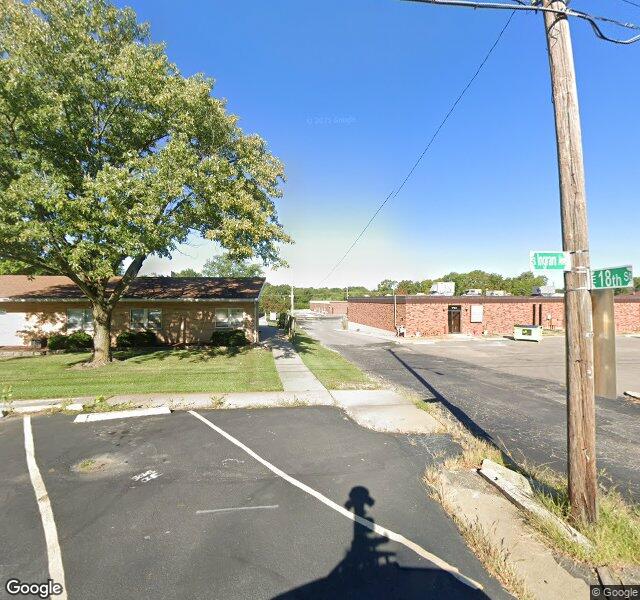
REST HAVEN HEALTH CARE CENTER

1800 SOUTH INGRAM, SEDALIA, MO 65301 (660) 827-0845
For profit - Corporation 86 Beds RELIANT CARE MANAGEMENT Data: November 2025
Trust Grade
38/100
#444 of 479 in MO
Last Inspection: March 2025

Within standard 12-15 month inspection cycle. Federal law requires annual inspections.

Overview

Rest Haven Health Care Center has received a Trust Grade of F, which indicates significant concerns about the quality of care provided. Ranking #444 out of 479 facilities in Missouri places them in the bottom half, and they are #4 out of 5 in Pettis County, meaning only one facility in the area is rated lower. The facility is worsening, with reported issues increasing from 12 in 2024 to 13 in 2025, indicating a decline in quality. While staffing turnover is impressively low at 0%, suggesting staff stability, the overall staffing rating is still poor at 1 out of 5 stars. This is coupled with an average RN coverage but concerning fines of $13,000, which is typical for facilities in the area. Specific incidents include failure to follow proper infection control procedures, such as not changing or storing oxygen and nebulizer tubing correctly, which could spread bacteria to multiple residents. Additionally, staff did not implement necessary infection prevention protocols, and there were lapses in revising care plans after resident falls, highlighting both serious weaknesses and a need for improvement in care practices.

Trust Score
F
38/100
In Missouri
#444/479
Bottom 8%
Safety Record
Low Risk
No red flags
Inspections
Getting Worse
12 → 13 violations
Staff Stability
○ Average
Turnover data not reported for this facility.
Penalties
⚠ Watch
$13,000 in fines. Higher than 91% of Missouri facilities. Major compliance failures.
Skilled Nurses
⚠ Watch
Each resident gets only 20 minutes of Registered Nurse (RN) attention daily — below average for Missouri. Fewer RN minutes means fewer trained eyes watching for problems.
Violations
⚠ Watch
34 deficiencies on record. Higher than average. Multiple issues found across inspections.
★☆☆☆☆
1.0
Overall Rating
★☆☆☆☆
1.0
Staff Levels
★☆☆☆☆
1.0
Care Quality
★★☆☆☆
2.0
Inspection Score
Stable
2024: 12 issues
2025: 13 issues

The Good

  • Full Sprinkler Coverage · Fire safety systems throughout facility
  • No fines on record

Facility shows strength in fire safety.

The Bad

1-Star Overall Rating

Below Missouri average (2.5)

Significant quality concerns identified by CMS

Federal Fines: $13,000

Below median ($33,413)

Minor penalties assessed

Chain: RELIANT CARE MANAGEMENT

Part of a multi-facility chain

Ask about local staffing decisions and management

The Ugly 34 deficiencies on record

Mar 2025 13 deficiencies
CONCERN (D)

Potential for Harm - no one hurt, but risky conditions existed

Deficiency F0698 (Tag F0698)

Could have caused harm · This affected 1 resident

Based on observation, interview, and record review, facility staff failed to provide thorough orders, monitoring, and ongoing communication with the dialysis (a treatment that cleans the blood when th...

Read full inspector narrative →
Based on observation, interview, and record review, facility staff failed to provide thorough orders, monitoring, and ongoing communication with the dialysis (a treatment that cleans the blood when the kidneys fail to function properly) clinic for one of one resident (Resident #48). The facility census was 52. 1. Review of the facility's Dialysis policy, dated 03/18/22, showed the following: -Ongoing assessment of the resident's condition and monitoring for complications before and after dialysis treatments received at a certified dialysis facility; -Ongoing assessment and oversight of the resident before and after dialysis treatments; -Ongoing communication and collaboration with the dialysis clinic, regarding dialysis care and services; a. Coordination of physician services between the nursing facility and dialysis facility. For a resident receiving dialysis, the nursing home staff must immediately contact and communicate with the attending physician/practitioner, resident/resident representative, and designated dialysis staff regarding any significant changes in the resident's status related to clinical complications or emergent situations that may impact the dialysis portion of the care plan. b. Theses situations may include but are not limited to changes in cognition or sudden unexpected decline in condition, dialysis complications such as bleeding, hypertension, or adverse consequences to a dedication or therapy, or other situations. c. Any changes in the resident's care initiated by the dialysis facility must be communicated to the resident's nursing home attending physician/practitioner. 2. Review of Resident #48's Quarterly Minimum Data Set (MDS), a federally mandated assessment tool, dated 02/18/25, showed facility staff assessed the resident as follows: -Intact Cognition; -Received dialysis while a resident; -Diagnosis of renal failure and diabetes mellitus. Review of the resident's Physician Order Sheet (POS), dated 11/21/24, showed the POS did not contain orders related to dialysis. Review of the resident's care plan, dated 07/16/24, showed the record did not contain direction for dialysis. Review of residents medical record did not contain documentation staff assessed the resident prior to being transported to dialysis. During an interview on 03/04/25 at 9:53 A.M., the resident said the facility staff does not assess him/her before they go to dialysis but the clinic does when he/she is at the appointment. During an interview on 03/05/25 Licensed Practical Nurse (LPN) J said staff do not assess the resident prior to transport to the dialysis clinic. He/She said what records the facility have are provided by the dialysis clinic. During an interview on 03/06/25 at 6:58 A.M., LPN A said we do not check vitals before a resident goes to dialysis. Staff are to make sure the resident is ready to go and has some food. During an interview on 03/06/25 at 7:11 A.M., the Director of Nursing (DON) said we should be doing vital signs before a resident goes to dialysis but we don't because the clinic does. Staff also don't check the resident when they return to the facility but we probably should. During an interview on 03/06/25 at 12:30 P.M., the Regional MDS director said dialysis should be on the care plan and included in the POS upon admission. During an interview on 03/06/25 at 12:48 P.M., the administrator said dialysis should be on the POS and must be care planned. Staff should take a set of vitals before transport because it is a risk to the resident not to do so if they are ill.
CONCERN (D) 📢 Someone Reported This

A family member, employee, or ombudsman was alarmed enough to file a formal complaint

Potential for Harm - no one hurt, but risky conditions existed

Deficiency F0728 (Tag F0728)

Could have caused harm · This affected 1 resident

Based on interview and record review, facility staff failed to ensure four out of six nurse aides ((NA) NA C, NA D, NA E, NA F) completed the nurse aide training program within four months of their em...

Read full inspector narrative →
Based on interview and record review, facility staff failed to ensure four out of six nurse aides ((NA) NA C, NA D, NA E, NA F) completed the nurse aide training program within four months of their employment in the facility. The facility census was 52. 1. Review of the facility's Nurse Aide Training policy, dated 05/18/24, showed the policy did not contain NA completion timeline or how to proceed if NA goes beyond the 120 day requirement. Review of the facility's Active Employee list showed: -NA C hired 04/03/24; -NA D hired 07/26/24; -NA E hired 08/30/24; -NA F hired 09/12/24; During an interview on 03/04/25 at 10:00 A.M., NA D said he/she has been working on the floor as an aide for eight months and has not been able to pass the testing required to become certified. He/She has to wait for certified staff or nurses to assist residents with care needs. During an interview on 03/06/25 at 7:10 A.M., the Director of Nursing (DON) said NA's are required to be certified within 120 days of hire. He/She is aware some of the NA's are beyond the required 120 days because they did not pass the test. Nurse Aides are supposed to be pulled into another place such as pass ice water, making beds and not work the floor as a NA but there is not enough staff to cover their spot so the NA have not been moved off the floor. During an interview on 03/06/25 at 12:04 P.M., the Human Resources staff said NA's are to be certified within 120 days. He/She said he/she just took over tracking and is responsible to schedule the testing. If a staff member goes beyond the 120 days and is not certified, the human resources staff said he/she would have to reach out to corporate for guidance. During an interview on 03/06/25 at 12:36 P.M., the administrator said NA's should be certified within four months. If the NA is not certified in the time-frame, they should be removed from that position. He/She is new to the position and said the Human Resources is responsible to ensure compliance with timeframes with coordination from the DON. He/She was not aware the NA's were not certified in the time-frame.
CONCERN (E)

Potential for Harm - no one hurt, but risky conditions existed

Safe Environment (Tag F0584)

Could have caused harm · This affected multiple residents

**NOTE- TERMS IN BRACKETS HAVE BEEN EDITED TO PROTECT CONFIDENTIALITY** Based on observation, interview and record review, facility staff failed to provide a comfortable, safe, and homelike environmen...

Read full inspector narrative →
**NOTE- TERMS IN BRACKETS HAVE BEEN EDITED TO PROTECT CONFIDENTIALITY** Based on observation, interview and record review, facility staff failed to provide a comfortable, safe, and homelike environment for residents, when staff failed to maintain walls, floors, bathrooms, and the building structure of resident occupied rooms and common areas. The facility census was 52. 1. Review of the facility's Safe and Homelike Environment policy, dated 06/0524 showed: - In accordance with residents' rights, the facility will provide a safe, clean, comfortable and homelike environment, allowing the resident to use his or her personal belongings to the extent possible. This includes ensuring the resident can receive care and services safely and that the physical layout of the facility maximizes resident independence and does not pose a safety risk; - The facility will create and maintain, to the extent possible, a homelike environment that demphasizes the institutional character of the setting; - Housekeeping and maintenance services will provide as necessary to maintain a sanitary and comfortable environment. 2. Observation on 03/03/25 at 10:00 A.M., showed resident occupied room [ROOM NUMBER]'s door frame of the bathroom rusted and coming apart. The bathroom floor tile around the toilet stained. Observation on 03/03/25 at 10:12 A.M., showed resident occupied room [ROOM NUMBER]'s bathroom floor tile cracked, discolored and lifted away from the floor. Observation on 03/03/25 at 10:15 A.M., showed resident occupied room [ROOM NUMBER]'s floor separated with black stains in the cracks. The room had a heavy urine odor. Observation on 03/03/25 at 10:22 A.M., showed resident occupied room [ROOM NUMBER]'s floor cracked and separated with raised black stain in the cracks. Observation on 03/03/25 at 10:38 A.M., showed resident occupied room [ROOM NUMBER]'s bathroom floor sticky and the grab bar with a brown subtance. Observation on 03/03/25 at 10:52 A.M., showed resident occupied room [ROOM NUMBER]'s bathroom floor with mutliple stains around the toilet and the grab bar with a brown substance. 3. During an interview on 03/06/25 at 7:29 A.M., the Director of Nursing (DON) said the Maintenance Director is responsible for repairs in the building. He/She said they were not sure how the repairs needed were reported to the Maintenance department. During an interview on 03/06/25 at 9:12 A.M, Certified Nurse Assistant (CNA) K said he/she tells maintenance directly when he/she notices a repair needed. During an interview on 03/06/25 at 9:23 A.M., Licensed Practical Nurse (LPN) A said staff tell maintenance if broken items are found. There is a paper repair log that can be filled out. During an interview on 03/06/25 at 1:06 P.M., the administrator said the Maintenance Director is responsible for repairs. He/She said administration is aware of many of the repairs needed and is overall responsible for ensuring they are completed. 4. Observation on 03/05/25 during the Life Safety Code tour showed: -The light fixture in the bathroom between resident rooms [ROOM NUMBERS] conatined rust; -The sink faucet in the bathroom between resident rooms [ROOM NUMBERS] corroded; -The sink in the bathroom between resident rooms [ROOM NUMBERS] contained an accumulation of a brown, rust appearing substance; -The shower room next to resident room [ROOM NUMBER]with a piece of plywood leaned against the wall. The water line behind the plywood had an active water leak; -A large section of fascia and gutters outside of resident rooms [ROOM NUMBERS] missing; -The roof drip edge outside room [ROOM NUMBER] loose with exposed roof decking. During an interview on 03/06/25 at 12:05 P.M., the maintenance director said he/she was responsible for building maintenance. The maintenance director said he/she never noticed the rusted light fixture or the brown sink. The maintenance director said he/she replaced light fixtures when he/she noticed they were damaged. The maintenance director said he/she found the water leak last week but he/she was not sure what was going on with it. The maintenance director said he/she had discussed the gaps in the floor with his/her regional maintenance director in the past month or so but there was no current plan to address the gaps. The maintenance director said the fascia and gutters were damaged during the last storm, which was in the past month. The maintenance director said he/she was not aware of the falling drip edge above room [ROOM NUMBER]. The maintenance director said the administrator was supposed to contact corporate staff to have the fascia and gutters repaired. During an interview on 03/06/25 at 2:15 P.M., the administrator said the maintenance director was responsible for interior and exterior building maintenance. The administrator said he/she did not know if the maintenance director had contacted anyone to repair the fascia and gutters in the resident courtyard. The administrator said he/she just started as interim administrator and was not aware of pending repairs.
CONCERN (E)

Potential for Harm - no one hurt, but risky conditions existed

Comprehensive Care Plan (Tag F0656)

Could have caused harm · This affected multiple residents

**NOTE- TERMS IN BRACKETS HAVE BEEN EDITED TO PROTECT CONFIDENTIALITY** Based on observation, interview and record review, facility staff failed to develop a comprehensive person-centered care plan to...

Read full inspector narrative →
**NOTE- TERMS IN BRACKETS HAVE BEEN EDITED TO PROTECT CONFIDENTIALITY** Based on observation, interview and record review, facility staff failed to develop a comprehensive person-centered care plan to meet the resident's medical, nursing, mental and psychosocial needs for eight residents (Resident #1, #2, #9, #12, #18, #25, #45 and #258) out of 12 sampled residents. The facility's census was 52. 1. Review of the Facility's Comprehensive Care Plans policy, dated 10/31/24, showed: -It is the policy of this facility to develop and implement a comprehensive person-centered care plan or each resident, consistent with resident rights, that include measurable objectives and time frames to meet a resident's medical, nursing, and mental and psychosocial needs that are identified in the resident's comprehensive assessment; -Resident specific interventions that reflect the reisdent's needs and preferences. 2. Review of Resident #1's Quarterly Minimum Data Set (MDS), a federally mandated assessment tool completed by facility staff used to assess the care needs of the resident, dated 1/31/25, showed staff assessed the resident as follows: -Severe cognitive impairment; -Shortness of breath or trouble breathing when lying flat; -Received oxygen therapy; -Diagnosis of heart failure and profound intellectual disability (severe disability that limits a person ability to learn, develop, and communicate). Review of the physician order sheet (POS), dated 11/15/24, showed the record contained an order for two liters of oxygen via nasal canula as needed for shortness of breath. Review of the resident's care plan, dated 08/05/24, showed the care plan did not contain direction for respiratory therapy. Observation on 03/03/25 at 11:23 A.M., showed the resident with two liters of oxygen on via nasal canula. Observation on 03/04/25 at 11:07 A.M., showed the resident with two liters of oxygen on via nasal canula. Observation on 03/05/25 at 9:06 A.M., showed the resident with two liters of oxygen on via nasal canula. Observation on 03/06/25 at 12:44 P.M., showed the resident with two liters of oxygen on via nasal canula. 3. Review of Resident #2's Quarterly MDS, dated [DATE], showed staff assessed the resident as: -Cognitively intact; -On a pain management schedule; -Takes pain medication as needed; -No non-pharmacological interventions for pain; -No pain interview; -Presence of one unhealed Stage III pressure injury; -Presence of a diabetic foot ulcer. Review of the resident's POS, dated March 2025, showed an physician order on 01/27/25: -A pain assessment to be completed each shift; -Cleanse with wound cleanser, apply petroleum gauze followed by border gauze to both heel wounds and toe daily; -Wound cleanser and petroleum gauze, non-adhesive dressing and kerlix to third left toe daily. Review of the resident's POS, dated March 2025, showed a physician order on 09/18/24 for the resident to be a Full Code. Review of the residents face sheet, showed the resident had a Legal Guardian. Review of the resident's care plan, dated 02/26/25, showed the care plan did not contain direction, guidance or preferences for advanced directives, pain management, or skin/wound prevention. During an interview on 03/04/25 at 8:11 A.M., the resident said he/she has skin issues on his/her foot the facility does a treatment on and has pain daily related to cancer but is manageable with medication and rest. 4. Review of Resident #9's Quarterly MDS, dated [DATE], showed staff assessed the resident as: -Cognitively intact; -Required partial to moderate assistance for toilet hygiene; -Required substantial to maximum assistance for toilet transfer; -Diagnosis of stroke and moderately impaired vision. Review of the resident's care plan, dated 10/14/24, showed the resident is able to toilet independently but needs supervision or touch assist for safety. Observation on 03/03/25 at 2:33 P.M., showed two staff transfered the resident from the toilet to his/her wheelchair and provided toilet hygiene. During an interview on 03/03/25 at 2:33 P.M., the resident said staff are supposed to stay with him/her when he/she is on the toilet because he/she is blind. He/She said he/she gets scared and unsteady when being transferred and needs staff assistance. 5. Review of Resident #12's Annual MDS dated [DATE], showed staff assessed the resident as: -Cognitively intact; -Required substantial to maximum assistance for showers; Review of the resident's care plan, dated 10/21/24, showed the care plan did not contain direction, guidance or preferences for showers. 6. Review of Resident #18's Quarterly MDS, dated [DATE] showed staff assessed the resident as: -Cognitively intact; -On hospice, oxygen and presence of an indwelling catheter; -Diagnosis of heart failure. Review of the resident's care plan, dated 12/16/24, showed the care plan did not contain direction, guidance, or preferences for hospice services, oxygen use, and presence of an indwelling catheter. Review of the resident's Hospice Level of Care sheet, undated, showed the resident elected to receive hospice services on 12/21/24. Review of the resident's POS, dated March 2025, showed: -Check and record oxygen level twice daily; -Change and date oxygen and nebulizer tubing weekly on Saturday; -Oxygen at three liters per minute by nasal cannula continuous for shortness of breath; -Cleanse around catheter site with wound cleanser, apply gauze and secure with tape, change daily and as needed. Observation on 03/03/25 at 10:46 A.M., showed the resident with a catheter draining to gravity, oxygen on at three liters per minute by nasal cannula, and a hospice worker at the bedside. 7. Review of Resident #25's Annual MDS, dated [DATE], showed staff assessed the resident as follows: -Severe cognitive impairment; -Indwelling catheter; -Diagnosis of benign prostatic hyperplasia, neurogenic bladder, quadriplegia, and cerebral palsy. Review of the resident's care plan, dated 11/10/24, showed the care plan did not contain direction for the following: -Enhanced barrier precautions related to indwelling super pubic catheter; -Care for super pubic catheter; -Replacement of size 14 French catheter tubing. Review of the resident's POS, dated 01/09/25, showed the resident had an order to change supra pubic catheter once a month on the 5th of every month using a size 14 French catheter tube with 10 cubic centimeters (cc) bulb. 8. Review of resident #45's Quarterly MDS, dated [DATE], showed staff assessed the resident as follows: -Severe cognitive impairment; -No recent falls; -Diagnosis of Alzheimer's, dementia, and stroke. Review of the resident's Hospice Level of Care, undated, showed the resident started hospice services on 02/27/25. Review of the resident's Fall Risk assessment, dated 12/22/24, showed: -The resident had one to two falls in the last three months; -Had intermittent confusion; -poor vision; -Ambulatory; -High risk of falling. Review of the resident's Elopement Evaluation, dated 12/24/24, showed: -History of wandering; -Wanders aimlessly; -High risk for elopement. Review of the resident's nurse note, dated 2/1/0/25, showed the resident found on the floor in his/her bedroom and the resident stated he/she had hit his/her head. Resident sent via emergency medical services to the hospital. Administrator notified and asked for a fall mat and bed alarm for the resident. Review of the resident's Progress notes, dated 02/12/25, showed the resident returned from the hospital with a left hip fracture. Review of the resident's care plan, dated 08/04/24, showed: -Did not contain direction for hospice services; -Did not contain intervention or direction for elopement risks; -Did not contain interventions to prevent falls after an actual fall with injury. 9. Review of resident #258's Entry track record MDS, showed an admission date of 02/14/25. Review of the resdient's medical record, dated 03/06/25, showed the record did not contain a comprehensive care plan. 10. During an interview on 03/05/25 at 2:33 P.M., Licensed Practical Nurse/Activity Director (LPN/AD) said he/she was in charge of care plans previously but moved to his/her new position in December. He/She said they had another nurse in that position, but he/she is no longer an employee. During an interview on 03/05/25 at 2:39 P.M., the Chief Nursing Officer said the Regional Nurse is currently acting as the MDS Coordinator due to the recent MDS nurse leaving. During an interview on 03/06/25 at 7:10 A.M., the Interim Director of Nursing (DON) said the corporate nurse completed the care plans and MDS. He/She will send notes to the facility when something needs to be done for the assessments. He/She does not know if the care plans are tailored to the residents but would like to see a background, goals/preferences, discharge needs and generally personalized to the resident. Currently the corporate nurse is the only one updating the care plans and the DON does not have time to read them to know if they are personalized and/or complete. The DON expects the care plans to include hospice, oxygen, falls and adl needs so the staff know how to care for the residents. During an interview on 03/06/25 at 11:43 A.M., the Assistant Director of Nursing (ADON) said they have someone from corporate over seeing the care plans, but they do not have anyone in the facility doing them. The ADON said the nurses do not do care plans or add to them. He/She said they can notify himself/herself about updates that are needed or notify the District MDS coordinator to update them. During an interview on 03/06/25 at 12:27 P.M., the District MDS Coordinator said he/she does the assessments and covers the care plans for the facility but the care plans Interdisciplinary Team (IDT) care plans with facility staff. He/She said the staff should meet every quarter to discuss the resident and plan together the care needs of the resident but it is not in place yet since the facility does not have staff to fulfill the MDS role. The MDS Coordinator said if the facility does not tell him/her of changes in resident care or needs, he/she does not know to update the care plan. During an interview on 03/06/25 at 12:36 P.M., the administrator said that care plans should be done by the DON and include things like dialysis, hospice, tube feedings, catheters and other requirements of care. He/She is interim and only been at the facility a few days.
CONCERN (E)

Potential for Harm - no one hurt, but risky conditions existed

Deficiency F0658 (Tag F0658)

Could have caused harm · This affected multiple residents

**NOTE- TERMS IN BRACKETS HAVE BEEN EDITED TO PROTECT CONFIDENTIALITY** Based on observation, interview, and record review, facility staff failed to provide services to meet professional standards whe...

Read full inspector narrative →
**NOTE- TERMS IN BRACKETS HAVE BEEN EDITED TO PROTECT CONFIDENTIALITY** Based on observation, interview, and record review, facility staff failed to provide services to meet professional standards when staff failed to document and obtain orders for hospice services on two (Resident #18 and #45) of three residents who receive hospice services, to obtain orders for an indwelling catheter for three(Resident #12, #13, and #18) out of three sampled residents, failed to document weekly skin assessments for three (Resident #9, #12, and #13) of six sampled residents and failed to document a smoking assessment on one (Resident #9) of five residents who smoked. The facility census was 52. 1. Review of the Coordination of Hospice Services policy, dated 05/18/24, showed the policy did not contain direction to obtain a physician order for hospice. Review of the facility's Indwelling and Suprapubic Catheter Use and Removal policy, dated 06/26/24, showed: -If an indwelling catheter is in use, the facility will provide appropriate care for the catheter in accordance with current professional standards of practice and resident care policies and procedures; -Identification and documentation of clinical indications for use of the catheter; -Care and maintenance of suprapubic catheters shall be accordance with physician orders. The orders shall specify the type and size of catheter, and frequency of changes. Review of the facility's Pressure Injury Prevention and Management policy, dated 05/18/24, showed licensed nurses will conduct full body assessment on all residents weekly and after any newly identified pressure injury. Review of the facility's Smoking Assessment policy, dated 06/29/24, showed: -Upon admission and quarterly, the resident will be determined if they are a smoker or a non-smoker; -The RN/LPN will complete the Resident Smoking Assessment to provide the facility with information necessary to determine if the resident is physically able to maintain safety of themselves and others. 2. Review of Resident #18's Quarterly Minimum Data Set (MDS), a federally mandated assessment tool, dated 02/11/25, showed staff assessed the resident as: -Cognitively intact; -On hospice; -Presence of an indwelling catheter; -Diagnosis of hemiplegia (paralyzed on one side) and dementia. Review of the resident's Physician Order Sheet (POS), dated March 2025, showed the record did not contain an order for hospice services or an order for the catheter, reason for the catheter, size of the catheter, or the balloon size of the catheter. Review of the resident's Hospice Level of Care sheet, undated, showed the resident admitted to hospice on 12/21/24. Observation on 03/03/25 at 10:46 A.M., showed hospice staff at the resident's bedside and a catheter dignity bag attached to the bedframe draining to gravity. 3. Review of Resident #45's Quarterly MDS, dated [DATE], showed staff assessed the resident as follows: -Severe cognitive impairment; -Diagnosis of Alzheimer's, dementia, and stroke. Review of the resident's Hospice Level of Care, undated, showed the resident started hospice services on 02/27/25. Review of the resident's POS, dated 03/06/25, showed the record did not contain orders for hospice services. 4. Review of Resident #12's Annual MDS, dated [DATE], showed staff assessed the resident as: -Cognitively intact; -Presence of an indwelling catheter. -No risk for skin breakdown; -Diagnosis of diabetes, peripheral vascular disease (narrowing of arteries and veins that restrict blood flow to the limbs), and bilateral above knee amputation. Review of the resident POS, dated March 2025, showed the orders did not contain an order for the catheter, reason for the catheter, size of the catheter, or the balloon size of the catheter. Review of the resident's medical record, showed the record did not contain documentation of skin assessments for the weeks of 12/01/24, 12/08/24, 12/29/2024 and 01/05/2025. Observation on 03/04/25 at 8:38 A.M., showed the resident in bed with a catheter drainage bag attached to the bed frame. During an interview on 03/04/25 at 8:38 A.M., the resident said he/she has had a catheter for a long time and goes to an outside physician monthly to get it changed. He/She had a wound to their bottom that was being treated by an outside physician. He/She said the staff check his/her skin during showers but does not always get his/her showers so they can't be checking his/her skin. 5. Review of Resident #13's Quarterly MDS, dated [DATE], showed staff assessed the resident as: -Cognitively impaired; -Presence of an indwelling catheter. -At risk for skin breakdown; -Presence of an unhealed pressure ulcer and two arterial/venous ulcers; -Diagnosis of diabetes, peripheral vascular disease, and dementia. Review of the resident's POS, dated March 2025, showed the orders did not contain an order for the catheter, reason for the catheter, size of the catheter, or the balloon size of the catheter. Review of the resident's medical record showed the record did not contain documentation of skin assessments for the weeks of 01/05/25, 01/12/25, 01/19/25, 01/26/25, 02/02/25 and 02/16/2025. Observation on 03/03/25 at 10:36 A.M., showed the resident with an indwelling catheter draining to gravity hooked to the bottom of his/her wheelchair. 6. Review of Resident #9's Quarterly MDS, dated [DATE], showed staff assessed the resident as: -Cognitively intact; -admitted on [DATE]; -Had impaired vision and functional limitation to one upper extremity; -At risk for developing a pressure ulcer; -Diagnosis of stroke. Review of the resident's annual MDS, dated [DATE], showed staff assessed the resident as used tobacco. Review of the resident's medical record, showed the record did not contain a completed and documented weekly skin assessment or smoking assessment. Observation on 03/04/25 at 3:33 P.M., showed the resident in the designated smoking area with a smoke apron on his/her chest and smoked a cigarette with staff supervision. During an interview on 03/03/25 at 2:33 P.M., the resident said he/she smokes cigarettes and has since admission. He/She said staff supervises them and lights their cigarette for them. He/She does not know if an assessment was completed or not. The resident said he/she does not have any skin breakdown that he/she is aware of. 7. During an interview on 03/06/25 at 11:29 A.M., the Assistant Director of Nursing (ADON) said there are three residents currently on hospice services. He/She has only been in the facility since February and has not had any training but would expect there to be orders for hospice. During an interview on 03/06/25 at 7:10 A.M., the Director of Nuring (DON) said nurses are to get orders for hospice. He/She was not aware the residents did not have orders. The nurses are to get orders for catheters to include the reason the resident needs them. He/She was not aware the residents did not have orders. Nurses are to complete skin assessments weekly and if a new wound is noticed to document the wound to include measurements. He/She was not aware the residents were missing some skin assessments. The DON said nurses are responsible to complete smoking assessments on all residents who smoke on admission for safety reasons. He/She was not aware the smoking assessment was not completed. During an interview on 03/06/25 at 12:36 P.M., the adminstrator said residents should have an order obtained by nursing for hospice services. He/She is new to the building and was not aware the orders were not in place. The DON is responsible for oversight of the nursing staff and would expect there to be orders for catheters and why the resident has one. The nursing staff are required to complete skin assessments weekly in the electronic health record. He/She said the DON is responsible to ensure the assessments are completed. He/She is new to the building and was not aware the assessments were not documented. The administrator said residents have a smoking assessment completed on admission and quarterly by the nursing staff. He/She is new to the building and was not aware the assessment was not documented in the resident record.
CONCERN (E)

Potential for Harm - no one hurt, but risky conditions existed

ADL Care (Tag F0677)

Could have caused harm · This affected multiple residents

**NOTE- TERMS IN BRACKETS HAVE BEEN EDITED TO PROTECT CONFIDENTIALITY** Based on observation, interview, and record review, facility staff failed to provide care to meet basic hygiene needs for five s...

Read full inspector narrative →
**NOTE- TERMS IN BRACKETS HAVE BEEN EDITED TO PROTECT CONFIDENTIALITY** Based on observation, interview, and record review, facility staff failed to provide care to meet basic hygiene needs for five sampled residents (Resident #11, #12, #13, #27, and #42,). The facility census was 52. 1. Review of the facility's Activities of Daily Living (ADL) policy, dated 05/18/24, showed: -The facility will, based on the resident's comprehensive assessment and consistent with the resident's needs and choices, ensure a resident's abilities in ADL's do not deteriorate unless deterioration is unavoidable; -Care and services will be provided for the following ADL's, toileting, bathing, dressing, grooming and oral care. Review of the facility's Resident Showers policy, dated 06/26/24, showed: -It is the practice of this facility to assist residents with bathing to maintain proper hygiene, stimulate circulation and help prevent skin issues as per standards of practice; -Residents will be provided showers as per request or as per facility schedule protocols and based upon resident safety; -Partial baths may be given between regular shower schedules as per facility policy. 2. Review of Resident #11's Annual Minimum Data Set (MDS), a federally mandated assessment tool, dated 02/08/25, showed staff assessed the resident as: -Cognitive intact; -Bathing substantial assistance; -Personal hygiene substantial assistance; -Diagnosis of alzheimers, dementia, seizure disorder, and anxiety. Observation on 03/03/25 at 2:46 P.M., showed the resident in bed with greasy appearing hair. Observation on 03/05/25 at 10:52 A.M., showed the resident in bed with greasy appearing hair. 3. Review of Resident #12's Annual MDS, dated [DATE], showed staff assessed the resident as: -Cognitively intact; -Required substantial/maximum assistance with showers/bathing; -Diagnosis of bilateral above knee amputation and diabetes. Review of the resident's care plan, dated 12/11/24, showed the care plan did not contain direction or preferences for showers or ADL's. Observation on 03/03/25 at 11:21 A.M., showed the resident with greasy unkempt hair and long fingernails. Observation on 03/04/25 at 08:38 A.M., showed the resident with greasy hair and long fingernails. During an interview on 03/04/25 at 08:38 A.M., the resident said he/she was supposed to get a shower yesterday but didn't. He/She is going to the doctor today and now have to go dirty. The resident said he/she is embarrassed to have the physician see him/her like that. He/She said showers are usually once a week but sometimes go even longer and a waste of time to complain about it, because they pull the shower aid to work the floor all the time. 4. Review of Resident #13's Quarterly MDS, dated [DATE], showed staff assessed the resident as: -Cognitively impaired; -Dependent on staff for hygiene and showers; -Diagnosis of dementia. Review of the resident's care plan, dated 08/06/24, showed the resident is dependent on one staff for personal hygiene. Observation on 03/03/25 at 10:36 A.M., showed the resident with long facial hair, unkempt hair, and long fingernails. Observation on 03/04/25 at 07:56 A.M., showed the resident in the dining room with long facial hair, unkempt hair, and long fingernails. Observation on 03/04/25 at 08:49 A.M., showed the resident at the nurse station with long facial hair, long fingernails and unkempt hair. Observation on 03/05/25 at 08:30 A.M., showed the resident at the nurse station with long fingernails, unkempt hair and long facial hair. 5. Review of Resident #27's Quarterly MDS, dated [DATE], showed staff assessed the resident as: -Cognitively impaired; -Dependent with all care; -Diagnosis of dementia. Review of the resident's care plan, dated 01/23/25, showed the care plan did not contain direction or guidance or preferences for ADL's. Review of the resident's shower sheets, dated January through March, showed staff documented the resident received a shower on the following: -January 31, 2025; -February 4, 13, 18 and 20, 2025; -Did not contain documentation for the month of March Observation on 03/03/25 at 11:03 A.M., showed the resident with long facial hair, long finger nails with a dark substance under them, and unkempt hair. 6. Review of Resident #42's Annual MDS, dated [DATE], showed staff assessed the resident as: -Moderate cognitive impairment; -Bathing total dependence; -Personal Hygiene moderate assistance; -Diagnosis of arthritis, alzheimers, dementia, and anxiety. Observation on 03/03/25 at 2:50 P.M., showed the resident in bed with greasy hair. Observation on 03/05/35 at 10:53 A.M., showed the resident in bed with greasy hair. During an interview on 03/05/25 at 10:55 A.M., the resident said he/she can comb their hair and brush my teeth sometimes but not always. Staff here don't help me and they don't seem to care about us. The resident said it brings him/her to tears. 7. During an interview on 03/04/25 at 11:30 A.M., Nurse Aide (NA) E said there is not enough staff to get everything done in the day but they do the best they can. Showers are supposed to be twice a week, but the shower aide has to get pulled to the floor to help. He/She said if there was more staff to do it, then it wouldn't be so hard to get it done. Shaves and nails should be cut with showers. During an interview on 03/06/25 at 7:46 A.M., the Director of Nursing (DON) said a residents hair should be combed, face washed, fingernails cleaned, and shaved when needed. Aids and nursing staff are responsible for ensuring this gets done. He/She said they were aware some residents are not having this done for them and ultimately the charge nurses and DON are responsible for making sure staff are educated to help with showers and hygiene. During an interview on 03/06/25 at 9:12 A.M. Certified Nurse Aid (CNA) K said showers should be done twice a week, staff are not able to keep up with the schedule. He/She said there should no excuses for a resident's hair not being combed if needed. During an interview on 03/06/25 at 9:21 A.M., Licensed Practical Nurse (LPN) A said residents should be showered twice a week but staff don't always get them done due to low staffing. All grooming assistance should be done before a resident leaves their room or as needed. During an interview on 03/06/25 at 1:08 P.M., the administrator said residents should be groomed in the morning and throughout the day. Showers should be on a regular basis. He/She said they were not sure how well this is getting done.
CONCERN (E)

Potential for Harm - no one hurt, but risky conditions existed

Accident Prevention (Tag F0689)

Could have caused harm · This affected multiple residents

Based on observation, interview, and record review, facility staff failed to lock medication carts when unattended and failed to safely store hazardous materials in a manner to prevent accidents in tw...

Read full inspector narrative →
Based on observation, interview, and record review, facility staff failed to lock medication carts when unattended and failed to safely store hazardous materials in a manner to prevent accidents in two of three shower rooms. The facility census was 52. 1. Review of the facility's Medication Storage policy, dated 05/18/24, showed: -All drugs and biologicals will be stored in locked compartments (i.e., medication carts, cabinets, drawers, refrigerators, medication rooms) under proper temperature controls; -During a medication pass, medications must be under the direct observation of the person administering medications or locked in the medication storage area/cart. 2. Observation on 03/03/25 at 11:28 A.M., showed the medication cart at the nurse station unlocked and unattended. Observation showed residents in the hall near the nurses station. Observation on 03/05/25 at 8:36 A.M., showed the Director of Nursing (DON) left the medication cart unlocked and unattended at the nurses' station. Observation on 03/05/25 11:50 A.M., showed the medication cart at the nurse station unlocked and unattended and insulin pen sat on top of the medication cart. Observation on 03/06/25 at 4:51 A.M., showed the medication cart at the nurse station unlocked and unattended. During an interview on 03/06/25 at 7:10 A.M., the DON said staff should lock the medication cart if walking away from it. He/She said the facility has confused residents that could get into it and eat something they are not supposed to have. The DON said the person working with the cart is responsible to ensure the cart is locked when leaving the cart. He/She did not know why he/she left the cart unlocked and unattended. During an interview on 03/06/25 at 9:55 A.M., Certified Medication Technician (CMT) B said staff should lock medication carts when they are not using them, and medication should not be left on top of carts. He/She said there is a risk that residents could get into the unlocked carts and take medications that could be harmful. During an interview on 03/06/25 at 11:17 A.M., Licensed Practical Nurse (LPN) A said it is the responsibility of the CMT or nurse to ensure medication carts are locked when unattended and medications are put away. He/She said it is a safety risk to residents who may get into the medications. 3. Review of the facility's Chemical Storage and Labeling policy, dated 02/02/24, showed: -The chemical storage room must remain locked at all times when someone is not in the storage room; -Hazardous chemicals must be separated from non-hazardous chemicals. Review of the facility's Nursing Environmental Inspection Policy, dated 06/26/24 showed: -The DON or designee will perform random and/or routine inspections of the nursing environment. These areas will consist of, but is not limited to, shower rooms; -Environmental inspections should include the cleanliness of the area as well as ensuring the areas are free of any potentially dangerous risks/items. 4. Observation on 03/03/25 at 10:34 A.M., showed 200 hall shower room unlocked and unattended. The shower room contained open packages of disposable razors, an unlocked cabinet with a bottle of lime remover, an aerosol can labeled WD40, a container labeled disinfectant wipes and a plastic cart contained resident care supplies with white dust on the surface and handles. Observation on 03/04/25 at 8:09 A.M., showed 200 hall shower room unlocked and unattended. The shower room contained open packages of disposable razors, an unlocked cabinet with a bottle of lime remover, an aerosol can labeled WD40, a container labeled disinfectant wipes and a plastic cart contained resident care supplies with white dust on the surface and handles. Observation on 03/05/25 at 08:30 A.M., showed 200 hall shower room unlocked and unattended. The shower room contained open packages of disposable razors, an unlocked cabinet with a bottle of lime remover, an aerosol can labeled WD40, a container labeled disinfectant wipes and a plastic cart contained resident care supplies with white dust on the surface and handles. 5. Observation on 03/03/25 at 2:00 P.M., showed the 100 hall shower room unlocked with the door propped open and unattended. The shower room contained an unlocked cabinet with an open box of disposable razors. Observation on 03/04/25 at 02:05 P.M., showed the 100 hall shower room unlocked with the door propped open and unattended. The shower room contained an unlocked cabinet with an open box of disposable razors. Observation on 03/05/25 at 10:00 A.M., showed the 100 hall shower room unlocked with the door propped open and unattended. The shower room contained an unlocked cabinet with an open box of disposable razors. 6. During an interview on 03/06/25 at 07:10 A.M., the DON said the shower room on the 200 hall had a key lock on it and was not aware it had been unlocked during the survey. He/She said chemicals and hazards should be kept in a locked cabinet in the shower room and the shower room should be locked when unattended or residents could get in there and get hurt. During an interview on 03/06/25 at 9:12 A.M., Certified Nurse Aid (CNA) K said the shower rooms doors should be locked so residents can't access hazardous materials. They could be injured. During an interview on 03/06/25 at 9:20 A.M., LPN A said showers are to be locked when not in use. If the doors are not locked a resident could come in contact with chemicals and be hurt. During an interview on 03/06/25 at 12:36 P.M., the administrator said shower rooms are key-coded and should be locked when unattended and includes the cabinets inside the shower rooms. He/She said if chemicals or hazards are stored in the shower rooms, the rooms should be locked and the chemicals/hazards should be kept in a locked cabinet.
CONCERN (E) 📢 Someone Reported This

A family member, employee, or ombudsman was alarmed enough to file a formal complaint

Potential for Harm - no one hurt, but risky conditions existed

Deficiency F0725 (Tag F0725)

Could have caused harm · This affected multiple residents

**NOTE- TERMS IN BRACKETS HAVE BEEN EDITED TO PROTECT CONFIDENTIALITY** Based on observation, interview and record review, the facility failed to provide services by sufficient numbers of nurse aides ...

Read full inspector narrative →
**NOTE- TERMS IN BRACKETS HAVE BEEN EDITED TO PROTECT CONFIDENTIALITY** Based on observation, interview and record review, the facility failed to provide services by sufficient numbers of nurse aides to provide nursing care to eight of 14 sampled residents (Resident #11, #12, #13, #25, #27, #31, #33, and #42) to ensure care and comfort of residents daily needs. The facility census was 52. 1. Review of the resident council meeting notes for December 2024, January 2025, and February 2025, showed the residents expressed concern for lack of staff, staff not answering call lights at night, staff not making the beds, night shift working with only one nurse for the entire building, not receiving ice water every shift and not enough aides to work on the 100 hall. Review of the facility's nurse staff punch detail dated 02/17/25 through 03/05/25 showed: -One licensed nurse and one certified nurse aide (CNA) on duty from 10:49 P.M. to 5:43 A.M. on 02/23/25 with a census of 57 residents; -One licensed nurse and one CNA on duty from 09:33 P.M. to 11:46 P.M., on 02/24/25 with a census of 57 residents; -One licensed nurse and one CNA on duty from 11:13 P.M. to 5:49 A.M., on 02/25/25 with a census of 55 residents; -One licensed nurse and one CNA on duty from 11:24 P.M. to 5:49 A.M on 02/28/25 with a census of 52. 2. Review of Resident #11's Annual Minimum Data Set (MDS), a federally mandated assessment tool, dated 02/08/25, showed staff assessed the resident as: -Cognitive intact; -Bathing substantial assistance; -Personal hygiene substantial assistance; -Diagnosis of alzheimers, dementia, seizure disorder, and anxiety. Observation on 03/03/25 at 2:46 P.M., showed the resident in bed with greasy appearing hair. Observation on 03/05/25 at 10:52 A.M., showed the resident in bed with greasy appearing hair. 3. Review of Resident #12's Annual MDS, dated [DATE], showed staff assessed the resident as: -Cognitively intact; -Required substantial/maximum assistance with showers/bathing; -Diagnosis of bilateral above knee amputation and diabetes. Review of the resident's care plan, dated 12/11/24, showed the care plan did not contain direction or preferences for showers or Activities of Daily Living (ADL)'s. Observation on 03/03/25 at 11:21 A.M., showed the resident with greasy unkempt hair and long fingernails. Observation on 03/04/25 at 8:38 A.M., showed the resident with greasy hair and long fingernails. During an interview on 03/04/25 at 08:38 A.M., the resident said he/she is lucky to get one shower a week and could be even longer at times. He/She said the facility has to pull the shower aide to help on the floor so showers don't get done. The resident said he/she had to go to the doctor stinky. Night shift is really lacking on staff sometimes only having one aide and one nurse in the whole building leaving residents wet in their beds. The nurses get mad when they have to pass their own medications if the medication technician has to work to help the aides or just don't come in at all. 4 Review of Resident #13's Quarterly MDS, dated [DATE], showed staff assessed the resident as: -Cognitively impaired; -Dependent on staff for hygiene and showers; -Diagnosis of dementia. Review of the resident's care plan, dated 08/06/24, showed the resident is dependent on one staff for personal hygiene. Observation on 03/03/25 at 10:36 A.M., showed the resident with long facial hair, unkempt hair, and long fingernails. Observation on 03/04/25 at 7:56 A.M., showed the resident in the dining room with long facial hair, unkempt hair, and long fingernails. Observation on 03/04/25 at 8:49 A.M., showed the resident at the nurse station with long facial hair, long fingernails and unkempt hair. Observation on 03/05/25 at 8:30 A.M., showed the resident at the nurse station with long fingernails, unkempt hair and long facial hair. 5. Review of Resident 25's Annual MDS, dated [DATE], showed staff assessed the resident as: -Cognitively impaired; -dependent on staff for all care; -Always incontinent; -Presence of an indwelling catheter; -Diagnosis of quadriplegia. Observation on 03/05/25 at 12:00 P.M., showed the resident saturated through his/her sheets to the mattress and smelled strongly of urine. 6. Review of Resident #27's Quarterly MDS, dated [DATE], showed staff assessed the resident as: -Cognitively impaired; -Dependent with all care; -Diagnosis of dementia. Review of the resident's care plan, dated 01/23/25, showed the care plan did not contain direction or guidance or preferences for ADL's. Observation on 03/03/25 at 11:03 A.M., showed the resident with long facial hair, long finger nails with a dark substance under them, and unkempt hair. 7. Review of Resident #31's Quarterly MDS, dated [DATE] showed staff assessed the resident as: -Cognitively impaired; -Required supervision with toileting; -Required substantial/maximum assistance for showers; -Diagnosis of dementia. Observation on 03/03/25 at 11:33 A.M., showed the resident fingernails long with debris under them, unkempt hair, and long facial hair. Observation on 03/03/25 at 12:14 P.M., showed the resident in the dining room, during the noon meal with visibly wet pants and smelled of urine. Observation on 03/05/25 at 1:15 P.M., showed the resident propelled from the dining room, with visibly wet pants, unkempt hair, long fingernails and long facial hair. 8. Review of Resident #33's Quarterly MDS, dated [DATE], showed staff assessed the resident as: -Cognitively impaired; -Required partial to moderate assistance for toilet hygiene; -Always incontinent of urine; -Diagnosis of dementia and stroke. Observation on 03/06/25 at 4:52 A.M., showed the resident saturated through his/her sheets to the mattress and smelled strongly of urine. 9. Review of Resident #42's Annual MDS, dated [DATE], showed staff assessed the resident as: -Moderate cognitive impairment; -Bathing total dependence; -Personal Hygiene moderate assistance; -Diagnosis of arthritis, alzheimers, dementia, and anxiety. Observation on 03/03/25 at 2:50 P.M., showed the resident in bed with greasy hair. Observation on 03/05/35 at 10:53 A.M., showed the resident remained in bed with greasy hair. When was the last shower? - info was not obtained. 10. During an interview on 03/03/25 at 2:33 P.M., Resident #9 said there isn't enough staff on the night shift. Most of the time, there is only one aide and if they work the other side of the building, there is no one to hear the call lights or if there is an issue. Residents have to sit in their own piss in bed for over two hours because they don't check on us. Showers are not getting done like they are supposed to twice a week. Residents are lucky to get one shower a week. He/She said there is no administrator to go to and even if they did, nothing would get done except makes things worse. The staff that they do have, do not have time to put pads on the bed or strip and wash the linens so they smell bad. The only way I get attention is if I pull the call light out of the wall but even then it will take two to three hours to get them to come. Sometimes we are late going out for supervised smoke break because we need to wait for an available staff member to take us and the nurse is always to busy to help the aides. There are some good aides that are going to quit because they are worn ragged. During an interview on 03/04/25 at 9:11 A.M., the resident council group said there is a lot of staff here just for a paycheck and just don't care. The facility needs to hire more aides. The residents said that some residents have to lay in their urine at night and sometimes resident get sick and need to be sent to the hospital and it's because there isn't enough staff to watch over them. What is hired don't always work out and don't come back because they are overwhelmed. A lot of night shift staff come in and turn off the call lights and disappear or just sit at the desk and play on their phones or talk loudly. The group stated that there are two licensed nurses that they fear cannot physically do the job and makes them nervous. One of the nurses cannot even walk. During an interview on 03/04/25 at 09:44 A.M., Resident #8 said it takes at least 30 minutes or more to have his/her call light answered, meals are often late and/or cold and he/she does not get his/her showers like he should at least twice a week which makes him feel disgusting. During an interview 03/04/25 at 11:02 A.M., Nurse Aide (NA) D said we have two aids and one nurse on overnights shifts normally and we do our best to keep up with resident needs. He/She said the overnight shift has to wait for morning staff to show up to help get residents up for the day otherwise all we can do is try to keep them clean and dry overnight. During an interview on 03/04/25 at 11:30 A.M., NA D said there is not enough staff and what they hire do not stay because either they don't like it or its too hard. Aides don't have time to stock up on supplies and when they need something, the aide will have to take time away from providing care such as assisting with meals or care for another resident to go get supplies. He/She said there is usually enough staff in the daytime, but still not enough to get everyone checked in two hours. If they cannot check everyone in two hours, they could have a big mess and cause skin irritation and wounds, then would have to wait for the nurse to come and assess it putting us further behind. There is a shower aide, but they are always pulled to the floor so showers don't get done. If there was more staff, then the aides could help with the showers so the residents aren't laying in filth or getting depressed. Call lights should be answered in three to five minutes, sometimes if we are by ourselves on the hall, multiple lights go off at the same time and we just do the best we can. If there is a resident who is a mechanical lift, then that is more time looking for someone to assist with that transfer. The aides do not always get help from the nurse or medication technicians. During an interview on 03/05/25 at 2:43 P.M., the Chief Nursing Officer said the facility has been having some staffing issues. He/She said the facility's Administrator, Director of Nursing (DON), and other nurses/staff recently walked out and quit. During an interview on 03/06/25 at 04:52 A.M., Certified Nurse Aide (CNA) L said there is not enough staff on the night shift. Usually it's him/her an one other aide for the whole building and it gets really stressful at times. He/She said they try to get everything done, but are unable to always get to everyone in two hours or get anyone up in the morning before the dayshift comes in. We have to split the building and then meet up if there are residents who are heavier or require two people leaving one hall unattended if the nurse is not on it and sometimes delays care even more. Management has been told more staff is needed but when they hire someone, either they quit or just don't come back. There is no skills training or checkoffs and no performance evaluations and if we don't ask about resident care, then the nurses don't tell us. During an interview on 03/06/25 at 5:10 A.M., the Acting DON said he/she was called in at 2:00 A.M. to cover the floor due to nurse leaving for an emergency. During an interview 03/06/25 at 7:10 A.M., the DON said he/she feels like DON is just a title/name he/she was given. He/She said they are short staffed, and he/she has not had time to be a DON because he/she has been acting as a charge nurse and working the floor. He/She said its impossible to keep up with only two aides on the floor. The facility needs to pay staff more and is aware of resident complaints of lack of staff. Residents are not getting showers and shave like they are supposed to at least twice a week, fresh ice water and emotional needs addressed due to lack of staff. He/She said there is no real boss right now to go to for issues or guidance. During an interview on 03/06/25 at 09:25 A.M., CNA I said there is very seldom enough staff. The administration has changed and no one asks us about staffing needs anymore. Things like showers, shaves and nail care are getting missed or given late, its hard to check everyone in two hours or less and when coming in after night shift, there is no bags in trash cans or readily available supplies to be able to care for the residents timely. Often when following the nightshift, residents are saturated in their beds and the halls smell of urine. He/She said he/she has not received any skills check offs or evaluations since he has worked at the facility. During an interview on 03/06/25 at 9:55 A.M., CNA B said he/she has not seen the DON perform that role because he/she acts as the charge nurse due to staffing issues. He/She said they had a large number of administrative staff and nurses walk out and they have not been able to hire more staff. He/She said they do not currently have an administrator, acting DON, infection preventionist, MDS coordinator, or a nurse for care plans. He/She said CNA's do not last because they are short staffed as well. He/She said there isn't anyone to implement polices or procedures or to hold people accountable right now. He/She said residents are suffering because medication prior authorizations are not being done, facility supplies do not get ordered, showers often are not completed, and staff education is not being done. He/She said there have been times were night shift only had a nurse and an aide because of call ins. He/She said he/she worries about the resident's safety. During an interview on 03/06/25 at 11:29 A.M., the Assistant DON said he/she is fairly new to the building but came into a schedule without staff and have been trying to build it. He/She said that the facility has lost a lot of nursing staff and most of the time is working just one nurse on dayshift and one on the night shift. The facility is trying to recruit, but the hires start then never show back up. He/She is aware of resident complaints about staffing and has reached out to corporate without a response. The ADON said he/she feels the staff they have do the best they can to meet the needs of the residents but the staff are being stretched to the limit and wearing down. Several residents are not getting showers or only getting one per week. He/She said that there are no skills checkoffs or evaluations that he/she is aware of but puts newly hired staff with the more seasoned or stronger aides for training. During an interview on 03/06/25 at 12:36 A.M., the Acting Administrator said he/she does not feel there is enough staff to complete the hands on care such as showers. He/She said staff are running very thin. He/She said he/she is new to the position and facility and will work with corporate to develop a plan.
CONCERN (E)

Potential for Harm - no one hurt, but risky conditions existed

Unnecessary Medications (Tag F0759)

Could have caused harm · This affected multiple residents

Based on observation, interview, and record review, facility staff failed to maintain a medication error rate of less than 5% out of 52 opportunities observed, 28 errors occurred, resulting in a 53.85...

Read full inspector narrative →
Based on observation, interview, and record review, facility staff failed to maintain a medication error rate of less than 5% out of 52 opportunities observed, 28 errors occurred, resulting in a 53.85% error rate, which affected three residents (Resident #4, #12, and #258) out of seven sampled residents. The facility census was 52. 1. Review of the Facility's Medication Administration policy, revised 06/26/24, showed: -General medication administration process: -Ensured that the six rights of medication administration are followed: -Right time; -Compare medication source (bubble pack, vial, etc.) with Medication Administration Record (MAR) to verify resident name, medication name, form, dose, route, and time; -Administer within 60 minutes prior to or after scheduled time unless otherwise ordered by the physician. 2. Review of Resident #4 Physician's Order Sheet (POS), dated 03/05/25, showed: -Cetirizine (Antihistamine) 10 milligram (mg) tablet at 6:00 A.M.; -Fluphenazine (Antipsychotic) 5 mg tablet at 6:00 A.M.; -Jardiance (Treatment of type 2 diabetes mellitus) 25 mg tablet at 6:00 A.M.; -Tamsulosin HCL (Treats benign enlarged glands) 0.4 mg capsule at 06:00 A.M.; -Acetaminophen 325 mg tablet give two tablets at 6:00 A.M and 03:00 P.M.; -Levetiracetam (Anticonvulsant) 500 mg tablet at 6:00 A.M. and 7:00 P.M.; -Famotidine (antacid) 20 mg tablet at 06:00 A.M. and 7:00 P.M.; -Metformin (treatment of type 2 diabetes mellitus) 500 mg tablet at 06:00 A.M. and 07:00 P.M.; -Topirmate (Anticonvulsant) 100 mg at 06:00 and 07:00 P.M.; -Vascepa (Antihyperlipidemic) one gram capsule at 06:00 A.M. and 07:00 P.M. Observation on 03/05/25 at 11:19 A.M., showed Certified Medication Technician (CMT) B administered the following medications (five hours and nineteen minutes after the prescribed time): -Cetirizine 10 mg tablet; -Fluphenazine 5 mg tablet; -Jardiance 25 mg tablet; -Tamsulosin HCL 0.4 mg capsule; -Acetaminophen 325 mg tablet give two tablets; -Levetiracetam 500 mg tablet; -Famotidine 20 mg tablet; -Metformin 500 mg tablet; -Topirmate 100 mg; -Vascepa one gram capsule. 3. Review of Resident #12 POS, dated 03/05/25, showed: -Claritin 10 mg at 6:00 A.M.; -Finasteride (Treats benign enlarged glands) 5 mg at 6:00 A.M.; -Furosemide (Diuretic)20 mg at 6:00 A.M.; -Potassium Chloride ER (Treat low potassium) 10 milliequivalent (mEq) at 6:00 A.M.; -Metformin 500 mg at 6:00 A.M. and 7:00 P.M.; -Oxybutynin Chloride (Treats overactive bladder) 5 mg at 6:00 A.M. and 3:00 P.M.; -Buspirone HCL (antianxiety)10 mg at 6:00 A.M., 11:00 A.M., and 7:00 P.M.; -Gabapentin (Anticonvulsant) 800 mg at 6:00 A.M., 11:00 A.M., and 7:00 P.M. Review of the resident's MAR, dated 03/05/25, showed staff did not document the the resident received the following 6:00 A.M. medications: -Buspirone HCL 10 mg; -Gabapentin 800 mg. Observation on 03/05/25 at 10:57 A.M., showed CMT B administered the following medications (four hours and fifty seven minutes after the prescribed time): -Claritin 10 mg; -Finasteride 5 mg; -Furosemide 20 mg; -Potassium Chloride ER 10 mEq; -Metformin 500 mg; -Oxybutynin Chloride 5 mg. 4. Review of Resident #258 POS, dated 03/05/25, showed: -Clopidogrel (Antiplatelet) 75 mg tablet at 6:00 A.M.; -Ocuvite Adult 50+ Capsule (Multiple Vitamins w/ Minerals) at 6:00 A.M.; -Potassium chloride ER (Treat low potassium) 10 meq at 6:00 A.M.; -Prednisone 10 mg at 6:00 A.M.; -Vitamin B-1 100 mg tablet at 6:00 A.M.; -Brimonidine Tartrate-Timolol Maleate (Treatment of ocular hypertension) 0.2-0.5% at 6:00 A.M. and 7:00 P.M.; -Sulfamethoxazole-Trimethoprim (Antibiotic) 800-160 mg at 6:00 A.M. and 8:00 P.M.; -Torsemide 30 mg (diuretics) at 6:00 A.M. and 3:00 P.M.; -Pentoxifylline ER (treats poor blood circulation/pain) 400 mg at 6:00 A.M., 11:00 A.M., and 7:00 P.M.; -Advair HFA Inhalation Aerosol (Treat asthma) 45-21 MCG/ACT (Fluticasone-Salmeterol) two inhalation inhale at 6:00 A.M. and 7:00 P.M Review of the resident's MAR, dated 03/05/25, showed staff did not document the resident received his/her 6:00 A.M. Pentoxifylline ER 400 mg tablet medication. Observation on 03/05/25 at 11:04 A.M., showed CMT B administered the following medications (five hours and four minutes after the prescribed time): -Clopidogrel 75 mg tablet; -Ocuvite Adult 50+ Capsule; -Potassium chloride ER 10 meq; -Prednisone 10 mg; -Vitamin B-1 100 mg tablet; -Sulfamethoxazole-Trimethoprim 800-160 mg; -Torsemide 30 mg; -Brimonidine Tartrate-Timolol Maleate0.2-0.5%; -Advair HFA Inhalation Aerosol 45-21 MCG/ACT (Fluticasone-Salmeterol) 2 inhalation. 5. During an interview on 03/05/25 at 10:56 A.M., CMT B said he/she was told he/she has an hour before and an hour after medication time frames to pass medications or they are considered late. He/She said the reason the medication were late was because the electricty went out. He/She said he/she had not started the morning medication pass yet so all medications were going to be late for the morning pass. He/She said the ADON had spoke with the physician and was told it was okay to pass morning medications late as long as it was not a medication that was duplicated at another medication pass. He/She said he/she would consider medications given late as a medication error. During an interview on 03/06/25 at 7:10 A.M., the Director of Nursing (DON) said he/she had not received education on what to do in the event there was no access to medical records due to electrical outages. He/She said he/she has mentioned the concern to administrative staff before and had not received guidance. He/She said when the electricity went out staff had no access to medical records or MAR's and were not sure of current orders. He/She said he/she considers medications pass late as a medication error, but he/she was not sure what else his/her staff could have done differently in the situation, since there were no procedures in place. During an interview on 03/06/25 at 11:17 A.M., Licensed Practical Nurse (LPN) A said he/she would consider medications given late as a medication error. He/She said he/she was not given education on what to do in the event that they did not have access to medical records or MARs. He/She said in the past the DON/ADON would print current MAR/TARs to have on hand in case there were issues with the weather or electricity. He/She said the facility did not do that anymore. During an interview on 03/06/25 at 11:43 A.M., the ADON said he/she was aware medications were not passed timely. He/She said he/she was the person who called the nurse practitioner about the late meds and was instructed to continue with the morning medications at noon and hold all duplicate medications. He/She said late medications were considered a medication error, but he/she did not have a plan in place for the staff to have access to MARs. During an interview on 03/06/25 at 12:44 P.M., the administrator said staff were not educated and were not aware they should have been printing paper MARs as back up in case they didn't have access to electronic records. He/She said paper MARs should have been printed by the DON. He/She said he/she is not sure if the new DON had been educated on that practice, previously. He/She said medication given outside of time frames are considered medication errors.
CONCERN (E)

Potential for Harm - no one hurt, but risky conditions existed

Deficiency F0838 (Tag F0838)

Could have caused harm · This affected multiple residents

Based on record review and interview, facility staff did not conduct and document a thorough facility-wide assessment to determine what resources are necessary to care for residents during both day-to...

Read full inspector narrative →
Based on record review and interview, facility staff did not conduct and document a thorough facility-wide assessment to determine what resources are necessary to care for residents during both day-to-day operations and emergencies. The facility census was 52. 1. Review of the facility's Facility Assessment Policy and Tool, dated 06/29/2023, showed: -The facility must update the Facility Assessment monthly and as necessary whenever there is, or the facility plans for, any change that would require a substantial modification to any part of the assessment; -The assessment must include the facility resident population, including but not limited to, both the number of and the facilities resident capacity, the care required by the resident population considering the types of diseases, conditions, physical and cognitive disabilities, overall acuity, and other pertinent facts that are present in the population, the staff competencies that are necessary to provide the level and types of care needed for the resident population, the physicial environment, equipment, services, and other physicial plan considerations that are necessary to care for its population, any ethnic, cultural, or religious factors that may potentially affect the care provided by the facility, including but not limited to, activities, and food and nutrition services; -The facilities resources, including but not limited to, all buildings and/or other physicial structures and vehicles, equipment (medical and non-medical), services provided (I.e., physical therapy, pharmacy, specific rehabilitation therapies, psych services, etc), and all personnel, including managers, staff (both, employees, and those who provide services under contract), volunteers, as well as their training and any competencies related to resident care, contracts, memorandums of understanding, or other agreements with third parties to provide services or equipment to the facility during both normal operation and emergencies, health information technology resources, such as systems for electronically managing resident records and electronically sharing information with other organizations, and a facility-based and community-based risk assessment, utilizing an all hazards approach; -The assessment is conducted at the facility level; -The administrator or designated individual assigns a person to lead the Assessment Process; -Individuals involved at a minimum include the Administrator, a member of the governing body, the medical director, and the Director of Nursing (DON); -The facility assessment must be reviewed and updated to address how the facility staff, resources, physical environment, etc., meet the needs of those residents and any areas requiring attention, such as training or supplies to provide care; -Consider input from residents, resident representatives, family members, Certified Nurse Aides (CNA)'s, licensed nurses, and Ombudsman about how well current staffing plan has been working and consider when developing the staffing plan. 2. Review of the Facility Needs Assessent, dated 03/03/25 showed facility census of 52. Review showed the Facility Needs Assessment did not contain: -Resident capacity, the staff competencies that are necessary to provide the level and types of care needed for the resident population, the physicial environment, equipment, services, and other physicial plant considerations that are necessary to care for its population, any ethnic, cultural, or religious factors that may potentially affect the care provided by the facility, including but not limited to, activities, and food and nutrition services; -Facility resources, including but not limited to, all buildings and/or other physicial structures and vehicles, equipment (medical and non-medical), services provided and all personnel, including managers, staff (both, employees, and those who provide services under contract), volunteers, as well as their training and any competencies related to resident care, contracts, memorandums of understanding, or other agreements with third parties to provide services or equipment to the facility during both normal operation and emergencies, health information technology resources, such as systems for electronically managing resident records and electronically sharing information with other organizations, and a facility-based and community-based risk assessment, utilizing an all hazards approach. 3. During an interview on 03/06/25 at 07:10 A.M., the Director of Nursing (DON) said he/she is interim and hadn't received a any training on the role. He/She said did not know what a facility assessment was and did not have anything to do with it. During an interview on 03/06/25 at 11:29 A.M., the Assistant DON said he/she does not do anything with the facility assessment and did not know what it was. During an interview on 03/06/25 at 12:36 A.M., the Interim Administrator said that the Administrator and DON are responsible for the Facility Assessment and are both new to the facility and role. He/She said that attempts were made to find the one completed prior but was unsuccessful and has not been completed since he/she started.
CONCERN (F)

Potential for Harm - no one hurt, but risky conditions existed

Infection Control (Tag F0880)

Could have caused harm · This affected most or all residents

**NOTE- TERMS IN BRACKETS HAVE BEEN EDITED TO PROTECT CONFIDENTIALITY** Based on observation, interview, and record review, facility staff failed to use appropriate infection control procedures to pre...

Read full inspector narrative →
**NOTE- TERMS IN BRACKETS HAVE BEEN EDITED TO PROTECT CONFIDENTIALITY** Based on observation, interview, and record review, facility staff failed to use appropriate infection control procedures to prevent the spread of bacteria or other infectious causing contaminants when facility staff failed change and/or store oxygen and nebulizer tubing in a manner to prevent the spread of bacteria for three residents (Resident #1, #18, and #35) out of three sampled residents. Facility staff failed to maintain proper infection control practices for three residents (Resident # 13, #18 and #25) out of four sampled residents catheters.Facility staff failed to perform appropriate hand hygiene, and glove changes during wound care for one resident (Resident #2) out of two sampled residents. Staff failed to implement the Enhanced Barrier Precautions (EBP) policy when they did not educate, or alert staff of residents who required EBP, and failed to place appropriate personal protective equipment (PPE) in close proximity for four (Resident #1, #2,#25, #40) of six sampled residents. Facility staff failed to appropriately sanitize a multi-use glucometer (a device for monitoring blood sugars) after use for two residents (Resident #16,and #34) out of 4 sampled residents, to prevent the spread of infection causing contaminants. Facility staff failed to ensure the two-step purified protein derivative (PPD) (skin test for Tuberculosis (TB)) completed for five residents (Resident #13, #18, #20, #45, and #52) out of six sampled residents. Facility staff failed to handle soiled linens in a manner to prevent the spread of infection causing contaminants for one resident (Resident #33) of two sampled residents.The facility's census was 52. 1. Review of the facility's Oxygen Administration policy, dated 05/18/24, showed manufacturer recommendations for the frequency of cleaning equipment filters: -Change oxygen tubing and mask/cannula weekly and as needed if becomes soiled or contaminated; -Change humidity bottle when empty, every 72 hours or per facility policy, or as recommended by the manufacturer; -Change nebulizer tubing and delivery devices every 72 hours or per facility policy and as needed if they become soiled or contaminated; -Keep delivery devices covered in plastic when not in use. Review of the facility's Administration of Nebulizer Therapy policy, dated 05/14/24, showed staff are directed to disassemble and rinse the nebulizer with sterile or distilled water and allow to air dry on an absorbent towel after each use. Once completely dry, staff are to store the nebulizer cup and mouthpiece in a zip lock bag and change the tubing every seventy-two hours or per facility policy. 2. Review of Resident #1's Quarterly Minimum Data Set (MDS), a federally mandated assessment tool, dated 01/31/25, showed staff assessed the resident as: -Cognitively impaired; -Required oxygen; -Diagnosis of heart failure. Observation on 03/05/25 at 12:37 P.M., showed the resident with oxygen on via nasal cannula at two liters per minute. The oxygen concentrator did not contain filters. There was visible white/tan debris covering the filter location. 3. Review of Resident #18's Quarterly MDS, dated [DATE], showed staff assessed the resident as: -Cognitively intact; -Did not use oxygen; -On hospice; -Diagnosis of heart failure, pneumonia, and lung disease. Observation on 03/03/25 at 10:46 A.M., showed the resident in bed with oxygen on via nasal cannula to the oxygen concentrator. The oxygen concentrator contained white debris build-up on both filters and the oxygen tube undated. Observation showed a nebulizer machine on the nightstand with the mouthpiece and nebulizer cup on top of the machine and not bagged or dated. 4. Review of Resident #35's quarterly MDS, dated [DATE], showed staff assessed the resident as follows: -Severe cognitive impairment; -Diagnosis of Alzheimer's and dementia. Observation on 03/03/25 at 10:57 A.M., showed the resident's nebulizer mask on the bedside table and not bagged. Observation on 03/04/25 at 03:00 P.M., showed the resident's nebulizer mask on the bedside table and not bagged. 5. During an interview on 03/06/25 at 07:10 A.M., the Director of Nursing (DON) said it is the responsibility of the nursing staff to change the filters on the concentrators. He/She said they change oxygen tubing weekly, but the filters only need to be changed periodically. He/She said the masks/nasal cannulas need to be stored in bags when not in use. The DON said they should not be left on bedside tables or on the floor. During an interview on 03/06/25 at 11:17 A.M., Licensed Practical Nurse (LPN) A said it is the responsibility of the nurses to change out the oxygen and nebulizer tubing, masks, and filters. He/She said it is done weekly on either Saturday or Sunday. He/She said the Assistant Director of Nursing (ADON) would be responsible for ensuring they are getting them done. He/She said it is important they are getting changed and placed in a bag when not used, to prevent infections. During an interview on 03/06/25 at 11:43 A.M., the ADON said it is the responsibility of the nurses to ensure oxygen and nebulized masks, tubing and filters are changed. He/She said they usually change their tubing on Sundays and filters should also be changed on those days. He/She said staff are expected to place masks, tubing and nebulizer parts in a ziplocked bag when not in use. He/She was not aware there were dirty filters and masks/nebulizers not placed in zip lock bags. During an interview on 03/06/25 at 12:44 P.M., the administrator said ultimately it is the responsibility of the DON to ensure nursing staff are changing masks, tubing and filters and ensuring they are placed in zip lock bags when not used. He/She said it is the nurses who have the orders to change them out weekly and who should be placing them in the zip lock bags. He/She said he/she was not aware there were filters covered in debris and not placed in bags. 6. Review of the facility's Catheter Care policy, dated 06/26/24, showed the policy did not contain direction or guidance to keep the catheter drainage bag or tubing off the floor. 7. Review of Resident #13's Quarterly MDS, dated [DATE], showed staff assessed the resident as: -Cognitively impaired; -Dependent on staff for toileting needs; -Had an indwelling catheter. Observation on 03/03/25 at 11:03 A.M., showed the resident sat in his/her room in a wheelchair and his/her catheter drainage bag hung from the bottom of the wheelchair. The bottom of the drainage bag touched the floor. 8. Review of Resident #18's Quarterly MDS, dated [DATE], showed staff assessed the resident as: -Cognitively intact; -Indwelling catheter; -On hospice; -Dependent on staff for toileting. Observation on 03/04/25 at 8:09 A.M., showed the resident at the nurse station in his/her wheelchair with his/her catheter drainage bag attached to the bottom of the wheelchair. The drainage bag tubing and bag touched the floor. Observation on 03/05/25 at 8:27 A.M, showed the resident at the nurse station in his/her wheelchair with his/her catheter drainage bag attached to the bottom of the wheelchair. The drainage tubing touched the floor. 9. Review of Resident #25's Annual MDS, dated [DATE], showed staff assessed the resident as follows: -Severe cognitive impairment; -Indwelling catheter; -Diagnosis of neurogenic bladder, quadriplegia, and cerebral palsy. Observation on 03/03/25 at 11:16 A.M., showed the resident's catheter bag on the floor of his/her room. Observation on 03/03/25 at 3:40 P.M., showed the resident's catheter bag on the floor of his/her room. 10. During an interview on 03/06/25 at 7:10 A.M., the DON said catheters should be kept below the level of the bladder and never on the floor. He/She said there is a risk for infection if not done properly. During an interview on 03/06/25 at 9:55 A.M., Certified Medication Technician (CMT) B said catheters should be placed below the waist and never on the floor. He/She said catheter bags should never be placed on the floor to prevent cross contamination. During an interview on 03/06/25 at 11:17 A.M., LPN A said catheters should be kept below the abdomen and secured at the thigh. He/She said they should never touch the floor or placed above the abdomen, to prevent infection. During an interview on 03/06/25 at 12:44 P.M., the administrator said it is his/her expectation catheter bags are hooked to the bed or chairs and staff ensure they are below the waist and draining properly. He/She said catheter bags should never be on the floor or touching the floor to prevent cross contamination. 11. Review of the Facility's Clean Wound Dressing Change policy, revised 05/18/24, showed: -It is the policy of this facility to provide wound care in a manner to decrease potential for infection and/or cross-contamination; -Each wound will be treated individually; -When multiple wounds are being dressed, the dressings wil be changed in order of least contaminated to most contaminated (i.e. change extremity wounds before wounds contaminated with stool). Dressings of infected wounds should be changed last. 10. Review of resident #2's PPS 5-day Assessment MDS, dated [DATE], showed staff assessed the resident as follows: -Cognitively intact; -Two unstageable pressure ulcers with suspected deep tissue injury in evolution; -Diagnosis of Cancer. Review of the Physician Order Sheet (POS), dated 01/28/25, showed an order to cleanse heel and toe with wound cleaner, apply xeroform, and apply border gauze one time a day. Observation on 03/05/25 at 9:45 A.M., showed the LPN A entered the resident's room to provide wound care. The LPN cleansed the open toe wound on the residents left foot, with the same soiled gloves the LPN, cleansed an open wound on the side of the residents left heel, cut the xeroform to size, and labeled the bandages. During an interview on 03/06/25 at 7:10 A.M., the DON said he/she expects his/her staff to wash hands or sanitize between glove changes, before touching clean supplies, and when moving between clean and dirty tasks. He/She said he/she should clean one wound and change gloves and perform hand hygiene before moving to another wound to prevent cross contamination. During an interview on 03/06/25 at 11:17 A.M., LPN A said it is important to wash or sanitize hands when you change gloves, go between clean and dirty tasks, touch clean supplies and when you go from one wound to the other. He/She said it is important to perform hand hygiene practices, so infections are not spread to other wounds. He/She said he/she forgot to change gloves and perform hand hygiene between wounds and before touching clean supplies because he/she was nervous. During an interview on 03/06/25 at 12:44 P.M., the administrator said it is his/her expectation staff perform hand hygiene and glove changes in-between wounds to prevent the spread of infections. He/She would expect staff to change gloves and perform hand hygiene before touching clean supplies and treat each wound separately. He/she said it is the responsibility of the DON to over see wounds and that the nursing staff is performing them properly. 12. Review of the Facility's Enhanced Barrier Precautions (EBP) policy, not dated, showed: -An order for EBP will be obtained for residents with any of the following: --Wounds (e.g., chronic wounds such as a pressure ulcer, diabetic foot ulcers, unhealed surgical; wounds, and chronic venous stasis ulcers) and/or indwelling medical devices (e.g., central lines, urinary catheters, feeding tubes, tracheostomy/ventilator tubes, hemodialysis catheters, PICC lines, Medline catheters) even if the resident is not known to be infected or colonized with a MDRO; -The facility will ensure gowns and gloves are available immediately near or outside of the resident's room. 13. Review of Resident #1's Quarterly MDS, dated [DATE] showed staff assessed the resident as: -Rarely or never understood; -Had a feeding tube (tube placed into the stomach to administer artificial nutrition and fluids); -Received greater than 51 percent of nutrition and fluids through a tube; -Diagnosis of Cerebral Palsy. Observation on 03/04/25 12:01 P.M., showed an EBP sign hung from the residents door and PPE not in close proximity to the resident's room. Observation showed LPN A administered artificial nutrition and hydration by feeding tube to the resident and the LPN did not have a gown on. Observation on 03/05/25 at 12:37 P.M., showed LPN A administered artificial nutrition and hydration by feeding tube and the LPN did not have a gown on. 14. Review of Resident #2's PPS 5-day Assessment MDS, dated [DATE], showed staff assessed the resident as follows: -Cognitively intact; -Two unstageable pressure ulcers with suspected deep tissue injury in evolution; -Diagnosis of Cancer. Observation on 03/05/25 at 9:45 A.M., showed the resident's room did not contain a sign to alert staff on the use of EBP and PPE not in close proximity. Observation showed LPN A performed wound care and did not wear a gown. 15. Review of Resident #25's Annual MDS, dated [DATE], showed staff assessed the resident as: -Cognitively impaired; -Had a feeding tube and indwelling catheter; -Received greater than 51 percent of nutrition and fluids through a tube; -Diagnosis of Cerebral Palsy, quadriplegia, and neurogenic bladder (muscles and nerves that control bladder are no longer working). Observation on 03/04/25 11:48 A.M., showed an EBP sign hung from the residents door and PPE not in close proximity to the resident's room. Observation showed LPN A administered artificial nutrition and hydration by feeding tube to the resident and the LPN did not have a gown on. Observation on 03/05/25 at 12:00 P.M., showed LPN A and Certified Nurse Aide (CNA) J provided catheter and perineal care to the resident. LPN A and CNA J did not wear a gown. Observation on 03/05/25 at 12:16 P.M., showed LPN A administered artificial nutrition and hydration to the resident by feeding tube and did not wear a gown. 16. Review of Resident #40's Annual MDS, dated [DATE] showed staff assessed the resident as: -Cognitively impaired. -Diagnosis of stroke. Observation on 03/03/25 at 3:10 P.M., showed CMT M and CNA N entered the room to transfer the resident using a mechanical lift from the wheelchair to the bed. The resident had an IV placed in her left arm. Once in bed, CMT M and CNA N provided perineal care. CMT M and CNA N did not wear a gown. 17. During an interview on 03/06/25 at 07:10 A.M., the DON said the ADON would be responsible for EBP, but is new and probably doesn't know. He/She said he/she knows there should be a sign on the redidents door that alerts them a resident is on EBP and they should have PPE available. He/She said anyone with open wounds, catheters, tube feedings, or IVs should be on precautions. He/She said it is important to prevent infections in at risk residents. During an interview on 03/06/25 at 9:55 A.M., CMT/CNA B said he/she knows residents on EBP should have signs on the doors, PPE boxes available outside their door, and a biohazard box to dispose of the gowns. He/She said residents who are tube fed, have catheters, wounds, IVs, and infections should be on EBP. He/She said he/she knows they have the EBP signs, PPE boxes, and biohazard boxes available, staff are just not using them. He/She said they do not have an infection preventionist at this time and believes that is why EBPs have not been used. During an interview on 03/06/25 at 11:43 A.M., the ADON said residents who have Methicillin-resistant Staphylococcus aureus (MRSA), feeding tubes, IVs, wounds, and catheters should all have EBP. He/She said residents on EBP should have a sign on their door alerting staff. He/She said they keep their PPE in the storage room and staff can get it there before going into a room. He/She said staff should place PPE in a trash bag, when done, and then place the trash bag in the biohazard bag in the dirty utility room. He/She said it is the responsibility of the nurses to put up the EBP signs. He/She said staff should wear gowns and gloves when performing catheter care, wound care, and tube feedings. During an interview on 03/06/25 at 12:44 P.M., the administrator said he/she expects staff to have the proper equipment available for residents on EBP. He/She said signs should be placed on the door, PPE available at their door, and biohazard boxes should be placed in their rooms. He/She said it is the responsibility of the DON to place EBP signs and equipment. He/She said residents who have catheters, are tube fed, have infections conditions, IVs, and wounds should all be on EBP. He/She said he/she became aware that staff were not performing EBP throughout the week as he/she has observed staff. He/She said he/she is not sure if staff have been educated one EBP, but it is his/her expectation that the DON is responsible for the process and ensuring education was done. 18. Review of the Facility's Glucometer Disinfection Policy, revised 04/30/24, showed: -The facility will ensure blood glucometers will be cleaned and disinfected after each use and according to the manufacturer's instructions for multi-resident use; -The glucometers will be disinfected with a wipe pre-saturated with EPA registered healthcare disinfectant that is effective against HIV, Hepatitis C and Hepatitis B virus; -Procedure: -Using first wipe, clean first to remove heavy soil, blood and/or other contaminants left on the surface of the glucometer; -After cleaning, use second wipe to disinfect the glucometer thoroughly with the disinfectant wipe, following manufacturer's instructions. Allow glucometer to air dry. 19. Review of resident #16's Quarterly MDS, dated [DATE], showed staff assessed the resident as follows: -Cognitively intact; -Received insulin injections seven of seven days; -Diagnosis of Diabetes mellitus. Observation on 03/05/25 at 11:34 A.M., showed LPN A removed a glucometer from the top of the medication cart, donned gloves, checked the resdient's glucose level. He/She removed his/her gloves and returned to the medication cart. He/She did not sanitize the multi-use glucometer after use or before checking the next residents blood glucose level. 19. Review of Resident #34's Quarterly MDS, dated [DATE], showed staff assessed the resident as follows: -Cognitively intact; -Received insulin injections seven of sevn days; -Diagnosis of Diabetes mellitus. Observation on 03/05/25 at 11:53 A.M., showed LPN A removed a glucometer from the top of the medication cart, donned gloves, checked the resident's glucose level. He/She then removed his/her gloves and returned to the medication cart. He/She did not sanitize the multi-use glucometer after use or before placing the glucometer in the top drawer of the medication cart. 20. During an interview on 03/06/25 at 7:10 A.M., the DON said staff should be using two glucometers when performing blood sugars. The DON said one should be drying while the other is in use. He/She said all staff who perform blood sugars on residents should be educated on glucometer sanitizing and disinfecting glucometers. He/She said you should use one wipe to clean the glucometer and then a second to wrap it and let it sit for five minutes. He/She said you should never use the same glucometer without disinfecting it and you should not place it in the medication cart without sanitizing it to prevent cross contamination. During an interview on 03/06/25 at 11:17 A.M., LPN A said glucometers should be sanitized and disinfected before they are used, before they are put in the cart, and after each use on a resident. He/She said he/she missed disinfecting the glucometers in-between two residents and before he/she put the glucometer away because he/she was nervous. During an interview on 03/06/25 at 12:44 P.M., the administrator said some of the CMT staff have been certified to do insulin and perform blood sugar tests. He/She said he/she expects CMTs and nurses to disinfect glucometers before starting blood sugars, in-between residents and before placing them back into the medication cart. He/She said it is important to disinfect the glucometers to prevent cross contamination. He/She said he/she is not sure if staff get on going education on glucometers use and cleaning, but he/she said it should be common practice to disinfect the glucometers. 21. Review of the Facility's Tuberculosis Testing policy, revised 06/29/23, showed upon admission and readmission, each resident will receive a 2 step Purified Protein derivative (PPD) skin test as ordered by the physician. 22. Review of Resident #13's electronic medical record (EMAR), showed the resident admitted to the facility on [DATE]. Review showed the medical record record did not contain a completed two-step PPD. 23. Review of Resident #18's EMAR, showed the resident admitted to the facility on [DATE]. Review showed the medical record record did not contain a completed two-step PPD. 24. Review of Resident #20's EMAR, showed the resident admitted to the facility on [DATE]. Review showed the medical record record did not contain a completed two-step PPD. 25. Review of Resident #45's EMAR, showed the resident admitted to the facility on [DATE]. Review showed the medical record record did not contain a completed two-step PPD. Review of the resident's POS, showed the resident admitted to the facility on [DATE]. Review showed the medical record record did not contain a completed two-step PPD. 26. Review of Resident #52's EMAR, showed the resident admitted to the facility on [DATE]. Review showed the medical record record did not contain a completed two-step PPD. 27. During an interview on 03/05/25 at 11:47 A.M., the ADON said they do not have documentation of these resident's two-step PPD. He/She does not know if they were completed. 28. During an interview on 03/06/25 at 7:10 A.M., the DON said the policy is for a two-step PPD to be done on admission. During an interview on 03/06/25 at 12:44 P.M., the administrator said all residents should receive a two-step PPD upon admission and receive annual screenings. He/She said it is the responsibility of the DON to ensure the resident TBs are completed. He/She said he/she does not know why they were not done and said prior to survey he/she was not aware they were not getting done. 29. Review of the facility's Handling Clean and Dirty Linen policy, dated 06/26/24, showed: -Linen should not be allowed to touch the floor; -Used or soiled linen shall be collected at the bedside a placed in a linen bag or designated lined receptacle. When the task is completed, the bag will be closed securely and placed in the soiled utility room. 28. Review of Resident #33's Quarterly MDS, dated [DATE] showed staff assessed the resident as: -Cognitively impaired. -Incontinent of bowel and bladder; -Required partial to moderate assistance for toilet hygiene; -Diagnosis of stroke. Observation on 03/06/25 at 4:52 A.M., showed CNA L and NA D entered the room to provide incontinence care to the resident who remained in bed. CNA L removed the visibly wet sheets from the bed and placed them on the floor. NA D applied a clean sheet to the mattress. CNA L and NA D did not wipe off the wet mattress before they applied the dry clean sheet. During an interview on 03/06/25 at 05:03 A.M., CNA L said he/she was just trying to get everything done since there are only two aides in the building. He/She said normally he/she would have set the linens on the chair instead of the floor but was just so busy trying to get everyone clean and dry. He/She said he/she didn't think about cleaning off the mattress before applying a new sheet but said it makes sense so the urine is not on the residents skin. CNA L said he/she is self taught and has not completed all the computer training yet. During an interview on 03/06/25 at 07:10 A.M., the DON said staff should bag soiled linens and place directly into a bag at the foot of the bed and not on the floor. Placing the soiled linens on the floor could cause infection control issues due to the dirt on the floor. During an interview on 03/06/25 at 11:17 A.M., LPN A said dirty linens should be placed in a trash bag after removal and should never be placed on the floor or against their body. During an interview on 03/06/25 at 12:36 P.M., the Administrator said he/she would expect staff to bag soiled linen and take them directly to the linen room. Soiled linens should not be placed on the floor to prevent cross contamination (spread of bacteria).
CONCERN (F)

Potential for Harm - no one hurt, but risky conditions existed

Deficiency F0882 (Tag F0882)

Could have caused harm · This affected most or all residents

Based on interview and record review, the facility staff failed to designate one or more individuals with specialized training in Infection Prevention and Control (IPC) as the Infection Preventionist ...

Read full inspector narrative →
Based on interview and record review, the facility staff failed to designate one or more individuals with specialized training in Infection Prevention and Control (IPC) as the Infection Preventionist (IP) for the facility's infection prevention and control program. The census was 52. 1. Review of the facility's Infection Preventionist Policy, revised 03/05/2025, showed the facility will employ one or more qualified individuals with responsibility for implementing the facility's infection prevention and control program. 2. During an interview on 03/05/25 at 2:43 P.M., the Chief Nursing Director said they do not currently have an infection preventionist (IP). He/She said the Assistant Director of Nursing (ADON) is working on getting certified. During an interview on 03/06/25 at 7:10 A.M., the Director of Nursing (DON) said they do not currently have an IP. He/She said he/she is not sure who is monitoring, tracking, educating facility staff members on infection control. He/She just recently became the DON. He/She said he/she usually works the floor as the charge nurse. During an interview on 03/06/25 at 11:43 A.M., the ADON said they do not have an IP. He/She said the facility recently asked him/her to get certified to become the IP, but he/she is not sure how he/she will find the time to get certified. He/She has not started the certification yet. He/She said he/she was not sure how much time needed to be dedicated to the IP position, but he/she is already running thin on free time. During an interview on 03/06/25 at 12:44 P.M., the interim Administrator said he/she was not aware the facility did not have an IP.
MINOR (C)

Minor Issue - procedural, no safety impact

Antibiotic Stewardship (Tag F0881)

Minor procedural issue · This affected most or all residents

Based on interview and record review, facility staff failed to implement an Antibiotic Stewardship Program with antibiotic use protocols and a system to monitor and track antibiotic use within the fac...

Read full inspector narrative →
Based on interview and record review, facility staff failed to implement an Antibiotic Stewardship Program with antibiotic use protocols and a system to monitor and track antibiotic use within the facility. The facility census was 52. 1. Review of the facility's Antibiotic Stewardship Program policy, revised 06/29/23, showed to optimize antibiotic use in our home and reduce unnecessary use of laboratory tests and antibiotics using a systematic approach: -The Antibiotic Stewardship Program (ASP) will comply with state and federal laws and regulations; -The ASP will be run by the facility Antibiotic Steward, who will lead the Antibiotic Stewardship Team (AST). At a minimum, the AST will be comprised of the Director of Nursing (DON), a nurse with administrative duties, and a charge nurse; -The facility ASP will use a systematic evaluation of ongoing treatment, -The facility will track and monitor antibiotic prescribing practices and resistance patterns among its residents; -The facility Antibiotic Steward will review and generate the Infection Log in the Point Click Care (PCC); -At the end of each month, the Facility Antibiotic Steward will print the Monthly Infection Log. This report will be placed in the ASP binder and the weekly reports from that month will be removed. 2. Review of the facility's antibiotic stewardship program did not contain documentation staff tracked antibiotic trends. During an interview on 03/05/25 at 2:43 P.M., the Chief Nursing Director said they do not currently have an infection preventionist (IP) and do not have anyone to track, trend or implement an ASP. His/Her expectations are the Infection Preventionist would keep track of antibiotics use through out the month and then find trends in antibiotic use. During an interview on 03/06/25 at 11:43 A.M., the Assistant Director of Nursing (ADON) said they do not have anyone implementing the ASP. He/She said he/she was not aware it wasn't getting done. During an interview on 03/06/25 at 12:44 P.M., the interim administrator said he/she was not aware the facility did not have anyone tracking and trending antibiotic use. He/She said the facility does not currently have and ASP.
Apr 2024 12 deficiencies
CONCERN (D)

Potential for Harm - no one hurt, but risky conditions existed

Grievances (Tag F0585)

Could have caused harm · This affected 1 resident

Based on interview and record review, facility staff failed to provide one resident (Resident # 32) out of one sampled resident with an appropriate follow-up plan/resolution in response to his/her gri...

Read full inspector narrative →
Based on interview and record review, facility staff failed to provide one resident (Resident # 32) out of one sampled resident with an appropriate follow-up plan/resolution in response to his/her grievances within 72 hours. The facility census was 45. 1. Review of the facility's policy titled, Resident Concerns and Grievances Policy and Procedures, undated, showed staff were directed to: -Responsed to resident/family shall be made as soon as possible and preferably immediately. Actions taken to resolve the complaint shall be made within 72 hours from the time the Concern/Grievance From was received; -Responsed may be written or verbal, depending on the situation. A Resident/family concern/grievance form is available; -Section three of the form is to be completed by the employee designated to ensure satisfaction with the resolution of complaints; -The Administrator or designee will then complete Section four of the form by checking the appropriate box indicating resolution or further actions required. All concerns/grievances forms will be signed off by the Administrator; -Responses, appropriate plan/resolution to all complaints, and follow up with resident and/or family will be made within 72 hours; -The Administrator will sign off on all completed concerns/grievance forms, ensuring resident and/or family satisfaction. Review of the resident's facility grievance form, dated 02/20/24, showed staff documented the resident reported his/her gaming console missing. Review showed the grievance form did not contain documentation staff followed up with resident and/or the residents family within 72 hours. During an interview on 04/23/24 at 11:36 A.M., Resident #32 said he/she had a gaming console in a box went missing about one month ago out of his/her room. He/She said he/she reported the missing gaming console to social services and there was no follow up on his/her grievance. During an interview on 04/25/24 at 12:58 P.M., License Practical Nurse (LPN) F said that when a resident reports something missing, he/she helps them look for the item, if unable to find the item he/she tells the Social Services Director and he/she files a grievance. He/She states that he/she lets the family know. During an interview on 04/24/24 at 11:11 A.M., the Social Service Director said when a resident reports something missing, he/she reports it to administrator, writes up a grievance, and does an investigation. He/She said the facility will replace the item as close as possible. He/She said they will talk with the resident, let them know the result and make sure they agree with the replacement of the item. During an interview on 04/24/24 at 02:35 P.M., the Social Service Director said the resident did report the missing gaming console and he/she has the grievance form. He/She said there was talk about someone going to a pawn shop and buying one to replace it, but the investigation is not completed yet. During an interview on 04/25/24 at 01:43 P.M., the Director of Nursing said when a resident reports something missing, he/she will look for the item, if unable to find will report to Social Services Director to file a grievance. He/She said if the item can be replaced quickly then they will. He/she said if the item is difficult to find a replacement it may take longer to replace. He/She said the resident or resident representative should be notified within 30 days of the decision of the grievance. During an interview on 04/25/24 at 01:50 P.M., the administrator said the resident should be notified within five days and let the resident know they were unable to find the item. He/She states the facility will replace the item, or the resident or resident representative can go shopping for the item and bring the receipt. The facility will reimburse the resident the amount of the item.
CONCERN (D) 📢 Someone Reported This

A family member, employee, or ombudsman was alarmed enough to file a formal complaint

Potential for Harm - no one hurt, but risky conditions existed

Report Alleged Abuse (Tag F0609)

Could have caused harm · This affected 1 resident

Based on interviews and record review, facility staff failed to report an allegation of physical and verbal abuse to the Department of Health and Senior Services (DHSS) for one resident (Resident #26)...

Read full inspector narrative →
Based on interviews and record review, facility staff failed to report an allegation of physical and verbal abuse to the Department of Health and Senior Services (DHSS) for one resident (Resident #26) within the two hour timeframe. The facility census was 45. 1. Review of the facility's policy, Abuse Reporting and Investigation, undated, showed staff if a suspected and/or witnessed account of abuse is reported, such as physical, emotional, sexual, or major injury of unknown origin any of these must be reported to the administrator, as well as the Director of Nursing (DON), the residents representative, doctor, and the State Agency immediately but no longer than two hours after suspected incident. 2. Review of Resident #26's Quarterly Minimum Data Set (MDS), a federally mandated assessment tool, dated 04/07/24, showed staff assessed the resident with severe cognitive impairment. Review of the facility's investigation, dated 04/13/24, showed the facility documented a suspected physical and verbal incident between the resident and Certified Nurse Aide (CNA) M. The report did not contain documentation the facility contacted DHSS within the two hour timeframe after the allegation of suspected abuse. During an interview on 04/19/24 at 12:10 P.M., Licensed Practical Nurse (LPN) A said staff are directed to report allegations of abuse to the Director of Nursing (DON) and/or administrator. He/She said the DON or administrator would contact the appropriate parties. During an interview on 04/19/24 at 11:01 A.M., the DON said DHSS should be contacted within two hours after receiving a report of abuse. He/She said he/she did not contact DHSS because he/she did not believe the situation involved abuse. During an interview on 04/19/24 at 12:35 P.M., the administrator said DHSS should be contacted within two hours after receiving a report of abuse. He/She said he/she did not contact DHSS because he/she did not know the allegation included physical abuse. MO002347670
CONCERN (D)

Potential for Harm - no one hurt, but risky conditions existed

Menu Adequacy (Tag F0803)

Could have caused harm · This affected 1 resident

Based on observation, interview and record review, facility staff failed to serve food in accordance with the nutritionally calculated menus and standardized recipes when facility staff failed to prov...

Read full inspector narrative →
Based on observation, interview and record review, facility staff failed to serve food in accordance with the nutritionally calculated menus and standardized recipes when facility staff failed to provide the correct portion sizes to three residents (Residents #4, #31, and #44) of three residents sampled who received pureed food items. The census was 45. 1. Review of the facility's policies, showed the policies did not contain instructions for staff to prepare multiple portions of pureed food items. Review of the standardized menu for Week Four, Day Three showed residents receiving pureed food items were to receive one # 10 (3.2 ounces) scoop of beef stroganoff, one #8 (four ounces) scoop of egg noodles, one #10 scoop of green beans, one #10 scoop of sweet dinner roll, one #16 (two ounces) scoop of gooey butter bar and a beverage. Observation on 04/23/24 at 11:45 A.M., showed [NAME] L added two (4 oz) scoops of egg noodles, three (3 oz) scoops of beef stroganoff and beef broth to a food processor and pureed the items. The pureed items were placed in a pan and added to the serving line. Observation on 04/23/24 at 12:39 P.M., showed [NAME] L served Residents #31 and #44 who received pureed diets, one four ounce scoop of pureed beef stroganoff and noodles, one four ounce scoop of beans. Observation showed the residents did not receive 3.2 ounces of beef stroganoff and four ounces of egg noodles. Observation showed the residents received four ounces of beans instead of 3.2 ounces in accordance with the menu. 2. Review of Resident #4's physician order sheet (POS), dated 03/25/24, showed the resident was to receive mechanical soft foods with pureed meats. The POS also showed the resident was to receive double portions or shakes with meals three times daily. Observation on 04/23/24 at 12:41 P.M., showed [NAME] L served Resident #4, four ounces of pureed beef stroganoff and noodles over four ounces of egg noodles. Observation showed the resident did not receive 3.2 ounces of beef stroganoff and four ounces of egg noodles. During an interview on 04/23/24 at 1:55 P.M., [NAME] L said another cook told him/her the new menus did not have puree recipes. [NAME] L said he/she combined three servings of beef stroganoff with two servings of noodles because one resident only received pureed meats. [NAME] L said the resident who was to receive only pureed meat received pureed meat and noodles served over noodles. [NAME] L said the residents who received pureed meals did not receive the correct serving size. [NAME] L said he/she served the residents based on the beef stroganoff serving size and did not think about the noodles. During an interview on 04/24/24 at 9:53 A.M., the Dietary Supervisor (DS) said the facility changed food vendors and went to new menus in December of 2023. The DS said staff were supposed to know where puree recipes were kept. The DS said the pureed recipes were kept in his/her office and it was his/her responsiblity to ensure staff knew where the recipes were kept. The DS said staff should have provided meat and noodle portions for pureed residents even thought the items were combined. The DS staff should not have served pureed meat and noodles on top of noodles.
CONCERN (D)

Potential for Harm - no one hurt, but risky conditions existed

Infection Control (Tag F0880)

Could have caused harm · This affected 1 resident

**NOTE- TERMS IN BRACKETS HAVE BEEN EDITED TO PROTECT CONFIDENTIALITY** Based on observation, interview, and record review, facility staff failed to perform appropriate hand hygiene and glove changes ...

Read full inspector narrative →
**NOTE- TERMS IN BRACKETS HAVE BEEN EDITED TO PROTECT CONFIDENTIALITY** Based on observation, interview, and record review, facility staff failed to perform appropriate hand hygiene and glove changes during incontinence care for one (Resident #14) out of one sampled resident. Facility staff failed to perform appropriate hand hygiene and glove changes during catheter care for two (Resident #4 and #36) out of two sampled residents. Facility staff failed to perform appropriate hand hygiene and glove changes during wound care for one (Resident #44) out of two sampled residents. The facility census was 45. 1. Review of the facility's policy titled, Standard Precautions, undated, showed staff are directed to: -Wash hands after touching blood, body fluids, secretions, excretions, and contaminated items, whether or not gloves are worn; -Wash hands immediately after gloves are removed, between resident contacts, and when otherwise indicated to avoid transfer of microorganisms to other residents or environments; -Wear gloves when touching blood, bodily fluids, secretions, excretions, and contaminated items; -Remove gloves promptly after use, before touching noncontaminated items and environmental surfaces, and before going to another resident, and washing hands immediately to avoid transfer of microorganisms to other residents or environments. Review of the facility's policy titled, Perineal Care, revised 10/2010, showed staff are directed to: -Wash and dry hands thoroughly; -Put on gloves; -Discard disposable items into designated containers; -Remove gloves and discard into designated container. Wash and dry hands thoroughly; -Wash and dry hands thoroughly. 2. Review of Resident #14's admission Minimum Data Set (MDS), a federally mandated assessment instrument completed by facility staff, dated 04/02/24, showed the following: -Limited Range of motion impairment on one side; -Partial/moderate assistance with toileting, upper and lower body dressing, and personal hygiene; -Dependent assistance with toilet transfer; -Occasionally incontinent with bladder and bowel; -At risk for developing pressure ulcers. Observation on 04/22/24 at 2:30 P.M., nurse aide (NA) H and NA I entered the resident's room to perform perineal care. NA H and NA I did not perform hand hygeine before they applied gloves and assisted resident to bed. Observation showe NA I cleaned residents bowel movement and with the same soiled gloves did placed a clean brief under the resident. NA I removed his/her gloves and did not perform hand hygeine before he/she applied new gloves and touched the resident. NA H did not change gloves, or perform hand hygeine before he/she performed frontal peri care, applied powder, latched the brief and assisted the resident with his/her clothing. Observation on 04/23/24 at 08:57 A.M., showed NA I and Certified Medication Tech (CMT) J entered the residents room to perform peri care. CMT J and NA I did not perform hand hygeine before they applied gloves. NA I and CMT J assisted resident to bed. CMT J cleaned residents' bowel from his/her buttock and placed the soiled brief in trash can. CMT J removed his/her gloves and did not perform hand hygeine before he/she applied new gloves. NA I applied a new brief under resident, rolled resident onto his/her back and applied the residents brief. NA I and CMT J performed perineal care to resident in between legs or frontal peri area. NA I removed his/her gloves and did not perform hand hygeine before he/she assisted CMT J put on the residents pants. During an interview on 05/01/24 at 09:35 A.M., NA I said staff should always wear gloves, wash hands or sanitize before applying gloves and after removing gloves. He/She said staff should change gloves after cleaning resident and sanitize hands before applying new gloves. He/She said hand hygiene education is provided upon hiring. He/She said he/she was in a hurry and forgot to change his/her gloves and sanitize in between when gloves were soiled after cleaning resident. During an interview on 04/25/24 at 12:54 P.M., License Practical Nurse (LPN) F said he/she expects the aides to wash hands for 20 seconds, dry hands with paper towel, use new paper towel to shut off water, then put gloves on. He/She said aides should wash hands or sanitize in between soiled cares and after removing gloves. During an interview on 04/25/24 at 01:43 P.M., the Director of Nursing (DON) said he/she expects staff to wash their hands when entering a resident's room, apply gloves, perform cares, take gloves off, wash hands again. He/She said he/she expects aides to removing soiled gloves during cares, sanitize, then apply new gloves to continue care. During an interview on 04/25/24 at 1:50 P.M., the administrator said she expects staff to follow hand hygiene policy when performing cares. 3. Review of the facility's policy titled, Catheter Care, Urinary, revised 9/2014, showed staff are directed to: -Urinary drainage tubing must be held or positioned lower than the bladder at all times to prevent the urine in the tubing and drainage bag from flowing back into the urinary bladder; -Use standard precautions when handling or manipulating the drainage system; -Maintain clean technique when handling or manipulating the catheter, or drainage bag; --Be sure the catheter tubing and drainage bag are kept off the floor; -Wash and dry hands thoroughly; -Put on gloves; -Wash the residents genitalia and perineum thoroughly with soap and water. Rinse the area well and towel dry; -Remove gloves and discard into the designated container. Wash and dry your hands thoroughly; -Remove gloves and discard into designated container. Wash and dry hands thoroughly; -Reposition the bed covers. Make the resident comfortable. 4. Review of Resident #4's annual MDS, dated [DATE], showed the following: -Severe cognitive impairment; -Has an indwelling catheter. Observation on 04/24/24 at 8:30 A.M., showed Certified nurse aide (CNA) D and NA E entered the resident's room to provide catheter care. Observation showed the resident's catheter bag on the floor. CNA D cleaned the resident's bowel movement, did not change his/her gloves before he/she placed a clean brief under the resident, assisted the resident to his/her back, picked the catheter bag up off the floor, replaced the catheter bag with a leg bag, dressed the resident, covered the resident up, and moved wheel chair and adjusted the bed. 5. Review of Resident #36's admission MDS, dated [DATE], showed the following: -Moderate cognitive impairment; -Has an indwelling catheter; -Urinary tract infection. Observation on 04/24/24 at 8:15 A.M., showed CNA D and NA E entered the resident's room to provide catheter care. NA E held the catheter bag up above the resident's waist and then CNA D took the bag and placed it on the bed on top of the resident's blanket. CNA D performed catheter care and did not change his/her gloves before he/she moved the catheter bag and replaced it with a leg bag, applied the residents brief, pulled up the resident's pants, helped the resident up to his/her bedside and moved the residents walker closer. During an interview on 04/24/24 at 1:50 PM CNA D said staff should wash their hands when they walk into a resident's room, whenever they touch surfaces in a resident's room, when they are going from a clean task to a dirty task, whenever they change parts of the body during care, after all care and when they leave the residents room. CNA D said gloves should be worn during care and hands should be sanitized or wash any time the gloves are removed. He/She said glove changes should occur between clean and dirty tasks and whenever you change from one part of the body to another. He/She said catheters should never touch the floor in order to prevent cross contamination. He/She said he/she is not sure if there is a rule on how high up the bag is allowed to go. He/She said he/she forgot to change his/her gloves because he/she was nervous and running late. He/She said he/she was training NA E and running late for getting residents up for breakfast. During an interview on 04/30/24 at 1:27 P.M., the LPN A said catheter bags should never be placed on the floor or on top of the residents bed. He/She said catheters should always be located below the residents waist and hanging above the floor without touching. 6. During an interview on 04/25/24 at 1:20 P.M., the DON said it is his/her expectation that his/her staff would perform hand hygiene when they entered the resident's room and then apply gloves and perform perineal care. He/She said after performing perineal care he/she would expect staff to remove gloves, perform hand hygiene, apply clean gloves, and then perform the resident's catheter care. He/She said after catheter care, he/she would expect staff to remove gloves, perform hand hygiene, apply clean gloves, and then disconnect and change the catheter bag. He/She said after changing out the catheter bags, he/she would expect staff to remove gloves and perform hand hygiene. He/She said he/she is not sure why staff would not be changing gloves or performing hand hygiene. During an interview on 04/25/24 at 1:43 P.M., the administrator said she expect his/her staff to perform hand hygiene before and after providing care. She said she expects staff to remove gloves, perform hand hygiene, and apply clean gloves between clean and dirty tasks when providing catheter care and changing catheter bags. 7. Review of the facility's policy titled, Pressure Ulcer Treatment, revised 9/2013, showed staff are directed to: -Wash and dry hands thoroughly; -Put on clean gloves. Loosen tape and remove soiled dressing; -Pull glove over dressing and discard into plastic or biohazard bag; -Wash and dry hands thoroughly; -Using clean technique, open other products (i.e., prescribed dressing; dry, clean gauze); -Wash and dry your hands thoroughly; -Put on clean gloves; -Clean the wound with ordered cleanser; -Apply the ordered dressing; -Remove disposable gloves and discard into designated container. Wash and dry hands thoroughly. 8. Review of Resident #44's admission MDS, dated [DATE], showed the following: -Severe cognitive impairment; -Required maximal assistance with toileting hygiene; -Diagnosis of cancer. Observation on 04/23/24 at 11:33 A.M., showed LPN A and NA B entered the resident's room to provide wound care. LPN A assisted the resident to his/her left side, removed his/her gloves and did not perform hand hygiene before he/she applied new gloves to prepare and pass supplies needed to clean and measure the residents wound. LPN A removed his/her gloves, removed a pen from his/her pocket and documented the residents wound size. LPN A did not perform hand hygeine before he/she applied new gloves to prepare the gauze with normal saline and cut the calcium alginate for the resident's wound dressing. During an interview on 04/25/24 at 1:20 P.M., the DON said it is his/her expectation that the nursing staff wash their hands after entering the resident's room and before leaving. When performing wound care he/she expects staff to remove gloves, perform hand hygiene and apply clean gloves after removing the resident's dressing and after they complete wound cleaning. It is his/her expectation that staff should remove their gloves and wash their hands after applying the wound dressing. He/She said he/she is not sure why the nursing staff would not be changing gloves and performing hand hygiene per their policy. During an interview on 04/25/24 at 1:43 P.M., the administrator said any time a nurse goes from a clean to dirty area they should be changing their gloves and performing hand hygiene. During an interview on 04/30/24 at 1:27 P.M., the LPN A said it is his/her expectationstaff wash their hands and put on gloves before providing wound care and in between clean and dirty tasks. He/She said not changing gloves puts the resident at risk for cross contamination and infection. He/She was not sure why he/she did not perform hand hygiene after glove changes.
CONCERN (E) 📢 Someone Reported This

A family member, employee, or ombudsman was alarmed enough to file a formal complaint

Potential for Harm - no one hurt, but risky conditions existed

Notification of Changes (Tag F0580)

Could have caused harm · This affected multiple residents

Based on interviews and record review, facility staff failed to notify one resident's (Resident #26) representative in a timely manner after a report of potential abuse for one resident (Resident #1) ...

Read full inspector narrative →
Based on interviews and record review, facility staff failed to notify one resident's (Resident #26) representative in a timely manner after a report of potential abuse for one resident (Resident #1) out of twelve sampled residents. The facility census was 45. 1. Review of the facility's policy titled, Abuse Reporting and Investigation, undated, showed if a suspected and/or witnessed account of abuse is reported, such as physical, emotional, sexual, or major injury of unknown origin any of these must be reported to the Administrator, as well as the Director of Nursing (DON), the residents representative, doctor, and the State Agency as immediately but no longer than two hours after suspected incident. 2. Review of Resident #26's Quarterly Minimum Data Set (MDS), a federally mandated assessment tool, dated 04/07/24, showed staff assessed the resident as: -Severe cognitive impairment; -Diagnosis of high blood pressure, Alzheimer's (a progressive disease that destroys memory and other important mental functions), anxiety, and depression. Review of the facility's Incident/Accident Report, dated 04/13/24, showed the report did not contain documentation staff contacted the resident's family member. During an interview on 04/19/24 at 12:10 P.M., Licensed Practical Nurse (LPN) A said staff are directed to notify resident's family after an allegation of abuse had been reported. He/She said the DON or administrator was responsible to contact the resident's family member. He/She said he/she did not know if the resident's family was contacted. During an interview on 04/19/24 at 12:35 P.M., the administrator said staff are educated to notify the resident's family after an allegation of abuse. He/She said the nurse should have notified the resident's family after the report of abuse. During an interview on 04/19/24 at 12:35 P.M., the DON said staff are educated to notify the resident's family after an allegation of abuse. He/She said the nurse should have notified the resident's family after the report of abuse. He/She checked and the nurse did not contact the family after the allegation. MO002347670
CONCERN (E)

Potential for Harm - no one hurt, but risky conditions existed

Assessment Accuracy (Tag F0641)

Could have caused harm · This affected multiple residents

**NOTE- TERMS IN BRACKETS HAVE BEEN EDITED TO PROTECT CONFIDENTIALITY** Based on record review and interview, facility staff failed to document an accurate Minimum Data Set (MDS) assessment (a federal...

Read full inspector narrative →
**NOTE- TERMS IN BRACKETS HAVE BEEN EDITED TO PROTECT CONFIDENTIALITY** Based on record review and interview, facility staff failed to document an accurate Minimum Data Set (MDS) assessment (a federally mandated assessment instrument) when staff coded three (Resident #7, #23, and #40) of three sampled residents took an anticoagulant medication (medication used to thin the blood) when the residents were not prescribed an anticoagulant medication. The facility census was 45. 1. Review of the facility's MDS completion and submission timeframes policy, dated 2010, did not contain direction for coding the MDS assessment. Review of the Resident Assessment Instrument (RAI) manual, dated October 2023, showed: Do not code antiplatelet medications such as aspirin/extended release or clopidogrel (antiplatelet) as an anticoagulant. 2. Review of Resident #7's Quarterly MDS, dated [DATE], showed the MDS coded for use of an anticoagulant in the 7-day lookback period. Review of the resident's physician order sheet (POS), dated January 1 through January 31, 2024, showed the POS did not contain a physician order for an anticoagulant. 3. Review of Resident #23's Quarterly MDS, dated [DATE], showed the MDS was coded for use of an anticoagulant in the 7-day lookback period. Review of the resident's POS, dated February 1 through February 29 and March 1 through March 31, 2024, showed the POS did not contain a physician order for an anticoagulant. 4. Review of Resident #40's Quarterly MDS, dated [DATE], showed the MDS was coded for use of an anticoagulant in the 7-day lookback period. Review of the resident's POS, dated March 1 through March 31, 2024, showed the POS did not contain a physician order for an anticoagulant. 5. During an interview on 04/25/24 at 12:01 P.M., the MDS nurse said he/she was coding Plavix (helps prevent blood clots) and Aspirin (pain and inflammation reducer) as anticoagulants because he/she did not know they were not supposed to be coded that way. He/She said he/she has an RAI manual but has not used it lately due to having so much other stuff to work on due to helping with resident care. During an interview on 4/25/24 at 1:20 P.M., the administrator said the MDS coordinator is responsible to code the MDS assessment and should use the RAI manual for correct coding. He/She said he/she thought Aspirin and Plavix were considered blood thinners and would have been coded an anticoagulant.
CONCERN (E)

Potential for Harm - no one hurt, but risky conditions existed

Deficiency F0761 (Tag F0761)

Could have caused harm · This affected multiple residents

Based on observation, interview, and record review, facility staff failed to ensure multi-dose medications contained an open date and/or resident name, dispose of expired medications, and failed to st...

Read full inspector narrative →
Based on observation, interview, and record review, facility staff failed to ensure multi-dose medications contained an open date and/or resident name, dispose of expired medications, and failed to store only medications in the medication storage refridgerator. The facility census was 45. 1. Review of the facility's Storage of Medication policy, revised 04/2007, showed facility staff were directed as follows: -Drugs and biologicals shall be stored in the packaging, containers or other dispensing systems in which they are received; -Drug containers which have missing, incomplete, improper, or incorrect labels shall be returned to the pharmacy for proper labeling before storing; -The facility shall not use discontinued, outdated, or deteriorated drugs or biologicals. All such drugs shall be returned to the dispensing pharmacy or destroyed; -Drugs shall be stored in an orderly manner in cabinets, drawers, carts, or automatic dispensing systems. Each resident's medications shall be assigned to an individual cubicle, drawer, or other holding area to prevent the possibility of mixing medication of several residents; -Medications requiring refrigeration must be stored in a refrigerator located in the drug room at the nurses' station or other secured location. Medications must be stored separately from food and must be labeled accordingly. 2. Observation on 04/22/24 at 9:57 A.M., showed the 200 hall medication cart contained: -Three open bottle of prescription fluticasone propionate nasal spray (used for allergies) undated with illegible resident name; -One lubricant eye drops (used for dry eye and allergies) undated and illegible resident name; -An opened bottle of timolol mal sol 0.5% (used for glaucoma) undated; -An opened bottle of rhopressa sol 0.02% (used for glaucoma) undated; -An opened bottle of systane complete sol 0.6% (used for dry eye) undated; -An opened bottle of polyethylene glygol (used for constipation) undated. During an interview on 04/22/24 at 09:50 A.M., Certified Medication Technician (CMT) G said staff should reorder the medication if unable to read label. He/She said if medication is used a lot the names sometimes wear off. He/She said they normally try to keep the bottles in the bag they came in but was in a hurry and trying to train a new CMT. He/She said if medication is not labeled then they can't be sure what is in the bottle. He/She said it falls on all of us to make sure all medications are checked for expired medications. He/She said if you give expired medications the resident may not work to its full potential. He/She said the pharmacy does quarterly med room reviews. 3. Observation on 04/22/24 at 10:25 A.M., showed the 200 hall Nurse medication storage cart contained: -An opened bottle of atropine sulfate eye drops (used to dilate pupils) undated and unlabeled; -An opened vial of lidocaine 1% (used for local anesthetic) undated and unlabeled. During an interview on 04/22/24 at 10:20 A.M., License Practical Nurse (LPN) A said the atropine was used for a resident who is no longer at this facility. He/She said the lidocaine should have been destroyed after the resident stopped taking the medication. 4. Observation on 04/22/24 at 10:15 A.M., showed the 200 hall medication room contained: -An open bottle of multi-probiotic (used to boost immunity against infections) with an expiration date of 01/22; -Two opened bottles of Imodium ad (used for diarrhea) with an expiration date of 01/24; -An unopened bottle for ferrous sulfate (used to treat iron deficiency) with an expiration date of 08/23. During an interview on 04/22/24 at 10:20 A.M., LPN A said the nurses are responsible to pull expired medications, if not right away, then should be pulled out and destroyed. He/She said nurses should check medications at least weekly. During an interview on 04/25/24 at 01:43 P.M., the Director of Nursing (DON) said it is the medication technician and charge nurses responsibility to check for expired medications. He/She said he/she hoped that medications are checked on a daily basis, but realistically a weekly basis. He/She said expired medications are not usable. During an interview on 04/25/24 at 01:50 P.M., the administrator said it is the med tech and charge nurses' responsibility to check for expired medications. 5. Observation on 04/22/24 at 10:15 A.M., showed the medication refrigerator in the 200 hall medication room contained the following: -A zip lock bag of chocolate candy undated; -A packaged uncrustable sandwich undated; -A packaged cinnamon roll undated; -An opened plastic cup with a brown frozen drink. During an interview on 04/22/24 at 09:50 A.M., CMT G said food should not be in the refrigerators with medications. During an interview on 04/25/24 at 12:58 P.M., LPN F said food and drink should not be in the medication refridgerator because of contamination. During an interview on 04/25/24 at 01:43 P.M., the DON said food and drink should not be stored in the medication fridge due to contamination. He/She said the charge nurse is responsible to make sure no food or drink is in the medication fridge since they are in the fridge daily to count narcotics. During an interview on 04/25/24 at 01:50 P.M., the administrator said food and drink should not be stored in the medication fridge. He/She said the charge nurse is responsible to make sure no food or drink is in the medication fridge.
CONCERN (F) 📢 Someone Reported This

A family member, employee, or ombudsman was alarmed enough to file a formal complaint

Potential for Harm - no one hurt, but risky conditions existed

Deficiency F0657 (Tag F0657)

Could have caused harm · This affected most or all residents

**NOTE- TERMS IN BRACKETS HAVE BEEN EDITED TO PROTECT CONFIDENTIALITY** Based on interview and record review, facility staff failed to review and revise care plans after falls for four residents (#4,...

Read full inspector narrative →
**NOTE- TERMS IN BRACKETS HAVE BEEN EDITED TO PROTECT CONFIDENTIALITY** Based on interview and record review, facility staff failed to review and revise care plans after falls for four residents (#4, #24, #36 and #47) of twelve sampled residents. Staff failed to invite residents to their care conference for two residents (#32 and #35) of twelve sampled of residents. The facility census was 45. 1. Review of the facility's policy titled, Care Plans, Comprehensive Person Centered, revised 10/2016, showed: -A comprehensive, person-centered care plan that includes measurable objectives and timetables to meet the resident's physical, psychosocial, and functional needs is developed and implemented for each resident; -The care plan intervention is derived from a thorough analysis of the information gathered as part of the comprehensive assessment; -Comprehensive assessments, care planning and the care delivery process involve collecting and analyzing information, choosing and initiating interventions, and then monitoring results and adjusting interventions; -If a significant change in the resident's physical or mental condition occurs, a comprehensive assessment of the resident condition will be conducted as required by current Omnibus Budget Reconciliation Act (OBRA) regulations governing resident assessments. 2. Review of Resident #4's annual Minimum Data Set (MDS), a federally mandated assessment instrument completed by facility staff, dated 02/14/24, showed the following: -Severe cognitive impairment; -Had two or more falls since last assessment; -Diagnosis of moderate intellectual disabilities. Review of the resident's medical record showed the resident had a fall on the following dates: -01/13/24; -01/17/24; -01/18/24; -02/04/24; -02/22/24. Review of the resident's care plan, dated 02/27/24, showed the plan did not contain documentation of the resident's falls or new fall interventions. 3. Review of Resident #24's quarterly MDS dated [DATE], showed the following: -Modified independence; -Independent with transfers; -Had had no falls since last assessment. Review of the resident's medical record, showed the resident had a fall on the following dates: -02/29/24; -03/19/24; -04/05/24. Review of the resident's care plan, dated 02/06/24, showed the plan did not contain documentation of the residents falls or new fall interventions. 4. Review of Resident #36's admission MDS), dated [DATE], showed the following: -Moderate cognitive impairment; -Diagnosis of dementia (impaired ability to remember, think, or make decisions that interferes with doing everyday activities). Review of the resident's medical records, showed the resident had an unwitnessed fall on 03/25/24. Review of the resident's care plan, dated 04/09/24, showed staff documented the resident did not have a fall since being admitted to the facility and did not contain documentation of the resident's fall or new fall interventions. 5. Review of Resident #47's admission MDS, dated [DATE], showed the following: -Severe cognitive impairment; -Had two or more falls since last assessment; -Diagnosis of dementia. Review of the resident's medical records showed the resident had a fall on the following dates: -01/06/24; -01/27/24; -01/29/24; -02/06/24; -02/20/24; -02/25/24; -02/26/24; -03/15/24; -03/19/24; -03/25/26; -03/29/26. Review of the resident's care plan, dated 03/26/24, showed the plan did not contain documentation of the resident's falls or new fall interventions. During an interview on 04/25/24 at 1:20 P.M., the Director of Nursing (DON) said it is his/her expectation the resident's care plan be updated with falls and interventions. He/She said the MDS coordinator is responsible for updating care plans. He/She is unsure why falls are not addressed on the care plan. During an interview on 04/25/24 at 1:43 P.M., the administrator said it is his/her expectation that falls are addressed on the resident's care plan. He/She said he/she expects them to be updated with new interventions. He/She said the MDS coordinator was responsible for updating and maintaining care plans. He/She is unsure why they were not updated. 6. Review of the facility's policy tittled, Care Planning-Interdisciplinary Team, revised 09/2013, showed: -The resident, the resident's family and/or the resident's legal representative/guardian or surrogate are encouraged to participate in the development of and revisions to the resident's care plan; -Every effort will be made to schedule care plan meetins at the best time of the day for the resident and family. 7. Review of Resident #32's Quarterly MDS, dated [DATE], showed the following: -Independent with all activities of daily living (ADL's); -Participation in assessment and goal setting-Resident. Review of the resident's care plan, dated 02/02/24, showed the following: -Resident did not have issues with communicating his/her needs and wants and is able to understand when spoken to; -Allow him/her choices in his/her care with things he/she is able to make simple decisions with. During interview on 04/23/24 at 11:38 A.M., the resident said he/she does not get invited to care plan meetings. He/She said that he/she did not even know that care plan meetings were a thing. 8. Review of Resident #35's Quarterly MDS, dated [DATE], showed the following: -Independent with all ADL's; -Participation in assessment and goal setting-Resident. Review of the resident's care plan, dated 02/23/24, showed allow resident choices in his/her care whenever possible. During interview on 04/23/24 at 8:36 A.M., the resident said he/she is not sure about his/her care plan meetings and said that he/she has never been invited to one. During interview on 04/24/24 at 2:51 P.M., the MDS Coordinator said he/she has not been keeping up with the forms for when care plan meetings happen and who attended the care plan meeting. He/She said the last forms completed were from 2022-2023, but none since then. He/She said care plan meetings are about every three months or with a sufficient change. He/She said residents, family members, or anyone that is over resident care is invited to attend care plan meetings. During interview on 04/25/24 at 1:43 P.M., the Director of Nursing said care plans are done on admission, quarterly, and any changes. He/She said residents and family are invited. He/She said they go to residents and ask if they want to come to their meeting. He/She said he/she does not know if it is recorded on who attends that care plan meetings. He/She said interventions are to be updated quartely and if an intervention is not working. He/She said he/she expects falls with new interventions to be on care plans. During interview on 04/25/24 at 1:50 P.M., the administrator said care plans are expected to be done on admission and quartely. The administrator said he/she would expect care plans to be updated with any changes. MO002348121
CONCERN (F)

Potential for Harm - no one hurt, but risky conditions existed

Deficiency F0727 (Tag F0727)

Could have caused harm · This affected most or all residents

Based on interview and record review, facility staff failed to provide the services of a Registered Nurse (RN), for at least eight consecutive hours per day, seven days a week. The facility census was...

Read full inspector narrative →
Based on interview and record review, facility staff failed to provide the services of a Registered Nurse (RN), for at least eight consecutive hours per day, seven days a week. The facility census was 45. 1. Review of the facility's policies showed the facility did not provide a policy for RN coverage. 2. Review of the facility's RN staff schedule, dated October 2023, showed the facility did not have an RN in the building for the dates of: -Sunday 10/01/23; -Saturday 10/14/23; -Sunday 10/15/23; -Saturday 10/28/23; -Sunday 10/29/23. 3. Review of the facility's RN staff schedule, dated November 2023, showed the facility did not have an RN in the building for the dates of: -Saturday 11/04/23; -Sunday 11/05/23; -Saturday 11/25/23; -Sunday 11/26/23. 4. Review of the facility's RN staff schedule, dated December 2023, showed the facility did not have an RN in the building for the dates of: -Saturday 12/09/23; -Sunday 12/10/23; -Saturday 12/23/23; -Sunday 12/24/23. 5. Review of the facility's RN staff schedule, dated January 2024 showed the facility did not have an RN in the building for the dates of: -Saturday 01/06/24; -Sunday 01/07/24; -Saturday 01/20/24; -Sunday 01/21/24. 6. Review of the facility's RN staff schedule, dated February 2024 showed the facility did not have an RN in the building on Saturday 02/03/24 and Sunday 02/25/24. 7. Review of the facility's RN staff schedule, dated March 2024, showed the facility did not have an RN in the building for the dates of: -Saturday 03/02/24; -Saturday 03/16/24; -Sunday 03/17/24; -Saturday 03/30/24; -Sunday 03/31/24. 8. Review of the facility's RN staff schedule, dated April 2024, showed the facility did not have an RN in the building for the dates of: -Saturday 04/13/24; -Sunday 04/14/24; -Saturday 04/21/24; -Saturday 04/27/24; -Sunday 04/28/24. 9. During an interview on 04/25/24 at 1:25 P.M., the Director of Nursing (DON) said We just don't have any Registered Nurse's, there is just myself and one other RN on staff. The DON said he/she works Monday through Friday anywhere from 8-10 hours. The DON said all he/she can do is let the administrator know if there isn't RN coverage, and see if they can get some agency help, however that doesn't always work out. During an interview on 04/25/24 at 1:25 P.M., the administrator said if there is no RN coverage for a certain day she will call her boss, and get approval to contact agency staff. The Administrator said she does contact the agency, but they don't always provide anyone to cover.
CONCERN (F)

Potential for Harm - no one hurt, but risky conditions existed

Medical Records (Tag F0842)

Could have caused harm · This affected most or all residents

Based on observation, interview and record review, facility staff failed to keep residents medical record accessible and systematically organized in accordance with accepted professional standards for...

Read full inspector narrative →
Based on observation, interview and record review, facility staff failed to keep residents medical record accessible and systematically organized in accordance with accepted professional standards for 23 residents (Resident #1, #4, #7, # 9, #13, #14, #17, #21, #23, #24, #26, #28, #31, #32, #35, #36, #37, #40, #41, #44, #47, #48, and #351) out of 23 sampled residents. The facility census was 45. 1. Review of sampled Resident #1, #4, #7, #9, #13, #14, #17, #21, #23, #24, #26, #28, #31, #32, #35, #36, #37, #40,# 41, #44, #47, #48, and #351 medical records showed the medical records for the following areas not accessible for: -Falls; -Skin assessments; -Wound documentation; -Labs; -Gradual Dose Reductions (GDR); -Pharmacy Recommendations; -Immunization Records. During an interview on 04/25/24 at 1:27 P.M., the Director of Nursing (DON) said his/her expectation with falls is they be documented and to include what happened, how it happened, assessments done, interventions and who was contacted. The DON said the facility does not currently have a system in place for this process. The DON said GDR and Pharmacy Recommendations should also be on resident chart and filed together, so they are easily accessible. His/Her expectation is skin assessments and any labs preformed on a resident should also be in the resident's chart, so they are easily accessible. The DON said only he/she and one other staff member have access to get into the lab portal to print or see lab results. he/She said this could be part of the issue, and also no one wants to file so it just does not get done, however the expectation is they are put in the chart. The DON said, I expect all this information to be in the resident's medical record, but I know it's not. During an interview on 04/25/24 at 1:29 P.M., the administrator said her expectation is that all the resident care information should be in the residents chart, and accessible to staff.
MINOR (C)

Minor Issue - procedural, no safety impact

Deficiency F0639 (Tag F0639)

Minor procedural issue · This affected most or all residents

**NOTE- TERMS IN BRACKETS HAVE BEEN EDITED TO PROTECT CONFIDENTIALITY** Based on interview and record review facility staff failed to maintain fifteen (15) months of Minimum Data Set (MDS), a federall...

Read full inspector narrative →
**NOTE- TERMS IN BRACKETS HAVE BEEN EDITED TO PROTECT CONFIDENTIALITY** Based on interview and record review facility staff failed to maintain fifteen (15) months of Minimum Data Set (MDS), a federally mandated resident assessment tool, assessments in the resident's active record for eight (Resident #1, #7, #13, #17, #23, #24, #26, and #32) of eight of sampled residents who were admitted greater than 15 months. The census was 54. 1. Review of the facility's MDS completion and submission timeframes policy dated 2010, showed the policy did not contain direction for maintaining MDS assessments. Review of the Resident Assessment Instrument (RAI) manual, dated October 2023, showed that a nursing home must maintain all resident assessments completed within the previous 15 months in the resident's active record and use the results of the assessments to develop, review, and revise the resident's comprehensive plan of care. 2. Review of #1's medical record showed: -The resident admitted to the facility on [DATE]; -The record did not contain 15 months of MDS assessments. 3. Review of #7's medical record showed: -The resident admitted to the facility on [DATE]; -The record did not contain 15 months of MDS assessments. 4. Review of 13's medical record showed: -The resident admitted to the facility on [DATE]; -The record did not contain 15 months of MDS assessments. 5. Review of #17's medical record showed: -The resident admitted to the facility on [DATE]; -The record did not contain 15 months of MDS assessments. 6. Review of #23's medical record showed: -The resident admitted to the facility on [DATE]; -The record did not contain 15 months of MDS assessments. 7. Review of #24's medical record showed: -The resident admitted to the facility on [DATE]; -The record did not contain 15 months of MDS assessments. 8. Review of #26's medical record showed: -The resident admitted to the facility on [DATE]; -The record did not contain 15 months of MDS assessments. 9. Review of #32's medical record showed: -The resident admitted to the facility on [DATE]; -The record did not contain 15 months of MDS assessments. 10. During an interview on 04/23/24 at 10:56 A.M., the MDS nurse said the MDS assessments are not located with the residents active record. He/She said the assessments are in boxes in his/her office and the social workers office. He/She said when he/she is not in the facility, the assessments would not be available to other staff to review. He/She was not aware of the requirement. During an interview on 04/25/24 at 1:20 P.M., the Admnistrator said MDS information/assessments should be in the residents active record and readily accessible for at least seven years.
MINOR (C)

Minor Issue - procedural, no safety impact

Staffing Information (Tag F0732)

Minor procedural issue · This affected most or all residents

Based on observation, interview, and record review, facility staff failed to complete or post required nurse staffing information in an area readily accessible to residents and visitors. The facility ...

Read full inspector narrative →
Based on observation, interview, and record review, facility staff failed to complete or post required nurse staffing information in an area readily accessible to residents and visitors. The facility census was 45. 1. Review of the facility's policy titled, Posting Direct Care Daily Staffing Numbers, revised 7/2016, showed within two hours of the beginning of each shift, the number of Licensed Nurses (Registered nurses, Licensed practical nurses, and Licensed vocational nurses) and the number of unlicensed nursing personnel (certified nurse aides) directly responsible for resident care will be posted in a prominent location (accessible to residents and visitors) and in a clear and readable format. Observation on 4/22/25 3:32 P.M., showed facility staff did not display the nurse staff posting sheet in an area readily accessible to residents and visitors. Observation on 4/23/25 9:32 A.M., showed facility staff did not display the nurse staff posting sheet in an area readily accessible to residents and visitors. Observation on 4/24/25 1:55 P.M., showed facility staff did not display the nurse staff posting sheet in an area readily accessible to residents and visitors. Observation on 4/25/25 12:52 P.M., showed facility staff did not display the nurse staff posting sheet in an area readily accessible to residents and visitors. During an interview on 04/25/24 at 1:26 P.M., the Director of Nursing (DON) said he/she is responsible for the posted nurse staff schedule. The DON said he/she was not aware it needed to be posted in a certain location and prominently place so its visible to residents and visitors. During an interview on 04/25/24 at 1:26 P.M., the administrator said, I was told in the past it was okay to post where it's at in the back dining room, so that is where its been every since. The administrator confirmed the back dining room is rarely used and the outside door is not open to the public.
Jul 2023 1 deficiency
CONCERN (E) 📢 Someone Reported This

A family member, employee, or ombudsman was alarmed enough to file a formal complaint

Potential for Harm - no one hurt, but risky conditions existed

Infection Control (Tag F0880)

Could have caused harm · This affected multiple residents

**NOTE- TERMS IN BRACKETS HAVE BEEN EDITED TO PROTECT CONFIDENTIALITY** Based on observation, interview, and record review, facility staff failed to appropriately sanitize a multi-use glucometer (a de...

Read full inspector narrative →
**NOTE- TERMS IN BRACKETS HAVE BEEN EDITED TO PROTECT CONFIDENTIALITY** Based on observation, interview, and record review, facility staff failed to appropriately sanitize a multi-use glucometer (a device for monitoring blood sugars) before and after use for three residents (Residents #5, #6, and #7) to prevent the spread of infection causing contaminants. The facility census was 41. 1. Review of the facility's, Cleaning and Disinfection of Resident-Care Items and Equipment Policy, Revised July 2014, showed staff are directed for all Durable Medical Equipment must be cleaned and disinfected before reuse by another resident. Review of the manufacturer's user guide for the Assure Prism Multi Plus blood glucose monitoring system, undated, showed the purpose of cleaning the meter is to remove any dirt, blood, or body fluids off the exterior of the machine. Review showed all parts of the glucose monitoring system should be considered potentially infectious and are capable of transmitting blood-borne pathogens between patients and healthcare professionals. The glucose monitor should be cleaned and disinfected between each patient using approved disinfecting wipes. Prior to disinfecting the glucose meter, staff should wash hands with soap and water and put on single use medical protective gloves. Inspect the meter for blood, debris, dust, or lint and thoroughly clean blood and body fluids from the surface of the meter. Wipe all surfaces of the meter, including the front and back surfaces until visibly clean, avoiding wetting the meter test strip port. To disinfect the meter, clean the meter surface with one of the approved disinfecting wipes. Allow the surface of the meter to remain wet at room temperature for the contact time listed on the wipe's directions for use. Review of the directions located on the back of the sani-cloth disinfectant wipes, undated, showed staff are directed to clean, disinfect, and deodorize the glucometer by using a clean wipe to remove any heavy soil. A clean wipe is to be used to thoroughly wet the surface and the treated surface must remain visibly wet for a full four minutes to disinfect against all pathogens. Staff are directed to use additional wipes if needed to make sure the surface remains wet for the allotted time. 2. Review of Resident #5's Quarterly Minimum Data Set (MDS), a federally mandated assessment tool, dated 7/8/23, showed staff assessed the resident as: -Cognitively Intact; -Diagnosis of Diabetes Mellitus (a chronic condition that affects the way the body processes blood sugar); -Received insulin injections daily. Review of the resident's plan of care, dated 6/16/23, showed staff assessed the resident with a diagnosis of Diabetes Mellitus and directed staff to refer to the Physician's Order Sheets (POS), Medication Administration Record (MAR), and Treatment Administration Record (TAR) as part of the resident's plan of care. Review of the resident's POS, dated 7/1/2023-7/31/23, showed a physician order for blood sugar checks four times a day, before meals and at bedtime. Observation on 7/12/23 at 11:15 A.M., showed Licensed Practical Nurse (LPN) A took a tray with the glucometer, lancets (small needle used to poke the skin to get a small drop of blood), and alcohol pads into the resident's room and placed the glucometer directly on a table. Observation showed the LPN did not use a barrier between the table and glucometer. The LPN prepped the glucometer with a test strip and placed the glucometer on the bedside table without a barrier. The LPN prepped the resident's finger and obtained the fingerstick.The LPN held the glucometer in his/her gloved hand and once read discared the lancet into the sharps container and pulled the test strip out and returned the glucometer without sanitizing it back into the plastic tray with the bottle of test strips, sharps container, and alcohol pads. Once the LPN removed his/her gloves he/she picked up the tray and left the resident's room and he/she did not wash or sanitize his/her hands. 3. Review of Resident #6's MDS, dated [DATE], showed staff assessed the resident as: -Cognitively Impaired; -Diagnosis of Diabetes Mellitus; -Received insulin injections daily. Review of the resident's plan of care, dated 6/13/23, showed staff assessed the resident with a Diagnosis of Diabetes Mellitus type II, and directed staff to refer to the POS, MAR, and TAR as part of the resident's plan of care. Review of the resident's POS, dated 7/1/2023-7/31/23, showed a physician order for blood sugar checks before meals and sliding scale insulin with Novolog insulin. Observation on 7/12/23 at 11:18 A.M., showed LPN A carried a tray with the glucometer, lancets, and alcohol pads into the resident's room and without washing or sanitizing hands, the LPN donned a pair of gloves, placed the plastic tray on the resident's bedside table. The LPN prepped the glucometer with a test strip and sat it on the resident's bedside table without a barrier. The LPN obtained the blood sample, removed the test strip and placed the glucometer back into the plastic tray without sanitizing it. The LPN then removed his/her gloves, picked up the plastic tray and left the room. 4. Review of Resident #7's MDS, dated [DATE], showed staff assessed the resident as: -Cognitively Intact; -Diagnosis of Diabetes Mellitus; -Received insulin injections daily. Review of the resident's plan of care, dated 6/13/23, showed staff assessed the resident with a Diagnosis of Diabetes Mellitus Type II, and directed staff to refer to the POS, MAR, and TAR as part of the resident's plan of care. Review of the resident's POS, dated 7/1/2023-7/31/23, showed an order for blood sugar checks four times a day to include before meals and at bedtime. Observation on 7/12/23 at 11:21 A.M., showed LPN A carried a tray with a glucometer, lancets, and alcohol pads into the resident's room and placed the tray on the resident's bed. The LPN then donned gloves and prepped the glucometer with a test strip and sat it on the resident's bed without a barrier as he/she prepped his/her finger. The LPN obtained the fingerstick and after it was read he/she placed the glucometer back into the plastic tray without sanitizing it, removed his/her gloves and left the room. 5. During an observation on 7/12/18 at 11:25 A.M., LPN A said the glucometer is a multi-use glucometer and used on all residents who required blood sugar checks. LPN said he/she was unaware of any protocols for sanitizing the glucometer between residents. When asked if he/she should have cleaned it he/she said, Yes I probably could have wiped it down with an alcohol pad or something, but honestly did not think much about it. During an interview on 7/12/23 at 11:47 A.M., the Director of Nurses said they have two glucometers and staff are expected to disinfect one and while it is wet they should use the second one and then alternate so that one is always disinfected and ready for use. He/She said they are to allow the disinfected one to sit for at least three minutes after they wipe it down with the sani-cloths. During an interview on 7/12/23 at 12:15 P.M., the Infection Preventionist Nurse said staff are expected to clean and sanitize the glucometer with sani-cloths between residents and they should be allowed to remain wet according to the manufacturers recommendations on the back of the container to completely prevent infectious disease. During an interview on 7/12/23 at 1:30 P.M., the Administrator said he/she expects staff to clean and disinfect the glucometer after use and before use on another resident according to policy and per the manufacturer's guidance. MO00221022
Dec 2022 8 deficiencies
CONCERN (E)

Potential for Harm - no one hurt, but risky conditions existed

Comprehensive Assessments (Tag F0636)

Could have caused harm · This affected multiple residents

**NOTE- TERMS IN BRACKETS HAVE BEEN EDITED TO PROTECT CONFIDENTIALITY** Based on interview and record review, the facility staff failed to complete the required Minimum Date Sets (MDS), a federally ma...

Read full inspector narrative →
**NOTE- TERMS IN BRACKETS HAVE BEEN EDITED TO PROTECT CONFIDENTIALITY** Based on interview and record review, the facility staff failed to complete the required Minimum Date Sets (MDS), a federally mandated resident assessment, within the required timeframe for four sampled residents (Resident #9, #16, #26 and #39). Facility census was 39. 1. Review of the Resident Assessment Instrument (RAI) manual version 3.0 RAI OBRA-required Assessment Summary showed assessment time frames as follows: -admission (Comprehensive) MDS completion date no later than 14th calendar day of the resident's admission; -Annual (Comprehensive) MDS completion date no later than assessment reference date (ARD) + 14 calendar days; -Quarterly (Non-Comprehensive) MDS completion date not later than ARD + 14 calendar days; -Quarterly assessment for a resident must be completed at least every 92 days following the previous OBRA assessment of any type. 2. Review of Resident #9's medical record showed the resident admitted to the facility on [DATE]. Review of the resident's MDS record dated 4/21/22 to 9/15/22 showed the record did not contain a completed quarterly assessment within the required time frame. 3. Review of Resident #16's medical record showed the resident was admitted to the facility on [DATE]. Review of the resident's MDS record dated 1/3/22 to 4/9/22, showed the record did not contain an admission assessment. During an interview on 12/9/22 at 2:15 P.M., the MDS Coordinator said he/she uses a system called Point Click Care, which alerts him/her of when MDSs are due. He/She was unaware that resident's admission MDS was not completed. 4. Review of Resident #26's medical record showed the resident admitted to the facility on [DATE]. Review of the resident's MDS record dated 6/28/22 to 9/5/22 showed it did not contain a completed quarterly assessment within the required time frame. 5. Review of Resident #39's closed medical record showed the resident admitted to the facility on [DATE]. Review of the resident's MDS record dated 3/16/22 to 9/9/22 showed it did not contain a completed annual assessment within the required time frame. During an interview on 12/9/22 at 1:56 P.M., MDS Coordinator said he/she was aware residents #9 and #26 MDS records were not completed. He/She said he/she was in the process of getting them caught up. He/She was unaware resident #39's MDS record was not completed.
CONCERN (E)

Potential for Harm - no one hurt, but risky conditions existed

ADL Care (Tag F0677)

Could have caused harm · This affected multiple residents

**NOTE- TERMS IN BRACKETS HAVE BEEN EDITED TO PROTECT CONFIDENTIALITY** Based on observation, interview, and record review, facility staff failed to provide care to meet basic hygiene needs for three ...

Read full inspector narrative →
**NOTE- TERMS IN BRACKETS HAVE BEEN EDITED TO PROTECT CONFIDENTIALITY** Based on observation, interview, and record review, facility staff failed to provide care to meet basic hygiene needs for three sampled residents (Resident #2, #9, and #32). The facility census was 39. 1. Review of the facility's Bath, Showers/Tub Policy, revised February 2018, showed the purpose of this procedure are to promote cleanliness, provide comfort to the resident and to observe the condition of the resident's skin; Documentation: -Date and time shower/bath was performed; -Name and title of the individual who assisted the resident with the shower/tub bath; -Assessment data during the shower/tub bath; -How the resident tolerated; -If the resident refused the shower/tub bath, the reason(s). Reporting: -Notify the supervisor if the resident refuses the shower/tub bath. 2. Review of Resident #2's Quarterly Minimum Data Set (MDS), a federally mandated assessment tool, dated 10/5/22, showed staff assessed the resident as follows: -Total dependent on staff for transfers, toileting, personal hygiene and bathing; -Limited range of motion for upper and lower extremity on side. Review of the resident's September 2022 shower sheets, showed staff documented they only assisted the resident with a shower on 9/17/22, and 9/20/22. Review of the resident's October 2022 shower sheets, showed staff documented they only helped the resident with showers on 10/8/22, and 10/28/22. Review of the resident's November 2022 shower sheets, showed staff documented they only helped the resident with a shower on 11/6/22. During an interview on 12/9/22 at 10:45 A.M., the resident said he/she has not had a shower since last Monday, he/she said it makes them angry. 3. Review of Resident #9's Quarterly MDS, dated [DATE], showed the staff assessed the resident as follows: -Required physical help with part of bathing activity; -Vision severely impaired. Review of the resident's September 2022 shower sheets, showed the staff documented they only helped the resident with a shower on 9/2/22, 9/20/22, and 9/23/22. Review of the resident's October 2022 shower sheets, showed the staff documented they only helped the resident with a shower on 10/12/22, 10/25/22, and 10/31/22. Review of the resident's November 2022 shower sheets, showed the staff documented they only helped the resident with a shower on 11/5/55, 11/9/22, 11/13/22, 11/15/22, 11/20/22, and 11/27/22. During an interview on 12/06/22 at 11:13 A.M., the resident said he/she would like to have showers more often. He/She said the last shower was a week ago. He/She said they usually offered showers one time a week. He/She said he/she has mentioned he/she would like more showers. He/She said it makes him/her feel like the administrator needs to hire another shower aid. He/She said if the shower is missed they do not make it up. He/She said he/she smelled better when he/she traveled around with the carnival. 4. Review of Resident #32's Annual MDS, dated [DATE], showed staff assessed the resident as follows: -Required physical help in part of bathing; -Limited range of motion for upper and lower extremity on side. Observation on 12/6/22 through 12/9/22 showed the resident wore the same shirt and pants everyday. Further observation showed the resident's hair was greasy. Review of the resident's September 2022 shower sheets, showed staff documented they only helped the resident with a shower on 9/20/22, and 9/23/22. Review of the resident's October 2022 shower sheets, showed staff documented they only helped the resident with a shower on 10/1/22, and 10/17/22. Review of the resident's November 2022 shower sheets, showed staff documented they only helped the resident with a shower on 11/5/22, 11/9/22, and 11/27/22. During an interview on 12/7/22 at 11:15 A.M., the resident said he/she was only getting a shower about once every two weeks. The resident said if you did not shower on a day the staff offered it, then you will have to wait until the next week or longer. He/She said they do not like that, and would like to be able to choose when and how often they get to shower. During an interview on 12/8/22 at 3:00 P.M., Certified Nurse Assistant (CNA) A said showers are supposed to get done at least twice a week. They are lucky if they get one shower a week. No one person is scheduled or assigned to give showers. If enough staff are available the showers get done. During an interview on 12/8/22 at 3:35 P.M., Licensed Practical Nurse (LPN) D said showers are done twice a week. He/She said there was not enough staff to do showers more often. They are trying to work on it and split the showers up to make it easier. During an interview on 12/9/22 at 2:31 P.M., the administrator said showers should be done twice a week. Staff should fill out a shower sheet when completed even if residents refuse. If they don't have one, then it didn't get done.
CONCERN (E)

Potential for Harm - no one hurt, but risky conditions existed

Deficiency F0700 (Tag F0700)

Could have caused harm · This affected multiple residents

**NOTE- TERMS IN BRACKETS HAVE BEEN EDITED TO PROTECT CONFIDENTIALITY** Based on observation, interview and record review, facility staff failed to complete the side rail/bed rail risk of entrapment a...

Read full inspector narrative →
**NOTE- TERMS IN BRACKETS HAVE BEEN EDITED TO PROTECT CONFIDENTIALITY** Based on observation, interview and record review, facility staff failed to complete the side rail/bed rail risk of entrapment assessment, complete initial and/or annual entrapment assessments, and/or obtain consent for the use of side rails for five sampled residents (Residents #2, #15 #21 #25, #26). The facility census was 39. 1. Review of the Facility's Bed Rails Policy, revised 12/16, showed staff are directed as follows: -The purpose of these guidelines are to ensure the safe use of side rails as resident mobility aids and to prohibit the use of side rails as restrains unless necessary to treat a resident's medical symptoms. General Guidelines: -An assessment will be made to determine the resident's symptoms, risk of entrapment and reason for using bed rails. When used for mobility or transfer, an assessment will include a review of the resident's: a. Bed mobility; b. Ability to change positions, transfer to and from bed or chair, and to stand and toilet; c. Risk of entrapment from the use of side rails; and d. That the bed's dimensions are appropriate for the resident's size and weight. -Consents for side rail use will be obtained from the resident or legal representative, after presenting potential benefits and risks; -Facility staff, in conjunction with the Attending Physician, will assess and document the resident's risk for injury due to neurological disorders or other medical conditions. 2. Review of Resident #2's quarterly Minimum Data Set (MDS), dated [DATE] showed staff assessed the resident as follows: -Totally dependent on one person for assistance with mobility; -Totally dependent on two people for assistance with transfers, and toileting; -Impairment on one side upper and lower extremity. Review of the resident's medical record showed the record did not contain a completed entrapment assessment or a signed side rail consent. Observation on 12/6/22 at 2:45 P.M., showed the resident in bed with a quarter side rail on the right side in the upright position. Observation on 12/7/22 at 9:15 A.M., showed the resident in bed with the right side rail in the upright position. Observation on 12/8/22 at 10:00 A.M., showed the resident in bed with the right side rail in the upright position. During an interview on 12/8/22 3:00 P.M., the resident said he/she does not use the side rail for bed mobility as he/she had a stroke and does not have use of that side of his/her body. 3. Review of Resident #15's annual MDS dated [DATE], showed staff assessed the resident as follows: -Severe impaired cognition; -Required limited one person assistance with bed mobility, bathing, and transfers; -Required extensive one person assistance with dressing and personal hygiene; -Bedrails used; and -Diagnosis of intellectual disability, anxiety, dementia (impaired ability to remember, think, or make decisions that interferes with doing everyday activities), and involuntary body movements. Review of the resident's care plan, undated, showed the resident as using the bed rails for mobility, positioning, and sitting up from a laying position. Review of the resident's medical record showed the record did not contain a completed entrapment assessment or a signed side rail consent. Observation on 12/06/22 at 10:30 A.M., showed the resident in bed with bilateral half bedrails in the upright position. Observation on 12/07/22 at 10:50 A.M., showed the resident in bed with bilateral half bedrails in the upright position. Observation on 12/08/22 at 2:40 P.M., showed the resident in bed with bilateral half bedrails in the upright position. Observation on 12/09/22 at 3:15 P.M., showed the resident in bed with bilateral half bedrails in the upright position. During an interview on 12/7/22 at 3:45 P.M., Licensed Practical Nurse (LPN) C said the resident uses bedrails to move in bed and assist him/her to get out of bed. He/She said the resident becomes upset if they are removed. 4. Review of Resident #21's admission MDS, dated [DATE] showed staff assessed the resdient as follows: -Required limited, one person assistance with mobility; -Totally dependent on two people for assistance with transfers; -Impairment on one side upper and lower extremity. Review of the resident's medical record showed the record did not contain a completed entrapment assessment or a signed side rail consent. Observation on 12/6/22 at 11:22 A.M., showed the resident in bed with right side rail in the upright position. Observation on 12/7/22 at 9:30 A.M., showed the resident in bed with right side rail in the upright position. Observation on 12/9/22 at 12:07 P.M., showed the resdient in bed with right side rail in the upright position. During an interview on 12/7/22 9:47 A.M., the resident said he/she uses the side rail for bed mobility. He/She uses it turn in bed and to help get up. 5. Review of Resident #25's quarterly MDS, dated [DATE], showed staff assessed the resident as follows: -Severely impaired cognitive skills; -Totally dependent for all mobility, transfers and activities of daily living; -Diagnosis of Progressive Neurological condition, Cerebral Palsy (a disorder that affects movement, muscle tone and/or posture), Seizure disorder, Schizophrenia (a serious mental disorder in which people interpret reality abnormally) and Anxiety disorder. Review of the resident's medical record showed the record did not contain an entrapment assessment or a signed side rail consent. Observation on 12/6/22 at 12:45 P.M., showed the resident in bed with half-length side rails in the upright position on both sides of the bed. Observation on 12/7/22 at 8:39 A. M., showed the resident in bed with half-length side rails in the upright position on both sides of the bed. Observation on 12/7/22 at 2:26 P.M., showed the resident in bed with half-length side rails in the upright position on both sides of the bed. Observation on 12/7/22 at 2:56 P.M., showed the resident in bed with half-length side rails in the upright position on both sides of the bed. Observation on 12/8/22 at 7:30 A.M., showed the resident in bed with half-length side rails in the upright position on both sides of the bed. Observation on 12/8/22 at 12:45 P.M., showed the resident in bed with half-length side rails in the upright position on both sides of the bed. During an interview on 12/8/22 at 1:11 P.M., Certified Nursing Aide (CNA) A said the resident is at risk for injury from the bed rails during a seizure and he/she has reported this to the charge nurse and suggested padded bed rails. 6. Review of Resident #26's annual MDS, dated [DATE], showed the staff assessed the resident as follows: -Severe cognitive impairment; -Required limited assistance for bed mobility, transfers and toileting; -Required minimal assistance with activities of daily living; -Diagnosis of Non-traumatic spinal cord dysfunction, arthritis, Alzheimer's disorder, dementia and anxiety disorder. Review of the resident's medical record showed the record did not contain an entrapment assessment or a signed side rail consent. Observation on 12/7/22 at 10:32 A.M., showed the full-length side rail in the upright position on the left side of the bed. Observation on 12/8/22 at 9:35 A.M., showed the resident in bed with the full-length side rail in the upright position on the left side. Observation on 12/8/22 at 2:28 P.M., showed the resident in bed with the full-length side rail in the upright position on the left side. During an interview on 12/8/22 at 1:11 P.M., CNA A said the resident is not at risk for injury from the side rail. He/She said the resident uses the side rail to turn over in bed. 7. During an interview on 12/8/22 at 2:11 P.M., LPN A said residents with bedrails should have bedrail assessments done on admission, and if bedrails are decided to be put on after admission, and if there is a change in condition. During an interview on 12/08/22 at 2:55 P.M., LPN D said side rail assessments should be completed upon admission and the admitting nurse is responsible to complete them. He/She said an assessment would be done by the charge nurse if there was a change in condition. During an interview on 12/8/22 at 3:38 P.M., LPN C said side rail assessments and consents will not be in the charts. Assessments are supposed to be done when the resdient is admitted and quarterly. They should also have consents, which I was not aware they needed to be done. During an interview on 12/8/22 at 4:03 P.M., LPN B said side rail assessments have not been done and should have been. During an interview on 12/9/22 at 1:56 P.M., MDS Coordinator said side rail assessments and side rails consents should have been done, but were not. He/She said he/she has a plan to get them caught up. During an interview on 12/9/22 at 2:20 P.M., the Maintenance Director said, I only do the measurement of beds when a nurse requests it, otherwise I wouldn't know when it needs to be done unless a nurse tells me. He/She said they use a form and follow the prompts on it. He/She said they only measure when the resident is out of the bed, not while they are in the bed. During an interview on 12/9/21 at 2:31 P.M., the administrator said if a resident has side rails they do a side rail assessments quarterly. They get a physicians order, notify the family and get a consent. Maintenance is responsible for completing the entrapment assessments.
CONCERN (E)

Potential for Harm - no one hurt, but risky conditions existed

Medication Errors (Tag F0758)

Could have caused harm · This affected multiple residents

**NOTE- TERMS IN BRACKETS HAVE BEEN EDITED TO PROTECT CONFIDENTIALITY** Based on interview and record review, facility staff failed to perform Gradual Dose Reductions (GDRs) on psychotropic medication...

Read full inspector narrative →
**NOTE- TERMS IN BRACKETS HAVE BEEN EDITED TO PROTECT CONFIDENTIALITY** Based on interview and record review, facility staff failed to perform Gradual Dose Reductions (GDRs) on psychotropic medications required for two residents (Resident #11 and #22) and failed to ensure that as needed (PRN) psychotropic medication orders were limited to 14 days unless specific duration and clinical rationale were provided for four sampled residents (Resident #14, #16, #21, and #25). The facility census was 39. 1. Review of the facility's Drug Reduction policy, undated, showed the following: -Resident who use antipsychotics drugs must receive a gradual drug reduction, unless clinically contraindicated in an effort to discontinue the use of such drugs; -When a drug reduction program has been implemented, such information shall be entered on the resident's plan of care to ensure that such reduction is closely monitored by the staff; -Clinically contraindicated means that a resident need not undergo a gradual dose reduction or behavioral interventions if the resident's physician provides a justification of why the continued use of the drug and the dose is clinically appropriate. 2. Review of resident #11's quarterly Minimum Data Set (MDS), a federally mandated assessment tool, dated 10/30/22, showed the following: -Diagnosis of Dementia, Major Depressive Disorder, Bipolar Disorder; -No behaviors directed towards others; -Did not reject care; -Received antipsychotic and antidepressant medications 7 out of 7 days in the look back period (7 day period of time before the assessment is completed to capture the status of a resident). Review of the resident's Physician Order Sheets (POS), dated December 1, 2022 to December 21, 2022 showed the following medication orders: -On 7/23/21 Abilify (antipsychotic medication) 20 Milligrams(mg) daily at HS (bedtime); -On 7/23/21 Trazadone (antidepressant/sedative medication) 100 mg daily at HS; -On 12/27/21 Buspar (psychotropic medication) 5 mg BID (twice a day). Review of the resident's medical record showed the record did not contain an attempt for a GDR for the resident's psychotropic medications or a clinical rationale by the physician to continue the medication without a GDR. 3. Review of resident #22's quarterly MDS, dated [DATE], showed the following: -Diagnosis of Dementia, Alzheimer's Disease, Schizophrenia, Depression; -No behaviors directed towards others; -Did not reject care; -Received antipsychotic and antidepressant medications 7 out of 7 days in the look back period. Review of the residents POS, dated December 1, 2022 to December 21, 2022 showed the following medication orders: -On 7/21/21 Trazodone 50 mg daily at HS; -On 7/16/22 Risperdal (antipsychotic medication) 0.5mg BID; -On 7/21/21 Remeron (antidepressant medication) 15mg at HS. Review of the resident's medical record showed the record did not contain an attempt for a GDR for the resident's psychotropic medications or a clinical rationale by the physician to continue the medication without a GDR. During an interview on 12/9/22 at 2:45 P.M., Licensed Practical Nurse (LPN) A said psychiatry comes to see the residents every three months, they are in charge of medication changes. If the pharmacy recommends a medication to be checked the psychiatrist will also checks those, before they are changed. The LPN said there is no system in place that he/she knows of to check medication that might need a GDR done. 4. Review of the facility's PRN Psychotropic Medication Policy, undated, showed the following: -Residents who use psychotropic drugs receive gradual dose reductions and behavioral interventions, unless clinically contraindicated, in effort to discontinue these drugs; -PRN orders for psychotropic drugs are limited to 14 days and cannot be renewed unless the attending physician or prescribing practitioner evaluates the resident for the appropriateness of that medication. 5. Review of Resident # 14's annual MDS, dated [DATE] showed the following: -Diagnosis of anxiety and manic depression; -Received antipsychotoic medications. Review of the resident's POS, dated December 2022 showed the following: -An order on 10/12/21 for Zyprexa (antipsychotic medication) 5 mg twice a day as needed; -The order did not contain a 14 day stop date. Review of the resident's medical record showed the record did not contain a specific duration or clinical rationale by the physician for the use beyond the 14 days. 6. Review of Resident #16's quarterly MDS, dated [DATE], showed facility staff assessed the resident as follows: -Diagnoses of anxiety, depression, and Dementia; -Received antipsychotic medications. Review of the resident's POS, dated 9/28/22 to 12/31/22, showed the the following: -An order on 5/25/22 for Zyprexa 5 mg by mouth twice daily as needed for anxiety. -An order on 02/22/22 for Haldol (an antianxiety medication) inject 0.4 milliliters (two milligrams) intramuscularly (technique used to deliver a medication deep into the muscles) twice daily as needed for agitation and for refusing medications; -An order on 10/9/22 for Ativan (an antianxiety medication) inject two milligrams every four to six hours as needed for anxiety; -The orders did not contain a 14 day stop date. Review of the resident's medical record showed the record did not contain a specific duration or clinical rationale by the physician for the use beyond the 14 days. 7. Review of Resident #21's admission MDS, dated [DATE] showed staff assessed the resident as received antianxiety medications. Review of the residents POS, dated December 2022 showed the following: -An order on 12/3/22 for Ativan 0.25mg/one mg sublingual (applied under the tongue) every hour as needed for anxiety; -The order did not contain a 14 day stop date. 8. Review of Resident #25's quarterly MDS dated [DATE], showed staff assessed the resident as follows: -Not receiving antianxiety medications; -Total dependence for all mobility, transfers and activities of daily living; -Diagnosis of Progressive Neurological condition, Cerebral Palsy (a disorder that affects movement, muscle tone and/or posture), Seizure disorder, Schizophrenia (a serious mental disorder in which people interpret reality abnormally) and Anxiety disorder. Review of resident's POS dated 12/1/22 to 12/31/22, showed the following; -An order for Xanax (an antianxiety medication) 0.25 mg tab/one tab per tube every eight hours as needed; -The order did not contain a 14 day stop date. 9. During an interview on 12/09/22 at 11:04 A.M., Doctor B said the residents with psychotropic medications that are prescribed to be taken as needed, should only be ordered for fourteen days at a time and then the order should be discontinued. During an interview on 12/9/22 at 1:58 P.M., MDS Coordinator said he/she was not aware PRN psychotropic medications needed a 14 day stop date. During an interview on 12/9/22 at 2:15 P.M., Licensed Practical Nurse (LPN) A said psychotropic drugs, that are prescribed to take as needed, should only have an order for fourteen days and indicate a stop date. The nurse who takes the order is responsible for putting the stop date on the medication. When the medication is past the stop date, the nurse should contact the physician and obtain a new order before administering the medication. During an interview on 12/9/22 at 1:45 P.M., the administrator said the previous director of nursing (DON) was responsible for tracking the medication stop dates and gradual dose reductions, among other things, however they no longer have access to her information since she left. It is unknown if or when it was being done. The administrator said the facility has not looked at PRN stop dates or GDRs since the DON has left.
CONCERN (E)

Potential for Harm - no one hurt, but risky conditions existed

Deficiency F0761 (Tag F0761)

Could have caused harm · This affected multiple residents

Based on observation, interview, and record review, the facility staff failed to store controlled medications (medications which fall under United States Drug Enforcement Agency (DEA) Schedules II-V, ...

Read full inspector narrative →
Based on observation, interview, and record review, the facility staff failed to store controlled medications (medications which fall under United States Drug Enforcement Agency (DEA) Schedules II-V, have a potential for abuse, and may lead to physical or psychological dependence) in a separately locked, permanently affixed compartment and failed to discard expired medications. The facility census was 39. 1. Review of the facility's Storage of Medication policy, undated, showed all controlled substances are stored under double-lock and key. Observation on 12/7/22 at 11:18 A.M., showed the locked medication storage room contained the following medication in an unlocked refrigerator: - One 30 milliliter (ml) bottle of Lorazepam (a controlled medication) 2 milligram (mg)/ml concentrate in a plastic see through box closed with a numbered, unbroken, plastic tamper seal; The box was not permanently affixed in the unlocked refrigerator. -Two one ml vials of Lorazepam injectable 2 mg/ml in a plastic see through box closed with a numbered, unbroken, plastic tamper seal. The box was not permanently affixed in the unlocked refrigerator. During an interview on 12/7/22 at 11:26 A.M., Licensed Practical Nurse (LPN) C said controlled substances are stored behind a locked door. During an interview on 12/9/22 at 1:56 P.M., the Minimum Data Sets (MDS) Coordinator said controlled substances are stored behind a locked door in the fridge and the nurse is the only one who has access. 2. Review of the facility's Storage of Medications policy, undated, showed no discontinued, outdated or deteriorated medication are to be used for use in this facility. All such medications are destroyed according to facility policy. Observation on 12/7/22 at 11:18 A.M., showed the medication room contained the following: -Medihoney (wound ointment) 1.5 fluid ounce/44 milliliter, one tube/one applicator with an expiration date of 10/29/22; -Menthol/M salicylate (topical pain cream) 10-15% tube topical cream, one tube with an expiration date of 10/31/22; -White petroleum skin protectant, 28 packets with an expiration date of 6/20. Observation on 12/7/22 at 11:27 A.M., showed the medication cart contained Ketoprofen (topical pain cream) 10% cream, one tub with an expiration date of 11/12/22. During an interview on 12/7/22 at 11:26 A.M., LPN C said the pharmacy staff come once a month to check medication rooms and carts for expired medications. The pharmacy staff leaves a list and nurses have to sign off on the medications that are expired. During an interview on 12/9/22 at 1:56 P.M., the MDS Coordinator said anyone who sees the expired medication should destroy it. They all check for expired medications. It is not assigned to just one person or on a certain day.
CONCERN (F)

Potential for Harm - no one hurt, but risky conditions existed

Infection Control (Tag F0880)

Could have caused harm · This affected most or all residents

**NOTE- TERMS IN BRACKETS HAVE BEEN EDITED TO PROTECT CONFIDENTIALITY** Based on interview and record review, the facility staff failed to develop and implement policies and procedures for the inspect...

Read full inspector narrative →
**NOTE- TERMS IN BRACKETS HAVE BEEN EDITED TO PROTECT CONFIDENTIALITY** Based on interview and record review, the facility staff failed to develop and implement policies and procedures for the inspection, testing, and maintenance of the facility water systems to inhibit the growth of waterborne pathogens and reduce the risk of an outbreak of Legionnaire's Disease (LD). The facility census was 39. 1. Review of the Centers for Medicare and Medicaid Services (CMS) Survey and Certification (S&C) letter 17-30, dated 06/02/17 and revised on 06/09/17; showed: -The bacterium Legionella can cause a serious type of pneumonia called LD in persons at risk. Those at risk include persons who are at least [AGE] years old, smokers, or those with underlying medical conditions such as chronic lung disease or immunosuppression. Outbreaks have been linked to poorly maintained water systems in buildings with large or complex water systems including hospitals and long-term care facilities. Transmission can occur via aerosols from devices such as shower heads, cooking towers, hot tubs, and decorative fountains; -Facilities must develop and adhere to policies and procedures that inhibit microbial growth in building water systems that reduce the risk of growth and spread of Legionella and other opportunistic pathogens in water; -CMS expects Medicare certified healthcare facilities to have water management policies and procedures to reduce the risk of growth and spread of Legionella and other opportunistic pathogens in building water systems. An industry standard calling for the development and implementation of water management programs in large or complex building water systems to reduce the risk of legionellosis was published in 2015 by American Society of Heating, Refrigerating, and Air Conditioning Engineers (ASHRAE). In 2016, the CDC and its partners developed a toolkit to facilitate implementation of this ASHRAE Standard(https://www.cdc.gov/legionella/maintenance/wmp-toolkit.html). Environmental, clinical, and epidemiological considerations for healthcare facilities are described in this toolkit; -Surveyors will review policies, procedures, and reports documenting water management implementation results to verify that facilities: -Conduct a facility risk assessment to identify where Legionella and other opportunistic waterborne pathogens (e.g. Pseudomonas, Acinetobacter, Burkholderia, Stenotrophomonas, nontuberculous mycobacteria, and fungi) could grow and spread in the facility water system; -Implement a water management program that considers the ASHRAE industry standard and the CDC toolkit, and includes control measures such as physical controls, temperature management, disinfectant level control, visual inspections, and environmental testing for pathogens; -Specify testing protocols and acceptable ranges for control measures, and document the results of testing and corrective actions taken when control limits are not maintained. Review of the facility's inspection, testing and maintenance records showed the records did not contain documentation of policies and procedures for the inspection, testing, and maintenance of the facility water systems to inhibit the growth of waterborne pathogens and reduce the risk of an outbreak of LD. During an interview on 12/07/22 at 9:40 A.M., the maintenance director said the facility did not have a water management program and the facility did not have enough people to make a water management team. The maintenance director said he/she believed the administrator started working on making water management policies and procedures about three years ago, but never finished and he/she did not know why. During an interview on 12/08/22 at 2:20 P.M., the administrator said he/she could not provide documentation of a water management program. The administrator said he/she knew of the requirement to have a water management program. The administrator said after he/she took over as the administrator, he/she asked the corporate staff about the program and the corporate staff said there was a book that contained all the water management program information, but he/she had never seen the book so he/she did not know if the book existed.
MINOR (C)

Minor Issue - procedural, no safety impact

Transfer Notice (Tag F0623)

Minor procedural issue · This affected most or all residents

**NOTE- TERMS IN BRACKETS HAVE BEEN EDITED TO PROTECT CONFIDENTIALITY** Based on interview and record review, the facility staff failed to provided in writing the transfer/discharge notice to the resi...

Read full inspector narrative →
**NOTE- TERMS IN BRACKETS HAVE BEEN EDITED TO PROTECT CONFIDENTIALITY** Based on interview and record review, the facility staff failed to provided in writing the transfer/discharge notice to the resident and/or the resident's representative for four sampled residents (Resident #4, #11 #16, and #25). The facility census was 39. 1. Review of the facility's Transfer or Discharge Notice policy, dated 12/2016, showed facility staff are directed as follows: -Under the following circumstances, the notice will be given as soon as it is practicable but before the transfer or discharge: -The transfer is necessary for the resident's welfare and the resident's needs cannot be met in the facility; -An immediate transfer or discharge is required by the resident's urgent medical needs; -The resident and/or representative (sponsor) will be notified in writing of the following information: -The reason for the transfer or discharge; -The effective date of the transfer or discharge; -The location to which the resident is being transferred or discharged ; -The facility bed-hold policy. 2. Review of Resident #4's medical record showed the following: -discharged to the hospital on [DATE], returned on 10/15/22; -discharged to the hospital on [DATE], returned on 11/21/22; -Record did not contain the transfer/discharge notice. 3. Review of Resident #11's medical record showed the following: -discharged to the hospital on [DATE], returned on 10/21/22; -discharged to the hospital on [DATE], returned on 11/18/22; -Record did not contain the transfer/discharge notice. 4. Review of Resident #16's medical record showed the following: -discharged to the hospital on 8/14/22, return on 8/20/22; -discharged to the hospital on 9/16/22, return on 9/19/22; -Record did not contain the transfer/discharge notice. 5. Review of Resident #25's medical record showed the following: -discharged to the hospital on 9/19/22, return on 9/29/22; -Record did not contain the transfer/discharge notice. During an interview on 12/7/22 at 10:02 A.M., the resident's representative said he/she does not get a discharge/transfer notice in writing when the resident goes to the hospital. He/She said he/she gets a phone call. 6. During an interview on 12/8/22 at 3:26 P.M., the Minimum Data Set (MDS) Coordinator said a discharge letter is not sent to the family or guardian when a resident is discharged out of the facility. During an interview on 12/9/22 at 2:00 P.M., the administrator said that staff is required to notify the resident's family or representative of their transfer after receiving orders from the physician. He/She said there is no formal letter or notice provided to the family or representative, of the transfer or discharge. During an interview on 12/9/22 at 2:03 P.M., Licensed Practical Nurse (LPN) A said when a resident is being transferred or discharged out of the facility, he/she is required to obtain a physician's order, fill out a transfer form, and notify the resident's family or representative. He/She said they are not required to provide a written notice of the transfer or discharge.
MINOR (C)

Minor Issue - procedural, no safety impact

Deficiency F0882 (Tag F0882)

Minor procedural issue · This affected most or all residents

Based on interview and record review, the facility staff failed to designate one or more individuals with specialized training in Infection Prevention and Control (IPC) as the Infection Preventionist ...

Read full inspector narrative →
Based on interview and record review, the facility staff failed to designate one or more individuals with specialized training in Infection Prevention and Control (IPC) as the Infection Preventionist (IP) for the facility's infection prevention and control program. The census was 39. Review of the Center for Disease Control (CDC)'s Preparing for COVID-19 in Nursing Homes policy, updated on 11/20/20, showed facilities should assign at least one individual with training in IPC to provide on-site management of their COVID-19 prevention and response activities, because of the breadth of activities for which an IPC program is responsible, including developing IPC policies and procedures, performing infection surveillance, providing competency-based training of health care providers (HCP), and auditing adherence to recommended IPC practices. During an interview on 12/6/22 at 2:30 P.M., Licensed Practical Nurse (LPN) B said he/she is not certified yet. He/She said he/she is not enrolled in the Infection Preventionist (IP) CDC training. LPN B said this job duty was passed on to him/her after the Director of Nursing (DON) left, she held that title and was certified. He/She said they checked for an open class for the IP training at that time but there was not one available. LPN B said the DON left in June, and he/she has not had time or thought about checking into it again. He/She said they were aware you must be certified to hold the position. During an interview on 10/26/22 at 11:00 A.M., the Administrator she was aware the training and certification needed to be completed before given the position or title of IP. She said when the DON left there were no classes available online for LPN B to take, however they will be getting on there today to get it set up.
Understanding Severity Codes (click to expand)
Life-Threatening (Immediate Jeopardy)
J - Isolated K - Pattern L - Widespread
Actual Harm
G - Isolated H - Pattern I - Widespread
Potential for Harm
D - Isolated E - Pattern F - Widespread
No Harm (Minor)
A - Isolated B - Pattern C - Widespread

Questions to Ask on Your Visit

  • "Can I speak with families of current residents?"
  • "What's your RN coverage like on weekends and overnight?"

Our Honest Assessment

Strengths
  • • No major safety red flags. No abuse findings, life-threatening violations, or SFF status.
Concerns
  • • 34 deficiencies on record. Higher than average. Multiple issues found across inspections.
  • • $13,000 in fines. Above average for Missouri. Some compliance problems on record.
  • • Grade F (38/100). Below average facility with significant concerns.
Bottom line: Trust Score of 38/100 indicates significant concerns. Thoroughly evaluate alternatives.

About This Facility

What is Rest Haven Health's CMS Rating?

CMS assigns REST HAVEN HEALTH CARE CENTER an overall rating of 1 out of 5 stars, which is considered much below average nationally. Within Missouri, this rating places the facility higher than 0% of the state's 100 nursing homes. A rating at this level reflects concerns identified through health inspections, staffing assessments, or quality measures that families should carefully consider.

How is Rest Haven Health Staffed?

CMS rates REST HAVEN HEALTH CARE CENTER's staffing level at 1 out of 5 stars, which is much below average compared to other nursing homes.

What Have Inspectors Found at Rest Haven Health?

State health inspectors documented 34 deficiencies at REST HAVEN HEALTH CARE CENTER during 2022 to 2025. These included: 29 with potential for harm and 5 minor or isolated issues.

Who Owns and Operates Rest Haven Health?

REST HAVEN HEALTH CARE CENTER is owned by a for-profit company. For-profit facilities operate as businesses with obligations to shareholders or private owners. The facility is operated by RELIANT CARE MANAGEMENT, a chain that manages multiple nursing homes. With 86 certified beds and approximately 56 residents (about 65% occupancy), it is a smaller facility located in SEDALIA, Missouri.

How Does Rest Haven Health Compare to Other Missouri Nursing Homes?

Compared to the 100 nursing homes in Missouri, REST HAVEN HEALTH CARE CENTER's overall rating (1 stars) is below the state average of 2.5 and health inspection rating (2 stars) is below the national benchmark.

What Should Families Ask When Visiting Rest Haven Health?

Based on this facility's data, families visiting should ask: "Can you walk me through typical staffing levels on day, evening, and night shifts?" "Can I visit during a mealtime to observe dining assistance and food quality?" "How do you handle medical emergencies, and what is your hospital transfer rate?" "Can I speak with family members of current residents about their experience?" These questions are particularly relevant given the below-average staffing rating.

Is Rest Haven Health Safe?

Based on CMS inspection data, REST HAVEN HEALTH CARE CENTER has a clean safety record: no substantiated abuse findings (meaning no confirmed cases of resident harm), no Immediate Jeopardy citations (the most serious violation level indicating risk of serious injury or death), and is not on the Special Focus Facility watch list (a federal program monitoring the lowest-performing 1% of nursing homes). The facility has a 1-star overall rating and ranks #100 of 100 nursing homes in Missouri. While no facility is perfect, families should still ask about staff-to-resident ratios and recent inspection results during their visit.

Do Nurses at Rest Haven Health Stick Around?

REST HAVEN HEALTH CARE CENTER has not reported staff turnover data to CMS. Staff turnover matters because consistent caregivers learn residents' individual needs, medications, and preferences. When staff frequently change, this institutional knowledge is lost. Families should ask the facility directly about their staff retention rates and average employee tenure.

Was Rest Haven Health Ever Fined?

REST HAVEN HEALTH CARE CENTER has been fined $13,000 across 1 penalty action. This is below the Missouri average of $33,209. While any fine indicates a compliance issue, fines under $50,000 are relatively common and typically reflect isolated problems that were subsequently corrected. Families should ask what specific issues led to these fines and confirm they've been resolved.

Is Rest Haven Health on Any Federal Watch List?

REST HAVEN HEALTH CARE CENTER is not on any federal watch list. The most significant is the Special Focus Facility (SFF) program, which identifies the bottom 1% of nursing homes nationally based on persistent, serious quality problems. Not being on this list means the facility has avoided the pattern of deficiencies that triggers enhanced federal oversight. This is a positive indicator, though families should still review the facility's inspection history directly.