ASPEN MEADOWS HEALTH AND REHABILITATION CENTER
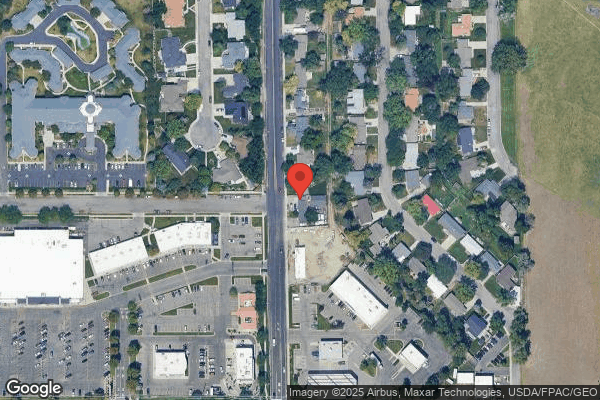
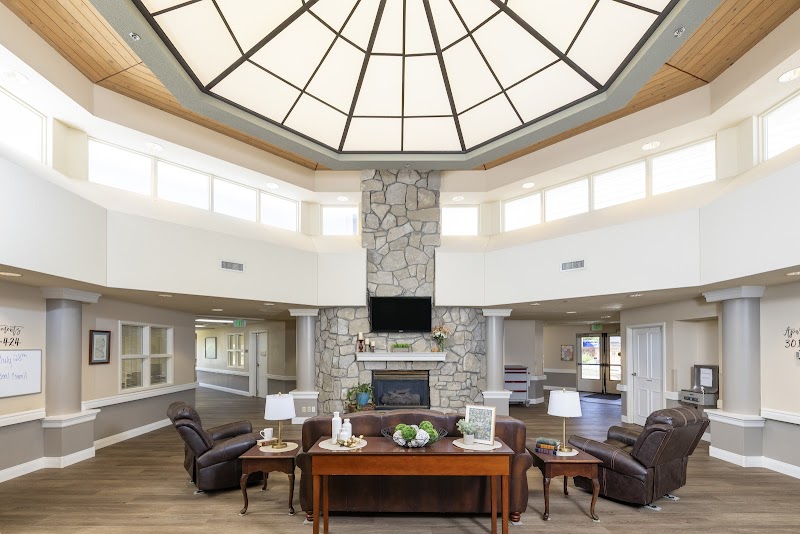
3155 AVE C, BILLINGS, MT 59102 (406) 656-8818
For profit - Corporation 90 Beds EMPRES OPERATED BY EVERGREEN Data: November 2025
Trust Grade
10/100
#38 of 59 in MT
Last Inspection: April 2025

Within standard 12-15 month inspection cycle. Federal law requires annual inspections.

Overview

Aspen Meadows Health and Rehabilitation Center has received a Trust Grade of F, indicating significant concerns about the quality of care provided. Ranking #38 out of 59 facilities in Montana places it in the bottom half, and #3 out of 6 in Yellowstone County means only two local options are worse. The facility is worsening, with issues increasing from 6 in 2024 to 14 in 2025. Staffing is a major concern, earning just 1 out of 5 stars, with a high turnover rate of 71%, which is significantly above the state average. Additionally, the facility has incurred $118,502 in fines, reflecting compliance problems more severe than 85% of Montana facilities. The nursing home does have some strengths, such as a health inspection rating of 3 out of 5, but specific incidents raise serious red flags. For example, a resident's pressure ulcer worsened due to failure to provide ordered wound care, and another resident experienced a significant fall due to inadequate supervision. Furthermore, a resident was sent to the ER for dehydration because staff did not ensure that water was within reach. Overall, while there are some areas of average performance, the significant weaknesses in care and staffing make this facility a concerning option for families.

Trust Score
F
10/100
In Montana
#38/59
Bottom 36%
Safety Record
High Risk
Review needed
Inspections
Getting Worse
6 → 14 violations
Staff Stability
⚠ Watch
71% turnover. Very high, 23 points above average. Constant new faces learning your loved one's needs.
Penalties
⚠ Watch
$118,502 in fines. Higher than 88% of Montana facilities, suggesting repeated compliance issues.
Skilled Nurses
○ Average
Each resident gets 30 minutes of Registered Nurse (RN) attention daily — about average for Montana. RNs are the most trained staff who monitor for health changes.
Violations
⚠ Watch
32 deficiencies on record. Higher than average. Multiple issues found across inspections.
★★☆☆☆
2.0
Overall Rating
★☆☆☆☆
1.0
Staff Levels
★★☆☆☆
2.0
Care Quality
★★★☆☆
3.0
Inspection Score
Stable
2024: 6 issues
2025: 14 issues

The Good

  • Full Sprinkler Coverage · Fire safety systems throughout facility
  • No fines on record

Facility shows strength in fire safety.

The Bad

2-Star Overall Rating

Below Montana average (2.9)

Below average - review inspection findings carefully

Staff Turnover: 71%

25pts above Montana avg (46%)

Frequent staff changes - ask about care continuity

Federal Fines: $118,502

Well above median ($33,413)

Significant penalties indicating serious issues

Chain: EMPRES OPERATED BY EVERGREEN

Part of a multi-facility chain

Ask about local staffing decisions and management

Staff turnover is very high (71%)

23 points above Montana average of 48%

The Ugly 32 deficiencies on record

3 actual harm
Sept 2025 2 deficiencies
CONCERN (D) 📢 Someone Reported This

A family member, employee, or ombudsman was alarmed enough to file a formal complaint

Potential for Harm - no one hurt, but risky conditions existed

Deficiency F0554 (Tag F0554)

Could have caused harm · This affected 1 resident

Based on observation, interview, and record review, the facility failed to ensure a resident who had medications left at bedside was assessed, and a physician's order was obtained for the safe self-ad...

Read full inspector narrative →
Based on observation, interview, and record review, the facility failed to ensure a resident who had medications left at bedside was assessed, and a physician's order was obtained for the safe self-administration of medications, for 1 (#5) of 7 sampled residents. Findings include:During an observation and interview, on 9/9/25 at 7:14 a.m., staff member E prepared resident #5's medication and put them into a medication cup. Staff member E opened resident #5's door and placed the medications in the resident's room on the bedside table. Staff member E stated, She's (resident #5) sleeping, I leave them in there for her to take when she wakes up, most of the time she won't take them in front of me and says she will take them when she is ready to take them.During an interview on 9/9/25 at 9:20 a.m., resident #5 stated, Staff often leave my medication in my room for me to take when I'm ready to take them. Sometimes they will watch me take them, but not always.During an interview on 9/9/25 at 3:25 p.m., staff member A stated it was not okay to leave medications at the bedside for residents unless they had been assessed for the self-administration of medications.Review of resident #5's electronic medical record failed to show a physician's order for the self-administration of medications and failed to show that a safety assessment had been completed to determine if resident #5 was safe to self-administer her own medications.Review of a facility document titled Medication Administration: Self-Administration by Resident, dated January 2023, showed: Policy: Residents who desire to self-administer medications are permitted to do so with a prescriber's order and if the nursing care center's interdisciplinary team has determined that the practice would be safe and the medications are appropriate and safe for self-administration.Procedures: 1. If the resident desires to self-administer medications, an assessment is conducted by the interdisciplinary team of the resident's cognitive, physical, and visual ability to carry out this responsibility, during the care planning process. [sic]
CONCERN (E) 📢 Someone Reported This

A family member, employee, or ombudsman was alarmed enough to file a formal complaint

Potential for Harm - no one hurt, but risky conditions existed

Deficiency F0725 (Tag F0725)

Could have caused harm · This affected multiple residents

**NOTE- TERMS IN BRACKETS HAVE BEEN EDITED TO PROTECT CONFIDENTIALITY** Based on interview and record review, the facility failed to schedule sufficient staff to ensure call lights were answered timel...

Read full inspector narrative →
**NOTE- TERMS IN BRACKETS HAVE BEEN EDITED TO PROTECT CONFIDENTIALITY** Based on interview and record review, the facility failed to schedule sufficient staff to ensure call lights were answered timely for 3 (#s 1, 2, and 3) of 7 sampled residents, and staff were using mechanical lifts with the appropriate number of staff for 1 (#5) of 7 sampled residents. This deficient practice had the potential to negatively impact all residents who use a call light by causing incontinent episodes and increases the risk of injury for all residents who need a mechanical lift for transfers. Findings include: 1. During an interview on 9/9/25 at 7:32 a.m., staff member D stated, I think the facility is understaffed 80 percent of the time. We (staff) try to get all our tasks done but some days it is hard. The facility is always trying to get people to pick up extra shifts. During an interview on 9/9/25 at 9:31 a.m., resident #1 stated, I do not feel as though the facility has enough staff. I don't always get the care I need due to the staff being too busy. The call lights are not always answered promptly. It takes a while to get help sometimes.During an interview on 9/9/25 at 9:35 a.m., resident #2 stated, I don't think there is enough staff to assist all of us (residents). Sometimes it takes 30 to 40 minutes to get the call light answered. That is a long time when you need to use the bathroom. During an interview on 9/9/25 at 9:37 a.m., resident #3 stated, There isn't enough staff, it is slow to get the call light answered most of the time. It takes 20 minutes or longer most times. During an interview on 9/9/25 at 3:25 p.m., staff member A stated she did not specifically have a policy on call lights. Staff member A stated It is the expectation of the facility staff that on most occasions, call lights are to be answered in at least 15 minutes. Staff member A stated that the facility has offered incentive bonuses for individuals who pick up extra shifts. Staff member A stated it is hard to find people who want to work. The facility covers employee call-offs and unfilled shifts with travel agency staff. During an interview on 9/10/25 at 7:19 a.m., staff member B stated, I have worked in other facilities, and I do not think this facility has enough staff for the acuity of the residents. Staff member B stated, the on-call person sends text messages all the time to see if we (staff) can pick up extra shifts. The facility has offered bonuses to staff to pick up shifts. Review of a facility document titled Call Light Response Audit, showed: . 8/3/25 - room [ROOM NUMBER]-2 - Time Light Turned ON: 0900 (9:00 a.m.) - Time Light Turned OFF: 0935 (9:35 a.m.) (35 minutes) .room [ROOM NUMBER]-1 - Time Light Turned ON: 0915 (9:15 a.m.) - Time Light Turned OFF: 0945 (9:45 a.m.) (30 minutes),room [ROOM NUMBER]-1 - Time Light Turned ON: 0917 (9:17 a.m.) - Time Light Turned OFF: 0935 (9:35 a.m.) (18 minutes) .room [ROOM NUMBER] - Time Light Turned ON: 0931 (9:31 a.m.) - Time Light Turned OFF: 0955 (9:55 a.m.) (24 minutes),8/30/25 - room [ROOM NUMBER] - Time Light Turned ON: 1:02 (1:02 a.m.) - Time Light Turned OFF: 1:23 (1:23 a.m.) (21 minutes) .A facility policy on call lights was requested on 9/8/25 at 3:52 p.m., no call light policy was received from the facility by the end of the survey.2. During an interview on 9/9/25 at 7:32 a.m., staff member D stated, It takes two staff members to use the lifts. I do use them (lifts) by myself when we are short-staffed or when I cannot get assistance. I know I'm not supposed to, but I do.During an interview on 9/9/25 at 7:43 a.m., staff member C stated, All lifts (mechanical) are a two-person transfer. I will do a lift transfer by myself when I can't get someone to assist me. I know we (staff) aren't supposed to but what else can we do? We don't want to make the residents wait longer than they need to. During an interview on 9/9/25 at 9:20 a.m., resident #5 stated, . Sometimes there is only one staff member to assist me with transfers. At other times there are two.Review of resident #5‘s care plan with a revision date of 5/14/25 showed: Transfer: Transfer between bed and chair or wheelchair: dependent assist of two . Transfers: Hoyer .During an interview on 9/9/25 at 3:25 p.m., staff member A stated she thought it would take two people to use a lift and stated, I will look for a policy on lifts. During an interview on 9/10/25 at 7:24 a.m., staff member A stated, I cannot find a policy on lifts and have reviewed the manuals and cannot find where it says how many people it should take to use them. Staff member A said she had watched a video about the lift they have, and in the video, it showed one person using the Hoyer lift. Staff member A stated she would still require two people to use the Hoyer lifts as she feels it is safest. A facility policy on lift use was requested on 9/8/25 at 3:52 p.m., and no lift use policy was received from the facility by the end of the survey.
Apr 2025 7 deficiencies
CONCERN (D)

Potential for Harm - no one hurt, but risky conditions existed

Transfer Requirements (Tag F0622)

Could have caused harm · This affected 1 resident

Based on interview and record review, facility staff failed to provide pertinent medical information to the receiving facility at the time of transfer for 2 (#s 35 and 43) of 17 sampled residents. Fin...

Read full inspector narrative →
Based on interview and record review, facility staff failed to provide pertinent medical information to the receiving facility at the time of transfer for 2 (#s 35 and 43) of 17 sampled residents. Findings include: 1. Review of resident #35's nursing progress notes, dated 6/3/24, showed the resident was transferred to a hospital with low blood pressure, elevated heart rate, and decreased urine output. Review of resident #35's electronic medical record failed to show facility staff had sent required medical information with the resident for the accepting medical provider. On 4/10/25, a request was made for a copy of resident #35's medical information provided to the receiving facility for the resident's hospital transfer on 6/3/24. No documentation had been received by the end of the survey. 2. Review of resident #43's nursing progress notes, dated 2/18/25, showed the resident was transferred to a hospital with coffee ground emesis and black tar stool. Review of resident #43's electronic medical record failed to show facility staff had sent required medical information with the resident for the accepting medical provider. On 4/9/25, a request was made for a copy of resident #43's medical information provided to the receiving facility for the resident's hospital transfer on 2/18/25. No documentation had been received by the end of the survey. During an interview on 4/10/24 at 8:00 a.m., staff member B said when a resident was transferred to the hospital the nurse was to fill out an e-interact transfer document in the resident's electronic medical record. The document was then printed and sent with the resident to the hospital. Staff member B said the e-interact document included the most current medication, treatment information, resident demographics, and a copy of the resident's Provider Orders for Life Sustaining Treatment. Staff member B stated resident #35 and resident #43's electronic medical record did not show the transfer document had been created for the hospital transfers.
CONCERN (D)

Potential for Harm - no one hurt, but risky conditions existed

Deficiency F0655 (Tag F0655)

Could have caused harm · This affected 1 resident

Based on observation, interview, and record review, the facility failed to develop and implement a resident-centered baseline care plan for 1 (#115) of 17 sampled residents. Findings include: During a...

Read full inspector narrative →
Based on observation, interview, and record review, the facility failed to develop and implement a resident-centered baseline care plan for 1 (#115) of 17 sampled residents. Findings include: During an observation and interview on 4/8/25 at 9:10 a.m., resident #115 was sitting in a wheelchair in his room. Resident #115 said he had pins and needles from his toes to his hips. The resident had wraps on both legs, from his toes to just below his knees. Resident #115 said they (the staff) were changing the wraps every couple of days. The resident said he was using the sit-to-stand lift for transfers and was working with therapy to get stronger. Review of resident #115's baseline care plan, initiated on 4/6/25, showed a template had been used to provide a list of functional activities with choices for how much assistance was needed. The care plan showed the list of functional activities, but failed to specify the amount of assistance needed. The care plan also failed to address the resident's use of a lift for transfers and his lower leg infection with associated dressing changes. During an interview on 4/10/25 at 9:26 a.m., staff member C stated it was the floor nurse's responsibility to complete the template used to do the baseline care plan. Staff member C stated the level of assistance would be documented by the nurse and revised by physical therapy as needed.
CONCERN (D)

Potential for Harm - no one hurt, but risky conditions existed

Comprehensive Care Plan (Tag F0656)

Could have caused harm · This affected 1 resident

Based on observation, interview, and record review, the facility failed to implement a comprehensive, resident-centered care plan which identified residents' physical and psychosocial needs to reach t...

Read full inspector narrative →
Based on observation, interview, and record review, the facility failed to implement a comprehensive, resident-centered care plan which identified residents' physical and psychosocial needs to reach their highest practicable level of well-being for 1 (#9) of 17 sampled residents. Findings include: During an observation and interview on 4/7/25 at 1:44 p.m., resident #9 was seated in a wheelchair in his room. Resident #9's voice was observed to be at the level of a strained whisper. Resident #9 was having difficulty speaking louder than a whisper, and was straining to enunciate his words. Resident #9 stated, It's hard for people to understand me. A long time ago, I saw an ENT, but the voice was better then, and I don't remember much about that visit. I would like to go see someone about my voice again and would like people to understand me better. It's hard to strain all the time for people to hear me. I quit smoking in December, maybe it has to do with that. During an interview on 4/7/25 at 2:05 p.m., staff member D stated, He (resident #9) is really difficult to understand, like he has laryngitis or something, but it's been a long time now. During an interview on 4/8/25 at 9:05 a.m., staff member F stated, I don't have any idea why his (resident #9's) voice is so weak. During an interview on 4/8/25 at 2:12 p.m., staff member G stated, His (resident #9's) voice has been like that as long as I have been here. Review of resident #9's care plan, initiated on 12/5/24, and last updated on 4/6/25, failed to show a focus area or interventions related to resident #9's communication difficulty.
CONCERN (D)

Potential for Harm - no one hurt, but risky conditions existed

Deficiency F0657 (Tag F0657)

Could have caused harm · This affected 1 resident

Based on observation, interview, and record review, the facility failed to update a care plan to reflect a new surgical wound, and wound management, for 1 (#14) of 17 sampled residents. The failure pl...

Read full inspector narrative →
Based on observation, interview, and record review, the facility failed to update a care plan to reflect a new surgical wound, and wound management, for 1 (#14) of 17 sampled residents. The failure placed the resident at risk for improper wound care, wound deterioration, or infection. Findings include: During an observation and interview on 4/7/25 at 4:23 p.m., resident #14 was sitting in a wheelchair facing the door. A right foot dressing was observed. Resident #14 stated his toes were recently amputated and he was unable to walk. During an interview on 4/9/25 at 11:45 a.m., staff member B stated the care plan should reflect all current care concerns for each resident. Staff member B stated the care plans were updated by nurses, the IDT, or administrative staff whenever resident changes occurred. Review of resident #14's physician progress notes showed a surgical amputation of the right toes on 3/3/25. The amputation was related to vascular insufficiency and diabetes. Post-operative wound orders, dated 3/3/25, showed, non-weightbearing with his right lower extremity and wear a postop shoe when out of bed with mobilization using a Hoyer lift. - wound care, podiatry recommended dressing of right amputation with Xeroform, 4 x 4 gauze, Kerlix, Ace bandage with mild compression to be changed twice weekly. - please have wound care NP and wound care nurse follow. [sic] Review of resident #14's care plan, initiated on 3/3/25, with the latest revision on 4/6/25, failed to show any entries regarding the right foot surgical procedure, wound care, wound monitoring, or mobilization requirements.
CONCERN (D)

Potential for Harm - no one hurt, but risky conditions existed

ADL Care (Tag F0677)

Could have caused harm · This affected 1 resident

Based on observation, interview, and record review, the facility failed to provide timely ADL services to a dependent resident for 1 (#9) of 17 sampled residents. This failure placed the resident at i...

Read full inspector narrative →
Based on observation, interview, and record review, the facility failed to provide timely ADL services to a dependent resident for 1 (#9) of 17 sampled residents. This failure placed the resident at increased risk for falls, injury, psychological distress, and pain. Findings include: During an observation and interview on 4/7/25 at 1:44 p.m., resident #9 was observed in his wheelchair. His call light was lying on the bed. He reached over and pressed his call light at 1:58 p.m., stating, Excuse me, I need to get back to bed. My leg is hurting and I need to get it up. Resident #9 then stated, I can't get up on my own anymore, I am pretty weak . My voice is not good, so I can't call out for help when I need it, and the call lights are a big problem here. I have to wait sometimes up to an hour for help. I have waited at least a half hour in the bathroom alone. They don't want me to try to get into bed by myself, but then they don't come in either. It makes me pretty upset, and then they act like they don't understand why I am mad when they finally do come in. Continued observations were made between the time resident #9 pressed his call light and when the staff entered his room, as follows: At 1:58 p.m., staff members D and E were observed chatting socially with residents in the hall. Three call lights, including resident #9's, were on at this time. Staff member D left the hall at 2:01 p.m., to obtain a sit-to-stand lift device. Staff member E continued to chat with a unidentified resident in the hall. Staff member D returned at 2:04 p.m., and both staff entered a room to assist a resident. Both staff exited the first room at 2:14 p.m. and entered another room shortly afterward. At 2:20 p.m., both staff exited the second room, and were observed chatting and laughing with two residents in the hall. At 2:31 p.m., both staff entered resident #9's room and assisted him to the bathroom and then to bed. The observation revealed resident #9 waited a total of 33 minutes for assistance, and at no time, between 1:58 p.m. and 2:31 p.m., did a staff member check to ensure resident #9 was not having an emergency or to assess his needs. During an interview on 4/8/25 at 2:32 p.m., staff member B stated the facility was currently fully staffed for CNAs, and her expectation for call light response time would be 15 minutes or less. Staff member B stated the facility's call light system did not generate a historical log which could have been reviewed. Review of resident #9's care plan fall prevention focus area, dated 12/15/24, and updated on 12/24/24, showed resident #9 had a history of falls, and was at risk to fall. Care plan fall Interventions included the following: . Anticipate and meet [resident #9's] needs. . Be sure [resident #9's] call light is within reach and encourage [resident #9] to use it for assistance as needed. . Encourage and remind [resident #9] to use call light for staff assist as needed. [sic] Review of resident #9's care plan ADL focus area, dated 12/15/24, and updated on 2/21/25, showed resident #9 was dependent on staff for ADLs for most basic needs, including mobility, toileting, bathing, and repositioning. Resident #9's care plan ADL goal was listed as, [Resident #9] will have ADL/Functional Ability needs met. [sic]
CONCERN (D)

Potential for Harm - no one hurt, but risky conditions existed

Drug Regimen Review (Tag F0756)

Could have caused harm · This affected 1 resident

Based on interview and record review, the facility failed to ensure a pharmacist's recommendation for gradual dose reductions were addressed for two psychotropic medications ordered by a provider for ...

Read full inspector narrative →
Based on interview and record review, the facility failed to ensure a pharmacist's recommendation for gradual dose reductions were addressed for two psychotropic medications ordered by a provider for 1 (#40) of 5 sampled residents for medication regimen review. Findings include: Review of resident #40's medication regimen review, dated 10/9/24, showed the pharmacist recommended gradual dose reductions for quetiapine 150 mg at bedtime and clonazepam 0.5 mg twice daily. The medication regimen review form showed a handwritten note, follows psych, which was dated 10/16/24. During an interview on 4/10/25 at 10:30 a.m., staff member B stated the previous DON was responsible for the medication review follow-up. Staff member B stated the previous DON no longer worked for the facility. When asked, staff member B stated she was not able to locate medical record documentation which addressed the recommended gradual dose reductions for resident #40. A request was made on 4/9/25 for documentation which addressed the recommended gradual dose reductions for resident #40. None was received prior to the end of the survey.
CONCERN (D)

Potential for Harm - no one hurt, but risky conditions existed

Infection Control (Tag F0880)

Could have caused harm · This affected 1 resident

Based on observation, interview, and record review, the facility failed to ensure staff practiced appropriate use of personal protective equipment (PPE), during care of a resident on enhanced barrier ...

Read full inspector narrative →
Based on observation, interview, and record review, the facility failed to ensure staff practiced appropriate use of personal protective equipment (PPE), during care of a resident on enhanced barrier precautions (EBP) for 1 (#9) of 17 sampled residents. The failure increased the risk of MDRO infections within the facility. Findings include: During an observation and interview on 4/7/25 at 1:44 p.m., resident #9 was seated in a wheelchair in his room. A dressing was noted to his left foot. A yellow door-mounted PPE holder was attached to resident #9's door. Pointing to the PPE holder, resident #9 stated, I don't know what that is for, it just appeared while I was at lunch today. Resident #9 stated the staff did not wear gowns when providing personal care or when changing his wound dressing. During an observation on 4/7/25 at 2:31 p.m., staff members D and E entered resident #9's room, assisted him to the bathroom, and then assisted him to bed. Neither staff member wore gowns while providing care for resident #9. During an interview on 4/7/25 at 2:40 p.m., staff member E stated, Those yellow (PPE) holders are new. Most of them were hung up today. I have been off for a week, so I don't know anything about them. They (the PPE holders) don't really apply to us, but I am sure the nurses use them for dressing changes. During an interview on 4/9/25 at 3:44 p.m., staff member B stated the staff were not using EBP consistently in the facility and had been re-educated during the survey period. Review of resident #9's EHR diagnoses list, showed a history of MRSA infection in the past, and a current Stage 3 pressure ulcer, of the left foot. Review of the facility document titled, Infection Control Policies and Practices, revised on 3/19/25, showed: Enhanced Barrier Precautions (EBP) are designed to reduce transmission of multidrug-resistant organisms (MDROs). EBP involve the use of gowns and gloves by care providers, during high-contact resident care activities. EBP are used when caring for residents with colonization of infection with a targeted and epidemiologically MDRO, chronic wounds, or indwelling medical device/s. [sic]
Jan 2025 5 deficiencies
CONCERN (D) 📢 Someone Reported This

A family member, employee, or ombudsman was alarmed enough to file a formal complaint

Potential for Harm - no one hurt, but risky conditions existed

Deficiency F0655 (Tag F0655)

Could have caused harm · This affected 1 resident

**NOTE- TERMS IN BRACKETS HAVE BEEN EDITED TO PROTECT CONFIDENTIALITY** Based on observation, interview, and record review, facility staff failed to identify care concerns for a resident who was restr...

Read full inspector narrative →
**NOTE- TERMS IN BRACKETS HAVE BEEN EDITED TO PROTECT CONFIDENTIALITY** Based on observation, interview, and record review, facility staff failed to identify care concerns for a resident who was restricted to right lower extremity non-weight bearing status, and failed to develop and implement a baseline care plan within 48 hours of admission, to address resident care needs, for 1 (#4) of 20 sampled residents. Findings include: During an interview on 1/15/25 at 9:52 a.m., resident #4 was observed in her room sitting in her wheelchair. Resident #4 stated she admitted to the hospital on [DATE]. Resident #4 stated she was admitted to the hospital after falling, while out on a walk, and the resident sustained a right hip fracture. Resident #4 stated she admitted to the long-term care center on 12/30/24, for additional physical and occupational therapy services, due to her restricted right lower extremity non-weight bearing status. During an interview on 1/16/25 at 12:47 p.m., staff member B stated the MDS nurse had been responsible to complete the resident baseline care plan. The process has since changed and baseline care plans are reviewed by the interdisciplinary team during the facility's morning meeting. Staff member B stated she was not aware if the computer software would allow an entry for a resident's weight bearing status on a baseline care plan and would need to go back and review the options within the system. Staff member B stated the baseline care plan was to be completed within 48 hours of a resident's admission. Review of resident #4's history and physical, from the hospital, dated 12/22/24, showed resident #4 had a fall and sustained a fracture of the right acetabulum which was non-operable. Resident #4 was placed on non-weight bearing status to the right lower extremity for six weeks. Review of resident #4's baseline care plan, dated 1/2/25, showed a focus, goals, and interventions for bathing, advance directives, and discharge planning. The baseline care plan failed to identify or address a focus, goals, or interventions for nutrition, pain, weight bearing status, and therapy needs. The facility failed to complete resident #4's baseline care plan within 48 hours of the resident's admission to the facility.
CONCERN (D) 📢 Someone Reported This

A family member, employee, or ombudsman was alarmed enough to file a formal complaint

Potential for Harm - no one hurt, but risky conditions existed

Deficiency F0726 (Tag F0726)

Could have caused harm · This affected 1 resident

Based on interview and record review, licensed nurses failed to uphold and provide competent nursing services by failing to administer medication by following the professional standards of medication ...

Read full inspector narrative →
Based on interview and record review, licensed nurses failed to uphold and provide competent nursing services by failing to administer medication by following the professional standards of medication administration, for 2 (#s 6 and 13) out of 20 sampled residents. Findings include: 1. Review of resident #13's physician order, dated 9/17/24, included documentation on the medication administration record which directed the resident to have Diazepam 5mg/ml, intramuscularly, every 15 minutes, as needed for seizures. The narcotics medication log showed resident #13 was to be given Diazepam 5mg/5ml, one ml by mouth for seizures. No order was found on the medication administration record for the oral dose of Diazepam. Review of resident #13's nursing note, dated 11/19/24, showed a nurse identified a medication error was made when two doses of seizure medication diazepam was given instead of the prescribed pain medication, hydromorphone. Staff member Q signed the narcotics medication log for the oral Diazepam. On 11/19/24 at 10:06 a.m., and 5:00 p.m., staff member Q signed out resident #13's oral Diazepam from the narcotics medication log. Staff member Q documented on resident #13's medication administration record that the Diazepam was given intramuscularly on 11/19/24 at 5:00 p.m. Review of nurse's notes, dated 11/19/24, did not show seizure activity for resident #13. Review of resident #13's medication administration record showed no documentation was completed for the 10:06 a.m. dose of Diazepam. Resident #13's medication administration record showed staff member Q signed the 8:00 a.m. and 2:00 p.m., doses of Hydromorphone as given per the order. Review of resident #13's narcotics log showed Hydromorphone was not removed from the locked cabinet at 8:00 a.m. and 2:00 p.m., on 11/19/24. Review of staff member Q's skills competency rating, dated 2/26/24, showed staff member Q was proficient in administering oral and intramuscular medications. Competency for skills regarding documentation was not assessed. The self assessed skills competency rating was completed and signed by staff member Q. The skills competency rating was not co-signed or verified by a registered nurse identifying the nurse was competent in administering medication or documenting accurately. During an interview on 1/16/25 at 12:50 p.m., staff member B was aware of the medication error for resident #13. Staff member B said some of the medication errors were due to the times the medications were scheduled to be administered. The residents were scheduled for narcotics at the time when staff would be doing a shift change and the staff would be confused as to whose responsibility it was to administer the medication. Staff member B said resident #13 would get Diazepam orally as there was not an order for intramuscular medication. 2. During an interview on 1/15/25 at 1:36 p.m., resident #6 stated on 12/25/24 at 12:00 a.m., a nurse entered her room holding what appeared to look like a pen in her hand. Resident #6 asked the nurse what was in her hand. Resident #6 stated the nurse said the pen was insulin. Resident #6 stated she told the nurse, I have never taken insulin in my life. Resident #6 stated by the time she had completed her sentence the nurse had injected the insulin in the right upper quadrant of her abdomen. Resident #6 stated she had no ill effects from the incident. During an interview on 1/16/25 at 12:47 p.m., staff member B stated the facility immediately terminated staff member NF5's contract. Staff member B said NF5 worked 12/25/24 from 6:00 p.m. until 1:00 a.m. on 12/26/24 and did not tell any staff that insulin was administered to a non diabetic resident. Review of a facility document titled Medication Error Report, dated 12/25/24, showed resident #6 reported to the certified medication aide the nurse on the prior shift gave her insulin during the night. Resident #6 said she told the nurse she was not a diabetic and had never received insulin in her life. Resident #6 said the nurse did not respond to her and administered the insulin anyway.
CONCERN (D) 📢 Someone Reported This

A family member, employee, or ombudsman was alarmed enough to file a formal complaint

Potential for Harm - no one hurt, but risky conditions existed

Deficiency F0760 (Tag F0760)

Could have caused harm · This affected 1 resident

Based on interview and record review, licensed nurses failed to uphold and provide competent nursing services by failing to administer medication by following the professional standards of medication ...

Read full inspector narrative →
Based on interview and record review, licensed nurses failed to uphold and provide competent nursing services by failing to administer medication by following the professional standards of medication administration, for 2 (#s 6 and 13) out of 20 sampled residents. Findings include: 1. Review of resident #13's physician order, dated 9/17/24, included documentation on the medication administration record which directed the resident to have Diazepam 5mg/ml, intramuscularly, every 15 minutes, as needed for seizures. The narcotics medication log showed resident #13 was to be given Diazepam 5mg/5ml, one ml by mouth for seizures. No order was found on the medication administration record for the oral dose of Diazepam. Review of resident #13's nursing note, dated 11/19/24, showed a nurse identified a medication error was made when two doses of seizure medication diazepam was given instead of the prescribed pain medication, hydromorphone. Staff member Q signed the narcotics medication log for the oral Diazepam. On 11/19/24 at 10:06 a.m., and 5:00 p.m., staff member Q signed out resident #13's oral Diazepam from the narcotics medication log. Staff member Q documented on resident #13's medication administration record that the Diazepam was given intramuscularly on 11/19/24 at 5:00 p.m. Review of nurse's notes, dated 11/19/24, did not show seizure activity for resident #13. Review of resident #13's medication administration record showed no documentation was completed for the 10:06 a.m. dose of Diazepam. Resident #13's medication administration record showed staff member Q signed the 8:00 a.m. and 2:00 p.m., doses of Hydromorphone as given per the order. Review of resident #13's narcotics log showed Hydromorphone was not removed from the locked cabinet at 8:00 a.m. and 2:00 p.m., on 11/19/24. Review of staff member Q's skills competency rating, dated 2/26/24, showed staff member Q was proficient in administering oral and intramuscular medications. Competency for skills regarding documentation was not assessed. The self assessed skills competency rating was completed and signed by staff member Q. The skills competency rating was not co-signed or verified by a registered nurse identifying the nurse was competent in administering medication or documenting accurately. During an interview on 1/16/25 at 12:50 p.m., staff member B was aware of the medication error for resident #13. Staff member B said some of the medication errors were due to the times the medications were scheduled to be administered. The residents were scheduled for narcotics at the time when staff would be doing a shift change and the staff would be confused as to whose responsibility it was to administer the medication. Staff member B said resident #13 would get Diazepam orally as there was not an order for intramuscular medication. 2. During an interview on 1/15/25 at 1:36 p.m., resident #6 was observed in her room sitting in her wheelchair. Resident #6 stated on 12/25/24 at 12:00 a.m., a nurse entered her room holding what appeared to look like a pen in her hand. Resident #6 asked the nurse what was in her hand. Resident #6 stated the nurse said the pen was insulin. Resident #6 stated she told the nurse, I have never taken insulin in my life. Resident #6 stated by the time she had completed her sentence the nurse had injected the insulin in the right upper quadrant of her abdomen. Resident #6 stated she was angry because no regard was given to what she had told the nurse. Resident #6 stated she was able to go to sleep after she received the injection and told the day shift nurse what had happened before she received her morning medications, on 12/25/24. Resident #6 stated she had no ill effects from the incident. During an interview on 1/16/25 at 12:47 p.m., staff member B stated the NF5 worked 12/25/24 from 6:00 p.m., until 1:00 a.m. on 12/26/24. Staff member NF5 failed to report that insulin was given to a non diabetic resident. Staff member B immediately terminated staff member NF5's contract. Staff member B stated, she reported the incident to NF5's contract agency, and the State Board of Nursing. Staff member B said the facility has included training for subcutaneous injection of medication to all travel nurses and the new hire nurse orientation packets. Review of a facility document titled Medication Error Report, dated 12/25/24, showed resident #6 reported to the certified medication aide the nurse on the prior shift gave her insulin during the night. Resident #6 said she told the nurse she was not a diabetic and had never received insulin in her life. Resident #6 said the nurse did not respond to her and administered the insulin anyway. Resident #6 was not aware of how much insulin she received. The facility nurse checked resident #6's blood glucose level, which was 60 mg/dL. Resident #6 was given orange juice and breakfast to raise her glucose level. The medication error was reported to the medical provider and interdisciplinary team. Resident #6 required no additional interventions.
CONCERN (E) 📢 Someone Reported This

A family member, employee, or ombudsman was alarmed enough to file a formal complaint

Potential for Harm - no one hurt, but risky conditions existed

ADL Care (Tag F0677)

Could have caused harm · This affected multiple residents

Based on observation, interview, and record review, the facility failed to provide assistance with ADL's for dependent residents, for 4 (#s 8, 23, 39 and 65) of 20 sampled residents, and the residents...

Read full inspector narrative →
Based on observation, interview, and record review, the facility failed to provide assistance with ADL's for dependent residents, for 4 (#s 8, 23, 39 and 65) of 20 sampled residents, and the residents were found to be unkempt, there was noticable body odor, and one voiced concerns of feeling neglected. Findings include: During an interview and record review on 1/14/25 at 11:56 a.m., resident #8 said he would like to have five baths per week like he used to get. Resident #8 said he is lucky to get three a week but usually just two. Resident #8 is alert and oriented and able to make his needs and wishes known. Review of resident #8's current care plan directed the staff to give him five baths per week. Resident #8 said he does not get washed up between baths. During an interview and record review on 1/16/25 at 9:05 a.m., resident #65 was observed with her blouse pulled away from her body and with her nose pointed down her shirt. Resident #65 said she was checking to see if she smelled bad because she missed her shower. Resident #65 said I need a shower, and my hair washed. Resident #65's hair was in small ponytails pulled back and away from her face, and then put into a braid down the back of her head. During the ten minute conversation, resident #65 frequently ran her hand over her hair trying to get it to stay down. Strands of loose hair was observed fluttering around her face. Resident #65 said she would like a bath twice a week, and resident #65's care plan directed the staff to bathe her twice weekly. The certified nurse assistant task list showed resident #65 had only received one bath from 1/1/25 through 1/15/25. Resident #65 said the facility had hired a new bath aide, and the schedule was messed up because the facility must re-do the schedules. Resident #65 said she does not get showers twice a week because the staff doesn't offer to bathe her. During an observation, record review, and interview on 1/16/25 at 11:15 a.m., resident #23 said the facility must help him with most of his care. Resident #23 said he wants one shower a week. During observation, resident #23, appeared unkempt with oily hair, and an unshaven face. Resident #23 was sitting in the Timbers dining room near several other residents. From where the surveyor sat across the table from resident #23, a strong body odor could be smelled. Resident #23's shower schedule was reviewed from 12/18/24 through 1/15/25 and showers were noted as having been provided on 12/18/24 and on 1/1/25. No further showers were noted to have been offered. Resident #23's care plan showed resident #23 was dependent with bathing and was to have one bath a week. During an interview and record review on 1/16/25 at 11:40 a.m., resident #39 said she would like two baths a week. Resident #39's care plan showed the staff are to bathe resident #39 twice a week. Resident #39 said the facility is short staffed and she had not had a bath in over ten days. Resident #39 said not getting her baths, made her head itch and made her feel neglected by the staff. During an interview on 1/16/25 at 11:25 a.m., staff member O said the facility occasionally had staff call off's from work. This left the units without enough CNAs (certified nurse assistants). Staff member O said when the staffing was short, the bath aides are pulled from completing the scheduled baths and are reassigned to assist with providing routine resident care. During an interview on 1/16/25 at 12:50 p.m., staff member B said the facility recently hired a new bath aide. The schedule was changed from eight-hour shifts to working twelve hour shifts, for the bath aides. Staff member B said one bath aide has requested a significant amount of personal time off and giving the time off has caused the scheduled baths to not get done. Staff member B said the bathing schedules are being re-vised to meet the resident's personal needs.
CONCERN (E) 📢 Someone Reported This

A family member, employee, or ombudsman was alarmed enough to file a formal complaint

Potential for Harm - no one hurt, but risky conditions existed

Pharmacy Services (Tag F0755)

Could have caused harm · This affected multiple residents

Based on interview and record review, the facility failed to ensure all controlled substance medications were accurately administered, accounted for, and documented, for 2 (#s 13 and 35) of 20 sampled...

Read full inspector narrative →
Based on interview and record review, the facility failed to ensure all controlled substance medications were accurately administered, accounted for, and documented, for 2 (#s 13 and 35) of 20 sampled residents. Findings include: Review of resident #13's nursing notes, dated 11/19/24, showed the nurse made a medication error and administered two doses of diazepam instead of the prescribed hydromorphone. Resident #13's medication administration record for 11/19/24, showed one dose of diazepam was given, and not two as shown in the nurse's notes. Review of the narcotics sign out log for 11/19/24, showed the nurse signed out two doses of diazepam. The narcotics log for resident #13, showed one dose of diazepam was signed out on 11/30/24, and there were no doses of diazepam documented in the medication administration record as being given to resident #13 on 11/30/24. Resident #13's medication administration record showed resident #13 received three doses of hydromorphone on 11/19/24. Review of resident #13's nurse's note, dated 11/19/24, showed the resident missed two of the three ordered doses of hydromorphone. Resident #13's hydromorphone narcotics log showed only one dose of hydromorphone signed out on 11/19/24. Review of resident #35's current physician orders showed resident #35 was to receive Tramadol 50mg tablets by mouth three times a day related to pain. Resident #35's December 2024 medication administration record showed the medication had been signed as administered three times a day for the entire month of December 2024. Review of the narcotic medication logs for resident #35 showed only two tablets were given on 12/12/24 and 12/23/24 and only one tablet was documented as used on the log on 12/9/24. None of those three medication errors were identified and investigated by the facility as part of the quality assurance process. During an interview on 1/16/25 at 12:50 p.m., staff member B said the facility had undergone a narcotics diversion investigation not long ago. Staff member B said due to the problems found with the system during the investigation, the facility completed audits consistently for a time. Staff member B said she completed audits as needed, and one nurse completed audits routinely. Staff member B said the pharmacy also completed audits and staff member B was alerted with any issues. Staff member B did not identify any problems with narcotics counts not matching the medication administration record and said she had not been alerted by the pharmacy of any discrepancies found. Staff member B was aware of the medication error for resident #13. Staff member B said some of the medication errors were due to the times the medications were scheduled to be administered. The residents were scheduled for narcotics at the time when staff would be doing a shift change, and the staff would be confused as to whose responsibility it was to administer the medication.
Oct 2024 1 deficiency 1 Harm
SERIOUS (G) 📢 Someone Reported This

A family member, employee, or ombudsman was alarmed enough to file a formal complaint

Actual Harm - a resident was hurt due to facility failures

Pressure Ulcer Prevention (Tag F0686)

A resident was harmed · This affected 1 resident

Based on observation, interview, and record review, the facility failed to provide wound care as ordered by the provider; and failed to implement and document physician ordered interventions intended ...

Read full inspector narrative →
Based on observation, interview, and record review, the facility failed to provide wound care as ordered by the provider; and failed to implement and document physician ordered interventions intended to mitigate worsening of a pressure ulcer, for 1 (#14) of 3 sampled residents with pressure wounds. These deficient practices contributed to the worsening of a pressure ulcer from nearly healed to a Stage III ulcer on the resident's heel. Findings include: 1. Pressure ulcer dressing changes not done as ordered Review of resident #14's provider orders, dated 8/23/24, showed the dressing change was, LEFT HEEL: cleanse ulcer with vashe wash, . pack with silver alginate rope, cover with opti-foam dressing. one time a day every Mon, Wed, Fri. [sic] Review of resident #14's provider progress note, dated 9/18/24, showed the resident's left heel ulcer had worsened with increased sloughing of yellow green tissue. The note also showed, Continued to emphasize to [resident #14 First Name] regarding the importance of offloading this ulcer to support wound healing. Educated that these types of ulcers are significantly pressure and weight related. Educated that without strict guidance to above, will likely never heal . Prevalon boot for offloading when supine and sitting. Review of resident #14's TAR, dated September of 2024, showed no dressing change was signed off as completed on 9/20/24. Review of resident #14's provider order, dated 9/25/24, showed, LEFT HEEL: Cleanse stage III with Vashe wash, pat dry, . apply foam to wound bed . cover all foam with transparent dressing. Wound vac to run continuously at 125mmHG. [sic] Review of resident #14's TAR, dated September of 2024, showed no dressing change was signed off as completed on 9/27/24. During an observation on 10/21/24 at 8:50 a.m., resident #14 was lying in bed and had a bulky Coban (special tape) dressing on his left heel with a date of 10/16 on it. Review of resident #14's provider order, dated 10/17/24, showed the dressing change was, LEFT HEEL: Cleanse wound and periwound with Vashe wound solution, apply gentian violet to peri wound, add metronidazole powder and silver alginate rope to wound bed, cover with ABD pad. one time a day every Mon, Wed, Fri for stage III. [sic] Review of resident #14's TAR, dated October of 2024, showed the dressing change on 10/18/24 was documented as completed by staff member F. During an interview on 10/21/24 at 9:32 a.m., staff member F stated she documented the completion of the dressing change on 10/18/24. But, did not actually do the dressing change. Staff member F stated the wound care nurse was there on that day and did the dressing change. During an interview on 10/21/24 at 9:55 a.m., staff member G stated she was responsible for wound care. But, she was only in the facility for a short time on Friday (10/18/24), but did not work. Staff member G stated it was the responsibility of the floor nurse to do their own treatments (dressing changes) when the wound nurse is not available. 2. Use of heel protector boots and a bolster pillow used for pressure ulcer prevention. During an observation and interview on 10/14/24 at 1:57 p.m., resident #14 was heard yelling Help from his room. Resident #14 was sitting up in his wheelchair and was not wearing the heel protector boot on his right foot. The resident's left foot had the heel protector boot on. However, his left foot had slipped off the footrest and was wedged between the footrests on his wheelchair. Resident #14 stated he was in pain and needed to go back to bed. Resident #14 stated he had been up in his wheelchair since about 10:30 (a.m.). During an observation and interview on 10/21/24 at 8:50 a.m., resident #14 was lying on his back in bed with his eyes closed and the head of the bed elevated. Resident #14 had a blue bolster pillow measuring approximately six inches thick and 18 inches wide place under both of his legs, and centered at his knees. There were also two regular bed pillows on top of the bolster pillow. When asked why he did not have the heel boots on, the resident stated, They say they don't have time. During an interview on 10/21/24 at 11:00 a.m., NF2 said she tried to attend #14's wound clinic appointments. NF2 stated she had been complaining to the facility staff for months about the improper placement of the bolster pillow, under the knees rather than under the calves, and the use of heel protector boots on both feet. NF2 stated she was told, by the wound clinic provider, the purpose of the bolster pillow was to allow the resident's heels to float and thereby minimize pressure. NF2 stated the wound clinic provider had ordered the heel protector boots to be on both feet at all times, except when ambulating. NF2 stated when she asked the facility staff about the heel protector boots, she was told resident #14 refused to have them on. During an interview on 10/21/24 at 3:15 p.m., staff member C stated she was not able to find documentation of the order for, or the consistent use of, the heel protector boots and the bolster pillow. Staff member C stated there were some refusals documented, but it was not documented consistently. Review of resident #14's nursing progress notes, dated between 8/21/24 and 10/17/24, showed the heel protector boots were refused by the resident on 8/21/24, 9/18/24, 9/23/24, 9/24/24, 9/26/24, and 10/17/24. Review of resident #14's nursing progress notes, dated between 8/20/24 and 10/16/24, showed the resident's heels were floated on 8/20/24, 8/21/24, 9/18/24 at 1:51 p.m., and the presence of a pressure ulcer was found on the resident's left heel. No other documentation of the use of heel protector boots was found in the EHR.
Apr 2024 5 deficiencies
CONCERN (D) 📢 Someone Reported This

A family member, employee, or ombudsman was alarmed enough to file a formal complaint

Potential for Harm - no one hurt, but risky conditions existed

Report Alleged Abuse (Tag F0609)

Could have caused harm · This affected 1 resident

Based on interview and record review, the facility failed to report a facility reported incident within the required timeframe for 1 (#38) of 28 sampled residents. Findings include: Review of a facili...

Read full inspector narrative →
Based on interview and record review, the facility failed to report a facility reported incident within the required timeframe for 1 (#38) of 28 sampled residents. Findings include: Review of a facility-reported incident, submitted on 2/2/24, showed staff were arguing in front of residents, causing the residents to be fearful. Review of resident #38's nurse progress note, dated 1/28/24, showed an incident where staff were arguing in front of resident #38 and her roommate. During an interview on 4/8/24 at 2:19 p.m., resident #38 stated, I told the nurse about the aides arguing. It really scared me how loud they both were and how they wouldn't stop arguing, even when I told them it was inappropriate . During an interview on 4/11/24 at 8:27 a.m., staff member A stated, The initial report should have been submitted on time. I think this incident is the one that I accidentally hit delete instead of the other button. Review of a facility document titled, Freedom from Abuse, Neglect, Corporal Punishment, Involuntary Seclusion, Mistreatment, Misappropriation of Resident Property, and Exploitation, with a revision date of October 2022, showed: Mandatory Reporter: Anyone who is an employee, manager, agent, operator, owner, or contractor of a Medicare or Medicaid-certified nursing facility, intermediate care facility, intellectual disabilities or hospice . -Immediately: means as soon as possible, in the absence of a shorter state time frame requirement, but not later than 2 hours after the allegations is made, if the events that cause the allegation involve abuse or result in serious bodily injury, or not later than 24 hours if the events that cause the allegation do not involve abuse and do not result in serious bodily injury. The incident was reported five days late and was reported at the same time as the findings of the investigation.
CONCERN (D)

Potential for Harm - no one hurt, but risky conditions existed

Deficiency F0688 (Tag F0688)

Could have caused harm · This affected 1 resident

2. During an interview on 4/9/24 at 8:21 a.m., resident #12 stated, I really want to regain my strength. I used to be able to walk, but now I'm in a wheelchair all the time. I would like to be able to...

Read full inspector narrative →
2. During an interview on 4/9/24 at 8:21 a.m., resident #12 stated, I really want to regain my strength. I used to be able to walk, but now I'm in a wheelchair all the time. I would like to be able to do more for myself, and I feel like they just want me to lay in this bed forever. Review of resident #12's Quarterly MDS, with an ARD of 12/4/23, showed resident #12's functional status as needing substantial assistance with showering, dressing, rolling left to right, sitting to lying, and transferring from bed to chair. Review of resident #12's Annual MDS, with an ARD of 3/5/24, showed resident #12's functional status as being dependent on staff for assistance with showering, dressing, rolling left to right, sitting to lying, and transferring from bed to chair. Which showed a decrease in her functional status. Review of resident #12's care plan, with a revision date of 4/2/24, showed, - Problem: resident #12 has impaired mobility (R/T), decreased ROM, and transfer skills. - Goal: I will improve/maintain my strength, ROM, & transfer abilities through the review date. - Interventions/Tasks: Nursing Rehab/Restorative, Active ROM Program, and Nursing Rehab/Restorative Transfer Program, both with an initiation date of 2/13/24. Review of resident #12's electronic medical record showed restorative services were not received consistently as follows: - February 2024: 28 days no restorative services were received, - March 2024: 28 days no restorative services were received, - April 2024: from April 1-11, 11 days no restorative services were received. Resident #12 received restorative therapy a total of four times in three months, 67 opportunities for restorative services were missed. Review of resident #12's Restorative Program Referral Form dated 2/13/24, showed, Reason for Referral: Resident Request, - Resident Goal: Improve/maintain strength, ROM, and transfer abilities. - Frequency: 6 x/week . [sic] During an interview on 4/10/24 at 4:27 p.m., staff member D stated, We are aware there are issues with our restorative program. We recently had one individual quit, and we are working on adjusting the schedules and the whole restorative program. Based on interview and record review, the facility failed to consistently provide and document restorative nursing services for residents with a decline in functional status, for 2 (#s 12 and 49) of 4 sampled residents with restorative service concerns. Findings include: 1. During an interview on 4/9/24 at 2:12 p.m., resident #49 stated, I feel like I am losing ground. I used to be able to walk with some assistance to the nurse's station, and now I doubt I could do that anymore. I was supposed to get help with exercises, but it doesn't happen often. I lost my therapy benefit through Medicaid and ever since then I have lost a lot of my strength. During an interview with staff members C and D, on 4/10/24 at 4:27 p.m., staff member D stated she oversees the restorative program for the facility and was responsible for obtaining the referrals, initiating the orders, and flow sheets for the restorative aides. Staff member C stated she currently was the only restorative aide, as they had one staff member leave. Staff member D stated she hadn't updated the referral and restorative orders to reflect the limited availability of restorative aides. Staff member D stated she had been recommending the CNAs could take on some of the restorative tasks and document them on the restorative flow sheet, but it wasn't being completed. Review of resident #49's Annual MDS, with an ARD of 11/3/23, showed resident #49's functional status as needing assistance for sitting to lying, and sit to stand. The MDS also showed resident #49 was using both a wheelchair and walker for mobility. Review of resident #49's Quarterly MDS, with an ARD of 1/31/24, showed resident #49's functional status as dependent for sitting to lying, and sit to stand. The MDS also showed resident #49 was no longer able to use a walker for mobility. Review of resident #49's restorative care referral, care plan, and restorative flow sheet, showed resident #49 was to receive restorative services twice daily (AM and PM shift), six days per week for, Bed Mobility Program and Walking Program beginning on 2/19/24. Review of resident #49's electronic medical record showed restorative services were received on the following dates: Bed Mobility Program: - February 2024: February 28 - March 2024: March 2, March 7, March 17, March 20, and March 22 - April 2024: April 4, April 5, and April 8 Walking Program: - February 2024: None - March 2024: March 2 and March 20 - April 2024: None Resident #49 received restorative therapy a total of 11 times between 2/19/24 and 4/10/24, with 196 opportunities for restorative services missed.
CONCERN (E) 📢 Someone Reported This

A family member, employee, or ombudsman was alarmed enough to file a formal complaint

Potential for Harm - no one hurt, but risky conditions existed

Safe Environment (Tag F0584)

Could have caused harm · This affected multiple residents

**NOTE- TERMS IN BRACKETS HAVE BEEN EDITED TO PROTECT CONFIDENTIALITY** 4. During an observation and interview on 4/8/24 at 3:22 p.m., with roommate residents #10 and #26, both residents reported hous...

Read full inspector narrative →
**NOTE- TERMS IN BRACKETS HAVE BEEN EDITED TO PROTECT CONFIDENTIALITY** 4. During an observation and interview on 4/8/24 at 3:22 p.m., with roommate residents #10 and #26, both residents reported housekeeping sweeps and mops the floors in their room [ROOM NUMBER]-3 times per week. Resident #26 stated, Maybe not even that often. Sometimes it's once a week and it's just a quick sweep.Resident #10 stated, I have been asking them to clean these black (anti-slip) strips for months now. All it would take is a little scrubbing and I don't think they are doing any good if they are dirty like that! Observation of the room shared by residents #10 and #26, showed streaks of sticky clear substance on the wall near the sink, dirty hand prints on the cabinet doors, and dirt and debris on the floor at all corners in the room. Behind and underneath both beds in the room, dust and debris were observed. Resident #10 stated, They never sweep under there. The non-slip strips next to resident #10's bed showed white fuzzy material and other debris covering the non-slip surface. The shared bathroom in resident #10 and #26's room showed multiple dark yellow/brown streaks coming down the front of the toilet bowel from the rim to the caulking on the floor. The caulking around the toilet base was dirty, and not adhered to the floor. Dead ants were observed on the floor near the base of the toilet. There was a large brown/yellow stain on bathroom light switch. 5. During an observation and interview on 4/10/24 at 10:15 a.m., the bathroom in resident #11's room showed dirty caulking around the base of the toilet. There were several large gaps in the caulking, and ants were observed carrying dark yellow debris through the gaps into the area underneath the toilet base. The over-bed table was covered with the resident's phone, three large drink cups, an open bottle of a protein shake, and a spoon. Several areas of dark brown wet stains, food crumbs, and an open and wet sugar packet were observed on the table. There was a recliner in the room, piled with equipment and supplies, including two wheelchair footrests, pressure relieving boots, an open container of personal wipes, an open box of tissues, two chair cushions, and one wedge cushion. The pile of equipment and supplies extended above the headrest on the chair. There were no other chairs in the room at the time of the observation. The recliner had an unidentifiable white material splattered on the leg rest. Resident #11 stated, They don't clean up after themselves much. It got so bad that they finally moved me out of here for a week and re-did the room. During an observation of resident #11's room and bathroom, on 4/11/24 at 9:48 a.m., ants were again visualized crawling into and out of the large gaps in the caulking at the base of the toilet. The recliner remained piled with supplies and equipment. There was a wheelchair in the corner of the room. The wheelchair seat and left arm were streaked with an unidentifiable light beige substance. No chair cushion was observed on the seat, although two were observed on the bottom of the pile which remained on the recliner. The recliner had unidentifiable white material splattered on the leg rest. Two dirty blue gloves were observed on the floor in the bathroom. 6. During an observation and interview on 4/10/24 at 4:06 p.m., the floor in resident #19's room contained an area approximately 2 feet by 3 feet of dried clear or cloudy liquid. There were dried pink liquid streaks on the wall near the sink. Resident #19 stated, No housekeeper was here today yet. The toilet had splattered brown substance in the toilet bowl, from the water line to the rim, that appeared to be feces. The bathroom floor contained a large area of sticky yellow substance extending from the toilet to the door of the bathroom. The substance had a concentrated urine-like odor. Resident #19 stated, That (pointing to areas of staining and sticky floor in the bathroom) has all been there quite a while. I don't remember how long, but well over a week; maybe much longer. There was a stain or dirt mark on the bathroom light switch. During an observation and interview on 4/11/24 at 10:46 a.m., the floor in resident #19's room contained an area approximately 2 feet by 3 feet of dried clear or cloudy liquid. There were dried pink liquid streaks on the wall near the sink. Resident #19 stated the housekeeper had been in earlier and emptied the trash but did not mop or sweep. The bathroom floor contained a large area of sticky yellow substance extending from the toilet to the door of the bathroom. The substance had a concentrated urine-like odor. There was a stain or dirt mark on the bathroom light switch. Splattered brown substance remained in the toilet bowl, from the water line to the rim. During an interview on 4/11/24 at 10:12 a.m., staff member F reported resident rooms are cleaned once daily. Staff member F stated, I am the only one (in housekeeping) right now. Well, I have one other person but she only works ten hours per week, so I can only do so much until we have more help. One person was just hired, but then didn't show for work. Based on observation and interview, the facility failed to provide clean resident rooms for 6 (#s 10, 11, 19, 26, 40, and 41), of 28 sampled residents, and failed to provide clean public restrooms, which had the potential to affect all staff and visitors who use the facility's public restrooms. Findings include: 1. During an observation on 4/8/24 at 1:56 p.m., a plastic water cup, two medication cups, and one round yellow pill was under resident #41's bed. During an observation on 4/10/24 at 8:30 a.m., a plastic water cup, two medication cups, and one round yellow pill was under resident #41's bed, in the same location as the observation made on 4/8/24. During an interview on 4/10/24 at 8:30 a.m., resident #41 stated the staff did come in and clean her room several times per week, but it was not done very well. Resident #41 stated the room was swept, mopped, around the middle of the room and the bathroom was cleaned. Resident #41 stated she did not remember staff ever moving her bed to really clean, sweep, or mop like it should be done. During an observation on 4/10/24 at 10:05 a.m., staff member I was shown the pill under resident #41's bed. Staff member I removed the yellow pill, two medication cups, a plastic water cup, and a plastic wrapper from under resident #41's bed. These items were located near the edge of the bed and in the same location as previously noted on 4/8/24 and on 4/10/24 at 8:30 a.m. During an interview on 4/10/24 at 5:20 p.m., staff member F stated the resident rooms were swept and mopped daily which included under the beds. Staff member F stated the beds are moved weekly in order to clean the floor. During an interview on 4/10/24 at 10:08 a.m., staff member G stated she has been employed at the facility for almost a month. Staff member G stated she had a good orientation and deep cleaning was done everyday in the residents' rooms. Staff member G stated she had not ever moved resident beds to clean the floor. She said that moving the beds was not a part of her cleaning duties. 2. During an observation on 4/8/24 at 2:04 p.m., in resident #40's room, orange-colored pieces of debris were noted on the floor at the foot of her bed. During an observation on 4/9/24 at 11:50 a.m., during a wound dressing observation, the floor near the foot of resident #40's bed was noted to be soiled with orange-colored pieces of debris. This was the same debris that had been observed on 4/8/24. 3. During an observation on 4/8/24 at 3:55 p.m., the first public restroom located east of the main entrance lobby was observed to have brown splattered debris in the toilet bowl. Pieces of toilet tissue and paper towels were observed on the floor around the toilet. The mirror was splattered with water stains. During an observation on 4/10/24 at 11:32 a.m., the same bathroom was observed to have brown splattered debris in the toilet bowl, and pieces of toilet tissue and paper towel on the floor. The mirror was splattered with water stains. The bathroom observations appeared unchanged from the prior observation on 4/8/24. In addition, the counter was wet with water, and a crumpled and wet paper towel was observed on the counter. During an interview on 4/11/24 at 8:25 a.m., staff member F stated the facility public restrooms are cleaned three times a day, but sometimes only twice a day. Staff member F stated the facility public restrooms probably had not been cleaned that week because the housekeeping department was short staffed, and she was the only one in housekeeping for the week.
CONCERN (E)

Potential for Harm - no one hurt, but risky conditions existed

Transfer Notice (Tag F0623)

Could have caused harm · This affected multiple residents

Based on interview and record review, the facility failed to provide a written transfer/discharge notice to a resident or resident representative at the time of transfer from the facility for 3 (#s 9,...

Read full inspector narrative →
Based on interview and record review, the facility failed to provide a written transfer/discharge notice to a resident or resident representative at the time of transfer from the facility for 3 (#s 9, 23, and 40) of 28 sampled residents. Findings include: During an interview on 4/11/24 at 9:15 a.m., staff member B stated the facility completed transfer/discharge notices prior to all resident discharges. Staff member B stated there were usually two nurses who could complete transfer/discharge notices as needed. Staff member B said that she or one of the nurse managers would help the other nurses complete the assessments and bed hold forms. She stated the bed holds have not been completed, occasionally. Staff member B stated if the transfer was an emergency, a verbal bed hold consent would be completed. 1. Review of resident #9's medical record failed to show a transfer/discharge notice had been provided to the resident prior to a hospitalization on 1/7/24. 2. Review of resident #23's medical record failed to show a transfer/discharge notice had been provided to the resident prior to a hospitalization on 9/1/23. 3. Review of resident #40's medical record failed to show a transfer/discharge notice had been provided to the resident, prior to hospitalizations on 9/27/23 and 11/13/23. During an interview on 4/11/24 at 10:30 a.m., staff member H stated no transfer/discharge notifications were located within the medical records for resident #9 and #40. No additional information was received by the end of the survey.
CONCERN (E)

Potential for Harm - no one hurt, but risky conditions existed

Deficiency F0761 (Tag F0761)

Could have caused harm · This affected multiple residents

Based on observation and interview, the facility failed to remove expired medications from three medication carts. This failure had the potential to affect all residents who receive medication from th...

Read full inspector narrative →
Based on observation and interview, the facility failed to remove expired medications from three medication carts. This failure had the potential to affect all residents who receive medication from the three carts. Findings include: During an observation on 4/8/24 at 11:50 a.m., medication cart #1 showed one opened, Novolin insulin pen dated 2/17/24, and one opened Lispro insulin pen, dated 2/26/24. During an interview on 4/8/24 at 11:53 a.m., staff member B stated all insulin pens expire 28 days after being opened. During an observation on 4/8/24 at 11:55 a.m., with staff member J and K, three medication carts were inspected. The following expired medications were found in the three medication carts: One bottle of allergy relief tablet, dated 10/2/23 Two bottles of Geri-dryl, dated 2/24 Two bottles of Aspirin 325 mg, dated 1/24/24 One bottle of Calcium Citrate, dated 12/23 One bottle of Oyster shell, dated 1/24 Two bottles of fiber capsules, dated 10/23 One bottle of Zinc 50 mg, dated 12/23 One bottle of Calcium with Vitamin D, dated 3/24 During an interview on 4/10/24 at 3:30 p.m., staff member B stated the medication carts and medication storage rooms were checked for expired supplies once per month by the pharmacy representative. Staff member B stated nurses also do a monthly med cart review and check for outdated medication. Review of the insulin pen manufacturer's instructions showed: Keep at room temperature only (below 86-degree Fahrenheit) and must be used within 28 days or be discarded even if it has insulin in it .
Mar 2023 12 deficiencies 2 Harm
SERIOUS (G) 📢 Someone Reported This

A family member, employee, or ombudsman was alarmed enough to file a formal complaint

Actual Harm - a resident was hurt due to facility failures

Accident Prevention (Tag F0689)

A resident was harmed · This affected 1 resident

**NOTE- TERMS IN BRACKETS HAVE BEEN EDITED TO PROTECT CONFIDENTIALITY** Based on observation, interview, and record review, the facility failed to anticipate the needs for 2 (#s 9 and 30) of 2 sampled...

Read full inspector narrative →
**NOTE- TERMS IN BRACKETS HAVE BEEN EDITED TO PROTECT CONFIDENTIALITY** Based on observation, interview, and record review, the facility failed to anticipate the needs for 2 (#s 9 and 30) of 2 sampled resident, resulting in a fall with significant injury; and failed to identify potential faults in a wander guard system, which allowed a moderately cognitively impaired resident, 1 (#56) of 1 sampled resident, to elope from the facility. Findings include: 1. Review of a facility reported incident, dated 3/11/23, showed resident #9 was found on the floor, behind the door, to her room. She was lying sideways with her walker on the floor next to her. Resident #9 was in the facility for rehabilitation for a fall that occurred at home, resulting in a fractured hip. During an observation and interview on 3/27/23 at 9:04 a.m., resident #9 was lying on her bed with an ice pack and sling applied to her shoulder. Resident #9 appeared to be confused, asking where she was, and how long she had been in the facility. A review of resident #9's care plan showed she was admitted to the facility on [DATE], after a hip fracture from a fall at home. The care plan showed resident #9 required limited/extensive assistance of one for transferring, bed mobility, and toilet use. Resident #9 had been diagnosed with dementia. During an interview on 3/29/23 at 4:46 p.m., staff member I stated resident #9 had dementia and did not understand how to utilize the call light to ask for help. Staff member I stated she did not feel resident #9 would be able to understand a touch call light. During an interview on 3/30/23 at 7:40 a.m., staff member B stated the facility put the usual precautions into place for resident #9 as they would for anyone at risk for falls, including providing a call light and non-slip socks. The facility failed to implement an individualized care plan for resident #9 that would address her dementia and inability to understand how to use a call light, the need for frequent toileting such as every two hours and frequent checks. During record review, resident #9's EMR showed that she was found on the floor and unable to tell the nurse what happened because of her dementia. Resident #9 had no obvious injuries but was complaining of pain in her upper left arm. After being transported to her bed via mechanical lift, the staff obtained permission to send her to the emergency department where she was diagnosed with a fractured left shoulder. During an observation and interview on 3/30/23 at 8:48 a.m., resident #9 was heard telling staff member K she did not want to do any more because she was worn out. Staff member K stated resident #9 needed to be given significant motivation to get up and start moving. During an interview on 3/30/23 at 9:01 a.m., staff member J stated resident #9 did not want to get out of bed since the fall when she fractured her shoulder. Staff member J was not certain if it was related to the pain from resident #9's hip, back, and shoulder, or from fear of falling again. Staff member J stated resident #9 had become more incontinent since the fall. 2. During an interview on 3/27/23 at 4:11 p.m., resident #30 stated she occasionally needed help getting off the toilet. Resident #30 stated she is often left on the toilet with no help for a long period of time. During an interview on 3/29/23 at 9:37 a.m., resident #30 stated she had a fall in June 2022 and broke her back. She stated she was in the bathroom waiting and she attempted to reach up and grab a roll of toilet paper. She slipped and hit her back on the front of the toilet and landed on the floor. During an interview on 3/29/23 at 10:36 a.m., staff member A stated resident #30 had a fall in June of 2022 and broke her back. Staff member A stated resident #30 had a BIMS score of 15 (cognitively intact) so she should not need any help in the bathroom. Staff member A stated if resident #30 did need help she should know to wait for help and not try to do it herself. Review of a facility incident on 6/24/22 showed, [Resident #30] had ambulated herself to the bathroom. The nurse heard her fall and found [Resident #30] on the floor in front of the toilet. [Resident #30] had attempted to transfer herself. The nurse checked her skin and discovered an abrasion to her lower/middle back. [Resident #30] stated that her back hurt. Neuro checks started, vital signs obtained, ROM intact, and skin evaluation conducted. Provider and healthcare POA were notified of the event. [Resident #30] was transferred to the hospital for further evaluation . Findings: [Resident #30] fell in her bathroom while transferring self from the toilet. She hit her back on the toilet and was provided first aide by facility staff. She complained of back pain and was sent to the hospital for evaluation per providers instruction. Due to the fall, [Resident #30] had a T12 fracture. She returned to the facility on 6/27/22. [Resident #30] doesn't exhibit signs or symptoms of distress from the fall. She will continue PT and OT services. She is cognitively aware and staff to continue to remind her to request assistance with transfers. Provider and POA notification were made. Care plan updated and staff to monitor for changes in condition. [sic] Review of resident #30's admission MDS, with an ARD date of 6/7/22, showed, under section I; toilet use extensive assist, one person physical assist. 3. During an observation on 3/27/23 at 4:22 p.m., resident #56 was lying on his side in bed. The resident appeared to be sleeping. Resident #56 had what appeared to be a wander guard alarm, on his lower right leg, above his ankle. Review of resident #56's care plan, revised on 10/20/22, showed the resident was an elopement risk, and he was to wear a wander guard on his right ankle. Review of a facility reported incident and investigation, dated 7/15/22, showed resident #56 had eloped from the facility. The resident was found on a busy street by the maintenance staff. During an interview on 3/30/23 at 9:13 a.m., staff member I said she knew resident #56, and assisted him frequently. Staff member I said she knew resident #56 was an elopement risk, and had been since he was admitted to the facility. Staff member I said all of the exit doors on the units were alarmed, and could be heard anywhere in the facility. Staff member I said all the exit doors had a 15 second delay on them, and after the 15 seconds had passed a resident with a wander guard could exit the building. Staff member I said a new alarm was installed at the main entrance of the facility around the end of July last year. Staff member I stated, Residents with wander guards cannot leave through the main entrance anymore without someone turning the alarm off.
SERIOUS (G)

Actual Harm - a resident was hurt due to facility failures

Deficiency F0692 (Tag F0692)

A resident was harmed · This affected 1 resident

Based on observation, interview, and record review, the facility failed to ensure a resident had water or fluids readily available and within reach of the resident, specifically if the resident could ...

Read full inspector narrative →
Based on observation, interview, and record review, the facility failed to ensure a resident had water or fluids readily available and within reach of the resident, specifically if the resident could not get water or fluid on their own, and the facility staff failed to follow the hydration policy for ensuring water availability for 2 (#s 12 and 24) of 2 sampled residents. Resident #42 was sent to the ER and found to be dehydrated. Findings include: 1. During an initial observation on 3/27/23 at 3:51 p.m., resident #42's personal water cup was on his side table, and the cup was empty. The facility provided water cup was across the room, next to his bed, and out of reach of the resident. During an observation and interview on 3/28/23 at 2:26 p.m., resident #42's personal water cup was on the bedside table, and empty. The facility provided water cup was across the room, next to his bed. The cup had the same level of fluid (500mL) as 3/27/23, it appeared untouched and had not been moved. Resident #42 stated, They haven't filled it (personal water cup next to him) since the night . During an observation and interview on 3/28/23 at 3:58 p.m., staff member L was passing waters on the unit to rooms 109 to 116. When asked when water pass usually occurred, staff member L stated, Usually once every shift, but I see that they haven't gotten water so I'm doing it now for my people, and again later. When asked who would fill the waters on resident #42's hall, staff member L stated, The CNA for The hall should be checking on his residents, and would see they don't have water. During observation on 3/29/23 at 7:19 a.m., the facility provided water cup was across the room next to resident #42's bed, with the same level of fluid as previous days. It appeared to be untouched. Resident #42 was sleeping in his recliner. His personal water mug was nearly empty. During an observation and interview on 3/29/23 at 9:08 a.m., resident #42 was in his recliner, and his personal water cup was nearly empty. A facility water cup was in the same spot, with approximately 500 mL of water next to his bed. The cup appeared to be untouched. Resident #42 stated, he had not received water, . no water since last night. During an observation on 3/29/23 at 9:12 a.m., staff member C was at nurse's station, directing the staff to go out and do a water pass, immediately. During an interview on 3/29/23 at 9:31 a.m., staff member G stated, Water is passed (to the residents) after breakfast and before we leave at two, if we have time. Residents have to ask for water if they need it between then. During an interview on 3/29/23 at 9:35 a.m., staff member Q stated water pass was at breakfast and bedtime. During an interview on 3/29/23 at 11:45 a.m., staff member D stated, They (staff) should be passing water a couple of times a day, and (staff) should really offer (fluid) every time they are in the room, guess we should add it to their pocket sheets and ISP (section in EMR for CNA documentation) CNA tasks. When asked about resident #42 specifically, staff member D stated, I know he had not been drinking or eating while his wife is in the hospital, and he doesn't like water in general. They (staff) should be going in and cueing him frequently throughout the day, on hydration. During an interview on 3/29/23 at 2:14 p.m., resident #42 stated, No water since I got up so whatever your doing isn't helping. Review of an Emergency Department Report, dated 2/14/23, showed, resident #42 was sent to the emergency room for generalized weakness, shortness of breath and hypotension. Resident #42 reported to the physician . he has not been drinking much fluid and feels like his mouth is dry, and he could be dehydrated. Labs reflected a worsening creatinine level that the physician believed was related to the dehydration. Resident #42 received IV fluids in the emergency room and was sent back to facility. The physician noted, . I suspect his acute kidney injury will improve with this as well as aggressive hydration at home. The Final Impression noted an, acute dehydration, acute kidney injury, hypotension-resolved with fluids, Plan noted as repeat labs next week, nursing home to schedule follow-up with cardiology, nursing to encourage PO fluid intake, nursing to report any changes. Review of a facility document, provided by staff member D, titled Water Pass, not dated, showed, Water is passed twice daily and as needed. Review of a facility inservice training document, titled Fluids and Hydration Inservice Training, updated February 2013, was not dated, and did not show a time when the training occurred or who presented the information. The inservice showed: - a. Offer fluids frequently throughout the day (at med passes, before and after personal care, at activities, before bedtime). - b. Provide early morning beverage carts, provide mid-day hydration carts, or evening beverage carts. e. Monitor at risk residents for physical signs of dehydration. The information did not show how individualized resident needs for hydration would be addressed, specifically if a resident was high risk. 2. During an observation and interview on 3/29/23 at 1:20 p.m., resident #21's facility water cup was sitting an on over-bed table, across the room from the resident. There was an electric wheelchair sitting in the middle of room. Resident #21 stated the lack of receiving fluids has .not gotten any better since I complained, most of the time . I just have to go down to nurses station and get it (fluid) myself or at least tell them at the station that I need it. They (staff) don't bring it (fluids) if I use this thing (call button). Review of a GRIEVANCE FORM, filed by resident #21, dated 3/10/23, which was investigated on 3/14/23, showed, . staff don't pick up his tray or get him ice water, Action taken: . staff get resident ice water when it is asked for, not after. Review of resident #21's care plan, with a revision date of 3/7/23, showed resident #21's transfer status as, .is able to move between surfaces with setup help and supervised assist.
CONCERN (D)

Potential for Harm - no one hurt, but risky conditions existed

Resident Rights (Tag F0550)

Could have caused harm · This affected 1 resident

Based on observation, interview, and record review, the facility failed to provide necessary services to maintain the resident's dignity, for 2 (#s 10 and 49) of 4 sampled residents, which caused both...

Read full inspector narrative →
Based on observation, interview, and record review, the facility failed to provide necessary services to maintain the resident's dignity, for 2 (#s 10 and 49) of 4 sampled residents, which caused both residents to feel embarrassed. Findings include: 1. During an observation and interview on 3/27/23 at 5:35 p.m., resident #10 was sitting in his wheelchair. His hair was disheveled, and there were food remnants on his clothing and in his beard. Resident #10 stated it is common for him to look like that. Resident #10 stated it was embarrassing. During an observation on 3/28/23 at 9:00 a.m., and 2:00 p.m., resident #10's clothing was soiled with food from breakfast and lunch. Food remnants were also present in his beard. During and observation and interview on 3/29/23 at 9:14 a.m., resident #10's clothing was soiled with food, and there was food in his beard. Resident #10 stated It's from breakfast. Resident #10 stated, After meals they just put me to bed, they don't help clean me up. Review of resident #10's care plan, with a revision date of 3/2/23, showed: .[resident #10] has an ADL self-care performance deficit . .I will maintain current level of ADL function . .Personal Hygiene: I require one assist with my personal hygiene . 2. During and observation and interview on 3/27/23 at 4:50 p.m., resident #49 was sitting in her wheelchair. The room had a strong urine odor. Resident #49 stated she never used to be this incontinent (of urine). Resident #49 stated she has had to wait for over two hours for someone to answer her call light, and this has caused her to have increased incontinence. Resident #49 stated, It is embarrassing as hell at my age to be incontinent. They won't even let you wear your own panties. It is so embarrassing. I have to wear diapers, and it makes me feel like a child. Resident #49 stated I talked with [staff member D] about the briefs and wanting my own panties, but nothing has changed. During an interview on 3/29/23 at 9:30 a.m., staff member D stated she does not remember that particular conversation, with resident #49 but she has only been in the position for about seven months. Staff member D stated she would have to look at when the resident was admitted and see if she was in the position or not. Staff member D stated she was going to reach out to the previous nurse in that position and see what information she could get. By the end of the survey, staff member D had no new information to add. During an interview on 3/29/23 at 3:54 p.m., resident #49 stated she still had to wait a long time to get help to the bathroom, and it took over half an hour to use the bathroom that afternoon, causing her to be incontinent of urine. Review of resident #49's medication administration record, dated March 2023, shows: venlafaxine ER 150 milligrams give two tablets by mouth daily for major depressive disorder. Review of resident #49's care plan, dated 2/22/23 showed: . [Resident #49] has an ADL self-care performance deficit r/t Hemiplegia, impaired balance. .Toilet use: [Resident #49] uses an e-z stand (mechanical lift) with staff assist .Toilet use: I require one assist with toileting .
CONCERN (D)

Potential for Harm - no one hurt, but risky conditions existed

Deficiency F0554 (Tag F0554)

Could have caused harm · This affected 1 resident

Based on interview and record review, the facility failed to ensure a self administration of medication assessment was completed for 1 (#5) resident who self administered medication(s); and failed to ...

Read full inspector narrative →
Based on interview and record review, the facility failed to ensure a self administration of medication assessment was completed for 1 (#5) resident who self administered medication(s); and failed to ensure 1 (#30) was fully educated on the specifications, use, and risks of medications being self administered, for safety awareness, of 6 sampled residents. Findings include: 1. During an observation and interview on 3/28/23 at 9:26 a.m., staff member E prepared medications for resident #5, and presented the medications in a cup to the resident. The resident stated, You're all good, you can go. Staff member E left the room and left medications with resident #5 who self-administered the medications. Review of resident #5's EMR records, failed to show a self-administration of medication evaluation, and no care plan for self-administration of medication was found. During an interview on 3/28/23 at 9:31 a.m., staff member E looked at the care plan for resident #5 and stated, Well she doesn't have it (self-administration of medication) on her care plan, but she should have it, I'm sure she is fine to take them on her own. 2. During an observation on 3/29/23 at 9:22 a.m., resident #30 was observed to have Biofreeze in the room on bedside table. When staff member H entered and gave resident #30 a cup of medications, and a Spiriva inhaler. While resident #30 took the medications and self-administered the Spiriva, staff member H walked around the curtain over to other side of room to move things. When returning through the curtain, staff member H asked Are you done with that and took the Spiriva. Resident #30 asked the nurse to put Biofreeze on her and stated, I usually do it whenever I need it but it's hard to reach. The nurse applied the Biofreeze and left the room. During an interview on 3/29/23 at 9:28 a.m., resident #30 stated that she thinks the Biofreeze is for pain but did not know how often she can use it and did not know if there are any side effects. Resident #30 stated Sometimes I can do it on my own (apply the Biofreeze) but it's hard sometimes because of my back pain. Review of resident #30's SELF ADMINISTRATION OF MEDICATION EVALUATION-V4, dated 2/11/23, showed resident #30 was able to demonstrate the name and instructions for use on the medication package, number of times to be taken, potential side effects, and physically self administer the medication. The evaluation did not specify which medication was used to demonstrate her self administration competency. Review of facility policy for Self-Administration of Medication, updated September 2017, showed If the resident desires to self-administer medications, the SELF-MEDICATION EVALUATION is completed. This evaluation is completed before the resident is able to self-administer., .e. Obtain and initiate proper safety mechanisms if medications are stored at bedside (i.e. lockbox).
CONCERN (D) 📢 Someone Reported This

A family member, employee, or ombudsman was alarmed enough to file a formal complaint

Potential for Harm - no one hurt, but risky conditions existed

Investigate Abuse (Tag F0610)

Could have caused harm · This affected 1 resident

Based on interview and record review, the facility failed to fully investigate facility reported incidents for two resident-to-resident altercations for 2 (#118 and #222) and (#16 and #118); and faile...

Read full inspector narrative →
Based on interview and record review, the facility failed to fully investigate facility reported incidents for two resident-to-resident altercations for 2 (#118 and #222) and (#16 and #118); and failed to investigate an allegation of staff to resident verbal abuse for 1 (#16) of 4 sampled residents. Findings include: 1. Review of a facility reported incident, dated 8/30/22, showed, [Resident #118's] daughter notified facility that [Resident #118] is claiming another resident entered her room 'a couple nights ago' and grabbed her by the wrist. [Family Member] stated there was visible bruising on resident's arm; nurse assessed and noted quarter-size, nearly faded bruise at base of right thumb. Resident's roommate states she heard the altercation and turned on her call light, staff entered the room and removed the other resident. This resident and her roommate are both unable to identify staff members who intervened . Findings: Per staff interviews [Resident #222] wandered into [Resident #118's] room and was in her wheelchair next to her bed. Staff did not witness [Resident #222] grabbing at [Resident #118]. [Resident #118] did have a faded bruise above her right thumb. Staff did assist [Resident #222] to her room. No medical treatment was necessary at this time. [Resident #222's] care plan was updated, and a stretchy stop sign was placed on [Resident #118's] door to remind [Resident #222] it wasn't her room. Staff have been instructed to assist [Resident #222] back to her room after dinner meal. [Resident#222] requires additional assistance in the evening with finding her room. Provider and POA notified of corrective actions. During an interview on 3/29/23 at 10:33 a.m., staff member A stated staff were interviewed regarding this incident. None of the staff recalled this particular incident. However, staff were aware that resident #222 wandered into residents' rooms. Staff member A stated he did not recall who resident #118's roommate was at the time of the incident and did not interview that resident on the incident. Staff member A stated he thought an in-service was completed regarding this incident. 2. Review of a facility reported incident, dated 7/5/22, showed, [Resident #16] reported that on 7/4/22 [Resident #118] walked past her and 'swatted' her right upper arm. Furthermore, she stated that [Resident #118] was bringing her a cup of coffee and accidentally spilled it on her thigh. Nursing staff preformed a skin check on [Resident #16]. No apparent injury was identified on her right upper arm or thigh. To ensure safety in the dining room the staff will provide resident with drinks and continue to monitor residents . Findings: .[Resident #118] stated she wasn't injured. No medical treatment was necessary. [Resident #16's] behaviors will be monitored in the dining room. Staff to intervene and redirect [Resident #16] when she attempts to assist other residents with drinks. Staff to monitor both residents for changes in condition. Care plans updated. Provider and POA's notified of incident. During an interview on 3/29/23 at 4:53 p.m., staff member A stated the facility did not do an official training regarding the resident-to-resident altercation between resident #118 and resident #222 on 8/30/22, as well as for the incident on 7/4/22 between resident #118 and #16. Staff member A stated it was talked about on shift change, however there was not any documentation of either discussion. Review of a facility policy titled Abuse Investigation, updated October 2022, showed: - Policy Statement: The Center conducts a thorough investigation of potential, suspected and/or allegations of abuse, neglect, and exploitation of residents, misappropriation of resident property, mistreatment, and injuries of unknown origin, in accordance with state and federal regulations.
CONCERN (D)

Potential for Harm - no one hurt, but risky conditions existed

Transfer Notice (Tag F0623)

Could have caused harm · This affected 1 resident

**NOTE- TERMS IN BRACKETS HAVE BEEN EDITED TO PROTECT CONFIDENTIALITY** 4. During an interview on 3/29/23 at 9:35 a.m., resident #52 stated she remembered recently being hospitalized for a urinary tra...

Read full inspector narrative →
**NOTE- TERMS IN BRACKETS HAVE BEEN EDITED TO PROTECT CONFIDENTIALITY** 4. During an interview on 3/29/23 at 9:35 a.m., resident #52 stated she remembered recently being hospitalized for a urinary tract infection. Resident #52 stated she was very sick and did not remember receiving any paperwork regarding a written notice of transfer. Review of resident #52's EMR, accessed on 3/29/23, failed to show documentation of the facility's Written Notice of Transfer, and the discharge occurred on 2/8/23. During an interview on 3/29/23 at 9:48 a.m., staff member C stated she could not find any documentation related to a written notice of transfer. 3. Review of resident #10's electronic medical record showed the resident was hospitalized on [DATE], and discharged on 2/14/23, with a urinary tract infection. Further review of resident #10's record failed to show a copy of the facility Notice of Transfer or Discharge. During an interview on 3/27/23 at 4:16 p.m., resident #10 stated he had been in the hospital a couple times over the last several months with urinary tract infections. Resident #10 stated he had never received any notice or paperwork from the facility at the time of transfer or discharge. During an interview on 3/29/23 at 8:35 a.m., NF4 stated she never received anything in writing from the facility about a notice of transfer or discharge. During an interview on 3/30/23 at 9:20 a.m., staff member C stated the facility did not have any discharge or transfer notification paperwork for resident #10's transfer to the hospital. Based on interview and record review the facility failed to provide notification of transfer or discharge for 4 (#s 10, 52, 218, and 255) of 4 sampled residents. Findings include: 1. During interviews on 3/30/23 at 9:20 a.m. and 9:41 a.m., staff member C stated the facility did not have any discharge or transfer notification paperwork for resident #218. Staff member C stated resident #218's insurance would not be paying for any more skilled nursing services. After she was sent to the hospital for a leg injury, and was subsequently discharged , she went to an assisted living facility with her daughter and did not return to the facility. Review of a nursing progress note for resident #218, dated 4/30/22, showed, resident admitted to the hospital. There were no further entries for resident #218 in the facility record. The facility was not able to provide the requested discharge or transfer paperwork for resident 218 by the end of the survey on 3/30/23. 2. During interviews on 3/30/23 at 9:20 a.m. and 9:41 a.m., staff member C stated the facility did not have discharge or transfer notification paperwork for resident #255. staff Staff member C stated resident #255 was discharged from skilled nursing and moved to the assisted living unit attached to the facility. Review of resident #255's electronic health record showed a Discharge Assessment MDS was completed on 8/1/22, and the resident was no longer on the current census at the facility. The facility was not able to provide the requested discharge or transfer paperwork for resident 255 by the end of the survey on 3/30/23.
CONCERN (D)

Potential for Harm - no one hurt, but risky conditions existed

Deficiency F0625 (Tag F0625)

Could have caused harm · This affected 1 resident

2. During an interview on 3/28/23 at 10:25 a.m., resident #52 said she did not receive a bed-hold notice prior to being transferred to the hospital on 2/8/23. Review of resident #52's EMR failed to s...

Read full inspector narrative →
2. During an interview on 3/28/23 at 10:25 a.m., resident #52 said she did not receive a bed-hold notice prior to being transferred to the hospital on 2/8/23. Review of resident #52's EMR failed to show a bed-hold notice had been completed or provided to the resident prior to her transfer from the facility, or within 24 hours. During an interview on 3/29/23 at 9:48 a.m., staff member C stated, No paperwork (on the bed hold) was done, but we do a courtesy hold for all residents. Based on interview and record review, the facility failed to provide 3 (#s 10, 52, and 218) of 4 sampled residents with a bed-hold notice prior to transfer, or within 24 hours of the transfer. Findings include: 1. During an interview on 3/27/23 at 4:16 p.m., resident #10 stated he had been in the hospital a couple times over the last several months with urinary tract infections. Resident #10 stated he never received any notice or paperwork from the facility, at the time of transfer, for a bed hold. During an interview on 3/29/23 at 8:35 a.m., NF4 stated she never received anything in writing from the facility for resident #10's transfer to the hospital. NF4 stated she does not even know what a bed hold is, no one (facility staff) had ever explained what it was. During an interview on 3/29/23 at 9:46 a.m., staff member C stated a bed hold was not completed for resident #10. A review of the facility policy titled, Bed hold, with a revision date of October 2019, showed: Policy statement: The resident and/or resident representative is informed of the Bed Hold policy in writing upon admission, transfer, or leave of absence (LOA). If unable to provide at the time of transfer or leave of absence, the policy is provided within 24 hours. .2. Upon transfer or discharge, the nursing department provides the resident and/or resident representative a copy of the Notice of Bed Hold Policy . 3. During interviews on 3/30/23 at 9:20 a.m. and 9:41 a.m., staff member C stated the facility did not have any bed hold paperwork for resident #218. Staff member C stated resident #218's insurance would not be paying for any more skilled nursing services. After she was sent to the hospital for a leg injury, and was subsequently discharged from the hospital, she went to an assisted living facility with her daughter and did not return to the facility. Review of a nursing progress note for resident #218, dated 4/30/22, showed, resident admitted to the hospital. There were no further entries for resident #218 in the facility record. The facility was not able to provide the requested bed hold paperwork for resident 218 by the end of the survey on 3/30/23.
CONCERN (D) 📢 Someone Reported This

A family member, employee, or ombudsman was alarmed enough to file a formal complaint

Potential for Harm - no one hurt, but risky conditions existed

Deficiency F0726 (Tag F0726)

Could have caused harm · This affected 1 resident

Based on observation, interview, and record review, the facility staff failed to identify and assess on going edema, causing increased discomfort for 1 (#49) of 1 sampled resident; and the nurse on du...

Read full inspector narrative →
Based on observation, interview, and record review, the facility staff failed to identify and assess on going edema, causing increased discomfort for 1 (#49) of 1 sampled resident; and the nurse on duty failed to assess, monitor, and document events related to a fall for 1 (#37) of 3 sampled residents, and the fall was unwitnessed and caused increased pain for the resident. Findings include: During an observation and interview on 3/27/23 at 4:05 p.m., resident #49 was sitting in her wheelchair with her feet on the footrests. Resident #49's gripper socks were tight, causing the elastic part of the socks to put extreme pressure (dig into) on her legs. Resident #49 stated the swelling in her legs has been getting worse, and staff member P and her talked about possibly using compression stockings. During an observation and interview on 3/28/23 at 1:53 p.m., resident #49 was sitting in her wheelchair. Resident #49's gripper socks were tight and leaving indentations on her legs due to the size. Resident #49 stated This is how my legs look by noon every day. During an observation on 3/29/23 at 9:05 a.m., resident #49 was sitting in her wheelchair. Resident #49's bilateral legs appeared swollen, and her gripper socks were leaving indentations on both legs. Resident #49 stated My hands are puffy today also. Resident #49 had a hand splint on her left hand. The left hand looked swollen, and the splint strap was leaving an indentation on her hand. Resident #49 stated she had discomfort in the left hand. Staff member D was notified of swelling and splint straps. During an interview on 3/29/23 at 1:25 p.m., staff member E stated skin checks were done weekly and documented in the chart. Review of resident # 49's nursing progress notes, dated 2/6/23, showed: Resident noted to have +2 pitted edema in BLE; requested provider to evaluate via SBAR. Staff member C stated she could not locate a copy of the SBAR for the edema. Review of resident #49's physician progress notes, dated 2/20/23, showed the edema was not evaluated or addressed. Review of resident #49's skin assessments, from February 2023 to March 2023, showed no documentation related to the resident's edema. Review of resident #49's medication administration record and diagnosis list, dated February 2023 and March 2023, showed resident #49 was not prescribed a diuretic, and did not have a diagnosis of congestive heart failure, which may have contributed to edema. Resident #49 had a diagnosis of renal insufficiency and hypertension noted. 2. During an interview on 3/28/23 at 10:02 a.m., resident #37 said she had a fall in January (2023). Resident #37 said she could not get off the floor. She said a CNA came into her room and found her on her hands and knees. Resident #37 said the CNA got the nurse, and they got her off the floor. Resident #37 said the nurse talked to her about not reporting the fall. She said the nurse told her if she (nurse) had to file a report she (nurse) would have to keep resident #37 from going to church because she (resident #37) would have to be monitored for ill effects of the fall. Resident #37 said she agreed not to report the fall because she did not think she was hurt, and she wanted to go to church. Resident #37 said the next day she was sore, and her knees really hurt. Resident #37 said both her knees were bone on bone, but she was not a candidate for knee replacements. Resident #37 said a different nurse was on duty, and the nurse asked her why she was hurting. Resident #37 said she did not want to lie, so she told the nurse happened. Resident #37 said the facility started an investigation into her fall, and why the nurse on duty had not reported the fall initially. Review of resident #37's nursing progress notes, dated 1/22/23, failed to show the resident had a fall on that date. Review of a facility incident report, dated 1/23/23, showed resident #37 had a fall on 1/22/23. The report showed the nurse on duty failed to document resident #37's fall, and failed to assess and monitor the resident for any effects from the fall. During an interview on 3/29/23 at 5:10 p.m., staff member A stated, We completed an incident report as soon as we knew about the resident's fall. Staff member A said the investigation showed the nurse failed to assess and monitor resident #37. The nurse no longer worked at the facility due to the event. Review of a facility policy, titled, Resident Fall Response, updated December 2016, showed: Re-establish Order: - .3. Complete appropriate documentation following established procedures: - a. incident report, . - c. resident service notes, . - e. short-term health monitoring. Follow-up: - .2. Staff check on a resident who has fallen as described below and monitor the resident for signs/symptoms of pain. - a. It is recommended that a resident is checked: every hour for the first 4 hours after the fall. Then, at least twice on the next shift. And once the following shift.
CONCERN (D) 📢 Someone Reported This

A family member, employee, or ombudsman was alarmed enough to file a formal complaint

Potential for Harm - no one hurt, but risky conditions existed

Pharmacy Services (Tag F0755)

Could have caused harm · This affected 1 resident

2. Review of a facility reported incident, dated 9/26/22 showed, [Resident #220] was transferred to the hospital ER for evaluation of a bulge on his calf. The ER ruled out a DVT and diagnosed him with...

Read full inspector narrative →
2. Review of a facility reported incident, dated 9/26/22 showed, [Resident #220] was transferred to the hospital ER for evaluation of a bulge on his calf. The ER ruled out a DVT and diagnosed him with fluid buildup. While at the ER, it was discovered that there was a potential coumadin medication error. Findings - submitted on 10/3/22: PT/INR was drawn as ordered and sent to [clinic name] in a timely manner. The [clinic name] failed to acknowledge lab results and relay updated orders to facility. [Resident #220] had no negative outcome due to missing medication. IDT team will review resident's coumadin protocols daily during clinical meeting. Coumadin monitoring order to be placed in Residents MAR. Licensed nursing staff will receive training on facilities coumadin monitoring books. IDT team will identify new individuals who are admitted to facility with current coumadin orders. During daily clinical review, IDT team will identify individuals who receive new coumadin orders per chart review. Implementation of coumadin monitoring books. Providing staff education on how to properly use Coumadin monitoring books. Daily review of coumadin monitoring books by IDT team. QAPI committee will audit coumadin monitoring books weekly x 4 weeks, monthly x 2 months, and quarterly thereafter. During an interview on 3/30/23 at 11:45 a.m., staff member D stated, The process will need more oversight, and they are working on it but not there yet. Coumadin monitoring books and audits were not available for review by the end of the survey on 3/30/23. Based on interview and record review, facility staff failed to provide one of the routine medication's upon a resident's admission, for 1 (#45) of 1 sampled resident, and facility staff failed to administer a prescribed medication for 11 consecutive days, and the resident had fluid buildup, for 1 (#220), of 1 sampled resident. Findings include: 1. During an interview on 3/27/23 at 4:40 p.m., resident #45 stated there was confusion with her medication upon admission. Resident #45 had to go to the emergency department to receive her medication because the level of her potassium was very low. During an interview on 3/29/23 at 4:53 p.m., staff member I stated there had been a continual problem with the pharmacy getting medication to the facility which created a delay in care. A review of resident #45's EMR showed an order upon admission for 25 mEq (milliequivalents) potassium bicarbonate, two tablets, to be given twice daily. Resident #45 did not receive the medication for four consecutive days, 2/24/23, 2/25/23, 2/26/23, and 2/27/23. A review of the facility's policy, dated 9/2010, Section 3.12, Medication Ordering and Receiving From Pharmacy Provider, Medication Shortages, showed: . The facility nurse must make every effort to ensure that a medication ordered for the resident is available to meet their needs .The consultant pharmacist may assist in recommending an alternative therapy .
CONCERN (E) 📢 Someone Reported This

A family member, employee, or ombudsman was alarmed enough to file a formal complaint

Potential for Harm - no one hurt, but risky conditions existed

Report Alleged Abuse (Tag F0609)

Could have caused harm · This affected multiple residents

10. Review of a facility reported incident, dated 9/29/22, showed, [Resident #219] recently complained of dyspnea, shortness of breath, and left side neck pain. Evaluated by provider in-house, no new ...

Read full inspector narrative →
10. Review of a facility reported incident, dated 9/29/22, showed, [Resident #219] recently complained of dyspnea, shortness of breath, and left side neck pain. Evaluated by provider in-house, no new orders received. [Resident #219] continued to complain to nurse; received orders from on-call provider for chest x-ray and cervical spine x-ray. Results show 'multiple left rib fractures, probably old and new.' Resident #219 has a BIMS of 14 and has had no falls or other trauma. Findings- submitted on 10/6/22 . The event findings were submitted to the State Survey Agency two days late. 11. Review of a facility reported incident, dated 9/26/22 showed, [Resident #220] was transferred to the hospital ER for evaluation of a bulge on his calf. The ER ruled out a DVT and diagnosed him with fluid buildup. While at the ER, it was discovered that there was a potential coumadin medication error. Findings- submitted on 10/3/22 . The findings were submitted to the State Survey Agency two days late. Review of a facility policy titled Abuse Reporting and Response, updated October 2022, showed, . 5. The Center reports the results of all investigations to the Executive Director, and to other officials in accordance with State law, including to the State Survey Agency, within 5 working days of the incident. A Skilled Nursing Facility is in operation 24 hours a day, seven days a week. Therefore, the Monday-Friday work week is not applicable. 8. Review of a facility reported incident, dated 8/30/22 showed, [Resident #118's] [family member] notified facility that her mom is claiming another resident entered her room 'a couple nights ago' and grabbed her by the wrist. The [family member] stated there was visible bruising on resident's arm; nurse assessed and noted quarter-size, nearly faded bruise at base of right thumb. Resident's roommate states she heard the altercation and turned on her call light, staff entered the room and removed the other resident.Findings - submitted on 9/6/22 . The findings were submitted to the State Survey Agency three days late. 9. Review of a facility reported incident, dated 3/3/23, showed, On 3/3/23 [Resident #8] was complaining of severe left hip/leg pain. Unable to fully assess d/t pain. Also unable to grip with her right hand and unable to get food to her mouth . The noted from the ER stated that she had a sprained elbow. [sic] The facility reported event findings were submitted to the State Survey Agency seven days late. During an interview on 3/29/23 at 10:33 a.m., staff member A stated sometimes the incidents may have happened over the weekend, and that was why they were not investigated in the (required) time frame. Based on interview and record review, facility staff failed to complete and report the findings of their investigations of alleged abuse and neglect allegations, 11 of (#s 8, 11, 16, 37, 38, 45, 118, 219, 220, 221, and 256) of 11 sampled residents. Findings include: 1. During an interview on 3/28/23 at 10:02 a.m., resident #37 said she had a fall in January (2023). Review of a facility incident report and investigation, dated 1/23/23, showed resident #37 had a fall on 1/22/23. Nursing staff failed to provide services necessary after an unwitnessed fall. The nurse on duty also told the direct care staff she was not going to report resident #37's fall, and they were not to report it either. Review of the facility's investigation section for this incident, dated 1/30/23, showed the facility failed to complete the investigation in a timely manner. Findings were submitted four days late to the State Survey Agency. 2. Review of a facility reported incident, dated 9/20/22, showed resident #38 called her daughter, and told her daughter a CNA was rough and had pushed resident #38's head down, on the pillow, on her bed. The facility suspended the staff member and began the investigation. The findings were submitted to the State Survey Agency on 9/26/22, which was two days past the required reporting date. 3. Review of a facility reported incident, dated 7/9/22, showed a CNA had yelled at resident #16. The findings of the incident were not reported to the State Survey Agency until 7/15/22. Findings were submitted three days late to the State Survey Agency. 4. Review of a facility reported incident, dated 1/22/23, showed a family member was physically aggressive toward resident #11. Resident #11 felt the family member was trying to knock her out of her wheelchair. The findings of the incident were not reported to the State Survey Agency until 1/30/23, which was four days late. 5. Review of a facility reported incident, dated 5/20/22, showed resident #221 was found in a secured courtyard. The findings of the incident were not reported to the State Survey Agency until 5/26/22, and the findings were submitted two days late to the State Survey Agency. 6. Review of a facility reported incident, dated 2/24/23, showed resident #45 had a low potassium level due to facility staff not providing a prescribed medication. The findings of the incident were not reported to the State Survey Agency until 3/5/23; or five days late. 7. Review of a facility reported incident, dated 1/19/23, showed resident #256 had an injury of unknown origin. The findings of the incident were not reported to the State Survey Agency until 1/25/23, and were submitted two days late to the State Survey Agency. During an interview on 3/29/23 at 10:30 a.m., staff member A said he reported allegations of abuse as soon he knew about them. Staff member A said there were times an incident would happen, and staff would not report it in a timely manner. Staff member A said sometimes it was difficult to get an investigation completed in the five day time frame specified by CMS. Staff member A said the delay could be caused by people involved in the allegation failing to return calls, not coming for interviews, and so on. Staff member A was not aware 11 facility reported incidents were late in the findings being completed and submitted to the State Survey Agency since April of 2022.
CONCERN (E)

Potential for Harm - no one hurt, but risky conditions existed

Incontinence Care (Tag F0690)

Could have caused harm · This affected multiple residents

Based on observation, interview, and record review the facility failed to provide an incontinence program for 3 (#s 49, 60, and 63) of 5 sampled residents, resulting in an increase in bowel and bladde...

Read full inspector narrative →
Based on observation, interview, and record review the facility failed to provide an incontinence program for 3 (#s 49, 60, and 63) of 5 sampled residents, resulting in an increase in bowel and bladder incontinence. Findings include: 1. During an observation and interview on 3/27/23 at 4:50 p.m., resident #49 was sitting in her wheelchair. The room had a strong urine odor. Resident #49 stated she never used to be this incontinent. Resident #49 stated she has had to wait for over two hours for someone to answer her call light, and this has caused her to have increased incontinence. During an interview on 3/29/23 at 3:54 p.m., resident #49 stated she still had to wait a long time to get help to the bathroom, and it took over half an hour to use the bathroom that afternoon, causing her to be incontinent of urine. Review of resident #49's MDS, with an ARD of 2/15/23, showed: - .frequently incontinent of urine. - .bowel or bladder retaining program .no. Review of resident #49's care plan, dated 2/22/23 showed: - . [Resident #49] has an ADL self-care performance deficit r/t Hemiplegia, impaired balance. - .Toilet use: [Resident #49] uses an e-z stand (mechanical lift) with one assist. - .Toilet use: I require one assist with toileting . 2. During an observation and interview on 3/27/23 at 5:54 p.m., resident #60 was sitting on the edge of the bed with his call light on. Resident #60 was waiting to use the bathroom. Resident #60 stated he was there for physical therapy because of a stroke. Resident #60 stated he waited for two hours the other day for his call light to be answered. Resident #60 stated, I wait on average about an hour for help. Resident #60 stated he only needed one person to assist him to the bathroom. The call light was still on at the end of the interview at 6:10 p.m. During an interview on 3/29/23 at 11:45 a.m., Resident #60 stated he was still having to wait about half hour for help when he used the call light. During an observation on 3/29/23 at 12:55 p.m., two staff members were standing at the nursing station visiting. Multiple call lights were going off. At 1:15 p.m., the same staff were still standing at the nursing station, and the same resident call lights continued to alert for staff assistance. Review of resident #60's care plan, dated March 2023, showed: .toilet use: I require one assist with toileting . Review of resident 60's MDS, with an ARD of 2/22/23, showed .frequently incontinent of urine and occasionally incontinent of bowel . - .Has a trial of a toileting program been attempted .No.3. During an observation and interview on 3/29/23 at 3:28 p.m., resident #63 stated she was on a water pill that makes her have to go to the bathroom, every two-hours or so. Resident #63 stated the facility put her in a brief because of this. Resident #63 stated she would not need a brief (for incontinence) if they would answer her call light and take her to the bathroom every two hours. Resident #63 stated Monday (3/27/23) she had to wait such a long time to be toileted she became incontinent and soaked through her brief and her pants. Resident #63 became tearful and stated, It was awful . and it made her feel bad. Resident #63 stated she has filed grievances, but nothing had been resolved. Review of resident #63's care plan showed, .Problem [Resident #63] has bladder incontinence r/t impaired mobility, physical limitations .Interventions: Incontinent check Q2hr and as required for incontinence . with a revision date of 10/3/22. During an interview on 3/30/23 at 8:35 a.m., staff member C stated the facility did not have a bowl and bladder program. She stated there should not have been a care plan goal of checking resident #63 every two hours. The facility failed to show each resident's incontinence was sufficiently investigated or assessed for resident #49, 60, or 63 to determine if a bowel/bladder program would be beneficial for maintaining or improving continence, and show if the incontinence was preventable, or identify if the residents needed a higher level of assistance with a more timely response from staff, to remain continent.
CONCERN (F)

Potential for Harm - no one hurt, but risky conditions existed

Infection Control (Tag F0880)

Could have caused harm · This affected most or all residents

4. During an observation on 3/27/23 at 3:00 p.m., the facility failed to have signage posted informing visitors the facility had a COVID 19 outbreak occurring. The facility failed to have a screening ...

Read full inspector narrative →
4. During an observation on 3/27/23 at 3:00 p.m., the facility failed to have signage posted informing visitors the facility had a COVID 19 outbreak occurring. The facility failed to have a screening station available to check temperatures and infection symptoms of staff and visitors upon entering the facility. During an interview on 3/27/23 at 3:00 p.m., staff member A informed the survey team the facility was in COVID 19 outbreak status, and all staff were to be wearing N95 masks while in the facility. During an interview on 3/29/23 at 4:07 p.m., staff member I stated they, usually have signs on the doors when they are in outbreak status. They encourage no visiting, and visitors are supposed to follow the facility policy while in the (resident) rooms. Staff member I stated they do not have sign in sheets or screening. Staff member I stated the machine that was sent to the facility for the sign in, temperature screening, and infection symptom screening, was always breaking so they did not use it. Review of facility policy titled, Limiting the Spread of COVID-19 in Skilled Nursing Facilities, updated 3/13/23, showed: . 5. Signs are posted at the doors as necessary (e.g. during an outbreak), and with instructions about current IPC recommendations of when to wear masks and when not to visit . Based on observation, interview, and record review, the facility staff failed to maintain infection control practices during wound care for 1 (#10) of 2 sampled residents, causing cross contamination of wounds; and failed to properly dispose of personal protective equipment for 1 (#62) of 2 sampled residents; and facility staff failed to perform hand hygiene between clean to dirty tasks; and facility staff failed to follow COVID-19 infection control prevention measures resulting in the possible exposure of staff and visitors. Findings include: 1. During an observation on 3/28/23 at 2:00 p.m., staff members E and I started wound care on resident #10. Staff member E grabbed gauze pads and wound cleaner and cleaned resident #10's coccyx wound. Staff member E then wiped the left proximal thigh wound and proximal right thigh wound with the same gauze pad. During an interview on 3/28/23 at 2:05 p.m., staff member E stated she did not realize she did not grab a new gauze pad before cleaning the other wounds. Staff member E and I stated the wounds need to be re-cleaned before any dressings were applied. Staff member I stated [staff member E] is just nervous. Review of resident #10's physician's orders and wound progress notes, dated March 2023, showed: .Resident # 10 has diabetes mellitus type II. The diagnosis of diabetes mellitus Type II caused impaired wound healing. 2. During an observation on 3/27/23 at 4:44 p.m., resident #62 had a transmission based precaution sign on the door. During an interview on 3/27/23 at 4:44 p.m., staff member E stated resident #62 was COVID-19 positive. During an observation and interview on 3/27/23 at 4:46 p.m., resident #62 was lying in bed with oxygen on. The trash can was overfilled with personal protective equipment, and the personal protective equipment was scattered on the floor. Resident #62 stated she had Covid and had to stay in her room until Thursday, when her isolation ended. On 3/27/23 at 4:51 p.m., staff members E and F were notified of the trash and personal protective equipment on the floor of resident #62's room. On 3/28/23 at 10:12 a.m., the isolation cart outside resident #62's room did not have isolation gowns or goggles available. Staff member A was notified. During an observation on 3/28/23 at 10:18 a.m., the trash can in resident #62's room was overfilled with personal protective equipment, and the personal protective equipment was on the floor under the sink, and close to the room door. During and observation and interview on 3/29/23 at 12:55 p.m., staff member O went to resident #62's room. Staff member O opened the door to let resident #62 know that she would be there in just a minute. Staff member O left resident #62's door open for five minutes while she donned personal protective equipment. Staff member O stated, I did leave the door open, I just didn't think things through. Staff member O stated she was trained on proper transmission based precautions and the policy and procedure. Staff member O stated she had been trained upon hire and during multiple inservices. 3. During an observation and interview on 3/29/23 at 11:57 a.m., staff member N was passing clean laundry. Staff member N was observed grabbing clean laundry, walked into a resident's room, touched the door handle, the closet door, put laundry away, than shut off the light and closed the door. Staff member N walked back to the clean laundry cart, and grabbed clean laundry. Staff member N walked into another resident's room, touched the closet door, put laundry away, handed the resident and item off of the bedside table, and than shut the resident's door. Staff member N walked out of the resident's room and went back to the clean laundry cart. Staff member N did not use hand hygiene in between resident rooms, and the clean laundry cart. Staff member N stated she was trained and tested on hand hygiene. Staff member N also stated, I do not understand why I have to do hand hygiene when all I do is pass laundry. Review of the CDC guidelines for hand hygiene show: - .Healthcare personnel should use an alcohol-based hand rub or wash with soap and water for the following clinical indications: .After touching a patient or the patient's immediate environment https://www.cdc.gov/handhygiene/providers/guideline.html
Understanding Severity Codes (click to expand)
Life-Threatening (Immediate Jeopardy)
J - Isolated K - Pattern L - Widespread
Actual Harm
G - Isolated H - Pattern I - Widespread
Potential for Harm
D - Isolated E - Pattern F - Widespread
No Harm (Minor)
A - Isolated B - Pattern C - Widespread

Questions to Ask on Your Visit

  • "Why is there high staff turnover? How do you retain staff?"
  • "Can I speak with families of current residents?"
  • "What's your RN coverage like on weekends and overnight?"

Our Honest Assessment

Strengths
  • • Licensed and certified facility. Meets minimum state requirements.
Concerns
  • • Multiple safety concerns identified: 3 harm violation(s), $118,502 in fines. Review inspection reports carefully.
  • • 32 deficiencies on record, including 3 serious (caused harm) violations. Ask about corrective actions taken.
  • • $118,502 in fines. Extremely high, among the most fined facilities in Montana. Major compliance failures.
  • • Grade F (10/100). Below average facility with significant concerns.
Bottom line: Trust Score of 10/100 indicates significant concerns. Thoroughly evaluate alternatives.

About This Facility

What is Aspen Meadows Center's CMS Rating?

CMS assigns ASPEN MEADOWS HEALTH AND REHABILITATION CENTER an overall rating of 2 out of 5 stars, which is considered below average nationally. Within Montana, this rating places the facility higher than 0% of the state's 100 nursing homes. A rating at this level reflects concerns identified through health inspections, staffing assessments, or quality measures that families should carefully consider.
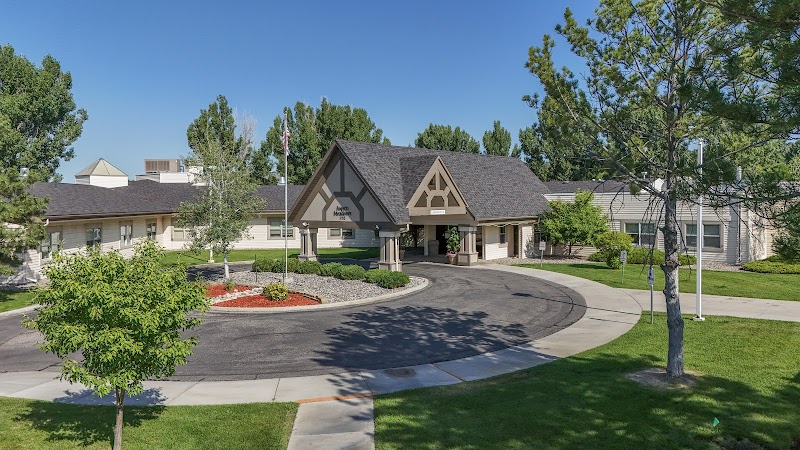
How is Aspen Meadows Center Staffed?

CMS rates ASPEN MEADOWS HEALTH AND REHABILITATION CENTER's staffing level at 1 out of 5 stars, which is much below average compared to other nursing homes. Staff turnover is 71%, which is 25 percentage points above the Montana average of 46%. High turnover can affect care consistency as new staff learn residents' individual needs. RN turnover specifically is 85%, which is notably high. RNs provide skilled clinical oversight, so turnover in this role can affect medical care quality.

What Have Inspectors Found at Aspen Meadows Center?

State health inspectors documented 32 deficiencies at ASPEN MEADOWS HEALTH AND REHABILITATION CENTER during 2023 to 2025. These included: 3 that caused actual resident harm and 29 with potential for harm. Deficiencies causing actual harm indicate documented cases where residents experienced negative health consequences.
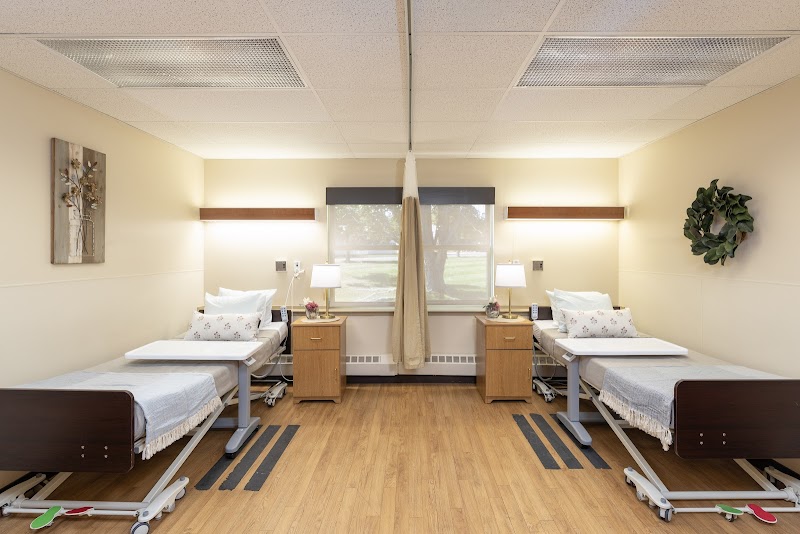
Who Owns and Operates Aspen Meadows Center?

ASPEN MEADOWS HEALTH AND REHABILITATION CENTER is owned by a for-profit company. For-profit facilities operate as businesses with obligations to shareholders or private owners. The facility is operated by EMPRES OPERATED BY EVERGREEN, a chain that manages multiple nursing homes. With 90 certified beds and approximately 66 residents (about 73% occupancy), it is a smaller facility located in BILLINGS, Montana.
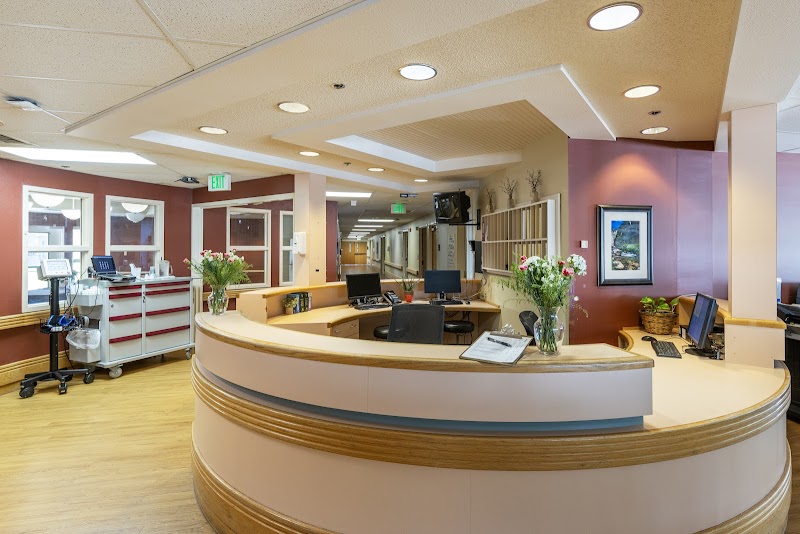
How Does Aspen Meadows Center Compare to Other Montana Nursing Homes?

Compared to the 100 nursing homes in Montana, ASPEN MEADOWS HEALTH AND REHABILITATION CENTER's overall rating (2 stars) is below the state average of 2.9, staff turnover (71%) is significantly higher than the state average of 46%, and health inspection rating (3 stars) is at the national benchmark.

What Should Families Ask When Visiting Aspen Meadows Center?

Based on this facility's data, families visiting should ask: "How do you ensure continuity of care given staff turnover, and what is your staff retention strategy?" "Can you walk me through typical staffing levels on day, evening, and night shifts?" "Can I visit during a mealtime to observe dining assistance and food quality?" "How do you handle medical emergencies, and what is your hospital transfer rate?" These questions are particularly relevant given the facility's high staff turnover rate and the below-average staffing rating.

Is Aspen Meadows Center Safe?

Based on CMS inspection data, ASPEN MEADOWS HEALTH AND REHABILITATION CENTER has a clean safety record: no substantiated abuse findings (meaning no confirmed cases of resident harm), no Immediate Jeopardy citations (the most serious violation level indicating risk of serious injury or death), and is not on the Special Focus Facility watch list (a federal program monitoring the lowest-performing 1% of nursing homes). The facility has a 2-star overall rating and ranks #100 of 100 nursing homes in Montana. While no facility is perfect, families should still ask about staff-to-resident ratios and recent inspection results during their visit.

Do Nurses at Aspen Meadows Center Stick Around?

Staff turnover at ASPEN MEADOWS HEALTH AND REHABILITATION CENTER is high. At 71%, the facility is 25 percentage points above the Montana average of 46%. Registered Nurse turnover is particularly concerning at 85%. RNs handle complex medical decisions and coordinate care — frequent RN changes can directly impact care quality. High turnover means new staff may not know residents' individual needs, medications, or preferences. It can also be disorienting for residents, especially those with dementia who rely on familiar faces. Families should ask: What is causing the turnover? What retention programs are in place? How do you ensure care continuity during staff transitions?

Was Aspen Meadows Center Ever Fined?

ASPEN MEADOWS HEALTH AND REHABILITATION CENTER has been fined $118,502 across 2 penalty actions. This is 3.5x the Montana average of $34,264. Fines at this level are uncommon and typically indicate a pattern of serious deficiencies, repeated violations, or failure to correct problems promptly. CMS reserves penalties of this magnitude for facilities that pose significant, documented risk to resident health or safety. Families should request specific documentation of what issues led to these fines and what systemic changes have been implemented.

Is Aspen Meadows Center on Any Federal Watch List?

ASPEN MEADOWS HEALTH AND REHABILITATION CENTER is not on any federal watch list. The most significant is the Special Focus Facility (SFF) program, which identifies the bottom 1% of nursing homes nationally based on persistent, serious quality problems. Not being on this list means the facility has avoided the pattern of deficiencies that triggers enhanced federal oversight. This is a positive indicator, though families should still review the facility's inspection history directly.