SKYLINE HEIGHTS NURSING AND REHABILITATION
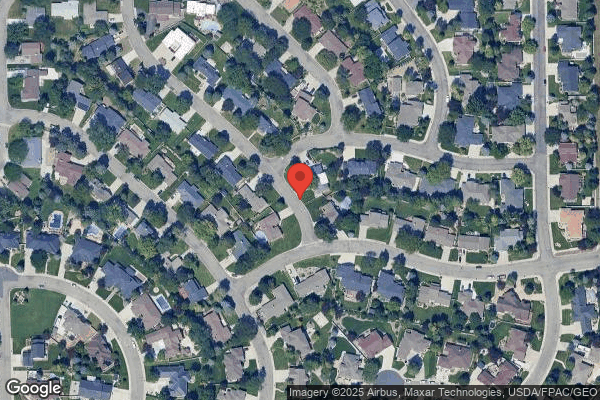
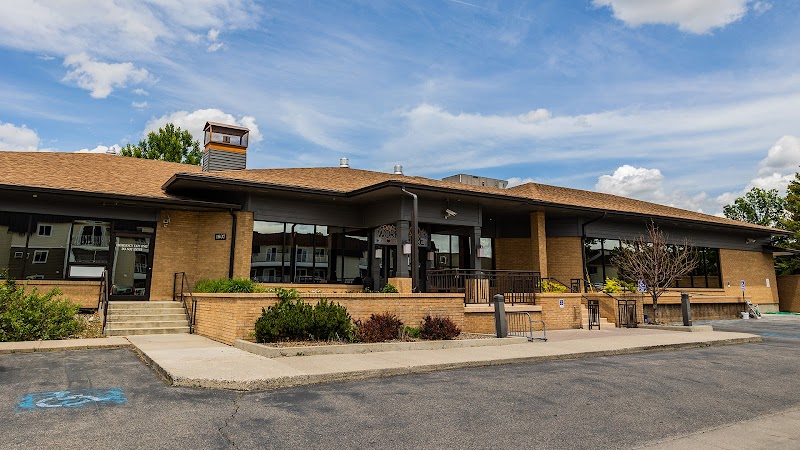
1807 24TH ST W, BILLINGS, MT 59102 (406) 656-5010
For profit - Limited Liability company 150 Beds EDURO HEALTHCARE Data: November 2025
Trust Grade
0/100
#56 of 59 in MT
Last Inspection: January 2025

Within standard 12-15 month inspection cycle. Federal law requires annual inspections.

Overview

Skyline Heights Nursing and Rehabilitation has received a Trust Grade of F, indicating significant concerns about the quality of care provided. Ranking #56 out of 59 facilities in Montana places it in the bottom half of state options, and #5 out of 6 in Yellowstone County suggests there is only one local facility that performs better. The facility is reportedly improving, with the number of issues decreasing from 23 in 2024 to 22 in 2025, but it still faces serious staffing challenges, with a high turnover rate of 79%, well above the state average of 55%. The facility has accumulated $565,081 in fines, which is alarming and indicates compliance problems that have not been addressed. While the RN coverage is average, there have been serious incidents, such as residents suffering significant injuries from falls due to inadequate staffing, including a resident who fell and required emergency care for a skin tear. Additionally, new residents have faced delays in receiving essential medications, leading to serious health consequences. Families should weigh these serious weaknesses against the facility's efforts to improve.

Trust Score
F
0/100
In Montana
#56/59
Bottom 6%
Safety Record
High Risk
Review needed
Inspections
Getting Better
23 → 22 violations
Staff Stability
⚠ Watch
79% turnover. Very high, 31 points above average. Constant new faces learning your loved one's needs.
Penalties
✓ Good
$565,081 in fines. Lower than most Montana facilities. Relatively clean record.
Skilled Nurses
✓ Good
Each resident gets 42 minutes of Registered Nurse (RN) attention daily — more than average for Montana. RNs are trained to catch health problems early.
Violations
⚠ Watch
74 deficiencies on record. Higher than average. Multiple issues found across inspections.
★☆☆☆☆
1.0
Overall Rating
★☆☆☆☆
1.0
Staff Levels
★★☆☆☆
2.0
Care Quality
★☆☆☆☆
1.0
Inspection Score
Stable
2024: 23 issues
2025: 22 issues

The Good

  • Full Sprinkler Coverage · Fire safety systems throughout facility
  • No fines on record

Facility shows strength in fire safety.

The Bad

1-Star Overall Rating

Below Montana average (2.9)

Significant quality concerns identified by CMS

Staff Turnover: 79%

33pts above Montana avg (46%)

Frequent staff changes - ask about care continuity

Federal Fines: $565,081

Well above median ($33,413)

Significant penalties indicating serious issues

Chain: EDURO HEALTHCARE

Part of a multi-facility chain

Ask about local staffing decisions and management

Staff turnover is very high (79%)

31 points above Montana average of 48%

The Ugly 74 deficiencies on record

11 actual harm
Mar 2025 5 deficiencies 2 Harm
SERIOUS (G) 📢 Someone Reported This

A family member, employee, or ombudsman was alarmed enough to file a formal complaint

Actual Harm - a resident was hurt due to facility failures

Free from Abuse/Neglect (Tag F0600)

A resident was harmed · This affected 1 resident

**NOTE- TERMS IN BRACKETS HAVE BEEN EDITED TO PROTECT CONFIDENTIALITY** Based on interviews and record review, the facility neglected to ensure newly admitted residents were provided antibiotic and pa...

Read full inspector narrative →
**NOTE- TERMS IN BRACKETS HAVE BEEN EDITED TO PROTECT CONFIDENTIALITY** Based on interviews and record review, the facility neglected to ensure newly admitted residents were provided antibiotic and pain medications in a timely manner, to ensure the treatment of infections and pain was provided as necessary, for 3 (#s 73, 81 and 109) of 4 recently admitted residents. Resident #73 did not receive medications during his stay and resident #73 discharged home against medical advice. Resident #81 did not receive two doses of IV antibiotics which necessitated his re-admission to the hospital. Resident #109 was returned to the emergency room for further treatment. The neglect of care directly pertained to the facility pharmacy delivery program, oversight, and management of the system, and the medication system was not corrected in a timely manner to ensure negative resident outcomes, and neglect, were prevented. Findings include: 1. Review of resident #73's nursing progress notes showed he was admitted to the facility on [DATE] at 2:03 p.m., with a diagnoses of left lower lobe pneumonia and sepsis (infection). The note showed the medications were entered into the electronic medical record system and verified by two nurses. Review resident #37's pharmacist note, dated on 3/5/25 at 8:32 p.m., showed there was no irregularities noted. Review of resident #73's March 2025, medication administration records showed, No Order data found for MEDICATION ADMINISTRATION RECORD, No medications had been administered to resident #73 during his stay in the facility. Review of #73's social service note, dated 3/6/25 at 12:28 p.m., showed this was a late entry note, which included: [#73] and the family wanted him to leave the facility. The social services progress note showed resident #73 expressed that he wasn't being helped. This was the only note about what happened. There was no nurses not indicating there was any issue. I tried to call the resident and he didn't return my call. Resident #73 said the reason for him leaving was because medications were not being received. Resident #73 stated he suffers pain in his neck and back. Resident #73 has chronic pain and is under a pain contract. Review of resident #73's admission orders, as written and sent from the [Hospital Name] listed all his regular maintenance medications and showed the resident was to have received lovenox to prevent blood clots and the following medications for pain: - Tylenol 650 mg every 6 hours, - Gabapentin 400 mg three times a day, - Ibuprofen 400 mg as needed three times a day, - Tizanidine 2 mg every eight hours as needed, - Oxycodone 5 mg every six hours as needed. Review of resident #73's facility order summary report showed the only two physician orders documented was for the head of resident #73's bed to be up to prevent shortness of breath, and for a pain to be assessed per a pain scale, three times a day. No documented results were observed for these orders. During an interview on 3/24/25 at 9:40 a.m., NF1 said from the time resident #73 arrived at the facility until the next morning, resident #73 did not receive any medications. NF1 stated, resident #73 was on routine pain medications, and the providers would try to get resident #73 the medications he needed so a proper discharge could be provided. NF1 said the resident left against medical advice due to the lack of care. During an interview on 3/27/25 at 1:47 p.m., staff member D said there were no entries made to resident #73's medication administration record. Staff member D said without anything on the EMAR (electronic medication administration record) medications wouldn't have been given. 2. Review of resident #81's nursing progress notes showed resident #81 was admitted on [DATE] at 3:50 p.m. In addition to resident #81's routine maintenance medication, resident #81 was to be given Cefazolin 2000 by intravenous route every eight hours. Review of the [Hospital Name] after visit summary showed resident #81 had been hospitalized and treated for right septic shoulder and methicillin resistant staphylococcus aureus bacteremia. The after-visit summary contained the medication orders resident #81 was to receive. This summary showed resident #81 would be managed with IV (intravenous) antibiotics with an anticipated end of therapy date of 3/1/25. Review of resident #81's medication administration record for February 2025 showed, no doses of the cefazolin antibiotic was administered. The time frame on resident #81's medication administration record showed the resident missed two doses of antibiotics before he was discharged back to the hospital on 2/7/25 at 12:21 p.m., which was just under 24-hours from admission. During an interview on 3/24/25 at 9:40 a.m., NF1 said resident #81 was sent back to the hospital because he needed his IV antibiotics. NF1 said resident #81 was being treated for a septic (infection) shoulder and he needed IV antibiotics to treat the condition. During an interview on 3/25/25 at 8:00 a.m., NF2 said that resident had not been seen at the facility until 2/7/25. NF2 said resident #81 had not received any of his IV antibiotics because the staff had not found them. NF2 said the IV antibiotics hadn't been mixed and both nurses were LPN's and not able to mix the medications. NF2 said it did not look like he was going to get a dose of antibiotics any time soon, so he was sent back to the hospital. NF2 said the facility tells the providers they have pharmacy issues figured out, but these things keep happening. 3. Review of resident 109's nursing note, dated 3/19/25, showed the resident was admitted at 6:00 p.m. with a diagnoses of cellulitis with an abscess of the left foot, abscess of left thigh, and narcotic dependence. Review of resident #109's progress note, written by staff member A, dated 3/20/25, showed resident #109 was distressed about her pain. The note showed, It was when there was a lull in the conversation that she began focusing on her pain again. Review of resident #109's medication administration order showed resident #109 was to be given Vancomycin HCL 1750 mg intravenously two times a day until 4/6/2025. Review of resident #109's medication administration record showed resident #109 was not given any doses of the IV Vancomycin which was ordered. According to the medication administration record, she should have received one vancomycin dose during the time between the admission and when she was discharged at 9:30 a.m., to the emergency room. Review of resident #109's notice of transfer/discharge form dated 3/20/25 showed, resident #109 was transferred to the emergency on 3/20/25 at 9:30 a.m. The form showed resident #109 was transferred to the hospital for her health and safety because resident #109 pulled her picc line out. Review of #109's nursing progress notes, dated 3/20/25, failed to show when resident #109 pulled out her picc line, was transferred to the emergency room, or her mode of transportation to the ER. Review of #109's nursing progress note, dated 3/20/25 at 6:18 p.m., showed resident #109 returned from [Hospital Name] emergency department. The note showed new physician orders were received for oral antibiotics for resident #109. Review of resident #109's medication administration record showed resident #109 was given Hydrocodone on 3/21/25 at 9:48 a.m., STAT for possible opioid withdrawal symptoms. Review of resident #109's nursing progress notes, dated 3/24/25 at 8:54 a.m., showed resident #109 was to receive Linezolid 600 mg for cellulitis (infection). The nursing note showed the facility was out of stock for the medication and no Linezolid was available in the Nexsys (automated dispensing unit) machine. Resident #109's infection was to be treated with Linezolid through 4/10/15 at 6:00 p.m. During an interview on 3/25/25 at 8:00 a.m., NF2 said medications were not entered timely on resident #109's medication administration record, and she missed doses of antibiotics. Resident #109 pulled her picc line out sometime after admission. NF2 said resident #109 was a chronic user of hydrocodone. While in the hospital resident #109 received dilaudid and oxycodone. NF2 said the pharmacy did not give the staff a Nexsys code, allowing the nurse to pull a medication out of the backup system, and resident #109 ended up back in the emergency room for pain management and to have her picc line replaced. NF2 said she saw resident #109 on 3/21/25, and resident #109 was going through opioid withdrawal as she was sweating, thrashing, restless, and anxious. During an interview with staff member A and D on 3/25/25 at 11:00 a.m., staff member D said the facility started using a system for communication with the pharmacy to help improve communication and tracking. This is still early in its use but seems to be working so far. Staff member D said when the medications get ordered, and the pharmacy is aware of the physician orders by 2:00 p.m., the pharmacy ships the medications overnight, and the medications will be available the next day. If the medications aren't ordered prior to 2:00 p.m., the medications will not be delivered until two days later. Staff member A said there are medications that can be sent via a local satellite pharmacy. Staff member B said there are two local pharmacies which are used the most, but the facility will go anywhere needed to get the medications. During an interview on 3/25/25 at 11:09 a.m., staff member B said resident #109 was getting dilaudid and strong pain medications when she was in the hospital. She only had an order for hydrocodone when she admitted . She was having pain and pulled her picc (peripherally inserted central catheter) IV out. Staff member B said she tried to get resident #109 pain medications, but the correct prescription had not been sent to the pharmacy. Staff member B said she called the provider, and the prescription was sent to the pharmacy. The pharmacy sent a code which would allow the nurse to remove a dose of medication from the Nexsys system. The nurse did not enter the code in time, and the machine locked, preventing the removal of the narcotic. The nurse called the pharmacy for another code, but the pharmacy refused to give her another code. The resident did not get her pain medication. Staff member B said on the morning of 3/20/25, she contacted the provider, and a prescription was sent to a local pharmacy. Staff member B said she delivered Hydrocodone to the facility for resident #109, but she had been sent to the hospital. Staff member B also said resident #109 pulled her picc line out around 8:00 a.m. During an interview with resident #109 on 3/26/25 at 2:00 p.m., resident #109 said she did not get pain medication when she first came to the facility. Resident #109 stated, I thought I was going to die. Resident #109 stated her anxiety has gotten worse and now she is scared and afraid to be in pain. Resident #109 said she gets her pain medication on a schedule, except for one night nurse, and that nurse makes her wait for the pain medication. Review of #109's nursing progress note dated 3/24/25 at 8:54 a.m., showed resident 109 did not receive the am dose of linezolid 600 mg that was ordered twice a day for cellulitis. The nurses note showed there was no medication available in the nexsys (backup stock supply). Linezolid was ordered to start 3/20/25 to continue through 4/10/25. No doses were available to ensure antibiotics were given to resident #109, every twelve hours, as ordered by the physician. During an interview on 3/27/25 at 8:37 a.m., NF3 said he attended the QAPI meetings every month. NF3 said pharmacy issues were discussed, but the pharmacy issues revolved around the gradual dose reductions as recommended by the pharmacy. NF3 said the current pharmacy is located out of state, but the facility is trying to bridge issues with the help of local pharmacies. NF1 said he does not recall being informed of issues with getting particular medications. NF3 said he was not aware of any specific residents not getting antibiotics or pain medications. During an interview on 3/27/25 at 2:42 p.m., staff member E said the operating company just changed over pharmacies and medications are delivered to the facility from Idaho. The facility just initiated a system with the pharmacy to help with communication, and this will also allow for better tracking of medications. Staff member E said she was aware of some of the pharmacy issues, but not all of them, as she managed operations. Staff member E said she would expect the medical director would be made aware of issues with the pharmacy as the medical director is fairly involved in the facility.
SERIOUS (G) 📢 Someone Reported This

A family member, employee, or ombudsman was alarmed enough to file a formal complaint

Actual Harm - a resident was hurt due to facility failures

Deficiency F0760 (Tag F0760)

A resident was harmed · This affected 1 resident

**NOTE- TERMS IN BRACKETS HAVE BEEN EDITED TO PROTECT CONFIDENTIALITY** Based on interviews and record review, the facility failed to ensure necessary medications were available for use when residents...

Read full inspector narrative →
**NOTE- TERMS IN BRACKETS HAVE BEEN EDITED TO PROTECT CONFIDENTIALITY** Based on interviews and record review, the facility failed to ensure necessary medications were available for use when residents were admitted , or prior to the first dose being administered, for newly admitted residents, which resulted in the residents not receiving the medications (pain and antibiotics) at all, or not timely, and this caused negative outcomes due to the significant medication errors, for 3 (#s 73, 81, and 109) of 4 sampled residents for medication errors. Resident #73 received no medications from admission to discharge; resident #81 did not receive IV antibiotics and needed to be sent back to the hospital for treatment; and #109 did not receive pain or antibiotic medications, as needed. Findings include: 1. Review of resident #73's nursing progress notes showed he was admitted to the facility on [DATE] at 2:03 p.m., with a diagnoses of left lower lobe pneumonia and sepsis. The note showed the medications were being entered into the electronic medical record system for #73. Review of resident #73's March 2025, medication administration records showed no medications had been placed on the medication administration record, and resident #73 did not receive any medication while he was a resident at the facility. Review of resident #73's admission physician orders, as written and sent from the [Hospital Name] listed all his regular maintenance medications and showed the resident should have received the following medications and the number of medication errors for each: - Tylenol 650 mg every 6 hours - missed three doses, - Duloxetine 20 mg - missed one dose, - Enoxaparin 40 mg - missed one dose, - Gabapentin 400 mg - missed two and possibly three doses, - Lidocaine 4% patch - did not have patch removed, - Pantoprazole 20 mg - missed two doses, - Tamsulosin 0.4 mg one dose missed, - Ibuprofen 400 mg - as needed three times a day for pain, - Tizanidine 2 mg every eight hours as needed for pain - potential for two doses missed, - Oxycodone 5 mg every six hours as needed for pain - potentially one or two doses missed. Review of facility order summary dated 3/5/25 showed resident #73 had an opioid dependence, osteoarthritis left hip, cervicalgia, low back pain, and muscle spasms. Resident #73 has chronic pain and is under a pain contract. During an interview on 3/24/25 at 9:40 a.m., NF1 said from the time resident #73 arrived at the facility, until the next morning, resident #73 did not receive any medications. NF1 stated resident #73 was on routine pain medications and would be having significant pain. NF1 requested the staff to encourage the resident to wait at the facility so prescriptions could be managed, and resident #73 could get medications and a proper discharge could be completed. NF1 said the resident left against medical advice. During an interview on 3/27/25 at 1:47 p.m., staff member D said there were no entries made to resident #73's medication administration record. Staff member D said without anything on the EMAR (electronic medication administration record) medications wouldn't have been given. Staff member said resident #73 discharged against medical advice because he had not been given medication. 2. Review of resident #81's nursing progress notes showed resident #81 was admitted on [DATE] at 3:50 p.m. In addition to resident #81's routine maintenance medication, resident #81 was to be given cefazolin, an antibiotic, 2000 mg (milligrams) by intravenous route, every eight hours. Review of the [Hospital Name] after visit summary showed resident #81 had been hospitalized and treated for a right septic shoulder and methicillin resistant staphylococcus aureus bacteremia. The after-visit summary contained the medication orders resident #81 was to receive at the facility, once transferred. This summary showed resident #81 would be managed with IV (intravenous) antibiotics and would need to stay on IV antibiotic therapy until 3/1/25. Review of resident #81's medication administration record for February 2025 showed, no doses of the cefazolin antibiotic was administered. The time frame on resident #81's medication administration record showed the resident missed two doses of antibiotics before he was discharged back to the hospital on 2/7/25 at 12:21 p.m. During an interview on 3/24/25 at 9:40 a.m., NF1 said resident #81 was sent back to the hospital because he needed his IV antibiotics. NF1 said resident #81 was being treated for a septic shoulder and he needed IV antibiotics to treat the condition. During an interview on 3/25/25 at 8:00 a.m., NF2 said that resident had not been seen at the facility until 2/7/25. NF2 said resident #81 had not received any of his IV antibiotics because the staff had not found them. NF2 said it did not look like the resident was not going to get a dose of antibiotics any time soon, so the resident was sent back to the hospital. 3. Review of resident 109's nurses note, dated 3/19/25, showed the resident was admitted at 6:00 p.m., with a diagnoses of cellulitis (infection) abscess of the left foot, abscess of left thigh, and narcotic dependence. Review of resident #109's medication administration record showed, resident #109 was not given any doses of the IV Vancomycin ordered. According to the medication administration record, she should have received one vancomycin dose during the time between the admission and discharge to the emergency room. Review of nursing progress note, dated 3/20/25 at 6:18 p.m., showed resident #109 returned from [Hospital Name] emergency department. The note showed resident #109 did not have a picc line replaced and new orders were received for oral antibiotics for resident #109. Review of resident #109's medication administration record showed resident #109 was given Hydrocodone on 3/21/25 at 9:48 a.m., STAT for possible opioid withdrawal symptoms. Review of resident #109's nursing progress notes, dated 3/24/25 at 8:54 a.m., showed resident #109 was to receive Linezolid 600 mg for cellulitis. The nurses note showed the facility was out of stock and no Linezolid was available in the Nexsys machine. Resident #109's infection was to be treated with Linezolid through 4/10/15 at 6:00 p.m. During an interview on 3/25/25 at 8:00 a.m., NF2 said medications were not entered timely on resident #109's medication administration record and she missed doses of antibiotics. NF2 said the pharmacy did not give the staff a code allowing the nurse to pull a medication out of the backup system, and resident #109 ended up back in the emergency room for pain management, and to have her picc line replaced. NF2 said she saw resident #109 on 3/21/25 and resident #109 was going through opioid withdrawal as she was sweating, thrashing, restless and anxious. During an interview on 3/25/25 at 11:09 a.m., staff member B said resident #109 only had an order for hydrocodone when she admitted to the facility. She was having pain and pulled her picc (peripherally inserted central catheter) IV out. Staff member B said she tried to get resident #109 pain medications, but the correct prescription had not been sent to the pharmacy. Attempts to obtain the medication were unsuccessful, and the resident did not get her pain medication. During an interview with resident #109 on 3/26/25 at 2:00 p.m., resident #109 said she did not get pain medication when she first came to the facility. Resident #109 stated, I thought I was going to die. Resident #109 stated her anxiety has gotten worse and now she is scared now and afraid to be in pain. Review of nursing progress note dated 3/24/25 at 8:54 a.m., showed resident 109 did not receive the a.m. dose of linezolid 600 mg that was ordered, twice a day, for cellulitis. The nursing note showed there was no medication available in the Nexsys (backup stock supply). Linezolid was ordered to start 3/20/25 to continue through 4/10/25. No doses were available to ensure antibiotics were given to resident #109 every twelve hours as ordered by the physician.
CONCERN (D) 📢 Someone Reported This

A family member, employee, or ombudsman was alarmed enough to file a formal complaint

Potential for Harm - no one hurt, but risky conditions existed

Deficiency F0726 (Tag F0726)

Could have caused harm · This affected 1 resident

**NOTE- TERMS IN BRACKETS HAVE BEEN EDITED TO PROTECT CONFIDENTIALITY** Based on interview and record review, the facility nursing staff failed to ensure treatment was provided, according to acceptabl...

Read full inspector narrative →
**NOTE- TERMS IN BRACKETS HAVE BEEN EDITED TO PROTECT CONFIDENTIALITY** Based on interview and record review, the facility nursing staff failed to ensure treatment was provided, according to acceptable standards of practice, for PICC lines, for 1 (#109) one sampled resident. Findings include: Review of resident #109's admission medication administration record, for March 2025, failed to show IV antibiotics were being administered by a picc line. The medication administration record showed the medication was supposed to be administered via IV. During an interview on 3/25/25 at 8:00 a.m., NF2 said medications were not entered timely on resident #109's medication administration record, and due to this, she missed doses of antibiotics. Resident #109 pulled her picc line out sometime after admission. NF1 said resident #109 ended up back in the emergency room for pain management and to have her picc line replaced. During an interview on 3/25/25 at 11:09 a.m., staff member B said resident #109 was getting dilaudid and strong pain medications when she was in the hospital. She only had an order for hydrocodone when she admitted to the facility. The resident was having pain and pulled her picc (peripherally inserted central catheter) IV out, and she was anxious. Staff member B said the removal of the picc line should have been documented in the EHR. Review of #109's nursing progress notes failed to show any information about the resident having a picc line, and failed to show the picc line was pulled out, by the resident. Review of Infusion Nurses Society (2011) Policies and procedures for infusion nursing. 4th edition. [NAME], Ma: Infusion Nurses Society, INC. showed: . 1. Once the catheter has been successfully removed, immediately apply light manual pressure to the site with a sterile gauze pad for one full minute. 2. Assess insertion site for redness, drainage, or hematoma then cover with a sterile gauze. Notify physician if any redness, drainage or hematoma noted. 3. Measure and inspect the catheter keeping catheter tip sterile. If any part has broken off during the removal, notify the physician immediately and monitor patient for signs of distress. Call 911 if distress noted. 4. Compare the measurement obtained with the pre-insertion measurements for the line and the arm circumference. Notify the physician of any differences. 5. Notify pharmacy that the PICC has been discontinued. Notify physician and supervisor of any PICC related complications. 6. Document all the above in the patient's medical record . [sic]
CONCERN (E) 📢 Someone Reported This

A family member, employee, or ombudsman was alarmed enough to file a formal complaint

Potential for Harm - no one hurt, but risky conditions existed

Pharmacy Services (Tag F0755)

Could have caused harm · This affected multiple residents

**NOTE- TERMS IN BRACKETS HAVE BEEN EDITED TO PROTECT CONFIDENTIALITY** Based on interview, and record review, the facility failed to provide physician-ordered medications at the prescribed dose and f...

Read full inspector narrative →
**NOTE- TERMS IN BRACKETS HAVE BEEN EDITED TO PROTECT CONFIDENTIALITY** Based on interview, and record review, the facility failed to provide physician-ordered medications at the prescribed dose and frequency, for 3 (#s 73, 81, and 109); and failed to ensure the availability of prescribed medications resulting in re-hospitalization for one 1 (#81) resident, resulted in 1 (#73) resident discharging against medical advice, and 1 (#109) resident experienced opioid withdrawal, of 4 sampled residents for medication concerns. Findings include: a. Review of resident #73's nursing progress notes, dated 3/5/25, showed resident #73 was admitted to the facility following a hospitalization. The nurse's notes showed the physician orders were being entered into the resident's electronic health record. Review of #73's pharmacist note, written at 8:32 p.m. on 3/5/25, showed there were no irregularities with the medications. The pharmacy note failed to show there were no medication orders in the resident electronic medical record. Review of #73's social services note, written on 3/6/25 showed no medications were given to resident #73 following his admission. The resident discharged against medical advice because the facility failed to administer medications. During an interview on 3/27/25 at 12:49 p.m., staff member B said there were no medications to give resident #73. Staff member B said there have been times when the medications for the facility have been stuck at other locations. b. Review of resident #81's nursing progress notes showed resident #81 was admitted on [DATE] at 3:50 p.m. In addition to resident #81's routine maintenance medication(s), resident #81 was to be given cefazolin (antibiotic) 2000 mg by intravenous route, every eight hours. Review of the [Hospital Name] after visit summary showed resident #81 had been hospitalized and treated for a right septic shoulder and methicillin resistant staphylococcus aureus bacteremia. The after-visit summary contained the medication orders resident #81 was to receive. This summary showed resident #81 would be managed with IV (intravenous) antibiotics with an anticipated end of therapy date of 3/1/25. Review of resident #81's medication administration record, for February 2025 showed, no doses of the cefazolin antibiotics were administered. The time frame on resident #81's medication administration record showed the resident missed two doses of antibiotics, before he was discharged back to the hospital, on 2/7/25 at 12:21 p.m. During an interview on 3/24/25 at 9:40 a.m., NF1 said resident #81 was sent back to the hospital because he needed his IV antibiotics. NF1 said resident #81 was being treated for a septic shoulder, and he needed IV antibiotics to treat the condition. NF1 said issues with pharmacy are an ongoing problem at the facility and it has not been taken care of. During an interview on 3/25/25 at 8:00 a.m., NF2 said that resident #81 had not been seen at the facility until 2/7/25. NF2 said resident #81 had not received any of his IV antibiotics because the staff was unable to locate them. NF2 said the IV antibiotics hadn't been mixed, and both nurses were LPN's, and were not able to mix the medications. NF2 said it did not look like he was going to get a dose of antibiotics any time soon, so the resident was sent back to the hospital. NF2 said the facility tells the providers they have pharmacy issues figured out, but these things keep happening. c. Review of resident #109's medication administration record showed resident #109 was not given any doses of the IV Vancomycin (antibiotic), ordered by the physician. According to the medication administration record, she should have received one vancomycin dose during the time between the resident's admission, and discharge, to the emergency room. Review of #109's nursing progress notes, dated 3/20/25, failed to show when resident #109 pulled out her picc line, that she was transferred to the emergency room, or what her mode of transportation was for going to the ER. Review of resident #109's medication administration record showed resident #109 was given Hydrocodone on 3/21/25 at 9:48 a.m., STAT for possible opioid withdrawal symptoms. During an interview on 3/27/25 at 11:49 a.m. staff member B said resident #109 could have been given hydrocodone at approximately 10:00 p.m. Staff member B said resident #109 did not have any hydrocodone to be administered. Staff member B said the discharging hospital did not send the actual prescription to the pharmacy for resident #109. Staff member B said she tried working with the pharmacy, from 10:00 p.m. until 8:30 a.m., the next morning, which was when resident #109 was finally able to get one dose of hydrocodone. Staff member B said by that time resident #109 was so anxious and in so much pain, she pulled her picc, for the IV antibiotics, out. Staff member B said she was able to finally get the narcotic for resident #109 from a satellite pharmacy. During an interview on 3/27/25 at 11:49 a.m. staff member B said she had not been trained on the Nexsys system. Staff member B said she had to figure it out by herself. Staff member B said the pharmacy does not send medication when a resident is admitted . Staff member B said the nurse enters the medication orders into the electronic health record, and if the orders are in before 2:00 p.m., the residents medications will be delivered the next morning. Staff member B said there have been malfunctions with the Nexsys system, and the system may have to be over-ridden if the medication is not a narcotic. Staff member B said when a narcotic is needed, the pharmacy will give the nurses a code to enter to allow the removal of the narcotic. Staff member B said there is a time limit on the code and if not used timely, the system will lock and the code will not work. Staff member B said there have been issues with the pharmacy. When the pharmacy is called, there is not always an answer, and the pharmacy may not return the nurse's call. Staff member B said if there is a storm and roads are bad, the medications may be held up and not arrive timely. Staff member B said the Nexsys does not contain all the inhalers ordered by the physicians. During an interview on 3/27/25 at 1:47 p.m., staff member D said the facility started using a system to improve the communication between nursing and the pharmacy. Staff member D said the pharmacy said the nursing staff need to use the Nexsys before calling a satellite pharmacy for medications. Staff member D said there are several pharmacies in [NAME] who contract with the facility. Staff member D said there were issues with the pharmacy, but processes were broken in the building as well. Staff member D said the IV antibiotic was found in a food refrigerator for resident #80. Staff member D said the only nurses in the building were LPNs and the medication was not identified as needing to be administered via IV push, diluted, or given IM. Staff member D said the pharmacy is being worked on as the location of the pharmacy recently changed to Idaho. During an interview on 3/27/25 at 3:04 p.m., NF4 said the pharmacy received the physician orders faxed to them. The orders are typed into the pharmacy software. The medications are filled and shipped at 4:00 p.m., for overnight delivery. If the medication orders are not received before 3:00 p.m., the medications will be sent for delivery the second day. NF4 said the weather conditions are outside of their control and medications may not be delivered timely. NF4 said the pharmacy let the facility know the box sent Monday, which should have arrived on Tuesday, did not arrive until Wednesday.
CONCERN (E) 📢 Someone Reported This

A family member, employee, or ombudsman was alarmed enough to file a formal complaint

Potential for Harm - no one hurt, but risky conditions existed

Menu Adequacy (Tag F0803)

Could have caused harm · This affected multiple residents

Based on observation, interview, and record review, the facility failed to provide palatable food; cooks were not following the facility menu; and the dietary department failed to provide foods specif...

Read full inspector narrative →
Based on observation, interview, and record review, the facility failed to provide palatable food; cooks were not following the facility menu; and the dietary department failed to provide foods specified on the resident's meal tickets, for 5 (#s 1, 37, 46, 69 and 92) of 24 sampled residents. These deficient practices had the potential to affect the quality of life and nutritional status of the residents. Findings include: During a lunch observation and interview on 3/25/25 at 1:00 p.m. residents #37 received a serving of mashed potatoes with brown gravy, macaroni salad, and chicken salad. Resident #37's friend was assisting him with his meal. When asked if the food tasted good, he shook his head no, and grabbed his friend's hand. Resident #37 did not receive a vegetable on his plate. During a lunch observation and interview on 3/25/25 at 1:02 p.m., resident #69 was observed to have mashed potatoes with brown gravy, macaroni salad, and a meat salad. Resident #69 states she doesn't like tuna salad. Staff sitting nearby had to tell resident #69 what the meat salad was. Resident #69 did not receive a vegetable. Resident #69 said the food did not taste good. During a lunch observation on 3/25/25 at 1:06 p.m., resident #46 and #92 received mashed potatoes with brown gravy, meat salad, and macaroni salad. These residents did not receive a vegetable. During an observation on 3/26/25 at 12:50 p.m., resident #1 was served baked ziti and carrots. The pasta in the main entre appeared overcooked, the tomato meat sauce looked pale mushy and overcooked. Resident #1's meal ticked showed resident #1 did not like carrots and did not like pasta. Resident #1 said she wasn't going to eat the carrots but had eaten some of the pasta. Review of the diet extension menu for 3/25/25 showed the Grove Menu to be served was a chicken salad sandwich, macaroni salad, grapes, and a vegetable medley. The menu did not show mashed potatoes and gravy as a substitute for any of the therapeutic diets or alteration in texture. During an interview on 3/25/25 at 1:30 p.m. staff member J said a new cook was being trained. She said the cook came from a hospital setting and was just learning about the menus. Staff member J said the mashed potatoes should not have been substituted for the vegetables. Staff member J said she should have been monitoring the meal she served, and the potatoes should not have been served, but a different vegetable should have been given.
Jan 2025 17 deficiencies 1 Harm
SERIOUS (G)

Actual Harm - a resident was hurt due to facility failures

Pressure Ulcer Prevention (Tag F0686)

A resident was harmed · This affected 1 resident

2. Review of resident #13's hospice note, dated 12/31/24, showed resident #13 had a Stage III pressure ulcer on her right medial buttock, which was acquired on 12/30/24. Resident #13's pressure ulcer ...

Read full inspector narrative →
2. Review of resident #13's hospice note, dated 12/31/24, showed resident #13 had a Stage III pressure ulcer on her right medial buttock, which was acquired on 12/30/24. Resident #13's pressure ulcer measured 2 cm length by 2 cm width by 0.2 cm deep. The pressure ulcer had a moderate amount of drainage noted, but no tunneling, slough, or eschar. The wound was described as beefy red with white macerated skin to peri wound. Review of resident #13's hospice order, dated 12/31/24, showed a right medial buttock pressure ulcer. The orders showed nursing staff were to cleanse the right buttock wound with cleanser of choice, pat dry, and Apply barrier cream or skin prep of choice to macerated peri wound. Apply collagen sheet to wound bed, fold to fit if necessary, cover with bordered dressing. Change the dressing every day. Caregivers to change the dressing on days hospice nurse does not visit. The order was noted by facility staff on 1/3/25, with a note that showed, per hospice RN, facility nurse to change dressing prn or when hospice nurse is unable. The hospice nurse visits the resident twice a week. Review of resident #13's Weekly Head to Toe Skin Check, dated 12/31/24, showed a small open area on her buttock. The area was not measured or described in the assessment. Review of resident #13's Weekly Head to Toe Skin Check, dated 1/7/25, showed no skin issues. Review of resident #13's Weekly Head to Toe Skin Check, dated 1/14/25, showed resident #13 was being monitored and treated for Stage III pressure ulcer to coccyx. The resident was currently under Hospice Care with dressing changes, and PRN changes to be done by staff when not visited by Hospice, and the skin check showed, Dressing this day is clean, dry and intact. [sic] Review of resident #13's Weekly Head to Toe Skin Check, dated 1/22/25, showed only redness to bony prominences. The Stage III pressure ulcer was not addressed on this assessment. Review of resident #13's current care plan showed staff were to coordinate care with hospice. The physician ordered for resident #13 to have daily dressing changes to the Stage III pressure ulcer. The hospice nurse was scheduled two times a week to perform wound care. The facility nurse would be responsible for changing the dressing the other five days. Review of a Weekly Head to Toe Skin Check, completed by a staff nurse on /17/25, showed the wound was a Stage II, however the wound bed was unable to be visualized. The wound measured 1 cm in circumference. The progress note showed hospice performed the treatment and applied the dressing to resident #13's coccyx. Review of resident #13's January 2025 treatment record sheets showed there were no nurse signatures from 1/1/25 through 1/25/25. There was no documentation to show the wound treatments and dressing changes had been done during this 25-day period. During an observation on 1/27/25 at 1:46 p.m., resident #13 was sitting in her recliner chair, asleep. There was no gel cushion in resident #13's recliner for pressure relief. During an interview on 1/27/25 at 3:29 p.m., NF1 said resident #13 had slept in a recliner for fifteen or twenty years. NF1 said resident #13 recently developed a sore on her buttock. During an observation on 1/28/25 at 8:40 a.m., resident #13 was sitting in her recliner chair. There was no gel cushion in the recliner for pressure relief on her buttock. During an interview on 1/29/25 at 8:59 a.m., staff member D said the facility only changes resident #13's buttock wound dressing, as needed, if the dressing comes off. Staff member D said Hospice changes the dressings and measures the wound. Staff member D said the dressing was not scheduled to be changed every day. Staff member D was not sure when Hospice was coming next. During an interview on 1/29/25 at 9:14 a.m., staff member B stated resident #13 definitely needed a gel cushion on her chair. Staff member B went to resident #13's room and returned to the interview. Staff member B said the gel cushion was not on her chair. Review of resident #13's current care plan, showed the resident was to have a gel cushion placed in the recliner on 3/29/23. On 1/18/25, the care plan showed bed linens should be wrinkle free and a specialty air mattress was to be used. Resident #13 did not sleep in a bed, she slept in a recliner, so the interventions would not be beneficial for pressure relief for her wound. Based on observation, interview, and record review, the facility failed to ensure wound dressings were changed as ordered by the physician, and failed to ensure sufficient wound documentation was completed, for 2 (#11 and #13) of 40 sampled residents. Findings include: 1. During an interview with resident #11 and her roommate, on 1/28/25 at 8:53 a.m., resident #11's roommate stated her (#11's) foot dressing had not been changed in a long time. Resident #11 nodded in agreement to her roommate's statement. Resident #11's left foot dressing had coban and kerlix wrapped tightly around her foot. The coban wrap was located about ¼ of an inch in from the kerlix on the knee side. The coban wrap stopped about three inches from the tip of the great toe. Resident #11's heel was sitting on a pillow and not located in a Prevalon Boot. During an interview and observation on 1/29/25 at 8:01 p.m., resident #11 stated she felt that her foot condition had gotten worse since being at the facility. Resident #11 stated, I know it hurts a lot worse. Resident #11 also stated she had pain in her buttock area. Resident #11's left foot dressing had coban and kerlix wrapped tightly around her foot. The coban wrap was located about ¼ of an inch in from the kerlix on the knee side. The coban wrap stopped about three inches from the tip of the great toe. Resident #11's heel was sitting on a pillow and not located in a Prevalon Boot. Review of resident #11's EHR showed three physician orders concerning wounds. Two orders showed a dressing change three times a week on: Directions: every day shift every Tue, Thur . Resident #11's physician wound orders showed: Offload using . Prevalon Boot . During an interview on 1/30/25 at 9:32 a.m., staff member L stated resident #11's foot wound started as a left toe amputation incision. Staff member L stated they were unsure about the exact timeline of resident #11's wounds, but stated they thought resident #11's foot condition was worsening. Staff member L stated resident #11 received care on the skilled (care) hall, then was transferred to the 200 hall. Staff member L stated resident #11 was then transferred to the 100 hall at the beginning of the year, and an infection had started. Review of resident #11's EHR showed a Weekly Head to Toe Skin Check, dated 11/28/24: Surgical incision where they amputated toe. Review of resident #11's EHR showed a Nutritional Assessment, dated 12/10/24: surgical incision - amputation left toe . Review of resident #11's EHR showed a Weekly Head to Toe Skin Check, dated 1/2/25: metatarsal area, left lateral foot, pressure ulcer left heel. Review of resident #11's EHR showed a Weekly Head to Toe Skin Check, dated 1/11/25: Left toe: surgical incision . comments: pressure ulcer left heel Review of resident #11's EHR showed a Skin and Wound Evaluation, dated 1/15/25: Location: Left Dorsum: 3rd Digit (Toe), Distal, Tip. The wound was described as having 100% eschar, wound measurements were provided, and it was documented that there was no evidence of an infection, Debridement: None. Review of resident #11's EHR showed a Skin and Wound Evaluation, dated 1/15/25: Type: Pressure; Stage: Deep Tissue Injury ., Location: Left Heel, Distal, Acquired: .Present on Admission, Progress: New . The resident developed a new deep tissue pressure injury. During an interview on 1/30/25 at 10:09 a.m., staff member L stated the dressing on resident #11's foot looked a bit tight and stated it did not appear the dressing had been changed on Tuesday as the physician had ordered. Staff member L stated it was rare to wrap any dressing in the exact same configuration. Staff member L stated they did not understand what was meant by the dorsum of the foot which was mentioned in the Skin and Wound Evaluations. Staff member L stated they would have assumed dorsum meant the top of the foot like dorsal.
CONCERN (D)

Potential for Harm - no one hurt, but risky conditions existed

Deficiency F0554 (Tag F0554)

Could have caused harm · This affected 1 resident

Based on observation, interview, and record review, the facility failed to address medications appropriately for a resident who self administered medications, and ensure medications and narcotics were...

Read full inspector narrative →
Based on observation, interview, and record review, the facility failed to address medications appropriately for a resident who self administered medications, and ensure medications and narcotics were properly supervised during medication administration, for 1 (#15) of 40 sampled residents. Findings include: During an interview and observation on 1/28/25 at 9:35 a.m., resident #15 stated the facility staff would typically leave her medications in her room. Upon observation, there were eight pills in a medication cup at resident #15's bedside. Additionally, there was Advair, Fluticasone Propinate, and Ventolin (inhalers) at resident #15's bedside. Resident #15 stated staff would drop the medications off in her room at 6:30 a.m. or 7:00 a.m., depending on who the nurse was that shift. Review of resident #15's MAR showed the following medications: Bupropion, Buspirone, Cholecalciferol, Concerta (methylphenidate), Duloxetine, Loratadine, and Montelukast, were administered to resident #15 the morning of 1/28/25. During an interview on 1/28/25 at 9:52 a.m., staff member K stated resident #15 was able to self-administer all of her medications. Staff member K stated they were aware there was a narcotic in resident #15's medication cup. Review of resident #15's EHR showed a Self Administration of Medication Evaluation, dated 2/22/24, that showed resident #15 was able to self-administer inhalers only. Review of resident #15's MAR showed a physician's order: Ventolin . for asthma unsupervised self-administration may keep at bedtime. During an interview on 1/30/25 at 8:03 a.m., staff member B stated leaving medications at the bedside, especially a narcotic, was unacceptable. Staff member B stated medications could be left at the bedside if a self-administration evaluation was completed. During an interview on 1/30/25 at 9:32 a.m., staff member L stated Concerta (methylphenidate) was a controlled substance given to resident #15. Staff member L stated leaving any medication at the bedside, especially a narcotic, was absolutely not acceptable. A request was made on 1/30/25 at 11:58 a.m. for staff education on resident self-administration of medications. During an interview on 1/30/25 at 12:35 p.m., staff member A stated they did not have staff education for resident self-administration of medications. Review of a facility policy, titled Controlled Substances, revised November 2022, showed: 1. Only authorized licensed nursing and/or pharmacy personnel have access to Schedule II controlled substances maintained on premises. Review of a facility policy, titled Self-Administration of Medications, revised February 2021, showed: . 8. Self-administered medications are stored in a safe and secure place, which is not accessible by other residents. According to the DEA, a Schedule II drug has a high potential for abuse (DEA, 2018). Some examples of Schedule II medications are Dilaudid, oxycodone, and methylphenidate. References: DEA. 10 July, 2018. Drug Scheduling. Retrieved from https://www.dea.gov/drug-information/drug-scheduling
CONCERN (D)

Potential for Harm - no one hurt, but risky conditions existed

Deficiency F0655 (Tag F0655)

Could have caused harm · This affected 1 resident

Based on interview and record review, the facility failed to ensure a baseline care plan was developed and implemented to reflect the resident's care needs after admission, for 1 (#339) of 40 sampled ...

Read full inspector narrative →
Based on interview and record review, the facility failed to ensure a baseline care plan was developed and implemented to reflect the resident's care needs after admission, for 1 (#339) of 40 sampled residents. Findings include: During an interview on 1/28/25 at 9:17 a.m., resident #339 was sitting on his bed. Resident #339 stated he had recently been in the hospital with pneumonia and was transferred to the long-term care facility on 1/23/25, to regain his strength, so he could continue to live independently at home. Resident #339 stated he started working with physical therapy on 1/24/25 and participates in therapy five days a week. During an interview on 1/30/25 at 11:45 a.m., staff member C stated baseline care plans were developed by the admitting nurse, and would then be updated by the interdisciplinary team, if any changes occurred prior to the comprehensive care plan being developed. Review of resident #339's electronic medical record, showed on 1/22/25, the resident was to transfer to a subacute rehab facility due to his deconditioned status to maximize resident #339's functional independence before returning to home. Review of Resident #339's baseline care plan, dated 1/24/25, failed to address respiratory support and rehabilitation therapy services. Review of a facility document titled, Care Plans-Baseline, showed the following information: Policy Interpretation and Implementations 1. The baseline care plan includes instructions needed to provide effective, person-centered care of the resident that meets professional standards of quality care and must include the minimum healthcare information necessary to properly care for the resident including, but not limited to the following: - . b. Physician orders; d. Therapy services; .
CONCERN (D)

Potential for Harm - no one hurt, but risky conditions existed

ADL Care (Tag F0677)

Could have caused harm · This affected 1 resident

**NOTE- TERMS IN BRACKETS HAVE BEEN EDITED TO PROTECT CONFIDENTIALITY** Based on observation, interview, and record review, the facility staff failed to provide showers for 2 (#s 346 and 347); residen...

Read full inspector narrative →
**NOTE- TERMS IN BRACKETS HAVE BEEN EDITED TO PROTECT CONFIDENTIALITY** Based on observation, interview, and record review, the facility staff failed to provide showers for 2 (#s 346 and 347); residents who felt personal cleanliness was important due to skin concerns and comfort, and repositioning for a dependent resident, for 1 (#346) of 40 sampled residents. Findings include: During an observation and interview on 1/28/25 at 7:46 a.m., resident #346 was lying on his back in bed; his hair looked oily and matted. Resident #346 stated, I have only had one bath since I was admitted on [DATE]th. You would think with my wounds I would get a shower more often. I generally run hot, and I have the window open, or I sweat. I am dependent on staff to assist with most of my cares, including bathing and repositioning. During an observation and interview on 1/28/25 at 1:43 p.m., resident #346 was still lying on his back in bed. NF4 stated, He (resident #346) has only had one shower since he arrived at the facility. He has wounds from surgery and had skin breakdown on his backside. They (the staff) aren't turning and repositioning him. He can't do it on his own. We have voiced that he should be getting showers regularly, but it seems the facility ignores our requests. During an interview on 1/28/25 at 3:00 p.m., NF5 stated, After he (resident #346) was admitted , he was left in his wheelchair for over eleven hours. Now he makes sure to have staff put him in bed after his therapy because he is scared they will get busy and leave him again. During an interview on 1/29/25 at 10:06 a.m., resident #346 stated, I have never received a bed bath. The staff came in and swabbed down my privates, but they have never done an actual bed bath. They could have spent five more minutes and gotten me all cleaned up. I wouldn't mind a bed bath; at least I would feel clean then. I prefer showers, but at this point I'd take anything. I don't like feeling dirty. During an interview on 1/29/25 at 10:08 a.m., staff member I stated, We (staff) must do baths and all other tasks. We run out of time and can't get all our work done. During an interview on 1/29/25 at 7:19 p.m., staff member E stated, We (staff) don't have enough time to complete everything that is expected of us. The residents don't understand that, and they shouldn't have to. We try to explain that we are too busy, and we try to get to everything, but it seems impossible most days. Review of resident #346's medical record showed a document titled, Bath Preference Questionnaire, dated 1/13/25. The document showed, We offer routine bathing two to three times per week - does this meet or exceed your expectations? An x was next to yes. Review of resident #346's tasks showed a shower was completed on 1/22/25; this was nine days after resident #346 was admitted to the facility. Review of resident #346's care plan dated 1/13/25 failed to show bathing preferences. Resident #346's care plan failed to show bathing preferences or frequency. Review of resident #346's admission MDS, dated [DATE], showed, Section GG 0130. Self-Care: .E. Shower/Bathe Self: Dependent Section GG 0170. Mobility: 1. Roll left and right: =Substantial/maximal assistance. [sic] Review of resident #346's care plan, dated 1/13/25, showed: .Focus: Skin integrity impaired to Sacral Region, Buttocks .Interventions: .Turn and reposition frequently and as resident allows for prevention of further breakdown. [sic] 2. During observation and interview on 1/28/25 at 9:11 a.m., resident #347 was observed sitting on the edge of her bed; her hair was oily and unkempt. Resident #347 stated, I am supposed to get showers every two days. I have only had one shower since I got here on January 21st. During an interview on 1/29/25 at 9:54 a.m., resident #347 stated, I haven't received a bed bath. I try to clean myself in my bathroom, but the staff don't want me going in there by myself. I do try to clean up my lady parts. I don't like feeling dirty, and I prefer showers. Review of resident #347's medical record showed a document titled, Bath Preference Questionnaire, dated 1/21/25. This document showed, We offer routine bathing two to three times per week - does this meet or exceed your expectations? An x was next to yes.
CONCERN (D)

Potential for Harm - no one hurt, but risky conditions existed

Quality of Care (Tag F0684)

Could have caused harm · This affected 1 resident

Based on observation, interview, and record review, the facility nursing staff failed to ensure treatment was provided, utilizing the physician orders, for changing a dressing for a PICC line for 1 (#...

Read full inspector narrative →
Based on observation, interview, and record review, the facility nursing staff failed to ensure treatment was provided, utilizing the physician orders, for changing a dressing for a PICC line for 1 (#346) of 40 sampled residents. Findings include: During an observation on 1/28/25 at 7:46 a.m., resident #346 had a PICC line in his right arm. The bandage was rolled down and closer to his elbow. During an observation and interview on 1/28/25 at 1:43 p.m., resident #346's PICC line bandage was rolled up near his elbow on his right arm. The PICC line port moved around when the resident moved his arm. NF4 stated, The bandage on his right arm for the PICC line has not been changed. It looked like it was going to come out the other day, so I used some gauze that he had on his dresser and wrapped it around his arm so it would be more stable. I don't think the staff have changed it since I wrapped it. During an interview on 1/29/25 at 7:19 p.m., staff member E stated, We (staff) don't have enough time to complete everything that is expected of us. The residents don't understand that, and they shouldn't have to. We try to explain that we are too busy, and we try to get to everything, but it seems impossible most days. During an observation and interview on 1/30/25 at 8:14 a.m., resident #346's PICC line was no longer in his right arm. Resident #346 stated, .It (PICC Line) got pulled out about four inches last night, so I went to the Emergency Department, and they removed it (PICC Line). They (Emergency Department) put in an IV port for my antibiotics, but it was stuck to my pajamas this morning when I woke up. I think they (facility staff) are going to have to schedule me to get another PICC line put in. Review of resident #346's physician orders, dated 1/20/25, showed, Change PICC line dressing every day shift every Mon. Review of resident #346's MAR/TAR failed to show any documentation of a PICC line dressing change being done on 1/20/25 or 1/27/25. Review of a facility document titled, Peripheral and Midline IV Dressing Changes, with a revision date of March 2022 showed, Purpose: This purpose of this procedure is to prevent complications associated with intravenous therapy, including catheter-related infections associated with contaminated, loosened or soiled catheter-site dressings. General Guidelines: 1. Perform site care and dressing change at established intervals or immediately if the integrity of the dressing is compromised (e.g., damp, loosened or visibly soiled) 2. Maintain sterile dressing . 3. Change the dressing if it becomes damp, loosened or visibly soiled and: 4. at least every 7 days . [sic]
CONCERN (D)

Potential for Harm - no one hurt, but risky conditions existed

Respiratory Care (Tag F0695)

Could have caused harm · This affected 1 resident

Based on observation, interview, and record review, the facility failed to follow a physician's order and provide nebulizer treatment supplies for 1 (#347) of 1 sampled resident for respiratory concer...

Read full inspector narrative →
Based on observation, interview, and record review, the facility failed to follow a physician's order and provide nebulizer treatment supplies for 1 (#347) of 1 sampled resident for respiratory concerns. Findings include: During an observation and interview on 1/28/25 at 9:11 a.m., resident #347 stated, I was doing nebulizer treatments at home, and I wonder if I should have my daughter-in-law bring my machine to me. I feel like my breathing is getting worse, and I have had more breathing attacks lately. No nebulizer machine was observed in resident #347's room. During an observation and interview on 1/29/25 at 9:54 a.m., resident #347 stated, I still haven't received any nebulizer treatments. I was taking them every four hours at home. There was still no nebulizer machine observed in her room. During an interview on 1/29/25 at 7:46 p.m., staff member J stated, . I have never administered a nebulizer treatment to her (resident #347). She does have an order for them in her MAR. Review of resident #347's physician orders, dated 1/22/25, showed, (Nebulizer) Resident has a diagnosis of: acute respiratory failure and exhibits intermittent acute airway obstruction requiring treatment with respiratory medications via inhalation. Administer respiratory medications via inhalation as needed for evidence of acute airway obstruction. Document medication administered on mar every 2 hours as needed for SOB/Wheezing related to ACUTE RESIPRATORY FAILURE WITH HYPOXIA for 30 days. [sic] Review of resident #347's EHR failed to show documentation of a nebulizer treatment being administered, documentation of the nebulizer being offered, or documentation of the resident refusing nebulizer treatments.
CONCERN (D)

Potential for Harm - no one hurt, but risky conditions existed

Drug Regimen Review (Tag F0756)

Could have caused harm · This affected 1 resident

Based on interview, and record review, the facility failed to ensure that a licensed pharmacist adequately addressed and documented the monthly medication regimen review for 1 (#63) of 40 residents wh...

Read full inspector narrative →
Based on interview, and record review, the facility failed to ensure that a licensed pharmacist adequately addressed and documented the monthly medication regimen review for 1 (#63) of 40 residents who received four psychotropic medications. Findings include: Review of resident #63's medication administration record for January 2025 showed the following: - Olanzapine 20 mg by mouth every day which was ordered on 6/12/24 - Clonazepam 0.5 mg by mouth every day ordered 6/12/24 - Trazodone 150 mg by mouth at bedtime every day ordered 6/12/24 - Paroxetine 20 mg by mouth every day ordered 7/11/24 Review of the facility's Monthly Medication Reviews, for resident #63, dated June 2024 through January 2025, showed: - 7/22/24, a request was made to get an appropriate diagnosis for Olanzapine - 10/24/24, a request was made to get an appropriate diagnosis for Olanzapine, and a note which showed, GDR on 4 medications. The pharmacy review failed to identify or make appropriate recommendations as to what medication dosage should be changed or reduced. Resident #63's medication administration record showed no dose reductions were attempted for those medications since the initiation of the medications. The medication administration record showed the Olanzapine diagnosis was not changed, and an appropriate diagnosis was not identified. During an interview on 1/30/25 at 11:15 a.m., staff members A and Q said the facility was aware of the problems with the pharmacy. Staff members A and Q said the current pharmacy had not been tracking psychotropic medications, and there was no follow up on recommendations. Staff members A and Q said the pharmacy does not take a deep dive into the medical record to make appropriate suggestions for the monthly drug regimen review.
CONCERN (D)

Potential for Harm - no one hurt, but risky conditions existed

Medication Errors (Tag F0758)

Could have caused harm · This affected 1 resident

**NOTE- TERMS IN BRACKETS HAVE BEEN EDITED TO PROTECT CONFIDENTIALITY** 3. Review of resident #63's medication administration record showed resident #63 was admitted on [DATE]. The medication administ...

Read full inspector narrative →
**NOTE- TERMS IN BRACKETS HAVE BEEN EDITED TO PROTECT CONFIDENTIALITY** 3. Review of resident #63's medication administration record showed resident #63 was admitted on [DATE]. The medication administration record for January 2025, showed resident #63 was ordered to have: - Olanzapine 20 mg once a day for anxiety disorder. This dose was started on 6/12/24. - Paroxetine 20 mg daily for unspecified anxiety disorder. This medication was initiated on 7/11/24 - Trazodone 150 mg daily at bedtime. This medication was started upon admission on [DATE] - Clonazepam 0.5 mg by mouth twice a day. This medication was started on 6/12/24. Review of the facility Monthly Medication Reviews, dated June 2024 through January 2025, showed: - 7/22/24 a request was made to get an appropriate diagnosis for Olanzapine - 10/24/24 a request was made to get an appropriate diagnosis for Olanzapine and a note whichshowed, GDR on four medications. The pharmacy review failed to identify or make appropriate recommendations as to what medication dosages should be changed or reduced. Resident #63's medication administration record showed no dose reductions were attempted for those medications since the initiation of the medications. The medication administration record showed the Olanzapine diagnosis was not changed and an appropriate diagnosis was not identified. The resident had lived at the facility for over seven months, and there was no evidence that a dose reduction was attempted. During an interview on 1/30/25 at 11:15 a.m., staff members A and Q said the facility was aware of the problems with the pharmacy. Staff member A said there had been numerous changes in nurse leaders in the last year. Staff members A and Q said the current pharmacy had not been tracking psychotropic medications, and there was no follow up on recommendations. Staff members A and Q said the pharmacy did not take a deep dive into the medical record to make appropriate suggestions for the monthly drug regimen review. Review of a facility policy titled, Tapering Medications and Gradual Drug Dose Reduction, dated July 2022, showed: . Within the first year after a resident is admitted on a psychotropic medication or after the resident has been started on a psychotropic medication, the staff and practitioner shall attempt a GDR in two separate quarters (with at least one month between the attempts), unless clinically contraindicated . Based on interview and record review, the facility failed to ensure a gradual dose reduction (GDR) was implemented or documented by a provider as clinically contraindicated for residents receiving psychotropic medications, for 3 (#s 5, 18, and 63) of 40 sampled residents. Findings include: 1. A request was made to the facility on 1/29/25 at 5:29 p.m., for documentation of the GDRs for resident #5 and resident #18. During an interview on 1/30/25 at 10:59 a.m., staff member A stated there were no GDRs for resident #5 or resident #18. Staff member A stated the pharmacist provided monthly medication reviews, but no GDRs were documented. Review of resident #5's care plan, dated July 2024, showed an identified focus related to medications causing potential adverse effects. The intervention for antipsychotics showed: .educate about the following areas: increased mortality in elderly patients with dementia-related psychosis . Antipsychotic are to be used for the shortest duration at the lowest dose possible in older adults with dementia. The need for a gradual dose reduction should be re-assessed periodically. [sic] Review of resident #5's MDS, dated [DATE], showed under the section, Antipsychotic Medication Review, a response of No for the question of Has a gradual dose reduction been attempted? There was no date of any last attempted GDR, and a response of No to Physician documented GDR as clinically contraindicated. Review of resident #5's social service note, dated 12/30/24, showed: SS (Social Services) facilitated telehealth with [psychiatric provider]. SS informed [psychiatric provider] of situation that occurred over the weekend--trip to [hospital] for Psych Eval. Psychotropics reviewed. [Psychiatric provider] is going to take off night dose of Wellbutrin .would like to try this for 6 weeks. New appointment set for 2/3/2025 @ 2:30pm. [sic] Review of resident #5's MAR, dated January 2025, showed resident #5 received: - Abilify 2 mg tablet, ordered 3/8/24, - Duloxetine capsule delayed release 90 mg total dose, ordered 3/8/24, - Trazodone tablet 100 mg (200 mg total dose), ordered 10/7/24, - Buspirone tablet 15 mg, ordered 3/7/24, - Wellbutrin SR 150 mg, ordered 1/1/25, and, - Lorazepam 0.5 mg, ordered 3/7/24. Review of resident #5's pharmacist progress note, dated 1/20/25, showed: MRR Complete - no irregularities. The note did not address medication orders changed by resident #5's psychiatric provider on 12/30/24. 2. Review of resident #18's MAR, dated January 2025, showed resident #18 received: - Caplyta capsule 42 mg, ordered 8/30/24, - Citalopram tablet 40 mg, ordered 11/18/23, and, - Ativan 1 mg tablet, ordered 8/28/23. Review of resident #18's primary care progress note, dated 1/14/25, showed: - .olanzapine was replaced with lumateperone 42 mg nightly at bedtime, psychotropic medication consent 9/11/2024 in PCC . - continue Citalopram 40 mg daily and Ativan 1 mg currently 3 times daily as directed by [psychiatric provider] . - Pertinently has failed prior GDRs with difficult to control symptoms; directions for GDR to come from psychiatry .
CONCERN (D)

Potential for Harm - no one hurt, but risky conditions existed

Deficiency F0883 (Tag F0883)

Could have caused harm · This affected 1 resident

Based on interview and record review, the facility failed to ensure resident immunizations were up to date with the CDC recommendations for 3 (#s 10, 32, and 336) of 40 sampled residents. Findings inc...

Read full inspector narrative →
Based on interview and record review, the facility failed to ensure resident immunizations were up to date with the CDC recommendations for 3 (#s 10, 32, and 336) of 40 sampled residents. Findings include: Review of resident #10's EHR showed two pneumococcal vaccines were given: a. Pneumococcal Polysaccharide Vaccine (PPSV23) on 1/2/2017, and Pneumococcal Conjugate Vaccine (PCV13) on 7/10/2016. According to the CDC recommendations for pneumococcal vaccines in adults, an additional vaccine (PCV20 or PCV21) was recommended to be administered for resident #10. b. Review of resident #336's EHR showed no pneumococcal vaccines were administered. Review of a facility document, titled Pneumococcal Vaccination Consent/Declination, dated 1/17/2025, showed a refusal by resident #336 with the comment: up to date explaining the reason for the refusal. c. Review of resident #32's EHR showed no pneumococcal vaccines were administered. Review of a facility document, titled Pneumococcal Vaccination Consent/Declination, dated 11/26/2024, showed a refusal by resident #32 with the comment: up to date explaining the reason for the refusal. During an interview on 1/30/25 at 8:03 a.m., staff member B and N stated immunizations were tracked as residents were admitted . Staff member N stated staff member C was responsible for inputting the vaccines into PCC. Staff member B stated, We could do better [with tracking immunizations in the facility]. During an interview on 1/30/25 at 10:05 a.m., staff member A stated staff member O was responsible for tracking and inputting the immunizations into PCC. During an interview on 1/30/25 at 10:47 a.m., staff member O stated they did not have any clinical background and did not track the residents immunizations. Staff member O stated they would take the residents word if a resident had enough of their vaccines or not, during the admission process. Staff member O stated they were unsure if a nurse had oversight of the immunizations. Staff member O stated they thought this process could be better and stated there was a potential for some immunizations to be missed with their current process. Review of a facility policy, titled Pneumococcal Vaccine, revised 3/2022, showed: 1. Prior to or upon admission, residents are assessed for eligibility to receive the pneumococcal vaccine series .
CONCERN (E)

Potential for Harm - no one hurt, but risky conditions existed

Deficiency F0657 (Tag F0657)

Could have caused harm · This affected multiple residents

Based on observation, interview, and record review, the facility and staff failed to follow a resident's care plan by not placing a gel cushion on a resident's recliner for pressure ulcer prevention, ...

Read full inspector narrative →
Based on observation, interview, and record review, the facility and staff failed to follow a resident's care plan by not placing a gel cushion on a resident's recliner for pressure ulcer prevention, and the resident had a pressure ulcer, for 1 (#13); and failed to update the care plan for a resident requiring enhanced barrier precautions for 1 (#14) of 40 sampled residents. Findings include: Review of resident #13's current care plan showed a gel cushion was to be placed on the recliner on 3/29/23. On 1/18/25, the care plan showed bed linens should be wrinkle free, and a specialty air mattress was to be used. During an observation on 1/27/25 at 1:46 p.m., resident #13 was sitting in her recliner chair, and she was asleep. There was no gel cushion in resident #13's recliner. During an interview on 1/27/25 at 3:29 p.m., NF1 said resident #13 had slept in a recliner for fifteen or twenty years. NF1 said resident #13 recently developed a sore on her buttocks. Due to this, the care plan interventions of the bed linens and speciality air mattress would not be applicable as the resident slept in a recliner. During an observation on 1/28/25 at 8:40 a.m., resident #13 was sitting in her recliner chair, and there was no gel cushion observed in the recliner. During an interview on 1/29/25 at 9:14 a.m., staff member B stated resident #13 definitely needed a gel cushion on her chair. Staff member B went to resident #13's room and returned to the interview. Staff member B said the gel cushion was not on her chair. 2. During an observation and interview on 1/28/25 at 8:20 a.m., resident #14 was sitting in his wheelchair in his room. Resident #14 stated he went to dialysis on Mondays, Wednesdays, and Fridays. Resident #14 then pointed to a catheter on his right upper chest and stated, It's for dialysis. During an interview on 1/30/25 at 11:45 a.m., staff member C stated enhanced barrier precautions apply to all residents with wounds or indwelling catheters. Staff member C stated resident #14's care plan should include enhanced barrier precautions. Staff member C stated he was conducting an audit of all residents to make sure enhanced barrier precautions were listed on all resident care plans to whom it would apply. Review of resident #14's care plan, dated 11/22/24, failed to show an intervention for enhanced barrier precautions related to the resident's right jugular catheter. Review of a facility document titled, Enhanced Barrier Precautions, showed the following information: Policy Interpretation and Implementation - . 5. EBP's are indicated (when contact precautions do not otherwise apply) for residents with wounds and/or indwelling medical devices regardless of MDRO colonization .
CONCERN (E)

Potential for Harm - no one hurt, but risky conditions existed

Dental Services (Tag F0791)

Could have caused harm · This affected multiple residents

**NOTE- TERMS IN BRACKETS HAVE BEEN EDITED TO PROTECT CONFIDENTIALITY** Based on observation, interview, and record review, the facility failed to ensure 3 (#s 11, 36, and 66) of 40 residents received...

Read full inspector narrative →
**NOTE- TERMS IN BRACKETS HAVE BEEN EDITED TO PROTECT CONFIDENTIALITY** Based on observation, interview, and record review, the facility failed to ensure 3 (#s 11, 36, and 66) of 40 residents received dental services, and resident #36 was embarrassed and had discomfort due to her dental needs, and #11 gave up wearing dentures because they did not fit correctly. Findings include: During an interview and observation on 1/27/25 at 3:16 p.m., resident #36 stated she had a missing upper right tooth that she felt was embarrassing. She stated she also had a left lower tooth that needed a crown because it would hurt sometimes. Observation of resident #36's left lower molar showed a deep space in the middle of the tooth with some cracks, and a yellowish color throughout the top surface of the tooth. Resident #36 stated, I would like to get that taken care of because that bugs me. Resident #36 was admitted to the facility on [DATE]. Review of resident #36's MDS, dated [DATE], showed: No for the following categories: Broken or loosely fitting full or partial denture . and Mouth or facial pain, discomfort . During an interview on 1/28/25 at 8:53 a.m., resident #11 stated her dentures did not fit correctly, were uncomfortable to eat with, and she stated, I gave up on wearing them. Resident #11 stated she had asked the facility about getting dentures properly fitted, but nothing had changed. Review of resident #11's EHR showed a weight loss of 3.82% in three months (An admission weight on 11/11/24 was 183.2 pounds. A current weight on 1/26/25 was 176.2 pounds). During an interview on 1/28/25 at 9:12 a.m., resident #66 stated her dentures did not properly fit. Resident #66 stated she would prefer to eat with dentures as it would make chewing easier. Resident #66 was admitted to the facility on [DATE]. A request was made on 1/28/25 at 1:48 p.m. , for dental appointments, notes, or referrals for residents: #11, 36, and 66. During an interview on 1/28/25 at 3:50 p.m., staff member A stated they did not have any appointments, notes, or referrals for residents: #11, 36, and 66.
CONCERN (E)

Potential for Harm - no one hurt, but risky conditions existed

Deficiency F0804 (Tag F0804)

Could have caused harm · This affected multiple residents

Based on observation, interview, and record review, the facility failed to ensure meals were served timely and were served at a palatable temperature, for 5 (#s 5, 11, 12, 13 and 22) of 18 sampled res...

Read full inspector narrative →
Based on observation, interview, and record review, the facility failed to ensure meals were served timely and were served at a palatable temperature, for 5 (#s 5, 11, 12, 13 and 22) of 18 sampled residents. This deficient practice caused cold food and late delivery of meals for residents who received room trays. Findings include: During an observation on 5/13/25 at 1:22 p.m., room trays were being delivered on the 300 hallway. During an interview on 5/13/25 at 1:28 p.m., staff member M stated the lunch meal was usually served around noon time. Staff member M stated the lunch meal was served late on this day. During an interview on 5/13/25 at 1:30 p.m., resident #11 stated her meal was served late. During an interview and observation on 5/13/25 at 1:44 p.m., resident #22 stated, This food is so late, I don't know what the problem is. The food is barely warm, I don't know what to do about it, but I eat it anyway, it's just barely warm. During an interview on 5/13/25 at 4:35 p.m., resident #12 stated room trays are not served hot. Resident #12 stated staff will heat the food up for him, but It's the principle that our food should be served hot. During an interview and observation on 5/14/25 at 8:23 a.m., resident #13 was in his room and said he had not eaten breakfast yet, and stated, They are nuking it. Resident #13 stated he did not like cold eggs, and his breakfast was served not hot enough, on a regular basis. Staff member K was observed bringing resident #13 his room tray and stated, Let it cool off if you need to, I don't want to hear later that you have burned your tongue, this (the food being warmed) is one and half minutes in the microwave. During an interview on 5/14/25 at 8:58 a.m., resident #5 was waiting in the doorway of his room and stated he did not receive a meal tray yet this morning. Resident #5 was concerned because he was a diabetic and needed to eat something before he had to leave for an appointment at 9 a.m. Resident #5 said breakfast was served at 8 a.m., But around here you never know, it's often served about 9, it's a real problem. The food is not always served hot, I have gotten used to eating cold food. Review of a facility document titled Meal Service Times, not dated, showed Breakfast was served from 7:30 a.m. to 8:30 a.m., and it was served in the dining room at 8:00 a.m. to 8:30 a.m. Lunch was served 12:00 p.m. to 1:00 p.m., and it was served in the dining room at 12:00 p.m. to 12:30 p.m. Dinner was served at 5:00 p.m. to 6:00 p.m. and it was served in the dining room from 5:00 p.m. to 5:30 p.m.
CONCERN (E)

Potential for Harm - no one hurt, but risky conditions existed

Deficiency F0808 (Tag F0808)

Could have caused harm · This affected multiple residents

Based on observation, interview, and record review, the facility failed to ensure physician ordered therapeutic diets were followed, for 7 (#s 7, 10, 11, 15, 36, 39, 66) of 40 sampled residents. Findi...

Read full inspector narrative →
Based on observation, interview, and record review, the facility failed to ensure physician ordered therapeutic diets were followed, for 7 (#s 7, 10, 11, 15, 36, 39, 66) of 40 sampled residents. Findings include: a. During an interview on 1/28/25 at 8:53 a.m., resident #11 stated the food she was served at the facility did not follow a renal diet. She stated she was not supposed to have tomatoes as they have too much potassium and phosphate. She stated the facility often served her tomatoes. She also stated she was served high sugar foods. b. During an interview on 1/27/25 at 4:13 p.m., resident #15 stated the diet served depended on which cook was scheduled for the day. c. During an interview and observation on 1/29/25 at 8:38 a.m., resident #7 was served oatmeal with brown sugar, eggs, orange juice, coffee, a bagel, and cream cheese. Resident #7 stated this was a large amount of carbohydrates for her and she did not even like bagels. Resident #7 stated she was a diabetic. Review of resident #7's breakfast meal ticket showed a CCHO diet. e. During an observation on 1/29/25 at 12:24 p.m., resident #39 was served a hot dog, french fries, buttered squash, a jello dessert, milk, and fruit punch. Resident #39's lunch meal ticket showed a CCHO diet. f. During an observation on 1/29/25 at 12:27 p.m., resident #36 was served a hot dog, french fries, buttered squash, a jello dessert, milk, and fruit punch served for lunch. Resident #36's lunch meal ticket showed a CCHO diet. g. During an interview on 1/29/25 at 1:16 p.m., resident #66 stated her food served for lunch was a hot dog, french fries, buttered squash, a jello dessert, and fruit punch. Resident #66 stated she was a diabetic. Resident #66's lunch meal ticket showed a CCHO diet. h. During an interview and observation on 1/29/25 at 2:08 p.m., resident #10 stated she was often served salty food depending on the cook. She stated she needed a low sodium diet because she would retain water in her lower extremities. Resident #10's lunch meal ticket showed: NAS diet also known as a No Added Salt diet. During an interview on 1/29/25 at 3:50 p.m., staff member M stated they were unsure what a CCHO or Carbohydrate Controlled Diet was. Staff member M was unsure what would consist of a renal diet. Staff member M stated the last time the employee received education on therapeutic diets was six to eight months ago. Staff member M stated voiced not hearing of a Liberal House renal diet, and stated, [I have] never heard of that one [diet]. Review of resident #11's physician order showed, Liberal House renal diet. Review of resident #11's diagnosis showed, End Stage Renal Disease. During an interview on 1/29/25 at 4:30 p.m., staff member K voiced therapeutic diets were not being followed, and the employee gave an example, and stated diabetics were served regular syrup.
CONCERN (E)

Potential for Harm - no one hurt, but risky conditions existed

Infection Control (Tag F0880)

Could have caused harm · This affected multiple residents

Based on observation, interview, and record review, the facility failed to ensure consistent enhanced barrier precautions were provided for 4 (#s 5, 6, 63, and 346) of 40 sampled residents; and the fa...

Read full inspector narrative →
Based on observation, interview, and record review, the facility failed to ensure consistent enhanced barrier precautions were provided for 4 (#s 5, 6, 63, and 346) of 40 sampled residents; and the facility failed to provide staff education on proper donning and doffing of PPE, and the expectations of enhanced barrier precautions, which had an increased risk of a negative outcome to the facility population due to those staff working with or around other residents not on precautions. Findings include: 1. Review of resident #63's Weekly Head to Toe Skin Check form, dated 1/22/25, showed the resident had a below the knee amputation on the left leg. The assessment identified the incision area had three open areas to the mid incision, and one small open area, to the medial aspect of the incision line. During an interview on 1/27/25 at 4:45 p.m., resident #63 said when the nurses change the dressing on her leg, they only wear gloves. Resident #63 said the facility is not in Covid outbreak, so the nurses don't have to wear gowns. During an observation on 1/28/25 at 9:41 a.m., staff member H was observed doing wound care on resident #63's wound. The nurse donned gloves, removed the old dressing, and sprayed the wound with wound cleanser. Staff member H then packed the open areas with calcium alginate into the four open holes. Staff member H removed his gloves and without sanitizing his hands, and left the room to retrieve tape. Staff member H immediately came back into the room. Without donning gloves, staff member H placed an abdominal dressing pad on the wound and taped the dressing in place with his bare hands. During an interview on 1/28/25 at 9:52 a.m., staff member H said he should have worn a gown and gloves for the whole treatment for resident #63. 2. During an observation and interview on 1/28/25 at 7:46 a.m., Resident #346 had dressings on both legs from a recent double amputation. Resident #346 pointed at PPE in a hanging storage rack on his bathroom door and stated, The staff just put that in here. It's never been in here before. They don't even use the gowns and stuff in there. I don't know why it is in here. During an interview on 1/28/25 at 1:43 p.m., NF4 stated, They (staff) have never used gowns or gloves when getting him (resident #346) up. I think that is something new, but they still aren't using them (gowns and gloves). During an interview on 1/28/25 at 3:00 p.m., NF5 stated, I have never seen them use PPE when getting him (resident #346) up. They do use gloves when doing personal care, but not a gown. During an interview on 1/29/25 at 10:08 a.m., staff member I stated, We would use gowns and gloves for direct care if the resident has an EBP sign on their door. Direct cares would be like toileting and catheter care. Transfers would not be considered direct care. During an interview on 1/29/25 at 7:46 p.m., staff member J stated, EBP signs are on the doors of those residents that require the use of PPE while performing cares. I can't say staff follow them (the signs) though. During an interview on 1/29/25 at 4:30 p.m., staff member K stated, Honestly, I'm not sure, when referring to when enhanced barrier precautions were needed. Staff member K stated the facility staff just had education on this topic today. Staff member K stated they were not required to physically don and doff any PPE. During an interview on 1/30/25 at 8:03 a.m., staff member B and staff member N stated education was needed for all of their staff concerning enhanced barrier precautions.3. During an interview on 1/28/25 at 8:28 a.m., resident #6 stated he has dressing changes on a wound done by staff, and he goes out for appointments for wound care. Resident #6 stated staff wear gloves and sanitize hands but don't wear a gown when doing catheter care. During an interview on 1/28/25 at 9:40 a.m., resident #5 stated staff sometimes wear gowns when they perform catheter care, they usually just wear gloves. Resident #5 stated, I've had the catheter for quite a while, they use supplies, they're hanging from the bathroom door. Review of the facility Enhanced Barrier Precaution Policy, written by Med-Pass and dated August 2022, showed activities requiring the use of gown and gloves included wound care for any skin opening requiring a dressing. Review of a facility policy titled, Enhanced Barrier Precautions, dated August 2022, showed: 1. Enhanced Barrier Precautions (EBPs) are used as an infection prevention and control intervention to reduce the spread of multi-drug resistant organisms . to residents . 2. EBPs employ targeted gown and glove use during high contact resident care activities . 5. EBPs are indicated (when contact precautions do not otherwise apply) for residents with wounds and/or indwelling medical devices . 6. EBPs remain in place for the duration of the resident's stay or until resolution of the wound or discontinuation of the indwelling medical device that places them at increased risk . 9. Staff are trained prior to caring for residents on EBPs .
CONCERN (F)

Potential for Harm - no one hurt, but risky conditions existed

Deficiency F0725 (Tag F0725)

Could have caused harm · This affected most or all residents

**NOTE- TERMS IN BRACKETS HAVE BEEN EDITED TO PROTECT CONFIDENTIALITY** During an interview on 1/30/25 at 9:00 a.m., staff member R said there were not enough CNAs to get everything done some days. St...

Read full inspector narrative →
**NOTE- TERMS IN BRACKETS HAVE BEEN EDITED TO PROTECT CONFIDENTIALITY** During an interview on 1/30/25 at 9:00 a.m., staff member R said there were not enough CNAs to get everything done some days. Staff member R said the residents don't always get baths because there aren't enough staff. Staff member R said the lack of shower rooms also makes it difficult to get the residents showers done. Staff member R said staff from other halls bring their residents to the Rimview unit because there were two functioning shower rooms on Rimview. Staff member R said the staff must work on the priorities, like answering call lights, making sure the residents have meals, and getting them to the bathroom. Staff member R said baths were often not a priority when there was not enough staff. During an interview on 1/30/25 at 9:36 a.m., staff member C said the schedule starts out looking pretty good for the month. The cause of the staffing shortages was due to the number of staff calling off for their shifts. Replacing the absent staff was difficult, and it led to staffing shortages. 2. During an observation and interview on 1/28/25 at 7:46 a.m., resident #346 was lying in bed, and his hair looked oily and matted. Resident #346 stated, I have only had one bath since I got here on 1/13/25. I learned quickly that I need to ask to be put in bed before dinner. I had been in my chair all day, and the staff refused to put me in my bed. They (the staff) said they had to pass trays first, and there were only two of them. I ended up being in my chair for 11 hours straight and have a sore on my backside . During an observation and interview on 1/28/25 at 8:50 a.m., resident #348 was trying to dress herself while sitting in her chair, and she was struggling to get her pants up. NF6 stated, .there are delays in care at times. I do think they are understaffed . During an interview on 1/28/25 at 9:11 a.m., resident #347 stated, I have only had one bath since I was admitted on [DATE]. I don't think there is enough staff to give baths. I don't like feeling dirty, so I try to clean myself up in my bathroom. During an interview on 1/28/25 at 1:43 p.m., NF4 stated, They (facility) never has enough staff on. Baths aren't getting done, and wound care and dressing changes aren't getting done. One day he (resident #346) spent over 11 hours in his wheelchair. The staff said they couldn't help him because they had other things that needed to be done. During an interview on 1/28/25 at 3:00 p.m., NF5 stated, They (the staff) haven't been changing his (resident #346) dressings as frequently as they should. He has only had one shower, and with all his wounds, you would think they would make his shower a priority . During an interview on 1/29/25 at 8:15 a.m., staff member A stated the facility did not have some of the requested staffing related documents, as the former director of nursing had them, and did not provide them to the facility when her employment ended. Staff member A stated, We use Clipboard staff to fill in for nursing needs, it's a necessary evil. We are trying to get away from using them, because it makes a difference for our residents receiving care and our staff working with them. Staff member A stated there was frequent turnover in nursing management positions, which affected the ability to keep up with regular staffing needs and training. Staff member A stated, We are working on getting our sixth DON hired in this one year I have been here, so we haven't had consistent management of nurse staffing issues. During an interview on 1/29/25 at 10:08 a.m., staff member I stated, There are only two CNAs scheduled for this hall, and there are 23 residents. We are stretched so thin. These residents are here for therapy, and they have a high acuity. We never have enough time to do all our tasks. We are even expected to do baths. It just doesn't get done (resident care) . During an interview on 1/29/25 at 7:19 p.m., staff member E stated, . Cares aren't getting done. There is not enough help. We don't even get our breaks. The residents get frustrated because they don't understand why things aren't getting done or why we don't have enough help. They shouldn't have to worry about that. The residents are the ones suffering . During an interview on 1/29/25 at 7:46 p.m., staff member J stated, We don't get to everything when it comes to our tasks. We could use another CNA. For days they schedule two CNAs and nights only one CNA . Based on observation, interview, and record review, the facility failed to ensure call lights were answered in a timely manner for 11 (#s 7, 10, 11, 15, 27, 31, 41, 56, 58, 66, and 69), and failed to provide regular bathing and personal cares for 3 (#s 346, 347, and 348) of 40 sampled residents. This left some residents feeling afraid they would not receive care, felt unsafe due to the provision of improper care, felt dirty due to lack of hygiene/bathing assistance, were angry for lack of care and services, and had a feeling of being forgotten when services were not provided as necessary. Findings include: 1. a. During an interview on 1/27/25 at 3:36 p.m., resident #7 stated lunch was served late in her room sometimes (at 1:30 p.m.), and she would not have enough time to eat without missing bingo. Resident #7 stated she felt low staffing was a contributing factor to why her food was served late. b. During an interview on 1/27/25 at 3:55 p.m., resident #56 stated she waited 15 minutes most of the time for her call light to be answered. Resident #56 stated the longest she had waited was one hour and forty five minutes for her call light to be answered. She stated when she waited this long, she would not make it to the bathroom in time and she stated it made her feel dirty. Resident #56 stated sometimes she would not wait for staff, and would try to make it to the bathroom without a staff member present. Resident #56 stated there had been an issue in the past where it took so long for her call light to be answered that she would fall asleep. Resident #56 stated staff would turn off her call light, and she had to turn it back on again. c. During an interview on 1/27/25 at 4:13 p.m., resident #15 stated once a week she would wait 20 to 30 minutes for her call light to be answered. She stated she felt there was not enough staff for the facility and expressed concern for the outside [Company Name] staff. Resident #15 also stated she was concerned about the staffing ratios of one CNA for 22 residents on her wing. d. During an interview on 1/28/25 at 8:35 a.m., resident #58 stated, Forget it, when he referred to the time it took for his call light to be answered. Resident #58 stated he would skip pushing the call button and find a staff member in the hallway for assistance. Resident #58 stated he had once waited 10 to 15 minutes when his roommate had fallen on the floor. He stated he got tired of waiting for help for his roommate so he went out to go find a staff member. e. During an interview on 1/28/25 at 8:53 a.m., resident #11 stated she would push the button again as it magically turns off at times. She stated she sometimes would wait 15 minutes for her call light to be answered. f. During an interview on 1/29/25 at 8:08 a.m., resident #66 stated she and her roommate (#11) had waited hours for their call light to be answered the night of 1/28/25. She stated she pushed her call button at 6:30 p.m., but the call light and her needs were not addressed until 11:00 p.m. Resident #66 stated, I was so fricken mad! She stated she had been in pain, and her feet were numb from sitting in her chair so long. She stated, I don't know what they're (staff) doing, but it's not their job. Resident #66 stated she requested a Hoyer mechanical lift transfer that night due to her feet being numb, but staff insisted on using the sit to stand mechanical lift. She stated, I couldn't feel my feet, and it scares me [to transfer when her feet were numb]. She stated she had asked two staff in the dining room to put her back in bed, but they had been leaving for the end of their shift. Resident #66 stated the staff told her the next shift would be able to help her. Resident #66 stated she refused to get into her chair today, 1/29/25, due to fear of getting stuck in her chair again for too long. g. During an interview on 1/29/25 at 1:16 p.m., resident #11 stated the night of 1/28/25, she had waited hours for her call light to be answered. She stated she was waiting forever. Resident #11 stated she had put the call light on at 6:00 p.m., but her needs were not addressed until 9:00 p.m. Resident #11 stated the staff asked her to do a pivot transfer instead of using a sit to stand lift. Resident #11 stated she never liked to transfer this way because it does not make you (her) feel safe. h. During an interview on 1/29/25 at 2:03 p.m., resident #41 stated he needed cleaned up from a bowel movement. He stated once or twice a week he had to wait 20 to 30 minutes for his call light to be answered. i. During an interview on 1/29/25 at 2:08 p.m., resident #10 stated she had been left in the bathroom for one hour and forty five minutes once, waiting for her call light to be answered. Resident #10 stated this made her feel uncomfortable, and I just thought they forgot about me. She stated she was going to try to get up herself, but decided against it. Resident #10 stated the night shifts staff seemed unsafe and rushed at times. Resident #10 stated during transfers to the bathroom, she had hit the door jamb of the bathroom door multiple times. She stated one staff declined filling her CPAP with water as they had told her I have to go, I've got lights going on. During an interview on 1/29/25 at 4:25 p.m., staff member K stated call light times will impact resident satisfaction. Staff member K stated there was currently one CNA working on her assigned hallway. Staff member K stated they felt call lights were answered significantly quicker when there were two CNAs, due to the large number of residents who had mechanical lift transfers, who lived on that hall. Staff member K stated there were 13 residents who required lift transfers, six of those required a Hoyer (full body mechanical) lift. Staff member K stated two staff were needed to operate a Hoyer lift. When referring to the night of 1/28/25, staff member K stated they would not recommend pivoting resident #11 due to safety, and stated she needed a mechanical lift. Staff member K stated, We were doing that [pivot transferring resident #11] and it's not very safe that way. j. During an observation on 1/29/25 at 7:32 p.m., resident #31's call light was on. During an observation and interview on 1/29/25 at 7:33 p.m., resident #31's call light was still on. Resident #31 stated she had been waiting about five minutes since turning on her call light. She needed help transferring off of the toilet, to her wheelchair. Resident #31 stated, They definitely need more help. Resident #31 stated the staff had told her they did not have time to go to the bathroom themselves. She stated this was unfair to the staff and to the residents. During an observation on 1/29/25 at 7:42 p.m., resident #31's call light was still on and her needs were still not addressed at this time. During an observation on 1/29/25 at 7:43 p.m., resident #31's call light was now turned off. Staff member Q stated they would be right back to help resident #31 transfer off of the toilet. k. During an observation on 1/29/25 at 7:24 p.m., resident #69's call light was on. During an observation on 1/29/25 at 7:32 p.m., resident #69's call light was still on. During an observation and interview on 1/29/25 at 7:42 p.m., resident #69's call light had been on for 18 minutes. Resident #69 stated she was wet and needed (brief) to be changed. She stated she felt the facility was understaffed and gave an example. She stated there were 30 residents residing on the same hallway, with one nurse and one CNA, to care for all of the residents. She stated it was not uncommon for a staff member to turn off the call light before her needs were fully addressed. During an observation on 1/29/25 at 7:53 p.m., resident #69's call light was answered. Resident #69's call light was on for a total of 29 minutes. l. During an observation and interview on 1/29/25 at 7:47 p.m., resident #27's call light was still on. He stated he had been waiting for 10 minutes and stated waiting ten to fifteen minutes was not an uncommon wait time. Resident #27 stated staff would forget sometimes if the call light was turned off before his needs were addressed, and he would have to call for assistance again. During an observation on 1/29/25 at 7:53 p.m., resident #27's call light was turned off. Staff member Q stated they would be right back after helping one other resident. During an observation and interview on 1/29/25 at 7:58 p.m., resident #27 stated, I turned on my light again. Resident #27's call light had been on for 19 minutes. During an interview on 1/30/25 at 9:11 a.m., staff member P stated they tried to answer a call light in at least five minutes, and staff tried to answer the call lights right away. Staff member P stated, Some days, yes, when referring to if they felt rushed in performing cares. Staff member P stated with the high (resident) acuity of showers, (resident) lay-downs, and (resident mechanical) lifts, it was unfair to the CNAs and residents. During an interview on 1/30/25 at 10:51 a.m., staff member A stated a 30 minute call light answer time was unacceptable. During an interview on 1/30/25 at 9:32 a.m., staff member A stated he had filled in as the facility infection prevention staff member, when there was not coverage, due to turnover of ADONs and DONs. Staff member A stated infection control issues were not up to date due to the new ADON just starting in her position. Staff member A stated the facility had worked on a skin action plan as part of a recent POC related to showers. He stated they started it, then some of it fell apart, and they had to restart it due to staff turnover.
CONCERN (F)

Potential for Harm - no one hurt, but risky conditions existed

Deficiency F0761 (Tag F0761)

Could have caused harm · This affected most or all residents

During an observation on 1/27/25 at 1:13 p.m., Rimview 1 medication cart showed insulin aspart was not dated when opened, and one Humalog quickpen was opened, used, and was not dated. During an inter...

Read full inspector narrative →
During an observation on 1/27/25 at 1:13 p.m., Rimview 1 medication cart showed insulin aspart was not dated when opened, and one Humalog quickpen was opened, used, and was not dated. During an interview on 1/27/25 at 1:13 p.m., staff member D said the non-dated pens were being used for the residents. During an observation on 1/27/25 at 1:18 p.m., the Copper Crest [NAME] medication cart showed a Binex now covid test kit expired on 8/14/23. During an observation made on 1/27/25 at 1:23 p.m., the following insulin pens were opened, being used, and were not dated: - Insulin aspart - Semglee - Basaglar - Lantua - Asparta - Lispro - Lantus During an interview on 1/27/25 at 1:25 p.m., staff member H said the pens need to be dated when opened because they are only good to use for a certain amount of time after it is opened. Staff member H said when he worked he tried to make sure all the pens were dated when he opens them. Staff member H said all the nurses should date them when the pens were opened and used for the first time. During an observation on 1/27/25 at 1:45 p.m., the Rimview medication room showed seven red top vacutainers expired on 9/30/24, one green top vacutainer expired on 9/30/24, and seven green top vacutainers expired on 10/30/24. Based on observation and interview, the facility failed to ensure medications were properly labeled and failed to properly dispose of expired medications and medical supplies, allowing them to remain available for use. These failures could negatively affect a resident receiving expired medications and or medical supplies. Findings include: During an observation and interview on 1/27/25 at 2:00 p.m., Staff member E stated the night nurse had been responsible for monitoring medical supplies and discarding any expired products. Staff member E stated the facility had experienced a high turnover of nurse management over the last year and was not sure if the night nurse was currently responsible. One medication refrigerator was identified, and it was located on Copper Crest unit, in the medication storage room. Three vials of Tubersol intradermal injection solution 5/0.1 ml, were observed to be previously opened. The opened, multi-dose vials, were not dated with the date the vials were originally opened. Staff member E stated Tubersol intradermal solution should be dated when it is initially opened by the nurse and was usable for 28 days. The following opened and undated medications and expired medical supplies were found during this observation located in the Copper Crest unit medication supply room: - Three vials Tubersol intradermal injection solution 5/0.1 ml expiration date 11/25/25. No opened date on vials, - Six 25-gauge 5/8 inch needles expiration date 9/6/24, - 45 Vacuette blood collection tubes expiration date 9/30/24, - Seven QuantiFERON-TB Gold Plus collection kits expiration date 11/2024, - Seven boxes COVID antigen Home Test 2 tests per box expiration date 12/6/24, - Seven Viral test tube UTM-RT 3 ml expiration date 11/6/24, - Seven BP max plus clear needleless connector expiration date 9/27/24, - One BP max plus clear needleless connector expiration date 6/19/24, - One BP max plus clear needleless connector expiration date 6/22/24, and - Six 25-gauge 5/8 inch needle expiration date 7/31/23. During an observation and interview on 1/27/25 at 2:37 p.m., Staff member F stated she was responsible for monitoring the Mountain View unit medication room. Staff member F stated any supplies reaching their expiration date were removed from the medication room and discarded. One medication refrigerator was identified located in the Mountain View unit medication storage room. One vial of Tubersol intradermal injection solution 5/0.1 ml, was observed to be previously opened. The opened, multi-dose vial was not dated with the date the vial was originally opened. Staff member F stated Tubersol intradermal solution was dated by the nurse who initially opens the vial and can be used for 28 days. The following opened and undated medication and expired medical supplies were found during this observation located in the Mountain View medication supply room: - One open bottle naproxen with sodium 200 milligrams expiration date 4/2024. No open date found on the bottle, - One sterile tray opened, - One vial opened Tubersol intradermal injection solution 5/0.1ml expiration date 8/20/27. No open date found on the vial, - Seven NIPRO syringe 5 milliliters without needle expiration date 10/31/24, - Seven Assure ID Trip Percula insulin safety syringe 25-gauge 5/8 inch needle expiration date 9/6/24, - Two BD Insyte Autoguard 24-gauge x 0.75-inch syringe expiration date 11/30/24, - Two Cardinal Health Monoject 3 milliliter syringe with hypodermic safety needle 25-gauge 5/8 inch needle expiration date 2/28/27 packages are open with the hypodermic needles only, and - One box containing 10 Sensura Mio flex ostomy pouches expiration date 9/21/24.
CONCERN (F)

Potential for Harm - no one hurt, but risky conditions existed

Deficiency F0865 (Tag F0865)

Could have caused harm · This affected most or all residents

Based on interview and record review, the facility failed to utilize and maintain a QAPI system to identify performance improvement issues related to staffing concerns, resident showers, and infection...

Read full inspector narrative →
Based on interview and record review, the facility failed to utilize and maintain a QAPI system to identify performance improvement issues related to staffing concerns, resident showers, and infection control, and failed to show how the QAPI committee was involved in addressing these quality of care issues which could negatively affect many, or all, of the residents residing at the facility. Refer to F725 Sufficient Staffing, F677 ADL care for Dependent Residents, and F880 - Infection Control, for findings related to the concern areas identified. Findings include: A request was made for the facility's QAPI plan, as stated as item number 31 on the entrance conference worksheet, on 1/27/25 at 1:15 p.m. The QAPI Plan was to be provided by the facility within four hours of entrance, but the facility document for the QAPI plan only showed QAA committee members. A request was made for the facility's QAPI plan again, on 1/27/25, at 5:00 p.m. The facility provided two pages, both undated, on 1/29/25. One page showed one PowerPoint slide of a QAPI Plan - Quarterly with page number 45 on the bottom corner, and the other page showed a slide of a QAPI Plan - Yearly Goals with page number 46 on the bottom corner. The QAPI plans provided did not have a documented process of how the facility was maintaining identified concerns at acceptable levels of performance and time frames of tracking the concerns for continual improvement. The plans did not describe how the facility conducts required QAPI and or QAA committee functions for the identification and correction of quality of care and quality of life deficient practices or concerns identified. During an interview on 1/29/25 at 8:15 a.m., staff member A stated the facility did not have requested staffing related documents because the former director of nursing had them, and did not provide them to the facility when her employment ended. Staff member A stated there was frequent turnover in nursing management positions, which affected the ability of the facility to keep up with regular staffing needs and training. Staff member A stated, We are working on getting our sixth DON hired in the one year I've been here, so we haven't had consistent management of nurse staffing issues. During an interview on 1/30/25 at 9:32 a.m., staff member A stated he was working in his management role, along with filling in for three other administrative level positions, due to staff vacancies. Staff member A stated he had filled in as the facility infection prevention staff member, specifically when there was no coverage provided, due to turnover of ADONs and DONs. Staff member A stated infection control issues were not up to date due to the new ADON just getting started in her role. Staff member A stated the facility QAPI committee worked on a skin action plan as part of a recent POC related to showers, and they started it, some of it fell apart, and they restarted it due to staff turnover. Review of a facility document titled, QAPI Plan - Quarterly, not dated, showed, .Employee retention - orientation to be fully implemented by the end of January, Retention team created and implemented by end of March . Reduce Re-hospitalizations - Admissions director to review all referrals to ensure level of care is appropriate for facility (on going). On going with pharmacy. Review of a facility document titled, QAPI Plan - Yearly Goals, not dated, showed, Employee retention- Reduce employee turnover by 10%. Reduce agency usage by 35% . Ensure all residents receive/offered showers in a timely manner- Continue to work POC until reasonable compliance is reached. Then continue to monitor it weekly. Improve overall nursing documentation- Nursing charting will improve to 95% completion by the end of the year. Review of a facility policy titled, Quality Assurance and Performance Improvement (QAPI) Program, dated February 2020, showed: The QAPI Committee oversees implementation of our QAPI Plan, which is the written component describing the specifics of the QAPI program, how the facility will conduct its QAPI functions, and the activities of the QAPI Committee. The QAPI plan describes the process for identifying and correcting quality deficiencies. Key components of this process include: a. Tracking and measuring performance; b. Establishing goals and thresholds for performance measurement; c. Identifying and prioritizing quality deficiencies; d. Systematically analyzing underlying causes of systemic quality deficiencies; e. Developing and implementing corrective action or performance improvement activities; and f. Monitoring or evaluating the effectiveness of corrective action/performance improvement activities, and revising as needed.
Nov 2024 1 deficiency
CONCERN (D) 📢 Someone Reported This

A family member, employee, or ombudsman was alarmed enough to file a formal complaint

Potential for Harm - no one hurt, but risky conditions existed

Quality of Care (Tag F0684)

Could have caused harm · This affected 1 resident

Based on interview and record review, the facility failed to ensure nursing staff transcribed and initiated physician orders of prescribed medications, and failed to ensure the completion of the full ...

Read full inspector narrative →
Based on interview and record review, the facility failed to ensure nursing staff transcribed and initiated physician orders of prescribed medications, and failed to ensure the completion of the full course of medication treatment for a resident who returned from a hospital for 1 (#5) of 5 sampled residents. Findings include: During an interview on 11/19/24 at 2:21 p.m., resident #5 stated she had been to the hospital recently for bronchitis. Resident #5 stated medications she had taken after her return from the hospital helped with her coughing and breathing, and she did not have those issues currently. Resident #5 stated the prescribed medications were not started when she returned from the hospital, they were a day or so late. During an interview on 11/19/24 at 3:35 p.m., NF3 stated there was a delay in the antibiotic and steroid medication ordered by the hospital provider for resident #5 to start on her discharge from the hospital. NF3 stated the physician discharge orders were entered a few days after resident #5 was discharged . NF3 stated when she asked the nursing staff about the discharge orders not being started, they stated the orders were not entered until later in the week when the resident had returned from the hospital. NF3 stated she was concerned physician orders for resident #5's acute condition were not started when the resident returned to the facility from the hospital. NF3 stated it was facility nursing staff's responsibility to receive paperwork from the ED and start those physician orders accordingly. NF3 stated, There is a disconnect for the facility and pharmacy with new orders and it has not gotten any better. During an interview on 11/20/24 at 11:42 a.m., staff member A stated when a resident returned from a hospital with physician orders, those new orders needed to be started by nursing staff. Staff member A stated it was the receiving staff nurse's responsibility to assess the resident upon return from a hospital, and review discharge paperwork for instructions and orders. Staff member A stated the previous process was the assistant director of nursing was responsible for the review of discharge paperwork and orders for residents who returned from a hospital. Staff member A stated the assistant director of nursing would clarify with pharmacy about medication orders if needed. Staff member A stated the facility received medications from the pharmacy daily except for Sundays. During an interview on 11/20/24 at 2:11 p.m., staff member B stated she did not always let facility staff know when there was an issue with orders or medication. Staff member B stated since nurse staffing had been inconsistent, and due to nurse management turnover, she did not always know of who to notify for order transcription issues. Staff member B stated she usually went into the medical record to make needed changes to orders. Staff member B stated late order entry by nurses, or not entering an order at all for residents, seemed like a facility system issue. Staff member B stated it did not seem there was a process in place for nursing staff to check on new medication orders or whether orders were received or not by staff. Review of resident #5's electronic medical record showed the resident was admitted and discharged from the emergency department on 10/28/24, and did not start or receive hospital physician ordered medications until 11/2/24. This was a five day delay of resident #5's prescribed medications being started. Review of a facility document titled, eINTERACT Transfer Form, dated 10/28/24, showed: 1. Transfer/Discharge Details . Sent to: [Hospital Name] Date: 10/28/24 . Reason(s) for Other: Per MD request for Chest XRay and dsicomfort . [sic] Review of resident #5's hospital discharge paperwork, dated 10/28/24 and electronically signed by a hospital physician at 11:00 a.m., showed: .ED Provider Notes .presents to the ED via EMS with cough and shortness of breath. She states the symptoms started a week ago and have been worsening. She felt like she had a fever the last couple of days but did not documented temperature . Will treat as bronchitis with bronchospasm . Plan: Prescription Provided . Medication Changes: dexamethasone 6mg Oral DAILY WITH BREAKFAST, doxycycline 100mg Oral 2 TIMES A DAY . Care Timeline: 1052 Arrived . 1530 discharged . [sic] Review of resident #5's nursing progress note, dated 10/29/24 at 10:37 a.m., showed: Resident was seen yesterday at [Hospital Name], for Bronchitis. Resident continues to recover. VS are WNL. Staff continues to monitor, and care is ongoing. [sic] Review of resident #5's medication administration record, dated November 2024, showed: DexAMETHasone Oral Tablet 4 MG (Dexamethasone) Give 6 mg by mouth one time a day for bronchitis for 5 Days, and showed the medication was administered on 11/2/24 - 11/6/24. The order for Doxycycline 100mg showed, Doxycycline Monohydrate Oral Tablet . Give 100 mg by mouth two times a day for bronchitis for 7 Days, -Start Date- 11/01/2024 1700 and showed the medication was administered on 11/2/24 - 11/8/24 with one missed dose. Review of a facility document for stock medications showed the antibiotic Doxycycline 100mg was available to administer to residents. Review of a facility policy titled, Pharmacy Services, revised April 2019, showed: . 4. Residents have sufficient supply of their prescribed medications and receive medications (routine, emergency, or as needed) in a timely manner. 5. Nursing staff communicate prescriber orders to the pharmacy and are responsible for contacting the pharmacy if a resident's medication is not available for administration.
Oct 2024 3 deficiencies
CONCERN (D) 📢 Someone Reported This

A family member, employee, or ombudsman was alarmed enough to file a formal complaint

Potential for Harm - no one hurt, but risky conditions existed

Accident Prevention (Tag F0689)

Could have caused harm · This affected 1 resident

Based on interview and record review, the facility failed to provide supervision for a resident who had a dementia diagnosis and was left at a clinic unattended which placed the resident at risk of el...

Read full inspector narrative →
Based on interview and record review, the facility failed to provide supervision for a resident who had a dementia diagnosis and was left at a clinic unattended which placed the resident at risk of elopement, for 1 (#8) of 3 sampled residents with a diagnosis of dementia. Findings include: A review of a documentation submitted to the State Survey Agency, on 8/8/24, showed resident #8 was transported to an outside medical appointment and left at the medical office, unattended, by a facility employee. A review of resident #8's Minimum Data Set, with an Assessment Reference Date of 7/7/24, showed the Brief Interview for Mental Status score was five, which showed the resident had severe cognitive impairment. A review of resident #8's care plan showed, [Resident #8] presents with wandering tendencies, is at risk for exit-seeking and wandering tendencies and [Resident #8] has a DX of UNSPECIFIED DEMENTIA, UNSPECIFIED SEVERITY WITHOUT BEHAVIORAL DISTURBANCE, PSYCHOTIC DISTURBANCE, AND ANXIETY exhibits cognitive impairments as evidenced by period of confusion and forgetfulness, impaired decision making and judgement, impaired orientation, poor recall . [sic] During an interview on 10/2/24 at 3:59 p.m., NF1 stated resident #8 got a ride from [Facility Name] to the medical appointment on 8/8/24, and the resident was left unsupervised. During an interview on 10/3/24 at 8:00 a.m., staff member B stated, A staff member should have stayed with [Resident #8] at the medical appointment due to [Resident #8's] severe cognitive impairment. During an interview on 10/3/24 at 8:40 a.m., staff member D stated, I'm not supposed to stay (with residents). I drop them (the residents) off and continue about my day.
CONCERN (D) 📢 Someone Reported This

A family member, employee, or ombudsman was alarmed enough to file a formal complaint

Potential for Harm - no one hurt, but risky conditions existed

Deficiency F0726 (Tag F0726)

Could have caused harm · This affected 1 resident

**NOTE- TERMS IN BRACKETS HAVE BEEN EDITED TO PROTECT CONFIDENTIALITY** Based on observation, interview, and record review, the facility failed to have necessary catheter supplies available, and there...

Read full inspector narrative →
**NOTE- TERMS IN BRACKETS HAVE BEEN EDITED TO PROTECT CONFIDENTIALITY** Based on observation, interview, and record review, the facility failed to have necessary catheter supplies available, and therefore supplies were used which caused an allergic reaction, and failed to notify the medical provider in a timely manner, for 1 resident (#6) of 3 sampled residents with catheters. Findings include: During an observation and interview on 10/2/24 at 4:40 p.m., resident #6 was sitting in a wheelchair in his room. Resident #6 had a covered catheter bag hanging on the underside of the wheelchair. Resident #6 stated he developed a rash after his suprapubic catheter was replaced, at the end of August. Resident #6 stated his catheter was changed two times within a week, at the end of August, because it was pulled, and the nurse was not able to flush it. Resident #6 stated a silver tip catheter is the only one that works because he is allergic to several different (catheter) materials. Review of resident #6's electronic medical record document, titled Clinical Allergy, dated 10/30/21, showed, Allergen: silicone foley catheter, Allergy type: Allergy, Severity: Moderate, Reaction note: Blisters. [sic] Review of resident #6's electronic medical record nursing progress note, dated 8/28/24 at 5:39 p.m., showed, Suprapubic catheter clogged. Unable to flush so Suprapubic cath changed using 18 fr silicone. 10 cc balloon per resident. When old foley removed, massive amount of urine gushed out. Upon replacement, no urine back flow noted. Will monitor closely. [sic] Review of resident #6's electronic medical record nursing progress note, dated 8/29/24 at 11:16 a.m., showed, Called and spoke with nurse at providers office regarding catheter. providers office aware of current Cath in place. This Ln is working on finding a silver coated Cath for resident. Resident placed on alert and will continue to monitor. [sic] Review of resident #6's electronic medical record nursing progress note, dated 8/29/24 at 11:23 a.m., showed, LATE ENTRY New Suprapubic cath placed per MD order to new brand recommended by MD Silicone cath removed, area cleansed per protocol. Resident tolerated well. New 18F 19cc [NAME] placed without complications. Draining clear yellow urine to gravity. [sic] Review of resident #6's electronic medical record nursing progress note, dated 8/29/24 at 1:42 p.m., showed, Resident presenting with rash to upper body possibly related to use of Silicone catheter that resident is allergic to. New order received from MD for cath change as well as benadryl and prednisone First dose of prednisone administered will continue to monitor for ASE or worsening condition. [sic] During an interview on 10/3/24 at 4:24 p.m., Staff member F stated she replaced resident #6's super pubic catheter on 8/28/24. Staff member F stated she was notified by a CNA on 8/28/24 resident #6 had no urine output for the day. Staff member F stated she assessed the resident, and he had complained of pelvic pain and pressure. Staff member F stated she attempted to flush resident #6's catheter stating, It was like cement. Staff member F stated she removed the catheter and the resident's bladder was able to empty. Staff member F stated, I used what (catheter) was available at the time. Staff member F stated she was not aware resident #6 had an allergy to silicone and assumed silicone was hypoallergenic. Staff member F stated she did not contact the medical provider's office after inserting the silicone catheter, but did relay resident #6's catheter was changed to the incoming nurse during shift report on 8/28/24 at 6:37 p.m.
CONCERN (E) 📢 Someone Reported This

A family member, employee, or ombudsman was alarmed enough to file a formal complaint

Potential for Harm - no one hurt, but risky conditions existed

ADL Care (Tag F0677)

Could have caused harm · This affected multiple residents

Based on observation, interview, and record review, the facility failed to provide the necessary ADL assistance for dependent residents for bathing and showering, at least every seven days, and reside...

Read full inspector narrative →
Based on observation, interview, and record review, the facility failed to provide the necessary ADL assistance for dependent residents for bathing and showering, at least every seven days, and residents were not assisted with grooming, per observations, and this caused the residents to feel unkempt, for 3 (#s 4, 5, and 7) of 8 sampled residents for bathing and hygiene services. Findings include: 1. During an observation and interview on 10/2/24 at 3:30 p.m., resident #7 was sitting in a wheelchair in his room. The resident's hair appeared greasy and uncombed. Resident #7 said it had been over four weeks since he had a shower, and he was to receive a shower on Mondays and Fridays, each week. Resident #7 stated, The staff were always busy just doing the things they had to do and run out of time to give showers. Review of resident #7's ADL/Bathing record, from 7/4/24 to 10/3/24, showed resident #7 received a shower on 7/17/24, 9/3/24, and 10/3/24. Resident #7 had gone 47 days from 7/18/24 to 9/2/24 without a shower, and 29 days from 9/4/24 to 10/2/24 without a shower. The resident missed over 30 opportunities to shower or bathe. 2. During an interview on 10/2/24 at 3:40 p.m., resident #5 stated she had not had a shower in weeks. A review of resident #5's Annual MDS, with an ARD of 8/15/24, showed the resident used a wheelchair, and the resident had upper and lower extremity limitations. The resident as coded as dependent for showing and bathing, and for hygiene care the resident required substantial to maximum assistance. This showed the resident was very dependent on the care staff provided for daily for overall hygiene care and ADLs. Review of resident #5's ADL/Bathing record, from 9/6/24 to 10/2/24, showed resident #5 received a shower on 9/6/24. Resident #5 had gone 25 days without a shower. 3. During an observation and interview on 10/2/24 at 3:50 p.m., the door to resident #4's room was closed. Upon opening the door, resident #4 was lying on her bed. Resident #4's hair appeared greasy and matted to her head. Resident #4 said she did not get a shower and or bed bath as often as she wanted. Resident #4 said she would like a shower or bed bath at least one time a week. Resident #4 said the facility staff were busy and that's why she wasn't getting a shower or bed bath. Resident #4 stated, It just makes me feel really dirty. A review of resident #4's Significant Change MDS, with an ARD of 8/21/24, showed the resident used a wheelchair, and the resident was coded as dependent for showers and bathing. The MDS also showed the resident provided no effort when the ADL task of bathing was completed. For hygiene, the resident was coded as a 5, meaning the resident required set up and assistance. Review of resident #4's ADL/Bathing record, from 7/4/24 to 10/3/24, showed resident #4 received a shower on 7/15/24, and 8/29/24. Resident #4 had gone 44 days without a shower from 7/16/24 to 8/28/24 and 34 days from 8/30/24 to 10/2/24. During an interview on 10/2/24 at 5:32 p.m., staff member E said she was responsible for 15 residents during her shift. Staff member E stated residents who were scheduled for a shower during her shift were, for the most part completed daily, but on occasion they could be missed.
May 2024 2 deficiencies
CONCERN (D) 📢 Someone Reported This

A family member, employee, or ombudsman was alarmed enough to file a formal complaint

Potential for Harm - no one hurt, but risky conditions existed

ADL Care (Tag F0677)

Could have caused harm · This affected 1 resident

**NOTE- TERMS IN BRACKETS HAVE BEEN EDITED TO PROTECT CONFIDENTIALITY** Based on observation, interview, and record review, the facility failed to provide assistance with meals for a resident identifi...

Read full inspector narrative →
**NOTE- TERMS IN BRACKETS HAVE BEEN EDITED TO PROTECT CONFIDENTIALITY** Based on observation, interview, and record review, the facility failed to provide assistance with meals for a resident identified with weight loss for 1 (#8) of 8 sampled residents. Findings include: During an observation on 5/19/24 at 12:15 p.m., a meal tray was delivered to resident #8 and placed on her bedside table by staff member J. The resident was lying in bed on her right side, covered with a blanket, asleep. No attempt was made to rouse resident #8 from sleep by staff member J. During an observation on 5/19/24 at 1:15 p.m., resident #8 was still lying in her bed on her right side, covered with a blanket, asleep. The meal tray remained covered and untouched on the bedside table. During an observation and interview on 5/19/24 at 1:57 p.m., staff member J was collecting meal trays and placing them on the cart. Resident #8 was still lying in her bed, asleep. Her meal tray remained untouched. Staff member F said resident #8 required assistance with meals and set up. Staff member F said resident #8 should be in the dining room for meals to help with cueing for her meals. She was not aware of resident #8 had not received her noon meal. Staff member F said the CNA was agency and did not know the resident needed to be up and cued for meals. During an interview on 5/19/24 at 2:38 p.m., staff member I said she was not aware resident #8 required assistance with her meals. Staff member I said she was an agency nurse and had not had time to look up the specifics for each of her residents. Staff member I attempted to look up the specifics of resident #8's dietary needs and was unable to find the information in the resident's electronic medical record. During an interview on 5/19/24 at 3:35 p.m., staff member C said the specific information for resident needs was located on the resident's [NAME] as a reference for the CNA staff. The nurse assigned to the hallway should be able to locate the specific resident needs on the resident's care plan. Record review of resident #8's quarterly nutrition review, dated 1/25/24, showed: .This resident has been triggering for weight loss and noted to not be in dining room at mealtimes less than normal. This resident seems to need more cueing to focusing on eating meals than usual. RD suggested they be in the dining room for all meals to increase chances of consuming >75% of meals. While RD thought of recommending our SNP shakes but due this resident liking to wander, they like to be mobile. Therefore, more finger foods/snacks would be ideal for this resident. Record review of resident #8's care plan showed: .Focus: ADL Functional/Rehabilitation Potential . . Interventions: .Eating: I require meal set up and at times assistance with eating. Date Initiated 4/17/20, Revision on: 6/9/23 . .Focus: I am at risk for alteration in nutritional status related to: at risk for inadequate oral intakes related to appetite fluctuations and cognitive changes. Date Initiated: 12/09/19, Revision on: 3/14/23 .Interventions: Serve meals with supervision. Encourage intakes. Date Initiated: 1/26/21, Revision on 6/9/23 .
CONCERN (F) 📢 Someone Reported This

A family member, employee, or ombudsman was alarmed enough to file a formal complaint

Potential for Harm - no one hurt, but risky conditions existed

Food Safety (Tag F0812)

Could have caused harm · This affected most or all residents

Based on observation, interview and record review, the facility failed to ensure food was served in a sanitary manner; and failed to practice hand hygiene while serving meals between residents. This d...

Read full inspector narrative →
Based on observation, interview and record review, the facility failed to ensure food was served in a sanitary manner; and failed to practice hand hygiene while serving meals between residents. This deficient practice had the potential to affect all residents receiving meals provided by the facility. Findings include: During an observation and interview on 5/18/24 at 5:23 p.m., a half-eaten grilled cheese sandwich was observed to be setting on the starting area of the resident tray line while the resident trays were being prepared. Staff member G said the sandwich belonged to him. Staff member G then picked up the sandwich and removed it from the tray service area. Staff member H was observed drinking her personal drink in the tray line area while preparing the resident dinner trays. During an observation and interview on 5/18/24 at 6:18 p.m., staff member K was observed serving trays to the residents who chose to eat in their rooms without providing hand hygiene between resident meal delivery. Staff member K would assist each resident with their meal tray and serve them a drink of their choice, then move on to the next resident and provide the same service, without performing hand hygiene. Staff member K said, I did not know I needed to perform hand hygiene between serving trays to residents. During an interview on 5/20/24 at 9:03 a.m., staff member E said staff had been provided training to not eat or drink while working tray line. Staff member A said staff had received training on hand hygiene when delivering and assisting residents with meals. Hand hygiene audits had been done and training had been provided when needed. Review of a facility policy, Handwashing/Hand Hygiene, with a revision date of 8/19, showed: . 7. Use an alcohol-based hand rub containing at least 62% alcohol; or, alternatively, soap (antimicrobial or non-antimicrobial) and water for the following situations: . o. Before and after eating or handling food; p. Before and after assisting a resident with meals .
Jan 2024 17 deficiencies 1 Harm
SERIOUS (G) 📢 Someone Reported This

A family member, employee, or ombudsman was alarmed enough to file a formal complaint

Actual Harm - a resident was hurt due to facility failures

Incontinence Care (Tag F0690)

A resident was harmed · This affected 1 resident

Based on interview and record review, the facility failed to address an indwelling urinary catheter on admission, by not obtaining a valid indication for the catheter use, and failed to provide and do...

Read full inspector narrative →
Based on interview and record review, the facility failed to address an indwelling urinary catheter on admission, by not obtaining a valid indication for the catheter use, and failed to provide and document ongoing daily care and monitoring for the catheter, which resulted in a urinary tract infection, for 1 (#134) of 46 sampled residents. Findings include: During an interview on 1/17/24 at 11:03 a.m., resident #134 stated the facility did catheter care maybe three times during her stay (11/22/23 through 12/16/23). Resident #134 stated she developed a urinary tract infection on 11/27/23, which necessitated the administration of oral antibiotic medication. Resident #134 stated she complained about catheter care several times before the staff began to consistently perform catheter care. Review of resident #134's nursing admission assessment, dated 11/22/23, showed the resident had an indwelling urinary catheter. Review of resident #134's provider orders, dated between 11/22/23 and 12/16/23, failed to show a valid physician's order and indication of use for the resident's indwelling urinary catheter. Review of resident #134's provider order, dated 11/28/23, showed an order for cephalexin 500 mg, four times a day, for a urinary tract infection. Review of resident #134's provider order, dated 12/4/23, showed an order for urinary catheter care and, . for prevention infection pt (patient) is aware this is not being done . [sic] Review of resident #134's MAR and TAR, dated November and December of 2023, failed to show catheter care was done until 12/4/23. During an interview on 1/18/24 at 10:30 a.m., staff member H stated resident #134 should have been receiving routine perineal care twice daily and developed a urinary tract infection which necessitated treatment with an antibiotic medication, as a result of the facility's failure to provide appropriate care.
CONCERN (D) 📢 Someone Reported This

A family member, employee, or ombudsman was alarmed enough to file a formal complaint

Potential for Harm - no one hurt, but risky conditions existed

Grievances (Tag F0585)

Could have caused harm · This affected 1 resident

Based on interview and record review, the facility failed to maintain evidence of the resolution of a resident's grievance for 1 (#134) of 46 sampled residents and failed to ensure the facility's poli...

Read full inspector narrative →
Based on interview and record review, the facility failed to maintain evidence of the resolution of a resident's grievance for 1 (#134) of 46 sampled residents and failed to ensure the facility's policy met regulatory guidelines with regard to the identity and contact information for the grievance official. Findings include: During an interview on 1/17/24 at 8:56 a.m., NF7 stated resident #134 was admitted to the facility in November of 2023 after having a new colostomy placed via a surgical procedure. NF7 stated resident #134 was unhappy with the food and some aspects of her care. NF7 stated she talked to staff member H regarding resident #134's complaints. During an interview on 1/17/24 at 11:03 a.m., resident #134 stated she received a cold breakfast every day while at the facility. Resident #134 stated she complained to the staff about the dietary service, including cold food, a breakfast tray with no food on it, and getting black bananas, not getting out of bed earlier in the day, and not getting routine catheter care. Resident #134 talked to the chef regarding her food complaints and was told the CNAs should be able to pass the trays before the food gets cold. Resident #134 stated NF7 eventually spoke with staff member H regarding the resident's complaints. During an interview on 1/18/24 at 10:15 a.m., staff member K stated he directly handled all food-related grievances on a case-by-case basis. Staff member K stated he had not received a grievance from resident #134 or NF7. The only time staff member K spoke to resident #134 or NF7 was when he reviewed the resident's preferences and was told the resident did not like salty food. During an interview on 1/18/24 at 10:30 a.m., staff member H stated she did talk to NF7 regarding resident #134's complaints. Staff member H stated she should have documented the conversations with NF7. Staff member H stated she thought a written grievance had been submitted to the previous administrator but, was not able to provide the name of the person who initiated the complaint. A request was made on 1/17/24 for any complaint or grievance documentation regarding resident #134's food and care complaints. The facility provided a document signed by staff member K, dated 1/17/24, which showed resident #134, . never complained or filed any grievance at all during her stay . A second request was made on 1/18/24 for any complaint or grievance documentation regarding resident #134's food and care complaints. Nothing additional was received prior to the end of the survey. Review of the facility's policy titled, Grievances/Complaints, Filing, not dated, showed the investigation and any corrective action would be documented and maintained for three years. The policy had a blank line where the name and contact information for the grievance official should have been.
CONCERN (D) 📢 Someone Reported This

A family member, employee, or ombudsman was alarmed enough to file a formal complaint

Potential for Harm - no one hurt, but risky conditions existed

Investigate Abuse (Tag F0610)

Could have caused harm · This affected 1 resident

Based on observation, interview, and record review, the facility failed to report the findings of an allegation of resident-to-resident verbal abuse to the State Survey Agency for 1 (#61) of 46 sample...

Read full inspector narrative →
Based on observation, interview, and record review, the facility failed to report the findings of an allegation of resident-to-resident verbal abuse to the State Survey Agency for 1 (#61) of 46 sampled residents. Findings include: Review of a Facility-Reported Incident, dated 12/3/23 and submitted to the State Survey Agency reporting system on 12/4/23, showed there was a verbal altercation between resident #61 and another resident over cigarettes. Resident #61 was accused by the other resident of stealing his cigarettes and he stated he was going to put resident #61 in the hospital. During an interview on 1/16/24 at 3:21 p.m., resident #61 stated, The facility talked to me about another resident accusing me of stealing his cigarettes, and I told them it really didn't bother me. I have felt safe in the facility the whole time. The guy said he was going to put me in the hospital for stealing his cigarettes, he's old though. It's not even possible to steal cigarettes; they are locked in the cabinet at the nurse's station. The guy came and apologized. Everything is fine now. During an interview on 1/17/24 at 1:21 p.m., staff member M stated if there were any sort of altercation between residents, the incident would be reported to the supervisor. The supervisor would then report the incident to the management staff, who would report to the State Survey Agency. During an observation 1/17/24 at 2:35 p.m., staff member N was preparing residents to go outside and smoke. Staff member N retrieved the residents' cigarettes from a locked cabinet at the nurse's station. All residents were observed and monitored by staff during the designated smoking time. During an interview on 1/17/24 at 2:45 p.m., staff member R stated, If there is a conflict between residents during designated smoking times, the residents are separated, and it is reported to the supervisor. There is always two staff members with the residents when they are outside smoking. The complete facility investigation documentation was requested on 1/16/24 for the facility investigation documentation related to the 12/3/23 resident to resident verbal altercation and no investigation documents were received by the end of the survey period on 1/18/24. Review of resident #61's progress note, dated 12/3/23, showed the facility was aware of the incident which happened between the two residents, and the incident was reported to an unnamed supervisor. Review of the State Survey Agency incident reporting system showed the Facility-Reported Incident, dated 12/3/23, failed to show the facility submitted the findings of their investigation. Review of a facility document titled, Abuse Policy, with a revision date of September 2022, showed, . 4. Staff are trained on abuse reporting and investigation, as well as on requirements to report reasonable suspicion of crime. The facility submitted the initial incident report on 12/4/23 and failed to submit investigation details and findings.
CONCERN (D)

Potential for Harm - no one hurt, but risky conditions existed

Transfer Requirements (Tag F0622)

Could have caused harm · This affected 1 resident

Based on interview and record review, facility staff failed to provide pertinent medical information to the receiving facility at the time of transfer for 1 (#44) of 46 sampled residents. Findings inc...

Read full inspector narrative →
Based on interview and record review, facility staff failed to provide pertinent medical information to the receiving facility at the time of transfer for 1 (#44) of 46 sampled residents. Findings include: Review of resident #44's nursing progress notes, dated 10/20/23, showed the resident was transferred to a hospital with an elevated heart rate, decreased oxygen saturation, and tremors. The medical record showed the hospital contacted the facility after resident #44's admission to the hospital and requested resident #44's medical information. Review of resident #44's electronic medical record failed to show facility staff had sent medical information with the resident. On 1/17/24, a request was made for a copy of resident #44's medical information provided to the receiving facility for the resident's hospital transfer on 10/20/23. No documentation had been received by the end of the survey. During an interview on 1/18/24 at 11:00 a.m., staff member B said when a resident was transferred to the hospital the nurse was to fill out an e-interact transfer document in the resident's electronic medical record. The document was then printed and sent with the resident to the hospital. Staff member B said the e-interact document included the most current medication, treatment information, resident demographics, and a copy of the resident's Provider Orders for Life Sustaining Treatment. Staff member B stated resident #44's electronic medical record did not show the transfer document had been created for the hospital transfer on 10/20/23.
CONCERN (D)

Potential for Harm - no one hurt, but risky conditions existed

Comprehensive Assessments (Tag F0636)

Could have caused harm · This affected 1 resident

Based on interview and record review, the facility staff failed to complete the resident assessment portion for the Annual MDS assessment for 1 (#36) of 46 sampled residents. Findings include: Review ...

Read full inspector narrative →
Based on interview and record review, the facility staff failed to complete the resident assessment portion for the Annual MDS assessment for 1 (#36) of 46 sampled residents. Findings include: Review of resident #36's Annual MDS, with an ARD of 11/4/23, showed In Progress and was 60 days overdue. The MDS should have been completed by 11/18/23 (ARD + 14 days). During an interview on 1/17/24 at 12:12 p.m., staff member J stated he was aware MDS assessments were late, and had been in his position since June of 2023 and . at that time it (MDS assessments) was already two months behind ., and he had been working to get the MDS assessments caught up.
CONCERN (D)

Potential for Harm - no one hurt, but risky conditions existed

Deficiency F0638 (Tag F0638)

Could have caused harm · This affected 1 resident

Based on interview and record review, facility staff failed to complete the resident assessment portion for the Quarterly MDS assessments for 2 (#s 2 and 34) of 46 sampled residents. Findings include:...

Read full inspector narrative →
Based on interview and record review, facility staff failed to complete the resident assessment portion for the Quarterly MDS assessments for 2 (#s 2 and 34) of 46 sampled residents. Findings include: Review of resident #34's Quarterly MDS, with an ARD of 11/10/23, showed In Progress which was 54 days overdue. The Quarterly assessment should have been completed by 11/24/23. Review of resident #2's Quarterly MDS, with an ARD of 11/15/23, showed In Progress which was 49 days overdue. The Quarterly assessment should have been completed by 11/29/23. During an interview on 1/17/24 at 12:12 p.m., staff member J stated he was aware MDS assessments were late. Staff member J stated he had been in his position since June of 2023 and, .at that time it (MDS assessments) was already two months behind ., and he had been working to get the MDS assessments caught up.
CONCERN (D)

Potential for Harm - no one hurt, but risky conditions existed

PASARR Coordination (Tag F0644)

Could have caused harm · This affected 1 resident

Based on interview and record review, the facility failed to ensure an updated PASARR was submitted for a resident diagnosed as having a serious mental health diagnosis with escalating and dangerous b...

Read full inspector narrative →
Based on interview and record review, the facility failed to ensure an updated PASARR was submitted for a resident diagnosed as having a serious mental health diagnosis with escalating and dangerous behaviors, including homicidal threats, violent attacks on staff, and hypersexual behaviors for 1 (#64) of 16 residents sampled for PASARR screenings. Findings include: Review of resident #64's medical record showed the following current mental health diagnoses: chronic bipolar II disorder most recent episode major depressive, paranoid schizophrenia, and violent behavior. Review of resident #64's PASARR I, dated 8/2/23, showed, 1. Does the individual have a diagnosis of serious mental illness (MI)? * Yes Describe mental illness diagnosis Depression and Schizophrenia, Patient is stable on current medications. 2. Does the individual have any indications of a mental illness? If yes, describe. * No. No revised PASARR evaluation was located in the medical record for resident #64's high-risk mental status change. Review of resident #64's hospital note, dated 9/12/23, showed, Patient requires and is benefitting from continued hospitalization for safety, stabilization, therapeutic milleu, and medication management, given the acute risk in the community to self and others due to agitation secondary to delirium . Review of resident #64's hospital discharge note, dated 9/12/23, showed, At this time, (resident#64) is a risk for elopement and a risk to other residents/herself as she cannot recognize unsafe behaviors. Review of resident #64's hospital progress note, dated 9/14/23, showed, . (resident #64) requires acute stabilization to reduce risk for self harm or harm to others. Outside of the acute psychiatric hospital setting, patient is a danger to self or others. During an interview on 1/18/24 at 10:02 a.m., staff member B stated she did not know if the facility had submitted a request for re-evaluation of the initial PASARR screening. On 1/18/24, a request was made for a copy of resident #64's PASARR re-evaluation documentation. No documentation had been received by the end of the survey.
CONCERN (D) 📢 Someone Reported This

A family member, employee, or ombudsman was alarmed enough to file a formal complaint

Potential for Harm - no one hurt, but risky conditions existed

Deficiency F0655 (Tag F0655)

Could have caused harm · This affected 1 resident

**NOTE- TERMS IN BRACKETS HAVE BEEN EDITED TO PROTECT CONFIDENTIALITY** Based on interview and record review, the facility failed to develop and implement a baseline care plan within 48 hours of admis...

Read full inspector narrative →
**NOTE- TERMS IN BRACKETS HAVE BEEN EDITED TO PROTECT CONFIDENTIALITY** Based on interview and record review, the facility failed to develop and implement a baseline care plan within 48 hours of admission for 1 (#134) of 46 sampled residents. Findings include: During an interview on 1/17/24 at 11:03 a.m., resident #134 stated she was admitted on [DATE] for care related to a recent surgical procedure. Resident #134 stated she had a urinary catheter and a new colostomy when she was admitted . The resident stated the facility staff only provided routine catheter care three times during her stay between 11/22/23 and 12/16/23. Resident #134 stated she was diagnosed with a urinary tract infection on 11/27/23. Review of resident #134's admission summary, dated [DATE], showed the resident had an indwelling urinary catheter and a colostomy on admission to the facility. Review of resident #134's baseline care plan, dated 11/23/23 and 11/24/23, showed the following focus areas: - 11/23/23, physical functioning deficit due to paraplegia, - 11/24/23, pain management monitoring, - 11/24/23, risk of complications related to anticoagulant or antiplatelet medication use, - 11/24/23, actual or at risk for pressure ulcers, and - 11/24/23, at risk for falls. The focus areas included on resident #134's care plan in the first 48 hours failed to include the presence and care of an indwelling urinary catheter, and the presence and care of a newly established colostomy. During an interview on 1/18/24 at 10:30 a.m., staff member H stated resident #134 should have been receiving twice daily perineal care as routine care and developed a urinary tract infection which necessitated treatment with an antibiotic medication.
CONCERN (D)

Potential for Harm - no one hurt, but risky conditions existed

Comprehensive Care Plan (Tag F0656)

Could have caused harm · This affected 1 resident

**NOTE- TERMS IN BRACKETS HAVE BEEN EDITED TO PROTECT CONFIDENTIALITY** Based on interview and record review, the facility failed to develop and implement a comprehensive, person-centered care plan fo...

Read full inspector narrative →
**NOTE- TERMS IN BRACKETS HAVE BEEN EDITED TO PROTECT CONFIDENTIALITY** Based on interview and record review, the facility failed to develop and implement a comprehensive, person-centered care plan for 2 (#s 64 and #134) of 46 sampled residents. Findings include: 1. Review of resident #64's comprehensive care plan showed the following incomplete focus areas: - Cardiac with Qualifying Etiology - Impaired Cardiovascular status related to: Date Initiated: 9/29/2023 by NF9, and updated by staff member B on 10/1/23. - Resident has physical functioning deficit related to: Date Initiated: 7/31/2023 by NF9, and updated by staff member B on 10/1/23. Resident #64's care plan failed to identify person-centered focus concerns and interventions. The failure had the potential to result in inadequate care for the resident. During an interview on 1/18/24 at 8:23 a.m., staff member F stated she was unaware of any physical functioning deficits for resident #64. Staff member F stated, I know she uses a wheelchair sometimes, but I have also seen her walking around too, she is pretty active. During an interview on 1/18/24 at 10:02 a.m., staff member B stated she was aware of some care plan issues, but was unaware of any specific concerns. 2. During an interview on 1/17/24 at 11:03 a.m., resident #134 stated she was admitted to the facility on [DATE] with an indwelling urinary catheter and was recovering from surgery where a new colostomy had been placed. Review of resident #134's admission summary, dated [DATE], showed the resident had an indwelling urinary catheter and a colostomy on admission to the facility. Review of resident #134's provider order, dated 11/28/23, showed an order for cephalexin 500 mg four times a day for a urinary tract infection. Review of resident #134's comprehensive care plan, initiated on 11/22/23 and canceled on 12/29/23, failed to show a focus area related to care and education related to care of a newly placed colostomy. The care plan showed a focus area related to potential complications related to a urinary tract infection which was initiated on 11/29/23 and canceled on 12/29/23. The care plan failed to show a focus area related to care and maintenance of an indwelling urinary catheter.
CONCERN (D)

Potential for Harm - no one hurt, but risky conditions existed

Deficiency F0657 (Tag F0657)

Could have caused harm · This affected 1 resident

Based on interview and record review, the facility failed to update resident care plans as resident care needs changed for 1 (#11) of 46 sampled residents. Findings include: During an interview on 1/1...

Read full inspector narrative →
Based on interview and record review, the facility failed to update resident care plans as resident care needs changed for 1 (#11) of 46 sampled residents. Findings include: During an interview on 1/17/24 at 9:30 a.m., resident #11 stated she was having increasing problems with her vision in both eyes. She stated this made it difficult for her to see the bingo cards at activities, and she inquired about services or aides for those with vision difficulties. During an interview on 1/18/24 at 9:12 a.m., staff member I stated she knew resident #11's vision was poor. Staff member I showed the bingo cards with large numbers and stated there could also be a helper to assist if the resident was unable to see the numbers. Review of resident #11's care plan, with a most recent revision date of 11/21/23, showed a lack of a focus area or interventions related to the resident's poor eyesight.
CONCERN (D)

Potential for Harm - no one hurt, but risky conditions existed

Quality of Care (Tag F0684)

Could have caused harm · This affected 1 resident

Based on observation, interview, and record review, the facility failed to monitor and consistently document a resident's wound status and any dressing changes performed for the resident's wound, for ...

Read full inspector narrative →
Based on observation, interview, and record review, the facility failed to monitor and consistently document a resident's wound status and any dressing changes performed for the resident's wound, for 1 (#27) of 46 sampled residents. Findings include: During an observation and interview on 1/17/24 at 8:23 a.m., resident #27 was in his motorized wheelchair. When asked about skin issues, the resident pointed to a wound dressing on his left shin. Resident #27 stated it was a wound which came and went. The resident could not remember when the wound dressing was applied. The dressing did not have a date or any identifying information on it. Review of resident #27's MAR, dated December of 2023, showed the resident had orders for a dressing change on his left shin until 12/27/23. Review of resident #27's provider progress note, dated 1/2/24, showed the resident had a wound on the front of his shin, . suspected to be caused by edema and venous stasis . The note showed the wound was healed on 1/2/24. Review of resident #27's EHR, dated from 12/27/23 through 1/15/24, failed to show any assessment or monitoring of the resident's overall skin condition. The EHR also failed to show when the dressing, observed on 1/16/24 at 3:00 p.m., was applied to resident #27's left shin. Review of resident #27's nursing progress note, dated 1/16/24 at 6:00 p.m., showed staff member D was asked, by the resident's daughter, to change the dressing on the resident's left shin. During a follow-up interview on 1/17/24 at 3:00 p.m., staff member D stated she noticed the dressing on the resident's shin and was asked by the resident's daughter to change the dressing.
CONCERN (D)

Potential for Harm - no one hurt, but risky conditions existed

Deficiency F0761 (Tag F0761)

Could have caused harm · This affected 1 resident

Based on observation and interview, the facility failed to ensure all medication carts were securely locked when not being attended by an authorized staff member. The deficient practice had the potent...

Read full inspector narrative →
Based on observation and interview, the facility failed to ensure all medication carts were securely locked when not being attended by an authorized staff member. The deficient practice had the potential to affect all residents whose medications were stored in the medication cart. Findings include: During an observation on 1/18/24 at 9:20 a.m., the medication cart used for the rehabilitation unit and located in front of the nurse's station at the entrance to the rehabilitation unit was found to be unlocked and unattended. During an observation and interview on 1/18/24 at 9:40 a.m., staff members F and G were shown the unlocked medication cart initially observed at 9:20 a.m. Neither staff member F or staff member G could explain why the medication cart was left open. Staff member F stated it was the facility's expectation the medication carts would be locked securely when not attended by an authorized staff member.
CONCERN (E) 📢 Someone Reported This

A family member, employee, or ombudsman was alarmed enough to file a formal complaint

Potential for Harm - no one hurt, but risky conditions existed

Free from Abuse/Neglect (Tag F0600)

Could have caused harm · This affected multiple residents

**NOTE- TERMS IN BRACKETS HAVE BEEN EDITED TO PROTECT CONFIDENTIALITY** Based on observation, interview, and record review, the facility failed to protect residents from actual or potential physical a...

Read full inspector narrative →
**NOTE- TERMS IN BRACKETS HAVE BEEN EDITED TO PROTECT CONFIDENTIALITY** Based on observation, interview, and record review, the facility failed to protect residents from actual or potential physical and psychosocial harm for 3 (#s 7, 25, 29, and 49); and failed to adequately address residents who displayed verbal and physical abuse behaviors for 2 (#s 64 and 68) of 12 sampled residents investigated for abuse. Findings include: 1. During an observation and interview on 1/16/24 at 3:40 p.m., resident #7 was observed sitting quietly looking out her window. Resident #7 stated she could not get out of bed without, a lot of help. When asked how she got along with other residents, resident #7 looked over toward her roommate's side of the room and whispered, She scares me. The resident's roommate (resident #64) came into the room at that time, and resident #7 refused to continue the conversation. During an interview on 1/17/24 at 2:09 p.m., staff member S stated resident #64 had a history of mental health concerns, requiring one-to-one observation by staff members, and had at one time been attacking the staff. When asked if there were any concerns for the roommate's safety during that time, staff member S stated, Well, yes, and I don't think she (resident #7) got any sleep either which isn't good for her health. I think administration may have talked to (resident #7), but I can't say for sure. During an observation and interview on 1/17/24 at 4:05 p.m., resident #7 was alone in her room, looking out the window. When asked about her roommate, resident #7 would only state, They should move her somewhere else, because I don't want to move from here. I don't want her here. They should move her. Review of resident #64's medical record showed resident #64 was experiencing consistent, progressive escalation in agitation, auditory hallucinations, and aggressive behaviors between 8/29/23 and 9/16/23. Resident #64 was admitted to the hospital on [DATE] for increase in behaviors. Review of resident #64's hospital discharge note, dated 9/12/23, for her hospital stay from 9/5/23 through 9/8/23, showed, .at this time, the patient is an elopement risk, and is a harm to other residents/herself as she cannot recognize unsafe behaviors. Review of resident #64's medical record, showed resident #64 was readmitted to the facility, and into the same room with resident #7, on 9/8/23. Resident #64's progress notes showed her behavior continued to escalate from 9/8/23 through 9/16/23, including homicidal threats, auditory hallucinations, throwing and breaking items in the room, hypersexual behavior, and repeated physical assaults on staff. Progress notes on 9/11/23 also stated resident #64, .kept her roommate up all night. Review of resident #7's nursing progress note, dated 9/11/23, showed, Resident quite upset with her roommate who is walking around naked, very loud, and using profanity. Resident asked to talk to staff member T, who was notified at 11am. There was no social service entry in resident #7's medical record from 8/29/23 through 9/16/23, and there was no entry in the progress note for either resident#7 or resdient #64 identifying a concern for the safety or the psychosocial impact of resident #64's behavior on resident #7. Resident #64 was readmitted to the hospital on [DATE] for psychiatric care. On return to the facility on 9/27/23, resident #64 was admitted , back to the same shared room, with resident #7. Both residents continued to share a room as of the end of the survey period. Interview with staff member T was attempted on 1/17/24 at 9:05 a.m. Staff member T was out of the facility and unavailable for interview. 2. Review of a Facility-Reported Incident of resident-to-resident abuse, dated 12/19/23, involved resident #68 (perpetrator) and resident #29 (victim). The facility's investigation and resolution included the statement, Corrective action was to permanently move assailant (resident #68) from the room and put in room by herself and care plan was updated. Review of resident #68's medical record showed resident #68 was moved to a private room on 12/23/23, after the investigation of the facility reported incident was completed, on 12/22/23. 3. On 12/29/23, resident #68 was moved to a semi-private room with a new roommate (resident #49). Review of resident #68's progress note, dated 12/29/23 and documented on 1/1/24, showed, SS went and visited with resident (#68) and let her know that she would be moving from RM [ROOM NUMBER] into RM [ROOM NUMBER]-2 with a new roommate. Resident (#68) agreeable to move. SS contacted son and also let him know of new room change. SS will continue to follow and assist as needed. [sic] No rationale for the move from 113 to 118 was provided in the medical record. Review of a Facility-Reported Incident, dated 1/14/24, involved a physical altercation between resident #68 and her new roommate (resident #49), because resident #68 reported her roommate had her TV on too loud and resident #68 turned it off, which resulted in a physical altercation. 4. Resident #64 was moved for the third time to a semi-private room with a new roommate (resident #25) on 1/18/24. During observation and interview on 1/17/24 at 2:01 p.m., resident #68 was observed sitting in her wheelchair in a semi-private room with resident #25. The curtain was partially pulled between the residents, and resident #25's TV was on, and the volume was moderately high. Resident #25 turned the volume down for our interview. Resident #25 stated she kept to herself and got along with everyone as well as possible. During the interview, resident #68 was noted to be rolling her eyes and shaking her head back and forth in a no pattern. During an interview on 1/17/24 at 2:12 p.m., staff members E and M were sitting at the nurses' station. Staff member E stated, (Resident #68) has been moved several times as she can't get along with her roommates, and unfortunately, I can see this roommate situation may also be escalating as (resident #25) is hard-of-hearing and keeps her TV on loudly. She (resident #68) has been seen holding her hands over her ears and has complained to the CNAs about the loud TV.
CONCERN (E)

Potential for Harm - no one hurt, but risky conditions existed

Pharmacy Services (Tag F0755)

Could have caused harm · This affected multiple residents

2. Review of resident #11's MARs, dated December 2023 and January 2024, reflected an order for methocarbamol 500 mg three times daily for chronic pain. The MARS also reflected methocarbomol was not ad...

Read full inspector narrative →
2. Review of resident #11's MARs, dated December 2023 and January 2024, reflected an order for methocarbamol 500 mg three times daily for chronic pain. The MARS also reflected methocarbomol was not administered as ordered on the dates of 12/31/23 and 1/1/24. Review of resident #11's nursing progress notes, showed: - 12/31/2023 at 7:32 a.m., Methocarbamol Oral Tablet 500 MG . waiting for pharmacy arrival. - 12/31/2023 at 12:47 p.m., Methocarbamol Oral Tablet 500 MG . waiting on pharmacy delivery. - 12/31/2023 at 11:19 p.m., Methocarbamol Oral Tablet 500 MG . med not avail waiting on pharmacy. Also not in nexys. - 1/1/2024 at 12:39 p.m., Methocarbamol Oral Tablet 500 MG . not available. - 1/1/2024 at 12:44 p.m., Methocarbamol Oral Tablet 500 MG . not available. - 1/2/2024 at 1:57 a.m., Methocarbamol Oral Tablet 500 MG . This medication is not available in the Medication Cart or in the Nexsys. The provider was notified that this medications is not available and that is has been ordered from the pharmacy. [sic] During an interview on 1/17/24 at 1:51 p.m., NF2 stated she was not notified until the morning of 1/2/24, the methocarbamol was unavailable and not given on 12/31/23 and 1/1/24. 3. Review of resident #79's MAR, dated January 2024, reflected an order for Jardiance 25mg daily for DM2. Review of resident #79's MAR also reflected Jardiance was not administered as ordered on 1/13/24, 1/14/24, 1/15/24, 1/16/24, and 1/17/24. Review of resident #79's nursing progress notes showed: - 1/13/2024 at 12:21 p.m., Jardiance Oral Tablet 25 MG . not available. - 1/14/2024 at 11:48 a.m., Jardiance Oral Tablet 25 MG . medication unavailable. - 1/15/2024 at 11:36 a.m., Jardiance Oral Tablet 25 MG . med unavailable. - 1/16/2024 at 1:04 p.m., Jardiance Oral Tablet 25 MG . On Order. - 1/17/2024 at 6:37 a.m., Jardiance Oral Tablet 25 MG . not available. [sic] During an interview on 1/17/24 at 1:59 p.m., NF3 stated she was notified by resident #79, the Jardiance had not been given as ordered. During an interview on 1/18/24 at 8:47 a.m., resident #79 stated she was aware she was not receiving the Jardiance. Resident #79 stated the staff explained to her the medication was unavailable and updated her on where they were in the process of receiving the medication. Resident #79 stated during the time she did not receive the Jardiance, .my blood sugars were higher significantly . it's a pretty significant medication for diabetics . During an interview on 1/17/24 at 2:51 p.m., staff member E stated the floor nurses pulled the label off medications which needed to be reordered and faxed to the pharmacy. Staff member E also stated nurses would call the pharmacy and follow up if the medications were not available. Staff member E stated, . sometimes it's because it (medication) hasn't been ordered, sometimes it's because they (pharmacy) need a new script . During an interview on 1/17/24 at 3:05 p.m., staff member B stated the expectation was if a medication was unavailable, the nurse notified the provider at that time to either change the order or put the order on hold until the medication was available. Staff member B stated, .we have identified the ordering process needs structure . Staff member B stated night shift nurses were reordering routine medications on Monday and Tuesday nights for medications that had a 14 day or less supply available. During an interview on 1/17/24 at 4:15 p.m., NF4 stated they (pharmacy) were unaware any resident went without medication. NF4 stated the mail order pharmacy contracts with a local pharmacy who can fill any medications needed urgently. NF4 stated the facility was to contact the mail order pharmacy first, and the mail order pharmacy would reach out to the local pharmacy to fill urgent medications. NF4 stated the pharmacy received a routine refill request for resident #11's methocarbomol on 1/2/24. NF4 stated the pharmacy received a routine refill request for resident #79's Jardiance on 1/13/24. However, there was a delay in delivery due to the weather. NF4 stated if they were notified resident #79 was out of medication they could have asked the local pharmacy to deliver and stated, .that would have been an easy fill for [pharmacy name] . Review of the facility document titled Facilities Medication Ordering/Refilling Policy and Procedure, dated December 2023, showed: Routine Med Refill Information - .If refills are needed before the indicated deliveries above, call the after-hours number . - Nurse must submit through eMAR or fax order requesting it to be delivered Stat AND call to speak with a pharmacy staff. [sic] Based on observation, interview, and record review, the facility failed to provide physician-ordered medications at the prescribed dose and frequency for 3 (#s 11, 51 and 79); and failed to ensure the availability of prescribed medications resulting in the misappropriation of a resident's medication for 1 (#27) for residents sampled for medication reviews. Findings include: 1. During an interview on 1/17/24 at 3:05 p.m., staff member D stated she was a travel nurse and her first shift was on 1/16/24. Staff member D stated she was told if she needed any medications out of the Nexsys (automated dispensing unit), she had to ask one of the regular staff nurses to get the medication for her. Staff member D stated she gave resident #51 the last Eliquis (apixaban) 5 mg tablet on the morning of 1/16/24. Staff member D stated when she attempted to give the resident her morning dose of Eliquis on 1/17/24, there were none available. Staff member D stated she checked the overflow drawer in the medication cart and the stock medication supply kept in the Nexsys (automated dispensing unit). Staff member D stated she was told there were no doses in the Nexsys. Staff member D stated because she knew the potential consequences of missing doses of the anticoagulant were significant, she borrowed a dose from another resident (#27). Staff member D stated she knew it was not appropriate to borrow medications from one resident to use for another resident but, she did not know what else to do. During an interview and observation on 1/18/24 at 9:15 a.m., staff member F was asked to look for the Eliquis for resident #51. Staff member F looked in the medication cart in the area where resident #51's current medications were stored and in the overflow drawer where refills were stored. Staff member F was not able to find any Eliquis in the medication cart. Staff member F checked the Nexsys unit and stated there was no Eliquis in the dispensing unit. Staff member F stated she would need to contact the pharmacy in order to get the medication. Review of resident #51's MAR, dated for January of 2024, showed the resident did receive two doses of Eliquis 5 mg on 1/16/24 and one dose of Eliquis 5 mg on the morning of 1/17/24. The MAR also showed there were nursing progress notes associated with the evening dose of Eliquis on 1/17/24 and both doses of Eliquis on 1/18/24. Although the bedtime dose of Eliquis was documented as given on 1/16/24, it was unknown where the medication came from as staff member D used the last available dose of Eliquis on the morning of 1/16/24. Review of resident #51's nursing progress notes, dated 1/16/24 through 1/18/24, showed the following: - 1/17/24 at 9:38 p.m., Apixaban . med not avail waiting on pharmacy none in the nexsys. [sic] - 1/18/24 at 2:03 p.m., Apixaban . called pharmacy. - 1/18/24 at 8:55 p.m., Apixaban . med not avail not in nexsys. [sic] None of the nursing progress notes during this time showed a provider or nursing administration was notified regarding the unavailability of the anticoagulant medication. Review of resident #51's EHR failed to show any documentation regarding the borrowed medication or the intent to repay the borrowed dose. Review of resident #27's EHR failed to show any documentation regarding the borrowed dose of Eliquis or the intent to repay the borrowed dose. Review of resident #51's MAR, dated December of 2023, showed twice daily doses of apixaban 5 mg were started on the evening of 12/6/23, and continued through 12/31/23. If 28 doses were delivered, on 12/5/23, the medication would have been used up after the morning dose on 12/20/23. Review of resident #51's MAR, dated January of 2024, showed the resident received twice daily doses of apixaban 5 mg from 1/1/24 to the morning dose on 1/17/24. Review of the facility's pharmacy order, dated 12/5/23, showed 28 doses (14 days) of apixaban were delivered. The next documentation of a delivery of apixaban for resident #51 was 28 doses on 1/17/24. There is no documentation of delivery of abixaban 5 mg between 12/20/23 (when the initial 28 doses ran out) and 1/17/24. Pharmacy documents, dated 12/16/23, 12/19/23, and 12/25/23, showed requests for refills of resident #51's apixaban. However, no documentation of the delivery of apixaban was found until 1/17/24. It was unknown where the doses between the evening of 12/20/23 and the evening of 1/17/24 were obtained. A request was made on 1/17/24 for all documentation associated with the ordering and receipt of apixaban 5 mg for resident #51. No other refill request forms were provided. The only order delivery documents received were dated 12/5/23 and 1/17/24. The documents provided did not explain how the resident received the correct frequency and dose of apixaban for a total of 86 doses between 12/6/23 and 1/17/24, when only 56 doses were delivered. During an interview on 1/18/24 at 10:25 a.m., staff member H was not able to provide documentation or an explanation for the situation related to the apixaban for resident #51.
CONCERN (F) 📢 Someone Reported This

A family member, employee, or ombudsman was alarmed enough to file a formal complaint

Potential for Harm - no one hurt, but risky conditions existed

Deficiency F0804 (Tag F0804)

Could have caused harm · This affected most or all residents

2. During an interview on 1/16/24 at 3:21 p.m., resident #61 stated, The food is not great, I have worked in the dietary field before, and I know it should be better. It should be warm. During an int...

Read full inspector narrative →
2. During an interview on 1/16/24 at 3:21 p.m., resident #61 stated, The food is not great, I have worked in the dietary field before, and I know it should be better. It should be warm. During an interview on 1/16/24 at 3:58 p.m., resident #43 stated, The food is horrible, it is always cold. It is as though the food is served right out of the refrigerator, and the meat is so tough you can't even cut it with a knife. During an observation and interview on 1/17/24 at 7:45 a.m., staff member L stated, We don't have time for this[reheating food], we are having to reheat all food trays due to them being cold. Staff were observed using the unit microwave to reheat meal trays that were cold or had undercooked food on them prior to delivering them to the residents. During an interview on 1/17/24 at 7:53 a.m., staff member K stated they took the food temperatures on the steam table prior to serving every meal. Staff member K stated the temperatures for that meal had not been written down. During an observation and interview on 1/17/24 at 8:00 a.m., staff member K was observed checking the temperature of food on the meal trays that were sent from the kitchen to other units in the facility in insulated carts. The oatmeal was 138 degrees Fahrenheit, and on the first tray, the sausage was 94 degrees. Staff member K then checked the temperature of trays that had been sitting in an insulated cart on another unit. The oatmeal was 117 degrees Fahrenheit, and the sausage was 80 degrees Fahrenheit. Staff member K stated, The temperature of the food has always been an issue. We do not have enough staff serving the trays. The trays tend to sit forever waiting for the staff to pass them. I have been here for one and a half years and cold food has always been an issue. We did just buy three insulated carts hoping it would help with the food temperatures. During an interview on 1/17/24 at 8:25 a.m., staff member M stated, The cold food is an everyday normal and management never helps in passing the meal trays. Dietary staff never help either. We must reheat six to seven trays three times per day just on this hall (200 hall) alone . I have been here for four years, and management never has a plan. They just don't know the issues that we have. During an interview on 1/17/24 at 8:45 a.m., resident #21 stated, The food is not good, the meat is too tough when we get it and it just does not taste good. It is cold all the time. During an interview on 1/18/24 at 7:56 a.m., staff member P stated there was still ice on one of the residents waffles during the morning meal, and the meal cart only sat for 15 minutes prior to the CNAs passing the trays to the residents. Staff member P stated, We had to reheat the meals to ensure they were cooked and warm. Staff member Q was present during this conversation and agreed the meals were cold. During an observation and interview on 1/18/24 at 8:06 a.m., staff were observed reheating meal trays in the unit microwave, and then passing the meal trays to the residents in the 200-hall dining area, and to the residents in their rooms. Staff member N stated, All meals are cold and we are having to reheat them. The trays were delivered to this hall [200-hall] at 7:35 a.m., and we started passing the trays at 7:48 a.m. During an interview on 1/18/24 at 8:15 a.m., staff member O stated the meal trays were delivered on the 300-hall around 7:45 a.m. Review of the facility document, Food Temperature Charts showed inconsistent documentation of food temperatures: - January of 2023, dates provided were 1/8/23, 1/9/23, 1/10/23, and 1/16/23, and the evening meal was not documented for three of the four sheets provided. - February 2023, dates provided were 2/8/23, 2/17/23, 2/20/23, 2/21/23, 2/22/23, and 2/27/23, and two sheets were missing the noon meal temperatures and two were missing the evening meal temperatures. - January 2024, date provided was 1/14/24, and it was missing meal temperatures for the evening meal. No other Food Temperature Charts were provided by the end of the survey period.Based on observation, interview, and record review, the facility failed to serve food that was palatable and at a safe and appetizing temperature for 5 (#s 11, 21, 43, 63, and 134) of 46 sampled residents. This deficient practice had the potential to effect all residents in the facility by exposing them to potentially hazardous foods. Findings include: 1. During an observation and interview on 1/17/24 at 9:30 a.m., resident #11 stated the eggs were always snotty and the meat was tough. Observation of the breakfast showed the whites of the eggs were runny and not cooked thoroughly. Resident #11 stated the food was never warm. During an observation and interview on 1/18/24 at 8:07 a.m., resident #11 was eating breakfast in her room. She stated the eggs were runny and cold, like always. Resident #11 stated meal times varied depending on how many people were working in order for your tray to be delivered. 3. During an interview on 1/17/24 at 11:03 a.m., resident #134 stated, Every single breakfast was cold. Resident #134 stated when she requested a banana with breakfast, she received black (over ripe) bananas. After showing staff member B the black banana, she then received a green (under ripe) banana. Resident #134 stated staff member K told her the reason her food was cold was because the CNAs were not delivering the meal trays promptly. During an interview on 1/18/24 at 10:30 a.m., staff member H stated she discussed resident #134's food complaints with NF7, and the resolution was to change the resident's breakfast to cold cereal. No other solutions were discussed.
CONCERN (F)

Potential for Harm - no one hurt, but risky conditions existed

Food Safety (Tag F0812)

Could have caused harm · This affected most or all residents

Based on observation, interview, and record review, the facility failed to label and date food items, and clean and maintain sanitary conditions in the food service areas of the kitchen. These deficie...

Read full inspector narrative →
Based on observation, interview, and record review, the facility failed to label and date food items, and clean and maintain sanitary conditions in the food service areas of the kitchen. These deficient practices had the potential to affect any resident consuming or receiving food from, or prepared by, the kitchen, and 83 residents resided at the facility. Findings include: During an observation of the kitchen, refridgerator(s)/coolers/storage areas on 1/16/24 at 1:22 p.m.: - the drink refrigerator had a sticky white substance splattered on the front of it, - there were two big drink containers in the walk-in refrigerator that were not labeled or dated, - macaroni salad in a metal pan, sliced lunch meat, and a pan of thick brown liquid all were wrapped with plastic wrap and did not have a label or date on them, - the dishes that were stored below the steam table had chunks of yellow and white debris on them, - the oven had dark brown build up around the doors. - the open fryer had black chunks built up around the edges and the grease was black, - the shelf below the fryer, and the wall behind the fryer, had a buildup of grease and grime, - there were white American cheese slices unwrapped and dried out with no date or label on them in the cook's refrigerator, - the American cheese slices were partially wrapped with plastic wrap and had no date or label on them, - there were multiple bags of opened noodles and rice in the dry storage area that did not have dates or labels on them. During an interview on 1/17/24 at 7:45 a.m., staff member K stated they were not using the dining room currently, so he had his staff clean the kitchen. During an observation of the kitchen on 1/17/24 at 7:53 a.m., and the following was found: - there was black buildup and crumbs on the toaster and in the toaster oven, - the dishes that were stored below the steam table were covered with chunks of yellow and white debris, - the oven was covered with dark brown buildup, - the table the microwave was on was dirty with white and yellow debris, - the cupboard doors below the microwave were covered in yellow and white debris, - the shelf above the microwave was covered in a thick layer of dust and dirt, - the shredded cheese in the walk-in refrigerator was open with no date, - the lunch meat was in a container covered with plastic wrap with no date on it, - two big containers of liquid in the walk-in did not have dates or a label of contents, Review of a facility document titled Food Receiving and Storage, with a revision date of November 2022, showed: . 4. Food services, or other designated staff, maintain clean and temperature/humidity-appropriate food storage areas at all times. Dry Food Storage: . 3. Dry foods and goods are handled and stored in a manner that maintains the integrity of the packaging until they are ready to use. Refrigerated/Frozen Storage: . 7. Refrigerated foods are labeled, dated and monitored so they are used by their use-by date, frozen, or discarded. [sic] Review of facility documents titled Dietary Aide Closing List, Weekly Cleaning Assignments, and Dining Assistant Job Flow, not dated, showed the facility did not have a cleaning schedule in place to address any of the areas identified as being unclean during observations of the kitchen.
MINOR (C)

Minor Issue - procedural, no safety impact

Transfer Notice (Tag F0623)

Minor procedural issue · This affected most or all residents

**NOTE- TERMS IN BRACKETS HAVE BEEN EDITED TO PROTECT CONFIDENTIALITY** 3. Review of resident #17's electronic medical record failed to show a Notice of Transfer/Discharge had been provided to the res...

Read full inspector narrative →
**NOTE- TERMS IN BRACKETS HAVE BEEN EDITED TO PROTECT CONFIDENTIALITY** 3. Review of resident #17's electronic medical record failed to show a Notice of Transfer/Discharge had been provided to the resident or a family member, at the time the resident was transferred to a hospital on [DATE]. On 1/17/24, a request was made for a copy of resident #17's Notice of Transfer/Discharge for the 11/18/23 transfer. No documents were received by the end of the survey period on 1/18/24. During an interview on 1/18/24 at 10:02 a.m., staff member B stated the facility had not been completing the Notice of Transfer/Discharge for residents discharged from the facility. 2. During an interview on 1/18/24 at 10:02 a.m., staff member B stated the facility had not been doing transfer notifications, but stated, We have been talking about that, and will start. Review of resident #64's medical record failed to show written notification of transfer for the resident's transfers to the hospital on 9/5/23, 9/12/23, and 9/15/23. On 1/17/24, a request was made for a copy of resident #64's Notice of Transfer/Discharge for hospital transfers on 9/5/23, 9/12/23, and 9/15/23. No documentation had been received by the end of the survey. Based on interview and record review, facility staff failed to provide a Notice of Transfer/Discharge to the resident or resident's representative, for 3 (#s 17, 44, and 64) of 46 sampled residents, and it was identified the facility had not been completing the notices for any resident who discharged or transferred (refer to interview held 1/18/24 at 10:02 a.m.). Findings include: 1. Review of resident #44's electronic medical record failed to show a Notice of Transfer/Discharge had been provided to the resident or a family member, at the time the resident was transferred to a hospital on [DATE]. On 1/17/24, a request was made for a copy of resident #44's Notice of Transfer/Discharge for the 10/20/23 transfer. No documentation had been received by the end of the survey. During an interview on 1/18/24 at 10:02 a.m., staff member B said a Notice of Transfer/Discharge was not provided to resident #44 or a family member.
Oct 2023 3 deficiencies
CONCERN (D) 📢 Someone Reported This

A family member, employee, or ombudsman was alarmed enough to file a formal complaint

Potential for Harm - no one hurt, but risky conditions existed

Pressure Ulcer Prevention (Tag F0686)

Could have caused harm · This affected 1 resident

Based on interview and record review, the facility failed follow the prescribed treatment for the management of pressure ulcers for 1 (#7) of 1 sampled resident. Findings include: Review of the Facili...

Read full inspector narrative →
Based on interview and record review, the facility failed follow the prescribed treatment for the management of pressure ulcers for 1 (#7) of 1 sampled resident. Findings include: Review of the Facility Reported Incident, reported to the State Survey Agency on 4/6/23, showed the wound nurse noted the last dressing/treatment on resident #7's wounds were on 3/31/23, when she had changed and initialed the dressings. The dressings on the wounds to the left gluteal fold and left medial thigh were saturated. It was reported the wound nurse immediately treated and changed the dressings on the wounds. An investigation was initiated into why the dressing changes were not done. Review of the facility's investigative file for the incident, provided by the facility on 10/10/23, showed the facility substantiated the allegation of not following provider's orders regarding wound dressing changes for resident #7, based on the wound care nurse's observations. Review of the electronic health records showed the wound dressing changes were marked on the TAR as completed on the day they were due but had not occurred. The dressing changes had not been completed and were delayed by six days. Two nurses were involved in the incident, were educated, and corrective action was completed. The facility began observation audits to ensure dressing changes had been completed. Resident #7 no longer resided at the facility. During an interview on 10/11/23 at 3:45 p.m., staff member A stated the facility's quality assurance performance improvement (QAPI) program had not included discussions for potential improvements regarding staff performance. Staff member A stated the focus of QAPI had been only on the citations from the recertification survey.
CONCERN (D) 📢 Someone Reported This

A family member, employee, or ombudsman was alarmed enough to file a formal complaint

Potential for Harm - no one hurt, but risky conditions existed

Deficiency F0800 (Tag F0800)

Could have caused harm · This affected 1 resident

**NOTE- TERMS IN BRACKETS HAVE BEEN EDITED TO PROTECT CONFIDENTIALITY** Based on interview and record review, the dietary department failed to provide a gluten free diet, per providers orders for 1 (#...

Read full inspector narrative →
**NOTE- TERMS IN BRACKETS HAVE BEEN EDITED TO PROTECT CONFIDENTIALITY** Based on interview and record review, the dietary department failed to provide a gluten free diet, per providers orders for 1 (#5) of 3 sampled residents. Findings include: During a telephone interview on 10/10/23 at 1:43 p.m., resident #5 stated she was admitted to the facility on [DATE] for rehabilitation after a recent back surgery. She stated the facility was aware of her diagnosis of celiac disease before she was admitted and assured her and her family, they would be able to provide the appropriate gluten-free diet. Resident #5 described in detail the food she was served containing gluten, which included but was not limited to a breakfast sandwich with regular bread, a hamburger with regular bun, regular dinner roll, creamed corn (thickened with flour), and dessert with a graham cracker crust. Resident #5 stated all these foods had the potential to make her sick with diarrhea and it made her fearful due to her surgery and the long incision down her backside. Resident #5 stated she did not meet with the facility dietician until two days after her admission to help with the gluten free issue. The dietician had assured resident #5 she went shopping for gluten free food and had educated the kitchen staff about the special diet and what foods were gluten free. Resident #5 stated she had to reject numerous food items and reminded staff at every meal she could not have gluten. She stated gluten free diet was typed on her meal ticket, but it did not make a difference. Resident #5 stated on 5/12/23 she was shaky, due to not eating, and sick to her stomach. Resident #5 stated her daughter came to discharge her on 5/13/23 due to the unsatisfactory care she received. During an interview on 10/11/23 at 8:20 a.m., staff member E stated as a cook he followed special diets, which included gluten free. He stated a gluten free diet was prepared separately. Staff member E stated the dietary department had occasions where they missed the gluten free diet, but the residents let them know. Staff member E stated he had no special training on gluten free diets. He stated resident #5's diet tickets were not updated when she first was admitted with a gluten free diet. During an interview on 10/11/23 at 8:25 a.m., staff member F stated he remembered resident #5. He stated, We weren't prepared for her at all. Staff member F stated he did not know about the gluten free diet and had to make special trips to the grocery store to buy items for the diet. He stated the resident discharged before they were able to fix anything. During an interview on 10/11/23 at 10:12 a.m., staff member G stated when residents were admitted to the facility, some were a higher priority for her schedule to be seen, such as residents with wounds. She stated she did not know about resident #5's celiac disease and was not notified of it upon her admission. Staff member G stated she was told about the gluten free diet on resident #5's second day and saw her after the notification. During an interview on 10/11/23 at 10:18 a.m., staff member G stated even with the restriction of gluten, unfortunately the kitchen still gave her food with gluten. She stated resident #5 ate in her room and kitchen staff delivered her meals to the unit. Staff member G stated the nursing staff also did not stop the meals with gluten in them from being served to resident #5. She stated on one occasion resident #5 was served a hamburger with a bun which was not gluten free. Staff member G stated the kitchen was unaware of some of the processes for food prep with celiac disease. Staff member G stated there was a lack of training for newer staff members and their knowledge of the list of gluten free foods. During an interview on 10/11/23 at 3:50 p.m., staff member B stated before a resident was admitted to the facility, there was a referral process and checklist to determine eligibility for admission. She stated if a resident met the checklist criteria, then they were admitted . Staff member B stated if any item or diagnosis the facility was not able to provide care for, the resident would not be accepted for admission. Review of resident #5's provider's orders, started 5/9/23, showed an order for a gluten free diet. Review of resident #5's nursing admission note, dated 5/9/23 at 4:15 p.m., showed: - Resident states she is following gluten free guidelines, and - Does have diagnosis that justifies need for gluten free. Review of resident #5's dietary note, dated 5/11/23 at 5:42 p.m., showed: - .Front desk staff notified RD about [family member] of resident had some food concerns. - RD Addressed this concerns with daughter, resident, and both kitchen and nursing staff, and - RD provided documents to aid in knowing Gluten-free VS Gluten containing items. [sic] - The dietary department failed to ensure resident #5's dietary needs of a gluten free diet were met at the time of her admission and during her stay at the facility. Review of the facility's policy titled Therapeutic Diets, last revised October 2017, showed: - Policy Statement - Therapeutic diets are prescribed by the Attending Physician to support the resident's treatment and plan of care and in accordance with his or her goals and preferences. - Policy Interpretation and Implementation - 1. Diet will be determined in accordance with the resident's informed choices, preferences, treatment goals and wishes, and - Diagnosis alone will not determine whether the resident is prescribed a therapeutic diet.
CONCERN (E) 📢 Someone Reported This

A family member, employee, or ombudsman was alarmed enough to file a formal complaint

Potential for Harm - no one hurt, but risky conditions existed

ADL Care (Tag F0677)

Could have caused harm · This affected multiple residents

Based on observation, interview, and record review, the facility failed to ensure staff utilized therapeutic communication and adequate personal hygiene care to meet residents care needs, while provid...

Read full inspector narrative →
Based on observation, interview, and record review, the facility failed to ensure staff utilized therapeutic communication and adequate personal hygiene care to meet residents care needs, while providing assistance to dependent residents, which resulted in feelings of intimidation, reluctance to ask for assistance, and tearfulness for 2 (#s 8 and 10); and failed to provide timely services necessary to meet dependent residents' individual care needs for 2 (#s 9 and 11) of 8 sampled residents. Findings include: 1. Review of a Facility Reported Incident, reported to the State Survey Agency on 3/24/23, showed resident #10 reported staff member H was rude to him and did not clean him adequately during the changing of his briefs, peri care, and baths. Review of the facility's investigative file for the incident, provided by the facility on 10/10/23, showed the facility substantiated resident #10's allegation of staff member H's care performance, based on resident's and staff statements. Resident #10 reported he would not allow staff member H to give him a bath anymore because he could get cleaner going through the sprinkler. The facility addressed staff member H's performance concerns. During an observation and interview on 10/11/23 at 11:37 a.m., resident #10 was lying in bed with his head halfway off his pillow. He stated he was paralyzed on his right side and had a hard time staying upright in bed. Resident #10 stated he also had problems with his vision and required a lot of help from staff, including incontinence care. Resident #10 remembered the incident with staff member H. He stated whenever staff member H changed his incontinence brief, she refused to clean him with wipes and just put a bunch of powder on me. Resident #10 stated staff member H was rude and he felt intimidated to ask for help. 2. Review of the Facility Reported Incident, reported to the State Survey Agency on 3/28/23, showed resident #8 reported to a facility nurse, staff member H was rude when she answered her call light. Resident #8 reported staff member H stated, What do you want now? Resident #8 reported staff member H's actions made her cry. Review of the facility's investigative file for the incident with resident #8, provided by the facility on 10/10/23, showed the facility substantiated the allegation of staff member H's lack of therapeutic communication, based on their direct interview with staff member H and resident's interviews. During the facility's investigative interview with staff member H, she stated she was short with the residents, did not mean to be but it was too busy. Staff member H's performance was addressed by the facility. During an observation and interview on 10/11/23 at 8:50 a.m., resident #8 was seated in a battery-powered wheelchair. Resident #8 stated she needed total staff assistance for her cares due to a past stroke. Resident #8 stated she remembered the incident with staff member H and became tearful. She stated staff member H was rude and short with her when she answered her call light, and it made her cry. Resident #8 stated the incident with staff member H made her feel like she could not ask for help. 3. Review of the Facility Reported Incident, reported to the State Survey Agency on 5/1/23, which occurred on 4/30/23, showed two nurses reported to the administrator their concerns regarding cares provided by staff member I. Review of the facility's investigative file for the incident, showed the facility substantiated the allegation of delay of care for resident #9. Resident #9 reported staff member I had put him in bed the evening of the allegation and had not returned for three hours to assist him. Staff member I's employment performance concerns were addressed by the facility. During an interview on 10/11/23 at 11:55 a.m., resident #9 stated he remembered the incident from 4/30/23 with staff member I. He stated at the time of the incident he did not know the name of the staff but was able to describe him during the facility's interview. Resident #9 stated he had multiple sclerosis and was totally dependent on staff. He stated staff member I had put him to bed before 7:00 p.m. Resident #9 stated he needed help around 7:00 p.m. to 7:15 p.m., pushed his call light, but the staff never returned until around 10:00 p.m. 4. Review of a Facility Reported Incident, reported to the State Survey Agency on 8/16/23, showed NF2 reported resident #11 was left on the toilet for 45 minutes until staff were able to assist the resident back into her wheelchair. Review of the facility's investigative file for the incident with resident #11, provided by the facility on 10/10/23, showed the facility substantiated the allegations of staff performance, based on resident and staff interviews. During the facility's investigative interview with staff member J, she stated she was trying to help everyone and was aware of the bathroom call light response time. Based on the completed facility investigation, staff member J's employment performance concerns were addressed by the facility. During an observation and interview on 10/11/23 at 9:01 a.m., resident #11 was seated in her wheelchair at a dining table reading a paper. Resident #11 stated she remembered the incident that occurred in August of 2023. Resident #11 stated she used her call light when she was ready to transfer from the toilet to her wheelchair, but staff just forgot to come. Resident #11 stated she needed assistance transferring from a sitting position. Resident #11 stated at the time of the incident she felt lost because she was not able to get a hold of anyone. Resident #11 stated she had no fear related to the incident but hoped it would not happen again. During an interview on 10/11/23 at 3:35 p.m., staff member A stated after a staff performance incident was substantiated, the goal was to educate all staff. The facility was unable to provide written documentation of education to staff after each incidence to the State Survey Agency. Staff member A stated if the facility had not documented the education, then it would be considered not completed. During an interview on 10/11/23 at 3:45 p.m., staff member A stated the facility's quality assurance performance improvement (QAPI) program had not included discussions for potential improvements regarding staff performance. Staff member A stated the focus of QAPI had been only on the citations from the recertification survey, which was held earlier in the year.
Mar 2023 1 deficiency
CONCERN (E) 📢 Someone Reported This

A family member, employee, or ombudsman was alarmed enough to file a formal complaint

Potential for Harm - no one hurt, but risky conditions existed

Investigate Abuse (Tag F0610)

Could have caused harm · This affected multiple residents

Deficiency Text Not Available

Read full inspector narrative →
Deficiency Text Not Available
Feb 2023 25 deficiencies 7 Harm
SERIOUS (G)

Actual Harm - a resident was hurt due to facility failures

Notification of Changes (Tag F0580)

A resident was harmed · This affected 1 resident

Based on interview and record review, the facility failed to notify a physician of a severe weight loss, for 1 (#39) of 4 sampled residents. Findings include: Review of resident #39's weight documenta...

Read full inspector narrative →
Based on interview and record review, the facility failed to notify a physician of a severe weight loss, for 1 (#39) of 4 sampled residents. Findings include: Review of resident #39's weight documentation showed her weight on 7/19/22 was 172 pounds, and on 1/13/23 was 133 pounds. This was a severe weight loss of 22.67% in 180 days. During an interview on 2/1/23 at 9:45 a.m., staff member V stated weights are only reviewed once a month unless the physician's assistant or physician requests something different. Staff member V stated she was unaware if the physician was notified of #39's weight loss. During a review of resident #39's medical record, no nurses notes were found noting that the physician was notified of the severe weight loss in six months. No notes were found noting that the weight loss was unavoidable. The Physician was unavailable for interview at the time. During a review of resident #39's physicians progress notes for 7/14/22, 8/5/22, 8/19/22, 9/7/22, 9/16/22, 11/16/22, 11/22/22, and 1/9/23, weight loss was not addressed. Please refer to F692, Nutrition/Hydration status Maintenance, for additional details related to severe weight loss for resident #39.
SERIOUS (G) 📢 Someone Reported This

A family member, employee, or ombudsman was alarmed enough to file a formal complaint

Actual Harm - a resident was hurt due to facility failures

Quality of Care (Tag F0684)

A resident was harmed · This affected 1 resident

Based on interview and record review, the facility failed to change a wound vacuum dressing on a diabetic ulcer, for 1 (#54), of 1 sampled resident, causing the resident increased skin breakdown above...

Read full inspector narrative →
Based on interview and record review, the facility failed to change a wound vacuum dressing on a diabetic ulcer, for 1 (#54), of 1 sampled resident, causing the resident increased skin breakdown above her original wound. Findings include: During an interview on 2/2/23 at 8:51 a.m., resident #54 stated having the wound vac treatment helped her wound to heal. Resident #54 stated, The nurses had some confusion in the beginning and didn't know when or how to change it (vac treatment). It went for a while not getting changed, but the wound clinic got it straightened out. Review of a physician order for resident #54, dated 10/18/22, showed: 1. Remove old dressing. 2. Cleanse with NS. 3. Protect the peri-ulcer area with Cavilon. 4. Use versitel/black foam as the primary dressing. 5. Use VacOpsite as the secondary dressing. 6. This order to be carried out 2 times per week . Please send patient with wound vac supplies so we can reapply it, please reapply wound vac when patient returns, set at 125mmHg. Review of resident #54's Wound Clinic Note, dated 11/22/22, showed, [Resident ] is being seen today for her reports of new area of breakdown above ulceration. Staff at [Facility] report they have not been changing wound vac as they do not know how often to change it . Review of a Facility Reported Incident, reported to the State Survey Agency, dated 11/25/22, showed, Interviews with nursing staff revealed [Resident #54] had complained of pain to her wound for a few days. Her medication was administered as scheduled per physician orders. Resident was seen at her wound care appointment on Tuesday 11/15/22. She had her wound vac changed at the appointment. The orders revealed the wound vac was to be changed 2 times a week on Thursday and Sunday. The wound vac did not get changed on Thursday 11/17/22. Record review did reveal the wound vac was changed on Sunday 11/20/22. The investigation was substantiated. Education was given to the nurses to follow physician orders on wound care. During an interview on 2/2/23 at 11:03 a.m., staff member C stated there was no additional investigation or documentation for resident #54's wound vacuum incident. The wound care nurse was not available for interview during the survey.
SERIOUS (G)

Actual Harm - a resident was hurt due to facility failures

Pressure Ulcer Prevention (Tag F0686)

A resident was harmed · This affected 1 resident

Based on observation, interview, and record review, the facility failed to prevent the development of a Stage 4 pressure ulcer, for 1 (#4), of 2 sampled residents. The deficient practice resulted in a...

Read full inspector narrative →
Based on observation, interview, and record review, the facility failed to prevent the development of a Stage 4 pressure ulcer, for 1 (#4), of 2 sampled residents. The deficient practice resulted in a longer stay in the facility for the resident. Findings include: During an observation and interview on 1/31/23 at 1:59 p.m., resident #4 stated he was initially admitted to the facility with a pressure ulcer acquired while the resident was at home. Resident #4 stated he had developed a new pressure ulcer since his admission in January of 2020. When asked the circumstances surrounding the development of the ulcer, resident #4 stated the ulcer, located in the resident's left groin area, was caused by improper use of a lift sling for the electronic lift. Resident #4 stated he could not remember exactly when the ulcer developed, but the resident did say, They (the ulcers) should never have happened. Resident #4 stated he did not have pain associated with the ulcers due to lack of sensation secondary to his paralysis. During an interview on 2/1/23 at 12:49 p.m., staff member F stated resident #4 had a wound vac dressing which had been changed earlier on 2/1/23, and was not due to be changed until 2/4/23, after the end of the survey. During an interview on 2/1/23 at 1:23 p.m., staff member P stated she was caring for resident #4 when the ulcer was found. Staff member P stated she, and another CNA, were transferring the resident using a lift sling. When the sling was pulled out from underneath the resident, staff member P saw an abnormal area of skin on resident #4's groin area. Staff member P stated she immediately reported the area to the nurse. Review of resident #4's nursing progress note, dated 3/3/22, showed staff member E assessed the wound, and documented the area was not present on the previous day (3/2/22). The note showed the wound was the size of a quarter, and the top layer of tissue was sheared back and open. The documentation did not show the stage of the ulcer. Review of resident #4's wound assessment, dated 1/30/23, showed a facility-acquired Stage 4 pressure ulcer, below the resident's left scrotum, which was initially identified on 3/5/22. The wound assessment showed undermining was present, the wound edges were reddened and moist, and there was a moderate amount of odorous drainage.
SERIOUS (G)

Actual Harm - a resident was hurt due to facility failures

Deficiency F0692 (Tag F0692)

A resident was harmed · This affected 1 resident

Based on observation, interview, and record review, the facility failed to provide ongoing monitoring and interventions to prevent a severe weight loss of 22.67% in 180 days, for 1 (#39), of 4 sampled...

Read full inspector narrative →
Based on observation, interview, and record review, the facility failed to provide ongoing monitoring and interventions to prevent a severe weight loss of 22.67% in 180 days, for 1 (#39), of 4 sampled residents. Findings include: Review of the weight documentation for resident #39 showed her weight on 7/19/22 was 172 pounds, and on 1/13/23 it was 133 pounds, representing a severe weight loss of 22.67% in 180 days. Resident #39's weight on 12/26/22 was 140 pounds, representing a weight loss of 5.0% in less than 30 days. No weights were documented for the period between 12/26/22 and 1/13/23. No weights were documented for the period of 1/13/23 and 2/2/23. During an interview on 1/31/23 at 9:38 a.m., resident #39's breakfast had just arrived in her room. Resident #39 stated the food was always late, cold, and does not taste good. I never get a different choice; this is what I get. They never warm it up for me when I ask. I get no option for what I want, so I just don't eat. During an interview on 2/1/23 at 9:45 a.m., staff member V stated weights are only reviewed once a month unless the physician's assistant or physician requests something different. Staff member V stated, Resident #39 is on hospice/comfort care. When they are on hospice/comfort care, we don't have to do anything. The weight loss is considered unavoidable, we don't have to justify it. Staff member V stated she was unaware if the physician was notified of the weight loss. During an interview on 2/1/23 at 10:24 a.m., staff member G stated if a resident was on hospice or comfort care there needs to be on order in the EHR, addressed in the physician's progress notes, and a pertinent diagnosis. During a review of resident #39's EHR, there was no physician's order for hospice/comfort care, no physician's progress note addressing hospice or comfort care, no physician's note addressing weight loss, and no diagnosis indicating resident #39's weight loss was unavoidable. Record review of a dietary and progress note for resident #39, dated 10/27/22 showed: - .Data: WEIGHT WARNING VALUE: 138.0 VITAL DATE: 2022-10-17 16:46.00 -7.5% change [ 19.8%, 34.0 ] -10.0% change [ 29.9%, 59.0 ] Action: Monthly Dx includes: sepsis, UTI, obesity, T2DM, GERD Ht: 67 Wt: 138# IWR: 121-149# BMI: 21.6 (low normal) Response: Nutrition care to comfort . - .Weight change note: Wt trends: Still trending down since 5/25/22 Lost >7.5% in 3 months, lost > 10% in 5 months - .ENN still not being met. Noted refusals from resident for PO intake. When resident does eat poor PO intake. Recommend resident have food to comfort care. RD to monitor until next review . [sic] Review of resident #39's meal intake, showed from 1/4/23 to 2/1/23, the resident had no refusals of meals. During an interview on 2/2/23 at 9:02 a.m., staff member I stated resident #39 was, Not on hospice or comfort cares as far as I know. I do know that we are now working on getting a diagnosis for unexpected weight loss from the physician. Review of resident #39's physician's progress note, dated 7/14/22 at 5:28 p.m., showed, .Palliative evaluated but son is not ready for comfort measures at this time. He knows that she has very little time left . Refer to F580 - Notification of Changes, for more information related to the lack of notification to the physician for the weight loss.
SERIOUS (G) 📢 Someone Reported This

A family member, employee, or ombudsman was alarmed enough to file a formal complaint

Actual Harm - a resident was hurt due to facility failures

Deficiency F0760 (Tag F0760)

A resident was harmed · This affected 1 resident

Based on observation, interview, and record review, the facility failed to ensure a resident was free from significant medication errors for 1 (#432) of 1 sampled resident, which resulted in a residen...

Read full inspector narrative →
Based on observation, interview, and record review, the facility failed to ensure a resident was free from significant medication errors for 1 (#432) of 1 sampled resident, which resulted in a resident experiencing a seizure related to the cumulative effect of the wrong dose for three days. Findings include: 1. Review of an incident reported to the State Survey Agency, dated 7/17/22, showed resident #432 was administered an incorrect dosage of aripiprazole, an antipsychotic medication, on 7/14/22, 7/15/22, and 7/16/22, and experienced seizure-like activity on 7/17/22. Review of the investigative file associated with resident #432s medication incident, provided by the facility on 1/31/23, showed the following events: - resident #432's discharge orders from acute care, dated 7/13/22, showed an order for aripiprazole 5 mg tablet, Take 1 tablet by mouth every day 7 days, then take 2 tab(s) by mouth daily thereafter, - resident #432's physician orders, dated 7/13/22, and entered into the EMR by staff member F on 7/13/22 at 4:09 p.m., showed aripiprazole, Give 5 mg by mouth one time a day related to OTHER SYMPTOMS AND SIGNS INVOLVING COGNITIVE FUNCTIONS AND AWARENESS (R41.89) for 7 Days AND Give 10mg by mouth one time a day related to .(R41.89), - resident #432's MAR, dated July of 2022, showed the resident received a total of 15 mg of aripiprazole on 7/14/22, 7/15/22, and 7/16/22, and - resident #432's nursing progress note, dated 7/17/22, showed the resident had a seizure on 7/17/22 and the aripiprazole order was entered incorrectly resulting in a larger dose being administered, the aripiprazole was discontinued, and the resident's anti-seizure medication was restarted. Review of resident #432's nursing progress note, dated 7/17/22, showed the resident had been tapered off Keppra (an anti-seizure medication) recently, and the provider was unable to determine if the seizure was an adverse reaction to the high dose of aripiprazole or the recent tapering of Keppra. During an interview on 2/1/23 at 4:38 p.m., staff member B stated the incident was investigated by the previous DON who was no longer employed by the facility. Staff member B stated the entry error by staff member F resulted in a larger dose of aripiprazole being given to resident #432. Staff member B stated admission orders were supposed to be double checked by a second licensed nurse, and there was no documentation showing the double check had occurred. Staff member B stated she had left a message with the consultant pharmacist, but had not heard anything back regarding why the entry error was not identified during the medication regimen review which was done shortly after admission.
SERIOUS (H) 📢 Someone Reported This

A family member, employee, or ombudsman was alarmed enough to file a formal complaint

Actual Harm - a resident was hurt due to facility failures

Accident Prevention (Tag F0689)

A resident was harmed · This affected multiple residents

**NOTE- TERMS IN BRACKETS HAVE BEEN EDITED TO PROTECT CONFIDENTIALITY** Based on interview and record review, the facility failed to prevent falls with significant injuries requiring residents to go t...

Read full inspector narrative →
**NOTE- TERMS IN BRACKETS HAVE BEEN EDITED TO PROTECT CONFIDENTIALITY** Based on interview and record review, the facility failed to prevent falls with significant injuries requiring residents to go to the emergency department, for 3 (#s 47, 229, and 279), of 5 sampled residents; and, #47 had a significant skin tear; #279 had multiple falls and injury to her head; #229 broke open a knee incision and had surgery to clean and repair the incision, and resident #47 was transferring himself to the bathroom independently, due to a lack of staff assistance at the time of the fall. The facility also failed to prevent a fall with fracture to a resident's patella, for 1 (#55), and failed to protect a resident from significant burns, for 1 (#24), of 8 sampled residents. Findings include: 1. Review of a facility reported incident, dated 1/22/23, showed, [Resident #47] had an unwitnessed fall in the main dining room which caused a significant skin tear to his left hand. Due to the significant skin tear, resident was sent to the ER for evaluation and treatment . Review of resident #47's MDS, dated [DATE], with an ARD of 1/4/23, section V0200, showed, resident #47's fall care area was triggered. Review of resident #47's comprehensive care plan showed the resident had a fall on 1/22/23, and fall interventions were added to the care plan. The care plan did not include fall interventions, prior to the fall, on 1/22/23. During an interview on 2/1/23 at 3:03 p.m., staff member I was looking at resident #47's comprehensive care plan. There were only two areas of concern listed on the comprehensive care plan. Staff member I stated, I don't know what happened here. There should be way more stuff on this care plan. His initial assessment looks like it wasn't completed, so neither was the care plan. Staff member I stated, there was a care plan from a previous admission that included falls as a concern, but the new admission care plan did not have falls included until the fall on 1/22/23. 2. During an interview on 1/31/23 at 9:02 a.m., resident #229 stated he fell in his bathroom, and he broke open the surgical incision, which was from his total knee surgery. He stated he got out of bed around 4:00 a.m., to go to the bathroom, and forgot his walker. He made it to the bathroom, but when he got up from the toilet, he fell onto his knee with the incision, and it broke open. He stated he was able to get to his recliner, but then he thought he must have passed out because he woke up with the CNA and the nurse there, and he was covered in blood. He stated he was sent to the hospital, and the wound (opened incision) had to have another surgery to clean it out, a wound vacuum was placed, and then it had to be sutured closed again. During an interview on 2/1/23 at 1:54 p.m., resident #229 stated, There has been four times I have pissed my pants waiting for them to come help. Resident #229 stated, the night he fell in the bathroom and reopened his surgical incision, he couldn't wait any longer, so he went to the bathroom on his own. 3. Review of resident #279's EMR, showed the resident was admitted to the facility on [DATE]. Resident #279 had a risk for falls, and the facility was advised by NF3 the resident required close supervision to keep her from falling. Resident #279 fell five times (7/7/22, 7/9/22, 7/12/22, 7/17/22, and 7/22/22) between her admission on [DATE] and her discharge to home from the facility on 8/10/22. Resident #279 was sent to the emergency department for two of the falls, for injuries to her head, and a hematoma on her hip. During an interview on 2/1/23 at 12:14 p.m., NF3 stated, She (resident #279) was not being closely monitored. I told them up front that you have to watch her all the time. They did not have enough staff to really watch her the way they needed to. We brought her home. They did finally manage to move her to a room next to the nurse's station and that helped some. She fell more at the facility than she did at home. She also hurt herself more there than at home. They (the facility) did not have the staffing to keep a close enough eye on her. I think she fell seven times there and went to the hospital twice! During an interview on 2/1/23 at 12:18 p.m., NF4 stated, They knew she (resident #279) was confused. She had several falls there, and we have all these bills from her having to go to the ER. They also didn't get all the staples out of her head. After she was home, she kept complaining of pain, and when EMS came to my house, they found two more staples. I can guarantee you no one in my family will ever go there again. She hasn't fallen once since she has been home. After several weeks, they moved her closer to the desk after she fell so many times. I know they were having horrible staffing problems. Review of resident #279's comprehensive care plan, dated 7/6/22, showed resident #279 was at risk for falls, and the resident required frequent rounding. During an interview on 2/2/23 at 8:39 a.m., staff member E stated, Management is who follows up on the falls. We can make suggestions, but management is usually who changes the care plans. We are the ones that fill out the fall report, and we can put suggestions on there, but then management does their thing and makes the changes. During an interview on 2/2/23 at 8:53 a.m., staff member Q stated, We don't have time to look at care plans, you have to understand the staffing around here. Hopefully, we get changes in care information from report, but some nurses are good at giving report, and others are not. I usually just ask the resident how they transfer or what kinds of things we do for them. Like I said, I don't know most of the residents on this hall, so it is easier to just ask them. If a resident has a fall, PCC will put up an alert task for extra charting for three days. The alert does not tell you if there is anything to be done differently to prevent falls. It just means we have more to chart. 4. Review of resident #24's Facility Reported Incident, sent to the State Survey Agency, dated 8/13/22, showed the resident was given a hot cup of coffee during the lunch meal, and it spilled onto his lap. The liquid burn resulted in blisters to both of his inner thighs. The on-call physician was notified. Review of resident #24's facility investigation, not dated, showed Initially the burns were not painful, just slight discomfort noted. However, they became painful as the days passed, and on 8/20/22 the resident went to the ER. (for the burns) The intervention initiated was for the resident to have hot liquids with a lid. The staff were unable to determine where the coffee came from. The nurse who delivered the coffee to the resident said it came from the unit coffee pot. The CNA working the floor stated the coffee in the pot was cold, and the nurse must have put the coffee in the microwave. The nurse stated she did not put the coffee in the microwave. During an interview on 2/1/23 at 1:47 p.m., staff member B stated she had not been aware of the seriousness of the resident's burns, and did not know why education was not provided to staff regarding serving hot liquids. During an interview on 2/1/23 at 1:55 p.m., resident #24 stated the thing that bothered him about the burns was going out for a weekly treatment to the wound clinic. The burns have not healed. He stated the coffee cup fell off of his bedside table onto his lap. Review of resident #24's EMR showed he had continued to require wound care for the inner thigh burns for the last five months. 5. Review of resident #55's Facility Reported Incident, sent to the State Survey Agency, dated 5/31/22, showed the resident had a fall while transferring out of bed using a transfer pole. The fall resulted in a fractured patella. Review of the facility Fall Scene Investigation Report, dated 5/24/22, showed the root cause of the fall with the transfer pole was the bed was too high. The investigation did not show follow-up on why the bed was too high, and interventions to prevent further falls. A safety pole transfer evaluation was requested for resident #55, on 2/1/23 and 2/2/23. The facility did not provide the evaluation. During an interview on 2/1/23 at 1:14 p.m., resident #55 stated he did not remember the fall, but still used the transfer pole.
SERIOUS (H) 📢 Someone Reported This

A family member, employee, or ombudsman was alarmed enough to file a formal complaint

Actual Harm - a resident was hurt due to facility failures

Deficiency F0725 (Tag F0725)

A resident was harmed · This affected multiple residents

**NOTE- TERMS IN BRACKETS HAVE BEEN EDITED TO PROTECT CONFIDENTIALITY** Based on observation, interview, and record review, the facility failed to provide an adequate number of staff to provide timely...

Read full inspector narrative →
**NOTE- TERMS IN BRACKETS HAVE BEEN EDITED TO PROTECT CONFIDENTIALITY** Based on observation, interview, and record review, the facility failed to provide an adequate number of staff to provide timely responses to requests for care for 14 (#s 3, 15, 20, 21, 26, 27, 29, 36, 37, 56, 229, 230, 235, and 429) of 15 sampled residents, which included several residents dependent on nursing staff for care. This failure caused a decrease in bathing for resident #21, resident #229 and #26 to have episodes of incontinence, resident #230 to have a decrease in bathing and to receive her pain medications late, resident #235 to have a decrease in bathing and had the potential to negatively affect care for all residents of the facility. It was identified some residents were waiting over an hour to receive assistance from staff. Findings include: During an interview on 1/31/23 at 9:05 a.m., resident #29 stated he was irritated and had filed a complaint for the previous evening when a CNA had taken him to the bathroom, and then they did not want anything to do with him for the rest of the shift. Resident #29 stated when he did use his call light no one came to answer it. During an observation and interview, on 1/31/23 at 9:22 a.m., resident #37 was in her room, sitting upright in a chair, wearing a clothing protector. The resident was waiting for her breakfast. The resident stated she had been waiting quite a while for her breakfast to arrive, and the facility did not seem to have enough caregivers to get things done in a timely fashion. Her breakfast was delivered at 9:35 a.m. During an interview on 1/31/23 at 1:51 p.m., resident #36 stated many residents were complaining about very long call light times, of greater than 30 minutes, before being answered; or, or calls being answered and then not having staff return to provide care, requiring another call. The previous night she had her call light go unanswered for over 30 minutes, and when she went out into the hallway to see if a nurse was available, she noticed several other residents in her hall had their call lights on as well, including a resident that was quite dependent on nursing staff for help. During an interview on 2/1/23 at 1:25 p.m., staff member W stated many of the residents complained about how long it took the staff to answer call lights. She said there were frequently instances when the nursing staff were caring for a fully dependent resident requiring one or two staff for assistance that took a significant amount of time; and as such, were unable to leave to answer other resident calls. She stated the facility recently had several resident care staff quit very quickly after their first shift, due to an inability to deal with the overwhelming amount of resident care, and work required during the shift. During an interview on 2/1/23 at 2:46 p.m., staff member M stated there were not enough staff to adequately provide care, and sometimes basic tasks such as turning bedbound residents or various assessments were often not completed timely or held due to staff not having enough time to accomplish all the work required. She stated, when staff complained to management about feeling there was not enough staff to be able to properly care for residents, or when there was a sick call (employee out ill), the facility would tell them to just figure it out. When a supervisor sat down at the nursing station, where the interview could be heard, staff member M stated she did not want to say anymore, and stated, I don't get in trouble. During an interview on 2/2/23 at 8:54 a.m., staff member A stated the facility expectation was a call light should not go unanswered for more than 15 minutes. Staff member A stated the amount of staff was determined by a corporate matrix, and it appeared the facility staffing was within the parameters of the matrix. Staff member A stated the facility was aware of the long call light wait times, but felt like the issue was staff not using their time wisely and needing more education. Staff member C stated there were several residents who required two staff members to assist with cares, and it was not reasonable for staff to leave to answer call lights, while assisting those residents. Staff member C stated everyone in the facility would answer call lights, even the maintenance employees, but they could not provide anything beyond answering the call light if the resident required nursing care. Review of the facility's form CMS-672, dated 1/31/23, showed: - 67 residents required assistance of one or two staff for dressing; and, 22 residents were fully dependent; - 74 residents required assistance of one or two staff for toilet use; and, 15 residents were fully dependent; and, - 69 residents in were in a chair most/all the time; and nine residents were bedfast Review of sampled facility call light wait times, for seven 24-hour time periods, from 1/6/23 to 1/30/23, showed: - Resident #229 - six wait times greater than 15 minutes, with the longest wait time of 49 minutes; - Resident #230 - 28 wait times greater than 15 minutes, with a longest wait of 70 minutes; - Resident #235 - six wait times greater than 15 minutes, with a longest wait of 78 minutes; - Resident #20 - 16 wait times greater than 15 minutes, with a longest wait of 85 minutes; - Resident #56 - seven wait times greater than 15 minutes, with a longest wait of 52 minutes; - Resident #429 - 12 wait times greater than 15 minutes, with a longest wait of 88 minutes; - Resident #29 - 14 wait times greater than 15 minutes, with a longest wait of 38 minutes; - Resident #3 - nine wait times greater than 15 minutes, with a longest wait of 69 minutes; and, - Resident #27- two wait times greater than 15 minutes, with a longest wait time of 44 minutes. Of the 23 longest wait times identified through the sampled days from 1/6/23 to 1/30/23, 20 (87%) occurred between 6:00 a.m. and 6:30 p.m., which were the day shift hours for the facility. During an interview on 1/31/23 at 9:24 a.m., resident #21 stated he would like to have more showers, but the facility did not have enough staff to get the showers done. Review of resident #21's comprehensive care plan, dated 4/5/18, showed resident #21 preferred three showers per week. Review of resident #21's bath record, from 1/1/23 to 1/31/23, showed resident #21 received eight showers out of 27 opportunities, and there were no refusals documented. During an interview on 2/1/23 at 1:54 p.m., resident #229 stated, There has been four times I pissed my pants waiting for them to help. NF5 said resident #229 has never had a problem with incontinence. She stated he just can't wait that long all the time. She stated he waited for a long time when he used his call light; and sometimes, they came in and told him there were other people ahead of him, and turned the call light off. During an interview on 2/1/23 at 9:26 a.m., resident #230 stated, I was having to wait too long to go to the bathroom, so I had to become self-sufficient in here (the facility). Some days I feel neglected here. Last night, they only gave me chicken. When I asked for some salad, they told me the kitchen was closed. One nurse brought me the wrong inhalers because there is another resident with the same initials as me. I cry at least one time a day over something going on here. I had to wait 45 minutes for my pain medication last night. I don't get showers on a consistent schedule. They said we would get showers twice a week. I refused showers a couple of times, but that was because I was in too much pain, and they had not given me my pain medication on time. They did not come back and offer another shower after the medication kicked in. There just isn't enough staff here to take care of all of us. Review of resident #230's late medication audit, dated from 1/1/23 through 1/31/23, showed resident #230's oxycodone was over one hour late 24 times and over 30 minutes late 36 times. Review of resident #230's bath record, dated from 1/12/23 through 1/31/23, showed the resident received two showers, and refused two showers, out of five opportunities. During an observation and interview, on 1/31/23 at 9:40 a.m., resident #235 stated, I have only had one shower, and I am supposed to get one two times a week. Resident #235 said she was admitted to the facility on [DATE]. Resident #235 stated, I feel hot and sweaty, and I get sinus headaches when I don't get a shower often enough. They don't even give us a bed bath. I asked once, and they told me they were too busy. I get told there are 'two or three people ahead of you,' when I use my call light. Resident #235's hair appeared unkempt and had a hair clip that was falling out. Review of resident #235's bathing record, dated from 1/10/23 through 1/31/23, showed the resident received two showers out of seven opportunities. During an interview on 2/2/23 at 8:53 a.m., staff member Q stated, We don't have time to look at care plans. You have to understand the staffing around here. I had to take over this cart (medication) in the hall that I don't know hardly anyone, and there is over twenty people here that I have to give meds to. Most nurses won't even do this job anymore because it is just too hard since there isn't enough staff. Hopefully, we get changes in care information from report, but some nurses are good at giving report, and others are not. Sometimes we don't even have time for any report. I usually just ask the resident how they transfer or what kinds of things we do for them. Review of the Resident Council Minutes, dated 8/8/22, showed the residents stated they were turning their call lights on, and not getting a timely response. They also stated they felt bad when reporting grievances related to the concerns. Review of the Resident Council Minutes, dated 9/8/22, showed Less and less showers are being given. Review of the Resident Council Minutes, dated 10/3/22, showed Copper [NAME] - only 1 CNA, need more help. Review of the Resident Council Minutes, dated 11/10/22, showed the call lights were getting turned off, and then staff left. This is still happening. Review of the Resident Council Minutes, dated 1/12/23, showed Call lights are getting turned off by CNA's, leave and don't return. Residents are having to wait too long for their call lights. During an interview on 2/1/23 at 3:50 p.m., staff member A stated it was the responsibility of each department to address resident council concerns, but she may need to provide the oversight in the future. Review of a Facility Reported Incident, sent to the State Survey Agency, dated 11/6/22, showed resident #26 stated she felt like she was choking on a piece of ham, and turned her call light on. The light was not answered for 40 minutes. Five residents were interviewed as part of the facility investigation, and two residents said the call lights had a long wait time to be answered. During an interview on 1/31/23 at 11:50 a.m., resident #26 stated staffing and call lights were still a concern. She stated six call lights were on the night before with no staff to answer them. This could not be verified through staff interviews or review of the schedule. Resident #26 also stated some staff nurses would not answer call lights. During an interview on 2/1/23 at 11:10 a.m., resident #15 stated she wrote a grievance regarding staff coming to her room when the call light was on, the light would be turned off, and the staff would not return. She stated she could not walk, and she was dependent on staff for her toileting needs. She stated the long call light times have caused her to be incontinent of bowel and bladder.
CONCERN (D)

Potential for Harm - no one hurt, but risky conditions existed

Deficiency F0554 (Tag F0554)

Could have caused harm · This affected 1 resident

Based on observation, interview, and record review, the facility failed to assess 1 (#230) of 1 sampled resident for self administration of medication. This deficiency had the potential for medication...

Read full inspector narrative →
Based on observation, interview, and record review, the facility failed to assess 1 (#230) of 1 sampled resident for self administration of medication. This deficiency had the potential for medication administration errors for resident #230. Findings include: During an observation on 2/2/23 at 7:46 a.m., staff member Q was in the hall with resident #230, at the medication cart. Staff member Q asked resident #230 how she does her nebulizer treatment. Resident #230 told staff member Q she mixes the medications together and does it herself. Staff member Q had a difficult time finding the medications in the cart. Resident #230 showed the nurse where to find the medications in the cart. Staff member Q handed the medications to resident #230, and the resident went to her room, set up her nebulizer, and started the treatment. There was an inhaler on the resident's nightstand. Resident #230 stated the medication was her Albuterol inhaler, and she administered the medication to herself, every four hours. A self-administration assessment was requested for resident #230. No documentation was provided by the end of survey. Review of resident #230's MAR and Physicians orders failed to show an order for self-administration of medications. Review of resident #230's comprehensive care plan, dated 1/11/23, failed to show resident #230 administered her own medications.
CONCERN (D) 📢 Someone Reported This

A family member, employee, or ombudsman was alarmed enough to file a formal complaint

Potential for Harm - no one hurt, but risky conditions existed

Free from Abuse/Neglect (Tag F0600)

Could have caused harm · This affected 1 resident

2. Review of a facility reported incident, reported to the State Survey Agency on 6/19/22, showed resident #430 reported a CNA was rude and refused to empty her emesis basin when asked. Also, resident...

Read full inspector narrative →
2. Review of a facility reported incident, reported to the State Survey Agency on 6/19/22, showed resident #430 reported a CNA was rude and refused to empty her emesis basin when asked. Also, resident #430 reported the CNA slammed her door whenever she left the room, causing the resident to be tearful, and afraid to ask the CNA for assistance. Review of the 6/19/22 investigation, provided by the facility on 2/1/23, showed the facility substantiated the allegation of abuse based on statements from resident #430, other resident interviews, and staff interviews. The investigation showed the CNA was immediately suspended and terminated after the investigation was completed. The investigation showed the CNA was provided abuse and neglect training at the time of hire. During an interview on 2/1/23 at 9:05 a.m., resident #430 stated she remembered the incident and became tearful. Resident #430 stated she quit asking for help because she was scared the CNA would be mean. Resident #430 was aware the CNA was not longer working at the facility. Based on interview and record review, the facility failed to ensure residents were free from any form of abuse for 2 (#s 26 and 430) of 4 sampled residents. Resident #26 stated he felt worthless, and resident #430 was afraid to call for assistance when she needed help. Findings include: 1. Review of a Facility Reported Incident, reported to the State Survey Agency, dated 6/1/22, showed resident #26 reported a CNA yelled at him and had made him feel worthless. Review of the facility investigative file for the incident, which occurred on 6/1/22, and provided by the facility on 1/31/23, showed the facility substantiated the allegation of staff verbal abuse, based on statements by resident #26, the accused CNA, and another unidentified CNA who was present during the interaction. During an interview on 2/1/23 at 4:54 p.m., staff member B stated the accused CNA was immediately suspended, and was going to be allowed to return to the facility, after the investigation, and education was completed. Staff member B stated the CNA did not complete the education and chose not to return to work at the facility after being suspended.
CONCERN (D)

Potential for Harm - no one hurt, but risky conditions existed

Deficiency F0655 (Tag F0655)

Could have caused harm · This affected 1 resident

Based on observation, interview, and record review, the facility failed to implement a baseline care plan which included the minimum healthcare information necessary to properly care for 1 (#430) of 4...

Read full inspector narrative →
Based on observation, interview, and record review, the facility failed to implement a baseline care plan which included the minimum healthcare information necessary to properly care for 1 (#430) of 4 sampled residents. Findings include: During an observation and interview on 1/31/23 at 10:04 a.m., resident #430 was sitting in her wheelchair. Resident #430 stated, My needs are not met adequately. Resident #430 became tearful. The resident appeared to have bilateral edema to her lower extremities. Indentation marks from resident #430's socks were present to her bilateral legs, just above her ankles. Resident #430 stated she needed assistance with bathing, grooming, toileting, dressing, and mobility. Resident #430's baseline care plan showed the following: - . (Interim) Resident has potential for bruising, hemorrhage due to anticoagulant use. Review of resident #430's medication administration record, dated January 2023, showed no anticoagulant was ordered. During an interview on 2/1/23 at 10:24 a.m., with staff member G, he stated the baseline care plan was initiated by the nurse on shift when the resident arrived. Record review of the facility policy, Care Plans, dated September 2019, showed: .3. The areas that must be addressed in the base line care plan include: a. Initial goals based on admission orders b. Services and Treatment being provided c. Summary of medications d. Dietary instructions e. Ongoing update to the initial care plan .
CONCERN (D)

Potential for Harm - no one hurt, but risky conditions existed

Deficiency F0657 (Tag F0657)

Could have caused harm · This affected 1 resident

Based on observation, interview, and record review, the facility failed to revise and update a resident's care plan to meet the current needs of catheter care, oxygen, and urinary infections, for 1 (#...

Read full inspector narrative →
Based on observation, interview, and record review, the facility failed to revise and update a resident's care plan to meet the current needs of catheter care, oxygen, and urinary infections, for 1 (#39), of 4 sampled residents. Findings include: 1. During an observation and interview, on 1/31/23 at 9:38 a.m., resident #39 was lying in bed. There was a strong, urine smell in the room. The urinary catheter drainage bag was uncovered and sitting directly on the floor, with no barrier between the floor and catheter bag. Resident #39 stated she had been getting a lot of urinary infections. She stated she rarely got cleaned up, down there. Resident #39 pointed to her peri area. 2. Resident #39 was wearing oxygen via nasal cannula that was set at two liters per minute. A humidifier bottle was empty. The tubing was a tan/brown color and not clear, and appeared soiled. During an observation on 2/1/23 at 8:48 a.m., resident #39 was lying in bed with oxygen on at two liters, via nasal cannula, and the humidifier bottle was still empty. During an interview on 2/1/23 at 8:58 a.m., staff member M was notified the humidifier bottle was empty for resident #39's oxygen concentrator. Staff member M stated she was unsure how often the oxygen tubing was changed. Staff member M also was notified the catheter bag was sitting on the floor. Staff member M stated resident #39 gets frequent urinary infections, and catheter care was to be completed with resident cares and was changed as needed. During a review of resident #39's treatment administration record, dated November 2022, December 2022, and January 2023, there was a lack of documentation of a catheter change or oxygen tubing changes. During a review of resident #39's care plan, dated 6/10/22, updates and revisions did not occur for oxygen and foley catheter care. There was no updates or revisions made to the care plan after multiple infections. Risk for infections or infection interventions were not added to the care plan. The care plan showed resident #39 continued on skilled care. During an interview on 2/1/23 at 10:24 a.m., staff member G stated with any changes in cares, the care plan should be updated with the correct information, and stated, Everyone has access to the care plan to make revisions. Staff nurses should update the care plan with any changes, but a lot of times they don't do it, they leave it for administration to do. Staff member G stated resident #39 had skilled services discontinued in June 2020. Review of a facility policy, titled, Care Plans dated September 2019, showed: .Resident care conferences are held within the first 72 hours of admission, upon completion of the comprehensive care plan, and at least quarterly thereafter in coordination with the MDS schedule and process. 5. After the care conference, if there are any revisions needed, they are made in the EHR care plan .
CONCERN (D)

Potential for Harm - no one hurt, but risky conditions existed

Deficiency F0678 (Tag F0678)

Could have caused harm · This affected 1 resident

**NOTE- TERMS IN BRACKETS HAVE BEEN EDITED TO PROTECT CONFIDENTIALITY** Based on interview and record review, the facility failed to update a resident's Physician Order for Life-Sustaining Treatment (...

Read full inspector narrative →
**NOTE- TERMS IN BRACKETS HAVE BEEN EDITED TO PROTECT CONFIDENTIALITY** Based on interview and record review, the facility failed to update a resident's Physician Order for Life-Sustaining Treatment (POLST) information to a Do Not Resuscitate (DNR), resulting in the failure to administer cardiopulmonary resuscitation (CPR) to a resident who was a full code, for 1 (#77) out of 4 sampled residents. Findings include: Review of resident #77's Montana Provider Orders for Life-Sustaining Treatment (POLST) form, dated [DATE] showed, Section A: Treatment Options: If patient does not have a pulse and is not breathing: Attempt Resuscitation (CPR) . Review of resident #77's nursing progress note, dated [DATE], showed, The hospice from [Name of Hospice] was here today and the paperwork was done as she is now on hospice. Spoke with the representative again this evening and the POA has made her a DNR no CPR and she verbally said to hold her meds especially anything for her blood pressure and to keep her comfortable and she said they would be in tomorrow to officially change the meds and that she would bring in the new POLST by tonight and that the priest would be in by this evening to see the resident. [sic] Review of resident #77's nursing progress note, dated [DATE], showed, deceased note w/out CPR - no pulse, no respirations no bp (blood pressure) .describe pupils: fixed and dilated .cool to touch .hospice . During an interview on [DATE] at 8:14 a.m., staff member M stated medical records lets them know if a resident's code status changed. Staff member M stated if a resident went on hospice services, floor staff would hear about it in report. Staff member M stated, each resident's POLST information was kept in a binder, at the nursing station. During an interview on [DATE] at 8:23 a.m., staff member R stated resident POLST information was completed right away, upon admission. She stated she was in charge of making sure it was done and scanned into the electronic health record system. Staff member R stated she had a spreadsheet on her computer to help her keep track of POLST information. Staff member R stated when the resident, or their representative, came in to fill out their POLST, she took the POLST paperwork and put it on that resident's unit (at nursing station) for the nurse practitioner or doctor to fill out. Then she got the paperwork from the unit weekly and scanned them into the medical record. Staff member R stated she could not find resident #77's updated DNR POLST information, and said it must not have gotten done.
CONCERN (D)

Potential for Harm - no one hurt, but risky conditions existed

Deficiency F0688 (Tag F0688)

Could have caused harm · This affected 1 resident

**NOTE- TERMS IN BRACKETS HAVE BEEN EDITED TO PROTECT CONFIDENTIALITY** 2. During an observation and interview on 1/31/23 at 9:39 a.m., resident #74 was lying in bed with a boot on his right foot and ...

Read full inspector narrative →
**NOTE- TERMS IN BRACKETS HAVE BEEN EDITED TO PROTECT CONFIDENTIALITY** 2. During an observation and interview on 1/31/23 at 9:39 a.m., resident #74 was lying in bed with a boot on his right foot and his right arm bent 90 degrees at the elbow resting on his chest. Resident #74 stated he was unable to get out of bed, due to a healing fracture in his leg, and he was unable to move his right arm, due to a fracture in his arm. When asked to move his right arm, he declined, and said it would not move because it was broken. During an interview on 2/1/23 at 2:46 p.m., staff member M stated (the staff) was not really doing anything as far as restorative therapy for resident #74, since physical therapy had stopped. Review of therapy records for resident #74 showed skilled physical, occupational, and speech therapy stopped on 1/27/23. Review of resident #74's current provider orders, as of 2/1/23, showed, restorative nursing as indicated by assessment (12/28/2022) .RLE continue non weight bearing, leg to come out boot multiple times a day for range of motion .RUE work on ROM (active and passive) and strengthening. [sic] Review of resident #74's physical therapy Discharge summary, dated [DATE], showed, prognosis to maintain CLOF = Good with consistent staff follow through .(physical therapy) reviewed pts goals and instruction in performing supine bed exercises to improve blood flow and mobility in (bilateral lower extremities). Pt demonstrates poor carry over on activities likely due to cognitive function. Review of the current care plan for resident #74 showed no interventions or tasks for range of motion or restorative care. Based on observation, interview, and record review, the facility failed to ensure a resident admitted with limited range of motion and mobility, received necessary services intended to prevent a decline in functional mobility, for 1 (#12) of 9 sampled residents; and failed to provide range of motion or restorative therapy for 1 (#74) of 2 sampled residents. Findings include: 1. During an observation and interview, on 1/31/23 at 11:24 a.m., resident #12 was sitting in a wheelchair, with an obvious head droop, and exhibited limited ROM to her head, neck, and both shoulders. NF2 stated resident #12 had difficulty feeding herself, accessing her fluids, and was not able to transfer without assistance from staff. NF2 stated resident #12 was admitted to the facility in order to gain enough strength to allow her to return to her previous living situation at an assisted living facility. NF2 stated she had not seen resident #12 receive any therapy or ROM exercises since her admission on [DATE]. During an interview on 2/1/23 at 1:02 p.m., staff member F stated the facility did not have a restorative aide or a restorative program. During an interview on 2/1/23 at 1:47 p.m., staff member D stated ambulation and ROM exercises were not part of her task requirements for resident care. Staff member D stated she did try to do ROM for residents if she saw a resident getting stiff, but there was no schedule for the frequency or number of repetitions. Staff member D stated she did not document when she did this type of resident care. During an interview on 2/2/23 at 9:40 a.m., staff member C stated the facility did not have a restorative program. Staff member C stated all new residents were assessed by therapy services (PT/OT) to determine if therapy services were warranted. Staff member C was unsure if therapy developed exercise programs for new residents or communicated if a resident needed restorative services. Staff member C stated the resident needs were discussed in morning huddles, but core communication, and staff education, was needed to meet the restorative needs of the residents who did not qualify for skilled therapy services. Review of resident #12's EMR, accessed on 2/1/23, failed to show documentation of the provision of range of motion exercises, or any other activities intended to improve the resident's strength and mobility.
CONCERN (D)

Potential for Harm - no one hurt, but risky conditions existed

Incontinence Care (Tag F0690)

Could have caused harm · This affected 1 resident

2. During an interview on 1/31/23 at 10:04 a.m., resident #430 stated, I have become more incontinent because I can not get to the bathroom in time, and they do not get to me in time. It makes me feel...

Read full inspector narrative →
2. During an interview on 1/31/23 at 10:04 a.m., resident #430 stated, I have become more incontinent because I can not get to the bathroom in time, and they do not get to me in time. It makes me feel horrible, like I am an animal. Resident #430 began to cry and stated the CNAs made her feel like her incontinence was her fault. She stated she would put her call light on for help, but nobody comes for a long time. During an interview on 1/31/23 at 4:49 p.m., staff member T stated he tried to complete rounds on his residents every 2-3 hours, but, It's a struggle at times to get to everyone on time. Today I have 18 residents, and I am the only CNA on this hall. The staff member stated he was not aware resident #430 was incontinent. Review of resident #430's care plan did not address any urinary incontinence issues or show a bladder retraining program was in place. Review of resident #430's EMR did not show any notes regarding urinary incontinence. Based on observation, interview, and record review, the facility failed to assess a resident's indwelling catheter for removal upon admission, for 1 (#12), of 3 sampled residents; and, failed to provide a bladder retraining program, for 1 (#430), of 4 sampled residents. This deficient practice caused the resident to begin wearing incontinence products and have emotional distress. Findings include: 1. During an observation and interview on 1/31/23 at 11:21 a.m., resident #12 had a Foley catheter bag attached to her wheelchair. NF2 stated she did not know why resident #12 still had the catheter. NF2 stated resident #12 was mostly continent prior to the hospitalization for a respiratory infection. NF2 stated the resident had the catheter placed while she was in the hospital, and it was never taken out. NF2 was not aware of any medical reason for the catheter. Review of resident #12's diagnoses list from the EMR, accessed on 2/1/23, showed a diagnosis of urinary retention. However, review of the resident's discharge summary from the hospital failed to show a diagnosis of urinary retention. Review of resident #12's discharge orders from acute care, dated 12/27/22, showed an order to, Please keep foley in and doing [sic] voiding trial in 10 days. Urinary incontinence was the only genitourinary diagnosis shown on the discharge documents. Review of resident #12's physician orders from the EMR, accessed on 2/1/23, failed to show an order for the voiding trial. During an interview on 2/2/23 at 8:58 a.m., staff member E stated she did not know anything about a voiding trial and as resident #12 was on hospice, it was up to hospice to decide if the Foley should be left in. When notified the resident started on hospice on 1/20/23, staff member E was not able to explain why there was no attempt to remove the catheter between 12/27/22, when the resident was admitted , and 1/20/23 when the resident began receiving hospice services. Review of the facility's policy titled, Catheterization-Urinary, dated 9/20/22, showed the only indications for an indwelling catheter were neurogenic bladder or obstructive uropathy. The policy failed to show anything related to assessing for the removal of an indwelling urinary catheter.
CONCERN (D)

Potential for Harm - no one hurt, but risky conditions existed

Deficiency F0745 (Tag F0745)

Could have caused harm · This affected 1 resident

Based on observation, interview, and record review, the facility failed to provide assistance in obtaining mental health services, for a resident who felt she was a burden, was tearful, and anxious, f...

Read full inspector narrative →
Based on observation, interview, and record review, the facility failed to provide assistance in obtaining mental health services, for a resident who felt she was a burden, was tearful, and anxious, for 1 (#430), of 4 sampled residents. Findings include: During an observation and interview, on 1/31/23 at 10:04 a.m., resident #430 became tearful and anxious stating she did not want to be in the facility. The resident stated she can still live and care for herself with minimal assistance. Resident #430 stated, I am on a waiting list for an assisted living place, but that could take forever. During an interview on 1/31/23 at 4:49 p.m., staff member T stated he was unsure of how to address the anxiety and tearfulness of resident #430. Staff member T stated, I could check with the nurse. During an observation and interview on 2/1/23 at 9:05 a.m., resident #430 became tearful and anxious, and stated, I had to wait over an hour for any kind of help in the middle of the night. Resident #430 stated, I am such a burden. I hate this. My family doesn't want me. I'm just stuck. I have no where I can go. During an interview on 2/1/23 at 8:40 a.m., staff member U stated if a resident was tearful, she tried to talk with them and comfort them. She also stated she would notify the social worker. During an interview on 2/2/23 at 7:58 a.m., staff member Q stated if a resident was tearful, We would attempt to look at the care plan if there was one, or talk to the Social worker. During an interview on 2/2/23 at 9:53 a.m., staff member H stated resident #430's discharge plan was to eventually go to an assisted living facility. Staff member H stated she was aware resident #430 had an anxiety and depression diagnoses. Staff member H stated, Nothing is being addressed at this time for mental or emotional issues, there is no mental health counselor for residents that are skilled (care). We have a counselor that comes in and does long term care. We have a contract with [Provider], but they just do medication management, not therapy. I have no mental health resources available currently. We cannot meet the psychosocial needs of our residents at this time. During an interview on 2/2/23 at 10:10 a.m., staff member C stated she was unaware of any mental health services for skilled residents. The social worker would know what services are available or not. Review of resident #430's progress notes did not show any notes addressing mood. Review of resident #430's care plan did not show any information on how to address the resident's psychosocial well being or mood.
CONCERN (D)

Potential for Harm - no one hurt, but risky conditions existed

Drug Regimen Review (Tag F0756)

Could have caused harm · This affected 1 resident

Based on interview and record review, the facility failed to ensure medication irregularities identified by the pharmacist were addressed by the provider, for 1 (#48), of 5 sampled residents. Findings...

Read full inspector narrative →
Based on interview and record review, the facility failed to ensure medication irregularities identified by the pharmacist were addressed by the provider, for 1 (#48), of 5 sampled residents. Findings include: Review of resident #48's medication regimen review, dated 8/8/22, showed the pharmacist had recommended a gradual dose reduction on quetiapine and sertraline, both medications used for depression. The pharmacist documented the provider declined the recommendation but did not document the rationale for declining the dose reduction. Review of resident #48's medication regimen review, dated 9/8/22, showed a recommendation for a gradual dose reduction because there had been no documented behavioral symptoms in the previous 30 days, and there was a decline in cognition and ADLs. Review of resident #48's provider progress notes, dated 10/17/22 and 12/7/22, failed to show any documentation of the rationale for declining the recommended dose reductions. During an interview on 2/2/23 at 9:29 a.m., staff member C stated the pharmacist's medication regimen reviews were sent to the DON. The DON put the recommendations in a binder, so when the provider came to the facility to see residents, they could look at the pharmacy recommendations and address them with progress notes or order changes. Staff member C stated when the recommendations were not addressed, the DON should have been following up with the providers. Staff member C stated the previous DON was no longer employed by the facility, and she was not sure if the DON had been following up. Staff member C stated she was currently responsible for oversight of the medication regimen review process and was going to be following up going forward.
CONCERN (D)

Potential for Harm - no one hurt, but risky conditions existed

Deficiency F0802 (Tag F0802)

Could have caused harm · This affected 1 resident

Based on observation and interview, the facility failed to have adequate dietary staff to efficiently and safely carry out the functions of the dietary department, affecting the residents' quality of ...

Read full inspector narrative →
Based on observation and interview, the facility failed to have adequate dietary staff to efficiently and safely carry out the functions of the dietary department, affecting the residents' quality of life and nutritional services of the residents. Findings include: During an observation on 1/31/22, the dining room trays were not served until 12:49 p.m. The posted meal times showed lunch at 12:00 p.m. The last halls trays were delivered at 2:38 p.m. During an observation on 1/31/22 at 12:55 p.m., an upset resident stated he would like to 'chew my ass' if I were from the kitchen, because he had still not gotten any lunch. He had four slices of toast on his lap. He did not provide his name. During an interview on 2/2/23 at 10:12 a.m., staff member Y stated the kitchen was not fully staffed, and she had been working as a night aide for quite a while. She stated she did sanitation rounds in the kitchen but none were documented. She stated there was not enough staff to keep the kitchen clean. The facility was looking to hire two more dietary aides and one cook. She stated most weekends she only had one dishwasher, so ensuring proper hand hygiene between dirty and clean dishes was a concern.
CONCERN (D) 📢 Someone Reported This

A family member, employee, or ombudsman was alarmed enough to file a formal complaint

Potential for Harm - no one hurt, but risky conditions existed

Deficiency F0808 (Tag F0808)

Could have caused harm · This affected 1 resident

Based on observation, interview, and record review, the facility failed to provide food with the correct and safe diet texture, as ordered by the physician, placing the resident at risk for choking an...

Read full inspector narrative →
Based on observation, interview, and record review, the facility failed to provide food with the correct and safe diet texture, as ordered by the physician, placing the resident at risk for choking and inadequate intake, for 1 (#33), of 8 sampled residents. Findings include: Review of resident #33's physician diet order, dated 4/26/22, showed Level 2 mechanical soft solids, minced meats with gravy. During an observation of lunch, on 1/31/23 at 12:50 p.m., resident #33 received a whole rice krispee bar, which she could not eat. She was observed to have no teeth. Review of the menu spreadsheet for the lunch meal showed residents on a Dysphagia level 2 diet texture should receive a pureed or slurried peanut butter cookie instead of the rice krispee bar. During an observation on 1/31/23 at 5:29 p.m., resident #33 received regular green beans, with no modification to the beans, as the side dish. The menu spreadsheet showed the Dysphagia level 2 diet should have received a soft and chopped or mashed vegetable. During an observation of breakfast on 2/1/23 at 8:30 a.m., resident #33 received an English muffin sandwich with a whole slice of ham. She was unable to eat the sandwich, and had it torn apart with her fingers on the table and the plate. She was attempting to gum the pieces of the sandwich. Review of the facility menu spreadsheet, for the breakfast meal, on 2/1/23, showed residents on a Dysphagia level 2 diet should receive a pureed breakfast sandwich. During an observation and interview of lunch on 2/1/23 at 12:32 p.m., resident #33 received turkey that was served in one inch chunks. She was attempting to eat the turkey and could not. She tried to cut the turkey with a knife while she held the turkey piece in her hand. She stated she could not cut the turkey. Staff member Y was requested to come to the table to look at resident #33's turkey. She stated the family had signed a waiver to allow the resident to eat a regular textured diet. She did not know why the physician diet order did not reflect the regular texture. The facility was not able to provide a waiver for #33's upgrade in texture for her meals.
CONCERN (D)

Potential for Harm - no one hurt, but risky conditions existed

Medical Records (Tag F0842)

Could have caused harm · This affected 1 resident

Based on interview and record review, the facility failed to ensure physician progress notes were received and scanned into the individual resident EMRs, timely, for 1 (#48), of 6 sampled residents. T...

Read full inspector narrative →
Based on interview and record review, the facility failed to ensure physician progress notes were received and scanned into the individual resident EMRs, timely, for 1 (#48), of 6 sampled residents. The deficient practice had the potential to affect all residents residing in the facility. Findings include: During the review of documents related to psychotropic medication management, the EMR for resident #48, accessed on 2/1/23, failed to show any provider progress notes for the provider's routine visits since March of 2022. A written request for provider progress notes was submitted to staff member A on 2/1/23. Staff member A stated the medical records department was behind on scanning documents into the EMR. Staff member A stated they (the facility) would have to request the notes directly from the provider's office. Review of the documents requested, received on 2/2/23, showed the notes were faxed from the provider's office on 2/2/23 between 9:02 a.m. and 9:35 a.m.
CONCERN (E) 📢 Someone Reported This

A family member, employee, or ombudsman was alarmed enough to file a formal complaint

Potential for Harm - no one hurt, but risky conditions existed

Investigate Abuse (Tag F0610)

Could have caused harm · This affected multiple residents

3. During an interview on 2/1/23 at 1:17 p.m., resident #22 stated the night shift CNA [staff member X] was very dismissive of her. Review of resident #22's written statement, included in the investi...

Read full inspector narrative →
3. During an interview on 2/1/23 at 1:17 p.m., resident #22 stated the night shift CNA [staff member X] was very dismissive of her. Review of resident #22's written statement, included in the investigation file for the November 2022 verbal abuse allegation, dated 11/8/22, showed, Asked CNA [staff member X] if he could take off my [NAME] Hose . he said I'm not doing this. Anything I do for you you are going to complain about .We clash. He's making me very unhappy. Review of the facility investigative file showed a lack of education or monitoring for staff member X upon his return to work. 4. Review of Facility Reported Incidents, dated 9/16/22 and 10/10/22, showed resident #3 accused staff member X of neglect involving one instance of being left on the bedpan, and another instance of being left without his call light. During an interview on 2/2/23 at 8:52 a.m., staff member C reviewed the facility investigation files for resident #3's allegations of neglect in September and October of 2022; and resident #22's allegation of verbal abuse in November of 2022. Both allegations accused the same staff member. She stated the investigation files did not show if education was done for the staff member accused once he returned to work, but she knew the previous DON had completed education for staff member X. 2. Review of a Facility Reported Incident, dated 11/12/22, and reported to the State Survey Agency, showed resident #433 reported a bottle of 8-10 oxycodone tablets, went missing. Review of the investigative file, provided by the facility on 2/1/23, showed the misappropriation of medications was unsubstantiated due to a lack of evidence. The documents showed five other residents were asked about any missing personal items, and all of them denied having anything missing. The investigation failed to show how the facility addressed the scheduled narcotic being in the resident's possession prior to it being stolen, to prevent similar occurrences in the future. The file failed to show any corrective actions or system changes implemented to prevent this type of incident from happening again. During an interview on 2/1/23 at 4:47 p.m., staff member B stated the person who investigated the misappropriation of medication was no longer employed by the facility, so was not available to interview. Staff member B stated there should have been a belongings list in resident #433's EMR, but it was not found. Staff member B stated she believed the resident was not aware he should not have any medications in his possession. Staff member B stated the investigative file failed to show any documentation regarding the risks associated with the missing item being a controlled narcotic medication. Based on interview and record review, the facility failed to investigate a Facility Reported Incident of neglect within the required time frame, for 1 (#400) of 2 sampled residents; failed to thoroughly investigate an allegation of misappropriation of resident property involving a controlled narcotic medication, for 1 (#433) of 1 sampled resident; and failed to provide staff education to address reoccurring allegations of abuse and neglect for 2 (#s 3 and 22) of 2 sampled residents. Findings include: 1. Review of a Facility Reported Incident, sent to the State Survey Agency on 12/20/22, showed: - [Resident #400's] wife spoke with the case manager at [Hospital Name] about concerns she has about her husbands care at [Facility Name]. - Investigation initiated, physician, wife, notified . - What were the results of this investigation? Interview with the nurse on duty 12/18/22 stated she gave morning medications and noon medications and asked, [Resident #400] how he was feeling and resident said he was tired but otherwise felt fine on both occasions. Nurse immediately assessed resident upon wife's request because she thought he was yellow looking and slumped in his chair. The provider was who instructed to send the resident to the ER. The toilet in the residents room has been fixed and was working properly as of 12/27/22. The facility had appropriate staff working the shift. Interviews with other residents indicated there were not times that they were denied use of the bathroom. [sic] -Findings of this investigation were submitted to the State Survey Agency on 12/27/22. The investigation was submitted outside of the five days required for neglect allegations, per CMS regulatory requirements. During an interview on 2/2/23 at 9:10 a.m., staff member A stated the facility needed to work on the facility reported incident investigation process. Staff member A stated there was some confusion on who was supposed to complete investigations. Staff member A stated, Sometimes the DON completes it and sometimes the administrator completes it. My guess is that it just fell by the wayside, when referring to the incident regarding resident #400.
CONCERN (E)

Potential for Harm - no one hurt, but risky conditions existed

Comprehensive Care Plan (Tag F0656)

Could have caused harm · This affected multiple residents

**NOTE- TERMS IN BRACKETS HAVE BEEN EDITED TO PROTECT CONFIDENTIALITY** 3. During an observation and interview on 1/31/23 at 9:38 a.m., Resident #39 was wearing oxygen via nasal cannula. The concentra...

Read full inspector narrative →
**NOTE- TERMS IN BRACKETS HAVE BEEN EDITED TO PROTECT CONFIDENTIALITY** 3. During an observation and interview on 1/31/23 at 9:38 a.m., Resident #39 was wearing oxygen via nasal cannula. The concentrator was set at two liters per minute, and the humidifier bottle was empty. The oxygen tubing was tan/brown in color, not clear, and appeared soiled with debris at the nasal cannula. There was no label with the date when the tubing was last changed. A no smoking/oxygen in use sign was not present in or outside of resident #39's room. Resident #39 stated she had been on oxygen for quite a while now. The resident could not remember the last time the oxygen tubing had been changed. During an interview on 2/1/23 at 8:58 a.m., staff member M stated she was unsure how often oxygen tubing was changed. Review of resident #39's care plan, dated 5/17/22, showed oxygen care and use was not addressed on the care plan. Review of a facility policy, Oxygen Administration, dated September 30, 2022, showed: . Procedures . 2. Review resident's care plan to assess for any special needs of the resident. General Guidelines -Cannula and tubing is changed weekly and as ordered . Equipment . The following equipment and supplies will be necessary when performing this procedure . 4. No smoking/Oxygen in use signs . Based on observation, interview, and record review, the facility failed to develop an accurate person-centered care plan for 5 (#s 12, 39, 47, 70, and 74) of 10 sampled residents. Findings include: 1. During an observation and interview on 1/31/23 at 10:53 a.m., resident #70 was initially unable to hear the surveyor's questions, even when repeated loudly. The resident reached into his drawer and pulled out a headphone device, placed them over his ears, and gestured to repeat the statements. The resident was still unable to adequately hear. This surveyor increased the volume of his voice and spoke directly into the resident's ear, and into the headphone. Resident #70 stated he had used hearing aids in the past, but one of them had been misplaced at some time. During an interview on 1/31/23 at 4:41 p.m., resident #70 could not hear this surveyor's questions and became visibly frustrated and angry. The questions had to be written on a piece of paper for the resident to effectively communicate and respond. Review of resident #70's admission MDS, with an ARD date of 12/29/22, showed under section B, Hearing speech and vision: the resident was marked down as yes for using a hearing aid. The sections for ability to hear, ability to express ideas and wants, and understands verbal content, were not filled out. Review of resident #70's care plan, dated 1/19/23, showed the only intervention related to the resident's hearing loss and difficulty communicating was, Make sure the resident wears eyeglasses and/or hearing aids, if applicable. 2. During an observation and interview on 1/31/23 at 9:39 a.m., resident #74 was lying in his bed, with a boot on his right foot, and his right arm was bent at 90 degrees. His forearm was lying on his stomach. While eating his breakfast, the resident attempted to open a sealed container of syrup to put on his cake, with his left hand. The resident bit the corner of the syrup, to peel off top, but ripped the corner off and was unable to open the syrup. The resident stated he did not know how we was going to get the syrup open. He placed the syrup container on his tray and stabbed the syrup repeatedly with his plastic knife, which was in his left hand, until he broke through the seal. The syrup tipped over and poured all over the resident's tray. The resident stated he was not going to eat his cake since he did not have any syrup. Resident #74 stated he was unable to get out of bed or use his right arm, as he had fallen and broken his right shoulder at home, and then had fallen in the facility (1/3/23) and sustained a broken right leg. Resident #74 stated he was normally right-handed and was able to walk at home prior to his injury. During an interview and observation on 2/1/23 at 2:46 p.m., staff member M stated resident #74 was bedbound and required a hoyer (mechanical lift) lift to be moved. Staff member M stated nursing was unaware of anything specific the nursing staff was supposed to be doing for resident #74, after skilled therapy had ended, to prevent pneumonia, atelectasis, or improve range of motion. It was observed resident #74 had an incentive spirometer, and a small weight, sitting in his room on the bookshelf, inside the door. The resident would not have been able to reach it without getting out of bed. Review of resident #74's therapy records showed skilled physical, occupational, and speech therapy stopped on 1/27/23. Review of resident #74's physical therapy Discharge summary, dated [DATE], showed, chair/bed-to-chair transfer- hoyer lift at this time. Review of resident #74's current provider orders showed, . restorative nursing as indicated by assessment (12/28/2022) . RLE continue non weight bearing, leg to come out boot multiple times a day for ROM . RUE work on ROM (active and passive) and strengthening. [sic] Review of resident #74's current care plan, dated 1/13/23, showed, Requires assistance with ADL's .r/t fx (right) humerus. The interventions showed no person-centered care related to being unable to open various food items, risk prevention measures for being bedbound, daily removal of the boot, exercises for mobility of the broken arm and leg, or requiring the use of a hoyer lift. The resident was not observed to be out of his bed through the duration of the survey. 5. Review of resident #47's comprehensive care plan, dated 1/12/23, showed resident #47 was admitted on [DATE]. The care plan included a focus area for assistance with ADLs, initiated on 1/12/23, and a focus area for the resident having a risk for falls, initiated on 1/22/23. There were no other focus areas on the resident's comprehensive care plan. During an interview on 2/1/23 at 2:59 p.m., staff member I stated all staff (direct care staff) created care plans. Staff member I stated the comprehensive care plan came from the initial assessment. The comprehensive care plan should have included areas of concern or focus areas for the resident, interventions, and goals. Staff member I stated, The care plan should include anything to do with ADLs, pain, skin, meds, basically anything to take care of the resident. During an interview on 2/1/23 at 3:03 p.m., staff member I was looking at resident #47's comprehensive care plan. There were only two areas of concern listed on the comprehensive care plan. Staff member I stated, I don't know what happened here. There should be way more stuff on this care plan. His initial assessment looks like it wasn't completed, so neither was the care plan. 4. During an interview and observation on 1/31/23 at 11:05 a.m., resident #12 was sitting in her wheelchair, in her room. Resident #12's breakfast tray was on her overbed table. NF2 was visiting resident #12, and stated her breakfast tray was untouched, and resident #12 needed encouragement and assistance with eating and drinking. NF2 stated resident #12 was always thirsty when she visited, and she wondered if the staff offered fluids to the resident. During an interview on 2/1/23 at 1:12 p.m., staff member D stated she did not know why resident #12 sometimes ate in her room. Staff member D stated if a resident needed help eating, they were brought to the area near the nurse's station, so they could receive assistance during meals. During an interview on 2/1/23 at 1:45 p.m., staff member P stated resident #12 needed assistance to eat and needed encouragement to take fluids. Staff member P stated the only time resident #12 should have been in her room was when she was too tired to get up, and she was assisted with eating in her room. During an interview on 2/2/23 at 8:59 a.m., staff member E stated resident #12 was dehydrated and needed to be encouraged to take fluids. Staff member E stated she was not sure if resident #12's need for assistance with fluids was on the resident's care plan, but it should have been. Staff member E stated when a resident was receiving hospice services, the care plan came from the (hospice) agency providing the services. Staff member E looked for, and could not find, the care plan for resident #12 from hospice. Review of resident #12's care plan, dated 1/8/23, showed a problem with the resident's nutritional status, but there were not goals or interventions documented for needing assistance with eating and drinking. The care plan failed to show any information about the potential for dehydration, or the need to encourage and assist the resident to eat and drink.
CONCERN (E) 📢 Someone Reported This

A family member, employee, or ombudsman was alarmed enough to file a formal complaint

Potential for Harm - no one hurt, but risky conditions existed

ADL Care (Tag F0677)

Could have caused harm · This affected multiple residents

**NOTE- TERMS IN BRACKETS HAVE BEEN EDITED TO PROTECT CONFIDENTIALITY** 4. During an observation and interview on 2/1/23 at 1:17 p.m., resident #2 stated it was going on her second week without a show...

Read full inspector narrative →
**NOTE- TERMS IN BRACKETS HAVE BEEN EDITED TO PROTECT CONFIDENTIALITY** 4. During an observation and interview on 2/1/23 at 1:17 p.m., resident #2 stated it was going on her second week without a shower. Review of resident #2's care plan, dated 10/13/22, showed, I require staff to assist me with 1 to 2 showers per week. Review of resident #2's ADL task Bathing, dated January - February 2023, showed resident #2 had received two showers out of a minimum five opportunities. 5. During an observation and interview, on 2/2/23 at 9:21 a.m., resident #72 stated he was feeling, . miserable. You can't get a shower around here, they keep giving excuses. Resident #72 was wearing sweatpants, and a T-shirt, which had various food and liquid stains on the front of it. Review of resident #72's Bathing Preference Questionnaire, no date, showed, We offer routine bathing two times per week. In the space provided for the resident to detail their bathing preferences, resident #72 wrote: Monday, Wednesday, and Friday is when I like showers. Review of resident #72's ADL task Bathing, for the dates of January - February 2023, showed his last shower was on 1/22/23, 11 days prior. There were no documented shower refusals. 6. During an observation on 2/2/23 at 9:38 a.m., resident #23 was in the dining room eating breakfast. She was alone, with no other residents, or staff, in the dining room to assist her. Review of resident #23's care plan, dated 10/19/22, showed, Eating: I require a 1:1 feeding . I want to be waken about 7. I don't like to be late to breakfast. [sic] Based on observation, interview, and record review, the facility failed to provide ADL assistance to residents who required staff assistance with bathing, for 6 (#s 2, 12, 26, 60, 72, and 254) of 11 sampled residents; and failed to provide necessary assistance with eating, for 1 (#23), of 1 sampled resident. The deficient practice resulted in residents not receiving a minimum of a weekly shower. Findings include: 1. During an interview on 1/31/23 at 11:31 a.m., NF2 stated she visited the resident every day. NF2 stated resident #12 needed assistance with bathing. NF2 stated she had requested resident #12's hair be washed so it could be fixed. NF2 stated resident #12 got a bed bath on 1/30/23, but her hair was not washed as requested. NF2 stated she had to wash her hair on 1/31/23 so it could be fixed. Review of resident #12's care plan, dated 1/10/23, showed the resident was to receive assistance with bathing up to twice a week. Review of resident #12's bathing records, dated from 12/27/22 through 2/1/23, showed the resident had been showered once on 1/15/23, and there was one refusal on 12/28/22. The record showed resident #12 had only been offered a shower twice in approximately 30 days, rather than twice per week per her preference. 2. During an interview on 1/31/23 at 12:41 p.m., resident #26 stated he was told by the facility he would be getting two showers a week. Resident #26 stated he got one a week, and said the second shower never happens. Review of resident #26's care plan, dated 8/4/22, showed the resident required assistance with bathing, and he preferred showering twice per week. Review of resident #26's bathing records, dated from 11/1/22 through 1/31/23, showed the resident had 23 opportunities for a shower, and received 11 showers during the months of November and December of 2022, and January of 2023. Based on the information received, resident #26 went without a shower or a bath for more than seven days five times during the timeframe, with the maximum being 13 days between showers. 3. During an interview on 1/31/23 at 11:57 a.m., resident #60 stated she liked having a shower every other day, but the facility told her she would receive two showers per week. Review of resident #60's care plan, dated 12/14/22, showed the resident required assistance with bathing and was to be offered a shower up to twice a week. Review of resident #60's bathing records, dated from November of 2022 through January of 2023, showed the resident had 19 opportunities to shower. The bathing records showed eight showers total were given during the months of November and December 2022, and January 2023. Based on the documentation provided by the facility, resident #60 went 11 days in November 2022 without a shower, and 22 days in late December 2022 and early January 2023 between showers. During an interview on 2/1/23 at 1:35 p.m., staff member J stated she worked on Monday, Tuesday, and Wednesday as a bath aide. Staff member J stated she had a resident list which showed each resident's (bathing/shower) preference, and most residents wanted at least two showers per week. Staff member J stated there was not a bath aide scheduled on the days she was not working, so most of the residents only got one shower per week. Staff member J stated the CNA assigned to a resident could try to get a shower or bath done, if she (staff member J) was not able to get at least one done per week. 7. During an observation on 1/31/23 at 10:42 a.m., resident #254's hair appeared very greasy, and he had what appeared to be a significant amount of dandruff around his shirt collar. During an interview on 2/1/23 at 10:47 a.m., resident #254 stated staff never asked him if he wanted to be showered. He stated the last time he had a shower was two weeks ago. He stated he would ask for one this week, however he was leaving the facility in a couple days. During an interview on 2/1/23 at 10:49 a.m., staff member N stated the 300 wing did not have a bath aide. She stated staff try and give baths to the residents when they can, and all nurses and CNAs are supposed to share the bathing task. Review of resident #254's Bathing Preference Questionnaire, not dated, showed, Question: We offer routine bathing two times per week - Does this meet or exceed your expectations? (answer)Yes . (question) What type of bathing experience do you prefer? (answer) Showers . Review of resident #254's care plan showed, I will be offered bathing up to 2 times per week. Date initiated 2/1/23 . Goal I will be asked to bathe at least two times per week date initiated 2/1/23. If I refuse to shower, re-approach as needed. Date initiated 2/1/23. Offer bathing as ordered. Date initiated 2/1/23. Offer bed baths if I am unwilling to bathe 2/1/23. Review of resident #254's bathing documentation showed, the resident was admitted on [DATE]. From 1/19/23 - 1/31/22 the resident had one bed bath completed on 1/31/22. No refusals were documented.
CONCERN (E) 📢 Someone Reported This

A family member, employee, or ombudsman was alarmed enough to file a formal complaint

Potential for Harm - no one hurt, but risky conditions existed

Infection Control (Tag F0880)

Could have caused harm · This affected multiple residents

During an observation, and interview, on 2/1/23 at 9:00 a.m., staff member E was sitting at the nurses station with two other staff members with her mask down. Staff member E stated the policy allows ...

Read full inspector narrative →
During an observation, and interview, on 2/1/23 at 9:00 a.m., staff member E was sitting at the nurses station with two other staff members with her mask down. Staff member E stated the policy allows them to have our masks down if no one was around. Staff member E stated her mask should have been up with the other staff members present. During an observation on 2/1/23 at 1:52 p.m., at 2:06 p.m., and 4:17 p.m., staff member E had her mask down at the nurses station with other staff present. Based on observation, interview, and record review, the facility failed to maintain proper infection control practices regarding nursing staff failing to wear masks while caring for 1 (#5) of 1 sampled resident; and failed to wear masks in care areas of the facility. The facility was in COVID-19 outbreak status during the survey with three active resident cases of COVID-19. This deficient practice had the potential to spread infection throughout the facility. Findings include: During an interview on 1/31/23, at 7:45 a.m., staff member A stated there were three positive COVID-19 residents in the facility at the time of state survey entrance. Review of a facility reported incident, dated 12/2/2022 at 6:00 p.m., showed: Incident Description- [Resident #5] complains of mistreatment to him and other residents because 2 nurses do not wear their masks when they work the night shift, and he was given COVID 19 because of it. HE is fearful of dying and angry at the facility for allowing this to happen. The 2 nurses were suspended pending the investigation The provider was notified and the investigation begun. The resident is his own representative. FINDINGS- submitted on 12/07/2022: [Resident #5] had complaint of two night shift nurses not wearing their masks when they work which is causing him to fear for his life. The two nightshift nurses accused were suspended and an investigation was immediately initiated. Upon investigation it was found that these two nurses were in fact at times not wearing their masks as per facility protocol. Therefore both nurses were educated on the importance of wearing their masks and given teachable moments. [Resident #5] is his own responsible party and aware of the investigations outcome. Provider made aware as well. [sic] During an observation on 2/2/23 at 8:39 a.m., staff member E was standing at the medication cart at the nurses' station. Staff member E was observed wearing her mask on her chin. The mask was not covering her mouth or her nose. Staff member E pulled her mask up over her nose and mouth when she saw the survey team member in the hall. During an interview 1/31/23 at 2:12 p.m., resident #5 stated he reported two staff members for not wearing masks. Resident #5 stated he had reported the same two staff members twice for not wearing masks.
CONCERN (F)

Potential for Harm - no one hurt, but risky conditions existed

Food Safety (Tag F0812)

Could have caused harm · This affected most or all residents

Based on observation, interview, and record review, the dietary department failed to maintain a sanitary kitchen to provide safe meals for the residents. Findings include: Observations and interviews...

Read full inspector narrative →
Based on observation, interview, and record review, the dietary department failed to maintain a sanitary kitchen to provide safe meals for the residents. Findings include: Observations and interviews of the kitchen on 1/31/23 at 10:27 a.m., the following was identified: 1. The freezer showed a temperature of 40 and 41 degrees. During an interview on 1/31/23 at 10:30 a.m., staff member Z stated the freezer had quit working the day before. He stated he called management at 6:58 a.m., on 1/31/23, to report the freezer not working. During an interview on 1/31/23 at 10:57 a.m., staff member A stated she was aware of the broken freezer, and stated the maintenance man thought he could fix it. She stated, We should probably check on it. During an observation on 1/31/23 at 11:50 a.m., the freezer temperature was 36 degrees. The maintenance manager stated the freezer was good. During an observation on 1/31/23 at 2:06 p.m., the freezer temperature was 26 degrees. During an interview on 2/1/23 at 9:32 a.m., staff member Y stated she had called the maintenance man the night of 1/30/23 and told him the freezer was not working. He told her to unplug and plug the freezer back in. She thought the freezer temperature was going down, and she left for the night. She noted the temperature of the freezer was 20 degrees during the middle of the day on 1/30/23. The facility did not have a temperature log for the freezer. During an interview on 2/2/23 at 9:32 a.m., staff member Y stated she did not know what else her staff could have done to ensure the safety of the frozen foods, but staff member Z had stated the meat was still frozen. 2. During observations on 1/31/23 at 10:27 a.m., 24 boxes of groceries were dispersed on the floor in the freezer, next to the freezer, and in the dry storage area. 3. The can opener was coated with 1/8 inch of old dark liquids, which was around the six inches of the opener's metal edges. The can opener blade was coated with food grime. 4. The rotating toaster oven, which was in use, had rust on it. The stove top burners had burnt cheese on them. The microwave handle was crusty, and the inside of the microwave had food spills. A fan above the cooking station was coated with dust. The beverage cooler had red spills on the bottom tray. The handles were crusty to the touch. Two types of air filters, which were sitting on the floor, were dusty, and had food spills. The kitchen aide mixer was soiled with food and dust on the outside. The cooks prep area, next to the stove top, had crumbs and grease on it, and both the top and bottom shelf. 5. During an observation on 2/2/23 at 9:25 a.m., staff member Z was observed eating a sandwich at the cook's prep station. He placed the sandwich on the upper shelf, and preceded to prepare raw chicken for baking, with his hands which were not washed. 6. During an interview on 2/2/23 at 9:30 a.m., staff member Y stated she knew the kitchen was dirty, and the department did not have the staff to keep on top of cleaning. Staff member V stated the dietary department was in survival mode and were focused on preparing meals for the residents. The dietary department had no documented sanitation rounds. The cleaning schedule posted on the wall did not include the above areas to be cleaned.
MINOR (C)

Minor Issue - procedural, no safety impact

Deficiency F0847 (Tag F0847)

Minor procedural issue · This affected most or all residents

Based on interview and record review, the facility failed to maintain an arbitration agreement that explicitly granted a resident or the resident's representative the right to rescind the agreement, w...

Read full inspector narrative →
Based on interview and record review, the facility failed to maintain an arbitration agreement that explicitly granted a resident or the resident's representative the right to rescind the agreement, within 30 days, of signing the agreement. This failure would affect all new residents being admitted . Findings include: During the survey entrance conference interview, on 1/31/23 at 8:50 a.m., staff member A and B stated they were not sure if the facility had new resident admissions sign an arbitration agreement. Review of the facility's admission Agreement, not dated, showed an arbitration agreement, not dated, which showed the resident, or the resident's representative, had five (5) business days from the execution of the agreement to cancel the agreement. During an interview on 2/1/23 at 4:38 p.m., staff member B stated she had discussed the arbitration agreement concern with staff member A and determined the facility did have a voluntary arbitration agreement, which had been a part of the admission agreement, since July of 2022. When shown the five day timeframe for canceling the agreement, staff member B stated she was not aware of the 30-day timeframe for the regulatory requirement, §483.70(n)(3), of the State Operations Manual, Appendix PP.
Understanding Severity Codes (click to expand)
Life-Threatening (Immediate Jeopardy)
J - Isolated K - Pattern L - Widespread
Actual Harm
G - Isolated H - Pattern I - Widespread
Potential for Harm
D - Isolated E - Pattern F - Widespread
No Harm (Minor)
A - Isolated B - Pattern C - Widespread

Questions to Ask on Your Visit

  • "What safeguards are in place to prevent abuse and neglect?"
  • "Why is there high staff turnover? How do you retain staff?"
  • "Can I speak with families of current residents?"
  • "What's your RN coverage like on weekends and overnight?"

Our Honest Assessment

Strengths
  • • Licensed and certified facility. Meets minimum state requirements.
Concerns
  • • Multiple safety concerns identified: Federal abuse finding, Special Focus Facility, 11 harm violation(s), $565,081 in fines, Payment denial on record. Review inspection reports carefully.
  • • 74 deficiencies on record, including 11 serious (caused harm) violations. Ask about corrective actions taken.
  • • $565,081 in fines. Extremely high, among the most fined facilities in Montana. Major compliance failures.
  • • Grade F (0/100). Below average facility with significant concerns.
Bottom line: This facility has a substantiated abuse finding. Extreme caution advised. Explore alternatives.

About This Facility

What is Skyline Heights Nursing And Rehabilitation's CMS Rating?

CMS assigns SKYLINE HEIGHTS NURSING AND REHABILITATION an overall rating of 1 out of 5 stars, which is considered much below average nationally. Within Montana, this rating places the facility higher than 0% of the state's 100 nursing homes. A rating at this level reflects concerns identified through health inspections, staffing assessments, or quality measures that families should carefully consider.
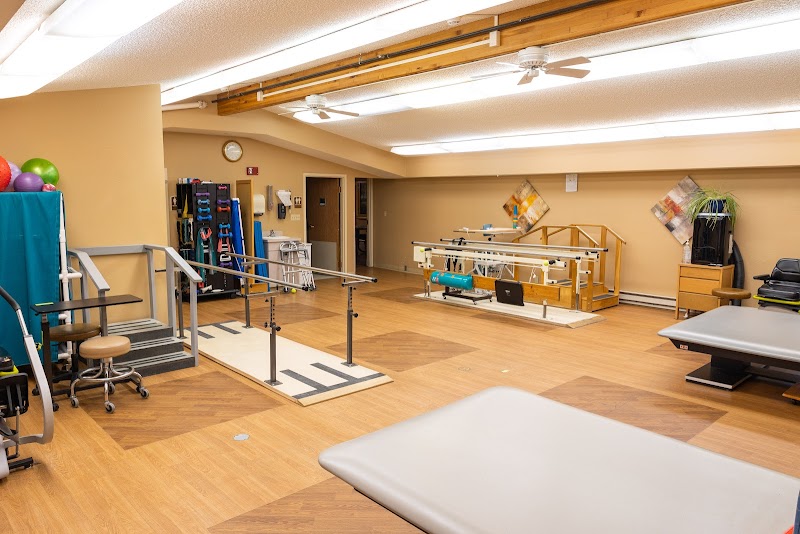
How is Skyline Heights Nursing And Rehabilitation Staffed?

CMS rates SKYLINE HEIGHTS NURSING AND REHABILITATION's staffing level at 1 out of 5 stars, which is much below average compared to other nursing homes. Staff turnover is 79%, which is 33 percentage points above the Montana average of 46%. High turnover can affect care consistency as new staff learn residents' individual needs. RN turnover specifically is 81%, which is notably high. RNs provide skilled clinical oversight, so turnover in this role can affect medical care quality.

What Have Inspectors Found at Skyline Heights Nursing And Rehabilitation?

State health inspectors documented 74 deficiencies at SKYLINE HEIGHTS NURSING AND REHABILITATION during 2023 to 2025. These included: 11 that caused actual resident harm, 61 with potential for harm, and 2 minor or isolated issues. Deficiencies causing actual harm indicate documented cases where residents experienced negative health consequences.

Who Owns and Operates Skyline Heights Nursing And Rehabilitation?

SKYLINE HEIGHTS NURSING AND REHABILITATION is owned by a for-profit company. For-profit facilities operate as businesses with obligations to shareholders or private owners. The facility is operated by EDURO HEALTHCARE, a chain that manages multiple nursing homes. With 150 certified beds and approximately 70 residents (about 47% occupancy), it is a mid-sized facility located in BILLINGS, Montana.
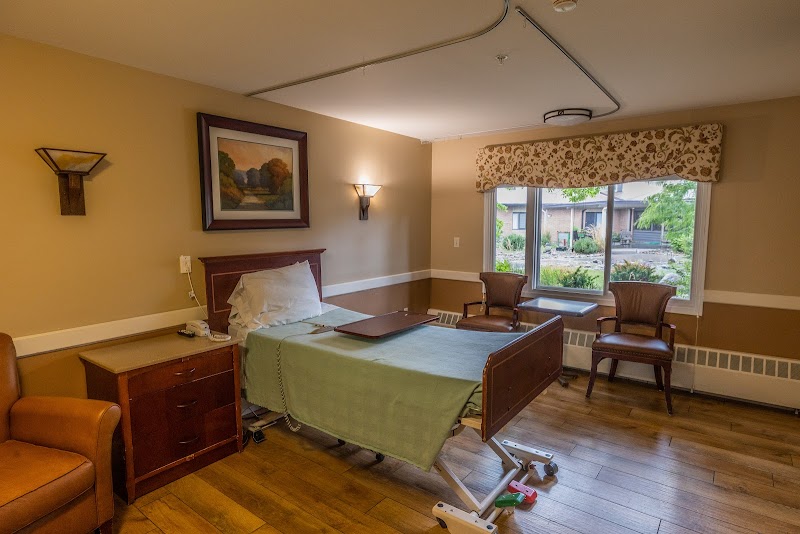
How Does Skyline Heights Nursing And Rehabilitation Compare to Other Montana Nursing Homes?

Compared to the 100 nursing homes in Montana, SKYLINE HEIGHTS NURSING AND REHABILITATION's overall rating (1 stars) is below the state average of 2.9, staff turnover (79%) is significantly higher than the state average of 46%, and health inspection rating (1 stars) is much below the national benchmark.

What Should Families Ask When Visiting Skyline Heights Nursing And Rehabilitation?

Based on this facility's data, families visiting should ask: "What safeguards and monitoring systems are in place to protect residents from abuse or neglect?" "How do you ensure continuity of care given staff turnover, and what is your staff retention strategy?" "Can you walk me through typical staffing levels on day, evening, and night shifts?" "Can I visit during a mealtime to observe dining assistance and food quality?" These questions are particularly relevant given the substantiated abuse finding on record, the facility's high staff turnover rate, and the below-average staffing rating.

Is Skyline Heights Nursing And Rehabilitation Safe?

Based on CMS inspection data, SKYLINE HEIGHTS NURSING AND REHABILITATION has documented safety concerns. The facility has 1 substantiated abuse finding (meaning confirmed case of resident harm by staff or other residents). The facility is currently on the Special Focus Facility watch list (a federal program monitoring the lowest-performing 1% of nursing homes nationwide). The facility has a 1-star overall rating and ranks #100 of 100 nursing homes in Montana. Families considering this facility should ask detailed questions about what corrective actions have been taken since these incidents.

Do Nurses at Skyline Heights Nursing And Rehabilitation Stick Around?

Staff turnover at SKYLINE HEIGHTS NURSING AND REHABILITATION is high. At 79%, the facility is 33 percentage points above the Montana average of 46%. Registered Nurse turnover is particularly concerning at 81%. RNs handle complex medical decisions and coordinate care — frequent RN changes can directly impact care quality. High turnover means new staff may not know residents' individual needs, medications, or preferences. It can also be disorienting for residents, especially those with dementia who rely on familiar faces. Families should ask: What is causing the turnover? What retention programs are in place? How do you ensure care continuity during staff transitions?

Was Skyline Heights Nursing And Rehabilitation Ever Fined?

SKYLINE HEIGHTS NURSING AND REHABILITATION has been fined $565,081 across 5 penalty actions. This is 14.6x the Montana average of $38,730. Fines at this level are uncommon and typically indicate a pattern of serious deficiencies, repeated violations, or failure to correct problems promptly. CMS reserves penalties of this magnitude for facilities that pose significant, documented risk to resident health or safety. Families should request specific documentation of what issues led to these fines and what systemic changes have been implemented.

Is Skyline Heights Nursing And Rehabilitation on Any Federal Watch List?

SKYLINE HEIGHTS NURSING AND REHABILITATION is currently an SFF Candidate, meaning CMS has identified it as potentially qualifying for the Special Focus Facility watch list. SFF Candidates have a history of serious deficiencies but haven't yet reached the threshold for full SFF designation. The facility is being monitored more closely — if problems continue, it may be added to the official watch list. Families should ask what the facility is doing to address the issues that led to this status.