LAUREL HEALTH & REHABILITATION CENTER
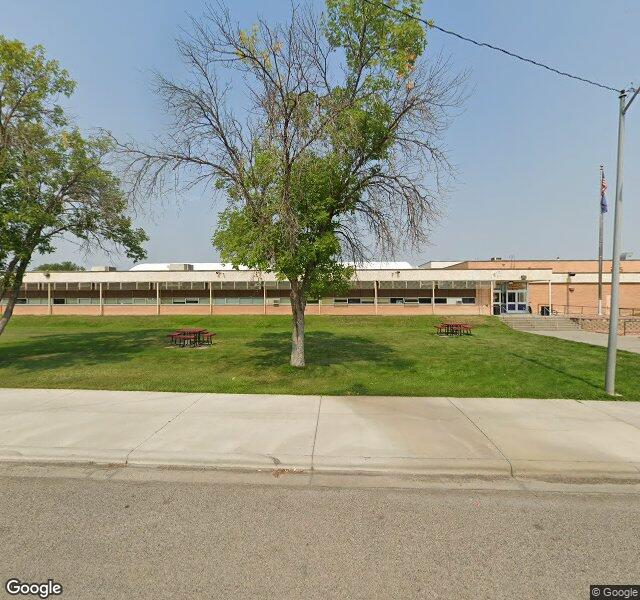
820 3RD AVE, LAUREL, MT 59044 (406) 628-8251
For profit - Corporation 79 Beds EMPRES OPERATED BY EVERGREEN Data: November 2025
Trust Grade
63/100
#14 of 59 in MT
Last Inspection: December 2024

Within standard 12-15 month inspection cycle. Federal law requires annual inspections.

Overview

Laurel Health & Rehabilitation Center has a Trust Grade of C+, which indicates a decent standing, slightly above average but not outstanding. It ranks #14 out of 59 facilities in Montana, placing it in the top half, and is the best option among 6 facilities in Yellowstone County. The facility is improving, with issues decreasing from 8 in 2024 to 3 in 2025, but there are still some concerns. Staffing is below average with a rating of 2 out of 5 stars, although the turnover rate is impressive at 0%, suggesting that staff members tend to stay. There have been some troubling incidents, including a serious medication error where a resident received more than double their prescribed dose of Methadone, necessitating hospitalization, and issues with the management of personal belongings, leading to reports of theft. Overall, while there are strengths in its ranking and low turnover, families should weigh these against the facility's staffing challenges and recent incidents.

Trust Score
C+
63/100
In Montana
#14/59
Top 23%
Safety Record
Moderate
Needs review
Inspections
Getting Better
8 → 3 violations
Staff Stability
○ Average
Turnover data not reported for this facility.
Penalties
○ Average
$7,163 in fines. Higher than 60% of Montana facilities. Some compliance issues.
Skilled Nurses
○ Average
Each resident gets 36 minutes of Registered Nurse (RN) attention daily — about average for Montana. RNs are the most trained staff who monitor for health changes.
Violations
⚠ Watch
23 deficiencies on record. Higher than average. Multiple issues found across inspections.
★★★★☆
4.0
Overall Rating
★★☆☆☆
2.0
Staff Levels
★★★★★
5.0
Care Quality
★★★☆☆
3.0
Inspection Score
Stable
2024: 8 issues
2025: 3 issues

The Good

  • 5-Star Quality Measures · Strong clinical quality outcomes
  • Full Sprinkler Coverage · Fire safety systems throughout facility
  • No fines on record

Facility shows strength in quality measures, fire safety.

The Bad

Federal Fines: $7,163

Below median ($33,413)

Minor penalties assessed

Chain: EMPRES OPERATED BY EVERGREEN

Part of a multi-facility chain

Ask about local staffing decisions and management

The Ugly 23 deficiencies on record

1 actual harm
May 2025 3 deficiencies
CONCERN (D) 📢 Someone Reported This

A family member, employee, or ombudsman was alarmed enough to file a formal complaint

Potential for Harm - no one hurt, but risky conditions existed

Safe Environment (Tag F0584)

Could have caused harm · This affected 1 resident

**NOTE- TERMS IN BRACKETS HAVE BEEN EDITED TO PROTECT CONFIDENTIALITY** Based on interview and record review, the facility failed to exercise reasonable care for the protection of a cognitively impair...

Read full inspector narrative →
**NOTE- TERMS IN BRACKETS HAVE BEEN EDITED TO PROTECT CONFIDENTIALITY** Based on interview and record review, the facility failed to exercise reasonable care for the protection of a cognitively impaired resident's property from loss or theft, when the resident admitted with a very large sum of money, which was in his possession, but was not returned or found upon the resident's death, for 1 (#57) of 6 sampled residents. Findings include: Review of a facility-reported event, submitted to the State Survey Agency on 12/31/24, showed resident #57 was admitted to the facility on [DATE] and passed away on 11/30/24; the resident had $891.00 in cash which was noted on the resident's inventory on his admission, and there was $833.00 unaccounted for when resident #57's wallet was returned to the resident's spouse. During an interview on 5/6/25 at 2:22 p.m., NF1 stated #57 was at the facility for 12 days, and passed away on 11/30/24. NF1 stated when the resident was admitted , she was not asked to address the safekeeping of the $891.00 in cash in the resident's possession. NF1 stated after #57 passed away, the facility staff contacted her to collect the resident's belongings, and when she arrived home, she realized that his wallet only contained $58.00 in cash. She contacted the facility; however, they were unable to locate the missing cash. Review of the resident's MDS admission assessment, dated 11/23/24, showed resident #57 was admitted with a BIMS score of 9, indicating moderate cognitive impairment. During an interview on 5/7/25 at 11:12 a.m., staff member B stated she would not expect a resident with a BIMS score of 9 to be able to make sound decisions for his care or his belongings. Review of the facility document titled, PERSONAL BELONGING INVENTORY, dated 11/18/24 and illegibly signed on the line for Center Representative, showed resident #57's personal belongings inventory included multiple items, including assistive devices, articles of clothing, as well as $891.00 cash, a cell phone, a ring, a wallet, and a watch. The document showed, Upon discharge, use the (check mark) columns to indicate that all personal belongings are accounted for. There were no check marks on the document column to show the inventory was accounted for on resident #57's death. The document was not signed by resident #57 or a resident representative. Review of resident #57's nursing progress note, dated 11/30/24 at 9:40 a.m., showed, Post-mortem bath given . Resident phone, watch and wedding ring are locked in the [NAME] Cart Narcotic cabinet. [sic] Review of the facility document titled, Record of Death, dated 11/30/24, showed no entries on the form under the headings: - Resident personal articles were taken by: - List of resident personal articles taken: Review of resident #57's admission documentation failed to show the resident or his representative were asked to place the cash in the facility's safe at the time of admission, or how the facility educated the resident or his representative on the risk of keeping that much cash in the resident's possession or room. Review of resident #57's nursing, social service, and activity progress notes, lacked information or additional documentation regarding the $891.00 cash in resident #57's possession, until 12/31/24, when NF1 contacted the facility regarding the missing cash. The facility did not show how they exercised reasonable care for the protection of resident #57's property from loss or theft, failed to take into consideration the resident's cognitive ability to make safe decisions for his belongings, failed to adequately document any attempts to keep resident #57's belongings safe, failed to identify the missing cash by not reconciling the admission inventory list, and failed to address the system failure through the facility's QAPI process.
CONCERN (D) 📢 Someone Reported This

A family member, employee, or ombudsman was alarmed enough to file a formal complaint

Potential for Harm - no one hurt, but risky conditions existed

Report Alleged Abuse (Tag F0609)

Could have caused harm · This affected 1 resident

Based on interview and record review, facility staff failed to report investigative findings for a reportable event, within the required timeframe, for 1 (#4) of 6 sampled residents. Findings include:...

Read full inspector narrative →
Based on interview and record review, facility staff failed to report investigative findings for a reportable event, within the required timeframe, for 1 (#4) of 6 sampled residents. Findings include: Review of a facility-reported incident, submitted to the State Survey Agency on 3/11/25, showed resident #4 had an unwitnessed fall in the bathroom, and #4 sustained a humerus fracture. The facility's investigative findings were not reported to the State Survey Agency until 3/19/25; one day after the submission deadline. During an interview on 5/7/25 at 1:23 p.m., staff member B stated she had been responsible for submitting the facility's reportable incidents through the Bounds system after the previous Administrator resigned. Staff member B stated the findings for all investigations should be reported to the State Survey Agency within five working days of the date the incident occurred. Staff member B stated she was aware of the delay in completing the investigative report of findings on the 3/11/25 fall incident, but did not recall why the delay occurred. During an interview on 5/7/25 at 3:08 p.m., staff member C stated the initial report, investigation, and final report of findings were staff member A's responsibility, however staff member B had been responsible for completing them until staff member A was fully oriented to the facility and processes. During an interview on 5/7/25 at 4:05 p.m., staff member C stated staff member B had been aware of the delay in submission and had reported it to the QAPI committee on 3/19/25. The QAPI committee had developed a performance improvement plan (PIP) for facility incident reporting which began on 3/19/25 and remained ongoing. Review of the facility document titled, Inservice Education Summary, dated 3/19/25, showed staff member B received education regarding the identification, investigation, and reporting of abuse allegations. Review of the facility document titled, Performance Improvement Plan, dated 3/19/25, showed the facility's plan of correction and a compliance date of 4/22/25, and a plan for ongoing monitoring by QAPI committee monthly over a minimum of three months. Review of the facility document titled, Inservice Education Summary, dated 3/25/25, showed all staff re-education regarding the identification, investigation, and reporting of abuse allegations. Review of the facility document titled Initial Audits-State Reportable Incidents, dated 3/19/25, showed a retrospective audit of all reportable incidents between 12/8/24 and 3/19/25. No additional late reports were identified at that time. Review of the agenda and minutes from the QAPI committee meeting, dated 4/22/25, showed the committee had reviewed the late reporting issue and was monitoring the performance improvement plan (PIP) progress.
CONCERN (F) 📢 Someone Reported This

A family member, employee, or ombudsman was alarmed enough to file a formal complaint

Potential for Harm - no one hurt, but risky conditions existed

QAPI Program (Tag F0867)

Could have caused harm · This affected most or all residents

Based on interview and record review, the facility failed to identify or correct deficient practice(s) through the utilization of their QAPI process related to facility-reported events and personal be...

Read full inspector narrative →
Based on interview and record review, the facility failed to identify or correct deficient practice(s) through the utilization of their QAPI process related to facility-reported events and personal belongings inventory management for 1 (#57) of 6 sampled residents. The deficient practice placed all residents at elevated risk for theft or loss of personal belongings. Findings include: During an interview on 5/5/25 at 12:02 p.m., staff member C stated the QAPI committee reviewed reportable events as part of their monthly agenda. Staff member C stated the previous administrator would have been responsible for resident #57's facility-reportable event submission, tracking, and reporting to QAPI, however the previous administrator was no longer employed by the facility. Staff member C stated the new administrator was out of town and unavailable for interview. Review of a facility-reported event, submitted to the State Survey Agency on 12/30/24, showed resident #57's family reported missing approximately $800 in cash that was inventoried on admission. The family reported the missing cash after coming to the facility to pick up resident #57's belongings after his death. Review of resident #57's admission documentation showed $891.00 cash. No additional documentation was located to show the disposition of the cash at the time of admission. Review of resident #57's EHR failed to show any documentation regarding the cash, until 12/30/24, when resident #57's spouse called the facility to report cash missing from the resident's wallet. A request was made for QAPI documentation to show the committee was notified of the facility-reported event, specifically the facility's system failure to adequately track the personal belongings of residents from admission through discharge, and any performance improvement plans (PIPs) to address and correct the failure. No additional documentation was received by the end of the survey period. During an interview on 5/6/25 at 4:05 p.m., staff member C stated there was no documentation to show that QAPI was notified or aware of the missing cash noted in the facility-reported event, and there was no PIP in progress for residents' personal property inventory management and or system concerns related to personal belongings.
Dec 2024 5 deficiencies
CONCERN (D)

Potential for Harm - no one hurt, but risky conditions existed

Infection Control (Tag F0880)

Could have caused harm · This affected 1 resident

Based on observation, interview, and record review, the facility failed to ensure staff practiced proper hand hygiene and appropriate use of personal protective equipment, during care of residents on ...

Read full inspector narrative →
Based on observation, interview, and record review, the facility failed to ensure staff practiced proper hand hygiene and appropriate use of personal protective equipment, during care of residents on enhanced barrier precautions, for 1 (#43) of 18 sampled residents. During an observation on 12/18/24 at 9:04 a.m., staff member F was training a new staff nurse, staff member G, on medication pass for residents. Staff member F went into resident #43's room to set up an area to administer scheduled medications by enteral (tube) feeding. Staff member F put on a pair of gloves before entering resident #43's room to administer the medications. Staff member F left resident #43's room to go to a supply room to obtain supplies for the tube feeding with the same pair of gloves on. Staff member F returned to resident #43's room to administer the medications, and did not change the gloves worn out of the room to the supply area, or back. No hand hygiene was performed. Staff member F did not use a gown when the tube feeding was started. The tube feeding was performed without comment from resident #43, or staff member G, who was training with staff member F. During an observation and interview on 12/18/24 at 10:41 a.m., with staff members A and H, there was no EBP signage outside resident #43's room. Staff member H stated she wore gloves when she changed resident #43's wet incontinence brief, after his morning tube feeding, was completed. When asked about any additional PPE which should have been used while providing direct care to resident #43, staff member H stated she was not aware of the additional PPE required for a resident on enhanced barrier precautions. Staff member A stated, We must have forgotten to bring the (PPE) signage when he (resident #43) changed rooms. During an interview on 12/18/24 at 11:10 a.m., staff member C stated, . maybe the roommate took the sign down, when asked about no signage regarding enhance barrier precautions, Review of a facility policy titled, 4.06E Enhanced Barrier Precautions, revised date March 2024, showed: . 1) Enhanced Barrier Precautions (EBP) are used in conjunction with standard precautions and expand the use of PPE to donning of gown and gloves during high-contact resident care activities . 2) EBP are indicated for residents with any of the following: . e) Indwelling medical device examples include . feeding tubes . 11) Alcohol Based Hand Sanitizer readily available. Hand hygiene is recommended before and after patient contact. 12) For residents for whom EBP are indicated, EBP is employed when performing the following high-contact resident care activities: . g) Device care or use: . feeding tube . Review of a facility policy titled, Section 2D Gastrostomy, Jejunostomy Tube: Site Care, not dated, showed, . 2. Wash hands or use hand sanitizer and put on gloves .
CONCERN (E) 📢 Someone Reported This

A family member, employee, or ombudsman was alarmed enough to file a formal complaint

Potential for Harm - no one hurt, but risky conditions existed

Pharmacy Services (Tag F0755)

Could have caused harm · This affected multiple residents

Based on interview and record review, the facility failed to ensure all controlled substance medications were accurately administered, accounted, and documented for 4 (#s 24, 27, 38, and 109) of 4 sam...

Read full inspector narrative →
Based on interview and record review, the facility failed to ensure all controlled substance medications were accurately administered, accounted, and documented for 4 (#s 24, 27, 38, and 109) of 4 sampled and supplemental residents receiving physician ordered controlled substances. Findings include: Review of the Facility Reported Incident, submitted to the State Survey Agency, dated 9/27/24, showed an investigation was initiated and completed by the facility in response to an internal audit of medication reconciliation for controlled substances. Review of the Facility Reported Incident investigative file, provided by the facility on 12/18/24, showed the following: - Three licensed nursing staff members (NF4, NF5, and NF6) were suspended during the investigation and all three were subsequently terminated following completion of the investigation by the facility. - The information identified during the investigation was submitted to the Montana State Board of Nursing. - Residents #24, 27, 38, and 109 were investigated by staff to determine if the errors with controlled substances and medication administration errors affected or caused harm to them. There were no observed or reported instances of physical or psychosocial harm found to have occurred to them. Review of a facility investigative document showed separate recorded incidents in which: - NF4 gave the wrong dose of morphine 15 mg to resident #109, - NF4 did not count resident #38's lorazepam 1 mg in the controlled substance book, - NF5 gave the wrong dose of hydromorphone 2 mg to resident #27 and the wrong dose of oxycodone 15 mg to resident #24, - NF5 did not count resident #24's oxycodone 5 mg in the controlled substance book, - NF6 gave the wrong dose of hydromorphone 2 mg to resident #27, and - NF6 did not count resident #24's oxycodone 15 mg and resident #38's lorazepam 1 mg in the controlled substance book. Review of #24, 27, 38, and 109's resident care plans showed diagnoses with goals and interventions associated with the their diagnoses. The failure of NF4, NF5, and NF6 to correctly administer medications to the residents increased the risk of deterioration to the individuals and their medical conditions and potential well-being. The care plans showed: - Resident #38's care plan, revised date 6/20/24, showed a diagnosis of Huntington's chorea with communication problems due to impaired cognitive function and impaired thought processes, and an intervention of the use of anti-anxiety medication due to anxiety from Huntington's chorea. - Resident #24's care plan, revised date 12/13/23, showed a diagnosis of dementia with impaired cognitive function and thought processes along with chronic pain history and an intervention to administer analgesic medication as per orders. - Resident #109's care plan, dated 8/26/24, showed a diagnosis of right foot surgery and osteomyelitis requiring use of pain medication therapy, with an intervention to administer analgesic medications as ordered by physician, and to review every shift and as needed for pain medication efficacy. - Resident #27's care plan, revised date 7/31/24, showed a problem of chronic pain and neuropathy, with an intervention of administering analgesia as per orders, and giving 30 minutes prior to treatments or care. Review of a facility document labeled, [NF5]- June Audit of Narcotics, showed: - Medications were noted to be incorrectly documented on various dates. - Medications were signed out in the MAR but not the controlled substance log book on 5 instances, and medications were signed out in the controlled substance book but not on the MAR on 6 instances. Review of a facility document labeled, [NF4]- June Audit of Narcotics, showed: - Medications were noted to be incorrectly documented on various dates. - Medications were signed out in the MAR but not the controlled substance book on one occasion, and medications were signed out in the controlled substance book but not the MAR, on four occasions. Review of a facility provided document, Inservice Education Summary, dated 6/20/24, showed NF4 was educated by staff member C on nursing notes and medications/use. Review of a facility provided document, Inservice Education Summary, dated 7/18/24, showed NF4 was educated by staff member C about information on rights of medication and medication errors. Review of a facility provided investigation document with interview information from NF4, dated 10/2/24, showed the following (quoted) responses when the staff member was asked about the specific circumstances involving resident medications: - . Forgot to put it in the Narc book but I gave it . - . under pressure from all different directions . - Yes I was educated on the times and expectations of narcotic documentation . - I just didn't recognize the difference between the two . - I doubt that you will find documentation because it will 100% be an error on me . - . education and then a PIP, 2nd PIP. Review of a facility provided document titled, Inservice Education Summary, dated 6/20/24, showed NF5 was educated by staff member C on the documentation of nursing notes and medications. Review of a facility provided documentitled titled, Inservice Education Summary, dated 7/18/24, showed NF5 was educated by staff member C about information on rights of medication, and medication errors. Review of a facility document titled, Work Improvement Plan, dated 8/1/24, showed staff member C reviewed with NF5: . all medications to be given per provider order. No scheduled medications will be missed over the next 30 days . Be thorough when taking responsibility of controlled substances. Document all PRN medications at the time of administration. Run PRN report at the end of every shift to ensure proper documentation . weekly medication administration monitoring . Review of a facility provided investigation, dated 10/4/24, showed the following interview response from NF5 when asked about the circumstances involving resident specific medications, I'm not going to lie to you, I don't remember . being careless, not taking my time . The last couple of months I've been busy as shit and I just don't remember. Review of a facility document titled, LN (Licensed Nurse) Core Competency Checklist, showed NF6's competency checklist was signed off by a staff validator on 8/25/23 for meeting competency requirements of medication administration (observation & policy review) and pain assessment, management, & documentation (policy review & documentation demonstration). Review of a facility provided document titled, Inservice Education Summary, dated 6/20/24, showed NF6 was educated by staff member C on nursing notes and medications. Review of a facility email sent 10/10/24 by staff member B, to a corporate sister facility, showed: [NF6] was found to have 3 instances where documentation was not present in the facilities Controlled Substances Book and/or documented in the Medication Administration Record (MAR), in which a medication should have been provided to a resident. Found to have 1 instance where documentation in the facilities Controlled Substance Book indicated a patient received the incorrect dosage of a medication. Through interviews of staff, [NF6] would come in early count the carts and would leave sticky notes for peers to document in Controlled Substances Book were prefilled out dates and mg were filled out by [NF6]. Peers through interviews expressed concerns of being led by NF6 as a senior nurse on the floor. I have finalized the investigation and filed with Nursing Board the findings. We have terminated the other 2 nurses with similar findings and notified the Board of them as well. [sic] Review of facility provided investigation document, with a reporting period of 7/1/24 - 9/30/24, showed NF5 had 21 instances in that timeframe for medications documented in the controlled substance log book that were not also documentedin the resident MAR. NF4 had six instances in the timeframe for medications documented in the controlled substance log book but not the MAR. Review of facility provided email from NF7, dated 10/3/24 at 9:05 a.m., showed staff member J performed a review of the narcotic ledger books and resident MARs, with the dates of 9/30/24 and 10/2/24. The review resulted in four residents who were found to have medication documentation concerns in the EHR on 9/30/24, and six residents had medication documentation concerns for 10/2/24. No additional detail was provided in the email. During an interview on 12/18/24 at 8:11 a.m., staff member F stated she saved the top part of resident ordered controlled substance medication cards, when they were empty, to review during the nursing shift change narcotics count. Staff member F stated staff member C had been requiring nursing staff to follow this process since completion of the facility's most recent investigation. During an interview on 12/18/24 at 3:14 p.m., staff member C stated she had stopped conducting routine audits and medication reconciliations, for licensed nursing staff administering controlled substances to residents, for a period of two weeks. Staff member C stated she began to conduct audits and medication reconciliation reviews because of concerns expressed by staff related to NF6 leaving letters to other nursing staff, who were coming on shift, and she wanted them to document controlled substances. Staff member C stated she trained nursing staff on medication administration, and the expectations associated with controlled substance documentation. Staff member C stated she did not have access to view the Cubex (automated medication dispensing machine) use by facility nursing staff, prior to the facility investigation, but obtained access from the pharmacy for regular reviews to be completed after the investigation was completed. Staff member C stated there were no concerns or behaviors displayed by the terminated nursing staff, or reported by other staff, which would have showed a pattern of diversion of narcotics or substance use issues. Staff member C stated, It happened because of sloppy nursing, I gave them all the tools from my toolbox, and it was their choice to use them. During an interview on 12/19/24 at 9:03 a.m., staff member B stated nursing staff were educated if there was one discrepancy found with controlled substances, or any error having to do with narcotics, the staff member would be terminated. Staff member B stated staff member C removed herself from the full facility investigation, so she would be audited and included with all other licensed nurses, for the review and identification of any possible patterns related to the recording and administration of controlled substances. Review of a facility provided document titled, Pulling Controlled Medications from the Cubex (automated medication dispensing) Machine), not dated, showed, . once you have pulled the medication from the Cubex machine you will log it (details of medication taken) into the Controlled Substance Log Book . Review of a facility provided document titled, Controlled Substance Log Book, not dated, showed, . all medications must be visually inspected to be counted. Therefore, sealed controlled medication boxes must be opened for viewing/counting . The result of the investigation showed the above documents were readily available to NF4, NF5, and NF6, all of whom did not follow the instructions in the above documents or follow professional standards of practice related to medication admistration of controlled substances. Review of a facility policy titled, Medication Administration Section 7.1 General Guidelines, dated 1/24, showed, Medications are administered as prescribed in accordance with . good nursing principles and practices . Medications are administered in accordance with written orders of the prescriber . the individual who administers the medication dose, records the administration on the resident's MAR immediately following the medication being given. In no case should the individual who administered the medications report off-duty without first recording the administration of any medications. Review of a facility policy titled, Medication Administration Section 7.4 Controlled Substances, dated 1/23, showed: The Director of Nursing and the Consultant Pharmacist establish a system of records of receipt and disposition of all controlled drugs in sufficient detail to enable an accurate reconciliation, and determine the drug records are in order and that an account of all controlled drugs is maintained and periodically reconciled . - When a controlled medication is administered, the licensed nurse administering the medication immediately . document dose administration on the MAR . - Any discrepancy in a controlled substance medication count is reported to the director of nursing immediately . - The DON investigates the discrepancy and researches all the records related to medication administration and the supply of the medication, including medication reconciliation. - Medication reconciliation is made from the last known date and time of reconciliation . - The dispensing pharmacy should be notified and the pharmacy should verify that the medication was actually dispensed . - Document the loss and the investigation process. Notify the prescriber and family if doses have been missed . - If diversion is discovered and substantiated, timely notifications must be made to appropriate agencies, such as local law enforcement, Drug Enforcement Administration, State Board of Nursing, State Board of Pharmacy, the state Medicaid Fraud Control Unit, and possibly the State Licensure Board for Nursing Home Administrators. - The director of nursing documents irreconcilable discrepancies in a report to the administrator. - If a major discrepancy or a pattern of discrepancies occurs or if there is apparent criminal activity, the director of nursing notifies the administrator, the consultant pharmacist, and the pharmacy manager. - A determination will be made by the administrator, the pharmacy manager, and the director of nursing concerning other actions to be taken (e.g., notification of police or other enforcement agency). [sic]
CONCERN (F)

Potential for Harm - no one hurt, but risky conditions existed

Staffing Data (Tag F0851)

Could have caused harm · This affected most or all residents

Based on interview and record review, the facility failed to submit the mandatory staffing information for the fourth quarter of federal fiscal year 2024, as required by the Centers for Medicare and M...

Read full inspector narrative →
Based on interview and record review, the facility failed to submit the mandatory staffing information for the fourth quarter of federal fiscal year 2024, as required by the Centers for Medicare and Medicaid. Findings include: Review of a CMS report titled, PBJ Staffing Data Report, dated 12/10/24, showed the facility triggered for the failure to submit data for the quarter, and for, One Star Staffing Rating. The facility was notified on 12/16/24, during the entrance conference, the facility triggered for the failure to submit staffing data for the fourth quarter of federal fiscal year 2024 (July, August, and September of 2024). Staff member B stated they would provide copies of the staffing reports, which were submitted by staff member I. During an observation and interview on 12/19/24 at 8:45 a.m., staff member I demonstrated how she submitted the mandatory staffing data required by CMS. Staff member I accessed the Monthly Nursing Home Staffing Report link on the Montana DPHHS website, to submit the facility's staffing data. The link used to submit the data was a Montana state specific website, not the federal website established by CMS, for reporting mandatory staffing data. Review of a facility document titled, Monthly Nursing Facility Report, dated 8/1/24, showed the staffing data which was submitted by staff member I monthly. The facility also provided reports for August and September of 2024. During an interview on 12/19/24 at 8:50 a.m., NF3 stated she received staffing data monthly from nursing homes in the state (Montana). NF3 stated the data was used for activities within Montana only and had no known affiliation to CMS. During an interview on 12/19/24 at 9:00 a.m., staff members A and B stated they contacted a corporate person to clarify who was responsible for submitting the staffing data which CMS required. Staff member A stated her corporate contact explained there had been an error with the July, August, and September 2024 data submission, and they had been unable to get the error corrected so the data could be submitted prior to the deadline. Staff member A stated the facility was not notified when the error occurred or when the data was submitted late. The facility was unable to provide proof of successful submission of the staffing data to CMS for the fourth quarter of federal fiscal year 2024 prior to the end of the survey.
MINOR (C)

Minor Issue - procedural, no safety impact

Transfer Notice (Tag F0623)

Minor procedural issue · This affected most or all residents

**NOTE- TERMS IN BRACKETS HAVE BEEN EDITED TO PROTECT CONFIDENTIALITY** Based on interview and record review, the facility failed to provide a written notice of the reason for a facility-initiated tra...

Read full inspector narrative →
**NOTE- TERMS IN BRACKETS HAVE BEEN EDITED TO PROTECT CONFIDENTIALITY** Based on interview and record review, the facility failed to provide a written notice of the reason for a facility-initiated transfer to the resident or the resident's representative, for 3 (#s 7, 37, and 111) of 18 sampled residents. Findings include: 1. During an interview on 12/18/24 at 9:59 a.m., staff member D stated the nursing staff were responsible for telling the residents the reason for their transfer to the hospital. Staff member D stated, The nurses let me know, and I complete the transfer form for the medical record. Staff member D stated she did not know the facility was required to provide written notification of transfer to the residents, stating, The form is in the computer, and they can always ask for a copy, but I didn't know we were supposed to provide a copy before they transferred. During an interview on 12/18/24 at 2:12 p.m., staff member E stated when a resident was transferred to the hospital, the nurses completed a transfer report form for the hospital staff, and told the resident or their representative of the reason for transfer, but no paperwork was completed or provided to the resident or their representative. During a telephone interview on 12/18/24 at 3:40 p.m., NF2 stated the staff, . usually call or text me when (resident #7) is taken to the hospital, but I have never received anything in writing. Review of resident #7's nursing progress notes showed resident #7 was transferred to the hospital on [DATE] for an acute change in medical condition. Review of a facility document, titled, RESIDENT NOTICE OF TRANSFER OR DISCHARGE, dated 10/6/24, showed, Verbal upon transfer/discharge to the hospital typed on the signature line, which was designated for the resident or resident's representative, without additional clarifying information added to show who was notified. 2. During an interview on 12/19/24 at 10:08 a.m., resident #37 stated he had been hospitalized three times in the past year. Resident #37 stated he did not remember getting any paperwork from the facility regarding the reason for his transfers to the hospital. During an interview on 12/19/24 at 11:15 a.m., NF1 stated she had not received any documentation from the facility regarding the reason for resident #37's transfers to the hospital for care. Review of resident #37's EHR showed he was transferred to the hospital for care on 2/28/24, 4/2/24, 6/2/24, 7/14/24, and 10/10/24. The EHR failed to a written notice of the reason for the transfers was given to the resident or the resident's representative at the time of, or immediately after, the transfer. 3. During an interview on 12/19/24 at 10:10 a.m., resident #111 stated she had been hospitalized in late November of 2024. Resident #111 stated she did not remember getting any paperwork when she went to the hospital in November of 2024. Review of resident #111's EHR showed the resident was transferred to the hospital for care on 11/29/24. During an interview on 12/19/24 at 10:55 a.m., staff member B stated the floor nurse who transferred the resident to the hospital was supposed to provide the written notice of the reason for the transfer to the resident and the resident's representative. Staff member B stated staff member D was supposed to give the resident and their representative a copy of the written notice describing the reason for the resident's transfer.
MINOR (C)

Minor Issue - procedural, no safety impact

Deficiency F0625 (Tag F0625)

Minor procedural issue · This affected most or all residents

**NOTE- TERMS IN BRACKETS HAVE BEEN EDITED TO PROTECT CONFIDENTIALITY** Based on interview and record review, the facility failed to provide the required bed hold notice to the resident or the residen...

Read full inspector narrative →
**NOTE- TERMS IN BRACKETS HAVE BEEN EDITED TO PROTECT CONFIDENTIALITY** Based on interview and record review, the facility failed to provide the required bed hold notice to the resident or the resident's representatives prior to, or timely after, a transfer, for 3 (#s 7, 37 and 111) of 18 sampled residents. Findings include: During an interview on 12/18/24 at 9:59 a.m., staff member D stated she was responsible for completing the bed hold agreements when nursing staff notified her a resident was transferred to the hospital. Staff member D reported no written documentation of the bed hold agreements were provided to the residents or their representatives. During an interview on 12/18/24 at 2:12 p.m., staff member E stated when a resident was transferred to the hospital, the social services department was responsible for completing the bed hold agreement. 1. During a telephone interview on 12/18/24 at 3:40 p.m., NF2 stated the staff, . usually call or text me when (resident #7) is taken to the hospital, but I never received anything in writing. NF2 stated, I don't know anything about that, what is that exactly . when asked by the surveyor about bed hold agreements, stating, No, I have never gotten anything like that. Review of resident #7's nursing progress notes showed resident #7 was transferred to the hospital on [DATE] for an acute change in medical condition. Review of a facility document, titled, BED HOLD AGREEMENT, dated 10/7/24, showed, Verbal upon transfer/discharge to the hospital typed on the signature line designated for the resident. No additional clarifying information to show who was notified, or which facility staff member provided the notification. 2. During an interview on 12/19/24 at 10:08 a.m., resident #37 stated he had been hospitalized three times in the past year. Resident #37 stated he did not remember getting any paperwork from the facility regarding bed hold information. During an interview on 12/19/24 at 11:15 a.m., NF1 stated she had not received any documentation from the facility regarding bed hold information when resident #37 was transferred to the hospital for care. Review of resident #37's EHR showed he was transferred to the hospital for care on 2/28/24, 4/2/24, 6/2/24, 7/14/24, and 10/10/24. 3. During an interview on 12/19/24 at 10:10 a.m., resident #111 stated she had been hospitalized in late November of 2024. Resident #111 stated she did not remember getting any bed hold information when she went to the hospital in November of 2024. Review of resident #111's EHR showed the resident was transferred to the hospital for care on 11/29/24. During an interview on 12/19/24 at 10:55 a.m., staff member B stated nursing was supposed to give the resident bed hold notice paperwork and then staff member D did the follow-up. Staff member B stated she was unaware staff member D was not providing copies of the bed hold notice information.
Feb 2024 3 deficiencies
CONCERN (D) 📢 Someone Reported This

A family member, employee, or ombudsman was alarmed enough to file a formal complaint

Potential for Harm - no one hurt, but risky conditions existed

Free from Abuse/Neglect (Tag F0600)

Could have caused harm · This affected 1 resident

Based on observation, interview, and record review, the facility failed to ensure residents were free from abuse by a staff member for 1 (#2) of 3 sampled residents. Findings include: A review of a Fa...

Read full inspector narrative →
Based on observation, interview, and record review, the facility failed to ensure residents were free from abuse by a staff member for 1 (#2) of 3 sampled residents. Findings include: A review of a Facility Reported Incident, dated 1/3/24, showed resident #2 had an interaction with staff member J. The incident showed resident #2 was joking with (staff member J) and she was joking back and hit his arm and it hurt. Resident #2 stated he did not think the staff member intended to inflict pain, but did not know why staff member J did it. The report showed staff member J was terminated after the investigation was completed. During an observation and interview on 2/13/24 at 12:15 p.m., resident #2 was in the dining room for a meal. Resident #2 was smiling and visiting with other residents. Resident #2 stated he remembered the incident, but could not remember what they were joking about, and did not know why staff member J hit him. Review of the investigative file, for the incident which occurred on 1/3/24, showed staff member J was suspended during the investigation. Resident #2 was interviewed by staff member A on 1/3/24. The documents showed resident #2 was joking with staff member J and staff member J hit resident #2 on his arm in response to something which was said. Resident #2 stated he did not think staff member J intended to cause him harm. Staff member A also interviewed staff member J via telephone on 1/3/24. The documents showed staff member J stated she had asked resident #2 to stop calling her mom, and staff member J then nudged the resident's arm. The facility questioned all cognitively intact residents about any similar experiences with staff. None of the residents questioned reported any incidents of being struck by staff. The written statement, dated 1/4/24, and completed by staff member J showed (staff member J) smacked (resident #2) lightly on. The arm in front of the nurses station . [sic] Staff member J's statement showed she did not like the nickname and had asked resident #2 to stop using the nickname. When the resident did not stop, staff member J reacted. Documentation showed: a. Abuse training for nursing, housekeeping, and managers was completed on 1/5/24, related to abuse. b. A Quality Assurance and Performance Improvement meeting was held on 1/8/24 to discuss the incident and the corrective action taken. No incidents of staff to resident abuse have been reported to the State Survey Agency to date.
CONCERN (E) 📢 Someone Reported This

A family member, employee, or ombudsman was alarmed enough to file a formal complaint

Potential for Harm - no one hurt, but risky conditions existed

Deficiency F0658 (Tag F0658)

Could have caused harm · This affected multiple residents

Based on interview and record review, the facility nursing staff failed to meet professional standards of quality by not ensuring all controlled substance medications were accurately accounted for and...

Read full inspector narrative →
Based on interview and record review, the facility nursing staff failed to meet professional standards of quality by not ensuring all controlled substance medications were accurately accounted for and documented in a resident's EHR, for 3 (#s 1, 4, and 7) of 3 sampled residents for medications. This deficient practice affected the accuracy of medication administration records, had the potential to result in administration errors, and to allow unidentified controlled substance diversion to occur. Findings include: 1. Review of resident #1's MARs, dated January and February of 2024, showed five days all doses of hydromorphone, one-half of a 5 mg tablet, were removed and signed out by either staff member D or staff member E, and not documented on resident #1's MAR. Days included: 1/18/24, 1/19/24, 1/19/24, 1/20/24, 1/23/24. Refer to F755 for detailed information for dates/times for resident #1. There were no negative outcomes identified for the resident. 2. Review of resident #4's MARs, dated January and February of 2024, showed seven days not all doses of oxycodone-acetaminophen, 5-325 mg tablets, were removed and signed out by either staff member D or staff member E, and not documented on resident #4's MAR. Dates included: 1/30/24, 1/31/24, 1/31/24, 2/1/24, 2/10/24, 2/10/24, 2/13/24. Refer to F755 for detailed information for dates/times for resident #4. There were no negative outcomes identified for the resident. 3. Review of resident #7's MAR, dated January of 2024, showed four doses of oxycodone, 7.5 mg, were removed and signed out by either staff member D or staff member E, and not documented on resident #7's MAR on the day it was given, which included: 1/18/24, 1/19/24, 1/20/24, and 1/26/24. Refer to F755 for detailed information for dates/times for resident #7. There were no negative outcomes identified for the resident. During an interview on 2/14/24 at 1:39 p.m., staff member D stated when she needed to give an as needed pain medication to a resident, she signed out the medication to be given on the Individual Narcotic Record when it was removed from the locked drawer. Staff member D stated if she got busy, she wrote herself a note and tried to remember to document the administration of the medication on the (resident's) MAR before the end of her shift. Staff member D stated she was sometimes slow to get to the MAR documentation, and the facility's expectation was medications were to be signed out at the time of administration, rather than later in the shift. When interviewed, staff member D was not able to explain why these doses were not correctly documented. During an interview on 2/14/24 at 3:20 p.m., staff member E stated she normally signed the resident's MAR at the time of medication administration. When asked why there were doses signed out of the secure storage which did not have a corresponding MAR entry, staff member E stated she tried to write herself a note when she got very busy, but sometimes forgot (to document on the MAR). Review of the facility's policy titled, Pain Management, dated August of 2023, showed, When a PRN dose is administered, the LN should document . in the appropriate location in the electronic medical record . The staff involved failed to follow the facility policy. Review of the facility's policy titled, Medication Administration Controlled Substances, dated January of 2023, showed when the controlled medication is administered, it was to be documented on both the Individual Narcotic Record, and the resident's MAR. The staff involved failed to follow the facility policy for medical record documenation and professional standards.
CONCERN (E) 📢 Someone Reported This

A family member, employee, or ombudsman was alarmed enough to file a formal complaint

Potential for Harm - no one hurt, but risky conditions existed

Pharmacy Services (Tag F0755)

Could have caused harm · This affected multiple residents

Based on interview and record review, the facility failed to develop and implement a system that accounted for all Schedule II controlled substance medications, from receipt to administration or destr...

Read full inspector narrative →
Based on interview and record review, the facility failed to develop and implement a system that accounted for all Schedule II controlled substance medications, from receipt to administration or destruction, for 3 (#s 1, 4, and 7) of 3 sampled residents for medications. The deficient practice resulted in a discrepancy between the number of doses removed from secure storage, and the number of doses administered to a resident, which allowed for an increased risk for diversion of controlled substance medications. Findings include: 1. Review of resident #1's Individual Narcotic Records, dated 1/17/24 and 1/19/24, showed 50 total doses were removed from secure storage. The following 11 doses of hydromorphone one-half of a 2 mg tablets did not have a corresponding administration documented on the resident's MAR: - 1/18/24 at 11:45 a.m., two halves of a 2 mg tablet, 2 mg dose, - 1/19/24 at 6:30 a.m., two halves of a 2 mg tablet, 2 mg dose, - 1/19/24 at 4:00 p.m., one-half of a 2 mg tablet, 1 mg dose, - 1/19/24 at 4:00 p.m., one-half of a 2 mg tablet, 1 mg dose, - 1/20/24 at 8:45 a.m., two halves of a 2 mg tablet, 2 mg dose, - 1/23/24 at 2:00 p.m., two halves of a 2 mg tablet, 2 mg dose, and - 1/29/24 at 8:00 a.m., one-half of a 2 mg tablet, 1 mg dose. Eleven of 50 doses calculated to 22 percent of the hydromorphone doses were not documented as given on the resident's MAR. 2. Review of resident #4's Individual Narcotic Record, dated 1/22/24, showed 34 total doses were removed from secure storage. The following seven doses of oxycodone -acetaminophen 5/325 mg tablets did not have a corresponding administration documented on the resident's MAR: - 1/30/24 at 2:30 p.m., - 1/31/24 at 8:00 a.m., - 1/31/24 at 2:15 p.m., - 2/1/24 at 6:00 p.m., - 2/10/24 7:45 a.m., - 2/10/24 2:50 p.m.; and, - 2/13/24 7:45 a.m. Seven of 34 doses calculated to be 22 percent of the oxycodone-acetaminophen 5/325 mg doses were not documented as given on #4's MAR. 3. A review of resident #7's Individual Narcotic Record, dated from 1/15/24 through 1/28/24, showed 60 total doses were removed from the secure storage area. The following 11 doses of oxycodone 7.5 mg doses did not have a corresponding administration documented on the resident's MAR: - 1/18/24 at 5:00 p.m., - 1/19/24 at 6:30 a.m., - 1/20/24 at 3:30 a.m., - 1/20/24 at 11:30 a.m., - 1/21/24 at 3:35 p.m. - 1/22/24 at 12:35 a.m., - 1/24/24 at 8:44 a.m., - 1/24/24 at 9:06 p.m., - 1/26/24 at 11:45 a.m., - 1/27/24 at 11:00 a.m.; and, - 1/28/24 at 4:00 p.m. Eleven of 60 doses calculated to be 18 percent of the oxycodone 7.5 mg doses were not documented as given on the resident #7's MAR. During an interview on 2/14/24 at 2:23 p.m., staff member B stated she was not aware there were narcotic medications being removed from secure storage which were not being accounted for on the resident's MAR. Staff member B stated she expected staff to sign both the Individual Narcotic Record, and the resident's MAR, when an as needed controlled substance medication was given. Staff member B stated she was responsible for orienting nurses to the facility's procedures and instructed nursing staff to document narcotic medication administration on the resident's MAR and the Individual Narcotic Record. A review of the facility's policy titled, Medication Administration Controlled Substances, dated January of 2023, showed when the controlled medication is administered, it was to be documented on both the Individual Narcotic Record and the resident's MAR.
Dec 2023 2 deficiencies
CONCERN (D)

Potential for Harm - no one hurt, but risky conditions existed

Assessment Accuracy (Tag F0641)

Could have caused harm · This affected 1 resident

Based on interview and record review, the facility failed to ensure resident medications were accurately coded on the resident's MDS for 1 (#21) of 5 sampled residents. Findings include: Review of res...

Read full inspector narrative →
Based on interview and record review, the facility failed to ensure resident medications were accurately coded on the resident's MDS for 1 (#21) of 5 sampled residents. Findings include: Review of resident #21's Significant Change MDS, with an ARD of 10/1/23, showed the resident had received insulin on one day during the seven-day lookback period. Review of resident #21's MAR, dated December of 2023, showed the resident did not have an order for insulin to be administered. The resident's MAR showed an order, dated 10/1/23, for Trulicity 0.75 mg injections to be given every Sunday. During an interview on 12/6/23 at 12:47 p.m., staff member C stated she coded Trulicity, a non-insulin medication used with insulin for glycemic control. After researching the drug classification for Trulicity, staff member C stated she thought the medication was insulin and had incorrectly coded it on the Significant Change MDS, with an ARD of 10/1/23.
CONCERN (D)

Potential for Harm - no one hurt, but risky conditions existed

Deficiency F0657 (Tag F0657)

Could have caused harm · This affected 1 resident

Based on interview and record review, the facility failed to revise a resident's care plan after completion of a course of antibiotics for tooth pain, for 1 (#22) of 1 sampled residents. Findings incl...

Read full inspector narrative →
Based on interview and record review, the facility failed to revise a resident's care plan after completion of a course of antibiotics for tooth pain, for 1 (#22) of 1 sampled residents. Findings include: Review of resident #22's physician order, dated 8/29/23, showed an order for amoxicillin 500 mg three times a day for seven days. Review of resident #12's MAR, dated September of 2023, showed the amoxicillin was completed on 9/3/23. Review of resident #22's care plan, dated 9/5/23, showed the resident had a problem related to antibiotic therapy for tooth pain, and interventions involved the administration of the ordered antibiotic, monitoring for effectiveness, and any adverse effects associated with the administration of the antibiotic. The care plan, accessed on 12/6/23, failed to show resolution of the problem after the antibiotics were completed. During an interview on 12/6/23 at 2:24 p.m., staff member B stated resident #22's care plan should have been revised to show the resolution of the antibiotics for tooth pain in September of 2023.
Oct 2023 5 deficiencies 1 Harm
SERIOUS (G) 📢 Someone Reported This

A family member, employee, or ombudsman was alarmed enough to file a formal complaint

Actual Harm - a resident was hurt due to facility failures

Deficiency F0760 (Tag F0760)

A resident was harmed · This affected 1 resident

Based on interview and record review, the facility failed to ensure 1 (#3) of 14 sampled residents was free from a significant medication error requiring hospitalization. Resident #3 was given 22.5 ml...

Read full inspector narrative →
Based on interview and record review, the facility failed to ensure 1 (#3) of 14 sampled residents was free from a significant medication error requiring hospitalization. Resident #3 was given 22.5 mls of Methadone instead of the ordered 10 mls. Findings include: Review of a facility reported incident, dated 3/8/23, showed a medication error resulted in resident #3 being transferred to the emergency room from the wound clinic. Investigation for the incident showed the resident was to receive 10 mls of Methadone, but received 22.5 mls. Review of the incident showed the dosage of Methadone had been changed from 22.5 mls to 10 mls on 3/6/23 upon return from a hospital stay. Review of resident #3's Nursing Progress Notes, dated 3/6/23 to 3/7/23, showed the resident asked for his morning dose of Methadone. Staff member G documented the resident received the medication per the instructions, 22.5 mls daily. Staff member G documented when she went to record the medication administration she realized the order had changed to 10 mls with lunch. Resident #3 left for an appointment at the wound clinic after administration of the medication. Review of resident #3's Narcotic Record showed the resident was administered 22.5 mls of Methadone on 3/6/23. There was not a dose of Methadone documented on 3/7/23. Review of resident #3's Medication Administration Record, dated 3/1/23 through 3/31/23, showed the resident received a dose of 10 mls of Methadone on 3/7/23 with instructions to note the change in dosage. Review of resident #3's Progress Notes, dated 3/7/23 at 10:21 a.m., showed the facility called the wound clinic and was told the resident was sent to the emergency room by the provider. A Progress Note, dated 3/7/23 at 4:08 p.m., showed the resident was admitted to the hospital. Review of resident #3's After Visit Summary, dated 3/13/23, showed the resident was admitted to the hospital for Methadone overdose. During an interview on 10/12/23 at 11:42 a.m., staff member B stated any new medications and/or changes are on the report ran in the mornings. Staff member B stated there is a check process that should be used by the nurses administering medication. The process is to look at the Medication Administration Record when taking the medication out, and check again before administering. Staff member B stated the nurses were to run a report daily and if they have been off for a few days, they should run a report from the last time they worked to the day of their current shift. Staff member B stated when a new medication or a change in a medication dosage happened, the resident went on alert charting and the nurses were to document in alert charting any adverse effects. The facility provided documentation to show immediately following the event, the staff responsible, and others, were educated on proper procedures to prevent medication errors. The facility extablished a monitoring system for quality assurance reviews, and the quality assurance and performance improvement committee reviewed the concerns related to the medication error and the ongoing audits in the monthly meeting. Notes were provided for the review.
CONCERN (D) 📢 Someone Reported This

A family member, employee, or ombudsman was alarmed enough to file a formal complaint

Potential for Harm - no one hurt, but risky conditions existed

Free from Abuse/Neglect (Tag F0600)

Could have caused harm · This affected 1 resident

Based on interview and record review, the facility failed to protect a resident from neglect by a staff member by not providing care when answering a call light for 1 (#8) of 5 sampled residents. Find...

Read full inspector narrative →
Based on interview and record review, the facility failed to protect a resident from neglect by a staff member by not providing care when answering a call light for 1 (#8) of 5 sampled residents. Findings include: A review of a facility reported incident showed resident #8 alleged on 4/4/23, NF1 came into answer the call light, turned it off, and left without talking to him. Resident #8 said it was not the first time his call light was turned off and he was not provided care by NF1. Review of the facility investigation for the allegations made on 4/4/23, showed the facility suspended and interviewed NF1. Staff member A interviewed NF1 on 4/4/23 regarding the allegation of turning off call lights without providing resident care. NF1 admitted to turning off resident call lights without providing care. NF1 considered repeated use of the call light to be a resident behavior. The facility reported the allegation to the local police, Adult Protective Services Agency, State Survey Agency, and the staffing agency. Staff member F interviewed all residents assigned to NF1 on 4/4/23. Staff member A interviewed the staff working with NF1 on 4/4/23, and staff working historically with NF1. Upon the completion of the facility investigation, the abuse/neglect was substantiated for resident #8, NF1's employment was addressed by the facility. Review of NF1's employee file showed the facility had completed a background check and license verification upon hire of NF1. A review of facility sign-in documentation showed an all-staff abuse training in-service was provided on 4/14/23 and 4/15/23. During an interview on 10/12/23 at 11:43 a.m., staff member A stated the facility provided education to all staff upon completion of the incident investigation. Call light audits were done, and the residents were interviewed following the incident, and no further issues had been identified. Staff member A stated the incident was discussed in the next scheduled QAPI meeting on 5/17/23. Staff member A stated resident #8 was monitored weekly for psychosocial outcomes following the event. Review of the facility QAPI agenda, dated 5/17/23, showed facility reportable events, abuse training including call lights, and facility improvements was included.
CONCERN (D) 📢 Someone Reported This

A family member, employee, or ombudsman was alarmed enough to file a formal complaint

Potential for Harm - no one hurt, but risky conditions existed

Deficiency F0604 (Tag F0604)

Could have caused harm · This affected 1 resident

Based on observation, interview, and record review, the facility failed to ensure a wheel chair was evaluated as a possible restraint for 1 (#10) of 14 sampled residents. Resident #10 was not able to ...

Read full inspector narrative →
Based on observation, interview, and record review, the facility failed to ensure a wheel chair was evaluated as a possible restraint for 1 (#10) of 14 sampled residents. Resident #10 was not able to use the wheel chair for mobility and relied on staff to get her from her room to activities and meals. Findings include: During an observation and interview on 10/11/23 at 9:30 a.m., resident #10 stated she cannot touch the floor with her feet while seated in her wheel chair. Resident #10 stated she no longer goes to the dining room for meals because she would have to wait 30-45 minutes for staff to wheel her back to her room. Resident #10 stated she could wheel herself if her feet would touch the floor. Resident #10 stated she spends from 6:30 a.m. to 9:30 p.m. seated in her wheel chair. Resident #10 stated she would like to be able to propel herself independently around the facility and visit with other residents because she was the resident council president. Observation of the resident seated in her wheel chair showed her feet did not touch the floor. Resident #10 stated she was unable to use her upper extremities to independently move her wheel chair. Resident #10 stated the wheel chair prevents her from being independent and from physical activity. During an interview on 10/12/23 at 11:28 a.m., staff members A and B stated the resident came to the facility more mobile. Then the resident started to decline due to a surgical procedure. Staff members A and B stated the resident was unable to use her arms to propel due to pain. Staff members A and B stated there had not been any documentation of the resident's refusals of offered interventions. Staff members A and B stated the facility had not completed a device or restraint assessment for the wheel chair. Staff member B stated the facility had no documentation of education to resident #10, and said the resident had a bariatric wheel chair made for her and since she has lost weight, it really does not fit her anymore. Review of resident #10's History and Physical, dated 9/18/23, showed the resident had loss of function in her hands, arms, and bilateral extremities. The document showed the resident had improvement in her ability to stand after working with Physical Therapy. She was able to stand for three minutes, but had no improvement in the upper extremities. Review of resident #10's Care Plan, dated 7/24/22, showed the resident was to reposition and ambulate as frequently as possible at a minimum of every two hours. Encourage routine physical exercise (i.e. walking to the bathroom, dining room, exercise programs). These interventions have not been updated on the care plan.
CONCERN (E) 📢 Someone Reported This

A family member, employee, or ombudsman was alarmed enough to file a formal complaint

Potential for Harm - no one hurt, but risky conditions existed

ADL Care (Tag F0677)

Could have caused harm · This affected multiple residents

**NOTE- TERMS IN BRACKETS HAVE BEEN EDITED TO PROTECT CONFIDENTIALITY** Based on observation, interview, and record review, the facility failed to ensure the bathing and dining needs were completed fo...

Read full inspector narrative →
**NOTE- TERMS IN BRACKETS HAVE BEEN EDITED TO PROTECT CONFIDENTIALITY** Based on observation, interview, and record review, the facility failed to ensure the bathing and dining needs were completed for those residents requiring assistance for 5 (#s 6, 8, 10, 13, and 14) of 14 sampled residents. This failure resulted in a delay of residents receiving showers, and a delay in residents receiving meals and assistance, in a timely manner. Findings include: 1. Bathing: During an interview on 10/11/23 at 2:36 p.m., resident #8 said his shower days were Monday and Thursday. He said he had just moved back to his room from staying in the COVID unit. Resident #8 said a CNA on the COVID unit told him he would not be getting a shower while on the unit because he would spread COVID to the shower and other residents. Resident #8 said he stinks and was hoping to get a shower and not have to wait until his regular shower day. Resident #8 has a diagnosis of spina bifida and neurogenic bladder. Review of resident #8's care plan, dated 3/21/19, showed resident #8 would like two baths per week. Bathing and showering interventions and tasks showed, The resident is able to perform with supervision. I have agreed to 2 baths/showers per week to help with my skin issues and odor from urostomy. Review of resident #8's Annual MDS, with an ARD date of 9/8/23, showed physical health in part of the bathing activity was set up only. During an interview on 10/11/23 at 9:30 a.m., resident #10 stated her roommate, resident #13, sat in urine soaked clothing and brief. Resident #10 stated when staff came in to change resident #13, they would not provide cleaning with cares and only change her shirt and brief. Resident #10 stated resident #13 was confused and could not speak for herself. Resident #13 was moved to the COVID unit from room [ROOM NUMBER]. Resident #13 was currently residing on the COVID unit during the survey and was not interviewable. Record review of resident #13's Bathing Flowsheet, showed resident #13 had received a shower on 9/10/23, 9/17/23, 9/25/23, and 9/27/23. Resident #13 received four showers in the month of September and no refusals were documented. Resident #13 was scheduled for showers twice weekly. Resident #13 received a shower on 10/1/23 and 10/2/23 with one refusal on 10/5/23, nine days without a shower. Resident #13 was a resident on the COVID unit, the 400 hall. Review of resident #13's Significant change MDS, with an ARD of 7/19/23, showed total depenence with one person physical assist for bathing. Record review of resident #6's Bathing Flowsheet, showed resident #6 received a shower on 10/1/23 and 10/2/23 with no refusals. Resident #6 was a resident on the COVID unit. The resident had no bathing documentation for 10/3/23-10/12/23. Review of resident #6's care plan, dated 6/22/23, showed the resident was able to perform bathing and showering with extensive assist. Record review of resident #6's Quarterly MDS, with an ARD of 9/9/23, showed physical help in part of the bathing activty with one person physical assist. During an interview on 10/11/23, resident #10 stated it had been around 11 days without a shower. The resident stated if there was no shower aide, then she would have to wait until the next scheduled shower day. Resident #10 was scheduled for showers on Mondays and Thursdays. Review of resident #10's care plan, revision date 5/26/23, showed the resident was able to perform bathing with assistance up/to dependant on staff. Review of resident #10's Quarterly MDS, with an ARD of 8/11/23, showed total dependence with a two person physical assist for bathing. 3. Dining: During and interview and observation on 10/11/23 at 7:50 a.m., staff member B said the facility served breakfast at 7:30 a.m. The facility dining room was observed to contain three residents seated at two tables. No meal trays, beverages, or silverware were observed at the resident tables. The residents stated they were waiting for breakfast. The kitchen was observed to have one staff member, no food items were seen waiting to be served in the tray line. Observations were made until 7:58 a.m., no other staff entered the dining room, and no other residents arrived. No breakfast trays were served during the observation period. During an observation on 10/11/23 at 1:13 p.m., staff were observed feeding resident #14. Meal schedules were 7:30 a.m. for breakfast, and 12:00 p.m. for lunch. During an observation on 10/12/23 between 8:00 a.m. and 9:12 a.m., the following was noted: - 8:06 a.m., Room trays being prepped - 8:16 a.m., Loading trays into cart - 8:23 a.m., First cart out on units. Taken back to COVID unit - 8:35 a.m., Second cart out to unit. Four staff observed passing trays - 8:38 a.m., Trays taken into rooms. - 9:01 a.m., Cart delivered to 300 (Meadow [NAME]) hall - 9:12 a.m., Breakfast tray delivered to resident #14. Staff stayed in room. The resident is on isolation due to positive COVID test. Meal trays still had not been delivered to the remaining residents on the 100 and 200 hallways. Review of resident #14's Quarterly MDS, with an ARD of 7/24/23, showed the resident needed extensive assistance by one staff for eating. Review of the facility resident listing showed 8 out of 15 residents required extensive assistance or supervision for meals on the 300 hall. During an observation and interview on 10/11/23 at 9:27 a.m., staff member C said the COVID unit was staffed with one nurse and one CNA. The unit had 19 residents in the unit and two residents required feeding assistance. Staff member C said the CNA had just assisted one resident with breakfast and was now assisting the second resident. A staff member was observed to be wearing full PPE and entering a resident room with a meal tray. Staff member C said the staff were lucky most of the residents on the unit did not require full skilled nursing care but, 19 residents on the COVID unit was a lot for one aide and one nurse. Staff member C said the bathing and shower schedule was to be maintained for residents residing in the COVID unit. During an interview on 10/11/23 at 3:16 p.m., staff member G said she had been rotated into the COVID unit with 19 residents and it was difficult to provide care for all the residents timely. Staff member G said the COVID unit was staffed with one CNA and one nurse, It is a lot to cover for just two people. Staff member G said, We are rarely able to get all the residents up in the morning and to breakfast on time. It just doesn't happen, staff can only do so much. Staff member G said administration would help with residents when staff become overwhelmed but, we don't always see them out helping. During an observation of the 300 hall on 10/12/23 at 9:01 a.m., two staff members were observed passing trays. One staff member donned PPE and entered resident #14's room with her meal tray. During an interview on 10/12/23 at 11:43 a.m., staff member B said the facility staffs 4 CNAs for day shift and 2 CNAs for the night shift. With the COVID unit, one CNA is assigned to the unit during day shift, that leaves 3 CNAs and nursing staff for the remaining hallways. Since opening the COVID unit, the facility has staffed one extra nurse and aide at night to cover the residents residing in the unit. Staff member B said staff was rotated in and out of the COVID unit. Staff member B said the COVID unit is usually staffed with a manager but the manager had been working nights and was not available for day shift. Staff member A said management will help serve residents during breakfast and lunch. Showers were not done during meal time to allow the shower aide to assist with residents during meal time
CONCERN (E) 📢 Someone Reported This

A family member, employee, or ombudsman was alarmed enough to file a formal complaint

Potential for Harm - no one hurt, but risky conditions existed

Deficiency F0725 (Tag F0725)

Could have caused harm · This affected multiple residents

**NOTE- TERMS IN BRACKETS HAVE BEEN EDITED TO PROTECT CONFIDENTIALITY** Based on observation, interview, and record review, the facility failed to ensure an adequate number of staff were available for...

Read full inspector narrative →
**NOTE- TERMS IN BRACKETS HAVE BEEN EDITED TO PROTECT CONFIDENTIALITY** Based on observation, interview, and record review, the facility failed to ensure an adequate number of staff were available for necessary care and services for bathing and dining needs for 5 (#s 6, 8, 10, 13, and 14) of 14 sampled residents. This failure resulted in residents not receiving showers and a delay in residents receiving meals and assistance in a timely manner. Findings include: 1. Bathing: During an interview on 10/11/23 at 2:36 p.m., resident #8 said his shower days were Monday and Thursday. He said he had just moved back to his room from staying in the COVID unit. Resident #8 said a CNA on the COVID unit told him he would not be getting a shower because the staff were busy due to COVID related illness in the building. Resident #8 said he stinks and was hoping to get a shower and not have to wait until his regular shower day. Resident #8 stated there is not enough staff on the weekends and they only have two CNAs to get everybody up in the morning. During an interview on 10/11/23 at 9:30 a.m., resident #10 stated her roommate, resident #13, sat in urine soaked clothing and brief. Resident #10 stated when staff came in to change resident #13, they would not provide cleaning with cares and only change her shirt and brief. Resident #10 stated resident #13 was confused and could not speak for herself. Resident #13 was moved to the COVID unit from room [ROOM NUMBER]. Resident #13 was currently residing on the COVID unit during the survey and was not interviewable. Record review of resident #13's Bathing Flowsheet, showed resident #13 had received a shower on 9/10/23, 9/17/23, 9/25/23, and 9/27/23. Resident #13 received four showers in the month of September and no refusals were documented. Resident #13 was scheduled for showers twice weekly. Resident #13 received a shower on 10/1/23 and 10/2/23 with one refusal on 10/5/23, nine days without a shower. Resident #13 was a resident on the COVID unit, the 400 hall. Record review of resident #6's Bathing Flowsheet, showed resident #6 received a shower on 10/1/23 and 10/2/23 with no refusals. Resident #6 was a resident on the COVID unit. The resident had no bathing documentation for 10/3/23-10/12/23. During an interview on 10/11/23, resident #10 stated it had been around 11 days without a shower. The resident stated if there was no shower aide, then she would have to wait until the next scheduled shower day. Review of resident #3's bathing record showed a shower was completed on 9/27/23, and the next documented shower was on 10/11/23. The resident went 14 days without a shower. 2. Meals: During and interview and observation on 10/11/23 at 7:50 a.m., staff member B said the facility served breakfast at 7:30 a.m. The facility dining room was observed to contain three residents seated at two tables. No meal trays, beverages, or silverware were observed at the resident tables. The residents stated they were waiting for breakfast. The kitchen was observed to have one staff member, no food items were seen waiting to be served in the tray line. Observation was made until 7:58 a.m., no other staff entered the dining room and no other residents arrived. No breakfast trays were served during the observation period. During an observation on 10/11/23 at 1:13 p.m., staff were observed feeding resident #14. Meal schedules were 7:30 a.m. for breakfast, and 12:00 p.m. for lunch. During an observation on 10/12/23 between 8:00 a.m. and 9:12 a.m., the following was noted: - 8:06 a.m., Room trays being prepped - 8:16 a.m., Loading trays into cart - 8:23 a.m., First cart out on units. Taken back to COVID unit - 8:35 a.m., Second cart out to unit. Four staff observed passing trays - 8:38 a.m., Trays taken into rooms. - 9:01 a.m., Cart delivered to 300 (Meadow [NAME]) hall - 9:12 a.m., Breakfast tray delivered to resident #14. Staff stayed in room. The resident is on isolation due to positive COVID test. Meal trays still had not been delivered to the remaining residents on the 100 and 200 hallways. Review of resident #14's Quarterly MDS with an ARD of 7/24/23, showed the resident needed extensive assistance by one staff for eating. Review of the facility resident listing showed 8 out of 15 residents required extensive assistance or supervision for meals on the 300 hall. During an observation of the 300 hall on 10/12/23 at 9:01 a.m., two staff members were observed passing trays. One staff member donned PPE and entered resident #14's room with her meal tray. During an observation and interview on 10/11/23 at 9:27 a.m., staff member C said the COVID unit was staffed with one nurse and one CNA. The unit had 19 residents in the unit and two residents required feeding assistance. Staff member C said the CNA had just assisted one resident with breakfast and was now assisting the second resident. A staff member was observed to be wearing full PPE and entering a resident room with a meal tray. Staff member C said the staff were lucky most of the residents on the unit did not require full skilled nursing care but, 19 residents on the COVID unit was a lot for one aide and one nurse. Staff member C said the bathing and shower schedule was to be maintained for residents residing in the COVID unit. During an interview on 10/11/23 at 3:16 p.m., staff member G said she had been rotated into the COVID unit with 19 residents and it was difficult to provide care for all the residents timely. Staff member G said the COVID unit was staffed with one CNA and one nurse, It is a lot to cover for just two people. Staff member G said, We are rarely able to get all the residents up in the morning and to breakfast on time. It just doesn't happen, staff can only do so much. Staff member G said administration would help with residents when staff become overwhelmed but, we don't always see them out helping. During an interview on 10/12/23 at 11:43 a.m., staff member A and B said the facility staffs 4 CNAs for day shift and 2 CNAs for the night shift. With the COVID unit, one CNA is assigned to the unit during day shift, that leaves 3 CNA's and nursing staff for the remaining hallways. Since opening the COVID unit, the facility has staffed one extra nurse and aide at night to cover the residents residing in the unit. Staff member B said staff was rotated in and out of the COVID unit. Staff member B said the COVID unit is usually staffed with a manager but the manager had been working nights and was not available for day shift. Staff member A said management will help serve residents during breakfast and lunch. Showers were not done during meal time to allow the shower aide to assist with residents during meal time. Staff members A and B stated staffing ratios are determined by current resident acuity of care as identified on the Facility Assessment. Review of the Facility Assessment, dated 8/23/22-8/22/23, did not reflect current resident acuity of care needs.
Dec 2022 5 deficiencies
CONCERN (D)

Potential for Harm - no one hurt, but risky conditions existed

Deficiency F0554 (Tag F0554)

Could have caused harm · This affected 1 resident

Based on observation, interview, and record review, the facility failed to obtain an evaluation and provider order for a resident to self-administer medications for 1 (#37) of 1 sampled resident. Find...

Read full inspector narrative →
Based on observation, interview, and record review, the facility failed to obtain an evaluation and provider order for a resident to self-administer medications for 1 (#37) of 1 sampled resident. Findings include: During an observation and interview on 12/6/22 at 9:53 a.m., resident #37 had a medication cup on his breakfast tray with multiple pills that appeared dry. Resident #37 stated the nurse came back and made sure the pills were taken by the resident. During an interview on 12/6/22 at 2:42 p.m., staff member F stated when resident #37 was given his medications, he laid them out, the resident identified each pill, then resident #37 then put the pills back in the cup, and staff member F would watch the resident take the pills. Resident #37 had been spitting the pills back in the cup after staff left the room. A review of the facility policy, updated September 2017, titled, Self-Administration of Medication, showed: . Procedure: 1. If the resident desires to self-administer medications, the Self-Medication Evaluation is completed. This evaluation is completed before the resident is able to self-administer. 2. If it is determined the resident may self-administer medications, the nurse: a. Obtains a physician order for self-administration for the specific medication(s) . A review of resident #37's provider orders in the EMR, accessed 12/7/22, failed to show an order for self-administration of medications.
CONCERN (D) 📢 Someone Reported This

A family member, employee, or ombudsman was alarmed enough to file a formal complaint

Potential for Harm - no one hurt, but risky conditions existed

Free from Abuse/Neglect (Tag F0600)

Could have caused harm · This affected 1 resident

Based on interview and record review, the facility failed to protect a resident from verbal abuse for 1 (#31) of 1 sampled resident. Findings include: During an interview on 12/8/22 at 7:40 a.m., resi...

Read full inspector narrative →
Based on interview and record review, the facility failed to protect a resident from verbal abuse for 1 (#31) of 1 sampled resident. Findings include: During an interview on 12/8/22 at 7:40 a.m., resident #31 stated, on 10/19/22, [Staff member K] came to my room and said to me (resident #31), 'We are going to the dining room for lunch.' I (resident #31) told her I wanted to eat in my room because I wanted to watch the news and my favorite soap opera. She (staff member K) then stated to me that she would get my bariatric surgery, that is scheduled in March 2023, canceled if I did not go to the dining room for lunch, and it would also affect the physical therapy I received from her. Review of the Facility Reported Incident, submitted to the State Survey Agency on 10/19/22, showed the facility received a grievance from resident #31, alleging staff member K threatened resident #31, if she had not gone to the dining room, it could have affected her therapies and her surgery would have been canceled. Staff member K was suspended pending an investigation. Review of a written statement by staff member K, dated 10/19/22, showed, During my treatment session on 9/27/22, [staff member A] came into the therapy gym to discuss with [resident #31] about getting a new roommate, and with her bariatric surgery coming up then, it would be best if she started going down to the dining room for meals. Patient is no longer able to watch tv during meals, has to eat 4 small meals a day and learn to chew slowly. Patient agreed to try the next day. This was working out well until Sunday 10/2/22 when she stated it took too long to get a ride back to her room. Approached her on Monday 10/3/22 at lunch time to discuss going down for lunch. Patient was very short and stated Im watching my soap, reminded her of our plan and patient proceed to let me know how long it took on Sunday to get back to her room and then it took another hour for a CNA to transfer her back to her recliner stating she was in her wc for 2 hours. Reminded her that she is in her wc for 2 hours on Tuesday for bingo and then her reading. Patient also reminded how important it is to show her life changes in order to get her bariatric surgery. Patient informed me that this isnt a rule it is suggested, reminded her she cant watch tv while eating and she waved her hand out stating I dont see any food here then proceeded to tell me I know my rights, dont make me mad over this. Stopped conversing with patient and ended session at this time by exiting the room. Spoke with [staff member A] and informed her of conversation. [sic] Review of the facility policy titled, Policy: Prevention of Abuse, Neglect, Involuntary Seclusion, Exploitation, and Misappropriation of Resident Property, updated September 2017, showed: .7. Center supervisors and staff (as appropriate) correct and intervene in reported or identified situations in which abuse, neglect, exploitation, or misappropriation of property is more likely to occur by analyzing the following: . d. The supervision of staff to identify inappropriate behaviors such as using derogatory language, rough handling, ignoring residents while giving care, etc Review of the facility's investigation of the alleged verbal abuse, showed the allegation was substantiated and staff member K was terminated. Review of the facility's investigation documentation showed 16 other residents and six staff members were interviewed regarding verbal abuse from staff member K. Review of a termination form for staff member K, dated 10/27/22, showed the reason for termination was performance/violation of work rules, and listed the last day worked as 10/19/22. The [staff member A] performed an investigation and found other complaints from several other staff and residents. This is the second incident that has occurred in the last two years that [staff member K] has been working for [staffing company name] . Review of a staff in-service training, provided by staff member B, dated 10/25/22, showed abuse training and resident rights was completed by lecture and handouts. Review of the QAPI (Quality Assurance and Performance Improvement) meeting minutes, dated 11/16/22, showed that abuse, reporting abuse, and grievances were discussed.
CONCERN (D)

Potential for Harm - no one hurt, but risky conditions existed

Deficiency F0692 (Tag F0692)

Could have caused harm · This affected 1 resident

**NOTE- TERMS IN BRACKETS HAVE BEEN EDITED TO PROTECT CONFIDENTIALITY** Based on observation, interview, and record review, after a resident's recent admission, the facility failed to sufficiently eva...

Read full inspector narrative →
**NOTE- TERMS IN BRACKETS HAVE BEEN EDITED TO PROTECT CONFIDENTIALITY** Based on observation, interview, and record review, after a resident's recent admission, the facility failed to sufficiently evaluate a resident's ongoing clinical condition related to acute diarrhea, which resulted in a significant weight loss, eventhough nutritional interventions were in place, for 1 (#211) of 1 sampled resident. Findings include: During an observation and interview, on 12/6/22 at 9:02 a.m., resident #211 stated he had been having diarrhea for a while, and he was getting tired of it. Resident #211 said he had not seen a doctor for the condition and felt he had been losing weight. Resident #211 said, The whole place knows about it. Resident #211 was observed lying in bed and covered with a blanket. A tray containing the resident's breakfast was sitting on the bedside table, the lid was still covering the meal and it appeared to not have been touched. Resident #211 said he did not feel well enough to eat his breakfast. During an interview on 12/6/22 at 4:07 p.m., staff member D said resident #211 had a complete blood count drawn and stool culture done on admission for his diarrhea. She was not aware of the results of the stool culture. Staff member D said resident #211 was started on Fiber Con on 12/6/22. Staff member D said resident #211 was admitted with left hand edema, and it had improved. Staff member D was not aware of any dietary interventions for resident #211's weight loss. During an interview on 12/7/22 at 9:31 a.m., staff member B said resident #211 had a bout with diarrhea this morning and was in having a shower. Staff member B said she was not aware of any interventions being done for the diarrhea except for the Fiber Con. During an observation and interview on 12/7/22 at 11:16 a.m., resident #211 was observed seated in his room in a recliner and fully dressed. Resident #211 said he had six episodes of diarrhea on 12/6/22 and had two episodes of diarrhea on the morning of 12/7/22. He said he felt better today but felt something had to be done to help. Resident #211 said he was able to eat his meals except when an episode of diarrhea interrupted his meal. Resident #211 said, It makes me very anxious and angry because it is such an urgent nature and people have to come in and clean up after me. During an interview on 12/7/22 at 11:53 a.m., staff member E said the facility was changing dieticians, and she was helping the facility with dietary coverage. Staff member E said resident #211 was admitted on [DATE] with some edema, and she was not sure of his regular weight. Staff member E said she had expected some weight loss due to his edema. Staff member E ordered large portions for his increased calorie and protein requirements. Staff member E said the staff was instructed to reweigh residents if there was a change of five pounds from their previous weight. Staff was then to text or give staff member E a verbal report. Staff member E said she expected resident #211's weight to fluctuate. When staff member E noted resident #211's weight loss on his 12/1/22 weight, she scheduled resident #211 to be discussed by the weight committee on 12/8/22. During an interview on 12/7/22 at 3:00 p.m., staff member C said the facility found no documentation of edema for resident #211 except for the nursing admission assessment. Staff member C stated the facility would weigh new admission residents for one month to find the residents normal weight and then would do a resident evaluation. Staff member C said the edema documentation and expectation of documentation was missed. Record review of a facility document, Office/Clinic Note, dated 11/21/22 at 3:04 p.m., showed: .male admitted [facility name] on 11/18/22 after being hospitalized .He tells me he has been having some loose stools. .#Diarrhea- Check stool sample to rule out c-diff and norovirus . Record review of resident #211's weights, accessed on 12/6/22, showed: .11/18/2022 16:02, 167.0 Lbs, Wheelchair 11/18/2022 18:20, 172.0 Lbs, Standing 11/20/2022 13:40, 169.0 Lbs, Standing 11/25/2022 17:05, 170.4 Lbs, Standing 12/1/2022 17:27, 159.0 Lbs 12/6/2022 06:35, 149.8 Lbs, Standing This represents a 10.3% weight loss in an 18-day period, and a significant loss. Record review of a facility document, Nutrition Evaluation Form, dated 11/21/22, registered dietician evaluation showed: admitted with some bruises and scars/ no wounds noted Estimated needs based on 76 kg body weight(167 lbs) Food preferences obtained and resident does not drink milk Current CCHO diet since he does not drink milk the kcals and protein provided are lower than estimated needs. WIll add Large portions to increase kcals to -1950 and increase protein by 21 grams Monitor intake and weight and adjust diet as needed based on weight and intake Recent admit to center residnet was living in the community could see weight fluctuations as he adjusts to the center Has said that he likes the food. .3. Nutrition Intervention(s): CCHO diet for consistent intake of Carbs add large portions maintain weight without significant gain or loss 4. Goal of Intervention(s): maintain weight within usual range without significant gain or loss . [sic] Record review of a progress note for resident #211, dated 11/23/2022 at 2:27 p.m., showed: .Resident was noted to be yelling profanities at CNA. Upon entering room resident had pants down standing near his bed and was yelling about needing help. Resident wanting to be cleaned up. This nurse calmed resident down, cleaned resident, new brief applied and helped back into his recliner with belongings and call light within reach. No other concerns at this time. Record review of resident #211's progress note, entered by staff member E, dated 12/1/22, showed: Visited with resident related to consult for SPCM (severe protein calorie malnutrition) Weight has remained faily stable since admit , with actual 3 lb increase since admit (167lbs) BMI is 26.7 indicates over weight for height. CCHO diet with large portions. Large portions added to provide additional kcals and protein. Diet is adequate to meet the needs. Residnet stated he eats well and gets more than enough foods. [sic] Record review of resident #211's care plan showed: Problem- Potential for weight loss related to not drinking milk, Date Initiated: 11/21/2022 Goal- Maintain weight within usual range with no significant gains or losses, Date Initiated: 11/21/2022, Revision on: 12/5/2022, Target Date: 02/24/2023 Interventions/Tasks- serve diet as ordered, Date Initiated: 11/21/2022
CONCERN (D) 📢 Someone Reported This

A family member, employee, or ombudsman was alarmed enough to file a formal complaint

Potential for Harm - no one hurt, but risky conditions existed

Deficiency F0726 (Tag F0726)

Could have caused harm · This affected 1 resident

Based on interview and record review, the facility failed to ensure a licensed nurse had the competency to assess and respond to the needs of a resident with post-procedure nausea and vomiting for 1 (...

Read full inspector narrative →
Based on interview and record review, the facility failed to ensure a licensed nurse had the competency to assess and respond to the needs of a resident with post-procedure nausea and vomiting for 1 (#112) of 1 sampled resident. The deficient practice resulted in a resident experiencing nausea and vomiting over a 14-hour period. Findings include: Review of the Facility Reported Incident, submitted to the State Survey Agency, dated 1/20/22, showed an allegation of a failure to respond to a resident's change in condition, by staff member G, for resident #112, following a procedure on the resident's right eye. Review of the faclity reported event investigative file, for resident #112, provided by the facility on 12/6/22, showed the following: - Staff member G was suspended from 1/20/22 (date the incident was reported) until 1/26/22 (date the investigation was completed, and education had been provided to staff member G prior to returning to resident care). - A written statement from staff member G, not dated, showed the staff member responded to a request from resident #112 for pain medication at about 10:00 p.m. on 1/19/22. Staff member G's statement showed resident #112 was taking a snack at the time the resident received the requested pain medication. Staff member G's statement showed she returned at 00:30 a.m. on 1/20/22 to administer an intravenous medication and resident #112 was vomiting. Staff member G's statement showed she gave resident #112 a 7-Up and instructed her to sip it. At 5:00 a.m. staff member G stated resident #112 was vomiting again, and she (staff member G) thought, . maybe it was something she ate for sure. Staff member G's statement then showed the next shift called the on-call provider and got an order for a medication to be given to resident #112 for her nausea and vomiting. - A written statement from staff member H, dated 1/25/22, showed the staff member accompanied resident #112 to her follow-up appointment on the morning of 1/20/22. Staff member H's statement showed the report she received from the previous shift was resident #112 was, .sick w/ (with) nausea and had been throwing up ALL NIGHT LONG. She (resident #112) had been throwing up from approximately 22:30 (10:30 p.m.) . and had been up from then on. Review of resident #112's nursing progress notes showed the following: - 1/19/22 at 6:53 p.m., back from surgery, dressing and shield to right eye intact, instructed to lay on pillow with head turned to the side until morning, had follow-up appointment in the morning of 1/20/22, - 1/20/22 at 4:08 a.m., eye patch was in place, resident #112 was instructed, for pressure, to lay with her face on a special pillow on left side, had several snacks to include a cup of noodles and then had several vomiting episodes, all undigested food, gave 7-Up and soda crackers, - 1/20/22 at 1:54 p.m., resident had been vomiting all night, received order for Zofran for nausea and was given at 7:00 a.m. on 1/20/22, and - 1/20/22 at 5:49 p.m., resident still at follow-up appointment, no answer at recovery center, unknown when resident will return to the facility. Review of resident #112's Emergency Department Report, dated 1/20/22, showed a final assessment of, Intractable nausea vomiting secondary to acute glaucoma. During an interview on 12/8/22 at 8:28 a.m., staff member B stated staff member G had been working at the facility for three to four months when the incident occurred in January of 2022. Staff member B stated staff member G had been a licensed nurse for more than 10 years. Staff member B stated the results of the investigation were staff member G provided poor customer service because she did not understand the post-procedure needs for resident #112. Staff member B stated the vomiting experienced by resident #112 was, . a side effect of increased (intraocular) pressure. Staff member B stated she had an in-depth conversation with staff member G regarding the situation with resident #112, and she (staff member B) was not able to determine why staff member G did not call a provider sooner regarding resident #112's continued nausea and vomiting. Staff member B stated there were no similar incidents involving staff member G between January and July of 2022 when staff member G ended her employment with the facility. Corrective Actions: Staff member G was suspended from 1/20/22 until 1/26/22, pending the conclusion of the investigation. Before returning to direct resident care, staff member G received education regarding assessment and notification related to a resident's change in condition, customer service in addressing the concerns of resident's, a resident's right to choose, an abuse and neglect overview, and a review of the Code of Conduct. Staff member B had weekly meetings, for six weeks, with staff member G regarding her performance, documentation, and responding to resident needs. Monitoring of staff member G's resident interactions was performed. The Facility Reported Incident was discussed at the QAPI meeting which was held on 2/23/22.
CONCERN (D)

Potential for Harm - no one hurt, but risky conditions existed

Medication Errors (Tag F0758)

Could have caused harm · This affected 1 resident

Based on interview and record review, the facility failed to ensure as needed psychotropic medication orders, including an antipsychotic medication, were limited to 14 days, for 2 (#24 and #32) of 5 s...

Read full inspector narrative →
Based on interview and record review, the facility failed to ensure as needed psychotropic medication orders, including an antipsychotic medication, were limited to 14 days, for 2 (#24 and #32) of 5 sampled residents. Findings include: a. Review of resident #24's MAR, dated December of 2022, showed the resident had an order for ABHR (Ativan 1 mg, Benadryl 50 mg, Haldol 1 mg, and Reglan 10 mg) gel to be given as needed for auditory hallucinations and paranoid personality disorder. Resident #24 was also receiving ABHR gel twice daily on a schedule. The as needed ABHR gel was started on 11/17/22 and was still an active order at the start of the survey on 12/5/22. Review of resident #24's monthly pharmacy medication regimen reviews, dated between 12/1/21 and 12/5/22, failed to show any pharmacy recommendations related to the 14-day limit on an as needed psychotropic medication (Ativan), or the required face-to-face provider visit required to extend an as needed antipsychotic medication (Haldol), beyond 14 days. A call to the consultant pharmacist was attempted on 12/8/22 at 9:08 a.m. Voicemail did not allow a message to be left. No contact with the consultant pharmacist was achieved prior to the end of the survey. b. Review of resident #32's hospice provider orders, dated 4/19/22, showed an order for lorazepam 0.5 mg four times a day on a schedule and every 12 hours as needed for anxiety. The order did not contain a stop date or a duration for the as needed dose, and continued unchanged until the as needed dose was discontinued, on 9/15/22. Review of resident #32's monthly pharmacy medication regimen reviews, dated between 4/1/22 and 12/5/22, failed to show a pharmacy recommendation related to the as needed lorazepam for resident #32. During an interview on 12/8/22 at 8:54 a.m., staff member B stated she did not know why the consultant pharmacist did not provide a recommendation regarding the use of as needed lorazepam for more than 14 days for resident #32. Staff member B stated she was aware hospice providers were not exempt from the requirement for provider documentation of the rationale for continuing an as needed psychotropic medication beyond the 14-day limit. Review of the facility's policy titled, Psychotropic Drugs, last revision date of October of 2022, showed as needed antipsychotic drugs were limited to 14 days and could not be renewed unless the prescribing practitioner evaluated the resident in person for appropriateness of the medication, and documented the rationale for the medication use.
Understanding Severity Codes (click to expand)
Life-Threatening (Immediate Jeopardy)
J - Isolated K - Pattern L - Widespread
Actual Harm
G - Isolated H - Pattern I - Widespread
Potential for Harm
D - Isolated E - Pattern F - Widespread
No Harm (Minor)
A - Isolated B - Pattern C - Widespread

Questions to Ask on Your Visit

  • "Can I speak with families of current residents?"
  • "What's your RN coverage like on weekends and overnight?"

Our Honest Assessment

Strengths
  • • Licensed and certified facility. Meets minimum state requirements.
Concerns
  • • 23 deficiencies on record, including 1 serious (caused harm) violation. Ask about corrective actions taken.
Bottom line: Mixed indicators with Trust Score of 63/100. Visit in person and ask pointed questions.

About This Facility

What is Laurel Health & Rehabilitation Center's CMS Rating?

CMS assigns LAUREL HEALTH & REHABILITATION CENTER an overall rating of 4 out of 5 stars, which is considered above average nationally. Within Montana, this rating places the facility higher than 99% of the state's 100 nursing homes. This rating reflects solid performance across the metrics CMS uses to evaluate nursing home quality.

How is Laurel Health & Rehabilitation Center Staffed?

CMS rates LAUREL HEALTH & REHABILITATION CENTER's staffing level at 2 out of 5 stars, which is below average compared to other nursing homes.

What Have Inspectors Found at Laurel Health & Rehabilitation Center?

State health inspectors documented 23 deficiencies at LAUREL HEALTH & REHABILITATION CENTER during 2022 to 2025. These included: 1 that caused actual resident harm, 20 with potential for harm, and 2 minor or isolated issues. Deficiencies causing actual harm indicate documented cases where residents experienced negative health consequences.

Who Owns and Operates Laurel Health & Rehabilitation Center?

LAUREL HEALTH & REHABILITATION CENTER is owned by a for-profit company. For-profit facilities operate as businesses with obligations to shareholders or private owners. The facility is operated by EMPRES OPERATED BY EVERGREEN, a chain that manages multiple nursing homes. With 79 certified beds and approximately 50 residents (about 63% occupancy), it is a smaller facility located in LAUREL, Montana.

How Does Laurel Health & Rehabilitation Center Compare to Other Montana Nursing Homes?

Compared to the 100 nursing homes in Montana, LAUREL HEALTH & REHABILITATION CENTER's overall rating (4 stars) is above the state average of 3.0 and health inspection rating (3 stars) is at the national benchmark.

What Should Families Ask When Visiting Laurel Health & Rehabilitation Center?

Based on this facility's data, families visiting should ask: "Can you walk me through typical staffing levels on day, evening, and night shifts?" "Can I visit during a mealtime to observe dining assistance and food quality?" "How do you handle medical emergencies, and what is your hospital transfer rate?" "Can I speak with family members of current residents about their experience?" These questions are particularly relevant given the below-average staffing rating.

Is Laurel Health & Rehabilitation Center Safe?

Based on CMS inspection data, LAUREL HEALTH & REHABILITATION CENTER has a clean safety record: no substantiated abuse findings (meaning no confirmed cases of resident harm), no Immediate Jeopardy citations (the most serious violation level indicating risk of serious injury or death), and is not on the Special Focus Facility watch list (a federal program monitoring the lowest-performing 1% of nursing homes). The facility has a 4-star overall rating and ranks #1 of 100 nursing homes in Montana. While no facility is perfect, families should still ask about staff-to-resident ratios and recent inspection results during their visit.

Do Nurses at Laurel Health & Rehabilitation Center Stick Around?

LAUREL HEALTH & REHABILITATION CENTER has not reported staff turnover data to CMS. Staff turnover matters because consistent caregivers learn residents' individual needs, medications, and preferences. When staff frequently change, this institutional knowledge is lost. Families should ask the facility directly about their staff retention rates and average employee tenure.

Was Laurel Health & Rehabilitation Center Ever Fined?

LAUREL HEALTH & REHABILITATION CENTER has been fined $7,163 across 1 penalty action. This is below the Montana average of $33,150. While any fine indicates a compliance issue, fines under $50,000 are relatively common and typically reflect isolated problems that were subsequently corrected. Families should ask what specific issues led to these fines and confirm they've been resolved.

Is Laurel Health & Rehabilitation Center on Any Federal Watch List?

LAUREL HEALTH & REHABILITATION CENTER is not on any federal watch list. The most significant is the Special Focus Facility (SFF) program, which identifies the bottom 1% of nursing homes nationally based on persistent, serious quality problems. Not being on this list means the facility has avoided the pattern of deficiencies that triggers enhanced federal oversight. This is a positive indicator, though families should still review the facility's inspection history directly.