BILLINGS REHABILITATION AND NURSING LLC
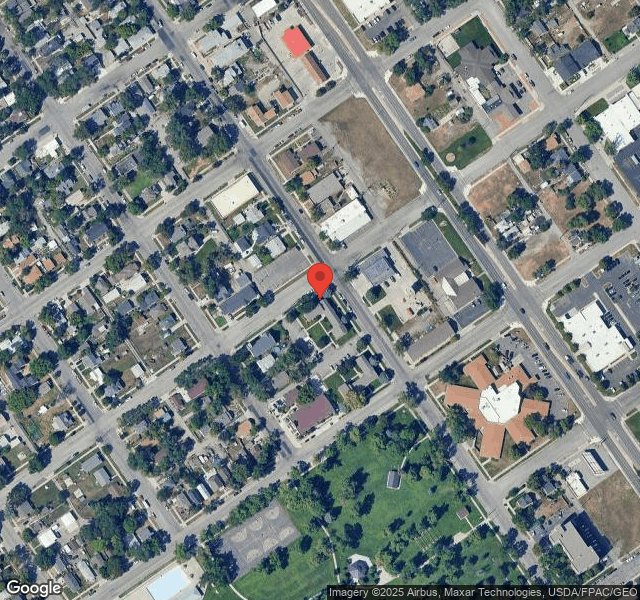
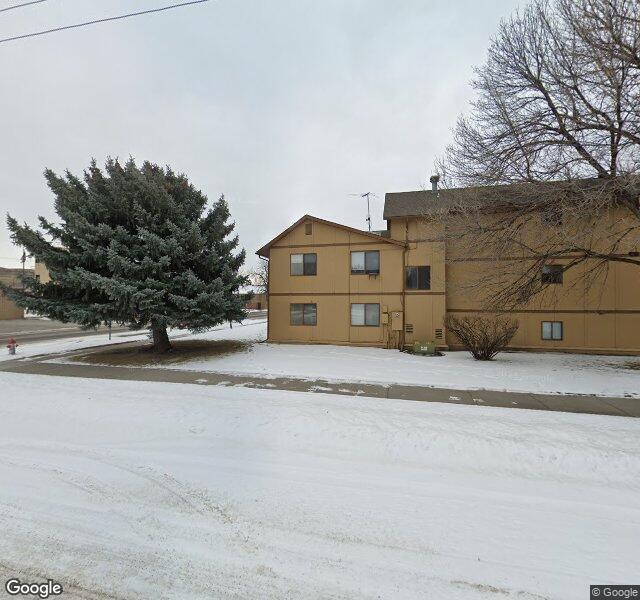
600 S 27TH ST, BILLINGS, MT 59101 (406) 259-8000
For profit - Corporation 100 Beds THE CHARLY BELLO FAMILY, THE MAZE FAMILY, THE SWAIN FAMILY, & WALTER MYERS Data: November 2025 3 Immediate Jeopardy citations
Trust Grade
0/100
Last Inspection: August 2025

Inspected within the last 6 months. Data reflects current conditions.

Overview

Billings Rehabilitation and Nursing LLC has received a Trust Grade of F, indicating significant concerns about the quality of care provided. With no state or county ranking available, it suggests that the facility may not be competitive with others in Montana. The trend is worsening, as the number of issues identified increased sharply from 14 in 2024 to 29 in 2025, highlighting a growing problem. Staffing is a serious concern, with a turnover rate of 66%, which is higher than the state average, indicating instability among caregivers. Additionally, the facility has accumulated $211,775 in fines, which is troubling and suggests recurring compliance issues. While RN coverage is average, the facility has faced critical incidents, including failure to control COVID-19 spread, resulting in many residents contracting the virus, and neglecting a resident who was left outside in inclement weather after a hospital transfer, demonstrating a lack of adequate care and oversight.

Trust Score
F
0/100
In Montana
#112/223
Top 50%
Safety Record
High Risk
Review needed
Inspections
Getting Worse
14 → 29 violations
Staff Stability
⚠ Watch
66% turnover. Above average. Higher turnover means staff may not know residents' routines.
Penalties
○ Average
$211,775 in fines. Higher than 65% of Montana facilities. Some compliance issues.
Skilled Nurses
○ Average
Each resident gets 33 minutes of Registered Nurse (RN) attention daily — about average for Montana. RNs are the most trained staff who monitor for health changes.
Violations
⚠ Watch
57 deficiencies on record. Higher than average. Multiple issues found across inspections.
☆☆☆☆☆
0.0
Overall Rating
☆☆☆☆☆
0.0
Staff Levels
☆☆☆☆☆
0.0
Care Quality
☆☆☆☆☆
0.0
Inspection Score
Stable
2024: 14 issues
2025: 29 issues

The Good

  • Full Sprinkler Coverage · Fire safety systems throughout facility
  • No fines on record

Facility shows strength in fire safety.

The Bad

Staff Turnover: 66%

19pts above Montana avg (46%)

Frequent staff changes - ask about care continuity

Federal Fines: $211,775

Well above median ($33,413)

Significant penalties indicating serious issues

Chain: THE CHARLY BELLO FAMILY, THE MAZE F

Part of a multi-facility chain

Ask about local staffing decisions and management

Staff turnover is elevated (66%)

18 points above Montana average of 48%

The Ugly 57 deficiencies on record

3 life-threatening 3 actual harm
Aug 2025 7 deficiencies
CONCERN (D) 📢 Someone Reported This

A family member, employee, or ombudsman was alarmed enough to file a formal complaint

Potential for Harm - no one hurt, but risky conditions existed

Accident Prevention (Tag F0689)

Could have caused harm · This affected 1 resident

**NOTE- TERMS IN BRACKETS HAVE BEEN EDITED TO PROTECT CONFIDENTIALITY** Based on interview and record review, the facility failed to ensure a resident was supervised to prevent an elopement for 1 (#31...

Read full inspector narrative →
**NOTE- TERMS IN BRACKETS HAVE BEEN EDITED TO PROTECT CONFIDENTIALITY** Based on interview and record review, the facility failed to ensure a resident was supervised to prevent an elopement for 1 (#31) of 28 sampled residents. Resident #31 eloped from the facility without staff knowledge and was found by police in the park across the street from the facility. Findings include: Review of resident #31's reportable incident, dated 7/27/25, showed the resident had walked to the park across from the facility around 3:30 p.m. Staff were notified around 4:15 p.m., by local law enforcement, who stated the resident was seen at the park, and the resident fled when the law enforcement attempted to engage her. The incident report showed the facility administrator was notified at 4:23 p.m. and the resident was located at 4:31 p.m. The incident report showed the resident removed her wander guard, and exited through the main doors. During an interview on 8/14/25 at 9:00 a.m., staff member I stated resident #31 had a high BIMS (Brief Interview for Mental Status) of 13. Staff member I stated the resident took the wander guard off of her ankle by cutting it. Staff member I stated the resident had gotten scissors from another resident to cut the bracelet off her ankle. Staff member I stated the facility staff try to keep her engaged, but the resident can go anywhere she wants because of her high BIMS. Staff member I stated the facility had made referrals to other facilities with locked units. Staff member I stated when the incident happened, they checked all wander guards to ensure they were operating correctly. Staff member I stated the facility was able to see on camera what time the resident left the facility. During an interview on 8/14/25 at 8:45 a.m., staff member F stated resident #31 enjoyed crafts, BINGO, liked to socialize, and listen to music. Staff member F stated the staff are to monitor for exit seeking behavior.During an interview on 8/14/25 at 8:57 a.m., staff member H stated when the incident first occurred, they did 15-minute checks. Staff member H stated the staff try and supervise her every hour on rounds. Staff member H stated the resident was able to get the wander guard off. Review of a facility document titled, Abuse Investigation Interview Summary, dated 7/27/25, showed a phone call was received from a law enforcement agency in which they wanted to know if the facility had a [resident name] living at the facility. Staff member G went and brought the resident back from the park. The resident was assessed and hydrated with liquids with electrolytes. Review of resident #31's MDS, with a ARD date of 7/7/25, did not show that the resident was wearing a wander guard.Review of resident #31's Wander and Elopement Risk Assessment, dated 6/30/25, showed the resident was at risk for elopement and wandering. Because of the results of the Risk Assessment, the facility put a wander guard on the resident. Review of the resident's Wander and Elopement Risk assessment dated [DATE], 3 days after the elopement, showed the resident was at risk for elopement/wandering and had a wander guard. The facility was seeking a locked facility for the resident to transfer to. Review of a written statement dated 7/27/25 at 4:30 p.m., showed staff member G received a phone call from the law enforcement agency. Staff completed an initial search. It was determined the resident was gone for 45 minutes. When the resident returned to the facility she did not have a wander guard. It was determined the resident asked someone else for something to get the wander guard off. A call was placed to the provider and the resident was hydrated. During an interview on 8/14/25 at 9:30 a.m., staff member A stated the residents and staff of the facility were educated to look out for suspicious activities between residents. The corporate office was contacted, and a huddle was performed. Complete assessments were performed, and it was determined the wander guards were functioning and interventions were put in place. A PIP (Performance Improvement Project) for elopement was currently being implemented. Staff member A stated the resident had the ability to understand. Staff member A stated the resident was new to the facility. Staff member A reviewed the video surveillance footage to determine the time frame from the time the resident left to the time the facility was contacted by the law enforcement. Staff member A stated the resident was gone approximately 45 minutes prior to the notification of the facility by law enforcement.Review of the weather history for 7/27/25, the day of the elopement, and time of the elopement showed the temperature was 87 degrees Fahrenheit at 2:53 p.m. and 89 degrees Fahrenheit at 3:53 p.m. There was no information available regarding the traffic on the day and time of the elopement.
CONCERN (D)

Potential for Harm - no one hurt, but risky conditions existed

Incontinence Care (Tag F0690)

Could have caused harm · This affected 1 resident

Based on observation, interview, and record review, the facility failed to ensure staff performed proper suprapubic catheter care and maintenance for 1 (#35) of 28 sampled residents. This deficient pr...

Read full inspector narrative →
Based on observation, interview, and record review, the facility failed to ensure staff performed proper suprapubic catheter care and maintenance for 1 (#35) of 28 sampled residents. This deficient practice resulted in an unidentified and untreated skin breakdown around the resident's suprapubic catheter. Findings include:During an interview and observation on 8/11/25 at 2:38 p.m., resident #35 stated the following regarding his suprapubic catheter: it would leak sometimes and the CNAs only clean around his catheter about every other brief change, he had frequent bladder infections, he had an open wound around his catheter that would get more red and gooey when the CNAs do not tape it to his leg, the staff rarely wear gowns when they clean around his catheter or change his briefs, and the CNAs usually clean his catheter tubing and around the insertion site with alcohol wipes. Resident #35's catheter was noted to not be secured to his leg to prevent pulling.During an interview and observation on 8/12/25 at 7:47 a.m., staff member J stated she was not clear what the actual orders were for what she should use to clean resident #35's catheter and the skin around the insertion site. Resident #35 stated (to staff member J), Just go ahead and use those alcohol wipes over there (pointing to alcohol wipes on a table near his bed). Staff member J used alcohol wipes to clean resident #35's catheter and the skin around the catheter insertion site. Resident #35 was noted to have redness and maceration approximately the size of a nickel around his catheter insertion site. Resident #35 stated, It's usually goopy; this is nothing new. It is usually worse when it's not secured. Staff member J stated she was not sure what to do about the skin redness around resident #35's catheter site. Staff member J did not ensure resident #35's catheter was secured after completing catheter care.During an interview on 8/12/25 at 3:03 p.m., staff member M stated she would document and tell a charge nurse if a resident had redness or skin breakdown around a suprapubic catheter insertion side.During an interview on 8/12/25 at 3:05 p.m., staff member N stated she would let a nurse know if a resident had skin breakdown around a suprapubic catheter insertion site. Staff member N stated she cleaned suprapubic catheters and the insertion sites with cleansing wipes and sprays the facility provides, but never with alcohol swabs.During an interview on 8/12/25 at 3:16 p.m., staff member O stated she did not know about skin redness or maceration around resident #35's suprapubic catheter, nor would she know if a CNA did not report it to her.During an interview on 8/12/25 at 4:35 p.m., staff member P stated she educated all her CNAs to report any skin redness or breakdown to the nurses. Staff member P stated resident #35's orders need to be clarified as to what specifically should be used for cleaning resident #35's suprapubic catheter and insertion site. Staff member P stated if there was skin breakdown around resident #35's suprapubic catheter insertion site, the skin should be protected with a gauze and the catheter should be anchored at all times.Review of a care plan report for resident #35, located in the resident's EHR, date initiated 3/12/25, and authored by staff member Q, showed: . Nurses to perform weekly skin assessments. Notify MD of any new skin impairments and obtain treatment orders as indicated .Review of a care plan report for resident #35, located in the resident's EHR, date initiated 8/6/25, and authored by staff member D, showed: . Staff to use paper tape to secure catheter .Review of a care plan report for resident #35, located in the resident's EHR, date initiated 8/6/25, and authored by staff member B, showed: . Move stat lock weekly from thigh to thigh to prevent skin breakdown. Use skin prep under stat lock .Review of a treatment administration record report for resident #35, located in the resident's EHR, date initiated 8/5/25, showed: . Urinary Catheter: Use paper tape only to secure catheter. Use one layer of wide paper tape to protect skin integrity. Use second layer between lumen to maintain placement. every day shift every Wed for secure catheter . [sic]Review of a facility document, titled, Catheter Care, date implemented 4/11/25, reflected the following: . It is the policy of this facility to ensure that residents with indwelling catheters receive appropriate catheter care Both: 24. Document care and report any concerns noted to the nurse on duty For Suprapubic Catheters: . 2. Inspect insertion site for redness, swelling, discharge, or signs of infection . 3. Using a clean cloth or gauze moistened with mild soap and water or facility-approved cleanser (or per orders), gently clean around the insertion site . 4. Use a clean section of cloth or new gauze for each pass . 5. Rinse the area with a separate clean, moistened cloth or gauze to remove any soap residue . 6. Pat the site dry with a clean towel or sterile gauze . 7. Ensure the catheter is secure and not pulling on the insertion site .
CONCERN (D)

Potential for Harm - no one hurt, but risky conditions existed

Deficiency F0692 (Tag F0692)

Could have caused harm · This affected 1 resident

Based on interview and record review, the facility failed to follow up on a re-weigh, document refusals, and implement interventions aimed at addressing a severe weight loss for 1 (#64) of 28 sampled ...

Read full inspector narrative →
Based on interview and record review, the facility failed to follow up on a re-weigh, document refusals, and implement interventions aimed at addressing a severe weight loss for 1 (#64) of 28 sampled residents. Findings include:Review of resident #64's documented weights showed:-1/3/25 163 lbs.,-2/1/25 162.4 lbs.,-3/11/25 163 lbs.,-4/5/25 163.4 lbs.,- May 2025 no weight documented or documented as refused on the treatment administration report or nursing progress notes.-6/1/25 146.6 lbs. This represented a 10.28% severe loss over two months.-July 2025 and August 2025 showed refusals in the resident's treatment administration record.There were no further documented weights.A request was made for resident #64's nutrition notes from February 2025 - current. Review of resident #64's weight change note, dated 6/5/25, showed, RD notes dramatic weight loss. Recommend re-weigh to confirm. There was no follow-up documentation related to the resident's re-weight or further dietary intervention.Review of resident #64's nursing progress note, dated 6/9/25, created 8/12/25, showed, late entry. Resident has not been feeling well and said he would try at a later time.During an interview on 8/13/25 at 9:09 a.m., resident #64 stated it had gotten tough for him to eat since he was so short of breath. Resident #64 started hospice on 8/11/25 for end-stage COPD.During an interview on 8/13/25 at 3:18 p.m., staff member K stated that if they were uncertain about the accuracy of a weight, they would request a re-weight. Staff member K stated the staff needed to be better about showing if a resident had refused to be weighed. Staff member K stated resident #64 had historically been frustrated with the weight conversation and would frequently refuse. He had been on hospice last year, but then discontinued it and his weights had been stable. Staff member K stated resident #64 was not concerned with his weight, and there was an assumption that staff weren't pressuring him because he had been on hospice before. Staff member K stated if they had gotten the re-weight that confirmed loss they would have discussed supplements. Staff member K stated the report that generated weight loss for nutrition at risk review did not include resident #64 because without a current weight it did not set up a trigger. Staff member K was hopeful with the new whiteboard system the facility had implemented, the re-weights would be tracked better.A request was made for the nutrition at risk meeting notes from May 2025 - current for resident #64. No information for this resident was provided.
CONCERN (D)

Potential for Harm - no one hurt, but risky conditions existed

Infection Control (Tag F0880)

Could have caused harm · This affected 1 resident

Based on observation, interview, and record review, the facility failed to ensure staff followed proper infection control practices related to hand hygiene and proper use of PPE during suprapubic cath...

Read full inspector narrative →
Based on observation, interview, and record review, the facility failed to ensure staff followed proper infection control practices related to hand hygiene and proper use of PPE during suprapubic catheter care for 1 (#35) of 28 sampled residents. Findings include:During an observation and interview on 8/12/25 at 7:47 a.m., staff member J entered resident #35's room without performing hand hygiene and then went back out of the room, after having touched items in the room, to perform hand hygiene. Staff member J performed suprapubic catheter care for resident #35 without wearing a gown. During an interview on 8/12/25 at 8:07 a.m., staff member O said she did not know why there was an EBP sign was on resident #35's door. Staff member O looked in resident # 35's care plan and stated, oh it's for his suprapubic catheter. During an interview on 8/12/25 at 8:10 a.m., staff member J stated she usually performed hand hygiene before entering a resident's room. Staff member J stated, the sign (EBP sign on resident #35's door) means that you put a gown on before doing cath care or any cares, I should have put one on. Review of a facility document, titled, Enhanced Barrier Precautions, date implemented 4/11/25, reflected the following: . Enhance barrier precautions (EBP) refer to an infection control intervention designed to reduce transmission of multidrug-resistant organisms that employs targeted gown and gloves use during high contact resident care activities . 4. High-contact resident care activities include: . g. Device care or use: .urinary catheters . [sic]
CONCERN (E)

Potential for Harm - no one hurt, but risky conditions existed

Grievances (Tag F0585)

Could have caused harm · This affected multiple residents

**NOTE- TERMS IN BRACKETS HAVE BEEN EDITED TO PROTECT CONFIDENTIALITY** Based on observation, interview, and record review, the facility failed to ensure grievances were resolved in a timely manner re...

Read full inspector narrative →
**NOTE- TERMS IN BRACKETS HAVE BEEN EDITED TO PROTECT CONFIDENTIALITY** Based on observation, interview, and record review, the facility failed to ensure grievances were resolved in a timely manner related to delayed meal service for 3 (#s 18, 51, and 62) of 28 sampled residents. The failure placed the residents at elevated nutritional, psychosocial, and medication management risk. Findings include:1. During an observation and interview on 8/11/25 at 1:56 p.m., resident #18 was observed eating lunch in his room. Resident #18 stated, All the meals have been very late; 2 or more hours sometimes. I have complained, but it doesn't change anything. They just say they don't have enough help in the kitchen.2. During an interview on 8/11/25 at 3:12 p.m., resident #51 stated the meals are late almost all of the time. Resident #51 stated the meal delays have been going on for months.3. During an interview on 8/12/25 at 10:08 a.m., resident #62 stated the meals have been late regardless of where they are served. Resident #62 stated he had complained, stating, Nothing has changed; our meals are still very late and inconsistent. When you complain, you don't hear anything back, and nothing changes. There has to be something they can do.During an interview on 8/11/25 at 3:45 p.m., staff member E stated, I think they are short-handed in the kitchen. The residents complain about the delay and sometimes it's a pretty long wait for them and they are hungry.During an interview on 8/11/25 at 4:12 p.m., staff member A stated the residents, . can eat in the dining room if they want to eat earlier.During an interview on 8/12/25 at 11:10 a.m., staff member C stated the facility's dietary service had been impacted by limited staff, but the facility was able to hire new staff and bring in additional support for meal service. Staff member C stated, We aren't quite there yet, but have made significant improvements . Staff member C stated he was aware of 2-hour late meal observances by surveyors during the survey period.Review of a facility document titled, Grievance Report Form, dated 7/8/25, showed the nature of concerns as follows:Resident is waiting over an hour in the dining room waiting for all meals. There is no consistency .Facility response as follows:Meals have been late . Dietary has been running short staffed.Corrective action:Residents were informed that in 30 days ([DATE]st), meal service will be changed where dinning rooms will be served first and all carts will go out second. This change will help with the wait time in the dinning rooms . More kitchen staff have been hired as well as a dietary manager which will also help with wait times . [sic]Review of a facility document titled, Grievance Report Form, dated 7/15/25, showed the nature of concern as follows: Food Late, want it on time .Facility response as follows:Meal service has been late according to multiple staff and residents . The kitchen has been short-staffed . Because of the short staffing meals have not been ready on time causing delays in when residents are recieving their meals . [sic]Corrective action:Residents have been informed in 30 days ([DATE]st) meal services will change to dinning rooms being served first and halls being served second to help alleviate the wait times for residents who choose to eat in the dinning rooms. Additional dietary staff have also been hired as well as a dietary manager to insure meal times are accurate. [sic]Review of a facility document titled, Grievance Report Form, dated 8/5/25, included the following information: .E-hall didn't eat until 1:45 (yesterday 8-4-2025). Then at dinner time we didn't eat until 6:45 pm . [sic]Facility response as follows: Based off the meal service audit from 8-4-25, meals were late being distributed to everyone .Corrective action:IDT members will continue to monitor and audit the meal services to identify more areas that need improving. On going education with staff will continue. [sic]Review of a facility document titled, Resident and Family Grievances, dated 4/11/25, showed the following: . e. The grievance officer or designee will keep the resident appropriately apprised of progress toward resolution of the grievances. 12. The facility will make prompt efforts to resolve grievances.Review of the posted facility mealtimes showed: breakfast 7:30 a.m., lunch 11:30 a.m., and dinner 5:00 p.m.
CONCERN (E)

Potential for Harm - no one hurt, but risky conditions existed

Deficiency F0628 (Tag F0628)

Could have caused harm · This affected multiple residents

Based on interview and record review, the facility failed to provide timely notice to the State Long-Term Care Ombudsman of discharge/transfer for 3 (#s 79, 89 & 91) of 28 sampled residents. Findings ...

Read full inspector narrative →
Based on interview and record review, the facility failed to provide timely notice to the State Long-Term Care Ombudsman of discharge/transfer for 3 (#s 79, 89 & 91) of 28 sampled residents. Findings include:1.During an interview on 8/12/25 at 11:50 a.m., NF1 stated she had not received any transfer or discharge notifications from the facility. During an interview on 8/14/25 at 8:30 a.m., Staff member D stated she was pretty new to this position. She started a year ago and had a quick orientation, and had not known the ombudsman notification was something she needed to do. Staff member D stated she received training from the regional nurse and will now be sending all the notifications of transfer and discharge on the first Wednesday of every month. Staff member D stated the facility now had a process for notification to the ombudsman for transfer and discharge. Review of resident #79's nursing progress notes, dated 6/5/25, showed the resident was transported to the Emergency Department for evaluation. The resident was admitted to the hospital and returned to the facility on 6/14/25. The medical record had not shown evidence the ombudsman was notified of the transfer. 2.During an interview on 8/12/25 at 11:50 a.m., NF1 stated she had previously requested the facility provide notification of discharges, but had not received notification of discharges for several months. During an interview on 8/14/25 at 8:30 a.m., staff member D stated she was previously unaware of the requirement for notification to the State Long-Term Care Ombudsman of facility discharges/transfers. Staff member D stated she had not been providing notification to the State Long-Term Care Ombudsman, but had sent notification “the other day,” of all discharges and transfers for the past 8 months. Review of an e-mail document with subject line, “2025 Transfers and Discharges,” sent from staff member D to NF1, dated 8/12/25 at 5:06 p.m., showed “…here are the last 8 months of transfers and discharges. As discussed I will start sending you all of our transfers and discharges on the first Wednesday of the month for the prior month. If a resident receives a 30-day advance or as soon as practicable discharge I will send you that information at the time the resident receives it…” [sic] 3.Review of resident #89’s chart showed, resident #89 was discharged from the facility on 6/23/25. The chart did not contain evidence that notification was made to the State Long-Term Care Ombudsman. 4.Review of resident #91’s chart showed, resident #91 was discharged from the facility 6/10/25. The chart did not contain evidence that notification was made to the State Long-Term Care Ombudsman.
CONCERN (E)

Potential for Harm - no one hurt, but risky conditions existed

Deficiency F0802 (Tag F0802)

Could have caused harm · This affected multiple residents

Based on observation, interview, and record review, the facility failed to ensure resident meals were served timely for 5 (#s 4, 18, 20, 32, and 72) of 28 sampled and supplemental residents. This defi...

Read full inspector narrative →
Based on observation, interview, and record review, the facility failed to ensure resident meals were served timely for 5 (#s 4, 18, 20, 32, and 72) of 28 sampled and supplemental residents. This deficient practice led to frustration and distress over missing and/or being late to functions. Findings include:Review of the posted facility mealtimes showed: breakfast 7:30 a.m., lunch 11:30 a.m., and dinner 5:00 p.m.During an observation and interview on 8/11/25 at 2:15 p.m., resident #4 stated, Meals are always late, as you can see we just got lunch. A lunch tray was observed on the resident's table.During a resident council meeting surveyors were invited to on 8/12/25 at 3:03 p.m., the following interviews showed: Resident #72 stated, I have to rush to eat to make it to church on Sunday. I leave the room at 9:35 a.m. and need the tray before then for breakfast.Resident #18 stated he had gotten his evening medications before dinner the other night, the meal had been so late. Resident #32 stated lunch had been on time today and it was nice because she usually had to eat in a rush or miss activities when meals were late.Resident #20 stated frustration that meals were on time, because state is here. Resident #20 stated dinner had not been happening until 7:00 p.m., for the past two months. Resident #20 stated they were always hearing the facility was short staffed. She stated filing grievances would not matter because the staffing problem was always there.During the resident council meeting on 8/12/25 at 3:03 p.m., staff member L stated the meal timing was a staffing concern.During the resident council meeting on 8/12/25 at 3:03 p.m., staff member C stated there was no excuse for the late meals. There had been ongoing hiring attempts, and they had not worked out. Staff member C encouraged residents to come to the dining room as meal delivery was faster there than it was to the rooms. During an observation on 8/13/25 at 7:55 a.m., breakfast trays were being served in the dining room with the assistance of all staff.
Jun 2025 3 deficiencies
CONCERN (D) 📢 Someone Reported This

A family member, employee, or ombudsman was alarmed enough to file a formal complaint

Potential for Harm - no one hurt, but risky conditions existed

Medical Records (Tag F0842)

Could have caused harm · This affected 1 resident

Based on interview and record review, the facility failed to maintain an accurate and complete medical record for 3 (#s 7, 8, and 13) of 21 sampled residents. Findings include: 1. Review of a Facility...

Read full inspector narrative →
Based on interview and record review, the facility failed to maintain an accurate and complete medical record for 3 (#s 7, 8, and 13) of 21 sampled residents. Findings include: 1. Review of a Facility-Reported Incident, dated 6/2/25 at 3:30 p.m., and submitted to the State Survey Agency reporting portal, showed an altercation which involved resident #7 and resident #8. The report showed resident #8 approached resident #7 from behind and pulled him up and out of his wheelchair, causing both resident #7 and the wheelchair to tip over and fall to the floor. The report showed resident #7, . was not engaging in any distress [sic] behaviors at the time, but was saying 'help' calmly and repetitively, a known behavioral baseline. Review of resident #7's nursing progress notes, dated 6/2/25, failed to show the incident described above. The resident's medical record progress notes failed to show documentation of an assessment of resident #7's physical and psychosocial condition after the incident. Review of resident #8's nursing progress notes, dated 6/2/25, failed to show the incident between resident #7 and resident #8. The notes failed to show documentation of what interventions were implemented to protect #7, or others, and resident #8's response to these interventions. Resident #7 was out of the facility during most of the survey and unavailable for an interview. 2. Review of a Facility-Reported Incident, dated 6/2/25 at 5:45 p.m., and submitted to the State Survey Agency reporting portal, showed a physical altercation between resident #8 (aggressor) and resident #s 11 and 13 (victims). The report showed both resident #11 and resident #13, . reported that [Resident #8] entered their shared room and initiated a physical altercation. Review of resident #13's nursing progress notes, dated 6/2/25, failed to show a description of the incident or the resident's physical and psychosocial condition after the incident. Review of resident #8's nursing progress notes, dated 6/2/25 at 6:13 p.m., showed the provider was notified of two altercations involving resident #8 within three hours. The note showed the provider ordered the resident be sent to the emergency department for an evaluation. 3. Review of a Facility-Reported Incident, dated 6/2/25 at 11:30 p.m., and submitted to the State Survey Agency reporting portal, showed a physical altercation between resident #8 and resident #13. The report showed after being put to bed and observed sleeping resident #8 left his room and entered the resident #13's room, uninvited. The report showed resident #13 instructed resident #8 to leave, stating he (#13) was, sick of him (#8), and told resident #8 to get out of his room, and an altercation occurred, to include both men falling. Resident #13 sustained injuries during the event and resident #8 was transferred to the emergency department for an evaluation. Review of resident #13's nursing progress notes, dated 6/2/25, failed to show a description of the altercation or the resident's condition after the altercation. Review of resident #13's nursing progress note, dated 6/3/25 at 10:04 a.m., showed after the resident had an altercation with another resident (not identified), resident #13 had a left forehead laceration measuring 2.0 by 0.2 with no drainage and his left eye was black and blue on the lateral aspect of the eyelid. During an interview on 6/19/25 at 8:35 a.m., staff member B stated each of the residents involved in the altercations should have a note in their medical record which described the incident and their physical and psychosocial condition if applicable. When asked, staff member B was not able to explain why there were no progress notes describing the three altercations involving resident #8. Staff member F worked on 6/2/25, and was assigned to the unit for #8. Staff member F was not available for an interview during the survey.
CONCERN (E) 📢 Someone Reported This

A family member, employee, or ombudsman was alarmed enough to file a formal complaint

Potential for Harm - no one hurt, but risky conditions existed

Free from Abuse/Neglect (Tag F0600)

Could have caused harm · This affected multiple residents

Based on interview and record review, the facility failed to prevent and protect 4 residents (#s 7, 8, 11, and 13) from abuse, and failed to sufficiently monitor #8 when grabbing or intruding on the s...

Read full inspector narrative →
Based on interview and record review, the facility failed to prevent and protect 4 residents (#s 7, 8, 11, and 13) from abuse, and failed to sufficiently monitor #8 when grabbing or intruding on the space of other residents. Resident #8's behavior preempted altercations with #13 when he tried to push or remove #8 from his room. Both resident #8 and #13 sustained injuries in the altercations or when falling during the fighting. The 4 residents identified were out of 6 sampled residents reviewed for resident to resident altercations. Findings include: a. Review of an incident reported to the State Survey Agency, dated 6/2/25 at 3:30 p.m., showed resident #8 approached resident #7 in a common area located near the nursing station. Resident #8 grabbed resident #7 by the back of his shirt, pulled him up and out of his (resident #7's) wheelchair, which resulted in both residents falling to the ground. The report showed resident #7 was not exhibiting any behaviors to provoke the physical interaction. The two residents were separated, and resident #8 was placed on enhanced monitoring for future prevention of altercations. Staff member F was not available for an interview and worked on 6/2/25. Resident #7 was unavailable for an interview, and resident #8 was no longer a resident at the facility. b. Review of an incident reported to the State Survey Agency reporting portal, dated 6/2/25 at 5:45 p.m., showed resident #8 entered resident #13's room and initiated a physical altercation with resident #13. The report showed the residents were separated, and resident #8 was placed on one-to-one supervision for future prevention and protection of other residents. The report showed resident #13 stated resident #8 entered his room, uninvited, and approached resident #13's roommate. When the resident's roommate yelled for help, resident #13 intervened, and pushed #8 to the floor. Resident #8 then got up and left the room. The report showed there were no other witnesses, and video surveillance failed to corroborate what resident #13 reported. The report showed resident #8 remained on one-to-one supervision for behavioral monitoring. During an interview on 6/18/25 at 9:15 a.m., resident #13 stated resident #8 entered the room he shared with another resident and approached the roommate. When the roommate yelled for help, resident #13 intervened. Resident #13 stated, I got him (resident #8) out of here. During an interview on 6/19/25 at 8:35 a.m., staff member B stated she started working at the facility in April of 2025 and worked the night shift on 6/2/25. Staff member B stated she was not resident #8's primary caregiver, but stated she had seen the resident around the nursing station, and the resident was being supervised by his primary nurse. Staff member B stated they were waiting for law enforcement to arrive in response to the provider's order to transfer resident #8 to the emergency department for a medical and psychiatric evaluation. c. Review of an incident reported to the State Survey Agency, dated 6/2/25 at 11:30 p.m., after being put to bed, resident #8 got up and entered the room shared by resident #11 and #13. Resident #13 physically pushed resident #8 out of the room, and this occurred after #13 asked #8 to leave the room. During the physical altercation, resident #13 sustained a laceration near his left eye. The residents were separated, and then resident #8 was transferred to the emergency department for further evaluation. During an interview on 6/18/25 at 9:15 a.m., resident #13 stated when resident #8 entered the room he shared with resident #11, he was frustrated at resident #8 because he would not stay out of their room. Resident #13 stated he, and resident #8, were in a physical altercation, resulting in him hitting his head, and he had a laceration and bruising around his left eye. He stated he was punched in the chest multiple times during the altercation. Resident #13 had pictures of his face and chest which showed bruising to both areas. Resident #13 also lifted up his shirt and showed bruising on his right and left chest areas, which was yellowing. Resident #13 stated the left eye injury happened when he fell to the floor, and the chest bruising was from punches thrown by resident #8 when the two were fighting. During an interview on 6/19/25 at 8:35 a.m., staff member B stated when resident #8 was put to bed at approximately 10:45 p.m., he was no longer on one-to-one supervision. Staff member B stated she believed the CNA assigned to be the one-to-one monitor for #8 was in another room assisting a resident. Staff member B stated she thought the CNA probably did not know resident #8 had been put to bed and was no longer being supervised. This lack of one-to-one supervision allowed resident #8 being able to get up out of bed and wheel himself to the room shared by resident #11 and #13. Staff member B stated she observed resident #8 and #13 entangled on the floor in the hallway. Staff member B stated both residents were bleeding, and staff had to separate them when fighting. Staff member B stated resident #8 was then transferred to the emergency department. During an interview on 6/19/25 at 8:55 a.m., when asked about the level of supervision needed to prevent resident #8 from having physical altercations with other residents, staff member A stated the resident had been on one-to-one supervision while he was awake. Staff member A stated the same level of supervision was not necessary when the resident was in bed. Staff member A stated he felt the altercation between resident #8 and resident #13 was mutual, even though resident #8 was in resident #13's room, uninvited, and it was the second time on 6/2/25. Review of the facility's policy titled, Abuse, Neglect and Exploitation, last review date 4/11/25, showed prevention of abuse and neglect included establishing a safe environment by identifying, correcting, and intervening in situations in which abuse and neglect is more likely to occur. The policy also showed the identification, ongoing assessment, care planning for appropriate interventions, and monitoring of residents with needs and behaviors which may lead to conflict. The policy showed the facility will make efforts to ensure all residents are protected from physical and psychosocial harm by increased supervision of the alleged aggressor.
CONCERN (E) 📢 Someone Reported This

A family member, employee, or ombudsman was alarmed enough to file a formal complaint

Potential for Harm - no one hurt, but risky conditions existed

Deficiency F0658 (Tag F0658)

Could have caused harm · This affected multiple residents

Based on interview and record review, the facility failed to ensure medications were given on time, no more than one hour before or one hour after the administration time, for 4 (#s 4, 15, 16, and 19)...

Read full inspector narrative →
Based on interview and record review, the facility failed to ensure medications were given on time, no more than one hour before or one hour after the administration time, for 4 (#s 4, 15, 16, and 19); and failed to give the right medication to the right resident for 2 (#s 15 and 16) of 4 residents sampled for appropriate medication administration. Findings include: 1. During an interview on 6/18/25 at 8:55 a.m., resident #19 stated she has gotten her evening medications late several times. Resident #19 stated the late medications usually happened on weekends and night shift. Review of resident #10's Medication Admin Audit Report, dated 6/15/25, 6/16/25, and 6/17/25, showed the following times the medications were scheduled, and then the documented times they were actually administered: - 6/14/25 at midnight, buprenorphine-narcan 2-0.5 mg given at 1:45 a.m., - 6/14/25 at 6:00 p.m., lidocaine external patch given at 9:00 p.m., - 6/14/25 at 7:00 p.m., Cymbalta 60 mg given at 9:10 p.m., - 6/14/25 at 7:00 p.m., insulin aspart 3 units given at 9:13 p.m., - 6/15/25 at midnight, buprenorphine-narcan 2-0.5 mg not given, - 6/15/25 at 6:00 a.m., lidocaine external patch given at 8:49 a.m., - 6/15/25 at 7:00 a.m., Cymbalta 60 mg, given at 8:49 a.m., - 6/15/25 at 7:00 a.m., insulin aspart 6 units, given at 8:49 a.m., - 6/15/25 at 6:00 p.m., lidocaine external patch given at 5:56 a.m. on 6/16/25, - 6/16/25 at 6:00 a.m., lidocaine external patch, given at 7:34 a.m., - 6/16/25 at 6:00 p.m., lidocaine external patch, given at 5:00 a.m. on 6/17/25, - 6/16/25 at 6:00 p.m., Cymbalta 60 mg given at 2:19 a.m. on 6/17/25 - 6/16/25 at 7:00 p.m., insulin aspart 2 units given at 2:19 a.m. on 6/17/25, - 6/16/25 at 8:00 p.m., melatonin 3 mg given at 2:21 a.m. on 6/17/25, - 6/16/25 at 8:00 p.m., magnesium oxide 400 mg given at 2:21 a.m. on 6/17/25, - 6/16/25 at 8:00 p.m., docusate calcium two capsules given at 2:21 a.m. on 6/17/25, - 6/16/25 at 8:00 p.m., gabapentin 800 mg given at 2:21 a.m. on 6/17/25, - 6/16/25 at 9:00 p.m., diclofenac sodium external gel 1% given 2:21 a.m. on 6/17/25, and - 6/16/25 at 10:00 p.m., chlorhexidine gluconate 15 ml, given at 5:00 a.m. on 6/17/25. 2. During an interview on 6/18/25 at 9:10 a.m., resident #4 stated she sometimes got her medications late, usually on the night shift. Review of resident #4's Medication Admin Audit Report, dated 6/14/25 and 6/15/25, showed the following times the medications were scheduled, and then the documented times they were actually administered: - 6/14/25 at 6:00 p.m., glatiramer acetate 20mg/ml 1 ml given at 10:37 p.m., - 6/14/25 at 7:00 p.m., sennosides-docusate sodium 8.6-50 mg given at 10:23 p.m., - 6/14/25 at 7:00 p.m., Seroquel 100 mg given at 10:24 p.m., - 6/14/25 at 7:00 p.m., gabapentin 300 mg given at 10:25 p.m., - 6/14/25 at 7:00 p.m., Refresh Tears given at 10:25 p.m., - 6/14/25 at 7:00 p.m., trazodone 50 mg given at 10:30 p.m. - 6/14/25 at 8:00 p.m., Miralax 17 gm given at 10:20 p.m., - 6/14/25 at 8:00 p.m., melatonin 3 mg given at10:22 p.m., - 6/14/25 at 8:00 p.m., baclofen 10 mg given at 10:23 p.m., - 6/14/25 at 8:00 p.m., metformin 500 mg given at 10:23 p.m., - 6/15/25 at 7:00 a.m., folic acid 1 mg given at 10:09 a.m., - 6/15/25 at 7:00 a.m., cholecalciferol 2000 units given at 10:09 a.m., - 6/15/25 at 7:00 a.m., bisacodyl 5 mg given at 10:09 a.m., - 6/15/25 at 7:00 a.m., Refresh Tears given at 10:09 a.m., - 6/15/25 at 7:00 a.m., multiple vitamin one tablet given at 10:09 a.m., - 6/15/25 at 7:00 a.m., empagliflozin 10 mg given at 10:09 a.m., - 6/15/25 at 8:00 a.m., venlafaxine 75 mg given at 10:09 a.m., - 6/15/25 at 8:00 a.m., baclofen 10 mg given at 10:09 a.m., - 6/15/25 at 8:00 a.m., metformin 500 mg given at 10:09 a.m., - 6/15/25 at 6:00 p.m., glatiramer acetated 20 mg/ml 1 ml given at 7:40 p.m., - 6/16/25 at 7:00 a.m., folic acid 1 mg given at 8:27 a.m., - 6/16/25 at 7:00 a.m., Refresh Tears given at 8:27 a.m., - 6/16/25 at 7:00 a.m., empagliflozin 10 mg given at 8:27 a.m., - 6/16/25 at 7:00 a.m., multiple vitamin one tablet given at 8:27 a.m., - 6/16/25 at 7:00 a.m., bidacodyl 5 mg given at 8:28 a.m., - 6/16/25 at 7:00 a.m., cholecalciferol 2000 units given at 8:28 a.m., and - 6/16/25 at 11:00 a.m., Refresh Tears given at 12:30 p.m. 3. Review of resident 16's Medication Admin Audit Report, dated 5/15/25 and 5/16/25, showed the following times the medications were scheduled, and then the documented times they were actually administered: - 5/15/25 at 7:00 p.m., Seroquel 400 mg given at 10:18 p.m., - 5/15/25 at 7:00 p.m., Lyrica 100 mg given at 10:18 p.m., - 5/15/25 at 9:00 p.m., acetaminophen 1000 mg given at 10:17 p.m., - 5/15/25 at 9:00 p.m., oxycodone 10 mg given at 10:17 p.m., - 5/15/25 at 9:00 p.m., hydroxyzine HCl 25 mg given at 10:35 p.m., - 5/16/25 at 7:00 a.m., pantoprazole 40 mg given at 9:53 a.m., - 5/16/25 at 7:00 a.m., Cymbalta 60 mg given at 9:53 a.m., - 5/16/25 at 7:00 a.m., Lyrica 100 mg given at 9:53 a.m., - 5/16/25 at 7:00 a.m., amlodipine 5 mg given at 9:53 a.m. - 5/16/25 at 7:00 a.m., Mounjaro 5 mg given at 9:52 a.m.; and, - 5/16/25 at 2:00 p.m., acetaminophen 1000 mg given at 3:20 p.m. Review of resident #16's Nursing Progress Note, dated 5/16/25, showed resident #16 was inadvertently given resident #15's evening (for 5/15/25) medications, which included melatonin 6 mg, memantine 10 mg, tamsulosin 0.4 mg, and trazodone 100 mg. These medications were given in addition to resident #15's regular evening medications. The note showed resident #16 stated he was very sleepy and slept late on 5/16/25. 4. Review of resident #15's Medication Admin Audit Report, dateed 5/15/25 and 5/16/25, showed the following times the medications were scheduled, and then the documented times they were actually administered: - 5/15/25 at 6:00 p.m., lidocaine external patch given at 10:21 p.m., - 5/15/25 at 6:00 p.m., diclopfenac sodium 1% gel given at 10:21 p.m., - 5/15/25 at 7:00 p.m., calcium-vitamin D 500-5 mg-mcg two tablets given at 10:21 p.m., - 5/15/25 at 7:00 p.m., zinc oxide external past 20% given at 10:23 p.m., - 5/15/25 at 7:00 p.m., donepezil HCl 5 mg given at 10:21 p.m., - 5/15/25 at 7:00 p.m., carvedilol 3.125 mg given at 10:27 p.m., - 5/15/25 at 8:00 p.m., atorvastatin calcium 20 mg given at 10:27 p.m., - 5/15/25 at 8:00 p.m., acetaminophen 650 mg given at 1:42 a.m. on 5/16/25, - 5/16/25 at 6:00 a.m., lidocaine external patch 5 % given at 12:30 p.m., - 5/16/25 at 7:00 a.m., zinc oxide 20 % past given at 8:38 a.m., - 5/16/25 at 7:00 a.m., ferrous gluconate 324 mg given at 12:30 p.m., - 5/16/25 at 7:00 a.m., cholecalciferol 3000 units given at 12:30 p.m. - 5/16/25 at 7:00 a.m., Cymbalta 30 mg given at 12:30 p.m., - 5/16/25 at 7:00 a.m., furosemide 20 mg given at 12:30 p.m., - 5/16/25 at 7:00 a.m., multiple vitamin one tablet given at 12:30 p.m., - 5/16/25 at 7:00 a.m., calcium-vitamin D 500-5 mg-mcg given at 12:30 p.m., - 5/16/25 at 7:00 a.m., cetirizine HCl 10 mg given at 12:30 p.m., - 5/16/25 at 7:00 a.m., chewable aspirin 81 mg given at 12:31 p.m., - 5/16/25 at 7:00 a.m., carvedilol 3.125 mg given at 1:40 p.m., - 5/16/25 at 9:00 a.m., acetaminophen 650 mg given at 12:30 p.m., and - 5/16/25 at 9:00 a.m., diclofenac socium 1% gel given at 12:31 p.m. Review of resident #15's nursing progress notes, dated 5/15/25 and 5/16/25, failed to show if the resident was given the correct doses of the medications (melatonin, memantine, tamsulosin, trazodone), inadvertantly given to resident #16, on 5/15/25. Review of the facility's policy titled, Medication Administration, last review date 4/11/25, showed, . Ensure that the six rights of medication administration are followed: a. Right resident .e. Right time, f. Right documentation . and, . Administer within 60 minutes prior to or after scheduled time . Review of the facility's policy titled, Medication Errors, last review date 4/11/25, showed medication administration is performed in accordance with accepted standards of practice. The policy showed once a medication error was identified, the error will be evaluated to determine if it was a significant error or not. utilizing three general guidelines: - a. Resident's Condition, - b. Drug Category, and - c. Frequency of Error
Feb 2025 19 deficiencies
CONCERN (D) 📢 Someone Reported This

A family member, employee, or ombudsman was alarmed enough to file a formal complaint

Potential for Harm - no one hurt, but risky conditions existed

Resident Rights (Tag F0550)

Could have caused harm · This affected 1 resident

Based on observation, interview, and record review, the facility failed to cover catheter bags for 2 (#s 2 and 24) of 29 sampled residents, and staff were aware the covers should be utilized for resid...

Read full inspector narrative →
Based on observation, interview, and record review, the facility failed to cover catheter bags for 2 (#s 2 and 24) of 29 sampled residents, and staff were aware the covers should be utilized for resident dignity, and one resident was not ok with the bag being uncovered. Findings include: 1. During an observation on 2/25/25 at 11:13 a.m., resident #2's catheter bag was attached to the bed and not covered with yellow urine in the bag. During an observation and interview on 2/25/25 at 11:24 a.m., resident #2 was in her room with the curtain pulled. Resident #2's catheter bag was hanging from the bed and not covered, with urine in the bag. When asked about her catheter bag, resident #2 stated, I just figured that was how the bag was supposed to be, I didn't know there was another option. 2. During an observation and interview on 2/24/25 at 2:30 p.m., resident #24 was in bed resting, her door was open, and the catheter bag was exposed, with urine in the bag. The catheter bag was hanging from her bed. Resident #24 stated she was not okay with her catheter bag being exposed. During an interview on 2/26/25 at 3:54 p.m., staff member F stated catheter bags should be covered for dignity. During an interview on 2/26/25 at 4:11 p.m., staff member G stated the catheter bag covers should be on all catheter bags for dignity, but CNAs do not always take the time to go find them. During an interview on 2/26/25 at 4:26 p.m., staff member H stated, We are supposed to keep the catheter bags covered (for dignity). A request was made on 2/26/25 at 11:09 a.m., and again on 2/27/25 at 12:40 p.m., for a policy and procedure for catheter care, to include catheter bags and was not received by the end of the survey.
CONCERN (D) 📢 Someone Reported This

A family member, employee, or ombudsman was alarmed enough to file a formal complaint

Potential for Harm - no one hurt, but risky conditions existed

Deficiency F0554 (Tag F0554)

Could have caused harm · This affected 1 resident

Based on observation, interview, and record review, the facility failed to supervise the self-administration of insulin for 1 (#29) of 29 sampled residents. This deficient practice increased the risk ...

Read full inspector narrative →
Based on observation, interview, and record review, the facility failed to supervise the self-administration of insulin for 1 (#29) of 29 sampled residents. This deficient practice increased the risk of a negative outcome if the resident in the event the medication and monitoring were not handled properly by the resident. Findings include: During an interview on 2/24/25 at 7:53 a.m., resident #29 stated he gave his own insulin and monitored his own blood glucose levels. When asked if the nurses watched him administer his insulin, resident #29 stated, No, I do it myself and have for years. During an observation and interview on 2/26/25 at 8:05 a.m., resident #29 demonstrated how his continuous glucose monitoring system worked with the arm sensor he wore and the app on his mobile phone. Resident #29 stated, I tell the nurses what my blood glucose was when asked by the nurses. During an interview on 2/26/25 at 8:52 a.m., staff member G stated resident #29 should have had a self-administration of medication assessment, but was not sure where to find it. Staff member G stated she did not observe resident #29 self-administer his insulin; and, . he has always given his own insulin without help. During an interview on 2/26/25 at 10:16 a.m., staff member D stated there was an assessment the facility gave residents who wanted to self-administer medications. The resident would demonstrate and explain how they gave their own medications to a nurse. Residents who self-administered medications had lock boxes in their room. Staff member D stated there was no form the facility documented this assessment on, but, . the resident's should be checked quarterly if they are able to self-administer medications. During an interview on 2/26/25 at 4:19 p.m., staff member B stated the facility did not have resident #29's self-administration of medication assessment. Review of resident #29's Medication Self-Administration Safety Screen, dated 04/18/24, reflected, Resident may self-administer medications WITH SUPERVISION. [sic] Review of the facility's policy titled Self-Administration of Medications, revised December 2012, showed, . 10. The staff and practitioner will periodically (for example, during quarterly MDS reviews) reevaluate a resident's ability to continue to self-administer medications. [sic]
CONCERN (D) 📢 Someone Reported This

A family member, employee, or ombudsman was alarmed enough to file a formal complaint

Potential for Harm - no one hurt, but risky conditions existed

Free from Abuse/Neglect (Tag F0600)

Could have caused harm · This affected 1 resident

Deficiency Text Not Available

Read full inspector narrative →
Deficiency Text Not Available
CONCERN (D) 📢 Someone Reported This

A family member, employee, or ombudsman was alarmed enough to file a formal complaint

Potential for Harm - no one hurt, but risky conditions existed

Deficiency F0602 (Tag F0602)

Could have caused harm · This affected 1 resident

Based on observation, interview, and record review, the facility failed to complete a thorough investigation for an event with a staff member accepting money from a resident, in exchange for craft ite...

Read full inspector narrative →
Based on observation, interview, and record review, the facility failed to complete a thorough investigation for an event with a staff member accepting money from a resident, in exchange for craft items, for 1 (#41) and failed to identify missing items for 2 (#s 37 and 280) of 29 sampled residents. Residents #37 and #280 were frustrated and concerned about the missing items, and resident #41 was upset and worried about a staff member accepting money from a resident. Findings include: 1. During an observation and interview on 2/24/25 at 4:05 p.m., resident #41 was in her room; her room was full of crafts and puzzles she had completed or was working on. Resident #41 stated, I'm worried about saying anything; I'm afraid of retaliation. I have had some issues with a staff member, and she still works on my hall. I have told the previous administration about this issue, and nothing was done. Staff member U brought in some craft stuff for me to look through. I thought she brought it in for me to use. I picked out what I wanted and then offered to pay a little bit. Staff member U said, okay, you can pay for the resin. Then she started tallying up the other items; before I knew it, she was at nearly fifty dollars. I paid her, and then she stated, Do you have unlimited funds? I stated no, and then I reported it to the administrator . During an interview on 2/25/25 at 4:49 p.m., staff member B stated activities was responsible for coordinating with the business office manager to do personal shopping for residents. Staff member B stated staff know they are not supposed to accept money from residents. Staff member B stated employees are educated on not accepting money from residents when they are hired. During an interview on 2/27/25 at 10:16 a.m., staff member U stated, I have brought in crafts for residents before. I did get in trouble for taking money from residents for supplies. It was a few months ago, and the administrator at the time told me I can't ask for or accept money from residents for crafts . During an interview on 2/27/25 at 12:40 p.m., staff member B said she assisted with the issue of staff accepting money for crafts and can write a statement now, but there was not anything from the time it happened. Staff member B stated, We just verbally spoke with the staff member. Review of staff member U's personnel record showed, on June 26, 2024, completion of Abuse, Neglect, and Exploitation training. Review of a facility document untitled and undated, showed, 4.14 Tips, Gifts, and Financial Transactions: Employees are not permitted to accept tips or gifts from anyone in connection to their employment or the facility. Employees are also not permitted to conduct personal financial transactions on behalf of or with patients. Employees may not borrow anything from a patient or loan any item to them. 2. During an interview on 2/24/25 at 2:55 p.m., resident #37 stated, I have had a lot of things go missing. Mostly small things like my marking pens. What bothers me the most is the amount of clothes that have gone missing. I've filed grievances, and clothes still go missing with the laundry; it's frustrating . 3. During an interview on 2/24/25 at 3:21 p.m., resident #280 stated, I came to the facility with three bags of clothes, and now I'm down to just a couple pairs of pants. I haven't been here that long, and it's concerning . During an interview on 2/25/25 at 4:49 p.m., staff member B stated the facility doesn't have a specific policy for missing items; it is included in the grievance policy. During an observation and interview on 2/26/25 at 4:06 p.m., staff member P was observed assisting with activities. Staff member P stated, I have a bin for items that don't have a name on them. Everything is supposed to be labeled upon admission. Staff are encouraged to use a resident-specific laundry bag with their name on it. If staff let me know items are missing, I will look for them. If I had an inventory list for each resident, it would be easier to locate missing items. I was aware (resident #280) was missing some clothes, but I haven't had a chance to look for them. During an interview on 2/27/25 at 12:04 p.m., staff member F stated, If I am made aware of residents missing clothes, I will go upstairs and look for them. Or make a note of it and ask laundry. Review of a facility document titled, Standard Admissions Agreement with a revision date of 3/1/2019 showed: VII. Personal Property: . Loss of Personal Property: This facility is only responsible for loss or damage of personal property that is caused directly by facility management, employees, or agents. Lock boxes and/or secure storage areas are available. We encourage you to use these to store your valuables. This facility is not responsible for the theft, misplacement, loss or damage otherwise incurred to your personal property and this facility will not be responsible for the repayment or replacement of personal property . Review of a facility document titled, Filing Grievance/Complaints, with a revision date of 12/2021, showed: Policy Statement: Our facility will help residents, their representatives (sponsors), other interested family members, or resident advocates file grievances or complaints when such requests are made. Policy Interpretation and Implementation 1. Any resident, his or her representative (sponsor), family member, or appointed advocate may file a grievance or complaint concerning . theft of/missing property, etc., without fear of threat or reprisal in any form . 5. Upon receipt of a grievance and/or complaint, the resident advocate or designee will investigate the allegations and submit a written report of such findings to the Administrator within five (5) working days of receiving the grievance and /or complaint . 7. The grievance officer shall ensure that all written grievance decisions include the date the grievance was received, a summary statement of the resident's grievance, the steps taken to investigate the grievance, a summary of the pertinent findings or conclusions regarding the resident's concern(s), a statement as to whether the grievance was confirmed or not confirmed, any corrective action taken or to be taken by the facility as a result of the grievance, and the date the written decision was issued. [sic]
CONCERN (D) 📢 Someone Reported This

A family member, employee, or ombudsman was alarmed enough to file a formal complaint

Potential for Harm - no one hurt, but risky conditions existed

Report Alleged Abuse (Tag F0609)

Could have caused harm · This affected 1 resident

Based on interview and record review, the facility failed to report an abuse allegation to the State Survey Agency within the required timeframe for 1 resident (#14); and failed to report their invest...

Read full inspector narrative →
Based on interview and record review, the facility failed to report an abuse allegation to the State Survey Agency within the required timeframe for 1 resident (#14); and failed to report their investigative findings to the State Survey Agency in a timely manner for 1 resident (#52), of 29 sampled residents. Findings include: 1. Review of a Facility Reported Incident, dated 12/12/24, reflected resident #14 was left on the toilet by a CNA who believed another CNA would be getting her off the toilet on 12/10/24. Resident #14 was found crying in her room stating a CNA left her on the toilet at 7:30 p.m. The alleged neglect initial report was not submitted to the State Survey Agency until 12/12/24 at 9:55 p.m. Review of the Facility Reported Incident final report, submitted 12/19/24, reflected a staff member was terminated due to the failure to report the incident to the facility abuse coordinator. 2. Review of a Facility Reported Incident, dated 12/30/24, showed resident #52 was transported by staff from his room, to the hall's shower room, naked and not covered. Review of the facility reported incident findings, submitted 1/8/25, showed a former staff member was terminated due to interviews and review of video footage of her involvement in transporting resident #52 when naked and not covered in a common hallway, from his room, to the shower room. The facility provided a final written warning to the other staff member who was involved in assisting resident #52 into a wheelchair, who did not transport the resident. During an interview on 2/25/25 at 2:04 p.m., staff member B stated in January (2025), staff member A took over the role of administrator. Staff member B stated this was to replace the previous administrator, who was let go on January 14th (2025). Staff member B stated there was no facility reported incident documentation left by the previous administrator in any folders. Staff member B stated no other documentation for the facility reported incidents could be provided due to the previous administrator's departure, and stated The typical process is more accurate. The facility findings from investigation of the incident were due on 1/7/25. The facility investigation findings were not submitted to the State Survey Agency until 1/8/25. Review of a facility policy titled, Abuse Policy, revised 6/11/24, showed: Abuse Identification and Reporting: 1. The facility will ensure that all alleged violations involving abuse, neglect, exploitation, or mistreatment, including injuries of unknown origin and misappropriation of resident property are reported immediately, but no later than 2 hours, after the allegation is made, if the events that cause the allegation involve abuse or result in serious bodily injury, or not later than 24 hours if the events that cause the allegation do not involve abuse .
CONCERN (D) 📢 Someone Reported This

A family member, employee, or ombudsman was alarmed enough to file a formal complaint

Potential for Harm - no one hurt, but risky conditions existed

Investigate Abuse (Tag F0610)

Could have caused harm · This affected 1 resident

Based on interview and record review, the facility failed to ensure a complete investigation of a facility reported incident was completed, and failed to maintain and provide thorough investigation of...

Read full inspector narrative →
Based on interview and record review, the facility failed to ensure a complete investigation of a facility reported incident was completed, and failed to maintain and provide thorough investigation of the findings for 1 resident (#52) of 29 sampled residents. Findings include: Review of a Facility Reported Incident, dated 12/30/24, showed resident #52 was transported by staff from his room, to the hall's shower room, naked and not covered. The findings, submitted 1/8/25, showed one staff member was terminated for the event and the facility provided a final written warning to the other staff member involved. During an interview on 2/25/25 at 2:04 p.m., staff member B stated there was no facility reported incident documentation left by the previous administrator and stated the typical process is more accurate. An initial request was made to the facility for documentation of the facility's investigation notes for #52's reportable event on 12/30/24. The facility provided the following: - two written statements from staff members who learned of the incident from resident #52 while providing cares on 12/30/24, - one unlabeled document, not dated, which showed the name of the staff member involved in the incident who was given a final written warning with a one sentence quote. The information showed four sets of times with descriptions from video footage. The facility did not complete a thorough investigation as stated in the incident description, which showed investigation initiation notes of, interviews with other residents and staff members will be conducted to assess whether there are additional relevant details or patterns of behavior . A care plan review will be conducted to determine how to best support [resident #52] in this situation and address any further needs . Ongoing monitoring: Continued monitoring of [resident #52's] emotional and physical health will be prioritized, with ongoing updates provided as necessary. A second request was made to the facility for any documentation of investigation notes for staff and resident interviews about the facility reported incident of 12/30/24. The facility did not provide additional documentation by the end of the survey. Review of a facility policy titled, Abuse Policy, revised 6/11/24, showed: .Abuse Investigations 1. Should an incident or suspected incident of resident abuse, mistreatment, neglect or injury of unknown source be reported, the Administrator, or his/her designee, shall conduct an investigation of the alleged incident. 2. The Administrator or designee shall interview any staff members, residents, family members or any others who may have knowledge of the incident and document a summary of interviews completed. 3. The Administrator or designee shall report the results of all investigations to the State Survey Agency within 5 working days of the incident .
CONCERN (D) 📢 Someone Reported This

A family member, employee, or ombudsman was alarmed enough to file a formal complaint

Potential for Harm - no one hurt, but risky conditions existed

Assessment Accuracy (Tag F0641)

Could have caused harm · This affected 1 resident

Based on observation, interview, and record review, the facility failed to accurately assess the dental needs of a resident on the comprehensive MDS assessment for 1 (#29) of 29 sampled residents. Thi...

Read full inspector narrative →
Based on observation, interview, and record review, the facility failed to accurately assess the dental needs of a resident on the comprehensive MDS assessment for 1 (#29) of 29 sampled residents. This deficient practice increased the risk to cause dental related complications due to lack of accurate assessment. Findings include: During an interview on 2/25/25 at 7:53 a.m., resident #29 stated he lost his dentures seven years ago, and was not offered help to get new dentures. During an observation on 2/25/25 at 12:23 p.m., resident #29 was observed being unable to chew a piece of broccoli and took it out of his mouth because he could not chew it. Resident #29 stated he has difficulty eating overcooked meat and undercooked vegetables without dentures. During an interview on 2/26/25 at 3:23 p.m., staff member M stated resident #29 was screened during admission for his dental needs, and most recently six weeks ago, which showed no dental issues, and stated, no indications or difficulties. Staff member M stated the MDS admission process was a team effort; nurses did a head-to-toe assessment, then she did the audit; dietitians, social services, and other services were involved too, depending on the resident's needs. Staff member M stated she was unaware resident #29 did not have dentures. Staff member M said there was not a formal process for MDS accuracy, but, There needs to be [a process] it sounds like. Review of resident #29's readmission screening assessment, dated 1/7/25, reflected resident #29 had upper and lower dentures and they fit. Review of resident #29's MDS, with an ARD of 1/13/25, reflected resident #29 did not have broken dentures, or difficulty with chewing. Review of the facility's policy titled, Resident Assessment Instrument, revised September 2010, showed: . 3. The purpose of the assessment is to describe the resident's capability to perform daily life functions and to identify significant impairments in functional capacity. 4. the comprehensive assessment helps the staff to plan care that allows the resident to reach his/her highest practicable level of functioning.
CONCERN (D) 📢 Someone Reported This

A family member, employee, or ombudsman was alarmed enough to file a formal complaint

Potential for Harm - no one hurt, but risky conditions existed

Deficiency F0655 (Tag F0655)

Could have caused harm · This affected 1 resident

**NOTE- TERMS IN BRACKETS HAVE BEEN EDITED TO PROTECT CONFIDENTIALITY** Based on observation, interview, and record review, the facility failed to develop and implement a baseline care plan, to includ...

Read full inspector narrative →
**NOTE- TERMS IN BRACKETS HAVE BEEN EDITED TO PROTECT CONFIDENTIALITY** Based on observation, interview, and record review, the facility failed to develop and implement a baseline care plan, to include pertinent information to safely address resident care needs, within 48 hours of admission, for 2 (#75 and #282) of 29 sampled residents. Findings include: 1. Review of resident #75's electronic medical record showed resident #75 was admitted to the facility on [DATE]. Resident #75's baseline care plan showed a completion date of 12/14/24. During an interview on 2/26/25 at 3:00 p.m., staff member D reported nursing staff was responsible for completing the baseline care plan. Staff member D stated the care plans were updated as necessary during quarterly care plan meetings. During an interview on 2/26/25 at 4:06 p.m., staff member B reported nursing staff were responsible for initiating baseline care plans, and care plan updates were completed at IDT meetings and resident care conferences. Staff member B stated resident #75's baseline care plan was completed late, and she did not know why it was not completed within 48 hours of the resident's admission.2. During an observation on 2/25/25 at 8:23 a.m., resident #282 was sitting in a wheelchair beside his bed, with the back of the wheelchair facing the door. Resident #282 had plastic catheter tubing extending down from his side, that ended with a catheter bag. During an interview on 2/26/25 at 3:49 p.m., NF3 stated resident #282 had pulled on and messed with his urinary catheter many times since he entered the facility. NF3 stated she did not hear why he had so many catheter changes, but she knew he had at least three catheter changes. Review of resident #282's care plan showed an admission date of 2/13/25, and pertinent medical diagnoses of, other acute kidney failure and other retention of urine. There was no documentation of a foley catheter, and the problems, goals, and interventions related to its use. Review of a nursing progress note for resident #282 dated 2/14/2025 at 7:13 a.m., showed: . was informed by CNA that resident had pulled his urinary catheter apart. went into room, resident's Foley was still in his penis but that he had pulled apart the tubing from the catheter therefore making it unusable. Resident could not explain how or why it was done. DC'd catheter with tip intact . [sic] Review of a nursing progress note for resident #282 dated 2/17/25 at 5:49 p.m., showed: Is fall risk, has FC and incontinent of bowel . Review of resident #282's February 2025 treatment administration record showed: Foley Catheter Care QS every shift for Prophylaxis -Order Date- 2/13/25 and Change urinary catheter one time a day every 1 month(s) starting on the 21st for 1 day(s) -Order Date- 2/20/25 [sic] Review of the facility document titled, Care Plans-Baseline, dated 12/2016, showed: Policy Statement A baseline plan of care to meet the resident's immediate needs shall be developed for each resident within forty-eight (48) hours of admission .
CONCERN (D) 📢 Someone Reported This

A family member, employee, or ombudsman was alarmed enough to file a formal complaint

Potential for Harm - no one hurt, but risky conditions existed

Comprehensive Care Plan (Tag F0656)

Could have caused harm · This affected 1 resident

**NOTE- TERMS IN BRACKETS HAVE BEEN EDITED TO PROTECT CONFIDENTIALITY** Based on observation, interview, and record review, the facility failed to implement a comprehensive care plan to include dialys...

Read full inspector narrative →
**NOTE- TERMS IN BRACKETS HAVE BEEN EDITED TO PROTECT CONFIDENTIALITY** Based on observation, interview, and record review, the facility failed to implement a comprehensive care plan to include dialysis for 1 (#72); and, failed to include a resident's dental and respiratory needs on the comprehensive assessment, for 1 (#29) of 29 sampled residents. This deficient practice caused staff to not complete cares required post dialysis for resident #72 resulting in a risk for harm related to post-dialyzed complications, and increased the risk for resident #29 having respiratory issues and difficulty with eating. Findings include: During an observation on 2/24/25 at 3:01 p.m., staff member I stated resident #72 went to dialysis on Mondays, Wednesdays, and Fridays. During an observation and interview on 2/25/25 at 12:07 p.m., resident #72 stated staff do not take her vitals, assess her dialysis site, or check on her when she returned from dialysis. Resident #72 showed the surveyor her access site. Review of resident #72's EHR, dated 2/25/25, reflected no dialysis assessments had been completed since admission on [DATE]. The baseline care plan, dated 1/4/25, reflected the patient was on dialysis. The comprehensive care plan did not reflect dialysis. The miscellaneous tab and assessment tabs in Point Click Care did not reflect any assessments were completed or scanned into the EHR. During an interview on 2/26/25 at 11:06 a.m., staff member C reviewed the EHR with the surveyor and stated she could not locate a care plan, any assessments after dialysis or a physician order. Staff member C stated resident #72 had been on dialysis since 11/11/24, according to the History and Physical. Review of the facility's policy titled, Hemodialysis Access Care, dated 12/19/16, reflected: - Coordination of Care with Dialysis Center Care During an observations on 2/24/25 at 3:28 p.m., and on 2/25/25 at 7:53 p.m., and 2/26/25 at 8:09 a.m., resident #29's oxygen tubing, connected to his CPAP, was dated 11/3/24. During an interview on 2/25/25 at 7:53 a.m., resident #29 stated he had been using a CPAP machine at night for a long time. Resident #29 stated no one checked his CPAP machine or the oxygen tubing, and it, . has never been changed before. Resident #29 stated he had not had dentures during his entire residency at the facility. During an observation and interview on 2/25/25 at 12:23 p.m., resident #29 took a piece of broccoli out of his mouth, because he could not chew it. Resident #29 stated he had difficulty eating overcooked meat and undercooked vegetables without dentures. During an interview on 2/26/25 at 10:16 a.m., staff member D stated if resident #29 needed dentures it would be on the most recent assessment or care plan, and she would ask, .how is your mouth, are there any appointments you would like us to make. Review of resident #29's Care Plan Report, dated 1/7/25, showed: - No interventions addressing the resident's need for dentures or difficulty chewing foods. - No interventions addressing the resident's need for oxygen tubing changes for his CPAP machine.
CONCERN (D) 📢 Someone Reported This

A family member, employee, or ombudsman was alarmed enough to file a formal complaint

Potential for Harm - no one hurt, but risky conditions existed

Accident Prevention (Tag F0689)

Could have caused harm · This affected 1 resident

Based on interview and record review, the facility failed to thoroughly complete an elopement evaluation for a resident who was an elopement risk, and had attempted to elope. The resident was oriented...

Read full inspector narrative →
Based on interview and record review, the facility failed to thoroughly complete an elopement evaluation for a resident who was an elopement risk, and had attempted to elope. The resident was oriented to person only, upon admission, for 1 (#282) of 29 sampled residents. This deficient practice caused resident #282's responsible party to worry about his safety. Findings include: During an interview on 2/26/25 at 3:45 p.m., NF3 stated staff did not notify her of the use of a wander guard device for resident #282 following his attempt to leave the facility on 2/17/25. NF3 stated she had been to the facility to visit resident #282, and he stated, Look at this stupid thing on me. NF3 stated she asked resident #282 what happened, and why the device was on him. NF3 stated resident #282 replied to her that he tried to leave to go home. NF3 stated she is worried about him and does not feel staff were doing enough to supervise resident #282, based on his medical condition. NF3 stated she was concerned he was crying a lot when she went to visit him, and stated, How can he have already had two falls and tried to leave (the facility) in only two weeks he's been there? Review of resident #282's electronic medical record showed an admission date of 2/13/25, and pertinent medical diagnoses including anoxic brain damage, not elsewhere classified, other acute kidney failure, and other retention of urine. There was no wander/elopement risk evaluation found in the EHR. Review of a nursing progress note for resident #282, from 2/14/25 at 10:27 a.m., showed: Oriented only to person . does not remember to not try to get out of w/c without assistance . Review of a nursing progress note for resident #282, from 2/17/25 at 5:49 p.m., showed: Late Entry . Resident is confused and tries to wander. Is fall risk, has FC and incontinent of bowel. Has peg feeds at night. Receives meds PO and receives assistant with eating during all meals. [sic] Review of resident #282's February 2025 treatment administration record showed: Order given for Wander guard- for safety awareness two times a day for safety -Order Date- 02/17/2025 [sic] Review of a facility policy titled, Elopements & Wandering, revised 4/16/21, showed: .Elopement: Leaving a supervised area to an unsupervised area without staff knowledge or the appropriate level of staff supervision . The wander/elopement risk evaluation shall be completed for all residents upon admission to the facility .
CONCERN (D) 📢 Someone Reported This

A family member, employee, or ombudsman was alarmed enough to file a formal complaint

Potential for Harm - no one hurt, but risky conditions existed

Respiratory Care (Tag F0695)

Could have caused harm · This affected 1 resident

Based on observation, interview, and record review, the facility failed to change oxygen tubing as ordered for 1 (#29) of 29 sampled residents. This deficient practice had the potential to increase th...

Read full inspector narrative →
Based on observation, interview, and record review, the facility failed to change oxygen tubing as ordered for 1 (#29) of 29 sampled residents. This deficient practice had the potential to increase the risk of respiratory infections. Findings include: During an observation on 2/24/25 at 3:28 p.m., on 2/25/25 at 7:53 a.m., and on 2/26/25 at 8:09 a.m., resident #29's oxygen tubing, connected to his CPAP, was dated 11/3/24 on a piece of tape wrapped around the tubing closest to the machine. During an interview during the 2/26/25 observation, resident #29 stated he had been using a CPAP machine at night for a long time, and he owned it. Resident #29 stated no one checked his CPAP machine or the oxygen tubing, and it, . has never been changed before. During an interview on 2/26/25 at 8:54 a.m., staff member F stated CNAs and Nurses were in charge of changing oxygen tubing, but mostly she did it. Staff member F stated oxygen tubing should be changed every 30 days. Staff member F stated she did not know the process for keeping track of oxygen tubing changes, and staff used to write the date on the cannula on a piece of tape with permanent marker, and stated, . maybe I can implement a system, I can usually tell if it's dirty or kinked. Staff member F, when seeing #29's oxygen tubing date, stated, Oh my God, that's terrible, I was told they changed that out after his hospitalization. During an interview on 2/26/25 at 9:30 a.m., staff member L stated the Nurses usually changed the oxygen tubing unless they told her to do it, or if she noticed the tubing was dirty, . Nurses have a schedule. Staff member L stated staff changed the oxygen tubing, but did not put tape with a date or document it anywhere. During an interview on 2/26/25 at 10:16 a.m., staff member D stated oxygen tubing should be changed every two weeks, on Sundays, during the night shift. Staff member D stated a CNA or anybody can change oxygen tubing. Nurses verify it was done, and charting should be done in the MAR/TAR, and, . hopefully initials, date and time is recorded, . my expectations are high. Review of resident #29's TAR, dated 1/7/25, showed, Change Oxygen Tubing every two weeks and PRN . every night shift every 14 days . A staff member signed off it was done on 2/11/25, and it was not done on 2/25/25. Review of resident #29's MDS, with an ARD of 1/13/25, Section O, reflected resident #29 was on intermittent oxygen therapy. Review of the facility's policy titled, Oxygen Administration, revised October 2010, showed, . 11. Oxygen tubing should be dated and labeled when new tubing is applied and changed weekly or in accordance with the Attending Physician order or manufacturer's instructions.
CONCERN (D) 📢 Someone Reported This

A family member, employee, or ombudsman was alarmed enough to file a formal complaint

Potential for Harm - no one hurt, but risky conditions existed

Deficiency F0698 (Tag F0698)

Could have caused harm · This affected 1 resident

**NOTE- TERMS IN BRACKETS HAVE BEEN EDITED TO PROTECT CONFIDENTIALITY** Based on observation, interview, and record review, the facility failed to provide pre and post assessment care for a resident r...

Read full inspector narrative →
**NOTE- TERMS IN BRACKETS HAVE BEEN EDITED TO PROTECT CONFIDENTIALITY** Based on observation, interview, and record review, the facility failed to provide pre and post assessment care for a resident receiving dialysis for 1 (#72) of 3 sampled residents receiving dialysis. This deficient practice caused staff to not complete cares required post dialysis for resident #72 resulting in a potential for harm, including hypotension, renal failure, and infection at the access site. Findings include: During an observation on 2/24/25 at 3:01 p.m., resident #72 was not in her room. Staff member I stated resident #72 was at dialysis. Staff member I stated resident #72 went to dialysis on Mondays, Wednesdays, and Fridays. During an observation and interview on 2/25/25 at 12:07 p.m., resident #72 was in her room, in bed. Resident #72 stated staff do not take her vitals when she returned from dialysis, did not assess her access site, and the nurse did not come in to check on her when she returned from dialysis. Resident #72 showed the surveyor her access site. Review of resident #72's EHR, dated 2/25/25, reflected no dialysis assessments had been completed since admission on [DATE]. The misc. and assessment tabs in Point Click Care did not reflect any assessments were completed or scanned into the EHR. During an interview on 2/26/25 at 11:06 a.m., staff member C reviewed the EHR with the surveyor and stated she could not locate a care plan, any assessments after dialysis or a physician order. Staff member C stated resident #72 had been on dialysis since 11/11/24, according to the History and Physical. Staff member C stated the risk of failure to assess dialysis patients before and after dialysis, especially bruits/thrills would be harmful. During an interview on 2/26/25 at 10:58 a.m., staff member B stated the dialysis procedures were to: 1. Complete vitals before dialysis, 2. Complete the dialysis form to the dialysis center, 3. Patient returns from Dialysis and the communication form should return with the resident 4. The nurse should complete the dialysis assessment, and the form is turned into the ADON for review and then is to be scanned into the EHR. Review of the facility's policy titled, Hemodialysis Access Care, dated 12/19/16, reflected: Documentation - The general medical nurse should document the resident's medical record every shift as follows: - . 7. Presence of bruit and thrill daily every shift as indicated based on the dialysis access device. Nurses shall notify the MD if there is no presence of bruit or thrill. - 8. If dialysis was done during shift, nurses shall complete the pre and post assessment sections on the dialysis communication form. - . 10. The licensed nurse shall monitor for, document and report to the attending physician any abnormal complications related to the dialysis access site, including signs and symptoms of infection, uncontrolled bleeding, signs of poor circulation in the applicable extremity, etc. - Coordination of Care with Dialysis Center Care - . 5. The facility licensed nurse is responsible to complete the pre and post sections of the dialysis communication form.
CONCERN (D) 📢 Someone Reported This

A family member, employee, or ombudsman was alarmed enough to file a formal complaint

Potential for Harm - no one hurt, but risky conditions existed

Pharmacy Services (Tag F0755)

Could have caused harm · This affected 1 resident

Based on interview and record review, the facility failed to ensure scheduled subcutaneous medications were administered by staff licensed to administer the medications, for 1 (#3) of 29 sampled resid...

Read full inspector narrative →
Based on interview and record review, the facility failed to ensure scheduled subcutaneous medications were administered by staff licensed to administer the medications, for 1 (#3) of 29 sampled residents. Findings include: During an interview on 2/26/25 at 3:00 p.m., staff member D stated the facility had two full time certified medication aide II's who were utilized for medication administration to residents. Staff member D stated the medication aides are allowed to administer prefilled scheduled subcutaneous medications. Staff member D then referenced the Montana Code Annotated 2023 and stated, It appears the medication aide II is only allowed to administer prelabeled, pre-drawn insulin subcutaneously. Staff member D stated, Moving forward, all non-insulin subcutaneous injections will be administered by licensed nursing staff. During an interview on 2/26/25 at 4:08 p.m., staff member V stated she had administered resident #3's scheduled subcutaneous medications over the past six months. Staff member V stated because the medications were prefilled, and the injection was given subcutaneously she was allowed to administer the medications as a certified medication aide II. A review of resident #3's medication administration records from October 2024 through February 2025, showed Ozempic 0.25 mg subcutaneous injection administered by a certified medication aide II on the following dates: - October 21 and 28 of 2024, - November 4, 11, 18, and 25 of 2024, - December 2, 16, and 23 of 2024, - January 6, 13, 20, and 27 of 2025, and - February 3, 10, 17 and 24 of 2025. 17 total Ozempic 0.25 mg subcutaneous injections were administered by a certified medication aide II over a five-month period. A review of resident #3's medication administration records from September 2024 through February 2025, showed glatiramer acetate 1ml subcutaneous injection administered one time daily by a certified medication aide II as follows: -September 2024 21 days out of 30, -October 2024 17 days out of 31, -November 2024 24 days out of 30, -December 2024 19 days out of 31, -January 2025 29 days out of 31, and -February 2025 25 days out of 26. 135 total glatiramer acetate 1ml subcutaneous injections were administered by a certified medication aide II over a six-month period. A review of the facility's document titled [Facility Name] Job Description: Certified Medication Tech/Aide, not dated, showed: . Summary of Accountabilities . Delivers routine daily oral, inhalation and topical medications to residents under direct supervision of a licensed nurse unless otherwise allowed by state law . [sic] A review of Montana Code Annotated 2023 TITLE 37. PROFESSIONS AND OCCUPATIONS CHAPTER 8. NURSING Part 4. Licensing Medication Aide II -- Scope of Practice showed: . Medication aide II -- scope of practice. (1) A licensed medication aide II may: (a) perform services requiring basic knowledge of medications and medication administration subject to the limitations outlined in subsection (2); . (2) A licensed medication aide II may not: (a) administer medications on an as-needed basis; (b) administer parenteral or subcutaneous medications except for prelabeled, predrawn insulin . [sic]
CONCERN (D) 📢 Someone Reported This

A family member, employee, or ombudsman was alarmed enough to file a formal complaint

Potential for Harm - no one hurt, but risky conditions existed

Deficiency F0790 (Tag F0790)

Could have caused harm · This affected 1 resident

Based on observation, interview, and record review, the facility failed to meet the resident's oral health needs for 1 (#29) of 29 sampled residents. This deficient practice had the potential to cause...

Read full inspector narrative →
Based on observation, interview, and record review, the facility failed to meet the resident's oral health needs for 1 (#29) of 29 sampled residents. This deficient practice had the potential to cause the resident to choke on their food. Findings include: During an interview on 2/25/25 at 7:53 a.m., resident #29 stated he had not had dentures during his entire residency at the facility, and staff had never asked him if he would like to get new ones. Resident #29 said it was sometimes hard to eat food. During an observation and interview on 2/25/25 at 12:23 p.m., resident #29 took a piece of broccoli out of his mouth, because he could not chew it. Resident #29 stated he had difficulty eating overcooked meat and undercooked vegetables without dentures. During an interview on 2/26/25 at 8:36 a.m., staff member F stated she was very familiar with resident #29. Staff member F stated resident #29 did not have dentures, and assumed he did not want them, I never thought to ask. Staff member F stated the ADON would set up the dental appointment if resident #29 wanted dentures. During an interview on 2/26/25 at 9:25 a.m., staff member L stated resident #29 did his own oral care and did not require her help, . he has no concerns with dentures or food. Staff member L stated if resident #29 wanted dentures he could get them, but resident #29 never asked about dentures. During an interview on 2/26/25 at 10:16 a.m., staff member D stated she was responsible for scheduling dental appointments. Staff member D stated residents, herself, other nurses, social workers, or doctors told her if a resident needed dental care. Staff member D stated dental care was discussed during admission and during readmission assessments. Staff member D stated resident #29 never brought up wanting dentures and stated, I let the VA guys bring up their own issues. Staff member D stated if resident #29 needed dentures it would be on the most recent assessment or care plan, and she would ask, .how is your mouth, are there any appointments you would like us to make. Review of resident #29's Care Plan Report, revised on 12/26/23, reflected: - ORAL CARE: The resident has (SPECIFY: own teeth, upper/lower dentures, broken teeth, carious teeth, sore gums, bridgework). The resident requires oral inspection every week and Report changes to the Nurse. [sic] - The resident has oral/dental health problems . Review of the facility policy titled, Dental Services, revised December 2016, showed, Routine and emergency dental services are available to meet the resident's oral health services in accordance with the resident's assessments and plan of care.
CONCERN (D) 📢 Someone Reported This

A family member, employee, or ombudsman was alarmed enough to file a formal complaint

Potential for Harm - no one hurt, but risky conditions existed

Deficiency F0806 (Tag F0806)

Could have caused harm · This affected 1 resident

Based on observation, interview, and record review, the facility failed to provide food that accommodated a resident's intolerances and preferences for 1 (#29) of 29 sampled residents. This deficient ...

Read full inspector narrative →
Based on observation, interview, and record review, the facility failed to provide food that accommodated a resident's intolerances and preferences for 1 (#29) of 29 sampled residents. This deficient practice caused resident #29 to feel frustrated at his preferences not being met. Findings include: During an observation on 2/24/25 at 3:28 p.m., an untouched food tray was on resident #29's bed while resident #29 was out of the facility for dialysis. During an observation and interview on 2/25/25 at 7:53 a.m., resident #29 picked up a banana off his breakfast tray and set it aside. Resident #29 appeared frustrated, and stated he was often given bananas with his breakfast even though he was on dialysis and did not want them. Resident #29 stated his breakfast was sometimes late on dialysis days, and he does not get to eat breakfast. Resident #29 stated, The lunches they used to give me were spoiled by the time I could eat them at dialysis. During an observation and interview on 2/26/25 at 8:20 a.m., resident #29 was wheeling down E hall with cranberry juice, and stated, They forget my juice and they know I like it with my coffee. Resident #29 appeared frustrated while wheeling himself back to his room using one arm and holding his juice with the other arm. During an interview on 2/26/25 at 9:40 a.m., staff member O stated she followed the meal ticket for resident #29's allergies, preferences, and dislikes. Staff member O stated resident #29 received what he preferred based on his diet, and sometimes the dietitian would make changes. Review of resident #29's Breakfast Diet Slip, dated 2/25/25 at 7:53 a.m., reflected: - Notes: ABSOLUTYLY NO BANANA. [sic] - Standing Orders: 4 fl oz Cranberry Juice. Review of resident #29's Care Plan Report, Focus on Dialysis, initiated on 7/29/21, reflected, I will receive appropriate diet lunch prior to leaving for dialysis.
CONCERN (E) 📢 Someone Reported This

A family member, employee, or ombudsman was alarmed enough to file a formal complaint

Potential for Harm - no one hurt, but risky conditions existed

Safe Environment (Tag F0584)

Could have caused harm · This affected multiple residents

Based on observation, interview, and record review, the facility failed to complete maintenance services necessary to maintain a clean, safe, and sanitary environment for 3 (#s 28, 29, and 72) of 29 s...

Read full inspector narrative →
Based on observation, interview, and record review, the facility failed to complete maintenance services necessary to maintain a clean, safe, and sanitary environment for 3 (#s 28, 29, and 72) of 29 sampled residents. Two residents, #s 28 and 29, were aware and not happy about the concerns identified in their rooms. Findings include: 1. During an observation and interview on 2/25/25 at 9:40 a.m., resident #28 was resting in her bed, with her face against the wall, on her left side. Resident #28's wall had an approximately four inch wide by 12-inch-long tear in the sheetrock. The powdered sheetrock was exposed, and there appeared to be digging marks in the sheetrock. Resident #28 stated, That wall's a mess, they need to do something about it. In the bathroom, the paint was peeled away around the toilet, leaving an uncleanable surface. 2. During an observation and interview on 2/25/25 at 8:27 p.m., resident #72 was in bed sleeping. A hole in the white floor linoleum approximately 12 inches long by five inches wide was noted on the floor of the bathroom, to the left of the toilet. The linoleum edges were worn down and had turned a brown/yellow color from wear. There were five areas in the sheetrock, approximately two inches by two inches, where sheetrock was exposed creating an uncleanable surface. During an interview on 2/26/25 at 4:11 p.m., staff member G stated requests for repairs should be entered in the Maintenance Request logs, when concerns were found by staff. Review of the Maintenance Request logs, dated 10/28/24 to 2/27/25, reflected no requests for wall or floor repairs for resident #28 or resident #72's wall damage or floor damage. 3. During an observation on 2/24/25 at 3:38 p.m., resident #29's room appeared dirty and cluttered, the floor had stains, and there were open and closed food containers (outside and facility provided food), including a bag of molded green grapes. The drywall next to resident #29's bed had cracks and marks, one electrical outlet cover was broken, an untouched food tray was sitting on the mattress, and the fitted sheet on the mattress was dirty with food crumbs, stained with a pink substance, and threadbare, with a three inch by three inch opening. During an observation and interview on 2/25/25 at 7:53 a.m., resident #29's room had the same soiled threadbare fitted sheet on his mattress as noted on 2/24/25, as well as the same food containers; the moldy grapes were removed. Resident #29 stated housekeeping came every day to clean his room. Resident #29 stated the last time his sheet had been changed was about two to three weeks prior. Resident #29 stated the dirty sheet made him feel, bummed out. During an interview on 2/26/25 at 8:09 a.m., resident #29 stated he was getting tired of looking at the dirty sheet. During an interview on 2/26/25 at 8:17 a.m., staff member P stated resident rooms were cleaned seven days a week, unless a resident did not want it, but at least every other day. Staff member P stated she respected resident #29's request to not throw away food found on the floor, unless it was spoiled. Staff member P stated the stains on the floor of resident #29's room would be deep cleaned when he moved out, and, . the buffer machine may help, but I forget to reach out to other departments. Staff member P stated if anything needed fixed, she would put it in the maintenance log or let the maintenance staff know. Staff member P stated she could also change a resident's sheets, . it's not always the CNAs duty. Staff member P stated she tried to clean resident #29's room when he was in dialysis. During an interview on 2/26/25 at 9:09 a.m., staff member E stated he was only in the facility three days a week, and it was hard to keep up with the maintenance work that needed to be done. Staff member E stated the rooms were not always empty to be able to work on them, and he had to wait until Administration and Nursing told him he could. Staff member E stated facility walls got damaged because the staff pushed resident beds up against the walls. Staff member E stated he could not sand and paint resident #29's walls, . hopefully I can get in there when he moves out. Staff member E stated he knew about maintenance needs when staff told him, but then he would forget, so he audits rooms once a month. During an interview on 2/26/25 at 9:30 a.m., staff member L stated resident #29 did not like to have his room cleaned, but if the food containers were open or gross, she cleaned it up. Staff member L stated resident sheets were changed a couple of times a day, or at least once a day, if possible. Staff member L stated it would be gross if a resident had to sleep in a dirty sheet. Staff member L stated she had not been in Hall E for over two weeks, and, . I have a lot of catching up to do. Staff member L stated she would let the nurse or maintenance staff know when something needed to be fixed in a resident's room. During an interview on 2/26/25 at 10:27 a.m., staff member Q stated his expectations for completion of necessary resident room repairs was eight days; and, . if we see it in the maintenance book then it gets done, but I've only worked in this facility for eight days. Staff member Q stated he had not been in resident #29's room yet to identify any issues. Staff member Q stated managers would section out six resident rooms every morning to audit, and they would switch the rooms between managers, for the audits. Review of the facility's maintenance request log, from 9/8/24 to 2/25/25, reflected no documentation of a maintenance request to fix resident #29's wall, electrical plate, or stained floor. Review of the facility's policy titled, Maintenance Service, revised December 2009, showed: . 2. Functions of maintenance personnel include, but, are not limited to: b. Maintaining the building in good repair and free from hazards.
CONCERN (F) 📢 Someone Reported This

A family member, employee, or ombudsman was alarmed enough to file a formal complaint

Potential for Harm - no one hurt, but risky conditions existed

Food Safety (Tag F0812)

Could have caused harm · This affected most or all residents

**NOTE- TERMS IN BRACKETS HAVE BEEN EDITED TO PROTECT CONFIDENTIALITY** Based on observation, interview, and record review, the facility failed to store food in accordance with professional standards ...

Read full inspector narrative →
**NOTE- TERMS IN BRACKETS HAVE BEEN EDITED TO PROTECT CONFIDENTIALITY** Based on observation, interview, and record review, the facility failed to store food in accordance with professional standards for food service. This deficient practice had the potential to affect all residents receiving food from the kitchen. Findings include: During an observation and interview on 2/24/25 at 1:17 p.m., the following items were found in the kitchen storage: Open Worcestershire sauce: expired 9/30/24 Open Pancake/waffle mix- no date Open Chili Powder: expired 10/13/24 Open Parsley Flakes: no date Open Montreal Steak Seasoning: no date Open Pepperoni: no dates Blueberries: no date Opened Tortilla Shells: no date Opened Dry Yeast: no date Opened Mango preserves: no date Pineapple: use by date 2/20 Open Tuscan [NAME] Dressing: expired 12/20 Open Fat Free Italian dressing: expired 11/14 Open Thousand Island Dressing: expired 10/27 Open one-gallon balsamic Vinegar: no date Open bottle of molasses with brown crusty cap: no date Open Panco breading: no date Open bag of sugar: no date and sitting open to air Open Orange gelatin: no date Open bag of Orzo pasta: no date The following items were being stored on the floor in the hallway, next to the back exit doors, and in the closet, on the floor: - open case of coffee lids - cases of foam containers for serving - a case of portion cups - a case of dinner napkins - a case of foam hinged containers - a case of straws During an interview on 2/24/25 at 1:17 p.m., staff member K stated he was aware the cases of paper goods could not be stored on the floor and had planned to work on the issue as soon as shelving was ordered. Staff member K walked the kitchen store room with the surveyors and stated he was aware of the dating issues and was in the process of implementing a process using dating labels so staff could do a better job of dating products. Review of the facility's policy titled, Food Receiving and Storage, revised October 2017, reflected: - . 5. Food in designated dry storage areas shall be kept off the floor (at least 6 inches) and clear of sprinkler heads, sewage/waste disposal pipes and vents. - 6. Dry foods will be labeled and dated with appropriate use by date . 7. All food stored in the refrigerator or freezer will be covered, labeled and dated with an appropriate use by date . [sic]
MINOR (B) 📢 Someone Reported This

A family member, employee, or ombudsman was alarmed enough to file a formal complaint

Minor Issue - procedural, no safety impact

Transfer Notice (Tag F0623)

Minor procedural issue · This affected multiple residents

2. Review of resident #42's electronic medical record showed resident #42 was transported to the hospital for an acute change in condition on 11/1/24. The medical record failed to show the required wr...

Read full inspector narrative →
2. Review of resident #42's electronic medical record showed resident #42 was transported to the hospital for an acute change in condition on 11/1/24. The medical record failed to show the required written notice, with the reason for the transfer, was provided to the resident or representative. During an interview on 2/26/25 at 3:00 p.m., staff member D stated a Notice of Transfer/Discharge should have been completed by nursing staff, and provided to a resident or resident representative, prior to a resident leaving the facility. Staff member D stated the nurse would complete the form and it would then be scanned into the resident's electronic medical record. Staff member D stated she was not sure why the Transfer/Discharge notice had not been completed for resident #42 for his 11/1/24 hospital transfer. On 2/26/25, a request was made for a copy of resident #42's Notice of Transfer/Discharge, for the 11/1/24 facility-initiated transfer. No documentation or records were received from the facility by the end of the survey. 3. Review of resident #56's electronic medical record showed resident #56 was transported to the hospital for an acute change in condition on 9/24/24, 12/11/24, and 12/19/24. The medical record failed to show the required written notices of the reasons for the transfers were provided to the resident or resident's representative. During an interview on 2/26/25 at 4:19 p.m., staff member B stated a Notice of Transfer/Discharge was completed by nursing staff and provided to a resident or resident representative prior to a resident leaving the facility. Staff member B stated the facility had ran out of forms at one time, and it may have been why nursing staff did not complete the Notice of Transfer/Discharge for resident #56 on 9/24/24, 12/11/24, and 12/19/24. On 2/26/25, a request was made for a copy of resident #56's Notice of Transfer/Discharge forms for the 9/24/24, 12/11/24, and 12/19/24 facility-initiated transfers. No documentation or records were received by the end of the survey. Review of the facility's policy titled, Discharging/Transferring the Resident, with a revision date of December 2016, showed: . 1. once discharge or transfer is determined to be indicated or appropriate, the resident advocate or designee will provide the resident with a Notice of Discharge/Transfer that explains the reason for discharge . Based on interview and record review, the facility failed to provide written notice of the reason for a facility-initiated transfer to a resident or the resident's representative, for 3 (#s 29, 42, and 56) of 29 sampled residents, Findings include: 1. Review of resident #29's electronic medical record showed no documentation of a Notice of Transfer. A request was made by the survey team for the Notice of Transfer on 2/26/25, and no documentation was provided by the end of the survey. During an interview on 2/26/25 at 8:47 a.m., staff member F stated when a resident was transferred to the hospital, she would fill out a Notice of Transfer form, and send it with the resident. During an interview on 2/26/25 at 4:19 p.m., staff member B stated the facility ran out of transfer forms for a week during the time of resident #29's transfer.
MINOR (B) 📢 Someone Reported This

A family member, employee, or ombudsman was alarmed enough to file a formal complaint

Minor Issue - procedural, no safety impact

Deficiency F0625 (Tag F0625)

Minor procedural issue · This affected multiple residents

2. Review of resident #56's electronic medical record failed to show the Notice of Bed Hold had been provided to the resident or the resident's representative, on 9/24/24 and 12/11/24, which was when ...

Read full inspector narrative →
2. Review of resident #56's electronic medical record failed to show the Notice of Bed Hold had been provided to the resident or the resident's representative, on 9/24/24 and 12/11/24, which was when the resident was transferred to a hospital. During an interview on 2/26/25 at 3:00 p.m., staff member D stated a Notice of Bed Hold was provided to a resident or resident representative prior to a resident leaving the facility. Staff member D stated the nurse would complete the form and it would then be scanned into the resident's electronic medical record. Staff member D stated, she was not sure why the Notice of Bed Hold had not been completed for resident #56 on 9/24/24 and 12/11/24, prior to the resident's transfers to the hospital. On 2/26/25 a request was made for a copy of resident #56's Notice of Bed Hold for the 9/24/24 and 12/11/24 transfer. No documentation or records were received from the facility for resident #56's Notice of Bed Hold, for dates 9/24/24 and 12/11/24, by the end of the survey. Review of the facility's policy titled, Bed Hold Policy, with a revision date of December 2006, showed: . 2. When emergency transfers are necessary, the facility designee will provide the resident or resident representative with information concerning the facility's bed hold policy within one business day of such transfer. Based on interview and record review, facility staff failed to provide a Notice of Bed Hold to a resident or the resident's representative, for 2 (#s 29 and 56) of 29 sampled residents. Findings include: 1. During an interview on 2/26/25 at 4:19 p.m., staff member B stated a Notice of Bed Hold should be signed by someone, . either a POA, or they can take a verbal over the phone, and we can sign it. Review of resident #29's Bed Hold Notice, dated 12/22/24, reflected it was unsigned by resident #29 or resident #29's representative.
Nov 2024 1 deficiency
CONCERN (D) 📢 Someone Reported This

A family member, employee, or ombudsman was alarmed enough to file a formal complaint

Potential for Harm - no one hurt, but risky conditions existed

Accident Prevention (Tag F0689)

Could have caused harm · This affected 1 resident

**NOTE- TERMS IN BRACKETS HAVE BEEN EDITED TO PROTECT CONFIDENTIALITY** Based on observation, interview, and record review, a facility staff member failed to communicate the location of a resident, wh...

Read full inspector narrative →
**NOTE- TERMS IN BRACKETS HAVE BEEN EDITED TO PROTECT CONFIDENTIALITY** Based on observation, interview, and record review, a facility staff member failed to communicate the location of a resident, when the resident was dropped off for an appointment at the dialysis center and left in the bathroom unattended, and the resident was cognitivey impaired, and elopement risk, and unable to assist himself out of dangerous situations. The resident later located in the bathroom and missed his dialysis appointment, for 1 (#1) of 7 sampled residents transported by facility staff for offsite medical appointments. Findings include: Review of a Facility Reported Incident, sent to the State Survey Agency for resident #1, dated 11/1/24, showed on 11/1/24, at 6:30 a.m., Resident #1 was transported by the facility's transportation driver to a scheduled dialysis appointment. Upon arriving at the dialysis center, the resident urgently requested to use the bathroom. The driver rang the doorbell three times to gain access and was eventually buzzed in by a medical staff. Once inside, the driver assisted the resident to the bathroom, closed the door behind him, and then left the facility. The transportation driver departed the dialysis center without verifying resident #1 was properly attended to, resulting in the resident's oversight for safety. On 11/1/24 at approximately 10:30 a.m., a dialysis center staff member heard resident #1 calling for help from the bathroom. The resident was discovered in the bathroom, needing assistance to maneuver his wheelchair out. Staff member A was informed of the incident and promptly went to the dialysis center and spoke with staff to confirm the details of the event. Resident #1 appeared calm and was transported back to the facility without any reported injuries. However, the dialysis center was unable to complete the resident's scheduled treatment due to a lack of available medical chairs. Resident #1's was seen and examined by the facility's medical provider, who determined resident #1 required further evaluation. Resident #1 was transported to an acute hospital on [DATE] and was found to have an inner ear infection, which was not related to the event. The resident was treated with antibiotic therapy and received hemodialysis during his acute stay. Resident #1 was transferred back to the nursing home on [DATE]. During an observation of the offsite dialysis center on 11/20/24 at 1:10 p.m., a video doorbell was observed at the entrance to the building. During an interview on 11/20/24 at 1:23 p.m., NF2 stated the dialysis center's receptionist was available at 8:30 a.m., and if a resident came to the facility prior to 8:30 a.m., they would have to press the doorbell on the outside of the building. NF2 stated the medical staff who worked on the medical unit would identify who was at the door, using the camera doorbell, prior to the resident gaining access into the building. NF2 stated she had not reviewed the doorbell camera footage from 11/1/24. NF2 stated she would review the camera footage and report whether medical staff unlocked the facility doors on 11/1/24 for resident #1 to access the building. During an interview on 11/20/24 at 3:28 p.m., NF4 stated she transported resident #1 to a medical appointment on 11/1/24 at 6:30 a.m. NF4 stated when she arrived with the resident at the medical facility (dialysis center) the door was locked, so she pressed the doorbell three times, and the front door opened. NF4 stated she assisted resident #1 into the building by pushing his wheelchair. NF4 stated resident #1 expressed he needed to use the restroom, so she proceeded to wheel the resident into the bathroom. NF4 stated she did not help the resident transfer out of his wheelchair because she did not have the required training. NF4 stated resident #1 said he was fine, so she proceeded to close the bathroom door and exit the building. NF4 stated she thought medical staff knew the resident was in the building because they unlocked the door and viewed resident #1 on camera. During an interview on 11/20/24 at 3:53 p.m., NF2 stated she reviewed the camera footage from the video doorbell on 11/1/24. NF2 stated the transportation driver pressed the doorbell three times on 11/1/24 at 6:32 a.m. with the resident sitting in his wheelchair. Medical staff then unlocked the door via computer for the resident to gain access into the building. NF2 stated three staff then presented to the lobby on 11/1/24 at 6:35 a.m. to take the resident back to the medical unit. When the three staff arrived no one was present in the lobby and staff did not check the bathrooms. During an interview on 11/21/24 at 7:54 a.m., staff member E said she would not leave resident #1 unattended at the dialysis clinic if she had transported the resident. During an interview on 11/21/24 at 9:04 a.m., staff member C stated resident #1 requires supervision when going to appointments. Staff member C stated resident #1 had a low BIMS score, with a cognitive deficit with disorganized thoughts at times. Review of resident #1's care plan showed, . Focus - I am a vulnerable adult and have altered cognition and poor safety awareness . . Focus - I am Risk of Elopement due to dementia . . Interventions - I need supervision to limited assist with transfers and in transport to areas of destination. . Focus - Safety/Vulnerability: I cannot reliably recognize a dangerous situation: I may be limited in my interpretation of a dangerous situation . I cannot remove myself to safety in a dangerous situation . [sic] Review of resident #1's Quarterly MDS, with an ARD of 10/31/24, showed the resident had a BIMS of five; severely impaired.
Sept 2024 11 deficiencies
CONCERN (D)

Potential for Harm - no one hurt, but risky conditions existed

Safe Environment (Tag F0584)

Could have caused harm · This affected 1 resident

Based on observation, interview, and record review, the facility failed to provide a comfortable and homelike environment for 1 (#1) of 24 sampled residents. Findings include: During an interview on 9...

Read full inspector narrative →
Based on observation, interview, and record review, the facility failed to provide a comfortable and homelike environment for 1 (#1) of 24 sampled residents. Findings include: During an interview on 9/11/24 at 10:43 a.m., resident #1 stated she wanted her wall fixed, and she kept telling staff, but they did nothing about it. During an observation on 9/11/24 at 10:51 a.m., there was a horseshoe shaped metal rail which resembled a side rail. The metal rail was attached to the resident's bed and touched the wall. There was an area on the wall which was painted white with tape and measured approximately two feet by one foot. The area had a jagged crack and a large hole in it. A red shelf behind resident #1's headboard had a crack and was broken, which created a large gap on the surface of the shelf. During an interview on 9/11/24 at 11:22 a.m., staff member L stated the maintenance staff was waiting for a room to open up so both of the residents could be moved. The maintenance staff notified nursing, about a month ago, the room would need to be empty in order to complete the repairs to the damaged area(s). Review of the facility document, titled, [Facility Name] Maintenance Request Log, showed the following maintenance request, dated 9/11/24, Wall has hole to be fix, Location, A-8 A-Hall. [sic] The request was not acknowledged or completed on the Maintenance Request Log.
CONCERN (D)

Potential for Harm - no one hurt, but risky conditions existed

Deficiency F0645 (Tag F0645)

Could have caused harm · This affected 1 resident

Based on interview and record review, facility staff failed to ensure a preadmission screening and resident review document had been completed for 1 (#41) of 24 sampled residents. Findings include: S...

Read full inspector narrative →
Based on interview and record review, facility staff failed to ensure a preadmission screening and resident review document had been completed for 1 (#41) of 24 sampled residents. Findings include: Show you did a RR and there was not a PASARR, and show how long the resident was at the facility. Then you request the document since it wasn't in the record. Did you check other resident records to ensure they had them, and if they did, would the facility systems catch this missing PASARR? A PASARR (Preadmission Screening and Resident Review) document was requested for resident #41 on 9/11/24 at 11:40 a.m. No records were received from the facility by the end of the survey. A review of resident #41's Annual MDS, with an ARD of 7/11/24, showed the resident had a BIMS of 2; severely cognitively impaired. Resident #41's MDS showed the resident had received anti-psychotic, anti-anxiety, and anti-depressant medications during the assessment period. During an interview on 9/12/24 at 8:56 a.m., staff member G said the facility was unable to locate the PASARR for resident #41. Staff member G stated the facility completed a new PASARR for resident #41 on 9/11/24 and submitted the document for review. Staff member G stated resident #41 had transferred from a facility which closed. Staff member G stated the facility at the time was owned by a different company, and the facility did not have access to resident #41's medical records.
CONCERN (D)

Potential for Harm - no one hurt, but risky conditions existed

Deficiency F0655 (Tag F0655)

Could have caused harm · This affected 1 resident

**NOTE- TERMS IN BRACKETS HAVE BEEN EDITED TO PROTECT CONFIDENTIALITY** Based on observation, interview, and record review, the facility failed to develop, implement, and document a baseline care plan...

Read full inspector narrative →
**NOTE- TERMS IN BRACKETS HAVE BEEN EDITED TO PROTECT CONFIDENTIALITY** Based on observation, interview, and record review, the facility failed to develop, implement, and document a baseline care plan within 48 hours of admission, for 1 (#57) of 24 sampled residents. The deficient practice placed the resident at risk for adverse outcomes related poor pain control, the need for wound care and dressing changes, and the need for assistance due to her blindness. Findings include: During an observation and interview on 9/9/24 at 3:18 p.m., resident #57 was resting quietly in her bed with the room lights turned off. Resident #57 said she was blind and needed assistance with eating. Resident #57 said she had pain in her legs and needed pain medication to manage it. The resident said she got up for meals. Otherwise, she stayed in bed most of the time. Resident #57 said she had chronic wounds on her legs since she was in her 20's. Review of resident #57's EHR, accessed on 9/9/24, showed the resident was admitted to the facility on [DATE]. The EHR failed to show any documentation of a baseline care plan which should have been completed within 48 hours of admission (by 8/1/24). The baseline care plan would address the immediate care needs of the resident so effective personalized care could be provided by staff, prior to the developement of the comprehensive care plan. During an interview on 9/12/24 at 8:07 a.m., staff member B stated, at the time the resident was admitted , the MDS nurse was responsible for initiating a baseline care plan. Staff member B stated that person no longer worked at the facility. Staff member B stated she could not find a baseline care plan for resident #57 and assumed the MDS nurse had not done it. Staff member B stated the process (for baseline care plans) had been changed, and the nurse completing the admission assessment was now responsible for inititating the baseline care plan.
CONCERN (D)

Potential for Harm - no one hurt, but risky conditions existed

Deficiency F0679 (Tag F0679)

Could have caused harm · This affected 1 resident

**NOTE- TERMS IN BRACKETS HAVE BEEN EDITED TO PROTECT CONFIDENTIALITY** Based on observation, interview, and record review, the facility failed to provide an ongoing program of meaningful activities a...

Read full inspector narrative →
**NOTE- TERMS IN BRACKETS HAVE BEEN EDITED TO PROTECT CONFIDENTIALITY** Based on observation, interview, and record review, the facility failed to provide an ongoing program of meaningful activities and one-to-one activities for a resident who was mostly bedridden and blind and failed to develop and implement a comprehensive resident-centered activity care plan, for 1 (#57) of 24 sampled residents. Findings include: During an observation and interview on 9/9/24 at 3:18 p.m., resident #57 was resting quietly in her bed with the room lights turned off. Resident #57 said she was blind and stayed in bed most of the time because of the pain in her legs. When asked what she did to keep herself occupied, resident #57 shrugged her shoulders and was not able to answer. When asked about activities or one-to-one visits, resident #57 said she had not participated in any activities, nor had anyone from the Activities Department talked to her about the available activities. Resident #57 said the only time she was out of her room was she went to the dining room for meals. The resident did not remember anyone from the facility coming to visit her or offering any in-room activities. Review of resident #57's EHR showed the resident was admitted to the facility on [DATE]. The EHR failed to show an assessment of the resident's activity preferences was completed until 9/11/24. The EHR also failed to show the resident was invited to or attended any activities except a single special event on 8/30/24. The EHR also failed to show a care plan which addressed the resident's activity needs. During an interview on 9/12/24 at 8:10 a.m., staff member B stated she talked to the previous Activity Director who said she just forgot to do it (the activity assessment for resident #57). Staff member B stated the current Activity Director was not working and was unavailable to interview. A request for the resident's activity assessment was made on 9/11/24. The facility provided an activity assessment dated [DATE]. The facility was not able to provide an activity assessment done at, or near, the time of admission or after.
CONCERN (D)

Potential for Harm - no one hurt, but risky conditions existed

Accident Prevention (Tag F0689)

Could have caused harm · This affected 1 resident

Based on observation, interview, and record review, the facility failed to assist a resident out of bed for meals to prevent aspiration for 1 (#28) of 24 sampled residents, and failed to ensure an equ...

Read full inspector narrative →
Based on observation, interview, and record review, the facility failed to assist a resident out of bed for meals to prevent aspiration for 1 (#28) of 24 sampled residents, and failed to ensure an equipment storage room that contained a sharp object which resembled a putty knife at the end of A-Hall remained locked. This deficient practice had the potential to cause an avoidable accident for any resident at risk for wandering to entered the unlocked room. Findings include: 1. During an observation on 9/9/24 at 12:40 p.m., the door to the storage room located at the end of A-Hall was unlocked and contained a sharp object which resembled a putty knife on the shelf located to the left of the entrance to the storage room. During an observation on 9/10/24 at 9:25 a.m., the door to the storage room which contained a sharp object resembling a putty knife, located on the shelf to the left of the entrance to the room, was again found unlocked. During an interview on 9/10/24 at 9:57 a.m., staff member K stated the door to the storage room was always locked, and stated, . residents can't get in there. During an interview on 9/11/24 at 11:25 a.m., staff member L stated the door to the storage room was to be locked. During an interview on 9/11/24 at 11:30 a.m., staff member M stated the door to the storage room should be locked because, We have quite a few wandering residents. 2. Review of resident #28's care plan, dated 7/19/24, showed pertinent diagnoses of acquired absence of left leg above knee, weakness, Diabetes Mellitus, and difficulty in walking. During an observation and interview on 9/9/24 at 4:19 p.m., resident #28 was seen lying in bed and a trapeze bar was hanging from the ceiling at the top of the bed. Resident #28 stated staff was to move him with a Hoyer lift from his bed to his chair for meals. The resident said, There isn't time or personnel, for transferring him. The resident stated it would have been comfortable for him to sit in the chair, but, staff doesn't do this. During an interview on 9/11/24 at 2:20 p.m., staff member B stated resident #28 had not been asking to get up for meals into his chair. Staff member B stated she would ask for assistance from physical therapy on what to do for the first time transferring him from his bed to his chair for meals. During an interview on 9/11/24 at 4:36 p.m., staff member C stated resident #28 would be having a consult for surgery for a fistula at the end of the week. Staff member C stated resident #28 had not been getting physical therapy for quite a while. Staff member C stated resident #28 did not get transferred from his bed to his chair for meals. Staff member C stated resident #28 had refused in the past when asked to transfer. Staff member C stated she was more concerned with coaching resident #28 to go to his appointment for the fistula surgery consult. Staff member C stated after the surgery consult appointment, staff would address resident #28's concerns regarding physical therapy and transferring. During an interview on 9/12/24 at 11:37 a.m., resident #28's roommate said resident #28 was not being transferred from his bed to his chair for meals. The roommate said it happened, once in a great while when staff ask about it. During an interview on 9/12/24 at 11:40 a.m., staff member N stated staff had not been asking resident #28 to move from his bed to his chair for meals. Staff member N stated this was due to resident #28's refusals and behaviors at times. Staff member N stated resident #28 got upset with staff and had behaviors about moving from his bed to his chair. Staff member N stated staff had not been transferring resident #28 to his chair with a Hoyer lift for about a month. Staff member N stated she was not sure where transfer refusal documentation was being charted by nursing staff. Review of resident #28's Treatment Administration Record, dated August of 2024, showed an order dated 5/25/24, Up to chair for meals with meals for prevention of aspiration pneumonia. [sic] Staff documented this as administered in the August 2024 Treatment Administration Record with scheduled times of 8:00 a.m., 12:00 p.m., and 5:30 p.m. Staff documented the resident refused on the dates of August 3, 7, 11, 12, 13, 17, 18, 21, 22, 26, 27, 30, and 31 of 2024. Review of resident #28's care plan, dated 7/19/24, showed, . Interventions . Staff to use Hoyer lift with two people for transfer. Sit up in chair to eat for all meals to reduce risk for aspirating . The resident is totally dependent on 2 staff for repositioning and turning in bed and as necessary . Staff will monitor for changes in my ability to transfer, move in bed and ambulate.
CONCERN (D)

Potential for Harm - no one hurt, but risky conditions existed

Respiratory Care (Tag F0695)

Could have caused harm · This affected 1 resident

Based on observation, interview, and record review, the facility failed to implement a comprehensive resident-centered care plan with accurate information about the use of oxygen and BPAP at bedtime f...

Read full inspector narrative →
Based on observation, interview, and record review, the facility failed to implement a comprehensive resident-centered care plan with accurate information about the use of oxygen and BPAP at bedtime for a resident with oxygenation issues, which contributed to the lack of appropriate use of ordered respiratory equipment for 1 (#27) of 24 sampled residents. Findings include: During an observation and interview on 9/11/24 at 9:13 a.m., resident #27 was sitting in his wheelchair, beside his bed. An oxygen concentrator was located near the head of the resident's bed. The oxygen tubing was connected to a bilevel positive airway pressure (BPAP) face mask. Resident #27 stated he wore the BPAP at night, and explained how the concentrator was not working for the last two weeks. Resident #27 stated he wore his BPAP mask at night but the concentrator was on the fritz and in the past the concentrator is swapped out when there were issues with it not functioning. During an interview on 9/11/24 at 2:20 p.m., staff member B stated she had not heard about any issues with resident #27's oxygen equipment or BPAP not working correctly. Staff member B stated she, or staff member C, were present when the nursing change of shift report occurred, each morning, and at night. Staff member B stated nothing was reported about resident #27's oxygen equipment to her during the shift change reports she attended. Staff member B stated she worked the previous weekend, and resident #27 did not mention anything to her about his oxygen equipment. Staff member B stated she would check on resident #27's oxygen equipment. During an observation and interview on 9/12/24 at 11:37 a.m., resident #27's oxygen concentrator was observed beside the head of his bed, with the tubing connected to a BPAP face mask. Resident #27 stated staff did not check on his oxygen equipment, or ask about his BPAP or concentrator, yesterday or today. Resident #27 stated the oxygen flow was not working on his oxygen concentrator. Review of resident #27's care plan, with a revision date of 7/8/24, showed, .The resident has shortness of breath . The resident's Pulse Oximetry will remain above (SPECIFY) through the review date. 90% . Interventions: encourage sustained deep breaths by: Using demonstration (emphasizing slow inhalation, holding end inspiration for a few seconds, and passive exhalation), Using incentive spirometer (place close for convenient resident use), Asking resident to yawn. [sic] The record review of #27's care plan showed pertinent diagnoses including: Obstructive Sleep Apnea, Acute Respiratory Failure with Hypoxia, Morbid (Severe) Obesity with Alveolar Hypoventilation. The care plan did not address goals or interventions for the resident's use of oxygen with BPAP at night, or any other precautions related to oxygen use with the need for BPAP. Review of resident #27's Treatment Administration Record, date September of 2024, showed an order dated 6/3/23, . settings are 16/20 cm with 3 LPM oxygen bled in at bedtime for obstructive sleep apnea . Review of a facility policy and procedure, titled, Oxygen Administration, adopted date of December 2016, showed: The purpose of this procedure is to provide guidelines for safe oxygen administration. . 2. Review the resident's care plan to assess for any special needs of the resident. . Before administering oxygen, and while the resident is receiving oxygen therapy, assess for the following: 1. Signs or symptoms of cyanosis . 2. Signs or symptoms of hypoxia . 3. Signs or symptoms of oxygen toxicity . 4. Applicable vital signs . 5. Lung sounds as appropriate; . 3. Check the tubing connected to the oxygen cylinder to assure that it is free of kinks. . 4. Turn on the oxygen and titrate to the flow rate in accordance with the physician order. . 6. Adjust the oxygen delivery device so that it is comfortable for the resident and the proper flow of oxygen is being administered.
CONCERN (D) 📢 Someone Reported This

A family member, employee, or ombudsman was alarmed enough to file a formal complaint

Potential for Harm - no one hurt, but risky conditions existed

Pharmacy Services (Tag F0755)

Could have caused harm · This affected 1 resident

Based on interview and record review, the facility failed to provided pain medication as ordered to relieve chronic pain, this failure caused the resident to voice pain, for 1 (#69) of 3 sampled resid...

Read full inspector narrative →
Based on interview and record review, the facility failed to provided pain medication as ordered to relieve chronic pain, this failure caused the resident to voice pain, for 1 (#69) of 3 sampled residents. Findings include: A review of a Facility Reported Incident, dated 8/6/24, showed an allegation of neglect concerning pain medication administration. The report showed NF2 failed to medicate one resident for pain (#69) on 8/6/24. The facility's investigation showed NF2 reported she had forgotten to give the medication. Review of resident #69's MAR, dated August of 2024, showed the following order, HYDROcodone-Acetaminophen Oral Tablet 7.5 - 325 MG (Hydrocodone-Acetaminophen) Give 1 tablet by mouth five times a day related to OTHER CHRONIC PAIN (G89.29) Hold if sedated or SBP <90. Order Date- 7/26/2024 1131 (11:31 a.m.) [sic] The resident's MAR showed the 1:00 a.m. hydrocodone-acetaminophen dose on 8/6/24 was held. The 5:00 a.m. dose of hydrocodone-acetaminophen on 8/6/24 was not administered as scheduled. Review of resident #69's progress notes, dated 8/6/24, failed to show the reasons why the 1:00 a.m. and 5:00 a.m. doses were held or not given. During an interview on 9/12/24 at 9:53 a.m., resident #69 stated she was in a lot of pain due to missing the 1:00 a.m. and 5:00 a.m. doses on 8/6/24.
CONCERN (D)

Potential for Harm - no one hurt, but risky conditions existed

Deficiency F0806 (Tag F0806)

Could have caused harm · This affected 1 resident

Based on observation, interview, and record review, the dietary staff failed to follow the person-centered dietary preferences for a resident who stated his dietary preferences to dietary staff and ha...

Read full inspector narrative →
Based on observation, interview, and record review, the dietary staff failed to follow the person-centered dietary preferences for a resident who stated his dietary preferences to dietary staff and had designated preferences listed on his meal slips, for 1 (#50) of 24 sampled residents. Findings include: During an observation and interview on 9/9/24 at 2:51 p.m., resident #50 showed his dietary meal slip from 9/9/24 with standing orders for coffee, milk, and OJ (orange juice) to be served with each meal. The slip displayed his food likes/dislikes, including carrots as a dislike. Resident #50 stated he had to go get his coffee for meals since the staff did not provide the standing ordered coffee with his meals. Resident #50 stated, It seemed like a lot of carrots were served with the meals, although carrots were listed on his food dislikes. Resident #50 stated he told dietary staff that carrots were being served with his meals. Resident #50 stated his likes/dislikes for food preferences were still not followed after he talked to dietary staff about the carrots. Resident #50 stated, it seemed like more (carrots) were served after telling them. During an interview on 9/11/24 at 2:38 p.m., staff member H stated dietary staff followed resident #50's meal slips when placing food items on a tray. Staff member H stated the meal slip standing orders should be served on the tray for the residents. Staff member H stated a resident's meal slip orders and preferences, might be missed when staff is rushing or hurrying when serving. During an interview on 9/12/24 at 11:56 a.m., staff member I stated, It was my bad, I went too fast (when preparing resident #50's tray). He did bring his slip up to me from a meal and asked if I could read what it said about the carrots as a dislike and why they were served to him. Review of resident #50's MAR, dated September of 2024, showed, Regular diet, Regular texture, Regular consistency, per standing orders- may alter diet to accommodate resident's needs. Review of resident #50's Care Plan, review date of 7/28/24, showed, . Provide, serve diet as ordered: Regular w/ regular textures and consistencies. double portions per resident request. The resident can communicate verbally . He does well at communicating his needs and wants . Staff will speak clearly and actively listen during conversations with [resident #50]. Staff will validate communication when needed to ensure messages are clearly understood. [sic]
CONCERN (F)

Potential for Harm - no one hurt, but risky conditions existed

Food Safety (Tag F0812)

Could have caused harm · This affected most or all residents

Based on observation, interview, and record review, the facility failed to consistently, properly date and label open foods, dispose of expired food items, and store and monitor food temperatures in a...

Read full inspector narrative →
Based on observation, interview, and record review, the facility failed to consistently, properly date and label open foods, dispose of expired food items, and store and monitor food temperatures in a safe and sanitary manner, for the residents receiving food from the kitchen. Findings include: During an observation on 9/9/24 at 11:52 a.m., the kitchen walk-in freezer had items stored on the right side of shelving with large ice chunks on three levels of shelving and the floor. The following undated, unlabeled, and expired food items were found: - one pork chop (pale grayish white in color) on a tray, covered with clear plastic wrap, dated 10/20, hardened ice was found inside and outside the plastic wrap, which appeared to be freezer burnt, - one tray of cod with a use by date of 8/28, - one unlabeled food item, which appeared to be soup in a container, with a ripped plastic cover, and a use by date of 6/3, - one unlabeled food item which appeared to be a tortilla shell covered in plastic wrap, with a use by date of 7/3, - one covered container of food labeled 'nanners' [sic] with a use by date of 7/3, - one covered container of gluten free pasta with a use by date of 8/16, - one bag of unlabeled dough (opened and secured with a knot) with no date, - one container of yellow cake covered with plastic wrap with a use by date of 8/18, - one covered tub of [NAME] sauce dated 5/20 with an expiration of 6/20, and - one package of English muffins (opened and re-sealed) with a use by date of 9/3. During an observation on 9/9/24 at 12:08 p.m., the walk-in refrigerator in the kitchen had the following items stored in it: - one package of bacon covered in plastic wrap with no date or label on the bottom shelf, - four trays of bacon covered with parchment paper and stacked on one covered tray of sausage with no dates, - three margarine spray containers with a best by date of 9/4/24, - one bottle of sweet and sour sauce with a smudged and illegible expiration date, - one container of apricot preserves, covered with clear plastic wrap, in a container with a use by date of 8/28, - one plastic bag of raisins (opened and re-sealed) with no date when opened and a best before date of 5/25/24, - one bottle of pineapple juice with a 9/6 use by date, - one container of frosting covered with clear plastic wrap with a 9/6 use by date, - one container of cucumber dill salad covered with clear plastic wrap with a 9/4/24 use by date, - one container labeled fried beans covered with clear plastic wrap use by 9/2 with an open date of 8/26, and - one container of horseradish covered with clear plastic wrap with a use by date of 7/29/24. During an observation on 9/9/24 at 12:36 p.m., the dry goods storage in the kitchen had the following items stored in it: - one bag of unlabeled white powder in knotted plastic bag with no date, - two unopened bags of raisins with a best by date of 5/25/24, - one opened box of Oreo cookie crumble pieces with a use by date of 8/12/24, and - one cardboard box of sweet potatoes with a date of 9/2/24, with visible mold on the bottom of the box. During an observation and interview on 9/11/24 at 2:38 p.m., staff member H stated there were daily and weekly checklists of tasks to do for kitchen staff and logs for kitchen audits. Staff member H stated all kitchen staff did food audits for expiration dates. Staff member H stated she was responsible for checking the food expiration dates, for the most part, but I was gone on a honeymoon for two weeks, so I will have to check on some expiration dates. Staff member H stated she educated kitchen staff on labeling and dating food when they put it in the food storage areas. Staff member H stated there was an issue with labels not being removed from the plastic containers when they went through the dishwasher. Staff member H stated kitchen staff was responsible for checking and documenting refrigerator and freezer temperature logs for only those located in the kitchen. Staff member H stated nursing staff was responsible for checking and documenting refrigerator and freezer temperature logs for the two specific resident unit refrigerator and freezers. Staff member H was shown the sweet potato box in the dry storage room with mold on the bottom of the box, with some potatoes left in the bottom of box, which were by the mold. During an observation on 9/11/24 at 3:18 p.m., the refrigerator next to the central nurses' station had no thermometer to show the temperature was maintained at the proper level. During an observation and interview on 9/12/24 at 11:26 a.m., two thermometers were observed in the freezer at the central nurses' station. There was no thermometer in the refrigerator. Staff member O stated she would check on who is responsible for checking the temperatures for the refrigerator and freezer used for residents, since it was located next to the central nurses' station in a closed room. Staff member O returned with staff member H, who stated to her that, Kitchen staff doesn't check these temps, nursing staff needs to check the two resident unit fridge and freezer temps. Staff member O stated it was good to know now. Review of a facility document labeled, [Facility Name] Refrigerator Log (next to the central nurses' station), for the month of August 2024, with 'Nutrition Room' labeled for Refrigerator section, showed no written temperatures for the refrigerator and freezer on 15 of 31 days during August of 2024. Review of a facility document labeled, [Facility Name] Refrigerator Log (next to the central nurses' station), for the month of September 2024, with 'Nutrition Room' labeled for Refrigerator section, showed no written temperatures for the refrigerator and freezer on four of 11 days in September of 2024. Review of a kitchen audit completed by staff member H, dated 8/26/24, showed a No in the column labeled Met for, Are there any expired foods and if so, were they disposed of appropriately? with Follow Up Action was expired food so I disposed of it. It showed a No in the column for, Is all food appropriately dated and labeled? with Follow Up Action, no date on opened product threw it away [sic]. Review of a kitchen audit completed by staff member H, dated 8/27/24, showed a Yes in the column labeled Met for, Are there any expired foods and if so, were they disposed of appropriately? It showed a No in the column for, Is all food appropriately dated and labeled? with Follow Up Action, shakes/shelves not dated. [sic] Review of a kitchen audit for staff member H, dated 9/2/24, showed a Yes in the column labeled Met for, Are there any expired foods and if so, were they disposed of appropriately? It showed a No in the column for, Is all food appropriately dated and labeled? with Follow Up Action, Working on finding all boxes w/o date. Review of a facility policy titled, Refrigerators and Freezers, adopted December 2016, showed: This facility will ensure safe refrigerator and freezer . temperatures, .and will observe food expiration guidelines. Acceptable temperature ranges are 35°F to 41°F for refrigerators and less than 0°F for freezers . Monthly tracking sheets will include date, temperature, initials of person performing temperature check, and action taken for any out of range temperatures. Food Service Manager or designated employee will check and record refrigerator and freezer temperatures daily. The supervisor will ensure immediate action has been taken if temperatures are out of range. Actions necessary to correct the temperatures will be recorded on the tracking sheet. All food shall be appropriately dated to ensure proper rotation by expiration dates. 'Received' dates (dates of delivery) will be marked on cases and on individual items . 'Use by' dates will be completed with expiration dates on all prepared food in refrigerators. Expiration dates on unopened food will be observed and 'use by' dates indicated once food is opened . Food service manager will be responsible for ensuring food items in pantry, refrigerators, and freezers are not expired or past perish dates. Food service manager will contact vendors or manufacturers when expiration dates are in question or to decipher codes. [sic]
MINOR (B)

Minor Issue - procedural, no safety impact

Transfer Notice (Tag F0623)

Minor procedural issue · This affected multiple residents

2. Review of resident #47's EHR showed, the resident was transferred to an acute hospital on 8/3/24 after sustaining a fall and hitting his head on the ground. The facility failed to show a Notice of ...

Read full inspector narrative →
2. Review of resident #47's EHR showed, the resident was transferred to an acute hospital on 8/3/24 after sustaining a fall and hitting his head on the ground. The facility failed to show a Notice of Transfer/Discharge had been provided to the resident or a resident representative, on 8/3/24, at the time the resident was transferred to a hospital. On 9/11/24 at 10:00 a.m., a request was made for a copy of resident #47's Notice of Transfer/Discharge for the 8/3/24 transfer. No records were received from the facility by the end of the survey. During an interview on 9/12/24 at 9:11 a.m., staff member E said a Notice of Transfer/Discharge had not been provided to resident #47 or a family member by the nurse on 8/3/24. Staff member E stated administration was responsible to provide a Notice of Transfer/Discharge to a resident or the resident's representative. Review of the facility policy titled, Discharging/Transferring the Resident, with the last revision date of 12/1/19, showed, . 1. For facility initiated discharges, .the resident advocate (staff member) or designee will provide the resident with a Notice of Discharge/Transfer that explains the reason for discharge (or transfer), the effective date of the discharge, and information regarding how to appeal the discharge if desired. Based on interview and record review, the facility failed to provide written notice of the reason for a facility-initiated transfer to a resident or the resident's representative for 2 (#s 4 and 47) of 24 sampled residents. Findings include: 1. Review of resident #4's EHR showed the resident was hospitalized for sepsis and a UTI twice in May of 2024; 5/13/24 to 5/21/24 and 5/24/24 to 5/30/24. The EHR failed to show the required written notice of the reason for the transfers. During an interview on 9/12/24 at 8:27 a.m., staff member E stated someone in administration was responsible for completing the transfer notice when a resident was being transferred. Staff member E stated she was not responsible for completing the written notice when a resident was transferred to a hospital. During an interview on 9/12/24 at 8:35 a.m., staff member F stated she was not aware of any specific form which notified a resident or a resident's representative of the reason for a transfer. A request for resident #4's written notices of transfer were requested on 9/10/24. None were received prior to the end of the survey.
MINOR (B)

Minor Issue - procedural, no safety impact

Deficiency F0625 (Tag F0625)

Minor procedural issue · This affected multiple residents

2. Review of resident #47's EHR showed, the resident was transferred to an acute hospital on 8/3/24 after sustaining a fall and hitting his head on the ground. The facility failed to show a Notice of ...

Read full inspector narrative →
2. Review of resident #47's EHR showed, the resident was transferred to an acute hospital on 8/3/24 after sustaining a fall and hitting his head on the ground. The facility failed to show a Notice of Bed Hold had been provided to the resident or the resident's representative, on 8/3/24, at the time the resident was transferred to a hospital. On 9/11/24 at 10:00 a.m., a request was made for a copy of resident #47's Notice of Bed Hold. No records were received from the facility by the end of the survey. During an interview on 9/12/24 at 9:11 a.m., staff member E said a Notice of Bed Hold had not been provided to resident #47 or a family member by the nurse on 8/3/24. Staff member E stated administration was responsible to provide a Notice of Bed Hold to a resident or a resident's representative. Review of the facility policy titled, Holding Bed Space, dated 12/19/16, showed, . Our facility shall inform residents upon admission and prior to a transfer for hospitalization or therapeutic leave of our bed-hold policy. The policy also showed, . when a resident is transferred for hospitalization . a representative of the business office or designee will provide written information concerning our bed-hold policy. Based on interview and record review, the facility failed to provide the required bed hold notice to the resident or the resident's representatives prior to transfer, for 2 (#s 4 and 47) of 24 sampled residents. Findings include: 1. Review of resident #4's EHR showed the resident was hospitalized for sepsis and a UTI twice in May of 2024; 5/13/24 to 5/21/24 and 5/24/24 to 5/30/24. The EHR failed to show the required written bed hold notice. During an interview on 9/12/24 at 8:27 a.m., staff member E stated someone in administration was responsible for completing the bed hold notice when a resident was transferred. Staff member E stated she was not responsible for, nor had she ever completed, the written bed hold notice when a resident was transferred to the hospital. During an interview on 9/12/24 at 8:35 a.m., staff member F stated she was not aware of any specific form associated with the bed hold when a resident was being transferred. A request for resident #4's bed hold notices were requested on 9/10/24. None were received prior to the end of the survey.
Jun 2024 2 deficiencies 1 IJ
CRITICAL (J) 📢 Someone Reported This

A family member, employee, or ombudsman was alarmed enough to file a formal complaint

Immediate Jeopardy (IJ) - the most serious Medicare violation

Free from Abuse/Neglect (Tag F0600)

Someone could have died · This affected 1 resident

**NOTE- TERMS IN BRACKETS HAVE BEEN EDITED TO PROTECT CONFIDENTIALITY** Based on observation, interview, and record review, the facility failed to prevent Immediate Jeopardy level neglect by refusing ...

Read full inspector narrative →
**NOTE- TERMS IN BRACKETS HAVE BEEN EDITED TO PROTECT CONFIDENTIALITY** Based on observation, interview, and record review, the facility failed to prevent Immediate Jeopardy level neglect by refusing to allow a resident re-entry to the facility after transferring to the hospital, then he went AMA, and attempted to return to the facility, which resulted in the resident sitting outside of the facility for several hours in inclement weather, and placing the resident at high risk of a serious adverse outcome, for 1 (#1) of 3 residents sampled for discharge. On 6/6/24 at 1:06 p.m., the facility Administrator and administrative staff were notified of an Immediate Jeopardy involving resident #1, pertaining to F600 - Freedom from Abuse and Neglect. The facility provided an acceptable plan to remove the immediacy for the resident involved, and the time the immediacy was removed was at 4:58 p.m. on 6/6/24. The surveyor was onsite verified the removal of immediacy by observations, interviews, and record reviews. The Severity and Scope of the Immediate Jeopardy was identified to be at the level of J, and upon removal of immediacy, lowered to G. Findings include: During observations, interviews, and record reviews, the following was found: Resident #1 was denied entry to the facility on two separate occasions during one shift on 5/23/24, despite an administrative directive relayed to staff member D at 1:14 a.m. to allow the resident entry to the facility. The denial of entry resulted in resident #1 sitting in the parking lot for approximately four hours overnight in inclement weather. Details of the observations, interviews, and record reviews included: During an interview on 6/3/24 at 3:48 p.m., staff member C stated, staff member D contacted her by phone at approximately 12:15 a.m. to report resident #1 had signed out of the hospital against medical advice (AMA). Resident #1 had taken a cab to the facility, and the cab driver was requesting entry for resident #1. Staff member C reported being called into the facility at approximately 12:30 a.m. at the request of staff member D. On arrival at the facility, staff member C messaged staff member A and also left a message for the on-call provider. Staff member C stated resident #1 had left the facility with the cab driver, on another run by the time of her arrival. Staff member D told staff member C the cab driver left his phone number and was waiting for instructions on where to leave resident #1. Staff member D did not have instructions from administration or admitting orders at that time. Staff member C stated she received a text from staff member A on 5/23/24 at 1:14 a.m., instructing the staff to, Let him (#1) rest at the facility for the night, and we can figure this out in the morning. Staff member C reported she told staff member D about staff member A's instructions. Staff member C stated she left the facility to return home at approximately 1:30 a.m. on 5/23/24, and resident #1 had not returned to the facility while staff member C was there. Staff member C stated she did not see resident #1 in the parking lot, or on the bench near the entrance, as she left the parking lot to return home. Staff member C stated, He's a problem. By 4:00 a.m., (resident #1) would be throwing things if he didn't get his medicine. Staff member C did not know if anyone from the facility assessed resident #1 at any time or confirmed his identity. Staff member C stated she did not follow-up with the on-call provider before or after returning home related to #1's need to return to the facility. During an interview on 6/4/24 at 5:18 p.m., staff member D stated, I got a call from the hospital, I think it was about 12:15 a.m. (on 5/23/24), and the nurse said (resident #1) had decided he didn't want to be there anymore, and he was on his way back in a cab. The first thing I did was call (staff member C) to see what I should do, because he was discharged from our facility when he went to the hospital. Then the cab driver came to the door and said he had (resident #1) out in his cab, and I hadn't heard back from anyone yet. (The cab driver) said he would just keep (resident #1) in the cab, and said he had another call to go on. (The cab driver) gave me his phone number and said to call him when I knew what we were going to do. When I heard back from (staff member C), she said she was on her way in, and we decided the best thing to do, because I didn't have any orders or anything, was to let him go back to the ER because that's where he needed to be because he was sick. I called the cab driver around 1:15 a.m. and asked (the taxi driver) to take (resident #1) back to the emergency room. Staff member D stated she did not follow-up with the hospital or the on-call provider, and did not call resident #1's primary physician, stating, . because there is no doctor in the middle of the night who is going to give (physician) orders, and this man was a heavy narcotic user, and I knew that as soon as he came in the door he was going to want narcotics. Around 4:00 a.m., someone came to the door, and they (the CNAs) said it was a lady, and she was not very nice. (The lady) said that there was an old man sitting out on the bench. I had no idea who she was or that it was (resident #1), and so she just went away. There was no conversation. The lady was outside yelling and said she was going to call the police, and there's an old man sitting (outside the facility), and then she left. She did not say his name, and I was certain it was not (resident #1) . We have video cameras, but there was no camera in that (front entrance) area. I was certain it was not my resident because he could have come to the door. He was able to walk to the door, and I thought if that was my resident he would have come to the door himself. When the police came, the police officer said that this old man was out there, and nobody ever said his name, and I just told her when someone leaves the facility and goes to the hospital they're discharged until they're readmitted . (The police officer) didn't know it was a resident, or didn't say it was. (The police officer) was only there a minute, and then she just left, and took him (#1) with her . all I know for sure is that I was positive that it wasn't (#1). During an interview on 6/4/24 at 7:20 p.m., staff member I stated, I think the lady that was here around 3:00 or 4:00 a.m. (on 5/23/24) called the cops. I think so, because the nurses kept telling them that they couldn't take him (#1) back in because of no (physician) orders. I think that's why the lady called (the police), and that made a big old stink about it, because we couldn't let him back in. In the back of my head, I was wondering why (the nurses) didn't just let him back in. (Staff member E) was working that night and kept saying that (#1) had to have an (physician) order before they could let him back in. They knew who he was, definitely. After the cop left, then everybody came back up to the nurse's station, and started talking about it. During an interview on 6/5/24 at 8:00 a.m., staff member A stated he probably should have reported the incident. Staff member A stated he did obtain statements from some of the staff that were working on 5/23/24, but did not complete a thorough investigation. During an interview on 6/5/24 at 11:50 a.m., staff member A reported the facility video footage from the front entrance camera, as requested by the surveyors, was being deleted due to space capacity as administrative staff were reviewing it. (The facility) would therefore be unable to provide video footage for surveyor review. Staff member A stated the staff took notes and would provide written statements of what they had observed on video for the early morning hours of 5/23/24. During an interview on 6/5/24 at 11:11 a.m., NF2 stated, I picked (#1) up in my cab at [Hospital]. He wanted to go to the nursing home. I went to the (facility) door and they told me he couldn't come in. I was kind of sad about how that all happened . because I don't know why they didn't want him to have a place to stay another day. It was a nursing home decision they couldn't have a place for him to stay. [Resident #1] had to go to the hospital first and talk to the doctor, and he didn't want to go, and it's kind of sad all the way around. [Resident #1] was so weak, but I just had to leave him there (at facility). [Resident #1] said the last thing he wanted to do was go to the hospital, and I couldn't convince him to, so I just helped him get in his truck at the nursing home. During an interview on 6/5/24 at 4:20 p.m., staff member J stated, Around 11:30 a.m. (on 5/23/24), one of the CNAs came and got me and told me [Resident #1] was in his truck. I went out there because he just found out he had cancer and was so weak. He told me he wanted to smoke a few cigarettes, and so I said I'd be back in about 20-30 minutes, because I knew he was going to need a wheelchair. I don't even know how he got into his truck, because he was that weak. I brought him back to his room, and I asked him what happened, and he said he came here in a cab and [Staff member D] told the cab driver the facility could not accept the resident again as they didn't have (physician) orders, and he needed to go back to the hospital. The cab driver said he'd take him back to the hospital, so I asked him if he went back to the hospital, and he said, 'No, I stayed right here (in the parking lot) until the newspaper lady found me on the bench.' You could just tell he knew he was dying. I think he was just so much thinking about that and what he found out in the hospital. We put him in bed, got him blankets from the (blanket warmer). He just stayed in his room, you know, that's how we knew he was going downhill over the last couple weeks, but he was so stubborn he didn't want to go to the hospital. He just looked so tired and defeated like he was in a lot of pain. During an interview on 6/5/24 at 4:42 p.m., staff member E stated, (On 5/23/24), a lady came, and said there was a man on the bench outside, and she was going to call the cops and why won't we let him (Resident #1) in. I wasn't there, but they didn't reiterate to me that they said it was resident #1, because if they said it was resident #1, that would have been a completely different course of action that would have happened. The police showed up and it was a woman cop, and when she came in she said that (Resident #1) said he was a resident there and that his name was [Resident #1]. At that point, we were all shocked because we had believed that he was back at the hospital. Then she asked for our administrator's phone number and left. During an interview on 6/5/24 at 4:48 p.m., NF4 stated, When I first arrived on-scene, [NF3] was still standing with him (the resident), and told me she tried to talk to them (facility staff), and they yelled at her and told her he (resident #1) was not their problem anymore. NF4 stated NF3 reported disbelief that the facility staff were not concerned there was an old man outside in the weather. NF4 talked to the facility staff, and they told her He left AMA. NF4 stated that the staff responded to her questions with short, dismissive answers. NF4 stated, They (facility staff) were incredibly rude. Not even one person there was surprised or concerned at all about the resident after being told he was out there. During an interview on 6/5/24 at 6:09 p.m., Staff member G stated, I remember around three or four in the morning (on 5/23/24), the lady that brings the newspaper said that [Resident #1] was out there (outside), and then Staff member E told us that he couldn't come in because he wasn't discharged from the hospital yet. I know one of the girls went to go talk to the newspaper lady by the front doors. I think it was either [staff member K] or [staff member H] that checked to see if it was [Resident #1], and told [staff member E]. [Staff member E] said we couldn't let him in because he wasn't discharged (from the hospital). Three message requests for interview were left on NF3's phone during the survey period and a return call was received on 6/10/24. During an interview on 6/10/24 at 11:17 a.m., NF3 stated, At around 4:15 a.m. (on 5/23/24), [Resident #1] was sitting on the bench near the front of [Facility], and as I delivered the newspaper, I heard yelling, Help me, help me, help me! I saw [Resident #1] sitting on the bench waving his arms. It was raining and cold out, so I stopped and asked him what was going on. [Resident #1] said he could not stand up. I got out of my car and tried to help him. I was not strong enough to help him up because it is like dead weight when somebody can't lift themselves off a bench. [Resident #1] said he had been stuck sitting there on the bench for a long time. He asked if I could please help him get up because he can't on his own. He had a cane with him and did not have a coat. I tried to help him up three times and was unable to. I then said, let me go and ask the nurses for help. I rang the doorbell. I could see the staff sitting at the nurse's station. Eventually three staff members got up and came over to the inner door, but they did not want to open the door. There were two sets of doors with a space between maybe six feet or so. I had to talk to the staff through both glass doors, so I was talking pretty loudly. One of the staff, she was young and had pink hair, she cracked the door and said, 'He [Resident #1] doesn't stay here so it's not our deal.' I said excuse me? The same person said, 'Yeah, he doesn't stay here, so we're not going to help him.' I said, well OK, so will you please then call the non-emergency (police) number because I'm not strong enough to get [Resident #1] to stand on my own. The staff refused. I was floored by their complete lack of caring. I said this is an older gentleman, and he cannot stand on his own. I asked if they would please call the non-emergency (police) number, and the staff member said no, and repeated it several times. I was not cool, calm, or collected, because I was getting very upset with the way they were handling the situation. I said to the staff, to be clear, you are refusing to call the non-emergency (police) number to help an old man in need that's trapped on your bench in front of your facility. The staff member said yes. I said alright, and went and called the non-emergency (police) number to report it. [Resident #1] was still on the bench in the rain without a coat. [Resident #1] said, 'Well maybe if I scoot to the very edge of the bench, you'll be able to get more leverage and help me.' I said OK, and tried a fourth time to help him and was not able to. At that point, I told [Resident #1] they're not going to help you because you don't live here, and he said, 'Yes, I do live here. My name is [Resident #1] and I live in room [room #]. My name is on the door. I was just released from the hospital and dropped off here.' At that point, I went back to the doorbell and told the nurses who the gentleman was, and they all looked up at me, but no one even got up or came to the door that time. When the police arrived, one officer asked [Resident #1] some questions, while the other officer went inside the building. [Resident #1] seemed a little flustered and anxious, maybe a bit confused during questioning. He was weak, cold, and he just got out of the hospital. It was a pretty overwhelming situation. He looked like he was in pain. While the officer asked questions, I went and got a blanket from my car and wrapped him in it. I gave the police officers my card, and told them if they needed any more information, I would be happy to give it to them. The nursing staffs' behavior was unacceptable. They have taken an oath as healthcare providers, and that's something that they should uphold whether it's somebody that lives in the facility or not. My concern was [Resident #1]. To leave somebody who has just been discharged from the hospital sitting outside in the rain and cold without a coat is very concerning. Older people are so susceptible to pneumonia or other types of infections. I'm very happy that I came along when I did, because I normally don't start that route first. So it was just happenstance that I was in the right place at the right time. How long would he have been out in that weather if I hadn't come by? Review of resident #1's progress notes, showed the following entry, signed by staff member D, and dated 5/23/24 at 6:23 a.m.: Received call from [Local Hospital] (12:00 a.m.) stating this resident had left hospital AMA and was heading back to facility in a cab. Called administration to ask what to do. ADON attempted to call administrator and DON, then came to facility. Resident is outside in the cab, and when we had not heard back from administration told cab driver to take him back to the ER. Cab left with resident inside. Later, a girl rang the door bell and stated there is an old man sitting on the bench, and she was going to call the police. police arrived, explained to her this resident was discharged from the facility, he left the hospital AMA, and we have no idea how he got back here and on the bench. Police left with resident. [sic] Review of resident #1's progress note, showed the following late entry, signed by staff member C, and dated 5/23/24 at 6:32 a.m.: Called by NOC nurse (staff member D) at approx. 0015 (12:15 a.m.) - stating that hospital called to say resident had checked himself out AMA and was heading back to facility by cab. Notified Admin of above and for advice- called (Hospital) on call- to attempt to get order to readmit- no return call from [provider name] the on-call provider. Cabby told [staff member D] that resident could not even walk, I told [staff member D] to have cabby take resident back to the hospital, with him being that sick. Cabby told [staff member D] that he would keep resident with him for another run. After this discussion, Administrator text back to keep the resident here util morning and we would then figure this out. I told [staff member D] on the advice of the Administrator; we were to keep resident, and we could figure this out then. Nothing more was heard from the cabby and or resident until about 0430 (4:30) a.m., when [staff member D] called back to say that someone from the outside had called the police because we were not taking care of our residents and he had been sitting outside. Police asked who the administrator was and gave them his name and number. When I got here this am, [staff member D] told me that the police took him with them. [sic] Review of the hospital on-call provider call log and audio recording, dated 5/23/24 at 12:39 a.m., showed one call was placed to the on-call provider line regarding resident #1. On the call recording, the operator is heard telling staff member C, They should call you within ten minutes, if not give us a call back, and we will reach out to her cell phone. Review of resident #1's MDS Discharge Assessment, with an ARD date of 5/21/24, showed resident #1's discharge coded as an unplanned discharge, Short-Term General Hospital, and return anticipated. Review of resident #1's medical record showed a signed Bed Hold, dated 5/21/24. Review of a police report, dated 5/23/24 at 4:38 a.m., showed the weather conditions were raining, 46 degrees Fahrenheit, and 93% humidity. Two officers responded to the call at [Facility name]; NF4 and NF5. Review of NF4's body camera footage showed an on-scene arrival at the facility at 4:23 a.m. on 5/23/24. The footage showed NF4 talking with the facility staff. NF4 stated, Do you have a [Resident #1] listed here at all? Staff member D stated, He's in the hospital. NF4 stated, He's been released, he's sitting on the curb right now. Staff member E stated, He left AMA. Staff member D stated, He left here in a cab. He was on his way to the ER. NF4 stated, So does he not have a room here, then? Staff member D stated, No he was discharged . Staff member E stated, As far as we're concerned, he's just somebody, who, like anybody walking in off the street and saying, yeah I have a room here. Staff member D stated, How he got out of the hospital and got back here, nobody called us, nobody told us, but we couldn't let him in here anyway because he was dismissed. NF4 left the facility parking lot in route to the hospital at 4:37 a.m. At no time in the video footage, did any facility staff express concern for resident #1's health or well-being, and no facility staff went outside with the officer to identify, assess, or assist resident #1. Review of NF5's body camera footage, showed an on-scene arrival at the facility at 4:23 a.m. on 5/23/24. Resident #1 was observed sitting outside of the facility on a bench talking with NF3. Resident #1 was wearing a lightweight button-up shirt with T-shirt underneath, and lightweight pants. Resident #1 was in the rain and his clothes were wet. He was attempting to protect his face and head from the rain and cold with his shirt collar. Resident #1 appeared weak and frail. He was grimacing in obvious discomfort and was having difficulty breathing. NF3 told resident #1 she was going to get him a blanket, and she is observed in the background wrapping the resident in a blanket. The officer asked if resident #1 would like to get into the patrol vehicle to warm up and resident #1 said Yes. You're going to need to help me up. Once upright, resident #1 walked to the patrol vehicle with a slow, shuffling gait and using a cane for support. His breathing was labored, and he was in obvious discomfort. NF5 stated, Are you supposed to be on oxygen? Resident #1 stated Haven't been, but . I told them regularly that they should put me on some . Resident #1 is heard moaning in the backseat of the patrol vehicle, as he tried to find a comfortable position, and he was heard coughing. NF5 asked resident #1 if his belongings were still in the facility, to which he replied, yes. NF5 arrived at the hospital at 4:42 a.m. Resident #1 was polite and appreciative of the officers' assistance and thanked them at the hospital. Review of resident #1's Emergency Department Report, dated 5/23/24, showed the following: This is a [AGE] year-old male presenting to the emergency department via (local police). Patient was admitted to the hospital, left AMA last night May 22, 2024 at approximately midnight. He returned to his . facility ., however he was not allowed back into the building stating that he needed medical evaluation . As result he was left on the bench outside. Police found the patient sitting on the bench in the rain. As (a) result, they brought him back to the emergency department for evaluation . wishes to return back to the rehab facility where all of my stuff is. [sic] Based on the information above in the observations, interviews, and record reviews, facility staff continued to deny the resident entry, stating he did not have a room there, and they could not let him in. None of the facility staff that were observed on police body camera video showed concern for resident #1's well-being, and no facility staff were observed going outside with the officer to identify, assess, or assist the resident. No follow-up call was placed to a provider for admission orders. Resident #1 was in fragile health, and the refusal of the staff to allow the resident to enter the facility put resident #1 at high risk of a serious adverse outcome due to his health and general safety.
CONCERN (E) 📢 Someone Reported This

A family member, employee, or ombudsman was alarmed enough to file a formal complaint

Potential for Harm - no one hurt, but risky conditions existed

Report Alleged Abuse (Tag F0609)

Could have caused harm · This affected multiple residents

Based on interview and record review, the facility failed to report to the State Survey Agency a facility reported event involving a resident who was denied reentry after discharging against medical a...

Read full inspector narrative →
Based on interview and record review, the facility failed to report to the State Survey Agency a facility reported event involving a resident who was denied reentry after discharging against medical advice from an acute hospital for 1 (#1) in the required timeframe; and failed to report incident findings to the State Survey Agency within the five-day required time frame for 11 (#s 2, 3, 5, 6, 8, 9, 10, 11, 12, 13, and 14) of 14 sampled residents. Findings include: 1. Review of resident #1's electronic medical record nursing progress note, dated 5/23/24 at 6:12 a.m., showed staff member D stated, Received call from [Hospital Name] 2400 (12:00 a.m.) showing this resident had left hospital AMA and was heading back to facility in a cab. Called administration to ask what to do. ADON attempted to call administrator and DON, then came to facility. Resident is outside in the cab, and when we had not heard back from administration told cab driver to take him back to the ER. Cab left with resident inside. Later a girl rang the doorbell and stated there is an old man sitting on the bench, and she was going to call the police. Police arrived, explained to her this resident was discharged from the facility, he left the hospital AMA, and we have no idea how her got back here and on the bench. Police left with resident. [sic] During an interview on 6/5/24 at 8:00 a.m., staff member A stated he was notified by staff member C resident #1 requested reentry after leaving an acute hospital against medical advice in the early morning hours on 5/23/24. Staff member A stated staff member D refused to allow resident #1 into the facility because she did not have provider readmission orders. Staff member A stated, in hindsight he should have reported the facility event, to the state reporting system. 2. Review of the following facility reported incidents showed late reporting to the State Survey Agency: a. Review of a facility reported incident showed an allegation of a fall with injury for resident #11. This allegation occurred on 1/19/24 and was reported to the State Survey Agency on 1/19/24. The facility's investigation and findings were not reported to the State Survey Agency until 2/12/24. There were 23 days between the submission of the allegation, and the submission of the final investigation. b. Review of a facility reported incident showed an allegation of resident-to-resident abuse for resident #2 and resident #13. This allegation occurred on 1/19/24 and was reported to the State Survey Agency on 1/19/24. The facility's investigation and findings were not reported to the State Survey Agency until 2/12/24. There were 23 days between the submission of the allegation, and the submission of the final investigation. During an interview on 6/5/24 at 8:00 a.m., staff member A said the prior administrator's last day of work was on 1/19/24. Staff member A started employment on 1/22/24. Due to the change in position, a miscommunication had occurred, and staff member A did not realize the findings were not submitted for resident #11 and #13. Facility findings were reported to the State Survey Agency on 2/12/24. c. Review of a facility reported incident showed an allegation of injury of unknown origin for resident #12. This allegation occurred on 3/3/24 and was reported to the State Survey Agency on 3/3/24. The facility's investigation and findings were not reported to the State Survey Agency until 3/13/24. There were nine days between the submission of the allegation, and the submission of the final investigation. d. Review of a facility reported incident showed an allegation of resident-to-resident abuse for resident #6 and resident #14. This allegation occurred on 4/26/24 and was reported to the State Survey Agency on 4/26/24. The facility's investigation and findings were not reported to the State Survey Agency until 5/3/24. There were six days between the submission of the allegation, and the submission of the final investigation. e. Review of a facility reported incident showed an allegation of staff-to-resident abuse for resident #10. This allegation occurred on 5/3/24 and was reported to the State Survey Agency on 5/3/24. The facility's investigation and findings were not reported to the State Survey Agency until 5/10/24. There were six days between the submission of the allegation, and the submission of the final investigation. f. Review of a facility reported incident showed an allegation of resident-to-resident abuse for resident #5 and resident #11. This allegation occurred on 5/10/24 and was reported to the State Survey Agency on 5/10/24. The facility's investigation and findings were not reported to the State Survey Agency until 5/16/24. There were five days between the submission of the allegation, and the submission of the final investigation. g. Review of a facility reported incident showed an allegation of a fall with injury for resident #3. This allegation occurred on 5/11/24 and was reported to the State Survey Agency on 5/11/24. The facility's investigation and findings were not reported to the State Survey Agency until 6/3/24. There were 22 days between the submission of the allegation, and the submission of the final investigation. h. Review of a facility reported incident showed an allegation of a fall with injury for resident #9. This allegation occurred on 5/18/24 and was reported to the State Survey Agency on 5/21/24. The facility's investigation and findings were not reported to the State Survey Agency until 6/3/24. There were 14 days between the submission of the allegation, and the submission of the final investigation. i. Review of a facility reported incident showed an allegation of a fall with injury for resident #8. This allegation occurred on 5/21/24 and was reported to the State Survey Agency on 5/21/24. The facility's investigation and findings were not reported to the State Survey Agency until 6/3/24. There were 12 days between the submission of the allegation, and the submission of the final investigation. During an interview on 6/5/24 at 6:15 p.m., staff member B stated the facility administrator submits facility reported events to the state bounds reporting system. Staff member B stated in the administrator's absence it is the responsibility of the director of nursing to submit facility events to the state Bounds reporting system. Staff member B stated, I dropped the ball, and it was my responsibility to report and investigate facility events when the administrator was absent. Review of the facility's policy titled, Abuse Policy, last revision dated 6/14/23, showed: .1. Should an incident or suspected incident of resident abuse, mistreatment, neglect or injury of unknown source be reported, the Administrator, or his/her designee, shall conduct an investigation of the alleged incident. 2. The Administrator or designee shall interview any staff members, residents, family members or any others who may have knowledge of the incident. 3. The Administrator or designee shall report the results of all investigations to the State Survey Agency within 5 working days of the incident and other agencies as required by state law or regulation. If the alleged violation is substantiated, appropriate corrective action will be taken . [sic]
Sept 2023 1 deficiency 1 Harm
SERIOUS (G) 📢 Someone Reported This

A family member, employee, or ombudsman was alarmed enough to file a formal complaint

Actual Harm - a resident was hurt due to facility failures

Free from Abuse/Neglect (Tag F0600)

A resident was harmed · This affected 1 resident

**NOTE- TERMS IN BRACKETS HAVE BEEN EDITED TO PROTECT CONFIDENTIALITY** Based on observation, interview, and record review, facility staff failed to protect 2 (#s 15 and 66) of 9 residents sampled for...

Read full inspector narrative →
**NOTE- TERMS IN BRACKETS HAVE BEEN EDITED TO PROTECT CONFIDENTIALITY** Based on observation, interview, and record review, facility staff failed to protect 2 (#s 15 and 66) of 9 residents sampled for abuse and neglect; and #66 had extended fear due to conflicts with the room mate, and #15 incurred a fall due to neglect by the staff member. Findings include: 1. During an observation and interview on 9/11/23 at 3:25 p.m., resident #66 was sitting in his room on the 400 hall. Resident #66 stated he did not get along very well with his roommate, and it had been that way for months. During an observation and interview on 9/12/23 at 8:17 a.m., resident #66 had been moved to a room on the 500 hall. Resident #66 stated, I had been having problems with my roommate. He is mean to me and verbally abusive, he pushed me to the floor the other day, and it hurt my bottom and back. I had to ask for some extra Tylenol. Resident #66 stated his roommate would block his way to his closet or sink so he could not use them. Resident #66 stated his roommate would also go through his things and take them from his closet or nightstand. During an interview on 9/12/23 at 8:23 a.m., staff member D stated, [Resident #66's] roommate had the potential to be aggressive with resident #66. During an interview on 9/12/23 at 4:10 p.m., resident #66 stated, I told multiple CNAs and nurses, and just about anybody that I talked to, about what my roommate was doing to me, and nobody helped me. I was scared of him. I was scared to close my eyes some nights. I feel better now that I do not have to be in the room with him. During an interview on 9/12/23 at 4:47 p.m., NF2 stated, I had told the facility a few months ago that there were problems with the roommate and that me and [family member] were unhappy in that room. I talk to my [family member] daily and come up when I can. I tried to call the facility last week and could not get anyone to answer the phone. I finally heard back from them on Monday. I know that my [family member] had complained to staff many times about what his roommate was doing to him. During an interview on 9/13/23 at 8:20 a.m., staff member H stated, I was made aware of the issues between resident #66 and his roommate by staff member D a couple of months ago, I think in June. I know that the resident wanted to move rooms at that time. During an interview on 9/13/23 at 8:30 a.m., staff member D stated, I was aware resident #66 and his roommate were having problems, I just did not know the extent of the problem. I did not do any type of investigation at that time or talk with resident #66. It was brought up again at resident #66's care conference in June 2023 by resident #66's family member. I did not document the complaint or speak with resident #66 about his concerns. Staff member D stated, I should have done more and looked into it more at that time, but I didn't. I guess we should have moved him then. During an interview on 9/13/23 at 9:21 a.m., staff member A stated, I guess the abuse coordinator would be me and staff member B. I reported the incident as soon as staff member D informed me. Staff member A stated abuse training was done at least yearly and the last one was in November 2022. A review of a document from resident #66, dated 9/4/23, showed: - .I have to get up at about 5:00 am to use the sink to wash my hair. He [roommate] didn't like me washing my hair so he got up and turned off the water and took my Purell shampoo that my [family member] had sent me and won't give it back to me. I had to get the soap out of my hair my putting my head in the toilet. - .he tries to control the room and make it all for himself. He thinks he owns the room. He's a big bully. - .He came over and went through all my drawer taking everything out and leaving my stuff all over the floor. - he doesn't like me to shut the main door for me to get into my closet so he will come over and try and pull me away by the waist band on my shorts, and then close my closet and open the door. If I am in his way he will try and grab my waist band on my shorts to move me away. He made me fall over by doing this . [sic] A review of resident #66's electronic medical record, from June 2023 through September 14, 2023, failed to show documentation from social services, nursing, or administration regarding the complaints voiced by resident #66. No social services notes or assessments were completed addressing resident #66's psychosocial well being after the allegation was submitted. A review of a facility document titled, Abuse Policy, with a revision date of 6/14/23, showed: Every resident has the right to be free from all forms of abuse . 1. Resident abuse: the willful infliction of an injury, unreasonable confinement, intimidation or punishment of a resident resulting in physical harm or pain, mental anguish or deprivation of goods or services that are necessary to attain or maintain physical, mental or psychosocial well-being . 2. During an observation and interview on 9/13/23 at 10:36 a.m., resident #15 was lying in bed. His hair was dishelved, his facial hair was unkempt, and his sheets were soiled. Resident #15 said he remembered the incident when a staff member left him on the toilet. He said the incident had happened in June. Resident #15 said he was on the toilet for at least two hours. Resident #15 said he tried to reach for the call light, but he slid off the toilet. Resident #15 said staff eventually heard him calling out, Help, help. Resident #15 said the CNA who put him on the toilet and left him there was terminated after the incident. Resident #15 said the facility acted like it was no big deal, and no facility staff followed up with him after the incident. Review of a facility reported incident, dated 6/11/23, showed resident #15 was placed on the toilet around 3:00 p.m. by a CNA, and a nurse heard the resident yelling out for help during her medication pass at 5:00 p.m The report showed the CNA had placed resident #15 on the toilet then left for her lunch break. The CNA failed to notify other staff of resident #15 being on the toilet. The facility report showed the CNA's employment with the facility was terminated. The facility did substantiate neglect had occurred to resident #15. The facility reported incident failed to show the facility had followed up with resident #15, failed to re-educate staff on abuse and neglect, and failed to add abuse and neglect to their quality assurance program for quality improvement.
Feb 2023 1 deficiency 1 IJ (1 affecting multiple)
CRITICAL (K)

Immediate Jeopardy (IJ) - the most serious Medicare violation

Infection Control (Tag F0880)

Someone could have died · This affected multiple residents

**NOTE- TERMS IN BRACKETS HAVE BEEN EDITED TO PROTECT CONFIDENTIALITY** Based on observation, interview, and record review, the facility failed to implement measures to mitigate the spread of COVID-19...

Read full inspector narrative →
**NOTE- TERMS IN BRACKETS HAVE BEEN EDITED TO PROTECT CONFIDENTIALITY** Based on observation, interview, and record review, the facility failed to implement measures to mitigate the spread of COVID-19 within the facility. The facility had 38 out of 73 residents contract COVID-19, and 4 (#s 1, 4, 5, and 7) of 17 sampled residents were sent to the hospital, and after evaluation were diagnosed with COVID-19 related illnesses. Staff were observed going in/out of at least 12 resident rooms without following proper infection control prevention measures. On 2/15/23 at 1:45 p.m., the facility Administrator, Director of Nursing, Assistant Director of Nursing, and [NAME] President of Operations were informed an Immediate Jeopardy existed for F880, Infection Control. The severity and scope for the immediate jeopardy was determined to be at a level K, and would be lowered to an H, after the removal of immediacy. The alleged removal date/time was 12:30 p.m. on 2/16/23. Prior to the end of the survey, the verification of the removal of immediacy was verified to be 2/16/23 at 12:30 p.m. Findings include: 1. During an observation on 2/13/23 at 4:03 p.m., staff member J entered room A-2. The door had a transmission-based precaution sign posted. There was a biohazard waste receptacle outside the room, located next to the supply cart. The door to the resident's room was partially open. Staff member J put on PPE outside the room, prior to entrance, into the room. Upon exit from the room, staff member J brought the isolation gown and gloves out of the room, and put them into the waste receptacle. The PPE was not removed prior to the employee leaving the resident's room. Staff member J did not clean or disinfect the face shield being worn upon exit from the resident's room. 2. During an observation on 2/13/23 at 4:08 p.m., staff member J donned a gown and gloves. Staff member J had an isolation mask and face shield on. Staff member J entered the resident's room. Staff member J exited the resident's room, wearing a gown, gloves, face shield, and mask. Staff member J removed the gown, and gloves outside the resident's room (rather than inside the room) and placed the PPE in the waste receptacle, then sanitized her hands. Staff member J did not replace or clean the face shield. 3. During an observation on 2/14/23 at 5:26 a.m., staff members D, F, and G were noted to don (put on) their gowns and gloves in the hallway. Staff members D, F, and G had on masks and face shields. The trash can for room B-5 was located in the hall, outside of the resident's room. Staff members D, F, G were observed exiting room B-5 with full PPE on, removed the gowns and gloves, and placed them in the waste receptacle. Staff members D, F, and G did not clean or discard their face shields, and did not remove the PPE prior to leaving the resident's room. During a group interview on 2/14/23 at 5:28 a.m., staff members D, F, and G stated there was annual training completed on infection control. 4. During an observation on D hall, there were two red biohazard waste receptacles in the hall, and three yellow bins, labeled linen. There were no biohazard waste or linen bins observed inside rooms D6, D7, or D8. Rooms D6, D7, and D8 had signage posted on the doors showing transmission-based precautions were in place. 5. During an observation on 2/14/23 at 10:16 a.m., there were transmission-based precaution signs posted on the doors to rooms E1, E2, E4, E5, E10, E11, and E12. There were four waste receptacles located in the hall, with seven rooms identified to have transmission based precautions in place. 6. During an observation on 2/14/23 at 10:30 a.m., staff members E and F entered room E-10 with full PPE on (gown, gloves, mask, and face shield). Staff members E and F exited the room and removed the gown and gloves in the hall, and placed them in a waste receptacle. Staff member E and F did not clean or discard their face shields. During an interview on 2/14/23 at 10:31 a.m., staff members E and F stated they have annual training on infection control, which was completed in the Relias (computer based) training system. 7. During observations on 2/13/23 and 2/14/23, of halls A, B, D, and E, it was noted all rooms with designated transmission-based precautions in place, to include having infection control signage on the doors, had the room doors partially opened or fully opened, and the waste and linen receptacles were in the hallway, not in the resident rooms, as to be available for staff to use prior to exiting the resident room when a resident was on transmission-based precautions. 8. During an interview on 2/14/23 at 2:53 p.m., staff member B stated the expected process for doffing PPE was, remove the gown by rolling it away from the body, and wrap the gloves in the gown, then put it in the trash. Staff member B stated staff should also clean the face shield, and put on a new mask. Staff member B stated the facility used bleach wipes or the purple topped cloths for cleaning. 9. During an observation and record review, on 2/16/23 at 2:20 p.m., resident #7 was observed ambulating in the hall with a walker. He had a face mask on, which only covered his mouth, and a face shield. Review of the facility outbreak sheet showed resident #7 was on transmission-based precautions until 2/22/23. 10. Review of the facility outbreak sheet showed resident #1 tested positive for COVID-19 on 2/3/23, and the resident was placed on transmission-based precautions. Review of resident #1's hospital records showed the resident was admitted to the hospital on [DATE], with severe COVID Pneumonitis. Review of resident #1's nurse's progress note, dated 2/4/23, showed the resident was sent to the [Hospital] on 2/4/23, due to low oxygen saturations of 42% on room air, which increased to 70% with supplemental oxygen in place. Review of resident #1's hospital discharge documentation, showed he was discharged on 2/14/23, and the resident returned to the facility. On return, the resident was placed on transmission-based precautions until 2/15/23. 11. Review of the facility outbreak sheet showed resident #4 tested positive for COVID-19 on 2/3/23. Review of resident #4's nurse's progress note, dated 2/3/23, showed the resident was sent to the emergency room. Review of resident #4's hospital discharge paperwork, dated 2/3/23, showed the resident was admitted on [DATE] and diagnosed with a fall, COVID-19, and hypoxia. The resident discharged the hospital and returned to the facility on 2/7/23. On return, the resident was placed on transmission-based precautions, which continued until 2/16/23. 12. Review of the facility outbreak sheet showed resident #5 tested positive for COVID-19 on 1/28/23. Review of resident #5's hospital discharge paperwork showed he was admitted to the hospital on [DATE] and discharged on 2/1/23. The resident's primary diagnosis at the time of admit was Acute Respiratory Failure, with Hypoxemia and Pneumonia, due to the COVID-19 Virus. The resident later returned to the facility and placed on transmission-based precautions until 2/10/23. Review of a facility document, titled Course Completion History, showed: - staff member D completed donning and doffing PPE education on 9/21/22, - staff member E completed donning and doffing PPE education on 11/17/22, - staff member G completed donning and doffing PPE education on 1/31/23, - staff member J completed donning and doffing PPE education on 11/25/22. The facility did not provide requested documentation showing staff members F and K received education for donning/doffing PPE. A request was made for the facility policies and procedures for donning and doffing PPE on 2/13/23. At that time, staff member A stated the facility follows CDC (Centers for Disease Control) guidelines for donning and doffing. Staff member A stated the staff complete online training on donning and doffing PPE through Relias (computer based) learning. Review of the CDC's Sequence for Putting on PPE, provided by the facility, showed PPE to be worn for transmission-based precautions included a gown, mask or respirator, goggles or face shield, and gloves. The documents also showed staff were to Remove all PPE before exiting the patient room. Throughout the survey, management or oversight staff were not observed monitoring or correcting staff on the improper use of PPE, to include donning/doffing, the PPE. The facility provided a list of residents who had tested positive for COVID-19. The list showed there were 38 out of 73 of the residents at the facility who tested positive for COVID-19.
Nov 2022 12 deficiencies 1 IJ (1 affecting multiple)
CRITICAL (K) 📢 Someone Reported This

A family member, employee, or ombudsman was alarmed enough to file a formal complaint

Immediate Jeopardy (IJ) - the most serious Medicare violation

Free from Abuse/Neglect (Tag F0600)

Someone could have died · This affected multiple residents

**NOTE- TERMS IN BRACKETS HAVE BEEN EDITED TO PROTECT CONFIDENTIALITY** 5. Record review of 14 facility reported resident to resident and staff to resident incidents from 11/23/21 to 11/13/22 for the ...

Read full inspector narrative →
**NOTE- TERMS IN BRACKETS HAVE BEEN EDITED TO PROTECT CONFIDENTIALITY** 5. Record review of 14 facility reported resident to resident and staff to resident incidents from 11/23/21 to 11/13/22 for the secure unit which showed four incidents occurred between 2:50 p.m. and 6:30 p.m., and nine incidents occurred between 6:30 p.m. and 9:15 p.m. Review of the facility provided schedule showed that night shift worked from 6:00 p.m. to 6:30 a.m. Review of facility investigation documents into an incident with resident #50, and a staff member, on 8/1/22 showed, resident #50 ripped a closet door from its hinges and became physically aggressive towards staff member N who was aiding another resident with changing their clothes. This resulted in a physical and verbal altercation between resident #50 and staff member N. Staff Member N had to lock herself and the resident she was aiding in a bathroom until resident #50 stopped banging on the door to the bathroom. The investigation documents provided showed only staff member N had a direct interaction with resident #50 and gave a statement regarding the incident. The statement from staff member L relayed the events after she relieved staff member N from the secure unit. There were no other staff member statements regarding having directly witnessed the actual incident. 6. During an observation on 11/19/22 at 3:22 p.m., resident #30 was in the TV room and picked up an unplugged electronic device below the TV. Resident #30 carried the electronic device around the room, with the cord dangling for several minutes. There were two other residents in the room at that time. Resident #14 became agitated and told resident #30 to put the device down. There were two staff members present in the secure unit assisting other residents, neither staff member entered the TV room and redirected resident #30 from picking up or replacing the device on the table, nor noticed resident #14's increased agitation. During an interview on 11/20/22 at 2:14 p.m., staff member G stated the facility expectation was the CNA assigned to work on the secure unit would watch all residents all the time. Staff member G stated it was not possible when several of the residents required direct CNA or nursing assistance with toileting or dressing, as well as the frequent redirection required for most of them. Review of the current care plans for 4 residents residing on the secure unit, and included in the immediate jeopardy situation, showed: - Resident #14 care plan, dated 11/10/22, required 1:1 staff supervision for aggressive/anxious behavior, monitor for rummaging through other's belongings, and assistance with ADLs, - Resident #17 care plan, dated 10/7/22, required extensive assistance of one staff for dressing, bathing, grooming, and toileting, - Resident #50 care plan, dated 10/11/22, required supervision to limited assistance with dressing, bathing, grooming, and toileting, and - Resident #58 care plan, dated 10/31/22, required assistance of one staff for transport to group activities and location checks for wandering/elopement and assistance of two staff for relocation to other areas of unit for aggressive behavior, Review of the current care plans and MDS information of four sampled residents on the secure care unit, but not part of the immediate jeopardy, were included to show additional staffing concerns due to increased care needs showed: - Resident #30 care plan, dated 8/27/22, needed monitoring for seizure activity and required limited to extensive assistance with bathing and dressing, and assistance with oral care, - Resident #31 care plan, dated 8/24/22, required supervision to extensive assistance with toileting and ambulation, extensive assistance with transfers, and assistance with oral care, - Resident #34 care plan, dated 10/20/22, required monitoring for sexually inappropriate behavior, supervision with transfers, bed mobility and ambulation, supervision with toileting, and assistance with oral care, and - Resident #55 admission MDS, with an ARD of 8/28/22, required a one person physical assistance with his activities of daily living, and was frequently incontinent of bowel and bladder. During an interview on 11/21/22 at 9:26 a.m., staff member G stated she usually worked on the secure unit, and in the time she had been employed at the facility, the night shift frequently had only one CNA working on the secured unit without a PCA or second CNA. Regarding an incident with resident #50 which happened on the night shift on 8/1/22, staff member G stated there had only been one CNA on the shift with no other CNA or PCA. Staff member G stated when working alone, during an emergency situation there was no way for a CNA to request help from other staff members outside the secure unit other than using the telephone or yelling very loudly so other staff could hear. The main nurse's station was approximately 30 feet from the closed double doors leading to the secure unit. During interviews on 11/21/22 at 8:20 a.m. and 10:03 a.m., staff member B stated two staff members were scheduled for the secure unit at all times, either two CNAs or a CNA and a PCA. The PCA was only allowed to do activities and non-direct patient care. If a staff member assigned to the secure unit called in ill, the facility used a call list to find another staff member to come in to fill the shift. If no one was found, it was up to the remaining staff in the facility to ensure at least two staff members were in the secure unit at all times. Staff member B was unsure why there was only a statement from one CNA regarding direct contact with resident #50 on the night of the incident on 8/1/22. Staff member B stated beyond going through the call list to find another staff member to fill in, there was no actual policy or procedure for ensuring the secure care area had two employees working every shift. Staff member B stated the cause for the majority of the incidents occurring later in the day was most likely due to sundowning, and they had been trying to get more PCAs trained to do activities as the facility was trying to move away from hiring contract staff, but they had not specifically looked at adding additional resident supervision during that time. During an interview on 11/21/22 at 9:20 a.m., staff member M stated she was unsure where to find care plan interventions for resident behaviors or how to redirect specific residents on the secure unit if the CNA was with another resident and she had to intervene in an altercation between residents. Staff member M stated she would have to leave her area or room to find the CNA to ask her what to do. 7. During an interview on 11/19/22 at 3:43 p.m., NF3 stated resident #58 had experienced a lot of traumatic events in her past, and she specifically had difficulties with men. NF3 stated that the facility had not really done anything to make the situation (between resident #58 and resident #53) safer, and it will probably happen again. During an interview on 11/20/22 at 2:14 p.m., staff member G stated resident #53 was not usually the aggressor in situations with resident #58, and resident #53 seemed to trigger resident #58's violent behavior. During an interview on 11/21/22 at 1:29 p.m., NF4 stated during the initial admission care conference for resident #58, the history of trauma and abuse was a main topic of the conversation. Review of facility reported incidents for resident #58 from 5/19/22 to 10/7/22 showed she had four physical resident to resident altercations and all of them involved resident #53. Review of a provider psychology telehealth encounter for resident #58, dated 8/24/22, showed, .[Resident #58] attacked another resident. She sharpened her fingernails so she could scratch him. She is afraid of one of the residents, calls him a rapist and this is the resident she attacked Social history: hx of sexual abuse and hx physical abuse .resident is aggressive, combative, and has assaulted another resident. [sic] During an interview on 11/21/22 at 8:20 a.m., staff member B stated many of resident #58's behaviors toward resident #53 were due to her history of PTSD and the facility monitored as closely as they could to keep resident #58 and resident #53 seperated. Review of resident #58's care plan, last reviewed 10/31/22, showed, I will have staff order mesh stop signs to prevent others from entering into my room. There were no interventions related specifically to monitoring resident #58 to direct her away from contact with males, especially resident #53. A mesh stop sign was never observed across the doorway to resident #58's room when resident #53 was observed walking in the hallways. 8. Review of the facility's investigation for the facility reported incident into bruising of unknown origin on resident #50's hip, dated 5/13/22, and bruising of unknown origin on resident #50's bicep, dated 5/19/22, both showed a list of staff with the word no written next to staff member names. No other investigative paperwork was provided for the incidents, aside from the copy of the reported information submitted to the State Survey Agency. The information reported showed the resident frequently likes to throwing herself on the bed and swinging at objects. [sic] Review of resident #50's admission MDS, with an ARD 3/28/22, Section E, showed the resident exhibited no behaviors. Review of resident #50's care plan, dated 10/11/22, failed to show any behaviors or interventions as described in the incidents reported on 5/13/22 and 5/19/22. 9. During an observation and interview on 11/19/22 at 1:42 p.m., resident #14 was noted to have bruising around her right eye. The resident stated she got the black eye when the tall man punched her. She indicated the tall man was resident #53. Resident #14 was unsure why resident #53 had punched her. During an observation on 11/19/22 at 1:46 p.m., resident #14 became nervous and scared when she saw an unfamiliar female standing in the hallway outside of resident #53's room. Resident #14 called out to the unfamiliar female in an attempt to direct her away from resident #53's room. During an observation on 11/20/22 at 2:14 p.m., resident #14 walked into her room, then walked down the hall into and out of another resident's room, while staff were busy assisting other residents. Review of resident #14's care plan, dated 11/10/22, showed, resident #14 required 1:1 staff supervision for aggressive/anxious behavior, monitor for rummaging through other's belongings, and assistance with ADLs, I often go into other resident's rooms . The interventions listed were both for staff to redirect, and were last revised on 8/13/21. Based on observation, interview, and record review, the facility neglected to ensure sufficient staff were available and working on the secure unit to supervise, protect, prevent, or intervene in resident to resident physical, sexual, and psychosocial abuse involving 9 (#s 14, 16, 17, 32, 35, 48, 50, 53, and 58) of 15 sampled residents, as evidenced by ongoing resident to resident abuse incidents, and these events caused physical injury, residents had fear of others, or were targeted by other residents, and some continued to be at risk for ongoing abuse; and, 4 (#s 30, 31, 34, and 55) residents were identified to need more than supervisory assistance of the facility staff when it was not provided sufficiently by the facility. The deficient practices were a system failure specifically identified for the secure unit, and the lack of staff, resident oversight, thorough and effective investigations of the abuse incidents, identification and evaluation of root causes for ongoing incidents, and the lack of the identification and implementation of individualized resident interventions based on incident findings and root cause analysis were all contributing factors to the failure(s). These failures increased the risk for abuse for all residents residing on the secure unit. IMMEDIATE JEOPARDY On 11/21/22 at 1:54 p.m., the facility management team was notified that an Immediate Jeopardy existed in the area of F600. The Severity and Scope identified for the Immediate Jeopardy was identified to be at the level of a K. Findings include: 1. During an observation on 11/19/22 at 1:28 p.m., resident #53 was wandering in and out of various resident rooms and closing the doors behind him. There were no staff in the vicinity to redirect his behavior. Resident #53's room was at the end of the hall, furthest from the nursing station, and adjacent to resident #32's room. Review of a facility reported incident, dated 11/23/21, showed, [Resident #53] had his hand in [Resident #32's] shirt. Appeared that he (#53) was attempting to put his other hand down her (#32's) pants when they were separated. Review of facility investigation files on 11/20/22, showed a copy of the statement made by the staff member who had been working the date of the incident (11/23/21), and a copy of the reportable information submitted to the State Survey Agency. There was no information on how the facility intended to keep residents safe during the investigation. Review of resident #32's care plan, most recent revision dated 11/7/22, did not address her vulnerability for ongoing sexual abuse. Review of resident #32's nursing progress notes, dated 12/10/21, showed, [Resident #53] found laying in [Resident #32's] room under her covers while [Resident #32] layed in only her underwear with shirt pulled up and breasts exposed. [Resident #53's] hand was on one of [Resident #32's] breasts .Later in the shift [Resident #53] was found again sleeping in [resident #32's] bed with no pants on. [sic] Review of facility investigation files on 11/20/22, showed a copy of the statement made by the staff member working the date of the incident (12/10/21) and a copy of the reportable information submitted to the State Survey Agency. There was no information on how the facility intended to keep residents safe during the investigation. Review of resident #32's nursing progress notes, dated 12/10/21, showed no nursing assessment of the resident for physical or psychosocial harm. Review of resident #53's nursing progress notes, dated 12/10/21, showed he was removed from resident #16's bed and educated not to lay in her bed before he was found there again later that same night. Review of resident #53's care plan, dated 9/29/22, revealed a lack of interventions or monitoring to prevent him from wandering into other residents rooms. Review of resident #32's EHR, accessed on 11/20/22, failed to show a completed Sexual Consent Capacity Assessment for resident #32. A request was made for the Sexual Consent Capacity Assessment on 11/20/22 at 11:00 a.m. The assessment requested was completed on 11/20/22 at 11:10 a.m. and was not provided prior to the end of the survey. During an interview on 11/20/22 at 9:39 a.m., NF1 stated, There is only one person back there (on the secure unit) working on nights with fourteen people (residents) walking around. During an interview on 11/21/22 at 9:29 a.m., staff member G stated, I'm not gonna lie there is only one CNA back here (on the secure unit) at night. She stated it (resident care) was too much for one person. Staff member G stated, You're basically running the unit. They put someone with you now, but the other person (PCA-care assistant) is not hands on and can only hand out waters. Review of the facility document, Care Assistant SNF Temporary Position, dated 7/1/18, showed the duties and responsibilities included, .to provide support and assistance to the nurses and certified nursing assistant with non-direct resident care needs. 2. Review of a facility reported incident, dated 5/28/22, showed, [Resident #53] wandered into [resident #58's] room. [Resident #58] took a gait belt and struck [resident #53] across face with the buckle end. Review of two witness statements regarding an incident between resident #58 and resident #53 on 5/28/22 showed resident #58 had attacked resident #53 with a gait belt and hit him in the face repeatedly when resident #53 had walked into her room and got into her roommate's bed. Review of the facility reported incident submitted findings, dated 5/31/22, showed, A mesh/Velcro belt that can be attached to the sides of the door frame with the big stop sign in the middle has been ordered to deter residents from going into her room. During an observation 11/19/22 at 1:28 p.m., there was no such sign to deter resident #53 or anyone else from wandering into resident #58's room. During an interview on 11/21/22 at 9:29 a.m., staff member G stated resident #58 got along with the other men on the unit, it was just resident #53 that she targeted. Staff member G stated she was getting off shift and throwing trash away (on 5/28/22) when the incident with the gait belt occurred. Staff member G was able to run in and help the single night aide by taking the gait belt away. Staff member G stated resident #53's face was bleeding, and the scar was still visible. During an interview on 11/21/22 at 10:32 a.m., staff member H stated the licensed nurse from one of the outside halls in the facility was responsible for assessments and behavior monitoring (associated with prn medications) for residents on the secure unit. Review of a facility reported incident, dated 8/12/22, showed a nurse was called to the unit after resident #58 was the aggressor striking resident #53. Findings were a minor injury to resident #58's hand and none to resident #53. Review of facility investigation files and the care plans of residents #53 and #58 show a lack of specific interventions to protect the residents from further altercations. Review of a facility reported incident, dated 8/19/22, showed resident #53 was again attacked by resident #58. This incident resulted in resident #53 receiving lacerations to his right cheek and along his neck. Review of a facility reported incident, dated 10/3/22, showed resident #53 received a bite mark from resident #58 during an altercation. Both residents were scheduled for a tele psych appointment. Review of resident #58's care plan, dated 10/31/22, showed a lack of interventions to address the incidents between these two residents in a 5-month span, from 5/28/22 to 10/3/22. Review of resident #53's care plan, date initiated 11/2/21, showed, Verbally aggressive, physically aggressive. Four interventions were listed: - Requesting a psych to psych encounter to [NAME] clinic and med increase (11/17/22), - Resident has had 2 med adjustments made by psych provider (2/3/22), - SW has made a referral for [Facility Name] (2/3/22), - Staff will monitor and intervene when my behaviors occur (11/2/21) The interventions include: redirect me and offer private conversation. Review of resident #53's care plan, dated 9/29/22, showed a lack of new interventions or non-pharmacological attempts to prevent further incidents of abuse. Resident #53's care plan failed to address he was vulnerable to being a victim of abuse in addition to an aggressor. During an interview on 11/21/22 at 9:29 a.m., staff member G stated resident #s 16, 35, 53, and 58 did not get along. Resident #s 16 and 58 targeted resident #53 calling him a child molester. Staff member G stated she tried to remove resident #53 from the situation, but resident #s 16 and 58 would walk past resident #53 and say things to rile him up. Staff member G stated she had seen resident #53 crying when he was singled out by other residents. During an observation on 11/19/22 at 1:32 p.m., resident #16 was walking the hallways with her walker visually policing resident #53's movements. She went to the dining room and was whispering to other residents to notify them that resident #53 was now up and walking in the hallway. Resident #16 appeared tense. 3. Review of a facility reported incident, dated 1/23/22, showed, [Resident #53] was inappropriately touching a female resident. The staff separated both residents .[Resident #53] then entered several female's rooms, pulling their covers off and attempting to touch them inappropriately .[Resident #53] was removed by 911 police department and taken to E.R. [sic] Resident #s 16 and 35 were listed as victims of this incident. The facility investigation file, reviewed 11/20/22, contained a witness statement from the staff member working that day and a copy of the reportable information submitted to the State Survey Agency. No documentation of steps taken to protect residents during the investigation was included. Review of resident #35's care plan, revision date 9/8/21, showed, I am a vulnerable adult and at risk for dangerous situations due to my cognition . Interventions: Staff to redirect away from other residents that are exhibiting behaviors/agitation for her safety. The resident's care plan failed to show any updates or new interventions after the 1/23/22 incident. Review of resident #35's nursing progress notes, dated 1/23/22, showed a lack of resident physical or psychosocial assessment immediately after, or in the days following, the incident. Review of resident #16's nursing progress notes, dated 1/23/22, showed a lack of resident physical or psychosocial assessment immediately after, or in the days following, the incident. During an observation on 11/21/22 at 11:15 a.m., the staffing schedule for the night showed one CNA scheduled on the secure unit oversight of all the residents. 4. Review of resident #48's nursing progress notes, dated 11/13/22, showed, Upon entering room, pt was getting hit on the back of his head by another resident [Resident #53]. [sic] Review of a facility reported incident, dated 11/13/22, showed when the nurse opened the door to resident #48's room, resident #48 was on the floor with resident #53 on top of him. The residents were striking each other. During an observation and interview on 11/19/22, resident #48 was sitting in his wheeled walker just inside the doorway of his room, directly across the hallway from resident #53's room. Resident #48 was closely watching resident #53 who was walking in the common hallway. Resident #48 pointed at resident #53 and stated, He hurt me bad. During an interview on 11/21/22 at 3:20 p.m., staff member I entered the conference room and said she did not know how the facility would remove the immediate jeopardy. Staff member I said the facility could not get any more staff for the secure care unit. Staff member I stated This close to the holiday we can't get any contract staff either. Staff member I stated We are going to have to call the families and tell them to come get their residents. If they won't take their residents home, we are going to have to transfer them to the hospital and refuse to take them back. During an interview on 11/21/22 at 5:36 p.m., staff member N said he was going to write discharge orders and send two residents to the hospital. Staff member N stated It sounds like the facility can't get any additional staff until December 2nd, and it appears the only way to address this situation is to send these residents to the hospital. One resident can go to [Hospital name] and the other resident can go to [hospital name]. Review of a facility document titled, Abuse Prevention Plan, review date November 2022, showed: Neglect - .The failure of a caregiver to supply a resident with the care or services, including but not limited to food, clothing, shelter, health care or supervision which is reasonable and necessary to obtain or maintain the resident's physical and mental health or safety, considering the physical or mental dysfunction of the resident which is not the result of an accident or therapeutic conduct. and - .The absence or likelihood of absence of care or services necessary to maintain the physical and mental health of the resident and which a reasonable person would deem essential to obtain or maintain the Resident's health, safety and comfort, considering the physical and mental capacity of the resident. and - .Neglect of goods or services may occur when staff are aware, or should be aware, of residents' care needs, based on assessment and care planning, but are unable to meet the identified needs due to other circumstances . lack of sufficient staffing to be able to provide the services.
SERIOUS (H) 📢 Someone Reported This

A family member, employee, or ombudsman was alarmed enough to file a formal complaint

Actual Harm - a resident was hurt due to facility failures

Investigate Abuse (Tag F0610)

A resident was harmed · This affected multiple residents

Based on observation, interview, and record review, the facility failed to prevent and protect residents from ongoing sexual, physical, or emotional abuse for 6 residents residing on the secure care u...

Read full inspector narrative →
Based on observation, interview, and record review, the facility failed to prevent and protect residents from ongoing sexual, physical, or emotional abuse for 6 residents residing on the secure care unit (#s 8, 16, 32, 35, 53, and 58) of 29 sampled residents. This deficient practice allowed residents to continue to be at risk for further abuse, and resident #53 had multiple injuries, to include stitches, female residents exhibited fear, and were risk for sexually inappropriate touching. Findings include: 1. Review of a facility reported incident, dated 11/23/21, showed, [Resident #53] had his hand in [resident #32's] shirt. Appeared that he (resident #53) was attempting to put his other hand down her (resident #32's) pants when they were separated. Review of the facility investigation file, on 11/20/22, showed a written statement from the staff member working the night of the alleged sexual abuse (11/23/21), involving resident #32 and 53, and a copy of the reported information submitted to the State Survey Agency. There was a lack of root cause analysis or information about how the facility intended to protect resident #32 from further sexual abuse. Review of resident #32's nursing progress notes, dated 12/10/21, showed, [Resident #53] found laying in [resident #32's] room under her covers while [resident #32] layed in only her underwear with shirt pulled up and breasts exposed. [Resident #53's] hand was on one of [resident #32's] breasts . Later in the shift [resident #53] was found again sleeping in [resident #32's] bed with no pants on. [sic] Review of the facility investigation file, on 11/20/22, revealed a written statement from the staff member working the night of the second alleged sexual abuse (12/10/21), and a copy of the reported information submitted to the State Survey Agency. There was a lack of root cause analysis or information about how the facility intended to protect resident #32 from further sexual abuse. During an interview on 11/21/22 at 9:29 a.m., staff member G stated she could not speak to a specific plan or process to keep specific residents separated. 2. Review of the facility reported incidents, dated 5/28/22 to 10/3/22, showed resident #53 had been physically abused by resident #58 on four different occasions. Consequences of these altercations included being hit across the face with a gait belt buckle, scratched along his face and neck with fingernails, and being bitten hard enough to leave a bite mark. Review of the facility investigation files, viewed on 11/20/22, for the abuse events between resident #53 and 58, showed a lack of information on how the facility intended to prevent ongoing abuse while determining the root cause of the separate incidents. Review of the facility reported incident findings, submitted to the State Survey Agency, dated 5/31/22, showed, A mesh/Velcro belt that can be attached to the sides of the door frame with the big stop sign in the middle has been ordered to deter residents from going into her [resident #58] room. During an observation on 11/19/22 at 1:28 p.m., there was no mesh/velcro belt sign to deter resident #53 or any other residents from wandering into resident #58's room. 3. Review of a facility reported incident, dated 1/23/22, showed, [Resident #53] was inappropriately touching a female resident. The staff separated both residents .He (resident #53) then entered several female's rooms, pulling their covers off and attempting to touch them inappropriately .[Resident #53] was removed by 911 police department and taken to E.R. Resident #16 and #35 were listed as victims of this incident. The facility investigation file, related to the abuse events on 1/23/22, reviewed on 11/20/22, contained a witness statement from the staff member working the day of the alleged sexual abuse (1/23/22), and a copy of the reportable information submitted to the State Survey Agency. No documentation of steps taken to protect resident #16 or #35 from further abuse by #53, while the investigation was ongoing were included. 4. Review of the investigation of an incident reported to the State Survey Agency, which occurred on 2/12/22, involved an allegation of verbal abuse by staff member C towards resident #8. The investigative documents showed staff member C was prohibited from caring for resident #8 but was allowed to care for other residents without continuous supervision. During an interview on 11/21/22 at 1:35 p.m., staff member B stated she performed the investigation of the incident between resident #8 and staff member C. Staff member B stated resident #8 was protected from further abuse during the investigation. However, staff member B stated she did not protect other residents during the investigation as staff member C was allowed to continue working with other residents without direct supervision.
SERIOUS (I) 📢 Someone Reported This

A family member, employee, or ombudsman was alarmed enough to file a formal complaint

Actual Harm - a resident was hurt due to facility failures

Deficiency F0741 (Tag F0741)

A resident was harmed · This affected most or all residents

⚠️ Facility-wide issue

During an observation on 11/19/22 at 3:22 p.m., resident #30 was in the TV room of the secure unit, and picked up an unplugged electronic device below the TV. Resident #30 carried the electronic devic...

Read full inspector narrative →
During an observation on 11/19/22 at 3:22 p.m., resident #30 was in the TV room of the secure unit, and picked up an unplugged electronic device below the TV. Resident #30 carried the electronic device around the room, with the cord dangling for several minutes. There were two other residents in the room at that time. Resident #14 became agitated and told resident #30 to put the device down. There were two staff members present in the secure unit assisting other residents, neither staff member entered the TV room and redirected resident #30 from picking up or replacing the device on the table. Neither staff member noticed resident #14's increased agitation. During an observation and interview on 11/20/22 at 2:14 p.m., staff member G stated the facility expectation was the CNA assigned to work on the secure unit would watch all residents all the time. Staff member G stated it was not possible when several of the residents required direct CNA or nursing assistance with toileting or dressing, as well as the frequent redirection required for most of them. When staff member G left to aid another resident with ambulation, resident #14 was observed walking out of her room on the secure unit, and across the hall and into and out of another resident's room. No staff member observed or redirected resident #14. During an interview on 11/21/22 at 9:26 a.m., staff member G stated she usually worked on the secure unit, and in the time she had been employed at the facility, the night shift frequently had only one CNA working on the secured unit without a PCA or second CNA. Regarding an incident with resident #50 which happened on the night shift on 8/1/22, staff member G stated there had only been one CNA on the shift with no other CNA or PCA. Staff member G stated when working alone, during an emergency situation, there was no way for a CNA to request help from other staff members outside the secure unit other than using the telephone or yelling very loudly so other staff could hear. The main nursing station was approximately 30 feet from the closed double doors leading to the secure unit. During interviews on 11/21/22 at 8:20 a.m. and 10:03 a.m., staff member B stated two staff members were scheduled for the secure unit at all times, either two CNAs or a CNA and a PCA. The PCA was only allowed to do activities and non-direct patient care. If a staff member assigned to the secure unit called in ill, the facility used a call list to find another staff member to come in to fill the shift. If no one was found, it was up to the remaining staff in the facility to ensure at least two staff members were working on the secure unit at all times. Staff member B was unsure why there was only a statement from one CNA regarding direct contact with resident #50 on the night of the incident on 8/1/22. Staff member B stated beyond going through the call list to find another staff member to fill in, there was no actual policy or procedure for ensuring the secure care area had two employees working every shift. Staff member B stated the cause for the majority of the incidents occurring later in the day was most likely due to resident sundowning (typically a late day increase in confusion/behavior), and they had been trying to get more PCAs trained to do activities as the facility was trying to move away from hiring contract staff, but they had not specifically looked at adding additional resident supervision during that time. During an interview on 11/21/22 at 9:20 a.m., staff member M stated she was unsure where to find care plan interventions for resident behaviors or how to redirect specific residents on the secure unit if the CNA was with another resident and she had to intervene in an altercation between residents. Staff member M stated she would have to leave her area or room to find the CNA to ask her what to do. Review of 14 facility reported resident to resident and staff to resident incidents from 11/23/21 to 11/13/22 for the secure unit, which showed four incidents occurred between 2:50 p.m. and 6:30 p.m., and nine incidents occurred between 6:30 p.m. and 9:15 p.m. Review of the facility provided schedule showed that night shift staff worked from 6:00 p.m. to 6:30 a.m. Review of facility investigation documents into an incident with resident #50, and a staff member, on 8/1/22 showed, at 9:22 p.m., resident #50 ripped a closet door from its hinges and became physically aggressive towards staff member N who was aiding another resident with changing their clothes. This resulted in a physical and verbal altercation between resident #50 and staff member N. Staff Member N had to lock herself and the resident she was aiding in a bathroom until resident #50 stopped banging on the door to the bathroom. The investigation documents provided showed only staff member N had a direct interaction with resident #50 and gave a statement regarding the incident. The statement from staff member L relayed the events after she relieved staff member N from the secure unit. There were no other staff member statements regarding having directly witnessed the actual incident, as staff member N was working on the secure unit by herself. Review of the current care plans and MDS assessments for eight residents residing on the secure unit, showed: - Resident #14 - care plan, dated 11/10/22, required 1:1 staff supervision for aggressive/anxious behavior, monitor for rummaging through other's belongings, and assistance with ADLs, and showed, I like to go into other resident's rooms and attempt to help or comfort them . Interventions- Staff will redirect [Resident 14] away from entering other resident's rooms; - Resident #17 - care plan, dated 10/7/22, required extensive assistance of one staff for dressing, bathing, grooming, and toileting; - Resident #50 - care plan, dated 10/11/22, required supervision to limited assistance with dressing, bathing, grooming, and toileting; and, - Resident #58 - care plan, dated 10/31/22, required assistance of one staff for transport to group activities and location checks for wandering/elopement and assistance of two staff for relocation to other areas of unit for aggressive behavior; - Resident #30 - care plan, dated 8/27/22, needed monitoring for seizure activity and required limited to extensive assistance with bathing and dressing, and assistance with oral care; - Resident #31 - care plan, dated 8/24/22, required supervision to extensive assistance with toileting and ambulation, extensive assistance with transfers, and assistance with oral care; - Resident #34 - care plan, dated 10/20/22, required monitoring for sexually inappropriate behavior, supervision with transfers, bed mobility and ambulation, supervision with toileting, and assistance with oral care; and, - Resident #55 - admission MDS, with an ARD of 8/28/22, required a one-person physical assistance with his activities of daily living, and was frequently incontinent of bowel and bladder. Based on observation, interview, and record review, the facility failed to ensure there were sufficient staff members present on the secure care unit to assist with resident care and supervision of residents, to include those with behavioral needs, for 11 (#s 14, 16, 17, 30, 31, 34, 48, 50, 53, 55, and 58) of 14 sampled residents. This failure led to repeated incidents of resident-to-resident abuse, and one incident of staff to resident abuse. Findings include: During an observation on 11/19/22 at 1:28 p.m., resident #53 was walking in and out of other resident rooms and closing the doors behind him. Staff were not around to be able to intervene or redirect resident #53's behavior. Review of facility reported incidents, dated 11/23/21 to 11/13/22, showed a pattern of resident to resident interactions on the secure care unit. During an incident on 12/9/21, resident #53 wandered into another room and inappropriately touched resident #16. During an incident on 5/28/22, resident #53 wandered into resident #58's room and was struck several times across the face with a gait belt buckle. During an incident on 11/13/22, resident #53 was found in resident #48's room with the door closed while they were lying on the ground striking each other. During an interview on 11/20/22 at 9:39 a.m., NF1 stated he didn't believe there were enough staff working on the secure care unit. He was angry about an incident that had happened to his family member. He stated, There's only one person back there [on the secure care unit] on nights (on shift working) with fourteen people (residents) walking around. During an interview on 11/21/22 at 9:29 a.m., staff member G stated, I'm not gonna lie there's only CNA back here at night. She then stated she felt it was too much (resident care) for one person. Staff member G stated they (facility) would give you another person (a PCA), but they are not hands on and can only hand out waters. Review of a facility staffing document, for 11/21/22, showed only one CNA was listed as working on the secure care unit that evening.
CONCERN (D) 📢 Someone Reported This

A family member, employee, or ombudsman was alarmed enough to file a formal complaint

Potential for Harm - no one hurt, but risky conditions existed

Deficiency F0558 (Tag F0558)

Could have caused harm · This affected 1 resident

Deficiency Text Not Available

Read full inspector narrative →
Deficiency Text Not Available
CONCERN (D) 📢 Someone Reported This

A family member, employee, or ombudsman was alarmed enough to file a formal complaint

Potential for Harm - no one hurt, but risky conditions existed

Deficiency F0561 (Tag F0561)

Could have caused harm · This affected 1 resident

Deficiency Text Not Available

Read full inspector narrative →
Deficiency Text Not Available
CONCERN (D) 📢 Someone Reported This

A family member, employee, or ombudsman was alarmed enough to file a formal complaint

Potential for Harm - no one hurt, but risky conditions existed

Transfer Notice (Tag F0623)

Could have caused harm · This affected 1 resident

Based on interview and record review, the facility failed to provide the resident with a written notice of the reason for a transfer, or show documentation for this in the resident EHR's, for 2 (#s 33...

Read full inspector narrative →
Based on interview and record review, the facility failed to provide the resident with a written notice of the reason for a transfer, or show documentation for this in the resident EHR's, for 2 (#s 33 and 36) of 2 sampled residents. Findings include: 1. After multiple attempts, between 11/19/22 at 1:30 p.m. and 11/21/22 at 4:00 p.m., to interview resident #33, the resident was either sleeping or unavailable to interview. Review of resident #33's nursing progress note, dated 5/9/22, showed the resident was having difficulty breathing and was sent to the hospital for evaluation. Review of resident #33's eINTERACT SBAR note, dated 7/25/22, showed the resident had abnormal vital signs with an elevated blood pressure of 187/84, an elevated pulse of 116 beats per minute, and a low oxygen saturation of 79 percent. The note also showed the resident was having respiratory distress and was sent to the hospital for further testing. Review of resident #33's nursing progress note, dated 9/15/22, showed the resident had an oxygen saturation, . running 70's even with incre4asing [sic] oxygen to 6L via NC. The note showed the resident was sent to the hospital for care. Review of resident #33's nursing progress note, dated 9/25/22, showed the resident had just returned on 9/22/22 from a week long hospital stay, had an oxygen saturation in the 80's with oxygen at 3 liters per minute, and was short of breath. Review of resident #33's EHR, accessed on 11/21/22, failed to show documentation of the written transfer notices for the transfers which occurred on 5/9/22, 7/25/22, 9/15/22, and 9/25/22. During an interview on 11/21/22 at 7:45 p.m., staff member I stated the facility had one of the transfer notices for resident #33 and would provide it as soon as possible. A request for the written transfer notices for resident #33 was made on 11/21/22 at 8:36 a.m. None were received prior to the end of the survey. 2. During an interview on 11/19/22 at 4:45 p.m., resident #36 stated he remembered recently being hospitalized for a UTI. Resident #36 stated he was quite ill and did not remember receiving any paperwork regarding the reason for the transfer. Review of resident #36's EHR, accessed on 11/21/22, failed to show documentation of the provision of a written notice of the reason for the resident's transfer which occurred on 8/14/22. A request for the written transfer notice for resident #36 was made on 11/21/22 at 3:50 p.m. None was received prior to the end of the survey. Review of the facility policy titled, Notice of Transfer or Discharge to Ombudsman Policy, last revised March 2019, showed the notice may be provided as soon as practicable. The policy failed to show a procedure for how the notice was to be provided when an emergency transfer occurred.
CONCERN (D) 📢 Someone Reported This

A family member, employee, or ombudsman was alarmed enough to file a formal complaint

Potential for Harm - no one hurt, but risky conditions existed

Deficiency F0625 (Tag F0625)

Could have caused harm · This affected 1 resident

Based on interview and record review, the facility failed to provide the resident with written information regarding the bed-hold policy, including the duration of the state bed-hold policy and any pa...

Read full inspector narrative →
Based on interview and record review, the facility failed to provide the resident with written information regarding the bed-hold policy, including the duration of the state bed-hold policy and any payment required, for 2 (#s 33 and 36) of 2 sampled residents. Findings include: 1. Review of resident #33's nursing progress note, dated 5/9/22, showed the resident was transferred to the hospital for evaluation of his difficulty breathing. Review of resident #33's eINTERACT SBAR note, dated 7/25/22, showed the resident was transferred to the hospital for evaluation of abnormal vital signs and respiratory distress. Review of resident #33's nursing progress note, dated 9/15/22, showed the resident was transferred to the hospital for a low oxygen saturation despite an increase in oxygen. Review of resident #33's nursing progress note, dated 9/25/22, showed the resident had just returned on 9/22/22 from the hospital and was transferred back on 9/25/22 because of shortness of breath and low oxygen saturations. Review of resident #33's EHR, accessed on 11/21/22, failed to show documentation of the provision of bed-hold information for the transfers which occurred on 5/9/22, 7/25/22, 9/15/22, and 9/25/22. During an interview on 11/21/22 at 7:45 p.m., staff member I stated the facility had the necessary transfer and bed hold documents for one of the transfers for resident #33 and would provide it as soon as possible. A request for the written bed-hold information for resident #33 was made on 11/21/22 at 8:36 a.m. Nothing further was received prior to the end of the survey. 2. During an interview on 11/19/22 at 4:45 p.m., resident #36 stated he remembered recently being hospitalized for a UTI. Resident #36 stated he was quite ill and did not remember receiving any paperwork regarding the facility's bed-hold policy. Review of resident #36's EHR, accessed on 11/21/22, failed to show documentation of the provision of the bed-hold information for the transfer which occurred on 8/14/22. Review of the facility's policy titled, Bed Hold Prior to Transfer, last revised November of 2022, showed the facility was supposed to provide written information regarding bed-hold policies prior to transferring the resident to the hospital. The policy showed, 1. The facility will have a process in place to ensure residents and/or their representatives are made aware of the facility's bed-hold and reserve bed payment policy well in advance of being transferred to the hospital . The policy failed to show what the process was or who was responsible for ensuring the process was accomplished correctly.
CONCERN (D) 📢 Someone Reported This

A family member, employee, or ombudsman was alarmed enough to file a formal complaint

Potential for Harm - no one hurt, but risky conditions existed

Comprehensive Care Plan (Tag F0656)

Could have caused harm · This affected 1 resident

Based on interview and record review, the facility failed to accurately develop an individualized care plan and implement interventions related to a resident's history of past trauma and abuse, which ...

Read full inspector narrative →
Based on interview and record review, the facility failed to accurately develop an individualized care plan and implement interventions related to a resident's history of past trauma and abuse, which was significant, for 1 (#58) of 6 sampled residents. This failure led to a lack of care plan interventions that could potentially have prevented repeated aggression and physical altercations with injuries to a male resident (#53). Findings include: 1. During an interview on 11/19/22 at 3:43 p.m., NF3 stated resident #58 had a significant prior history of trauma and abuse by males, and she did not trust men. During an interview on 11/20/22 at 2:14 p.m., staff member G stated resident #58 appeared to be aggressive towards resident #53 specifically. Staff member G stated she had been told resident #58 had suffered trauma and abuse in the past. Staff member G said resident #53 seemed to trigger aggressive behaviors for resident #58. During an interview on 11/20/22 at 8:20 a.m., staff member B stated resident #58 was repeatedly aggressive towards resident #53, due to her PTSD. During an interview on 11/21/22 at 1:29 p.m., NF4 stated during the admission care conference, resident #58's history of trauma with men was a main topic of conversation. Review of facility reported incidents for 4/25/22 to 10/3/22 showed resident #58 and resident #53 had four physical altercations resulting in minor injuries to resident #53. Review of resident #58's admission MDS, with an ARD of 4/25/22, Section E, failed to identify resident #58 had any behavior problems. Section V, care area assessment, failed to show behaviors had been triggered or was the be added to resident #58's care plan. Review of resident #58's care plan, dated 10/31/22, showed no behaviors or interventions related to trauma and specifically trauma with males.
CONCERN (D) 📢 Someone Reported This

A family member, employee, or ombudsman was alarmed enough to file a formal complaint

Potential for Harm - no one hurt, but risky conditions existed

Medication Errors (Tag F0758)

Could have caused harm · This affected 1 resident

Based on interview and record review, the facility failed to limit an as needed anti-anxiety medication order to 14 days or provide a rationale for extension of the medication for 1 (#27) of 5 sampled...

Read full inspector narrative →
Based on interview and record review, the facility failed to limit an as needed anti-anxiety medication order to 14 days or provide a rationale for extension of the medication for 1 (#27) of 5 sampled resident. Findings include: Review of resident #27's physician's order, dated 11/1/22, showed, LORazepam Tablet 0.5 MG. Give 1 tablet by mouth every 15 hours as needed for anxiety related to ANXIETY DISORDER, UNSPECIFIED (F41.9) Take one tablet at HS PRN (as needed) anxiety. During an interview on 11/21/22 at 2:57 p.m., staff member K stated the doctor would usually put an end date on the medication order if it was a PRN psychotropic medication. This would discontinue the medication and the doctor would need to reorder the medication, or write a rationale for the duration of the order. Staff member K stated it looked like the as needed lorazepam medication for resident #27 was missed.
CONCERN (E) 📢 Someone Reported This

A family member, employee, or ombudsman was alarmed enough to file a formal complaint

Potential for Harm - no one hurt, but risky conditions existed

Transfer Requirements (Tag F0622)

Could have caused harm · This affected multiple residents

Based on observation and interview, the facility failed to sufficiently show the timely assessments, emergent need, or it's inablity to care for residents before initiating and completing an emergent ...

Read full inspector narrative →
Based on observation and interview, the facility failed to sufficiently show the timely assessments, emergent need, or it's inablity to care for residents before initiating and completing an emergent discharge, for 3 (#s 50, 53, and 58) of 3 sampled residents. During an interview on 11/21/22 at 3:56 p.m., NF3 stated distressingly, The facility administration just called and told me they are discharging [Resident #58] today because of what I told you (to the surveyor during an interview on 11/19/22). What am I going to do? During an interview on 11/21/22 at 5:36 p.m., staff member N said he was going to write discharge orders and send two residents to the hospital. Staff member N stated, It sounds like the facility can't get any additional staff until December 2nd, and it appears the only way to address this situation is to send these residents to the hospital. One resident can go to [hospital name], and the other resident can go to [hospital name]. The concern for care was related to staff availablity. During observations on 11/21/22 from 5:45 p.m. to 6:50 p.m., ambulance transports were observed at the front doors of the facility. Ambulance staff brought gurneys into the building. A short time later transport gurneys were observed leaving the building with resident #50, #53, and #58.
CONCERN (E) 📢 Someone Reported This

A family member, employee, or ombudsman was alarmed enough to file a formal complaint

Potential for Harm - no one hurt, but risky conditions existed

Deficiency F0657 (Tag F0657)

Could have caused harm · This affected multiple residents

**NOTE- TERMS IN BRACKETS HAVE BEEN EDITED TO PROTECT CONFIDENTIALITY** Based on observation, interview, and record review, the facility failed to assess the effectiveness of interventions and to revi...

Read full inspector narrative →
**NOTE- TERMS IN BRACKETS HAVE BEEN EDITED TO PROTECT CONFIDENTIALITY** Based on observation, interview, and record review, the facility failed to assess the effectiveness of interventions and to revise individual care plans after resident-to-resident altercations for 2 (#s 14 and 58), bruising of unknown origin attributed to self-harm for 1 (#50) of 3 sampled residents which allowed physical injuries to residents to continue on the secure care unit; and failed to have updated goals and interventions for smoking for 1 (#56) of 2 sampled residents; and failed to ensure the resident's care plan was revised to include all sexually inappropriate behaviors, goals, and interventions for 1 (#45) of 1 sampled resident; failed to develop and implement a pneumonia and oxygen use care plan for 1 (#24) of 2 sampled residents; and failed to update care plans for 2 (#s 28 and 60) of 7 sampled residents. Findings include: 1. During an observation and interview on 11/19/22 at 1:42 p.m., resident #14 was noted to have dark bruising around her right eye. She stated that The tall man punched her about a week ago, and she identified the tall man as resident #53. During an observation on 11/19/22 at 1:46 p.m., resident #14 became scared and nervous when she saw an unknown female standing outside the door to resident #53's room. Resident #14 called out and waved to try and direct the female away from resident #53's room. During on observation on 11/19/22 at 3:22 p.m., resident #14 was seated in the TV room when resident #30 entered and proceeded to pick up an unplugged electrical device and wander around the room for several minutes. Resident #14 became agitated and told her to quit playing with the device. There were two staff members working on the unit at that time, neither staff member redirected resident #30 away from the device or was aware of resident #14's agitation. During an observation on 11/20/22 at 2:14 p.m., staff member G walked away to assist another resident with ambulation, resident #14 was observed walking out of her room, and across the hall, and into and out of another resident's room. No staff members saw or redirected resident #14. Review of a facility reported incident, dated 11/13/22, showed resident #14 had a physical altercation resulting in a black eye from resident #53. Review of resident #14's care plan, dated 11/10/22, showed: - I like to go into other resident's rooms and attempt to help or comfort them . Interventions- Staff will redirect [resident 14] away from entering other resident's rooms, and - safety/vulnerability Interventions- .increased supervision .like to be alone 1 to 1 prn .staff will continue to remove her from dangerous situations .staff to continue to redirect resident and remove her from situation .staff of 1 anticipate and meet all of [resident #14's] safety needs .staff of one assist [resident #14] to recognize dangerous situations . There were no new interventions listed for increased protection from resident #53, and staff were not observed effectively redirecting resident #14's behaviors. 2. During an interview on 11/19/22 at 3:43 p.m., NF3 stated resident #58 had been involved in several physical altercations with a male resident (resident #53) on the secure unit. NF3 stated the facility did not appear to have done anything to make the situation safer, and it would likely happen again. During an interview and observation on 11/20/22 at 2:14 p.m., staff member G stated resident #58 appeared to be aggressive toward resident #53 specifically, and they had been involved in several altercations. Review of facility reported incidents from 5/28/22 to 11/13/22 showed resident #58 had four physical altercations resulting in injuries to resident #53. Review of resident #58's care plan, dated 10/31/22, showed a lack of interventions to prevent or minimize interaction with resident #53, despite multiple facility investigated physical altercations resulting in minor injuries for resident #53. The care plan also showed, I will have staff order mesh signs to put on my door to prevent others from entering my room. No mesh sign was observed placed across resident #58's doorway during observations conducted throughout the survey. 3. Review of a facility reported incident, dated 5/13/22, showed resident #50 had sustained bruises of unknown origin on her hip and lower back on 5/13/22. The facility investigation report showed, Resident frequently throws herself back on her bed. Review of a facility reported incident, dated 5/19/22, showed resident #50 had sustained bruises of unknown origin on her left bicep. The facility investigation report showed, Resident has had behaviors of throwing herself on the bed and recliner and swinging at objects. Review of resident #50's care plan, dated 10/11/22, showed a lack of self-harming behaviors or interventions for monitoring for self-harm. 5. During an interview on 11/21/22 at 9:00 a.m., staff member Q stated resident #45 had a number of behaviors which needed to be managed. Staff member Q stated resident #45 was sexually inappropriate at times, masturbated at the main nursing station, and the bath house, while CNAs were present. Staff member Q stated resident #45 also groped staff members, primarily CNAs, and was not sure if he had ever groped another resident. Staff member Q stated resident #45 had a history of wandering, in his wheelchair, outside female resident rooms waiting to see if he was able to catch them changing clothes. When asked how resident care plans were updated, staff member Q stated the floor nurses were not involved in care conferences, and care plans were updated based on what was documented by the nurses in the progress notes area of the EHR. Note: During observations in the facility from 11/19/22 at 1:30 p.m. and 11/21/22 at 7:00 p.m., no inappropriate sexual behaviors for resident #45 were observed. Review of resident #45's care plan, last reviewed on 8/24/22, showed the focus area of, . inappropriate sexual behaviors related to my diagnosis of TBI. I go down hall A. The care plan failed to identify masturbation and staff groping as part of the inappropriate behaviors. The goal and interventions sections of the care plan were blank. 4. During an observation on 11/19/22 at 2:17 p.m., resident #56 came in the front door, from outside. The resident smelled of cigarette smoke when he entered the building. During an observation and interview on 11/20/22 at 7:50 a.m., resident #56 signed himself out of the facility, left his walker by the door, grabbed his cane, and used the electronic keypad to exit out of the building. He stated he was going out to smoke. He walked out the door and across the parking lot to his truck, which was parked in the facility's parking lot. During an observation and interview on 11/20/22 at 3:02 p.m., resident #56 stated he went out to his car, in the facility's parking lot, to smoke whenever he wanted. He stated that he was allowed to smoke in his truck in the parking lot. Resident #56 stated he kept a set of smoking supplies, which included his lighter and cigarettes, in his truck. He stated he had an additional lighter in his pocket, and cigarettes in his bedside nightstand. Resident #56 then opened his drawer and pulled out a pack of cigarettes. A smoking assessment and care plan were requested on 11/20/22 for resident #56. Review of resident #56's Smoking or E-cigarette Assessment dated, 11/20/22 showed, What time of the day does resident like to smoke? Morning, Afternoon, Evenings, Nights Does the resident smoke cigaretts or use E-cigarette? cigs. Review of resident #56's care plan, dated initiated 11/20/22, showed, Focus- I am a smoker and I have been safely assessed to smoke. Goal- I want to be able to continue to smoke freely. Interventions- staff will allow me to smoke off property as agreed upon.6. During an observation on 11/19/22 at 5:13 p.m., resident #28 was in bed. A foam block was tucked under the fitted sheet on the side of the bed facing into the room. Review of resident #28's current care plan, dated 9/20/22, failed to show the resident was using foam blocks for positioning or as a restraint. During an observation on 11/21/22 at 9:09 a.m., two triangular shaped black foam blocks, approximately two feet long by one foot high, were on resident #28's bed. During an interview on 11/21/22 at 9:12 a.m., staff member J said the blocks were put on the side of the bed to keep resident #28 from throwing her legs over the side of the bed, and getting out of bed. Review of resident #28's medical record showed a comprehensive Physical Device and/or Restraint Assessment had been completed on 9/3/22. This assessment failed to show the facility had assessed the triangular foam blocks observed in use for resident #28. During an interview on 11/21/22 at 2:32 p.m., staff member K was not aware foam triangular blocks were being used by resident #28. Staff member K said resident #28 was receiving hospice services, and it was possible the hospice nurse wrote orders for the foam blocks in resident #28's bed. Staff member K said she would find out. Staff member K said the foam blocks should be identified on resident #28's care plan. Review of resident #28's Hospice Interdisciplinary Team Review document, dated 10/20/22, failed to show the resident was using two foam blocks as a positioning aid or a restraint. Review of resident #28's Annual MDS, with an ARD of 9/8/22, Section P, Restraints, failed to show the resident was using any type of physical restraint. Staff member K failed to provide any additional information related to the two black triangular foam blocks that were being used by resident #28. 7. During an observation and interview on 11/19/22 at 5:16 p.m., resident #60 was sitting in his wheelchair, in the doorway, to his room. Resident #60 said he was doing fine, but he was ready to go home. Resident #60 said he came to the facility for some therapy services after he had a fall at home and had broken his hip. Resident #60 said his doctor wanted him to come to the nursing home for some more therapy to get stronger before he went home. Resident #60 went to the dining room in his wheelchair using his feet to move himself down the hallway. Review of resident #60's Restorative Referral Form, dated 8/4/22, showed the resident was to receive restorative nursing services five times a week to include walking/treadmill as tolerated with stand by assistance, and active range of motion for upper and lower body, using the weight machine. Review of resident #60's care plan, dated 9/29/22, had not been updated to include his restorative nursing program. Review of a facility document titled, Care Planning, revised March 2019, showed, . 11. Care Plans should be updated between care conferences to reflect current care needs of the individual resident as changes occur. 8. During an observation and interview on 11/19/22 at 2:22 p.m., resident #24 was lying in bed with oxygen, per nasal cannula, in place. When asked why he was on oxygen, resident #24 stated he had been on oxygen since the spring because of pneumonia. Review of resident #24's Quarterly MDS, with an ARD of 6/24/22, showed the addition of a diagnosis of pneumonia, and the use of oxygen. Review of resident #24's Discharge Summary (from acute care hospital stay), dated 10/4/22, showed the resident was treated for pneumonia during the hospitalization. Review of resident #24's hospital discharge instructions, dated [DATE], showed the resident's SNF admission Orders included, Oxygen Therapy 2-3 liters per minute per Nasal Cannula. [sic] Review of resident #24's care plan, last revision date 10/10/22, failed to show any problems, goals, or interventions related to pneumonia or oxygen usage.
CONCERN (E) 📢 Someone Reported This

A family member, employee, or ombudsman was alarmed enough to file a formal complaint

Potential for Harm - no one hurt, but risky conditions existed

Accident Prevention (Tag F0689)

Could have caused harm · This affected multiple residents

2. Review of a facility reported incident, dated 5/28/22, showed, [Resident #53] wandered into [resident #58's] room. [Resident #58] took a gait belt and struck [resident #53] across the face with the...

Read full inspector narrative →
2. Review of a facility reported incident, dated 5/28/22, showed, [Resident #53] wandered into [resident #58's] room. [Resident #58] took a gait belt and struck [resident #53] across the face with the buckle end. During an interview on 11/21/22 at 9:29 a.m., Staff member G stated the day of the gait belt incident (5/28/22), she was getting ready to leave the unit for the day when she had to rush back into the room to help the single night aide and take the gait belt away. She stated resident #53 was bleeding, and you could still see a small scar on his face from the gait belt buckle. During an observation on 11/19/22 at 1:28 p.m., resident #53 was wandering in and out of various resident rooms and closing the doors behind him. There was a lack of staff supervision to intervene and redirect the behavior of the resident. Review of resident #53's nursing progress notes, dated 10/25/22, showed he approached the nurse with a large cut to his index finger. He was then sent to the E.R for stitches. Review of the facility reported incident findings, for resident #53's index finger injury, dated 10/28/22, showed a metal strip along the bathroom mirror was exposed and there was blood in the sink below. Based on observation, interview, and record review, the facility failed to monitor residents while smoking, and store smoking supplies in a secure location, for two, #s (27 and 56) out of 2 sampled residents; failed to ensure the residents' environment on the secure unit for the provision of adequate supervision and freedom from hazards, for 1 (#53) of 14 residents sampled, and #53 had an two injuries, one from an an alternate resident (#58), and the other from an injury when unattended. Findings include: 1. During an observation on 11/19/22 at 2:17 p.m., resident #56 came in the front door, from outside. The resident smelled of cigarette smoke once he entered the building. During an observation and interview on 11/20/22 at 7:50 a.m., resident #56 signed himself out of the facility, left his walker by the door, grabbed his cane, and pushed the code on the alarm by the door, and left the building. He stated he was going out to smoke, and he had his ice cleats on. He walked out the door and across the parking lot to his truck, which was parked in the facility's parking lot. During an observation and interview on 11/20/22 at 3:02 p.m., resident #56 stated he goes out to his car in the facility's parking lot to smoke whenever he wants. He stated he is allowed to smoke in his truck in the parking lot. Resident #56 stated he keeps a set of smoking supplies which included his lighter and cigarettes in his truck. He stated he had an additional lighter in his pocket, and cigarettes in his bedside nightstand. Resident #56 then opened his drawer, in his room, and pulled out a pack of cigarettes. During an interview on 11/20/22 at 3:04 p.m., staff member P stated residents who smoke keep their smoking supplies in a box at the nurses station. Staff member P stated there was designated smoking times for the residents, they smoke in the designated area outside the building, on the patio, with a staff member present. Staff member P stated both resident #27 and #56 do not smoke at the designated smoking times, or in the designated area for smoking. Staff member P stated they go out as they please to smoke, and do not have a staff member with them. She stated they (the facility) do not keep their smoking supplies, including their lighters, in the smoking supply box kept at the nurse's station. Staff member P stated they tried to take resident #27's smoking supplies away from her, but the resident just buys more from the store. During an interview on 11/20/22 at 3:30 p.m., staff member B stated, residents who were admitted prior to 8/1/18 were grand-fathered in (for smoking policy) and have the ability to smoke. Otherwise, there was no smoking allowed for any of the residents admitted after 8/1/18. She stated we have turned away a few admissions because they were smokers. Staff member B stated, all the smoking supplies for each resident that smokes are kept in a box at the nurses station. Staff member B stated there are designated smoking times, and a staff member will bring the smoking supplies out to the designated smoking patio and give the supplies to the residents. There is a staff member outside with the residents when they smoke. The residents who smoke are all assessed as independent smokers, which means they had the ability to manage handling a cigarette when it was given to them. A staff member should always be with the residents when they smoke, and the only designated area to smoke, is the patio. Staff member B stated the facility cannot take resident #27's cigarette supplies away to put them at the nurse's station because she will just get more. Staff member B stated she (#27) is non-compliant with the facility's smoking policy, and she goes out to smoke as she pleases. Staff member B stated resident #27 was given a different smoking agreement then the rest of the residents so she could smoke as she pleased. Staff member B stated the facility gave resident #27 multiple 30-day discharge notices, due to her continued non-compliance with smoking, but the resident refuses to leave the facility. Staff member B stated she was aware that resident #56 checks himself out of the building to go to his truck. Staff member B stated the facility was not expecting resident #56 to live very long, after they admitted him, but he had recovered. The facility learned later he was a smoker. Staff member B stated they are currently trying to find him a more suitable placement. Staff member B stated resident #56 was admitted after 8/1/18. Review of resident #56's Smoking or E-cigarette Assessment dated, 11/20/22 showed, What time of the day does resident like to smoke? Morning, Afternoon, Evenings, Nights; Does the resident smoke cigarettes or use E-cigarette? cigs. Review of resident #27's Smoking or E-cigarette Assessment dated, 3/7/22 showed, .8. Does resident need facility to store lighter and cigarettes or E-cigarette? 1. Yes .10. Comments: [Resident] goes out of the facility alone to smoke as often as she desires. Staff reports [Resident] has several burn areas on front of her coat from falling ashes. [Resident] questioned about the burns, she reports the burns occurred while a gust of wind came up and blew ashes off her cigarette. She also states that other than that time, she has never burnt her clothing while smoking. Facility policy titled, Smoking Policy- Grandfathered Residents with a revision date of 11/22 showed, .Failure to comply with the smoking policy may result in restricting or forfeiting smoking or visiting privileges. If the danger or lack of compliance is serious enough, it may warrant discharge in accordance with state and federal law. The community will be a non-smoking community for new admissions beginning 8/1/18 for MT and 9/1/18 for SD, NE, and IA. Review of facility document titled, New Smoking Guidelines signed by resident #27 on 8/7/18 showed, Smoking supervision with designated smoking times. 2 cigarette limit for each designated smoking time slot. No smoking materials or lighters kept on your person including lighters. No smoking on company property or on sidewalks. We are no longer a smoking facility. All current smokers will be grandfathered in under the new smoking guidelines. Anyone caught smoking in undesignated areas or during undesignated times will have their smoking privileged revoked and will not be allowed to smoke any longer .These rules go into effect Wednesday 8/8/18. Facility policy titled, Smoking Policy -Grandfathered Residents was attached to the New Smoking Guidelines sheet that resident #27 signed. Review of the facility policy titled, Non-Smoking and Tobacco-Free Facility Procedure, undated, showed, We are no longer a smoking facility. Residents that are grandfathered to smoke are the only ones permitted to engage in the activity in designated areas. Residents who smoke independently must keep their paraphernalia locked in the Medication room and check it in and out through the nurse/medication aide .No smoking materials or lighters kept on your person including lighters, matches or other igniting devices .Anyone caught smoking in undesignated areas or during undesignated times will have their smoking privileged revoked and will not be allowed to smoke any longer. These new rules went into effect Thursday, August 1, 2018 (MT) and Saturday, September 1, 2018 (IA/NE/SD).
Understanding Severity Codes (click to expand)
Life-Threatening (Immediate Jeopardy)
J - Isolated K - Pattern L - Widespread
Actual Harm
G - Isolated H - Pattern I - Widespread
Potential for Harm
D - Isolated E - Pattern F - Widespread
No Harm (Minor)
A - Isolated B - Pattern C - Widespread

Questions to Ask on Your Visit

  • "What changes have you made since the serious inspection findings?"
  • "What safeguards are in place to prevent abuse and neglect?"
  • "Why is there high staff turnover? How do you retain staff?"
  • "Can I speak with families of current residents?"
  • "What's your RN coverage like on weekends and overnight?"

Our Honest Assessment

Strengths
  • • Licensed and certified facility. Meets minimum state requirements.
Concerns
  • • Multiple safety concerns identified: Federal abuse finding, 3 life-threatening violation(s), Special Focus Facility, 3 harm violation(s), $211,775 in fines. Review inspection reports carefully.
  • • 57 deficiencies on record, including 3 critical (life-threatening) violations. These warrant careful review before choosing this facility.
  • • $211,775 in fines. Extremely high, among the most fined facilities in Montana. Major compliance failures.
  • • Grade F (0/100). Below average facility with significant concerns.
Bottom line: This facility has a substantiated abuse finding. Extreme caution advised. Explore alternatives.

About This Facility

What is Billings Rehabilitation And Nursing Llc's CMS Rating?

BILLINGS REHABILITATION AND NURSING LLC does not currently have a CMS star rating on record.

How is Billings Rehabilitation And Nursing Llc Staffed?

Staff turnover is 66%, which is 19 percentage points above the Montana average of 46%. High turnover can affect care consistency as new staff learn residents' individual needs. RN turnover specifically is 56%, which is notably high. RNs provide skilled clinical oversight, so turnover in this role can affect medical care quality.

What Have Inspectors Found at Billings Rehabilitation And Nursing Llc?

State health inspectors documented 57 deficiencies at BILLINGS REHABILITATION AND NURSING LLC during 2022 to 2025. These included: 3 Immediate Jeopardy (the most serious level, indicating potential for serious harm or death), 3 that caused actual resident harm, 47 with potential for harm, and 4 minor or isolated issues. Immediate Jeopardy findings are rare and represent the most serious regulatory concerns. They require immediate corrective action.

Who Owns and Operates Billings Rehabilitation And Nursing Llc?

BILLINGS REHABILITATION AND NURSING LLC is owned by a for-profit company. For-profit facilities operate as businesses with obligations to shareholders or private owners. The facility is operated by THE CHARLY BELLO FAMILY, THE MAZE FAMILY, THE SWAIN FAMILY, & WALTER MYERS, a chain that manages multiple nursing homes. With 100 certified beds and approximately 79 residents (about 79% occupancy), it is a mid-sized facility located in BILLINGS, Montana.

How Does Billings Rehabilitation And Nursing Llc Compare to Other Montana Nursing Homes?

Compared to the 100 nursing homes in Montana, BILLINGS REHABILITATION AND NURSING LLC's staff turnover (66%) is significantly higher than the state average of 46%.

What Should Families Ask When Visiting Billings Rehabilitation And Nursing Llc?

Based on this facility's data, families visiting should ask: "What changes have been made since the serious inspection findings, and how are you preventing similar issues?" "What safeguards and monitoring systems are in place to protect residents from abuse or neglect?" "How do you ensure continuity of care given staff turnover, and what is your staff retention strategy?" "Can I visit during a mealtime to observe dining assistance and food quality?" These questions are particularly relevant given the facility's Immediate Jeopardy citations, the substantiated abuse finding on record, and the facility's high staff turnover rate.

Is Billings Rehabilitation And Nursing Llc Safe?

Based on CMS inspection data, BILLINGS REHABILITATION AND NURSING LLC has documented safety concerns. The facility has 1 substantiated abuse finding (meaning confirmed case of resident harm by staff or other residents). Inspectors have issued 3 Immediate Jeopardy citations (the most serious violation level indicating risk of serious injury or death). The facility is currently on the Special Focus Facility watch list (a federal program monitoring the lowest-performing 1% of nursing homes nationwide). The facility has a 0-star overall rating and ranks #100 of 100 nursing homes in Montana. Families considering this facility should ask detailed questions about what corrective actions have been taken since these incidents.

Do Nurses at Billings Rehabilitation And Nursing Llc Stick Around?

Staff turnover at BILLINGS REHABILITATION AND NURSING LLC is high. At 66%, the facility is 19 percentage points above the Montana average of 46%. Registered Nurse turnover is particularly concerning at 56%. RNs handle complex medical decisions and coordinate care — frequent RN changes can directly impact care quality. High turnover means new staff may not know residents' individual needs, medications, or preferences. It can also be disorienting for residents, especially those with dementia who rely on familiar faces. Families should ask: What is causing the turnover? What retention programs are in place? How do you ensure care continuity during staff transitions?

Was Billings Rehabilitation And Nursing Llc Ever Fined?

BILLINGS REHABILITATION AND NURSING LLC has been fined $211,775 across 4 penalty actions. This is 6.0x the Montana average of $35,197. Fines at this level are uncommon and typically indicate a pattern of serious deficiencies, repeated violations, or failure to correct problems promptly. CMS reserves penalties of this magnitude for facilities that pose significant, documented risk to resident health or safety. Families should request specific documentation of what issues led to these fines and what systemic changes have been implemented.

Is Billings Rehabilitation And Nursing Llc on Any Federal Watch List?

BILLINGS REHABILITATION AND NURSING LLC is currently on the Special Focus Facility (SFF) watch list. This federal program identifies the roughly 1% of nursing homes nationally with the most serious and persistent quality problems. SFF facilities receive inspections roughly twice as often as typical nursing homes. Factors in this facility's record include 3 Immediate Jeopardy findings, a substantiated abuse finding, and $211,775 in federal fines. Facilities that fail to improve face escalating consequences, potentially including termination from Medicare and Medicaid. Families considering this facility should ask for documentation of recent improvements and what specific changes have been made since the designation.