RIVER RIDGE REHABILITATION AND NURSING LLC
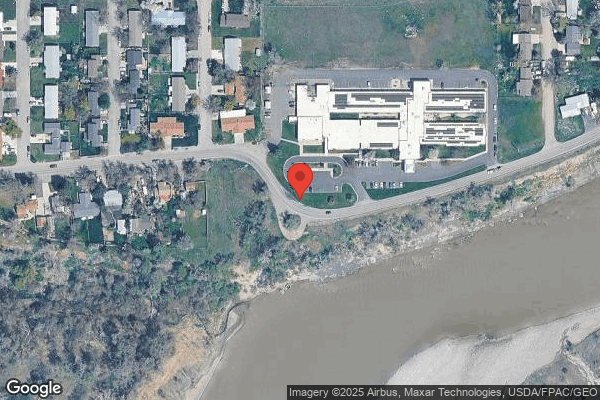
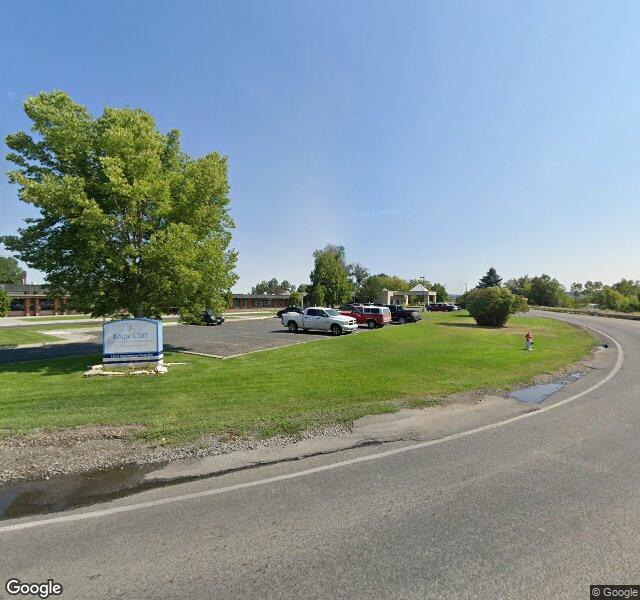
1415 YELLOWSTONE RIVER RD, BILLINGS, MT 59105 (406) 245-9330
For profit - Limited Liability company 129 Beds THE CHARLY BELLO FAMILY, THE MAZE FAMILY, THE SWAIN FAMILY, & WALTER MYERS Data: November 2025
Trust Grade
5/100
#55 of 59 in MT
Last Inspection: November 2024

Within standard 12-15 month inspection cycle. Federal law requires annual inspections.

Overview

River Ridge Rehabilitation and Nursing LLC has received a Trust Grade of F, indicating significant concerns about the quality of care provided. They rank #55 out of 59 facilities in Montana, placing them in the bottom half of options available in the state and #4 out of 6 in Yellowstone County, meaning only two facilities nearby are better. While the trend has recently improved from 30 issues in 2024 to just 6 in 2025, the current state still reflects serious problems. Staffing is below average with a rating of 2 out of 5 stars and a turnover rate of 56%, which is in line with the state average but still concerning. The facility has also accumulated $99,418 in fines, which is higher than 75% of Montana facilities, suggesting ongoing compliance issues. Specific incidents raise alarms about resident care. For example, one resident reported being denied timely changes to their brief, leading to discomfort and skin breakdown. Another resident developed an unstageable pressure injury due to inadequate monitoring of their condition. Additionally, a resident with severe weight loss was not adequately supervised during meals, leaving them with a full plate of untouched food. These findings highlight both serious lapses in care and the need for families to weigh these concerns against the facility's strengths.

Trust Score
F
5/100
In Montana
#55/59
Bottom 7%
Safety Record
High Risk
Review needed
Inspections
Getting Better
30 → 6 violations
Staff Stability
⚠ Watch
56% turnover. Above average. Higher turnover means staff may not know residents' routines.
Penalties
○ Average
$99,418 in fines. Higher than 70% of Montana facilities. Some compliance issues.
Skilled Nurses
○ Average
Each resident gets 32 minutes of Registered Nurse (RN) attention daily — about average for Montana. RNs are the most trained staff who monitor for health changes.
Violations
⚠ Watch
64 deficiencies on record. Higher than average. Multiple issues found across inspections.
★☆☆☆☆
1.0
Overall Rating
★★☆☆☆
2.0
Staff Levels
★★☆☆☆
2.0
Care Quality
★☆☆☆☆
1.0
Inspection Score
Stable
2024: 30 issues
2025: 6 issues

The Good

  • Full Sprinkler Coverage · Fire safety systems throughout facility
  • No fines on record

Facility shows strength in fire safety.

The Bad

1-Star Overall Rating

Below Montana average (2.9)

Significant quality concerns identified by CMS

Staff Turnover: 56%

10pts above Montana avg (46%)

Frequent staff changes - ask about care continuity

Federal Fines: $99,418

Well above median ($33,413)

Moderate penalties - review what triggered them

Chain: THE CHARLY BELLO FAMILY, THE MAZE F

Part of a multi-facility chain

Ask about local staffing decisions and management

Staff turnover is elevated (56%)

8 points above Montana average of 48%

The Ugly 64 deficiencies on record

4 actual harm
Mar 2025 6 deficiencies
CONCERN (D) 📢 Someone Reported This

A family member, employee, or ombudsman was alarmed enough to file a formal complaint

Potential for Harm - no one hurt, but risky conditions existed

Deficiency F0554 (Tag F0554)

Could have caused harm · This affected 1 resident

Based on observation, interview, and record review, the facility failed to implement a system to ensure an interdisciplinary team was involved in determining if a resident was safe to self-administer ...

Read full inspector narrative →
Based on observation, interview, and record review, the facility failed to implement a system to ensure an interdisciplinary team was involved in determining if a resident was safe to self-administer medication and failed to implement a system to ensure an as needed medication was secured in a resident's room for 1 (#6) of 9 sampled residents. This deficient practiced caused resident #6 a temporary burning sensation under her right arm. Findings include: During an observation and interview on 3/25/25 at 4:10 p.m., resident #6 was in her room sitting in a wheelchair. Resident #6 stated she had limited mobility in her extremities because of multiple health conditions and required assistance with daily care. Resident #6 was observed to have minimal movement in her hands and was unable to lift her arms. Resident #6 stated in late January 2025, staff member E spoke to her about a medication called Blu Emu cream for muscle soreness. Resident #6 stated a nurse left a sample of the Blu Emu cream in a 30cc plastic medication cup on her bedside table and told her to use it when she needed it. Resident #6 stated she did not recall the name of the nurse who left the cream on her bedside table. Resident #6 stated facility staff did not provide a locked container in her room to store the medication. Resident #6 stated she never needed to use the Blu Emu cream, and it sat on top of her bedside table. Resident #6 stated staff member K came into her room on the evening of 1/29/25 and administered her oral nighttime medication but left a white cream in a 30cc medication cup on her bedside table the medical provider ordered to be applied to her underarms due to skin irritation. Resident #6 stated she had stayed up late watching a movie and was sitting in her wheelchair and staff member K wanted staff member J to apply the cream to her underarms when she was ready for bed. Resident #6 stated staff member J helped her prepare for bed around 11:30 p.m. on 1/29/25. Resident #6 stated staff member J mixed up the two creams on her bedside table and applied the blue (Blu Emu) cream instead of the white cream to her underarm. Resident #6 stated she experienced a burning sensation to her underarm after staff member J applied the cream. Resident #6 stated staff member J washed her underarms with soap and warm water which provided resident #6 relief from the burning sensation. During an observation and interview on 3/24/25 at 3:50 p.m., staff member E stated she did not recall completing a medication self-administration assessment on resident #6 for Blue Emu cream. Staff member E stated she did not know why a medication self-administration assessment would be completed for resident #6 because the resident would not be able to apply the cream. Staff member E reviewed resident #6's electronic medical record and was able to locate the medication self-administration assessment completed on 1/23/25. Staff member E stated she completed the assessment but documented on the assessment resident #6, Is able to direct staff to apply medications; resident knows how often and had agreed to supply the medication. Staff member E stated when she documented staff applying the medication, she was indicating licensed staff only. Staff member E denied dispensing Blu Emu cream to resident #6. Review of resident #6's physician order, dated 1/23/25, showed an order for Blue-Emu cream to be applied to the affected areas topically every 12 hours as needed. Resident #6 may have at bedside. Resident will supply this medication. Review of resident #6's Medication Self-Administration Safety Screen, dated 1/23/25, showed medication to be self-administered, Blu Emu cream, to be stored at bedside with resident #6. Resident #6 requires assistance to correctly read label and or identify medication and to open medication package or container. Staff member K documented under the interdisciplinary summary, Resident is able to direct staff to apply medications; she (resident #6) knows how often; she (resident #6) has agreed to supply this medication. Review of resident #6's electronic medical record failed to show the resident's medication self-administration assessment, dated 1/23/25, was reviewed by the facility's interdisciplinary team. Review of the facility's policy titled, Self-Administration of Medications, revised December 2012, showed the following: Policy Statement Residents in the facility who wish to self-administer their medications may do so, if it is determined that they are capable of doing so. Policy Interpretation and Implementation - 1. If a resident expresses a desire to self-administer medications, the staff and practitioner will assess the resident's mental and physical abilities to determine whether a resident is capable of self-administering medications, including (but not limited to) the resident's; a. Ability to read and understand medication labels; b. Comprehension of the purpose and proper dosage and administration time for his or her medications; c. Ability to remove medications from a container and to ingest and swallow (or otherwise administer) them; and d. Ability to recognize risks and major adverse consequences of his or her medication . - 6. Self-administration medication must be stored in a safe secure place, which is not accessible by other residents. If safe storage is not possible in the resident's room, the medications of the residents permitted to self-administer will be stored on a central medication cart or in the medication room. Nursing will transfer the unopened medication to the resident when the resident requests them . [sic]
CONCERN (D) 📢 Someone Reported This

A family member, employee, or ombudsman was alarmed enough to file a formal complaint

Potential for Harm - no one hurt, but risky conditions existed

Deficiency F0658 (Tag F0658)

Could have caused harm · This affected 1 resident

Based on interview and record review, the facility nursing staff failed to meet professional standards of practice by not providing safe administration of a scheduled topical medication for 1 (#6) of ...

Read full inspector narrative →
Based on interview and record review, the facility nursing staff failed to meet professional standards of practice by not providing safe administration of a scheduled topical medication for 1 (#6) of 9 sampled residents. This deficient practice caused resident #6 a temporary burning sensation under her right arm. Findings include: During an interview on 3/25/25 at 4:10 p.m., resident #6 stated on 1/29/25 staff member K brought a plastic 30cc medication cup into her room. Resident #6 stated the medication cup contained a white cream the medical provider had ordered for her due to skin irritation under her left and right underarms. Resident #6 stated staff member K administered her oral medication but left the cream on her bedside table for the certified nursing assistant to apply to the affected area when she went to bed for the evening. Resident #6 stated staff member J helped her prepare for bed around 11:30 p.m. on 1/29/25. Resident #6 requested staff member J apply the cream under her arms. Resident #6 stated after staff member J applied the cream to her right underarm she started to feel a burning sensation. Staff member J then applied a cold cloth to her underarm, which did not relieve the burning sensation. Resident #6 asked staff member J to go and get the nurse. Resident #6 stated she asked staff member J if he had applied the white cream, and he responded, No, it was blue. Staff member J then washed resident #6's underarms with soap and warm water which provided her relief from the burning sensation she had experienced. Resident #6 stated, Then I had the CNA apply the white cream to my underarms. Resident #6 stated the blue cream was in a clear 30cc medication cup and was left at her bedside by a nurse days prior to try out for muscle soreness, and to use it when she needed it. Resident #6 stated she could not recall what staff member gave her the blue cream, but said she was allowed to keep it at her bedside. Resident #6 stated she had not needed to use the blue cream, and it had remained on her bedside table. During an interview on 3/27/25 at 12:06 p.m., staff member K stated she received an order from the medical provider for Triamcinolone Acetonide external cream 0.1% topically to be applied under resident #6's right and left underarms on 1/29/25. Staff member K stated she recalled being in the resident's room around 8:00 p.m. on 1/29/25. Staff member K stated resident #6 was still awake sitting in her wheelchair. Staff member K stated she administered the resident's oral medication around 8:00 p.m. on 1/29/25, and placed Triamcinolone Acetonide cream in a clear 30cc medication cup, on the resident's bedside table. Staff member K stated she was planning to return to the resident's room to apply the cream when resident #6 was ready for bed. Staff member K stated she was new to her position and had worked in the past in different states which allowed certified nursing assistants to apply topical creams. Staff member K stated she could not say why she left the Triamcinolone Acetonide cream on the resident's bedside table. Staff member K denied dispensing a blue cream to resident #6. Review of resident #6's medication administration record showed Triamcinolone Acetonide external cream 0.1% was administered topically under resident #6's right and left underarms on 1/29/25 at 7:38 p.m. by staff member K. Staff member K failed to ensure safe administration of a scheduled topical medication by leaving the medication unsupervised on resident #6's bedside table.
CONCERN (D) 📢 Someone Reported This

A family member, employee, or ombudsman was alarmed enough to file a formal complaint

Potential for Harm - no one hurt, but risky conditions existed

Accident Prevention (Tag F0689)

Could have caused harm · This affected 1 resident

Based on interview and record review, the facility failed to ensure staff members followed appropriate protocols for the safe transfer of residents while using a Hoyer lift for 1 (#6) of 9 sampled res...

Read full inspector narrative →
Based on interview and record review, the facility failed to ensure staff members followed appropriate protocols for the safe transfer of residents while using a Hoyer lift for 1 (#6) of 9 sampled residents. Findings include: Review of a facility grievance, dated 1/29/25, showed resident #6 reported staff member J used a Hoyer lift, without assistance from another staff member, to transfer her to bed from her wheelchair, when providing care at night. During an interview on 3/26/25 at 9:05 a.m., staff member B stated newly hired nursing staff received education on lifts. Staff member B stated the facility requires two staff when using lifts for resident transfers. Staff member B stated there was a nursing in-service meeting in September 2024, which included lift training. Staff member B stated staff member P provided education on appropriate lift protocols for resident transfers to staff member J. During an interview on 3/27/25 at 9:19 a.m., staff member J stated the facility was strict about having two staff transfer a resident with lifts. Staff member J stated the facility required two staff members when using Hoyer lifts and EZ stand lifts. Staff member J stated he transferred resident #6 during the night of 1/29/25, on his own, and stated it was because, I believe I couldn't find anyone available to assist. Review of a facility document titled, Inservice 9/19/24, showed, Lifts- all lifts in the facility require 2 person for transfers. If your resident requires a lift please ensure care is provided and sling under resident and w/c or bed is prepared for resident. once all care has been given and resident is ready for transfer then have 2nd staff member join you for safe transfer process . [sic] Review of a facility document titled, Staff Education, undated, showed staff member J was educated by staff member P on training for proper safety when using a Hoyer and sit to stand lift, and proper care procedures. Review of a facility document titled, Certified Nursing Assistant Competency Checklist, undated, showed staff member J completed training and was signed off on 1/7/25 for, Equipment: Use of sit-to-stand lift, and on 1/8/25 for, Equipment: Use of Hoyer lift.
CONCERN (D) 📢 Someone Reported This

A family member, employee, or ombudsman was alarmed enough to file a formal complaint

Potential for Harm - no one hurt, but risky conditions existed

Pharmacy Services (Tag F0755)

Could have caused harm · This affected 1 resident

Based on interview and record review, the facility failed to provide pharmaceutical services to ensure safe administration of a scheduled topical medication for 1 (#6) of 9 sampled residents. This def...

Read full inspector narrative →
Based on interview and record review, the facility failed to provide pharmaceutical services to ensure safe administration of a scheduled topical medication for 1 (#6) of 9 sampled residents. This deficient practice caused resident #6 a temporary burning sensation under her right arm. Findings include: During an interview on 3/25/25 at 4:10 p.m., resident #6 stated on 1/29/25 at approximately 11:30 p.m., staff member J helped her prepare for bed. Resident #6 requested staff member J apply a cream under her arms due to irritation she had been experiencing the last two days. Resident #6 stated after staff member J applied the cream to her right underarm she started to feel a burning sensation. Staff member J then applied a cold cloth to her underarm, but she had no relief. Resident #6 said she asked staff member J to go and get the nurse and also asked him if he had applied the white cream, and he responded, No, it was blue. Resident #6 stated staff member J then washed her underarms with soap and warm water which provided relief from the burning sensation. Resident #6 stated staff member J then applied a white cream to her underarms which had been placed on her bedside table in a clear 30cc medication cup by the nurse earlier in the evening. Resident #6 stated the blue cream was placed in a clear 30cc medication cup and was left at her bedside by a nurse days prior to try out for muscle soreness, and to use it when she needed it. Resident #6 stated she had not needed to use the blue cream, and it had remained on her bedside table. During an interview on 3/27/25 at 9:14 a.m., staff member J stated on 1/29/25 at some time between 11:00 p.m. and 11:30 p.m., he assisted resident #6 to bed. Staff member J stated the nurse entered resident #6's room while he was assisting the resident and placed two 30cc medication cups on the resident's bedside table. One cup contained white cream and the other contained blue cream. The cups were unlabeled. Staff member J stated the nurse did not provide any instructions prior to leaving the room. Staff member J stated resident #6 requested he apply cream under her right underarm, and he applied the blue cream. Staff member J stated the resident started to complain of a burning sensation. Staff member J stated he then applied a cold cloth under the resident's right under arm which did not relieve the resident's burning sensation. Staff member J stated the resident requested to see the nurse and find out what was in the white cream. Staff member J stated to resident #6, I applied the blue cream. Staff member J stated he then washed the blue cream from resident #6's right underarm with soap and warm water. Staff member J stated resident #6's burning sensation stopped, and he then applied the white cream to her underarms, at her request. Staff member J stated he reported the incident to staff member K, and she had followed up with the resident. Staff member J stated resident #6 voiced no complaints of pain or discomfort for the remainder of his shift. During an interview on 3/27/25 at 12:06 p.m., staff member K stated she received an order from the medical provider for Triamcinolone Acetonide external cream 0.1% topically to be applied under resident #6's right and left underarms on 1/29/25. Staff member K stated she recalled being in the resident's room around 8:00 p.m. on 1/29/25. Staff member K stated resident #6 was still awake sitting in her wheelchair. Staff member K stated she administered the resident's oral medication around 8:00 p.m. on 1/29/25 and placed Triamcinolone Acetonide cream in a clear 30cc medication cup on the resident's bedside table. Staff member K stated she was going to return to the resident's room to apply the cream when resident #6 was ready for bed. Staff member K stated she was new to her position and had worked in the past in different states which allow for certified nursing assistants to apply topical cream. Staff member K stated she could not say why she left the Triamcinolone Acetonide cream on the resident's bedside table. Staff member K denied dispensing a blue cream to resident #6. Review of resident #6's medication administration record showed: Triamcinolone Acetonide external cream 0.1% was administered topically under resident #6's right and left underarm on 1/29/25 at 7:38 p.m. by staff member K. Review of resident #6's medical provider orders showed: - Order date 1/23/25 . Blue-Emu Super Strength External Cream (Liniments & Rubs) Apply to affected areas topically every 12 hours as needed. May have at bedside. Resident will supply this medication. - Order date 1/29/25 Triamcinolone Acetonide External Cream 0.1 % (Triamcinolone Acetonide (Topical)) Apply to bilateral axilla topically two times a day for rash for five days. Review of the facility document titled, Administering Medication, last revised December 2012, showed: Policy Statement Medication shall be administered in a safe and timely manner, and as prescribed. Policy Interpretation and Implementation - 1. Only persons licensed or permitted by this state to prepare, administer and document the administration of medications may do so. - . 7. The individual administering the medication must verify the right resident, right medication, right dosage, right time and right method (route) of administration before giving the medication . [sic]
CONCERN (D) 📢 Someone Reported This

A family member, employee, or ombudsman was alarmed enough to file a formal complaint

Potential for Harm - no one hurt, but risky conditions existed

Infection Control (Tag F0880)

Could have caused harm · This affected 1 resident

Based on observation, interview, and record review, the facility failed to ensure enhanced barrier precaution practices were utilized by staff while performing high-contact resident care during a tran...

Read full inspector narrative →
Based on observation, interview, and record review, the facility failed to ensure enhanced barrier precaution practices were utilized by staff while performing high-contact resident care during a transfer, for 1 (#5) of 9 sampled residents. Findings include: During an observation on 3/25/25 at 3:32 p.m., staff member N and staff member L transferred resident #5 in his room from the bed to his wheelchair. Staff member N and staff member L had gloves on before they started to transfer resident #5 with the sit-to-stand lift. Staff member N and staff member L did not don gowns prior to the transfer. Staff member N and staff member L's uniforms had direct contact with resident #5's upper and lower body during his transfer with the sit-to-stand lift. During an interview on 3/25/25 at 3:44 p.m., resident #5 stated nursing staff wear gowns and gloves when they perform his catheter care, but not when he is transferred with the sit-to-stand lift. During an interview on 3/26/25 at 9:15 a.m., staff member B stated she was the infection preventionist for the facility, and she provided education to nursing staff on the use of enhanced barrier precautions. Staff member B stated all nursing staff are educated on what to use when a resident is on enhanced barrier precautions. Staff member B stated when two staff members are transferring a resident who is on enhanced barrier precautions, staff are required to don gowns and gloves. During an interview on 3/26/25 at 11:31 a.m., staff member N stated when she transferred resident #5 the day prior, with staff member L, It was busy. I usually wear a gown when transferring a resident and have contact, but I didn't during the transfer for [#5]. Review of a facility policy titled, Enhanced Barrier Precautions, revised 4/1/24, showed: . 1. In addition to Standard Precautions, implement Enhanced Barrier Precautions for an individual documented or suspected to be at increased risk of carrying a resistant organism . This includes anyone with . indwelling medical devices (e.g. urinary catheter .) 5. In addition the use of standard precautions, staff should wear gloves and a gown during high-contact resident care activities that provide opportunities for transfer of MDROs to staff hands and clothing. Examples of high-contact resident are activities include: . c. Transferring . [sic]
CONCERN (F) 📢 Someone Reported This

A family member, employee, or ombudsman was alarmed enough to file a formal complaint

Potential for Harm - no one hurt, but risky conditions existed

Food Safety (Tag F0812)

Could have caused harm · This affected most or all residents

Based on observation, interview, and record review, the facility failed to ensure dietary staff followed safe and sanitary conditions by donning hair coverings and beard nets while preparing resident ...

Read full inspector narrative →
Based on observation, interview, and record review, the facility failed to ensure dietary staff followed safe and sanitary conditions by donning hair coverings and beard nets while preparing resident meals in the facility kitchen. This failure put all residents receiving meals at risk for sanitation issues related to the uncovered hair if it were to get into food. Findings include: During an observation on 3/24/25 at 4:38 p.m., staff member I was in the facility kitchen, not wearing a hair covering or beard net. Staff member I was working at the kitchen grill and preparing food on a serving area. During an observation on 3/25/25 at 7:50 a.m., staff member I was in the facility kitchen, not wearing a hair covering or beard net. Staff member I was dishing food from a pan, onto a plate, preparing breakfast for residents. During an interview on 3/25/25 at 2:15 p.m., staff member D stated dietary staff working in the kitchen are expected to wear hair coverings and a beard net if they have facial hair. Staff member D stated staff member I moved into the cooking role recently and did not always wear a beard net. Staff member D stated staff member I is aware he needed to wear a beard net, he had been told to wear a beard net working in his new role as a cook. Staff member D stated audits by observations were completed to show compliance with facility dining room, kitchen, and food test tray policies. Staff member D stated the dietitian conducted audits on Tuesdays, and on Thursdays she completed the audits. During an interview on 3/26/25 at 1:48 p.m., staff member I stated, It's 50/50 (the time) that I remember to wear a hair or beard net. I forget a lot. I get busy, and I'm new to doing the cook position. Staff member I stated he trimmed hair towards the back of his head the other day for his hair to be shorter. Staff member I stated he needed to do better to remember to wear hair and beard coverings when working in the kitchen. Review of a facility policy titled, Work Clothing and Attire, undated, showed: . Employees engaged in work that places them in a position where they meet the public or provide patient care are expected to present a neat, professional appearance. This means good grooming habits and the proper attire representative of their position .
Nov 2024 21 deficiencies
CONCERN (D)

Potential for Harm - no one hurt, but risky conditions existed

Safe Environment (Tag F0584)

Could have caused harm · This affected 1 resident

Based on observation, interview, and record review, the facility failed to provide a safe, clean, and comfortable environment for 1 (#14) of 36 sampled residents. Findings include: During an observat...

Read full inspector narrative →
Based on observation, interview, and record review, the facility failed to provide a safe, clean, and comfortable environment for 1 (#14) of 36 sampled residents. Findings include: During an observation on 11/5/24 at 9:56 a.m., there was a dried, crusty brown substance near an electrical outlet on the wall next to resident #14's bed. There was a visible large amount of white, dried crusted substance on the top blanket of resident #14's bedding. During an observation on 11/5/24 at 2:29 p.m., there was still a dried, crusty brown substance near an electrical outlet on the wall next to resident #14's bed. During an observation on 11/6/24 at 8:52 a.m., there was still a dried, crusty brown substance near an electrical outlet on the wall next to resident #14's bed. There was a dried sticky area of debris on the floor alongside resident #14's bed, which was seen and heard when walking on the section of the floor. The privacy curtain next to resident #14's recliner had dark brown, dried stains on it. During an observation and interview on 11/6/24 at 9:43 a.m., staff member Q observed the sticky floor along resident #14's bed, and the dried crusty, brown substance near an electrical outlet on the wall next to resident #14's bed. Staff member Q stated it might be chocolate pudding. Staff member Q stated she had not noticed the stain when she was changing the resident's bed sheets that morning. Staff member Q stated she thought the curtain looked like it had a food or juice stain on it, when shown the dark brown stains on the privacy curtain in resident #14's room next to his recliner. Staff member Q stated she had not seen curtains in resident rooms changed or replaced before. During an observation and interview on 11/6/24 at 10:32 a.m., staff member J stated she thought the dried crusty brown substance on the wall next to resident #14's bed looked like feces stains. During an observation on 11/7/24 at 9:24 a.m., on the floor beside resident #14's bed, there were new dried crusty brown pieces of a substance on the floor, and there were two new sticky-looking stains on the floor, a light pink stain, and a light brown stain. The privacy curtain next to resident #14's recliner still had dark brown dried stains on it. During an interview on 11/7/24 at 9:35 a.m., staff member U stated housekeeping staff had a daily sheet of resident units to clean. Staff member U stated housekeeping staff was to go into resident rooms and clean, which included sweeping and mopping floors of the rooms. Review of resident #14's Care Plan, with a review date of 10/25/24, showed: . The resident is high risk for falls . Intervention: The resident needs a safe environment with floors and seating areas free from spills . The resident has bowel incontinence. Date Initiated: 09/19/2023 A request was made on 11/6/24 for a facility document of a housekeeping duty sheet for cleaning of resident #14's room, for November 2024, but was not received by the end of the survey.
CONCERN (D)

Potential for Harm - no one hurt, but risky conditions existed

Comprehensive Assessments (Tag F0636)

Could have caused harm · This affected 1 resident

**NOTE- TERMS IN BRACKETS HAVE BEEN EDITED TO PROTECT CONFIDENTIALITY** Based on observation, interview, and record review, the facility failed to complete a comprehensive assessment of a resident's n...

Read full inspector narrative →
**NOTE- TERMS IN BRACKETS HAVE BEEN EDITED TO PROTECT CONFIDENTIALITY** Based on observation, interview, and record review, the facility failed to complete a comprehensive assessment of a resident's needs, strengths, goals, life history and preferences within 14 days of admission for 1 (#233) of 36 sampled residents. Findings include: During an observation and interview on 11/4/24 at 2:10 p.m., resident #233 was observed to have wounds on both legs and the left arm. Resident #233 was eating lunch and her left hand was laying in the food on her plate. Resident #233 stated, I have trouble eating sometimes, but it is getting better. Review of a facility provided document titled Matrix, resident #233 did not trigger for any medical conditions including wounds. Review of resident #233's medical record showed resident #233 was admitted to the facility on [DATE]. The ARD for the completion of the comprehensive admission MDS assessment was 8/22/24. The comprehensive admission MDS assessment was open and showed in progress. This assessment should have been completed and submitted within 14 days of admission to the facility. The comprehensive admission MDS was 76 days late, as of the last day of the survey period. During an interview on 11/6/24 at 12:34 p.m., staff member D stated initial admission MDS assessments were conducted and submitted within 14 days of admission. As of the end of the survey period on 11/7/24, the comprehensive admission MDS assessment for #233 had not been completed or submitted to CMS.
CONCERN (D)

Potential for Harm - no one hurt, but risky conditions existed

Assessment Accuracy (Tag F0641)

Could have caused harm · This affected 1 resident

**NOTE- TERMS IN BRACKETS HAVE BEEN EDITED TO PROTECT CONFIDENTIALITY** Based on observation, interview, and record review, the facility failed to accurately complete the admission Minimum Data Set (M...

Read full inspector narrative →
**NOTE- TERMS IN BRACKETS HAVE BEEN EDITED TO PROTECT CONFIDENTIALITY** Based on observation, interview, and record review, the facility failed to accurately complete the admission Minimum Data Set (MDS) assessment for the resident's oral status, for 1 (#8) of 36 sampled residents. Findings include: During an observation and interview on 11/4/24 at 2:02 p.m., resident #8 was observed to have no natural teeth and no dentures. Resident #8 stated she did not have teeth when she was admitted to the facility, as she had them removed around July of 2024, and had not yet had dentures fitted. Resident #8 stated she was admitted to the facility on [DATE]. During an interview on 11/6/24 at 9:06 a.m., staff member E stated resident #8 did not have teeth on admission to the facility and has had several appointments for denture fittings since her admission. During an interview on 11/6/24 at 2:25 p.m., staff member D stated she was responsible for MDS assessments and was in the process of getting all the resident MDS information updated and accurate. Staff member D stated the MDS assessment involved a comprehensive face-to-face evaluation, including a dental assessment. Review of resident #8's admission MDS, with an ARD of 9/19/24, section L, showed the resident had no broken or missing teeth.
CONCERN (D)

Potential for Harm - no one hurt, but risky conditions existed

Comprehensive Care Plan (Tag F0656)

Could have caused harm · This affected 1 resident

Based on observation, interview, and record review, the facility failed to implement a comprehensive, resident-centered care plan which identified the resident's physical and psychosocial needs to hel...

Read full inspector narrative →
Based on observation, interview, and record review, the facility failed to implement a comprehensive, resident-centered care plan which identified the resident's physical and psychosocial needs to help the resident reach their highest practicable level, for 1 (#8) of 36 sampled residents. Findings include: During an observation and interview on 11/4/24 at 2:02 p.m., resident #8 was observed to have no natural teeth and no dentures. Resident #8's voice was impaired by the absence of teeth, with difficulty making s and t sounds. Resident #8 stated she was embarrassed by not having teeth, and stated, I feel like people don't like me because I look funny without my teeth, and I am hard to understand. I am supposed to be getting dentures, but it is taking a while because I guess I have some jaw problems. The dentist fitted me a couple of times but so far, no teeth. I am hoping maybe by Thanksgiving. Resident #8 also stated she had some difficulty eating, even with the bite-sized diet the facility was providing. Resident #8 was also observed during this interview to be wearing one hearing aid and was having difficulty hearing. Resident #8 stated, I have no hearing in one ear at all, and wear the hearing aid in the other, but I still need to read lips to understand people most of the time. During an interview on 11/6/24 at 9:07 a.m., staff member E stated resident #8 had a dental appointment on 10/24/24, but did not know the status or outcome of the appointment and called staff member P to ask the status. Staff member E then stated staff member P told her resident #8's next dental appointment was on 11/19/24. During the interview, staff member E was unable to locate information in the medical record on the status of resident's #8's dentures, including whether she had natural teeth on admission. Review of resident #8's care plan, initiated on 9/9/24, failed to show any focus areas related to resident #8's dental, eating, dietary modifications, or hearing difficulties. A request was made on 11/6/24 for dental provider notes. None were received by the end of the survey.
CONCERN (D)

Potential for Harm - no one hurt, but risky conditions existed

Deficiency F0657 (Tag F0657)

Could have caused harm · This affected 1 resident

Based on interview and record review, the facility failed to revise an individualized comprehensive care plan to reflect a mental health diagnosis, for 1 (#233) of 36 sampled residents. Findings inclu...

Read full inspector narrative →
Based on interview and record review, the facility failed to revise an individualized comprehensive care plan to reflect a mental health diagnosis, for 1 (#233) of 36 sampled residents. Findings include: Review of resident #233's physician's order, dated 10/3/24, showed, Please call to schedule appt with Encounter Telehealth Psychiatry for bipolar disorder, depression. [sic] Review of resident #233's care plan, with an initiation date of 9/3/24, failed to show any information for a Focus, Goals, or Interventions for a diagnosis of bipolar depression. Review of the most recent H&P, dated 1/30/24, showed bipolar depression as an active diagnosis for resident #233. Review of resident #233's medical record, showed the facility submitted a letter requesting a PASARR Level II for resident #233 on 9/13/24, due to a history of bipolar depression. No further documentation was provided by the end of the survey period to show a PASARR Level II was performed. During an interview on 11/6/24 at 12:34 p.m., staff member D stated resident care plans should be completed upon admission, quarterly, or with any change in a resident's condition. Staff member D stated care plans should reflect all current diagnoses for residents. Staff member D stated staff member E conducted PASARR's on residents, and the information from the PASARR should be reflected in the resident's care plan.
CONCERN (D)

Potential for Harm - no one hurt, but risky conditions existed

Deficiency F0699 (Tag F0699)

Could have caused harm · This affected 1 resident

Based on interview and record review, the facility failed to complete a trauma-informed assessment to identify, manage, avoid potential triggers, and maintain the highest practicable well-being, for 1...

Read full inspector narrative →
Based on interview and record review, the facility failed to complete a trauma-informed assessment to identify, manage, avoid potential triggers, and maintain the highest practicable well-being, for 1 (#8) of 1 resident with a diagnosis of post-traumatic stress disorder (PTSD). Findings include: During an interview on 11/4/24 at 2:02 p.m., resident #8 stated she did have a PTSD diagnosis related to so much abuse. Resident #8 stated she gets nightmares pretty regularly, and stated no one from the facility had talked to her about her PTSD since she was admitted . During an interview on 11/6/24 at 4:10 p.m., Staff member K stated she did not think a trauma informed assessment was necessary for resident #8, as the PTSD diagnosis was not included in the PASARR Level II evaluation, and the PTSD was not an active diagnosis. Review of resident #8's PASARR Level II evaluation, dated 10/22/24, showed resident #8 had a history of abuse as a child that still affected her. Review of a psychiatric telehealth note, dated 10/30/24, showed resident #8 was seen for an initial consultation for the treatment of PTSD. A request was submitted for #8's facility trauma-informed assessment on 11/6/24. Trauma-informed assessment documentation was not received prior to the end of the survey.
CONCERN (D)

Potential for Harm - no one hurt, but risky conditions existed

Deficiency F0727 (Tag F0727)

Could have caused harm · This affected 1 resident

Based on interview and record review, the facility failed to assure the Director of Nursing did not work as a charge nurse when the average daily census was more than 60 residents, which may negativel...

Read full inspector narrative →
Based on interview and record review, the facility failed to assure the Director of Nursing did not work as a charge nurse when the average daily census was more than 60 residents, which may negatively affect any resident. Findings include: Review of the facility nursing schedules showed staff member B was scheduled to work as charge nurse on the following days: . 4/27/24 on day shift from 6-12 . 4/28/24 on day shift from 3-6 . 10/4/24 on night shift from 10-6 Review of the [Facility Name] Daily Nursing Staff Posting and Census showed the census on 4/27/24 was 69, on 4/28/24 the census was 69, and on 10/4/24 the census was 76. Review of a Facility Assessment Tool, Date(s) of assessment or update 9/26/24 - 10/17/24, showed, . Part 1: Our Resident Profile . 1.2. Indicate your average daily census: (enter a range) _ 74.5_. [sic] During an interview on 11/7/24 at 8:53 a.m., staff member B stated, This last week and half I had to work on the floor more, but this was the last week. The facility was going to hire two more nurses, then I should not have to work the floor (as a charge nurse).
CONCERN (D)

Potential for Harm - no one hurt, but risky conditions existed

Dental Services (Tag F0791)

Could have caused harm · This affected 1 resident

Based on interview and record review, the facility failed to provide dental services for 1 (#17) of 36 sampled residents. Findings include: During an interview on 11/4/24 at 2:36 p.m., resident #17 st...

Read full inspector narrative →
Based on interview and record review, the facility failed to provide dental services for 1 (#17) of 36 sampled residents. Findings include: During an interview on 11/4/24 at 2:36 p.m., resident #17 stated she felt she had a cracked wisdom tooth. Resident #17 stated she was not aware of an appointment made for her, but she had told many of the staff about her tooth concerns. When asked, resident #17 stated staff have not asked her if she needed dental, hearing, or eye appointments regularly scheduled. During an interview on 11/7/24 at 9:26 a.m., staff member E stated they were aware of resident #17's need for a dental cleaning appointment, but they were not aware of an issue concerning resident #17's wisdom tooth. Staff member E stated the appointment had been communicated to staff member P, as staff member P made the appointments. When staff member E looked for the scheduled appointment, and the communication text to staff member P, staff member E was unable to find the information. Staff member E stated they must have told staff member P verbally that resident #17 needed a dental appointment. When asked how appointments were tracked or how staff member E knew the appointment was completed, staff member E stated they did not have a system, and it would be possible for a resident to fall through the cracks. When asked if staff member E regularly documented their meetings with the residents, they stated they did not document each meeting and was currently behind in the quarterly meetings. When asked if staff member E specifically asked residents about a potential need for dental appointments, staff member E stated no, they did not specifically ask residents. Review of resident #17's EHR showed the last documented note from staff member E was on 4/24/24 regarding specialty appointments.
CONCERN (D)

Potential for Harm - no one hurt, but risky conditions existed

Deficiency F0802 (Tag F0802)

Could have caused harm · This affected 1 resident

Based on observation, interview, and record review, the dietary department failed to have sufficient staffing to safely and effectively carry out the functions of the food and nutritional services dep...

Read full inspector narrative →
Based on observation, interview, and record review, the dietary department failed to have sufficient staffing to safely and effectively carry out the functions of the food and nutritional services department, by serving meals cold and late. This failure may negatively affect any resident receiving services from the dietary department. Findings include: During an observation and interview, on 11/4/24 at 12:16 p.m., staff member S was serving trays to residents in the dining room. Staff member S stated, I would walk around with you, but I am in the middle of serving. A dietary staff member showed the surveyor where the dry storage was kept, and stated, We are so short staffed. Why is it so hard to get people to work nowadays? Review of a facility document titled, Yellowstone Dining Room Meal Service Times, showed: Breakfast 7:45 a.m. Lunch 11:45 a.m. Dinner 4:45 p.m. During an observation on 11/05/24 at 8:01 a.m., residents were in the dining room waiting to be served breakfast. During an observation on 11/05/24 at 8:15 a.m., residents were still in the dining room waiting to be served breakfast. During an observation on 11/05/24 at 8:26 a.m., dietary staff started serving breakfast to the residents in the dining room. During an observation on 11/06/24 at 8:02 a.m., residents were observed in the dining room waiting for breakfast to be served. During an observation on 11/06/24 at 8:14 a.m., dietary staff started serving breakfast in the dining room. During an interview on 11/06/24 at 9:26 a.m., staff member S stated the facility just hired one dietary staff member, but they were still having issues within the dietary department. Staff member S stated, We have had a lot of people out sick, and we had some just quit. During an observation on 11/06/24 at 12:45 p.m., resident #233 was set up in their room for lunch and had not been served yet. During an observation on 11/06/24 at 12:47 p.m., residents were finishing eating in the dining room. Dietary staff were filling hot carts for room delivery. Rosebud Hall was served at this time. During an observation on 11/06/24 at 12:59 p.m., dietary staff were serving Yellowstone Hall room trays for the lunch meal. During an observation on 11/07/24 at 8:40 a.m., residents were eating in the dining room, and the dietary department was starting to prepare room trays. During an observation and interview on 11/07/24 at 8:56 a.m., staff member S was preparing a room tray. Staff member S checked the temperature of the sausage on the tray, and it was at 106 degrees Fahrenheit. Staff member S stated, That is not a good temperature for sausage. It should be warmer than that. During an observation on 11/7/24 at 9:03 a.m., dietary staff were delivering room trays to Yellowstone Hall. During an interview on 11/07/24 at 9:36 a.m., staff member S stated, . I live over an hour away, and we had a call off on a Saturday. The cook never showed up, and I couldn't get here in time to cook breakfast, so the facility management decided to buy pancake platters for all the residents. Meals have been being served late by 30 minutes or more for longer than a month. There is just too much to do for just one person.
CONCERN (D) 📢 Someone Reported This

A family member, employee, or ombudsman was alarmed enough to file a formal complaint

Potential for Harm - no one hurt, but risky conditions existed

Deficiency F0882 (Tag F0882)

Could have caused harm · This affected 1 resident

Based on interview and record review, the facility failed to ensure the Infection Preventionist had the necessary certification for oversight of the infection control program. This failure would affec...

Read full inspector narrative →
Based on interview and record review, the facility failed to ensure the Infection Preventionist had the necessary certification for oversight of the infection control program. This failure would affect any resident who had an infection, was at risk of an infection, or for how the facility upheld and monitored infection prevention strategies. Findings include: During an observation on 11/6/24 at 3:41 p.m., staff member D stated she worked at the facility starting in February 2024. Staff member D stated she completed the infection preventionist certification in 2019, but due to a tornado in another state, she was were unable to find the certification. Review of the facility request sheet, dated 11/7/24 at 9:53 a.m., showed the facility documented, Infection Preventionist Certification. No certification or supporting information was provided to the survey team prior to the end of the survey.
CONCERN (D) 📢 Someone Reported This

A family member, employee, or ombudsman was alarmed enough to file a formal complaint

Potential for Harm - no one hurt, but risky conditions existed

Deficiency F0883 (Tag F0883)

Could have caused harm · This affected 1 resident

Based on interview and record review, the facility failed to provide a pneumococcal and Covid-19 vaccine for 1 (#74) of 7 sampled residents for immunizations. Findings include: During an interview on ...

Read full inspector narrative →
Based on interview and record review, the facility failed to provide a pneumococcal and Covid-19 vaccine for 1 (#74) of 7 sampled residents for immunizations. Findings include: During an interview on 11/6/24 at 3:41 p.m., staff member D stated all immunizations were documented in the EHR, and there was no other documentation located outside of the EHR, concerning immunizations. Review of a facility provided document, titled Consent Form For Pneumococcal Vaccine, dated 9/24/24, showed resident #74 had consent given for the vaccine. Review of a facility provided document, titled Consent Form For SARS-COV-2 (COVID-19) Vaccine, dated 9/24/24, showed consent given for Covid-19 vaccine for resident #74. Review of resident #74's EHR showed no record of Covid-19 or pneumococcal vaccines given. The resident immunization record were requested on 11/7/24 at 9:53 a.m.
CONCERN (E)

Potential for Harm - no one hurt, but risky conditions existed

Transfer Notice (Tag F0623)

Could have caused harm · This affected multiple residents

**NOTE- TERMS IN BRACKETS HAVE BEEN EDITED TO PROTECT CONFIDENTIALITY** 2. Review of resident #64's medical record showed the resident was transferred to the hospital on 9/13/24 for tingling and invol...

Read full inspector narrative →
**NOTE- TERMS IN BRACKETS HAVE BEEN EDITED TO PROTECT CONFIDENTIALITY** 2. Review of resident #64's medical record showed the resident was transferred to the hospital on 9/13/24 for tingling and involuntary movements of the left arm. The medical record failed to show the required written notice of transfer was provided to the resident or representative. During an interview on 11/5/24 at 2:03 p.m., resident #64 stated she did not sign anything when she went to the hospital, and she did not recall receiving any paperwork. A facility request was made on 11/6/24 for notification of transfer discharge for resident #64 and the facility did not provide one by the end of the survey period. Based on interview and record review, the facility failed to provide written notice of the reason for a facility-initiated transfer to a resident or the resident's representative, for 3 (#s 18, 64, and 78) of 36 sampled residents, and staff were not aware of the process or need for completion of the transfer notices. Findings include: 1. Review of resident #18's medical record showed the resident was transported to the hospital for an acute change in condition on 11/7/23 and 8/19/24. The medical record failed to show the required written notice of the reason for the transfer was provided to the resident or representative. During an interview on 11/6/24, staff member L stated she was unfamiliar with the federal regulation and facility policy for written resident notification of transfer. Staff member L stated, Well, we do tell them they are going to the hospital, and we complete a transfer form for the receiving hospital, but I am unfamiliar with any form or document that needs to be filled out for the residents. A request for transfer notifications for resident #18's hospital transfers on 11/7/23 and 8/19/24 was requested on 11/6/24. No transfer notification documentation was received for the transfers on 11/7/23 and 8/19/23 prior to the end of the survey. 3. Review of resident #78's medical record showed the resident was hospitalized on [DATE], due to a decompensation in condition after a choking incident on 9/4/24. Resident #78 did not return to the facility. A request was made to the facility on [DATE] at 9:42 a.m., for resident #78's written notification of transfer to the hospital. No documentation was provided to the State Survey Agency by the end of the survey. During an interview on 11/6/24 at 2:25 p.m., staff member K stated the facility did not have a notice of transfer for resident #'s 18, 64, or 78. Staff member K stated she could see notice of transfers were not being completed, were a trend, and would need to be addressed. Review of the facility's policy titled, Discharging/Transferring the Resident, last revised 12/1/19, showed: - . 6. If the resident is being discharged to a hospital, ensure that a discharge/transfer form, medication list, current history and physical, POLST and bed hold notice are reviewed with the resident and/or resident representative prior to discharge to the extent reasonable and practical. A copy of these forms shall be sent with the resident to the hospital. [sic]
CONCERN (E)

Potential for Harm - no one hurt, but risky conditions existed

Deficiency F0625 (Tag F0625)

Could have caused harm · This affected multiple residents

**NOTE- TERMS IN BRACKETS HAVE BEEN EDITED TO PROTECT CONFIDENTIALITY** 2. Review of resident #64's medical record showed the resident was transferred to the hospital on 9/13/24 for tingling and invol...

Read full inspector narrative →
**NOTE- TERMS IN BRACKETS HAVE BEEN EDITED TO PROTECT CONFIDENTIALITY** 2. Review of resident #64's medical record showed the resident was transferred to the hospital on 9/13/24 for tingling and involuntary movements of the left arm. The medical record failed to show the resident or representative was provided or notified of the required written bed hold notice. During an interview on 11/5/24 at 2:03 p.m., resident #64 stated she did not sign anything when she went to the hospital, and she did not recall receiving any paperwork. Based on interview and record review, the facility failed to provide the required bed hold notice to the resident or the resident's representatives prior to, or timely after, a transfer, for 3 (#s 18, 64, and 78) of 36 sampled residents. Findings include: 1. Review of resident #18's medical record showed the resident was transported to the hospital for acute changes in condition on 11/7/23 and 8/19/24. There was no documentation in the medical record to show the resident or his representative was provided or notified of the required written bed hold notice. During an interview on 11/6/24 at 2:10 p.m., staff member L stated, I guess I don't know who is responsible for the bed hold documentation or how that (process) works. I have seen them in the record once in a while, but I have never completed one. A request for bed hold notifications for resident #18's hospital transfers on 11/7/23 and 8/19/24 was requested on 11/6/24. No bed hold notification documentation was received for the transfers prior to the end of the survey. 3. Review of resident #78's medical record showed the resident was hospitalized on [DATE] due to a decompensation in condition after a choking incident on 9/4/24. Resident #78 did not return to the facility. A request was made to the facility on [DATE] at 9:42 a.m., for resident #78's written notification of the facility's bed hold policy upon transfer to the hospital. No documentation was provided to the State Survey Agency by the facility. During an interview on 11/6/24 at 2:25 p.m., staff member K stated the facility did not have a notification of the facility's bed hold policy for resident #'s 18, 64, or 78. Staff member K stated she could see the notifications of the facility's bed hold policy were not being completed, were a trend, and would need to be addressed. Review of facility document titled, Bed Hold Notice Upon Transfer, dated 1/1/24, showed the following: 1. Before a resident is transferred to the hospital or goes on therapeutic leave, the facility will provide to the resident and/or the resident representative written information that specifies: a. The duration of the state bed-hold policy, if any, during which the resident is permitted to return and resume residence in the nursing facility; b. The reserve bed payment policy in the state plan policy, if any; c. The facility policies regarding bed-hold periods to include allowing a resident to return to the next available bed; d. Conditions upon which the resident would return to the facility: - The resident requires the services which the facility provides; - The resident is eligible for Medicare skilled nursing facility services or Medicaid nursing facility services. 2. In the event of an emergency transfers of a resident, the facility will provide within 24 hours written notice of the facility's bed-hold policies, as stipulated in the State's plan . Review of the facility's policy titled, Holding Bed Space, last revised 12/06, showed: - Policy Statement - Our facility shall inform residents upon admission and prior to a transfer for hospitalization or therapeutic leave of our bed-hold policy. - Policy Interpretation and Implementation - 1. Upon admission and when a resident is transferred for hospitalization or for therapeutic leave, a representative of the business office or designee will provide written information concerning the facility's bed hold policy. [sic]
CONCERN (E)

Potential for Harm - no one hurt, but risky conditions existed

Deficiency F0680 (Tag F0680)

Could have caused harm · This affected multiple residents

Based on interview and record review the facility failed to employ a qualified activity professional to direct the activity program, which may affect all residents receiving or participating in activi...

Read full inspector narrative →
Based on interview and record review the facility failed to employ a qualified activity professional to direct the activity program, which may affect all residents receiving or participating in activities at the facility. Findings include: During an interview on 11/6/24 at 11:52 a.m., staff member F stated she was hired in September (2024), has not completed, and was not currently enrolled in an activities professional training program. Review of staff member F's resume showed she did not meet the minimum qualifications to direct the activity program.
CONCERN (E)

Potential for Harm - no one hurt, but risky conditions existed

Pressure Ulcer Prevention (Tag F0686)

Could have caused harm · This affected multiple residents

Based on observation, interview, and record review, the facility failed to sufficiently and accurately document pressure ulcers for 3 (#s 11, 57, and 76) of 36 sampled residents. Findings include: a. ...

Read full inspector narrative →
Based on observation, interview, and record review, the facility failed to sufficiently and accurately document pressure ulcers for 3 (#s 11, 57, and 76) of 36 sampled residents. Findings include: a. During an interview on 11/6/24 at 12:16 p.m., resident #57 stated, I'm hurting. Resident #57 had stated she needed to be cleaned up as she had a bowel movement about 30 minutes ago. Review of resident #57's EHR showed Morphine Sulfate 20 mg/mL and Tramadol 50 mg was available PRN. During an observation and interview on 11/6/24 at 12:25 p.m., resident #57 had a previous 4x4 optifoam dressing and a wound to her coccyx. Staff member M stated she did not have this wound a month ago when staff member M last saw resident #57. When asking both staff members what the redness and raised bumps were to resident #57's right thigh, staff member J stated they would have to check with the nurse as they did not typically work on this wing. Staff member M stated they thought it looked like a rash. Staff member M stated they had seen slight redness to this area the last time they worked with resident #57, but stated it was nothing like this. When asked how long the coccyx wound had been present, staff member J stated they would need to follow up with the surveyor, but this did not occur. Review of resident #57's EHR showed a nursing note on 11/6/24 at 3:35 a.m., .Will enter in PCC as wound order until further advised . [sic]. Review of resident #57's EHR showed no wound assessments completed. Review of resident #57's EHR showed a coccyx wound care order started on 11/6/24, which was after staff member J had been asked about the wound order for #57. During an interview and return phone call that was initially placed on 11/7/24 at 8:57 p.m., NF1 stated resident #57 had the pressure sore on her buttock for more than six weeks. NF1 stated the facility had been putting a cream on the buttock area, which did no good. NF1 stated they often visited resident #57 and she was in the same position or in a position that was painful to her. NF1 stated resident #57 often told them her buttock hurt from sitting. NF1 stated she had visited the day prior, and they felt resident #57 was in the same position that day, which was laying on her left side. NF1 stated they felt resident #57's brief was not changed often enough, and they felt this was why resident #57 developed an open area wound on her coccyx. During an interview on 11/6/24 at 1:34 p.m., with staff member C, pertaining to why weekly skin assessments and wound assessments were different on the same day, or around the same period of time, staff member C stated weekly skin assessments should also encompass any pressure ulcer if it was applicable. Staff member C stated education may be needed for wound documentation /care. During an interview on 11/6/24 at 2:16 p.m., staff member B stated they were unsure why resident #57's wound had not been documented on. b. Review of resident #11's Weekly Skin Check Assessment, in the EHR, dated 10/13/24, showed: .skin is intact. Review of resident #11's Wound - Weekly Observation Tools, dated 10/10/24 and 10/17/24, showed: a right lateral ankle Stage 4 pressure ulcer. c. Review of resident #76's Weekly Skin Check Assessment, dated 10/10/24, showed: .skin is intact. Review of resident #76's Wound - Weekly Observation Tool, dated 10/10/24, showed a Stage 4 pressure ulcer to the coccyx. Review of resident #76's TAR showed six missed wound care sessions for the Stage 4 pressure ulcer on her coccyx, which was on the following dates: 10/6/24, 10/12/24, 10/13/24, 10/14/24, 10/18/24, and 10/22/24. Review of resident #76's physician order, with a start date of 9/27/24, and an end date of 10/22/24, showed: Wound Orders: . every day shift for Stage III pressure. [sic] Review of resident #76's TAR showed one missed care for the Stage 4 pressure ulcer on her coccyx on 11/2/24. Review of resident #76's physician order with a start date of 10/22/24, showed: Stage IV PU coccyx - clean . every day . [sic] Review of resident #76's EHR showed no Weekly Skin Assessment was completed from 10/13/24 to 10/19/24. Review of resident #76's Weekly Skin Assessment, dated 10/10/24, showed a blank assessment. Review of a facility provided document, titled Wound Care, revised 10/2010, showed: .Documentation: The following should be recorded in the resident's medical record after providing wound care: 1. The type of wound care given. 2. The date and time the wound care was given. 3. Any change in the resident's condition. 4. Any problems or complaints made by the resident related to the procedure. 5. If the resident refused the treatment and the reason(s) why. 6. The name and title of the person recording the data .
CONCERN (E)

Potential for Harm - no one hurt, but risky conditions existed

Tube Feeding (Tag F0693)

Could have caused harm · This affected multiple residents

Based on observation, interview, and record review, the facility failed to follow physician orders, for 2 (#s 3 and 20); failed to follow enhanced barrier precautions for 1 (#20); and failed to measur...

Read full inspector narrative →
Based on observation, interview, and record review, the facility failed to follow physician orders, for 2 (#s 3 and 20); failed to follow enhanced barrier precautions for 1 (#20); and failed to measure and record the total fluid volume administered for 2 (#s 3 and 20) of 2 sampled residents with a PEG tube. Findings include: 1. During an interview and observation, on 11/6/24 at 9:16 a.m., staff member H was administering medications to resident #3 through a PEG tube. Staff member H measured the individual fluid amounts, but was not observed to write down a final total fluid volume. During the medication administration, staff member H had given a -30 mL (initial flush) of water. Staff member H stated she felt resistance when flushing #3's PEG tube, but stated this was normal. Staff member H stated she had held the tube feed prior to the medication administration, as resident #3 had not been tolerating the tube feeds. Staff member H was observed to administer fluid amounts of: -15 mL (with medications) -15 mL -15 mL (with medications) -15 mL -15 mL (with medications) During an observation on 11/6/24 at 9:23 a.m., staff member H noticed #3's PEG tube moved out from its original location, and then pushed the flange down to be flush with resident #3's stomach, which left the tube out more than where it had originated. Staff member H stated this happened often with this resident. Staff member H did not check for placement after the PEG tube for #3 had moved. Staff member H changed the tip of the syringe as it was felt this was the reason there was resistance when administering the medications and the water. Staff member H continued giving the following amounts of water: -15 mL -35 mL (with medications) -30 mL Review of resident #3's EHR showed the following physician's order: Flush tube with 15-30 CC's of water before and after medication administration. Flush with 5-10 cc's in between each medication. [sic] Review of resident #3's MAR showed nine medications were administered via the Peg tube. It was observed that a total of at least 185 mL of water was put into the PEG tube. Following the physician's order, and with the nine medications administered, the maximum amount of water that should have been administered would be 150 mL. Review of resident #3's TAR showed a total of 60 mL of fluid was documented by staff member H on 11/6/2, which was not what was observed. 2. During an interview on 11/4/24 at 3:35 p.m., resident #20 stated his medications were administered through his PEG tube, and they were frequently given late. He described the issue of how late meals and late medications led to him not being hungry at the appropriate times. Resident #20 stated when the meals were served at 10:00 a.m., and the medications were administered at 11:30 a.m., he was not hungry for his lunch meal. Review of resident #20's EHR showed resident #20's weight was 137 pounds on 6/22/24. Resident #20's weight on 10/30/24 was 121 pounds. During an interview on 11/6/24 at 10:06 a.m., staff member J stated hand sanitization was expected to be completed after removing gloves and prior to coming out of a resident's room. Staff member J also stated enhanced barrier precautions (EBP) needed to be adhered to when cares were completed with a resident who had a wound, tube feed (PEG tube), or a Foley catheter. During an observation and interview on 11/6/24 at 10:07 a.m., resident #20 stated breakfast was served at 9:30 a.m. When asked if he had gotten his medications yet this morning, resident #20 stated, No, that's not unusual. Review of resident #20's MAR showed eight medications (given via PEG) were scheduled for 6-10a. (6:00-10:00 a.m.) [sic] During an interview on 11/6/24 at 12:06 p.m., staff member N stated the facility expected staff members to document a total fluid volume for medication administration for PEG tubes. During an observation and interview on 11/6/24 at 1:01 p.m., staff member N had a half-crushed pill of Zofran in a medication cup that was prepared for a PEG tube medication administration. Staff member N stated this would be okay as the water would dissolve this medication. It was observed staff member N had used cold water. A large amount of crushed iron was observed remaining in the package used to crush the medication, and when asked about the medication remaining the package, staff member N then moved the rest of the medication from the package to the medication cup. During an observation on 11/6/24 at 1:06 p.m., staff member N went in and out of resident #20's room several times without removing her gloves or completing proper hand hygiene. Enhanced barrier precautions were not followed. During an observation on 11/6/24 at 1:07 p.m., staff member O asked if resident #20 was ready for his lunch. Resident #20 sighed, and he expressed he would not be very hungry because he was just getting his medications. He asked staff member O to bring his food in later. During an observation on 11/6/24 at 1:08 p.m., staff member N stated the medications could not be mixed as there was not a physician's order for that. Staff member N poured an unmeasured amount of water into nine different cups which contained the eight scheduled medications. Staff member N did not complete hand hygiene, and staff member n did not remove gloves the three times, prior to leaving the room to obtain nine spoons. Review of resident #20's MAR and TAR showed the following physician orders: - Enteral Feed Order every shift check placement/patency before and after giving medications and starting feedings. - Enteral Feed Order every shift flush tube with 30 - 50 cc pre and post medication administration via tube. - Enteral Feed Order every shift may crush/combine medications for administration if not contraindicated and mix with 4 ox of water . [sic] -Enhanced Barrier Precautions: PPE requiredfor high resident contact careactivities. [sic] During an observation and interview on 11/6/24 at 1:15 p.m., staff member N did not check the placement of the PEG tube for resident #20, prior to starting medication administration, and staff member N did not flush the PEG tube prior to or after the medications were administered. Staff member N poured one medication after the other into the tube, using gravity force, without flushing between the medications per the physician's order. Staff member N was not observed to measure the total fluid volume administered. A substantial amount of medication was left in the bottom of one medication cup. Review of resident #20's TAR showed staff member N signed off on the PEG tube placement prior to giving medications on 11/6/24. During an interview on 11/6/24 at 1:28 p.m., resident #20 stated, Now with the late eggs and all the meds in me. Now I'm full. Resident #20 stated he did not want lunch.
CONCERN (E)

Potential for Harm - no one hurt, but risky conditions existed

Deficiency F0761 (Tag F0761)

Could have caused harm · This affected multiple residents

Based on observation, interview, and record review, the facility failed to ensure medications were properly labeled and stored; failed to properly dispose of expired medications; failed to ensure medi...

Read full inspector narrative →
Based on observation, interview, and record review, the facility failed to ensure medications were properly labeled and stored; failed to properly dispose of expired medications; failed to ensure medication carts were locked when staff was not by them; and failed to monitor medication refrigerator and freezer temperatures. These failures could negatively affect a resident receiving improperly stored or expired medications, or from the refrigerator or freezer if temperatures were not maintained in a safe manner. Findings include: During an observation on 11/6/24 at 10:48 a.m., a medication cart had scattered loose pills on the top shelf where stock medication bottles were stored. The medication cart had the following opened and undated medication containers and bottles: - Stool softener docusate 100 mg, - Vitamin B Complex, - Zinc 50 mg, - Folic Acid 1000 mcg, - Senna 8.6 mg, - Aspirin 325 mg, - Milk of Magnesia opened with a date of 6/3/24, and - Mylanta opened with a date of 7/5/24. During an interview on 11/6/24 at 10:52 a.m., staff member L stated when staff opened over the counter bottles of medication, they needed to write the date on them. Staff member L stated medication bottles like Mylanta and Milk of Magnesia were supposed to be changed out within 30 days after being opened. Staff member L confirmed an expiration date of 10/2024 on a nasal spray labeled Fluticasone. The nasal spray had an opened date of 3/5/24 written in black marker and the expiration date was partially covered over by the writing from the black marker. During an observation on 11/6/24 at 3:14 p.m., the Rosebud unit medication room refrigerator had no temperature logs displayed. The medication room sink had an oval yellow pill labeled '251' in it. During an observation on 11/6/24 at 3:27 p.m., a medication cart was left unattended, with medication cards on the top of the cart. Staff member H walked to the medication cart from a room after it was unattended for about a minute. During an interview on 11/6/24 at 3:28 p.m., staff member H stated, I don't leave pills alone on the cart. I left this card out because the medication was discontinued and to remind myself about it, but I thought the lab lady was still right by in the hallway watching the cart. Staff member H was handed a silver capsule container labeled Handihaler Device, Do Not Swallow that had been lying on the floor outside of a room. Staff member H stated, Thank you, this one is empty though, it doesn't have any capsules in it. During an observation on 11/6/24 at 3:59 p.m., a medication cart was unattended outside of a room in a hallway with the cart unlocked. The nearest nurse staff member N was seen down the hallway out of view in an alcove, talking on a cell phone. Three residents were observed passing along in the hallway by the medication cart. A request from 11/6/24 and 11/7/24 of facility documents for medication refrigerator temperature logs for Rosebud and TCU units for July - October 2024 were not provided by the end of the survey. Review of a facility document labeled, Night shift nurse(s) duties that must be done every night, showed, . check fridge temps in the med room and the nutrition room. There are sheets to record the temps on for the fridge/freezer . [sic] Review of a facility policy titled, Refrigerators and Freezers, adopted December 2016, showed: This facility will ensure safe refrigerator and freezer . temperatures, and sanitation . 1. Acceptable temperature ranges are 35 to 41 degrees Fahrenheit for refrigerators and less than 0 degrees Fahrenheit for freezers . 2. Monthly tracking sheets for all refrigerators and freezers will be posted to record temperatures. 3. Monthly tracking sheets will include date, temperature, initials of person performing temperature check, and action taken for any out of range temperatures. 4. Food Service Manager or designated employee will check and record refrigerator and freezer temperatures daily. 5. The supervisor will ensure immediate action has been taken if temperatures are out of range. Actions necessary to correct the temperatures will be recorded on the tracking sheet . Review of a facility policy titled, Medication Labeling and Storage, not dated, showed: The facility stores all medications . in locked compartments . the nursing staff is responsible for maintaining medication storage and preparation areas in a clean, safe, and sanitary manner . compartments (including . carts) containing medications . are locked when not in use, and trays or carts used to transport such items are not left unattended if open or otherwise potentially available to others . 1. Labeling of medications . is consistent with applicable federal and state requirements . 2. The medication label includes, . medication name . prescribed dose; strength; expiration date . resident's name; route of administration; and appropriate instructions and precautions . 4. For over the counter (OTC) medications in bulk containers . the label contains . medication name; strength; quantity; lot number; and expiration date . only the dispensing pharmacy may label or alter the medication container or package .
CONCERN (E)

Potential for Harm - no one hurt, but risky conditions existed

Safe Environment (Tag F0921)

Could have caused harm · This affected multiple residents

During an observation of the Rosebud unit's medication room on 11/6/24 at 10:26 a.m., the one sink in the room had a yellow oval shaped pill with the imprint '251' laying on the bottom of it. The sink...

Read full inspector narrative →
During an observation of the Rosebud unit's medication room on 11/6/24 at 10:26 a.m., the one sink in the room had a yellow oval shaped pill with the imprint '251' laying on the bottom of it. The sink had the following visible items: - dark and light brown stains in the bottom of sink which looked like hardened substances, - a substance which appeared to be biofilm oozing out of the drain with melted pills layered in it, - a layer of caked yellow substance around the drain, - standing water due to obstruction of the drain by the biofilm, - numerous brown splatters of substance on the bottom of the sink, - circular light blue gray spots on the bottom of the sink which looked like mold growths, - residue from brown liquids or substances caked on to the sides and bottom of the sink, - circular brown ring stains which appeared as if cups were kept in the sink and the bottom of the cup left stains from being left for a length of time, - the faucet handles and top of sink had dried and hardened white chalky looking layers of crust, and - a strong odor of wastewater in the room around the sink. During an observation on 11/6/24 at 10:29 a.m., next to the Rosebud medication room sink faucet handles, were two bottles of hand soap. There was a bottle labeled Multi Purpose Cleaner behind the soap bottles. By the edge of the sink were several bottles of pill destroyers. There was one bottle next to the sink with a red funnel labeled Super QuickFill Funnel in place on the open bottle for pills to be poured into. There was no signage around the sink for the sink not to be used. There was no section of the sink blocked off or covered from usage. During an observation on 11/6/24 at 10:31 a.m., on the ceiling above the medication refrigerator was a ceiling tile missing. There were exposed open cords dangling down from a fixture in the center of the ceiling. There was a visible circular grayish colored stain on a ceiling tile next to the open ceiling tile, which looked like a dried water stain. During an interview on 11/6/24 at 3:02 p.m., staff member C stated nursing staff were supposed to clean the medication room regularly. Staff member C stated if there was a large mess made, We would help clean it up. Staff member C stated the sink was not to be used by staff, due to an issue with water coming up the pipe and not going back down. Staff member C stated she has worked at the facility for a year and the sink has had the issue with water not draining. During an interview on 11/7/24 at 8:38 a.m., staff member T stated the Rosebud unit medication room sink had not been working right for a while because the sink water didn't drain down. Staff member T stated she did not use the sink but did not know about the cleaning of it or any work repairs done on the sink. During an interview on 11/7/24 at 8:53 a.m., staff member A stated he would look to see if there was any record of maintenance requests for repair of the Rosebud unit medication room sink. Staff member A stated the maintenance staff member used a Whatsapp messenger for receiving messages about maintenance requests. Staff member A stated they would need to get back in the routine of using hard copy maintenance requests and work orders. During an observation and interview on 11/7/24 at 10:22 a.m., staff member U observed the condition of the sink in the Rosebud unit medication room. Staff member U stated the housekeeping staff cleaned the common area around the nurses station but not inside the medication room. Staff member U stated she had never been asked to go clean in medication rooms. Staff member U stated she could have housekeeping staff clean the medication room with nursing staff present. A request made on 11/7/24 for facility documents of maintenance repairs or maintenance notes on the Rosebud Medication Room sink for January through October 2024, but were not received by the end of the survey. Based on observation, interview, and record review, the facility failed to timely fix items in resident's rooms for 2 (#s 17, and 44) of 36 sampled residents; and failed to provide a safe, functional, sanitary, and comfortable environment for residents and staff in the Rosebud nursing unit area of the building. Findings include: During an interview on 11/4/24 at 2:51 p.m., resident #44 stated the curtains in his room were broken for over a year. Resident #44's curtains were not able to twist which would allow for more or less light to come in through the window. Resident #44 stated the ability to have functional curtains would be beneficial. During an interview on 11/4/24 at 2:36 p.m., resident #17 stated her windowsill was broken forever. Resident #17 stated she had been in the facility for over two years and the windowsill was broken when she had moved in. Resident #17 stated she had told many staff members about this issue. During an interview and observation on 11/6/24 at 11:41 a.m., staff member G stated other staff members would text staff member G through the WhatsApp or write maintenance requests in the maintenance book. When looking at the maintenance book with staff member G, there were three maintenance requests. One had been completed, but did not have a completion date until staff member G wrote one in at this time. The other two maintenance requests did not address resident #44's, resident #11's, or resident #17's concerns. Staff member G stated they needed to do better about documenting maintenance requests. Staff member G stated there were many maintenance issues in the building they were not aware of, but they tried their best. Staff member G stated they were responsible for the inside and outside maintenance of the entire building, on top of the assisted living facility nearby. Staff member G stated they had a lot on my (their) plate. Staff member G stated the facility had tried to fill a similar position to help with the work load, but those staff members never seemed to stay long enough.
CONCERN (F)

Potential for Harm - no one hurt, but risky conditions existed

Food Safety (Tag F0812)

Could have caused harm · This affected most or all residents

**NOTE- TERMS IN BRACKETS HAVE BEEN EDITED TO PROTECT CONFIDENTIALITY** 2. During an observation on 11/6/24 at 9:57 a.m., inside the Rosebud unit resident food refrigerator door, the bottom shelf, and...

Read full inspector narrative →
**NOTE- TERMS IN BRACKETS HAVE BEEN EDITED TO PROTECT CONFIDENTIALITY** 2. During an observation on 11/6/24 at 9:57 a.m., inside the Rosebud unit resident food refrigerator door, the bottom shelf, and a side of the bottom drawer had several light brown, sticky substances. The thermometer was lying with its face turned against a side of a shelf, stuck to the side in a light red, sticky substance. During an observation on 11/6/24 at 9:57 a.m., the Rosebud unit, resident food refrigerator, had the following items: - a cold brew coffee can open and unlabeled, - an opened and unlabeled bottle of diet Pepsi, - an open and unlabeled bottle of Brisk iced sweet tea, - two Yoplait harvest peach yogurts with a use by date of 10/21/24, - a plastic flatware square container labeled '[resident name and resident room]' with no date with food inside that looked like soup, - two styrofoam containers covered in aluminum foil in a plastic bag labeled '[name] call in date 10/21/24,' - unlabeled plastic container with red liquid labeled '[name]' with no date, and - a plain cream cheese container with a use by date of 10/30/24. During an interview on 11/6/24 at 10:02 a.m., staff member Q stated she didn't know if dietary or nursing was supposed to check the refrigerator temperatures to log them. She stated the employees had a break room for their foods and juices to go in. Staff member Q stated the refrigerator on the unit was for resident food only. During an observation on 11/6/24 at 10:05 a.m., the Rosebud unit resident food refrigerator door had a document labeled, Refrigerator & Freezer Temperature Log, for the month of October 2024, and showed no recorded temperature dates for 10/2/24, 10/5, 10/9, 10/10, 10/11, 10/15, and 10/22/24. During an observation on 11/6/24 at 10:16 a.m., a brown paper bag, on the shelf in the refrigerator, labeled Taco Bell, was dated 10/28/24. During an observation on 11/6/24 at 10:18 a.m., on a shelf in the refrigerator, an unlabeled and undated glass tray of food in a plastic bag had what looked like chicken and mashed potatoes. The glass tray was covered with aluminum foil. During an interview on 11/6/24 at 10:21 a.m., staff member O stated, Dietary staff, no nurses, are supposed to check the unit's resident food refrigerator temperatures and for cleaning, and later stated, It's both nurses and dietary responsibility for cleaning the fridges. During an observation on 11/6/24 at 3:14 p.m., staff member C observed the Rosebud unit resident food refrigerator had a thermometer lying in a sticky, dark red substance in which the thermometer had to be pulled up from to display its face. Staff member C observed the expired yogurts and open unlabeled drinks in the refrigerator. During an interview on 11/6/24 at 3:14 p.m., staff member C stated nurses and dietary staff checked unit refrigerator temperatures. Staff member C stated the food items in the refrigerator looked like a lot of food was brought in over the weekend, and saw it needed cleaning. Staff member C stated, I will take care of that. During an interview on 11/7/24 at 10:22 a.m., staff member U stated it was dietary staff's responsibility for resident food refrigerator cleaning. Review of a facility document labeled, Rosebud Refrigerator Temperature Log, for the month of July 2024, showed temperatures outside of the acceptable refrigerator temperature range of 35-41 degrees Fahrenheit on 31 days. Review of a facility document labeled, Rosebud Refrigerator Temperature Log, for the month of August 2024, showed temperatures outside of the acceptable refrigerator temperature range of 35-41 degrees Fahrenheit on 30 days. Review of a facility document labeled, Rosebud Refrigerator Temperature Log, for the month of September 2024, showed no written temperatures for 9/27, 9/28, and 9/29. The log showed temperatures outside of the acceptable refrigerator temperature range of 35-41 degrees Fahrenheit on nine days. Review of a facility document labeled, Night shift nurse(s) duties that must be done every night, showed, . check fridge temps in the med room and the nutrition room. There are sheets to record the temps on for the fridge/freezer . [sic] Review of a facility policy titled, Food Receiving and Storage, adopted December 2016, showed: - 1. The Food Services Department is responsible to maintain clean food storage areas at all times. - All foods stored in the refrigerator or freezer will be covered, labeled and dated with an appropriate 'use by' date, if different than the expiration date on the original container. - Refrigerated foods must be stored below 41F unless otherwise specified by law. - Functioning of the refrigeration and food temperatures will be monitored at designated intervals throughout the day by the food and nutrition services manager or designee and documented according to state-specific requirements. - Food items and snacks kept on the nursing units must be maintained as indicated below: - All food items to be kept below 41F must be placed in the refrigerator located at the nurses' station and labeled with a 'use by' date. - All foods belonging to residents must be labeled with the resident's name, the item and the 'use by' date. - Refrigerators must have working thermometers and be monitored for temperature according to state-specific guidelines. - Beverages must be dated when opened and discarded after twenty-four (24) hours. Other opened containers must be dated and sealed or covered during storage. - Partially eaten food may not be kept in the refrigerator. Review of a facility policy titled, Refrigerators and Freezers, adopted December 2016, showed: - This facility will ensure safe refrigerator and freezer . temperatures, and sanitation, and will observe food expiration guidelines. 1. Acceptable temperature ranges are 35 degrees to 41 degrees for refrigerators and less than 0? for freezers . 2. Monthly tracking sheets for all refrigerators and freezers will be posted to record temperatures. 3. Monthly tracking sheets will include date, temperature, initials of person performing temperature check, and action taken for any out of range temperatures. 4. Food Service Manager or designated employee will check and record refrigerator and freezer temperatures daily. 5. The supervisor will ensure immediate action has been taken if temperatures are out of range. Actions necessary to correct the temperatures will be recorded on the tracking sheet. 6. All food shall be appropriately dated to ensure proper rotation by expiration dates. Use by dates will be completed with expiration dates on all prepared food in refrigerators. Expiration dates on unopened food will be observed and 'use by' dates indicated once food is opened. 7. Food service manager will be responsible for ensuring food items in . refrigerators, and freezers are not expired or past perish dates. 9. Refrigerators and freezers will be kept clean, free of debris, and mopped with sanitizing solution on a scheduled basis and more often as necessary. Based on observation, interview, and record review, the facility failed to store food in accordance with professional standards by failing to label and date food stored in the facility's walk-in cooler and nutrition room refrigerators; failed to prevent or clean dirty surfaces in the walk-in cooler; and failed to maintain or complete routine monitoring of refrigerators and freezers on the Rosebud Hall, which could negatively affect any resident receiving services related to, or foods from, the equipment or areas of concern identified. Findings include: 1. During an observation on 11/4/24 at 12:16 p.m., the following were observed in the walk-in cooler: - Cheese slices wrapped in plastic wrap, not labeled or dated. - Cool whip opened with no date on it and not covered. - A square tub of red liquid, no label or date on it. - Walk-in cooler floors had splatter marks and debris on them. - The bottom shelves in the walk-in cooler had spill marks and debris. During an observation on 11/6/24 at 7:32 a.m., a tub of fluid with chunks of fruit were observed in the walk-in cooler, with no label or date, and an undated/covered container of watery rice with vegetables. During an interview on 11/6/24 at 9:26 a.m., staff member S stated, I think the rice is chicken soup that did not turn out. I am waiting for the other cook to come in so I can ask about it before I throw it out. The fruit is leftover and should have been thrown out. We usually go through the walk-in cooler on Mondays and discard all items that are not marked or that are past their use by date. We go by the first in, first out method and label items for seven days out once it is opened. All items should be labeled and dated with the date it was prepared or opened, and then 7 days out for the discard date. The dietary aides oversee the nutrition rooms. During an observation on 11/6/24 at 9:59 a.m., a black personal lunch box was observed in the nutrition refrigerator on the Yellowstone Hall. There were two containers of open chip dip dated 10/27/24 in the bottom drawer of the refrigerator. There was a carafe of yellow liquid on the counter, with no label or date on it. Dried noodles and vegetables which appeared to have mold on them were observed in the sink drain. During an observation and interview on 11/7/24 at 9:44 a.m., staff member S stated the soup in the nutrition room on Yellowstone Hall was the same as the rice in the walk-in cooler. Staff member S stated, I do not know why it is in there; we never put things like that in the nutrition rooms. They also must have put the seven days out date after they put it in the new container. The dates are wrong, and it needs to go to the trash. During an observation on 11/6/24 at 8:04 a.m., the red liquid in the tub in the walk-in cooler was still not labeled or dated, the fruit in the water substance was still not labeled or dated, and the floors and bottom shelves in the walk-in cooler was still soiled with spill marks and debris. Review of a facility document titled, Food Receiving and Storage, with an adopted date of 12/19/2016, showed: . Policy Interpretation and Implementation: The Food Services department is responsible to maintain clean food storage areas at all times. 8. All foods stored in the refrigerator or freezer will be covered, tabled and dated with an appropriate use by date, if different than the expiration date on the original container. Such foods will be rotated using a first in-first out system. 14. Food items and snacks kept on the nursing units must be maintained as indicated below: . b. All foods belonging to residents must be labeled with the resident's name, the item and the use by date. f. Partially eaten food may not be kept in the refrigerator.
CONCERN (F)

Potential for Harm - no one hurt, but risky conditions existed

Infection Control (Tag F0880)

Could have caused harm · This affected most or all residents

Based on observation, interview, and record review, the facility failed to follow appropriate infection control practices which included: proper hand hygiene for 4 (#s 3, 11, 17, and 20); proper use o...

Read full inspector narrative →
Based on observation, interview, and record review, the facility failed to follow appropriate infection control practices which included: proper hand hygiene for 4 (#s 3, 11, 17, and 20); proper use of isolation masks; disinfecting equipment after use; environmental cleanliness for 1 (#14); enhanced barrier precautions for 1 (#20); and dietary infection control of 36 sampled residents. Findings include: 1. Hand Hygiene During an observation on 11/6/24 at 9:38 a.m., staff member I and staff member Q were changing a brief for resident #3, who was to receive medication administered via tube feeding after the brief change. Staff members I and Q did not change gloves or use hand hygiene after removing the dirty brief and before putting a clean shirt on the resident. The shirt covered the feeding tube site on resident #3's abdomen. During an interview on 11/6/24 at 9:50 a.m., staff member I stated there were usually glove boxes on the walls in a resident's room. She stated she will grab a pair of gloves from the box, and lay a clean pair on the bed, when changing a resident's brief. Staff member I stated, Oops, I forgot to use some (hand sanitizer) and change gloves, after changing resident #3's brief and putting a clean shirt on the resident. During an interview on 11/6/24 at 10:06 a.m., staff member J stated the facility expected staff to use proper hand hygiene when entering and exiting rooms, and after doffing gloves. During an observation on 11/6/24 at 11:34 a.m., staff member N was preparing medications for resident #11, popped the medications into her ungloved hand, then dropped the medications into the medication cup. Staff member N was observed to handle medications multiple times throughout the survey with ungloved hands. During an observation, of an enteral medication administration, on 11/6/24 at 1:06 p.m., staff member N went in and out of resident #20's room several times without doffing gloves or completing proper hand hygiene. Staff member O had previously been handling enteral medications for resident #20 prior to exiting the room with gloved hands. During an observation on 11/6/24 at 2:43 p.m., staff member R walked in and out of resident #17's room with gloved hands. No hand hygiene was performed. Staff member S had touched the garbage bag and cleaning supplies located outside of resident #17's room as well as multiple surfaces in resident #17's room. During an interview on 11/7/24 at 10:12 a.m., staff member S relayed employement at the facility had been about a month, and staff member S had not received any education on hand hygiene. The last time staff member S could recall had hand hygiene education, was four years ago, but it was at another facility. 2. Isolation Mask Use During an observation on 11/6/24 at 7:41 a.m., staff member N touched the mask used to cover the mouth/nose mask multiple times, then returned to preparing medications for residents. Staff member N's mask remained underneath the nose multiple times throughout the survey. During an observation on 11/7/24 at 9:30 a.m., after the facility was declared to be in COVID-19 outbreak status, staff member W was observed walking down the hallway past the Rosebud nursing station towards a resident hallway, not wearing an isolation face mask. 3. Equipment Sanitization During an observation on 11/6/24 at 11:55 a.m., staff member C removed the medication cart cord from the floor and placed it on the top of the desk without cleaning or disinfecting the cord. During an observation and interview on 11/6/24 at 12:51 p.m., staff member N removed a glucometer from a glove, with resident #18's name on it, and placed it back in resident #18's designated box. When asked if the glucometer was cleaned prior to placing it in the box, staff member N stated the glucometers were cleaned off after every shift, because they were in separate bins for each resident. 4. Enhanced Barrier Precautions During an observation, of an enteral medication administration on 11/6/24 at 1:06 p.m., staff member N did not follow enhanced barrier precautions for resident #20, only gloves were worn by staff member O. Refer to F693 for Tube Feeding. 5. Dietary Infection Control During an observation and interview on 11/6/24 at 8:04 a.m., staff member S stated the dietary staff were accidentally locked out of the kitchen that morning. Staff S stated, I was in a car accident last night and had to be here this morning. Staff member T had open wounds on the arms and hands. Staff member T had gloves on and began serving breakfast. During an observation and interview on 11/6/24 at 9:26 a.m., staff member S was observed serving breakfast with open wounds, not covered, on the arms, and there were open wounds on the employee's hands, which were only covered by a glove. Staff member S stated, I have been to one meeting about infection control, and I think there is training in RELIAS (online training system). The protocol for dietary staff that have wounds would be to wash them and then bandage them and use gloves. The wounds should be covered. I looked in the emergency kit for the dietary department, and there wasn't anything in there I could use to cover them. I asked someone to bring me bandages this morning, and they haven't brought me anything yet. During an interview on 11/6/24 at 9:48 a.m., staff member A stated he understood the concerns for the infection control concerns in the dietary department, and would send a nurse to the dietary department to address these concerns. Review of staff members S's personnel record found there was no infection control training in his record. A request was made on 11/6/24 for an infection control policy for the dietary department, including safe handling of food. Staff member K stated they do not have a policy that covers dietary infection control and safe handling of foods. During an interview on 11/6/24 at 3:41p.m., staff member D stated audits were completed every two to three weeks to ensure staff were donning and doffing PPE appropriately, in addition to following the enhanced barrier precautions, when necessary. Staff member D stated they did not have a form showing verification of the audits. Staff member D stated enhanced barrier precautions should be followed for anything creating an artificial opening into the body, this included catheters, wounds, and enteral nutrition or enteral medication administration. Staff member D stated hand hygiene education was provided to all staff when they were hired, and an inservice was completed in August. Staff member D stated they provided education, but they did expect staff to come to them if they do not know about a certain topic regarding infection control. When asked if a staff member is noncompliant, but was uneducated in the subject, staff member D stated this would be an example where this staff member would then need to be educated. When asked if staff member D completed audits or observations of infection control in the kitchen area, staff member D stated, I do not. Staff member D stated the dietician would complete that responsibility in the kitchen. 6. Environmental Cleanliness During an observation on 11/5/24 at 9:56 a.m., on 11/5/24 at 2:29 p.m., and 11/6/24 at 8:52 a.m., there was a dried, crusty brown substance near an electrical outlet on the wall next to resident #14's bed. On 11/6/24, there was a dried sticky debris on the floor alongside resident #14's bed, which was visible and heard when walking on the section of the floor. During an observation and interview on 11/6/24 at 9:43 a.m., staff member Q observed the sticky floor along resident #14's bed, along with the dried, crusty brown substance on the wall next to resident #14's bed. Staff member Q stated the substance might be chocolate pudding, and she had not seen the stain on the wall when changing resident #14's bed sheets earlier. During an observation on 11/7/24 at 9:24 a.m., on the floor beside resident #14's bed there were new dried, crusty brown pieces of a substance on the floor, and there were two new sticky-looking stains on the floor, a light pink stain and a light brown stain. During an interview on 11/7/24 at 9:35 a.m., staff member U stated housekeeping staff had a daily sheet of resident units to clean. Staff member U stated housekeeping staff were expected to go inside resident rooms and clean daily, which included sweeping and mopping floors. Requests were made on 11/6/24 and 11/7/24 for facility documents or policies on Hand Hygiene, Peri Care, and a housekeeping duty sheet for cleaning of resident #14's rooms for November 2024, but these items were not received by the end of the survey.
MINOR (B)

Minor Issue - procedural, no safety impact

Accident Prevention (Tag F0689)

Minor procedural issue · This affected multiple residents

Based on observation and interview, the facility failed to ensure the safe storage of chemicals in an unlocked closet on the Rosebud unit hallway, and this increased the risk of resident misuse of the...

Read full inspector narrative →
Based on observation and interview, the facility failed to ensure the safe storage of chemicals in an unlocked closet on the Rosebud unit hallway, and this increased the risk of resident misuse of the chemical due to the closet being unlocked. Findings include: During an observation on 11/6/24 at 3:50 p.m., along the hallway on the Rosebud unit, a housekeeping closet door was closed. The door was unlocked, and the surveyor was able to open the door without the use of a code or key, to enter. There were three chemical containers with hoses, all labled with an Ecolab label. Each had posted warnings and first aid precautions displayed on the container labels. During an observation and interview on 11/7/24 at 8:43 a.m., staff member V stated the housekeeping and janitor supply closets were supposed to be locked when the door was closed and staff were not in the area. Staff member V stated the door was supposed to lock, with a code to open the door, but the door could be opened with a key too. After the interview, staff member V left the Rosebud unit housekeeping closet and closed the door. Upon observation, the door was unlocked without requiring the use of a code or key to enter. The hallway next to the housekeeping closet was observed to have residents passing by as they entered other areas of the building. During an observation and interview on 11/7/24 at 9:40 a.m., staff member U stated the doors to the housekeeping and janitor closets, which contain cleaning supplies, cleaning carts, and chemicals, were to be locked and closed when staff were not in the closet getting supplies. Staff member U observed the door to the Rosebud unit hallway housekeeping closet was able to opened without a code or the use of a key. Staff member U stated the door would lock, but the door was not shutting all the way into place, when closed. Staff member U stated they would let maintenance staff know about the door not closing completely, and submit a maintenance request, to ensure the storage room door lock engaged properly. A request was submitted for documentation or policies on Housekeeping or Maintenance Rooms, and securing them, on 11/7/24, but nothing was received by the end of the survey.
Aug 2024 5 deficiencies 1 Harm
SERIOUS (G) 📢 Someone Reported This

A family member, employee, or ombudsman was alarmed enough to file a formal complaint

Actual Harm - a resident was hurt due to facility failures

Free from Abuse/Neglect (Tag F0600)

A resident was harmed · This affected 1 resident

**NOTE- TERMS IN BRACKETS HAVE BEEN EDITED TO PROTECT CONFIDENTIALITY** Based on interviews and record review, the facility failed to keep residents free from neglect for 2 (#s 1 and 15) of 17 sampled...

Read full inspector narrative →
**NOTE- TERMS IN BRACKETS HAVE BEEN EDITED TO PROTECT CONFIDENTIALITY** Based on interviews and record review, the facility failed to keep residents free from neglect for 2 (#s 1 and 15) of 17 sampled residents. This deficient practice of neglect contributed to skin breakdown and psychosocial harm and pain for 1 (#15) and psychosocial harm to 1 (#1) of the 17 sampled. Findings include: 1. During an interview on 7/31/24 at 9:47 a.m., resident #15 stated staff member F refused to change his brief. Resident #15 stated NF4 came in during the evening and was very upset he had not been changed. Resident #15 stated he needed frequent brief changes due to medications he had been given for constipation. Resident #15 stated staff member F told him, I'm not changing your diaper again until shift change, when he asked to be changed for the second time after breakfast. Resident #15 stated, It's an awful feeling to go in a diaper and sit in it all day. It happened at breakfast, and I was not changed until [NF4] came in the evening. Resident #15 stated he was also left in his wheelchair, in the dining room, for six hours after he got up for the morning until the afternoon. Resident #15 stated he was worried about getting pressure sores, and his back was hurting because he had been in the chair too long. NF4 complained to the staff about care provided by staff member F. During an interview on 7/31/24 at 11:12 a.m., NF4 stated she was taking resident #15 down to lunch and stopped at the nurse's station to request resident #15 be given his lunch medications. NF4 stated his medications must be given with lunch due to a medical condition and metabolization. She was told the nurse was not available now, and they went on to the dining room. After lunch, NF4 stated she again stopped at the nurse's station and requested resident #15's medications. NF4 stated staff member F was on her cell phone and yelled, We are right in the middle of a crisis, we don't have time for that. NF4 stated she continued to push resident #15 to his room and he was complaining of back pain. NF4 stated resident #15 informed her he had been in his chair since he woke up, and staff member F refused to change his brief since he got up. NF4 pressed the call button, and staff member F came to the room. NF4 stated he needed to be put in bed and have his brief changed. NF4 stated staff member F told her, I'm not changing him again, I'm not changing him until he is empty. NF4 stated staff member F was complaining about needing a two person lift to get resident #15 back in bed and left the room to find a second person. NF4 stated she left to go home, under the impression staff member F would take care of resident #15's brief change, and allow him to lay down. NF4 stated she returned to the facility at 7:00 p.m., to find resident #15's brief had not been changed, and no one had come in after she left to provide toileting or assistance. NF4 stated she pressed the call light, and after waiting until 8:00 p.m., she changed him herself. NF4 stated resident #15 had feces dried all the way up his back and around his groin, and his brief was overflowing with feces. NF4 stated it took her an hour to clean resident #15 up, and no one answered the call light until she was nearly done cleaning him up. NF4 stated a new CNA entered and when she told the new CNA what happened, the CNA went to get a nurse. The night nurse came into the room, and NF4 told the nurse that staff member F was no longer allowed in resident #15's room, and she wanted to talk to the administrator immediately. NF4 stated resident #15 had a diaper rash, and is now worried he will offend someone if he must have a bowel movement. NF4 stated resident #15 was holding bowel movements in as long as possible to try and avoid upsetting the CNAs. NF4 stated this behavior was .not helping his constipation issues and resident #15 shouldn't have to worry about upsetting CNAs. NF4 stated resident #15 had a traumatic brain injury and a sudden need for total assistance for basic needs so he should not be dealing with people who do not care. During an interview on 7/31/24 at 9:17 a.m., staff member C stated she reported resident #15's grievance to staff member A immediately in a text message on 7/28/24 at 6:40 a.m. Staff member C stated the incident with the CNA had occurred on 7/27/24, but she was not working. Staff member C stated she was told about the grievance in morning report from the night shift nurse. During an interview on 7/31/24 at 2:11 p.m., staff member F stated she changed resident #15 when she came on shift in the morning. Staff member F stated resident #15 was a Hoyer and required two people to transfer him in the Hoyer lift. Staff member F stated she told resident #15 she could not get him on the toilet because it was too messy but would give him a bed pan to use on the bed. Staff member F stated, It was about then that the ambulance came for another resident, and I had to step out to go do vitals on that resident. Then it was four o'clock, so I started getting people up for dinner, showers, and weights. Then my co-worker asked to change jobs because she didn't want to go to the dining room, so she took over my hall, and I went to the dining room. When I came back, it was time to give report and leave. Staff member F stated, I put him down (#15), I didn't go back and check on him because things were just crazy that day. During an interview on 7/31/24 at 7:10 a.m., staff member A stated he did know about the complaint of neglect for resident #15, and had a scheduled a meeting with NF4 for Thursday. Staff member A stated he had not filed a report with the State Survey Agency because he was waiting to meet with NF4. Staff member A stated staff member F had continued to work with residents after the complaint was made on 7/27/24. During an interview on 8/1/24 at 8:50 a.m., staff member O stated, [Staff member A] did not follow proper protocol and was doing it backwards, trying to meet with family and investigate before reporting. Training on more in depth record keeping and keeping folder and interviews for each incident is needed. 2. During an interview on 7/30/24 at 3:30 p.m., NF2 reported resident #1 was not treated with dignity and respect during her stay at the facility beginning 5/2/24. NF2 stated resident #1's call lights were not answered on multiple occasions during the weekend and she was left in her hospital gown for five days. NF2 reported when she arrived on 5/6/24, resident #1 was crying and depressed. NF2 stated she and NF3 requested immediate discharge from the facility, due to the poor care provided. NF2 stated she reported her concerns to the nurse on duty and filed a grievance with the facility. NF2 stated she never received a response from the facility regarding her grievance. NF2 stated she contacted the ombudsman to get a response from the facility. Review of the facility's call light report for resident #1's room [ROOM NUMBER], dated 5/2/24-5/7/24, reflected: - 5/4/24: call light was on for 32 minutes at 10:42 a.m. - 5/4/24: call light was on for 1 hour, and 33 minutes at 6:17 p.m. - 5/5/24: call light was on for 38 minutes at 7:10 p.m. During an interview on 7/21/24 at 7:10 a.m., staff member A stated he was aware of NF2's concerns. Staff member A stated he did not report the neglect to the State Survey Agency. Staff member A stated he was new as an administrator, and only recently learned he should be reporting neglect. He thought he was only reporting abuse and misappropriation of funds. Review of a facility policy, Abuse Policy, revised 6/11/24, reflected: - . Neglect: The failure to provide goods and services to a resident necessary to avoid physical harm, pain, mental anguish or emotional distress. - . Abuse Identification and Reporting - The facility will ensure that all alleged violations involving abuse, neglect, exploitation or mistreatment, including injuries of unknown origin and misappropriation of resident property are reported immediately, but no later than 2 hours, after the allegation is made, if the events that cause the allegation involve abuse or result in serious bodily injury, or not later than 24 hours if the events that cause the allegation do not involve abuse and do not result in serious bodily injury, to the administrator of the facility and to other officials (including to the State Survey Agency and Adult Protective Services where state law provides jurisdiction in long term care facilities and office of long-term care ombudsman) in accordance with State law through established procedures. - All employees of this facility must immediately report any suspected, observed or reported incidents of resident abuse, neglect, misappropriation of resident property, whether by staff members, family members or any other persons to the Administrator or Administrator's designee. The Administrator serves as the abuse coordinator of the facility. - The Administrator or designee shall interview any staff members, residents, family members or any others who may have knowledge of the incident and document a summary of interviews completed. - The Administrator or designee shall report the results of all investigations to the State Survey Agency within 5 working days of the incident . - When an employee of the facility abuses or is suspected of abuse of a resident, the employee will be placed on immediate suspension and directly escorted by a staff member out of the facility and not permitted to return while the investigation is completed .
CONCERN (D) 📢 Someone Reported This

A family member, employee, or ombudsman was alarmed enough to file a formal complaint

Potential for Harm - no one hurt, but risky conditions existed

Deficiency F0582 (Tag F0582)

Could have caused harm · This affected 1 resident

**NOTE- TERMS IN BRACKETS HAVE BEEN EDITED TO PROTECT CONFIDENTIALITY** Based on interviews and record review, the facility failed to refund a resident representative within 30 days of the resident's ...

Read full inspector narrative →
**NOTE- TERMS IN BRACKETS HAVE BEEN EDITED TO PROTECT CONFIDENTIALITY** Based on interviews and record review, the facility failed to refund a resident representative within 30 days of the resident's date of discharge for 1 (#1) of 3 reviewed for timely refunds at discharge. Findings include: During an interview on 7/30/24 at 3:30 p.m., NF2 stated the facility had not sent a refund check to her until 6/19/24. Review of resident #1's Discharge summary, dated [DATE], reflected resident #1 was discharged on 5/6/24. Review of a facility provided refund check, dated 6/10/24, reflected NF2 cashed the check on 6/21/24. Review of the facility's Standard Admissions Agreement, revised 3/1/19, reflected: -Refunds - .Refunds will be made within thirty (30) days of the Resident's death, transfer, or discharge.
CONCERN (D) 📢 Someone Reported This

A family member, employee, or ombudsman was alarmed enough to file a formal complaint

Potential for Harm - no one hurt, but risky conditions existed

Accident Prevention (Tag F0689)

Could have caused harm · This affected 1 resident

**NOTE- TERMS IN BRACKETS HAVE BEEN EDITED TO PROTECT CONFIDENTIALITY** Based on interviews and record review, the facility failed to ensure residents were appropriately assessed to be outside indepen...

Read full inspector narrative →
**NOTE- TERMS IN BRACKETS HAVE BEEN EDITED TO PROTECT CONFIDENTIALITY** Based on interviews and record review, the facility failed to ensure residents were appropriately assessed to be outside independently, and failed to ensure residents were inside the facility at night for 1(#13) of 17 sampled residents. This deficient practice had the potential to cause harm to a resident driving their wheelchair down a dark road. Findings include: Review of resident #13's nursing progress notes, dated 7/21/24, showed, Patient with new scooter and outside privileges. Routine monitoring while patient is outside. Nurse does not feel patient is safe to be outside, he was given privileges to go outside by another staff member . Review of resident #13's nursing progress notes, dated 7/27/24, showed the resident was outside driving his motorized scooter down the road. A motorist called the facility asking if they had lost a resident, and there was a car and motorcycle following the motorized scooter. During an interview on 8/1/24 at 10:25 a.m., staff member B stated resident #13 had left the facility at 9:40 p.m. and must have followed someone out the door. Staff member B stated they were working on a new assessment for determining leave privileges, but had not yet instituted it. During an interview on 8/1/24 at 11:00 a.m., staff member L stated any residents who were approved to leave the building independently had to let staff know, and sign out in the front desk book. Staff member L wasn't sure if resident #13 was safe to go outside independently, but stated she would not be comfortable with a resident leaving at nighttime. During an interview on 8/1/24 at 11:05 a.m., staff member J stated there was an app that staff used to keep updated on any incidents. She stated there was also an alerts page that passed on information such as new interventions or occurrences over the past 72 hours. Staff member J was unaware resident #13 had been outside without staff knowledge as it had fallen off the 72-hour report. Review of resident #13's care plan, initiation date 7/16/24, failed to show any identification of the resident's assessment to go outside independently or his elopement risk. Review of the facility policy, Leave of Absence Privilege Policy, no date, showed, .4. The resident will have a care plan developed regarding the independent leave of absence privilege determination. The care plan shall be updated any time a change is made pertaining to the resident's independent leave of absence privileges . Review of the facility investigation into the incident, submitted 8/1/24, showed the resident leave of absence assessment had not been completed prior to his elopement. The resident was safely escorted from the road, but became threatening with his power scooter when staff requested he return to the facility. Resident #13 left AMA the next day (7/28/24), and was readmitted to the facility on [DATE].
CONCERN (E) 📢 Someone Reported This

A family member, employee, or ombudsman was alarmed enough to file a formal complaint

Potential for Harm - no one hurt, but risky conditions existed

Grievances (Tag F0585)

Could have caused harm · This affected multiple residents

**NOTE- TERMS IN BRACKETS HAVE BEEN EDITED TO PROTECT CONFIDENTIALITY** Based on interviews and record review, the facility failed to act promptly to resolve grievances brought forth by residents; pro...

Read full inspector narrative →
**NOTE- TERMS IN BRACKETS HAVE BEEN EDITED TO PROTECT CONFIDENTIALITY** Based on interviews and record review, the facility failed to act promptly to resolve grievances brought forth by residents; provide access to allow residents to file grievances anonymously; take immediate action to protect and prevent further potential violations of any resident rights or potential abuse; and ensure a thorough investigation into the grievances were completed and documented for 6 (#s 1, 6, 9, 10, 15, and 16) of 17 sampled residents. Findings include: 1. During an interview on 7/30/24 at 3:30 p.m., NF2 reported resident #1 was not treated with dignity and respect during her stay at the facility beginning 5/2/24. NF2 stated resident #1's call lights were not answered on multiple occasions during the weekend, she was left in her hospital gown for five days, there was no hot water for a bath, and the facility did not give her a refund within the 30-day requirement. NF2 reported when she arrived on 5/6/24, resident #1 was crying and depressed. NF2 stated she and NF3 requested immediate discharge from the facility, due to the poor care provided. NF2 stated she reported her concerns to the nurse on duty and filed a grievance with the facility. NF2 stated she did not receive a response from the facility regarding her grievance. NF2 stated she contacted the ombudsman to get a response from the facility. Review of the facility's call light report for resident #1's room [ROOM NUMBER], dated 5/2/24-5/7/24, reflected: - 5/4/24: call light was on for 32 minutes at 10:42 a.m. - 5/4/24: call light was on for 1 hour, and 33 minutes at 6:17 p.m. - 5/5/24: call light was on for 38 minutes at 7:10 p.m. During an interview on 7/21/24 at 7:10 a.m., staff member A stated he was aware of NF2's concerns. Staff member A stated he was new as an administrator, and only recently learned he should be reporting neglect. He thought he was only reporting abuse and misappropriation of funds. Staff member A stated there was no documentation of an investigation, staff interviews, or resident interviews for this complaint, and the staff member responsible was no longer employed with the facility. Staff member A reported he did not proceed with an alleged neglect allegation for further investigation or follow up for #1. 2. During an interview on 7/30/24 at 4:18 p.m., resident #16 stated the night crew did not answer call lights timely and did not change her brief during the night. Resident #16 stated she reported her grievances repeatedly to staff member A, staff member G, and staff member I. Resident #16 stated staff member A told her to stop complaining, that she is a complainer, and asked her if she wanted to move out, since she complained so much. During an interview on 7/30/24 at 4:25 p.m., staff member I stated she reported resident #16's concerns to the management regularly, at the stand-up meetings. Staff member I stated resident #16 was outspoken about her concerns of care at night. 3. During an interview on 7/30/24 at 4:40 p.m., resident #10 stated he went to the ombudsman with concerns, because grievances were not being answered or addressed by management. Resident #10 stated he filed a grievance about a CNA with long fingernails who was hurting him every time she used the gait belt to transfer him. Resident #10 stated the CNA's nails would dig into his skin and scratch him. Resident #10 stated he complained, no one ever addressed it or talked to him about it. Resident #10 stated the name of the staff member with the long nails was staff member M. 4. During an interview on 7/31/24 at 7:10 a.m., staff member A stated he did know about the complaint of neglect (in grievance) for resident #15 and had a scheduled a meeting with NF4 for 8/1/24. Staff member A stated he had not filed a report of neglect with the State Survey Agency because he was waiting to meet with NF4. Staff member A stated staff member F had continued to work with residents, (therefore the residents were not protected from staff member F) after the complaint was made on 7/27/24. Staff member F was removed from care with residents on 7/31/24. No investigation or interviews had been conducted as of 7/31/24. During an interview on 7/31/24 at 9:17 a.m., staff member C stated she reported resident #15's grievance to staff member A immediately. Staff member C stated the incident with the CNA had occurred on 7/27/24, but she was not working. Staff member C stated she was told about the grievance, filed by #15, in morning report from the night shift nurse. During an interview on 7/31/24 at 9:47 a.m., resident #15 stated staff member F refused to change his brief. Resident #15 stated NF4 came in during the evening and was very upset he had not been changed. Resident #15 stated he needed frequent brief changes due to medications he had been given for constipation. Resident #15 stated staff member F told him, I'm not changing your diaper again until shift change, when he asked to be changed for the second time after breakfast. Resident #15 stated, It's an awful feeling to go in a diaper and sit in it all day. It happened at breakfast, and I was not changed until [NF4] came in the evening. Resident #15 stated he was also left in his wheelchair for six hours after he got up for the morning until the afternoon. Resident #15 stated he was worried about getting pressure sores, and his back was hurting because he had been in the wheelchair too long. NF4 complained to the staff about care provided by staff member F. During an interview on 7/31/24 at 11:12 a.m., NF4 stated she was taking resident #15 down to lunch and stopped at the nurse's station to request resident #15 be given his lunch medications. NF4 stated his medications must be given with lunch due to medical condition and metabolization. The nurse was not available, and they went on to the dining room. After lunch, NF4 stated she again stopped at the nurse's station and requested resident #15's medications. NF4 stated staff member F was on her cell phone and yelled, We are right in the middle of a crisis, we don't have time for that. NF4 stated she continued to push resident #15 to his room, and he was complaining of back pain. NF4 stated resident #15 informed her he had been in his chair since he woke up, and staff member F refused to change his brief since he got up. NF4 pressed the call button, and staff member F came to the room. NF4 stated he needed to be put in bed, and have his brief changed. NF4 stated staff member F told her, I'm not changing him again, I'm not changing him until he is empty. NF4 stated staff member F was complaining about needing a two person lift to get resident #15 back in bed, and left the room to find a second person. NF4 stated she left to go home, under the impression staff member F would take care of resident #15's brief change and allow him to lay down. NF4 stated she returned to facility at 7:00 p.m., to find resident #15's brief had not been changed, no one had come in after she left to provide toileting. NF4 stated she pressed the call light, and after waiting until 8:00 p.m., she changed him herself. NF4 stated resident #15 had feces dried all the way up his back and around his groin, and his brief was overflowing with feces. NF4 stated it took her an hour to clean resident #15 up and no one answered the call light until she was nearly done cleaning him up. NF4 stated a new CNA entered and when she told the new CNA what happened, the CNA went to get a nurse. The night nurse came into the room, and NF4 told the nurse that staff member F was no longer allowed in resident #15's room, and she wanted to talk to the administrator immediately. NF4 stated resident #15 had a diaper rash and is now worried he will offend someone if he must have a bowel movement. NF4 stated resident #15 was holding bowel movements in as long as possible to try and avoid upsetting the CNAs. NF4 stated this response was . not helping his constipation issues and [resident #15] shouldn't have to worry about upsetting CNAs. NF4 stated resident #15 had a traumatic brain injury and a sudden need for total assistance for basic needs so he should not be dealing with people who do not care. 5. During an interview on 7/31/24 at 9:59 a.m., resident #6 stated he no longer filed grievances because management did not listen and were full of excuses for not getting CNA help. Resident #6 stated he complained about long call light times and not getting his brief changed. During an interview on 7/31/24 at 7:10 a.m., staff member A stated he had not received a formal grievance form from resident #10 regarding cares. Staff member A stated he did not have a meeting with resident #16, nor tell her to stop complaining because she complains too much. During an interview on 7/31/24 at 9:16 a.m., staff member H stated she was not aware staff can fill out the grievance form, if a resident reports a grievance verbally. Staff member H stated she thought the form had to be filled out by the resident. During an interview on 7/31/24 at 9:40 a.m., staff member J stated she reported grievances from residents last month to staff member A about call lights not being answered at night. Staff member J stated staff member A said he would check into it. Staff member J stated she never received any response to the grievances, and still received the same complaint regularly from residents. During an interview on 7/31/24 at 2:08 p.m., staff member E stated, Staff lights are a real issue here. I've observed lights left on and I come back later (30-40 minutes) to see if they are ready, and the light will still be on, and no one has come. Sometimes, they come in and turn lights off and say they will be back but never come back. Staff member E stated she received many grievances about staff member F manhandling residents and being rough during cares. Staff member E stated she reported the grievances to the head nurse on duty and nothing ever seemed to change, so she quit reporting the concerns. Staff member E stated the grievances were happening so often she felt the management was ignoring the problems with staff member F. During an interview on 8/1/24 at 9:58 a.m., staff member G stated she could not explain the missing grievances in the logbook. Staff member G stated she would, .guess the forms were not dated or were lost in the mix. Staff member G stated resident council grievances were given to each department to address, but she had not been putting the grievances on grievance forms or ensuring an investigation was conducted into the resident care concerns. During an interview on 8/1/24 at 10:24 a.m., staff member A stated the facility did not have a drop off location for grievances, other than sliding them under the social workers door. Staff member A stated the facility did not have a way for residents to file a grievance anonymously. 6. During an interview on 7/31/24 at 1:53 p.m., resident #9 stated it was sometimes a two hour wait for her call light to be answered. She stated staff member F had told her she had to wait [to go to the bathroom] and she was unsure how she was supposed to do that. Resident #9 stated staff member F could be rough and rushed through cares causing pain in her affected hip. Resident #9 stated she had asked for staff member F to not work with her. Resident #9 stated the way staff member F treated her made her feel, humiliated, angry, and tired of the way people treat me. There was no facility investigation into the resident's request/complaint. There was no information to show resident #9 was protected after her concerns were filed in the grievance. Review of the facility provided Employee File for Staff member F, reflected no re-education, disaplinary actions, or actions taken by the facility as a result of grievances or neglect accusations related to lack of care of potential abuse or neglect. Staff member A stated there were no corrective actions taken. Review of the facility's Grievance logs, dated February 2024 - July 2024, did not reflect any grievances for resident #9. Review of the facility's Resident Council Minutes, dated 2/13/24-7/16/24, reflected the following grievances: -2/16/24: Mealtimes late, missing laundry items, resident fall and laid on floor for 10 hours before found, staff not checking oxygen tanks, call lights 30-40 minutes, left on commode 30-40 minutes, call lights moved out of reach, call lights turned off and state they will return but do not return, and snack cart time questions. -3/13/24: Mealtimes late, cold food, call light times on weekends and nights, nurses are rude, nurses do not treat residents with dignity and respect, nurses call residents fat, ignoring residents when they need to go to the bathroom, oxygen tanks not being checked, statements like not my patient, medication outages, and snack cart not coming around to rooms. -4/13/24: [Staff member F] is rude, yells, has an attitude, if he wants it, he can go to his room, night shift has bad attitudes, tired, too busy talking to each other, weekend meal late, and never checked on. -5/21/24: Need follow-up after grievances, rooms not cleaned thoroughly, cold food, nurses say need to find someone else, not my job, long call light times, in the bathroom over an hour, need to be checked on, only one CNA in dining, and no one taking residents back to rooms after meals. -6/18/24: Laundry items missing, missing condiments on meal trays, call lights one to two hours, staff saying, find someone else, it's not my job, only one CNA in dining, need to be checked on more frequently, and more respect. -7/16/24: Laundry missing, missing items on meal trays, not getting items on preference list, running out of foods, repeated meals, getting fluids at night, not being cleaned, poor call light times, shift change taking too long, not my patient and I'll be right there. Review of the facility's Grievance logs, dated February 2024-July 2024, did not reflect the above care concerns reported by resident #s 1, 6, 10, 15, and 16. The grievance logs did not reflect the care concerns documented in the resident council minutes or show the grievances investigated. Review of a facility policy, Filing Grievances/Complaints Policy, revised 12/2021, reflected: - 1. Any resident, his or her representative (sponsor), family member, or appointed advocate may file a grievance or complaint concerning treatment, medical care, behavior of other residents, staff members, theft of missing property, etc., without fear of threat or reprisal in any form. - 3. Grievances and/or complaints may be submitted orally or in writing. Residents or the resident representative also has the right to file a grievance anonymously. - 8. The resident, or person filing the grievance and/or complaint on behalf of the resident, will be informed of the findings of the investigation and the actions that will be taken to correct any identified problems. The Administrator, or his or her designee, will make such reports orally within 5 working days of the filing of the grievance or complaint with the facility. A written summary of the investigation will also be provided to the resident if requested, and a copy will be filed in the grievance log. - 10. The facility shall maintain evidence demonstrating the result of all grievances for a period of no less than 3 years from the issuance of the grievance decision. Review of a facility policy, Abuse Policy, revised 6/11/24, reflected: - . When an employee of the facility abuses or is suspected of abuse of a resident, the employee will be placed on immediate suspension and directly escorted by a staff member out of the facility and not permitted to return while the investigation is completed .
CONCERN (E) 📢 Someone Reported This

A family member, employee, or ombudsman was alarmed enough to file a formal complaint

Potential for Harm - no one hurt, but risky conditions existed

Report Alleged Abuse (Tag F0609)

Could have caused harm · This affected multiple residents

2. During an interview on 7/31/24 at 11:12 a.m., NF4 stated resident #15 had not had his brief changed for approximately 13 hours, and was left in a feces filled brief all day. NF4 stated she complain...

Read full inspector narrative →
2. During an interview on 7/31/24 at 11:12 a.m., NF4 stated resident #15 had not had his brief changed for approximately 13 hours, and was left in a feces filled brief all day. NF4 stated she complained to the nurse on duty when she returned and found resident #15 had not had his brief changed. NF4 stated his brief was overflowing with feces. During an interview on 7/31/24 at 9:17 a.m., staff member C stated she reported resident #15's grievance to staff member A immediately in a text message on 7/28/24 at 6:40 a.m. Staff member C stated the incident with the CNA had occurred on 7/27/24, but she was not working. Staff member C stated she was told about the grievance in morning report from the night shift nurse. During an interview on 7/31/24 at 7:10 a.m., staff member A stated he did know about the complaint of neglect for resident #15, and had a scheduled a meeting with NF4 for Thursday. Staff member A stated he had not filed a report with the State Survey Agency because he was waiting to meet with NF4. During an interview on 7/31/24 at 8:43 a.m., NF1 stated she met with staff member A on 6/12/24, regarding the care concerns brought forward by NF4 for resident #15. NF1 stated staff member A reported to her staff education was completed. During an interview on 8/1/24 at 8:50 a.m., staff member O stated, [Staff member A] did not follow proper protocol and was doing it backwards, trying to meet with family and investigate before reporting. 3. Review of a facility reported incident, dated 3/7/24, reflected a resident-to-resident incident which occurred on 3/3/24 at 12:30 a.m. for resident #14. The initial report to the State Survey Agency was received on 3/7/24. The final findings were not reported until 3/13/24. 4. Review of a facility reported incident, dated 6/5/24, reflected an injury of unknown origin was found on 6/5/24 at 9:00 p.m. for resident #16. The initial report to the State Survey Agency was received on 6/5/24. The final findings were not reported until 6/13/24. 5. Review of a facility reported incident, dated 6/14/24, reflected a resident-to-resident incident occurred on 6/14/24 at 2:10 p.m. for resident #2. The initial report to the State Survey Agency was received on 6/14/24. The final findings were not reported until 6/20/24. 6. During an interview on 7/30/24 at 3:30 p.m., NF2 reported resident #1 was not treated with dignity and respect during her stay at the facility beginning 5/2/24. NF2 stated resident #1's call lights were not answered on multiple occasions during the weekend and she was left in her hospital gown for five days. NF2 reported when she arrived on 5/6/24, resident #1 was crying and depressed. NF2 stated she and NF3 requested immediate discharge from the facility, due to the poor care provided. NF2 stated she reported her concerns to the nurse on duty, and filed a grievance with the facility. During an interview on 7/21/24 at 7:10 a.m., staff member A stated he was aware of NF2 concerns. Staff member A stated he did not report the neglect to the State Survey Agency. Staff member A stated he was a new administrator, and only recently learned he should be reporting neglect. He thought he was only reporting abuse and misappropriation of funds. Review of a facility policy, Abuse Policy, revised 6/11/24, reflected: -Abuse Identification and Reporting - The facility will ensure that all alleged violations involving abuse, neglect, exploitation or mistreatment, including injuries of unknown origin and misappropriation of resident property are reported immediately, but no later than 2 hours, after the allegation is made, if the events that cause the allegation involve abuse or result in serious bodily injury, or not later than 24 hours if the events that cause the allegation do not involve abuse and do not result in serious bodily injury, to the administrator of the facility and to other officials (including to the State Survey Agency and Adult Protective Services where state law provides jurisdiction in long term care facilities and office of long-term care ombudsman) in accordance with State law through established procedures. - All employees of this facility must immediately report any suspected, observed or reported incidents of resident abuse, neglect, misappropriation of resident property, whether by staff members, family members or any other persons to the Administrator or Administrator's designee. The Administrator serves as the abuse coordinator of the facility. - The Administrator or designee shall report the results of all investigations to the State Survey Agency within 5 working days of the incident . - When an employee of the facility abuses or is suspected of abuse of a resident, the employee will be placed on immediate suspension and directly escorted by a staff member out of the facility and not permitted to return while the investigation is completed . Based on interview and record review, the facility failed to protect residents who voiced concerns related to alleged abuse or neglect of care; failed to report neglect allegations to the State Survey Agency within the required 24 hours for 3 (#s 1, 14, 15); and failed to report the investigative findings of their reported incidents to the State Survey Agency within five days for 3 (#s 5, 8, 16) of 17 sampled residents. Findings include: 1. Review of a facility reported incident, dated 7/2/24, showed a resident to resident altercation occurred for resident #5. Investigative findings were not reported until 7/8/24, one day out of the reporting window.
Apr 2024 4 deficiencies
CONCERN (D) 📢 Someone Reported This

A family member, employee, or ombudsman was alarmed enough to file a formal complaint

Potential for Harm - no one hurt, but risky conditions existed

ADL Care (Tag F0677)

Could have caused harm · This affected 1 resident

Based on interview and record review, a staff member failed to provide necessary care and services for a dependent resident, for 1 (#19) of 19 sampled residents. The deficient practice caused the resi...

Read full inspector narrative →
Based on interview and record review, a staff member failed to provide necessary care and services for a dependent resident, for 1 (#19) of 19 sampled residents. The deficient practice caused the resident to initially be upset and tearful. Findings include: A review of a Facility-Reported Incident, submitted to the State Survey Agency, dated 3/22/24, showed resident #19 reported a staff member refused to assist him with getting out of bed to a chair. The resident also asked the staff member to get his call light. The staff member refused. Resident #19 stated the staff member stretched his urinary catheter tubing, causing discomfort. During an interview on 4/25/24 at 11:10 a.m., staff B stated he investigated the allegation made by resident #19 and determined the staff member did not assist resident #19. Staff member B stated the staff member voluntarily resigned and did not return to work. A review of resident #19's admission MDS, with an ARD of 3/13/24, showed the resident needed assistance with his Activities of Daily Living (ADL), such as partial to moderate, or substantial to maximum, assistance in almost all areas of ADL care. The resident was also scored with a BIMS (Brief Interview for Mental Status) score of 15, cognitively intact. The resident passed away before the survey, therefore an interview was not feasible.
CONCERN (E) 📢 Someone Reported This

A family member, employee, or ombudsman was alarmed enough to file a formal complaint

Potential for Harm - no one hurt, but risky conditions existed

Deficiency F0688 (Tag F0688)

Could have caused harm · This affected multiple residents

Based on observation, interview, and record review, the facility failed to ensure residents with limited range of motion or mobility received the restorative services necessary to maintain their highe...

Read full inspector narrative →
Based on observation, interview, and record review, the facility failed to ensure residents with limited range of motion or mobility received the restorative services necessary to maintain their highest level of functioning for 4 (#s 1, 3, 8, and 13) of 4 residents sampled for restorative services and mobility. Findings include: A request was made on 4/23/24 for a list of all residents who were supposed to be receiving restorative services. A list of 16 residents who received restorative services was provided on 7/23/24. During an interview on 4/25/24 at 10:38 a.m., when asked how she ensured residents received restorative services as needed, staff member D stated she could not tell which residents received these services or when these services were provided. During an interview on 4/25/24 at 11:10 a.m., staff member H stated she was not sure how restorative services were provided when the RA (Restorative Aide) was pulled to work the floor due to staffing shortages. Staff member H stated she thought there were tasks in the EHR associated with restorative services so CNAs could provide the restorative care when the RA was not available. During an interview on 4/25/24 at 11:15 a.m., staff member E stated she was not aware of any tasks in the EHR which allowed the CNAs to provide restorative services, for when the RA was pulled to work the floor and provide resident care, and was not able to provide restorative services. During an interview on 4/25/24 at 11:32 a.m., staff member F stated she provided restorative services when she was not pulled to the floor to work due to short staffing. Staff member F stated she had been doing paper charting for the past several months, and there was nothing in the EHR showing which residents were supposed to be receiving restorative services, and there were no tasks in the EHR to show which residents were supposed to receive restorative services. During an interview on 4/25/24 at 11:35 a.m., staff member C, who was responsible for providing nursing oversight, stated restorative services were kind of in limbo and were done when the RA was available. Staff member C stated there was currently no backup plan for when the RA was not able to perform the restorative services. Staff member C stated she thought there was a task in the EHR which allowed any CNA to provide the necessary restorative services. 1. During an interview on 4/25/24 at 10:38 a.m., staff member D stated resident #1 required staff assistance with mobility when she was in pain. Review of resident #1's Restorative Care Flow Record, dated February of 2024, showed the resident was to receive ambulation and range of motion services three to five times per week. The goal showed to maintain strength, ROM, and ambulation at the resident's highest level of functioning. The form failed to show any restorative services were provided during the month. Review of resident #1's Restorative Care Flow Record, dated March of 2024, showed the resident received restorative services twice during the month. Review of resident #1's Restorative Care Flow Record, dated April of 2024, showed the resident received restorative services three times during the month. 2. During an interview on 4/25/24 at 10:38 a.m., staff member D stated resident #3 was a fall risk and was impulsive. Staff member D stated the resident required staff assistance with all activities of daily living. Review of resident #3's Restorative Care Flow Record, dated February of 2024, showed the resident was to receive restorative services three to five times per week. The goal showed to keep strength at optimal level as needed. The form showed the resident was a fall risk, had poor trunk support, poor safety awareness, and needed knee braces when walking. The form failed to show the resident received any restorative services during February. Review of resident #3's Restorative Care Flow Record, dated March of 2024, showed the resident received ambulation assistance, range of motion, and transfer assistance once during the month. The form showed the resident refused restorative services on one day during the month. Review of resident #3's Restorative Care Flow Record, dated April of 2024, showed the resident received restorative services three times during April. 3. During an observation and interview on 4/2424 at 9:30 a.m., resident #8 was lying in his bed with his head elevated approximately 45 degrees. The resident's left leg was supported with a pillow. The resident stated he required assistance with transferring to and from his electric wheelchair. Review of resident #8's Restorative Care Flow Record, dated February of 2024, showed the resident was to receive restorative services three to five times per week, as needed, to maintain range of motion. The form showed the resident had limited range of motion to his right shoulder, poor trunk support, and poor safety awareness when using his electric wheelchair. The form showed the resident received restorative services nine times during the month. Review of resident #8's Restorative Care Flow Record, dated March of 2024 showed the resident received range of motion services twice during the month. Review of resident #8's Restorative Care Flow Record, dated April of 2024, showed the resident received services twice in April. 4. During an observation on 4/24/24 at 9:53 a.m., resident #13 was lying in his bed with the head of the bed elevated approximately 45 degrees. The resident was non-verbal and did not respond to any of the questions asked. The resident had a hand mitt on his left hand and contractures to his right arm and both legs. Review of resident #13's Restorative Care Flow Record, dated February of 2024, showed the resident had right arm contractures and stiffness to his left lower extremity. The resident was to receive restorative services three to five time per week, as needed, to maintain his current level of range of motion. The form showed the resident received services nine times during February. Review of resident #13's Restorative Care Flow Record, dated March of 2024 showed the resident received range of motion services twice during the month. Review of resident #13's Restorative Care Flow Record, dated April of 2024, showed the resident received restorative services three times in April. Review of the facility's policy titled, Restorative Nursing Services, date 12/19/16, showed, Residents will receive restorative nursing care as needed to help promote optimal safety and independence. The policy also showed these services can be performed by designated restorative aides or licensed nurses.
CONCERN (E) 📢 Someone Reported This

A family member, employee, or ombudsman was alarmed enough to file a formal complaint

Potential for Harm - no one hurt, but risky conditions existed

Deficiency F0725 (Tag F0725)

Could have caused harm · This affected multiple residents

Based on observation, interview, and record review the facility failed to ensure there was sufficient staffing available to allow for the consistent provision of restorative nursing services for 4 (#s...

Read full inspector narrative →
Based on observation, interview, and record review the facility failed to ensure there was sufficient staffing available to allow for the consistent provision of restorative nursing services for 4 (#s 1, 3, 8, and 13) of 16 sampled residents receiving restorative services. This deficient practice had the potential to affect any resident identified as needing restorative nursing services. Findings include: During an interview on 4/25/24 at 10:38 a.m., staff member D stated the facility had a Restorative Aide who was often pulled from the provision of restorative services to work the floor because of short staffing. During an interview on 4/25/24 at 11:10 a.m., staff member H stated it has been challenging to ensure restorative services are consistently provided. Staff member H stated this was because the Restorative Aide frequently got pulled to work and provide resident care rather than providing restorative services. During an interview on 4/25/24 at 11:15 a.m., staff member E stated when the Restorative Aide is pulled to work the floor, there is no one else to provide restorative services. During an interview on 11/25/24 at 11:32 a.m., staff member C stated when the Restorative Aide was pulled to work the floor, there was no backup plan for the provision of these necessary services. During an interview on 4/25/24 at 11:30 a.m., staff member F stated there used to be a task in the EHR which identified which residents were supposed to be receiving restorative services. Staff member F stated the facility switched to paper charting of restorative services several months ago, and there was no way in the EHR to identify residents who should have been receiving restorative services. Staff member F stated the Restorative Aide was frequently pulled to work the floor rather than doing restorative services. Review of the Restorative Care Flow Record for resident #s 1, 3, 8, and 13, dated February, March, and April of 2024, showed the residents were to receive services three to five times per week. The documentation showed the following: - February of 2024, resident #s 1 and 3 did not receive any restorative services during the entire month. - March of 2024, resident #s 1, 3, 8, and 13 received restorative services twice during the month. - April of 2024, resident #s 1, 3, 8, and 13 received restorative services three time during the month. Refer to F688 Increase/prevent Decrease in Rom/mobility for additional details.
MINOR (B) 📢 Someone Reported This

A family member, employee, or ombudsman was alarmed enough to file a formal complaint

Minor Issue - procedural, no safety impact

Staffing Information (Tag F0732)

Minor procedural issue · This affected multiple residents

Based on interview and record review, the facility failed to post the required staffing each day as required, and failed to ensure any changes in staffing or census were included on the required staff...

Read full inspector narrative →
Based on interview and record review, the facility failed to post the required staffing each day as required, and failed to ensure any changes in staffing or census were included on the required staff posting. This deficient practice had the potential to affect any resident wishing to view the information. Findings include: Review of the facility's daily staff posting information, dated 1/22/24 through 4/23/24, showed the following dates were missing: 1/22/24, 1/23/24, 1/30/24-2/1/24, 2/12/24-3/8/24, 3/14/24, 3/16/24, 3/24/24, 3/30/24, 4/4/24, 4/6/24, 4/11/24, 4/13/24-4/16/24, 4/18/24-4/19/24, and 4/23/24. The missing daily posting accounted for 45 of the 90 days requested. Of the 45 daily postings received, none of them contained the name of the facility and 11 were missing the number of hours actually worked. Review of the facility's admission report, dated from 1/23/24 through 4/23/24, showed the facility had a total of 74 admissions during the time period. Of the 45 days of posting present, 26 of the days showed at least one admission. Of the 26 days which showed at least one admission, only three days (3/12/24, 3/27/24, and 4/2/24) showed the appropriate increase in the census to account for the admissions. During an interview on 4/25/24 at 11:32 a.m., staff member C stated it was the responsibility of the night nurse to fill out the daily staff posting. When asked about the dates missing, and the census changes due to admission, staff member C stated, We have not been doing it. Staff member C stated she realized the posting was not being done consistently, and she was going to assign staff member H to do it.
Oct 2023 16 deficiencies 2 Harm
SERIOUS (G)

Actual Harm - a resident was hurt due to facility failures

Pressure Ulcer Prevention (Tag F0686)

A resident was harmed · This affected 1 resident

Based on observation, interview, and record review, the facility failed to prevent the development of an Unstageable pressure injury for 1 (#38) of 2 sampled residents with wounds Findings include: Du...

Read full inspector narrative →
Based on observation, interview, and record review, the facility failed to prevent the development of an Unstageable pressure injury for 1 (#38) of 2 sampled residents with wounds Findings include: During an interview and observation on 10/23/23 at 2:40 p.m., resident #38 stated she had gotten a new bed because she had a blister on her heel. She stated it did hurt if she tried to walk. She had bed slippers on her feet, which were on the floor, with no pressure reduction in place for the left heel During an observation on 10/24/23 at 10:41 a.m., resident #38 was lying in bed with no pillow or pressure relieving boots for her left heel. During an observation and interview, on 10/24/23, at 2:43 p.m., staff member B removed the boot, and took the sock off resident #38's left foot. There was a dressing in place on the heel, which was stuck to the resident's sock. Removal of the dressing showed drainage from the pressure injury. Staff member B stated the injury could not be left open to air because of the drainage, and the pressure injury was currently Unstageable. It was the first time the pressure relieving boot was observed on resident #38's left foot. Review of resident #38's treatment record, dated 10/2023, showed four treatments for the resident's left heel wound were not completed on 10/20/23, 10/21/23, 10/22/23, and 10/25/23. During an interview on 10/24/23 at 3:30 p.m., staff member K stated he was overwhelmed, and did not think he could get resident #38's treatment to the heel completed.
SERIOUS (G)

Actual Harm - a resident was hurt due to facility failures

Deficiency F0692 (Tag F0692)

A resident was harmed · This affected 1 resident

Based on observation, interview, and record review, the facility failed to monitor and follow interventions for a severe weight loss for 1 (#6) of 1 sampled resident. Findings include: During an obser...

Read full inspector narrative →
Based on observation, interview, and record review, the facility failed to monitor and follow interventions for a severe weight loss for 1 (#6) of 1 sampled resident. Findings include: During an observation and interview on 10/24/23 at 9:08 a.m., resident #6 was sitting in bed, alone with the door to her room closed, and her breakfast tray in front of her. The plate was full of food she was pushing around with her fork. She stated today's breakfast was one of the better ones because the staff usually dropped her tray off while she was asleep, and it would be cold when she woke up to eat. During an observation on 10/25/23 at 8:37 a.m., resident #6 used her call light to notify the CNA that she was done with her tray. Her plate remained full of food. The aide did not ask the resident if she wanted an alternative or a snack. Review of resident #6's Quarterly MDS, with an ARD of 7/20/23, showed she was marked as needing supervision for eating. Review of resident #6's care plan, revision date 7/16/23, showed: Focus: The resident has unplanned/unexpected weight loss r/t [related to] dislike for many foods provided by LTC [long term care], resident statement of difficulty when swallowing . Interventions: - Monitor/document/report any s/sx [signs and symptoms] of dysphagia . - Offer a sandwich in replacement if resident refuses to eat meal being served that day . - Monitor intake and record q [every] meal. Review of resident #6's recorded meal intakes, dated August 2023 to October 2023, showed: - Breakfast intake was blank 13 days in August, five days in September, and 10 days in October, 2023. - Lunch intake was blank 14 days in August, five days in September, and 13 days in October, 2023. - Dinner intake was never documented in August, documented one day in September, and documented once in October, 2023. Review of resident #6's weight summary, dates April 2023 - October 2023, showed: - 4/25/23 122 lbs - 5/18/23 122 lbs - 6/20/23 113.6 lbs - 7/11/23 107.2 lbs - 8/8/23 111.6 lbs - The resident's weight was not documented/monitored in the month of September 2023 - 10/18/23 102.6 lbs This trend represented a 15.9% severe weight loss over six months. During an interview on 10/26/23 at 8:02 a.m., staff member B stated resident #6 would refuse to be weighed, however there was no documentation of any refusals for the resident or weight attempts for the month of September 2023.
CONCERN (D)

Potential for Harm - no one hurt, but risky conditions existed

Deficiency F0578 (Tag F0578)

Could have caused harm · This affected 1 resident

**NOTE- TERMS IN BRACKETS HAVE BEEN EDITED TO PROTECT CONFIDENTIALITY** Based on interview and record review, the facility failed to formulate an advanced directive for 1 (#205) of 23 sampled resident...

Read full inspector narrative →
**NOTE- TERMS IN BRACKETS HAVE BEEN EDITED TO PROTECT CONFIDENTIALITY** Based on interview and record review, the facility failed to formulate an advanced directive for 1 (#205) of 23 sampled residents. Findings include: During an interview on [DATE] at 10:57 a.m., resident #205 stated she had not filled out an advanced directive since her admission on [DATE]. Resident #205 stated she was very familiar with advanced directives and would have liked to fill one out. Resident #205 was adamant she did not want to be resuscitated or to receive any life support. When asked if the facility had discussed completing an advanced directive, resident #205 replied, No, never. When asked how the facility knew resident #205's resuscitation preference, resident #205 replied, They don't. During an interview on [DATE] at 11:38 a.m., staff member C was asked how the facility would know a resident's advanced directive status, and who would be responsible for entering it in the chart. Staff member C stated the advanced directive would be put in the electronic medical record as an order, based on the new admission documents sent by the physician. Social Services would be responsible for entering advanced directives into the EHR. During an interview on [DATE] at 11:45 a.m., staff member E, who performs direct patient care, was asked how they would know what a resident's advanced directives were. Staff member E stated, I would need to ask someone. During an interview on [DATE] at 11:47 a.m., staff member F showed a binder titled, Resident POLST book. No POLST/advanced directive was included in the resident POLST book for resident #205. During an interview on [DATE] at 12:59 p.m., staff member B stated the advanced directive typically came over with the resident's admission orders. Staff member B stated if they did not have an advanced directive on admission, a staff member would have assisted the resident in filling out the advanced directive form. Staff member B stated advanced directives needed to be completed immediately on admission. Staff member B also stated if the resident were to experience sudden cardiac arrest, and did not have an advanced directive on file, they would receive CPR. Review of resident #205's EHR on [DATE], failed to show evidence of the resident's choices, regarding advanced directives.
CONCERN (D) 📢 Someone Reported This

A family member, employee, or ombudsman was alarmed enough to file a formal complaint

Potential for Harm - no one hurt, but risky conditions existed

Notification of Changes (Tag F0580)

Could have caused harm · This affected 1 resident

**NOTE- TERMS IN BRACKETS HAVE BEEN EDITED TO PROTECT CONFIDENTIALITY** Based on interview and record review, the facility failed to notify a resident representative of a significant weight loss for 1...

Read full inspector narrative →
**NOTE- TERMS IN BRACKETS HAVE BEEN EDITED TO PROTECT CONFIDENTIALITY** Based on interview and record review, the facility failed to notify a resident representative of a significant weight loss for 1 (#303) of 23 sampled residents. Findings include: During an interview on 10/25/23 at 9:29 a.m., NF3 stated she was not aware of resident #303's weight loss until he was hospitalized on [DATE]. NF3 stated the facility did notify her of resident #303's frequent falls, but nothing regarding the resident's significant weight loss, which was identified on 9/5/23. NF3 stated she was made aware of resident #303's weight loss when the facility called to tell her resident #303 was being transferred to the hospital for care on 9/23/23. NF3 stated if she had known, she would have come to the facility to help him eat. Review of resident #303's weights, dated 7/11/23 and 9/5/23 respectively, showed weights of 165.8 pounds and 152 pounds, which calculated to an 8.32% weight loss in two months, and was a significant weight loss. Review of resident #303's nursing progress notes, dated between 9/5/23 and 9/23/23, failed to show a resident representative notification of the resident's significant weight loss.
CONCERN (D)

Potential for Harm - no one hurt, but risky conditions existed

Deficiency F0583 (Tag F0583)

Could have caused harm · This affected 1 resident

Based on observation, interview, and record review, the nursing staff failed to provide privacy by leaving the window blinds open while providing perineal care for 1 (#14) of 23 sampled residents. Fin...

Read full inspector narrative →
Based on observation, interview, and record review, the nursing staff failed to provide privacy by leaving the window blinds open while providing perineal care for 1 (#14) of 23 sampled residents. Findings include: During an observation on 10/25/23 at 8:11 a.m., staff member H provided perineal care to resident #14 in bed. The blinds of the window in resident #14's room were open, providing no privacy from the parking lot which the window faced. Staff member H then assisted resident #14 from the bed to her wheelchair, while the blinds remained open. During an interview on 10/25/23 at 8:40 a.m., resident #14 stated, People walk back and forth all of the time, outside her window. During an interview on 10/25/23 at 2:39 p.m., staff member C stated the blinds of the windows should be closed when staff were providing care for the residents. During an interview on 10/25/23 at 5:20 p.m., staff member B stated she did not have completed orientation checklists for staff member H or staff member I. Review of the facility document titled, Nursing Competency Checklist, not dated, showed: - Privacy: Knock before entering room, use of privacy curtain, don't perform cares in public areas such as dining room. and, - Dignity: No use of pet names, resident appearance, no provision of care in public areas. [sic]
CONCERN (D)

Potential for Harm - no one hurt, but risky conditions existed

Report Alleged Abuse (Tag F0609)

Could have caused harm · This affected 1 resident

Based on interview and record review, the facility failed to report and investigate a bruise alleged by the resident to be caused by another individual for 1 (#6) of 1 sampled residents. Findings incl...

Read full inspector narrative →
Based on interview and record review, the facility failed to report and investigate a bruise alleged by the resident to be caused by another individual for 1 (#6) of 1 sampled residents. Findings include: Review of resident #6's nursing progress notes, dated 6/4/23, showed, [Resident #6] complained to the aide about the bruising on the inside of her right thigh . [Resident #6] explained that someone grabbed her really hard on both thighs, and that's why the bruising was there. The bruising did not look like finger/hand prints . [sic] Review of resident #6's Quarterly MDS, with an ARD of 7/20/23, showed she had a BIMS of 15, showed intact cognition. During an interview on 10/25/23 at 2:25 p.m., staff member B stated resident #6's bruise and comments should have been reported by the nurse to management so they could be investigated. She stated they did abuse and reporting training with staff monthly.
CONCERN (D)

Potential for Harm - no one hurt, but risky conditions existed

Deficiency F0637 (Tag F0637)

Could have caused harm · This affected 1 resident

Based on interview and record review, the facility failed to complete a Significant Change MDS within 14 days of a resident's change in condition for 1 (#47) of 1 sampled resident who received hospice...

Read full inspector narrative →
Based on interview and record review, the facility failed to complete a Significant Change MDS within 14 days of a resident's change in condition for 1 (#47) of 1 sampled resident who received hospice services. Findings include: During an interview on 10/25/23 at 2:56 p.m., staff member C stated a Significant Change MDS was completed two months late, for resident #47 on 6/5/23. Staff member C stated that she was new to her position and did not know the resident was receiving hospice services. Review of resident #47's medical record showed a physician order for hospice services on 4/05/23. Review of resident #47's MDS showed an admission assessment completed, with an ARD of 3/27/23. The next update to the MDS was a Significant Change assessment with an ARD of 6/5/23. Review of the Long-Term Care Facility Resident Assessment Instrument (RAI) User ' s Manual, October 2023, For Use Effective October 1, 2023, showed: An SCSA is required to be performed when a terminally ill resident enrolls in a hospice program (Medicare-certified or State-licensed hospice provider) or changes hospice providers and remains a resident at the nursing home. The ARD must be within 14 days from the effective date of the hospice election (which can be the same or later than the date of the hospice election statement, but not earlier than). An SCSA must be performedregardless of whether an assessment was recently conducted on the resident. This is toensure a coordinated plan of care between the hospice and nursing home is in place.
CONCERN (D)

Potential for Harm - no one hurt, but risky conditions existed

Deficiency F0655 (Tag F0655)

Could have caused harm · This affected 1 resident

**NOTE- TERMS IN BRACKETS HAVE BEEN EDITED TO PROTECT CONFIDENTIALITY** 2. During an interview on 10/24/23 at 7:38 a.m., staff member F stated resident #205 did not typically get up in the morning and...

Read full inspector narrative →
**NOTE- TERMS IN BRACKETS HAVE BEEN EDITED TO PROTECT CONFIDENTIALITY** 2. During an interview on 10/24/23 at 7:38 a.m., staff member F stated resident #205 did not typically get up in the morning and resident was a complicated case. During an interview on 10/24/23 at 9:47 a.m., resident #205 stated that her care is below average. Resident #205 stated that rehab is going well, but she was concerned with the food. Resident #205 stated, I am a diabetic and have yet to receive a diabetic meal, the nurses just keep giving me shots of insulin to control my blood sugars. During an interview on 10/24/23 at 1:31 p.m., staff member D stated it was the responsibility of social services to upload new admission paperwork. Staff member D stated that it was staff member A's responsibility to do the rest of the new admission documentation. During an interview on 10/24/23 at 1:40 p.m., staff member C stated it was the nurse's responsibility to do the baseline care plan for residents within 48 hours of admission. During an interview on 10/24/23 at 2:51 p.m., staff member F stated, I was just told that we should be doing the 48-hour care plans, and then I was told it wasn't our job. On 10/24/23 at 1:18 p.m., a request was made for a copy of the baseline care plan for resident #205. The requested documentation was not provided by the end of the survey. During an interview on 10/25/23 at 10:57 a.m., resident #205 stated the only thing she had been invited to was exercise and games, not care plan meetings. During an interview on 10/25/23 at 12:59 p.m., staff member B stated the baseline care plan should be completed within 48 hours of admission. Review of resident #205's EHR on 10/24/23 showed a baseline care plan had not been initiated, or other care plan, since admission on [DATE]. Based on interview and record review, the facility failed to develop and implement a baseline care plan within 48 hours of admission for 2 (#205 and #304) of 23 sampled residents. Findings include: 1. During an interview on 10/24/23 at 11:39 a.m., resident #304 stated she was admitted to the facility a few weeks ago. Resident #304 stated she was not asked her preferences and was not asked to participate in a care plan meeting. NF1, who was seated at resident #304's bedside at the time of the interview, stated he had not been included in any care planning or care need discussion. During an interview on 10/25/23 at 8:12 a.m., staff member B reported staff member C was responsible for initiating the baseline care plan, and care plan updates were completed at IDT meetings. During an interview on 10/25/23 at 10:29 a.m., staff member C reported the nursing staff was responsible for completing the baseline care plan. Staff member C provided a document titled, Assessment Names and Documentation Requirements by Department. Staff member C stated the document listed each assessment and documentation responsibilities by department. Staff member C reported she had been in her current role for over one year and had never initiated a baseline care plan. Staff member C also stated the care plans were updated during quarterly care planning meetings, and not in IDT meetings, unless necessary. Record review of resident #304's EHR showed resident #304 was admitted to the facility on [DATE]. The care plan in resident #304's EHR was from a prior stay, dated 11/4/19 through 11/25/19. Review of the facility document titled, Assessment Names and Documentation Requirements by Department, not dated, showed NURSING . Within 48 hours of admission, complete the following UDA: *Baseline Care Plan V 2.0.
CONCERN (D)

Potential for Harm - no one hurt, but risky conditions existed

Comprehensive Care Plan (Tag F0656)

Could have caused harm · This affected 1 resident

Based on observation, interview, and record review, the facility failed to follow care plan interventions to protect a resident's room from being entered by other residents for 1 (#6) of 1 sampled res...

Read full inspector narrative →
Based on observation, interview, and record review, the facility failed to follow care plan interventions to protect a resident's room from being entered by other residents for 1 (#6) of 1 sampled resident. Findings include: During an interview on 10/24/23 at 9:08 a.m., resident #6 stated another resident had wandered into her room and used her bathroom. She stated she was worried about someone coming in while she was asleep. Resident #6 stated there was supposed to be a sign on her door to keep other residents out. During an observation on 10/23/23 at 4:45 p.m., there was no stop sign for the doorway of resident #6's room alerting others to keep out. During an observation on 10/24/23 at 9:00 a.m., there was no stop sign for the doorway of resident #6's room alerting others to keep out. During an observation on 10/25/23 at 8:37 a.m., there was no stop sign for the doorway of resident #6's room alerting others to keep out. Review of resident #6's nursing progress notes, dated 6/11/23 and 8/8/23, showed there had been several instances of a man standing directly outside/entering resident #6's room, and she was afraid of him. Review of resident #6's care plan, revision date 6/19/23, showed an intervention of Stop sign to be placed on my door to keep other resident's from entering my room. [sic] This stop sign intervention was not observed to be in place during the surveyor's observations until the last day of the survey.
CONCERN (D)

Potential for Harm - no one hurt, but risky conditions existed

Deficiency F0658 (Tag F0658)

Could have caused harm · This affected 1 resident

Based on observation, interview, and record review, the facility failed to meet professional standards of quality by failing to follow a physician's order to hold insulin for a blood glucose value les...

Read full inspector narrative →
Based on observation, interview, and record review, the facility failed to meet professional standards of quality by failing to follow a physician's order to hold insulin for a blood glucose value less than 100 mg/dL for 1 (#2) of 23 sampled residents. Finding include: During an observation on 10/23/23 at 4:42 p.m., staff member K administered an insulin injection to resident #2. Staff member K told resident #2 he was giving her seven units of Humalog insulin. Review of resident #2's physician orders, dated 12/22/22, showed an order for blood glucose checks before meals and at bedtime. The physician orders also showed an order, dated 7/18/23, to give seven units of Humalog insulin before meals and to hold the insulin if the blood sugar was less than 100 mg/dL. Review of resident #2's MAR, dated 10/23/23, showed the blood sugar before supper was 88 mg/dL. The MAR also showed staff member K gave seven units of insulin before supper. During an interview on 10/24/23 at 7:54 a.m., staff member K stated he performed resident #2's blood sugar check before supper on 10/23/23. Staff member K stated he also gave resident #2 seven units of insulin before supper. When asked why he did not hold resident #2's insulin for a blood glucose less than 100 mg/dL, staff member K stated he was not sure why he gave the insulin and, It must have been an error.
CONCERN (D)

Potential for Harm - no one hurt, but risky conditions existed

Tube Feeding (Tag F0693)

Could have caused harm · This affected 1 resident

Based on observation, interview, and record review, the nursing staff failed to follow a physician's order for a resident's continuous tube feeding administration; failed to label the enteral and free...

Read full inspector narrative →
Based on observation, interview, and record review, the nursing staff failed to follow a physician's order for a resident's continuous tube feeding administration; failed to label the enteral and free water bags used during the continuous tube feeding; and failed to consistently and accurately document the resident's enteral and free water intake for 1 (#19) of 23 sampled residents. The deficient practice had the potential to place the resident at risk for inadequate caloric and free water intake. Findings include: 1. Follow Physician Order During an observation on 10/23/23 at 4:21 p.m., resident #19 was lying in her bed with two collapsible fluid bags, attached to the feeding tube pumps, and connected to the resident's gastric feeding tube. Neither of the feeding tube pumps were turned on or infusing any fluid. During a follow-up observation on 10/23/23 at 5:00 p.m., the feeding tube bags were connected to the resident's gastric feeding tube, and the pumps were still not turned on. During an interview on 10/24/23 at 10:29 a.m., staff member K stated resident #19's tube feeding, and free water, were supposed to run continuously from 3:00 a.m. until 1:00 a.m. (22 hours total), and he was not aware both were turned off, and not running as observed, on the afternoon of 10/23/23. Staff member K stated he only turned off the feeding tube pumps and disconnected the tubing when resident #19 was gotten up to sit in her chair. Otherwise, staff member K stated both pumps should have been on continuously. Review of resident #19's physician orders, dated 5/5/23, showed the resident was to receive Isosource enteral formula continuously at a rate of 58 ml per hour and free water continuously at a rate of 18 ml per hour. The order showed the enteral feeding formula and free water were to run continuously from 3:00 a.m. to 1:00 a.m. 2. Labeling of Tube Feeding Bags During an observation on 10/23/23 at 4:21 p.m., resident #19 was lying in her bed with two collapsible fluid bags connected to the resident's gastric feeding tube. Neither of the bags had a label with the resident's name, the date and time the bag was started, or the contents of either bag. One of the bags had clear liquid, presumed to be water, and the other bag had a cream-colored fluid, presumed to be the enteral feeding formula. During an interview on 10/24/23 at 10:29 a.m., staff member K stated he did not know what the facility's policy was regarding labeling tube feeding bags. During an interview on 10/25/23 at 4:45 p.m., staff member B stated the bags used for tube feeding formula and free water should have been marked with the resident's name, the type of fluid contained in the bag, the date and time the bag was started, and the initials of the nurse who had started the enteral feeding and water flush. Staff member B stated the label contained in the packaging of the feeding tube bags should have been used, and writing directly on the bag was not appropriate. Staff member B stated the ink could potentially enter into the fluid through the plastic. During an observation on 10/26/23 at 8:00 a.m., the tube feeding bags had a date and staff initials written in black marker directly on the bag. The bags did not have the resident's name or the contents of the bags. During an interview on 10/26/23 at 8:03 a.m., staff member L stated she believed the date and time the feeding was started was documented on the feeding tube bag. Staff member L stated she had never been instructed to label the bags with anything other than the started date and time, and the initials of the nurse who started it. 3. Documentation of Enteral Feeding and Free Water Intake Review of resident #19's physician orders, dated 5/5/23, showed orders for a tube feeding to run continuously at 58 ml per hour, from 3:00 a.m. to 1:00 a.m. (22 hours total), and for a water flush to run continuously at 18 ml per hour, from 3:00 a.m. to 1:00 a.m. (22 hours total). The expected amount consumed calculated to 1,276 ml of enteral formula and 396 ml of water total per day. Review of resident #19's MAR, dated from 10/1/23 to 10/24/23, showed the following amounts of enteral formula consumed: - 10/1/23, 10/4/23, 10/6/23, 10/9/23, and 10/13/23 were blank, no intake amount was documented, - 10/5/23 and 10/17/23 showed NA, no intake amount documented, - 10/8/23 showed 361 ml consumed, - 10/14/23 and 10/15/23 showed 941 ml consumed, - 10/16/23 and 10/18/23 showed 745 ml consumed, and - 10/21/23 to 10/24/23 showed between 759 and 872 ml consumed. The remaining days showed between 1067 and 1480 ml consumed. The average amount consumed for the eight remaining days was 1,220 ml of enteral formula. Review of resident #19's MAR, dated from 10/1/23 to 10/24/23, showed the following amounts of water flush consumed: - 10/6/23 and 10/13/23 blank, no intake amount documented for water flush, - 10/5/23 and 10/18/23 showed NA, no intake amount documented, - 10/4/23 showed 808 ml intake, - 10/8/23 showed 926 ml intake, - 10/20/23 showed 978 ml intake, - 10/21/23 and 10/24/23 showed 759 ml intake, - 10/22/23 showed 805 ml intake, and - 10/23/23 showed 750 ml intake. The remaining days showed between 263 and 470 ml of water consumed. The average amount consumed for the remaining 13 days was 374 ml of water. During an interview on 10/26/23 at 8:03 a.m., staff member L stated she worked days and did not document any intake amounts for resident #19's enteral feeding or water flush. Staff member L stated the task occurred on the night shift at 1:00 a.m., when they were both stopped.
CONCERN (D)

Potential for Harm - no one hurt, but risky conditions existed

Deficiency F0727 (Tag F0727)

Could have caused harm · This affected 1 resident

Based on interview and record review, the facility failed to have an RN scheduled for eight hours per day. This deficient practice had the potential to impact all residents in the facility receiving n...

Read full inspector narrative →
Based on interview and record review, the facility failed to have an RN scheduled for eight hours per day. This deficient practice had the potential to impact all residents in the facility receiving nursing services. Findings include: During an interview on 10/25/23 at 2:30 p.m., staff member B stated the DON and ADON alternated being the RN coverage on the weekends. Review of PBJ data, dated FY Quarter 3, showed the facility had submitted no RN coverage for dates: 4/2/23, 4/8/23, 4/15/23, 4/16/23, 4/22/23, 4/29/23, 5/6/23, 5/7/23, 5/13/23, 5/27/23, 5/28/23, and 5/29/23. Review of facility documents titled, Daily Posting of Hours, each dated as listed above, showed a line through the designated RN coverage, indicating no RN hours for the day. Only dates 4/16/23 and 5/7/23 showed RN hours documented as a salary employee in the building.
CONCERN (D)

Potential for Harm - no one hurt, but risky conditions existed

Staffing Information (Tag F0732)

Could have caused harm · This affected 1 resident

Based on observation and interview, the facility failed to post daily staffing numbers. This deficient practice had the potential to leave family and visitors uninformed of the facility's daily census...

Read full inspector narrative →
Based on observation and interview, the facility failed to post daily staffing numbers. This deficient practice had the potential to leave family and visitors uninformed of the facility's daily census and number of licensed staff members working. Findings include: During an observation on 10/23/23 at 4:45 p.m., staffing numbers were posted on the board near the reception desk. The dates posted were 10/16/23 and 10/22/23. There was no information about resident census or number and license of staff working for the current date. During an observation on 10/25/23 at 11:07 a.m., staffing numbers were posted with a date of 10/24/23. There was no information about resident census or number and license of staff working for the current date. During an observation on 10/26/23 at 7:30 a.m., staffing numbers were posted with a date of 10/24/23. There was no information about resident census or number and license of staff working for the current date. During an interview on 10/26/23 at 9:15 a.m. staff member G stated the nurses were responsible for posting the information on weekdays and weekends.
CONCERN (D)

Potential for Harm - no one hurt, but risky conditions existed

Infection Control (Tag F0880)

Could have caused harm · This affected 1 resident

2. During an observation on 10/25/23 at 8:11 a.m., resident #14 stated to staff member H, I'm wet. There appeared to be a dark wet ring on the fitted sheet underneath resident #14. Staff member H bega...

Read full inspector narrative →
2. During an observation on 10/25/23 at 8:11 a.m., resident #14 stated to staff member H, I'm wet. There appeared to be a dark wet ring on the fitted sheet underneath resident #14. Staff member H began to provide care to resident #14. During an observation on 10/25/23 at 8:18 a.m., staff member I removed the urine soaked linens from the bed, placed them on the floor, cleaned the mattress, and then remade resident #14's bed with new linens. Staff member J scooted the dirty linens on the floor with her foot, moving the dirty linens out of the way, while she assisted staff member I in providing care and changing the bed linens for resident #14. Resident #14 communicated to staff member I, that resident #14's red blanket was on the floor. Staff member I responded with, Yeah, it got a little wet, so we will wash it for you. Staff member I picked up the dirty linens off the floor. The dirty linens were pressed up against the front of staff member I's shirt. Staff member I then placed the dirty linens into the dirty linen bin outside resident #14's room. During an interview on 10/25/23 at 1:05 p.m., when asked what the process was for a bed linen change when there were soiled linens, staff member E stated, We strip them (dirty bed linens) and take them directly to the dirty linens. During an interview on 10/25/23 at 2:39 p.m., staff member C stated, staff should place the dirty linens in a plastic bag before transporting to the dirty linens, and into a biohazard bag if the linens are heavily soiled or contaminated with blood. During an interview on 10/25/23 at 5:20 p.m., staff member B stated she did not have completed orientation checklists for staff member I and staff member J. Review of facility document, Certified Nursing Assistant Competency Checklist, not dated, showed: - AM shift responsibilities: AM cares, vitals, showers, linen changes . and - PM shift responsibilities: PM cares, vitals, showers, linen changes . [sic] Review of the facility document titled, Laundry and Bedding, Soiled, with a revision date of September 2022, showed, Handling 1. All used Laundry is handled as potentially contaminated using standard precautions (e.g., gloves and gowns when sorting). a. Contaminated laundry is bagged or contained at the point of collection (i.e., location where it was used) . Based on observation and interview, the facility failed to keep a foley catheter and tubing from dragging on the floor, increasing the risk for infection for 1 (#24) of 4 sampled residents; and nursing staff failed to follow infection control standards by placing urine-soaked bed linens on the floor during a bed linen change for 1 (#14) of 23 sampled residents. This deficient practice has the potential to increase the risk of infection to residents and staff. Findings include: 1.During an observation on 10/24/23 at 9:46 a.m., resident #24 was in the dining room with his catheter bag and the tubing on the floor. During an observation on 10/25/23 at 11:45 a.m., resident #24 continued to have his foley catheter bag and tubing dragging on the floor. During an interview on 10/25/23, at 12:10 p.m., staff member I stated she tried to fix the catheter, and resident #24 freaked out and would not let her adjust it. During an interview on on 10/25/23 at 11:59 a.m., resident #24 agreed his catheter bag should be hung higher, so it was not on the ground. Staff member B did find a solution, and stated she would pass it on to her staff.
CONCERN (E) 📢 Someone Reported This

A family member, employee, or ombudsman was alarmed enough to file a formal complaint

Potential for Harm - no one hurt, but risky conditions existed

ADL Care (Tag F0677)

Could have caused harm · This affected multiple residents

Based on observation, interview, and record review, the facility failed to provide routine bathing for dependent residents for 4 (#s 2, 6, 27, and 44) of 23 sampled residents. Findings include: 1. Dur...

Read full inspector narrative →
Based on observation, interview, and record review, the facility failed to provide routine bathing for dependent residents for 4 (#s 2, 6, 27, and 44) of 23 sampled residents. Findings include: 1. During an interview on 10/24/23 at 8:20 a.m., resident #44 stated the shower aide was frequently moved from helping with resident showers to work the floor. She stated, You don't always get your shower. Review of resident #44's bathing records, dated August 2023 to October 2023, showed: - Resident #44 had a shower on 8/23/23, documented as, Physical help in part of bathing .one-person physical assist. - Resident #44 went 21 days until her next shower on 9/14/23. She received one additional shower in September, 13 days later on 9/28/23. - Resident #44 went 17 days between her last September shower and her October shower dated 10/16/23. - Resident #44 has had one shower in October of 2023. - There was no documentation that showed a bed bath had occurred during the intervals without a shower. 2. During an interview on 10/24/23 at 9:08 a.m., resident #6 stated she often went two weeks between showers. Review of resident #6's bathing records, dated September 2023 to October 2023, showed: - Resident #6 had one shower in the month of September on 9/25/23. She had one documented refusal on 9/22/23. - Resident #6 went 15 days between her showers on 9/25/23 and 10/10/23. - There was no documentation that showed a bed bath had occurred during the intervals without a shower. 3. During an observation and interview on 10/23/23 at 4:50 p.m., resident #2 was lying in bed, wearing a hospital gown, and not dressed in her own clothes. Resident #2 stated she needed help to get dressed and to bathe. Review of resident #2's Quarterly MDS, with an ARD of 7/15/23, showed the resident required physical assistance of one person for dressing and bathing. Review of resident #2's bathing records, dated from May of 2023 to October of 2023, showed the following: - May of 2023, four baths total, with eight and 11 days between baths, - June of 2023, three baths total, with eight and 18 days between baths, - July of 2023, four baths total, with six days between baths, - August of 2023, two baths total, with 11 and 15 days between baths, - September of 2023, two baths total, with 25 days between baths, and - October of 2023, one bath total on 10/16/23. 4. During an interview on 10/24/23 at 9:13 a.m., resident #27 stated she would like two baths or showers each week and when she received them less often, she feels dirty. Review of resident #27's Quarterly MDS, with an ARD of 7/18/23, showed the resident required physical assistance of one person for bathing. Review of resident #27's bathing records, dated from May of 2023 to September of 2023, showed the following: - May of 2023, one bath on 5/28/23, - June of 2023, two baths total, on 6/17/23 and 6/23/23, - July of 2023, three baths total, with 13 and 20 days between baths, - August of 2023, three baths total, with 9 and 14 days between baths, and - September of 2023, three baths total, with 10 and 15 days between baths.
CONCERN (F)

Potential for Harm - no one hurt, but risky conditions existed

Food Safety (Tag F0812)

Could have caused harm · This affected most or all residents

Based on observation and interview, the facility failed to prepare food in sanitary conditions, putting residents at risk for foodborne illness. Findings include: During a observation on 10/23/23 at 3...

Read full inspector narrative →
Based on observation and interview, the facility failed to prepare food in sanitary conditions, putting residents at risk for foodborne illness. Findings include: During a observation on 10/23/23 at 3:00 p.m., the kitchen showed large, dried meat on the meat slicer. The can opener was covered with old sticky food debris. The microwave had food splatters. The steam table had crumbs and food debris on and around it. The floor was dirty with old lids, napkins, and crumbs. The dishwasher appeared to have caked on debris on the tank. The dishwasher racks were stained and black. During an interview on 10/24/23 at 9:40 a.m., staff member M stated she had implemented a cleaning schedule for staff on Wednesday 10/18/23, but did not know if the staff had started to clean, based on the new schedule.
Jan 2023 12 deficiencies 1 Harm
SERIOUS (G)

Actual Harm - a resident was hurt due to facility failures

Pressure Ulcer Prevention (Tag F0686)

A resident was harmed · This affected 1 resident

**NOTE- TERMS IN BRACKETS HAVE BEEN EDITED TO PROTECT CONFIDENTIALITY** Based on interview and record review, the facility failed to maintain the skin integrity of a resident resulting in a Stage II p...

Read full inspector narrative →
**NOTE- TERMS IN BRACKETS HAVE BEEN EDITED TO PROTECT CONFIDENTIALITY** Based on interview and record review, the facility failed to maintain the skin integrity of a resident resulting in a Stage II pressure ulcer for 1 (#43) of 1 sampled resident; and the facility failed to assess and document three newly identified pressure ulcers, failed to prevent an eight day delay in the implementation of appropriate wound care for each of the pressure ulcers identified, and failed to consistently perform wound care dressing changes as ordered for each of the three pressure ulcers for 1 (#31) of 1 sampled resident. Findings include: 1. During an interview on 1/4/23 at 2:33 p.m., NF2 stated resident #31 had an ace wrap on her broken left leg for 10 days after her surgical repair of the fracture. NF2 stated when the facility took the ace wrap off they found several areas of skin breakdown on the resident's left calf, ankle, heel, and the top of her foot. Multiple attempts to interview resident #31 between 1/3/23 at 12:45 p.m. and 1/5/23 at 11:00 a.m. were made. Resident #31 was resting in her bed with her eyes closed and was left undisturbed. Review of resident #31's Progress Note - Message Center, dated 9/19/22, showed the facility notified the provider of the skin breakdown identified when the ace wrap was removed, and the areas were being left open to air with offloading of the areas of pressure. The message also showed resident #31's next appointment was in eight days (9/27/22). Review of resident #31's EMR, accessed on 1/4/23, failed to show an assessment of the appearance of the wounds identified on 9/19/22 until 9/29/22 when the resident was seen at the wound care clinic. Review of resident #31's provider order, dated 9/27/22, showed an order for wound care daily for the wound on the resident's left heel. No orders for the wounds on the plantar and dorsal surfaces of the resident's left foot were found until 9/29/22. Review of resident #31's wound care orders, dated between 9/29/22 and 12/15/22, showed the following: a. Dorsal surface of left foot: - started on 9/30/22, stopped 10/20/22, dressing change every other day, and - started on 10/20/22, stopped on 12/15/22, dressing change three times per week. b. Left heel: - started on 9/30/22, stopped on 11/5/22, dressing change every other day, and - started on 11/5/22, stopped on 12/15/22, dressing change three times per week. c. Plantar surface of left foot: - started on 9/30/22, stopped on 10/20/22, dressing change every other day, and - started on 10/20/22, stopped on 12/15/22, dressing change three times per week, Review of resident #31's treatment record, dated 9/2022, failed to show documentation of wound care between 9/19/22 (date wounds under ace wrap were identified and message was sent to a provider) and 9/27/22. The only documentation of a dressing change during September was on 9/28/22, and involved the resident's left heel. Review of resident #31's treatment record, dated 10/2022 and 11/2022, showed the following: - dressing changes to the dorsal surface of the left foot were completed 16 out of 26 opportunities, with 10 dressing changes missed, - dressing changes to the left heel were completed 14 out of 22 opportunities, with eight dressing changes missed, and - dressing changes to the plantar surface of the left foot were completed 16 out of 25 opportunities, with nine dressing changes missed. 2. During an interview on 1/4/23 at 2:43 p.m., staff member E stated resident #43 had a Stage II pressure ulcer on her coccyx. Staff member E stated the pressure ulcer was facility acquired. Staff member E stated, It doesn't take much for skin to open. I don't think it has anything to do with lack of care, it just happens. Staff member E stated in mid-December the skin on resident #43 was not blanchable on her coccyx, but she was being repositioned every couple of hours. Staff member E stated the wound opened just a few days ago and the facility received orders from the doctor for wound care and repositioning. Staff member E stated the facility did not have a specific wound care nurse. Staff member E stated she had not received specific wound care training at this facility. Staff member E stated knowing how to stage pressure ulcers and perform wound care was not something that nurses needed to be trained on. During an interview on 1/5/23 at 8:57 a.m., staff member D stated the facility needed to do training on wound care. Staff member D stated each nurse was expected to do wound care and staging pressure ulcers for the residents they were assigned to, and the facility had not provided any training specifically on how to do this. Staff member D stated, We all just help each other out. Staff member D stated resident #43 did have a pressure ulcer on her gluteal fold from moisture due to incontinence. Review of resident #43's nursing progress notes, dated 12/13/22, showed, CNA reported to this nurse a new skin issue. [Resident #43] has a 2cm x 0.2 cm, reddened, non-blanching area on her coccyx. Review of resident #43's nursing progress notes, dated 12/31/22, showed, Open area noted in gluteal fold on and L buttock. Area cleansed with gentle cleanser and cover with optifoam for protection. Resident turned to side to offload pressure. Will continue to reposition every two hours. [sic] Review of resident #43's nursing progress notes, dated 1/1/23, showed, Open area to left gluteal fold and intergluteal cleft assessed this shift. Open area to left gluteal fold is a stage two pressure injury at this time, measuring 2cm x 2cm. Fissure to intergluteal cleft is measuring 3 cm. Optifoam applied to open area, [NAME] cream applied to peri-wound and surrounding buttocks. Resident offloaded to left side with pillow, tolerating well at this time. Voicemail left with Dr. office to notify of skin breakdown and request further orders. [sic] Review of resident #43's doctor's orders, dated 1/2/23, showed, Reposition pt at least q2h. Wound care orders read, Wound care orders for left gluteal pressure ulcer; Cleanse with NS, apply hydrocolloid dressing q3days and PRN. Apply barrior cream to surrounding skin. During an interview on 1/5/23 at 10:55 a.m., staff member L stated the order for repositioning resident #43 was put in wrong, and therefore did not carry over to the MAR for the nurses to check off as completed. The order for repositioning in the CNA charting was wrong. Staff member L stated it was put in as PRN which was incorrect. It should have been done every two hours, it was fixed. Documentation for resident #43's repositioning every two hours was requested on 1/5/23 at 8:23 a.m., and was not provided by the end of survey.
CONCERN (D)

Potential for Harm - no one hurt, but risky conditions existed

Notification of Changes (Tag F0580)

Could have caused harm · This affected 1 resident

Based on interview and record review, facility staff failed to notify a resident's representative of changes in a resident's health for 1 (#42) of 3 sampled residents. Findings include: During an inte...

Read full inspector narrative →
Based on interview and record review, facility staff failed to notify a resident's representative of changes in a resident's health for 1 (#42) of 3 sampled residents. Findings include: During an interview on 1/4/23 at 9:04 a.m., NF3 said the facility had not told her resident #42 had tested positive for COVID-19 and was moved to the COVID unit until two days later. Review of resident #42's nursing progress note, dated 12/2/22, showed resident #42 had tested positive for COVID on 12/2/22. Review of resident #42's nursing progress note, dated 12/4/22, showed NF3 was notified of resident #42's positive COVID status. Review of resident #42's weight records showed the resident weighed 194 pounds on 11/1/22. The resident weighed 166.8 pounds on 12/20/22. That was a weight loss of 27.2 pounds. During an interview on 1/4/22 at 9:04 a.m., NF3 said she had not been notified of resident #42's weight loss. Review of resident #42's nursing progress notes, dated 12/20/22 to 1/4/23, failed to show facility staff had notified NF3 or the physician of a severe weight loss for the resident. During an interview on 1/5/23 at 10:33 a.m., staff member F said, Yes, in a perfect world the doctor would be notified of a weight loss. Review of a facility policy titled, Change of Condition or Status, revision date March 2019, showed: - . Families/resident representative will be notified of any change in condition, emergent or not. If, however, an incident with no injury or slight injury (e.g.small bruise or skin tear etc.) occur during sleeping hours, the call should be made the next morning, and - MD can be notified by Fax if no orders are required or if the change of condition is a small injury (e.g.small bruise or skin tear etc.).
CONCERN (D)

Potential for Harm - no one hurt, but risky conditions existed

Deficiency F0604 (Tag F0604)

Could have caused harm · This affected 1 resident

Based on observation, interview, and record review, the facility failed to perform ongoing monitoring and documentation of the continued need for a restraint for 1 (#4) of 1 sampled resident. Findings...

Read full inspector narrative →
Based on observation, interview, and record review, the facility failed to perform ongoing monitoring and documentation of the continued need for a restraint for 1 (#4) of 1 sampled resident. Findings include: During an observation on 1/4/23 at 10:07 a.m., resident #4 was lying in bed with a mitten restraint on his left hand. Resident #4 had a continuous tube feeding connected to a PEG tube. Review of resident #4's care plan, last review date 11/3/22, showed the resident had been requiring a closed mitt restraint on his left hand to prevent him from pulling out his feeding tube. The care plan showed resident #4 had severe cognitive impairment due to cerebral palsy, aphasia, and developmental delay. Review of resident #4's Restraint Assessment, dated 11/27/21, showed the resident was evaluated and appropriate for the use of the closed mitt restraint. No Restraint Assessments were found after 11/27/21 for resident #4. During an interview on 1/5/23 at 11:35 a.m., staff member C stated there should have been Restraint Assessments done at least quarterly, and they were not completed for resident #4. Staff member C was not able to provide a reason for the assessments not being completed. Review of the facility's policy titled, Physical Restraint Policy, dated 3/2019, showed, 1. Facility will complete an assessment prior to the use of the device and quarterly thereafter.
CONCERN (D) 📢 Someone Reported This

A family member, employee, or ombudsman was alarmed enough to file a formal complaint

Potential for Harm - no one hurt, but risky conditions existed

Report Alleged Abuse (Tag F0609)

Could have caused harm · This affected 1 resident

Based on interview and record review, the facility failed to ensure the findings of a reportable incident were submitted to the State Survey Agency within five days of the incident for 1 (#31) of 10 s...

Read full inspector narrative →
Based on interview and record review, the facility failed to ensure the findings of a reportable incident were submitted to the State Survey Agency within five days of the incident for 1 (#31) of 10 sampled residents. Findings include: Review of the incident documentation involving an injury of unknown origin for resident #31, dated 9/7/22, showed the resident was found to have a suddenly swollen, red, warm, tender to touch left leg. The findings of the investigation were not submitted to the State Survey Agency until 9/14/22. The investigation was completed by a member of nursing administration no longer employed by the facility, and therefore not interviewable. During an interview on 1/5/23 at 10:34 a.m., staff member F stated she did not know why the findings were submitted after the five day limit. Review of the facility's policy titled, Abuse Prevention Policy and Procedure, last revision date 12/2022, showed, Results of all investigations of alleged violations- within 5 working days of the incident.
CONCERN (D)

Potential for Harm - no one hurt, but risky conditions existed

Investigate Abuse (Tag F0610)

Could have caused harm · This affected 1 resident

Based on interview and record review, the facility failed to provide investigation documentation for a resident-to-resident altercation for 2 (#s 6 and 43) of 4 sampled residents. Findings Include: Du...

Read full inspector narrative →
Based on interview and record review, the facility failed to provide investigation documentation for a resident-to-resident altercation for 2 (#s 6 and 43) of 4 sampled residents. Findings Include: During an interview on 1/4/23 at 3:39 p.m., staff member A stated he could not find the investigation related to the resident-to-resident altercation on 9/7/22 between resident #6 and resident #43. Staff member A stated resident #6 was moved to a different room after the incident. Review of resident #43's nursing progress notes, dated 9/7/22, showed, Spoke with resident as per DON request as resident now has a roommate, and DON overheard roommate not speaking very kindly toward resident. During conversation resident (#43) said roommate (resident #6) says things about resident that upset her, and that roommate get mad at resident a lot for no reason. Resident also said that roommate says thing about resident that are not true, and that she will tell other people the false statements. Resident also said roommate 'calls me names or other things that are not my name.' Lastly resident said roommate will say things that 'make me feel lower than the rest of the world when she yells at me.' Did let administrator what was said to me. [sic] The investigation for this altercation was requested on 1/4/23 at 12:15 p.m., and was not provided by the end of survey.
CONCERN (D)

Potential for Harm - no one hurt, but risky conditions existed

Deficiency F0657 (Tag F0657)

Could have caused harm · This affected 1 resident

Based on interview and record review, facility staff failed to invite a resident representative to care plan meetings for 1 (#42) of 3 sampled resident. Findings include: During an interview on 1/4/2...

Read full inspector narrative →
Based on interview and record review, facility staff failed to invite a resident representative to care plan meetings for 1 (#42) of 3 sampled resident. Findings include: During an interview on 1/4/23 at 9:04 a.m., NF3 said she had not received invitations to care plan meetings for resident #42. NF3 said she had asked facility staff about resident #42's care plan meetings, and was told if she wanted to attend care plan meetings she would have to ask to receive an invitation. NF3 said she was invited to one care plan meeting, and only she, the administrator, and the social services person were at the meeting. NF3 said resident #42 had been in other facilities, and nursing, dietary, activities, and therapy services had attended the care plan meetings. During an interview on 1/5/23 at 8:33 a.m., staff member G said she had been at the facility since September of 2022. Staff member G said she sent out care conference invitations at the beginning of every month. Review of resident #42's Multidisciplinary Care Conference Summary Form, dated 11/28/22, showed by checked boxes, the social worker and activities staff were present for the resident's care conference. The resident and the resident's representative boxes were not checked. During an interview on 1/5/23 at 8:33 a.m., staff member G said the boxes on the Multidisciplinary Care Conference Summary Form would be checked if the resident or the resident's representative had attended the resident's care conference. Review of a facility policy titled, Comprehensive Care Plans Policy and Procedure, effective date October 2022, showed: - . 4. The comprehensive care plan will be prepared by an interdisciplinary team, that includes, but is not limited to: . e. The resident and the resident's representative, to the extent practicable. Attached to the policy was a Care Plan Acknowledgement Form - Resident/Representative, dated 2022, which showed: - My signature below specifies that I have discussed/reviewed my plan of care and was given the opportunity to ask questions and state my preferences in my care and goals of care. sections for the type of care plan being reviewed. And the reason for the discussion or viewing of the care plan: initial, quarterly, annual, significant change, my request, or other, and areas for the resident, representative, or 'other' to date and sign.
CONCERN (D)

Potential for Harm - no one hurt, but risky conditions existed

Deficiency F0688 (Tag F0688)

Could have caused harm · This affected 1 resident

Based on observation, interview, and record review, the facility failed to provide restorative ROM services to a resident with decreased range of motion for 1 (#4) of 4 sampled residents. Findings inc...

Read full inspector narrative →
Based on observation, interview, and record review, the facility failed to provide restorative ROM services to a resident with decreased range of motion for 1 (#4) of 4 sampled residents. Findings include: During an observation on 1/4/23 at 10:12 a.m., resident #4 was lying on a low bed in his room. Resident #4 had a contracture to his right arm, with his elbow completely flexed and his hand touching his shoulder. Resident #4 was severely cognitively impaired and not interviewable. Review of resident #4's care plan, last review dated 11/3/22, showed the resident was supposed to participate in 15 minutes of ROM exercises six times per week. Review of resident #4's restorative services notes, dated from 7/1/22 though 12/31/22, showed the resident received ROM services five times in July of 2022, five times in August of 2022. twice in November of 2022 and once in December of 2022. The facility was not able to provide documentation for restorative services during October or November of 2022. During an interview on 1/5/23 at 11:50 a.m., staff member C stated nursing oversight of the restorative program was not being provided by the previous DON. Staff member C was not able to explain why restorative services were not provided to resident #4 as per his care plan.
CONCERN (D) 📢 Someone Reported This

A family member, employee, or ombudsman was alarmed enough to file a formal complaint

Potential for Harm - no one hurt, but risky conditions existed

Accident Prevention (Tag F0689)

Could have caused harm · This affected 1 resident

Based on interview and record review, the facility failed to identify, implement, and monitor interventions to keep a resident from eloping, resulting in multiple elopements for 1 (#37) of 1 sampled r...

Read full inspector narrative →
Based on interview and record review, the facility failed to identify, implement, and monitor interventions to keep a resident from eloping, resulting in multiple elopements for 1 (#37) of 1 sampled resident. Findings include: Review of a facility reported incident, dated 5/28/22, showed, On 5/28/22 at 7:30 p.m., the dietary staff heard the door alarm go off in the back service hallway. They went to investigate and found [Resident #37] exiting the doors. After some time he agreed to come back into the building. He was put on 1:1 watch. Today 5/29/22 he made multiple attempts to exit the building but was stopped short of the door way. At approx. 3:00 p.m., he would not be re-directed and the CNA went outside with him to ensure he was safe. After about an hour with the CNA with him he agreed to come back into the facility. As this is not normal behavior the charge nurse called the physician on call and received an order to send him to the ER for evaluation. The ambulance arrived and transported him to the ER. Waiting for results of the evaluation. During an interview on 1/4/23 at 2:45 p.m., staff member E stated she did not know if resident #37 was at risk for elopement. Staff member E stated he was supposed to be checked on every four hours or so, however she checked him every two hours. Staff member E stated she is a travel employee and just at the facility to fill in a role and she was not sure what the facility's policy was on elopement because every facility's policy was different. During an interview on 1/5/23 at 8:32 a.m., staff member B stated she had only been at the facility for a short time, so she was not sure if resident #37 was a elopement risk. She stated she would have to look in his medical record. Staff member B stated if a resident did elope, interventions would be implemented immediately for that resident, and they would be documented in the care plan. Staff member B stated resident #37 did have a few elopements in May 2022 because he wanted to go back to the reservation. Review of resident #37's nursing progress notes, dated 5/27/22, showed, Resident opened and was going out through the back doorway by the nurses' station when staff retrieved back into the building. Resident yelling 'I don't want to be here. I want to go home.' Resident was spoken to by the administrator at attempted to redirect resident. Resident agitated and continued yelling until out in courtyard by activities room. [sic] Review of resident #37's nursing progress notes, dated 5/28/22, showed, Resident opened front door in lobby area. Kitchen staff reported that the resident was on the sidewalk in front of the building in wheelchair. Resident yelling 'I don't want to be here. I want to go home.' Resident was redirected by med aide and brought back into the building. Resident calmed down and did not try to leave the facility for the remainder of the shift. Review of resident #37's nursing progress notes, dated 5/29/22, showed, Situation: Resident elope x3 in the last 10 minutes witnessed out the back door. He refuses to come back in; he is hitting and yelling at staff. Unable to keep resident in building; notified POA regarding elopement and she would like him seen at ED; she states his teeth are very bad and this could be causing him to be septic. Notified on call regarding issue. Notified management as well .Resident yelling, kicking, slapping at staff. Refusing to stay in facility; he is fine as long as he can stay outside .Resident appears to be in pain finally agreed to take pain medication but refuses to come back into facility . Review of resident #37's Elopement Risk Assessment, dated 5/29/22, showed, .Summary: Is the resident an elopement risk? Explain Resident is an extremely high elopement risk, he tries all exit. There were no continuous interventions noted in resident #37's medical record during the time of the resident's elopements.
CONCERN (D)

Potential for Harm - no one hurt, but risky conditions existed

Deficiency F0726 (Tag F0726)

Could have caused harm · This affected 1 resident

2. During an interview on 1/5/23 at 9:16 a.m., staff member A stated the procedure for entering orders when a resident was returned from an outside facility with new or changed orders was the licensed...

Read full inspector narrative →
2. During an interview on 1/5/23 at 9:16 a.m., staff member A stated the procedure for entering orders when a resident was returned from an outside facility with new or changed orders was the licensed nurse on duty was responsible for reviewing the orders and changing or entering new orders, and the facility had started a PIP process in the last month due to incorrect or missed new orders for residents. Review of a diabetes clinic progress note, from an outside facility appointment for resident #29, dated 11/23/22, showed, .increase sliding scale as seen in patient instructions . The sliding scale showed an increase in insulin units based on blood sugar results. Review of a provider progress note for resident #29, dated 12/5/22, showed, [Resident #29] seen at the the DM clinic on 11/23/22 with insulin adjustments made. These adjustments have not been made in the facility EMR. DM note sent to [facility name]. The same sliding scale seen on the diabetes note was seen on the provider progress note. Review of resident #29's MAR for 12/1/22-1/5/23 showed resident #29's sliding scale for insulin administration was lower than the increased sliding scale present on both provider notes, and insulin had been administered on all days using the incorrect lower scale. Based on interview, and record review, facility staff failed to follow physician orders for 1 (#42); and failed to recognize and change a provider ordered sliding scale for insulin for 1 (#29) of 2 sampled residents. This resulted in the resident receiving the wrong dosages of insulin based on a sliding scale for a period of six weeks. Findings include: 1. During an interview on 1/4/23 at 9:04 a.m., NF3 said resident #42 had been sent to the emergency department in November (2022) for somnolence. NF3 said resident #42 had been getting Clozaril 150 mg (milligrams) every day. NF3 said when resident #42 returned from the hospital his Clozaril had been reduced to 50 mg a day. NF3 said she had been in to visit resident #42 November 26, 2022, and resident #42 was so tired she could not talk with him. NF3 said she talked to the nurse, and found out resident #42 was still receiving his Clozaril at 150 mg. NF3 said she was very upset, and she filed a complaint with the corporate office. Review of resident #42's discharge orders from the hospital, dated 11/25/22, showed the resident's Clozaril had been reduced to 50 mg per day, to be taken in the evening. Review of resident #42's November 2022 medication administration record (MAR) showed the resident received Clozaril 150 mg dose on November 25, 26, and 27 2022. The November 2022 MAR was updated on 11/28/22 to show Clozaril 50 mg by mouth one time a day. During an interview on 1/5/23 at 10:33 a.m., staff member F stated, We had a problem with a resident and his medication. A complaint was filed with corporate about the resident being over-sedated again after his return from the hospital. We discovered the nurse missed the change in the resident's medications. Staff member F stated, We QAPI'd (quality assurance and performance improvement), a new process was put in place, and the facility is auditing it. Staff member F said previously when a resident returned from a hospital stay the facility would continue with the MAR and TAR (treatment administration record) the facility had been using prior to the resident's leaving the facility. Staff member F said nursing would review any new orders, and update the MAR and TAR to the current orders. Staff member F said the resident's (resident #42) Clozaril change had gotten missed by the nurse on duty. Staff member F said since that episode all medication and treatment orders were discontinued when a resident was admitted to the hospital, and the new orders were entered into the MAR and TAR when the resident returned to the facility. Staff member F said the audits had not identified a continued deficient practice since the new process was started.
CONCERN (D)

Potential for Harm - no one hurt, but risky conditions existed

Infection Control (Tag F0880)

Could have caused harm · This affected 1 resident

Based on observation, interview, and record review, the facility failed to implement transmission based precautions for 1 (#20) of 1 sampled resident. Findings include: During an observation and inte...

Read full inspector narrative →
Based on observation, interview, and record review, the facility failed to implement transmission based precautions for 1 (#20) of 1 sampled resident. Findings include: During an observation and interview on 1/3/23 at 3:26 p.m., staff member B stated resident #20 had C-Diff and Norovirus. There was no signage on the resident's door describing necessary PPE. Staff member B stated there should be a sign for the necessary precautions. Review of a facility policy, Transmission Based Precautions, revision date November 2022, showed: Clostridiodes difficile, formerly Clostridium difficile: Contact Precautions Healthcare personnel caring for residents on Contact Precautions wear a gown and gloves for all interactions that may involve contact with resident or potentially contaminated areas in the resident's environment.
CONCERN (E)

Potential for Harm - no one hurt, but risky conditions existed

ADL Care (Tag F0677)

Could have caused harm · This affected multiple residents

6. During an interview and observation on 1/5/23 at 9:24 a.m., resident #23 was lying in bed wearing a dirty hospital gown. He could not say when his last shower was. During an interview on 1/5/23 at...

Read full inspector narrative →
6. During an interview and observation on 1/5/23 at 9:24 a.m., resident #23 was lying in bed wearing a dirty hospital gown. He could not say when his last shower was. During an interview on 1/5/23 at 10:47 a.m., staff member J stated resident #23 refused showers frequently. She also stated she had been pulled to the floor recently (to work as a CNA), which had been messing up the bath schedule. Review of resident #23's care plan, dated 12/30/22, showed, I want to be well dressed and neatly groomed .Offer shower/bath one to two times per week and PRN .I need assist of one in my dressing, grooming, and bathing. Review of resident #23's ADL Bathing task documentation, dated November 2022 and December 2022, showed: - Resident #23 received three baths for the month of November. - Resident #23 went from 11/20/22 through 12/18/22 with no documented baths. - Resident #23 had one bath during the month of December 2022. No baths had yet occurred in January 2023. - Resident #23 had no documented refused baths. 4. During an observation on 1/4/23 at 11:03 a.m., resident #20 was lying in bed covered with a sheet and wearing a hospital gown. Signage on resident #20's room door, which was completely closed, showed a sign indicating the resident was in transmission-based precautions. Resident #20's hair and face looked oily. Review of resident #20's Quarterly MDS, with an ARD of 11/16/22, showed the resident was severely cognitively impaired and was not able to make decisions regarding her care. The MDS also showed resident #20 was totally dependent on staff for personal hygiene and bathing. Review of resident #20's care plan, last reviewed date 12/30/22, showed the resident required total assistance with oral care every four hours, total assistance with washing her face with soap and water twice a day, and total assistance with grooming and bathing. Review of resident #20's shower records, dated from 10/1/22 through 12/31/22, showed the resident received five showers during the previous 92 days. Based on the shower schedule provided by the facility, resident #20 should have been receiving two showers per week for 13 weeks, totaling 26 showers during the three month period. Review of resident #20's personal hygiene records, which included brushing her teeth and washing her face, dated from 10/1/22 through 12/31/22, showed the following: - no personal hygiene was provided on nine days out of 31 in October of 2022, - of the remaining 22 days (66 eight-hour shifts) in October of 2022, personal hygiene was provided during 33 of the shifts, - no personal hygiene provided on five days out of 30 in November of 2022, - of the remaining 25 days (75 eight-hour shifts) in November of 2022, personal hygiene was provided during 37 of the shifts, - no personal hygiene provided on seven days out of 31 in December of 2022, and - of the remaining 24 days (72 eight-hour shifts) in December of 2022, personal hygiene was provided during 37 of the shifts. Based on resident #20's care plan, she should have been receiving personal hygiene assistance in the form of oral care six times a day and washing her face twice a day. The data above showed resident #20 did not receive any personal hygiene care on 21 of the 92 days during October, November, and December of 2022; and of the remaining days where some personal hygiene was provided, resident #20 received personal hygiene care 50 percent of the time. 5. During an observation and interview on 1/3/23 at 1:52 p.m., resident #50 stated showering was a problem for her. The resident stated she should have a shower at least weekly, but did not get one regularly. Resident #50 stated her hair felt greasy and she may have to use dry shampoo. Review of resident #50's Quarterly MDS, with an ARD of 11/30/22, showed the resident required extensive assistance with personal hygiene and the assistance of two staff for bathing. Review of resident #50's shower record, dated from 10/1/22 through 12/31/22, showed the resident received a shower three times during the previous 92 days. Based on the frequency of one shower per week, resident #50 received a shower only 25 percent of the time during October, November, and December of 2022. During an observation on 1/4/23 at 1:09 p.m., resident #37 was in his room in his wheel chair his hair appeared to be greasy, and messy. 3. Review of resident #37's bathing documentation for November 2022 - December 2022, showed: - One bath for the month of September with no documented refusals. - No baths recorded for the month of October, with three incidents of Not Applicable. - Three baths recorded for the month of November with one documented Not Applicable. - One bath recorded for the month of December with no documented refusals. Based on observation, interview, and record review, facility staff failed to provide showers or baths for 6 (#s 20, 23, 37, 42, 45, and 50) of 7 sampled residents; and failed to provide personal hygiene in the form of oral care and face washing for 1 (#20) of 1 sampled resident. Findings include: 1. During an observation on 1/3/23 at 4:10 p.m., resident #42 was seated in a wheelchair in his room. The resident had food stains on his shirt. His hair was not combed, and was matted at the back of his head. Resident #42 had a growth of whiskers approximately 1/2 inch long. Resident #42's fingernails were long, past the end of his fingers, and were brownish black on the undersides of the fingernails. During an interview on 1/4/23 at 9:04 a.m., NF3 said resident #42's fingernails were frequently dirty. NF3 said resident #42 had a growth of facial hair. NF3 referred to resident #42's facial hair as scraggly, and resident #42 had always preferred to be clean shaven. Review of resident #42's Quarterly MDS (minimum data set), with an ARD (assessment reference date) of 12/1/22, showed the resident had not received a bath or shower in the seven day look back period. Review of resident #42's Annual MDS, with an ARD of 6/10/22, showed the resident had not received a bath or shower in the seven day look back period. Review of resident #42's care plan, dated 12/30/22, showed: - Focus: Dressing/Grooming/Bathing: I need assistance with dressing, grooming, and bathing. Date Initiated: 8/10/2021 Revision on: 8/10/2021, - Goals: I want to be well dressed and neatly groomed. Date Initiated: 8/10/2021 Revision on: 6/16/2022, and - Interventions: I need [EXTENSIVE ASSIST OF 1] staff with my dressing, grooming, and bathing. Date Initiated: 8/10/2021 Revision on: 9/16/2022. Review of resident #42's shower records, dated 10/22 to 12/22, showed the resident had received only seven showers in the last 92 days. 2. Resident #45 had been transferred to the emergency department on 1/3/23, prior to an opportunity to interview and observe the resident, but after the survey team had entered the facility. Review of resident #45's Annual MDS, with an ARD of 11/17/22, showed the resident did not receive a shower or bath during the seven day look back period. Review of resident #45's Quarterly MDS, with an ARD of 8/19/22, showed the resident required partial assistance of one staff with bathing. Review of resident #45's care plan, last reviewed on 12/30/22, showed: - Dressing/Grooming/Bathing: I need assistance in dressing, grooming, and bathing. Date Initiated: 11/19/2021, - Goals: I want to be well dressed and neatly groomed Date Initiated: 11/19/2021 Revision on: 12/30/2022, and - I need [EXTENSIVE ASSIST OF 1] staff with my dressing, grooming and bathing Date Initiated: 11/19/2021. Review of resident #45's shower records, dated 10/22 to 12/22, showed the resident had received eight showers in the last 92 days. During an interview on 1/5/23 at 9:51 a.m., staff member F said the staff did an Ad-hoc QAPI meeting (quality assurance and performance improvement) last Friday (12/30/22) and showers were identified as an area of concern. Staff member F said the facility had hired one shower aide, and based on the census another shower aide was being added.
MINOR (C)

Minor Issue - procedural, no safety impact

Deficiency F0882 (Tag F0882)

Minor procedural issue · This affected most or all residents

Based on observation and interview, the facility failed to ensure there was a designated infection preventionist who met regulatory requirements. This deficient practice had the capacity to affect all...

Read full inspector narrative →
Based on observation and interview, the facility failed to ensure there was a designated infection preventionist who met regulatory requirements. This deficient practice had the capacity to affect all residents residing in the facility. Findings include: During an observation and interview on 1/5/23 at 8:54 a.m., the facility infection mapping binder was missing data for November and December 2022. Staff member F stated this was due to the previous infection preventionist having left her position at that time. She stated infection data had been reviewed by outside sources, including a separate facility DON and herself, until the new certified infection preventionist started six days ago.
Understanding Severity Codes (click to expand)
Life-Threatening (Immediate Jeopardy)
J - Isolated K - Pattern L - Widespread
Actual Harm
G - Isolated H - Pattern I - Widespread
Potential for Harm
D - Isolated E - Pattern F - Widespread
No Harm (Minor)
A - Isolated B - Pattern C - Widespread

Questions to Ask on Your Visit

  • "Why is there high staff turnover? How do you retain staff?"
  • "Can I speak with families of current residents?"
  • "What's your RN coverage like on weekends and overnight?"

Our Honest Assessment

Strengths
  • • Licensed and certified facility. Meets minimum state requirements.
Concerns
  • • Multiple safety concerns identified: 4 harm violation(s), $99,418 in fines. Review inspection reports carefully.
  • • 64 deficiencies on record, including 4 serious (caused harm) violations. Ask about corrective actions taken.
  • • $99,418 in fines. Extremely high, among the most fined facilities in Montana. Major compliance failures.
  • • Grade F (5/100). Below average facility with significant concerns.
Bottom line: Trust Score of 5/100 indicates significant concerns. Thoroughly evaluate alternatives.

About This Facility

What is River Ridge Rehabilitation And Nursing Llc's CMS Rating?

CMS assigns RIVER RIDGE REHABILITATION AND NURSING LLC an overall rating of 1 out of 5 stars, which is considered much below average nationally. Within Montana, this rating places the facility higher than 0% of the state's 100 nursing homes. A rating at this level reflects concerns identified through health inspections, staffing assessments, or quality measures that families should carefully consider.

How is River Ridge Rehabilitation And Nursing Llc Staffed?

CMS rates RIVER RIDGE REHABILITATION AND NURSING LLC's staffing level at 2 out of 5 stars, which is below average compared to other nursing homes. Staff turnover is 56%, which is 10 percentage points above the Montana average of 46%. High turnover can affect care consistency as new staff learn residents' individual needs.

What Have Inspectors Found at River Ridge Rehabilitation And Nursing Llc?

State health inspectors documented 64 deficiencies at RIVER RIDGE REHABILITATION AND NURSING LLC during 2023 to 2025. These included: 4 that caused actual resident harm, 57 with potential for harm, and 3 minor or isolated issues. Deficiencies causing actual harm indicate documented cases where residents experienced negative health consequences.

Who Owns and Operates River Ridge Rehabilitation And Nursing Llc?

RIVER RIDGE REHABILITATION AND NURSING LLC is owned by a for-profit company. For-profit facilities operate as businesses with obligations to shareholders or private owners. The facility is operated by THE CHARLY BELLO FAMILY, THE MAZE FAMILY, THE SWAIN FAMILY, & WALTER MYERS, a chain that manages multiple nursing homes. With 129 certified beds and approximately 81 residents (about 63% occupancy), it is a mid-sized facility located in BILLINGS, Montana.

How Does River Ridge Rehabilitation And Nursing Llc Compare to Other Montana Nursing Homes?

Compared to the 100 nursing homes in Montana, RIVER RIDGE REHABILITATION AND NURSING LLC's overall rating (1 stars) is below the state average of 2.9, staff turnover (56%) is significantly higher than the state average of 46%, and health inspection rating (1 stars) is much below the national benchmark.

What Should Families Ask When Visiting River Ridge Rehabilitation And Nursing Llc?

Based on this facility's data, families visiting should ask: "How do you ensure continuity of care given staff turnover, and what is your staff retention strategy?" "Can you walk me through typical staffing levels on day, evening, and night shifts?" "Can I visit during a mealtime to observe dining assistance and food quality?" "How do you handle medical emergencies, and what is your hospital transfer rate?" These questions are particularly relevant given the facility's high staff turnover rate and the below-average staffing rating.

Is River Ridge Rehabilitation And Nursing Llc Safe?

Based on CMS inspection data, RIVER RIDGE REHABILITATION AND NURSING LLC has a clean safety record: no substantiated abuse findings (meaning no confirmed cases of resident harm), no Immediate Jeopardy citations (the most serious violation level indicating risk of serious injury or death), and is not on the Special Focus Facility watch list (a federal program monitoring the lowest-performing 1% of nursing homes). The facility has a 1-star overall rating and ranks #100 of 100 nursing homes in Montana. While no facility is perfect, families should still ask about staff-to-resident ratios and recent inspection results during their visit.

Do Nurses at River Ridge Rehabilitation And Nursing Llc Stick Around?

Staff turnover at RIVER RIDGE REHABILITATION AND NURSING LLC is high. At 56%, the facility is 10 percentage points above the Montana average of 46%. High turnover means new staff may not know residents' individual needs, medications, or preferences. It can also be disorienting for residents, especially those with dementia who rely on familiar faces. Families should ask: What is causing the turnover? What retention programs are in place? How do you ensure care continuity during staff transitions?

Was River Ridge Rehabilitation And Nursing Llc Ever Fined?

RIVER RIDGE REHABILITATION AND NURSING LLC has been fined $99,418 across 5 penalty actions. This is above the Montana average of $34,073. Fines in this range indicate compliance issues significant enough for CMS to impose meaningful financial consequences. Common causes include delayed correction of deficiencies, repeat violations, or care failures affecting resident safety. Families should ask facility leadership what changes have been made since these penalties.

Is River Ridge Rehabilitation And Nursing Llc on Any Federal Watch List?

RIVER RIDGE REHABILITATION AND NURSING LLC is not on any federal watch list. The most significant is the Special Focus Facility (SFF) program, which identifies the bottom 1% of nursing homes nationally based on persistent, serious quality problems. Not being on this list means the facility has avoided the pattern of deficiencies that triggers enhanced federal oversight. This is a positive indicator, though families should still review the facility's inspection history directly.