YELLOWSTONE RIVER NURSING AND REHABILITATION
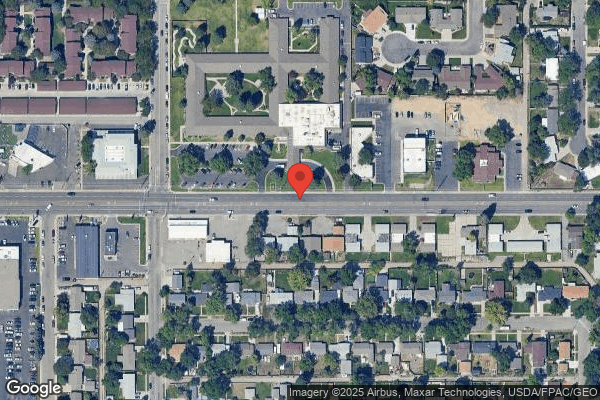
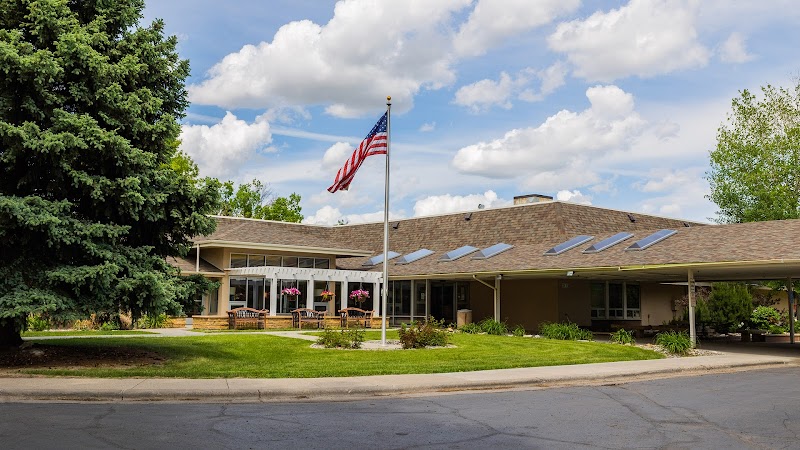
2115 CENTRAL AVE, BILLINGS, MT 59102 (406) 656-6500
For profit - Individual 160 Beds EDURO HEALTHCARE Data: November 2025 1 Immediate Jeopardy citation
Trust Grade
0/100
#59 of 59 in MT
Last Inspection: August 2025

Inspected within the last 6 months. Data reflects current conditions.

Overview

Yellowstone River Nursing and Rehabilitation has received a Trust Grade of F, indicating significant concerns and a poor overall quality of care. It ranks #59 out of 59 facilities in Montana, placing it in the bottom tier of nursing homes in the state, and #6 out of 6 in Yellowstone County, meaning there are no local options rated higher. The facility's trend is stable, with 17 issues reported in both 2024 and 2025, suggesting persistent problems rather than improvements. Staffing is below average with a rating of 2/5 stars and a high turnover of 70%, far exceeding the state average of 55%, which can impact the quality of care residents receive. While there are some strengths, such as average RN coverage, the facility has concerning incidents, including a resident with a traumatic brain injury eloping through unsecured doors and a failure to prevent the development of a pressure ulcer, indicating serious lapses in care and safety protocols. Overall, families should weigh these significant issues against any positive aspects when considering this facility for their loved ones.

Trust Score
F
0/100
In Montana
#59/59
Bottom 1%
Safety Record
High Risk
Review needed
Inspections
Holding Steady
17 → 17 violations
Staff Stability
⚠ Watch
70% turnover. Very high, 22 points above average. Constant new faces learning your loved one's needs.
Penalties
✓ Good
$61,186 in fines. Lower than most Montana facilities. Relatively clean record.
Skilled Nurses
✓ Good
Each resident gets 44 minutes of Registered Nurse (RN) attention daily — more than average for Montana. RNs are trained to catch health problems early.
Violations
⚠ Watch
49 deficiencies on record. Higher than average. Multiple issues found across inspections.
★☆☆☆☆
1.0
Overall Rating
★★☆☆☆
2.0
Staff Levels
★★☆☆☆
2.0
Care Quality
★☆☆☆☆
1.0
Inspection Score
Stable
2024: 17 issues
2025: 17 issues

The Good

  • Full Sprinkler Coverage · Fire safety systems throughout facility
  • No fines on record

Facility shows strength in fire safety.

The Bad

1-Star Overall Rating

Below Montana average (2.9)

Significant quality concerns identified by CMS

Staff Turnover: 70%

24pts above Montana avg (46%)

Frequent staff changes - ask about care continuity

Federal Fines: $61,186

Above median ($33,413)

Moderate penalties - review what triggered them

Chain: EDURO HEALTHCARE

Part of a multi-facility chain

Ask about local staffing decisions and management

Staff turnover is very high (70%)

22 points above Montana average of 48%

The Ugly 49 deficiencies on record

1 life-threatening 4 actual harm
Aug 2025 7 deficiencies 2 Harm
SERIOUS (G)

Actual Harm - a resident was hurt due to facility failures

Pressure Ulcer Prevention (Tag F0686)

A resident was harmed · This affected 1 resident

Based on observation, interview, and record review, the facility failed to prevent the development of a pressure ulcer to the coccyx for 1 (#5) of 26 sampled residents. The resident's medical record f...

Read full inspector narrative →
Based on observation, interview, and record review, the facility failed to prevent the development of a pressure ulcer to the coccyx for 1 (#5) of 26 sampled residents. The resident's medical record failed to include consistent and accurate documentation to reflect if the wound was avoidable, although the resident was at risk for malnutrition and had a severe weight loss over recent months; and the facility implemented some interventions for prevention, but failed to thoroughly and consistently assess the wound and document the status of the pressure ulcer, such as the size, measurements, severity, characteristics and detail, and at one point, the wound was documented as a Stage IV with no defining characteristics as to why this was determined. Findings include: During an interview on 8/27/25 at 3:41 p.m., staff member P stated resident #5 has had consistent weight loss starting after his stroke (on 7/1/25).During an interview on 8/28/25 at 8:01 a.m., staff member U stated there could be a concern with resident pressure ulcers at the facility, as staff member U felt residents were not getting turned (repositioned) enough. Staff member U felt this may have been due to not enough staffing at times.During an interview with staff members B and V, on 8/28/25 at 10:43 a.m., staff member B stated that some floor staff found it difficult to reposition resident #5 as he could be combative. Staff member V stated they were able to complete all cares for resident #5, including repositioning and wound dressing changes. Staff members V and B both stated that other staff may have to work on their approach with resident #5, and this could be the root cause as to why resident #5 would refuse repositioning. Staff member V stated a pressure ulcer could worsen if a resident was not repositioned frequently enough and if a resident had inadequate nutrition. Staff member V stated this could be why resident #5's pressure ulcer was worsening. Staff member V stated they were made aware of resident #5's pressure ulcer on 8/6/25, and it was Unstageable at this time due to the wound's slough. Staff member V stated the wound was not open at that time. Staff member V stated they felt they should have been notified sooner by the floor staff, as they felt the wound looked pretty bad. Staff members V and B both stated education had been recently given, and will be given in the future, to staff regarding dementia training, approach for when a resident refuses care, and pressure ulcer recognition and reporting. Staff member V voiced being an LPN, not a certified wound nurse. Staff member V stated they did not always agree with the physician's assessment of the wounds when the physician determined the stage of the wound. During an interview and observation on 8/28/25 at 11:42 p.m., staff member V showed resident #5's wound progression pictures, located in the resident's EHR. Staff member V stated resident #5's wound was first photographed on 8/12/25. Staff member V described the wound as having granulation, epithelial, and necrotic tissue. Staff member V stated they were unsure what stage or how deep the wound was on 8/12/25, as they were unable to see past the necrotic tissue and slough. Staff member V stated the wound was not debrided until 8/21/25, as the physician had been on vacation, and the wound was labeled as a Stage IV pressure ulcer by the physician, but there was no documentation or measurements showing how this was determined. Staff member V stated the physician staged the wound too high as there had only been partial thickness loss. During the observation of resident #5's EHR, the pressure ulcer was still staged at a Stage III pressure ulcer as of 8/28/25. The observation of the pictured wound on 8/21/25, after it had been debrided, looked bright pink, with a moderate amount of depth (appeared to be three to four millimeters) and circumference. No bone was observed.Review of resident #5's physician orders showed wound care(s) was started 8/12/25.Review of resident #5's assessment, titled Weekly Head to Toe Skin Check, showed the following information between 8/3/25 to 8/20/25: -8/3/25, showed . Coccyx Excoriation of the skin still present .,-8/4/25, showed . Left buttock pressure breakdown,-8/11/25, showed . Left buttock pressure breakdown,-8/20/25, showed . Left buttock pressure ulcer wound. No wound measurements or wound stage were included in this assessment.Review of resident #5's EHR showed a Weekly Skin/Weight Note, dated, 8/20/25, which showed . Stage IV to coccyx - followed by wound Dr. Review of resident #5's first Skin and Wound Evaluation, dated 8/21/25, showed . Pressure, Stage 3 ., Coccyx, In-House Acquired, Exact Date: 8/5/25 . No wound measurements were documented in this assessment.Review of resident #5's EHR showed a Skin/Wound Note, dated 8/25/25: Resident seen by wound nurse on rounds on 8/21. Pressure injury to left buttock continues. Shows improvements. Measures 3cm x 4.4cm x 0.4cm. Wound bed 50% granulation and 50% slough. [sic]Resident #5's weight decline: Review of resident #5's physician order showed: At risk for malnutrition, with a start date of 4/1/25.Review of resident #5's EHR weight documentation showed a 10.49 percent weight loss which showed severe weight loss, and the resident went from 195.5 pounds on 6/7/25 to a weight of 175.0 pounds on 8/19/25.Review of resident #5's EHR showed a document, titled the Braden Scale for Predicting Pressure Injury Risk - With Interventions, dated 7/30/25, which showed a score of 11, reflecting the resident was at high risk of developing a pressure injury.Review of resident #5's EHR showed the following nursing notes from 7/11/25 to 8/20/25:-7/11/25 - Weekly Skin/Weight Note: . Significant weight loss noted . struggling to feed self .-7/25/25 - Weekly Skin/Weight Note: Significant weight loss noted . struggling to feed self - receiving 1:1 meal assistance in dining room .-8/6/25 - Weekly Skin/Weight Note: . Breakdown on coccyx .-8/6/25 - Skin/Wound Note: Was notified y floor nurse that area on left buttock has deteriorated. Wound has the appearance of pressure injury. wound bed shows granulation tissue and slough. [sic]-8/13/25 - Skin/Wound Note - . Breakdown on coccyx .,-8/20/25 - Skin/Wound Note - . Breakdown on coccyx . In review of resident #5's medical record documentation for pressure ulcers and prevention, the documentation showed the staging (determination of wound severity) of resident #5's wound was never documented in an assessment. The only two times the wound size measurements were documented in a wound note were on 8/12/25 and 8/25/25. On 8/12/25 and 8/25/25, the documentation failed to show the staging of the pressure ulcer. Overall, the documentation failed to show why or how the staging was determined based on the characteristics of the wound. There were inconsistencies in the documentation when the wound was first found, which was either 8/5/25 or 8/6/25. The assessments and the nursing notes were found to be conflicting concerning the staging of the wound versus a breakdown of the coccyx wound. Resident #5 showed signs of malnutrition months prior to the wound development progression.
SERIOUS (G)

Actual Harm - a resident was hurt due to facility failures

Deficiency F0692 (Tag F0692)

A resident was harmed · This affected 1 resident

Based on observation, interview, and record review, the facility failed to follow interventions related to resident assistance, evaluate current abilities, and implement additional interventions and m...

Read full inspector narrative →
Based on observation, interview, and record review, the facility failed to follow interventions related to resident assistance, evaluate current abilities, and implement additional interventions and monitoring for a severe weight loss of 7.65% in one month, and the resident had a new diagnosis of Severe Protein Calorie Malnutrition, for 1 (#94) of 26 sampled residents. Findings include:During an observation on 8/27/25 at 9:13 a.m., resident #94 was asleep in bed with his breakfast tray dropped off on his bedside table, untouched.During an observation on 8/27/25 at 9:35 a.m., resident #94's full breakfast tray was dumped into the cart for dirty dishes. Staff member S stated the resident was drowsy and did not want any of the breakfast.Review of resident #94's documented weights showed:-7/22/25 132 lbs.,-8/17/25 121.9 lbs. This represented a 7.65% weight loss over one month.Review of resident #94's medication administration record, on 8/27/25, showed the resident was to be weighed weekly, but there was no documented weight for 8/26/25. Review of resident #94's care plan, with an initiation date of 7/22/25, showed under interventions for Diet/Eating, I require extensive assistance with eating.Review of resident #94's admission MDS, with an ARD of 7/28/25, showed the resident needed supervision or touching assistance for eating. Review of resident #94's physician visit note, dated 8/11/25, showed SPCM [Severe Protein Calorie Malnutrition] was added to his list of diagnoses as the physician identified an eight-pound weight loss since the resident's admission. The physician notes advised an RD [Registered Dietitian] consult and Might Shakes twice daily.Review of resident #94's progress notes, dated 8/11/25 - 8/26/25, did not show a dietary note regarding the resident's weight loss. During an observation on 8/27/25 at 12:39 p.m., resident #94 was eating lunch in the dining room. He was bringing his fork to his mouth, and food would fall off the fork before reaching his mouth. He was shaking his head and visibly frustrated. He was not receiving any staff assistance.During an interview on 8/27/25 at 3:51 p.m., staff member P stated that weight reports were pulled weekly for weight loss monitoring, and dietary interventions against weight loss were individualized and resident-specific, looking at what factors could be contributing to a weight change. Staff member P stated she did not think she saw resident #94 on the weight loss report that had been pulled that morning. Staff member P stated #94 would now be added to weekly monitoring, and new dietary interventions were then added to the resident's diet orders. During an interview on 8/28/25 at 9:13 a.m., staff member R stated resident #94 had been admitted after a stroke and was recovering to improve functioning. Resident #94 was receiving therapy on admission, but later declined participation.
CONCERN (D)

Potential for Harm - no one hurt, but risky conditions existed

Resident Rights (Tag F0550)

Could have caused harm · This affected 1 resident

**NOTE- TERMS IN BRACKETS HAVE BEEN EDITED TO PROTECT CONFIDENTIALITY** Based on observation, interview, and record review, the facility failed to respect a resident's personal items. The staff cleane...

Read full inspector narrative →
**NOTE- TERMS IN BRACKETS HAVE BEEN EDITED TO PROTECT CONFIDENTIALITY** Based on observation, interview, and record review, the facility failed to respect a resident's personal items. The staff cleaned the resident's room, disposing of personal resident items without the resident being present or aware of what was disposed. The lack of respect for the resident's belongings and environment caused the resident frustration, for 1 (#53) of 26 sampled residents. Findings include:During an observation and interview on 8/26/25 at 10:01 a.m., resident #53 was proudly showing off personal items he had collected. There were rocks, some painted and arranged along the windowsill, and a small plant [NAME] he had made from tree branches. Various papers were scattered around the room. The sink was full of apples. There was no smell, and the walkways were clear, therefore, the items in the room did not appear to create a safety hazard at the time.Review of resident #53's care plan, with an initiation date of 7/31/25, showed, Focus: I enjoy spending time in nature-based activities such as picking flowers, rocks, and vegetation.During an observation and interview on 8/26/25 at 1:39 p.m., staff member B and two additional staff members were holding a large black garbage bag and cleaning resident #53's room. Resident #53 was not present at the time the room was being cleaned. The windowsill, which was observed earlier, was now empty, and rocks were being tossed into a crate under the resident's bed. Staff member B stated it was okay for them to clean resident #53's room without him being present, and that he was aware it was something that needed to be done from time to time.During an interview on 8/27/25 at 9:19 a.m., staff member N stated they had to throw away stored food from resident #53's room when doing their scheduled housekeeping because he would hoard food in the sink and drawers.During an interview on 8/27/25 at 4:18 p.m., resident #53 stated, I guess they cleaned cause the state guys (surveyors) are here. Resident #53 stated he would have to go collect more rocks since the ones he had painted were gone. He stated, Those papers are all over the [expletive] place I don't know where they put them. He showed his frustration and did not want to discuss his room being cleaned while he was not present.Review of resident #53's care plan, with an initiation date of 8/8/25, showed: Focus: . personal hx [history] of homelessness and hoarding. Please help me remain in a living environment that meets and supports my need to be safe and continue to meet my need to obtain items I feel are important to me.Interventions, with a revision date of 8/26/25, showed, [Resident name] has previously consented to staff going in and cleaning out his room, even if he is not in there. He enjoys going outside and bringing in rocks, leaves, and other items he finds as ‘treasures.' Staff will remove some of these items to help prevent it from becoming hazardous for him. The plan did not show how staff were to ensure the resident was comfortable with the room cleaning and that he was aware of or ok with items being disposed of by staff. During an interview on 8/28/25 at 10:32 a.m., staff member B stated the intervention related to the resident's room cleaning had not been added previously to the care plan, which was why it was added after the surveyor's observation and identification of the concern. She stated the resident had given permission previously, and she would check if they had a contract or other documentation showing the resident's agreement to the room cleaning and disposing of his personal items. Staff member B stated the facility had given resident #53 a tote to put things away that were very important to him so they wouldn't get tossed, and staff would've allowed resident #53 to look through everything before it was thrown away if he had asked, but he could also be tough to track down during the day. Staff member B stated there was no reason the rocks had to be moved from the windowsill, just like they wouldn't move someone's trinkets. Staff member B stated they were going to reach out to the nurse from that day to determine where and why the resident's rocks on display were moved. During an interview on 8/28/25 at 11:34 a.m., staff member Q stated a conversation had taken place between resident #53 and the previous social service person, that it was okay to go into his room, and it was okay if staff picked up food and certain items. Staff member Q stated this conversation and or signed permission was not documented anywhere.During an interview on 8/28/25 at 11:45 a.m., staff member A stated they did not have a policy related to hoarding or room cleaning (for safety concerns). Review of the facility's Information and Policies, dated June 2023, included in the admission packet, which showed, The facility encourages the creation of a home-like-environment, and we therefore attempt to accommodate all reasonable requests to individualize rooms.
CONCERN (D)

Potential for Harm - no one hurt, but risky conditions existed

Quality of Care (Tag F0684)

Could have caused harm · This affected 1 resident

Based on observation, interview, and record review, the facility failed to follow the doctor's orders for edema treatment for 2 (#s 12 and 80) of 26 sampled residents. This deficient practice increase...

Read full inspector narrative →
Based on observation, interview, and record review, the facility failed to follow the doctor's orders for edema treatment for 2 (#s 12 and 80) of 26 sampled residents. This deficient practice increased the risk for serious complications related to the edema, especially due to their mobility issues. Findings include:1.Resident #12 During an observation on 8/25/25 at 1:22 p.m., resident #12 was sitting in her wheelchair with noticeable swelling in both of her lower legs and feet. Resident #12 was not wearing elastic bandages or compression stockings. Resident #12 stated the swelling in her legs and feet started months ago, and said, The staff do nothing about it since I got here. During an observation on 8/26/25 at 8:48 a.m., resident #12 was in bed, her legs were not elevated, and there were no pillows at the foot of her bed. There were no items available to be used to assist with the resident elevating her leg(s). During an observation on 8/26/25 at 4:36 p.m., resident #12 was sitting in the dining room, and the resident was not wearing elastic bandages or compression stockings. During an observation on 8/27/25 at 8:49 a.m., resident #12 was sitting in the dining room. The resident was not wearing elastic bandages or compression stockings. During an interview on 8/27/25 at 10:08 a.m., staff member L stated, We try and elevate her [Resident #12's] legs sometimes. During an interview on 8/27/25 at 10:09 a.m., staff member K stated they do not use ace wraps anymore for resident #12. A review of a Weekly Head to Toe Skin Check documentation note for resident #12, located in the resident's electronic health record, dated 8/23/25, with a unknown author, showed: . Does resident have any skin issues? Answer: No . A review of resident #12's Care Plan Report, dated 7/28/25, with an unknown author, showed, . Potential for complications r/t Edema .Apply compression stockings, sleeves, gloves, or [NAME] hose to keep pressure on affected area to minimize fluid retention in the tissue and monitor pressure constriction of the skin . Monitor lower extremities for dependent edema. Elevate lower extremities above the heart to reducing swelling . [sic] Although the care plan had the interventions to prevent worsening edema, the interventions were not observed to be utilized on multiple occasions during this surveyor's observations. A review of resident #12's Treatment Administration Record, dated 8/1/25 - 8/31/25, showed: . Compression ACE wraps on daily off at bedtime, elevate legs when in bed higher than level of heart every morning and at bedtime for Edema - Start Date - 6/9/25 1800 [6:00 p.m.] . [sic]. This treatment was documented as having been applied by staff on 8/25/25, 8/26/25, and 8/27/25, even though the wraps and interventions for the edema were not observed to be in place, and the order wasn't carried out by staff. 2. Resident #80 During an observation on 8/25/25 at 2:35 p.m., resident #80 was lying in bed, and noticeable swelling was observed in both of her lower legs and feet. Resident #80 was not wearing elastic bandages or compression stockings on the lower legs or feet. During an observation on 8/26/25 at 3:52 p.m., resident #80 was lying in bed and was not wearing elastic bandages or compression stockings. During an interview on 8/27/25 at 9:35 a.m., staff member J stated only the nurses were allowed to apply ace wraps, especially when the resident's edema was bad, like hers (resident #80). During an interview on 8/27/25 at 9:44 a.m., staff member M stated the nurses should be applying ace wraps if they were ordered by the physician. During an interview on 8/27/25 at 11:28 a.m., resident #80 stated staff member M was one of the only nurses who put her ace wraps on the residents, and then took them off the resident, before she (staff member M) went home. During an interview on 8/27/25 at 2:16 p.m., staff member K stated if a resident had edema she would chart it in the resident's medical record on the weekly skin check assessment. During an interview on 8/27/25 at 2:23 p.m., staff member B stated nurses typically chart edema on the weekly skin check assessments. During an interview on 8/28/25 at 9:06 a.m., staff member B stated she expected nurses to apply ace wraps if they were ordered (by the provider). A review of a Weekly Head to Toe Skin Check progress note for resident #80, located in the resident's electronic health record, dated 8/26/25, and authored by staff member T, showed: . Does resident have any skin issues? Answer: No . A review of resident #80's Treatment Administration Record, dated 8/1/25 - 8/31/25, showed: . ACE Wrap for compression on qAM/off qHS to BLE's in the evening Off at HS - Start Date - 7/11/23 1600 [4:00 p.m.] . ACE Wrap for compression on qAM/off qHS to BLE's one time a day On in the AM - Start Date - 7/12/23 0600 [6:00 a.m.] . [sic] The physician's order was documented as having been applied by staff on 8/25/25 and 8/26/25, even though this surveyor did not observe the wraps to be in place at the time they were ordered for.
CONCERN (D)

Potential for Harm - no one hurt, but risky conditions existed

Respiratory Care (Tag F0695)

Could have caused harm · This affected 1 resident

Based on observation, interview, and record review, the facility failed to follow doctor's orders for oxygen treatment related to CPAP administration for 1 (#80) and nasal canula administration for 1 ...

Read full inspector narrative →
Based on observation, interview, and record review, the facility failed to follow doctor's orders for oxygen treatment related to CPAP administration for 1 (#80) and nasal canula administration for 1 (#12); and failed to post an oxygen sign on the door or have full oxygen tanks for 1 (#12) of 26 sampled residents. Findings include:1.Resident #12During an observation and interview on 8/25/25 at 1:22 p.m., the doorway to resident #12's room did not have an oxygen sign posted. Resident #12 was sitting in her wheelchair with a nasal cannula in her nostrils which was connected to an oxygen tank on the back of her wheelchair. The oxygen tank was empty. Resident #12 stated, I think I am supposed to have oxygen on all of the time. There were 11 other oxygen tanks noted in her room. During an interview on 8/25/25 at 1:28 p.m., staff member O stated, Oh, the oxygen tank shouldn't be empty, that's why we have so many tanks in her [resident #12's] room. During an observation on 8/26/25 at 8:48 a.m., resident #12 was resting in bed with no nasal cannula in her nostrils supplying oxygen. During an observation on 8/27/25 at 2:40 p.m., resident #12 was sitting in her wheelchair with a nasal cannula in her nostrils; the oxygen tank was empty. Review of resident #12's Medication Administration Record, dated 8/1/25 - 8/31/25, reflected documentation showing the oxygen was administered by staff 92% of the time, or 44 out of 48 available times from 8/1/25 - 8/25/25). The oxygen order read as follows: .Oxygen at 2 L per minute via nasal cannula every shift - Start Date - 5/15/25 1800 [6:00 p.m.]. [sic] Review of a facility document, titled, Oxygen Administration, dated 5/16/25, reflected the following: .6. Oxygen warning signs must be placed on the door of the resident's room where oxygen is in use. 2. Resident #80 During an observation and interview on 8/25/25 at 2:35 p.m., resident #80 stated she had not worn her CPAP machine for a very long time. A CPAP machine, mask, and tubing was noted in resident #80's room, and the items were located at the bottom/back of a plastic supply drawer. The CPAP machine and supplies were dusty, there was no power cable, and there was no biomedical inspection date. Resident #80 stated, I can't believe you found it buried under all of my stuff; I haven't seen it in a long time. During an interview on 8/27/25 at 1:25 p.m., staff member B stated she was surprised to see staff were charting the CPAP for resident #80 to show the CPAP was documented as applied most nights every month. Staff member B stated the CPAP machine for resident #80 was obsolete and not usable, and stated, We should probably just get an order to get rid of it. Review of resident #80's Medication Administration Records showed the following: The CPAP order for every month in 2025 read as follows: . Apply CPAP at 2230, after 10 o'clock news at bedtime for OSA. Please put on patient at 2230 (10:30 p.m.) after 10 o'clock news - Start Date - 11/04/22 2100 [9:00 p.m.]. [sic] January of 2025: The CPAP was documented as having been applied by staff 58% of the time (18 out of 31 nights). March of 2025: The CPAP was documented as having been applied by staff 90% of the time (28 out of 31 nights). May of 2025: The CPAP was documented as having been applied by staff 65% of the time (20 out of 31 nights). July of 2025: The CPAP was documented as having been applied by staff 58% of the time (18 out of 31 nights). August of 2025: The CPAP was documented as having been applied by staff 68% of the time (17 out of 25 nights for 8/1/25 to 8/25/25). The order was removed from the resident's Medication Administration Record as of 8/28/25, but the order to clean the facemask with warm water and mild soap daily was still present.
CONCERN (E)

Potential for Harm - no one hurt, but risky conditions existed

Grievances (Tag F0585)

Could have caused harm · This affected multiple residents

Based on observation and interview, the facility failed to provide a wheelchair-accessible grievance box, so residents could submit a grievance independently or anonymously, and the box was not within...

Read full inspector narrative →
Based on observation and interview, the facility failed to provide a wheelchair-accessible grievance box, so residents could submit a grievance independently or anonymously, and the box was not within reach for all the facility residents who used wheelchairs for mobility; and this failure affected 1 (#112) of 26 sampled residents. Findings include: During an observation and interview on 8/26/25 at 4:19 p.m., a grievance box was observed on top of a counter, next to the receptionist's desk, in the main lobby. There was a trash can on the floor in front of the counter, creating a barrier for someone wishing to reach the grievance box. The grievance box had a lid that needed to be pulled down for a resident or person to deposit a grievance form. Staff member G stated she sometimes had to help residents put their grievance forms into the grievance box when they were unable to reach the box themselves, especially if they were in a wheelchair.During an interview on 8/27/25 at 7:52 a.m., staff member A stated he felt any resident in a wheelchair could access the grievance box easily. During an interview on 8/27/25 at 8:33 a.m., resident #112 stated her only means of independent mobility was in a wheelchair. Resident #112 stated she could not reach the grievance box, so she would give a grievance to staff member G, therefore, it was not anonymous if she wished it to be. Resident #112 stated, I can't even make it (a grievance) anonymous. I wish it (grievance box) was accessible and somewhere not everyone could see so easily.
CONCERN (E)

Potential for Harm - no one hurt, but risky conditions existed

Food Safety (Tag F0812)

Could have caused harm · This affected multiple residents

Based on observation, interview, and record review, the facility failed to ensure resident meal trays were served to the residents' rooms in a timely manner and according to the posted mealtimes for 3...

Read full inspector narrative →
Based on observation, interview, and record review, the facility failed to ensure resident meal trays were served to the residents' rooms in a timely manner and according to the posted mealtimes for 3 (#s 19, 42, and 97) of 26 sampled residents, and it was reported the meals could be lukewarm and residents felt hungry due to having to wait so long for the room trays to be served. Findings include:Review of a facility document, titled Meal Times, not dated, showed: Breakfast 7:30 a.m. through 8:30 a.m.; Lunch 12:00 p.m. through 1:00 p.m.1.During an interview on 8/25/25 at 1:59 p.m., resident #97 stated the food was consistently served thirty minutes late in the resident's rooms. Resident #97 stated he always ate in his room, and his food was often late and was usually lukewarm, which he did not like.During an observation and interview on 8/27/25 at 12:27 p.m., there was no lunch served in resident #97's room, and resident #97 stated, Apparently they're running late. Resident #97 stated he thought lunch was served in the dining room at 12:00 p.m., with the room trays being delivered shortly following that time.During an observation and interview on 8/27/25 at 12:45 p.m., there was no lunch served in resident #97's room, and resident #97 stated he was a ten out of ten hungry (using the scale of one to ten).During an observation and interview on 8/27/25 at 12:59 p.m., resident #42 had been served a drink by the nursing staff but had not been served any food. Resident #42 stated he was eight out of ten hungry (using the scale of one to ten).During an observation on 8/27/25 at 1:06 p.m., resident #97 was served his lunch. The lunch meal was delivered after the designated end time for the meal deliveries. During an observation on 8/27/25 at 1:15 p.m., resident #42 stated he was served his lunch a few minutes ago and stated the food was lukewarm. Per the resident's comment, the lunch was served late. During an interview 8/27/25 at 1:20 p.m., resident #19 stated she had just gotten her meal and stated she was worried about time constraints due to an appointment that she had at 2:30 p.m.During an interview on 8/27/25 at 2:18 p.m., staff member C stated the facility could be better about getting the room trays to the residents faster. Staff member C stated the trays were often late getting to the residents' rooms. During an interview on 8/27/25 at 2:28 p.m., staff member D stated one of the facility's biggest goals was to get the food trays out to the resident rooms on time. Staff member D stated the room trays also affected the CNAs' time management.2. During an observation on 8/28/25 at 8:14 a.m., resident #97 was lying forward on his bedside table and had not been served breakfast. During an interview on 8/28/25 at 8:21 a.m., staff member E stated the meal trays were usually served late due to the food not coming out of the kitchen fast enough. Staff member E stated this issue did seem to be improving, and it was a large issue in the past.During an interview on 8/28/25 at 8:45 a.m., resident #97 stated he got his food about five minutes before the surveyor met with him; therefore, the meal would have been served late. During an interview on 8/28/25 at 9:48 a.m., staff member F stated the food trays were served on the Sapphire hall, then the Crossroads Hall, and lastly the Summit hall. Staff member F discussed hearing the residents complaining of cold food being served to their rooms and stated a kitchen staff member took the food carts to the halls where the residents were residing, and then the CNAs would serve the food from there. Staff member F stated the food could have been cold due to the CNAs playing on their phones and being lazy.During an interview on 8/28/25 at 10:09 a.m., staff member D stated they were not aware of concerns about the food being delivered to the resident rooms late. Staff member D stated the facility was changing the meal times and was in the process of getting feedback from the staff. Staff member D stated breakfast should be served to the resident rooms at 8:25 a.m. on the Sapphire hallway, but this information was not posted anywhere for the residents to see. The employee stated it could be possible that some residents had expectations that the food would be served at 8:00 a.m. Staff member D stated that this information was never posted or communicated to the residents, and stated they may change the times in the future to better serve the residents.
Jun 2025 4 deficiencies 1 IJ
CRITICAL (J) 📢 Someone Reported This

A family member, employee, or ombudsman was alarmed enough to file a formal complaint

Immediate Jeopardy (IJ) - the most serious Medicare violation

Accident Prevention (Tag F0689)

Someone could have died · This affected 1 resident

**NOTE- TERMS IN BRACKETS HAVE BEEN EDITED TO PROTECT CONFIDENTIALITY** Based on observation, interview, and record review, the facility failed to prevent Immediate Jeopardy level accidents and hazard...

Read full inspector narrative →
**NOTE- TERMS IN BRACKETS HAVE BEEN EDITED TO PROTECT CONFIDENTIALITY** Based on observation, interview, and record review, the facility failed to prevent Immediate Jeopardy level accidents and hazards resulting in a resident with a traumatic brain injury eloping from the facility through unsecured doors, accessing a public road and leaving the facility property, without staff supervision, for 1 (#1) of 9 sampled residents. This failure placed other residents at risk for elopement if they successfully exited out the unsecured doors not equipped with a wander guard alarm system, for 5 (#s 10, 11, 12, 13, and 14) of 9 sampled residents. The facility's failure increased the risk of serious bodily harm, injury, impairment, or death, due to the facility's failure to sufficiently address the doors the resident eloped from. On 6/3/25 at 1:18 p.m., the facility Administrator, previous Interim Administrator, Administrator in-training, Director of Nursing, and Clinical Nurse Unit Manager were notified of an Immediate Jeopardy (IJ) situation, which involved resident #1. The IJ pertained to F689 - Free of Accident Hazards/Supervision/Devices. On 6/5/25 at 4:40 p.m., the facility provided an acceptable plan to remove the immediacy for the residents residing in the facility who are at continued risk for elopement. The surveyor was onsite and did verify the removal of immediacy by observations, interviews, and record reviews. The Severity and Scope of the Immediate Jeopardy was identified to be at the level of K, and upon removal of immediacy, lowered to H. Findings include: 1. Review of a facility reported incident submitted to the State Survey Agency, dated 3/28/25 at 9:50 p.m., showed resident #1 was last observed in his room on 3/28/25 at 7:15 p.m. He was seated in a lounge chair. At approximately 7:30 p.m., staff heard a door alarm and discovered a delayed egress door had been opened. The facility's elopement protocol was immediately activated. Facility staff confirmed resident #1 was no longer in the facility. This prompted a thorough search of both the interior and exterior of the facility. Police were contacted, and upon the officer's arrival, an individual who was outside reported seeing a man near a school, but the person was unable to provide an exact location. Resident #1 was located by law enforcement and returned to the facility on 3/28/25 at 7:57 p.m. The resident was alone and unattended for about 45 minutes, he left the facility property, and walked a good distance on his own. During an observation and interview, on 6/2/25 at 2:30 p.m., staff member E was present when a set of double doors were observed at the end of the crossroads unit. The windows on the double doors had white faux wood window blinds. The blinds were closed blocking the view of any person exiting to the outside. The double doors did not have a wander guard alarm system in place to alert staff of a potential elopement. The double doors opened to a vestibule that led to double egress exit doors which alarmed once the push bar on the door was pressed upon exiting. Staff member E stated resident #1 eloped from the facility on 3/28/25 at 7:30 p.m., and he exited out the emergency exit doors at the end of the hall on the crossroads unit. The unit was not occupied by residents or staff at the time of resident #1's elopement. Staff member E stated the exit doors at the end of the hall on the crossroads unit had not been secured with a wander guard alarm system in the last four years that she was aware of. Staff member E stated prior to resident #1's elopement, on 3/28/25, the resident would spend time on the memory care secure unit and would then be brought back to his room on the summit unit after dinner. Staff member E stated the facility's plan was to move resident #1 to the secure unit permanently, after the secure doors on the unit were moved, allowing a room to become available for resident #1. Staff member E stated resident #1 was moved to the secure unit on 4/7/25. During an interview on 6/2/25 at 4:21 p.m., staff member C stated the wander guard alarm system was not installed on the exit doors on the crossroads and sapphire unit. Staff member C stated the wander guard alarm system was not needed on these units because the emergency exit doors had an alarm. The alarm sounded if a resident exited the facility. Staff member C stated the IDT reviewed resident #1 prior to discontinuing the 1:1 staff monitoring on 3/28/25. Staff member C stated she did not recall when the IDT met regarding resident #1, but a progress note or assessment should have been entered into the resident's EHR. Staff member C stated she was not sure if any measures were used in evaluating resident #1 during the IDT meeting, but the resident had been sleeping at night, and the IDT decided to trial the resident without a 1:1 monitor, on 3/28/25. Staff member C stated, Obviously it didn't work. Staff member C stated she would be most concerned about a resident who was an elopement risk exiting the facility and getting hit by a car. During an interview on 6/4/25 at 5:20 p.m., staff member D stated on 3/28/25 he returned to the facility at 7:30 p.m. to pick up his phone. Staff member D stated he arrived and entered the facility's back parking lot. Staff member D stated he noticed the facility's emergency exit door was opened, and an alarm was sounding. Staff member D stated when he walked into the facility, the nurse told him an elopement occurred and resident #1 was missing. Staff member D stated he went back outside to look for resident #1. Staff member D stated two people were outside and stated they had seen an older gentleman at the school near the facility. Staff member D stated he returned to his vehicle and drove over to the school. Staff member D stated he did not see resident #1 at the school, but he did see a police car down the street in a residential area. Staff member D stated he arrived at the location of the police vehicle and observed resident #1 speaking to a police officer. Staff member D stated he approached resident #1 and encouraged him to come back to the facility. Staff member D stated the resident eventually got into the police vehicle and returned to the facility. Review of resident #1's EHR showed resident #1 was admitted to the facility on [DATE] for skilled nursing services with a diagnosis of traumatic brain injury and agitation. Review of resident #1's nursing progress notes showed the following: On 3/6/25 at 5:17 p.m., resident #1 eloped from the facility as staff accompanied him. No injuries were identified by nursing staff. Resident #1 became agitated and combative with staff, and the local police department was called to assist with transferring the resident back to the hospital. Resident #1's care plan was updated to include the resident was to be in direct line of site of staff at all times. On 3/12/25 at 9:21 p.m. resident #1 eloped from the facility as staff accompanied him. No injuries were identified by nursing staff. Resident #1 became impulsiveness and was unable to be redirected. Resident #1 was transferred to the hospital for a psychiatric evaluation on 3/13/25. Resident #1 returned to the facility. Resident #1's care plan was updated, and a wander guard alarm was placed on the resident's left ankle with staff checking the device every shift to ensure it was functioning. On 3/28/25 at 7:30 p.m., resident #1 eloped from the facility, going out double egress doors on a unit not occupied by residents or staff, and the doors were not secured with a wander guard alarm. The double doors opened to a vestibule and led to double egress doors, which alarmed once the push bar on the door was pressed, as exiting. Resident #1 left on foot, crossing the street and making his way down the block, unattended. The resident was found by the local police department at a residential location, 0.2 miles from the facility. Resident #1 was brought back to the facility by the police, and the nurse completed an assessment of resident #1. No injuries were identified. The resident's care plan was updated to resume 1:1 staff monitoring. 2. Review of resident #10's elopement risk assessments showed the resident was a risk for elopement on the following assessment dates: 9/6/24, 12/6/24, 3/6/25, and 6/3/25. Review of resident #10's care plan, dated 6/3/25, showed the resident had a wander guard on his right wrist instructing staff to check the device every shift to ensure it was functioning properly. 3. Review of resident #11's elopement risk assessments showed the resident was a risk for elopement on the following assessment dates: 10/24/24, 11/8/24, 2/6/25, 5/8/25, and 6/3/25. Review of resident #11's care plan, dated 4/2/25, showed the resident had a wander guard on her right ankle instructing staff to check the device every shift to ensure it was functioning properly. 4. Review of resident #12's elopement risk assessments showed the resident was a risk for elopement on 5/30/25 and 6/3/25. Review of resident #12's care plan, dated 6/2/25, showed the resident had a wander guard on his left ankle instructing staff to check the device every shift to ensure it was functioning properly. 5. Review of resident #13's elopement risk assessments showed the resident was a risk for elopement on the following assessment dates: 12/16/24, 3/15/25, 4/14/25, and 6/3/25. Review of resident #13's care plan, dated 4/15/25, showed the resident had a wander guard on his left wrist instructing staff to check the device every shift to ensure it was functioning properly. 6. Review of resident #14's elopement risk assessments showed the resident was a risk for elopement on the following assessment dates: 6/14/24, 7/24/24, 10/24/24, 11/26/24, 2/26/25, 5/26/25, and 6/3/25. Review of resident #14's care plan, dated 6/3/25, showed the resident had a wander guard alarm on his left wrist instructing staff to check the device every shift to ensure it was functioning properly. It was identified during the interviews and record reviews the wanderguard checks were not being completed as required. During an interview on 6/2/25 at 5:00 p.m., staff member I stated she worked on the sapphire unit. Staff member I stated she did not know who checked the wander guard alarm system, but she believed it worked, because when a resident with a wander guard alarm device would get close to an exit door the alarm would start to beep. During an interview on 6/3/25 at 9:00 a.m., staff member L stated she had one resident who was an elopement risk and the resident wore a wander guard alarm device. Staff member L stated the facility doors exiting outside to a public area have a wander guard alarm system installed on the door. Staff member L stated it was a facility regulation the system was installed on all doors exiting the facility. Staff member L stated if a resident who had a wander guard alarm device on moved to close to an exit door it would cause a beeping sound. Staff member L stated the beeping noise alerts staff to look in the area where exit doors are located, and staff can then redirect the resident prior to the resident exiting the door. During an interview on 6/3/25 at 9:22 a.m., staff member J stated if she had a resident with a wander guard, she would take the resident close to an exit door to see if the device was working. Staff member J stated if the door started making a beeping noise, she would know the device was working. Staff member J stated she assumed all exit doors in the facility had a wander guard alarm system installed. Staff member J stated the wander guard door alarm system had a different sound than the doors which alarmed when the emergency exit doors were opened. Staff member J stated she responded to a wander guard alarm immediately; whereas if an emergency exit alarm sounded her response would not be immediate, because at times it would be a staff member using the door. Staff member J stated the emergency exit door was propped open, and the alarm was disarmed by staff. Review of the facility document titled, (Facility Name) Elopement Policy and Procedure, undated, showed: Policy Statement It is the policy of the facility that all residents are afforded adequate supervision to provide the safest environment possible . Procedure 1. Residents who have been assessed at risk for elopement/wandering shall be provided with a least one of the following safety precautions by the facility: a. An adult electronic monitoring device will be used to notify/alert staff by sounding an alarm when the resident enters the perimeter around an alarmed door. 2. As part of the facility's Preventative Maintenance Program, all door keypads will be checked for proper function daily by the Maintenance department/designee. These checks will be documented with date and time completed. 3. Residents with an adult electronic monitoring safety device will be checked every shift to ensure the device is in place. 4. Adult electronic monitoring safety devices will be checked nightly to ensure the device is functioning properly. 5. At no time shall a door alarm be turned off, without the continual supervision of the exit. *If the alarm must be turned off, it is the responsibility of the person disarming it to make sure it is functioning properly once the alarm is turned back on. Routine Procedure for Wandering Residents and Prevention of Missing Residents/Elopement: . 3. All residents at risk for possible elopement/wandering shall be accompanied by staff or a responsible party when leaving the residents unit and/or facility grounds. . 5. When a door alarm sounds, staff members shall immediately respond to determine the cause of the alarm. Routine Procedure for wandering Residents and Prevention of Missing Residents/Elopement: . 5. When a door alarm sounds, staff members shall immediately respond to determine the cause of the alarm. a. The staff responding to the alarm will check the outside of the area's building/vicinity to see if a resident has exited the building. [sic] Review of a facility document titled (Facility Name) Facility Assessment dated, May 2025 showed: . Staff Plan . Licensed Nurses (LN): RN, LPN, LVN providing direct care .The ratio of registered and licensed practical nurses to nursing aides shall be sufficient to assure professional guidance and supervision in the nursing care of the resident. Each nurse is limited to one hall or designated number of rooms within the facility and has all patient room entrances and exits within sight from the nurse's station or medication/treatment cart. The exception is when coverage may be limited to one-night nurse. When this occurs, a medication aide will be used in the place of the 2nd nurse. .
CONCERN (D) 📢 Someone Reported This

A family member, employee, or ombudsman was alarmed enough to file a formal complaint

Potential for Harm - no one hurt, but risky conditions existed

Investigate Abuse (Tag F0610)

Could have caused harm · This affected 1 resident

Based on interview and record review, the facility failed to complete a thorough investigation involving a resident who had access to, and went out of, a door which was not alarmed with a wander guard...

Read full inspector narrative →
Based on interview and record review, the facility failed to complete a thorough investigation involving a resident who had access to, and went out of, a door which was not alarmed with a wander guard alarm system. The resident left the facility property, accessing a public road, traveling 0.2 miles on foot without staff supervision. The facility failed to identify exit doors not equipped with a wander guard alarm system which would alert staff to redirect a resident prior to exiting an emergency egress door as a hazard for 1 (#1) of 9 sampled residents for wandering and elopement risk. The facility's failure to address these concerns placed this resident, and any others at risk of eloping, at continued risk of imminent harm. Findings include: A Facility Reported Incident, dated 3/28/25, was submitted to the State Survey Agency for an incident involving resident #1 who eloped from the facility. Review of the facility's report of findings, dated 4/2/25, included the following information: Resident #1 eloped from the facility on 3/28/25 at 7:30 p.m. Facility staff identified an emergency egress door at the end of the hall on the crossroads unit had alarmed. When staff responded to the alarm and searched the area no residents were seen outside. Local law enforcement was contacted, and the resident was found and brought back to the facility by police on 3/28/25 at 7:57 p.m. The report showed resident #1 would remain on the secured unit during daytime hours until a secure bed became available. Resident #1 would have 1:1 supervision during the night, and social services would continue to monitor resident #1's psychosocial well-being. The facility failed to address the first set of exit doors resident #1 opened which were not equipped with a wander guard alarm system. This allowed resident #1 to exit the second set of doors which were emergency egress doors at the end of the hall on the crossroads unit. During an interview on 6/2/25 at 4:21 p.m., staff member C stated resident #1 was reviewed by the IDT after his elopement from the facility on 3/28/25. Staff member C stated a progress note summary of the IDT meeting should have been entered into the resident's medical record, and she was not sure why it was not in the EHR system. Staff member C stated resident #1 continued to use a wander guard device, and he was on 1:1 staff monitoring, until he was transferred to the facility's secure unit on 4/7/25. Staff member C stated the doors in the facility which were not alarmed with a wander guard system, including the doors on the sapphire and crossroads unit, and were not identified by the IDT as the root cause of resident #1's elopement, although the resident had left through the first set of exit doors at the end of the hall on the crossroads unit. Staff member C stated the wander guard alarm system was not needed on the first set of exit doors at the end of the hall on the sapphire and crossroads units because the second set of doors on both units were equipped with an alarm on the second set of doors, which were emergency egress doors and would alarm when a resident exited. Staff member C stated the doors Staff member C stated she would be most concerned with residents who were an elopement risk exiting the facility and getting hit by a car.
CONCERN (D) 📢 Someone Reported This

A family member, employee, or ombudsman was alarmed enough to file a formal complaint

Potential for Harm - no one hurt, but risky conditions existed

Deficiency F0657 (Tag F0657)

Could have caused harm · This affected 1 resident

Based on interview and record review, the facility failed to update a resident care plan with a new fall intervention identified by the IDT, for 1 (#7) of 9 sampled residents. The failure placed the r...

Read full inspector narrative →
Based on interview and record review, the facility failed to update a resident care plan with a new fall intervention identified by the IDT, for 1 (#7) of 9 sampled residents. The failure placed the resident at risk for recurrent falls and injuries. Findings include: Review of resident #7's nursing progress note, dated 5/31/25, showed the resident had an unwitnessed fall. The progress note showed resident #7 was sitting in a chair in the dining room. Resident #7 attempted to scoot forward in the chair, but she slid out, landing on her buttocks. Review of resident #7's current care plan, undated, failed to show a new fall intervention to address why or how the resident slid from her wheelchair, for the resident's fall on 5/31/25, as identified by the IDT. A review of resident #7's IDT event review note, dated 6/4/25, showed, New Interventions suggested following current IDT review: Intervention is redirect resident to the couch to sit in instead of the chairs as she is able to get up off the couch without any difficulty, care plan reviewed and updated. [sic] The intervention identified by the IDT for the resident's fall was not documented on the resident's care plan. Therefore, direct care staff did not have access to the intervention to ensure the resident's safety related to falls. During an interview on 6/5/25 at 2:25 p.m., staff member B stated resident #7's fall on 5/31/25 was reviewed by IDT. Staff member B stated the new intervention for resident #7 should have been updated on the resident's plan of care, and she did not know why it was not on the care plan. Review of the facility document titled, Care Plans, Comprehensive Person Centered, undated, showed: Policy Interpretation and Implementation .13. Assessments of residents are ongoing and care plans are revised as information about the residents and the residents' conditions change. 14. The Interdisciplinary Team must review and update the care plan: a. When there has been a significant change in the resident's condition; b. When the desired outcome is not met; c. When the resident has been readmitted to the facility from a hospital stay; and d. At least quarterly, in conjunction with the required quarterly res assessment. [sic]
CONCERN (E) 📢 Someone Reported This

A family member, employee, or ombudsman was alarmed enough to file a formal complaint

Potential for Harm - no one hurt, but risky conditions existed

Deficiency F0726 (Tag F0726)

Could have caused harm · This affected multiple residents

Based on interview and record review, the facility failed to ensure staff had the necessary education to monitor the functionality of the facility's wander guard alarm system for 6 (#s 1, 10, 11, 12, ...

Read full inspector narrative →
Based on interview and record review, the facility failed to ensure staff had the necessary education to monitor the functionality of the facility's wander guard alarm system for 6 (#s 1, 10, 11, 12, 13, and 14) of 6 residents sampled for wandering and elopement risk. This failure increased the risk for the resident's attempting to elope. Findings include: During an interview on 6/2/25 at 5:00 p.m., staff member I stated she did not know who checked the wander guard alarm system, but she believed it worked because when a resident with a wander guard alarm device would get close to an exit door, the alarm would start to beep. During an interview on 6/3/25 at 9:00 a.m., staff member L stated she had one resident who was an elopement risk and wore a wander guard device. Staff member L stated the facility doors exiting outside to a public area have a wander guard alarm system installed on the door. Staff member L stated it was a facility policy for the system to be installed on all doors exiting the facility. Staff member L stated she was not aware some exit doors in the facility were not equipped with a wander guard alarm system. Staff member L stated if a resident who had a wander guard alarm device moved close to an exit door, it would cause a beeping sound. Staff member L stated she did not know who was responsible for checking the device or door and did not know how often it occurred. During an interview on 6/3/25 at 9:22 a.m., staff member J stated during her orientation she was shown by staff to take a resident with a wander guard alarm device close to an exit door to see if the device was working. Staff member J stated if the door started making a beeping noise, she would know the device was working. Staff member J stated she assumed all exit doors in the facility had a wander guard alarm system installed. Staff member J stated she did not know who was responsible to check the doors to make sure they were functioning or how often they were checked. During an interview on 6/3/25 at 10:23 a.m., staff member H stated the maintenance department checked all facility door alarms once a month. Staff member H stated it was the responsibility of the nurses to check the wander guard alarm system daily to make sure the doors were functioning. Staff member H stated he did not have documentation of the daily testing completed by the nurses. No documentation was received from the facility which showed the wander guard door alarms were checked daily by the end of the survey. During an interview on 6/3/25 at 2:00 p.m., staff member B stated the wander guard alarm system included a wand used by the nurses to check the device on a resident, and to check the doors equipped with the wander guard alarm system. Staff member B stated the wand was not currently used by the nurses, but moving forward the wand would be used to check residents' wander guard devices and doors. During an interview on 6/4/25 at 4:35 p.m., staff member I stated the nurses on the skilled nursing unit were responsible for checking all facility doors equipped with a wander guard alarm system. Staff member I stated the process wander guard monitoring process was started today, (6/4/25), and no other documentation was available showing the doors were monitored prior to 6/4/25. Staff member I stated the wander guard alarm log was stored in the medication cart on the skilled nursing unit. 1. Review of resident #1's care plan, dated 5/8/25, showed the resident had a wander guard alarm device on his left ankle instructing staff to check the device every shift to ensure it was functioning properly. 2. Review of resident #10's care plan, dated 6/3/25, showed the resident had a wander guard alarm device on his right wrist instructing staff to check the device every shift to ensure it was functioning properly. 3. Review of resident #11's care plan, dated 4/2/25, showed the resident had a wander guard alarm device on her right ankle instructing staff to check the device every shift to ensure it was functioning properly. 4. Review of resident #12's care plan, dated 6/2/25, showed the resident had a wander guard alarm device on his left ankle instructing staff to check the device every shift to ensure it was functioning properly. 5. Review of resident #13's care plan, dated 4/15/25, showed the resident had a wander guard alarm device on his left wrist instructing staff to check the device every shift to ensure it was functioning properly. 6. Review of resident #14's care plan, dated 6/3/25, showed the resident had a wander guard alarm device on his left wrist instructing staff to check the device every shift to ensure it was functioning properly. During this investigation it was found nurses were not using the manufacturers device to check the wander guard system to verify device functionality for residents and facility doors. Review of the facility document titled, (Facility Name) Elopement Policy and Procedure, undated, showed: . Procedure . 2. As part of the facility's Preventative Maintenance Program, all door keypads will be checked for proper function daily by the Maintenance department/designee. These checks will be documented with date and time completed. 3. Residents with an adult electronic monitoring safety device will be checked every shift to ensure the device is in place. 4. Adult electronic monitoring safety devices will be checked nightly to ensure the device is functioning properly.
Mar 2025 6 deficiencies
CONCERN (D) 📢 Someone Reported This

A family member, employee, or ombudsman was alarmed enough to file a formal complaint

Potential for Harm - no one hurt, but risky conditions existed

Resident Rights (Tag F0550)

Could have caused harm · This affected 1 resident

Based on observation and interview, the facility failed to provide equal access to quality care for 1 (#7) of 18 sampled residents. The resident was placed in a room without a sink, bathroom, or call ...

Read full inspector narrative →
Based on observation and interview, the facility failed to provide equal access to quality care for 1 (#7) of 18 sampled residents. The resident was placed in a room without a sink, bathroom, or call light. The resident slept on a mattress placed on the floor. Findings include: During an interview on 3/25/25 at 12:05 p.m., NF3 stated she was at the facility on the morning of 3/5/25. NF3 stated she was unable to locate resident #7 in his assigned room. An unknown staff member directed NF3 to the Country Store, located in the secure memory care unit. NF3 stated she found resident #7 lying on a mattress, on the floor, in the Country Store. NF3 stated the lights were turned off and the door was partially closed. NF3 stated the room looked like a storage room of sorts, with no bathroom or call light seen. NF3 stated the staff on the unit told her resident #7 had been sleeping there for a couple of nights because there was not an empty, available, room on the secure unit. NF3 stated she was told the facility had tried to place resident #7 on a regular unit, rather than the secure memory care unit. NF3 was told resident #7 did not do well and wandered, and he was temporarily placed in the Country Store. NF3 stated she was not sure how long resident #7 was residing in the Country Store. During an interview on 3/26/25 at 10:50 a.m., staff member C stated she was involved in the multiple room changes which occurred when the facility removed four rooms from the secure memory care unit and added the four rooms to a regular unit. Staff member C stated, residents who were in double rooms by themselves, were moved to double rooms with a roommate. Staff member C stated there was an attempt to place resident #7 on a regular unit. However, the resident did not make it and had to be moved back to the secure memory unit. During an interview on 3/27/25 at 8:45 a.m., staff member G stated resident #7 was in the secure memory unit during the day on 3/4/25 and 3/5/25. Staff member G stated resident #7 did not have a bed or room on the unit as they were all occupied. Staff member G stated on 3/4/25 they (staff on duty) placed the resident on the couch, in the television room. Staff member G stated the resident did not sleep because the area was too bright and noisy for him. Staff member G stated, on 3/4/25, a message from facility management was relayed to her by the day staff to figure it out and the room situation would be resolved in the morning (3/5/25). Staff member G stated she knew there was no call light or bathroom in the Country Store. Staff member G stated they kept a close eye on #7 and walked resident #7 to the toilet, in the shower room, at the other end of the secure memory unit. During an interview on 3/27/25 at 9:07 a.m., staff member B was aware resident #7 was not safe out of the secure unit due to wandering. Staff member B stated she thought the resident slept on the couch or recliner in the television room until a bed could be freed up for resident #7. Staff member B stated she was not aware resident #7 slept at least one night on a mattress, on the floor, in the Country Store. During an interview on 3/27/25 at 9:55 a.m., staff member A stated he was aware of the attempt to place resident #7 on a regular unit, rather than the secure memory unit. Staff member A stated he was not aware resident #7 spent at least one night on a mattress, on the floor, in the Country Store. During an observation on 3/27/25 at 11:15 a.m., the Country Store was observed to be two open areas measuring approximately 13 feet by seven and one-half feet and nine and one-half feet by eight feet. The entry door was adjacent to the hallway. The area contained two locked storage areas, and a clear glass set of double doors which led to an interior courtyard. The area did not contain a sink, a bathroom, a private closet, or a call light.
CONCERN (D) 📢 Someone Reported This

A family member, employee, or ombudsman was alarmed enough to file a formal complaint

Potential for Harm - no one hurt, but risky conditions existed

Deficiency F0559 (Tag F0559)

Could have caused harm · This affected 1 resident

**NOTE- TERMS IN BRACKETS HAVE BEEN EDITED TO PROTECT CONFIDENTIALITY** Based on interview and record review, the facility failed to provide written notice for a room change, including the reason for ...

Read full inspector narrative →
**NOTE- TERMS IN BRACKETS HAVE BEEN EDITED TO PROTECT CONFIDENTIALITY** Based on interview and record review, the facility failed to provide written notice for a room change, including the reason for the change, for 2 (#s 7 and 8) of 3 residents sampled for room changes. Findings include: 1. Review of resident #7's Census tab in the EHR, viewed on 3/24/25, showed the following room changes for the resident: - 2/25/25, moved from room [ROOM NUMBER] to room [ROOM NUMBER], - 3/5/25, moved from room [ROOM NUMBER] to room [ROOM NUMBER]; and, - 3/12/25, moved from room [ROOM NUMBER] to room [ROOM NUMBER]. Review of resident #7's Assessment tab, viewed on 3/24/25, failed to show a Notification of Room/Roommate Change forms for the 3/5/25 and 3/12/25 room changes. Review of resident #7's Progress Notes tab, viewed on 3/25/25, failed to show any of the room or unit changes which occurred on 2/25/25, 3/5/25, and 3/12/25. During an interview on 3/25/25 at 8:50 a.m., NF1 stated he had been made aware of the room change from the secure memory unit to a regular unit. NF1 stated he was not notified, either verbally or in writing, of the resident's move back into the secure unit on 3/5/25 or the room change on 3/12/25. NF1 stated he thought the resident was still in a regular room. 2. Review of resident #8's Census tab in the EHR, viewed on 3/25/25, showed the resident was moved from room [ROOM NUMBER] to room [ROOM NUMBER] on 3/4/25. Review of resident #8's Assessment tab, viewed on 3/25/25, failed to show a Notification of Room/Roommate Change form for the 3/4/25 move from room [ROOM NUMBER] to room [ROOM NUMBER]. Review of resident #8's Progress Notes tab, viewed on 3/25/25, failed to show the resident's room change or the reason for the move. During an interview on 3/25/25 at 10:21 a.m., NF4 stated she was not notified of the room change or the reason for the room move which took place on 3/4/25. NF4 stated she did not find out about the room change until she recently visited and could not find the resident in room [ROOM NUMBER]. Review of the facility's policy titled, Room Change/Roommate Assignment, last revised March of 2021, showed, . 4. Prior to changing a room or roommate assignment all parties involved in the change/assignment (e.g., residents and their representatives) are given advance written notice of such change . includes why the change is being made .
CONCERN (D) 📢 Someone Reported This

A family member, employee, or ombudsman was alarmed enough to file a formal complaint

Potential for Harm - no one hurt, but risky conditions existed

Notification of Changes (Tag F0580)

Could have caused harm · This affected 1 resident

Based on interview and record review, the facility failed to notify a resident's representative when a change in condition necessitating a transfer to a higher level of care for 1 (#1) of 4 residents ...

Read full inspector narrative →
Based on interview and record review, the facility failed to notify a resident's representative when a change in condition necessitating a transfer to a higher level of care for 1 (#1) of 4 residents sampled for appropriate transfer. Findings Include: During an interview on 3/25/25 at 11:05 a.m., NF5 stated she was not notified when resident #1 was admitted to an acute care hospital on 2/16/25. NF5 stated she was notified when resident #1 attempted to elope and became very agitated. But was not notified when the decision was made to transfer resident #1 to the hospital for a psychiatric evaluation. NF5 stated she did not know about the transfer or the admission until another family member arrived at the facility to visit and was told he was in the hospital. Review of resident #1's documents received from the acute care hospital, dated between 2/16/25 and 2/24/25, showed the following: - 2/16/25, History and Physical, increased confusion and agitation, unclear etiology, - 2/17/25, Hospital Progress Note, worsening confusion secondary to steroids, baseline dementia, and dehydration made worse by Lasix, - 2/18/25, Behavioral Health Note, gradual improvement; and, - 2/22/25, Hospital Progress Note, medication adjustments, continued improvement. Review of resident #1's Entry Tracking Record, dated 2/24/25, showed the resident was admitted to the facility from an acute care hospital on 2/24/25. Review of resident #1's Progress Notes, dated from 2/16/25 through 2/24/25, failed to show the resident's representative was notified of the resident's change in condition and transfer to the acute care hospital for care.
CONCERN (D) 📢 Someone Reported This

A family member, employee, or ombudsman was alarmed enough to file a formal complaint

Potential for Harm - no one hurt, but risky conditions existed

Deficiency F0918 (Tag F0918)

Could have caused harm · This affected 1 resident

Based on observation and interview, the facility failed to ensure each resident room was equipped with a sink and toilet for 1 (#7) of 18 sampled residents. Findings include: During an interview on 3/...

Read full inspector narrative →
Based on observation and interview, the facility failed to ensure each resident room was equipped with a sink and toilet for 1 (#7) of 18 sampled residents. Findings include: During an interview on 3/25/25 at 12:05 p.m., NF3 stated she was at the facility on the morning of 3/5/25. NF3 stated she was unable to locate resident #7 in his assigned room. An unknown staff member directed NF3 to the Country Store. located in the secure memory care unit. NF3 stated the room looked like a storage room of sorts, with no sink or bathroom seen. NF3 was told the resident was placed in the Country Store temporarily, and she was not sure how long resident #7 was in the Country Store. During an interview on 3/27/25 at 8:45 a.m., staff member G stated resident #7 did not have a bed or room on the secure unit as they were all occupied. Staff member G stated, on 3/4/25, a message from facility management was relayed to her by the day staff to figure it out and the room situation would be resolved in the morning (3/5/25). Staff member G stated she knew there was no sink or bathroom in the Country Store. Staff member G stated they kept a close eye on the resident and walked resident #7 to the toilet, in the shower room, at the other end of the secure memory unit. During an observation on 3/27/25 at 11:15 a.m., the Country Store was observed to be two open areas measuring approximately 13 feet by seven and one-half feet and nine and one-half feet by eight feet. The entry door was adjacent to the hallway. The area contained two locked storage areas, and a clear glass set of double doors which led to an interior courtyard. The area did not contain a sink or a toilet.
CONCERN (D) 📢 Someone Reported This

A family member, employee, or ombudsman was alarmed enough to file a formal complaint

Potential for Harm - no one hurt, but risky conditions existed

Deficiency F0919 (Tag F0919)

Could have caused harm · This affected 1 resident

Based on observation and interview, the facility failed to ensure each resident's sleeping area had functioning call light for 1 (#7) of 18 sampled residents. Findings include: During an interview on ...

Read full inspector narrative →
Based on observation and interview, the facility failed to ensure each resident's sleeping area had functioning call light for 1 (#7) of 18 sampled residents. Findings include: During an interview on 3/25/25 at 12:05 p.m., NF3 stated she was at the facility on the morning of 3/5/25 and was unable to locate resident #7 in his assigned room. An unknown staff member directed NF3 to the Country Store. located in the secure memory care unit. NF3 stated the Country Store looked like a storage room of sorts. NF3 stated she noted there was no call light for the resident, who was lying on a mattress on the floor. During an interview on 3/27/25 at 8:45 a.m., staff member G stated resident #7 was in the secure memory unit during the day on 3/4/25 and 3/5/25. Staff member G stated resident #7 did not have a bed or room on the unit as they were all occupied. Staff member G stated, on 3/4/25, a message from facility management was relayed to her by the day staff to figure it out and the room situation would be resolved in the morning (3/5/25). Staff member G stated she knew there was no call light in the Country Store, but had no other options. During an interview on 3/27/25 at 9:07 a.m., staff member B stated resident #7 slept at least one night on a mattress, on the floor, in the Country Store, where there was no call light. During an interview on 3/27/25 at 9:55 a.m., staff member A stated he was not aware resident #7 spent at least one night in the Country Store, where there was no call light. During an observation on 3/27/25 at 11:15 a.m., the Country Store was observed to and the room did not contain a call light.
CONCERN (E) 📢 Someone Reported This

A family member, employee, or ombudsman was alarmed enough to file a formal complaint

Potential for Harm - no one hurt, but risky conditions existed

Deficiency F0804 (Tag F0804)

Could have caused harm · This affected multiple residents

Based on interview and record review the facility failed to ensure meals were served at an appetizing temperature to ensure resident satisfaction for 4 (#s 15, 16, 17 and 18) of 4 sampled residents fo...

Read full inspector narrative →
Based on interview and record review the facility failed to ensure meals were served at an appetizing temperature to ensure resident satisfaction for 4 (#s 15, 16, 17 and 18) of 4 sampled residents for food satisfaction. Findings include: During an interview on 3/26/25 at 3:58 p.m., resident #18 stated when meals are served, they are not hot. During an interview on 3/27/25 at 8:33 a.m., staff member I stated she receives complaints from residents that room trays are cold all the time. During an interview on 3/27/25 at 8:47 a.m., resident #15 had just received her breakfast tray and reported her food was cold. During an interview on 3/27/25 at 12:51 p.m., resident #16 had just received her lunch meal in her room and stated she was disappointed because her food was not warm. During an interview on 3/27/25 at 1:25 p.m., resident #17 stated the food which is delivered to resident rooms is mostly cold. Resident #17 reported she often eats yogurt at lunch and more often than not, her yogurt is served warm, and she prefers yogurt to be served cold. A review of resident council minutes showed the following: - November Resident Council, dated 11/6/24, showed, . Dietary: Food seems to be cold even in in the dining room . - December Resident Council, dated 12/4/25, showed, . Dietary: Food is cold . - January Resident Council, dated 1/8/25, showed, .Dietary: Food is cold . - March Resident Council, dated 3/5/25, showed, . Dietary: Food is cold .
Dec 2024 1 deficiency
CONCERN (D) 📢 Someone Reported This

A family member, employee, or ombudsman was alarmed enough to file a formal complaint

Potential for Harm - no one hurt, but risky conditions existed

Medication Errors (Tag F0758)

Could have caused harm · This affected 1 resident

Based on record review and interview, the facility failed to ensure PRN (as needed) anti-anxiety medication was limited to 14 days for 1 (#49) of one sampled resident and failed to ensure an adequate ...

Read full inspector narrative →
Based on record review and interview, the facility failed to ensure PRN (as needed) anti-anxiety medication was limited to 14 days for 1 (#49) of one sampled resident and failed to ensure an adequate indication of use for an antipsychotic for 1 (#99) of 1 sampled resident. Findings include: Review of resident #49's March 2024 Medication Administration Report, showed resident #49 was started on routine Diazepam 2 mg (milligram) oral tablet one time a day for anxiety. In addition, resident #49 could also receive Diazepam 1 mg by mouth every twenty-four hours as needed for six hours after the scheduled dose. This psychotropic medication was ordered approximately every fourteen days for more than eight months. Review of resident #49's Treatment Administration Record dated 10/2024, showed the resident was assessed as a zero or no signs of anxiety during shifts when resident #49 received the as needed dose of diazepam. Review of resident #49's pharmacy drug regimen review dated 8/21/24, showed the pharmacy had identified the resident was receiving, Diazepam 2 mg every day since 3/2024 and had a prn order for diazepam 1 mg once daily as needed on 8/19/24. The pharmacy asked for a review and a gradual dose reduction for the medication. The pharmacy requested supporting documentation showing a gradual dose reduction was contraindicated. The physician failed to show why the reduction was contraindicated. The physician documented use is appropriate for relevant current standards. The physician did not provide any information on the resident behaviors, the residents response to the medication, or the risks or benefits of continuing the psychotropic medication. Review of resident #99's nurses note, dated 10/1/24, showed a physical altercation between resident #49 and #99. Resident #99 was moved to another room on a different unit and moved to a different dining room table away from resident #49. Review of resident #99's MAR (Medication Administration Record) for October 2024, showed resident #99 was getting the antidepressant Sertraline 25 mg by mouth at bedtime for anxiousness. On 10/30/24 resident #99's Sertraline dose was doubled and changed to 50 mg at bedtime daily for anxiousness. Review of resident #99's October 2024 TAR (treatment administration record) showed resident #99 did not have any behaviors on 10/1/24 the day resident #99 hit resident #49 several times. The October 2024 TAR showed the resident did not have any increase in behavior. This TAR showed the nurses only monitored for side effects of the medication six times out of 62 possible times. The physician had ordered the nurse to monitor the side effects every shift. The documentation showed the resident suffered from side effects of his anti-anxiety medication 14 times in October, but nothing was done to prevent further side effects. Review of resident #99's nurse's notes, dated 11/4/24, showed resident #99 was physically aggressive and grabbed resident #103. Resident #103 got an abrasion on his hand. Resident #99's POA was contacted and resident #99 was moved into a private room, and after the second altercation, a one-to-one care giver was assigned. Review of resident #99's psychotropic review, dated 10/31/24, showed the sertraline was increased related to ongoing depression and anxiety. Review of #99's nursing notes, documented from 10/3/24 through 11/3/24, did not show any signs or depression, anxiety, or agitation. Review of resident #99's November 2024 MAR showed, Seroquel was started 11/4/24, after resident #99 hit resident #103. The reason for starting an antipsychotic was for sundowning with agitation. Review of physician progress notes dated 11/4/24, showed the physician assistant documented the nurses reported increased agitation and has had other physical altercations with other residents. The assessment plan showed, #Violence against fellow resident, recurrent episode # Anxiety. The physician assistant ordered the sertraline switched from nighttime to a morning dose and to start Seroquel at this time. During an interview on 12/17/24 at 12:20 p.m., staff member B said the behaviors should be documented on the medication administration record or in the nurse's notes. Staff member B said the responses for documenting behaviors or episodes of anxiety or agitation do not always get documented. Staff member B said education was recently provided on behaviors and this education included documentation. Staff member B said the interdisciplinary team reviews the residents at the care conferences and as needed with changes. Staff member B said the interdisciplinary team did not look for trends to identify the cause of the resident's anxiety or to determine what interventions could be done to reduce the risk of anxiety. Staff member B said the pharmacy tracked the psychotropic medications and made recommendations to the physician. Staff member B said she was unaware the staff could question the physician's orders for psychotropic medication.
Jul 2024 16 deficiencies
CONCERN (D)

Potential for Harm - no one hurt, but risky conditions existed

Deficiency F0558 (Tag F0558)

Could have caused harm · This affected 1 resident

Based on observation, interview, and record review, the facility failed to provide services to enable the residents to maintain their highest practicable level of functioning for 1 (#16) of 43 sampled...

Read full inspector narrative →
Based on observation, interview, and record review, the facility failed to provide services to enable the residents to maintain their highest practicable level of functioning for 1 (#16) of 43 sampled residents. Findings include: During an observation and interview on 7/16/24 at 9:34 a.m., resident #16 was sitting in his electric wheelchair. Resident #16 was observed to attempt to reposition himself using his hands and forearms. During the 10-minute conversation, resident #16 was observed attempting to reposition himself four times, using both hands and forearms. Review of resident #16's nurse progress notes, dated 6/10/24, showed resident #16 was, . having pain in his left wrist, was favoring his wrist, and not using it as much. The nurse progress note showed the medical provider would be notified. Review of a facility document titled, Billings Clinic Outreach Services, dated 6/11/24, showed the provider identified resident #16's motorized wheelchair armrest did not accommodate the length of his left forearm. The provider note showed resident #16 had to make frequent position changes. An x-ray had been obtained, and the provider note showed there was , . chronic ligament tear and early . advanced collapse, of resident #16's left wrist. Review of resident #16's Interdisciplinary Team (IDT) note, dated 6/13/24, identified the root cause of the resident's wrist pain was from pushing himself back in the wheelchair. The intervention was to have therapy evaluate the armrests and to provide education to the resident on other ways he could reposition himself in the chair without having to use his arms to push himself back. Review of resident #16's occupational therapy notes, dated 6/20/24, showed there would be follow up with the wheelchair provider to inquire about the readjustment. Review of facility a provided email communication regarding resident #16's wheelchair repair, dated 7/3/24, showed the facility occupational therapist initiated contact with the wheelchair provider. An undated response from the wheelchair provider requested a confirmation of either 7/15/24 or 7/16/24 to evaluate the resident's wheelchair. There was no further written communication provided between therapy and the wheelchair provider. During an interview on 7/18/24 at 9:00 a.m., staff member C said the wheelchair provider was called and the representative would be at the facility by mid afternoon to assess resident #16's wheelchair.
CONCERN (D) 📢 Someone Reported This

A family member, employee, or ombudsman was alarmed enough to file a formal complaint

Potential for Harm - no one hurt, but risky conditions existed

Free from Abuse/Neglect (Tag F0600)

Could have caused harm · This affected 1 resident

Based on interview and record review, the facility failed to ensure residents were free from abuse by a staff member, for 2 (#s 304 and 305) of 43 sampled residents. Findings include: Review of a Faci...

Read full inspector narrative →
Based on interview and record review, the facility failed to ensure residents were free from abuse by a staff member, for 2 (#s 304 and 305) of 43 sampled residents. Findings include: Review of a Facility-Reported Incident, submitted to the State Survey Agency, dated 3/22/24, showed resident #s 304 and 305 reported NF4 was rough with them during a transfer and when providing ADL assistance. The report showed NF4 was immediately suspended pending the completion of the investigation. Review of resident #304's investigative file, dated 3/22/24, showed the resident reported NF4 came in to provide care and asked her to move her right leg. When resident #304 told NF4 she could not move it, he grabbed her leg to turn her to her side. Resident #304 also reported NF4 used the word diaper when assisting with incontinence care. Resident #304 reported she felt the use of that word was degrading. Later on 3/22/24, resident #304 reported she was having right knee and leg pain. Resident #304 stated she did not want NF4 caring for her anymore. Review of resident #305's investigative file, dated 3/22/24, showed the resident reported NF4 was rough during his care, and when he expressed his needs to NF4, He would ignore him like he was not even there. Resident #305 stated he would prefer not to have NF4 provide care to him. During an interview on 7/18/24 at 10:00 a.m., staff member A stated the allegation of abuse was substantiated on 3/27/24 and discussed in QAPI on 3/28/24. Staff member A stated all staff were given abuse training as a result of this incident. The combined investigative files for resident #s 304 and 305, dated 3/22/24, showed NF4 was immediately suspended pending the completion of the investigation for resident protection. The file also showed NF4 refused to provide a statement and did not return to work at the facility. The file also showed staff member C interviewed the other residents on the unit and none of them reported any issues with NF4. The facility provided abuse training to all staff between 3/27/24 and 4/1/24 and discussed the incident during the QAPI meeting held on 3/28/24.
CONCERN (D)

Potential for Harm - no one hurt, but risky conditions existed

Deficiency F0604 (Tag F0604)

Could have caused harm · This affected 1 resident

Based on observation, interview, and record review, the facility failed to identify a concave mattress as a potential restraint and did not complete a risk assessment, consent, or monitoring for 1 (#8...

Read full inspector narrative →
Based on observation, interview, and record review, the facility failed to identify a concave mattress as a potential restraint and did not complete a risk assessment, consent, or monitoring for 1 (#88) of 2 residents sampled for restraints. Findings include: During an observation on 7/15/24 at 3:15 p.m., a concave mattress was observed on resident #88's bed. Resident #88 was not in the room at the time of observation. During an interview on 7/16/24 at 8:12 a.m., staff member B reported resident #88 had a concave mattress on his bed, . to keep him from falling out of bed. During an interview on 7/17/24 at 9:50 a.m., staff member U stated the concave mattress was on resident #88's bed, . because I think he kept getting up and would fall. Review of resident #88's care plan, showed the following entry on 11/29/23: I am at risk for falls/injuries r/t fracture from fall at home, medication use, change in BP . Scoop (concave) mattress is to be provided. [sic] Review of resident #88's medical record failed to show documentation of a restraint risk assessment, written consent, or monitoring for the concave mattress prior to 7/18/24.
CONCERN (D)

Potential for Harm - no one hurt, but risky conditions existed

Deficiency F0687 (Tag F0687)

Could have caused harm · This affected 1 resident

Based on observation, interviews, and record review, the facility failed to ensure there was an effective process for providing foot care to diabetic residents for 1 (#91) of 43 sampled residents. Fin...

Read full inspector narrative →
Based on observation, interviews, and record review, the facility failed to ensure there was an effective process for providing foot care to diabetic residents for 1 (#91) of 43 sampled residents. Findings include: During an observation and interview on 7/15/24 at 3:33 p.m., resident #91 stated her toenails were very long and starting to curl over. Resident #91's toenails were observed to be long and curling at the top. Resident #91 stated she did not recall them being cut since she came to the facility on 3/11/24. During an interview on 7/15/24 at 3:55 p.m., NF1 stated, I wish [#91] could be seen by a podiatrist. The staff won't touch her nails due to her health conditions. I don't feel comfortable doing it myself either. I know that her nails are bothering her. I'm not sure if it's my responsibility to set up those appointments or if it is the facility's responsibility. During an interview on 7/17/24 at 1:42 p.m., staff member I stated Social Services coordinated with the facility scheduler to schedule appointments for the residents. During an interview on 7/17/24 at 2:00 p.m., staff member C stated if a resident was supposed to go to the podiatrist, it should be in their care plan. During an interview on 7/17/24 at 2:20 p.m., staff member M stated, Either the physician assistant or social services lets me know what appointments need to be made for residents. I always alert the staff, residents, and resident representatives when appointments are set. Review of resident #91's EHR showed there were no appointments documented and no documentation of podiatry needs.
CONCERN (D)

Potential for Harm - no one hurt, but risky conditions existed

Accident Prevention (Tag F0689)

Could have caused harm · This affected 1 resident

Based on observation and interview, the facility failed to identify the risk of a trip hazard by using a twin-size scoop mattress as a bedside fall mat for 1 (#91); and failed to protect a resident fr...

Read full inspector narrative →
Based on observation and interview, the facility failed to identify the risk of a trip hazard by using a twin-size scoop mattress as a bedside fall mat for 1 (#91); and failed to protect a resident from hazardous materials for 1 (#89) of 43 sampled residents. Findings include: 1. During an observation and interview on 7/15/24 at 3:33 p.m., a twin-size scoop mattress was observed next to resident #91's roommate's bed. Resident #91 stated, That mat over there (pointing across the room) is so big and (staff) often put on my side of the room. I have seen a housekeeping staff member trip over it; luckily, she didn't get hurt. I have almost tripped over it myself. The staff put it on my side of the room when they were helping my roommate, and then I couldn't get to the restroom. During an interview on 7/17/24 at 3:07 p.m., staff member U stated, I think they use the mattresses for falls. It does make it hard to perform cares because it is so big and hard to move. There really isn't anywhere to put it when we do have to get the residents up. I do think it could cause an accident. It's just too big. 2. During an observation and interview on 7/15/24 at 2:55 p.m., resident #89 said she had told the facility staff there were bugs in her room. Resident #89 said the management gave her bug spray to kill the bugs when she saw them. A can of bug spray was observed on top of resident #89's dresser. During an observation on 7/16/24 at 11:10 a.m., the aerosol can of bug spray was still on resident #89's dresser. Review of the Safety Data Sheet for the bug spray in #89's room, found at https://clairemfg.com, dated 6/12/19, showed for skin contact, the chemical may cause irritation. Removal of contaminated clothing and washing the skin thoroughly with soap and water was noted. For eye contact, goggles and a face shield should be worn. If the chemical contacted the eyes, the eyes should have been rinsed immediately with plenty of water. In the case of inhalation contact, the user should have been moved to fresh air, as the chemical may cause irritation of the nose, throat, and upper respiratory tract. Although the chemical spray included ingredients which may cause health issues for the residents, if not handled properly, the facility provided it to the resident and allowed the resident to keep it in the open on the dresser.
CONCERN (D)

Potential for Harm - no one hurt, but risky conditions existed

Administration (Tag F0835)

Could have caused harm · This affected 1 resident

Based on observations, interviews, and record review, it was found facility administration failed to hire and employ a Dietary Manager with appropriate competencies and skills sets to carry out the ne...

Read full inspector narrative →
Based on observations, interviews, and record review, it was found facility administration failed to hire and employ a Dietary Manager with appropriate competencies and skills sets to carry out the necessary functions of the food and nutritional services; and the facility dietitian did not schedule regular consultations and go onsite to work with the dietary manager and assist with oversight of nutritional services. This failure resulted in numerous concerns being identified in the dietary department (Refer fo F825. Findings include: Observations during the initial tour of the kitchen, on 7/15/24 at 12:25 p.m., showed: - A staff member was observed serving the lunch meal and not wearing a covering over their beard. - Grease and dust buildup was observed on the handles of the stove burners. - Grease was built up under the grill and around the area of the stove. - The ovens that were nonfunctional had a box of gloves and a long lighter stored in them. - The microwave had debris and dirt in it and underneath it. - There was a puddle of water on the kitchen floor and no wet floor sign present. - Mouse droppings were observed on the floor in the food storage area and the chemical storage area. - A thick layer of black dirt and mouse droppings went all the way around the storage areas along the floor at the bottom of the walls. - A bag of white cake mix that was stored in a covered plastic tote had a hole in it, and mouse droppings were observed inside the tote. - Several items stored in the walk-in refrigerator were not labeled or dated. - Equipment in the kitchen was nonfunctional. (Ice machine, dessert fridge, ovens, and the refrigerator in the serving area.) Review of the facility grievance logs showed, on 12/5/23, a grievance was filed for bugs being in the food. Staff member A signed the grievance as complete on 12/5/23. During an interview on 7/16/24 at 3:21 p.m., staff member A stated, I'm not sure how often pest control comes to the facility; I will have to look. I am aware there was an issue with mice in the kitchen. During an interview on 7/16/24 at 3:00 p.m., staff member E stated, We (the facility) have a contract dietician that comes every other week. I have never met her. She is available for me to call if I have questions. I have only been in this position for about three months. I am currently enrolled in a Certified Food Manager program, but I haven't had the time to complete it, due to my working in the kitchen so much. During an interview on 7/16/24 at 3:25 p.m., staff member A stated, The dietician has not worked with the dietary manager directly; she works with the IDT. I had to promote from within (the facility) for the Dietary Manager position. We couldn't find anyone else to hire. The dietary manager is enrolled in a certification course but has not completed it. During an interview on 7/18/24 at 9:18 a.m., staff member A stated, We had identified issues with the kitchen and implemented them into our QAPI process. We have been working on it since April, and our last walk-through was 6/27/24, where the only identified issue was a dirty cart, ovens needed to be wiped out, and juice was not dated.
CONCERN (D)

Potential for Harm - no one hurt, but risky conditions existed

Infection Control (Tag F0880)

Could have caused harm · This affected 1 resident

2. During an observation on 7/15/24 at 12:48 p.m., the recliner to the right of the entrance to resident #65's room had wearing, tearing, and scratches on the right arm and footrest. The recliner's ma...

Read full inspector narrative →
2. During an observation on 7/15/24 at 12:48 p.m., the recliner to the right of the entrance to resident #65's room had wearing, tearing, and scratches on the right arm and footrest. The recliner's material was flaking off to the right of the recliner onto the floor. This presented an uncleanable surface. During an observation on 7/16/24 at 9:07 a.m., the same recliner as noted the day prior, had flakes of the material on the floor to the right of the recliner. During an interview on 7/17/24 at 10:28 a.m., staff member N stated she did not know what was being done about the damaged recliner in resident #65's room. Staff member N said if something was in disrepair, the request was put into maintenance for repair. Staff member N stated her personal opinion was, the recliner needed to go into the garbage. On 7/17/24 at 11:25 a.m., a request was made for any maintenance requests for resident #65's damaged recliner. None were provided by the end of the survey period. Based on observation, interview, and record review, the facility failed to ensure enhanced barrier precautions were followed when performing wound care and medication administration through a feeding tube, for 1 (#86) of 1 sampled resident; and failed to repair a worn recliner, resulting in an uncleanable surface, for 1 (#65) of 43 sampled residents. This deficient practice had the potential to increase the transmission of infectious agents for the residents. Findings include: 1. During an observation and interview on 7/17/24 at 11:16 a.m., staff member H was observed providing a wound treatment to resident #86's sacral pressure ulcer. Staff member H did not wear a gown when performing care on this wound. Staff member H said gowns would only need to be worn for tube feedings and catheters. When asked directly, staff member H said she would not need a gown with pressure ulcers because there would not be a splash onto the nurse. During an observation and interview on 7/17/24 at 1:20 p.m., staff member H said staff would wear a gown for tube feeding and catheter care. Staff member H then prepared to administer resident #86's medication. Staff member H crushed, dissolved, and administered the medication properly. Staff member H administered the medication through the feeding tube. When staff member H was asked about gowning for the procedure, staff member H said she should have worn a gown. During an interview on 7/17/24 at 3:15 p.m., staff members B and Q said the facility had hired a new infection control preventionist and this nurse had completed some observational audits of care and infection practices. When asked when gowns should be worn, staff members B and Q both stated gowns were needed when caring for a central intravenous line, chronic-non healing wound care, and during administering medication or fluids/formula through feeding tubes. Staff members B and Q stated education on enhanced barrier precautions was started initially in April of 2024 and additional, ongoing training, had been done. Review of the facility policy titled, Enhanced Barrier Precautions, dated August 2022, showed enhanced barrier precautions and gowning was required for residents with devices (feeding tube) or with wound care which required a dressing.
CONCERN (D)

Potential for Harm - no one hurt, but risky conditions existed

Room Equipment (Tag F0908)

Could have caused harm · This affected 1 resident

Based on observation, interview, and record review, the facility failed to ensure safe and proper operation of the kitchen equipment (the oven, dessert refrigerator, cooks' refrigerator, and ice machi...

Read full inspector narrative →
Based on observation, interview, and record review, the facility failed to ensure safe and proper operation of the kitchen equipment (the oven, dessert refrigerator, cooks' refrigerator, and ice machine). This deficient practice had the potential to affect any resident receiving food from the kitchen when the equipment is used for the preparation or storage of food. Findings include: During the initial tour of the kitchen, on 7/15/24 at 12:25 p.m., there were no paper towels in the dispensers, located near the two sinks, outside of the kitchen, in the serving area. The ice machine was warm, and there was no ice present. Kitchen staff stated the ice machine did not work. The dessert refrigerator was warm, and there were several cans of unopened V8 juice in it. During an observation and interview on 7/16/24 at 2:12 p.m., there were still no paper towels in the dispensers near the two sinks in the serving area. The ice machine was still not working. The dessert refrigerator was still warm and not working. The ovens below the gas stove were not working and were being used for storage. The sink (behind the steam table) drain was plugged and was half full of standing water. The cook's refrigerator by the steam table had two gallons of milk in it which looked chunky. Staff member E stated, Nothing should be in that fridge. It doesn't work; it freezes everything. The dessert fridge hasn't been working for quite a while. The ice machine is down as well. During an interview on 7/17/24 at 4:23 p.m., staff member S stated the equipment had been down for quite a while. The ice machine was the most recent thing to act up. During an interview on 7/18/24 at 8:11 a.m., staff member V stated, Dietary enters their issues into the TELS system, and it pops up on my computer as a notification. I try to fix things as soon as possible. I am aware that the kitchen is having quite a few issues. I'm working on getting them addressed. Review of facility monthly maintenance logs, dated from January 2024 to present, failed to show which kitchen equipment was not functional. The logs also failed to show any equipment was removed from service or repaired during this time period.
CONCERN (E)

Potential for Harm - no one hurt, but risky conditions existed

Deficiency F0553 (Tag F0553)

Could have caused harm · This affected multiple residents

**NOTE- TERMS IN BRACKETS HAVE BEEN EDITED TO PROTECT CONFIDENTIALITY** 4. During an interview on 7/15/24 at 3:33 p.m., resident #91 stated she did know what a care plan was and had never been invited...

Read full inspector narrative →
**NOTE- TERMS IN BRACKETS HAVE BEEN EDITED TO PROTECT CONFIDENTIALITY** 4. During an interview on 7/15/24 at 3:33 p.m., resident #91 stated she did know what a care plan was and had never been invited to a meeting to discuss her plan of care with staff. During an interview on 7/15/24 at 3:55 p.m., NF1 stated, I have not been invited to a care conference. I do not know what her (#91's) plan of care is, and the facility hasn't notified me of any meetings. During an interview on 7/17/24 at 1:42 p.m., staff member I stated, Care plans are updated as needed with any high-risk changes or quarterly. The IDT updates the care plan as needed. Social Services coordinates with the scheduler to schedule appointments for the residents. Social Services is also in charge of inviting individuals to the care plan meetings. During an interview on 7/17/24 at 2:00 p.m., staff member C stated, We know we are behind on care plans and are trying to get caught up. If a resident representative or resident is present at a care plan meeting, they will sign a sign-in sheet, which is then scanned into their chart. Review of resident #91's EHR showed there was no evidence of the resident or their representative being invited to, or participating in, a care conference. Resident #91 was admitted to the facility on [DATE]. Based on interviews and record review, the facility failed to invite residents to care plan meetings for 4 (#s 21, 63, 89, and 91) of 43 sampled residents. Findings include: 1. During an interview on 7/16/24 at 11:19 a.m., resident #89 stated, The staff come and tell me they are going to have a care meeting, but they either never have one or something, because I haven't gone to the meetings. Review of resident #89's EHR showed there was no evidence the resident had been invited to the care plan meetings. 2. During an interview on 7/16/24 at 9:51 a.m., resident #63 said he was not invited to any care plan meetings. Resident #63 stated he would like to go to the meetings to provide input into his care. Review of resident #63's social services care plan invitation information showed the last documented care plan invitation was on 12/12/23. 3. During an interview on 7/16/24 at 8:49 a.m., resident #21 said she had not gone to a care plan meeting in eight or nine months. Resident #21 said she would like to go to a meeting.
CONCERN (E)

Potential for Harm - no one hurt, but risky conditions existed

Safe Environment (Tag F0584)

Could have caused harm · This affected multiple residents

**NOTE- TERMS IN BRACKETS HAVE BEEN EDITED TO PROTECT CONFIDENTIALITY** 4. During an observation on 7/15/24 at 12:48 p.m., the shared bathroom between resident #s 39 and 65 had a urine smell, with wha...

Read full inspector narrative →
**NOTE- TERMS IN BRACKETS HAVE BEEN EDITED TO PROTECT CONFIDENTIALITY** 4. During an observation on 7/15/24 at 12:48 p.m., the shared bathroom between resident #s 39 and 65 had a urine smell, with what appeared to be water damage, under the toilet. The bathroom floor also had a crumb-like substance on it. During an observation on 7/16/24 at 8:02 a.m., there were bug remnants in the middle of, and scattered throughout, the 300 hallway. During an observation on 7/16/24 at 9:06 a.m., resident #65's floor had dark colored fabric debris from one of the recliners in his room. The floor was sticky in front of the recliner located by the door. During an observation on 7/16/24 at 4:20 p.m., the floor outside room [ROOM NUMBER] contained small white particles and an unknown substance in a tan capsule. During an interview on 7/17/24 at 9:02 a.m., staff member K said there was one housekeeping staff member assigned to each unit per day, including the locked unit. Staff member K stated he noticed ants in the facility. Staff member K stated a checklist was used daily for cleaning tasks, including sweeping the floors. Staff member K stated the checklist was turned into the housekeeping supervisor at the end of each day. During an interview on 7/17/24 at 9:25 a.m., staff member L stated the resident rooms were cleaned daily, including the floors and unit hallways. Staff member L stated bugs flew in through residents' windows, and she noticed them occasionally. Staff member L did not know what the facility had done about the bugs. During an interview on 7/17/24 at 9:31 a.m., staff member J stated each housekeeping staff member was assigned a checklist for daily cleaning tasks. Staff member J stated she received the completed daily cleaning checklists at the end of each day. Staff member J said, We have a bug problem. Staff member J stated the bug problem would be worse if the residents' rooms were not cleaned daily. Staff member J said the secure unit had the same expectations for cleaning as all the other units in the facility. Daily tasks included dusting high surfaces, wiping off TVs and surfaces, sweeping, mopping, emptying trash, cleaning bathrooms, and refilling the paper products. Staff member J said bug spray was used if insects were observed and, Most of our problems are ants. Staff member J stated deep cleaning of the residents' rooms occurred once per month. Staff member J said other staff had access to cleaning equipment and supplies for use when there was no housekeeping staff on shift in the evenings and nights. Staff member J said when she had concerns in the housekeeping department, they were reported to administration. During an interview on 7/17/24 at 3:45 p.m., staff member A stated she received no concerns from staff member J related to insects and floor cleaning in the facility. Review of the facility document titled, Pearl Side Work Checklist, dated 7/15/24 - 7/16/24, showed the floors were cleaned and checked off in resident #s 39 and 65's rooms. Review of the facility policy titled, Cleaning and Disinfecting Residents' Rooms, revised August 2013, reflected, Environmental surfaces will be disinfected (or cleaned) on a regular basis (e.g., daily, three times per week) and when surfaces are visibly soiled. 3. During an observation and interview on 7/16/24 at 1:40 p.m., resident #32 was observed sitting in her room, watching television with her roommate. There were multiple pieces of debris, on the floor between the two beds, and under both beds. The four-person shared bathroom had a soiled brief on the floor next to the trash can, and a pair of stained slippers in the sink. The toilet paper dispenser was empty. Several small beetles were observed crawling on the floor in the bathroom. Resident #32 stated, We have told them (the staff) about the bugs in the bathroom a bunch of times. I don't think they have tried to do anything about it. It's disgusting . one came running right up to and across my foot! During an interview on 7/17/24 at 2:30 p.m., staff member L stated the bugs had been a problem for a while now. Staff member L stated she did not know what, if anything, the facility had done to eliminate the bugs. During an interview on 7/17/24 at 4:10 p.m., staff member J stated bug concerns had been brought up by residents and discussed with staff member A on more than one occasion. Staff member J was unaware of any attempted resolution for the bug concerns. Based on observation, interview, and record review, the facility failed to provide a clean and sanitary environment for 3 (#s 32, 63, and 89); and failed to consistently clean the 300 hallway and resident rooms for 2 (#s 39 and 65) of 43 sampled residents. Findings include: 1. During an observation and interview on 7/15/24 at 2:55 p.m., resident #89 stated she had told the facility staff there were bugs in her room. Resident #89 said the management gave her bug spray to kill the bugs when she saw them. During an observation and interview on 7/16/24 at 10:26 a.m., a large spider was seen on the floor by the sitting room on unit one. Staff member O stepped on and killed the spider. Staff member O said she just saw small bugs on the floor in the sitting room on unit one. 2. During an observation on 7/15/24 at 2:15 p.m., resident #63 stated his bathroom was dirty and told the surveyor not to walk in there because the floor was so dirty. Observation of the bathroom showed a brown build-up stain around the edges of the floor. The floor was sticky, and the bathroom smelled of urine. During an observation on 7/18/24 at 9:43 a.m., resident #63's bathroom floor appeared to be in the same condition, to include a brown build-up stain around the edges of the floor. The bathroom floor was sticky, and the room smelled of urine.
CONCERN (E)

Potential for Harm - no one hurt, but risky conditions existed

Pharmacy Services (Tag F0755)

Could have caused harm · This affected multiple residents

Based on observation, interview, and record review, the facility failed to ensure discontinued medications were properly disposed of or destroyed for 2 (#s 6 and 318) of 43 sampled residents. Findings...

Read full inspector narrative →
Based on observation, interview, and record review, the facility failed to ensure discontinued medications were properly disposed of or destroyed for 2 (#s 6 and 318) of 43 sampled residents. Findings include: During an observation of medications in the medication cart, on 7/17/24 at 10:20 a.m., an Insulin Aspart FlexPen was found with a label for resident #6 on it. Resident #6 was discharged from the facility on 7/11/24. During an observation of medications in the medication cart, on 7/17/24 at 10:40 a.m., three (3) Insulin Lispro KwikPens, labeled for resident #318, were found. Resident #318 was discharged from the facility on 7/1/24. The following medications were found stored in the medication cart for the TCU, with either partially removed, illegible labels, or no labels: - Four (4) Insulin Lispro KwikPens, - One (1) Victoza injector pen, - Four (4) Levemir FlexPens, - One (1) Humalog KwikPen, - Five (5) Admelog SoloStar insulin pens, - One (1) Insulin Aspart FlexPen, and - One (1) Lantus Solostar pen. During an interview on 7/17/24 at 10:42 a.m., staff member Q was asked what was done with unused insulin or Victoza pens. Staff member Q stated she did not know and guessed they were from residents who had been discharged . Staff member Q stated if the unlabeled pens were from residents discharged , she should have removed them from the medication cart. Review of the facility's policy titled, Discontinued Medications, not dated, showed, Discontinued medications are destroyed or returned to the issuing pharmacy . Only medications received after a resident is discharged are returned to the dispensing pharmacy. Review of the facility's policy titled, Discarding and Destroying Medications, not dated, showed individual resident medications, supplied in sealed unopened containers, may be returned to the issuing pharmacy for disposition.
CONCERN (E)

Potential for Harm - no one hurt, but risky conditions existed

Unnecessary Medications (Tag F0759)

Could have caused harm · This affected multiple residents

Based on observation, interview, and record review, the facility failed to ensure the medication error rate was less than 5 percent, for 2 (#s 37 and 309) of 43 sampled residents. The medication error...

Read full inspector narrative →
Based on observation, interview, and record review, the facility failed to ensure the medication error rate was less than 5 percent, for 2 (#s 37 and 309) of 43 sampled residents. The medication error rate calculated to 11.54 percent, and there were multiple errors made for each resident, increasing the risk of a negative outcome. Findings include: 1. During a medication administration observation, on 7/17/24 at 8:12 a.m., staff member G prepared medications for administration to resident #37. Staff member G gave the resident one tablet of calcium 600 mg with vitamin D 10 mcg, one half tablet of vitamin D 10 mcg, and one tablet of a multivitamin with minerals. Review of resident #37's MAR, dated 7/17/24, showed the following medication orders: - order date 4/24/21, calcium carbonate 600 mg tablet once a day, - order date 4/24/21, vitamin D3 1000 IU (25 mcg) tablet once a day, and - order date 4/24/21, multiple vitamin one tablet once a day. When the medications administered were compared to the medications documented as given, the medication observation showed the resident received vitamin D3 20 mcg, which was 5 mcg less than the dose ordered, and a multivitamin with minerals, instead of a multivitamin without minerals. 2. During a medication administration observation on 7/17/24 at 8:20 a.m., staff member G prepared medications for administration to resident #309. Staff member G gave the resident cranberry 450 mg, along with her other morning medications. Review of resident #309's MAR, dated 7/17/24, showed the order for a cranberry tablet once a day (dated 5/13/23), but the order did not specify the dosage to be administered. During a follow-up interview, on 7/17/24 at 9:42 a.m., staff member G, after being shown discrepancies with the vitamin D3 and cranberry dosages, and the ordered multivitamin, she said she made errors when administering the Vitamin D3, cranberry tablet, and a multivitamin tablet. Review of the facility's policy titled, Medication and Treatment Orders, not dated, showed, 9. Orders for medications must include: a. Name and strength of the drug . c. Dosage and frequency of administration .
CONCERN (F)

Potential for Harm - no one hurt, but risky conditions existed

Deficiency F0801 (Tag F0801)

Could have caused harm · This affected most or all residents

Based on observation and interviews, the facility failed to employ a Certified Dietary Manager, to carry out the functions of the food and nutrition services, for the facility. This failure increased ...

Read full inspector narrative →
Based on observation and interviews, the facility failed to employ a Certified Dietary Manager, to carry out the functions of the food and nutrition services, for the facility. This failure increased the risk of negative outcomes for all residents residing at the facility and receive nutritional services. Findings include: During the initial observation of the kitchen, on 7/15/24 at 12:25 p.m., concerns with employee hygiene supplies (beard covers and soap), soiled kitchen equipment, improper food storage, cleanliness of the dietary department, and pest control, were identified (refer to F812, F908, and F925 for more information). During an interview on 7/16/24 at 3:00 p.m., staff member E stated, We (the facility) have a contract dietician that comes every other week. I have never met her. She is available for me to call if I have questions. I have only been in this position for about three months. I am currently enrolled in a Certified Food Manager program, but I haven't had the time to complete it, due to my working in the kitchen so much. During an interview on 7/16/24 at 3:21 p.m., staff member B stated, The dietician is here every two weeks. While she (dietitian) is here, we discuss weight loss, and skin issues. She is part of the IDT. During an interview on 7/16/24 at 3:25 p.m., staff member A stated, The dietician has not worked with the dietary manager directly; she works with the IDT. I had to promote from within (the facility) for the Dietary Manager position. We couldn't find anyone else to hire. The dietary manager is enrolled in a certification course but has not completed it. During an interview on 7/17/24 at 8:01 a.m., staff member F stated, I try to be there every other week. I have only been working for that facility for a couple of months. I primarily meet with the IDT to discuss nutrition and diets. We have been trying to work on a schedule for me to meet with the dietary manager, but we haven't met yet. I have not spent time in the kitchen, and I haven't had a chance to meet the dietary manager.
CONCERN (F)

Potential for Harm - no one hurt, but risky conditions existed

Food Safety (Tag F0812)

Could have caused harm · This affected most or all residents

Based on observations, interviews, and record review, the facility failed to ensure sanitary conditions were maintained throughout the kitchen, and the dietary storage areas. The facility failed to en...

Read full inspector narrative →
Based on observations, interviews, and record review, the facility failed to ensure sanitary conditions were maintained throughout the kitchen, and the dietary storage areas. The facility failed to ensure kitchen staff wore beard coverings while serving food, failed to label and date food items in the walk-in cooler, failed to maintain a clean (dietary/kitchen) environment, and failed to have appropriate pest control. This deficient practice had the potential to cause foodborne illness to all who received food from the kitchen. Findings include: During the initial tour of the kitchen, on 7/15/24 at 12:25 p.m., the following observations were made: - There were no paper towels or soap in the soap dispensers, located near the two sinks, used for washing hands prior to entering the kitchen. - A wall vent in the dry storage area had black drip marks running from it. - There was grease and dirt buildup on the handles to the gas stove. - Grease and grime was built up under the grill and around the table it was on. - Mouse droppings were observed in the dry storage area, and the chemical storage area along the wall. - The microwave had food debris in and under it. - A Ziploc bag of sliced onions was not labeled or dated. - A Ziploc bag of diced onions was not labeled or dated. - A Ziploc bag of diced ham was not labeled or dated. - A metal pan with Jello in it was not labeled or dated. - The freezer had 3 Ziploc bags of pancakes, and 2 Ziploc bags of waffles, that were not labeled or dated. - There were bags of powdered Jello in a plastic tote. They were covered in a powdered substance and did not have a label or date. - Bags of white cake mix were in a plastic tote with no label or date. One of the bags had a hole in it and was spilling out. - A bag of tortilla chips was open with no date. - A 25 lb. bag of breadcrumbs was open and was not dated. During an observation on 7/15/24 at 1:01 p.m., staff member T was serving the lunch meal. Staff member T did not have a beard covering over his facial hair. During an observation and interview on 7/16/24 at 2:12 p.m., there were still no paper towels or soap at the two sinks outside of the kitchen. The sink behind the steam table was full of debris and water. The cook's fridge, next to the steam table, had two gallons of chunky (curdled) 2% milk. Staff member E stated the fridge should not be used since it freezes everything. Staff member E stated, We don't check it (the cook's fridge) as often as we should. Mouse droppings were observed in the dry storage area on the floor, in the corners, and along the wall. The walk-in cooler had Ziploc bags with sliced onion, diced onion, diced ham, and peeled cucumber; all were not labeled or dated. There was a pitcher of a yellow substance that was not covered, labeled, or dated. There was grease and dirt buildup on the handles to the stove. There was grease and dirt buildup on the vents to the juice machine. Grease buildup was observed under the grill and around it. Food debris was observed in and under the microwave. During an interview on 7/16/24 at 3:00 p.m., staff member E stated, We have had mice in the kitchen, but I haven't seen one in a while. They are usually seen in the dish room. We were aware that there was an issue with mice; that's why we put our dry goods in the plastic totes. We have a cleaning schedule that staff should be following. I have also had multiple meetings about labeling and dating foods that are open or not in the original packaging. During an observation and interview on 7/17/24 at 4:23 p.m., staff member S was preparing food on the stove, and staff member S did not have a beard covering over his facial hair. Staff member S stated, We don't have any beard covers. When we open any food in the kitchen, it should be labeled with the date that it was open, and then after three days it should be thrown out. During an observation and interview on 7/18/24 at 8:34 a.m., staff member R stated, I asked when I was hired if I should be wearing a covering over my beard and was told they would get me one. I have not seen any or seen anyone wearing one. I felt uncomfortable, so I cut my beard; it used to be really bushy. During an interview on 7/18/24 at 8:54 a.m., staff member E stated, I do not have any beard coverings available for staff. I know they should be wearing them, and it's my bad, I haven't ordered any. Review of kitchen cleaning logs, from 4/8/24 to 7/14/24, showed the storeroom was cleaned a total of 15 days out of 98 days. Review of the facility's policy titled, Food Receiving and Storage, showed: Dry Food Storage: 1. Non-refrigerated foods, disposable dishware, and napkins are stored in a designated dry storage unit which is temperature and humidity controlled, free of insects and rodents and kept clean. Refrigerated/Frozen Storage: All foods stored in the refrigerator or freezer are covered, labeled, and dated.
CONCERN (F)

Potential for Harm - no one hurt, but risky conditions existed

QAPI Program (Tag F0867)

Could have caused harm · This affected most or all residents

Based on observation, interview, and record review, the facility failed to identify, correct, and monitor quality-deficient practices effectively related to the kitchen cleanliness and pest control us...

Read full inspector narrative →
Based on observation, interview, and record review, the facility failed to identify, correct, and monitor quality-deficient practices effectively related to the kitchen cleanliness and pest control using the QAPI program. This failure increased the risk of negative outcomes for any resident who received food and or services from the dietary department. Findings include: Observations during the initial brief tour of the kitchen on 7/15/24 at 12:25 p.m. showed: - Grease and dust buildup were observed on the handles of the stove burners. - Grease was built up under the grill and around the area of the stove. - The oven that was nonfunctional had a box of gloves and a long lighter stored in them. - The microwave had debris and dirt in and underneath it. - There was a puddle of water on the kitchen floor, and no wet floor sign was present. - Mouse droppings were observed on the floor in the food storage area and the chemical storage area. - A thick layer of black dirt and mouse droppings went all the way around the storage areas along the floor at the bottom of the walls. - A bag of white cake mix which was stored in a covered plastic tote had a hole in it, and mouse droppings were observed in the tote. - Several items stored in the walk-in refrigerator were not labeled or dated. - Some of the equipment in the kitchen was nonfunctional. (Ice machine, dessert fridge, two ovens, and the refrigerator in the serving area). During an interview on 7/16/24 at 3:21 p.m., staff member A stated, I'm not sure how often pest control comes to the facility; I will have to look. I am aware there was an issue with mice in the kitchen. During an interview on 7/18/24 at 9:18 a.m., staff member A stated, We had identified issues with the kitchen and implemented them into our QAPI process. We have been working on it since April, and our last walk-through was 6/27/24, where the only identified issue was a dirty cart, ovens needed to be wiped out, and juice was not dated. The current areas of concern in the kitchen were not identified by the QAPI program through monitoring or oversight, although the QAPI program had identified it as an issue. Review of a facility document titled, [Facility Name] Quality Assurance and Performance Plan, with a review date of 1/2024, showed: Governance and Leadership: . Our committee will prioritize topics for PIPs based upon current needs . This team will follow steps and processes that are needed to achieve quality improvement and respond in a timely manner to ensure momentum is maintained. Scope: . encompasses all service lines at [Facility Name].
CONCERN (F)

Potential for Harm - no one hurt, but risky conditions existed

Deficiency F0925 (Tag F0925)

Could have caused harm · This affected most or all residents

**NOTE- TERMS IN BRACKETS HAVE BEEN EDITED TO PROTECT CONFIDENTIALITY** Based on observation, interview, and record review, the facility failed to assure pest control in the kitchen, 200 and 300 halls...

Read full inspector narrative →
**NOTE- TERMS IN BRACKETS HAVE BEEN EDITED TO PROTECT CONFIDENTIALITY** Based on observation, interview, and record review, the facility failed to assure pest control in the kitchen, 200 and 300 halls, and a resident room for 1 (#65) of 43 sampled residents. This deficient practice had the potential to affect all residents served food from the kitchen, and all residents residing on the 200 and 300 halls. Findings include: 1. During an observation on 7/15/24 at 12:48 p.m., an ant was observed crawling on the floor to the right of resident #65's recliner, among crumbs. During an observation on 7/16/24 at 8:02 a.m., dead insects were scattered in multiple places on the floor in the 300 hallway. During an observation on 7/16/24 at 4:20 p.m., a beetle was crawling to the right of room [ROOM NUMBER] in the hallway, and a beetle was crawling near the exit doors in the 200 unit. During an interview on 7/17/24 at 9:02 a.m., staff member K stated he had observed ants in the facility. During an interview on 7/17/24 at 9:25 a.m., staff member L said bugs flew through the residents' screenless windows, she noticed them occasionally. Staff member L stated she did not know what the facility had done about it. During an interview on 7/17/24 at 9:31 a.m., staff member J stated, We have a bug problem . most of our problems are ants. During an interview on 7/17/24 at 3:45 p.m., staff member A stated she recognized the pest concern and had brought the concern to staff member J for follow-up. 2. During the initial tour of the kitchen on 7/15/24 at 12:25 p.m., mouse droppings were observed in the dry food storage area and the chemical storage area of the kitchen. There was a thick amount of mouse droppings along the floor, where the wall meets the floor, all the way around the room. There was a plastic tote with bags of white cake mix in it. One of the bags had a hole in it that looked like it had been chewed through. There were mouse droppings at the bottom of the plastic tote. There were mouse traps placed in areas of the kitchen. During an observation and interview on 7/16/24 at 3:00 p.m., staff member E stated, I am aware of the mice in the kitchen, but have not seen one in a while. The pest control company comes in once a month to check the traps. We usually only see mice in the dish room. We knew there was a mouse problem, and that's why we use covered plastic totes for our food storage. I don't know how the mice got into the tote with the cake mix. Review of a facility document titled, Pest Control, undated, showed: Policy Statement: Our facility shall maintain an effective pest control program. Policy Interpretation and Implementation: 1. This facility maintains an on-going pest control program to ensure that the building is kept free of insects and rodents. 2. Pest control services are provided by: (this section was blank on the document) 3. Windows are screened at all times. Review of facility provided invoices for ORKIN pest control services showed the pest control services had not been completed since March of 2024: Dates of services provided by ORKIN are as follows: 6/22/23, 7/5/23, 8/1/23, 8/15/23, 9/1/23, 10/10/23, 11/6/23, 12/29/23, 1/23/24, 2/5/24, 3/15/24
Oct 2023 6 deficiencies
CONCERN (D) 📢 Someone Reported This

A family member, employee, or ombudsman was alarmed enough to file a formal complaint

Potential for Harm - no one hurt, but risky conditions existed

Resident Rights (Tag F0550)

Could have caused harm · This affected 1 resident

2. During an observation on 10/26/23 at 7:50 a.m., resident #12 was in his room being assisted by staff. The door was partially open. Resident was agitated and upset and had stated, I don't want to be...

Read full inspector narrative →
2. During an observation on 10/26/23 at 7:50 a.m., resident #12 was in his room being assisted by staff. The door was partially open. Resident was agitated and upset and had stated, I don't want to be here, how would you like it if you were stuck in a nursing home. During this time a staff member the told resident, You woke up on the wrong side of the bed this morning. You need to be nice to the people who take care of you. You were already mean to [staff member name] this morning and she did not want to come back in here. The State Surveyor heard the resident become more agitated with the staff member. Resident #12 stated, you're not listening to me. In a loud voice a staff member told resident # 12, You're just being onry today, sit forward. Resident #12's verbal interaction with the staff member continued to verbally escalate. Resident #12's voice continued to become loud, and resident #12 had started to yell at the staff members. During an interview on 10/26/23 at 7:56 a.m., staff member M stated staff was trained on dementia care and behaviors during the monthly in-services and computer modules. During an observation on 10/26/23 at 8:00 a.m., staff members L and P exited the room with resident #12. Resident #12 was in a wheelchair and had tears running down his face. During an interview on 10/26/23 at 8:15 a.m., staff member L stated resident #12 is difficult to care for at times. Staff member L stated she was trained on how to care for difficult residents, dementia care and behaviors. Staff member L stated when residents start to get agitated and escalated, they are supposed to make sure the resident is safe, leave the room and report this problem to the nurse. Staff member L stated, we are supposed to give the resident time to calm down and come back and try again in a few minutes. Staff member L did not know why her and staff member P did not leave the room and let the resident calm down. Facility administration was notified of the event on 10/26/23 at 9:45 a.m. A review of a facility documents titled, Dignity, with a revision date of February 2021, showed: 1. Residents are treated with dignity and respect at all times. .8. Staff speak respectfully to residents at all times, .13. Staff are expected to treat cognitively impaired resident with dignity and sensitivity, . .b. not challenging or contradicting the resident beliefs or statements. [sic] Based on observation, interview, and record review, nursing staff failed to respect a resident's dignity by drawing a smiley face on a resident's buttocks when providing care for 1 (#10) of 15 sampled residents; failed to speak to a resident with respect while assisting with care for 1 (#12) of 15 sampled residents. Findings include: 1. Review of a facility reported incident, dated 9/3/23, showed a smiley face was discovered on resident #10's left buttock/hip area, when providing cares. Resident #10 was not upset about the incident and could not provide information on the incident. During an interview on 10/25/23 at 10:26 a.m., staff member N said she had checked resident #10's brief at 7:45 a.m. and it did not need to be changed, it was dry. Staff member N said she did not remove the brief to check, she just checked to see if the line on the brief had changed colors to indicate the brief was wet. Staff member N said residents were checked every two hours, and she had not checked resident #10 until she was asked to assist staff member O with resident #10, when the smiley face was found and reported. Staff member N said she had not checked resident #10 through out the day, she assumed staff member O had been providing cares. Staff member N said resident #10 did not appear upset and laughed. Resident #10 was not able to report what had happened when asked by staff members N and O. During an interview on 10/25/23 at 10:35 a.m., resident #10 did not remember the incident with the smiley face when asked. Resident #10 said the facility comes and checks her brief a couple of times a day or when she asked. Record review of a nursing note, dated 9/3/23 at 3:34 p.m., staff member Q wrote: .during a full bed change . a smiley face was found written in black marker on residents Lt. buttock/hip. Resident did not know who wrote it, she was laughing with staff and thought it was funny. Record review of a IDT progress note, dated 9/6/23 at 9:16 a.m., staff member B wrote: Root cause of resident smiley face to her buttocks is staff education on resident dignity and abuse/neglect.
CONCERN (D) 📢 Someone Reported This

A family member, employee, or ombudsman was alarmed enough to file a formal complaint

Potential for Harm - no one hurt, but risky conditions existed

Deficiency F0552 (Tag F0552)

Could have caused harm · This affected 1 resident

Based on interview and record review, the facility failed to obtain verbal or written consent, or complete an explanation of risks versus benefits with a resident's POA prior to giving an anti-psychot...

Read full inspector narrative →
Based on interview and record review, the facility failed to obtain verbal or written consent, or complete an explanation of risks versus benefits with a resident's POA prior to giving an anti-psychotic medication, for 1 (#12) of 15 sampled residents. Findings include: A review of resident #12's physician's order showed an order had been placed on 10/25/23 at 7:11 p.m., for haloperidol 1 mg by mouth every 4 hours as needed for agitation and Give 2 mg by mouth every 4 hours as needed for agitation. Resident #12's medication administration record showed, resident #12 received haloperidol (Haldol) on 10/26/23 at 1:37 a.m. A review of resident #12's electronic medical record showed, no documentation was present for the risks versus benefits or documentation of a consent for the administration of an anti-psychotic medication was received from resident #12's POA prior to the medication administration. During an interview on 10/26/23 at 9:00 a.m., staff member B stated the interdisciplinary team does the risks and benefits for psychotropic medications. Staff member B stated nurses have been educated on getting the consents done after hours. A request for resident #12's consent form was made and was not received prior to the end of the survey. A request for documentation showing facility staff addressed the risks and benefits of haloperidol (Haldol), with resident #12's POA, was not received prior to the end of the survey. A review of a facility document titled, Psychotropic Medication Use, dated July 2022, showed: .4. Residents (and /or representatives) have the right to decline treatment with psychotropic medications. a. The staff and the physician will review with the resident/representative the risks related to not taking the medication as well as appropriate alternatives.
CONCERN (D) 📢 Someone Reported This

A family member, employee, or ombudsman was alarmed enough to file a formal complaint

Potential for Harm - no one hurt, but risky conditions existed

Deficiency F0558 (Tag F0558)

Could have caused harm · This affected 1 resident

Based on observation, interview, and record review, the facility failed to ensure a resident had her call light with in reach for 1 (#10) of 15 sampled resident. This deficient practice caused the res...

Read full inspector narrative →
Based on observation, interview, and record review, the facility failed to ensure a resident had her call light with in reach for 1 (#10) of 15 sampled resident. This deficient practice caused the resident to yell out for help instead of using the call light. Findings include: A review of a facility reported incident to the State Survey Agency, dated 10/2/23, showed resident #10 was concerned about her cares, and having access to her call light and bedside table which contained her personal items. The report showed staff had been educated by staff members A and C on ensuring the resident's call light was accessible and with in reach. A review of a written staff statement in regard to the Facility Reported Incident on 10/2/23, showed: [Staff Name] and I went into [Resident #10's] room to check on her .call light was on the floor. During an observation and interview on 10/25/23 at 2:45 p.m., resident #10 was lying in bed wearing a hospital gown. Her head was positioned by the upper left corner of the bed and her feet were positioned by the lower right corner of the bed. Resident #10 did not have access to her call light. The call light was hanging under the bedside table, out of resident #10's reach. Resident #10 stated she was uncomfortable and had been waiting for someone to check on her since she could not reach her call light. Resident #10 stated, This happens to me all the time. The CNAs do not make sure I can reach my things, it is frustrating.Resident #10 was observed yelling out for help. At 2:55 p.m., a staff member arrived to the room. During an observation on 10/25/23 at 4:45 p.m., resident #10 was laying in bed and appeared to be sleeping. Resident #10's call light was located on the floor, out of resident #10's reach. During an interview on 10/26/23 at 9:00 a.m., staff members A and B stated residents are to have access to their call lights at all times. A review of staff education, dated 8/22/23, showed staff had been provided education on call lights, infection control, and abuse by staff members A and B.
CONCERN (D) 📢 Someone Reported This

A family member, employee, or ombudsman was alarmed enough to file a formal complaint

Potential for Harm - no one hurt, but risky conditions existed

Investigate Abuse (Tag F0610)

Could have caused harm · This affected 1 resident

Based on interview and record review, the facility failed to investigate a facility reported incident thoroughly for a resident found, during cares, to have a smiley face on her buttock, and implement...

Read full inspector narrative →
Based on interview and record review, the facility failed to investigate a facility reported incident thoroughly for a resident found, during cares, to have a smiley face on her buttock, and implement protective measures for the resident, for 1 (#10) of 15 sampled residents. Findings include: Review of a facility reported incident, dated 9/3/23, showed a smiley face was discovered on resident #10's left buttock/hip area, when providing cares. Resident #10 was not upset and laughed about the incident. Resident #10 was not aware of the smiley face and did not know how it had happened. During an interview on 10/25/23 at 10:26 a.m., staff member N said she had checked resident #10's brief at 7:45 a.m. and it had not needed to be changed, it was dry. Staff member N said she had not removed the brief to check, she just checked to see if the line on the brief had changed colors to indicate the brief was wet. Staff member N said residents were checked every two hours and she had not checked resident #10 until she was asked to assist staff member O. The smiley face was found at that time on resident #10's left buttock/hip area, and reported. Staff member N said she had not checked resident #10 throughout the day and assumed staff member O had been providing cares. Staff member N said resident #10 did not appear upset and laughed. Resident #10 was not able to report what had happened when asked by staff members N and O. Review of a facility document, dated 9/2/23 and 9/3/23, showed staff member N turned and repositioned resident #10 at 10:58 a.m. on 9/3/23. Review of a facility document, dated 9/2/23 and 9/3/23, showed staff member S turned and repositioned resident #10 at 00:30 a.m. on 9/3/23. Staff member S was not interviewed during the investigation, eventhough the staff member provided care prior to the smiley face being discovered. During an interview on 10//25/23 at 10:35 a.m., resident #10 said she did not remember the incident with the smiley face, but it did not sound very nice, and she was happy a staff member reported the incident to the nurse. Resident #10 said the facility comes and checks her brief a couple of times a day or when she asks staff. During an interview on 10/25/23 at 1:50 p.m., staff member D said she had done the investigation for the incident involving resident #10. The facility would generally suspend any staff members until the investigation was complete. Staff member D said the facility did not suspend any members of the staff during the investigation because they were not able to identify the staff members involved. Staff member D said she did not know how the facility kept resident #10 safe from the staff involved during the investigation. Staff member D said the director of nursing, or the administrator would make the decision on suspending staff during an investigation. Staff member D said she interviewed the staff working Sapphire hallway on 9/3/23. Staff member D said she did not interview the night shift. She had called them and left messages, but the calls were not returned. Staff member D said she did not interview any other residents following the incident with resident #10. Record review of an investigation statement, dated 9/3/23, not timed, staff member R's written statement showed she had she had gone to resident #10's room to assist staff with changing and saw a smiley face on resident #10's left buttock/hip area that looked like it was written with marker. Record review of an investigation statement, dated 9/3/23 at 3:22 p.m., staff member O's written statement showed she had assisted another staff member with a complete bed and brief change on 9/2/23 at 8:00 p.m., no mention was made of a smiley face noted on resident #10 at that time. Staff member O said on 9/3/23 at 2:45 p.m., she was asked to assist with a brief change and a smiley face, in marker, was found on resident #10's left buttock/hip area. Staff member O said the resident did not know how it got there. She immediately reported it to staff member Q. Record review of a nursing note, dated 9/3/23 at 3:34 p.m., written by staff member Q, showed: .during a full bed change . a smiley face was found written in black marker on residents Lt. buttock/hip. Resident did not know who wrote it, she was laughing with staff and thought it was funny. Record review of a facility document, Daily Nursing Staff Schedule, dated 9/2/23, showed three nurses and eight CNAs working night shift. The facility investigation did not contain interviews of the night shift staffing. Record review of a facility document, Daily Nursing Staff Schedules, dated 9/3/23, showed six nurses and eight CNAs working day shift. The facility investigation contained interviews with three CNAs working day shift. Record review of a IDT progress note, dated 9/6/23 at 9:16 a.m., written by staff member B, showed: Root cause of resident smiley face to her buttocks is staff education on resident dignity and abuse/neglect. During an interview on 10/26/23 at 9:00 a.m., staff member A and B said the facility tried to reach one of the night CNA staff working that night, but she left and did not return to the facility. The facility was unable to reach that staff member for an interview. Staff member A stated staff was to be suspended during an investigation to protect residents from harm. Staff member B said there were no staff members suspended for the investigation because facility did not know who had made the markings. The resident was laughing about the incident and felt it was funny. Staff member B said the facility did education of staff after the investigation was completed. The facility failed to contact and interview all staff who worked and/or provided care to the resident during the time period identified when the smiley face was not on the resident, up to when it was discovered.
CONCERN (D) 📢 Someone Reported This

A family member, employee, or ombudsman was alarmed enough to file a formal complaint

Potential for Harm - no one hurt, but risky conditions existed

Medication Errors (Tag F0758)

Could have caused harm · This affected 1 resident

Based on interview and record review, the facility failed to limit an as needed anti-psychotic medication order to 14 days for 1 (#12) of 15 sampled residents. Findings include: A review of resident #...

Read full inspector narrative →
Based on interview and record review, the facility failed to limit an as needed anti-psychotic medication order to 14 days for 1 (#12) of 15 sampled residents. Findings include: A review of resident #12's electronic medical record showed a physician's order, dated 10/25/23, for Haloperidol tablet 1 mg. Give 1 mg by mouth every 4 hours as needed for agitation and Give 2 mg by mouth every 4 hours as needed for agitation. No stop date was identified on the medication order. Haloperidol is the generic name for Haldol, an antipsychotic. During an interview on 10/26/23 at 9:00 a.m., staff member B stated, PRN psychotropic medications were tracked by the interdisciplinary team every day to make sure there were proper diagnosis and time frames in place. A review of resident #12's medication administration record, dated 10/26/23, showed resident #12 had received haloperidol 2 mg by mouth at 1:37 a.m. A review of a facility document titled, Psychotropic Medication Use, dated July 2022, showed: .12. Psychotropic medications are not prescribed or given on a PRN basis unless that medication is necessary to treat a diagnosed specific condition that is documented in the clinical record. a. PRN orders of psychotropic medications are limited to 14 days.
CONCERN (E) 📢 Someone Reported This

A family member, employee, or ombudsman was alarmed enough to file a formal complaint

Potential for Harm - no one hurt, but risky conditions existed

Infection Control (Tag F0880)

Could have caused harm · This affected multiple residents

Based on observation, interview, and record review, the facility failed to adhere to infection control practices for transmission-based precautions during a COVID-19 outbreak for 1 (#11) of 15 sampled...

Read full inspector narrative →
Based on observation, interview, and record review, the facility failed to adhere to infection control practices for transmission-based precautions during a COVID-19 outbreak for 1 (#11) of 15 sampled residents. This deficient practice had the increased potential to spread COVID -19 in the facility. Findings include: During an observation on 10/25/23 at 7:40 a.m., a room off of the main entrance, and close to the dining room, had the doors open, and a printed sign which showed, employees only. Five used BINAX COVID-19 test swabs were on the counter. A trash can had a red biohazard liner and testing materials, gloves, and paper towels had overflowed on to the floor. During an observation on 10/25/23 at 9:10 a.m., the five BINAX COVID-19 swabs remained on the countertop, and used testing materials remained on the floor, overflowing the trash can. During an observation and interview on 10/25/23 at 10:45 a.m., staff member J was standing in the doorway of resident #11's room. The door was open to the hallway and staff member J was talking to the staff member inside resident #11's room. Resident #11 was in transmission-based precautions for testing positive for COVID-19. Staff member J had not donned any personal protective equipment. Staff member J stated she had been trained on infection control and transmission-based precautions. Staff member J stated, With transmission-based precautions, I'm sure it states to keep the door closed. Staff member J was observed leaving the area without performing proper hand hygiene. During an observation on 10/25/23 at 10:50 a.m., resident #11's door contanined sinage showing transmission based precautions were in place. Resident #11 had tested positive for COVID-19. A regular trash can with a red biohazard liner was located outside of resident #11's room and contained used personal protective equipment. During an observation and interview on 10/25/23 at 2:50 p.m., staff member I had his mask down around his chin area. Staff member I stated he was aware of the mask policy during a COVID-19 outbreak. During an observation and interview on 10/25/23 at 3:00 p.m., staff member K was standing at the medication cart and was observed with her mask hanging from one ear and not covering her mouth and nose. Staff member K stated she was aware of the transmission-based precautions policy during an outbreak. During an interview on 10/26/23 at 9:45 a.m., staff member C stated infection control education was provided every monthly staff meeting. Staff member C stated, Now that we have COVID-19 in the building, I have been doing daily audits for proper infection control practices. Staff member C stated infection control training was done on hire and throughout the year. A review of a facility document titled, Policies and Practices-Infection Control, with a revision date of October 2018, showed: 1. This facility's infection control policies and practices apply equally to all personnel, consultants, contractors, residents, visitors, volunteer workers, and the general public alike ., 4. All personnel will be trained on our infection control policies and practices upon hire and periodically thereafter . A review of a facility document titled, Isolation-Initiating Transmission-Based Precautions, with a revision date of August 2019, showed: Transmission-Based Precautions are initiated when a resident develops signs and symptoms of a transmissible infection, arrives for admission with symptoms of an infection; or has a laboratory confirmed infection; and is at risk of transmitting the infection to other residents. .e. Ensures that protective equipment (i.e., gloves, gowns, masks, etc.) is maintained outside of the resident's room so that anyone entering the room can apply the appropriate equipment.
Jun 2023 8 deficiencies 2 Harm
SERIOUS (G) 📢 Someone Reported This

A family member, employee, or ombudsman was alarmed enough to file a formal complaint

Actual Harm - a resident was hurt due to facility failures

Pressure Ulcer Prevention (Tag F0686)

A resident was harmed · This affected 1 resident

**NOTE- TERMS IN BRACKETS HAVE BEEN EDITED TO PROTECT CONFIDENTIALITY** Based on interview and record review, the facility failed to implement appropriate measures to prevent skin breakdown and identi...

Read full inspector narrative →
**NOTE- TERMS IN BRACKETS HAVE BEEN EDITED TO PROTECT CONFIDENTIALITY** Based on interview and record review, the facility failed to implement appropriate measures to prevent skin breakdown and identify pressure ulcers timely, for 1 (#108) of 2 sampled residents, resulting in the development of five Stage II pressure ulcers, and four Deep Tissue Injuries after admission to the facility, resulting in infections and increased pain. Findings include: Review of a complaint filed with the State Survey Agency, reflected, Resident was admitted not very long ago and has since developed a serious wound. Review of resident #108's EMR progress note, dated 3/31/23 at 5:50 p.m., reflected resident #108 admitted to the facility alert and oriented, transferred with moderate assist of one with a walker, required extensive assist with activities of daily living, and the resident's skin was frail but intact. Resident #108 did not have any pressure ulcers or skin breakdown at the time of admission. Review of resident #108's baseline care plan, date initiated 3/31/23, reflected resident #108 had a potential for pressure ulcer development related to his Braden score (score # was blank) and dehydration. Interventions included, .Follow facility policies/protocol for the prevention/treatment of skin breakdown and .Notify nurse immediately of any new areas of skin breakdown, such as redness, blisters, bruises, discoloration noted during bath or daily care. Review of resident #108's EMR alert note, dated 4/10/23 at 8:46 p.m., reflected the resident complained of tailbone pain, and a skin assessment revealed a pressure wound with black eschar measuring 3.5 cm x 3 cm, redness from tailbone to rectum measuring 13 cm x 4.5 cm, and an open yellow area below the black eschar measuring 1.5 cm x 1 cm. There was no staging (classification of wound) identified at that time. Review of resident #108's care plan, updated on 4/13/23, reflected resident #108 was .at risk for pressure ulcers related to limited mobility, sacral unstageable ulcer, R buttock stage 2, L buttock stage 2. [sic] 1. Care plan interventions initiated included: - .Apply gel cushion to wheelchair. - .HIGH RISK: skin check every shift. Report abnormalities to the nurse. - .Keep skin clean and dry. Use lotion on dry skin. - .pressure relieving cushions to w/c and recliner. - .Position side to side. - .RD referral. - .Zinc, Proheal, and dressing changes 3x weekly. and - .Air distribution wheelchair cushion to recliner and wheelchair. The resident's care plan was updated on 4/13/23 to include a bruise to the left hand. 1. Interventions initiated included: .Activities to supervise 1:1 (one on one) with colored pencils. - .Evaluate for UTI. Review of resident #108's physician progress note, dated 4/14/23, reflected resident #108 developed a fever, and the presumed source of the fever was his sacrum pressure ulcers. The resident was evaluated for hospice care. Resident #108's daughter and son-in-law were in agreement to pursue hospice care, and to provide the resident with comfort measures. Review of resident #108's progress note, dated 4/16/23 at 9:43 p.m., reflected a finding of .what appeared to have been a fluid filled blister on the right heel that had obviously drained . Review of resident #108's care plan, revised on 4/17/23, reflected .right heel stage 2, blister from ill-fitting slippers, left skin tear left hand. [sic] 1. Interventions initiated included: - .Float heels when in bed to avoid pressure to heels. - .Encourage resident to sit in his recliner some during the day with feet elevated to decrease swelling in his feet and legs. - .Geri sleeves. Review of resident #108's physician note, dated 4/17/23, reflected resident #108 improved after antibiotic and IV therapy. Resident #108 no longer wished to pursue hospice and would remain on skilled services. Resident #108's goal was to return to an assisted living facility. Review of resident #108's EMR, from 4/16/23 to 4/24/23, failed to show any Skin Alteration Evaluations (skin assessments) had been completed for resident #108. Review of resident #108's physician note, dated 4/21/23, reflected resident #108 wanted to pursue wound clinic treatments for his sacral pressure ulcers. Review of resident #108's physician note, dated 4/27/23, reflected resident #108 had developed a fever, antibiotics and fluids were ordered, and family stated they would not want resident #108 to go to the emergency department if the sacral ulcer became overly complicated. A wound clinic appointment was scheduled for 5/1/23. Review of resident #108's physician note, dated 5/3/23, reflected resident #108's sacral pressure ulcers were debrided with a recommendation for continued antibiotic treatment, and a wound vac placement. Review of resident #108's physician note, dated 5/8/23, reflected staff member S found a pressure ulcer on resident #108's left ear during a routine visit. Review of resident #108's care plan, revised on 5/8/23, reflected, left ear stage 2, right ear, right and left hip DTI, left knee stage 2. [sic] 1. Interventions initiated included: .Encourage pt to sleep on right side and ensure tubing is appropriately placed to avoid pressure. Review of resident #108's physician note, dated 5/12/23, reflected resident #108 had developed delirium with an underlying infection source as probable etiology. Review of resident #108's nursing progress notes and physician progress notes, from 4/10/23 to 5/8/23, reflected resident #108 had developed five Stage II pressure ulcers, and four Deep Tissue Injuries, since his admission on [DATE]. Review of resident #108's physician note, dated 5/15/23, reflected resident #108 continued to decline, and resident #108's family requested to defer further wound clinic visits and opted for hospice care. Review of resident #108's care plan, revised on 5/15/23, reflected the following interventions: - .Wound Vac @ 125mm/hg and change every M, W, and F. - .Air mattress, setting should be close to pt weight, and - .Hospice to evaluate. Review of resident #108's physician note, dated 5/17/23, reflected .He still has been displaying some increased pain and grimaces, staff are unable to find positions where he is comfortable. Review of resident #108's EMR progress note, dated 5/18/23 at 6:21 a.m., reflected resident #108 passed away on 5/18/23. During an interview on 6/21/23 at 4:30 p.m., staff member A stated staff member H had been suspended and removed from the position held at the time of the survey. Staff member A stated the facility had. made attempts to address staff member H's wound competency with training, and completed a performance improvement plan with her, but these incidents were the final straw. Staff member A was not able to discuss resident 108's facility acquired pressure ulcers and his decline.
SERIOUS (G) 📢 Someone Reported This

A family member, employee, or ombudsman was alarmed enough to file a formal complaint

Actual Harm - a resident was hurt due to facility failures

Accident Prevention (Tag F0689)

A resident was harmed · This affected 1 resident

Based on observation, interview, and record review, facility staff failed to ensure residents received adequate supervision and assistive devices to prevent accidents for 2 (#s 21 and 32) of 10 sample...

Read full inspector narrative →
Based on observation, interview, and record review, facility staff failed to ensure residents received adequate supervision and assistive devices to prevent accidents for 2 (#s 21 and 32) of 10 sampled residents, resulting in falls with fractures, and the potential for a fall related to the safe and appropriate use, by a staff member, for the sit-to-stand mechanical lift. Findings include: 1. During an observation on 6/20/23 at 8:14 a.m., resident #21 was sitting on the side of her bed. Staff member W placed the sit-to-stand mechanical lift against the bed, and placed the mid back strap on the resident, attaching the lift to resident #21. The lift's legs did not fit under the bed, and staff member W was not able to get the lift close enough to get resident #21 to a standing position. Staff member W began moving the sit-to-stand lift in various directions, in attempts to get the lift's legs to move under the bed. Resident #21 was sliding side to side and was attempting to stay on the bed. Resident #21 was lifted into a standing position. Staff member W failed to use the knee straps for safety, which are attached to the sit-to-stand lift. Resident #21 was then moved across the room to the bathroom. During resident #21's time on the toilet, staff member W left the room and resident #21 removed her arm from the sling. During an observation on 6/20/23 at 8:33 a.m., staff member W returned to the resident's room, and reminded resident #21 to keep the sling on (the resident's arm). Staff member W used the sit-to-stand lift to transfer resident #21 from the bathroom. Resident #21 was left standing in the sit-to-stand lift while staff member W cleaned the resident's peri area. Resident #21 began to move her left arm out of the underarm sling to show staff member W a picture on her phone. Staff member W reminded her to keep her arm in the sling to prevent a fall. The sit-to-stand lift's safety knee straps were not used during the transfers, and resident #21 was inconsistent in safe use of the arm/back strap. The unsafe practices increased the risk of #21 falling from the sit-to-stand lift. Record review of resident #21's care plan, initiated 7/12/22, reflected resident #21 had an altered thought process; was resistive to cares; had poor safety awareness, and required the use of assistive devices. The failure to ensure safe and appropriate use of the sit-to-stand lift increased the resident's fall risk. 2. A record review of a facility reported incident, dated 1/21/23, showed resident #32 had fallen on 1/21/23, resulting in a left hip fracture requiring hospitalization. The report showed resident #32 attempted to transfer himself from his recliner to his wheelchair. Review of resident #32's care plan, initiated on 9/15/22, reflected: .I am a high fall risk related to history of falls with fractures, incontinence, limited mobility. Interventions included: .Ensure that I will be able to use the call light. If the call light is difficult to press, consider giving me a foam pad call light or other adaptive call lights . - I need skilled therapy intervention to improve my strength and endurance . There were no new fall interventions documented after the fall on 1/21/23. A record review of a facility reported incident, dated 2/5/23, showed resident #32 fell on 2/5/23, resulting in a fractured nose, fractured ribs, and a possible torn ligament in the right leg. A review of resident#32's care plan showed new interventions were added after resident # 32's second fall with multiple fractures. The report showed resident #32 was in bed, dropped his television remote, attempted to retrieve it, and fell out of bed. Review of resident #32's fall care plan, revised on 2/17/23, reflected: fall mat, a call don't fall signs at bedside, a reacher at bedside, and a new bed in the low position at all times. During an observation on 6/21/23 at 3:08 p.m., resident #32 did not have a fall mat next to his bed. A recliner was in place at end of the resident's bed, with no room for a fall mat to be used next to it. During an observation on 6/22/23 at 10:08 a.m., resident #32 did not have a fall mat next to his bed. A recliner was in place at end of bed, with no room for a fall mat to be placed. During an interview on 6/22/23 at 10:09 a.m., staff member U stated resident #32 did not have or use a fall mat. A review of the facility's policy, Assessing Falls and Their Outcomes, revised March 2018, reflected, .When a resident falls, the following information should be recorded in the resident's medical record . 6. Appropriate interventions taken to prevent future falls.
CONCERN (D)

Potential for Harm - no one hurt, but risky conditions existed

Deficiency F0637 (Tag F0637)

Could have caused harm · This affected 1 resident

**NOTE- TERMS IN BRACKETS HAVE BEEN EDITED TO PROTECT CONFIDENTIALITY** Based on interview and record review, the facility failed to complete a Significant Change MDS Assessment, for 1 (#105) of 2 sam...

Read full inspector narrative →
**NOTE- TERMS IN BRACKETS HAVE BEEN EDITED TO PROTECT CONFIDENTIALITY** Based on interview and record review, the facility failed to complete a Significant Change MDS Assessment, for 1 (#105) of 2 sampled residents, who received hospice services. Findings include: Review of resident #105's medical record showed a physician order, dated [DATE], ordering hospice services for resident #105. Review of resident #105's medical record showed no MDS updates from [DATE] through [DATE]. Review of resident #105's medical record showed an MDS entry on [DATE] with coding reflecting the resident was deceased . During an interview on [DATE] at 12:45 p.m., staff member N stated a Significant Change MDS Assessment was not completed for resident #105. Staff member N also stated she did not recall why the Significant Change MDS was not completed.
CONCERN (D) 📢 Someone Reported This

A family member, employee, or ombudsman was alarmed enough to file a formal complaint

Potential for Harm - no one hurt, but risky conditions existed

ADL Care (Tag F0677)

Could have caused harm · This affected 1 resident

Based on observation, interview, and record review, facility staff failed to provide the necessary ADL care and services to 2 (#s 28 and 122) of 10 sampled residents. This led to pain, potential menta...

Read full inspector narrative →
Based on observation, interview, and record review, facility staff failed to provide the necessary ADL care and services to 2 (#s 28 and 122) of 10 sampled residents. This led to pain, potential mental anguish, and/or emotional distress for residents involved. Findings include: 1. During an observation and interview on 6/21/23 at 8:05 a.m., Staff member S told staff member K resident #122 needed a CNA to help her, because she needed a bed change. Staff member I entered the room at 8:12 a.m. and found a large puddle of liquid under the bed from a polar machine, and the room had a strong odor of urine. Resident #122 was calling out in distress stating, I crapped my bed and peed all night long. I want to go to the hospital; this place is a dump. Staff member I stated, The bed is soaked from top to bottom with pee. Resident #122 stated, I've been shitting my pants all night, and no one helped me. I need to get out of here, I'm scared to death, this place is a dump. My back is hurting so bad, I'm in so much pain, the (bed) legs on the remote doesn't work, I need my legs down. Staff member K entered the room, and manually fixed the lower section of the bed, with a lever under the mattress. Resident #122 asked staff member K, Can't you get me a shot or something for this pain. Resident #122 tearfully stated, Please don't make me go thru this. I gotta get out of here, it's awful. Staff member K left resident #122's room. Staff member I stated, Night shift sucks, (there were) not even gloves in here. They should be checking on that stuff. During an observation on 6/21/23 at 8:29 a.m., staff member I stated, [Resident #122] is still not changed. (I am) waiting for help. Staff member I stated, It would sure be nice if I could get some help. Staff member I stated, This is crazy, I'm gonna go get a CNA from the dining room. This is why we should have two CNAs here (on the unit) for stuff like this. Staff member I left the room. During an observation on 6/21/23 at 8:33 a.m., Staff member K brought in pain and anxiety medications for resident #122. During an observation on 6/21/23 at 8:35 a.m., staff member M entered resident #122's room and stated, What is the need? Do you need help? If you need changed, I will help you. Looks like you need a new mattress, yours is soaked. We need a Hoyer. Staff member M began to gather clothing, brief, and wipes. During an observation on 6/21/23 at 8:36 a.m., resident #122 stated, Isn't there another place I can go? No response was given to the resident. Staff members I and K began to change resident #122's brief while she was in the wet bed and put a Hoyer sling under the resident. Staff member S re-entered the room and observed for a moment. Staff member I tripped on the leg of the lift, and her hands and upper body fell onto resident #122's left lower leg. Resident #122 called out in pain, and staff member I stated, What, what's wrong? Resident #122 stated, My leg! You hit it! Staff member I stated, Oh, ok let's get you changed. Resident #122's brief was changed while she was still lying in a wet bed. During an observation on 6/21/23 at 8:49 a.m., the lift sling was observed to be soaked through from the thighs to the shoulders as resident #122 was lifted off the bed and placed in her wheelchair. Staff member I changed resident #122's shirt and left the wet sling in place under resident #122. During an observation on 6/21/23 at 8:50 a.m., a new mattress was brought in to be changed out with the wet mattress. The end of the mattress labeled, Head end was placed at the foot of the bed. Staff member M stated, The mattress needs time to inflate. [Resident #122] cannot get back in bed. Resident #122 was placed in front of the television. The wet sling was still in place underneath resident #122. Review of the facility's EMR nursing progress note, dated 6/21/23 at 9:09 a.m., reflected, .CNA changed resident throughout the night d/t incontinence of bowel and bladder. During an observation and interview on 6/21/23 at 9:34 a.m., resident #122 was in her room eating breakfast. The wet sling was still in place underneath her. Staff member K stated, If the sling is wet, they [CNAs] should have gotten a new one. When asked about the nursing progress note written in resident #122's EMR, staff member K stated, I assumed that she was changed throughout the night because she said she peed and pooped all night, and there was no poop, so they must have changed her. Staff member K stated she was not aware of any other resident concerns regarding cares received by the night shift. Staff member K stated she was aware of the incident with resident #122, but stated she was not aware of the concerns for resident #28 (refer to #28's information later in content). Staff member K was made aware of the concerns voiced by resident #28, to staff member I, regarding night shift cares. During an interview on 6/21/23 at 10:55 a.m., staff member S returned to the conference room to report his assessment of resident #122. Staff member S stated, She (resident #122) has now calmed since receiving medications and being cleaned up. She probably did not get the cares last night and laid in pee all night. Not sure if she used the call light or not. It was not on when I got there. She's dissatisfied, probably dissatisfied with life in general, and then had a bad night. I think she will have to stay here as there is no other facilities that can take her. I'm ordering nurse check-ins every two hours and unit manager check-ins daily to see if we can turn things around. Record review of resident #122's EMR CNA tasks documentation, dated 6/19/23 to 6/21/23, for bowel movements, toilet use, and bladder continence reflected the last documented cares were on 6/19/23 at 17:59 (5:59 p.m.). Documentation for toileting care by the CNAs was not found for the overnight hours on 6/20/23 - 6/21/23. The EMR documentation reflected a total of thirty-six hours of no incontinence care. During an interview on 6/22/23 at 9:33 a.m., resident #122 stated, I felt like I was left in a root cellar to die, nobody cared, no help and so cold. I'm bipolar as it is and depressed. This place is so bad and making me feel even more helpless. 2. During an observation and interview on 6/21/23 at 7:35 a.m., staff member I entered a shared room, and resident #28 stated she was the one calling for help. The call light was on. Staff member I asked the resident, How are you this morning? Resident #28 stated, Horrible. Resident #28 then stated, It takes over a half hour to get a hold of anyone, [it is] always shorthanded, and then we moved over here due to the mice issue and nighttime is the worst. Staff member I asked the resident, Why is nighttime worse? Resident #28 stated, That night guy came in last night and never helped me, he just turned on the bathroom light and said, 'Here ya go, I turned on your light.' then he left me to figure out how to toilet myself. Staff member I asked, Was it the big boys? Resident #28 said, They are all big boys, it was that [Staff member R] something. When asked, staff member I stated, I will report to my nurse, in reference to the voiced complaints. Staff member I then went on to her next task with another resident. During an interview on 6/21/23 at 12:20 p.m., staff member A stated, I was not aware there was a second resident concern, referring to the incident with resident #122. During an interview on 6/21/23 at 1:39 p.m., staff member A stated, The CNAs involved have been suspended pending investigation, we always suspend until we can investigate. When asked, staff member A stated, Staff are required to check on patients every two hours or so, as able. A review of the facility's policy, Abuse and Neglect-Clinical Protocol, revised March 2018, reflected: .Neglect' means The failure of the facility, its employees or service providers to provide goods and services to a resident that are necessary to avoid physical harm, pain, mental anguish or emotional distress . 5. Along with staff and management, the physician will help identify situations that could be construed as neglect; for example, .failure to provide incontinent care . A review of the facility's staff education, dated 6/8/23 and 6/17/23, reflected staff members I, J, and K had attended the abuse training provided by administration. Staff members Q, R, and M had not attended the training.
CONCERN (D) 📢 Someone Reported This

A family member, employee, or ombudsman was alarmed enough to file a formal complaint

Potential for Harm - no one hurt, but risky conditions existed

Deficiency F0726 (Tag F0726)

Could have caused harm · This affected 1 resident

**NOTE- TERMS IN BRACKETS HAVE BEEN EDITED TO PROTECT CONFIDENTIALITY** Based on observation, interview, and record review, the facility failed to ensure staff were competent in providing care and ser...

Read full inspector narrative →
**NOTE- TERMS IN BRACKETS HAVE BEEN EDITED TO PROTECT CONFIDENTIALITY** Based on observation, interview, and record review, the facility failed to ensure staff were competent in providing care and services for 1 (#108) of 2 sampled residents to prevent the worsening of facility aquired pressure ulcers; and failed to ensure direct care staff had the education to address cleanliness of resident bathrooms and for necessary cleaning, for 1 (#35) if 2 sampled residents. Findings include: 1. Review of resident #108's EMR, dated 4/10/23 to 5/18/23, showed staff member H was in charge of pressure ulcer care and treatment for the resident during his stay in the facility. Resident #108 developed seven pressure ulcers after he was admitted on [DATE]. The pressure ulcers worsened, and the resident's overall condition deteriorated. Resident #108 passed away on 5/18/23. During an interview on 6/21/23 at 4:30 p.m., staff member A stated [staff member H] had been suspended and removed from the position. Staff member A stated the facility had made attempts to address staff member H's wound competency, but these incidents (with #108) were the final straw. 2. During an observation and interview on 6/20/23 at 2:35 p.m., resident #35's toilet riser, placed over the toilet, was covered with multiple smears of fecal matter, and NF3 said, That's par for the course and it's a shared bathroom . During an interview on 6/22/23 at 8:36 a.m., staff member B stated, Staff are expected to clean poop up when found on toilets and commodes. CNAs know this is not a housekeeping responsibility. I'm not aware of the toilet leaking in [#35's] his room, I do consider that an infection control issue. Those are shared bathrooms. We definitely need more staff education. During an observation and interview on 6/22/23 at 9:43 a.m., staff member M stated, when looking at the staff members Nursing Assistant Skills Competency List For Orientation And Annual Review document, stated, . I don't remember anyone going through all of these items with me. During an observation and interview on 6/22/23 at 9:49 a.m., staff member J stated . No one ever asked me about all of those things on that checklist, when referencing the document titled, Nursing Assistant Skills Competency List For Orientation And Annual Review document.
CONCERN (E) 📢 Someone Reported This

A family member, employee, or ombudsman was alarmed enough to file a formal complaint

Potential for Harm - no one hurt, but risky conditions existed

Safe Environment (Tag F0584)

Could have caused harm · This affected multiple residents

Based on observation, interview, and record review, facility staff failed to provide a clean homelike environment, and clean bugs out of light fixtures, for 2 (#s 44 and 85), and the soiled light fixt...

Read full inspector narrative →
Based on observation, interview, and record review, facility staff failed to provide a clean homelike environment, and clean bugs out of light fixtures, for 2 (#s 44 and 85), and the soiled light fixtures were noticed by the two residents; one specifically felt the bugs were creepy. Findings include: 1. During an observation on 6/20/23 at 7:40 a.m., the dome shaped lighting fixtures in the Sapphire unit hallway had numerous dead insects in them. During an interview on 6/20/23 at 8:05 a.m., resident #44 said the hallway lighting fixtures were, full of dead bugs and it is kind of creepy. During an interview on 6/21/23 at 10:26 a.m., resident #85 said the lighting fixtures in the Sapphire hallway needed to be cleaned out because there was a ton of dead bugs in them. During an observation on 6/21/23 at 12:00 p.m., the lighting fixtures in the Sapphire unit hallway continued to have numerous dead insects in them. During an interview on 6/21/23 at 12:04 p.m., staff member G said the maintenance department was responsible for cleaning the lighting fixtures in the hallways of the facility. During an interview on 6/21/23 at 1:39 p.m., staff member C said the lighting fixtures in the hallways were supposed to be cleaned quarterly or more if needed. Staff member C said the moths had been bad, and The lights got ahead of us. Staff member C said, I just noticed yesterday how bad they [lighting fixtures] were, in the facility. Staff member C said the other maintenance man had already started cleaning the hallway lighting fixtures on the other units, but had not got to the Sapphire unit.
CONCERN (E) 📢 Someone Reported This

A family member, employee, or ombudsman was alarmed enough to file a formal complaint

Potential for Harm - no one hurt, but risky conditions existed

Deficiency F0725 (Tag F0725)

Could have caused harm · This affected multiple residents

Based on interview and record review, the facility failed to provide adequate staffing to assist with resident care needs, with respect to answering call lights in a timely manner, for 8 (#s 26, 29, 6...

Read full inspector narrative →
Based on interview and record review, the facility failed to provide adequate staffing to assist with resident care needs, with respect to answering call lights in a timely manner, for 8 (#s 26, 29, 60, 89, 93, 98, 158, and 159) of 20 sampled residents; and, failed to provide showers as scheduled for 10 (#s 6, 25, 26, 29, 44, 45, 60, 89, 93, and 98) of 20 sampled residents. Findings include: 1. During an interview on 6/20/23 at 8:15 a.m., resident #60 stated, There isn't enough help at night. I take insulin between 9:00 p.m. and 9:30 p.m., and sometimes it's pretty late if they don't have enough help. Sometimes we don't get showers because there isn't enough help, or they pull the scheduled help to work somewhere else. During the interview, staff member O walked in to greet the resident. Resident #60 stated, Where have you been? Staff member O responded, I have been pulled to another wing again, but hopefully I will be back soon. As she left, resident #60 stated, She (staff member O) is our bath aide, and this is exactly why people don't get showers on a regular basis here. Resident #60 also stated, I waited on the toilet for help wiping for almost an hour one night, this week, and then finally just drip-dried and got myself back to bed. During an interview on 6/20/23 at 1:28 p.m., resident #29 stated, Sometimes I wait almost an hour for assistance referring to the response to her call light by staff, and I need to be turned occasionally when I get uncomfortable, because I can't do it myself. Resident #29 also reported staffing was much worse at night than during the day. During an interview on 6/20/23 at 2:12 p.m., resident #98 stated, I called (used call light) to have my diaper changed, and it's wet, and I asked a while ago, also to have my bed changed, but they haven't gotten to it yet. During an interview on 6/20/23 at 4:05 p.m., resident #93 stated, Staffing at night is so scary. I think no one cares at night; they leave you in pain and waiting for your medicine. During an interview on 6/21/23 at 10:21 a.m., resident #45 stated there is not enough staff, and showers were also a concern. He reported the unit used to have a consistent shower aide, but lately the shower aide seemed to be assigned randomly, and only if staffing allowed. Resident #45 stated he was scheduled to have a shower twice weekly, but sometimes it isn't as frequent. During an interview on 6/21/23 at 1:16 p.m., resident #26 stated, There isn't enough help at night. We have two CNAs and one nurse for the whole wing at night. I ask for my pain pill and sleeping pill around 7:00 - 7:30 p.m., and don't get it until around 9:00-9:30 p.m. The other night I needed help with my diaper, and rang the bell, but no one ever came for one hour. I had to walk down to the nursing station. Makes me nervous to tell you this, but it's the truth. During an interview on 6/21/23 at 1:47 p.m., resident #89 stated, If you need help late at night, you can't get nobody. Resident #89 reported he hadn't had a shower in two weeks or more. During an interview on 6/21/23 at 2:34 p.m., resident #6 stated, Showers are spotty. I usually have to ask to get a shower, even though it was supposed to be scheduled on Tuesdays and Saturdays. I think they just don't have the help they need. During an interview on 6/21/23 at 3:10 p.m., staff member P stated she believed the administration had recently cut the night shift staffing due to lower census. Staff member P also stated (the CNAs) could use more help sometimes on all shifts. Review of the facility's shower schedule for June 2023, for the Sapphire unit, showed showers were scheduled twice weekly for every resident. The days noted included: - Resident #6 was scheduled for a shower/bath every Tuesday and Saturday. - Resident #26 was scheduled for a shower/bath every Monday and Friday. - Resident #29 was scheduled for a shower/bath every Monday and Thursday. - Resident #45 was scheduled for a shower/bath every Monday and Friday. - Resident #60 was scheduled for a shower/bath every Tuesday and Friday. - Resident #89 was scheduled for a shower/bath every Monday and Thursday. - Resident #93 was scheduled for a shower/bath every Monday and Thursday. - Resident #98 was scheduled for a shower/bath every Tuesday and Friday. On 6/21/23, a record request was submitted for bathing records for the last 30 days for each resident on Sapphire wing. Facility task documents, titled BATHING, were received. Staff member B reported the available data was limited for the period of 6/9/23 through 6/20/23 due to the transition of ownership. The documents received showed the following information: - Resident #6 received a shower on 6/20/23. There was one documented refusal on 6/10/23 - Resident #45 received a shower on 6/9/23. There were no documented refusals. - Resident #60 received a shower on 6/13/23, and there was one documented refusal on 6/11/23. The shower records for resident #s 26, 29, 89, 93, or 98, were not received by the end of the survey.
CONCERN (E)

Potential for Harm - no one hurt, but risky conditions existed

Infection Control (Tag F0880)

Could have caused harm · This affected multiple residents

Based on observation, interview, and record review, facility staff failed to maintain proper hand hygiene practices for 3 (#s 20, 21 & 70) of 5 sampled residents; clean and disinfect sit-to-stand lift...

Read full inspector narrative →
Based on observation, interview, and record review, facility staff failed to maintain proper hand hygiene practices for 3 (#s 20, 21 & 70) of 5 sampled residents; clean and disinfect sit-to-stand lifts after use for 2 (# 20 and 21) of 2 sampled residents; failed to maintain a documented infection prevention surveillance program; failed to maintain a water management program to minimize the growth and spread of waterborne pathogens; and, failed to address unsanitary conditions in resident bathrooms, for 3 (#s 35, 45, and 89) of 7 sampled residents. Findings include: 1. During an observation on 6/20/23 at 8:14 a.m., resident #21's call light was on, and she was loudly asking to get up. Staff member V stated she still could not find her CNA. Resident #21 stated she had to meet someone in less than an hour. Resident #21 stated, I need help to get up. Staff member V told resident #21, I'll go find your CNA, your lights on, right? Resident #21 stated, I need to meet physical therapy at 9, I'm not worried about breakfast. At 8:20 a.m., staff member W arrived in resident #21's room. Staff member W checked resident #21's brief for wetness by touching outside and then pulled the resident's pants up. Staff member W placed resident #21 in a sit-to-stand sling. Staff member W pulled resident #21's brief off and moved her to the toilet. Staff member W started cleaning resident #21's room, and picked up the trash and used wipes from the floor. Staff member W then started making resident #21's bed. Staff member W failed to sanitize her hands or don gloves since entering resident #21's room. Staff member W stripped resident #21's bed, folded up blankets and placed them on a chair. Staff member W used a lift to get resident #21 off the toilet. Staff member W brought resident #21 out of bathroom. Staff member W stopped at the sink, put a glove on and cleaned resident #21's peri area with wipes. Staff member W then removed her glove. Staff member W then placed a new brief on resident #21 while the resident was standing in the lift. Staff member W seated resident #21 in a wheelchair, and removed the sit-to-stand. Staff member W failed to wipe down the sit-to-stand lift prior to removing it from resident #21's room. Staff member W dressed resident #21 and pushed resident #21 to the dining room. Staff member W failed to use hand sanitizer or wash her hands at any point during the process. Staff member W took resident #21 to the small dining room on 300 hall. Staff member W gave resident #21 a tray from the dining cart, set the meal tray up, and mixed the oatmeal with sugar and then offered drinks. Staff member W failed to use hand santizer or wash her hands at any point during during the process. Staff member W failed to use proper hand hygiene between clean and dirty tasks, and failed to clean the sit-to-stand lift after use. 2. During an observation and interview on 6/20/23 at 2:56 p.m., staff member X prepared to complete the dressing change for resident #70's below the knee amputation wound. Staff member X completed hand hygiene, gloved, and removed the bandage, and stated she observed yellow drainage through all layers of Kerlex as it was removed. Staff member X stated to resident #70, Looks like Cellulitis. Staff member X applied new gloves, cleansed wound with cleaner and a 4x4 guaze pad. She then placed a xeroform bandage without a glove change or hand hygiene between dirty and clean stages of the dressing. Staff member X then changed gloves after applying the xeroform bandage, added kerlix wrap, and rewrapped with ace bandage. After leaving the room, staff member X was asked about the glove change, and stated she thought she had done it but was nervous, and the xeroform was sticky, so she needed to change her gloves after she handled the xeroform. 3. During an observation on 6/21/23 at 7:51 a.m., staff members I and J entered resident #20's room to change resident #20. Resident #20 required a sit-to-stand lift for toileting. Staff member J stated she had to go to dining as soon as she hooked up resident #20 to the stand. Staff members I and J performed hand hygiene, did not apply gloves, and raised resident #20 up using the sit-to-stand lift. Once resident #20 was standing, staff member I removed the brief, pushed resident #20 into the bathroom and lowered resident #20 onto the toilet. Staff member I removed the sling. Staff member I began cleaning resident #20's room, folded the blankets, moved dirty clothing items on the bed to the hamper, and folded a shawl and placed it on a chair. Staff member I then returned to the bathroom, put the sling back on resident #20, and brought her out of the bathroom. Staff member I put gloves on, wiped resident #20's peri area from behind while the resident remained standing, placed new brief on the resident, and then moved the sit-to-stand lift to the wheelchair, and lowered resident #20 into it. Staff member I then washed her hands and stated, There's no paper towels. Resident #20 stated, There is some over there you can use. pointing to a corner. Staff member I grabbed the dirty sheets she had removed from the bed, and dried her hands. Resident #20 stated, no not that, there's some clean sheets over there pointing beyond the end of the bed. Staff member I stated, Oh well. and shrugged her shoulders giggling. Staff member I then placed the shawl on resident #20's shoulders and left the room. Staff member I continued on to another resident room. 4. During an interview and record review on 6/21/23 at 3:58 p.m., staff member C provided a testing report for water, and showed electronic records for flushing of ice machines and water heaters monthly. Staff member C stated he did not have records of flushing low-flow piping. Staff member C stated, We have never been asked for that before, and it's not in my corporate program to do so I didn't know about them (flushing records). A review of a CDC (Centers for Disease Control), web page, with the heading, Controlling Legionella in Potable Water Systems, with a review date of 2/3/2021, showed: .Flush low-flow piping runs and dead legs at least weekly and flush infrequently used fixtures (e.g., eye wash stations, emergency showers) regularly as-needed to maintain water quality parameters within control limits. 5. During an interview on 6/22/23 at 8:09 a.m., staff member B stated, There is no infection control surveillance mapping since March 2023, it doesn't appear it had been done. I am new to the position as in when [company name] took over two weeks ago. I have no records of audits, but do go out to units and observe when I can. I educate on catheter care, hand washing, peri care, and all the things, but the unit managers all help as I have other duties too. I'm out on the floors every day. UTIs (urinary tract infections) are a concern. I usually go around and look at catheter cares. Antibiotic stewardship is also an issue, educating providers . I'm not making excuses but I'm new to the position . doctors don't listen and do what they want. We use McGeers infection surveillance, but getting doctors onboard is the challenge. I try to educate on hand washing, monitoring s/s, lots of education. A review of facility's policy, Handwashing/Hand Hygiene, revised August 2019, reflected: .2. All personnel shall follow the handwashing/hand hygeine procedures to help prevent the spread of infections to other personnel, residents, and visitors. - .7. Use an alcohol-based rub containing at least 62% alcohol; or alternatively, soap and waterfor the following situations: - .b. Before and after direct contact with residents; - .g. Before handling clean or soiled dressings, gauzepads, etc; - h. Before moving from a contaminated body site to a clean body site during resident care; - .k. After handling used dressings, contaminated equipment; - .p. Before and after assisting a resident with meals; - .Applying and Removing Gloves - 1. Perform hand hygiene before applying non-sterile gloves. - .4. Hold removed glove in the gloved hand and remove the other glove by rolling in down the hand and folding it into the first glove. - 5. Perform hand hygiene. A review of facility's policy, Lifting Machine, Using a Mechanical, revised July 2017, reflected: . Lift Care: 1. Disinfect lift surfaces. 2. Wipe with a clean towel until dry. 6. During an observation and interview on 6/20/23 at 2:35 p.m., the toilet resident #35 shared with another room was covered in multiple smears of fecal matter. NF3 said, That's par for the course, it's a shared bathroom, and the floors are always sticky. NF3's shoes were sticking to the floor as she walked across the room. NF3 stated, The toilet leaks into his room in puddles and nurses say they have reported this more than once, and the light switch cord is broken. NF3 then showed an orange cord wadded up in a pile by the light fixture. NF3 stated, They just leave it on (the call light) all the time now. During an interview on 6/22/23 at 8:36 a.m., staff member B stated, Staff are expected to clean poop up when found on toilets and commodes. CNAs know this is not a housekeeping responsibility. I'm not aware of the toilet leaking in his (#35's) room, I do consider that an infection control issue. Those are shared bathrooms. We definitely need more staff education. 7. During an observation on 6/20/23 at 9:13 a.m., resident #45's shared bathroom toilet had dark yellow urine in the toilet bowl, and there was a strong smell of urine coming from the bathroom. During an observation on 6/21/23 at 11:31 a.m., the toilet in resident #45's shared bathroom had dark yellow urine in the toilet, feces on the perimeter of the bowl, and a dead moth floating in the toilet bowl. There was a very strong smell of urine in the bathroom. During an interview on 6/21/23 at 11:31 a.m., resident #45 stated the bathroom was shared by two rooms and could be pretty gross. Resident #45 stated the resident in the other room rarely flushed the toilet. Resident #45 stated he told the CNAs about it on several occasions. Resident #45 stated he was not sure if the resident was leaving urine in the toilet without flushing, or if the CNAs were dumping urinals and not flushing. Resident #45 stated, either way, it is disgusting. 8. During an observation on 6/20/23 at 9:22 a.m., the toilet in resident #89's bathroom had feces on the rim of the toilet seat. During an interview on 6/21/23 at 1:28 p.m., resident #89 stated the bathrooms were shared between up to four residents and could get pretty bad at times, referring to the cleanliness. During an interview on 6/21/23 at 2:13 p.m., staff member T stated the housekeepers cleaned the shared bathrooms once daily, and there were between 3 and 4 housekeepers on every day in the facility. She reported the housekeeping supervisor would periodically monitor the shared bathrooms during the day, and would let the housekeepers know if something needed additional cleaning. Staff member T stated no monitoring of the resident bathrooms was performed by the housekeepers other than the once daily routine cleaning. On 6/21/23, a policy for monitoring or cleaning of shared bathrooms was requested. A housekeeping document was received on 6/22/23. It was a general, facility-wide housekeeping policy, and not applicable to this specific concern. The facility did not provide a policy or specific process which included the increased monitoring and/or cleaning of shared bathrooms to ensure the bathrooms are clean for all residents who use them. Review of a facility-wide housekeeping logbook was reviewed on 6/21/23, and only included a sign-off area for daily bathroom cleaning.
Dec 2022 1 deficiency
CONCERN (D) 📢 Someone Reported This

A family member, employee, or ombudsman was alarmed enough to file a formal complaint

Potential for Harm - no one hurt, but risky conditions existed

Deficiency F0554 (Tag F0554)

Could have caused harm · This affected 1 resident

Based on observation, interview, and record review, the facility failed to implement a system to ensure an interdisciplinary team was involved in determining if a resident was safe to self-administer ...

Read full inspector narrative →
Based on observation, interview, and record review, the facility failed to implement a system to ensure an interdisciplinary team was involved in determining if a resident was safe to self-administer medications for 2 (#s 6 and 9); and failed to implement a system to ensure an as needed medication, which was self-administered by a resident, was documented in the resident's medical record for 1 (#9) of 5 sampled residents. Findings include: 1. During an interview on 12/28/22 at 12:00 p.m., resident #6 stated the nursing staff routinely left her medications with her and she took them eventually. Resident #6 stated she needed to have something in her stomach, before she took her morning medications, or she got an upset stomach. Resident #6 stated her bedtime medications were brought to her about 8:30 p.m., and she took them before she went to sleep between 11:00 p.m. and midnight. During an observation and interview on 12/28/22 at 12:17 p.m., staff member H reviewed resident #6's EMR and was not able find an order allowing the resident to self-administer her medications. Staff member H stated resident #6 was in the process of taking her morning medications when she [staff member H] left the resident's room. Staff member H stated, She [resident #6] looked like she was taking her meds, so I left [her room]. When asked, staff member H stated she believed the unit manager was responsible for completing the self-administration of medication assessments for the residents who were allowed to self-administer their medications. During an interview on 12/28/22 at 2:28 p.m., staff member B stated she was not aware the nursing staff was routinely leaving resident #6's medications at her bedside so the resident could take the medications on her own. Review of resident #6's EMR, accessed on 12/28/22, failed to show a provider order which allowed the resident to self-administer her medications. Review of resident #6's assessment section in the EMR, accessed on 12/28/22, failed to show any assessments related to resident #6's ability to safely self-administer her medications. 2. During an observation and interview on 12/28/22 at 12:13 p.m., resident #9 had an albuterol MDI on her overbed table, next to her bed. When asked why the inhaler was at her bedside, resident #9 stated the inhaler was there so she could use it when she needed it. Resident #9 stated she used two puffs of the inhaler about four times a day. During an interview on 12/28/22 at 12:17 p.m., staff member H stated she had noticed the inhaler in resident #9's room. Staff member H stated it was her first day back after being off for two months, and she had not had time to look to see if there was an order for the inhaler to be left at the bedside. During an interview on 12/28/22 at 2:28 p.m., staff member B stated when an order was received which allowed a resident to have an inhaler at their bedside for as needed use, it was the responsibility of the nurse taking the order to ensure an assessment on the safety of self-administration of medications and any care plan revisions were completed. Staff member B stated the nurse providing medications to the resident should be asking how many times an as needed inhaler was used during a shift so it could be documented on the resident's MAR. Staff member B stated she was not aware the nursing staff was not asking resident #9 how many times she was using the albuterol inhaler at her bedside. Review of resident #9's physician order, dated 11/2/22, showed an order for an albuterol sulfate inhaler to be left at the resident's bedside for use as needed for shortness of breath. Review of resident #9's MAR, dated December of 2022, showed no documentation of use of the inhaler from 12/1/22 through 12/27/22. This contradicted resident #9's statement she used the inhaler an average of four times a day. Review of resident #9's assessment section in the EMR, accessed on 12/28/22, failed to show any assessments related to resident #9's ability to safely self-administer the albuterol inhaler which was left at her bedside. Review of the facility's policy titled, Self-Administration of Medications, dated January of 2020, showed the following: - 1. the interdisciplinary team will complete an evaluation of the resident's cognitive, physical and visual ability to carry out this responsibility. - 5. Nursing staff will be responsible for recording self-administration doses in the resident's medical administration record . To accomplish this, a licensed nurse, at the end of each shift, is to ask the resident if medications were taken as ordered by the physician and recorded .
Understanding Severity Codes (click to expand)
Life-Threatening (Immediate Jeopardy)
J - Isolated K - Pattern L - Widespread
Actual Harm
G - Isolated H - Pattern I - Widespread
Potential for Harm
D - Isolated E - Pattern F - Widespread
No Harm (Minor)
A - Isolated B - Pattern C - Widespread

Questions to Ask on Your Visit

  • "What changes have you made since the serious inspection findings?"
  • "Why is there high staff turnover? How do you retain staff?"
  • "Can I speak with families of current residents?"
  • "What's your RN coverage like on weekends and overnight?"

Our Honest Assessment

Strengths
  • • Licensed and certified facility. Meets minimum state requirements.
Concerns
  • • Multiple safety concerns identified: 1 life-threatening violation(s), 4 harm violation(s), $61,186 in fines. Review inspection reports carefully.
  • • 49 deficiencies on record, including 1 critical (life-threatening) violation. These warrant careful review before choosing this facility.
  • • $61,186 in fines. Extremely high, among the most fined facilities in Montana. Major compliance failures.
  • • Grade F (0/100). Below average facility with significant concerns.
Bottom line: Trust Score of 0/100 indicates significant concerns. Thoroughly evaluate alternatives.

About This Facility

What is Yellowstone River Nursing And Rehabilitation's CMS Rating?

CMS assigns YELLOWSTONE RIVER NURSING AND REHABILITATION an overall rating of 1 out of 5 stars, which is considered much below average nationally. Within Montana, this rating places the facility higher than 0% of the state's 100 nursing homes. A rating at this level reflects concerns identified through health inspections, staffing assessments, or quality measures that families should carefully consider.
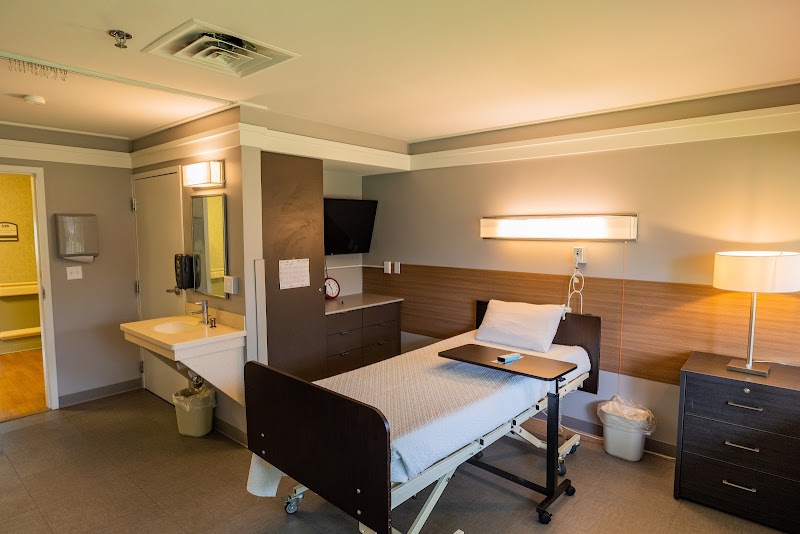
How is Yellowstone River Nursing And Rehabilitation Staffed?

CMS rates YELLOWSTONE RIVER NURSING AND REHABILITATION's staffing level at 2 out of 5 stars, which is below average compared to other nursing homes. Staff turnover is 70%, which is 24 percentage points above the Montana average of 46%. High turnover can affect care consistency as new staff learn residents' individual needs. RN turnover specifically is 74%, which is notably high. RNs provide skilled clinical oversight, so turnover in this role can affect medical care quality.

What Have Inspectors Found at Yellowstone River Nursing And Rehabilitation?

State health inspectors documented 49 deficiencies at YELLOWSTONE RIVER NURSING AND REHABILITATION during 2022 to 2025. These included: 1 Immediate Jeopardy (the most serious level, indicating potential for serious harm or death), 4 that caused actual resident harm, and 44 with potential for harm. Immediate Jeopardy findings are rare and represent the most serious regulatory concerns. They require immediate corrective action.
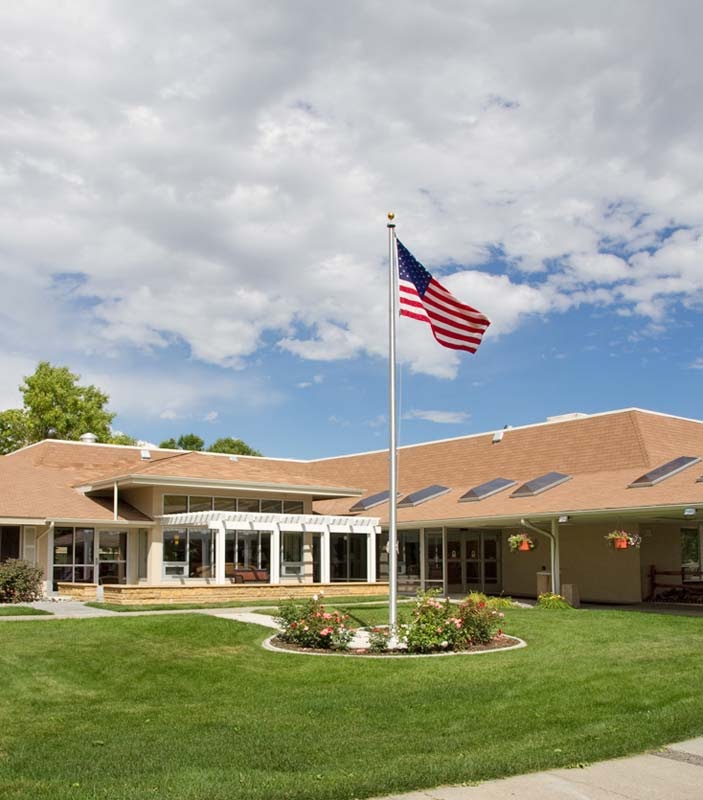
Who Owns and Operates Yellowstone River Nursing And Rehabilitation?

YELLOWSTONE RIVER NURSING AND REHABILITATION is owned by a for-profit company. For-profit facilities operate as businesses with obligations to shareholders or private owners. The facility is operated by EDURO HEALTHCARE, a chain that manages multiple nursing homes. With 160 certified beds and approximately 104 residents (about 65% occupancy), it is a mid-sized facility located in BILLINGS, Montana.
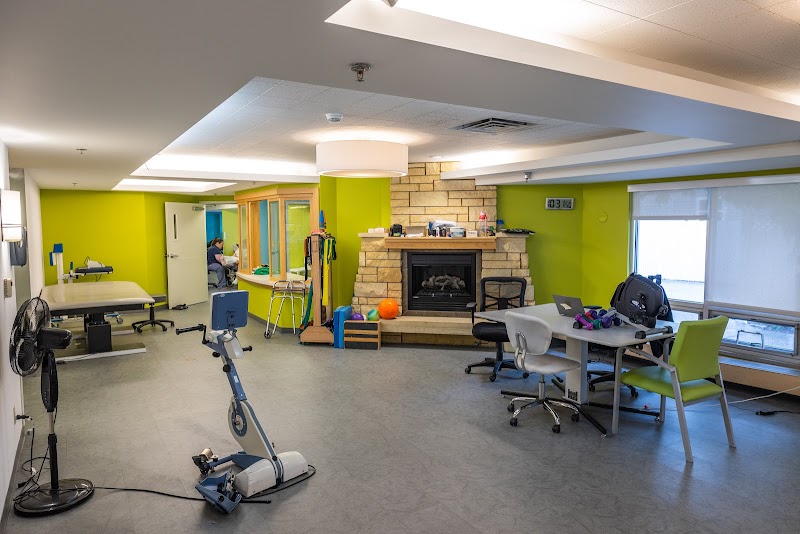
How Does Yellowstone River Nursing And Rehabilitation Compare to Other Montana Nursing Homes?

Compared to the 100 nursing homes in Montana, YELLOWSTONE RIVER NURSING AND REHABILITATION's overall rating (1 stars) is below the state average of 2.9, staff turnover (70%) is significantly higher than the state average of 46%, and health inspection rating (1 stars) is much below the national benchmark.

What Should Families Ask When Visiting Yellowstone River Nursing And Rehabilitation?

Based on this facility's data, families visiting should ask: "What changes have been made since the serious inspection findings, and how are you preventing similar issues?" "How do you ensure continuity of care given staff turnover, and what is your staff retention strategy?" "Can you walk me through typical staffing levels on day, evening, and night shifts?" "Can I visit during a mealtime to observe dining assistance and food quality?" These questions are particularly relevant given the facility's Immediate Jeopardy citations, the facility's high staff turnover rate, and the below-average staffing rating.

Is Yellowstone River Nursing And Rehabilitation Safe?

Based on CMS inspection data, YELLOWSTONE RIVER NURSING AND REHABILITATION has documented safety concerns. Inspectors have issued 1 Immediate Jeopardy citation (the most serious violation level indicating risk of serious injury or death). The facility has a 1-star overall rating and ranks #100 of 100 nursing homes in Montana. Families considering this facility should ask detailed questions about what corrective actions have been taken since these incidents.

Do Nurses at Yellowstone River Nursing And Rehabilitation Stick Around?

Staff turnover at YELLOWSTONE RIVER NURSING AND REHABILITATION is high. At 70%, the facility is 24 percentage points above the Montana average of 46%. Registered Nurse turnover is particularly concerning at 74%. RNs handle complex medical decisions and coordinate care — frequent RN changes can directly impact care quality. High turnover means new staff may not know residents' individual needs, medications, or preferences. It can also be disorienting for residents, especially those with dementia who rely on familiar faces. Families should ask: What is causing the turnover? What retention programs are in place? How do you ensure care continuity during staff transitions?

Was Yellowstone River Nursing And Rehabilitation Ever Fined?

YELLOWSTONE RIVER NURSING AND REHABILITATION has been fined $61,186 across 3 penalty actions. This is above the Montana average of $33,691. Fines in this range indicate compliance issues significant enough for CMS to impose meaningful financial consequences. Common causes include delayed correction of deficiencies, repeat violations, or care failures affecting resident safety. Families should ask facility leadership what changes have been made since these penalties.

Is Yellowstone River Nursing And Rehabilitation on Any Federal Watch List?

YELLOWSTONE RIVER NURSING AND REHABILITATION is not on any federal watch list. The most significant is the Special Focus Facility (SFF) program, which identifies the bottom 1% of nursing homes nationally based on persistent, serious quality problems. Not being on this list means the facility has avoided the pattern of deficiencies that triggers enhanced federal oversight. This is a positive indicator, though families should still review the facility's inspection history directly.