CONTINENTAL CARE AND REHABILITATION
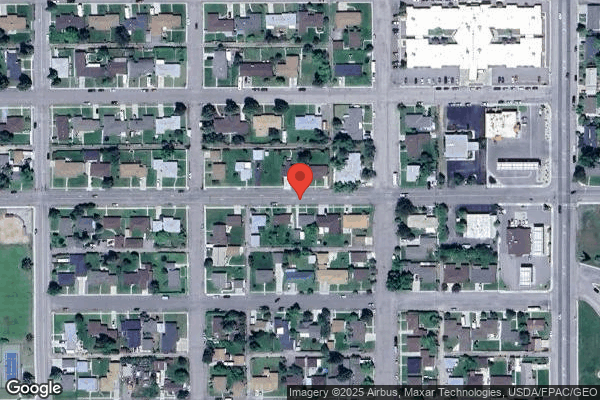
2400 CONTINENTAL DR, BUTTE, MT 59701 (406) 723-6556
For profit - Corporation 100 Beds SWEETWATER CARE Data: November 2025
Trust Grade
45/100
#11 of 59 in MT
Last Inspection: May 2025

Inspected within the last 6 months. Data reflects current conditions.

Overview

Continental Care and Rehabilitation in Butte, Montana has a Trust Grade of D, indicating below-average performance with some significant concerns. They rank #11 out of 59 facilities in Montana, placing them in the top half, and #3 out of 4 in Silver Bow County, meaning only one local option is better. The facility is improving, having reduced its number of serious issues from 17 in 2024 to 9 in 2025. Staffing is average, with a 3/5 star rating and a turnover rate of 58%, which is close to the state average of 55%. However, the facility has accumulated $59,589 in fines, which is concerning and suggests some compliance problems. Specific incidents noted include a failure to provide consistent care for a resident with pressure ulcers, potentially worsening their condition, and a lack of necessary trauma services for a resident with post-traumatic stress disorder, which raises concerns about their mental well-being. Additionally, meals were often served late, with reports of residents not receiving lunch on time, which could affect their overall satisfaction and health. Overall, while there are notable strengths such as good quality measures, families should weigh these against the weaknesses highlighted by recent inspections.

Trust Score
D
45/100
In Montana
#11/59
Top 18%
Safety Record
High Risk
Review needed
Inspections
Getting Better
17 → 9 violations
Staff Stability
⚠ Watch
58% turnover. Above average. Higher turnover means staff may not know residents' routines.
Penalties
○ Average
$59,589 in fines. Higher than 52% of Montana facilities. Some compliance issues.
Skilled Nurses
✓ Good
Each resident gets 46 minutes of Registered Nurse (RN) attention daily — more than average for Montana. RNs are trained to catch health problems early.
Violations
⚠ Watch
50 deficiencies on record. Higher than average. Multiple issues found across inspections.
★★★★☆
4.0
Overall Rating
★★★☆☆
3.0
Staff Levels
★★★★★
5.0
Care Quality
★★★☆☆
3.0
Inspection Score
Stable
2024: 17 issues
2025: 9 issues

The Good

  • 5-Star Quality Measures · Strong clinical quality outcomes
  • Full Sprinkler Coverage · Fire safety systems throughout facility
  • No fines on record

Facility shows strength in quality measures, fire safety.

The Bad

Staff Turnover: 58%

12pts above Montana avg (46%)

Frequent staff changes - ask about care continuity

Federal Fines: $59,589

Above median ($33,413)

Moderate penalties - review what triggered them

Chain: SWEETWATER CARE

Part of a multi-facility chain

Ask about local staffing decisions and management

Staff turnover is elevated (58%)

10 points above Montana average of 48%

The Ugly 50 deficiencies on record

2 actual harm
May 2025 9 deficiencies
CONCERN (D)

Potential for Harm - no one hurt, but risky conditions existed

Assessment Accuracy (Tag F0641)

Could have caused harm · This affected 1 resident

Based on observation, interview and record review the facility failed to accurately assess the vision needs of a resident on the comprehensive assessment, for 1 (#23) of 25 sampled residents, and the ...

Read full inspector narrative →
Based on observation, interview and record review the facility failed to accurately assess the vision needs of a resident on the comprehensive assessment, for 1 (#23) of 25 sampled residents, and the resident was unable to read or see her food when eating. Findings include: During an observation and interview on 5/17/25 at 1:05 PM, resident #23 stated her vision started to deteriorate in October of 2024, due to cataracts. Resident #23 showed this surveyor she could not read the book her roommate had given her. Resident #23 stated, I can't see you, my food, anything now. During an interview on 5/18/25 at 4:23 p.m., staff member K stated there was no vision concerns or appointments needed that she could think of for resident #23. Staff member K stated she would bring up vision needs for residents during care conferences, and if there were any, it would get reported on the MDS, and staff member K stated questions were asked, like, do you need glasses? Staff member K also looked into making appointments if there was a need. Staff member K stated during the last care conference resident #23 was being treated for an ear infection; no vision needs were addressed. Review of resident #23's MDS, with an ARD of . showed for Section B1000 and B1200: - B1000 - sees fine detail, such as regular print in newspapers/books . - B1200 - corrective lenses used in completing B1000, and the response was marked as, No Review of a facility policy titled, Resident Assessment - RAI, copyright 2024, reflected: . This facility makes a comprehensive assessment of each resident's needs, strengths, goals . . The assessment will include at least the following: . e. Vision . . The assessment process will include direct observation and communication with the resident .
CONCERN (D)

Potential for Harm - no one hurt, but risky conditions existed

Comprehensive Care Plan (Tag F0656)

Could have caused harm · This affected 1 resident

Based on interview and record review, the facility failed to implement a comprehensive care plan to include bowel and bladder incontinence for 1 (#241) of 25 sampled residents. Findings include: Revie...

Read full inspector narrative →
Based on interview and record review, the facility failed to implement a comprehensive care plan to include bowel and bladder incontinence for 1 (#241) of 25 sampled residents. Findings include: Review of resident #241's admission MDS, with an ARD of 5/12/25, showed the resident was always incontinent of bowel and bladder. Section V, Care Area Assessment Summary, showed the bladder incontinence care area had triggered and should be care planned. A review of resident #241's Baseline Care Plan, dated 4/30/25, showed the resident was frequently incontinent of bowel and bladder. A review of resident #241's comprehensive care plan failed to show the resident was incontinent of bowel and bladder. During an interview on 5/18/25 at 4:22 p.m., staff member B stated the nurse managers and MDS Coordinators developed the residents care plans, and she assumed that bowel and bladder incontinence should be on the care plan. Staff member B further stated that resident #241 was relatively new to the facility, and his care plan may not be completed yet. A review of a facility policy titled, Care Plan Revisions Upon Status Change, undated, showed: Policy: The purpose of this procedure is to provide a consistent process for reviewing and revising the care plan . b. The MDS Coordinator and the Interdisciplinary Team will discuss the resident condition and collaborate on intervention options.
CONCERN (D)

Potential for Harm - no one hurt, but risky conditions existed

Deficiency F0685 (Tag F0685)

Could have caused harm · This affected 1 resident

Based on observation, interview, and record review, the facility failed to assist with making appointments and arranging timely transportation for a resident with impaired vision needs, and this failu...

Read full inspector narrative →
Based on observation, interview, and record review, the facility failed to assist with making appointments and arranging timely transportation for a resident with impaired vision needs, and this failure caused an eye surgery to be canceled, and appointments were not able to be scheduled due to missed appointments, for 1 (#58) of 25 sampled residents. The resident had difficulty doing things she loved, as well as fear of leaving her room, because she may run into someone due to her poor eyesight. Findings include: During an observation and interview on 5/17/25 at 1:05 p.m., resident #58 stated her biggest concern living at the facility was getting vision appointments, and then getting transportation to the appointments on time. Resident #58 stated the facility had made and canceled several appointments for her since November of 2024, without telling her, or the doctor's offices. Resident #58 stated some of the provider offices will not see her now as a patient because, I have been late or missed so many appointments, and once you're late they won't see you, and after so many times they won't let you come back. Resident #58 stated her vision started to deteriorate in October of 2024, and the one appointment she was able to get in January of 2025, she was told she needed cataract surgery. Resident #58 stated because she was late to the surgeon's appointment in February of 2025, she could not come back, and now they will not perform the surgery. Resident #58 stated when she called the scheduler at the surgeon's office herself, she was told, I know it's out of your hands, I'm sorry. Resident #58 showed this surveyor she could not read the book her roommate had given her. Resident #58 stated, I can't see you, my food, anything now. Resident #58 stated the facility had a new scheduler, but she had not heard anything for two weeks regarding when the next appointment was able to be made. During an interview on 5/18/25 at 4:17 p.m., staff member J stated she was the scheduler for all outside facility appointments. Staff member J stated there were no vision appointments scheduled for resident #58, and followed that comment with stating, None that I know of, I just took over three weeks ago. Staff member J looked at the list of all appointments that had been made for resident #58, and stated the last vision appointment for resident #58 was in January of 2025 at [local clinic name]. During an interview on 5/18/25 at 4:23 p.m., staff member K stated staff member E would know about appointments. During an interview on 5/19/25 at 8:18 a.m., resident #58 stated she met another resident in physical therapy recently, and They got their eye appointment and surgery so fast, it made me so mad, why won't they help me like that. During an interview on 5/19/25 at 9:57 a.m., staff member L stated she cares for resident #58 on a regular basis, and she was unaware of any vision concerns. During an interview on 5/19/25 at 10:06 a.m., staff member E stated she was not the right person to ask about helping residents with appointments. Review of the Care Plan Report for resident #58, with an admission Date of 5/24/24, showed no goals or interventions to assist or accommodate vision appointments. Review of facility progress note entries for resident #58 from 11/18/24 to 5/12/25 showed: - Entry on 1/28/25 at 11:00 p.m., (resident) stated, . She is on her way to an eye appt . - Entry on 2/4/25 at 3:30 p.m., (resident) stated, . Resident has been upset about a pre-op appointment for her eye surgery . an appointment has been made. Resident reports that she called there [local clinic], and they do not have an appt. [sic] - No other eye appointment entries were noted in the six month time frame in the resident's record. Review of a Social Service progress note entry for #58's Care Conference Summary, dated 3/13/25, showed, Getting eye surgery/cataract procedure done in [City Name], based on surgeon availability. No questions or concerns at this time. [sic]
CONCERN (D)

Potential for Harm - no one hurt, but risky conditions existed

Medical Records (Tag F0842)

Could have caused harm · This affected 1 resident

Based on interview and record review, the facility failed to accurately complete a POLST form with the resident's first name, for 1 (#241), and failed to have the resident/POA sign the POLST form plac...

Read full inspector narrative →
Based on interview and record review, the facility failed to accurately complete a POLST form with the resident's first name, for 1 (#241), and failed to have the resident/POA sign the POLST form placed in the EHR, for 1 (#24) of 25 sampled residents. These deficient practices had the potential to create complications, or hinder emergency treatment necessary, related to a resident's DNR wishes. Findings include: During an interview on 5/19/25 at 7:59 a.m., staff member E stated social services assures the POLST is reviewed and accurately completed for the resident upon admission. Staff member E stated the code status is in the residents EHR within seven days after admission. Staff member E further stated the code status on the POLST form should be the same as the code status in the EHR, the POLST form should accurately reflect the residents first name, and it was very important the POLST form was signed by the resident or the residents POA. 1. A review of resident #241's POLST form showed the first name was not the resident's first name, middle name, or a name the resident used. 2. A review of resident #24's POLST form showed the box labeled Signature of Patient or Decision-Maker (required) [sic], was blank.
CONCERN (E)

Potential for Harm - no one hurt, but risky conditions existed

Deficiency F0554 (Tag F0554)

Could have caused harm · This affected multiple residents

**NOTE- TERMS IN BRACKETS HAVE BEEN EDITED TO PROTECT CONFIDENTIALITY** Based on observations, interviews, and record reviews, the facility failed to ensure residents were assessed and found safe to s...

Read full inspector narrative →
**NOTE- TERMS IN BRACKETS HAVE BEEN EDITED TO PROTECT CONFIDENTIALITY** Based on observations, interviews, and record reviews, the facility failed to ensure residents were assessed and found safe to self-administer their own medications, prior to doing so; and the facility failed to document the assessments or a physician order in the EHRs, for 4 (#s 23, 45, 49, and 53) of 25 sampled residents. This deficient practice increased the risk of a negative outcome for the residents, in the event the medication and self/staff monitoring were not handled properly. Findings include: 1. During an observation and interview on 5/18/25 at 7:50 a.m., staff member G entered resident #45's room and placed a cup of pills on his bedside table. Staff member G then left the room without the resident taking the medications. The cup of pills contained loratadine (antihistamine), nifedipine Extended-Release (calcium channel blocker), and a Velphoro chew (treats hypocalcemia). Resident #45 stated he did not like to take his pills without food, and meals were often late, so the nurses routinely left the medications with him to take on his own. Review of resident #45's Nursing care plan, revised on 4/11/25, reflected a focus area of: - [Resident #45] has impaired cognitive function r/t Disease Process (ESRD), Impaired decision making, with an intervention reflecting: - Administer medications as ordered. Monitor/document for side effects and effectiveness. The Nursing Care Plan did not contain a reference to resident #45's ability to self-administer medications, to include if it was safe for the resident to administer the medications or how this would be monitored. Review of resident #45's EHR did not reflect an assessment for safety of self-administration of medications, or a physician's order for the resident to self-administer medications. 2. During an observation and interview on 5/18/25 at 9:42 a.m., staff member G entered the room of resident #53, and then placed a cup of pills on her meal tray, which was on her bedside table. Staff member G asked resident #53 if she needed anything, and then left the room, without the resident taking the medication. The cup of pills contained aspirin, levothyroxine (thyroid hormone), vitamin D3, amiodarone HCI (antiarrhythmic), and Eliquis (anticoagulant). Resident #53 set the pills aside and began to eat her breakfast. Resident #53 stated the nurses routinely leave the medications with her to take on her own. Resident #53 stated she was not sure what the pills were in the cup or what conditions the pills were treating. Review of resident #53's Nursing Care Plan, revised on 4/15/25 reflected a focus area of: - [Resident #53] has a dx of MDD and delusional disorders. She is at risk for alterations in mood status, with an intervention of: - Administer medications as ordered. Monitor/document for side effects and effectiveness . The Nursing Care Plan did not contain a reference to resident #53's ability to self-administer medications. Review of resident #53's EHR did not reflect an assessment for safety of self-administration of medication or a physician order for the resident to self administer the medications. 3. During an observation and interview on 5/15/25 at 9:45 a.m., resident #49 was sitting in bed. A bedside table was over his lap, and a cup of pills had been placed on the bedside table. Resident #49 stated the nurses left the medications with him, and he decided whether he would take them after eating. Resident #49 stated, when discussing him taking the medications, Sometimes I do, and sometimes I don't, you just never know. Resident #49 stated he knew the medications upset his stomach if they were not taken with food, and he often received meals much later than scheduled. He was not sure why all the medications were being taken, the side effects, or what monitoring he should be doing after taking, or not taking, the medications. The pill cup contained Famotidine (treats and prevents ulcers), lisinopril (lowers blood pressure), multivitamin, potassium, zinc, and furosemide (a diuretic). 4. During an interview on 5/18/25 at 9:38 a.m., resident #23 stated They leave my pills on my tray, and I take them. During an interview on 5/18/25 at 9:55 a.m., staff member G stated meal services were often late, and most residents could take their own medications without her standing there. Staff member G stated some residents were very slow to take their medications, and she would not be able to complete the medication pass if she had to wait on each resident to take their medications. Staff member G stated most residents were receiving their medications late, due to the [NAME] meal services. Staff member G stated the self-administration of medications did not require a physician's order, a resident assessment, or additional documentation as far as she was aware. During an interview on 5/18/25 at 10:07 a.m., staff member F stated the procedure for self-administration of medication required a physician's order, an assessment for safety, and a risk/benefit conversation with the resident. During an interview on 5/18/25 at 1:02 p.m., staff member C stated all resident assessments for the self-administration of medications would be under the evaluations tab, in a resident's EHR. Staff member C stated if a self-administration assessment was not showing up in the evaluations tab, then it was not done. Review of the facility's policy, Resident Self Administration of Medication, dated 2025, reflected: - .A resident may only self-administer medications after the facility's interdisciplinary team has determined which medications may be self-administered safely. - . The results of the interdisciplinary team assessment are recorded on the Medication Self-Administration Form, which is placed in the resident's medical record. - . The care plan must reflect resident self-administration and storage arrangements for such medications and CGM devices.
CONCERN (E)

Potential for Harm - no one hurt, but risky conditions existed

Deficiency F0578 (Tag F0578)

Could have caused harm · This affected multiple residents

Based on interview and record review, the facility failed to failed to correctly reflect the code status of a resident in the EHR for 1 (#68) of 25 sampled residents, and this failure increased the ri...

Read full inspector narrative →
Based on interview and record review, the facility failed to failed to correctly reflect the code status of a resident in the EHR for 1 (#68) of 25 sampled residents, and this failure increased the risk of the resident being resuscitated in a health crisis, when that was not the resident's preference or what was documented on the resident's POLST form. Findings include: During an interview on 5/19/25 at 7:59 a.m., staff member E stated social services assures the POLST is reviewed and accurately completed for the resident upon admission. Staff member E further stated the code status on the POLST form should be the same as the code status in the EHR. A review of resident #68's POLST form showed Section A, under the heading Treatment options the box for Do Not Attempt Resuscitation was checked. A review of resident #68's EHR showed his code status as Full Code/Full Treatment A review of a facility policy titled Residents' Rights Regarding Treatment and Advance Directives, with a copyright date of 2025, showed: Policy: It is the policy of this facility to support and facilitate a resident's right to request, refuse and/or discontinue medical or surgical treatment and to formulate advance directives . 9. Any decision making regarding the resident's choices will be documented in the resident's medical record and communicated to the interdisciplinary team and staff responsible for the resident's care .
CONCERN (E)

Potential for Harm - no one hurt, but risky conditions existed

Deficiency F0605 (Tag F0605)

Could have caused harm · This affected multiple residents

**NOTE- TERMS IN BRACKETS HAVE BEEN EDITED TO PROTECT CONFIDENTIALITY** Based on interviews and record reviews, the facility failed to ensure gradual dose reductions were attempted, unless the prescri...

Read full inspector narrative →
**NOTE- TERMS IN BRACKETS HAVE BEEN EDITED TO PROTECT CONFIDENTIALITY** Based on interviews and record reviews, the facility failed to ensure gradual dose reductions were attempted, unless the prescriber documented a rationale for the contraindication of the change, for 3 (#s 10, 19, and 54) of 25 sampled residents. Findings include: A review of the State Operations Manual, Appendix PP, under F605, showed: Adequate Indications for use refers to the identified, documented clinical rationale for administering a medication that is based upon an assessment of the resident's condition and therapeutic goals, and after any other treatments have been deemed clinically contraindicated. For psychotropic medications, without documentation in the record explaining that the practitioner has determined that other treatments have been deemed clinically contraindicated, the indication for use is inadequate. Also, adequate indication for use means that the medication administered is consistent with manufacturer's recommendations and/or clinical practice guidelines, clinical standards of practice, medication references, clinical studies or evidence-based review articles that are published in medical and/or pharmacy journals. 1. Review of resident #10's EHR diagnosis list reflected a diagnosis of dementia. Review of resident #10's Note To Attending Physician/Prescriber, dated 2/19/25, reflected a recommendation from the pharmacist for a gradual dose reduction on resident #10's Seroquel, 50 mg, which was given for depression. The response from the prescriber reflected a declination to complete a gradual dose reduction, but she documented the following rationale: - . At this time patient is stable from a mood standpoint. Continued dosing is appropriate. [sic] No other Gradual Dose Reducations were located in the medical chart for resident #10. 2. Review of resident #19's Note To Attending Physician/Prescriber, dated [DATE]-March 30 [sic], reflected a recommendation from the pharmacist for a gradual dose reduction on resident #19's Sertraline, 100 mg. The document showed the prescriber documented the following, which failed to show the rationale for the continued use of the medication, at the continued dose: - . Things look good . [sic] 3. Review of resident #54's Note To Attending Physician/Prescriber, dated May 23- June 21 [sic], reflected a recommendation from the pharmacist to complete a psychotropic medication review on resident #54's Duloxetine - 30 mg, Trazodone- 50 mg, and Provigil - 100 mg, and all three were all recommendations for gradual dose reductions. The response from the prescriber reflected declinations of the pharmacist's recommendation, but the prescriber failed to document the patient-specific rationale for why the gradual dose reduction was not attempted, or a reasoning for this decision. During an interview on 5/19/25 at 11:15 a.m., staff member M stated she was unaware of the requirements for documentation related to supporting or declining the support a gradual dose reduction. Staff member M stated she was trying to catch up on gradual dose reduction recommendations from the pharmacy, specifically for March and April 2025, due to personal issues. Review of the facility's policy, Gradual Dose Reduction of Psychotropic Drugs, not dated, reflected: - Residents who use psychotropic drugs receive gradual dose reductions and behavioral interventions, unless clinically contraindicated, in an effort to discontinue these drugs. - . 5. For an individual who is receiving a psychotropic medication to treat expressions or indications of distress related to dementia, the GDR may be considered clinically contraindicated for reasons that include, but are not limited to: - a. A resident's target symptoms returned or worsened after the most recent attempt at a GDR within the facility; and - b. The physician has documented the clinical rationale for why any additional attempted dose reduction at that time would be likely to impair the resident's function or increase distressed behavior. - . 7. Rationale for clinical contraindications may be documented on the Clinically Contraindicated Dose Reduction Form. [sic] Further review of the State Operations Manual, Appendix PP, under F605, showed: Comprehensive Assessment and Behavioral (Nonpharmacological) Interventions The indications for initiating, maintaining, or discontinuing medication(s), as well as the use of non-pharmacological approaches, in accordance with §483.45(e)(2), are determined by evaluating the resident ' s physical, behavioral, mental, and psychosocial signs and symptoms in order to identify and rule out any underlying medical conditions, including the assessment of relative benefits and risks, and the preferences and goals for treatment. The use of nonpharmacological approaches must be attempted, unless clinically contraindicated, to minimize the need for psychotropic medications, use the lowest possible dose, or discontinue the medications. The resident ' s medical record should include documentation of this evaluation and the rationale for chosen treatment options.
CONCERN (E)

Potential for Harm - no one hurt, but risky conditions existed

Accident Prevention (Tag F0689)

Could have caused harm · This affected multiple residents

Based on observations, interviews, and record reviews, the facility failed to follow smoking assessment safety recommendations for residents who were smoking; failed to monitor the location were resid...

Read full inspector narrative →
Based on observations, interviews, and record reviews, the facility failed to follow smoking assessment safety recommendations for residents who were smoking; failed to monitor the location were residents were smoking; failed to ensure the residents signed out of the facility when smoking (as needed); and failed to follow and adhere to the facility policy related to resident smoking. These failures occurred throughout the survey period, for multiple shifts and days, and multiple staff failed to adhere to the policy, for 3 (#s 40, 75, and 238) of 5 sampled residents who smoke. This deficient practice placed all residents entering the activities room at risk of exposure to second-hand smoke and risk for fire. This deficient practice placed residents at risk of injury while smoking, increased risk of fires, and accidents related to smoking. Findings include: 1. During an observation and interview on 5/18/25 at 2:15 p.m., resident #75 was sitting immediately outside the activity door smoking. Resident #75 stated staff member B stated he could smoke outside the door. Resident #75 stated he was blind and could not get out to the gate when there was bad weather. Resident #75 stated he felt the ground with his feet, and he could get out to the smoking area at the gate, and he would know when his foot kicked the cigarette butt can, he had reached the smoking area. Resident #75 stated he kept his lighter, vape pen, and cigarettes on him, or in his room, on his bedside table. Resident #75 stated he did not usually sign anything (such as a facility sign out sheet) to go outside and smoke, he just went when he wanted. Dozens of cigarette butts littered the ground around outside the activity room windows, door, tables, and the grassy area. Resident #75 stated he, resident #40, and #238, regularly smoked outside the activity door under the awning. Staff member A approached resident #75 and asked that he go to the gate to smoke and resident #75 reiterated his statement that staff member B told him he could smoke in this spot, and he refused to move. Staff member B arrived and told resident #75 he could not smoke near the door, and she would assist him to the gate to smoke. Staff member B pushed resident #75's wheelchair out to the smoking area while resident #75 yelled at her about his rights to smoke where he wants. During an interview on 5/18/25 at 3:00 p.m., staff member F stated residents #40, 75, and 238 smoke independently and they are not supervised. Staff member F stated smoking residents keep their own smoking paraphernalia and do not check in with nursing. Staff member F stated the floor staff knew who the smokers were and knew when they would be outside. Staff member F stated she was aware of the cigarette butts and smoking occurring outside the activity's door. Staff member F stated the residents refused to follow the rules and often became belligerent if approached to move out to the gate. During an interview on 5/18/25 at 3:14 p.m., staff member H stated the smoking residents were not supervised and she was aware they were smoking outside the activity's door. Staff member H stated, I leave those issues for the nurse to handle and stay out of it. During an observation on 5/18/25 at 3:15 p.m., resident #75 was smoking on the sidewalk halfway between the smoking area and the door, on the property. During an interview on 5/18/25 at 3:16 p.m., staff member I stated she saw residents smoking outside the activity's door regularly, but was not aware it was not allowed because smoking had been happening there for as long as she could remember. Staff member I stated it seemed they would go out to the gate sometimes and other times, like when it was raining or there was too much snow, they would all huddle by the door. During an interview on 5/18/25 at 3:58 p.m., NF1 stated the facility was aware of the smoking problems when they accepted resident #75 to the facility. NF1 stated resident #75 nearly burnt down his apartment with ash everywhere and had caused so much smoke damage at another apartment that he was evicted. NF1 stated she did not know resident #75 was leaving the facility to smoke at all and did not believe he would be safe to smoke off property without supervision because he was blind and reckless with his smoking. Review of resident #75's, Clinical admission Evaluation Smoking Safety Evaluation, dated 3/31/25, reflected resident #75 was not able to smoke safely and was a high fall risk. Review of resident #75's Nursing Care Plan, revision date 5/6/25 reflected: - [Resident #75] desires to use tobacco products but has been deemed unsafe to smoke d/t blindness, balance problems, medications, use of oxygen and refusal to remove prior to leaving facility property, unable to safely smoke independently and risk for falls/injury. - .[Resident #75] has gone against medical advice regarding smoking and is given 4 cigarettes when off campus per his preference/wishes. Review of resident #75's Brief Interview for Mental Status, dated 4/1/25, reflected resident #75 had a BIMS of 8.0 (Moderate impairment). 2. During an interview on 5/18/25 at 2:49 p.m., resident #238 stated he usually smoked outside the gate when the weather was good, but he and others would stay under the awning by the door sometimes to smoke. Resident #238 stated the staff had not talked to him about the rules until one day when the staff saw him going to smoke and he had oxygen on him. Resident #238 stated, The cna came and got me and told me the smoking rules then so now I try to remember to not bring my oxygen tank out with me anymore. Resident #238 stated he kept his smoking paraphernalia with him or in his room. Resident #238 stated he was not aware of a smoking apron he was to wear while smoking. Review of resident #238's, Clinical admission Evaluation Smoking Safety Evaluation, dated 5/15/25, reflected resident #238 needed to wear a smoking apron to safely smoke. Review of resident #238's Nursing Care Plan did not reflect resident #238 was a smoker and required an apron to smoke. 3. During an observation and interview on 5/18/25 at 2:56 p.m., resident #40 stated he had never been assessed or asked by staff to watch him safely smoke. Resident #40 had a pack of cigarettes and a lighter sitting on his bedside table. Resident #40 stated he usually would go out to smoke by the activity door or the gate, if the weather was good, about four times a day. During an observation on 5/19/25 at 8:08 a.m., residents #75 and 238 were out smoking on the property. Resident #238 did not have an apron on and neither had signed out to smoke as they left the facility through the activity room door. During an interview on 5/19/25 at 8:11 a.m., staff member E stated resident #40 was a repeat offender with smoking on the property. Staff member E stated resident #40 was also social and would pull others into a group around the door to smoke socially. Staff member E stated resident #75 was a bully to staff and would not follow rules around smoking. Staff member E stated resident #75's POA had voiced concerns with history of damage to his apartments and burns from ash everywhere. Staff member E stated the only thing she could do would be repeat education and then hand the smoking noncompliance off to leadership to handle. During an interview on 5/19/25 at 8:31 a.m., staff member M stated she was concerned about resident #75's safety smoking while blind, had to feel his way down the hallway using the rail, and history of recent hyperkalemic/hypervolemic episodes requiring he be airlifted to the hospital and intubated. Staff member E stated resident #75 became belligerent if the staff took smoking away from him in the past so the facility was in a bit of a spot on how to handle resident #75. Review of the facility's policy, Tobacco-Free Facility and Campus Policy, no date, reflected: - . No accommodations for smoking and/or tobacco products will be made. Tobacco and other, smokeless, tobacco products are not permitted on the premises.
CONCERN (F)

Potential for Harm - no one hurt, but risky conditions existed

Deficiency F0809 (Tag F0809)

Could have caused harm · This affected most or all residents

**NOTE- TERMS IN BRACKETS HAVE BEEN EDITED TO PROTECT CONFIDENTIALITY** Based on observation, interview, and record review, the facility failed to provide meals at the regular scheduled times for 5 (#...

Read full inspector narrative →
**NOTE- TERMS IN BRACKETS HAVE BEEN EDITED TO PROTECT CONFIDENTIALITY** Based on observation, interview, and record review, the facility failed to provide meals at the regular scheduled times for 5 (#s 23, 24, 36, 49 and 76) of 25 sampled residents. This deficient practice had the potential to affect all residents of the facility. Findings include: 1. During an observation and interview, on 5/17/25 at 1:01 p.m., resident #49 was lying in bed with no lunch tray. Resident #49 stated food was always late, especially the breakfast and lunch meals. Resident #49 stated he had not received his lunch yet. He stated lunch would often be delivered between 1:30 p.m. and 2:30 p.m. Resident #49 stated he would order food from local restaurants to be delivered if he was really hungry or did not like the food when he finally got it. During an observation on 5/17/25 at 1:10 p.m., eight residents were seated at tables in the C dining room, with drinks in front of them, but no food. Room trays had not been delivered on the unit yet to the residents in their rooms. During an observation on 5/17/25 at 1:12 p.m., in the A/B dining room, some residents had their food, others were waiting. Room trays had not been delivered for the unit. During an observation on 5/17/25 at 1:16 p.m., the posted mealtimes, for residents and staff to see, showed: -Breakfast for A/B wing at 8:00 a.m., Solana at 8:15 a.m., and C wing at 8:45 a.m. -Lunch for A/B wing at 12:00 p.m., Solana at 12:15 p.m., and C wing at 12:45 p.m. -Dinner for A/B wing 5:00 p.m., Solana at 5:15 p.m., and C wing at 5:45 p.m. During an observation and interview on 5/17/25 at 2:32 p.m., staff member P was passing lunch trays and stated, [Staff member O] is cooking today so trays will come out late, food is cold when its late, and residents complain a lot. During an interview on 5/17/25 at 4:11 p.m., staff member N stated dietary staffing had fluctuated a lot for several months. Staff member N stated she had a new process she was about to implement in the next week, so that all the facility dining rooms would be served at the same time. During an observation on 5/18/25 at 8:25 a.m., the A/B dining room had 13 residents seated at tables with drinks. No residents had any food, and no room trays were delivered. During an observation and interview, on 5/18/25 at 8:37 a.m., resident #76 was lying in bed and had no breakfast delivered. Resident #76 stated he never knew when his meals would be delivered, it was not consistent. Resident #76 stated the food seemed late, but he would eat whenever the food tray was delivered. During an observation on 5/18/25 at 9:02 a.m., in the C dining room at least nine residents were seated at tables with drinks, but no food. The dining cart was being set up. No room trays had been delivered on the unit. During an observation and interview, on 5/18/25 at 9:07 a.m., resident #49 was lying in bed waiting for his breakfast tray. He stated he would probably get his tray at 10:00 a.m. Resident #49 stated he received his lunch around 2:00 p.m., and his dinner between 6:00 p.m. and 6:30 p.m. the day prior. During an interview on 5/18/25 at 9:55 a.m., staff member G stated most residents were receiving their medications late as it was, due to the [NAME] meal services. During an interview on 5/18/25 at 11:00 a.m., staff members N and O stated breakfast was late because a staff member was sent home for respiratory symptoms. Staff member N stated the mealtimes were what was on the newest form provided with breakfast starting at 8:00 a.m., lunch at 12:00 p.m., and dinner at 5:00 p.m. During an observation and interview on 5/18/25 at 2:39 p.m., resident #36 was sitting in a dining chair in his room by the sink. Resident #36 stated he was hungry but did not eat. Resident #36's room tray was observed on his nightstand, untouched. 2. During an interview on 5/17/25 at 3:00 p.m., resident #23 stated all the meals are late, I got lunch at 2:30 today and it was cold. During an observation and interview on 5/17/25 at 3:02 p.m., resident #24 was sitting in a chair with the overbed table in front of her with a meal tray on it. She stated she was served her lunch about 40 minutes prior. During an observation on 5/18/25 at 12:53 p.m., the meal cart was in the C wing dining room and a staff member was beginning to serve the residents in the dining room. During an observation and interview on 5/18/25 at 12:54 p.m., resident #24 was sitting in her room and stated she had not been served lunch yet. Resident #24 further stated she was hungry. During an observation and interview on 5/18/25 at 1:30 p.m., staff member P was outside of resident #24's room on C hall, getting a tray out of the meal cart. Staff member P stated that A and B halls, and Solana were served meals before C hall residents. Staff member P further stated that it was normal for C hall residents to receive their meals late. During an observation on 5/18/25 at 1:35 p.m., staff member P brought resident #24's lunch tray to her room. Review of the facility provided mealtime form, gathered from the survey entrance request, showed mealtimes were at: -Breakfast for A/B wing and Solana at 7:30 a.m. to 8:00 a.m., and C wing 8:00 a.m. to 8:30 a.m. -Lunch for A/B wing and Solana at 11:30 a.m. to 12:00 p.m. and C wing at 12:00 p.m. to 12:30 p.m. -Dinner A/B wing and Solana 4:30 p.m. to 5:00 p.m. and C wing 5:00 p.m. to 5:30 p.m. The mealtime policy was requested, which showed mealtimes were documented to be held at: -Breakfast for the A/B wing at 8:00 a.m., Solana at 8:15 a.m., and C wing at 8:45 a.m. -Lunch for the A/B wing at 12:00 p.m., Solana at 12:15 p.m., and C wing at 12:45 p.m. -Dinner for the A/B wing at 5:00 p.m., Solana at 5:15 p.m., and C wing at 5:45 p.m.
Oct 2024 4 deficiencies
CONCERN (D) 📢 Someone Reported This

A family member, employee, or ombudsman was alarmed enough to file a formal complaint

Potential for Harm - no one hurt, but risky conditions existed

Deficiency F0676 (Tag F0676)

Could have caused harm · This affected 1 resident

Based on interviews, and record review, the facility failed to provide the scheduled showers for 3 (#s 1, 3, and 8) of 6 sampled residents for hygiene care. Findings include: During an interview on 10...

Read full inspector narrative →
Based on interviews, and record review, the facility failed to provide the scheduled showers for 3 (#s 1, 3, and 8) of 6 sampled residents for hygiene care. Findings include: During an interview on 10/22/24 at 11:51 a.m., NF1 stated resident #1 visited [Facility Name] and was . so filthy our staff didn't want to touch her. NF1 stated resident #1 visited [Facility Name] on 10/11/24, had significant body odor, and her ponytail was matted at the base of her hair. NF1 stated the staff was concerned resident #1 might have hair loss because the ponytail had been in so long. During an interview on 10/22/24 at 11:25 a.m., resident #3 stated his last shower was last Saturday. Resident #3 stated, I don't seem to be asked a lot (if he wanted a shower). He stated he rarely refused showers except when the staff would offer him a shower at 9:30 p.m. or 10:00 p.m. Resident #3 stated this was too late in the day, and he wanted to go to bed at this time. Resident #3 stated he did not get asked about a shower the morning of 10/22/24 (at 3:00 a.m.). Review of resident #3's EHR showed resident #3 refused a shower on 10/22/24 at 3:00 a.m. During an interview on 10/22/24 at 12:04 p.m., resident #8 stated, I could use a shower. I get a shower when they get to me. Resident #8 stated she had never refused a shower at the facility. Review of resident #8's EHR showed an admission date of 10/10/24. Review of resident #8's EHR showed: Bathing/Shower days are Wednesday and Sunday and as necessary. There was no documentation for the shower scheduled on 10/13/24 (Sunday). Resident #8's bathing task showed a refusal on 10/17/24 (Thursday) and Not Applicable on 10/20/24 (Sunday). Therefore, the record showed no showers were given to resident #8 since admission. During an interview on 10/22/24 at 12:07 p.m., resident #1 stated her last shower was last week. Resident #1 stated she never refused showers. Review of resident #1's EHR showed: Bathing/Shower days are Sunday and Thursday and as necessary. The EHR showed resident #1 received four showers in the past 30 days (9/26/24, 9/29/24, 10/3/24, and 10/13/24). On 10/6/24, resident #1 showed a documentation of a shower refusal.
CONCERN (D) 📢 Someone Reported This

A family member, employee, or ombudsman was alarmed enough to file a formal complaint

Potential for Harm - no one hurt, but risky conditions existed

Deficiency F0725 (Tag F0725)

Could have caused harm · This affected 1 resident

Based on observation, interview, and record review, the facility failed to schedule a sufficient number of CNAs as identified in the facility assessment recommendations, resulting in 2 (#s 18 and 19) ...

Read full inspector narrative →
Based on observation, interview, and record review, the facility failed to schedule a sufficient number of CNAs as identified in the facility assessment recommendations, resulting in 2 (#s 18 and 19) of 20 sampled residents waiting over 20 minutes for the call light to be answered timely; 6 (#s 8, 9, 16, 18, 19, and 20) of 20 sampled residents expressing concern and complaints regarding long call light times and short staffing; and for 2 (#s 1 and 8) of 20 sampled residents not receiving enough showers; and 5 nursing staff expressed concerns with staffing ratios and not recieving breaks. Findings include: During an interview on 10/21/24 at 12:22 p.m., resident #9 stated he had waited up to 40 minutes for his call light to be answered. During an interview on 10/21/24 at 4:37 p.m., staff member B stated the facility did call light audits, kind of indirectly, but never kept a record of this. Staff member B stated they would test the call light times once a month by pushing the button in a resident's room and testing the staff's reponse time. Staff member B stated they would test this more often if there was an issue. During an interview on 10/21/24 at 1:55 p.m., staff member E stated sufficient staff was important for meeting toileting and feeding needs for each individual resident, and sufficient staff was needed to provide the necessary safety for each resident. During an interview on 10/21/24 at 2:38 p.m., staff member F stated they often got done with their shift at 6:40 p.m. Staff member F stated her shift ran from 6:00 a.m. to 6:00 p.m. Staff member F stated the showers were getting done on their shift, but they never recieved any breaks throughout the shift due to high acuity residents, low staffing, frequent call lights, and scheduled showers. During an observation on 10/21/24 at 5:11 p.m., three call lights were on (for resident #16, resident #18, and resident #19). During an interview on 10/21/24 at 5:15 p.m., resident #16 stated she consistently waited 15 minutes for staff to answer her call light. During an observation and interview on 10/21/24 at 5:27 p.m., the three prior call lights were still on (for resident #16, resident #18, and resident #19), in addition to one more call light. When speaking with resident #19, who had previously been yelling out of his room for attention and help, he stated he really needed to use the restroom. Resident #19 was squirming in his bed and sat up very quickly when the surveyor walked in, hoping someone would take him to the restroom. Resident #19 stated he often waited 15 minutes or more for his call light to be answered which he felt was frustrating and as if he was disregarded by staff because his needs were not being met. During an interview on 10/21/24 at 5:29 p.m., resident #20 stated he commonly waited 15 minutes for his call light to be answered. During an observation and interview on 10/21/24 at 5:34 p.m., resident #18 was sitting on the edge of her bed and stated she needed to urgently use the restroom. Resident #18 stated, They need more help, definitely. Resident #18 stated, One night I almost peed, I waited so long. During an observation and interview on 10/21/24 at 5:35 p.m., staff member H stated there was one nurse on the B wing and one nurse on the A wing. One CNA was assigned to deliver trays between the two halls and one CNA answered call lights. There were currently four call lights on. Staff member H stated it was common that they did not get any breaks or lunch throughout the day because they felt if they took a break they would get even farther behind and then leave even later at the end of their shift. Staff member H stated they would often leave 30 minutes to an hour late every day. Staff member H stated they tried to answer a call light in five minutes or less, but due to insufficent staffing, the high number of residents requiring lifts, and the tasks required each shift, they often found it difficult to uphold this standard. Staff member H stated they felt the the resident's needs were not always being met to the best of staff member H's abilities, and the residents were waiting a long time for help. During an observation on 10/21/24 at 5:38 p.m., resident #18's call light was still on, for a total time observed of 27 minutes. During an interview on 10/21/24 at 5:39 p.m., resident #19's call light was turned off a few minutes prior to this time, and resident #19 stated, Yeah, they took me now. Resident #19 was now laying calmly in his bed. Resident #19's call light was answered in approximately 25 minutes. During an interview on 10/21/24 at 5:44 p.m., staff member I stated they usually had to help the other staff member as one hall was worse than the other, and there were not enough CNAs for the acuity of residents, and the number of residents requiring mechanical lift transfers. Staff member I stated they were aware of call lights being on for more than 40 minutes at times. During an interview on 10/21/24 at 5:50 p.m., staff member J stated she felt we (staff) are often running around, due to low staffing numbers and consistent call lights going off. During an interview on 10/22/24 at 7:48 a.m., staff member K stated, C wing definitely needs more help, due to high call light times and the resident to staff ratios. During an interview on 10/22/24 at 11:22 a.m., staff member K stated she was pulled from her wing to help the A and B wings catch up on call lights. Staff member K stated this happened often. During an interview on 10/22/24 at 12:04 p.m., resident #8 stated, There are not enough of them (CNAs). They need more CNAs . I get a shower when they get to me. Review of resident #8's EHR showed an admission date of 10/10/24. Review of resident #8's EHR showed: Bathing/Shower days are Wednesday and Sunday and as necessary. There was no documentation for the shower scheduled on 10/13/24. Resident #8's bathing task showed a refusal on 10/17/24 (Thursday) and Not Applicable on 10/20/24. Showers were not always provided as scheduled. During an interview on 10/22/24 at 12:07 p.m., resident #1 stated her last shower was sometime last week. Resident #1 stated she never refused showers, and she felt she did not receive enough of them. During an interview on 10/22/24 at 3:09 p.m., staff member F stated they were going to put their feet up for ten minutes as they would not be able to get their full 30-minute break to eat. Staff member F stated this happened often. When asked why staff member F was not going to be able to get their full 30 minute break, they stated there were too many tasks to be completed still for the day and the staff member that called off earlier in the morning only added more tasks for staff member F to complete. Review of the document, Facility Assessment, dated 4/26/24, showed: - .1.2. Average facility daily census: (range) 65-75 . - .Staffing plan - [Facility Name] is very conscientious to the needs of the resident including the facility staff, the nursing staff and resident ratio is monitored daily to achieve the highest practicable well-being of the resident . - CNAs 6 a.m.-6:00 p.m. 1:14 CNA per resident ratio - CNAs 6 p.m.-6:00 a.m. 1:14 CNA per resident ratio . Review of the Resident List, the facility census was 86 total residents upon entrance, and 18 residents resided in the dementia unit, 31 residents were in the C wing, 22 residents in the A wing, and 15 residents in the B wing. Review of the Daily Staffing Schedule showed: - the dementia unit was assigned two CNAs, - the C wing was assigned two CNAs, - the A and B wings were assigned two CNAs together. - On 10/21/24, there was one call off. The C wing (31 residents) had a CNA to resident ratio of 1:15. - The A and B wings combined had a CNA to resident ratio of 1:37 with the call off considered. Without the call off considered, the A wing had a ratio of 1:22, and the B wing had a ratio of 1:15. - With 86 residents, these staffing ratios did not follow the CNA staffing recommendations identified in the Facility Assessment (1:14 CNA per resident ratio).
CONCERN (D) 📢 Someone Reported This

A family member, employee, or ombudsman was alarmed enough to file a formal complaint

Potential for Harm - no one hurt, but risky conditions existed

Deficiency F0740 (Tag F0740)

Could have caused harm · This affected 1 resident

**NOTE- TERMS IN BRACKETS HAVE BEEN EDITED TO PROTECT CONFIDENTIALITY** Based on interviews and record reviews, the facility failed to identify the root cause, address, and obtain necessary services f...

Read full inspector narrative →
**NOTE- TERMS IN BRACKETS HAVE BEEN EDITED TO PROTECT CONFIDENTIALITY** Based on interviews and record reviews, the facility failed to identify the root cause, address, and obtain necessary services for the behavioral health care needs for 1 (#2) of 20 sampled residents which could result in harm to staff or other residents, and it did affect 1 (#15), due to resident #1's aggressive behaviors. Findings include: Review of a Facility Reported Incident, with an initial report date of 10/5/24, showed both resident #2 and resident #15 resided in the dementia care unit. Resident #2 punched resident #15 in the jaw which resulted in resident #15 hitting resident #2 back. During an interview on 10/21/24 at 12:02 p.m., staff member C stated resident #2 had moments of being verbally aggressive and would yell at staff or residents. Staff member C stated they worked the night prior to resident #2 hitting resident #15. Staff member C explained a situation where resident #2 had been confused and was wearing resident #15's belt. Staff member C stated resident #2 would often go through resident #15's clothing or try to wear his clothing. When staff member C asked resident #2 to take the belt off, resident #2 lunged at staff member C. Staff member C was able to get out of the way, but staff member C stated, He gets these bursts of energy, and he's strong. Staff member C stated resident #2 and resident #15 had been arguing, and resident #2 jumped off the bed very quickly, to go over to resident #15. Staff member C stated she intervened in this situation and was able to prevent anything from happening. Staff member C stated, I did notify [upper management]. During an interview on 10/21/24 at 1:55 p.m., staff member E stated resident #2 had aggression, and there was an instance in the past, where they were told resident #2 had his hands around a staff member's neck. Staff member E stated this incident was reported to upper management. During an interview with staff member A and B on 10/21/24 at 4:37 p.m., staff member B stated after an incident the nurses will do a pain and/or fall assessment if applicable. Staff member B stated IDT would talk about the situation and would complete a root cause analysis of the situation. The surveyor asked for more in-depth information regarding the root cause analysis and reports of resident #2's behavior assessments, other applicable assessments (ie: falls, pain), number of incidences, interventions after the incidences, and a re-evaluation of resident #2's activities. Staff member A stated there were no other reports of resident #2 being aggressive than the incident on 10/5/24. When asked about the situation with resident #2's hands around a staff member's neck, staff member B stated there was only the initial nursing note about the incident where resident #2 had placed his hands near another staff member's neck. Staff member B stated it was their understanding that resident #2 had placed his hands on the staff member's upper chest, near their neck, and this was why they felt no report or investigation was needed. When asked if it was acceptable or appropriate for a reasonable person or any resident to touch a staff member anywhere near their neck, staff member B stated, No. When asked if either staff member would feel uncomfortable if a resident would touch them anywhere near their neck, staff member B stated, Yes. Staff member B stated they felt resident #2's aggression seemed to stem from a person in his past. When asked if staff member B or A had asked resident #2 who [Name] was or why [Name] made him upset, staff member B stated they did not get a chance to ask resident #2. During an interview on 10/22/24 at 7:48 a.m., staff member K stated [Name] seemed like a friend to resident #2. Review of a nurse's note, dated 10/15/24, showed, About 1720 today this resident got upset with staff . he (#2) started to swing his walker at the staff member . Then at about 1900 resident put his hands around a staff members throat. Staff member thought that he was just playing around because he didn't put any pressure on him when he did it . 911 was called for assistance. 911 sent a cop over first to assess the situation. He then called the ambulance to come pick him (#2) up . During an interview with staff member A and B on 10/22/24 at 8:10 a.m., staff member B stated resident #2 did have behaviors but did not show signs of aggression prior to hitting resident #15 on 10/5/24. Staff member A stated, We talked about it, the facility had tried telehealth options for resident #2. Staff member A stated behavioral health options were difficult to find in the state. Staff member A stated staff member M was supposed to be working on behavioral health appointments. Review of resident #2's EHR showed a prior physician's note, dated 8/4/24, which showed for #2, His mood seems to be very agitated, and he gets very frustrated easily. Review of resident #2's EHR showed a prior nurse's note, dated 9/30/24, which showed, Resident is noncompliant with staying in his room and is refusing to wear his mask (isolation) when not in his room. He was in his neighbors room when his neighbor started to yell at him telling him to get out of his room. [Resident #2] refused to leave this room. Staff tried to redirect him out of that room, but he was refusing to leave. When staff was able to get him out of the neighbors room he tried to hit staff with his walker. Staff then asked him to put on his mask if he was going to be out with the rest of the residents and he refused. He then started to walk into a female's room and when staff stepped in front of him, he started swearing at staff and throwing his walker around at the staff member in his way. Another staff member came and was able to redirect him back to his room. Resident has been going into his neighbors' room and telling everyone that it's his room and his stuff. In the past he was usually easy to redirect. He has been getting aggressive at random times usually between 5pm and 9 pm. [sic] Review of resident #2's EHR nurse's notes showed dates where aggressive behavior continued: 10/8/24, 10/15/24, 10/20/24. Review of a physician's note showed, .S [NAME] he is so agressive with violent outbursts I did not feel safe to continue the appointment once he became more aggressive toward me. [sic] Review of resident #2's EHR showed no pain assessments, fall assessments, behavioral health assessments, re-evaluations or updates to the individualized care plan regarding activities (last revised 6/25/24) after the incident on 10/5/24. Resident #2's Care Plan showed generic activities and did not show person-oriented activities specific to resident #2. During an interview with staff member A, B, and M, on 10/22/24 at 10:37 a.m., staff member A stated, Yes, we could button up on that more, related to using root cause analyses after incidents. Staff member M stated resident #2 had seen psychiatry in the past, but was not currently seeing anyone. Staff member M stated a referral was not completed, but the facility had received signatures from resident #2's POA (on 10/7/24) concerning permission to schedule the appointment. Review of the Authorization for the Use and Disclosure of Health Information for [Provider Name], Licensed Clinical Social Worker, dated 10/7/24, showed a blank line and no signatures where the authorized representative and/or client would sign. During an interview on 10/22/24 at 12:13 p.m., staff member M stated they followed up with all nursing staff daily about the resident's behaviors; however, staff member M stated they did not document anything regarding these follow ups or the noted behaviors. Staff member M stated, . I have not been as good as I should be.
CONCERN (E) 📢 Someone Reported This

A family member, employee, or ombudsman was alarmed enough to file a formal complaint

Potential for Harm - no one hurt, but risky conditions existed

Deficiency F0808 (Tag F0808)

Could have caused harm · This affected multiple residents

**NOTE- TERMS IN BRACKETS HAVE BEEN EDITED TO PROTECT CONFIDENTIALITY** Based on observations, interviews, and record review, the facility failed to provide therapeutic meals that followed physician o...

Read full inspector narrative →
**NOTE- TERMS IN BRACKETS HAVE BEEN EDITED TO PROTECT CONFIDENTIALITY** Based on observations, interviews, and record review, the facility failed to provide therapeutic meals that followed physician orders for 2 (#13 and 14) of 2 sampled dialysis residents. Findings include: During an interview on 10/22/24 at 11:51 a.m., NF1 stated the facility did not properly provide appropriate meals for dialysis patients. NF1 stated, They just can't properly care for . dialysis patients. NF1 stated residents often told them their meals were commonly high in salt, and the meal would consist of something like a ham sandwich and chips. NF1 stated this extra salt would lead the residents to drink more water which had a negative impact on their kidneys, and required more dialysis. During an observation and interview on 10/22/24 at 1:39 p.m., the surveyor had walked into resident #13's room and he stated, That soup was really really salty. When asked, resident #13 stated he can control his dialysis better with water, but his water limit was one liter per day. Resident #13 stated he commonly had diarrhea. Resident #13 had a roast beef sandwich (no cheese), plain green beans and kidney beans mixed together, a bowl of soup, a cup of mandarin oranges, two glasses of juice, and a glass of a protein drink. The sandwich and green bean/kidney bean mix was untouched by the resident as he stated he did not like them. Review of resident #13's EHR showed the physician order: Renal diet . Deli meats (such as roast beef, turkey, or ham), most cheeses, and chips, are high in sodium. Concerning dialysis patients, the CDC (Centers for Disease, Control and Prevention) showed, Foods to limit: Eat less salt/sodium. Over time, your kidneys lose the ability to control your sodium-water balance. Less sodium in your diet will help lower blood pressure (CDC, 2024). The FDA (Food and Drug Administration) showed: .about 40% of the sodium consumed by Americans comes from the following foods: Deli meat sandwiches .soups . (FDA, 2024). According to Dr. [NAME], a researcher for the Mayo Clinic School of Medicine in the Nephrology and Hypertension Division showed diarrhea was a common side effect of electrolyte imbalances particularly sodium ([NAME], 2019). High sodium levels (or hypernatremia) could cause the symptom of loose and watery bowel movements due to hypotonic fluid loss (also referred to as osmotic diarrhea) ([NAME], 2019). [NAME] showed, Sustained hypernatremia can cause irreversible cell/organ damage and high mortality ([NAME], 2019). During an interview on 10/22/24 at 1:41 p.m., staff member H stated the food was often served late and each tray had very similar food which did not follow the physician therapeutic orders. Staff member H stated therapeutic orders were not followed for many types of diet orders, not just the dialysis residents. Review of the posted meal Serve Times showed lunch was scheduled to be served for resident #13 at 11:30 a.m. to 12:00 p.m. During an interview and observation on 10/22/24 at 1:50 p.m., resident #14 stated she received dialysis regularly (Monday, Wednesday, and Fridays). Resident #14 stated the food was kind of salty. Resident #14's tray consisted of a turkey sandwich (with cheese), a bowl of soup, a cup of mandarin oranges, two glasses of juice, and two packets of saltine crackers. Review of resident #14's EHR showed the physician order: Renal diet . During an observation on 10/21/24 at 1:57 p.m. resident #19's plate consisted of turkey sandwich (with cheese), a cup of mandarin oranges, green bean/kidney bean mix, a glass of juice, and a bowl of tomato soup. Review of resident #19's EHR showed the physician order: Regular diet . References: Centers for Disease Control and Prevention. (2024, May 15). Diabetes and Kidney Disease: What to Eat? Centers for Disease Control and Prevention. https://www.cdc.gov/diabetes/healthy-eating/diabetes-and-kidney-disease-food.html Food and Drug Administration. (2024, March 5). Sodium in Your Diet. Food and Drug Administration. https://www.fda.gov/food/nutrition-education-resources-materials/sodium-your-diet [NAME], Qi. Hypernatremia. Clinical Journal of the American Society of Nephrology 14(3):p 432-434, March 2019. | DOI: 10.2215/CJN.12141018
Aug 2024 1 deficiency
CONCERN (D) 📢 Someone Reported This

A family member, employee, or ombudsman was alarmed enough to file a formal complaint

Potential for Harm - no one hurt, but risky conditions existed

Deficiency F0658 (Tag F0658)

Could have caused harm · This affected 1 resident

Based on observation, interview, and record review, the facility failed to meet professional standards of practice by administering an opioid medication in conjunction with a benzodiazepine. This defi...

Read full inspector narrative →
Based on observation, interview, and record review, the facility failed to meet professional standards of practice by administering an opioid medication in conjunction with a benzodiazepine. This deficient practice had the potential to cause an increase in respiratory depression, over sedation, increased confusion, coma, or death for 1 (#1) of 16 sampled residents. Findings include: During an interview on 8/12/24 at 1:58 p.m. NF1 stated, The nursing staff were giving [Resident #1] oxycodone and Ativan at the same time. I had asked the nurses repeatedly not to give them together because it would cause him (the resident) to be too sedated. I also worried about the possibility for other side effects, like slowed breathing. That really worried me because he (the resident) has COPD. There was one nurse that just would not listen to us. During an interview on 8/13/24 at 2:03 p.m., staff member B stated, The expectation for medication administration is following the five rights of medication administration. The nurses are expected to administer medications using the safest route. Staff member B stated if a warning comes up while administering a certain medication, the nursing staff is expected to follow the warning or recommendation. During an interview on 8/14/24 at 7:50 a.m., staff member M was administering morning mediations. Staff member M stated it was not acceptable to give an opioid medication at the same time as a benzodiazepine because of the increased risk of side effects. Staff member M stated, In the MAR, if you give medications that have potential side effects or adverse reactions, a warning will pop up and you have to acknowledge and accept it before it (EHR) will allow you to move on. Staff member M stated you can not give an opioid with a benzodiazepine because of the side effects and was not an acceptable nursing practice. During an interview on 8/14/24 at 1:25 p.m., NF5 stated when resident #1 was admitted to the facility a review of his medications was completed. NF5 stated there were no concerns with the prescribed medications. NF5 stated if there was a potential for a side effect or adverse reaction the MAR would issue a warning to the nursing staff, and nursing staff would have to address the warning. NF5 stated, We do not educate the nursing staff on the potential side effects or adverse reactions of medications, that is something that any nurse would know. NF5 stated, Due to the possibility of side effects from administering an opioid and a benzodiazepine at the same time it is not an acceptable practice. The side effects of administering those two medications can cause oversedation, respiratory depression, increased confusion and many other side effects like coma or death. The two medications should be given four to six hours apart, even on an as needed basis. The only time it is acceptable to give those two medications together is for a patient at end of life or for a patient with seizure disorder. Review of resident #1's admission diagnoses, dated 6/14/24 showed no diagnosis of seizure disorder, or a diagnosis that would require end of life care. Review of resident #1's physicians orders, dated, 6/14/24, showed: - Oxycodone 10 mg, give 1 tablet by mouth every 6 hours as needed for pain for 30 days. - Lorazepam 0.5 mg, give 1 tablet by mouth every 12 hours as need for anxiety for 14 days. Review of resident #1's MAR showed resident #1 received oxycodone 10 mg and lorazepam 0.5 mg concurrently on the following days by staff member Q. - 6/14/24 at 7:48 a.m., - 6/15/25 at 9:13 a.m., - 6/16/24 at 9:06 a.m., - 6/19/24 at 8:27 a.m., - 6/20/24 at 10:11 a.m., and - 6/24/24 at 1:15 p.m. Staff member Q was not available for interview during the survey. Review of a facility document titled, Clinical Systems and Implementation Guide, with a completion date of 6/11/24, showed staff member Q had completed the nursing competencies in medication management and opioid prevention and management. Review of a facility document titled, Medication Administration, undated, showed: Medications are administered by licensed nurses, or other staff who are legally authorized to do so in this state, as ordered by the physician and in accordance with professional standards of practice .
May 2024 10 deficiencies
CONCERN (D)

Potential for Harm - no one hurt, but risky conditions existed

Deficiency F0657 (Tag F0657)

Could have caused harm · This affected 1 resident

Based on observation, interview, and record reviews, the facility failed to revise and update a resident's care plan to address a PICC line, for 1 (#50) of 25 sampled residents. Findings include: Duri...

Read full inspector narrative →
Based on observation, interview, and record reviews, the facility failed to revise and update a resident's care plan to address a PICC line, for 1 (#50) of 25 sampled residents. Findings include: During an observation and interview on 5/18/24 at 4:08 p.m., resident #50 was sitting in his wheelchair in the doorway, dressed in a short sleeve shirt and pants. Resident #50 was unable to answer questions appropriately. A review of resident #50's 5-day MDS, with an ARD of 2/9/24, showed resident #50 was unable to answer BIMS questions (Brief Interview of Mental Status) and was considered severely cognitively impaired. A call was placed to NF1 on 5/19/24 at 10:55 a.m., 5/20/24 at 10:16 a.m., and 12:37 p.m., regarding resident #50's cognition, and the care the resident received at the facility. No call back was received prior to the end of the survey. Review of resident #50's comprehensive care plan showed: . Focus: The resident is on IV Medications .administered by PICC line to LUA. Date initiated 2/9/24, revised 2/12/24. Goals: The resident will not have any complications related to IV (intravenious) therapy through the review date. Date initiated: 2/9/24, Target date: 10/8/24. Interventions: - Observe for signs and symptoms of infiltration, - Flush PICC line with 10cc ., - Activase 2 mg IV administration each am to maintain PICC line patency . Review of resident #50's nursing notes, dated 2/13/24, showed, [Resident #50] pulled his PICC line out. Pressure dressing applied bleeding stopped . Review of a facility policy titled, Care Plan Revisions Upon Status Change, undated, showed: . 1. The comprehensive care plan will be reviewed, and revised as necessary .
CONCERN (D)

Potential for Harm - no one hurt, but risky conditions existed

Deficiency F0808 (Tag F0808)

Could have caused harm · This affected 1 resident

Based on observation, interview, and record review, the facility failed to ensure the food served to 1 (#219) of 25 sampled residents followed the dietician's recommendations. Findings include: Durin...

Read full inspector narrative →
Based on observation, interview, and record review, the facility failed to ensure the food served to 1 (#219) of 25 sampled residents followed the dietician's recommendations. Findings include: During an observation and interview on 5/20/24 at 12:50 p.m., the food served to resident #219 consisted of a ham sandwich with two slices of bread and one slice of ham, potato chips, a bowl of white bean soup with three packages of saltine crackers, and a fruit cup. Resident #219 stated his blood sugar had been significantly higher since he has been at the facility. Resident #219 stated he felt he had needed more insulin due to his diet, and the increase in carbohydrates in the food he was served. Review of resident #219's lunch order, on 5/20/24, showed the dietary order, Regular-Carbohydrate Controlled. During an interview on 5/20/24 at 4:45 p.m, staff member O stated the carbohydrate-controlled meal served for lunch on 5/20/24 should have consisted of: One slice of bread with deli meat, a pickle spear if they were serving it, soup like everyone else, and fruit. Staff member O stated two ounces of meat was supposed to be on the sandwich to ensure residents were receiving enough protein in their diets. Staff member O referenced, Three ounces (of meat) is a deck of cards. Record review of resident #219's blood sugar readings for the date of 5/20/24, showed: - 8:12 a.m. blood sugar was 195 mg/dL - 12:04 p.m. blood sugar was 266 mg/dL - 5:37 p.m. blood sugar was 218 mg/dL Review of resident #219's EHR showed his blood sugar averaged 228 mg/dL from the dates 5/10/24 to 5/20/24.
CONCERN (E)

Potential for Harm - no one hurt, but risky conditions existed

Deficiency F0655 (Tag F0655)

Could have caused harm · This affected multiple residents

Review of resident #53's electronic medical record showed an admission date of 7/21/23. The baseline care plan was initiated on 7/21/23, and not completed until 7/28/23, seven days after admission. R...

Read full inspector narrative →
Review of resident #53's electronic medical record showed an admission date of 7/21/23. The baseline care plan was initiated on 7/21/23, and not completed until 7/28/23, seven days after admission. Review of resident #54's electronic medical record shows an admission date of 10/18/23. The baseline care plan was initiated on 10/19/23, and not completed until 11/7/23, twenty days after admission. Review of resident #59's electronic medical record shows an admission date of 2/29/24. The baseline care plan was initiated on 2/29/24, and not completed until 3/17/24, seventeen days after admission. Review of a facility document titled, Baseline Care Plan, not dated, showed: Policy: The facility will develop and implement a baseline care plan for each resident . 1. The baseline care plan will: a. Be developed with in 48 hours of a resident's admission . Based on observations, interviews, and record reviews, the facility failed to complete baseline care plans timely for 8 (#s 44, 50, 53, 54, 58, 59, 61, and 221) of 25 sampled residents. This deficient practice had the potential for resident's needs to be unmet by staff. Findings include: Review of resident #44's baseline care plan showed an admission date of 3/27/24. The baseline care plan was created on 3/27/24 and completed and locked on 4/2/24. Four days after the 48-hour time frame. Review of resident #50's electronic medical record showed an admission date of 2/7/24. Resident #50's baseline care plan was created on 3/21/24, 43 days after admission, and it was completed and locked on 4/1/24; 52 days after the 48-hour time frame. Review of resident #58's electronic medical record showed an admission date of 5/7/24. Resident #58's baseline care plan was created on 5/9/24, two days after admission, and it was completed and locked on 5/14/24; seven days after the 48-hour time frame. Review of resident #61's electronic medical record showed an admission date of 3/1/24. Resident #61's baseline care plan was created on 3/3/24, two days after admission and was completed and locked on 4/2/24. 31 days after the 48-hour time frame. Review of resident #221's electronic medical record showed an admission date of 5/9/24. Resident #221's baseline care plan was created on 5/9/24, and it was completed on 5/14/24; three days after the 48-hour time frame. During an interview on 5/20/24 at 12:08 p.m., staff member H stated the admitting nurse was to initiate the baseline care plan. During an interview on 5/20/24 at 12:20 p.m., staff member B stated it was the responsibility of the admitting nurse to initiate the baseline care plan. Staff member B stated the expectation was to have the baseline care plan completed by the 48-hour time frame. Staff member B stated it was her responsibility to make sure baseline care plans were completed on time.
CONCERN (E)

Potential for Harm - no one hurt, but risky conditions existed

Comprehensive Care Plan (Tag F0656)

Could have caused harm · This affected multiple residents

Review of resident #5's care plan showed he is to receive oxygen .per order . but failed to specify the amount to be administered or when the oxygen should be applied. A review of a facility document...

Read full inspector narrative →
Review of resident #5's care plan showed he is to receive oxygen .per order . but failed to specify the amount to be administered or when the oxygen should be applied. A review of a facility document titled, Comprehensive Care Plans, undated, showed: Policy: It is the policy of this facility to develop and implement a comp, person-centered care plan for each resident .to include measurable objectives and timeframes to meet a resident's medical, nursing, and mental and psychosocial needs . [sic] . 3. The comprehensive care plan will describe at minimum, the following: - The services that are to be furnished to attain or maintain the resident's highest practicable physical, mental, and psychosocial well-being . A review of a facility policy titled, Oxygen Administration, undated, showed: . 4. The resident's care plan shall identify the interventions for oxygen therapy, based upon the resident's assessment and orders, such as but not limited to: - Type of oxygen delivery system, - When to administer, such as continuous or intermittent and/or discontinue, - Equipment setting for the prescribed flow rates, - Monitoring of SpO2 (oxygen saturation) levels .; and, - Monitoring for complications associated with the use of oxygen. Based on observations, interviews, and record reviews, the facility failed to complete comprehensive, person-centered care plans to include oxygen information for 4 (#s 5, 37, 58, and 61) of 25 sampled residents. Findings include: During an observation and interview on 5/19/24 at 10:25 a.m., resident #37 was in her room and had oxygen on via nasal cannula at two liters. Resident #37 stated she had to use oxygen all the time now and received two liters. Resident #37 stated she used a concentrator while she was in her room but had a portable oxygen tank for when she left her room. A review of resident #37's comprehensive care plan showed oxygen use at two liters via nasal cannula was initiated on 6/9/23. The care plan did not include if the oxygen was to be intermittent or continuous, if there was oxygen saturation monitoring, or the type of oxygen equipment used by the resident. During an observation and interview on 5/18/24 at 1:49 p.m., resident #58 was sitting on her bed with oxygen in place. On the bedside table was a BI-PAP machine. Resident #58 stated she was to use two to three liters of oxygen at all times and use the BI-PAP machine at night because of COPD and respitory failure. A review of resident #58's admission orders, dated 5/7/24, showed resident #58 was to use the BI-PAP machine at night and to bleed in three liters of oxygen. A review of resident #58's comprehensive care plan, with an initiation date of 5/17/24, showed: No person-centered interventions under respiratory care. Interventions showed: .Provide BIPAP per MD orders, . Provide oxygen as ordered . [sic] The care plan also did not include if the oxygen was to be intermittent or continuous, oxygen saturation monitoring, or the type of oxygen equipment used. During an observation and interview on 5/18/24 at 4:24 p.m., resident #61 was sitting in her room with oxygen on. Resident #61 stated she had to have oxygen on at all times and was on two liters. Review of resident #61's comprehensive care plan, dated 3/19/24 to current, showed no focus, goals, or interventions addressing the use of oxygen. Review of resident #61's admission orders dated, 3/1/24, showed the resident was to be on two liters of oxygen via nasal cannula. During an interview on 5/19/24 at 8:07 a.m., staff member I stated she knew resident #61 was on oxygen at two liters. Staff member I stated she was not sure how to access the care plan but if she had questions about a resident, she would ask the nurse.
CONCERN (E)

Potential for Harm - no one hurt, but risky conditions existed

Respiratory Care (Tag F0695)

Could have caused harm · This affected multiple residents

2. During an interview and observation on 5/18/24 at 3:43 p.m., resident #3 stated, I'm on two liters (of oxygen). Resident #3's oxygen concentrator was set to one and a half lpm and had not been in t...

Read full inspector narrative →
2. During an interview and observation on 5/18/24 at 3:43 p.m., resident #3 stated, I'm on two liters (of oxygen). Resident #3's oxygen concentrator was set to one and a half lpm and had not been in the resident's nose during the interview. The nasal cannula tubing was dated 5/2. Review of resident #3's EHR showed the following physician's orders: Change oxygen tubing and storage bag every Sunday Please label with date, [sic] and Continuous oxygen at 2 liters via Nasal cannula. During an interview on 5/20/24 at 10:01 a.m., staff member L stated resident #3's physician order for oxygen was two lpm. During an observation on 5/20/24 at 10:22 a.m., resident #3's oxygen concentrator had been at one and a half lpm when first entering the room. Staff member L increased resident #3's oxygen concentrator to two lpm after the surveyor had asked about the lpm value on the oxygen concentrator. During an observation on 5/20/24 at 1:33 p.m., resident #3's oxygen concentrator was at one and a half liters per minute. Resident #3 was never observed to exit her bed during survey without staff present. Resident #3's Care Plan, initiated 5/30/23, showed: [Resident name] has little or no activity involvement r/t Anxiety, Immobility, Physical Limitations, and she wishes not to participate . [sic] Review of resident #3's Care Plan, revised 8/25/23, showed: Oxygen per MD order, O2 at 4 lpm per nasal prongs . Resident #3's physician order (two lpm of oxygen), Care Plan (four lpm of oxygen), and the observed oxygen being used (one and a half lpm on 5/20/24 at 10:22 a.m. and 1:33 p.m.) were all inconsistent. 3. During an observation on 5/20/24 at 9:43 am., resident #13's oxygen concentrator was set to three lpm. Review of resident #13's EHR showed a physician's order for oxygen was two lpm. Review of a facility policy titled, Oxygen Administration, undated, showed: . 1. Oxygen is administered under orders of a physician . Based on observation, interview, and record review, the facility failed to label oxygen tubing when it was changed for 2 (#s 3 and 5) of 25 sampled residents, and failed to follow the physician orders for prescribed oxygen amounts for 2 (#s 3 and 13) of 25 sampled residents. Findings include: 1. Review of resident #5's physician orders, dated 10/1/23 showed, Change oxygen tubing and storage bag every Sunday and prn. Label with date. During an observation on 5/18/24 at 2:15 p.m., it was noted there were no labels on the oxygen tubing or oxygen equipment for resident #5.
CONCERN (E)

Potential for Harm - no one hurt, but risky conditions existed

Deficiency F0804 (Tag F0804)

Could have caused harm · This affected multiple residents

Based on observation, interview, and record review the facility failed to serve meals at a palatable temperature for 7 (#s 2, 14, 19, 24, 47, 49, and 218) of 25 sampled residents, for those who receiv...

Read full inspector narrative →
Based on observation, interview, and record review the facility failed to serve meals at a palatable temperature for 7 (#s 2, 14, 19, 24, 47, 49, and 218) of 25 sampled residents, for those who received room trays. Findings include: During an interview on 5/18/24 at 2:39 p.m., resident #49 stated the food was terrible, tasteless, and the hot food was lukewarm when he ate in his room. During an interview on 5/18/24 at 2:49 p.m., resident #19 stated she ate in her room and the hot food was often cold. Resident #19 stated the pork chops were tough and dry as well. During an interview on 5/18/24 at 3:24 p.m., resident #47 stated the hot food was warm and the pork chops were very tough. During an interview on 5/18/24 at 3:52 p.m., resident #2 stated he believed his food was never hot because his room was located at the end of the hallway which was served last. During an interview on 5/20/24 at 9:58 a.m., staff member L stated she had heard complaints from residents about the cold food served to residents in the rooms. During an interview on 5/20/24 at 10:48 a.m., NF3 stated resident #49 had told her the food was tasteless multiple times. During an observation in the dining room on 5/20/24 at 12:10 p.m., the food was moved from the steam table onto a tray which was then placed in a thermal insulated food cart. The plates had insulated dome covers, but did not contain an insulated base underneath the plates. The bowls did not have a lid, insulated cover, or insulated sleeve to keep the food warm while transferring the food. The food that was served for lunch was as follows: a ham sandwich (with one slice of ham), tomato soup, potato chips, a fruit cup, and a bowl of white bean soup (substitutions served for therapeutic diets were mashed potatoes and pureed meat). The white bean soup appeared as if it was chili in a very thick broth. During an observation and interview on 5/20/24 at 12:20 p.m., staff member I transferred the food cart to one wing of the facility to serve the food. Resident #14 was the first resident to be served on this wing. Resident #14's white bean soup was 100.5 degrees Fahrenheit. When asked, staff member I stated the soup bowl did not feel warm to the touch. Staff member I stated, I wouldn't eat it honestly. During an observation and interview on 5/20/24 at 12:20 p.m., staff member I took the temperature of resident #218's tomato soup which measured 88.5 degrees Fahrenheit. Resident #218's mashed potatoes and ground meat measured 101.8 and 86.0 degrees Fahrenheit. During an interview on 5/20/24 at 12:45 p.m., resident #24 stated, I have never had a warm bowl of anything. The food sits down the hall (in the cart) for half an hour. Resident #24's room was located at the end of the hallway. During an observation on 5/20/24 at 12:47 p.m., resident #24's soup temperature was 101.3 degrees Fahrenheit. During an interview on 5/20/24 at 12:54 p.m., staff member M stated she tries to keep the temperatures of soups between 140 and 160 degrees Fahrenheit. Staff member M stated the temperature of the tomato soup should be 150 degrees Fahrenheit. Staff member M stated beef should be held at least at a temperature of 155 degrees Fahrenheit. During an interview on 5/20/24 at 1:58 p.m., staff member N stated the plates were warmed but not the bowls. Staff member N stated the facility would occasionally do a couple of test trays, but she did not know if the food was cold by the time it reached and was served at the end of the hall. References: Culinary experts recommend the following soup temperatures for quality: -Hot Clear Soups: serve near boiling 210 degrees Fahrenheit -Hot Cream or Thick Soups: serve between 190 to 200 degrees Fahrenheit -Cold Soups: heated, then cooled and served at 40 degrees Fahrenheit or lower Food Safety Training and Certification. (2020). National Soup Month and Food Safety. Retrieved from Food Safety Training and Certification: https://foodsafetytrainingcertification.com/food-safety-news/national-soup-month-and-food-safe-cooling/#:~:text=Soup%20Safe%20Cooking%20Temperature&text=Hot%20Clear%20Soups%3A%20serve%20near,4%C2%B0C)%20or%20lower
CONCERN (E)

Potential for Harm - no one hurt, but risky conditions existed

Infection Control (Tag F0880)

Could have caused harm · This affected multiple residents

Based on observation, interview, and record review, the facility failed to adhere to infection control practices and PPE use during a COVID-19 outbreak, involving 2 ( #11 and 217), for 25 sampled resi...

Read full inspector narrative →
Based on observation, interview, and record review, the facility failed to adhere to infection control practices and PPE use during a COVID-19 outbreak, involving 2 ( #11 and 217), for 25 sampled residents. Findings include: During an observation and interview on 5/18/24 at 11:55 a.m., facility staff were wearing N-95 masks. Staff member P stated the facility was in a COVID-19 outbreak. During an observation on 5/18/24 at 2:05 p.m., the door to resident #11 and #217's room was open to the hallway. Both resident #11 and resident #217 were COVID-19 Positive. Resident #11's bed was next to the door. Resident #11 was lying in bed, and was frequently coughing. During an observation and interview on 5/18/24 at 2:14 p.m., the door to resident #11 and #217's room was still open to the hallway. Staff member E stated, [Resident #11] does not like his door closed, so we leave it open. We just try to encourage other residents to put a mask on when they leave their rooms. Staff member E stated resident #s 11 and 217 had no safety risks that would require the door to be open. During an interview on 5/18/24 at 5:06 p.m., staff member C stated the COVID-19 outbreak started on 5/14/24. Staff member C stated, I fight with staff on a daily basis about hand hygiene, proper PPE use, and keeping the doors closed for those residents that do not have safety concerns. We have to keep resident #50's door open because of safety concerns. Staff member C stated resident #50 was a high fall risk and was impulsive. We try to encourage him to put a mask on, but there is only so much we can do. During an observation on 5/19/24 at 8:06 a.m., the door to resident #11's and 217's room was open. Resident #11 was lying in bed coughing. During an interview on 5/19/24 at 8:08 a.m., resident #11 stated he did not like to have his door shut but he would allow it to be closed. During an observation on 5/20/24 at 8:15 a.m., staff member L was passing breakfast trays to resident rooms. Staff member L donned PPE and walked into resident #s 11 and 217's room. Staff member L walked out of resident #s 11 and 217s room, still in full PPE, went to the breakfast cart, opened the doors, and retrieved resident #11s breakfast tray and took it into his room. Staff member L came back out of resident #11s room, in full PPE, went back to the breakfast cart and retrieved resident #217s breakfast tray. Staff member L put the tray on top of the breakfast cart, picked up the coffee carafe, and poured coffee into a cup. Staff member L picked up the tray off of the cart and went back into resident #217's room. Staff member L exited the room, still in full PPE and went back to the breakfast cart to pick up another tray. Staff member L did not doff the PPE or perform hand hygiene prior to exiting the room and going back to the breakfast cart. During an interview on 5/20/24 at 8:20 a.m., staff member L stated hand hygiene was to be completed prior to entering a resident's room or putting on PPE. Staff member L stated PPE should be changed every time you leave a resident's room and should not be worn in the hallway or into other resident rooms. Staff member L stated, No one ever educated me on proper PPE use. Review of a facility document titled, Training-Enhanced precautions, handwashing and donning/doffing, dated May 8th,10th, and 13th, showed staff member L was in attendance and signed the training sign in sheet. Review of a facility policy titled, Handwashing/Hand Hygiene, undated, showed: . 1. All personnel are trained and regularly in-serviced on the importance of hand hygiene in preventing the transmission of healthcare-associated infections. 2. All personnel are expected to adhere to hand hygiene policies and practices to help prevent the spread of infections to other personnel, residents, and visitors. Review of a facility policy titled, Isolation-Categories of Transmission-Based Precautions, undated, showed: . Masks are worn when entering a room, . Gloves, gown, and goggles are worn . the gown will be worn prior to entering the room and removed before leaving the room . Review of a facility policy titled, Infection Prevention and Control Program, undated, showed: This facility has established and maintains an infection prevention and control program designed to provide a safe, sanitary, comfortable environment and to help prevent the development and transmission of communicable diseases and infections per accepted national standards and guidelines. A request was made on 5/18/24, for a COVID-19 policy and procedure, and was not received prior to the end of the survey.
CONCERN (E)

Potential for Harm - no one hurt, but risky conditions existed

Antibiotic Stewardship (Tag F0881)

Could have caused harm · This affected multiple residents

**NOTE- TERMS IN BRACKETS HAVE BEEN EDITED TO PROTECT CONFIDENTIALITY** Review of resident #4's EHR showed: Cefadroxil 500mg two times a day was prescribed for osteomyelitis. This medication was given...

Read full inspector narrative →
**NOTE- TERMS IN BRACKETS HAVE BEEN EDITED TO PROTECT CONFIDENTIALITY** Review of resident #4's EHR showed: Cefadroxil 500mg two times a day was prescribed for osteomyelitis. This medication was given for the months of February, March, April and May 2024, as shown in resident #4's EHR. Review of resident #4's Medication Regimen Review, dated from 4/1/24 to 4/30/24, showed no recommendations for medication changes within this timeframe. In the past, common treatment for osteomyelitis had been the standard timeline of 4-6 weeks. Although research is constantly changing regarding the duration of treatment for osteomyelitis, researchers suggest a longer timeframe that is 8-16 weeks. Other interventions that were shown to provide optimal outcomes for patients were surgical debridement, higher doses of medication, or changes in medication that have been shown to provide greater efficacy. Reference - [NAME]-[NAME], N. W., & [NAME], P. A. (2019). The History of Antibiotic Treatment of Osteomyelitis. Open Forum Infectious Diseases. - Spellberg, B., & [NAME], B. A. (2012). Systemic Antibiotic Therapy for Chronic Osteomyelitis in Adults. Clinical Infectious Diseases, 393-407. Based on interview and record review, the facility failed to address the extended duration of antibiotic use through the Antibiotic Stewardship Program for 3 (#s 4, 26, and 37) of 23 sampled residents. Findings include: Review of resident #37's physicians orders dated, 11/24/23, showed: Methenamine Hippurate 1 GM. Give one tablet by mouth two times a day for UTI prevention. Resident #37 had been taking this medication for 154 days. Review of resident #37's physicians orders dated 4/24/24 showed: Macrobid capsule 100 mg. Give 100 mg by mouth one time a day for UTI prevention. Resident #37 had been taking this medication for 20 days. No duration or stop date was present on the order. Resident #37 continued to receive both medications through the end of the survey. Review of resident #26's physicians orders dated, 1/5/22, showed: Macrobid capsule 100 mg. Give 100 mg by mouth two times a day for UTI prophylaxis for 10 days and Give 100 mg by mouth in the morning for UTI prophylaxis. Resident #26 had been taking this medication for 866 days. No duration or stop date was present on the order. Resident #26 continued to receive this medication though the end of the survey. During an interview on 5/20/24 at 2:32 p.m., staff member C stated she was aware of the extended use of antibiotics. Staff member C stated she had talked with the ordering providers about the medication use and could not get the medications discontinued. Staff member C stated the providers would not follow the recommendations from her or the medication regimen reviews. Staff member C stated, I know this does not follow national guidelines or the current standard of practice, but our providers had told me they are not going to change how they prescribe medications. During an interview on 5/21/24 at 11:10 a.m., NF2 stated he was aware of the medication use and per facility policy he had addressed the issue with the provider during the medication regimen reviews. NF2 stated, I am aware it was no longer standard practice to use antibiotics for UTI prophylaxis, but the providers would not discontinue the medications. Review of a facility policy titled, Antibiotic Stewardship, undated, showed: Antibiotics will be prescribed and administered to residents under the guidance of the facility's Antibiotic Stewardship Program. 1. The purpose of our Antibiotic Stewardship Program is to monitor the use of antibiotics in our residents . . 4.Prescribers will provide complete antibiotic orders including the following elements: Drug name; Dose; Frequency of administration; Duration of treatment; -Start and stop date or -Number of days of therapy . [sic]
CONCERN (F)

Potential for Harm - no one hurt, but risky conditions existed

Food Safety (Tag F0812)

Could have caused harm · This affected most or all residents

**NOTE- TERMS IN BRACKETS HAVE BEEN EDITED TO PROTECT CONFIDENTIALITY** Based on observation, interview, and record review, the facility failed to ensure sanitary conditions and storage were maintaine...

Read full inspector narrative →
**NOTE- TERMS IN BRACKETS HAVE BEEN EDITED TO PROTECT CONFIDENTIALITY** Based on observation, interview, and record review, the facility failed to ensure sanitary conditions and storage were maintained in the kitchen, which could affect all residents who eat food made by, or stored in, the kitchen facility. Findings include: During an observation on 5/18/24 at 12:17 p.m., staff member Q was mopping the kitchen floor without a hairnet on. Staff member Q was located behind the taped black line on the floor signifying hairnets were required. During an observation on 5/18/24 at 12:18 p.m., The following food was found directly on the floor: two boxes of hamburger buns, two boxes of grape juice, and two boxes of Folgers coffee. Sixteen other boxes were stacked on top of the food boxes, located on the floor. During an observation of the inside of the ice machine on 5/18/24 at 12:22 p.m., the plastic surface that serves as a barrier, preventing the ice from falling out of the machine, was dirty and had a tan and slight pink film on it. During an observation and interview on 5/18/24 at 12:34 p.m., two packages of tortilla shells showed: best by: 13/21/23. Staff member R stated, I don't know, when asked what the throw away date would be for the tortilla shells. Staff member R stated she was a little unsure but thought each item was dated with a sharpie marker when it came into the facility. No received date was documented on the package of tortilla shells. During an observation on 5/18/24 at 12:41 p.m., there were five bags of bread on a shelf that had no received date. During an observation on 5/18/24 at 12:42 p.m., four boxes of food were located on the floor of the freezer: [NAME] hawaiian bread, blended vegetables, green chile tamales and california vegetable blend. During an observation on 5/18/24 at 12:53 p.m., a fan in the kitchen was plugged in and the blades and front cover had a layer of dirt noted. The fan was pointed towards the dish pit. The debris located on the fan was able to be removed and cleaned. During an observation on 5/20/24 at 9:10 a.m., staff member N was past the black taped line on the floor in the kitchen without a hairnet. Staff member N came to the door to put a hairnet on when the surveyor entered the kitchen area. During an interview on 5/20/24 at 9:15 a.m., staff member N stated the kitchen had received a delivery and this was why food boxes were located on the ground. Staff member N stated bread was left out for four to five days, but she had never dated it. Staff member N stated, (We) probably should (date the bread). Staff member N stated the fan in the kitchen was dirty, but she was going to throw it away. Staff member N stated the ice machine was cleaned monthly, but the maintenance department does it. Staff member N stated staff was expected to wear a hairnet past the taped black line on the floor. During an observation and interview on 5/20/24 at 9:18 a.m., staff member N stated dry goods were dated when they are placed on the shelf. One box of Spanish [NAME] was undated. Staff member N stated, I'll throw it away right now. During an observation on 5/20/24 at 12:02 p.m., staff member S went behind the black taped line in kitchen with no hairnet on.
MINOR (C)

Minor Issue - procedural, no safety impact

Assessment Accuracy (Tag F0641)

Minor procedural issue · This affected most or all residents

Review of resident #17's MDS assessment, with an ARD of 3/18/24, showed the use of restraints daily under the bedrail section. During an observation on 5/18/24 at 3:05 p.m., resident #17 had bedrails...

Read full inspector narrative →
Review of resident #17's MDS assessment, with an ARD of 3/18/24, showed the use of restraints daily under the bedrail section. During an observation on 5/18/24 at 3:05 p.m., resident #17 had bedrails attached to the bed and stated the bed rails were used to assist her when she was getting in and out of bed. Review of resident #17's physician orders showed no orders for bedrails. Review of resident #48's MDS assessment, with an ARD of 4/12/24, showed the use of restraints daily under the bedrail section. During an observation and interview on 5/18/24 at 2:16 p.m., resident #48 had bedrails attached to her bed and stated her bed rails were to assist her in turning, and did not prevent her from getting out of bed. Resident #48 was able to turn independently in bed and sit up in bed without staff assistance. Review of the Resident Assessment Instrument Manual, with a revision date of 10/2023, showed: . Definition of Physical Restraints- Any manual method or physical or mechanical device, material or equipment attached or adjacent to the resident's body that the individual cannot remove easily, which restricts freedom of movement or normal access to one's body. Review of resident #54's MDS assessment, with an ARD of 5/7/24, showed the use of restraints, daily, coded under the bedrail section. During an interview on 5/18/24 at 2:33 p.m., staff member P stated she was unaware of any restraints being used for resident #54. Resident #54 does have bedrails that are used for help with mobility to assist her getting in and out of bed. Review of resident #54's physician's orders on 5/18/24 showed no orders for bedrails. Based on observations, interviews, and record reviews, the facility failed to ensure resident MDS assessments contained accurate information for 6 (#s 17, 37, 44, 48, 50, and 54) of 25 sampled residents. Findings include: During an observation and interview on 5/20/24 at 10:14 a.m. resident #37 was lying in bed. Resident #37 had metal bars attached to her bed. Resident #37 stated she used the bars on the bed to help position herself while in bed, and they do not restrict her from moving. Review of resident #37's Quarterly MDS, with an ARD of 4/8/24, showed resident #37 was coded for restraints used daily, under the bedrails section. During an observation and interview on 5/19/24 at 1:50 p.m., resident #44 was sitting in his room. Resident #44 had metal bars attached to his bed. Resident #44 stated the bars on his bed do not interfere with him getting in or out of bed. Resident #44 stated the bars helped him get in and out of bed and helped him move around in bed. Resident #44 stated he did not feel restricted. Review of resident #44's admission MDS, with an ARD of 4/8/24, showed resident #44 was coded for restraints used daily, under the bedrail section. During an observation on 5/18/24 at 4:08 p.m., resident #50 was sitting in his wheelchair in the doorway to his room. Resident #50 had metal bars attached to his bed. Resident #50 was severely cognitively impaired and could not respond to the surveyor's questions. A call was placed to NF1 on 5/19/24 at 10:55 a.m., 5/20/24 at 10:16 a.m., and 12:37 p.m. No call back was received prior to the end of the survey. During an interview on 5/18/24 at 4:16 p.m., staff member E stated resident #50s bedrails were to help with repositioning and mobility, and they did not stop resident #50 from getting up if he wanted to. Review of resident #50's 5-Day MDS, with an ARD of 5/9/24, showed resident #50 was coded for restraints used daily, under the bedrail section. During an interview on 5/19/26 at 12:16 p.m., staff member D stated she had only been doing MDS assessments for about six months, and the last time she had done MDS assessments was about ten years ago. Staff member D stated, I was under the assumption that even mobility bars are restraints. I am not sure what constitutes a restraint.
Feb 2024 2 deficiencies
CONCERN (D) 📢 Someone Reported This

A family member, employee, or ombudsman was alarmed enough to file a formal complaint

Potential for Harm - no one hurt, but risky conditions existed

Deficiency F0808 (Tag F0808)

Could have caused harm · This affected 1 resident

Based on observation, interview, and record review, the facility failed to provide a diet which followed the physician's diet order for each resident, for 4 (#s 2, 3, 4, and 6) of 6 sampled residents....

Read full inspector narrative →
Based on observation, interview, and record review, the facility failed to provide a diet which followed the physician's diet order for each resident, for 4 (#s 2, 3, 4, and 6) of 6 sampled residents. Findings include: During an interview on 2/28/24 at 7:49 a.m., NF2 stated, There have always been issues with food . [#2 name] is diabetic and has food allergies. Her diet is not being followed . they said they would adjust her diet but that only lasted a few days. On one occasion she witnessed the meal brought to resident #2 consisted of brussel sprouts and peaches. After NF2 requested more, the staff brought resident #2 pasta. During an interview on 2/28/24 at 9:10 a.m., resident #2 stated, I am a diabetic and gluten intolerant. I am still getting things with wheat. They will send up cake. As far as low carb, I don't think they know what that is .I give them ideas, but they don't do what I suggest. This place has made me hate chicken because I have it all the time . During an interview on 2/28/24 at 10:14 a.m., resident #4 stated, The food needs work. The diabetic and heart healthy diets are all the same as the regular diet but with smaller portions. The diabetic diet is high carb, not a lot of sugar free options. Snacks at night don't come . I just got my own snacks because I need something on (in) my stomach when I take my meds. An observation on 2/28/24 at 12:10 p.m., showed resident #6 was served a regular sized portioned meal. Resident #6's meal card showed she should receive large portions. Resident #3's food card showed all the resident's food should be cut into bite-sized pieces. Resident #3 was served a sandwich that was not cut up. She was observed trying to eat the sandwich and was trying to tear it up into smaller pieces before putting it into her mouth. During an interview on 2/28/24 at 1:26 p.m., staff member F stated, Dietary is a total shit show . they continually give residents food they are allergic to or intolerant of . [Resident #2] has been buying her own food, so she can have something (to eat) when they bring her things she can't eat . [Resident #6] is lactose intolerant, like, she has explosive diarrhea with one piece of cheese. They constantly give her dairy stuff from the kitchen. She can't have cream stuff, but they constantly give it to her. Review of resident #6's meal card showed: Allergies: LACTOSE INTOLERANT. Review of the doctor's order for resident #3, dated 2/1/24, showed, Regular diet National Dysphagia 3 (Dysphagia advanced) texture, Regular consistency, CHOP ALL FOODS INTO BITE SIZE PIECES. Review of resident #6's care plan showed, . [Resident #6] is lactose intolerant and no dairy products should be added . provide large portions of meals . Review of resident #2's care plan showed, . Avoid gluten and whole eggs d/t food allergies .Provide double portions of protein rich foods at meals . Review of resident #4's physician orders, dated 8/31/23, showed, . CCHO (Controlled Carbohydrate) Diet, regular texture, regular consistency . Review of facility policy, titled Therapeutic Diet Orders, dated 2023, showed, . 5. Dietary and nursing staff are responsible for providing therapeutic diets in the appropriate form and/or the appropriate nutritive content as prescribed .
CONCERN (D) 📢 Someone Reported This

A family member, employee, or ombudsman was alarmed enough to file a formal complaint

Potential for Harm - no one hurt, but risky conditions existed

Deficiency F0810 (Tag F0810)

Could have caused harm · This affected 1 resident

Based on observation, interview, and record review, the facility failed to provide adaptive equipment for the resident meals, which were ordered by the physician, for 2 (#s 3 and 6) of 6 sampled resid...

Read full inspector narrative →
Based on observation, interview, and record review, the facility failed to provide adaptive equipment for the resident meals, which were ordered by the physician, for 2 (#s 3 and 6) of 6 sampled residents. Findings include: During an interview on 2/28/24 at 12:07 p.m., staff member E stated, Some of the residents should have special utensils and cups . the diets are not followed. An observation on 2/28/24 at 12:10 p.m., showed resident #6 eating lunch. Resident #6's meal card showed she should have liquids in the nosy cup. The resident did not have a nosy cup. She was given a regular cup for fluids which was filled to the top of the cup. Review of resident #6's physician order, dated 11/9/19, showed, Nosy cup, extra gravy/moisture added to food when possible. Monitor amount in cups - half full to help her from getting too much liquid at one time. An observation on 2/28/24 at 12:10 p.m. showed resident #3 being served lunch. Resident #3's meal card showed she should be served the meal on a lip plate, and have adaptive utensils. The resident's meal was on a regular plate. There were no adaptive utensils provided for her to use to consume the meal. Review of resident #3's physician orders, dated 2/1/24, showed, . Please use scoop plates and built-up utensils .
Jul 2023 23 deficiencies 2 Harm
SERIOUS (G)

Actual Harm - a resident was hurt due to facility failures

Pressure Ulcer Prevention (Tag F0686)

A resident was harmed · This affected 1 resident

Based on interview and record review, the facility failed provide consistent care, monitoring, and treatment of pressure ulcers, for 1 (#3) of 1 sampled resident. This deficient practice had the poten...

Read full inspector narrative →
Based on interview and record review, the facility failed provide consistent care, monitoring, and treatment of pressure ulcers, for 1 (#3) of 1 sampled resident. This deficient practice had the potential to cause worsening of wounds and infections for the resident. Findings include: Review of resident #3's skin assessments, dated 3/22/23 - 7/18/23 showed inconsistencies in the wound classifications, and missed weekly nursing skin assessments, which were: - 3/22/23 - The weekly nursing skin assessment showed one wound: Right buttock other skin condition consisting of partial thickness skin loss and size in cm of 1.1 x 1.8 x 0.1. The wound was documented as being first observed on 3/21/23. - 4/7/23 - The weekly nursing skin assessment showed one wound: Right buttock abrasion consisting of partial thickness skin loss, serous drainage, and size in cm of 1.3 x 1.5 x 0.1. The wound was documented as being first observed on 3/21/23. The wound was classified differently than previously identified, despite similiar characteristics and size. - 4/26/23 - The nursing weekly pressure ulcer report showed: Right buttock pressure wound Stage II. Date of initial observation 4/26/23. Size in cm 1.9 x 2.2 x 0.1 with partial thickness skin loss, serosanguinous drainage, and bright beefy red granulation tissue. - 4/26/23 - The nursing weekly pressure ulcer report showed a new wound: Left buttock pressure wound Stage II. Date of the initial observation was 4/26/23. Size in cm 1.3 x 1.9 x 0.1 with partial thickness skin loss, serosanguinous drainage, and bright beefy red granulation tissue. - The pressure wounds to the right and left buttock were never documented in the month of May, 2023. - There was no nursing skin assessment documentation for the month of July 2023, for any abrasions, other skin conditions, or pressure ulcers to the resident's right or left buttock. Review of resident #3's physician note, dated 7/13/23, showed, Has baseball size open wound right hip that is draining same fluid color as right leg (yellow/bright green/bloody discharge) . everytime culture and sensitivity's are done on her infections she is becoming more and more resistant to all antibiotics. [sic] This wound was never documented in the nursing skin checks. During an interview on 7/18/23 at 2:47 p.m., resident #3 stated she had a wound on her right hip. She declined to roll to her side for observation. During an interview on 7/19/23 at 9:44 a.m., staff member D stated the nurses were doing wound care to areas on resident #3's wounds to her leg, hip, buttocks, and shoulder. During an interview on 7/19/23 at 2:06 p.m., staff member B stated there should be orders and assessments for the hip wound. She stated wound documentation was an area needing more training.
SERIOUS (G)

Actual Harm - a resident was hurt due to facility failures

Deficiency F0699 (Tag F0699)

A resident was harmed · This affected 1 resident

Based on observation, interview, and record review, facility staff failed to identify and provide the necessary trauma services to maintain the highest well-being, for 1 (#65) of 1 sampled resident wh...

Read full inspector narrative →
Based on observation, interview, and record review, facility staff failed to identify and provide the necessary trauma services to maintain the highest well-being, for 1 (#65) of 1 sampled resident who was experiencing post-traumatic stress disorder. Findings include: During an observation and interview on 7/17/23 at 3:22 p.m., resident #65 was lying in bed. An interview was attempted with resident #65. His speech was garbled and not understandable. His appearance was disheveled, his hair was matted, and his beard was long and untrimmed. He was wearing a nasal cannula, and a CPAP (continuous positive airway pressure) device was on a table next to his bed. During an interview on 7/19/23 at 8:37 a.m., NF4 said resident #65 did have PTSD. NF4 said resident #65 was in the military and saw action overseas. NF4 said one of resident #65's main triggers were 'bundles such as backpacks, boxes, and suitcases he could not identify. NF4 said resident #65 thought they were possible IEDs (improvised explosive devices). NF4 said not all loud noises were a trigger for resident #65. NF4 said if loud noises were expected fourth of July fireworks resident #65 had no problems, but if noises were loud and unexpected they would trigger resident #65. NF4 said resident #65 did have a mental health counselor he had been seeing one time a week for the last eight years. NF4 said she did not think resident #65 had been seeing his counselor since he had been admitted to the facility. NF4 said resident #65 had also been experiencing more nightmares recently. NF4 expressed concerns of resident #65 not wearing his CPAP (continuous positive airway pressure) device at night. NF4 stated, If he doesn't wear his CPAP at night his nightmares get more frequent and worse. Review of resident #65's admission orders, dated 6/13/23, showed the resident had transferred to the facility from a veterans administration hospital. Review of resident #65's admission history and physical, dated 6/22/23, showed the resident suffered from chronic post-traumatic stress disorder (PTSD). Review of a facility document, IDT - Baseline Care Plan V-1, Section 5, dated 6/13/23, showed resident #65 had no mental health needs, no behavioral and/or substance use disorder concerns, and a trauma/depression screening was not completed. Review of resident #65's care plan, date initiated 6/13/23, failed to show a focus area, goals, or interventions for the management of his PTSD and associated triggers. Review of resident #65's respiration care plan, dated 6/26/23, failed to show interventions that included the use of a CPAP device, and/or the risk of not using the device. Review of resident #65's order summary report, dated 7/3/23, showed duloxetine 60 mg one time a day was ordered on 6/13/23 for depression. Review of resident #65 admission MDS, with an ARD of 7/7/23, showed facility staff failed to complete Section D for Mood, and Section E for Behavior, on the resident's MDS. During an interview on 7/19/23 at 9:00 a.m., staff member N said she had not checked into having resident #65 see his counselor. Staff member N said she knew resident #65 was a veteran, and had been receiving mental health services prior to being admitted to the facility. During an observation and interview on 7/19/23 at 4:13 p.m., when asked if resident #65 would like to see his counselor, the resident nodded yes. Resident #65 was observed to be teary eyed when he responded to the question.
CONCERN (D)

Potential for Harm - no one hurt, but risky conditions existed

Deficiency F0553 (Tag F0553)

Could have caused harm · This affected 1 resident

Based on observation, interview, and record review, the facility staff failed to include 2 (#s 22 & 65) of 5 sampled residents, and their family members, in their care plan meetings, and some wanted t...

Read full inspector narrative →
Based on observation, interview, and record review, the facility staff failed to include 2 (#s 22 & 65) of 5 sampled residents, and their family members, in their care plan meetings, and some wanted to participate. Findings include: 1. During an interview on 7/19/23 at 8:37 a.m., NF4 said she knew nothing about any care plan meetings. NF4 said the facility had never called her or sent her an invitation to attend a meeting to discuss care, goals, and outcomes for resident #65. NF4 said she would like to be part of meetings that discussed resident #65's needs and care. Review of resident #65's electronic medical record failed to show any documentation of NF4 being invited to attend care plan meetings for resident #65. 2. During an observation and interview on 7/19/23 at 9:46 a.m., resident #22 said she was in the facility for physical and occupational therapy services to get strong enough so she could go home. Resident #22 said she had been at the facility since the end of March (2023). Resident #22 said she had not been to any meetings related to her care since she had been at the facility. Resident #22 said maybe NF5 had been to a care meeting. Resident #22 said she would like to be part of her care meetings. Review of resident #22's electronic medical record failed to show any documentation of the resident or NF5 being invited to attend care plan meetings. During an interview on 7/20/23 at 9:01 a.m., NF5 said she was in the facility every day and saw resident #22. NF5 said she had not been told about any meetings regarding resident #22's care. NF5 said she had not received an invitation to any care plan meeting for resident #22. NF5 said it would be nice to discuss resident #22's care, and goals with the nursing team. During an interview on 7/19/23 at 9:00 a.m., staff member N said she had just recently started her position, and was learning everything she needed to do. Staff member N said two weeks ago she had started calling resident family members to invite them to care plan meetings.
CONCERN (D)

Potential for Harm - no one hurt, but risky conditions existed

Deficiency F0578 (Tag F0578)

Could have caused harm · This affected 1 resident

2. Review of resident #31's undated POLST form, showed the following sections were not filled out: Printed Name, Relationship to Patient, Name of Person Preparing Form, Phone Number of Preparer, Date ...

Read full inspector narrative →
2. Review of resident #31's undated POLST form, showed the following sections were not filled out: Printed Name, Relationship to Patient, Name of Person Preparing Form, Phone Number of Preparer, Date Form Prepared, Printed name of Physician, PA or APRN, Date and Time, and Provider Phone Number. During an interview on 7/19/23 at 9:00 a.m., staff member N stated the POLST form for resident #31 should have been filled out completely. Staff member N stated she would get it corrected as soon as possible. Based on interview and record review, the facility failed to explain the risks and benefits for the use of an antianxiety medication, for 1 (#7) or the resident's responsible party, of 5 sampled residents; and, failed to complete POLST information for 1 (#31) of 3 sampled residents. The deficient practice may have prevented #31 from receiving desired care and services, and if the medication risks had been known, resident #7, or the resident's responsible party, may have declined the medication use. Findings include: 1. Review of resident #7's July 2023 physician's order summary report showed as needed Ativan had been ordered for the resident on 2/13/23. Review of resident #7's electronic medical record failed to show facility staff had explained the risks and benefits of the Ativan to the resident's family member or power of attorney. Resident #7's cognitive status was not sufficient to allow him to under the risks and benefits of receiving Ativan. A request for an explanation of the risks and benefits for resident #7's Ativan was made on 7/18/23. Facility staff did not provide the requested information prior to the end of the survey. During an interview on 7/20/23 at 8:38 a.m., staff member M said she was unable to find any documentation of facility staff explaining the risks and benefits for the use of Ativan for resident #7's family members or power of attorney.
CONCERN (D) 📢 Someone Reported This

A family member, employee, or ombudsman was alarmed enough to file a formal complaint

Potential for Harm - no one hurt, but risky conditions existed

Comprehensive Care Plan (Tag F0656)

Could have caused harm · This affected 1 resident

Based on observation, interview, and record review, the facility failed to implement a comprehensive care plan for a resident's behaviors for 1 (#66) out of 3 sampled residents; and failed to implemen...

Read full inspector narrative →
Based on observation, interview, and record review, the facility failed to implement a comprehensive care plan for a resident's behaviors for 1 (#66) out of 3 sampled residents; and failed to implement a comprehensive care plan for smoking for 1 (#61) of 1 sampled resident. 1. During an observation on 7/19/23 at 10:30 a.m., resident #66 entered the activities room on the secured unit where a resident was babbling, laughing, and yelling loudly. Resident #66 went up to the other resident, pointed, and shook his finger at the resident. Resident #66 mumbled a few words and appeared annoyed with the other resident's babbling. The other resident started yelling and laughing louder. No staff member was present during this interaction. During an interview on 7/18/23 at 8:47 a.m., staff member T stated there were quite a few resident-to-resident altercations that occurred daily. There was one CNA on shift, and a nurse that floated between halls. Usually, the CNA was left alone with all nine of the residents on the secured (Solana) hall. Staff member T stated it could be dangerous for the staff and residents. Staff member T stated, often the residents were left alone with one another. If there was only one staff member on the secured unit, and they were at the other end of the hall, or in a room assisting another resident, and there was an altercation the staff would not know. The altercation would not be able to be stopped. Staff member T stated she was worried about resident #66 because he was new and seemed to have some violent behaviors; he had balled up his fists at staff. Staff member T stated they kept an eye on him. During an interview on 7/19/23 at 9:00 a.m., staff member V stated she was aware of resident #66's behaviors. Staff member V stated she was part of the clinical team, and they discussed behaviors in the interdisciplinary team meetings. Staff member V stated resident #66's behaviors should be addressed on his care plan. Review of resident #66's care plan did not show the resident had any mood and behavior focus areas, goals, or interventions, identified and documented on the plan to address exhibited or reported behaviors. 2. During an observation and interview on 7/18/23 at 1:52 p.m., resident #61 was seated in his wheelchair, outside the perimeter of the facility's gate, out the A room dining area. Resident #61 had a pack of cigarettes in his front left shirt pocket, and he had a lit cigarette in his hand. Resident #61 stated he often came out to smoke. He stated he kept his smoking supplies in his room, and he left the facility as he pleased, to smoke. During an interview on 7/18/23 at 3:10 p.m., staff member M stated the facility did an admission smoking assessment on resident #61, and he said he was not smoking at that time; this was on 4/21/23. The facility was under the impression the resident was not smoking at the time, and they would investigate it. Staff member M stated she was unsure how the resident got cigarettes and lighter. Review of resident #61's Smoking and Safety Evaluation, dated 4/21/23, showed, .Does the resident express a desire to smoke/utilize tobacco products? The assessment showed the following response, 'Yes' .Determine: Resident is able to smoke: 'No' . If not able to smoke, specify reason: when patient is able to ambulate independently he will re-evaluate . Review of resident #61's care plan showed there was not a focus area, goal, or interventions for smoking, to include at the facility, or for his safety and that of others.
CONCERN (D) 📢 Someone Reported This

A family member, employee, or ombudsman was alarmed enough to file a formal complaint

Potential for Harm - no one hurt, but risky conditions existed

Deficiency F0657 (Tag F0657)

Could have caused harm · This affected 1 resident

Based on observation, interview and record review, the facility failed to update a resident's care plan to reflect an intervention for an elopement, for 1 (#66) of 3 sampled residents; and failed to r...

Read full inspector narrative →
Based on observation, interview and record review, the facility failed to update a resident's care plan to reflect an intervention for an elopement, for 1 (#66) of 3 sampled residents; and failed to revise and update a care plan to show interventions to prevent possible pressure ulcers to a resident's feet, for 1 (#22) of 4 sampled residents. Findings include: 1. During an interview on 7/19/23 at 12:45 p.m., staff member A stated resident #66 had left out of the courtyard on the secured unit and was found by staff behind the facility. Staff member A stated that was why there was a red tab on the courtyard gate handle. This must be slid over the door latch for the gate to open. This was the intervention that was implemented after an elopement incident for #66. Staff member A stated it (the intervention) should be on resident #66's care plan. During an interview on 7/20/23 at 8:04 a.m., staff member T stated resident #66 did elope out the back courtyard gate. Staff member T stated she was the nurse on duty that day. Staff member T stated resident #66's wife was at the facility visiting. She was out in the courtyard with him. She ended up leaving the facility, and she left resident #66 out in the courtyard alone. Staff member T stated she was on the other side of the unit assisting other residents. Resident #66 flipped the courtyard gate handle and walked out of the courtyard. Therapy found resident #66 and brought him back. Maintenance put a red latch on the gate handle that makes it more difficult to open and get out the gate. Review of resident #66's admission Elopement Evaluation, dated, 6/27/23, showed, Does the resident wander? The response marked was, Yes. Review of an elopement incident for resident #66, dated 7/11/23, showed, Incident Description: Therapy had reported to this nurse that they found resident (#66) out back of facility in the parking area. Immediate Action Taken: Therapy staff were able to assist resident (#66) back into facility. Spoke with his wife about incident and reminded her to inform staff when she is taking him outside and when she returns so that staff can set door alarm . Notes: 7/13/23 Maintenance reviewed keypad and keypad is functioning normally. Maintenance follow up with device on back courtyard gate and device is in place and functioning. Review of resident #66's care plan showed the resident was an elopement risk, the the plan neither showed the resident had eloped from the facility, nor an intervention for the resident's elopement out of the courtyard gate, which was identified by the interdisciplinary team as necessary. The care plan had not been revised after the elopement. 2. During an observation and interview on 7/18/23 at 8:18 a.m., resident #22 had a blanket lift bar over her feet with the sheets and blankets over the bar. Resident #22 said the bar was put in place to keep the blankets and sheet off her toes. Resident #22 said she did not like blankets and sheets holding her feet tight to the bed. During an interview on 7/20/23 at 9:01 a.m., NF5 said facility staff had put the bar at the foot of resident #22's bed in place when they noticed red spots on the tips of the resident's toes. NF5 said the bar was to keep the blankets and sheet off the resident's toes to prevent the possible development of pressure ulcers. NF5 said resident #22 did not mind the bar because the resident did not like the blankets tight on her feet anyway. Review of resident #22's skin integrity care plan, dated 3/10/23, showed: - Focus: (Resident name) has potential/actual impairment to skin integrity of the (SPECIFY location) r/t surgical wound, incontinence, weight bearing status, chemotherapy treatments Date Initiated: 03/10/2023 Revision on: 03/10/2023, - Goal: (Resident name) will maintain or develop clean and intact skin by the review date. Date Initiated: 07/14/2023 Revision on: 07/14/2023 Target Date: 08/14/2023, and - Interventions: Encourage good nutrition and hydration in order to promote healthier skin. Date Initiated: 03/10/2023, and - Keep skin clean and dry. Use lotion on dry skin. Date Initiated: 03/10/2023 The care plan failed to identify the use of a blanket lift bar to prevent the possible development of pressure ulcers on resident #22's toes.
CONCERN (D)

Potential for Harm - no one hurt, but risky conditions existed

Deficiency F0658 (Tag F0658)

Could have caused harm · This affected 1 resident

**NOTE- TERMS IN BRACKETS HAVE BEEN EDITED TO PROTECT CONFIDENTIALITY** Based on interview and record review, the facility failed to meet professional standards of care for routine vital sign monitori...

Read full inspector narrative →
**NOTE- TERMS IN BRACKETS HAVE BEEN EDITED TO PROTECT CONFIDENTIALITY** Based on interview and record review, the facility failed to meet professional standards of care for routine vital sign monitoring on a resident with hypertension for 1 (#2); failed to correctly trasncribe medication orders for 1 (#36); failed to routinely assess and document wounds for 1 (#3); and failed to follow physician orders¹ for 1 (#15) of 4 sampled residents. Findings include: 1. Review of resident #2's MAR for the month of July 2023, showed he received the following medications for hypertension and edema: - Lasix (Furosemide) 40 mg daily, - Lisinopril 10 mg daily, and - Carvedilol 3.125 mg twice daily. Review of resident #2's Quarterly MDS, with an ARD of 6/16/23, showed the resident had the diagnoses of hypertension and respiratory failure. Review of resident #2's vital signs, requested on 7/20/23, showed he had not had a blood pressure reading or oxygen saturation reading since February of 2023. During an interview on 7/20/23 at 8:42 a.m., staff member F stated vital signs were usually completed once a shift and would be documented in the resident's electronic medical record. During an interview on 7/20/23 at 8:50 a.m., staff member B stated vital signs should be done at least monthly. According to Davis's Drug Guide, Carvedilol 2023, check pulse daily and BP biweekly. Advise patient to hold dose and contact health care professional if pulse is < 50 bpm (beats per minute) or BP (blood pressure) changes significantly. According to an article from the National Library of Medicine.Gov, Furosemide, written 5/13/23, adverse effects of this medication include dizziness and vertigo. Drug monitoring should include blood pressure for orthostatic changes. 2. Review of resident #3's skin assessments, dated 3/22/23 - 7/18/23 showed inconsistencies in wound classification and missed weekly nursing skin assessments, to include: - 3/22/23 - The weekly nursing skin assessment showed one wound: Right buttock other skin condition consisting of partial thickness skin loss and size in cm of 1.1 x 1.8 x 0.1. The wound was documented as being first observed on 3/21/23. - 4/7/23 - The weekly nursing skin assessment showed one wound: Right buttock abrasion consisting of partial thickness skin loss, serous drainage, and size in cm of 1.3 x 1.5 x 0.1. The wound was documented as being first observed on 3/21/23. - 4/26/23 - The nursing weekly pressure ulcer report showed: Right buttock pressure wound Stage II. Date of initial observation 4/26/23. Size in cm 1.9 x 2.2 x 0.1 with partial thickness skin loss, serosanguinous drainage, and bright beefy red granulation tissue. - 4/26/23 - The nursing weekly pressure ulcer report showed a new wound: Left buttock pressure wound Stage II. Date of initial observation 4/26/23. Size in cm 1.3 x 1.9 x 0.1 with partial thickness skin loss, serosanguinous drainage, and bright beefy red granulation tissue. - The pressure wounds to the right and left buttock were never documented in the month of May. - 6/13/23 weekly nursing skin assessment showed one wound: Right buttock abrasion first observed on 3/21/23. Size in cm of 3.4 x 1 x 0.1 with partial thickness skin loss and blood-tinged drainage. - There was no nursing skin assessment documentation for the month of July for any abrasions or pressure ulcers to the resident's right or left buttock. Review of resident #3's care plan, with a revision date of 2/16/23, showed she should be having weekly skin checks done per protocol. Review of resident #3's physician note, dated 7/13/23, showed, Has baseball size open wound right hip that is draining same fluid color as right leg. [sic] This wound was never documented in nursing skin checks. Review of resident #3's physician orders showed a lack of specific wound instructions for the identified hip wound. During an interview on 7/19/23 at 2:06 p.m., staff member B stated there should be orders for the treatment of the hip wound. She stated wound documentation was an area needing more training. According to a peer reviewed article in Wound Management, titled, Skin Assessment and Pressure Ulcer Care in Hospital-Based Skilled Nursing Facilities, dated June 2003, .pressure ulcer treatment guideline recommends that assessments be performed at least weekly and if the condition of the patient or of the wound deteriorates. 3. During an interview on 7/20/23 at 10:54 a.m., NF2 stated resident #36's medication had been accidentally discontinued in early June. Resident #36 reported during the period he went without his medication he had felt unwell. Review of resident #36's Quarterly MDS, with an ARD of 6/10/23, section I, showed he had a diagnosis of seizure disorder/epilepsy. Review of resident #36's MAR, June 2023, showed he had been receiving Clonazepam 2 mg three times a day since 3/15/23. The order was discontinued on 6/6/23, after the midday dose, and was not resumed until 6/10/23. According to an article from the National Library of Medicine.Gov, Clonazepam, written May 13, 2023, Abrupt withdrawal of clonazepam should be avoided, particularly in those patients on long-term, high-dose therapy for a seizure disorder . as it may result in status epilepticus and withdrawal symptoms. Withdrawal symptoms include anxiety, irritability, insomnia, tremors, headache, depression, sweating, confusion, hallucinations, and seizures. 4. During an interview on 7/19/23 at 12:49 p.m., resident #15 said he had been to see his urologist on 7/13/23. Resident #15 said he came back from the appointment with urine cups, and an order for a urinalysis because his urologist thought he might have a urinary tract infection. Resident #15 said he had to remind the nurse on 7/18/23 about the order, when the nurse was in his room for him to sign a consent form for a vaccination. Resident #15 said the nurse did not know anything about the order for the uninalysis. Review of resident #15's nursing progress notes, dated 7/18/23, showed: PNU [pneumonia] 20 vaccine explained to Resident he consented yes and signed for himself. While in room He stated [urologist name] had ordered another UA however no one has collected it yet. Phone call to [clinic name] spoke to [nurse's name] he stated he gave the order for a UA on July 13th. During an interview on 7/20/23 at 8:40 a.m., staff member M said facility staff should have gotten a urine sample within a maximum of 24 hours after resident #15 returned from his urologist's appointment. ¹ Nurses are obligated to follow the orders of a licensed physician or other designated health care provider unless the orders would result in client harm. [NAME], S. & [NAME], P. (1998). Fundamentals of Nursing, Standards and Practice (p.237). [NAME], N.Y.
CONCERN (D)

Potential for Harm - no one hurt, but risky conditions existed

ADL Care (Tag F0677)

Could have caused harm · This affected 1 resident

Based on observation, interview, and record review, the facility failed to provide showers to a resident who required assistance with bathing for 1 (#51) of 1 sampled resident. Findings include: Duri...

Read full inspector narrative →
Based on observation, interview, and record review, the facility failed to provide showers to a resident who required assistance with bathing for 1 (#51) of 1 sampled resident. Findings include: During an observation on 7/19/23 at 10:38 a.m., resident #51 was sitting in the activity room on the secured unit. Her hair appeared greasy and unkempt. During an interview on 7/20/23 at 8:06 a.m., staff member T stated the CNA on shift on the secured unit was expected to get resident showers completed. There was only one CNA on the secured unit per shift, and the CNA must leave the other residents unsupervised to get the showers done. During an interview on 7/20/23 at 8:24 a.m., staff member V stated she frequently did not have time to get resident showers completed on the secured unit, due to only having one CNA on the secured unit. She stated if residents were having behaviors, she did not feel like she could leave them alone, unsupervised, and without a staff member present, to go do the resident showers. Staff member V stated she would mark the resident refused on the shower log if she did not provide a shower. Review of resident #51's bathing documentation showed: - May 2023, two showers were completed, one on 5/4/23 and 5/25/23. - June 2023, one shower was completed on 6/1/23. - July 2023, one shower was completed on 7/13/23. Review of resident #51's Quarterly MDS, with an ARD date of 5/4/23, showed, section G . bathing . 3 . physical help in part of bathing activity . Was check marked for what the resident required for her level of care and bathing activities.
CONCERN (D)

Potential for Harm - no one hurt, but risky conditions existed

Deficiency F0679 (Tag F0679)

Could have caused harm · This affected 1 resident

Based on observation, interview, and record review, the facility failed to facilitate activities in the secured unit, for 1 (#48) of 1 sampled resident, resulting in the resident feeling bored or unoc...

Read full inspector narrative →
Based on observation, interview, and record review, the facility failed to facilitate activities in the secured unit, for 1 (#48) of 1 sampled resident, resulting in the resident feeling bored or unoccupied. Findings include: During an interview on 7/18/23 at 8:00 a.m., staff member T stated she had never seen the activity person on the secured unit. Staff member T stated she did not think they did any activities on the secured unit at all. During an interview on 7/18/23 at 8:02 a.m., resident #48 stated the facility did not do any activities in that unit (secure) for the residents. Resident #48 stated she wished the facility would do bingo. Resident #48 stated it was very boring, and all they do is, . stare at each other, it's so boring. Resident #48 stated she wished she had someone to talk to on the unit because no one could carry on a conversation. During an interview on 7/19/23 at 8:45 a.m., staff member H stated she was short staffed in the activity department. Staff member H stated it was just her, and she tried to make it to the secured unit, and they go out in the courtyard when there was staff available to help. Staff member H stated resident #48 liked to keep to herself and preferred to be in her room. She stated she was not aware resident #48 would like to participate in activities, particularly bingo. Staff member H stated she put the activity calendar on the secured unit, weekly, and it was placed on the board across from the nursing station. Staff member H stated she did not have a special calendar (for cognitively impaired residents) for the secured unit. During an observation on 7/19/23 at 2:57 p.m., there was not an activities calendar posted on the board across from the nursing station. During an observation and interview on 7/19/23 at 2:59 p.m., resident #48 was in her bed in her room. Resident #48 stated she did not know bingo was occurring at that time, and she stated she was not invited. Resident #48 stated if she would have known bingo was today, she would have gone down and participated. She stated it would be nice to have a calendar of when activities were occurring, so she could be ready. Review of the activities schedule, dated 7/19/23, showed, 1:30 PM Start roundup for bingo. Review of Resident Council Minutes, which were undated, showed, Needs more staff to cover activities one on ones and Solana (secured unit).
CONCERN (D)

Potential for Harm - no one hurt, but risky conditions existed

Respiratory Care (Tag F0695)

Could have caused harm · This affected 1 resident

Based on observation, interview, and record review, the facility failed to ensure a resident received oxygen according to physician's orders for 1 (#2) of 2 sampled residents. Findings include: Review...

Read full inspector narrative →
Based on observation, interview, and record review, the facility failed to ensure a resident received oxygen according to physician's orders for 1 (#2) of 2 sampled residents. Findings include: Review of resident #2's physician orders revealed a lack of a current order for oxygen use, monitoring, or administration rate. The previous order had been discontinued in 2022 and instructed for 1L oxygen continuous via nasal cannula. During an interview on 7/18/23 at 3:40 p.m., staff member B stated the last order she could find was the discontinued one from November of 2022, and she would call the physician and have the order fixed. During an observation on 7/18/23 at 3:45 p.m., resident #2's oxygen concentrator in his room was on and set to 2.5 L. During an observation on 7/18/23 at 3:48 p.m., resident #2 was in the dining room with his oxygen tank. His oxygen rate was set to 2 L. There was no indication in the resident's orders or care plan on how many liters of oxygen he should be receiving. The resident was being placed on different liters of oxygen depending on the staff member initiating oxygen therapy that day.
CONCERN (D)

Potential for Harm - no one hurt, but risky conditions existed

Deficiency F0740 (Tag F0740)

Could have caused harm · This affected 1 resident

Based on observation, interview, and record review, the facility failed to manage mental health issues for 1 (#65) of 1 sampled resident. Findings include: During an observation and interview on 7/17...

Read full inspector narrative →
Based on observation, interview, and record review, the facility failed to manage mental health issues for 1 (#65) of 1 sampled resident. Findings include: During an observation and interview on 7/17/23 at 3:22 p.m., resident #65 was lying in bed. An interview was attempted with resident #65. His speech was garbled and not understandable. His appearance was disheveled, his hair was matted, and his beard was long and untrimmed. Review of resident #65's admission history and physical, dated 6/22/23, showed the resident suffered from chronic post-traumatic stress disorder (PTSD). Review of resident #65 admission minimum data set, with an assessment reference date of 6/20/23, showed resident #65's mood and behavior sections had not been completed. Review of resident #65's care plan failed to identify a focus, goals, or interventions for the management of his mental health issues. During an interview on 7/19/23 at 8:37 a.m., NF4 said resident #65 did have a mental health counselor he had been seeing one for the last eight years. NF4 said she did not think resident #65 had been seeing his counselor since he had been admitted to the facility. During an interview on 7/19/23 at 9:00 a.m., staff member N said she had not checked into having a mental health counselor see resident #65. Staff member N said she knew resident #65 had been receiving mental health services prior to being admitted to the facility. During an observation and interview on 7/19/23 at 4:13 p.m., when asked if resident #65 would like to see his counselor, the resident nodded yes. Resident #65 was observed to be teary eyed when he responded to the question.
CONCERN (D)

Potential for Harm - no one hurt, but risky conditions existed

Drug Regimen Review (Tag F0756)

Could have caused harm · This affected 1 resident

Based on interview and record review, the facility staff and drug regimen review process failed to identify, include documentation, or address a PRN medication not being ultized for a resident, for 1 ...

Read full inspector narrative →
Based on interview and record review, the facility staff and drug regimen review process failed to identify, include documentation, or address a PRN medication not being ultized for a resident, for 1 (#7) of 5 sampled residents. Findings include: Resident #7 was selected for a medication regimen review. Review of resident #7's current monthly orders, dated July 3, 2023, showed Ativan had been ordered on 2/13/23. The order was for Ativan 0.5 mg as needed (PRN), to be given at bedtime only. The order did not have a stop date. Review of resident #7's medication administration records showed from 2/13/23 to 7/23, the ativan was not used for the resident. Review of the facility's monthly medication regimen review, dated February 2023 to June 2023, and completed by the pharmacist, failed to show the pharmacist had identified or reported the PRN ativan order, which was not being used, to facility staff or resident #7's physician. On 7/19/23 at 8:33 a.m., a phone call was made to the facility's pharmacist. The pharmacist was not available for interview. A message was left for the pharmacist. The pharmacist did not return the phone call. During an interview on 7/20/23 at 8:40 a.m., staff member M was not aware resident #7 had an as needed Ativan order exceeding 14 days from the order date. Staff member M said the pharmacist should have identified this irregularity, and reported it to the physician.
CONCERN (D) 📢 Someone Reported This

A family member, employee, or ombudsman was alarmed enough to file a formal complaint

Potential for Harm - no one hurt, but risky conditions existed

Unnecessary Medications (Tag F0759)

Could have caused harm · This affected 1 resident

Based on observation and interview, the facility failed to ensure medication error rates were less than 5%. This deficient practice led to one resident getting the medications intended for another res...

Read full inspector narrative →
Based on observation and interview, the facility failed to ensure medication error rates were less than 5%. This deficient practice led to one resident getting the medications intended for another resident. Findings include: During an observation and interview on 7/18/23 at 8:04 a.m., staff member C was reviewing a resident MAR and placed the ordered pills into a cup. Staff member C entered the shared resident room and began spooning pills into resident #120's mouth. The resident was unable to pick up the pills by himself without dropping them. Staff member C stated resident #120 had a stroke, and difficulty speaking, when the surveyor asked the resident his name. Upon looking at the resident and his photo on the MAR, the surveyor questioned if this was the correct resident. Staff member C looked at the photo, stated it was the wrong resident, and left the room. It was unknown which pills the resident had received before the error was caught. During an interview on 7/18/23 at 8:32 a.m., staff member B stated she was helping in the post medication error process for resident #120, which included notifications to the physician and family.
CONCERN (D) 📢 Someone Reported This

A family member, employee, or ombudsman was alarmed enough to file a formal complaint

Potential for Harm - no one hurt, but risky conditions existed

Deficiency F0760 (Tag F0760)

Could have caused harm · This affected 1 resident

Based on interview and record review, facility staff failed to provide 1 (#22) of 1 sampled resident with the medications necessary for chemotherapy. Findings include: During an interview on 7/18/23 ...

Read full inspector narrative →
Based on interview and record review, facility staff failed to provide 1 (#22) of 1 sampled resident with the medications necessary for chemotherapy. Findings include: During an interview on 7/18/23 at 8:18 a.m., resident #22 said she was at the facility to receive rehabilitation therapy services, so she could be strong enough to go home. Resident #22 said she had cancer, and had been getting chemotherapy medication for her cancer. Resident #22 said about a month ago (June 2023), she thought she was getting her chemo medication because the nurse told her she was. Resident #22 said, I asked her (nurse) when she brought in my pills if my 'chemo' pill was in there too? She (nurse) said 'Yes, it is.' Resident #22 said she should have completed her 21 days of chemo pills. Resident #22 said NF5 decided to count the resident's medications, and NF5 found eight chemo pills were left in the packet. During an interview on 7/20/23 at 9:01 a.m., NF5 said resident #22 should have completed her 21 day chemo treatment in June (2023), and she counted resident #22's medications. NF5 said resident #22 had eight days of chemo medication left. NF5 said resident #22 was also supposed to receive dexamethasone on the weekends, and resident #22 had four dexamethsone pills left. NF5 said that indicated to her (NF5) that resident #22 had not gotten her dexamethasone for two weekends. NF5 said she was hot (upset) because these were medications resident #22 needed. NF5 said she notified facility staff, and an investigation was started. NF5 said the facility suspended a traveling nurse during the investigation, and that nurse did not return to work at the facility. Review of a facility reported incident document, dated 6/16/23, and submitted to the State Agency, showed the director of nursing, and the corporate resource nurse, investigated the allegation of medications not being given to resident #22. The investigation showed the medications had not been given to the resident, but had been signed off as being given. The medications in question were still in the medication cart when counted by the director of nursing, and the corporate resource nurse. The allegation was substantiated by the facility. Review of resident #22's June 2023 medication administration record showed the resident was receiving Pomalidomide 2 mg a day for 21 days for a diagnosis of multiple myeloma. Review of resident #22's care plan, dated 6/12/23, showed: - Focus: Resident at risk for altered outcome related to Medication omission Date Initiated: 06/12/2023, - Goal: No adverse outcomes due to medication omission until next oncology appointment. Date Initiated: 06/12/2023 Target Date: 06/27/2023, and - Interventions: Oncologist was notified of medications omitted, continue edications [sic] as scheduled, placed on alert charting, Staff [sic] to notify Oncologist of any adverse changes. Date Initiated: 06/12/2023 During an interview on 7/20/23 at 10:08 a.m., staff member A said the facility did not substantiate neglect for resident #22 based on medications not being administered by nursing staff. Staff member A said the medication administration records showed the chemo medication had been given, as had the dexamethsone. Staff member A said there was a possibility the pharmacy had sent too many pills. Staff member A said the investigation showed a traveling nurse would have been the staff member on duty at the time of the medication passes, so if an error had occurred with resident #22's medications, the travel nurse would have been the one to make it. The decision was made to let the travel nurse go to prevent future possible errors.
CONCERN (D)

Potential for Harm - no one hurt, but risky conditions existed

Deficiency F0808 (Tag F0808)

Could have caused harm · This affected 1 resident

Based on observation, interview, and record review, the dietary department failed to provide the physician prescribed diet texture for 2 (#s 37 and 56) of 5 sampled residents. Findings include: During...

Read full inspector narrative →
Based on observation, interview, and record review, the dietary department failed to provide the physician prescribed diet texture for 2 (#s 37 and 56) of 5 sampled residents. Findings include: During a lunch observation and interview on 7/18/23 at 12:35 p.m., resident #37 was served a ground/pureed sandwich and soup. The staff delivering her meal stated she would never eat it. The resident stated, I do not know why they serve me that. Resident #56's lunch meal was a regular sandwich and cucumber salad. He stated he never knew what kind of texture he would receive. He stated he probably would not be able to chew and eat the cucumber salad. Review of the physician prescribed diet orders for residents #37 and #56 showed they were both on a National Dysphagia 3 Advance diet. A request for the spread sheet/breakdown for textured diet therapy was not provided at the time of the meal service, to determine what was the correct textured meal to be served to the two residents. During an interview on 7/20/23 at 9:41 a.m., staff member R stated she had been encouraging staff member J to use the altered textured spread sheets, and he did have access to them.
CONCERN (E)

Potential for Harm - no one hurt, but risky conditions existed

Assessment Accuracy (Tag F0641)

Could have caused harm · This affected multiple residents

Based on observation, interview, and record review, the facility failed to accurately assess and code the Minimum Data Set assessments, for 7 (#s 2, 3, 7, 15, 22, 44, and 65) of 10 residents sampled. ...

Read full inspector narrative →
Based on observation, interview, and record review, the facility failed to accurately assess and code the Minimum Data Set assessments, for 7 (#s 2, 3, 7, 15, 22, 44, and 65) of 10 residents sampled. Findings include: 1. Review of resident #2's Quarterly MDS, with an ARD of 6/16/23, showed facility staff had failed to identify and accurately complete Section E, Mood Status, and Section O, Special Treatment and Programs for the resident Review of resident #2's MAR, July 2023, showed the resident took Effexor for depression. During an interview on 7/17/23 at 12:13 p.m., resident #2 was tearful when discussing his concerns. He then became angry and stated he got frustrated and wanted to hurt people, even though he knew that was not right. During an observation on 7/18/23 at 3:40 p.m., resident #2 was using his portable oxygen tank while outside of his room. There was also an oxygen cannister in his room for when he was not ambulating. 2. Review of resident #3's Quarterly MDS, with an ARD of 3/22/23, showed under section M for skin conditions, the resident was marked no for any pressure, arterial, or venous ulcers for the resident. Review of resident #3's Quarterly MDS, with an ARD of 6/22/23, showed under section M for skin conditions, the resident was marked no for not having any pressure, arterial, or venous ulcers for the resident. Review of resident #3's Physician note, dated 7/13/23, showed the resident had chronic venous ulcers/lesions. These had required antibiotic treatment in January and February of 2023. During an interview on 7/19/23 at 9:43 a.m., staff member D stated resident #3 had several wounds they were currently doing wound care for, including pressure spots on her hip, buttock(s), and shoulder. 3. During an interview and observation on 7/18/23 at 8:12 a.m., resident #22 was wearing a nasal cannula, and her oxygen concentrator was on. Resident #22 said she was at the facility for rehabilitation services, so she could get strong enough to go home. Resident #22 said she had cancer, and was receiving chemotherapy medication from the nurses at the facility. The resident was pleasant, and appeared to be upbeat during the interview. Review of resident #22's Quarterly MDS, with an ARD of 6/10/23, facility staff had failed to identify and accurately complete the Section C, BIMS, Section D, Mood, and Section O, Special Treatment and Programs for the resident. 4. During an interview on 7/19/23 at 8:37 a.m., NF4 said resident #65 had chronic post-traumatic stress disorder (PTSD), and needed mental health services. NF4 said resident #65 had been having nightmares lately, and said that usually happened when resident #65 was not wearing his C-Pap (continuous positive airway pressure). Review of resident #65 admission MDS, with an ARD of 7/7/23, showed facility staff failed to complete Section C, the BIMS; Section D, Mood; and Section E, Behavior. Facility staff also failed to complete Section O, Special Treatment and Programs for resident #65's CPAP device. During an interview on 7/19/23 at 4:13 p.m., resident #65 showed he was using his CPAP device by nodding his head yes. The resident also showed he wanted to receive mental health services, and see his counselor, by nodding his head yes. 5. During an interview on 7/19/23 at 1:30 p.m., resident #15 said he was a the facility due to his knee replacement being infected, and he needed full assistance with everything. Review of resident #15's Medicare 5 day Assessment, with an ARD of 6/6/23, showed facility staff had failed to complete Section C, BIMS; Section D, Mood; and Section E, Behavior. 6. Review of resident #7's Quarterly MDS, with an ARD of 6/6/23, showed facility staff failed to complete Section C, BIMS; Section D, Mood; and Section E, Behavior. Review of resident #44's Quarterly MDS, with an ARD of 7/11/23, showed facility staff had failed to complete the same three sections as the 6/6/23 assessment for the BIMS, mood, and behavior. During an interview on 7/18/23 at 2:26 p.m., staff member A said the MDS was being completed remotely by a contract MDS coordinator. Staff member A was not aware the cognitive, mood, and behavior sections of the MDS were not being completed by this coordinator. Staff member A said the facility had recently hired an MDS coordinator, and she would be starting soon. Staff member A said staff member N was new to her position, and she would receive training on completing sections C, D, and E of the MDS. During an interview on 7/19/23 at 9:00 a.m., staff member N said she was new to her position. Staff member N said she had recently been made aware she should be completing sections C, D, and E of the MDS assessments for all the residents, and she should be writing care plans in conjunction with those MDS sections. Staff member N said she was receiving training in care planning and MDS completion.
CONCERN (E) 📢 Someone Reported This

A family member, employee, or ombudsman was alarmed enough to file a formal complaint

Potential for Harm - no one hurt, but risky conditions existed

Accident Prevention (Tag F0689)

Could have caused harm · This affected multiple residents

Based on observation, interview, and record review, the facility failed to provide adequate supervision for 2 (#s 66 and 270) of 2 sampled residents who eloped from the facility; and failed to monitor...

Read full inspector narrative →
Based on observation, interview, and record review, the facility failed to provide adequate supervision for 2 (#s 66 and 270) of 2 sampled residents who eloped from the facility; and failed to monitor a resident who was deemed unsafe to smoke, while smoking, for 1 (#61) of 1 sampled resident. Findings include: 1. During an observation on 7/19/23 at 10:40 a.m., the door to the outside, leading to the courtyard, located in the secured dining room, was propped open with a flowerpot. Staff member V was the only staff member on the secured unit and was assisting another resident in their room. Resident #66 was outside, in the courtyard sitting in a chair, alone. The courtyard was fenced in, however there was a gate located on the courtyard fence with direct access to outside the facility. The gate had a red tab around the handle of the fence. During an interview on 7/19/23 at 10:50 a.m., staff member V stated she opened the dining room door to the courtyard, so the residents got fresh air. She stated she disarmed the door, so the alarm does not sound when it was left open. She then props the door open so the residents can go in and out as they please. Staff member V stated she was unsure if the courtyard gate was locked or was alarmed. Staff member V stated resident #66 had attempted to get out of the courtyard gate, but she did not think he had been successful getting out. Staff member V stated she watched the residents outside as much as she could, but she was often the only staff member on the secured unit when she was on shift. During an interview on 7/19/23 at 12:45 p.m., staff member A stated resident #66 had gotten out of the courtyard in the secured unit and was found by staff behind the facility. Staff member A stated that was why there was a red tab on the courtyard gate handle. It must be slid over the door latch for the gate to open. This was the intervention that was implemented after the resident's elopement incident. Staff member A stated the intervention should be on resident #66's care plan. During an interview on 7/20/23 at 8:04 a.m., staff member T stated resident #66 had eloped out of the back courtyard gate. Staff member T stated she was the staff member on duty that day. Staff member T stated resident #66's wife was at the facility visiting, and she was out in the courtyard with him. She ended up leaving the facility and left resident #66 out in the courtyard, alone. Staff member T stated she was on the other side of the unit assisting other residents. Resident #66 flipped the courtyard gate handle, and walked out of the courtyard. Therapy staff found resident #66 and brought him back to the secured unit. Maintenance put a red latch on the gate handle that made it more difficult to get out. Review of resident #66's admission Elopement Evaluation, dated 6/27/23 showed, Does the resident wander? The response marked was, Yes . Review of an elopement incident for resident #66, dated 7/11/23, showed, Incident Description: Therapy had reported to this nurse that they found resident (#66) out back of facility in the parking area. Immediate Action Taken: Therapy staff were able to assist resident (#66) back into facility. Spoke with his wife about incident and reminded her to inform staff when she is taking him outside and when she returns so that staff can set door alarm . Notes: 7/13/23 Maintenance reviewed keypad and keypad is functioning normally. Maintenance follow up with device on back courtyard gate and device is in place and functioning. [sic] Review of resident #66's care plan showed the resident was an elopement risk, but did not show the resident had eloped from the facility or the courtyard door tab intervention for the resident's elopement out of the courtyard gate. 2. During an interview on 7/18/23 at 11:14 a.m., NF1 stated it was reported to her resident #270's family came to visit him in the evening. The resident's family was talking to the nurse in the common area close to the front door. Resident #270 was in a wheelchair and slipped past the staff and exited the front door. The facility is on a bit of a hill, and the resident rolled down the hill a bit in his wheelchair, and fell out of his chair. He was, banged up pretty bad. NF1 stated she was unsure how the resident got out the front door because staff were standing right there, and he was wearing a wander guard bracelet. The door alarm did not sound when he exited so the wander guard must not have been working. During an interview on 7/20/23 at 8:43 a.m., staff member A stated the family was talking with the nurse, and she did not see the resident exit the facility out the front door. For some reason the wander guard system did not alert that he exited the doors. When the facility staff brought him back in the wander guard system did alert. It was thought that since the wander guard bracelet was attached to the resident's wheelchair it might need to be moved to the other side of his chair, then eventually it was put on his person. Review of a facility document titled, Unsafe Wandering Risk Evaluation, dated 10/17/22, showed, .Summary and Recommendations: Patient is at risk for wandering? The response, 'Yes' .Resident tries to leaving the facility multiple times daily .Summary: .Wander guard placed on resident to promote safety, [sic] was documented. Review of an incident report for resident #270, dated 4/1/23 showed, Nursing Description: Resident and family came out of his room (#270) and went past a wing desk, then daughter turned around and came back to desk and stated I want to talk to you, and we were discussing a question she had about his fall two days earlier, the two men with her also stopped and was standing listening to our discussion, resident continued to wheel himself while we were talking, and he went out the front door and he got to sidewalk and he tipped his wheelchair over and fell to the ground, it was just a couple of minutes when it was realized that he had gotten out and fell as everyone got to the door, wander guard did not go off when he went out but did when he went inside, another resident saw what occurred just prior to fall but did not see actual fall Immediate Action Taken: Checked for injuries and noted he has a scrape to his right shoulder and elbow no other injuries noted, wander guard moved to right side of wheel chair was on left side . [sic] Review of an Interdisciplinary Team Management Follow Up note, dated 4/3/23, showed, .Root Cause: outside unattended Treatment Required: superficial skin abrasions, cleaned. Neuros started New Interventions put into place: Will move wander guard from wheelchair to body . Review of resident #270's care plan showed, .[Resident #270] is an elopement risk/wanderer with history of attempts to leave the facility unattended. Impaired safety awareness, resident wanders aimlessly. Date initiated 10/17/22 . 3. During an interview on 7/18/23 at 10:50 a.m., staff member A stated the facility is a non-smoking facility, however residents who can leave the facility unattended can go off property grounds to smoke, which they do. Staff member A stated the facility did not have a check-in and check-out system for the resident's smoking supplies. The residents kept their supplies. During an observation and interview on 7/18/23 at 1:52 p.m., resident #61 was seated in his wheelchair, outside the perimeter of the facility's gate, out A room dining area. Resident #61 had a pack of cigarettes in his front left shirt pocket, and he had a lit cigarette in his hand. Resident #61 stated he often came out to smoke. He stated he kept his smoking supplies in his room, and he left the facility as he pleased to smoke. During an interview on 7/18/23 at 3:10 p.m., staff member M stated the facility did an admission smoking assessment on resident #61, and he said he was not smoking at that time, this was on 4/21/23. The facility was under the impression the resident was not smoking at the time, and they would investigate it. Staff member M stated she was unsure how the resident got cigarettes and lighter. Review of resident #61's Smoking and Safety Evaluation, dated 4/21/23, showed, .Does the resident express a desire to smoke/utilize tobacco products? The response marked was, 'Yes' .Determine: Resident is able to smoke: 'No' . If not able to smoke, specify reason: when patient is able to ambulate independently he will re-evaluate Review of the facility policy titled, Tobacco Free Facility and Campus Policy undated, showed, . [Facility Name] will be providing a tobacco free environment. No accommodations from smoking and/or tobacco products will be made. Smoking and other tobacco products are not permitted on the premises .
CONCERN (E)

Potential for Harm - no one hurt, but risky conditions existed

Deficiency F0725 (Tag F0725)

Could have caused harm · This affected multiple residents

3. During an interview on 7/17/23 at 12:02 p.m., staff member S stated, We don't have enough help, and there are frequent call-outs which leave us even shorter. The other day I had 27 residents to car...

Read full inspector narrative →
3. During an interview on 7/17/23 at 12:02 p.m., staff member S stated, We don't have enough help, and there are frequent call-outs which leave us even shorter. The other day I had 27 residents to care for all by myself. During an interview on 7/18/23 at 10:17 a.m., when asked about the resident showers, staff member S stated that she does try to get the showers done, but sometimes it isn't possible because of other resident care needs and being short-staffed sometimes. When asked about passing ice waters to the residents, staff member S stated, Again, I really do try to get it all done. During an interview on 7/18/23 at 1:32 p.m., staff member Q stated, The CNAs are stretched too thin; not enough staff. Supplies are short and it makes them unable to complete their tasks sometimes. Showers are not being done regularly. When we told the previous DON that we needed help, she said, 'You can do it.' We have one resident who requires a minimum of four people to turn her, and we just don't have enough staff for that. The CNAs have to pass the meal trays and pick them up and still get their other cares done, so no wonder things are being missed. During the same interview, staff member Q reported the kitchen was supposed to bring cups up for them to pass drinks and they ran out frequently. In addition, she reported they also ran out of towels and bed linens at times. During an interview on 7/17/23 at 12:15 p.m., resident #70 stated, I was supposed to have a shower, I asked today. Eight days ago. I was admitted eight days ago and no shower. I had to ask today for a shower. They told me I would have one two times a week, but you have to demand anything you want here. During an interview on 7/19/23 at 3:12 p.m., resident #53 stated that he had not had a shower in almost two weeks, and he knows that being clean helps a person feel better and heal better. He stated that the facility staff told him his shower days would be Wednesday and Saturdays. He reported that he had been washing at the sink, but wanted a shower and stated, I don't need a lot of assistance. Review of resident shower logs for resident #s 70 and 53 corroborated their statements. Resident #70 had no documented shower in eight days, and resident #53 had no documented shower in ten days. 2. Review of resident #3's shower records, dated 6/23/23 - 7/17/23, showed she had received three baths in the look back period. Not Applicable was documented for the other two bathing slots. She had gone two weeks without a bath from 6/30/23 to 7/14/23. There were no documented refusals. Review of resident #3's nursing progress notes, dated 7/16/23, showed, Resident did not have a bed bath today due to shortage of staff. During an interview 7/19/23 at 9:43 a.m., staff member D stated it took several staff to turn and bathe resident #3, so if they were short staffed it could not happen. Based on observation, interview, and record review, the facility failed to give regular showers for 4 (#s 3, 51, 53 and 70) of 5 sampled residents. Findings include: 1. During an interview on 7/20/23 at 8:06 a.m., staff member T stated the CNA on shift in the secured unit was expected to get showers completed. There was only one CNA in the secured unit per shift and they must leave the other residents to get the showers done. During an interview on 7/20/23 at 8:24 a.m., staff member V stated she frequently did not have time to get resident showers completed in the secured unit due to only having one CNA in the secured unit. She stated if residents were having behaviors, she did not feel like she could leave them alone, unsupervised without a staff member, to do showers. Staff member V stated she marked resident refused on the shower log if she did not provide a shower. Review of resident #51's bathing documentation showed: May 2023, two showers completed, one on 5/4/23 and one on 5/25/23. June 2023, one shower completed on 6/1/23. July 2023, one shower completed on 7/13/23.
CONCERN (E) 📢 Someone Reported This

A family member, employee, or ombudsman was alarmed enough to file a formal complaint

Potential for Harm - no one hurt, but risky conditions existed

Deficiency F0804 (Tag F0804)

Could have caused harm · This affected multiple residents

2. During an observation of a meal tray delivery on 7/17/23 at 1:30 p.m., staff member S delivered the meal tray to resident #37. As she placed a cup of coffee on the tray, staff member S stated, Sorr...

Read full inspector narrative →
2. During an observation of a meal tray delivery on 7/17/23 at 1:30 p.m., staff member S delivered the meal tray to resident #37. As she placed a cup of coffee on the tray, staff member S stated, Sorry, we are out of sugar. When staff member S left the room, resident #37 stated she, stockpiles the basics, because they run out of basic items a lot. During an interview on 7/17/23 at 12:36 p.m., resident #19 stated, The food is horrible and cold. I asked for breakfast and got a piece of cake and bacon. During an observation of breakfast service on 7/18/23 at 7:50 a.m., the meal cart was delivered to the nurses' station. Staff member S took the cart to begin meal delivery at 7:55 a.m. Initially, staff member S was working alone to deliver the meals. Staff member K arrived at 8:09 a.m. and assisted with the meal tray service. Both staff member S and staff member K pulled one tray at a time from the cart, then mixed cocoa or tea, poured drinks, added the drinks to each tray, and then delivered the tray to resident rooms. The meal cart door was left open on three occasions for more than five minutes. Staff member S stopped on two occasions during the meal service to attend to a resident's personal care needs. Staff member K stopped serving at one point to have a social chat with a housekeeper over a 3-minute period. Once all the trays were delivered in the first wing, staff member K went into the dining room to serve the residents who were seated and waiting for breakfast. She served the residents, then stayed to monitor resident safety. Staff member S completed meal delivery service in the second wing. Once completed, she removed a tray for a resident who needed feeding assistance and went to the resident's room at 8:50 a.m. From the arrival of the meal cart to the time the final meal was delivered was 60 minutes. During an interview on 7/18/23 at 9:43 a.m., resident #64 stated, Food is one of the biggest problems here. You cannot eat the veggies because they are cold and rubbery. They serve meat patties that don't smell good and not even sure what they are. Some weeks the food was awful; unable to eat. I requested a peanut butter and jelly sandwich with my meals, so I have an alternative for when the meal is not edible. The kitchen runs out of stock a lot. When you guys are here it's better, but the kitchen is far away and there are a lot of residents, and if you aren't first on the list, your food is cold. Meal hours is a wide variety of different times. The meals are usually 7 a.m. to 9 a.m. for breakfast, lunch 11:30 a.m. to 1:30 p.m., sometimes much later. Sometimes when a meal comes, it's hard to tell if it is late lunch or early dinner, which comes around 5:00 p.m. to about 7:30 p.m. I wish they would post a reliable meal schedule and maybe just the meal for the current and next day. They need to simplify that generic meal calendar post for the residents, so people understand it. It looks like the calendar is a general guideline, and they frequently don't follow it. During an interview on 7/18/23 at 10:59 a.m., resident #59 stated, The food is warm maybe 50% of the time and sometimes it's ice cold. They run out of things a lot. Last week they served me cold dry cereal without milk because they were out of milk that day. During a telephone interview on 7/18/23 at 1:32 p.m., staff member Q stated, The food is a big problem. They serve some horrible dishes, and when you call dietary, they don't answer the phone. Resident family members have actually taken pictures and posted them on [social media] because the food looks so awful. I can't help but wonder what's going on down there in the kitchen. For a while the coffee machine was broken, so no coffee for the residents and many of them really enjoy their coffee. They don't have many pleasures in life, and coffee can be one of those. Then they ran out of coffee filters, and were also out of milk and serving cereal without milk! After I complained to the administrator, someone did go to the market and brought back some milk. I feel like ordering supplies and keeping the basics on hand is a big part of their responsibility in the kitchen. Sometimes supper meals don't come up until 6:00 p.m. or later. When that happens the trays don't get picked up until the following morning and then have to be washed, and breakfast is delayed as a result. During an interview on 7/18/23 at 2:05 p.m., resident #70 stated, We actually had a pretty good meal today. Usually, you can't cut it. It's bad. It's never warm, always cold; everything. I never ask for anything special but doubt that would end well. During an observation and interview on 7/18/23 at 3:45 p.m., resident #53 stated, I am not at all happy with the food. If I am napping when they come in with tray, they leave it, and when I wake, it's cold and tough and I can't eat it. Resident #53's food was observed on the tray and was untouched from the lunch meal 2.5 hours earlier. Based on observation, interview, and record review, the dietary department failed to provide hot, timely, and palatable meals, adversely affecting the quality of life and meal satisfaction, for 10 (#s 00, 2,19, 37, 45, 53, 56, 59, 64, and 70) of 12 residents in the facility. Findings include: 1. During an observation and interview on 7/17/23 at 1:14 p.m., the residents' meal included pre-made Salisbury steak, instant mashed potatoes, and frozen mixed vegetables. Staff member I stated the kitchen was in a time crunch because a dietary employee had called off. The menu was changed from smothered pork chops and red bliss potatoes. The first dining room 'A' was served at 12:50 p.m. The posted meal time was 11:30 a.m. to 12:00 p.m. During an interview on 7/17/23 at 11:37 a.m., NF1 said residents at the facility had voiced numerous concerns about the food being served to them. NF1 said those concerns ranged anywhere from the food being cold when served, being served very late, food preferences not being honored, food allergies not being recognized, and dietary orders not being followed. NF1 said the residents had quit complaining about the food in the last couple of months, and not because it had gotten better, but because they were fearful of retaliation by staff. During an observation of the breakfast meal on 7/18/23 at 9:16 a.m., the C wing hall trays were still being passed, with six left on the cart. The posted breakfast time was 8:00 to 8:30 a.m. During an observation of the lunch meal on 7/18/23 at 12:25 p.m., showed no residents or meal trays were in the A dining room to be served. The posted meal time for A wing was 11:30 a.m. to 12:00 p.m. During an interview on 7/18/23 at 1:30 p.m., staff member O stated meal trays were usually late, depending on staffing for the nursing and dietary departments. Review of a facility Grievance/Concern Form, dated 5/18/23, showed resident #45 was very upset that meals were always late. The findings showed dietary was late with the lunch trays. A and B Wings were served at 12:45 p.m., and C wing was served at 1:15 p.m. Review of a facility Grievance/Concern Form, dated 6/4/23, showed resident #2 stated the food was cold, and late on C Wing. The resolution for the grievance showed the resident was reminded the meal would be late. Review of a facility Grievance/Concern Form, dated 6/18/23, showed resident #45 was very upset that he kept receiving eggs for breakfast, and he did not like or eat eggs. The resolution for the grievance was to speak with the cook and remind them to pay attention to dislikes. During an interview on 7/18/23 at 12:40 p.m., resident #56 stated the food was dreadful at the facility. During an observation and interview on 7/18/23 at 12:45 p.m., the club sandwich served for lunch was a thin slice of ham and turkey lunch meat on two slices of bread. A mayonnaise packet was provided, but not opened for the residents to use. A cucumber salad with dressing was placed on the plate with the sandwich, making the bread soggy. Staff member I stated the kitchen did not have enough small bowls to serve the cucumber salad in bowls. During an observation of the lunch meal on 7/19/23 at 12:30 p.m., the beef pot pie contained ground beef and was covered with mashed potatoes. The tossed salad consisted of shredded lettuce. Salad dressing was placed in a condiment cup, but residents were not assisted with placing the dressing on the shredded lettuce. During an interview on 7/19/23 at 2:35 p.m., staff member I stated she used frozen pie shells, ground beef, cream of celery and mushroom soup, and frozen vegetables and mashed potatoes on top to make the beef pot pie. Review of the beef pot pie recipe showed the ingredients of beef cubes, fresh carrots, onion and celery, a flour and water roux, simmered and placed in a biscuit mix crust. During an observation of the dinner meal on 7/20/23 at 10:05 a.m., saved by a resident from the day before, showed the fish was burnt on the bottom, with no visible 'dijon crust', the rice was plain rice and not 'rice pilaf', and the carrots were too hard to be pierced with a fork. Review of the written dinner menu done 7/19/23, showed Dijon crusted fish, rice pilaf, and seasoned zucchini. During an interview on 7/20/23 at 8:45 a.m., staff member J stated the facility did use recipes. He did not know why the rice pilaf was plain. Review of Resident Council Follow up notes, dated 4/27/23 and 5/23/23, showed the condiments on top of the meal delivery carts were not full or missing, and food was not hot. The facility response was Advised staff to fill carts. During an interview on 7/20/23 at 9:41 a.m., staff member R stated she was aware of food concerns at the facility, but thought they had decreased while at her last monthly visit. She stated she signed off on meal substitutions for the facility menu once a month.
CONCERN (E)

Potential for Harm - no one hurt, but risky conditions existed

Deficiency F0806 (Tag F0806)

Could have caused harm · This affected multiple residents

Based on observation, interview, and record review, the dietary department failed to honor food allergies and dislikes for 3 (#s 00, 45, and 59) of 5 sampled residents. Findings include: Review of a f...

Read full inspector narrative →
Based on observation, interview, and record review, the dietary department failed to honor food allergies and dislikes for 3 (#s 00, 45, and 59) of 5 sampled residents. Findings include: Review of a facility Grievance/Concern Form, dated 6/18/23, showed resident #45 was very upset that he kept receiving eggs for breakfast, and he did not like or eat eggs. The resolution for the grievance was to speak with the cook and remind them to pay attention to resident dislikes. Review of a facility Grievance/Concern Form, dated 6/19/23, showed resident #00 wrote that the dietary department was not compliant with her dietary restrictions for a gluten-free diet, and an allergy to eggs. She received a large plate of scrambled eggs, breaded chicken, a roll and cake. The resident wrote Has occurred several times prior to this date. Review of a facility Grievance/Concern Form, dated 6/20/23, showed resident #59 stated she continued to receive eggs, even though she had an allergy to eggs. During an interview on 7/2023 at 8:45 a.m., staff member J Stated he reviewed likes and dislikes with residents upon admission to the facility.
CONCERN (E)

Potential for Harm - no one hurt, but risky conditions existed

Deficiency F0883 (Tag F0883)

Could have caused harm · This affected multiple residents

Based on interview and record review, the facility failed to screen for pneumococcal vaccine eligibility, and provide pneumococcal vaccine or obtain declination, for 6 (#s 8, 19, 21, 22, 64 and 70) of...

Read full inspector narrative →
Based on interview and record review, the facility failed to screen for pneumococcal vaccine eligibility, and provide pneumococcal vaccine or obtain declination, for 6 (#s 8, 19, 21, 22, 64 and 70) of 8 sampled residents. This failure had the potential to affect all residents in the facility. During an interview on 7/19/23 at 1:46 p.m., when asked who was responsible for completing the admission assessment documents, staff member B stated, We tag team, but usually the nurse on duty. When asked if the residents were being screened for pneumococcal vaccination status, staff member B replied, We are trying now. During an interview on 7/20/23 at 9:30 a.m., resident #70 stated, No one asked me about vaccines of any kind when I was admitted here, but coincidentally this morning, someone came in and asked me about vaccines, and I told them I think I had my vaccines given through the VA. During an interview on 7/20/23 at 10:15 a.m., resident #64 stated, Someone came in yesterday and asked me about a pneumonia vaccine. No one asked me about any vaccine when I came in, or any other time until yesterday. Record review on 7/20/23 showed six of eight records reviewed contained new entries for pneumococcal vaccine consent request with a date of 7/18/23. The residents included #s 8, 19, 21, 22, 64 and 70. Review of resident #70's admission documents, showed no vaccine screening form, no documentation of pneumococcal vaccination status, administration, or declination. Review of facility document titled, Pneumococcal Vaccination - Pneumovax (PPSV23) or Pneumococcal conjugate vaccines (PCV13, PCV15 or PCV20) Policy, showed the following: The facility will provide all residents the opportunity to receive the pneumococcal vaccine, unless it is medically contraindicated, or the Resident is already immunized according to the Centers for Disease Prevention and Control recommendations or state/local public health guidelines. The following information was included in the same policy under the subheading titled Process: 1. Upon admission, obtain the pneumococcal history of all residents. 2. Based on the resident's pneumococcal vaccination history, offer the appropriate vaccine, following the recommended schedule (unless the vaccination is medically contraindicated, or the resident has already been vaccinated).
CONCERN (F)

Potential for Harm - no one hurt, but risky conditions existed

Infection Control (Tag F0880)

Could have caused harm · This affected most or all residents

3. During an interview on 7/18/23 at 2:23 p.m., staff member B confirmed she was the current Infection Preventionist for the facility, among other things. She reported she had not been in her current ...

Read full inspector narrative →
3. During an interview on 7/18/23 at 2:23 p.m., staff member B confirmed she was the current Infection Preventionist for the facility, among other things. She reported she had not been in her current position very long, and had many other challenges associated with developing her new role. She reported they also have another staff member who recently completed the Infection Preventionist training in June of 2023, and would be taking on the role. Staff member B stated they knew they had a lot to do to get everything working well due to recent leadership, staff, and administration changes. During an interview on 7/19/23 at 8:09 a.m., staff member A stated, The infection control, stewardship, and tracking is broken. It was realized last week. We created a PIP for it last week. Staff member A did not state what the goal of the PIP would be. During an interview on 7/19/23 at 9:55 a.m., staff member P confirmed there was no formal Infection Prevention logs or tracking since the last Infection Preventionist stepped out of the role in November 2022. Staff members P and M stated they were currently at the facility to work on the facility's comprehensive Infection Control program, which would include medical record reviews and infection prevention logging, beginning May 2023. Staff member P stated, We are just finishing up entering the records for May (2023) and are getting ready to work on June (2023). Infection prevention and control program record review showed infection control logs completed in a timely manner for the 2022 calendar year only. Based on observation and record review, the facility failed to follow infection control standards for changing nasal cannula tubing after it was contaminated from the floor for 1 (#2) of 2 sampled residents; and failed to remove contaminated urinals from residents' rooms for 1 (#36) of 1 sampled resident; and failed to maintain a facility-wide Infection Prevention and Control Program. This deficient practice had the potential to affect all residents in the facility. Findings include: 1. During an observation on 7/18/23 at 3:45 p.m., resident #2's oxygen concentrator was running with the nasal cannula piece laid on the floor. The label on the tubing was 7/16/23. During an observation on 7/20/23 at 9:23 a.m., resident #2's oxygen concentrator was running with the nasal cannula piece laid on the floor. The label on the tubing was 7/16/23. Review of the facility policy, Oxygen Administration, no date, showed: Staff shall perform hand hygiene and don gloves when administering oxygen or when in contact with oxygen equipment .change oxygen tubing .weekly and as needed if it becomes soiled or contaminated. 2. During an observation and interview on 7/20/23 at 11:15 a.m., resident #36 stated staff ignored dirty items in resident rooms. A half full urinal was noted to be on the bedside table with a date on it of 7/15/23. He stated to turn the call light off staff had to reach right over the top of the dirty urinal and yet it was still present five days later.
CONCERN (F)

Potential for Harm - no one hurt, but risky conditions existed

Antibiotic Stewardship (Tag F0881)

Could have caused harm · This affected most or all residents

Based on observation, interview, and record review, the facility failed to maintain a formal Antibiotic Stewardship Program, including the tracking and oversight of chronic antibiotic use within the f...

Read full inspector narrative →
Based on observation, interview, and record review, the facility failed to maintain a formal Antibiotic Stewardship Program, including the tracking and oversight of chronic antibiotic use within the facility, for 4 (#s 15, 22, 43, and 59) of 8 sampled residents. This failure had the potential to affect all residents receiving antibiotics. Findings include: During an interview on 7/18/23 at 2:23 p.m., staff member B stated she was the current Infection Preventionist for the facility, among other things. She reported she had not been in the position very long, and had many other challenges associated with developing her new role. When asked if there was a log or list available to review for the tracking of antibiotic use in the facility, staff member B stated, I think I know where that binder is kept. I will look for it and get it to you. During an interview on 7/19/23 at 8:09 a.m., staff member A stated, The infection control stewardship and tracking program is broken. It was realized last week. We created a PIP for it last week. Staff member A did not state what the PIP goal would be. During an interview on 7/19/23 at 9:55 a.m., staff member P stated there was no formal Antibiotic Stewardship Program currently in place at the facility. She reported the last antibiotic monitoring and tracking was completed by the prior Infection Preventionist in November of 2022. Review of resident #15's Medication Administration Record (MAR) showed both IV and multiple oral antibiotic use over the past three months. Indications for the use of the antibiotics were listed as chronic Methicillin-susceptible Staphylococcus aureus. Review of resident #22's medical record showed the resident was receiving an antibiotic three times weekly beginning on 3/8/23, and continued through the date of record review, with no end date specified. The indication for use was listed as chronic suppressive therapy. Review of resident #43's medication administration record showed an antibiotic ordered twice daily, beginning 3/28/23, with no end date. The indication was listed as prophylaxis. Review of resident #59's medication orders, showed an antibiotic ordered on June 22, 2023. The indication was listed as, For past sepsis and bacteria infection. There is no end date. Review of the facility document titled, Antibiotic Stewardship Program, dated 5/21/22, showed the following statement: Policy: It is the policy of this facility to implement an Antibiotic Stewardship Program as part of the facility's overall infection prevention and control program. The purpose of the program is to optimize the treatment of infections while reducing the adverse events associated with antibiotic use.
Dec 2022 1 deficiency
CONCERN (D) 📢 Someone Reported This

A family member, employee, or ombudsman was alarmed enough to file a formal complaint

Potential for Harm - no one hurt, but risky conditions existed

Pharmacy Services (Tag F0755)

Could have caused harm · This affected 1 resident

Based on interview and record review, the facility failed to provide scheduled narcotic pain medications for 1 (#1) of 4 sampled residents. This caused the resident to go without scheduled narcotic pa...

Read full inspector narrative →
Based on interview and record review, the facility failed to provide scheduled narcotic pain medications for 1 (#1) of 4 sampled residents. This caused the resident to go without scheduled narcotic pain medications and the resident had experienced withdrawal symptoms of nausea and vomiting. Findings include: During an interview on 12/19/22 at 3:27 p.m. resident #1 stated he had been having problems with getting his narcotic pain medication orders before he ran out each month, due to the doctor not being able to order narcotic medications. Resident #1 stated he had gone without some doses of his narcotic pain medications, and this caused him to have withdrawal symptoms, of nausea and vomiting. Resident #1 stated had to get heavily involved in monitoring and inquiring about how many doses of the scheduled narcotics he had left, and if new orders would be delivered, before he ran out of the medications. During an interview on 12/19/22 at 3:51 p.m., staff member D stated there had been times when residents ran out of their narcotic pain medications, due to them not receiving the new orders in time, and then the facility was not able to get the next doses of the narcotics administered in time. During an interview on 12/19/22 at 4:20 p.m., staff member B stated the facility was aware of the concerns with the ordering (and delay) of narcotic pain medications, and the facility was in the process of resolving the concerns. Staff member B stated, there were a few specific residents who filed grievances related to the narcotic pain medication concerns, and this included resident #1. One step taken by the facility to correct the narcotic medication delay, included staff member B reconciling resident medications in the medication cart, compared to what the pharmacy had on file, and then providing a narcotic medication list to the providers to obtain new orders (for narcotics) before any missed doses occurred. During an interview on 12/19/22 at 4:32 p.m., staff member B stated the facility, the corporate team, and the physician management group, had two meetings to come up with a plan for resolving the narcotic medication concerns. The first part was adding a nurse practitioner that had her DEA license to order the narcotic medications. There was improvement with this addition but did not totally resolve the narcotic medication ordering as she only came once a week. A new medical director who had his DEA license was to take over after the required 30-day notice, and he had already begun rounding at the facility for three weeks. Staff member B stated there had not been any new issues or grievances in the last two to three weeks related to the narcotic medications. Staff member B stated the IDT team had been involved, but she did not believe the narcotic pain medication order issue had been brought up in QAPI. During an interview on 12/19/22 at 4:45 p.m., staff member A stated the current medical director was hired at the same time he was in September 2022. Staff member A stated the facility realized within a few weeks the physician did not have a DEA license for prescribing narcotic medications and issues with getting new narcotic medication orders for residents started to happen. Some work arounds were attempted but the facility was still having issues. The facility now had a new medical director with his DEA license who was taking over. The facility had no new issues with narcotic medication orders in the last three weeks since the new medical director had started rounding at the facility. Staff member A stated the narcotic pain medication ordering issues had been reviewed in IDT meetings, and the facility had meetings with the physician's company, but the narcotic medication order issue had not been reviewed by QAPI. During an interview on 12/19/22 at 5:05 p.m., staff member C stated she had been involved with grievances for two residents who did not receive narcotic pain medications. Staff member C stated she met with the two residents and one grievance was resolved. The other resident (#1) had two grievances, and the Ombudsman was also involved. Staff member C followed up on the narcotic medication order issues during the daily morning meetings with nursing, and with the resident one week later, to see if the concerns were resolved, or if there were any new concerns. Staff member C stated she had no new issues reported, and the residents did not want any more follow-up from her at that time. During an interview on 12/19/22 at 5:40 p.m., NF1 stated the company had physicians and on-call providers who could handle writing the narcotic medication orders for the facility, and there should not have been any concerns with the narcotics, although the current medical director did not have a DEA license to prescribe narcotics. The company verified with the DEA that the current medical director could still practice as a physician with a current medical license, just not prescribe narcotics. NF1 stated the facility reported concerns with not getting new orders in time. The company then added a nurse practitioner, and the facility just contracted with a new medical director, both with an active DEA license to prescribe narcotics. Record review of resident #1's MARs showed: -October 2022 One missed scheduled dose of morphine sulfate, extended release, 30 mg, at noon on 12/26. The resident had a pain level of 9 out of 10, with a level of 10 being the most severe pain. Resident #1 was given a PRN morphine 15 mg and this was documented as effective. -November 2022 On the evening of 11/3, and the morning of the 4th, there were missed doses of the resident's scheduled 30 mg morphine sulfate, extended release. A 15 mg, PRN, morphine sulfate was given, and the medication was effective. Review of resident #1's Nursing EMAR Progress Notes showed: - 10/26/22 the scheduled morphine sulfate, extended release, 30 mg, was documented as, med not available, no quantity at pharmacy, and the resident's doctor was notified. - 11/3/22 the scheduled morphine sulfate, extended release, 30 mg, was noted as unavailable. - 11/4/22, for two occurrences, the scheduled morphine sulfate, extended release, 30 mg, was noted as unavailable. Review of the facility grievances showed: a. Resident #1 had a grievance on 11/4/22 for not receiving scheduled narcotic pain medication, due to the physician orders not being completed. The findings of the grievance showed, Spoke with DON. They have a meeting regarding meds not being on time. The action taken showed, .meds will be on time. b. Resident #1, and a family member, had a grievance on 11/8/22, which was filled out by a nurse, and it showed, Concern over fact he has run out of his narcotic more than once recently. He did suffer withdrawal effects from this. [Family member] does not want this to happen again. The findings of the grievance showed the Ombudsman set a care conference up, and the DON stated they had a meeting with the doctor. Actions taken for the resolution of the grievance showed, Spoke with [DON]. States the issue is resolved. Review of the facility policy, Unavailable Medications, showed: . 4. Medications may be unavailable for a number of reasons. Staff shall take immediate action when it is known that the medication is unavailable: a. Determine reason for unavailability, length of time medication is unavailable, and what efforts have been attempted by the facility or pharmacy provider to obtain the medication. b. Notify the physician of inability to obtain medication upon notification or awareness that medication is not available. Obtain alternative treatment orders and/or specific orders for monitoring resident while medication is on hold. c. Notify pharmacy of medication unavailability and request a re-order. 5. The nurse shall document physician, pharmacy, and family notification.
Understanding Severity Codes (click to expand)
Life-Threatening (Immediate Jeopardy)
J - Isolated K - Pattern L - Widespread
Actual Harm
G - Isolated H - Pattern I - Widespread
Potential for Harm
D - Isolated E - Pattern F - Widespread
No Harm (Minor)
A - Isolated B - Pattern C - Widespread

Questions to Ask on Your Visit

  • "Why is there high staff turnover? How do you retain staff?"
  • "Can I speak with families of current residents?"
  • "What's your RN coverage like on weekends and overnight?"

Our Honest Assessment

Strengths
  • • Licensed and certified facility. Meets minimum state requirements.
Concerns
  • • Multiple safety concerns identified: 2 harm violation(s), $59,589 in fines. Review inspection reports carefully.
  • • 50 deficiencies on record, including 2 serious (caused harm) violations. Ask about corrective actions taken.
  • • $59,589 in fines. Extremely high, among the most fined facilities in Montana. Major compliance failures.
  • • Grade D (45/100). Below average facility with significant concerns.
Bottom line: Trust Score of 45/100 indicates significant concerns. Thoroughly evaluate alternatives.

About This Facility

What is Continental Care And Rehabilitation's CMS Rating?

CMS assigns CONTINENTAL CARE AND REHABILITATION an overall rating of 4 out of 5 stars, which is considered above average nationally. Within Montana, this rating places the facility higher than 99% of the state's 100 nursing homes. This rating reflects solid performance across the metrics CMS uses to evaluate nursing home quality.

How is Continental Care And Rehabilitation Staffed?

CMS rates CONTINENTAL CARE AND REHABILITATION's staffing level at 3 out of 5 stars, which is average compared to other nursing homes. Staff turnover is 58%, which is 12 percentage points above the Montana average of 46%. High turnover can affect care consistency as new staff learn residents' individual needs.

What Have Inspectors Found at Continental Care And Rehabilitation?

State health inspectors documented 50 deficiencies at CONTINENTAL CARE AND REHABILITATION during 2022 to 2025. These included: 2 that caused actual resident harm, 47 with potential for harm, and 1 minor or isolated issues. Deficiencies causing actual harm indicate documented cases where residents experienced negative health consequences.

Who Owns and Operates Continental Care And Rehabilitation?

CONTINENTAL CARE AND REHABILITATION is owned by a for-profit company. For-profit facilities operate as businesses with obligations to shareholders or private owners. The facility is operated by SWEETWATER CARE, a chain that manages multiple nursing homes. With 100 certified beds and approximately 85 residents (about 85% occupancy), it is a mid-sized facility located in BUTTE, Montana.

How Does Continental Care And Rehabilitation Compare to Other Montana Nursing Homes?

Compared to the 100 nursing homes in Montana, CONTINENTAL CARE AND REHABILITATION's overall rating (4 stars) is above the state average of 3.0, staff turnover (58%) is significantly higher than the state average of 46%, and health inspection rating (3 stars) is at the national benchmark.

What Should Families Ask When Visiting Continental Care And Rehabilitation?

Based on this facility's data, families visiting should ask: "How do you ensure continuity of care given staff turnover, and what is your staff retention strategy?" "Can I visit during a mealtime to observe dining assistance and food quality?" "How do you handle medical emergencies, and what is your hospital transfer rate?" "Can I speak with family members of current residents about their experience?" These questions are particularly relevant given the facility's high staff turnover rate.

Is Continental Care And Rehabilitation Safe?

Based on CMS inspection data, CONTINENTAL CARE AND REHABILITATION has a clean safety record: no substantiated abuse findings (meaning no confirmed cases of resident harm), no Immediate Jeopardy citations (the most serious violation level indicating risk of serious injury or death), and is not on the Special Focus Facility watch list (a federal program monitoring the lowest-performing 1% of nursing homes). The facility has a 4-star overall rating and ranks #1 of 100 nursing homes in Montana. While no facility is perfect, families should still ask about staff-to-resident ratios and recent inspection results during their visit.

Do Nurses at Continental Care And Rehabilitation Stick Around?

Staff turnover at CONTINENTAL CARE AND REHABILITATION is high. At 58%, the facility is 12 percentage points above the Montana average of 46%. High turnover means new staff may not know residents' individual needs, medications, or preferences. It can also be disorienting for residents, especially those with dementia who rely on familiar faces. Families should ask: What is causing the turnover? What retention programs are in place? How do you ensure care continuity during staff transitions?

Was Continental Care And Rehabilitation Ever Fined?

CONTINENTAL CARE AND REHABILITATION has been fined $59,589 across 1 penalty action. This is above the Montana average of $33,675. Fines in this range indicate compliance issues significant enough for CMS to impose meaningful financial consequences. Common causes include delayed correction of deficiencies, repeat violations, or care failures affecting resident safety. Families should ask facility leadership what changes have been made since these penalties.

Is Continental Care And Rehabilitation on Any Federal Watch List?

CONTINENTAL CARE AND REHABILITATION is not on any federal watch list. The most significant is the Special Focus Facility (SFF) program, which identifies the bottom 1% of nursing homes nationally based on persistent, serious quality problems. Not being on this list means the facility has avoided the pattern of deficiencies that triggers enhanced federal oversight. This is a positive indicator, though families should still review the facility's inspection history directly.