SOUTHWEST MONTANA VETERANS HOME
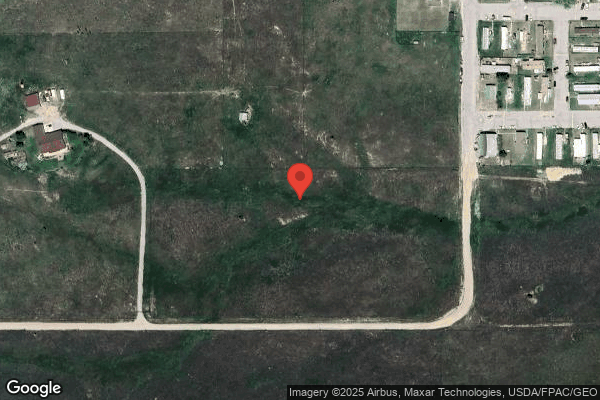

65 VETERANS CIRCLE, BUTTE, MT 59701 (406) 792-3100
For profit - Limited Liability company 60 Beds EDURO HEALTHCARE Data: November 2025
Trust Grade
78/100
#7 of 59 in MT
Last Inspection: June 2025

Inspected within the last 6 months. Data reflects current conditions.

Overview

The Southwest Montana Veterans Home has a Trust Grade of B, indicating it is a good option for families seeking care, though it is not without its concerns. Ranking #7 out of 59 facilities in Montana places it in the top half, and #2 out of 4 in Silver Bow County means there is only one better local choice. However, the facility is experiencing a worsening trend, with issues increasing from 3 in 2024 to 9 in 2025. Staffing is a strength, rated 5 out of 5 stars with a turnover rate of 36%, which is significantly better than the state average. On a concerning note, the home has faced $9,126 in fines, indicating some compliance issues. Additionally, the facility has more RN coverage than 98% of Montana facilities, which enhances care quality. Specific incidents noted include failure to properly manage a resident’s severe pain, as well as not ensuring that psychotropic medications were appropriately administered according to residents' documented conditions. While there are strengths in staffing and RN coverage, the increase in issues and specific care management failures raise red flags for families considering this facility for their loved ones.

Trust Score
B
78/100
In Montana
#7/59
Top 11%
Safety Record
Moderate
Needs review
Inspections
Getting Worse
3 → 9 violations
Staff Stability
○ Average
36% turnover. Near Montana's 48% average. Typical for the industry.
Penalties
⚠ Watch
$9,126 in fines. Higher than 95% of Montana facilities. Major compliance failures.
Skilled Nurses
✓ Good
Each resident gets 126 minutes of Registered Nurse (RN) attention daily — more than 97% of Montana nursing homes. RNs are the most trained staff who catch health problems before they become serious.
Violations
⚠ Watch
18 deficiencies on record. Higher than average. Multiple issues found across inspections.
★★★★★
5.0
Overall Rating
★★★★★
5.0
Staff Levels
★★★☆☆
3.0
Care Quality
★★★★☆
4.0
Inspection Score
Stable
2024: 3 issues
2025: 9 issues

The Good

  • 5-Star Staffing Rating · Excellent nurse staffing levels
  • No fines on record
  • Staff turnover below average (36%)

    12 points below Montana average of 48%

Facility shows strength in staffing levels.

The Bad

Staff Turnover: 36%

10pts below Montana avg (46%)

Typical for the industry

Federal Fines: $9,126

Below median ($33,413)

Minor penalties assessed

Chain: EDURO HEALTHCARE

Part of a multi-facility chain

Ask about local staffing decisions and management

The Ugly 18 deficiencies on record

1 actual harm
Jun 2025 9 deficiencies
CONCERN (D)

Potential for Harm - no one hurt, but risky conditions existed

Comprehensive Care Plan (Tag F0656)

Could have caused harm · This affected 1 resident

Based on interview and record review, the facility failed to ensure there was an updated care plan pertaining to trauma informed care for 1 (#32) of 13 sampled residents. The resident had ongoing nigh...

Read full inspector narrative →
Based on interview and record review, the facility failed to ensure there was an updated care plan pertaining to trauma informed care for 1 (#32) of 13 sampled residents. The resident had ongoing nightmares and unpleasant memories, and he did not like talking about his time in the war, so he kept to himself. Findings include: Review of resident #32's Care Plan, with a revision date of 3/27/25, showed: Special Instructions . Trauma Triggers: Loud noises/events potentially increase risk of emotional lability and anxiousness. Interventions: Encourage/assist in establishing and maintaining normal/baseline routines and introduce any necessary change through communication and knowledge with (#32). Assist in noise reduction as possible. The care plan did not specifically address (with a focus, goal, and intervention) resident #32's PTSD or trauma concerning his time in the Vietnam War other than the special instructions shown above. During an interview on 6/16/25 at 2:03 p.m., resident #32 stated he currently had nightmares and many unpleasant memories from his past about the Vietnam War. He stated he had been a prisoner of war for eight years and had escaped twice during that time. During an interview on 6/18/25 at 4:15 p.m., resident #32 stated he did not like to talk with the other residents as they had always brought up the war, and this brought back tough memories for him. Resident #32 stated this was why he often liked to be in his room alone, and he did not participate in group activities. Review of a facility document, titled Care Planning - Interdisciplinary Team, not dated, showed: Our facility's Care Planning/Interdisciplinary Team is responsible for the development of an individualized comprehensive care plan for each resident.
CONCERN (D)

Potential for Harm - no one hurt, but risky conditions existed

ADL Care (Tag F0677)

Could have caused harm · This affected 1 resident

Based on observation, interview, and record review, the facility failed to ensure ADL oral care was offered and performed for 1 (#30) resident out of 13 sampled residents. The resident was dependent o...

Read full inspector narrative →
Based on observation, interview, and record review, the facility failed to ensure ADL oral care was offered and performed for 1 (#30) resident out of 13 sampled residents. The resident was dependent on the help of staff, and he had noticeable halitosis when conversing, due to the lack of oral care. Findings include: During an observation and interview on 6/16/25 at 1:52 p.m., resident #30 stated staff would sometimes help him with brushing his teeth. During close interactions, there was a noticeable unpleasant odor to resident #30's breath. Resident #30 stated he did not have any dental problems or pain in his mouth. During an interview on 6/17/25 at 10:48 a.m., resident #30's breath had an unpleasant odor when this surveyor leaned in close to the resident. Resident #30 stated he had brushed his teeth himself that morning. During an interview on 6/18/25 at 11:35 a.m., staff member N stated resident #30 was more dependent than some staff realized. Staff member N stated staff had to help get him dressed this morning because he had two shirts on. Staff member N stated they noticed resident #30's halitosis as well that day. Review of resident #30's EHR showed the task, Oral Hygiene, and resident #30 was documented to be independent 26 out of the past 30 days. Review of resident #30's EHR showed under the medical diagnoses, Need For Assistance With Personal Care, dated 3/4/25; and Cognitive Communication Deficit, dated 7/6/23.
CONCERN (D)

Potential for Harm - no one hurt, but risky conditions existed

Incontinence Care (Tag F0690)

Could have caused harm · This affected 1 resident

Based on interview and record review, the facility failed to ensure prompt treatment of a urinary tract infection for 1 (#49) of 13 sampled residents which resulted in the infection being untreated fo...

Read full inspector narrative →
Based on interview and record review, the facility failed to ensure prompt treatment of a urinary tract infection for 1 (#49) of 13 sampled residents which resulted in the infection being untreated for a week after symptoms started. Findings include: Review of resident #49's nursing progress notes, dated 6/2/25, showed he had an elevated temperature of 101 degrees Farenheit. The provider ordered a CBC and urine culture to be sent to the hospital. Review of resident #49's urine culture, with a final result dated 6/4/25, was positive for infection. The antibiotic susceptibilities showed three medications the bacteria was sensitive to and one to which it was resistant. Review of resident #49's Medication Administration Record, dated June 2025, showed the resident was not started on an antibiotic until 6/9/25, five days after his urine culture results were received, and one week after symptoms began. During an interview on 6/18/25 at 2:00 p.m., staff member C stated the urinalysis results were received on a Sunday, and the provider on call was unable to see the results in the EHR system, or get them faxed. Staff member C stated the resident's infection results fell through the cracks. They had since completed education with nursing to make sure results were promptly addressed and antibiotics were started without delay.
CONCERN (D)

Potential for Harm - no one hurt, but risky conditions existed

Deficiency F0742 (Tag F0742)

Could have caused harm · This affected 1 resident

Based on interview and record review, the facility failed to ensure 1 (#32) resident of 13 sampled residents had the appropriate treatment and services for PTSD to allow the resident to attain his hig...

Read full inspector narrative →
Based on interview and record review, the facility failed to ensure 1 (#32) resident of 13 sampled residents had the appropriate treatment and services for PTSD to allow the resident to attain his highest practicable mental well-being. This had the potential to affect other residents with similar PTSD concerns who did not frequently verbalize their concerns. Findings include: Review of resident #32's EHR showed a medical diagnosis of PTSD. During an interview on 6/16/25 at 2:03 p.m., resident #32 stated he had been a prisoner of war for eight years during the Vietnam War, and he had escaped twice during his time. He described many memories of his past during this conversation. One instance when he had escaped, a bullet flew between his legs. He stated he had been captured again, told he would not escape, and was put in isolation from that point going forward. Resident #32 stated he had shot many people and stated he should have shot more. Resident #32 stated he often had nightmares currently, as well as in the past. He stated in the past he accidentally choked his wife while he was sleeping. He stated he recently asked his wife to stay the night at the facility, but he stated she refused, and she did not feel safe sleeping so close to him. He stated he had never seen a psychiatrist or psychologist about his PTSD. He stated he used to speak with a family member in the past about his struggles, and this family member had told him he should see someone (mental health professional) regarding the PTSD. Resident #32 stated he used to love dogs, but he has not had the love in his heart to have a dog since the war. Resident #32 was apprehensive about seeing a psychiatrist or psychologist, but stated he did not mind speaking about it on a one to one level. During an interview on 6/18/25 at 4:15 p.m., resident #32 answered the following questions to the facility's Trauma Assessment, and each response was assigned a numerical meaning, which is noted in the parentheses: - 1. Repeated, disturbing dreams of a stressful experience from the past? Resident #32 stated, 4 (quite a bit). - 2. Feeling very upset when something reminded you of a stressful experience from the past? Resident #32 stated, 5 (extremely). - 3. Avoided activities or situations because they reminded you of a stressful experience from the past? Resident #32 stated, 4 (quite a bit). Resident #32 also stated he did not like to participate with the other residents as they always wanted to talk about the war and it brought up old memories for resident #32. - 4. Feeling distant or cut off from other people? Resident #32 stated, 1 (not at all). - 5. Feeling irritable or having angry outbursts? Resident #32 stated, 2 (a little bit). - 6. Difficulty Concentrating? Resident #32 stated, 4 (quite a bit). Review of the previous facility Trauma Assessments (3/26/24, 6/26/24, 7/11/24, 9/25/24, 1/10/25, 3/5/25) showed resident #32 did not answer any of these questions above a level 3, showing an increase in the frequency of some areas. Review of resident #32's Care Plan, with a revision date of 3/27/25, showed no area where PTSD or trauma was addressed with a focus, goal and interventions for staff to be able to utilize, or interventions to identify his triggers or ways to assist him if he was triggered. Review of a facility document, titled Trauma Informed Care, revised 12/2016, showed, It is the policy of our facility to provide care and services which, in addition to meeting professional standards, are delivered using approaches which are culturally-competent, account for experiences and preferences, and address the needs of trauma survivors by minimizing triggers and/or re-traumatization.
CONCERN (D)

Potential for Harm - no one hurt, but risky conditions existed

Infection Control (Tag F0880)

Could have caused harm · This affected 1 resident

Based on observation, interview, and record review, the facility failed to ensure contact precautions were followed for 1 (#13) of 13 sampled residents. This had the potential to result in the transmi...

Read full inspector narrative →
Based on observation, interview, and record review, the facility failed to ensure contact precautions were followed for 1 (#13) of 13 sampled residents. This had the potential to result in the transmission of microorganisms from resident to resident. Findings include: During an observation on 6/16/25 at 11:20 a.m., staff member P transferred resident #13 from his wheelchair, to his recliner, in his room. Resident #13's door had two signs posted: Enhanced Barrier Precautions and Contact Precautions. Staff member P was not wearing a gown or gloves while transferring resident #13. Staff member P had walked into resident #13's bathroom to grab a washcloth for the resident's face, touching the bathroom door handle on the way. Staff member P also touched resident #13's water container. When staff member P was leaving resident #13's room, the staff member grabbed their backpack off of the floor, did hand hygiene with hand sanitizer, and left resident #13's room. During an observation on 6/16/25 at 11:32 a.m., staff member O walked into resident #13's room without donning a gown or gloves to get the resident for lunch. Staff member O stated they were unsure why the resident had been on contact precautions. During an interview on 6/16/25 at 11:39 a.m., staff member J stated they were unsure of the proper precautions at this time, but staff member C was coming to help assist with any additional questions. Shortly after, staff member C arrived, and staff member C stated resident #13 was on contact precautions because of an infection called Tinea (fungal infection), located on his arms. Staff member C stated the resident was supposed to wear sleeves at all times to prevent the spread of the disease, in addition to all staff wearing proper PPE, and following the infection control signage posted on the doors. Review of resident #13's physician order, started 5/13/25, showed, Contact Precautions: To prevent the spread of Tinea Cruris, also known as jock itch, it is essential to follow specific contact precautions. This fungal infection predominantly affects the skin in the groin area and can be highly contagious through direct skin-to-skin contact or by sharing personal items. Review of facility policy, titled Isolation - Categories of Transmission-Based Precautions, last revised 1/2012 showed: . implement Contact Precautions for residents known or suspected to be infected with microorganisms that can be transmitted by direct contact with the resident or indirect contact with environmental surfaces .
CONCERN (D)

Potential for Harm - no one hurt, but risky conditions existed

Safe Environment (Tag F0921)

Could have caused harm · This affected 1 resident

Based on observation, interview, and record review, the facility failed to ensure biohazardous waste was stored properly (i.e.: biohazardous waste bags properly stored in the boxes, sealed with a punc...

Read full inspector narrative →
Based on observation, interview, and record review, the facility failed to ensure biohazardous waste was stored properly (i.e.: biohazardous waste bags properly stored in the boxes, sealed with a puncture-resistant lid to prevent the attraction of insects or animals). This had the potential to result in a spread of disease or contamination; or an accidental poke of a needle if handled or disposed of improperly. Findings include: During an interview on 6/18/25 at 2:50 p.m., staff member S stated they were unsure where the red biohazard bags were disposed of but stated the CNAs knew where to dispose of the materials at the end of the day. During an interview and observation on 6/18/25 at 3:00 p.m., staff member R showed the biohazardous waste was disposed of in a locked shed near the garage. Upon observation, there were approximately eight biohazard cardboard boxes stacked, two of which were still open and not full. There were approximately eight biohazard bags that were also stacked on top of one another in the back left corner of the shed and not located in a box. The entire biohazardous waste area had a unpleasant odor once the door had been opened. The shed did not contain an area where a staff member could use hand hygiene after disposing or handling the biohazardous waste. The shed containing the biohazardous waste was observed to be full and there were boxes towards the front of the shed. During an interview on 6/19/25 at 8:12 a.m., staff member Q stated they were unsure how often the company would come to pick up and dispose of the biohazardous waste. They stated they thought it was every month or every two months, but stated they would find out. Staff member Q stated the biohazardous waste was not secured or boxed every night to ensure the bags were not lying on the ground. Staff member Q stated they were responsible for ensuring the bags were placed in the boxes and stated they recently ran out of cardboard boxes, but an order was placed. Staff member Q stated when it rained the boxes in the front of the shed could get wet so they would try to ensure the boxes were far enough back to prevent this from happening. Review of the CDC recommendations showed Medical wastes requiring storage should be kept in labeled, leak-proof, puncture-resistant containers under conditions that minimize or prevent foul odors. The storage area should be well ventilated and be inaccessible to pests (Centers for Disease Control and Prevention, 2024). Review of a facility policy, titled Medical Waste Storage, revised 5/2012, showed: . 5. Medical wastes meeting this criteria will be maintained at the following location(s): picked up once a month or PRN . 6. Medical wastes must be stored so that it is protected from animals and does not provide a food source for insects or rodents. Review of a facility policy, titled Medical Waste - Preparing for Pickup, revised 5/2012, showed: 1. Individuals cleaning up medical waste generated by this facility will place it in a container or combination of containers that are rigid and leak resistant, impervious to moisture, strong enough to prevent tearing or bursting under normal handling, and securely sealed. 3. Individuals who handle blood or body fluids will pour them into a container resistant to breaking and equipped with a tightly fitting lid or stopper. Review of a facility policy, titled Medical Waste Containers, revised 5/2012, showed: 1. Medical waste containers should be located throughout the facility and treatment areas must be kept covered at all times. Bibliography: Centers for Disease Control and Prevention. (2024, January 4). Regulated Medical Waste. Retrieved from Centers for Disease Control and Prevention: https://www.cdc.gov/infection-control/hcp/environmental-control/regulated-medical-waste.html
CONCERN (E)

Potential for Harm - no one hurt, but risky conditions existed

Deficiency F0605 (Tag F0605)

Could have caused harm · This affected multiple residents

Based on interview and record review, the facility failed to ensure psychotropic medications were used to treat a residents' specific, diagnosed, and documented condition for 2 (#s 14 & 36); and faile...

Read full inspector narrative →
Based on interview and record review, the facility failed to ensure psychotropic medications were used to treat a residents' specific, diagnosed, and documented condition for 2 (#s 14 & 36); and failed to obtain a GDR signed by the prescribing doctor for five psychotropic medications for 1 (#23) of 13 sampled residents. This deficient practice failed to ensure the medication dosages were either clinically appropriate or a potential dose reduction was clinically contraindicated for the resident. Findings include: 1. Review of resident #14's original medication order, dated 4/1/25, showed Quetiapine Fumarate 200 mg, Give 1 tablet by mouth one time a day for Mental disorder. [sic] Review of resident #14's updated medication order, dated 4/2/25, showed Quetiapine Fumarate 200 mg, Give 1 tablet by mouth one time a day for bipolar depression. During an interview on 6/18/25 at 3:39 p.m., staff member M stated the resident's bipolar diagnosis was related to his Seroquel [Quetiapine Fumarate] medication order. During an interview on 6/18/25 at 3:52 p.m., staff member L stated they were sure the bipolar diagnosis was somewhere in the resident's past medical history and would have to go through all of the records, but getting records from the [Facility Name] could be challenging. Review of resident #14's H&P, requested 6/18/25, failed to show a past medical history diagnosis of bipolar disorder. During an interview on 6/19/25 at 8:26 a.m., staff member A stated they had done an ad hoc QAPI on their processes and spoke with the provider regarding resident diagnoses and medications. Review of resident #14's nursing progress notes, dated 6/18/25, showed the IDT had met and discussed the resident's diagnoses and relevant DSM-5 criteria for symptoms in relation to his medications and mental health treatment. The resident's diagnoses, medications, and PASRR were updated. 2. Review of resident #36's original medication order, dated 11/15/24, showed Risperdal 0.5 mg, One time a day for dementia and anxiety. Review of resident #36's updated medication order, dated 1/9/25, showed Risperdal 0.5 mg, One time a day for bi-polar disorder. Review of resident #36's consent for use of psychoactive medication therapy form, dated 11/15/24, showed the indication for use as dementia/anxiety. Review of resident #36's H&P, requested 6/18/25, failed to show a past medical history diagnosis of bipolar disorder. During an interview on 6/18/25 at 3:39 p.m., staff member M stated the resident's bipolar diagnosis was related to her medication order. Review of resident #36's nursing progress notes, dated 6/18/25, showed the IDT had met and discussed the resident's diagnoses and relevant DSM-5 criteria for symptoms in relation to her medications and mental health treatment. The resident's diagnoses, medications, and PASRR were updated. 3. During an interview on 6/18/25 at 3:48 p.m., staff member I stated resident #23 had been on psychotropic medications for a long time, and if the medications were listed on the MAR, then she gives them. Staff member I stated nurses were not involved when, or if, medications get reviewed for possible dose reductions. During an interview on 6/18/25 at 3:58 p.m., staff member C stated the pharmacist monitored when GDRs were needed and would make recommendations to the doctor for needed changes. Review of a facility document used for GDRs, titled, Consultant Pharmacist Recommendations to Prescriber, page 2 of 14, signed by staff member E, with date of 11/5/24, unsigned by the Physician/Prescriber, reflected the following: .The resident has been taking the following medication without a GDR. Clozapine 250 mg Taking 1 tablet at bedtime since 10/2021 Clonazepam 1 mg Taking 1 tablet at bedtime since 11/2021 Escitalopram 10 mg Taking 1 tablet once daily since 10/2021 Trazodone 50 mg Taking 1 tablet once daily since 7/2022 Hydroxyzine 25 mg Taking 1 tablet three times daily since 3/2022 .Physician/Prescriber Response: Agree, Disagree, or Other [All three boxes left blank/unmarked]. There was no physician signature or date. During an interview on 6/18/25 at 4:17 p.m., staff member G stated GDRs recommended by staff member E were reviewed and discussed monthly with the prescribing doctor. Staff member G stated the GDRs were not done electronically, and stated he would look for resident #23's signed GDR. Staff member G returned with one piece of paper, with no title, and it was a blank page, with page 15 of 15 in header, and a signature at the top of the blank page by staff member D. Review of a facility document titled, Tapering Medications and Gradual Drug Dose Reduction, Copyright 2021, [company name] (Revised April 2007), reflected the following: .Residents who use antipsychotic drugs shall receive gradual dose reductions . .the facility shall attempt a GDR at least annually .
CONCERN (E)

Potential for Harm - no one hurt, but risky conditions existed

PASARR Coordination (Tag F0644)

Could have caused harm · This affected multiple residents

Based on interview and record review, the facility failed to ensure a PASRR Level II was completed for 1 (#32), and failed to ensure the residents' mental health diagnoses, for which they received psy...

Read full inspector narrative →
Based on interview and record review, the facility failed to ensure a PASRR Level II was completed for 1 (#32), and failed to ensure the residents' mental health diagnoses, for which they received psychotropic medication, were included on the PASRR for 2 (#s 14 & 36) of 13 sampled residents. Findings include: 1. Review of resident #14's PASRR, dated 4/1/25, showed the diagnoses of: chronic respiratory failure, unspecified mental disorder, post-traumatic stress disorder, and depression unspecified. Bipolar disorder was not listed. Review of resident #14's medication order, dated 4/2/25, showed Quetiapine Fumarate 200 mg, give 1 tablet by mouth one time a day for bipolar depression. 2. Review of resident #36's PASRR, dated 10/30/24, showed the diagnoses of: depression unspecified, cognitive communication deficit, fracture, and unspecified lack of coordination. Bipolar disorder was not listed. Review of resident #36's medication order, dated 1/9/25, showed Risperdal 0.5 mg, one time a day for bi-polar disorder. During an interview on 6/19/25 at 8:26 a.m., staff member A stated they had resubmitted PASRRs for both resident #14 and #36 after evaluating their diagnoses and mental health services with the provider. 3. Review of resident #32's Level I PASRR was completed on 1/10/25. Review of resident #32's EHR showed a medical diagnosis of Major Depressive Disorder on 2/25/25. Review of resident #32's EHR showed a Level II PASRR was not completed after resident #32's Major Depressive Disorder diagnosis. The information was requested 6/17/25 at 2:52 p.m. During an interview on 6/18/25 at 3:28 p.m., staff member B stated the facility had reached out to [entity name] after the diagnosis had been made, and [entity name] had told the facility no Level II PASRR was needed. Staff member B stated this conversation had not been documented. Staff member B stated after the mental health diagnosis was made, the facility should have resubmitted a Level I PASRR.
CONCERN (E)

Potential for Harm - no one hurt, but risky conditions existed

Deficiency F0700 (Tag F0700)

Could have caused harm · This affected multiple residents

Based on observations, interviews, and record review, the facility failed to obtain physician orders, informed consents, signed statements of understandings, or develop a standardized process, includi...

Read full inspector narrative →
Based on observations, interviews, and record review, the facility failed to obtain physician orders, informed consents, signed statements of understandings, or develop a standardized process, including terminology, for the use of bed rails for 5 (#s 5, 23, 24, 33, and 41) of 13 sampled residents. Findings include: 1. During an observation on 6/16/25 at 11:10 a.m., bed rails were noted on both sides of resident #5's bed. Review of the Care Plan Report for resident #5, with an initiation date of 4/21/24, showed: Bed canes to enable bed mobility. Review of the resident #5's electronic medical record did not show physician orders or consents for bed rails. 2. During an observation on 6/16/25 at 10:27 a.m., bed rails were noted on both sides of resident #23's bed. Review of the Care Plan Report for resident #23, with an initiation date of 3/2/22, showed: Assist rails to aid in repositioning. Review of the resident #23's electronic medical record did not show physician orders or consents for bed rails. 3. During an observation on 6/16/25 at 11:13 a.m., bed rails were noted on both sides of resident #24's bed. Review of the Care Plan Report for resident #24, with an initiation date of 7/29/21, showed: bilateral bed canes for improved independence for bed mobility/repositioning and cares. Review of the resident #24's electronic medical record did not show physician orders or consents for bed rails. 4. During an observation on 6/16/25 at 10:44 a.m., bed rails were noted on both sides of resident #33's bed. Review of the Care Plan Report for resident #33, with an initiation date of 5/15/25, showed: [Resident #33] to have bilateral quarter bed rails to facilitate bed mobility and transfers. Review of the resident #33's electronic medical record did not show physician orders or consents for bed rails. 5. During an observation on 6/16/25 at 11:07 a.m., bed rails were noted on both sides of resident #41's bed. Review of the Care Plan Report for resident #41, with an initiation date of 4/18/25, showed: [Resident #41] to have bilateral quarter rails to facilitate bed positioning, bed mobility and transfers. Review of the resident #41's electronic medical record did not show physician orders or consents for bed rails. During an interview on 6/17/25 at 4:33 p.m., staff member J stated consents and orders were needed for side rails. During an interview on 6/17/25 at 4:39 p.m., staff member C stated orders were needed for bed rails, but she was not sure if consents were needed. During an interview and record review on 6/18/25 at 8:21 a.m., staff member F showed this surveyor a blank form titled, Restraints: Side Rail Utilization Assessment, and stated, staff member K fills out the side rail form for every resident that needs side rails. During an interview on 6/18/25 at 2:42 p.m., staff member K stated he had residents sign a paper consent when they received bed rails. Staff member K stated he could do a better job with getting signatures for consents. Staff member K stated, I put orders into PCC after I do the assessments. During an interview on 6/18/25 at 4:32 p.m., staff member G stated the facility did not use side rails or bed rails because they were considered a restraint. Staff member G stated the facility only used bed canes for repositioning. Staff member G stated bed canes were all one specific size and only installed at the very top of the beds near the resident's head, not on the side of the beds. Staff member G stated since the facility did not use bed rails, consents were not needed. During an interview on 6/19/25 at 7:38 a.m., staff member H stated she would call bed rails either partial bed rails or side canes. Staff member H stated the facility only used two different types of bed rails, and both were never installed high up at the top of the beds, only on the sides. Staff member H stated it was confusing because there were so many names the facility used for bed rails, but Regardless of what they are called, a physician order and consent was needed. During an interview on 6/19/25 at 8:03 a.m., staff member A stated she was aware of the issue with staff calling bed rails and bed canes different things, but a signed consent was necessary regardless of what they were called. Staff member A was not aware there were no physician orders, signed consents, or statements of understandings for resident #s 5, 23, 24, 33, and 41. Staff member A stated all staff were going to receive education on the bed cane process, including what they were to call them next week. Staff member A stated the facility would stop using the document titled, Restraints: Side Rail Utilization Assessments, physical therapy was currently using to assess residents' preferences for quarter or half side rails. Staff member A stated she was going to revamp the whole process, and start having all residents sign statements of understandings and consents moving forward. A request was made on 6/18/25 at 11:06 a.m., for signed orders, consents, and statements of understandings for the use of bed rails for resident #s 5, 23, 24, 33, and 41 from the facility. No additional documentation was provided by the end of the survey. Review of a facility document, titled, Restraints: Side Rail Utilization Assessment, dated 2000, preventing falls and injuries while reducing side rail use, reflected the following: .What type of side rail does resident/legal surrogate prefer? (circle choices) Full, Half or Quarter; 1 rail or 2 rails. Has the resident/legal surrogate been informed about side rail risks and signed the statement of understanding? . Review of a facility document, titled, Proper Use of Side Rails, dated Qtr 3, 2022, showed the following: .Consent for side rails use will be obtained from the resident or legal representative, after presenting potential benefits and risks .
Jun 2024 3 deficiencies
CONCERN (D)

Potential for Harm - no one hurt, but risky conditions existed

Resident Rights (Tag F0550)

Could have caused harm · This affected 1 resident

**NOTE- TERMS IN BRACKETS HAVE BEEN EDITED TO PROTECT CONFIDENTIALITY** Based on interview, observation, and record review, the facility failed to allow the POA and decision-maker of the resident to m...

Read full inspector narrative →
**NOTE- TERMS IN BRACKETS HAVE BEEN EDITED TO PROTECT CONFIDENTIALITY** Based on interview, observation, and record review, the facility failed to allow the POA and decision-maker of the resident to make food preference requests that followed the physician orders, dietary preferences, and swallowing precautions for 1 (#15) of 17 residents. Findings include: During an interview on 6/4/24 at 9:50 a.m., NF1 stated she brought in extra food to provide more nutrition and prevent weight loss for her family member, resident #15. NF1 stated the food brought in was pureed and followed the diet prescribed by the physician. NF1 stated, It seemed that he really liked them because he would eat them quickly. NF1 stated the food was sometimes located in squeeze packets, and some of the staff members considered it to be a dignity issue. Due to the concern for dignity, staff would refuse to let NF1 give the squeeze packets to resident #15. NF1 stated staff had expressed concern that the packets may have looked childlike or very colorful, like they were for children. NF1 stated, I even purposely bought the squeeze packets that said for adults on the back of the package. With tears of frustration, NF1 stated, I know what he likes; and he eats it! So, what's the big deal? These are store bought items that anyone could eat. What's the difference? Review of resident #15's physician orders showed a diet: controlled carbohydrate, pureed texture, thin consistency. Review of resident #15's Care Plan, initiated on 3/18/24, showed: Family aware not to provide [#15's name] with plastic pouches to eat food out of. During an interview on 6/5/24 at 11:25 a.m., staff member B stated resident #15 had delayed oral motor function and was on a pureed diet. Staff member B stated, Personally and professionally, I do not see it (squeeze packages) as an issue. Staff member B stated, there was no risk of choking with these packages as they were either liquid or pureed. Staff member B stated NF1 was the only one who gave resident #15 the food pouches, and often it was in his room where no one could see. Staff member B stated she would not be embarrassed drinking one of those packages in the main dining room, in front of the surveyor, or in front of other staff members. During an interview on 6/5/24 at 11:39 a.m., staff member D stated, the squeeze packages for resident #15 were not needed and were viewed as a supplement because he was given his main sources of nutrition from the facility kitchen. Staff member D stated drinking out of the food packages would not embarrass her if she were drinking it in a public area. During an interview on 6/5/24 at 12:36 p.m., staff member E stated, NF1 was dedicated to resident #15 and really wanted to help. Staff member E stated, In [NF1]'s eyes, nutrition equals health. And when you think of these residents, food is one of the 'last pleasures in life.' Staff member E stated, I don't see this as a dignity issue. The drinks add extra nutrition; he's progressed in his dementia where he really wants the sweet foods, so he really drinks these (squeeze package foods) up and does not really refuse these (squeeze package foods). We always try our food of course, but he may not always eat it. Staff member E stated, This even went as far as us (staff) asking the psychiatrist if it was a dignity issue, which he said it wasn't. He said dignity issues are subjective. When asked if staff member E would feel uncomfortable or embarrassed eating the squeeze package foods in front of someone, staff member E stated, No, I would not. Of course not. I have eaten them at lunch before. My daughter eats these too. During an observation on 6/5/24 at 1:12 p.m., resident #15 was observed to have numerous squeeze package foods in his room. One squeeze package food labeled Organic Beef Medley contained the following macronutritents: 2.5g of total fat, 9g of carbohydrates, 4g of protein. The following ingredients were in this package: water, organic carrots, organic potatoes, organic ground beef, organic parsnip puree, organic diced tomaoes, organic rutabaga puree, organic onions, organic [NAME]. The outside of the packaging was adult focused. It had a white background with pictures of realistic vegetables and cubes of beef on the front cover. No childlike colors were located on this specific packaging.
CONCERN (D)

Potential for Harm - no one hurt, but risky conditions existed

PASARR Coordination (Tag F0644)

Could have caused harm · This affected 1 resident

Based on interview and record review, the facility failed to ensure a mental health diagnosis was included in a resident's admission PASARR assessment for 1 (#21) of 17 sampled residents. Findings inc...

Read full inspector narrative →
Based on interview and record review, the facility failed to ensure a mental health diagnosis was included in a resident's admission PASARR assessment for 1 (#21) of 17 sampled residents. Findings include: During an interview on 6/5/24 at 9:46 a.m., staff member C stated resident #21's diagnosis of bipolar disorder did appear to be dated back to his admission in 2021, but it was not listed as a diagnosis on the H&P that was submitted for his admission PASARR. Staff member C stated it depended on the situation, but typically if a resident was later diagnosed with a mental health diagnosis by their telepsych provider they would submit for a new PASARR evaluation. Review of resident #21's PASARR, dated 10/26/21, listed chronic obstructive pulmonary disease, post-traumatic stress disorder, and dependence on supplemental oxygen, as the resident diagnoses for the level 1 evaluation. There was no mention of bipolar disorder. Review of resident #21's Quarterly MDS, with and ARD of 1/13/24, Section I Active Diagnosis, showed the resident was identified as having a psychiatric illness: bipolar. Review of resident #21's [Psychiatric Provider Name] Initial Evaluation, dated 2/8/23, showed he had a background of Bipolar Unspecified. Review of resident #21's care plan, initiation date 4/4/24, showed: [Resident name] is at risk for alterations in mood and behavior r/t Bipolar . He is prescribed antipsychotic medication.
CONCERN (D) 📢 Someone Reported This

A family member, employee, or ombudsman was alarmed enough to file a formal complaint

Potential for Harm - no one hurt, but risky conditions existed

Accident Prevention (Tag F0689)

Could have caused harm · This affected 1 resident

Based on interview, observation, and record review, the facility failed to have a consistent process, evaluation, and management of the check-out process for allowing residents to leave the facility d...

Read full inspector narrative →
Based on interview, observation, and record review, the facility failed to have a consistent process, evaluation, and management of the check-out process for allowing residents to leave the facility doors based on cognitive level, physical level, elopement risk, and wandering behavior, for 1 (#194) of 17 sampled residents, and this could increase risk of accidents or harm for any other residents exiting the facility, unattended, without signing out. Findings include: Review of a facility reported event, dated 9/30/23 at 1:00 p.m., showed resident #194 exited the facility on his scooter and went to an [outside facility store] which was located 0.3 miles away without notifying staff. Resident #194 returned to the facility without incident, and the facility reminded the resident and POA of the facility policy for leaving the facility, which was to sign out and notify staff. Review of resident #194's Elopement Assessment, dated 10/2/23, completed after the incident on 9/30/23, showed resident #194 to have wandering behaviors, to have wandered/eloped from their home without supervision prior to admission, to be cognitively impaired with poor decision-making skills, to have a history of leaving the facility without notifying staff, and was a risk for elopement. Review of the Resident Sign-Out Log showed: resident #194 signed himself out to go to an [outside facility store] that was located 0.3 miles away on 10/21/23. During an interview on 6/4/24 at 8:57 a.m., staff member F stated, They (residents) should tell us if they are leaving, and most do, but not always. During an interview on 6/4/24, staff member F stated the doors on Cottages 1, 2, and 3 were not locked for residents exiting the building. This could allow any of the residents who were elopement and at risk for wandering to freely exit the facility if not watched by staff. During an observation on 06/4/24 at 9:00 a.m., Cottage 1 was unlocked to go outside. During an interview on 6/4/24 at 3:53 p.m., staff member G stated each resident must tell the nurse if they are leaving the building, even to sit outside for a few minutes. Staff member G stated the residents always tell her and will never go outside without her permission. During an observation on 6/4/24 at 4:05 p.m., Cottage 2 was unlocked to go outside. During an interview on 6/4/24 at 4:08 p.m., staff member F stated resident #194, Had been on all kinds of narcotics (at the time of the facility reported incident). Review of resident #194's EHR showed the following medications were administered prior to resident #194 exiting the building on 9/30/23: - Fentanyl patch 72 hour 12 mcg/hr had currently been on as it was placed on 9/29/23 at 2:36 p.m. - Lorazepam Oral Concentrate 2 mg/ml (0.25 mL) given at 9/30/23 at 7:00 a.m. - Pregabalin 150 mg given on 9/30/23 at 8:00 a.m. - Morphine 0.5 ml given on 9/30/23 at 9:05 a.m. and 12:01 p.m. - Morphine Oral Tab 15 mg on 9/30/23 at 9:24 a.m. During an interview on 6/5/24 at 12:36 p.m., staff member E stated, she had worked in all the cottages. Staff member E stated even if they were in Cottage 1, the residents still should be treated like they were in Cottage 4 (as far as safety), as each resident had a spectrum of abilities. Staff member E stated, sometimes these residents forget where they are or may forget their capabilities and weaknesses. Staff member E stated there have been multiple times where she, and the only other staff member on the floor, could get stuck in a room for several minutes due to a Hoyer lift. This could leave an opportunity for a resident to go out of the door who may not be safe outside, unattended. Staff member E stated there were many reasons why a resident would be unsafe outside alone. Staff member E stated a resident may fall, may have dementia, may have hypoglycemia, a medication effect, dizziness, or a new prosthesis that could affect a resident's safety outside alone. Staff member E stated there is a balance between allowing independence and safety, but she stated she feels there may be another option that would make her feel more comfortable regarding resident safety when she is unable to watch the doors all the time. A request was made on 6/5/24 at 3:21 p.m., for a list of residents that were allowed to self-check-out of the facility. Staff member A stated the facility did not have a list of approved residents allowed to self-check-out at this time.
May 2023 6 deficiencies 1 Harm
SERIOUS (G)

Actual Harm - a resident was hurt due to facility failures

Deficiency F0697 (Tag F0697)

A resident was harmed · This affected 1 resident

Based on observation, interview, and record review, the facility staff failed to effectively identify, treat, and reassess the effectiveness of pain management, for 1 (#8) of 9 residents. Findings inc...

Read full inspector narrative →
Based on observation, interview, and record review, the facility staff failed to effectively identify, treat, and reassess the effectiveness of pain management, for 1 (#8) of 9 residents. Findings include: During an interview on 5/9/23 at 7:58 a.m., staff member K stated resident #8 had, Frequent headaches since his fall a couple of months ago. Staff member K stated resident #8 had a muscle relaxer and Norco (for pain), and it seemed like the headaches were coming from the resident's neck. During an observation and interview on 5/9/23 at 3:52 p.m., resident #8 was in bed with blankets over his head, and his knees were pulled up to his abdomen. Resident #8 pulled his blanket down when addressed and had a distressed look on his face (scowling and frown). Resident #8 stated his neck hurts all the time, and now I've been stuck in this bed since the fall the other day, so I can't get up without help. Resident #8 stated his back and left shoulder are hurt, pain is a ten! The resident stated staff gave him pills, but he did not think the facility was, doing a damn thing for my pain, it's like they are trying to trick me with candy. Resident #8 stated, It does no good to tell those people (tell staff about his pain), I tell them all the time, and they do not listen, so I just suffer. Resident #8 was able to clearly convey the description and locations of his pain. During an interview on 5/9/23 at 3:55 p.m., this surveyor notified staff member K of resident #8's statement of 10/10 pain. Staff member K stated she assessed resident #8 using the FACES scale (non-verbal facial expression scale), and since he was sleeping, she had not given resident #8 any pain medications. Staff member K stated the resident had no had pain medication since the evening prior. Staff member K stated, If he was consistently complaining of pain, I would call for x-rays, but he is a 'woe is me type.' He just likes to complain but is not consistent, so I just document pain based off observation. During an observation and interview on 5/9/23 at 4:03 p.m., staff member J had just left resident #8's room. Staff member J stated, He (resident #8) declined physical and occupational therapy services for his fall, and stated, he's in a lot of pain. He also has some mental health and depression issues. [Resident #8] had a significant decline since January, but waxed and waned over the last year. During an interview on 5/9/23 at 4:35 p.m., staff member A was notified of resident #8's pain report. Staff member A stated he would immediately address resident #8's pain and re-educate staff member K on pain management. During an interview on 5/9/23 at 4:58 p.m., staff member A stated he addressed resident #8's pain, and tramadol was ordered for resident #8's pain. Staff member A stated resident #8 was being sent to the emergency room for x-rays and scans, to check for injuries related to the fall, on 5/7/23. During an interview on 5/10/23 at 10:05 a.m., resident #8 stated, Nothing changes, pain will never end, pain is a 5 or 6 (of 10 being the worst). Resident #8 stated the hospital told him the x-rays showed he had sprained his neck, arm, and shoulder. During an interview on 5/10/23 at 10:12 a.m., staff member K stated she had just given resident #8 pain medication and was waiting for it to kick in (medication to take effect). During an interview and observation on 5/11/23 at 7:35 a.m., resident #8 was in bed. Resident #8 stated he was still in a lot of pain in his left hip, shoulders, and neck. When asked how severe his pain was, using a number scale between 1 and 10, with 10 being the worst, resident #8 stated, I am not using that stupid scale anymore, I'm in A LOT (loudly) of pain. Resident #8 was grimacing with minimal movement while lying in bed. A review of resident #8's medication administration record, dated May 2023, reflected an order placed on 5/10/23 for tramadol 50 mg (milligram): Give 1 tablet by mouth every 8 hours as needed for moderate to severe pain for 5 days with a start date of 05/10/2023 at 08:45 a.m. Zero doses had been given as of 5/11/23 at 8:05 a.m. A review of resident #8's vitals record, Pain level summary, dated 5/7/23 to 5/10/23, showed facility staff failed to monitor the resident's pain after the fall on 5/7/23. During an interview on 5/11/23 at 8:08 a.m., staff member A reported the medication (for pain) had not arrived for resident #8 due to a wet signature (handwritten signature on a hard copy of a document) was needed and then there were pharmacy issues. Staff member A stated the facility did not have electronic signature capabilities at this time. Staff member A stated, there was nothing more he could do until he could get a wet signature on the tramadol order. Staff member A acknowledged the wet signatures were an area of concern the facility was working on to address. During an interview on 5/11/23 at 10:27 a.m., staff member G stated, No one made me aware that the tramadol was not being given all this week. I expect orders to be carried out immediately or at least told when that cannot happen. Staff member G acknowledged the resident's x-rays and scan at the emergency room (on the evening of 5/8/23) showed bulging disks from resident #8's neck to his lumbar, and the bulging disks would be cause for his significant pain. Staff member G stated, I just saw him moments ago and have changed his orders to a fentanyl patch and Oxycontin IR to help his pain until the patch gets into his system. I checked, and those medications are available onsite, so he can get them immediately. During an interview on 5/11/23 at 11:15 a.m., staff member A stated resident #8 received new orders, and medications were being administered immediately. Staff member A stated he understood the pain management failure for resident #8. The facility staff failed to adequately address resident #8's pain for four days while waiting on the medication order wet signature and pharmacy delays. A review of the facility's policy, Pain assessment and management, dated Qtr 3, 2018, reflected, The purposes of this procedure are to help the staff identify pain in the resident, and to develop interventions that are consistent with the resident's goals and needs and that address the underlying causes of pain. .Monitoring and Modifying Approaches: - 1. Reevaluate the resident's pain and consequences of pain at least each shift for acute pain or significant changes in levels of chronic pain at least weekly in stable chronic pain. - 2. Monitor the following factors to determine if the resident's pain is being adequately controlled: - a. The resident's response to interventions and level of comfort over time .
CONCERN (D)

Potential for Harm - no one hurt, but risky conditions existed

Pharmacy Services (Tag F0755)

Could have caused harm · This affected 1 resident

Based on observation, interview, and record review, facility staff failed to sufficiently address a resident's pain for four days due to a facility process failure related to medication orders requiri...

Read full inspector narrative →
Based on observation, interview, and record review, facility staff failed to sufficiently address a resident's pain for four days due to a facility process failure related to medication orders requiring wet signatures, notification to the physician, and pharmacy delays, for 1 (#8) of 1 sampled resident. Findings include: During an observation and interview on 5/9/23 at 3:52 p.m., resident #8 stated his neck, hurts all the time and now I've been stuck in this bed since the fall the other day so I can't get up without help. My back and left shoulder are hurt, pain is a ten! They give me pills but I don't think they are doing a damn thing for my pain, it's like they are trying to trick me with candy. Resident #8 stated, It does no good to tell those people (staff), I tell them all the time and they do not listen, so I just suffer. A review of resident #8's medication administration record, dated May 2023, reflected an order placed on 5/10/23 for tramadol 50mg: Give 1 tablet by mouth every 8 hours as needed for moderate to severe pain for 5 days with a start date of 5/10/2023 at 8:45 a.m. Zero doses had been given as of 5/11/23 at 8:05 a.m. During an interview on 5/11/23 at 8:08 a.m., staff member A stated the pharmacy required a wet signature before they would send narcotics to the facility. Staff member A said the facility had problems with electronic physician signatures. Staff member A stated on-call physicians were not local and could be anywhere in the country, so the facility struggled to get wet signatures. Staff member A stated the physician and nurse practitioner are not in facility every day either, so they wait to get the signatures. Staff member A stated the facility did not have a back-up plan in place to get the required physician's wet signature in urgent situations. Staff member A said the solution was to send the resident to the emergency room for a prescription with a wet signature. Staff member B stated the physicians did not have a copy of what was available onsite and could not get narcotics without the required wet signature. In addition, the pharmacy was located out of state, and medications were mailed to the facility. During an interview on 5/11/23 at 10:27 a.m., staff member G stated, No one made me aware that the tramadol was not being given all this week. I expect orders to be carried out immediately or at least told when that cannot happen. Refer to F697 Pain Management for more detail on the resident's pain.
CONCERN (D)

Potential for Harm - no one hurt, but risky conditions existed

Medication Errors (Tag F0758)

Could have caused harm · This affected 1 resident

Based on observation, interview, and record review, the facility failed to address, and ensure, an acceptable diagnosis and indication for the use of an antipsychotic medication were in place and docu...

Read full inspector narrative →
Based on observation, interview, and record review, the facility failed to address, and ensure, an acceptable diagnosis and indication for the use of an antipsychotic medication were in place and documented in the resident's medical record, for 1 (#30) of 5 sampled resident. Findings include: During an observation on 5/8/23 at 10:47 a.m., resident #30 was sleeping in his bed. During an observation on 5/8/23 at 12:45 p.m., resident #30 was observed sleeping in bed. During an interview on 5/8/23 at 12:50 p.m., staff member P stated that resident #30 often sleeps until after lunch, and then stays up late at night. Staff member P stated resident #30 was often resistant to personal care assistance and could be stubborn. During an interview on 5/9/23 at 1:44 p.m., resident #30 was pleasant and conversational, but was oriented only to name. Review of resident #30's medical record showed resident #30's diagnosis was listed as F03.90, Unspecified dementia, unspecified severity, without behavioral disturbance, psychotic disturbance, mood disturbance, and anxiety. Review of resident #30's medication administration record (MAR), showed the following order, dated 2/15/23, Zyprexa (Olanzapine) Oral Tablet 2.5mg (milligram) one tablet by mouth at bedtime for MOOD DISORDER. The medication administration was initiated on 2/15/23. The facility document titled CONSENT FOR USE OF PSYCHOACTIVE MEDICATION THERAPY was signed by the resident's POA on 2/21/23 and listed the specific condition to be treated as Mood Disorder with Psychotic Features. The document listed a psychiatrist as the attending physician on 2/21/23. Resident #30's medical record showed the psychiatrist's initial visit with the resident was not until 3/10/23. Review of resident #30's MAR, dated March 2023, showed the Zyprexa dose was increased to 5 mg by mouth one time daily on 3/9/23. On 3/27/23, the Zyprexa dose was again increased to 5 mg by mouth twice daily. The reasoning for the medication's use was listed as MOOD DISORDER on the resident's medication administration record. There was no reasoning on the orders or in resident #30's progress notes which specified a rationale for the increased dosages. Review of resident #30's care plan, initiated on 3/28/23, showed On antipsychotic medication due to dementia with behavioral symptoms . Review of resident #30's progress notes, showed multiple alert charting note entries which included the following statement: Reason for alert charting: Zyprexa for behaviors. Review of most recent Food and Drug Administration (FDA) approved prescribing information, retrieved from FDA.gov on 5/13/23, included the following information: Zyprexa (olanzapine) is an FDA approved atypical antipsychotic for the: Treatment of schizophrenia and acute treatment of manic or mixed episodes associated with bipolar I disorder. An FDA black box warning is listed on the Zyprexa prescribing information including the following information: Elderly patients with dementia-related psychosis treated with antipsychotic drugs are at an increased risk of death. Zyprexa is not approved for the treatment of patients with dementia-related psychosis. Resident #30's medical diagnoses did not include FDA-approved indications for the use of Zyprexa, and the dose was increased two additional times, without a documented rationale or an acceptable indication, or a diagnosis noted in the medical record.
CONCERN (D)

Potential for Harm - no one hurt, but risky conditions existed

Deficiency F0813 (Tag F0813)

Could have caused harm · This affected 1 resident

Based on observation, interview, and record review, facility staff failed to assist a resident in safely storing food brought into the facility, and stored in a refrigerator in a resident's room, if t...

Read full inspector narrative →
Based on observation, interview, and record review, facility staff failed to assist a resident in safely storing food brought into the facility, and stored in a refrigerator in a resident's room, if the resident was not able to do so on his own; and, help the resident to understand safe food handling practices, for 1 (#15) for 9 sampled residents. Findings include: During an observation and interview on 5/8/23 at 11:10 a.m., resident #15 had a moldy block of cheese in his refrigerator, and the refrigerator temperature was at 48 degrees Fahrenheit. Resident #15 had bandages covering both feet and legs, and stated he was unable to walk at this time due to wounds on his feet. Resident #15 stated he could not clean the refrigerator due to his inability to walk. Resident #15 stated no one had talked to him about safe food handling. Resident #15 stated his family lived more than two hours away and could not asisst in caring for refrigerator. During an interview on 5/9/23 at 11:55 a.m., staff member L stated he was not aware resident was storing food in his room for late night snacks, and he was not aware of the personal refrigerator in the resident's room. Staff member L stated the facility policy was that residents and families were responsible for their refrigerators. Staff member L stated he did not know who would maintain resident refrigerators when a resident or family member could no longer do so. Staff member L stated, regardless, residents and family members were responsible for maintaining residents' personal refrigerators. A review of resident #15's dietary care plan, revised on 2/17/22, identified no dietary preferences, the personal refrigerator in resident #15's room, or the dry food stored in resident #15's room. A review of the facility's admission packet, page 10, dated 01/01/2022, reflected: . Food: Any non-perishable food kept in a room must be in an air-tight container. All perishable food must be disposed of daily . A review of the facility policy, Refrigerators and freezers, revised 5/2022, reflected: . 1. Acceptable temperature ranges are 35 degrees Fahrenheit to 40 degrees Fahrenheit for facility refrigerators .
CONCERN (E)

Potential for Harm - no one hurt, but risky conditions existed

Deficiency F0657 (Tag F0657)

Could have caused harm · This affected multiple residents

4. During an interview on 5/9/23 at 1:44 p.m., resident #30 was pleasant and conversational, but was oriented only to name. Review of resident #30's medical record showed cognitive diagnoses includin...

Read full inspector narrative →
4. During an interview on 5/9/23 at 1:44 p.m., resident #30 was pleasant and conversational, but was oriented only to name. Review of resident #30's medical record showed cognitive diagnoses including: attention and concentration deficit following unspecified cerebrovascular disease, memory deficit following unspecified cerebrovascular disease, disorientation, and dementia. Review of resident #30's medical record, from 12/08/22 to 5/10/23, showed resident #30 had 17 falls without injury. Review of resident #30's fall care plan, date initiated 11/22/21, showed: - 5/3/22, Educate for proper sitting when in wheelchair, feet flat on floor, with residents backside properly positioned to the backside seat of the chair. - 12/22/22, Fall on 12/22/22- [Resident name] fell out of bed with no injuries. He has a new air flow mattress. Mattress was evaluated by PT and found to be in good working condition. [Resident name] was educated to position self in middle of mattress and not near edge. - 2/18/23, Encourage [resident name] to call for assistance when needing to pick something up off floor. Does not use his reacher. He was educated on the risk of falling if trying to obtain items himself. - 3/6/23, [Resident name] has vivid dreams and has rolled out of bed related to active dreaming. Educate and encourage him on proper sleep hygiene- room dark, no screen time an hour before bed, no caffeine before bed, and breathing exercises to relax body and mind. The facility failed to address resident #30's cognitive deficits when implementing fall interventions, and limitations the cognitive deficits may contribute to the repeated falls. Review of the facility's policy, Care Planning-Interdisciplinary Team Policy, dated Qtr 3, 2022, reflected, Our facility's Care Planning/Interdisciplinary Team is responsible for the development of an individualized comprehensive care plan for each resident. 2. During an interview on 5/8/23 at 10:54 a.m., resident #15 stated, I need more activities that are my interests. Resident #15 stated, The one activity we get is usually childish games. Resident #15 stated he did not think the staff listened to what he was interested in, and he just stayed in his room. During an interview on 5/9/23 at 3:14 p.m., staff member H stated, I do not fill in (complete) care plans, and no one has trained me to do any care planning (related to activities). Review of resident #15's activity care plan, revised on 1/2/23, failed to identify the resident's preferences for individual or group activities. 3. During an observation and interview on 5/9/23 at 9:01 a.m., resident #36 stated, I like to snack a lot so I have to keep snacks in my room, so I can eat during the night. I like snacks well after kitchen staff leave, and then they (nurses) do not have stuff to eat. Resident #36 stated he received food to take to dialysis, but the food cannot be eaten at dialysis, so he had to eat on the bus. It was observed resident #36 had a refrigerator with facility food in it, including plates of deserts, sandwiches, and various snacks. Resident #36 had boxes of dry goods, including snack crackers and canned food, in a box, on the floor, under the refrigerator. During an interview on 5/9/23 at 11:55 a.m., staff member L stated the kitchen did provide lunches for dialysis residents to take to dialysis, and he was aware the resident could not eat at dialysis. Staff member L stated he was not aware multiple residents were storing food in their rooms for late night snacks. Staff member L stated there was a snack cart made each night, so the nurses could get snacks for the residents, or the nurses could go make the residents a sandwich, if needed. The non-dietary staff could not use microwaves so they could only offer cold items. A review of resident #36's dietary care plan, revised on 2/17/22, failed to show food preferences, dietary needs for dialysis, and snacks for late night consumption as requested by resident #36. Resident #36's care plan did not address the refrigerator in his room, or the dry food stored in his room. Based on observation, interview and record review, facility staff failed to update individualized care plans to show current focus areas, goals, and interventions to address the focus areas, for 4 (#s 3, 15, 30, and 36) of 12 sampled residents. Findings include: 1. During an interview on 5/9/23 at 9:45 a.m., NF2 said she had brought resident #3's scooter from home. NF2 said resident #3 had hearing aids, but he had not been wearing them because he was missing the charging base. NF2 said resident #3 was pretty hard of hearing. Review of resident #3's admission MDS (minimum data set), with an ARD (assessment reference date) of 9/12/22, showed the resident had difficulty hearing, and did not have hearing aids. Review of resident #3's Quarterly MDS, with an ARD of 3/12/23, showed the resident had difficulty hearing, and did not have hearing aids. Review of resident #3's hearing care plan, date initiated 12/2/22, showed a focus of the resident as having a hearing deficit. The interventions for this focus area failed to identify resident #3's hearing aids. Review of resident #3's care plan, not dated, failed to show a focus, goals, or interventions for the use of his electric scooter. During an interview on 5/11/23 at 10:35 a.m., staff member F said resident #3 was assessed by the therapy department on the use and safety of his electric scooter. During an interview on 5/11/23 at 11:01 a.m., staff member E said resident #3's hearing aid should be on his care plan. Staff member E said resident #3's electric scooter should have a focus, goals, and interventions for its' use.
CONCERN (E)

Potential for Harm - no one hurt, but risky conditions existed

Deficiency F0679 (Tag F0679)

Could have caused harm · This affected multiple residents

Based on interview, and record review, facility staff failed to implement a resident-centered activity program, which incorporated the resident's individualized interests, hobbies, and cultural prefer...

Read full inspector narrative →
Based on interview, and record review, facility staff failed to implement a resident-centered activity program, which incorporated the resident's individualized interests, hobbies, and cultural preferences, for 2 (#s 8 and 15) of 9 sampled residents. Findings include: 1. During an interview on 5/8/23 at 10:54 a.m., resident #15 stated, I need more activities that are my interests. Resident #15 stated the activities were, usually childish games. Resident #15 stated he did not think the staff listened to what he was interested in, so he stayed in his room. 2. During an interview on 5/9/23 at 3:52 p.m., resident #8 stated, I am no longer able to go to activities due to my pain, and no one would get me up and take me to activities anyway. During an interview on 5/9/23 at 3:14 p.m., staff member H stated, Bingo was in cottage two, weather was bad, so I adjust to whatever they want to play, sometimes corn hole and sometimes it is ladder toss. Staff member H stated the facility was working to hire another (activity) assistant. Staff member H stated, coffee talk (on the activities schedule) was when the residents could talk to her. Staff member H stated she had only been at the facility since March (2023), and was trying some one-on-one time to build relationships with the residents. Staff member H stated, My new aide just started Monday. I want to get them (residents) out more, but it is just me. I (staff member H) want to take them to the mall, bowling, etc. I really got no training, so I am learning as I go. All my time is on one-to-one, and the one activity a day. Staff member H stated, I would like to say I talk to everyone every day, but it is not possible. I see some every day and try to get to others when I can. During an interview on 5/10/23 at 1:15 p.m., staff member I stated physical therapy and occupational therapy helped with activities, if the activities could be part of therapy. Examples given included: dressing and getting them (residents) to activities, helping with an activity if it applied to therapy goals, and participated with the Friday group activity. Therapy staff were not onsite to assist in any activities on weekends. Staff member I was aware staff member H had been doing activities in one cottage only each day. During an interview on 5/10/23 at 1:28 p.m., staff member H reiterated she had only been doing an activity in one cottage each day. Staff member H said she was having residents come to one cottage to participate during the month of May (2023). During an interview on 5/10/23 at 2:00 p.m., with staff member A, physical and occupational therapy notes, related to the therapy department's participation in their assistance with activities, was requested. No documentation was received prior to the end of the survey. A review of the facility's Activities calendar, dated May 2023, reflected one activity each day, and three days each week the activity was in one cottage, through 5/24/23. Coffee Talk/Chronicle was listed each day. The coffee talk/chronicle was the only activity listed on weekends, until 5/21/23.
Understanding Severity Codes (click to expand)
Life-Threatening (Immediate Jeopardy)
J - Isolated K - Pattern L - Widespread
Actual Harm
G - Isolated H - Pattern I - Widespread
Potential for Harm
D - Isolated E - Pattern F - Widespread
No Harm (Minor)
A - Isolated B - Pattern C - Widespread

Questions to Ask on Your Visit

  • "Can I speak with families of current residents?"
  • "What's your RN coverage like on weekends and overnight?"

Our Honest Assessment

Strengths
  • • 36% turnover. Below Montana's 48% average. Good staff retention means consistent care.
Concerns
  • • 18 deficiencies on record, including 1 serious (caused harm) violation. Ask about corrective actions taken.
Bottom line: Generally positive indicators. Standard due diligence and a personal visit recommended.

About This Facility

What is Southwest Montana Veterans Home's CMS Rating?

CMS assigns SOUTHWEST MONTANA VETERANS HOME an overall rating of 5 out of 5 stars, which is considered much above average nationally. Within Montana, this rating places the facility higher than 99% of the state's 100 nursing homes. This rating reflects solid performance across the metrics CMS uses to evaluate nursing home quality.

How is Southwest Montana Veterans Home Staffed?

CMS rates SOUTHWEST MONTANA VETERANS HOME's staffing level at 5 out of 5 stars, which is much above average compared to other nursing homes. Staff turnover is 36%, compared to the Montana average of 46%. This relatively stable workforce can support continuity of care.

What Have Inspectors Found at Southwest Montana Veterans Home?

State health inspectors documented 18 deficiencies at SOUTHWEST MONTANA VETERANS HOME during 2023 to 2025. These included: 1 that caused actual resident harm and 17 with potential for harm. Deficiencies causing actual harm indicate documented cases where residents experienced negative health consequences.
Who Owns and Operates Southwest Montana Veterans Home?

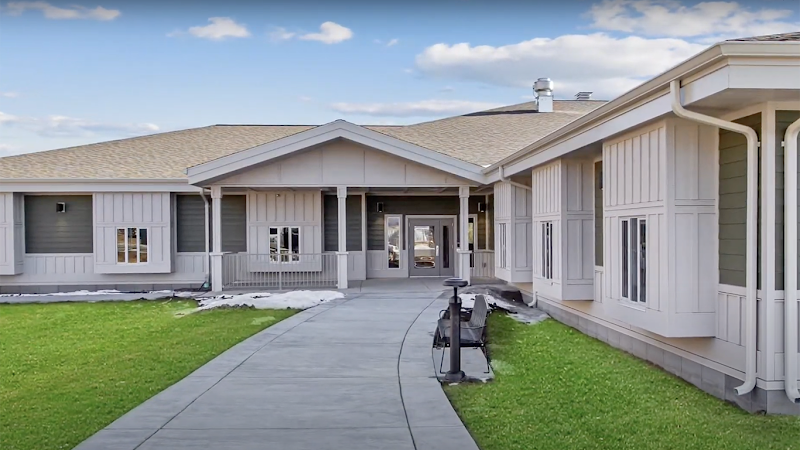
SOUTHWEST MONTANA VETERANS HOME is owned by a for-profit company. For-profit facilities operate as businesses with obligations to shareholders or private owners. The facility is operated by EDURO HEALTHCARE, a chain that manages multiple nursing homes. With 60 certified beds and approximately 48 residents (about 80% occupancy), it is a smaller facility located in BUTTE, Montana.
How Does Southwest Montana Veterans Home Compare to Other Montana Nursing Homes?

Compared to the 100 nursing homes in Montana, SOUTHWEST MONTANA VETERANS HOME's overall rating (5 stars) is above the state average of 3.0, staff turnover (36%) is significantly lower than the state average of 46%, and health inspection rating (4 stars) is above the national benchmark.

What Should Families Ask When Visiting Southwest Montana Veterans Home?

Based on this facility's data, families visiting should ask: "Can I visit during a mealtime to observe dining assistance and food quality?" "How do you handle medical emergencies, and what is your hospital transfer rate?" "Can I speak with family members of current residents about their experience?"

Is Southwest Montana Veterans Home Safe?

Based on CMS inspection data, SOUTHWEST MONTANA VETERANS HOME has a clean safety record: no substantiated abuse findings (meaning no confirmed cases of resident harm), no Immediate Jeopardy citations (the most serious violation level indicating risk of serious injury or death), and is not on the Special Focus Facility watch list (a federal program monitoring the lowest-performing 1% of nursing homes). The facility has a 5-star overall rating and ranks #1 of 100 nursing homes in Montana. While no facility is perfect, families should still ask about staff-to-resident ratios and recent inspection results during their visit.

Do Nurses at Southwest Montana Veterans Home Stick Around?

SOUTHWEST MONTANA VETERANS HOME has a staff turnover rate of 36%, which is about average for Montana nursing homes (state average: 46%). Moderate turnover is common in nursing homes, but families should still ask about staff tenure and how the facility maintains care continuity when employees leave.

Was Southwest Montana Veterans Home Ever Fined?

SOUTHWEST MONTANA VETERANS HOME has been fined $9,126 across 1 penalty action. This is below the Montana average of $33,170. While any fine indicates a compliance issue, fines under $50,000 are relatively common and typically reflect isolated problems that were subsequently corrected. Families should ask what specific issues led to these fines and confirm they've been resolved.

Is Southwest Montana Veterans Home on Any Federal Watch List?

SOUTHWEST MONTANA VETERANS HOME is not on any federal watch list. The most significant is the Special Focus Facility (SFF) program, which identifies the bottom 1% of nursing homes nationally based on persistent, serious quality problems. Not being on this list means the facility has avoided the pattern of deficiencies that triggers enhanced federal oversight. This is a positive indicator, though families should still review the facility's inspection history directly.