COPPER RIDGE HEALTH AND REHABILITATION CENTER
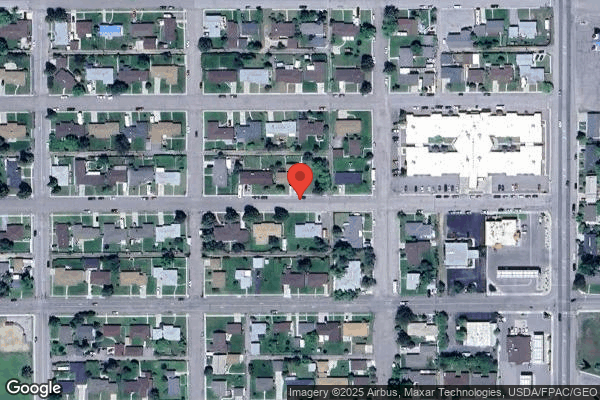

3251 NETTIE ST, BUTTE, MT 59701 (406) 723-3225
For profit - Corporation 186 Beds EDURO HEALTHCARE Data: November 2025
Trust Grade
43/100
#26 of 59 in MT
Last Inspection: April 2025

Within standard 12-15 month inspection cycle. Federal law requires annual inspections.

Overview

Copper Ridge Health and Rehabilitation Center has a Trust Grade of D, indicating below-average performance and some concerns regarding resident care. It ranks #26 out of 59 facilities in Montana, placing it in the top half statewide, but it is last in Silver Bow County at #4 out of 4. The facility has shown an improving trend, with issues decreasing from 9 in 2024 to 8 in 2025, and staffing is a strength with a turnover rate of 34%, which is significantly better than the state average of 55%. However, the center has faced concerning incidents, including serious failures in administering enteral tube feedings, leading to a resident’s decline and hospitalization, and the development of avoidable pressure ulcers due to insufficient repositioning. While there are some strengths, such as staffing stability, families should carefully consider these serious issues when evaluating care options.

Trust Score
D
43/100
In Montana
#26/59
Top 44%
Safety Record
High Risk
Review needed
Inspections
Getting Better
9 → 8 violations
Staff Stability
○ Average
34% turnover. Near Montana's 48% average. Typical for the industry.
Penalties
✓ Good
$19,464 in fines. Lower than most Montana facilities. Relatively clean record.
Skilled Nurses
✓ Good
Each resident gets 43 minutes of Registered Nurse (RN) attention daily — more than average for Montana. RNs are trained to catch health problems early.
Violations
⚠ Watch
27 deficiencies on record. Higher than average. Multiple issues found across inspections.
★★★☆☆
3.0
Overall Rating
★★★☆☆
3.0
Staff Levels
★★★☆☆
3.0
Care Quality
★★★☆☆
3.0
Inspection Score
Stable
2024: 9 issues
2025: 8 issues

The Good

  • Full Sprinkler Coverage · Fire safety systems throughout facility
  • No fines on record
  • Staff turnover below average (34%)

    14 points below Montana average of 48%

Facility shows strength in fire safety.

The Bad

3-Star Overall Rating

Near Montana average (3.0)

Meets federal standards, typical of most facilities

Staff Turnover: 34%

12pts below Montana avg (46%)

Typical for the industry

Federal Fines: $19,464

Below median ($33,413)

Minor penalties assessed

Chain: EDURO HEALTHCARE

Part of a multi-facility chain

Ask about local staffing decisions and management

The Ugly 27 deficiencies on record

3 actual harm
Apr 2025 3 deficiencies
CONCERN (D)

Potential for Harm - no one hurt, but risky conditions existed

Safe Environment (Tag F0584)

Could have caused harm · This affected 1 resident

2. During an observation on 4/7/25 at 10:19 a.m., there was a thick brown substance smeared on the commode seat, smeared on the handrail next to the toilet, and on the roll of toilet paper next to the...

Read full inspector narrative →
2. During an observation on 4/7/25 at 10:19 a.m., there was a thick brown substance smeared on the commode seat, smeared on the handrail next to the toilet, and on the roll of toilet paper next to the toilet. There was a sticky substance spilled on the floor next to the bed and a plastic urinal full of a yellow substance on the bedside table. During an observation and interview on 4/8/25 at 9:14 a.m., resident #57 stated, They (housekeeping staff) come in and clean every day or so. I know the bathroom is a mess. It bothers me, but they (staff) will get to it. The bathroom still had a thick brown substance smeared on the commode seat and on the handrail next to the toilet. There was still a sticky substance spilled on the floor next to the bed and a full urinal on the bedside table. During an observation and interview on 4/8/25 at 3:48 p.m., resident #57 stated, They (staff) have not been in yet to clean. A thick brown substance was still on the commode seat and on the handrail next to the toilet. During an interview on 4/9/25 at 9:11 a.m., staff member N stated, We (staff) have a daily routine we follow while cleaning the rooms . The bathrooms should be cleaned daily, but I have been on another hall for a while, and staffing can be hit and miss. I'm not sure about this hall and if the bathrooms have been cleaned thoroughly. Review of a facility document titled, Daily Resident Room Cleaning, undated, showed: .8. Toilet W/Cloroxtoilet cleaner and wand or green scrubbie. 9. Wipe down all handrails and door nobs w/T. E. T or lemon cleaner. [sic] Review of a facility document titled, Toilet Care, undated, showed: Purpose: Daily cleaning of toilets for basic sanitary conditions. Control of bacteria and odor. 5. Wipe down entire toilet with Clorox disinfectant. Based on observation, interview, and record review, the facility failed to maintain areas of the building in need of repair for 3 (#s 11, 19, and 27) of 22 sampled residents; and, failed to maintain a clean environment related to housekeeping services, for 1 (#57) of 22 sampled residents. Residents were concerned about lack of repairs and unclean areas identified. Findings include: 1. Wall repairs a. During an observation and interview, on 4/7/25 at 12:30 p.m., resident #19's room had 13 circular shaped holes, approximately one centimeter each in diameter, in the wall next to a grab bar. Resident #19 stated she told staff member M a while ago, I guess he just forgot, it would be nice if he fixed it soon, someday I guess he will. b. During an observation and interview on 4/8/25 at 10:08 a.m., in resident #11's room, there was long vertical jagged gouges, in the wall and above the head of her bed, all approximately twelve to twenty inches in length and one inch in width. Resident #11 stated, My wall has been really banged up for a while. I'm not sure if there are plans to fix it. c. During an observation on 4/7/25 at 10:21 a.m., in resident #27's room, there was an area of wall damage, approximately two feet tall by two inches wide, with the plaster and paint missing. The baseboards below the damaged wall were hanging from the wall, at the corners, appearing to have come unglued from the wall. During an interview on 4/8/25 at 9:53 a.m., staff member L stated the wall gouges in resident #11's room was from having the bed pushed up against the wall repeatedly. Staff member L stated she would normally put room repairs needed in a maintenance log, but had not done so yet. During an interview on 4/8/25 at 11:16 a.m., staff member K stated for room repairs she would fill out a request on the computer. Staff member K stated it took a long time to enter information into the computer, it was easier to just ask staff member M if he could do a room repair. Staff member K did not inform staff member M or enter into the computer needed wall repairs for residents #11 or #19. During an interview on 4/8/25 at 1:25 p.m., staff member J stated for room repairs she would tell staff member M or let the Director of Nursing know what needed fixed. During an interview on 4/8/25 at 1:30 p.m., staff member A stated the Direct Supply TELS electronic system was used for maintenance requests. Staff member A stated any employee could log in and enter a maintenance request. Staff member A stated there were no work orders in the TELS system for resident #11 or #19 for needed wall repairs. During an interview on 4/8/25 at 8:11 a.m., staff member M stated he would find out about resident room repairs needed from the TELS system. Staff member M stated he was not aware of the wall repairs needed for residents #s 11, 19, and 27 until yesterday. Staff member M stated he fixed all three walls yesterday after finding out they needed repairs. Review of the facility's policy titled, Maintenance Inspection, dated 2025, showed, Policy: It is the policy of this facility to utilize a maintenance inspection checklist in order to assure a safe, functional, sanitary, and comfortable environment for residents .
CONCERN (E) 📢 Someone Reported This

A family member, employee, or ombudsman was alarmed enough to file a formal complaint

Potential for Harm - no one hurt, but risky conditions existed

Accident Prevention (Tag F0689)

Could have caused harm · This affected multiple residents

Based on observations, interviews, and record reviews, the facility staff failed to ensure each resident had access to call lights for 4 (#s 16, 24, 49, and 54); and failed to prevent elopements for 1...

Read full inspector narrative →
Based on observations, interviews, and record reviews, the facility staff failed to ensure each resident had access to call lights for 4 (#s 16, 24, 49, and 54); and failed to prevent elopements for 1 (#54) of 22 sampled residents. These deficient practices placed residents at risk of falls, injuries, elopements, or a negative outcome if a medical crisis occurred, and the resident could not call for assistance. Findings include: 1. Call lights not in reach a. During an observation on 4/7/25 at 10:00 a.m., resident #16 was attempting to access his call light. Resident #16 had left-sided weakness from a stroke and was unable to maneuver his wheelchair to the call light hanging off the wall tied to his bed. Resident #16 continued to attempt to reach his call light for three minutes and then called for help by yelling at a staff member walking by. b. During an observation and interview on 4/7/25 at 2:29 p.m., resident #24 stated he needed help, and no one would help him. Resident #24 stated, I can't breathe. Resident #24's call light was not within reach. This surveyor pushed the call button for the resident, and staff member H arrived and assessed resident #24. c. During an observation and interview on 4/7/25 at 1:14 p.m., resident #49 stated she fell this morning. Resident #49 stated she fell because she did not call for help before getting up from bed. Resident #49 pointed to the signs around her room reminding her to call for help before getting up. Resident #49's call light was not in reach to use for calling for assistance. d. During an observation on 4/7/25 at 10:37 a.m., resident #54 was walking around in his room looking for something with the door closed. Resident #54 was unable to verbalize his needs. The call light was wound up in a circle and taped to the wall. The call light was not able to be pulled to call for help. During an interview on 4/7/25 at 10:47 a.m., staff member F stated resident #54's call light should be in reach and the door should be partially open so the staff could keep an eye on him. Staff member F stated she did not know who taped the call light to the wall. During an interview on 4/9/25 at 1:16 p.m., staff member A stated the facility did not have a policy related to call lights. 2. Elopement Risk a. During an observation on 4/7/25 at 10:37 a.m., resident #54 was walking around in his room looking for something with the door closed. During an observation on 4/8/25 at 12:01 p.m., resident #54 was wandering the hallway and exit seeking, pushing on the door to exit the building. Staff member O redirected resident away from the door and resident #54 continued to walk. At 12:11 p.m., resident #54 was attempting to enter other resident's rooms. At 12:21 p.m., resident #54 entered another resident's room requiring redirection from staff. During an observation on 4/9/25 at 7:23 a.m., resident #54 was up walking alone in the hallways, unsupervised. No staff members were present on the unit to observe resident #54 while he walked. Staff members were in rooms, providing care to other residents. During an observation on 4/9/25 at 1:32 p.m., resident #54 was in his room with the door closed. During an interview on 4/9/25 at 1:41 p.m., staff member F stated resident #54's door should be open so the staff could see him. Staff member F stated she did not know why the door was closed. During an interview on 4/9/25 at 1:45 p.m., staff member I stated the CNAs should have ensured resident #54's door was open for safety. Staff member I stated resident #54 had eloped twice as far as she was aware. During an observation on 4/9/25 at 2:45 p.m., resident #54 was exiting his room carrying clothes, entered another resident's room, who was not in the room, and placed the items on the dresser. Resident #54 went over to the bed, moved the bedding around and exited the room. Resident #54 then entered another resident's room. Resident #54 exited the room and went back to his room. Resident #54 then exited his room and entered resident #56's room, moving items around on the chair and then going over to the bed and touching resident #56's leg. Resident #56 was sleeping and resident #54 started to exit as staff entered and found resident #54, redirecting him back to his room. Review of a Facility Reported Incident, dated 8/26/25, reflected, . [Resident #54] was found outside, across the street by van driver and was escorted back to the facility safely and without incident.It was found that [Resident #54] had removed the window and the screen from his private room and exited the facility by the window. [sic] Review of resident #54's EHR Nurse Progress Note, dated 3/16/25, reflected, nurse alerted by housekeeping that resident was seen outside another resident room walking on the sidewalk. housekeeping and CNA went outside front door to encourage resident to come back inside. resident was standing in parking area near main front entrance when approached. resident redirected and assisted to room, toileted and given snacks. resident continues to actively exit seek after redirection. [sic] During an interview on 4/9/25 at 11:30 a.m., staff member M stated resident #54 pulled the full window out on 8/26/25 and set it inside his room. Staff member M stated resident #54 eloped straight out the window and was a very smart man with construction work in his background. Staff member M stated resident #54 was on 15-minute checks and there was nothing to prevent him from going out a window in another resident's room. Review of resident #54's EHR attached Visual checks reflected no visual check sheets for 4/4/25 through 4/6/25. Visual Checks sheet dated 4/9/25 reflected missing checks from 12:30 p.m. to 2:00 p.m. Review of resident #54's active Nursing Care Plan, revision date 3/20/25, reflected: - . resident #54 was at risk for injury related to wandering. Interventions for this focus included 15-minute to 1:1 checks for safety and elopement risk (revised on 3/17/25). - DX of UNSPECIFIED DEMENTIA, MILD, W/AGITATION, is an elopement risk/wanderer as evidenced by impaired orientation and impaired safety awareness, decision making, and judgement(i.e., changes in behavior to include wandering, throwing away clothing, wandering into other residents rooms etc.), dining room wandering with tendencies of grabbing food off plates and grazing, undressing tendencies in public areas, urination elimination in inappropriate places, and inappropriate communication/language towards others. (revised on 3/20/25). Interventions included: Monitor for psychosocial changes, new or increase in behaviors and or agitation. 30-minute checks, 1:1 engagement/supervision. [sic] Review of the facility's policy, Elopements, dated Qrt 3, 2018, did not reflect what the process would be after the incident report was filed.
CONCERN (E)

Potential for Harm - no one hurt, but risky conditions existed

Infection Control (Tag F0880)

Could have caused harm · This affected multiple residents

Based on observation, interview, and record review, the facility failed to ensure staff were educated on policies and procedures for the use of personal protective equipment, for a resident on enhance...

Read full inspector narrative →
Based on observation, interview, and record review, the facility failed to ensure staff were educated on policies and procedures for the use of personal protective equipment, for a resident on enhanced barrier precautions, for 1 (#57) of 16 sampled residents for enhanced barrier precautions. This deficient practice increased the risk of infection for all residents related to staff not adhering to proper EBPs. Findings include: During an observation and interview on 4/7/25 at 10:22 a.m., staff member P was exiting a resident's room with trash. A sign was on the door reflecting the resident was on EBP precautions. Staff member P stated she did not know what EBP stood for or what the precautions were for the resident. Staff member P stated she was in orientation, but she was currently working the floor by herself. Staff member P stated her trainer went to lunch. During an interview on 4/9/25 at 11:24 a.m., staff member Q stated, I don't know what EBP is . I think Enhanced Barrier Precautions are used when someone has an infection or C-Diff; we (staff) would then wear a gown and gloves when we go into the residents' room. We should also use PPE if the resident has pneumonia or some other illness. During an interview on 4/9/25 at 3:27 p.m., staff member C stated the facility tried to highlight Enhanced Barrier Precautions at their annual skills fair and upon hire. Staff member C stated, I know EBP is an ongoing issue with staff. During an observation on 4/10/25 at 7:49 a.m., two unidentified staff were observed assisting resident #57 to get up from his bed. Neither of the unidentified staff were wearing PPE while assisting resident #57. There was an Enhanced Barrier Precaution sign on #57's door and PPE hanging on the back of the door. During an interview on 4/10/25 at 8:35 a.m., staff member F stated, We (staff) should wear PPE when doing catheter care and peri-care if the resident is on Enhanced Barrier Precautions. I think we are supposed to wear gowns while doing baths as well, but they get all wet, and it makes us feel like we need a shower. The gowns don't work well when doing showers . Wow, we must use PPE for all those areas of care? Review of resident #57's care plan showed: Focus: Enhanced barrier precautions r/t an indwelling medical device. Interventions: [NAME] gown and gloves during high-contact personal care activities, Enhanced Barrier Precautions . Review of a facility document titled Enhanced Barrier Precautions, dated August 2022, showed: .1. Enhanced barrier precautions (EBPs) are used as an infection prevention and control intervention to reduce the spread of multi-drug resistant organisms (MDROs) to residents. 2. EBPs employ targeted gown and glove use during high-contact resident care activities when contact precautions do not otherwise apply . 3. Examples of high-contact resident care activities requiring the use of gowns and gloves for EBPs include: a. dressing; b. bathing/showering; c. transferring; d. providing hygiene; e. changing linens; f. Changing briefs or assisting with toileting; g. device care or use (central line, urinary catheter, feeding tube, tracheostomy/ventilator, etc.); and h. wound care (any skin opening requiring a dressing) . 9. Staff are trained prior to caring for residents on EBPs. 10. Signs are posted in the door or wall outside the resident room indicating the type of precautions and PPE required . [sic]
Mar 2025 1 deficiency
CONCERN (D) 📢 Someone Reported This

A family member, employee, or ombudsman was alarmed enough to file a formal complaint

Potential for Harm - no one hurt, but risky conditions existed

Safe Environment (Tag F0584)

Could have caused harm · This affected 1 resident

Based on interview and record review, the facility failed to collect and act on admission information necessary to provide a safe, comfortable, and homelike environment accommodating a resident's phys...

Read full inspector narrative →
Based on interview and record review, the facility failed to collect and act on admission information necessary to provide a safe, comfortable, and homelike environment accommodating a resident's physical size, for 1 (#1) of 6 residents sampled. Findings include: Review of resident #1's hospital history and physical, dated 2/5/25, listed the resident's height and weight. Review of facility admission paperwork, not dated, showed a handwritten nurse handoff report between the hospital and the facility. At the top of this report showed resident #1's weight, which was 337 pounds, and a height of 6 feet and 8 inches tall. In addition, his diagnosis, code status, allergies, and medications were noted. Review of a photo, taken on 2/10/25, showed a standard resident bed, with the head of the bed tilted, at a slight downward angle. At the foot of the bed was a bench to extend the length of the bed by several feet. This bench was kept in place by a chair wedged between the edge of the bench and the wall. During an interview on 3/11/25 at 1:30 p.m., resident #1 stated they told him to sleep in the recliner in the room. When he declined, staff modified the bed present by taking the foot board off, using straps, and then the staff strapped a piano bench to the foot of the bed. They then slid the mattress down and filled in the gap at the head of the bed with pillows. During an interview on 3/11/25 at 3:15 p.m., staff member H stated the facility had a wide bed extension prepared, but not an extension piece for adding length, when the resident arrived on 2/10/25. Staff member H stated this extension was immediately fixed the next morning when maintenance arrived 2/11/25. During an interview on 3/12/25 at 8:30 a.m., staff member C stated the admission process would have gone differently had they known about the resident's uncommon height. The facility failed to have the necessary bed/equipment on hand for the resident's admission to accommodate the resident's height.
Feb 2025 4 deficiencies
CONCERN (D) 📢 Someone Reported This

A family member, employee, or ombudsman was alarmed enough to file a formal complaint

Potential for Harm - no one hurt, but risky conditions existed

Free from Abuse/Neglect (Tag F0600)

Could have caused harm · This affected 1 resident

**NOTE- TERMS IN BRACKETS HAVE BEEN EDITED TO PROTECT CONFIDENTIALITY** Based on observation, interview, and record review, a staff member removed a resident's oxygen for the provision of care, knowin...

Read full inspector narrative →
**NOTE- TERMS IN BRACKETS HAVE BEEN EDITED TO PROTECT CONFIDENTIALITY** Based on observation, interview, and record review, a staff member removed a resident's oxygen for the provision of care, knowing it was necessary to maintain the resident's oxygen levels, and the resident showed signs of signs of hypoxia prior to being placed back on the oxygen, for 1 (#5) of 5 sampled residents. Findings include: Review of a complaint made on 2/4/25 showed resident #5 was admitted to the facility on [DATE], and during the admission process the resident's oxygen was removed for a period of time while a staff member wheeled the resident down the hallway to obtain an admission weight. The complaint showed resident #5 became nauseated and vomited while his oxygen had been removed. Review of the signed and typed personal statement from staff member G, dated 1/31/25, showed: . the CNA had taken his (resident #5's) Oxygen cannula off to get his weight and brought him back to the room. The resident's family was present and then [staff member G] was called to the room because the family thought he was having a seizure. Review of a facility grievance, dated 1/31/25, showed: . Patient became hypoxic and took time to recover. Complainant remarks: I just want to ensure this doesn't happen again. During an interview on 2/24/25 at 9:03 a.m., staff member C stated they would never take a resident to get a weight without their required oxygen. During an interview on 2/24/25 at 12:13 p.m., staff member E stated they reported any concerns about neglect to their nurse. Staff member E stated the situation with resident #5 vomiting after seven liters of oxygen had been removed, was reported to staff member G on 1/31/25. Staff member E stated on 1/31/25, they were floated to another hall. Staff member E stated that day had felt busy and was a cluster. Staff member E stated they had known nothing about resident #5, but had been instructed to obtain a weight and vitals. Staff member E stated she had trouble getting an oxygen reading from the pulse oximeter for resident #5. Staff member E stated usually for an admission, the room was set up with the needed supplies (such as a portable oxygen cylinder). Staff member E stated on 1/31/25 and with resident #5's incident, the room had not been set up and there was not a portable oxygen cylinder in the room. Staff member E noticed resident #5 had originally been on five liters of oxygen with a concentrator when staff member E had first walked into the room. Staff member E stated they did go look for a portable oxygen cylinder in the clean utility storage room, but there were none. Staff member E stated this was unusual. Staff member E also stated even if they would have found a portable cylinder that day, it still would not have gone high enough for resident #5's seven liter requirement. Staff member E explained and showed the surveyor that the portable oxygen cylinders went to a maximum of six liters. Staff member E stated they were unaware of any oxygen cylinders or tanks with a regulator that could have gone up high enough to accompany for the seven liter requirement for the resident. Staff member E stated prior to this incident, they voiced knowing it was wrong to take a resident's oxygen off during cares, and felt they had been in a sticky situation. During an interview on 2/24/25 at 2:18 p.m., staff member G stated they highly discouraged taking off a resident's oxygen to do any cares for a resident. Staff member G stated they thought this was basic knowledge for all staff members in the facility. During an interview on 2/24/25 with staff member A and B at 2:38 p.m., both staff members A and B stated they did not think this was a willful act of abuse. Review of a facility policy, titled Abuse and Neglect - Clinical Protocol, dated March 2018, showed: . 2. Neglect, as defined at §483.5 means the failure of the facility, its employees or service providers to provide goods and services to a resident that are necessary to avoid physical harm, pain, mental anguish or emotional distress .
CONCERN (D) 📢 Someone Reported This

A family member, employee, or ombudsman was alarmed enough to file a formal complaint

Potential for Harm - no one hurt, but risky conditions existed

Report Alleged Abuse (Tag F0609)

Could have caused harm · This affected 1 resident

**NOTE- TERMS IN BRACKETS HAVE BEEN EDITED TO PROTECT CONFIDENTIALITY** Based on interview and record review, the facility failed to report an incident of neglect where a resident's oxygen was removed...

Read full inspector narrative →
**NOTE- TERMS IN BRACKETS HAVE BEEN EDITED TO PROTECT CONFIDENTIALITY** Based on interview and record review, the facility failed to report an incident of neglect where a resident's oxygen was removed for care, which resulted in the resident exhibiting symptoms of hypoxia during the admission process. The facility did not report the incident to the State Survey Agency within 24 hours, and failed to report a follow up investigation within 5 working days, as required, for 1 (#5) of 5 sampled residents. Findings include: Review of a complaint made on 2/4/25 showed resident #5 was admitted to the facility on [DATE], and during the admission process the resident's oxygen was removed for a period of time while a staff member wheeled the resident down the hallway to obtain an admission weight. The complaint showed resident #5 became nauseated and vomited while his oxygen had been removed. Review of the Facility Reported Events for the facility, submitted to the State Survey Agency, showed the event was not entered into the the reporting system for resident #5. During an interview on 2/24/25 at 12:13 p.m., staff member E stated they reported any concerns about neglect to their nurse. Staff member E stated the situation with resident #5 vomiting had been reported to staff member G on 1/31/25. During an interview on 2/24/25 at 1:06 p.m., staff member F stated they would first notify the physician of abuse, neglect, or misappropriation if it occurred and then notify a manager. Staff member F stated they would also call directly to the State Survey Agency if an abuse or neglect concern occurred. During an interview on 2/24/25 at 2:18 p.m., staff member G stated if they had a concern about abuse, neglect, or misappropriation, they would notify staff member A or H. Concerning the incident on 1/31/25, with resident #5's oxygen being removed. Staff member G stated they had told staff member H about the situation. During an interview on 2/24/25, with staff member A and B at 2:38 p.m., both staff members A and B stated they did not think this event needed to be reported to the State Survey Agency as it was not a willful act of abuse. Review of a facility policy, titled Abuse and Neglect - Clinical Protocol, dated March 2018, showed: . 2. Neglect, as defined at §483.5 means the failure of the facility, its employees or service providers to provide goods and services to a resident that are necessary to avoid physical harm, pain, mental anguish or emotional distress .
CONCERN (D) 📢 Someone Reported This

A family member, employee, or ombudsman was alarmed enough to file a formal complaint

Potential for Harm - no one hurt, but risky conditions existed

Deficiency F0635 (Tag F0635)

Could have caused harm · This affected 1 resident

**NOTE- TERMS IN BRACKETS HAVE BEEN EDITED TO PROTECT CONFIDENTIALITY** Based on interview and record review, the facility failed to ensure 1 (#5) of 5 sampled residents received appropriate respirato...

Read full inspector narrative →
**NOTE- TERMS IN BRACKETS HAVE BEEN EDITED TO PROTECT CONFIDENTIALITY** Based on interview and record review, the facility failed to ensure 1 (#5) of 5 sampled residents received appropriate respiratory services on admission, and failed to have physician orders and necessary equipment on hand, and staff were not aware of or educated on the resident's respiratory care needs or risks related to them, and this resulted in neglect of care when a staff member removed the resident's oxygen, and then the resident showed signs of hypoxia. Findings include: Review of a complaint made on 2/4/25 showed resident #5 was admitted to the facility on [DATE], and during the admission process the resident's oxygen was removed for a period of time while a staff member wheeled the resident down the hallway to obtain an admission weight. The complaint showed resident #5 became nauseated and vomited while his oxygen had been removed. During an interview and observation on 2/24/25 at 12:13 p.m., staff member E stated on 1/31/25, they were floated to another hall to work. Staff member E stated that day had felt busy and was a cluster. Staff member E stated they had known nothing about resident #5, but had been instructed to obtain a weight and vitals and then staff member E had trouble getting a reading on resident #5's oxygen saturation. Staff member E stated the family said this was not an uncommon problem, so staff member E tried some other interventions regarding the oxygen saturation but was unsuccessful and eventually gave up moving on to the weight. Staff member E stated usually for an admission, the room was set up with the needed supplies (such as a portable oxygen cylinder). Staff member E stated on 1/31/25 and with resident #5's incident, the room had not been set up and there was not a portable oxygen cylinder in the room. Staff member E stated they noticed resident #5 had originally been on five liters of oxygen when staff member E had first walked into the room. Staff member E stated they knew resident #5 required seven liters of oxygen. Staff member E stated they did go look for a portable oxygen cylinder in the clean utility storage room, but there were none. Staff member E stated this was unusual. Staff member E then stated even if they would have found a portable oxygen cylinder that day it still would not have gone high enough for resident #5's seven liter oxygen requirement. Staff member E demonstrated with a portable oxygen cylinder to show the maximum was six liters. Staff member E stated they were unaware of any oxygen cylinders or tanks with a regulator that could have gone up high enough to accompany for the seven liter requirement for resident #5. Staff member E stated they had taken off resident #5's oxygen for a few minutes while the weight was obtained because they felt they had been in a sticky situation. During an interview on 2/24/25 at 2:18 p.m., staff member G stated the day of 1/31/25 was really chaotic and resident #5 arrived at the facility at around 1:45 p.m. Staff member G stated they had received two admissions around the same time and still had medications to pass before the end of the shift. Staff member G stated the timing of the admissions could have been better in their opinion. Staff member G stated they sent staff member E to get resident #5's weight and vitals, and then quickly after that time, staff member E reported resident #5 was physically grey and was vomiting. Staff member G stated, Oh my god, it's (resident #5's oxygen was) low. Staff member G stated they turned up the oxygen, and left the room to notify staff member H because staff member G had no physician orders as resident #5 was a new admission. Staff member G stated when they got back to resident #5's room, they felt resident #5 was more stable and was no longer vomiting. Staff member G stated they did not receive a report from the hospital so knew almost nothing about resident #5. Staff member G stated this was not a new problem and, It depends, if the hospital would call to give report or not, and the facility would hand out a green admission paper that showed general admission information such as diagnosis and oxygen needs. Staff member G stated this was the only information they had known about resident #5 during this incident. Staff member G stated they had received the green admission paper right before the incident happened. Staff member G stated they were so busy the day of resident #5's incident that they had forgotten to write an admission progress note. Staff member G stated they thought this issue happened with resident #5 because of a combination of communication and staffing. During a return call interview on 2/24/25 at 3:18 p.m., NF1 stated during the admission, resident #5's family member was very frustrated and upset with the facility. When NF1 had walked in the door, resident #5 was vomiting but did have his oxygen on. NF1 stated, That first day he looked so bad. I thought he might die that day. NF1 stated resident #5 had gotten pretty sick during the admission process. NF1 stated resident #5 was frail, thin, short of breath while at rest and with oxygen, so the smallest thing could throw him off. NF1 stated, It was a sad unfortunate situation, and, A big oops. NF1 stated employees make stupid mistakes sometimes. NF1 stated resident #5 looked uncomfortable and did eventually get morphine while NF1 was there. Review of a facility policy, titled admission Criteria, dated 3/2019, showed: . 5. Prior to or at the time of admission, the resident's attending physician provides the facility with information needed for the immediate care of the resident, including orders covering at least: ., b. medication orders, including (as necessary) a medical condition or problem associated with each condition; and, c. routine care orders to maintain or improve the residents function until the physician and care planning team can conduct a comprehensive assessment and develop a more detailed interdisciplinary care plan. 6. Residents are admitted to this facility as long as their needs can be met adequately by the facility. Examples of conditions that can be treated adequately in this facility include: . b. COPD. Review of resident #5's EHR showed a primary diagnosis of COPD.
CONCERN (D) 📢 Someone Reported This

A family member, employee, or ombudsman was alarmed enough to file a formal complaint

Potential for Harm - no one hurt, but risky conditions existed

Respiratory Care (Tag F0695)

Could have caused harm · This affected 1 resident

**NOTE- TERMS IN BRACKETS HAVE BEEN EDITED TO PROTECT CONFIDENTIALITY** Based on observation, interview, and record review, the facility failed to ensure respiratory care and services were provided fo...

Read full inspector narrative →
**NOTE- TERMS IN BRACKETS HAVE BEEN EDITED TO PROTECT CONFIDENTIALITY** Based on observation, interview, and record review, the facility failed to ensure respiratory care and services were provided for a new resident admitted on a high rate of oxygen, and this the oxygen was removed by a staff member, which resulted in signs of hypoxia for 1 (#5). The facility also failed to ensure physician orders were followed for 3 (#s 1, 2, and 4) of 5 sampled residents receiving oxygen. This deficient practice showed a potential concern for neglect and serious adverse effects to residents receiving oxygen services. Findings include: Review of a complaint made on 2/4/25 showed resident #5 was admitted to the facility on [DATE], and during the admission process the resident's oxygen was removed for a period of time while a staff member wheeled the resident down the hallway to obtain an admission weight. The complaint showed resident #5 became nauseated and vomited while his oxygen had been removed. 1. Review of resident #5's EHR showed an admission date of 1/31/25. Review of resident #5's EHR showed no oxygen saturation reading was entered into PCC until 2/1/25. Review of resident #5's EHR showed no admission nursing note was entered into PCC when resident #5 was admitted on [DATE]. During an interview on 2/24/25 at 9:03 a.m., staff member C stated they would never take a resident to get a weight without their required oxygen. Staff member C stated during an admission, they were instructed to obtain a weight first and then vitals on a resident. Staff member C stated the nurse would then come in the room to do their assessment. During an interview and record review on 2/24/25 at 10:32 a.m., staff member A stated the situation that occurred with resident #5 was wrong. Staff member A stated staff member E had taken resident #5's oxygen off to obtain a weight down the hall. Staff member A stated the oxygen had been removed for a few minutes. Staff member A stated they thought an admission note had been completed by staff member G summarizing the situation that occurred on 1/31/25 with resident #5, but was unable to find it. Staff member A was able to attain a typed statement from staff member G and a document titled admission & Baseline Care Plan/Summary that was filled out by staff member G. Review of the document, admission & Baseline Care Plan/Summary, dated 1/31/25, showed no record of the incident that occurred with resident #5's oxygen being taken off. The document showed: Does the resident currently have altered respiratory status? Yes . No oxygen saturation, no overall events, no summary, no interventions, or note contacting the physician/hospice/administration were documented. Review of the signed and typed personal statement from staff member G, dated 1/31/25, showed: . the CNA had taken his (resident #5's) Oxygen cannula off to get his weight and brought him back to the room. The resident's family was present and then [staff member G] was called to the room because the family thought he was having a seizure. When [staff member G] arrived, [resident #5] was in his w/c, the oxygen cannula was in place under his nose, and he looked kind of gray. [Staff member G] checked his SpO2 and it was low, so [staff member G] started to turn up the oxygen. He was throwing up and [staff member G] grabbed gloves and a tow-el (towel), and the CNA went to get a basin. One of the CNA's suggested we get him to the bed so he could be turned on his side and supported in case he got weaker, the family insisted that he not be moved from the w/c. [Staff member G] was notified that [entity name] was on the way .so [staff member G] stepped out of the room to count with the oncoming shift and give over keys and report what was going on with him. [Staff member G] asked [a staff member] to give him an oxy mask (type of oxygen mask), now that he was no longer vomiting, since she had the keys . By this time, [entity name] was in the room with the resident and his family. [sic] During an interview on 2/24/25 at 11:30 a.m., staff member D stated the process of an admission for them was to get a weight and then obtain vitals. Staff member D stated the process of obtaining a weight and the total distance to the spa room where the scale was located would usually take a couple of minutes depending on where the resident's room was located. During an interview and observation on 2/24/25 at 12:13 p.m., staff member E stated on 1/31/25, they were floated to another hall. Staff member E stated that day had felt busy and was a cluster. Staff member E stated they had known nothing about resident #5, but had been instructed to obtain a weight and vitals. They stated they had trouble getting a reading on resident #5's oxygen saturation. Staff member E stated the family said this was not an uncommon problem, so staff member E tried some other interventions regarding the oxygen saturation but was unsuccessful and eventually gave up moving on to the weight. Staff member E stated usually for an admission, the room was set up with the needed supplies (such as a portable oxygen cylinder). Staff member E stated on 1/31/25 and with resident #5's incident, the room had not been set up and there was not a portable oxygen cylinder in the room. Staff member E stated they noticed resident #5 had originally been on five liters of oxygen when staff member E had first walked into the room. Staff member E stated they did go look for a portable oxygen cylinder in the clean utility storage room, but there were none. Staff member E stated this was unusual. Staff member E then stated even if they would have found a portable cylinder that day it still would not have gone high enough for resident #5's seven liter oxygen requirement as the maximum liters was six liters. Staff member E stated they were unaware of any oxygen cylinders or tanks with a regulator that could have gone up high enough to accompany for the seven liter requirement. Staff member E stated prior to this incident, they knew it was wrong to take a resident's oxygen off. Staff member E stated they felt they had been in a sticky situation. During an interview and observation on 2/24/25 at 12:51 p.m., staff member C stated, I don't know what I would do, when they referred to if a resident had been admitted to the facility on a high amount of oxygen such as 10 liters. Staff member C stated they would ask their nurse or use a bunch of tubing down the hall to obtain the weight. They stated this would not be the ideal solution. Staff member C then opened the door near the nurse's station that was labeled 'Oxygen,' which showed about 15 unopened tanks of oxygen with approximately two regulators. Staff member C stated they were unaware of these oxygen tanks because they never had to use them, but stated these would work in a situation where a resident needed 10 liters of oxygen. During an interview on 2/24/25 at 1:06 p.m., staff member F stated anything over four or five liters of oxygen they would consider a high amount in this facility. Staff member F stated signs of hypoxia were gasping, low oxygen saturations, and physical signs such as a resident's face turning blue. They stated if a resident had a low oxygen saturation, it was important that they called the physician and notified administration. During an interview on 2/24/25 at 2:18 p.m., staff member G stated the day of 1/31/25 was really chaotic. They stated resident #5 arrived at the facility at around 1:45 p.m., and they had sent staff member E to get a weight and vitals. They stated quickly after that time, staff member E reported resident #5 was physically grey and was vomiting. Staff member G stated, Oh my god, it's (resident #5's oxygen was) low. Staff member G stated they could not remember the exact number or even an estimate from the pulse oximeter reading on 1/31/25, but remembered thinking it was low and turned the oxygen up for resident #5. Staff member G stated they told staff member H because staff member G had no orders in PCC as resident #5 was a new admission. Staff member G stated when they got back to resident #5's room, they felt resident #5 was more stable and was no longer vomiting. Staff member G stated they did not receive a report from the hospital so knew almost nothing about resident #5. Staff member G stated, It depends, if the hospital would call for report or not. They stated, the facility would hand out a green admission paper that showed general admission information such as diagnosis and oxygen needs. Staff member G stated this was the only information they had known about resident #5 during this incident. Staff member G stated they had received the green admission paper right before the incident happened. Staff member G stated they highly discouraged taking off a resident's oxygen to do any cares for a resident. Staff member G stated they thought this was basic knowledge for all staff members in the facility. Staff member G stated they would not know what to do if a resident was admitted and required a high amount of oxygen such as 10 liters. Staff member G stated they would go to management for guidance. Staff member G stated they were so busy the day of resident #5's incident that they had forgotten to write an admission progress note. Staff member G stated they thought this issue happened with resident #5 because of a combination of communication and staffing. During a return call interview on 2/24/25 at 3:18 p.m., NF1 stated during the admission resident #5's family member was very frustrated. When NF1 had walked in the door, resident #5 was vomiting but did have his oxygen on. NF1 stated, That first day he looked so bad. I thought he might die that day. NF1 stated resident #5 had gotten pretty sick during the admission process. NF1 stated resident #5 was frail, thin, short of breath while at rest and with oxygen, so the smallest thing could throw him off. NF1 stated, It was a sad unfortunate situation, and, A big oops. NF1 stated employees make stupid mistakes sometimes. Review of a facility policy, titled Oxygen Administration, revised 10/2010, showed: . Assessment: Before administering oxygen, and while the resident is receiving oxygen therapy, assess for the following: 1. Signs or symptoms of cyanosis (i.e., blue tone to the skin .) . 2. Signs or symptoms of hypoxia (i.e., rapid breathing, rapid pulse rate, restlessness, confusion) . Review of a facility policy, titled admission Criteria, revised 3/2019, showed: Our facility admits only residents whose medical and nursing care needs can be met . 1.Our objectives of our admission criteria policy are to: . c. address concerns of residents and families during the admission process . Review of a facility policy, titled Resident Rights, dated 2/2021, showed: . These rights include the resident's rights to: . c. be free from abuse, neglect, misappropriation of property, and exploitation . 2. During an observation on 2/24/25 at 9:06 a.m., resident #2's oxygen concentrator was set at three liters. Review of resident #2's EHR showed the physician order: Oxygen at 1-2 LPM per NC. During an observation on 2/24/25 at 11:25 a.m., resident #1's oxygen concentrator was set to four liters. Review of resident #1's EHR showed two liters of oxygen were ordered by the physician. During an observation and interview on 2/24/25 at 12:10 p.m., resident #4's oxygen concentrator was set at five liters. Resident #4 stated she was on three liters of oxygen when she was wearing her nasal cannula. Review of resident #4's EHR showed the physician orders: Bi-PAP . with Oxygen bled in at 2-4 LPM . and Oxygen at 2.5 LPM per NC .
Dec 2024 2 deficiencies
CONCERN (D) 📢 Someone Reported This

A family member, employee, or ombudsman was alarmed enough to file a formal complaint

Potential for Harm - no one hurt, but risky conditions existed

Free from Abuse/Neglect (Tag F0600)

Could have caused harm · This affected 1 resident

Based on observation of a facility security video, interview, and record review, the facility failed to protect 1 resident (#3) who could not consent to sexual contact from 1 resident (#2), of 7 sampl...

Read full inspector narrative →
Based on observation of a facility security video, interview, and record review, the facility failed to protect 1 resident (#3) who could not consent to sexual contact from 1 resident (#2), of 7 sampled residents for abuse. Findings include: During an interview on 11/21/24 at 10:26 a.m., staff member A stated there had been an incident on 11/3/24 between resident #2 and resident #3. Staff member A stated resident #2 was witnessed by a staff member in resident #3's room with his hands under her covers touching her. Staff member A said resident #3 was not capable of consenting to sexual contact. Staff member A stated resident #2 was capable of understanding what he was doing but had impulse control issues. Staff member A stated she interviewed both residents after the incident, and resident #3 told her resident #2 had touched her breasts and vagina. Staff member A stated resident #2 told her he had touched resident #3's breasts and her vagina. Staff member A stated the police were called, and they arrived and interviewed the residents. Staff member A said resident #3 could not tell the police what happened and resident #2 stated he would not talk to the police without an attorney. Staff member A said the CNA who witnessed the residents together said resident #3's brief was intact, and the velcro was still attached on both sides of the brief. They could not determine if resident 2's hand was actually inside resident #3's brief, or if his hand was just under the blanket. Staff member A stated there had been an earlier incident, on 5/13/24, between the two residents, in which resident #2 put his hand on resident #3's breast in the hallway. The interviews staff member A did with witnesses from that incident said it looked like resident #2 just placed his hand on her breast but was not groping her. Staff member A stated the facility put resident #2 on medication to decrease libido and increased staff supervision of resident #2. Since resident #2 had some other hypersexual behaviors. They felt it was appropriate to put resident #2 on one to one observation to make sure he was not targeting female residents. Staff member A said they took resident #2 off of one to one observation, after the May incident, after he was placed on the medication, and because he had not shown any more hypersexual behaviors. Staff member A stated since the 11/3/24 incident, the facility placed resident #2 back on one to one monitoring any time he was out of his bed, and he would continue to be on the one to one until the facility could find other placement for resident #2. The resident was unable to get out of bed alone, but needed staff assistance. Staff member A said the facility had been working with mental health, and the state mental health nursing home, in an attempt to place the resident there since the state mental health nursing home had better facilities for him, and also because his family lived near the state mental health nursing home. During an observation of a facility security video, dated 11/3/24, resident #2 was observed wheeling himself down the hallway in his wheelchair. There were two other residents in the hallway. Resident #2 turned his wheelchair and backed into resident #3's room. The time stamp on the video showed 1 minute and 30 seconds elapsed between the time resident #3 backed through the threshold of resident #3's doorway until staff member J entered resident #3's room, to separate the two residents. During an interview on 12/3/24 at 1:00 p.m., NF1 stated he was disappointed resident #2 was able to get to [Resident #3] for a second time. He stated he has asked [Resident #3] about the incident on 11/3/24, but she did not seem to remember it, and she didn't have any changes in her behavior after or since either incident occurred. NF1 stated he really would like to see resident #2 find alternate placement in another facility to meet his needs. During an interview on 12/4/24 at 9:49 a.m., staff member J stated she was working on 11/3/24, when the incident between resident #2 and 3, occurred. She said she entered resident #3's room immediately upon seeing resident #2 was in the room. Staff member J stated she knew those two residents needed to be kept separated. Staff member J stated she observed resident #2 had his hand under resident #3's blanket, and resident #3 was laying in her bed. Staff member J stated it did not appear that resident #2's hand was inside of resident #3's brief, and the velco on the brief was still attached securely on both sides. She did not believe resident #2 was able to get his hand inside of resident #3's brief. Staff member J stated she asked resident #3 what happened and resident #3 verbalized resident #2 touched her, and then resident #3 pointed to her breasts and peri area, to show staff member J where resident #2 touched her. Staff member J was also present during the incident on 5/13/24. Staff member J stated it looked like resident #2's hand just brushed up against resident #3's breast, and then resident #3 swatted her hand at him. Staff member J said that was when the facility put resident #2 on a one to one the first time. Staff member J stated she had not seen resident #2 try to touch any other female resident in a sexual manner nor had she seen him behave inappropriately in a sexual nature to other staff or herself. During an interview on 12/4/24 at 11:47 a.m., staff member E stated she was a travel nurse, and she worked at the facility occasionally. Staff member E stated the facility had a great method of communicating changes in resident Care Plans, and she was aware resident #2 needed increased supervision. She stated the facility had been trying to get resident #2 into a facility with a higher level of care and oversight, so the facility was documenting any encounters with other residents. Staff member E stated she wrote a nursing note on 6/6/24 showing resident #2 reached out towards resident #3, and resident #3 attempted to slap resident #2. Staff member E said neither resident made physical contact, and she stated it did not appear sexual in nature at all. Staff member E contacted the administrator on call and wrote a note. She stated she would have done a risk assessment had there been actual physical contact but there had not been. Staff member E stated she only wrote the note in this case because the communication from the facility was to document any behaviors for resident #2. Review of a facility provided document, not titled, dated 11/3/24, showed resident #3 stated the following during the facility investigation into the incident, He touched my head, breasts, and privates. The same document showed resident #2 stated, Yeah, I did, she is telling the truth. I pulled her blankets down and touched her chest and her vagina. Review of resident #3's EMR (electronic medical record) showed a nurse note, dated 11/3/24 at 2:53 p.m., which reflected resident #3 was observed in her bed with a male resident in her room, with his hand underneath her blanket, touching her. Resident #3's care plan showed she experienced an adverse event with another resident in facility. Resident #3's comprehensive care plan reflected resident #3 had dementia and exhibited cognitive impairments as evidenced by impaired orientation, forgetfulness/confusion, poor recall, impaired decision making, and judgement. Review of resident #2's EMR, showed his care plan included a one-to-one observer (a staff member dedicated to observing resident #2) initiated on 11/3/24, for inappropriate sexual behavior. A one-to-one was also initiated on 5/14/24 for inappropriate sexual behavior, and was discontinued on 5/22/24. Resident #2's care plan revealed resident #2, . has a behavioral complex care plan due to behavioral presentations, to include socially inappropriate behaviors, physical behavioral presentations towards others, and hypersexuality/inappropriate sexual behaviors towards staff and others at times. It also showed resident #2 would engage in self-masturbation at times, and staff were to ensure a safe and private place for this behavior, which was identified, with the date of initiation on 10/12/22, and revised on 5/20/24. Resident #2's chart showed: - A nursing note, dated 5/14/24 at 10:52 a.m., showed resident #2 had been involved in an incident involving a female resident (resident #3), and he would be put on one-to-one observation anytime he was out of his bed. -A social service note, dated 5/22/24 at 6:34 p.m., showed one-to-one observation had been discontinued. - A progress note, dated 5/29/24, showed, . has been exhibiting some inappropriate sexual behavior towards fellow female residents. Several months ago, he had a demented female resident walk into his room, and he encouraged her to fondle his genitals. More recently he touched another female resident's breasts (found not to be the case). We have chosen to place him on a low dose of estradiol and monitor his behaviors. - A progress note, dated 11/20/24, showed He is currently on one-to-one observational status secondary to some inappropriate sexual advances towards a female resident. This is actually his second offense. Review of a facility policy titled, Abuse and Neglect, revised 2022, showed: . 3. 'Sexual abuse' is defined at 483.5 as non-consensual sexual contact of any type with a resident . Review of a facility policy titled, Identifying Types of Abuse, revised 2022, showed: . 1. Abuse of any kind against residents is strictly prohibited . Sexual Abuse. 1. Sexual abuse is non-consensual sexual conduct of any type with a resident. Sexual abuse includes, but is not limited to: a. unwanted intimate touching of any kind especially of breasts or perineal area . 2. Generally, sexual contact is nonconsensual if: a. The resident appears to want the contact to occur, but lacks the cognitive ability to consent .
CONCERN (D) 📢 Someone Reported This

A family member, employee, or ombudsman was alarmed enough to file a formal complaint

Potential for Harm - no one hurt, but risky conditions existed

Deficiency F0657 (Tag F0657)

Could have caused harm · This affected 1 resident

Based on interview and record review, the facility failed to care plan interventions to keep a resident safe from unwanted sexual advances or abuse from another resident, for 1 (#3) of 7 sampled resid...

Read full inspector narrative →
Based on interview and record review, the facility failed to care plan interventions to keep a resident safe from unwanted sexual advances or abuse from another resident, for 1 (#3) of 7 sampled residents for abuse. Findings include: During an interview on 11/21/24 at 10:26 a.m., staff member A said resident #3 had been the subject of another resident's sexual advances on 5/13/24 and on 11/3/24. Staff member A said the first incident was just a quick touch of her (#3's) breast on 5/13/24, but the most recent incident on 11/3/24, the same male resident was found in resident #3's room with his hand under her bed covers. Resident #3 told staff the male resident had touched her breasts and her vagina. During an interview on 11/21/24 at 1:35 p.m., staff member A stated there had not been any changes made to resident #3's care plan after the 5/13/24 incident, or after the 11/3/24 incident, to protect resident #3 from the male resident. Staff member A said they made multiple changes to the male resident's care plan but not resident #3's. Review of resident #3's care plan, revised on 11/3/24, showed she experienced an adverse event with another resident in facility. There were no interventions related to the entry documented on the care plan related to keeping resident #3 safe from the specific male resident or how staff were to ensure she was monitored closely or removed from his vicinity.
Mar 2024 7 deficiencies
CONCERN (D)

Potential for Harm - no one hurt, but risky conditions existed

Deficiency F0554 (Tag F0554)

Could have caused harm · This affected 1 resident

Based on observation, interview, and record reviews, the facility failed to ensure residents were assessed and found safe to self administer their own medications, prior to doing so; and, the facility...

Read full inspector narrative →
Based on observation, interview, and record reviews, the facility failed to ensure residents were assessed and found safe to self administer their own medications, prior to doing so; and, the facility failed to document the assessments in the EHRs, for 4 (#s 22, 33, 36, & 49) of 6 sampled residents for self administration of medication. Findings include: During an observation on 3/27/24 at 11:01 a.m., staff member K entered the room of resident #49 to administer a nebulizer treatment of albuterol 0.5-2.5. After preparation of the treatment, staff member K offered the nebulizer mask to resident #49, who stated he would complete the treatment, in a bit. Staff member K left the room, returned to her cart, and proceeded to complete medication administrations for other residents. During an interview on 3/27/24 at 1:28 p.m., NF1 stated, [Resident #49] does not have orders to self-administer any medications. I saw him on Monday, and I'm not sure he is appropriate for self-administration. During an interview on 3/27/24 at 1:54 p.m., staff member K stated, [Resident #49] starts and stops the nebulizer himself when he wants to administer his nebulizer treatment. Record review of resident #22's Self-Administration of Medication Evaluation, dated 4/13/20, reflected resident #22 was not capable of independent self-administration of medication. Record review of resident #36's EHR reflected no assessment was completed for self-administration of medication. Record review of resident #49's EHR reflected no assessment was completed for self-administration of medication. During an interview on 3/27/24 at 3:40 p.m., staff member A stated the facility did not have physician orders for self-administration for resident #s 22, 33, 36, and 49. Staff member A stated the facility did not have self-administration assessments for resident #s 36 and 49 and resident #22's self administration evaluation showed she is not capable of self-administration of medications. A review of the facility's policy, Administering Medications through a Small Volume (Handheld) Nebulizer, revised October 2010, reflected under the Steps In Procedure . 17. Remain with the resident for the treatment. Refer to F695 Respiratory Services, for more information related to nebulizer treatments and oversight by nursing.
CONCERN (D)

Potential for Harm - no one hurt, but risky conditions existed

Deficiency F0657 (Tag F0657)

Could have caused harm · This affected 1 resident

Based on observation, interview, and record review, the facility failed to review and revise comprehensive care plan interventions for catheter care for a resident that is at risk of infection for 1 (...

Read full inspector narrative →
Based on observation, interview, and record review, the facility failed to review and revise comprehensive care plan interventions for catheter care for a resident that is at risk of infection for 1 (#9) of 26 sampled residents. Findings include: During an observation on 3/25/24 at 3:31 p.m., resident #9's room smelled of strong urine, the catheter tubing was cloudy, and had chunks of white debris in it. During an interview on 3/27/24 at 8:45 a.m., staff member G stated catheters are changed based on the physician's order in the Medication Administration Record. Review of resident #9's physician's order for the catheter, dated 1/2/24 showed, Foley cath: 18fr. Inflate balloon to 30 cc for stage IV pressure sore to sacrum. Change for occlusion, leakage, dislodgement or s/s of infection. As needed. [sic] Review of resident #9's care plan, revision date of 2/19/21, showed, .change catheter monthly . The care plan was not revised for the physician's order.
CONCERN (D)

Potential for Harm - no one hurt, but risky conditions existed

Deficiency F0676 (Tag F0676)

Could have caused harm · This affected 1 resident

**NOTE- TERMS IN BRACKETS HAVE BEEN EDITED TO PROTECT CONFIDENTIALITY** Based on observations, interviews, and record review, the facility failed to provide incontinence care and repositioning for dep...

Read full inspector narrative →
**NOTE- TERMS IN BRACKETS HAVE BEEN EDITED TO PROTECT CONFIDENTIALITY** Based on observations, interviews, and record review, the facility failed to provide incontinence care and repositioning for dependent residents, which had the potential to increase skin breakdown, and may cause discomfort for the residents, for 2 (#s 2 and 14) of 26 sampled residents. Findings include: 1. During an observation on 3/26/24 at 8:30 a.m., resident #14 was lying in bed flat on her back, with her head elevated. During an observation on 3/27/24 at 8:43 a.m., resident #14 was lying flat on her back in bed, her head was slightly elevated by her pillow, and she was attempting to eat breakfast. During an observation on 3/27/24 at 10:18 a.m., resident #14 was lying flat on her back with her head only elevated by her pillow. During an observation and interview on 3/27/24 at 10:43 a.m., resident #14 was in the same position, flat on her back with her head only elevated by her pillow. Resident #14 stated, Staff don't encourage me to get on my side. I use these positioning bars to help me relieve pressure (skin) but the staff don't help. During an observation on 3/27/24 at 12:46 p.m., resident #14 was lying on her back in bed with her head only elevated by a pillow. Review of Resident #14's comprehensive care plan showed: -Focus: has potential for altered skin integrity r/t impaired mobility . Interventions: Preventative care as follows: encourage and assist to change position 3-4 times a shift and PRN . During an interview on 3/27/24 at 1:00 p.m., staff member L stated, Resident #14 moves her arms herself, but not her body. Staff assist with pulling her up in bed because she slips down, but we don't turn her on her sides. During an observation on 3/27/24 at 3:20 p.m., resident #14 was lying flat on her back with her head only elevated by a pillow. 2. During an observation on 3/27/24 at 8:49 a.m., resident #2 had just finished with breakfast, and was sitting in her wheelchair, in the doorway of her room. During an observation on 3/27/24 at 9:33 a.m., resident #2 was sitting in her wheelchair, in the doorway of her room. During an observation on 3/27/24 at 10:16 a.m., resident #2 was asleep in her wheelchair, in the doorway of her room. During an observation on 3/27/24 at 10:42 a.m., resident #2 was asleep, in her wheelchair, in the doorway of her room. During an observation on 3/27/24 at 11:13 a.m., resident #2 was sitting in her wheelchair. She was asking for help in a soft voice. There was a strong odor of urine as this surveyor approached resident #2, her eyes were matted with a yellowish discharge, and her right eye was matted all the way shut. She attempted to open her eyes, and the left eye slightly opened, and the right one would not open. During an observation on 3/27/24 at 11:38 a.m., staff member A was observed talking to resident #2, who was still sitting in her wheelchair, in her doorway. Staff member A disconnected resident #2's oxygen in the room, connected resident #2's portable oxygen, and proceeded to transport resident #2 to the dining room for lunch. Personal hygiene care was not provided prior to the transfer or assistance with positioning. During an observation on 3/27/24 at 11:45 a.m., resident #2 was observed in her wheelchair, sitting in the dining room. During an observation on 3/27/24 at 12:50 p.m., staff transported resident #2 to her room, in her wheelchair. Resident #2 remained in her wheelchair. Assistance with positioning or personal hygiene care was not provided prior to the transfer. During an interview on 3/27/24 at 12:55 p.m., staff member L stated, Resident #2 does not position herself. She was supposed to be repositioned every two hours. She should have been checked and changed (her brief) prior to lunch. It didn't get done because she was already taken to the dining room. The last time she was repositioned was when she got up this morning at 7:30 a.m. During an observation on 3/27/24 at 1:20 p.m., staff members L and N, with the assistance of NF2, assisted resident #2 to bed, using a mechanical lift. Resident #2 was saying ouch every time she was moved. There was a strong smell of urine. Resident #2's pants appeared to be soaked with urine, including the incontinence pad, which had been under her. Review of resident #2's care plan showed: - Focus: Potential impaired skin integrity r/t incontinence and impaired mobility . Interventions: encourage and assist to turn and reposition 3-4 times per shift-resident will be able to reposition self in bed . monitor for incontinence and change 3 to 4 times per shift as needed . Review of resident #2's Quarterly MDS, dated [DATE], showed: -Brief Interview of Mental Status score of 99, (showing a significant mental impairment.) Mobility: Dependent - Helper does All of the effort. Resident does none of the effort to complete the activity . [sic] Review of a facility document titled, Repositioning, with a revision date of May 2013, showed: - Purpose: The purpose of this procedure is to provide guidelines for the evaluation of resident repositioning needs, to aid in the development of an individualized care plan for repositioning . - 2. Evaluation of a resident's skin integrity after pressure has been reduced or redistributed should guide the development and implementation of repositioning plans. - 3. Repositioning is critical for a resident who is immobile or dependent upon staff for repositioning .
CONCERN (D)

Potential for Harm - no one hurt, but risky conditions existed

Incontinence Care (Tag F0690)

Could have caused harm · This affected 1 resident

Based on observations, interviews, and record review the facility failed to change a residents catheter, this had the potential to increase the risk of infection for 1 (#9) of 26 sampled residents. Du...

Read full inspector narrative →
Based on observations, interviews, and record review the facility failed to change a residents catheter, this had the potential to increase the risk of infection for 1 (#9) of 26 sampled residents. During an observation and interview on 3/25/24 at 3:31 p.m., resident #9's room smelled of strong urine. Resident #9 stated she had a catheter due to her wounds. The catheter tubing was cloudy and had chunks of white debris in it. Resident #9 could not remember if her catheter had ever been changed. During an interview on 3/27/24 at 8:45 a.m., staff member G stated catheters are changed based on the physician's order in the residents Medication Administration Record. Record review of resident #9's catheter order, dated 1/2/24, showed, Foley cath: 18fr. Inflate balloon to 30 cc for stage IV pressure sore to sacrum. Change for occlusion, leakage, dislodgement or s/s of infection. As needed. [sic] Review of resident #9's care plan, with a revision date of 2/19/21, showed, Change catheter monthly and prn per MD order using sterile technique. Review of resident #9's Treatment Administration Record for January 2024, February 2024, and March 2024 showed, resident #9's foley catheter had not been changed in the three-month lookback period. Review of a facility document titled, Catheter Care; Urinary revision date of August 2022, showed: - . Preparation: Review the resident's care plan to assess for any special needs of the resident .
CONCERN (D)

Potential for Harm - no one hurt, but risky conditions existed

Infection Control (Tag F0880)

Could have caused harm · This affected 1 resident

2. During an observation and interview on 3/26/24 at 10:16 a.m., staff member L and G entered resident #9's room to do a wound treatment. Both staff performed initial hand hygiene and donned gloves. S...

Read full inspector narrative →
2. During an observation and interview on 3/26/24 at 10:16 a.m., staff member L and G entered resident #9's room to do a wound treatment. Both staff performed initial hand hygiene and donned gloves. Staff member L rolled resident #9 onto her right side while staff member G applied the iodine and saline, per the physician order. Staff member G then removed gloves, and with bare hands she prepared triad cream and closed the iodine and saline bottle. Staff member G then donned another pair of gloves and applied the triad cream, per the physician order. When done, staff member G removed the gloves and washed her hands with soap and water. Staff member G stated, . I changed gloves because they had cream on them. I didn't think I needed to wash my hands in between glove changes since it was the same resident. A review of the facility's policy, Handwashing/Hand Hygiene, revised August 2019, reflected: - 7. Use an alcohol-based hand rub containing at least 62% alcohol; or alternately soap (antimicrobial or non-antimicrobial) and water for the following situations: . b. Before and after direct contact with residents. . h. Before moving from a contaminated body site to a clean body site during resident cares . . k. After handling used dressings, contaminated equipment, etc. . l. After contact with objects in the immediate vicinity of the resident; . m. After removing gloves . Based on observations, interviews, and record review, the facility failed to ensure staff used appropriate hand hygiene during catheter care or wound care, for 2 (#s 9 and 37) of 26 sampled residents. Findings include: 1. During an observation on 3/26/24 at 2:45 p.m., staff members B and I entered the room of resident #37 to complete pericare and catheter care. Resident #37 was sitting in his recliner. Staff member B stood at the entry and observed while staff member I completed the following resident care: Staff member I completed initial hand hygiene, closed the door, gathered supplies, then gloved. Staff member I then moved the wheel chair out of the way, grabbed a brief from the closet, placed a gait belt around resident #37, and stood him up. Staff member I removed the old brief and placed it into the garbage. Staff member I grabbed a package of wipes from the bathroom that were unopened and used her keys in her pocket to open the wipe package, then put the keys back into her pocket. Staff member I wiped the front peri area of resident #37 while he was standing. Staff member I took her old gloves off, washed her hands, put new gloves on, and cleaned resident #37's buttocks. Staff member I then took her old gloves off, placed new gloves on, and assisted resident #37 to sit on a pad in his recliner. Staff member I then emptied the catheter bag into a cylinder on the floor, and used alcohol wipes to clean the end of the bag spout. Staff member I then emptied the cylinder into the toilet, took her old gloves off, placed new gloves on, and put a clean brief on resident #37. Staff member I washed her hands and began to clean-up his room and organize his items. During an interview on 3/26/24 at 3:10 p.m., following the catheter change, staff member B stated, [Staff member I] should have completed hand hygiene between each glove change-everything is a learning opportunity.
CONCERN (E)

Potential for Harm - no one hurt, but risky conditions existed

Respiratory Care (Tag F0695)

Could have caused harm · This affected multiple residents

Based on observations, interviews, and record review, the facility failed to administer respiratory treatments in accordance with professional standards of practice for 4 (#s 22, 33, 36, & 49) of 6 sa...

Read full inspector narrative →
Based on observations, interviews, and record review, the facility failed to administer respiratory treatments in accordance with professional standards of practice for 4 (#s 22, 33, 36, & 49) of 6 sampled residents for respiratory services. Findings include: During an observation on 3/27/24 at 11:01 a.m., staff member K entered the room of resident #49 to administer a nebulizer treatment of albuterol 0.5-2.5. The nebulizer machine canister already had a full dose of liquid in the chamber, the mask was soiled with a white film, and white chunks of an unknown substance was on the inside of the mask. Staff member K added the additional dose of albuterol to the dose already in the chamber and went to hand it to resident #49. When asked by the surveyor, what the liquid was that was already in the chamber, resident #49 stated it was an earlier nebulizer treatment dose, which he had forgotten to take. Staff member K then stopped and said, Oops, I should clean it out then. Staff member K cleansed the mask and chamber and went to get another dose of the albuterol nebulizer treatment. Staff member K put the new dose in the chamber. Staff member K offered the nebulizer mask to resident #49 who stated he would complete the treatment, in a bit. Staff member K left the room, returned to her cart, and proceeded to complete medication administrations for other residents. During an interview on 3/27/24 at 1:28 p.m., NF1 stated, [Resident #49]does not have orders to self-administer any medications. I saw him on Monday, and I'm not sure he is appropriate for self-administration. During an interview on 3/27/24 at 1:54 p.m., staff member K stated, [Resident #49] starts and stops the nebulizer himself when he wants to administer his nebulizer treatment. [Resident #33] also does his own nebulizer treatment and medications, we just put them in a cup, and he takes them when he's ready. Most other residents who had nebulizer treatments, we setup the nebulizer treatment and start it, then come back and turn it off in 10-15 minutes. We don't do vitals with nebulizers but the CNAs do vitals on their shifts. Staff member K stated resident #'s 22 and 36 also recieved nebulizer treatments. During an interview on 3/27/24 at 3:40 p.m., staff member A stated the facility did not have physician orders for self-administration for resident #s 22, 33, 36, and 49. Staff member A stated the facility did not have self-administration assessments for resident #s 36 and 49 and resident #22's self administration evaluation showed she is not capable of self-administration of medications. During an interview on 3/28/24 at 9:15 a.m., staff member L stated she was trained to be in view of the residents, except resident #33, and go back and shut off the nebulizer when the residents are done. During an interview on 3/28/24 at 9:25 a.m., staff member G stated, We are supposed to stay in the room with residents and assess their respiratory throughout the nebulizer treatment and watch them (the resident). During an interview on 3/28/24 at 9:30 a.m., staff member C stated, They should stay close, cart in doorway is fine because they can still watch them. They know better than moving on. Record review of resident #22's Self-Administration of Medication Evaluation, dated 4/13/20, reflected resident #22 was not capable of independent self-administration of medication. Record review of resident #36's EHR reflected no assessment was completed for self-administration of medication. Record review of resident #49's EHR reflected no assessment was completed for self-administration of medication. Record review of resident #s 22, 33, 36, and 49's EHR reflected no documentation of pulses, respiratory rates, or lung sounds before and after nebulizer treatments. A review of the facility's policy, Administering Medications through a Small Volume (Handheld) Nebulizer, revised October 2010, reflected: -Steps In Procedure . 15. Instruct the resident to take a deep breath, pause briefly and then exhale normally. 16. Encourage the resident to repeat the above breathing pattern until the medication is completely nebulized, or until the designated time of treatment has been reached. 17. Remain with the resident for the treatment. 18. Approximately five minutes after treatment begins (or sooner if clinical judgement dictates) obtain the resident's pulse. 19. Monitor for medication side effects, including rapid pulse, restlessness, and nervousness throughout the treatment . - .21. Tap the nebulizer cup occasionally to ensure release of droplets from the sides of the cup . - .23. Administer therapy until medication is gone . - .Documentation . 5. Pulse, respiratory rate, and lung sounds before and after the treatment. 6. Pulse during treatment.
CONCERN (F)

Potential for Harm - no one hurt, but risky conditions existed

Deficiency F0761 (Tag F0761)

Could have caused harm · This affected most or all residents

Based on observations, interviews, and record review, the facility failed to remove and dispose of expired medications and medical supplies in three medication rooms, three medication carts, and one w...

Read full inspector narrative →
Based on observations, interviews, and record review, the facility failed to remove and dispose of expired medications and medical supplies in three medication rooms, three medication carts, and one wound supply cart; and, failed to properly store medical supplies, keeping the supplies off the floor in one medication room. These failures increased the risk of expired medications and medical supplies being used for any resident at the facility. Findings include: During an observation on 3/26/24 at 8:10 a.m., with staff member G, the following was found in the 400-hall medication room and cart: - Wound vac supplies on the floor, including open cases of canisters with gel, Grandufoam dressings, unopened cases of Whitefoam dressings, and canisters with gel. - Expired medications, and medical supplies with expired dates, included: 1 box Pen needles box open 100, with dated expiration of 4/30/23 1 Sharp debridement tray, dated 11/20/23 2 Natural Dermal Templates, dated 1/31/24 1 box of anti-diarrheal, dated 8/16 1 bottle of nasal decongestant, dated 5/23 2 bottles of ear drops, dated 5/23 1 bottle of Xyzal allergy, dated 11/23 2 bottles of Oyster shell calcium, dated 4/23 1 bottle of prenatal vitamins, dated 6/23 1 bottle of Geri-dryl, dated 6/23 1 bottle of vitamin D-3, dated 11/23 1 bottle of gentle laxative, dated 2/23 1 bottle of Thimamin, dated 2/23 10 pills of Loperamide HCL anti-diarrheal, dated 2/24 1 package of Promogran prism, dated 4/30/23 During an observation on 3/26/24 at 9:45 a.m., with staff member B, the following was found in the 300-hall medication room and cart: -Expired items with expiration dates included: 1 bottle of ear drops, dated 1/24 1 bottle of Preservision AREDS, dated 2/24 1 bottle of Potassium 99 mg, dated 1/24 1 bottle of folic acid, dated 9/23 1 bottle of stool softener, dated 12/23 5 tubes of sterile water, dated 3/23 1 full box of albuterol sulfate 2.5 mg, dated 1/24 24 pills of acid reducer, dated 12/23 1 tube of hydrocortisone cream, dated 2/24 24 blue top blood collection tubes, dated 1/31/24 During an observation on 3/26/24 at 10:20 a.m., with staff member B, the following was found in the 200-hall medication room, wound supply cart, and medication cart: -Expired items with expiration dates included: 1 tube of Glutose 15 oral gel, dated 12/23 1 bottle of Oyster shell calcium, dated 1/24 1 bottle of Folic acid, dated 9/23 1 bottle of Potassium 99 mg, dated 1/24 3 bags of Vancomycin 1.5g/300mL, dated 12/23 1 bag of Vancomycin 1g/200mL, dated 12/23 51 bluetop blood collection tubes, dated 1/24 12 gold top blood collection tubes, dated 12/23 1 tube of antifungal cream, dated 11/23 1 bottle of nasal decongestant, dated 5/23 1 foley catheter 22 F, expiration date 11/28/21 3 catheter secure devices, dated 7/19/23 5 Dermafilm clear hydrocolloid dressings, dated 3/19/22 1 Unna Boot, dated 7/23 3 Promogran prisms, dated 4/23 1 tube of hydrogel amorphous dressing, dated 12/22 2 tubes of Muscle rub, dated 1/24 118 DermaView II Films, dated 2/24 1 open tube of Aspercreme, dated 6/23 1 povidone iodine swab, dated 3/23 During an interview on 3/27/24 at 10:25 a.m., after a second request for the audit forms from night shift medication room checks, staff member B stated, They were probably not done since the changeover in management. During an interview on 3/27/24 at 11:45 a.m., staff member A stated the facility did not have the audit forms for night shift medication room and cart checks because the audits were not done. A review of the facility's policy, Medication Labeling and Storage, revised February 2023, reflected: -Medication Storage . 3. If the facility has discontinued, outdated or deteriorated medications or biologicals, the dispensing pharmacy is contacted for instructions regarding returning or destroying these medications.
Sept 2023 3 deficiencies 2 Harm
SERIOUS (G) 📢 Someone Reported This

A family member, employee, or ombudsman was alarmed enough to file a formal complaint

Actual Harm - a resident was hurt due to facility failures

Tube Feeding (Tag F0693)

A resident was harmed · This affected 1 resident

Based on observation, interview, and record review, a licensed staff member failed to properly administer enteral tube feedings, for 1 (#1) of 2 sampled residents; and the facility nursing staff faile...

Read full inspector narrative →
Based on observation, interview, and record review, a licensed staff member failed to properly administer enteral tube feedings, for 1 (#1) of 2 sampled residents; and the facility nursing staff failed to have the enteral tube feeding order clarified further on receipt. The failure resulted in the resident being given the incorrect amount of tube feeding formula and the resident had a decline in status. Findings include: Review of a Facility Reported Incident, sent to the State Survey Agency, dated 7/13/23, At 20:00 (8:00 p.m.) [Resident #1] was receiving her bedtime bolus via her feeding tube. [Resident #1] requested her feeding be stopped. This was done per her request. [Resident #1] was left sitting up in her recliner. At 21:30 (9:30 p.m.) [Resident #1] had audible congestion and an oxygen saturation of 46. Oxy mask was placed bringing her O2 sat to 77. At this time son requested transfer to ER for evaluation. This was done and [Resident #1] was transported via ambulance to ER. At 21:50 (9:50 p.m.) son called facility to report [Resident #1] has passed away. Investigation initiated to rule out tube feeding as causative factor. Review of [Resident #1] code status completed, she was DNR. [sic] The facility investigation findings, submitted on 7/19/23, showed: Per investigation, nursing staff entered into patient room to administer bolus feeding per feeding tube orders, procedure discussed with patient and administration occurred. During administration, patient had a small emesis and patient and nursing staff discussed and agreed to stop feeding. Following cessation of feeding, son presented in the facility to visit with patient and notified nursing of a decline in patient presentation. Nursing assessment completed and notification to physician of patient presentation per assessment completed. Discussion completed with family regarding patient presentation and recommendation to transfer to hospital, family present agreed to hospital transfer. Order obtained to transfer to hospital, . ambulance contacted and transport to hospital occurred. Nursing staff notified post transfer of patient expiration. Investigation ongoing pending cause of death. [sic] During an interview on 9/20/23 at 1:22 p.m., staff member A stated resident #1 was transferred from the 200 hall of the facility to the 400 hall on 7/13/23. Staff member A relayed staff member C had not cared for resident #1 before. Staff member A stated she got a call around 9:00 p.m., that night, that resident #1 was being sent to the ED for emesis and her O2 saturation was in the 40's. Staff member A further stated that resident #1's son called the facility 20 minutes after resident #1 was transported to the ED, and said that she had passed away. Staff member A stated staff member C administered four cartons of formula to resident #1 during his shift on 7/13/23. He (staff member C) put four cartons of formula into a graduate (cylinder) and the fifth carton wouldn't fit. He was supposed to put one carton in the gravity bag at each feeding. The order was one bag every four hours, 8:00 a.m., noon, 1600 (4:00 p.m.), 1600 (8:00 p.m.), and midnight. Staff member A stated, The breakdown was the order itself, how it was written, because it says five cartons a day. During an interview on 9/20/23 at 1:35 p.m., staff member A stated when tube feeding was administered for resident #1, multiple staff reported the tube feeding formula would not always flow with gravity. On 4/11/23, resident #1 was sent out for an evaluation to determine if the enteral tube placement was compromised. Resident #1 returned to the facility with no findings or reason for the intermittent flow restriction that facility staff were reporting. Staff member A further stated, the formula flow seemed to be positional and if staff would sit the resident upright while administering the feeding, there was less complications with the feeding. Staff member A stated staff member F reported this in the 24-hour handoff to staff member C. During an interview on 9/20/23 at 2:00 p.m., staff member E stated she would have questioned an order of five cartons of tube feeding formula in one administration and ask another nurse before administering it. During an interview on 9/20/23 at 2:30 p.m., staff member C stated he had worked at the facility going on five years, and had not had any training on enteral feeding while working at the facility. Staff member C stated resident #1 was the first resident he had administered an enteral feeding to while working at the facility. Staff member C stated he did not receive a report for tube feeding administration (for resident #1) from any of the nurses that had taken care of resident #1, while she was on the 200 hall of the facility. He was working the 400 hall, where she was moved to, prior to his shift. Staff member C stated the fill in nurse he received report from, relayed to him, that the formula had to be pushed when it does not flow with gravity. Staff member C further stated the order on the MAR was to give five cartons at 4:00 p.m. and five cartons at 8:00 p.m. Staff member C stated when administering one carton at a time at the 4:00 p.m. feeding, when the resident spit up a little, a CNA told him that it was normal for resident #1 to spit up some while receiving the formula. Staff member C said at the 8:00 p.m. feeding, he administered four cartons and resident #1 threw up and he immediately stopped the feeding. Staff member C further stated I followed the order, and I think she likely aspirated, the order was not clearly written. During an observation and interview on 9/20/23 at 3:15 p.m., staff member D stated it was demonstrated to her the tube feeding administration for resident #1 before she performed it by herself. Staff member D stated the physician orders on the MAR are sometimes misleading, but she would have questioned administering five cartons of formula and displayed a carton of [Brand Name] tube feeing formula that was 250 ml., stating the stomach only holds 750 ml of liquid, there is no way a stomach could hold five cartons. During an interview on 9/20/23 at 3:45 p.m., Staff member A stated the nurses should have gave a good handoff report, and, things they did specific to her (resident #1), I think he (staff member C) was told the enteral feeding for her was different. A review of resident #1's physician orders in the EHR, showed, Order: [enteral formula brand name] 1.5 x 5 cartons daily. Administer as a bolus. FREE WATER FLUSES OF 50ML BEFORE AND AFTER EACH FORMULA BOLUS[sic] Directions: 5 times a day. Start Date: 3/8/23. Order: have dietician review feeding amount to be sure it is appropriate and the free water amount to be sure shes getting enough fluids. [sic] . A review of a progress note in resident #1's EHR, with a created date of 7/14/2023 at 17:41:44 (5:41 p.m.), and authored by staff member NF2, showed: Son came and got this nurse at 200 hall. Said something was wrong with his mom. I went to her room and heard her (the resident) gurggling. She was in her recliner. I leaned her forward she had vomit on her gown. patted her on back told her to cough or throw up the fluid. she had fluid come out her mouth and out her nose. I had [CAN name] get me a bag mask to help bring her o2 up. She was 74% when I first checked she dropped down to 46. Moved the o2 up as much as we could on concentrator. [sic] A review of a progress note in resident #1's EHR, with a created date of 7/14/2023 at 21:40:23 (9:40 p.m.), and authored by staff member C, showed: 1600 (4:00 p.m.) - Bolus [Brand name] via G-tube as ordered. Resident tolerated ok. Resident up in recliner. 1745 (6:45 p.m.) - Resident noted to have emesis x1. 2000 (8:00 p.m.) - Bolus [Brand name] via G-Tube as ordered - resident noted to have emesis after 4th carton - stopped feeding per resident request. Resident sitting in recliner. [sic] A review of a progress note in resident #1's EHR, with a created date of 7/14/2023 at 21:41:33 (9:41 p.m.), and authored by staff member C, showed: Late Entry for 7/13/23 @ 2100.1600 (9:00 p.m. and 4:00 p.m.) - In to do Bolus tube feeding as ordered - Resident appears withdrawn - Bolus TF procedure explained prior to administration. She is in her recliner sitting up at 90 degree angle. Water given as ordered via G-tube. Attempt to instill bolus tube feeding via gravity not working. Was told via nursing report that tube feeding had to be pushed thru tube. Resident received 5 cartons. [sic] A review of a progress note in resident #1's EHR, with a created date of 7/15/2023 at 16:15:16 (4:15 p.m.), and authored by staff member C, showed: Late Entry for 7/13/23 1400 (2:00 p.m.) No specific instructions was given on bolus tube feeding dosage orders in nursing report other than it had to be pushed. [sic] A review of a progress note in resident #1's EHR, listing type, as IDT Event Review, with a created date of 7/17/2023 10:20:05 (10:20 a.m.), and authored by staff member B, showed: Resident had emesis post TF on 7/12/23, and an emesis post 1600 (4:00 p.m.) feeding, at 1745 (5:45 p.m.) on 7/13/2023. At 1900 (7:00 p.m.), resident appeared withdrawn, nurse was in and out of room to monitor and slowly administer the next scheduled feeding. After the 4th carton of formula, she again had a small emesis, and the nurse stopped the feeding after making direct eye contact and ensuring that was what she wanted. Resident's son requested suctioning and nurse called the on-call provider. [sic] A review of a hospital emergency department document, with no title, listing NF1, with a Creation Time of 7/13/2023 at 9:33 p.m., showed: Chief Complaint: Patient presents with Cardiac Arrest. HPI: [Resident #1's name] is a 86yr female who presents to emergency department with complaints of aspiration, difficulty breathing. Nursing home staff reported that patient appeared to aspirate with her tube feeding and had difficulty breathing. EMS states that she had oxygen saturation in the mid 50s and was placed on oxygen with some improvement in saturations to the 60s. On presenting to the emergency department patient was pulseless with asystole on the monitor and without spontaneous respirations. REVIEW OF SYSTEMS: Review of Systems, Unable to perform ROS: Patient unresponsive. ED COURSE & MEDICAL DECISION MAKING Patient presents to [hospital name] to the emergency department for evaluation of aspiration, difficulty breathing. On arriving to the emergency department patient without spontaneous respirations, no heart tones auscultated and no palpable peripheral pulses. Patient has POLST form accompanying her that indicates DNR/DNI, therefore resuscitative measures not initiated. Time of death called 2132 (9:32 p.m.). CLINICAL IMPRESSION 1. Respiratory arrest. [sic] A review of a facility document, titled [Facility Name] Inservice Attendance Roster dated 7/14/23, with a topic of Education on Tube Feeding, listed eight staff members attended, Staff member C's name was on the list. A review of a facility document titled, Enteral Tube Feeding via Gravity Bag, with a revision date of 11/2018, showed: Purpose The purpose of this procedure is to provide nourishment to the resident who is unable to obtain nourishment orally. Preparation I. Verify that there is a physician's order for this procedure. 2. Review the resident's care plan and provide for any special needs of the resident. Steps in the Procedure 2. Check the order to verify the type, amount, method and rate of administration. 3. Pour prescribed amount of enteral feeding into enteral feeding bag and prime tubing. Clamp tubing. 4. Verify placement of feeding tube. 5. If anything suggests improper tube positioning, do not administer feeding or medication. Notify the Charge Nurse or Physician. Reporting I. Report complications promptly to the supervisor and the Attending Physician .
SERIOUS (G) 📢 Someone Reported This

A family member, employee, or ombudsman was alarmed enough to file a formal complaint

Actual Harm - a resident was hurt due to facility failures

Deficiency F0726 (Tag F0726)

A resident was harmed · This affected 1 resident

Based on observation, interview, and record review, a licensed staff member failed to seek out necessary education or guidance to ensure competency for the skills and knowledge necessary for the admin...

Read full inspector narrative →
Based on observation, interview, and record review, a licensed staff member failed to seek out necessary education or guidance to ensure competency for the skills and knowledge necessary for the administration of enteral tube feedings for a resident who was new to the unit, and who had complications with tube feedings, for 1 (#1) of 7 sampled residents. This deficiency resulted in the resident having a decline in status, and the resident was sent to the emergency room for further evaluation. Findings include: During an interview on 9/20/23 at 1:22 p.m., staff member A stated resident #1 was transferred from the 200 hall of the facility to the 400 hall on 7/13/23. Staff member A relayed staff member C had not cared for resident #1 before. Staff member A stated she got a call around 9:00 p.m., that night, that resident #1 was being sent to the ED for emesis and her O2 saturation was in the 40's. Staff member A stated staff member C administered four cartons of formula to resident #1 during his shift on 7/13/23. He (staff member C) put four cartons of formula into a graduate (cylinder) and the fifth carton wouldn't fit. He was supposed to put one carton in the gravity bag at each feeding. During an interview on 9/20/23 at 1:35 p.m., staff member A stated, the formula flow for resident #1 seemed to be positional, and if staff would sit the resident upright while administering the feeding, there were less complications with the feeding. Staff member A stated staff member F reported this in the 24-hour handoff to staff member C. During an interview on 9/20/23 at 2:00 p.m., staff member E stated she would have questioned an order of five cartons of tube feeding formula in one administration and ask another nurse before administering it. During an interview on 9/20/23 at 2:30 p.m., staff member C stated he did not receive a report for tube feeding administration (for resident #1) from any of the nurses that had taken care of resident #1, while she was on the 200 hall of the facility. He was working the 400 hall, where she was moved to, prior to his shift. Staff member C stated the fill in nurse he received report from, relayed to him, that the formula had to be pushed when it does not flow with gravity. Staff member C further stated the order on the MAR was to give five cartons at 4:00 p.m. and five cartons at 8:00 p.m. Staff member C stated when administering one carton at a time at the 4:00 p.m. feeding, when the resident spit up a little, a CNA told him that it was normal for resident #1 to spit up some while receiving the formula. Staff member C said at the 8:00 p.m. feeding, he administered four cartons and resident #1 threw up, and he immediately stopped the feeding. Staff member C further stated I followed the order, and I think she likely aspirated, the order was not clearly written. Staff member C stated he had worked at the facility going on five years, and had not had any training on enteral feeding while working at the facility. Staff member C stated resident #1 was the first resident he had administered an enteral feeding to while working at the facility, but had administered them in the past. During an observation and interview on 9/20/23 at 3:15 p.m., staff member D stated she would have questioned administering five cartons of formula. She showed a carton of [Brand Name] tube feeing formula that was 250 ml., and explained how the stomach holds 750 ml of liquid, so there was no way the resident's stomach could have taken the five cartons. During an interview on 9/20/23 at 3:45 p.m., Staff member A stated the nurses should have gave a good handoff report, and, things they did specific to her (resident #1), I think he (staff member C) was told the enteral feeding for her was different. A review of resident #1's physician orders in the EHR, showed, Order: [enteral formula brand name] 1.5 x 5 cartons daily. Administer as a bolus. FREE WATER FLUSES OF 50ML BEFORE AND AFTER EACH FORMULA BOLUS[sic] Directions: 5 times a day. Start Date: 3/8/23. Order: have dietician review feeding amount to be sure it is appropriate and the free water amount to be sure shes getting enough fluids. [sic] . A review of a progress note in resident #1's EHR, with a created date of 7/14/2023 at 17:41:44 (5:41 p.m.), and authored by staff member NF2, showed: Son came and got this nurse at 200 hall. Said something was wrong with his mom. I went to her room and heard her (the resident) gurggling. She was in her recliner. I leaned her forward she had vomit on her gown. patted her on back told her to cough or throw up the fluid. she had fluid come out her mouth and out her nose. I had [CAN name] get me a bag mask to help bring her o2 up. She was 74% when I first checked she dropped down to 46. Moved the o2 up as much as we could on concentrator. [sic] A review of a progress note in resident #1's EHR, with a created date of 7/14/2023 at 21:40:23 (9:40 p.m.), and authored by staff member C, showed: 1600 (4:00 p.m.) - Bolus [Brand name] via G-tube as ordered. Resident tolerated ok. Resident up in recliner. 1745 (6:45 p.m.) - Resident noted to have emesis x1. 2000 (8:00 p.m.) - Bolus [Brand name] via G-Tube as ordered - resident noted to have emesis after 4th carton - stopped feeding per resident request. Resident sitting in recliner. [sic] A review of a progress note in resident #1's EHR, with a created date of 7/14/2023 at 21:41:33 (9:41 p.m.), and authored by staff member C, showed: Late Entry for 7/13/23 @ 2100.1600 (9:00 p.m. and 4:00 p.m.) - In to do Bolus tube feeding as ordered - Resident appears withdrawn - Bolus TF procedure explained prior to administration. She is in her recliner sitting up at 90 degree angle. Water given as ordered via G-tube. Attempt to instill bolus tube feeding via gravity not working. Was told via nursing report that tube feeding had to be pushed thru tube. Resident received 5 cartons. [sic] A review of a progress note in resident #1's EHR, with a created date of 7/15/2023 at 16:15:16 (4:15 p.m.), and authored by staff member C, showed: Late Entry for 7/13/23 1400 (2:00 p.m.) No specific instructions was given on bolus tube feeding dosage orders in nursing report other than it had to be pushed. [sic] A review of a progress note in resident #1's EHR, listing type, as IDT Event Review, with a created date of 7/17/2023 10:20:05 (10:20 a.m.), and authored by staff member B, showed: Resident had emesis post TF on 7/12/23, and an emesis post 1600 (4:00 p.m.) feeding, at 1745 (5:45 p.m.) on 7/13/2023. At 1900 (7:00 p.m.), resident appeared withdrawn, nurse was in and out of room to monitor and slowly administer the next scheduled feeding. After the 4th carton of formula, she again had a small emesis, and the nurse stopped the feeding after making direct eye contact and ensuring that was what she wanted. Resident's son requested suctioning and nurse called the on-call provider. [sic] A review of a facility document titled, Enteral Tube Feeding via Gravity Bag, with a revision date of 11/2018, showed: Steps in the Procedure 2. Check the order to verify the type, amount, method and rate of administration. 3. Pour prescribed amount of enteral feeding into enteral feeding bag and prime tubing. Clamp tubing. 4. Verify placement of feeding tube. 5. If anything suggests improper tube positioning, do not administer feeding or medication. Notify the Charge Nurse or Physician.
CONCERN (D) 📢 Someone Reported This

A family member, employee, or ombudsman was alarmed enough to file a formal complaint

Potential for Harm - no one hurt, but risky conditions existed

Deficiency F0657 (Tag F0657)

Could have caused harm · This affected 1 resident

Based on interview and record review the facility failed to revise a resident's care plan to reflect an intervention with regards to gravity enteral tube feeding complications, for 1 (#1) of 7 sampled...

Read full inspector narrative →
Based on interview and record review the facility failed to revise a resident's care plan to reflect an intervention with regards to gravity enteral tube feeding complications, for 1 (#1) of 7 sampled residents. Findings include: During an interview on 9/20/23 at 1:35 p.m., staff member A stated when tube feeding was administered for resident #1, multiple staff reported the tube feeding formula would not always flow with gravity. Staff member A further stated, the formula flow seemed to be positional and if staff would sit the resident upright while administering the feeding, there was less complications with the feeding. Staff member A stated staff member E reported this in the 24-hour handoff to staff member C. Staff member A further stated sitting the resident up during enteral feeding was not addressed in the resident's care plan, and her expectation was that it should have been put in the care plan. During an interview on 9/20/23 at 2:30 p.m., staff member C stated he did not receive a report for tube feeding administration (for resident #1) from any of the nurses that were taking care of resident #1 on the 200 hall, and he was working the 400 hall. Staff member C stated the fill in nurse he received report from, relayed to him, that the formula had to be pushed when it does not flow with gravity. Refer to F726 for more information on the details for the tube feeding. A review of resident #1's care plan showed: Potential for complications r/t G-Tube, with a Date initiated, Revision on, and Canceled Date' of 3/14/2023. There was no Goal or Interventions listed, or information to show any potential or actual complications related to the resident's tube feeding. A review of a facility document titled, Care Plans, Comprehensive Person-Centered, with a revised date of 3/2022, showed: Policy Statement A comprehensive, person, centered care plan that includes measurable objectives and timetables to meet the resident's physical, psychosocial and functional needs is developed and implemented for each resident. Policy Interpretation and Implementation 1. The interdisciplinary team (IDT), in conjunction with the resident and his/her family or legal representative, develops and implements a comprehensive, person-centered care plan for each resident. 9. Care plan interventions are chosen only after data gathering, proper sequencing of events, careful consideration of the relationship between the resident's problem areas and their causes, and relevant clinical decision making . A review of a facility document titled, Enteral Tube Feeding via Gravity Bag, with a revision date of 11/2018, showed: Purpose The purpose of this procedure is to provide nourishment to the resident who is unable to obtain nourishment orally. Preparation, .2. Review the resident's care plan and provide for any special needs of the resident .
Apr 2023 7 deficiencies 1 Harm
SERIOUS (G)

Actual Harm - a resident was hurt due to facility failures

Pressure Ulcer Prevention (Tag F0686)

A resident was harmed · This affected 1 resident

Based on interview and record review, the facility failed to prevent the development of three Stage II pressure ulcers, after a resident had a fracture and became more dependent on staff for assistanc...

Read full inspector narrative →
Based on interview and record review, the facility failed to prevent the development of three Stage II pressure ulcers, after a resident had a fracture and became more dependent on staff for assistance, and the pressure ulcers were avoidable, for 1 (#1) of 2 sampled residents. Findings include: During an interview on 4/11/23 at 10:50 a.m., staff member H stated resident #1 had a pressure ulcer on her bottom. Staff member H stated resident #1 developed the pressure ulcer after she broke her femur in March 2023. Staff member H stated resident #1 became a lot less mobile after the fall and could not move as easily to reposition herself. Staff member H stated resident #1 was incontinent of bowels and staff repositioned resident #1 when staff provided incontinence care. During an interview on 4/11/23 at 1:03 p.m., staff member I stated resident #1 had a few pressure ulcers at one time. One on her right lateral buttocks, one on her right buttock near her rectum, and one on her sacrum. All the pressure ulcers had healed except the pressure ulcer on her right buttocks. Staff member I stated resident #1 had a current Stage II pressure ulcer on her right buttock that she developed at the facility. Staff member I stated she believed the pressure ulcer developed due to the resident scooting around in bed and refusing to be repositioned after her femur fracture. Staff member I stated resident #1 broke her femur on 3/7/23 and developed Stage II pressure ulcers that were identified on 3/16/23 during a skin assessment. Staff member I stated staff were to turn and reposition resident #1 a few times a shift, but she was unsure if CNAs documented the turning and repositioning of the residents. During an interview on 4/11/23 at 2:08 p.m., staff member G stated turning and repositioning was documented in the 'tasks' section of the resident's electronic medical record. Staff member G stated staff were to document there every time they turned and repositioned the resident. Staff member G stated if a resident refused to be turned and repositioned, they were to document this as 'refused.' Staff member G stated she was unsure why resident #1 did not have a 'task' in her electronic medical record for turning and repositioning. Staff member G stated it should have been added (generated) to the resident's electronic medical record. Turning and repositioning documentation for resident #1 was requested on 4/11/23 at 4:45 p.m., and was not received by the end of survey. Review of resident #1's Wound/Skin Note in the resident's EHR nursing progress notes, dated 3/16/23, showed, .Right buttock SDTI near rectum 1x1.4 cm Shearing right lower buttocks, Stage 2 right lateral buttocks 2x2(x)0.1 cm, Stage 2 sacral area 0.25x0.25x0.1 cm and superficial shearing left buttocks .Educated staff on importance of offloading frequently. Due to frequent incontinent stools foam dressing is not indicated. Covered SDTI as a trial - will re-evaluate next week. Will use zinc for now . [sic] Review of resident #1's Wound/Skin Note in the EHR nursing progress notes, dated 3/23/23, showed, .Right buttock SDTI near rectum healed. Stage 2 right buttocks 2x2x0.1 cm, Stage 2 sacral area 1x1x0.1 cm .Will change treatment to medi honey and foam dressings ad resident continues to scoot in wheelchair seat. Staff educated on importance of replacement when soiled or compromised. [sic] Review of resident #1's Wound/Skin Note in the EHR nursing progress notes, dated 3/30/23, showed, .Stage 2 right buttocks has a cluster of two open areas 2x2x0.1 cm, Stage 2 sacral area healed .Staff continue with off loading. [sic] Review of resident #1's Wound/Skin Note in the EHR nursing progress notes, dated 4/11/23, showed, .Pressure area on right buttocks continues to improve. 1x0.5x0.1 cm. Will continue with current treatment. Review of resident #1's Care Plan Original Care Plan Item, dated 3/2/23, showed, Preventative Care as follows: turn and reposition q 2 hours and PRN, assess positioning in bed and wheelchair .thorough peri care after each episode of incontinence . Review of resident #1's Care Plan, Changes Prior to Completion of Last Review, dated 3/2/23, showed, Preventative Care as follows: encourage . assist to change position 3-4 times a shift and PRN, assess positioning in bed and wheelchair .thorough peri care after each episode of incontinence . [sic]
CONCERN (D)

Potential for Harm - no one hurt, but risky conditions existed

Report Alleged Abuse (Tag F0609)

Could have caused harm · This affected 1 resident

**NOTE- TERMS IN BRACKETS HAVE BEEN EDITED TO PROTECT CONFIDENTIALITY** 2. During an interview on 4/12/23 at 11:05 a.m., resident #27 stated, I had a sore on my rear and every time [Staff member E] pu...

Read full inspector narrative →
**NOTE- TERMS IN BRACKETS HAVE BEEN EDITED TO PROTECT CONFIDENTIALITY** 2. During an interview on 4/12/23 at 11:05 a.m., resident #27 stated, I had a sore on my rear and every time [Staff member E] put me to bed, she would make comments about how my butt looked. Like mean, inappropriate, sexual comments. You wouldn't believe the things I wanted to do to her, I have a temper, but I controlled myself and just swatted her on her rear. Resident #27 stated, I know that's not how I should have handled it, but I was so mad and embarrassed. It was so unprofessional and inappropriate. I used to be a CNA, and I know how things are supposed to be done. Resident #27 stated, [Staff member E] is a problem child and somebody needs to teach her right from wrong. When asked how the facility addressed her complaint, resident #27 stated, It's ok they talked to her so she doesn't do it again. That's about all you can expect; they (management) try. Resident #27 stated the comments by staff member E were, . mean, inappropriate, and sexual. Resident #27 stated, [Staff member E] is a smart [NAME] and needs a lot of work. During an interview on 4/12/23 at 12:18 p.m., staff member C stated she was tired of CNAs tattling on each other, and she stated, My process is I tell them to follow the chain of command. Go to the person you are complaining about first, then to your nurse, that's how I do it. Then if they still have a problem, I will find out what's going on and address it. If there is an issue, I have a sidebar conversation with the CNA and consider it done. If it continues, then I give them one more chance. Then I move to a formal process and [staff member B] handles that part from there. We are a union building (staff belong to union) so there are a lot of progressive steps of discipline . [staff member B] takes over. Staff member C stated, I talked to her (Staff member E about #27) and had a sidebar and told her that her communication style is brisk, and residents do not get her joking around. Staff member C stated for reporting abuse, That's [staff member A's] (responsibility), you'll have to ask her. Staff member C stated, I don't keep track of the side bars and talks I have (for documentation), just the point when [staff member B] needs to start formal disciplinary action. [Resident #27] said she was happy with me re-educating [Staff member E], so I didn't think it (complaint by #27) was a disciplinary issue. During an interview on 4/12/23 at 2:17 p.m., Staff member A stated, .I do not know of any concerns reported about [staff member E]. We talk to all the residents on rounds each day and have not had any complaints about [Staff member E]. I will have to research that and get back to you. Staff member A was not aware of any inappropriate sexual comments made to resident #27, by staff member E, and stated, the resident . had a tendency to fabricate things. Staff member A stated, I would not have reported that (inappropriate sexual comments/behavior toward resident) as it is not a reportable (incident), I just don't feel things like that are reportable's (as abuse/neglect), it's just a misunderstanding. During an interview on 4/12/23 at 3:35 p.m., staff member E stated, I did have one thing where a resident took it wrong (comments she made) and they (management) came to me and talked to me about [resident #27] saying she doesn't get it when we joke with her. [Resident #27] thought it was sexual, she took it (joking about her butt) wrong. I don't remember exactly what I said, but I think it was something like, 'We care about butts,' and gave her two thumbs up and a smile. Staff member E stated, I had to relearn to reword (when communicating), especially with her (resident #27). During an interview on 4/12/23 at 4:00 p.m., staff member A provided documents related to the incident between staff member E and resident #27, and stated, Here is the investigation I found. The documents failed to include a report to the State Survey Agency. Review of staff member E's employee file failed to show any re-education documentation after the event between staff member E and resident #27. A review of the facility's policy, Abuse Investigation and Reporting, revised July 2017, reflected: .1. All alleged violations involving abuse, neglect, exploitation, or mistreatment, including injuries of an unknown source and misappropriation of property will be reported by the facility administrator, or his/her designee, to the following persons or agencies: a. The state licensing/certification agency responsible for surveying/licensing the facility . .2. An alleged violation of abuse, neglect, exploitation, or mistreatment (including injuries of unknown source and misappropriation of resident property will be reported immediately, but no later than: a. Two (2) hours if the alleged violation involves abuse or has resulted in serious bodily injury; or b. Twenty-four (24) hours if the alleged violation does not involve abuse AND has not resulted in serious bodily injury . Based on interview and record review, the facility failed to report allegations of abuse to the State Survey Agency, as required by regulatory requirements, for 2 (#s 24 and 27) of 2 sampled residents. Findings include: 1. Review of a nursing progress note, for resident #24, on 3/5/23, showed, Resident became verbally abusive with staff during a transfer because he was placed in bed with pants on and wanted them off so he could use the urinal without difficulty. He did not communicate that he wanted his pants off until he was already in bed. Resident became verbally aggressive with staff and accused CNA of using inappropriate language and cussing at him, which did not take place. CNA gently requested resident not speak to her in that manner. CNA assisted resident with pants and no other requests made known. The full incident investigation for resident #24 was provided by the facility. During an interview on 4/12/23 at 9:59 a.m., staff member A stated she did not report the incident involving resident #24 to the State Survey Agency. Staff member A stated during the investigation process the allegation was ruled to be unsubstantiated, so she did not report it. During a Quality Assurance interview on 4/13/23 at 9:02 a.m., staff member A stated the facility did not report any allegations of abuse to the State Survey Agency, unless the facility substantiated the allegation of abuse, through the investigation process.
CONCERN (D)

Potential for Harm - no one hurt, but risky conditions existed

Deficiency F0637 (Tag F0637)

Could have caused harm · This affected 1 resident

Based on interview and record review, the facility failed to initiate a Significant Change MDS for a resident who had a fall with a fracture, and changed from a extended assist to a dependent assist f...

Read full inspector narrative →
Based on interview and record review, the facility failed to initiate a Significant Change MDS for a resident who had a fall with a fracture, and changed from a extended assist to a dependent assist for transfers, for 1 (#1) of 1 sampled resident. Findings include: During an interview on 4/11/23 at 1:58 p.m., staff member M stated resident #1 had a fall which resulted in a femur fracture, and staff member M stated, in resident #1's case, this did not require a Significant Change MDS to be completed because it did not change resident #1's ADL status. Staff member M stated resident #1 required extensive assistance for transfers before her fall, and still required extensive assistance, after the fall. The resident also developed pressure ulcers after the fall. During an interview on 4/11/23 at 3:18 p.m., staff member L stated before resident #1 fell and broke her femur she was able to stand and pivot transfer with the help of two staff. Staff member L stated, now she was not supposed to bear any weight while transferring, so she was total dependence when transferring, and staff used a Hoyer (mechanical) lift. During an interview on 4/11/23 at 3:39 p.m., staff member K stated she had worked with resident #1 off and on throughout her time at the facility. Staff member K stated before resident #1 fell and broke her femur she was an extensive assist for transfers and able to bear weight. Staff member K stated she would occasionally refuse to participate in a transfer, which would require staff to use a Hoyer. She was able to bear weight and transfer on the days she would not refuse. Now that resident #1 had a broken femur that was healing, she should not have been bearing any weight on her leg and required a total dependence with a mechanical lift for all transfers. Review of resident #1's Physical Therapy Treatment Encounter notes, dated 11/23/22, showed, .Transfers Sit to stand = Supervision or touching assistance .Assistive Device During Transfers . Review of resident #1's Physical Therapy Treatment Encounter notes, dated 4/4/23, showed, .Transfers sit to stand = Not attempted due to medical conditions or safety concerns Chair/bed-to-chair transfer = Dependent. Review of resident #1's Care Plan, with an intervention dated 4/11/23, showed, Transfer: [Resident #1] is an dependent with transfers via Hoyer lift and two person . [sic]
CONCERN (D)

Potential for Harm - no one hurt, but risky conditions existed

Respiratory Care (Tag F0695)

Could have caused harm · This affected 1 resident

Based on observation, interview, and record review, the facility failed to provide necessary respiratory care consistent with professional standards of practice for 2 (#s 45 and 47) of 13 sampled resi...

Read full inspector narrative →
Based on observation, interview, and record review, the facility failed to provide necessary respiratory care consistent with professional standards of practice for 2 (#s 45 and 47) of 13 sampled residents. Findings include: 1. During an observation on 4/10/23 at 2:51 p.m., resident #45 had a water bottle on the oxygen concentrator dated, '3/19,' but the nebulizer supplies attached had no date, and the nebulizer was soiled with food debris in the tubing. During an observation on 4/10/23 at 2:55 p.m., resident #47 had a CPAP sitting on the bedside table, with a large quantity of medical paper tape holding the tubing onto the machine, around the tubing itself, and on the machine attachment. During an interview on 4/11/23 at 10:22 a.m., staff member H stated, The CNAs change nebulizer stuff at the same time as oxygen tubing and water bottles, it is weekly on Saturday nights. During an interview on 4/11/23 at 10:30 a.m., staff member C stated, I should have removed it (CPAP in resident #47's room) months ago.Night shift nurse was taping it (CPAP) so night nurse was in a hurry . It was leaking air so we finally got orders to put her (resident #47) on oxygen since the CPAP machine is broke. Staff member C stated, All tubing, neb kits, humidifier bottles, should be changed every seven days on Saturday night. When shown the equipment in resident #45 and resident #47's rooms, staff member C stated, Well that's a clear violation. During an interview on 4/11/23 at 11:20 a.m., staff member C stated, I figured out what happened, the new oxygen company ran out of equipment and supplies when they were here last week so they didn't change half of the equipment. A review of the facility's policy, Oxygen Administration and Care, dated Qtr 3, 2022, reflected, . 1). Oxygen tubing will be changed weekly. A review of the facility's policy, Administering Medications through a Small Volume (Handheld) Nebulizer, dated Qtr 2, 2021, reflected, .30. Change equipment and tubing every seven days, or according to facility protocol.
CONCERN (D)

Potential for Harm - no one hurt, but risky conditions existed

Drug Regimen Review (Tag F0756)

Could have caused harm · This affected 1 resident

2. During an interview on 4/11/23 at 2:21 p.m., staff member I stated resident #10 was on antibiotics prophylactically because of her wounds on her buttocks. During an interview on 4/12/23 at 10:02 a....

Read full inspector narrative →
2. During an interview on 4/11/23 at 2:21 p.m., staff member I stated resident #10 was on antibiotics prophylactically because of her wounds on her buttocks. During an interview on 4/12/23 at 10:02 a.m., staff member C stated the provider response sheets from pharmacy reviews used to have a statement instructing the provider to include a rationale if the provider disagreed with the pharmacist's recommendations. Staff member C stated she was, pretty sure there should have been a rationale for each provider response, and she was not sure if it was the facility's responsibility to ensure there was a rationale provided. During an interview on 4/12/23 at 10:07 a.m., staff member B stated she was not sure what the facility's policy was about the provider's giving a rationale for further prophylactic antibiotic use. During an interview on 4/12/23 at 3:03 p.m., staff member B stated she did not track whether or not a provider included a rationale, when the provider disagreed with a recommendation from a pharmacy review, and this was something she would start doing. Review of resident #10's MAR showed an antibiotic order for: Augmentin Tablet 875-125 MG (Amoxicillin-Pot Clavulanate) Give 1 tablet by mouth two times a day for infection in ulcer start 9/16/21. Review of resident #10's Consultant Pharmacist Recommendations to MD document, MRR Date 2/26/23, showed the following pharmacist's recommendation: Resident has been receiving Augmentin 875mg twice a day since 9-16-2021 for infection of ulcer. Please evaluate for possible discontinuance at this time if infection is healed . The provider's response was checked as, disagree, followed by the provider's signature, and dated 3/4/23. There was no rationale for the continuance of the antibiotic for resident #10. A review of the facility's policy, Medication Regimen Reviews, undated, reflected a lack of instruction on the provider's response to a pharmacist's recommendation. Based on interview and record review, the facility failed to ensure the physician provided a rationale for the pharmacist recommendation responses for 2 (#s 10 and 21) of 3 sampled residents. Findings include: 1. Review of a facility document regarding resident #21, titled, Consultant Pharmacist Recommendations to MD, dated 1/21/23, showed, Resident is taking Furosemide 20mg every morning, Metroprolol ER 25mg every morning, and Diltiazem ER 240mg every morning. May we consider obtaining daily vital signs at this time to monitor efficacy of treatments in Resident, as well as resident well being? Thank you for the consideration. [sic] During an interview on 4/12/23 at 12:00 p.m., staff member B stated the physician never provided a response to the consultant pharmacist recommendations. Staff member B stated she just reached out to the MD and they provided a response that day. The doctor did not respond with a rationale. Review of physician orders, dated 4/12/23, regarding resident #21, showed: Take daily vital signs Hold ditizem if pulse is less than 50 Hold furosemide if blood pressure is less than 90/50.
CONCERN (E)

Potential for Harm - no one hurt, but risky conditions existed

Infection Control (Tag F0880)

Could have caused harm · This affected multiple residents

Based on observation, interview, and record review, the facility failed to ensure a staff member used and followed safe infection control processes for glucose monitoring and insulin administration fo...

Read full inspector narrative →
Based on observation, interview, and record review, the facility failed to ensure a staff member used and followed safe infection control processes for glucose monitoring and insulin administration for 3 (#s 4, 24, and 26) of 5 sampled residents; and a staff member failed to use proper hand hygiene during wound care services, for 1 (#10) of 1 sampled resident. This deficient practice had the potential to increase the incidence of infection for residents in the facility. Findings include: 1. During an observation and interview on 4/11/23 at 11:41 a.m., staff member H was passing medications, checking blood sugars and giving an insulin injection to resident #4. Staff member H stated, She (resident #4) refused alcohol wipes for cleaning her finger. It was observed the glucose monitor was not cleaned after use, and staff member H placed the glucose monitor back in the resident's personal blood glucose bag, which also contained insulin pens, strips, and wipes supplies. The bag was labeled for resident #4. Staff member H did not use alcohol wipes or cleaning of any kind before the blood sugar check, or the insulin injection, into the resident's abdomen. There was not a sharps container observed in the resident's room. Staff member H carried the used insulin needle and lancet, in a plastic water cup, to the medication cart which was midway down the hall, and then she disposed of them. During an interview on 4/12/23 at 12:45 p.m., resident #4 stated, I don't care how they clean my fingers and stomach, I just don't want alcohol because my skin is so dry. They are supposed to remind me to wash my hands, and sometimes they use a baby wipe to clean my stomach. I don't know if it happens much. Resident #4 stated, I know all about infection (control) stuff. Review of resident #4's Care Plan, with a revision date 10/16/22, reflected resident #4 did not want alcohol wipes used on her skin. 2. During an observation and interview on 4/11/23 at 11:51 a.m., staff member H administered medications and completed a glucose monitor check and insulin injection for resident #26. The glucose monitor was not cleaned by staff member H after use, and was placed back in the resident's personal blood glucose bag with insulin pens, strips, and wipe supplies. The bag was labeled for resident #26. There was no sharps container in the room. Staff member H stated, It's so frustrating, we have to carry these (sharps from finger poke and insulin administration) down to the cart to dispose of them. Everywhere I've worked they had them in the rooms, until I started here. Staff member H carried the trash and sharps in a Kleenex from resident #26's room to midway down the hall. 3. During an observation on 4/11/23 at 12:05 p.m., staff member H completed glucose monitoring and insulin administration for resident #24. The glucose monitor was not cleaned after use by staff member H, and it was placed back in the resident's personal blood glucose bag, which also contained insulin pens, strips, and wipes supplies. The bag was labeled for resident #24. There was no sharps container observed in the room. Staff member H carried the sharps, wrapped in a Kleenex, to the medication cart which was midway down the hall, and then she disposed of them. During an interview on 4/12/23 at 1:18 p.m., staff member C stated the facility did not look at any other infection prevention options for cleaning resident #24's skin before blood glucose monitoring and insulin administration, since the resident did not want the staff to use alcohol swabs. Staff member C stated, The nurses should just push their carts to the doors and then the sharps container would be closer. A review of the facility's policy, Obtaining a Fingerstick Glucose Level, dated Qtr 3, 2018, reflected: .3. Always ensure that blood glucose meters intended for reuse are cleaned and disinfected between resident uses . 4. Encourage and assist the resident, as needed, to increase blood flow to his fingers by brisk hand washing with warm water and soap . 16. Dispose of the lancet in the sharps container. Review of the facility's policy, Sharps Disposal, dated Qtr 3, 2018, reflected, .a. Designated individuals will ensure that the containers are easily accessible to employees and located as close as feasible to the immediate area where sharps are used or can be reasonably anticipated to be found . 4. During an observation on 4/12/23 at 7:42 a.m., staff member I entered resident #10's room. Staff member I donned gloves, turned resident #10 towards herself, and moved an absorbent pad from the resident's wounds, which was on the resident's bottom. Staff member I did not use hand hygiene prior to donning gloves or providing care and services with the resident's wounds. During an interview at 4/13/23 at 9:03 a.m., staff member I stated before looking at a resident's wound, she would wash her hands and put on gloves. Review of the Centers for Disease Control's (CDC) Hand Hygiene Guidance, dated 2020, showed: Healthcare personnel should use an alcohol-based hand rub or wash with soap and water for the following clinical indications: -Immediately before touching a patient . https://www.cdc.gov/handhygiene/providers/guideline.html
CONCERN (E)

Potential for Harm - no one hurt, but risky conditions existed

Deficiency F0883 (Tag F0883)

Could have caused harm · This affected multiple residents

Based on interview and record review, the facility failed to provide updated pneumococcal vaccines for 6 (#s 8, 10, 21, 27, 30, and 45) of 10 sampled residents. This deficient practice had the potenti...

Read full inspector narrative →
Based on interview and record review, the facility failed to provide updated pneumococcal vaccines for 6 (#s 8, 10, 21, 27, 30, and 45) of 10 sampled residents. This deficient practice had the potential to increase the occurances of pneumonia for residents in the facility. Findings include: During an interview on 4/12/23 at 10:41 a.m., staff member A stated she could not provide the surveyor requested documentation for resident #10's PCV20 or PPSV23 pneumonia vaccines because they were not administered. During an interview on 4/12/23 at 2:17 p.m., staff member C stated some of the pneumococcal immunizations were not completed in the facility as she was focused on COVID vaccination. Staff member C stated she was in the process of screening residents for what vaccines they were due for. Review of the following resident vaccination records showed: -Resident #8, due for PPSV23 or PCV20, -Resident #10, due for PCV20 or PPSV23, -Resident #21, due for PCV15 or PCV20, -Resident #27, due for PCV20 or PPSV23, -Resident #30, due for PCV15 or PCV20, and -Resident #45, due for PCV15 or PCV20. A review of the facility's policy, Vaccination of Residents, dated 2018, showed: Policy Statement All residents will be offered vaccines that aid in preventing infectious diseases unless the vaccine is medically contraindicated or the resident has already been vaccinated.
Understanding Severity Codes (click to expand)
Life-Threatening (Immediate Jeopardy)
J - Isolated K - Pattern L - Widespread
Actual Harm
G - Isolated H - Pattern I - Widespread
Potential for Harm
D - Isolated E - Pattern F - Widespread
No Harm (Minor)
A - Isolated B - Pattern C - Widespread

Questions to Ask on Your Visit

  • "Can I speak with families of current residents?"
  • "What's your RN coverage like on weekends and overnight?"

Our Honest Assessment

Strengths
  • • 34% turnover. Below Montana's 48% average. Good staff retention means consistent care.
Concerns
  • • Multiple safety concerns identified: 3 harm violation(s). Review inspection reports carefully.
  • • 27 deficiencies on record, including 3 serious (caused harm) violations. Ask about corrective actions taken.
  • • $19,464 in fines. Above average for Montana. Some compliance problems on record.
  • • Grade D (43/100). Below average facility with significant concerns.
Bottom line: Trust Score of 43/100 indicates significant concerns. Thoroughly evaluate alternatives.

About This Facility

What is Copper Ridge Center's CMS Rating?

CMS assigns COPPER RIDGE HEALTH AND REHABILITATION CENTER an overall rating of 3 out of 5 stars, which is considered average nationally. Within Montana, this rating places the facility higher than 99% of the state's 100 nursing homes. This mid-range rating indicates the facility meets federal standards but may have areas for improvement.
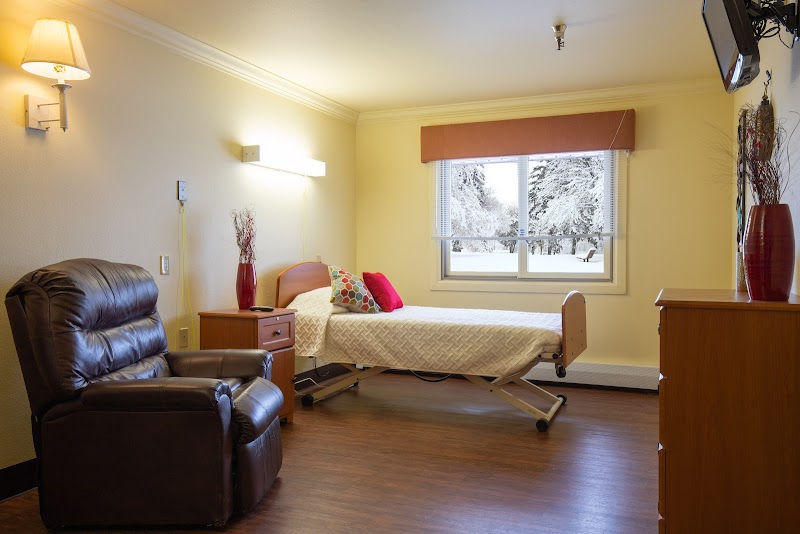
How is Copper Ridge Center Staffed?

CMS rates COPPER RIDGE HEALTH AND REHABILITATION CENTER's staffing level at 3 out of 5 stars, which is average compared to other nursing homes. Staff turnover is 34%, compared to the Montana average of 46%. This relatively stable workforce can support continuity of care.

What Have Inspectors Found at Copper Ridge Center?

State health inspectors documented 27 deficiencies at COPPER RIDGE HEALTH AND REHABILITATION CENTER during 2023 to 2025. These included: 3 that caused actual resident harm and 24 with potential for harm. Deficiencies causing actual harm indicate documented cases where residents experienced negative health consequences.
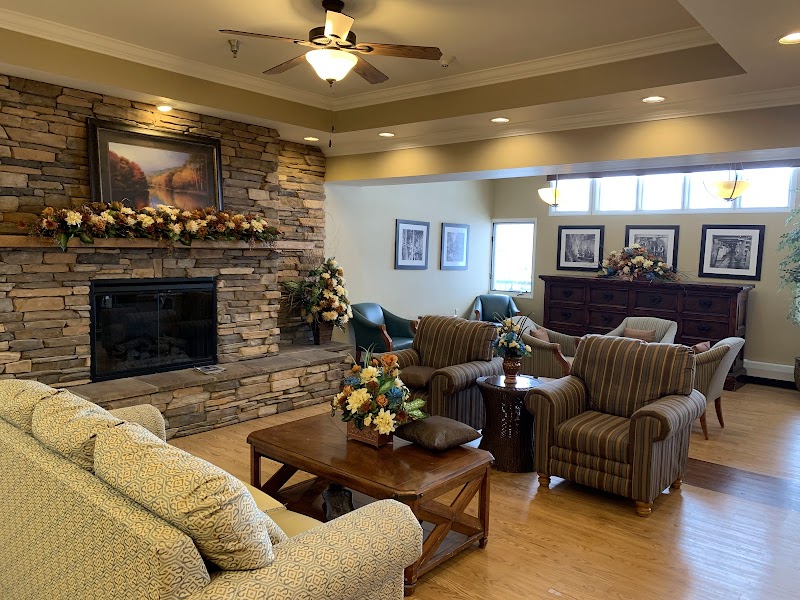
Who Owns and Operates Copper Ridge Center?

COPPER RIDGE HEALTH AND REHABILITATION CENTER is owned by a for-profit company. For-profit facilities operate as businesses with obligations to shareholders or private owners. The facility is operated by EDURO HEALTHCARE, a chain that manages multiple nursing homes. With 186 certified beds and approximately 62 residents (about 33% occupancy), it is a mid-sized facility located in BUTTE, Montana.
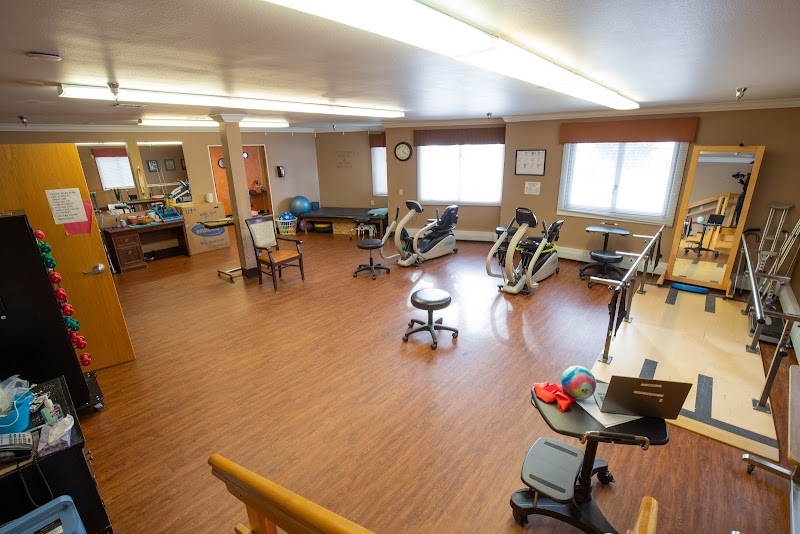
How Does Copper Ridge Center Compare to Other Montana Nursing Homes?

Compared to the 100 nursing homes in Montana, COPPER RIDGE HEALTH AND REHABILITATION CENTER's overall rating (3 stars) is above the state average of 3.0, staff turnover (34%) is significantly lower than the state average of 46%, and health inspection rating (3 stars) is at the national benchmark.

What Should Families Ask When Visiting Copper Ridge Center?

Based on this facility's data, families visiting should ask: "Can I visit during a mealtime to observe dining assistance and food quality?" "How do you handle medical emergencies, and what is your hospital transfer rate?" "Can I speak with family members of current residents about their experience?"

Is Copper Ridge Center Safe?

Based on CMS inspection data, COPPER RIDGE HEALTH AND REHABILITATION CENTER has a clean safety record: no substantiated abuse findings (meaning no confirmed cases of resident harm), no Immediate Jeopardy citations (the most serious violation level indicating risk of serious injury or death), and is not on the Special Focus Facility watch list (a federal program monitoring the lowest-performing 1% of nursing homes). The facility has a 3-star overall rating and ranks #1 of 100 nursing homes in Montana. While no facility is perfect, families should still ask about staff-to-resident ratios and recent inspection results during their visit.

Do Nurses at Copper Ridge Center Stick Around?

COPPER RIDGE HEALTH AND REHABILITATION CENTER has a staff turnover rate of 34%, which is about average for Montana nursing homes (state average: 46%). Moderate turnover is common in nursing homes, but families should still ask about staff tenure and how the facility maintains care continuity when employees leave.

Was Copper Ridge Center Ever Fined?

COPPER RIDGE HEALTH AND REHABILITATION CENTER has been fined $19,464 across 2 penalty actions. This is below the Montana average of $33,274. While any fine indicates a compliance issue, fines under $50,000 are relatively common and typically reflect isolated problems that were subsequently corrected. Families should ask what specific issues led to these fines and confirm they've been resolved.

Is Copper Ridge Center on Any Federal Watch List?

COPPER RIDGE HEALTH AND REHABILITATION CENTER is not on any federal watch list. The most significant is the Special Focus Facility (SFF) program, which identifies the bottom 1% of nursing homes nationally based on persistent, serious quality problems. Not being on this list means the facility has avoided the pattern of deficiencies that triggers enhanced federal oversight. This is a positive indicator, though families should still review the facility's inspection history directly.