BENEFIS SENIOR SERVICES - GRANDVIEW
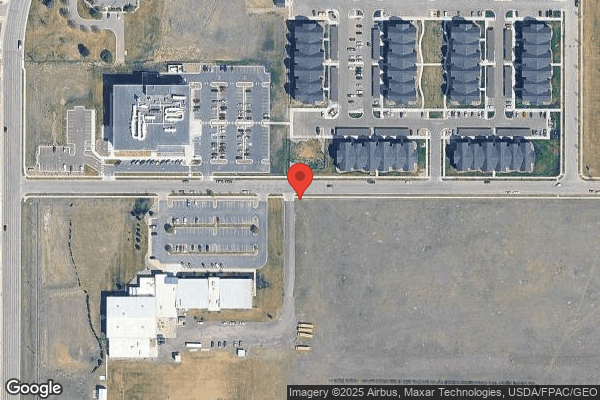
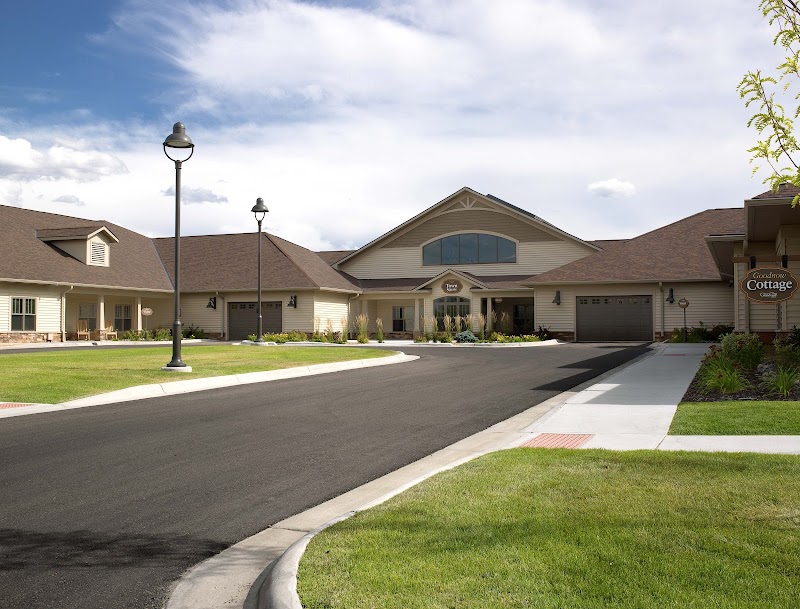
3015 18TH AVE S, GREAT FALLS, MT 59405 (406) 771-6200
Non profit - Corporation 48 Beds Independent Data: November 2025
Trust Grade
80/100
#1 of 59 in MT
Last Inspection: May 2025

Inspected within the last 6 months. Data reflects current conditions.

Overview

Benefis Senior Services - Grandview has a Trust Grade of B+, which means it is recommended and performs above average compared to other facilities. It ranks #1 out of 59 nursing homes in Montana and #1 out of 4 in Cascade County, indicating it is the best option in the area. The facility is improving, as issues decreased from 12 in 2024 to 9 in 2025. Staffing is a strong point, with a perfect score of 5/5 and a 0% turnover rate, which is significantly better than the state average. There have been no fines reported, which is a positive sign, and there is more RN coverage than 96% of facilities in Montana, helping ensure thorough care. However, there have been some concerning inspector findings. For example, the kitchen was found with multiple cleanliness issues, such as a contaminated meat slicer and dirty microwaves, which could affect food safety. Additionally, there were deficiencies in developing proper care plans for residents receiving oxygen therapy, meaning some residents may not have had adequate instructions for their care, potentially putting them at risk. Overall, while the facility has strong staffing and high ratings, there are areas in food safety and care planning that need improvement.

Trust Score
B+
80/100
In Montana
#1/59
Top 1%
Safety Record
Low Risk
No red flags
Inspections
Getting Better
12 → 9 violations
Staff Stability
○ Average
Turnover data not reported for this facility.
Penalties
✓ Good
No fines on record. Clean compliance history, better than most Montana facilities.
Skilled Nurses
✓ Good
Each resident gets 100 minutes of Registered Nurse (RN) attention daily — more than 97% of Montana nursing homes. RNs are the most trained staff who catch health problems before they become serious.
Violations
⚠ Watch
21 deficiencies on record. Higher than average. Multiple issues found across inspections.
★★★★★
5.0
Overall Rating
★★★★★
5.0
Staff Levels
★★★★★
5.0
Care Quality
★★★★☆
4.0
Inspection Score
Stable
2024: 12 issues
2025: 9 issues

The Good

  • 5-Star Staffing Rating · Excellent nurse staffing levels
  • 5-Star Quality Measures · Strong clinical quality outcomes
  • Full Sprinkler Coverage · Fire safety systems throughout facility
  • No fines on record

Facility shows strength in staffing levels, quality measures, fire safety.

The Bad

No Significant Concerns Identified

This facility shows no red flags. Among Montana's 100 nursing homes, only 0% achieve this.

The Ugly 21 deficiencies on record

Aug 2025 1 deficiency
CONCERN (D) 📢 Someone Reported This

A family member, employee, or ombudsman was alarmed enough to file a formal complaint

Potential for Harm - no one hurt, but risky conditions existed

Infection Control (Tag F0880)

Could have caused harm · This affected 1 resident

Based on observation, interview, and record review, the facility failed to ensure staff member C followed proper infection control practices while performing blood glucose monitoring with a portable h...

Read full inspector narrative →
Based on observation, interview, and record review, the facility failed to ensure staff member C followed proper infection control practices while performing blood glucose monitoring with a portable handheld glucometer between residents for 2 (#s 1 and 3); and failed to perform hand hygiene before donning clean gloves prior to blood glucose monitoring for 1 (#3) of 2 sampled residents for blood glucose monitoring. These deficient practices increased the risk of transmission of bloodborne pathogens between residents in the facility. Findings include:During an observation on 8/12/25 at 7:37 a.m., staff member C retrieved a portable handheld glucometer from a locked room by the nurses' offices. The glucometer was seated on a charger on the counter, next to a case which contained blood glucose monitoring supplies. During an observation on 8/12/25 at 7:38 a.m., staff member C entered resident #3's room and donned gloves to perform her blood glucose monitoring. Staff member C did not sanitize her hands before donning the gloves. Staff member C performed the blood glucose monitoring for resident #3, and then laid the handheld glucometer on a supply cart in the bathroom, doffed her gloves, and washed her hands. Staff member C then returned to her medication cart, prepared to perform another resident's glucose monitoring. She laid the handheld glucometer onto the top surface of the cart. Staff member C did not clean or sanitize the portable handheld glucometer.During an observation on 8/12/25 at 7:45 a.m. staff member C entered resident #1's room and performed her blood glucose monitoring. Staff member C returned the portable handheld glucometer to the locked supply room and placed it onto the charger, then left the room. Staff member C did not clean or sanitize the portable handheld glucometer before, in between residents, or after the use of the device. During an interview on 8/12/25 at 8:56 a.m., staff member C stated the portable handheld glucometer was to be cleaned with purple top Sani wipes, in between each resident use and after use, before returning the device to the charger. Staff member C stated she did not clean the handheld glucometer after each use, between each resident, and after use before it was placed onto the charger. During an interview on 8/12/25 at 8:56 a.m., staff member C stated hands were to be washed or sanitized before donning gloves and after doffing gloves. Staff member C stated she did not perform hand hygiene before donning gloves to perform resident #3's blood glucose monitoring.During an interview on 8/12/25 at 9:56 a.m., staff member B stated the portable handheld glucometer should be sanitized between each resident's use and after the last resident's monitoring before replacing the glucometer onto the charger. Staff member B stated hand hygiene should be performed before donning gloves and after the removal of gloves.Review of the facility's policy titled, Point of Care Testing Safety Manual, last revised 2/2024, showed:- . 4. Safe Handling of Portable Handheld Testing Devices- In order to prevent transmission of infection, portable handheld testing devices must be disinfected after each patient use.
May 2025 8 deficiencies
CONCERN (D)

Potential for Harm - no one hurt, but risky conditions existed

Deficiency F0582 (Tag F0582)

Could have caused harm · This affected 1 resident

Based on interview and record review, the facility failed to provide the required SNF Beneficiary Notification, Form CMS-10055 to 1 (#111) of 3 sampled residents who received Medicare Part A skilled s...

Read full inspector narrative →
Based on interview and record review, the facility failed to provide the required SNF Beneficiary Notification, Form CMS-10055 to 1 (#111) of 3 sampled residents who received Medicare Part A skilled services. Findings include: During an interview on 5/19/25 at 2:27 p.m., staff member A stated the facility had not completed the SNF Beneficiary Notification Form CMS-10055 when resident #111 was discharged from skilled care services. Staff member A was not able to explain why the notice was not completed. Review of the facility-provided document titled, SNF Beneficiary Notification Review, showed the start date for Medicare Part A skilled services was 4/10/25, with the last covered day of 5/12/25. The facility was not able to provide evidence the SNF Beneficiary Notification Form CMS-10055 was completed.
CONCERN (D)

Potential for Harm - no one hurt, but risky conditions existed

Deficiency F0605 (Tag F0605)

Could have caused harm · This affected 1 resident

Based on interview and record review, the facility failed to ensure psychotropic medications, prescribed on an as needed basis, were limited to 14 days unless the resident's medical record included do...

Read full inspector narrative →
Based on interview and record review, the facility failed to ensure psychotropic medications, prescribed on an as needed basis, were limited to 14 days unless the resident's medical record included documented rationale for continued use for 2 (#3 and #6) of 17 sampled residents. Findings include: 1. Review of resident #3's current as needed medication records, as of 5/18/25, showed: - alprazolam 0.25 mg, by mouth, nightly as needed. The medication order for resident #3 did not include an end/stop date or was limited to 14 days. During an interview on 5/19/25 at 7:44 a.m., staff member A stated antipsychotic or psychotropic medication orders were limited to 14 days. He stated there should be a stop date on the medication orders for these medications. 2. During an interview on 5/19/25 at 11:28 a.m., staff member I stated PRN psychotropic medication orders were, usually for less than 14 days, but (resident #6) is on hospice, so I just don't know if it can be ordered for longer. Review of resident #6's physician orders showed two separate and active orders for as needed (PRN) lorazepam concentrated solution with a one year end date. The orders read as follows: - LORazepam (Intensol) concentrated solution . Route oral . Admin Dose 0.5-1 mg Frequency: Every 2 hours PRN . Start Date 4/18/25 . End Date 4/18/26 . - LORazepam (Intensol) concentrated solution . Route oral . Admin Dose 1-2 mg Frequency: Every 1 hour PRN . Start Date 4/18/25 . End Date 4/18/26 . [sic]
CONCERN (D)

Potential for Harm - no one hurt, but risky conditions existed

Deficiency F0628 (Tag F0628)

Could have caused harm · This affected 1 resident

Based on interview and record review, the facility failed to notify the resident and/or the resident's representative, in writing, of the facility's bed hold policy when transferring a resident to the...

Read full inspector narrative →
Based on interview and record review, the facility failed to notify the resident and/or the resident's representative, in writing, of the facility's bed hold policy when transferring a resident to the hospital for 1 (#3) of 17 sampled residents. Findings include: During an interview on 5/19/25 at 2:37 p.m., staff member B stated the facility did not have documentation of a bed hold policy notification for resident #3's hospitalization on 4/26/25. Review of the facility's policy titled, [Facility] Room Hold Policy, last revised 6/2024, showed: - . Policy: - . Resident and/or resident's representative will be notified in writing of [Facility] Room Hold Policy.
CONCERN (D)

Potential for Harm - no one hurt, but risky conditions existed

Comprehensive Care Plan (Tag F0656)

Could have caused harm · This affected 1 resident

Based on observation, interview, and record review, the facility failed to initiate a person-centered comprehensive care plan to include the use of oxygen therapy for 2 (#s 3 and 17); and failed to in...

Read full inspector narrative →
Based on observation, interview, and record review, the facility failed to initiate a person-centered comprehensive care plan to include the use of oxygen therapy for 2 (#s 3 and 17); and failed to include an increased risk of aspiration for a resident admitted to the hospital and returned after an event of food aspiration for 1 (#3) of 17 sampled residents. Findings include: 1. Resident #3 During an observation on 5/18/25 at 8:35 a.m., resident #3 was lying in bed, receiving oxygen via nasal cannula. During an interview on 5/19/25 at 12:23 p.m., staff member D stated since resident #3 returned from the hospital after an aspiration event, they (staff) either asked the resident to eat in the dining room, or where she could be watched. Staff member D stated if resident #3 remained in her room for meals, staff sat with her during that time. During an interview on 5/19/25 at 12:26 p.m., resident #3 stated staff never sat with her when she ate in her room, and it was her choice to stay in her room during meals. Review of resident #3's Nursing admission Note, dated 4/29/25, showed she was admitted to the facility for management of aspiration and respiratory failure. Review of resident #3's admission MDS, with an ARD of 5/4/25, Section K - Swallowing/Nutritional Status, showed: - Under K0100. Swallowing Disorder, - . C. Coughing or choking during meals or when swallowing medications, - D. Complaints of difficulty or pain with swallowing. Both areas were marked with an X, which designated they applied. Review of resident #3's admission MDS, with an ARD of 5/4/25, Section O - Special Treatment and Programs, showed: - .C1. Oxygen therapy, while a resident. Review of resident #3's Comprehensive Care Plan, printed 5/18/25, did not include a problem, goals, or interventions for oxygen therapy or an increased risk for aspiration or swallowing difficulties. 2. Resident #17 During an observation and interview on 5/17/25 at 3:02 p.m., resident #17 was lying in bed, receiving oxygen via nasal cannula. Resident #17 stated she had been on oxygen since her admission into the facility on 4/7/25. Review of resident #17's admission MDS, with an ARD of 4/13/25, Section O - Special Treatment and Programs, showed: - .C1. Oxygen therapy, while a resident. Review of resident #17's Comprehensive Care Plan, printed 5/18/25, did not include a problem, goals, or interventions for oxygen therapy. During an interview on 5/19/25 at 8:36 a.m., staff member C stated the care area of oxygen therapy should be included in the comprehensive care plan for residents #17 and #3. Staff member C stated the MDS assessment care areas should be included in the comprehensive care plan.
CONCERN (D)

Potential for Harm - no one hurt, but risky conditions existed

Deficiency F0657 (Tag F0657)

Could have caused harm · This affected 1 resident

2. During an interview on 5/20/25 starting at 8:32 a.m., staff members B, C, and G stated an event report was triggered by nursing following every fall. Staff members B, C, and G stated the Risk Manag...

Read full inspector narrative →
2. During an interview on 5/20/25 starting at 8:32 a.m., staff members B, C, and G stated an event report was triggered by nursing following every fall. Staff members B, C, and G stated the Risk Management team was also the fall committee. They stated the Risk Management team met weekly, and care plans were updated on Mondays, Wednesdays, and Fridays. Staff members B, C, and G stated the care planned interventions were reviewed, and evaluated for effectiveness to determine if any new interventions were to be added. Staff members B, C, and G stated the Post Fall Assessment had information on root cause analysis. Staff members B, C, and G stated a sample of chart audits were done weekly to determine if the steps for falls were completed. Staff member B, C, and G stated the 24 hour report was reviewed by the manager to determine if anything needed follow up. Staff member G stated the care plans did not update automatically. Review of resident #180's Significant Event report, dated 4/23/25, showed the resident was found on the floor, kneeling next to his bed. The resident was confused and stated he just rolled out of bed. There were no injuries documented. Review of resident #180's Significant Event report, dated 5/3/25, showed the resident was found with his upper body on the bed and his lower extremities on the floor. The resident sustained lacerations to both knees. No other injuries were documented. Review of resident #180's Significant Event report, dated 5/14/25, showed the resident was found lying on the floor, and partially on his wheelchair. The report showed the resident appeared to have slid out of his wheelchair to the floor. The resident was assessed and no injuries were documented. Review of resident #180's care plan showed interventions implemented on 4/20/25, two days following admission. There were no updated interventions following the falls on 4/23/25, 5/3/25, and 5/14/25, to attempt to reduce or pevent future falls, related to the root causes from the three falls. Based on observation, interview, and record review, the facility failed to update resident care plans to include actual falls and updated fall interventions for 2 (#s 4 and 180) of 17 sampled residents. The failures placed the residents at risk for recurrent falls and injuries. Findings include: 1. During an observation and interview on 5/17/25 at 3:45 p.m., resident #4 was seated in a wheelchair, leaning to the right side, holding both arm rests. Resident #4 stated he had some falls in the past, stating, I think it's this chair. I don't know, I think I just slide out. During an interview on 5/18/25 at 9:15 a.m., staff member I stated, He (resident #4) has had some falls, I think. I am not sure what interventions were placed to keep him from falling. I have not been here a long time, so might not be the best person to talk to . I would look in the (medical) record, or the care plan if I wasn't sure how to care for him. Review of resident #4's progress notes showed he experienced an unwitnessed fall from bed on 10/5/24. Review of the facility document titled, Risk Management Worksheet, dated 10/5/24, showed resident #4 experienced a fall from his bed on 10/5/24 at 9:10 a.m. The report showed, BP normally low at times on BP meds . wife noted [resident name] is very impulsive . Care plan updated . [sic] Review of resident #4's care plan, dated 9/26/24, showed, Potential for Falls. The care plan did not reflect the fall on 10/5/24, did not reflect resident #4's impulsivity, and did not show new interventions post-fall.
CONCERN (D)

Potential for Harm - no one hurt, but risky conditions existed

Food Safety (Tag F0812)

Could have caused harm · This affected 1 resident

Based on observation, interview, and record review, the facility failed to ensure staff member H adhered to sanitary hygiene practices, by wearing a beard net/covering while preparing residents' food ...

Read full inspector narrative →
Based on observation, interview, and record review, the facility failed to ensure staff member H adhered to sanitary hygiene practices, by wearing a beard net/covering while preparing residents' food trays in the kitchen area. This failure increased the risk of hair getting in food for any resident the employee was preparing food for, or from the area the employee was working in, when not wearing protective hair coverings. Findings include: During an observation on 5/19/25 at 8:50 a.m., staff member H was preparing four individual residents' breakfast trays on the countertop located in the 500-hall kitchen area. Staff member H was wearing a hairnet but did not have a beard net covering his facial hair. During an interview on 5/19/25 at 9:04 a.m., staff member H stated he should have worn a beard net while he prepared trays in the kitchen area. Staff members E and F stated a hat or hairnet, and beard net, if indicated, must be worn to prepare food in the kitchen area. Review of the facility's document titled, Food & Nutrition Services Dress Code, last revised 8/26/24, showed: - . Hair/Nails - Generally, hair must be restrained in foodservice area's. . If your hair is over 1/4 in length, you must wear one or a combination of the following: - . Facial hair restraint for facial hair longer than 1/4 inch. [sic]
CONCERN (E)

Potential for Harm - no one hurt, but risky conditions existed

Deficiency F0655 (Tag F0655)

Could have caused harm · This affected multiple residents

Based on observation, interview, and record review, the facility failed to develop and implement a baseline care plan which included the minimum necessary instructions needed to provide effective and ...

Read full inspector narrative →
Based on observation, interview, and record review, the facility failed to develop and implement a baseline care plan which included the minimum necessary instructions needed to provide effective and person-centered care of the resident for 3 (#s 3, 17, and 21) of 17 sampled residents. Findings include: During an observation on 5/17/25 at 3:02 p.m., resident #17 was lying in bed, receiving oxygen via nasal cannula. Review of resident #17's document titled, Baseline Care Plan, dated 4/7/25, did not include a problem, goals, or interventions for oxygen therapy. During an observation on 5/18/25 at 8:35 a.m., resident #3 was lying in bed, receiving oxygen via nasal cannula. Review of resident #3's document titled, Baseline Care Plan, dated 4/28/25, did not include a problem, goals, or interventions for oxygen therapy. During an observation and interview on 5/18/25 at 8:20 a.m., resident #21 was receiving supplemental oxygen via nasal cannula. Resident #21 stated he had a catheter in place due to urinary retention and needed a lot of assistance with toileting or to even get out of bed due to his cancer diagnosis. Review of resident #21's document titled, Baseline Care Plan, dated 4/14/25, did not include a problem, goals, or interventions for oxygen therapy, urinary catheter care, or any needed assistance for his extensive needs with activities of daily living. During an interview on 5/19/25 at 7:56 a.m., staff member C stated nursing started the baseline care plans for the residents at admission. Staff member C stated the baseline care plan should include activities of daily living, pain, urinary issues, falls, psych meds, and oxygen, in addition to other areas needed to provide the initial care for residents. During an interview on 5/20/25 starting at 8:56 a.m., staff member C stated when completing the initial care plan, they (facility staff) were not always including all the information for the continuity of care of the resident. Staff member G stated some of the system areas for the computer entry needed to be discussed so a thorough baseline care plan was completed.
CONCERN (E)

Potential for Harm - no one hurt, but risky conditions existed

Respiratory Care (Tag F0695)

Could have caused harm · This affected multiple residents

Based on observation, interview, and record review, the facility failed to ensure the oxygen rate of delivery was included in the provider's oxygen orders for 4 (#s 3, 17, 78, and 129); failed to ensu...

Read full inspector narrative →
Based on observation, interview, and record review, the facility failed to ensure the oxygen rate of delivery was included in the provider's oxygen orders for 4 (#s 3, 17, 78, and 129); failed to ensure a form of documentation was in place for when oxygen tubing was last changed for 5 (#s 3, 17, 21, 78, and 129); and failed to ensure proper infection control practices were adhered to for a respiratory nebulizer mask/mouthpiece for 1 (#17) of 17 sampled residents. These deficient practices had the potential to affect the correct rate of oxygen delivery and increase the risk for infections in residents with prescribed oxygen. Findings include: 1. Oxygen Orders During an observation on 5/17/25 at 3:02 p.m., resident #17 was lying in bed, receiving oxygen via nasal cannula. The oxygen concentrator was set at three liters per minute. Review of resident #17's Oxygen Therapy orders, dated 4/7/25 at 5:02 p.m., showed oxygen to be delivered continuous, via nasal cannula; and, Keep O2 Sat Above 90%. The provider's order for oxygen did not include a rate of delivery. During an observation on 5/17/25 at 3:19 p.m., resident #78 was seated in his recliner, receiving oxygen via nasal cannula. The oxygen concentrator was set at four liters per minute. Review of resident #78's Other Nursing orders, dated 4/30/25 at 1:38 p.m., showed, RT/RN to determine oxygen supplementation to maintain oxygen saturation > 92%. Review of resident #78's Oxygen Therapy orders, dated 4/30/25 at 1:38 p.m., showed oxygen to be delivered continuous, via nasal cannula; and, Keep O2 Sat Above 90%. The two provider's orders were contradictory and neither order defined the oxygen rate of delivery. During an observation on 5/17/25 at 3:49 p.m., resident #129 was lying in bed, receiving oxygen via nasal cannula. The oxygen concentrator was set at two liters per minute. Review of resident #129's Oxygen Therapy orders, dated 5/9/25 at 1:37 p.m., showed, oxygen to be delivered, (home O2 @ noc) [sic] continuous, via nasal cannula, Keep O2 Sat Above 88%. The provider's order for oxygen did not include a rate of delivery. During an observation on 5/18/25 at 8:35 a.m., resident #3 was lying in bed, receiving oxygen via nasal cannula. Review of resident #3's Oxygen Therapy orders, dated 4/28/25 at 4:54 p.m., showed oxygen to be delivered continuous, via nasal cannula; and, Keep O2 Sat Above 92%. The provider's order for oxygen did not include a rate of delivery. During an interview on 5/18/25 at 1:30 p.m., staff member D stated vital signs were recorded two times a day and oxygen saturation was monitored at that time. Staff member D stated oxygen orders were written all the time with only the titration of oxygen to a certain saturation level. He stated he felt comfortable with the titration orders for oxygen, but he had 20 years of experience in nursing. During an interview on 5/19/25 at 7:41 a.m., staff member B stated some oxygen orders for residents did not include a rate of delivery. Staff member B stated those oxygen orders were likely the orders when the resident was discharged from the hospital, before admission to the facility. Staff member B stated it had to do with the computer system used by both the hospital and the nursing facility. 2. Oxygen Tubing During an observation and interview on 5/17/25 at 3:02 p.m., resident #17 was receiving oxygen via nasal cannula. No visible date or labeling was on the oxygen tubing to show the last time the tubing was changed. Resident #17 stated they changed the tubing, the other day. During an observation on 5/17/25 at 3:19 p.m., resident #78 was receiving oxygen via nasal cannula. No visible date or labeling was on the oxygen tubing which showed the last time the tubing was changed. During an observation on 5/17/25 at 3:49 p.m., resident #129 was receiving oxygen via nasal cannula. No visible date or labeling was on the oxygen tubing which showed the last time the tubing was changed. During an observation on 5/18/25 at 8:22 a.m., resident #21 was receiving oxygen via nasal cannula. No visible date or labeling was on the oxygen tubing which showed the last time the tubing was changed. During an observation on 5/18/25 at 8:47 a.m., resident #3 was receiving oxygen via nasal cannula. No visible date or labeling was on the oxygen tubing which showed the last time the tubing was changed. During an observation and interview on 5/18/25 at 1:32 p.m., staff member D stated oxygen tubing was changed on Saturday nights but was unsure if there was any documentation in the computer system where it would be recorded. Staff member D stated each resident's oxygen tubing change date should be written on the oxygen tubing. Located in the nurse's lounge/room was a whiteboard with instructions for the changing of oxygen tubing. The whiteboard showed, Replace weekly on NOCS Saturdays, Nebulizer tubing/mask, O2 tubing, Date when changed. [sic] During an interview on 5/19/25 at 7:38 a.m., staff member B stated on Saturday nights, CNAs changed the oxygen tubing and marked/dated the tubing of the change. She stated there may have been a mix up this last Saturday due to the assigned CNAs filling in from a different campus location. Staff member B stated she had suggested the staff would place tape over the writing so it did not wear off the tubing and could be easily read. She was unsure if the oxygen tubing changes were documented in the resident's medical record. Review of the facility's policy titled, [Facility]-Respiratory Therapy, last revised 1/2001, showed: - . B. Equipment is cleaned or replaced in the following manner: - . 2. Cannulas are changed weekly or if soiled, completed by the night shift. 3. Nebulizer machine/mask/mouthpiece During an observation and interview on 5/17/25 at 3:02 p.m., resident #17's nebulizer machine was sitting on the carpeted floor, next to the trash receptacle. There were four used tissues/paper towels on top of the nebulizer mouthpiece, with the mouthpiece touching the floor. Resident #17 stated the staff had changed the nebulizer mouthpiece on 5/16/25. Review of resident #17's current scheduled medication orders, printed 5/18/25 at 12:19 p.m., showed: - albuterol 2.5 mg/3ml, 0.083% nebulizer solution, to be administered via nebulization, four times daily. During an observation on 5/18/25 at 8:33 a.m., resident #17's nebulizer machine was lying on the carpeted floor, next to the trash receptacle, with the mouthpiece touching the floor. During an interview on 5/18/25 at 1:38 p.m., staff member D stated resident #17's nebulizer machine and mouthpiece should not be lying on the floor. He stated it would not adhere to proper infection control practices. Staff member D stated resident #17 did move items around sometimes, but since she was unable to get out of bed independently, he doubted she would have placed the nebulizer on the floor. Staff member D stated he would replace the mouthpiece with a clean one. During an interview on 5/19/25 at 7:47 a.m., staff member B stated it would be poor infection control practice to place a nebulizer and mouthpiece on the floor.
Oct 2024 2 deficiencies
CONCERN (D) 📢 Someone Reported This

A family member, employee, or ombudsman was alarmed enough to file a formal complaint

Potential for Harm - no one hurt, but risky conditions existed

Deficiency F0624 (Tag F0624)

Could have caused harm · This affected 1 resident

**NOTE- TERMS IN BRACKETS HAVE BEEN EDITED TO PROTECT CONFIDENTIALITY** Based on interviews and record review, the facility failed to provide a safe and orderly discharge from the facility, to home, f...

Read full inspector narrative →
**NOTE- TERMS IN BRACKETS HAVE BEEN EDITED TO PROTECT CONFIDENTIALITY** Based on interviews and record review, the facility failed to provide a safe and orderly discharge from the facility, to home, for 1 (#1) of 3 sampled residents, and the resident had not met his goals prior to the discharge, he had a wound/fistula, multiple medications, and needed ongoing rehabilitation services. The failure increased the risk of a poor outcome and safety concerns for the resident due to his inability to care for himself as needed. Findings include: During an interview on 10/2/24 at 10:18 a.m., NF1 stated resident #1 was discharged home alone, and the family had not seen any home health services since the discharge occurred, which was eight days prior. NF1 stated resident #1 lived alone, and the family lived in the same apartment complex but were not planning to provide fulltime care to resident #1 upon discharge. NF1 stated the facility relayed they would be sending physical therapy, occupational therapy, and nursing, to assist with resident #1's care needs and training once home. NF1 stated resident #1 was not able to provide himself peri care, he could barely walk out of the hospital with a walker, and was dropped off at the street of his apartment complex. He had to walk a long distance to his apartment, and go up eleven steps, to get to the apartment. NF1 stated resident #1 barely made the walk, with many stops along the way, and he had the assistance of NF2 holding him. NF1 stated the family was unsure of the resident's medications, with more than 30 pills to be taken at various times and were in fear of causing a medication error. NF1 stated resident #1 was falling at the facility and was again falling at home after discharge. NF1 stated she had attempted to get the primary care provider initial appointment moved up to a closer date, but was told there were no appointments sooner. NF1 stated she also contacted the home health agency and was told they could not assist resident #1 until the 10/8/24 appointment, because they needed orders to treat from the new primary provider. NF1 stated she contacted the facility, and spoke with staff member C, who told her the facility could no longer assist resident #1, because he was no longer a resident in the facility. During an interview on 10/2/24 at 11:41 a.m., NF2 stated resident #1 was barely able to walk out of the facility with a walker, and the nurse was concerned about resident #1 needing a wheelchair. NF2 stated resident #1 was now wheelchair bound at home and he was trying to assist resident #1 with his walker to get him some strength. NF2 stated resident #1 stated when he cannot see his legs, he cannot walk. NF2 stated he was assisting resident #1 with diabetic pressure wounds on his feet, that he had on discharge from the facility, by using iodine soaks. NF2 stated he had the idea to use iodine soaks from resident #1, who had used iodine soaks on his prior pressure ulcers. NF2 stated there were no wound care or fistula instructions provided in the discharge paperwork. During an interview on 10/2/24 at 11:49 a.m., NF3 stated she attended a care conference to discuss resident #1's discharge plans. NF3 stated staff member C began to become angry and was blaming resident #1 for not getting the care he needed prior to discharge. NF3 stated staff member C was mad because the family was asking too many questions about the discharge plan. During an interview on 10/2/24 at 1:20 p.m., with staff member A and C, staff member C stated the required elements for a discharge included the resident meet their prior level of ADL status or their new baseline, based on their diagnosis; the resident would need a safe place to discharge to; and we would try to get a home evaluation, if possible. Staff member C stated her role was to set-up the home health, physical therapy, and occupational therapy. Staff member C stated she did send a referral for services for resident #1 and was not aware the services were never started. Staff member C stated she did not follow-up with the residents or family following a discharge from the facility, and did not the contact referral agency to confirm services would be in place for discharge. Staff member C stated the family of resident #1 was not pleasant to work with, and the agency usually contacted the family or resident directly to start care. During an interview on 10/2/24 at 1:55 p.m., resident #1 stated he had current swelling at his fistula site and down his arm with a pain level of a 5-6 out of 10. Resident #1 stated he had reported pain and swelling when he was in the facility, and the facility said he would need to talk to his primary provider on the 10/8/24 appointment. Resident #1 stated the parking lot (at his residence) was under construction, and he nearly had a fall getting to his apartment, and NF2 had to catch him. Resident #1 stated he was still very weak, had no balance, and my brain is still messed up [confusion and foggy]. Resident #1 stated the facility tried to say he was refusing therapy, but he never did. Resident #1 stated the facility even made him get up at 6:00 a.m. and miss breakfast to do therapy. Resident #1 stated he was not a morning person, but he did the therapy so he could get better. During an interview on 10/2/24 at 4:21 p.m., NF4 stated the facility was aware of the regulations requiring the primary physician to write orders for services provided after the discharge. NF4 stated the agency could not start services until the 10/8/24 appointment with the new primary physician, so new orders could be written for services. NF4 stated she did not know why the facility discharged the resident prior to the appointment. Review of resident #1's After Visit Summary, dated 9/24/24, reflected the following: - A follow-up appointment with the new primary physician was scheduled for 10/8/24, - Follow-up with Home Health for skilled nursing, physical therapy, and occupational therapy, - Medication orders with medications to be picked up at pharmacy. The After Visit Summary did not contain wound care orders for the diabetic wound care to the left foot or treatment/care of the fistula. Review of resident #1's Occupational Therapy Discharge Report, dated 9/23/24, reflected resident #1 had not met the following goals: - Safely completing grooming tasks progressing from seated tasks to standing; - Safely perform toilet transfer and toileting tasks using standard commode and grab bars; - Safely perform bathing tasks; - Demonstrate improved ADL safety by increasing Modified Barthel score from 37 to 80 or better to safely return home with least restrictive assist. The Occupational Therapy Discharge report showed the recommendation included home health occupational therapy. Review of resident #1's Physical Therapy Discharge Report, dated 9/23/24, reflected the assessing physical therapist recommended, . continued physical therapy intervention via home health services to ensure safe transition into prior level of living and continue to maximize functional gains. Review of resident #1's Physician Discharge summary, dated [DATE], reflected the follow: - Resident #1 was homebound, requiring skilled home health services; - The physical therapy content showed, . the patient does not believe he feels prepared to discharge home; - Wound care needs for diabetic wounds; - PT and OT were recommended. The facility failed to ensure necessary services, including skilled nursing, physical therapy and occupational therapy were in place prior to discharging resident #1 home alone, putting resident #1 at risk for a negative outcome.
CONCERN (E) 📢 Someone Reported This

A family member, employee, or ombudsman was alarmed enough to file a formal complaint

Potential for Harm - no one hurt, but risky conditions existed

Deficiency F0675 (Tag F0675)

Could have caused harm · This affected multiple residents

Based on interview and record review, the facility failed to ensure call lights were answered in an appropriate timeframe for 3 (#s 5, 6, and 10) of 4 sampled residents concerning call lights; and the...

Read full inspector narrative →
Based on interview and record review, the facility failed to ensure call lights were answered in an appropriate timeframe for 3 (#s 5, 6, and 10) of 4 sampled residents concerning call lights; and the facility failed to prevent falls for 1 resident (#5) requiring help after pushing the call light. This had the potential to result in more falls in the facility with those residents requiring help and pushing the call light button for assistance. Findings include: a. During an interview on 10/2/24 at 10:06 a.m., resident #10 stated she would wait the longest for her call light to be answered when it was shift change or after 6:00 p.m. Resident #10 stated she would often wait 20 minutes for her call light to be answered. Resident #10 stated staff would also turn off her call light and leave the room before all her needs were met. Resident #10 stated when she had spoken up in the past to staff, and she had been reprimanded by the staff about complaining. She stated, They say they'll be back in ten minutes and they don't. And sometimes the pagers (the pagers alert the staff call lights were going off) don't work at all. They're usually aware of it, but (it) still doesn't make you feel very good. Resident #10 stated, [Pagers are not working] It seems like it happens often. Review of a facility provided document, titled Call History, dated from 9/18/24 to 10/2/24, showed resident #10 had 15 call light uses, eight of those were over 15 minutes; two were 20 minutes, two were 27 minutes, one was 32 minutes, two were over 40 minutes, and one call light wait time was for an hour. b. During an interview on 10/2/24 at 11:25 a.m., resident #6 stated she pushed the call light, 15 minutes ago and she, often waits a long time. Review of a facility provided document titled Call History, dated from 9/18/24 to 10/2/24, showed resident #6 had 14 call light uses, 13 of those were over 15 minutes, including one for an hour wait, and one for a two-hour wait time. c. During an interview on 10/2/24 at 12:10 p.m., resident #5 stated he would wait over 45 minutes to get his call light answered. Resident #5 stated in one instance he was tired of waiting and had tried to get up without staff present. Review of a nursing note in resident #5's EHR, dated 9/5/24, showed resident #5 fell on 9/5/24 at 12:00 p.m. Review of a facility provided document titled Call History, dated 9/4/24 to 9/5/24, showed resident #5's call light had been on for 36 minutes, starting at 11:41 a.m., on the day of the fall. Review of a facility provided document titled Call History, dated from 9/18/24 to 10/2/24, showed the resident #5's had four call light uses; two were over 15 minutes, one was over 30 minutes, and one was a 59 minute call light wait time. During an interview on 10/2/24 at 3:21 p.m., staff member A stated the expectation for call lights to be answered was seven to nine minutes.
Jun 2024 10 deficiencies
CONCERN (D)

Potential for Harm - no one hurt, but risky conditions existed

Deficiency F0655 (Tag F0655)

Could have caused harm · This affected 1 resident

**NOTE- TERMS IN BRACKETS HAVE BEEN EDITED TO PROTECT CONFIDENTIALITY** Based on interview and record review, the facility failed to develop and implement a baseline care plan within 48 hours of admis...

Read full inspector narrative →
**NOTE- TERMS IN BRACKETS HAVE BEEN EDITED TO PROTECT CONFIDENTIALITY** Based on interview and record review, the facility failed to develop and implement a baseline care plan within 48 hours of admission, for 2 (#s 165 and 171) of 19 sampled residents. Findings include: 1. Record review of resident #165's baseline care plan showed resident #165 was admitted on [DATE]. Resident #165's care plan showed he had an altered mental status, decreased oral intake, weakness, and a suprapubic catheter. The falls intervention care plan was started on 5/30/24. Per a note on the care plan, other problems were identified, and no further initial care plan was completed. Care area problems and interventions were not started until 6/10/24. During an interview on 6/19/24 at 1:03 p.m., NF3 stated resident #165 had fallen a lot at home because he had bad balance. NF3 stated resident #165 was admitted with some open sores near his rectum. NF3 stated the staff put some ointment on those areas, but she was unsure if it helped. NF3 stated resident #165 didn't like to move around much due to the pain from the open sores. Open sores and pain were not addressed on resident #165's baseline initial care plan. 2. Review of resident #171's baseline care plan showed resident #171 was admitted on [DATE], and he was identified as having peptic ulcer disease, alcohol dependence, having had a fall, feeling weak, having a history of a traumatic amputation of his right forearm, and cellulitis in his left forearm. The base line care plan was not started until 6/17/24. During an interview on 6/18/24 at 2:30 p.m., staff member B stated the care plan for resident #171 was initiated yesterday (6/17/24). Staff member B stated it was late for a baseline care plan to be started.
CONCERN (D)

Potential for Harm - no one hurt, but risky conditions existed

Deficiency F0657 (Tag F0657)

Could have caused harm · This affected 1 resident

Based on interview and record review, the facility failed to ensure the comprehensive care plan was updated to reflect a resident's current care requirements for 1 (#169) of 19 sampled residents. Find...

Read full inspector narrative →
Based on interview and record review, the facility failed to ensure the comprehensive care plan was updated to reflect a resident's current care requirements for 1 (#169) of 19 sampled residents. Findings include: Resident #169 was admitted to the facility with diagnoses of Type II diabetes, diabetic neuropathy, diabetic foot ulcer with bone necrosis, complete heart block, and hemodialysis due to acute kidney failure. Interview on 6/20/24 at 8:44 a.m., staff member B stated resident #169 goes to dialysis one time per week. Staff member B reviewed the order and the care plan and agreed, the orders and the care plan did not accurately reflect the resident's current care. Review of resident #169's care plan with a problem detail date of 6/19/24, showed a goal for resident #169 to attend dialysis three times per week. Review of resident #169's active physician orders dated 6/4/24, showed the resident was to only have dialysis one time. Review of a facility document titled, FALL SCENE INVESTIGATION REPORT TO DETERMINE ROOT CAUSE ANALYSIS, showed resident #169 fell on 6/6/24 at 1:30 p.m. The root cause was determined to be resident #169's refusal to allow staff to use a gait belt or lift for transfers. Resident #169's fall was not reviewed until 6/11/24. The care plan was updated on 6/14/24, to show a gait belt was to be used for all transfers. The comprehensive care plan was updated but not accurate or individualized for resident #169.
CONCERN (D)

Potential for Harm - no one hurt, but risky conditions existed

Accident Prevention (Tag F0689)

Could have caused harm · This affected 1 resident

Based on observations, interviews, and record review, the facility failed to properly monitor a resident with difficulty swallowing during medication pass for 1 (#168) of 19 sampled residents. Finding...

Read full inspector narrative →
Based on observations, interviews, and record review, the facility failed to properly monitor a resident with difficulty swallowing during medication pass for 1 (#168) of 19 sampled residents. Findings include: During an observation and interview on 6/18/24 at 10:27 a.m., resident #168 was sitting in her nightgown in a wheelchair in her room with a vomit bag in front of her. Resident #168 stated, I do not feel good, I'm going to the hospital soon. I have been having stomach issues for a while. During an observation and interview on 6/20/24 at 9:48 a.m., staff member O had just left resident #168's room and closed the door. Resident #168 was lying in bed with her head elevated. Her breakfast, and a medication cup full of unidentified medications, were on the bedside table. Resident #168 stated, Only certain staff leave my medication in here for me to take. I take my time swallowing them. During an observation and interview on 6/20/24 at 10:03 a.m., staff member O was sitting in a back room of the facility working on the computer. Staff member O stated, I leave resident #168's medications in her room because it takes her a while to get them down. I do go check on her periodically to ensure she takes them. During an observation and interview on 6/20/24 at 10:24 a.m., resident #168 stated, I had like 12 pills in there to start with . If I don't take my time I choke on them. There were still three pills left in the medication cup. During an observation and interview on 6/20/24 at 10:25 a.m., staff member O was still in a back room in the facility working on a computer. Staff member O stated, I saw her (resident #168) take the Celexa when I first gave her the cup of medications. I will still go and check on her to see if she takes them (medications). Review of resident #168's diagnosis list in the EHR showed: .Bilateral pleural effusion - Myasthenia Gravis (HCC) - Injury of esophagus - Esophageal stricture - Ulcer of esophagus . Review of resident #168's physician note dated 6/19/24 showed: .patient also cannot swallow pills and has significant dysphagia as well.
CONCERN (D)

Potential for Harm - no one hurt, but risky conditions existed

Pharmacy Services (Tag F0755)

Could have caused harm · This affected 1 resident

Based on observation and record review, the facility failed to provide pharmaceutical services to ensure safe administration of a Schedule II controlled substance for 1 (#158) of 11 residents sampled ...

Read full inspector narrative →
Based on observation and record review, the facility failed to provide pharmaceutical services to ensure safe administration of a Schedule II controlled substance for 1 (#158) of 11 residents sampled for medication administration. Findings include: During an observation on 6/17/24 at 4:50 p.m., staff member O provided resident #158 with two hydrocodone tablets. Each tablet contained 10 mg of hydrocodone and 325 mg of Tylenol. The medication cup containing the two pills was left unsupervised on the bedside table. The medication was not observed to be taken by resident #158. Review of resident #158's EHR showed the medication was checked off as being given. Staff member O failed to ensure accountability for a schedule II controlled substance by leaving the medication unsupervised in resident #158's room.
CONCERN (D)

Potential for Harm - no one hurt, but risky conditions existed

Deficiency F0883 (Tag F0883)

Could have caused harm · This affected 1 resident

Based on interview and record review, the facility failed to assess or provide immunization, education, or obtain a declination, for 6 (#s 153, 157, 158, 160, 168, and 173) of 6 sampled residents for ...

Read full inspector narrative →
Based on interview and record review, the facility failed to assess or provide immunization, education, or obtain a declination, for 6 (#s 153, 157, 158, 160, 168, and 173) of 6 sampled residents for immunizations. Findings include: During an interview on 6/20/24 at 8:15 a.m., staff member B stated the facility does not have any documentation to show that resident #s 153, 157, 158, 160, 168, and 173 had been offered pneumococcal and influenza immunizations. Staff member B stated, What is in the record is what we have. I have staff going around today to provide education and obtain declinations from those residents. During an interview on 6/20/24 at 9:51 a.m., resident #168 stated, The facility has never offered those (pneumococcal or influenza) immunizations to me. I don't think I had them done anywhere else either. During an interview on 6/20/24 at 10:15 a.m., resident #160 stated she thought she had the flu shot but couldn't remember. Resident #160 stated the facility hadn't offered her pneumococcal or influenza immunizations or spoken with her about them. Review of electronic health records failed to show pneumococcal immunizations, education, or declination for resident #s 157, 158, 160, 168, and 173. Review of electronic health records failed to show influenza immunizations, education, or declination for resident #s 153, 158, and 168. Review of a facility document titled BSS - Adult Pneumococcal Vaccine (PCV13 and PPSV23) Administration Standing Orders showed, 1. Assess for Need of Vaccination: upon admission to Benefis Senior Services, residents will be assessed for need of vaccination against S. pneumoniae (pneumococcus) infection according to routine and risk-based criteria. [sic] Review of a facility document titled Benefis Senior Services - Adult Influenza Vaccine Administration Standing Orders showed, 1. Assess for Need of Vaccination: Upon admission to Benefis Senior Services (BSS), residents will be assessed for need of vaccination against influenza infection according to routine and risk-based criteria, based on current surveillance, testing, and vaccination guidelines. [sic]
CONCERN (E)

Potential for Harm - no one hurt, but risky conditions existed

Deficiency F0554 (Tag F0554)

Could have caused harm · This affected multiple residents

3. During an observation and interview on 6/20/24 at 9:48 a.m., staff member O was entering resident #168's room. Resident #168 was in her bed with her breakfast tray on the over-the-bed table. Staff ...

Read full inspector narrative →
3. During an observation and interview on 6/20/24 at 9:48 a.m., staff member O was entering resident #168's room. Resident #168 was in her bed with her breakfast tray on the over-the-bed table. Staff member O left the room, closing the door behind her. Resident #168's breakfast tray had a medication cup full of pills on it. Resident #168 stated, Staff sometimes leave my medicine in here for me to take; it depends on who is on duty. During an interview on 6/20/24 at 10:03 a.m., staff member O stated, I leave her (resident #168) medication in her room because she takes her time taking them. I continue to check on her every so often to make sure she is taking them. Review of resident #168's EHR showed, there was no facility assessment or physician order for self-administration of medications. Review of a facility document titled BSS - Bedside Storage of Medications and Self-Administration of Medications showed, Policy: Bedside medication storage is permitted for residents able to self-administer medications. Nursing assesses these residents to determine this ability. Physicians may order medications to be self-administered. Procedure/Responsibilities: Definition: 1. Nursing 2. Complete the medication self-administration assessment. 3. Obtains a written order. 4. Documents on MAR the medications. 5. Uses self-administration assessment form to evaluate resident . [sic] Refer to F759-Medication Errors for more information. Based on observation, interview, and record review, the facility failed to ensure residents were assessed and found safe to self-administer their medications prior to doing so, and the facility failed to document the assessments or get a physician order allowing the self medication administration in the electronic health records's for 3 (#s 153, 158, and 168) of 19 sampled residents. Findings Include: 1. During an observation on 6/17/24 at 4:50 p.m., staff member O set resident #158's medications on her bedside table. The medication cup contained a calcium chloride and two hydrocodone/tylenol tablets. The resident was noted to have some physical deformities of her hands. The nurse exited the room and did not watch or encourage the resident to take the medication. Review of resident #158's EHR failed to show that an interdisciplinary team had completed an assessment to determine if self administering medication was clinically appropriate and safe for resident #158. The physician did not identify this was a safe practice and did not give an order to allow the resident to administer her own medication. There was no documentation to indicate leaving the medication at resident #158's bedside was safe. 2. During an observation on 6/18/24 at 9:05 a.m., staff member P gave resident #153 her medications. The medications included: - Tylenol 650 mg - Aspirin 81 mg - Coreg 6.25 mg - Vitamin D 50 mcg - Celexa 5 mg - D Mannose one tablet - Gabapentin 100 mg - High Potency multivitamin one tablet - Ropinirole 0.25 mg Staff member P exited the room and left the medications sitting on the bedside table. Resident #153 was finishing her breakfast and made no attempt to take the medication. During an interview on 6/20/24 at 8:44 a.m., staff member B stated resident #153 had not been assessed by the interdisciplinary care team to determine if self-administering medication was safe. Staff member B stated resident #153 was not safe or capable of taking medications on her own. Staff member B stated resident #153 had a diagnosis of dementia. During an interview on 6/20/24 at 9:07 a.m., staff member B stated the new computer system does not have a self-administration of medication assessment. Staff member B stated if an assessment needs to be completed, a paper form from the prior medical record system needs to be printed and the nurse would have to complete it. Staff member B stated no assessment was completed, no physician order obtained, and the care plan did not address self-administration of medication for resident #s 153, 158, and 168. During an observation on 6/20/24 at 9:50 a.m., resident #153 had two medication cups containing pills sitting on the bedside table. The cups held 11 pills in total. No nurse was observed in the room with resident #153. During an interview on 6/20/24 at 9:50 a.m., resident #153 stated she did not know what the pills were, and she did not know what to do with the pills. Resident #153 stated sometimes she remembers what to do and would take the pills, but said she did not always take them. Resident #153 was unable to identify any of the medications nor able to tell what they were for. Resident #153 stated she did not want to take her own pills and depended on the staff to manage her medication. During an interview on 6/20/24 at 10:00 a.m., staff member Q stated it was her first day working on this unit and she did not know the individual residents. Staff member Q stated she did leave the pills with resident #153, but was going to go back and check to make sure they were taken. Review of resident #153's EHR showed she has a diagnosis of dementia. No interdisciplinary self medication administration assessment was completed. The physician, who is part of the interdisciplinary team, had not been consulted to assist with identification of safe self-administration.
CONCERN (E)

Potential for Harm - no one hurt, but risky conditions existed

Deficiency F0658 (Tag F0658)

Could have caused harm · This affected multiple residents

3. During an observation and interview on 6/20/24 at 9:48 a.m., there was a medication cup of unidentified medications on resident #168's bedside table along with her breakfast tray. Resident #168 was...

Read full inspector narrative →
3. During an observation and interview on 6/20/24 at 9:48 a.m., there was a medication cup of unidentified medications on resident #168's bedside table along with her breakfast tray. Resident #168 was alone in her room, and the door had been closed. Resident #168 stated some staff leave her medications in her room for her to take. Resident #168 stated, It depends on who is working. During an interview on 6/20/24 at 10:03 a.m., staff member O stated, I leave resident #168's medication in her room with her, because she is slow to take them. I go and check on her periodically to make sure she is taking them (medications). Review of resident #168's EHR showed the facility did not conduct an assessment or obtain a physician's order for the resident to take her medications independently without supervision. Review of a facility document titled BSS-Bedside Storage of Medications and Self-Administration of Medications showed, Policy: Bedside medication storage is permitted for residents able to self-administer medications. Nursing assesses these residents to determine this ability. Physicians may order medications to be self-administered. Procedure/Responsibilities: Definition: Nursing Complete the medication self-administration assessment. Obtains a written order. Documents on MAR the medications. Uses self-administration assessment form to evaluate resident. [sic] Based on observation, interview, and record review, the facility failed to provide services which met professional standards of practice, by allowing residents without assessments and physician orders to self-administer medications, and they were left unattended with medications, for 3 (#s 153, 158, and 168) of 19 sampled residents. Findings include: 1. During a medication pass observation on 6/17/24 at 4:50 p.m., staff member O left two hydrocodone 10/325 mg tablets and one calcium carbonate tablet at resident #158's bedside. Staff member O left the room without having observed resident #158 taking the medications, one was a narcotic. During a medication administration observation on 6/18/24 at 9:05 a.m., staff member P provided nine pills as part of the morning medication pass to resident #158. Staff member P left resident #158's room without waiting until resident #158 had taken any of her medications. 2. During an interview on 6/18/24 at 2:05 p.m., staff member P stated, she did not remember watching and making sure resident #153 took her medication this morning. During an interview on 6/20/24 at 9:07 a.m., staff member B stated the new computer system does not have a self-administration of medication assessment. Staff member B stated no assessment had been completed, no physician order obtained, and the care plan did not address self-administration of medication for resident #153, #158, and #168. Staff member B stated resident #153 was not able to safely take her own medication due to baseline cognitive loss and dementia. During an observation and interview on 6/20/24 at 9:50 a.m., two cups of pills were found sitting on resident #153's over-the-bed table. Resident #153 was sitting in her scooter and was alone in her room. One medication cup had two pills in it and the second medication cup contained nine pills. Resident #153 stated she was not sure what the pills were for and was not sure if the medications should be taken. Review of resident #153's medical record failed to show any documentation regarding self-administration of medications.
CONCERN (E)

Potential for Harm - no one hurt, but risky conditions existed

Unnecessary Medications (Tag F0759)

Could have caused harm · This affected multiple residents

3. During an observation and interview on 6/20/24 at 9:48 a.m., a medication cup full of unidentified medications was observed on resident #168's bedside table. Resident #168 stated, Not all staff lea...

Read full inspector narrative →
3. During an observation and interview on 6/20/24 at 9:48 a.m., a medication cup full of unidentified medications was observed on resident #168's bedside table. Resident #168 stated, Not all staff leave my pills for me to take, but some do. During an observation and interview on 6/20/24 at 10:25 a.m., staff member O stated she leaves resident #168's medications in her room for her to take because she is slow at taking them. Staff member O stated she does go and check on resident #168 periodically. Staff member O provided the surveyor with a list of medications that she administered and left for resident #168 during the morning medication pass. Medications administered and left in resident #168's room for self-administration are as follows: .- Furosemide (Lasix) 60 MG tablet, - Midodrine (Proamatine) 5 MG tablet, - Pantoprazole (ProtoNix) 40 MG EC tablet, - Pyridostigmine (Mestinon) 30 MG tablet, - Spironolactone (Aldactone) 100 MG tablet, -Citalopram (CeleXA) tablet 10 mg, - Lactobacillus rhamnosus (Culturelle Immunity Support) capsule, - Potassium chloride CR (Klor-Con M20) ER tablet 20 mEq, - Modafinil (Provigil) tablet 100 mg . [sic] Based on observation, interview, and record review, the facility failed to ensure a medication error rate less than 5%. The observed error rate was 40.7%. The errors involved the staff member administering the medication was not staying with the resident to ensure the medications were taken for 3 (#s 153, 158, and 168) of 11 residents sampled for medication administration. Findings include: 1. During a medication administration observation on 6/17/24 at 4:50 p.m., staff member O administered the following medications to resident #158: - calcium carbonate 1500 mg - hydrocodone with acetaminophen 10/325 mg Staff member O placed the medication cup on the bedside table. Staff member O then left the room and did not assist resident #158 or watch to ensure the medications were taken. 2. During an observation on 6/18/24 at 9:05 a.m., staff member P gave resident #153 her medications. The medications included: - Tylenol 650 mg - Aspirin 81 mg - Coreg 6.25 mg - Vitamin D 50 mcg - Celexa 5 mg - D Mannose one tablet - Gabapentin 100 mg - High potency multi vitamin one tablet - Ropinirole 0.25 mg Staff member P placed the medication cup on the bedside table near resident #158's breakfast tray. Staff member P left resident #158's room without watching or ensuring resident #158 took the medication. During an interview on 6/20/24 at 9:07 a.m., staff member B stated resident #153 was not able to safely take her own medication. Staff member B stated resident #153 had cognitive loss and dementia.
CONCERN (E)

Potential for Harm - no one hurt, but risky conditions existed

Infection Control (Tag F0880)

Could have caused harm · This affected multiple residents

Based on observation, interview, and record review, the facility failed to ensure staff used appropriate hand hygiene during meal distribution. This practice caused the potential to contaminate food a...

Read full inspector narrative →
Based on observation, interview, and record review, the facility failed to ensure staff used appropriate hand hygiene during meal distribution. This practice caused the potential to contaminate food and could effect all residents receiving food from the dietary department. Findings include: 1. During an observation on 6/18/24 at 10:31 a.m., staff member L entered resident #173's room to deliver food and did not wash his hands prior to setting up the residents room tray. During an interview on 6/18/24 at 10:35 a.m., staff member L stated, Staff should perform hand hygiene while performing personal cares, while transferring the resident, when delivering meals, and when you enter or leave a resident's room. 2. During an observation on 6/18/24 at 11:52 a.m., staff member D bent over and picked up a piece of trash off the floor in the dining room with gloved hands. Staff member D proceeded to walk behind the kitchen counter and started dishing up watermelon slices onto plates with the same gloves. Staff member D then grabbed a plate with watermelon that had plastic wrap on it and delivered it to a resident's room while wearing the same gloves. During an interview on 6/18/24 at 12:01 p.m., staff member D stated, Staff are supposed to perform hand hygiene after using the restroom, when you deliver food trays to residents, throughout the day, and after serving residents. Staff member D stated, If you picked something up off the floor while wearing gloves, your next step would be to remove the gloves and wash your hands immediately. During an interview on 6/19/24 at 4:01 p.m., staff member B stated, We perform hand hygiene audits on ten random staff weekly in senior services. Hand hygiene is part of our annual training. 3. During observations made on 6/17/24 at 4:47 p.m., staff member I was observed delivering and setting up a meal for a resident. Staff member I touched the glass which the resident had drank from. Staff member I removed her gloves, failed to wash her hands, and then applied new gloves. During observations on 6/18/24 at 8:30 a.m., staff member F removed her soiled gloves, did not wash or sanitize her hand and then applied new gloves. During an observation on 6/18/24 at 8:30 a.m., staff member N washed her hands under running water. When finished washing she contaminated her hand by turning off the faucet with her wet hands. During observation on 6/18/24 at 12:07 p.m., staff member N washed her hands under running water and turned off the contaminated faucet with her wet hands. During an observation on 6/18/24 at 12:10 p.m., staff member J washed her hands twice. During both observations the staff member turned the water faucet off with her bare hands. During an interview on 6/18/24 at 12:30 p.m., staff member J stated, The correct way to wash would be to either turn the faucet off with the elbow or dry and turn the faucet off with another dry towel. Staff member J stated she washed and dried improperly according to the correct practice. Review of a facility document titled Hand Hygiene showed, D. Decontaminate hands with an alcohol-based waterless antiseptic agent or with soap and water if intolerant of alcohol-based product: 1. Before having direct contact with patients. 2. After contact with a patient's intact skin (as in taking a pulse or blood pressure or lifting a patient). 3. After removing gloves.
CONCERN (F)

Potential for Harm - no one hurt, but risky conditions existed

Food Safety (Tag F0812)

Could have caused harm · This affected most or all residents

**NOTE- TERMS IN BRACKETS HAVE BEEN EDITED TO PROTECT CONFIDENTIALITY** Based on observation and interview, the facility failed to ensure proper food preparation and storage in the kitchen and in the ...

Read full inspector narrative →
**NOTE- TERMS IN BRACKETS HAVE BEEN EDITED TO PROTECT CONFIDENTIALITY** Based on observation and interview, the facility failed to ensure proper food preparation and storage in the kitchen and in the cottages. This deficiency had the potential to affect all residents who received services from the kitchen. Findings include: During the initial tour of the kitchen on 6/17/24 at 3:30 p.m., the following concerns were observed (staff member G accompanied the surveyor in the kitchen): - The commercial meat slicer was left partially uncovered. The meat slicer had a layer of grease and three white particles of debris on it. - The commercial stand-up [NAME] mixer had dried food splatters. The food splatter contained brown and white debris. - The tomato slicer blade was contaminated with brown debris. - The inside of the microwave contained dried food particles adhering to the walls and top. - The industrial can opener was contaminated with metal shavings. - One can of blueberry pie filling was dented at the top edge. -Six loaves of bread were opened and not dated with when the package was opened. - Two boxes of Cream of Wheat were open and covered loosely with plastic wrap. The facility label showed one box was opened 5/10/24 and expired 6/10/24. The facility label showed the other box of Cream of Wheat was opened on 5/9/24 and expired 6/8/24. - The refrigerator had a plastic cup that was approximately 1/3 full of a creamy brown liquid. The cup was uncovered, undated, and did not contain a label to identify the contents of the cup. During an interview on 6/17/24 at 3:30 p.m., staff member K stated they look at the cans when putting them on the shelves but missed one can of blueberry pie filling that was dented. Staff member K removed the soiled tomato slicer from food prep area. During an observation on 6/17/24 during evening meal service, trays were delivered to the residents' rooms. The cheesecake, milk, coffee, and juices were not covered when trays were being delivered down the hallways. During an observation on 6/18/24 at 7:55 a.m., staff member E touched the back of a resident's chair. Staff member E then delivered a fruit cup to a different resident by cupping the top of the bowl. The fruit in the bowl touched staff member H's glove. Staff member H then touched the handles of the refrigerator and warmer and poured coffee for two residents without changing gloves. Staff member H also touched the egg bake while cutting it and touched the hash browns to arrange them on the plate with the same gloves on. During an observation on 6/18/24 at 12:07 p.m., staff member F touched the refrigerator handle, the warmer handle, and a mayonnaise jar. Staff member F then served food on a tray. Staff member F held the sandwich with her contaminated gloves and cut the sandwich in half. Staff member F then removed gloves and without sanitizing put new gloves on. Staff member F re-gloved several times during the meal service and did not sanitize her hands. During an observation on 6/18/24 at 12:07 p.m., staff member M put on a hair net and without washing his hands, served one resident their meal tray. During an observation of lunch service on 6/18/24 at 12:07 p.m., staff members, J, F, K, and N were all observed washing their hands and turned off the faucet with their wet hands and then drying their hands on paper towels. During an interview on 6/18/24 at 12:30 p.m., staff member J stated the staff need to not touch the faucet handles after washing. Staff member J stated she touched the handle and didn't wash per procedure. Staff member J stated the staff should sanitize between glove changes and not touch food if gloves were contaminated. Staff member J stated all food should be covered when it was delivered away from the dining room.
Understanding Severity Codes (click to expand)
Life-Threatening (Immediate Jeopardy)
J - Isolated K - Pattern L - Widespread
Actual Harm
G - Isolated H - Pattern I - Widespread
Potential for Harm
D - Isolated E - Pattern F - Widespread
No Harm (Minor)
A - Isolated B - Pattern C - Widespread

Questions to Ask on Your Visit

  • "Can I speak with families of current residents?"
  • "What's your RN coverage like on weekends and overnight?"

Our Honest Assessment

Strengths
  • • Grade B+ (80/100). Above average facility, better than most options in Montana.
  • • No major safety red flags. No abuse findings, life-threatening violations, or SFF status.
  • • No fines on record. Clean compliance history, better than most Montana facilities.
Concerns
  • • 21 deficiencies on record. Higher than average. Multiple issues found across inspections.
Bottom line: Generally positive indicators. Standard due diligence and a personal visit recommended.

About This Facility

What is Benefis Senior Services - Grandview's CMS Rating?

CMS assigns BENEFIS SENIOR SERVICES - GRANDVIEW an overall rating of 5 out of 5 stars, which is considered much above average nationally. Within Montana, this rating places the facility higher than 99% of the state's 100 nursing homes. This rating reflects solid performance across the metrics CMS uses to evaluate nursing home quality.

How is Benefis Senior Services - Grandview Staffed?

CMS rates BENEFIS SENIOR SERVICES - GRANDVIEW's staffing level at 5 out of 5 stars, which is much above average compared to other nursing homes.

What Have Inspectors Found at Benefis Senior Services - Grandview?

State health inspectors documented 21 deficiencies at BENEFIS SENIOR SERVICES - GRANDVIEW during 2024 to 2025. These included: 21 with potential for harm.

Who Owns and Operates Benefis Senior Services - Grandview?

BENEFIS SENIOR SERVICES - GRANDVIEW is owned by a non-profit organization. Non-profit facilities reinvest revenue into operations rather than distributing to shareholders. The facility operates independently rather than as part of a larger chain. With 48 certified beds and approximately 26 residents (about 54% occupancy), it is a smaller facility located in GREAT FALLS, Montana.

How Does Benefis Senior Services - Grandview Compare to Other Montana Nursing Homes?

Compared to the 100 nursing homes in Montana, BENEFIS SENIOR SERVICES - GRANDVIEW's overall rating (5 stars) is above the state average of 3.0 and health inspection rating (4 stars) is above the national benchmark.

What Should Families Ask When Visiting Benefis Senior Services - Grandview?

Based on this facility's data, families visiting should ask: "Can I visit during a mealtime to observe dining assistance and food quality?" "How do you handle medical emergencies, and what is your hospital transfer rate?" "Can I speak with family members of current residents about their experience?"

Is Benefis Senior Services - Grandview Safe?

Based on CMS inspection data, BENEFIS SENIOR SERVICES - GRANDVIEW has a clean safety record: no substantiated abuse findings (meaning no confirmed cases of resident harm), no Immediate Jeopardy citations (the most serious violation level indicating risk of serious injury or death), and is not on the Special Focus Facility watch list (a federal program monitoring the lowest-performing 1% of nursing homes). The facility has a 5-star overall rating and ranks #1 of 100 nursing homes in Montana. While no facility is perfect, families should still ask about staff-to-resident ratios and recent inspection results during their visit.

Do Nurses at Benefis Senior Services - Grandview Stick Around?

BENEFIS SENIOR SERVICES - GRANDVIEW has not reported staff turnover data to CMS. Staff turnover matters because consistent caregivers learn residents' individual needs, medications, and preferences. When staff frequently change, this institutional knowledge is lost. Families should ask the facility directly about their staff retention rates and average employee tenure.

Was Benefis Senior Services - Grandview Ever Fined?

BENEFIS SENIOR SERVICES - GRANDVIEW has no federal fines on record. CMS issues fines when nursing homes fail to meet care standards or don't correct problems found during inspections. The absence of fines suggests the facility has either maintained compliance or corrected any issues before penalties were assessed. This is a positive indicator, though families should still review recent inspection reports for the full picture.

Is Benefis Senior Services - Grandview on Any Federal Watch List?

BENEFIS SENIOR SERVICES - GRANDVIEW is not on any federal watch list. The most significant is the Special Focus Facility (SFF) program, which identifies the bottom 1% of nursing homes nationally based on persistent, serious quality problems. Not being on this list means the facility has avoided the pattern of deficiencies that triggers enhanced federal oversight. This is a positive indicator, though families should still review the facility's inspection history directly.