Gold Crest Retirement Center
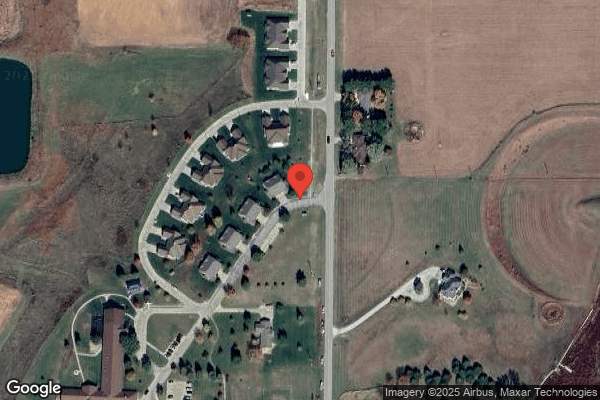
200 Levi Lane, Adams, NE 68301 (402) 988-7115
Non profit - Other 52 Beds Independent Data: November 2025
Trust Grade
75/100
#45 of 177 in NE
Last Inspection: March 2025

Within standard 12-15 month inspection cycle. Federal law requires annual inspections.

Overview

Gold Crest Retirement Center in Adams, Nebraska, has earned a Trust Grade of B, indicating it is a good choice for families looking for care. It ranks #45 out of 177 facilities in the state, placing it in the top half, and is the best option among the three facilities in Gage County. The facility is improving, having reduced its issues from five in 2024 to three in 2025. Staffing is a concern, with a turnover rate of 64%, which is higher than the state's average of 49%, although they maintain a solid RN coverage. Notable incidents include failures to provide daily oral care for several residents, unsecured medications, and inconsistent hand hygiene practices, highlighting areas that need attention despite their overall good ratings.

Trust Score
B
75/100
In Nebraska
#45/177
Top 25%
Safety Record
Low Risk
No red flags
Inspections
Getting Better
5 → 3 violations
Staff Stability
⚠ Watch
64% turnover. Above average. Higher turnover means staff may not know residents' routines.
Penalties
✓ Good
No fines on record. Clean compliance history, better than most Nebraska facilities.
Skilled Nurses
✓ Good
Each resident gets 42 minutes of Registered Nurse (RN) attention daily — more than average for Nebraska. RNs are trained to catch health problems early.
Violations
⚠ Watch
12 deficiencies on record. Higher than average. Multiple issues found across inspections.
★★★★☆
4.0
Overall Rating
★★★★☆
4.0
Staff Levels
★★★★☆
4.0
Care Quality
★★★★☆
4.0
Inspection Score
Stable
2024: 5 issues
2025: 3 issues

The Good

  • 4-Star Staffing Rating · Above-average nurse staffing levels
  • 4-Star Quality Measures · Strong clinical quality outcomes
  • Full Sprinkler Coverage · Fire safety systems throughout facility
  • No fines on record

Facility shows strength in staffing levels, quality measures, fire safety.

The Bad

Staff Turnover: 64%

18pts above Nebraska avg (46%)

Frequent staff changes - ask about care continuity

Staff turnover is elevated (64%)

16 points above Nebraska average of 48%

The Ugly 12 deficiencies on record

Mar 2025 3 deficiencies
CONCERN (E)

Potential for Harm - no one hurt, but risky conditions existed

ADL Care (Tag F0677)

Could have caused harm · This affected multiple residents

**NOTE- TERMS IN BRACKETS HAVE BEEN EDITED TO PROTECT CONFIDENTIALITY** Licensure Reference 175 NAC 12-006.09(H)(i)(3) Based on record review, observations, and interviews, the facility failed to prov...

Read full inspector narrative →
**NOTE- TERMS IN BRACKETS HAVE BEEN EDITED TO PROTECT CONFIDENTIALITY** Licensure Reference 175 NAC 12-006.09(H)(i)(3) Based on record review, observations, and interviews, the facility failed to provide oral cares for 4 (Residents 4, 18, 2, and 6) of 16 residents sampled. The facility census was 41 at the time of survey. Findings are: Record review of the undated facility policy titled ADL's (Activities of Daily Living) revealed that oral cares are a part of the resident's activities of daily living and will be provided daily. Record review of the undated facility Nursing Assistant Orientation Checklist revealed that oral cares will be a part of morning and evening resident cares. Record review of the facility NA/MA (Nursing Assistant and Medication Aide) Validation skills checklist, copyright dated 2024, revealed that oral cares included brushing teeth and/or cleaning dentures twice daily. A. Record review of Resident 4's Quarterly Minimum Data Set (MDS-a comprehensive assessment of each resident's functional capabilities used to develop a resident's plan of care) dated 1/15/2025 revealed as admission to the facility on 4/11/2024, a Brief Interview for Mental Status (BIMS- a test used to get a quick snapshot of a resident's cognitive function, scored from 0-15, the higher the score, the higher the cognitive function) score of 9 indicated mild cognitive impairment, no behaviors indicated, and resident needing set up or clean up assistance with oral hygiene. Record review of Resident 4's Comprehensive Care Plan (CCP- written instructions needed to provide effective and person centered care of the resident that meet professional standards of quality care) revealed: - problem dated 1/21/2025 stated the resident requires queuing from staff to complete ADL's. - goal dated 4/22/2025 stated the resident will complete ADL's daily. -approach dated 10/31/2024 stated to encourage the resident to do ADL's after set up with brushing teeth. Record review of Resident 4's Point of Care (POC) ADL documentation dated 3/6/25-3/12/25 revealed the resident required supervision or limited assistance with personal hygiene. Observation on 03/06/25 at 9:08 AM of Resident 4's toothbrush was dry in the resident's bathroom. Observation on 03/06/25 at 3:29 PM of Resident 4's toothbrush was dry in the resident's bathroom. Dentures in a denture cup with water in the resident's bathroom. In an interview on 03/10/25 at 7:40 AM MA (Medication Aide)-D confirmed they do not have toothettes (disposable oral care swabs used for residents who cannot tolerate a regular toothbrush) in the facility. Observation on 03/10/25 at 8:03 AM of Resident 4's toothbrush in the resident's bathroom was dry. The resident's dentures were in a denture cup with water in the bathroom. Observation on 3/10/25 11:11 AM of Resident 4's toothbrush in the resident's bathroom was dry. The resident's dentures were in a denture cup with water in the bathroom. Observation on 3/11/25 10:06 AM of Resident 4's toothbrush was dry in the resident's bathroom. Dentures in a denture cup with water in the resident's bathroom. Interview on 03/11/25 at 10:11 AM MA-D confirmed that resident 4 usually just soaks and rinses (gender) dentures and they don't do any oral cares for this resident. Interview on 03/11/25 at 11:00 AM the Director of Nursing (DON) confirmed the staff should brush or assist residents with teeth or dentures twice a day and provide cares. Interview on 03/11/25 1:14 PM with the Infection Preventionist (IP) nurse confirmed that oral cares should be provided twice daily for all residents even those with dentures. Interview on 03/11/25 2:41 PM the DON confirmed there was no facility policy regarding oral cares with dentures or cleaning of dentures. Observation on 03/12/25 at 8:21 AM of Resident 4 eating breakfast in the dining room and drinking juice with dentures in (gender) mouth. Interview on 03/12/25 at 9:21 AM NA (Nursing Assistant)-E confirmed there were 7 residents on the memory care unit. It was further confirmed that oral cares had not been done this morning on the residents. B. Review of Resident 18's quarterly MDS dated [DATE] revealed that this resident was admitted to the facility on [DATE], a BIMS score of 6 which indicates severe cognitive impairment, behaviors not indicated and oral cares hygiene required set up or clean up assistance. Review of Resident 18's CCP revealed: -problem dated 12/2/24 resident is unable to complete ADLs independently due to impaired vision and dementia. -goal dated 5/3/2025 resident will assist with completing ADLs daily. -approach dated 12/04/2024 encourage resident to do ADLs after set-up such as: brushing teeth/dentures, combing hair, washing face, assist PRN. Record review of Resident 18's POC ADL documentation dated 3/6/25-3/12/25 revealed the resident required limited to extensive assist with personal hygiene. Observation on 03/06/25 at 9:08 AM of Resident 18's toothbrush was dry in the resident's bathroom. Observation on 03/06/25 at 3:31 PM of Resident 18's toothbrush was dry in the resident's bathroom. In an interview on 03/10/25 at 7:40 AM MA (Medication Aide)-D confirmed they do not have toothettes in the facility. Interview on 03/10/25 at 9:09 AM MA-D confirmed that the staff is supposed to encourage the residents to do what they can and then assist them as needed. Observation on 03/10/25 at 10:03 AM of Resident 18's toothbrush was dry in the resident's bathroom. Observation on 3/11/25 at 8:06 AM of Resident 18's toothbrush was dry in the resident's bathroom. Observation on 3/11/25 at 10:07 AM of Resident 18's toothbrush was dry in the resident's bathroom. Interview on 03/11/25 at 10:11 AM MA - D confirmed that (gender) did not do any oral care for Resident 18 on 3/10/25 or on 3/11/25 and should have. Interview on 03/12/25 at 9:03 AM Resident 18 revealed (gender) could not remember if (gender) had brushed her teeth this morning. Interview on 03/12/25 at 9:21 AM NA - E confirmed there were 7 residents on the memory care unit. It was further confirmed that oral cares had not been done this morning on the residents. C. Interview on 3/6/25 at 10:00 AM with Resident 2 revealed the staff do not brush [gender] teeth. Observation on 3/6/25 at 10:01 AM revealed Resident 2's toothbrush is dry and lying in a small grey basin in the bathroom's medicine cabinet. Record review of Resident 2's MDS (Minimum Data Set, a comprehensive assessment of each resident's functional capabilities) dated 1/29/25 revealed: -Section C: BIMS (Brief Interview for Mental Status, a test used to get a quick snapshot of a resident's cognitive function, scored from 0-15, the higher the score, the higher the cognitive function) is 9 which indicates moderate cognitive impairment. -Section G: Needs moderate assistance with eating and oral hygiene. - dependent assist with toileting hygiene and bathing. -max assist with upper body dressing. -dependent assist with lower body dressing, footwear, personal hygiene, repositioning, and transfers. Record review of Resident 2's Face sheet dated 3/6/25 revealed Resident 2 admitted to the facility on [DATE]. Record review of Resident 2's Care plan dated 3/6/25 revealed: -ADLs Functional Status/Rehabilitation Potential, Resident 2 is unable to complete ADLs independently related to impaired mobility and dementia. -Encourage Resident 2 to participate in activities of daily living such as: brushing teeth, combing hair, washing my face, assist PRN. Record review of Resident 2's Diagnoses dated 3/6/25 revealed: Other symptoms and signs involving cognitive functions and awareness. Observation on 3/6/25 at 3:03 PM revealed Resident 2's toothbrush continues to be dry and lying in a small grey basin in the bathroom's medicine cabinet. Observation on 3/10/25 at 9:45 AM revealed Resident 2's toothbrush is dry and lying in a small grey basin in the bathroom's medicine cabinet. Resident was waiting to get into the shower. Observation on 3/10/25 at 11:00 AM Resident 2 was lying in bed resting and their toothbrush was dry and in small grey basin in the medicine cabinet. Observation on 3/10/25 at 1:30 PM revealed Resident 2's toothbrush is dry and laying in small grey basin in the medicine cabinet. Resident is lying down in bed after lunch. Observation on 3/11/25 at 10:30 AM revealed toothbrush is dry lying in small grey basin in medicine cabinet. Resident lying down in bed. Interview on 3/11/25 at 7:14 AM with (Medication aide) MA-A revealed that staff are to brush resident's teeth at least 3 times a day. Interview on 3/11/25 at 10:55 AM with MA-B revealed that the staff are to brush resident's teeth 2-3 times a day. Interview on 3/11/25 at 11:00 AM with Director of Nursing revealed the staff is to brush the resident's teeth at least twice a day. Record review of Activities of Daily Living Policy undated revealed: Care and services will be provided for the following activities of daily living: -Bathing, dressing, grooming and oral care. -A resident who is unable to carry out activities of daily living will receive the necessary services to maintain good nutrition, grooming, and personal and oral hygiene. D. Interview on 3/6/25 at 11:19 AM with Resident 6 revealed their teeth has not been brushed today. Resident said sometimes they brush them. Observation on 3/6/25 at 11:20 AM revealed the toothbrush was dry laying on the TV stand with the toothpaste tube by it. Observation on 3/6/25 at 3:05 PM revealed Resident 6's toothbrush was dry and laying on the TV stand. Record review of Resident Census dated 3/6/25 revealed Resident 6 admitted to the facility on [DATE]. Record review of Resident 6's MDS (Minimum Data Set, a comprehensive assessment of each resident's functional capabilities) dated 1/29/25 revealed: -Section C: BIMS (Brief Interview for Mental Status, a test used to get a quick snapshot of a resident's cognitive function, scored from 0-15, the higher the score, the higher the cognitive function) was 5 (indicating Resident 6's has sever cognitive impairment). -Section G: Needs moderate assistance with oral hygiene. Record review of Resident 6's Care Plan dated 3/6/25 revealed: -Resident is unable to complete ADLs themselves related to arthritis, dementia, and impaired mobility. -Encourage resident to do other activities of daily living after set-up such as: brushing teeth/dentures, combing hair, washing face, assist as needed. Record review of Resident 6's diagnoses dated 3/6/25 revealed: Dementia in other diseases classified elsewhere, unspecified severity, with other behavioral disturbance. Observation on 3/10/25 at 9:35 AM Resident 6 was sitting in wheelchair in their room reading a book after breakfast. The toothbrush was dry and laying on the TV stand. Observation on 3/10/25 at 1:50 PM revealed Resident 6's toothbrush is dry and laying on the TV stand with the toothpaste tube. Observation on 3/11/25 at 10:50 AM revealed Resident 6's toothbrush is dry laying on the TV stand in [gender's] room. Interview on 3/11/25 at 7:14 AM with (Medication aide) MA-A revealed that staff are to brush resident's teeth at least 3 times. Interview on 3/11/25 at 10:55 AM with (Medication aide) MA-B revealed that the staff are to brush resident's teeth 2-3 times a day. Interview on 3/11/25 at 11:00 AM with Director of Nursing revealed the staff is to brush the resident's teeth at least BID. Record Review of Activities of Daily Living Policy undated revealed: Care and services will be provided for the following activities of daily living: -Bathing, dressing, grooming and oral care. -A resident who is unable to carry out activities of daily living will receive the necessary services to maintain good nutrition, grooming, and personal and oral hygiene.
CONCERN (E)

Potential for Harm - no one hurt, but risky conditions existed

Deficiency F0761 (Tag F0761)

Could have caused harm · This affected multiple residents

LICENSURE REFERENCE NUMBER 175 NAC 12-006.12(D)(i) Based on interview, observation, and record review the facility failed to secure all medications in a locked storage area and to limit access only to...

Read full inspector narrative →
LICENSURE REFERENCE NUMBER 175 NAC 12-006.12(D)(i) Based on interview, observation, and record review the facility failed to secure all medications in a locked storage area and to limit access only to authorized personnel. The facility identified a census of 41 Observation on 3/06/25 at 8:40AM revealed the treatment cart sitting in hallway in front of open door stating Drug on it. Treatment Cart was open and able to view insulin supplies in second drawer. Stood at side of Treatment Cart and open door for 6 minutes. Director of Nursing (DON) walked to treatment cart and open door marked Drug. Interview on 3/06/25 at 8:48 AM with DON stated, the Treatment Cart and the door marked Drug should be locked. Observation on 3/06/25 at 8:52 AM revealed Registered Nurse (RN-F) walked to the treatment cart from the 100 hall. Interview on 3/06/25 at 8:55 AM revealed RN-F stating, the Treatment Cart should have been locked, and the Drug door should be closed. Observation on 3/11/25 at 11:00 AM revealed that the refrigerator in the locked Drug room did not have a lock on the refrigerator door and could be opened. Refrigerator contained several boxes containing Alprazolam vials. Alprazolam is a Scheduled IV controlled substance most commonly prescribed to manage anxiety disorders. Observation on 3/11/25 at 2:45 PM revealed RN-F opening Drug labeled door and demonstrating that the door stays open unless closed by the RN. Interview on 3/11/25 at 2:45 PM revealed RN-F stating, Unless the nurse closed the door manually it will stay open. Record review on 3/11/25 at 3:45 PM revealed Gold Crest Retirement Center Medication Administration Guidelines Policy the following statement: -Medication cart is always visible to medication nurse/med-aide or locked RN-G (Registered Nurse) stating, We only have two medication carts and one treatment cart in the facility.
CONCERN (E)

Potential for Harm - no one hurt, but risky conditions existed

Infection Control (Tag F0880)

Could have caused harm · This affected multiple residents

**NOTE- TERMS IN BRACKETS HAVE BEEN EDITED TO PROTECT CONFIDENTIALITY** D. Record review of the undated facility policy titled Perineal Care revealed perineal care refers to the care of the external ...

Read full inspector narrative →
**NOTE- TERMS IN BRACKETS HAVE BEEN EDITED TO PROTECT CONFIDENTIALITY** D. Record review of the undated facility policy titled Perineal Care revealed perineal care refers to the care of the external genitalia and the anal area and it was explained when taking gloves off, sanitize hands and apply new gloves. Record review of Resident 16's admission Minimum Data Set (MDS -a comprehensive assessment of each resident's functional capabilities used to develop a resident's plan of care) dated 2/7/2025 revealed the resident was admitted to the facility on [DATE], Brief Interview for Mental Status (BIMS - a test used to get a quick snapshot of a resident's cognitive function, scored from 0-15, the higher the score, the higher the cognitive function) score is 11 which indicated mildly impaired cognition, behaviors not indicated, and the resident requires substantial assistance with toileting hygiene. Record review of Resident 16's Comprehensive Care Plan (CCP- written instructions needed to provide effective and person centered care of the resident that meet professional standards of quality care) revealed: -problem dated 12/11/2024 stated staff will utilize Enhance Barrier Precautions with resident due to Multidrug Resistant Organisms (MDRO) in urine. -goal dated 4/14/25 stated resident will show no signs or symptoms of infection. -approach dated 12/11/2024 stated staff will follow facility protocol for Enhanced Barrier Precautions (EBP). Observation on 03/11/25 at 11:56 AM Nursing Assistant (NA) - B assisted Resident 16 to the toilet in the resident's bathroom and after removing the resident's dirty brief, NA - B removed (gender) dirty gloves and applied new clean gloves. No hand hygiene was performed. Observation on 03/11/25 at 11:57 AM NA - C performed perineal cares for the Resident 16 and then removed the dirty gloves and applied new clean gloves. No hand hygiene was performed. Interview on 03/11/25 at 11:58 AM NA - B confirmed they did not wash their hands and they should have when removing dirty gloves and putting on new and clean gloves. Interview on 03/11/25 at 11:59 AM NA - C confirmed (gender) did not wash their hands and should have before putting on clean gloves. Review of the undated facility policy titled Handwashing revealed to wash hands after glove removal. Review of the facility's all staff inservice dated 8/14/24 titled Infection Control revealed that handwashing should be performed when donning and doffing gloves and that all staff should be educated regarding EBP. Interview on 03/11/25 at 12:20 AM the Director of Nursing (DON) confirmed that staff should wash hands or perform hand hygiene when removing gloves and before putting on new gloves. E. Record review of Resident 27's Quarterly MDS dated [DATE] revealed the resident was admitted to the facility on [DATE], BIMS score of 0 which indicated a severe cognitive impairment, verbal behaviors indicated, and resident is always incontinent of bowel. Record review of Resident 27's CCP revealed: -problem dated 02/25/2025 stated the resident is at risk for skin integrity changes related to (R/T) incontinence, impaired mobility, and dementia. -goal dated 05/27/2025 stated the resident will allow staff to assist with Activities of Daily Living (ADL)'s daily. -approach dated 01/23/23 stated to provide incontinence care after each incontinent episode. Observation on 03/10/25 at 9:42 AM Nursing Assistant (NA) - E performed perineal cares for Resident 27. NA - E did not change gloves before reaching into the wipes package container. No hand hygiene performed and NA - E did not change gloves before applying new brief for the resident and putting the residents pant on. Observation on 3/10/25 at 9:43 AM NA -B Pericares performed, NA - B performed perineal cares for Resident 27. NA - B did not change gloves before reaching into the wipes package container. No hand hygiene performed, and no changing of gloves performed before putting on new brief and pants on resident. Interview on 03/10/25 at 9:51 AM NA - B confirmed that (gender) did not perform any hand hygiene before applying new gloves. It was also confirmed that she reached into the clean wipes container with dirty gloves and that she did not change her gloves during the process and should have. She did not wipe the lift down after they used it and should have. Interview on 03/10/25 at 9:53 AM NA - E confirmed that (gender) did not wipe down the mechanical lift after using it and it should have. Interview on 03/10/25 at 9:54 AM the IP confirmed that the lift was not disinfected after coming out of the resident's room before putting it in the storage room and it should have been. Review of the undated facility policy titled Handwashing, revealed handwashing scrub should occur for a minimum of 20 seconds. Review of facility education titled Infection Control dated 8/14/24 had a section on Handwashing and when to wash your hands and for how long, and cleaning. Review of the facility policy dated 8/27/25 titled Safe Resident Handling/Transfers revealed that the mechanical lifts will be cleaned and disinfected after each resident use. Record review of the undated facility policy titled Perineal Care revealed instructions to remove the number of anticipated wipes needed and place onto a clean paper towel, if more wipes are needed gloves will need to be removed and replaced prior to taking clean wipes out of the package and to perform hand hygiene before putting on new gloves. Interview on 03/11/25 at 12:20 PM the DON confirmed that dirty gloved hands should not be reaching into the clean wipes container, and that the lift should be wiped down with antimicrobial wipe after each use, and that handwashing should occur with each glove change, Interview on 03/11/25 at 01:14 PM with the Infection Preventionist (IP) nurse confirmed the mechanical lift should be wiped down after each use with antimicrobial wipes and that hand hygiene should occur before and after gloving. B. Interview on 3/5/25 at 1:09 PM with Resident 39 revealed [gender] catheterizes (a catheter that is inserted into the bladder to drain urine) themselves 4-5 times a day with the help of staff. Record review of Resident Census dated 3/6/25 revealed Resident 39 was admitted to the facility on [DATE]. Observation on 3/11/25 at 12:00 PM with RN-H providing straight catheterization for Resident 39. RN-H pushed resident in the wheelchair into bathroom and applied gait belt to have resident wash their hands and assisted onto toilet. RN-H performed hand hygiene with soap and water x 15 seconds and shuts faucets off with bare hands. RN-H left the room to get the hibiclens (an antibacterial skin cleanser) from the medication room. RN-H returned to room and performed hand hygiene with soap and water for 15 seconds and shuts the faucets off with bare hands. RN-H got a washcloth wet it with warm water and applied hibiclens onto the washcloth, then washed resident's glands penis. RN-H performed hand hygiene with soap and water for 9 seconds, then used bare hands to shut off the faucets. RN-H opened catheter package slightly to enable (gender) to reach the new catheter, then applied sterile gloves, and inserted the straight catheter into the external opening of the urethra (the tube that carries urine from the bladder to the outside of the body) and held the tubing in place while urine drained into a urinal. RN-H then removed the catheter after the drainage stopped. The resident wanted to sit longer on toilet. RN-H removed gloves and performed hand hygiene for 11 seconds and shut the water off with bare hands. RN-H did not wear any (PPE) Personal Protective Equipment to protect healthcare workers, patients, and others from potentially contacting and/or spreading potential infections except the sterile gloves. Interview with RN-H on 3/11/25 at 12:25 PM confirmed [gender] should have washed hands for 20 seconds and used a towel to shut the faucets off. Interview on 3/11/25 at 12:28 PM with Infection Preventionist (IP) revealed staff needs to wear PPE consisting of a shield, gown, mask and gloves during catheterization, wash hands for 20 seconds and use a paper towel to shut the faucets off. Record review of Resident 39's Physician orders dated 3/6/25 revealed: - Intermittent self-catheterization of bladder -apply KY jelly to catheter tip 5 Times Per Day ( 7:00 AM, 12:00 PM, 5:00 PM, 11:00 PM and 3:00 AM) - Intermittent self-catheterization of bladder PRN (as needed)- apply KY jelly to catheter tip Three Times A Day PRN Record review of Resident 39's MDS (Minimum Data Set, a comprehensive assessment of each resident's functional capabilities) dated 1/17/25 revealed: -Section C: BIMS (Brief Interview for Mental Status, a test used to get a quick snapshot of a resident's cognitive function, scored from 0-15, the higher the score, the higher the cognitive function) was 13 indicating Resident 39 is cognition is intact. -Section G: Moderate assist with toileting hygiene, and bathing. -Section H: intermittent catheterization. Record review of Resident 39's Care plan dated 3/6/25 revealed resident self-catheterizes intermittently throughout the day related to neuromuscular dysfunction of bladder. Resident is requiring staff assistance with this at this time. -Resident 39 will have catheter care managed appropriately as evidenced by not exhibiting signs of urinary tract infection or urethral trauma. Record review of Resident 39's face sheet dated 3/6/25 revealed pertinent diagnosis as Urinary Tract Infection, Retention of urine, and Neuromuscular dysfunction of bladder. Record review of facility's undated Hand Washing Policy revealed: -Wash hands before procedures, before contact with residents, after glove removal and after contact with inanimate objects in the immediate vicinity of the patient. -How to wash hands: Scrub well with soap and additional water if needed, scrubbing all areas thoroughly. Wash with friction at least 1 inch above wrists, pay close attention to the fingernails. Scrub for a minimum of 20 seconds. Apply vigorous friction between the fingers and fingertips. Rinse with clean running water in a way that allows water to flow from the wrist to the fingertips. Dry hands with paper towel. Turn the faucet off with a clean paper towel. Record review of Enhanced Barrier Precautions Policy revised 12/1/24 revealed: Enhanced Barrier Precautions (EBP) refer to an infection control prevention design to reduce transmission of multidrug-resistant organisms that employs targeted gown, and gloves use during high contact resident care activities. High-contact resident care activities include: Providing hygiene and device care or use (central lines, urinary catheters, feeding tubes). C. Record review of Resident 9's Face sheet dated 3/6/25 revealed admission was 8/21/23. Observation on 3/10/25 at 11:10 AM for Resident 9's peri care with Registered Nurse (RN-G) and the Minimum Data Set Coordinator (MDSC). Both nurses performed hand hygiene and applied gloves, then transferred resident to bed using the hoyer lift. RN-G and MDSC did not perform hand hygiene after the resident was placed in bed and the slacks and brief were removed. MDSC assisted with the repositioning. RN-G obtained 2 wipes out of wipe container using the same soiled gloves and cleansed both sides of groins using new wipe for each groin. RN-G then placed soiled gloved hand into wipes container and removed 2 more wipes and cleansed the urethral opening and wiped down towards the peri area 2 x with a new wipe each time. RN-G and MDSC repositioned resident to [gender] back. RN-G changed gloves with no hand hygiene done, then resident was repositioned to left side again. RN-G removed a wipe from wipes container using the contaminated gloves and cleansed rectal and buttocks area, noting the wipe had a small amount of bowel movement on it. RN-G removed 2 more wipes from the container with the same gloves and cleansed buttocks again. RN-G and MDSC assisted applying new brief and clean slacks. Interview with RN-G on 3/10/25 at 12:05 PM revealed [gender] thought if the gloves were visibly soiled then needed to wash hands. RN-G said [gender] did not know how to get the wipes without getting into the container. Interview with IP on 3/10/25 at 12:12 PM revealed that staff should not get into wipes container with contaminated gloves, and when removing gloves they need to perform hand hygiene. Record review of Resident 9's MDS (Minimum Data Set, a comprehensive assessment of each resident's functional capabilities) dated 2/5/25 revealed: -Section C: BIMS (was not done due to not being understood). -Section D: PHQ total severity score 5. -Section G: limitation in upper and lower ROM on one side. -Needs supervision for eating. -Dependent for oral hygiene, toileting hygiene, bathing, upper and lower body dressing, footwear, personal hygiene, repositioning, and transfers. -Section H: always incontinent of urinary and bowel. Record review dated 3/6/25 of Resident 9's Braden (a tool used in healthcare to assess risk for skin breakdown or injury- such as a pressure sore) score dated 11/8/24 scored 13 indicating moderate skin breakdown risk. Record review of Resident 9's Care Plan dated 3/5/25 revealed: Resident is at risk for skin breakdown related to incontinence, impaired mobility, and obesity. Provide incontinence care after each incontinent episode. Avoid friction to skin. Record review of Resident 9's Diagnosis on the face sheet dated 3/6/25 revealed: Cerebral infarction, Urinary tract infection, Retention of urine, and Personal history of transient ischemic attack (TIA). The undated facility policy Hand Washing revealed: -Wash hands before procedures, before contact with residents, after glove removal and after contact with inanimate objects in the immediate vicinity of the patient. -How to wash hands: Scrub well with soap and additional water if needed, scrubbing all areas thoroughly. Wash with friction at least 1 inch above wrists, pay close attention to the fingernails. Scrub for a minimum of 20 seconds. Apply vigorous friction between the fingers and fingertips. Rinse with clean running water in a way that allows water to flow from the wrist to the fingertips. Dry hands with paper towel. Turn the faucet off with a clean paper towel. Interview with Director of Nursing on 3/11/25 at 2:57 PM said the facility just revised the Perineal care policy to add in taking wipes out of cleansing wipe container prior to doing peri care and the gloves need to be removed and replaced prior to taking more wipes out of package. Record review of Perineal care policy revised 3/11/25 revealed: -Remove the number of anticipated wipes needed and place onto a clean paper towel/wash rag/towel. If more wipes are needed, gloves will need to be removed and replaced prior to taking more wipes out of package. LICENSURE REFERENCE NUMBER 175 NAC 1-005.06(D) Based on observations, interviews and record reviews the facility failed to ensure that staff follow principles of infection control and prevention through hand hygiene, glove use, use of personal protection equipment (PPE) and cleaning of equipment between residents. This affected 7 (Residents 1,8,9,16,27,35,39) out of 8 residents sampled. The facility identified a census of 41. Finding are: A. Record review of Gold Crest Retirement Center Handwashing Policy with revised date of 3/11/2025 revealed the following of when to staff should wash hands: - Wash hands before procedures, before direct contact with residents, after glove removal and after contact with inanimate object in the immediate vicinity of the patient. - Before and after serving food. - Staff is educated on the importance of hand washing and retrained and reminded as necessary on the above philosophy/guidelines. - Hand washing competencies will be administered to all staff annually. Observation on 3/10/25 at 8:30 AM to 8:50 AM revealed dining room observation of the following: - Nursing Assistance (NA-G)) at 8:30 AM washed hands using soap and water and sat down between Residents 8 and 1, who were seated at the dining room table. NA-G used the left-hand to open Resident 1's napkin containing the fork and spoon and gave Resident 1 a bite of scrambled eggs. NA-G used their left-hand and opened Resident 8's napkin taking out the fork and spoon. Resident 8 touched NA-G on the left hand as NA-G assisted Resident 8 with a glass of juice. NA-G using the same left hand picked up Resident 1's fork and fed Resident 1 more scrambled egg. NA-G then picked up Resident 1's glass and with their left hand and gave Resident 1 a drink from the glass. -8:40 AM Registered Nurse (RN-B) washed hands with soap and water and sat down between Residents 35 and Resident 27. RN-B using their right-hand opened the napkin containing a fork and spoon for Resident 35 touching the spoon on feeding surface and gave Resident 35 a bite of food. RN-B using their right hand, then picked up a spoon and gave Resident 27 a bite of food. -8:45 AM after using their right and left hands several times to feed both Residents 27 and Resident 35 food, RN-B got up and used hand sanitizer and came back and sat down between residents 35 and 27 touching 35's upper arm with right hand and then RN-B used right hand and picked up Resident 27's spoon and gave Resident 27 a bite of food. -8:50 AM NA-G continued to feed both Resident 8 and Resident 1 with both left and right hands and did not use any hand sanitizer between the residents. NA-G touched resident 1's arm with left hand and then picked up resident 8's glass of juice and handed it to resident 8's hand. NA-G then gave resident 1 a bite of ground sausage with that same hand. Interview on 3/10/25 at 3:10 PM revealed that RN-B admitted to feeding two residents at one time and did not use the same hand on each resident to prevent the potential spread of infection/cross contamination between them. RN-B confirmed that (gender) should have used hand sanitizer between feeding each resident.
Apr 2024 5 deficiencies
CONCERN (D)

Potential for Harm - no one hurt, but risky conditions existed

Notification of Changes (Tag F0580)

Could have caused harm · This affected 1 resident

**NOTE- TERMS IN BRACKETS HAVE BEEN EDITED TO PROTECT CONFIDENTIALITY** Licensure Reference Number 175 NAC 12-006.04C3a(6) Based on record reviews and interviews, the facility failed to notify Residen...

Read full inspector narrative →
**NOTE- TERMS IN BRACKETS HAVE BEEN EDITED TO PROTECT CONFIDENTIALITY** Licensure Reference Number 175 NAC 12-006.04C3a(6) Based on record reviews and interviews, the facility failed to notify Resident 4's physician of a deterioration in condition of a pressure injury (localized damage to the skin and underlying tissue due to prolonged pressure to the area.) This affected 1 of 3 residents sampled for pressure injuries. The facility census was 42. Findings are: A record review of Resident 4's Face Sheet printed 03/28/2024 revealed the resident was admitted [DATE] and had a primary diagnosis of heart failure. Other diagnoses included dementia with behavioral disturbances, history of a traumatic brain injury, arthritis, high blood pressure, and low back pain. A review of Resident 4's Progress Notes revealed a note from 12/05/2023 at 6:26 PM documenting the initial assessment of a pressure injury to their right sacral area (an area of skin over the sacrum-a triangular bone at the base of the spine). Measurements at that time were a length (L) of 1.1 centimeters (cm) by a width (W) of 0.5 cm and depth (D) of 0.2 cm. A review of Resident 4's Wound Management Detail Report from 12/05/2023 to 04/02/2024 revealed the following wound measurements: 12/07/2023 L-1.3 cm, W-0.3 cm, D-the question Can depth be measured? was answered no. Wound healing status: was answered stable. 12/14/2023 L-1.1 cm, W-0.3 cm, D-0.1 cm. Wound healing status: was answered improving. 12/21/2023 L-1.1 cm, W-0.5 cm, no depth documented, wound healing status not addressed. 12/28/2023 L-0.6 cm, W-0.3 cm, no depth documented. Wound healing status: was answered improving. 01/05/2024 L-0.6 cm, W-0.4 cm, no depth documented, wound healing status not addressed. 01/11/2024 L-0.4 cm, W-0.3 cm, D-0.2 cm. Wound healing status: was answered improving. 01/18/2024 L-0.5 cm, W-0.3 cm, D-0.2 cm. Wound healing status: was answered stable. 01/25/2024 L-0.4 cm, W-0.2 cm, D-0.1 cm. Wound healing status: was answered improving. 02/01/2024 L-0.5 cm, W-0.2 cm, D-0.2 cm. Wound healing status: was answered stable. 02/08/2024 L-0.5 cm, W-0.3 cm, D 0.2 cm, wound healing status not addressed. 02/15/2024 L-0.6 cm, W-0.3 cm, D-0.2 cm, wound healing status not addressed. 02/22/2024 L-0.5 cm, W-0.3 cm, D-0.2 cm. Wound healing status: was answered stable. 02/29/2024 There was no wound documentation in the Wound Management Detail Report or the Progress Notes for this week. 03/07/2024 L-1 cm, W-0.5 cm, D-0.2 cm, wound healing status not addressed. Measurements were larger this week than in documentation from 02/22/2024. 03/14/2024 L-0.8 cm, W-0.3 cm, D-0.2 cm. Wound healing status: was answered improving. 03/21/2024 L- 1 cm, W- 0.5 cm, D-0.2 cm. Wound healing status: was answered stable. 03/28/2024 L-1 cm, W-0.4 cm, D-0.3 cm, wound healing status not addressed. After 01/25/2024, there was no further documented evidence of wound healing. On 03/07/2024 the wound measurements had gotten larger. A review of Resident 4's Progress Notes between 12/05/2023 and 04/01/2024 revealed no documentation of the provider being notified of the status of the resident's pressure injury after the initial notification on 12/05/2023. A review of a 60 day check by the resident's medical provider dated 02/07/2024 revealed the statement that the resident's Skin color and temperature are normal, no rashes or lesions. There was no mention of the resident's pressure injury. During an interview conducted on 04/02/2024 at 1:53 PM, the Director Of Nursing confirmed that the resident's pressure injury had deteriorated in early March, and the provider should have been notified of the change.The DON further confirmed there was no documentation that the resident's provider was notified of the condition of the pressure injury since the initial notification, or of its deterioration. A review of the facility's undated policy Pressure Injuries revealed the following statement: If there is no evidence of healing within 4 weeks of treatment, the existing treatment will be re-evaluated and the physician notified with recommendations.
CONCERN (D)

Potential for Harm - no one hurt, but risky conditions existed

Assessment Accuracy (Tag F0641)

Could have caused harm · This affected 1 resident

**NOTE- TERMS IN BRACKETS HAVE BEEN EDITED TO PROTECT CONFIDENTIALITY** Based on record review and interviews, the facility failed to ensure the accuracy of the Minimum Data Set (MDS- a comprehensive ...

Read full inspector narrative →
**NOTE- TERMS IN BRACKETS HAVE BEEN EDITED TO PROTECT CONFIDENTIALITY** Based on record review and interviews, the facility failed to ensure the accuracy of the Minimum Data Set (MDS- a comprehensive assessment of each resident's functional capabilities) regarding oxygen for Resident 4 and falls for Resident 21. The affected 2 of 12 residents reviewed for MDS accuracy. The facility census was 42. Findings are: A. A review of Resident 4's Continuity of Care Document created 03/28/2024 revealed an admission date of 12/06/2022 and diagnoses of heart failure, high blood pressure, mitral valve insufficiency (a leaky valve on the left side of the heart), anxiety, and a history of COVID-19. A review of Resident 4's Quarterly MDS dated [DATE] revealed a Brief Interview for Mental Status-(BIMS-a screening tool used to assess cognition [relating to the mental process involved in knowing, learning, and understanding things]) with a score of 14 of 15, indicating the resident was cognitively intact. A further review of Resident 4's Quarterly MDS dated [DATE] revealed that in Section O Special Treatments, Procedures, and Programs the statement under O0110 to Check all of the following treatments, procedures, and programs that were performed while a resident of this facility and within the last 14 days was not marked for oxygen therapy, indicating the resident had not received oxygen during the 14 days ending 03/06/2024 (02/22/2024 to 03/06/2024). A review of Resident 4's Physician Order Report dated 02/28/2024 to 03/28/2024 revealed an order for oxygen per nasal cannula (NC-a device that delivers extra oxygen through a tube and into your nose) to keep SpO2 (a measurement of how much oxygen your blood is carrying as a percentage of the maximum it could carry) greater than 92%. A review of the resident's Charge Nurse Administration History for February 2024 revealed the oxygen order had spaces to be signed for twice a day. All spaces were signed as administered, with notations on 02/18, 02/19, and 02/25 that it was not administered. A review of the resident's Charge Nurse Administration History for March 2024 revealed the oxygen order had spaces to be signed for twice a day. All spaces were signed as administered, with notations on 03/10, 03/17, and 03/21 that it was not administered. During an interview conducted on 03/27/2024 at 10:10 AM, Resident 4 revealed that they wore oxygen during the night. During an interview conducted on 04/01/2024 at 8:07 AM, Medication Aide (MA) B confirmed that Resident 4 wore oxygen at night, and sometimes when they lay down during the day. During an interview conducted on 04/01/2024 at 8:21 AM Registered Nurse (RN) A confirmed that Resident 4 wore oxygen at night. During an interview conducted on 04/02/24 at 3:31 PM, the Executive Director (ED) confirmed that oxygen is not coded on the quarterly MDS dated [DATE]. B. A review of Resident 21's Continuity of Care Document created 03/28/2024 revealed an admission date of 09/06/2023 and diagnoses of fractured nasal bones dated 12/02/2023 and a traumatic brain injury dated 12/08/2023. Other diagnoses included high blood pressure, heart disease, chronic obstructive pulmonary disease (COPD-a group of lung diseases that block airflow and make it difficult to breathe), dizziness and giddiness, and a history of falls. A review of Resident 21's Quarterly MDS dated [DATE] revealed a BIMS score of 13 of 15, indicating the resident was cognitively intact. A review of Resident 21's Discharge-Return Anticipated MDS dated [DATE] revealed that in Section J Health Conditions, question J1800 Has the resident had any falls since admission/entry or reentry or the prior assessment (OBRA or Scheduled PPS), whichever is more recent? is marked no. A review of the MDS 3.0 Resident Assessments page for Resident 21 revealed the last MDS done prior to the resident's Discharge-Return Anticipated MDS was the admission MDS dated [DATE]. A review of the undated list of incidents provided by the facility covering the dates 10/05/2023 to 03/20/2024 revealed Resident 21 had unwitnessed falls on 10/20/2023, 10/21/2023, and 11/07/2023. Each was marked none under the Injury column. The resident had a witnessed fall on 11/22/2023 and was observed to hit their head. This fall had Subdural Hematoma, broken nose listed under the Injury column. The resident had a witnessed fall on 12/01/2023 and did not hit their head. During an interview conducted on 04/02/24 at 3:31 PM, the ED confirmed that the resident's falls were not coded on the Discharge-Return Anticipated MDS.
CONCERN (D)

Potential for Harm - no one hurt, but risky conditions existed

Deficiency F0642 (Tag F0642)

Could have caused harm · This affected 1 resident

**NOTE- TERMS IN BRACKETS HAVE BEEN EDITED TO PROTECT CONFIDENTIALITY** Based on record review and interview, the facility failed to ensure that a Discharge Minimum Data Set (MDS- a comprehensive asse...

Read full inspector narrative →
**NOTE- TERMS IN BRACKETS HAVE BEEN EDITED TO PROTECT CONFIDENTIALITY** Based on record review and interview, the facility failed to ensure that a Discharge Minimum Data Set (MDS- a comprehensive assessment of each resident's functional capabilities. A Discharge MDS is a subset of information completed when a resident is discharged from a facility) was certified as complete for Resident 41 upon discharge from the facility. This affected 1 of 13 residents reviewed for MDS completion. The facility census was 42. Findings are: A review of Resident 41's Electronic Health Record (EHR) revealed an admission date of 11/09/2023 and a primary diagnosis of acute respiratory failure. A review of Resident 41's EHR revealed the resident had been discharged from the facility 12/05/2023. A review of the MDS 3.0 Resident Assessments page for Resident 41 revealed a Discharge-Return Not Anticipated MDS marked as in process dated 12/05/2023. A review of the MDS 3.0 Assessment Summary page for the Discharge MDS dated [DATE] revealed under Section Status that Sections K and X were marked as All questions answered and resolved, and Section S was marked No answer required. No other sections were marked. A review of MDS section Z Assessment Administration question Z0400 revealed that Sections A, B, D, and Z were dated as completed 12/06/2023, with Pending Signatures, and Section K was dated as completed 12/06/2023 and Electronically Signed. Further review revealed question Z0500 Signature of RN [Registered Nurse] Assessment Coordinator Verifying Assessment Completion was not filled out. A review of the Minimum Data Set 3.0 Resident Assessment Instrument User's Manual v1.18.11 (https://www.cms.gov/files/document/finalmds-30-rai-manual-v11811october2023.pdf) dated October 2023 revealed on page 2-19 that a Discharge-Return Not Anticipated MDS should be completed no later than the discharge date + 14 days, which was 12/19/2023. During an interview conducted 03/28/2024 at 3:43 PM, the MDS Coordinator confirmed that the MDS was not completed and not all the sections had been signed.
CONCERN (D)

Potential for Harm - no one hurt, but risky conditions existed

Respiratory Care (Tag F0695)

Could have caused harm · This affected 1 resident

Licensure Reference Number 175 NAC 12-006.09D6 Based on observation, record review, and interviews, the facility failed to ensure oxygen tubing was changed as required and stored in a manner to preven...

Read full inspector narrative →
Licensure Reference Number 175 NAC 12-006.09D6 Based on observation, record review, and interviews, the facility failed to ensure oxygen tubing was changed as required and stored in a manner to prevent cross-contamination for Resident 4. This affected 1 of 1 residents reviewed for oxygen. The facility census was 42. Findings are: A review of Resident 4's Continuity of Care Document created 03/28/2024 revealed an admission date of 12/06/2022 and diagnoses of: heart failure, high blood pressure, mitral valve insufficiency (a leaky valve on the left side of the heart), anxiety, and a history of COVID-19. A review of Resident 4's Quarterly Minimum Data Set (MDS- a comprehensive assessment of each resident's functional capabilities) dated 03/06/2024 revealed a Brief Interview for Mental Status-(BIMS-a screening tool used to assess cognition [relating to the mental process involved in knowing, learning, and understanding things]) with a score of 14 of 15, indicating the resident was cognitively intact. An observation made on 03/27/24 at 10:10 AM revealed Resident 4 had an oxygen concentrator (a medical device that takes air in and purifies it for use by individuals who require oxygen) in their room. The tubing connected to the machine was dated 02/01/2024. An observation made on 03/28/24 at 7:58 AM revealed the oxygen tubing was on floor behind the concentrator and the nasal cannula was on floor. The tubing was dated 02/01/2024. An observation made on 03/28/24 at 12:07 PM revealed the oxygen tubing and nasal cannula remained on the floor behind the concentrator. The tubing was dated 02/01/2024. A review of the undated Gold Crest Retirement Center Oxygen policy revealed: Nasal Cannula: Replace nasal cannula and tubing every month. Apply a label to the new tubing with the date, and Keep excess oxygen tubing secured in an IP-Pouch strategically placed for the resident. During an interview conducted with Resident 4 on 03/28/2024 at 10:10 AM, the resident stated they wear oxygen at night. During an interview conducted 03/28/2024 at 12:12 PM, Medication Aide (MA)-C revealed they did not know where Resident 4's oxygen tubing gets stored, and that the resident usually had it off by the time MA-C got to work in the mornings. MA-C revealed that usually the tubing gets wrapped up and put in a black bag when not in use. MA-C confirmed the tubing was on the floor and should not have been, and [gender] further confirmed the tubing was dated 02/01/2024. MA-C removed the tubing and threw it away. During an interview conducted on 3/28/24 at 3:20 PM, Registered Nurse (RN)-A confirmed that the oxygen tubing was supposed to be changed monthly, and since the date on the tubing was 02/01/2024 it was not changed in March. RN-A confirmed the oxygen tubing should be stored in a black IP bag when not in use.
CONCERN (E)

Potential for Harm - no one hurt, but risky conditions existed

Deficiency F0657 (Tag F0657)

Could have caused harm · This affected multiple residents

Licensure Reference Number 175 NAC 12-006.09C1c Based on observations, interviews, and record reviews, the facility failed to revise the Care Plan ( written instructions needed to provide effective an...

Read full inspector narrative →
Licensure Reference Number 175 NAC 12-006.09C1c Based on observations, interviews, and record reviews, the facility failed to revise the Care Plan ( written instructions needed to provide effective and person-centered care of the resident that meet professional standards of quality care) regarding a CPAP (Continuous Positive Airway Pressure -- a treatment that uses mild air pressure to keep your breathing airways open) for Resident 10, a pressure injury (injuries to the skin and the tissue below the skin that are due to pressure on the skin for along time) for Resident 4, and falls for Resident 21. This affected 3 of 12 residents reviewed for care plan revision. The facility census was 42. Findings are: A. Record review of Resident 10's undated Face Sheet revealed the admission date of 8/21/23 with diagnosis of sleep apnea (a potentially serious sleep disorder in which beathing repeatedly stops and starts) unspecified. Record review of the Physician's Orders dated 8/21/23 revealed CPAP at HS (hour of sleep). PAP High: 20; PAP Low: 5 At Bedtime. Record review of MDS (Minimum Data Set, a comprehensive assessment of each resident's functional capabilities) dated 2/21/24, Section O, G1 stated Non-invasive Mechanical Ventilator marked. Record review revealed that resident's Care Plan last revised on 3/12/24 revealed no documentation of a CPAP. Interview on 3/28/24 at 3:05 PM with Registered Nurse (RN)-A revealed Resident 10 wears the CPAP nightly. In an interview with the Director of Nursing (DON) on 4/1/24 at 1:20 PM [gender] confirmed there was no documentation of Resident 10's CPAP on the Care Plan and it should have been. Record review of the undated policy Care plans Communication and Updating Policy, revealed The Care Plan is outlined by goals which are evaluated and revised at least quarterly and as necessary through the nursing process (assessment, planning, implementation, and evaluation and Interdisciplinary team conferences are conducted quarterly and are useful in the development of meaningful nursing care plans. Problems are discussed and entered on the care plan. B. A review of Resident 4's Continuity of Care Document created 03/28/2024 revealed an admission date of 12/06/2022 and diagnoses of: heart failure, high blood pressure, mitral valve insufficiency (a leaky valve on the left side of the heart), anxiety, and a history of COVID-19. A review of Resident 4's Progress Notes revealed a note from 12/05/2023 at 6:26 PM documenting the initial assessment of a pressure injury to their right sacral area (an area of skin over the sacrum-a triangular bone at the base of the spine). A review of Resident 4's Comprehensive Care Plan (CCP) revealed a Problem of at risk for skin breakdown because decrease in mobility with a Problem Start Date of 03/09/2023. The Long Term Goal was skin will remain intact with no red areas, and had a target date of 06/11/2024. There was one Approach dated 12/06/2023 that stated Tx (treatment) to sacral wound per order. Keep area clean. All other approaches were from March of 2023, prior to the development of the pressure injury. The Problem and the Long Term Goal did not reflect Resident 4's actual skin breakdown. During an interview conducted on 04/02/2024 at 1:53 PM, the (DON) confirmed that the Care Plan was not revised to address the resident's pressure injury. C. A review of Resident 21's Continuity of Care Document created 03/28/2024 revealed an admission date of 09/06/2023 and diagnoses of: fractured nasal bones dated 12/02/2023 and a traumatic brain injury dated 12/08/2023. Other diagnoses: high blood pressure, heart disease, chronic obstructive pulmonary disease (COPD-a group of lung diseases that block airflow and make it difficult to breathe), dizziness and giddiness, and a history of falls. A review of the undated list of incidents provided by the facility covering the dates 10/05/2023 to 03/20/2024 revealed Resident 21 had unwitnessed falls on 10/20/2023, 10/21/2023, and 11/07/2023. Each was marked none under the Injury column. The resident had a witnessed fall on 11/22/2023 and was observed to hit their head. This fall had Subdural Hematoma, broken nose listed under the Injury column. The resident had a witnessed fall on 12/01/2023 and did not hit their head. A review of the Event Report for Resident 21's fall on 10/20/2023 revealed an intervention of gripper socks for increased safety and stability. This intervention was not documented on the CCP. A review of the Event Report for Resident 21's fall on 10/21/2023 revealed an intervention of resident educated to call for assistance when getting transferring. This intervention was not documented on the CCP. A review of the Event Report for Resident 21's fall on 11/07/2023 revealed an intervention of remove plywood platform from beneath recliner. This was done and resident now has a lift chair. This intervention was not documented on the CCP. A review of the Event Report for Resident 21's fall on 11/22/2023 revealed an intervention of if resident does not want to walk ask nurse for assistance. This intervention was not documented on the CCP. A review of the Event Report for Resident 21's fall on 12/01/2023 revealed an intervention of scheduled Tylenol. This intervention was added to the Activities of Daily Living (ADLs-basic self-care tasks necessary for independent living) Problem on the CCP. A review of the CCP for Resident 21 revealed a Problem of at risk for falling related to hx (history) of falls, incont. (incontinence), decreased mobility, anxiety, arthritis, with a Problem Start Date of 09/19/2023. The Long Term Goal was remain free from injury, with a target date of 06/18/2024. There was one approach dated 12/28/2023 that stated Right assist handle to bed, to assist (Resident 21) with getting OOB (out of bed) and repositioning. All other approaches were from 09/19/2023, prior to any falls. The Problem and the Long Term Goal did not reflect Resident 21's falls or injuries, and the new interventions from the falls in the facility were not included in the Approaches. During an interview conducted on 04/02/2024 at 1:53 PM, the DON confirmed that the Care Plan was not revised to address the resident's falls or new interventions. D. Review of facilities undated policy for Care Plans Communication and Updating revealed: Changes in overall plan of care may occur throughout the quarter. These changes may not be considered significant changes. These could include: skin tears, bruises, infections, starting a supplement, etc. Therefore, it only requires an update to the original Overall Care Plan. These changes are communicated in the following manner: The staff member making the change is responsible to see that this communication is completed by doing the task or delegating the task as follows: Update the Overall Care Plan with the date and initial the change. Each Department Supervisor is then responsible for updating any internal communication or documentation necessary to assure that their staff is knowledgeable of the change and that the change in adhered to concerning that specific resident care.
Oct 2023 1 deficiency
CONCERN (D) 📢 Someone Reported This

A family member, employee, or ombudsman was alarmed enough to file a formal complaint

Potential for Harm - no one hurt, but risky conditions existed

Report Alleged Abuse (Tag F0609)

Could have caused harm · This affected 1 resident

**NOTE- TERMS IN BRACKETS HAVE BEEN EDITED TO PROTECT CONFIDENTIALITY** Licensure Reference Number 175 NAC 12-006.02 Based on record review and interview, the facility failed to report an elopement of...

Read full inspector narrative →
**NOTE- TERMS IN BRACKETS HAVE BEEN EDITED TO PROTECT CONFIDENTIALITY** Licensure Reference Number 175 NAC 12-006.02 Based on record review and interview, the facility failed to report an elopement of 1 (Resident 1) of 1 sampled resident. The facility identified a census was 46. Findings are: Record review of the policy titled Disaster Response Procedures dated 2023, revealed elopement was defined as a resident going beyond the parameters of safe areas without direct knowledge of staff. This applies to those residents that have been deemed unsafe without supervision. A record review of Resident 1's Face Sheet dated 10/17/22 revealed the resident was admitted to the facility on [DATE] with diagnoses of dementia, delusion disorder and Alzheimer's Disease. The resident was admitted into the memory care unit. An interview with the Activities Director (AD) on 10/23/23 at 11:00 AM revealed, [gender] accompanied Resident 1 out of the memory unit to attend the facility's church service on Sunday 10/15/23 at 3:00 PM. The AD revealed that [gender] did leave the area around 4:00 PM to escort other residents back to their rooms when activity was over, and the Volunteer (Vol)-1 was supposed to monitor Resident 1. The AD stated that when [gender] arrived back to the Chapel Resident 1 was no longer in the Chapel. An interview with the Registered Nurse (RN)-A on 10/23/23 at 1:45 PM revealed, on 10/15/23 the AD informed [gender] that they were unable to locate Resident 1. RN-A then revealed all staff began to search for the resident and RN-A found the resident outside at the end of the South parking lot. RN-A assisted the resident back into the building. An interview with the Director of Nursing (DON) on 10/23/23 at 12:00 PM revealed, the DON did inform the facility Administrator of the elopement for Resident 1 and the incident was not reported due to the resident was found in the South parking lot. An interview with the Administrator on 10/23/23 at 12:30 PM revealed, [gender] was under the impression that if the resident did not leave the property and therefore the incident would not be considered an elopement and was not reported.
May 2023 3 deficiencies
CONCERN (D)

Potential for Harm - no one hurt, but risky conditions existed

Notification of Changes (Tag F0580)

Could have caused harm · This affected 1 resident

LICENSURE REFERENCE NUMBER 175 NAC 12-006.04C3a(6) Based on record review and interview the facility failed to notify the resident representative and physician of a change in condition for 1 of 1 samp...

Read full inspector narrative →
LICENSURE REFERENCE NUMBER 175 NAC 12-006.04C3a(6) Based on record review and interview the facility failed to notify the resident representative and physician of a change in condition for 1 of 1 sampled residents (Resident 20). The facility identified a census of 39. Findings Are: Interview on 5/22/23 at 2:12 PM with Resident 20's representative stated it was reported that on 5/13/23 night, Resident 20 went unresponsive for 40 minutes and Resident 20's representative was not notified from the facility and had found out from Resident 20's represenative newphew's wife. Resident 20's representative voiced that this had happened another 2 times and the representative had not been notified until this time. Record review of the Progress Notes dated 4/23/22 through 5/24/23 revealed that on 5/13/23 at 5:20 PM Resident 20 had an episode of chest pain with no documentation of family or physician notification. The Progress Note read as follows: Resident did not want to get up for supper. Complaining of chest pain. Assessment and VSS (vital signs stable). Resident stated, it's a tight pain. irregular pulse at 76 bpm (beats per minute). Hyperactive bowel sounds. No complaints of stomach pain or nausea. Repositioned resident up in bed. Head of bed to a 90-degree angle. After 15 mins resident expressed no more pain. Took meds but refused (gender) liquid potassium. See Emar. (Electronic Medication Administration Record) Record review of the Progress Notes dated 4/23/22 through 5/24/23 revealed that on 5/13/23 at 5:20 PM Resident 20 had an unresponsive episode with no documentation of family or physician notification. The Progress Note read as follows: Resident had a vasovagal response (a sudden dizziness or fainting that can be set off by things such as pain, stress, fear, or trauma) while transferring from the toilet, in sit to stand. response last 45 secs to 1 min. Residents body went limp and skin turned pale. Breathing interrupted. Resident came to seconds after the episode and was alert and oriented X3. She stated, I'm fine, I just feel out of it. VSS. lower 02 saturation at 92%. Laid resident down in bed. Interview on 5/23/23 at 5:20 PM with the DON (Director of Nursing) revealed the facility did not have a policy related to resident change of condition. Interview on 5/25/23 at 1:28 PM with the facility DON revealed that no family or physician notification had been documented related to Resident 20's medical condition on 5/13/23 and should have been.
CONCERN (E)

Potential for Harm - no one hurt, but risky conditions existed

Transfer Notice (Tag F0623)

Could have caused harm · This affected multiple residents

Licensure Reference Number 175 NAC 12-006.05(5) Based on record reviews and interviews, the facility failed to provide written notice of transfer to the resident and/or resident representative upon tr...

Read full inspector narrative →
Licensure Reference Number 175 NAC 12-006.05(5) Based on record reviews and interviews, the facility failed to provide written notice of transfer to the resident and/or resident representative upon transfer to the hospital for Residents 10, 20 and 39. This affected 3 of 3 residents sampled for hospitalization. The facility census was 39. Findings are: A. Record review of Resident 10's Progress Notes revealed that the resident had been transferred to the emergency room (ER) on 2/10/23 for weakness, burning with urination, and an increased need for oxygen and was admitted to the hospital with urosepsis (the body's extreme reaction to an infection based in the urinary system). The facility was unable to provide documentation that a written notice of transfer was provided to Resident 10 or the resident's representative for the hospitalization on 2/10/23. Interview on 5/24/23 at 12:25 PM with the facility Administrator revealed that no written notice of transfer had been provided to the Resident 10 or Resident 10's representative for the hospitalization on 2/10/23. B. Record review of Resident 20's Progress Notes revealed that the resident had been transferred to the emergency room (ER) on 4/3/23 for left sided facial numbness and was admitted to the hospital for a stroke (a stroke happens when there is a loss of blood flow to part of the brain and the brain cells cannot get the oxygen and nutrients they need from blood, and they start to die within a few minutes. This can cause lasting brain damage, long-term disability, or even death.) The facility was unable to provide documentation that a written notice of transfer was provided to Resident 20 or the resident's representative for the hospitalization on 4/3/23. Interview on 5/24/23 at 12:25 PM with the facility Administrator revealed that no written notice of transfer had been provided to the Resident 20 or Resident 20's representative for the hospitalization on 4/3/23. C. Record review of the facility's undated Discharge Plan policy revealed a section titled Transfer to Hospital or Skilled Nursing Facility. The policy did not mention of provision of a written notice of transfer to the resident or resident's representative.D. Record review of the Progress Notes dated 3/4/23 revealed Resident 39 had been transferred to the hospital due to aggressive behaviors towards other residents and staff. Interview on 5/24/23 at 12:25 PM with the facility Administrator confirmed that no written notice of transfer had been completed for Resident 39's transfer to the hospital.
CONCERN (E)

Potential for Harm - no one hurt, but risky conditions existed

Infection Control (Tag F0880)

Could have caused harm · This affected multiple residents

Licensure Reference 175 NAC 12-006.17D Based on observation, record review, and interviews, the facility failed to prevent the potential for cross-contamination (the physical movement or transfer of h...

Read full inspector narrative →
Licensure Reference 175 NAC 12-006.17D Based on observation, record review, and interviews, the facility failed to prevent the potential for cross-contamination (the physical movement or transfer of harmful bacteria from one person, object or place to another) during medication pass for 1 Resident (5) of 6 observed for medication pass, during catheter care and perineal (peri) care (cleaning the private areas of a resident) for 1 Resident (10) of 2 sampled for catheters, and during wound care for 1 Resident (20) of 4 sampled for wound care. The facility census was 39. Findings are: A. Observation on 5/24/23 at 7:38 AM revealed that Medication Aide (MA)-E gave Resident 5 their medications by mouth prior to administering a nasal spray and eye drops. While preparing to administer Resident 5's nasal spray, MA-E dropped a glove on the floor, picked it back up and put it on. MA-E then handed Resident 5 a clean facial tissue, had them blow their nose, took the used tissue and handed Resident 5 a clean facial tissue, then administered Resident 5's nasal spray. Interview on 5/24/23 at 8:02 AM MA-E confirmed that they should have thrown away the dropped glove and replaced it with a new one. Interview on 5/24/23 at 1:23 PM the Director of Nursing (DON) confirmed that MA-E should have thrown away the dropped glove and gotten a new one. B. Observation on 5/24/23 at 9:39 AM of peri-care and catheter care performed on Resident 10 by Nursing Assistant (NA)-F revealed NA-F emptied the Resident 10's dependent catheter drainage bag, removed their gloves and without performing hand hygiene put on a new pair of gloves. N-F then retrieved Resident 10's wheelchair from the room and put it behind Resident 10 in the bathroom. NA-F then changed gloves with no hand hygiene. NA-F then had Resident 10 stand up from the toilet, got peri wipes out of the package, and cleaned Resident 10's peri-anal area and buttocks. Wearing the same soiled gloves, NA-F used a clean peri wipe to clean the catheter tubing and Resident 10's genitals. Interview on 5/24/23 at 9:46 AM NA-F confirmed that they should changed gloves when moving from peri anal area to genital area. Interview on 5/24/23 at 1:23 PM the DON confirmed that the genital area should be washed before the peri-anal area, and that gloves should be changed between areas. Review of the facility's undated Perineal Care Policy revealed that the labia should be washed before the buttocks and anal area. C. Observation on 5/24/23 at 9:26 AM of wound care performed on Resident 20's left knee wound by Licensed Practical Nurse (LPN)-G revealed that LPN-G put supplies on a clean drape, washed their hands for 10 seconds, then put on gloves. Resident 20 did not have a dressing on at the time. LPN-G measured the wound, removed their gloves, washed their hands for 7 seconds, and put on new gloves. LPN-G then applied the new dressing, removed their gloves, and dated the dressing. Interview on 5/24/23 at 9:37 AM, LPN-G confirmed that handwashing should be done for 20 seconds. Interview on 5/24/23 at 1:23 PM, the DON confirmed that staff should be washing their hands for 20 seconds.
Understanding Severity Codes (click to expand)
Life-Threatening (Immediate Jeopardy)
J - Isolated K - Pattern L - Widespread
Actual Harm
G - Isolated H - Pattern I - Widespread
Potential for Harm
D - Isolated E - Pattern F - Widespread
No Harm (Minor)
A - Isolated B - Pattern C - Widespread

Questions to Ask on Your Visit

  • "Why is there high staff turnover? How do you retain staff?"
  • "Can I speak with families of current residents?"
  • "What's your RN coverage like on weekends and overnight?"

Our Honest Assessment

Strengths
  • • No major safety red flags. No abuse findings, life-threatening violations, or SFF status.
  • • No fines on record. Clean compliance history, better than most Nebraska facilities.
Concerns
  • • 12 deficiencies on record. Higher than average. Multiple issues found across inspections.
  • • 64% turnover. Above average. Higher turnover means staff may not know residents' routines.
Bottom line: Generally positive indicators. Standard due diligence and a personal visit recommended.

About This Facility

What is Gold Crest Retirement Center's CMS Rating?

CMS assigns Gold Crest Retirement Center an overall rating of 4 out of 5 stars, which is considered above average nationally. Within Nebraska, this rating places the facility higher than 99% of the state's 100 nursing homes. This rating reflects solid performance across the metrics CMS uses to evaluate nursing home quality.

How is Gold Crest Retirement Center Staffed?

CMS rates Gold Crest Retirement Center's staffing level at 4 out of 5 stars, which is above average compared to other nursing homes. Staff turnover is 64%, which is 18 percentage points above the Nebraska average of 46%. High turnover can affect care consistency as new staff learn residents' individual needs.

What Have Inspectors Found at Gold Crest Retirement Center?

State health inspectors documented 12 deficiencies at Gold Crest Retirement Center during 2023 to 2025. These included: 12 with potential for harm.

Who Owns and Operates Gold Crest Retirement Center?

Gold Crest Retirement Center is owned by a non-profit organization. Non-profit facilities reinvest revenue into operations rather than distributing to shareholders. The facility operates independently rather than as part of a larger chain. With 52 certified beds and approximately 36 residents (about 69% occupancy), it is a smaller facility located in Adams, Nebraska.

How Does Gold Crest Retirement Center Compare to Other Nebraska Nursing Homes?

Compared to the 100 nursing homes in Nebraska, Gold Crest Retirement Center's overall rating (4 stars) is above the state average of 2.9, staff turnover (64%) is significantly higher than the state average of 46%, and health inspection rating (4 stars) is above the national benchmark.

What Should Families Ask When Visiting Gold Crest Retirement Center?

Based on this facility's data, families visiting should ask: "How do you ensure continuity of care given staff turnover, and what is your staff retention strategy?" "Can I visit during a mealtime to observe dining assistance and food quality?" "How do you handle medical emergencies, and what is your hospital transfer rate?" "Can I speak with family members of current residents about their experience?" These questions are particularly relevant given the facility's high staff turnover rate.

Is Gold Crest Retirement Center Safe?

Based on CMS inspection data, Gold Crest Retirement Center has a clean safety record: no substantiated abuse findings (meaning no confirmed cases of resident harm), no Immediate Jeopardy citations (the most serious violation level indicating risk of serious injury or death), and is not on the Special Focus Facility watch list (a federal program monitoring the lowest-performing 1% of nursing homes). The facility has a 4-star overall rating and ranks #1 of 100 nursing homes in Nebraska. While no facility is perfect, families should still ask about staff-to-resident ratios and recent inspection results during their visit.

Do Nurses at Gold Crest Retirement Center Stick Around?

Staff turnover at Gold Crest Retirement Center is high. At 64%, the facility is 18 percentage points above the Nebraska average of 46%. High turnover means new staff may not know residents' individual needs, medications, or preferences. It can also be disorienting for residents, especially those with dementia who rely on familiar faces. Families should ask: What is causing the turnover? What retention programs are in place? How do you ensure care continuity during staff transitions?

Was Gold Crest Retirement Center Ever Fined?

Gold Crest Retirement Center has no federal fines on record. CMS issues fines when nursing homes fail to meet care standards or don't correct problems found during inspections. The absence of fines suggests the facility has either maintained compliance or corrected any issues before penalties were assessed. This is a positive indicator, though families should still review recent inspection reports for the full picture.

Is Gold Crest Retirement Center on Any Federal Watch List?

Gold Crest Retirement Center is not on any federal watch list. The most significant is the Special Focus Facility (SFF) program, which identifies the bottom 1% of nursing homes nationally based on persistent, serious quality problems. Not being on this list means the facility has avoided the pattern of deficiencies that triggers enhanced federal oversight. This is a positive indicator, though families should still review the facility's inspection history directly.