Good Samaritan Society - Beatrice

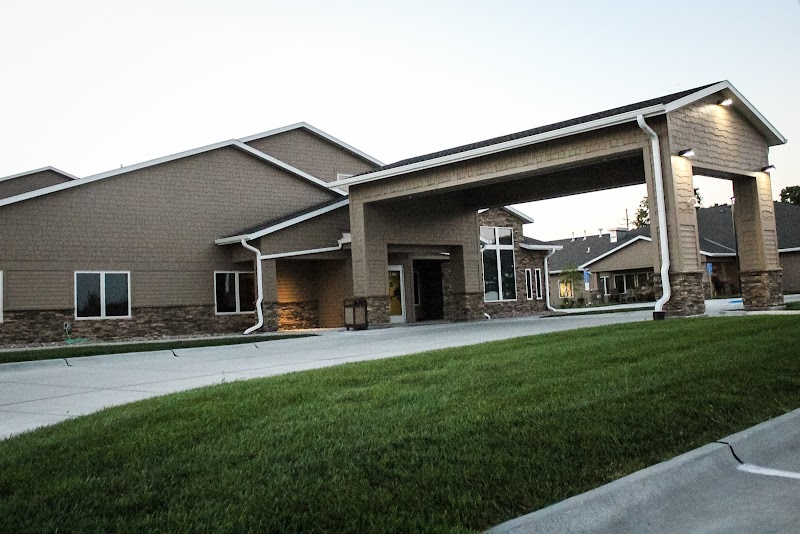
401 S 22nd Street, Beatrice, NE 68310 (402) 228-3304
Non profit - Corporation 80 Beds GOOD SAMARITAN SOCIETY Data: November 2025
Trust Grade
73/100
#85 of 177 in NE
Last Inspection: September 2024

Within standard 12-15 month inspection cycle. Federal law requires annual inspections.

Overview

Good Samaritan Society - Beatrice has a Trust Grade of B, indicating it is a good choice among nursing homes, though it is not without its issues. It ranks #85 out of 177 facilities in Nebraska, placing it in the top half of the state, and #3 out of 3 in Gage County, meaning only one local facility is ranked higher. The facility has a stable trend regarding quality, with the same number of issues reported in both 2023 and 2024. Staffing is a strength, earning a 4 out of 5 stars, and with a 27% turnover rate, it is significantly lower than the state average, suggesting experienced staff who are familiar with the residents. However, there are some concerns; for example, staff failed to change gloves and wash their hands after food preparation, which poses a risk of spreading foodborne illnesses to residents. Additionally, oxygen tubing for a resident was found on the floor, which could lead to potential hazards. Despite these weaknesses, the absence of fines and a solid staffing rating demonstrate that Good Samaritan Society - Beatrice has both strengths and areas needing improvement.

Trust Score
B
73/100
In Nebraska
#85/177
Top 48%
Safety Record
Low Risk
No red flags
Inspections
Holding Steady
4 → 4 violations
Staff Stability
✓ Good
27% annual turnover. Excellent stability, 21 points below Nebraska's 48% average. Staff who stay learn residents' needs.
Penalties
✓ Good
No fines on record. Clean compliance history, better than most Nebraska facilities.
Skilled Nurses
○ Average
Each resident gets 34 minutes of Registered Nurse (RN) attention daily — about average for Nebraska. RNs are the most trained staff who monitor for health changes.
Violations
○ Average
8 deficiencies on record. Average for a facility this size. Mostly minor or procedural issues.
★★★☆☆
3.0
Overall Rating
★★★★☆
4.0
Staff Levels
★★★☆☆
3.0
Care Quality
★★★☆☆
3.0
Inspection Score
Stable
2023: 4 issues
2024: 4 issues

The Good

  • 4-Star Staffing Rating · Above-average nurse staffing levels
  • Low Staff Turnover (27%) · Staff stability means consistent care
  • Full Sprinkler Coverage · Fire safety systems throughout facility
  • No fines on record
  • Staff turnover is low (27%)

    21 points below Nebraska average of 48%

Facility shows strength in staffing levels, staff retention, fire safety.

The Bad

3-Star Overall Rating

Near Nebraska average (2.9)

Meets federal standards, typical of most facilities

Chain: GOOD SAMARITAN SOCIETY

Part of a multi-facility chain

Ask about local staffing decisions and management

The Ugly 8 deficiencies on record

Sept 2024 4 deficiencies
CONCERN (D) 📢 Someone Reported This

A family member, employee, or ombudsman was alarmed enough to file a formal complaint

Potential for Harm - no one hurt, but risky conditions existed

Respiratory Care (Tag F0695)

Could have caused harm · This affected 1 resident

Licensure Reference Number 175 NAC 12 006.09(H)(vi)(3)a-i) Based on observation, record reviews and interviews; the facility failed to keep Oxygen tubing nasal cannula (piece of the oxygen tubing whic...

Read full inspector narrative →
Licensure Reference Number 175 NAC 12 006.09(H)(vi)(3)a-i) Based on observation, record reviews and interviews; the facility failed to keep Oxygen tubing nasal cannula (piece of the oxygen tubing which is inserted into the nose to deliver oxygen) off the floor and to date the tubing for 1 (Resident 39) of 1 sampled residents. The facility census was 60. Finds are: Record review of Resident 39's admission Record revealed admission date was 12/4/23. Record review of Resident 39's MDS (Minimum Data Set, a comprehensive assessment of each resident's functional capabilities) dated 8/21/24 revealed BIMS (Brief Interview for Mental Status, a test used to get a quick snapshot of a resident's cognitive function, scored from 0-15, the higher the score, the higher the cognitive function) of 15. Observation on 9/18/24 at 10:40 AM Resident 39's O2 (oxygen) tubing was undated and hanging over the oxygen concentrator with the nasal cannula touching the floor. Interview on 9/18/24 at 10:40 AM with Resident 39 revealed Resident 39 wears O2 at night and as needed. Observation on 9/19/24 at 2:00 PM O2 tubing was hanging over the concentrator and nasal cannula was touching the floor and tubing was undated. Observation on 9/19/24 at 8:17 AM revealed O2 tubing was undated and the nasal cannula was touchging the floor. Record review of Resident 39's Physician's Orders revealed Oxygen via nasal cannula 1-5 liters per minute as needed for dyspnea, hypoxia (O2 saturation less than 90%) as needed for dyspnea, hypoxia related to Encounter For Prophylactic Measures, Unspecified. Record review of Resident 39's Diagnosis is Chronic Systolic (Congestive) Heart Failure, and Chronic Obstructive Pulmonary Disease. Interview with the Director of Nursing on 9/19/24 at 11:47 AM revealed the nurses are to date the O2 tubing weekly, not let the O2 tubing cannula touch the floor O2 and place the tubing in the protective bag that is hanging on the concentrator. Oxygen Administration Policy dated 7/8/24 revealed: Purpose - To keep oxygen equipment clean and maintained in good condition. 14. When oxygen is not in use, store cannula, face mask or face tent and tubing in zip-lock bag/plastic bag secured to oxygen cylinder or concentrator. Cleaning the concentrator/Filters and inspections -Disposable equipment should be changed weekly or according to manufacturer's instruction and marked with date and initials.
CONCERN (D)

Potential for Harm - no one hurt, but risky conditions existed

Medication Errors (Tag F0758)

Could have caused harm · This affected 1 resident

**NOTE- TERMS IN BRACKETS HAVE BEEN EDITED TO PROTECT CONFIDENTIALITY** Licensure Reference Number 175 NAC 12-006.12(A)(i-vi) Based on record review and interviews, the facility failed to provide a st...

Read full inspector narrative →
**NOTE- TERMS IN BRACKETS HAVE BEEN EDITED TO PROTECT CONFIDENTIALITY** Licensure Reference Number 175 NAC 12-006.12(A)(i-vi) Based on record review and interviews, the facility failed to provide a stop date for the use of as needed antianxiety medication and failed to monitor specific target behaviors for antipsychotic medications and implement non-pharmacological interventions( is a healthcare intervention that doesn't primarily rely on medications) for 4 (Resident 29, 19, 212, and 32) with the sampled size of 5. The facility census was 60. Findings are: A. A record review of a facility policy entitled: Psychotropic Medications-Rehab/Skilled dated 12/06/23 included the following information: Purpose: -To evaluate behavior interventions and alternative before using psychotropic medications. -To eliminate unnecessary psychotropic medications. - Each resident's drug regimen must be free from unnecessary drugs. An unnecessary drug is any drug when used: without adequate monitoring. -While the use of PRN (as needed) psychotropic medications is not encouraged, if a PRN physician's order is received, ensure that the order has clear parameters, i.e., severe agitation that does not respond to other care plan interventions. It is important to initiate other care plan interventions prior to the use of PRN psychotropic medications. PRN orders for psychotropic drugs are limited to 14 days. If the attending physician or prescribing practitioner believes that its is appropriate for the PRN order to be extended beyond 14 days, he or she should document their rationale in the resident's medical record and indicate the duration for the PRN order. PRN orders for anti-psychotic drugs are limited to 14 days and cannot be renewed unless the attending physician or prescribing practitioner evaluates the resident for the appropriateness of the medication. -Throughout the administration of psychotropic medications, the following must be completed: Mood and behavior documentation must continue in order to monitor the effect the medication has on behavior. B. A record review of Resident 29's admission Record with a printed date of 09/19/24 revealed that Resident 29 was admitted to the facility on [DATE] with diagnoses that of: unspecified dementia, without behavioral disturbance, psychotic disturbance, mood disturbance and anxiety( a person is presenting signs and symptoms of dementia and has a dementia diagnosis, but they lack any symptoms of behavioral disturbances), generalized anxiety (mental disorder that causes people to experience excessive, persistent, and uncontrollable worry for months or years) and depressive disorder (a serious mental health condition that involves a persistent low mood or loss of interest in activities). A record review of Resident 29's MDS (Minimum Data Set-a comprehensive assessment tool used to develop a resident's care plan) dated 09/10/24 with a BIMS (a brief interview for Mental status, a test used to get a quick snapshot of a residents' cognitive function, scored from 0-15, the higher the score, the higher the cognitive function), score of 15 which indicates Resident 29 is cognitively intact. A record review of Resident 29's Physician Orders dated 11/06/23 revealed the following orders: -Abilify (is an antipsychotic that helps treat several kinds of mental health conditions) 2 mg daily for anxiety related to major depressive disorder, -donepezil HCL(to treat dementia (memory loss and mental changes) associated with mild, moderate, or severe Alzheimer's disease) 5 mg give 2 tablets daily for memory related to unspecified dementia, -duloxetine HCL( used to treat a variety of conditions, including depression, anxiety) 60 mg daily for depression related to depressive episodes, -and trazodone HCL ( A drug used to treat depression. It may also be used to help relieve anxiety) 100 mg daily for depression related to specified depressive episodes. A record review of Resident 29's 'Physician orders dated 9/11/24 revealed the following orders: -Lorazepam 2 mg/ml give 0.25 ml po every 2 hours as needed for restlessness/anxiety/and agitation with no stop date. Record review of Resident 29's most recent Medication Administration Record (MAR) dated [DATE] revealed the continued use of Abilify, donepezil, Dulozetine, and trazodone. The MAR did not identify specific target behaviors and or non-pharmacological interventions to monitor for Resident 29. Record review of Resident's Electronic Medical Record (EMR) for the past 6 months, including behavior monitoring sheets, nurse aide task lists and behavioral progress notes, revealed that no resident specific target behaviors had been identified or monitored for the continued use of the antipsychotic medication. Record review of Resident 29's Comprehensive Care Plan (CCP, a written plan that directs the care of the resident) dated 11/10/23 revealed that Resident 29 did use antipsychotic medications. The CCP did not identify any specific target behaviors and or non-pharmacological interventions to observe for or identify how the staff were to monitor target behaviors for the continued use of the antipsychotic. CCP with revision date of 1/31/24 further revealed that Resident 29 also did not have non-pharmaceutical interventions in place. An interview on 9/23/24 at 2:29 PM with LPN-A confirmed that no specific target behaviors had been identified for Resident 29 in the EMR or on the care plan. LPN-A confirmed that there was no documentation of behavior monitoring for the continued use of the antipsychotic medication for Resident 29. C. A record review of Resident 19's admission Orders with a printed date of 09/23/24 revealed Resident 19 was admitted to the facility on [DATE] with diagnoses of: frontal lobe and executive function deficit (part of the brain that controls executive function, which is a set of skills that help us get things done), cognitive communication ceficit (a difficulty with communication that's caused by a disruption in cognition. Cognitive processes include attention, memory, organization, problem solving, and more), attention and concentration deficit (an be symptoms of a number of conditions, including attention deficit hyperactivity disorder (ADHD) and concentration deficit disorder (CDD), generalized anxiety disorders(mental disorder that causes people to experience excessive, persistent, and uncontrollable worry for months or years), major depressive disorder (a serious mental health condition that involves a persistent low mood or loss of interest in activities), unspecified dementia, without behavioral disturbance, psychotic disturbance, mood disturbance and anxiety (a person is presenting signs and symptoms of dementia and has a dementia diagnosis, but they lack any symptoms of behavioral disturbances). A record review of Resident 19's MDS dated [DATE] revealed a BIMS score of 7 which indicates Resident 9 is cognitively impaired. A record review of Resident 19 CCP dated 4/3/24 revealed that there were no non-pharmaceutical interventions in place. A record review of the MAR for [DATE] revealed that Resident 19 had a order for ABR Transdermal Cream (Ativan (0.5)-Benadryl (25 mg) and Reglan (5 mg)) as needed with a start date of 4/2/24 and has no stop date. A record review of Resident 19's EMR for the past 6 months reveals no documentation from a physican indicating rationale to extend the Ativan cream beyond the 14 days. An interview on 9/23/24 at 2:30 PM with the Director of Nursing (DON) confirmed that there was no stop date for the PRN Lorazepam for Residents 29 and 19 and there should have been. The DON also confirmed that there was no non-pharmaceutical interventions in place for Residents 29 and 19 and there should have been. The DON further confirmed there was no specific target behaviors that had been identified for Resisdent 29 in the EMR or CCP for continued monitoring of the medications, and there should have been D. Record review of Resident 212 admission Record revealed admitted on [DATE]. Record review of Resident 212's diagnosis dated 9/19/24 revealed the following diagnoses: generalized anxiety disorder, delirium due to known physiological condition, restless and agitation, unspecified dementia unspecified severity with anxiety, and depression unspecified. Record review of Resident 212's MDS dated [DATE] revealed Section N: Reflects on Antianxiety, Antidepressant, Opioid, and Antiplatelets. Sections J revealed scheduled pain medication received, PRN pain medication received, and non-medication interventions not used. Record review of Resident 212's CCP dated 9/3/24 revealed that the resident did use antidepressants, antianxiety medications. The CCP did not identify any specific target behaviors and or non-pharmacological interventions to observe for or identify how the staff were to monitor target behaviors for the continued use of the antipsychotic. CCP further revealed there was no non-pharmaceutical interventions in place for Resident 212. Record review of Resident 212's EMR dated 9/23/24 including behavior monitoring sheets, nurse aide task lists and behavioral progress notes, revealed that no resident specific target behaviors had been identified or monitored for the continued use of the antipsychotic medication. Record review of Resident 212's MAR revealed the following orders dated 9/19/24: -Lorazepam Oral Tablet 0.5 mg (mg), give 1 tablet by mouth every 8 hours as needed for anxiety related to generalized anxiety disorder with a start date of 9/5/24. -Tramadol HCL oral tablet 25 mg-give 25 mg by mouth every 8 hours for pain related to encounter for prophylactic measures, unspecified. -Oxycodone HCL Oral Tablet 5 mg, give 2.5 mg by mouth every 8 hours as needed for pain related to encounter for prophylactic measures, unspecified. -Paroxetine HCl Oral Tablet 30 mg, give 1 tablet by mouth one time a day for depression. -Depakote Oral Tablet Delayed Release 125 mg, give 1 tablet by mouth two times a day for combativeness, psychomotor agitation, sundowning related to delirium due to unknown physiological condition, restlessness and agitation. -Tramadol HCl Oral Tablet 25 mg, Give 25 mg by mouth every 8 hours for pain related to encounter for prophylactic measures, Record review of Resident 212's EMAR dated 9/23/24 revealed targeted behavior was not being documented on. Interview on 9/24/24 at 10:15 AM with DON revealed the facility did not have behavior documentation or non-pharmacological interventions inplace for antianxiety and anditdepressant medications for Resident 212 and should have. The DON furhter confimed Resident 212 did not have a stop date for the as needed lorazepam. E. Record review of Resident 32 admission Record revealed admission was 12/20/23. Record review of Resident 32's diagnosis on admission Record dated 9/19/24 revealed the following diagnoses: anxiety disorder, other specified depressive episodes, unspecified dementia unspecified severity with psychotic disturbance, delirium due to known physiological condition, and mood disturbance. Record review of Resident 32's MDS dated [DATE] revealed Section N: Reflects on Antipsychotic and Antidepressant. Record review of Resident 32's CCP dated 9/3/24 revealed that the resident did use antipsychotic and antidepressants medications. The CCP did not identify any specific target behaviors and or non-pharmacological interventions to observe for or identify how the staff were to monitor target behaviors for the continued use of the antipsychotic. Record review of Resident 32's EMR dated 9/19/24 including behavior monitoring sheets, nurse aide task lists and behavioral progress notes, revealed that no resident specific target behaviors had been identified or monitored for the continued use of the antipsychotic medication. Record review of Resident 32 Physicians Orders revealed the following orders: -Seroquel Oral Tablet 25 mg give 1 tablet by mouth one time a day for delirium related to delirium due to known physiological conditions, -and Sertraline HCl Oral Tablet give 100 mg by mouth one time a day related to other specified depressive episodes. Interview on 9/24/24 at 10:15 AM with the DON revealed the facility did not have behavioral documentation and non-pharmacological interventions for antipsychotic and antidepressant medications and they should have.
CONCERN (F) 📢 Someone Reported This

A family member, employee, or ombudsman was alarmed enough to file a formal complaint

Potential for Harm - no one hurt, but risky conditions existed

Food Safety (Tag F0812)

Could have caused harm · This affected most or all residents

Licensure Reference Number 12-006.11E Based on observations, record review and interviews; the facility failed to change gloves and perform hand hygiene for 20 seconds to prevent potential food born i...

Read full inspector narrative →
Licensure Reference Number 12-006.11E Based on observations, record review and interviews; the facility failed to change gloves and perform hand hygiene for 20 seconds to prevent potential food born illness. This had the potential to affect all 60 residents who served food from the kitchen. The facility identified a census of 60. Findings are: A record review of the policy: Hand Hygiene, dated 03/29/2022, revealed the following: Policy: Hand hygiene should be performed after glove removal. Procedure: HCW will use waterless alcohol-based sanitizer or soap and water to clean their hands: After removing gloves regardless of task completed. Washing with soap and water: -Wet hands first with tepid water, apply amount of soap to hands as recommended by the manufacturer. -Rub hands together briskly for at least 15-20 seconds covering all the surfaces of the ands, fingers and wrists (CDC). -Rinse hands with water and dry thoroughly with a disposable towel or warm-air hand dryer if disposable towel not available. An observation on 9/19/24 at 10:49 AM while in the kitchen with Lead [NAME] (LC-B.) LC-B places gloves on both of their hands and began preparing the noon meal. LC-B removes 3- 5-pound (lbs.) bags of chicken breast from a pushcart they have removed from the walk-in refrigerator. LC-B cuts opens a bag of chicken and places the chicken into a bowl of milk that was previously prepared. LC-B then walks to the hand washing station, removes the gloves and turns the water on. LC-B places soap on [gender] hands and began to rub them together for a total of 10 seconds then rinses [gender] hands and dries them with a paper towel. LC-B returns to the food preparation area, places new gloves on their hands and began to remove the raw chicken from the milk mixture with tongs. LC-B places the raw chicken into a pan of premixed cornflakes breading. LC-B then uses their gloved hands to pat the cornflake breading into the raw chicken. LC-B removes the raw chicken from the cornflake breading with their gloved hands and places the raw chicken on to a baking sheet that was covered with parchment paper and non-stick cooking spray. LC-B then with the same gloves removed the baking sheet filled with the raw chicken, grabbed, and opened the standing oven doors, and placed the baking sheets of raw chicken into the oven. LC-B then grabbed the standing oven doors, again to close them. As LC-B attempts to proceed by grabbing the tongs used to remove the raw chicken from the milk mixture, LC-B stopped and removed [gender] gloves, and proceeded to the hand washing station. LB-C turns on the water, places soap onto [gender] hands and began to rub [gender] hands together for 10 seconds. An interview on 9/19/24 at 11:02 AM with LC-B. LC-B stated hand washing is to be preformed for 20 seconds. When asked if they felt they had created friction for 20 seconds between their hands while washing LC-B stated [gender] had not rub [gender] hands with soap for 20 seconds. LC-B confirms they should have removed their gloves and preformed hand hygiene for 20 seconds after handling raw chicken and prior to touching oven. An interview with the Dietary Manager (DM-C) confirmed the friction action of hand washing is preformed for 20 seconds, DM-C Confirmed LB-C did not perform hand hygiene as it is indicated.
CONCERN (F) 📢 Someone Reported This

A family member, employee, or ombudsman was alarmed enough to file a formal complaint

Potential for Harm - no one hurt, but risky conditions existed

Infection Control (Tag F0880)

Could have caused harm · This affected most or all residents

**NOTE- TERMS IN BRACKETS HAVE BEEN EDITED TO PROTECT CONFIDENTIALITY** B. A record review of Resident 8's admission Record revealed that Resident 8 was admitted to the facility on [DATE] with diagnos...

Read full inspector narrative →
**NOTE- TERMS IN BRACKETS HAVE BEEN EDITED TO PROTECT CONFIDENTIALITY** B. A record review of Resident 8's admission Record revealed that Resident 8 was admitted to the facility on [DATE] with diagnosis of Contusion of left lower leg(an injury to the skin and tissue of the lower leg that occurs when soft tissue is crushed), Open wound, Left Lower Leg (an injury that breaks the skin and exposes the underlying tissue to the outside environment), uspecified open wound, right lower leg,sequela (a long-term effect or complication of an injury or condition, such as an open wound), and non-pressure chronic ulcer of right ankle(is a raw wound on the legs, ankles, or feet that takes a long time to heal due to underlying tissue damage or trauma). A record review of the MDS(Minimum Data Set-a comprehensive assessment tool used to develop a resident's care plan) dated 06/25/24 revealed a BIMS (Brief Interview for Mental Status, a test used to get a quick snapshot of a resident's cognitive function, scored from 0-15, the higher the score, the higher the cognitive function) score of 15 indicating cognitively intact. A record review of the Care Plan (a written plan that directs the care of the resident) dated 7/26/22 with revision date of 4/15/24 revealed that the care plan addressed the acute and chronic wounds on the left and the right leg. A record review of Resident 8's Physician orders dated [DATE] revealed orders to Remove old dressing, wash areas with dial soap and water, rinse and pat dry. May shower on dressing days otherwise keep area clean and dry. Apply a super absorbent dressing over any open areas. Between the 2 layers using the co-flex with calamine. Apply multilayer compression. An observation on 09/23/24 at 10:24 AM for Resident 8's dressing change to left lower leg wound revealed the following: LPN-A and the Regional Educator (RE) entered the room with gloves, and gown's on. LPN-A gathered up all the supplies for the dressing change and then assisted Resident 8's legs on to the bed. LPN-A without changing gloves, removed the tablet, and water cup from the tray table and then went into the bathroom without changing gloves and turned on the faucets filling up two plastic cups of water, one with soap and the other with water. LPN-A with the same gloves shut off the faucets and placed the cups of water and several 4x4 gauze on the tray table without sanitizing or without placing barriers down on the tray table. RE helped lift Resident 8's left leg and LPN-A put a disposable pad under Resident 8's left leg. LPN-A without changing gloves moved the tray table to the bed besides [gender] and started to removed the old dressing that had drainage spots (red/pink and brown)on them from Resident 8's left leg. LPN-A had not changed [genders] gloves or performed hand hygiene after touching Residents 8's leg, gathering supplies, and moving items from tray table or moving tray table before the start of the dressing change. LPN-A without changing gloves or performing hand hygiene started cleaning the wound on the Resident 8 left leg with the dial soap in the cup and 4x4 gauze that was on the tray table. LPN-A after cleaning with a 4x4 gauze threw the gauze in the trash can. LPN-A with the same gloves gathered another 4x4 and started to rinse off the wound on Resident 8 left lower leg. RE then intervened and reminded LPN-A [gender] that [gender] needed to change gloves. LPN-A then changed gloves at that time. LPN-A continued to clean Resident 8's wounds and replace dressing on left lower leg. Dressing wraps continued to hit the pad that had been placed under Resident 8's leg due to possible drainage as LPN-A was wrapping it around Resident 8's left lower leg that RE was holding up. LPN-A finished wrapping Resident 8's left lower leg. LPN-A then cleaned up the empty dressing wrappers and tray table and put Resident 8's tablet and water mug on the tray table wearing the same gloves that LPN-A had on during dressing change. LPN-A then gathered that plastic bag out of the garage can and took it out of room removing [genders] gown and gloves. A record review of the facility Policy entitled Wound Dressing Changes-R/S, TLC,Therapy & Rehab dated 7/0/24 included the following information: Purpose: -To promote wound healing -To help wound remain free of infection Procedure: -Follow EBP(Enhanced Barrier Precautions) wash hands before entering and exiting room, wear gloves and gown. -Remove soiled dressing and discard in plastic bag, avoiding contact and thus contamination of other surfaces. Remove gloves and discard in same plastic bag. Perform hand hygiene. -Open all supplies and pour solutions if ordered. -Put on gloves. -Cleanse the skin and wound thoroughly with normal saline, using gauze wipes, wound cleanser or ordered antiseptic solution. Remove gloves and perform hand hygiene. An interview on 9/23/24 at 11:00 AM with LPN-A confirmed that [gender] should have changed [genders] gloves after getting things ready and touching resident leg and faucets and [gender] didn't. LPN-A confirmed that [gender] should of put a barrier down on the tray table or wiped it down with a disinfected wipe and didn't use a barrier or wipe. An interview on 9/23/24 at 11:00 AM with RE confirmed that LPN-A should have changed [gender] gloves from dirty to clean and that a barrier should of been put down on the tray table and no barrier had been put down. Licensure Reference Number 175 NAC 1-005.06(D) Based on record review, observations, and interviews; the facility failed to change gloves and complete hand hygiene during wound care and catheter care for 2 (Resident 8 and 208) out of 5 sampled residents. The facility census was 60. Findings are: A. Record review of Resident 208's admission Record revealed admitted on [DATE]. Record review of Resident 208's MDS (Minimum Data Set, a comprehensive assessment of each resident's functional capabilities) dated 9/2/24 revealed in Section C: BIMS (Brief Interview for Mental Status, a test used to get a quick snapshot of a resident's cognitive function, scored from 0-15, the higher the score, the higher the cognitive function) scored 15. In Section H: indwelling catheter. In Section M: at risk for pressure ulcer, uses pressure reducing devices used in bed and w/c, 3 total number of venous and arterial ulcers present, application of nonsurgical dressings (with or without topical medications) other than to feet, and applications of ointments/medications other than to feet. Record review of Resident 208's Diagnosis dated 9/19/24 revealed: Type 2 Diabetes Mellitus without complications, Peripheral Vascular Disease, and Non-Pressure Chronic Ulcer of Right Ankle with Fat Layer Exposed. Record review of Resident 208's Physician orders revealed: -Wound care to right medial ankle/calf, remove old dressings. Wash area with dial soap and water, rinse and pat dry. May shower on dressing change days, otherwise keep dressing clean and dry. Do not scrub off old Calmoseptine layer, just gently cleanse. Apply calmoseptine to good skin surrounding areas. Apply Aquacel AG to open areas. Cover with superabsorber. Secure with Tubigrip. Complete dressing change 3 times weekly (change outer superabsorber every day which is put in as a separate order). Observation of right lower leg wound cares on 9/19/24 at 9:00 AM by Licensed Practical Nurse (LPN)-D. LPN-D donned gown outside the room. LPN-D washed hands x 20 seconds and donned gloves. LPN-D then removed stretch net bandage and the superabsorber dressing from right lower leg. LPN-D did not change gloves and then dated the new dressing and applied it over the wound. LPN-D then reapplied the stretch net bandage as resident refuses to wear Tubigrip. LPN-D with the same gloves on opened the front of the resident's brief and took 2 moist wipes out of the cleansing wipes container and cleansed the groin area. Nest LPN-D took a clean wipe from the wipe container and cleansed the urethral meatus (the opening at the end of the urethra that allows urine to leave the body) and with same wipe moved down the catheter tubing. LPN-D assisted Resident 208 to turn to the right side and removed the brief. LPN-D with the same gloves on and took 2 wipes from the wipes container and cleansed resident's perianal area. LPN-D removed gloves, did not perform hand hygiene prior to donned new gloves and applied a new brief. Interview with LPN-D on 9/19/24 at 9:20 AM confirmed LPN-D should have changed gloves more often, performed hand hygiene between glove change, not use dirty gloves when getting into the clean wipe container, and should have used a clean wipe to cleanse the tubing. Interview with Director of Nursing on 9/19/24 at 11:35 AM revealed the facilities expectation is to change gloves often per policy when performing procedures such as wound and catheter cares, perform hand hygiene between glove changes, not to use dirty gloves when getting into the clean wipe container, and to use a clean wipe to cleanse the tubing. Record review of Hand Hygiene Policy dated 3/29/22 revealed Purpose: To establish hand hygiene as the single most important factor in preventing the spread of disease-causing organisms to patients and personnel in healthcare settings. Policy: All employees in patient care areas (unless otherwise noted in their policy) will adhere to the 4 moments of hand hygiene and 2 Zones of Hand Hygiene. 1. Entering Room 2. Before Clean Task 3. After Bodily Fluid/Glove Removal 4. Exiting Room Record review of Catheter Care-Indwelling Catheter Policy undated revealed: Procedure: -raise the bed to an appropriate working height. Facing the resident if right-handed stand on the left side of the bed, if left-handed stand on the right side of the bed. -Remove gloves, perform hand hygiene, and don gloves. -Expose the urethral meatus with the non-dominant hand. -Gently retract and fully expose the catheter insertion site. -Provide perineal care with soap and water, peri-wash as directed or disposable wipes. -Use a clean washcloth or disposable wipe to clean the perineal area and the portion of the catheter in contact with the perineum or meatus. Use a clean section of the washcloth or wipe for each stroke. -Cleanse away from the meatus to remove secretions or encrustation to avoid contaminating the urinary tract. -If using soap and water, rinse thoroughly and pat dry with a clean towel. Record review of Wound Dressing Change Policy dated 7/9/24 revealed: Remove soiled dressing and discard in plastic bag, avoid contact and thus contamination of other surfaces. Remove gloves and discard in the same plastic bag. Perform hand hygiene.
Oct 2023 4 deficiencies
CONCERN (D)

Potential for Harm - no one hurt, but risky conditions existed

Notification of Changes (Tag F0580)

Could have caused harm · This affected 1 resident

Licensure Reference Number 175 NAC 12-006.04C3a(6) Based on record review and interview, the facility failed to follow physician's orders related to notification of blood sugar results for 1 (Residen...

Read full inspector narrative →
Licensure Reference Number 175 NAC 12-006.04C3a(6) Based on record review and interview, the facility failed to follow physician's orders related to notification of blood sugar results for 1 (Resident 163) of 1 sampled resident. The facility identified a census of 62. Findings Are: A record review of the undated demographic information revealed the facility had admitted Resident 163 on 9/18/23 with a primary diagnoses of unspecified intracapsular fracture of the left femur (thigh bone) and unspecified Dementia. A record review of the MDS (Minimum Data Set, a comprehensive assessment of each resident's functional capabilities) dated 9/22/23 revealed Resident 163 had a BIMS (Brief Interview for Mental Status, a test used to get a quick snapshot of a resident's cognitive function, scored from 0-15, the higher the score, the higher the cognitive function) score of 01 which indicated resident was severely cognitlvey impaired. A record review of the Order Summary list ran on 10/12/23 revealed Resident 163 had the following orders related to Diabetes Mellitus (DM-a diseases that affect how the body uses blood sugar): - Check blood glucose levels before meals and at bedtime. Notify the provider if the blood surgar is less than 60mg/dL (Milligrams per deciliter; a unit of measure that shows the concentration of a substance in a specific amount of fluid) or greater than 400 mg/dL ordered on 9/19/23. - Tresiba Subcutaneous Solution (a long-acting insulin used to control high blood sugar )100 U/ML (units per milliliter). Inject 18 units subcutaneously (in the fatty tissue, just under the skin) in the morning for diabetic related to DM. - Glucagon Subcutaneous Solution (an injectable medication used to increase blood sugar levels) 1 MG (milligram)/0.2ML (milliliter). Inject 1 mg subcutaneously as needed for low blood sugar related to DM. - Humalog Injection Solution (a fast-acting insulins used to control high blood sugar) 100 U/ML Inject subcutaneously before meals and at bedtime related to DM. A record review of the blood glucose results dated 9/28/23 through 10/11/23 for Resident 163 revealed the following blood sugars which were outside of ordered parameters; -09/29/23 at 11:32 AM blood sugar was 57 --no physician notification had been documented -09/28/23 at 08:28 AM blood sugar was 47 --no physician notification had been documente A record review of the Progress Notes dated 9/28/23 through 10/11/23 for Resident 163 revealed no documentation of notifying the physician when the blood sugars were outside of ordered parameters. An interview on 10/16/23 at 10:52 AM with the DON (Director of Nursing) after review of Resident 163's blood sugars the DON revealed the physician should have been notified per the order. An interview on 10/17/23 at 9:38 AM with LPN-I revealed that if a resident's blood sugar is below parameters of 60 mg/dL then [gender] would provide juice or snacks with high protein to increase the resident's blood sugar until the blood sugar was above 60mg/dL. If the provided juice and snacks were unsuccessful then [gender] would give ordered glucagon to increase the resident's blood sugar. Further, LPN-I revealed once the resident's blood sugar was stable then [gender] would notify the physcian. If the blood sugar was greater than 400 mg/dL then [gender] would call the physican to notify. An interview on 10/17/23 at 9:58 AM with the DON revealed that the facility expectation was to recheck the blood sugar when results received were below the ordered parameters and then notifiy the physician by call or fax or by informing the APRN (Advanced Practice Registered Nurse) upon arrival to the facility when making daily rounds. A record review of the facility policy titled Blood Glucose Monitoring, Disinfection and Cleaning with a reviewed date of 9/22/23 revealed that it did not contain any directions or guidance related to the timeliness of physician notification of blood sugars outside of ordered parameters.
CONCERN (D)

Potential for Harm - no one hurt, but risky conditions existed

Deficiency F0676 (Tag F0676)

Could have caused harm · This affected 1 resident

**NOTE- TERMS IN BRACKETS HAVE BEEN EDITED TO PROTECT CONFIDENTIALITY** Licensure Reference Number 175 NAC 12-006.09D8b Based on record review and interview; the facility failed to provide bathing wee...

Read full inspector narrative →
**NOTE- TERMS IN BRACKETS HAVE BEEN EDITED TO PROTECT CONFIDENTIALITY** Licensure Reference Number 175 NAC 12-006.09D8b Based on record review and interview; the facility failed to provide bathing weekly for 1 (Resident 4) of 2 sampled residents. The facility identified a census of 62. Findings are: A record review of form Sanford Policy for Rehab/Skilled and Long Term Care Activities of Daily Living-R/S, LTC reviewed and revised 11/29/22; revealed the purpose was to provide resident with appropriate treatment and services to maintain or improve ability in activities of daily living for the well-being of mind, body and soul. The policy identifiied residents were to recieve a bath at least weekly. Record review of Resident 4's undated facesheet revealed Resident 4 was admitted [DATE]. The facesheet revealed Resident 4 had the following diagnoses: Chronic Obstructive Pulmonary Disease, Diabetes Mellitus with Diabetic Polyneuropathy, and Morbid (severe) obesity. A record review of Resident 4's MDS (Minimum Data Set is a standardized assessment tool that measures health status in nursing home residents), dated June 16, 2023, revealed in Section G that Resident 4 required one person extensive physical assist for bathing. A record review of Resident 4's active Care Plan revealed, Resident 4 requires extensive assistance for bathing: shower or bath. The Care Plan identified if the resident refuses the staff are to ask the resident if they would agree to a bed bath. An interview with Resident 4 on 10/11/23 at 3:09 PM revealed [gender] may recieve a bath once a week. Resident 4 revealed they would enjoy a bath twice weekly but would be okay if [gender] just recieved at least one. A record review of the [NAME] Creek Bath Schedule revealed, Resident 4 to be on the schedule twice weekly on Wednesday and Saturday evenings. The Bath Schedule identiifed the residents must get at least one bath per week. If a resident refuses, they shall be offered an alternative and document what was completed in a progress note. A record review of Resident 4's Personal Hygiene and bathing record revealed, Resident 4 received bathing on the dates as documented below: - 9/17/2023, - 9/27/2023 (for a total of 9 days with no bathing documented), - 10/2/2023, - 10/16/2023 (for a total of 15 days with no bathing documented). An interview with Certified Medication Aide (CMA)-E on 10/17/23 at 10:34 AM revealed residents should have a bath of some type at least once a week. CMA-E confirmed Resident 4 did not have a bath for a total of 14 days. An interview on 10/17/23 at 10:28 AM with Licensed Practical Nurse (LPN)-F revealed residents should have some type of bathing once a week. An interview on 10/17/23 at 10:30 AM with LPN-G revealed a resident should have one bath weekly, most want two, but should have at least one. An interview with the Administrator on 10/17/23 at 11:30 AM revealed the expectation for bathing residents, is to have a bath every week.
CONCERN (D)

Potential for Harm - no one hurt, but risky conditions existed

Pressure Ulcer Prevention (Tag F0686)

Could have caused harm · This affected 1 resident

**NOTE- TERMS IN BRACKETS HAVE BEEN EDITED TO PROTECT CONFIDENTIALITY** Licensure Reference Number 175 NAC 12-006.09D2b Based on observation, record review and interview; the facility staff failed to ...

Read full inspector narrative →
**NOTE- TERMS IN BRACKETS HAVE BEEN EDITED TO PROTECT CONFIDENTIALITY** Licensure Reference Number 175 NAC 12-006.09D2b Based on observation, record review and interview; the facility staff failed to document consistent assessment of characteristics or wound measurements which affected 1 (Resident 40) of 1 sampled resident for pressure ulcer. The facility had a census of 62. Findings are: A record review of Resident 40's admission Record dated 12/15/2022 revealed, Resident 40 was admitted on [DATE] with diagnoses of: pressure ulcer (PU) (injury to skin from prolonged pressure) of sacral region, stage 4, morbid (severe) obesity due to excess calories, nutritional deficiency, reduced mobility and venous insufficiency (poor blood flow). A record review of the MDS (Minimum Data Set) (a tool used to measure a residents health status) dated 9/8/2023 under Section C, Brief Interview for Mental Status (BIMS) (a tool used o identify the cognitive condition of a resident) had a score of 15 which indicated the resident is cognitively intact. A record review of Resident 40's Care Plan dated 9/16/2023 indicated a Problem of: The resident has actual impairment to skin integrity evidenced by sacral wound with twice weekly dressing changes. Goal was the resident will not have complications related to the wound of the sacrum through the review date. The care plan identified interventions of: Monitor the location, size and treatment of skin injury. Report abnormalities, failure to heal, signs and symptoms of infection, maceration, etc. to health care provider. An observation of Resident 40's PU wound care on 10/17/2023 at 9:10 AM by Licensed Practical Nurse (LPN)-B and Registered Nurse (RN)-D revealed Resident 40's wound edges were pink and the treatment was completed. The observation revealed measurements were not completed by either LPN-B or RN-D. A record review of the Treatment Administration Record (TAR) (record used to document treatments for resident) shows an order to complete dressing as scheduled, sooner if needed due to drainage, wash the area with dial soap and water, rinse and pat dry, keep dressing clean and dry. If Calmoseptine was used prior, do not scrub old layer off, just gently cleanse, apply Calmoseptine (a cream to protect skin) to the good skin surrounding the open areas, prisma (a wound dressing) to the wound base, apply Aquacel rope (a wound dressing) to open area, cover with Mepilex (a wound dressing) every day shift, every Tue and Fri. The start date of the order was 6/2/2023. A record review of the facility policy Skin Assessment Pressure Ulcer Prevention and Documentation Requirements-Rehab/Skilled dated 4/26/2023 under Procedure revealed: If a pressure ulcer is identified, cleanse the area prior to observations being made to allow the wound bed and depth to be more accurately observed. The licensed nurse records the location of the area, the measurements and the ulcer/wound characteristics. The pressure ulcer should be assessed/evaluated at least weekly and documented on the Wound Data Collection UDA (User-Defined Assessments). Observations of the ulcer's characteristics may be documented by a licensed nurse and should include at least the following: measurements-length, width, depth; characteristics of the ulcer-including wound bed, undermining and tunneling, exudate, surrounding skin, etc; presence of pain and current treatments. A record review of the Wound Data Collection UDA's (an assessment tool performed on pressure wounds to include identification, daily monitoring and wound characteristics) dated from 8/17/2023 to 10/17/23 revealed documentation of wound measurements on 8/26/2023, 8/29/2023, 9/16/2023 and 10/17/2023 however, there was no documentation on the characteristics of the wound. Wound Data Collection UDA's dated 8/17/2023, 8/18/2023, 8/21/2023,8/24/2023, 8/25/2023, 8/27/2023, 8/28/2023, 8/30/2023, 8/31/2023, 9/1/2023 through 9/12/2023, 9/14/2023, 9/15/2023, 9/17/2023 through 9/21/2023, 9/23/2023, 9/25/2023, 9/26/2023, 9/28/2023 through 9/30/2023 and 10/1/2023 through 10/6/2023 had no measurements or description of wound. The Wound Data Collection UDA notes that measurements are required at least once every 7 days under Identification subset. A record review of the Wound RN Assessments UDA's dated from 8/12/2023 through 10/14/2023 have no measurements or description of wound. A interview with LPN-B on 10/17/2023 at 9:07 AM revealed, wound measurements and assessment are documented on the Wound Data Collection UDA and should be done weekly. LPN-B stated any nurse can complete the assessment but is usually the floor nurse for that day. LPN-B stated they do not have a designated wound nurse. An interview with RN-D on 10/17/2023 at 12:25 PM revealed, that RN-D completed a Wound Data Collection UDA with wound measurements after observation of wound care was performed this morning on 10/17/2023 at 9:10 AM. Inquired how these measurements were obtained as no observation of either nurse was made measuring the wound. RN-D replied, I did it outside of the room. Inquired how this was done. RN-D replied, I measured it with a Q-tip and used the grid on the dressing paper. Inquired how this was done as Q-tips were observed being thrown away in room after use. RN-D replied, I know based on the Q-tip and where my finger hit on the Q-tip. RN-D confirmed this is not the correct or accurate way of measuring a wound. RN-D also confirmed wounds should be measured weekly. An interview with the MDS Coordinator on 10/17/2023 at 1:15 PM revealed, that all wounds/pressure ulcer should be documented weekly with measurements and characteristics of wound. MDS Coordinator further revealed that this has not been done on a weekly basis for Resident 40 . MDS Coordinator also revealed that measurement of wound by RN-D was incorrectly performed.
CONCERN (D)

Potential for Harm - no one hurt, but risky conditions existed

Infection Control (Tag F0880)

Could have caused harm · This affected 1 resident

**NOTE- TERMS IN BRACKETS HAVE BEEN EDITED TO PROTECT CONFIDENTIALITY** Licensure Reference Number 175 NAC 12-006.17d Based on observations, record review and interview; the facility staff failed to p...

Read full inspector narrative →
**NOTE- TERMS IN BRACKETS HAVE BEEN EDITED TO PROTECT CONFIDENTIALITY** Licensure Reference Number 175 NAC 12-006.17d Based on observations, record review and interview; the facility staff failed to provide handwashing to prevent cross contamination before medication administration for 1 (Resident 6) of 1 sampled resident. The facility census was 62. Findings are: Record review of Resident 6's admission Record dated 9/29/2023 revealed Resident 6 was admitted on [DATE] with diagnoses of: unspecified severe protein-calorie malnutrition, encounter for attention to gastrostomy (a surgical opening into the stomach), abnormal weight loss, nausea, and vomiting. An observation on 10/16/2023 at 11:00 AM of medication administration through gastrostomy tube (GT) for Resident 6 revealed LPN-A performed hand hygiene (HH) at the bathroom sink by first wetting their hands. Then applied soap and lathered their hands with soap for 7 seconds and then rinsed hands under the water. Record review of Hand Hygiene policy dated 3/29/2022 under section Procedure-Washing with soap and water/liquid antiseptic and water revealed the following process: Wet hands first with tepid water, apply amount of soap to hands as recommended by the manufacturer. Rub hands together briskly for at least 15-20 seconds covering all surfaces of the hands, fingers and wrists (CDC). Rinse hands with water and dry thoroughly with a disposable towel or warm-air hand dryer if disposable towel not available. Interview with LPN-A on 10/16/2023 at 11:20 AM confirmed that 7 seconds was not long enough to perform hand hygiene according to facility policy of 15-20 seconds to prevent cross-contamination. Interview with LPN-C on 10/16/2023 at 11:30 confirmed hand hygiene should be 20 seconds. Interview with DON on 10/16/23 at 1:20 PM confirmed LPN-A hand hygiene was not long enough.
Understanding Severity Codes (click to expand)
Life-Threatening (Immediate Jeopardy)
J - Isolated K - Pattern L - Widespread
Actual Harm
G - Isolated H - Pattern I - Widespread
Potential for Harm
D - Isolated E - Pattern F - Widespread
No Harm (Minor)
A - Isolated B - Pattern C - Widespread

Questions to Ask on Your Visit

  • "Can I speak with families of current residents?"
  • "What's your RN coverage like on weekends and overnight?"

Our Honest Assessment

Strengths
  • • No major safety red flags. No abuse findings, life-threatening violations, or SFF status.
  • • No fines on record. Clean compliance history, better than most Nebraska facilities.
  • • 27% annual turnover. Excellent stability, 21 points below Nebraska's 48% average. Staff who stay learn residents' needs.
Concerns
  • • No major red flags. Standard due diligence and a personal visit recommended.
Bottom line: Mixed indicators with Trust Score of 73/100. Visit in person and ask pointed questions.

About This Facility

What is Good Samaritan Society - Beatrice's CMS Rating?

CMS assigns Good Samaritan Society - Beatrice an overall rating of 3 out of 5 stars, which is considered average nationally. Within Nebraska, this rating places the facility higher than 99% of the state's 100 nursing homes. This mid-range rating indicates the facility meets federal standards but may have areas for improvement.
How is Good Samaritan Society - Beatrice Staffed?

CMS rates Good Samaritan Society - Beatrice's staffing level at 4 out of 5 stars, which is above average compared to other nursing homes. Staff turnover is 27%, compared to the Nebraska average of 46%. This relatively stable workforce can support continuity of care.

What Have Inspectors Found at Good Samaritan Society - Beatrice?

State health inspectors documented 8 deficiencies at Good Samaritan Society - Beatrice during 2023 to 2024. These included: 8 with potential for harm.

Who Owns and Operates Good Samaritan Society - Beatrice?

Good Samaritan Society - Beatrice is owned by a non-profit organization. Non-profit facilities reinvest revenue into operations rather than distributing to shareholders. The facility is operated by GOOD SAMARITAN SOCIETY, a chain that manages multiple nursing homes. With 80 certified beds and approximately 58 residents (about 72% occupancy), it is a smaller facility located in Beatrice, Nebraska.

How Does Good Samaritan Society - Beatrice Compare to Other Nebraska Nursing Homes?

Compared to the 100 nursing homes in Nebraska, Good Samaritan Society - Beatrice's overall rating (3 stars) is above the state average of 2.9, staff turnover (27%) is significantly lower than the state average of 46%, and health inspection rating (3 stars) is at the national benchmark.

What Should Families Ask When Visiting Good Samaritan Society - Beatrice?

Based on this facility's data, families visiting should ask: "Can I visit during a mealtime to observe dining assistance and food quality?" "How do you handle medical emergencies, and what is your hospital transfer rate?" "Can I speak with family members of current residents about their experience?"

Is Good Samaritan Society - Beatrice Safe?

Based on CMS inspection data, Good Samaritan Society - Beatrice has a clean safety record: no substantiated abuse findings (meaning no confirmed cases of resident harm), no Immediate Jeopardy citations (the most serious violation level indicating risk of serious injury or death), and is not on the Special Focus Facility watch list (a federal program monitoring the lowest-performing 1% of nursing homes). The facility has a 3-star overall rating and ranks #1 of 100 nursing homes in Nebraska. While no facility is perfect, families should still ask about staff-to-resident ratios and recent inspection results during their visit.

Do Nurses at Good Samaritan Society - Beatrice Stick Around?

Staff at Good Samaritan Society - Beatrice tend to stick around. With a turnover rate of 27%, the facility is 19 percentage points below the Nebraska average of 46%. Low turnover is a positive sign. It means caregivers have time to learn each resident's needs, medications, and personal preferences. Consistent staff also notice subtle changes in a resident's condition more quickly. Registered Nurse turnover is also low at 25%, meaning experienced RNs are available to handle complex medical needs.

Was Good Samaritan Society - Beatrice Ever Fined?

Good Samaritan Society - Beatrice has no federal fines on record. CMS issues fines when nursing homes fail to meet care standards or don't correct problems found during inspections. The absence of fines suggests the facility has either maintained compliance or corrected any issues before penalties were assessed. This is a positive indicator, though families should still review recent inspection reports for the full picture.

Is Good Samaritan Society - Beatrice on Any Federal Watch List?

Good Samaritan Society - Beatrice is not on any federal watch list. The most significant is the Special Focus Facility (SFF) program, which identifies the bottom 1% of nursing homes nationally based on persistent, serious quality problems. Not being on this list means the facility has avoided the pattern of deficiencies that triggers enhanced federal oversight. This is a positive indicator, though families should still review the facility's inspection history directly.