Community Pride Care Center
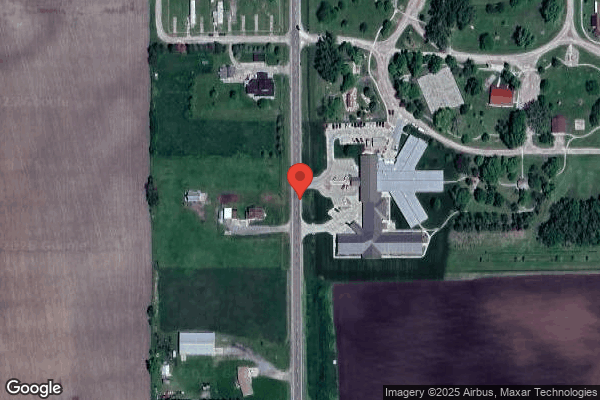
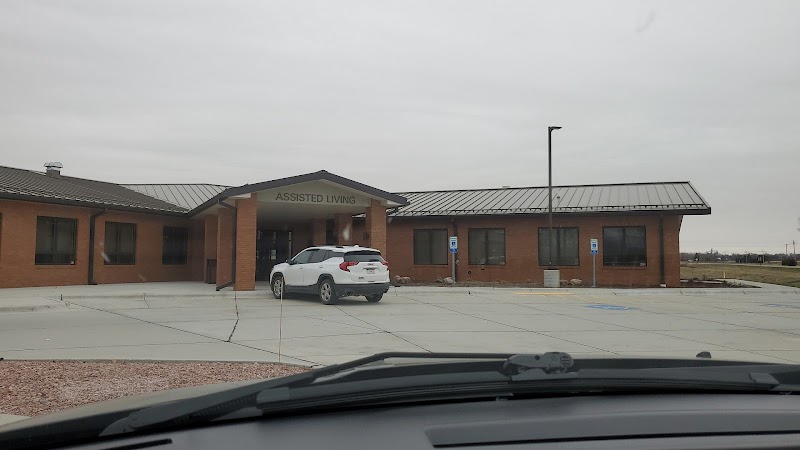
901 South 4th Street, Battle Creek, NE 68715 (402) 675-2955
Government - City/county 50 Beds Independent Data: November 2025
Trust Grade
80/100
#43 of 177 in NE
Last Inspection: November 2024

Within standard 12-15 month inspection cycle. Federal law requires annual inspections.

Overview

Community Pride Care Center in Battle Creek, Nebraska, has a Trust Grade of B+, which means it is recommended and above average in quality. It ranks #43 out of 177 facilities in Nebraska, placing it in the top half, and is the highest-rated facility among five in Madison County. The facility's performance has been stable, with eight identified issues in both 2023 and 2024, indicating no significant improvement or decline. Staffing is a weakness, as it has a low rating of 1 out of 5 stars, with a turnover rate of 46%, slightly better than the state average. On the positive side, the facility has no fines on record and has received excellent ratings for health inspections. However, there are concerning areas that families should note. For example, the center failed to create comprehensive care plans for some residents, which could impact their medical needs. Additionally, there were lapses in personal protective equipment protocols for a resident requiring enhanced precautions, and another incident involved an incomplete investigation following a resident's fall. While the facility has strengths, it is important for families to weigh these concerns when making a decision.
Trust Score
B+
80/100
In Nebraska
#43/177
Top 24%
Safety Record
Low Risk
No red flags
Inspections
Holding Steady
3 → 3 violations
Staff Stability
⚠ Watch
46% turnover. Above average. Higher turnover means staff may not know residents' routines.
Penalties
✓ Good
No fines on record. Clean compliance history, better than most Nebraska facilities.
Skilled Nurses
○ Average
RN staffing data not reported for this facility.
Violations
○ Average
8 deficiencies on record. Average for a facility this size. Mostly minor or procedural issues.
★★★★☆
4.0
Overall Rating
★☆☆☆☆
1.0
Staff Levels
★★★★☆
4.0
Care Quality
★★★★★
5.0
Inspection Score
Stable
2023: 3 issues
2024: 3 issues

The Good

  • 4-Star Quality Measures · Strong clinical quality outcomes
  • Full Sprinkler Coverage · Fire safety systems throughout facility
  • No fines on record

Facility shows strength in quality measures, fire safety.

The Bad

Staff Turnover: 46%

Near Nebraska avg (46%)

Higher turnover may affect care consistency

The Ugly 8 deficiencies on record

Nov 2024 1 deficiency
CONCERN (D)

Potential for Harm - no one hurt, but risky conditions existed

Infection Control (Tag F0880)

Could have caused harm · This affected 1 resident

**NOTE- TERMS IN BRACKETS HAVE BEEN EDITED TO PROTECT CONFIDENTIALITY** Licensure Reference Number 175 NAC 12-006.18(B) Based on observation, interview, and record review; the facility failed to imple...

Read full inspector narrative →
**NOTE- TERMS IN BRACKETS HAVE BEEN EDITED TO PROTECT CONFIDENTIALITY** Licensure Reference Number 175 NAC 12-006.18(B) Based on observation, interview, and record review; the facility failed to implement the required Personal Protective Equipment (PPE-items such as gowns, gloves, face shield that are worn to protect care givers) during the provision of cares for Resident 12 for Enhanced Barrier Precautions (EBP-involve gown and glove use during high-contact resident care activities for residents known to be colonized or infected with a multidrug-resistant organism (MDRO-bacteria that have become resistant to certain antibiotics) as well as those at increased risk for MDRO, residents with wounds or indwelling medical device/s). The sample sizes was 4 with a census of 42. Findings are: Review of the EBP sign posted on Resident 12's room door, from the U.S. Department of Health and Human Services Center for Disease Control and Prevention revealed the following: For EBP Everyone Must: -Clean their hands, including before entering and when leaving the room. Providers and Staff Must Also: -Wear gloves and a gown for the following High Contact Resident Care Activities: Dressing Bathing/Showering Transferring Changing Linens Providing Hygiene Changing briefs or assisting with toileting -Device care or use of the following: A central line, urinary catheter, feeding tube, or tracheostomy. Wound Care for any skin opening requiring a dressing. Review of Resident's 12 Minimum Data Set (MDS-federally mandated comprehensive assessment use to develop resident care plans) dated [DATE] revealed the resident had 2 ulcers and infection of the foot. The resident had medically complex condition, coronary artery disease (CAD- a disease in which there is a narrowing or blockage of the coronary arteries) and peripheral vascular disease (PVD-a chronic condition that occurs when the arteries that supply blood to the legs or arms narrow or become blocked). Review of Resident's 12 Care Plan with a revision date of [DATE] revealed the resident had a diagnosis of PVD and osteomyelitis (a bone infection that causes inflammation and swelling of the bone tissue) to both feet, left and right 5th toes were amputated on [DATE]. The resident had daily skin treatments to right and left 5th toes, and was seen by the wound clinic weekly or as ordered. The resident was on EBP, and staff were to wear gown and gloves with all resident direct contact. During an observation of the provision of care for Resident 12 on [DATE] at 9:50 AM, Nurse Aide (NA-0) and Med Aide (MA-N), entered Resident 12's room to get the resident out of bed, toileted and dressed for the day. Staff did not put on gown or gloves when entering the room. NA-O and MA-N washed their hands, put on disposable gloves, and attempted to wake resident up. The resident would not open eyes, staff removed gloves, washed hands, and stated that they would return later. During an observation of the provision of care for Resident 12 on [DATE] at 11:20 AM, NA-O and MA-N, entered Resident 12's room to get the resident up and dressed. Staff washed their hands and put on disposable gloves, and no gown, assisted the resident to dress and sit up on the edge of the bed then transferred resident with a sit-to-stand mechanical lift into a wheelchair. The resident was then assisted to the bathroom, a brief was removed that was heavily soiled with urine, staff then sat resident on the toilet. Staff removed their disposable gloves, washed their hands, made the bed, and tidied the room. MA-N and NA-O then washed their hands, put on disposable gloves, and stood resident up with use of mechanical standing lift and sat the resident in a recliner per the resident request. The episode of care was provided without wearing the required gown. During an observation of the provision of care for Resident 12 on [DATE] at 2:25 PM, Registered Nurse, (RN-P), entered Resident 12's room to complete cares to resident's right and left 5th toes. RN-P applied hand sanitizer and disposable gloves, no gown, then set out the dressing supplies on a barrier. RN-P removed resident's shoes, sock, and old dressing from the right foot, then removed the disposable gloves, applied hand sanitizer and reapplied clean disposable gloves. There was some clear drainage on the dressing. The wound was then treated as ordered and covered with a dressing. RN-P removed disposable gloves, washed hands, put on disposable gloves, and then removed the dressing from the left foot 5th digit. RN-P then treated the area as ordered. RN-P completed the entire treatment while not wearing the required gown. During an interview on [DATE] at 1:20 PM, MA-N verified that the Resident 12 was on EBP, gown and gloves should have been worn during high contact resident care and confirmed that no gown was worn when completing cares with resident. During an interview on [DATE] at 1:30 PM, NA-0 verified that Resident 12 was on EBP, gown and gloves should have been worn with high contact resident cares and confirmed that no gown was worn when completing cares with resident. During an interview on [DATE] at 2:45 PM, RN-P verified that Resident 12 was on EBP, confirmed that gown and gloves should have been worn when the treatment to feet was completed and confirmed that no gown was worn when treatment was completed. During an interview on [DATE] at 2:15 PM, the Director Of Nursing (DON), verified that Resident 12 was on EBP, a gown and gloves should have been worn when completing high contact resident cares that required staff to touch the resident.
Apr 2024 2 deficiencies
CONCERN (D) 📢 Someone Reported This

A family member, employee, or ombudsman was alarmed enough to file a formal complaint

Potential for Harm - no one hurt, but risky conditions existed

Investigate Abuse (Tag F0610)

Could have caused harm · This affected 1 resident

Licensure Reference Number 175 NAC 12-006.02(8) Based on record review and interview the facility failed to complete a thorough investigation following a fall with injury for Resident 1. The sample si...

Read full inspector narrative →
Licensure Reference Number 175 NAC 12-006.02(8) Based on record review and interview the facility failed to complete a thorough investigation following a fall with injury for Resident 1. The sample size was 4 and the facility census was 44. Findings are: Review of the facility undated policy Accidents and Incidents -Investigating and Recording revealed the e Charge Nurse or Department Director would conduct an immediate investigation of accidents/incidents including the circumstances surrounding the accident/incident. Review of the facility undated policy and procedure Shower/Tub Bath revealed the staff were to stay with the resident throughout bathing and never to leave a resident unattended, however there was no indication the policy addressed making sure the safety belt was used to secure residents in the bathing chair. Review of Resident 1's Care Plan dated 1/23/24 revealed the resident was at risk for falling, needed assistance with activities of daily living and was dependent for bed mobility, grooming, dressing, bathing, toileting, and transferring. In addition, the resident had mental debility, abnormal brain function and was unable to make decisions. Further review revealed the Care Plan was revised on 3/20/24 indicating the resident had fallen while in the bathhouse and staff were to make sure the bathing straps were in place when in the bathing chair, and 2 staff members were to be in attendance for cares while in the bath house. Review of Resident 1's Progress note dated 3/19/24 at 11:52 AM revealed the resident was in a bathing chair outside of the tub and as the Bathing Aide reached to grab a towel the resident reached to the side and leaned out of the bathing chair and fell to the floor hitting (gender) head on the leg of a full body mechanical lift. The Bathing Aide immediately called for a nurse to assist. The nurse responded finding the Bathing Aide on the floor supporting the resident's head. The resident's forehead was lacerated. The resident's physician was contacted, and the resident was sent to the emergency room (ER) for evaluation. Further review revealed no evidence the resident had been secured in the bathing chair with a safety belt. Review of the Facility Reported Incident dated 3/19/24 revealed Resident 1 fell from a bathing chair at 11:17 AM and sustained a laceration to the forehead which required evaluation in the emergency room (ER). The diagnoses listed on the After Visit Summary included, fall, head injury, and laceration of forehead. The Physician Visit Record indicated the resident was to see the Primary Care Physician (PCP) in 5 days for suture (stitches) removal. The revisions dated 3/20/24 listed on the resident Care Plan indicated the facility would provide 2 person assists for transfers and cares while in the bath house and make sure the safety strap was in place. Further review revealed no indication the facility conducted an investigation to determine if the safety strap was in place during the resident's bath on 3/19/24 or following the bath when the resident fell. The report submitted to the State Agency did not include a determination that the safety strap on the bathing chair was not in use. During an interview on 4/1/24 at 8:50 AM with Nurse Aide (NA)-B revealed the NA had bathed residents in the past and was not aware of any requirement to use the safety belt for all residents while bathing. During an interview on 4/1/24 at 9:00 AM with Medication Aide (MA)-D revealed the MA infrequently gave residents baths. The MA reported being aware of an incident of Resident 1 falling from the bathing chair recently and reported being educated on the need to have 2 staff members present during bathing or sitting in the bath chair for this resident. Further interview revealed the MA was not aware of any previous requirement to secure all residents in the bathing chair with a safety belt. During an interview on 4/1/24 at 10:45 AM MA-H revealed having bathed many residents while working at the facility. MA-H was not aware of any requirement to secure all residents in a safety belt while bathing, however the MA did report securing some residents if they had difficulty sitting securely upright. During a phone interview on 4/1/24 with NA-K at 12:10 PM revealed the NA had bathed Resident 1 on 3/19/24 when the resident fell from the bathing chair. In addition, NA-K confirmed that Resident 1 was not secured in the bathing chair with a safety belt during or after bathing. During an interview on 4/1/24 at 12:15 PM with the Director of Nursing (DON) confirmed the facility did not have a policy for securing all residents in the bathing chairs during bathing and had no evaluation process in place to evaluate the safety of individual residents while bathing. Further interview confirmed the DON did not question the staff responsible for bathing Resident 1 regarding utilization of the safety belt in the bathing chair, when investigating following Resident 1's fall.
CONCERN (D) 📢 Someone Reported This

A family member, employee, or ombudsman was alarmed enough to file a formal complaint

Potential for Harm - no one hurt, but risky conditions existed

Accident Prevention (Tag F0689)

Could have caused harm · This affected 1 resident

Licensure Reference Number 175 NAC 12-006.09D7 Based on record review and interview the facility failed to ensure the safety of Resident 1 during bathing resulting in an injury. The sample size was 4 ...

Read full inspector narrative →
Licensure Reference Number 175 NAC 12-006.09D7 Based on record review and interview the facility failed to ensure the safety of Resident 1 during bathing resulting in an injury. The sample size was 4 and the facility census was 44. Findings are: Review of the facility undated policy and procedure Shower/Tub Bath revealed the staff were to stay with the resident throughout bathing and never to leave a resident unattended, however there was no indication the policy addressed making sure the safety belt was used to secure residents in the bathing chair. Review of Resident 1's Progress note dated 3/19/24 at 11:52 AM revealed the resident was in a bathing chair outside of the tub and as the Bathing Aide reached to grab a towel the resident reached to the side and leaned out of the bathing chair and fell to the floor hitting (gender) head on the leg of a full body mechanical lift. The Bathing Aide immediately called for a nurse to assist. The nurse responded finding the Bathing Aide on the floor supporting the resident's head. The resident's forehead was lacerated. The resident's physician was contacted, and the resident was sent to the emergency room (ER) for evaluation. Further review revealed no evidence the resident had been secured in the bathing chair with a safety belt. Review of Resident 1's Care Plan dated 1/23/24 revealed the resident was at risk for falling, needed assistance with activities of daily living and was dependent for bed mobility, grooming, dressing, bathing, toileting, and transferring. In addition, the resident had mental debility, abnormal brain function and was unable to make decisions. Further review revealed the Care Plan was revised on 3/20/24 indicating the resident had fallen while in the bathhouse and staff were to make sure the bathing straps were in place when in the bathing chair, and 2 staff members were to be in attendance for cares while in the bath house. During an interview on 4/1/24 at 8:50 AM with Nurse Aide (NA)-B revealed the NA had bathed residents in the past and was not aware of any requirement to use the safety belt for all residents while bathing. During an interview on 4/1/24 at 9:00 AM with Medication Aide (MA)-D revealed the MA infrequently gave residents baths. The MA reported being aware of an incident of Resident 1 falling from the bathing chair recently and reported being educated on the need to have 2 staff members present during bathing or sitting in the bath chair for this resident. Further interview revealed the MA was not aware of any previous requirement to secure all residents in the bathing chair with a safety belt. During an interview on 4/1/24 at 10:45 AM MA-H revealed having bathed many residents while working at the facility. MA-H was not aware of any requirement to secure all residents in a safety belt while bathing, however the MA did report securing some residents if they had difficulty sitting securely upright. During a phone interview on 4/1/24 with NA-K at 12:10 PM revealed the NA had bathed Resident 1 on 3/19/24 when the resident fell from the bathing chair. In addition, NA-K confirmed that Resident 1 was not secured in the bathing chair with a safety belt during or after bathing. During an interview on 4/1/24 at 12:15 PM with the Director of Nursing (DON) confirmed the facility did not have a policy for securing all residents in the bathing chairs during bathing and had no evaluation process in place to evaluate the safety of individual residents while bathing. Further interview confirmed Resident 1 tended to lean forward at times when in a sitting position. The DON confirmed the facility staff did not secure Resident 1 in the bath chair during or after bathing on 3/19/24 resulting in a fall from the bath chair in which the resident sustained a laceration to the forehead requiring sutures (skin closure involving stitches) and evaluation for a head injury in the ER.
Nov 2023 3 deficiencies
CONCERN (D) 📢 Someone Reported This

A family member, employee, or ombudsman was alarmed enough to file a formal complaint

Potential for Harm - no one hurt, but risky conditions existed

Investigate Abuse (Tag F0610)

Could have caused harm · This affected 1 resident

Licensure Reference Number NAC 12-006.02(8) Based on record review and interview, the facility failed to thoroughly investigate Resident 192's potential misappropriation related to missing money in o...

Read full inspector narrative →
Licensure Reference Number NAC 12-006.02(8) Based on record review and interview, the facility failed to thoroughly investigate Resident 192's potential misappropriation related to missing money in order to prevent further incidents. The total sample size was 17 and the facility census was 41. Findings are: Review of the undated facility policy titled Abuse, Neglect, and Misappropriation of Property revealed the following; -the purpose of the policy supported a 'zero tolerance' related to resident abuse, neglect and/or misappropriation of property; and -misappropriation was defined as; the deliberate misplacement, exploitation, or use of a resident's belongings or money without the resident's consent. Record review of a facility investigation report revealed on 2/5/23, Resident 192 reported missing bingo money from the resident's dresser drawer. There had been a search of the resident's room for the money, but staff were unable to locate it. The activity staff member and resident's family member confirmed the resident had $5.10 from bingo winnings in [gender] possession. The facility reported the incident to Adult Protective Services and indicated the incident would be investigated, staff would be educated and the money would be reimbursed to the resident. There was no evidence staff members working prior to and on the day of the incident were interviewed about the missing money. In addition, there was no evidence other residents had been interviewed regarding misappropriation of personal belongings/money. An interview with the Administrator on 11/2/23 at 9:05 AM, confirmed facility had not interviewed other staff members or residents related to the missing money during the investigation of the incident on 2/5/23 and staff should have conducted more interviews related to potential misappropriation to prevent further incidents.
CONCERN (D)

Potential for Harm - no one hurt, but risky conditions existed

PASARR Coordination (Tag F0644)

Could have caused harm · This affected 1 resident

**NOTE- TERMS IN BRACKETS HAVE BEEN EDITED TO PROTECT CONFIDENTIALITY** Based on record review and interview; the facility failed to ensure to accurately code Resident 23's Preadmission Assessment and...

Read full inspector narrative →
**NOTE- TERMS IN BRACKETS HAVE BEEN EDITED TO PROTECT CONFIDENTIALITY** Based on record review and interview; the facility failed to ensure to accurately code Resident 23's Preadmission Assessment and Annual Resident Review (PASARR) status on the Minimum Data Set (MDS-a federally mandated comprehensive assessment tool used for care planning) and Care Plan the results. The total sample size was 12 and the facility census was 41. Findings are: Review of the facility policy PASARR, last revised 2/12/22 revealed the following: -PASARR was a federal requirement to ensure individuals were not inappropriately placed in nursing homes, and -when a level II PASARR was found, the facility would update the individuals Care Plan. Review of Resident 23's annual MDS dated [DATE] and a quarterly MDS dated [DATE] revealed the following: -in section A, the resident not marked to have been evaluated by Level II PASARR, -the resident was not marked to have a serious mental illness, -diagnoses of anxiety, depression, and schizophrenia, and -the resident took antipsychotic medication (a type of psychoactive medication which alters chemicals in the brain to effect changes in behavior, mood, and emotions) on a routine basis. Review of Resident 23's PASSAR screen completed on 2/14/23 revealed the following: -a level II PASSAR evaluation was completed on 2/14/23, -the resident was found to have a serious mental illness, -the resident was appropriate for nursing facility services, and -specialized services were not required. Review of Resident 23's Care Plan revealed no documentation that the resident had a level II PASARR determination. Interview on 11/1/23 at 1:53 PM with the Director of Nursing (DON) and the MDS Coordinator confirmed the resident did have a level II PASSAR evaluation completed. Further interview with the DON confirmed that the PASSAR was not correctly coded on the annual MDS, and the level II determination had not been included in the residents Care Plan.
CONCERN (E)

Potential for Harm - no one hurt, but risky conditions existed

Comprehensive Care Plan (Tag F0656)

Could have caused harm · This affected multiple residents

**NOTE- TERMS IN BRACKETS HAVE BEEN EDITED TO PROTECT CONFIDENTIALITY** Licensure Reference Number 175 NAC 12-006.09C Based on observation, record review, and interview the facility failed to develop...

Read full inspector narrative →
**NOTE- TERMS IN BRACKETS HAVE BEEN EDITED TO PROTECT CONFIDENTIALITY** Licensure Reference Number 175 NAC 12-006.09C Based on observation, record review, and interview the facility failed to develop comprehensive Care Plans to accurately reflect the current status for 4 of 12 sampled residents (Resident 2's infection, and use of antianxiety medications, Resident 32's skin integrity, Resident 37's edema (fluid retention of tissue), and Resident 36's Hospice (end-of life) care). The facility census was 41. Findings are: A. Review of the facility policy Care Plan-Comprehensive dated 8/15/23 revealed the following; -The facility developed a comprehensive care plan that included measurable objectives and timetables to meet the resident's medical, nursing, mental and psychological needs. -the interdisciplinary team in coordination with the resident, his/her family or representative, developed and maintained a comprehensive care plan for each resident, -the care plan was designed to identify problem areas, initiate goals, incorporate risk factors, build on resident strengths, reflect measurable outcomes, identify services responsible for each element of care, prevent decline in resident functional statuses, and enhance optimal functioning of the residents. -care plans were revised as changes dictated, and -the care plans were intended to promote continuity of care, communication among staff, increased resident safety, and safeguard against adverse events. B. Review of Resident 2's Minimum Data Set (MDS-federally mandated comprehensive assessment used to develop resident care plans) dated 8/26/23 revealed the resident had dementia and was severely impaired cognitively, required extensive assistance with bed mobility, transfers, dressing, and toileting, was occasional incontinent of bowel and bladder, had no special treatments or procedures, and took antidepressant medication. Review of Resident 2's Progress Notes revealed the following; -On 8/31/23 at 10:02 AM the Attending physician was updated on cyst like area on right arm pit and treatment was started with betadine (anti-infective solution) twice daily and warm moist packs to the area 3 times daily. -On 9/1/23 at 4:00 PM the right arm pit cyst like area was red, and firm. The area had no drainage and Betadine was applied and the area was covered with Mepilex (foam dressing) for protection. -On 9/3/23 at 10:04 AM the small firm raised area to right axilla remained, there was no increased warmth, redness, or drainage noted. Betadine was applied. -On 9/20/23 at 10:37 AM a second raised firm area of skin with pinpoint red area was noted in the right armpit and the physician was notified. -On 9/22/23 at 12:18 PM the cyst like area to right armpit firm area remained. There was no drainage or redness. The area was thought to be chronic and the Betadine and warm packs were discontinued. -On 10/13/23 at 2:29 PM the cyst like area to right armpit was open, had moderate purulent (pus) drainage. The area was cleaned, betadine was applied, and the area was covered with a bandaid, and would be monitored daily. -On 10/16/23 at 10:21 AM a wound culture (collection of drainage for the area to determine the type of bacteria present) was obtained from right armpit area. -On 10/18/23 at 5:10 PM the staff were updated that the arm-pit wound was positive for Methicillin Resistant Staphlococcus Aureus (MRSA-bacteria that is resistant to many antibiotics), and the staff placed the resident in Contact Precautions (precautions intended to prevent the transmission of infectious agents) for dressing changes. Review of Resident 2's undated Physician's Orders revealed the resident was on the following medications with the following start dates, and -9/5/23 Lorazepam (anti-anxiety medication) daily as needed, -9/7/23 Buspirone HCL (anti-anxiety medication) twice daily, and -10/16/23 Doxycycline Hyclate (antibiotic typically susceptible to MRSA infections), twice daily, and -additional review revealed diagnoses for MRSA, and an anxiety disorder. During an observation of care for Resident 2 on 11/1/23 at 7:27 AM Nurse Aid (NA)-M entered the resident's room, washed hands, put on gloves and a gown, and helped the resident get up for breakfast. During the provision of care the resident was noted to have an adhesive foam dressing intact to the right armpit. NA-M placed soiled linen in a linen basket in the room and trash in red trash bag lined bin in room. NA-A then removed the gown and gloves and placed in red bag, hand sanitized and assisted resident to the dining area. During an observation of care for Resident 2 on 11/1/23 at 11:30 AM the resident was in the bath house. RN-P entered the bath house to perform a dressing change to the right armpit. RN-P washed hands and put on gloves and a gown, removed a dressing which was clean and dry from the right armpit, and a small slightly pink area was visible in right armpit. There was no open area and no drainage. RN-P disposed of the dressing, removed gloves, hand sanitized, measured the area (1cm), and applied a clean foam dressing. RN-P then removed the gown and gloves and hand sanitized. Review of Resident 2's Care Plan with a revision date of 10/25/23 revealed the following; -the resident needed assistance with ADL's, physical debility, dementia, cognitive loss, difficulty with self-expression, potential for fluid volume deficit, was a fall risk, was positive for MRSA, and had a wound to the right armpit. The resident was on Universal Precautions (precautions taken on all residents to prevent the spread of infection). The resident had diagnosed hallucinations, depression, anxiety, potential for impaired skin integrity, used antidepressant medication, mixed incontinence, and altered vision. There was no evidence the resident was on Contact Precautions. Further review revealed no evidence the resident had additional precautions in place to prevent the spread of MRSA and no evidence the resident was taking antianxiety medication. An interview on 10/31/23 at 2:25 PM with Registered Nurse (RN)-P revealed Resident 2 did have a MRSA positive abscess (collection of pus) on the right armpit that was currently not open or draining. Staff were to put on gloves and a gown during cares involving dressing and undressing, for potential contact with a wound dressing and during treatments of the abscess. An interview on 11/01/23 at 11:12 PM the Director of Nursing (DON) confirmed that Resident 2's Care Plan did not address the additional Contact Precautions in place for treatment of the resident's active MRSA infection. During an interview on 11/02/23 at 9:54 AM the DON confirmed resident 2's Care Plan failed to address the use of antianxiety medications. C. Review of Resident 32's MDS dated [DATE] revealed the resident received extensive assistance with bed mobility, dressing and toileting and was dependent for transfers, the resident had diagnosis of spinal cord dysfunction, was paraplegic, had a bladder catheter (used to empty urine from the bladder), and had no skin breakdown. Review of Resident 32's Care Plan with a revision date of 9/22/23 revealed the resident had a potential for infections due to a history of wound infections and was at high risk for impaired skin integrity. There was no evidence the resident had or was receiving treatment to the skin integrity loss to the buttocks or surrounding skin. Review of Resident 32's Progress Notes revealed the following; -On 10/5/23 at 5:20 PM the residents left buttock area skin was sloughing (shedding a dead layer of skin), and the surrounding skin has some pinkness. -On 10/5/23 at 5:21 PM the right buttock top layer of skin was shearing off, and visible pink tissue was noted underneath. -On 10/5/23 at 5:47 PM the right buttock abrasion was cleaned with with Puracyn (wound cleaner), allowed to dry, allowed to sit for 2-3 minutes, rinsed again and a foam dressing was applied to wound bed -On 10/5/23 at 5:48 PM the left buttock abrasion was cleaned with Puracyn, allowed to sit for 2-3 minutes, rinsed again with Puracyn and Skin Prep (substance that protect the skin from incontinence, wound drainage, and/or friction) was applied. -On 10/6/23 at 1:26 PM the right buttocks wound bed was pink, had no drainage, warmth, or redness and the left buttock skin had shearing, a pink wound bed of the surrounding tissue, and had no drainage, warmth, or redness. -On 10/7/23 at 4:12 PM a foam dressing was intact to both sides of the resident's buttock abrasion, and was clean, dry and intact. During an observation of care for Resident 32 on 10/31/23 at 10:57 AM Medication Aid (MA)-K and Nurse Aide (NA)-G entered the Resident's 32's room, hand sanitized, put on gloves and transferred the resident using a full body mechanical lift from the wheelchair to the bed. MA-K removed a soiled brief then positioned the resident on the left side. The resident had scaly discolored skin above and around buttock. NA-G cleaned the resident's skin, removed the soiled gloves and hand sanitized. During an interview on 11/01/23 at 11:12 PM the DON confirmed that Resident 32's had skin integrity concerns to the buttocks, however the Care Plan did not address the resident's skin integrity concerns specific to current problems and did not accurately reflect the resident's current treatment needed. D. Review of Resident 37's Care Plan with a revision date of 7/10/23 revealed the resident had a potential for fluid volume deficit or dehydration but no evidence the resident had edema or wore edema wear. Review of Resident 37's Progress Notes revealed the following; -On 9/16/23 at 10:22 AM the resident had edema of both lower legs. -On 9/17/23 at 7:54 PM the resident had edema of the lower legs, feet, and ankles. -On 9/18/23 at 8:14 PM the resident had edema wear on both legs. -On 9/26/23 at 4:28 PM the resident had left and right ankle and foot edema. -On 10/6/23 at 9:19 PM the resident had edema of the lower legs and feet. -During an observation on 10/30/23 at 10:28 AM Resident 37 was sitting in a in recliner with feet elevated, the call light was in reach, and the resident was wearing orthopedic sandals and edema wear. -During an observation on 10/31/23 at 7:56 AM Resident 37 was sitting in a wheelchair in the dining room wearing orthopedic sandals and edema wears. -During an observation on 10/31/23 at 11:08 AM Resident 37 was sitting in a recliner wearing orthopedic sandals and edema wear. -During an observation on 10/31/23 at 1:55 PM NA's G and H assisted the Resident 37 to the bathroom. The resident was wearing orthopedic sandals and edema wear. During an interview on 10/31/23 at 02:14 PM NA-G revealed the Resident 37 had edema of both lower legs all the time, wore edema wear (leg covering used to treat edema) and special sandals the resident's family provided. During an interview on 11/01/23 at 1:04 PM the DON confirmed Resident 37's Care Plan did not address the resident's edema or treatment plan associated with the edema such as the use of edema wear. E. Review of the facility policy Hospice Program dated March 2001 revealed the following; -The facility contracted for Hospice (Medicare service provided to person's with end-of-life diagnoses) for residents who wished to participate in such programs. -The hospice agreements were to ensure hospice services were available for those who wished to participate, -Residents who participated in the hospice program would have a coordinated plan of care between the facility, hospice agency and the resident and included directives for pain management and other symptoms, -The hospice agency retained overall professional management responsibility for directing and implementing the care plan related to the terminal illness and related conditions. F. Review of Resident 36's MDS dated [DATE] revealed the resident had diagnoses of pneumonia, cholangitis (inflammation of the gall bladder,) and dementia. In addition, the resident was receiving Hospice care. Review of Resident 36's Care Plan dated 9/11/23 revealed the resident was terminally ill with end-stage dementia and was receiving Hospice care, however there was no evidence of the services Hospice was providing related to the end-of-life diagnosis. Review of Resident 36''s Progress Notes revealed the following; -On 9/4/23 at 1:47 PM the resident had fever and chills and was taken to the ER (Emergency Room) for evaluation and at 6:27 PM the facility was notified that the resident was admitted to the hospital for pneumonia. -On 9/8/23 at 4:13 PM the resident was readmitted to the facility from the hospital. During an interview on 11/1/23 at 8:56 AM the DON confirmed Resident 36 was hospitalized following an acute illness with fever and was readmitted to the facility on Hospice services. During an interview on 11/01/23 at 1:04 PM the DON confirmed the Resident 36's Care Plan did not address or define Facility and Hospice roles in the care of the resident.
Sept 2022 2 deficiencies
CONCERN (D)

Potential for Harm - no one hurt, but risky conditions existed

Assessment Accuracy (Tag F0641)

Could have caused harm · This affected 1 resident

**NOTE- TERMS IN BRACKETS HAVE BEEN EDITED TO PROTECT CONFIDENTIALITY** LICENSURE REFERENCE NUMBER 175 NAC 12-006.09B Based on record review and interview, the facility failed to ensure the MDS (Minim...

Read full inspector narrative →
**NOTE- TERMS IN BRACKETS HAVE BEEN EDITED TO PROTECT CONFIDENTIALITY** LICENSURE REFERENCE NUMBER 175 NAC 12-006.09B Based on record review and interview, the facility failed to ensure the MDS (Minimum Data Set, a comprehensive assessment of each resident's physical and mental functional capabilities) related to Resident 15's bladder elimination, reflected the resident's status at the time of the MDS assessment. The sample size was 18. The facility census was 43. Findings are: A. Review of the updated facility matrix dated 9/12/22, indicated Resident 15 had an indwelling urinary catheter (flexible tubing that is inserted into a person's bladder used to continuously drain urine into a collection container). B. Review of Resident 15's MDS dated [DATE], revealed section H (assessment pertaining to a resident's bowel and bladder elimination status) identified the resident had an indwelling urinary catheter and was incontinent of urine. Review of Resident 15's physician order communication sheet dated 1/27/22, revealed the resident's indwelling urinary catheter was discontinued on this date. C. An interview on 9/15/22 at 9:05 AM with the Director of Nurses, confirmed Resident 15 did not have an indwelling urinary catheter currently and had not had one since January 2022. An interview with the MDS coordinator on 9/15/22 at 9:10 AM, confirmed Resident 15's most recent MDS assessment dated [DATE] was not an accurate reflection of the resident's urinary status at the time of the assessment and should have been updated after the indwelling catheter was discontinued in January 2022.
CONCERN (D)

Potential for Harm - no one hurt, but risky conditions existed

PASARR Coordination (Tag F0644)

Could have caused harm · This affected 1 resident

**NOTE- TERMS IN BRACKETS HAVE BEEN EDITED TO PROTECT CONFIDENTIALITY** LICENSURE REFERENCE NUMBER 175 NAC 12-006.09A Based on record review and interview, the facility failed to ensure a new PASARR (...

Read full inspector narrative →
**NOTE- TERMS IN BRACKETS HAVE BEEN EDITED TO PROTECT CONFIDENTIALITY** LICENSURE REFERENCE NUMBER 175 NAC 12-006.09A Based on record review and interview, the facility failed to ensure a new PASARR (Pre-admission Screening and Resident Review - used to determine if people with serious mental illnesses that require nursing facility services are placed in the appropriate setting) assessment had been completed after a diagnosis of mental illness was identified for 1 (Resident 37) of 1 reviewed for PASARR. The facility census was 43. Findings are: Review of Resident 37's PASARR dated 10/11/2018 revealed there was no indication Resident 21 had a serious mental illness. The PASARR also indicated if changes occurred a new screen must be submitted. Review of Resident 37's admission MDS (Minimum Data Set - a comprehensive assessment tool used to develop a resident's plan of care) dated 12/15/2018 revealed the resident was admitted to the facility on [DATE]. The resident had the following diagnoses; Anxiety Disorder, Depression, Parkinson's Disease and Schizophrenia (a serious mental illness). Review of Resident 37's medical record revealed the resident was seen by a mental health physician on 12/17/18 and the following diagnoses were added: Generalized Anxiety Disorder, Major depressive disorder and Paranoid Schizophrenia. In addition, the physician added an antipsychotic medication (Seroquel 100 milligrams (mg) twice a day. During an interview with the Director of Nurses (DON) on 9/14/22 at 3:10 PM, the DON confirmed Resident 37 had the diagnosis of Schizophrenia added on 12/17/18 (after being admitted to the facility on [DATE]) and a new PASARR evaluation should have been requested following the mental illness diagnosis.
Understanding Severity Codes (click to expand)
Life-Threatening (Immediate Jeopardy)
J - Isolated K - Pattern L - Widespread
Actual Harm
G - Isolated H - Pattern I - Widespread
Potential for Harm
D - Isolated E - Pattern F - Widespread
No Harm (Minor)
A - Isolated B - Pattern C - Widespread

Questions to Ask on Your Visit

  • "Can I speak with families of current residents?"
  • "What's your RN coverage like on weekends and overnight?"

Our Honest Assessment

Strengths
  • • Grade B+ (80/100). Above average facility, better than most options in Nebraska.
  • • No major safety red flags. No abuse findings, life-threatening violations, or SFF status.
  • • No fines on record. Clean compliance history, better than most Nebraska facilities.
Concerns
  • • No significant concerns identified. This facility shows no red flags across CMS ratings, staff turnover, or federal penalties.
Bottom line: Generally positive indicators. Standard due diligence and a personal visit recommended.

About This Facility

What is Community Pride Care Center's CMS Rating?

CMS assigns Community Pride Care Center an overall rating of 4 out of 5 stars, which is considered above average nationally. Within Nebraska, this rating places the facility higher than 99% of the state's 100 nursing homes. This rating reflects solid performance across the metrics CMS uses to evaluate nursing home quality.
How is Community Pride Care Center Staffed?
CMS rates Community Pride Care Center's staffing level at 1 out of 5 stars, which is much below average compared to other nursing homes. Staff turnover is 46%, compared to the Nebraska average of 46%. This relatively stable workforce can support continuity of care.

What Have Inspectors Found at Community Pride Care Center?

State health inspectors documented 8 deficiencies at Community Pride Care Center during 2022 to 2024. These included: 8 with potential for harm.

Who Owns and Operates Community Pride Care Center?

Community Pride Care Center is owned by a government entity. Government-operated facilities are typically run by state, county, or municipal agencies. The facility operates independently rather than as part of a larger chain. With 50 certified beds and approximately 44 residents (about 88% occupancy), it is a smaller facility located in Battle Creek, Nebraska.

How Does Community Pride Care Center Compare to Other Nebraska Nursing Homes?

Compared to the 100 nursing homes in Nebraska, Community Pride Care Center's overall rating (4 stars) is above the state average of 2.9, staff turnover (46%) is near the state average of 46%, and health inspection rating (5 stars) is much above the national benchmark.

What Should Families Ask When Visiting Community Pride Care Center?

Based on this facility's data, families visiting should ask: "Can you walk me through typical staffing levels on day, evening, and night shifts?" "Can I visit during a mealtime to observe dining assistance and food quality?" "How do you handle medical emergencies, and what is your hospital transfer rate?" "Can I speak with family members of current residents about their experience?" These questions are particularly relevant given the below-average staffing rating.

Is Community Pride Care Center Safe?

Based on CMS inspection data, Community Pride Care Center has a clean safety record: no substantiated abuse findings (meaning no confirmed cases of resident harm), no Immediate Jeopardy citations (the most serious violation level indicating risk of serious injury or death), and is not on the Special Focus Facility watch list (a federal program monitoring the lowest-performing 1% of nursing homes). The facility has a 4-star overall rating and ranks #1 of 100 nursing homes in Nebraska. While no facility is perfect, families should still ask about staff-to-resident ratios and recent inspection results during their visit.

Do Nurses at Community Pride Care Center Stick Around?

Community Pride Care Center has a staff turnover rate of 46%, which is about average for Nebraska nursing homes (state average: 46%). Moderate turnover is common in nursing homes, but families should still ask about staff tenure and how the facility maintains care continuity when employees leave.

Was Community Pride Care Center Ever Fined?

Community Pride Care Center has no federal fines on record. CMS issues fines when nursing homes fail to meet care standards or don't correct problems found during inspections. The absence of fines suggests the facility has either maintained compliance or corrected any issues before penalties were assessed. This is a positive indicator, though families should still review recent inspection reports for the full picture.

Is Community Pride Care Center on Any Federal Watch List?

Community Pride Care Center is not on any federal watch list. The most significant is the Special Focus Facility (SFF) program, which identifies the bottom 1% of nursing homes nationally based on persistent, serious quality problems. Not being on this list means the facility has avoided the pattern of deficiencies that triggers enhanced federal oversight. This is a positive indicator, though families should still review the facility's inspection history directly.