
Heritage of Bel Air

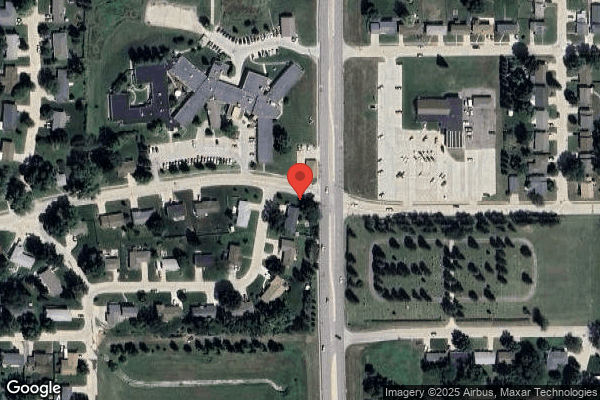
1203 North 13th Street, Norfolk, NE 68701 (402) 371-4991
Non profit - Corporation 108 Beds VETTER SENIOR LIVING Data: November 2025
Trust Grade
75/100
#52 of 177 in NE
Last Inspection: July 2025

Inspected within the last 6 months. Data reflects current conditions.

Overview

Heritage of Bel Air in Norfolk, Nebraska has a Trust Grade of B, indicating it is a good choice for families seeking care, sitting in the top half of nursing facilities in the state at #52 out of 177, and #2 out of 5 in Madison County. However, the facility is experiencing a worsening trend, with issues increasing from 3 in 2024 to 4 in 2025. Staffing is a relative strength, with a rating of 4 out of 5 stars and a turnover rate of 30%, which is significantly lower than the state average. On the downside, there were 11 total issues found during inspections, including serious concerns about a resident not receiving the appropriate diet to prevent choking and food safety violations where staff did not follow proper hygiene protocols. Overall, while there are strengths in staffing stability, the facility's quality of care has room for improvement.

Trust Score
B
75/100
In Nebraska
#52/177
Top 29%
Safety Record
Moderate
Needs review
Inspections
Getting Worse
3 → 4 violations
Staff Stability
○ Average
30% turnover. Near Nebraska's 48% average. Typical for the industry.
Penalties
✓ Good
No fines on record. Clean compliance history, better than most Nebraska facilities.
Skilled Nurses
⚠ Watch
Each resident gets only 27 minutes of Registered Nurse (RN) attention daily — below average for Nebraska. Fewer RN minutes means fewer trained eyes watching for problems.
Violations
⚠ Watch
11 deficiencies on record. Higher than average. Multiple issues found across inspections.
★★★★☆
4.0
Overall Rating
★★★★☆
4.0
Staff Levels
★★★★★
5.0
Care Quality
★★★☆☆
3.0
Inspection Score
Stable
2024: 3 issues
2025: 4 issues

The Good

  • 4-Star Staffing Rating · Above-average nurse staffing levels
  • 5-Star Quality Measures · Strong clinical quality outcomes
  • Full Sprinkler Coverage · Fire safety systems throughout facility
  • No fines on record
  • Staff turnover below average (30%)

    18 points below Nebraska average of 48%

Facility shows strength in staffing levels, quality measures, fire safety.

The Bad

Staff Turnover: 30%

16pts below Nebraska avg (46%)

Typical for the industry

Chain: VETTER SENIOR LIVING

Part of a multi-facility chain

Ask about local staffing decisions and management

The Ugly 11 deficiencies on record

1 actual harm
Jul 2025 4 deficiencies
CONCERN (D)

Potential for Harm - no one hurt, but risky conditions existed

Unnecessary Medications (Tag F0759)

Could have caused harm · This affected 1 resident

S483.45(f) Medication Errors. The facility must ensure that its- S483.45(f)(1) Medication error rates are not 5 percent or greater;This REQUIREMENT is not met as evidenced by Licensure Reference Numbe...

Read full inspector narrative →
S483.45(f) Medication Errors. The facility must ensure that its- S483.45(f)(1) Medication error rates are not 5 percent or greater;This REQUIREMENT is not met as evidenced by Licensure Reference Number 175 NAC 12-006.10(D)Based on observation, record review and interview; the facility staff failed to ensure a medication error rate of less than 5 percent (%). Observations of 25 medications administered revealed 2 errors resulting in an error rate of 8%. The medication errors were related to 1 (Resident 6) of 5 residents sampled. The facility identified a census of 98.Findings are:A. Review of the facility policy Medication Errors with a revision date of 2/18 revealed the facility was to ensure residents were free of medication error rates of 5% or greater. A medication error was defined as the observed or identified preparation or administration medications which were not in accordance with the prescriber's order or the manufacturers specifications regarding the preparation and administration of the medication. B. Review of the Prefilled Insulin Pen Competency Form used by the facility to competency test staff regarding insulin administration revealed the following procedural steps:-attach the capped needle onto the end of the pen by turning clockwise until tight. -to prime the pen, make sure the arrow is in the center of the dose window. -pull the dose knob out in the direction of the arrow until a 0 is seen. -turn the knob clockwise until the number 2 is seen. -hold the pen with the needle pointing straight up, tapping the clear cartridge holder so any air bubbles collect near the top. Push the injection button completely using the thumb. Keep pressing and continue to hold the injection button firmly. A stream of insulin should come out the tip of the needle. -upon completion of priming, a diamond must be seen in the center of the dose window. -turn the dose knob clockwise until the arrow is seen in the center of the dose window and the notches on the pen and dose knob are in line. -pull the dose knob out in the direction of the arrow until a 0 is seen in the dose window. Review of Resident 6's Medication Administration Record dated 7/2025 revealed the resident had orders for the following:-Lantus (long lasting insulin used to manage blood sugar levels) inject 50 units twice a day.-Humalog (rapid acting insulin used to control blood sugar levels) 20 units with meals three times a day. During an observation on 7/29/25 at 8:15 AM, Licensed Practical Nurse (LPN)-G, removed 2 insulin pens from a drawer of the medication cart for Resident 6. LPN-G detached the pen cap from the Lantus insulin pen and attached a needle cap. LPN-G turned the dose knob to 40 and indicated only 40 units remained in the pen and an additional 10 units would need to be administered from a second pen with Lantus insulin. LPN-G failed to prime the pen prior to administering the 40 units of insulin to the resident's right abdomen. LPN-G then removed the pen cap from the Humalog insulin pen and connected a needle cap. LPN-G, without priming the insulin pen, turned the dose knob to 10 units and administered the Humalog insulin to the resident's left abdomen. An interview conducted with LPN-G on 7/29/25 at 8:25 AM confirmed the insulin pens were not primed prior to administration of the Lantus Insulin and the Humalog insulins.
CONCERN (D)

Potential for Harm - no one hurt, but risky conditions existed

Infection Control (Tag F0880)

Could have caused harm · This affected 1 resident

**NOTE- TERMS IN BRACKETS HAVE BEEN EDITED TO PROTECT CONFIDENTIALITY** LICENSURE REFERENCE NUMBER 175 NAC 12-006.18(B)Based on observation, interview, and record review; the facility failed to implem...

Read full inspector narrative →
**NOTE- TERMS IN BRACKETS HAVE BEEN EDITED TO PROTECT CONFIDENTIALITY** LICENSURE REFERENCE NUMBER 175 NAC 12-006.18(B)Based on observation, interview, and record review; the facility failed to implement the required Personal Protective Equipment (PPE-items such as gowns and gloves that are worn to protect care givers during the provision of care and to protect other residents from being exposed to potential communicable disease) during the provision of care for Resident 35. The facility census was 98.Findings are: A. Review of the facility policy [NAME] Senior Living (VSL) Policy for Enhanced Barrier Precautions (EBP) dated 4/12/24 revealed the following:-EBP referred to an infection control intervention designed to reduce transmission of multidrug resistant organisms (germ that is resistant to medications) (MDRO) that required the use of gowns and glove use during high contact resident cares,-EBP would be initiated on residents with an infection with a targeted MDRO.-PPE for EBP is only necessary when performing high-contact care activities in resident room and spa-room. -high-contact resident care activities included bathing and changing linens.B. Review of Resident 35's Minimum Data Set (MDS - a mandatory comprehensive assessment tool used for care planning) dated 6/18/25 revealed the resident required partial assist with bathing cares. Review of Resident 35's care plan revealed the resident:-had a history of MDRO,-EBP were in place,-resident required extensive 1 assist with bathing cares.Observation on 7/28/25 at 8:35 AM revealed an EBP magnet on the door entering Resident 35's room and stated:-Providers and staff must wear gloves and a gown for the following High-Contact Resident Care Activities including changing linens and bathing cares.An observation on 7/28/25 at 2:10 PM revealed the resident was in the bathing room receiving a whirlpool bath. Nursing Assistant (NA-L) was giving Resident 35 a whirlpool bath with no PPE on. An observation on 7/30/25 at 7:30 AM revealed NA-N had removed sheets, pillowcase and bedding from the resident's bed with no gown or gloves on. NA-N picked up the linens and hugged them against her uniform when exiting the room with no PPE on. An interview with Registered Nurse (RN-K) on 7/29/25 at 7:40 AM confirmed that Resident 35 was on EBP due to an MDRO in urine and staff should wear PPE when bathing the resident. An interview with NA-L on 7/29/25 at 8:00 AM confirmed that PPE was not worn when giving the resident a whirlpool on 7/28/25 and gown and gloves should have been worn.An interview on 7/30/25 at 7:45 AM with the Director of Nursing (DON) confirmed that staff should have had PPE on when changing the residents bed linens.
CONCERN (E)

Potential for Harm - no one hurt, but risky conditions existed

Deficiency F0804 (Tag F0804)

Could have caused harm · This affected multiple residents

S483.60(d) Food and drink Each resident receives and the facility provides- S483.60(d)(1) Food prepared by methods that conserve nutritive value, flavor, and appearance; S483.60(d)(2) Food and drink t...

Read full inspector narrative →
S483.60(d) Food and drink Each resident receives and the facility provides- S483.60(d)(1) Food prepared by methods that conserve nutritive value, flavor, and appearance; S483.60(d)(2) Food and drink that is palatable, attractive, and at a safe and appetizing temperature.Licensure Reference Number 175 NAC 12-006.11D Based on observation, record review and interview; the facility failed to serve room trays at a palatable temperature. The sample size was 9 and the facility census was 98. Findings are: Review of the Nebraska Food Code effective 3/8/12 revealed the following:-refrigerated potentially hazardous food (time/temperature control for safety food) would be at a temperature of 41 degrees or below when received, and-potentially hazardous food that was cooked to a temperature and for a time specified and received hot would be at a temperature of 135 degrees or above. During an interview on 7/28/25 at 10:20 AM Resident 66 reported that they sometimes eat meals in their room and the food is cold most of the time. The following observations were made on 7/29/25:-at 12:04 PM the hot box (a specialized container designed to keep prepared food warm, safe, and at a palatable temperature during transportation) containing the lunch trays was moved from the kitchen to the resident hallway and plugged into the wall,-at 12:23 PM Nursing Assistant (NA)-P started serving the lunch trays and the temperature of the hot box was 167 degrees, and-at 12:35 PM Chef-O obtained the following temperatures on a test tray: Pork Roast-130 degrees, Macaroni and Cheese-130 degrees, and Carrots-124 degrees. Interview on 7/29/25 at 12:35 PM with Chef-O revealed the food temperatures obtained were too cold to serve the residents. Interview on 7/29/25 at 1:30 PM interview with the Certified Dietary Manager (CDM) confirmed the facility did not have a policy related to what temperature food should be served at, but the facility uses the Nebraska Food Code as a guideline. Further interview confirmed that hot foods should have been served above 135 degrees, and cold foods should have been served at 41 degrees and below. The CDM confirmed the facility served 9 room trays out of the hot box. Interview on 7/30/25 at 3:40 PM with the Administrator confirmed the hot food should be served at 135 degrees or higher and the food on 7/29/25 was not at a palatable temperature.
CONCERN (F)

Potential for Harm - no one hurt, but risky conditions existed

Food Safety (Tag F0812)

Could have caused harm · This affected most or all residents

S483.60(i) Food safety requirements. The facility must - S483.60(i)(2) - Store, prepare, distribute and serve food in accordance with professional standards for food service safety. This REQUIREMENT i...

Read full inspector narrative →
S483.60(i) Food safety requirements. The facility must - S483.60(i)(2) - Store, prepare, distribute and serve food in accordance with professional standards for food service safety. This REQUIREMENT is not met as evidenced by LICENSURE REFERENCE NUMBER 175 NAC 12-006.11E Based on observation, record review and interview; the facility failed to serve food in a manner to prevent potential food borne illnesses. The facility failed to ensure bare hands were not used to touch ready-to-eat food items. This practice had the potential to affect all residents in the facility who ate meals from the kitchen. The facility staff identified a census of 98. Findings are:A. Review of the 7/21/2016 version of the Food Code, based on the United States Food and Drug Administration Food Code and used as an authoritative reference for food service sanitation practices, revealed the following: 81-2,272.10*(Replaces 2013 Food Code 3-301.11 (B), (C), (D), and (E) Preventing Contamination from Hands). -Except when washing fruits and vegetables, food employees shall minimize bare hand and arm contact with exposed food. This may be accomplished with the use of suitable utensils such as deli tissues, spatulas, tongs, single-use gloves, or dispensing equipment. B. During observation of the noon meal on 7/29/25 from 11:45 AM to 12:35 PM the following was observed:-Culinary Lead-X picked up a cheese sandwich with bare hands, cut the sandwich in half and placed the sandwich on a serving plate with bare hands,-Culinary Lead-X then picked up a meat/cheese sandwich with bare hands, cut the sandwich in half and placed the sandwich on a serving plate with bare hands. C. An interview with the Dietary Manager (DM-Z) confirmed that staff should not have used bare hands to touch ready-to-eat food items.
Jul 2024 3 deficiencies
CONCERN (D)

Potential for Harm - no one hurt, but risky conditions existed

Accident Prevention (Tag F0689)

Could have caused harm · This affected 1 resident

LICENSURE REFERENCE NUMBER 175 NAC 12-006.09(l)(i) Based on record review and interview; the facility failed to implement assessed fall interventions, and to revise and/or develop new interventions fo...

Read full inspector narrative →
LICENSURE REFERENCE NUMBER 175 NAC 12-006.09(l)(i) Based on record review and interview; the facility failed to implement assessed fall interventions, and to revise and/or develop new interventions for the prevention of ongoing falls for Resident 12. The facility census was 101 and the sample size was 5. Findings are: A. Review of the facility Fall Prevention Management Standards with revision date of 1/2024 revealed all residents were to be reviewed during pre-admission/admission to determine their risk for falls. When a resident was identified at risk for falls, the resident's care plan was to be updated to reflect the potential safety hazard. Approaches/ interventions were to be implemented and maintained related to identified areas of risk. If a fall was to occur, staff were to investigate and collect factual evidence related to the fall. A Root Clause Analysis was to be completed to find out what happened and to determine what could be done to prevent it from happening again. B. Review of Resident 12's Minimum Data Set (MDS-a federally mandated comprehensive assessment tool used for care planning) dated 6/27/24 revealed diagnoses of Parkinson's disease, arthritis, osteoporosis, seizure disorder, anxiety, depression, respiratory failure, and Schizophrenia. The MDS further indicated the resident had severe cognitive impairment; was dependent with toileting hygiene, personal hygiene, dressing, bed mobility and transfer; was frequently incontinent; and had 2 falls with injury (except major) since the previous assessment. Review of a Nursing Progress Note dated 3/10/24 at 11:45 AM revealed the resident was found on the floor of the resident's room. The resident reported the need to use the bathroom. Review of a Root Cause Analysis form dated 3/12/24 revealed the resident's fall occurred when the resident was attempting to utilize the bathroom before going out to the noon meal. New interventions included educating staff to toilet the resident before all meals and to initiate a bowel and bladder assessment to determine the resident's toileting routine. Review of a Nursing Progress Note dated 4/1/24 at 5:05 PM revealed the resident was lowered to the floor during a pivot transfer (resident bears at least some weight on one or both legs and spins to move their bottom from one surface to another) with one staff member. Review of a Root Cause Analysis Form dated 4/3/24 revealed the resident had been transferred with only 1 assist and staff failed to follow the resident's care plan which called for 2 staff to assist with transfers. A new intervention was initiated to use the sit-to-stand lift (a mechanical lift that allows for resident transfers from a seated position to a standing position. The lift is designed to support only the upper body and requires the resident to have some weight bearing capability). Review of the resident's undated care plan revealed the resident had a deterioration in ability to complete activities of daily living related to impaired decision-making skills, Parkinson's disease, and Schizophrenia. An intervention dated 5/9/24 revealed the staff were to use the full body lift (mechanical device that allows residents to be transferred between a bed and a chair using hydraulic power and requires no weight bearing assistance from the resident) and 2 staff for assistance with all transfers. Review of a Nursing Progress Note dated 5/11/24 at 9:30 PM revealed staff had transferred the resident by themselves using the sit-to-stand lift and the resident began to slide out of the lift. The resident was placed in the wheelchair and staff then attempted to pivot transfer the resident onto the bed without further staff assistance. Resident 12 then slid off the edge of the bed and onto the floor. Review of a Root Cause Analysis Form dated 5/14/24 revealed an intervention for staff to use the full body lift (which was to have been initiated 5/9/24) with 2 assists for all transfers. Review of a Nursing Progress Note dated 6/18/24 at 8:35 PM revealed the resident was on the floor of the resident's room. Staff had attempted to transfer the resident by themselves using the sit-to-stand lift and the resident fell backwards out of the lift. The resident obtained a small hematoma to the back of the head. Review of a Root Cause Analysis Form dated 6/19/24 revealed the staff failed to follow the resident's care plan related to safe transfers. Staff were to receive re-education regarding how to safely transfer the resident. Interview with the Director of Nurses (DON) on 7/29/24 at 11:17 AM confirmed the following: -after the resident's fall on 3/10/24 at 11:45 AM, there was no evidence staff received re-education regarding the need to toilet the resident prior to meals. In addition, an Hourly Elimination Dairy was completed over 3 days, but no trends were identified regarding the resident's elimination schedule and no new interventions were developed, -when the resident fell on 4/1/24 at 5:05 PM, the resident had been transferred with only 1 staff. Resident 12's plan of care at the time indicated there were to be 2 staff for all transfers. A new intervention was developed for staff to use the sit-to-stand lift for all transfers, -an intervention to use the full body lift with 2 staff was initiated 5/9/24 to assure safe transfers for the resident, -5/11/24 at 9:30 PM the resident had a fall in the resident's room when the staff attempted to use the sit-to-stand lift to transfer the resident and then when this failed, tried to pivot transfer the resident without assistance. The DON verified at this time, all transfers for Resident 12 were to include 2 staff and the full body lift. Fall interventions were not revised and no new interventions were developed, and -6/18/24 at 8:35 PM the resident had another fall in their room related to staff failure to correctly transfer the resident.
CONCERN (D)

Potential for Harm - no one hurt, but risky conditions existed

Deficiency F0757 (Tag F0757)

Could have caused harm · This affected 1 resident

Licensure Reference Number 175 NAC 12-006.09 Based on record review and interview; the facility failed to have physician documented, resident specific clinical rationale for not attempting gradual dos...

Read full inspector narrative →
Licensure Reference Number 175 NAC 12-006.09 Based on record review and interview; the facility failed to have physician documented, resident specific clinical rationale for not attempting gradual dose reductions for Resident 7's psychoactive (medications that affect brain activity associated with mental processes and behavior) medication. The sample size was 5 and the facility census was 101. Findings are: Review of the facility management standard Psychoactive Medications and Medication Regimen Review dated 6/2024 revealed the following: -Each psychoactive medication had an appropriate diagnosis to support the use of the medication. -Gradual Dose Reductions were required for all psychoactive medications. -The interdisciplinary Team acted as the resident advocate to ensure psychoactive medications were necessary, to ensure quality of life for each resident. -The facility utilized appropriate resources to assist in managing psychoactive medications that were prescribed for residents, including the attending physician, the medical director as needed, the consulting pharmacist, the facility team, behavioral services, regulations, and other published clinical resources. -Excessive Duration was described as medications administered beyond the length of time advised by the current standards of practice, clinical practice guidelines, clinical studies, or evidence-based review or without evidence of additional therapeutic benefit to the resident or clinical evidence that warranted continued use of the medication. -Gradual Dose Reduction was the stepwise tapering of a dose to determine if symptoms, conditions, or risks could be managed by a lower dose or if the dose could be discontinued. Guidance emphasized the importance of seeking an appropriate dose of each medication and minimizing the risk of adverse consequences and determining whether continued use is benefitting the resident. -For as long as a resident remains on a sedative/hypnotic that is used routinely and beyond the manufacturer's recommendations for duration of use, the facility attempted to taper the medication quarterly unless clinically contraindicated including a clinical rationale for why attempting dose reduction would likely impair the resident's function or cause psychiatric instability, by exacerbating an underlying medical or psychiatric disorder. -After the first year of use of antidepressant medications a gradual dose reduction was attempted annually unless documented by a physician as clinically contraindicated. -For as long as a resident remained on a hypnotic/sedative medication used routinely beyond the manufacturer's recommendations for duration of use, the facility attempted to taper the medication quarterly unless clinically contraindicated (the physician documented why any attempted dose reduction would likely impair the resident's function or cause psychiatric instability by exacerbating and underlying medical of psychiatric disorder). -If there was to be no change in medications, the attending physician documented the rationale in the resident's medical record. Review of Resident 7's Care Plan with a revision date of 12/22/23 revealed the resident took psychoactive medication, had anxiety, depression, and insomnia and gradual dose reduction guidelines were followed. The facility monitored for adverse effects of the medication including monitoring for drowsiness, dizziness, confusion, and falls. Review of Resident 7's Minimum Data Set (MDS- federally mandated comprehensive assessment used to develop resident care plans) dated 5/30/24 revealed the resident received substantial assistance with dressing, toileting hygiene, and dressing, had diagnoses of anxiety and depression, and took antidepressant and hypnotic medication daily over the previous seven days. In addition, the resident had 2 or more falls since the previous assessment. Review of the Note to Attending Physician/Prescriber dated 7/12/23 regarding Resident 7, generated by the pharmacy revealed the following: -The Center for Medicare and Medicaid Services (CMS) guidelines recommended a dose reduction attempt to psychotropic medications twice within the first year for newly admitted residents and then in modest increments over adequate periods of time to minimize withdrawal symptoms and monitor for symptom recurrence. -The resident was taking Sertraline 125mg daily for depression and a review for a dose reduction was appropriate. -The was no resident specific clinical rationale given for not attempting to reduce the medication dose. Review of the Note to Attending Physician/Prescriber dated 9/11/23 regarding Resident 7, generated by the pharmacy revealed the following: -The Center for Medicare and Medicaid Services (CMS) guidelines recommended a dose reduction attempt to psychotropic medications twice within the first year for newly admitted residents and then in modest increments over adequate periods of time to minimize withdrawal symptoms and monitor for symptom recurrence. -The resident was taking Sertraline 125mg daily for depression and a review for a dose reduction was appropriate at that time. -The provider did not decrease the dose and there was no resident specific clinical rationale given, for not attempting to reduce the medication dose. Review of the Note to Attending Physician/Prescriber dated 12/8/23 regarding Resident 7, generated by the pharmacy revealed the following: -The Center for Medicare and Medicaid Services (CMS) guidelines recommended a dose reduction attempt to psychotropic medications twice within the first year for newly admitted residents and then in modest increments over adequate periods of time to minimize withdrawal symptoms and monitor for symptom recurrence. -The resident was taking Ambien 5mg daily for insomnia and the medication needed to be evaluated for a gradual dose reduction to 2.5mg daily. -The physician agreed to attempt the reduction; however, the resident refused this medication change. -There was no evidence the facility provided the resident education regarding the reason for or benefits of a dose reduction or no resident specific documented rationale from the physician stating the rationale for continuing the medication at the same dose. Review of the Note to Attending Physician/Prescriber dated 6/7/24 regarding Resident 7, generated by the pharmacy revealed the following: -The Center for Medicare and Medicaid Services (CMS) guidelines recommended a dose reduction attempt to psychotropic medications twice within the first year for newly admitted residents and then in modest increments over adequate periods of time to minimize withdrawal symptoms and monitor for symptom recurrence. -The resident was taking Ambien 5mg daily for insomnia and the medication needed to be evaluated for a gradual dose reduction to 2.5mg daily. -The physician did not agree to the change the medication dose and did not document a resident specific rationale for not attempting a dose reduction. Review of the active Order Summary Report dated 7/29/24 revealed orders for the following psychoactive medication: -Ambien (hypnotic medication) 5 mg (milligrams) by mouth daily at bedtime for chronic insomnia. -Sertraline (antidepressant medication) 125 mg by mouth one time daily for depression. During an interview on 7/29/24 at 9:25 AM the Director of Nursing confirmed the provider did not document clinical rationale for not attempting dose reductions for Resident 7's Sertraline (antidepressant) and Ambien (hypnotic) medications. In addition, the facility did not provide education to the resident regarding the risks and benefits of attempting gradual dose reductions of psychoactive medication.
CONCERN (D)

Potential for Harm - no one hurt, but risky conditions existed

Infection Control (Tag F0880)

Could have caused harm · This affected 1 resident

**NOTE- TERMS IN BRACKETS HAVE BEEN EDITED TO PROTECT CONFIDENTIALITY** Licensure Reference Number 175 NAC 12-006.18 (B) Licensure Reference Number 175 NAC 12-006.18 (D) Based on observation, intervie...

Read full inspector narrative →
**NOTE- TERMS IN BRACKETS HAVE BEEN EDITED TO PROTECT CONFIDENTIALITY** Licensure Reference Number 175 NAC 12-006.18 (B) Licensure Reference Number 175 NAC 12-006.18 (D) Based on observation, interview, and record review; the facility failed to implement Enhanced Barrier Precautions (EBP-an infection control intervention designed to reduce transmission of multi-drug resistant organisms [MDRO's]) during wound care and perform hand hygiene at appropriate intervals during high contact care activities for Resident 30, and to correctly use Personal Protective Equipment (PPE) to prevent the potential spread of Covid-19 related to resident 37. The total sample size was 28. The facility census was 101. Findings are: A. Review of the facility policy Standard and Transmission Based Precautions (TBP), undated, revealed the following: -TBP would be implemented for residents known or suspected to be infected with an infectious agent requiring additional control measures, -hand hygiene would be performed after contact with blood, body fluids, contaminated items, and immediately after removal of gloves, -gowns would be worn during procedures and resident care activities when clothing could have made contact with blood/body fluids and secretions, and -masks and eye protection would be worn during procedures and resident care activities likely to generate splashes or sprays of blood, body fluids, and secretions. B. Review of the facility policy Enhanced Barrier Precautions, dated 4/12/2024 revealed the following: -all staff were expected to comply with all designated precautions, -EBP would be initiated on residents that had wounds, -gowns and gloves would be available near or outside the resident's room (face protection may also be needed if performing activity with the risk of splash or spray such as wound irrigation), and -high contact resident care activities included dressing, transferring, providing hygiene, changing linens, changing briefs, or assisting with toileting and wound care. C. Review of Resident 30's Minimum Data Set (MDS- a federally mandated assessment tool used in care planning) dated 5/16/24 revealed the following: -diagnoses of anemia, high blood pressure, and polyneuropathy (a condition that caused decreased ability to move and feel sensation because of nerve damage, -the resident was cognitively intact, and -the resident required substantial assistance with dressing and personal hygiene and was dependent with toileting and transfers. Review of Resident 30's Care Plan, last revised 7/15/24 revealed the resident had a chronic pressure wound to the right buttock and required EBP. Observation of Resident 30 on 7/25/24 at 10:05 AM revealed a magnet on the door frame of the resident room that indicated the resident needed EBP such as mask, gown, and gloves with high-risk care activities and an isolation caddy that contained gown, gloves, and goggles outside of the resident room. Observation of Resident 30 on 7/29/24 at 7:00 AM the isolation caddy with gown, gloves and goggles was outside of the resident room along with a magnet on the door frame that indicated the resident required EBP during high-risk care activities. Medication Aide (MA)-F entered the resident room wearing an N95 mask and no gown in place. The resident was in the bathroom hooked up to a sit to stand lift (a mobile lift that allows for resident transfers from a seated position to a standing position, it supports the upper body and requires the resident to have some weight bearing capability). MA-F performed hand hygiene and put on gloves. MA-F still without a gown, removed the old dressing from the residents wound. MA-F grabbed the wound wash, while still wearing the same pair of gloves, cleansed the wound, then applied the new dressing to the wound bed and covered the dressing with a foam backed dressing. MA-F, continued to wear the same pair of gloves, obtained the control to the sit to stand lift and lowered the resident onto the toilet. MA-F removed the gloves and performed hand hygiene and left the resident room. Interview on 7/29/24 at 7:10 AM with MA-F confirmed that MA-F did not wear a gown during the dressing change. Further interview confirmed MA-F did not change gloves during the dressing change. Interview on 7/29/24 at 7:10 AM with Licensed Practical Nurse (LPN)-A confirmed the resident was on EBP and a gown should have been worn during the dressing change and when assisting the resident with toileting. Interview on 7/29/24 at 7:55 AM with the Director of Nursing confirmed gowns were to be worn with high-contact care activities for resident's on EBP and gloves should have been changed after removing the old dressing. D. Review of the facility document Donning and Doffing Competency (Donning means to put on and use PPE properly to achieve the intended protection and minimize the risk of exposure. Doffing means removing PPE in a way that avoids self-contamination.) dated 3/2021 revealed the following procedures: Donning- -perform hand hygiene, -apply an approved N95 respirator or higher. If the respirator has a nosepiece, it should be fitted to the nose with both hands, respirator should be extended under the chin so both nose and mouth are protected, -respirator straps would be placed on the crown of the head (top strap) and base of neck (bottom strap), -apply goggles or face shield, -apply the gown-tie all ties on the gown, -apply gloves, gloves should cover the cuff of the gown, Doffing- -remove gloves without causing additional contamination of hands, -remove gown by untying all ties, reach to shoulders and pull gown down and away from the body then dispose, -perform hand hygiene, -exit the room, -remove face shield or goggles by grabbing the strap and pulling upwards and away from the head, -perform hand hygiene, -remove and discard respirator (do not touch the front of the respirator or facemask), remove the bottom strap by touching only the strap and bringing it carefully over the head, grasp the top strap and bring it over the head then pull the respirator away from the face without touching the respirator, and -perform hand hygiene. Review of the undated CDC guidance sequence for donning personal protective equipment revealed the following: -gown-fully cover torso from neck to knees, arms to end of wrists, and wrap around the back, -mask or respirator- secure ties or elastic bands at middle of head and neck, fit snug to face and below chin and fit check respirator, -place face shield over face and eyes or goggles and adjust to fit, and -gloved to cover the wrist of the isolation gown. Review of the undated CDC guidance sequence for removing personal protective equipment revealed the following: -gloves-grasp outside of the glove with the opposite hand and peel off, hold removed glove in gloved hand, slide fingers of ungloved hand under remaining glove at wrist and peel off, discard in waste container, -to remove goggles or face shield handle by the head band or earpieces, place in designated receptacle, -unfasten gown ties, pull away from neck and shoulders, turn gown inside out, fold or roll into a bundle and discard, and -to remove the mask or respirator, grasp bottom, then top ties or elastics and remove then discard in waste container. E. An observation on 7/24/24 at 0850 AM revealed the following: -resident room [ROOM NUMBER] had signage that indicated the resident was on Transmission-Based Precautions under the Red Zone category and anyone that entered was required to wear PPE (isolation gown, gloves, eye protection and N95 mask); -housekeeper-K had on an isolation gown, gloves, and N95 respirator mask (the bottom strap of the mask was dangling and not secured and there was a surgical mask underneath the N95 mask); -housekeeper-K exited room [ROOM NUMBER] holding a trash bag and had not removed any of the potentially contaminated PPE, then walked across the hall, opened the door to a room and disposed of the trash; -housekeeper-K walked back to room [ROOM NUMBER], removed the isolation gown outside the room, opened the door to the room and disposed of the gown inside the resident's room; -housekeeper-K was wearing the same pair of contaminated gloves and face mask, walked down the hallway to a cleaning cart and removed the contaminated gloves and disposed of them in the cart's trash receptacle in the hallway; and -housekeeper-K sanitized hands, put on a clean pair of gloves and entered Resident 37's room [the resident was not under any transmission-based precautions and was not positive for Covid-19] while wearing the same N95 face mask with the surgical mask underneath that was worn in resident room [ROOM NUMBER]. The wearing of a surgical mask under the N95 mask prevented a proper seal and fit for the N95 mask. On 7/24/24 at 08:55 AM an interview with housekeeper-K confirmed [gender] had not removed the potentially contaminated isolation gown and gloves before exiting room [ROOM NUMBER], was wearing the same N95 mask that was worn in room [ROOM NUMBER], and then entered Resident 37's room. On 7/25/24 at 10:20 AM an interview with Licensed Practical Nurse (LPN)-A confirmed the following: -the resident in room [ROOM NUMBER] was positive for Covid-19 and on Red Zone transmission-based precautions and Resident 37 was not on transmission-based precautions during the time frame housekeeper-K exited and entered both resident's rooms; and -housekeeper-K should have removed the isolation gown and gloves and performed hand hygiene before exiting resident room [ROOM NUMBER] and should have put on a new N95 mask before entering Resident 37's room. In addition, LPN-A confirmed housekeeper-K had not worn the N95 face mask properly and should have secured both the top and bottom straps. An interview with the Director of Nurses (DON) on 7/25/24 at 3:30 PM confirmed staff should not wear a surgical mask under the N95 face mask related to failure of a proper seal for the N95 mask.
Jul 2023 4 deficiencies 1 Harm
SERIOUS (G) 📢 Someone Reported This

A family member, employee, or ombudsman was alarmed enough to file a formal complaint

Actual Harm - a resident was hurt due to facility failures

Accident Prevention (Tag F0689)

A resident was harmed · This affected 1 resident

**NOTE- TERMS IN BRACKETS HAVE BEEN EDITED TO PROTECT CONFIDENTIALITY** LICENSURE REFERENCE NUMBER 175 NAC 12-006.09D7 Based on interview and record review; the facility failed to implement interventi...

Read full inspector narrative →
**NOTE- TERMS IN BRACKETS HAVE BEEN EDITED TO PROTECT CONFIDENTIALITY** LICENSURE REFERENCE NUMBER 175 NAC 12-006.09D7 Based on interview and record review; the facility failed to implement interventions to protect Resident 153 from aspiration (breathing foreign material into the lungs) and/or choking as a puree diet was not provided in accordance with physician's orders. In addition, the facility failed to determine causal factors, to develop and/or revise interventions and failed to implement assessed fall prevention interventions for Residents 79 and 88. The sample size was 10 and the facility census was 101. Findings are: A. Review of Resident 153's Minimum Data Set (MDS-a federally mandated comprehensive assessment tool used for care planning) dated 10/27/22 revealed diagnoses of previous stroke, Alzheimer's disease, epilepsy, depression, high blood pressure and dysphagia (difficulty swallowing). The following was assessed regarding Resident 153: -cognition was moderately impaired; -no behaviors identified; -required supervision and set-up assistance with eating; -weight loss of 5 percent (%) or more in the last month or 10% or more in the last 6 months without a physician prescribed weight loss regimen; and -mechanically altered, therapeutic diet. Review of the resident's Nursing Progress Notes revealed the following: -4/9/22 at 3:58 PM the resident's teeth were hanging partially out of mouth and mouth noted to be full of food. The resident was unable to speak and pointed at mouth while moaning. A Speech Therapy consult was requested; -4/10/22 at 9:59 PM when the evening meal was delivered to the resident, the resident was chewing on peaches which had been served at the previous meal. After completion of the evening meal, the resident's mouth was full of food with drool running down from the side of the resident's mouth. Staff manually removed food from the resident's mouth; -5/23/22 at 6:31 PM staff were called to the resident's room by dietary as the resident was coughing. The resident spit out a small piece of bread with phlegm. A request was sent to Speech Therapy for another evaluation of the resident's diet; -6/7/22 at 2:35 PM the resident was brought to the Charge Nurse as the resident was choking. The resident had unchewed grapes and hamburger in the resident's mouth; -6/7/22 at 4:10 PM the resident continued to work with Speech Therapy once a week and remained on a regular diet with thin liquids; -6/7/22 at 6:00 PM the resident was in the dining room, head was hyperextended backwards, face was turning blue and was unable to speak. After several abdominal thrusts the resident was able to spit out unchewed hamburger meat and began coughing. Staff manually removed the rest of the unchewed hamburger from the resident's mouth; -6/9/22 at 1:00 PM the physician ordered a mechanical soft diet (foods are mashed, chopped, ground or pureed to assist with chewing and swallowing) and ground meats; -8/15/22 at 5:00 AM the resident had a bulge to the left cheek and staff removed 5 chunks of pineapple from the resident's mouth; -9/13/22 at 2:06 PM the resident continued to work with Speech Therapy twice a week, but therapy was to be reduced to once a week. Diet order remained for mechanical soft with thin liquids; -9/13/22 at 9:45 PM the resident was in room and observed choking on pocketed food. Stridor (high pitched respiratory sound caused by an obstruction in an upper airway) noted to bilateral lung fields. The resident was then able to cough and clear breathing; -9/13/22 at 10:41 PM the resident's physician was notified of the resident's aspiration and of coarse lung sounds. Staff were to monitor the resident; -9/14/22 at 11:22 AM new order received for a puree diet; -9/20/22 at 1:57 PM resident continued to work with Speech Therapy with a plan to reduce to 1 time per week. Therapy note indicated the resident was on a mechanical soft diet and not a puree diet as ordered on 9/13/22; -9/30/22 at 11:32 PM the resident had a large emesis in the resident's bed. Emesis consisted mostly of undigested food; -11/20/22 at 6:00 PM the resident was being fed by Nursing Assistant (NA)-II. After the resident was given 3 bites of puree meat, the resident started to cough, and carrots were visualized in the resident's mouth. The resident did not respond to verbal or tactile stimulation. A padded tongue blade was inserted between the resident's teeth by Registered Nurse (RN)-FF and the RN manually removed partially ground steamed carrots from the resident's mouth. Staff attempted to suction with only a few particles of carrots returning. The resident's oxygen saturation (amount of oxygen in the blood stream) level was 63% (normal oxygen saturation level is 95-100 %). The resident was started on 4 liters of oxygen, but oxygen saturation level remained at 58-60%; -11/20/22 at 6:20 PM the resident was transferred to the emergency room per ambulance; and -11/20/22 at 9:30 PM the resident was admitted to the hospital. The resident's family indicated the resident was not doing well and the family had been told the resident had choked on some carrots. Review of a History and Physical from the hospital dated 11/21/22 at 9:23 AM revealed the resident presented to the emergency room for a choking episode. The note indicated the resident had an order for a pureed diet however, it appeared the resident was fed solid food shortly before arriving at the hospital. The resident had multiple large carrot particles extracted from the left upper lobe of lungs. During an interview on 7/20/23 at 3:33 PM the Administrator and the Director of Nursing (DON) confirmed the following regarding Resident 153: -multiple incidents over the past few months of choking. The resident had been working with the Speech Therapist but continued to pocket food and had difficulty swallowing at times; -at high risk for choking/aspiration and had an order for a puree diet; -received total assist from staff with eating and drinking; -ate all meals in the resident's room and not in the dining room; and -11/20/22 during the evening meal, the resident began to cough, and the resident's oxygen saturation level dropped. The facility staff documented partially ground carrots were removed from the resident's mouth and the resident was unresponsive. The resident was sent to the hospital and a hospital report indicated particles of carrots were removed from the resident's lungs indicating the resident did not receive a puree diet as ordered by the physician. B. Review of the facility Fall Prevention/Management Standard policy with a revision date of 2/2019 revealed each resident was to receive adequate supervision and assistance to prevent accidents. The following guidelines were to be followed for fall management and prevention: -identify risk factors for falls based on review of the Fall Assessment results; -implement fall prevention interventions based on individual risk; -if a fall occurs, staff to complete an investigation; -factual evidence to be collected related to the fall event; and -use the Root Cause Analysis process to find out what happened, why it happened and to determine what can be done to prevent it from happening again. C. Review of Resident 88's MDS revealed the resident was admitted [DATE] with diagnoses of depression, heart disease, dementia, anemia, Alzheimer's disease, previous hip fracture and depression. The resident's cognition was severely impaired, the resident required extensive staff assistance with bed mobility, transfers, dressing and toilet use and the resident was frequently incontinent of urine. Review of the resident's current Care Plan with a date of 12/12/22 revealed the resident was at risk for falls related to a right hip fracture, acute respiratory failure and Alzheimer's dementia. The following interventions were indicated: -pressure alarm to bed and to chair. Staff to monitor function of alarm twice a day; -not to leave unattended in the bathroom; -anticipate and meet resident's needs; -call light within reach and encourage use; and -proper fitting, non-skid footwear. Review of an Incident Report dated 1/31/23 at 5:45 PM revealed the resident was found lying on the floor of the resident's room. The resident did not know what had happened and failed to use the call light as the resident was too impatient. Review of the root cause analysis revealed causal factors were not identified, no new interventions were developed and/or current interventions revised to prevent further falls for Resident 88. D. Review of Resident 79's MDS dated [DATE] revealed the resident was admitted [DATE] with diagnoses of skin cancer, chronic obstructive pulmonary disease, previous stroke, anxiety, insomnia and dementia. The resident's cognition was moderately impaired, the resident required extensive staff assistance with bed mobility, transfers, dressing, toilet use, and personal hygiene and the resident was frequently incontinent of bowel and bladder. Review of the resident's current Care Plan dated 5/18/22 revealed the resident was at risk for falls related to impaired balance, psychoactive medication use, incontinence, anxiety, pain, depression and tremors. The following fall prevention interventions were identified: -gripper socks, slippers or shoes to be worn when up; -silent alarm on always; -non-slip pad to seat of wheelchair; -staff to remain with resident in the bathroom; -after meals if resident seems anxious follow back to room and assist with positioning in recliner; and -review information on past falls and attempt to determine cause of falls. Review of an Incident Report dated 1/4/23 at 12:45 PM revealed the staff had been assisting the resident to the bathroom, the resident's legs buckled, and the resident was lowered to the floor. Review of the Root Cause Analysis for the resident's fall revealed a new intervention for 2 staff to assist the resident with standing and for pivot transfers. Review of an Incident Report dated 1/27/23 at 9:56 AM revealed the Activity staff had attempted to transfer the resident to the wheelchair from the recliner. The resident started to sit too early and was lowered to the floor. Review of the Root Cause Analysis revealed staff failed to implement the intervention developed on 1/4/23 for 2 staff to be used for all transfers with the resident. Physical Therapy evaluated the resident for safe transfers and confirmed 2 staff were to be used for all transfers. No new interventions were identified regarding the residents fall. Review of an Incident Report dated 3/7/23 at 9:10 PM revealed staff attempted to stand the resident from the recliner, the resident's legs became weak, and the resident was lowered to the floor. Review of the Root Cause Analysis revealed staff had again attempted to transfer the resident with only 1 person instead of 2 as indicated after the residents falls on 1/4/23 at 12:45 PM and on 1/27/23 at 9:56 AM. Further review of the report revealed no additional interventions were developed and/or current interventions revised for fall prevention. Review of an Incident Report dated 5/11/23 at 4:05 PM revealed staff were in the middle of transferring the resident, the resident lost strength and was lowered to the floor. Review of the Root Cause Analysis revealed staff had tried to transfer the resident alone instead of using the 2 assists as indicated after the residents falls on 1/4/23 at 12:45 PM, on 1/27/23 at 9:56 AM and on 3/7/23 at 9:10 PM. In addition, no new interventions were developed and/or current interventions revised for fall prevention. E. During an interview with the DON on 7/25/23 at 6:48 AM the following was confirmed regarding falls for Residents 88 and 79: -2 staff were to be used for all transfers for Resident 79; -Residents 88 and 79 had repeated falls and remained at risk for continued falls; -nursing staff were to complete a Root Cause Analysis after each fall to determine causal factors for falls; and -causal factors were to be used to develop new interventions or to revise current interventions to prevent further falls.
CONCERN (D)

Potential for Harm - no one hurt, but risky conditions existed

Quality of Care (Tag F0684)

Could have caused harm · This affected 1 resident

Licensure Reference Number 175 NAC 12-006.10 Based on record review and interview, the facility failed to administer insulin medication as ordered for 1 (Resident 21) of 39 sampled residents. The faci...

Read full inspector narrative →
Licensure Reference Number 175 NAC 12-006.10 Based on record review and interview, the facility failed to administer insulin medication as ordered for 1 (Resident 21) of 39 sampled residents. The facility census was 101. Findings are: A. Review of Resident 21's undated care plan revealed the resident had a diagnosis of Diabetes and was at risk for abnormal blood sugar levels related to this. The care plan goal was to maintain blood sugars within normal range using the following interventions: 1) follow diet as ordered 2) discuss meal times, portion sizes, restrictions, snacks, and compliance with nutritional regimen as needed and 3) give medications as ordered. Review of Resident 21's Medication Administration Records dated April, May and June of 2023 revealed the following: -physician's order dated 11/29/2022 for Insulin (Novolog) injection solution, give 3 units subcutaneously (under the skin) two times a day for blood sugar levels over 200; -on 4/10/23 at 9:00 AM, blood sugar = 158 and resident was administered 3 units of Novolog insulin to the abdomen, left upper quadrant; -4/20/23 at 7:00 PM, blood sugar = 163 and resident was administered 3 units of Novolog insulin to the right rear upper arm; -4/25/23 at 7:00 PM, blood sugar = 107 and resident was administered 3 units of Novolog insulin to the abdomen, right upper quadrant; -4/27/23 at 7:00 PM, blood sugar = 181 and resident was administered 3 units of Novolog insulin to the left upper arm; -5/2/23 at 9:00 AM, blood sugar = 169 and resident was administered 3 units of Novolog insulin to the right arm; -5/5/23 at 7:00 PM, blood sugar = 196 and resident was administered 3 units of Novolog insulin to the right rear upper arm; -5/6/23 at 9:00 AM, blood sugar = 158 and resident was administered 3 unit of Novolog insulin to the left arm; -6/18/23 at 9:00 AM, blood sugar = 189 and resident was administered 3 units of Novolog insulin to the abdomen, left lower quadrant; and -6/27/23 at 9:00 AM, blood sugar = 187 and resident was administered 3 units of Novolog insulin to the abdomen, right lower quadrant. -The resident's blood sugar levels were below the parameter of 200 as ordered by the physician and the resident should not have been administered the 3 units of Novolog insulin. An interview with the Director of Nurses on 7/24/23 at 3:55 PM confirmed the following related to Resident 21's physician order for Novolog insulin; -the resident was to be given 3 units of Novolog insulin subcutaneously for blood sugars over 200; and -the resident was administered the Novolog insulin when blood sugar levels were below the established parameter and should not have been given on 4/10/23, 4/20/23, 4/25/23, 4/27/23, 5/2/23, 5/5/23, 5/6/23, 6/18/23 and 6/27/23.
CONCERN (D)

Potential for Harm - no one hurt, but risky conditions existed

Deficiency F0757 (Tag F0757)

Could have caused harm · This affected 1 resident

**NOTE- TERMS IN BRACKETS HAVE BEEN EDITED TO PROTECT CONFIDENTIALITY** Licensure Reference Number 175 NAC 12-006.09D Based on record review and interview; the facility failed to ensure residents were...

Read full inspector narrative →
**NOTE- TERMS IN BRACKETS HAVE BEEN EDITED TO PROTECT CONFIDENTIALITY** Licensure Reference Number 175 NAC 12-006.09D Based on record review and interview; the facility failed to ensure residents were free from unnecessary medications related to long term use of antibiotic medications for 2 residents (Resident 79 and 96) that did not specify a duration and had no supporting documentation for clinical use based on laboratory results. The sample size was 2 and the facility census was 101. Findings are: A. Review of the facility policy Antimicrobial Stewardship Program with a revised date 4/2023 revealed the following: -The overall goal of the Antibiotic Stewardship Program (ASP) is to prevent undesirable outcomes related to antibiotic misuse by optimizing the selection of drug, dose, route and duration of therapy. Antibiotic use protocols and systems to monitor antibiotic use will be implemented to achieve ASP goals. -The Antimicrobial Stewardship Committee has been established to provide support and oversee activities of the ASP. The committee and the ASP will be part of the Infection Prevention and Control Program (IPCP). The IPCP will directly report all ASP-related activities and outcomes to the Quality Assurance and Performance Improvement (QAPI) Committee. The QAPI Committee will in turn report all ASP activities and outcomes to nursing staff, prescribing clinicians and other relevant staff. -Committee members included, the Medical Director/Physician, Director of Nursing, Infection Preventionist, Consultant Pharmacist and additional members as deemed appropriate. -Members will regularly review appropriateness of antibiotic courses and make recommendations for adjustment in practice where necessary, establish new or revise existing protocols relevant to appropriate antibiotic prescribing, monitor and report patterns of antibiotic use and resistance; and provide education on responsible use of antibiotics. B. Review of Resident 79's Minimum Data Set (MDS-a federally mandated assessment tool used in the development of resident care plans) dated 5/9/23 revealed the resident was admitted [DATE] with diagnoses of chronic obstructive pulmonary disease, non-Alzheimer's dementia, anxiety, depression, insomnia, previous stroke and skin cancer. The following was assessed regarding Resident 79: -moderate cognitive impairment; -required extensive assistance with transfers, toileting, and personal hygiene; -occasional urinary incontinence; and -took antibiotics routinely. Review of Resident 79's current Care Plan dated 9/22/21 revealed the resident had a potential for alteration in bladder function related to pain, depression, history of falls, frequency of urination and recurrent urinary tract infections (UTI's). The plan of care revealed the resident was on prophylactic (intended to prevent disease) antibiotic therapy related to a history of recurrent UTI's. Review of Resident 79's Medication Administration Record (MAR) dated 7/1/23 - 7/25/23 revealed the resident received the antibiotic Nitrofurantoin (antibiotic)100 milligrams (mg) daily)since 5/11/22 for a history of UTI's and no stop date or specified duration was indicated for the prescribed antibiotic. C. Review of Resident 96's MDS dated [DATE] revealed the resident was admitted [DATE] with diagnoses of neurogenic bladder, a UTI in the last 30 days, anxiety, depression and a left femur fracture. The following was assessed regarding the resident: -cognition was moderately impaired; -indwelling urinary catheter and occasional bowel incontinence; and -required extensive staff assistance with transfers, bed mobility, dressing, toilet use and personal hygiene. Review of Resident 96's undated current Care Plan revealed the resident had an indwelling urinary catheter related to diagnosis of neurogenic bladder. Interventions were identified for use of Bactrim (antibiotic) and Macrodantin (antibiotic) to be taken routinely for prophylaxis of chronic UTI's. Review of Resident 96's MAR dated 7/1/23-7/25/23 revealed the resident had an order dated 6/19/23 for Bactrim 400-60 mg 1 tablet daily and an order dated 6/1/23 for Macrodantin 100 mg 1 capsule every other day for prophylaxis of UTI's. There was no stop date or duration specified for the ordered antibiotics. D. During an interview on 7/24/23 at 2:00 PM, the Infection Preventionist confirmed residents who have orders for antibiotic therapy should have a duration specified when an antibiotic is ordered and Resident 79's order for Nitrofurantoin and Resident 96's Macrodantin and Bactrim did not have specified durations or stop dates as well as no documentation of clinical rationale for continued use.
CONCERN (D)

Potential for Harm - no one hurt, but risky conditions existed

Infection Control (Tag F0880)

Could have caused harm · This affected 1 resident

**NOTE- TERMS IN BRACKETS HAVE BEEN EDITED TO PROTECT CONFIDENTIALITY** Licensure Reference Number 175 NAC 12-006.17 Based on observations, interview and record review, the facility failed to implemen...

Read full inspector narrative →
**NOTE- TERMS IN BRACKETS HAVE BEEN EDITED TO PROTECT CONFIDENTIALITY** Licensure Reference Number 175 NAC 12-006.17 Based on observations, interview and record review, the facility failed to implement infection control measures to prevent the potential spread of Covid-19 for 1 (Resident 62) of 6 sampled residents. The facility census was 101. Findings are: A. Review of the facility policy Covid-19 Guidelines dated 5/11/23 revealed the purpose of the policy was to provide clarification regarding Covid-19, to minimize exposure and promptly identify residents, team members and visitors with clinical features and risk for Covid-19. Transmission-Based Precautions should be implemented in the event of ongoing Covid-19 transmission within the facility that is not controlled with initial interventions. Residents that are identified at high risk are placed in a yellow zone related to transmission-based precautions and staff should wear an N95 mask and eye protection (face shield or goggles) when providing resident cares. B. An observation of 3 staff members entering room [ROOM NUMBER] (Resident 62) on 7/25/23 at 6:30 AM revealed the following: -A yellow colored sign was posted outside the door of room [ROOM NUMBER] that indicated the resident was on transmission-based precautions in a yellow zone and staff were required to wear an N95 mask and eye protection (face shield or goggles) before entering the room. -Nurse Aide (NA)-S, NA-X, and Licensed Practical Nurse (LPN)-L entered Resident 62's room and did not have an N95 mask or eye protection (face shield or goggles) upon entering. C. An interview with Registered Nurse (RN)-P on 7/25/23 at 07:30 AM, confirmed there was a yellow zone sign posted outside of Resident 62's room (113) and staff should wear an N95 mask and eye protection before entering the room. D. An interview with the Director of Nurses (DON) on 7/25/23 at 2:10 PM, confirmed the resident in room [ROOM NUMBER] (Resident 62) had a high-risk exposure to another resident who had tested positive for Covid-19 and was on transmission-based precautions in a yellow zone related to this. In addition, the DON confirmed staff were expected to wear an N95 mask and eye protection before entering a resident room identified as a yellow zone area.
Understanding Severity Codes (click to expand)
Life-Threatening (Immediate Jeopardy)
J - Isolated K - Pattern L - Widespread
Actual Harm
G - Isolated H - Pattern I - Widespread
Potential for Harm
D - Isolated E - Pattern F - Widespread
No Harm (Minor)
A - Isolated B - Pattern C - Widespread

Questions to Ask on Your Visit

  • "Can I speak with families of current residents?"
  • "What's your RN coverage like on weekends and overnight?"

Our Honest Assessment

Strengths
  • • No fines on record. Clean compliance history, better than most Nebraska facilities.
  • • 30% turnover. Below Nebraska's 48% average. Good staff retention means consistent care.
Concerns
  • • 11 deficiencies on record, including 1 serious (caused harm) violation. Ask about corrective actions taken.
Bottom line: Generally positive indicators. Standard due diligence and a personal visit recommended.

About This Facility

What is Heritage Of Bel Air's CMS Rating?

CMS assigns Heritage of Bel Air an overall rating of 4 out of 5 stars, which is considered above average nationally. Within Nebraska, this rating places the facility higher than 99% of the state's 100 nursing homes. This rating reflects solid performance across the metrics CMS uses to evaluate nursing home quality.

How is Heritage Of Bel Air Staffed?

CMS rates Heritage of Bel Air's staffing level at 4 out of 5 stars, which is above average compared to other nursing homes. Staff turnover is 30%, compared to the Nebraska average of 46%. This relatively stable workforce can support continuity of care.

What Have Inspectors Found at Heritage Of Bel Air?

State health inspectors documented 11 deficiencies at Heritage of Bel Air during 2023 to 2025. These included: 1 that caused actual resident harm and 10 with potential for harm. Deficiencies causing actual harm indicate documented cases where residents experienced negative health consequences.

Who Owns and Operates Heritage Of Bel Air?

Heritage of Bel Air is owned by a non-profit organization. Non-profit facilities reinvest revenue into operations rather than distributing to shareholders. The facility is operated by VETTER SENIOR LIVING, a chain that manages multiple nursing homes. With 108 certified beds and approximately 98 residents (about 91% occupancy), it is a mid-sized facility located in Norfolk, Nebraska.

How Does Heritage Of Bel Air Compare to Other Nebraska Nursing Homes?

Compared to the 100 nursing homes in Nebraska, Heritage of Bel Air's overall rating (4 stars) is above the state average of 2.9, staff turnover (30%) is significantly lower than the state average of 46%, and health inspection rating (3 stars) is at the national benchmark.

What Should Families Ask When Visiting Heritage Of Bel Air?

Based on this facility's data, families visiting should ask: "Can I visit during a mealtime to observe dining assistance and food quality?" "How do you handle medical emergencies, and what is your hospital transfer rate?" "Can I speak with family members of current residents about their experience?"

Is Heritage Of Bel Air Safe?

Based on CMS inspection data, Heritage of Bel Air has a clean safety record: no substantiated abuse findings (meaning no confirmed cases of resident harm), no Immediate Jeopardy citations (the most serious violation level indicating risk of serious injury or death), and is not on the Special Focus Facility watch list (a federal program monitoring the lowest-performing 1% of nursing homes). The facility has a 4-star overall rating and ranks #1 of 100 nursing homes in Nebraska. While no facility is perfect, families should still ask about staff-to-resident ratios and recent inspection results during their visit.

Do Nurses at Heritage Of Bel Air Stick Around?

Heritage of Bel Air has a staff turnover rate of 30%, which is about average for Nebraska nursing homes (state average: 46%). Moderate turnover is common in nursing homes, but families should still ask about staff tenure and how the facility maintains care continuity when employees leave.

Was Heritage Of Bel Air Ever Fined?

Heritage of Bel Air has no federal fines on record. CMS issues fines when nursing homes fail to meet care standards or don't correct problems found during inspections. The absence of fines suggests the facility has either maintained compliance or corrected any issues before penalties were assessed. This is a positive indicator, though families should still review recent inspection reports for the full picture.

Is Heritage Of Bel Air on Any Federal Watch List?

Heritage of Bel Air is not on any federal watch list. The most significant is the Special Focus Facility (SFF) program, which identifies the bottom 1% of nursing homes nationally based on persistent, serious quality problems. Not being on this list means the facility has avoided the pattern of deficiencies that triggers enhanced federal oversight. This is a positive indicator, though families should still review the facility's inspection history directly.