Beatrice Health and Rehabilitaion
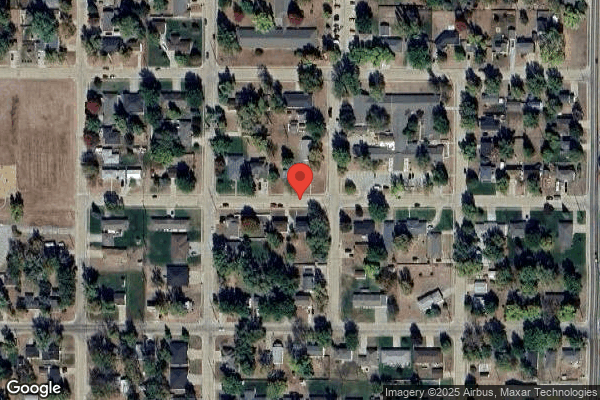
1800 Irving Street, Beatrice, NE 68310 (402) 223-2311
For profit - Corporation 87 Beds THE ENSIGN GROUP Data: November 2025
Trust Grade
65/100
#75 of 177 in NE
Last Inspection: April 2025

Within standard 12-15 month inspection cycle. Federal law requires annual inspections.

Overview

Beatrice Health and Rehabilitation has a Trust Grade of C+, indicating it is slightly above average but not exceptional. It ranks #75 out of 177 facilities in Nebraska, placing it in the top half, and #2 out of 3 in Gage County, meaning only one local facility is rated higher. The facility is improving, with a decrease in issues from 7 in 2024 to 3 in 2025. However, staffing is a concern, with a rating of 2 out of 5 stars and less RN coverage than 87% of state facilities, which could impact resident care. Notably, there have been issues such as failure to ensure proper hand hygiene in the kitchen and a lack of a qualified dietitian, which could pose risks to food safety and nutrition for residents. On a positive note, the facility has not incurred any fines, and its staff turnover rate of 35% is better than the state average.

Trust Score
C+
65/100
In Nebraska
#75/177
Top 42%
Safety Record
Low Risk
No red flags
Inspections
Getting Better
7 → 3 violations
Staff Stability
○ Average
35% turnover. Near Nebraska's 48% average. Typical for the industry.
Penalties
✓ Good
No fines on record. Clean compliance history, better than most Nebraska facilities.
Skilled Nurses
⚠ Watch
Each resident gets only 23 minutes of Registered Nurse (RN) attention daily — below average for Nebraska. Fewer RN minutes means fewer trained eyes watching for problems.
Violations
⚠ Watch
16 deficiencies on record. Higher than average. Multiple issues found across inspections.
★★★☆☆
3.0
Overall Rating
★★☆☆☆
2.0
Staff Levels
★★★★☆
4.0
Care Quality
★★★☆☆
3.0
Inspection Score
Stable
2024: 7 issues
2025: 3 issues

The Good

  • 4-Star Quality Measures · Strong clinical quality outcomes
  • Full Sprinkler Coverage · Fire safety systems throughout facility
  • No fines on record
  • Staff turnover below average (35%)

    13 points below Nebraska average of 48%

Facility shows strength in quality measures, fire safety.

The Bad

3-Star Overall Rating

Near Nebraska average (2.9)

Meets federal standards, typical of most facilities

Staff Turnover: 35%

11pts below Nebraska avg (46%)

Typical for the industry

Chain: THE ENSIGN GROUP

Part of a multi-facility chain

Ask about local staffing decisions and management

The Ugly 16 deficiencies on record

Apr 2025 3 deficiencies
CONCERN (D)

Potential for Harm - no one hurt, but risky conditions existed

Medication Errors (Tag F0758)

Could have caused harm · This affected 1 resident

**NOTE- TERMS IN BRACKETS HAVE BEEN EDITED TO PROTECT CONFIDENTIALITY** Based on record review and interview, the facility failed to ensure an as needed antipsychotic medication had a 14-day stop date...

Read full inspector narrative →
**NOTE- TERMS IN BRACKETS HAVE BEEN EDITED TO PROTECT CONFIDENTIALITY** Based on record review and interview, the facility failed to ensure an as needed antipsychotic medication had a 14-day stop date as required for Resident 38. This affected 1 of 5 residents reviewed for unnecessary medication use. The facility census was 55. Findings are: A record review of Resident 38's admission Record printed 04/07/2025 revealed the resident was admitted to the facility on [DATE] and had diagnoses of metabolic encephalopathy (a problem in the brain caused by a chemical imbalance in the blood that can cause changes in consciousness, thinking, and behavior), type 2 diabetes mellitus (a long-term condition in which the body has trouble controlling blood sugar and using it for energy), arthritis in both knees, anxiety disorder, high blood pressure, an irregular heartbeat, heart failure, and chronic (long-term) kidney disease. A record review of Resident 38's Medication Administration Record (MAR) for February 2025 revealed an order for olanzapine (an antipsychotic medication that may be used to reduce or relieve symptoms of psychosis, such as delusions and hallucinations) 2.5 milligrams (mg) 1 tablet by mouth every 12 hours as needed for insomnia (difficulty sleeping)/delirium (sudden severe confusion due to rapid changes in brain function that can occur with physical or mental illness) until 08/02/2025. This order had a start date of 02/03/2025 and was discontinued on 02/12/2025. Further review of Resident 38's MAR for February 2025 revealed an order for olanzapine 2.5 mg by mouth every 12 hours as needed for schizoaffective disorder (a disorder that is marked by a mix of psychosis and a mood disorder) until 08/02/2025. This order had a start date of 02/12/2025 and was discontinued on 04/01/2025. It was administered four times in February. A record review of Resident 38's MAR for March 2025 revealed an order for olanzapine 2.5 mg by mouth every 12 hours as needed for schizoaffective disorder until 08/02/2025. This order had a start date of 02/12/2025 and was discontinued on 04/01/2025. It was administered seven times in March. A record review of Resident 38's MAR for April 2025 revealed an order for olanzapine 2.5 mg by mouth every 12 hours as needed for agitation (a feeling of aggravation, annoyance, or restlessness), delirium until 08/02/2025. This order was started 04/01/2025 and was current as of 04/08/2025 when the MAR was printed. The medication had been administered once up until 04/08/2025. A record review of a telephone communication between the facility and the Nurse Practitioner (NP) dated 02/12/2025 revealed the order for as needed olanzapine remained unchanged except for a change in diagnosis. A record review of a Visit Note from the NP dated 02/18/2025 revealed documentation that Resident 38 was seen by the NP on 02/04/2025 and on 02/18/2025 with no changes in the as needed olanzapine order. A record review of a telephone communication between the pharmacy and the NP regarding olanzapine dated 03/03/2025 revealed the pharmacy notified the NP that PRN [as needed] antipsychotics cannot exceed 14 days and require direct prescriber evaluation for continuation. The NP recommended to continue the current medications and consult the facility contracted mental health provider. A record review of a Visit Note from the NP dated 03/05/2025 revealed the NP had come to the facility to see Resident 38, but was unable to as the resident had left the facility for an appointment. A record review of a telephone communication between the pharmacy and the NP dated 04/01/2025 revealed the order for as needed olanzapine remained unchanged except for a change in diagnosis. The facility was unable to provide documentation of an in-person visit to Resident 38 by the NP between 02/18/2025 and 04/01/2025. An interview on 04/09/2025 at 1:20 PM with the Director of Nursing (DON) confirmed that as needed antipsychotics ordered as needed should have 14 day stop dates and the resident should have been physically seen and evaluated by the provider prior to renewing the order and further confirmed there was no documentation this had been done for Resident 38.
CONCERN (D) 📢 Someone Reported This

A family member, employee, or ombudsman was alarmed enough to file a formal complaint

Potential for Harm - no one hurt, but risky conditions existed

Infection Control (Tag F0880)

Could have caused harm · This affected 1 resident

**NOTE- TERMS IN BRACKETS HAVE BEEN EDITED TO PROTECT CONFIDENTIALITY** Licensure reference number 175 NAC 12-006.18(B) The facility failed to ensure hand hygiene was performed during catheter and per...

Read full inspector narrative →
**NOTE- TERMS IN BRACKETS HAVE BEEN EDITED TO PROTECT CONFIDENTIALITY** Licensure reference number 175 NAC 12-006.18(B) The facility failed to ensure hand hygiene was performed during catheter and peri-cares for Residents 28 and 54, failed to ensure wipes were not removed from the wipes container with contaminated gloves for Residents 28 and 54, failed to ensure the drainage catheter bag was kept below the level of the bladder during a transfer for Resident 28, and failed to perform hand hygiene after removal of gloves for Resident 28 to prevent the potential for cross contamination. The facility census was 55. Findings are: A. Record review of Resident 28's admission Record dated 4/7/25 revealed re-admission to the facility was 6/22/2023. Observation on 4/6/25 at 12:34 PM revealed Resident 28 had sediment in catheter tubing. Observation on 4/07/25 at 10:00 AM Resident 28's urine in catheter tubing is cloudy, mucous with small amount of red tinge. Observation of Resident 28's catheter cares on 4/7/25 at 10:30 AM by Nurses aide (NA)-B and (NA)-C. NA-B and NA-C applied gowns and gloves without performing hand hygiene. NA-B placed a paper towel on the floor, sat the graduate container on the paper towel, and emptied the catheter drainage bag without using goggles or a face shield for protection. NA-B did not perform hand hygiene after emptying the urine into the toilet. NA-B and NA-C took resident's slacks down to ankles and took brief off without performing hand hygiene after. NA-B took 3 cleansing wipes from the wipe container using contaminated gloves and wiped resident's left groin and pubis area groin. NA-B used the other wipe and wiped the right groin with noting some BM on the wipe. NA-B then used the same glove and took out another wipe from the container to wipe right groin again. NA-B took out 3 wipes and cleansed the glans of penis, another wipe for the urethral opening and another for the tubing from urethral opening down tube about 2 inches and did not perform hand hygiene. NA-B and NA-C repositioned resident to [gender] left side. NA-C moved trash can with gloved hands and did not change the gloves. NA-C took wipes from wipe container with contaminated gloves 8 different times and used these wipes to cleanse the back area of the right groin and rectal area. NA-C removed gloves without performing hand hygiene, then assisted NA-B with repositioning resident onto [gender] back and placed a new brief under the resident. NA-B took 2 wipes out of container with contaminated gloves and cleansed the right groin again, then took 2 more wipes out of container with same gloves and continued to wipe right groin. NA-B took 2 more wipes from the container and wiped scrotal area in front, then taped the brief on. NA-B and NA-C removed their gowns and gloves and put in the trashcan. NA-B performed hand hygiene with soap and water for 10 seconds and did not put gloves on. NA-B lifted catheter bag and placed it on the bed which was the same level as the bladder and did not wash hands. Both NA's assisted with putting resident's slacks up and placed lift sling under resident, hooked sling to the Hoyer lift, and placed the catheter hook onto hoyer lift hook which is by resident's head and above bladder. NA-B and NA-C transferred resident into electric wheelchair, took catheter bag down from sling hook area and finished positioning resident. Interview on 4/7/25 at 11:30 AM with NA-B confirmed [gender] should have washed hands for 20 seconds, should not have taken wipes out of the container with contaminated gloves, and not have the catheter bag above the bladder. Interview on 4/7/25 at 11:31 AM with NA-C confirmed [gender] should not have taken wipes out of the container with contaminated gloves, not have the catheter bag above the bladder, and should wash hands after removing gloves. Interview on 4/7/25 at 1:28 PM with the Director of Nursing (DON) confirmed the NA's (NA- B and NA-C) should not have taken wipes out of the container with contaminated gloves and should not have the catheter bag above the bladder. DON confirmed that staff should wash hands after removing gloves, and wash hands for 20 seconds. Record review of Resident 28's MDS (Minimum Data Set, a federally mandated comprehensive assessment tool used to determine a resident's functional capabilities and helps nursing home staff identify health problems) dated 12/26/24 revealed: -Section C: BIMS (Brief Interview for Mental Status, a brief screener that aids in detecting cognitive impairment) score as follows: 13-15: cognitively intact, 8-12: moderately impaired, 0-7: severe impairment. Resident 28 scored 15 indicating cognitively intact. -Section G: Dependent with all cares, has limitation in both upper and lower range of motion, and uses electric wheelchair. -Section H: Catheter Record review of Resident 28's physician orders dated 4/7/25 revealed: -Catheter Care every shift Date 8/30/2022. -Enhanced Barrier Precautions with High Contact Cares related to Indwelling Catheter every shift - Order Date 1/14/2025. -Monitor Indwelling Catheter for Proper Functioning Every 4 Hours -Order Date 8/30/2022. Record review of Resident 28's Care plan on date 4/7/25 revealed Indwelling Catheter with interventions: -Position catheter bag and tubing below the level of the bladder and away from entrance room door. -Enhanced Barrier Precautions with high contact cares. -Provide catheter care every shift and as needed. Record review of Resident # 28 Diagnosis dated 4/7/25 revealed: Neuromuscular Dysfunction of Bladder, Multiple Sclerosis, Other Reduced Mobility, and Need for assistance with personal care. Record review of Infection Control Prevention and Control Program-Hand Hygiene Policy undated revealed: It is the policy of this facility to implement infection control measures to prevent the spread of communicable diseases and conditions. Transmission-Based Precautions are the second tier of basic infection control and used in addition to Standards Precautions for patients who are or may be infected or colonized with certain infectious agents for which additional precautions are needed to prevent infection transmission. Enhanced Barrier Protection (EBP): expand the use of Personal protective equipment (PPE) and refer to the use of gown and gloves during high-contact resident care activities that provide opportunities for indirect transfer of Multi-drug Resistant Organisms (MDROs) to staff hands and clothing then indirectly transferred to residents or from resident-to-resident. (e.g., residents with wounds and indwelling medical devices are at especially high risk of both acquisition of and colonization with MDROs). Face protection may also be needed if performing activity with risk of splash or spray. Examples of high contact resident care activities requiring gown and gloves use for Enhanced Barrier Precautions include: Dressing, transferring, providing hygiene, changing briefs or assisting with toileting, device care or use: indwelling urinary catheter. Record review of Catheter Drainage Bag Policy dated 5/2007 revealed: Position the drainage bag below the level of the resident's bladder. Hand washing should be done immediately before and after any manipulation of the drainage bags and/or tubing. Record review of Infection Control Prevention and Control Program-Hand Hygiene Policy undated revealed: The facility considers hand hygiene the primary means to prevent the spread of infection. Use of alcohol-based hand rub containing at least 62% alcohol; or , alternatively, soap (antimicrobial or non-antimicrobial) and water for the following situations: Before or after direct contact with residents. Before or after handling an invasive device (e.g. urinary catheter, IV access sites). Before moving from a contaminated body site to a clean body site during resident care. After contact with a resident's intact skin. After contact with blood or bodily fluids. B. A record review of the facility's undated Perineal Care policy revealed that the basic infection control-concept for pericare is to wash from the cleanest area to the dirtiest area. The policy did not address glove use or application of barrier cream. A record review of the facility's undated Hand Hygiene policy revealed that staff should use an alcohol-based hand rub containing at least 62% alcohol; or, alternatively, soap (antimicrobial or non-antimicrobial) and water for the following situations: Before and after handling an invasive device (e.g. urinary catheters, IV access sites); Before moving from a contaminated body site to a clean body site during resident care; and After removing gloves. The policy also stated that Hand hygiene is the final step after removing and disposing of personal protective equipment, and that the use of gloves does not replace hand hygiene. A record review of Resident 54's admission Record printed 04/07/2025 revealed the resident was admitted to the facility on [DATE] and had diagnoses of a fractured right femur (thigh bone), fractures of both bones of the right forearm, chronic (long-term) respiratory failure, heart failure, an irregular heartbeat, and urine retention. A record review of Resident 54's Order Summary printed 04/07/2025 revealed the resident had an indwelling catheter (a flexible tube that drains urine from the bladder to a bag outside the body). An observation on 04/08/2025 at 7:55 AM of catheter and peri-cares (washing the genitals and anal areas) performed by Nurse Aide (NA) D and NA E revealed that both NAs performed hand hygiene and put on gowns and gloves. NA D then prepared the work area and gathered supplies, and both NAs removed the resident's pants and performed hand hygiene and put on clean gloves. NA D then unfastened Resident 54's incontinence brief, got a wipe out of the package with the right hand, moved the wipe into the left hand and picked up the peri wash spray with the right hand to spray it on the wipe, then put the wipe back into the right hand to clean between Resident 54's labia from front to back and discarded the soiled wipe. NA D then with the same soiled gloves, reached back into the package of wipes with the right hand to get a clean wipe, put the clean wipe into the left hand, picked up the peri wash spray with the same soiled glove on the right hand, sprayed the wipe, then put the wipe back into the right hand and wiped between the resident's labia from front to back. NA D with the same soiled gloves reached into the wipes package with the right hand to get another wipe, put the wipe into the left hand and used the right hand to spray the peri wash spray on the wipe, then put the wipe back into the right hand and used it to wipe the catheter tubing from the urethra out. NA D repeated this process two more times to wipe each side of the resident's groin prior to removing their gloves and performing hand hygiene. NA D then put on clean gloves, assisted Resident 54 to roll onto their left side, and removed the resident's soiled brief. The resident had been incontinent of bowel. Without changing gloves, NA D reached into the wipes package with the right hand to get a clean wipe, put the wipe in the left hand, picked up the peri wash spray in the right hand and sprayed the wipe, then put the wipe in the right hand to wipe between the resident's buttocks. NA D then removed the right glove, patted the resident's buttocks dry using a towel with the gloved left hand, then performed hand hygiene and put on new gloves. NA D then tucked a clean brief and soaker pad under Resident 54, and applied barrier cream to the resident's buttocks and peri anal area using the right hand. NA D and NA E assisted Resident 54 to roll over to finish placing the soaker pad and brief, and with the same soiled glove, NA D applied barrier cream to the resident's labia and groin folds using the right hand. An interview on 04/08/2025 at 8:20 AM with NA D confirmed they should not have put their soiled gloves back into the wipes package, and that they should have changed gloves and performed hand hygiene after applying barrier cream to the buttocks and peri-anal area and before applying it to the labia and groin. An interview on 04/09/2025 at 1:20 PM with the DON confirmed that the NA should not have put soiled gloves back into the package of wipes, and that the NA should not have put barrier cream on the buttocks and peri anal area and then on the labia and groin without changing gloves and performing hand hygiene. The DON further confirmed that when performing peri-care, the NA should have gone front to back.
CONCERN (F)

Potential for Harm - no one hurt, but risky conditions existed

Food Safety (Tag F0812)

Could have caused harm · This affected most or all residents

Licensure Reference Number 175 NAC 12-006.11C The facility failed to ensure hand hygiene was performed in the kitchen in order to prevent the spread of food borne illness. This had the potential to af...

Read full inspector narrative →
Licensure Reference Number 175 NAC 12-006.11C The facility failed to ensure hand hygiene was performed in the kitchen in order to prevent the spread of food borne illness. This had the potential to affect all the resident that reside in the facility. The facility census was 55. Findings are: Observation of meal preparation on 4/8/25 at 6:45 AM with Cook-A. Cook-A had gloves on when surveyor arrived. The chili recipe was on the prep table. Cook-A took hamburger out of the packages and placed in a pan and placed on the stove. At 6:49 AM Cook-A performed hand hygiene with soap and water for 13 seconds. Cook-A donned gloves and cut up onion and placed in another pan after measuring. At 6:52 AM Cook-A performed hand hygiene with soap and water for 10 seconds. Cook-A placed 1 can of chili beans, and ¾ of can of diced tomatoes and put these in the pan, added water, tomato juice, a packet of chili mix, and stirred. At 7:00 AM Cook-A performed hand hygiene with soap and water for 15 seconds. Observation of Cook-A obtaining food temperatures for the South dining room on 4/8/25 at 7:58 am. Cook-A then prepared cold cereal into bowls and placed on counter, put the gallon milk into pan of ice, placed tray lids on cart close to door, opened the steam table pan lids. At 8:03 AM Cook-A applied gloves without hand hygiene and began giving the residents' breakfast plates to the staff to serve. Interview on 4/9/25 at 9:37 AM with the Certified Dietary Manager (CDM) confirmed that the cook should have performed hand hygiene for 20 seconds with soap and water and perform hand hygiene before donning gloves. Record review of the facility's undated Infection Control Prevention and Control Program-Hand Hygiene Policy revealed: The facility considers hand hygiene the primary means to prevent the spread of infection. Use of alcohol-based hand rub containing at least 62% alcohol; or, alternatively, soap (antimicrobial or non-antimicrobial) and water for the following situations: Before and after eating or handling food.
Apr 2024 7 deficiencies
CONCERN (D)

Potential for Harm - no one hurt, but risky conditions existed

Respiratory Care (Tag F0695)

Could have caused harm · This affected 1 resident

**NOTE- TERMS IN BRACKETS HAVE BEEN EDITED TO PROTECT CONFIDENTIALITY** Licensure Reference Number 175 NAC 12-006.09D6 Based on observations, record review and interviews; the facility failed to obtai...

Read full inspector narrative →
**NOTE- TERMS IN BRACKETS HAVE BEEN EDITED TO PROTECT CONFIDENTIALITY** Licensure Reference Number 175 NAC 12-006.09D6 Based on observations, record review and interviews; the facility failed to obtain a physician's order for a CPAP (Continuous Positive Airway Pressuretreatment that uses mild air pressure to keep your breathing airways open) for 1 (Resident 70) of 1 sampled resident. The facility census was 61. Findings are: Observation on 4/17/24 at 9:41 AM revealed a CPAP that was assembled and sitting on bed side table in Resident 70's room. Interview on 4/17/24 at 9:41 AM with Resident 70 revealed [gender] has woren the CPAP every night since admission to the facility. Record review revealed Resident 70's undated Face Sheet revealed Resident 70 was admitted on [DATE]. Record review of the undated Diagnosis Report revealed Resident 70 had a diagnosis of Obstructive Sleep Apnea. Record review of Resident 70's Hospital admission Physician orders revealed no CPAP orders on 2/19/24. Record review revealed no physician order for a CPAP or the settings and was not on eMAR (a legal record of the medications administered to a patient at a facility by a health care professional). Record review of the Minimum Data Set (MDS) (a mandatory comprehensive assessment tool used for care planning) dated 2/23/24 revealed in Section O that the CPAP was not marked. Interview with the Director of Nursing on 4/23/24 at 8:35 AM revealed the physician was called on 4/22/24 and obtained the CPAP order with settings and placed the order on the eMAR. Interview with the Director of Nursing on 4/23/24 at 1:10 PM confirmed the admission physician orders did not have an order for the CPAP and one should have been obtained. Record review of Physician Orders Policy revised 01/2018 revealed: It is the policy of this facility to accurately transcribe and implement orders in addition to medication orders (treatment, procedure) only upon the written order of a person duly licensed and authorized to do so in accordance with the resident's plan of care. 6) Medications, treatment or related orders are transcribed in the eMAR, eTAR accurately and verified via the double check system process. 7) Medications, treatments, and procedures are to be administered per physician order.
CONCERN (D)

Potential for Harm - no one hurt, but risky conditions existed

Medication Errors (Tag F0758)

Could have caused harm · This affected 1 resident

Licensure Reference Number 175 NAC 12.006019D Based on record reviews, observation, and interviews; the facility failed to ensure that Resident 25 was free from unnecessary medications by attempting a...

Read full inspector narrative →
Licensure Reference Number 175 NAC 12.006019D Based on record reviews, observation, and interviews; the facility failed to ensure that Resident 25 was free from unnecessary medications by attempting a gradual dosage reduction. Sampled resident total 1 of 1. Facility census 61. A record review for Resident 25s face sheet revealed that admission was 05/09/2020. A record review of the undated Diagnosis list for Resident 25 revealed Major Depressive Disorder ( a person with persistently low or depressed mood), Delusional Disorders (one or more firmly held false beliefs that persist for at least a month) , Vascular Dementia with Behavioral Disturbance (changes in memory, thinking and behavior resulting from changes in the brain), Anxiety Disorder, Schizoaffective Disorder ( a combination of symptoms such as mood disorders, hallucinations, mania, and delusions) and, Depression, and Unspecified Psychosis ( an individual that has a psychotic episode, but does not meet any other criteria for a more specific diagnosis). A review of the Minimum Data Set (MDS), (a tool that measures health status of residents in nursing homes) dated 2/26/24 reveals a Brief Interview of Mental Status (BIMS-test is used to get a quick snapshot of how well you are functioning cognitively at the moment) score of 11 which inidcates the Residnet 25 is moderately impaired. No hallucinations or delusions were documented on the MDS. Section GG revealed total dependence to substantial assist for hygiene, dressing, and transfers. Resident 25 was also marked as total dependence to max assist for rolling and position change. A review of Physician's Orders for Resident 25 revealed the following: -Celexa tablet 20 milligrams (mg) give 1.5 tablet by mouth at bedtime for Major Depressive Disorder ordered 8/5/2022. -Risperdal tablets give 0.25 mg by mouth at bedtime related to schizoaffective disorder, ordered 8/7/2022. -Mirtazapine tablet 15mg give 0.5mg tablet by mouth at bedtime for Depression ordered 5/9/2020. - Monitor Episodes: hallucinations and delusions. -Monitor Behavior: sadness, feelings of loss, self-isolation and side effects. A Review of the Medication Administration Record (MAR) revealed Resident 25 had no behaviors, hallucinations, delusions or sign of depression documented for the months of February, March, and April of 2024. A review of Pharmacy Reviews revealed no irregularities or GDRs attempted between the dates of 05/31/2023 and 03/31/24. A review of Interdisciplinary Team (a group of healthcare professionals) notes from 11/22/2023 to 04/16/2024 revealed that Resident 25 was being followed by in house psychiatric physician and that resident has had no target behaviors. A record review of documentation for the in house psychiatric physician revealed there is no documentation to be located since 01/18/2023. A review of the facilities Psychotropic Medications policy dated 12/2023 revealed that patients who use psychotropic drugs receive a gradual dose reduction (GDR) and behavioral intervention, unless clinically contraindicated, to discontinue these drugs. An interview on 04/23/24 at 1:01 PM with the Director of Nursing (DON) confirmed Resident 25 had no behaviors were documented on the MAR for the months of February, March and April of 2024 for Resident 25. An interview on 04/23/24 at 2:50 PM with the DON confirmed that no GDRs has been completed this last year for Resident 25, and no notes from the in house psychiatric physician have been found.
CONCERN (D)

Potential for Harm - no one hurt, but risky conditions existed

Infection Control (Tag F0880)

Could have caused harm · This affected 1 resident

Licensure Reference Number 175 NAC 12-006.17D Based on observation, record review, and interview; the facility failed to perform hand hygiene during wound cares for 1 (Resident 16) of 1 sampled reside...

Read full inspector narrative →
Licensure Reference Number 175 NAC 12-006.17D Based on observation, record review, and interview; the facility failed to perform hand hygiene during wound cares for 1 (Resident 16) of 1 sampled resident, and during catheter cares for 1 (Resident 39) of 1 sampled resident. Facility census was 61. Findings are. A. A review of the undated Infection Control Prevention and Control Program- Hand Hygiene Policy revealed hand hygiene is to be completed at the following times: -before and after contact with residents, -before and after handling an invasive device (a device inserted into a body cavity) such as a urinary catheter (a flexible tube inserted into the bladder), -before moving from a contaminated body site to a clean body site during resident care, -after contact with objects in the immediate vicinity of the resident, -after contact with a Resident's intact skin, and -after contact with blood and body fluids. A review of the Indwelling Urinary Catheter Care policy dated 1/2022 revealed that hand hygiene using soap and water, and putting gloves on should be completed prior to performing catheter cares. B. An observation on 04/22/2024 at 10:04 AM of Registered Nurse (RN)-C completing wound cares on Resident 16 revealed RN-C gathered supplies, including loose gauze for cleaning the wound at the treatment cart located outside of the resident's room without performing hand hygiene. RN-C then sanitized their hands, applied gloves, and touched the treatment cart and the resident's door while entering the room. RN-C turned on the water in the resident's sink, prepared the gauze to cleanse the resident's wound, and turned the water back off with their gloved hands. Without performing hand hygiene or changing gloves, RN-C washed and dried the resident's inner thighs with the gauze, then applied a moisture barrier to the area. RN-C then removed gloves, touched the bathroom door and the countertop next to the sink, then put on another pair of gloves briefly, spoke with resident in doorway of bathroom, then removed the gloves as no cares were performed. No further contact with resident or surfaces. RN-C then performed hand washing was performed for 12 seconds prior to exiting room. RN-C was then in hallway completing an interview. No further surfaces being touched seen. During an interview on 04/22/2024 at 10:15 AM RN C confirmed that gloves were to be changed after cleansing Resident 16 and prior to applying moisture barrier on designated area. RN-C also confirmed that hand hygiene should have been performed after removal of gloves, and that the hand washing was to be completed for 30 seconds instead of the 12 seconds that was performed. C. An observation on 04/22/2024 at 2:00 PM of Nursing Assistant (NA)-F and NA-E completing catheter cares on Resident 39 revealed Resident 39 was seated on the toilet in the room's bathroom. NA-F and NA-E sanitized hands, donned gown and gloves outside of Resident 39's room. NA-E and NA-F then entered Resident 39's bathroom. NA-E positioned the wheelchair to the right side of the Resident 39. NA-F stood in front of Resident 39, and NA-E stood behind the resident assisting to stand. NA-F then obtained a clean wipe, wiping downward on the right side of groin with right hand. NA-F then obtained another clean wipe from the package and wiped downward on the left side of groin with right hand. No change of gloves or hygiene performed. NA-F obtained clean wipe, spread residents' labia (skin folds located between a female's legs) slightly with gloved left hand, and wiped from insertion site of catheter in a downward motion. Clean wipe then obtained another wipe from the package, and with the left-hand held the catheter in place while wiping in a downward motion from catheter entrance site using the right hand. NA-E then obtained a clean wipe and wiped the resident from the vaginal area (area located between bladder and buttocks) to buttocks, and discarded wipe. A clean wipe was obtained from package and the same process completed. The first wipe was noted to have small amount of stool, and the second wipe was without stool. NA-E without performing hand hygiene, obtained barrier cream located on a shelf located behind head and applied to residents' buttocks. NA-E and NA-F then pulled up Resident 39 pants and assisted resident to turn and sit down into wheelchair. NA-E then removed gloves but did not perform hand hygiene prior to exiting room. NA-F then turned to Resident 39's wheelchair with the dirty gloves on, unlocked brakes of wheelchair, and rolled resident backward to tray table in room. NA-F ensured that there was a call light on residents' tray table, then removed gloves and exited room. During an interview on 04/22/2024 at 2:23 PM with NA-F confirmed that gloves were not changed prior to completing care of catheter entrance site after wiping residents' groin. NA-F also confirmed that gloves were not removed and no hand sanitizing post catheter care, and prior to moving the resident from bathroom to tray table. During an interview on 04/22/2024 at 2:25 PM with NA-E confirmed that gloves were not removed prior to touching barrier cream and applying to Resident 39 buttock. NA-E further confirmed that barrier was then replaced on the shelf where retrieved. During an interview on 04/23/24 at 7:54 AM with the Director of Nursing revealed the expectation for catheter care was that hand hygiene is to be performed after groin is cleansed and prior to performing catheter care.
CONCERN (E)

Potential for Harm - no one hurt, but risky conditions existed

Safe Environment (Tag F0584)

Could have caused harm · This affected multiple residents

Licensure Reference Number 175 NAC 12.006. 18B Based on observation, and interview; the facility failed to maintain the cleanliness and condition of vents located in rooms 7, 16, 17, 29, 33, 38, 39, ...

Read full inspector narrative →
Licensure Reference Number 175 NAC 12.006. 18B Based on observation, and interview; the facility failed to maintain the cleanliness and condition of vents located in rooms 7, 16, 17, 29, 33, 38, 39, 40, 47, 48. This affected a total of 10 rooms. The facility census was 61. Findings are: An observation during an environmental tour on 04/23/2024 at 8:53 AM to 9:15 AM with Maintenance Direcectorrevealed that there was a thick brown buildup of debris located on the outside of vents in rooms: 7, 16, 17, 29, 33, 38, 39, 40, 47, and 48. An interview with Maintenance Director on 04/23/2024 at 9:15 AM confirmed that there was a thick brown buildup of debris located on the outside of vents in rooms: 7, 16, 17, 29, 33, 38, 39, 40, 47, and 48. An interview on 04/23/24 at 1:40 PM with Maintenance Director revealed that there was no policy or procedure for vent checks or cleaning and further revealed no monthly tracking or documentation of vent checks or cleaning had been completed. Maintenance stated that there was an inhouse system on the computer that was used to communicate needs for housekeeping and maintenance and there were no current entries noted in the system regarding cleaning of vents. An interview on 04/23/24 01:45 PM Housekeeping Supervisor (HSK-Sup) confirmed that vents in the resident bathrooms were not on the list to be cleaned or checked.
CONCERN (E)

Potential for Harm - no one hurt, but risky conditions existed

Incontinence Care (Tag F0690)

Could have caused harm · This affected multiple residents

Licensure Reference Number 175 NAC 12-006.09 D3 Based on observation, interview and record review; the facility failed to maintain indwelling catheter (a tube inserted into the bladder) drainage bag b...

Read full inspector narrative →
Licensure Reference Number 175 NAC 12-006.09 D3 Based on observation, interview and record review; the facility failed to maintain indwelling catheter (a tube inserted into the bladder) drainage bag below bladder level during toileting and catheter cares for Resident 39. Facility census was 61. Findings are: A record review of Resident 39s diagnosis list revealed an admission date of 11/2/2021 with diagnosis of neuromuscular dysfunction of bladder and overactive bladder. A review of the Indwelling Urinary Catheter Care policy dated 1/2022 revealed that the catheter drainage bag was to be kept below the level of the bladder. An observation on 04/22/2024 at 2:00 PM of Nursing Assistant (NA)-F and NA-E completing catheter cares on for Resident 39 revealed the resident was seated on the toilet in bathroom with the catheter drainage bag positioned on the transfer device.The drainage bag was above the level of residents' bladder and remained there until resident was transferred into wheelchair. The total time the drainage bag was viewed above bladder level was 20 minutes. During an interview on 04/22/2024 at 2:23 PM with NA-F confirmed that the catheter bag was located above Resident 39s bladder level from the time resident was toileted until transfer into wheelchair. During an interview on 04/23/24 at 07:54 AM with the Director of Nursing confirmed the expectation for a catheter drainage bag was for it to be always positioned below bladder level.
CONCERN (E)

Potential for Harm - no one hurt, but risky conditions existed

Unnecessary Medications (Tag F0759)

Could have caused harm · This affected multiple residents

Licensure Reference Number 175 NAC 12-006.10D Based on observations, record reviews and interviews; the facility failed to administer the correct medication and give within the time frame prescribed b...

Read full inspector narrative →
Licensure Reference Number 175 NAC 12-006.10D Based on observations, record reviews and interviews; the facility failed to administer the correct medication and give within the time frame prescribed by the physician for 1 (Resident 46) of 3 sampled residents. The facility census was 61. Findings are: Observation on 4/18/24 at 12:30 PM of Medication Aide (MA)-G administering medications to Resident 46 revealed hand hygiene was performed. MA-G then checked the EMAR (a legal record of the medications administered to a patient at a facility by a health care professional) before administration and after when she documented that the medications were given.The medications were given whole in applesauce were: Bisoprolol Fumarate 10 mg QD (every day), Bupropion HCL SR 150 mg QD, Lasix 40 mg QD, Carbidopa-Levodopa 25-250 mg TID, Entresto 24-26 mg BID (twice a day), Gabapentin 100 mg 1 cap BID, Oxybutyrin CL ER 10 mg QD, Potassium CL ER 10 meq 2 tabs QD, Ropinrole HCL 0.25 mg QD, Solifenacin Succ 10 mg QD, Miralax 17 GM QD mixed in water, Apple Cider Vinegar capsule 450 mg 1 cap QD, and Geri-Kot 8.6 mg 1 tab BID. Observation of the EMAR revealed that some of the medications were hightlighted as red in color. Record review of medications order revealed: -Sennosides-Docusate Sodium Oral Tablet 8.6-50 MG Give 1 tablet by mouth two times a day for constipation -Carbidopa-Levodopa Oral Tablet 25-250 MG Give 1 tablet by mouth three times a day for Parkinson's -Entresto Oral Tablet 24-26 MG Give 1 tablet by mouth two times a day for hypertension -Gabapentin Capsule 100 MG Give 1 capsule by mouth two times a day for bilateral lower extremity pain Interview on 4/18/24 at 12:40 AM with MA-G revealed if the medication on the EMAR is red that means it is late. Resident 46 medications were due no later than 11:00 AM and it is was 12:30 PM when they were administered. MA-G further revealed some medications are in a block time that as long as given by 11:00 AM and far enough apart from the next dose. MA-G revealed the reason medications were not given before was because Resident 46 was visiting with [gender] spouse. MA-G stated, I know it's not right, but the medications have enough separation times and some of the medications need to be given at least so many hours apart if they are ordered more than once a day, so as long as they are far enough apart from the next dose. MA-G revealed that if the medications are late, MA-G would tell the charge nurse. Interview on 4/18/24 at 12:17 PM with the Director of Nursing (DON) confirmed that the MA needs to tell the charge nurse if the medications are late and ask for help if needed. They administer the medications on Block times and 8-12-4-8 pm. DON revealed the facility will need to call the Doctor and see if we can get a time change for the medications. Record review of Med Pass Times: -under BID (two times daily) is 7:00 AM-11:00 AM, 3:00 PM-6:00 PM and 7:00 AM-11:00 AM, 8:00 PM-11:00PM -under TID (three times a day) 7:00 AM-11:00 AM, 12:00 AM-3:00 PM, 3:00 PM-6:00 PM and 7:00 AM-11:00 AM, 3:00 PM-6:00 PM, 8:00 PM-11:00PM Interview on 4/23/24 at 8:35 Am with DON revealed that the physician was called on 4/18/24 and was updated on the medication Carbidopa-Levodopa taken late and obtained an order to hold the afternoon dose and give the evening dose in the evening. Record review of Physician Orders Policy revised 01/2018 revealed: It is the policy of this facility to accurately transcribe and implement orders in addition to medication orders (treatment, procedure) only upon the written order of a person duly licensed and authorized to do so in accordance with the resident's plan of care. 7) Medications, treatments, and procedures are to be administered per physician order. Record review of Medication Administration Policy dated 05/2021 revealed 2) Medications must be administered in accordance with the written orders of the attending physician. 7) Medications may not be set up in advance and must be administered within one (1) hour before or after their prescribed time. 13) Prior to administering the resident's medication, the nurse should compare the drug and dosage schedule on the resident's MAR with the drug label.
CONCERN (E)

Potential for Harm - no one hurt, but risky conditions existed

Deficiency F0923 (Tag F0923)

Could have caused harm · This affected multiple residents

Licensure Reference Number 175 NAC 12.007. 04D Based on observation, and interviews; the facility failed to maintain mechanical ventilation in residents' bathrooms located in rooms 38, 39, 40, 47, 48....

Read full inspector narrative →
Licensure Reference Number 175 NAC 12.007. 04D Based on observation, and interviews; the facility failed to maintain mechanical ventilation in residents' bathrooms located in rooms 38, 39, 40, 47, 48. The facility census was 61. Findings are: An observation during an environmental tour on 04/23/2024 at 8:53 AM to 9:15 AM with Maintenance Director revealed that the vents in the following rooms were not functioning: 38, 39, 40, 47, and 48. An interview with Maintenance on 04/23/2024 at 9:15 AM confirmed that vents in the following rooms were not functioning: 38, 39, 40, 47, and 48. An interview on 04/23/24 at 1:40 PM with Maintenance Director revealed that there was no policy or procedure for vent function checks and further revealed no tracking or documentation of vent function checks had been completed. Maintenance Director revealed that there was an in house system on the computer that was used to communicate needs for housekeeping and maintenance and there were no current entries noted in the system regarding nonfunctioning vents. An interview on 04/23/24 1:45 PM Housekeeping Supervisor (HSK-Sup) confirmed that vents in the resident bathrooms were not on the list to be cleaned or checked.
Jun 2023 1 deficiency
CONCERN (D) 📢 Someone Reported This

A family member, employee, or ombudsman was alarmed enough to file a formal complaint

Potential for Harm - no one hurt, but risky conditions existed

Quality of Care (Tag F0684)

Could have caused harm · This affected 1 resident

**NOTE- TERMS IN BRACKETS HAVE BEEN EDITED TO PROTECT CONFIDENTIALITY** Licensure Reference Number 175 NAC 12-006.09 Based on interview and record review, the facility failed to ensure a provider's or...

Read full inspector narrative →
**NOTE- TERMS IN BRACKETS HAVE BEEN EDITED TO PROTECT CONFIDENTIALITY** Licensure Reference Number 175 NAC 12-006.09 Based on interview and record review, the facility failed to ensure a provider's order for a fluid restriction was followed for 1 (Resident 2) of 2 residents reviewed. The facility had a total census of 60 residents. The findings are: Record review of Resident 2's Face Sheet, printed 6/14/23, revealed Resident 2 was admitted to the facility on [DATE] with diagnoses that included hyponatremia (a condition that occurs when the level of sodium in the blood is too low - often times a fluid restriction is utilized for treatment, as excess water dilutes the amount of sodium in the blood). Record review of a progress note dated 3/21/23 and written by Resident 2's APRN (Advanced Practice Registered Nurse) revealed the following: -Assessment/Plan of Care: -4. Hyponatremia - noted during hospitalization .continue 1800 mL daily fluid restriction. Record review of Resident 2's March 2023 TAR (Treatment Administration Record) revealed an order for a fluid restriction - 1800mL (milliliters) per 24 hours. Further review of Resident 2's March 2023 TAR revealed Resident 2's fluid restriction was exceeded on the following dates: -3/26/23 - 2800 mL -3/29/23 - 2050 mL -3/31/23 - 2940 mL Record review of Resident 2's April 2023 TAR revealed an order for a fluid restriction - 1800mL per 24 hours. Further review of Resident 2's April 2023 TAR revealed Resident 2's fluid restriction was exceeded on the following dates: -4/1/23 - 1820 mL -4/18/23 - 1880 mL -4/25/23 - 1820 mL -4/27/23 - 2680 mL Record review of Resident 2's May 2023 TAR revealed an order for a fluid restriction - 1800mL per 24 hours. Further review of Resident 2's May 2023 TAR revealed Resident 2's fluid restriction was exceeded on the following dates: -5/3/23 - 2240 mL -5/5/23 - 2129 mL -5/9/23 - 2440 mL -5/10/23 - 2120 mL -5/17/23 - 2680 mL -5/18/23 - 2160 mL -5/19/23 - 2170 mL -5/20/23 - 2400 mL -5/22/23 - 1920 mL -5/23/23 - 2080 mL -5/30/23 - 2680 mL Record review of Resident 2's June 2023 TAR revealed an order for a fluid restriction - 1800mL per 24 hours. Further review of Resident 2's June 2023 TAR revealed Resident 2's fluid restriction was exceeded on the following dates: -6/7/23 - 2960 mL -6/9/23 - 2000 mL -6/11/23 - 1880 mL -6/12/23 - 2480 mL -6/13/23 - 2500 mL Record review of Resident 2's electronic medical record did not reveal any documentation that Resident 2 was refusing to adhere to their fluid restriction or documentation Resident 2's provider had been notified about Resident 2 not following their fluid restriction. Interview on 6/14/23 at 3:40 PM, the DON (Director of Nursing) reported the facility handled resident fluid restrictions by designating a certain amount of fluids for meals, then nursing staffing tracked the remaining allotted fluids. The DON reported this was all documented on the TAR twice daily. The DON stated the facility used to keep a piece of paper for residents on fluid restrictions at the nurses' desk so staff could see what fluids they had already been given for the day but had stopped that process some time ago. Interview on 6/14/23 at 3:58 PM, the DON confirmed no documentation could be located indicating Resident 2 was refusing to follow their fluid restriction or that Resident 2's provider was updated regarding Resident 2 not following their fluid restriction.
May 2023 5 deficiencies
CONCERN (D)

Potential for Harm - no one hurt, but risky conditions existed

PASARR Coordination (Tag F0644)

Could have caused harm · This affected 1 resident

Based on record review and interview, the facility failed to ensure a Level II PASARR (A Level II is necessary to confirm the indicated Mental Illness (MI)/Intellectual Disability (ID) diagnosis and t...

Read full inspector narrative →
Based on record review and interview, the facility failed to ensure a Level II PASARR (A Level II is necessary to confirm the indicated Mental Illness (MI)/Intellectual Disability (ID) diagnosis and to determine whether placement or continued stay in a Nursing Facility is appropriate) was completed after receiving a new diagnosis of schizoaffective disorder on 5/5/22 for 1 of 1 sampled residents (Resident 15). The facility identified a census of 60. Findings are: Record review of the PASARR Level I (Preadmission Screening and Resident Review that is a federal requirement to help ensure that individuals are not inappropriately placed in nursing homes for long term care) dated 12/13/21 contained a diagnosis of Anxiety Disorder with no ID noted. Record review of the diagnosis list for Resident 15 revealed a diagnosis of Schizoaffective Disorder (a mental health problem where you experience psychosis as well as mood symptoms) dated 5/5/22 with no new PASSAR assessment completed. Record review of the policy titled Resident Assessment, MI/MR, Preadmission Screening for with a last revised date of 04/2021 reads as follows; 1. A PASRR shall be completed on every resident upon admission and as needed per RAI (Resident Assessment Instrument used to collect the minimum amount of data to guide care planning and monitoring for residents in a long-term care facility) manual instructions. 2. Based upon assessment, the facility will ensure proper referral to appropriate state agencies for the provision of specialized services to residents with MI/MR. (Mental Illness/Mental Retardation) 3. Social Services shall contact the appropriate State Agency for referral of specialized care and services the resident may require. Interview on 5/1/23 at 2:40 PM with Admissions Coordinator-F, revealed a Level II PASARR should have been completed after receiving the Schizoaffective Disorder for Resident 15.
CONCERN (D)

Potential for Harm - no one hurt, but risky conditions existed

Comprehensive Care Plan (Tag F0656)

Could have caused harm · This affected 1 resident

Licensure Reference Number 175 NAC 12-006.09C Based on record review and interview, the facility failed to ensure the Comprehensive Care Plan (CCP- written instructions needed to provide effective and...

Read full inspector narrative →
Licensure Reference Number 175 NAC 12-006.09C Based on record review and interview, the facility failed to ensure the Comprehensive Care Plan (CCP- written instructions needed to provide effective and person centered care of the resident that meet professional standards of quality care) included interventions for dialysis and for nutrition for 1 resident (Resident 35) of 4 sampled residents. The facility census was 60 at the time of survey. Findings are: Record review of Resident 35's CCP, dated 5/1/23 confirmed the admission date to the facility was on 3/27/2023. Further review revealed dialysis and nutrition interventions were not on the resident's comprehensive careplan. Record review of the facility policy titled Care and Treatment Comprehensive Person-Centered Care Planning, dated 8/2017 revealed the facility shall develop a comprehensive person-centered care plan for each resident for instructions needed to provide effective and person-centered care that meet professional standards of quality care. Interview with the Director of Nursing (DON) on 05/02/23 at 1:13 PM confirmed that dialysis and nutrition interventions were not on Resident 35's CCP.
CONCERN (D)

Potential for Harm - no one hurt, but risky conditions existed

Infection Control (Tag F0880)

Could have caused harm · This affected 1 resident

**NOTE- TERMS IN BRACKETS HAVE BEEN EDITED TO PROTECT CONFIDENTIALITY** C) Observation on 5/01/23 at 06:25 PM revealed HK - B (Housekeeper) gathered room [ROOM NUMBER] bedding and held it against HK-B...

Read full inspector narrative →
**NOTE- TERMS IN BRACKETS HAVE BEEN EDITED TO PROTECT CONFIDENTIALITY** C) Observation on 5/01/23 at 06:25 PM revealed HK - B (Housekeeper) gathered room [ROOM NUMBER] bedding and held it against HK-B body across the hall to the dirty linen room. Interview on 5/01/23 at 06:27 PM with HK - B confirmed the bedding was held against their clothing and not placed in a bag for transport. Interview on 5/3/23 at 2:59 p.m. with IP-D (Infection Preventionist) revealed the facility did not have a linen transport policy. Further, IP-D revealed dirty linen should not be held against staff clothing. LICENSURE REFERENCE NUMBER 175 NAC 12-006.17 Based on observation, interview, and record review, the facility failed to ensure respiratory equipment was stored in a manner to prevent the potential for cross contamination for 2 (Resident 21 and Resident 43) of 2 sampled residents. The facility census was 60. Findings are: A) Observation on 4/30/23 at 12:47 PM of Resident 21's room revealed Resident 21's oxygen (O2) tubing was attached to a portable tank on the back of the wheelchair with the nasal cannula (a device used to deliver oxygen through the nose) touching the wheelchair. Observation further revealed Resident 21 had 02 nasal cannula attached to the oxygen concentrator which was dated 4/23 and the humidifier bottle to be dated 4/16. Observation on 05/01/23 at 8:34 AM of Resident 21's room revealed the O2 tubing for Resident 21 was attached to a portable tank on the back of the wheelchair with the nasal cannula touching the wheelchair. Observation further revealed Resident 21 had 02 nasal cannula attached to the oxygen concentrator which was dated 4/23 and the humidifier bottle to be dated 4/16. Observation on 05/02/23 at 9:20 AM of Resident 21's room revealed Resident 21's O2 tubing was attached to a portable tank on the back of the wheelchair with the nasal cannula touching the wheelchair. Observation further revealed Resident 21 had 02 nasal cannula attached to the oxygen concentrator which was dated 4/23 and the humidifier bottle to be dated 4/16. Record review of the Order Summary printed 5/2/23 for Resident 21 revealed an provider order to change Resident 21's oxygen tubing and clean the oxygen concentrator filter every Saturday night and to sign and date tubing every night shift with a start date of 4/13/22. Record review of the facility policy titled Respiratory Equipment Cleaning with a revision date of 02/2019 reads as follows; B. equipment guidelines: 1. Tubing should be replaced every week 3. Cannulas should be replaced every week D. When used continuously or intermittently, tubing will be routinely changed to prevent the build-up of respiratory secretion, mucous, and bacterial growth E. When licensed staff remove treatment tubing will be covered or stored in a bag. Record review of the Respiratory Equipment Cleaning policy does not address humidifier bottles used with oxygen use. Interview on 5/02/23 at 2:29 PM with RN-E (Registered Nurse) revealed the facility expectation and policy was to store oxygen tubing and the cannula when not in use in a bag. RN-E revealed oxygen tubing and humidifer bottles should be change weekly and dated accordingly. B) Observation on 4/30/23 at 2:50 PM of Resident 43's room revealed Resident 43's CPAP (Continuous Positive Airway Pressure -- a treatment that uses mild air pressure to keep your breathing airways open) tubing and mask was lying on the floor beneath the head of the bed. Observation on 5/1/23 at 08:20 AM of Resident 43's room revealed Resident 43's CPAP tubing was lying on the floor beneath the head of the bed. Observation on 5/2/23 at 8:35 AM of Resident 43's room revealed Resident 43's CPAP tubing lying on the floor beneath the head of the bed Record review of the facility policy titled Respiratory Equipment Cleaning with a revision date of 02/2019 reads that Bipap/Cpap attachments will be cleaned with soap and water daily and will be stored clean and dry in a covered bag until next use. Interview on 5/02/23 at 2:29 PM with RN-E revealed the facility expectation and policy was to store CPAP tubing in a bag when not in use.
CONCERN (F)

Potential for Harm - no one hurt, but risky conditions existed

Deficiency F0801 (Tag F0801)

Could have caused harm · This affected most or all residents

Licensure Reference Number 175 NAC 12-006.04D2 Based on record review and interview, the facility failed to employ a qualified dietician on a full time basis or other clinically qualified nutrition pr...

Read full inspector narrative →
Licensure Reference Number 175 NAC 12-006.04D2 Based on record review and interview, the facility failed to employ a qualified dietician on a full time basis or other clinically qualified nutrition professional. This had the potential to affect all 60 residents who reside in the facility. Findings are: Interview on 04/30/23 at 07:25 AM with Cook-G revealed the facility does not have a qualified dietary manager. Interview on 05/01/23 at 10:08 AM with Dietary Aide (DA)-H confirmed the facility does not have a qualified dietary manager and has not for almost one year. Record review of an all staff listed provided by the facility on 4/30/2023 revealed no Dietary Manager. Interview on 5/01/23 at 10:30 AM with the Administrator confirmed that the facility does not have a qualified Dietary Manager or that a Registered Dietician was employed full time.
CONCERN (F) 📢 Someone Reported This

A family member, employee, or ombudsman was alarmed enough to file a formal complaint

Potential for Harm - no one hurt, but risky conditions existed

Food Safety (Tag F0812)

Could have caused harm · This affected most or all residents

LICENSURE REFERENCE NUMBER 175 NAC 12-006.11E Based on observation and interview, the facility failed to ensure food temperatures were maintained to prevent the potentail of foodborne illness which ha...

Read full inspector narrative →
LICENSURE REFERENCE NUMBER 175 NAC 12-006.11E Based on observation and interview, the facility failed to ensure food temperatures were maintained to prevent the potentail of foodborne illness which had the potentail to affect 58 out of 60 residents who recieved meals from the kitchen. The facility failed to ensure proper food handling and serving to 2 Residents (Resident 31 and Resident 37) out of 2 sampled residents. The facility identified a census of 60. Findings Are: A) Observation on 04/30/23 at 12:00 PM of the main kitchen revealed the temperature of the food was not taken from the steam table prior to serving residents in the main dining room. Interview on 04/30/23 at 12:30 PM with Cook-G revealed temperatures were not taken prior to the food being served to the residents. Observation on 05/01/23 at 12:15 PM of food temperatures being taken of the last tray from the facility's food cart using the facility's kitchen thermometer revealed; -chicken breast at 100 degrees Fahrenheit -peas at 90 degrees Fahrenheit -garlic buttered noodles 90 degrees Fahrenheit Interview on 05/01/23 at 12:15 PM with Dietary Aide-I confirmed the temperatures of 5/1/2023 12:00 PM meal, prior to placing trays into the food cart for transport, were recorded as follows; -chicken breast at 100 degrees Fahrenheit -peas at 90 degrees Fahrenheit -garlic buttered noodles 90 degrees Fahrenheit A facility test tray meal was recieve on 5/1/2023 at 1:06 p.m. and revealed the following temperatures: -chicken breast at 121 degrees Fahrenheit -peas at 115 degrees Fahrenheit -garlic buttered noodles at 115 degrees Fahrenheit Interview on 5/01/23 at 1:14 PM with Cook-G confirmed the temperature of the chicken breast, peas and noodle temperatures should have been at least 135 degrees. Interview on 5/01/23 at 01:14 PM with Cook-G confirmed that no temperatures of the food had been taken of the food on the steam table prior to being served to the residents in the North Dining Room. Observation on 5/01/23 at 6:30 PM revealed DA-J had brought the steam table back to the kitchen to begin serving food in the South dining room and no temperature checks of the food were completed. B) Observation on 5/01/23 at 06:40 PM of NA - C (Nurse Aide) revealed NA-C touched Resident 31's cheeseburger with NA-C's bare hands to cut with a knife then handed the cheeseburger to Resident 31 to eat. NA-C did not performan hand hygiene. Observation on 5/01/23 at 06:43 PM of NA - C touched Resident 37's cheeseburger with bare hands to cut with knife then handed the cheeseburger to Resident 37 eat. NA-C did not perform hand hygiene. Interview on 5/03/23 at 2:59 PM with Infection Preventionist- D (IP) revealed staff should not touch resident food with bare hands.
Understanding Severity Codes (click to expand)
Life-Threatening (Immediate Jeopardy)
J - Isolated K - Pattern L - Widespread
Actual Harm
G - Isolated H - Pattern I - Widespread
Potential for Harm
D - Isolated E - Pattern F - Widespread
No Harm (Minor)
A - Isolated B - Pattern C - Widespread

Questions to Ask on Your Visit

  • "Can I speak with families of current residents?"
  • "What's your RN coverage like on weekends and overnight?"

Our Honest Assessment

Strengths
  • • No major safety red flags. No abuse findings, life-threatening violations, or SFF status.
  • • No fines on record. Clean compliance history, better than most Nebraska facilities.
  • • 35% turnover. Below Nebraska's 48% average. Good staff retention means consistent care.
Concerns
  • • 16 deficiencies on record. Higher than average. Multiple issues found across inspections.
Bottom line: Mixed indicators with Trust Score of 65/100. Visit in person and ask pointed questions.

About This Facility

What is Beatrice Health And Rehabilitaion's CMS Rating?

CMS assigns Beatrice Health and Rehabilitaion an overall rating of 3 out of 5 stars, which is considered average nationally. Within Nebraska, this rating places the facility higher than 99% of the state's 100 nursing homes. This mid-range rating indicates the facility meets federal standards but may have areas for improvement.
How is Beatrice Health And Rehabilitaion Staffed?

CMS rates Beatrice Health and Rehabilitaion's staffing level at 2 out of 5 stars, which is below average compared to other nursing homes. Staff turnover is 35%, compared to the Nebraska average of 46%. This relatively stable workforce can support continuity of care.

What Have Inspectors Found at Beatrice Health And Rehabilitaion?

State health inspectors documented 16 deficiencies at Beatrice Health and Rehabilitaion during 2023 to 2025. These included: 16 with potential for harm.
Who Owns and Operates Beatrice Health And Rehabilitaion?

Beatrice Health and Rehabilitaion is owned by a for-profit company. For-profit facilities operate as businesses with obligations to shareholders or private owners. The facility is operated by THE ENSIGN GROUP, a chain that manages multiple nursing homes. With 87 certified beds and approximately 54 residents (about 62% occupancy), it is a smaller facility located in Beatrice, Nebraska.

How Does Beatrice Health And Rehabilitaion Compare to Other Nebraska Nursing Homes?

Compared to the 100 nursing homes in Nebraska, Beatrice Health and Rehabilitaion's overall rating (3 stars) is above the state average of 2.9, staff turnover (35%) is significantly lower than the state average of 46%, and health inspection rating (3 stars) is at the national benchmark.

What Should Families Ask When Visiting Beatrice Health And Rehabilitaion?

Based on this facility's data, families visiting should ask: "Can you walk me through typical staffing levels on day, evening, and night shifts?" "Can I visit during a mealtime to observe dining assistance and food quality?" "How do you handle medical emergencies, and what is your hospital transfer rate?" "Can I speak with family members of current residents about their experience?" These questions are particularly relevant given the below-average staffing rating.

Is Beatrice Health And Rehabilitaion Safe?

Based on CMS inspection data, Beatrice Health and Rehabilitaion has a clean safety record: no substantiated abuse findings (meaning no confirmed cases of resident harm), no Immediate Jeopardy citations (the most serious violation level indicating risk of serious injury or death), and is not on the Special Focus Facility watch list (a federal program monitoring the lowest-performing 1% of nursing homes). The facility has a 3-star overall rating and ranks #1 of 100 nursing homes in Nebraska. While no facility is perfect, families should still ask about staff-to-resident ratios and recent inspection results during their visit.

Do Nurses at Beatrice Health And Rehabilitaion Stick Around?

Beatrice Health and Rehabilitaion has a staff turnover rate of 35%, which is about average for Nebraska nursing homes (state average: 46%). Moderate turnover is common in nursing homes, but families should still ask about staff tenure and how the facility maintains care continuity when employees leave.

Was Beatrice Health And Rehabilitaion Ever Fined?

Beatrice Health and Rehabilitaion has no federal fines on record. CMS issues fines when nursing homes fail to meet care standards or don't correct problems found during inspections. The absence of fines suggests the facility has either maintained compliance or corrected any issues before penalties were assessed. This is a positive indicator, though families should still review recent inspection reports for the full picture.

Is Beatrice Health And Rehabilitaion on Any Federal Watch List?

Beatrice Health and Rehabilitaion is not on any federal watch list. The most significant is the Special Focus Facility (SFF) program, which identifies the bottom 1% of nursing homes nationally based on persistent, serious quality problems. Not being on this list means the facility has avoided the pattern of deficiencies that triggers enhanced federal oversight. This is a positive indicator, though families should still review the facility's inspection history directly.