Hillcrest Health & Rehab
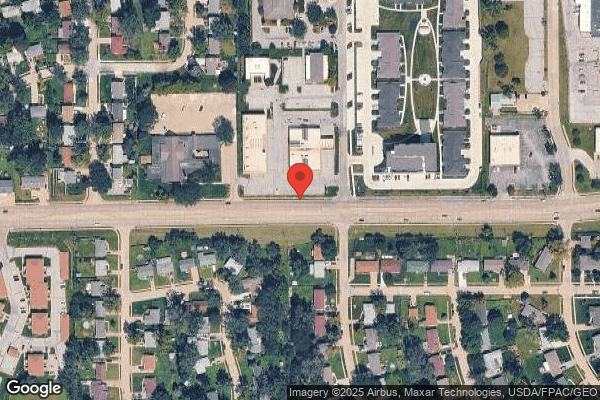
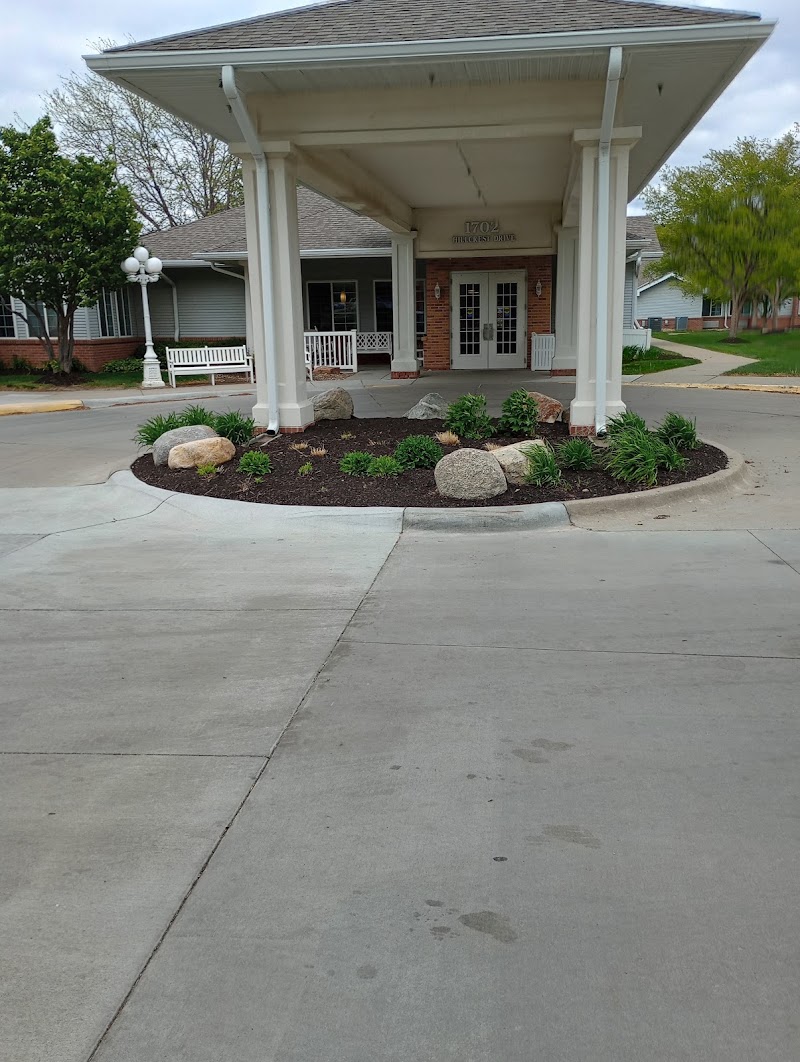
1702 Hillcrest Drive, Bellevue, NE 68005 (402) 291-8500
For profit - Corporation 151 Beds Independent Data: November 2025
Trust Grade
63/100
#54 of 177 in NE
Last Inspection: December 2024

Within standard 12-15 month inspection cycle. Federal law requires annual inspections.

Overview

Hillcrest Health & Rehab has a Trust Grade of C+, which indicates it is slightly above average but not outstanding. It ranks #54 out of 177 facilities in Nebraska, placing it in the top half of the state, and #2 out of 5 in Sarpy County, meaning only one local facility is rated higher. The trend is stable, with a consistent number of issues reported in the last two years, and staffing is a strong point with a 5/5 star rating and a 42% turnover rate, which is better than the state average. However, the facility has faced some serious concerns, including failing to implement fall prevention measures for residents and not adequately monitoring a resident's change in condition, which can be alarming for families considering care options. While there are some positive aspects, such as decent staffing and overall ratings, the presence of fines and specific incidents of care deficiencies should be carefully considered.
Trust Score
C+
63/100
In Nebraska
#54/177
Top 30%
Safety Record
Moderate
Needs review
Inspections
Holding Steady
2 → 2 violations
Staff Stability
○ Average
42% turnover. Near Nebraska's 48% average. Typical for the industry.
Penalties
✓ Good
$3,250 in fines. Lower than most Nebraska facilities. Relatively clean record.
Skilled Nurses
✓ Good
Each resident gets 49 minutes of Registered Nurse (RN) attention daily — more than average for Nebraska. RNs are trained to catch health problems early.
Violations
⚠ Watch
15 deficiencies on record. Higher than average. Multiple issues found across inspections.
★★★★☆
4.0
Overall Rating
★★★★★
5.0
Staff Levels
★★★☆☆
3.0
Care Quality
★★★☆☆
3.0
Inspection Score
Stable
2024: 2 issues
2025: 2 issues

The Good

  • 5-Star Staffing Rating · Excellent nurse staffing levels
  • Full Sprinkler Coverage · Fire safety systems throughout facility
  • No fines on record
  • Staff turnover below average (42%)

    6 points below Nebraska average of 48%

Facility shows strength in staffing levels, fire safety.

The Bad

Staff Turnover: 42%

Near Nebraska avg (46%)

Typical for the industry

Federal Fines: $3,250

Below median ($33,413)

Minor penalties assessed

The Ugly 15 deficiencies on record

2 actual harm
Sept 2025 1 deficiency 1 Harm
SERIOUS (G) 📢 Someone Reported This

A family member, employee, or ombudsman was alarmed enough to file a formal complaint

Actual Harm - a resident was hurt due to facility failures

Quality of Care (Tag F0684)

A resident was harmed · This affected 1 resident

**NOTE- TERMS IN BRACKETS HAVE BEEN EDITED TO PROTECT CONFIDENTIALITY** Based on record review and interview, the facility failed to evaluate change of condition for 1 [Resident 3] of 3 sampled reside...

Read full inspector narrative →
**NOTE- TERMS IN BRACKETS HAVE BEEN EDITED TO PROTECT CONFIDENTIALITY** Based on record review and interview, the facility failed to evaluate change of condition for 1 [Resident 3] of 3 sampled residents. The facility had a total census of 119. Findings are:A. A review of Resident 3's admission Record revealed Resident 3 was admitted to the facility on [DATE] with a diagnosis of infection and inflammatory reaction due to internal right hip prosthesis, chronic systolic heart failure [a condition in which the heart muscle is weakened and cannot pump blood effectively], and presence of prosthetic heart valve. A review of Resident 3's Progress Note dated 8/22/25 revealed Brief Interview for Mental Status [an evaluation of cognitive status] score of 11. A review of MDS [Minimin Data Set; a comprehensive assessment used for care planning] Manual revealed a score of 8-12 indicates moderately impaired cognitive impairment. A review of Resident 3's oxygen saturation levels [a percentage of oxygen carried by red blood cells in the blood stream] documented in the vitals section of the electronic medical record revealed Resident 3's oxygen saturation level was between 92-98% on room air between 8/21/25-8/29/25. A review of undated facility document titled Vital Sign Alert Parameters identified a low threshold of less than 90% for oxygen saturation. A review of Resident 3's oxygen saturation level documented in the vitals section of the electronic medical record revealed an oxygen saturation level of 86% on room air at 9:59 PM on 8/29/25. A review of Resident 3's Progress Note dated 8/30/25 at 4:03 AM revealed Resident 3's oxygen saturation was low in one hand and above 90% in the other hand on 1.5 liters of oxygen. A review of Resident 3's order recap report for orders between 8/21/25-9/30/25 did not reveal an order for oxygen. A review of Resident 3's oxygen saturation level documented in the vitals section of the electronic medical record revealed the following oxygen saturation levels:-8/30/25 at 7:17 AM 90% on room air-8/30/25 at 6:25 PM 86% on room air A review of Resident 3's Progress Note on 8/30/25 at 8:30 PM revealed Resident 3's oxygen saturation level was rechecked and found to be 91% on room air. Resident 3 was noted to refuse oxygen. A review of Resident 3's oxygen saturation level documented in the vitals section of the electronic medical record revealed an oxygen saturation level of 54% on 8/31/25 at 6:58 AM. In an interview on 9/3/25 at 12:55 PM, Nurse Aide A reported that Nurse Aide A checked Resident 3's oxygen saturation level on 8/31/25. Nurse Aide A first checked oxygen saturation on Resident 3's pinkie finger and it was 42-47%. Nurse Aide A then checked oxygen saturation level on Resident 3's ring finger and it started going up to 57-59%. Nurse Aide A reported Resident 3's other vital signs were normal and Nurse Aide A got busy and forgot to notify the nurse of the oxygen saturation level. In an interview on 9/3/25 at 1:17 PM, Medication Aide B reported Resident 3's oxygen saturation level was low and Medication Aide B replaced Resident 3's oxygen when checked on 8/31/25. Medication Aide B reported that Resident 3 was not having trouble breathing. In an interview on 9/3/25 at 11:59 AM, Registered Nurse C reported that Registered Nurse C was not alerted by staff that Resident 3's oxygen level was low. Registered Nurse C reported being alerted by dietary staff around 9:30 AM on 8/31/25 that Registered Nurse C needed to check on Resident 3. Registered Nurse C entered the room and discovered that Resident 3 was gone. A review of Resident 3's Progress Note dated 8/31/25 at 3:49 PM revealed that Registered Nurse C was notified at 9:30 AM that Resident 3 was not responding. Resident 3 was checked on and no signs of life were noted including no heartbeat or respirations. In interviews on 9/3/25 at 4:07 PM, 4:48 PM, and 5:23 PM, the Director of Nursing reported the expectations:-Resident 3's doctor/provider would have been notified when oxygen was applied to Resident 3-When Resident 3's oxygen saturation was low the physician orders would have been checked for any orders for oxygen or as needed medication orders-Resident 3 would have been checked to ensure Resident 3 was breathing through the nose as oxygen was coming through nasal cannula-Resident 3's oxygen saturation level would be rechecked and if oxygen saturation level did not improve doctor would have been called A review of undated facility policy titled Change In Condition or Status of Guest revealed the following:- 3. Prior to notifying the Physician or healthcare provider, the nurse will make detailed observations and gather relevant and pertinent information for the provider, including (for example) information prompted by the SBAR (Interact Version 4.0) Communication Form. B. In interviews on 9/3/25 at 7:47 AM, 10:12 AM, and 10:30 AM, the Administrator reported that an investigation was started on 8/31/25 after Administrator was notified of Resident 3's death with involved staff members being suspended. The Administrator reported that education was of all nursing staff members with all nursing staff members required to complete the education before the next scheduled shift. An audit of all residents with oxygen was completed to ensure oxygen orders were in place. Vital sign parameters were posted in facility clinics. A review of facility education began on 8/31/25 revealed staff members were educated about the following:-Clinical alert monitoring-Change in Condition or Status policy A review of facility competency checks revealed competency evaluations began on 8/31/25 on notification of nurses of changes of condition.
Mar 2025 1 deficiency 1 Harm
SERIOUS (G) 📢 Someone Reported This

A family member, employee, or ombudsman was alarmed enough to file a formal complaint

Actual Harm - a resident was hurt due to facility failures

Accident Prevention (Tag F0689)

A resident was harmed · This affected 1 resident

**NOTE- TERMS IN BRACKETS HAVE BEEN EDITED TO PROTECT CONFIDENTIALITY** Licensure reference: 175 NAC 12-006.09(I)(i)(1) Based on observation, interview, and record review, the facility failed to ensur...

Read full inspector narrative →
**NOTE- TERMS IN BRACKETS HAVE BEEN EDITED TO PROTECT CONFIDENTIALITY** Licensure reference: 175 NAC 12-006.09(I)(i)(1) Based on observation, interview, and record review, the facility failed to ensure fall prevention interventions were implemented for 2 [Residents 4 and 7] of 4 sampled residents with falls. The facility had a total census of 142 residents. Findings are: A. A review of Resident 4's admission Record revealed Resident 4 was admitted to the facility on [DATE] with a diagnosis of displaced fracture of lateral end of right clavicle and acute respiratory failure with hypoxia. admission Record indicated Resident 4 was discharged to an acute care hospital on 2/27/25. A review of Resident 4's MDS [Minimum Data Set; a comprehensive assessment used for care planning] dated 2/10/25 revealed Resident 4 required partial/moderate assistance with transfer and supervision or touching assistance with walking 10 feet. Resident 4 was identified has having falls in the last month prior to admission and fall with fracture in the last 6 months prior to admission. Resident 4's Brief Interview for Mental status score was 5 indicating severe cognitive impairment. A review of Resident 4's Fall Risk Evaluation dated 2/5/25 identified Resident 4 as being at a high risk for falls. A review of Resident 4's Care Plan revealed a focus area dated 2/14/25 for actual fall with no injury. The following interventions were listed for Resident 4: -Bed alarm placed dated 2/14/25 -Physical Therapy consult for strength and mobility dated 2/14/25 -Resident to be offered as one of the first to get up in the mornings dated 2/27/25 -Scoop mattress to bed dated 2/27/25 A review of Incident Report dated 2/14/25 at 5:00 AM revealed Resident 4 was found next to bed with brief around knees and puddle of urine under Resident 4. In the notes section of the Incident Report was identified that bed alarm was placed for Resident 4 on 2/14/25. A review of Incident Report dated 2/27/25 at 8:30 AM revealed Resident 4 was found on the floor next to bed. Under the notes section of the Incident Report was identified that Resident 4 was sent to the emergency room for evaluation of treatment of left hip fracture. A review of Resident 4's Treatment Administration Record for 2/2025 revealed the alarm function need to be checked to ensure proper placement and functioning every shift. The section for the night shift on 2/26/25 had not been completed to indicate that Resident 4's alarm was in placed and functioning. The section for the day shift on 2/27/25 was initialed to indicate that Resident 4's alarm was on and functional. In an interview on 3/11/25 at 11:48 AM, Medication Aide A confirmed that when Resident 4 fell out of bed on 2/27/25 Resident 4's alarm did not go off. In an interview on 3/11/25 at 11 AM, the Director of Nursing reported that staff had signed off indicating the alarm was in place when Resident 4 fell but the alarm was not in place. Staff had been educated on ensure fall interventions were in place. In interviews on 3/11/25 at 12:18 PM and 3:15 PM, Clinical Care Coordinator B confirmed that Resident 4's alarm was not on when Resident 4 fell. Clinical Care Coordinator B reported obtaining a new alarm and placing it on Resident 4 after Resident 4 fell. Clinical Care Coordinator B reported staff had been educated on checking alarms to ensure alarms were in place and functional. Clinical Care Coordinator B reported doing monitoring of residents with alarms since Resident 4's fall to ensure that alarms were in place and functional. B. A review of Resident 7's admission Record revealed Resident 7 was admitted to the facility on [DATE] with a diagnosis of infection and inflammatory reaction due to internal right knee prosthesis. A review of Resident 7's MDS dated [DATE] identified Resident 7 was dependent for transfer and was not able to walk 10 feet. Resident 7's Brief Interview for Mental Status identified a score of 3 which indicates severe cognitive impairment. A review of Resident 7's Care Plan revealed a focus area of Resident 7 had an actual fall with no injury dated 2/19/25 with the following interventions identified: -Alarm to wheelchair and bed to alert staff when guest is getting up dated 2/24/25 -Continues to be on skilled therapy for strength and mobility. Consulted with Occupational Therapy for wheelchair cushion suggestions dated 2/19/25 -Dycem applied to wheelchair and talked with therapy who provided a different cushion type with the hope to reduce the chance of Resident 7 sliding out dated 2/19/25 -Resident 7 should have alarm on wheelchair and bed at all times. Staff working with Resident 7 to be educated to keep alarms on and to monitor that Resident 7 has it under Resident 7. Observations on 3/11/25 at 11:42 AM revealed Resident 7 in wheelchair in common area with alarm in place and functioning. Another alarm was observed in place on Resident 7's bed. A review of Incident Report for Resident 7 dated 2/16/25 revealed Resident 7 was found on the floor during routine rounding. Resident 7 was found on floor in front of wheelchair with both legs pulled up trying to get self back in wheelchair. Resident 7 was not found to have any apparent injuries. In the notes section of the Incident Report was identified that Dycem was applied to Resident 7's wheelchair and therapy had provided a different cushion type. A review of Incident Report for Resident 7 dated 2/20/25 revealed Resident 7 sliding out of wheelchair to the floor. Resident 7 was not found to have any apparent injuries. In the notes section of the Incident Report was identified that Resident 7 was placed on increased rounds and alarm was placed in wheelchair and bed. A review of Incident Report for Resident 7 dated 2/28/25 without a time revealed Resident 7 was found sitting on the floor by Resident 7's bed. Resident 7 reported Resident 7 was trying to get in bed. Resident 7 was not found to have any apparent injuries. In the notes section of the Incident Report was identified that Resident 7 should have an alarm on wheelchair and bed at all times. Staff members working with resident to be educated on keeping alarms on and to monitor that alarm is under Resident 7. A review of Resident 7's Treatment Administration Record for 2/2025 revealed the alarm function need to be checked to ensure proper placement and functioning every shift. The section for day and evening shift on 2/28/25 had been initialed to indicate that Resident 7's alarm was placed and functioning. The section for the night shift on 2/28/25 was not initialed to indicate that Resident 7 was in place and functional. In an interview on 3/11/25 at 3:20 PM, Clinical Care Coordinator B confirmed Resident 7's alarm was not in place when Resident 7 fell on 2/28/25. Clinical Care Coordinator B report that Resident 7 did not have a functional alarm in chair on 3/3/25. Clinical Care Coordinator B reported providing education to staff on ensure that alarms were in place and functional on 3/4/25. C. A review of facility education documentation dated 2/28/25 revealed staff members were educated on ensuring that alarms are on and functioning before initializing treatment administration record that alarm is in place. D. A review of facility education documentation dated 3/4/25 revealed staff members were education on ensuring all fall interventions are in place. E. In interviews on 3/11/25 at 1:45 and 2:45 PM, the Administrator reported a review of falls was began on 2/26/25 as the initial step in establishing a process improvement program regarding falls.
Dec 2024 2 deficiencies
CONCERN (D)

Potential for Harm - no one hurt, but risky conditions existed

Medication Errors (Tag F0758)

Could have caused harm · This affected 1 resident

Licensure Reference Number 175 NAC 12-006.09(A) Based on record review and interview the facility failed to ensure a psychotropic (a medication that affects how the brain works) PRN ( PRN - as needed)...

Read full inspector narrative →
Licensure Reference Number 175 NAC 12-006.09(A) Based on record review and interview the facility failed to ensure a psychotropic (a medication that affects how the brain works) PRN ( PRN - as needed) order had a rationale (a reason) for continued use and failed to identify target behaviors (specific actions) for an antipsychotic (a class of drug that treats psychotic symptoms and disorders) medication and an antianxiety (a drug that reduces anxiety) medication for 1 (Resident 50) of 5 residents. The facility had a census of 117. Findings are: A. A record review of Resident 50's Order Summary sheet with active orders of 12/12/2024 revealed the following medication order: Lorazepam (an antianxiety medication) 0.5 milligrams (mg-a unit of measurement), give 0.5 mg by mouth every 4 hours as needed for panic disorder. A record review of a Note To Attending Physician/Prescribers from the consultant pharmacist and dated 4/24/24 revealed the following: -In order to comply with CMS (Centers for Medicare and Medicaid Services) regulations (official rule) PRN orders for psychotropic medications are limited to 14 days unless rationale and duration are otherwise specified by the provider. A record review of a Note To Attending Physician/Prescribers revealed Resident 50's provider response on 4/24/2024 to continued the medication for 365 days, however there was not rational given why the medication needed to extend pass the 14 days. An interview on 12/16/2024 at 5:23 PM with the Director of Nursing (DON) confirmed there was not a rationale for the use of PRN lorazepam. B. A record review of a order dated 8-29-2024 revealed Resident 50's practitioner ordered the following: -Quetiapine Fumarate (antipsychotic medication) 50 MG. Give 50 mg by mouth at bedtime for Schizoaffective disorder (a mental health disorder including schizophrenia and mood disorder symptoms). A record review of Resident 50's Order Summary with active orders as of 12-12-2024 revealed orders to monitor the resident for target behaviors in relation to the antipsychotic medication and the antianxiety medication. -The orders read as follows: -Antipsychotic drug behavior monitoring (Schizoaffective disorder). Notify physician if medication not managing behaviors. -Anxiolytic drug behavior monitoring. Monitor for signs/symptoms of anxiety and target behaviors (Panic Disorder). Notify provider of increased behaviors and/or signs/symptoms of anxiety? An interview on 12/16/2024 at 5:23 PM with the DON confirmed target behaviors were not identified for either the antianxiety medication or the antipsychotic medication.
MINOR (C)

Minor Issue - procedural, no safety impact

Drug Regimen Review (Tag F0756)

Minor procedural issue · This affected most or all residents

Licensure Reference Number 175 NAC 12-006.12(A)(vi) Based on record review and interview the facility failed to ensure the facility's Medication Regimen Review (MRR) Policy included the required proce...

Read full inspector narrative →
Licensure Reference Number 175 NAC 12-006.12(A)(vi) Based on record review and interview the facility failed to ensure the facility's Medication Regimen Review (MRR) Policy included the required procedural steps. Findings are: A record review of the facility MRR policy dated 1/1/2023 revealed the following: Policy Explanation and Compliance Guidelines: -1. The nurses should review and follow-up on recommendations from Pharmacist's (a healthcare professional who is an expert in the science and use of medications) admission Regimen Review (a process that involves evaluation a patient's current medications to identify potential issues). -2. Recommendations by the consultant pharmacist (a pharmacist who provides expert clinical advice to healthcare providers on medication usage) per the monthly medication regiment review should be reviewed by the primary care provider and carried out by a licensed nurse. -3. The consultant pharmacist should be consulted on any patient that the licensed nurse or Director of Clinical Services feels would benefit from a review due to changes in medical condition (falls, mental status changes). Any new orders received should be carried out per standard protocol and policy. Further review of the facility MMR Policy dated 1/1/2023 revealed there was no time frames each step of the MMR process was to be completed by. An interview on 12/16/2024 at 11:42 AM with the Director of Nursing (DON) confirmed the MRR Policy dated 1/1/2023 was complete as written and did not include time frames for the MMR process or the steps the pharmacist must take when an irregularity requires immediate action.
Oct 2023 3 deficiencies
CONCERN (D)

Potential for Harm - no one hurt, but risky conditions existed

Deficiency F0757 (Tag F0757)

Could have caused harm · This affected 1 resident

**NOTE- TERMS IN BRACKETS HAVE BEEN EDITED TO PROTECT CONFIDENTIALITY** LICENSURE REFERENCE NUMBER 175 NAC 12-006.09D Based on record review and interview, the facility failed to ensure blood pressure...

Read full inspector narrative →
**NOTE- TERMS IN BRACKETS HAVE BEEN EDITED TO PROTECT CONFIDENTIALITY** LICENSURE REFERENCE NUMBER 175 NAC 12-006.09D Based on record review and interview, the facility failed to ensure blood pressures were taken in accordance with pharmacy recommendations for 1 [Resident 91] 5 residents sampled for unnecessary medications. The facility had a total census of 113 residents. Findings are: A review of Resident 91's electronic medical record revealed Resident 91 was admitted to the facility on [DATE] with a diagnosis of cerebral amyloid angiopathy [a condition in which proteins called amyloid build up on the walls of the arteries in the brain]. A review of Resident 91's Order Summary Report revealed an order dated 7/13/23 for Midodrine HCL 5 mg [a medication to treat a kind of low blood pressure that causes severe dizziness and fainting], 1 tablet two times per day. A review of Resident 91's Pharmacist Consult/Medication Review dated 9/25/23 revealed a recommendation of having sit/stand blood pressures completed for 1 week to rule out orthostatic hypotension [a form of low blood pressure that happens when standing up from sitting or lying down]. A review of Nurse Practitioner Progress Note dated 9/27/23 revealed the following: -Orthostatic hypotension -Blood pressure overall stable -Continue midodrine 10 mg BID [twice a day]; Hold for SBP [systolic blood pressure] >140 -Monitor blood pressure per facility protocol A review of Resident 91's 9/2023 TAR [Treatment Administration Record] and 10/2023 TAR revealed an order for Orthostatic Blood Pressure sit to stand every evening shift for 7 days until finished, report systolic drop of greater than 20 MMHG [millimeters of mercury] or diastolic drop of greater than 10 MMHG to physician. Further review of Resident 91's TAR 9/2023 revealed one blood pressure was recorded on the TAR each evening for Resident 91 starting 9/27/23 and completed 10/2/23. The TAR did not identify if blood pressure was taken in a sitting or standing position. The following blood pressures were listed for Resident 91: -9/27/23 111/74 -9/28/23 153/93 -9/29/23 80/59 -9/30/23113/72 -10/1/23 128/78 -10/2/23 128/78 In an interview on 10/17/23 at 8:25 AM, the Director of Nursing confirmed that the sitting and standing blood pressures had not been completed for Resident 91 and that the order for sitting and standing blood pressures would need to be started over.
CONCERN (E)

Potential for Harm - no one hurt, but risky conditions existed

Deficiency F0923 (Tag F0923)

Could have caused harm · This affected multiple residents

**NOTE- TERMS IN BRACKETS HAVE BEEN EDITED TO PROTECT CONFIDENTIALITY** Licensure Reference Number 175 NAC 12-007.04D Based on observation and interview, the facility failed to ensure a working ventil...

Read full inspector narrative →
**NOTE- TERMS IN BRACKETS HAVE BEEN EDITED TO PROTECT CONFIDENTIALITY** Licensure Reference Number 175 NAC 12-007.04D Based on observation and interview, the facility failed to ensure a working ventilation system in 17 resident bathrooms (room [ROOM NUMBER], 12, 13, 14, 15, 16, 85, 86, 88, 91, 93, 95, 103, 105, 107, 111 and 113) of 99 occupied resident rooms. The facility census was 113. Findings are: Observations of the facility environment on 10/16/23 between 1:00 PM and 2:00 PM with the Administrator [ADM] , Director of Environmental Services [DES] and the Regional Director of Environmental Services revealed that the ventilation system in resident bathrooms rooms 11, 12, 13, 14, 15, 16, 85, 86, 88, 91, 93, 95, 103, 105, 107, 111 and 113 did not draw a 1 ply square of tissue to the surface of the ventilation covers in resident bathrooms. The fact that the tissue square was not drawn to the cover indicated that the system was non-operational at the time of the observation. Interview on 10/16/23 at 2:00 PM with the DES confirmed the ventilation system was not working in the resident bathrooms in rooms 11, 12, 13, 14, 15, 16, 85, 86, 88, 91, 93, 95, 103, 105, 107, 111 and 113 The DES confirmed that they had not tested the ventilation system for draw and that the date that it was last operational was unknown. The DES confirmed that the DES had been in the position for 2 months and was unaware how to test the ventilation system to ensure it was operational. Interview with the facility DES on 10/16/23 at 2:00 PM confirmed the facility was unable to provide documentation of bathroom ventilation checks to ensure the exhaust fans were drawing in the resident bathrooms.
CONCERN (F)

Potential for Harm - no one hurt, but risky conditions existed

Food Safety (Tag F0812)

Could have caused harm · This affected most or all residents

Licensure reference: 12-007.01A Based on observation, interview, and record review, the facility failed to ensure food temperatures were maintained and failed to ensure handwashing and glove changes w...

Read full inspector narrative →
Licensure reference: 12-007.01A Based on observation, interview, and record review, the facility failed to ensure food temperatures were maintained and failed to ensure handwashing and glove changes were completed to protect from food borne illness. The facility had a total census of 113 of 113 residents that could be affected by the practice. Findings are: A. Observations on 10/11/23 at 12:09 PM at end of meal service in Magnolia Terrace dining room revealed the temperature of the goulash to be 116 F [Fahrenheit] taken by Dietary Aide A. In an interview on 10/11/23 at 12:09 PM, Dietary Aide A reported shutting off the steam table prior to service of the meal. Observations on 10/12/23 at 12:01 PM revealed the temperature of the egg salad to be 61.2 F taken by Dietary Aide A. The egg salad was observed to be sitting on top of the covered steam table well. In an interview on 10/12/23 at 12:12 PM, Dietary Director reported egg salad would be pulled and replaced with egg salad from the kitchen. In an interview on 10/17/23 at 10:50 AM, the Dietary Director reported hot foods on the steam table should be held at a temperature of greater than 160 F and cold food maintained at a temperature less than 40 F. Review of the 2017 version of the Food Code, based on the United States Food and Drug Administration Food code and used as an authoritative reference for food service sanitation practices, revealed the following: -food for hot holding shall be held at 135 F or above -food for cold holding shall be held at 41 F or below B. Observations on 10/12/23 between 11:50 AM-12:10 PM revealed [NAME] B with gloved hands opening the reach-in refrigerator then with same soiled gloves arranging lettuce on the plate. Cook-B with the same soiled gloves pick up and place shredded cheese on salad. Cook-B with same soiled gloves picking up cooked chicken and placed the chicken on the salad. Cook-B with the same soiled gloves opened a bread bag pulled out bread and prepared a sandwich. Wearing same soiled gloves, [NAME] B prepared a pizza picked up and arrange sausage, pepperoni, and cheese on pizza. [NAME] B then pulled off and replaced right hand glove. Observations on 10/12/23 between 12:10-12:17 PM revealed Cook-C handled soup cans with gloved hands. With same gloved hands, [NAME] C picked up cooked chicken for placement on spaghetti. With out changing the spoiled gloves, [NAME] C picked up lettuce, tomato, and onion off of the cold service side for sandwich's and continued to cut up a bake potato wearing same soiled gloves. In an interview on 10/17/23 at 10:50 AM, Dietary Director gloves should be removed, hands wash, and new gloves put on after touching equipment handles. Dietary Director also confirmed utensils should be used as much as possible when handling food. A review of facility policy dated 10/2008 titled Preventing Food borne Illness-Employee Hygiene and Sanitary Practices revealed the following: -6. Employee must wash their hands: a. After personal body functions (i.e., toileting, blowing/wiping nose, coughing, sneezing, etc.; b. After using tobacco, eating or drinking c. Whenever entering or re-entering the kitchen; d. Before coming in contact with any food surfaces; e. After handling raw meat, poultry or fish and when switching between working with raw food and working with ready-to-eat food; f. After handling soiled equipment or utensils; g. During food preparation, as often an necessary to remove soil and contamination and to prevent cross contamination when changing tasks; and/or h. After engaging in other activities that contaminate the hands -9. Food service employees will be trained in the proper use of utensils such as tongs, gloves, deli paper and spatulas as tools to prevent food borne illness. -10. Gloves are considered single-use items and must be discarded after completing the task for which they are used. The use of disposable gloves does not substitute for proper handwashing. Review of the 2017 version of the Food Code, based on the United States Food and Drug Administration Food code and used as an authoritative reference for food service sanitation practices, revealed the following: -single use gloves shall be used for only one task such as working with ready to eat food or with raw animal food, used for no other purpose, and discarded when damaged or soiled, or when interruptions occur in the operation.
Mar 2023 2 deficiencies
CONCERN (D) 📢 Someone Reported This

A family member, employee, or ombudsman was alarmed enough to file a formal complaint

Potential for Harm - no one hurt, but risky conditions existed

Infection Control (Tag F0880)

Could have caused harm · This affected 1 resident

LICENSURE REFERENCE NUMBER 175 NAC 12-006.17 Based on observations, record review and interviews; the facility staff failed to utilize handwashing and gloving techniques to prevent the potential for c...

Read full inspector narrative →
LICENSURE REFERENCE NUMBER 175 NAC 12-006.17 Based on observations, record review and interviews; the facility staff failed to utilize handwashing and gloving techniques to prevent the potential for cross contamination during the provision of personal cares for 2 (Resident 1 and 6) of 2 sampled residents. The facility staff identified a census of 129. Findings are: A. Observation on 315-23 at 1:40 PM of personal cares revealed Nursing Assistant (NA) C and NA D hand sanitized and donned gloves. Resident 1 was informed of procedure for personal cares that NA C and NA D were going to complete after being transferred into bed by use of a mechanical lift. NA C and NA D unfastened Resident 1's adult brief and placed it between the legs. NA D using a wipe cleansed Residents 1's pubic area. NA D obtained toilet paper and wiped Resident 1's groin areas using a back and forth movement without changing sites on the toilet paper. NA D without changing the soiled gloves assisted NA C in repositioning Resident 1 onto the left laying position. NA D touched Resident 1's clean brief, hips, gown and legs. NA D obtained toilet paper and cleansed Resident 1's buttock area. NA D with the same soiled gloves obtained barrier cream and applied it to Resident 1's buttocks area. NA D removed the soiled gloves and did not complete hand hygiene and donned another pair of gloves. Further observations on 3-15-23 at 1:40 PM revealed NA D and NA C assisted Resident 1 into a right laying position. NA C removed the soiled brief and without changing the soiled gloves, touched Resident 1's gown, hips, sheets, assorted supplies on Resident 1's night stand. On 3-15-23 at 2:01 PM an interview was conducted with NA C and NA D. During the interview NA D and NA C confirmed when gloves are soiled they are to be changed and hands sanitized. B. Observation on 3-15-23 at 3:46 PM of personal care revealed NA E assisted Resident 6 into the bathroom. Resident 6 completed using the toilet and was cued to stand holding onto grab bars by NA E. NA E using wash cloths, cleaned Resident 6 from front to back. NA E with out changing the soiled gloves, touched Resident 6's pants, shirt, wheelchair brakes and foot peddles with the soiled gloves. On 3-15-23 at 4:07 PM an interview was conducted with NA E. During the interview NA E reported soiled gloves are to be changed when soiled and confirmed NA E's soiled gloves had not been changed.
CONCERN (E) 📢 Someone Reported This

A family member, employee, or ombudsman was alarmed enough to file a formal complaint

Potential for Harm - no one hurt, but risky conditions existed

Deficiency F0761 (Tag F0761)

Could have caused harm · This affected multiple residents

LICENSURE REFERENCE NUMBER 175NAC 12-006.12E1 Based on observations and interviews; the facility staff failed to ensure 3 of 7 medication carts were secured when unattended. The facility staff identif...

Read full inspector narrative →
LICENSURE REFERENCE NUMBER 175NAC 12-006.12E1 Based on observations and interviews; the facility staff failed to ensure 3 of 7 medication carts were secured when unattended. The facility staff identified a census of 129. Findings are: Observation on 3-16-23 at 5:07 AM revealed the medication cart on the hall identified as [NAME] Way was unlocked and unattended. Observation on 3-16-23 at 5:10 AM revealed the medication cart was unlocked and unattended on the hall identified as Azela. On 3-16-23 at 5:10 AM an interview was completed with Medication Assistant (MA) A. During the interview MA A confirmed the medication cart was unlocked and unattended. MA A confirmed when not in use, the medication cart is to be locked. Observation on 3-16-23 at 5:14 AM revealed the medication cart on the secured unit of the facility was unlocked and unattended. On 3-16-23 at 5:14 AM an interview was conducted with Registered Nurse (RN) B. During the interview RN B confirmed the medication cart was unlocked and unattended. Record review of the facility policy on Medication Storage dated 5-23-17 revealed the following information: -Policy: -Medications and biological's are stored safely, securely, and properly,following manufactures recommendations of those supplier. The medicaiton supply is accessible only to licensed nursing personal, pharmacy personnel, or staff members lawfully authorized to administer medications. -Procedure: -2. Only licensed nurses, pharmacy personal, and those lawfully authorized to administer medications are allowed access to medications. Medication rooms, carts, and medication supplies are locked or attended by persons with authorized access.
Sept 2022 6 deficiencies
CONCERN (D)

Potential for Harm - no one hurt, but risky conditions existed

Quality of Care (Tag F0684)

Could have caused harm · This affected 1 resident

Licensure Reference Number 175 NAC 12-006.09D2 Based on observation, interview, and record review, the facility failed to ensure that the Practioner's orders were followed for Edema Ware (special stoc...

Read full inspector narrative →
Licensure Reference Number 175 NAC 12-006.09D2 Based on observation, interview, and record review, the facility failed to ensure that the Practioner's orders were followed for Edema Ware (special stockings used to reduce swelling caused by excessive fluid in the body) and wound prevention for 2 (Residents 42 and 98) of 6 sampled residents. Total census was 115. Findings are: A. A record review of the facility's Skin Integrity, Wound, Ulcer (open sore or wound) Assessment Prevention Treatment Documentation Policy dated 08/09/2018 revealed the facility was to identify at risk residents for potential altered skin integrity and utilize prevention techniques and pressure redistribution surfaces on residents at risk. A record review of Resident 42's Physician's Order dated 09/15/2022 revealed an order to elevate legs daily at 12:00 PM and daily 07:00 PM to 9:59 PM. A record review of Resident 42's Care Plan dated 09/15/2022 revealed Resident 42 had a diagnosis of Peripheral Vascular Disease (PVD)(a condition that reduces blood flow to the arms and legs due to fatty deposits and calcium building up on the walls of the arteries). The Care Plan revealed Resident 42 was at risk for skin alteration due to PVD and fragile skin, but did not reveal intervention for elevation of the legs. An observation on 09/14/2022 at 07:46 AM revealed Resident 42 was sleeping in bed without the resident's legs elevated. An observation on 09/19/2022 at 06:41 AM revealed Resident 42 was sleeping in bed without the resident's legs elevated. An observation on 09/20/2022 at 07:31 AM revealed Resident 42 was sleeping in bed without the resident's legs elevated. A record review of Resident 42's Treatment Administration Records (TARs) did not reveal the staff documented that the resident's legs were elevated on: • 07/17/2022 at 12:00 PM • 07/18/2022 at 07:00 PM to 09:59 PM • 07/29/2022 at 07:00 PM to 09:59 PM • 08/10/2022 at 07:00 PM to 09:59 PM • 08/18/2022 at 12:00 PM • 08/19/2022 at 07:00 PM to 09:59 PM • 08/24/2022 at 07:00 PM to 09:59 PM • 08/27/2022 at 07:00 PM to 09:59 PM • 09/01/2022 at 12:00 PM • 09/03/2022 at 07:00 PM to 09:59 PM • 09/07/2022 at 07:00 PM to 09:59 PM • 09/09/2022 at 07:00 PM to 09:59 PM • 09/11/2022 at 12:00 PM • 09/14/2022 at 07:00 PM to 09:59 PM • 09/15/2022 at 12:00 PM In an interview with the Registered Nurse (RN)-J on 09/19/2022 at 07:34 AM, RN-J confirmed the staff did not document on the TARs that Resident 42's legs were elevated as ordered. B. A record review of Resident 98's Physician's Order dated 09/14/2022 revealed an order to elevate legs when, possible daily at 12:00 AM - 05:59 AM, daily 06:00 PM to 08:59 AM, and daily 06:00 PM to 11:59 PM. A record review of Resident 98's Diagnosis/Surgical Procedures dated 09/20/2022 revealed Resident 98 had a diagnosis of Peripheral Vascular Disease (PVD)(a condition that reduces blood flow to the arms and legs due to fatty deposits and calcium building up on the walls of the arteries). A record review of Resident 98's Care Plan dated 09/19/2022 revealed Resident 98 was at risk for pain due to PVD and an intervention was in place for elevation of the legs. A record review of Resident 98's Nursing Assistant (NA) Care Plan dated 09/14/2022 revealed the resident had special needs for the skin and the staff was to use pillows to elevate the resident's heels. An observation on 09/12/2022 at 12:30 PM revealed Resident 98 was laying in bed and legs were not elevated. Resident 98's legs were swollen, red, and cracked. In an interview with Resident 98 on 09/12/2022 at 12:39 PM, Resident 98 confirmed the resident has clots in both legs and legs were not elevated. An observation on 09/14/2022 at 07:33 AM revealed Resident 98 was sleeping in bed with legs flat on the bed and not elevated. An observation on 09/15/2022 at 11:14 AM revealed both lower legs were not elevated. In an interview with Resident 98 on 09/15/2022 at 11:14 AM, Resident 98 confirmed booth lower legs were not elevated, both feet have a tingling sensation (feeling), and that Resident 98 did not refuse to have legs elevated. A record review of Resident 98's Treatment Administration Records (TARs) did not reveal the staff documented that the resident's legs were elevated on: • 07/09/2022 at 06:00 AM - 08:59 AM • 07/11/2022 at 12:00 AM - 05:59 AM • 07/12/2022 at 12:00 AM - 05:59 AM • 07/20/2022 at 06:00 AM - 08:59 AM • 07/21/2022 at 06:00 PM - 11:59 PM • 07/12/2022 at 12:00 AM - 05:59 AM • 07/22/2022 at 06:00 AM - 08:59 AM • 07/22/2022 at 06:00 PM - 11:59 PM • 07/23/2022 at 12:00 AM - 05:59 AM • 07/26/2022 at 12:00 AM - 05:59 AM • 07/29/2022 at 06:00 AM - 08:59 AM • 08/06/2022 at 06:00 AM - 08:59 AM • 08/08/2022 at 06:00 AM - 08:59 AM • 08/11/2022 at 06:00 PM - 11:59 PM • 08/12/2022 at 12:00 AM - 05:59 AM • 08/13/2022 at 12:00 AM - 05:59 AM • 08/15/2022 at 06:00 AM - 08:59 AM • 08/15/2022 at 06:00 PM - 11:59 PM • 08/16/2022 at 12:00 AM - 05:59 AM • 08/19/2022 at 06:00 AM - 08:59 AM • 08/26/2022 at 06:00 AM - 08:59 AM • 09/01/2022 at 06:00 PM - 11:59 PM • 09/02/2022 at 12:00 AM - 05:59 AM • 09/03/2022 at 06:00 AM - 08:59 AM • 09/04/2022 at 06:00 AM - 08:59 AM • 09/07/2022 at 12:00 AM - 05:59 AM In an interview with the Registered Nurse (RN)-J on 09/19/2022 at 07:34 AM, RN-J confirmed the staff did not document on the TARs that Resident 98's legs were elevated as ordered. C. A record review of Resident 42's Physician's Order dated 09/15/2022 revealed an order to encourage resident to float heels (elevate off the bed mattress) or use Prevalon boots (boots designed to take pressure off the feet and heels) when in bed daily at 06:00 AM to 01:59 PM and daily 06:00 PM to 11:59 PM. A record review of Resident 42's Care Plan dated 09/15/2022 revealed Resident 42 had a diagnosis of Peripheral Vascular Disease (PVD)(a condition that reduces blood flow to the arms and legs due to fatty deposits and calcium building up on the walls of the arteries). The Care Plan revealed Resident 42 was at risk for skin alteration due to PVD and fragile skin, but did not reveal intervention for elevation of the legs. An observation on 09/14/2022 at 07:46 AM revealed Resident 42 was sleeping in bed without the resident's heels floated or Prevalon boots on. An observation on 09/20/2022 at 07:31 AM revealed Resident 42 was sleeping in bed without the resident's heels floated or Prevalon boots on. The resident's feet were rubbing directly against the footboard of the bed. A record review of Resident 42's Treatment Administration Records (TARs) did not reveal the staff documented that the resident's heels were floated or the Prevalon boots were on: • 07/01/2022 - 06:00 AM to 01:59 PM heels were not floated and no Prevalon boots • 07/03/2022 - 06:00 AM to 01:59 PM heels were not floated and no Prevalon boots • 07/04/2022 - 06:00 AM to 01:59 PM heels were not floated and no Prevalon boots • 07/06/2022 - 06:00 AM to 01:59 PM heels were not floated and no Prevalon boots • 07/13/2022 - 06:00 AM to 01:59 PM no entry • 07/17/2022 - 06:00 AM to 01:59 PM heels were not floated and no Prevalon boots • 07/29/2022 - 06:00 AM to 01:59 PM heels were not floated and no Prevalon boots • 08/01/2022 - heels were not floated and Prevalon boots were not on at either time • 08/02/2022 - 06:00 AM to 01:59 PM heels were not floated and no Prevalon boots • 08/02/2022 - 06:00 PM to 11:59 PM no entry • 08/08/2022 - 06:00 AM to 01:59 PM heels were not floated and no Prevalon boots • 08/09/2022 - 06:00 AM to 01:59 PM heels were not floated and no Prevalon boots • 08/11/2022 - heels were not floated and Prevalon boots were not on at either time • 08/14/2022 - 06:00 AM to 01:59 PM heels were not floated and no Prevalon boots • 08/15/2022 - 06:00 AM to 01:59 PM heels were not floated and no Prevalon boots • 08/17/2022 - 06:00 AM to 01:59 PM heels were not floated and no Prevalon boots • 08/19/2022 - 06:00 AM to 01:59 PM heels were not floated and no Prevalon boots and no entry on 06:00 PM to 11:59 PM • 08/20/2022 - 06:00 AM to 01:59 PM heels were not floated and no Prevalon boots • 08/22/2022 - heels were not floated and Prevalon boots were not on at either time • 08/24/2022 - heels were not floated and Prevalon boots were not on at either time • 08/25/2022 - 06:00 AM to 01:59 PM heels were not floated and no Prevalon boots • 08/26/2022 - heels were not floated and Prevalon boots were not on at either time • 08/27/2022 - no entry on 06:00 PM to 11:59 PM • 08/29/2022 - 06:00 AM to 01:59 PM heels were not floated and no Prevalon boots • 08/31/2022 - heels were not floated and Prevalon boots were not on at either time • 09/01/2022 - 06:00 AM to 01:59 PM heels were not floated and no Prevalon boots • 09/02/2022 - 06:00 AM to 01:59 PM heels were not floated and no Prevalon boots • 09/05/2022 - heels were not floated and Prevalon boots were not on at either time • 09/06/2022 - 06:00 AM to 01:59 PM heels were not floated and no Prevalon boots • 09/07/2022 - no entry on 06:00 PM to 11:59 PM • 09/09/2022 - no entry on 06:00 PM to 11:59 PM • 09/11/2022 - heels were not floated and Prevalon boots were not on at either time • 09/12/2022 - heels were not floated and Prevalon boots were not on at either time • 09/15/2022 - no entry on 06:00 AM to 01:59 PM • 09/16/2022 - heels were not floated and Prevalon boots were not on at either time In an interview and observation with Registered Nurse (RN)-J on 09/15/2022 at 10:12 AM, RN-J confirmed that Resident 42 did not have Prevalon boots and that the Prevalon boots were in the laundry and had been there a couple of days. RN-J confirmed that Resident 42 did not have another pair of Prevalon boots. In an interview with the Wound Care Registered Nurse (RN)-I, RN-I confirmed Resident 42 should have had Prevalon boots on when in bed. In an interview with the Registered Nurse (RN)-J on 09/19/2022 at 07:34 AM, RN-J confirmed the staff did not document on the TARs that Resident 42's heels were floated or Prevalon boots on for the dates listed above as ordered. D. A record review of Resident 98's Physician's Order dated 09/14/2022 revealed an order for Prevalon boots to bilateral lower extremities (lower legs) daily 06:00 AM - 05:59 PM and daily 06:00 PM to 11:59 PM. A record review of Resident 98's Diagnosis/Surgical Procedures dated 09/20/2022 revealed Resident 98 had a diagnosis of Peripheral Vascular Disease (PVD)(a condition that reduces blood flow to the arms and legs due to fatty deposits and calcium building up on the walls of the arteries). A record review of Resident 98's Care Plan dated 09/19/2022 revealed Resident 98 was at risk for alteration in skin due to PVD and prominent bony protrusions (areas that the bone causes the skin to stick out), and an intervention was in place for treatment per Physician's orders. A record review of Resident 98's Nursing Assistant (NA) Care Plan dated 09/14/2022 revealed the resident had special needs for the skin and the staff was to elevate the resident's heels. An observation on 09/12/2022 at 12:30 PM revealed Resident 98 was lying in bed and legs were not elevated and the resident did not have Prevalon boots on. Resident 98's legs were swollen, red, and cracked. In an interview with Resident 98 on 09/12/2022 at 12:39 PM, Resident 98 confirmed the resident has clots in both legs and legs were not elevated or special boots on. An observation on 09/14/2022 at 07:33 AM revealed Resident 98 was sleeping in bed with legs flat on the bed and not elevated and no Prevalon boots on. An observation on 09/15/2022 at 11:14 AM revealed both lower legs were not elevated and no Prevalon boots on. In an interview with Resident 98 at 09/15/2022 at 11:14 AM, Resident 98 confirmed booth lower legs were not elevated, both feet have a tingling sensation (feeling), and that Resident 98 did not refuse to have legs elevated or Prevalon boot applied. A record review of Resident 98's Treatment Administration Records (TARs) did not reveal the staff documented that the resident's heels were floated or the Prevalon boots were on one or both of the scheduled times on: • 07/01/2022 • 07/02/2022 • 07/04/2022 - 07/09/2022 • 07/11/2022 - 07/14/2022 • 07/16/2022 - 07/19/2022 • 07/21/2022 - 07/24/2022 • 07/26/2022 - 07/31/2022 • 08/01/2022 - 08/25/2022 • 08/30/2022 • 08/31/2022 • 09/01/2022 • 09/03/2022 • 09/04/2022 • 09/06/2022 - 09/10/2022 • 09/12/2022 • 09/13/2022 In an interview with the Registered Nurse (RN)-J on 09/19/2022 at 07:34 AM, RN-J confirmed the staff did not document on the TARs that Resident 42's heels were floated or Prevalon boots on for the dates listed above as ordered. E. A record review of the facility's Skin Integrity, Wound, Ulcer (open sore or wound) Assessment Prevention Treatment Documentation Policy dated 08/09/2018 revealed the facility was to identify at risk residents for potential altered skin integrity and utilize prevention techniques and pressure redistribution surfaces on residents at risk. A record review of Resident 98's Physician's Order dated 09/14/2022 revealed an order for Compression Stockings (tight fitting stocking designed to reduce the swelling caused by excess fluid in the body), apply during the day and off at night. A record review of Resident 98's Diagnosis/Surgical Procedures dated 09/20/2022 revealed Resident 98 had a diagnosis of Peripheral Vascular Disease (PVD)(a condition that reduces blood flow to the arms and legs due to fatty deposits and calcium building up on the walls of the arteries). A record review of Resident 98's Care Plan dated 09/19/2022 revealed Resident 98 was at risk for alteration in skin due to PVD and prominent bony protrusions (areas that the bone causes the skin to stick out), and an intervention was in place for treatment per Physician's orders. A record review of Resident 98's Nursing Assistant (NA) Care Plan dated 09/14/2022 revealed the resident had special needs for the skin and the staff was to apply compression stockings in the morning and remove at hours of sleep. An observation on 09/12/2022 at 12:30 PM revealed Resident 98 was lying in bed and legs were not elevated and the resident did not have compression stockings on. Resident 98's legs were swollen, red, and cracked. In an interview with Resident 98 on 09/12/2022 at 12:39 PM, Resident 98 confirmed the resident has clots in both legs and legs did not have compression stockings on. An observation on 09/14/2022 at 07:33 AM revealed Resident 98 was sleeping in bed with legs flat on the bed and not elevated and compression stockings on. An observation on 09/15/2022 at 11:14 AM revealed both lower legs were not elevated and no compression stockings on. In an interview with Resident 98 at 09/15/2022 at 11:14 AM, Resident 98 confirmed booth lower legs were not elevated, both feet have a tingling sensation (feeling), and that Resident 98 did not refuse to wear compression stockings. A record review of Resident 98's Treatment Administration Records (TARs) did not reveal the staff documented that the resident's compression stockings were applied on: • 07/09/2022 • 07/20/2022 • 07/21/2022 • 07/22/2022 • 07/26/2022 • 08/06/2022 • 08/08/2022 • 08/11/2022 • 08/19/2022 • 09/01/2022 • 09/03/2022 • 09/04/2022 In an interview with the Registered Nurse (RN)-J on 09/19/2022 at 07:34 AM, RN-J confirmed the staff did not document on the TARs that Resident 98's compression stockings were apllied for the dates listed above as ordered by the Physician.
CONCERN (D)

Potential for Harm - no one hurt, but risky conditions existed

Accident Prevention (Tag F0689)

Could have caused harm · This affected 1 resident

Licensure Reference Number 175 NAC 12-006.09D7b(3) Licensure Reference Number 175 NAC 12-006.09D7a Based on observation, interview, and record review, the facility failed to ensure the Fall Mat was in...

Read full inspector narrative →
Licensure Reference Number 175 NAC 12-006.09D7b(3) Licensure Reference Number 175 NAC 12-006.09D7a Based on observation, interview, and record review, the facility failed to ensure the Fall Mat was in place and that the bed was not an entrapment risk for 1 (Resident 42) of 1 sampled residents. Total census was 115. Findings are: A. A record review of Resident 42 Minimum Data Set (MDS)(a comprehensive assessment of a person's functional, medical, and cognitive status) dated 06/27/2022 revealed Resident 42 had a diagnosis of Peripheral Vascular Disease (PVD)(a condition that reduces blood flow to the arms and legs due to fatty deposits and calcium building up on the walls of the arteries), high blood pressure, Metabolic Encephalopathy (a problem in the brain caused by a imbalance in the blood), and generalized muscle weakness. The MDS revealed the resident had 1 past fall with injury since admission. The MDS indicated the resident had Brief Interview for Mental Status (BIMS) score of 7. A record review of Resident 42's Care Plan revealed the resident was at risk for falls due to impaired mobility and impaired cognition (when a person has trouble remembering, learning, concentrating, or making decisions that affect everyday life) and an intervention put in place on 08/29/2022 was to place a Fall Mat next to the resident's bed. A record review of Resident 42's Nursing Assistant (NA) Care Plan dated 09/19/2022 revealed the resident had special needs related to falls of having a Fall Mat next to the bed. An observation on 09/14/2022 at 07:46 AM revealed Resident 42 was sleeping in bed on his back without a Fall Mat in place by the bed. An observation on 09/15/2022 at 08:31 AM revealed Resident 42 was laying in bed prior to the Nursing Assistants getting the resident up in the wheelchair, without a Fall Mat in place by the bed. In an interview with Nursing Assistant (NA)-K on 09/15/2022 at 08:35 AM confirmed that Resident 42 did not have a Fall Mat in place by the bed before they got the resident out of bed. NA-K did find the Fall Mat in the resident's closet. In an interview with Registered Nurse (RN)-J on 09/15/2022 at 10:12 AM, RN-J confirmed that Resident 42 should have had a Fall Mat placed beside the residents bed when the resident was assisted to bed for the night. B. A record review of Resident 42 Minimum Data Set (MDS)(a comprehensive assessment of a person's functional, medical, and cognitive status) dated 06/27/2022 revealed Resident 42 had a diagnosis of Peripheral Vascular Disease (PVD)(a condition that reduces blood flow to the arms and legs due to fatty deposits and calcium building up on the walls of the arteries), high blood pressure, Metabolic Encephalopathy (a problem in the brain caused by a imbalance in the blood), and generalized muscle weakness. The MDS revealed the resident had 1 past fall with injury since admission. The MDS indicated the resident had Brief Interview for Mental Status (BIMS) score of 7. An observation on 09/15/2022 at 10:12 AM revealed Resident 42's bed had a Foot Extender installed on it. There was 4 inches between the headboard and the mattress, and 10.5 inches between the mattress and the footboard without filler cushions or padding of any type. An observation on 09/19/2022 at 06:44 AM revealed Resident 42's bed had a Foot Extender installed on it and large gaps between the headboard and mattress and the footboard and mattress without filler cushions or padding of any type. A record review of Resident 42's Care Plan did not reveal an intervention for a Foot Extender on the resident's bed. In an observation and interview with Registered Nurse (RN)-J on 09/15/2022 at 10:12 AM, RN-J confirmed that Resident 42's bed had large gaps between the headboard and mattress and footboard and mattress, and the gaps should have had a filler cushion placed in the gaps to prevent the resident from getting injured.
CONCERN (D)

Potential for Harm - no one hurt, but risky conditions existed

Deficiency F0757 (Tag F0757)

Could have caused harm · This affected 1 resident

LICENSURE REFERENCE NUMBER 175 NAC 12-006.09S Based on record review and interview, the facility failed to ensure Resident 92 was free from unnecessary medications related to giving medications when o...

Read full inspector narrative →
LICENSURE REFERENCE NUMBER 175 NAC 12-006.09S Based on record review and interview, the facility failed to ensure Resident 92 was free from unnecessary medications related to giving medications when outside of ordered parameters. The sample size was 2. The facility census was 115. FINDINGS ARE: A record review of the Physician's Orders ran 9/19/22 revealed Resident 92 to have an order which read DOXAZOSIN (a medication used for high blood pressure) 4MG TABS 1 TAB PO (by mouth) TWICE A DAY *HOLD FOR SBP (systolic blood pressure, the top number) <100 OR PULSE <60 A record review of the MAR (Medication Administration Record) dated August 2022 and the MAR dated September 2022 for Resident 92 revealed that on the following days, the DOXAZOSIN was not held despite pulses being below parameters: -9/13/22 AM dose, pulse 52 -9/12/22 AM dose, pulse 56 -9/10/22 AM dose, pulse 55 -9/8/22 AM dose, pulse 57 -9/9/22 PM dose, pulse 52 -8/30/22 AM dose, pulse 58 -8/31/22 AM dose, pulse 56 A record review of the policy titled Medication Administration and Provision with a reviewed date of 11/27/2017, revealed it did not contain any direction regarding giving medications with any type of parameters. An interview on 09/19/22 at 10:30 PM with the ADON (Assistant Director of Nursing), after review of the vitals documented with the DOXAZOSIN, confirmed that the medication had been given on 7 occasions since admission when it should have been held due to a pulse below parameters.
CONCERN (F)

Potential for Harm - no one hurt, but risky conditions existed

Infection Control (Tag F0880)

Could have caused harm · This affected most or all residents

B. Record review of the facility's Nebulizer (a device that is used to turn liquid medication into a mist so the medication may be inhaled) Mask Cleaning policy dated 08/10/2018 revealed the Nebulize...

Read full inspector narrative →
B. Record review of the facility's Nebulizer (a device that is used to turn liquid medication into a mist so the medication may be inhaled) Mask Cleaning policy dated 08/10/2018 revealed the Nebulizer Administration Set should have been cleaned at least once daily after the last treatment of the day. Record review of Resident 28's Physician's Orders dated 09/15/2022 revealed the Nebulizer Administration Set should have been changed weekly. An observation on 09/14/2022 at 07:38 AM revealed Resident 28's Nebulizer Administration Set was laying on the resident's nightstand still put together and had left over medication still in it. An observation on 09/15/2022 at 08:42 AM revealed Resident 28's Nebulizer Administration Set was laying on the resident's nightstand still put together and had left over medication still in it. An observation on 09/15/2022 at 01:39 PM revealed Resident 28's Nebulizer Administration Set was laying on the resident's nightstand still put together and had left over medication still in it. An observation on 09/19/2022 at 06:30 AM revealed Resident 28's Nebulizer Administration Set was laying on the resident's nightstand still put together and had left over medication still in it. In an interview with the resident on 09/19/2022 at 06:30 AM, Resident 28 confirmed the resident had not had a treatment yet on 09/19/2022 at 06:30 AM and the Nebulizer Administration Set had not been cleaned. A record review of Resident 28's Treatment Administration Records (TARs) did not reveal the Nebulizer Administration Set was changed on 08/14/2022 or on 08/21/2022. In an interview on 09/19/2022 at 10:04 AM Registered Nurse (RN)-P confirmed Resident 28's Nebulizer Administration Set still had medication in it from the night before and that it had not been cleaned or changed since the last Nebulizer treatment.C. An observation of medication administration on 9/19/22 from 1:15 PM to 1:25 PM revealed that Medication Aide (MA) T administered medications to Resident 54, 160, and 31. MA T changed gloves between residents, but did not perform hand hygiene between residents during this time frame. A review of the Hillcrest Health and Rehab Handwashing Policy revised 03/2022 revealed that hand hygiene needs completed upon entering patient rooms and exiting patient rooms. A review of the undated Handwashing Competency Checklist revealed that times when a team member should wash their hands include before and after client contact, and after removal of gloves. An interview with MA T on 9/19/22 at 1:39 PM confirmed that (gender) should have been performing hand hygiene between residents and had not been. LICENSURE REFERENCE NUMBER 12-006.17 LICENSURE REFERENCE NUMBER 12-006.17D Based on observation, record review and interview, the facility failed to prevent the potential spread of Covid-19 (a mild to severe respiratory illness that is caused by a coronavirus) related to incomplete screening of visitors and staff with no follow up. The facility failed to ensure Resident 28's Nebulizer Kit was cleaned every night and the Nebulizer Kit was replaced once a week. The facility failed to prevent the potential for cross contamination related to hand hygiene between residents during medication administration. This had the potential to affect all residents. The facility identified a census of 115. FINDINGS ARE: A. A record review of the Covid-19 screening logs for visitors titled Visitor Sign In Sheet and dated 8/6/22 through 9/12/22 revealed the following: * an entry on 9/11/22 (document does not specify AM or PM of times) at 10:15 revealed a temperature documented of 86.7 * an entry on 9/11/22 at 2:20 (document does not specify AM or PM of times) revealed no temperature documented * an entry on 9/9/22 at 12:49 (document does not specify AM or PM of times) revealed no response documented to the exposure to or s/s of Covid-19 questions * an entry on 8/23/22 at 06:20 (document does not specify AM or PM of times) revealed no response documented to the exposure to or s/s of Covid-19 questions * an entry on 8/23/22 at 11:00 (document does not specify AM or PM of times) revealed no response documented to the exposure to or s/s of Covid-19 questions * an entry on 8/6/22 at 11:30 (document does not specify AM or PM of times) revealed no temperature documented * an entry on 8/2/22 at 04:12 (document does not specify AM or PM of times) revealed no response documented to the exposure to or s/s of Covid-19 questions * an entry on 8/1/22 at 04:55 (document does not specify AM or PM of times) revealed no response documented to the exposure to or s/s of Covid-19 questions An interview with the facility Administrator on 09/15/22 at 11:11 AM, after review of the Covid-19 screening logs for visitors titled Visitor Sign In Sheet and dated 8/6/22 through 9/12/22, confirmed that the Covid-19 screening logs were incomplete. A record review of the Covid-19 screening logs for staff titled Team Member Fitness For Duty Screen and dated7/12/22 through 9/12/22 revealed the following: *an entry on an undated screening log revealed at 06:54 (document does not specify AM or PM of times) a staff member answered yes to the question Have you had contact with someone with Covid-19 or under investigation for Covid-19 within the past 14 days? with no follow up documentation or assessment. *an entry on an undated screening log revealed at 06:55 (document does not specify AM or PM of times) a staff member answered yes to the question Have you had contact with someone with Covid-19 or under investigation for Covid-19 within the past 14 days? with no follow up documentation or assessment. *an entry on an undated screening log revealed at 07:58 (document does not specify AM or PM of times) a staff member answered yes to the question Have you had contact with someone with Covid-19 or under investigation for Covid-19 within the past 14 days? with no follow up documentation or assessment. *an entry on an undated screening log revealed at 08:15 (document does not specify AM or PM of times) a staff member answered yes to the question Have you had contact with someone with Covid-19 or under investigation for Covid-19 within the past 14 days? with no follow up documentation or assessment. *an entry on an undated screening log revealed at 01:55 (document does not specify AM or PM of times) a staff member did not register a temperature. *an entry on a screening log dated 8/21/22 revealed at 06:22 (document does not specify AM or PM of times) a staff member did not register a temperature. *an entry on a screening log dated 8/24/22 revealed at 06:53 (document does not specify AM or PM of times) a staff member did not register a name. *an entry on a screening log dated 8/28/22 revealed at 11:30 (document does not specify AM or PM of times) a staff member did not register a temperature. *an entry on a screening log dated 8/28/22 revealed at 04:00 (document does not specify AM or PM of times) a staff member did not register a temperature. *an entry on a screening log dated 8/30/22 revealed at 02:06 (document does not specify AM or PM of times) a staff member did not register a temperature. *an entry on an undated screening log revealed that 13 staff members had left the temperature are blank while 6 staff members documented no thermometer on the same log in sheet. *an entry on another undated screening log revealed that 2 staff members had not registered a temperature prior to entering the building for their shift. An interview with the facility Administrator on 9/14/22 at 01:15 PM, after review of the Covid-19 screening logs for staff titled Team Member Fitness For Duty Screen and dated7/12/22 through 9/12/22, confirmed that some of the logs were incomplete.
CONCERN (F)

Potential for Harm - no one hurt, but risky conditions existed

Deficiency F0886 (Tag F0886)

Could have caused harm · This affected most or all residents

**NOTE- TERMS IN BRACKETS HAVE BEEN EDITED TO PROTECT CONFIDENTIALITY** Based on record review and interview, the facility failed to ensure unvaccinated staff were tested twice weekly for Covid-19 per...

Read full inspector narrative →
**NOTE- TERMS IN BRACKETS HAVE BEEN EDITED TO PROTECT CONFIDENTIALITY** Based on record review and interview, the facility failed to ensure unvaccinated staff were tested twice weekly for Covid-19 per CMS (The Centers for Medicare & Medicaid Services is a federal agency that administers the nation's major healthcare programs including Medicare, Medicaid, and CHIP) guidelines. This had the potential to affect all residents. The sample size was 4. The facility census was 115. FINDINGS ARE: A record review of the facility Covid-19 staff testing logs dated 7/18/22 through 9/5/22 for unvaccinated staff, revealed that NA-B had tested on [DATE] and not again until 9/8/22. A record review of the timecard for NA-B covering dates 8/28/22 through 9/8/22 revealed NA-B had worked on 8/29/22, 8/31/22, 9/1/22, 9/2/22, 9/7/22 and 9/8/22 A record review of the facility Covid-19 staff testing logs dated 7/18/22 through 9/5/22 for unvaccinated staff, revealed that NA-C had tested on [DATE] and not again until 9/6/22. A record review of the timecard for NA-C covering dates 8/27/22 through 9/6/22 revealed NA-C had worked on 8/27/22, 8/28/22, 8/30/22, 8/31/22, 9/1/22, 9/2/22, 9/5/22 and 9/6/22. A record review of the facility Covid-19 staff testing logs dated 7/18/22 through 9/5/22 for unvaccinated staff, revealed that DA-D had tested on [DATE], 8/3/22 and 8/9/22. A record review of the timecard for DA-D covering dates 8/1/22 through 8/9/22 revealed DA-D had worked on 8/1/22, 8/3/22, 8/30/22, 8/5/22, 8/6/22, 8/8/22, and 8/9/22. An interview on 09/14/22 at 02:27 PM with the ADON (Assistant Director of Nursing), after review of the facility Covid-19 staff testing logs dated 7/18/22 through 9/5/22 for unvaccinated staff, confirmed the dates provided above did not indicate twice weekly testing and would look for additional information to provide regarding staff testing.
CONCERN (F)

Potential for Harm - no one hurt, but risky conditions existed

Deficiency F0888 (Tag F0888)

Could have caused harm · This affected most or all residents

Based on observation, interview and record review, the facility failed to ensure that the facility contingency plan for staff that were unvaccinated for Covid-19 (a mild to severe respiratory illness ...

Read full inspector narrative →
Based on observation, interview and record review, the facility failed to ensure that the facility contingency plan for staff that were unvaccinated for Covid-19 (a mild to severe respiratory illness that is caused by a coronavirus) to wear N95 (a respiratory protective device designed to achieve a very close facial fit and very efficient filtration of airborne particles) face masks was followed. The sample size was 2. The facility census was 115. FINDINGS ARE: An interview on 09/15/22 at 09:53 AM with unvaccinated staff, NA-C (Nurse Aide), revealed no difficulties related to having an exemption and that (gender) had been fit tested to an N95 (a respiratory protective device designed to achieve a very close facial fit and very efficient filtration of airborne particles) mask. An interview on 09/15/22 at 10:00 with staff member DA-F (Dietary Aide) who was noted to be wearing a surgical mask during the interview, when questioned about what extra measures (gender) was required to follow due to being unvaccinated, responded I'm supposed to wear the white mask like you, referring to an N95, but I threw this one on in a hurry when they told me you wanted to speak with me. An observation on 9/20/22, upon entering the kitchen revealed that DA-F in the kitchen wearing a surgical mask, when had voiced awareness of the need to wear an N95 mask due to being unvaccinated. An interview on 09/20/22 at 09:35 AM with RD-S (Registered Dietician) confirmed that the expectation is that unvaccinated staff were to wear N95 masks and not surgical masks.
Understanding Severity Codes (click to expand)
Life-Threatening (Immediate Jeopardy)
J - Isolated K - Pattern L - Widespread
Actual Harm
G - Isolated H - Pattern I - Widespread
Potential for Harm
D - Isolated E - Pattern F - Widespread
No Harm (Minor)
A - Isolated B - Pattern C - Widespread

Questions to Ask on Your Visit

  • "Can I speak with families of current residents?"
  • "What's your RN coverage like on weekends and overnight?"

Our Honest Assessment

Strengths
  • • $3,250 in fines. Lower than most Nebraska facilities. Relatively clean record.
  • • 42% turnover. Below Nebraska's 48% average. Good staff retention means consistent care.
Concerns
  • • 15 deficiencies on record, including 2 serious (caused harm) violations. Ask about corrective actions taken.
Bottom line: Mixed indicators with Trust Score of 63/100. Visit in person and ask pointed questions.

About This Facility

What is Hillcrest Health & Rehab's CMS Rating?

CMS assigns Hillcrest Health & Rehab an overall rating of 4 out of 5 stars, which is considered above average nationally. Within Nebraska, this rating places the facility higher than 99% of the state's 100 nursing homes. This rating reflects solid performance across the metrics CMS uses to evaluate nursing home quality.
How is Hillcrest Health & Rehab Staffed?

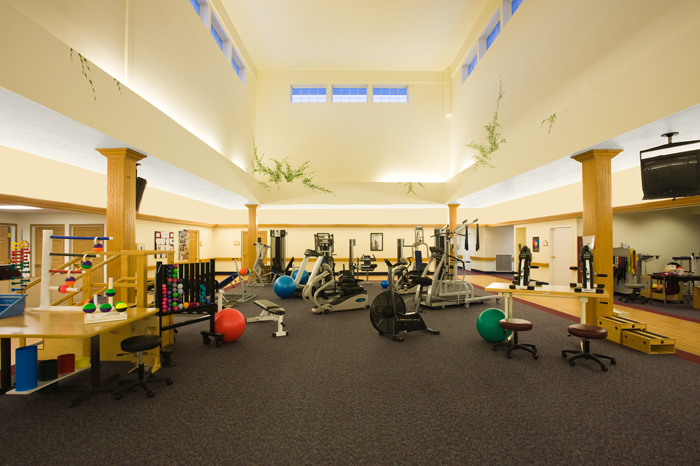
CMS rates Hillcrest Health & Rehab's staffing level at 5 out of 5 stars, which is much above average compared to other nursing homes. Staff turnover is 42%, compared to the Nebraska average of 46%. This relatively stable workforce can support continuity of care.

What Have Inspectors Found at Hillcrest Health & Rehab?

State health inspectors documented 15 deficiencies at Hillcrest Health & Rehab during 2022 to 2025. These included: 2 that caused actual resident harm, 12 with potential for harm, and 1 minor or isolated issues. Deficiencies causing actual harm indicate documented cases where residents experienced negative health consequences.

Who Owns and Operates Hillcrest Health & Rehab?

Hillcrest Health & Rehab is owned by a for-profit company. For-profit facilities operate as businesses with obligations to shareholders or private owners. The facility operates independently rather than as part of a larger chain. With 151 certified beds and approximately 121 residents (about 80% occupancy), it is a mid-sized facility located in Bellevue, Nebraska.

How Does Hillcrest Health & Rehab Compare to Other Nebraska Nursing Homes?

Compared to the 100 nursing homes in Nebraska, Hillcrest Health & Rehab's overall rating (4 stars) is above the state average of 2.9, staff turnover (42%) is near the state average of 46%, and health inspection rating (3 stars) is at the national benchmark.

What Should Families Ask When Visiting Hillcrest Health & Rehab?

Based on this facility's data, families visiting should ask: "Can I visit during a mealtime to observe dining assistance and food quality?" "How do you handle medical emergencies, and what is your hospital transfer rate?" "Can I speak with family members of current residents about their experience?"

Is Hillcrest Health & Rehab Safe?

Based on CMS inspection data, Hillcrest Health & Rehab has a clean safety record: no substantiated abuse findings (meaning no confirmed cases of resident harm), no Immediate Jeopardy citations (the most serious violation level indicating risk of serious injury or death), and is not on the Special Focus Facility watch list (a federal program monitoring the lowest-performing 1% of nursing homes). The facility has a 4-star overall rating and ranks #1 of 100 nursing homes in Nebraska. While no facility is perfect, families should still ask about staff-to-resident ratios and recent inspection results during their visit.

Do Nurses at Hillcrest Health & Rehab Stick Around?

Hillcrest Health & Rehab has a staff turnover rate of 42%, which is about average for Nebraska nursing homes (state average: 46%). Moderate turnover is common in nursing homes, but families should still ask about staff tenure and how the facility maintains care continuity when employees leave.

Was Hillcrest Health & Rehab Ever Fined?

Hillcrest Health & Rehab has been fined $3,250 across 1 penalty action. This is below the Nebraska average of $33,111. While any fine indicates a compliance issue, fines under $50,000 are relatively common and typically reflect isolated problems that were subsequently corrected. Families should ask what specific issues led to these fines and confirm they've been resolved.

Is Hillcrest Health & Rehab on Any Federal Watch List?

Hillcrest Health & Rehab is not on any federal watch list. The most significant is the Special Focus Facility (SFF) program, which identifies the bottom 1% of nursing homes nationally based on persistent, serious quality problems. Not being on this list means the facility has avoided the pattern of deficiencies that triggers enhanced federal oversight. This is a positive indicator, though families should still review the facility's inspection history directly.