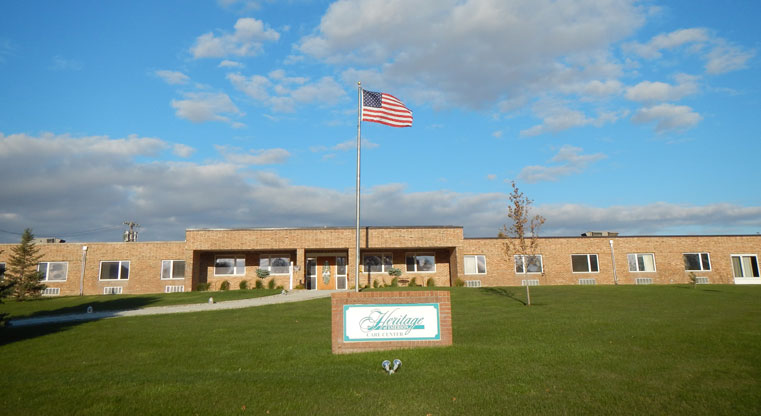
Heritage of Emerson

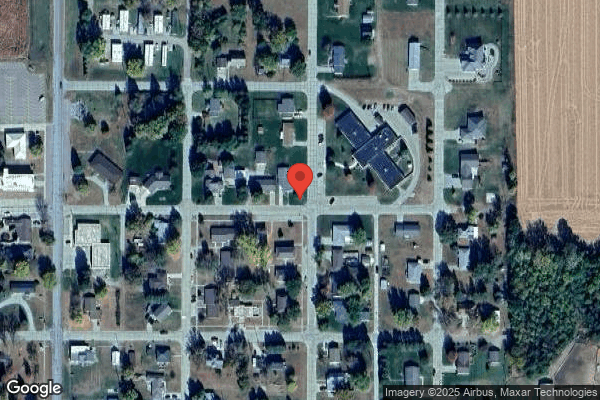
607 Nebraska Street, Emerson, NE 68733 (402) 695-2683
For profit - Corporation 38 Beds VETTER SENIOR LIVING Data: November 2025
Trust Grade
80/100
#53 of 177 in NE
Last Inspection: June 2025

Inspected within the last 6 months. Data reflects current conditions.

Overview

Heritage of Emerson has a Trust Grade of B+, indicating it is above average and recommended for families considering care options. It ranks #53 out of 177 nursing homes in Nebraska, placing it in the top half, and is the best facility among three in Dakota County. However, the facility is experiencing a worsening trend, with the number of identified issues increasing from 2 in 2024 to 4 in 2025. Staffing is a strong point, with a 4 out of 5 star rating and a turnover rate of 37%, which is significantly lower than the state average. It also has good RN coverage, being better than 97% of facilities in Nebraska. On the downside, there were several concerning incidents, including failures to ensure proper COVID-19 testing for unvaccinated staff, inadequate cleaning of CPAP equipment, and deficiencies in training for nurse aides, which may impact resident care. Overall, while there are strengths in staffing and trust, families should consider the recent increase in compliance issues.

Trust Score
B+
80/100
In Nebraska
#53/177
Top 29%
Safety Record
Low Risk
No red flags
Inspections
Getting Worse
2 → 4 violations
Staff Stability
○ Average
37% turnover. Near Nebraska's 48% average. Typical for the industry.
Penalties
✓ Good
No fines on record. Clean compliance history, better than most Nebraska facilities.
Skilled Nurses
✓ Good
Each resident gets 56 minutes of Registered Nurse (RN) attention daily — more than average for Nebraska. RNs are trained to catch health problems early.
Violations
○ Average
9 deficiencies on record. Average for a facility this size. Mostly minor or procedural issues.
★★★★☆
4.0
Overall Rating
★★★★☆
4.0
Staff Levels
★★★★☆
4.0
Care Quality
★★★★☆
4.0
Inspection Score
Stable
2024: 2 issues
2025: 4 issues

The Good

  • 4-Star Staffing Rating · Above-average nurse staffing levels
  • 4-Star Quality Measures · Strong clinical quality outcomes
  • Full Sprinkler Coverage · Fire safety systems throughout facility
  • No fines on record
  • Staff turnover below average (37%)

    11 points below Nebraska average of 48%

Facility shows strength in staffing levels, quality measures, fire safety.

The Bad

Staff Turnover: 37%

Near Nebraska avg (46%)

Typical for the industry

Chain: VETTER SENIOR LIVING

Part of a multi-facility chain

Ask about local staffing decisions and management

The Ugly 9 deficiencies on record

Jun 2025 4 deficiencies
CONCERN (D) 📢 Someone Reported This

A family member, employee, or ombudsman was alarmed enough to file a formal complaint

Potential for Harm - no one hurt, but risky conditions existed

Report Alleged Abuse (Tag F0609)

Could have caused harm · This affected 1 resident

Licensure Reference Number 175 NAC 12-006.02(H) Based on record review and interview; the facility failed to report, complete, and submit a thorough investigation of a resident-to-resident altercation...

Read full inspector narrative →
Licensure Reference Number 175 NAC 12-006.02(H) Based on record review and interview; the facility failed to report, complete, and submit a thorough investigation of a resident-to-resident altercation involving Residents 19 and 235. The sample size was 2 and the facility census was 34. Findings are: Record review of the facility standard Abuse and Neglect Prevention with a revision date of 1/2023 revealed the following: -The residents had the right to be free from abuse, neglect, misappropriation resident property, and exploitation. -Physical abuse included slapping, hitting, punching, biting, and kicking. -All team members immediately reported acts of witnessed, suspected or reported abuse the facility Administrator or supervisor. -The facility followed the seven components of Abuse and Neglect Prevention Standards including, screening, training, prevention, identification, investigation, protection, and reporting. -Facility team members identified, corrected, and intervened in situations in which abuse, neglect, and/or misappropriation of resident property likely occurred. -Team members had knowledge of assessment, care planning, and monitoring of residents with needs and behaviors that could lead to conflict. -All abuse and/or neglect was investigated and reported in accordance with State and Federal laws. -Residents were separated or moved to a place of safety away from a harmful or abuse situation to prevent reoccurrence and for their own protection. -After conducting an investigation, the facility reported the results to the State Agency within 5 working days. Record review of Resident 235's Minimum Data Set (MDS, federally mandated comprehensive assessment used in care plan development) dated 10/24/24 revealed the resident had cognitive impairment, had displayed verbal behaviors 1-3 days out of the past 7 directed toward others, received assistance with transfers, dressing, and toileting, and had a diagnosis of dementia. Record review of Resident 235's Care Plan with a revision date of 7/23/24 revealed the resident had dementia and also had a history of slapping staff and cursing staff during care provision. Record review of Resident 235's Progress Notes dated 11/26/2024 at 11:38 AM revealed Resident 235 was sitting at the dining room table when staff overheard the resident arguing with another resident. Staff approached the table and witnessed Resident 235 slap the other resident's (Resident 13) hand away. Resident 13 was attempting to cut up Resident 235's chicken and Resident 235 was requesting Resident 13 not to do that. Resident 13 denied any discomfort and reported being fine. A few moments later staff noticed the residents were arguing once again. Resident 13 was attempting to help assist Resident 235 with cutting up food and Resident 235 was yelling. Resident 235 then slapped Resident 13's hand again, and Resident 13 then left the table. The Assistant Director of Nursing, RN-E, and the Administrator were notified. The table was to be rearranged, and Residents 13 and 235 would sit across from each other. During an interview with the facility Administrator on 6/6/25 at 9:55 AM the facility Administrator confirmed the facility investigated the resident to resident altercation on 11/26/24 in which Resident 235 slapped the hand of Resident 13 and determined no abuse occurred with both residents agreeing they were friends and this was a playful interaction, however this was not indicated in the charting of the altercation and the facility did not report the altercation as required prior to the investigation.
CONCERN (D)

Potential for Harm - no one hurt, but risky conditions existed

Quality of Care (Tag F0684)

Could have caused harm · This affected 1 resident

**NOTE- TERMS IN BRACKETS HAVE BEEN EDITED TO PROTECT CONFIDENTIALITY** Licensure Reference Number 175 NAC 12-006.09 Based on record review and interview; the facility staff failed to monitor and to a...

Read full inspector narrative →
**NOTE- TERMS IN BRACKETS HAVE BEEN EDITED TO PROTECT CONFIDENTIALITY** Licensure Reference Number 175 NAC 12-006.09 Based on record review and interview; the facility staff failed to monitor and to assess bruising, increased swelling, and pain for 1 (Resident 6) of 2 sampled residents. The facility identified a census of 34. Findings are: A. Record review of the facility policy Change in Status, Identifying and Communicating (undated) revealed in a long-term care setting, any change from baseline status must be identified and addressed. The resident should be assessed for changes from baseline status whenever the resident's status changes. Notable changes include a decline in functional status, new or increasing confusion, incontinence, weight gain or loss of more than 5 percent (%) of body weight, temperature elevation, acute onset of pain, shortness of breath, deteriorating mobility, falls, and behavior changes. Unless the resident's condition is life threatening, the resident can be assessed and a treatment plan initiated. At a minimum, the assessment should include: -reviewing the resident's medical record. -asking how the resident feels and what symptoms the resident has. -obtaining vital signs. -observing the resident's overall condition, including function and cognition. -exploring the resident's complaints. Documentation associated with identifying and communicating a change in a resident's status includes: -acute change in status. -oxygen saturation. -nursing interventions and the resident's response to the interventions. -diagnostic testing. -other assessments findings in the appropriate areas in the resident's medical record. B. Record review of Resident 6's Minimum Data Set (MDS, a federally mandated comprehensive assessment tool used for care planning) dated 2/7/25 revealed the resident was admitted [DATE] with diagnoses of chronic respiratory failure with hypoxia (a condition where tissues and organs are deprived of an adequate amount of oxygen), atrial fibrillation, heart failure, pneumonia, Chronic Obstructive Pulmonary Disease (COPD), and depression. The following was assessed regarding the resident: -The resident was cognitively intact. -The resident was dependent with toileting, dressing, transfers, personal hygiene, and bed mobility. -The resident received an anticoagulant (medication used to help prevent blood clots) and a diuretic (medication which causes the kidneys to make more urine to rid the body of extra fluid) daily. -The resident received oxygen therapy and non-invasive mechanical ventilator (breathing support delivered through a mask or nasal prongs) which were used daily. Record review of Resident 6's Nursing Progress Notes dated 2/19/25 revealed the following: -At 3:29 AM the resident was being transferred with 2 staff assist and a gait belt from the wheelchair to the recliner. The resident could not assist the staff with standing and the resident was lowered to the floor. The resident denied any pain or discomfort. -At 9:00 AM the resident went limp during a transfer with the sit-to-stand mechanical lift (a mobile lift that allows for patient transfers from a seated position to a standing position. This lift is designed to support only the upper body of the resident and requires the resident to have some weight-bearing capability). Staff were able to get the resident into bed safely. The note indicated the staff were now to use the full lift for all transfers. Record review of Resident 6's Nursing Progress Noted dated 2/26/25 at 2:37 PM revealed the resident's left lower leg and ankle had several bruises in various stages. The resident reported the bruising happened on the sit-to-stand lift the previous week when the resident went limp. No injuries were noted at the time of the fall. Staff reported bruising to the resident's left lower leg/ankle on 2/21/25. Nursing discussed with therapy and to limit use of the left leg/ankle. The staff were to continue use of the full lift for all transfers. Record review of Resident 6's electronic medical records from 2/21/25 to 2/26/25 including progress notes, skin monitoring sheets, care plan and practitioner orders revealed there was no indication Resident 6 had bruising to the left lower leg/ankle. Record review of Resident 6's Physician Visit/Communication Form dated 2/27/25 revealed the resident's physician was notified the resident's left lower leg/ankle had several bruises in various stages. There was no documentation of an assessment of the bruises to indicate the sizes or the number of bruises to the resident's leg. Record review of Resident 6's Progress Note dated 2/27/25 at 1:50 PM revealed Physical Therapy (PT) discussed with the Charge Nurse an increase in bruising and swelling to the resident's left lower extremity and the resident confirmed the area was tender when used. Record review of Resident 6's electronic medical record from 2/27/25 to 3/6/25 revealed no evidence an assessment was completed of the resident's left lower leg/ankle regarding bruising, redness, swelling or increased pain/tenderness. Record review of Resident 6's Physician Visit/Communication Form dated 3/6/25 at 10:23 AM revealed the resident's left lower leg continued to be red with increased swelling. Record review of Resident 6's electronic medical record from 3/6/25 to 3/13/25 revealed no evidence an assessment was completed of the resident's left lower leg/ankle regarding complaints of pain. Record review of Resident 6's Nursing Progress Notes dated 3/13/25 at 3:37 PM revealed the resident was seen by the physician with an x-ray due to complaints of left lower leg pain with therapy. Record review of an Imaging Report for Resident 6 dated 3/13/25 revealed 2 views of the tibia (shin bone)/fibula (calf bone) revealed no acute fractures. An abnormality along the lower side of the tibia was noted and the report indicated unsure if it is acute. To have report reviewed by Radiology. Record review of Resident 6's electronic medical record from 3/13/25 to 4/3/25 revealed no evidence staff had assessed and/or monitored the resident's complaints of pain to the resident's ankle. Record review of Resident 6's Nursing Progress Note dated 4/3/25 at 12:57 PM revealed the resident was to have an x-ray of the resident's ankle due to pain and continued need for use of the full lift. Record review of an x-ray report for Resident 6 dated 4/4/25 revealed a nondisplaced fracture to the left ankle and a fracture to the lower left fibula. During an interview on 6/5/25 at 8:13 AM the Director of Nursing confirmed the following: -On 2/19/25 the resident had a fall at 3:29 AM when staff attempted to transfer the resident with 2 assist and a gait belt. The resident had a second fall at 9:00 AM during use of the sit-to-stand mechanical lift. -On 2/26/25 the staff documented the resident had multiple areas of bruising to the left ankle which had first been reported on 2/21/25. No skin assessments were completed to identify the number of bruises or the size of the bruises. -On 2/27/25 the resident had increased swelling and complaints of pain to the ankle. -On 3/6/25 the physician was notified the resident's ankle remained bruised, with swelling/redness and pain. There was no evidence an assessment or ongoing monitoring had been completed of the resident's ankle. -On 3/13/25 the resident had an x-ray due to complaints of left lower leg pain during therapy. The staff failed to complete an assessment or to monitor the resident's pain. An abnormality was noted along the lower side if the tibia and radiology were to review the report. -There was no evidence the facility followed up with radiology regarding the x-ray report. -From 3/13/25 to 4/3/25 the staff failed to document any pain assessments or to have any evidence of monitoring. -On 4/3/25 the resident had a subsequent x-ray due to continued complaints of pain to the resident's ankle and continued use of the full lift. The resident was noted to have a fracture to the left ankle and to the left lower fibula.
CONCERN (D)

Potential for Harm - no one hurt, but risky conditions existed

Food Safety (Tag F0812)

Could have caused harm · This affected 1 resident

Licensure Reference Number 175 NAC 12-006.11(E) Based on observation, record review and interview; the facility failed to ensure food temperatures were maintained at a level to prevent the potential f...

Read full inspector narrative →
Licensure Reference Number 175 NAC 12-006.11(E) Based on observation, record review and interview; the facility failed to ensure food temperatures were maintained at a level to prevent the potential for food borne illness. This had the potential to affect 1 out of the 34 residents who ate food out of the kitchen. The facility staff identified a census of 34. Findings are: A. Record review of the facility policy Time/Temperature Control for Safety Foods Temperature Guide (undated) revealed maintaining the proper temperature of food reduced the possibility of food borne illness. The following internal temperatures were to be followed to assure food safety: -eggs, fish, meat, and pork to be served at 145 degrees. -ready-to-eat, canned foods and foods from intact packages were to be served at 135 degrees or higher. B. Observations on 6/3/25 from 11:30 AM to 12:15 PM of the noon meal service revealed the following: -At 11:38 AM Dietary [NAME] (DC)-N prepared the food items to be served to residents on a pureed diet. DC-N pureed a single serving each of peas and carrots, cheesy potatoes, and cornflake chicken. Each item was placed in a small bowl, covered with tinfoil, and then placed on the top of the steam table. -At 11:56 AM, DC-N obtained food temperatures of items to be served for the noon meal which had been placed inside of the steam table. DC-N failed to complete a temperature check of the pureed food items which had been stored on the top of the steam table. -At 12:08 PM, DC-N placed the 3 bowls of puree food items on a plate and prepared for service to the resident. No food temperatures were obtained prior to attempting to serve the resident. Upon request, temperatures of the pureed food items revealed the following: -the peas and carrots were 110 degrees. -the cheesy potatoes were 105 degrees. -the cornflake chicken was 122 degrees. Interview with DC-N on 6/3/25 at 1:38 PM confirmed the pureed food items (peas and carrots, chicken, and cheesy potatoes) were placed into small bowls and covered with tin foil and then were positioned on the top of a covered pan on the steam table. No food temperatures were obtained of the puree food items prior to attempting to serve to the resident. All food items should have been temped prior to meal service to ensure the items were safe and palatable. Interview on 6/3/25 at 2:30 PM with the Dietary Manager revealed once pureed food items were prepared, they should be placed inside of the steam table to maintain the temperature of the food. Temperatures of each puree food item should be checked prior to meal service and documented on the temperature log. Food temperatures should be maintained at a minimum of 135 degrees Fahrenheit.
CONCERN (E) 📢 Someone Reported This

A family member, employee, or ombudsman was alarmed enough to file a formal complaint

Potential for Harm - no one hurt, but risky conditions existed

Infection Control (Tag F0880)

Could have caused harm · This affected multiple residents

**NOTE- TERMS IN BRACKETS HAVE BEEN EDITED TO PROTECT CONFIDENTIALITY** Licensure Reference Number 175 NAC 12-006.18 Based on observations, record review, and interviews; the facility failed to follow...

Read full inspector narrative →
**NOTE- TERMS IN BRACKETS HAVE BEEN EDITED TO PROTECT CONFIDENTIALITY** Licensure Reference Number 175 NAC 12-006.18 Based on observations, record review, and interviews; the facility failed to follow a policy related to cleaning of Continuous Positive Air Pressure (CPAP) equipment (machine used to keep the airway open using mild air pressure through a mask resident wore while sleeping) for Residents 2 and 30; and failed to implement Enhanced Barrier Precautions (EBP, an infection control intervention designed to reduce transmission of multidrug-resistant organisms (MDROs) in nursing homes. Enhanced Barrier Precautions involve gown and glove use during high-contact resident care activities for residents known to be colonized or infected with a MDRO as well as those at increased risk of MDRO acquisition (e.g., residents with wounds or indwelling medical devices)) for Resident 8 during the provision of cares. The sample size was 17. The facility census was 34. Findings are: A. Record review of the facility policy Cleaning your CPAP Equipment with no date revealed staff were to do the following: Daily cleaning of the CPAP equipment: -wash hands, -wipe the portion of the mask that comes in contact with your skin with a damp cloth, -empty the remaining water from the water chamber, -fill the water chamber with soapy water and shake, -rinse the chamber with clean water, -air dry. Weekly Mask and Tubing Cleaning: -remove headgear and chin strap (if used) from mask and handwash the headgear in standard laundry detergent, -air dry the headgear, -wash the mask and tubing in a mixture of warm water and liquid dishwashing detergent, -rinse thoroughly, and -air dry. B. Record review of Resident 2's Minimum Data Set (MDS, a mandatory comprehensive assessment tool used for care planning) dated 4/11/25 revealed the resident had a diagnosis of Obstructive Sleep Apnea (the upper airway collapses during sleep) and used a CPAP. Record review of Resident 2's care plan dated 10/10/23 revealed the resident had a diagnosis of Obstructive Sleep Apnea and had a CPAP machine that was used with staff assistance. Record review of Resident 2's Treatment Administration Record (TAR) dated June 2025 revealed that the resident used a CPAP and it was to be placed every night at bedtime related to Obstructive Sleep Apnea. The following observations were made related to Resident 2: -On 6/2/25 at 7:30 PM the CPAP had dried brown specks noted inside the mask and the water chamber was empty, and it was connected to the CPAP machine. -On 6/3/25 at 2:35 PM the CPAP had dried brown specks inside the mask and the water chamber was empty, and it was connected to the CPAP machine. -On 6/4/25 at 9:35 AM the CPAP had dried brown specks inside the mask and the water chamber was empty, and it was connected to the CPAP machine. An interview on 6/4/25 at 9:25 AM with the Director of Nursing (DON) confirmed that there was no documentation on the TAR showing that the CPAP machines were being cleaned per facility policy. C. Record review of Resident 30's MDS dated [DATE] revealed the resident had a diagnosis of Obstructive Sleep Apnea and used a CPAP. Record review of Resident 30's care plan dated 4/7/25 revealed the resident used a CPAP at night related to Obstructive Sleep Apnea. Record review of Resident 30's Medication Administration Record (MAR) and TAR dated 6/25 revealed that there was not any documentation about a CPAP. The following observations were made related to Resident 30: -On 6/2/25 at 6:45 PM CPAP had a heavy layer of dried white coating to the inside of the mask, the water chamber was half full of water and connected to the CPAP machine. -On 6/3/25 at 8:37 AM CPAP had a heavy layer of dried white coating to the inside of the mask, the water chamber was half full of water and connected to the CPAP machine. -On 6/3/25 at 2:30 PM CPAP had a heavy layer of dried white coating to the inside of the mask, the water chamber was half full of water and connected to the CPAP machine. -On 6/4/25 at 7:50 AM CPAP had a heavy layer of dried white coating to the inside of the mask, the water chamber was half full of water and connected to the CPAP machine. An interview on 6/4/25 at 9:25 AM with the DON confirmed that there was no documentation on the MAR or TAR showing documentation that Resident 2 and 30's CPAP headgear and CPAP machines were being cleaned per facility policy. D. Record review of the facility Policy EBP dated 4/12/24 revealed the following: -EBP referred to an infection control intervention designed to reduce transmission of multidrug resistant organisms (MDRO, germ that is resistant to medications) that required the use of gowns and gloves use during high contact resident cares, -EBP would be initiated on residents with any of the following: chronic wounds and urinary catheters, -infection with a targeted MDRO, -gown and gloves for EBP is only necessary when performing high-contact care activities in the residents room, -high-contact resident care activities included: dressing, transferring, care of catheters and wound care and -MDRO: Methicillin-resistant Staphylococcus aureus (MRSA) E. Record review of Resident 8's MDS dated [DATE] revealed that resident had a diagnosis of MRSA and Peripheral Vascular Disease with 3 venous ulcers. The resident had a catheter. The resident required substantial assistance with transfers. Record review of Resident 8's care plan revealed the resident: -had a suprapubic catheter date initiated 7/20/24, -had Enhanced Barrier Precautions for high contact activities date initiated 7/20/24, -had a hematoma to the right lower leg on 10/22/24 with a culture of pseudomonas aeruginosa on 11/25/24 which developed into a venous stasis ulcer on 1/2/25 and 3/12/25, -had a catheter, -urine analysis on 3/12/25 had a MRSA positive culture and -transferred with a mechanical lift, 1 assist for all transfers with a revised date of 4/24/25. Observation on 6/2/25 at 7:00 PM revealed an EBP sign on the door entering Resident 8's room. Licensed Practical Nurse (LPN)-B confirmed that resident was on EBP due to having a suprapubic catheter and wounds to both lower legs. Observation of care on 6/4/24 at 11:55 AM revealed Medication Aide (MA)-L entered Resident 8's room and did not apply a gown or gloves. The resident was transferred from the wheelchair to the recliner and the catheter bag was moved from the wheelchair to the recliner. All cares were completed with no gown or gloves on. An interview with the DON on 6/4/25 at 12:20 PM confirmed that staff were to wear gown and gloves when transferring resident from wheelchair to the recliner and touching the catheter bag.
Jun 2024 2 deficiencies
CONCERN (D)

Potential for Harm - no one hurt, but risky conditions existed

Infection Control (Tag F0880)

Could have caused harm · This affected 1 resident

Licensure Reference Number 175 NAC 12.006.17 Based on record review, interviews, and observation, the facility failed to provide catheter care in a manner to prevent cross contamination and the potent...

Read full inspector narrative →
Licensure Reference Number 175 NAC 12.006.17 Based on record review, interviews, and observation, the facility failed to provide catheter care in a manner to prevent cross contamination and the potential for infections for1 (Resident 6) of 2 residents reviewed. The facility census was 31. Findings are: Record review of Resident 6's census revealed an admission date into the facility of 11/1/23. Record review of Resident 6's Minimum Data Set (MDS, a federally mandated assessment tool used for care-planning) dated 5/14/24, revealed Resident 6 had a Brief Interview of Mental Status (BIMS, an interview used to determine cognition) with a score of 15. A score of 15 indicated Resident 6's cognition was intact. The MDS identified Resident 6 as having a suprapubic catheter (a suprapubic catheter is a surgically placed catheter through the abdomen into the bladder to drain urine) and was occasionally incontinent of bowel. The assessment revealed Resident 6 required dependent level of assistance with toileting and required suprapubic catheter care. Record review of Resident 6's diagnosis sheet dated dated 11/1/23 revealed a diagnosis of retention of urine. Record review of Resident 6's Physician Orders dated 11/6/23 revealed an order to change the suprapubic dressing twice daily with a split dressing and to cleanse area with soap/water and pat dry. Report any signs of infection to the Primary Care Provider (PCP). Observation on 6/10/24 at 8:10 AM on the outside of Resident 6's room was a sign for Enhanced Barrier Precautions (EBP).EBP is an infection control strategy that uses personal protective equipment (PPE) to reduce the spread of multidrug-resistant organisms (MDRSs) in skilled nursing facilities (SNFs). MDROs are microorganisms, like bacteria, fungi, and viruses, that are resistant to many antibiotics and antifungals, making them difficult to treat. The spread of MDROs can lead to increased healthcare costs, as well as higher rates of illness and death among residents of a SNF. Residents with wounds or indwelling medical devices (suprapubic catheter) are at a particularly high risk. Observation on 6/12/24 at 8:20 AM revealed suprapubic catheter cares were performed by Nurse Aide (NA)-A. Resident 6 was lying in a supine position in their bed. NA-A was wearing a gown and gloves. Supplies to be used for suprapubic catheter cares were lying on the bedside table with a barrier underneath the supplies. Resident had towels over the abdomen and the peri-area for privacy as well as the privacy curtain pulled. NA-A moved the towels just enough to perform the procedure with minimal exposure of the resident. NA-A removed the dirty dressing from around the suprapubic catheter and without benefit of Hand Hygiene (HH) or changing gloves used 3 disposable cleansing wipes to clean around the suprapubic catheter. Used a new disposable cleansing wipe each time and each time went from the resident moving away from the resident with one wipe. The suprapubic catheter insertion site skin was intact, pink, and clean. NA-A picked up the barrier cream without benefit of HH or a glove change, squeezed the tube with the dirty glove onto her other dirty gloved hand and applied barrier cream around the suprapubic catheter site. NA-A picked up the split sponge (dressing) without benefit of HH or changing gloves, opened the package and applied the clean dressing with dirty gloves over the resident's suprapubic catheter site. NA-A removed gloves and covered resident up with the towels with no HH. Interview on 6/12/24 at 8:40 AM with NA-A revealed after [gender] removed the suprapubic catheter dressing, HH and a glove change should have been completed. NA-A confirmed HH and glove change should also have been done before placing hands on the barrier cream tube. NA-A confirmed new gloves and HH should have been done before touching the clean split sponge for application to the suprapubic catheter site. Interview on 6/12/24 at 8:45 AM with the Director of Nursing (DON) confirmed HH and glove change should have been done after the removal of the dirty split sponge. The DON confirmed HH and glove change should have been done before touching the barrier cream tube. The DON confirmed HH and glove change should have been done before touching the clean split sponge for application to the suprapubic catheter site. Record review of facility policy and procedure for suprapubic catheter care of an established catheter dated 2024 revealed the following checklist steps: If required, verify the practitioner's order. Gather and prepare the necessary equipment and supplies. Perform hand hygiene. Confirm the patient's identify using at least two patient identifiers. Provide privacy. Explain the procedure to the patient and family (if appropriate) according to their individual communication and learning needs. Raise the bed to waist level before providing care. Perform hand hygiene. Put on gloves. Place the patient in the supine position. Stabilize the catheter with your nondominant hand. With your dominant hand, clean the skin around the catheter insertion site using a washcloth that contains mild soap and water, moving outward in concentric circles. Gently dry the area around the catheter insertion site with a towel or gauze pad. Assess the stoma for irritation, erosion, urine leakage; assess the surrounding skin for redness, swelling, warmth, and tenderness. Notify the practitioner if these signs are present. Using a catheter securement device, secure the urine drainage system tubing below the level of the bladder. Rotate the application site for the catheter securement device, as needed. Return the bed to the lowest position. Discard used supplies in appropriate receptacles. Remove and discard your gloves. Perform HH Monitor the patient's intake and output. Observe the urine for appearance, odor, color, and any unusual characteristics. Monitor for signs of infection, such as increasing suprapubic pain or tenderness, fever, and tachycardia. Perform HH. Document the procedure.
CONCERN (E)

Potential for Harm - no one hurt, but risky conditions existed

Deficiency F0947 (Tag F0947)

Could have caused harm · This affected multiple residents

**NOTE- TERMS IN BRACKETS HAVE BEEN EDITED TO PROTECT CONFIDENTIALITY** Licensure Reference Number 175 NAC 12-006.04B2a Based on record review and interview, the facility failed to ensure 5 [Nurse Aid...

Read full inspector narrative →
**NOTE- TERMS IN BRACKETS HAVE BEEN EDITED TO PROTECT CONFIDENTIALITY** Licensure Reference Number 175 NAC 12-006.04B2a Based on record review and interview, the facility failed to ensure 5 [Nurse Aides (NA) B, C, D, E and F] of 9 sampled nurse aides had completed 12 hours of yearly in-service education and failed to complete dementia and abuse in-service training for 1[ NA C] of 9 sampled nurse aides. The facility had a total census of 31 residents. Findings are: A. Record review of a facility Employee List revealed NA B was hired on 5/25/21. Record review of NA B's Inservice education revealed that NA B had completed a total of 4.40 hours of training. B. Record review of a facility Employee List revealed NA C was hired on 5/23/22. Record review of in-service education for NA C revealed that no in-service education had been completed and no abuse or dementia training had been completed. C. Record review of a facility Employee List revealed NA D was hired on 7/9/15. Record review of in-service education for NA D revealed a total of 2.84 hours of training. D. Record review of a facility Employee List revealed NA E was hired on 10/26/20. Record review of in-service education for NA E revealed a total of 9.27 hours of training. E. Record review of a facility Employee List revealed NA F was hired on 11/11/22. Record review of in-service education for NA F revealed a total of 10.32 hours of training. F. Interview on 06/11/24 at 11:18 AM with the Director of Nursing [DON] revealed that that NA's B and C were PRN [as needed] staff that work in the summer. The DON confirmed that NA's D and E were PRN employees and NA F was a part time employee. The DON confirmed that the 12-hour education training requirement had been missed for NA's B, C, D, E, and F. The DON confirmed that the facility did not have a current system to track the number of hours to ensure that the 12 hours of education training were met by all staff including PRN and part time staff. The DON stated they did not have a current system to track abuse and dementia training to ensure completion of the requirement by all staff. G. Record review of the Facility assessment dated [DATE] revealed that training and competencies are provided annually thru monthly team meetings, Net learning (online education requirements), annual competencies, health care conventions, departmental educational sessions / meetings, and Infection control training through the Center for Disease Control online. Medication aides and Nurse aides are required to have 12 hours of training annually. H. Record review of the facility policies entitled Abuse and Neglect Prevention Standard dated January 2023: Section 3 revealed the following: - Training: A. All team members will be trained on the following topics during orientation and at least annually: 1. Facility Abuse and Neglect Prevention standard. 2. Appropriate interventions for Dementia management to prevent and/or manage aggressive and / or catastrophic reactions of residents using the Buddies forever program.
Apr 2023 3 deficiencies
CONCERN (D)

Potential for Harm - no one hurt, but risky conditions existed

Transfer Notice (Tag F0623)

Could have caused harm · This affected 1 resident

Licensure Reference Number 175 NAC 12-006.05(5) Based on record review and interview, the facility failed to ensure the residents and /or the resident's representatives were notified in writing of the...

Read full inspector narrative →
Licensure Reference Number 175 NAC 12-006.05(5) Based on record review and interview, the facility failed to ensure the residents and /or the resident's representatives were notified in writing of the reason for transfer to the hospital for 1 resident ( Resident 2) of 1 residents reviewed for hospitalization. The facility census was 30. Findings are: A. Record review of Resident 2's Clinical Census Record revealed that Resident 2 was sent to the hospital on 1/16/23 and returned to the facility on 1/20/23. Review of Resident 2's Electronic Medical Record revealed an absence of documentation related to a written notice of the reason for transfer to the hospital. No reason for transfer had been provided to the resident and / or resident's representative for the hospitalization on 1/16/23. An interview on 4/19/23 at 8:49 AM with the facility Social Services Supervisor [SSS] confirmed that no written notice of transfer to the hospital on 1/16/23 had been provided to Resident 2 or the resident's representative. The SSS confirmed that the family was notified by phone of Resident 2's transfer to the hospital.
CONCERN (D)

Potential for Harm - no one hurt, but risky conditions existed

Deficiency F0697 (Tag F0697)

Could have caused harm · This affected 1 resident

**NOTE- TERMS IN BRACKETS HAVE BEEN EDITED TO PROTECT CONFIDENTIALITY** LICENSURE REFERENCE NUMBER 175 NAC 12-006.09D Based on interview and record review, the facility failed to evaluate the resident...

Read full inspector narrative →
**NOTE- TERMS IN BRACKETS HAVE BEEN EDITED TO PROTECT CONFIDENTIALITY** LICENSURE REFERENCE NUMBER 175 NAC 12-006.09D Based on interview and record review, the facility failed to evaluate the residents level of pain and the effectiveness of routine Opioid [a broad group of pain relieving drugs used for pain control] medications used to control pain and failed to re-evaluate the pain management program for 2 (Residents 18 and 26) of 2 residents reviewed for pain management. The facility census was 30. Findings are: A. Record review of a facility policy entitled Pain Management Standard dated [DATE] revealed the following: - Residents will be pain free, or their pain will be managed to a level that is acceptable to the resident. - The definition of Persistent / Chronic pain: Pain that lasts for a prolonged period of time and is associated with chronic disease or injury (e.g., osteoarthritis). Persistent pain is often associated with functional loss, mood disruptions, out of character responses or reduced quality of life. - Pain Recognition: Every resident should be regularly and systematically evaluated for pain. The best indicator of the pain experience is the residents own report which must include a review of pain intensity and the effect of pain on activities of daily living. At least daily for residents with a known painful condition. Continual assessment for pain is accomplished through daily interaction with residents by team members. - Managing pain in older adults with common chronic conditions: - If reassessment findings indicate pain is not adequately controlled, revise the pain management regimen and care plan as indicated. - Physician and responsible party (when applicable) should be notified if pain is not controlled. - If pain has resolved and there is no longer indication for pain medication, the IDT should work to discontinue or taper analgesics. B. Record review of Resident 18's admission Face Sheet revealed that Resident 18 was admitted to the facility on [DATE] with diagnoses that included Arthritis in the left shoulder and Parkinson's Disease. A record review of Resident 18's annual Minimum Data Set [MDS, a comprehensive assessment used to develop a resident's care plan) dated 3/2/23 identified that Resident 18 had a Brief Interview of Mental Status [BIMS] score of 15 ( 13-15 indicates cognitively intact), was independent with activities of daily living and received Opioid medication daily. Section J of the MDS indicated that resident had almost constant pain that made it hard to sleep and limited the residents day to day activities. The resident reporting a pain rating of 5 on a 0-10 level scale (0 being no pain and 10 being excruciating pain). A record review of Physician Orders dated 2/28/23 related to pain management revealed an order for Hydrocodone - Acetaminophen [an Opioid medication] 7.5 - 325 milligrams [mg] 1 tablet by mouth three times a day for pain and an order dated 10/14/21 for Muscle Rub Cream [a pain relieving gel] 10-15 percent [%] (Menthol - Methyl Salicylate) apply to affected areas topically three times per day for pain. Resident 18 also had an order for Tylenol [a pain medication] Tablet 325 MG (Acetaminophen) Give 1 tablet by mouth every 4 hours as needed for Pain. An interview on 04/19/23 at 10:53 AM with Resident 18 revealed that [gender] had pain most of the time in the neck and shoulder. The resident stated that the staff had not asked the level of pain when they gave the routine pain medication or put on the muscle rub. The resident stated the staff had not asked to see if the pain had been relieved with the use of the medications. The resident stated that, at the time of the interview, they were not having any pain and they could tell the staff if they had pain and could ask for pain medication. A record review of a pain assessment document titled Pain Interview V-2 dated 3/2/23 revealed Resident 18 reported having pain almost constantly with a pain rating of 5. The resident reported that the pain had made it hard to sleep and Resident 18 had limited their day to day activities due to the pain. A record review of a pain assessment document titled Pain Interview V-2 dated 11/30/22 revealed Resident 18 reported having pain almost constantly with a pain rating of 8. Resident 18 indicated that it did not cause trouble sleeping or the daily living activities to be limited. A record review of Resident 18's MAR (Medication Administration Record) dated April and May 2023 revealed that pain ratings were not documented with each administration of the routine Hydrocodone or the routine Muscle Rub medication and that the level of effectiveness of the routine pain medications had not been identified or documented. C. Record review of Resident 26's admission Face Sheet revealed that Resident 26 was admitted to the facility on [DATE] with diagnoses that included Stroke affecting the right side, Osteoarthritis and Low back pain. A record review of Resident 26's annual MDS dated [DATE] identified that Resident 26 had a BIMS score of 15, required limited to extensive assistance with activities of daily living and took Opioid medication daily. Section J of the MDS indicated that resident had frequent pain that made it hard to sleep and limited the residents' day to day activities. The resident reporting a pain rating of 6 on a 0-10 level scale. A record review of Resident 26's Physician Orders dated 12/20/22 related to pain management revealed an order for Hydrocodone - Acetaminophen 5 - 325 mg 1 tablet by mouth two times a day for pain and Hydrocodone-Acetaminophen Oral Tablet 5-325 MG (Hydrocodone-Acetaminophen) Give 1 tablet by mouth every 6 hours as needed for pain. Further review of the physician orders revealed that the as needed Hydrocodone pain medication had been discontinued on 2/16/23 due to the fact that the residents pain was managed thru the use of routine Hydrocodone. An interview on 04/19/23 at 9:50 AM with Resident 26 revealed that [gender] took a routine medication daily for pain and had pain mostly in the legs. The resident stated that the staff had not asked the level of pain when they gave the routine pain medication. The resident stated the staff hadn't asked to see if the pain had been relieved with the use of the medication. The resident stated that, at the time of the interview, they were not having any pain and they could tell the staff if they had pain. A record review of a pain assessment document titled Pain Interview V-2 dated 3/9/23 revealed Resident 26 reported having pain frequently with a pain rating of 6. The resident reported that the pain had made it hard to sleep and Resident 26 had limited their day to day activities due to the pain. A record review of a pain assessment document titled Pain Interview V-2 dated 12/6/22 revealed Resident 26 reported having pain frequently with a pain rating of 6 and that the pain made it hard for Resident 26 to sleep. A record review of Resident 26's MAR's dated April and May 2023 revealed that pain ratings were not documented with each administration of the routine Hydrocodone and that the level of effectiveness of the routine pain medication had not been identified. An interview with Registered Nurse (RN) C on 4/19/23 at 11:49 AM revealed that the electronic health system for medication administration did not prompt the nurses to ask the resident their pain level or prompt them to check the effectiveness of the routine pain medication after it was given. An interview on 4/19/23 at 1:05 PM with the facility Director of Nursing (DON) confirmed that it was the expectation that residents' pain levels were to be assessed with each pain medication given and the effectiveness of the medication was to be evaluated and documented. The DON confirmed that this was not done for Resident 18 or Resident 26. The DON confirmed there was no assessment of the pain level or follow up of the effectiveness of the medication. The interview also confirmed that the overall pain management program, including routine medications, for Resident 18 and 26 should have been reviewed for potential necessary changes.
CONCERN (F)

Potential for Harm - no one hurt, but risky conditions existed

Deficiency F0886 (Tag F0886)

Could have caused harm · This affected most or all residents

Based on record review and interview, the facility failed to ensure COVID-19 testing was completed in accordance with the facility mitigation plan (a plan to reduce the severity or seriousness of COVI...

Read full inspector narrative →
Based on record review and interview, the facility failed to ensure COVID-19 testing was completed in accordance with the facility mitigation plan (a plan to reduce the severity or seriousness of COVID-19) for 2 unvaccinated staff (Nursing Assistant) NA-A and (Dietary Aid) DA-B of 5 staff members reviewed. This had the potential to affect all residents residing in the facility. The facility identified a census of 30. The findings are: Record Review of the COVID response plan dated 6/18/2020 revealed the following: -When community transmission levels are not high (blue, yellow or orange) and the facility is not in an outbreak, team members may choose not to wear source control. -Routine testing is not generally recommended. At a minimum, unvaccinated team members who have medical or religious exemptions will be required to test weekly. This requirement is subject to change as needed. Interview with the Administrator on 4/17/23 at 2:00 PM revealed testing was occurring weekly for staff members with exemptions. A. Record Review of the facility COVID-19 Staff Vaccination Status for contracted employees revealed NA-A is an agency staff member that was unvaccinated and had a religious exemption. Review of the April 2023 schedule revealed NA-A worked a scheduled 6 0'clock shift on Wednesday 4/5/23. Review of the testing logs for the week of 4/1- 4/7/2023 revealed no testing for NA-A. An interview with the Interim DON (Director of Nursing) on 4/19/23 at 9:18AM confirmed that NA-A was an agency staff that had an exemption from the COVID-19 vaccine and that NA-A had worked on 4/5/23. Review of the testing log with the DON confirmed that NA-A had not been tested the week of 4/1-4/7/23. B. Record review of the COVID-19 Staff Vaccination Status for Providers revealed DA-B was unvaccinated and had a religious exemption for the COVID-19 vaccination. Review of the dietary schedule for April 2023 for DA-B revealed that DA-B worked on 4/2, 4/4, and 4/7/23. Review of the testing logs for 4/1-4/7/23 revealed no testing for DA-B. Interview with the DON on 4/19/23 at 1:52 PM confirmed DA-B had worked 4/2, 4/4, and 4/7/23 and was not tested the week of 4/1-4/7/23.
Understanding Severity Codes (click to expand)
Life-Threatening (Immediate Jeopardy)
J - Isolated K - Pattern L - Widespread
Actual Harm
G - Isolated H - Pattern I - Widespread
Potential for Harm
D - Isolated E - Pattern F - Widespread
No Harm (Minor)
A - Isolated B - Pattern C - Widespread

Questions to Ask on Your Visit

  • "Can I speak with families of current residents?"
  • "What's your RN coverage like on weekends and overnight?"

Our Honest Assessment

Strengths
  • • Grade B+ (80/100). Above average facility, better than most options in Nebraska.
  • • No major safety red flags. No abuse findings, life-threatening violations, or SFF status.
  • • No fines on record. Clean compliance history, better than most Nebraska facilities.
  • • 37% turnover. Below Nebraska's 48% average. Good staff retention means consistent care.
Concerns
  • • No significant concerns identified. This facility shows no red flags across CMS ratings, staff turnover, or federal penalties.
Bottom line: Generally positive indicators. Standard due diligence and a personal visit recommended.

About This Facility

What is Heritage Of Emerson's CMS Rating?

CMS assigns Heritage of Emerson an overall rating of 4 out of 5 stars, which is considered above average nationally. Within Nebraska, this rating places the facility higher than 99% of the state's 100 nursing homes. This rating reflects solid performance across the metrics CMS uses to evaluate nursing home quality.

How is Heritage Of Emerson Staffed?

CMS rates Heritage of Emerson's staffing level at 4 out of 5 stars, which is above average compared to other nursing homes. Staff turnover is 37%, compared to the Nebraska average of 46%. This relatively stable workforce can support continuity of care.

What Have Inspectors Found at Heritage Of Emerson?

State health inspectors documented 9 deficiencies at Heritage of Emerson during 2023 to 2025. These included: 9 with potential for harm.

Who Owns and Operates Heritage Of Emerson?

Heritage of Emerson is owned by a for-profit company. For-profit facilities operate as businesses with obligations to shareholders or private owners. The facility is operated by VETTER SENIOR LIVING, a chain that manages multiple nursing homes. With 38 certified beds and approximately 33 residents (about 87% occupancy), it is a smaller facility located in Emerson, Nebraska.

How Does Heritage Of Emerson Compare to Other Nebraska Nursing Homes?

Compared to the 100 nursing homes in Nebraska, Heritage of Emerson's overall rating (4 stars) is above the state average of 2.9, staff turnover (37%) is near the state average of 46%, and health inspection rating (4 stars) is above the national benchmark.

What Should Families Ask When Visiting Heritage Of Emerson?

Based on this facility's data, families visiting should ask: "Can I visit during a mealtime to observe dining assistance and food quality?" "How do you handle medical emergencies, and what is your hospital transfer rate?" "Can I speak with family members of current residents about their experience?"

Is Heritage Of Emerson Safe?

Based on CMS inspection data, Heritage of Emerson has a clean safety record: no substantiated abuse findings (meaning no confirmed cases of resident harm), no Immediate Jeopardy citations (the most serious violation level indicating risk of serious injury or death), and is not on the Special Focus Facility watch list (a federal program monitoring the lowest-performing 1% of nursing homes). The facility has a 4-star overall rating and ranks #1 of 100 nursing homes in Nebraska. While no facility is perfect, families should still ask about staff-to-resident ratios and recent inspection results during their visit.

Do Nurses at Heritage Of Emerson Stick Around?

Heritage of Emerson has a staff turnover rate of 37%, which is about average for Nebraska nursing homes (state average: 46%). Moderate turnover is common in nursing homes, but families should still ask about staff tenure and how the facility maintains care continuity when employees leave.

Was Heritage Of Emerson Ever Fined?

Heritage of Emerson has no federal fines on record. CMS issues fines when nursing homes fail to meet care standards or don't correct problems found during inspections. The absence of fines suggests the facility has either maintained compliance or corrected any issues before penalties were assessed. This is a positive indicator, though families should still review recent inspection reports for the full picture.

Is Heritage Of Emerson on Any Federal Watch List?

Heritage of Emerson is not on any federal watch list. The most significant is the Special Focus Facility (SFF) program, which identifies the bottom 1% of nursing homes nationally based on persistent, serious quality problems. Not being on this list means the facility has avoided the pattern of deficiencies that triggers enhanced federal oversight. This is a positive indicator, though families should still review the facility's inspection history directly.