The Palm at Regency Square
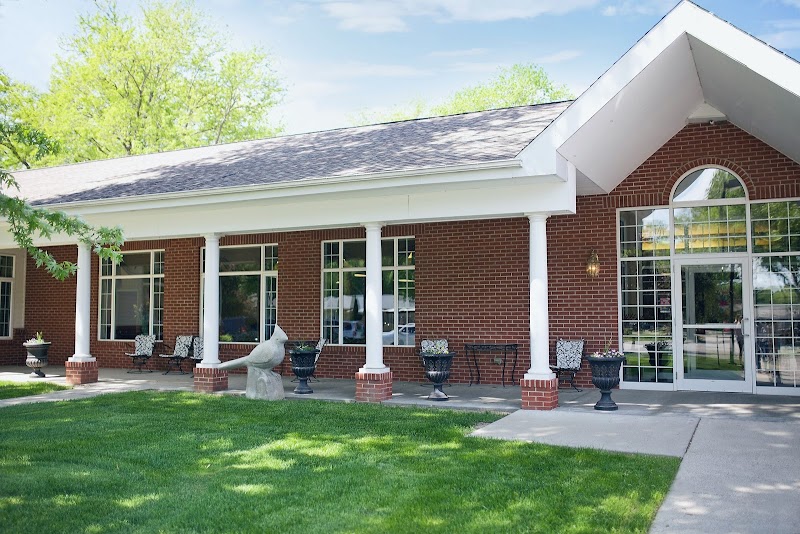
3501 Dakota Avenue, South Sioux City, NE 68776 (402) 494-4273
For profit - Limited Liability company 72 Beds AVID HEALTHCARE GROUP Data: November 2025 1 Immediate Jeopardy citation
Trust Grade
18/100
#173 of 177 in NE
Last Inspection: June 2024

Within standard 12-15 month inspection cycle. Federal law requires annual inspections.

Overview

The Palm at Regency Square has received a Trust Grade of F, indicating significant concerns about its quality of care, which places it in the bottom tier of nursing homes. It ranks #173 out of 177 facilities in Nebraska, meaning it is among the lowest-performing options in the state and #3 out of 3 in Dakota County, indicating there are only two facilities in the area that perform better. The trend is currently improving, as the number of issues reported dropped from 15 in 2024 to just 1 in 2025. Staffing is rated at 2 out of 5 stars, with a turnover rate of 57%, which is average but suggests instability. Recently, the facility has faced $33,784 in fines, which is concerning, being higher than 92% of Nebraska facilities, highlighting potential compliance problems. Moreover, there have been critical incidents, such as a failure to provide necessary anti-seizure medications for one resident, putting them at risk for seizures, and a delay in responding to a resident's call for assistance, leaving them unattended for two hours after experiencing an injury. Additionally, food safety practices were lacking, with expired food found in the kitchen, which could pose health risks to the residents. Overall, while there are some signs of improvement, families should carefully weigh these strengths and weaknesses when considering this facility.
Trust Score
F
18/100
In Nebraska
#173/177
Bottom 3%
Safety Record
High Risk
Review needed
Inspections
Getting Better
15 → 1 violations
Staff Stability
⚠ Watch
57% turnover. Above average. Higher turnover means staff may not know residents' routines.
Penalties
✓ Good
$33,784 in fines. Lower than most Nebraska facilities. Relatively clean record.
Skilled Nurses
○ Average
Each resident gets 40 minutes of Registered Nurse (RN) attention daily — about average for Nebraska. RNs are the most trained staff who monitor for health changes.
Violations
⚠ Watch
39 deficiencies on record. Higher than average. Multiple issues found across inspections.
★☆☆☆☆
1.0
Overall Rating
★★☆☆☆
2.0
Staff Levels
★☆☆☆☆
1.0
Care Quality
★☆☆☆☆
1.0
Inspection Score
Stable
2024: 15 issues
2025: 1 issues

The Good

  • Full Sprinkler Coverage · Fire safety systems throughout facility
  • No fines on record

Facility shows strength in fire safety.

The Bad

1-Star Overall Rating

Below Nebraska average (2.9)

Significant quality concerns identified by CMS

Staff Turnover: 57%

11pts above Nebraska avg (46%)

Frequent staff changes - ask about care continuity

Federal Fines: $33,784

Above median ($33,413)

Moderate penalties - review what triggered them

Chain: AVID HEALTHCARE GROUP

Part of a multi-facility chain

Ask about local staffing decisions and management

Staff turnover is elevated (57%)

9 points above Nebraska average of 48%

The Ugly 39 deficiencies on record

1 life-threatening
Sept 2025 1 deficiency
CONCERN (D) 📢 Someone Reported This

A family member, employee, or ombudsman was alarmed enough to file a formal complaint

Potential for Harm - no one hurt, but risky conditions existed

Quality of Care (Tag F0684)

Could have caused harm · This affected 1 resident

Licensure Reference Number 175 NAC 12-006.09Based on record review and interview; the facility failed to follow physician's orders for Resident 1's daily weights. The sample size was 4 and the facilit...

Read full inspector narrative →
Licensure Reference Number 175 NAC 12-006.09Based on record review and interview; the facility failed to follow physician's orders for Resident 1's daily weights. The sample size was 4 and the facility census was 41. Findings are: A record review of Resident 1's Minimum Data Set (MDS-federally mandated comprehensive assessment used to create resident care plans) dated 8/21/25 revealed the resident had debility with cardiorespiratory (heart and lung) conditions including atrial fibrillation (abnormal heart rhythm), Congestive Heart Failure (CHF-failure of the heart to beat effective and having the potential for buildup of excess fluid lungs, legs, and other parts of the body), Hypertension (high blood pressure) and Renal insufficiency (declined in or non-optimal kidney function), and was taking insulin, antipsychotic, antibiotic, and diuretic (reduces fluid volume by increasing urine output) medications. The resident's weight was 216 pounds with no significant loss or gain.A record review of Resident 1's Care Plan dated 8/15/25 revealed the resident took a diuretic medication for CHF.A record review of Resident 1's admission orders dated 8/15/25 revealed an order for daily weights for 4 days and then weekly weights for 4 weeks. A record review of Resident 1's Medication Administration Record dated August 2025 revealed the resident's scheduled daily weights for 8/16/25 and 8/17/25 were not completed. During an interview on 9/23/25 at 11:30 AM the Assistant Director of Nursing confirmed that the daily weight orders on 8/15/25 at the time of admission were not completed on 8/16/25 or 8/17/25 as ordered to ensure monitoring of the effects of the resident's diuretic medication to treat the resident's heart failure. During an interview on 9/23/25 at 1:00 PM the Director of Nursing confirmed Resident 1 was not weighed as ordered on 8/16/25 and 8/17/25.
Nov 2024 1 deficiency
CONCERN (D) 📢 Someone Reported This

A family member, employee, or ombudsman was alarmed enough to file a formal complaint

Potential for Harm - no one hurt, but risky conditions existed

Notification of Changes (Tag F0580)

Could have caused harm · This affected 1 resident

Licensure Reference Number 12.006.04(F)(i)(5) Based on record review and interview the facility failed to notify the physician of a change in condition for 1 (Resident 3) of 3 residents sampled. The f...

Read full inspector narrative →
Licensure Reference Number 12.006.04(F)(i)(5) Based on record review and interview the facility failed to notify the physician of a change in condition for 1 (Resident 3) of 3 residents sampled. The facility census was 56. The findings are: Record review of Resident 3's Minimum Data Set (MDS, a federally mandated assessment tool used for care planning) dated 09-12-2024 revealed the facility staff assessed the following about the resident: -Brief Interview of Mental Status (BIMS) was scored as a 4. According to the MDS Manual a score of 0-7 indicate a person has severe cognitive impairment. -Required extensive assistance with hygiene, bathing, toileting, dressing and transfers. Record review of the facility's undated list of residents with infections in the last 3 months revealed Resident 3 had an ear infection on 10-10-2024. Record review of Resident 3's progress notes dated 10-07-2024 revealed Resident 3 had a fever of 101.5 with tenderness and drainage from the left ear. Furthermore, the progress note dated 10-07-2024 indicated the medical practitioner was called and the facility was awaiting a call back. Record review of Resident 3's progress notes dated 10-07-2024 revealed the medical practitioner for Resident 3 was out of the office and to contact an alternate practitioner. Record review of Resident 3's progress notes dated 10-08-2024 revealed no documentation about Resident 3's ear. Record review of Resident 3's progress notes dated 10-09-2024 revealed the facility received no response from the alternate practitioner since 10-07-2024, and a fax was sent to Resident 3's medical practitioner. Record review of Resident 3's fax communication with medical practitioner dated 10-09-2024 revealed the facility did not receive a response from updating the alternate practitioner on 10-07-2024 and resident continued to have drainage from the left ear. Record review of Resident 3's progress note dated 10-10-2024 revealed the medical practitioner had given an order for an antibiotic for the left ear. An interview with the facility Administrator (ADM) on 11-12-2024 at 1:15 PM confirmed there was a delay in treatment and the facility should have contacted the practitioner the next day if no response was received from the alternate practitioner.
Sept 2024 2 deficiencies
CONCERN (D) 📢 Someone Reported This

A family member, employee, or ombudsman was alarmed enough to file a formal complaint

Potential for Harm - no one hurt, but risky conditions existed

Quality of Care (Tag F0684)

Could have caused harm · This affected 1 resident

**NOTE- TERMS IN BRACKETS HAVE BEEN EDITED TO PROTECT CONFIDENTIALITY** Licensure reference: 175 NAC 12-006.09 Based on record review and interview, the facility staff failed to ensure care was provid...

Read full inspector narrative →
**NOTE- TERMS IN BRACKETS HAVE BEEN EDITED TO PROTECT CONFIDENTIALITY** Licensure reference: 175 NAC 12-006.09 Based on record review and interview, the facility staff failed to ensure care was provided without delay for a changes in condition of a wound for 1 [Resident 3] of 3 sampled residents. The facility had a total census of 52 residents. Findings are: A review of Resident 3's admission Record revealed Resident 3 was admitted to the facility on [DATE] with diagnoses of Cerebral Infarction [stroke] and fracture of the shaft of the left fibula [a break in the outside bone of the lower leg]. A review of Resident 3 MDS [Minimum Data Set; a comprehensive assessment used for care planning] dated 9/2/24 identified Resident 3 as having a score of 15 on the Brief Interview for Mental Status indicating Resident 3 is cognitively intact. A review of Resident 3's Care Plan with a focus area dated 9/10/24 revealed Resident 3 had a cat scratch on right forearm with the following interventions identified: -Encourage good nutrition and hydration in order to promote healthier skin dated 9/11/24 -Keep nails short to reduce risk of scratching or injury from picking at skin dated 9/11/24 -Keep skin clean and dry. Use lotion on dry skin dated 9/11/24 -Monitor/document location, size, and treatment of skin tear. Report abnormalities, failure to heal, sign/symptoms of infection, maceration etc. to doctor dated 9/11/24 -Use caution during transfers and bed mobility to prevent striking arms, legs, and hands against any sharp or hard surface dated 9/11/24 A review of Weekly Skin Evaluation dated 9/1/24 revealed Resident 3 had a cat scratch/bite on top of right forearm/wrist area in an L shape 2.5 cm [centimeters] x 2 cm. In an interview on 9/24/24 at 9:41 AM, Resident 3 reported Resident 3 had woke up at 6:00 AM and noted blood on the bed from the scratch on Resident 3's arm. Resident 3 had put on call light waited for 2 hours, no one answered and then call a family member. According to Resident 3, Resident 3's family member came to the facility at 8:30 AM and found a staff member to assistance Resident 3 with the bleeding from the scratch. A review of Weekly Skin Evaluation dated 9/9/24 revealed the following: -Right forearm-scratch in L shape around what appears to be [NAME]. Continues to have periods of bleeding. -Drsg [dressing] saturated with sero/sang [serosanguineous] drainage this am. Some clotting noted on drsg, and bedding. Tx [treatment] completed. Area continued to bleed. Coban applied to area of dressing. Instructed resident to keep arm above head for about 15-20 min [minutes]. Bleeding stopped. A review of Resident 3's call light log revealed the following: -Resident 3's call light was activated on 9/9/24 at 6:27 AM and cleared at 8:21 AM for total time of 114 minutes and 22 seconds A review of Resident 3's MAR [Medication Administration Record] 9-2024 revealed the following orders for treatment to Resident 3's right forearm and order for blood thinner medication as follows: -Order dated 9/1/24 Soak off dressing with NS [normal saline]/sterile water if needed. Cleanse wound with saline. Pat dry. Place Xeroform dressing [a find mesh gauze occlusive dressing] over wound cover with gauze or ABD [a highly absorbent sterile dressing]. Wrap with Kerlix [a bandage made of woven gauze]. -Order dated 8/31/24 Apixaban [blood thinner] 5 mg, 1 tablet by mouth 2 times per day A review of Resident 3's Progress Notes revealed the following documentation regarding the scratch on right forearm: -9/7/24 at 6:44 PM , Resident has been having some bleeding from the cat scratch right forearm, got dressing change twice today,applied pressure on it for about 15 mins [minutes], but it won't stop bleeding, so nurse used a Cuban dressing and a 4x4 (dressing), which helped to relief the bleeding. -9/8/24, a review of Resident 3's Progress note revealed no documentation regarding Resident 3's scratch on the right forearm -9/9/24 3:15 PM Telephone order obtained from provider with referral for patient to go to MWC [Wound Care] to be seen for wound on rt [right] forearm. -9/10/24 11:26 AM This nurse assessed residents wound on right arm with assistance of second nurse. This nurse decided to call provider as resident is on blood thinners and has had dressing changed multiple times due to saturation. Provider gives T.O. [telephone order] to send resident to ER [Emergency Room] to evaluate and tx [treat] then tomorrow at her appt [appointment] it would be assessed. Family called per resident request to update on current plan of care and facility transport will take her to ER when returned to facility. -9/10/24 5:12 PM Resident returns to facility from E.D. [Emergency Department] via facility transport. New orders received from Provider to start azithromycin [antibiotic] and cephalexin [antibiotic] for cellulitis [a skin infection affecting skin's deeper layers and underlying tissue] of right arm wound. Residents MWC clinic was also moved to tomorrow at @0845. Resident and all of emergency contact list (per resident request) was notified and agree with plan of care. -9/11/24 12:16 AM Resident's dressing to rt. [right] arm noted to have moderate amount of blood and small amount of active bleeding noted. This nurse discards old dressing, applies pressure and reinforces w/ [with] clean dressing and wraps w/ ACE bandage to help control bleeding. Bleeding is well controlled and resident tolerates well. Will continue to monitor. Call light [within] reach. -9/11/24 2 AM At about 2205 [10:05 PM] on 9/10/24, resident's dressing to rt. Arm noted to be saturated w/ a moderate amount of blood. Small amount of active bleeding noted. Pressure applied as nurse changes/discards old dressing and reinforces it w/clean dressing. Resident tolerates well. Bleeding under control. Will continue to monitor. A review of Resident 3's Discharge Instructions from Wound Clinic dated 9/11/24 revealed Surgicel [a hemostat to help control bleeding] was placed in Resident 3's wound for hemostasis [stop bleeding after vascular damage]. In an interview on 9/24/24 at 12:37 PM, LPN A [Licensed Practical Nurse] reported Resident 3's family member found LPN A while LPN A was passing medications. LPN A reported Resident 3 was in bed with blood on the bandage and pad in bed. LPN A had cleaned the wound,using compression to get out some of the extra fluid, cleaned the wound again, and rewrapped it. LPN A reported being approached by Resident 3's family member about a half hour later as wound was bleeding again. LPN A reported applying pressure and re-wrapping the wound again and encouraging Resident A to hold arm above the head. LPN A reported that LPN A did not have to re-wrap Resident 3's wound the rest of the shift. LPN A reported not being aware Resident 3's call light had been on. LPN A acknowledged that LPN A did not have a pager or walkie and had to check the monitor in the hallway to know that a call light had been on. In an interview on 9/24/24 at 10:20 AM, Agency LPN E reported being informed that Resident 3's bleeding wouldn't stop over the weekend. LPN E reported taking off the dressing, putting a new dressing on it, and it bled through it right away. LPN E wrapped it with Coban [self-adherent wrap] and call Resident 3's provider and received orders for Resident 3 to be seen in the emergency room. In interviews on 9/24/24 at 12:02 PM and 2:11 PM, the Administrator reported an expectation that call lights be answered within 15-20 minutes and acknowledged that the call light time for Resident 3 was too long for a resident with bleeding. In interviews on 9/24/24 at 3:37 PM, the DON confirmed that Resident 3's provider should have been contacted and additional monitoring/evaluation should have been completed after notation in Resident 3's Progress Note on 9/7/24 regarding bleeding from Resident 3's wound.
CONCERN (F) 📢 Someone Reported This

A family member, employee, or ombudsman was alarmed enough to file a formal complaint

Potential for Harm - no one hurt, but risky conditions existed

Deficiency F0919 (Tag F0919)

Could have caused harm · This affected most or all residents

**NOTE- TERMS IN BRACKETS HAVE BEEN EDITED TO PROTECT CONFIDENTIALITY** Licensure reference: 175 NAC 12-007.04(G) Based on observations, interviews, and record reviews, the facility failed to ensure s...

Read full inspector narrative →
**NOTE- TERMS IN BRACKETS HAVE BEEN EDITED TO PROTECT CONFIDENTIALITY** Licensure reference: 175 NAC 12-007.04(G) Based on observations, interviews, and record reviews, the facility failed to ensure staff were notified to residents calls for assistance within facility. This has the potential to affect all 52 residents of the facility. Findings are: A. A review of Resident 3's admission Record revealed Resident 3 was admitted to the facility on [DATE] with diagnoses of Cerebral Infarction [stroke] and fracture of the shaft of the left fibula [a break in the outside bone of the lower leg]. A review of Resident 3 MDS [Minimum Data Set; a comprehensive assessment used for care planning] dated 9/2/24 identified Resident 3 as having a score of 15 on the Brief Interview for Mental Status indicating Resident 3 is cognitively intact. In an interview on 9/24/24 at 9:41 AM, Resident 3 reported that Resident 3 had woke up at 6:00 AM and noted blood on the bed from the scratch on Resident 3's arm. Resident 3 reported they put on the call light and waited for 2 hours, no one answered and then Resident 3 called a family member. According to Resident 3, Resident 3's family member came to the facility at 8:30 AM and found a staff member to assistance Resident 3 with the bleeding from the scratch. A review of Grievance Form dated 9/9/24 revealed Resident 3's call light had been on for 2 plus hours. A review of Resident 3's Device Activity Report [call light log] revealed the following: -Resident 3's call light was activated on 9/9/24 at 6:27 AM and cleared at 8:21 AM for total time of 114 minutes and 22 seconds -Resident 3's call light was activated on 9/924 at 8:37 AM and cleared at 9:32 AM for a total time of 55 minutes and 47 seconds In an interview on 9/24/24 at 12:37 PM, LPN A [Licensed Practical Nurse] reported Resident 3's family member found LPN A while LPN A was passing medications. LPN A was not aware that Resident 3's call light had been on. LPN A acknowledged that LPN A did not have a pager or walkie and had to check the monitor in the hallway to know that a call light was on. B. A review of Resident 3's Device Activity Report for 9/20/24 to 9/24/24 revealed the following: -Resident 3's call light was activated on 9/24/24 at 9:17 AM and cleared at 9:52 AM for a total time of 24 minutes and 26 seconds -Resident 3's call light was activated on 9/23/24 at 6:52 PM and cleared at 7:33 PM for a total time of 40 minutes -Resident 3's call light was activated on 9/23/24 at 12:07 PM and cleared at 12:53 PM for a total time of 45 minutes and 52 seconds -Resident 3's call light was activated on 9/22/24 at 6:43 PM and cleared at 7:18 PM for a total time of 35 minutes and 3 seconds -Resident 3's call light was activated on 9/21/24 at 8:51 AM and cleared at 9:14 AM for a total time of 22 minutes and 57 seconds -Resident 3's call light was activated on 9/21/24 at 6:38 PM and cleared at 7:17 P for a total time of 38 minutes and 54 seconds -Resident 3's call light was activated on 9/20/24 at 7:40 AM and cleared at 8:20 PM for a total time of 40 minutes and 8 seconds -Resident 3's call light was activated on 9/20/24 at 1:22 PM and cleared at 2:01 PM for a total time of 38 minutes and 56 seconds -Resident 3's call light was activated on 9/20/24 at 4:22 AM and cleared at 4:46 AM for a total time of 23 minutes and 19 seconds C. A review of Resident 2's Device Activity Report for 9/12/24 to 9/24/24 revealed the following: -Resident 2's call light was activated on 9/23/24 at 4:32 PM and cleared at 5:05 PM for a total time of 32 minutes and 27 seconds -Resident 2's call light was activated on 9/21/24 at 1:40 PM and cleared at 2:02 PM for a total time of 22 minutes and 43 seconds -Resident 2's call light was activated on 9/15/24 at 9:11 AM and cleared at 10:12 AM for a total time of 60 minutes and 33 seconds -Resident 2's call light was activated on 9/13/24 at 7:12 PM and cleared at 7:37 PM for a total time of 25 minutes and 24 seconds -Resident 2's call light was activated on 9/12/24 at 12:40 PM and cleared at 1:45 PM for a total time of 65 minutes and 21 seconds D. A review of Resident 1's Device Activity Report for 9/13/24 to 9/24/24 revealed the following: -Resident 1's call light was activated on 9/13/24 at 2 PM and reset 34 minutes and 19 seconds later -Resident 1's call light was activated on 9/14/24 at 8:11 AM and reset 43 minutes 2 seconds later -Resident 1's call light was activated on 9/19/24 at 10:43 AM and reset 44 minutes and 56 seconds later -Resident 1's call light was activated on 9/19/24 at 3:57 PM and reset 28 minutes and 56 seconds later E. Observations on 9/24/24 at 11:01 AM revealed no call light monitor located on the 100 hallway. F. Observations on 9/24/24 at 2:10 PM revealed 2 monitors that were used to identify call lights that were currently activated in the facility. One monitor was located near the front nurses' station and was located between the 200 and 300 hallways. The monitor could not be seen by staff working on the 100, 200, or 300 hallways. A second monitor was located near the back nurses' station and was located between the 400 and 500 hallway and was not viewable from the 400 or 500 hallways. G. In an interview on 9/24/24 at 10:20 AM, Agency LPN E confirmed that Agency LPN E did not have a pager or walkie talkie that day. LPN E reported that LPN E would have to check the call light monitor to know if call lights were activated which can be hard when getting residents up for the day. H. In an interview on 9/24/24 at 10:39 AM, Bath Aide C confirmed that Bath Aide C did not have a pager or walkie talkie that day and would check the hallway screens to find out if call lights were activated. I. In an interview on 9/24/24 at 11:15 AM, Nurse Aide B confirmed that Nurse Aide B did not have a pager or walkie talkie and would need to check the call light was activated. J. In an interview on 9/24/24 at 10:53 AM, the ADON [Assistant Director of Nursing] reported that pagers and walkies have disappeared. Currently, the ADON has 3 pagers and walkies and is collecting pagers and walkies from staff. The ADON confirmed that pagers are not being handed out to staff members and staff members would need to check the monitors to know that a call light had been activated. K. In an interview on 9/24/24 at 1:18 PM, the DON reported the facility was working on ordering more pagers and walkies and confirmed having more pagers and walkies would help with call light response times. L. In an interview on 9/24/24 at 2:11 PM, the Administrator reported an expectation that call lights be answered within 15-20 minutes. The Administrator reported being unaware of the pager shortage. The Administrator confirmed that staff members would have to come off of the hallway to check the call light monitors and that call lights is an issue for the facility.
Jun 2024 11 deficiencies
CONCERN (D)

Potential for Harm - no one hurt, but risky conditions existed

Transfer Notice (Tag F0623)

Could have caused harm · This affected 1 resident

**NOTE- TERMS IN BRACKETS HAVE BEEN EDITED TO PROTECT CONFIDENTIALITY** Based on record review and interview, the facility failed to provide a written notice of transfer for 1 (Resident 252) and/or th...

Read full inspector narrative →
**NOTE- TERMS IN BRACKETS HAVE BEEN EDITED TO PROTECT CONFIDENTIALITY** Based on record review and interview, the facility failed to provide a written notice of transfer for 1 (Resident 252) and/or their representative upon transfer to the hospital and failed to notify a representative of the Office of the State Long-Term Care Ombudsman for 2 of 2 (Resident 1 and 252) residents sampled for hospitalizations. The facility census was 49. Findings are: A. Review of a Electronic Health Record (EHR,, is a digital version of a patient's paper chart)) for Resident 252 revealed Resident 252 had a fall on 05/25/24 and was transferred by ambulance to the hospital at 11:45 PM and returned to the facility on [DATE] at 2:31 AM. No bed hold notice was given to the resident or responsible party at time of transfer. On 05/26/24 at 12:30 PM Resident 252 was transferred by ambulance to the hospital. No bed hold notice was given to the resident or responsible party at time of transfer. An interview with the Social Services Director (SSD) on 06/26/24 at 10:50 AM confirmed that the facility did not give the notification of bed hold policy at time of transfer or as soon after to Resident 252 or their representative. An interview with the SSD on 06/26/24 at 10:50 AM confirmed that the facility did not send a copy of the notice of resident transfer out of the facility to a representative of the Office of the State Long-Term Care Ombudsman. Facility's Bed Hold Notice Upon Transfer Policy dated 8/1/23 revealed the following: At time of emergency transfer the resident and/or resident representative will be informed of bed hold option. The details of the bed hold will be provided in writing to the resident and/or resident representative as soon as possible. B. Record Review of Resident 1's EHR revealed an admission date of 11-01-2023. Resident 1 had two hospitalizations one on 11-16-2023 and one on 12-09-2023. Record Review of Resident 1's progress notes dated 11-16-2023 revealed Resident 1 was transferred to hospital via Emergency Medical Services (EMS, also known as ambulance services or paramedic services, are emergency services that provide urgent pre-hospital treatment and stabilization for serious illness and injuries and transport to definitive care) and did not have indications the Ombudsman was notified. Record Review of Resident 1's progress notes dated 12-09-2024 revealed Resident 1 was transferred to the hospital via EMS. An interview conducted on 06-27-2024 at 10:25 AM with the Social Service Designee (SSD) confirmed that the facility had not notified the ombudsman of the transfers to the hospital on [DATE] and 12-09-2023.
CONCERN (D)

Potential for Harm - no one hurt, but risky conditions existed

Deficiency F0625 (Tag F0625)

Could have caused harm · This affected 1 resident

**NOTE- TERMS IN BRACKETS HAVE BEEN EDITED TO PROTECT CONFIDENTIALITY** Based on record review and interview, the facility failed to provide a written notice of a bed hold for 2 (Resident 252 and 1) o...

Read full inspector narrative →
**NOTE- TERMS IN BRACKETS HAVE BEEN EDITED TO PROTECT CONFIDENTIALITY** Based on record review and interview, the facility failed to provide a written notice of a bed hold for 2 (Resident 252 and 1) of 2 sampled residents. The facility census was 49. Findings are: A. A review of medical record for Resident 252 revealed Resident 252 had a fall on 05/25/24 and was transferred by ambulance to the hospital at 11:45 PM and returned to the facility on [DATE] at 02:31 AM. No bed hold notice was given to the resident or responsible party at time of transfer. On 05/26/24 at 12:30 PM Resident 252 was transferred by ambulance to the hospital. No bed hold notice was given to the resident or responsible party at time of transfer. Facility's Bed Hold Notice Upon Transfer Policy dated 8/1/23 revealed the following: At time of emergency transfer the resident and/or resident representative will be informed of bed hold option. The details of the bed hold will be provided in writing to the resident and/or resident representative soon as possible. An interview with Social Services Director (SSD) on 06/26/24 at 10:50 AM confirmed that the facility did not give timely notification of bed hold policy at time of transfer or discharge to Resident 252 or their representative on 05/25/24 at 11:45 PM or on 05/26/24 at 12:30 PM. B. Record Review of Resident 1's Electronic Health Record (EHR, is a digital version of a patient's paper chart)revealed Resident 1 was admitted on [DATE] and had been transferred to the hospital on [DATE], 12-09-2023, 02-23-2024, and 05-19-2024. Record Review of Resident 1's medical record revealed there was no indications the facility provided a bed hold notice on 11-16-2023 and 12-09-2023. An interview conducted on 06-27-2024 at 10:25 AM with the SSD confirmed a bed hold notice was not issued to Resident 1 or Resident 1's representative for the hospital transfers on 11-16-2023 and 12-09-2023. Record Review of the facility policy Bed Hold Notice Upon Transfer dated 08-01-2023 revealed Policy: At the time of transfer for hospitalization or therapeutic leave, the facility will provide to the resident and/or the resident representative written notice which specifies the duration of the bed-hold policy and addresses information explaining the return of the resident to the next available bed. At the time of emergency transfer the resident and/or the resident representative will be informed of bed hold option. The details of the bed hold will be provided in writing to the resident and/or resident representative as soon as possible.
CONCERN (D) 📢 Someone Reported This

A family member, employee, or ombudsman was alarmed enough to file a formal complaint

Potential for Harm - no one hurt, but risky conditions existed

Deficiency F0645 (Tag F0645)

Could have caused harm · This affected 1 resident

**NOTE- TERMS IN BRACKETS HAVE BEEN EDITED TO PROTECT CONFIDENTIALITY** Based on record review and interview, the facility failed to ensure a Preadmission Screening Resident Review (PASARR, a federal...

Read full inspector narrative →
**NOTE- TERMS IN BRACKETS HAVE BEEN EDITED TO PROTECT CONFIDENTIALITY** Based on record review and interview, the facility failed to ensure a Preadmission Screening Resident Review (PASARR, a federally mandated screening process to ensure Nursing Home residents with mental illness and/or developmental disabilities receive the care and services they need in the most appropriate setting) was accurately completed for 1 (Resident 34) of 2 sampled residents. The facility sample was 49. Finding are: Record review of Resident 34's admission Minimum Date Set ( MDS, a federally mandatory assessment tool used for care planning) dated 07/14/2023 was admitted to the facility on [DATE] with the diagnoses of Unspecified Dementia, Generalized Anxiety Disorder, Major Depressive Disorder, and Delusional Disorder. Record review of PASARR Level 1 screening form dated 07-12-2023 revealed Resident 34 was assessed as having no diagnosis or suspicion of Serious Mental Illness (SMI) or Intellectual Disability or Related Condition (ID/RC). Interview with the Social Services Director on 06/26/24 at 10:00 AM confirmed that the PASARR Level Screen for Resident 34 completed on 07/12/2023 was inaccurate. The SSD reported based on the Resident 34's admission Diagnosis of Dementia, Major Depression, Delusional Disorder and Anxiety that a PASARR Level 2 screen should have been completed. A review of the facility's policy titled Resident's Assessment- Coordination with PASARR Program Date Implemented 8-1-23 and Date Reviewed/Revised 9-18-23 revealed the following: -Policy: -The facility coordinated assessment with the preadmission screening and resident review (PASARR) program under Medicaid to ensure that individuals with a mental disorder, intellectual disability, or a related condition receive care and services in the most integrated stetting appropriate to their needs.
CONCERN (D)

Potential for Harm - no one hurt, but risky conditions existed

Quality of Care (Tag F0684)

Could have caused harm · This affected 1 resident

**NOTE- TERMS IN BRACKETS HAVE BEEN EDITED TO PROTECT CONFIDENTIALITY** Licensure Reference Number 175 NAC 12.006.09(H)(iii)(3) Based on observation, interview and record review;the facility staff fai...

Read full inspector narrative →
**NOTE- TERMS IN BRACKETS HAVE BEEN EDITED TO PROTECT CONFIDENTIALITY** Licensure Reference Number 175 NAC 12.006.09(H)(iii)(3) Based on observation, interview and record review;the facility staff failed to conduct skin evaluations and failed to provide wound treatments in the order time frames for 1( Resident 21) of 1 Residents. The facility census was 49. Findings are: A. Record review of Resident 21's Minimum Data Set (MDS, a federally mandated assessment tool used for care planning) dated 05-21-2024 revealed Resident 21 admitted to the facility on [DATE] with diagnosis of morbid obesity, alcoholic cirrhosis of the liver, left above the knee amputation and was a carrier of Methicillin Resistant Staph Aureas (MRSA, is a staph bacteria that does not get better with the type of antibiotics that usually cure staph infections). The MDS also revealed Resident 21 had a Brief Interview of Mental Status (BIMS, an assessment that aids in detecting cognitive impairment. A score of 0-7 equals severe impairment, 8-12 indicates moderate impairment and 13-15 indicates cognitively intact) score of 15 indicating intact cognition. The MDS indicated Resident 21 required maximal assistance of staff to perform toileting hygiene and bathing, and was completely dependent on staff for toilet and shower transfers. Record review of Resident 21's Electronic Health Record (EHR, is a digital version of a patient's paper chart) revealed orders to perform a weekly skin assessment every Saturday on the evening shift and to document the assessment in Point Click Care (the name of the cloud based software used by the facility). Further review of Resident 21's EHR revealed there was not information in Resident EHR that indicating skin assessments were completed on 06-01-2024 and 06-22-2024 Record Review of Resident 21's weekly skin evaluations revealed a skin evaluation dated 06-08-2024 identifying a macerated (maceration is defined as the softening and breaking down of skin resulting from prolonged exposure to moisture) area to the left gluteal fold (the horizontal skin crease that forms below the buttocks, separating the upper thigh from the buttocks). Record Review of Resident 21's weekly skin evaluation dated 06-16-2024 revealed revealed Resident 21 had maceration to both the right and left gluteal folds. An observation on 06-26-2024 at 3:40 PM of Registered Nurse (RN) A performing wound care for Resident 21 revealed Resident 21 had skin maceration to skin under left breast, bilateral arm pits, the gluteal cleft (the groove between the buttocks) and in the folds of a left stump (the portion of the leg remaining after an amputation). An interview with the Director of Nursing (DON) conducted on 06-27-2024 at 12:00 PM confirmed that no other skin assessments were conducted after 06-16-2024 for Resident 21. B. Record Review of Resident 21's Treatment Administration Record (TAR) dated 06-24-2024 revealed an order to Clean, dry and apply house powder to all folds twice a day at 8:00 AM and 8:00 PM for skin breakdown. In addition staff were to use Nystatin External Powder and to be apply to stump folds topically twice a day at 8:00 AM and 8:00 PM to prevent fungal infection and soreness. An observation on 6-26-2024 at 3:40 PM of RN A administering treatments to Resident 21's skin revealed RN A applied a house powder to all folds and Nystatin powder to Resident 21's stump. An interview was conducted on 06-26-2024 at 3:45 PM with RN A. During the interview RN A confirmed the ordered treatment for Resident 21's skin breakdown was followed. Record review of the facility's Wound Treatment Management policy dated 11-29-2023 revealed: -Policy: to promote wound healing of various types of wounds, it is the policy of this facility to provide evidence-based treatments in accordance with current standards of practice and physician orders. - Policy Explanation and Compliance Guidelines: 1. Wound treatments will be provided in accordance with physician's orders, including the cleansing method, type of dressing, and frequency of dressing change. 2. In the absence of of treatment orders, the licensed nurse will notify physician to obtain treatment orders. 3. Dressing changes may be provided outside the frequency parameters in certain situations: -feces seeped underneath the dressing, the dressing had dislodged ,the dressing is soiled otherwise, or wet. 4. Dressings will be applied in accordance with manufacturer recommendations. 5. Treatment decisions will be based on: -etiology of the wound -characteristics of the wound -location of the wound -goals and preferences of the resident/representative 6. Guidelines for dressing selection may be utilized in obtaining physician orders 7. Treatments will be documented on the TAR or in the EHR. 8. The effectiveness of treatments will be monitored through ongoing assessment of the wound.
CONCERN (D) 📢 Someone Reported This

A family member, employee, or ombudsman was alarmed enough to file a formal complaint

Potential for Harm - no one hurt, but risky conditions existed

Pressure Ulcer Prevention (Tag F0686)

Could have caused harm · This affected 1 resident

Licensure Reference Number NAC 175 12-06.09(H)(iii)(2) Based on observation, interview and record review, the facility failed to implement a ordered treatment for 1 (Resident 37) of 3 sampled resident...

Read full inspector narrative →
Licensure Reference Number NAC 175 12-06.09(H)(iii)(2) Based on observation, interview and record review, the facility failed to implement a ordered treatment for 1 (Resident 37) of 3 sampled residents for wound care. The facility identified a census of 49. Findings are: Record review of Resident 37's (Treatment Administered Record) TAR for June 2024 revealed a treatment order for Resident 37's left heel ,was Skin Prep daily with an order date of 6/5/2024. An observation on 6/26/24 at 6:56 AM revealed (Registered Nurse) RN-A came into Resident 37's room to complete the residents wound care. RN-A had poured Betadine in a medication cup outside of the room and brought this medication cup into the room and reported the Betadine was for Resident 37's left heel ulcer. Further observation revealed RN-A using a cotton ball applied the Betidine to Resident 37's left heel. On 06/26/24 at 10:56 AM a interview was conducted with the (Director of Nursing) DON. During the interview the DON reported the treatment should have been performed as ordered. The DON confirmed the treatment order to Resident 37's left heel was skin prep. On 06/26/24 at 10:57 AM a Interview was conducted with RN-A. During the interview RN-A reported not being aware of what the current order for Resident 37's left heel.
CONCERN (D)

Potential for Harm - no one hurt, but risky conditions existed

Accident Prevention (Tag F0689)

Could have caused harm · This affected 1 resident

**NOTE- TERMS IN BRACKETS HAVE BEEN EDITED TO PROTECT CONFIDENTIALITY** Licensure Reference Number 175 NAC 12.006.09(l) Based on observation, interview and record review the facility failed to impleme...

Read full inspector narrative →
**NOTE- TERMS IN BRACKETS HAVE BEEN EDITED TO PROTECT CONFIDENTIALITY** Licensure Reference Number 175 NAC 12.006.09(l) Based on observation, interview and record review the facility failed to implement interventions to prevent reoccurring falls for 1 of 4 residents (Resident 40). The facility census was 49. Findings are: Record Review of Resident 40's most recent Minimum Data Set (MDS, a federally mandated assessment tool used for care planning) dated 05-14-2024 revealed Resident 40 had a Brief Interview of Mental Status (BIMS, an assessment that aids in detecting cognitive impairment. A score of 0-7 equals severe impairment, 8-12 indicates moderate impairment and 13-15 indicates cognitively intact) score of 7 indicating severe impairment. The MDS also revealed Resident 40 had the diagnosis' of End Stage Renal Disease, Heart Failure, Diabetes Mellitus and Depression. According to the MDS Resident 40 needed partial assistance from staff for bed mobility, transfers, oral hygiene and upper body dressing and maximal assistance from staff for lower body dressing, bathing and personal hygiene. Record Review of Resident 40's Progress Notes dated 06-13-2024 revealed Resident 40 slid out of their wheelchair in the transportation van and the immediate intervention was to make sure Resident 40 was positioned correctly in wheelchair after dialysis. Record Review of Resident 40's Progress Notes dated 06-14-2024 revealed the interdisciplinary team had reviewed the fall on 06-13-2024 and determined the cause of the fall was related to Resident 40 sitting on a lift sling during transport to and from dialysis. The intervention was facility staff would put Resident 40 in the wheelchair with Dycem (Dycem® non-slip material is used to help stabilize objects, hold objects firmly in place, or to provide a better grip) on the cushion as well as Dycem between the sling and the resident on dialysis days or when the hoyer is used. An observation on 06-27-2024 at 10:40 AM of Nurse Aid (NA) C and Licensed Practical Nurse (LPN) B transferring Resident 40 into the wheelchair to go to dialysis revealed NA C obtained Resident 40's wheelchair and places it next to Resident 40 who was sitting in the recliner. Observation of the wheelchair revealed a cushion was present in the seat of the wheelchair. NA C places a hoyer lift sling in wheelchair on top of the wheelchair cushion There was no Dycem placed on the cushion or between the sling Resident 40 was transferred to the wheelchair with a sit to stand lift with the assistance of both NA C and LPN B. An interview with NA C on 06-27-2024 at 10:55 AM revealed NA C did not know the intervention of placing a Dycem in between the hoyer sling and the resident, and under the wheelchair cushion. An interview with LPN B on 6-27-2024 at 11:00 AM revealed LPN B did not know the intervention of placing a Dycem underneath the wheelchair cushion and in between the hoyer sling and the resident and LPN B confirmed the Dycem had not been applied. An interview with the Director of Nursing (DON) on 06-27-2024 at 12:00 PM confirmed the interventions were on Resident 40's [NAME] (a nursing worksheet which includes a summary of patient information such as clinical follow-ups and daily care schedules) and the staff should have placed Dycem under the wheelchair cushion and between the hoyer sling and Resident 40.
CONCERN (D)

Potential for Harm - no one hurt, but risky conditions existed

Tube Feeding (Tag F0693)

Could have caused harm · This affected 1 resident

**NOTE- TERMS IN BRACKETS HAVE BEEN EDITED TO PROTECT CONFIDENTIALITY** Licensure Reference Number 175 NAC 12.006.09(J) Based on observation, interview and record review, the facility failed to follow...

Read full inspector narrative →
**NOTE- TERMS IN BRACKETS HAVE BEEN EDITED TO PROTECT CONFIDENTIALITY** Licensure Reference Number 175 NAC 12.006.09(J) Based on observation, interview and record review, the facility failed to follow physicians' orders for the administration of tube feeding for 1 (Resident 42) of 1. The facility identified a census of 49. Findings are: Record review of Resident 42's Minimum Data Set (MDS - a federally mandated assessment tool for Medicare and Medicaid residents) dated 2/22/2024 revealed Resident 42 had a Brief Interview for Mental Status (BIMS) score of a 8. According to the MDS [NAME] a score of 8 to 12 indicates a persons cognition is moderately impaired. Record review of Resident 42's MDS dated [DATE] revealed Resident 42 was receiving tube feeding. Record review of a practitioners order dated 6-21-2024 revealed Resident 42's practitioner order Novasource renal ( a feeding formula) to be given at 65 milliliters (ml) per hour for 12 hours. An observation on 06/26/2024 at 7:1 5 AM of Resident 42 revealed Resident 42's tube feeding was being administered via gravity (a method to administer formula from the feeding bag into the feeding tube by the force of gravity) through a gravity set bag ( a device that uses gravity to deliver a prescribed amount of formula feed to a patient through a feeding tube). The gravity set bag was dated 6/25/2024 and had the residents name on it with 50 milliliters (ml) of unidentified formula remained in the bag. The gravity set did not indicate what rate the formula was running at or how long it had been running. An interview with Licensed Practical Nurse B (LPN-B) on 06/26/2024 at 7:30 AM revealed LPN-B did not know what formula was being used or what rate it should be running at. LPN-B stated, it should be on the order. LPN-B did not know what amount of flush should be used when the tube feeding was finished or how to identify the amount of formula the resident received. LPN-B confirmed they did not know how to set up and administer tube feeding by gravity and further confirmed they could not find a physicians' order to administer the tube feeding by gravity. An interview with Registered Nurse-A (RN-A) on 06/26/2024 at 7:40 AM revealed RN-A was unable to find a physician's order to administer the tube feeding by gravity. RN-A confirmed they were unaware the tube feeding was being administered by gravity. An interview on 06/26/2024 at 9:15 AM with the Director of Nursing (DON) confirmed the DON was not aware that Resident 42's tube feeding was being administered by gravity. The DON confirmed a physicians' order was required prior to administering tube feeding via gravity.
CONCERN (D)

Potential for Harm - no one hurt, but risky conditions existed

Medication Errors (Tag F0758)

Could have caused harm · This affected 1 resident

**NOTE- TERMS IN BRACKETS HAVE BEEN EDITED TO PROTECT CONFIDENTIALITY** Based on interview and record review, the facility failed to ensure targeted behaviors were identified, and that behavior monito...

Read full inspector narrative →
**NOTE- TERMS IN BRACKETS HAVE BEEN EDITED TO PROTECT CONFIDENTIALITY** Based on interview and record review, the facility failed to ensure targeted behaviors were identified, and that behavior monitoring for psychotropic medication was initiated for one resident (Resident 4) of 2 residents surveyed. The facility had a census of 49. Findings are: Record review of Resident 4's Minimum Data Sets (MDS - a federally mandated assessment tool for residents on Medicare and/or Medicaid) dated 5/28/2024 revealed Resident 4 had a Brief Interview of Mental Status (BIMS - a federally mandated tool to assess residents' cognitive function) of 15, indicating Resident 4 was cognitively intact. According to Resident 4's MDS dated [DATE] Resident 4 had the following diagnoses: Non-infective gastroenteritis and colitis, Type 2 Diabetes, Bipolar disorder, Malignant primary neoplasm, insomnia, Obesity, Muscle wasting and atrophy, anemia, Hypertension, cognitive communication deficit, repeated falls. Record review of a Order Summary Report (OSR) dated 6/25/2024 for Resident 4 revealed the practitioner order Lithium Carbonate ( medication used to treat Bipolar Disorder) 300 milligrams to be given two times a day and Resperidone ( an anti psychotic medication) 3 mg's daily. Further review of Resident 4's OSR dated 6/25/2024 revealed there were no indications of what specific behaviors staff were to monitor. Record review of Resident 4's medical record including progress notes, Care Plan, practitioners orders, Medication Administration Record (MAR) or Treatment Administration Record (MAR/TAR) for May 2024 and June 2024 did not have specific target behaviors to be monitored by staff. A record review of Resident 4's Care Plan dated 12/01/2023 revealed the following information: -Administer medications as ordered. Monitor/document for side effects and effectiveness. Risperdal, Lithium, Trazadone. Date initiated: 12/03/2023. -Monitor/record/report to MD PRN side effects and adverse reactions of psychoactive medications: unsteady gait, tardive dyskinesia, EPS (shuffling gait, rigid muscles, shaking), frequent falls, refusal to eat, difficulty swallowing, dry mouth, depression, suicidal ideation's, social isolation, blurred vision, diarrhea, fatigue, insomnia, loss of appetite, weight loss, muscle cramps, nausea, vomiting, behavior symptoms not usual to the person as needed. Date initiated 12/02/2023. -Observe for changes in mentation, behavior, mood and affect. Date initiated: 12/02/2023. -Ongoing observation and assessment of mood changes and implementation of appropriate interventions according to necessity and Interdisciplinary Team (IDT) decision. Date Initiated: 12/02/2023. A record review of the facility's Use of Psychotropic Medication policy dated 08/01/2023 revealed the following information: -2. The indications for initiating, withdrawing or withholding medications as well as the use of non-pharmacological approaches will be determined by a) assessing the residents underlying condition, current signs, symptoms, expressions, and preferences and goals for treatment -12: the effects of the psychotropic medications on a residents' physical mental and psychosocial well being will be evaluated on an ongoing basis, such as: d) In accordance with nurse assessments and medication monitoring parameters consistent with clinical standards of practice, manufacturers specifications and the residents comprehensive plan of care. -13. The residents' response to the medications including progress towards goals and presence/absence of adverse consequences, shall be documented in the residents' medical record. -14: Use of psychotropic medications in specific circumstances: b) Enduring conditions (i.e. non-acute, chronic or prolonged) i) the residents' symptoms and therapeutic goals shall be clearly and specifically identified and documented. On 6/26/2024 at 3:58 PM an interview was conducted with the Director of Nursing (DON). During the interview the DON confirmed there were not specific target behavior identified and being monitored for Resident 4.
CONCERN (E) 📢 Someone Reported This

A family member, employee, or ombudsman was alarmed enough to file a formal complaint

Potential for Harm - no one hurt, but risky conditions existed

Safe Environment (Tag F0584)

Could have caused harm · This affected multiple residents

**NOTE- TERMS IN BRACKETS HAVE BEEN EDITED TO PROTECT CONFIDENTIALITY** Licensure Reference Number 175 NAC 12-006.19 Based on observations and interviews: the facility staff failed to maintain hallyw...

Read full inspector narrative →
**NOTE- TERMS IN BRACKETS HAVE BEEN EDITED TO PROTECT CONFIDENTIALITY** Licensure Reference Number 175 NAC 12-006.19 Based on observations and interviews: the facility staff failed to maintain hallyway carpets in the center hallway, south hallway and the common area between 400 north and south hallways with the potential to effect 35 residents, failed to ensure2 (room [ROOM NUMBER], 402 and 405) ventilation covers were clean and failed to ensure a privacy curtain was in 1 residents room, room [ROOM NUMBER]. The facility staff identified a census of 49. Findings are: Observations on 6/24.2024 between 8:40 AM and 9:30 AM of the environmental tore revealed the following: - A shared toilet between rooms [ROOM NUMBERS] that lacked doors on both sides of the toilet. -Lingering strong urine smell in room [ROOM NUMBER]. -Bathroom ventilation's covers in rooms 310, 402, 405 covered with a gray fuzzy substance, resembling dust. -Stains (irregular shaped discolored blotches significantly darker than the surrounding carpet) down the Center, and South Hallways, and in the common area between 400 North and South Hallways). Carpet down the Center Hallway shows visible streaked linear lines. On 6/26.24 betwwen 1:45 PM and 2:15 PM of a environmental tour with the Maintenance Director (MD) revealed the following. -There was a lingering, strong urine smell in room [ROOM NUMBER]. MD reported that the urine smell was coming from the floor. -There was no privacy curtain of the shared toilet on side of room [ROOM NUMBER]. MD reported that there should be a privacy curtain on both sides of the shared toilet and that a privacy curtain was missing on the side of room [ROOM NUMBER]. -There was gray, fuzzy substance, resembling dust covering the bathroom vent in room [ROOM NUMBER] and room [ROOM NUMBER]. -Carpet flooring down the South Hallways showed visible stains of various, irregular shaped discolored blotches significantly darker than the surrounding carpet. -Carpet flooring down the Center Hallway was streaked with stained linear lines, resembling high volume traffic use. Large carpet stain irregularly shaped approximately 2 inches by 6 inches located three (3) feet inside Center Hallway near the Area 1 Nurse's Station (closest to the front entrance). A interview on 06/26/24 at 2:15 PM with Maintenance Director confirmed the above listed environmental concerns.
CONCERN (E) 📢 Someone Reported This

A family member, employee, or ombudsman was alarmed enough to file a formal complaint

Potential for Harm - no one hurt, but risky conditions existed

Infection Control (Tag F0880)

Could have caused harm · This affected multiple residents

**NOTE- TERMS IN BRACKETS HAVE BEEN EDITED TO PROTECT CONFIDENTIALITY** A. Record Review of Resident 1's Minimum Data Set (MDS, a federally mandated assessment tool used for care planning) dated 05-25...

Read full inspector narrative →
**NOTE- TERMS IN BRACKETS HAVE BEEN EDITED TO PROTECT CONFIDENTIALITY** A. Record Review of Resident 1's Minimum Data Set (MDS, a federally mandated assessment tool used for care planning) dated 05-25-2024 revealed Resident 1 admitted to the facility on [DATE] with the diagnosis of Heart Failure, Diabetes Mellitus Type 2, Schizophrenia, and Morbid Obesity. The MDS indicated Resident 1 had an indwelling catheter and required maximal assistance from staff to roll in bed, perform upper body dressing and personal hygiene and was dependent on staff to perform transfers, bathing, lower body dressing, and toileting hygiene. An observation on 06-26-2024 at 10:15 AM revealed Nurse Assistant (NA) D and NA E entered Resident 1's room to perform urinary catheter care and perineal care, wearing a gown and gloves. NA D placed a stack of washcloths in the bottom of the sink and turned on the water. After the washcloths were wet, NA D took the washcloths out of the sink and placed them onto Resident 1's bedside table without a barrier. Using one of the washcloths from the bedside table, NA D washed the right groin and the left groin, then using another washcloth from the bedside table, washed the urinary catheter tubing. Both NAs rolled Resident 1 to a side lying position, and NA D removed the incontinence brief that was soiled with feces. NA D removed soiled gloves and applied clean gloves without hand hygiene and used toilet paper to remove fecal matter from the resident's buttocks. After discarding the toilet paper, NA D used another washcloth from the bedside table and washed Resident 1's buttocks, then proceeded without changing gloves or performing hand hygiene to place a clean brief under the resident, apply barrier cream to the resident's skin, and place the catheter tubing into the securement device. NA D then removed gown and gloves and left the room without performing hand hygiene. NA E wearing the same soiled gloves throughout the procedure, covered Resident 1 with a sheet and went to the bathroom and returned with a paper towel, a graduate and alcohol wipes. NA E placed the paper towel on the floor and set the graduate on top of the towel and proceeded to empty the urinary catheter bag into the graduate. Once completed, NA E discarded urine into the toilet, removed gown and gloves and left the room without performing hand hygiene. An interview was conducted with NA D on 06-26-2025 at 10:35 AM confirmed the washcloths were placed in the bottom of the sink and hand hygiene should have been done after glove changes. An interview with NA E on 06-26-2024 at 10:45 AM confirmed NA E did not perform hand hygiene after removing gloves and should have. An interview with the Director of Nursing (DON) on 06-27-2024 at 12:02 PM confirmed hand hygiene should have been performed after glove changes, and using the bottom of the sink instead of a basin could cause cross contamination. Record Review of the facility policy Perineal Care (refers to the care of the external genitalia and the anal area) dated 11-28-2024 revealed it is the practice of this facility to provide perineal care to all incontinent residents during routine bath and as needed in order to promote cleanliness and comfort, prevent infection to the extent possible, and to prevent and assess for skin breakdown. The policy also revealed a basin of warm water was to be used to wet washcloths. B. Record review of Resident 21's MDS dated [DATE] revealed Resident 21 admitted to the facility on [DATE] with diagnosis of morbid obesity, alcoholic cirrhosis of the liver, left above the knee amputation and was a carrier of Methicillin Resistant Staph Aureas (MRSA, is a staph bacteria that does not get better with the type of antibiotics that usually cure staph infections). The MDS indicated Resident 21 required maximal assistance of staff to perform toileting hygiene and bathing and was completely dependent on staff for toilet and shower transfers. An observation on 6-26-2024 at 3:40 PM revealed NA E entered the room wearing a gown and gloves, to assist Registered Nurse (RN) A with personal care and wound care for Resident 21. NA E placed a stack of washcloths in the bottom of the sink and turned the water on. Once wet, the washcloths were hung on the inside of the sink basin. RN A entered Resident 21's room wearing a gown and gloves to provide a treatment to Resident 21. Resident 21 was lying on the bed, RN A lifts the resident's left breast, which was red and took a washcloth from inside the sink basin and washed the area and then applied powder to the area. RN A then removed soiled gloves and applied clean gloves without hand hygiene and then assisted NA E with positioning Resident 21 onto the right side. Resident 21's skin in the gluteal cleft was red with a yellow substance at the bottom of the cleft. RN A took one of the washcloths that were hanging in the sink basin and used it to wipe the buttocks and the gluteal cleft which began to bleed revealing an open slit in the skin. RN A applied powder to the area and placed a clean bottom sheet under Resident 21. After securing the bottom sheet to the bed, RN A rolled Resident 21 onto (gender) back, removed gloves and placed more washcloths in the bottom of the sink. RN A applied new gloves without performing hand hygiene and washed both armpits using washcloths out of the sink basin. After applying powder to the armpits, RN A removed the gloves and applied clean gloves and used a 4 by 4 inch gauze pad to cleanse the skin folds on Resident 21's left amputation site that was reddened with yellow drainage. After applying powder to the area, RN A removed gloves and gown and performed hand hygiene with soap and water for 30 seconds, then left the room. An interview conducted with RN A on 6-26-2024 at 4:45 PM confirmed that RN A did not perform hand hygiene in between glove changes and the placement of washcloths in the bottom of the sink could cause cross contamination. Record review of the facility policy Hand Hygiene dated 04-01-2024 revealed under Policy All staff will perform proper hand hygiene procedures to prevent the spread of infection to other personnel, residents, and visitors. This applies to all staff in all locations within the facility. Under Policy Explanation and Compliance Guidelines 1. Staff will perform hand hygiene when indicated, using proper technique consistent with accepted standards of practice. 2. Hand hygiene is indicated and will be performed under the conditions listed in, but not limited to, the attached hand hygiene table. 6. Additional considerations revealed the use of gloves does not replace hand hygiene. If your task requires gloves, perform hand hygiene prior to applying gloves and immediately after removing gloves. Under the attached Hand Hygiene Table situations are described that would require hand hygiene included -after handling contaminated objects -before and after removing personal protective equipment including gloves. -before and after handling clean or soiled dressings and linens -after handling items potentially contaminated with blood, body fluids, secretions or excretions -when during resident care, moving from a contaminated body site to a clean body site -after assistance with personal body functions (e.g.,elimination, hair grooming, smoking) An interview conducted with the Director of Nursing (DON) on 06-27-2024 at 12:02 PM confirmed that hand hygiene should have been done after glove changes and using the bottom of the sink instead of a basin could cause cross contamination. Licensure Reference Number 175 NAC 12.006.18 Based on observation, interview and record review: the facility staff failed to ensure hand hygiene was performed after glove changes during peri care, catheter care, and wound care and failed to prevent potential cross contamination during these cares by placing the washcloths in the sink basins and on the bed covers without a barrier for 2 of 2 residents surveyed (Residents 1 and 21). The facility claimed a census of 49. Findings are:
CONCERN (F) 📢 Someone Reported This

A family member, employee, or ombudsman was alarmed enough to file a formal complaint

Potential for Harm - no one hurt, but risky conditions existed

Food Safety (Tag F0812)

Could have caused harm · This affected most or all residents

**NOTE- TERMS IN BRACKETS HAVE BEEN EDITED TO PROTECT CONFIDENTIALITY** Licensure Reference Number 175 NAC 12.006.11(E) Based on observations and interviews, the facility failed to a) ensure food prod...

Read full inspector narrative →
**NOTE- TERMS IN BRACKETS HAVE BEEN EDITED TO PROTECT CONFIDENTIALITY** Licensure Reference Number 175 NAC 12.006.11(E) Based on observations and interviews, the facility failed to a) ensure food products were disposed of prior to expiration dates, b) failed to implement and maintain the cleaning of food preparation equipment and surfaces to prevent the potential for food borne illness. This had the potential to affect 48 of 49 residents who eat from the kitchen. The facility census was 49. Finding are: During the initial kitchen tour on 06/24/24 from 9:05AM to 9:30 AM revealed the following: The walk-in refrigerator: -Gallon of 2% milk found in the walk-in refrigerator was open and only had ½ contents left was undated. In the walk-freezer: -Walk-in freezer had visible frost/ice buildup on the outside of the freezer door on the lower portion near the floor. The ice build-up covered the full length of the freezer door and approximately 8 inches high. -Unlabeled, undated bag of what appeared to be frozen egg patties or waffles observed inside walk-in freezer. In the reach-in refrigerator: -Three sandwiches wrapped in clear plastic wrap were not labeled or dated. -1 ½ quart of unknown meat salad was not labeled or dated. -One tub of opened sour cream was not labeled or dated. The Dry Storage Area: -12 boxes sitting on the floor in the Dry Storage Area. -One open bag of Lemonade Drink Mix was tied shut with a twisty tie but was not dated. -One bag of Cocoa Powder was dated but was open (not securely closed). In the Dishwashing Area: -Steel metal grate hatch (approximately 3 feet by 3 feet) located in the dishwashing room was what resembles dust, and food debris build up around the edges. Duct tape covering the seam opening of the metal grate [NAME] and not intact with a large amount of what appears to be dust, food debris and grease buildup. Food service worker in the kitchen stated that they have tripped on this raveled duct tape several times. Grate on the floor was visibly dirty with rust buildup was not clean and was an uncleanable surface. -Oxidizes white/brown substance resembling hard water deposits, observed on the top of the dishwasher near both dishwasher drop down doors. In the Kitchen Preparation Area: -Numerous areas of what resembled dust, dirt, and grease build up observed in the seams of the kitchen linoleum flooring. -Small amount of oxidized white, dry, flakey substance noted on the outside, left-hand side of the ice machine lid. Observation of kitchen tour on 06/26/2024 at 08:05AM with the Certified Dietary Manger (CDM) revealed the following: -One tub of opened sour cream in the reach in refrigerator was not labeled or dated. -Large amount of dusty, sticky substance located on the outside of Cream of Tarter Seasoning plastic container. -Small amount of oxidized white, dry, flakey substance noted on the outside, left-hand side of the ice machine lid.--Open, undated bag of hot dogs loosely wrapped in clear plastic wrap observed in walk-in freezer. -1/4 container of low-fat cottage cheese in the walk-in refrigerator was undated. -1/2 container of opened sour cream in the reach in refrigerator was not labeled or dated. -Yellow, dried residue with 3-inch circular dark marks and scratches located on the kitchen linoleum flooring in the dry storage room where the wheels of a 6-metal storage rack rests. Dried food debris, resembling onion and cabbage leaves noted on the floor under the metal storage rack. -Unsealed linoleum patches located on kitchen flooring in front of the griddle stove, preparation table, and ovens not sealed. Previous sealant/caulking was broken revealing bottom floor surface; the area was not sealed and not a cleanable surface. A interview with CDM on 06/24/24 at 9:05 AM the CDM confirmed the above listed items from the kitchen tour on 06/26/2024 at 8:05 AM needed to be cleaned, repaired and/or corrected. Record Review of Nebraska Food Code reveals a regulation at 4-202.16 states that Nonfood-contact surfaces shall be free of unnessary ledges, projections, and crevices, and designed and constructed to allow easy cleaning and to facilitate maintenance. Record Review of Nebraska Food Code reveal a regulation at 3-305.11 States that Food shall be protected from contamination by storing the food 1) In a clean, dry location, 2) Where it is not exposed to splash, dust, or other contamination; and 3) At last 15 cm (6 inches) above the floor.
Feb 2024 1 deficiency
CONCERN (E) 📢 Someone Reported This

A family member, employee, or ombudsman was alarmed enough to file a formal complaint

Potential for Harm - no one hurt, but risky conditions existed

ADL Care (Tag F0677)

Could have caused harm · This affected multiple residents

**NOTE- TERMS IN BRACKETS HAVE BEEN EDITED TO PROTECT CONFIDENTIALITY** Licensure Reference Number 175 NAC 12-006.09D3(2) Licensure Reference Number 175 NAC 12-006.09D1c Based on observations, intervi...

Read full inspector narrative →
**NOTE- TERMS IN BRACKETS HAVE BEEN EDITED TO PROTECT CONFIDENTIALITY** Licensure Reference Number 175 NAC 12-006.09D3(2) Licensure Reference Number 175 NAC 12-006.09D1c Based on observations, interviews and record review the facility failed to provide toileting for 1 (Resident 4) and failed to answer call lights for 4 (Resident 1,7,11, and 12) of 5 total sampled residents. The facility census was 53. Findings; A. Record Review of Resident 4's Minimum Data Set (MDS, a federally mandated assessment tool use for care planning) dated 11/21/2023 revealed under section GG, Resident 4 was dependent on staff to perform toileting, bathing, grooming and wheelchair mobility. Under section H of the MDS, Resident 4 was identified as totally incontinent of bowel and bladder. Record Review of Resident 4's Care Plan revealed Resident 4 needed extensive to total assistance from staff with activities of daily living due to dementia. Resident 4 is incontinent of bowel and bladder and wears adult briefs. Staff are to assist Resident 4 by checking and changing the adult briefs every 2-3 hours. Continuous observations of Resident 4 on 02/07/2024 from 7:00 AM to 1:45 PM revealed Resident 4 was not assisted with toileting needs. Further observation on 02/07/2024 at 1:45 PM revealed Nursing Assistant (NA) A and NA C tranfered Resident 4 into bed. NA A removed Resident 4's adult brief revealing Resident 4 adult brief was saturated with Resident 4 having an odor of urine. An interview on 02/07/2024 at 1:50 PM was conducted with NA-A which revealed Resident 4 was not toileted until 1:50 PM. NA A reported Resident 4 should have been checked and assisted with incontenance care every 2 to 3 hours. An interview on 02/07/2024 at 2:20 PM with Licensed Practical Nurse (LPN)-A,confirmed Resident 4 should have adult briefs checked and changed every 2 hours. B. An interview conducted with the facilities Nursing Home Administrator (NHA) on 02/07/2024 at 3:45 PM revealed the expectation in the facility was call lights are to be answered in 15 minutes. Record Review of Resident 1's MDS dated [DATE] revealed under section GG, Resident 1 was dependent on staff assistance for toileting, dressing, bathing, transferring and rolling in bed. Section H indicated that Resident 1 was always incontinent of bowel and bladder. Record Review of Resident 1's call light log for the 1 week period between 2/1/24 and 2/6/24 revealed the following call light response times over 15 minutes: -02/01/2024 at 6:17 PM: 42 minutes -02/01/2024 at 9:02 PM: 71 minutes -02/02/2024 at 8:21 PM: 62 minutes -02/03/2024 at 1:13 PM: 58 minutes -02/03/2024 at 6:17 PM: 64 minutes -02/04/2024 at 8:48 PM: 49 minutes -02/05/2024 at 12:28 AM: 40 minutes -02/07/2024 at 6:34 AM: 22 minutes C. Record Review of Resident 7's MDS dated [DATE] revealed under section B Resident 7's BIMS (a brief screen that aids in detecting cognitive impairment. A score of 13-15 cognitively intact, 8-12 moderately intact, and a score of 0-7 severe impairment) score of 11 indicating Resident 7 was cognitively moderately intact. Under section GG, Resident 7 was dependent on assistance from staff for toileting and standing. Record Review of Resident 7's Care Plan dated 01/26/2024 revealed Resident 7 needs assistance with activities of daily living due to hemiparesis (one side of the body weakness) from a stroke. Continuous observation on 02/06/2024 at 9:00 AM to 9:30 revealed Resident 7 sitting in a wheelchair in Resident 7's bedroom. Resident 7 states I want to lay down. Resident 7 had activated the call light. Resident 7 waited 30 minutes to be assisted from the wheelchair to the bed. An interview conducted with Resident 7 on 02/07/2024 at 1:30 PM. Resident 7 states I sometimes have to wait an hour. Record review of Resident 7's call light log for a one week period of 02/01/2024 to 02/07/2024 revealed the following: -02/01/2024 at 6:17 PM: 42 minutes -02/01/2024 at 9:02 PM: 71 minutes -02/02/2024 at 8:21 PM: 62 minutes -02/03/2024 at 1:13 PM: 58 minutes -02/03/2024 at 6:17 PM: 64 minutes -02/04/2024 at 8:48 PM: 49 minutes -02/05/2024 at 12:28 AM: 40 minutesD. Record review of Resident 11's MDS dated [DATE] revealed Resident 11 was admitted to the facility on [DATE]. Section I of the MDS included active diagnoses of other fracture, Malnutrition, Muscle Wasting and Atropy, Morbid obesity, Osteoporosis with current fracture and osteoarthritis. Section B0600 identified that Resident 11 had no speech. Section C0500 identified that resident 11 had a BIMS score of 00 which indicated severe cognitive impairment. Section GG0130 identified that Resident 11 required substantial / maximal assistance with toileting hygiene and lower body dressing. Section GG0170 identified that Resident 11 was totally dependant on staff for toilet transfers and chair to bed transfers. Section H0300 revealed that Resident 11 was always incontinent of urine and bowels. Continuous observations of call light response times on 2/7/24 between 7:10 AM and 9:10 AM revealed that Resident 11's call light in the residents room was activated at 7:36 AM. The call light was turned off at 7:54 AM, a total of 18 minutes after it had been activated. Record review of the facility call light response log for Resident 11 for the 1 week period between 2/1/24 and 2/6/24 revealed the following call light response times over 15 minutes: - 2/1/24 9:51 AM: 54 min - 2/1/24 1:14 PM : 31 min - 2/1/24 11:00 PM: 61 min - 2/2/24 8:21 PM: 18 min - 2/2/24 12:01 AM: 27 min - 2/3/24 1:09 PM: 29 min - 2/3/24 6:14 PM: 59 min - 2/3/24 9:15 PM: 42 min - 2/3/24 10:35 PM: 19 min - 2/6/24 7:31 PM : 32 min E. Record review of Resident 12's MDS dated [DATE] revealed Resident 12 was admitted to the facility on [DATE]. Section I of the MDS included active diagnoses of Cerbrovascular accident / stroke, Non Alzheimers Dementia, Parkinsons Disease, Malnutrition, Adjustment Disorder with depressed mood, cognitive communication deficit and abnormal posture. Section B0600 identified that Resident 12 had unclear speech. Section C0500 identified that Resident 12 had a BIMS score of 02 which indicated severe cognitive impairment. Section GG0130 identified that Resident 12 was totally dependent on staff for toileting hygiene and required substantial / maximal assistance with lower body dressing. Section GG0170 identified that Resident 12 required substantial / maximal assistance with chair to bed transfers. Section H0300 revealed that Resident 12 was always incontinent of urine and bowels. Continuous observations of call light response times on 2/7/24 between 7:10 AM and 9:10 AM revealed that Resident 12's call light in the residents room was activated at 8:32 AM. The call light was turned off at 8:49 AM, a total of 17 minutes after it had been activated. Record review of the facility call light response log for Resident 11 for the 1 week period between 2/1/24 and 2/6/24 revealed the following call light response times over 15 minutes (min): - 2/1/24 6:01 PM: 28 min - 2/2/24 1:10 PM: 28 min - 2/2/24 3:36 PM: 40 min - 2/2/24 12:42 PM: 28 Min - 2/6/24 6:41 PM: 20 min Interview on 2/7/24 at 4:00 PM with the facility Administrator confirmed that the expectation is that call lights should be answered within 15 minutes. The Administrator confirmed that Resident 11's and 12's call lights were not answered within the expected 15 minute time frame.
Nov 2023 3 deficiencies 1 IJ
CRITICAL (J) 📢 Someone Reported This

A family member, employee, or ombudsman was alarmed enough to file a formal complaint

Immediate Jeopardy (IJ) - the most serious Medicare violation

Pharmacy Services (Tag F0755)

Someone could have died · This affected 1 resident

**NOTE- TERMS IN BRACKETS HAVE BEEN EDITED TO PROTECT CONFIDENTIALITY** Licensure Reference Number 175 NAC 12-006.12 Based on interview and record review, the facility failed to ensure that anti-seizu...

Read full inspector narrative →
**NOTE- TERMS IN BRACKETS HAVE BEEN EDITED TO PROTECT CONFIDENTIALITY** Licensure Reference Number 175 NAC 12-006.12 Based on interview and record review, the facility failed to ensure that anti-seizure medications (medication to prevent seizures) was provided for Resident 1 to prevent potential seizures (a burst of uncontrolled electrical activity between brain cells stiffness, twitching, or limpness) and pain-relieving medication were provided for Resident 2. This affected 2 (Resident 1 and 2) of 3 sampled residents. The total facility census was 49. Findings are: A record review of the undated Pharmacy Services policy revealed the pharmacist along with the facility and medical director should have strived (tried) to assure that medications were requested, received, and administered in a timely manner as ordered by the prescriber (doctor, nurse practioner, physician assistant, etc.). A record review of the Form of Pharmaceutical Services Contract dated 09/01/2023 revealed the pharmacy would deliver medications to the facility 7 days per week, 365 days per year on a daily delivery schedule mutually agreed on by the facility and pharmacy. The Pharmacy should have established an emergency system for backup/or interim order dispensing. The contract did not reveal the daily delivery schedule mutually agreed on by the facility and the pharmacy. A record review of the facility's contract pharmacy's Iowa Pharmacy Information dated 09/28/2023 revealed Monday - Friday New Orders delivery times were 11:00 AM and 11:00 PM, Saturday, Sunday, and Holidays New Orders delivery times were 11:00 AM and 4:30 PM. New order requests received before 11:00 AM will arrive with the first scheduled delivery. New orders received after 11:00 PM Monday - Friday and after 4:30 PM Saturday, Sunday, and Holidays will arrive on the first scheduled delivery the following day. A record review of the facility's Azria Administering Medications policy dated 04/2019 revealed medications were to be administered (given) as the prescriber ordered in the required timeframe. Medications were to be administered with 1 hour of the prescribed time. A. A record review of Resident 1's Clinical Census dated 10/31/2023 revealed the resident was admitted to the facility on [DATE]. A record review of Resident 1's Medical Diagnosis dated 10/31/2023 revealed the resident had a primary diagnosis of Acute and Chronic Respiratory Failure with Hypoxia (sudden and long-term respiratory failure with low oxygen). Other diagnoses include Epilepsy (a neurological disorder with recurrent episode of sensory disturbance, loss of consciousness, or convulsions), Other Seizures, Impaired Fasting Glucose (blood sugar). A record review of Resident 1's Discharge Minimum Data Set (MDS)(a comprehensive assessment used to develop a resident's care plan) dated 10/22/2023 revealed the resident needed set up assistance for personal and oral hygiene (cleaning), supervision with dressing, and partial assistance with toileting and footwear. The MDS did not reveal that the Brief Interview for Mental Status (BIMS) (a score of a residents cognitive abilities) had been completed. A record review of Resident 1's Care Plan with an admission date of 10/20/2022 did not reveal interventions for Epilepsy or Other Seizures. A record review of Resident 1's Medication Administration Record (MAR) dated October 2023 revealed Resident 1 had an order for Lamotrigine (a medication used to treat Epilepsy) 200 milligram (mg) tablet 1 time per day for the resident's seizure diagnosis to be administered at 8:00 AM. The MAR revealed the resident had an order for Gabapentin (a medication used to treat Epilepsy) 600 mg tablet 3 times per day related to Other Seizures to be given at 8:00 AM, 2:00 PM, and 8:00 PM. The MAR revealed several other medications to be administered as ordered. The MAR did not reveal any of Resident 1's medications were administered while the resident was at the facility. A record review of Resident 1's Progress Notes dated 10/20/2023 - 10/24/2023 revealed: -10/22/2023 at 8:24 AM, RN-B charted: resident was found the morning (AM) by the cleaning staff. [Gender] was trying to talk to [gender] and noticed [gender] was unresponsive and looked like [gender] was choking. Went in there and resident was foaming at the mouth and having a seizure. Ran and got the nurse (RN-A) to help with resident as well. Turned resident on [gender] side and applied oxygen. Ran to call 911. Emergency Medical Services (EMS) arrived and gave her medications and started an IV. Resident would go in and out of seizure. Resident was coming out of seizure as EMS was leaving with (gender). Not able to answer questions but, would kind of groan. Sounds like she might have aspirated (inhaled food or fluids) as she was making gurgling sounds. Called report to the hospital. Let them know we currently do NOT have her medications (meds) in yet. RN-B called multiple times yesterday as medications were e-scribed (sent via electronic format) to pharmacy before [gender] hospital discharge on Friday per discharge papers. RN-B was told yesterday that they would be here as they could see [gender] profile in the system and [gender] meds. No meds arrived when RN-B took over this morning (AM) again. Called pharmacy and representative (rep) said they would come on morning run but, [gender] would transfer RN-B to the pharmacist to make sure. RN-B told the pharmacist that RN-B don't trust that they are really coming because they have been saying that since yesterday. Called the son to let the son know that the facility didn't have the medications yet and RN-B had been trying multiple times since yesterday to get them. -10/22/2023 at 9:00 AM, RN-A charted: At 8:24 AM the south hall nurse RN-B came to this writer and asked for assistance with resident as she was having a seizure. Upon entry to room [ROOM NUMBER] resident was having a tonic clonic seizure (stiffening and twitching or jerking of a person's muscles) and frothing at the mouth. Resident's pillow was very wet, [gender] was incontinent (lack of voluntary control over urination or bowels) and diaphoretic (sweating). RN-A rolled the resident to the side and started timing. RN-B exited the room and called EMS. At 8:36 AM 1 paramedic (EMS) arrived to assist. EMS gave rescue medication to the resident and got vital signs. Medication was unsuccessful and seizure continued. At 8:42 AM the paramedic called for more help and gave a second dose of rescue medication. Resident then relaxed but was still not responding to words but had a startle reflex. At 8:51 AM the fire department arrived, and the resident went back into a tonic clonic seizure and the resident was transferred at 8:56 AM. -10/22/2023 at 10:04 AM, RN-C charted: resident had a seizure this morning (AM) and medication (meds) were not here from pharmacy yet. -10/22/2023 at 2:30 PM, RN-B charted: Called emergency room and resident was going to be admitted to the Intensive Care Unit (ICU) and the resident was currently on a ventilator (a machine used to give breaths). -10/22/2023 at 7:09 PM, RN-B charted: Meds finally delivered on 10/22/2023 at 6:30 PM after they were supposed to deliver them yesterday! Resident at hospital. Called the change of command of pharmscript and no answer by anyone. In a telephone interview on 10/31/2023 at 12:57 PM, Registered Nurse (RN)-A confirmed that during report at the start of the shift on 10/21/2023, RN-A was told Resident 1 was admitted on [DATE] at about 6:00 PM and the resident had a history of seizures. RN-A confirmed that during the shift the resident's medications did not arrive. RN-A confirmed RN-A discussed the situation with RN-B and RN-B confirmed RN-B had called the pharmacy at least 5 times during the shift to find out when Resident 1's medications would be delivered. RN-B was told by the pharmacy that the resident and the resident's medication were in the pharmacy's system and would be on the next delivery. RN-A confirmed that RN-A was told in report on 10/22/2023 that Resident 1's medication had still not arrived. On 10/22/2023 at about 8:30 AM RN-A heard loud voices coming from Resident 1's room so RN-A and RN-B went to Resident 1's room and observed the resident having a seizure and frothing (white, small bubbles) at the mouth. RN-A began to treat the resident and RN-B went to call 911. Emergency services arrived, quickly loaded the resident, and left the facility at 8:56 AM. RN-A confirmed that Resident 1's prescriptions were sent to the pharmacy by the discharging hospital on [DATE]. RN-A confirmed the prescriptions had to be received by the pharmacy by a certain time to be delivered that day due to the pharmacy would only do 1 run per day on the weekends, but they were sent prior to that cutoff time. RN-A confirmed that Resident 1's medications were not delivered to the facility until 10/22/2023 at about 6:00 PM after the resident had a seizure and that was unacceptable. In an interview on 10/31/2023 at 4:45 PM, RN-B confirmed Resident 1 was admitted to the facility later Friday evening on 10/20/2023. When RN-B worked the 6:00 AM to 6:00 PM shift on 10/21/2023, the resident had not got medications yet. RN-B confirmed RN-B called the pharmacy and the pharmacy said they could see everything for the resident and the medications would be delivered, but they did not come. RN-B faxed everything to the pharmacy on 10/21/2023. When RN-B came in to work on 10/22/2023, the medications were still not there for Resident 1. RN-B called the pharmacy again, was transferred to the pharmacist, and was told by the pharmacist that everything for the resident was in the system, but for some reason the pharmacist had to enter each medication in, that was the reason for the delay. At about 8:30 AM the resident had a seizure and was transferred to the hospital. In an interview on 11/01/2023 at 06:50 AM, Licensed Practical Nurse (LPN)-D confirmed LPN-D worked the 06:00 PM - 06:00 AM shift on 10/21/2023. LPN-D confirmed that the pharmacy had not been called about Resident 1's medications not being at the facility on that shift because the day shift had reported they called the pharmacy. LPN-D confirmed the medications did not arrive at the facility until 6:00 PM Sunday (10/22/2023) and confirmed the facility staff was never sure what time the pharmacy would deliver medications. LPN-D confirmed that the facility did not attempt to call the doctor and should have. LPN-D confirmed this had been on ongoing issue with the pharmacy and LPN-D was unsure if management had discussed the issues with the pharmacy. A record review of Resident 1's Un-named facility incident timeline dated 10/20/2023 - 10/23/2023 revealed: -10/20/2023 Late evening resident arrived at the facility and the Assistant Director of Nursing (ADON) entered orders and notified the nurse they needed completed before 11:00 PM and needed faxed to the pharmacy at STAT (quickly) with a phone call telling the pharmacy to look for the new admission orders. -10/20/2023 at 11:05 PM - Nurse faxed orders to the pharmacy. -10/21/2023 at 6:00 AM - RN-B received report that the meds were not in but were faxed. -10/21/2023 at 4:00 PM - Day nurse reported to ADON that the pharmacy did not send the meds and verbalized the nurse called the pharmacy. -10/21/2023 at 5:00 PM - Pharmacy there with a delivery, but it did not include Resident 1's meds. The ADON told the nurse to call the pharmacy representative to resolve the problem. -10/22/2023 at 5:29 AM - LPN-D documented on the MAR not available, ordered. -10/22/2023 at 9:00 AM - Day nurse documented 8:24 AM seizure. -10/22/2023 at 9:00 AM - RN-A documented observations of the time of the seizure to time of departure with EMS. -10/22/2023 at 2:00 PM - RN- B documented call to hospital, resident would be admitted . -10/22/2023 at 7:09 PM - RN-B documented meds finally arrived and that the pharmacy chain of command was called with no answer. -10/22/2023 day - Nurse notified ADON by phone that the resident was admitted and ADON informed nurse not to accept resident back to the facility if meds had not arrived. -10/23/2023 at 9:00 AM Noted at stand up pharmacy issues and resident admitted to hospital. A record review of the facility's Abuse Investigation Tool dated 10/20/2023 revealed Resident 1 was admitted to the facility 10/20/2023 at 7:00 PM and was discharged to the emergency room [DATE] at 8:22 PM. The nurse documented the meds were ordered and did not arrive timely. The Administrator contacted the Corporate Regional Team and it was decided that the incident was not reportable to the State of Nebraska. The pharmacy was contacted, the process was reviewed and the medication ordering process was changed. The Administrator documented the incident was a Perfect Storm due to the facility received 2 new admissions that day, it was a weekend/Friday late admission, the staff was focused on a machine the facility did not have, the ADON did not receive the email with medications and the Director of Nursing was on vacation, and the incident was not put into Risk Management. The physician and resident 1's representative were not contacted until after the resident had a seizure. In an interview on 11/01/2023 at 12:15 PM, the facility's contract pharmacy's pharmacist confirmed the pharmacy did not get the orders from the facility until 10/20/2023 at 11:10 PM which was past the cutoff time for the orders to be delivered and there was no insurance information for the resident. The cutoff time should be 11:00 PM. The pharmacy then did get the insurance information, but the processing of the orders did not get completed until 10/21/2023 at 1:35 PM. The orders were then sent to the entry department 10/21/2023 at 11:40 PM. The orders where then process and delivered to the facility on [DATE] at 6:03 PM. The pharmacist confirmed the delay from getting the insurance information to being sent to the entry department was an internal error and could not give the reason. The expectation of the pharmacy was that the medications would be delivered to the facility on the next scheduled delivery, but the cutoff times were different because it was a Saturday. The pharmacist confirmed that not receiving medications of Lamotrigine and Gabapentin could have resulted in Resident 1 having a seizure. In an interview on 10/31/2023 at 1:40 PM, Resident 1's representative confirmed the resident was at a hospital and was transferred to a different hospital due to needing a higher level of care. Resident 1's represetnative revealed Resident 1 was placed on a ventilator and had a feeding tube placed upon admission to the hospital. The resident's representative confirmed the first time the facility contacted them was on 10/22/2023 at about 8:30 AM to notify the family that the resident had been transported to the hospital due to a seizure. The representative confirmed the nurse that contacted them started out the conversation with an apology as Resident 1's medications had not arrived since admission. The representative stated that if the family had been notified before they had medications at home they could have brought medications in for the resident until the resident's meds arrived. In an interview on 11/01/2023 at 9:02 AM, the ADON confirmed Resident 1 was a late admission on Friday 10/20/2023, the orders were entered into the EMR by 10:00 PM, and they were faxed to the pharmacy before 11:00 PM. The ADON confirmed the nurse that was on the following day was an agency nurse and the ADON did not know if the agency nurse knew the process, so the nurse resent the medications and called the pharmacy before 11:00 AM on 10/21/2023. The ADON revealed the medications did not arrive on 10/21/2023. The ADON confirmed the medications were not administered per policy and should have been. The ADON confirmed that RN-A and RN-B knew the pharmacy process and knew the nurses could get medications out of the Medbank (a storage system of medications to be used in emergency situations), but RN-A and RN-B did not use the Medbank. The ADON confirmed that Lamotrigine was not in the Medbank but Gabapentin was. A record review of Resident 1's Emergency Department (ED) to Hospital (Hosp) admission (discharged ) in SCS ICU (continued) Service: Emergency Medicine note, page 32, dated 10/23/2023 revealed the physician confirmed on the Differential Diagnoses: Seizure, Status Epilepticus (seizure lasting greater than 5 minutes), and Acute Medication Withdrawal (new symptoms after sudden medication stoppage). A record review of Resident 1's Emergency Department (ED) to Hospital (Hosp) admission (discharged ) in SCS ICU (continued) Service: Neurology note, dated 10/23/2023 revealed the physician confirmed in the History of Present Illness (HPI) that the resident presented yesterday with seizures in the setting of not getting Lamictal (Lamotrigine) for several days. In the physician's Impression, the physician confirmed the resident had seizures likely secondary to missed medications. B. A record review of Resident 2's Clinical Census dated 11/01/2023 revealed the resident was admitted to the facility on [DATE]. A record review of Resident 2's Medical Diagnosis dated 11/01/2023 revealed the resident had a primary diagnosis of Fracture of Superior Rim of Left Pubis (left pubic bone break). Other diagnoses include Fracture of 1 Rib Unspecified Side, Pathological Fracture, Hip, unspecified (break caused by disease not trauma), Dementia (confusion). A record review of Resident 2's MDS with an admit date of 10/22/2023 revealed the resident had a BIMS of 9 of 15 which indicates moderate cognitive impairment. The resident needed substantial assistance for personal and oral hygiene, toileting, bathing, and dressing. A record review of Resident 2's Care Plan with an admission date of 10/20/2022 did not reveal focus area, goals, or interventions for pain. In an interview on 10/31/2023 at 12:57 PM. RN-A confirmed Resident 2 was admitted [DATE] in the late morning with a broken pelvis and none of the pain medications were delivered to the facility until the night of 10/21/2023. RN-A confirmed the resident was yelling out in pain and had increased behaviors due to his uncontrolled pain. The staff gave the resident another resident's Acetaminophen in the morning of 10/21/2023 and the ADON assisted the nurse in getting and Oxycodone 5 mg tablet out of the Medbank at about 5:30 PM due to the resident's left hip pain was a 10. RN-A confirmed it is an ongoing issue with the pharmacy delaying resident's medication, especially on the weekends. A record review of Resident 2's MAR dated October 2023 revealed Resident 2 had an admission order for Acetaminophen (a medication used to treat pain) 500 mg tablet 2 times per day for the resident's diagnosis of Fracture of the Superior Rim of the Left Pubis to be administered at 8:00 AM and 8:00 PM. The MAR revealed the Resident 2 had an order for Aspirin 81 (a medication used to treat pain) 1 tablet 2 times per day for the resident's diagnosis of Fracture of the Superior Rim of the Left Pubis to be administered at 8:00 AM and 8:00 PM. Acetaminophen 650 mg tablet every 4 hours as needed for pain. Hydrocodone-Acetaminophen (a medication used to treat pain) 7.5-325 mg tablet as needed for moderate pain. Oxycodone Hydrochloride (HCL)(a medication used to treat pain) 5 mg tablet as needed for pain. The MAR did not reveal any of Resident 1's pain medications were administered until 10/21/2023 Acetaminophen 500 mg tablet was administered at 8:00 AM for a pain of 10 out of 10 which is severe. The MAR had Chart Code 9 listed which was Other / See Nurse Notes. The MAR did reveal: -10/20/2023 and 10/21/2023 Scheduled Acetaminophen 650 mg tablet was not administered. -10/21/2023 at 5:18 PM Oxycodone 5 mg as needed tablet was administered for a pain level of 10 and was ineffective. -10/21/2023 at 9:09 PM Hydrocodone-Acetaminophen 7.5-325 mg tablet was administered, but it was ineffective. A record review of Resident 2's Clinical Physician Orders dated 10/31/2023 revealed an order to complete a pain evaluation every shift. A record review of Resident 2's Pain Level Summary dated 11/01/2023 did not reveal a pain level was documented until 10/21/2023 at 8:04 AM at which time the resident had a pain level of 10 out of 10 which indicated severe pain, 10/21/2023 at 2:07 PM revealed a pain level of 6 out of 10 which indicated moderate pain, 10/21/2023 at 5:18 PM revealed a pain level of 10 out of 10 which indicated severe pain, and 10/21/2023 at 6:07 PM revealed a pain level of 8 out of 10 which indicated severe pain. A record review of Resident 2's Progress Notes dated 10/20/2023 - 10/31/2023: -Did not reveal a pain evaluation completed every shift. -Did not reveal Nurse Notes as to why the pain medication were not administered as ordered. -10/21/2023 2:07 PM did reveal Acetaminophen 650 mg tablet was administered. -10/21/2023 5:18 PM Oxycodone 5 mg tablet was given for left hip pain of 10 out of 10. -10/21/2023 at 5:36 PM revealed a Pharmacy Note of the nurse had tried multiple times since 7:00 AM to get the residents medications to the facility from the pharmacy. At 7:00 AM the pharmacy said they did not have orders for Resident 2. The nurse faxed the pharmacy of the discharge medications and the 2 intravenous (IV) antibiotics and wrote STAT on all 4 pages. Then the pharmacy said they did not have the resident's insurance, so the nurse faxed a copy of the resident's insurance card. The nurse contacted the physician, and the physician confirmed the meds were sent to the facility's previous pharmacy. The nurse called the pharmacy again at 11:30 AM - 12:00 PM and the nurse was told the pharmacy had everything they needed and the STAT meds for narcotics would be at the facility between 4:30 PM to 5:00 PM, but the rest of the medications would be on the overnight run. The nurse was able to pull Oxycodone out of the Medbank with the ADON for the resident to get some pain relief. The Oxycodone was pulled out of the Medbank with the ADON. -10/21/2023 at 6:05 PM revealed Aspirin 81 was not administered due to meds were not at the facility from the pharmacy. -10/21/2023 at 6:07 Acetaminophen 650 mg tablet was administered for a pain level of 8 out of 10, and was ineffective. -10/22/2023 at 1:45 AM revealed the resident was very restless and agitated at times. Yelling out frequently, sitting on the edge of the bed. As needed Ativan (anxiety medication) and Hydrocodone (pain medication) was given earlier in the shift and it was ineffective. Resident pulled the Peripherally Inserted Central Catheter (PICC line)(a tube used to administer liquid medications into the bloodstream) out of the resident's arm. -10/22/2023 at 2:42 AM revealed the resident was transported to the hospital to have the PICC line re-inserted. -The Progress Notes did not reveal when the resident's medications arrived at the facility. In an interview on 11/01/2023 at 6:50 AM LPN-D confirmed LPN-D worked the 6:00 PM - 6:00 AM shift on 10/21/2023. LPN-D confirmed that the pharmacy had not been called about Resident 2's medications not being at the facility on that shift because the day shift had reported they called the pharmacy. LPN-D confirmed the medications did not arrive at the facility until after 10/22/2023 after midnight and confirmed the facility staff was never sure what time the pharmacy would deliver medications. LPN-D confirmed this had been on ongoing issue with the pharmacy and LPN-D was unsure if management had discussed the issues with the pharmacy. LPN-D confirmed not having the scheduled and as needed (PRN) pain medications could have caused increased pain and agitation. In an interview on 11/01/2023 at 9:02 AM, the ADON confirmed Resident 2's medications were not administered within the required timeframe per the policy and should have been. The ADON confirmed that RN-A and RN-B knew the pharmacy process and knew the nurses could get medications out of the Medbank, but RN-A and RN-B did not use the Medbank until the resident had a pain of 10 out of 10. In an interview on 11/01/2023 at 12:15 PM, the facility's contract pharmacy's Pharmacist confirmed the pharmacy did not get Resident 2's orders and admission information from the facility until 10/21/2023 at 8:37 AM, but the pharmacy still needed the insurance information. The pharmacy got the insurance information, and it was entered right away and sent to order entry on 10/21/2023 at 2:00 PM. The orders were then processed and Resident 2's medications were delivered 10/22/2023 at 6:03 PM. The Pharmacist did confirm that Resident 2 missing their medications would cause pain and agitation. ] In an interview on 10/31/2023 at 4:35 PM, RN-B confirmed Resident 2 was admitted to the facility Friday 10/20/2023 at about 11:30 AM. RN-B confirmed the resident's medications were supposed to be STAT and delivered within 3-4 hours. RN-B confirmed the pharmacy's driver came at 4:30 - 5:00 PM Saturday 10/21/2023 and Resident 2's medications were not delivered. RN-B called the pharmacy again and was told due to the medications being STAT the pharmacy had to send with a different driver. RN-B confirmed at that point the ADON was at the facility and was able to get RN-B in the Medbank to get Resident 2 some pain medications due to the resident was in severe pain. RN-B confirmed the medications did not get to the facility until late Saturday night 10/21/2023, and the first dose was given Sunday morning 10/22/2023. RN-B confirmed the resident would not have been in pain if the resident would have had the scheduled and PRN pain medication as ordered. C. The Immediate Jeopardy (IJ) was identified on 10/20/2023 and the IJ template was presented to the facility 11/01/2023 at 2:53 PM. The facility submitted the following abatement statement: -the facility was to educate the current staff 11/01/2023 in a mandatory meeting related to processes when medications are not available as outlined below. These processes have also been sent to all currently utilized agencies that explains the facility's expectation. -Cubex (Pyxis, Medbank) was to be used when medication was not available. -Nurse is to call pharmacy notifying them of STAT order by fax. Nurse is to ask pharmacy for expected estimated time of arrival (ETA). If the ETA is beyond four hours, Nurse is to advise pharmacy to utilize local pharmacy to fulfil the need. -After the fax is sent, nurse to call pharmacy again to verify order received, fax is to include resident face sheet and orders. -Nurse is to document in PointClickCare time fax was received by the pharmacy and with whom at the pharmacy they spoke. -New and current RN/LPN staff, including agency staff, will receive education on this process by Nursing Leadership prior to working independently. -Escalation process will be posted at the nurse's stations to include calling Nurse Leadership for further direction in the event pharmacy is unable to fulfill medications. -To monitor, the Director of Nursing (DON) or designee will review all new hire and new agency documentation of education to ensure pharmacy ordering compliance as outlined above is completed 5 times per week for 2 weeks. Then 3 times per week for 2 weeks. Then 1 time per week for 8 weeks. This will be reviewed through the facility's Quality Assurance program monthly for 3 months to assure compliance. -The Abatement Statement was signed by the Administrator.
CONCERN (D) 📢 Someone Reported This

A family member, employee, or ombudsman was alarmed enough to file a formal complaint

Potential for Harm - no one hurt, but risky conditions existed

Notification of Changes (Tag F0580)

Could have caused harm · This affected 1 resident

**NOTE- TERMS IN BRACKETS HAVE BEEN EDITED TO PROTECT CONFIDENTIALITY** Licensure Reference Number 175 NAC 12.006.04C3a(6) Based on interview and record review, the facility failed to notify 1 (Reside...

Read full inspector narrative →
**NOTE- TERMS IN BRACKETS HAVE BEEN EDITED TO PROTECT CONFIDENTIALITY** Licensure Reference Number 175 NAC 12.006.04C3a(6) Based on interview and record review, the facility failed to notify 1 (Resident 1) of 1 sampled residents the provider and the resident's representative of a medication that was unavailable. The facility census was 49. Findings are: A record review of the facility's undated Notification of Changes policy revealed the facility must inform or notify the resident's family member or legal representative when there is a change requiring such notification. Circumstances (situations) that required notification included a significant change in the resident's physical, mental, or psychosocial condition. A. A record review of Resident 1's Clinical Census dated 10/31/2023 revealed the resident was admitted to the facility on [DATE]. A record review of Resident 1's Medical Diagnosis dated 10/31/2023 revealed the resident had diagnoses of: Acute and Chronic Respiratory Failure with Hypoxia (sudden and long-term respiratory failure with low oxygen), Epilepsy (a neurological disorder with recurrent episode of sensory disturbance, loss of consciousness, or convulsions), Other Seizures, and Impaired Fasting Glucose (blood sugar). A record review of Resident 1's Discharge Minimum Data Set (MDS)(a comprehensive assessment used to develop a resident's care plan) dated 10/22/2023 revealed the resident needed set up assistance for personal and oral hygiene (cleaning), supervision with dressing, and partial assistance with toileting and footwear. The MDS did not reveal that the Brief Interview for Mental Status (BIMS)(a score of a residents cognitive abilities) had been completed. A record review of Resident 1's Care Plan with an admission date of 10/20/2022 did not reveal interventions for Epilepsy or Other Seizures. A record review of Resident 1's Medication Administration Record (MAR) dated October 2023 revealed Resident 1 had an order for Lamotrigine (a medication used to treat Epilepsy) 200 milligram (mg) tablet 1 time per day for the resident's seizure diagnosis to be administered at 8:00 AM. The MAR revealed the resident had an order for Gabapentin (a medication used to treat Epilepsy) 600 mg tablet 3 times per day related to Other Seizures to be given at 8:00 AM, 2:00 PM, and 8:00 PM. The MAR revealed several other medications to be administered as ordered. The MAR did not reveal any of Resident 1's medications were administered while the resident was at the facility. A record review of Resident 1's Progress Notes dated 10/20/2023 - 10/22/2023 revealed no documentation regarding notification to Resident 1's provider or representative to inform the medication had not been delivered from the pharmacy. Record review of Resident 1's Progress Note dated 10/22/2023 at 8:24 AM revealed Registered Nurse (RN)-B charted Resident 1 was found the morning (AM) by the cleaning staff. [Gender] was trying to talk to [gender] and noticed [gender] was unresponsive and looked like [gender] was choking. Went in there and resident was foaming at the mouth and having a seizure. Ran and got the nurse (RN-A) to help with resident as well. Turned resident on [gender] side and applied oxygen. Ran to call 911. Emergency Medical Services (EMS) arrived and gave her medications and started an IV. Resident would go in and out of seizure. Resident was coming out of seizure as EMS was leaving with [gender]. Not able to answer questions but, would kind of groan. Resident 1 had potentially aspirated (inhaled food or fluids) as [gender] was making gurgling sounds. RN-B called report to the hospital and informed them the facility did not have Resident 1's medications from admission yet. In a telephone interview on 10/31/2023 at 12:57 PM, RN-A confirmed that during a facility shift report at the start on 10/21/2023, RN-A was told Resident 1 admitted on [DATE] and had a history of seizures. RN-A confirmed that during the shift (on 10/21/2023) the resident's medications did not arrive. RN-A revealed they were informed during a facility shift report at the start of their shift on 10/22/2023 that Resident 1's medications still had not arrived. RN-A revealed Resident 1 had a seizure on 10/22/2023 at approximately 8:30 AM and left the facility with paramedics at approximately 8:56 AM. RN-A revealed Resident 1's medications were delivered to the facility for the first time on 10/22/2023 at approximately 6:00 PM. RN-A revealed this was unacceptable. RN-A confirmed the provider and resident's representative should have been notified if a medication was unavailable. In an interview on 11/01/2023 at 6:50 AM, with Licensed Practical Nurse (LPN)-D confirmed Resident 1's medication did not arrive at the facility until 10/22/2023 at approximately 6:00 PM (for the first time since the resident's admission). LPN-D confirmed that the facility did not attempt to call the doctor or resident's representative and should have. A record review of Resident 1's Emergency Department (ED) to Hospital (Hosp) admission (discharged ) in SCS ICU (continued) Service: Emergency Medicine note, page 32, dated 10/23/2023 revealed the physician confirmed on the Differential Diagnoses: Seizure, Status Epilepticus (seizure lasting greater than 5 minutes), and Acute Medication Withdrawal (new symptoms after sudden medication stoppage). A record review of Resident 1's Emergency Department (ED) to Hospital (Hosp) admission (discharged ) in SCS ICU (continued) Service: Neurology note, page dated 10/23/2023 revealed the physician confirmed in the History of Present Illness (HPI) that the resident presented yesterday with seizures in the setting of not getting her Lamictal (Lamotrigine) for several days. In the physician's Impression, the physician confirmed the resident had seizures likely secondary to missed meds. A record review of the facility's Abuse Investigation Tool dated 10/20/2023 revealed Resident 1 was admitted to the facility 10/20/2023 at 7:00 PM and was discharged to the emergency room [DATE] at 8:22 PM. The Abuse Investigation tool revealed Resident 1's provider and representative were not contacted until after the resident had a seizure and was transferred out of the facility. In an interview on 10/31/2023 at 1:40 PM, Resident 1's representative confirmed 10/22/2023 at 8:30 AM was the first time the facility had contacted [gender] to inform them Resident 1 was transported to the hospital due to having a seizure. Resident 1's representative revealed the facility staff member who called [gender] apologized as the facility did not have Resident 1's medication since admission. Resident 1's representative revealed if the family had been notified of the medications being unavailable the family would have brought medications from home for Resident 1 until they arrived from the pharmacy. In an interview on 10/31/2023 at 4:45 PM, RN-B confirmed Resident 1's provider and family were not notified of medications being unavailable.
CONCERN (D) 📢 Someone Reported This

A family member, employee, or ombudsman was alarmed enough to file a formal complaint

Potential for Harm - no one hurt, but risky conditions existed

Report Alleged Abuse (Tag F0609)

Could have caused harm · This affected 1 resident

Licensure Reference Number 175 NAC 12-006.02(8) Based on interview and record review, the facility failed to report an alleged incident of abuse for 1 (Resident 3) of 3 sampled residents to Adult Prot...

Read full inspector narrative →
Licensure Reference Number 175 NAC 12-006.02(8) Based on interview and record review, the facility failed to report an alleged incident of abuse for 1 (Resident 3) of 3 sampled residents to Adult Protective Services (APS) and to The State of Nebraska Department of Health and Human Services (DHHS). The total facility census was 49. Findings are: A record review of the Abuse, Neglect, and Exploitation (taking advantage of a resident) Prohibition (forbidding) and Prevention Program Policy dated 09/01/2018 revealed all covered individuals, including mandated reporters, employees and long-term care communities have an obligation to report all allegations of abuse, neglect, or exploitation to the appropriate state agencies immediately, but no later than 24 hours after the allegation or occurrence. A report of the investigation was to be provided to the state agency within 5 working days of the incident. A record review of Resident 3's Progress Notes revealed on 10/18/2023 at 2:54 AM another resident was found standing over Resident 3 and attempted to undress them. Resident 3 attempted to hide under the covers and was visibly afraid. The other resident was removed from the room. The Progress Notes did not reveal any further charting on the incident. A record review of Resident 4's Progress Notes revealed on 10/18/2023 at 12:01 AM Resident 4 was found in another resident's room trying to undress the resident. Resident 4 was removed from that room and taken back to bed, but within 20 minutes the resident was walking in the other resident's room again. Resident 4 was then assisted into a wheelchair and the staff took the resident to sit with the Nursing Assistants (NA). The Progress Notes did not reveal any further charting on the incident. A record review of the facility's Risk Management for Resident 4 dated 10/18/2023 revealed: Nursing Description: Resident 4 was found in another resident's room trying to undress the resident. The other resident was trying to hide under the blankets. Resident Description: Resident 4 stated the other resident was dying and Resident 4 was trying to help. Description of Action Taken: Resident 4 was taken out of the other resident's room and assisted back to Resident 4's room. Staff attempted to reorient Resident 4 but was unsuccessful. Staff put Resident 4 in a wheelchair and was sitting with NAs. Interdisciplinary Team (IDT) Reviews revealed the 2 residents share a bathroom, so Resident 4 was moved to a private room with a private bathroom. A record review of the facility's Witness Statement - Confidential dated 10/30/2023 revealed Registered Nurse (RN)-E was a witness to the incident between Resident 3 and Resident 4 on 10/18/2023. RN-E and Nursing Assistant (NA)-F were walking down the hall and observed Resident 4 in Resident 3's room at the bed. When RN-E and NA-F entered Resident 3's room, they saw Resident 4 fiddling with Resident 3's hospital gown. The staff members asked Resident 4 what Resident 4 was doing and the resident responded, I'm helping. The staff assisted Resident 4 back to bed in Resident 4's room. The staff talked to Resident 3 and assured the resident that Resident 3 was ok, and it would not happen again. The staff blocked the doors to the room with wheelchairs. Resident remained in bed about 30 minutes and then was trying to to get into other resident's rooms. Resident 4 was stopped entering another resident's room and told the staff the resident was dying, and Resident 4 needed to help. In an interview on 10/26/2023 at 10:03 AM, Resident 3 confirmed they remembered the incident on 10/17/2023 with Resident 4. Resident 3 confirmed Resident 4 came into Resident 3's room while [gender] were in bed and attempted to remove Resident 3's nightgown. Resident 3 confirmed that Resident 4 had the nightgown up to Resident 3's neck and was jerking at Resident 3's brief. Resident 3 confirmed [gender] was scared at the time because Resident 4 was out of [gender] mind but would not be afraid of Resident 4 if the seen each other in the hall. In an interview on 10/26/2023 at 12:07 PM, NA-F confirmed the nurse was on break and NA-F went to answer a call light, as NA-F walked down the hall NA-F heard Resident 3 calling out. As NA-F entered the room, Resident 4 had Resident 3's nightgown up and appeared to be trying to take off Resident 3's brief because Resident 4 was tugging at the brief. NA-F confirmed Resident 4 did have Resident 3's nightgown above the breast and tugging at the brief with their right hand. Resident 2's left hand was under the breast more toward the abdomen. NA-F did not see physical contact inside the brief. NA-F took Resident 4 out to the nurse's station and Resident 4 kept saying Resident 3 was dying and needed help. Then Resident 4 attempted to enter another room looking for the little (gender) that needed help. NA-F confirmed Resident 4 was fixated on getting back to Resident 3. The staff moved Resident 4 to a different room and Resident 4 was able to ambulate, but the resident was confused enough, and staff watched and redirected Resident 4 so did not get back to Resident 3's room. A record review of the undated Reportables list for the past 3 months did not reveal the incident that occurred on 10/18/2023 was on the list which involved Resident 3 and Resident 4. In an interview on 10/26/2023 at 2:18 PM, the facility's Administrator confirmed the facility did not report the incident between Resident 3 and Resident 4 to APS or DHHS and should have due to it was a resident-to-resident abuse incident.
May 2023 9 deficiencies
CONCERN (D)

Potential for Harm - no one hurt, but risky conditions existed

Deficiency F0582 (Tag F0582)

Could have caused harm · This affected 1 resident

Licensure Reference Number 175 NAC 12-006.051 Based on record review and interview the facility failed to provide the required Advanced Beneficiary Notice (ABN) to Resident 22 prior to discharge from ...

Read full inspector narrative →
Licensure Reference Number 175 NAC 12-006.051 Based on record review and interview the facility failed to provide the required Advanced Beneficiary Notice (ABN) to Resident 22 prior to discharge from Medicare services. The sample size was 3 and the facility census was 42. Findings are: Review of Resident 22's Skilled Nursing Facility Protection Notification Review revealed the resident's Skilled Services Episode began on 11/14/22 and the Last Covered Medicare Day was 12/14/22. The Notice of Medicare Non-Coverage was provided to the resident on 12/12/22, however the facility did not provide the resident/resident representative with the required information related to the reasons and costs of the non-covered Medicare benefits. During an interview on 5/10/23 at 2:00 PM the facility Consulting Administrator confirmed the facility had not completed the required ABN's for Resident 22.
CONCERN (D)

Potential for Harm - no one hurt, but risky conditions existed

Deficiency F0679 (Tag F0679)

Could have caused harm · This affected 1 resident

Licensure Reference Number 175 NAC 12-006.09D5b Based on observation, record review and interview the facility failed to provide an individualized activity program to meet the needs of Resident 13. Th...

Read full inspector narrative →
Licensure Reference Number 175 NAC 12-006.09D5b Based on observation, record review and interview the facility failed to provide an individualized activity program to meet the needs of Resident 13. The sample size was 14 and the facility census was 42. Findings are: Review of the facility policy Azria Activity Programs dated June 2018 revealed the activity program was provided to support the well-being of residents and to encourage both independence and community interaction. The Activities were offered based on resident-centered assessments and designed to encourage maximum individual participation and geared to the individual resident's needs. Review of Resident 13's Minimum Data Set (MDS-federally mandated assessment used to develop resident Care Plans) dated 2/15/23 revealed the resident was severely impaired cognitively, and displayed inattention and disorganized thinking. Resident 13 had dementia and depression and received extensive assistance with bed mobility, transfers, toileting and dressing. Review of Resident 13's Care Plan with a revision date of 5/8/23 revealed the following; -the resident was at risk for psychosocial well-being, activity level, isolation, and malnutrition, -had impaired cognitive function and thought processes, -exhibited failure to thrive, -was reluctant to get out of bed, -preferred staying in bed day and night, -used an antidepressant medication for depression, -needed reminders, invitations, and encouragement to participate in activities, -needed encouragement to get out of bed for all meals, and -needed cognitive stimulation to maintain functional levels and to promote daily decision making. Review of the Resident 13's Activity Attendance Records from 3/1/23 through 5/10/23 revealed the following; -During May 2023 the resident had active participation in an activity on the 2nd and 5th and was provided with in one-on-one activity on the 1st, 2nd, and 4th days of May. -During April 2023 the resident had active participation in an activity on the 8th, and 20th (2 days in one month), and was provided with one-on-one activity on the 2nd ,5th, 9th,12th, 14th, 16th, 17th, 20th, 25th, and 27th days of April. -During March 2023 revealed the resident had active participation in an activity on the 2nd, 3rd, and 23rd (3 days in one month) and was provided with one-on-one activity on the 2nd, 3rd, 7th, 10th, 14th, 17th, 20th, 22nd, 23rd, 28th and 30th days of March. Observations of Resident 13 from 5/8/23 through 5/11/23 revealed the following; -On 5/8/23 at 10:43 AM Resident 13 was lying in bed on back with eyes closed. -On 5/8/23 at 12:40 PM Resident 13 was lying in bed eating from room tray placed on a bedside table. Resident 13 was side lying position and eating from a completely flat position. -On 5/8/23 at 2:41 PM Resident 13 remained in bed lying on their right side with eyes closed. The room lights were off, and the window shades were pulled. -On 5/9/23 at 8:09 AM Resident 13 was in bed lying on their right side with eyes closed. The room lights were off, and the window shades were pulled. -On 5/9/23 at 10:41 AM Resident 13 was lying in bed on their left side, covered with blanket and there was audible snoring. The room lights were off, and the window shades were pulled. -On 5/9/23 at 11:38 AM following provision of care (changing of incontinence products). Staff asked Resident 13 to get up for lunch and Resident 13 declined. The room lights were off, and the window shades were pulled. -On 5/9/23 at 12:42 PM Resident 13 was lying on their left side in bed and a room tray of food was present and had been mostly consumed. The bed remained in a flat position. The room lights were off, and the window shades were pulled. -On 5/9/23 at 2:34 PM the resident continued to lie in bed on their left side. The room lights were off, and the window shades were pulled. -On 5/10/23 at 7:40 AM Resident 13 was sitting in wheelchair in the resident room and staff was entering the room and close door behind them. -On 5/10/23 at 8:50 AM Resident 13 self-propelled in a wheelchair from the dining room back to Resident 13's room. -On 5/10/23 at 11:01 AM Resident 13 was lying in bed on their left side. The room lights were off, and the window shade was open. -On 5/10/23 at 11:55 AM an exercise activity was going on in the dining room and Resident 13 was not in attendance. -On 5/10/23 at 12:29 PM Resident 13 was lying in bed on their back, was restless and had removed their shirt and a small paper plate was on the bedside table. The room lights were off, and the window shades were pulled. Resident 13 was calling out for help. Staff arrive approximately 3 minutes later, entered the room, and closed the door. -On 5/10/23 at 1:46 PM Resident 13 continued to lay in bed on their left side The room lights were off, and the window shades were pulled. Resident 13 was wearing a different shirt and the paper plate was in the trash, that had previously been on the bedside table. -On 5/10/23 at 2:33 PM Resident 13 remained in bed. A facility activity was in progress in commons area outside of dining room. Resident 13 continued to lie on their left side with eyes closed and covered with a blanket. The room lights were off, and the window shades were pulled. -On 5/11/23 at 8:09 AM Resident 13 was sitting in the resident room in a wheelchair. The room lights were off, and the window shades were pulled. Interview on 5/8/23 at 12:47 PM the Activity Director (AD) confirmed that Resident 13 does have activities that he/she enjoys, however he/she requires extensive encouragement to attend activities, and to get out of bed. AD revealed it is dependent on which Nurse Aides were working whether the resident makes it to the activities. Interview on 5/10/23 at 11:37 AM with the AD confirmed Resident 13 is rarely in attendance at facility group activities. Resident 13 does enjoy exercise group prior to meals and will participate but rarely gets out to meals, the pre-meal activity, or even meals. Interview on 5/11/23 at 12:25 PM with the Director of Nursing confirmed that Resident 13 should be spending some time out of bed daily if tolerated, for meals and activities.
CONCERN (D) 📢 Someone Reported This

A family member, employee, or ombudsman was alarmed enough to file a formal complaint

Potential for Harm - no one hurt, but risky conditions existed

Accident Prevention (Tag F0689)

Could have caused harm · This affected 1 resident

Licensure Reference Number 175 NAC 12-006.09Da Based on record review and interview the facility failed to identify a potential safety risk related to the use of an electric lift chair resulting in a ...

Read full inspector narrative →
Licensure Reference Number 175 NAC 12-006.09Da Based on record review and interview the facility failed to identify a potential safety risk related to the use of an electric lift chair resulting in a fall with injury for Resident 7. The sample size was 5 and the facility census was 42. Findings are: A. Review of the facility policy Azria Falls dated 3/2018 revealed the following; -the facility identified individuals with a history of falls and risk factors for falling, -residents with repetitive falls often had identifiable underlying cause/s, -staff evaluated and documented falls that occurred while the individual was in the facility; for example, when and where they happen, and any observations of the event, -identified falls as witnessed or unwitnessed, -identified possible fall causes within 24 hours, -collected and evaluated information until a cause was determined, or it was determined a cause could not be found, -identified pertinent interventions to prevent subsequent falls and to address potentially significant consequences, -monitored and documented the individual's response to interventions intended to reduce falling or the consequences of falling, -monitored and documented the continued need for fall interventions, and -for continued falls, the facility re-evaluated and reconsidered current interventions. Review of Resident 7's Minimum Data Set (MDS-a federally mandated comprehensive assessment used in the development of the resident's Care Plan) dated 4/10/23 revealed the resident was dependent for transfers, received extensive assistance with bed mobility, toileting, and dressing, had a diagnosis of dementia, and had fallen since the previous assessment. Review of Resident 7's Incidents from 1/1/23 through 5/11/23 revealed the following; -on 1/31/23 at 10:30 AM the resident was found sitting on the floor of the resident room and reported sliding out of the wheelchair, -on 4/27/23 the resident was found on the floor of the resident room in front of a recliner with the recliner in an up and forward position and the resident was unable to convey to the staff what had happened. The staff suspected the resident pushed the button on the recliner. The resident had a skin tear on the right middle finger, a contusion on the left forehead and an abrasion to the right knee. The resident was only able to report bending over and was unable to elaborate. The resident was sent to the hospital for evaluation. Review of Resident 7's Care Plan with a revision date of 4/19/23 revealed Resident 7 was at risk high for falling and was not to have the recliner in an full up position during transfers to and from the chair, and staff were to remind the resident to ask for assistance. Review of Resident 7's Medical Record revealed no evidence the facility had assessed the resident for safe use of an electric lift chair. Interview on 5/10/23 at 2:44 PM the Director of Nursing confirmed the facility had no evidence the resident had been assessed for safety with an electric recliner prior to falling from the electric recliner on 4/27/23.
CONCERN (D)

Potential for Harm - no one hurt, but risky conditions existed

Deficiency F0692 (Tag F0692)

Could have caused harm · This affected 1 resident

**NOTE- TERMS IN BRACKETS HAVE BEEN EDITED TO PROTECT CONFIDENTIALITY** Licensure Reference Number 175 NAC 12-006.09D8b Based on observation, record review, and interview; the facility failed to imple...

Read full inspector narrative →
**NOTE- TERMS IN BRACKETS HAVE BEEN EDITED TO PROTECT CONFIDENTIALITY** Licensure Reference Number 175 NAC 12-006.09D8b Based on observation, record review, and interview; the facility failed to implement recommendations for ongoing weight loss for Resident 97. The sample size was 5 and the facility census was 42. Findings are: Review of the facility policy Weight Assessment and Intervention, last revised 9/2008 revealed the following: -the multidisciplinary team would strive to prevent, monitor, and intervene for undesirable weight loss, -nursing staff would measure resident weights on admission, the next day and weekly for 2 weeks, if no weight concerns, weight would be measured monthly thereafter, -weights were to be recorded for each resident, -any weight change of 5 pounds or more or 3 pounds or more if the resident was under 100 pounds would be retaken, if verified, nursing would notify the dietary manager or dietician, -the dietician would review records and follow trends, negative trends would be evaluated by the interdisciplinary team (IDT), -significant unplanned and undesired weight loss/gain would be based on; 1 month 5% would be significant; greater than 5% was severe; 3 months 7.5% was significant and greater than 7.5% was severe; in 6 months 10% was significant and greater than 10% was severe, and -interventions would be based on resident choices, preferences, nutritional needs and the use of supplements. Review of Resident 97's Minimum Data Set (MDS-a federally mandated comprehensive assessment tool used for care planning), dated 4/12/23 revealed the following: -the resident was readmitted to the facility on [DATE], -had moderate cognitive impairment, -required extensive assistance with bed mobility, totally dependent on staff for transfers, and independent with eating, -had diagnoses of diabetes and depression, but malnutrition was not indicated, -had weight loss of at least 5% in one month or 10% in 6 months, -was not on a physician prescribed diet but was on a therapeutic diet. Review of the resident's current Care Plan with last revised date of 5/10/23 revealed the resident was at risk for inability to maintain nutrition and significant weight loss with the following interventions: -controlled carbohydrate diet, -ice cream per request (initiated on 5/10/23), -monitor and record weights, -monitor meal intakes, and -use sippy cups for fluids. Review of the Resident 97's Weights and Vitals Summary (a form used to document a resident's weight, blood pressure, respiration, temperature and pulse) dated 5/11/23 revealed the resident's weight on 3/23/23 was 181.5 lbs. and weight on 5/8/23 was 168 lbs. (down 13.5 lbs. or 7.4% since readmit). Review of the Resident 97's Registered Dietician Evaluation (a tool used to evaluate nutritional status) dated 4/5/23 revealed the following: -the resident's appetite was fair, -average meal intake was less than 50%, -the resident was not meeting nutritional needs for weight maintenance or wound healing, -the resident would benefit from high calorie supplement and additional protein, -recommended to supplement with Two Cal (high calorie supplement) 4 ounces (oz.) twice daily and Prostat AWC (a high protein supplement) 1 oz. twice a day. Review of the April and May 2023 Medication Administration Records revealed no documentation of the Two Cal and Prostat supplements. Review of Resident 97's Mini Nutritional Assessment Screening Form (a form used to evaluate nutritional status) dated 4/15/23 revealed a score of 5 (maximum score available of 14) that indicated the resident was malnourished. Review of Resident 97's Dietary Progress Notes on 4/15/23 at 2:17 PM revealed Resident 97 was down 26 lbs. or 13.3% in 90 days. Resident 97 was eating less than 50% of meals on average and was not meeting his/her nutritional needs. The Registered Dietician (RD) recommended Two Cal 4 oz. twice per day and Prostat 1 oz. twice per day. Review of Resident 97's Dietary Progress Note dated 4/18/23 at 3:51 PM revealed Resident 97 had a 6% weight loss in 7 days. Resident 97 stated that he/she had no appetite, was aware of menu options and liked strawberry ice cream. The facility would continue to offer ice cream when the resident requested. Review of Resident 97's Nutrition Note dated 4/20/23 at 2:11 PM revealed Resident 97 had significant weight loss of 13 lbs. or 7.2% in 1 month. Resident 97 had a poor appetite and the resident requested ice cream frequently. Review of the resident's IDT Meeting Notes on 4/25/23 at 9:52 AM revealed Resident 97 had a weight loss of 10 lbs. in 30days and 6% in 7 days. Resident 97 meal intakes were poor, and substitutes were offered. Review of the facility form Resident Clinical at Risk Evaluation Summary (a tool used to track resident's who are at risk for certain conditions), with dates that ranged 4/18/23-4/24/23 included a list of all residents had been reviewed by the medical director on 4/26/23. Resident 97's weight was down 6% in 7 days. No further documentation was provided that the Physician was notified of the ongoing weight loss. Review of the Resident 97's Weight Change Note dated 5/2/23 at 10:28 AM revealed Resident 97 had a weight change of 6.7% in 30 days and 17.6% in 180 days. Resident 97 had an overall significant weight loss. Oral intakes were inconsistent, and the resident overall had elevated needs. The RD had evaluated the weight loss on 4/5/23 and recommended Two Cal 4 oz. twice per day and Prostat 1 oz. twice per day. Review of the resident's IDT Notes dated 5/3/23 at 2:14 PM revealed the resident had a weight loss of 5% in 30 days and 10% in 180 days, intakes were poor, substitutes were offered for disliked foods. The recommended supplements had not been started, pending orders from the resident's physician. Interview with Resident 97 on 5/8/23 at 9:50 AM revealed Resident 97 had a weight loss and was a picky eater and didn't feel like eating. Review of the residents Weight Change Note on 5/10/23 at 7:30 PM revealed the resident had a significant 17.6% weight loss in 180 days. The RD evaluated the resident on 4/5/23 and Two Cal 4 oz. twice per day and Prostat 1 oz. twice per day were added on 5/10/23. Observation on 5/10/23 at 12:45 PM revealed Resident 97 was laying in bed and had consumed only bites of the lunch meal. Review of Resident 97's meal intake record revealed no meal intake was recorded on 5/10/23. Interview with the Dietary Manager (DM) on 5/10/23 at 1:38 PM revealed Resident 97 was a very picky eater but does consume ice cream well. The DM revealed the management team discussed resident weight losses during their risk management meetings weekly. The DM sends a report to the Assistant Director of Nursing (ADON). Interview with the ADON on 5/10/23 at 1:45 PM revealed during the risk management meeting (that discussed weight losses) the team makes notes and updated the Care Plan's with new interventions. The ADON revealed the DM had just started to send reports to the ADON. Interview with the Care Plan Coordinator on 5/10/23 at 1:50 PM revealed the Director of Nursing (DON) was to update the Physician's and the resident families of weight changes. Review of Resident 97's meal intake records dated 4/11/23-5/11/23 revealed 40 meals were recorded (out of 91 meals available) with intakes ranging from 25-100%. Observation of the resident on 5/11/23 at 8:45 AM Resident 97 The resident was laying in bed, breakfast tray on the overbed table and the resident was eating a piece of toast. At 12:41 PM the resident was up in the wheelchair in the resident room. The lunch meal tray was in front of the resident on a bedside table. Only a few bites were missing. When asked how the lunch was, the resident scoffed and turned his/her head away. Interview with the DON, the Consulting DON, and the DM on 5/11/23 at 10:30 AM revealed the RD sends updates and notes to the DM. The DM forwarded those notes to the ADON. They had tried a lot of different foods with the resident, but the resident is very picky and did not want to eat. Further interview at 12:28 PM revealed that prior to hospitalization the resident was taking an appetite stimulant medication that had been discontinued prior to return to the facility and confirmed the medication had not been readdressed upon readmission to the facility on 3/23/23, the weight loss was not addressed until 4/5/23, 14 days after readmission, and the supplements were not implemented until 5/10/23, 36 days after the recommendations were made. Interview with the resident on 5/11/23 at 12:41 PM revealed the facility had not offered the added nutritional supplements and, no snacks were offered unless the resident asked for them. The resident revealed that his/her weight loss was not desired.
CONCERN (D)

Potential for Harm - no one hurt, but risky conditions existed

Deficiency F0740 (Tag F0740)

Could have caused harm · This affected 1 resident

**NOTE- TERMS IN BRACKETS HAVE BEEN EDITED TO PROTECT CONFIDENTIALITY** LICENSURE REFERENCE NUMBER 175 NAC 12-006.09D Based on interview and record review, the facility failed to address Resident 16's...

Read full inspector narrative →
**NOTE- TERMS IN BRACKETS HAVE BEEN EDITED TO PROTECT CONFIDENTIALITY** LICENSURE REFERENCE NUMBER 175 NAC 12-006.09D Based on interview and record review, the facility failed to address Resident 16's behavioral needs. The sample size was 18 and the facility census was 24. Findings are: Review of Resident 35's Minimum Data Set (MDS-a federally mandated comprehensive assessment tool used for care planning) dated 3/22/23 revealed the resident was admitted [DATE] with diagnoses of non-Alzheimer's dementia, anxiety, depression and mood disturbance. The assessment indicated the resident's cognition was moderately impaired. The assessment revealed no evidence of behaviors, and the resident mood interview was conducted with no mood indicators identified. Review of Resident 35's Nursing Progress Notes revealed the following: -8/30/22 at 5:10 PM resident self-propelled wheelchair to the dining room, next to another resident who was also propelling a wheelchair. Resident 35 asked the other resident if they wanted a kiss. Resident 35 was redirected this was inappropriate; and -8/31/22 at 5:13 PM staff reported after the noon meal, Resident 35 had kissed another resident on the kips. The residents were separated and when staff told Resident 35 the behavior was inappropriate, Resident 35 asked what am I supposed to do, hit them. After the evening meal, Resident 35 kissed the same resident again and staff redirected Resident 35 to the resident's room. A new order was obtained for Sertraline 50 milligrams daily for hypersexuality. Review of Resident 35's current Care Plan dated 9/2/22 revealed the resident was taking an antidepressant medication due to hypersexuality. The following interventions were identified: -administer medications as ordered by the physician; monitor/document side effects and effectiveness every shift; -attempt non-drug approaches to assist and redirect behaviors as appropriate; -resident on an antidepressant (Sertraline); -resident with behavior of kissing or trying to kiss other residents; and -resident not to show signs and symptoms of inappropriate/unwanted touching. Review of Resident 35's Nursing Progress Notes revealed the following: -9/3/22 at 8:02 AM kitchen staff reported Resident 35 had asked another resident if they wanted a kiss; -9/3/22 at 5:52 PM reported by another resident, Resident 35 had asked 3 times if Resident 35 could kiss them; -12/4/22 at 11:58 AM the resident was self-propelling wheelchair, leaned over and kissed another resident; -12/27/22 at 10:14 AM observed kissing another resident on the lips; and -2/1/23 at 11:24 AM observed kissing another resident in the front living room area. Review of the resident's medical record from 9/3/23 through 2/1/23 revealed no evidence the facility had reported the resident's continued behaviors to the resident's physician and/or representative. In addition, no new interventions were developed, and/or current interventions revised to address the resident's continued behaviors. Interview with the Consultant Administrator and the Administrator Assistant on 5/9/23 at 10:30 AM confirmed Resident 35 had a diagnosis of hypersexuality and had continued behaviors of attempting to kiss other residents. Further interview confirmed there was no evidence to indicate the resident's physician had been notified after 8/31/22 and/or interventions had been identified to address the resident's continued behaviors.
CONCERN (E) 📢 Someone Reported This

A family member, employee, or ombudsman was alarmed enough to file a formal complaint

Potential for Harm - no one hurt, but risky conditions existed

Free from Abuse/Neglect (Tag F0600)

Could have caused harm · This affected multiple residents

**NOTE- TERMS IN BRACKETS HAVE BEEN EDITED TO PROTECT CONFIDENTIALITY** G. Review of Resident 7's Minimum Data Set (MDS-a federally mandated comprehensive assessment used in the development of the res...

Read full inspector narrative →
**NOTE- TERMS IN BRACKETS HAVE BEEN EDITED TO PROTECT CONFIDENTIALITY** G. Review of Resident 7's Minimum Data Set (MDS-a federally mandated comprehensive assessment used in the development of the resident's Care Plan) dated 4/10/23 revealed Resident 7 was dependent for transfers, received extensive assistance with bed mobility, toileting, and dressing, had a diagnosis of dementia, and had fallen since the previous assessment. Review of Resident 7's Care Plan with a revision date of 4/19/23 revealed Resident 7 was at risk high risk for falling and was not to have the recliner in an full up position during transfers to and from the chair, and staff were to remind Resident 7 to ask for assistance. Review of Resident 7's Incidents from 1/1/23 through 5/11/23 revealed that on 4/27/23 Resident 7 was found on the floor in Resident 7's room in front of a recliner with the recliner in an up and forward position. Resident 7 was unable to convey to the staff what had happened. In addition, Resident 7 had a skin tear on the right middle finger, a contusion on the left forehead and an abrasion to the right knee. The resident was sent to the hospital emergency room (ER) for evaluation. Review of the Facility Reported Incidents/Investigations for 2023 revealed no evidence the facility had investigated or reported Resident 7's fall from an electric recliner on 4/27/23 or reported the findings to the State Agency. Review of Resident 7's Medical Record revealed no evidence the facility had assessed the resident for safe use of an electric lift chair. Interview on 5/9/23 at 11:46 AM with Registered Nurse (RN)-C revealed Resident 7 was not currently getting out of bed due to his recent fall. RN-C reported the last time Resident 7 was up in the recliner a fall occurred resulting in the hematoma on his head. RN-C revealed Resident 7 had been much less responsive since the fall and was readmitted to Hospice care. Interview on 5/10/23 at 2:44 PM the Director of Nursing confirmed the facility had no evidence that Resident 7 had been assessed for safety with an electric lift chair prior to falling from the electric recliner on 4/27/23. Interview on 5/9/23 at 2:45 PM the facility Assistant Administrator confirmed the facility did not report Resident 7's fall on 4/27/23 in which resident sustained a substantial hematoma and bruising to the forehead and face and was seen in the ER. LICENSURE REFERENCE NUMBER 175 NAC 12-006.05(9) Based on record review and interview; the facility failed to protect Residents 35 and 95's right to be free from resident-to-resident physical abuse and to protect Resident 7's right to be free from neglect related to a fall with injury. The sample size was 4 and the facility census was 42. Findings are: A. Review of the facility policy Abuse, Neglect and Exploitation Prohibition and Prevention Program with a revision date of 9/1/18 revealed the policy was a mechanism for the prompt identification, investigation and reporting of any allegation or complaint of abuse, neglect or exploitation. The policy indicated allegations of potential abuse were to be immediately reported to a supervisor, the facility Administrator or designee and in accordance with the state and federal laws. If there was reasonable suspicion of a crime or if serious bodily injury occurred then the report was to be made immediately but no later than 2 hours. Allegations were to promptly be investigated and documented. After completion of the in-depth investigation, the facility was to submit a report of all investigation results to the State Agency within 5 working days. B. Review of Resident 35's Minimum Data Set (MDS-a federally mandated comprehensive assessment tool used for care planning) dated 3/22/23 revealed the resident was admitted [DATE] with diagnoses of non-Alzheimer's dementia, anxiety, depression and mood disturbance. The assessment indicated the resident's cognition was moderately impaired. Review of Resident 35's Nursing Progress Notes dated 4/7/22 at 12:01 PM revealed the resident's Power of Attorney (POA) was contacted regarding a roommate change. The note further indicated the resident was in a room with the spouse (Resident 95) and there was a personality conflict. To avoid further confrontation, the facility wanted to separate the residents. The POA agreed with the request. C. Review of Resident 95's MDS dated [DATE] revealed the resident was admitted [DATE] with diagnosis of hip fracture, insomnia, adjustment disorder, non-Alzheimer's dementia and anxiety. The resident's mood interview was conducted, and the resident identified feeling down, depressed and/or hopeless. D. Review of a facility investigation dated 4/12/22 revealed on 4/11/22 at 3:45 PM, Resident 95 swung the resident's walker and then used the walker to strike Resident 35. The following interventions were identified: -Social Service Director (SSD) had visited with the POA about seeking alternate placement for Resident 95 due to advancing dementia; -referral to counseling services for both Resident 35 and 95; -all visits with the residents and meals were to be supervised by staff; -name was to be removed from Resident 35's room to prevent Resident 95 from going to spouse's room; and -staff were educated not to identify the location of Resident 35's room to Resident 95. E. Review of Resident 95's Nursing Progress Notes dated 5/2/22 at 2:30 PM revealed the resident was napping on the resident's bed. Resident 35 entered the resident's room and slapped resident 95 on the leg to awaken. Review of Resident 95's Nursing Progress Notes dated 6/19/22 at 2:14 PM revealed Residents 95 and 35 were witnessed by the kitchen staff as fighting. Resident 35 had pinned Resident 95's wrist down on the table and was hitting Resident 95 on the forearm with Resident 35's fist. Review of facility investigations from 2/9/22 through 5/8/23 revealed no evidence the resident-to-resident altercations on 5/2/23 at 2:30 PM and on 6/19/22 at 2:14 PM between Residents 35 and 95 were reported to the State Agency, investigations were completed, and that new interventions were developed to prevent further potential abuse. F. Interview with the Assistant Administrator and the Administrator Consultant on 5/9/23 at 10:30 AM verified the facility failed to report the resident-to-resident confrontations between Resident 35 and 95 on 5/2/22 at 2:30 PM and on 6/19/22 at 2:14 PM. In addition, no new interventions were developed, or current interventions revised to protect the residents from further potential abuse.
CONCERN (E) 📢 Someone Reported This

A family member, employee, or ombudsman was alarmed enough to file a formal complaint

Potential for Harm - no one hurt, but risky conditions existed

Report Alleged Abuse (Tag F0609)

Could have caused harm · This affected multiple residents

**NOTE- TERMS IN BRACKETS HAVE BEEN EDITED TO PROTECT CONFIDENTIALITY** C. Review of Resident 7's Minimum Data Set (MDS-a federally mandated comprehensive assessment used in the development of the res...

Read full inspector narrative →
**NOTE- TERMS IN BRACKETS HAVE BEEN EDITED TO PROTECT CONFIDENTIALITY** C. Review of Resident 7's Minimum Data Set (MDS-a federally mandated comprehensive assessment used in the development of the resident's Care Plan) dated 4/10/23 revealed Resident 7 was dependent for transfers, received extensive assistance with bed mobility, toileting, and dressing, had a diagnosis of dementia, and had fallen since the previous assessment. Review of Resident 7's Care Plan with a revision date of 4/19/23 revealed Resident 7 was at risk high risk for falling and was not to have the recliner in an full up position during transfers to and from the chair, and staff were to remind the resident to ask for assistance. Review of Resident 7's Incidents from 1/1/23 through 5/11/23 revealed that on 4/27/23 Resident 7 was found on the floor of Resident 7's room in front of a recliner with the recliner in an up and forward position. Resident 7 was unable to convey to the staff what had happened. In addition, Resident 7 had a skin tear on the right middle finger, a contusion on the left forehead and an abrasion to the right knee. Resident 7 was sent to the hospital emergency room (ER) for evaluation. Review of the Facility Reported Incidents/Investigations for 2023 revealed no evidence the facility had investigated or reported Resident 7's fall from an electric recliner on 4/27/23 or reported the findings to the State Agency. Review of Resident 7's Medical Record revealed no evidence the facility had assessed the resident for safe use of an electric lift chair. Interview on 5/9/23 at 11:46 AM with Registered Nurse (RN)-C revealed Resident 7 was not currently getting out of bed due to his recent fall. RN-C reported the last time Resident 7 was up in the recliner a fall occurred resulting in the hematoma on his head. Further interview revealed Resident 7 had been much less responsive since the fall and was readmitted to Hospice care. Interview on 5/10/23 at 2:44 PM the Director of Nursing confirmed the facility had no evidence that Resident 7 had been assessed for safety with an electric lift chair prior to falling from the electric recliner on 4/27/23. During an Interview on 5/9/23 at 2:45 PM the facility Assistant Administrator confirmed the facility did not report Resident 7's fall on 4/27/23 in which resident sustained a substantial hematoma and bruising to the forehead and face and was seen in the ER. Licensure Reference Number 175 NAC 12-006.02(8) Based on record review and interview; the facility failed to complete investigations of potential resident-to-resident abuse for Residents 95 and 35 and a fall with injury for Resident 7 and to assure completed investigations were sent to the State Agency within 5 working days. In addition, the facility failed to submit the results of an investigation of potential staff-to-resident abuse involving Resident 6 within the required time frame. The sample size was 4 and the facility census was 42. Findings are: A. Review of the facility policy Abuse, Neglect and Exploitation Prohibition and Prevention Program with a revision date of 9/1/18 revealed the policy was a mechanism for the prompt identification, investigation and reporting of any allegation or complaint of abuse, neglect or exploitation. The policy indicated allegations of potential abuse were to be immediately reported to a supervisor, the facility Administrator or designee and in accordance with the state and federal laws. If there was reasonable suspicion of a crime or if serious bodily injury occurred then the report was to be made immediately but no later than 2 hours. Allegations were to promptly be investigated and documented. After completion of the in-depth investigation, the facility was to submit a report of all investigation results to the State Agency within 5 working days. Review of Resident 95's MDS dated [DATE] revealed the resident was admitted [DATE] with diagnosis of hip fracture, insomnia, adjustment disorder, non-Alzheimer's dementia and anxiety. The resident's cognition was moderately impaired. The resident mood interview was conducted, and the resident identified feeling down, depressed and/or hopeless. Review of Resident 35's Minimum Data Set (MDS-a federally mandated comprehensive assessment tool used for care planning) dated 3/22/23 revealed the resident was admitted [DATE] with diagnoses of non-Alzheimer's dementia, anxiety, depression and mood disturbance. The assessment indicated the resident's cognition was moderately impaired. Review of Resident 95's Nursing Progress Notes dated 5/2/22 at 2:30 PM revealed the resident was napping on the resident's bed. Resident 35 entered the resident's room and slapped resident 95 on the leg to awaken. Review of Resident 95's Nursing Progress Notes dated 6/19/22 at 2:14 PM revealed Residents 95 and 35 were witnessed by the kitchen staff as fighting. Resident 35 had pinned Resident 95's wrist down on the table and was hitting Resident 95 on the forearm with Resident 35's fist. Review of facility investigations from 2/9/22 through 5/8/23 revealed no evidence the resident-to-resident altercations on 5/2/23 at 2:30 PM and on 6/19/22 at 2:14 PM between Residents 35 and 95 were reported to the State Agency, and investigations were completed, with results of the investigation sent to the State Agency within the required 5 working days. Interview on 5/9/23 at 10:30 AM with the Assistant Administrator and the Administrator Consultant revealed the facility failed to report the resident-to-resident confrontations between Resident 35 and 95 on 5/2/22 at 2:30 PM and on 6/19/22 at 2:14 PM. B. Review of Resident 6's MDS dated [DATE] revealed the resident was admitted [DATE] with diagnoses of non-Alzheimer's dementia, Parkinson's disease and heart failure. The assessment indicated the resident's cognition was severely impaired and the resident required limited to extensive staff assistance with bed mobility, dressing, transfers, toilet use and personal hygiene. Review of a facility investigation dated 3/21/22 revealed on 3/14/22 at 8:00 PM Resident 6 reported an allegation of staff to resident abuse. Further review of the facility investigation revealed no evidence the results of the investigation had been sent to the State Agency within the required time frame. Interview on 5/9/23 at 10:30 AM with the Assistant Administrator and the Administrator Consultant revealed the facility had reported Resident 6's allegation of potential staff to resident abuse on 3/14/22 at 8:00 PM and had completed an investigation however, the facility failed to ensure the results of the investigation had been sent to the State Agency.
CONCERN (E)

Potential for Harm - no one hurt, but risky conditions existed

Deficiency F0726 (Tag F0726)

Could have caused harm · This affected multiple residents

**NOTE- TERMS IN BRACKETS HAVE BEEN EDITED TO PROTECT CONFIDENTIALITY** LICENSURE REFERENCE NUMBER 175 NAC 12-006.04 Based on interview and record review; the facility failed to have staff who were tr...

Read full inspector narrative →
**NOTE- TERMS IN BRACKETS HAVE BEEN EDITED TO PROTECT CONFIDENTIALITY** LICENSURE REFERENCE NUMBER 175 NAC 12-006.04 Based on interview and record review; the facility failed to have staff who were trained and certified in Cardiopulmonary Resuscitation (CPR-emergency procedures performed if a person stops breathing or their heart stops) for transportation of residents identified as having a full code (if a person's heart stopped beating and/or they stopped breathing, all resuscitation procedures would be provided to keep them alive) status. This had the potential to affect all 13 (Residents 195, 16, 145, 38, 37, 45, 96, 25, 26, 32, 2, 1 and 97) residents identified as having as a full code. The facility census was 42. Findings are: Review of the facility list of residents with a full code status revealed the following residents were designated as a full code; Residents 195, 16, 145, 38, 37, 45, 96, 25, 26, 32, 2, 1 and 97. During an interview on [DATE] at 12:39 PM, the Consultant Director of Nursing (DON) confirmed the following: -any residents who had an appointment were transported by the Maintenance Director (MD)-N or Maintenance Assistant (MA)-W and MA-X; -MD-N, MA-W and MA-X had not completed CPR training and were not CPR certified; and -no staff were available during transportation of the residents who would be able to perform CPR if a resident stopped breathing or if their heart stopped.
CONCERN (E)

Potential for Harm - no one hurt, but risky conditions existed

Infection Control (Tag F0880)

Could have caused harm · This affected multiple residents

**NOTE- TERMS IN BRACKETS HAVE BEEN EDITED TO PROTECT CONFIDENTIALITY** C. Review of the facility policy titled Obtaining a Fingerstick Glucose, with a revision date of 10/2011 revealed staff should d...

Read full inspector narrative →
**NOTE- TERMS IN BRACKETS HAVE BEEN EDITED TO PROTECT CONFIDENTIALITY** C. Review of the facility policy titled Obtaining a Fingerstick Glucose, with a revision date of 10/2011 revealed staff should do the following: -review the resident's care plan and provide for any special needs, -assemble equipment and supplies, -use individual devices for individual residents, -place the equipment on the bedside stand or overbed table, -ensure blood glucose meters are cleaned and disinfected between resident uses, and, -clean and disinfect reusable equipment according to the manufacturer's instructions and current infection control standards of practice. On 5/11/23 at 8:50 AM observation of RN-T knocked and entered Resident 97's room. Resident 97 was in isolation. RN-T performed hand hygiene, obtained supplies from the mediation cart which included the resident's glucometer supply container and the resident's scheduled insulin. RN-T stopped outside of the resident's room, performed hand hygiene and applied a mask. RN-T knocked and entered the resident room and placed the resident's glucometer supply container on the resident's counter without a barrier. RN-T opened the container and placed the lid down with the inside facing up on the counter and placed the supplies needed on the inside of the lid. RN-T obtained hand sanitizer and gloves from the resident's bathroom and moved the resident's glucometer supply container, lid, and supplies to the resident's bedside table without a barrier. RN-T performed hand hygiene and applied gloves. The resident's finger was cleansed with alcohol, allowed to dry, a lancet was used to poke the resident's finger, the first drop was wiped away, and a sample was obtained. RN-T removed the gloves and performed hand hygiene using hand sanitizer. RN-T placed the used lancet and needle in the lid of the resident's container box. RN-T gathered supplies and left the room. RN-T walked to the medication room, unlocked the door and placed the resident's glucometer box on top of the medication cart without a barrier, discarded the lancet and needle into the sharps container, used hand hygiene, replaced the lid on the resident's glucometer supply box and placed the resident's glucometer supply box into the bottom of the medication cart without disinfecting the resident's glucometer supply container after leaving the resident's room. On 5/11/23 at 12:05 PM Interview with the DON and consult DON confirmed the resident's glucometer supply box should have been disinfected after removing from the resident room because no barrier was placed. Licensure Reference Number 175 NAC 12-006.17 Based on observation, record review, and interview; the facility failed to complete gloving and hand hygiene at appropriate intervals during the provision of cares for Residents 7, 13, 15, and 145 and failed to disinfect re-usable resident care equipment for Resident 97. The sample size was 14 and the facility census was 42. Findings are: A. Review of the facility policy Handwashing/Hand Hygiene with a revision date of 8/2019 revealed the following; -All personnel would be trained and regularly in-serviced on the importance of hand hygiene in preventing the transmission of health care associated infections. -All personnel would follow the handwashing/hand-hygiene procedures to help prevent the spread of infections to other personnel, residents, and visitors. -Hand Hygiene products and supplies (sinks, soap, towels, alcohol-based hand rub etc.) would be readily accessible and convenient for staff use, to encourage compliance with hand hygiene policies. -Staff would wash hands with soap and water for the following situations; when hands were visibly soiled and after contact with residents with infectious diarrhea. -Staff would use alcohol-based hand rub containing at least 62% alcohol; or alternatively, soap (antimicrobial or non-antimicrobial) and water for the following situations, -before and after coming on duty, -before and after direct contact with residents, -before preparing or handling medications, -before performing any non-surgical invasive procedures, -before or after handling an invasive device, -before putting on sterile gloves, -before handling clean or soiled dressing, -before moving from a contaminated body site to a clean body site during resident care, -after contact with a resident's intact skin, -after contact with a resident's body of bodily fluids, -after contact with objects or medical equipment in the immediate vicinity of the resident, -after removing gloves, -before and after entering isolation settings, -before and after eating or handling food, -before and after assisting a resident with meals, and -after personal use of the toilet or conducting personal hygiene. Review of Resident 145's Minimum Data Set (MDS-federally mandated comprehensive assessment used in the development of resident Care Plans), dated 2/16/23 revealed the resident had a Stage 3 Pressure Ulcer (full thickness skin loss). Review of Resident 145's Care Plan with a revision date of 2/22/23 revealed the resident had a Stage 3 Pressure Ulcer on the bottom of the right foot that had been in treatment for 94 weeks and was present at the time of admission to the facility. During on observation of the provision of care for Resident 145 on 5/9/23 at 1:49 PM Registered Nurse (RN)-C put on a disposable gown and gloves, entered the resident's room, removed a soiled wound dressing from the bottom of the resident's foot, and disposed of the soiled dressing in the trash. Using the same soiled gloves RN-C cleaned the wound with gauze, applied betadine (an anti-bacterial agent) and a clean dressing. Review of Resident 7's MDS dated [DATE] revealed the resident was dependent for transfers and was provided extensive assistance with bed mobility, dressing, and toileting and was frequently incontinent of bowel and bladder. Review of Resident 7's Care Plan with a revision date of 5/9/23 revealed the resident had impair decision making due to dementia, was transferred with a full body mechanical lift, often refused to be repositioned, and was incontinent of urine. During an observation of the provision of care for Resident 7 on 5/9/23 at 11:10 AM, RN-C and Nurse Aide (NA)-D entered the resident room. NA-D obtained 2 wet wash clothes, one dry wash cloth and a clean incontinence brief. Staff went to opposite sides of the resident bed, put on gloves, explained to the resident that they were going to turn and change him/her. The resident was lying on his/her back. RN-C and NA-D removed a wet brief from the front of the resident and cleaned the resident's perineal area and groin with a wet washcloth and perineal cleansing product and patted the skin dry. RN-C then applied a layer of ointment to the resident's skin which was pink and had patchy areas of inflammation. The resident was then rolled onto his/her side and the buttock was cleaned with a second wet washcloth and perineal cleansing product. RN-C then applied a thick white ointment to the resident's buttock (all while using the same gloves used to apply the first ointment). The buttock had rough appearing thick dry patches and 2 small areas of inflammation (one on the right and one on the left buttock), visible and the skin was coated with previous applications of the white ointment. NA-D then removed gloves and left the room without washing hands or sanitizing to retrieve and clean sheet and gown. NA-D entered the room with a clean sheet and gown and put on clean gloves (without sanitizing). RN-C (while still using the same gloves) retrieved a clean disposable pad from the bottom drawer of the resident's dresser. NA-D removed the soiled pad and incontinence brief from under the resident and placed the items in a laundry container lined with a trash bag. RN-C and NA-D then place clean pads and sheet under the resident still using the same gloves and repositioned the resident onto his/her back. After assuring the resident was comfortable both staff removed gloves and exited the room without washing hands or sanitizing. Review of Resident 13's MDS dated [DATE] revealed was severely impaired cognitively and displayed inattention and disorganized thinking. The resident had dementia and depression and received extensive assistance with bed mobility, transfers, toileting and dressing. Review of Resident 13's Care Plan with a revision date of 5/8/23 revealed the resident required extensive assistance with activities of daily living, was at risk for infections due to an impaired immune status, and was incontinent of bowel and bladder. During an observation of the provision of care for Resident 13 on 5/9/23 at 11:38 AM, NA-B entered Resident 13's room (did not wash hands or sanitize), obtained 2 wash clothes, place one in the sink basin to get wet, put on gloves, and took the wet and dry wash clothes to the bedside. NA-B then removed the resident's covers and unfastened the brief and used the wet washcloth to perform front perineal cares, rolled the resident onto the side and with the same washcloth washed the resident's peri-anal area and buttock. NA-B then disposed of the wet wash clothes in a lined clothes basket. NA-B then dried the resident with a dry washcloth, and while still wearing the same gloves put on a clean brief, adjusted the resident's blanket, then removed the soiled gloves and removed the bagged soiled brief from the room, took it to the utility room and then hand sanitized. During an interview on 5/10/23 at 2:45 PM the Director of Nursing (DON) confirmed staff should always change gloves when going from a dirty task to a clean task, and always perform hand hygiene or hand sanitize prior to putting on gloves and after removing gloves. B. Review of Resident 35's MDS dated [DATE] revealed the resident was admitted [DATE] with diagnoses of non-Alzheimer's dementia, anxiety, depression and mood disturbance. The assessment indicated the resident's cognition was moderately impaired and the resident required limited staff assistance with transfers, toilet use and personal hygiene. During on observation of toileting cares on 5/9/23 at 11:23 AM, NA-B performed hand hygiene and placed on a pair of clean gloves. NA-B placed a clean washcloth into the handwashing sink basin and proceeded to run warm water over the washcloth. Resident 35 was assisted into the bathroom. When the resident was finished, staff assisted the resident to stand and cued the resident to hold onto the grab bar in the bathroom. NA-B removed the washcloth from the basin and then used to provide perineal hygiene for the resident. NA-B rinsed the washcloth in the sink and cleansed the resident's groin and buttock areas and then dried areas with a clean washcloth. NA-B without removing soiled gloves, proceeded to adjust the resident's disposable incontinence brief and slacks. While still wearing soiled gloves, NA-B pulled the resident's wheelchair into the bathroom and assisted to transfer the resident into the wheelchair. NA-B removed soiled gloves but failed to perform hand hygiene before assisting the resident out of the room and answering a fall alarm in an adjacent room. During an interview on 5/9/23 at 11:55 AM, NA-B verified the following: -staff were trained to wash hands before placing on clean gloves and when removing soiled gloves; -staff should not have placed the clean washcloth used for cares in the resident's dirty handwashing sink prior to using for the resident; and -staff should have performed hand hygiene before leaving the resident's room.
Feb 2022 11 deficiencies
CONCERN (D)

Potential for Harm - no one hurt, but risky conditions existed

Comprehensive Assessments (Tag F0636)

Could have caused harm · This affected 1 resident

Licensure Reference Number 175 NAC 12-006.09B Based on observation, interview, and record review, the facility failed to include Hearing Aids (a device placed into the ear to amplify the sound) in the...

Read full inspector narrative →
Licensure Reference Number 175 NAC 12-006.09B Based on observation, interview, and record review, the facility failed to include Hearing Aids (a device placed into the ear to amplify the sound) in the Minimum Data Set (MDS) a comprehensive assessment of each resident's functional status and helps nursing home staff identify health problems) for Resident 20. This affected 1 out of 13 sampled residents. Total census was 46. Findings are: Observation of Resident 20 on 02/06/2022 at 02:21 PM revealed the resident was having difficulty hearing. Nursing Assistant (NA)-L delivered Hearing Aid batteries from the resident's family member to the resident during the interview. Continued observation revealed the resident was unable to get the get the tape off of the battery and was unable to get the battery in the Hearing Aid. The staff member didn't assist the resident. Record review of Resident 20's MDS and Physician Orders revealed that the resident's Hearing Aids were not included in Section B of the MDS. Section B0200 of the MDS documented adequate ability to hear. Section B0300 was marked No, regarding hearing aid or other hearing appliance used. There was not an order for the resident's Hearing Aids. Interview with Resident 20 on 02/07/2022 at 03:21 PM confirmed the resident does have and use Hearing Aids, and does struggle to change the batteries. Interview on 02/07/2022 at 03:54 PM with Charge Registered Nurse (RN-D) confirmed Resident 20 does have Hearing Aids, there was not an order for the Hearing Aids, and the Hearing Aids were not in the MDS.
CONCERN (D)

Potential for Harm - no one hurt, but risky conditions existed

Deficiency F0645 (Tag F0645)

Could have caused harm · This affected 1 resident

Based on record review and interview, the facility failed to ensure a Level II PASRR (A Preadmission Screening and Resident Review that is a federal requirement to help ensure that individuals are not...

Read full inspector narrative →
Based on record review and interview, the facility failed to ensure a Level II PASRR (A Preadmission Screening and Resident Review that is a federal requirement to help ensure that individuals are not inappropriately placed in nursing homes for long term care. Level II screening is triggered by evidence of a serious mental illness (MI), Intellectual or Developmental Disabilities (IDD) or condition related to Intellectual or Developmental Disabilities (RC) as defined by state and federal) was completed for Resident 21 related to a MI/IDD diagnosis. The sample size was 1. The facility identified a census of 46. FINDINGS ARE: A record review of the document titled Order Summary Report dated 2/8/22 revealed that Resident 21 had the following diagnoses: Unspecified Mood Affective Disorder, Depressive Episodes, Anxiety Disorder, Psychotic Disorder with Delusions due to known physiological condition, Adjustment Disorder with Depressed Mood, Major Depressive Disorder, recurrent with Psychotic symptoms and insomnia. A record review of the admission History and Physical (H&P) dated 07/2/20 and readmission H&P dated 10/5/21 revealed Resident 21 had admitted to the facility with the following medications in place: Seroquel (an antipsychotic medication is used to treat certain mental/mood conditions), Sertraline (a medication used to treat depression) and Trazadone (a medication used to treat depression and also used for insomnia). A record review of the Level I PASRR dated 8/4/21 revealed it did not contain the diagnoses of Major Depressive Disorder recurrent with psychosis, Adjustment Disorder with Depressed mood, Anxiety Disorder, or list the medications used to treat the diagnosis's to include Seroquel, Sertraline and Trazadone. An interview on 02/07/22 at 02:49 PM with the facility Administrator, after review of the PASRR dated 8/4/21 and the H&P dated 10/5/21 confirmed that the PASRR had been completed incorrectly by a facility staff member and did not contain MI diagnosis's or psychotropic medications for Resident 21 and should have.
CONCERN (D)

Potential for Harm - no one hurt, but risky conditions existed

Comprehensive Care Plan (Tag F0656)

Could have caused harm · This affected 1 resident

Licensure Reference Number 175 NAC 12-006.04C3a(5) Based on observation, interview, and record review, the facility failed to include Hearing Aids (a device placed in into the ear to amplify the sound...

Read full inspector narrative →
Licensure Reference Number 175 NAC 12-006.04C3a(5) Based on observation, interview, and record review, the facility failed to include Hearing Aids (a device placed in into the ear to amplify the sound) in the Comprehensive Person-Centered Care Plan (a plan that provides direction on the type of nursing care the resident may need) for Resident 20. This affected 1 out of 13 sampled residents. Total census was 46. Findings are: Observation of Resident 20 on 02/06/2022 at 02:21 PM revealed the resident was having difficulty hearing. Nursing Assistant (NA)-L delivered Hearing Aid batteries from the resident's family member to the resident during the interview. Continued observation revealed the resident was able to remove the batteries from the package but was unable to get the tape off the battery or insert the battery into the hearing aid. Record review of Resident 20's Comprehensive Person-Centered Care Plan revealed that the resident's Hearing Aids were not included in the Comprehensive Person-Centered Care Plan and there was not an order for the resident's Hearing Aids. Interview with Resident 20 on 02/07/2022 at 03:21 PM confirmed the resident does have and use Hearing Aids, and does struggle to change the batteries. Interview on 02/07/2022 at 03:54 PM with Charge Registered Nurse (RN-D) confirmed Resident 20 does have Hearing Aids, there was not and order for the Hearing Aids, and the Hearing Aids are not on the Comprehensive Person-Centered Care Plan.
CONCERN (D)

Potential for Harm - no one hurt, but risky conditions existed

Accident Prevention (Tag F0689)

Could have caused harm · This affected 1 resident

**NOTE- TERMS IN BRACKETS HAVE BEEN EDITED TO PROTECT CONFIDENTIALITY** Licensure Reference Number 175 NAC 12-006.09D7b Based on observation, interview, and record review; the facility failed to asses...

Read full inspector narrative →
**NOTE- TERMS IN BRACKETS HAVE BEEN EDITED TO PROTECT CONFIDENTIALITY** Licensure Reference Number 175 NAC 12-006.09D7b Based on observation, interview, and record review; the facility failed to assess root cause analysis and interventions related to falls for 2 of 3 sampled residents (Resident 1 and 43). Total census was 46. Findings are: A. Record review of the facility Falls and Fall Risk, Managing policy with a reviewed date of 05/01/2021 revealed that: The staff will identify interventions related to the resident's specific risks to prevent the resident from falling. The staff, with the input of the attending physician, will implement a resident-centered fall prevention plan to reduce the specific risk factor of fall for each resident at risk or with a history of falls. If falling recurs despite initial interventions, staff will implement additional or different interventions, or indicate why the current approach remains relevant. The staff will monitor and document each resident's response to interventions intended to reduce falling or the risks of falling. If the resident continues to fall, staff will re-evaluate the situation and whether it is appropriate to continue or change current interventions. Record review of Resident 43's Progress Notes document the resident had 4 falls in February 2022, 4 falls in January 2022, 5 falls in December 2021, 3 falls in November 2021, 3 falls in October 2021, and 2 falls in September 2021. Record review of Resident 43's Care Plan (direction on the type of care the resident may need) fall intervention revealed the following: 01/31/2022 - Educate and enforcement of using call light for assistance. 11/29/2021 - Sign placed in room as a reminder for resident and visitor to use call light and wait for help with transfers. 10/14/2021 - Use of the walker and to encourage the resident to use the walker. 10/06/2021 - Resident to utilize wheelchair for transfers to appointments. 07/07/2021 - Resident needed continued skilled therapy Physical Therapy (PT) and Occupational Therapy (OT) intervention to improve strength and endurance. Record review of Resident 43's Progress Notes and Physician Notes revealed entries of confusion on 02/02/2022, 01/31/2022, 01/30/2022, 01/29/2022, 01/27/2022, 01/26/2022, 01/25/2022. Observation on 02/07/2022 at 09:38 AM revealed Resident 43 was in the facility lobby without a call light or bell. Record review of Resident 43's January 2022 call light log revealed call light answering times of greater than 15 minutes every day in the month of January with the exception of when the resident was out of the facility. Record review of Resident 43's diagnoses list revealed a diagnosis of Unspecified Symptoms and Signs Involving Cognitive Function. Record review of Resident 43's Care Plan fall intervention dated 7/7/2021 revealed: Ensure that the resident is wearing shoes when up and gripper socks at night. Record review of Resident 43's Progress Notes on 11/23/2021 revealed the resident did not have gripper socks on at the time of the fall. Record review of Resident 43's Progress Notes dated 02/01/2022 revealed: Resident is now back to the resident's prior level of function and achieved the resident's highest level of function per therapy. Skilled Services will be discontinued 02/01/2022. Record review of Resident 43's Progress Notes dated 02/06/2022 revealed resident is up and in the wheelchair and is not able to walk with the walker. Record review of Resident 43's Progress Notes dated 02/08/2022 revealed that when the resident was questioned about the fall on 02/08/2022, Resident 43 stated the resident was trying to go to the bathroom and slipped off the bed. Record review of Resident 43's Progress Notes dated 12/30/2021 revealed the resident used the wheelchair and 1 staff assist to transfer and walked with a front wheeled walker with therapy. Observation of Resident 43's room on 02/09/2022 at 07:58 AM revealed a sign taped on to the television had a package of briefs in front of it and it was not visible to the resident. The door to the restroom was ½ way open and the sign was mostly behind the wall and unreadable, the resident's walker was out of reach at the foot of the bed, the resident's slippers were located out of reach in the restroom and the resident had 2 pair of shoes located out of reach on top of the large wardrobe (a tall cabinet for hanging clothes) at the foot of the bed. Record review of Resident 43's Progress Notes revealed the resident had a right elbow skin tear on the 02/02/2022 fall, a laceration (cut) above the right eye and a swollen nose on the 01/27/2022, a laceration was on top of the right eyebrow on the 01/08/2022 fall, an abrasion on the right side back of the head on the 12/22/2021 fall, and a concussion and head abrasion on the 12/17/2021 fall. Interview with the ADON (Assistant Director of Nursing) on 02/09/2022 at 08:30 AM confirmed the walker did have a sign on it Always use your walker. The ADON confirmed that Resident 43 should be in the wheelchair at all times due to the resident's confusion. The ADON confirmed the wheelchair was out of reach in the restroom and thought it was an attempt to make the resident use the call light to get out of bed. The ADON confirmed the signs to remind the resident to use the call light was unreadable to the resident while in bed. The ADON did confirm the resident's slippers were in the restroom. Interview with the Administrator on 02/09/2022 at 10:25 AM confirmed Resident 43 did not have a position alarm and the facility did not want to use one. The Administrator confirmed Resident 43 would benefit with continued PT and OT, but confirmed it had been discontinued. Interview with the Administrator on 02/08/2022 at 12:46 PM confirmed that new interventions had not been completed after each fall for Resident 43 and the falls did result in an injury. B. A record review of the incident log titled Incidents By Incident Type and dated 1/8/21 to 2/8/22 revealed that Resident 1 had had 22 falls since admission on [DATE]. A record review of the IDT (Interdisciplinary Team) notes related to Resident 1's falls revealed the notes did not contain new interventions after each fall and no scene assessment or root cause analysis for falls. An interview on 02/08/22 at 12:46 PM with the facility Administrator revealed that a post fall huddle report was not used but that the facility did have IDT meetings to discuss each fall. An interview on 02/08/22 at 12:46 PM with the facility Administrator after review of the post fall IDT notes and the Comprehensive Care Plan confirmed that new interventions had not been initiated after each fall for Resident 1.
CONCERN (D)

Potential for Harm - no one hurt, but risky conditions existed

Incontinence Care (Tag F0690)

Could have caused harm · This affected 1 resident

Licensure Reference Number 175 NAC 12-006.09D3(1) Based on observation, interview, and record review, the facility failed to ensure Physician Orders were completed to diagnose and treat a Urinary Trac...

Read full inspector narrative →
Licensure Reference Number 175 NAC 12-006.09D3(1) Based on observation, interview, and record review, the facility failed to ensure Physician Orders were completed to diagnose and treat a Urinary Tract Infection (UTI) for Resident 15. This affected 1 of 13 sampled residents. Total census was 46. Findings are: In an interview on 02/06/2022 at 02:53 PM with Resident 15, the resident revealed Resident 15 currently had a UTI and gets one every couple of months. The resident stated the facility had not done any tests this time. The facility was just taking the resident's word for it. Record review of Resident 15's Progress Notes revealed that the last order for an antibiotic (a medicine given to treat an infection) for Resident 15 was completed on 12/28/2021. Record review of Resident 15's Progress Note dated 01/11/2022 documented: writer faxed Situation, Background, Assessment, Recommendation (SBAR) a technique that can be used to facilitate prompt and appropriate communication) for UTI to primary care physician (PCP) and called family. Resident complained of burning with urination and feeling sleepy. Resident noted to sleep at long intervals this shift. Record review of Resident 15's 01/11/2022 SBAR revealed it was faxed on 01/11/2022. Record review of Resident 15's Progress Notes dated 01/17/2022 Stated: Received signed SBAR from 01/11/2022 for suspected UTI. PCP did not address request for straight catheterization (cath) insert a flexible tube in the bladder to retrieve a urine sample) urinary analysis (UA) a test done to confirm the presence of a UTI). Refaxed paperwork back to the provider, awaiting new orders. Record review of Resident 15's 01/11/2022 SBAR revealed it was faxed again on 01/17/2022 with a handwritten note on it that stated: Please address page #3 requesting straight UA. Record review of Resident 15's 01/18/2022 Progress Note revealed: Received order to do a UA per straight cath. Record review of Resident 15's 01/20/2022 Progress Note revealed: Straight cath attempted 3 times without success. Informed oncoming nurse regarding unsuccessful attempts. Record review of Resident 15's Progress Notes from 01/21/2022 through 02/06/2022 revealed no other documentation of UTI, UA, or straight cath. Interview with the Director of Nursing (DON) confirmed the DON did not see that the UTI was treated, that a UA was done, or that the physician wrote an order for an antibiotic for Resident 15's UTI signs and symptoms.
CONCERN (D)

Potential for Harm - no one hurt, but risky conditions existed

Deficiency F0692 (Tag F0692)

Could have caused harm · This affected 1 resident

Licensure Reference Number: 175 NAC 12-006.09D9 Based on record review and interview, the facility failed to ensure interventions were put in place to prevent further weight loss for 1 of 6 resident ...

Read full inspector narrative →
Licensure Reference Number: 175 NAC 12-006.09D9 Based on record review and interview, the facility failed to ensure interventions were put in place to prevent further weight loss for 1 of 6 resident reviewed (Resident 13). The facility census was 46. Findings are: Review of Resident 13's electronic medical record (EMR) revealed Resident 13 weighed 106 pounds on 12/27/2021 and on 01/31/2022 Resident 13 weighed 98 pounds which is a 7.55 % Loss in a month. Review of Resident 13's Health Status Note dated 2/1/2022 at 12:52 revealed the Dietician assessment as of 1/31/22 revealed no significant weight changes. No new nutritional risks identified. Continue plan of care. Interview on 02/07/22 on 2:36 PM with the dietician revealed at the time of the assessment on 1/31/2022 the weight available was 104. After the dietician left the facility the weight of 98 was obtained. The dietician was not aware of the weight loss until arriving at the facility a week later and no interventions were put in place. Interview on 02/07/22 at 1:02 PM with the Dietician revealed this was a significant weight loss and should have been addressed.
CONCERN (D)

Potential for Harm - no one hurt, but risky conditions existed

Deficiency F0725 (Tag F0725)

Could have caused harm · This affected 1 resident

**NOTE- TERMS IN BRACKETS HAVE BEEN EDITED TO PROTECT CONFIDENTIALITY** LICENSURE REFERENCE NUMBER 175 NAC 12-006.04C Based on observation, interview and record review; the facility failed to ensure s...

Read full inspector narrative →
**NOTE- TERMS IN BRACKETS HAVE BEEN EDITED TO PROTECT CONFIDENTIALITY** LICENSURE REFERENCE NUMBER 175 NAC 12-006.04C Based on observation, interview and record review; the facility failed to ensure sufficient staffing to meet resident needs related to call light response times. The sample size was 1. The facility census was 46. FINDINGS ARE: An interview on 2/8/22 at 01:30 PM with Resident 1 revealed Resident 1 had been upset voicing it doesn't work and it always takes them a long time to help me. An interview on 02/08/22 at 13:33 PM with the facility Administrator revealed the facility did not have a call light response policy but that the facility expectation was that call lights would be answered in 1-15 minutes. An observation on 2/8/22 at 01:30 PM revealed Resident 1 had activated the call light with no light indicated above the outside of the door. An interview with the RN-G (Registered Nurse) on 2/8/22 at 01:32 PM revealed that the facility had recently changed to a silent call light system which sent a message to the staff pagers and a monitor screen located at the nurses stations but did not light up outside of the resident rooms. A record review of the call light log dated 1/1/22-2/7/22 for Resident 1 revealed call light response times as follows: between 20-30 minutes on 31 occasions, 31-50 minutes on 14 occasions and greaer than 51 minutes on 10 occasions. An interview on 02/08/22 at 04:30 PM with the facility Administrator after review of the call light log for Resident 1 confirmed that response times over 20 minutes were not considered timely. An observation on 02/09/22 at 08:15 AM of the call light monitor outside of the area 1 nurse's station revealed a flashing yellow alert sign with the room [ROOM NUMBER] and a time of 0740 flashing, the time was 0810. An interview on 02/09/22 at 08:15 AM with the VP (Vice President) of Clinical Services, who witnessed the call light monitor screen also, stated that it was unsure if 0740 indicated the time the call light was activated and left to check on the call light for room [ROOM NUMBER]. During the observation on 02/09/22 at 08:14 AM a new alert came onto the monitor indicating another room turning on the call light and the time on the monitor read 0814, the time was 0814. An interview with VP of Clinical Services on 02/09/22 at 08:59 AM after review of the call light log for Resident 1 confirmed response times were not acceptable.
CONCERN (E)

Potential for Harm - no one hurt, but risky conditions existed

Notification of Changes (Tag F0580)

Could have caused harm · This affected multiple residents

C. Interview on 02/08/2022 at 09:47 AM with Resident 15, revealed that Resident 15 stated that the resident does not like the food because the flavor is bad. Resident 15 reported the resident has lost...

Read full inspector narrative →
C. Interview on 02/08/2022 at 09:47 AM with Resident 15, revealed that Resident 15 stated that the resident does not like the food because the flavor is bad. Resident 15 reported the resident has lost weight since the resident was admitted to the facility. Record review of Resident 15's weight monitoring revealed on 02/04/2022 the resident weighed 113 pounds. On 01/04/2022 the resident weighed 120 pounds. That was a 30 day decrease in weight of 7 pounds which equates to a 5.83% weight loss in 30 days. Record review of Resident 15's diet plan revealed the resident had an order for a regular diet, but no added salt. Record review of the 09/09/2021 Care Conference Worksheet revealed the resident does have poor intakes that average 25% of the meal tray was consumed. Record review reveals Resident 15 had a Percutaneous Endoscopic Gastrostomy (PEG) a feeding tube placed through the abdominal wall and into the stomach) tube removed 12/10/2021. Record review of Resident 15's Progress Notes revealed the last Nutrition Note was done on 11/29/2021 and the resident's weight was up 2 pounds at that point. Record review of Resident 15's Skilled Evaluation 02/03/2022 revealed under Nutrition: Taking nutrition and hydration orally. No complaints of thirst. No signs/symptoms of a swallowing disorder. Record review of Resident 15's Progress notes for 6 months prior to 02/08/2022 does not document that the resident, family, or physician had been notified of the resident's weight loss. Interview with the Dietician on 2/7/22 at 10:00 AM confirmed once a weight loss had occurred, the facility updates the Care Plan and nursing is to notify the physicians. Interview on 02/07/2022 at 03:55 the Dietician confirmed that prior to 02/07/2022, the physician was not being notified of Resident 15's weight loss. An interview on 02/08/22 09:20 AM with the Administrator confirmed that family/representative notifications of weight loss should occur as the weight loss occurs and not quarterly with care plans. LICENSURE REFERENCE NUMBER 175 NAC 12-006.04C3a(6) Based on interview and record review, the facility failed to notify the physician and the resident representative of a change of condition related to a significant weight loss for Resident 1 and 37. The sample size was 4. The facility census was 46. FINDINGS ARE: A. A record review of the Progress notes dated 1/18/22 through 2/7/22 for Resident 1 revealed an entry on 2/7/22 which read as follows: Resident is weighing at 135# (pounds). This is a 7% loss in 30 days but it is (gender) usual body weight. A record review of the weights for Resident 1 since 1/1/22 were as follows: 2/5/2022 at 18:14 PM, 135.5 Lbs (pounds) Sitting 2/2/2022 at 16:43 PM, 136.0 Lbs Sitting 1/29/2022 at 11:43 AM, 135.0 Lbs Bath 1/27/2022 at 14:53 PM, 133.5 Lbs Sitting 1/18/2022 at 07:56 AM, 146.0 Lbs Sitting 1/1/2022 at 13:59PM, 146.0 Lbs Bath The record review of the weights for Resident 1 revealed that Resident 1 weighed 146 lbs on 1/1/22 and on 2/5/22, Resident 1 weighed 135.5 pounds which is a 7.19 % weight loss. A record review of the Progress Notes for Resident 1 dated 1/18/22 through 2/7/22 revealed no documentation of notification of the weight loss to the representative or physician of Resident 1. An interview on 2/7/22 at 10:00 AM with the facility RD (Registered Dietician), after review of weights since 1/1/22 for Resident 1, confirmed a weight loss had occurred and voiced that residents/families are updated during care plans and nursing is to notify the physicians. An interview on 2/7/22 at 12:53 PM with the facility RD, revealed that the RD will begin notifying physicians of weight losses as of today instead of the nursing staff and confirmed that no physician notification of weight loss existed prior to 2/7/22. An interview on 02/08/22 09:20 AM with the facility Administrator confirmed that the family/representative notifications of weight loss should occur as the weight loss occurs and not quarterly with care plans. B. A record review of the weights for Resident 37 were as follows: 2/1/2022 at 13:43PM, 155.0 Lbs Bath 1/27/2022 at 10:45AM, 161.5 Lbs Bath 1/25/2022 at 13:59PM, 160.0 Lbs Bath 1/18/2022 at 07:25AM, 160.5 Lbs Sitting 1/13/2022 at 17:42PM, 160.5 Lbs Bath 1/4/2022 at 10:07AM, 163.0 Lbs Bath 12/30/2021 at 12:46PM, 165.5 Lbs Sitting A record review of the weights for Resident 37 revealed that on 12/30/2021, Resident 37 weighed 165.5 lbs (pounds), and on 02/01/2022 the resident weighed 155 pounds which was a 6.34 % weight loss. A record review of the Progress Notes for Resident 37 dated 1/10/22 through 2/7/22 revealed no family or physician notification of the significant weight loss. An interview on 2/7/22 at 10:00 AM with the facility RD, after review of the weights since 12/30/21 for Resident 37, confirmed a weight loss as of 2/1/22 and voiced that the residents/families are updated during care plans and nursing is to notify the physicians. An interview on 2/7/22 at 12:53 PM with the facility RD, revealed that the RD will begin notifying physicians of weight losses as of today instead of nursing staff and confirmed that no physician notification of weight loss existed prior to 2/7/22.
CONCERN (F)

Potential for Harm - no one hurt, but risky conditions existed

Food Safety (Tag F0812)

Could have caused harm · This affected most or all residents

Licensure Reference Number 175 NAC 12-006.11E Based on observation and interview, the facility failed to ensure the refrigerators, ovens, ranges, and food warmers were maintained in a clean and safe o...

Read full inspector narrative →
Licensure Reference Number 175 NAC 12-006.11E Based on observation and interview, the facility failed to ensure the refrigerators, ovens, ranges, and food warmers were maintained in a clean and safe operating condition to prevent the potential for food-borne illness. This had the potential to affect the 46 residents that consume food from the kitchen. Total census was 46. Record review of the Cleaning Schedules Policy for the kitchen revealed: The Dietary staff shall maintain the sanitation of the Dietary Department through compliance with written, comprehensive cleaning schedules developed for the facility by the Dietary Manager. Observation of the kitchen on 02/06/2022 at 10:16 AM revealed both ranges had a dried crust of a thick brown substance on the inside the oven and outside of the units, especially down the sides between the 2 range units. The warmer unit had a coat of thick, sticky, brown, fuzzy substance on the top. The vents on the top of the refrigerator and the top refrigerator itself had a brown thick, sticky, brown, fuzzy substance throughout the horizontal surfaces. The bottom shelves of the refrigerator had a white, flaky crust and some food stains on it. 2 undated, open containers of bottled water and 1 undated opened container labeled Dr. Pepper was observed in the walk-in on the top shelf. 1 opened bag of cheese labeled Mozzarella and 1 opened bag of cheese labeled Cheddar where in the walk-in refrigerator undated. 1 leaning red tray with a bag of hot dogs and 1 leaning brown tray of lunch meat was on the third shelf up directly above the uncovered heads of lettuce on the bottom shelf. Record review of the Dietary Aide Friendly Reminders on Cleaning Dutys logs for 01/24/2022 through 02/06/2022 revealed there was not a column to clean the outside surfaces of the refrigerators, ranges, and food warmers or the inside of the ovens or warmer units. Observation of the kitchen on 02/07/2022 at 10:37 AM revealed both ranges had a dried crust of a thick brown substance on the inside and outside of the unit, especially down the sides between the 2 ranges. The warmer unit had a coat of thick, sticky, brown, fuzzy substance on the top. The vents on the top of the refrigerator and the top refrigerator itself had a brown thick, sticky, brown, fuzzy substance throughout the horizontal surfaces. The bottom shelves of the refrigerator had a white, flaky crust and some food stains on it. 2 undated, open containers of bottled water and 1 undated opened container labeled Dr. Pepper was observed in the walk-in on the top shelf. 1 opened bag of cheese labeled Mozzarella and 1 opened bag of cheese labeled Cheddar where in the walk-in refrigerator undated. 1 leaning brown tray of lunch meat was on the third shelf up directly above the uncovered heads of lettuce on the bottom shelf. Interview with the Culinary Director (CD) on 02/07/2022 at 10:37AM confirmed the vents and tops of the refrigerator, and the top of the warmer unit had a brown, sticky, fuzzy substance on them and they were not cleaned regularly. The CD confirmed there was a solid, brown, fuzzy substance between the range units and they had not been cleaned. The CD confirmed the open water bottles and Dr. Pepper container in the walk-in refrigerator should be labeled and dated or not in the unit at all. The CD confirmed meats should not be on a tray on a shelf above uncovered heads of lettuce. Interview with the Dietician on 02/07/2022 at 11:05 AM confirmed the refrigerator is dirty and old and stated the bottom shelves are probably un-sanitizable at this point.
CONCERN (F)

Potential for Harm - no one hurt, but risky conditions existed

Deficiency F0838 (Tag F0838)

Could have caused harm · This affected most or all residents

**NOTE- TERMS IN BRACKETS HAVE BEEN EDITED TO PROTECT CONFIDENTIALITY** Based on observation, record review and interview, the facility failed to ensure a facility assessment was completed to ensure n...

Read full inspector narrative →
**NOTE- TERMS IN BRACKETS HAVE BEEN EDITED TO PROTECT CONFIDENTIALITY** Based on observation, record review and interview, the facility failed to ensure a facility assessment was completed to ensure necessary services and supplies for the care of the residents was in place. The facility census was 46. Findings are: Last review of the assessment was completed on [DATE]. Observation of current residents revealed the facility has dementia residents, Huntington's chorea, behavioral/psych, Wounds, ADL decline, post-surgical care, Therapy, weight loss, infections. Review of the Facility Assessment revealed no indication of the following: - Level or type of staffing needed to care for residents including all departments. - The type of residents that the facility will and will not accept. - Review of the Facility Assessment revealed no indication of hospice care provided in the facility, Covid 19 or pandemic needs to shift rooms or develop a Red Zone. - Services for language interpretation or religious preferences. - Food and fluid needs for residents. Interview on 02/09/22 at 9:35 AM with the Administrator revealed the facility assessment does not include staffing levels or types of patients the facility will admit or services for language interpretation or religious preferences.
CONCERN (F)

Potential for Harm - no one hurt, but risky conditions existed

Infection Control (Tag F0880)

Could have caused harm · This affected most or all residents

**NOTE- TERMS IN BRACKETS HAVE BEEN EDITED TO PROTECT CONFIDENTIALITY** Licensure Reference Number 175 NAC 12-006.17B Licensure Reference Number 175 NAC 12-006.17D B. Record review of an undated COVID...

Read full inspector narrative →
**NOTE- TERMS IN BRACKETS HAVE BEEN EDITED TO PROTECT CONFIDENTIALITY** Licensure Reference Number 175 NAC 12-006.17B Licensure Reference Number 175 NAC 12-006.17D B. Record review of an undated COVID-19 GUIDELINES revealed Yellow zone: Asymptomatic (no symptoms) residents who may have been exposed to COVID-19. This includes vaccinated residents if they cannot comply with the modified yellow zone requirement. COVID level Personal Protective Equipment (PPE) will be used in this zone - PPE: disposable or reusable gown, N95 mask, eye protection (face shield preferred), gloves. Record review of an email sent to the facility from Infection Control Assessment and Promotion Programs (ICAP) dated 02/08/2022 revealed ICAP would recommend that visitors to an isolation room don (put on) the same PPE that a healthcare worker would be required to wear . The exception to this is the use of N95s (a particulate-filtering face piece that filters at least 95% of airborne particles). The facility should provide a medical grade mask or KN95 (a mask that does the same but does not meet the same standards of a N95) for a visitor in a COVID-19 isolation room (yellow or red zone). Ideally, cloth masks should not be worn in the facility by anyone during this high spread of COVID-19, even in green zones. Observation on 02/06/2022 at 12:06 PM of signs on the entry door, on each occupied room's doorway, and throughout the facility, state that the entire facility is in a yellow zone, with the exception of the signs entering the red zone. On the yellow sign it stated that eye protection, an N95, gloves, and gown should be worn. Observation on 02/06/2022 at 12:06 PM Resident 15's family member enter the facility in a surgical mask with no eye protection or gloves. The family member proceeded down the 100 hall to into room [ROOM NUMBER], then exit the room with a book. The family member then proceeded to walk all the way back down the 100 hall and exit the building without performing hand hygiene. Observation on 02/06/2022 at 12:06 PM revealed two of Resident 100's family members entered the facility, went through the screening process, and proceeded to room [ROOM NUMBER] with a basket of clothing. The family members had on black cloth masks, but no eye protection, and did not don gown or gloves when entering the room. The family members were observed having contact with the resident and personal belongings in the room. One of the family members then exited the room and went to the kitchen, knocked on the door, and got handed utensils. The family member then returned to the room. The family members were observed entering and exiting the room several times throughout the afternoon and visiting with staff. Observation on 02/06/2022 at 01:45 PM, Resident 100's family members seated on the couch in the lobby and then returned to the resident's room [ROOM NUMBER] minutes later. Observation on 02/06/2022 at 01:34 revealed the Business Account Manager (BAM) and the Administrator allowed 2 visitors in the facility and assisted to complete the screening process. The Administrator gave a surgical mask to one visitor, and the other visitor was allowed to wear a cloth mask to the resident's room. Neither visitor had eye protection when they entered the room. Observation on 02/06/2022 at 02:01 PM, the Administrator let 2 family members enter the facility, had the family members complete the screening. The Administrator gave the family members a surgical mask, but no eye protection. The Administrator did have the family members put on gowns prior to entering room [ROOM NUMBER], but they did not have eye protection on. Observation on 02/07/2022 at 09:38 AM revealed Resident 43 seated in his wheelchair in the lobby unattended for the majority of the day without PPE on. Observed Transortation Aide (TA)-E stop and talk to resident within 6 feet of the resident. TA-E had contact with resident 43's wheelchair, and then proceed to room [ROOM NUMBER] to get the resident's eye glasses. TA-E did not don gown or gloves when entering the room, and did not perform hand hygiene. TA-E then proceeded back to the resident in the lobby and put the glasses on Resident 43. Observation on 02/07/2022 at 09:51 AM, the Human Resources Director (HR) approached Resident 43 and pushed the resident to the lobby window without offering the resident PPE. HR did not have gown or gloves on, and did not perform hand hygiene. Observation on 02/07/2022 at 12:37 PM revealed a driver from [NAME] Homecare entered the facility to deliver hospital bed. The driver completed the screening process and proceeded to room [ROOM NUMBER]. TA-E entered Resident 45's room without donning gown or gloves. TA-E removed Resident 45's bed from the room and placed it in the hallway without removing the linens. TA-E did not do hand hygiene. The [NAME] driver put the new bed together and the [NAME] driver and TA-E took the bed into room without donning gown or gloves. Observation on 02/09/2022 at 9:45 AM [NAME] President of Clinical Services (VP) allowed a visitor in the facility and assisted with the screening process. The visitor then proceeded to Resident 43's room, and the visitor shook resident awake. The visitor entered room without putting on gown, gloves, or eye protection. The visitor then went back into the hallway and proceeded to the nurse by room [ROOM NUMBER], the visitor stood within 6 feet on the nurse and asked about Resident 43's recliner not being in the room. The visitor then proceeded back to, and entered room [ROOM NUMBER] again. The visitor then came back out of room [ROOM NUMBER], proceeded to lobby, got a folding chair, and took it back down the 100 hall and into room [ROOM NUMBER]. Observed Nursing Assistant (NA)-L walk out of room [ROOM NUMBER] at 02/06/2022 12:38 PM, take off gown and gloves and proceed down the 100 hall with 2 clear bags of laundry and deliver them to hopper room (laundry room) without hand hygiene. On 02/08/2022 at 08:45 AM observed NA-B stand at the open door to the kitchen with N95 mask down below the chin and face shield up above the eye line with a spastic, loud cough. NA-B was observed at the open kitchen door administer an inhaler. Observed Environmental Services (ES)-A on 02/09/2022 at 09:50 AM in room [ROOM NUMBER] cleaning the room without a gown on. ES-A picked up a full trash can, held it against body, went into the hall and dumped the trash can in the trash bag on the housekeeping cart. ES-A then returned to the room, still without a gown on, and proceeded to clean the restroom. Observed NA-B on 02/09/2022 at 09:55 AM seated at the central nurses station feeding Resident 45 and NA-B was not wearing gown or gloves, N95 was pulled down beneath the chin and the face shield was on NA-B's forehead above eye level. NA-B's arm was resting on Resident 45's wheelchair Interview with NA-B on 02/09/2022 at 09:55 AM confirmed NA-B was aware of the facility's PPE policy and should have had mask above the nose and shield below eye level. Interview with VP on 02/08/2022 at 11:50 AM confirms staff and visitors should follow the facility's COVID-19 GUIDELINES and ICAP recommendations. C. Record review of the undated Handling Clean Linen policy revealed that number 4 of the policy revealed: Clean linens must be transported by methods that ensure cleanliness and protect from dust and soil during intra or inter facility loading, transport and unloading, such as: b. Placing clean linen in a properly cleaned cart and covering the cart with disposable material or a properly cleaned reusable textile material that can be secured to the cart. Number 6 of the Handling Clean Linen policy states: Carry clean linen with clean hands away from body. Observation of Laundry Assistant (LA)-C on 02/07/2022 at 11:37 AM LA-C took a cart of uncovered clothing down the 200 hall. LA-C then donned PPE, took hanging clothes and held against PPE gown and delivered to a resident's room. Interview with Assisted Linving Facility Director (ALFD) on 02/08/2022 at 11:41 confirmed that resident clothing cart is not draped with any material when transporting and staff should not allow resident's clothing to touch staff's body. Interview with VP on 02/08/2022 at 11:50 confirms resident clothing cart should be covered, resident's clothing should not come in contact with the delivery staff's clothing, and staff and visitors should be following PPE guidelines. LICENSURE REFERENCE NUMBER 175 NAC 12-006.17D Based on observation, interview, and record review; the facility failed to ensure visitors and staff followed the facility's Infection Control Guidelines related to COVID-19 (a mild to severe respiratory illness that is caused by a coronavirus) for residents in isolation areas, ensure clean laundry was delivered away from the body, and ensure laundry was covered during delivery to prevent the possibility of cross contamination. The facility also failed to ensure wounds were cleansed in a manner to prevent the potential of cross contamination for 1 resident (Resident 101). This had the potential to affect all residents that resided in the facility. Total census is 46. FINDINGS ARE: A. An observation on 02/06/22 at 10:25 AM revealed RN-I (Registered Nurse) entering a Yellow zone (isolation rooms designated for residents who may have symptoms of Covid-19 and/or known exposure) room, without the isolation gown being tied behind the back. The observation revealed that upon exiting the Yellow zone room, RN-I did not clean the face shield before entering another resident's room on the yellow zone. An observation on 02/06/22 at 10:30 AM revealed 8 room doors were open on the 300 hall Yellow zone. An observation on 02/06/22 at 10:35 AM revealed a resident waiting in the lobby area, voiced leaving to go to daughter's house, resident had no mask on when outside of a yellow zone room. An observation on 02/06/22 at 01:35 PM revealed a visitor entered a Yellow zone room with no mask or facial covering in place. An observation on 02/06/22 at 01:35 PM revealed a visitor and child leaving a yellow room and standing in the front lobby with isolation gowns on. An observation on 02/06/22 at 01:45 PM revealed a trash can containing used PPE to be in the hallway outside of Resident 21's room. An observation on 02/06/22 at 01:56 PM an observation revealed a resident ambulating in the hallway with no mask or facial covering in place on in a yellow zone. The observation revealed that staff were present and did not redirect the resident to wear a face covering. An observation on 02/06/22 at 02:03 PM revealed a visitor wearing an N95 (a respiratory protective device designed to achieve a very close facial fit and very efficient filtration of airborne particles) mask with only the top strap in place, the bottom strap dangled below the chin. The observation revealed staff are required to let visitors into the facility and guide visitors to screen, no redirection or education had been completed and the visitor was allowed to visit a resident in a yellow zone. An interview on 02/06/22 at 02:35 PM NA-M (Nurse Aide) on the Red zone (isolation rooms designated for residents with positive Covid-19 test results) revealed that an N95 mask and face shield were in place, but was not wearing a gown or gloves. During the interview, NA-M revealed that staff were only required to wear gown and gloves with direct contact cares. The interview did reveal that staff were currently being tested for Covid-19 twice weekly. An interview with the facility Administrator on 2/6/22 at 03:02 PM after review of the observations on the isolation zones, confirmed that PPE recommended for a yellow zone had not been followed. A record review of the facility policy, undated and titled Covid-19 Guidelines related to the zoning of isolation rooms revealed the following: Yellow Zone - Covid level PPE (Personal Protective Equipment used to protect healthcare workers, patients, and others from potentially contacting and/or spreading potential infections) will be used in this zone - PPE: disposable or reusable gown, N95 mask, eye protection (face shield preferred) and gloves. Red Zone - Covid level PPE will be used in this zone - PPE: disposable gown, gloves, N95 mask, and eye protection (face shield) with hand hygiene completed between every resident. N95 Respirator and face shield may be worn between resident if they are not touched. D. Review of Resident 101's Weekly Risk Review Meeting Note dated 2/2/2022 at 10:29 AM revealed Resident 101 was admitted for treatment of pressure ulcers on left buttocks and wounds on left breast. Both areas cultured positive for multiple bacteria. Observation on 02/08/22 at 4:10 PM of LPN K completing wound care for Resident 101 revealed after hand hygiene and applying gloves, LPN K soaked a 4x4 gauze in cleansing solution and wiped over the open area 3 times without turning the cloth. LPN K then soaked a 2nd 4x4 in cleansing solution and wiped over the area and surrounding skin 4 times from right to left without turning the cloth. LPN K used a dry 4x4 to dry the area by wiping 3 times without changing the 4x4. Review of the facility policy undated titled dressing change revealed the policy is a guideline to ensure dressings are changed using clean technique to promote wound healing and prevent cross-contamination. Procedure: 11. Cleanse the wound with solution and gauze/applicator as ordered. a. Cleanse from top to bottom and from center to outer edges b. Use new gauze/for each wipe 13. Pat dry wound area using gauze sponge in same manner as described above. Interview on 02/09/22 at 7:49 AM with the Regional Nurse Consultant (RNC) revealed the nurse should not have wiped over the wound with the wet or dry gauze multiple times without changing gauze.
Understanding Severity Codes (click to expand)
Life-Threatening (Immediate Jeopardy)
J - Isolated K - Pattern L - Widespread
Actual Harm
G - Isolated H - Pattern I - Widespread
Potential for Harm
D - Isolated E - Pattern F - Widespread
No Harm (Minor)
A - Isolated B - Pattern C - Widespread

Questions to Ask on Your Visit

  • "What changes have you made since the serious inspection findings?"
  • "Why is there high staff turnover? How do you retain staff?"
  • "Can I speak with families of current residents?"
  • "What's your RN coverage like on weekends and overnight?"

Our Honest Assessment

Strengths
  • • Licensed and certified facility. Meets minimum state requirements.
Concerns
  • • Multiple safety concerns identified: 1 life-threatening violation(s), $33,784 in fines. Review inspection reports carefully.
  • • 39 deficiencies on record, including 1 critical (life-threatening) violation. These warrant careful review before choosing this facility.
  • • $33,784 in fines. Higher than 94% of Nebraska facilities, suggesting repeated compliance issues.
  • • Grade F (18/100). Below average facility with significant concerns.
Bottom line: Trust Score of 18/100 indicates significant concerns. Thoroughly evaluate alternatives.

About This Facility

What is The Palm At Regency Square's CMS Rating?

CMS assigns The Palm at Regency Square an overall rating of 1 out of 5 stars, which is considered much below average nationally. Within Nebraska, this rating places the facility higher than 0% of the state's 100 nursing homes. A rating at this level reflects concerns identified through health inspections, staffing assessments, or quality measures that families should carefully consider.
How is The Palm At Regency Square Staffed?

CMS rates The Palm at Regency Square's staffing level at 2 out of 5 stars, which is below average compared to other nursing homes. Staff turnover is 57%, which is 11 percentage points above the Nebraska average of 46%. High turnover can affect care consistency as new staff learn residents' individual needs. RN turnover specifically is 64%, which is notably high. RNs provide skilled clinical oversight, so turnover in this role can affect medical care quality.

What Have Inspectors Found at The Palm At Regency Square?

State health inspectors documented 39 deficiencies at The Palm at Regency Square during 2022 to 2025. These included: 1 Immediate Jeopardy (the most serious level, indicating potential for serious harm or death) and 38 with potential for harm. Immediate Jeopardy findings are rare and represent the most serious regulatory concerns. They require immediate corrective action.
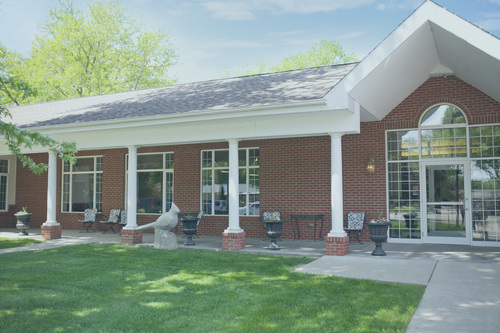
Who Owns and Operates The Palm At Regency Square?

The Palm at Regency Square is owned by a for-profit company. For-profit facilities operate as businesses with obligations to shareholders or private owners. The facility is operated by AVID HEALTHCARE GROUP, a chain that manages multiple nursing homes. With 72 certified beds and approximately 41 residents (about 57% occupancy), it is a smaller facility located in South Sioux City, Nebraska.

How Does The Palm At Regency Square Compare to Other Nebraska Nursing Homes?

Compared to the 100 nursing homes in Nebraska, The Palm at Regency Square's overall rating (1 stars) is below the state average of 2.9, staff turnover (57%) is significantly higher than the state average of 46%, and health inspection rating (1 stars) is much below the national benchmark.

What Should Families Ask When Visiting The Palm At Regency Square?

Based on this facility's data, families visiting should ask: "What changes have been made since the serious inspection findings, and how are you preventing similar issues?" "How do you ensure continuity of care given staff turnover, and what is your staff retention strategy?" "Can you walk me through typical staffing levels on day, evening, and night shifts?" "Can I visit during a mealtime to observe dining assistance and food quality?" These questions are particularly relevant given the facility's Immediate Jeopardy citations, the facility's high staff turnover rate, and the below-average staffing rating.

Is The Palm At Regency Square Safe?

Based on CMS inspection data, The Palm at Regency Square has documented safety concerns. Inspectors have issued 1 Immediate Jeopardy citation (the most serious violation level indicating risk of serious injury or death). The facility has a 1-star overall rating and ranks #100 of 100 nursing homes in Nebraska. Families considering this facility should ask detailed questions about what corrective actions have been taken since these incidents.

Do Nurses at The Palm At Regency Square Stick Around?

Staff turnover at The Palm at Regency Square is high. At 57%, the facility is 11 percentage points above the Nebraska average of 46%. Registered Nurse turnover is particularly concerning at 64%. RNs handle complex medical decisions and coordinate care — frequent RN changes can directly impact care quality. High turnover means new staff may not know residents' individual needs, medications, or preferences. It can also be disorienting for residents, especially those with dementia who rely on familiar faces. Families should ask: What is causing the turnover? What retention programs are in place? How do you ensure care continuity during staff transitions?

Was The Palm At Regency Square Ever Fined?

The Palm at Regency Square has been fined $33,784 across 1 penalty action. The Nebraska average is $33,417. While any fine indicates a compliance issue, fines under $50,000 are relatively common and typically reflect isolated problems that were subsequently corrected. Families should ask what specific issues led to these fines and confirm they've been resolved.

Is The Palm At Regency Square on Any Federal Watch List?

The Palm at Regency Square is not on any federal watch list. The most significant is the Special Focus Facility (SFF) program, which identifies the bottom 1% of nursing homes nationally based on persistent, serious quality problems. Not being on this list means the facility has avoided the pattern of deficiencies that triggers enhanced federal oversight. This is a positive indicator, though families should still review the facility's inspection history directly.