Continental Springs, LLC
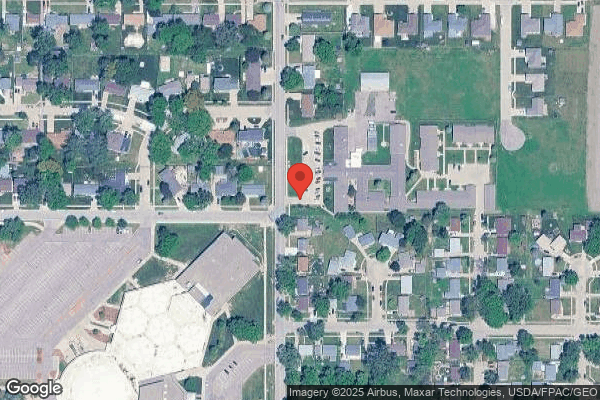
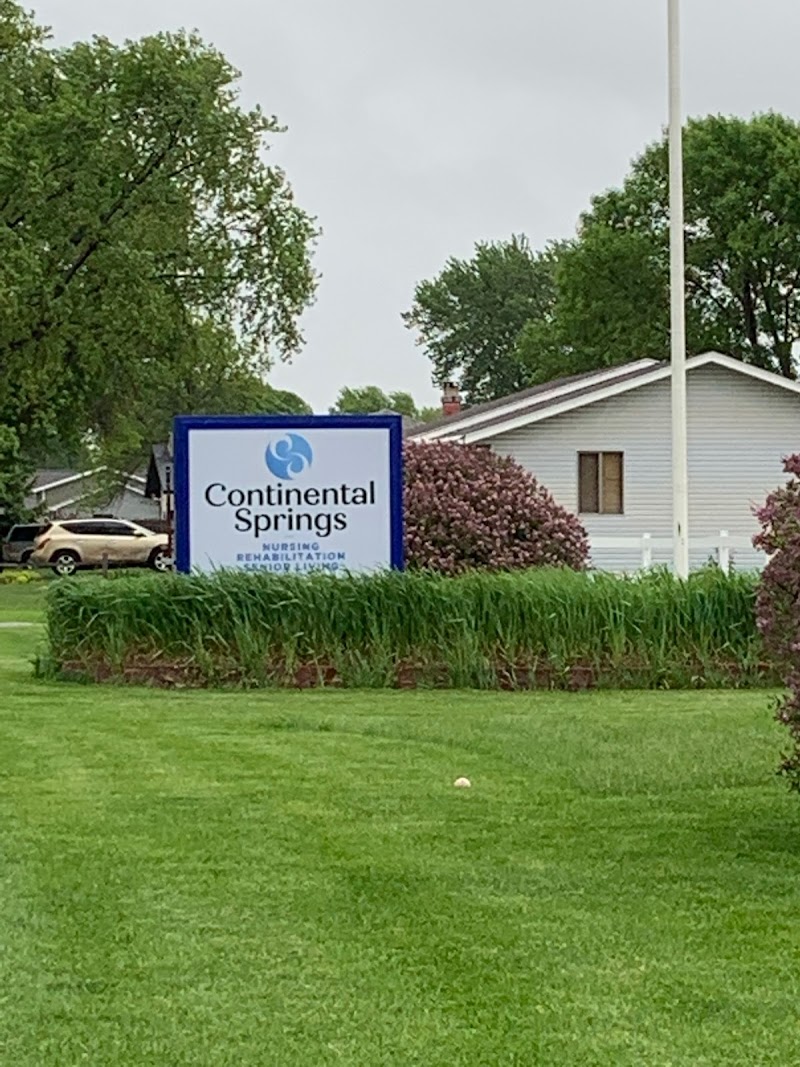
3200 G Street, South Sioux City, NE 68776 (402) 494-3043
For profit - Individual 77 Beds Independent Data: November 2025
Trust Grade
65/100
#80 of 177 in NE
Last Inspection: October 2024

Within standard 12-15 month inspection cycle. Federal law requires annual inspections.

Overview

Continental Springs, LLC has a Trust Grade of C+, indicating it is slightly above average but not exceptional. With a state rank of #80 out of 177 facilities in Nebraska, they fall in the top half, and are #2 out of 3 in Dakota County, meaning only one local facility is ranked higher. However, the facility's trend is worsening, with the number of reported issues increasing from 1 in 2023 to 3 in 2024. Staffing is rated at 2 out of 5 stars, which is below average, and the turnover rate is 56%, similar to the state average but still concerning. On a positive note, the facility has not incurred any fines, suggesting compliance with regulations, and they have average RN coverage, which is important for resident care. Specific incidents noted in inspections include a resident who was not properly assisted leading to potential fall risks, and failures in maintaining food safety standards, which could lead to foodborne illnesses. While the health inspection rating is good at 4 out of 5 stars, the overall quality measures stand at a low 1 out of 5, highlighting areas for improvement. Families should weigh these strengths and weaknesses carefully when considering Continental Springs for their loved ones.

Trust Score
C+
65/100
In Nebraska
#80/177
Top 45%
Safety Record
Low Risk
No red flags
Inspections
Getting Worse
1 → 3 violations
Staff Stability
⚠ Watch
56% turnover. Above average. Higher turnover means staff may not know residents' routines.
Penalties
✓ Good
No fines on record. Clean compliance history, better than most Nebraska facilities.
Skilled Nurses
○ Average
Each resident gets 36 minutes of Registered Nurse (RN) attention daily — about average for Nebraska. RNs are the most trained staff who monitor for health changes.
Violations
○ Average
10 deficiencies on record. Average for a facility this size. Mostly minor or procedural issues.
★★★☆☆
3.0
Overall Rating
★★☆☆☆
2.0
Staff Levels
★☆☆☆☆
1.0
Care Quality
★★★★☆
4.0
Inspection Score
Stable
2023: 1 issues
2024: 3 issues

The Good

  • Full Sprinkler Coverage · Fire safety systems throughout facility
  • No fines on record

Facility shows strength in fire safety.

The Bad

3-Star Overall Rating

Near Nebraska average (2.9)

Meets federal standards, typical of most facilities

Staff Turnover: 56%

10pts above Nebraska avg (46%)

Frequent staff changes - ask about care continuity

Staff turnover is elevated (56%)

8 points above Nebraska average of 48%

The Ugly 10 deficiencies on record

Oct 2024 2 deficiencies
CONCERN (D)

Potential for Harm - no one hurt, but risky conditions existed

Food Safety (Tag F0812)

Could have caused harm · This affected 1 resident

Licensure Reference Number 12.006.11(E) Based on observation and interview the facility failed to ensure the cleanliness of the shelf below the prep table and the stand-up mixer and failed to secure t...

Read full inspector narrative →
Licensure Reference Number 12.006.11(E) Based on observation and interview the facility failed to ensure the cleanliness of the shelf below the prep table and the stand-up mixer and failed to secure the floor tiles under the convection oven in a manner to prevent build up of dirt and debris. This had the ability to affect 49 of 52 residents who ate from the facility kitchen. The facility census was 52. The findings are: An observation on 10-28-2024 at 8:30 AM of the kitchen revealed food build up and debris on the bottom shelf of the prep table, and the stand-up mixer. An observation on 10-30-2024 at 10:00 AM of the kitchen revealed the floor tiles under the convection oven were no longer secured the underfloor and food debris were collecting underneath. An interview with the Kitchen Manager (KM) on 10-31-2024 at 9:30 AM confirmed the buildup and debris on the bottom shelf of the prep table and the stand-up mixer. Furthermore, the KM confirmed the flooring under the convection oven was coming loose from the underfloor and dirt and build up were collecting underneath.
CONCERN (F)

Potential for Harm - no one hurt, but risky conditions existed

Infection Control (Tag F0880)

Could have caused harm · This affected most or all residents

**NOTE- TERMS IN BRACKETS HAVE BEEN EDITED TO PROTECT CONFIDENTIALITY** B. Record review of Resident 12's Minimum Data Set (MDS, a federally mandated assessment tool used for care planning) dated 06-...

Read full inspector narrative →
**NOTE- TERMS IN BRACKETS HAVE BEEN EDITED TO PROTECT CONFIDENTIALITY** B. Record review of Resident 12's Minimum Data Set (MDS, a federally mandated assessment tool used for care planning) dated 06-30-2024 revealed the facility staff assessed the following about the resident: -Brief Interview of Mental Status (BIMS) was scored as a 7. According to the MDS [NAME] a score of 0-7 indicates a person has a severe cognitive impairment. -Required extensive assistance with eating -Required total assistance with bed mobility, transfers, toileting, bathing, and dressing. An observation on 10-28-2024 at 2:27 PM of Resident 12 lying in bed with the urinary catheter bag laying face down on the fall mat next to Resident 12's bed. An observation on 10-30-2024 at 7:32 AM of Licensed Practical Nurse (LPN) A and LPN G performing catheter care for Resident 12 revealed the urinary catheter bag was hanging on the bed-frame. After performing catheter care, LPN A lowered the bed frame of the bed to the lowest position allowing the catheter bag to touch the floor. An interview on 10-30-2024 at 8:00 AM with LPN A confirmed the catheter bag was touching the floor. An observation after the interview with LPN A on 10-30-2024 at 8:00 AM revealed LPN A removed the catheter bag from the bed-frame and placed in on the fall mat next to Resident 12's bed. A follow up interview with LPN A confirmed that the fall mat on the floor was dirty and placing the catheter bag on the fall mat could cause cross contamination. An interview conducted on 10-31-2024 at 1:15 PM confirmed the catheter bag should not touch the floor, or the fall mat which is stored and used on the floor due to the potential for cross contamination. Record review of the facility's undated policy titled Catheter Care, Urinary revealed the purpose of this procedure is to prevent urinary catheter-associated complications, including urinary tract infections. The policy directs staff to use aseptic technique when handling or manipulating the drainage system and to be sure the catheter tubing and drainage bag are kept off the floor. Licensure Reference Number 175 NAC 12-006.18 Based on observation, record review and interview; the facility staff failed to implement a water management plan to prevent potential illness such as Legionella( a bacteria) and failed to ensure a urinary catheter bag was secured to prevent potential contamination for 1 (Resident 12) of 3 residents. The facility had a census of 52. Findings are: A. Record review of a undated Policy and Procedure for the facility Water Management Program revealed the following information. -1. A water management team has been established to develop and implement the facility's water management program, including facility leadership the Infection Preventionist, maintenance employees, safety officers, risk and quality management staff, and Director of Nursing. a. Team members have been educated on the principles of an effective water management program, including how Legionella and other water-borne pathogens grow and spread. Education is consistent with each team members role. b. The water management team has access to water treatment professionals, environmental health specialists and state/local health officials. -2. The maintenance director maintains documentation that describes the facility's water system. A copy is kept in the water management binder. -3. A risk management assessment will be conducted by the water management team annually to identify where Legionella and other opportunistic waterborne pathogens could grow and spread in the facility's water systems. The risk assessment will consider the following elements: a. Premise plumbing. This includes water system components as described in the documentation of the facility's water system. b. Clinical equipment. This includes medical devices and other equipment utilized in the facility that can spread Legionella through aerosols or aspiration. c. At-risk population: This facility's entire population is at risk. High risk areas shall be identified through the risk assessment process. Supporting documentation of any areas or resident population that exhibit greater risk than the general population shall be kept in the water management program binder. -4. Data to be used for completing the risk assessment may include, but are not limited to a. Water system schematic description b. Legionella environmental assessment c. Resident infection control surveillance data d. Environmental culture results e. rounding observation data f. water temp logs g. water quality reports from drinking water provider. h. community infection control surveillance data. -8. The water management team shall regularly verify that the water management program is being implemented as designed. Auditing assignments will reflect that individuals will now verify the program activity for which they are responsible. -9. The effectiveness of the water management program shall be evaluated no less than annually. Routine infection control surveillance data, water quality data and rounding data shall be utilized to validate the effectiveness. -12. The facility will conduct an annual review of the water management program as part of the annual review of the infection prevention and control program, and as needed, such as when any of the following events occur. -In the event of an update to the water management program, the water management team shall: -a. Update the water system/schematic/description, associated control points, control limits and -14: Documentation of all of the activities related to the water management program shall be maintained with the water management program binder for a minimum of 3 years. An interview on 10/31/2024 at 11:29 AM with the maintenance person K confirmed they could not locate a Water Management Plan or a schematic plan of the facility's water system and meant the facility did not have one.
Mar 2024 1 deficiency
CONCERN (D) 📢 Someone Reported This

A family member, employee, or ombudsman was alarmed enough to file a formal complaint

Potential for Harm - no one hurt, but risky conditions existed

Report Alleged Abuse (Tag F0609)

Could have caused harm · This affected 1 resident

Licensure Reference Number 175 NAC 12-006.02(8) Based on record review and interview, the facility failed to provide a written investigation to the State Agency within the required five working days f...

Read full inspector narrative →
Licensure Reference Number 175 NAC 12-006.02(8) Based on record review and interview, the facility failed to provide a written investigation to the State Agency within the required five working days for 1 (Resident 1) of 4 sampled residents. The facility census was 56. Findings are: A. Review of the facility policy Abuse, Neglect, and Exploitation dated 5/8/23 revealed the following: -It is the policy of Continental Springs LLC to protect the health, welfare, and rights of each resident by developing and implementing written policies and procedures that prohibit and prevent abuse, neglect, exploitation, and misappropriation of resident property. -The facility will have written procedures that include reporting of all alleged violations to the Administrator/Director of Nurses (DON), a state agency, Adult Protective Services (APS), and all other required agencies within specified time frames; immediately, but no later than 2 hours if the events involve abuse and no later than 24 hours if the events do not involve abuse and/or serious bodily injury. -The Administrator/DON will provide a summary of the investigation to the state agency within 5 business days. B. Review of a facility investigation dated 3/6/24 related to a fall with significant injury for Resident 1 revealed the following: On 2/28/24 the resident was found at the bedside with bleeding on the left side of the face. The resident complained of pain was sent to the hospital for evaluation. The facility staff were notified the resident had a brain bleed and a facial fracture and remained at the hospital. Further review revealed the facility had not submitted the written investigation to the State Agency within the required 5 business days. The facility submitted the written investigation to the State Agency on 3/6/24. An interview with the DON on 3/19/24 at 12:40 PM confirmed Resident 1 had a fall with significant injury that occurred on 2/28/24 and the written investigation was not submitted to the State Agency within the required 5 business days.
Aug 2023 1 deficiency
CONCERN (F) 📢 Someone Reported This

A family member, employee, or ombudsman was alarmed enough to file a formal complaint

Potential for Harm - no one hurt, but risky conditions existed

Food Safety (Tag F0812)

Could have caused harm · This affected most or all residents

Licensure reference number 175 NAC 12-006.11D Based on record review, observations and interviews; the staff failed to maintain food temperatures in a manner to prevent potential food borne illness. ...

Read full inspector narrative →
Licensure reference number 175 NAC 12-006.11D Based on record review, observations and interviews; the staff failed to maintain food temperatures in a manner to prevent potential food borne illness. This has the potential to effect 52 of 54 residents. The facility staff have identified the census to be 54. The findings are: Record review of facility policy dated April 2019 titled Food Preparation and service: Section Food preparation, Cooking and holding time/temperatures revealed; - The danger zone for food temperatures is between 41 degrees Fahrenheit and 135 degrees Fahrenheit. This temperature range promotes the rapid growth of pathogenic microorganisms that cause foodborne illness, - Potentially hazardous foods include meats, poultry, seafood, cut melon, eggs, milk, yogurt, and cottage cheese, - The longer foods remain in the danger zone the greater the risk for growth of harmful pathogens. Therefore, potentially hazardous food (PHF) must be maintained below 41 degrees or above 135 degrees Fahrenheit, - Internal cooking temp for ground meat (beef, pork), ground fish, raw eggs held for service, comminuted meat, injected or mechanically tenderized meats, ratites at 155 degrees Fahrenheit for 15 seconds, - Internal cooking temp for poultry, wild game, stuffed fish, stuffed meats at 165 degrees Fahrenheit for 15 seconds. The policy further revealed ready to eat foods that require reheating are taken directly from the sealed container or intact package from the food processing source and cooked to at least 135 degrees Fahrenheit. The policy revealed mechanically altered hot foods prepared for a modified consistency diet remain above 135 degrees Fahrenheit during preparation or they are reheated to 165 degrees Fahrenheit for at least 15 seconds. Record review of facility policy dated April 2019 titled Food Preparation and service: Section Food Service/Distribution revealed the temperatures of foods held in steam tables are monitored throughout the meal by food and nutrition services staff. Observation on 08/22/23 at 12:30 PM revealed room trays were made in the dining from the steam table and placed in an insulated cover on an uninsulated cart. The room trays were on the cart from 12:30 PM-12:45 PM for a total of 15 minutes. At 12:45 PM facility staff took the cart with the room trays for the entire facility and started to pass the room trays on hall 500. Observation on 08/22/23 at 1:08 PM revealed resident #25's room tray being delivered. Observation on 08/23/23 at 8:43 AM revealed room trays were made in the dining room from steam table and placed on uninsulated cart. Observation on 08/23/23 at 8:47 AM revealed [NAME] A obtained the following temperatures: a sausage patty on a plate was 101 degrees Fahrenheit, scrambled eggs on the steam table were 114 degrees Fahrenheit, and oatmeal on the steam table was 130 degrees Fahrenheit. Observation on 08/23/23 at 9:06 AM revealed the facility staff began passing room trays on halls 500, 300, 100, 200. The facility staff were completed with delivering room trays throughout the facility at 9:25 AM. Observation on 08/23/23 at 9:25 AM revealed delivery of the last room tray on hall 200. A food temperature check was completed on a test tray on hall 200 which revealed the sausage temperature at 77.5 degrees Fahrenheit and oatmeal at 124.2 degrees Fahrenheit. Observation on 08/23/23 at 12:36 PM revealed lunch room trays started being plated and placed on the cart from the steam table in the dining room. Observation on 08/23/23 at 12:50 PM revealed dietary staff took the room trays from the dinning room to pass the room trays throughout the facility. The dietary staff began passing room trays at 12:55 PM and completed at 1:07 PM. Observation on 08/23/23 at 1:07 PM revealed delivery of the last room tray on hall 200. A food temperature check was completed on a test tray on hall 200 was the pork was 129.3 degrees Fahrenheit, potatoes 130.6 degrees Fahrenheit, and mixed vegetables 126.1 degrees Fahrenheit. Interview on 08/23/23 at 8:50 AM with [NAME] A revealed that [NAME] A did not remember what the safe serving temperature for food was. [NAME] A also confirmed the facility does not have logs for food temperatures from the steam table to check the functioning of the steam table and that foods are held at a safe serving temperature. Interview on 08/23/23 at 9:03 AM with Dietary Aide D revealed that Resident #25 complained about cold food. Interview on 08/23/23 at 11:57 AM with [NAME] A revealed the only time food temperatures are taken was in the kitchen after coming out of the oven prior to serving in the dinning room. Interview on 08/23/23 at 2:42 PM with Resident #1 revealed the food on room trays is not hot enough which is why the resident goes to the dining room for meals. Interview on 08/23/23 at 2:45 PM with Resident #39 revealed food on room trays for all meals are cold and the coffee is warm at best. Interview on 08/23/23 2:48 PM The Administrator confirmed there had been food temperature complaints, and the facility initiated a Performance Improvement Plan (a document that aims to help employees/facility meet job performance goals) on food temperatures. The Performance Improvement Plan (PIP) was started on 7/27/23. The Administrator stated the PIP identified the dietary staff were to pass room trays one hallway at a time then go back to the dining room, and plate the food for the next hallway. The Administrator revealed the dietary staff were to complete that process between each hallway delivery. The Administrator confirmed the PIP was not working as the identified actions were not put into place. Interview on 08/24/23 at 9:10 AM with the Dietary Supervisor revealed the expectation for steam table food temperature should be 145 degrees Fahrenheit and food temperatures for hot food would be to maintain 135 degrees Fahrenheit of all hot food. Dietary Supervisor confirmed the temperatures of food on room trays that were served on 8/23/23 was a concern. Dietary Supervisor confirmed the process for passing room trays was not implemented as identified from the facility PIP regarding room temperatuers. The Dietary Supervisor revealed there are not measures in place to monitor the food temperatures throughout the meal delivery and service.
Aug 2022 6 deficiencies
CONCERN (D)

Potential for Harm - no one hurt, but risky conditions existed

Deficiency F0660 (Tag F0660)

Could have caused harm · This affected 1 resident

**NOTE- TERMS IN BRACKETS HAVE BEEN EDITED TO PROTECT CONFIDENTIALITY** Licensure reference: 175 NAC 12-006.09C2 Based on record review and interview; the facility failed to ensure a safe discharge pl...

Read full inspector narrative →
**NOTE- TERMS IN BRACKETS HAVE BEEN EDITED TO PROTECT CONFIDENTIALITY** Licensure reference: 175 NAC 12-006.09C2 Based on record review and interview; the facility failed to ensure a safe discharge plan for 1 (Resident 48) of 1 sampled resident. The facility had a census of 46 residents. Findings are: Review of Resident 48's Minimum Data Set (MDS- federally mandated assessment tool used for care planning) dated 5/13/22 revealed the resident was admitted [DATE] with diagnoses of paraplegia (paralysis of lower body and legs), multiple sclerosis (disease which causes nerve damage which disrupts communication between the brain and body and can result in vision loss, pain, fatigue, and impaired coordination), anxiety, and depression. Facility staff assessed the following regarding Resident 48: -cognition was severely impaired; -required extensive assistance with bed mobility, dressing, toilet use and personal hygiene and total assistance with transfers; -functional limitation of range of motion to both lower extremities; -frequently incontinent of urine and always involuntary of bowel; and -no active discharge planning for the resident's return to the community. Review of Nursing Progress Notes dated 5/4/22 revealed the following: -8:40 AM the resident's family was notified the resident had refused to pay the resident's share of the bill for the last few months. A thirty-day notice was to be issued if no agreement was reached; -11:10 AM the resident made verbal threats regarding the Director of Nursing (DON) and the Administrator to cut their throats; -3:26 PM an order was received to transfer the resident to the emergency room for a psychiatric evaluation; and -10:30 PM the resident returned to the facility with no new orders. Review of a Nursing Progress Note dated 5/23/22 at 11:15 AM revealed the resident returned from an outing with family wearing 2 incontinence products which were soiled with urine and feces. Review of a Nursing Progress Note dated 6/7/22 at 1:53 PM revealed the resident indicated trying to buy a house and then living there with a family member. Review of the resident's current Care Plan with revision date of 6/7/22 revealed the resident had a desire to return to the community. However, the resident currently required extensive assistance with activities of daily living and was unable to safely return to the community. The resident had refused to pay the resident's portion of the bill and the family was notified. The facility sent out referrals to other facilities per the resident's request. The resident indicated the resident would be going to live with a family member. However, the family member frequently did not answer phone and was unavailable. Review of a Nursing Progress Note dated 6/14/22 at 1:27 PM revealed the resident attempted to use the electric wheelchair to exit the facility through the laundry room door. Review of a physician order dated 6/17/22 at 12:27 PM revealed a new order for the resident to discharge with family on or after 6/19/22 and to continue with current medications and treatments. Further review of the medical record revealed no documentation the resident's family were notified or that a discharge plan was in place to assure the resident's safety with discharge. Review of a telephone order dated 6/20/22 at 9:49 AM revealed an order to discharge the resident with current medications except for narcotics. Further review of the medical record revealed no documentation to indicate where the resident was going or whom the resident was going with when discharged . Review of a Nursing Progress Note dated 6/20/22 at 9:00 PM revealed the resident had requested staff assist with calling a U-Haul truck to pick up the resident's belongings so the resident could leave that night. Review of a Nursing Progress Note dated 6/23/22 at 5:55 PM revealed the resident's family removed most of the resident's belongings from storage at the facility. The resident was prepared to leave with the family, but family corrected the resident stating they were only taking belongings and not the resident. Review of the resident's medical record revealed no further documentation regarding a safe discharge plan for the resident. Review of Nursing Progress Notes dated 6/29/22 revealed the following: -9:33 AM staff assessed the resident and determined the resident was able to make safe decisions about leaving the facility Against Medical Advice (AMA) and knew the risks of leaving; -11:04 AM the resident left the facility after signing AMA paperwork. The resident's physician, family and pharmacy were updated; and -7:49 PM a family member called the facility angry and asked how the facility had let the resident leave with no way to get back to the facility. During an interview on 7/27/22 at 11:27 AM the Social Service Director (SSD) confirmed the resident had been given a 30 day notice due to non-payment of the resident's bill. Initially the resident and family made no attempt to find alternate placement or have a plan for paying the resident's bill. The resident told the facility an apartment was rented, and the resident was going to stay there with family however, the family never confirmed this arrangement. No plan was in place as to when or where the resident was discharging. The resident was non-compliant with use of electric wheelchair, smoking and with use of call light. The resident had a history of making poor decisions but was alert and orientated on 6/29/22 when she decided to leave AMA. The family were called but did not answer so the police were notified. The facility did not feel there was a choice as to allowing the resident to leave.
CONCERN (D)

Potential for Harm - no one hurt, but risky conditions existed

Accident Prevention (Tag F0689)

Could have caused harm · This affected 1 resident

Licensure Reference Numbers 175 NAC 12-006.09D7 Based on record review and interview; the facility failed to investigate/identify causal factors and to develop and/or revise interventions for the pre...

Read full inspector narrative →
Licensure Reference Numbers 175 NAC 12-006.09D7 Based on record review and interview; the facility failed to investigate/identify causal factors and to develop and/or revise interventions for the prevention of falls for 1 (Resident 31) of 6 residents reviewed for accidents. The facility census was 46. Findings are: Review of Resident 31's Minimum Data Set (MDS-a federally mandated comprehensive assessment tool used for care planning) dated 6/16/22 revealed diagnoses of dementia, osteoporosis, and failure to thrive. The same assessment indicated the resident's cognition was severely impaired and the resident required extensive staff assistance with bed mobility, transfers, toilet use, personal hygiene, and dressing. Review of an Incident Report dated 3/26/22 at 5:16 PM revealed the resident was found on the floor at bedside. The resident's bed was in the lowered position. The resident was unable to give a description regarding how the fall occurred. No injuries were identified. Further review of the form revealed staff failed to document the resident's mental status, level of pain, and potential predisposing environmental/situational factors. In addition, no new or revised fall interventions were identified on the assessment to prevent further falls. Review of the resident's current Care Plan with revision date 7/22/22 revealed the resident was at risk for falls due to balance problems, decreased mobility with osteoporosis, history of wandering and poor safety awareness. The Care Plan indicated the resident had subsequent falls on 6/25/22 and on 7/15/22. Interview with the Director of Nursing (DON) on 8/1/22 at 1:37 PM confirmed Resident 31 was at risk for falls. The DON indicated staff were to complete an Incident Report after each resident fall to identify causal factors for the fall and then use the causal factors to revise and/or develop interventions to prevent further falls.
CONCERN (D)

Potential for Harm - no one hurt, but risky conditions existed

Deficiency F0692 (Tag F0692)

Could have caused harm · This affected 1 resident

LICENSURE REFERENCE NUMBER 175 NAC 12-006.09D8b Based on record review and interview; the facility failed to evaluate and/or revise nutritional interventions to address a weight loss for 1 (Resident 1...

Read full inspector narrative →
LICENSURE REFERENCE NUMBER 175 NAC 12-006.09D8b Based on record review and interview; the facility failed to evaluate and/or revise nutritional interventions to address a weight loss for 1 (Resident 16) of 3 sampled residents. The facility census was 46. Findings are: A. Review of a Nutrition (Impaired) Weight Loss policy with revision date 9/2017, revealed the physician and nursing staff were to monitor and document the weight and dietary intake of residents. In addition, they were to monitor an individual's response to interventions and possible complications of such interventions. B. Review of Resident 16's Minimum Data Set (MDS-a federally mandated comprehensive assessment tool used for care planning) dated 5/18/22 revealed diagnoses of dementia, depression, anxiety and other fracture and the resident required extensive staff assistance with eating and drinking. The resident's weight was 125 pounds (lbs.) with a 5 percent (%) weight loss in the last month or a 10% weight loss in the last 6 months. The resident was not on a physician prescribed weight loss regimen. In addition, the assessment indicated the resident had a loss of liquids/solids from their mouth when eating/drinking and of holding food in mouth/cheeks or had residual food in their mouth after eating. Review of Resident 16's Weights and Vitals Summary Sheet (form used to document a resident's weight, blood pressure, respiration, temperature, and pulse) revealed the resident's weight on 3/4/22 was 144 lbs. Review of a Nutritional Progress Note dated 3/22/22 at 1:12 PM revealed the resident was consuming 75 to 100 % of food at meals and denied any difficulty with chewing or swallowing food at meals. No recommendations were identified as the resident's intakes were meeting nutritional needs. Review of the resident's Weights and Vitals Summary Sheet revealed the following: -4/7/22 weight was 137 lbs.; and -5/3/22 weight was 124 lbs. (down 13 lbs. or a 9% loss in 1 month). Review of a Medication Administration Record (MAR) dated 5/2022 revealed the following: -a new order dated 5/9/22 for Mighty Shake (nutritional supplement with added calories) 120 cubic centimeters (cc) to be given 3 times a day; -from 5/9/22 through 5/18/22, staff failed to document the amount of nutritional supplement the resident had consumed with administration; and -from 5/18/22 through 5/31/22 out of the 42 times the resident was provided the supplement, the resident consumed 50% or less a total of 38 times. Review of a Nutritional Progress Note dated 5/22/22 at 9:45 AM confirmed the resident was drinking only 25-50% of the Mighty Shake nutritional supplement when offered. No additional recommendations were made. Review of the resident's Weights and Vitals Summary Sheet revealed the resident's weight on 6/17/22 was 125 lbs. Review of a Nutritional Progress Note dated 6/23/22 at 2:08 PM revealed the resident continued to consume only 25-50% of the Mighty Shakes provided 3 times a day. A recommendation was made to discontinue the Shakes and to start Ensure Clear (supplement drink with added protein and nutrients) 240 cc twice a day. Review of Resident 16's MAR for 6/2022 revealed from 6/25/22 through 6/30/22 the staff failed to document the amount of supplement the resident consumed when administered at 8:00 AM and at 6:00 PM. Review of Resident 16's MAR for 7/2022 revealed from 7/1/22 though 7/13/22 the staff failed to document the amount of supplement the resident consumed with each administration. Review of the resident's Weights and Vitals Summary Sheet revealed the resident's weight on 7/15/22 was 114 lbs. (down 11 lbs. or a 9% loss in 1 month). Review of a Nutritional Progress Note dated 7/23/22 at 6:17 AM revealed the resident's meal intakes remained poor at 0-25% and intakes of the Ensure Clear varies greatly. No new recommendations were made as weight loss was likely to continue due to poor intake at meals and varied supplement acceptance. Review of a Facsimile Communication from the resident's physician dated 8/2/22 revealed the resident would likely continue to have unavoidable weight loss due to the progression of the resident's chronic medical condition. During an interview on 8/1/22 at 2:27 PM, the Director of Nursing (DON) confirmed the following regarding Resident 16's weight loss: -the resident had poor meal intakes and had ongoing weight loss; -the nursing staff were responsible for administering nutritional supplements and were to document the amount of supplement the resident consumed each time to assure the intervention was effective and to determine if new intervention was required; and -no further nutritional interventions had been developed to address the resident's weight loss.
CONCERN (D)

Potential for Harm - no one hurt, but risky conditions existed

Medication Errors (Tag F0758)

Could have caused harm · This affected 1 resident

B. Review of Resident 28's Minimum Data Set (MDS- a federally mandated comprehensive assessment tool used for care planning) dated 5/6/22, revealed diagnoses of Non-Alzheimer's Dementia, Parkinson's D...

Read full inspector narrative →
B. Review of Resident 28's Minimum Data Set (MDS- a federally mandated comprehensive assessment tool used for care planning) dated 5/6/22, revealed diagnoses of Non-Alzheimer's Dementia, Parkinson's Disease, and Psychotic Disorder (a person's mental state other than schizophrenia). The resident also received antipsychotic medications on a routine basis. Review of Resident 28's Physicians Order Summary dated 8/2/22, revealed the resident received the following antipsychotic medications; Seroquel 50 milligrams (mg) twice a day, Risperdal 0.5mg twice a day and Rivastigmine 9.5mg daily. Review of the resident's electronic health record revealed an AIMS assessment had been completed on 8/9/21, 11/30/21 and 5/13/22. Further review of the resident's medical record revealed no evidence additional assessments had been completed to assure staff were monitoring the resident for potential adverse effects from use of the antipsychotic medication. An interview with RN-P on 8/2/22 at 1:30 PM, confirmed AIMS assessments should have been completed quarterly for Resident 28 and had not been done between 11/30/21 and 5/13/22. Licensure Reference Number 175 NAC 12-006.09D Based on record review and interview, the facility failed to complete AIMS (abnormal involuntary movement scale) assessments to detect potential adverse effects of antipsychotic medication use for Resident 18 and 28. The sample size was 5 and the facility census was 46. Findings are: A. Review of Resident 18's Physicians Orders dated 6/29/22 revealed Resident 18 had an order for the antipsychotic medication aripiprozole 5mg daily. Review of Resident 18's Care Plan with a revision date of 7/11/22 revealed the following; the resident took psychotropic (affecting mental state) medication and the facility would review medication for adverse reactions. Review of Resident 18's Medical Record revealed no evidence the facility had completed an AIMS assessment to monitor the resident for potential adverse effects of the medication. Interview on 8/2/22 at 1:30 PM with RN-P (Registered Nurse) revealed that all residents taking antipsychotic medication were to have AIMS assessments completed at the time the medication is initiated and every 3 months thereafter. Additional interview confirmed the facility had not completed an AIMS assessment on Resident 18 whom had been taking an antipsychotic medication daily since 6/29/22.
CONCERN (E)

Potential for Harm - no one hurt, but risky conditions existed

Infection Control (Tag F0880)

Could have caused harm · This affected multiple residents

**NOTE- TERMS IN BRACKETS HAVE BEEN EDITED TO PROTECT CONFIDENTIALITY** Licensure Reference Number 175 NAC 12-006.17D Based on observations, record review and interview, the facility staff failed to; ...

Read full inspector narrative →
**NOTE- TERMS IN BRACKETS HAVE BEEN EDITED TO PROTECT CONFIDENTIALITY** Licensure Reference Number 175 NAC 12-006.17D Based on observations, record review and interview, the facility staff failed to; 1) provide an aerosol generating procedure according to standards of practice for Resident 11, 2) change gloves and perform hand hygiene to prevent cross contamination during incontinence cares for Resident 7, 3) wear gloves while entering the rooms of residents on transmission-based precautions, and 4) wash/sanitize hands at intervals to prevent the spread of infections, including Covid-19. The sample size was 23. The facility census was 46. Findings are: A. Review of the undated facility policy titled Handwashing/Hand Hygiene revealed staff shall perform handwashing/hand hygiene procedures to help prevent the spread of infections to other personnel, residents, and visitors in the following situations: -before and after coming on duty; -before and after direct contact with residents; -before preparing/handling medications; -before performing any non-surgical invasive procedures; -before and after handling an invasive device (ie. IV access sites); -before donning sterile gloves; -before handling clean or soiled dressings; -before moving from a contaminated body site to a clean body site during resident care; -after contact with a resident's intact skin; -after contact with blood or bodily fluids; -after handling used dressings, contaminated equipment, etc.; -after contact with objects in the immediate area of the resident; -after removing gloves; -before and after entering isolation precaution settings; -before and after eating or handling food; -before and after assisting a resident with meals; and -after personal use of toilet or conducting your personal hygiene. Further review of the Handwashing/Hand Hygiene policy revealed hand hygiene is the final step after removing and disposing of personal protective equipment (ie. gloves, gowns, face masks and eye protection). Additionally, the use of gloves does not replace hand washing/hand hygiene and should be used before procedures, when anticipating contact with blood or body fluids, and when in contact with a resident, the equipment or environment of a resident who is on isolation precautions. B. Review of Resident 7's Minimum Data Set (MDS- a federally mandated comprehensive assessment tool used for care planning) revealed diagnoses of Cerebral Palsy (a neurological disorder that affects the brain and muscle coordination), Deep Vein Thrombosis (a severe blood clot), Anxiety and Depression. The resident was totally dependent on staff for bed mobility, transfers, dressing, eating, toileting and personal hygiene cares. On 8/2/22 at 10:20 AM observations of Resident 7 revealed the following: -Nurse Aide (NA)-K and NA-L wore isolation gowns, gloves, eye protection and an N95 Mask upon entering the room; -NA-K and NA-L removed the resident's soiled incontinence brief and prepared to clean the resident's perineal (genitals and buttocks) area; -NA-L used disposable cleansing wipes and cleaned the resident's front side first, then NA-K helped to turn the resident on [gender] side to clean the back side; -NA-L then used 3 disposable cleansing wipes to clean the resident's buttocks that had a small amount of feces in the area, but did not remove the soiled gloves or perform hand hygiene after; -NA-L proceeded to assist NA-K with putting on a clean incontinence brief and dressed the resident touching the resident's clothing and arms with the same pair of soiled gloves; -NA-L cleaned the residents face, upper body and hands using additional cleansing wipes while wearing the soiled gloves; -NA-L then cleaned the resident's mouth using a disposable toothette (a tool used for mouth cares) while wearing the soiled gloves; and -NA-L then touched and combed the resident's hair while wearing the same pair of soiled gloves. An interview with NA-L on 8/2/22 at 10:45 AM, confirmed NA-L had not removed the soiled gloves and washed hands immediately after performing incontinence cares on Resident 7 and should have done this before touching the resident. C. During an observation on 7/27/22 at 11:30 AM Licensed Practical Nurse (LPN)-I entered resident room [ROOM NUMBER] and announced blood sugar check upon entry. LPN-I had on an N95 face mask, eye protection and gloves but no gown. The resident door sign indicated yellow zone and directed the staff to wear full PPE (personal protective equipment -gown, gloves, eye protection, and an N95 face mask). Gowns, gloves, face masks, and hand sanitizer were available outside the resident room door in a caddy. LPN-I entered the room without a gown; talked to the resident behind a privacy curtain and exited the room with gloves on, then proceeded to the medication cart located across the hall and approximately 15 feet away from room [ROOM NUMBER]. LPN -I did not remove the gloves she had worn into room [ROOM NUMBER], touched the top and drawers of the medication cart, and touched the laptop computer located on the medication cart before removing the gloves. LPN-I removed the gloves, and then placed on a clean pair of gloves and did hand sanitize. LPN-I then returned across the hall to room [ROOM NUMBER] and put on a gown prior to entering the room. LPN-I's gloves, face mask and eye protection were also on. After the episode of care was complete LPN-I exited room [ROOM NUMBER], removed gown and gloves at the doorway, returned to the medication cart, accessed the computer and then used hand sanitizer. D. During an observation on 7/27/22 at 12:38 PM through 12:50 PM of dietary staff (Dietary Aide (DA)-N and DA-O delivering room trays in hall 2 in which all residents were in isolation to prevent the spread of COVID-19, revealed the following; -A resident residing in 302 handed DA-O who was not wearing gloves, a used water pitcher from the resident room, which DA-O filled with water from a clean water pitcher located on the dietary serving cart, DA-O then handed the used water pitcher back to the resident. DA-O did not wash hands or sanitize after touching the used water pitcher from the isolation room, or before touching the clean water pitcher located on the dietary serving cart. The clean water pitcher after being touch by DA-O soiled hands was returned to the clean serving cart and DA-O proceeded down the hall to the next room without washing hands or sanitizing hands. - DA-N entered room [ROOM NUMBER] after putting on a gown, (mask and eye protection were already in place), but no gloves, delivered food tray to room and touched multiple surface, items in the room to place the tray so it was accessible to the resident, exited the room, removed the gown but did not wash or sanitize hands and grabbed the handle of and proceeded down the hall pushing the dietary cart. DA-N then stopped at room [ROOM NUMBER] and hand sanitized. E. During an interview on 7/28/22 at 11:15 AM the Director of Nursing (DON) confirmed that all facility residents were on transmission based precaution (TBP) and in isolation in their rooms to prevent the spread of COVID-19. All staff were to wear full PPE (gown, gloves, approved face mask, and eye protection) when entering all resident rooms and remove the gown and gloves when exiting the rooms. Further interview confirmed staff should always hand wash or sanitized following removal of PPE, and should not enter or re-enter rooms of residents without full PPE. B. Review of a Medication Administration Record (MAR) dated 7/2022 revealed Resident 11 had an order for Ipratropium-Albuterol (aerosolizing medication used to treat symptoms of lung disease such as shortness of breath and wheezing) to be administered every 6 hours for diagnosis of Chronic Obstructive Pulmonary Disease (COPD). The MAR further indicated during a COVID outbreak, the resident's room door was to be closed during the treatment and staff were to wear N95 masks. Observations on 7/28/22 at 12:41 revealed the following regarding Resident 11: -signs had been placed on the door of resident's room which indicated the resident was currently in a Yellow Zone (quarantine zone for residents who had been exposed to COVID-19 and were asymptomatic). The sign further indicated staff were to wear gowns, gloves, eye protection and N95 masks when entering the resident room; and -the door to the resident's room was open and the resident was positioned in a wheelchair in the doorway of the room entrance. The resident was observed receiving a Nebulizer treatment (small handheld device that converts liquid medication into a fine spray of aerosols) and was rolling back and forth in the chair between the doorway and into the corridor while receiving the treatment. During an interview on 7/28/22 at 2:34 PM, the Director of Nursing (DON) confirmed Resident 11 was receiving routine aerosolizing treatments. In addition, the DON confirmed the resident was currently in a Yellow Zone and when the resident received these treatments, the resident was to be in their room with the door closed.
CONCERN (F)

Potential for Harm - no one hurt, but risky conditions existed

Food Safety (Tag F0812)

Could have caused harm · This affected most or all residents

Licensure Reference Number 175 NAC 12-006.11E Based on observation, record review and interview; the facility failed to serve food in a sanitary manner, wash hands when indicated to prevent cross cont...

Read full inspector narrative →
Licensure Reference Number 175 NAC 12-006.11E Based on observation, record review and interview; the facility failed to serve food in a sanitary manner, wash hands when indicated to prevent cross contamination, and maintain a clean environment and equipment to prevent potential food borne illness. This had the potential to affect all residents who ate from the facility kitchen. The facility census was 46. Findings are: A. Review of the facility policy Food Safety and Sanitation date 2017 revealed the following; -All local, state, and federal standards and regulations would be followed to ensure safe services, -The kitchen would be kept clean, neat, and orderly, and -employees would wash their hands after touching self, others, or surfaces/items with potential contamination. B. Observation made during the survey revealed the following; -during the initial kitchen tour on 7/27/22 at 9:06 AM a ceiling air vent located above the food preparation area was noted to be covered in dust and debris, -during a subsequent kitchen tour on 8/1/22 at 11:00 AM the ceiling air vent located above the food preparation area remained covered in dust and debris, -during the subsequent kitchen tour on 8/1/22 at 11:00 AM 2 uncovered totes, one containing serving scoops and utensils, and one containing measuring devices were located on a shelf below the food preparation area, with all items in the totes stored upside down and downside up, rendering staff unable to obtain items without touching the serving surfaces of other items, -during the subsequent kitchen tour on 8/1/22 at 11:17 AM a countertop ice machine was observed and Dietary Staff -C reported no knowledge of a cleaning procedure or knowledge of a cleaning schedule for the ice machine, - during observation of meal service at 11: 53 AM Cook-A donned disposable gloves for the meal service and touched disposable food containers for room trays on the inside and outside surfaces, a thermometer for checking food temperatures, foil coverings on top of prepared food, oven doors, cabinet drawers, visibly soiled potholders, serving scoops/spoons, a bag of hot dog buns, and the steam table. Without removing the soiled gloves Cook-A removed hot dog buns from the package and placed them in the disposable food service containers for the room trays. Cook-A then obtained a package of sliced cheese from the refrigerator and opened the cellophane covering, removed the cheese from the package and place individual slices of cheese on the buns and continued to wear the same pair of gloves. Cook-A then placed prepared meat on the buns with a serving utensil, but also touched the meat with the gloves, placed French fries in the containers with a serving utensil, also touching the fries with the gloved hands. [NAME] A- also reached and adjusted goggles and a face mask being worn for COVID-19 precautions, and returned to serving the meal without changing gloves or washing hands. C. Interview with the facility Administrator on 8/1/22 at 2:00 PM confirmed that air vents, and appliances such as the ice maker should have been on a regular cleaning schedule, staff should wash or sanitize their hands prior to putting on gloves, when gloves are changed, and confirmed that ready to eat food should not be handled with gloves used to complete other tasks.
Understanding Severity Codes (click to expand)
Life-Threatening (Immediate Jeopardy)
J - Isolated K - Pattern L - Widespread
Actual Harm
G - Isolated H - Pattern I - Widespread
Potential for Harm
D - Isolated E - Pattern F - Widespread
No Harm (Minor)
A - Isolated B - Pattern C - Widespread

Questions to Ask on Your Visit

  • "Why is there high staff turnover? How do you retain staff?"
  • "Can I speak with families of current residents?"
  • "What's your RN coverage like on weekends and overnight?"

Our Honest Assessment

Strengths
  • • No major safety red flags. No abuse findings, life-threatening violations, or SFF status.
  • • No fines on record. Clean compliance history, better than most Nebraska facilities.
Concerns
  • • 56% turnover. Above average. Higher turnover means staff may not know residents' routines.
Bottom line: Mixed indicators with Trust Score of 65/100. Visit in person and ask pointed questions.

About This Facility

What is Continental Springs, Llc's CMS Rating?

CMS assigns Continental Springs, LLC an overall rating of 3 out of 5 stars, which is considered average nationally. Within Nebraska, this rating places the facility higher than 99% of the state's 100 nursing homes. This mid-range rating indicates the facility meets federal standards but may have areas for improvement.

How is Continental Springs, Llc Staffed?

CMS rates Continental Springs, LLC's staffing level at 2 out of 5 stars, which is below average compared to other nursing homes. Staff turnover is 56%, which is 10 percentage points above the Nebraska average of 46%. High turnover can affect care consistency as new staff learn residents' individual needs. RN turnover specifically is 82%, which is notably high. RNs provide skilled clinical oversight, so turnover in this role can affect medical care quality.

What Have Inspectors Found at Continental Springs, Llc?

State health inspectors documented 10 deficiencies at Continental Springs, LLC during 2022 to 2024. These included: 10 with potential for harm.

Who Owns and Operates Continental Springs, Llc?

Continental Springs, LLC is owned by a for-profit company. For-profit facilities operate as businesses with obligations to shareholders or private owners. The facility operates independently rather than as part of a larger chain. With 77 certified beds and approximately 53 residents (about 69% occupancy), it is a smaller facility located in South Sioux City, Nebraska.

How Does Continental Springs, Llc Compare to Other Nebraska Nursing Homes?

Compared to the 100 nursing homes in Nebraska, Continental Springs, LLC's overall rating (3 stars) is above the state average of 2.9, staff turnover (56%) is significantly higher than the state average of 46%, and health inspection rating (4 stars) is above the national benchmark.

What Should Families Ask When Visiting Continental Springs, Llc?

Based on this facility's data, families visiting should ask: "How do you ensure continuity of care given staff turnover, and what is your staff retention strategy?" "Can you walk me through typical staffing levels on day, evening, and night shifts?" "Can I visit during a mealtime to observe dining assistance and food quality?" "How do you handle medical emergencies, and what is your hospital transfer rate?" These questions are particularly relevant given the facility's high staff turnover rate and the below-average staffing rating.

Is Continental Springs, Llc Safe?

Based on CMS inspection data, Continental Springs, LLC has a clean safety record: no substantiated abuse findings (meaning no confirmed cases of resident harm), no Immediate Jeopardy citations (the most serious violation level indicating risk of serious injury or death), and is not on the Special Focus Facility watch list (a federal program monitoring the lowest-performing 1% of nursing homes). The facility has a 3-star overall rating and ranks #1 of 100 nursing homes in Nebraska. While no facility is perfect, families should still ask about staff-to-resident ratios and recent inspection results during their visit.

Do Nurses at Continental Springs, Llc Stick Around?

Staff turnover at Continental Springs, LLC is high. At 56%, the facility is 10 percentage points above the Nebraska average of 46%. Registered Nurse turnover is particularly concerning at 82%. RNs handle complex medical decisions and coordinate care — frequent RN changes can directly impact care quality. High turnover means new staff may not know residents' individual needs, medications, or preferences. It can also be disorienting for residents, especially those with dementia who rely on familiar faces. Families should ask: What is causing the turnover? What retention programs are in place? How do you ensure care continuity during staff transitions?

Was Continental Springs, Llc Ever Fined?

Continental Springs, LLC has no federal fines on record. CMS issues fines when nursing homes fail to meet care standards or don't correct problems found during inspections. The absence of fines suggests the facility has either maintained compliance or corrected any issues before penalties were assessed. This is a positive indicator, though families should still review recent inspection reports for the full picture.

Is Continental Springs, Llc on Any Federal Watch List?

Continental Springs, LLC is not on any federal watch list. The most significant is the Special Focus Facility (SFF) program, which identifies the bottom 1% of nursing homes nationally based on persistent, serious quality problems. Not being on this list means the facility has avoided the pattern of deficiencies that triggers enhanced federal oversight. This is a positive indicator, though families should still review the facility's inspection history directly.