The Ambassador Nebraska City, Inc
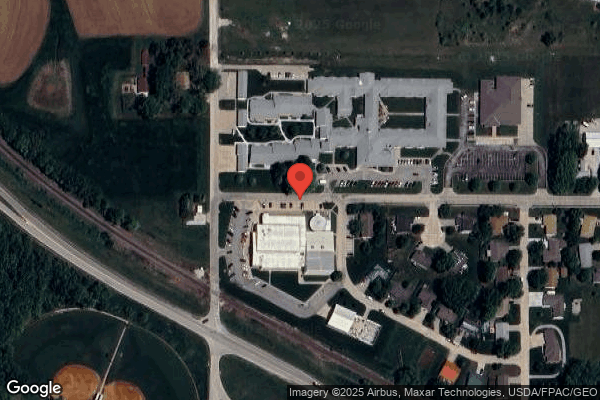
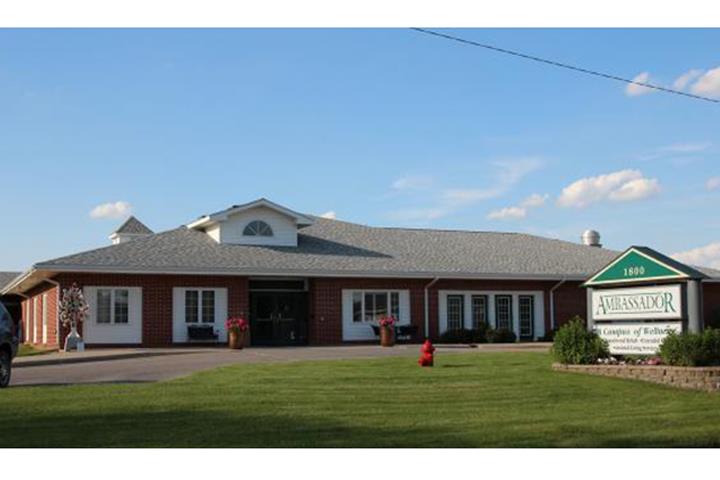
1800 14th Avenue, Nebraska City, NE 68410 (402) 873-6650
For profit - Corporation 71 Beds AMBASSADOR HEALTH Data: November 2025
Trust Grade
80/100
#65 of 177 in NE
Last Inspection: October 2024

Within standard 12-15 month inspection cycle. Federal law requires annual inspections.

Overview

The Ambassador Nebraska City, Inc has a Trust Grade of B+, which indicates that it is above average and generally recommended for families seeking care. It ranks #65 out of 177 facilities in Nebraska, placing it in the top half, and holds the top position in Otoe County, meaning there is only one other local option that is better. The facility's trend is stable, with the same number of issues reported in both 2024 and 2025, although there are six concerns noted. Staffing is a strength, with a turnover rate of 0%, significantly lower than the state average, but RN coverage is only average, which may affect the level of oversight. Notably, the facility has no fines, which is a positive sign. However, there were specific incidents where evaluations for the safe use of a power lift chair were not completed for five residents, and there were concerns regarding the handling of medications, including an allegation of potential misappropriation that was not thoroughly investigated. Overall, while there are strengths in staffing and compliance, families should be aware of the concerns regarding resident safety and medication handling.
Trust Score
B+
80/100
In Nebraska
#65/177
Top 36%
Safety Record
Low Risk
No red flags
Inspections
Holding Steady
2 → 2 violations
Staff Stability
○ Average
Turnover data not reported for this facility.
Penalties
✓ Good
No fines on record. Clean compliance history, better than most Nebraska facilities.
Skilled Nurses
✓ Good
Each resident gets 48 minutes of Registered Nurse (RN) attention daily — more than average for Nebraska. RNs are trained to catch health problems early.
Violations
○ Average
6 deficiencies on record. Average for a facility this size. Mostly minor or procedural issues.
★★★★☆
4.0
Overall Rating
★★★★☆
4.0
Staff Levels
★★★★☆
4.0
Care Quality
★★★★☆
4.0
Inspection Score
Stable
2024: 2 issues
2025: 2 issues

The Good

  • 4-Star Staffing Rating · Above-average nurse staffing levels
  • 4-Star Quality Measures · Strong clinical quality outcomes
  • Full Sprinkler Coverage · Fire safety systems throughout facility
  • No fines on record

Facility shows strength in staffing levels, quality measures, fire safety.

The Bad

Chain: AMBASSADOR HEALTH

Part of a multi-facility chain

Ask about local staffing decisions and management

The Ugly 6 deficiencies on record

Mar 2025 2 deficiencies
CONCERN (D) 📢 Someone Reported This

A family member, employee, or ombudsman was alarmed enough to file a formal complaint

Potential for Harm - no one hurt, but risky conditions existed

Report Alleged Abuse (Tag F0609)

Could have caused harm · This affected 1 resident

Licensure reference: 175 NAC 12-006.02(H) Based on interview and record review, the facility failed to ensure an allegation of potential misappropriation of medication was reported for 2 [Resident 1 a...

Read full inspector narrative →
Licensure reference: 175 NAC 12-006.02(H) Based on interview and record review, the facility failed to ensure an allegation of potential misappropriation of medication was reported for 2 [Resident 1 and 3] of 5 sampled residents. The facility had a total census of 46 residents. Findings are: A review of facility investigation dated 2/12/25 revealed an allegation that a nurse was requesting medication aides sign out prn [as needed] controlled medications and provide them to the nurse to administer to Residents 1 and 3 instead of having the Medication Aide administer the medication directly to the resident. The investigative report revealed that an audit was conducted of narcotic logs, administration of as needed medications and frequent /early re-orders of prn medications with no concerns identified. Staff interviews were conducted on 2/12/25 and 2/13/25 revealed no concerns of misappropriation of medications. In an interview on 3/10/25 at 3:04 PM and 3:52 PM, the Administrator confirmed that the allegation that a nurse was requesting medication aides provide medication to the nurse to administer instead of administering the medication directly to the resident had not been reported as potential misappropriation of medications. The Administrator reported that the reporter had not alleged that medications were missing. The Administrator confirmed that the facility did investigate to ensure medications were not missing based on the reporter's statements. A review of facility policy titled Abuse Reporting and Investigation Policy dated 7/2024 revealed the following: -Ensure that all alleged violations involving abuse, neglect, exploitation or mistreatment, including injuries of unknown source and misappropriation of resident property, are reported immediately but not later than 2 hours after the allegation is made if the events that cause the allegation involve abuse or result in serious bodily injury; or not later than 24 hours if the events that cause the allegation do not involve abuse and do not result in serious bodily injury, to the administrator of the facility and to other officials (including to the State Survey Agency and adult protective services where State law provides jurisdiction in long-term care facilities).
CONCERN (D) 📢 Someone Reported This

A family member, employee, or ombudsman was alarmed enough to file a formal complaint

Potential for Harm - no one hurt, but risky conditions existed

Investigate Abuse (Tag F0610)

Could have caused harm · This affected 1 resident

Licensure reference: 175 NAC 12-006.02(H) Based on interview and record review, the facility failed to ensure a thorough investigation had completed regarding an allegation of potential misappropriati...

Read full inspector narrative →
Licensure reference: 175 NAC 12-006.02(H) Based on interview and record review, the facility failed to ensure a thorough investigation had completed regarding an allegation of potential misappropriation of medications from 1 [Resident 1] of 5 sampled residents. The facility had a total census of 46 residents. Findings are: A review of facility investigation dated 1/12/15 revealed an allegation that a nurse was requesting medication aides sign out prn [as needed] controlled medications and provide them to the nurse to administer to Residents 1 and 3 instead of having the Medication Aide administer the medication directly to the resident. The investigative report revealed that an audit was conducted of narcotic logs, administration of as needed medications and frequent/early re-orders of prn medications without concerns identified. According to facility investigations, staff interviews were conducted on 2/12/25 and 2/13/25 revealed no concerns of misappropriation of medications. A review of facility investigation revealed further staff interviews were conducted on 2/20/25 and 2/21/25 that revealed three staff members had been asked to provide prn [as needed] medications to a nurse for a resident instead of administering directly to the resident. In an interview on 3/10/25 at 10 AM, the Administrator confirmed that the investigation had revealed that staff were giving medications to other staff members instead of administering medications directly to a resident. In an interview on 3/10/25 at 11:04 AM, the Director of Nursing confirmed that the investigation had revealed with signing out medication on the Controlled Drug Record and not documenting that the medication was given on the medication administration record. A review of facility Performance Improvement Project with start date of 2/20/25 revealed education was being provided to staff regarding procedures for administering and documenting administration of prn medications and auditing of regular prn medications and controlled substance audits. A review of Resident 1's Controlled Drug Record for Hydrocodone [a controlled medication for pain] 10/325 mg take 1 tablet orally every 8 hours as needed revealed a count of 18 tablets on 2/4/25 at 6 AM. The 2/4/25 at 6 AM count was at the bottom of a page. A new Controlled Drug Record sheet was started for Resident 1's prn Hydrocodone with the first entry on 2/4/25 at 6 AM, the count started with 10 tablets which was a difference of 8 tablets. In interviews on 3/10/25 at 2:50 PM, 4:02 PM, and 4:31 PM, the Director of Nursing reported checking to ensure the number of medications on the Controlled Drug Record matched the medications available in the cart for that resident as part of the investigation. The Director of Nursing reported just discovering the discrepancy with the Controlled Drug Record for Resident 1 and didn't have an answer for where the medications had gone. In an interview on 3/10/25 at 3:52 PM, the Administrator confirmed that there was a documentation issue in accounting for controlled medications and acknowledged that further investigation was needed to determine if there were missing medications.
Oct 2024 2 deficiencies
CONCERN (D)

Potential for Harm - no one hurt, but risky conditions existed

Deficiency F0757 (Tag F0757)

Could have caused harm · This affected 1 resident

**NOTE- TERMS IN BRACKETS HAVE BEEN EDITED TO PROTECT CONFIDENTIALITY** Based on record review and interviews, the facility failed to ensure side effects for Adderall XR (a stimulant medication-a clas...

Read full inspector narrative →
**NOTE- TERMS IN BRACKETS HAVE BEEN EDITED TO PROTECT CONFIDENTIALITY** Based on record review and interviews, the facility failed to ensure side effects for Adderall XR (a stimulant medication-a class of drugs that increase the activity of the brain) XR (extended release) were monitored for Resident 33. This affected 1 of 5 residents sampled for unnecessary medication use. The facility census was 52. Findings are: A review of Resident 33's Continuity of Care Document created 10/29/2024 revealed the resident was admitted on [DATE] with diagnoses of a stroke with left side weakness and paralysis, multiple sclerosis (a disorder of the central nervous system marked by weakness, numbness, a loss of muscle coordination, and problems with vision, speech, and bladder control), high blood pressure, and narcolepsy (a nervous system problem that causes extreme sleepiness and attacks of daytime sleep). A review of Resident 33's Quarterly Minimum Data Set (MDS-a comprehensive assessment of each resident's functional capabilities) dated 10/03/2024 revealed a Brief Interview for Mental Status (BIMS- a test used to get a quick snapshot of a resident's cognitive function, scored from 0-15, the higher the score, the higher the cognitive function) of 14, indicating intact cognition. A review of Resident 33's Orders printed 10/31/2024 revealed an order for Adderall 5 milligrams (mg) orally once a day at 11:30 AM with a diagnosis of narcolepsy. Further review of the Orders revealed no instruction to monitor for side effects (SE) of stimulant medications. A review of Resident 33's Comprehensive Care Plan (CCP- written instructions needed to provide effective and person-centered care of the resident that meet professional standards of quality care) in the Electronic Health Record (EHR) and of the printed working care plan at nurse's station revealed no mention of Adderall XR, stimulants, or of the SE of that medication or class of medications to monitor. A review of the website https://www.webmd.com/drugs/2/drug-63163/adderall-oral/details under the Side Effects tab revealed that some SE of Adderall XR may be loss of appetite, weight loss, nausea/vomiting, dizziness, headache, nervousness, and elevated blood pressure. More serious SE listed were blood flow problems in the fingers and toes, mood/mental status changes such as agitation and aggression, and fast or pounding heartbeat. An interview on 10/31/2024 at 12:00 PM with the Director of Nursing (DON) confirmed that monitoring SE of medications was only documented in the Medication Administration Record and in the CCP, and that SE of a stimulant/Adderall was not listed in either place. The DON further confirmed that they should be monitoring for the SE of a stimulant medication. An interview on 10/31/2024 at 12:12 PM with Registered Nurse (RN) B confirmed the RN did not know the side effects of Adderall XR and that they were not listed on the MAR. An interview on 10/31/2024 at 12:23 PM with Medication Aide (MA) C confirmed the MA did not know what the side effects of a stimulant medication were. An interview on 10/31/2024 at 12:35 PM with RN E confirmed the RN did not know the side effects of a stimulant/Adderall.
CONCERN (E)

Potential for Harm - no one hurt, but risky conditions existed

Accident Prevention (Tag F0689)

Could have caused harm · This affected multiple residents

**NOTE- TERMS IN BRACKETS HAVE BEEN EDITED TO PROTECT CONFIDENTIALITY** Licensure Reference Number 175 NAC 12.006.09(I) Based on interview and record review, the facility failed to ensure evaluations ...

Read full inspector narrative →
**NOTE- TERMS IN BRACKETS HAVE BEEN EDITED TO PROTECT CONFIDENTIALITY** Licensure Reference Number 175 NAC 12.006.09(I) Based on interview and record review, the facility failed to ensure evaluations were completed for 5 (Residents 7, 12, 15, 47, and 205) of 8 sampled residents to ensure the safe use of a power lift chair recliner (lift chair)(a motorized chair that reclines and lift upward to assist the resident to stand up) to prevent accidents. The facility census was 52. Findings are: A record review of the facility's undated Fall Policy revealed it was the policy of the facility to provide a safe and healthful living environment for all residents. Fall risk assessments were to be completed by nursing staff following a fall event. The Care Plan would be reviewed/revised to determine effectiveness of current interventions and/or add additional interventions to prevent future falls. A record review of the facility's undated Fall Risk Prevention policy revealed it was the policy of the facility to review and identify residents at risk for falls. Upon admission, quarterly, and when there was a change of condition, a Fall Risk Assessment would be completed. If the resident was identified as high risk (a score greater than 10) a prevention protocol would be initiated immediately to include -Evaluation in the care planning process as a potential or actual problem. -Request for Evaluation by Physical Therapy (PT) or Occupational Therapy (OT) for interventions such as positioning, strengthening, assistive devices, coordination, education, as needed. -Evaluation of the resident's environment. -Evaluation for predisposing factors. -Evaluation for needed safety alarm devices. A. A record review of Resident 12's Resident Census dated 10/30/2024 revealed the resident was admitted to the facility on [DATE]. A record review of Resident 12's SNF (Skilled Nursing Facility) Continuity of Care Document (CCD) dated 10/30/2024 revealed the resident had diagnoses of Repeated falls, Dizziness and giddiness (off-balance and surroundings moving or spinning), Orthostatic hypotension (blood pressure drop after standing), Restless Leg Syndrome (disorder that causes uncomfortable legs and an urge to move them), Acute on chronic systolic (congestive) heart failure, Chronic kidney disease, Benign prostatic hyperplasia (enlarged prostate), and Irritable bowel syndrome. A record review of Resident 12's Minimum Data Set (MDS)(a comprehensive assessment used to develop a resident's care plan) dated 05/22/2024 revealed the resident had a Brief Interview for Mental Status (BIMS)(a score of a residents cognitive abilities) of 12 out of 15 which indicated the resident was moderately cognitively impaired (confused). The resident required partial/moderate assistance with toileting, upper body dressing, and oral and personal hygiene (cleaning). The resident was substantial/maximal assistance with bathing, lower body dressing, and footwear. The resident needed partial/moderate assistance with rolling, lying, and sitting on side of bed, sit to stand positioning, toilet transfer, and chair to bed transfers. The resident used a walker and a wheelchair. The MDS revealed the resident had fallen in the last month. A record review of the facility's Monthly Patient Fall Tracking Record dated 01/01/24 - 10/22/2024 revealed Resident 12 had falls on 05/11/2024 and 06/09/2024 from the lift chair. A record review of Resident 12's Progress Note dated 05/11/2024 revealed Resident 12 was found on the floor in the room sitting in front of the lift chair. When asked what happened Resident 12 stated they raised the lift chair all the way up to help stand up. When Resident 12 raised the lift chair up, the resident's slid on the carpet and the resident slowly sat down on the floor. Resident 12 was assisted back to the lift chair with 2 staff members using the Hoyer lift (a full body lift). The immediate intervention was to place new gripper socks on the resident's feet and then a sign was placed on the dresser to remind the resident to wear gripper socks or shoes when the resident was up. A record review of the facility's Post Fall Observation for Resident 12 dated 05/11/2024 revealed: The detailed description of Resident 12's fall was the resident raised the lift chair all the way up to help the resident stand. The resident previously had gripper socks on, and the resident removed them and put regular socks on. When the resident raised the recliner up, the resident's feet slid on the carpet and slowly sat down on the floor. The resident was assisted back to the lift chair with 2 staff using the Hoyer lift. The resident was normally an assist of 1 staff with/without device for ambulation. A summary of potential factors that could have contributed to the fall was regular socks sliding on the carpet. A description of measures to be taken to prevent further falls was a sign placed on dresser to remind the resident to wear gripper socks or shoes while up. A record review of the facility's Falls Investigation Form for Resident 12 dated 5/11/2024 revealed an intervention of gripper socks placed on the resident. Resident 12 was putting recliner up and slid down to the floor. The lift chair was all the way up. The resident reported the resident was moving the resident's seat up and slowly slipped. A record review of Resident 12's Progress Note dated 06/09/2024 revealed Resident 12 fell from the recliner. The resident was sitting on the floor in front of the lift chair which was in the high raised position. The chair alarm was sounding, and the resident had gripper socks on. Resident 12 was helped back into the lift chair with a Hoyer lift. The staff added Dycem (a non-slip material) to the lift chair to prevent sliding and staff was to check on resident frequently. A record review of the facility's Post Fall Observation dated 06/09/2024 revealed: The detailed description of Resident 12's fall was the resident slid from the lift chair. The resident's usual ambulatory status was a staff assist of 1 with/without a device. It did not reveal there was a pattern to the resident's falls. The resident had raised the lift chair causing the resident to slide. A description of measures to be taken to prevent further falls was Dycem placed in the lift chair and staff was to check on resident frequently. A record review of the facility's Falls Investigation Form dated 06/09/2024 did not reveal an immediate measure put into place to protect the resident and ensure safety. Resident 12 stated the resident slid out of the lift chair. The lift chair tipped up and staff suggested keep chair controller out of reach, check on the resident frequently, and keep Dycem under the resident to prevent sliding. A record review of Resident 12's EMR and paper chart did not reveal a safety assessment had been completed to assess the resident's ability to safely use the lift chair. An observation on 10/30/2024 at 1:18 PM revealed Resident 12 was reclined in the lift chair with the resident's legs elevated. An observation on 10/31/2024 at 11:12 AM revealed Resident 12 was sleeping while reclined in the lift chair with the resident's legs elevated. The remote was in reach. In an interview on 10/30/2024 at 1:18 PM, Resident 12 confirmed the resident had a lift chair, the remote was in reach, and the resident was not supposed to use it, the resident was to call staff if needed. In an interview on 10/30/2024 at 3:27 PM, Registered Nurse (RN)-E confirmed the admitting nurse went over the room education with the resident but was unaware of any education provided to the resident on how to safely use the lift chair. In an interview on 10/31/2024 at 3:18 PM, RN-G confirmed that when a resident was admitted to the facility, the staff would ensure the resident was able to use a walker but didn't make ensure a resident knew how to use the lift chair controller. In an interview on 10/30/2024 at 11:28 AM, Occupational Therapist (OT)-F confirmed OT did not do safety assessments on the resident's ability to safely use a lift chair unless the facility specifically requested it. In an interview on 10/30/2024 at 1:34 PM, the Director of Nursing (DON) confirmed the staff did not complete safety assessments on the residents to ensure the residents were able to safely use a lift chair. B. A record review of Resident 7's Face Sheet dated 10/30/2024 revealed the resident was admitted to the facility on [DATE]. The resident had diagnoses of Bilateral primary osteoarthritis of knee (knee joint disease), Other forms of scoliosis, lumbar region (spine deformity of the lower back), Postural kyphosis, site unspecified (hunching of the back), Unspecified abnormalities of gait (walking pattern), and Alzheimer's disease (mental deterioration). A record review of Resident 7's MDS dated 09/11/2024 revealed the resident had a BIMS score of 3 out of 15 which indicated the resident was severely cognitively impaired (confused). The resident required partial/moderate assistance with bathing, oral, and personal hygiene. The resident was substantial/maximal assistance with dressing and was dependent on staff for toileting and footwear. The resident needed substantial/maximal assistance with rolling, lying, and sitting on side of bed, sit to stand positioning, toilet transfer, and chair to bed transfers. The resident used a walker and a wheelchair. A record review of the facility's Monthly Patient Fall Tracking Record dated 01/01/24 - 10/22/2024 revealed Resident 7 had fallen on 10/27/2024 from the lift chair. A record review of Resident 7's Progress Note dated 10/27/2024 revealed Resident 7 had increased confusion overnight and kept getting out of bed and looking for the resident's spouse. The staff were eventually able to settle the resident in the lift chair. At 4:30 AM the resident's chair alarm sounded. The resident had slid out of the lift chair. The resident did not understand what the controller was and put the chair all the way up. Throughout the assessment process, the resident remained confused and kept asking what happened that the chair kept going up. The resident was assisted up with 2 assist, gait belt (belt that fastened around a resident for staff to hold to keep from falling), and walker. The staff was unable to use the Hoyer lift, as resident's legs were pushed up against the dresser and the staff was unable to get the Hoyer into place. The resident would be monitored for safety every hour in addition to the 5 R (reposition, restroom, rate pain, reach, and refresh) checks for 3 days. A record review of the facility's Post Fall Observation dated 10/27/2024 revealed: The detailed description of Resident 7's fall was the resident slid out of the recliner and did not understand the resident was raising it up with the controller. The resident landed on the buttocks with legs out in front of the resident, partially bent at the knees. The resident was normally an assist of 1 staff with/without device for ambulation. A summary of potential factors that could have contributed to the fall was the resident was confused and did not understand the resident was pushing the controller to raise the chair. A description of measures to be taken to prevent further falls was in addition to 5 R checks, safety checks to be done every hour for 3 days. A record review of the facility's Falls Investigation Form dated 10/27/2024 revealed an intervention of add every hour safety check to 5's for 3 days. Resident 7 said it just kept going up and that the resident was confused and didn't understand the resident raised the chair with the controller. The fall was unwitnessed. A record review of Resident 7's EMR and paper chart did not reveal a safety assessment had been completed to assess the resident's ability to safely use the lift chair. An observation on 10/28/2024 at 10:38 AM revealed Resident 7 was reclined in the lift chair with the resident's legs elevated, feet were off the end of the lift chair and the lift chair controller was on the floor. An observation on 10/29/2024 at 11:21 AM revealed Resident 7 was sitting reclined in the lift chair with the resident's legs elevated. The remote was on the floor. In an interview on 10/28/2024 at 1:34 PM, Resident 7's Power of Attorney (POA) confirmed the resident had a lift chair and slid out of the lift chair on Saturday, 10/27/2024. The intervention Resident 7's POA was told was the facility was going to place an alarm in the lift chair and bed. In an interview on 10/30/2024 at 3:27 PM, Registered Nurse (RN)-E confirmed the admitting nurse went over the room education with the resident but was unaware of any education provided to the resident on how to safely use the lift chair. In an interview on 10/31/2024 at 3:18 PM, RN-G confirmed that when a resident was admitted to the facility, the staff would ensure the resident was able to use a walker but didn't make sure a resident knew how to use the lift chair controller, but if the resident had to stand up, they had to use the lift chair. In an interview on 10/30/2024 at 11:28 AM, Occupational Therapist (OT)-F confirmed OT did not do safety assessments on the resident's ability to safely use a lift chair unless the facility specifically requested it. In an interview on 10/29/2024 at 1:19 PM, the Director of Nursing (DON) confirmed they do not have a safety assessment on Resident 7, and one was not done following the fall from the lift chair recliner. In an interview on 10/30/2024 at 1:34 PM, the DON confirmed the staff did not complete safety assessments on the residents to ensure the residents were able to safely use a lift chair. C. A record review of Resident 15's Resident Census dated 10/30/2024 revealed the resident was admitted to the facility on [DATE]. A record review of Resident 15's SNF CCD dated 10/30/2024 revealed the resident had diagnoses of Acute lymphangitis of right lower limb (infection in right leg), Acquired absence of limb (arm or leg removal), Unsteadiness on feet, Muscle weakness, Peripheral vascular disease (low blood flow in arms or legs), Need for assistance with personal care, and Chronic Obstructive Pulmonary Disease (COPD). A record review of Resident 15's MDS dated 08/19/2024 revealed the resident had a BIMS score of 14 out of 15 which indicated the resident was cognitively aware. The resident required substantial/maximal assistance with bathing, oral, and personal hygiene. The resident was dependent on staff for toileting, dressing, and footwear. The resident was dependent on staff for all mobility and transfer needs. The resident used a wheelchair. A record review of the facility's Monthly Patient Fall Tracking Record dated 01/01/24 - 10/22/2024 revealed Resident 15 had fallen on 09/07/2024 from the lift chair. A record review of Resident 15's Progress Note dated 09/07/2024 revealed at 10:45 PM the Nursing Assistant (NA) called the RN into Resident 15's room and the resident was on the floor. The call light was on, and the NA went to answer it. The lift chair was elevated, and the resident was laying on the resident's left side. The resident's face had several cuts and was bleeding and the resident's nose was bleeding. The resident stated the resident was messing with the blanket and with what was on it. The chair was found elevated and tilted forward. The emergency room (ER) was called, and the facility got orders to transport to the hospital. A record review of the facility's Post Fall Observation dated 09/07/2024 revealed: The detailed description of Resident 15's fall was the resident fell out of lift chair onto their left face. It did not reveal any measures were in use at the time of the fall. The resident was normally an assist of 1 staff with/without device for ambulation. A summary of potential factors that could have contributed to the fall was the resident was messing with the blanket and what was on it (chair remote was on it) and the resident's lift chair was elevated when observed. A description of measures to be taken to prevent further falls was blank. A record review of the facility's Falls Investigation Form dated 09/07/2024 revealed Resident 15 had a significant injury and was sent to ER. The chair was lifted up, the resident was on the resident's left side, left face/eye/nose were bleeding because of a skin tear. The resident was attempting to grab the lift chair remote. The resident said the resident leaned to mess with chair remote and blanket and toppled over and hit her face on the floor. Immediate measure put in place to protect the resident and ensure safety was ER called. A record review of Resident 15's Rehabilitation Screen dated 09/09/2024 revealed following the fall, OT assessed the resident and recommended a non-lift recliner to prevent the risk of falls. A record review of Resident 15's EMR and paper chart did not reveal a safety assessment had been completed to assess the resident's ability to safely use the lift chair. An observation on 10/30/2024 at 12:26 PM revealed Resident 15's had a power recliner but was not a lift chair. In an interview on 10/30/2024 at 3:27 PM, Registered Nurse (RN)-E confirmed the admitting nurse went over the room education with the resident but was unaware of any education provided to the resident on how to safely use the lift chair. In an interview on 10/31/2024 at 3:18 PM, RN-G confirmed that when a resident was admitted to the facility, the staff would ensure the resident was able to use a walker but didn't make sure a resident knew how to use the lift chair controller. In an interview on 10/30/2024 at 11:28 AM, Occupational Therapist (OT)-F confirmed OT did not do safety assessments on the resident's ability to safely use a lift chair unless the facility specifically requested it. In an interview on 10/30/2024 at 1:34 PM, the DON confirmed the staff did not complete safety assessments on the residents to ensure the residents were able to safely use a lift chair. D. A record review of Resident 47's Resident Census dated 10/30/2024 revealed the resident was admitted to the facility on [DATE]. A record review of Resident 47's SNF CCD dated 10/30/2024 revealed the resident had diagnoses of Peripheral vascular disease, Muscle weakness, Unsteadiness on feet, Acquired absence of left toe, Fracture of unspecified part of neck of right femur (right hip), and Other abnormalities of gait. A record review of Resident 47's MDS dated 10/10/2024 revealed the resident had a BIMS score of 6 out of 15 which indicated the resident was severely cognitively impaired. The resident required supervision/touching for oral and personal hygiene. The resident required partial/moderate assistance for bathing and upper body dressing. The resident required substantial/maximal assistance for lower body dressing and was dependent on staff for toileting and footwear. The resident needed substantial/maximal assistance to move from sit to lying and lying to sitting. The resident was dependent on staff for sit to stand, chair, toilet, and tub/shower transfers. The resident used a wheelchair. A record review of the facility's Monthly Patient Fall Tracking Record dated 01/01/24 - 10/22/2024 revealed Resident 47 had fallen on 10/05/2024 from the lift chair. A record review of Resident 47's Progress Note dated 10/05/2024 revealed the resident was found in the room sitting on the floor. The resident was positioned in front of the recliner. The resident states that the resident did not hit the resident's head, the resident slid on the buttocks. The recliner remote was underneath the resident, which caused the chair to raise up. A record review of the facility's Post Fall Observation dated 10/05/2024 revealed: The detailed description of Resident 47's fall was the Recliner remote was underneath of the resident, the recliner up button was being pushed. The resident slid to the resident's bottom. It did not reveal that any measures were in use at the time of the fall. The resident was normally an assist of 1 staff with/without device for ambulation. A summary of potential factors that could have contributed to the fall was blank. A description of measures to be taken to prevent further falls was make sure the recliner remote is not underneath the resident to make sure the resident did not hit the up button. A record review of the facility's Falls Investigation Form dated 10/05/2024 revealed the following -Resident 47 said I slid out of my chair. -Resident was attempting to continue sitting in recliner. Recliner tilted up. Sat on remote tip up button. Resident sat on remote slid under bottom over time and hit tilt-up button and slid out of chair. -Intervention was to make sure resident don't sit on recliner remote. It did not reveal immediate measure were put in place to protect the resident. A record review of Resident 47's EMR and paper chart did not reveal a safety assessment had been completed to assess the resident's ability to safely use the lift chair. An observation on 10/30/2024 at 10:18 AM revealed Resident 47's had a lift chair. In an interview on 10/30/2024 at 3:27 PM, Registered Nurse (RN)-E confirmed the admitting nurse went over the room education with the resident but was unaware of any education provided to the resident on how to safely use the lift chair. In an interview on 10/31/2024 at 3:18 PM, RN-G confirmed that when a resident was admitted to the facility, the staff would ensure the resident was able to use a walker but didn't make sure a resident knew how to use the lift chair controller, but if the resident had to stand up, they had to use the lift chair. In an interview on 10/30/2024 at 11:28 AM, Occupational Therapist (OT)-F confirmed OT did not do safety assessments on the resident's ability to safely use a lift chair unless the facility specifically requested it. In an interview on 10/30/2024 at 1:34 PM, the DON confirmed the staff did not complete safety assessments on the residents to ensure the residents were able to safely use a lift chair. E. A record review of Resident 205's Resident Census dated 10/30/2024 revealed the resident was admitted to the facility on [DATE]. A record review of Resident 205's SNF CCD dated 10/30/2024 revealed the resident had diagnoses of Unilateral Primary Osteoarthritis, right hip. Idiopathic scoliosis (curvature of spine without reason), Presence of right artificial hip joint, Alzheimer's disease, Unspecified dementia (confusion), Muscle weakness, Unsteadiness on feet, and Other abnormalities of gait. A record review of Resident 205's MDS dated 02/06/2024 revealed the resident had a BIMS score of 6 out of 15 which indicated the resident was severely cognitively impaired. The resident required partial/moderate assistance for oral hygiene. The resident required substantial/maximal assistance for dressing and personal hygiene and was dependent on staff for toileting, bathing, and footwear. The resident needed substantial/maximal assistance for tub/shower transfers. The resident was partial/moderate assistance for mobility, toilet, and chair transfers. The resident used a walker. A record review of the facility's Monthly Patient Fall Tracking Record dated 01/01/24 - 10/22/2024 revealed Resident 205 had fallen on 02/10/2024 from the lift chair. A record review of Resident 205's Progress Note dated 02/10/2024 revealed the NA noted the resident was sitting on the floor in front of the lift chair. The leg rest of the lift chair was raised. The resident was sitting with the resident's back to the recliner, knees slightly bent in front and to the left. The resident was barefoot with sandals beside the lift chair. A record review of the facility's Post Fall Observation dated 02/10/2024 revealed: The detailed description of Resident 205's fall was the resident was sitting on the floor in front of the recliner. The footrest was up. The resident's legs were partially bent and toward the left. Bare feet. It did not reveal that any measures were in use at the time of the fall. The resident was normally an assist of 1 staff with/without device for ambulation. A summary of potential factors that could have contributed to the fall was the footrest of lift chair was raised, the resident scooted off of it. A description of measures to be taken to prevent further falls was Footrest not to be raised. A record review of Resident 205's EMR and paper chart did not reveal a Falls Investigation Form or a safety assessment had been completed to assess the resident's ability to safely use the lift chair. In an interview on 10/30/2024 at 3:27 PM, Registered Nurse (RN)-E confirmed the admitting nurse went over the room education with the resident but was unaware of any education provided to the resident on how to safely use the lift chair. In an interview on 10/31/2024 at 3:18 PM, RN-G confirmed that when a resident was admitted to the facility, the staff would ensure the resident was able to use a walker but didn't make sure a resident knew how to use the lift chair controller, but if the resident had to stand up, they had to use the lift chair. In an interview on 10/30/2024 at 11:28 AM, Occupational Therapist (OT)-F confirmed OT did not do safety assessments on the resident's ability to safely use a lift chair unless the facility specifically requested it. In an interview on 10/30/2024 at 1:34 PM, the DON confirmed the staff did not complete safety assessments on the residents to ensure the residents were able to safely use a lift chair.
Sept 2023 2 deficiencies
CONCERN (D)

Potential for Harm - no one hurt, but risky conditions existed

PASARR Coordination (Tag F0644)

Could have caused harm · This affected 1 resident

**NOTE- TERMS IN BRACKETS HAVE BEEN EDITED TO PROTECT CONFIDENTIALITY** Based on record review and interview, the facility failed to ensure a new PASARR (Pre-admission Screening and Resident Review, a...

Read full inspector narrative →
**NOTE- TERMS IN BRACKETS HAVE BEEN EDITED TO PROTECT CONFIDENTIALITY** Based on record review and interview, the facility failed to ensure a new PASARR (Pre-admission Screening and Resident Review, a screening to determine the presence of a mental illness or intellectual disability) review had been completed after a diagnosis of a mental disorder was identified for 1(Resident 40) out of 1 reviewed for PASARR. The facility census was 45. Findings are: Review of the Resident 40's face sheet revealed Resident 40 admitted on [DATE]. Further review revealed that a diagnosis of Psychotic Disorder with delusions due to known physiological condition was added on 9/6/22. Review of Resident 40's admission PASARR I, completed on 7/22/22, revealed There was no signs of a serious mental illness, intellectual disability, or a related found during the Level I Screen. No further clinical review or onsite evaluation is needed. Review of Resident 40's electronic health record (EHR) and paper chart revealed no PASARR completed since new diagnosis of Psychotic Disorder with delusion due to known physiological conditions was added on 9/6/22. Record review of the PASARR policy dated 09/2018 revealed the following: -#8 The facility is required to notify the appropriate state mental health authority or state intellectual disability authority when a resident with a mental disorder (MD) or intellectual disability (ID) has a significant change in his/her physical or mental condition. Further review revealed that the policy did not address that a PASARR II to be completed for a resident being identified with newly evident or possible serious MD, ID or a related condition. Interview with Social Service Director(SSD)on 9/5/23 at 12:49 PM confirmed that a PASARR II should have been done and was not when Resident 40 received the psychotic disorder on 9/6/22.
CONCERN (D)

Potential for Harm - no one hurt, but risky conditions existed

Deficiency F0657 (Tag F0657)

Could have caused harm · This affected 1 resident

Licensure Reference Number 175 NAC 12-006.09C1c Based on record review and interviews; the facility failed to include the resident or the resident's representative when performing a comprehensive care...

Read full inspector narrative →
Licensure Reference Number 175 NAC 12-006.09C1c Based on record review and interviews; the facility failed to include the resident or the resident's representative when performing a comprehensive care plan (CCP-written instructions needed to provide effective and person-centered care of the resident that meet professional standards of quality care) review and revision for 2 (Resident 3 and Resident 41) of 2 sampled residents. The facility census was 45. Findings are: A. An interview on 8/30/23 at 11:11 AM Resident 3 revealed that Resident 3 had not been invited to care plan conferences. Review of Resident 3's Electronic Health Record (EHR) revealed that Resident 3 readmitted to the facility after a hospitalization on 7/11/23 with a diagnosis of Pneumonia. Review of Resident 3's comprehensive Minimum Data Set (MDS- an assessment of each resident's functional capabilities used to develop a resident's plan of care), dated 7/14/23, revealed Resident 3 had a Brief Interview for Mental Status (BIMS- a test used to get a quick snapshot of a resident's cognitive function, scored from 0-15, the higher the score, the higher the cognitive function) of 14. Review of Resident 3's Initial Care Plan-Description: readmit, dated 7/11/23, revealed that the initial care plan had not been reviewed with the resident or resident representative and that a copy was not provided or offered to the resident or resident representative. Review of the facility's Conference Minutes-Purpose of review: Initial, dated 7/19/23, for Resident 3 revealed, under the Signature of Resident/Family in Attendance section, no signature. An interview on 9/5/23 at 1:12 PM, the Social Services Director (SSD) confirmed that Resident 3 or a representative was not in attendance to the 7/19/23 care plan conference and that Resident 3 or a representative should have been. The SSD further revealed that there is no policy related to care plan conferences and that there is no documentation completed that would state why a Resident or representative were not in attendance to a care plan conference. B. Interview on 8/30/23 at 12:24 PM with Resident 41's representative confirmed they had not attended a recent careplan conference meeting. Record review of careplan conference meeting notes and attendance record sheets dated 6/22/23 and 8/30/23 revealed Resident 41 and represntatives were not in attendance for careplan meetings. Record review of Resident 41's progress notes revealed there is no documentation of careplan meetings. Interview on 9/6/23 at 01:57 PM with SSD confirmed there is no facility Care Plan meeting Policy. Interview on 09/06/23 at 01:58 PM with SSD confirmed Resident 41 or representatives did not attend the careplan meetings on 6/22/23 or 8/30/23, letters were mailed out to invite the families to the careplan meetings and it was not documented if the resident or the resident representative attended the careplan meeting.
Understanding Severity Codes (click to expand)
Life-Threatening (Immediate Jeopardy)
J - Isolated K - Pattern L - Widespread
Actual Harm
G - Isolated H - Pattern I - Widespread
Potential for Harm
D - Isolated E - Pattern F - Widespread
No Harm (Minor)
A - Isolated B - Pattern C - Widespread

Questions to Ask on Your Visit

  • "Can I speak with families of current residents?"
  • "What's your RN coverage like on weekends and overnight?"

Our Honest Assessment

Strengths
  • • Grade B+ (80/100). Above average facility, better than most options in Nebraska.
  • • No major safety red flags. No abuse findings, life-threatening violations, or SFF status.
  • • No fines on record. Clean compliance history, better than most Nebraska facilities.
Concerns
  • • No significant concerns identified. This facility shows no red flags across CMS ratings, staff turnover, or federal penalties.
Bottom line: Generally positive indicators. Standard due diligence and a personal visit recommended.

About This Facility

What is The Ambassador Nebraska City, Inc's CMS Rating?

CMS assigns The Ambassador Nebraska City, Inc an overall rating of 4 out of 5 stars, which is considered above average nationally. Within Nebraska, this rating places the facility higher than 99% of the state's 100 nursing homes. This rating reflects solid performance across the metrics CMS uses to evaluate nursing home quality.
How is The Ambassador Nebraska City, Inc Staffed?
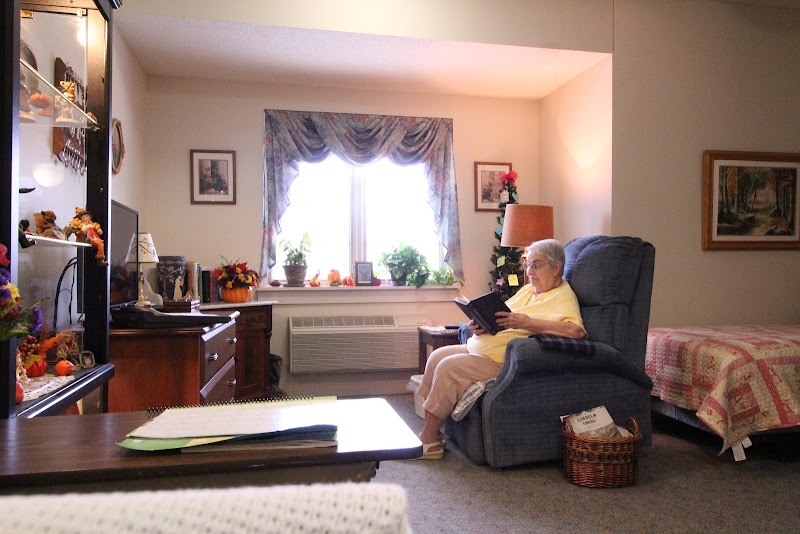
CMS rates The Ambassador Nebraska City, Inc's staffing level at 4 out of 5 stars, which is above average compared to other nursing homes.

What Have Inspectors Found at The Ambassador Nebraska City, Inc?

State health inspectors documented 6 deficiencies at The Ambassador Nebraska City, Inc during 2023 to 2025. These included: 6 with potential for harm.

Who Owns and Operates The Ambassador Nebraska City, Inc?

The Ambassador Nebraska City, Inc is owned by a for-profit company. For-profit facilities operate as businesses with obligations to shareholders or private owners. The facility is operated by AMBASSADOR HEALTH, a chain that manages multiple nursing homes. With 71 certified beds and approximately 47 residents (about 66% occupancy), it is a smaller facility located in Nebraska City, Nebraska.

How Does The Ambassador Nebraska City, Inc Compare to Other Nebraska Nursing Homes?

Compared to the 100 nursing homes in Nebraska, The Ambassador Nebraska City, Inc's overall rating (4 stars) is above the state average of 2.9 and health inspection rating (4 stars) is above the national benchmark.

What Should Families Ask When Visiting The Ambassador Nebraska City, Inc?

Based on this facility's data, families visiting should ask: "Can I visit during a mealtime to observe dining assistance and food quality?" "How do you handle medical emergencies, and what is your hospital transfer rate?" "Can I speak with family members of current residents about their experience?"

Is The Ambassador Nebraska City, Inc Safe?

Based on CMS inspection data, The Ambassador Nebraska City, Inc has a clean safety record: no substantiated abuse findings (meaning no confirmed cases of resident harm), no Immediate Jeopardy citations (the most serious violation level indicating risk of serious injury or death), and is not on the Special Focus Facility watch list (a federal program monitoring the lowest-performing 1% of nursing homes). The facility has a 4-star overall rating and ranks #1 of 100 nursing homes in Nebraska. While no facility is perfect, families should still ask about staff-to-resident ratios and recent inspection results during their visit.

Do Nurses at The Ambassador Nebraska City, Inc Stick Around?

The Ambassador Nebraska City, Inc has not reported staff turnover data to CMS. Staff turnover matters because consistent caregivers learn residents' individual needs, medications, and preferences. When staff frequently change, this institutional knowledge is lost. Families should ask the facility directly about their staff retention rates and average employee tenure.

Was The Ambassador Nebraska City, Inc Ever Fined?

The Ambassador Nebraska City, Inc has no federal fines on record. CMS issues fines when nursing homes fail to meet care standards or don't correct problems found during inspections. The absence of fines suggests the facility has either maintained compliance or corrected any issues before penalties were assessed. This is a positive indicator, though families should still review recent inspection reports for the full picture.

Is The Ambassador Nebraska City, Inc on Any Federal Watch List?

The Ambassador Nebraska City, Inc is not on any federal watch list. The most significant is the Special Focus Facility (SFF) program, which identifies the bottom 1% of nursing homes nationally based on persistent, serious quality problems. Not being on this list means the facility has avoided the pattern of deficiencies that triggers enhanced federal oversight. This is a positive indicator, though families should still review the facility's inspection history directly.