Good Samaritan Society - Syracuse
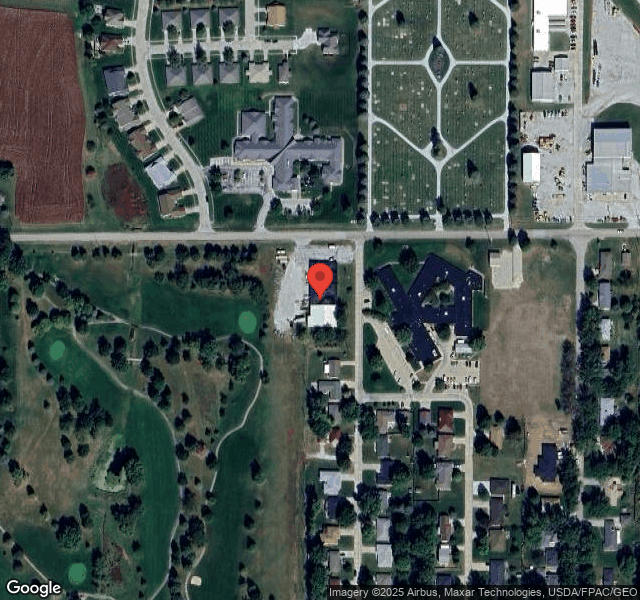

1622 Walnut Street, Syracuse, NE 68446 (402) 269-2251
Non profit - Corporation 88 Beds GOOD SAMARITAN SOCIETY Data: November 2025
Trust Grade
63/100
#86 of 177 in NE
Last Inspection: January 2025

Within standard 12-15 month inspection cycle. Federal law requires annual inspections.

Overview

Good Samaritan Society in Syracuse, Nebraska, has a Trust Grade of C+, indicating that it is slightly above average but still has room for improvement. It ranks #86 out of 177 facilities in Nebraska, placing it in the top half, and #2 out of 3 in Otoe County, meaning there is only one local option that ranks higher. Unfortunately, the facility's trend is worsening, with issues increasing from 1 in 2024 to 5 in 2025. Staffing has a middle-of-the-road rating of 3 out of 5 stars, and while turnover is around the state average at 56%, the RN coverage is concerning, as it is less than that of 75% of other Nebraska facilities. The facility has incurred $13,000 in fines, which is higher than 77% of similar facilities, suggesting ongoing compliance issues. Specific incidents from recent inspections show that staff failed to properly assess residents after falls, which could lead to undetected injuries. Additionally, there were concerns about inadequate use of personal protective equipment, raising risks for infection spread. On a positive note, the health inspection score is 4 out of 5, indicating that the facility generally meets health standards. However, families should weigh these strengths against the highlighted weaknesses when considering this nursing home for a loved one.

Trust Score
C+
63/100
In Nebraska
#86/177
Top 48%
Safety Record
Low Risk
No red flags
Inspections
Getting Worse
1 → 5 violations
Staff Stability
⚠ Watch
56% turnover. Above average. Higher turnover means staff may not know residents' routines.
Penalties
✓ Good
$13,000 in fines. Lower than most Nebraska facilities. Relatively clean record.
Skilled Nurses
⚠ Watch
Each resident gets only 26 minutes of Registered Nurse (RN) attention daily — below average for Nebraska. Fewer RN minutes means fewer trained eyes watching for problems.
Violations
○ Average
10 deficiencies on record. Average for a facility this size. Mostly minor or procedural issues.
★★★☆☆
3.0
Overall Rating
★★★☆☆
3.0
Staff Levels
★☆☆☆☆
1.0
Care Quality
★★★★☆
4.0
Inspection Score
Stable
2024: 1 issues
2025: 5 issues

The Good

  • Full Sprinkler Coverage · Fire safety systems throughout facility
  • No fines on record

Facility shows strength in fire safety.

The Bad

3-Star Overall Rating

Near Nebraska average (2.9)

Meets federal standards, typical of most facilities

Staff Turnover: 56%

Near Nebraska avg (46%)

Frequent staff changes - ask about care continuity

Federal Fines: $13,000

Below median ($33,413)

Minor penalties assessed

Chain: GOOD SAMARITAN SOCIETY

Part of a multi-facility chain

Ask about local staffing decisions and management

Staff turnover is elevated (56%)

8 points above Nebraska average of 48%

The Ugly 10 deficiencies on record

Jan 2025 5 deficiencies
CONCERN (D)

Potential for Harm - no one hurt, but risky conditions existed

Notification of Changes (Tag F0580)

Could have caused harm · This affected 1 resident

**NOTE- TERMS IN BRACKETS HAVE BEEN EDITED TO PROTECT CONFIDENTIALITY** Licensure Reference Number NAC 175 12-006.04(F)(i)5 Based on record review and interview the facility staff failed to notify the...

Read full inspector narrative →
**NOTE- TERMS IN BRACKETS HAVE BEEN EDITED TO PROTECT CONFIDENTIALITY** Licensure Reference Number NAC 175 12-006.04(F)(i)5 Based on record review and interview the facility staff failed to notify the physician and responsible party regarding missed/unavailable doses of medication for 1 (Resident 18) of 8 resident's reviewed. The facility staff identified a census of 42. Findings are: Record review of Resident 18's Face Sheet dated 01/15/2025 revealed Resident 18 was admitted to the facility on [DATE]. Record review of Resident 18's Minimum Data Set (MDS, a federally mandated assessment tool used for care planning) signed as completed on 11/04/2024 revealed the facility staff assessed the resident's use of anticonvulsant medication. This MDS also assessed Resident's mental status and documented severe impairment. Record review of Resident 18's Medication Administration Record (MAR, a record of how the Resident's medications are administered) for Phenytoin (an anticonvulsant medication) Oral Suspension 125 MG/ML (Milligram/Milliliter), give 8 ML by mouth two times a day revealed 19 missed doses total for November and December 2024. The missed doses for November 2024 revealed the medication was unavailable for a total of 16 doses, and December 2024 revealed 3 doses were unavailable. 1/15/24 @ 1:15 PM Interview with Clinical Care Leader (CCL, A nurse that supervises the day-to-day cares in the facility) confirmed that the staff had not alerted the pharmacy that the medication was unavailable. The CCL revealed the staff had not notified the physician or POA of the missed doses of Phenytoin. Record review of the facility policy dated 12/23/2024 revealed the facility must immediately inform the resident, consult, the resident's physician and notify, consistent with his or her authority, the resident representative.
CONCERN (D) 📢 Someone Reported This

A family member, employee, or ombudsman was alarmed enough to file a formal complaint

Potential for Harm - no one hurt, but risky conditions existed

Assessment Accuracy (Tag F0641)

Could have caused harm · This affected 1 resident

Licensure Reference Number 175 NAC 12-006.09D Based on observation, record review and interview; the facility failed to ensure the MDS (Minimum Data Set-a comprehensive assessment tool used to develop...

Read full inspector narrative →
Licensure Reference Number 175 NAC 12-006.09D Based on observation, record review and interview; the facility failed to ensure the MDS (Minimum Data Set-a comprehensive assessment tool used to develop a resident's care plan) was coded to reflect the resident used a wander guard system (a medical alert device used to send an alert to staff or sound an alarm to prevent elopement for wandering residents)for 1 (Resident 6) of 11 residents that utilized a wander guard system. The facility census was 42. Findings are: Observation on 01/16/25 at 8:34 AM revealed Resident 6 seated in a recliner in their room. Resident 6 had a wander guard system bracelet present on the right wrist. Interview on 01/15/25 at 3:18 PM with the facility Social Worker confirmed that the wander guard was placed on Resident 6 on 12/19/24. The Social Worker further confirmed that Resident 6 was at risk for elopement. Record review of Resident 6's CCP (Comprehensive Care Plan, a individualized plan of care which identifies care needs for the resident) dated revised 12/19/24 revealed that Resident 6 had the potential for elopement related to exit-seeking due to Dementia. Interventions included: Wander guard used to alert staff to resident near exits. This was initiated on 12/19/2024. Record review of Resident 6's annual MDS annual 12/26/24, with a review period between 12/20/24 and 12/26/24, revealed an admission date of 2/8/24 and diagnoses that included Unspecified Dementia, Depression and Generalized anxiety Disorder. Resident 6's MDS identified a BIMS (Brief Interview for Mental Status, aides in detecting cognitive impairment) score of 05 which indicated severely impaired cognitive ability, wandering occurred 1-3 days during the assessment review dates, no impairment with range of motion, walker and wheelchair use, independent while in a manual wheelchair with wheeling 50 feet - 150 feet, and no wander guard used. Interview on 01/16/25 at 9:40 AM with the MDS Coordinator confirmed the information in the CCP and that a wander guard was placed on Resident 6 on 12/19/24. The MDS Coordinator confirmed that there was an error in the MDS and that the wander guard system was not coded correctly in Section P0200 E of the MDS to identify the use of a wander guard system for Resident 6. Record review of facility Order Listing Report dated 1/16/25 revealed a total of 11 residents with orders for a wander guard system.
CONCERN (D)

Potential for Harm - no one hurt, but risky conditions existed

Accident Prevention (Tag F0689)

Could have caused harm · This affected 1 resident

**NOTE- TERMS IN BRACKETS HAVE BEEN EDITED TO PROTECT CONFIDENTIALITY** Licensure Reference Number 175 NAC 12-006.09(I) Based on observation, interview and record review; the facility failed to re-eva...

Read full inspector narrative →
**NOTE- TERMS IN BRACKETS HAVE BEEN EDITED TO PROTECT CONFIDENTIALITY** Licensure Reference Number 175 NAC 12-006.09(I) Based on observation, interview and record review; the facility failed to re-evaluate elopement risk and monitor the functioning of the wander guard system (a medical alert device used to send an alert to staff or sound an alarm to prevent elopement for wandering residents) for 1 (Resident 6) of 11 residents that utilized a wander guard system. The facility census was 42. Findings are: Record review of a facility policy entitled Elopement- Rehab/Skilled & Adult Day Services, dated 8/16/24 revealed the following: - During the stay: 1. Residents will be assessed and monitored in the following ways: a. The Elopement Risk UDA (assessment) will be completed for all residents with the quarterly, annual and significant change MDS (Minimum Data Set-a comprehensive assessment tool used to develop a resident's care plan) assessments. The Elopement Risk UDA can also be triggered PRN (as needed) when elopement risk is identified (i.e. change in resident's medical condition and/or cognitive status, resident who is exhibiting a new mood or behavior or a new attempt to elope). Record review of Resident 6's annual MDS dated [DATE], with a review period between 12/20/24 and 12/26/24, revealed an admission date of 2/8/24 and diagnoses that included Unspecified Dementia, Depression and Generalized anxiety Disorder. Resident 6's MDS identified a BIMS (Brief Interview for Mental Status, aides in detecting cognitive impairment) score of 05 which indicated severely impaired cognitive ability, wandering occurred 1-3 days during the assessment review dates, no impairment with range of motion, walker and wheelchair use, independent while in a manual wheelchair with wheeling 50 feet - 150 feet, and no wander guard used. Record review of Resident 6's CCP (Comprehensive Care Plan, an individualized plan of care which identifies care needs for the resident) dated revised 12/19/24 revealed that Resident 6 had the potential for elopement related to exit-seeking due to Dementia. Interventions included: Wander guard used to alert staff to resident near exits. This was initiated on 12/19/2024. Record review of an Elopement Risk Assessment for Resident 6, completed on 6/14/24, revealed that Resident 6 was identified not at risk for elopement. Record review of Resident 6's Electronic Medical Record, including elopement assessments, revealed that no elopement assessments had been completed after 6/14/24 for Resident 6. Record review of Physician Orders revealed the following orders for Resident 6: - 12/16/2024: Wander guard for increase confusion and exit seeking. - 12/19/24: Check function of wander guard bracelet Q (every) shift two times a day for wander guard integrity. Record review of Resident 6's Progress Notes revealed the following: - 12/13/2024: Resident presenting with higher confusion and asking when [gender] can leave. Resident restless but was able to be redirected. Wander guard was placed for safety. Family notified, fax sent to MD (Medical Doctor). - 12/16/24 14:31: Dr. noted fax regarding wander guard bracelet. - 12/16/24 15:00: Dr. ok to wander guard. Placed in oreders [sp]. - 12/27/24 12:38: Resident wondered the facility lost several times. This MSW [master Social Work] observed and redirected resident several times. Resident requires redirection, cues, and reminders. Memory loss and low recollection on what is said. Observation on 01/16/25 at 8:34 AM revealed Resident 6 seated in a recliner in their room. Resident 6 had a wander guard system bracelet present on the right wrist. Interview on 01/16/25 at 8:40 AM with LPN (Licensed Practical Nurse) A revealed the wander guards are checked by the medication aides and documented on the Electronic MAR / TAR (Medication Administration Record / Treatment Administration Record) in the resident's record. Observation on 01/16/25 at 8:41 AM with MA (Medication Aide) B revealed that MA B entered Resident 6's room and checked the wander guard system with the testing device. The light on the wander guard bracelet, on Resident 6's right arm, turned green which indicated that it functioned properly. Interview on 01/16/25 at 8:43 AM with MA B revealed the order for the wander guard had not populated onto Resident 6's Electronic MAR /TAR and was not available to be documented as completed and checked. Interview on 01/16/25 at 8:45 AM LPN A confirmed the wander guard checks had not populated onto the Electronic MAR/TAR dated December 2024 and January 2025 so those checks could not be documented as completed. LPN A confirmed that wander guard system checks were to be done BID (twice a day) and should have started on 12/19/24. LPN A reviewed Resident 6's Electronic MAR / TAR dated December 2024 and January 2025 and confirmed those checks were not completed or documented. Interview on 01/16/25 at 01:26 PM with CCLC (Clinical Care Lead Coordinator) confirmed that an elopement assessment for Resident 6 had not been completed when the wander guard was initiated on 12/19/24 and should have been. The CCLC confirmed that the monitoring of the function of the wander guard for Resident 6 had not been completed or documented and should have been. Record review of facility Order Listing Report dated 1/16/25 revealed a total of 11 residents with orders for a wander guard system.
CONCERN (D)

Potential for Harm - no one hurt, but risky conditions existed

Deficiency F0760 (Tag F0760)

Could have caused harm · This affected 1 resident

Licensure Reference Number 175 NAC 12-006.10(D) Based on record review and interview; the facility failed to ensure 1 Resident (#18) of 9 Resident's reviewed were free from significant medication erro...

Read full inspector narrative →
Licensure Reference Number 175 NAC 12-006.10(D) Based on record review and interview; the facility failed to ensure 1 Resident (#18) of 9 Resident's reviewed were free from significant medication errors. The facility staff identified a census of 42. Findings are: Record review of Resident 18's Face Sheet dated 01/15/2025 revealed a diagnosis of Epilepsy and an admission date of 12/08/2022. Record review of Resident 18's Minimum Data Set (MDS, a federally mandated assessment tool used for care planning) signed as completed on 11/04/2024 revealed the facility staff assessed the resident's use of anticonvulsant medication, used to treat Epilepsy. This MDS also assessed Resident's mental status and documented severe impairment. Record review of Resident 18's MAR (Medication Administration Record) revealed Phenytoin Oral Suspension 125 MG/ML (Milligram/Milliliter), give 8 ML by mouth two times a day, related to Epilepsy. Record review of the MAR revealed in November 2024, the medication was unavailable for a total of 16 doses. Further review revealed 3 doses were unavailable in December 2024 for a total of 19 unavailable doses. Record review of Resident 18's (CCP) Comprehensive Care Plan, a written plan to meet the needs of the resident, dated 08/22/2024 revealed the following, -Focus: Resident 18 has a seizure disorder. -Goal: Resident 18 will remain free from injury related to seizure activity through review date. -Interventions: Seizure Precautions: Do not leave resident alone during a seizure; protect from injury; if resident is out of bed, help to the floor to prevent injury; remove or loosen tight clothing don't attempt to restrain resident during a seizure as this could make the convulsions more severe; protect from onlookers, draw curtain etc. -Post seizure treatment: Turn on side with head back, hyper-extended to prevent aspiration; keep airway open; after seizure take vital signs and neuro check; monitor for aphasia, headache, altered LOC, paralysis, weakness, pupillary changes. -Notify nurse ASAP if seizure activity occurs. An interview on 1/13/2025 at 7:38 AM with Resident 18's POA (Power of Attorney-An appointed individual to make decisions for the Resident, when the Resident cannot make decisions for themselves) revealed a significant medication was unavailable for Resident 18 several times in October and November. The POA was unable to give a date that they received this information. An interview on 01/15/2025 at 1:15 PM with the CCL (Clinical Care Leader) revealed the staff had not notified the pharmacy that Resident 18 was out of Phenytoin Oral Suspension, and this was a significant medication error . Record review of the facility policy titled Medication; Acquisition receiving dispensing and storage dated 3/29/24. The Policy/Procedure revealed the licensed nursing employees are responsible for ordering from the pharmacy and checking all new orders of medications. Discrepancies and omissions are to be reported promptly to the issuing pharmacy and the charge nurse. Record review of the Facility policy titled Local pharmacy medications ordering dated 9/03/24 revealed, If the medication has been reordered and not received on the next delivery, the staff are to call the pharmacy are determine why the medication was not delivered.
CONCERN (F) 📢 Someone Reported This

A family member, employee, or ombudsman was alarmed enough to file a formal complaint

Potential for Harm - no one hurt, but risky conditions existed

Infection Control (Tag F0880)

Could have caused harm · This affected most or all residents

D. Record review of Resident 17's Quarterly MDS (Minimum Data Set - a comprehensive standardized assessment of resident's functional capabilities and health needs) dated 11/8/24 revealed an admission ...

Read full inspector narrative →
D. Record review of Resident 17's Quarterly MDS (Minimum Data Set - a comprehensive standardized assessment of resident's functional capabilities and health needs) dated 11/8/24 revealed an admission date of 2/2/23 and diagnoses that included Malignant Neoplasm of Oropharynx; Dysphagia (difficulty swallowing); and Gastrostomy Status (presence of a feeding tube in the stomach for nutrition and hydration support). The MDS identified BIMS (Brief Interview for Mental Status, aids in detecting cognitive impairment) score of 14 which indicated the resident was cognitively intact. The MDS identified Resident 17 did not eat due to a medical condition and had a feeding tube while a resident with 51% or more calories by feeding tube and 501 cc or more for fluids. Record review of Resident 17's Physician Orders revealed the following orders: - 12/01/2023 NPO (nothing by mouth) diet, - 11/08/2024 Nutren 2.0 Oral Liquid (Nutritional Supplements) Give 250 ml via G-Tube three times a day with minimum of 100 ml water before and after each feeding - By Gravity. Observation on 01/15/25 at 08:20 AM revealed Resident 17 was in isolation due to use of the feeding tube. A sign on the door indicated that personal protective equipment, including gowns, gloves, N-95 mask, and eye protection were required during cares. Observation on 01/15/25 at 08:20 AM revealed LPN (Licensed Practical Nurse) C knocked on the door, entered the room in goggles, an N 95 Mask, a gown and gloves. LPN C explained the procedure to Resident 17, cleaned the bedside table with a disinfectant cloth and placed a tissue barrier. With the same gloves and no hand hygiene performed, LPN C reached into the pocket of their uniform pants, retrieved a set of keys, unlocked the supply cabinet and replaced the keys into the same pocket. With the same gloves in place and no hand hygiene performed, LPN C placed 3 cups on the barrier and retrieved a bottle of tube feeding from a box on the floor. LPN C shook the tube feeding well, opened and poured the contents of the bottle into a cup. LPN C retrieved an open bottle of distilled water from the floor and poured 240 cc into one of the cups. LPN C proceeded to check placement and administer tube feeding with water flushes as ordered. During the administration LPN C did not change gloves or perform hand hygiene. LPN C disconnected the syringe and capped the gastrostomy tube. With the same gloves in place and no hand hygiene performed, LPN C adjusted the 4x4 gauze dressing at the gastrostomy site, then adjusted Resident 17's clothing. With the same gloves in use and no hand hygiene, LPN C rinsed out the syringe and placed it back into the cabinet where clean supplies were stored. Interview on 01/15/25 at 8:35 AM with LPN C confirmed that the facility always keeps tube feeding supplies on the floor and that soiled gloves should have been removed and hygiene performed after the keys were touched. LPN C confirmed that the keys would have been considered soiled because they were in a pocket. Interview on 01/15/25 at 02:04 PM with Clinical Care Lead Coordinator (CCLC) confirmed that tube feeding supplies and water should not be stored on the floor and that hand hygiene and a glove change should have been performed after the keys were touched. The CCLC confirmed that the keys would be considered soiled as they were in a pocket. Licensure Reference Number 175 NAC 12-006.18 Based on observation, interview and record review the facility staff failed to ensure hand hygiene and gloving techniques were followed during wound care for 1( Resident 34) and tube feeding for 1( Resident 17), failed to ensure wound care supplies were not contaminated for 1 (Resident 34), failed to implement interventions to prevent the spread of Covid-19 and failed to ensure the facility had a Legionella water management plan. The facility failure had the potential to effect all residents in the facility. The facility had a census of 42. Findings are: A. A record review of Resident 34's hospice wound care order dated 12/16/2024 revealed the following instructions: -Wash left heel with wound wash, dry with gauze, apply layer of Vaseline gauze to wound and cover with dry gauze dressing and secure with Medi pore tape. Hospice nurse to complete twice a week. If dressing becomes soiled or is removed, apply dry dressing and secure as needed (PRN). An observation on 01/15/2025 at 10:47 AM of wound care performed by the Clinical Care Lead (CLL) for Resident 34 revealed the following: - The CCL entered the resident room wearing a gown and face mask. They washed their hands and donned gloves. The CLL placed a pair of scissors, a pack of Kerlix (a brand of gauze bandage), a roll of tape, a foam dressing 4 x 4 (a wound care product that absorbs drainage), an open package of Vaseline gauze (a sterile non-adhesive wound dressing that's made of fine mesh gauze and white petrolatum) and a bottle of wound cleanser directly on the residents' bed. The resident raised their left leg and the CLL removed the soiled bandage from the residents' foot by cutting the kerlix with the scissors and discarded the dressing in the trash. The CCL removed their gloves and donned clean gloves. The CCL did not use hand sanitizer or wash their hands between taking gloves off and replacing them. The CLL opened the roll of kerlix and cut a portion of it off with the scissors. The scissors were placed directly on the residents' bed. The CCL soaked a piece of kerlix with wound cleaner and wiped the residents left heel wound and discarded the wet kerlix. The CCL used the scissors, which had not been cleaned, to cut a piece of Vaseline gauze. The scissors were placed directly on the bed. The Vaseline gauze was placed on the open area of the wound. The CCL opened a foam dressing package, placed the dressing over the wound and secured it in place by wrapping the remaining kerlix over it. The CCL cut a piece of tape and used it to secure the dressing in place. The CLL secured the wound care dressings in a plastic container and washed their hands, removed their gown and face mask and exited the room. An interview on 01/15/2025 at 11:05 AM with the CLL confirmed they had not washed their hands or used hand sanitizer between glove changes and they should have done so. The CLL confirmed the scissors should have been cleaned in between cutting the dirty dressing and the clean kerlix and the wound care supplies should have been placed on a barrier sheet, not directly on the residents' bed. A record review of the facility Hand Hygiene (hygiene - the practice of keeping clean to prevent disease and maintain good health) policy dated 3/29/2022 revealed the following information: -Policy All employees in patient care areas (unless otherwise noted in their policy) will adhere to the 4 Moments of Hand Hygiene and 2 Zones of Hand Hygiene. 1. Entering Room. 2. Before Clean Task 3. After Bodily Fluid/Glove removal 4. Exiting Room 5. Zones: Patient zone and Health care zone. The preferred method of hand hygiene for most patient care settings is the use of waterless alcohol-based hand sanitizer. -Gloves are a protective barrier for the Health Care Worker (HCW) according to standard precautions. 1. Gloves are never to be reused or sanitized. 2. Hand hygiene should be performed after glove removal. -Procedure. HCW will use waterless alcohol-based hand sanitizer or soap and water to clean their hands: -When entering patient room. If gloves are used to perform a clean/aseptic procedure, hand hygiene must be completed before donning gloves. After removing gloves regardless of task completed. After contact with a patients' non-intact skin, wound dressings, secretions, excretions, mucous membranes, as long as hands are not soiled. B. A record review of the Infection Control Assessment and Promotion Program (ICAP) Summary of Recommendations for Covid-19 in a long-term care facility, revised on 05/11/2013 under the heading Isolation of Resident Identified to have Covid-19 (Red Zone) states that Resident door should be kept closed. On 1/13/2025 the facility provided a list of residents who were positive for Covid-19. These residents were in the following rooms.:100, 102,103, 104, 106, 107, 109, 112, 201, 205, 207, 213, 210, 301, 311, 312, 313, 316, 402. 405, 411 and 500. An observation on 1/13/2025 at 9:56 AM revealed the doors to rooms 201, 205, 207, 213, and 312 were open. An observation on 1/14/25 at 7:50 AM revealed the doors to rooms 312, 402, 210, 205, and 109 were open. An observation on 1/15/2024 at 9:15 AM revealed the doors to rooms 112, 109, 106, 102, 201, 207, 210, 213, and 500 were open. An interview on 1/15/2025 at 9:15 AM with the Clinical Care Lead (CCL) confirmed having the doors open in a Covid-19 positive room was an infection control breach. The CCL confirmed the Airborne Precautions from the Centers for Disease Control and Prevention (CDC) sign on each door stated the doors were to be kept closed at all times. The CCL confirmed the facility is following the Infection Control Assessment and Promotion Program (ICAP) Summary of Recommendations for Covid-19 in a long-term care facility, revised 5/11/23. The CCL confirmed the ICAP summary stated the Resident door should be kept closed. C. An interview on 1/16/2024 at 9:40 AM with the Maintenance Director (MD) confirmed the facility uses The Equipment Lifecycle System (TELS system - a system which helps with life safety, asset management, maintenance and repairs and is used to track and document repairs and maintenance in a facility). The MD was unable to produce a text and flow diagram (a visual representation of a process or workflow where each step is described with text and connected by arrows to show the sequence of actions) to show the areas where Legionella and other waterborne pathogens could grow and spread in the facility's water system. An interview on 01/16/2024 at 9:45 AM with the Facility Administrator confirmed they did not know if there was a Legionella Water Management program team and did not know if there was a water flow diagram for the facility. An interview on 1/16/2024 at 10:12 AM with the facility Maintenance Director confirmed there was not a water management program team in the facility, The facility did not have a water system flow diagram and there were no confirmatory procedures to show that the program is being followed as written and to validate that the program is effective. The MD confirmed the facility did not have the measures required by the facility policy to prevent the growth of Legionella. A record review of the Company's Plumbing Systems, Resource packet Policy, containing the Legionnaires disease and water management program Policy revised on 1/17/2024 revealed the following information: -Policy -All Good Samaritan Society rehab/skilled locations will identify a water management team at their location that will annually and with any major maintenance and water service change, identify where Legionella could grow. This team will determine the water management program for the location. Revisions will be made as needed to the water management plan. Documentation of control measures will occur in the Society's approved environmental services management software system. -Water Management Program The written program should include at least the following: Program team including names, titles, contact information and roles on the team. At a minimum the team should include: Someone who understands accreditation standards and licensing requirements, Someone with expertise in infection prevention, A clinician with expertise in infectious diseases and Risk and Quality management staff. Describe your building water system using a flow diagram; this should be a simple diagram that is easily understood by all team members. Identify areas where Legionella could grow and spread: Using the water system flow diagram, identify where potentially hazardous conditions could occur in your building water system, -Apply control measures: Control measures and limits should be established for each control point. Include confirmatory procedures to show that the program is being followed as written and to validate that the program is effective.
Jan 2024 1 deficiency
CONCERN (D) 📢 Someone Reported This

A family member, employee, or ombudsman was alarmed enough to file a formal complaint

Potential for Harm - no one hurt, but risky conditions existed

Notification of Changes (Tag F0580)

Could have caused harm · This affected 1 resident

Licensure Reference Number 175 NAC 12.006.04C3a(6) Based on record review and interview, the facility failed to notify the practitioner of a change in condition for 1 (Resident 48) of 3 sampled resid...

Read full inspector narrative →
Licensure Reference Number 175 NAC 12.006.04C3a(6) Based on record review and interview, the facility failed to notify the practitioner of a change in condition for 1 (Resident 48) of 3 sampled residents. The facility census was 45. Findings are: Record Review of Resident 48's Electronic Health Record (EHR) revealed a progress note dated 11-11-2023 at 2:17 PM revealing Resident 48 did not go to lunch, was sleepy and Resident 48's skin was pale and cool to the touch. Record Review of Resident 48's EHR revealed a progress note dated 11-11-2023 at 2:34 PM revealing Resident 48's family representative was notified that there had been a change in Resident 48's condition and options were discussed about going to the emergency room or staying at the facility. Record Review of Resident 48's EHR revealed the absence of physician notification of a change in condition on 11-11-2023. Interview with the Director of Nursing (DON) on 01-10-2024 at 12:22 PM confirmed that there was no additional documents in Resident 48's EHR that the physician was notified of a change of condition.
May 2023 1 deficiency
CONCERN (E) 📢 Someone Reported This

A family member, employee, or ombudsman was alarmed enough to file a formal complaint

Potential for Harm - no one hurt, but risky conditions existed

Quality of Care (Tag F0684)

Could have caused harm · This affected multiple residents

Licensure reference: 175 NAC 12-006.09 Based on record review and interview, the facility failed to ensure neurological assessments were accurate and complete after a fall in accordance with facility ...

Read full inspector narrative →
Licensure reference: 175 NAC 12-006.09 Based on record review and interview, the facility failed to ensure neurological assessments were accurate and complete after a fall in accordance with facility policy for 3 [Residents 1, 2, and 3] of 3 sampled residents. The facility had a total census of 41 residents. Findings are: A. A review of facility policy titled Neurological Evaluation-Rehab/Skilled dated 2/10/23 revealed the use and procedure: Use: -Following a witnessed fall when a resident has hit his/her head -Following an unwitnessed fall -Following a resident event that results in a known or suspected head injury (e.g., hemorrhagic stroke) Policy/Procedure: -After the completion of initial neurological evaluation with vital signs, continue with evaluations every 30 minutes x 4, then every eight hours x 3 days or as directed by the provider. -Subsequent neurological evaluations should be compared to baseline and previous neurological evaluations. All items on the Neuro Check UDA should be completed with each evaluation. -Notify physician of any neurological evaluation findings which are a change from the baseline or previous evaluations. Document all physician notifications on PN-Communication/visit with Physician. B. A review on Incident Report dated 4/23/23 at 9 AM revealed Resident 1 was found sitting on the bathroom floor and holding (gender) head. Resident 1 was noted to have red marks on the forehead but no swelling. Resident 1 was noted as having tremor or jerking like movements. Record review of Neuro Check forms documented in the electronic medical record completed on Resident 1 after a fall on 4/23/23 at 9 AM revealed neurological assessments were completed on the following dates and times: -4/23/23 at 9:00 AM. -4/23/23 at 9:27 AM. -4/23/23 at 11:00 AM. -4/23/23 at 2:00 PM. -4/23/23 at 8:00 PM. -4/24/23 at 8:00 PM. -4/25/23 at 1:08 PM. In an interview on 5/8/23 at 4:52 PM, the Director of Nursing (DON) confirmed no additional neurological checks could be located and that policy regarding neurological checks should be followed. The Director of Nursing (DON) confirmed that Resident 1 was receiving Xarelto. C. A review of Incident Report dated 5/2/23 at 3:40 AM revealed Resident 2 was found on the floor lying on left side. Record review of Neuro Check forms documented in the electronic medical record completed on Resident 2 after a fall on 5/3/23 at 3:40 AM revealed neurological assessments were completed on the following dates and times: -5/3/23 at 3:40 AM. -5/3/23 at 4:10 AM. -5/3/23 at 5:10 AM. -5/3/23 at 5:40 AM. -5/5/23 at 1:25 PM. -5/5/23 at 9:40 PM. -5/6/23 at 5:40 AM. In an interview on 5/8/23 at 4:55 PM, the DON confirmed no neurological checks could be located for 5/4/23. D. A review of Incident Report dated 4/16/23 at 10:15 PM revealed Resident 3 was found on fall matt on Resident 3's knees. Record review of Neuro Check forms documented in the electronic medical record completed on Resident 3 after a fall on 4/16/23 at 10:15 PM revealed a neurological check was completed on 4/16/23 at 10:15 PM. The vitals signs [temperature, pulse, respiration, blood pressure and oxygen saturation] documented on the Neuro Check form were taken at 9:54 AM on 4/16/23 not at the time of the of the fall at 10:15 PM. Record review of electronic medical record did not reveal any additional neurological checks completed on 4/16/23. A review of Incident Report dated 4/17/23 at 4:30 AM revealed Resident 3 was found on floor on matt next to Resident 3's bed. Record review of Neuro Check forms documented in the electronic medical record revealed the a neurological assessment was completed on 4/17/23 at 2:53 AM. The pulse on the 4/17/23 at 2:53 AM Neuro Check Form was documented from 4/16/23 at 9:54 AM and temperature, respiration, blood pressure, and oxygen saturations were from 4/17/23 at 1:30 AM. A review of Incident Report dated 4/18/23 at 2:15 PM revealed Resident 3 was found on mat beside bed. Record review of Neuro Check forms documented in the electronic medical record revealed no Neuro Checks had been completed on 4/18/23. In an interview on 5/8/23 at 4:59 PM with the DON revealed that neurological assessments were not completed on Resident 3 in accordance with the facility policy for an unwitnessed fall.
Jan 2023 3 deficiencies
CONCERN (E)

Potential for Harm - no one hurt, but risky conditions existed

Deficiency F0552 (Tag F0552)

Could have caused harm · This affected multiple residents

**NOTE- TERMS IN BRACKETS HAVE BEEN EDITED TO PROTECT CONFIDENTIALITY** LICENSURE REFERENCE NUMBER 175 NAC 12-006.05(3) Based on record review and interview; the facility staff failed to give a choice...

Read full inspector narrative →
**NOTE- TERMS IN BRACKETS HAVE BEEN EDITED TO PROTECT CONFIDENTIALITY** LICENSURE REFERENCE NUMBER 175 NAC 12-006.05(3) Based on record review and interview; the facility staff failed to give a choice for COVID-19 treatment upon a positive COVID-19 diagnosis for 3 (Resident 3, 27 and 37) of 3 sampled residents. The facility staff identified a census of 46. The findings are: A. Record review of an email dated 12/31/22 from ICAP (Infection Control Assessment Promotion Program) to the Administrator regarding recommendations for the COVID-19 outbreak with residents that occurred on 12/31/22 revealed a recommendation for COVID-19 therapeutic treatment for as many residents as eligible. B. Record review of Resident 3's progress note dated 12/31/22 revealed Resident 3 had a positive COVID-19 test. Review of Resident 3's MDS (Minimum Data Set; a federally mandated comprehensive assessment tool used for care planning) dated 12/5/22 revealed a BIMS (Brief Interview for Mental Status) score of 14. According to the MDS [NAME] a score of 13-15 indicates a resident is cognitively intact. On 01/05/23 at 09:30 AM an interview was conducted with Resident 3 which revealed that (gender) tested positive for COVID-19 on 12/31/22 at the emergency room and had a temp of 102 degrees Fahrenheit and a bad cold. Resident 3 stated that (gender) did not get offered COVID-19 treatment from the facility and no one from the facility spoke to (gender) about the possibility of getting COVID-19 treatment. C. Record review of Resident 27's progress notes dated 12/31/22 revealed Resident 27 had a positive COVID-19 test. Record review of Resident 27's MDS dated [DATE] revealed a BIMS of 15. On 01/05/23 at 09:40 AM an interview was conducted with Resident 27 which revealed (gender) was told (gender) had a positive COVID-19 test on 12/31/22. Resident 27 stated (gender) does have a cold with coughing. Resident 27 stated (gender) didn't get offered any COVID-19 treatments and would have considered them if (gender) had been offered. D. Record review of Resident 37's progress note dated 12/31/22 revealed Resident 37 had a positive COVID-19 test. Record review of Resident 37's MDS dated revealed a BIMS of 12. On 01/05/23 at 09:20 AM an interview was conducted with Resident 37 which revealed (gender) was told (gender) had a positive COVID-19 test on 12/31/22 and reported symptoms of coughing and being tired. Resident 37 stated (gender) no one told (gender) about COVID-19 treatments or offered COVID-19 treatments. On 01/05/22 at 07:15 AM an interview was conducted with the DON (Director of Nursing) which confirmed the recommendations from ICAP were not followed regarding COVID-19 treatments for eligible COVID-19 positive residents. The DON further confirmed there is no documentation of an evaluation or assessment of COVID-19 positive residents eligibility to receive COVID-19 treatment.
CONCERN (E)

Potential for Harm - no one hurt, but risky conditions existed

Deficiency F0923 (Tag F0923)

Could have caused harm · This affected multiple residents

Licensure Reference Number 175 NAC 12-007.04D Based on observation and interview, the facility failed to ensure a working ventilation system in 9 resident bathrooms (rooms 101, 109, 110, 115, 201, 205...

Read full inspector narrative →
Licensure Reference Number 175 NAC 12-007.04D Based on observation and interview, the facility failed to ensure a working ventilation system in 9 resident bathrooms (rooms 101, 109, 110, 115, 201, 205, 211, 212, and 301) of 44 occupied resident rooms. The facility census was 46 at the time of survey. Findings are: In an interview on 1/9/23 at 07:19 AM with the Manager of Ancillary Services (MAS) confirmed the facility was unable to find ventilation check log books. During observations of the facility environment on 1/9/23 beginning at 08:20 AM with the MAS revealed observations that the ventilation system in the resident bathrooms of rooms 101, 109, 110, 115, 201, 205, 211, 212, and 301 did not draw a 1 ply square of tissue to the surface of the ventilation covers in the resident bathrooms. In an interview on 1/9/23 at 08:40 AM with the MAS confirmed the ventilation check logs did not exist and that the ventilation in rooms 101, 109, 110, 115, 201, 205, 211, 212, and 301 were not functioning. It was also confirmed by the MAS that MAS had not been doing any bathroom ventilation system checks.
CONCERN (F)

Potential for Harm - no one hurt, but risky conditions existed

Infection Control (Tag F0880)

Could have caused harm · This affected most or all residents

**NOTE- TERMS IN BRACKETS HAVE BEEN EDITED TO PROTECT CONFIDENTIALITY** On 01/04/22 at 08:10 AM an observation of FSA-A on the yellow zone (isolation precautions requiring an N95 mask and eye protecti...

Read full inspector narrative →
**NOTE- TERMS IN BRACKETS HAVE BEEN EDITED TO PROTECT CONFIDENTIALITY** On 01/04/22 at 08:10 AM an observation of FSA-A on the yellow zone (isolation precautions requiring an N95 mask and eye protection) with two dietary carts. FSA-A's eye protection was placed on (gender)baseball cap and was not covering eyes. Licensure Reference Number 175 NAC 12-006.17 Based on observation, record review and interview, the facility staff failed to wear and clean Personal Protective Equipment [PPE, protective clothing designed to protect the wearer from infection, including gowns, gloves, face masks and eye protection] in a manner to prevent the potential spread of COVID 19. This had the potential to affect all the residents that resided in the facility. The facility census was 46. Findings are: A. Interview on 01/03/23 at 8:30 AM, upon entrance to the facility, with the facility Administrator revealed that staff were expected to wear an N95 mask [a particulate filtering face mask] and eye protection [goggles or face shield] to cover the eyes in the facility because there were residents that were positive for COVID 19 that resided in the facility. Observation on 01/04/23 at 2:30 PM revealed a sign posted on the door between the COVID 19 positive unit and the other areas of the nursing home that read: You are exiting a Yellow Zone [an isolation zone requiring an N95 mask and eye protection to be worn while in the zone]: Please stop in the chapel and disinfect your eyewear (goggles / glasses / face shield) and change your N95 mask every time you exit the yellow zone. Observation on 01/05/23 between 08:10 AM and 8:20 AM revealed Food Service Assistant [FSA] A exited the COVID 19 positive area of the facility. FSA A had on a surgical mask and goggles that were positioned on top of a hat on FSA A's head and were not positioned over the eyes. FSA A did not clean the goggles upon exit from the unit and did not change masks. Several residents were present in the lobby area of the facility and FSA A passed within 6 feet of these residents. FSA A proceeded to go to the kitchen with the same surgical ask and with the goggles on top of the head and not over the eyes. Interview on 01/05/23 at 08:20 AM with the Clinical Learning Development Specialist [CLDS] Registered Nurse [RN] confirmed the expectation that N95 masks and eye protection should be worn in the COVID 19 unit and in the facility. The CLDS confirmed that FSA A did not have on a N95 mask and the goggles did not cover the eyes when FSA A exited the COVID positive area. Observation on 01/05/23 at 11:42 AM revealed FSA A in the dining area setting up room trays for delivery to the units. There were 2 residents in the dining area at that time. FSA A wore a surgical mask and wore goggles positioned on top of [Gender] hat head and the goggles did not cover the eyes. Observation on 01/05/23 between 11:55 AM -12:10 PM revealed FSA A took room trays from the kitchen, thru the facility, past several residents in the lobby area, to the COVID positive hall with a surgical mask in place and goggles placed up on top of the hat on [gender] head. FSA A opened the door to the COVID 19 hall, placed the cart of room trays into the hall , announced to staff that room trays were there and closed the door to the COVID 19 unit. FSA A returned to the kitchen, got another tray of meals ,passed by several residents then took the trays to the COVID 19 positive hallway, opened the door to the COVID 19 hallway, placed the cart into the hall and closed the door. Still wearing a surgical mask and goggles on the hat, FSA A returned to the kitchen, got another tray of meals, took them through the facility and passed 4 residents in close proximity in the hallway to the dining area and proceeded to chapel outside of the COVID 19 positive hall. FSA A stopped, took off the surgical mask and put on an N95 and put his goggles down to cover [gender] eyes. FSA A took the tray of meals through the COVID 19 hall down to the 500 hall. FSA A returned through the COVID 19 unit, stopped and took off the N95 mask and threw it away, took a surgical mask from [gender] pants pocket and placed it on [gender] face. FSA A did not put on an N95 masks or clean the goggles after leaving the COVID unit. FSA A went back to the dining area and continued to serve meals to several residents. Interview on 01/05/23 at 12:15 PM with FSA A confirmed that [gender] wore a surgical mask and goggles on [gender] hat while passing trays to the COVID 19 positive hall and had passed several residents in the hall. FSA A confirmed that [gender] did not clean his goggles after coming off the COVID 19 hall or put on an N95 mask. Interview on 01/05/23 at 12:17 PM with the CLDS RN confirmed the expectation that N95 masks should be worn when in the facility due to residents positive with COVID 19 in the facility. The CLDS RN confirmed that goggles should be worn in a position to cover the eyes for protection. B. Observation on 01/09/23 at 08:37 AM revealed Nursing Assistant [NA] B entered room [ROOM NUMBER] with a resident. NA B had goggles sitting on top of [gender] head and they did not cover the eyes. Interview on 01/09/23 at 08:40 AM with NA B confirmed that the goggles were on top of [gender] head and not over the eyes. Interview on 1/9/23 at 8:47 AM with the facility Administrator confirmed that goggles should be worn to cover the eyes to provide protection.
Understanding Severity Codes (click to expand)
Life-Threatening (Immediate Jeopardy)
J - Isolated K - Pattern L - Widespread
Actual Harm
G - Isolated H - Pattern I - Widespread
Potential for Harm
D - Isolated E - Pattern F - Widespread
No Harm (Minor)
A - Isolated B - Pattern C - Widespread

Questions to Ask on Your Visit

  • "Why is there high staff turnover? How do you retain staff?"
  • "Can I speak with families of current residents?"
  • "What's your RN coverage like on weekends and overnight?"

Our Honest Assessment

Strengths
  • • No major safety red flags. No abuse findings, life-threatening violations, or SFF status.
Concerns
  • • $13,000 in fines. Above average for Nebraska. Some compliance problems on record.
  • • 56% turnover. Above average. Higher turnover means staff may not know residents' routines.
Bottom line: Mixed indicators with Trust Score of 63/100. Visit in person and ask pointed questions.

About This Facility

What is Good Samaritan Society - Syracuse's CMS Rating?

CMS assigns Good Samaritan Society - Syracuse an overall rating of 3 out of 5 stars, which is considered average nationally. Within Nebraska, this rating places the facility higher than 99% of the state's 100 nursing homes. This mid-range rating indicates the facility meets federal standards but may have areas for improvement.
How is Good Samaritan Society - Syracuse Staffed?

CMS rates Good Samaritan Society - Syracuse's staffing level at 3 out of 5 stars, which is average compared to other nursing homes. Staff turnover is 56%, which is 10 percentage points above the Nebraska average of 46%. High turnover can affect care consistency as new staff learn residents' individual needs. RN turnover specifically is 56%, which is notably high. RNs provide skilled clinical oversight, so turnover in this role can affect medical care quality.

What Have Inspectors Found at Good Samaritan Society - Syracuse?

State health inspectors documented 10 deficiencies at Good Samaritan Society - Syracuse during 2023 to 2025. These included: 10 with potential for harm.
Who Owns and Operates Good Samaritan Society - Syracuse?

Good Samaritan Society - Syracuse is owned by a non-profit organization. Non-profit facilities reinvest revenue into operations rather than distributing to shareholders. The facility is operated by GOOD SAMARITAN SOCIETY, a chain that manages multiple nursing homes. With 88 certified beds and approximately 43 residents (about 49% occupancy), it is a smaller facility located in Syracuse, Nebraska.

How Does Good Samaritan Society - Syracuse Compare to Other Nebraska Nursing Homes?

Compared to the 100 nursing homes in Nebraska, Good Samaritan Society - Syracuse's overall rating (3 stars) is above the state average of 2.9, staff turnover (56%) is near the state average of 46%, and health inspection rating (4 stars) is above the national benchmark.

What Should Families Ask When Visiting Good Samaritan Society - Syracuse?

Based on this facility's data, families visiting should ask: "How do you ensure continuity of care given staff turnover, and what is your staff retention strategy?" "Can I visit during a mealtime to observe dining assistance and food quality?" "How do you handle medical emergencies, and what is your hospital transfer rate?" "Can I speak with family members of current residents about their experience?" These questions are particularly relevant given the facility's high staff turnover rate.

Is Good Samaritan Society - Syracuse Safe?

Based on CMS inspection data, Good Samaritan Society - Syracuse has a clean safety record: no substantiated abuse findings (meaning no confirmed cases of resident harm), no Immediate Jeopardy citations (the most serious violation level indicating risk of serious injury or death), and is not on the Special Focus Facility watch list (a federal program monitoring the lowest-performing 1% of nursing homes). The facility has a 3-star overall rating and ranks #1 of 100 nursing homes in Nebraska. While no facility is perfect, families should still ask about staff-to-resident ratios and recent inspection results during their visit.

Do Nurses at Good Samaritan Society - Syracuse Stick Around?

Staff turnover at Good Samaritan Society - Syracuse is high. At 56%, the facility is 10 percentage points above the Nebraska average of 46%. Registered Nurse turnover is particularly concerning at 56%. RNs handle complex medical decisions and coordinate care — frequent RN changes can directly impact care quality. High turnover means new staff may not know residents' individual needs, medications, or preferences. It can also be disorienting for residents, especially those with dementia who rely on familiar faces. Families should ask: What is causing the turnover? What retention programs are in place? How do you ensure care continuity during staff transitions?

Was Good Samaritan Society - Syracuse Ever Fined?

Good Samaritan Society - Syracuse has been fined $13,000 across 1 penalty action. This is below the Nebraska average of $33,209. While any fine indicates a compliance issue, fines under $50,000 are relatively common and typically reflect isolated problems that were subsequently corrected. Families should ask what specific issues led to these fines and confirm they've been resolved.

Is Good Samaritan Society - Syracuse on Any Federal Watch List?

Good Samaritan Society - Syracuse is not on any federal watch list. The most significant is the Special Focus Facility (SFF) program, which identifies the bottom 1% of nursing homes nationally based on persistent, serious quality problems. Not being on this list means the facility has avoided the pattern of deficiencies that triggers enhanced federal oversight. This is a positive indicator, though families should still review the facility's inspection history directly.