St. Joseph's Rehabilitation and Care Center
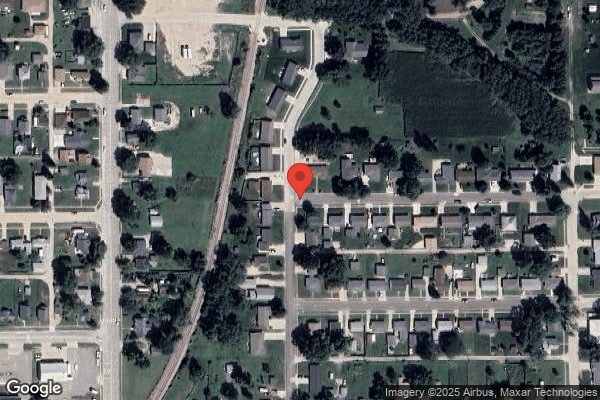
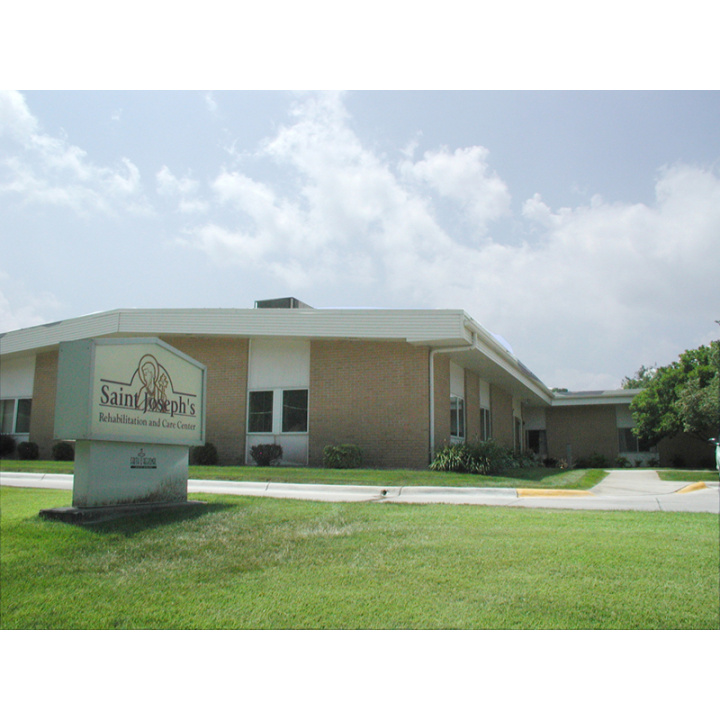
401 North 18thStreet, Norfolk, NE 68701 (402) 644-7375
For profit - Limited Liability company 83 Beds THE ENSIGN GROUP Data: November 2025
Trust Grade
40/100
#167 of 177 in NE
Last Inspection: December 2024

Within standard 12-15 month inspection cycle. Federal law requires annual inspections.

Overview

St. Joseph's Rehabilitation and Care Center in Norfolk, Nebraska has a Trust Grade of D, indicating below-average quality and some concerns regarding care. It ranks #167 out of 177 facilities in Nebraska and is last out of 5 in Madison County, placing it in the bottom tier of local options. The facility is showing an improving trend, having reduced issues from 9 in 2023 to 8 in 2024. Staffing is a strength, with a 0% turnover rate, suggesting staff members are stable and familiar with the residents. While the center has not incurred any fines, which is positive, there are serious concerns: recent inspections revealed failures in proper hand hygiene during meal service and issues with food safety, including unlabeled and outdated food items, which could pose health risks to residents. Overall, families should weigh the strengths of stable staffing and lack of fines against the serious cleanliness and safety concerns.

Trust Score
D
40/100
In Nebraska
#167/177
Bottom 6%
Safety Record
Low Risk
No red flags
Inspections
Getting Better
9 → 8 violations
Staff Stability
○ Average
Turnover data not reported for this facility.
Penalties
✓ Good
No fines on record. Clean compliance history, better than most Nebraska facilities.
Skilled Nurses
○ Average
Each resident gets 32 minutes of Registered Nurse (RN) attention daily — about average for Nebraska. RNs are the most trained staff who monitor for health changes.
Violations
⚠ Watch
22 deficiencies on record. Higher than average. Multiple issues found across inspections.
★☆☆☆☆
1.0
Overall Rating
★☆☆☆☆
1.0
Staff Levels
★★★☆☆
3.0
Care Quality
★★☆☆☆
2.0
Inspection Score
Stable
2023: 9 issues
2024: 8 issues

The Good

  • Full Sprinkler Coverage · Fire safety systems throughout facility
  • No fines on record

Facility shows strength in fire safety.

The Bad

1-Star Overall Rating

Below Nebraska average (2.9)

Significant quality concerns identified by CMS

Chain: THE ENSIGN GROUP

Part of a multi-facility chain

Ask about local staffing decisions and management

The Ugly 22 deficiencies on record

Dec 2024 8 deficiencies
CONCERN (D)

Potential for Harm - no one hurt, but risky conditions existed

Notification of Changes (Tag F0580)

Could have caused harm · This affected 1 resident

Licensure Reference Number 175 NAC 12-006.04(F)(i)5 Based on interview and record review; the facility failed to notify the Primary Care Physician (PCP) when Resident 17 did not receive an ordered med...

Read full inspector narrative →
Licensure Reference Number 175 NAC 12-006.04(F)(i)5 Based on interview and record review; the facility failed to notify the Primary Care Physician (PCP) when Resident 17 did not receive an ordered medication, a Continuous Positive Airway Pressure (CPAP- a medical treatment that uses a machine to deliver air pressure to keep breathing airways open while sleeping) machine was available and a treatment was provided as ordered. In addition, the PCP for Resident 22 was not notified of a failure to administer an ordered medication which led to a hospitalization. The sample size was 2 and the facility census was 44. Findings are: A. Review of the facility Resident's Rights Policy with a revision date of 8/2007 revealed it was the policy of the facility to promptly notify the resident, his/her attending physician, and/or family/responsible party of changes in the resident's condition and/or status. The policy indicated the Charge Nurse was to notify the resident's attending physician when: -the resident had a significant change in the resident's physical, mental, or psychosocial status. -there was a need to alter the resident's treatment significantly. -the resident repeatedly refused or did not receive treatment or medications for 3 or more consecutive times. -it was deemed necessary or appropriate in the best interest of the resident. B. Review of Resident 17's Medication Administration Record (MAR) dated 10/2024 revealed an order dated 10/4/24 for Memantine (medication used to slow the progression of moderate to severe Alzheimer's disease) 28-10 milligrams (mg) daily. Further review of the MAR revealed from 10/4/24 to 10/7/24 and from 10/22/24 to 10/30/24 (13 out of the total 28 days) the resident was not provided the medication as the medication was not available. Review of Resident 17's Treatment Administration Record (TAR) dated 10/2024 revealed an order dated 10/4/24 for a CPAP machine to be used every night for obstructive sleep apnea. Further review of the TAR revealed from 10/4/24 to 10/8/24, 10/13/24, 10/15/24, 10/16/24, 10/19/24, 10/22/24, 10/25/24, 10/26/24, 10/28/24 and 10/29/24 (15 out of the total 28 days) the resident did not receive the CPAP machine as ordered. Review of the resident's TAR for 10/2024 revealed an order dated 10/13/24 at 4:12 PM to walk the resident 5 times a day due to weakness. The resident was to be assisted to walk at 8:00 AM, 11:00 AM, 2:00 PM, 5:00 PM and at 9:00 PM. Further review revealed no evidence Resident 17 was assisted with walking at: -8:00 AM on 10/15, 10/16, 10/17, 10/18, 10/19, 10/21, 10/23, 10/25, 10/28, 10/29, and 10/30 (11 out of 18 days). -11:00 AM on 10/14, 10/15, 10/16, 10/17, 10/18, 10/19, 10/21, 10/23, 10/24, 10/25, 10/28, 10/29 and 10/30 (13 out of the 18 days). -2:00 PM on 10/14, 10/15, 10/16, 10/17, 10/18, 10/19, 10/21, 10/23, 10/24, 10/25, 10/28, 10/29 and 10/30 (13 out of the 18 days). -5:00 PM on 10/14, 10/15, 10/16, 10/17, 10/18, 10/19, 10/21, 10/23, 10/24, 10/25, 10/28, 10/29 and 10/30 (13 out of 19 days). -9:00 PM on 10/13, 10/15, 10/16, 10/17, 10/19, 10/21, 10/22, 10/26, 10/27, 10/28, 10/29, and 10/30 (12 out of 19 days). Review of the resident's electronic medical record revealed no evidence Resident 17's PCP was notified the resident did not receive the CPAP machine, the Memantine 28-10 mg daily, and was not ambulated by the staff 5 times a day as ordered by the physician. During an interview on 12/16/24 at 3:41 PM, the Director of Nursing (DON) confirmed the resident's PCP was never notified the resident was not provided the treatment and medications as ordered by the physician. C. Review of Resident 22's MAR dated 11/2024 revealed an order dated 11/15/24 for Prednisone 10 mg daily with food for 14 days related to respiratory failure. Further review of the MAR revealed the resident did not receive the Prednisone 10 mg daily from 11/26/24 to 11/30/24 (4 days). Review of the resident's MAR dated 12/2024 revealed the resident did not receive the Prednisone 10 mg daily on 12/1/24 and 12/2/24. Review of Resident 22's Nursing Progress Notes revealed the following: -12/2/24 at 2:48 PM the resident was complaining of shortness of breath and lung sounds were diminished. -12/3/24 at 9:33 AM the resident's Prednisone 10 mg daily was not administered as it was not available. -12/3/24 at 4:59 PM the resident was sent to the emergency room (ER) for evaluation. The resident returned from the ER with a diagnosis of Bronchitis. -12/4/24 at 10:17 AM the resident's Prednisone 10 mg daily was not administered as it was not available. -12/5/24 at 2:08 PM the resident was complaining of shortness of breath with labored respirations and an oxygen saturation (amount of oxygen in the blood) level of 80 percent. Lung sounds were coarse and the resident's oxygen saturation levels dropped to 71 percent. The resident was set to the ER and was admitted to the hospital with a diagnosis of pneumonia. During an interview on 12/16/24 at 3:29 PM, the Director of Nursing confirmed the resident's physician was never notified the Prednisone 10 mg daily was not available and that the resident did not receive the medication as ordered.
CONCERN (D)

Potential for Harm - no one hurt, but risky conditions existed

Quality of Care (Tag F0684)

Could have caused harm · This affected 1 resident

**NOTE- TERMS IN BRACKETS HAVE BEEN EDITED TO PROTECT CONFIDENTIALITY** Licensure Reference Number: 175 NAC 12-006.09 Based on interview and record review; the facility failed to follow practitioner's...

Read full inspector narrative →
**NOTE- TERMS IN BRACKETS HAVE BEEN EDITED TO PROTECT CONFIDENTIALITY** Licensure Reference Number: 175 NAC 12-006.09 Based on interview and record review; the facility failed to follow practitioner's orders for Resident 17 related to administration of medications, use of a Continuous Positive Airway Pressure (CPAP- a medical treatment that uses a machine to deliver air pressure to keep breathing airways open while sleeping) machine and treatment orders and Resident 22 regarding medications. The sample size was 2 and the facility census was 44. Findings are: A. Review of Resident 17's Minimum Data Set (MDS-a federally mandated comprehensive assessment tool used for care planning) dated 10/9/24 revealed the resident was admitted [DATE] with diagnoses of high blood pressure, heart failure, Alzheimer's disease, non-Alzheimer's dementia, depression and obstructive sleep apnea (sleep disorder characterized by repeated episodes of partial or complete blockage of the upper airway during sleep). The following was assessed for the resident: -cognition was severely impaired. -required partial to moderate staff assistance with transfers and ambulation. -shortness of breath with exertion. -use of oxygen therapy. -use of non-invasive mechanical ventilator. Review of Resident 17's Medication Administration Record (MAR) dated 10/2024 revealed an order dated 10/4/24 for Memantine (medication used to slow the progression of moderate to severe Alzheimer's disease) 28-10 milligrams (mg) daily. Further review of the MAR revealed from 10/4/24 to 10/7/24 and from 10/22/24 to 10/30/24 (13 out of the total 28 days) the resident was not provided the medication as the medication was not available. Review of Resident 17's Treatment Administration Record (TAR) dated 10/2024 revealed an order dated 10/4/24 for a CPAP machine to be used every night for obstructive sleep apnea. Further review of the TAR revealed from 10/4/24 to 10/8/24, 10/13/24, 10/15/24, 10/16/24, 10/19/24, 10/22/24, 10/25/24, 10/26/24, 10/28/24 and 10/29/24 (15 out of the total 28 days) the resident did not receive the CPAP machine as ordered. Review of the resident's TAR for 10/2024 revealed an order dated 10/13/24 at 4:12 PM to walk the resident 5 times a day due to weakness. The resident was to be assisted to walk at 8:00 AM, 11:00 AM, 2:00 PM, 5:00 PM and at 9:00 PM. Further review revealed no evidence Resident 17 was assisted with walking at: -8:00 AM on 10/15, 10/16, 10/17, 10/18, 10/19, 10/21, 10/23, 10/25, 10/28, 10/29, and 10/30 (11 out of 18 days). -11:00 AM on 10/14, 10/15, 10/16, 10/17, 10/18, 10/19, 10/21, 10/23, 10/24, 10/25, 10/28, 10/29 and 10/30 (13 out of the 18 days). -2:00 PM on 10/14, 10/15, 10/16, 10/17, 10/18, 10/19, 10/21, 10/23, 10/24, 10/25, 10/28, 10/29 and 10/30 (13 out of the 18 days). -5:00 PM on 10/14, 10/15, 10/16, 10/17, 10/18, 10/19, 10/21, 10/23, 10/24, 10/25, 10/28, 10/29 and 10/30 (13 out of 19 days). -9:00 PM on 10/13, 10/15, 10/16, 10/17, 10/19, 10/21, 10/22, 10/26, 10/27, 10/28, 10/29, and 10/30 (12 out of 19 days). During an interview on 12/16/24 at 3:41 PM, the Director of Nursing (DON) confirmed the following regarding Resident 17: -order dated 10/4/24 for Memantine 28-10 mg daily. However, due to issues with receiving the medication from the pharmacy, the resident was not administered the ordered medication on 13 out of a total of 28 days. -the resident was admitted with an order for a CPAP however, a CPAP machine was never available and so was never utilized. -confirmed the resident was to be ambulated 5 times a day to increase strength and was uncertain why the staff were not walking the resident. -the facility did not have a policy related to following physician orders. B. Review of Resident 22's MDS dated [DATE] revealed the resident was admitted [DATE] with diagnoses of heart failure, atrial fibrillation, high blood pressure renal insufficiency, pneumonia, diabetes, pulmonary edema, and respiratory failure. The resident was identified as having oxygen therapy. Review of the resident's MAR dated 11/2024 revealed an order dated 11/15/24 for Prednisone 10 mg daily with food for 14 days related to respiratory failure. Further review of the MAR revealed the resident did not receive the Prednisone 10 mg daily from 11/26-24 to 11/30/24 (4 days) Review of the resident's MAR dated 12/2024 revealed the resident did not receive the Prednisone 10 mg daily on 12/1/24 and 12/2/24. Review of Resident 22's Nursing Progress Notes revealed the following: -12/2/24 at 2:48 PM the resident was complaining of shortness of breath and lung sounds were diminished. -12/3/24 at 9:33 AM the resident's Prednisone 10 mg daily was not administered as it was not available. -12/3/24 at 4:59 PM the resident was sent to the emergency room (ER) for evaluation. The resident from the ER with diagnosis of Bronchitis. -12/4/24 at 10:17 AM the resident's Prednisone 10 mg daily was not administered as it was not available. -12/5/24 at 2:08 PM the resident was complaining of shortness of breath with labored respirations and oxygen saturation (amount of oxygen in the blood) level was 80 percent. Lung sounds were coarse and the resident's oxygen saturation levels dropped to 71 percent. The resident was set to the ER and was admitted with diagnosis of pneumonia. During an interview on 12/16/24 at 3:29 PM, the DON confirmed the resident had signs and symptoms of a respiratory infection and was started on Prednisone 10 mg daily for 14 days. The medication was not available from the pharmacy and was not provided to the resident on 11/27/24, 11/28/24, 11/29/24, 11/30/30, 12/1/24, 12/2/24, 12/3/24 and 12/4/24 (8 days of the 14 days). The resident was seen in the ER on 12/3 and then was hospitalized on [DATE] due to diagnosis of pneumonia.
CONCERN (D)

Potential for Harm - no one hurt, but risky conditions existed

Deficiency F0757 (Tag F0757)

Could have caused harm · This affected 1 resident

**NOTE- TERMS IN BRACKETS HAVE BEEN EDITED TO PROTECT CONFIDENTIALITY** Licensure Reference Number 175 NAC 12-006.09(H) Based on record review and interview; the facility failed to ensure Residents 16...

Read full inspector narrative →
**NOTE- TERMS IN BRACKETS HAVE BEEN EDITED TO PROTECT CONFIDENTIALITY** Licensure Reference Number 175 NAC 12-006.09(H) Based on record review and interview; the facility failed to ensure Residents 16 and 19 had a documented duration of use for the long-term use of antibiotics. The sample size was 2 and the facility census was 44. Findings are: A. Review of the facility policy Antibiotic Stewardship, last reviewed 12/23 revealed the following: -the Antibiotic Stewardship Program (ASP) would promote appropriate use of antibiotics while optimizing treatment of infections while reducing possible adverse events, -require antibiotic orders to include the indication, dose, and duration, -the pharmacy consultant would review and report antibiotic usage on a monthly basis, and -education opportunities, repeated regularly, would be provided as appropriate to staff and/or family. B. Review of Resident 16's Minimum Data Set (MDS-a federally mandated assessment tool used in Care Planning) dated 10/23/24 revealed the resident had moderate cognitive impairment; required assistance with dressing, transfers, toileting, and hygiene; diagnoses of Parkinson's Disease, heart failure, and dementia; was frequently incontinent of urine; and received an antibiotic. Review of Resident 16's Care Plan last revised 10/11/24 revealed the resident had a urinary tract infection and staff were to check the resident for incontinence, encourage adequate fluid intake, and give antibiotic therapy as ordered. Review of Resident 16's Medication Administration Records (MAR) revealed the resident received Bactrim DS (an antibiotic) 1 tab by mouth one time a day with an original order date of 4/3/24 during the following time periods: -October 2024: 1-31, -November 2024: 1-23, and -December 2024: 3-15. Interview on 12/11/24 at 11:22 AM with Resident 16's Power of Attorney revealed the resident was on continuous antibiotic therapy due to bladder infections. C. Review of Resident 19's MDS dated [DATE] revealed the resident was moderately cognitive impaired; required assistance with dressing, toileting, transfers, and hygiene; had diagnoses of a stroke, high blood pressure, dementia, Parkinson's Disease, depression, and psychotic disorder; was frequently incontinent of urine; and had received an antibiotic. Review of Resident 19's Care Plan, last revised on 10/9/24 revealed the resident had bladder incontinence with a history of bladder infections; staff were to assist to bathroom after waking up, before and after meals, mid-afternoon, at bedtime, and during the night as needed; encourage fluids; and check and change when incontinent. Review of Resident 19's MAR's revealed the resident received Keflex 250 milligrams 1 capsule by mouth one time a day with an order date of 6/5/24 on the following dates: -October 2024: 1-31, -November 2024: 1-30, and -December 1-16. D. Interview on 12/16/24 at 11:25 AM with the Infection Preventionist revealed staff had reached out to the Providers with education, but the Providers continued the antibiotics for Residents 16 and 19 without stop dates. Interview on 12/16/24 at 3:57 PM with the Director of Nursing and the Infection Preventionist confirmed Residents 16 and Resident 19 were receiving antibiotics without stop dates.
CONCERN (E)

Potential for Harm - no one hurt, but risky conditions existed

Accident Prevention (Tag F0689)

Could have caused harm · This affected multiple residents

**NOTE- TERMS IN BRACKETS HAVE BEEN EDITED TO PROTECT CONFIDENTIALITY** D. Review of Resident 7's Minimum Data Set (MDS-federally mandated comprehensive assessment used to develop resident care plans)...

Read full inspector narrative →
**NOTE- TERMS IN BRACKETS HAVE BEEN EDITED TO PROTECT CONFIDENTIALITY** D. Review of Resident 7's Minimum Data Set (MDS-federally mandated comprehensive assessment used to develop resident care plans) dated 10/18/24 revealed that resident had a diagnosis of Anemia, Non-Alzheimer Dementia, Seizure Disorder and Depression. The resident received antipsychotic, antidepressant and anticonvulsant medications and required substantial assistance with transfers and toileting hygiene. Review of Resident 7's Fall Review dated 11/25/24 revealed the resident was sitting on the floor mat next to the bed, the call light was within reach, no gripper socks were on resident's feet and resident was trying to get up on. The resident was unaware of limitations due to a cognitive decline and was confused. The intervention put into place was to complete a Situation, Background, Assessment, and Recommendation (SBAR-structured communication framework that can help teams share information about the condition of a resident). The SBAR was sent to the physician on 11/25/24 to do a urinalysis (UA- a noninvasive medical test that examined urine to check for signs of health issues) due to resident being more tired than usual. The physician's order was received on 11/26/24 to complete a UA and encourage 4 ounces of cranberry juice or another liquid for meals until symptoms resolve. The SBAR order was signed by the facility on 11/28/24, the UA was completed on 11/30/24 and on 12/2/24 UA results were sent to the facility from the physician and stated waiting for the results of a culture (a laboratory procedure where a urine sample is grown to identify specific bacteria or yeast causing an infection). On 12/16/24 the UA results were received with no treatment ordered. During an interview on 12/16/24 at 1:45 PM the DON confirmed that the UA was completed on 11/30/24 and the culture results were received from the physician on 12/16/24 with no treatment. No other fall interventions were put into place. Licensure Reference Number 175 NAC 12-006.09(l) Based on observations, record review, and interview; the facility failed to review, revise, and/or implement care plan interventions to prevent falls for Residents 16, 19, and 7. The sample size was 5 and the facility census was 44. Findings are: A. Review of the facility policy Fall Management System last reviewed 12/23 revealed the following: -Residents with high risk factors identified on the Fall Risk Evaluations would have an individualized care plan developed that included measurable objectives and timeframe's, -review of the incident would include an investigation to determine probable causal factors, -the investigation would be reviewed by the interdisciplinary team, -the Resident's care plan would be updated, and -the Quality Assurance Committee would analyze trends related to falls and would determine if further intervention was needed. B. Review of Resident 16's Minimum Data Set (MDS- a federally mandated assessment tool used in care planning) dated 10/23/24 revealed the resident had moderate cognitive impairment; required assistance with dressing, transfers, toileting, and hygiene; had diagnoses of Parkinson's Disease, heart failure, and dementia; and had 2 or more falls with no injury and 1 fall with injury in the look back period. Review of Resident 16's Care Plan last revised 10/11/24 revealed the following regarding the resident: -required extensive assistance with transfers, dressing, toileting, and bed mobility, -was a high fall risk, -fall interventions included prompt response to call lights, do not leave unattended in the wheelchair in the resident room, scoop mattress to bed, bed in low position, floor mat, and grip strip material on the floor in front of the resident's recliner. Observations of Resident 16 revealed the following: -on 12/12/24 at 6:50 AM the resident was laying in bed, grip strips were not present to the floor in front of the resident's recliner, -on 12/12/24 at 10:30 AM the resident was visiting with a visitor in the resident room, grip strips were not present to the floor in front of the resident's recliner, -on 12/12/24 at 2:20 PM the resident was sitting in the recliner with feet elevated in the resident room, grip strips were not present to the floor in front of the recliner, -on 12/16/24 at 7:45 AM the resident was resting in bed with eyes closed, grip strips were not present on the floor in front of the recliner, and -on 12/16/24 at 1:40 PM the resident was sitting in the recliner with feet elevated in the resident room, grip strips were not present to the floor in front of the recliner. Interview on 12/16/24 at 3:57 PM with the Director of Nursing (DON) revealed Resident 16 had a fall intervention to have grip strips to the floor in front of the resident's recliner. Further interview confirmed Resident 16 did not have grip strips present to the floor in front of the recliner. C. Review of Resident 19's MDS dated [DATE] revealed the resident had moderate cognitive impairment; required assistance with dressing, toileting, transfers, and hygiene; had diagnoses of a stroke, high blood pressure, dementia, Parkinson's Disease, depression, and psychotic disorder; and had 1 fall with no injury in the look back period. Review of Resident 19's Care Plan last revised 10/9/24 revealed the following regarding the resident: -required extensive assistance with toileting, transfers, dressing, and bed mobility, -was a high fall risk, and -fall interventions included: a pad call light, dycem (non-skid pad) to the wheelchair, offer a snack in the afternoon, non-skid socks, ensure the resident was wearing appropriate shoes, and keep needed items such as water within reach. Review of the facility incident reports regarding Resident 19 revealed the following: -a fall on 10/30/24 at 12:45 AM the resident was found sitting upright on the fall mat with their back against the bed. The resident stated they were picking their nose and it started bleeding and sat on the floor to get a Kleenex. No immediate intervention was implemented, -a fall on 11/28/24 at 2:44 PM the resident was found laying on the floor on the floor mat next to the resident bed. The resident thought it was time to get up. No immediate intervention was implemented, and -a fall on 11/28/24 at 8:15 PM the resident was found sitting on the floor mat with knees up to their chest. The resident was confused. No new immediate intervention implemented. Interview on 12/16/24 at 3:57 PM with the DON confirmed Resident 19's falls on 10/30/24 and 2 falls on 11/28/24 did not have new immediate interventions implemented to prevent future falls.
CONCERN (E)

Potential for Harm - no one hurt, but risky conditions existed

Infection Control (Tag F0880)

Could have caused harm · This affected multiple residents

**NOTE- TERMS IN BRACKETS HAVE BEEN EDITED TO PROTECT CONFIDENTIALITY** D. During an observation of the provision of care for Resident 11 on 12/12/24 at 7:25 AM, NA-C provided toileting and incontinen...

Read full inspector narrative →
**NOTE- TERMS IN BRACKETS HAVE BEEN EDITED TO PROTECT CONFIDENTIALITY** D. During an observation of the provision of care for Resident 11 on 12/12/24 at 7:25 AM, NA-C provided toileting and incontinence cares. NA-C entered the resident's room and without washing hands or completing hand hygiene placed disposable gloves on both hands and transferred the resident from the wheelchair to the toilet using the mechanical lift, NA-C removed the resident's incontinent brief which was soiled with urine. NA-C provided toileting hygiene, removed soiled gloves, and still did not complete hand hygiene, then put on clean disposable gloves and placed a clean incontinence brief on the resident. NA-C then adjusted the resident's clothing and transferred the resident into the wheelchair. NA-C removed soiled gloves, cleaned off the mechanical lift and exited the resident's room without washing hands or completing hand hygiene. During an interview on 12/12/24 at 8:00 AM, NA-C, confirmed staff were to wash hands or to use hand sanitizer when entering the resident's room for cares, when removing gloves and when exiting the resident's room. E. Review of the EBP sign posted on Resident 7's room door, from the U.S. Department of Health and Human Services Center for Disease Control and Prevention revealed the following: For EBP Everyone Must: -Clean their hands, including before entering and when leaving the room. Providers and Staff Must Also: -Wear gloves and a gown for the following High Contact Resident Care Activities: Dressing Bathing/Showering Transferring Changing Linens Providing Hygiene Changing briefs or assisting with toileting -Device care or use of the following: A central line, urinary catheter, feeding tube, or tracheostomy. Wound Care for any skin opening requiring a dressing. Review of Resident's 7 Minimum Data Set (MDS - federally mandated comprehensive assessment use to develop resident care plans) dated 10-18-24 revealed the resident had a stage 4 pressure ulcer (the most severe stage of a pressure sore, where the damage extends fully through the skin layers, exposing underlying muscle, tendon, or bone, often visible dead tissue and a high risk of infection) and required substantial assistance with toileting hygiene, bathing, upper body dressing, personal hygiene, bed mobility and transfers and was dependent on staff for lower body dressing and putting on footwear. Review of Resident 7's Care Plan with a date of 11/04/24 revealed the resident had a stage 4 pressure ulcer to the coccyx (last bone at the base of your spine). The resident was on EBP during the provision of close contact care. Review of Resident 7's Treatment Administration Record (TAR) dated December 2024 revealed an order for: -Wound care to medial coccyx-cleansed with normal saline, apply aquacel ribbon to wound. Cover with 4X4 comfort foam border, changed daily and -Enhanced Barrier Precautions for high resident contact activities related to a coccyx wound. During an observation of the provision of care for Resident 7 on 12/16/24 at 7:00 AM, NA-K and NA-L provided toileting and incontinence cares. NA-K had disposable gloves on both hands, NA-L entered the room, washed hands and placed disposable gloves on both hands, neither staff put on gowns. The staff transferred the resident from the wheelchair to the toilet, NA-K removed the resident's incontinent brief, which was soiled with urine, provided toileting hygiene, removed soiled gloves, did not wash hands, put on clean disposable gloves and placed a clean incontinence brief on the resident. NA-K then adjusted the resident's clothing and transferred the resident into the wheelchair, removed the disposable gloves, completed hand hygiene with soap and water and applied clean disposable gloves, then assisted resident with washing hands and face and brushing teeth. NA-L removed the disposable gloves, picked up dirty linens and placed them in a bag, did not complete hand hygiene before leaving the room. The episode of care was provided without wearing the required gown. During an interview on 12/16/24 at 7:30 AM, NA-K verified that Resident 7 was on EBP, gown and gloves should have been worn during high contact resident care and confirmed that no gown was worn when completing cares with the resident. NA-K further confirmed staff were to wash their hands after removal after assisting the resident with toileting hygiene was completed. During an interview on 12/16/24 at 7:30 AM, NA-L verified that Resident 7 was on EBP, gown and gloves should have been worn during high contact resident care and confirmed that no gown was worn when completing cares with the resident. NA-L further confirmed staff were to wash their hands or to use hand sanitizer when removing soiled gloves and when exiting the resident's room. During an interview on 12/16/24 at 8:00 AM, the DON verified that Resident 7 was on EBP, staff should be following the EBP sign on the door and should have been washing their hands following the handwashing policy, washing hands before and after each glove use and between all glove changes. F. Observation on 12/12/24 at 10:15 AM with LPN-F put a gown on, entered Resident 34's room, performed hand hygiene, and put on gloves. NA-E entered the resident room, performed hand hygiene, put on gloves, and went to the resident's bedside to assist LPN-F. NA-E was not wearing a gown. NA-E, still not wearing a gown assisted Resident 34 to roll to their left side. NA-E's scrub top was touching the residents bed linens. LPN-F performed wound care without any identified concerns. NA-E, still not wearing a gown and LPN-F removed the resident's old brief and applied a new brief. LPN-F then removed their gown and gloves, performed hand hygiene and put on new gloves. LPN-F, without a gown on, went to the resident's bedside to apply biofreeze (a topical pain relief gel used to treat minor aches and pains) to the resident's knees. LPN-F's scrub top and pants were touching the residents bed linens. LPN-F and NA-E covered the resident up, removed their gloves and performed hand hygiene. NA-E removed the trash from the room and disposed of in the appropriate receptacle and performed hand hygiene. 12/12/24 at 2:15 PM interview with NA-E revealed staff only needed to gown if they would be touching the wound. Further interview confirmed NA-E was not wearing a gown during high contact cares. 12/12/24 at 11:25 AM interview with the Infection Preventionist revealed PPE should be worn (gown and gloves) with all high contact cares for residents on EBP. 12/12/24 at 3:49 PM interview with LPN-F confirmed LPN-F was not wearing a gown for the duration of assisting Resident 34 and that LPN-F should have continued to wear PPE to prevent contact with the bed linens. 12/16/24 at 3:57 PM interview with the DON confirmed gown and gloves should be worn during high contact care for residents on EBP. Licensure Reference Number 175 NAC 12-006.18 Based on observation, record review, and interview the facility failed to complete hand hygiene at appropriate intervals to prevent the potential spread in infection for Residents 17, 11, and 7, failed to utilize the appropriate Personal Protective Equipment (PPE-the use of protective clothing such as gowns, gloves, or other measures such as face/eye protection used to prevent the spread of infection and or protect care-givers during care) during the provision of care for Residents 34 and 7 who were on Enhanced Barrier Precaution (EBP-infection prevention through expanded use of PPE), and failed to develop and implement measures to prevent the growth of potential water borne illness. The sample size was 21 and the facility census was 44. Findings are: A. Review of the facility policy for Standard and Transmission-Based Precautions with a revision date of 3/2024 revealed the following: -It was the facility policy to implement infection control measures to prevent the spread of communicable diseases and conditions, -balance infection risk factors that increased the likelihood of transmission, -utilized the least restrictive approach possible to adequately protect residents and others, -the use of Enhanced Barrier Precaution (EBP) was used in conjunction with Standard Precautions (infection prevention practices that applied to the care of all residents regardless of suspected or confirmed infection), through expanded use of Personal Protective Equipment (PPE-a term to describe the use of protective clothing such as gowns, gloves, or other measures such as face/eye protection used to prevent the spread of infection and or protect care-givers during care), through the use of gown and gloves during high-contact resident care activities with residents infected or colonized (the presence of an organism without active infection) with Multidrug Resistant Organisms (MDRO's-multidrug resistant organisms that are resistant to multiple antibiotic or antimicrobial agents), -high contact care activities included residents with chronic wounds, indwelling medical devices, and the care of residents with MRDO's (including dressing, bathing, transferring, providing hygiene, changing linens, changing brief or assisting with toileting). B. Review of the undated facility policy Handwashing revealed the purpose was to provide good hygiene, infection control, and a healthy environment and revealed that hands had to be washed or sanitized with hand sanitizer before and after each glove use and between all glove changes. C. Review of Resident 17's Minimum Data Set (MDS-federally mandated comprehensive assessment used to develop resident care plans) dated 10/9/24 revealed the resident was dependent for toileting hygiene, received substantial assistance with dressing and received partial assistance with personal and oral hygiene. The resident was frequently incontinent of bladder and involuntary of bowel. Review of Resident 17's Care Plan with a revision date of 10/24/24 revealed the resident required hands on assistance with washing hands, adjusting clothing, cleaning self, and transferring and bed mobility. During an observation of the provision of care for Resident 17 on 12/12/24 at 8:12 AM Nurse Aid (NA)- entered the resident room, did not perform hand hygiene, put on disposable gloves, assisted the resident into a sitting position on the edge of the bed. NA- then identified there was not a sling available for the stand-up mechanical lift so she assisted the resident to lay back down and removed the gloves and again did not perform hand hygiene and exited the room to retrieve a sling for the lift. NA- again entered the room, did not perform hand hygiene and put another pair of disposable gloves on. She secured the resident with the sling, lifted the resident into a standing position, pulled up the resident's pants and transferred the resident into a wheelchair. Again NA - removed the gloves and did not perform hand hygiene before putting on clean gloves. NA- then obtained a washcloth from the bathroom and assisted the resident to wash the face, then retrieved the resident partial denture and put it in the resident's mouth and assisted in brushing teeth, retrieved a comb and combed the resident's hair then removed the gloves and again did not perform hand hygiene and assisted the resident to the dining room in the wheelchair. During an interview on 12/17/24 at 1:04 PM the Director of Nursing (DON) confirmed staff should wash their hands whenever they enter a resident's room, before putting on clean gloves and whenever removing soiled gloves. G. Review of the facility policy Water Safety Management Program (Legionella-bacteria causing a pneumonia like illness that resides in [NAME] environments such as lakes, [NAME], reservoirs, and manufactured water systems) with a revision date of 10/24 revealed the following: -the facility provided maintenance protocol guidelines for plant operations related to water safety management to ensure the reduction in potential growth of Legionella organisms in the water system of the facility. -the facility was to develop and maintain a water management program that included development of a team, a description of the facility water system, a water system diagram that described areas where Legionella could grow and spread with potential triggers and sources of bacteria growth. -the facility was to establish control measures monitoring temperature and disinfectant levels to prevent water stagnation and bacteria growth. During an interview on 12/16/24 at 12:25 PM, the Administrator and the Maintenance Supervisor confirmed the following: -no risk assessment had been completed to identify and evaluate potential sources and areas of risk where Legionella and other waterborne pathogens could grow and spread. -the facility had not identified and/or implemented measures to prevent the growth of Legionella in the facility water systems.
CONCERN (E)

Potential for Harm - no one hurt, but risky conditions existed

Deficiency F0883 (Tag F0883)

Could have caused harm · This affected multiple residents

**NOTE- TERMS IN BRACKETS HAVE BEEN EDITED TO PROTECT CONFIDENTIALITY** License Reference Number: 175 NAC 12-006.18(A) Based on record review and interviews; the facility failed to ensure 3 (Residents...

Read full inspector narrative →
**NOTE- TERMS IN BRACKETS HAVE BEEN EDITED TO PROTECT CONFIDENTIALITY** License Reference Number: 175 NAC 12-006.18(A) Based on record review and interviews; the facility failed to ensure 3 (Residents 31, 197 and 244) of 5 sampled residents were offered the Pneumococcal and the Influenza vaccines and/or were educated about the risks and benefits associated with the vaccines. The facility census was 44. Findings are: A. Review of the facility policy Immunizations-Residents with a revision date of 10/24 revealed the receipt of vaccinations was essential to the health and well-being of long-term care residents. Establishment of an immunization program against influenza and pneumococcal disease facilitated achievement of this objective. The following procedures were identified; -residents were to be screened at admission to determine vaccine status and eligibility using current Centers for Disease Control (CDC) guidelines, to receive influenza and pneumococcal vaccines and then annually for the influenza vaccine. -before offering the vaccine each resident and/or their representative were to receive education regarding the benefits and potential side effects of the immunizations. Information related to education or refusal of the vaccine was to be documented in the resident's medical record. -the vaccine could be offered and administered if the benefits of the vaccine outweighed the risks, the resident or the resident's representative provided consent and the resident's physician approved. -individual resident information was to be documented in the resident's electronic medical health record. B. Review of Resident 31's electronic medical record revealed the resident was admitted to the facility on [DATE]. There was no evidence the facility had screened Resident 31 to determine the resident's vaccination status, education was provided regarding the risks and benefits associated with the influenza and pneumococcal vaccines, or the resident was offered and/or received the influenza/ pneumococcal vaccines. C. Review of Resident 197's electronic medical record revealed the resident was admitted to the facility on [DATE]. There was no evidence the facility had screened Resident 197 to determine the resident's vaccination status, education was provided regarding the risks and benefits associated with the influenza and pneumococcal vaccines, or the resident was offered and/or received the vaccines. D. Review of Resident 244's electronic medical record revealed the resident was admitted to the facility on [DATE]. There was no evidence the facility had screened Resident 244 to determine the resident's vaccination status, education was provided regarding the risks and benefits associated with the influenza and pneumococcal vaccines, or the resident was offered and/or received the influenza/ pneumococcal vaccines. E. During an interview with the Director of Nursing (DON) on 12/17/24 at 11:11 AM, the DON, confirmed the facility did not have a process in place and no staff were responsible for screening the resident's immunization status at admission. The DON further confirmed there was no evidence Residents 31, 197 and 244 or their responsible parties received education regarding the risks or benefits of the immunizations and were offered and provided the vaccines for influenza and pneumococcal.
CONCERN (E)

Potential for Harm - no one hurt, but risky conditions existed

Deficiency F0887 (Tag F0887)

Could have caused harm · This affected multiple residents

**NOTE- TERMS IN BRACKETS HAVE BEEN EDITED TO PROTECT CONFIDENTIALITY** License Reference Number: 175 NAC 12-006.18(A) Based on record review and interviews; the facility failed to provide evidence 3 ...

Read full inspector narrative →
**NOTE- TERMS IN BRACKETS HAVE BEEN EDITED TO PROTECT CONFIDENTIALITY** License Reference Number: 175 NAC 12-006.18(A) Based on record review and interviews; the facility failed to provide evidence 3 (Residents 31, 197 and 244) of 5 sampled residents were offered the COVID-19 vaccine and/or were educated about the risks and benefits associated with the vaccines. The facility census was 44. Findings are: A. Review of the facility policy Immunizations-Residents with a revision date of 10/24 revealed the receipt of vaccinations was essential to the health and well-being of long-term care residents. Establishment of an immunization program against influenza and pneumococcal disease facilitated achievement of this objective. The following procedures were identified; -residents were to be screened at admission to determine vaccine status and eligibility using current Centers for Disease Control (CDC) guidelines, to receive COVID-19 vaccine. -before offering the vaccine each resident and/or their representative were to receive education regarding the benefits and potential side effects of the immunizations. Information related to education or refusal of the vaccine was to be documented in the resident's medical record. -the vaccine could be offered and administered if the benefits of the vaccine outweighed the risks, the resident or the resident's representative provided consent and the resident's physician approved. -individual resident information was to be documented in the resident's electronic medical health record. B. Review of Resident 31's electronic medical record revealed the resident was admitted to the facility on [DATE]. There was no evidence the facility had screened Resident 31 to determine the resident's vaccination status, education was provided regarding the risks and benefits associated with the COVID-19 vaccine, or the resident was offered and/or received the vaccine. C. Review of Resident 197's electronic medical record revealed the resident was admitted to the facility on [DATE]. There was no evidence the facility had screened Resident 197 to determine the resident's vaccination status, education was provided regarding the risks and benefits associated with the COVID-19 vaccine, or the resident was offered and/or received the vaccine. D. Review of Resident 244's electronic medical record revealed the resident was admitted to the facility on [DATE]. There was no evidence the facility had screened Resident 244 to determine the resident's vaccination status, education was provided regarding the risks and benefits associated with the COVID-19 vaccine, or the resident was offered and/or received the vaccine. E. During an interview with the Director of Nursing (DON) on 12/17/24 at 11:11 AM, the DON, confirmed the facility did not have a process in place and no staff were responsible for screening the resident's immunization status at admission. The DON further confirmed there was no evidence Residents 31, 197 and 244 or their responsible parties received education regarding the risks or benefits of the COVID-19 immunization and were offered and provided the vaccine.
CONCERN (F)

Potential for Harm - no one hurt, but risky conditions existed

Food Safety (Tag F0812)

Could have caused harm · This affected most or all residents

Licensure Reference Number 175 NAC 12-006.11E Based on observation, interview and record review; the facility staff failed to wash hands and to change gloves to prevent the potential for cross contami...

Read full inspector narrative →
Licensure Reference Number 175 NAC 12-006.11E Based on observation, interview and record review; the facility staff failed to wash hands and to change gloves to prevent the potential for cross contamination during the provision of a meal service. The facility census was 44 with a total sample size of 44. Findings are: A. Review of the Drug Administration Food Code and used as an authoritative reference for food service sanitation practices, revealed the following: -2-310.14 Food employees shall wash their hands and exposed portions of their arms immediately before engaging in food preparation: -after handling soiled equipment or utensils; and -during food preparation, as often as necessary to remove soil and contamination and to prevent cross contamination when changing tasks. -3.304.15 (A) Single use gloves shall be used for only one task and should be discarded when soiled or when interruptions occur in the operation. B. During observation of the noon meal service on 12/12/24 at 12:00 PM to 12:40 PM, Dietary [NAME] (DC)-P with gloved hands placed piece of pork loin on the dinner plate, was touching the meat when cutting it into small pieces. DC-P did not change gloves after touching the meat, then touched various kitchen items including resident cards, dishes and serving utensils without changing gloves or washing hands. Interview with Dietary Manager (DM)-Q on 12/12/24 at 2:30PM confirmed staff should have removed gloves after touching the food, washed hands and put on a clean pair of disposable gloves before touching other kitchen items.
Nov 2023 9 deficiencies
CONCERN (D) 📢 Someone Reported This

A family member, employee, or ombudsman was alarmed enough to file a formal complaint

Potential for Harm - no one hurt, but risky conditions existed

Report Alleged Abuse (Tag F0609)

Could have caused harm · This affected 1 resident

**NOTE- TERMS IN BRACKETS HAVE BEEN EDITED TO PROTECT CONFIDENTIALITY** C. Review of Resident 19's MDS dated [DATE], revealed the following: -the resident had severe cognitive impairment, -had diagno...

Read full inspector narrative →
**NOTE- TERMS IN BRACKETS HAVE BEEN EDITED TO PROTECT CONFIDENTIALITY** C. Review of Resident 19's MDS dated [DATE], revealed the following: -the resident had severe cognitive impairment, -had diagnoses of dementia and anxiety, -had 1 fall with an injury, and -received antianxiety medications. Review of Resident 19's Care Plan last reviewed on [DATE] revealed the following: -the resident required supervision to limited assistance with dressing, toileting, and hygiene, -the resident had a fall on [DATE] where the resident was sent to the ER, and -fall interventions included: grip strips in front of the recliner, a sign on the resident's walker to remind the resident not to get up without assistance, and non-skid material to the front of the resident's recliner to prevent slipping out of the chair, and -on [DATE] per therapy the resident was independent in the resident room using a walker during the daytime only and required assist of 1 to walk to the dining room. Review of the facility incident report dated [DATE] revealed the following: -the resident had a fall on [DATE] at 3:08 AM that resulted in an open laceration to the top of the resident's head at the hairline, -the resident was sent to the emergency room for treatment, -APS was notified on [DATE], -the Administrator was notified at 4:00 AM and the DON notified at 4:03 AM, -interventions implemented included non-slip grip strips to the front of the resident's recliner, -the resident returned to the facility at baseline, and -Department of Health and Human Services (DHHS) was called on [DATE] by a Nurse Manager and the facility was told this incident was not flagged for investigation and no need to report anything further. The Nurse Manager was told to follow facility policy. Interview with the Administrator on [DATE] at 3:35 PM revealed the State Agency told the Nurse Manager that they were not going to open the report, so the facility did not send in any additional information to the State Agency. Further interview with the Administrator and the DON confirmed that the facility did not submit the investigation report for the fall to the State Agency. Licensure Reference Number 175 NAC 12-006.02(8) Based on record review and interview; the facility failed to submit completed abuse investigations to the State Agency in the required time frames for Resident's 19 and 149. The sample size was 3 and the facility census was 46. Findings Are: A. Review of the facility policy Freedom from Abuse, Neglect, Misappropriation of Property, and Exploitation (Including Digital Media) with a revision date of 11/2024 revealed the following; -The purpose of the policy was to provide protection for the health, welfare, and rights of each resident by developing and implementing written policy and procedures that prohibited and prevented abuse, neglect, exploitation and misappropriation of resident property. -Each resident had the right to be free from abuse, neglect, misappropriation, and exploitation including demeaning uses of the resident's digital media. This included but was not limited to freedom from corporal punishment, involuntary seclusion and or any physical or chemical restraint not required to treat the resident's medical symptoms. -Resident were not subject to abuse by anyone including but not limited to facility staff, other residents, consultants, contractors, volunteers, or staff of other agencies serving the residents, family members, legal guardian, friends, or other individuals. -The facility reported allegations of suspected abuse, neglect, misappropriation of property or exploitation immediately to the facility designee (Director of Nursing, Administrator, Charge Nurse, Social Services staff, or another designee). - The facility did not employ or otherwise engage individuals found guilty of abuse, neglect, exploitation, misappropriation of property, or mistreatment by a court of law, had findings entered into the State Nurse Aid Registry concerning abuse, neglect, exploitation, mistreatment of residents or misappropriation. -Education was provided at the time of hire and annually for all employees regarding abuse, neglect, misappropriation and or exploitation. -The facility investigated all allegations of abuse, neglect, misappropriation and or exploitation. -The facility made every effort to protect resident following allegations of abuse, neglect, misappropriation and or exploitation. -The facility reported all investigations in accordance with State law, including the State Survey Agency, within 5 working days. B. Review of Resident 149's Minimum Data Set (MDS-federally mandated comprehensive assessment used to develop resident Care Plans) dated [DATE] revealed the resident was admitted to the facility on [DATE], had a cognitive test score of 13/15 indicating normal cognitive function, had diagnoses including fractures, and received assistance with dressing and bathing. In addition, the resident reported having pain rated at 8/10 in the previous 5 days. Review of the facility Abuse Investigation Report dated [DATE] for Resident 149 revealed the facility received a report about staff treatment of Resident 149 from the resident's adult child. The report stated the resident felt abused by Nurse Aide (NA)-W. The resident felt forced to bathe early in the morning and reported being talked to in an undesired manner. Further review revealed that NA-W was placed on suspension pending the investigation. The facility was unable to substantiate abuse, however the accused NA-W's contract expired, and the NA did not return to the facility following the suspension and did not return to the facility for an interview. Further review revealed the facility reported the allegation to Adult Protective Services (APS-organization to meet the needs of vulnerable adults and protect them from abuse, neglect, or exploitation). There was no evidence the facility submitted the completed report/investigation to the State Agency. During an interview on [DATE] at 10:04 AM the facility Administrator confirmed the facility did investigate Resident 149's allegation of abuse. The investigation included interviewing numerous staff and residents about abuse and concerns, without identified concerns. However, the facility did not submit the report to the State Agency in the required time frame. During further interview on [DATE] at 10:47 AM the facility Administrator confirmed in the specific case involving Resident 149, the accused contracted staff, did not continue to work in the facility, did not return to the facility to interview regarding the allegation and was no longer eligible to work in the facility. The information regarding this contracted staff was forwarded to the State Nurse Aide Registry.
CONCERN (D)

Potential for Harm - no one hurt, but risky conditions existed

Transfer Notice (Tag F0623)

Could have caused harm · This affected 1 resident

Licensure Reference Number 175 NAC 12-006.05 Based on record review and interview; the facility failed to notify the Ombudsman of discharges to the hospital (a state appointed advocate for residents o...

Read full inspector narrative →
Licensure Reference Number 175 NAC 12-006.05 Based on record review and interview; the facility failed to notify the Ombudsman of discharges to the hospital (a state appointed advocate for residents of nursing homes) of 1 (Resident 13) out of 2 sampled residents. The facility census was 46. Findings are: Review of Resident 13's Nursing Progress Notes revealed the following: -9/27/23 at 1:00 PM the resident had choked at the noon meal. The resident's oxygen saturation level (amount of oxygen circulating in the blood. Normal levels are between 95-100 percent) was 87 percent and wheezes were heard. The resident was sent to the hospital for evaluation; -9/27/23 at 4:15 PM the resident was admitted to the hospital for aspiration pneumonia; and 10/11/23 at 4:25 PM the resident was admitted to the hospital with a diagnosis of pneumonia. During an interview on 11/27/23 at 3:33 PM the Administrator revealed notification of a resident's transfer and/or discharges to the hospital were to be sent on a monthly report to the Ombudsman by the Business Office Manager. However, there was no evidence the Ombudsman was notified of Resident 13's transfer and admission to the hospital on 9/27/23 and on 10/11/23.
CONCERN (D)

Potential for Harm - no one hurt, but risky conditions existed

PASARR Coordination (Tag F0644)

Could have caused harm · This affected 1 resident

**NOTE- TERMS IN BRACKETS HAVE BEEN EDITED TO PROTECT CONFIDENTIALITY** D. Review of Resident 39's admission MDS dated [DATE] and a Quarterly MDS dated [DATE] revealed the following: -the resident had...

Read full inspector narrative →
**NOTE- TERMS IN BRACKETS HAVE BEEN EDITED TO PROTECT CONFIDENTIALITY** D. Review of Resident 39's admission MDS dated [DATE] and a Quarterly MDS dated [DATE] revealed the following: -the resident had not been evaluated by Level II PASARR, -the resident was not marked to have a serious mental illness, -the resident had diagnoses of Dementia, Anxiety Disorder, Depression and Psychotic Disorder, -the resident had moderate cognitive impairment, and -received antipsychotic, antianxiety, and antidepressants. Review of Resident 39's PASSAR screen completed on 1/23/23 revealed the resident had no signs of a serious mental illness and no mental health diagnosis was suspected or known. Review of Resident 39's Order Summary revealed the resident had an order for Risperdal for a diagnosis of other psychotic disorder not due to a substance or know physiological condition. Review of the facility form titled Non-Emergent Fax Transmission/Phone Orders dated 1/30/23 revealed Resident 39 received a new diagnosis of other specified schizophrenia spectrum and other psychotic disorder- audio and visual hallucinations from their mental health provider. Review of the mental health provider notes dated 2/15/23 revealed Resident 39 received a dementia diagnosis. Interview on 11/217/23 at 2:37 PM with the DON confirmed that a new PASARR should have been completed with the new diagnosis of other psychotic disorder. Licensure Reference Number 175 NAC 12-006.09(B) Based on record review and interview; the facility failed complete a Preadmission Screening and Resident Review (PASARR-federally mandated assessment that accurately identifies Serious Mental Illness to ensure that individuals are not inappropriately placed in nursing facilities) for 3 (Residents 31, 35 and 39) of 4 sampled residents. The facility census was 46. Findings are: A. Review of the facility policy Resident Assessment Coordination with Preadmission Screening and Resident Review (PASARR) Program with a revision date on 1/2019 revealed the following; -The facility coordinated assessment with the PASARR program under Medicaid to ensure that individuals with a mental disorder, intellectual disability, or a related condition received care and services in the most integrated setting appropriate to their needs. -All applicants to the facility were screened for serious mental disorders or intellectual disability or related conditions in accordance with the State's Medicaid rules. -PASARR level 1 screening was completed prior to admission and a negative screen permitted admission to proceed and ended the PASARR process -PASARR level 2 screening was conducted as a result of a positive level 1 screen. -PASARR level 2 was a comprehensive evaluation conducted by the appropriate state-designated authority that determined whether the individual had a Mental Disorder (MD), Intellectual Disability (ID), or a Related Condition (RC), and determined the appropriate setting for the individual, and the recommended specialized services the individual needed. - Any Level 2 resident who experience a significant change in status would be referred promptly to the state mental health or intellectual disability authority for a level 2 review, and -Any resident who exhibited a newly evident or possible serious MD, ID, or RC was referred promptly to the state mental or intellectual disability authority for a level 2 review. -Examples included residents whose primary diagnosis was not dementia and who exhibited behavioral, psychiatric, or mood related symptoms suggesting the presence of a MD. B. Review of Resident 31's Minimum Data Set (MDS-federally mandated comprehensive assessment used in the development of resident Care Plans) dated 11/1/23 revealed the resident had taken antipsychotic, antianxiety, and antidepressant medication 7 out of the previous 7 days. Further review indicated a practitioner had documented that a gradual dose reduction was contraindicated on 3/31/23. Review of Resident 31's PASARR dated 8/11/21 revealed there were no signs of a serious mental illness, intellectual disability, or a related disorder and no further clinical review or onsite evaluation was needed. In addition, the PASARR revealed the resident had substance abuse but no disorder resulting in functional limitations in major life activities, or capacity for living independently. In addition, the screen further indicated the resident did not have difficulty interacting appropriately, any serious difficulty adapting to typical changes or circumstances, actions or behaviors posing a danger to self or others, or a diagnosis of dementia. Review of Resident 31's Care Plan with a revision date of 8/27/23 revealed the resident had verbal outbursts up to several times daily, would refuse medications at times, and did not deal well with routine changes. During time of quarantine the resident became upset/agitated/belligerent if the resident 's room door was shut. The resident wanted to be discharged from the nursing facility, threatened to leave and facility, and facility security and the local police had been called. In addition, the resident had made inappropriate sexual comments to staff and had assaulted staff. The resident did have an appointed Nationally Certified Guardian. On 3/29/23 the resident was started on the antipsychotic (medication used to treat psychotic disorders) Risperdal. Review of Resident 31's Behavioral Health Psychiatric Progress notes dated 10/18/23 revealed the following; -The resident had a history of drug and alcohol use, and a history of homelessness, -The resident had DSM-5 (Diagnostic and Statistical Manual of Mental Disorders Fifth Edition) diagnoses included major depressive disorder, generalized anxiety disorder, disruptive, impulse-control, and conduct disorders. In addition, the mental health provider Advanced Practice Registered Nurse (APRN)-X documented that tapering of medications was contraindicated due to the patients' psychiatric symptoms. Tapering off medications would not achieve desired therapeutic effects, and the current dose was necessary to maintain or improve resident's function, well-being, safety, and quality of life. Review of Resident 31's Order Summary Report dated 11/21/23 revealed the following medications were ordered: 12/15/21 Sertraline (antidepressant) 75mg daily for depression, 5/23/22 Aricept (Alzheimer's medication)10 milligrams (mg) 1 tablet daily for dementia without behavioral disturbance, 10/19/22 Depakote (anti-seizure) 500mg twice daily for depression, and 3/30/23 Risperdal (antipsychotic) 0.25mg for Conduct Disorder. During an interview on 11/27/23 at 1:28 PM the Director of Nursing (DON) confirmed that Resident 31's Level 1 screen completed on 8/11/21 did not accurately reflect the resident's current status or diagnoses of impulse control and conduct disorder. C. Review of Resident 35's MDS dated [DATE] revealed the resident had moderate cognitive impairment, required extensive assistance with Activities of Daily Living, had diagnoses including dementia, anxiety, and depression, and took antipsychotic, antianxiety and antidepressant medication. Review of Resident 35's PASARR completed on 8/27/21 indicated the resident did not have Significant mental Illness (SMI) and no Level 2 evaluation was indicated. Further review revealed the resident had anxiety and depression. The resident had no difficulty interacting appropriately, sustaining focus, or adapting to typical changes. The resident did not have a dementia diagnosis or advanced neurocognitive (decreased mental function due to a disease other than a psychiatric illness) disorder. Review of [NAME] Behavioral Health psychiatric progress note dated 10/18/23 revealed the following; -occasional psychosis with paranoia, hallucinations and delusions, -DSM-5 Diagnoses of Other specified schizophrenia spectrum (series of mental disorders in which individual interpret reality abnormally) and other psychotic disorders, and -in addition APRN-X documented that tapering of medications would not achieve desired therapeutic effects and current doses were necessary to maintain or improve the resident's function, well-being, safety and quality of life. Review of Resident 35's Care Plan with a revision date of 11/1/23 revealed the resident had moderately impaired cognition, took medication routinely for depression, and anxiety, had noted episodes of hallucinations and was seen by a mental health provider for management of psychotropic (affecting a person's mental state) medication. Review of Resident 35's Order Summary dated 11/21/22 revealed the following medications were ordered; 1/3/22 Elavil (antidepressant) 25mg daily, 9/11/23 Sertraline (antidepressant) 75mg daily, 9/16/22 Donepezil (used for dementia or related disorders) 10mg daily, 10/9/23 Risperdal (antipsychotic) 0.25mg twice daily, and 7/19/23 Xanax (antianxiety) 0.5mg three times daily. During an interview on 11/27/23 at 1:28 PM the Director of Nursing (DON) confirmed that Resident 35's Level 1 screen completed on 8/27/21 did not accurately reflect the resident's current status or diagnosis of schizophrenia spectrum disorder and other psychotic disorders.
CONCERN (D)

Potential for Harm - no one hurt, but risky conditions existed

Deficiency F0657 (Tag F0657)

Could have caused harm · This affected 1 resident

Based on record review, observations, and interview; the facility failed to revise 1 resident's (Resident 19) Care Plan to reflect current fall interventions. The facility census was 46 and the sample...

Read full inspector narrative →
Based on record review, observations, and interview; the facility failed to revise 1 resident's (Resident 19) Care Plan to reflect current fall interventions. The facility census was 46 and the sample size was 1. Findings are: Review of the facility policy titled Care Plan Timing and Revision, last approved 2/22 revealed the comprehensive care plan must be reviewed and revised by the interdisciplinary team after each assessment, including both the comprehensive and quarterly review assessments. Review of Resident 19's Minimum Data Set (MDS- a federally mandated comprehensive assessment tool used in care planning) dated 10/4/23 revealed the following: -the resident had severe cognitive impairment, -had diagnoses of dementia and anxiety, -had 1 fall with an injury, and -received antianxiety medications. Review of Resident 19's Care Plan last reviewed on 9/14/23 revealed the following: -the resident required supervision to limited assistance with dressing, toileting, and hygiene, -the resident had a fall on 8/12/23 where the resident was sent to the ER, and -fall interventions included: grip strips in front of the recliner, a sign on the resident's walker to remind the resident not to get up without assistance, and non-skid material to the front of the resident's recliner to prevent slipping out of the chair, and -on 9/29/23 per therapy the resident was independent in the resident room using a walker during the daytime only and required assist of 1 to walk to the dining room. Observations made revealed there weren't any nonskid grip strips on the floor in front of the recliner, no sign was present on the resident's walker to remind the resident not to get up without assistance and there wasn't any non-skid material present to the front of the resident's recliner to prevent slipping out of the chair on the following dates and times: -11/20/23 at 1:23 PM, -11/21/23 at 7:15 AM, -11/27/23 at 7:08 AM, -11/27/23 at 11:25 AM, and -11/27/23 at 12:05 PM. Interview with Nursing Assistant (NA-L) on 11/21/23 at 11:05 AM revealed the resident was independent in the resident room. Interview with Medication Aide (MA-M) on 11/27/23 at 12:08 PM revealed the resident had fall interventions of toileting assistance every 2 hours, walk to and from meals with the resident using a walker and gait belt and that the resident was independent in the resident room. Interview on 11/27/23 at 12:13 PM with the Director of Nursing (DON) revealed that resident Care Plans were updated weekly with interventions. Further interview with the DON at 12:35 PM confirmed the fall interventions of grip strips to the front of the recliner, the sign on the resident's walker to remind the resident not to get up without assistance, and the non-skid material to the front of the recliner to prevent slipping out of the recliner, were not in place. The DON confirmed the resident was deemed independent in the resident room by therapy on 9/29/23, the resident no longer needed those items, and the Care Plan should have been revised to reflect that those interventions were resolved.
CONCERN (D)

Potential for Harm - no one hurt, but risky conditions existed

Deficiency F0661 (Tag F0661)

Could have caused harm · This affected 1 resident

**NOTE- TERMS IN BRACKETS HAVE BEEN EDITED TO PROTECT CONFIDENTIALITY** Licensure Reference Number 175 NAC 12-006.09C3 Based on record review and interview; the facility failed to complete a discharge...

Read full inspector narrative →
**NOTE- TERMS IN BRACKETS HAVE BEEN EDITED TO PROTECT CONFIDENTIALITY** Licensure Reference Number 175 NAC 12-006.09C3 Based on record review and interview; the facility failed to complete a discharge summary for 1 (Resident 45) of 2 sampled residents. The facility census was 46. Findings are: A. Review of the facility policy Transfer and Discharge Including AMA (against medical advice) date 11/2023 revealed the following; For a community discharge, a discharge summary and plan of care should be prepared for the resident and documented in the medical record. -For anticipated discharge; members of the interdisciplinary team completed and included a recap of the resident's stay that included diagnosis, course of illness/treatment or therapy, pertinent lab, radiology and consultation reports, a final summary of the resident's status. Review of Resident 45's Minimum Data Set (MDS- federally mandated comprehensive assessment used in the development of resident Care Plans) dated 10/4/23 revealed the resident was admitted to the facility on [DATE] with limited assistance provided for toileting, hygiene, dressing, and transfers. The resident had diagnoses of: anemia, heart disease, high blood pressure, anxiety, depression, and lung disease. In addition, the resident was experiencing moderate pain that affected the resident's sleep. Review of Resident 45's Care Plan dated 10/4/23 revealed the resident's goal was to discharge to home. The resident had a self-care deficit due to decreased mobility and weakness and staff would encourage as much self-care as possible. Review of Resident 45's Progress Note on 10/7/23 at 2:45 PM the resident was discharged with belongs accompanied by an adult child. Review of Resident 45's Medical Record revealed no evidence the facility had completed a Discharge Summary including a recapitulation of the resident's stay in the facility. During an interview on 11/27/23 at 12:00 PM the facility Administrator confirmed the facility did not complete the required summary of the resident's stay following discharge.
CONCERN (D)

Potential for Harm - no one hurt, but risky conditions existed

Pressure Ulcer Prevention (Tag F0686)

Could have caused harm · This affected 1 resident

**NOTE- TERMS IN BRACKETS HAVE BEEN EDITED TO PROTECT CONFIDENTIALITY** Licensure Reference Number 175 NAC 12-006.09D2b Based on observation, record review and interview; the facility failed to implem...

Read full inspector narrative →
**NOTE- TERMS IN BRACKETS HAVE BEEN EDITED TO PROTECT CONFIDENTIALITY** Licensure Reference Number 175 NAC 12-006.09D2b Based on observation, record review and interview; the facility failed to implement interventions to promote healing of a pressure ulcer for 1 (Resident 13) of 1 sampled resident. The facility census was 46. Findings are: A. Review of the facility policy Treatment Services to Prevent/Heal Pressure Ulcers dated 7/22 revealed the facility was to establish and utilize a systemic approach for pressure injury prevention and management, starting with a prompt assessment and treatment, including efforts to identify risk, stabilize, reduce or remove underlying risk factors, monitor the impact of interventions and modify the interventions as appropriate. The following interventions for prevention and to promote healing were identified: -interventions to be based on specific factors identified with risk, skin and any pressure injury assessments; -interventions to be implemented for all residents assessed at risk or who have a pressure injury present; -treatments to be initiated in accordance with current standards of practice and based on characteristics of the wound, including the stage (method of summarizing characteristics of pressure ulcers, including the extent of tissue damage), size, amount of exudate (fluid that leaks out of blood vessels into nearby tissues), presence of pain and infection; -interventions to be documented in the care plan and communicated to all relevant staff; and -changes to interventions to be communicated to relevant staff and the physician in a timely manner. B. Review of Resident 13's Minimum Data Set (MDS-federally mandated comprehensive assessment tool used for care planning) dated 9/20/23 revealed the resident was admitted [DATE] with diagnoses of: Myasthenia Gravis (disease causing increased weakness of certain muscles), anemia, osteoarthritis, anxiety, depression, bipolar disorder and heart failure. The resident required extensive staff assistance with bed mobility, transfers, dressing, toilet use and personal hygiene. The MDS revealed Resident 13 was at risk for pressure ulcer development but had no unhealed pressure ulcers at the time of the assessment. Review of a Wound-Weekly Observation Tool dated 11/7/23 at 2:29 PM revealed the resident had a new facility acquired unstageable (full thickness tissue loss in which actual depth cannot be determined as the wound is covered by brown/black, scab-like tissue called eschar) pressure ulcer to the resident's right heel which measured 1 millimeter (mm) by 1 mm. New interventions were identified for the resident to wear a Prevalon boot (cushioned boot which floats the heel to reduce or prevent pressure) to be worn at all times and for staff to apply betadine to the pressure ulcer twice a day. Review of a Weekly Skin assessment dated [DATE] at 9:30 AM revealed the unstageable pressure ulcer remained to the resident's right heel and measured 0.4 centimeters (cm) by 0.1 cm. Review of an Order Summary Report for Resident 13 dated 11/21/23 revealed the following treatment orders; -order dated 11/14/23 for staff to check placement of lambswool between all toes of both feet for peeling skin and redness between toes; -order dated 11/7/23 for staff to check placement of Prevalon boot to right foot every shift; and -11/7/23 betadine solution to right heel topically every shift for unstageable pressure ulcer. Observations of Resident 13 on 11/21/23 revealed the following: -7:19 AM to 8:59 AM the resident was seated in a wheelchair with bilateral cushioned wheelchair foot pedals in place. No Prevalon boot observed to the resident's right foot/heel; and -10:01 AM the resident was lying supine in bed with a pressure reduction mattress in place. The resident had a heel protector in place but was not wearing a Prevalon boot to the right foot/heel; and -12:16 PM the resident was seated in the wheelchair with bilateral foot pedals in place. The resident had a heel protector to the right foot but was not wearing the Prevalon boot. Review of a Non-Emergent Facsimile Transmission to the resident's physician dated 11/21/23 revealed the physician was updated regarding the resident's unstageable pressure ulcer. The ulcer remained necrotic (dead tissue) and had increased in size. A new order was received to discontinue use of the betadine and to use skin prep (a barrier between skin and an adhesive dressing used to protect skin) and a soft border adhesive dressing to be changed twice a day. Observations of Resident 13 on 11/27/23 at 8:00 AM revealed the resident was seated in the wheelchair with bilateral foot pedals in place and no Prevalon boot or heel protector noted to the resident's right foot/heel. Observations of wound care for Resident 13 by Registered Nurse (RN)-P on 11/27/23 at 8:53 AM revealed the resident remained seated in the wheelchair without the Prevalon boot or heel protector. Observations of the right heel revealed the unstageable pressure ulcer remained and continued to be covered with eschar. RN-P applied the skin prep allowed the area to air dry and then covered with a Mepilex adhesive dressing. No lambswool was observed between the toes of either of the resident's feet. The resident's toes were red but blanchable with dry skin between and to the tops of the toes. Interview with RN-P on 11/27/23 at 9:15 AM confirmed the following: -the resident's right heel pressure ulcer was facility acquired; -the Prevalon boot was ordered for the resident's right foot/heel for pressure relief and was to be worn at all times, but the resident did not like the boot; -the resident was to have lambswool between the toes of both feet as a preventative measure to prevent pressure ulcer development, but the facility was having a difficult time with obtaining from the pharmacy; and -the resident's physician was not notified of the resident's refusals to use the Prevalon boot and the facilities inability to obtain the lambswool.
CONCERN (E) 📢 Someone Reported This

A family member, employee, or ombudsman was alarmed enough to file a formal complaint

Potential for Harm - no one hurt, but risky conditions existed

Resident Rights (Tag F0550)

Could have caused harm · This affected multiple residents

Licensure Reference Number 175 NAC 12-006.05(21) Based on observation, interview, and record review; the facility failed to promote resident dignity as staff: 1.) failed to serve each resident seated ...

Read full inspector narrative →
Licensure Reference Number 175 NAC 12-006.05(21) Based on observation, interview, and record review; the facility failed to promote resident dignity as staff: 1.) failed to serve each resident seated at the same table before serving the other residents in the dining room (this affected Residents 4, 22, 146, 3, 5 and 33); 2.) stood over residents while assisting with dietary intake (this affected Residents 1, 9, 11, 13 and 35); and 3.) utilized disposable dishware throughout the dining room for residents. The facility identified a census of 46 and 38 residents received meals in the dining room. Findings are: A. Review of the facility policy Resident's Rights and Dignity Regarding Nutrition with a reviewed date of 8/23 revealed the resident's rights and dignity were to be maintained by all staff. In addition, all residents at each table were to be served their meals at the same time. B. Observation of the facility dining room on 11/20/23 from 12:05 PM to 12:55 PM revealed the following: -Residents 4 and 22 were seated at the same table in the dining room for the noon meal. Resident 4 was served meal at 12:18 PM but Resident 22 was not served until 12:33 PM (15 minutes later). Both residents received food on disposable dishware; -Residents 146 and 22 were seated at the same table. Resident 146 received their meal at 12:20 PM and immediately began to eat. Resident 22 was served their meal at 12:35 PM (13 minutes later) after Resident 146 had consumed most of their food. Both residents were served meals on disposable dishware; -Residents 5 and 33 were seated at the same table in the dining room. The Dietary Manager (DM)-V served Resident 5 their meal at 12:22 PM. DM-V then proceeded to serve residents who were seated at surrounding tables. Resident 33 was not served the noon meal until 12:37 PM (15 minutes later). Residents 5 and 33 received meals on disposable dishware; -Residents 1, 9, 11, 13 and 35 were positioned at the same table and were being assisted by Nurse Aide (NA)-A with food and fluid intake. NA-A stood over the residents as NA-A walked from resident to resident and provided assistance; and -Residents 1, 9, 11,13 and 35 were served their meals on disposable dishware. C. Interview with DM-V on 11/27/23 at 12:01 PM revealed residents seated at the same table should have been served meals at the same time to promote dignity and to enhance the dining experience. DM-V further revealed the kitchen had been serving meals on disposable dishware due to staffing levels in the dietary department. D. Interview with the Director of Nursing (DON) on 11/27/23 at 3:44 PM confirmed staff were to sit next to the residents when providing them assistance with dietary intakes.
CONCERN (E)

Potential for Harm - no one hurt, but risky conditions existed

Infection Control (Tag F0880)

Could have caused harm · This affected multiple residents

Licensure Reference Number 175 NAC 12-006.17B Based on observation, interview, and record review; facility staff failed to perform hand hygiene at appropriate intervals between resident contacts when ...

Read full inspector narrative →
Licensure Reference Number 175 NAC 12-006.17B Based on observation, interview, and record review; facility staff failed to perform hand hygiene at appropriate intervals between resident contacts when assisting with dietary intake. This had the potential to affect all residents (Residents 1, 9, 11, 13 and 35) who were seated at an assisted table. The facility identified a census of 46 and 38 residents were served meals in the dining room. Findings are: A. Review of the facility policy Hand Hygiene (use of alcohol-based hand sanitizer or washing with soap and water) with a revision date of 5/23, revealed hand hygiene was recognized as a primary method of decreasing health care associated infections and was a foundational component of infection prevention. Staff were to perform hand hygiene: -before touching a resident; -after contact with a contaminated surface; and -after touching a resident. B. Observation on 11/20/23 from 12:05 PM to 12:55 PM revealed the following for Residents 1, 9, 11, 13 and 35 who were seated at an assisted table in the dining room: -Resident 11 was served the noon meal by the Dietary Manager (DM)-V. Nurse Aide (NA)- A, without performing hand hygiene, removed silverware from a rolled napkin, gave to the resident and then assisted the resident with taking a drink. Resident 11 picked up the silverware and began to eat independently; -Resident 9 was assisted into the dining room in a tilt-n-space wheelchair (chair can be adjusted from a 90-degree, upright angle to a reclining position). NA- without performing hand hygiene, adjusted the resident's chair to an upright position and assisted to place a clothing protector on the resident; -without performing hand-hygiene NA-A stood next to Resident 1, provided the resident assistance with drinking fluids and then gave the resident bites of meal; -still without completing hand-hygiene, NA-A returned to Resident 9 and filled the resident's spoon from the resident's plate of food. NA-A then blew across the food in the spoon and offered the food to the resident to eat. NA-A continued this practice with several more bites; -NA-A leaned over the table and assisted Resident 35 with peeling a banana and handed the banana to the resident without hand hygiene; -NA-A stood between Residents 1 and 13 and without benefit of hand-hygiene, assisted both residents with food and fluid intakes; -NA-A returned to Resident 11 who had quit eating and was sitting with eyes closed. Without hand-hygiene, NA-A placed a hand on the resident's shoulder to awaken, picked up the resident's fork and began assisting the resident to eat; -NA-A continued to assist Residents 1, 9, 11, 13 and 35 with eating and drinking but failed to perform hand-hygiene at any time throughout this dining observation; and -a bottle of hand sanitizer was positioned on the table between the residents who were seated at the assisted table. During an interview on 11/27/23 at 3:44 PM, the Director of Nursing (DON) confirmed NA-A should have completed hand hygiene in accordance with the facility policy. NA-A should have used the hand sanitizer before and after each resident contact. In addition, NA-A should not have blown on Resident 9's food but should have allowed the food to cool down before assisting the resident to eat.
CONCERN (F)

Potential for Harm - no one hurt, but risky conditions existed

Food Safety (Tag F0812)

Could have caused harm · This affected most or all residents

Licensure reference: 175 NAC 12-006.11E Based on observation, interview, and record review; the facility failed to ensure floors, vents, and equipment were maintained in a clean manner and in good rep...

Read full inspector narrative →
Licensure reference: 175 NAC 12-006.11E Based on observation, interview, and record review; the facility failed to ensure floors, vents, and equipment were maintained in a clean manner and in good repair, and left over foods were labeled and dated with the date of preparation and were discarded when food items were outdated to prevent the potential for food-borne illness. The facility census was 46 and this has the potential to affect all 46 residents who were served meals out of the kitchen. Findings are: A. Review of the facility policy Date Marking with a revision date of 6/20 revealed all food leftovers were to be labeled and dated to reflect the date the food was prepared. In addition, the leftovers were to be used within 3 days and if not used in this timeframe, discarded. B. During an observation on 11/20/23 at 9:10 AM the following unlabeled/ undated and/or outdated food items were stored in the walk-in refrigerator; -eleven Styrofoam containers covered with plastic lids which were undated and had no label; -pork in a broth which was dated 11/8/23; -squash dated 11/12/23; and -pepper steak dated 11/12/23. During an interview on 11/20/23 at 9:25 AM, Dietary Manager (DM)-V confirmed all leftover food items that are stored in the refrigerator should be labeled and dated. In addition, leftovers should be discarded after 3 days. C. Review of the facility policy Personal Food with a revision date of 9/18 revealed all perishable food brought into the facility by an outside source was to be dated and stored in a non-nutrition services refrigerator. Items were to be discarded after 3 days and the facility was to be responsible for maintaining any reusable items. D. Review of the kitchen Monthly Cleaning Schedule dated 11/2023 revealed a schedule for staff to clean the fan in the dish room, clean the floor underneath equipment and workstations, wipe off/clean the stove, delime the dishwasher and clean out the refrigerators. Further review revealed no evidence any of the items indicated on the cleaning schedule had been completed. E. Observations on 11/27/23 of the small dining room refrigerator/freezer at 11:32 AM with the DM-V revealed the following items were not labeled or dated: -slice of vanilla cake in a clear plastic container; -homemade jelly in a glass pint jar; -clear plastic container of creamed cucumbers; -container with cottage cheese; -small container of strawberries with a fuzzy gray substance which resembled mold; -Styrofoam container with a grilled cheese sandwich; and -various containers in the freezer which were unlabeled and undated and contained frozen drinks/desserts from local restaurants. Observations on 11/27/23 from 11:51 AM to 12:29 PM with the DM-V revealed the following was not being maintained in a clean manner or in good repair: -the floor throughout the kitchen including the food prep area, under equipment and the dishwasher area was soiled with food and a buildup of dirt and debris; -the stove backsplash and griddle area were soiled with black carbon build-up and food stains; -a fuzzy gray substance that resembled dust and grease covered the blades and the outside frame of an oscillating fan which was positioned across from the dishwasher; -heavy lime build-up to the outside surface of the dishwasher; and -black and gray substance that resembled mold/dust on the ventilation cover over the dry goods storage area. Interview with DM-V on 11/27/23 at 12:35 PM confirmed the following: -staff had not completed cleaning schedules and the stove, floor, dishwasher, ventilation cover and fan had not been cleaned and maintained; and -leftovers had not been labeled and dated and outdated food items had not been removed from refrigerators and freezers in accordance with the facility policy.
Oct 2022 5 deficiencies
CONCERN (D)

Potential for Harm - no one hurt, but risky conditions existed

Deficiency F0582 (Tag F0582)

Could have caused harm · This affected 1 resident

Licensure Reference Number 175NAC 12-006.05(1) Based on record review and interview, the facility failed to issue a written Advanced Beneficiary Notice of Non-coverage (ABN) and the Notice of Medicare...

Read full inspector narrative →
Licensure Reference Number 175NAC 12-006.05(1) Based on record review and interview, the facility failed to issue a written Advanced Beneficiary Notice of Non-coverage (ABN) and the Notice of Medicare Non-coverage (NOMNC) for 1 resident (Resident 143). This failure affected whether the resident/resident representative received the required information in order to make an informed decision related to the reasons and costs of the non-covered Medicare A benefits. This affected 1 of 3 sampled residents. The facility census was 43. Findings are: Review of Resident 143's medical record revealed no evidence the resident/resident's representative was provided written ABN and NOMNC notifications, indicating Resident 143's Medicare A services would end, the reasons why the services ended and associated costs for the non-covered services. An interview with the administrator on 10/27/22 at 12:50 PM confirmed the facility had no record a written ABN and NOMNC was provided notifying Resident 143 and/or the resident's representative that Medicare A services ended.
CONCERN (D)

Potential for Harm - no one hurt, but risky conditions existed

Investigate Abuse (Tag F0610)

Could have caused harm · This affected 1 resident

LICENSURE REFERENCE NUMBER 175 NAC 12-00602(8) Based on interview and record review; the facility failed to implement policies and procedures for the investigation and the reporting of a reasonable su...

Read full inspector narrative →
LICENSURE REFERENCE NUMBER 175 NAC 12-00602(8) Based on interview and record review; the facility failed to implement policies and procedures for the investigation and the reporting of a reasonable suspicion of a crime involving 1 (Resident 23) of 5 sampled residents. The facility census was 42. Findings are: A. Review of the facility Abuse and Neglect policy with revision date of 7/2021 revealed if an employee was the suspected perpetrator of abuse or neglect, the employee would immediately be removed from all resident care areas and a thorough investigation was to be completed. In cases of alleged sexual assault, law enforcement was to be involved to provide direction regarding investigation protocols including physical examinations. B. Review of Resident 23's Minimum Data Set (MDS-a comprehensive assessment tool used to develop a resident's care plan) dated 8/30/22 revealed diagnoses of schizophrenia, anemia, heart failure and non-Alzheimer's dementia. The following was assessed regarding Resident 23: -moderate cognitive impairment without signs and symptoms of delirium; -no behaviors including delusions or hallucinations; and -required extensive staff assistance with bed mobility, dressing, transfers, toilet use and personal hygiene. Review of a facility investigation of potential abuse and neglect dated 9/26/22 at 1:30 PM revealed Resident 23 reported on the previous evening, the resident had been in bed and a male staff member had entered the resident's room. Resident 23 reported the staff member had unbuttoned the resident's pajama top, pulled up the resident's bra and then started to rub the resident's breast. Resident 23 indicated another male staff member walked by the room at this time and asked the staff in the resident's room what the staff was doing. The first staff member then stopped touching the resident and exited the resident's room. Both staff members identified were placed on immediate suspension pending the results of the investigation. Review of the completed investigation revealed the allegation was not substantiated and both staff were allowed to return to work. An intervention was identified for both staff to be scheduled on the other units of the building as much as possible and to have as little contact with Resident 23 as possible. If the staff had to provide care for Resident 23, they were to ensure a second staff was present in the room with them. Further review of the investigation revealed police were not contacted regarding the allegation of potential sexual abuse to assist with the investigation. In addition, the facility failed to document any interviews with other residents to determine if there were any other concerns related to similar issues. During an interview on 10/26/22 at 10:52 AM the facility Administrator confirmed the police had not been notified as directed on the facility Abuse and Neglect policy. In addition, the Administrator confirmed there was no evidence and/or documentation to indicate other residents had been interviewed to determine any additional concerns and the investigation was not as thorough as it should have been.
CONCERN (D)

Potential for Harm - no one hurt, but risky conditions existed

Quality of Care (Tag F0684)

Could have caused harm · This affected 1 resident

**NOTE- TERMS IN BRACKETS HAVE BEEN EDITED TO PROTECT CONFIDENTIALITY** LICENSURE REFERENCE NUMBER 175 NAC 12-006.09 Based on interview and record review, the facility failed to complete neurological ...

Read full inspector narrative →
**NOTE- TERMS IN BRACKETS HAVE BEEN EDITED TO PROTECT CONFIDENTIALITY** LICENSURE REFERENCE NUMBER 175 NAC 12-006.09 Based on interview and record review, the facility failed to complete neurological assessments (assessment of motor and sensory skills, hearing, speech, vision, coordination and balance to determine a potential injury or change in status) after unwitnessed falls for 1 (Resident 41) of 1 sampled resident. The facility census was 42. Findings are: A. Review of undated and untitled directions for the completion of neurological assessments revealed the following: -if the fall is unwitnessed, and there is no injury to the resident's head, to complete vital signs and neurological assessments every 4 hours to continue for 24 hours. -if an injury is noted to the head, neurological assessments and vital signs to be completed every hour for 8 hours, every 2 hours for 8 hours and then every 4 hours for the next 16 hours. B. Review of Resident 41 's Minimum Data Set (MDS-a comprehensive assessment tool used to develop a resident's care plan) dated 10/11/22 revealed the resident was admitted [DATE] with diagnoses of major depressive disorder, dizziness, anxiety, dementia, bradycardia (slow resting heart rate), cognitive decline, contracture to right ankle and chronic pain. The following was assessed regarding the resident: -severe cognitive impairment; -required extensive assistance with bed mobility, transfers, dressing, toilet use and personal hygiene; -loss of functional range of motion to one side of lower extremities; and -impaired balance. Review of a Nursing Progress Note dated 5/29/22 at 4:30 PM revealed the resident was found kneeling on the floor mat next to the resident's bed. The resident indicated the call light had been on a long time, so the resident had rolled out of bed and was attempting to crawl to the bathroom. No injuries were identified. Review of the resident's medical record revealed no evidence a neurological assessment had been initiated after the resident's fall on 5/29/22 at 4:30 PM despite the resident's fall being unwitnessed. Review of a Nursing Progress Note dated 6/2/22 at 8:20 PM revealed the resident was found on the floor in the dining room. The resident identified having dropped a card and had attempted to pick the card up. The resident denied hitting head and no injuries were observed at the time. Review of the resident's medical record revealed no documentation neurological assessments were completed regarding the resident's unwitnessed fall. Review of a Nursing Progress Note dated 7/18/22 at 4:14 PM revealed the resident was on the fall mat next to the resident's bed. The resident was attempting to reach the wheelchair which was positioned across the room. No injuries observed but the resident did have increased confusion noted. Review of the resident's medical record revealed no evidence neurological assessments were completed and documented despite the resident's unwitnessed fall with increased confusion. Review of a Nursing Progress Note dated 9/27/22 at 4:45 PM revealed the resident was found on the fall mat next to the resident's bed. The resident's left eyebrow had a small cut with a bruise and a raised bump surrounding the cut. The resident identified striking head on the bed frame after rolling out of bed. Review of the resident's medical record revealed the following regarding neurological assessments after the resident's unwitnessed fall on 9/27/22 at 4:45 PM: -assessment completed 9/27/22 at 4:50 PM; -assessment completed 9/27/22 at 5:50 PM; -assessment completed 9/28/22 at 5:50 AM (12 hours since previous assessment); -assessment completed 9/28/22 at 10:50 AM (5 hours since the previous assessment); -assessment completed 9/28/22 at 11:50 AM (1 hour since previous assessment); -assessment completed 9/28/22 at 2:50 PM (3 hours since previous assessment); -assessment completed 9/28/22 at 3:50 PM (1 hour since previous assessment); and -assessment completed 9/28/22 at 4:50 PM (1 hour since previous assessment). Review of the resident's medical record revealed no further assessments had been completed and/or documented regarding the resident's unwitnessed fall with a head injury on 9/27/22 at 4:45 PM. During interviews on 10/27/22 from 8:20 AM to 8:24 AM, Registered Nurse (RN)-A and Licensed Practical Nurse (LPN)-O indicated the facility staff should complete neurological assessments on a resident with any unwitnessed falls and assessments should be completed within the required timeframe's in accordance with facility policy.
CONCERN (D)

Potential for Harm - no one hurt, but risky conditions existed

Accident Prevention (Tag F0689)

Could have caused harm · This affected 1 resident

**NOTE- TERMS IN BRACKETS HAVE BEEN EDITED TO PROTECT CONFIDENTIALITY** LICENSURE REFERENCE NUMBER 175 NAC 12-006.09D7(a) (b) Based on observations, interview and record review; the facility failed to...

Read full inspector narrative →
**NOTE- TERMS IN BRACKETS HAVE BEEN EDITED TO PROTECT CONFIDENTIALITY** LICENSURE REFERENCE NUMBER 175 NAC 12-006.09D7(a) (b) Based on observations, interview and record review; the facility failed to implement fall interventions, to identify causal factors of falls, and to develop and/or revise fall prevention interventions for the prevention of ongoing falls for Resident 41. The sample size was 3 and the total facility census was 42. Findings are: A. Review of the Falling Star Program with revision date 5/2022, revealed the purpose of the policy was to identify residents at risk for falls due to cognitive impairment, impulsive behaviors and history of falls. All residents on admission were to be screened for fall risk with use of the Morse Fall Scale. If a resident was assessed as being high risk for falls, they were to be placed on the Falling Star Program. Staff were to provide the resident with increased supervision to assure the residents were not attempting to get up without assistance. B. Review of Resident 41's Minimum Data Set (MDS-a comprehensive assessment tool used to develop a resident's care plan) dated 10/11/22 revealed the resident was admitted [DATE] with diagnoses of major depressive disorder, dizziness, anxiety, dementia, bradycardia (slow resting heart rate), cognitive decline, contracture to right ankle and chronic pain. The following was assessed regarding the resident: -severe cognitive impairment; -required extensive assistance with bed mobility, transfers, dressing, toilet use and personal hygiene; -occasionally incontinent of urine; -loss of functional range of motion to one side of lower extremities; and -impaired balance. Review of a Nursing Progress Note dated 5/29/22 at 4:30 PM revealed the resident was found kneeling on the floor mat next to the resident's bed. The resident indicated the call light had been on a long time so the resident had rolled out of bed and was attempting to crawl to the bathroom. No injuries were identified. Review of the resident's medical record revealed no evidence an Incident Report, or a Post-Fall Assessment were completed to determine causal factors for the resident's fall on 5/29/22 at 4:30 PM. In addition, no new interventions were developed and/or previous interventions reviewed or revised. Review of a Nursing Progress Note dated 6/2/22 at 8:20 PM revealed the resident was found on the floor in the dining room. The resident identified having dropped a playing card and had attempted to pick the card up. The resident denied hitting head and no injuries were observed at the time. There was no evidence an Incident Report, or a Post Fall Assessment were completed and/or documented to determine causal factors. No new interventions were developed to prevent ongoing falls for Resident 41. Review of a Nursing Progress Note dated 7/18/22 at 4:14 PM revealed the resident was on the fall mat next to the resident's bed. The resident was attempting to reach the wheelchair which was positioned across the room. No injuries were observed but the resident had increased confusion noted. Review of the resident's medical record revealed no documentation to indicate an Incident Report, or a Post Fall Assessment were completed. No additional fall interventions were developed, or current fall interventions revised. Review of Resident 41's current Care Plan with a revision date of 7/20/22 revealed the resident required assistance with cares due to dementia and anxiety. In addition, the resident had a deformity to the right foot/ankle. The foot/ankle were internally rotated which affected the resident's functional status. The resident had a history of falls related to repeated attempts to self-transfer. Interventions included the following with dates as to when the interventions were first developed/implemented: -2/13/18 toilet resident every 2 hours; -8/27/19 provide close supervision with routine checks. Place at Nurse's Station if restless; -8/27/19 brightly colored signs placed on the resident's walker and the walls to remind the resident to call for assistance; -8/27/19 do not leave unattended in the bathroom; -11/5/19 concave mattress to the bed; -12/20/20 leave room door open to allow for closer monitoring; -12/21/20 check every 2 hours, monitor closely and remind resident to use call light and to wait for staff assistance with transfers; -6/10/21 laser alarm in place to notify the staff if the resident attempted to transfer into and/or out of bed without assistance; -12/1/21 Velcro alarming seat belt applied to wheelchair to prevent from falling out. Staff to check every shift to assure resident can release independently -12/6/21 signs placed to remind staff to turn on the laser alarm and the seat belt alarm whenever leaving the resident's room; and -3/9/22 bed to be placed in the lowest position when the resident is in it and in the highest position when the resident is not in it. Review of a Nursing Progress Note dated 9/27/22 at 4:45 PM revealed the resident was found on the fall mat next to the resident's bed. The resident's left eyebrow had a small cut with a bruise and a raised bump surrounding the cut. The resident identified striking head on the bed frame after rolling out of bed. An intervention was developed for Physical Therapy to evaluate and treat the resident. Review of a Nursing Progress Note dated 10/12/22 at 4:15 PM revealed the resident was found on the floor of the resident's room. The resident indicated the fall occurred when the resident attempted to reach the television remote. The staff were educated on the need to keep frequently used items within the resident's reach. During an observation of Resident 41 on 10/24/22 at 10:28 AM, the resident was positioned in a wheelchair in the resident's room and next to the resident's bed. The bed had been placed in the highest position and the seat belt alarm was on the resident. However, the laser alarm had not been activated as an intervention to alert staff if the resident tried to self-transfer into or out of bed. During an observation on 10/25/22 at 2:12 PM, the resident was seated in a wheelchair in the resident's room next to the bed. The Activity Director entered the room and invited the resident to play Bingo. Staff provided the resident total assistance with wheelchair mobility. The resident's laser alarm did not activate when the resident was assisted out of the room. Review of a Nursing Progress Note dated 10/25/22 at 9:20 PM revealed the resident was found on the floor of the resident's room with a pillow behind the resident's head. Staff indicated the resident had been placed in the bathroom with the sit-to-stand mechanical lift. Staff instructed the resident to use the call light when the resident was finished and then left the resident alone and unsupervised in the bathroom. The resident had unbuckled self from the lift and then scooted out of the bathroom. Staff were educated on the need to remain with the resident when in the bathroom. An interview with the Interim Director of Nursing (DON) on 10/26/22 at 11:37 PM confirmed the following: -no incident reports or post fall assessments were completed for Resident 41's falls on 5/29/22 at 4:30 PM, on 6/2/22 at 8:20 PM, on 7/18/22 at 4:14 PM and on 9/27/22 at 4:45 PM; -no new interventions were developed, or current fall interventions reviewed and/or revised with the resident's falls on 5/29/22 at 4:30 PM, on 6/2/22 at 8:20 PM and on 7/18/22 at 4:14 PM; and -staff failed to implement current fall prevention interventions as the laser alarm was not turned on and activated in the resident's room on 10/24/22 at 10:28 AM and on 10/25/22 at 2:12 PM. In addition, the staff left Resident 41 alone in the sit-to-stand lift in the resident's bathroom. The resident unbuckled self from the left and crawled out of the bathroom on the floor when left alone and unsupervised.
CONCERN (F)

Potential for Harm - no one hurt, but risky conditions existed

Food Safety (Tag F0812)

Could have caused harm · This affected most or all residents

LICENSURE REFERENCE NUMBER 175 NAC 12-006.11E Based on observations, record review and interview; the facility staff failed to wash hands and to change gloves at intervals to prevent potential foodbor...

Read full inspector narrative →
LICENSURE REFERENCE NUMBER 175 NAC 12-006.11E Based on observations, record review and interview; the facility staff failed to wash hands and to change gloves at intervals to prevent potential foodborne illness. This had the potential to affect all residents in the facility. The total sample size was 26 and the facility census was 43. Findings are: Review of the facility policy Handwashing, effective 2020, revealed employees should perform handwashing with the following guidelines: -before working, -after handling soiled equipment or utensils, -following contact with any unsanitary surfaces, and -disposable gloves would not be substituted for proper handwashing. Review of the facility policy Disposable Gloves, effective 2020, revealed the following: -disposable gloves would be worn when working with food to avoid contact with bare hands, -disposable gloves would be used for only one task and would be discarded when damaged or soiled or when interruptions occurred in operation, -gloved hands were considered a food contact surface that could become contaminated or soiled, and -disposable gloves need to be changed between tasks and as often as hands needed to be washed. Observation on 10/26/22 at 12:03 PM revealed Dietary [NAME] (DC-N) obtained a Salisbury steak from the serving container and put it on a plate using tongs. DC-N held the steak down with DC-N's gloved left hand to cut it. DC-N put the plate down on the ledge of the steam table and grabbed a baked potato using DC-N's left hand then peeled it. DC-N picked the plate up using DC-N's right hand and reached into 2 containers that held pre-packaged butter pads and individual packages of sour cream using DC-N's left hand. DC-N put the plate onto a cart to be served and grabbed a bun with DC-N's left hand then added it to the plate. Dietary Staff (DS-M) was standing at the edge of the steam table and also reached into the butter and sour cream containers for another plate after DC-N. DC-N reached for the stacked menu cards with DC-N's left hand and flipped through them. DC-N obtained another Salisbury steak using tongs and put it on a plate. Using DC-N's left hand to hold the steak, DC-N cut the steak with a knife, added green beans with an appropriate scoop, added a baked potato and a bun to the plate using DC-N's right hand and put the plate onto the serving cart. DC-N again reached into the butter and sour cream containers with DC-N's left hand and added those items to the plate. After the main dining room had been served, DC-N, still wearing the same pair of gloves, grabbed the room tray serving cart with both hands and pulled it over to the steam table edge. DC-N obtained a Salisbury steak from the serving tray and placed it on a plate. DC-N holds the steak using a gloved left hand to cut the steak with a knife. No glove changes or handwashing were observed during the meal service. Observation on 10/27/22 at 7:55 AM DS-M obtained a plate and put the plate on the ledge of the steam table. DS-M used tongs to grab toast from the serving tray and using DS-M's left hand took the toast out of the tongs and put it on the plate. DS-M obtained bacon from the serving tray using tongs, put the bacon on the plate and rearranged the bacon with DS-M's gloved left hand. DS-M added an egg to the plate, covered the plate with a lid and placed the plate on the serving cart. DS-M, still wearing the same gloves, opened the pantry door using the door-knob, obtained a package of cereal, and used scissors to open the cereal. No glove changes or handwashing observed. Interview on 10/27/22 at 8:10 AM with DS-M and DC-N confirmed they did not wash their hands or change their gloves during the meal service. Both staff members confirmed they did touch non-food items and touched food items without performing hand hygiene or changing their gloves. DC-N confirmed hand washing was only performed at the beginning of serve out, and menu cards are ran through the dishwasher every night but they are touched throughout the 3 meals every day by the cook and dietary staff. Interview on 10/27/22 at 8:20 AM with the Administrator confirmed staff should be washing hands and changing gloves when going from touching non-food items to touching food-items.
Understanding Severity Codes (click to expand)
Life-Threatening (Immediate Jeopardy)
J - Isolated K - Pattern L - Widespread
Actual Harm
G - Isolated H - Pattern I - Widespread
Potential for Harm
D - Isolated E - Pattern F - Widespread
No Harm (Minor)
A - Isolated B - Pattern C - Widespread

Questions to Ask on Your Visit

  • "Can I speak with families of current residents?"
  • "What's your RN coverage like on weekends and overnight?"

Our Honest Assessment

Strengths
  • • No major safety red flags. No abuse findings, life-threatening violations, or SFF status.
  • • No fines on record. Clean compliance history, better than most Nebraska facilities.
Concerns
  • • 22 deficiencies on record. Higher than average. Multiple issues found across inspections.
  • • Grade D (40/100). Below average facility with significant concerns.
Bottom line: Trust Score of 40/100 indicates significant concerns. Thoroughly evaluate alternatives.

About This Facility

What is St. Joseph'S Rehabilitation And Care Center's CMS Rating?

CMS assigns St. Joseph's Rehabilitation and Care Center an overall rating of 1 out of 5 stars, which is considered much below average nationally. Within Nebraska, this rating places the facility higher than 0% of the state's 100 nursing homes. A rating at this level reflects concerns identified through health inspections, staffing assessments, or quality measures that families should carefully consider.

How is St. Joseph'S Rehabilitation And Care Center Staffed?

CMS rates St. Joseph's Rehabilitation and Care Center's staffing level at 1 out of 5 stars, which is much below average compared to other nursing homes.

What Have Inspectors Found at St. Joseph'S Rehabilitation And Care Center?

State health inspectors documented 22 deficiencies at St. Joseph's Rehabilitation and Care Center during 2022 to 2024. These included: 22 with potential for harm.

Who Owns and Operates St. Joseph'S Rehabilitation And Care Center?

St. Joseph's Rehabilitation and Care Center is owned by a for-profit company. For-profit facilities operate as businesses with obligations to shareholders or private owners. The facility is operated by THE ENSIGN GROUP, a chain that manages multiple nursing homes. With 83 certified beds and approximately 47 residents (about 57% occupancy), it is a smaller facility located in Norfolk, Nebraska.

How Does St. Joseph'S Rehabilitation And Care Center Compare to Other Nebraska Nursing Homes?

Compared to the 100 nursing homes in Nebraska, St. Joseph's Rehabilitation and Care Center's overall rating (1 stars) is below the state average of 2.9 and health inspection rating (2 stars) is below the national benchmark.

What Should Families Ask When Visiting St. Joseph'S Rehabilitation And Care Center?

Based on this facility's data, families visiting should ask: "Can you walk me through typical staffing levels on day, evening, and night shifts?" "Can I visit during a mealtime to observe dining assistance and food quality?" "How do you handle medical emergencies, and what is your hospital transfer rate?" "Can I speak with family members of current residents about their experience?" These questions are particularly relevant given the below-average staffing rating.

Is St. Joseph'S Rehabilitation And Care Center Safe?

Based on CMS inspection data, St. Joseph's Rehabilitation and Care Center has a clean safety record: no substantiated abuse findings (meaning no confirmed cases of resident harm), no Immediate Jeopardy citations (the most serious violation level indicating risk of serious injury or death), and is not on the Special Focus Facility watch list (a federal program monitoring the lowest-performing 1% of nursing homes). The facility has a 1-star overall rating and ranks #100 of 100 nursing homes in Nebraska. While no facility is perfect, families should still ask about staff-to-resident ratios and recent inspection results during their visit.

Do Nurses at St. Joseph'S Rehabilitation And Care Center Stick Around?

St. Joseph's Rehabilitation and Care Center has not reported staff turnover data to CMS. Staff turnover matters because consistent caregivers learn residents' individual needs, medications, and preferences. When staff frequently change, this institutional knowledge is lost. Families should ask the facility directly about their staff retention rates and average employee tenure.

Was St. Joseph'S Rehabilitation And Care Center Ever Fined?

St. Joseph's Rehabilitation and Care Center has no federal fines on record. CMS issues fines when nursing homes fail to meet care standards or don't correct problems found during inspections. The absence of fines suggests the facility has either maintained compliance or corrected any issues before penalties were assessed. This is a positive indicator, though families should still review recent inspection reports for the full picture.

Is St. Joseph'S Rehabilitation And Care Center on Any Federal Watch List?

St. Joseph's Rehabilitation and Care Center is not on any federal watch list. The most significant is the Special Focus Facility (SFF) program, which identifies the bottom 1% of nursing homes nationally based on persistent, serious quality problems. Not being on this list means the facility has avoided the pattern of deficiencies that triggers enhanced federal oversight. This is a positive indicator, though families should still review the facility's inspection history directly.