Accura HealthCare of North Platte
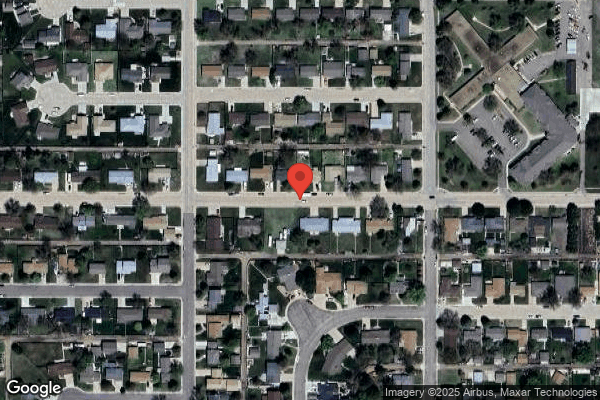
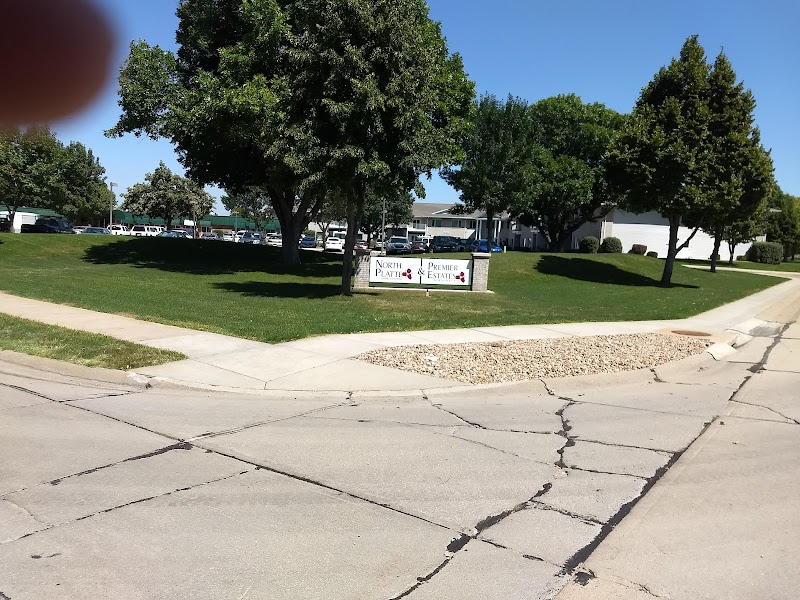
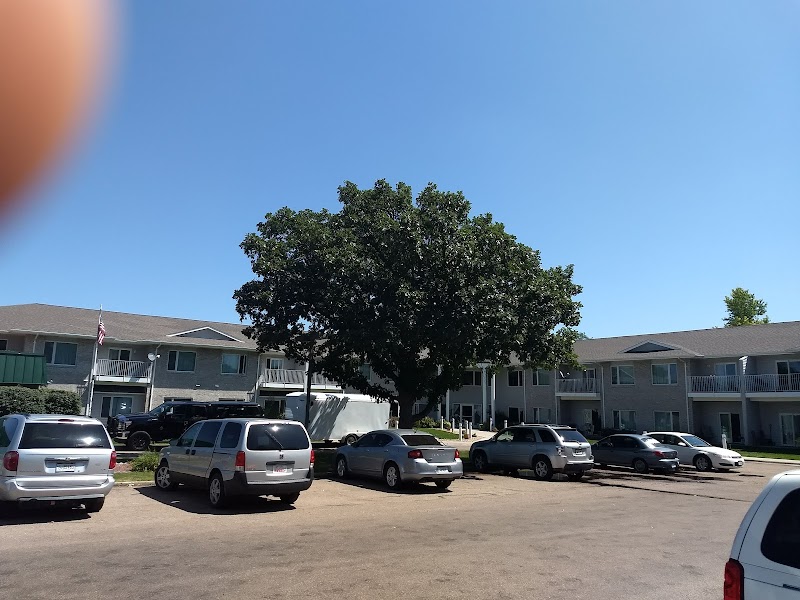
2900 West E Street, North Platte, NE 69101 (308) 534-2200
For profit - Corporation 71 Beds ARBORETA HEALTHCARE Data: November 2025
Trust Grade
33/100
#137 of 177 in NE
Last Inspection: April 2025

Within standard 12-15 month inspection cycle. Federal law requires annual inspections.

Overview

Accura HealthCare of North Platte has received a Trust Grade of F, indicating significant concerns about the facility. Ranked #137 out of 177 in Nebraska, they are in the bottom half of nursing homes in the state and #3 out of 4 in Lincoln County, meaning only one local option is better. The facility is reportedly improving, with issues decreasing from 8 in 2024 to 3 in 2025. However, staffing is a major concern, with a low rating of 1 out of 5 stars and a troubling 100% staff turnover rate, far above the state average. The facility has incurred $13,000 in fines, which is higher than 79% of Nebraska facilities, indicating potential recurring compliance issues. While they have average RN coverage, two specific incidents raised concerns: food in the kitchen was not properly labeled, risking foodborne illness, and trash receptacles were uncovered, posing a pest control issue. Overall, while there are some signs of improvement, families should weigh these serious weaknesses carefully.
Trust Score
F
33/100
In Nebraska
#137/177
Bottom 23%
Safety Record
Low Risk
No red flags
Inspections
Getting Better
8 → 3 violations
Staff Stability
⚠ Watch
100% turnover. Very high, 52 points above average. Constant new faces learning your loved one's needs.
Penalties
✓ Good
$13,000 in fines. Lower than most Nebraska facilities. Relatively clean record.
Skilled Nurses
○ Average
Each resident gets 35 minutes of Registered Nurse (RN) attention daily — about average for Nebraska. RNs are the most trained staff who monitor for health changes.
Violations
⚠ Watch
19 deficiencies on record. Higher than average. Multiple issues found across inspections.
★☆☆☆☆
1.0
Overall Rating
★☆☆☆☆
1.0
Staff Levels
★☆☆☆☆
1.0
Care Quality
★★★☆☆
3.0
Inspection Score
Stable
2024: 8 issues
2025: 3 issues

The Good

  • Full Sprinkler Coverage · Fire safety systems throughout facility
  • No fines on record

Facility shows strength in fire safety.

The Bad

1-Star Overall Rating

Below Nebraska average (2.9)

Significant quality concerns identified by CMS

Staff Turnover: 100%

53pts above Nebraska avg (47%)

Frequent staff changes - ask about care continuity

Federal Fines: $13,000

Below median ($33,413)

Minor penalties assessed

Chain: ARBORETA HEALTHCARE

Part of a multi-facility chain

Ask about local staffing decisions and management

Staff turnover is very high (100%)

52 points above Nebraska average of 48%

The Ugly 19 deficiencies on record

Apr 2025 3 deficiencies
CONCERN (D) 📢 Someone Reported This

A family member, employee, or ombudsman was alarmed enough to file a formal complaint

Potential for Harm - no one hurt, but risky conditions existed

Transfer Notice (Tag F0623)

Could have caused harm · This affected 1 resident

Based on record review and interview, the facility failed to provide a written notice of discharge as required to 1 (Resident 112) of 1 sampled resident or their representative. The facility census wa...

Read full inspector narrative →
Based on record review and interview, the facility failed to provide a written notice of discharge as required to 1 (Resident 112) of 1 sampled resident or their representative. The facility census was 56. Findings Are: A record review of Resident 112's Progress Notes revealed that on 3/2/25, Resident 112 was sent by the facility to the emergency department due to adverse behaviors toward another resident. Resident 112 was admitted to the hospital due to delirium and hypoxia. Further review of Resident 112's Progress Notes revealed that on 3/3/25, the facility notified Resident 112's child that the facility would not be admitting the resident back to the facility from the hospital due to the potential for putting other residents in harm's way. The notes revealed Resident 112's child voiced understanding and declined a bed hold. A record review of Resident 112's electronic medical records revealed no evidence that a written notice of discharge had been given to the resident or the resident representative. An interview on 4/1/25 at 3:10 PM with the SSD confirmed that a written notice of discharge had not been provided to Resident 112 or their representative.
CONCERN (D)

Potential for Harm - no one hurt, but risky conditions existed

Drug Regimen Review (Tag F0756)

Could have caused harm · This affected 1 resident

Based on record reviews and interview, the facility failed to ensure the physician had documented a clinical rationale for not taking action regarding the pharmacist's identified medication irregulari...

Read full inspector narrative →
Based on record reviews and interview, the facility failed to ensure the physician had documented a clinical rationale for not taking action regarding the pharmacist's identified medication irregularity as required of 1 (Resident 11) of 5 sampled residents. The facility identified a census of 56. Findings are: A record review of the facility's undated policy Medication Regimen Review Policies and Procedures defined Medication Regimen Review (MRR) as a thorough evaluation of the medication regimen of a resident by a consultant pharmacist, with the goal of promoting positive outcomes and minimizing adverse consequences associated with medication. The review includes preventing, identifying, reporting, and resolving medication-related problems, medication errors, or other irregularities, and collaborating with other members of the interdisciplinary team. Additionally, the policy revealed a report of the MRR with any irregularities will be sent to the Director of Nursing (DON), the Medical Director, and the Attending Physician. The policy did not include information regarding the response required by the Attending Physician when an irregularity had been identified by the pharmacist. A record review of an admission Record revealed the facility admitted Resident 11 on 2/14/2025. A record review of Resident 11's Order Summary Report with a date of 4/2/2025 revealed the following orders: - Famotidine 40 milligrams (mg) with direction to take 1 tablet by mouth every bedtime for an indicated use of acid reducing. This medication was started on 3/10/2025. - Pantoprazole 40 mg with direction to take 1 tablet by mouth once daily for an indication for use of gastro-esophageal reflux disease (GERD, a chronic condition where stomach acid flows back up into the esophagus, causing symptoms like heartburn and regurgitation). This medication had a start date of 3/11/2025. Additional record review of Resident 11's admission Record, under Diagnosis Information, revealed no evidence of diagnosed GERD or similar conditions. A record review of a Note To Attending Physician/Prescriber with a date of 2/21/2025 revealed the pharmacist identified Resident 11 had two orders for acid-suppressing medications: pantoprazole and famotidine. Additionally, the pharmacist wrote, This appears to be a duplication of therapy. Please provide the rationale for this resident requiring both Proton-pump inhibitor and H-2 blocker therapy for treatment of acid reflux. Alternatively, may consider discontinuing one of the two orders. On 3/6/2025, the Attending Physician wrote not right now without evidence of a clinical rationale for not taking action regarding the pharmacist's identified medication irregularity. An interview on 4/2/2025 at 11:15 AM with the DON confirmed the Attending Physician had not provided a clinical rationale for not taking action regarding the pharmacist's identified medication irregularity as required.
CONCERN (E)

Potential for Harm - no one hurt, but risky conditions existed

Quality of Care (Tag F0684)

Could have caused harm · This affected multiple residents

**NOTE- TERMS IN BRACKETS HAVE BEEN EDITED TO PROTECT CONFIDENTIALITY** Licensure Reference Number 175 NAC 12-006.09(H)(iv)(5) Based on record reviews and interviews, the facility failed to follow the...

Read full inspector narrative →
**NOTE- TERMS IN BRACKETS HAVE BEEN EDITED TO PROTECT CONFIDENTIALITY** Licensure Reference Number 175 NAC 12-006.09(H)(iv)(5) Based on record reviews and interviews, the facility failed to follow their bowel protocol to prevent constipation (a condition characterized by infrequent or difficult bowel movements, resulting in hard, dry, and difficult-to-pass stools) for 3 (Residents 9, 11, and 16) of 6 sampled residents. The facility identified a census of 56. Findings are: A record review of the facility's Bowel Movement Needs List with a date of 5/10/2023 revealed that the night shift nurse is to record all residents who have not had a bowel movement in the last 2, 3, 4, or 5 days and give this list to the next shift. Interventions, assessments, and results will be initiated and recorded by the day and night shift nurses. A record review of an undated facility document, Accura HealthCare Bowel Protocol revealed the following: - Day 3 - MiraLAX 17 grams (g) with morning medications and prune juice at breakfast. - Day 4 - Milk of Magnesia with morning medications. - Day 5 - rectal suppository in the morning - Fax primary care physician upon admission for orders of bowel protocol medications. A. A record review of an admission Record revealed the facility admitted Resident 9 on 6/4/2024 and had diagnoses of chronic pain and non-infectious gastroenteritis and colitis (inflammation of the stomach and intestines that is not caused by an infection.) A record review of Resident 9's quarterly Minimum Data Set (MDS, a federally mandated comprehensive assessment tool used to determine a resident's functional capabilities and helps nursing home staff identify health problems) with an Assessment Reference Date (ARD) of 3/18/2025 revealed Resident 9 had a Brief Interview for Mental Status (BIMS, a brief screening that aids in detecting cognitive impairment) score of 15/15, which indicated Resident 9 was cognitively intact. Additionally, the MDS revealed Resident 9 was dependent for toileting and was frequently incontinent of bowel. A record review of Resident 9's Documentation Survey Report v2 (a report of past documentation that includes documented bowel movements) for January 2025- March 2025 revealed Resident 9 had no documented bowel movement on the following dates: - 1/19/2025-1/22/2025, which was 4 days without a bowel movement. - 2/23/2025-2/26/2025, which was 4 days without a bowel movement. - 2/28/2025-3/7/2025, which was 8 days without a bowel movement. A record review of Resident 9's Medication Administration Record (MAR) for January 2025 and February 2025 revealed no evidence of orders for constipation management. A record review of Resident 9's Medication Administration Record (MAR) for March 2025 revealed no evidence that constipation management orders had been placed until 3/24/2025. A record review of Resident 9's Progress Notes for January 2025 - March 2025 revealed no evidence that interventions had been implemented or that the physician had been contacted regarding Resident 9's constipation during 1/19/2025-1/22/2025, 2/23/2025-2/26/2025, or 2/28/2025-3/7/2025. An interview on 4/2/2025 at 10:45 AM with Registered Nurse (RN)-A revealed the facility's process for constipation management is the night shift nurse prints a report of what residents have not had a bowel movement for how many days and what interventions have been done and then places these on the medication carts for the day shift nurses, so the day shift nurses can implement the interventions. An interview on 4/2/2025 at 4:00 PM with the Administrator confirmed Resident 9 was in the facility on 1/19/2025-1/22/2025, 2/23/2025-2/26/2025, and 2/28/2025-37/7/2025 and had no evidence Resident 9 had had a bowel movement. An interview on 4/3/2025 at 8:10 AM with the Director of Nursing (DON) confirmed the facility had not implemented any intervention for Resident 9's constipation on 1/19/2025-1/22/2025, 2/23/2025-2/26/2025, and 2/28/2025-37/7/2025 and interventions should have been implemented per the facility's protocol. B. A record review of an admission Record revealed the facility admitted Resident 11 on 2/14/2025. A record review of Resident 11's admission MDS with an ARD of 2/18/2025 revealed Resident 11 had a BIMS score of 5/15, which indicated Resident 11 had severe cognitive impairment. Additionally, the MDS revealed Resident 11 required supervision with toileting and was always continent of bowel. A record review of Resident 11's Care Plan Report revealed a focus area for Resident 11's pain with an initiated date of 2/14/2025. An intervention to monitor and document for side effects of pain medication, such as constipation, and report occurrences to the physician had been added. A record review of Resident 9's Documentation Survey Report v2 for February 2025- March 2025 revealed Resident 11 had no documented bowel movement on the following dates: - 2/19/2025-2/26/2025, which was 8 days without a bowel movement. - 3/10/2025-3/14/2025, which was 4 days without a bowel movement. - 3/23/2025-3/27/2025, which was 5 days without a bowel movement. A record review of Resident 9's Progress Notes from 2/19/2025-3/27/2025 revealed no evidence interventions for Resident 9's constipation had been implemented, or the physician had been notified of the constipation episodes. A record review of Resident 9's MAR for February 2025 revealed no evidence of orders for constipation management. A record review of Resident 9's MAR for March 2025 revealed MiraLAX and Milk of Magnesia were started on 3/11/2025 but had not been administered in the month of March 2025. An interview on 4/2/2025 at 4:00 PM with the Administrator confirmed Resident 11 was in the facility on 2/19/2025-2/26/2025, 3/10/2025-3/14/2025, and 3/23/2025-3/272025 and had no evidence Resident 11 had had a bowel movement. An interview on 4/3/2025 at 8:10 AM with the DON confirmed the facility had not implemented any intervention for Resident 11's constipation on 2/19/2025-2/26/2025, 3/10/2025-3/14/2025, or 3/23/2025-3/272025. The DON stated Resident 11 does ambulate unassisted to the bathroom, but would have expected the staff to implement the interventions per the facility protocol or follow up with Resident 11 and document a Progress Note. C. A record review of Resident 16's Minimum Data Set (MDS, a federally mandated comprehensive assessment tool used determine a resident's functional capabilities and helps nursing home staff identify health problems) dated 5/28/2025 revealed Resident 16 was admitted to the facility on [DATE] and had a Brief Interview for Mental Status (BIMS, a brief screener that aids in detecting cognitive impairment) score of 4/15, which indicated the resident had severe cognitive impairment. The MDS also revealed that Resident 16 was always incontinent of their bowels and was dependent on staff for the provision of the toileting and personal hygiene. A record review of Resident 16's undated Comprehensive Care Plan (CCP, a document that includes measurable objectives and timetables to meet a resident's medical, nursing, and mental and psychosocial needs that are identified in the comprehensive assessment) revealed the resident was at risk for constipation related to decreased mobility and medication side effects. The resident had a goal to have a normal bowel movement at least every three days. There were interventions in place to administer laxative medications per physician's orders, to follow facility bowel protocol for bowel management, and to record the resident's bowel movement on the ADL (activities of daily living) flow record every shift. A record review of Resident 16's Bowel Task documentation for the month of January 2025 revealed the following dates with no bowel movements documented: -1/11/25 through 1/13/25; which was three days, -1/26/25 through 1/29/25; which was four days. A record review of Resident 16's Bowel Task documentation for the month of February 2025 revealed the following dates with no bowel movements documented: -2/4/25 through 2/7/25; which was four days, -2/9/25 through 2/14/25; which was six days, -2/17/25 through 2/23/25; which was seven days, and -2/26/25 through 2/28/25; which was three days. A record review of Resident 16's Bowel Task documentation for the month of March 2025 revealed the following dates with no bowel movements documented: -3/22/25 through 3/24/25; which was three days, -3/26/25 through 3/28/25; which was three days, and -3/30/25 through 4/1/25; which was three days. A record review of Resident 16's physician's orders revealed the following as needed bowel medication orders: -Polyethylene Glycol (Miralax) 17 grams once daily as needed for constipation, -Bisacodyl Suppository 10 milligrams (MG), insert 1 suppository rectally daily as needed for constipation. -Milk of Magnesia 30 milliliters (ML) twice daily as needed for constipation. A record review of Resident 16's Medication Administration Record (MAR) for January 2025 revealed none of the resident's as needed bowel medications had been administered. A record review of Resident 16's Medication Administration Record (MAR) for February 2025 revealed none of the resident's as needed bowel medications had been administered. A record review of Resident 16's Medication Administration Record (MAR) for March 2025 revealed none of the resident's as needed bowel medications had been administered. A record review of Resident 16's Progress Notes from January 1, 2025 through April 2, 2025 revealed no evidence of Resident 16's bowel status being assessed or of any as needed bowel medication administrations being attempted. An interview on 4/3/25 at 9:59 AM with the Director of Nursing (DON) revealed that the nurse aides document resident bowel movements in the Task section of their electronic medical records every shift. Each night, the nurse runs a report of resident who had not had a bowel movement, these reports are then given to the day shift staff that are working on the medication carts the following morning. It is then the day shift staff's responsibility to follow the facility's bowel protocol for each resident. The DON confirmed that for each of the timeframes when Resident 16 had not had a bowel movement documented for 3 or more days, there should have either been an as needed bowel medication given or documentation in the resident's progress notes regarding why an intervention was not implemented.
Mar 2024 8 deficiencies
CONCERN (D)

Potential for Harm - no one hurt, but risky conditions existed

Deficiency F0679 (Tag F0679)

Could have caused harm · This affected 1 resident

Licensure Reference Number 175 NAC 12-006.09D5b Based on observations, interviews, and record review, the facility failed to provide activities of choice to 1 (Resident 9) of 1 sampled residents. The ...

Read full inspector narrative →
Licensure Reference Number 175 NAC 12-006.09D5b Based on observations, interviews, and record review, the facility failed to provide activities of choice to 1 (Resident 9) of 1 sampled residents. The facility identified a census of 60. The findings are: A record review of Resident 9's Medical Diagnosis revealed the facility had admitted Resident 9 on 10/12/2019 with diagnoses of: major depressive disorder, Dementia, chronic obstructive pulmonary disease, insomnia, retention of urine, and constipation. A record review of Resident 9's significant change Minimum Data Set (MDS, a standardized assessment tool that measures health status in nursing home residents), dated 2/26/2024, revealed Resident 9 had a Brief Interview for Mental Status (BIMS) score of 15/15, which revealed the resident was cognitively intact. The MDS also indicated Resident 9's activity preference for doing things with groups of people was very important and doing Resident 9's activity preference for doing favorite activities and going outside was somewhat important. A record review of Resident 9's Care Plan revealed an intervention to establish Resident 9's interest by talking with the resident. It also included an intervention of resident's preferred activities are watching television, reading magazines, and sitting outside when weather is nice. An observation on 3/18/2024 at 1:16 PM revealed Resident 9 had been resting in their bed staring at the wall without activity. An observation on 3/19/2024 at 12:50 PM revealed Resident 9 had been sitting in their wheelchair without activity, awaiting transportation to an appointment at 1:45 PM. An observation on 3/21/2024 at 9:58 AM revealed Resident 9 had been resting in bed without activity. Resident 9 had begun to get tearful when discussing desire to go out of the facility for activities. An interview on 3/18/2024 at 1:16 PM with Resident 9 revealed [gender] did not participate in activities due to having no interest in provided activities. The interview also revealed Resident 9 likes to play card games, but facility is not able to offer this due to no other residents being interested. Resident 9 denied activities staff offering to play card games with Resident 9. An interview on 3/19/2024 at 8:45 AM with Resident 9 revealed other activity interests of card games, rodeos, and outdoor activities. Resident 9 had tearfully stated but none of that is a choice. Once they locked me down, they locked me down for good. An interview on 3/19/2024 at 12:34 PM with Registered Nurse (RN)-B revealed Resident 9 had been self-isolating in room since December and had not attended activities or come out of room to chat with staff. An interview on 3/21/2024 at 10:16 AM with the Activities Supervisor (AS) confirmed Resident 9 had a decrease in activity participation and previously liked to watch television and attend music activities. The AS revealed [gender] had not done any activities with Resident 9 besides working on a shopping list. The AS also confirmed options to seek out activities in the community if the resident chose to. An interview on 3/21/2024 at 10:38 AM with Director of Nursing (DON) revealed they were unaware of Resident 9's decrease of participation in activities. The DON stated an intervention was attempting to get Resident 9 up in their wheelchair inside their room for meals. A record review of Resident 9's Progress Notes from 11/1/2023 through 3/18/2024 revealed two notes of documentation of activities had occurred for Resident 9. On 3/18/2024 a late entry was documented the AS had made a grocery list with Resident 9 and had gone shopping for Resident 9. On 11/1/2023, a note was documented the AS had went shopping for Resident 9. The record review revealed no other activities had been offered or completed from 11/1/2023 through 3/18/2024.
CONCERN (D)

Potential for Harm - no one hurt, but risky conditions existed

Quality of Care (Tag F0684)

Could have caused harm · This affected 1 resident

**NOTE- TERMS IN BRACKETS HAVE BEEN EDITED TO PROTECT CONFIDENTIALITY** Licensure Reference Number 175 NAC 12-006.09 Based on record review and interviews, the facility failed to follow physician's or...

Read full inspector narrative →
**NOTE- TERMS IN BRACKETS HAVE BEEN EDITED TO PROTECT CONFIDENTIALITY** Licensure Reference Number 175 NAC 12-006.09 Based on record review and interviews, the facility failed to follow physician's orders regarding daily weights for 1 (Resident 36) of 1 sampled resident. The facility census was 60. The Findings Are: A record review of Resident 36's admission record revealed the resident was admitted to the facility on [DATE] with a primary diagnosis of pneumonia, unspecified organism. A record review of Resident 36's undated Care Plan revealed the resident had a diagnosis of congestive heart failure and had an intervention in place for weight monitoring. A record review of Resident 36's Physician's Orders revealed an order for daily weights to be obtained on the day shift related to their diagnosis of Unspecified Diastolic (Congestive) Heart Failure. The order also stated to give PRN (as needed) Lasix if the resident had a weight gain of 4 to 5 pounds, and to call the Primary Care Provider (PCP). The start date for this order was 12/21/2023. A record review of Resident 36's Physician's Orders revealed orders for furosemide (Lasix) 20 milligrams (MG) to be given every other day and an order for furosemide (Lasix) 40 MG to be given every other day, on opposing days from the 20 MG order. There was no evidence of a current order for PRN Lasix to be given. A record review of Resident 36's Treatment Administration Record (TAR) for February 2024 revealed the resident's order for a daily weight to be obtained on the day shift had no documentation on February 5th, 10th, or 29th. There was a staff initial and an x, but no weight documented on February 12th -17th, and on the 23rd. A record review of Resident 36's TAR for March 2024 revealed the resident's order for a daily weight to be obtained on the day shift had no documentation on March 1st, 7th, 8th, 9th, 11th, 14th, or on the 18th. A record review of Resident 36's Vital Signs section of their electronic health record (EHR) revealed no weight recorded for February 2nd-5th, 7th, 9th-10th, 12th-19th, 21st-23rd, 27th-28th, 2024 There were also no weights recorded for March 1st, 3rd, 7th, 9th-11th, 13th, 15th-16th, 18th, or 20th, 2024. A record review of Resident 36's EHR revealed the resident was hospitalized and not available for the facility to obtain daily weights February 12th-18th, 2024. An interview on 3/21/24 at 12:40 PM with the Director of Nursing (DON) confirmed the daily weight order did state to give PRN Lasix with a weight gain of 4 to 5 pounds. The DON also confirmed the resident did not have a current order for PRN Lasix. The DON confirmed the PRN Lasix order was discontinued by the pharmacist upon the resident's return to the facility from the hospital on 2/18/24 per the transition orders received from the doctor but the daily weight order was not updated at that time to reflect the change. An interview on 3/21/24 at 12:50 PM with the Administrator confirmed there were no additional weights obtained for Resident 36 other than the weights recorded in the resident's EHR as the administrator was the staff responsible for adding the weights obtained by staff to the EHR.
CONCERN (D)

Potential for Harm - no one hurt, but risky conditions existed

Pressure Ulcer Prevention (Tag F0686)

Could have caused harm · This affected 1 resident

Licensure Reference Number 175 NAC 12-006.09D2b Based on observations, interviews, and record review, the facility failed to provide treatment of a pressure ulcer for 1 (Resident 9) of 4 sampled resid...

Read full inspector narrative →
Licensure Reference Number 175 NAC 12-006.09D2b Based on observations, interviews, and record review, the facility failed to provide treatment of a pressure ulcer for 1 (Resident 9) of 4 sampled residents. The facility identified a census of 60. The findings are: A record review of Resident 9's Medical Diagnosis revealed the facility had admitted Resident 9 on 10/12/2019 with diagnoses of: major depressive disorder, Dementia, chronic obstructive pulmonary disease, and Diabetes Mellitus. A record review of Resident 9's significant change Minimum Data Set (MDS, a standardized assessment tool that measures health status in nursing home residents) dated 2/26/2024, revealed Resident 9 had a Brief Interview for Mental Status (BIMS) score of 15/15, which revealed the resident was cognitively intact. The MDS also indicated Resident 9 was at risk for pressure ulcers with a pressure ulcer present. A record review of Resident 9's Weekly Skin Assessment with a date of 3/5/2024 revealed Resident 9 had an unstageable pressure sore to the right great toe. A record review of Resident 9's Care Plan revealed an intervention and treatment per the physician's order for a pressure wound of the right great toe. The Care Plan identified to follow the facility's policy for wound treatment. A record review of Resident 9's Physician Orders revealed an order with a date of 3/5/2024 to complete a wound dressing to the right great toe with betadine and cover with band aid daily. An interview on 3/20/2024 at 8:25 AM with Resident 9 revealed Resident 9 was not aware of the pressure ulcer. Resident 9 had stated I never knew anything about it until yesterday when you asked about watching it be changed. A record review of Resident 9's Treatment Administration Record (TAR) revealed the treatment was not documented on 3/7/2024, 3/8/2024, 3/16/2024, and 3/19/2024. An observation on 3/20/2024 at 12:25 PM revealed no band aid covering from 3/19/2024 in place on Resident 9's right great toe as per order. An interview on 3/20/2024 at 12:25 PM with Registered Nurse (RN) - B confirmed there was no band aid covering in place on Resident 9's right great toe. RN-B confirmed treatment of Resident 9's pressure ulcer included frequent monitoring to ensure dressing was intact and completing daily treatments. An interview on 3/21/2024 at 9:05 AM with the Director of Nursing (DON) confirmed the TAR was missing documentation from 3/7/2024, 3/8/2024, 3/16/2024 and 3/19/2024. The DON denied having additional documentation that the treatment had been completed with confirming statement if it was not documented, it was not done. A record review of the facility's Skin Care and Wound Management policy, with a date of 6/2015, under section Procedure read to conduct daily round to verify that appropriate wound treatment protocols are followed and documented. A record review of the facility's Skin Care and Wound Management policy, with a date of 6/2015, under section Treatment read to document treatment protocols on the TAR.
CONCERN (D)

Potential for Harm - no one hurt, but risky conditions existed

Respiratory Care (Tag F0695)

Could have caused harm · This affected 1 resident

**NOTE- TERMS IN BRACKETS HAVE BEEN EDITED TO PROTECT CONFIDENTIALITY** Licensure Reference Number 175 NAC 12-006.09D6 (7) Based on observation, record review and interview; the facility staff failed ...

Read full inspector narrative →
**NOTE- TERMS IN BRACKETS HAVE BEEN EDITED TO PROTECT CONFIDENTIALITY** Licensure Reference Number 175 NAC 12-006.09D6 (7) Based on observation, record review and interview; the facility staff failed to change oxygen tubing for 2 (Resident 10 and 49) of 2 sampled residents and failed to change the nebulizer mask with tubing for 1 (Resident 49) of 1 sampled resident which had the potential to cause infection. The facility census was 60. Findings are: A. A record review of Resident 10's Medical Diagnosis printed 3/18/2024 revealed Resident 10 was re-admitted to the facility on [DATE] with diagnoses of: congestive heart failure (CHF-the heart does not pump blood as well as it should), obstructive sleep apnea (intermittent airflow blockage during sleep), morbid obesity, pulmonary hypertension (a type of high blood pressure that affects the arteries in the lungs and the right side of the heart), paranoid schizophrenia (a mental disorder in which the person has irrational thoughts, delusions and hallucinations). A record review of Resident 10's Clinical Physician Orders printed 3/18/2024 revealed an order for oxygen to be worn at 3 liters per minute via BiPap (non-invasive ventilation which helps you breathe through a mask) machine at bedtime. A record review of Resident 10's Treatment Administration Record (TAR-a legal and accurate record of the treatments received by the resident) dated 1/2024 revealed an order to change oxygen tubing on the first of the month and was documented to have been changed on 1/1/2024. A record review of Resident 10's TAR dated 2/2024 revealed an order to change oxygen tubing on the first of the month and was documented to have been changed on 2/1/2024. A record review of Resident 10's TAR dated 3/2024 revealed a order to change oxygen tubing on the first of the month and was documented to have been changed on 3/1/2024. A record review of Resident 10's TAR dated 3/2024 revealed a new order as of 3/4/2024 to change oxygen tubing every week on Monday and this was documented to have been done on 3/4/2024 and 3/11/2024. An observation on 3/18/2024, 3/19/2024, and 3/20/24 of Resident 10's oxygen tubing which was attached to her oxygen concentrator (a machine that purifies the surrounding air and is distributed through a nasal cannula or a mask to the resident) and BiPap machine revealed a date of 1/1/2024. An observation and interview on 3/20/2024 at 11:00 AM with RN-B (Registered Nurse) revealed the tubing was dated 1/1/2024 and is overdue to be changed and is to be changed weekly as of 3/4/2024 and was not. An interview on 3/20/2024 at 12:10 PM with the DON (Director of Nursing) confirmed that the oxygen tubing dated 1/1/2024 is outdated and should have been changed per the orders and was not. B. A record review of Resident 49's Medical Diagnosis printed 3/18/2024 revealed Resident 49 was re-admitted to the facility on [DATE] with diagnoses of: chronic congestive heart failure (CHF), chronic kidney disease, Stage 4 (disease in which kidneys are moderately or severely damaged and not working as well as they should to filter waste from your blood), anemia (the blood does not have enough healthy red blood cells and hemoglobin which carries oxygen throughout the body), morbid obesity, major depressive disorder (persistent feeling of sadness or lost of interest). A record review of Resident 49's Medication Administration Record (MAR-a legal and accurate record of the medications received by the resident) dated 1/2024 revealed an order for Formoterol (liquid medicine used to treat lung problems) 1 vial per twin jet nebulizer (TJN-a machine that turns liquid medicine into a mist that is inhaled) every 12 hours and was documented to have been given the month of January 2024. There was also an order for Albuterol (a liquid medication that helps open the airways in the lungs) 1 vial per TJN four times a day as needed for wheezing which was documented to have been given twice on 1/9/2024, twice on 1/17/2024 and once on 1/22/2024. There is also an order for oxygen to be worn at 2 liters per minute via nasal cannula to be worn continuously to keep oxygen saturation above 90% which was documented to have been worn the month of January 2024. A record review of Resident 49's TAR dated 1/2024 revealed an order for oxygen cannula/mask/tubing to be changed on the first of the month. This was documented to have been done on 1/1/2024. There is also an order to change oxygen nebulizer mask and tubing every week which was documented to have been done on 1/6/2024, 1/13/2024, 1/20/2024, and 1/27/2024. A record review of Resident 49's MAR dated 2/2024 revealed an order for formoterol 1 vial per twin jet nebulizer every 12 hours and was documented to have been given the month of February 2024. There was also an order for Albuterol 1 vial four times a day as needed for wheezing which was documented to have been given on 2/11/2024 and 2/17/2024. There is also an order for oxygen to be worn at 2 liters per minute via nasal cannula to be worn continuously to keep oxygen saturation above 90% which was documented to have been worn the month of February 2024. A record review of Resident 49's TAR dated 2/2024 revealed an order to change oxygen cannula/mask/tubing every month on the first of the month which was documented to have been done on 2/1/2024. A new order received 2/19/2024 stated to change oxygen cannula/mask/tubing every week on Monday. This was documented to have been done 2/19/2024 and 2/26/2024. There is also an order to change the oxygen nebulizer mask and tubing weekly on Saturday and this was documented to have been done 2/3/2024, 2/10/2024, 2/17/2024, and 2/24/2024. A record review of Resident 49's MAR dated 3/2024 revealed an order for Albuterol 1 vial per twin jet nebulizer four times a day as needed for wheezing and was discontinued on 3/12/2024 and had not been used the month of March 2024. There was also an order for Albuterol 1 vial four times a day as needed for wheezing which was discontinued on 3/12/2024 and had not been used the month of March 2024. There is also an order for oxygen to be worn at 2 liters per minute via nasal cannula to be worn continuously to keep oxygen saturation above 90% which was documented to have been worn the month of March 2024. A record review of Resident 49's TAR dated 3/2024 revealed an order to change oxygen cannula/mask/tubing weekly every Monday and was documented to have been done on 3/4/2024 and 3/11/2024. There was also an order to change the oxygen nebulizer mask and tubing weekly on Saturday which was not documented to have been done the month of March. An observation on 3/18/2024, 3/19/2024 and 3/21/2024 revealed the resident was on 3 liters per minute via nasal cannula and the oxygen tubing was not dated. The nebulizer mask and tubing were dated 2/24/2024. An observation on 3/20/2024 at 7:50 AM revealed the resident is lying in bed with nebulizer mask on face and running and mist is coming from the mask. An observation on 3/20/2024 at 8:30 AM the nebulizer machine is still running but the mask is sitting on the bed. An observation on 3/20/2024 at 9:20 AM the nebulizer mask is sitting upright on the nebulizer machine and is shut off. An interview and observation on 3/20/2024 at 10:50 with RN-B revealed that oxygen tubing and nebulizer masks are to be changed weekly. RN-B confirmed that the oxygen tubing the resident is using had no date and didn't know how old the tubing is, but needed to be changed. RN-B also confirmed that the nebulizer mask was dated 2/24/2024 and is overdue to be changed. RN-B also stated that the residents breathing treatments through the nebulizers had been discontinued 3/12/2024 and did not know who started her breathing treatment and shut it off this morning. An interview on 3/20/24 at 12:20 PM with the DON confirmed that Resident 49's oxygen tubing should have been dated and needs to be changed and the nebulizer mask is outdated and should have been changed. An observation on 3/21/2024 at 8:30 AM revealed in the resident's room a new oxygen tubing dated 3/20/2024 and the nebulizer machine was removed from the room since the medications for the nebulizer were discontinued 3/12/2024. A record review of the facility policy Oxygen Administration dated 6/15/2021 under procedure revealed: 7. Date disposable supplies upon opening. Change disposable equipment as indicated, refer to the Respiratory Equipment Change guide in this manual. A record review of the facility policy Respiratory Equipment Change Schedule dated 1/2013 revealed under the Purpose: routine cleaning and/or changing of disposable respiratory equipment is done to prevent nosocomial infections. Further review under Procedure revealed: 1. Observe the following change schedule for disposable items: Aerosol producing devices, such as nebulizers, IPPB circuits, continuous aerosol systems-weekly and prn. Oxygen delivery devices (non-aerosol producing) Ex: venturi masks, nasal cannulas, oxygen supply tubing-weekly and prn. 2.Date all disposable supplies upon opening.
CONCERN (D)

Potential for Harm - no one hurt, but risky conditions existed

Medication Errors (Tag F0758)

Could have caused harm · This affected 1 resident

Licensure Reference Number 175 NAC 12-006.10 Based on interviews and record review, the facility failed to ensure an as needed antipsychotic medication was limited to 14 days and had a physician docum...

Read full inspector narrative →
Licensure Reference Number 175 NAC 12-006.10 Based on interviews and record review, the facility failed to ensure an as needed antipsychotic medication was limited to 14 days and had a physician documented rationale for continuance. This affected 1 (Resident 114) of 6 sampled residents. The facility identified a census of 60. The findings are: A record review of Resident 114's Face Sheet revealed the facility admitted Resident 114 on 2/28/2024 with diagnoses of: altered mental status, adult failure to thrive, hallucinations, Dementia with moderate behavioral disturbance, and cognitive communication deficit. A record review of Resident 114's significant change Minimum Data Set (MDS, a standardized assessment tool that measures health status in nursing home residents) dated 3/9/2024, revealed Resident 114 had a Brief Interview for Mental Status (BIMS) score of 4/15, which revealed the resident had severe cognitive impairment. The MDS also indicated Resident 114 had physical (hitting, kicking, grabbing, etc.) and verbal (threatening, screaming, cursing, etc.) behavioral symptoms 4 to 6 days of the week. The MDS revealed Resident 114 had behaviors of wandering which had occurred daily and rejection of care had occurred 1 to 3 days a week. A record review of Resident 114's orders included an order for quetiapine (an atypical antipsychotic medication used to treat schizophrenia, bipolar disorder and depression) 25 milligrams (mg) with directions to give 1 tablet orally every 8 hours as needed (PRN) for agitation. The order had begun on 3/5/2024 and did not include a stop date or duration. A record review of Resident 114's Physician Documentation with a date of 3/14/2024 included an order to continue the PRN quetiapine order without a clinical rationale. The order did not include a stop date or duration. An interview on 3/21/2024 at 9:04 AM with the Director of Nursing (DON) confirmed order for Resident 114's PRN quetiapine order began on 3/5/2024 and the medication was still being utilized as there had been no stop date or duration included on the order. An interview on 3/21/2024 at 9:15 AM with Registered Nurse (RN) - A confirmed Resident 114's PRN quetiapine order did not include a duration or stop date and the facility did not have a documented rationale from the physician to continue past 14 days. An interview on 3/21/2024 at 9:28 AM with the Administrator (ADM) revealed the facility does not have a policy for as needed psychiatric medication as the facility follows physicians' orders.
CONCERN (D)

Potential for Harm - no one hurt, but risky conditions existed

Infection Control (Tag F0880)

Could have caused harm · This affected 1 resident

Licensure Reference Number 175 NAC 12-006.17D Based on observation, record review and interview; the facility failed to ensure hand hygiene was performed to prevent the spread of infection or prevent ...

Read full inspector narrative →
Licensure Reference Number 175 NAC 12-006.17D Based on observation, record review and interview; the facility failed to ensure hand hygiene was performed to prevent the spread of infection or prevent cross contamination during and after incontinence care with appropriate change of gloves for 1 (Resident 49) of 1 sampled resident. The facility census was 60. Findings are: An observation on 3/20/2024 at 11:00 AM of personal cares were completed on Resident 49 by NA-D (nursing assistant) and NA-F revealed the following: Resident 49 was lying on [gender] back in bed. NA-D performed hand hygiene (HH) with soap and water at the resident's sink for 20 seconds. NA-F performed HH for 30 seconds with soap and water at the sink. Both nursing assistants applied gloves and the privacy curtain was pulled. NA-D began to pull the covers down the resident. NA-F pulled the window blinds. NA-D undid the tabs on the incontinence brief and removed the pillow from under the resident's legs. NA-D then pulled multiple incontinence wipes from the package and set them on top of the package. NA-D then wiped the resident's catheter from insertion site down the catheter tubing with 4 separate wipes. NA-D then threw these dirty wipes away in the trash. NA-D then reached into the incontinence package for additional wipes. NA-D then washed around the resident's meatus (opening of the urethra) with wipes. NA-D then removed [gender] soiled gloves and performed HH at the sink with soap and water for 10 seconds. NA-D then applied new gloves. NA-D removed more incontinence wipes from the package. NA-D then washed the resident's groin and abdominal folds with separate wipes and threw the wipes away. NA-D removed her soiled gloves and immediately put new gloves on. Both nursing assistants then assisted the resident to her side. NA-D washed the resident's buttocks which were soiled with stool with incontinence wipes. NA-D then began to place a clean incontinence brief on the resident with the same gloves. NA-D picked up the incontinence wipe package and moved it to the bedside table. NA-D assisted the resident onto [gender] back. NA-D took the foley drain bag from NA-F and placed the drain bag on the bed frame. NA-D and NA-F repositioned the resident more to fix the brief. NA-D adjusted the residents clothing. The tabs on the brief were applied by both nursing assistants. NA-D removed [gender] soiled gloves and threw them away. NA-F removed [gender] soiled gloves and performed HH at the sink with soap and water for 25 seconds. NA-D began taking items out of the resident's wheelchair so that the resident could be transferred into the wheelchair. NA-D removed clothes from the wheelchair and folded blankets. NA-D then performed HH at the sink with soap and water for 5 seconds. An interview on 3/20/2024 at 11:20 AM with NA-D revealed that NA-D thought the handwashing policy called for 10 seconds of washing with soap and water. After reviewing the facility's handwashing policy, NA-D confirmed [gender] did not wash [gender] hands long enough. NA-D also revealed [gender] should have removed soiled gloves after use and immediately performed HH with soap and water for 20 seconds before touching clean surfaces. An interview on 3/20/2024 at 12:10 PM with the DON confirmed that HH with soap and water is 20 seconds and confirmed that NA-D did not wash their hands long enough when performing morning cares. The DON also confirmed that HH should have been completed after removing soiled gloves before touching clean surfaces. A record review of the facility policy Hand Hygiene dated 3/2022 revealed: Healthcare providers must perform hand hygiene for the following: immediately before touching a resident or the resident's immediate environment, before performing an aseptic (free from contamination) task or handling invasive medical devices, before moving from work on a soiled body site to a clean body site on the same patient, after contact with blood, body fluids, or contaminated surfaces, and immediately after glove removal. The procedure for soap and water: 1. Turn on water to desired temperature. 2. Wet hands with water 3. Apply soap to hands and begin to rub surfaces, working soap into a lather. 4. Continue to rub vigorously for 15 seconds. 5. Rinse your hands with water. 6. Thoroughly dry hands using a disposable paper towel. Procedure for glove use: 1. Gloves do not replace the need for hand hygiene. 2. If your task requires gloves, perform hand hygiene prior to donning gloves. 3. Change gloves and perform hand hygiene during patient care, if gloves become damaged, gloves become visibly soiled with blood or body fluids following a task, moving from work on a soiled body site to a clean body site on the same patient. 4. Never wear the same pair of gloves in the care of more than one patient 5. Perform hand hygiene immediately after removing gloves. A record review of the CDC guidelines for handwashing recommends hands should be washed with soap and water vigorously for 20 seconds.
CONCERN (F)

Potential for Harm - no one hurt, but risky conditions existed

Food Safety (Tag F0812)

Could have caused harm · This affected most or all residents

Licensure Reference Number 175 NAC 12-006.11E Based on observation, record review and interviews, the facility failed to ensure food was labeled and dated to prevent the potential of food borne illne...

Read full inspector narrative →
Licensure Reference Number 175 NAC 12-006.11E Based on observation, record review and interviews, the facility failed to ensure food was labeled and dated to prevent the potential of food borne illness. This had the potential to affect all residents who consumed food from the kitchen. The facility census was 60. Findings are: A. An observation on March 18, 2024, at 10:45 AM during the initial walk through of the kitchen walk through revealed: - One open plastic bag of spaghetti with no listed expiration date or open date. The bag of spaghetti was within a box which also did not contain an opened or expiration date. - One open plastic bag of elbow macaroni with no expiration date or open date. The bag of elbow macaroni was within a box which also did not contain an opened or expiration date. - One open plastic bag of long grain rice with no expiration date or open date. The long grain rice was within a box which also did not contain an opened or expiration date. - One bottle of soy sauce was open without an opened date or expiration date. An observation on March 18, 2024, at 10:45 AM in the only walk-in fridge/freezer revealed: -One open plastic bag of tater tots which was sitting within a box with neither identifying the open or expiration date. An interview with Dietary Supervisor (DS) 03/18/24 at 10:45 AM revealed all food items are to be dated with an entry date upon arrival to the facility as well as with an open date. The DS revealed the expiration dates would be indiciated on the item by the manufacture. The DS confirmed the items listed above should have been marked with open dates and expiration dates. The DS revealed the facility does not have a policy on food storage.
CONCERN (F)

Potential for Harm - no one hurt, but risky conditions existed

Garbage Disposal (Tag F0814)

Could have caused harm · This affected most or all residents

Licensure Reference Number 175 NAC 12.006.18A Based on observations and interviews, the facility failed to ensure garbage was stored in a manner to prevent harborage and feeding of pests by failing to...

Read full inspector narrative →
Licensure Reference Number 175 NAC 12.006.18A Based on observations and interviews, the facility failed to ensure garbage was stored in a manner to prevent harborage and feeding of pests by failing to ensure trash receptacles were covered and not open. This had the potential to affect all the facility's residents. The facility identified a census of 60 at the time of survey. An observation on March 18, 2024 at 10:45 AM of the facility outside of the back entry to the kitchen revealed the following: - 1 trash receptable which had the back of the receptable open with no coverings and trash was visible inside, - 1 trash receptable which had the front and the back of the receptable open with no coverings and trash was visible inside. Interview with Dietary superviosor (DS) on March 20, 2024, at 10:45 AM confirmed the lids the 2 trash receptables were uncovered with trash inside. The DS confirmed the facility had called the trash company but was unaware of a delivery date to replace the coverings.
Jan 2023 8 deficiencies
CONCERN (D)

Potential for Harm - no one hurt, but risky conditions existed

Resident Rights (Tag F0550)

Could have caused harm · This affected 1 resident

LICENSURE REFERENCE NUMBER 175 NAC 12-006.05 (21) Based on observation, interview, and record review; the facility failed to preserve Resident 62's dignity with perineal (an area between the thighs th...

Read full inspector narrative →
LICENSURE REFERENCE NUMBER 175 NAC 12-006.05 (21) Based on observation, interview, and record review; the facility failed to preserve Resident 62's dignity with perineal (an area between the thighs that marks the approximate lower boundary of the pelvis and is occupied by the urinary and genital ducts and rectum) care by leaving the door open while cares were being provided and Resident 62 was exposed. This affected 1 of 2 sampled residents. The facility identified a census of 66 at the time of survey. Findings are: Review of Resident 62's quarterly MDS (Minimum Data Set-a comprehensive assessment used to develop a resident's care plan) dated 11/20/22 revealed an admission date of 6/1/22. Resident 62 had a BIMS (Brief Interview for Mental Status) score of 8 which indicated moderate cognitive impairment. Resident 62 required extensive assistance from 2 staff for bed mobility, transfer, walk in room and corridor, dressing, toilet use, and personal hygiene. Observation of Resident 62 on 1/10/23 at 4:23 PM revealed NA-F (Nursing Assistant), NA-G, and the DON (Director of Nursing) entered Resident 62's room. NA-F closed the door. Resident 62 was lying in bed in their room. NA-F and NA-G donned gloves after washing their hands. Resident 62's pants were down at their ankles and Resident 62 was wearing a brief style incontinent product. NA-F lowered Resident 62's brief and used disposable wipes to clean the front of Resident 62's perineum. As NA-F was cleaning Resident 62 and Resident 62's perineum was exposed and uncovered, the DON took a bottle out of the drawer of Resident 62's bedside stand and proceeded to open the door of the room, which went out into the hallway, and walked out into the hall with the bottle. The DON opened the door wide enough that residents and staff were visible in the hallway. Resident 62 was exposed and there was no barrier between Resident 62 and the door. The DON then proceeded to close the door. NA-F wiped Resident 62's front side of the perineum. NA-F then lowered the head of the bed which NA-F did after they removed their gloves and washed their hands at the sink. NA-F then donned clean gloves and after NA-F and NA-G assisted Resident 62 to reposition to their right side in bed, NA-F wiped Resident 62's back side of the perineum. As Resident 62 was lying in bed with the back side of their perineum and buttocks exposed, the DON opened the door and walked back into the room and left the door wide open. Resident 62's back side was uncovered and exposed and visible to the staff and residents who were observed in the hallway. NA-F turned their head and said something about the door being open and as they looked at the wide open door, the DON backed up slowly and put their back side into the door to close it. As NA-F continued to clean Resident 62's buttocks and the back side of their perineum, the DON left the room and opened the door and left it open. Resident 62 was exposed and visible from the hallway. Residents and staff could be seen in the hallway. NA-F said they left the door wide open and pulled the curtain in the middle of the room between Resident 62 and the door. Interview with the RVP (Regional [NAME] President) on 1/12/23 at 10:45 AM revealed the facility staff were expected to protect resident privacy and dignity during resident cares. Review of the facility policy Residents' Rights Guarantee Quality of Life dated 3/22/22 revealed the following: The 1987 Nursing Home Reform Law requires each nursing home to care for it's residents in a manner that promotes and enhances the quality of life of each resident, ensuring dignity, choice, and self-determination. The 1987 Nursing Home Reform Law protects the following rights of nursing home residents: Right to Dignity, Respect, and Freedom: to be treated with consideration, respect, and dignity.
CONCERN (D)

Potential for Harm - no one hurt, but risky conditions existed

Deficiency F0582 (Tag F0582)

Could have caused harm · This affected 1 resident

LICENSURE REFERENCE NUMBER 175 NAC 12-006.05 (1) Based on interview and record review, the facility staff failed to provide documentation that a written notice of SNFABN (Skilled Nursing Facility Adva...

Read full inspector narrative →
LICENSURE REFERENCE NUMBER 175 NAC 12-006.05 (1) Based on interview and record review, the facility staff failed to provide documentation that a written notice of SNFABN (Skilled Nursing Facility Advance Beneficiary Notice-a notice issued to a resident and/or their responsible party to inform them that Medicare will likely no longer pay for their services) for Resident 62, Resident 11, and Resident 61 when their Medicare A services ended. This affected 3 of 3 sampled residents. The facility identified a census of 66 at the time of survey. Findings are: Review of the Entrance Conference Worksheet Beneficiary Notice-Residents discharged in the Last 6 months received from the SSS (Social Services Supervisor) revealed Resident 62, Resident 11, and Resident 61 were listed as having been discharged from Medicare A services with Medicare A days remaining. Review of the SNF Beneficiary Notification Review for Resident 62 revealed the Medicare Part A Skilled Services Episode Start Date was 6/1/22 and the last covered day of Part A Service was 8/11/22. The Medicare Part A Service Termination/Discharge determined was listed as: the facility/provider initiated the discharge from Medicare Part A Services when benefit days were not exhausted. The SNFABN was not provided with the reason being listed as Resident had Med A days left. Resident 62 remained in the facility after their Medicare A services ended. Review of the SNF Beneficiary Notification Review for Resident 11 revealed the Medicare Part A Skilled Services Episode Start Date was 9/20/22 and the last covered day of Part A Service was 12/23/22. The Medicare Part A Service Termination/Discharge determined was listed as: the facility/provider initiated the discharge from Medicare Part A Services when benefit days were not exhausted. The SNFABN was not provided with the reason being listed as Resident had Med A days left. Resident 11 remained in the facility after their Medicare A services ended. Review of the SNF Beneficiary Notification Review for Resident 61 revealed the Medicare Part A Skilled Services Episode Start Date was 5/25/22 and the Last covered day of Part A Service was 7/14/22. The Medicare Part A Service Termination/Discharge determined was listed as: the facility/provider initiated the discharge from Medicare Part A Services when benefit days were not exhausted. The SNFABN was not provided with the reason being listed as Resident had Med A days left. Resident 61 remained in the facility after their Medicare A services ended and was then discharged at a later date. Interview with the SSS (Social Services Supervisor) on 1/12/23 at 2:48 PM revealed they had not issued the SNFABN to Residents 62, 11, and 61. The SSS revealed they had misunderstood when the SNFABN was to be issued. Review of the facility policy CMS (Centers for Medicare and Medicaid Services) Guidelines on notification of non-coverage (NOMNC, SNF ABN, ABN, DENC) dated 6/10/2021 revealed the following: Purpose: to comply with CMS regulations on proper notification of coverage termination to Medicare beneficiary and to release facility from financial responsibility. Standard: Timely and proper completion of CMS forms by facility as it related to CMS guidelines. Advance Beneficiary Notice provides written notice to beneficiary that therapy services may not be covered by Medicare. Allows the beneficiary to make an informed decision about whether to get the item or service that is not covered and accept financial responsibility if Medicare does not pay. Should be provided to Beneficiary when an item or service is not considered reasonable and necessary under Medicare Program Standards.
CONCERN (D)

Potential for Harm - no one hurt, but risky conditions existed

Deficiency F0688 (Tag F0688)

Could have caused harm · This affected 1 resident

**NOTE- TERMS IN BRACKETS HAVE BEEN EDITED TO PROTECT CONFIDENTIALITY** LICENSURE REFERENCE NUMBER 175 NAC 12-006.09D4 Based on observation, interview, and record review; the facility staff failed to ...

Read full inspector narrative →
**NOTE- TERMS IN BRACKETS HAVE BEEN EDITED TO PROTECT CONFIDENTIALITY** LICENSURE REFERENCE NUMBER 175 NAC 12-006.09D4 Based on observation, interview, and record review; the facility staff failed to implement a nursing restorative exercise program to prevent a potential decline in ROM (Range of Motion) for Resident 62. This affected 1 of 1 sampled residents. The facility identified a census of 66 at the time of survey. Findings are: Interview with Resident 62's personal representative on 1/09/23 at 2:12 PM revealed they had wanted Resident 62 to participate in a nursing restorative program but they were not participating in one. Observation of Resident 62 on 1/09/23 at 2:25 PM, 1/10/23 at 2:17 PM, and 1/12/23 at 8:19 AM revealed Resident 62 was sitting in a wheelchair. Resident 62's left leg was extended out on a wheelchair leg holder and there was no flexion noted in the left knee. Review of Resident 62's admission MDS (Minimum Data Set-a comprehensive assessment used to develop a resident's care plan) dated 6/7/22 revealed an admission date of 6/1/22. Functional limitation in range of motion was marked no impairment. Review of Resident 62's quarterly MDS dated [DATE] revealed a BIMS (Brief Interview for Mental Status) score of 8 which indicated moderate cognitive impairment. Resident 62 required extensive assistance of 2 staff for bed mobility, transfer, walk in room and corridor, dressing, toilet use, and personal hygiene. OT (Occupational Therapy) and PT (Physical Therapy) end date was 8/11/22. Functional limitation in range of motion impairment on one side of lower extremity was marked, which was a decline from the admission MDS of 6/7/2022 which indicated no impairment in functional range of motion. No restorative nursing program was received. Interview with the restorative NA (Nursing Assistant), NA-H, on 1/11/23 at 2:40 PM revealed Resident 62 was not receiving any nursing restorative services. Review of Resident 62's Care Plan dated 6/9/22 revealed Resident 62 had an alteration in musculoskeletal status related to arthritis and a contracture (permanent shortening of tissue, such as muscle, tendon or skin, as a result of disuse, injury or disease. Contracture leads to the inability to straighten joints fully and to permanent deformity and disability) with a goal of: the resident's mobility will be improved/restored by review date; and the resident has an ADL (Activities of Daily Living-dressing, bathing, personal hygiene) self-care performance deficit with a goal of: the resident will improve current level of function through the review date. There was no documentation of a restorative nursing program in order to improve mobility or current level of function or prevent a decline. Interview with the MDSC (Minimum Data Set Coordinator) on 1/12/23 at 12:28 PM the process for reviewing residents for a restorative program if there was a decline in their activities of daily living revealed they had a discussion in their weekly Medicare and daily stand up meetings to determine if there was a reason for a decline. The MDSC revealed they would then monitor the resident for a week to determine if the decline continued or was self-limiting. The MDSC revealed therapy staff was also in attendance at the Medicare meetings and would review the resident status if the resident was going off Medicare A (skilled therapy), and if they needed to continue with Medicare Part B or if a nursing restorative program needed to be implemented. The MDSC revealed there had not been any discussion of Resident 62 being evaluated for a nursing restorative program. The MDSC revealed the DON (Director of Nursing) was in charge of the nursing restorative program. Interview with the DON (Director of Nursing) on 1/12/23 at 1:32 PM confirmed Resident 62 had not been considered for a restorative nursing program. Review of the facility policy Restorative Nursing dated 05/14 revealed the following: The facility strives to enable residents/patients to attain and maintain their highest practicable level of physical, mental, and psychosocial functioning. The interdisciplinary team works with the resident/patient and family/responsible party to identify measurable restorative goals, and practical interventions that can be implemented and achieved with nursing support. Components of the restorative nursing program include, but are not limited to, the following: interdisciplinary process to identify residents/patients who would benefit from a restorative nursing program. Determine, with the interdisciplinary team, if the resident/patient meets criteria for a restorative program. Criteria includes, but is not limited to: Resident/patient requiring: contracture prevention and management including passive range of motion, active range of motion.
CONCERN (D)

Potential for Harm - no one hurt, but risky conditions existed

Deficiency F0757 (Tag F0757)

Could have caused harm · This affected 1 resident

B. Record review of the EMR (Electronic Medical Record) on 1/11/23 revealed that Resident 38 had orders for Eliquis (apixaban) tablets 5 mg, 1 tablet by mouth twice daily for history of treatment for ...

Read full inspector narrative →
B. Record review of the EMR (Electronic Medical Record) on 1/11/23 revealed that Resident 38 had orders for Eliquis (apixaban) tablets 5 mg, 1 tablet by mouth twice daily for history of treatment for DVT (Deep Vein Thrombosis) and Plavix (clopidogrel) tablets 75 mg, 1 tablet by mouth once daily for blood clot prevention. Record review on 1/11/23 of progress notes dated 12/14/2022 at 4:26 PM revealed that the after scanning these two medications to be given together it triggers a drug protocol alert to warn of the interactions between Eliquis and Plavix that saySeverity: Severe, Interaction: Use of Eliquis tablet 5MG with Plavix tablet 75MG may increase the risk of bleeding. Record review of EMR on 1/11/23 revealed that there is no documentation by the resident's medical doctor describing the rationale for prescribing duplicate therapies. Record Review of the MAR (Medication Administration Record) on 1/11/23 revealed that Resident 38 started taking these medications daily in the facility on December 15, 2022 and continues taking them. Interview with the DON on 1/12/23 at 2:00 PM revealed that Resident 38 was on two anticoagulants and there is no documented reason why. Review of the Source: Nursing 2018 Drug Handbook, copyright 2018 revealed information on the following medications: a. Eliquis was classified as an anticoagulant, a factor Xa inhibitor that decreased thrombin (an enzyme in blood that causes clotting) generation and thrombus (blood clot withing the vascular system of the body and stopping blood flow) development. b. Plavix was classified as an antiplatelet, a platelet aggregation inhibitor that inhibits the binding of ADP (adenosine diphosphate) to its platelet receptor, and platelets don't stick together. LICENSURE REFERENCE NUMBER 175 NAC 12-006.09D Based on interview and record review; the facility failed to ensure monitoring was in place for the use of an anticoagulant blood thinner for Resident 46 and failed to ensure duplicate blood thinners (anticoagulant/antiplatelet; there are 2 types of blood thinners-antiplatelets and anticoagulants. Antiplatelets lower your blood's ability to clot by preventing platelets-cell fragments in your blood-from sticking together and forming clots. Anticoagulants lower your blood's ability to clot by stopping specific proteins and enzymes, also known as clotting factors, from doing their job to help blood clots form) therapy for Resident 38. This affected 2 of 6 sampled residents. The facility identified a census of 66 at the time of survey. Findings are: A. Review of Resident 46's Order Listing Report dated 1/11/23 revealed an order for Xarelto (anticoagulant blood thinner) 15 mg (milligrams) 1 tablet by mouth twice daily for 21 days for DVT (Deep Vein Thrombosis-blood clot) with an active date of 1/6/2023 and Xarelto Tablet 20 MG (Rivaroxaban) give 1 tablet by mouth one time a day for DVT for 9 days with an order date of 1/11/2023 and a start date of 1/27/2023. Review of Resident 46's Medication Administration Record for January 2023 revealed documentation the Xarelto was administered to Resident 46 as ordered. Review of the Xarelto manufacturer's website https://www.xarelto-us.com/what-is-xarelto revealed the following potential adverse side effects: Increased risk of bleeding. Xarelto can cause bleeding which can be serious and may lead to death. This is because Xarelto is a blood thinner medicine (anticoagulant) that lowers blood clotting. During treatment with Xarelto you are likely to bruise more easily, and it may take longer for bleeding to stop. You may be at higher risk of bleeding if you take Xarelto and have certain other medical problems. Review of Resident 46's Medication Administration Record for January 2023 and Resident 46's Care Plan dated 1/6/2023 revealed no documentation of interventions regarding potential complications due to the use of the anticoagulant blood thinner. Interview with the MDSC (Minimum Data Set Coordinator) on 1/12/23 at 12:28 PM confirmed there was no documentation of interventions regarding the potential complications due to the use of the anticoagulant blood thinner for Resident 46. Review of the facility policy Care Plan Development dated 8/15 revealed the following: The care plan is integral to the provision of care to the resident and will be available to team members who are responsible for providing care and services. The completed care plans will be maintained in the resident's clinical record. All team members are responsible for reporting any changes to the resident's condition to the primary/change nurse and of any goals or objective not being met. Any changes must be report to the MDS coordinator for review. Documentation must be consistent with the resident's plan of care and revisions will be done on an as needed basis and can be done by any member of the interdisciplinary team.
CONCERN (D) 📢 Someone Reported This

A family member, employee, or ombudsman was alarmed enough to file a formal complaint

Potential for Harm - no one hurt, but risky conditions existed

Unnecessary Medications (Tag F0759)

Could have caused harm · This affected 1 resident

LICENSURE REFERENCE NUMBER 175 NAC 12-006.10D Based on interview and record review; the facility failed to maintain a medication error rate below 5% with 3 errors for 41 opportunities which resulted i...

Read full inspector narrative →
LICENSURE REFERENCE NUMBER 175 NAC 12-006.10D Based on interview and record review; the facility failed to maintain a medication error rate below 5% with 3 errors for 41 opportunities which resulted in a medication error rate of 7.32 %. This affected 1 of 7 residents observed, Resident 6. The facility identified a census of 66 at the time of survey. Findings are: Review of Resident 6's Order Listing Report dated 1/10/23 revealed orders for Brimodine (a medicated eye drop used to treat glaucoma-increased pressure in the eye) 1 drop both eyes twice a day with an order date of 1/6/2023 and 1 drop in the right eye one time a day at bedtime with an order date of 11/29/2022. Review of Resident 6's Medication Administration Record for January 2023 revealed documentation the Brimodine twice a day order was documented to be administered in the morning and at bedtime and the 1 drop in the right eye one time a day was also documented to be administered at bedtime. There was documentation on the medication administration record the Brimodine eye drop was administered to the right eye twice at bedtime on January 6, 7, and 8. The duplicate administration of the Brimodine eye drop to the right eye at bedtime on January 6, 7, and 8 resulted in 3 medication errors. Interview with LPN-E (Licensed Practical Nurse) on 1/10/23 at 4:55 PM revealed they had contacted the pharmacy and they confirmed the duplicate orders for the Brimodine eye drops were documented on the medication administration record in error. LPN-E revealed there was a previous order for the Brimodine eye drops on Resident 6's medication administration record that was not removed when the new order was added. Review of the facility policy Medication Administration dated 01/13 revealed the following: Procedure: Verify physician's orders for medications to be administered.
CONCERN (D) 📢 Someone Reported This

A family member, employee, or ombudsman was alarmed enough to file a formal complaint

Potential for Harm - no one hurt, but risky conditions existed

Medical Records (Tag F0842)

Could have caused harm · This affected 1 resident

Based on observation, interview, and record review; the facility failed to document Resident 7 had left the facility and returned from a medical provider appointment and the facility failed to documen...

Read full inspector narrative →
Based on observation, interview, and record review; the facility failed to document Resident 7 had left the facility and returned from a medical provider appointment and the facility failed to document an altercation in the medical record between Resident 27 and Resident 47. This affected 3 of 27 residents. The facility identified a census of 66 at the time of survey. Findings are: A. Observation of Resident 7 on 1/10/23 at 3:10 PM revealed Resident 7 was observed being wheeled into the facility by the TS (Transportation Staff) person. Review on 1/11/23 of Resident 7's Progress Notes dated 1/10/2023 revealed no documentation Resident 7 was out of the facility on 1/10/23. Interview with LPN-E (Licensed Practial Nurse) on 1/11/23 at 9:10 AM revealed Resident 7 went out of the facility yesterday and saw their primary medical provider. LPN-E confirmed it should have been documented in the progress notes and the nurse on duty yesterday should have charted it. B. Interview with Resident 27 on 1/9/23 at 1:10 PM revealed there had been an altercation with Resident 47 in which Resident 47 had struck Resident 27. Review of the facility Abuse, Neglect, or Misappropriation report dated 11/28/22 revealed documentation Resident 47 had an altercation with Resident 27. It was documented Resident 47 hit Resident 27 with a clothing protector in the dining room on 11/22/22. The intervention listed on the report was Resident 47 will be redirected immediately when in the dining room and approaching other tables. Review of Resident 47's Progress Notes and Resident 27's Progress Notes revealed no documentation of the altercation that had occurred on 11/28/22. Interview with RNC (Regional Nurse Consultant) on 1/12/23 at 10:26 AM confirmed there was no documentation of the altercation between Resident 47 and Resident 27 in their Progress Notes. Interview with the RVP (Regional [NAME] President) on 1/12/23 at 10:26 AM revealed the staff were expected to document it in the progress notes when residents leave the facility and Resident 7's visit to the medical provider should have been documented.
CONCERN (E) 📢 Someone Reported This

A family member, employee, or ombudsman was alarmed enough to file a formal complaint

Potential for Harm - no one hurt, but risky conditions existed

Deficiency F0657 (Tag F0657)

Could have caused harm · This affected multiple residents

**NOTE- TERMS IN BRACKETS HAVE BEEN EDITED TO PROTECT CONFIDENTIALITY** Licensure Reference Number 175NAC 12-006.09C1c Based on interview and record review; the facility failed to revise (modify) the ...

Read full inspector narrative →
**NOTE- TERMS IN BRACKETS HAVE BEEN EDITED TO PROTECT CONFIDENTIALITY** Licensure Reference Number 175NAC 12-006.09C1c Based on interview and record review; the facility failed to revise (modify) the care plan interventions (actions put in place to prevent falls) after a fall for Residents 126, 8, 34, and 46; failed to review and revise the care plan with interventions after adverse behaviors for Resident 19 and 47 and failed to revise the care plan after a fall for Resident 47. The facility census was 66. Findings are: A. Record review of the facility policy titled Fall Risk Reduction and Management dated 12/2015 revealed that the interdisciplinary team works to identify and implement appropriate interventions to reduce the risk of falls or injuries. Post fall management includes evaluation and revision of existing interventions, and investigation into potential factors to determine areas of improvement. The procedure step 9 revealed that staff are to revise the care plan to indicate changes in interventions with each fall and as indicated. Step 10 revealed that staff are to modify and document goals and interventions with each fall and as indicated. Step 11 revealed that changes are to be communicated to the caregiving team. Record review of the admission Record for Resident 126 dated 1/10/23 revealed that Resident 126 initially admitted into the facility on 7/17/19 and most recent admission into the facility on 5/24/22. Diagnoses included muscle weakness, difficulty in walking, and cognitive communication deficit (an impairment in organization, attention, memory, planning, problem-solving, and safety awareness). Record review of the Minimum Data Set (MDS) (a mandatory comprehensive assessment tool used for care planning) dated 5/30/22 for Resident 126 revealed that Resident 126 had a Brief Interview for Mental Status (BIMS) (a brief screening tool that aids in detecting cognitive impairment) score of 12. A score of 12 indicates that Resident 126 had moderate cognitive impairment. Resident 126 required limited physical assistance of 1 staff for transferring between surfaces and using the toilet. Record review of the progress note for Resident 126 dated 7/25/22 at 10:25 PM revealed that Resident 126 was observed sitting on the floor. Resident 126 was instructed not to rise from the recliner or get up by themselves. Resident 126 was instructed to use the call light. Record review of the progress note for Resident 126 dated 7/30/22 at 4:03 PM revealed that Resident 126 was extremely confused. Record review of the progress note for Resident 126 dated 8/3/22 at 4:15 AM revealed that Resident 126 remained confused. Record review of the progress note for Resident 126 dated 8/4/22 at 8:00 AM revealed that the nurse was called into the resident's room. Resident 126 was observed sitting on the floor. Resident 126 complained of pain in the right foot. Record review of the progress note for Resident 126 dated 8/4/22 at 11:02 PM revealed that Resident 126 saw the doctor on 8/4/22. X-ray of the right foot revealed fractures of the 3rd, 4th, and 5th metatarsals (the long bones in the foot that connect the ankle to the toes). Record review of the undated facility Incident Log (a facility record of resident falls and other injuries) revealed that Resident 126 had falls in the facility on 7/25/22 at 10:25 PM (observed on floor-a fall), 8/4/22 at 8:00 AM (fall), 10/9/22 at 1:15 PM (fall), and 10/11/22 at 9:20 PM (fall). Record review of the care plan dated 1/10/23 for Resident 126 revealed that the care plan contained a focus for Resident 126 at risk for falls. Care plan interventions included Anticipate and meet the resident needs initiated on 9/16/19; Educate staff on proper placement of bath chair and wheels locked to ensure resident's safety initiated on 11/4/19; and Educate the resident/family/caregivers about safety reminders and what to do if a fall occurs initiated on 9/16/19. The care plan did not contain any new or revised modifications to the care plan for prevention of falls for Resident 126's falls on 7/25/22, 8/4/22, 10/9/22, or 10/11/22. Interview on 1/12/23 at 4:15 PM with the facility Director of Nursing (DON) confirmed that the expectation is for a new intervention to be implemented and added to the resident's care plan after every resident fall. B. Record review of the admission Record for Resident 8 dated 1/10/23 revealed that Resident 8 admitted into the facility on 7/10/19. Diagnoses included syncope and collapse (fainting and falling), difficulty walking, and history of falling. Record review of the MDS assessment dated [DATE] for Resident 8 revealed that Resident 8 had a BIMS score of 3. A score of 3 indicates that Resident 8 had significant cognitive impairment. Resident 8 required extensive assistance of 2 staff physically assisting the resident for transferring between surfaces and using the toilet. Record review of the progress note for Resident 8 dated 8/20/22 at 10:57 PM revealed that the nurse was called into the room of Resident 8. Resident 8 was sitting on the floor in front of the nightstand. No injuries were observed. Record review of the progress note for Resident 8 dated 8/26/22 at 8:28 PM revealed that a nursing assistant brought Resident 8 to the nurse's station. The nursing assistant asked the nurse to look at bruising on Resident 8's left foot. The nurse noted a bruise measuring 10 centimeters (cm) by 20 cm covering the top and bottom of the left foot. Resident 8 was sent to the emergency room. Record review of the progress note for Resident 8 dated 8/26/22 at 9:20 PM revealed that Resident 8 returned from the emergency room. Resident 8 had a fracture of the left phalanx (a toe bone). Record review of the progress note for Resident 8 dated 11/13/22 at 7:04 AM revealed that the nurse was called to the room of Resident 8. Resident 8 was observed on the floor. Record review of the undated facility Incident Log revealed that Resident 8 had falls in the facility on 8/20/22 at 8:45 PM (fall), and on 11/13/22 at 7:00 AM (observed on floor- a fall). Record review of the care plan dated 1/10/22 for Resident 8 revealed that the care plan contained a focus for Resident 8 at risk for falls. Care plan interventions included Anticipate and meet the resident's needs initiated on 9/3/19; Bed in lowest position initiated on 12/10/19; Continue all fall precautions initiated on 6/29/22; Educate resident to use call light initiated on 12/5/19; educate the family/caregivers about safety reminders and what to do if a fall occurs initiated on 9/3/19; Ensure fall mat is stored appropriately, but placed on floor while in bed only initiated on 6/15/21; Follow facility fall protocol initiated on 9/3/19; Keep all personal items within resident's reach initiated on 3/16/21; Keep needed items, water, etcetera in reach initiated on 9/3/19; Request for Physical Therapy to screen the resident initiated on 8/20/22; The resident needs a safe environment with even floors free from spills and/or clutter, adequate glare-free light, a working and reachable call light, the bed in low position at night, siderails as ordered, handrails on walls, personal items within reach initiated on 9/3/19. The care plan did not contain any new or revised modifications to the care plan for prevention of falls for Resident 8's fall on 11/13/22. C. Record review of the admission Record for Resident 34 dated 1/10/23 revealed that Resident 34 had an initial admission into the facility on 2/10/21 and current admission into the facility on 4/5/21. Diagnoses included muscle weakness, unsteadiness on feet, and history of falling. Record review of the MDS assessment dated [DATE] for Resident 34 revealed that Resident 34 had a BIMS score of 7. A score of 7 indicates that Resident 34 had significant cognitive impairment. Resident 34 required limited physical assistance of 1 staff for transferring between surfaces and supervision with one-person physical assistance for toileting. Record review of the progress note for Resident 34 dated 11/22/22 at 11:30 PM revealed that the nurse was called to the room of Resident 34. Resident 34 was sitting on their buttocks. Record review of the undated facility Incident Log revealed that Resident 34 had a fall on 11/22/22 at 10:45 PM (fall). Record review of the care plan dated 1/10/22 for Resident 34 revealed that the care plan contained a focus for Resident 34 at risk for falls. Care plan interventions included Anticipate and meet the resident's needs initiated on 11/11/19; Educate resident to use call light to assist with tasks for their safety initiated on 8/23/21; Physical Therapy evaluate and treat as ordered or as needed initiated on 11/11/19; The resident needs a safe environment with even floors free from spills and/or clutter, adequate glare-free light, a working and reachable call light, the bed in low position at night, siderails as ordered, handrails on walls, and personal items within reach initiated on 11/11/19; Therapy to educate on safe transfers initiated on 7/24/22; Therapy to evaluate toilet riser initiated on 8/10/22; therapy to screen for Medicare Part B and proper use of walker initiated on 3/2/22. The care plan did not contain any new or revised modifications to the care plan for prevention of falls for Resident 34's fall on 11/22/22. D. Review of Resident 19's Quarterly MDS (Minimum Data Set-a comprehensive assessment used to develop a resident's care plan) dated 11/9/22 revealed an admission date of 8/18/22. Resident 19 had a BIMS (Brief Interview for Mental Status) score of 7 which indicated severe cognitive impairment. Review of Resident 19's Progress Notes dated 12/27/22 revealed Resident 19 touched a female resident's breast and 15 minute checks were initiated. On 1/7/2023 it was documented Resident 19 had touched 2 female residents inappropriately on the breasts and 15 minute checks were initiated. Review of Resident 19's Care Plan dated 10/9/22 revealed Resident 19 had a behavior problem related to cognition, verbal aggression/sexual innuendos and physical aggression. There was no documentation on the care plan of the 15 minute checks being initiated or any other interventions to protect the female residents. E. Review of Resident 46's quarterly MDS dated [DATE] revealed a BIMS score of 6 which indicated severe cognitive impairment. Resident 46 required extensive assistance from staff for bed mobility, dressing, toilet use, and personal hygiene. Review of Resident 46's Progress Notes dated 12/16/2022 revealed Resident 46 was witnessed falling to the floor and was transferred to the emergency room. There was documentation Resident 46 had a hip fracture. On 12/19/2022 it was documented Resident 46 returned to the facility from the hospital after being hospitalized with a left hip replacement. Review of Resident 46's Care Plan dated 12/19/2022 revealed no documentation it was reviewed and revised with interventions to prevent further falls and injuries for Resident 46. F. Review of Resident 47's quarterly MDS dated [DATE] revealed an admission date of 6/26/2020. Resident 47 had a BIMS score of 3 which indicated severe cognitive impairment. Resident 47's primary medical condition was Alzheimer's Disease with early onset. Review of Resident 47's Progress Notes dated 12/31/22 revealed documentation Resident 47 fell. It was documented that at 3:30 PM Resident 47 was at the nurses' station in a wheelchair when they stood up to ambulate and lost their balance resulting in slipping down to ground. It was documented Resident 47 landed on their buttocks and was witnessed by 2 RN's charting at the nurses' station. It was documented the full body lift was used to help Resident 47 back into their wheelchair. Review of Resident 47's Care Plan dated 12/31/22 revealed no documentation the care plan was reviewed and revised with interventions to prevent further falls and potential injury for Resident 47. G. Review of the facility Abuse, Neglect, or Misappropriation report dated 11/28/22 revealed documentation Resident 47 had an altercation with Resident 27. It was documented Resident 47 hit Resident 27 with a clothing protector in the dining room on 11/22/22. The intervention listed on the report was Resident 47 will be redirected immediately when in the dining room and approaching other tables. Review of Resident 47's Care Plan dated 11/22/22 revealed no documentation of the intervention to protect Resident 27 and the other facility residents from Resident 47. Interview with the FA (Facility Administrator) on 1/12/23 at 10:29 AM revealed the resident care plans were in the computer/electronic health record and the nurses were expected to update them with any changes. Interview with the MDSC (Minimum Data Set Coordinator) on 1/12/23 at 12:34 PM confirmed the resident care plans had not been updated. Review of the facility policy Fall Risk Reduction & Management dated 12/2015 revealed the following: The facility strives to prevent resident/patient falls and injury while at the same time promoting and supporting resident/patient mobility. All residents are considered to be at risk for falling. The interdisciplinary team works with the resident/patient and/or family/responsible party to identify and implement appropriate interventions to reduce the risk of falls of injuries while maximizing dignity and independence. Revise the care plan to indicate changes in interventions with each fall and as indicated. Review of the facility policy Care Plan Development dated 8/15 revealed the following: The care plan is integral to the provision of care to the resident and will be available to team members who are responsible for providing care and services. The completed care plans will be maintained in the resident's clinical record. All team members are responsible for reporting any changes to the resident's condition to the primary/change nurse and of any goals or objective not being met. Any changes must be reported to the MDS coordinator for review. Documentation must be consistent with the resident's plan of care and revisions will be done on an as needed basis and can be done by any member of the interdisciplinary team.
CONCERN (F) 📢 Someone Reported This

A family member, employee, or ombudsman was alarmed enough to file a formal complaint

Potential for Harm - no one hurt, but risky conditions existed

Infection Control (Tag F0880)

Could have caused harm · This affected most or all residents

F. Observation on 1/10/23 at 3:09 PM at the facility nurse's station revealed that Registered Nurse-A (RN-A) sat behind the desk with the yellow face mask pulled down below the chin. Resident 50 sat i...

Read full inspector narrative →
F. Observation on 1/10/23 at 3:09 PM at the facility nurse's station revealed that Registered Nurse-A (RN-A) sat behind the desk with the yellow face mask pulled down below the chin. Resident 50 sat in a wheelchair outside the nurse's desk directly in front of RN-A. Resident 50's face was less than 4 feet away from RN-A's face. RN-A talked on a cell phone. G. Record review of the facility policy titled Infection Control Manual Laundry dated 3/2015 revealed that the facility strives to reduce the risk of infection. The procedure revealed that staff are to wash hands prior to handling clean linen. Cover clean laundry to protect from contamination until the laundry is distributed for resident use. Observation on 1/9/23 at 2:45 PM on the facility 200 hall revealed that Laundry Staff-B (LS-B) exited the room of Residents 47 and 46 (roommates) carrying empty used clothes hangers. LS-B placed the used hangers on the rack in the laundry cart. LS-B removed clothing on hangers from inside the laundry cart and carried them into the room of Residents 47 and 46 and placed them in a closet. LS-B exited the resident room and went to the laundry cart. LS-B did not perform hand hygiene (hand washing using soap and water or an alcohol-based hand rub (ABHR) to remove germs for reducing the risk of transmitting infection among patients and health care personnel). LS-B removed clothing on hangers from inside the laundry cart and carried them into the room of Residents 62 and 25 (roommates). LS-B exited the resident room carrying empty used hangers and placed them on the rack inside the laundry cart. LS-B did not perform hand hygiene. LS-B removed additional clothing on hangers from inside the laundry cart and carried them into the room of Residents 62 and 25. LS-B exited the resident room and went to the laundry cart. LS-B did not perform hand hygiene. LS-B removed clothing on hangers from inside the laundry cart and carried them into the room of Residents 42 and 28 (roommates). LS-B exited the resident room and returned to the laundry cart. LS-B did not perform hand hygiene. LS-B removed clothing on hangers from inside the laundry cart and carried them into the room of Residents 27 and 29 (roommates). LS-B hung the clothing inside a closet in the room. LS-B exited the resident room and went to the laundry cart. LS-B did not perform hand hygiene. LS-B removed clothing on hangers form inside the laundry cart and carried them into the room of Residents 52 and 55 (roommates). LS-B exited the resident room and went to the laundry cart. LS-B did not perform hand hygiene. LS-B removed additional clothing on hangers from inside the laundry cart and carried them into the room of Residents 52 and 55. LS-B exited the resident room carrying used empty hangers and placed them on the rack inside of the laundry cart. LS-B did not perform hand hygiene. LS-B removed clothing on hangers from inside the laundry cart and carried them into the room of Resident 32. LS-B exited the resident room carrying used empty hangers and placed them on the rack inside the laundry cart. LS-B did not perform hand hygiene. LS-B pushed the laundry cart off of the 200 hall towards the nurse's station. Interview on 1/12/23 at 3:05 PM with the Housekeeping/Laundry Supervisor (HLS) confirmed that hand hygiene is to be performed after touching a resident surface before touching anything else. HLS confirmed that the expectation is that hand hygiene is to be performed after exiting a resident room to prevent cross-contamination. H. Observation 1/11/23 at 12:31 PM on the 300 hall revealed that Housekeeper-D (HSK-D) stood at the laundry cart. HSK-D removed clothing on hangers from inside the laundry cart and carried them into the room of Residents 35 and 56 (roommates). HSK-D exited the resident room carrying used empty hangers and placed them on the rack inside the laundry cart. HSK-D did not perform hand hygiene. HSK-D removed clothing on hangers from inside the laundry cart and slung them over the right shoulder. The clothing was draped over HSK-D's shoulder touching the uniform. HSK-D carried the clothes into the room of Resident 20. HSK-D exited the resident room carrying used empty hangers and placed them on the rack inside the laundry cart. HSK-D did not perform hand hygiene. HSK-D pushed the laundry cart from the 300 hall onto the 100 hall. HSK-D removed clothing on hangers from inside the laundry cart and carried them into the room of Resident 7. HSK-D exited the resident room carrying used empty hangers and placed them on the rack inside the laundry cart. HSK-D did not perform hand hygiene. HSK-D removed clothing on hangers from inside the laundry cart and carried them into the room of Residents 50 and 60 (roommates). HSK-D exited the resident room carrying used empty hangers and placed them on the rack inside the laundry cart. HSK-D did not perform hand hygiene. HSK-D removed clothing on hangers from inside the laundry cart and carried them into the room of Resident 36. HSK-D exited the resident room carrying used empty hangers and placed them on the rack inside the laundry cart. HSK-D did not perform hand hygiene. I. Observation 1/11/23 at 12:31 PM on the 300 hall revealed that Housekeeper-D (HSK-D) stood at the laundry cart. HSK-D removed clothing on hangers from inside the laundry cart and carried them into the room of Residents 35 and 56 (roommates). HSK-D exited the resident room carrying used empty hangers and placed them on the rack inside the laundry cart. HSK-D did not perform hand hygiene. HSK-D removed clothing on hangers from inside the laundry cart and slung them over HSK-D's right shoulder. The clothing was draped over HSK-D's shoulder touching the uniform shoulder and back. HSK-D carried the clothes into the room of Resident 20. HSK-D exited the resident room carrying used empty hangers and placed them on the rack inside the laundry cart. Interview on 1/12/23 at 3:05 PM with the Housekeeping/Laundry Supervisor (HLS) confirmed that staff are to carry clean laundry away from their body and uniform to prevent cross contamination. Licensure Reference Number 175NAC 12-006.17D Licensure Reference Number 175NAC 12-006.18C1 Based on observation, interview, and record review; the facility staff failed to perform hand hygiene (hand washing using soap and water or an alcohol-based hand rub (ABHR) to remove germs for reducing the risk of transmitting infection among patients and health care personnel) and wear face masks during medication administration and while in resident care areas. This had the potential to affect all the facility residents due to the risk of disease transmission. The facility failed to ensure that staff performed hand hygiene between resident rooms during laundry delivery for 18 residents (Residents 47, 46, 62, 25, 42, 28, 27, 29, 52, 55, 32, 35, 56, 20, 7, 60, 50, and 36) to prevent the potential for cross contamination; and failed to handle laundry to prevent the potential for cross contamination for 1 resident (Resident 20). The facility identified a census of 66 at the time of survey. Findings are: A. Observation on 01/10/23 at 11:34 AM revealed RN-A (Registered Nurse) was standing inside the doorway of Resident 36's room at the medication cart that was parked in the doorway. RN-A had a surgical mask on their face that was down below their chin and their mouth and nose were uncovered and exposed. RN-A then pulled their mask up with their bare hand then proceeded to take medications into the room for Resident 36 who was sitting in the room with no mask on. RN-A did not do hand hygiene after they used their bare hand to pull their mask up by handling the front of the mask before handling Resident 36's medications. B. Observation on 01/10/23 at 11:36 AM revealed RN-A prepared to administer IV(Intravenous) medication to Resident 41. RN-A gathered the supplies from the medication room. As RN-A was leaving the medication room with the supplies, an unidentified NA (Nursing Assistant) asked for RN-A for help to reposition an unidentified resident in their wheelchair who was sitting at the nurses' station. RN-A put the supplies and IV medications down on the nurses' station counter and placed their hands under the resident's legs and helped the NA reposition the resident. RN-A then went into the bathroom in the hall (RN-A had left the door open) and washed their hands for 10 seconds then left the bathroom, picked up the IV medication supplies and walked down the hall to Resident 41's room after RN-A got the DON (Director of Nursing) to go with them. RN-A entered Resident 41's room, put the supplies on the table by the bed, walked into the bathroom and washed their hands for 3 seconds. RN-A then donned gloves and prepared the IV medication by mixing the vial of medication with a bag of normal saline. RN-A then mixed it and hung the bag on the IV pole and primed the IV tubing after RN-A spiked the bag. Resident 41 had a multi-lumen PICC (Peripherally Inserted Central Catheter--a type of long catheter that is inserted through a peripheral vein, often in the arm, into a larger vein in the body, used when intravenous treatment is required over a long period) line in their left arm. RN-A removed the green cap from one of the ports and cleaned it with alcohol handling it with their gloved hands. RN-A picked up the flush syringe with the gloved hands, removed the cap and primed it, then RN-A connected the syringe to the port. RN-A flushed, got no resistance, then connected the IV tubing to the port. RN-A turned the dial on the tubing to the rate which RN-A said was 200 ml/hour; the medication to be infused over 30 minutes. RN-A then removed their gloves, and without doing hand hygiene, took a pen out of their pocket, handled the IV bag with their bare hands, wrote on the IV bag, put the pen back in their pocket, then walked over to the sink and washed their hands for 3 seconds before they left the room. C. Observation of Resident 9's room on 1/10/23 at 11:54 AM revealed several staff were in the room. RN-A walked into Resident 9's room and went to the sink and washed their hands for 3 seconds then proceeded to go over to Resident 9 and assist them. D. Observation of the facility nurses' station on 1/10/23 at 2:17 PM revealed RN-A was standing at the end of nurses station with their mask down below their nose and chin leaving them exposed. Resident 62 was sitting in their wheelchair in the vicinity of RN-A and Resident 62 did not have any face covering. E. Observation of the facility nurses' station on 1/10/23 at 3:10 PM revealed RN-A was sitting at the nurses' station with their surgical mask down under their chin. Resident 50 was sitting directly in front of RN-A by a medication cart parked at the nurses' station. There was a desk between them and no other partition. There was no glass around the nurses' station and it was open. Resident 46, Resident 51, Resident 22, Resident 52, Resident 25, and Resident 56 were all seated in the vicinity of the nurses' station. None of the residents were wearing face masks including Resident 50 who was within 3 feet of RN-A. Interview with the RNC (Regional Nurse Consultant) on 1/12/23 at 10:18 AM confirmed the staff were expected to wear a mask while in resident care areas including the nurses' station and hand washing was expected for 20 seconds and when hands/gloves were contaminated. Review of the facility policy Handwashing dated 02/2017 revealed the following: The facility will follow the Center for Disease Control (CDC) Guidelines for handwashing. Hands must be washed after the following, including, but not limited to: contact with blood/body fluids; contact with contaminated items or surfaces; contact with resident/patient; initiating a clean procedure; removal of gloves. Procedure: Rub hands together vigorously, generating friction on all surfaces of the hands and fingers for a minimum of 20 seconds.
Understanding Severity Codes (click to expand)
Life-Threatening (Immediate Jeopardy)
J - Isolated K - Pattern L - Widespread
Actual Harm
G - Isolated H - Pattern I - Widespread
Potential for Harm
D - Isolated E - Pattern F - Widespread
No Harm (Minor)
A - Isolated B - Pattern C - Widespread

Questions to Ask on Your Visit

  • "Why is there high staff turnover? How do you retain staff?"
  • "Can I speak with families of current residents?"
  • "What's your RN coverage like on weekends and overnight?"

Our Honest Assessment

Strengths
  • • No major safety red flags. No abuse findings, life-threatening violations, or SFF status.
Concerns
  • • 19 deficiencies on record. Higher than average. Multiple issues found across inspections.
  • • $13,000 in fines. Above average for Nebraska. Some compliance problems on record.
  • • Grade F (33/100). Below average facility with significant concerns.
  • • 100% turnover. Very high, 52 points above average. Constant new faces learning your loved one's needs.
Bottom line: Trust Score of 33/100 indicates significant concerns. Thoroughly evaluate alternatives.

About This Facility

What is Accura Healthcare Of North Platte's CMS Rating?

CMS assigns Accura HealthCare of North Platte an overall rating of 1 out of 5 stars, which is considered much below average nationally. Within Nebraska, this rating places the facility higher than 0% of the state's 100 nursing homes. A rating at this level reflects concerns identified through health inspections, staffing assessments, or quality measures that families should carefully consider.

How is Accura Healthcare Of North Platte Staffed?

CMS rates Accura HealthCare of North Platte's staffing level at 1 out of 5 stars, which is much below average compared to other nursing homes. Staff turnover is 100%, which is 53 percentage points above the Nebraska average of 47%. High turnover can affect care consistency as new staff learn residents' individual needs. RN turnover specifically is 100%, which is notably high. RNs provide skilled clinical oversight, so turnover in this role can affect medical care quality.

What Have Inspectors Found at Accura Healthcare Of North Platte?

State health inspectors documented 19 deficiencies at Accura HealthCare of North Platte during 2023 to 2025. These included: 19 with potential for harm.

Who Owns and Operates Accura Healthcare Of North Platte?

Accura HealthCare of North Platte is owned by a for-profit company. For-profit facilities operate as businesses with obligations to shareholders or private owners. The facility is operated by ARBORETA HEALTHCARE, a chain that manages multiple nursing homes. With 71 certified beds and approximately 57 residents (about 80% occupancy), it is a smaller facility located in North Platte, Nebraska.

How Does Accura Healthcare Of North Platte Compare to Other Nebraska Nursing Homes?

Compared to the 100 nursing homes in Nebraska, Accura HealthCare of North Platte's overall rating (1 stars) is below the state average of 2.9, staff turnover (100%) is significantly higher than the state average of 47%, and health inspection rating (3 stars) is at the national benchmark.

What Should Families Ask When Visiting Accura Healthcare Of North Platte?

Based on this facility's data, families visiting should ask: "How do you ensure continuity of care given staff turnover, and what is your staff retention strategy?" "Can you walk me through typical staffing levels on day, evening, and night shifts?" "Can I visit during a mealtime to observe dining assistance and food quality?" "How do you handle medical emergencies, and what is your hospital transfer rate?" These questions are particularly relevant given the facility's high staff turnover rate and the below-average staffing rating.

Is Accura Healthcare Of North Platte Safe?

Based on CMS inspection data, Accura HealthCare of North Platte has a clean safety record: no substantiated abuse findings (meaning no confirmed cases of resident harm), no Immediate Jeopardy citations (the most serious violation level indicating risk of serious injury or death), and is not on the Special Focus Facility watch list (a federal program monitoring the lowest-performing 1% of nursing homes). The facility has a 1-star overall rating and ranks #100 of 100 nursing homes in Nebraska. While no facility is perfect, families should still ask about staff-to-resident ratios and recent inspection results during their visit.

Do Nurses at Accura Healthcare Of North Platte Stick Around?

Staff turnover at Accura HealthCare of North Platte is high. At 100%, the facility is 53 percentage points above the Nebraska average of 47%. Registered Nurse turnover is particularly concerning at 100%. RNs handle complex medical decisions and coordinate care — frequent RN changes can directly impact care quality. High turnover means new staff may not know residents' individual needs, medications, or preferences. It can also be disorienting for residents, especially those with dementia who rely on familiar faces. Families should ask: What is causing the turnover? What retention programs are in place? How do you ensure care continuity during staff transitions?

Was Accura Healthcare Of North Platte Ever Fined?

Accura HealthCare of North Platte has been fined $13,000 across 1 penalty action. This is below the Nebraska average of $33,209. While any fine indicates a compliance issue, fines under $50,000 are relatively common and typically reflect isolated problems that were subsequently corrected. Families should ask what specific issues led to these fines and confirm they've been resolved.

Is Accura Healthcare Of North Platte on Any Federal Watch List?

Accura HealthCare of North Platte is not on any federal watch list. The most significant is the Special Focus Facility (SFF) program, which identifies the bottom 1% of nursing homes nationally based on persistent, serious quality problems. Not being on this list means the facility has avoided the pattern of deficiencies that triggers enhanced federal oversight. This is a positive indicator, though families should still review the facility's inspection history directly.