Brookestone of Papillion
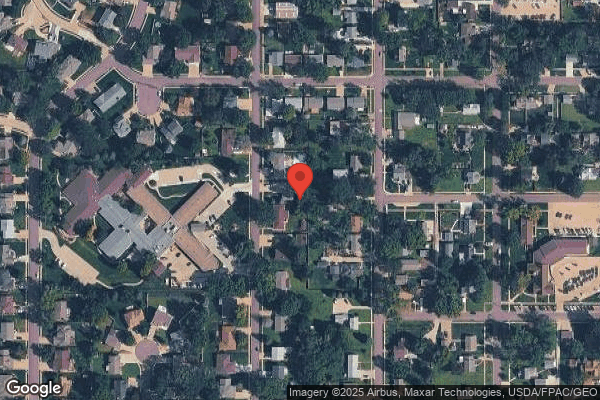
610 South Polk Street, Papillion, NE 68046 (402) 339-7700
Non profit - Corporation 110 Beds VETTER SENIOR LIVING Data: November 2025
Trust Grade
90/100
#7 of 177 in NE
Last Inspection: February 2025

Within standard 12-15 month inspection cycle. Federal law requires annual inspections.

Overview

Brookestone of Papillion has received an A Trust Grade, indicating it is an excellent facility that is highly recommended for care. It ranks #7 out of 177 nursing homes in Nebraska, placing it comfortably in the top half of facilities in the state, and holds the top position among 5 homes in Sarpy County. The overall trend is improving, as the number of issues reported decreased from 2 in 2024 to 1 in 2025. Staffing is a strength here, with a perfect 5/5 star rating and a 32% turnover rate, which is significantly lower than the state average, meaning staff are stable and familiar with residents’ needs. On the downside, there were some notable concerns found during inspections, including failures in food sanitation practices that could potentially affect all residents and lapses in following wound care orders for two residents. Additionally, there were issues with ensuring safety measures to prevent burns from hot liquids, which could pose risks to vulnerable residents. Overall, while there are some areas needing improvement, the facility’s strengths in staffing and a solid trust grade make it a viable option for families considering care for their loved ones.
Trust Score
A
90/100
In Nebraska
#7/177
Top 3%
Safety Record
Low Risk
No red flags
Inspections
Getting Better
2 → 1 violations
Staff Stability
○ Average
32% turnover. Near Nebraska's 48% average. Typical for the industry.
Penalties
✓ Good
No fines on record. Clean compliance history, better than most Nebraska facilities.
Skilled Nurses
✓ Good
Each resident gets 53 minutes of Registered Nurse (RN) attention daily — more than average for Nebraska. RNs are trained to catch health problems early.
Violations
○ Average
7 deficiencies on record. Average for a facility this size. Mostly minor or procedural issues.
★★★★★
5.0
Overall Rating
★★★★★
5.0
Staff Levels
★★★★★
5.0
Care Quality
★★★★☆
4.0
Inspection Score
Stable
2024: 2 issues
2025: 1 issues

The Good

  • 5-Star Staffing Rating · Excellent nurse staffing levels
  • 5-Star Quality Measures · Strong clinical quality outcomes
  • Full Sprinkler Coverage · Fire safety systems throughout facility
  • No fines on record
  • Staff turnover below average (32%)

    16 points below Nebraska average of 48%

Facility shows strength in staffing levels, quality measures, fire safety.

The Bad

Staff Turnover: 32%

14pts below Nebraska avg (46%)

Typical for the industry

Chain: VETTER SENIOR LIVING

Part of a multi-facility chain

Ask about local staffing decisions and management

The Ugly 7 deficiencies on record

Nov 2024 1 deficiency
CONCERN (D) 📢 Someone Reported This

A family member, employee, or ombudsman was alarmed enough to file a formal complaint

Potential for Harm - no one hurt, but risky conditions existed

Quality of Care (Tag F0684)

Could have caused harm · This affected 1 resident

**NOTE- TERMS IN BRACKETS HAVE BEEN EDITED TO PROTECT CONFIDENTIALITY** Licensure Reference Number 175 NAC 12.006.09(H)(iii)(2) Based on observation, interview, and record review; the facility failed ...

Read full inspector narrative →
**NOTE- TERMS IN BRACKETS HAVE BEEN EDITED TO PROTECT CONFIDENTIALITY** Licensure Reference Number 175 NAC 12.006.09(H)(iii)(2) Based on observation, interview, and record review; the facility failed to follow practitioner's orders for wound care for 2 (Residents 2 and 3) of 4 residents sampled. The facility census was 92. The findings are: A. Record review of Resident 2's Minimum Data Set (MDS, a federally mandated assessment tool used for care planning) dated 10-05-2024 revealed the facility staff assessed the following about the resident: -Brief Interview of Mental Status (BIMS) score of 15. According to the MDS Manual a score of 13 to 15 indicate a person is cognitively intact. -had abdominal hernia surgery, -had a surgical wound, -was receiving surgical wound treatments. Record review of Resident 2's Electronic Health Record (EHR) revealed an order for a wet to dry dressing (a wound dressing that is applied wet and allowed to dry before removal) to abdominal wound daily. An observation of wound care was conducted on 11-19-2024 at 12:15 PM of the facility Wound Nurse (WN) performing a wet to dry dressing change for Resident 2. WN lifted Resident 2's shirt to reveal a transparent dressing covering a gauze dressing dated 11-18-2024. WN removed the transparent dressing and then removed the gauze dressing that was inside the wound bed. The gauze dressing was a dull yellow color. During the wound care observation on 11-19-2024 at 12:15 PM an interview was conducted with the WN, which revealed the gauze removed from the wound bed was moist and not dry. An interview with WN on 11-19-2024 at 12:45 PM confirmed the practitioner's orders were for a wet to dry dressing to the abdomen. Furthermore, WN confirmed the transparent dressing did not allow the gauze to dry, therefore was not a wet to dry dressing. B. Record review of Resident 3's MDS dated [DATE] revealed the facility staff assessed the following about the resident: -BIMS score of 15 indicating a person is cognitively intact, -required maximal assistance with personal hygiene, bed mobility, and lower body dressing, -required total assistance with transfers, -had a fracture, -had a surgical wound. Record review of Resident 3's Medication Administration Record (MAR) printed on 11-19-2024 revealed an order for treatment to the left pelvis as follows: Left pelvis: cleanse with facility cleanser, pat dry, apply xeroform to slough area (cut to fit size of area), cover with an Abdominal (ABD) dressing and secure with paper tape. Change daily and as needed for surgical site. Record review of an evaluation of the wound conducted by a Nurse Practitioner dated 10-29-2024 revealed an order for the left pelvis as follows: -Wash with facility wound cleanser, pat dry. -Paint periwound (skin around the wound) with skin prep and allow to dry. -Cover with ABD and or gauze pads for drainage and secure with tape. -Change daily and as needed. Record review of the facility policy Non-Pressure Skin Conditions revealed once a non-pressure skin change has been identified ongoing monitoring, treatment, and a documentation plan will be initiated. The treatment plan related to non-pressure skin changes will be specific for each individual resident as directed by the practitioner and documented on the resident's treatment sheet. An interview with Nurse Supervisor (NS) on 11-19-2024 at 3:00 PM confirmed the step in the wound treatment, Paint periwound with skin prep and allow to dry was not on the MAR and staff wound not have known to do it. The NS further confirmed the omission was a transcription error.
Sept 2024 1 deficiency
CONCERN (D) 📢 Someone Reported This

A family member, employee, or ombudsman was alarmed enough to file a formal complaint

Potential for Harm - no one hurt, but risky conditions existed

Accident Prevention (Tag F0689)

Could have caused harm · This affected 1 resident

**NOTE- TERMS IN BRACKETS HAVE BEEN EDITED TO PROTECT CONFIDENTIALITY** Licensure Reference Number 175 NAC 12.006.09(I) Based on observation, interview, and record review, the facility staff failed to...

Read full inspector narrative →
**NOTE- TERMS IN BRACKETS HAVE BEEN EDITED TO PROTECT CONFIDENTIALITY** Licensure Reference Number 175 NAC 12.006.09(I) Based on observation, interview, and record review, the facility staff failed to ensure interventions were implemented to prevent hot liquid burns for 2 (Residents 1 and 2) of 3 sampled residents that had been identified as at risk for injury from hot liquids to prevent potential accidents. The facility census was 89. Findings are: A record review of the facility's Hot Liquid Management Guidelines dated 03/2016 revealed hot liquids could increase a resident's risk of injury if hot liquids are not maintained within point of service temperature. Coffee, tea, and hot chocolate are commonly served at 160-180 degrees Fahrenheit (F). This temperature can cause instantaneous burns. A 3rd degree burn can happen at 155 degrees F in 1 second. Identify a resident at high risk and reduce temperature, communicate as needed, use adaptive equipment/clothing as necessary, and update the care plan. Residents with hot liquids should not be left unsupervised. A record review of the facility's Hot Liquid Risk Management training assigned to the facility staff following Resident 1's hot liquid accident on 08/11/2024 revealed coffee, hot tea, hot cocoa, soup, gravy and sauces and liquid with vegetables are liquids that create a burn risk. Skin contact time for a 3rd degree burn to occur in 1 second if the hot liquid temperature was 156 degrees F, 2 seconds if the hot liquid temperature was 149 degrees F, 5 seconds if the hot liquid temperature was 140 degrees F, and 15 seconds if the hot liquid temperature was 133 degrees F. A record review of the facility's Enrollments & (and) Completions with multiple dates revealed 1 of 13 dietary staff and 14 of 107 nursing staff had completed the Hot Liquid Risk Management training. It did not reveal that Culinary Assistant (CA)-A or CA-B completed the education. A. A record review of Resident 1's Clinical Census dated 09/04/2024 revealed the resident was admitted to the facility on [DATE]. A record review of Resident 1's Medical Diagnosis dated 09/04/2024 revealed the resident had diagnoses of Transient Cerebral Ischemic Attack (a medical emergency that occurred when blood flow to the brain was interrupted), Syncope and Collapse (passed out), Other Lack Of Coordination, Muscle Weakness, History Of Falling, and Dysphagia (trouble swallowing). A record review of Resident 1's Minimum Data Set (MDS, a comprehensive assessment used to develop a resident's care plan) dated 06/27/2024 revealed the resident had a Brief Interview for Mental Status (BIMS, a score of a residents cognitive abilities) of 15 of 15 that indicated the resident was cognitively aware. The resident needed set up assistance for eating and oral hygiene (teeth brushing), needed substantial/maximal assistance for toileting, dressing, footwear, and personal hygiene (body cleaning), and was dependent on staff for bathing. A record review of Resident 1's Care Plan with an admission date of 03/20/2024 revealed the resident was at risk for potential impaired nutritional status and had interventions of: hot liquids risk, cool before serving, accidental hot liquids spill if resident awake for meals place towel on lap and if the resident is asleep do not leave hot liquids on tray, lids to coffee cups as needed to avoid hot liquid spills. A record review of Resident 1's Hot Liquids Risk Assessment dated 03/20/2024 revealed the resident was at risk for injury from hot liquids, and interventions were to see the Care Plan. Therapy, Dietary, licensed nurses, and direct care staff had been updated on the resident's risk status. A record review of Resident 1's Incident Investigation/Interdisciplinary Team Review Meeting dated 08/11/2024 revealed the resident had been burned from spilled soup and interventions put in place to prevent future incidents was to use lids and education. A record review of Resident 1's Breakfast-Day 11 diet sheet dated 09/04/2024 revealed the resident was to get coffee and had a note of cool hot liquids. In an observation on 09/04/2024 at 7:10 AM revealed Resident 1 was seated in a wheelchair in the resident's room with an uncovered cup of coffee in front of the resident. In an observation on 09/04/2024 at 9:04 AM revealed CA-A poured steaming hot coffee from an insulated carafe (container), delivered it on a food tray uncovered to Resident 1, placed the tray on the overbed table in front of the resident, and left the room. In an observation on 09/04/2024 at 9:06 AM , using a thermometer revealed the temperature of the coffee in the carafe that was served to Resident 1 was 163 degrees F. In an interview on 09/04/2024 at 7:10 AM, Resident 1 confirmed the resident is served hot coffee in an uncovered cup and the staff does not place a towel over the lap when eating or drinking hot liquids. In an interview on 09/04/2024 at 9:55 AM, Resident 1 confirmed the resident is served steaming hot coffee all the time and had to add creamer and wait for it to cool before drinking it. In an interview on 09/04/2024 at 9:13 AM, CA-A confirmed that when the Resident 1's diet ticket said cool hot liquids, that meant the staff was to put ice in the cup of coffee. CA-A confirmed that was not done for Resident 1 prior to being served, but then said CA-A put ice in the pot this morning. CA-A confirmed CA-A did not know what the safe temperature was to prevent scalding (burn). In an interview on 09/04/2024 at 9:17 AM, the facility's Administrator confirmed the coffee temperature of 163 degrees F was too hot to prevent scalding and should not have been served to at risk residents. B. A record review of Resident 2's Clinical Census dated 09/04/2024 revealed the resident was admitted to the facility on [DATE]. A record review of Resident 2's Medical Diagnosis dated 09/04/2024 revealed the resident had diagnoses of Cerebral Infarction Due To Unspecified Occlusion or Stenosis (stroke), Unspecified Dementia (confusion), Memory Deficit following Cerebral Infarction, Other Lack Of Coordination, Weakness, and Dysphagia (trouble swallowing). A record review of Resident 2's MDS dated 08/13/2024 revealed the resident had BIMS of 9 of 15 which indicated the resident was moderately cognitively impaired. The resident independent for eating, need partial/moderate assistance with oral hygiene and upper body dressing, needed substantial/maximal assistance for lower body dressing and footwear, and was dependent on staff for toileting. A record review of Resident 2's Care Plan with an admission date of 06/18/2024 revealed the resident was at risk for potential impaired nutritional status and had interventions of set up assist with meals in room or dining room per choice and hot liquids risk, cool before serving. A record review of Resident 2's Hot Liquids Risk Assessment dated 06/18/2024 revealed the resident was at risk for injury from hot liquids, and interventions were to see the Care Plan. Therapy, Dietary, licensed nurses, and direct care staff had been updated on the resident's risk status. A record review of Resident 2's Breakfast-Day 11 diet sheet dated 09/04/2024 revealed the resident was to get coffee and had a note of cool hot liquids. In an observation on 09/04/2024 at 9:02 AM revealed CA-B poured steaming hot coffee from an insulated carafe (container), delivered it uncovered to Resident 2, placed it on the overbed table in front of the resident, and left the room. In an observation on 09/04/2024 at 9:06 AM, using a thermometer revealed the temperature of the coffee in the carafe served to Resident 2 was 163 degrees F. In an interview on 09/04/2024 at 12:35 PM, Resident 2 confirmed the coffee is normally delivered really hot. The resident confirmed the resident had to wait to drink it and hold the cup correctly. The resident confirmed the coffee is not delivered with a lid and only a napkin is placed on the resident's lap when eating or drinking hot liquids. In an interview on 09/04/2024 at 9:15 AM, CA-B confirmed that when the Resident 2's diet ticket said cool hot liquids, that meant the staff was to put ice cubes in the cup of coffee. CA-B confirmed CA-B did not place ice cubes in Resident 2's coffee before CA-B delivered the coffee to Resident 2. CA-A confirmed CA-A did not know what the safe temperature was to prevent scalding (burn). In an interview on 09/04/2024 at 9:17 AM, the facility's Administrator confirmed the coffee temperature of 163 degrees F was too hot to prevent scalding and should not have been served to at risk residents.
Nov 2023 4 deficiencies
CONCERN (D)

Potential for Harm - no one hurt, but risky conditions existed

Deficiency F0561 (Tag F0561)

Could have caused harm · This affected 1 resident

**NOTE- TERMS IN BRACKETS HAVE BEEN EDITED TO PROTECT CONFIDENTIALITY** Licensure Reference Number 175 NAC 12.006.05(4). Based on interview and record review, the facility failed to provide bathing ac...

Read full inspector narrative →
**NOTE- TERMS IN BRACKETS HAVE BEEN EDITED TO PROTECT CONFIDENTIALITY** Licensure Reference Number 175 NAC 12.006.05(4). Based on interview and record review, the facility failed to provide bathing according to the resident preferences for 3 residents (Resident #6, #30, and #73) of 3 sampled residents. The facility staff identified a census of 84. Findings are: Record Review of undated facility admission packet included a document titled Resident Rights last revised on 5/19 stated: Your Right: to have your needs and preferences met and your right: to choose activities and schedules. A. Record Review of Resident #6's Minimum Data Set (MDS-a comprehensive assessment of each resident's functional capabilities used to develop a resident's plan of care) dated 2/22/23 revealed an admission date to the facility of 2/10/23 and a Brief Interview for Mental Status (BIMS- a test used to get a snapshot of a resident's cognitive function, scored from 0-15, the higher the score, the higher the cognitive function) score of 15 which indiciated the resident was cognitively intact. Record Review of an undated Life Story document (a document used by the facility to guide the personalization of the care and services provided to the resident) revealed that Resident #6 preferred to have a bath 3 times a week. A record review of Resident #6's Care Plan revised on 8/10/23 revealed the resident was currently scheduled for bathing 2 times a week and the resident expressed a desire for a third bath. A record review of the Task Care within Resident #6's Electronic Medical Record (EHR) for October 1st through October 30th 2023 revealed Resident #6 received a bath on 3 out of 12 times resident #6 should have received a bath. An interview with Resident #6 on 10/31/23 at 9:25 AM revealed Resident #6 was scheduled to have a bath on 10/30/23 and didn't get one. An interview with Assistant Director of Nursing (ADON) on 11/02/23 at 11:51 AM revealed the facility staff could not locate any documentation to support why the resident didn't get baths as desired and confirmed that baths were not offered as desired by the resident. B. Record Review of Resident #30's MDS dated [DATE] revealed a reentry date of 11/11/22 and a BIMS score of 15 which indiciated the resident was cognitively intact. A record review of Resident #30's undated Life Story document revealed the resident would like a bath or shower 2-3 times per week. Record review of the Task Care within Resident #30's EHR for October 2023 revealed the resident received a whirlpool bath 9 out of 12 times Resident #30 should have had a bath. Record review of Resident #30's Care Plan revised on 5/31/23 revealed the resident's bathing preference is 3 times a week and to offer 3 baths a week and as needed. Interview on 10/31/23 at 9:35 AM with Resident #30 revealed they would prefer more baths and would like them on Monday, Wednesday, and Friday. Resident #30 reported not receiving a bath on 10/30/23. An interview on 11/02/23 at 11:51 AM with the ADON revealed baths were not offered as desired by Resident #30. C. Record Review of Resident #73's MDS dated [DATE] revealed a BIMS score of 15 which indiciated the resident was cognitively intact. Record Review of Resident #73's undated Life Story document revealed the resident preferred a sponge bath 2 times a week. Record review of Task Care in EHR revealed documentation that Resident #73 received a whirlpool on 10/6/23, 10/12/23, 10/16/23, 10/23/23 and 10/26/23 or 5 out of 8 times Resident #73 should have received a bath. An interview with Resident #73 on 10/30/23 at 10:49 AM revealed Resident #73 would like 2 baths a week. Resident #73 further reported they recieved 1 bath a week. An interview with the ADON on 11/02/23 at 8:58 AM confirmed Resident #73 did not have any bathing preferences listed on her care plan. An interview with ADON on 11/02/23 at 11:51 AM confirmed Resident #73 did not receive the baths as desired.
CONCERN (D)

Potential for Harm - no one hurt, but risky conditions existed

Menu Adequacy (Tag F0803)

Could have caused harm · This affected 1 resident

Licensure Reference Number 175 NAC 12-006.11A Based on observation, record review and interview; the facility kitchen staff failed to follow the recipes when making pureed foods. The facility staff id...

Read full inspector narrative →
Licensure Reference Number 175 NAC 12-006.11A Based on observation, record review and interview; the facility kitchen staff failed to follow the recipes when making pureed foods. The facility staff identified 3 residents in the building received puree foods. The facility staff identified a census of 84. Findings are: Record review of an undated facility menu revealed the lunch meal to be served on 10-31-2023 was as follows: -Chef's soup of the day. -Breaded Pork Chop/Loin with Onions. -Parslied Butter Pasta. -Green Beans. Further review of the undated facility menu revealed the alternate option for the lunch meal to be served on 10-31-2023 was as follows: -Turkey and Stuffing Casserole. -Sweet Roasted Brussels Sprouts. -Brownie. Record review of an undated recipe for pureed green bean revealed the following information: -To make 3 serving, staff were to use 1 and ½ cups of green beans and add liquid as needed until the desired consistency was achieved. According to the recipe, staff were to use a #12 scoop for each portion size. Record review of an undated recipe for pureed turkey and stuffing casserole revealed the following: -To make 3 servings, staff were to use 3 cups of the turkey and stuffing casserole, ¾ cup of water and ¾ teaspoon of chicken base. The recipe instructed staff to combine the chicken base with the water to make chicken broth. Staff were to remove the portions of the turkey and stuffing casserole needed, place the casserole into the blender. Staff were to gradually add the chicken broth until the desired consistency was achieved. Record review of an undated recipe for breaded pork chop with onions revealed the following: -To make 3 servings staff were to place the required number of servings into a processor and blend until smooth. Hot broth could be used until the desired consistency was achieved. According to the recipe, a 3-ounce pork chop was 1 serving. Record review of a Diet Spread Sheet ( a sheet that instructs what portion size or dip( commonly know as scoop. The scoop size determines the amount of food item to be given) to be used for each food item for the residents. Observation on 10-31-2023 at 11:04 of the preparation of the pureed foods for the lunch meal and meal service revealed [NAME] C obtained a black scoop and took 2 scoops of green beans that had been placed on the steam table. [NAME] C added 2 scoops of broth to the green beans and blended the mixture into a smooth consistency. [NAME] C without measuring the portion size poured the pureed beans into 2 plastic cups. [NAME] C using scoop removed 2 and ½ scoops of the turkey and stuffing casserole and placed it into a mixer. [NAME] C added 3 unmeasured scoops of broth to the casserole and blended until the casserole was smooth. [NAME] C without measuring the portion size placed the pureed casserole into 3 plastic cups. [NAME] C placed 1 piece of pork loin into a deep fat fryer and removed it after cooking. [NAME] C took the 1 piece of cooked pork loin and placed it into a blender. [NAME] C added 2 and ½ scoops of broth and blended the pork loin. [NAME] C then added an additional scoop of the broth in order to achieve a smooth consistency. [NAME] C added a thickening agent as the pureed pork loin was a little runny and achieved a smooth consistency. [NAME] C without measuring the portion size of the pureed pork loin, poured the pureed pork loin into 3 plastic cups. Further observation of the food service revealed [NAME] C served the pureed meals to the facility residents. On 10-31-2023 at 12:15 PM an interview was conducted with [NAME] C. During the interview [NAME] C reported there were 3 residents in the building on pureed diets. [NAME] C confirmed the portion sizes were not measured when making and serving the pureed meals.
CONCERN (D)

Potential for Harm - no one hurt, but risky conditions existed

Infection Control (Tag F0880)

Could have caused harm · This affected 1 resident

**NOTE- TERMS IN BRACKETS HAVE BEEN EDITED TO PROTECT CONFIDENTIALITY** Licensure Reference Number 175 NAC 12-006.17B Based on observations, record review and interview; the facility staff failed to d...

Read full inspector narrative →
**NOTE- TERMS IN BRACKETS HAVE BEEN EDITED TO PROTECT CONFIDENTIALITY** Licensure Reference Number 175 NAC 12-006.17B Based on observations, record review and interview; the facility staff failed to disinfect a mechanical lift after each use on the 400 hall and failed to maintain a catheter drainage bag in a manner to prevent to potential of cross contamination for 1 (Resident 30) of 1 resident. The facility staff identified a census of 84. Findings are: A. Record Review of the facility Medical Device Disinfection Competency dated 12-2019 revealed the following information: -Procedure Steps: -1. To be completed following each use of a medical device, also when in contact with blood or body fluid or when visible soiling is evident. -2. Medical devices include stethoscopes, lifts, kiosks, keyboards and vital signs (VS) equipment. Record Review of Infection Control Assessment and Promotion Program (ICAP) Zones, Personal Protective Equipment (PPE) and Testing revised on 9-29-2022 revealed [NAME] Zone (facility in outbreak status) everyone should wear a mask in communal areas of the facility. An observation on 10/31/23 at 8:00 AM revealed a sign was posted instructing the 400 Hall was in a [NAME] Zone. An observation on 11/01/23 at 7:25 AM of Nursing Assistant (NA)-D entering room [ROOM NUMBER] with a sit to stand mechanical lift. An observation on 11/01/23 at 7:35 AM revealed NA-D exited room [ROOM NUMBER] with the sit to stand mechanical lift, placing the lift in the hallway next to room [ROOM NUMBER] without disinfecting the lift. On 11/01/23 at 7:45 AM an interview was conducted with NA-D which revealed the sit/stand mechanical lift is to be sanitized after each use. NA-D confirmed it was not sanitized after exiting room [ROOM NUMBER]. B. Record Review of Foley Catheter Care Competency sheet dated 7-2009 revealed that staff are to check drainage tubing and bag to ensure proper positioning and drainage. Record Review of Resident 30's care plan revised on 5/31/23 revealed Resident 30 had a indwelling catheter (tube placed into the bladder to drain urine) and was to receive catheter care every shift with proper technique and to use a catheter bag cover at all times. Record Review of Resident 30's active orders dated 10-31-2023 revealed an order for Ciprofloxacin (an antibiotic) 250 miligrams (mg) two times a day related to urinary tract infection. An observation on 10/30/23 at 9:26 AM revealed the catheter drainage bag for Resident 30 was uncovered hanging on a trash can and with the drain tubing laying on floor. An observation on 10/31/23 at 9:25 AM revealed Resident 30's catheter drainage bag was hanging on a trash can, uncovered and touching the floor. A interview on 10-31-2023 at 10:25 AM was conducted with NA-F. During the interview NA-F reported assisting Resident 30 and was aware the catheter drainage bag was hanging on the trash can without a cover. NA-F confirmed Resident 30's catheter drainage bag should not have been hanging on the trash can on touching the floor. An interview with the Director of Nursing (DON) on 10/31/23 at 10:35 AM confirmed that catheter bags should not be hung on a trash can or touch the floor.
CONCERN (F)

Potential for Harm - no one hurt, but risky conditions existed

Food Safety (Tag F0812)

Could have caused harm · This affected most or all residents

Licensure Reference Number 175 NAC 12-007.01A Based on observations, record reviews and interviews; the facility kitchen staff failed to monitor water sanitation level used for cleaning food preparati...

Read full inspector narrative →
Licensure Reference Number 175 NAC 12-007.01A Based on observations, record reviews and interviews; the facility kitchen staff failed to monitor water sanitation level used for cleaning food preparation surfaces and failed to ensure food temperatures were maintained to prevent the potential for food borne illness. This practice had the potential to effect 84 of 84 residents who ate food from the kitchen. The facility staff identified a census of 84. Findings are: A. Record review of the facility policy Sanitizing Food Contact Surfaces dated 8/2020 revealed the following information: -Instructions for tabletops, and arms of dining room chairs: -Sanitize same surfaces using Smart Power Sink and Surface Cleaner Sanitizer. Use spray bottle or bucket method using a microfiber cloth. -Notes Section: -Check ppm (parts per million) of the sanitizer using approved test strips and change the sanitizer bucket frequently (a minimum of every 2 hours or more frequently) and when it falls below the ppm requirements. Observation on 10-31-2023 at 11:35 AM revealed a bucket with fluid was setting on the food preparation table. During the observation Prep [NAME] B was not able to test the ppm of the solution used for cleaning as testing strips were not available. Further observation revealed the Dietary Manager (DM) left the kitchen area and returned to the kitchen approximately 5 minutes later with a test strip that unrolled for use. Prep [NAME] B removed a portion of the test strip and placed in into the buck of fluid used for cleaning revealing there was no indications the fluid use for cleaning food contact surfaces would sanitize. On 10-31-2023 at 11:35 AM an interview was conducted with Prep [NAME] B. During the interview Prep cook B reported the testing of the sanitation bucket should be done ever 2 hours and that has not been implemented. Prep [NAME] B confirmed the bucket of fluid on the preparation table was used for cleaning the equipment including food contact surfaces. Prep [NAME] B reported the test strip used to test the bucket of fluid use for cleaning was outdated and confirmed the fluid tested in the sanitation bucket used for cleaning would not have sanitized. B. Record review of an undated facility menu revealed the lunch meal to be served on 10-31-2023 was as follows: -Chef's soup of the day. -Breaded Pork Chop/Loin with Onions. -Parslied Butter Pasta. -Green Beans. Further review of the undated facility menu revealed the alternate option for the lunch meal to be served on 10-31-2023 was as follows: -Turkey and Stuffing Casserole. -Sweet Roasted Brussels Sprouts. -Brownie. In addition sliced ham and diced potato's was prepared as a alternate option. Observation on 11-01-2023 at 12:15 PM with the DM revealed a test tray of food that included sliced ham, carrots and potato's was placed on a tray cart along with food for residents on the 200 and 300 halls who were eating lunch in their rooms. Further observations revealed the last resident room tray was delivered at 12:25 PM. During the observation the DM using the facility thermometer revealed the following temperatures of the test tray of food: -The sliced ham was 124.0 degrees. -Carrots was 121.5 degrees. -Diced Potato's was 123.6 degrees. On 11-01-2023 at 12:25 PM during the observation of room trays meal delivery an interview was conducted with the DM. The DM confirmed the food on the test tray was cold and should have been maintained at 135 degrees. The DM reported ham was warm, not hot, the carrots were mushy and the diced potato's were chewy.
Nov 2022 1 deficiency
CONCERN (D) 📢 Someone Reported This

A family member, employee, or ombudsman was alarmed enough to file a formal complaint

Potential for Harm - no one hurt, but risky conditions existed

Deficiency F0757 (Tag F0757)

Could have caused harm · This affected 1 resident

LICENSURE REFERENCE NUMBER 175 NAC 12-006.09D Based on record review and interview; the facility staff failed to follow up on pharmacy recommendations for 2 (Resident 27 and 64) and failed to have ind...

Read full inspector narrative →
LICENSURE REFERENCE NUMBER 175 NAC 12-006.09D Based on record review and interview; the facility staff failed to follow up on pharmacy recommendations for 2 (Resident 27 and 64) and failed to have indications for continued use of an antibiotic medication for 1 (Resident 64) of 6 sampled residents. The facility staff identified a census of 79. Findings are: A. Record review of a Note To Attending Physician/Prescriber (NTAPP) dated 3-04-2022 for Resident 27 revealed the facility Pharmacist identified Oxybutynin (medication used in the treatment of a over reactive bladder) could be potentially inappropriate in the elderly with dementia or cognitive impairment. According to the NTAPP dated 3-04-2022, the facility Pharmacist recommended another medication and if the practitioner did not want to change the medication the pharmacist requested a rational be documented on Resident 27's NTAPP dated 3-04-2022. Further review of the NTAPP dated 3-04-2022 revealed the practitioner documented disagree and did not provide the requested rational. B. Record review of Resident 27's NTAPP dated 10-05-2022 revealed the facility pharmacist identified Omeprazole (medication used to treat acid re-flux, heartburn, and indigestion). According to Resident 27's NTAPP dated 10-05-2022 the use of Omeprazole should not be used longer the 8 weeks and made a recommendation for a alternate medication for Resident 27 to use. Further review of Resident 27's NTAPP dated 10-05-2022 revealed the pharmacist request risk/benefits of the continued use of Omeprazole be documented on Resident 27's NTAPP dated 10-05-2022. Further review of Resident 27's NTAPP dated 10-05-2022 revealed the practitioner documented disagree and did not provide the documentation of the risk/benefits of the medication. Record review of Resident 27's Order Summary Report dated 11-07-2022 revealed Resident 27 has been on Oxybutynin sine 2-02-2022 and the Omeprazole sine 1-11-2022. ON 11-07-2022 at 2:25 PM an interview was conducted with the Director of Nursing (DON). During the interview review of the NTAPP dated 3-04-2022 and the NTAPP dated 10-05-2022 was completed. The DON confirmed Resident 27's practitioner did not provide the rational for the use of the Oxybutynin and did not provide the risk/benefits for the continued use of the Omeprazole. C. Record review of Resident 64's NTAPP dated 7-6-2022 revealed the facility pharmacist identified Resident 64 was on Myrbetriq (used to treat overactive bladder). According to Resident 64's NTAPP dated 7-06-2022, the use of Myrbetriq in addition to another medication has been associated with clinically significant elevations in blood pressure and reported Resident 64's systolic (top number of a blood pressure) was frequently running above 150 millimeters of mercury. Resident 6+4's NTAPP dated 7-06-2022 from the facility pharmacist requested the practitioner make a determination on the use of the medications. The practitioner marked disagree without an indication of the medication being evaluated. D. Record review of Resident 64's NTAPP dated 10-05-2022 revealed the facility pharmacist identified a need for a dose reduction attempt for the use of Duloxetine (an antidepressant medication). According to Resident 64's NTAPP dated 10-05-2022 if the dose reduction was contra-indicated and the pharmacist requested the practitioner to document the contra-indications on Resident 64's NTAPP form dated 10-05-2022. Further review of Resident 64's NTAPP dated 10-05-2022 revealed the practitioner documented disagree and did not document why the dose reduction of Resident 64's Duloxetine was contra-indicated. On 11-08-2022 at 8:45 AM a interview was conducted with the DON. During the interview review of Resident 64's NTAPP dated 7-06-2022 and 10-05-2022 were completed. The DON confirmed Resident 64's NTAPP's were not completed. E. Record review of Resident 64's Order Summary Report dated 11-07-2022 revealed Resident 64 has been on Cephalexin (antibiotic medication) 250 milligrams prophylactly since 7-19-2022. Review of Resident 64's medical records that included Progress Notes, Practitioners Orders and Medication Administration Records revealed there was not an evaluation of the need for Resident 64 to remain on Cephalexin. According to medlineplus.gov/drug info.com revealed cephalexin is usually taken for 7 to 14 days. On 11-07-2022 at 3:40 PM an interview with Registered Nurse (RN) A . During the interview RN A confirmed there was not an evaluation and rational of the need for Resident 64 to remain on the Cephalexin . Record review of the facility Policy for Psychotropic/Psychoactive Medication Management dated 1-2017 revealed the following information: -The facility will utilize appropriate resources to assist in managing psychoactive /psychotropic medications that are prescribe for the resident. -Page 13. -The attending physician must document in the residents record that the identified irregularity has been reviewed and what, if any action, has been taken to address it. If there is to be no change in medication, the attending physician will document his or her rational in the residents's medical record.
Understanding Severity Codes (click to expand)
Life-Threatening (Immediate Jeopardy)
J - Isolated K - Pattern L - Widespread
Actual Harm
G - Isolated H - Pattern I - Widespread
Potential for Harm
D - Isolated E - Pattern F - Widespread
No Harm (Minor)
A - Isolated B - Pattern C - Widespread

Questions to Ask on Your Visit

  • "Can I speak with families of current residents?"
  • "What's your RN coverage like on weekends and overnight?"

Our Honest Assessment

Strengths
  • • Grade A (90/100). Above average facility, better than most options in Nebraska.
  • • No major safety red flags. No abuse findings, life-threatening violations, or SFF status.
  • • No fines on record. Clean compliance history, better than most Nebraska facilities.
  • • 32% turnover. Below Nebraska's 48% average. Good staff retention means consistent care.
Concerns
  • • No significant concerns identified. This facility shows no red flags across CMS ratings, staff turnover, or federal penalties.
Bottom line: Generally positive indicators. Standard due diligence and a personal visit recommended.

About This Facility

What is Brookestone Of Papillion's CMS Rating?

CMS assigns Brookestone of Papillion an overall rating of 5 out of 5 stars, which is considered much above average nationally. Within Nebraska, this rating places the facility higher than 99% of the state's 100 nursing homes. This rating reflects solid performance across the metrics CMS uses to evaluate nursing home quality.

How is Brookestone Of Papillion Staffed?

CMS rates Brookestone of Papillion's staffing level at 5 out of 5 stars, which is much above average compared to other nursing homes. Staff turnover is 32%, compared to the Nebraska average of 46%. This relatively stable workforce can support continuity of care.

What Have Inspectors Found at Brookestone Of Papillion?

State health inspectors documented 7 deficiencies at Brookestone of Papillion during 2022 to 2024. These included: 7 with potential for harm.

Who Owns and Operates Brookestone Of Papillion?

Brookestone of Papillion is owned by a non-profit organization. Non-profit facilities reinvest revenue into operations rather than distributing to shareholders. The facility is operated by VETTER SENIOR LIVING, a chain that manages multiple nursing homes. With 110 certified beds and approximately 96 residents (about 87% occupancy), it is a mid-sized facility located in Papillion, Nebraska.

How Does Brookestone Of Papillion Compare to Other Nebraska Nursing Homes?

Compared to the 100 nursing homes in Nebraska, Brookestone of Papillion's overall rating (5 stars) is above the state average of 2.9, staff turnover (32%) is significantly lower than the state average of 46%, and health inspection rating (4 stars) is above the national benchmark.

What Should Families Ask When Visiting Brookestone Of Papillion?

Based on this facility's data, families visiting should ask: "Can I visit during a mealtime to observe dining assistance and food quality?" "How do you handle medical emergencies, and what is your hospital transfer rate?" "Can I speak with family members of current residents about their experience?"

Is Brookestone Of Papillion Safe?

Based on CMS inspection data, Brookestone of Papillion has a clean safety record: no substantiated abuse findings (meaning no confirmed cases of resident harm), no Immediate Jeopardy citations (the most serious violation level indicating risk of serious injury or death), and is not on the Special Focus Facility watch list (a federal program monitoring the lowest-performing 1% of nursing homes). The facility has a 5-star overall rating and ranks #1 of 100 nursing homes in Nebraska. While no facility is perfect, families should still ask about staff-to-resident ratios and recent inspection results during their visit.

Do Nurses at Brookestone Of Papillion Stick Around?

Brookestone of Papillion has a staff turnover rate of 32%, which is about average for Nebraska nursing homes (state average: 46%). Moderate turnover is common in nursing homes, but families should still ask about staff tenure and how the facility maintains care continuity when employees leave.

Was Brookestone Of Papillion Ever Fined?

Brookestone of Papillion has no federal fines on record. CMS issues fines when nursing homes fail to meet care standards or don't correct problems found during inspections. The absence of fines suggests the facility has either maintained compliance or corrected any issues before penalties were assessed. This is a positive indicator, though families should still review recent inspection reports for the full picture.

Is Brookestone Of Papillion on Any Federal Watch List?

Brookestone of Papillion is not on any federal watch list. The most significant is the Special Focus Facility (SFF) program, which identifies the bottom 1% of nursing homes nationally based on persistent, serious quality problems. Not being on this list means the facility has avoided the pattern of deficiencies that triggers enhanced federal oversight. This is a positive indicator, though families should still review the facility's inspection history directly.