The Birch at Sutherland
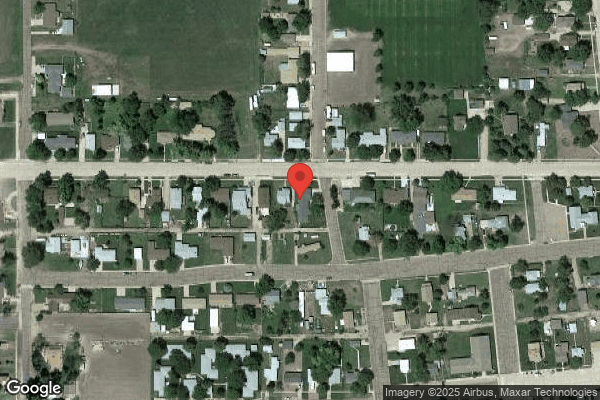
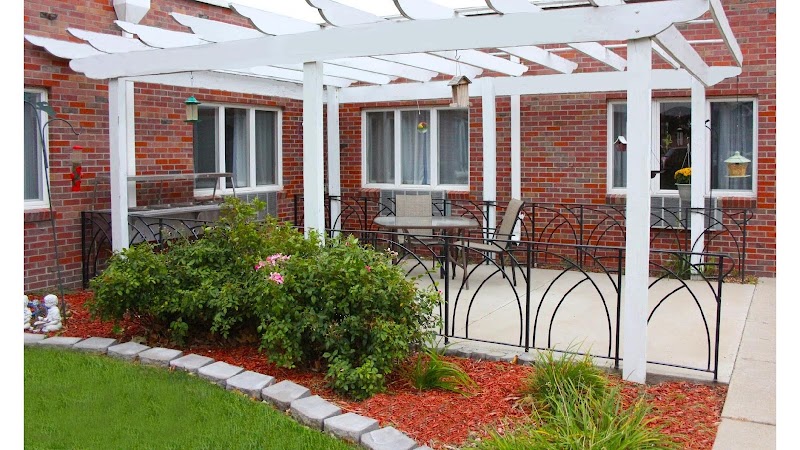
333 Maple Street, Sutherland, NE 69165 (308) 386-4393
For profit - Limited Liability company 60 Beds AVID HEALTHCARE GROUP Data: November 2025 1 Immediate Jeopardy citation
Trust Grade
13/100
#168 of 177 in NE
Last Inspection: December 2024

Within standard 12-15 month inspection cycle. Federal law requires annual inspections.

Overview

The Birch at Sutherland has received a Trust Grade of F, indicating significant concerns about the quality of care provided at this facility. Ranking #168 out of 177 nursing homes in Nebraska puts it in the bottom half, and as the last of four facilities in Lincoln County, it has limited local competition. While the trend is improving, with the number of issues reduced from 15 in 2024 to 7 in 2025, there are still critical problems, including a failure to prevent a resident's elopement and inadequate pain management for another resident. Staffing is a weakness here, with a 2 out of 5 rating and an alarming 82% turnover rate, meaning that many staff are leaving, which can disrupt care continuity. On a positive note, the facility has not incurred any fines, which is a good sign, but the average RN coverage means they may not have the oversight necessary to catch all issues effectively.
Trust Score
F
13/100
In Nebraska
#168/177
Bottom 6%
Safety Record
High Risk
Review needed
Inspections
Getting Better
15 → 7 violations
Staff Stability
⚠ Watch
82% turnover. Very high, 34 points above average. Constant new faces learning your loved one's needs.
Penalties
✓ Good
No fines on record. Clean compliance history, better than most Nebraska facilities.
Skilled Nurses
○ Average
Each resident gets 35 minutes of Registered Nurse (RN) attention daily — about average for Nebraska. RNs are the most trained staff who monitor for health changes.
Violations
⚠ Watch
41 deficiencies on record. Higher than average. Multiple issues found across inspections.
★☆☆☆☆
1.0
Overall Rating
★★☆☆☆
2.0
Staff Levels
★★☆☆☆
2.0
Care Quality
★☆☆☆☆
1.0
Inspection Score
Stable
2024: 15 issues
2025: 7 issues

The Good

  • Full Sprinkler Coverage · Fire safety systems throughout facility
  • No fines on record

Facility shows strength in fire safety.

The Bad

1-Star Overall Rating

Below Nebraska average (2.9)

Significant quality concerns identified by CMS

Staff Turnover: 82%

36pts above Nebraska avg (46%)

Frequent staff changes - ask about care continuity

Chain: AVID HEALTHCARE GROUP

Part of a multi-facility chain

Ask about local staffing decisions and management

Staff turnover is very high (82%)

34 points above Nebraska average of 48%

The Ugly 41 deficiencies on record

1 life-threatening 1 actual harm
Sept 2025 3 deficiencies 1 IJ
CRITICAL (J) 📢 Someone Reported This

A family member, employee, or ombudsman was alarmed enough to file a formal complaint

Immediate Jeopardy (IJ) - the most serious Medicare violation

Accident Prevention (Tag F0689)

Someone could have died · This affected 1 resident

**NOTE- TERMS IN BRACKETS HAVE BEEN EDITED TO PROTECT CONFIDENTIALITY** Licensure Reference Number 175 NAC 12-006.09(I)Based on record review and interviews, the facility failed to accurately assess a...

Read full inspector narrative →
**NOTE- TERMS IN BRACKETS HAVE BEEN EDITED TO PROTECT CONFIDENTIALITY** Licensure Reference Number 175 NAC 12-006.09(I)Based on record review and interviews, the facility failed to accurately assess a resident for elopement, failed to provide interventions to prevent elopements, and failed to implement interventions to prevent further elopement for 1 resident (Resident 1) of 3 sampled residents. The facility census was 41.Findings are:The facility was notified on [DATE] at 3:45 PM of an Immediate Jeopardy (IJ) which began on [DATE]. The IJ was removed on [DATE] as confirmed by surveyor onsite verification.Review of a facility policy titled Elopement and Wandering Residents dated 2025 revealed the facility would ensure that residents who are at risk for elopement receive adequate supervision to prevent accidents. An Elopement occurs when a resident leaves the premises or a safe area without authorization and or any necessary supervision to do so. The facility would establish and utilize a systematic approach in monitoring and managing residents at risk for elopement including identification and assessment of risk, evaluation and analysis of hazards and risks, implementing interventions to reduce hazards and risks, and monitoring for effectiveness, and modifying interventions when necessary.Review of a facility policy titled Incidents and Accidents dated 2025 revealed it is the policy of the facility to report, investigate, and review any accidents or incidents that occur or allegedly occur. The policy stated the incident/accident of elopement required an incident or accident report to be completed within 24 hours of the incident which was to include immediate and follow up interventions.A review of an Admission record revealed that the facility admitted Resident 1 on [DATE] with diagnoses of Parkinson's Disease which is a progressive neurological disorder that affects movement, balance, and coordination, a history of traumatic brain injury which is a disruption in the normal function of the brain caused by an external force, such as a blow, bump, jolt, or penetrating injury to the head, and schizo-affective disorder which is a mental health condition that combines symptoms of schizophrenia and a mood disorder such as depression or bipolar disorder. The comprehensive Minimum Data Set (MDS), a federally mandated comprehensive assessment tool used to determine a resident's functional capabilities and helps nursing home staff identify health problems dated [DATE] revealed Resident 1 had a Brief Interview for Mental Status (BIMS), which is a brief screen that aids in detecting cognitive impairment score of 15 indicating the resident was cognitively intact. In the resident's interview for activity preferences the resident expressed that it was very important to them to be able to go outside. The resident required supervision or touching assistance with mobility using a walker or a wheelchair for an assistive device.Review of Resident 1's Care Plan revealed the resident was at risk of injury, ineffective coping, and self-care deficit related to disorganized thinking, behavioral disturbances and reduced insight and judgment. The resident had a focus of the resident being able to independently make activity choices dated [DATE] with interventions listed as the resident liked to go outside unattended and unassisted to enjoy the fresh air dated [DATE]. A Focus of Falls due to the resident having an actual fall dated [DATE] with interventions listed of the resident would have stand by assistance while using their walker or wheelchair dated [DATE]. The focus of the resident desiring to go outside unaccompanied dated [DATE] had interventions listed that the resident would sign out when exiting the facility, for staff to educate the resident on the importance of telling them where the resident wished to go, and staff would safely assist the resident through the doors and to the resident's desired location all dated [DATE]. A review of Resident 1's admission Assessment dated [DATE] revealed that the resident was assessed to not be at risk for elopement due to not being able to leave/exit the facility independently. The assessment revealed that the resident required extensive assistance with a wheelchair for mobility.A review of Resident1's Progress Notes revealed documentation of an admission summary completed [DATE] at 2:00 PM stating that Resident 1 walked independently with a walker and used a wheelchair for distances and was able to self-propel the wheelchair.A review of Resident 1's Progress Notes revealed documentation that on [DATE] at 9:39 AM Resident 1 exited the facility out of the front door without their assistive device. Documentation stated that the resident was educated to sign out when leaving the facility.A review of Resident 1's Electronic Medical Health Record revealed that Resident 1 was not re-assessed for their risk of elopement after the incident that occurred on [DATE].A review of Resident 1's Progress Notes revealed documentation that on [DATE] at 3:59 AM the facility received a telephone call from a police officer informing the facility that Resident 1 was sitting in the road in front of the building and had been there a while. The resident was assisted into their wheelchair and then back into the facility by staff. The resident did not have their assistive device of walker or wheelchair in use. The resident did not sign out or notify facility staff that they were exiting the facility.A review of Resident 1's Electronic Medical Health Record revealed an Elopement Assessment was completed on [DATE] indicating the resident was at risk for elopement.A review of Resident 1's Care Plan on [DATE] at 1:20 PM revealed no new or changes in interventions or focuses due to Resident 1 exiting the building twice without staff knowledge or assistance to assist in the prevention of the incident occurring again.A review of a facility supplied document titled Incidents by Incident Type on [DATE] at 11:50 AM revealed an incident of Elopement occurring on [DATE] for Resident 1. The document revealed no incident of Elopement for Resident 1 on [DATE].In an interview completed on [DATE] at 2:10 PM with the facility Director of Nursing (DON), the DON confirmed that Resident 1's admission assessment indicating the resident was unable to leave the facility independently was not an accurate assessment of Resident 1. The DON confirmed that this error resulted in the resident's elopement risk being incorrectly addressed on admission. The DON stated knowledge on admission of Resident 1 that the resident wished to and previously was able to independently exit the resident's prior living situation at will and was aware when admitting the resident to the facility it would be a change for the resident to have to sign out and notify staff when exiting the facility. The DON stated Resident 1 was educated on this on admission to the facility. The DON confirmed that Resident 1 exited the facility without signing out or staff having knowledge on [DATE]. The DON confirmed that this met the facility's definition of Elopement, and an incident or accident report was not completed as directed to be done in the facility policy. The DON confirmed that Resident 1 had an elopement from the facility on [DATE] and an immediate intervention of placing the resident on 15-minute checks for 72 hours was implemented. The DON confirmed that no additional interventions were placed after this intervention expired to prevent the resident from eloping from the facility again.The facility took the following actions to address the citation and prevent any additional residents from experiencing an adverse outcome on [DATE].- Once Administrator was made aware, the elopement was reported to DHHS on 9-23-25. Residents directly involved in this deficient practice had their care plan reviewed and updated by the DON and updated to reflect current wandering and elopement risk. New interventions for Resident 1 are as follows:- All entryway doors will remain locked at all times- Resident to be seen by Primary Care Physician on 9-24-25 for current plan of care and health status.- Medical Director notified of elopement- Resident to be seen by Psychiatric physician on 9-26-25 for recent behaviors and auditory hallucinations.- 9-23-25 elopement risk assessment completed again for Resident 1 - Resident 1 has an appointment for [DATE] with physician at GPH Psychiatric Services due to recent behaviors and auditory hallucinations.- Elopement assessment was done on [DATE] and Resident 1 is now at risk for Elopement. Attempted a wander guard and Resident 1 refused so facility doors will be secured at all times. - Elopement risk assessment for the whole facility will be completed by end of day 9-23-25.- Elopement Training was completed for all The Leadership Team Members including the Elopement Policy, Resident Abuse prevention and Timely Reporting, and Abuse Policy reviewed 9-23-25. - Each Department Head completed 9-23-25 Elopement Training including the Elopement Policy, Resident Abuse prevention and Timely Reporting, and Abuse Policy reviewed with each staff member before they work again beginning on 9-23-35. Any staff on leave will receive education on their next scheduled workday. - Education was provided on 9-23-25 to staff currently working in the facility that the doors will be locked all the time. Facility will continue to educate all staff on each shift until all staff have been educated. Audit will be conducted by Maintenance/Nursing that doors are locked every shift for a minimum of three months or until the pattern of compliance is maintained.- The Elopement Binder was updated by DON/ADON(Assistant Director of Nursing) using elopement risks assessment completed 9-23-25. The assessments completed on 9-23-25 were placed in the Elopement Binder by DON/ADON.- Social Services will audit starting 9-23-25 the elopement binder 2 x weekly through morning standup to ensure accuracy of the binder, to include all residents that are admitted , readmitted , or had a change of condition and deemed to be at risk for elopement. This will be done for a minimum of three months or until the pattern of compliance is maintained.- Elopement care plans were reviewed and updated to ensure they reflect audit findings by MDS/Social Services. Actions to Prevent Occurrence/Recurrence: The facility took the following actions to prevent an adverse outcome from reoccurring. (Completion Date: 9-23-25)- Elopement and wandering residents' policy was reviewed.- The DON or designee will audit new admissions for elopement risk and ensure care plans are completed, and appropriate interventions are in place.- The DON or designee will audit that Elopement Risk Assessment are completed upon Admission, Re-admission, Quarterly, Change of Condition, or as needed.- New hires will receive education on wandering, elopement, and resident safety by the DON, Director of Social Services, or designee(s). - All licensed nurses will be educated and trained on accurate completion of elopement risk assessment. Audit will be done by DON/ADON for a minimum of three months or until the pattern of compliance is maintained for accuracy beginning on 9-23-25 until all staff have been educated.- All staff will be educated on Independent Out on Pass Policy starting on 9-23-25 until all staff have been educated. This policy defines who can go out on pass without an escort or responsible party. A competency assessment progress note will be documented by clinical staff to determine the resident's ability to leave the facility safely. The residents will be educated on the sign out/sign in process. Approval is based on the resident's ability to make sound decisions regarding their safety, manage their medications, if applicable, and physically navigate their surroundings without significant fall risk. It will be care planned and noted on special instructions on PCC if the resident is assessed to be safe to go out on pass independently.- Performance Improvement Project (PIP) was implemented and presented to all Department Heads on 9-23-25. The incident was reviewed, and all audit findings were discussed. All findings will be discussed at the monthly QAA meeting for a minimum of three months or until the pattern of compliance is maintained for accuracy.At the time of the survey, the violation was determined to be at the immediate jeopardy level J. Based on observation and record review completed during the onsite visit, it was determined the facility had implemented corrective action to remove the immediacy of the IJ violation at 6:50 PM on [DATE]. A final revisit will be conducted to determine if the facility is in substantial compliance with participation requirements. At the time of the exit, the severity of the deficiency was lowered to D Level.
CONCERN (D) 📢 Someone Reported This

A family member, employee, or ombudsman was alarmed enough to file a formal complaint

Potential for Harm - no one hurt, but risky conditions existed

Investigate Abuse (Tag F0610)

Could have caused harm · This affected 1 resident

Licensure Reference Number 175 NAC 12-006.02(H)Based on record review and interviews, the facility failed to investigate and report to the regulatory agencies possible incident of abuse and or neglect...

Read full inspector narrative →
Licensure Reference Number 175 NAC 12-006.02(H)Based on record review and interviews, the facility failed to investigate and report to the regulatory agencies possible incident of abuse and or neglect for 1 residents (Resident 1) of 3 sampled residents. The facility census was 41.Findings are:Review of a facility policy titled Abuse, Neglect and Exploitation and dated 2025 revealed the definition of an Alleged Violation is a situation or occurrence that is observed or reported by staff, resident, relative, visitor or other but has not been investigated and if verified could be indication of noncompliance with the Federal requirements related to mistreatment, neglect, or abuse, including injuries of unknown source. An immediate investigation is warranted of alleged abuse and or neglect. Reporting of all alleged violations to the administrator, state agency, adult protective services and all other required agencies immediately but not later then 2 hours after allegation is made if the events that cause the allegation involve abuse or result in serious bodily injury or not later then 24 hours if the events that cause and allegation do not involve abuse and do not result in serious bodily injury. Review of a facility policy titled Incidents and Accidents dated 2025 revealed it is the policy of the facility to report, investigate, and review any accidents or incidents that occur or allegedly occur. The policy stated the incident/accident of elopement required an incident or accident report to be completed within 24 hours of the incident which was to include immediate and follow up interventions.A review of an Admission record revealed that the facility admitted Resident 1 on 09/05/2025 with diagnoses of Parkinson's Disease which is a progressive neurological disorder that affects movement, balance, and coordination, a history of traumatic brain injury which is a disruption in the normal function of the brain caused by and external force, such as a blow, bump, jolt, or penetrating injury to the head, and schizo-affective disorder which is a mental health condition that combines symptoms of schizophrenia and a mood disorder such as depression or bipolar disorder. The comprehensive Minimum Data Set (MDS), a federally mandated comprehensive assessment tool used to determine a resident's functional capabilities and helps nursing home staff identify health problems dated 09/11/2025 revealed Resident 1 had a Brief Interview for Mental Status (BIMS), which is a brief screener that aids in detecting cognitive impairment score of 15 indicating the resident was cognitively intact. In the residents' interview for activity preferences the resident expressed that it was very important to them to be able to go outside. The resident required supervision or touching assistance with mobility using a walker or a wheelchair for an assistive device.Review of Resident 1's Care Plan revealed the resident was at risk of injury, ineffective coping, and self-care deficit related to disorganized thinking, behavioral disturbances and reduced insight and judgment. The resident had a focus of the resident being able to independently make activity choices dated 09/08/2025 with and interventions listed as the resident liked to go outside unattended and unassisted to enjoy the fresh air dated 09/18/2025. A Focus of Falls due to the resident having an actual fall dated 09/08/2025 with interventions listed of the resident would have stand by assistance while using their walker or wheelchair dated 09/11/2025. The focus of the resident desiring to go outside unaccompanied dated 09/19/2025 had interventions listed that the resident would sign out when exiting the facility, for staff to educate the resident on the importance of telling them where they wished to go, and staff would safely assist the resident through the doors and to their desired location all dated 09/19/2025. A review of Resident 1's Progress Notes revealed documentation that on 09/18/2025 at 9:39 AM Resident 1 exited the facility out of the front door without their assistive device. Documentation stated that the resident was educated to sign out when leaving the facility.A review of Resident 1's Progress Notes revealed documentation that on 09/20/2025 at 3:59 AM the facility received a telephone call from a police officer informing the facility that Resident 1 was sitting in the road in front of the building and had been there a while. The resident was assisted into their wheelchair and then back into the facility by staff. The resident did not have their assistive device of walker or wheelchair in use. The resident did not sign out or notify facility staff that they were exiting the facility.A review of a facility supplied document titled Incidents by Incident Type on 09/23/2025 at 11:50 AM revealed and incident of Elopement occurring on 09/20/2025 for Resident 1. The document revealed no incident of Elopement for Resident 1 on 09/18/2025.In an interview completed on 09/23/2025 at 2:10 PM with the facility Director of Nursing (DON), the DON confirmed that an incident report and investigation was not completed for elopement when Resident 1 exited the facility on 09/18/2025 with out signing out or staff knowledge. The DON confirmed that this incident met the definition of elopement and should have been completed. The DON confirmed that the facility Administrator, Adult Protective Services, and the state regulatory agency were not notified of Resident 1's Elopement incidents on 09/18/2025 and 09/20/2025. The DON confirmed that the facility policy was not followed for these incidents.
CONCERN (F) 📢 Someone Reported This

A family member, employee, or ombudsman was alarmed enough to file a formal complaint

Potential for Harm - no one hurt, but risky conditions existed

Deficiency F0726 (Tag F0726)

Could have caused harm · This affected most or all residents

Licensure Reference Number 175 NAC 12-006.04Based on record review and interview, the facility failed to complete competencies to ensure proficiency for 8 of 9 sampled staff which had the potential to...

Read full inspector narrative →
Licensure Reference Number 175 NAC 12-006.04Based on record review and interview, the facility failed to complete competencies to ensure proficiency for 8 of 9 sampled staff which had the potential to affect all of the residents residing in the facility. The facility census was 41.Findings are:In an interview completed on 09/23/2024 at 12:50 PM with Medication Aide A(MA-A), MA-A stated that a competency had not been completed on the services they provide to residents in the last year.Record review of MA-A facility supplied documents revealed a date of hire of 10/20/2023. There were no competencies for MA-A supplied in the documents.Record review of Medication Aide B (MA-B) facility supplied documents revealed a date of hire of 06/09/2025. There were no competencies for MA-B supplied in the documents.Record review of Nurse Aide D (NA-D) facility supplied documents revealed a date of hire of 06/24/2025. There were no competencies for NA-D supplied in the documents.Record review of Nurse Aide E (NA-E) facility supplied documents revealed a date of hire of 01/05/2025. There were no competencies for NA-E supplied in the documents.Record review of Registered Nurse F (RN-F) facility supplied documents revealed a date of hire of 01/02/2025. There were no competencies for RN-F supplied in the documents.Record review of Licensed Practical Nurse G (LPN-G) facility supplied documents revealed a date of hire of 07/28/2025. There were no competencies for LPN-G supplied in the documents.Record review of Registered Nurse H (RN-H) facility supplied documents revealed a date of hire of 03/12/2025. There were no competencies for RN-H supplied in the documents.Record review of Licensed Practical Nurse I (LPN-I) facility supplied documents revealed a date of hire of 07/28/2025. There were no competencies for LPN-I supplied in the documents.In an interview completed on 09/24/2025 at 1:15 PM with the Director of Nursing (DON), the DON confirmed that MA-A, MA-B, NA-D, NA-E, RN-F, LPN-G, RN-H, and LPN-I had not completed competencies ensuring proficiency of skills and services the individuals were providing to residents who reside in the facility. The DON confirmed that staff should complete competencies on hire and annually there after on these skills and services and this was not completed.
Apr 2025 4 deficiencies 1 Harm
SERIOUS (G) 📢 Someone Reported This

A family member, employee, or ombudsman was alarmed enough to file a formal complaint

Actual Harm - a resident was hurt due to facility failures

Deficiency F0697 (Tag F0697)

A resident was harmed · This affected 1 resident

Licensure Reference Number 175 NAC 12-006.09(H) Based on record reviews and interviews, the facility failed to assess non-verbal indications of pain, and implement, monitor and revise interventions to...

Read full inspector narrative →
Licensure Reference Number 175 NAC 12-006.09(H) Based on record reviews and interviews, the facility failed to assess non-verbal indications of pain, and implement, monitor and revise interventions to manage pain for 1 (Resident 3) of 3 sampled residents. The facility identified a census of 45. Findings are: A record review of a facility policy, Pain Management with a date of 4/1/2024, revealed the following: -To help a resident attain or maintain their highest practicable level of physical, mental, and psychosocial well-being and to prevent or manage pain, the facility will. -Recognize when the resident is experiencing pain or activities where the resident may experience pain. -Assess resident for pain upon admission, during ongoing scheduled assessments, and when a significant change in condition or status occurs (e.g. change in behavior, new pain, or an exacerbation of pain). -Manage or prevent pain, consistent with the resident's comprehensive assessment (Minimum Data Set) and care plan (a document outlining a person's healthcare or personal care needs, their medical history, expected outcomes, and the care and support they will receive), current professional standards of practice, and the resident's goals and preferences. -Staff will observe for nonverbal indicators of pain which may indicate the presence of pain, such as increased or recurring restlessness, facial expressions, behaviors (such as resisting care, distressed pacing, irritability), difficulty eating or loss of appetite, weight loss, or negative vocalization (such as groaning, crying, whimpering, screaming). -An assessment of pain should include: -A history of pain and its treatment [including pharmacological (treatments involving medications) and non-pharmacological (treatments to involving medications)] -Key characteristics of the pain (duration, frequency, location, timing, pattern (constant or intermittent), radiation of pain, descriptors (stabbing, aching), what exacerbates the pain, what reduces the pain, the impact of pain on quality of life, current medication regimen, and the resident's goal for pain management. -Based upon assessment of the pain, the facility, in collaboration with the physician and the resident or their representative, will develop, implement, monitor and revise the resident's interventions to prevent or manage each resident's pain beginning at admission. -Staff will reassess the effectiveness of the resident's pain management at established intervals. If the re-assessment findings indicate the resident's pain is not adequately controlled, staff will notify the physician to consider a revision of the resident's pain regimen and will update the resident's care plan with other interventions. A record review of an admission Record indicated the facility admitted Resident 3 on 1/22/2021. Resident 3 had diagnoses of cognitive communication deficit (difficulties in communication skills), dementia (a usually progressive condition marked by the development of multiple cognitive deficits such as memory impairment, aphasia, and the inability to plan and initiate complex behavior), transient ischemic attack (TIA, a mini stroke), and a history of a hip joint replacement. A record review of Resident 3's admission Minimum Data Set (MDS, a federally mandated comprehensive assessment tool used to determine a resident's functional capabilities and helps nursing home staff identify health problems) with an Assessment Reference Date (ARD) of 3/5/2025 revealed Resident 3 had a Brief Interview for Mental Status (BIMS, a brief screening that aids in detecting cognitive impairment) score of 9/15, which indicated Resident 3 had moderate cognitive impairment. The MDS also revealed Resident 3 had received a PRN (as needed) medication and non-pharmacological interventions for pain in the last 5 days. A pain assessment was conducted with Resident 3 and revealed Resident 3 had moderate pain over the last 5 days but was unable to answer how often the pain occurred and whether the pain had interfered with their sleep, therapy activities, or day-to-day activities. It also revealed Resident 3 had displayed indications of pain or possible of non-verbal sounds, vocal complaints of pain, facial expressions, and protective body movement or postures daily within the past 5 days of the assessment. Resident 3 received an opioid (narcotic pain medication) within the last 7 days of the assessment. Additionally, the MDS revealed Resident 3 had displayed physical and verbal behaviors towards other 1-3 days and had not exhibited any behaviors of rejection of care within the last 7 days of the assessment. A record review of Resident 3's Care Plan revealed a focus area for pain which was last revised on 3/26/2025. The focus area revealed Resident 3 was at risk for pain due to poor dentition (teeth conditions) and a recent hip surgery. Resident 3's goals for pain were to not have moderate or severe pain through the next review date and pain to be relieved within a timely manner of receiving pain medications or treatment. Resident 3's interventions for pain were as follows: -Administer pain medications and treatments as ordered by the physician and when requested. -Monitor for side effects of pain medication. -Attempt non-pharmacological pain interventions of massage, repositioning, peaceful environment, aroma therapy music, etc. -Evaluate the effectiveness of treatment or medication in a timely manner after administration. Record and report to the physician any pain that is not at or below the resident's acceptable level of pain. -Report to the nurse any changes of sleep, weight loss, withdrawal from activities or relationships, decrease in physical activity or changes in mood/emotions. An additional record review of Resident 3's Care Plan revealed the following: -As of 3/26/2025, Resident 3 was at risk for a decline in their Activities of Daily Living (ADLs) and at risk for falls due to their pain. -As of 4/18/2024, Resident 3 was at risk of skin breakdown on their feet due to their diabetes with a goal that Resident 3 will experience no foot pain over the next 3 months. -As of 3/26/2025, Resident 3 had a pressure ulcer and was at risk for pain with a goal for Resident 3's pain to be at or below their acceptable level of pain and have no non-verbal indicators of pain throughout the next review date. An intervention to repositioning Resident 3 and administer pain medication as needed for discomfort or pain and prior to dressing changes had been implemented. A record review of Resident 3's Order Summary Report with an active orders' date of 4/8/2025 revealed the following orders: -Assess for pain, document using the numerical scale if verbal or PAINAD (Pain Assessment in Advanced Dementia, a scale used to assess pain in people with advanced dementia or who are unable to communicate their pain verbally) if nonverbal, and document any non-pharmacological interventions implemented. This order had a start date of 11/5/2024. -Apply Polar Ice Machine as needed for pain management with a start date of 3/1/2025. -Tylenol (Acetaminophen) 325 milligrams (mg) with instructions to give two tablets by mouth every six hours as needed for moderate pain with a start date of 1/22/2021. -Tramadol (a pain medication) 50 mg with instructions to give one tablet every eight hours as needed for pain management with a start date of 3/1/2025. -Ativan (a sedative medication) 0.5 mg with instruction to give every six hours as needed for anxiety with a start date of 3/20/2025. -Seroquel (an antipsychotic medication used to manage psychosis and its symptoms, such as delusions, hallucinations, and disorganized thinking) 12.5 mg with direction to give by mouth three times a day for dementia with behavioral disturbances. -Zoloft (an antidepressant) 50 mg with instructions to give 50 mg by mouth one time a day for anxiety with a start date of 4/2/2025. A record review of Resident 3's Progress Notes and Medication Administration Record (MAR) / Treatment Administration Record (TAR) from 3/1/2025 revealed the following: -Progress Notes revealed Resident 3 had returned to the facility after a hospitalization for a left hip fracture and surgical repair. -The MAR/TAR revealed the order to assess pain, document the rating, and document any non-pharmacological interventions had been documented on dayshift as Resident 3 having a pain level of 9 and no evidence non-pharmacological interventions had been implemented. -There was no evidence non-pharmacological interventions had been implemented for Resident 9's pain in the Progress Notes. A record review of Resident 3's Progress Notes from 3/5/2025 revealed Resident 3 had moderate pain after the administration of prescribed pain medication. There was no evidence further interventions had been implemented. A record review of Resident 3's Progress Notes and MAR/TAR from 3/6/2025 revealed the following: -The MAR/TAR revealed the order to assess pain, document the rating, and document any non-pharmacological interventions had been documented on dayshift as Resident 3 having a pain level of 6/10 and no non-pharmacological interventions had been implemented. -The MAR revealed the order for Tylenol 325 mg had been administered at 9:03 AM for a pain level of 6/10. The documented follow-up revealed it had been ineffective. -The MAR revealed the order for Tramadol 50 mg had been administered at 5:52 PM for a pain level of 5/10. The documented follow up revealed it had been ineffective. -The Progress Notes revealed no evidence non-pharmacological interventions had been implemented during dayshift for Resident 3's pain. -The Progress Notes also revealed Resident 3's physician had been contacted for additional pain medication but there was no evidence a new order had been received. A record review of Resident 3's Progress Notes from 3/7/2025 revealed a response from Resident 3's physician had been received but there was no evidence a new order had been obtained for Resident 3's pain. A record review of Resident 3's Progress Notes and MAR/TAR from 3/8/2025 revealed the following: -A Progress Note from 9:28 AM revealed Resident 3 had moderate pain after the administration of prescribed pain medication. -The MAR revealed Resident 3 had an available PRN Tylenol that could have been administered for Resident 3's residual moderate pain but had not been administered. A record review of Resident 3's Progress Notes and MAR/TAR from 3/9/2025 revealed the following: -A Progress Note from 2:12 PM revealed Resident 3 had moderate pain after the administration of prescribed pain medications. -A Progress Note from 5:29 PM revealed Resident 3 had been administered PRN Tramadol due to exhibiting pain gestures to their left hip. -A Progress Note from 10:16 PM revealed the PRN Tramadol had been effective, with a residual pain rating of 5/10, but Resident 3 continued to flinch with pain during repositioning. There was no evidence additional interventions had been implemented. -The MAR revealed Resident 3 had an available PRN Tylenol that could have been administered for Resident 3's residual moderate pain but had not been administered. A record review of Resident 3's Progress Notes and MAR/TAR from 3/10/2025 revealed the following: -A Progress Note from 3:25 AM revealed Resident 3 had moderate pain after the administration of prescribed pain medication. There was no evidence that additional interventions had been implemented following this. -A Progress Note from 3:10 PM revealed Resident 3 had been evaluated by a healthcare practitioner and had no new orders. There was no evidence that pain management concerns had been discussed with the healthcare practitioner by staff. -The MAR revealed Resident 3 had an available PRN Tylenol that could have been administered for Resident 3's residual moderate pain but had not been administered. A record review of Resident 3's Healthcare Practitioner's documentation from their visit on 3/10/2025 revealed Resident 3 had denied pain to the Healthcare Practitioner. There was no evidence that the staff had brought forth concerns of pain management with the Healthcare Practitioner. A record review of Resident 3's Progress Notes and MAR/TAR from 3/11/2025 revealed the following: -A Progress Note from 4:06 AM revealed Resident 3 had moderate pain after the administration of prescribed pain medications. -A Progress Note from 7:41 AM revealed a PRN Tramadol follow up that had been documented as effective but Resident 3 had a residual follow up pain rating of 5/10. -The MAR revealed Resident 3 had an available PRN Tylenol that could have been administered for Resident 3's residual moderate pain but had not been administered. A record review of Resident 3's Progress Notes and MAR/TAR from 3/13/2025 revealed the following: -A Progress Note from 7:41 AM revealed a PRN Tramadol follow up that had been documented as effective but Resident 3 had a residual follow up pain rating of 6/10. -The MAR revealed Resident 3 had an available PRN Tylenol that could have been administered for Resident 3's residual pain but had not been administered. A record review of Resident 3's Progress Notes from 3/14/2025 at 8:59 AM revealed PRN Tramadol for Resident 3 had been ineffective with a residual pain level rating of 5/10. A record review of Resident 3's Progress Notes and MAR/TAR from 3/17/2025 revealed the following: -A Progress Note from 1:54 AM revealed Resident 3 had moderate pain after the administration of prescribed pain medications. -A Progress Note from 1:38 PM revealed Resident 3 had mild pain after the administration of prescribed pain medications. -The MAR revealed Resident 3 had an available PRN Tylenol that could have been administered for Resident 3's residual pain but had not been administered. A record review of Resident 3's medical record revealed no evidence additional attempts to address Resident 3's pain management with their physician between 3/6/2025 and 3/17/2025 had been made. A record review of Resident 3's Progress Notes and MAR/TAR from 3/18/2025 revealed the following: -A Progress Note from 8:35 AM revealed a PRN Tramadol follow up that had been documented as effective but Resident 3 had a residual follow up pain rating of 5/10. There was no evidence of additional interventions for Resident 3's residual pain. -A Progress Note from 11:17 AM revealed staff had sent a fax to Resident 3's physician requesting alternative pain medication for increased pain. The physician responded that the resident pain was managed by Resident 3's orthopedic physician. Staff had refaxed the request to Resident 3's orthopedic physician. -The MAR/TAR revealed the order to assess pain, document the rating, and document any non-pharmacological interventions had been documented on dayshift as Resident 3 having a pain level of 5/10 and no non-pharmacological interventions had been implemented. -The MAR revealed Resident 3 had an available PRN Tylenol that could have been administered for Resident 3's residual pain but had not been administered. A record review of Resident 3's medical record revealed no evidence the facility had received a response from their request for a pain medication alternative for Resident 3 from their orthopedic physician or additional attempts had been made to obtain the alternative. A record review of Resident 3's Progress Notes and MAR/TAR from 3/20/2025 revealed the following: -A Progress Note from 10:26 AM revealed a PRN Tramadol follow up that had been documented as ineffective with a residual pain rating of 7/10. There was no evidence of additional interventions for Resident 3's residual pain. -A Progress Note from 5:52 PM revealed Resident 3 had been grabbing other residents and scratching and grabbing at the Nurse Aides (NA). Resident 3 had also hit the NA twice when the NA had put a pillow between their legs. -A Progress Note from 7:01 PM revealed PRN Tylenol had been administered to Resident 3. -A Progress Note from 7:38 PM revealed Resident 3 had been combative and refused cares. The nurse had attempted to talk with Resident 3 and Resident 3 had yelled to go away. The physician had been contacted and an order for Ativan (a sedative medication) had been obtained for every six hours as needed. There was no evidence that the staff had addressed Resident 3's pain with the physician at this time. -A Progress Note from 7:46 PM revealed a PRN Tramadol and PRN Tylenol follow up had been documented as ineffective with a residual pain rating of 10/10. There was no evidence of additional interventions for Resident 3's residual pain. -The MAR/TAR revealed the order to assess pain, document the rating, and document any non-pharmacological interventions had been documented for day and night shift that Resident 3 had no pain, and no non-pharmacological interventions had been implemented. -The MAR revealed Resident 3's PRN Tylenol had only been administered once, at 7:01PM, but could have been administered every six hours as needed but was not. -There was no evidence Resident 3's physician had been notified regarding Resident 3's pain. A record review of Resident 3's Progress Notes and MAR/TAR from 3/21/2025 revealed the following: -The MAR revealed Resident 3 had been administered PRN Tramadol and PRN Ativan. -A Progress Note from 9:10 AM revealed a PRN Tramadol follow up had been documented as effective with a residual pain rating of 7/10. -A Progress Note from 3:10 PM revealed a nurse from Resident 3's physician's office had called for an update regarding Resident 3's behaviors. The nurse informed regarding the PRN Ativan order that had been obtained due to Resident 3's increase in agitation and combativeness. An order for Seroquel had been received. There was no evidence the facility had addressed concerns of Resident 3's pain and ineffective results with the physician's nurse at this time. -A Progress Note from 4:56 PM revealed Resident 3 had moderate pain after the administration of prescribed pain medications. A record review of Resident 3's Progress Notes from 3/22/2025 at 1:07 PM revealed Resident 3 had grabbed another resident and had been redirected. There was no evidence Resident 3 had been assessed for pain. A record review of Resident 3's Progress Notes and MAR/TAR from 3/24/2025 revealed the following: -A Progress Note from 3:30 PM revealed Resident 3 had moderate pain after the administration of prescribed pain medications. -The MAR revealed Resident 3 Resident 3 had available PRN Tramadol and PRN Tylenol that could have been administered for Resident 3's pain but had not been administered. A record review of Resident 3's Progress Notes and MAR/TAR from 3/26/2025 revealed the following: -A Progress Note from 10:37 AM revealed Resident 3 had been screaming and began to have a panic attack when staff had attempted to apply a pillow boot to their left foot to assist with their pressure sore. -A Progress Note from 11:55 AM revealed Resident 3 had been restless, anxious, and yelling out despite multiple attempts to redirect, food, snack, toileting, and music had been offered. PRN pain medications and anxiety medications had been administered with little effectiveness and continued to have moderate pain after the administration of prescribed pain medication. -A Progress Note from 12:51 PM revealed a Physician's Assistant had been in the facility completing rounds and had evaluated Resident 3. There was no evidence staff had addressed Resident 3's pain with the Physician's Assistant during the rounds. -The MAR revealed Resident 3 had been administered PRN Tramadol at 11:01 AM for pain of 5/10 and PRN Ativan. A record review of Resident 3's Progress Notes and MAR/TAR from 3/27/2025 revealed the following: -A Progress Note from 1:26 PM revealed Resident 3 had been having verbal outbursts and facial grimacing after working with therapy. PRN Pain medication had been administered. -A Progress Note from 4:12 PM revealed Resident 3 had severe pain after the administration of prescribed pain medication. -The MAR revealed Resident 3's PRN Tramadol was last administered at 7:16 AM and could have been administered at 4:12 PM for Resident 3's severe pain but had not been administered. -The MAR revealed Resident 3 had an available PRN Tylenol that could have been administered for Resident 3's residual severe pain but had not been administered. -There was no evidence that Resident 3's physician had been notified of Resident 3's severe pain continuance after the administration of prescribed pain medications. A record review of Resident 3's Progress Notes and MAR/TAR from 3/30/2025 revealed the following: -A Progress Note from 3:16 PM revealed Resident 3 had moderate pain after the administration of prescribed pain medication. -The MAR revealed Resident 3 had an available PRN Tylenol that could have been administered for Resident 3's residual moderate pain but had not been administered. -A Progress Note from 10:54 PM revealed Resident 3 had been noted to fake cry and yell at the staff. Resident 3 had demanded staff take them back to their room and be laid down in bed immediately follow supper meal. There was no evidence Resident 3 had been assessed for pain. A record review of Resident 3's Progress Notes and MAR/TAR from 4/1/2025 revealed the following: -A Progress Note revealed new orders to increase Resident 3's Seroquel to 12.5 mg from twice a day to three times a day and add Zoloft 50 mg daily. -A Progress Note at 7:33 PM revealed a PRN Tramadol follow up had been documented as effective but Resident 3 had a residual pain level of 5/10. There was no evidence of additional interventions. -The MAR/TAR revealed the order to assess pain, document the rating, and document any non-pharmacological interventions had been documented for day shift that Resident 3 had a 5/10 pain and no non-pharmacological interventions had been implemented. -The MAR revealed Resident 3 had an available PRN Tylenol that could have been administered for Resident 3's residual severe pain but had not been administered. A record review of Resident 3's Progress Notes and MAR/TAR from 4/3/2025 revealed the following: -A Progress Note from 11:13 PM revealed Resident complains of pain. There was no evidence of interventions for Resident 3's pain. -The MAR revealed Resident 3 had an available PRN Tylenol and PRN Tramadol could have been administered for Resident 3's pain but had not been administered. -The MAR/TAR revealed the order to assess pain, document the rating, and document any non-pharmacological interventions had been documented for night that Resident 3 had a 0/10 pain, and no non-pharmacological interventions had been implemented. A record review of Resident 3's Progress Notes and MAR/TAR from 4/4/2025 revealed the following: -A Progress Note from 4:16 PM revealed Resident 3 had moderate pain after the administration of prescribed pain medication. -The MAR revealed Resident 3 had an available PRN Tylenol could have been administered for Resident 3's residual moderate pain but had not been administered. A record review of Resident 3's Progress Notes and MAR/TAR from 4/6/2025 revealed the following: -A Progress Note from 7:14 AM revealed Resident 3 had been exhibiting behaviors. -A Progress Note from 8:59 AM revealed Resident 3's PRN Tramadol follow up had been documented as effective but had a residual pain level of 6/10. A record review of Resident 3's medical record revealed no evidence the facility had attempted to contact Resident 3's physician again after 3/18/2025 about Resident 3's pain medication regimen as of 4/9/2025. An interview on 4/9/25 at 10:50 AM with NA-B revealed Resident 3's pain appeared to be severe, especially 2-3 weeks ago, stating that Resident 3 could barely be moved or touched due to their pain. NA-B revealed they would assist Resident 3 with laying down, repositioning, and medication, but those interventions only seemed to help some. An interview on 4/9/25 at 10:55 AM with Registered Nurse (RN)-A revealed moderate pain is considered to be rated at a 4-6/10 and severe pain rated at a 7-10/10. RN-B revealed if a resident's PRN medication is not available to be administered, non-pharmacological interventions should be implemented and documented. If the resident rated their pain or was found to have indications of pain at a moderate level at the PRN follow-up, RN-B would not consider the PRN medication to have been effective and additional interventions should be implemented and documented. If these do not resolve the pain, the physician should be called at that time. If the resident rated their pain or was found to have indications of pain at a severe level at the PRN follow-up, RN-B would not consider the PRN medication to have been effective and the physician should be called at that time for additional orders. Additionally, RN-B revealed Resident 3 has frequent pain and frequently sits in the hall and yells. An interview on 4/9/2025 at 11:30 with the Director of Nursing (DON) revealed verbal residents are assessed for pain by the nurse asking assessment questions, such as a description of the pain, location, what makes it worse, what makes it better, and level of severity. If the resident is non-verbal, the nurse would assess the resident visually for non-verbal indications of pain, such as restlessness, agitation, tearfulness, frowning, wincing or other behaviors and utilize the PAINAD scale. Residents are assessed at least once a shift and as needed. If a resident is experiencing pain, but it is too early to administer another PRN or one is not available, non-pharmacological interventions should be utilized and documented. The interview also revealed the following: -Resident 3's physician was faxed on 3/18/2025 for concerns regarding pain management, but the facility did not receive a response. There was no evidence staff had attempted to contact the physician again or was brought to the rounding providers attention to address regarding concerns of pain management effectiveness. The DON revealed they would have expected staff to follow up a day or two after if there was no response by telephone. - Confirmed on 3/1/2025 and 3/5/2025 there was no evidence of non-pharmacological interventions for Resident 9's pain had been implemented and should have been. - Confirmed on 3/6/2025 PRN Tramadol and Tylenol had been documented as ineffective and there was no evidence non-pharmacological interventions had been implemented and should have been. - Confirmed on 3/8/2025, Resident 3 had PRN Tylenol available and should have been administered it for their moderate pain. - Confirmed on 3/9/2025, Resident 3 had PRN Tylenol available and should have been administered it for their moderate pain. Additionally, Resident 3's PRN Tramadol would not have been considered effective due to Resident 3 still displaying non-verbal indications of pain. - Confirmed on 3/10/2025, Resident 3 had PRN Tylenol available and should have been administered it for their moderate pain. - Confirmed on 3/11/2025, Resident 3 had PRN Tylenol available and should have been administered it for their residual pain following their PRN Tramadol. - Confirmed on 3/13/2025 Resident 3 had PRN Tylenol available and should have been administered it for their residual pain following their PRN Tramadol. - The DON also confirmed that staff should have reached out to the Resident 3's physician prior to 3/13/2025 to address Resident 3's pain medication regimen being ineffective. - Confirmed on 3/17/2025, Resident 3's PRN Tramadol pain follow up was documented as 7/10, which would have not been considered as effective due to continuance of severe pain. Resident 3 had PRN Tylenol available and should have been administered it for their residual pain following their PRN Tramadol. - Confirmed on 3/18/2025, Resident 3's had PRN Tylenol available that should have been administered and/or non-pharmacological interventions been attempted. - Confirmed on 3/20/2025, Resident 3's PRN Tramadol and PRN Tylenol had been documented as ineffective and there had been no evidence additional interventions had been implemented. - Confirmed on 3/21/2025, Resident 3's follow-up PRN Tramadol w this would not have been considered effective due to continuance of severe pain. Resident 3 had PRN Tylenol available and should have been administered it for their severe pain. - Confirmed on 3/24/2025, Resident 3 had PRN Tylenol available that should have been administered for Resident 3's moderate pain. - Confirmed on 3/26/2025 there was no evidence the staff had addressed Resident 3's ineffective pain management with the rounding physician. - Confirmed on 3/27/2025, Resident 3 had PRN Tylenol available that should have been administered for Resident 3's severe pain. - Confirmed on 3/30/2025, Resident 3 had PRN Tylenol available and should have been administered it. Additionally, Resident 3 should have been assessed for pain due to their behaviors. - Confirmed on 4/3/2025, there was no evidence of pharmacological or non-pharmacological interventions and should have been implemented for Resident 3's pain. - Confirmed on 4/1/2025, there had been no evidence of non-pharmacological or other interventions implemented and should have been. Resident 3 had PRN Tylenol available and should have been administered it. - Confirmed on 4/3/2025, Resident 3 had been decumulated as having complaints of pain, but there was no evidence of interventions for Resident 3's pain and PRN Tylenol and PRN Tramadol had been available and should have been administered. - Confirmed on 4/4/2025, Resident 3 had PRN Tylenol available and should have been administered it for their residual moderate pain. - Confirmed on 4/6/2025 Resident 3's PRN Tramadol would not have been considered as effective. Additionally, confirmed Resident 3's behaviors could have been related to pain and should have been assessed. - Confirmed Resident 3's pain management regimen had not been effective and should have been addressed with the physician. - The DON also confirmed Resident 3 had an increase in behaviors during this time and had the potential to be related to their uncontrolled pain.
CONCERN (D) 📢 Someone Reported This

A family member, employee, or ombudsman was alarmed enough to file a formal complaint

Potential for Harm - no one hurt, but risky conditions existed

Notification of Changes (Tag F0580)

Could have caused harm · This affected 1 resident

Licensure Reference Number 175 NAC 12--006.04(F)(i)(5) Based on record reviews and interview, the facility failed to notify the physician of ongoing pain for 1 (Resident 3) of 3 sampled residents. The...

Read full inspector narrative →
Licensure Reference Number 175 NAC 12--006.04(F)(i)(5) Based on record reviews and interview, the facility failed to notify the physician of ongoing pain for 1 (Resident 3) of 3 sampled residents. The facility identified a census of 45. Findings are: A record review of an undated facility policy, Notification of Changes, revealed the facility must inform the resident's physician when there are circumstances that require a need to alter treatment or require a new treatment. A record review of a facility policy, Pain Management with a date of 4/1/2024, revealed if assessment findings of a resident's pain indicate the resident's pain is not adequately controlled, staff will notify the physician to consider a revision of the resident's pain regimen. A record review of an admission Record indicated the facility admitted Resident 3 on 1/22/2021. Resident 3 had diagnoses of cognitive communication deficit (difficulties in communication skills), dementia (a usually progressive condition marked by the development of multiple cognitive deficits such as memory impairment, aphasia, and the inability to plan and initiate complex behavior), transient ischemic attack (TIA, a mini stroke), and a history of a hip joint replacement. A record review of Resident 3's admission Minimum Data Set (MDS, a federally mandated comprehensive assessment tool used to determine a resident's functional capabilities and helps nursing home staff identify health problems) with an Assessment Reference Date (ARD) of 3/5/2025 revealed Resident 3 had a Brief Interview for Mental Status (BIMS, a brief screening that aids in detecting cognitive impairment) score of 9/15, which indicated Resident 3 had moderate cognitive impairment. The MDS also revealed Resident 3 had received a PRN (as needed) medication and non-pharmacological interventions for pain in the last 5 days. A pain assessment was conducted with Resident 3 and revealed Resident 3 had moderate pain over the last 5 days but was unable to answer how often the pain occurred and whether the pain had interfered with their sleep, therapy activities, or day-to-day activities. It also revealed Resident 3 had displayed indications of pain or possible of non-verbal sounds, vocal complaints of pain, facial expressions, and protective body movement or postures daily within the past 5 days of the assessment. A record review of Resident 3's Care Plan revealed a focus area for pain which was last revised date on 3/26/2025. The focus area revealed Resident 3 was at risk for pain due to poor dentition (teeth conditions) and a recent hip surgery. Resident 3's goals for pain were to not have moderate or severe pain through the next review date and pain to be relieved within a timely manner of receiving pain medications or treatment. An intervention to evaluate the effectiveness of treatment and record/report to the physician any pain that is not at or below the resident's acceptable level of pain had been implemented. A record review of Resident 3's Order Summary Report with an active orders date of 4/8/2025 revealed the following orders: - Tylenol (Acetaminophen) 325 milligrams (mg) with instructions to give two tablets by mouth every six hours as needed for moderate pain with a start date of 1/22/2021. - Tramadol (a pain medication) 50 mg with instructions to give one tablet every eight hours as needed for pain management with a start date of 3/1/2025. A record review of Resident 3's Progress Notes from 3/8/2025-4/6/2025 revealed the following: - On 3/8/2025, Resident 3 had been documented as having moderate pain after the administration of prescribed pain medications. - On 3/9/2025, Resident 3 had been documented as having moderate pain after the administration of prescribed pain medications. Additionally, Resident 3 had been documented as continuing to display non-verbal indications of pain following their administration of PRN (as needed) Tramadol. - On 3/10/2025, Resident 3 had been documented as having moderate pain after the administration of prescribed pain medications. - On 3/11/2025, Resident 3 had been documented as having moderate pain after the administration of prescribed pain medications. - On 3/13/2025, Resident 3 had a residual pain of 6/10 following the administration of their PRN Tramadol. - On 3/14/2025, Resident 3's PRN tramadol had been documented as ineffective with a residual pain level of 5/10. - On 3/17/2025, Resident 3 had been documented as having moderate pain after the administration of prescribed pain medications. - On 3/20/205, PRN Tramadol had been documented as ineffective with a residual pain rating of 7/10. A physician had been notified of Resident 3's behavior, but there was no evidence that pain management had been discussed with the physician at this time. Later, Resident 3's PRN Tramadol and PRN Tylenol had been documented as ineffective with a residual pain rating of 10/10. - On 3/21/2025, Resident 3 had a residual pain of 7/10 following the administration of their PRN Tramadol. Additionally, Resident 3 had been document as having moderate pain after the administration of prescribed pain medications. - On 3/24/2025, Resident 3 had been documented as having moderate pain after the administration of prescribed pain medications. - On 3/26/2025, Resident 3 had been documented as having moderate pain after the administration of prescribed pain medications. A Physician's Assistant had been in the facility and had evaluated Resident 3. There was no evidence staff had notified the Physician's Assistant of Resident 3's pain. - On 3/27/2025, Resident 3 had been documented as having severe pain after the administration of prescribed pain medications. - On 3/30/2025, Resident 3 had been documented as having moderate pain after the administration of prescribed pain medications. - On 4/4/2025, Resident 3 had been documented as having moderate pain after the administration of prescribed pain medications. - On 4/6/2025, Resident 3 had a residual pain of 6/10 following the administration of their PRN Tramadol A record review of Resident 3's medical record revealed no evidence the facility had notified the physician of Resident 3's pain between 3/6/2025-3/18/2025 or after 3/18/2025. An interview on 4/9/25 at 10:55 AM with Registered Nurse (RN)-A revealed moderate pain is considered to be rated at a 4-6/10 and severe pain rated at a 7-10/10. RN-B revealed if a resident rated their pain or was found to have indications of pain at a moderate level after a PRN had been administered, RN-B would not consider the PRN medication to have been effective and additional interventions should be implemented and documented. If these do not resolve the pain, the physician should be called at that time. If the resident rated their pain or was found to have indications of pain at a severe level at the PRN follow-up, RN-B would not consider the PRN medication to have been effective and the physician should be called at that time for additional orders. An interview on 4/9/2025 at 11:30 with the Director of Nursing (DON) confirmed Resident 3's physician should have been notified prior to 3/18/2025 and again after 3/20/2025 of their ineffective pain management regimen.
CONCERN (D) 📢 Someone Reported This

A family member, employee, or ombudsman was alarmed enough to file a formal complaint

Potential for Harm - no one hurt, but risky conditions existed

Comprehensive Care Plan (Tag F0656)

Could have caused harm · This affected 1 resident

Licensure Reference 175 NAC 12-006.09(E) Based on record review and interview, the facility failed to develop and implement a comprehensive care plan (CCP, a document that includes measurable objectiv...

Read full inspector narrative →
Licensure Reference 175 NAC 12-006.09(E) Based on record review and interview, the facility failed to develop and implement a comprehensive care plan (CCP, a document that includes measurable objectives and timetables to meet a resident's medical, nursing, and mental and psychosocial needs that are identified in the comprehensive assessment) regarding pain for 1 (Resident 1) of 3 sampled residents. The facility identified a census of 45. Findings are: A record review of a facility policy, Comprehensive Care Plans with a date of 4/1/2024, revealed the facility would develop and implement a comprehensive person-centered care plan for each resident that includes measurable objectives and timeframes to meet a resident's medical, nursing, mental and psychosocial needs that are identified on the resident's Minimum Data Set (MDS, a federally mandated comprehensive assessment tool used to determine a resident's functional capabilities and helps nursing home staff identify health problems). Additionally, the policy revealed all Care Assessment Areas (CAAs) triggered by the MDS will be considered when developing the plan of care. A record review of an admission Record indicated the facility admitted Resident 1 on 2/25/2025. Resident 1 had diagnoses of a history of stroke with paralysis to their right side, chronic pain syndrome, a history of opioid (narcotic pain medication) abuse, anxiety, and depression. A record review of Resident 1's admission MDS with an Assessment Reference Date of 2/28/2025 revealed Resident 1 had received scheduled pain medication, PRN (as needed) medication, and non-pharmacological interventions for pain within the last 5 days. A Pain Assessment Interview was conducted with Resident 1 and revealed Resident 1 had occasional pain within the last 5 days that occasionally interfered with their sleep, rarely affected their therapy sessions, and frequently limited their day-to-day activities. Resident 1 had rated their pain at a 8/10. The CAA Summary revealed the Pain Care Area had been triggered. A record review of Resident 1's Care Plan revealed no focus care area for pain as of 4/8/2025. An interview on 4/9/225 at 10:55 AM with Registered Nurse (RN) - A revealed RN-A would utilize a resident's care plan to know what interventions are effective for resident's pain. An interview on 4/6/2025 at 12:30 PM with the Director of Nursing (DON) confirmed Resident 1's CCP did not include a focus area of pain until today (4/9/2025) and should have due to their diagnoses and ongoing pain since their admission.
CONCERN (D) 📢 Someone Reported This

A family member, employee, or ombudsman was alarmed enough to file a formal complaint

Potential for Harm - no one hurt, but risky conditions existed

Medication Errors (Tag F0758)

Could have caused harm · This affected 1 resident

Licensure Reference Number 175 NAC 12-006.09(H) Based on record review and interview, the facility failed to assess and evaluate underlying causes of behavior to prevent the unnecessary use of a psych...

Read full inspector narrative →
Licensure Reference Number 175 NAC 12-006.09(H) Based on record review and interview, the facility failed to assess and evaluate underlying causes of behavior to prevent the unnecessary use of a psychotropic (medications that affect the mind, emotions, or behavior, often used to treat mental health disorders) medication for 1 (Resident 3) of 1 sampled resident. The facility identified a census of 45. Findings are: A record review of an undated facility policy Use of Psychotropic Medications revealed the following: -Psychotropic medication should only be used to treat the resident's medical symptoms -Underlying medical conditions should be identified and ruled out prior to initiating a psychotropic medication -Non-pharmacological interventions must be attempted to minimize the need for psychotropic medications. A record review of a facility policy, Pain Management with a date of 4/1/2024, revealed staff will observe nonverbal indicators of pain which may indicate the presence of pain, such as increased or recurring restlessness, facial expressions, behaviors (such as resisting care, distressed pacing, irritability), difficulty eating or loss of appetite, weight loss, or negative vocalization (such as groaning, crying, whimpering, screaming). A record review of an admission Record indicated the facility admitted Resident 3 on 1/22/2021. Resident 3 had diagnoses of cognitive communication deficit (difficulties in communication skills), dementia (a usually progressive condition marked by the development of multiple cognitive deficits such as memory impairment, aphasia, and the inability to plan and initiate complex behavior), transient ischemic attack (TIA, a mini stroke), and a history of a hip joint replacement. A record review of Resident 3's admission Minimum Data Set (MDS, a federally mandated comprehensive assessment tool used to determine a resident's functional capabilities and helps nursing home staff identify health problems) with an Assessment Reference Date (ARD) of 3/5/2025 revealed Resident 3 had a Brief Interview for Mental Status (BIMS, a brief screening that aids in detecting cognitive impairment) score of 9/15, which indicated Resident 3 had moderate cognitive impairment. The MDS also revealed Resident 3 had received a PRN (as needed) medication and non-pharmacological interventions for pain in the last 5 days. A pain assessment was conducted with Resident 3 and revealed Resident 3 had moderate pain over the last 5 days but was unable to answer how often the pain occurred and whether the pain had interfered with their sleep, therapy activities, or day-to-day activities. It also revealed Resident 3 had displayed indications of pain or possible of non-verbal sounds, vocal complaints of pain, facial expressions, and protective body movement or postures daily within the past 5 days of the assessment. Resident 3 received an opioid (narcotic pain medication) within the last 7 days of the assessment. Additionally, the MDS revealed Resident 3 had displayed physical and verbal behaviors towards other 1-3 days and had not exhibited any behaviors of rejection of care within the last 7 days of the assessment. A record review of Resident 3's Order Summary Report with an active orders date of 4/8/2025 revealed the following orders: -Ativan (a sedative medication) 0.5 mg with instruction to give every six hours as needed (PRN) for anxiety with a start date of 3/20/2025. -Seroquel (an antipsychotic medication used to manage psychosis and its symptoms, such as delusions, hallucinations, and disorganized thinking) 12.5 mg with direction to give by mouth three times a day for dementia with behavioral disturbances with a start date of 4/2/2025. -Zoloft (an antidepressant) 50 mg with instructions to give 50 mg by mouth one time a day for anxiety with a start date of 4/2/2025. A record review of Resident 3's Progress Notes from 3/20/2025 revealed: -At 10:26 AM, staff had re-evaluated effectiveness of Resident 3's PRN Tramadol. Resident had a follow-up pain rated at a 7/10. There was no evidence of additional interventions to address Resident 3's pain. -At 5:52 PM, Resident 3 had hit the Nurse Aide (NA) twice when the NA had attempted to place a pillow between the resident's legs. There was no evidence of non-pharmacological interventions attempted. -At 7:01 PM, Resident 3 had been administered PRN Tylenol and PRN Tramadol for pain. -At 7:38 PM, Resident 3 had been combative and resistive with cares. Resident 3 yelled at staff to go away. The on-call provider had been contacted and an order for PRN Ativan was obtained. There was no evidence staff had notified the on-call provider of Resident 3's pain. -At 7:46 PM, Resident 3 had rated their pain at a 10/10 following the administration of their PRN Tramadol and PRN Tylenol. Staff documented the medications as ineffective for Resident 3's pain. There was no evidence of additional pain interventions completed. A record review of Resident 3's Progress Notes from 3/21/2025 revealed: -At 9:10 AM, Resident 3 had rated their pain a 7/10 after the administration of their PRN Tramadol. -At 3:09 PM, the nurse from Resident 3's physician requested an update regarding Resident 3's behaviors. This nurse had been informed about the PRN Ativan order received due to increased agitation and combativeness. An order to restart Resident 3's Seroquel had been obtained. There was no evidence staff had notified the physician's nurse of Resident 3's ongoing pain. A record review of Resident 3's Progress Notes from 3/23/2025 revealed Resident 3 had reported minimal pain and had been displaying behaviors of yelling and crying. There was no evidence that interventions had been attempted for the behaviors. A record review of Resident 3's Progress Notes from 3/26/2025 revealed Resident 3 had been restless and anxious. PRN pain and anxiety medication were administered with little effectiveness. A record review of Resident 3's Progress Notes from 3/27/2025 revealed Resident 3 had been displaying verbal outburst and facial grimacing. PRN pain medication had been administered and was effective. A record review of Resident 3's Progress Notes from 3/27/2025 revealed Resident 3 had been fake crying, yelling, and demanding to be laid down in their bed. There was no evidence of interventions that had been attempted for these behaviors. A record review of Resident 3's Progress Notes from 4/6/2025 revealed: -At 8:59 AM, Resident 3 had rated their pain at 6/10 following the administration of their PRN Tramadol. -At 11:12 AM and 9:35 PM, Resident 3 had been attempting to remove the pillow between their legs. An interview on 4/9/25 at 10:50 AM with NA-B revealed Resident 3's pain appeared to be severe, especially 2-3 weeks ago, stating that Resident 3 could barely be moved or touched due to their pain. NA-B revealed they would assist Resident 3 with laying down, repositioning, and medication, but those interventions only seemed to help some. An interview on 4/9/2025 at 11:30 with the Director of Nursing (DON) confirmed Resident 3 had an increase in behaviors during this time and had the potential to be related to their uncontrolled pain. The DON revealed it would have been expected of staff to assess Resident 3 when having behaviors, implement non-pharmacological interventions, notify the physician of ongoing pain, and confirmed no evidence these had been done.
Dec 2024 9 deficiencies
CONCERN (D)

Potential for Harm - no one hurt, but risky conditions existed

Comprehensive Assessments (Tag F0636)

Could have caused harm · This affected 1 resident

**NOTE- TERMS IN BRACKETS HAVE BEEN EDITED TO PROTECT CONFIDENTIALITY** Licensure Reference Number 175 NAC 12-006.09(B) Based on record review and interview, the Minimum Data Set (MDS, a federally man...

Read full inspector narrative →
**NOTE- TERMS IN BRACKETS HAVE BEEN EDITED TO PROTECT CONFIDENTIALITY** Licensure Reference Number 175 NAC 12-006.09(B) Based on record review and interview, the Minimum Data Set (MDS, a federally mandated assessment used for Care Planning purpose) was not coded correctly for pressure ulcer of 1 (Resident 34) out of 10 sampled residents' pressure sores. The facility census was 39. Findings are: A record review of the admission Record with the printed date of December 18th, 2024 revealed that Resident 24 was admitted to the facility on [DATE] with the diagnoses of: Type 2 Diabetes Mellitus with Hyperglycemia (a condition where someone with type 2 diabetes has elevated blood sugar levels, also known as high blood sugar or hyperglycemia), Pressure Ulcer to Left Heel, unstageable (Unstageable pressure ulcers are a type of bed sore that occurs when prolonged pressure on an area of the skin cuts off blood flow and oxygen to the tissue). A record review of Resident 24's Care Plan dated 12/12/24 revealed a focus, goal and intervention for Pressure Ulcers. A record review of Resident 24's quarterly MDS dated [DATE] revealed documentation in section M that the resident had 0 unstageable pressure ulcers that were present upon admission/entry or reentry. A record review of the Weekly Wound assessment dated [DATE] for Resident 24 revealed pressure ulcers to their to right buttock, left buttock and left heel. An interview on 12/16/24 at 2:30 PM with the MDS/Care Plan Coordinator confirmed that the MDS section M for Resident 24 Unstageable E2 was marked no and it should of been marked yes and in section B1 number of Stage 2 pressure ulcers was marked 1 and should of been marked 2 Stage 2 pressure ulcer for Resident 24.
CONCERN (D) 📢 Someone Reported This

A family member, employee, or ombudsman was alarmed enough to file a formal complaint

Potential for Harm - no one hurt, but risky conditions existed

Deficiency F0655 (Tag F0655)

Could have caused harm · This affected 1 resident

Licensure Reference 175 NAC 12-006.09(F)(i) Based on record reviews and interview, the facility failed to develop baseline care plans (a document that outlines a resident's healthcare needs and safety...

Read full inspector narrative →
Licensure Reference 175 NAC 12-006.09(F)(i) Based on record reviews and interview, the facility failed to develop baseline care plans (a document that outlines a resident's healthcare needs and safety concerns when they are first admitted to a nursing home) within 48 hours of admission as required for 2 (Residents 9 and 96) of 2 sampled residents. The facility identified a census of 39. Findings are: A record review of an undated facility policy, Baseline Care Plan revealed baseline care plans will be developed within 48 hours of a resident's admission. A. A record review of an admission Record revealed the facility admitted Resident 9 on 6/14/2024 with diagnoses of: depression, repeated falls, difficulty swallowing, and Chronic Obstructive Pulmonary Disease (a common lung disease that causes breathing problems and restricted airflow). A record review of Resident 9's AS - Baseline Careplan - V 1 revealed a signed date of 6/17/2024, which was more than 48 hours after Resident 9's admission. B. A record review of an admission Record revealed the facility admitted Resident 96 on 4/19/2024 with diagnoses of atrial flutter (a common heart rhythm abnormality that causes the upper chambers of the heart to beat rapidly and irregularly,) acute and chronic respiratory failure, difficulty in walking, depression, high blood pressure, and a history of falls. A record review of Resident 96's AS - Baseline Careplan - V 1 revealed a signed date of 4/30/2024, which was more than 48 hours after Resident 96's admission. An interview on 12/18/2024 at 4:04 PM with the Director of Nursing (DON) confirmed baseline care plans should be completed within 48 hours of admission and confirmed Resident 9 and 96's baseline care plans were not completed within 48 hours of their respective admission.
CONCERN (D)

Potential for Harm - no one hurt, but risky conditions existed

Comprehensive Care Plan (Tag F0656)

Could have caused harm · This affected 1 resident

Licensure Reference 175 NAC 12-006.09(E)(iii) Based on record reviews and interview, the facility failed to develop a comprehensive care plan (CCP, a document that outlines a resident's needs and the ...

Read full inspector narrative →
Licensure Reference 175 NAC 12-006.09(E)(iii) Based on record reviews and interview, the facility failed to develop a comprehensive care plan (CCP, a document that outlines a resident's needs and the services that are to be provided to meet these needs) regarding activities of daily living (ADLs) for 1 (Resident 97) of 12 sampled residents. The facility identified a census of 39. Findings are: A record review of a facility policy, Comprehensive Care Plans with a date of 4/1/2024 indicated the CCP would, at a minimum, include the services that are to be furnished to attain or maintain the resident's highest practicable physical, mental, and psycho-social well-being and resident specific interventions that reflect the resident's needs and preferences. A record review of an admission Record revealed the facility admitted Resident 97 on 11/13/2024 with diagnoses of Chronic Respiratory Failure (a long-term condition that prevents the body from exchanging oxygen and carbon dioxide properly,) Chronic Obstructive Pulmonary Disease (a common lung disease that causes breathing problems and restricted airflow,) heart failure, and diabetes. A record review of Resident 97's admission Minimum Data Set (MDS, a federally mandated comprehensive assessment tool used for care planning) with an Assessment Reference Date of 11/26/2024 indicated Resident 97 was independent with eating; required set up for oral hygiene, required substantial assistance for toileting, bathing, and personal hygiene; and required total assistance for lower body dressing. Resident 97 also required moderate assistance for all transfers. A record review of Resident 97's undated Care Plan revealed a section for ADLs. The intervention initiated on 12/16/2024 indicated therapy to screen, evaluate, and treat as needed. Further record review of Resident 97's Care Plan revealed no evidence of interventions to address Resident 97's need for assistance with oral hygiene, toileting, bathing, personal hygiene, dressing, or transfers. An interview on 12/19/2024 at 9:00 AM with the Director of Nursing (DON) confirmed Resident 97's care plan was not comprehensive and would expect it to include specific interventions with information regarding the amount of assistance Resident 97 required for all ADLs.
CONCERN (D) 📢 Someone Reported This

A family member, employee, or ombudsman was alarmed enough to file a formal complaint

Potential for Harm - no one hurt, but risky conditions existed

Deficiency F0657 (Tag F0657)

Could have caused harm · This affected 1 resident

Licensure Reference Number 175 NAC 12-006.09(F)(iii) Based on observation, record review, and interview, the facility failed to identify and update the comprehensive care plan with interventions after...

Read full inspector narrative →
Licensure Reference Number 175 NAC 12-006.09(F)(iii) Based on observation, record review, and interview, the facility failed to identify and update the comprehensive care plan with interventions after a fall for one (Resident 39) of one sampled resident. The facility identified a census of 39. Findings Are: A record review on 12/16/24 of Resident 39's Minimum Data Set (MDS, a federally mandated process that helps to standardize assessments, improve the accuracy of care, and facilitate care management) dated 11/18/24 reveals in Section GG: Resident 39 was independent with eating. They required set up assistance with oral hygiene. They were total dependence with transfers and toileting. They required moderate assistance with upper body dressing and maximum assistance with lower body dressing. A record review on 12/16/24 of Resident 39's diagnosis revealed diagnoses of: -Amyotrophic lateral Sclerosis (a terminal, progressive, and fatal neurological disorder that affects the nerve cells in the brain and spinal cord) -Unspecified Osteoarthritis (a condition that causes the breakdown of cartilage in the joints, leading to pain and stiffness.) -Hereditary and idiopathic neuropathy (damage to the nerves passed on genetically from parent to child and nerve damage that has no apparent cause) -Muscle Wasting and Atrophy (the loss or thinning of muscle tissue), not elsewhere classified -Muscle Weakness, Generalized A record review of Resident 39's Progress Note dated 11/26/24 revealed that Resident 39 fell while being transferred from the toilet to the wheelchair. Note stated Resident 39 pushed themselves back with their feet and fell on their bottom on the floor. Resident 39 did not hit [gender] head. No redness, bruises, or alterations to skin. Resident 39 denied pain. Resident 39 helped back into chair by nurse and NA using gait belt. A record review of Resident 39's Care Plan dated 12/2/24 revealed Resident 39 is dependent for transfers requiring two staff for assistance and a Hoyer lift (an assistive device that lifts the body into the air with use of a sling in order to transfer between surfaces). The Care Plan further revealed Resident 39 required partial to moderate assistance from one staff member, gait belt, and walker for ambulation. The care plan stated the Resident had the potential for falls related to medication side effects, gait/balance problems, and weakness. The care plan did not contain evidence of Resident 39 having a fall on 11/26/24 and had no evidence of any new interventions being put into place following the fall. An interview with Resident 39 on 12/16/24 at 11:49 AM revealed that Resident 39 had a fall in their bathroom in which they stated I told them I was going to fall. They just told me no, you're not. But I did fall. I could feel my legs giving out. Resident 39 stated that prior to fall they were able to utilize their walker and wheelchair for transfers, but that after the fall the facility had been using the Hoyer lift to transfer them. An interview with the Director of Nursing (DON) on 12/18/24 at 2:47 PM revealed that facility processes after a fall involve updating the care plan with the date of fall, any injuries, and interventions. The DON confirmed that the current care plan was not updated with the fall that occurred on 11/26/24 and that interventions were not placed in the Falls section of the care plan.
CONCERN (D) 📢 Someone Reported This

A family member, employee, or ombudsman was alarmed enough to file a formal complaint

Potential for Harm - no one hurt, but risky conditions existed

Quality of Care (Tag F0684)

Could have caused harm · This affected 1 resident

Licensure Reference 175 NAC 12-00609(H)(iv)(5) Based on record reviews and interviews, the facility failed to provide interventions for constipation for 1 (Resident 15) of 1 sampled resident. The faci...

Read full inspector narrative →
Licensure Reference 175 NAC 12-00609(H)(iv)(5) Based on record reviews and interviews, the facility failed to provide interventions for constipation for 1 (Resident 15) of 1 sampled resident. The facility identified a census of 39. Findings are: A record review of an admission Record indicated the facility admitted Resident 15 on 8/3/2023 with diagnoses of dementia and constipation. A record review of Resident 15's quarterly Minimum Data Set (MDS, a federally mandated comprehensive assessment tool used for care planning) with a date of 10/15/2024 indicated Resident 15 had severe cognitive impairment, required moderate assistance with toileting and was occasionally incontinent of bowel. A record review of Resident 15's undated Care Plan revealed a focus area of risk for constipation due to medication side effects. Interventions implemented on 12/29/2023 included to administer medication as ordered, monitor to response to medication, dietary consult as needed, record bowel movement pattern each day, and report irregularities of bowel patterns to the physician. A record review of Resident 15's Order Summary with a date of 12/17/2024 revealed the following orders: - Milk of Magnesia (a laxative) with instructions to give 30 milliliters (mL) by mouth every 24 hours as needed for constipation. This order had a start date of 8/26/2019. - Bisacodyl (a laxative) 10 milligrams (mg) with directions to insert one suppository rectally every 24 hours as needed for constipation and to use if milk of magnesia was ineffective. This order had a start date of 2/4/2023. A record review of Resident 15's Documentation Survey Report v2, a document that provides a record of past charting including bowel movements, from October 2024 indicated Resident 15 had no bowel movement from 10/6/2024-10/12/2024, which was six days without a bowel movement. A record review of Resident 15's Medication Administration Record (MAR) with a date of October 2024 revealed no documentation that Resident 15's milk of magnesia or bisacodyl had been administered. A record review of Resident 15's Documentation Survey Report v2 from November 2024 indicated Resident 15 had no bowel movement from 11/6/2024-11/10/2024, which was four days without a bowel movement and 11/15/2024-11/20/2024, which was five days without a bowel movement. A record review of Resident 15's MAR with a date of November 2024 revealed no documentation that Resident 15's milk of magnesia or bisacodyl had been administered for Resident 15's constipation between 11/6/2024-11/10/2024 or 11/15/2024-11/20/2024. A record review of Resident 15's POC [Point of Care] Response History, a document that provides a record of past charting of bowel movements from the past 30 days, indicated Resident 15 had no bowel movement from 11/23/2024-12/2/2024, which was nine days without a bowel movement. A record review of Resident 15's MAR with a date of December 2024 revealed no documentation that Resident 15's milk of magnesia or bisacodyl had been administered for Resident 15's constipation between 11/23/2024 to 12/2/2024. A record review of Resident 15's Progress Notes from 10/1/2024 to 12/19/2024 revealed no progress notes entered regarding Resident 15's constipation, lack of bowel movements, or interventions for lack of bowel movements. An interview on 12/18/2024 at 4:04 PM with the Director of Nursing (DON) revealed the facility's process for bowel management was to use the Electronic Medical Records dashboard to review what residents had not had a bowel movement in three or more days. Based on that information, the nurse would offer any medications ordered for constipation, call the physician, and document a progress note. The interview with the DON also confirmed there were no interventions or progress notes completed for Resident 15's constipation and would have expected it to be completed. A follow-up interview on 12/18/2024 at 5:15 PM with the DON revealed the facility did not have a written bowel management policy or protocol, but re-iterated the facility's process, and had stated the nurses are not utilizing it or implementing interventions as they should be.
CONCERN (D)

Potential for Harm - no one hurt, but risky conditions existed

Respiratory Care (Tag F0695)

Could have caused harm · This affected 1 resident

Licensure Reference 175 NAC 12-006.09(H)(vi)(3)(g) Based on observations, interviews, and record reviews; the facility failed to administer oxygen following the prescriber's orders for 1 (Resident 9) ...

Read full inspector narrative →
Licensure Reference 175 NAC 12-006.09(H)(vi)(3)(g) Based on observations, interviews, and record reviews; the facility failed to administer oxygen following the prescriber's orders for 1 (Resident 9) of 4 sampled residents. The facility identified a census of 39. Findings are: A record review of a facility policy, Oxygen Concentrator, with a last reviewed/revised date of 12/3/2024, under the use of the concentrator indicated the nurse shall verify physician's orders for the rate of flow. A record review of an admission Record revealed the facility admitted Resident 9 on 6/14/2024 with diagnoses of Chronic Obstructive Pulmonary Disease (COPD, a common lung disease that causes breathing problems and restricted airflow.) A record review of Resident 9's undated Care Plan revealed a focus area for impaired respiratory status with risks for shortness of breath, respiratory distress, increased anxiety, and hypoxia (low oxygen levels.) The area included an intervention, initiated on 12/16/2024, to provide oxygen therapy as ordered by the physician. A record review of Resident 9's Order Summary with an active order date of 12/17/2024 revealed an order for continuous oxygen at 1 Liter Per Minute (LPM) via nasal cannula (NC) for the indication of COPD. An observation on 12/16/2024 at 10:25 AM revealed Resident 9 was wearing oxygen. The portable oxygen concentrator was set to 2 LPM via NC. An observation on 12/17/2024 at 8:52 AM revealed Resident 9 was wearing oxygen. The portable oxygen concentrator was set to 2 LPM via NC. An observation on 12/19/2024 at 8:20 AM revealed Resident 9 was wearing oxygen. The portable oxygen concentrator was set to 2 LPM via NC. An interview on 12/19/2024 at 8:21 AM with Medication Aide (Med) - A revealed they were unsure of Resident 9's oxygen order and would need to ask the Registered Nurse (RN.) An interview on 12/19/2024 at 8:22 AM with RN-F revealed RN-F believed Resident 9's oxygen order was for 2 LPM, but after looking up the order, confirmed Resident 9's oxygen was ordered to be set at 1 LPM. A follow up interview on 12/19/2024 at 8:25 AM with Med-A confirmed Resident 9's oxygen concentrator was currently set at 2 LPM and turned it down to 1 LPM as ordered.
CONCERN (D) 📢 Someone Reported This

A family member, employee, or ombudsman was alarmed enough to file a formal complaint

Potential for Harm - no one hurt, but risky conditions existed

Unnecessary Medications (Tag F0759)

Could have caused harm · This affected 1 resident

Licensure Reference Number 175 NAC 12-006.10D Based on observations, record review and interviews; the facility failed to ensure a medication error rate of less than 5%. Observations of 26 medications...

Read full inspector narrative →
Licensure Reference Number 175 NAC 12-006.10D Based on observations, record review and interviews; the facility failed to ensure a medication error rate of less than 5%. Observations of 26 medications opportunities revealed 4 errors resulting in a medication error rate 16%. The errors affected 1 (Residents 2) of 3 sampled residents. The facility census was 39. Findings: A record review of the undated Medication Administration policy revealed the following: -Administer within 60 minutes prior to or after scheduled time unless otherwise ordered by physician. -Administer medication as ordered in accordance with manufacturer specifications. A record review of the Medication list for Resident 2 revealed: -A start date of 5/24/24 for Advair Diskus 100/50 MCG/dose 1 puff inhale orally two times a day for Asthma. Rinse mouth after use. -A start date of 5/24/24 for Azelastine HCL Solution (treats allergy symptoms like a stuffy or runny nose, sneezing, and itching) 137 micrograms (MCG)/Spray 1 spray in both nostrils two times a day. -A start date of 5/25/24 Blood glucose( amount of sugar in your blood) monitoring before meals and at bedtime. Notify the physician if blood glucose levels are below 70 or above 350. -A start date of 6/30/24 Alendronate Sodium (prevent and treat osteoporosis (thinning of the bone) in women after menopause), 70 milligrams (mg), give one tab by mouth in the morning every 7 days. Take with a full glass of water on an empty stomach at least 30 minutes before food or drink (other than plain water), don't lie down for 30 minutes, and do not crush. An observation of Medication Aide (MA)-A on 12/18/24 at 8:00 AM revealed MA-A administered the Advair disk to Resident 2 and did not have Resident 2 rinse mouth after use. MA-A gave Resident 2 Azelastine HCL solution 2 puffs in each nostril. MA-A gave Resident 2 Alendronate Sodium at 8:17 AM and breakfast was given to Resident 2 at 8:23 AM. The observation did not reveal that the blood sugar was completed. An interview on 12/18/24 at 8:15 AM with MA-A confirmed that [gender] did not have Resident 2 rinse the mouth after the use of the Advair Disk. MA-A confirmed that [gender] did give 2 nasal puffs in each nostril to Resident 2 and it should have only been 1 spray each nostril. The MA-A confirmed that Resident 2 did not receive Alendronate 30 minuets prior to breakfast. MA-A confirmed that the blood sugar check for Resident 2 had not been done prior to breakfast and [gender] had planned to check the blood sugar after breakfast. An interview on 12/18/24 at 11:00 AM with the Director of Nursing (DON) confirmed that the nasal spray Azelastine HCl Solution was for one spray each nostril and not two sprays for each nostril and Resident should have only received 1 spray per nostril. The DON confirmed that MA-A should of had Resident 2 rinse [gender] mouth after use of the Advair Disk. The DON confirmed that the MA-A should had given the Alendronate 30 minutes prior to breakfast and Resident 2 received the Alendronate 10 minutes before eating. The DON confirmed that the blood sugar checks should have been done before breakfast and had not been done till after breakfast. The DON confirmed that they will update the doctor regarding the blood sugar checks and that the sliding scale given late.
CONCERN (D)

Potential for Harm - no one hurt, but risky conditions existed

Infection Control (Tag F0880)

Could have caused harm · This affected 1 resident

Licensure Reference Number 175 NAC 12-006.18(D) Based on observations, interviews, and record review, the facility failed to perform hand hygiene and change gloves while performing catheter care for o...

Read full inspector narrative →
Licensure Reference Number 175 NAC 12-006.18(D) Based on observations, interviews, and record review, the facility failed to perform hand hygiene and change gloves while performing catheter care for one (Resident 39) of one sampled resident. The facility identified a census of 39. Findings Are: A record review of a policy titled Enhanced Barrier Precautions dated 3/20/24 stated on page 1, number 3b: PPE (personal protection equipment) for enhanced barrier precautions is only necessary when performing high-contact care activities. Page 2 number 4 stated high-contact care activities include: d) providing hygiene, f) changing briefs, g) device care including urinary catheters. An observation on 12/18/24 at 7:19 PM of Nurse Aide (NA)-C and NA-D performing foley catheter care on Resident 39. An Enhanced Barrier Precaution (EBP, an infection control intervention designed to reduce transmission of multidrug-resistant organisms (MDROs) in nursing homes. Enhanced Barrier Precautions involve gown and glove use during high-contact resident care activities for residents known to be colonized or infected with a MDRO as well as those at increased risk of MDRO acquisition (e.g., residents with wounds or indwelling medical devices) notice was observed on the front of Resident 39's door. NA-D knocked and then explained the procedure to Resident 39. NA-C is observed in the bathroom performing hand hygiene with soap and water for 12 seconds then applies gloves to dried hands. NA-D is observed performing hand hygiene in bathroom with soap and water for 14 seconds, then applies gloves to dried hands. Personal protection equipment is noted to be in a hanging caddy on the back of Resident 39's door to their room. Resident 39 is noted to be laying in bed with head of bed slightly raised. NA-C is observed exposing Resident 39 and pulling soiled brief down between Resident 39's legs. Resident 39 is then assisted by both NA-C and NA-D on to their right side. Stool was observed to the rectal area, which was cleansed by NA-C using a front to back technique. The soiled brief was completely removed from under Resident 39 and NA-C then rolled brief inward on itself and disposed of in trash receptacle. Resident 39 was then assisted to lay on their back. NA-C proceeded to complete perineal care and catheter care without the benefit of removing their soiled gloves, performing hand hygiene, or applying clean gloves. Resident 39's perineal area was cleansed with a front to back technique and catheter was cleansed by NA-C holding the base of the catheter tubing and wiping the tubing away from Resident 39. NA-C and NA-D then assisted Resident 39 into a new brief. NA-D ensured the call light was within reach. An interview with NA-C on 12/18/24 at 7:35 PM confirmed that Resident 39 was on Enhanced Barrier Precautions related to their catheter and confirmed that the NA's did not wear the required gown and mask while providing cares. NA-C also confirmed that hand hygiene was not performed after cleansing a visibly soiled area of Resident 39's body. NA-C confirms hand hygiene for 20 seconds and new gloves should have been applied before providing perineal care to the front of Resident 39 and prior to providing catheter care. NA-C confirms they had not tracked their scrub time. An interview with NA-D on 12/18/24 at 7:40 PM confirmed that Resident 39 was on EBP related to their catheter and confirmed the NA's did not wear the required gown and mask while providing cares. NA-D also confirms that hand hygiene with soap and water is to be performed for 20 seconds and confirmed that they were not tracking their scrub time.
CONCERN (F)

Potential for Harm - no one hurt, but risky conditions existed

Food Safety (Tag F0812)

Could have caused harm · This affected most or all residents

**NOTE- TERMS IN BRACKETS HAVE BEEN EDITED TO PROTECT CONFIDENTIALITY** Licensure Reference Number 175 NAC 12.006.11(E) Based on observations, interview, and record review, the facility failed to stor...

Read full inspector narrative →
**NOTE- TERMS IN BRACKETS HAVE BEEN EDITED TO PROTECT CONFIDENTIALITY** Licensure Reference Number 175 NAC 12.006.11(E) Based on observations, interview, and record review, the facility failed to store, label, cover, and use or discard food and drink items to prevent the potential for foodborne illness. This had the potential to affect all 39 residents that resided at the facility and consumed foods from the kitchen. Findings are: A record review of 2017 Nebraska Food Code, under section 3-501.17 revealed food held for more than 24 hours should be clearly marked to indicate the date by which food should be consumed or discarded. An observation on 12/16/24 at 10:57 AM during the initial kitchen tour revealed the following refrigerated items: -2 unlabeled, undated bulk bags of salad mix of lettuce, purple cabbage, carrots, and one of the bags contained lettuce which had turned brown. -One 1-gallon ziploc bag with lettuce, unlabeled. -1 unlabeled gallon-sized bag of bulk shredded carrots, mushy with liquid in bag. -1 opened 1-gallon size bottle of [NAME] Lynch salad dressing, labeled with an opened-on date of 11-2. -1 opened 1-gallon Golden Italian dressing labeled open 10-7. -1 squirt bottle labeled Ranch 11-27, with an uncovered spout. -1 partially used 1-gallon Kikkoman brand soy sauce, opened and not dated. -Two 46-ounce boxes of grape juice, opened and not dated. -One 46-ounce box of thickened orange juice Sysco Imperial brand, opened and not dated. -One 46-ounce bottle of Thick and Easy nectar thickened orange juice, opened and not dated. -One 16-ounce bottle of Diet Coke that was half empty and not labeled with a date or name. A record review of The FoodKeeper, an online resource developed by the United States Department of Agriculture Food Safety and Inspection Service with Cornell University and the Food Marketing Institute, revealed creamy salad dressings should be consumed within 3-4 weeks if refrigerated after opening. Review of an undated facility policy titled, Food Safety Requirements, revealed safe refrigerated storage practices included needed to be labeled and dated and covered in tight containers. An interview on 12/16/24 at 11:30AM with Dietary Manager (DM) confirmed the DM did not locate a date on the 2 bulk bags of salad mix. The interview confirmed that all items listed above should have been labeled with an open date, and that they should have been discarded if not labeled as required. The interview also confirmed the salad dressings should be discarded withing 30-60 days of being opened. DS confirmed the Diet Coke likely belonged to an employee and should not have been stored in a residents' food refrigerator.
Sept 2024 1 deficiency
CONCERN (D) 📢 Someone Reported This

A family member, employee, or ombudsman was alarmed enough to file a formal complaint

Potential for Harm - no one hurt, but risky conditions existed

Accident Prevention (Tag F0689)

Could have caused harm · This affected 1 resident

**NOTE- TERMS IN BRACKETS HAVE BEEN EDITED TO PROTECT CONFIDENTIALITY** Based on interviews and record reviews, the facility failed to implement safety checks, education, or hazard assessments to ensu...

Read full inspector narrative →
**NOTE- TERMS IN BRACKETS HAVE BEEN EDITED TO PROTECT CONFIDENTIALITY** Based on interviews and record reviews, the facility failed to implement safety checks, education, or hazard assessments to ensure resident saftey for use of a bath chair, this affected 1 (Resident 4) of 1 resident sampled. Facility identified a census of 47. Findings are: An interview on 09/26/2024 at 1:31 PM with Bath Aide (BA)-D revealed that all residents are brought down to the bath house in their wheelchair or walked down to the bath house for their bathing needs. BA-D continued to reveal however there was once exception and that was Resident 4, who prefers being transported on a shower chair from their room to the bath house and back. An interview on 09/26/2024 at 2:19 PM with BA-C revealed, BA-C provides Resident 4 a shower during evening shifts. BA-C states that Resident 4's preference is to take a shower in the evening and that Resident 4 will be provided a shower in the shower chair provided from the facility and transported back and forth from their room to the bath house. BA-C explains that they are to get the resident from their room and transfer the resident into the shower chair. BA-C reveals that they then push the resident from their room to the bath house and provide the shower. Once the shower is complete, Resident 4 is then pushed in the shower chair back to their room. During the interview on 09/26/2024 with BA-C, revealed the incident that occurred with Resident 4 on 09/20/2024 recalling a feeling of safety concerns while utilizing the shower chair for the resident, however continued to provide cares. BA-C stated concerns regarding the shower chair were not voiced to maintenance or management staff. Record review of Resident 4's Care Plan (a written interdisciplinary comprehensive plan detailing how to provide quality care for a resident) revealed the preference for showers, being transported in the shower chair to and from their room and bathing in the evening. The care plan did not reveal any safety goals or interventions for handling Resident 4 in the shower chair. An Interview on 09/26/2024 at 2:01 PM with Licensed Practical Nurse (LPN)-A revealed an incident on 09/20/2024 around 10:00 PM when Resident 4 was being pushed on the shower chair out of the bath house by Nurse Aide (NA)-C. LPN-A stated that while NA-C pushed Resident 4 forward, the shower chair wheels were caught on the threshold of the floor and Resident 4 thrusts forward falling forward onto the floor. One nurse called emergency services immediately while several staff members, including LPN-A attended to Resident 4, turning their body on its side to prevent aspiration. Resident 4 was taken by emergency services and returned to the facility on [DATE] several hours later. Upon return from the hospital, LPN-A initiated neurological assessments and gave an updated report to the oncoming nurse. Record review of a neurological assessment started on 09/21/2024 revealed Resident 4 was at baseline. Additional record review of progress notes revealed communication between nursing staff. An interview on 09/26/2024 at 2:32 PM with Licensed Practical Nurse (LPN-B) revealed receiving a report from LPN-A on the incident that occurred on 09/20/2024 with Resident 4. LPN-B stated they immediately assessed and obtained a neurological assessment revealing a baseline level for the resident. A record review of progress notes dated 09/21/2024 for Resident 4 revealed a health status note and a neurological assessment with baseline results. Record reviews of education provided to staff regarding use of the bathtub and bath chair revealed the policy titled, Protocol-Bath/Shower Resident bathing is an important piece of their routine to provide cleanliness and promote health. Partial baths will be done for each resident every morning with their AM cares. A routine shower or bath schedule will be maintained to accommodate the resident's preferences and safety. -The bath schedule will be developed collaboratively by the DON (Director of Nursing) and the bath aide. -Routine bathing will be done Monday through Friday during the day shift. -To accommodate residents' preferences and necessary bath schedule changes, baths may also be scheduled during the evening shifts and/or weekends. Preferences will be indicated on the resident's care plan. -Bath water temperature will be checked and will be between 105-110 degrees or lower per resident preference prior to placing the resident in the bath/shower. -Appropriate privacy will be provided for each resident during their bathing process. -Residents will be encouraged to do as much for themselves as possible during the bathing process. -Each bath/shower will be documented on the appropriate bath sheet. -During each bath/shower the bath aide will observe the resident's skin from head to toe. All skin abnormalities will be documented on the bath sheet and reported to the nurse. -Resident will be weighed each time they are bathed. -Any malfunction of the equipment will be communicated to maintenance through TELS (a building management platform designed for Senior Living with integrated Asset Management, Life Safety, and Maintenance solutions) and to the charge nurse. An interview with the Facility Administrator on 09/26/2024 at 3:17 PM revealed there is no assessment initiated or completed by staff prior to use of the bath/shower chair to ensure resident is safe to use the bath/shower chair. An interview with the Director of Nursing (DON) on 09/26/2024 at 3:17 PM revealed there was no education completed on safety risks associated with using the bath/shower chair.
Feb 2024 5 deficiencies
CONCERN (D) 📢 Someone Reported This

A family member, employee, or ombudsman was alarmed enough to file a formal complaint

Potential for Harm - no one hurt, but risky conditions existed

Assessment Accuracy (Tag F0641)

Could have caused harm · This affected 1 resident

**NOTE- TERMS IN BRACKETS HAVE BEEN EDITED TO PROTECT CONFIDENTIALITY** Licensure Reference Number 175 NAC 12-006.09B Based on record review and interview, the facility failed to code dialysis on the ...

Read full inspector narrative →
**NOTE- TERMS IN BRACKETS HAVE BEEN EDITED TO PROTECT CONFIDENTIALITY** Licensure Reference Number 175 NAC 12-006.09B Based on record review and interview, the facility failed to code dialysis on the Minimum Data Set (MDS a federally mandated assessment tool utilized to develop resident care plans) assessment for 1 (Resident 1) of 1 sampled resident. The facility census was 48. The Findings Are: A record review of facility policy MDS 3.0 Completion dated 8/1/2023, revealed Policy Explanation and Compliance Guidelines: 1. According to federal regulations, the facility conducts initially and periodically a comprehensive, accurate and standardized assessment of each resident's functional capacity, using the RAI specified by the State. A record review of Resident 1's admission Record revealed the resident was admitted to the facility on [DATE] with diagnoses of End Stage Renal Disease and Dependence on Renal Dialysis. A record review of Resident 1's End of PPS Part A Stay MDS dated [DATE], Section O revealed dialysis was not indicated as a special treatment that resident had received. A record review of Resident 1's Discharge, Return Anticipated MDS dated [DATE], Section O revealed dialysis was not indicated as a special treatment the resident had received. A record review of Resident 1's Quarterly MDS dated [DATE], Section O revealed dialysis was not indicated as a special treatment the resident had received. An interview on 2/14/24 at 11:05 AM with the Director of Nursing (DON) revealed that Resident 1 received dialysis treatment on Mondays, Wednesdays, and Fridays at a dialysis center. The DON further revealed, that the resident was receiving dialysis treatment prior to their admission to the facility. The DON also revealed, that all MDSs that had been completed on the resident since their admission should have had dialysis treatment indicated in Section O and that the MDSs completed on 12/1/23, 1/16/24, and 1/23/24 did not have dialysis treatment indicated in Section O.
CONCERN (D) 📢 Someone Reported This

A family member, employee, or ombudsman was alarmed enough to file a formal complaint

Potential for Harm - no one hurt, but risky conditions existed

Deficiency F0657 (Tag F0657)

Could have caused harm · This affected 1 resident

**NOTE- TERMS IN BRACKETS HAVE BEEN EDITED TO PROTECT CONFIDENTIALITY** Licensure Reference Number 175 NAC 12-006.09C1c Based on record review and interview, the facility failed to revise a Care Plan ...

Read full inspector narrative →
**NOTE- TERMS IN BRACKETS HAVE BEEN EDITED TO PROTECT CONFIDENTIALITY** Licensure Reference Number 175 NAC 12-006.09C1c Based on record review and interview, the facility failed to revise a Care Plan for a provider order 1 (Resident 1) of 1 sampled resident. The facility census was 48. The Findings Are: A record review of Resident 1's admission Record revealed the resident was admitted to the facility on [DATE] with diagnoses of End Stage Renal Disease (ESRD) and Dependence on Renal Dialysis. A record review conducted on 2/14/24 of Resident 1's undated Care Plan revealed The resident needs hemodialysis related to (r/t) ESRD. Presence of right subclavian catheter (removed on 12/20/2023). Stitches in place: Daily Dressing Change. A record review conducted on 2/14/2024 of Resident 1's current Physician's Orders revealed the resident did not have an order for a daily dressing change related to stitches being in place post-removal of a right subclavian catheter. A record review of Resident 1's January 2024 Medication Administration Record revealed the order Clean area to right clavicle with soap and water, apply antibiotic ointment and cover with dressing. Change daily. was discontinued on 2/1/2024 at 10:40 AM. An interview on 2/14/24 at 11:05 AM with the Director of Nursing (DON) confirmed Resident 1 no longer had stitches in place or an order for daily dressing changes to their subclavian catheter removal site. The DON confirmed that the resident's Care Plan still stated the resident had stitches and a daily dressing change to the subclavian catheter removal site. A record review of facility policy Comprehensive Care Plan dated 8/1/2023, revealed Policy Explanation and Compliance Guidelines: 5. The comprehensive care plan will be reviewed and revised by the interdisciplinary team after each comprehensive and quarterly Minimum Data Set (MDS) assessment. The MDS is a federally mandated assessment tool utilized to develop resident care plans.
CONCERN (D) 📢 Someone Reported This

A family member, employee, or ombudsman was alarmed enough to file a formal complaint

Potential for Harm - no one hurt, but risky conditions existed

Deficiency F0698 (Tag F0698)

Could have caused harm · This affected 1 resident

**NOTE- TERMS IN BRACKETS HAVE BEEN EDITED TO PROTECT CONFIDENTIALITY** Based on observation, record review, and interview the facility failed to remove a dressing per the physician's order and failed...

Read full inspector narrative →
**NOTE- TERMS IN BRACKETS HAVE BEEN EDITED TO PROTECT CONFIDENTIALITY** Based on observation, record review, and interview the facility failed to remove a dressing per the physician's order and failed to document in the Treatment Administration Record that the AV fistula dressing was being removed and the site was being monitored as required. This affected 1 (Resident 1) of 1 sampled resident. The facility census was 48. The Findings Are: A. A record review of Resident 1's admission Record revealed the resident was admitted to the facility on [DATE] with diagnoses of End Stage Renal Disease and Dependence on Renal Dialysis. A record review of Resident 1's progress note dated 1/15/2024 at 9:08 AM by the Director of Nursing (DON) revealed the DON, Administrator, resident's child, and a social worker from the dialysis center had a meeting to discuss how the resident was tolerating dialysis and concerns from the dialysis center. The social worker voiced a concern that the dressing on the resident's arteriovenous (AV) fistula site was not always being removed between dialysis treatments. A record review conducted on 2/6/2024 of Resident 1's current physician's orders revealed an order of Remove dressing from left AV fistula 4 hours after dialysis treatment in the afternoon every Monday, Wednesday, and Friday. A record review of Resident 1's Treatment Administration Record (TAR) for February 2024 revealed the order Remove dressing from left AV fistula 4 hours after dialysis treatment in the afternoon every Monday, Wednesday, and Friday was documented as completed by Licensed Practical Nurse (LPN)-A on 2/5/2024. A record review of Resident 1's Progress Notes revealed there was no documentation on 2/5/2024 or 2/6/2024 of a new dressing being applied to the resident's AV fistula site by the facility staff. An observation on Tuesday, 2/6/2024 at 8:55 AM of Resident 1 revealed the resident's AV fistula site had an undated dressing of gauze and tape over it. An interview on Tuesday, 2/6/24 at 11:49 AM with Nurse Aide (NA)-B confirmed Resident 1 did still have a dressing over the AV fistula site on their left upper arm when NA-B changed the resident's shirt after breakfast that day. An observation on Tuesday, 2/6/24 at 2:57 PM revealed the DON pushed Resident 1 to their room in their wheelchair. After the resident was transferred from their wheelchair to their recliner, the administrator rolled up the resident's left shirt sleeve until it was above the resident's AV fistula site. The fistula site had a dried bloody gauze on it which was secured with white tape. No date was observed on the dressing. The DON obtained sterile Normal Saline and put on gloves. The DON used the saline to moisten the bloody gauze because it was stuck to the resident's skin. The DON finished removing the dressing and the skin to the AV fistula site was observed to be healthy in appearance with no active bleeding. An interview on Tuesday, 2/6/24 at 3:03 PM with the DON confirmed there had been a dressing present over Resident 1's AV fistula site. The DON stated there was not a date written on the dressing but that the dressing was probably applied the day before (2/5/24) after the resident's dialysis treatment. B. A record review of the facility policy Hemodialysis Access Care with last revised date of September 2010, revealed in section Steps in the Procedure 4. To prevent infection and/or clotting: G. Check patency of the site at regular intervals. Palpate the site to feel the thrill or use a stethoscope to hear the whoosh or bruit of blood flow through the access. The policy also revealed in the section Documentation: The general medical nurse should document in the resident's medical record every shift as follows: 2. Condition of dressing (interventions if needed), and 5. Observations post-dialysis. A record review of Resident 1's undated Care Plan revealed a focus of The resident needs hemodialysis r/t ESRD. Presence of Left AV Fistula. Interventions in this section included Assess AV shunt for bruit and thrill every shift and Dressing to be removed 4 hours after dialysis treatment. A record review of Resident 1's Treatment Administration Record (TAR) for January 2024 revealed the order Remove dressing from left AV fistula 4 hours after dialysis treatment in the afternoon every Monday, Wednesday, Friday was not documented as having been completed as required on the 22nd or the 24th. A record review of Resident 1's Treatment Administration Record (TAR) for January 2024 revealed the order Monitor Left AV Fistula for bruit and thrill every day and night shift was not documented as having been completed as required during the day on the 2nd, 6th, or 30th. The order was also not documented as having been completed as required during the night on the 5th or the 10th. A record review of Resident 1's Treatment Administration Record (TAR) for February 2024 through the 14th revealed the order Monitor Left AV Fistula for bruit and thrill every day and night shift was not documented as having been completed as required during the day on the 7th. The order was also not documented as having been completed as required during the night on the 13th.
CONCERN (D) 📢 Someone Reported This

A family member, employee, or ombudsman was alarmed enough to file a formal complaint

Potential for Harm - no one hurt, but risky conditions existed

Infection Control (Tag F0880)

Could have caused harm · This affected 1 resident

Licensure Reference Number 175 NAC 12-006.17 Based on observations, interviews, and record reviews; the facility staff failed to perform wound care to prevent the potential for cross-contamination and...

Read full inspector narrative →
Licensure Reference Number 175 NAC 12-006.17 Based on observations, interviews, and record reviews; the facility staff failed to perform wound care to prevent the potential for cross-contamination and infection. This failure had the potential to affect 2 (Resident 2 and 9) of 2 sampled residents. The facility census was 48. Findings are: A. A record review of Resident 2's admission Record revealed the resident had an Original admission date of 4/20/2021. Resident 2 had a diagnosis of a pressure ulcer of the sacral region, stage III. A record review of Resident 2's Minimum Data Set (MDS-a comprehensive assessment tool used to develop a resident's Care Plan) with a date of 12/23/2023 under Section-M- Skin Conditions revealed the resident was at risk for developing pressure ulcers/injuries and had a pressure ulcer/injury, a scar over a boney prominence. Resident 2 had one stage 2 pressure ulcer. A record review of Resident 2's Treatment Administration Record (TAR) from 2/1/2024 to 2/29/2024 revealed an order with a start date of 2/9/2024 to cleanse the left sacrum wound with normal saline or wound cleanser, Cavilon/skin prep and cover with mepilex, change daily and PRN (as needed), add collagen Monday and Friday in the morning. An observation in Resident 2's room on 2/13/2024 at 3:22 PM revealed Licensed Practical Nurse (LPN)-A was preparing to perform a wound treatment and dressing change for Resident 2's left sacral wound. LPN-A did not set up a clean field for the wound care supplies (e.g., they did not clean the bedside table next to Resident 2's bed or an over-the-bed table) and placed the dressing supplies on the resident's bed, next to Resident 2 on a cloth soaker pad (chuck) that they had been lying on. Resident 2 was lying supine in their bed with their eyes open. Nursing Aide (NA)-E assisted Resident 2 onto their right side and held the resident in place. LPN-A had pulled Resident 2's pants down, exposing their buttocks. LPN-A removed the old dressing which was saturated. LPN-A cleansed the sacral wound with gauze moistened with Dermal Wound Cleanser and placed the soiled gauze onto the clean foam dressing package that was lying on the bed instead of in a bag or trashcan. LPN-A applied skin prep around the peri-wound edges and placed the wrappers on the clean dressing package that was lying on the bed just below Resident 2's buttocks. LPN-A had reported there was undermining around the wound edges. LPN-A also reported there was a moderate amount of drainage that soaked through the dressing and there was an odor to it. LPN-A attempted to open the wound dressing package with the soiled gauze and gloves that held the old wound dressing but was unsuccessful. LPN-A carried the unopened wound dressing package that was holding soiled dressing supplies, grabbed a paper towel, placed the paper towel on top of the three-tiered storage container, and poured the trash onto the paper towel. LPN-A had not changed their gloves and opened the wound dressing package. LPN-A had removed a Mepilex dressing from the package and placed it on Resident 2's left sacral wound. LPN-A retrieved the paper towel with the old/soiled dressing supplies and placed them on their medication/treatment cart and retrieved a trash bag to throw them away. LPN-A did not clean/sanitize the top of the three-tiered plastic storage bin in Resident 2's bathroom and some areas appeared moist from the soiled dressing supplies. An interview on 2/13/2024 at 5:29 PM with LPN-A confirmed they had not followed the facility's Clean Dressing Change policy with an implemented date of 8/1/2023 as they had not set up a clean field on an overbed/bedside table and did not establish an area for soiled products to be placed (e.g., a plastic bag or trashcan). LPN-A also confirmed they had not sanitized the top of the plastic storage bin in the bathroom that had visible moist spots on it from the old dressing and used supplies. B. A record review of Resident 9's admission Record revealed an Original admission Date of 8/19/2023. A record review of Resident 9's Order Summary Report revealed an order with a start date of 2/10/2024 for Suprapubic catheter care daily and as needed. Primary dressing gauze square, daily change, and prn. An observation on 2/14/2024 at 11:49 AM revealed that LPN-C was preparing to change Resident 9's suprapubic wound dressing change and gathered supplies. Resident 9 was lying supine in their bed. LPN-C had not set up a clean field (e.g., on an over-the-bed table or a nightstand). LPN-C did not get a trashcan or a trash bag for trash. LPN-C placed wound treatment and dressing supplies on Resident 9's bed, next to the resident. LPN-C exposed Resident 9's suprapubic site and noted there was no dressing in place. LPN-C cleansed the suprapubic insertion site with wound wash and gauze. LPN-C had placed the used/soiled dressing supplies on half of the T-Drain sponge dressing wrapper that was lying on Resident 9's bed. There was some dried blood around the affected area, a small bruise just below the suprapubic catheter insertion site, and two stitches holding the catheter tubing in place. LPN-C had placed a new T-Drain sponge on the suprapubic insertion site. An interview on 2/14/2024 at 11:57 AM with LPN-C confirmed they had not followed the facility's Clean Dressing Change policy with an implemented date of 8/1/2023 as they had not set up a clean field (e.g., on an overbed/bedside table or a clean chuck/soaker pad) and did not establish an area for soiled items to be placed (e.g., a plastic bag or a trashcan) and had placed the dressing supplies as well as the soiled supplies/trash on Resident 9's bed. LPN-C revealed Resident 9's bed table was full of stuff and had done the best they could with what they had. LPN-C said Resident 9 gets confused and was also concerned that the resident could have knocked the dressing supplies off of the bed. LPN-C was not aware of the facility's policy and procedure for wound care and/or wound dressing changes as they did not have access to the facility's policies and procedures. An interview on 2/14/2024 at 3:22 PM with the Director of Nursing (DON), revealed they had started working at the facility in June of 2023 and they had not completed any competencies or skills checklist on staff caring for residents with wounds. There was not a binder/manual at the nurse's station with policies and procedures that the facility staff/agency staff had access to, and the policies and procedures could not be accessed electronically. The DON said they and the Administrator had checked to see if they could find/access facility policy and procedures but could not and they had to contact the company who had taken over the facility to request policies/procedures because when the company had taken over, they were told the policies were going to be updated. When the DON asks the company for a policy/procedure, they will print it off and provide it. The DON said they knew that it may not be consistent. A record review of the facility's Clean Dressing Change policy with an implemented date of 8/1/2023 revealed under the Policy Explanation and Compliance Guidelines: 1. Explain the procedure to the resident and screen for privacy. 5. Set up clean field on the overbed table with needed supplies for wound cleansing and dressing application: a. If the table is soiled, wipe clean. b. Place a disposable cloth or linen saver on the overbed table. C. Place only the supplies to be used per wound on the clean field at one time (include wound cleanser, gauze for cleaning, disposable measuring guide and pen/pencil, skin protectant products as indicated, dressings, and tape). 6. Establish area for soiled products to be placed (Chux or plastic bag). 9. Loosen the tape and remove the existing dressing. 10. Remove gloves, pulling inside out over the dressing. Discard into appropriate receptacle. 17. Discard disposable items and gloves into appropriate trash receptacle and wash hands.
CONCERN (E) 📢 Someone Reported This

A family member, employee, or ombudsman was alarmed enough to file a formal complaint

Potential for Harm - no one hurt, but risky conditions existed

ADL Care (Tag F0677)

Could have caused harm · This affected multiple residents

**NOTE- TERMS IN BRACKETS HAVE BEEN EDITED TO PROTECT CONFIDENTIALITY** Licensure Reference Number 175 NAC 12-006.09D1c Based on observation, interview, and record review, the facility failed to provi...

Read full inspector narrative →
**NOTE- TERMS IN BRACKETS HAVE BEEN EDITED TO PROTECT CONFIDENTIALITY** Licensure Reference Number 175 NAC 12-006.09D1c Based on observation, interview, and record review, the facility failed to provide assistance with grooming to 3 (Residents 1, 12, and 15) of 3 sampled residents. The facility census was 48. A. A record review of Resident 1's admission Record revealed the resident was admitted to the facility on [DATE]. A record review of Resident 1's Minimum Data Set (MDS), a federally mandated assessment tool utilized to develop resident care plans, dated 1/23/24 revealed in Section C a Brief Interview for Mental Status (BIMS) score of 4/15, which indicated the resident had moderate cognitive impairment. Section GG revealed the resident required partial or moderate assistance for toileting, personal hygiene, and transfers. The resident required substantial or maximum assistance with upper body dressing and was dependent on staff assistance for lower body dressing. A record review of Resident 1's undated Care Plan revealed the resident required extensive, one-person physical assist with personal hygiene. An observation on 2/6/24 at 8:55 AM revealed Resident 1 self-propelling in wheelchair throughout the hallways. The resident was wearing a black sweatshirt that had a large amount of food debris all over the front of it. An observation on 2/6/24 at 11:45 AM revealed Resident 1 sitting in their wheelchair at a table in the dining room. The resident's hair was unkempt, sticking up and to the sides. An observation on 2/13/24 at 12:15 PM revealed Resident 1 sitting at table in the dining room. The resident's hair was unkempt. An observation on 2/13/2024 at 2:33 PM revealed Resident 1 sitting in a recliner in their room with their eyes open. The resident's hair was unkempt. An observation on 2/13/24 at 5:28 PM revealed the resident sitting in their recliner in their room. The resident's hair was unkempt and was sticking straight up in some sections. B. A record review of Resident 12's admission Record revealed they were admitted to the facility on [DATE]. A record review of Resident 12's Minimum Data Set (MDS- a comprehensive assessment tool used to develop a resident's Care Plan) with a date of 12/31/2023, Section GG-Functional Abilities and Goals revealed the resident required setup or clean-up assistance (Helper provides verbal cues and/or touching/steadying and/or contact guard assistance as resident completes activity. Assistance may be provided throughout the activity or intermittently) for personal hygiene (including combing their hair, washing/drying their face/shaving). A record review of Resident 12's POC Response History ADL (activities of daily living) Bathing documentation revealed the resident had a bath on 2/2/2024 at 1:29 PM and one on 2/14/2024 at 1:59 PM. An observation on 2/13/2024 at 2:10 PM in Resident 12's room revealed the resident sitting in a wheelchair (w/c) next to their bed. Resident 12 had long grey facial hair covering their chin. An observation on 2/13/2024 at 5:55 PM in the hallway revealed Resident 12 self-propelling their w/c. Resident 12 had long grey facial hair covering their chin. An observation on 2/14/2024 at 4:18 PM in Resident 12's room revealed they had long grey whiskers/facial hair covering their chin. An interview on 2/13/2024 at 5:56 PM with Resident 12 revealed they prefer to have their facial hair shaved off. The facility staff shave their facial hair every time they bath them, and they receive a bath twice a week. An interview on 2/14/2024 at 4:18 PM with Resident 12 confirmed they had a bath that day (2/14/2024) and said they get a bath every few days. An interview on 2/14/2024 at 4:31 PM with the Director of Nursing (DON) confirmed that Resident 12 had a bath that day (2/14/2024) and had long grey facial hair covering their chin. The DON revealed Resident 12 will refuse their bath and care at times and it should be reported to the charge nurse should this occur. The DON revealed there was no refusal documented for Resident 12 to be shaved today (2/14/2024). An interview on 2/14/2024 at 4:33 PM with Licensed Practical Nurse (LPN)-C confirmed Resident 12 had a bath that day (2/14/2024) and knew this because the resident had asked for a pop since they had taken a bath. LPN-C revealed they had noticed the facial hair covering Resident 12's chin yesterday and said the whiskers on their chin had been there for a week or a while. A record review of the facility's policy, Grooming a Resident's Facial Hair with an implemented date of 8/1/2023 under Policy: revealed, It is the practice of this facility to assist residents with grooming facial hair to help maintain proper hygiene as per current standards of practice. C. A record review of Resident 15's admission Record revealed they were admitted to the facility on [DATE]. Resident 12 had a diagnoses of: diffuse traumatic brain injury with loss of consciousness of unspecified duration, sequela, and unspecified intellectual disabilities. A record review of Resident 15's Care Plan with a printed date of 2/14/2024 revealed a Focus of Resident 15 is dependent on staff for meeting emotional, intellectual, physical, spiritual, and social needs r/t (related to) cognitive deficits initiated on 8/15/2023. A Focus of I have increased risks for actual/potential limitation(s) in my ability to perform my ADLs with an initiated date of 8/15/2023. Interventions included Personal Hygiene: The resident requires 1 staff with personal hygiene prn (as needed) and oral care with a revised date of 8/23/2023. An observation on 2/13/2024 at 1:24 PM revealed Resident 15 was lying supine in bed with their eyes open and their left leg crossed over their right (at the ankles). Resident 15's toenails on both feet were long and yellow, and the tips of them were jagged. The big toe on their left foot's nail was spilt up the middle. An observation on 2/14/2024 at 4:20 PM revealed Resident 15's toes nails on their bilateral feet were long, thick, yellow, and jagged, and the big toenail on their left foot was split down the middle. An interview in Resident 15's room on 2/14/2024 at 4:25 PM with the DON revealed when the staff gave residents their baths, they were to offer to trim their fingernails and toenails. The DON confirmed that Resident 12's toenails were long, jagged, thick, and yellow, and the left-foot big toenail was split down the middle. The DON said they expected the staff to trim residents' nails on their bath days. An interview in Resident 15's room on 2/14/2024 at 4:25 PM with the DON revealed when the staff gave residents their baths, they were to offer to trim their fingernails and toenails. The DON confirmed that Resident 12's toenails were long, jagged, thick, and yellow, and the left-foot big toenail was split down the middle. The DON said they expected the staff to trim residents' nails on their bath days. An interview in Resident 15's room on 2/14/2024 at 4:25 PM with the resident revealed they had told the DON at that time that the aide(s) giving them their baths had not offered to trim their nails. Resident 15 said they used to trim their toenails with a pedicure set their parent had brought them, but their toenails were too thick, and were unable to trim them (Resident 15 had shown the DON their manicure set and showed them they could not trim their toenails with the larger clippers). Resident 15 had again verbalized they would like their toenails trimmed. An interview on 2/14/2024 at 4:33 PM with LPN-C confirmed Resident 15's toenails were long, jagged, and thick, and the big toe on the left foot's nail was split. LPN-C revealed they knew Resident 15's toenails were in that condition but had said it had not been a focus at the time as the resident was going through their third biopsy on their perineal area and was a very ill resident. LPN-C explained they did not know why the facility did not utilize podiatry services, but they didn't. A record review of the facility's Nail Care policy with an implemented date of 8/1/2023 revealed under Policy: The purpose of this procedure is to provide guidelines for the provision of care to a resident's nails for good grooming and health. Number 3. Routine cleaning and inspection of nails will be provided during ADL care on an ongoing basis. Number 4. Routine nail care, to include trimming and filing, will be provided during scheduled bathing. Nail care will be provided between scheduled occasions as the need arises. Number 5. Nails should be kept smooth to avoid skin injury.
Nov 2023 7 deficiencies
CONCERN (D) 📢 Someone Reported This

A family member, employee, or ombudsman was alarmed enough to file a formal complaint

Potential for Harm - no one hurt, but risky conditions existed

Resident Rights (Tag F0550)

Could have caused harm · This affected 1 resident

**NOTE- TERMS IN BRACKETS HAVE BEEN EDITED TO PROTECT CONFIDENTIALITY** Licensure Reference Number 175 NAC 12-006.05 (21) Based on observations, interview, and record review, the facility failed to ma...

Read full inspector narrative →
**NOTE- TERMS IN BRACKETS HAVE BEEN EDITED TO PROTECT CONFIDENTIALITY** Licensure Reference Number 175 NAC 12-006.05 (21) Based on observations, interview, and record review, the facility failed to maintain 1 (Resident 3) of 3 sampled resident's dignity as evidenced by placing Resident 3 to face the wall during dining and in their room. The facility census was 42. The findings are: A record review of Resident 3's Face Sheet dated 11/16/2023 revealed Resident 3 was admitted to the facility on [DATE] with a primary diagnosis of Other Encephalopathy (a disease in which the functioning of the brain is affected by some agent or condition). A record review of Resident 3's Minimum Data Set (MDS) dated [DATE], Section C revealed a Brief Interview for Mental Status (BIMS) was not completed as the resident is rarely/never understood. Section G revealed the resident required extensive assistance with bed mobility and eating, and total assistance with transferring and toileting. An observation on 11/13/23 at 1:01 PM revealed Resident 3 was brought to the dining room in their wheelchair and was sat beside the table facing the wall. Resident 3 was the only resident at this table. Resident 3's food was served when the resident came in the dining room, but the resident did not receive the necessary assistance until 1:06 PM. An observation on 11/13/23 at 2:12 PM revealed Resident 3 was sitting in their wheelchair in their room by the wall, with no entertainment options available and the call light was not within reach. An observation on 11/14/23 at 8:10 AM revealed Resident 3 was sitting in their wheelchair beside the dining room table and the resident was facing the wall. Resident 3's back was to the other residents within the dining room. An observation on 11/14/23 at 1:45 PM revealed Resident 3 was sitting in their wheelchair beside the table, facing the wall in the dining room with Registered Nurse (RN)-G standing next to Resident 3 and gave the resident a drink. An observation on 11/15/23 at 11:30 AM revealed Resident 3 was sitting in their wheelchair in their room, with no entertainment options available. An observation on 11/15/23 at 1:15 PM revealed Resident 3 was sitting in their wheelchair in their room, staring at the wall with no entertainment options available. An observation on 11/16/23 at 8:00 AM revealed Resident 3 was in the dining room with their wheelchair angled and facing the wall. Resident 3 was unable to see any facility staff or other residents within the dining room. An interview on 11/16/23 at 8:05 AM in the dining room with the facility Administrator revealed having Resident 3 face the wall was a dignity issue. After the interview the facility Administrator then turned Resident 3 to face other residents and Resident 3 smiled. A record review of the facility document Resident Rights revealed section #1 The Resident has the right to a dignified existence, self-determination, communication with and access to persons and services inside and outside the Facility.
CONCERN (D)

Potential for Harm - no one hurt, but risky conditions existed

Deficiency F0688 (Tag F0688)

Could have caused harm · This affected 1 resident

Licensure Reference Number NAC 17512-006.09D4 Based on observations, interviews, and record reviews, the facility failed to implement interventions to maintain range of motion for 1 (Resident 13) of 2...

Read full inspector narrative →
Licensure Reference Number NAC 17512-006.09D4 Based on observations, interviews, and record reviews, the facility failed to implement interventions to maintain range of motion for 1 (Resident 13) of 2 sampled residents. The facility staff identified a census of 42. Findings are: Record review of Resident 13's Minimum Data Set (MDS) (a federally mandated comprehensive assessment tool used for resident care planning) dated 9/22/2023 revealed a Brief Interview for Mental Status (BIMS) (an assessment used to determine a resident's cognitive condition) score of 7. A score of 7 indicated severely to moderately impaired cognition. Section G indicated the resident needed full assistance with personal hygiene, toileting and transfers. Record review of Resident 13's active diagnosis list revealed diagnoses as follows: peripheral vascular disease, unspecified, contracture, left and right hand, and chronic pain. Record review of Resident 13's Care Plan with a revision date of 6/28/2022 revealed a problem for the resident being at risk for decline in functional status related to limited mobility, weakness, and impaired cognition. The Care Plan did not address Resident 13's bilateral (left and right) hand contractures or have interventions in place for Resident 13's contractures. An observation on 11/13/2023 at 12:55 PM of Resident 13 in the dining room revealed resident struggling to eat as the resident had a regular spoon in the contracted right hand. A staff member obtained the weighted curved spoon and placed into the resident's right hand to finish eating. An observation on 11/14/2023 at 8:00 AM revealed Resident 13 being brought to the dining room with no devices in either hand. A nursing staff member noticed a fabric carrot on the floor near Resident 13's table and picked it up and placed in the resident's contracted right hand. An observation on 11/14/2023 at 2:00 PM revealed Resident 13 was sitting in the dining room, with no devices in either hand. An observation on 11/14/2023 at 2:10 PM revealed Resident 13 being taken to the resident's room and placed in front of the television in the wheelchair, with no devices placed in either hand. An observation on 11/14/2023 at 3:30 PM revealed Resident 13 lying in bed with no devices in either hand. An interview on 11/14/23 at 3:35 PM with Physical Therapy Assistant (PTA) confirmed that therapy recently had Resident 13 on case load to get a splint for the contracted right hand. When asked where the splint was located as it was not being used, the PTA went to look for it and never returned to report on the location of the splint. An observation on 11/15/2023 at 8:10 AM revealed Nurse Aide (NA) D verbally coaxing the Resident 13 to relax their hands as NA D was placing a fabric carrot in the resident's contracted left hand the resident grimaced the entire time while the device was being placed part way into the palm of the left hand. The observation revealed there was a splint hanging on the back of the head rest on Resident 13's wheelchair. An interview on 11/15/2023 at 3:27 PM with NA K regarding changes with interventions for the residents and how they are notified of those changes, revealed that the staff can look in Point of Care (POC) and that they are told in report. When asked about devices such as carrots and splints for Resident 13, NA K replied that the aides apply the carrots and the nurses apply the splints. Carrots are to be in place all day unless the resident was eating. An observation on 11/16/2023 at 7:10 AM revealed Resident 13 in bed with a splint on the left hand and a splint on the right hand. An interview with Agency Licensed Practical Nurse (LPN) L on 11/16/2023 at 7:50 AM revealed that the nurse did not apply the splints to Resident 13 that morning. They were already on and the splints were not listed on the resident's Treatment Administration Record (TAR). Record review of Therapy to facility communication form dated 10/17/23 revealed that the left hand splint was to be placed in left hand for night wear and the carrot was to be placed in right hand for night wear. Documentation revealed that a night shift NA was trained and that NA was to train the rest of the staff. Record review of Resident 13's Treatment Administration Record (TAR) for nursing revealed that carrots were listed on the TAR with a date of 6/2022 and no updates since. The splint was not listed on the TAR. An interview on 11/16/23 at 7:40 AM with the Director of Nursing (DON) revealed that the splint versus carrots was confusing on the nursing TAR and that the carrots should be used consistently, and the splint was not listed on the TAR at all. An interview on 11/16/23 at 8:22 AM with Therapy COTA staff revealed that therapy picked up Resident 13 in September and wrote the therapy communication note on 10/17/23 for the left hand splint at night and right hand carrot. Therapy COTA also verbalized that the right hand splint came in the day after therapy discontinued services for the resident and nursing was supposed to get an order to pick the resident back up to evaluate and trial the right hand splint. The Therapy COTA confirmed the right hand splint should not have been on this morning. An interview on 11/16/23 at 8:30 AM with the DON revealed that there was no documentation in the Activities of Daily Living (ADL) or in the NA charting about the splints or carrots. Another facility communication sheet reviewed with the DON showed that the left hand splint and right hand carrot information was placed on the communication board for staff on 10/24/23. DON confirmed there was nothing in the POC about it for the NA's and that the Therapy Communication sheet is what to reference as there really isn't a policy for devices.
CONCERN (D)

Potential for Harm - no one hurt, but risky conditions existed

Deficiency F0697 (Tag F0697)

Could have caused harm · This affected 1 resident

Licensure Reference Number 175 NAC 12-006.09D Based on observations, interviews, and record reviews, the facility failed to implement interventions for pain management, failed to evaluate the effectiv...

Read full inspector narrative →
Licensure Reference Number 175 NAC 12-006.09D Based on observations, interviews, and record reviews, the facility failed to implement interventions for pain management, failed to evaluate the effectiveness and failed to re-evaluate interventions to manage 1 (Resident 13) of 2 sampled resident's pain. The facility identified a census of 42. Findings are: Record review of Resident 13's Minimum Data Set (MDS) (a federally mandated comprehensive assessment tool used for care planning) dated 9/22/23 revealed in Section C, a Brief Interview of Mental Status (BIMS) (an assessment that determines a resident's cognitive function) score of 7, which indicated the resident is severely to moderately cognitively impaired. Section G revealed the resident was full assistance with personal cares, toileting, and transfers. The MDS in Section J revealed Resident 13 was in frequent pain and recieved scheduled pain medications. Record review of Resident 13's active diagnoses listed included: Chronic pain and contractures to left and right hands. An interview with Resident 13 on 11/14/23 at 7:59 AM revealed the resident has constant pain in bilateral (both) hands and left leg. An observation on 11/15/2023 at 8:00 AM of Nurse Aide (NA) D and NA E had applied geri sleeves (elastic protective sleeves for arms) to the residents contracted bilateral (left and right) hands revealed Resident 13 grimaced and held their breath after saying that hurts. The NA's continued to apply the sleeves and NA D cued the resident to breath as they were almost done putting the sleeves on. An observation on 11/15/2023 at 8:10 AM revealed NA D verbally coaxing the resident to relax their hands as NA D placed a fabric carrot in Resident 13's contracted left hand, the resident grimaced the entire time while the device was being placed part way into the palm of the left hand. NA D did not stop to advise the nurse of the resident's pain. An interview on 11/15/2023 at 8:15 AM with NA E revealed Resident 13 always had pain with morning cares. Record review of Resident 13's active Care Plan revealed the following: - Resident 13 had a focus identified of being at risk for pain/discomfort related to impaired cognition, limited mobility, and weakness. - The goal for Resident 13 was to have no signs of discomfort through the next review. - The interventions for Resident 13 were as follows: -Administer pain medications per orders, -Anticipate the resident's need for pain relief and respond timely to any complaint of pain. Notify the physician if interventions are unsuccessful or if current complaint is a significant change from the residents past experience of pain. Observe and report any changes in my usual routine, sleep patterns, decrease in functional abilities, decrease ROM, withdrawal or resistance to care, limitation in day. Provide the resident pain medication as ordered, document and evaluate the effectiveness of my pain medication. In addition, coordinate with my Medical Doctor, Physician Assistant, or Nurse Practictioner, to manage pain medication for optimum pain control. The facility staff will provide an ongoing evaluation to determine the effectiveness of my pain regimen and saff will report to the Primary Care Physician if not meeting my needs, -Monitor/record/report to the resident's nurse any signs or symptoms of possible non-verbal pain (grimaces,winces, wrinkled forehead, furrowed brow, clenched teeth or jaw; protective body .), -Document Non-Pharmacological Pain, -Apply heat to painful areas to provide pain relief, -Apply cool pack/ice to pain areas to help provide relief, -NA repositioning improves the resident's. Monitor/record pain characteristics quality utilizing a severity of 1 to 10 scale. Record review of Physicians Orders dated 8/24/2023 revealed the following orders for pain management: -Acetaminophen Oral Tablet 500 milligrams (MG) give 1000 mg by mouth every 8 hours as needed for mild, moderate pain or fever >101.3 F, -Diclofenac Sodium External Gel 1 % (Topical) apply to painful areas on hands topically three times a day for pain management, -Hydrocodone-Acetaminophen Oral Tablet 5-325 MG give 1 tablet by mouth three times a day for pain management, - Tylenol Extra Strength Tablet 500 MG give 2 tablet by mouth every 8 hours as needed for pain. A record review of resident's October 2023 Medication Administration Record (MAR) revealed the following: 1) Monitor Pain Level every shift for Monitoring Using Pain scale 0 to 10 to rate pain, 10 being the worst. a. Pain Level Day: Resident had pain on 14 of 31 days. Ratings as follows: 7,3,3,7,4,3,6,6,5,6,4,7,7,4. b. Pain Level Night: Resident had pain on 12 of 31 days. Ratings as follow: 2,6,5,5,5,2,6,2,2,2,2,4. 2) Hydrocodone-Acetaminophen Oral Tablet 5-325 MG (Hydrocodone-Acetaminophen)(a narcotic used for moderate pain) Give 1 tablet by mouth three times a day for pain management. a. Morning (AM) Pain Level: Resident had pain on 14 of 31 days. Ratings as follows: 2,7,3,2,7,4,6,6,5,6,3,7,7,4. b. Midday (MD) Pain Level: Resident had pain on 16 of 31 days. Ratings as follows: 7,7,1,6,5,6,6,6,6,2,2,6,7,8,4,2. c. Bedtime (HS) Pain Level: Resident had pain on 14 of 31 days. Ratings as follows: 4,7,6,5,6,5,5,5,6,6,2,6,2,2,4. 3) Acetaminophen Oral Tablet 500 MG (Acetaminophen) Give 1000 mg by mouth every 6 hours as needed for PAIN a. No doses were documented as administered. 4) Acetaminophen Oral Tablet 500 MG (Acetaminophen) Give 1000 mg by mouth every 8 hours as needed for mild, moderate pain or fever >101.3 F a. No doses were documented as administered. 5) Document Non-Pharmacological Pain Management Interventions: 1=Deep Relaxation, 2=Heat to the site, 3=Cold/Ice to the site, 4=Massage, 5=Meditation, 6=Music, 7=Going to bed, 8=Quite Place, 9=Repositioning, 10=Aromatherapy, 11=Guided Imagery, 12=Other/See Progress Note. Every 8 hours as needed for Pain. Document Non-Pharmacological Pain Management Intervention a. No Non-Pharmacological Pain Management Interventions were documented as administered for the month of October. 6) Tylenol Extra Strength Tablet 500 MG (Acetaminophen) Give 2 tablets by mouth every 8 hours as needed for pain or fever above 100.4 do not exceed 3000 mg of combined medications containing Tylenol in a 24 hr time frame a. No doses were documented as administered. A record review of resident's November 2023 MAR revealed the following: 1) Monitor Pain Level every shift for Monitoring Using Pain scale 0 to 10 to rate pain, 10 being the worst. a. Pain Level Day: Resident had pain 10 of 15 days. Ratings as follows: 6,7,7,7,7,4,1,7,2,4. b. Pain Level Night: Resident had pain 4 of 14 days. Ratings as follows: 7,7,3,2. 2) Hydrocodone-Acetaminophen Oral Tablet 5-325 MG (Hydrocodone-Acetaminophen) Give 1 tablet by mouth three times a day for pain management. a. Pain Level AM: Resident had pain on 9 of 15 days. Ratings as follows: 6,7,7,7,4,1,7,2,4. b. Pain Level MD: Resident had pain on 7 of 15 days. Ratings as follows: 4,7,7,7,7,3,6. c. Pain Level HS: Resident had pain on 5 of 14 days. Ratings as follows: 7,7,4,2,2. 3) Acetaminophen Oral Tablet 500 MG (Acetaminophen) Give 1000 mg by mouth every 8 hours as needed for mild, moderate pain or fever >101.3 F. a. No doses were documented as administered. 4) Document Non-Pharmacological Pain Management Interventions 1=Deep Relaxation, 2=Heat to the site, 3=Cold/Ice to the site, 4=Massage, 5=Meditation, 6=Music, 7=Going to bed, 8=Quite Place, 9=Repositioning, 10=Aromatherapy, 11=Guided Imagery, 12=Other/See Progress Note. Every 8 hours as needed for Pain. Document Non-Pharmacological Pain Management Intervention a. No Non-Pharmacological Pain Management Interventions were documented as administered for the month of November. 5) Tylenol Extra Strength Tablet 500 MG (Acetaminophen) Give 2 tablets by mouth every 8 hours as needed for pain or fever above 100.4 do not exceed 3000 mg of combined medications containing Tylenol in a 24 hr time frame a. No doses were documented as administered. Record review of an undated Pain Management Policy under Recognition, number 2 indicates the facility staff will observe for nonverbal indicators which may indicate the presence of pain. Under Pain Management and Treatment, number 1: based upon the evaluation, the facility in collaboration with the attending physician/prescriber, the facility will develop, implement, monitor and revise as necessary interventions to prevent or manage each individual resident's pain . An interview on 11/16/2023 at 7:30 AM with the Director of Nursing (DON) regarding pain management for Resident 13 revealed that the DON agreed the resident's pain is not being controlled as the documentation of pain assessments shows pain rated from 2-8 numerous days in October and November. The DON agreed that the resident is alert enough to verbalize pain but wouldn't put on a call light to request pain medications. The DON agreed the timing of the resident's pain medications could be adjusted to cover the morning cares and that the facility definitely needed to discuss with the physician for better consistency with pain management,and the MDS nurse also should have identified the lack of pain control for this resident during the assessment period.
CONCERN (F)

Potential for Harm - no one hurt, but risky conditions existed

Deficiency F0801 (Tag F0801)

Could have caused harm · This affected most or all residents

LICENSURE REFERENCE NUMBER 175 NAC12-006.04D2 Based on interview and record review, the facility failed to have a qualified Dietary Manager. This had the potential to affect all of the residents who c...

Read full inspector narrative →
LICENSURE REFERENCE NUMBER 175 NAC12-006.04D2 Based on interview and record review, the facility failed to have a qualified Dietary Manager. This had the potential to affect all of the residents who consumed food from the kitchen. The facility staff identified a census of 42. An interview with the Food Service Supervisor (FSS) on 11/14/23 from 11:00 AM to 11:12 AM revealed that the FSS was enrolled in dietary manager classes and will graduate in the Spring of 2024 and was currently not certified as a dietary manager. The interview also revealed the FSS splits their time with this facility and a second facility. The FSS verbalized there is a Consultant Registered Dietician who comes to the facility monthly. Record review of a list of key personnel received from the facility for this location revealed that the FSS was listed as the Food Service Supervisor, and there was no Certified Dietary Manager on the list.
CONCERN (F)

Potential for Harm - no one hurt, but risky conditions existed

Food Safety (Tag F0812)

Could have caused harm · This affected most or all residents

**NOTE- TERMS IN BRACKETS HAVE BEEN EDITED TO PROTECT CONFIDENTIALITY** Licensure Reference Number 175 NAC 12-006.11E Based on observations, interviews, and record review, the facility failed to maint...

Read full inspector narrative →
**NOTE- TERMS IN BRACKETS HAVE BEEN EDITED TO PROTECT CONFIDENTIALITY** Licensure Reference Number 175 NAC 12-006.11E Based on observations, interviews, and record review, the facility failed to maintain cleanliness of equipment, floors, walls, stove, oven and storage areas, failed to ensure puree foods were temped prior to serving, failed to perform hand hygiene and gloving during meal prep and service, failed to prepare food in a sanitary condition to prevent cross contamination and food borne illness. This had the potential to affect all residents that ate foods prepared in the facility kitchen. The facility census was 42. The findings are: A. An initial kitchen tour observation on 11/13/23 from 9:50 AM to 10:47 AM revealed the following concerns: - The floor around the dishwasher and below the juice machine had debris such as old food particles and a buildup of dirt and grime. - The shelf below the kitchen work shelf and the shelf above the stove had a buildup of debris such as old food particles and dust. - There were lids and cups directly on the kitchen floor, including a band aid below the steam table. - There was a buildup of debris like food particles and dust below the oven and stove, and old pancake batter stuck to the wall along the side of the stove. The stovetop had a buildup of old grease that was dark and smeared on it. - There was a buildup of dust balls on the wall under the fire extinguisher, that was next to a counter used to set up drinks. - The steam table trays had old water with a film of oil and old food particles in them, and one of the trays had no water in it to keep the food warm. - The double sink, on the right side had dirty water with old food particles in it and the Ecolab veggie solution (a solution used to clean vegetables) dispensing tube hanging into the water. - There were seasoning containers with a layer of dust on them, four of the seasoning lids were left open. - The following items were open and were not labeled with a date: ground coffee, orange drink mix, two trays of pie (half of one was gone) in the large fridge, a tin of mashed potatoes, a small bag of lettuce and two bottles with a creamy white liquid in them. - There was 1 bag of mini marshmallows that were hard to touch and crunchy with an expiration date of 7/27/2023, 1 bottle of [NAME] Lynch with a use by date of 10/17/2023, 1 bottle of BBQ sauce with a use by date of 10/30/2023. In the dry storage room there were the following concerns: a. There was a sugar tote with a green-blue substance all over the tote and on the floor below it, with one dead bug on the floor. b. There were two unlabeled totes with a white powdery substance in the totes and on the floor. c. There was 1/2 box of tortilla shells that had expired on 10/28/23. d. There were 3 packages of a breakfast powder drink on the shelf that had expired on 4/26/23. The packages were opened and undated and available for use. e. There was 1 box of Grapenuts with a resident's name on it that had expired on 8/26/22. f. There was 1/2 bottle of sweet and sour sauce on the shelf that was dated 09/30/2023, the bottle said to refrigerate after opening. g. There were 14 boxes of food on the floor. h. There was old food debris of bread crumbs, noodles, and a potato on the floor below the shelves. i. There was a tote with bread crumbs that was dated 06/04/2022, a tote with graham cracker crumbs that was dated 02/11/21, a tote of diced onion that was dated 02/28/22 and a tote of rice that was dated 06/28/22. j. There were 4 boxes of instant oatmeal with an expiration date of 10/23/23. k. There were 3 shelving units with food, water bottles and other supplies on the top shelf of each one. One shelf had a bag of food touching the sprinkler. There was a sign that said Warning/ OSHS Regs area under sprinklers must be kept clear. l. There were 4 ¼ packages of hot dog buns on the shelf with no expiration dates. An observation on 11/13/23 at 10:12 AM revealed Cook-J was rinsing celery in the sink filled with dirty water and old food particles with the Ecolab veggie treatment solution and was dicing vegetables on a cutting board with no gloves and bare hands directly on the celery. An observation on 11/13/23 at 12:06 PM revealed LPN-I entered the kitchen to obtain cups and a pitcher of water without wearing a hairnet. An observation on 11/13/23 at 12:15 PM revealed CNA-D entered the kitchen to obtain coffee without wearing a hairnet. An observation on 11/13/23 at 12:25 PM revealed plates and bowls sitting on a shelf above the steam table that had debris and dust on it, Cook-J used those plates during the meal service. An observation on 11/13/23 at 12:29 PM CNA-D entered the kitchen again with no hairnet. An observation on 11/13/23 at 12:34 PM revealed Cook-J had picked an object out of the beans on the steam table with their bare hands while serving. A record review of the Nebraska Food Code section 81-2,272.10. (3) revealed Except when washing fruits and vegetables, food employees shall minimize bare hand and arm contact with exposed food. This may be accomplished with the use of suitable utensils such as deli tissues, spatulas, tongs, single-use gloves, or dispensing equipment. An observation on 11/13/23 at 12:48 PM of CNA-H revealed CNA-H went in and out of the kitchen to serve meals 15 times without wearing a hairnet. An observation on 11/13/23 at 12:45 PM of RN-G revealed RN-G went in and out of the kitchen to obtain meal trays 5 times without wearing a hairnet. An interview on 11/14/23 at 11:12 AM with the Food Service Supervisor (FSS) confirmed that hairnets are to be worn by all staff when they are in the kitchen. The FSS also confirmed the dried onion, rice, graham cracker crumb and bread crumb totes were not in use and the dates are on the totes were correct. The FSS also confirmed the blue-green substance on the top of the totes and on the floor was grape Kool-Aid and that having the paper towels on the counter is an infection control concern. A record review of the Nebraska Food Code section 81-2,272.24 (3)b. revealed A food specified under this section shall be discarded if such food: Is in a container or package that does not bear a date or day A record review of the Nebraska Food Code section 3-305.11 (A)(3) revealed Except as specified in (B) and (C) of this section, FOOD shall be protected from contamination by storing the FOOD: At least 15 cm (6 inches) above the floor. A record review of the Nebraska Food Code section 2-402.11 (A) revealed Except as provided in (B) of this section, FOOD EMPLOYEES shall wear hair restraints such as hats, hair coverings or nets, beard restraints, and clothing that covers body hair, that are designed and worn to effectively keep their hair from contacting exposed FOOD; clean EQUIPMENT, UTENSILS, and LINENS; and unwrapped SINGLESERVICE and SINGLE-USE ARTICLES. An observation on 11/15/23 at 9:25 AM of the lunch meal prep revealed Cook-F pouring seasonings over the green beans without measuring the seasonings. Cook-F applied gloves and used dirty scissors to cut the meat packaging open and then broke the meat apart into a pan as the meat was not completely thawed and then added 1 quart of water to the pan. Cook-F obtained cans of tomato sauce and stewed tomatoes and then performed hand hygiene (HH) with soap and water for 20 seconds. Cook-F put the meat on the stove to cook and added all of the seasonings per the recipe. Cook-F then obtained a cutting board and washed an onion in the veggie treatment solution from the Eco lab dispenser that was on the wall. The dispenser tube was soaking in a sink full of dirty water with food debris in it prior to Cook-F using it to clean the onion. Cook-F chopped the onions with the same gloves on, then took the gloves off. Cook-F applied new gloves without the benefit of HH, stirred the meat and then scooped up the chopped onion with the same soiled gloves and put the onions in the meat. Cook-F rinsed the cutting board in the dirty sink with gloves on and then chopped up additional onion and scooped the onion up with the soiled gloves on. Cook-F measured the onion, and the appropriate amount was added to the cooking meat. Cook-F obtained a new cutting board and used it to cut off the ends of the celery with soiled gloves still on. Cook-F then took the celery and placed it in a tin bowl, then added veggie treatment (from the tube that was soaking in the dirty water in the sink) to rinse the celery, then Cook-F removed their gloves. Cook-F applied new gloves without the benefit of HH, rinsed the knife and chopped the celery, obtained a measuring cup, removed their gloves, completed HH with soap and water for 25 seconds and then applied new gloves. Cook-F added the chopped celery to the meat mixture. Cook-F sprayed the counter with Peroxide Multi-Use cleaner and wiped down the counter. Cook-F poured macaroni noodles into a large pitcher to the line indicating 3 Liters (the recipe called for 3 pounds of dry macaroni noodles). Cook-F then poured the noodles into a pot of water to cook. An interview on 11/15/23 at 10:25 AM with the FSS revealed that the FSS was not sure how to compare 3 liters to 3 pounds and that the FSS would normally use a scale, but the facility does not have a scale at this time. A record review of inchcalculator.com revealed that 1 liter is equivalent to 2.2 pounds. An observation on 11/15/23 at 11:06 AM revealed Cook-F microwaved milk, poured approximately 2 1/2 cups of goulash into the blender and then added approximately 3/4 cup of the warmed milk to the blender. Cook-F then added thickener by pouring it from the container into the pureed food without measuring the thickener and then poured the pureed food into a metal tray. Cook-F took the tray to the steam table and immediately served the pureed food to two residents on the dementia care unit without obtaining a temperature. An observation on 11/15/2023 at 11:16 AM revealed there were no temperatures taken of the foods prior to the dietary staff dishing up the puree trays. An interview on 11/15/2023 at 12:14 PM with Cook-F revealed that Cook-F does not temp the pureed foods. A record review of the temp logs for October 2023 revealed numerous holes in documentation and full days without temperatures documented for the pureed foods. There were over 50 meals between 10/13/2023 and 11/14/2023 with no temperatures documented for the pureed foods. An observation on 11/15/2023 at 12:17 PM of Cook-F plating food and touching buns with their bare hands and taking plates to dining room table to serve to the residents. Cook-F did not perform hand hygiene in between or after touching soiled objects. A record review of the facility Handwashing/Hand Hygiene policy with a revised date of August 2019, revealed in Section 7 Use an alcohol-based hand rub containing at least 62% alcohol; or, alternatively, soap (antimicrobial or non-antimicrobial) and water for the following situations: o. Before and after eating or handling food and p. Before and after assisting a resident with meals. A record review of the facility's Beef Goulash recipe from diningrd.com, Step 5 revealed Bake until final cooking temperature is reached. CCP-Final cooking temperature must reach >155 degrees F, for at least 17 seconds. CCP: Maintain 135 degrees F or above. B. An observation on 11/13/23 from 11:55 AM through 12:25 PM of the lunch meal service in the memory care unit revealed CNA-A delivered plates, silverware, and dessert to each resident, one table at a time and set up each person's items as they were delivered. CNA-A did not perform hand hygiene (HH) between each person. At the second table served, CNA-A rubbed one resident's back while delivering their plate to wake the resident up and did not perform HH before obtaining the next resident's plate. After all the meals were distributed, CNA-A poured drinks from the juice containers and served drinks to all the residents. CNA-A refilled one resident's coffee cup from the coffee carafe and provided canned soda from the fridge to two residents. CNA-A opened the cans for the two residents. CNA-A then sat down next to one of the residents and assisted the resident to eat their food. Another one of the residents attempted to leave the dining room without eating and CNA-A redirected and assisted the resident to sit back down and eat. Supplements were added to both of one resident's drinks and two soiled drink cups were placed in a bin on the rolling meal cart by CNA-A. CNA-A then sat back down with a resident and continued to assist the resident with eating. CNA-A did not perform any HH throughout these tasks. A record review of the facility policy Handwashing/Hand Hygiene last revised August 2019, Policy Interpretation and Implementation revealed Section 7. Use an alcohol-based hand rub containing at least 62% alcohol; or, alternatively, soap (antimicrobial or non-antimicrobial) and water for the following situations: b. Before and after direct contact with residents, and p. Before and after assisting a resident with meals.
CONCERN (F) 📢 Someone Reported This

A family member, employee, or ombudsman was alarmed enough to file a formal complaint

Potential for Harm - no one hurt, but risky conditions existed

Infection Control (Tag F0880)

Could have caused harm · This affected most or all residents

**NOTE- TERMS IN BRACKETS HAVE BEEN EDITED TO PROTECT CONFIDENTIALITY** C. An observation on 11/15/23 at 10:05 AM of NA-B revealed NA-B doffed their Personal Protective Equipment (PPE) as required and...

Read full inspector narrative →
**NOTE- TERMS IN BRACKETS HAVE BEEN EDITED TO PROTECT CONFIDENTIALITY** C. An observation on 11/15/23 at 10:05 AM of NA-B revealed NA-B doffed their Personal Protective Equipment (PPE) as required and placed in trash bin inside resident room with Enhanced Barrier Precautions. NA-B performed Hand Hygiene (HH) with soap and water in the resident's bathroom for 15 seconds. NA-B applied new gloves and carried bagged linens and trash from the resident's room to the soiled utility room near the nurse's station. NA-B removed their gloves and placed the gloves in the trash. NA-B washed their hands with soap and water for 10 seconds, turned the water off with their bare hand and then obtained and used a paper towel to dry their hands. A record review of the facility policy Handwashing/Hand Hygiene last revised August 2019, section labeled Washing Hands revealed the following procedure steps: 1) Wet hands first with water, then apply an amount of product recommended by the manufacturer to hands. 2) Rub hands together vigorously for at least 20 seconds, covering all surfaces of the hands and fingers. 3) Rinse hands with water and dry thoroughly with a disposable towel. 4) Use towel to turn off the faucet. 5) Avoid using hot water, because repeated exposure to hot water may increase the risk of dermatitis. Licensure Reference Number NAC 175 12-006.17 AND 12-006.17D The facility staff failed to perform hand hygiene and gloving during personal hygiene cares and failed to complete personal hygiene cares in a manner to prevent the potential for cross contamination for 2 (Residents 13 and 19) of 2 sampled residents and failed to perform hand hygiene correctly after leaving a Enhanced Barrier Precaution room. The facility identified a census of 42. Findings are: A. Record review of Resident 13's Minimum Data Set (MDS) (a federally mandated comprehensive assessment tool used for resident care planning) dated 9/22/2023 revealed under Section C that the resident's Brief Interview for Mental Status (BIMS) (an assessment that determines a resident's cognitive status) a score of 7. This indicated the resident was moderately to severely impaired cognitively. Section G revealed the resident needed full assistance with personal hygiene, toileting and transfers. Record review of Resident 13's active diagnosis list last revised 2/03/2021 revealed diagnoses of functional quadriplegia, contracture left hand and right hand. An observation on 11/15/2023 from 7:45 AM to 8:15 AM of Nurse Aide (NA) D and NA E performing morning cares for Resident 13 revealed: NA D entered the room and used hand sanitizer and applied gloves, NA E entered the room and applied gloves without the benefit of hand hygiene (HH). NA D removed the front of the resident's brief and obtained 2 disposable wipes, NA D applied wash to the wipes and proceeded to wash the outer folds of the resident groin with 5 swipes using the same disposable wipes. NA D obtained a new wipe and washed under the resident's pannus (under abdomen) fold, folded the single wipe and washed the outer groin area again with two additional swipes, no additional wipes used. No cleansing to the urethral meatus observed. The resident was then positioned on the left side towards NA E, NA D obtained new wipes and washed the center buttocks crease, folded the wipe and washed the lateral side just outside the buttock crease on each side, no additional cleansing of the outer buttocks or hips performed. NA D confirmed the brief was wet with urine. NA D removed soiled gloves and without the benefit of HH, applied new gloves. NA D continued with personal cares and assisted dressing the resident. NA D then removed gloves and performed hand hygiene in the bathroom for 7 seconds. B. Record review of Resident 19's MDS dated [DATE] revealed under Section C a BIMS score of 0, indicating the resident is severely impaired cognitively. Section G revealed total dependence with all activities of daily living including eating, toileting, personal hygiene and transfers. Record review of Resident 19's of active diagnosis list revealed diagnoses of muscle weakness, Alzheimer's disease with late onset, and unspecified urinary incontinence. An observation on 11/15/2023 from 8:20 AM to 8:45 AM of NA E and NA D performing personal cares for Resident 19 revealed: NA E and NA D entered the room and applied gloves without the benefit of HH. NA E obtained supplies and removed the residents brief with NA D's assistance. NA E obtained wipes and performed multiple swipes to the resident's inner groin area with same side of the disposable wipe. NA E obtained another disposable wipe and wiped the urethral meatus area twice with same side of the wipe. NA E and NA D positioned the resident on the left side and the resident was incontinent of bowel movement (BM). NA E obtained 1 disposable wipe and swiped the BM, folded the wipe and swiped the rectal area again. NA E obtained a new wipe and performed 3 wipes to rectal area then folded the wipe and swiped in the perineal area 4 times with the soiled wipe. The soiled brief and wipes were removed and placed in the trash. NA E removed the soiled gloves and without the benefit of HH, applied new gloves. NA E and NA D applied a clean brief and completed dressing the resident. NA D removed the gloves and left the room without the benefit of HH to obtain socks for the resident. NA D returned to the room and applied clean gloves without the benefit of HH, NA E continued with the same gloves and placed a washcloth in the sink for water to run on it. NA E then washed the residents face with that washcloth. NA E and NA D performed adequate hand hygiene and wheeled the resident to breakfast. Record review of Policy and Procedure: Perineal Care Policy with last revised date of 2/2018 revealed under Steps in the Procedure #15 section B. wash perineal area, wiping from front to back. (1) separate labia and wash area downward from front to back. (2) Continue to wash the perineum moving from inside outward to the thighs. Rinse perineum thoroughly in the same direction, using a clean washcloth. When using disposable wipes move from the inside outward to the thighs as well. Record review of the Handwashing/Hand Hygiene Policy last revised August 2019 revealed under number 7, letter M. Hand hygiene should be performed for the following situations: before and after direct contact with residents; before moving from a contaminated body site to a clean body site during resident care; after contact with bodily fluids and after removing gloves. An interview with the Director of Nursing (DON) on 11/15/23 at 1:23 PM revealed that the DON's expectation with peri care for residents with slight knee contractures would be to lay the resident supine, remove the brief, clean the meatus first and work your way out with a new wipe for each swipe and a new wipe for under the abdomen. The DON would also expect the staff to clean the buttocks crease after cleansing the hips and working their way to the center. The DON would expect staff to roll the resident onto their side and clean the buttocks from outside working into the buttocks crease. If the resident has a BM, the DON would expect staff to use toilet paper to clean up the BM and remove that and the brief and then start peri care. The expectation with hand hygiene is to complete hand hygiene between glove changes. The DON would expect the staff to do HH when changing gloves during cares. Record review of Competency evaluation form dated 6/12/23 for NA E revealed that the form is actually a staff skills evaluation form that is completed by the staff member to rate their competency level in certain areas. Interview on 11/15/2023 at 3:00 PM with the Corporate Administrator revealed that no further training or competency forms were located for NA D or NA E.
CONCERN (F)

Potential for Harm - no one hurt, but risky conditions existed

Deficiency F0882 (Tag F0882)

Could have caused harm · This affected most or all residents

Based on record review and interview, the facility failed to ensure their Infection Control Nurse completed specialized training in infection prevention and control prior to assuming the role of the I...

Read full inspector narrative →
Based on record review and interview, the facility failed to ensure their Infection Control Nurse completed specialized training in infection prevention and control prior to assuming the role of the Infection Preventionist. This had the potential to affect all residents residing in the facility. The facility census was 42. The Findings Are: An interview on 11/15/23 at 11:10 AM with Licensed Practical Nurse (LPN)-C confirmed LPN-C was the facility's Infection Control Nurse. LPN-C revealed they have not completed all of the CDC Nursing Home Infection Preventionist Training Course but has Modules 1-12A done. An interview on 11/15/23 at 6:50 AM with the facility Administrator revealed LPN-C was currently enrolled in the CDC Nursing Home Infection Preventionist Training Course. A record review of the CDC Nursing Home Infection Preventionist Training Course for LPN-C verified the completion of only Modules 1 through 12A. A record review of the facility's Infection Preventionist Job Description, undated, revealed a Required Qualification of Completed specialized training in infection prevention and control through accredited continuing education. A record review of facility policy Infection Preventionist with revised date of September 2022, revealed Specialized Training, Section 1 The infection preventionist has obtained specialized IPC training beyond initial professional training or education prior to assuming the role.
Aug 2023 2 deficiencies
CONCERN (D) 📢 Someone Reported This

A family member, employee, or ombudsman was alarmed enough to file a formal complaint

Potential for Harm - no one hurt, but risky conditions existed

ADL Care (Tag F0677)

Could have caused harm · This affected 1 resident

**NOTE- TERMS IN BRACKETS HAVE BEEN EDITED TO PROTECT CONFIDENTIALITY** Licensure Reference Number 175NAC 12-006.09D1 Based on observation, record review, and interview the facility failed to follow r...

Read full inspector narrative →
**NOTE- TERMS IN BRACKETS HAVE BEEN EDITED TO PROTECT CONFIDENTIALITY** Licensure Reference Number 175NAC 12-006.09D1 Based on observation, record review, and interview the facility failed to follow resident preferences for bathing for 2 residents (Residents 1 and 2) of 3 residents reviewed. The facility census was 39. Findings are: A. Record review of the undated facility Administrative Admissions Packet revealed the section titled Resident Rights. The section revealed that the resident has a right to a dignified existence. The section revealed the resident has the right to choose health care consistent with his or her plan of care. The resident has a right to reasonable accommodation of individual needs and preferences. Record review of the Facility Assessment Tool dated 8/9/23 revealed the paragraph in Part 1 titled Other. The paragraph revealed that Resident Preferences and staffing: during the admission process the resident/family are asked about their normal daily schedule and what they were used to at home. The facility staffs to accommodate residents who prefer to bathe/shower in the morning, afternoon, and evening. The section titled Services and Care We Offer Based on our Residents' Needs revealed that general care included bathing and showers. Record review of the Minimum Data Set (MDS) (a mandatory comprehensive assessment tool used for care planning) dated 7/14/23 for Resident 1 revealed an admission date into the facility of 7/10/23. The MDS documented that Resident 1 had a Brief Interview for Mental Status (BIMS) (a brief screening tool that aids in detecting cognitive impairment) score of 15. A score of 15 indicates that the resident is cognitively intact. The MDS section G3120 Bathing self-performance and support provided documented that the activity did not occur. Record review of the care plan (a written interdisciplinary comprehensive plan detailing how to provide quality care for a resident) for Resident 1 dated 8/8/23 revealed that Resident 1 had an actual limitation in their ability to perform their activities of daily living (ADLs) (basic everyday tasks including bathing, eating, dressing, getting in and out of bed, and toileting). The care plan revealed that the facility was to provide bathing with the assistance of 1 or 2 staff per the resident preference. Record review of the Bath Preference form for Resident 1 dated 7/14/23 in the Clinical admission Packet revealed that Resident 1 preferred 3 baths a week. Interview on 8/9/23 at 9:49 AM with Resident 1 confirmed that the resident preference is for at least 2 to 3 baths per week. Resident 1 revealed that the resident only gets 1 shower a week if even that. Record review of the Care Task Record for July 2023 for Resident 1 revealed that Resident 1 received a bath on 7/7/23, 7/14/23 (7 days after the previous bath), 7/18/23, 7/19/23, 7/21/23, 7/28/23 (7 days after the previous bath). Record review of the Care Task Record for August 2023 for Resident 1 revealed that Resident 1 received a bath on 8/4/23 (7 days after the previous bath on 7/28/23), and on 8/8/23. Observation on 8/9/23 at 9:24 AM in the room of Resident 1 revealed that Resident 1 was in bed. Resident 1's hair was flat and greasy in appearance. Dry scaly skin was observed on the face of Resident 1. Observation on 8/9/23 at 1:18 PM in the room of Resident 1 revealed that Resident 1's hair was flat and greasy in appearance. The anal area of the resident contained whitish gray residue all along the crease between the buttocks. Interview on 8/9/23 at 2:31 PM with the Facility Administrator (FA) confirmed that the facility expectation is for the facility to provide baths to the residents per the resident's preference. B. Record review of the Minimum Data Set (MDS) dated [DATE] for Resident 2 revealed an admission date into the facility of 4/10/23. The MDS section G3120 Bathing self-performance and support provided documented that Resident 2 required physical help of 1 staff in part of bathing. Record review of the care plan for Resident 2 dated 8/8/23 revealed that the facility was to provide bathing with the assistance of 1 staff per the resident preference. Record review of the Bath Preference form for Resident 2 dated 4/10/23 in the Clinical admission Packet revealed that Resident 2 preferred 2 baths per week. Record review of the Care Task Record for June-July 2023 for Resident 2 revealed that Resident 2 received a bath on 6/6/23, 6/13/23 (7 days after the previous bath), 6/17/23, 6/20/23, 6/27/23 (7 days after the previous bath), 7/5/23 (8 days after the previous bath), 7/11/23, 7/12/23, 7/19/23 (7 days after the previous bath), 7/25/23, 7/26/23, and 7/28/23. Record review of the Care Task Record for August 2023 for Resident 2 revealed that Resident 2 received a bath on 8/1/23, 8/3/23, and on 8/8/23. Observation on 8/8/23 at 2:38 PM in the dining area of the memory unit revealed Resident 2 in a recliner with the feet elevated. Resident hair was combed and appeared flat. Interview on 8/9/23 at 2:31 PM with the Facility Administrator (FA) confirmed that the facility expectation is for the facility to provide baths to the residents per the resident's preference.
CONCERN (D) 📢 Someone Reported This

A family member, employee, or ombudsman was alarmed enough to file a formal complaint

Potential for Harm - no one hurt, but risky conditions existed

Deficiency F0688 (Tag F0688)

Could have caused harm · This affected 1 resident

Licensure Reference Number 175NAC 12-006.09D1b Based on observation, record review, and interview the facility failed to follow the plan of care for resident transfers (movement from one surface to an...

Read full inspector narrative →
Licensure Reference Number 175NAC 12-006.09D1b Based on observation, record review, and interview the facility failed to follow the plan of care for resident transfers (movement from one surface to another such as from the bed to a chair) to prevent the potential for decline in physical ability for 1 resident (Resident 1) of 3 residents reviewed; and the facility failed to provide physical therapy as ordered for 1 resident (Resident 1) of 3 residents reviewed to improve the resident's physical abilities. The facility census was 39. Findings are: A. Record review of the undated facility Administrative Admissions Packet revealed the section titled Resident Rights. The section revealed that the resident has a right to be fully informed in advance about care, treatment, and any changes in that care or treatment which may affect the resident's well-being. The resident has the right to choose health care consistent with his or her plan of care. The resident has a right to reasonable accommodation of individual needs and preferences. Record review of the Facility Assessment Tool dated 8/9/23 revealed the section titled Services and Care We Offer Based on our Residents' Needs. The section revealed that care included transfers supporting resident independence in doing as much of the activity by himself/herself. Record review of the Minimum Data Set (MDS) (a mandatory comprehensive assessment tool used for care planning) dated 7/14/23 for Resident 1 revealed an admission date into the facility of 7/10/23. Resident 1 had a diagnosis of aftercare following joint replacement surgery. The MDS revealed that Resident 1 had a recent hip replacement requiring active skilled nursing care. The MDS documented that Resident 1 had a Brief Interview for Mental Status (BIMS) (a brief screening tool that aids in detecting cognitive impairment) score of 15. A score of 15 indicates that the resident is cognitively intact. The MDS documented that Resident 1 required extensive assistance with the assistance of 2 staff for transfers between surfaces. Resident 1 had an impairment to 1 lower extremity (leg, hip, knee, ankle, foot). Record review of the care plan (a written interdisciplinary comprehensive plan detailing how to provide quality care for a resident) for Resident 1 dated 8/8/23 revealed that Resident 1 had an actual limitation in their ability to perform their activities of daily living (ADLs) (basic everyday tasks including bathing, eating, dressing, getting in and out of bed, and toileting). The care plan revealed that the facility was to provide 2 staff assistance with the mechanical sit to stand lift (a mechanical assistive device used to transfer a resident with difficulty standing up on their own from a seated position) for transfers. Interview on 8/8/23 at 3:59 PM with Resident 1 revealed that facility staff transfers Resident 1 with the mechanical total body lift (a mechanical assistive device used to transfer a resident that is unable to stand up on their own- non weight bearing). Resident 1 revealed that the facility was to use a mechanical sit to stand lift for transfers, but the staff told the resident they did not have a sit to stand lift that would accommodate the resident. Observation on 8/9/23 at 1:18 PM in the room of Resident 1 revealed that Nurse Aide-A (NA-A) entered the room and obtained a lift sling (a fabric device with straps that is placed underneath a resident when a mechanical assistive device is used to transfer a resident with difficulty or the inability to stand up on their own from a seated or lying position). A mechanical total body lift was in the resident's room. Resident 1 was laying in their bed. Nurse Aide-B (NA-B) entered the room to assist. NA-A and NA-B placed the lift sling underneath Resident 1. NA-A and NA-B connected the lift sling straps to the hooks on the mechanical total body lift. NA-A operated the lift and lifted Resident 1 off of the bed. NA-A and NA-B transferred Resident 1 to a large commode chair and lowered the resident onto the chair. NA-A and NA-B unhooked the lift sling straps from the lift hooks. NA-A placed a sheet over the resident's waist and covered the resident from the waist to the feet. NA-A transported Resident 1 out of the resident room. Interview on 8/9/23 at 2:31 PM with the facility Director of Nursing confirmed that facility staff are expected to transfer residents according to their plan of care. B. Record review of the undated facility Administrative Admissions Packet revealed the section titled Resident Rights. The section revealed that the resident has a right to be fully informed in advance about care, treatment, and any changes in that care or treatment which may affect the resident's well-being. The resident has the right to choose health care consistent with his or her plan of care. The resident has a right to reasonable accommodation of individual needs and preferences. Record review of the Facility Assessment Tool dated 8/9/23 revealed the section titled Services and Care We Offer Based on our Residents' Needs. The section revealed that care included therapy including physical therapy, occupational therapy, and speech/language therapy. Record review of the Minimum Data Set (MDS) (a mandatory comprehensive assessment tool used for care planning) dated 7/14/23 for Resident 1 revealed an admission date into the facility of 7/10/23. Resident 1 had a diagnosis of aftercare following joint replacement surgery. The MDS revealed that Resident 1 had a recent hip replacement requiring active skilled nursing care. The MDS documented that Resident 1 had a Brief Interview for Mental Status (BIMS) (a brief screening tool that aids in detecting cognitive impairment) score of 15. A score of 15 indicates that the resident is cognitively intact. The MDS documented that Resident 1 required extensive assistance with the assistance of 2 staff for transfers between surfaces. Resident 1 had an impairment to 1 lower extremity (leg, hip, knee, ankle, foot). Interview on 8/8/23 at 3:59 PM with Resident 1 revealed that the resident was supposed to be receiving physical therapy 3 times a week but was not getting it. Resident 1 revealed that they had a goal of going home after 3 weeks of therapy but that is not happening. Record review of the care plan (a written interdisciplinary comprehensive plan detailing how to provide quality care for a resident) for Resident 1 dated 8/8/23 revealed that Resident 1 had an actual limitation in their ability to perform their activities of daily living (ADLs). Interventions for Resident 1 included Physical Therapy evaluation and treatment as per the physician orders. Record review of the undated Physical Therapy PT Evaluation and Plan of Treatment for Resident 1 revealed ordered physical therapy 3 times a week for 4 weeks duration. The patient goal documented for Resident 1 was I want to get better in order to get back to independent living. Record review of the undated Physical Therapy Treatment Encounter Notes for dates of service from 7/11/23-8/2/23 for Resident 1 revealed that Resident 1 received physical therapy service on 7/11/23, 7/13/23, 7/17/23, 7/19/21, 7/20/23, 8/1/23, and 8/2/23. (No physical therapy service was documented between 7/20/23 and 8/1/23- a period of 11 days with no physical therapy service documented). Record review of the nurse's note for Resident 1 dated 8/1/23 at 3:45 PM revealed that Resident 1 requested that the nurse follow up with physical therapy to find out why they were not getting therapy. Interview on 8/9/23 at 1:02 PM with the Physical Therapy Assistant (PTA) revealed that the PTA was out of the facility due to a family emergency from 7/21/23 through 7/31/23. The PTA revealed that the facility has no other physical therapy staff. Interview on 8/9/23 at 2:31 PM with the facility Director of Nursing (DON) confirmed that the facility expectation is for physician orders to be followed. The DON revealed that someone should have covered physical therapy orders while the PTA was absent from the facility.
Sept 2022 10 deficiencies
CONCERN (D)

Potential for Harm - no one hurt, but risky conditions existed

Deficiency F0561 (Tag F0561)

Could have caused harm · This affected 1 resident

LICENSURE REFERENCE NUMBER 175 NAC 12-006.05 (4) Based on interview and record review; the facility failed to honor bathing preference for 1 of 1 sampled residents; Resident 30. The facility identifie...

Read full inspector narrative →
LICENSURE REFERENCE NUMBER 175 NAC 12-006.05 (4) Based on interview and record review; the facility failed to honor bathing preference for 1 of 1 sampled residents; Resident 30. The facility identified a census of 34 at the time of survey. Findings are: Review of Resident 30's Quarterly MDS (Minimum Data Set-a comprehensive assessment tool used to develop a resident's care plan) dated 8/16/2022 revealed an admission date of 6/4/2020. Resident 30 had a BIMS (Brief Interview for Mental Status) score of 14 which indicated Resident 30 was cognitively intact. Resident 30 required extensive assistance from facility staff for bed mobility, transfer, toilet use, dressing, personal hygiene, and bathing. Interview with Resident 30 on 8/29/22 at 11:53 AM revealed they would like to have 2 baths a week. Resident 30 revealed they were doing good to get one bath a week. Review of Resident 30's Documentation Survey Reports for June, July, and August 2022 revealed documentation Resident 30 received a bath on 6/2, 6/9, 6/16, 6/20, 6/27, 7/7 (10 days with no bath), 7/16 (9 days with no bath), 7/19, 7/21, 8/5 (15 days with no bath), 8/15 (10 days with no bath), 8/18 with no bath documented as of 8/31/22 so 12 days with no bath. NA, not applicable, marked 6/6, 6/13, 6/23, 6/30, 7/4, 7/11, and 7/14. No refusals were marked. Review of the untitled bath sheets for May, June, July, and August 2022 received from the Facility Administrator (FA) revealed documentation Resident 30 was given a bath on 5/30, 6/2, 6/6, 6/9, 6/13, 6/16, 6/20, 6/23, 6/27, 7/21, 8/5, 8/12, 8/15, and 8/18. There was no documentation Resident 30 was offered a bath after 8/18/22. Review of Resident 30's Progress Notes dated 8/26/22 revealed no documentation Resident 30 was refusing their baths. There was also no documentation Resident 30 was out of the facility for extended periods of time and not available for bathing. Review of Resident 30's MDS Schedule revealed Resident 30 was discharged return anticipated 6/21 and returned 6/22 and was discharged return anticipated 8/8 and returned 8/10 which indicated Resident 30 was in the facility during the time periods the baths were not received. Interview with the FA (Facility Administrator) on 8/31/22 at 10:25 AM revealed the bare minimum bathing requirement was 1 bath a week but the residents were expected to receive 2 baths a week. Review of the facility policy Shower/Tub Bath dated October 2010 revealed the following: purpose: the purposes of this procedure are to promote cleanliness, provide comfort to the resident and to observe the condition of the resident's skin. The following information should be recorded on the resident's ADL record and/or in the resident's medical record: the date the shower/tub bath was performed. If the resident refused the shower/tub bath, the reason(s) why and the intervention taken. Notify the supervisor if the resident refuses the shower/tub bath.
CONCERN (D)

Potential for Harm - no one hurt, but risky conditions existed

Transfer Notice (Tag F0623)

Could have caused harm · This affected 1 resident

**NOTE- TERMS IN BRACKETS HAVE BEEN EDITED TO PROTECT CONFIDENTIALITY** LICENSURE REFERENCE NUMBER 175 NAC 12-006.05(5) Based on interview and record review; the facility failed to notify the guardian...

Read full inspector narrative →
**NOTE- TERMS IN BRACKETS HAVE BEEN EDITED TO PROTECT CONFIDENTIALITY** LICENSURE REFERENCE NUMBER 175 NAC 12-006.05(5) Based on interview and record review; the facility failed to notify the guardian and provide written notice when Residents 30 and 31 were transferred to the hospital. This affected 2 of 3 sampled residents. The facility identified a census of 34 at the time of survey. Findings are: A. Interview with Resident 30 on 8/29/22 at 12:00 PM revealed they had been hospitalized 3 times in the past 6 months. Review of Resident 30's Quarterly MDS (Minimum Data Set-a comprehensive assessment tool used to develop a resident's care plan) dated 8/16/2022 revealed an admission date of 6/4/2020. Resident 30 had a BIMS (Brief Interview for Mental Status) score of 14 which indicated Resident 30 was cognitively intact. Review of Resident 30's MDS Schedule revealed Resident 30 was discharged return anticipated on 8/8/22 and returned 8/10/22; discharged return anticipated 6/21/22 and returned 6/22/22; and discharged return anticipated 5/12/22 and returned 5/16/22. Review of Resident 30's Progress Notes revealed Resident 30 was hospitalized [DATE] to 8/10/22, 6/21/22 to 6/22/22, and 5/12/22 to 5/16/22. There was no documentation a written notice of transfer was provided to Resident 30 or their guardian. Review of Resident 30's EHR (Electronic Health Record) revealed no documentation a written notice of transfer for Resident 30's hospitalization was issued to Resident 30 or their guardian. Interview with the FA (Facility Administrator) on 8/30/22 at 3:33 PM confirmed there was no documentation a written notice of transfer was issued to Resident 30 or their guardian. Interview with the VPCS (Vice President Clinical Services) on 8/31/22 at 10:35 AM confirmed a written notice of transfer was required to be issued to Resident 30 or their guardian. Review of the facility policy Transfer or Discharge Notice dated December 2016 revealed the following: A resident, and/or his or her representative (sponsor), will be given a thirty (30)-day advance notice of an impending transfer or discharge from our facility. Under the following circumstances, the notice will be given as soon as it is practicable but before the transfer or discharge: the transfer is necessary for the resident's welfare and the resident's needs cannot be met in the facility. The resident and/or representative (sponsor) will be notified in writing of the following information: the reason for the transfer or discharge; the effective date of the transfer or discharge; the location to which the resident is being transferred or discharged ; a statement of the resident's rights to appeal the transfer or discharge; the facility bed-hold policy.
CONCERN (D)

Potential for Harm - no one hurt, but risky conditions existed

Deficiency F0625 (Tag F0625)

Could have caused harm · This affected 1 resident

**NOTE- TERMS IN BRACKETS HAVE BEEN EDITED TO PROTECT CONFIDENTIALITY** B) An interview on 8/31/22 at 2:30 PM revealed Resident 31 had been hospitalized on e time since the initial admission date of 7...

Read full inspector narrative →
**NOTE- TERMS IN BRACKETS HAVE BEEN EDITED TO PROTECT CONFIDENTIALITY** B) An interview on 8/31/22 at 2:30 PM revealed Resident 31 had been hospitalized on e time since the initial admission date of 7/18/22. Review of Resident 31's MDS (Minimum Data Set-a comprehensive assessment tool used to develop a resident's Care Plan) revealed Resident 31 was discharged on 8/4/22 and was readmitted on [DATE]. Review of Resident 31's Progress Notes revealed Resident 31 was hospitalized from [DATE] and returned on 8/10/22. There was no documentation of the Notice of Bed Hold provided to Resident 31 or their Responsible Party. Review of Resident 31's EHR (Electronic Health Record) revealed no documentation of the Notice of Bed Hold for Resident 31's hospitalization was provided to Resident 31 or Responsible Party. An interview on 8/30/22 with the FA (Facility Administrator) at 3:33 PM confirmed there was no written documentation of the Notice of Bed Hold provided to Resident 31 or Responsible Party and also confirmed that a written Notice of Bed Hold is required to be provided to Resident 31 or Responsible Party. Based on interview and record review; the facility failed to provide notice of bed hold (a notice provided to the resident and/or personal representative notifying them of the procedure to maintain or hold the resident's room for them while they are out of the facility) to Resident 30 and Resident 31 and their guardians when they were transferred to the hospital. This affected 2 of 3 sampled residents. The facility identified a census of 34 at the time of survey. Findings are: A. Interview with Resident 30 on 8/29/22 at 12:00 PM revealed they had been hospitalized 3 times in the past 6 months. Review of Resident 30's Quarterly MDS (Minimum Data Set-a comprehensive assessment tool used to develop a resident's care plan) dated 8/16/2022 revealed an admission date of 6/4/2020. Resident 30 had a BIMS (Brief Interview for Mental Status) score of 14 which indicated Resident 30 was cognitively intact. Review of Resident 30's MDS Schedule revealed Resident 30 was discharged return anticipated on 8/8/22 and returned 8/10/22; discharged return anticipated 6/21/22 and returned 6/22/22; and discharged return anticipated 5/12/22 and returned 5/16/22. Review of Resident 30's Progress Notes revealed Resident 30 was hospitalized [DATE] to 8/10/22, 6/21/22 to 6/22/22, and 5/12/22 to 5/16/22. There was no documentation a notice of bed hold was provided to Resident 30 or their guardian. Review of Resident 30's EHR (Electronic Health Record) revealed no documentation a notice of bed hold for Resident 30's hospitalization was issued to Resident 30 or their guardian. Interview with the FA (Facility Administrator) on 8/30/22 at 3:33 PM confirmed there was no documentation a notice of bed hold was issued to Resident 30 or their guardian. Interview with the VPCS (Vice President Clinical Services) on 8/31/22 at 10:35 AM confirmed a notice of bed hold was required to be issued to Resident 30 or their guardian. Review of the facility policy Transfer or Discharge Notice dated December 2016 revealed the following: A resident, and/or his or her representative (sponsor), will be given a thirty (30)-day advance notice of an impending transfer or discharge from our facility. Under the following circumstances, the notice will be given as soon as it is practicable but before the transfer or discharge: the transfer is necessary for the resident's welfare and the resident's needs cannot be met in the facility. The resident and/or representative (sponsor) will be notified in writing of the following information: the reason for the transfer or discharge; the effective date of the transfer or discharge; the location to which the resident is being transferred or discharged ; a statement of the resident's rights to appeal the transfer or discharge; the facility bed-hold policy.
CONCERN (D)

Potential for Harm - no one hurt, but risky conditions existed

ADL Care (Tag F0677)

Could have caused harm · This affected 1 resident

B. Record review of the admission Record dated 8/30/22 for Resident 5 revealed that Resident 5 admitted into the facility on 6/6/21. Diagnoses included dementia, intellectual disabilities, and fatigue...

Read full inspector narrative →
B. Record review of the admission Record dated 8/30/22 for Resident 5 revealed that Resident 5 admitted into the facility on 6/6/21. Diagnoses included dementia, intellectual disabilities, and fatigue. Record review of the Minimum Data Set (MDS) (a mandatory comprehensive assessment tool used for care planning) dated 6/13/22 revealed that Resident 5 had a Brief Interview for Mental Status (BIMS) (a brief screening tool that aids in detecting cognitive impairment) score of 2 (A score of 0-7 indicates severe cognitive impairment). The MDS section E0800 revealed that Resident 5 did not exhibit rejection of care behavior. The MDS revealed that Resident 5 required the physical assistance of 1 staff for personal hygiene (combing hair, shaving, brushing teeth). Record review of the undated care plan (a written interdisciplinary comprehensive plan detailing how to provide quality care for a resident) for Resident 5 revealed that Resident 5 was to be provided with setup and 1 staff assistance with hygiene. Observation on 8/29/22 at 3:31 PM in the room of Resident 5 revealed that Resident 5 sat on the bed. Resident 5's hair was flat, greasy, and uncombed. Resident 5 was unshaved with heavy whisker growth on the face. Observation on 8/30/22 at 9:09 AM in the room of Resident 5 revealed that the resident sat in a chair in the corner of the room by the window. Resident 5's hair was messy with patches of hair sticking up on the top of the resident's head. Resident 5's hair was greasy in appearance. Resident 5 was unshaved. Observation on 8/30/22 at 2:29 PM in the room of Resident 5 revealed that the resident sat in the chair in the corner of the room by the window. Resident 5 wore a t-shirt and dark gray sweatpants. Resident 5's hair was greasy in appearance and was uncombed. Resident 5 was unshaved with 1/4 inch plus long whiskers present. Resident 5 had dark gray/black residue underneath the resident's fingernails. Observation on 8/31/22 at 7:45 AM in the main dining room revealed that Resident 5 sat in a chair at a table waiting for breakfast to be served. Resident 5 wore a black ball cap. The resident's hair visible around the cap was flat and greasy in appearance. Resident 5 was unshaved. Resident 5 had dark gray black residue underneath the resident's fingernails. Interview on 8/31/22 at 8:28 AM with Nursing Assistant-C (NA-C) revealed that Resident 5 was dressed this morning when NA-C got to work. NA-C revealed that Resident 5 brushed their own teeth this morning after NA-C put toothpaste on the toothbrush and directed the resident to brush. NA-C confirmed that Resident 5 was not shaved this morning. Interview on 9/1/22 at 10:12 AM with the Facility Administrator (FA) confirmed that the expectation is for residents to be shaved daily and have their hair combed. LICENSURE REFERENCE NUMBER 175 NAC 12-006.09D1c Based on observation, interview, and record review; the facility failed to provide assistance with bathing at least once a week for Resident 30 and failed to assist Resident 5 with personal hygiene. This affected 2 of 3 sampled residents. The facility identified a census of 34 at the time of survey. Findings are: A. Review of Resident 30's Quarterly MDS MDS (Minimum Data Set-a comprehensive assessment tool used to develop a resident's care plan) dated 8/16/2022 revealed an admission date of 6/4/2020. Resident 30 had a BIMS (Brief Interview for Mental Status) score of 14 which indicated Resident 30 was cognitively intact. Resident 30 required extensive assistance from facility staff for bed mobility, transfer, toilet use, dressing, personal hygiene, and bathing. Interview with Resident 30 on 8/29/22 at 11:53 AM revealed they would like to have 2 baths a week. Resident 30 revealed they were doing good to get one bath a week. Resident 30 revealed they were too sick to go to the bath house last week and the facility staff did not offer them a sponge bath or a bed bath. Review of Resident 30's Documentation Survey Reports for June, July, and August 2022 revealed documentation Resident 30 received a bath on 6/2, 6/9, 6/16, 6/20, 6/27, 7/7 (10 days with no bath), 7/16 (9 days with no bath), 7/19, 7/21, 8/5 (15 days with no bath), 8/15 (10 days with no bath), 8/18 with no bath documented as of 8/31/22 so 12 days with no bath. NA, not applicable, marked 6/6, 6/13, 6/23, 6/30, 7/4, 7/11, and 7/14. No refusals were marked. Review of the untitled bath sheets for May, June, July, and August 2022 received from the FA revealed documentation Resident 30 was given a bath on 5/30, 6/2, 6/6, 6/9, 6/13, 6/16, 6/20, 6/23, 6/27, 7/21, 8/5, 8/12, 8/15, and 8/18. There was no documentation Resident 30 was offered a bath after 8/18/22. Review of Resident 30's Progress Notes dated 8/26/22 revealed no documentation Resident 30 was refusing their baths. There was also no documentation Resident 30 was out of the facility for extended periods of time and not available for bathing. Review of Resident 30's MDS Schedule revealed Resident 30 was discharged return anticipated 6/21 and returned 6/22 and was discharged return anticipated 8/8 and returned 8/10 which indicated Resident 30 was in the facility during the time periods the baths were not received. Interview with the FA (Facility Administrator) on 8/31/22 at 10:25 AM revealed the bare minimum bathing requirement was 1 bath a week but the residents were expected to receive 2 baths a week. Review of the facility policy Shower/Tub Bath dated October 2010 revealed the following: purpose: the purposes of this procedure are to promote cleanliness, provide comfort to the resident and to observe the condition of the resident's skin. The following information should be recorded on the resident's ADL record and/or in the resident's medical record: the date the shower/tub bath was performed. If the resident refused the shower/tub bath, the reason(s) why and the intervention taken. Notify the supervisor if the resident refuses the shower/tub bath.
CONCERN (D)

Potential for Harm - no one hurt, but risky conditions existed

Accident Prevention (Tag F0689)

Could have caused harm · This affected 1 resident

Licensure Reference Number 175 NAC 12-006.09D7 Based on observations and interview, the facility failed to ensure a mattress was secured to a bed in order to reduce the risk of accidents for one curre...

Read full inspector narrative →
Licensure Reference Number 175 NAC 12-006.09D7 Based on observations and interview, the facility failed to ensure a mattress was secured to a bed in order to reduce the risk of accidents for one current sampled resident (Resident #28). The facility had a census of 34 at the time of the survey. Findings are: On 09/01/22 at 09:35 AM while observing the room for Resident #28, the mattress moved when pressed against. The mattress was not secured to the bed frame and could be moved from the correct position on the bed frame. On 09/01/22 at 09:40 AM an interview with NA-C (Nursing Assistant-C) revealed, It slides all the time. On 09/01/22 at 09:45 AM an interview with the and Director of Maintenance Services verified the mattress was moved from the correct position on the bed frame. The observation also confirmed the mattress is not secured to the bed frame. On 09/01/22 at 09:45 AM an interview with the Facility Administrator verified the mattress was moved from the correct position on the bed frame. The observation also confirmed the mattress is not secured to the bed frame.
CONCERN (D)

Potential for Harm - no one hurt, but risky conditions existed

Deficiency F0692 (Tag F0692)

Could have caused harm · This affected 1 resident

**NOTE- TERMS IN BRACKETS HAVE BEEN EDITED TO PROTECT CONFIDENTIALITY** Licensure Reference Number 175 NAC 12-006.09D8b Based on observation, record review, and interview; the facility staff failed to...

Read full inspector narrative →
**NOTE- TERMS IN BRACKETS HAVE BEEN EDITED TO PROTECT CONFIDENTIALITY** Licensure Reference Number 175 NAC 12-006.09D8b Based on observation, record review, and interview; the facility staff failed to identify significant weight loss and failed to implement interventions to prevent weight loss for 1 sampled resident (Resident#28). The facility census was 34 residents at the time of the survey. Findings are: A record review of a Face Sheet dated 8/31/2022 revealed Resident #28 had an initial admission date of 5/30/2021 and was readmitted on [DATE] with the diagnoses of Other Alzheimer's disease, unspecified dementia with behavioral disturbance, anxiety disorder, and a personal history of transient ischemic attack and cerebral infarction (commonly known as stroke) without residual effects. A record review of the MDS (Minimum Data Set a federally mandated assessment tool used for care planning) dated 8/12/2022 for Resident #28 revealed the facility staff assessed the following about the resident: Extensive assistance required for bed mobility, transfers, dressing, toilet use, and personal hygiene; Total dependence for locomotion; and limited assistance required with eating. Record review of the EHR (electronic health record) Weights/Vitals record for Resident #28 revealed the resident's weight on 2/22/2022 was 154.0 pounds; the resident's weight on 8/29/2022 was 128.5 pounds; a loss of 25.5 pounds or a 19.84% weight loss in 6 months. The record also revealed the resident's weight on 7/18/2022 was 140.5 pounds; a loss of 12 pounds in a month, a 9.34% weight loss. Both measurements indicated a significant weight loss. Record review of the Order Summary Report for Resident #28 printed 8/31/2022 revealed Resident #28 had a diet order for Heart Healthy Diet, regular texture, thin consistency. It also revealed an order for Nutritional supplement three times a day: Medpass 60cc (a fortified nutritional shake.) Record review of the Progress Notes/Nutrition Notes revealed the significant weight loss for Resident #28 had been identified monthly and quarterly for over 6 months consecutively. It also revealed no documented change in interventions addressing the significant weight loss for Resident #28. An observation of Resident #28 at breakfast on 08/31/22 at 08:05 AM revealed the resident was served a glass of ice water, a bowl of cereal with milk, 1 piece of toast with butter, 1 slice of bacon, and half of a banana. Throughout the meal, no assistance was provided and once the resident was finished with the food, no further liquids or foods were offered. On 8/31/2022 an interview with the Registered Dietician confirmed the significant weight loss had been identified and that the intervention put into place for Resident #28 was a nutritional shake offered twice a day. The interview also confirmed there were no other interventions put into place over the last 6 months while the weight loss continued. On 08/31/22 at 01:47 PM an interview with the Administrator confirmed the facility had failed to address the nutritional concerns for Resident #28 that contributed to a significant weight loss. On 08/31/22 at 01:47 PM an interview with the Interim Director of Nursing confirmed the facility had failed to address the nutritional concerns for Resident #28 that contributed to a significant weight loss. On 08/31/22 at 01:47 PM an interview with the Director of Nursing confirmed the facility had failed to address the nutritional concerns for Resident #28 that contributed to a significant weight loss. On 08/31/22 at 01:47 PM an interview with the [NAME] President of Clinical Services confirmed the facility had failed to address the nutritional concerns for Resident #28 that contributed to a significant weight loss.
CONCERN (E)

Potential for Harm - no one hurt, but risky conditions existed

Safe Environment (Tag F0584)

Could have caused harm · This affected multiple residents

Licensure Reference Number 175NAC 12-006.18A (1) Licensure Reference Number 175NAC 12-006.18B3 Based on observation, record review, and interview, the facility failed to ensure that resident rooms and...

Read full inspector narrative →
Licensure Reference Number 175NAC 12-006.18A (1) Licensure Reference Number 175NAC 12-006.18B3 Based on observation, record review, and interview, the facility failed to ensure that resident rooms and bathrooms were cleaned and maintained to prevent the buildup of soiling on the floors, soiling around the toilets, that resident safety equipment was in good condition, that resident items were not stored on the bathroom floors, and that doors were repaired. The facility census was 34. Findings are: Record review of the undated facility admission Agreement revealed that the facility will provide the resident with room and board based at the rate provided upon admission. The resident has a right to a dignified existence. Observation on 8/29/22 at 11:15 AM in the room of Resident 11 revealed that the floor in the resident's room was soiled with brown and black debris. The bathroom floor was soiled with brown, black, and gray debris. The resident's foot orthotics sat on the bathroom floor. The floor around the toilet had brown and yellowing soiling. Interview on 9/1/22 at 10:10 AM with the Facility Administrator (FA) confirmed that the floor in the room of Resident 11 was soiled and in need of cleaning. The FA confirmed that items should not be stored on the bathroom floor. Observation on 8/29/22 at 11:50 AM in the room of Resident 28 revealed that the fall mats on both sides of the bed on the floor were soiled with black debris and had holes in them. The corners of the fall mats were worn. The bathroom floor was soiled with brown and black debris. The floor around the toilet had brown and yellow debris and stains. Interview on 9/1/22 at 10:01 AM with the FA confirmed that the bathroom floor and the base of the toilet in the room of Resident 28 had a buildup of soiling and staining that should be cleaned. The FA confirmed that fall mats were to be kept in good condition. Observation on 8/29/22 at 11:50 AM in the room of Resident 8 revealed that the fall mats on both sides of the bed were soiled with black debris and contained holes in them. The corners of the fall mats were worn. The bathroom floor was soiled with brown and black debris. The floor around the toilet had brown and yellow debris and stains. Interview on 9/1/22 at 9:58 AM with the FA confirmed that the fall mats were to be kept in good condition. The FA confirmed that Resident 8's bathroom floor and the floor around the toilet were soiled and needed to be cleaned. Observation on 8/29/22 at 11:53 AM in the room of Resident 30 revealed that the floor in the room and bathroom had brown soiling. The bathroom floor had brown, black, and yellow soiling on the floor and around the toilet. Incontinence products sat on the floor in the bathroom. The bathroom door frame was marred, and the molding was peeled away. The bottom panel cover on the bathroom door was peeled away from the door. Interview on 9/1/22 at 10:03 AM with the FA confirmed that the floor in the room and bathroom of Resident 30 was soiled. The FA confirmed that the incontinent products should not be stored on the bathroom floor. The FA confirmed that the cover on the bathroom door needed repaired and could cause skin injury to the resident. Observation on 8/29/22 at 12:30 PM in the room of Resident 31 revealed that the floor in the resident's room had grayish soiling and was dull in appearance. The floor was sticky when walked on. Interview on 8/31/22 at 1:30 PM with Housekeeping Assistant-J (HA-J) revealed that the floors needed to be stripped and re-waxed. Interview on 9/1/22 at 10:06 AM with the FA confirmed that the floor in the room of Resident 31 was soiled with grayish buildup and dull in appearance. Observation on 8/29/22 at 12:33 PM in the room of Resident 5 revealed that the base of the toilet had dark brown residue soiling all around it. The bathroom floor had dark brown soiling build up along the floor molding. The toilet had running water into the flush tank that would not shut off. The back side of the bathroom door had two holes on the lower 1/3 of the door approximately 3 inches in diameter per visual measurement. The outside of the bathroom door had a hole on the lower 1/3 of the door measuring approximately 2 inches in diameter per visual measurement. Interview on 9/1/22 at 10:07 AM with the FA confirmed that the soiling around the base of the toilet and along the bathroom floor molding in the room of Resident 5 needed to be cleaned. The FA confirmed that the holes in the bathroom door needed to be repaired. The FA confirmed that the running toilet needed repair. Observation on 8/29/22 at 12:37 PM in the room of Resident 13 revealed that the floor was sticky when walked upon. The floor in the resident's room had grayish residue and was dull in appearance. Interview on 9/1/22 at 10:08 AM with the FA confirmed that the floor in the room of Resident 13 was dull in appearance and contained grayish residue buildup. Observation on 8/30/22 at 2:59 PM in the room of Residents 2 and 15 (roommates) revealed that the floor in the entry and throughout the resident room had grayish soiling and was dull in appearance. The floor was sticky when walked on. Interview on 9/1/22 at 10:08 AM with the FA confirmed that the resident room floor was soiled with grayish soiling and dull in appearance.
CONCERN (F)

Potential for Harm - no one hurt, but risky conditions existed

Garbage Disposal (Tag F0814)

Could have caused harm · This affected most or all residents

B. On 08/31/22 at 08:45 AM an observation revealed 4 dumpsters outside of the back of the facility. 3 of the dumpsters lids were open with garbage visible. One of the dumpsters lids was closed. On 08...

Read full inspector narrative →
B. On 08/31/22 at 08:45 AM an observation revealed 4 dumpsters outside of the back of the facility. 3 of the dumpsters lids were open with garbage visible. One of the dumpsters lids was closed. On 08/31/22 at 09:00 AM an interview and observation with the Dietary Manager confirmed 3 of the 4 dumpster lids were open, leaving the garbage inside exposed. On 08/31/22 at 09:10 AM an interview and observation with the facility Administrator, verified the dumpster outside the facility had 3 of the 4 dumpster lids open, exposing the inside garbage. The interview confirmed the facility failed to ensure garbage was stored in a manner to prevent rodent and vermin infestation. LICENSURE REFERENCE NUMBER 175 NAC 12-006.18A Based on observation and interview; the facility failed to ensure garbage was stored in a manner to prevent rodent and vermin infestation by failing to ensure trash receptacles were covered and not overflowing with garbage. This had the potential to affect all of the facility residents. The facility identified a census of 34 at the time of survey. Findings are: A. Observation of the facility on 8/29/22 at 11:15 AM revealed there were 4 garbage dumpsters outside in the back of the facility in close proximity to the building. 3 of the dumpsters had lids that were open and there was visible garbage in the dumpsters. One of the dumpsters was overflowing with garbage. Observation of the facility on 8/29/22 at 1:16 PM revealed Residents 23, 16, 13, 8, 15, 2, 141, and 140 were all outside smoking. 4 garbage dumpsters were in close proximity to the building. The lids on the dumpsters were open and overflowing with garbage.
CONCERN (F)

Potential for Harm - no one hurt, but risky conditions existed

Infection Control (Tag F0880)

Could have caused harm · This affected most or all residents

**NOTE- TERMS IN BRACKETS HAVE BEEN EDITED TO PROTECT CONFIDENTIALITY** G. Observation on 8/31/22 at 8:45 AM revealed RN-F (Registered Nurse) changed a bandage on the right heel of Resident #17 . RN-F...

Read full inspector narrative →
**NOTE- TERMS IN BRACKETS HAVE BEEN EDITED TO PROTECT CONFIDENTIALITY** G. Observation on 8/31/22 at 8:45 AM revealed RN-F (Registered Nurse) changed a bandage on the right heel of Resident #17 . RN-F put on a pair of gloves without doing any type of hand hygiene, then explained the process to Resident #17. RN-F then removed the soiled bandage and examined the pressure ulcer area. RN-F then proceeded to to open a new bandage package without a glove change or hand hygiene and placed the bandage on the bed. RN-F then opened the betadine packet and put a towel on the bed under the right foot and applied the betadine. RN-F then applied a new bandage to the pressure ulcer on the heel. RN-F then took the gloves off and washed hands for 20 seconds. An interview on 8/31/22 at 10:57 AM with the FA revealed that hand hygiene while changing a bandage is expected before the procedure. Hand hygiene should be done after taking off the dirty bandage and after the procedure is finished. The duration of hand washing should be equal to or greater than 20 seconds. An interview on 8/31/22 at 12:49 PM with RN-F revealed that hand washing is to be done prior to any procedure and after removing or changing gloves. Gloves should be changed between the dirty and clean process of a bandage change. Record review of the facility policy titled Wound Care, dated October 2010 revealed: 1. Establish a clean field. 2. Wash and dry the hands thoroughly. 3. Position the resident. 4. Put on gloves and remove the dressings. 5. Wash and dry the hands throughly. 6. Put on gloves 7. Apply treatments as indicated. 8. Dress the wound. 9. Wash and dry the hands thoroughly C. Record review of the Influenza, Prevention and Control of Seasonal dated August 2014 revealed the section titled Standard Precautions. The section revealed that during the care of any resident, all staff shall adhere to standard precautions, which are the foundation for preventing transmission of infectious agents in all healthcare settings. The subsection titled Hand hygiene revealed that staff will perform hand hygiene frequently, including before and after all resident contact, contact with potentially infectious material, and before putting on and upon removal of personal protective equipment, including gloves. Hand hygiene in healthcare settings will be performed by washing with soap and water or using alcohol-based hand rubs. Supplies for performing hand hygiene are available throughout the facility. The subsection titled Gloves revealed that gloves will be worn for contact with potentially infectious material. Gloves will be removed after contact, followed by hand hygiene. Staff will not wear the same pair of gloves for care of more than one resident. Hand hygiene is performed before leaving the resident's environment. Record review of the undated Covid-19 Guidelines revealed that times to wash hands are as follows but not limited to especially after using the restroom, before and after eating, and after blowing the nose, coughing, or sneezing. Always wash your hands when they are visibly soiled. Use a friction motion and wash the hands for at least 20 seconds. Observation on 8/29/22 at 12:12 PM in the memory care unit dining room revealed that Nursing Assistant-I (NA-I) wore blue disposable gloves. NA-I picked up a plate from the food cart with the gloved hands. NA-I placed the plate on the table for Resident 4. Resident 4 was standing at another table. NA-I grabbed the bare hands of Resident 4 with the gloved hands and attempted to redirect Resident 4 to the resident's table. NA-I went to the counter and opened a bag of plastic forks and reached into the bag with a gloved hand and removed a plastic fork. NA-I delivered the plastic fork to Resident 4. NA-I went to the counter and picked up a pitcher with the gloved hands and filled a Styrofoam cup with juice and took the cup to Resident 4. NA-I removed the gloves and discarded them. NA-I went to the sink and used the right elbow to dispense a length of paper towel from the dispenser. NA-I turned on the water and wet the hands and applied soap. NA-I scrubbed the hands with soap for 5 seconds and then continued to scrub the hands for another 10 seconds underneath the running water. NA-I dried the hands with the paper towel. NA-I put on disposable gloves. NA-I went to Resident 20 and used the gloved hands to lock the wheels on the resident's walker. NA-I went to the clean linen room and opened the door with the gloved hands. NA-I removed a clothing protector (a cloth worn on the chest to help protect clothing from spilled food) from the clean linen room and went to Resident 4. NA-I placed the clothing protector on the chest of Resident 4 and secured it around the neck of Resident 4. NA-I touched Resident 4's bare skin with the gloved hands while securing the clothing protector. NA-I went to an adjoining table and picked up the fork of Resident 12 with the gloved hands. NA-I handed the fork to Resident 12. NA-I went to the counter and removed the gloves. NA-I obtained a Kleenex and NA-I blew their nose. NA-I discarded the Kleenex and went to the sink. NA-I used the right forearm to dispense a length of paper towel from the dispenser. NA-I scrubbed the hands with soap for 7 seconds and then rinsed the hands underneath running water for 8 seconds. NA-I put on disposable gloves and went to Resident 12 and grabbed the rear handles of Resident 12's wheelchair and pulled the wheelchair back from the table approximately 16 inches. NA-I removed and discarded the gloves and went to the sink. NA-I used the right forearm to dispense a length of paper towels from the dispenser and scrubbed the hands with soap for 11 seconds. NA-I rinsed the hands for 7 seconds and then dried the hands. NA-I exited the memory care unit. Observation on 8/30/22 at 7:38 AM outside of the room of Resident 141 (a resident with a sign on the outside of the room door signifying the room was a gray zone- a room for quarantined residents that are not up to date on vaccination for Covid-19, without known exposure to Covid-19 who are being transferred from the hospital/outside facilities) revealed that Dietary Aide-A (DA-A) wore a light blue surgical face mask with the top of the mask just above the chin. The mask did not cover DA-A's nose or mouth. DA-A entered the room of Resident 141 and adjusted the over bed table at the resident's bedside with the bare hands. Resident 141 was in the bed. DA-A exited the room of Resident 141 and picked up a meal tray off of the 3-shelf cart. DA-A carried the tray into the room of Resident 141 with the face mask down at chin level. DA-A exited the room of Resident 141. DA-A did not perform hand hygiene. DA-A moved the 3-shelf cart to just outside the room of Resident 142 (a resident with a sign on the outside of the room door signifying the room was a gray zone). DA-A carried a meal tray into the room of Resident 142 with the top of the face mask below the nose and mouth at chin level. DA-A exited the room of Resident 142 carrying a water mug with the bare hands and placed the mug on the top shelf of the 3-shelf cart. DA-A did not perform hand hygiene. DA-A pushed the 3-shelf cart to the room of Resident 17. DA-A carried a meal tray into the room of Resident 17 with the top of the face mask below the nose and mouth at chin level. DA-A exited the room of Resident 17. DA-A did not perform hand hygiene. DA-A pushed the 3-shelf cart to just outside the room of Resident 30. DA-A carried a meal tray into the room of Resident 30 with the top of the face mask below the nose and mouth at chin level. DA-A exited the room of Resident 30. DA-A did not perform hand hygiene. Interview on 9/1/22 at 10:14 AM with the Facility Administrator (FA) confirmed that staff are expected to perform hand washing as required. D. Record review of the undated Covid-19 Guidelines revealed that the objective is to decrease the prevalence and incidence of a resident encountering anyone presenting with Covid-19 like signs and symptoms or anyone who has traveled outside the country. The section titled Education revealed that team members (staff), residents, and others will be educated on the following: General standard universal precautions, social distancing, and use of personal protective equipment (PPE) used to prevent the spread of illness. Record review of the Infection Control Policies and Practices dated July 2014 revealed that the facility's infection control policies and practices apply equally to all personnel (staff), consultants, contractors, residents, visitors, and volunteer workers. All personnel will be trained on infection control policies and practices upon hire and periodically thereafter, including where and how to find and use pertinent procedures and equipment related to infection control. Observation on 8/29/22 at 1:15 PM revealed that Medical Records Staff (MR) wore a light blue surgical face mask with the top of the face mask underneath the nose. MR exited the business office and walked down the hall towards the dining room. 6 Residents (Residents 13, 141, 8, 15, 2, and 16) were lined up in the hall between the dining room and the business office. MR walked past the 6 unmasked residents with their face mask down below the nose. MR passed within less than 3 feet of each of the 6 unmasked residents. Record review of the Covid-19 Staff Vaccination Status for Providers revealed that MR was not vaccinated against Covid-19. Record review of the Resident Covid Vaccination status list provided by the facility on 8/29/22 revealed that Resident 16 was not vaccinated against Covid-19. Interview on 9/1/22 at 9:40 AM with the Interim Director of Nursing (IDON) confirmed that staff were to wear PPE including face masks over the nose and mouth. Interview on 9/1/22 at 10:19 AM with the Facility Administrator (FA) confirmed that staff are expected to follow Personal Protective Equipment (PPE) requirements. Observation on 8/30/22 at 7:38 AM outside of the room of Resident 141 (a resident with a sign on the outside of the room door signifying the room was a gray zone) revealed that Dietary Aide-A (DA-A) wore a light blue surgical face mask with the top of the mask just above the chin. The mask did not cover DA-A's nose or mouth. DA-A entered the room of Resident 141 and adjusted the over bed table at the resident's bedside. Resident 141 was in the bed. DA-A exited the room of Resident 141 and picked up a meal tray off of the 3-shelf cart. DA-A carried the tray into the room of Resident 141 with the face mask down at chin level. DA-A exited the room of Resident 141. DA-A did not perform hand hygiene. DA-A moved the 3-shelf cart to just outside the room of Resident 142 (a resident with a sign on the outside of the room door signifying the room was a gray zone). DA-A carried a meal tray into the room of Resident 142 with the top of the face mask below the nose and mouth at chin level. DA-A exited the room of Resident 142 carrying a water mug and placed the mug on the top shelf of the 3-shelf cart. DA-A did not perform hand hygiene. DA-A pushed the 3-shelf cart to the room of Resident 17. DA-A carried a meal tray into the room of Resident 17 with the top of the face mask below the nose and mouth at chin level. DA-A exited the room of Resident 17. DA-A did not perform hand hygiene. DA-A pushed the 3-shelf cart to just outside the room of Resident 30. DA-A carried a meal tray into the room of Resident 30 with the top of the face mask below the nose and mouth at chin level. DA-A exited the room of Resident 30. DA-A did not perform hand hygiene. E. Record review of the undated Covid-19 Guidelines revealed that team members, residents, and others will be educated on the following: General standard universal precautions, social distancing, and use of personal protective equipment (PPE) used to prevent the spread of illness. The section titled Covid Zones revealed that a gray zone is for residents that are not up to date on vaccination, without known exposure to Covid-19 who are being transferred from the hospital/outside facilities. Residents are kept in this zone for 7 days. Personal Protective Equipment (PPE) requirements: disposable or reusable gown, N95 masks, gloves, and eye protection (face shield). Record review of the facility policy titled Isolation-Categories of Transmission Based Precautions dated October 2018 revealed that standard precautions are used when caring for residents at all times regardless of their suspected of confirmed infection status. Transmission based precautions are additional measures that protect staff, visitors, and other residents from becoming infected. The three types of transmission-based precautions are contact, droplet, and airborne. When a resident is placed on transmission-based precautions, appropriate notification is placed on the room entrance door and on the front of the chart so that personnel and visitors are aware of the need for and the type of precaution. The signage informs the staff of the type of CDC (Centers for Disease Control) precautions, instructions for use of PPE, and/or instructions to see a nurse before entering the room. The section titled Contact Precautions revealed that staff and visitors will wear gloves when entering the room. Gloves and hand hygiene will be performed before leaving the room. The section titled Droplet Precautions revealed that special air handling and ventilation are unnecessary and the door to the room may remain open. Masks will be worn when entering the room. Observation on 8/29/22 at 11:50 AM in the west resident hall revealed no PPE carts (a storage cart containing PPE supplies needed for entering the room of a resident with transmission-based precautions) outside of resident rooms. Observation on 8/29/22 at 4:15 PM in the west resident hall revealed that a PPE cart was against the wall outside of room [ROOM NUMBER]. Interview on 8/29/22 at 4:20 PM with the Regional Director of Operations (RDO) revealed that the PPE cart now in the hall outside of room [ROOM NUMBER] was for new admissions in gray zones. Observation on 8/29/22 at 4:30 PM revealed that a sign on the room door of Resident 141 read Gray Zone. PPE: Disposable/Reusable gown, N95 Mask, Face Shield/Goggles, Gloves. Observation on 8/29/22 at 4:30 PM revealed that a sign on the room door of Resident 142 read Gray Zone. PPE: Disposable/Reusable gown, N95 Mask, Face Shield/Goggles, Gloves. Observation on 8/30/22 at 7:38 AM outside of the room of Resident 141 (a resident with a sign on the outside of the room door signifying the room was a gray zone) revealed that Dietary Aide-A (DA-A) wore a light blue surgical face mask with the top of the mask just above the chin. The mask did not cover DA-A's nose or mouth. DA-A entered the room of Resident 141 and adjusted the over bed table at the resident's bedside. Resident 141 was in the bed. DA-A did not wear a gown, N95 mask, or gloves. DA-A exited the room of Resident 141 and picked up a meal tray off of the 3-shelf cart. DA-A carried the tray into the room of Resident 141 with the face mask down at chin level. DA-A exited the room of Resident 141. DA-A did not perform hand hygiene. DA-A moved the 3-shelf cart to just outside the room of Resident 142 (a resident with a sign on the outside of the room door signifying the room was a gray zone). DA-A carried a meal tray into the room of Resident 142 with the top of the face mask below the nose and mouth at chin level. DA-A did not wear a gown, N95 mask, or gloves. DA-A exited the room of Resident 142 carrying a water mug and placed the mug on the top shelf of the 3-shelf cart. DA-A did not perform hand hygiene. DA-A pushed the 3-shelf cart to the room of Resident 17. Observation on 8/30/22 at 10:14 AM revealed that Resident 142 yelled out from the resident's room I need my call light, I need my call light, I need my call light. Resident 142 then began to yell out Please help me I'm sick, please help me I'm sick, please help me I'm sick repeatedly. Resident 142 continued to yell out. Observation on 8/30/22 at 10:18 AM outside the room of Resident 142 revealed that Resident 142 continued to yell out. The facility Social Services Director (SSD) entered the room of Resident 142 wearing a light blue surgical face mask and goggles. Resident 142's room was identified as a gray zone room. The SSD did not wear a gown, N95 mask, or gloves. The SSD talked with Resident 142 and asked the resident if the resident would like the SSD to get a nurse. Resident 142 stopped yelling out. SSD exited the resident's room and walked towards the nurse's station. Observation on 8/30/22 at 11:37 AM at the room of Resident 141 revealed that Dietary Aide-A (DA-A) exited the room of Resident 141 with the top of the face mask below the lower lip. The mask did not cover the mouth or nose of DA-A. DA-A had a mug with red colored liquid in it that was approximately 1/3 full. DA-A told resident 141 that they would be right back. DA-A pushed the 3-shelf cart off the hall to the nurse's station. DA-A went to the facility kitchen. DA-A exited the kitchen with a full mug of red liquid. DA-A carried the mug to the room of Resident 141. DA-A's face mask remained with the top below the lower lip not covering the nose or mouth. DA-A entered the room of Resident 141 and delivered the mug of liquid to the resident. DA-A did not wear a gown, N95 mask, or gloves. DA-A exited the resident's room at 11:39 AM carrying a piece of aluminum foil from the resident's meal tray. Interview on 9/1/22 at 10:19 AM with the Facility Administrator (FA) confirmed that staff are expected to follow PPE requirements and wear the required PPE in the gray zone rooms. F. Record review of the undated facility staff list revealed that Nursing Assistant-K (NA-K) had a hire date of 3/2/22. Record review of the employee file for NA-K revealed that it did not contain a completed health history screening for NA-K for the 3/2/22 hire date. Interview on 9/1/22 at 9:50 AM with the [NAME] President of Clinical Services (VPCS) confirmed that the facility was required to perform a health history screen of new hires. The VPCS confirmed that the health history screen for NA-K was not found for the 3/2/22 hire date. LICENSURE REFERENCE NUMBER 175 NAC 12-006.17 LICENSURE REFERENCE NUMBER 175 NAC 12-006.17B LICENSURE REFERENCE NUMBER 175 NAC 12-006.04A2 LICENSURE REFERENCE NUMBER 175 NAC 12-006.17D LICENSURE REFERENCE NUMBER 175 NAC 12-007.03P Based on observation, interview, and record review; the facility failed to ensure staff performed hand hygiene (hand washing using soap and water or an alcohol based hand rub (ABHR) to remove germs for reducing the risk of transmitting infection among patients and health care personnel) during meal service for 6 residents (Residents 4, 20, 12, 142, 17, and 30); failed to ensure staff wore face coverings while in the facility in resident care areas which had the potential to affect all of the facility residents; failed to ensure staff followed transmission based precautions for 2 residents in quarantine for the potential for Covid-19 (Residents 141 and 142); failed to ensure the facility performed the required health screenings of new staff prior to staff working with facility residents which had the potential to affect all of the facility residents; and failed to ensure staff performed hand hygiene when providing wound/dressing care for 1 of 4 sampled residents (Resident 17) to prevent cross-contamination. The facility census was 34. Findings are: A. Observation of the facility on 8/29/22 at 12:20 PM revealed the DM (Dietary Manager) took a cart with 6 meal trays on it down the hall. The DM stopped at Resident 142's room door and handed a meal tray to an unidentified staff person who was standing in the doorway. The DM proceeded to push the cart down the hall by the handle. The cart was a 3 shelf cart with handles on both sides. The DM took a tray into Resident 21's room and placed the tray on a wheeled table and used their hands to push the table up to Resident 21 who was seated in a recliner. The DM removed the foil that was on the plate and the plastic wrap from the dessert and drinks and took the items out to the cart and placed them on the shelf. Without doing any hand hygiene, the DM placed their hands on the cart handle and pushed it down the hall. At 12:16 PM the DM stopped at Resident 141's room and took a tray off the cart and took it into the room and placed it on the night stand. The DM moved Resident 141's wheelchair by touching it with their bare hands on the handles and picked up a tray of old food items on the table by Resident 141 and took it out of the room and placed it on the cart with the other trays. The DM proceeded to go back into Resident 141's room and move the trash can with their bare hands, then picked up the tray of food items off the nightstand and placed it on the table in front of Resident 141. The DM then handled the items with their hands and removed the foil off the plate and plastic wrap off of the dessert and drinks. The DM did not do any hand hygiene after they handled the trash can and wheelchair before taking the covers off the food by handling the plates, cups, and bowl. The DM then left the room and grabbed the handle on the cart and pushed it down the hall. The DM stopped and used the ABHR dispenser in the hall and rubbed the ABHR (Alcohol Based Hand Rub) on their hands for 2 seconds and did not get all surfaces of their hands covered with the ABHR. The DM then put their hands on the cart handle they had already touched with soiled hands and pushed the cart down the hall to Resident 140's room. The DM picked up a tray of food and drinks and took it into Resident 140's room and placed it on the table in front of Resident 140. The DM moved Resident 140's water pitcher with their soiled hands and unwrapped the plate, cups, and bowl of dessert by handling the items. At 12:25 PM All of the residents were observed eating the food and drinking from the items that were handled by the DM. Observation of the facility dining room on 8/29/22 at 12:27 PM revealed 16 residents were seated in the dining room. Observed 1 ABHR dispenser on the outside of the dining room door and no hand washing sink in the dining room or near the dining room. At 12:45 PM MA-L (Medication Aide) was assisting Resident 10 with their meal by handling the silverware and cups. MA-L put a glove on one hand and went over to Resident 22 by wheeling over on the wheeled stool MA-L was sitting on and assisted Resident 22 with eating by picking up the spoon and giving them bites of food. MA-L then took the glove off then wheeled back over to Resident 10. MA-L got up and discarded the glove then sat down next to Resident 10 without doing any hand hygiene. MA-L picked up Resident 10's spoon and moved the napkin with their bare hands. At 12:49 PM MA-L handled Resident 10's cup with their hand and placed the cup up to Resident 10's mouth and Resident 10 drank from the cup being handled by MA-L. Interview with the FA (Facility Administrator) on 8/31/22 at 10:25 AM revealed hand hygiene was expected before staff entered a resident room, before they left the room, before donning, after doffing, and between glove changes, and anytime the hands were soiled. The FA revealed the staff were required to do hand hygiene as much as possible whenever indicated. The FA revealed the staff needed to use the ABHR by covering all surfaces of their hands with the product and they were to do hand hygiene when they touched anything potentially contaminated. B. Observation of the facility on 08/29/22 at 9:55 AM revealed MR (Medical Records) walked down the hall and opened the door for visitors. MR was wearing a surgical mask that was down under their nose leaving their nose uncovered. After allowing the visitors in, MR walked back down the hall past resident room doors that were open and unidentified residents who were seated in the hall. Observation of the SCU (Special Care Unit-a locked unit) on 8/29/22 at 10:46 AM revealed NA-I (Nurse Aide) was standing in the dining area. NA-I was wearing a surgical mask that was down under their chin exposing their nose and mouth. Residents 26, 3, 1, 20, 9, and 25 were seated in the area in the immediate vicinity of NA-I. None of the residents had a face covering. Observation of the facility on 8/29/22 at 11:35 AM revealed HA-J (Housekeeping Assistant) was observed standing outside the therapy room talking on a cellular phone. HA-J had no face mask or protective eyewear on. Resident 16 was observed sitting in the therapy room with no face mask on. HA-J was standing right outside the therapy room door which was open. Interview with HA-J at this time revealed they were aware they were supposed to wear a face mask and eye protection. HA-J revealed they forgot to put them on. HA-J revealed they did not realize Resident 16 was sitting in the therapy room. Interview with the FA on 8/31/22 at 10:25 AM revealed the facility staff were expected to wear a face mask at all times in the facility and the mask was supposed to cover their mouth and nose. The staff were expected to pinch the top of the mask so it stayed on their face and covered their nose and mouth. Record review of the Influenza, Prevention and Control of Seasonal dated August 2014 revealed the section titled Standard Precautions. The section revealed that during the care of any resident, all staff shall adhere to standard precautions, which are the foundation for preventing transmission of infectious agents in all healthcare settings. The subsection titled Hand hygiene revealed that staff will perform hand hygiene frequently, including before and after all resident contact, contact with potentially infectious material, and before putting on and upon removal of personal protective equipment, including gloves. Hand hygiene in healthcare settings will be performed by washing with soap and water or using alcohol-based hand rubs. Supplies for performing hand hygiene are available throughout the facility. The subsection titled Gloves revealed that gloves will be worn for contact with potentially infectious material. Gloves will be removed after contact, followed by hand hygiene. Staff will not wear the same pair of gloves for care of more than one resident. Gloves will not be washed for the purpose of reuse. The subsection titled Gowns revealed that gowns will be removed and hand hygiene is performed before leaving the resident's environment. The same gown will not be worn for care of more than one resident. Record review of the undated procedure titled Transmission Precautions: Droplet revealed that staff are to wash the hands thoroughly between residents, after removing gloves, and before leaving the resident's room. A mask must be worn when working within 3 feet of a resident. Record review of the undated Covid-19 Guidelines revealed that the objective is to decrease the prevalence and incidence of resident encountering anyone presenting with Covid-19 like signs and symptoms or anyone who has traveled outside the country. The term Up To Date definition was that people are considered up to date when they have received all Covid-19 vaccines including any booster doses when eligible. Appropriate hand hygiene- Times to wash hands are as followed but not limited to especially after using the restroom, before and after eating and after blowing nose, coughing, or sneezing. Always wash your hands when they are visibly soiled. Use a friction motion wash hands for at least 20 seconds. The section titled Education revealed that team members, residents, and others will be educated on the following: General standard universal precautions, social distancing, and use of personal protective equipment (PPE) used to prevent the spread of illness. General environmental infection control. Cleaning and disinfecting equipment. Personal Protective Equipment (PPE) use. Handwashing and PPE competencies should be completed for all stakeholders. The section titled Screening revealed that team members who mark Yes to any of the screening questions will not be allowed to work. Team members will be considered symptomatic at this point. The section titled Staff/Resident Testing revealed that testing will be completed at a minimum as defined by CMS regulation F886. Staff refusing testing with signs and symptoms will not be allowed to work until return-to-work criteria are met. A resident or a resident representative may decline testing. Residents with signs or symptoms who refuse testing will be placed on TBP until criteria for discontinuing TBP have been met. Routine testing of exempt staff will be performed twice a week on testing days prior to that days working assigned shift. If staff have been off 3-5 days they shall be tested before working the next assigned shift. Not up to date staff will be tested following the minimum testing frequency based on the community transmission rate. The section titled Covid Zones revealed that gray zone is for residents that are not up to date on vaccination, without known exposure to Covid-19 who are being transferred from the hospital/outside facilities, or residents who leave the facility for more than 24 hours are kept in this zone for 7 days if they remain asymptomatic and test negative for Covid-19 at the end of day 7 will be moved to the [NAME] Zone. PPE: disposable or reusable gown, N95 masks, gloves, and eye protection (face shield). Room door closed. Communal activity and dining are restricted. The section titled Staffing Crisis allows asymptomatic or mildly symptomatic positive staff to work with State or local agency approval. The facility will follow their emergency staffing and Covid positive plan for additional resources and mitigation strategies.
CONCERN (F)

Potential for Harm - no one hurt, but risky conditions existed

Deficiency F0886 (Tag F0886)

Could have caused harm · This affected most or all residents

Based on record review and interview the facility failed to ensure that staff were tested for Covid-19 as required to prevent the potential for Covid-19. This affected all facility residents. The faci...

Read full inspector narrative →
Based on record review and interview the facility failed to ensure that staff were tested for Covid-19 as required to prevent the potential for Covid-19. This affected all facility residents. The facility census was 34. Findings are: A. Record review of the facility Health Care Staff Vaccination Policies and Procedures dated 1/14/22 revealed that all staff must be fully vaccinated for Covid-19 or be granted an exemption from vaccination. Reasonable accommodations for staff who are not fully vaccinated, including those with exemptions include but are not limited to: wearing a mask and face shield during all close proximity to residents and staff and submit to regular testing two times per week. Record review of the Covid-19 Staff Vaccination Status for Providers revealed that Medical Records Staff (MR) was not vaccinated against Covid-19. MR had an approved non-medical exemption from receiving the Covid-19 vaccine. Record review on 9/1/22 at 8:39 AM of the facility Covid Testing Tracking Forms for Covid-19 testing from 6/17/22 through 8/16/22 revealed that the Covid-19 testing and results documented for MR were: 6/24/22 (negative result); 6/28/22 (negative result); 7/1/22 (no result documented); 7/8/22 (negative result); 7/12/22 (negative result); 7/19/22 (no result documented-documented that the staff was out); 7/22/22 (no result documented); 7/29/22 (negative result); 8/9/22 (negative result); and 8/12/22 (negative result). Record review of the Covid Testing Tracking Forms provided by the facility on 9/1/22 at 10:35 AM revealed Covid-19 testing and results for MR as: 6/17/22 (negative result); 6/21/22 (negative result); 6/24/22 (negative result); 6/28/22 (negative result); 7/1/22 (negative result now documented on the form); 7/5/22 (negative result); 7/8/22 (negative result); 7/12/22 (negative result); 7/15/22 (negative result); 7/19/22 (negative result now typed on the form with all results now typed replacing the handwritten form reviewed previously); 7/22/22 (negative result now documented on the form); 7/26/22 (negative result); 7/29/22 (negative result); 8/2/22 (negative result); 8/5/22 (negative result); 8/9/22 (negative result); 8/12/22 (negative result); 8/16/22 (negative result); 8/19/22 (No test Result Documented); 8/23/22 (No test Result Documented); and 8/30/22 (negative result). MR was not tested for Covid-19 two times per week as required. Interview on 9/1/22 at 11:07 AM with the [NAME] President of Clinical Services (VPCS) confirmed that Covid-19 testing of exempt staff was to be done twice per week. B. Record review of the undated Covid-19 Guidelines revealed that the term Up To Date definition was that people are considered up to date when they have received all Covid-19 vaccines including any booster doses when eligible. Not up to date staff will be tested following the minimum testing frequency based on the community transmission rate of Covid-19. The section titled Routine Testing Intervals by County Covid-19 Level of Community Transmission revealed that for a Covid-19 community transmission level of high the minimum testing frequency of not up to date staff was twice a week. Record review of the undated Covid-19 community (county) transmission rates revealed that the facility county transmission rates were high from 6/15/22 through 8/26/22. Record review of the Covid-19 Staff Vaccination Status for Providers revealed that Nursing Assistant-C (NA-C) had been vaccinated with the two primary doses of Covid-19 vaccine. NA-C had not received a Covid-19 booster vaccination and was not up to date for Covid-19 vaccination. NA- C was required to test for Covid-19 twice a week according to the routine testing intervals based on the community transmission level. Record review on 9/1/22 at 8:39 AM of the facility Covid Testing Tracking Forms for Covid-19 testing from 6/17/22 through 8/16/22 revealed that the Covid-19 testing and results documented for NA-C were: 6/24/22 (negative result); 6/28/22 (negative result); 7/1/22 (No test Result Documented); 7/11/22 (negative result); 7/12/22 (negative result); 7/19/22 (negative result); 7/22/22 (negative result); 7/29/22 (negative result); 8/9/22 (negative result); and 8/12/22 (negative result). Record review of the Covid Testing Tracking Forms provided by the facility on 9/1/22 at 10:35 AM revealed Covid-19 testing and results for NA-C as: 6/17/22 (negative result); 6/21/22 (negative result); 6/24/22 (negative result); 6/28/22 (negative result); 7/1/22 (negative result now documented on the form); 7/5/22 (negative result); 7/8/22 (negative result); 7/12/22 (negative result); 7/15/22 (negative result); 7/19/22 (negative result); 7/22/22 (negative result); 7/26/22 (negative result); 7/29/22 (negative result); 8/2/22 (negative result); 8/5/22 (negative result); 8/9/22 (negative result); 8/12/22 (negative result); 8/16/22 (negative result); 8/19/22 (No test Result Documented); 8/23/22 (No test Result Documented); and 8/30/22 (negative result). NA-C was not tested for Covid-19 twice per week as required. Interview on 9/1/22 at 11:07 AM with the [NAME] President of Clinical Services (VPCS) confirmed that Covid-19 testing of staff that are not up to date for Covid-19 vaccination is based on the community transmission level following CDC (Centers for Disease Control) guidelines. The VPCS revealed that the corporate staff sends the facility the Covid-19 community transmission level and the amount of testing required to be performed every Monday morning. C. Record review of the undated Covid-19 Guidelines revealed that upon identification of a single new case of Covid-19 infection in any staff or resident, all staff and residents regardless of vaccination status should be tested immediately (outbreak testing) and all staff and residents that tested negative should be retested every 3-7 days since the last exposure. Record review of the Covid-19 Staff Vaccination Status for Providers revealed that Nursing Assistant-B (NA-B) had been vaccinated with the two primary doses of Covid-19 vaccine. NA-B had received the eligible Covid-19 vaccine booster. NA-B was up to date for Covid-19 vaccination. Record review of the undated facility Covid Positive Staff list revealed that Registered Nurse-E (RN-E) tested positive for Covid-19 on 7/15/22. This triggered outbreak testing for the facility staff and residents. Record review on 9/1/22 at 8:39 AM of the facility Covid Testing Tracking Forms for Covid-19 testing from 6/17/22 through 8/16/22 revealed that the Covid-19 testing and results documented for NA-B were: Testing- 7/26/22 (positive for Covid-19). No other testing was documented for NA-B. No outbreak testing on 7/15/22 was documented for NA-B. No outbreak testing on 7/19/22 was documented for NA-B. No outbreak testing on 7/22/22 was documented for NA-B. Record review of the Covid Testing Tracking Forms provided by the facility on 9/1/22 at 10:35 AM revealed Covid-19 testing and results for NA-B as: 7/26/22 (positive for Covid-19). No other testing was documented for NA-B. No outbreak testing on 7/15/22 was documented for NA-B. No outbreak testing on 7/19/22 was documented for NA-B. No outbreak testing on 7/22/22 was documented for NA-B. Outbreak testing of NA-B was not completed as required.
Understanding Severity Codes (click to expand)
Life-Threatening (Immediate Jeopardy)
J - Isolated K - Pattern L - Widespread
Actual Harm
G - Isolated H - Pattern I - Widespread
Potential for Harm
D - Isolated E - Pattern F - Widespread
No Harm (Minor)
A - Isolated B - Pattern C - Widespread

Questions to Ask on Your Visit

  • "What changes have you made since the serious inspection findings?"
  • "Why is there high staff turnover? How do you retain staff?"
  • "Can I speak with families of current residents?"
  • "What's your RN coverage like on weekends and overnight?"

Our Honest Assessment

Strengths
  • • No fines on record. Clean compliance history, better than most Nebraska facilities.
Concerns
  • • Multiple safety concerns identified: 1 life-threatening violation(s), 1 harm violation(s), Payment denial on record. Review inspection reports carefully.
  • • 41 deficiencies on record, including 1 critical (life-threatening) violation. These warrant careful review before choosing this facility.
  • • Grade F (13/100). Below average facility with significant concerns.
  • • 82% turnover. Very high, 34 points above average. Constant new faces learning your loved one's needs.
Bottom line: Trust Score of 13/100 indicates significant concerns. Thoroughly evaluate alternatives.

About This Facility

What is The Birch At Sutherland's CMS Rating?

CMS assigns The Birch at Sutherland an overall rating of 1 out of 5 stars, which is considered much below average nationally. Within Nebraska, this rating places the facility higher than 0% of the state's 100 nursing homes. A rating at this level reflects concerns identified through health inspections, staffing assessments, or quality measures that families should carefully consider.
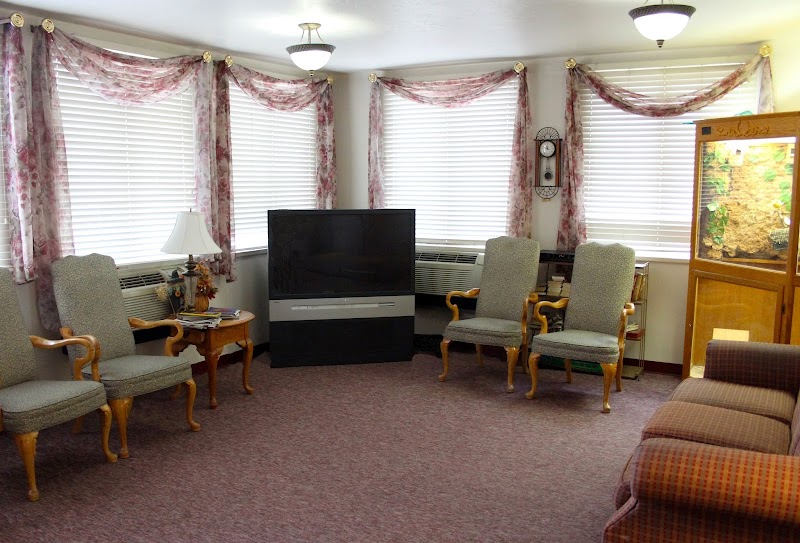
How is The Birch At Sutherland Staffed?

CMS rates The Birch at Sutherland's staffing level at 2 out of 5 stars, which is below average compared to other nursing homes. Staff turnover is 82%, which is 36 percentage points above the Nebraska average of 46%. High turnover can affect care consistency as new staff learn residents' individual needs. RN turnover specifically is 83%, which is notably high. RNs provide skilled clinical oversight, so turnover in this role can affect medical care quality.

What Have Inspectors Found at The Birch At Sutherland?

State health inspectors documented 41 deficiencies at The Birch at Sutherland during 2022 to 2025. These included: 1 Immediate Jeopardy (the most serious level, indicating potential for serious harm or death), 1 that caused actual resident harm, and 39 with potential for harm. Immediate Jeopardy findings are rare and represent the most serious regulatory concerns. They require immediate corrective action.
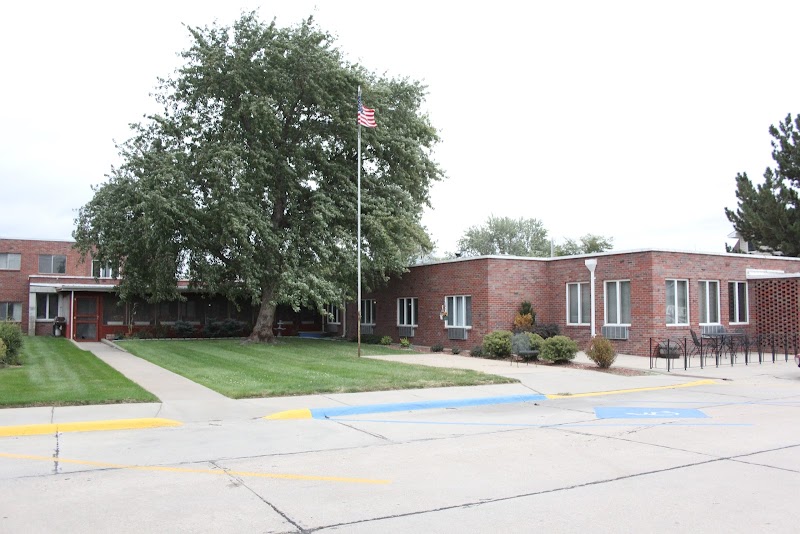
Who Owns and Operates The Birch At Sutherland?

The Birch at Sutherland is owned by a for-profit company. For-profit facilities operate as businesses with obligations to shareholders or private owners. The facility is operated by AVID HEALTHCARE GROUP, a chain that manages multiple nursing homes. With 60 certified beds and approximately 44 residents (about 73% occupancy), it is a smaller facility located in Sutherland, Nebraska.

How Does The Birch At Sutherland Compare to Other Nebraska Nursing Homes?

Compared to the 100 nursing homes in Nebraska, The Birch at Sutherland's overall rating (1 stars) is below the state average of 2.9, staff turnover (82%) is significantly higher than the state average of 46%, and health inspection rating (1 stars) is much below the national benchmark.

What Should Families Ask When Visiting The Birch At Sutherland?

Based on this facility's data, families visiting should ask: "What changes have been made since the serious inspection findings, and how are you preventing similar issues?" "How do you ensure continuity of care given staff turnover, and what is your staff retention strategy?" "Can you walk me through typical staffing levels on day, evening, and night shifts?" "Can I visit during a mealtime to observe dining assistance and food quality?" These questions are particularly relevant given the facility's Immediate Jeopardy citations, the facility's high staff turnover rate, and the below-average staffing rating.

Is The Birch At Sutherland Safe?

Based on CMS inspection data, The Birch at Sutherland has documented safety concerns. Inspectors have issued 1 Immediate Jeopardy citation (the most serious violation level indicating risk of serious injury or death). The facility has a 1-star overall rating and ranks #100 of 100 nursing homes in Nebraska. Families considering this facility should ask detailed questions about what corrective actions have been taken since these incidents.

Do Nurses at The Birch At Sutherland Stick Around?

Staff turnover at The Birch at Sutherland is high. At 82%, the facility is 36 percentage points above the Nebraska average of 46%. Registered Nurse turnover is particularly concerning at 83%. RNs handle complex medical decisions and coordinate care — frequent RN changes can directly impact care quality. High turnover means new staff may not know residents' individual needs, medications, or preferences. It can also be disorienting for residents, especially those with dementia who rely on familiar faces. Families should ask: What is causing the turnover? What retention programs are in place? How do you ensure care continuity during staff transitions?

Was The Birch At Sutherland Ever Fined?

The Birch at Sutherland has no federal fines on record. CMS issues fines when nursing homes fail to meet care standards or don't correct problems found during inspections. The absence of fines suggests the facility has either maintained compliance or corrected any issues before penalties were assessed. This is a positive indicator, though families should still review recent inspection reports for the full picture.

Is The Birch At Sutherland on Any Federal Watch List?

The Birch at Sutherland is not on any federal watch list. The most significant is the Special Focus Facility (SFF) program, which identifies the bottom 1% of nursing homes nationally based on persistent, serious quality problems. Not being on this list means the facility has avoided the pattern of deficiencies that triggers enhanced federal oversight. This is a positive indicator, though families should still review the facility's inspection history directly.