ADVANCED HEALTH CARE OF RENO

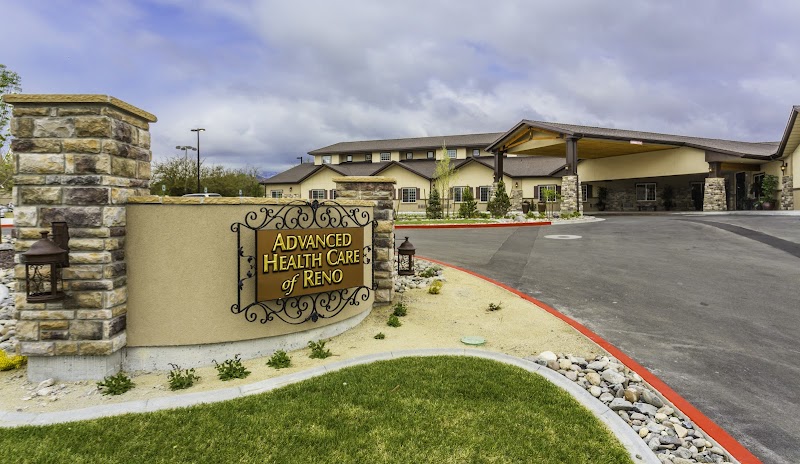
961 KUENZLI STREET, RENO, NV 89502 (775) 470-7200
For profit - Limited Liability company 42 Beds ADVANCED HEALTH CARE Data: November 2025
Trust Grade
85/100
#4 of 65 in NV
Last Inspection: October 2024

Within standard 12-15 month inspection cycle. Federal law requires annual inspections.

Overview

Advanced Health Care of Reno has a Trust Grade of B+, indicating that it is above average and recommended for potential residents. It ranks #4 out of 65 facilities in Nevada and #1 out of 9 in Washoe County, placing it among the top options in the area. The facility is improving, with issues decreasing from 10 in 2023 to just 3 in 2024. Staffing is a strong point, with a 4 out of 5-star rating and a turnover rate of 34%, which is significantly lower than the state average. However, there are some concerns, such as a recent incident where medications were left unattended in the dining room, posing a safety risk, and delays in performance evaluations for staff, which could affect care quality. Overall, while there are strengths in staffing and quality measures, families should be aware of these areas needing improvement.

Trust Score
B+
85/100
In Nevada
#4/65
Top 6%
Safety Record
Low Risk
No red flags
Inspections
Getting Better
10 → 3 violations
Staff Stability
○ Average
34% turnover. Near Nevada's 48% average. Typical for the industry.
Penalties
✓ Good
No fines on record. Clean compliance history, better than most Nevada facilities.
Skilled Nurses
✓ Good
Each resident gets 74 minutes of Registered Nurse (RN) attention daily — more than 97% of Nevada nursing homes. RNs are the most trained staff who catch health problems before they become serious.
Violations
⚠ Watch
13 deficiencies on record. Higher than average. Multiple issues found across inspections.
★★★★★
5.0
Overall Rating
★★★★☆
4.0
Staff Levels
★★★★★
5.0
Care Quality
★★★★★
5.0
Inspection Score
Stable
2023: 10 issues
2024: 3 issues

The Good

  • 4-Star Staffing Rating · Above-average nurse staffing levels
  • 5-Star Quality Measures · Strong clinical quality outcomes
  • Full Sprinkler Coverage · Fire safety systems throughout facility
  • No fines on record
  • Staff turnover below average (34%)

    14 points below Nevada average of 48%

Facility shows strength in staffing levels, quality measures, fire safety.

The Bad

Staff Turnover: 34%

12pts below Nevada avg (46%)

Typical for the industry

Chain: ADVANCED HEALTH CARE

Part of a multi-facility chain

Ask about local staffing decisions and management

The Ugly 13 deficiencies on record

Oct 2024 3 deficiencies
CONCERN (D)

Potential for Harm - no one hurt, but risky conditions existed

Accident Prevention (Tag F0689)

Could have caused harm · This affected 1 resident

Based on observation, interview, and document review, the facility failed to ensure medications were not left unattended and unsecured in the dining room during a medication pass, creating a potential...

Read full inspector narrative →
Based on observation, interview, and document review, the facility failed to ensure medications were not left unattended and unsecured in the dining room during a medication pass, creating a potential accident when a licensed nurse left the medications at a resident's table and walked away, resulting in the medications out of the nurse's line of sight for supervision for 12 of 12 residents in the dining room. Findings include: On 10/28/2024 at 12:08 PM, there were three residents seated at a table together awaiting lunch meal service. A Licensed Practical Nurse (LPN) set a small cup containing a white pill inside of the cup on the residents' table. The LPN turned around and walked away from the table to retrieve a cup of water, leaving the unknown pill unsupervised and unsecured at the dining table. The LPN returned to the residents' table with the cup of water and the resident administered the medication. On 10/28/2024 at 12:12 PM, the LPN confirmed leaving the pill unsecured and unsupervised at the three residents' table, while nine other residents were also in the dining room. The LPN verbalized it was not best practice for a nurse to leave a pill unsupervised and unsecured during medication administration to any resident and explained other residents could have taken the pill and had a reaction to the pill. The LPN verbalized the white pill was hydrocodone and was a controlled substance. On 10/30/2024 at 2:06 PM, the Director of Nursing (DON) explained nurses were to observe residents taking medications and were not to leave the resident while administering medications to the resident. The DON verbalized leaving a controlled substance unsecured and unsupervised was a concern and nurses were to keep the medication within line of sight to avoid another resident ingesting the medication, putting the medication in their cheeks, socks or pants pockets to ingest at a later time. On 10/30/2024 at 2:10 PM, the Administrator explained while nurses were administering medications, the nurse was to stay with the resident and keep eyes on the medications at all times until the medication was ingested. The facility policy titled Administration of Medication, undated, documented a licensed nurse was to stay with the resident until all medications had been ingested and medications were to be locked in the medication cart whenever the medication was out of view.
CONCERN (D)

Potential for Harm - no one hurt, but risky conditions existed

Deficiency F0730 (Tag F0730)

Could have caused harm · This affected 1 resident

Based on personnel record review, document review and interview, the facility failed to ensure a Certified Nursing Assistant (CNA) had an annual performance evaluation completed timely and identified ...

Read full inspector narrative →
Based on personnel record review, document review and interview, the facility failed to ensure a Certified Nursing Assistant (CNA) had an annual performance evaluation completed timely and identified and addressed areas of weakness for 3 of 3 sampled CNAs employed greater than one year, selected for personnel record review (Employee #21, #22, and #23). Findings include: Employee #21 Employee #21 was hired by the facility as a CNA with a start date of 01/16/2023. Employee #21's personnel record documented the following: - a facility Employee Performance Review dated 02/14/2024, one month late. - a facility Competency Checklist dated 01/25/2024, nine days late. The Competency Checklist lacked documented evidence of Employee #21's performance strengths or weaknesses. - a facility Follow-up Evaluation dated 02/12/2024, documented the areas of concern, including duties for trash, water, bed made and room clean prior to giving report. Employee #22 Employee #22 was hired by the facility as a CNA with a start date of 09/09/2021. Employee #22's personnel record documented the following: - a facility Employee Performance Review dated 09/19/2024, ten days late. - a facility Competency Checklist dated 01/25/2024. The Competency Checklist lacked documented evidence of Employee #22's performance strengths or weaknesses. - a facility Follow-up Evaluation dated 10/10/2024, documented the areas of concern, including improving donning and doffing process. Employee #23 Employee #23 was hired by the facility as a CNA with a start date of 06/30/2023. Employee #23's personnel record documented the following: - a facility Employee Performance Review dated 09/03/2024, over two months late. - a facility Competency Checklist dated 01/25/2024. The Competency Checklist lacked documented evidence of Employee #23's performance strengths or weaknesses. - a facility Follow-up Evaluation dated 10/09/2024, documented the areas of concern, including improving employee's therapeutic communication with residents to be encouraging and educational. On 10/31/2024 at 11:38 AM, the DON confirmed the facility's Performance Evaluation Form did not evaluate the CNAs' skills and identify the employee's strengths and weaknesses. The DON verbalized the DON conducted a skills competency fair at the facility for CNAs in January 2024. The DON verbalized the facility's Competency Checklist did not identify the employee's strengths and weaknesses and provide the ability for the facility to identify the training needs to address any of the employee's weaknesses. The facility policy titled CNA Staff Evaluation, updated December 21, 2023, documented the Administrator and/or employee's supervisor would complete a performance evaluation annually on each Certified Nursing Assistant (CNA). During the evaluation the evaluator and employee will identify an areas that need improvement.
CONCERN (D)

Potential for Harm - no one hurt, but risky conditions existed

Deficiency F0761 (Tag F0761)

Could have caused harm · This affected 1 resident

Based on observation, interview, and document review, the facility failed to ensure a medication cart and medications left on top of a medication cart were secured for 1 of 3 medication carts. Finding...

Read full inspector narrative →
Based on observation, interview, and document review, the facility failed to ensure a medication cart and medications left on top of a medication cart were secured for 1 of 3 medication carts. Findings include: On 10/31/2024 at 7:10 AM, the top left drawer of a medication cart was left ajar and unlocked and three Lidocaine 5 percent (%) transdermal patches were on top of the cart and unsecured. A nurse was not at or near the cart and no other staff was present in the hallway. On 10/31/2024 at 7:14 AM, a Licensed Practical Nurse (LPN) returned to the medication cart and confirmed the top drawer was left ajar and unlocked, and three Lidocaine 5% transdermal patches were left on top of the medication cart. The LPN explained the LPN was administering medications to a resident and had left the Lidocaine patches on top of the cart and left the cart unsecured. The LPN verbalized the medication could have been taken and ingested by anyone in the hallway, including other residents, and could have resulted in an adverse reaction, overdose, or death. On 10/31/2024 at 7:48 AM, the Director of Nursing (DON) explained the expectation of nursing staff was to maintain sight of the medication cart at all times or to lock the cart when not present. The DON verbalized the Lidocaine patches could have been taken, used, and/or ingested by someone who did not have an order to take the medication and should have been secured in the medication cart. The facility policy titled Medication Storage, updated 09/28/2022, documented medications were stored safely, securely, and properly. The medication supply was accessible to licensed nursing personnel, pharmacy personnel, or staff members lawfully authorized to administer medications. Medication carts were locked or attended by persons with authorized access.
Nov 2023 8 deficiencies
CONCERN (D)

Potential for Harm - no one hurt, but risky conditions existed

Resident Rights (Tag F0550)

Could have caused harm · This affected 1 resident

**NOTE- TERMS IN BRACKETS HAVE BEEN EDITED TO PROTECT CONFIDENTIALITY** Based on interview, observation, and document review, the facility failed to ensure a resident maintained a dignified existence ...

Read full inspector narrative →
**NOTE- TERMS IN BRACKETS HAVE BEEN EDITED TO PROTECT CONFIDENTIALITY** Based on interview, observation, and document review, the facility failed to ensure a resident maintained a dignified existence when a resident's catheter bag was visible with urine while the resident was in the dining room and communal area of facility for 1 of 12 sampled residents (Resident #147). Findings include: Resident #147 was admitted to the facility on [DATE], with a diagnoses of retention of urine. On 11/27/23 at 11:28 AM, Resident #147 was in the resident's room. The resident's catheter bag exposed urine to sight, light yellow in color. The resident explained the covering of the catheter bag had come off and was on the resident's table. On 11/27/23 at 12:28 PM, the resident was in the dining room for lunch with no covering on the catheter bag for privacy, exposing the visual of urine to others in the dining room. On 11/29/23 at 11:35 AM, the resident was sitting in the resident's wheelchair outside of the dining room, in a communal area of the facility, with no covering on the catheter bag for privacy, exposing the visual of urine. On 11/30/23 at 12:08 PM, the resident was in the dining room for lunch with no covering on the catheter bag for privacy, exposing the visual of urine to others in the dining room. On 11/30/23 at 12:14 PM, a Certified Nursing Assistant (CNA) confirmed Resident #147's catheter bag had visible urine and was without a privacy covering. The CNA verbalized the CNA's training had taught the CNA the catheter bags were to be covered for resident privacy. On 11/30/23 at 3:15 PM, the Director of Nursing (DON) explained CNAs were trained upon hire and annually to use a privacy covering on catheter bags. The facility's catheter bags had flaps attached to the bag for covering the the view of urine. The DON entered Resident #147's room and confirmed the catheter bag was missing the flap. The resident verbalized it fell off a few days ago. The facility policy titled, Indwelling Urinary Catheter Site Care, last updated 07/25/23, documented the maintenance of a catheter bag included ensuring a privacy bag was in place at all times.
CONCERN (D)

Potential for Harm - no one hurt, but risky conditions existed

Accident Prevention (Tag F0689)

Could have caused harm · This affected 1 resident

**NOTE- TERMS IN BRACKETS HAVE BEEN EDITED TO PROTECT CONFIDENTIALITY** Based on interview, clinical record review, and document review the facility failed to modify interventions to prevent future in...

Read full inspector narrative →
**NOTE- TERMS IN BRACKETS HAVE BEEN EDITED TO PROTECT CONFIDENTIALITY** Based on interview, clinical record review, and document review the facility failed to modify interventions to prevent future injuries from falls for 1 of 12 sampled residents (Resident #350). Findings include: Resident #350 Resident #350 was admitted to the facility on [DATE], with diagnoses including metabolic encephalopathy, supraventricular tachycardia unspecified, and need for assistance with personal care. A Baseline Person Centered Care Plan dated 11/17/23, documented a problem of alteration in mobility/safety. Approaches included bed in lowest position and frequent checks. An Fall Incident Report dated 11/26/23, documented an unwitnessed fall occurred on 11/26/23. The Mental Status section of the report documented the resident was confused more than normal. Immediate interventions for the fall included first aid and rest. A progress note dated 11/26/23, documented the resident was observed on the floor next to the resident's bed. The resident appeared more confused than normal with skin tear/abrasion to right lower extremity. The doctor, resident's family member, and on-call nurse manager were notified of the fall. Neuro checks were started. On 11/27/23 at 4:38 PM, Resident #350 recalled having a fall on 11/26/23. On 11/29/23 at 11:36 AM, a Licensed Practical Nurse (LPN) verbalized the LPN was aware of Resident #350's fall which occurred on 11/26/23. The LPN recalled the resident attempted to transfer out of bed without calling for assistance from staff. The LPN confirmed a resident's care plan should have been updated following a fall. On 11/30/23 at 11:06 AM, the Director of Nursing (DON) explained a fall should be investigated to determine and implement interventions specific to the cause of the fall. The DON confirmed Resident #350's fall was investigated and no specific intervention was implemented as a result of the investigation. The DON verbalized the resident already had an order for bed in lowest position and floor mats should have been implemented after the fall on 11/26/23. The facility policy titled Fall Prevention, last updated 09/28/22, documented safety interventions would be implemented and monitored with appropriate documentation as indicated.
CONCERN (D)

Potential for Harm - no one hurt, but risky conditions existed

Incontinence Care (Tag F0690)

Could have caused harm · This affected 1 resident

**NOTE- TERMS IN BRACKETS HAVE BEEN EDITED TO PROTECT CONFIDENTIALITY** Based on observation, interview, clinical record review, and document review the facility failed to ensure a resident's indwelli...

Read full inspector narrative →
**NOTE- TERMS IN BRACKETS HAVE BEEN EDITED TO PROTECT CONFIDENTIALITY** Based on observation, interview, clinical record review, and document review the facility failed to ensure a resident's indwelling urinary catheter bag was kept off the floor while the resident was seated in a recliner for 1 of 12 sampled residents (Resident #350). Findings include: Resident #350 Resident #350 was admitted to the facility on [DATE], with diagnoses including metabolic encephalopathy, supraventricular tachycardia, and need for assistance with personal care. A physician's order dated 11/17/23, documented to maintain indwelling catheter. Resident #350's care plan included an intervention to provide catheter care at least once each shift, start date 11/20/23. A nursing progress note dated 11/26/23, documented the resident complained of burning in the vaginal area. A Licensed Practical Nurse (LPN) would attempt to collect urine sample to check for a urinary tract infection (UTI). A physician progress note dated 11/27/23, documented the resident was now with definite UTI. Urine was to be sent to the lab for culture and sensitivity. Omnicef was started for UTI until culture reported. A physician's order dated 11/26/23, documented cefdinir (Omnicef) capsule, 300 milligrams (mg), amount 300 mg, oral, twice a day. Special instructions: UTI - pending culture. Start date 11/26/23. Discontinue date 11/29/23. A urine culture lab result dated 11/30/23, with a collection date of 11/27/23, documented the culture was abnormal with pseudomonas aeruginosa. A physician progress note dated 11/30/23, documented urine culture with pseudomonas, sensitivities pending. To be treated with ciprofloxacin (Cipro) 500 mg, twice per day for three days. A physician's order dated 11/30/23, documented ciprofloxacin (Cipro) HCl tablet, 500 mg, amount 500 mg, oral, twice a day. Special instructions: pseudomonas UTI. Start date 11/30/23. On 11/27/23 at 4:34 PM, Resident #350 verbalized having burning related to the urinary catheter. Resident #350 verbalized the resident believed the resident currently had an infection and had informed staff the previous day. On 11/29/23 at 11:24 AM, Resident #350 verbalized the burning related to the urinary catheter had improved. The resident was sitting in a recliner and the resident's urinary catheter bag was on the floor. On 11/29/23 at 11:30 AM, an LPN entered Resident #350's room. The LPN confirmed the resident's urinary catheter bag was on the floor. The LPN donned gloves, picked up the catheter bag and pushed the hooks of the catheter bag in between the cushion and side of the recliner. The LPN verbalized the LPN needed to think of something to keep catheter bags off the floor when residents were in recliners as it was sometimes difficult to find somewhere to hang it. The LPN confirmed urinary catheter bags should not be left on the floor because it could cause a hole in the bag, get trapped in the resident's walker, was connected to the resident's bladder and could cause infection. On 11/30/23 at 10:41 AM, Resident #350 was sitting in a recliner and the resident's urinary catheter bag was on the floor. A Certified Nursing Assistant (CNA) entered the resident's room and transferred the resident to a wheelchair. The CNA picked up the resident's catheter bag off the floor and hung the catheter bag on the resident's wheelchair. On 11/30/23 at 10:48 AM, the CNA confirmed the resident's urinary catheter bag was on the floor prior to transferring the resident to the wheelchair. The CNA verbalized the CNA would usually hang the bag on the night table, a garbage can, a walker, or the resident's bed. On 11/30/23 at 2:48 PM, the Director of Nursing confirmed a resident with an indwelling catheter would be at higher risk of infection if the urinary catheter bag was on the floor. The facility policy titled Indwelling Urinary Catheter Site Care, last updated 07/25/23, documented maintenance included keeping the drainage bag off the floor. Cross reference with tag F880.
CONCERN (D)

Potential for Harm - no one hurt, but risky conditions existed

Respiratory Care (Tag F0695)

Could have caused harm · This affected 1 resident

**NOTE- TERMS IN BRACKETS HAVE BEEN EDITED TO PROTECT CONFIDENTIALITY** Based on interview, clinical record review and document review the facility failed to administer oxygen therapy per a physician'...

Read full inspector narrative →
**NOTE- TERMS IN BRACKETS HAVE BEEN EDITED TO PROTECT CONFIDENTIALITY** Based on interview, clinical record review and document review the facility failed to administer oxygen therapy per a physician's order and include dosage parameters on the physician's order for 1 of 12 sampled residents (Resident #347). Findings include: Resident #347 Resident #347 was admitted to the facility on [DATE], with diagnoses including acute respiratory failure with hypoxia, pulmonary fibrosis, unspecified, and pneumonia, unspecified organism. A physician's order dated 11/22/23, documented oxygen per nasal cannula (NC) to maintain oxygen saturation (SpO2) greater than 90%. Document liters per minute (LPM) every shift. May titrate/discontinue oxygen (O2) LPM as tolerated while maintaining SpO2 greater than 90%. Resident #347's Baseline Person Centered Care Plan documented a problem of alteration in cardiac or respiratory status. Approaches included oxygen as ordered. A nursing progress note dated 11/24/23, documented O2 on at ten liters via mask. A nursing progress note dated 11/25/23, documented resident on O2 by mask at ten LPM. A nursing progress note dated 11/26/23, documented resident on ten liters via mask at start of shift. A nursing progress note dated 11/27/23, documented O2 saturations were good on six liters via mask. On 11/28/23 at 4:11 PM, a Licensed Practical Nurse (LPN) explained staff would know a resident had oxygen ordered by looking at the treatment administration record (TAR). The LPN verbalized Resident #347 was currently receiving oxygen at six LPM via NC and required up to ten LPM with exertion or showers. The LPN verbalized the LPN would change oxygen administration route such as from NC to a mask as needed, based on nursing judgement, then notify the physician. On 11/30/23 at 11:20 AM, the Director of Nursing (DON) confirmed administration of oxygen required a doctor's order. The DON verbalized an oxygen order required the following elements: reason resident was on oxygen, amount of oxygen the nurse is required/allowed to administer to the resident, saturation monitoring and route of administration. The DON confirmed Resident #347's oxygen order documented oxygen per NC to maintain SpO2 greater than 90%. Document LPM every shift. May titrate/discontinue O2 LPM as tolerated while maintaining SpO2 greater than 90%. The DON explained nursing staff would change the route to a mask if administering more than six liters of oxygen. The DON verbalized the facility did not have a written policy or training for staff on when to change from nasal cannula to mask. The facility policy titled Oxygen Administration, undated, documented only qualified personnel administered oxygen in accordance with a physician's order. Equipment included nasal cannula, nasal catheter, or mask (as ordered). Procedure included placing appropriate oxygen delivery device on the patient (cannula, mask, etc.) The facility policy titled Medication Orders, last updated 09/28/22, documented medication was administered only upon the clear, complete, and signed order of a person lawfully authorized to prescribe. Medication orders specified the following: name of medication, strength of medication, dose and dosage form, time and/or frequency of aministration, route of administration, quantity or duration of therapy and diagnosis or indication for use. The prescriber was contacted to verify or clarify an order if the patient had an allergy to the medication, there were contraindications to the medication, or the directions were confusing.
CONCERN (D)

Potential for Harm - no one hurt, but risky conditions existed

Unnecessary Medications (Tag F0759)

Could have caused harm · This affected 1 resident

**NOTE- TERMS IN BRACKETS HAVE BEEN EDITED TO PROTECT CONFIDENTIALITY** Based on observation, interview, clinical record review and document review, the facility failed to ensure medication was admini...

Read full inspector narrative →
**NOTE- TERMS IN BRACKETS HAVE BEEN EDITED TO PROTECT CONFIDENTIALITY** Based on observation, interview, clinical record review and document review, the facility failed to ensure medication was administered with an error rate of less than five percent (%). There were 26 opportunities and five medication errors. The medication error rate was 19.23%. Findings include: Resident #353 Resident #353 was admitted to the facility on [DATE], with diagnoses including displaced bicondylar fracture of right tibia, subsequent for closed fracture with routine healing and polyneuropathy, unspecified. On 11/29/23 at 8:21 AM, a Licensed Practical Nurse (LPN) began preparing to administer medications to Resident #353. Among the medications prepared were the following: -Gabapentin 300 milligram (mg), capsules. One capsule was placed in the medication cup for the resident. -Calcium 600 mg +vitamin D 5 micrograms (mcg), tablets. Two tablets were placed in the medication cup for the resident. The Medication Administration Record (MAR) for Resident #353, dated 11/29/23, documented the following: -Gabapentin capsules 300 mg, administer 300 mg, oral, three times a day. The scheduled administration time was 6:00 AM - 8:00 AM. -Calcium 1200 mg daily. The scheduled administration time was 7:00 AM - 9:00 AM. The Prescription Orders for Resident #353 documented the following: -Gabapentin capsules 300 mg, amount 300 mg, oral, three times a day for neuropathy with a start date of 11/09/23. -Calcium 1200 mg daily, with a start date of 11/28/23. Resident #8 Resident #8 was admitted to the facility on [DATE], with diagnoses including disruption of external operation (surgical) wound, polyneuropathy, hypo-osmolality and hyponatremia and gastro-esophageal reflux disease (GERD) without esophagitis. On 11/29/23 at 9:10 AM, the LPN began preparing to administer medications to Resident #8. Among the medications prepared were the following: -Gabapentin 600 mg tablets. One tablet was placed in the medication cup for the resident. -omeprazole delayed release (DR) 20 mg tablets. One tablet was placed in the medication cup for the resident. -sodium chloride 1 gram (gm) tablets. One tablet was placed in the medication cup for the resident. Resident #8's MAR dated 11/29/23, documented the following: -Gabapentin tablets 600 mg, administer 600 mg, oral, three times a day. The scheduled administration time was 6:00 AM - 8:00 AM. -omeprazole DR tablet, 20 mg, administer 20 mg twice a day. The scheduled administration time was 7:00 AM - 9:00 AM. - sodium chloride tablet, soluble, 1000 mg, administer 1000 mg before meals. The scheduled administration time was 6:15 AM -8:15 AM. The Prescription Orders for Resident #8 documented the following: -Gabapentin tablet 600 mg, amount 600 mg, oral, three times a day for neuropathy with a start date of 11/16/23. -omeprazole tablet DR 20 mg, administer 20 mg twice a day for GERD with a start date of 11/16/23. -sodium chloride tablet, soluble, 1000 mg, administer 1000 mg before meals, with a start date of 11/16/23. On 11/29/23 at 3:48 PM, the LPN confirmed the Gabapentin was given late to Resident #353 and the calcium 1200 mg with vitamin D was given instead of calcium 1200 mg. The LPN confirmed Gabapentin, omeprazole and sodium chloride were administered late to Resident #8. On 11/29/23 at 4:36 PM, the Director of Nursing (DON) confirmed medications were given late. The DON verbalized the medications should be administered as ordered or an hour before or an hour after the scheduled administration time. The facility policy titled Administration of medication, last updated 07/25/23, documented the licensed personnel, in accordance with professional standards of practice, will appropriately administer prescribed medications. Verify the six Medication Administration Rights to include Right Time.
CONCERN (D)

Potential for Harm - no one hurt, but risky conditions existed

Deficiency F0761 (Tag F0761)

Could have caused harm · This affected 1 resident

Based on observation, interview and document review, the facility failed to remove expired laboratory's supplies from the medication storage rooms and ensure expired medications were removed from 2 of...

Read full inspector narrative →
Based on observation, interview and document review, the facility failed to remove expired laboratory's supplies from the medication storage rooms and ensure expired medications were removed from 2 of 3 sampled medication carts. Findings include: On 11/29/23 at 9:29 AM, the Medication Room was inspected with Licensed Practical Nurse (LPN) 1. The following items were found: -99 vacutainer buffered sodium citrate blood collections tubes with an expiration date of 06/30/21. -82 vacutainer K2 EDTA (K2E) 7.2 milligram (mg) blood collection tubes with an expiration date of 01/22. -87 vacutainer SST blood collection tubes with an expiration date of 10/31/21. -1 vacutainer safety lok blood collections set for short term intravenous administration with an expiration date of 5/31/21. -1 safety glide insulin 1 milliliter (ml) 29-gauge (G) x 1/2 24, with an expiration date of 01/31/23. -24 needles 21 G 1-1/4 - with an expiration date of 04/30/23. -2 needles 22 1-1/4 - with an expiration date of 03/31/23. On 11/29/23 at 10:00 AM LPN1 confirmed the lab supplies were expired and needed to be disposed. On 11/29/23 at 10:05 AM the Director of Nursing (DON) confirmed the vials and lab supplies were expired and should not be used because they could give inaccurate lab results. On 11/29/23 at 3:31 PM, a medication cart was inspected on hall 2, with LPN2. A Petroleum dressing xeroform sheet non adherent, sterile 5-inch (in) x 9 in, was found opened and left in a drawer of the medication cart. On 11/29/23 at 3:33 PM, the LPN2 confirmed the opened Petroleum dressing located in the drawer was not sterile after opening and should have been discarded. On 11/29/23 at 3:54 PM, a medication cart located between hall 1 and hall 2, was inspected with LPN1. The following items were found: -Benadryl 25 milligram (mg), 32 tablets with an expiration date of 08/2023. -Three Nicotine transdermal system 14 mg step two, with an expiration date of 07/2023. -Aspercreme lidocaine pain relief spray 4 ounces with an expiration date of 07/2023. On 11/29/23 at 3:56 PM, the LPN1 confirmed the items were expired and verbalized they were not effective after the expiration date. On 11/29/23 at 4:13 PM, the DON verbalized the medication carts were routinely checked for medications and any expired products were removed. The facility policy titled Medication storage, last updated 09/28/22, documented outdated, contaminated, or deteriorated medications and those in cracked containers soiled or without secure closures were immediately removed from stock, disposed of according to procedures for medication disposal and reordered from the pharmacy, if current order existed.
CONCERN (D)

Potential for Harm - no one hurt, but risky conditions existed

Food Safety (Tag F0812)

Could have caused harm · This affected 1 resident

Based on observation, interview, and document review, the facility failed to ensure clean dishes were handled in a sanitary manner after exiting the dishwasher. Findings include: On 11/27/23 at 9:25 A...

Read full inspector narrative →
Based on observation, interview, and document review, the facility failed to ensure clean dishes were handled in a sanitary manner after exiting the dishwasher. Findings include: On 11/27/23 at 9:25 AM, a Dietary Aide had gloved hands while washing dirty dishes. The Dietary Aide, with the same gloved hands, put away clean dishes from the dishwasher, pulled a clean tray of dishes out of the dishwasher, and put a dirty tray of dishes into the dishwasher. On 11/27/23 at 9:31 AM, the Dietary Aide, with the same gloved hands, loaded a tray of dirty dishes and moved promptly to putting away clean dishes, then moved from loading dirty trays to emptying the clean trays and removed the next clean tray from the dishwasher. On 11/27/23 at 9:33 AM, the Dietary Aide explained the Dietary Aide had been trained to change gloves when working with dirty dishes and moving to working with clean dishes. The Dietary Aide verbalized the aide had just realized the aide had not been changing gloves when working from dirty dishes to clean dishes. On 11/29/23 at 8:07 AM, the Nutrition Services Supervisor explained training provided to Dietary Staff included staff working clean to dirty when operating the dishwasher. Sometimes staff wear gloves while working the dishwasher. Hand washing and new gloves were required (if staff chose to wear the gloves) to handle the clean dishes. The facility policy titled, Cleaning Dishes/Dish Machine, last updated 12/08/22, documented the person loading dirty dishes was not to handle the clean dishes unless they have washed their hands thoroughly before moving from dirty to clean dishes.
CONCERN (E)

Potential for Harm - no one hurt, but risky conditions existed

Infection Control (Tag F0880)

Could have caused harm · This affected multiple residents

**NOTE- TERMS IN BRACKETS HAVE BEEN EDITED TO PROTECT CONFIDENTIALITY** Resident #350 Resident #350 was admitted to the facility on [DATE], with diagnoses including metabolic encephalopathy, supravent...

Read full inspector narrative →
**NOTE- TERMS IN BRACKETS HAVE BEEN EDITED TO PROTECT CONFIDENTIALITY** Resident #350 Resident #350 was admitted to the facility on [DATE], with diagnoses including metabolic encephalopathy, supraventricular tachycardia, and need for assistance with personal care. A physician's order dated 11/17/23, documented to maintain indwelling catheter. Resident #350's care plan included an intervention to provide catheter care at least once each shift, start date 11/20/23. A nursing progress note dated 11/26/23, documented the resident complained of burning in the vaginal area. A Licensed Practical Nurse (LPN) would attempt to collect urine sample to check for a urinary tract infection (UTI). A physician progress note dated 11/27/23, documented the resident was now with definite UTI. Urine was to be sent to the lab for culture and sensitivity. Omnicef was started for UTI until culture reported. A physician's order dated 11/26/23, documented cefdinir (Omnicef) capsule, 300 milligrams (mg), amount 300 mg, oral, twice a day. Special instructions: UTI - pending culture. Start date 11/26/23. Discontinue date 11/29/23. A urine culture lab result dated 11/30/23, with a collection date of 11/27/23, documented the culture was abnormal with pseudomonas aeruginosa. A physician progress note dated 11/30/23, documented urine culture with pseudomonas, sensitivities pending. To be treated with ciprofloxacin (Cipro) 500 mg, twice per day for three days. A physician's order dated 11/30/23, documented ciprofloxacin (Cipro) HCl tablet, 500 mg, amount 500 mg, oral, twice a day. Special instructions: pseudomonas UTI. Start date 11/30/23. On 11/27/23 at 4:34 PM, Resident #350 verbalized having burning related to the urinary catheter. Resident #350 verbalized the resident believed the resident currently had an infection and had informed staff the previous day. On 11/29/23 at 11:24 AM, Resident #350 verbalized the burning related to the urinary catheter had improved. The resident was sitting in a recliner and the resident's urinary catheter bag was on the floor. On 11/29/23 at 11:30 AM, an LPN entered Resident #350's room. The LPN confirmed the resident's urinary catheter bag was on the floor. The LPN donned gloves, picked up the catheter bag and pushed the hooks of the catheter bag in between the cushion and side of the recliner. The LPN verbalized the LPN needed to think of something to keep catheter bags off the floor when residents were in recliners as it was sometimes difficult to find somewhere to hang it. The LPN confirmed urinary catheter bags should not be left on the floor because it could cause a hole in the bag, get trapped in the resident's walker, was connected to the resident's bladder and could cause infection. On 11/30/23 at 10:41 AM, Resident #350 was sitting in a recliner and the resident's urinary catheter bag was on the floor. A Certified Nursing Assistant (CNA) entered the resident's room and transferred the resident to a wheelchair. The CNA picked up the resident's catheter bag off the floor and hung the catheter bag on the resident's wheelchair. On 11/30/23 at 10:48 AM, the CNA confirmed the resident's urinary catheter bag was on the floor prior to transferring the resident to the wheelchair. The CNA verbalized the CNA would usually hang the bag on the night table, a garbage can, a walker, or the resident's bed. On 11/30/23 at 2:48 PM, the Director of Nursing confirmed a resident with an indwelling catheter would be at higher risk of infection if the urinary catheter bag was on the floor. The facility policy titled Indwelling Urinary Catheter Site Care, last updated 07/25/23, documented maintenance included keeping the drainage bag off the floor. Cross reference with tag F690. Based on interview, observation, and document review, the facility failed to 1) ensure all residents residing in the same hall were tested for Covid-19 (Covid) during a Covid outbreak, 2) ensure all staff in contact with a confirmed Covid positive resident were tested for Covid-19, 3) ensure staff were fit-tested for the use of N95 respirators prior to donning and in accordance with the facility's Covid Emergency Plan, and 4) ensure a resident's urinary catheter bag was not laying on the ground for 1 of 12 sampled residents (Resident #350). The lack of Infection Control related to Covid had the potential to affect the 42 resident census. Findings include: Resident Covid Testing Resident #42 Resident #42 was admitted to the facility on [DATE], with diagnoses including pneumonia, unspecified organism, and systemic inflammatory response syndrome of noninfectious origin without acute organ dysfunction. An antigen test result dated 11/16/23, documented Resident #42 was diagnosed as positive for Covid. Resident #249 Resident #249 was admitted to the facility on [DATE], with diagnoses including multiple fractures of pelvis with stable disruption of pelvic ring and chronic kidney disease, stage 3a. An antigen test result dated 11/19/23, documented Resident #249 was diagnosed as positive for Covid. On 11/29/23 at 2:43 PM, the Director of Nursing (DON), who also functioned as the Infection Preventionist (IP), explained the process for a resident testing positive for Covid would include the identification of close contacts to perform contact tracing, notification of staff and family, and place the resident in isolation. The IP confirmed the facility was considered in outbreak status when one resident or staff tested Covid positive. On 11/29/23 at 2:45 PM, the IP explained when Resident #42 tested Covid positive on 11/16/23, the resident was symptomatic and immediately placed on isolation in their room. The IP confirmed the residents housed on the same hall were not tested because they were asymptomatic. The IP explained it was a leadership team decision to not implement facility-wide testing while the facility was considered to be in outbreak status. Resident #249 became symptomatic and was diagnosed as Covid positive on 11/19/23, three days after Resident #42 tested positive. Resident #42 and Resident #249 were housed in the same hallway and the rest of the residents were still not tested for Covid. On 11/30/23 at 12:43 PM, the IP verbalized it was an oversight when the residents housed on the same hallway as Covid positive residents were not tested for Covid while the facility was in outbreak status. On 07/10/23, the Centers for Disease Control (CDC) indicated Covid spread when an infected person breathed out droplets and very small particles that contained the virus. Other people could breathe in the droplets and particles, or the droplets and particles can land on their eyes, nose, or mouth and may contaminate surfaces they touched. Anyone infected with Covid could spread it, even if they did not have symptoms. The facility policy titled Covid-19 Emergency Plan, dated 06/13/23, documented a single new case of Covid infection in any healthcare personnel or resident should be evaluated to determine if others in the facility could have been exposed. If additional cases were identified, a strong consideration to a broad-based testing approach should be made, if not already in place. Testing should continue on affected units, or facility-wide, every three to seven days until there were no new cases for 14 days. Staff Covid Testing A Vitals Report, dated 11/16/23-11/20/23, documented a Certified Nursing Assistant (CNA1) worked with Resident #42 and documented the resident's vital signs as follows: 7:50 AM-temperature and pulse. 7:51 AM-respirations, O2 saturation, and blood pressure. 8:56 AM-breakfast intake and bowel movement. A Daily Assignment sheet dated 11/16/23, documented CNA1 was assigned to work with rooms 110-118, and had worked with Resident #42, for the 6:00 AM - 2:30 PM shift. The same staff then worked the 2:00 PM-10:30 PM shift and was assigned to rooms 119-126. A Daily Assignment Sheet dated 11/17/23, documented CNA1 was assigned to work with rooms 123-132 for the 2:00 PM-10:30 PM shift. A Daily Assignment Sheet dated 11/18/23, documented CNA1 was assigned to work with rooms 119-126 for the 2:00 PM-10:30 PM shift. A Daily Assignment Sheet dated 11/19/23, documented CNA1 was assigned to work with rooms 129-142 for the 6:00 AM - 2:30 PM shift, and then rooms 123-132 for the 2:00 PM-10:30 PM shift. The facility hallways were designated as follows: Hall 1: Rooms 101-122 Hall 2: Rooms 123-142 On 11/29/23 at 2:46 PM, the IP confirmed Resident #42 had tested positive for Covid on 11/16/23. The IP explained contact tracing was performed, however staff was not tested unless staff became symptomatic. The IP explained staff who provided care for Covid positive residents were trained to stay on that hallway for the rest of their shift and were not supposed to be scheduled to work on another hallway to prevent infection spread. The IP confirmed CNA1 was scheduled to and had worked on both resident hallways prior to becoming symptomatic on 11/19/23. The IP confirmed CNA1 had worked with both Resident #42 and Resident #249, while in Covid isolation, and CNA1 tested Covid positive on 11/19/23. On 11/30/23 at 12:42 PM, the IP explained the IP would consider staff working with a Covid positive resident in their isolated room as being in close contact with an infected individual and considered a higher-risk exposure. The IP verbalized it was an oversight when the staff, who worked with Covid positive residents, were not tested for Covid while the facility was in outbreak status. The facility policy titled Covid-19 Emergency Plan, dated 06/13/23, documented the following would occur with newly identified Covid positive staff or residents in a facility that could identify close contacts: 1) test all staff, regardless of vaccination status, that had a higher-risk exposure with a Covid positive individual, and 2) test all residents, regardless of vaccination status, that had close contact with a Covid positive individual. N95 Fit-Testing On 11/27/23 at 9:32 AM, staff was observed to don Personal Protective Equipment (PPE) prior to entering Resident #249's room. Staff donned the following PPE from the isolation cart: N95 mask, gown, gloves, and faceshield. On 11/29/23 at 2:44 PM, the IP explained a resident with a positive Covid test would prompt immediate isolation in the resident's room and all staff were required to wear proper PPE for the isolation type. Covid isolation required an N95 mask, gown, gloves, and faceshield/goggles. On 11/29/23 at 2:47 PM, the IP explained the IP was unable to verify if any staff working with Covid positive residents had been medically cleared, fit-tested, and educated for the use of the N95 mask, which was required to be worn by staff when a resident was isolated for a confirmed Covid infection. On 11/30/23 at 9:38 AM, the Administrator confirmed the facility had purchased the N95 fit-testing equipment and were able to provide the fit-test to staff on site. The Administrator explained the fit-tests were performed annually and would be provided by the IP. The Administrator was unaware the current IP did not have documentation of the staff's previous N95 fit-tests and medical clearance. A facility quarantine sign, undated, documented instructions for healthcare personnel to don a fit-tested N95 respirator for quarantined resident care. The CDC announced the National Institute for Occupational Safety and Health (NIOSH) approved particulate respirators with N95 filters or higher provided both barrier and respiratory protection because of their fit and filtration characteristics. Respirators should be provided to staff with medical evaluations, training, and fit testing. NIOSH-approved particulate respirators with N95 filters or higher were routinely recommended for pathogens like Covid, which had the potential for transmission via small particles, the ability to cause severe infections, and had limited or no treatment options. The facility policy titled Covid-19 Emergency Plan, dated 06/13/23, documented the Occupational Safety and Health Administration's (OSHA) respiratory protection standard for employees included medical evaluations, training, and fit-testing and were required by the OSHA Respiratory Protection Standard: 1910.134 (e)(1) General. Staff who entered a resident room with suspected or confirmed Covid infection should adhere to Standard Precautions and use a NIOSH-approved particulate respirator with N95 filters or higher, gown, gloves and eye protection. Staff use of an N95 or higher-level respirator was recommended for health care personnel who were medically cleared, trained, and fit-tested. Appropriate fit testing would need to occur for each specific brand/make/model and size of respirator and only use N95 masks that were fit-tested for the employee.
Jan 2023 2 deficiencies
CONCERN (D)

Potential for Harm - no one hurt, but risky conditions existed

Comprehensive Care Plan (Tag F0656)

Could have caused harm · This affected 1 resident

**NOTE- TERMS IN BRACKETS HAVE BEEN EDITED TO PROTECT CONFIDENTIALITY** Based on interview, clinical record review, and document review, the facility failed to ensure a Comprehensive Care Plan was dev...

Read full inspector narrative →
**NOTE- TERMS IN BRACKETS HAVE BEEN EDITED TO PROTECT CONFIDENTIALITY** Based on interview, clinical record review, and document review, the facility failed to ensure a Comprehensive Care Plan was developed for a resident with depression, and a respiratory care plan for a resident with chronic obstructive pulmonary disease (COPD) and dependence on supplemental oxygen (O2), to include services, goals, preferences, needs, and interventions for 1 of 12 sampled residents (Resident #23). Findings include: Resident #23 Resident #23 was admitted to the facility on [DATE], with diagnoses including nausea with vomiting and fracture of unspecified part of neck of left femur. A physician order dated 01/02/23, documented mirtazapine 7.5 milligrams (mg) tablet, take at bedtime for depression and social isolation. Resident #23's Comprehensive Care Plan lacked documented evidence of a care plan for depression, to include the medication mirtazapine. On 01/12/23 at 4:36 PM, the DON verbalized residents with depression should have a care plan for depression to include services, goals, preferences, needs, and interventions. The DON confirmed Resident #23 did not have a care plan for depression to includ the medication mirtazapine. A facility policy titled Comprehensive Care Plan, undated, documented the care plan should reflect the individual's goals and choices, identify individual-specific interventions, and include a time frame for goal achievement and parameters for monitoring progress. The care plan would be evaluated for efficacy of current interventions and modified as needed. Outcomes would be monitored and interventions evaluated after care plan implementation.
CONCERN (D)

Potential for Harm - no one hurt, but risky conditions existed

Deficiency F0657 (Tag F0657)

Could have caused harm · This affected 1 resident

**NOTE- TERMS IN BRACKETS HAVE BEEN EDITED TO PROTECT CONFIDENTIALITY** Resident #8 Resident #8 was admitted to the facility on [DATE], with diagnoses including Parkinson's disease, hypertensive hear...

Read full inspector narrative →
**NOTE- TERMS IN BRACKETS HAVE BEEN EDITED TO PROTECT CONFIDENTIALITY** Resident #8 Resident #8 was admitted to the facility on [DATE], with diagnoses including Parkinson's disease, hypertensive heart disease with heart failure, unspecified systolic (congestive) heart failure, type 2 diabetes mellitus with other diabetic ophthalmic complication, and abnormal weight loss. Marinol A physician order dated 01/09/23, documented Marinol (dronabinol) capsule, 5 mg, oral, twice a day for abnormal weight loss. A MAR dated 01/01/23-01/13/23, documented Resident #8 received Marinol once on 01/09/23, twice on 01/10/23, and once on 01/11/23. The medication was discontinued on 01/11/23. A Comprehensive Care Plan dated 12/09/22-01/22/23, documented Resident #8 was at risk for alteration in nutrition status. The interventions lacked documented evidence for the use of Marinol. On 01/11/23 at 12:17 PM, a Licensed Practical Nurse (LPN) confirmed Resident #8's care plan did not indicate the use of medications for abnormal weight loss and should have been included on the care plan. On 01/12/23 at 5:11 PM, the CNM explained new medications would be updated on the care plan within 24 hours of a new medication order or a change in a medication order. Feeding Assistance On 01/11/23 at 12:13 PM, Resident #8 explained a staff member would set up the meal tray and assist with feeding the resident in the resident's room. A physician order dated 12/21/22, documented 1:1 feeding assistance required, take patient to dining room for meal if possible, three times a day. A Comprehensive Care Plan dated 12/09/22-01/22/23, documented Resident #8 was at risk for alteration in nutrition status. The interventions lacked documented evidence of the 1:1 feeding assistance ordered for three times per day. On 01/11/23 at 12:18 PM, an LPN verbalized Resident #8 usually ate in the dining room and was unsure if the resident required feeding assistance. The LPN confirmed the resident's care plan did not indicate feeding assistance. On 01/11/23 at 12:35 PM, the CNM verbalized Resident #8's care plan lacked a documented intervention of 1:1 feeding and should have been included on the care plan. The CNM explained the feeding requirement should have been care planned to provide the care the resident required for nutritional needs. The CNM explained the care plan would have provided staff the information. On 01/11/23 at 3:10 PM, a CNA verbalized Resident #8 sometimes required feeding assistance. The CNA confirmed the information would be communicated via verbal report and the care plan. A Registered Dietician (RD) Progress Note dated 12/21/22, documented Resident #8 required feeding assistance secondary to poor endurance and fatigue. On 01/13/23 at 12:07 PM, the RD communicated Resident #8 had a tremendous loss of appetite and was on Marinol as a appetite stimulant. The RD confirmed the resident required feeding assistance at meal times. A facility policy titled Comprehensive Care Plan, undated, documented the care plan should address identified causes of impaired nutrition status, reflect the individual's goals and choices, identify individual-specific interventions, and include a time frame for goal achievement and parameters for monitoring progress. The care plan would be evaluated for efficacy of current interventions and modified as needed. Outcomes would be monitored and interventions evaluated after care plan implementation. Based on observation, interview, clinical record review, and document review, the facility failed to ensure a Comprehensive Care Plan was updated to include interventions for residents' nutrition status for 2 of 12 residents (Resident #1 and #8). Findings include: Resident #1 Resident #1 was admitted to the facility on [DATE], with a diagnosis of periprosthetic fracture around internal prosthetic right knee joint. On 01/12/23 at 10:48 AM, a Registered Nurse (RN) verbalized Resident #1 required one to one (1:1) feeding assistance due to vision deficits. The RN explained the feeding assistance for the resident consisted of the use of a scoop plate and meal set up and supervision, including cuing, prompting, and actually feeding the resident, if necessary. The RN would expect to find 1:1 feeding on the resident's care plan. A physician order for Resident #1 dated 11/29/22, documented 1:1 feeding assistance for all meals, three times a day. A physician order for Resident #1 dated 11/30/22, documented Marinol, 2.5 milligram (mg) capsule, twice a day for decreased appetite. Resident #1's Comprehensive Care Plan included a care plan for nutritional status dated 11/27/22. However, the care plan lacked documented evidence interventions had been updated, to include 1:1 feeding assistance and the use of Marinol. On 01/12/23 at 4:18 PM, the Director of Nursing (DON) verbalized 1:1 feeding assistance and Marinol should be care planned as an intervention for Resident #1's nutritional care plan.
Understanding Severity Codes (click to expand)
Life-Threatening (Immediate Jeopardy)
J - Isolated K - Pattern L - Widespread
Actual Harm
G - Isolated H - Pattern I - Widespread
Potential for Harm
D - Isolated E - Pattern F - Widespread
No Harm (Minor)
A - Isolated B - Pattern C - Widespread

Questions to Ask on Your Visit

  • "Can I speak with families of current residents?"
  • "What's your RN coverage like on weekends and overnight?"

Our Honest Assessment

Strengths
  • • Grade B+ (85/100). Above average facility, better than most options in Nevada.
  • • No major safety red flags. No abuse findings, life-threatening violations, or SFF status.
  • • No fines on record. Clean compliance history, better than most Nevada facilities.
  • • 34% turnover. Below Nevada's 48% average. Good staff retention means consistent care.
Concerns
  • • 13 deficiencies on record. Higher than average. Multiple issues found across inspections.
Bottom line: Generally positive indicators. Standard due diligence and a personal visit recommended.

About This Facility

What is Advanced Health Care Of Reno's CMS Rating?

CMS assigns ADVANCED HEALTH CARE OF RENO an overall rating of 5 out of 5 stars, which is considered much above average nationally. Within Nevada, this rating places the facility higher than 99% of the state's 100 nursing homes. This rating reflects solid performance across the metrics CMS uses to evaluate nursing home quality.
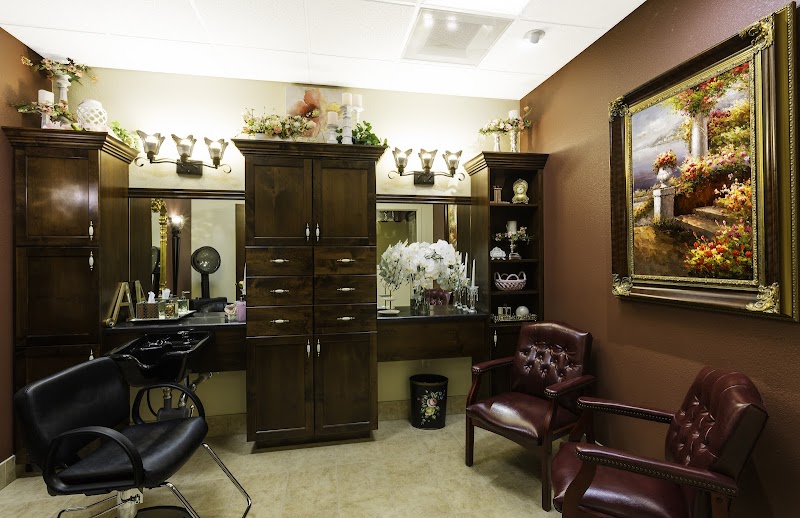
How is Advanced Health Care Of Reno Staffed?

CMS rates ADVANCED HEALTH CARE OF RENO's staffing level at 4 out of 5 stars, which is above average compared to other nursing homes. Staff turnover is 34%, compared to the Nevada average of 46%. This relatively stable workforce can support continuity of care.

What Have Inspectors Found at Advanced Health Care Of Reno?

State health inspectors documented 13 deficiencies at ADVANCED HEALTH CARE OF RENO during 2023 to 2024. These included: 13 with potential for harm.

Who Owns and Operates Advanced Health Care Of Reno?

ADVANCED HEALTH CARE OF RENO is owned by a for-profit company. For-profit facilities operate as businesses with obligations to shareholders or private owners. The facility is operated by ADVANCED HEALTH CARE, a chain that manages multiple nursing homes. With 42 certified beds and approximately 41 residents (about 98% occupancy), it is a smaller facility located in RENO, Nevada.

How Does Advanced Health Care Of Reno Compare to Other Nevada Nursing Homes?

Compared to the 100 nursing homes in Nevada, ADVANCED HEALTH CARE OF RENO's overall rating (5 stars) is above the state average of 3.0, staff turnover (34%) is significantly lower than the state average of 46%, and health inspection rating (5 stars) is much above the national benchmark.

What Should Families Ask When Visiting Advanced Health Care Of Reno?

Based on this facility's data, families visiting should ask: "Can I visit during a mealtime to observe dining assistance and food quality?" "How do you handle medical emergencies, and what is your hospital transfer rate?" "Can I speak with family members of current residents about their experience?"

Is Advanced Health Care Of Reno Safe?

Based on CMS inspection data, ADVANCED HEALTH CARE OF RENO has a clean safety record: no substantiated abuse findings (meaning no confirmed cases of resident harm), no Immediate Jeopardy citations (the most serious violation level indicating risk of serious injury or death), and is not on the Special Focus Facility watch list (a federal program monitoring the lowest-performing 1% of nursing homes). The facility has a 5-star overall rating and ranks #1 of 100 nursing homes in Nevada. While no facility is perfect, families should still ask about staff-to-resident ratios and recent inspection results during their visit.

Do Nurses at Advanced Health Care Of Reno Stick Around?

ADVANCED HEALTH CARE OF RENO has a staff turnover rate of 34%, which is about average for Nevada nursing homes (state average: 46%). Moderate turnover is common in nursing homes, but families should still ask about staff tenure and how the facility maintains care continuity when employees leave.

Was Advanced Health Care Of Reno Ever Fined?

ADVANCED HEALTH CARE OF RENO has no federal fines on record. CMS issues fines when nursing homes fail to meet care standards or don't correct problems found during inspections. The absence of fines suggests the facility has either maintained compliance or corrected any issues before penalties were assessed. This is a positive indicator, though families should still review recent inspection reports for the full picture.

Is Advanced Health Care Of Reno on Any Federal Watch List?

ADVANCED HEALTH CARE OF RENO is not on any federal watch list. The most significant is the Special Focus Facility (SFF) program, which identifies the bottom 1% of nursing homes nationally based on persistent, serious quality problems. Not being on this list means the facility has avoided the pattern of deficiencies that triggers enhanced federal oversight. This is a positive indicator, though families should still review the facility's inspection history directly.