ALTA SKILLED NURSING AND REHABILITATION CENTER
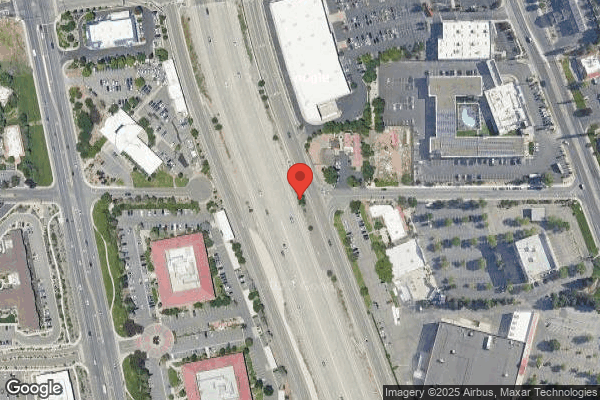
555 HAMMILL LANE, RENO, NV 89511 (775) 828-5600
For profit - Limited Liability company 180 Beds Independent Data: November 2025 1 Immediate Jeopardy citation
Trust Grade
18/100
#39 of 65 in NV
Last Inspection: May 2025

Inspected within the last 6 months. Data reflects current conditions.

Overview

Alta Skilled Nursing and Rehabilitation Center has received a Trust Grade of F, indicating significant concerns about the quality of care provided. Ranking #39 out of 65 facilities in Nevada places it in the bottom half, while its position as #2 out of 9 in Washoe County suggests that only one nearby option is better. The facility is improving, as the number of reported issues decreased from 26 in 2024 to 11 in 2025. However, staffing is only rated 3 out of 5, with a turnover rate of 43%, which is slightly below the state average. There have been concerning fines totaling $53,496, indicating compliance problems, and the facility has less RN coverage than 90% of state facilities, which means there may be fewer registered nurses available to catch potential issues. Specific incidents raise serious red flags; for example, one resident tragically passed away after the facility failed to monitor and assess their worsening condition, and there were reports of resident-to-resident abuse that went unaddressed. Additionally, another resident ingested hand sanitizer, leading to hospitalization for alcohol intoxication, highlighting gaps in care planning and monitoring. While there are some strengths, the overall picture suggests families should proceed with caution when considering this facility for their loved ones.

Trust Score
F
18/100
In Nevada
#39/65
Bottom 40%
Safety Record
High Risk
Review needed
Inspections
Getting Better
26 → 11 violations
Staff Stability
○ Average
43% turnover. Near Nevada's 48% average. Typical for the industry.
Penalties
○ Average
$53,496 in fines. Higher than 53% of Nevada facilities. Some compliance issues.
Skilled Nurses
⚠ Watch
Each resident gets only 24 minutes of Registered Nurse (RN) attention daily — below average for Nevada. Fewer RN minutes means fewer trained eyes watching for problems.
Violations
⚠ Watch
88 deficiencies on record. Higher than average. Multiple issues found across inspections.
★★☆☆☆
2.0
Overall Rating
★★★☆☆
3.0
Staff Levels
★★☆☆☆
2.0
Care Quality
★★☆☆☆
2.0
Inspection Score
Stable
2024: 26 issues
2025: 11 issues

The Good

  • Full Sprinkler Coverage · Fire safety systems throughout facility
  • No fines on record
  • Staff turnover below average (43%)

    5 points below Nevada average of 48%

Facility shows strength in fire safety.

The Bad

2-Star Overall Rating

Below Nevada average (3.0)

Below average - review inspection findings carefully

Staff Turnover: 43%

Near Nevada avg (46%)

Typical for the industry

Federal Fines: $53,496

Above median ($33,413)

Moderate penalties - review what triggered them

The Ugly 88 deficiencies on record

1 life-threatening 2 actual harm
May 2025 10 deficiencies
CONCERN (D)

Potential for Harm - no one hurt, but risky conditions existed

Comprehensive Care Plan (Tag F0656)

Could have caused harm · This affected 1 resident

**NOTE- TERMS IN BRACKETS HAVE BEEN EDITED TO PROTECT CONFIDENTIALITY** Based on observation, interview, clinical record review, and document review, the facility failed to ensure a resident's Care Pl...

Read full inspector narrative →
**NOTE- TERMS IN BRACKETS HAVE BEEN EDITED TO PROTECT CONFIDENTIALITY** Based on observation, interview, clinical record review, and document review, the facility failed to ensure a resident's Care Plan was integrated with the hospice plan of care and included a care plan addressing the resident's wound care for 1 of 32 sampled residents (Resident #19). This deficient practice had the potential to result in staff caring for the resident not being aware of the care to be provided to the resident by hospice staff versus care to be provided by facility staff leading to a potential decline in the quality of care the resident received in the facility and the resident not receiving wound care as ordered. Findings include: Resident #19 Resident #19 was admitted to the facility on [DATE], with diagnoses including encounter for palliative care and abnormal findings on diagnostic imaging of other specified body structures. On 05/12/2025 at 2:12 PM, the representative for Resident #19 verbalized the resident had a large mass on the resident's breast and the mass had begun tunnelling and now required wound care. The representative verbalized the resident was on hospice and hospice was providing the resident's wound care. A Hospice Visit Note, dated 05/05/2025, documented the dressing was removed from the lateral wound bed. The wound was actively bleeding. Topical treatment was applied per wound care protocol. On 05/14/2025 at 3:48 PM, the Registered Nurse (RN) for Resident #19 verbalized the resident did not have an order for wound care or a care plan addressing wound care but the resident was on hospice and the hospice agency was managing the resident's wound. On 05/15/2025 at 8:46 AM, the Unit Manager confirmed the resident did not have a care plan for the wound care provided by the hospice agency. On 05/15/2025 at 8:58 AM, the Director of Nursing verbalized a resident's wound care should have been ordered in the facility's electronic health record and the Care Plan should have been integrated with the hospice plan of care and include the wound care provided by the hospice agency. The facility policy titled Care Plans, Comprehensive Person-Centered, adopted 02/01/2019, documented a comprehensive, person-centered care plan would be developed and implemented for each resident. The comprehensive, person-centered care plan would incorporate identified problem areas, reflect treatment goals, identify the professional services responsible for each element of care, and reflect currently recognized standards of practice for problem areas and conditions. Cross reference with tags F684 and F849
CONCERN (D)

Potential for Harm - no one hurt, but risky conditions existed

Deficiency F0657 (Tag F0657)

Could have caused harm · This affected 1 resident

**NOTE- TERMS IN BRACKETS HAVE BEEN EDITED TO PROTECT CONFIDENTIALITY** Based on observation, interview, clinical record review, and document review, the facility failed to ensure resident's care plan...

Read full inspector narrative →
**NOTE- TERMS IN BRACKETS HAVE BEEN EDITED TO PROTECT CONFIDENTIALITY** Based on observation, interview, clinical record review, and document review, the facility failed to ensure resident's care plans were updated to include a resident's need for an appointment with a neurologist due to an increase in the resident's tremors from Parkinson's disease and a resident's continued habit of smoking and storing smoking paraphernalia in the resident's room for 2 of 32 residents (Resident #25 and #13). This deficient practice had the potential to result in staff not being aware of a resident's need for an appointment with a specialist physician to address a resident's medical needs and staff not being aware of the need to continue to assess a resident for safety concerns related to the resident smoking independently and keeping smoking paraphernalia in the resident's room. Findings include: Resident #25 Resident #25 was admitted to the facility on [DATE], and readmitted on [DATE], with diagnoses including Parkinson's disease without dyskinesia, without mention of fluctuations and multiple sclerosis. On 05/12/2025 at 1:16 PM, the representative for Resident #25 verbalized the resident needed to see a neurologist to adjust the resident's medications. The representative verbalized the representative had requested an appointment for the resident at each care conference the representative had attended over the last several months. The representative verbalized the staff at the care conference agreed with the need for the resident to see a neurologist, but the facility had not yet made the resident an appointment. A Physician's Order for Resident #25, dated 03/20/2025, documented appointment request: needs neurology appointment for noted increase in tremors related to a diagnosis of Parkinson's disease. The Care Plan for Resident #25 did not include a care plan revision regarding the resident's symptoms of increased tremors or the need to schedule an appointment with a neurologist. On 05/15/2025 at 11:37 AM, the Director of Nursing (DON) and the Unit Manager explained the facility had utilized verbal communication regarding the status of the resident's neurology appointment and confirmed the resident did not yet have an appointment scheduled and the appointment request had not yet been sent to all neurologist offices in the area. Resident #13 Resident #13 was admitted to the facility on [DATE], with diagnoses including tobacco use and hemiplegia and hemiparesis following cerebral infarction affecting right dominant side. On 05/12/2025 at 12:03 PM, Resident #13 returned to the resident's room and smelled strongly of tobacco smoke. The resident confirmed the resident had returned from outside of the facility and the resident was allowed to go outside of the facility to smoke. On 05/13/2025 at 7:35 AM and on 05/14/2025 at 7:05 AM, Resident #13 was observed in the resident's wheelchair smoking in a parking lot adjacent to the facility's parking lot. On 05/14/2025 at 11:23 AM, the Certified Nursing Assistant (CNA) for Resident #13 verbalized the CNA would assist Resident #13 to get out of bed and into the resident's wheelchair to go outside to smoke but the CNA did not know where the resident kept the resident's cigarettes and smoking paraphernalia. On 05/14/2025 at 11:24 AM, the Licensed Practical Nurse (LPN) for Resident #13 verbalized the LPN did not know where the resident's cigarettes were stored. On 05/14/2025 at 11:34 AM, Resident #13 verbalized the resident kept the resident's cigarettes and lighter in the resident's bed side table when not on the resident's person. The Care Plan for Resident #13 documented the resident had a history of Nicotine use and was last revised on 07/23/2024. The care plan did not address the resident's continued use of nicotine or a plan to ensure the safe storage and use of the resident's smoking paraphernalia. On 05/14/2025 at 1:56 PM, the DON verbalized the facility did not care plan interventions to ensure a resident was safe when smoking off facility property but would only care plan to remind the resident of the facility's no smoking policy. The facility policy titled, Care Plans, Comprehensive Person-Centered, adopted 02/01/2019, documented the Care Plan would describe the services to be furnished to attain or maintain the resident's highest practicable physical, mental, and psychosocial well-being and incorporate the resident's identified problem areas and risk factors associated with identified problems. Cross reference with tags F658 and F684
CONCERN (D)

Potential for Harm - no one hurt, but risky conditions existed

Deficiency F0658 (Tag F0658)

Could have caused harm · This affected 1 resident

**NOTE- TERMS IN BRACKETS HAVE BEEN EDITED TO PROTECT CONFIDENTIALITY** Based on observation, interview, clinical record review, and document review, the facility failed to ensure a resident's physici...

Read full inspector narrative →
**NOTE- TERMS IN BRACKETS HAVE BEEN EDITED TO PROTECT CONFIDENTIALITY** Based on observation, interview, clinical record review, and document review, the facility failed to ensure a resident's physician order for a neurologist referral due to an increase in the resident's tremors from Parkinson's disease was acted on in a timely manner and monitored for completeness by clinical leadership for 1 of 32 sampled residents (Resident #25). This deficient practice had the potential to result in a resident's symptoms not being managed timely and causing a resident unnecessary discomfort and decreased quality of life from a delay in care. Findings include: Resident #25 Resident #25 was admitted to the facility on [DATE], and readmitted on [DATE], with diagnoses including Parkinson's disease without dyskinesia, without mention of fluctuations and multiple sclerosis. On 05/12/2025 at 1:16 PM, the representative for Resident #25 verbalized the resident needed to see a neurologist to adjust the resident's medications. The representative verbalized the representative had requested an appointment for the resident at each care conference the representative had attended over the last several months. The representative verbalized the staff at the care conference agreed with the need for the resident to see a neurologist, but the facility had not yet made the resident an appointment. A Care Conference note, dated 02/21/2025, documented a request for neurology follow up. A Progress Note, dated 02/27/2025, documented the referral for neurology was rewritten. The neurologist Resident #25 used to see no longer took the resident's insurance. The referral would be faxed to multiple offices. A Physician's Order for Resident #25, dated 03/20/2025, documented appointment request: needs neurology appointment for noted increase in tremors related to a diagnosis of Parkinson's disease. The Care Plan for Resident #25 did not include a care plan revision regarding the resident's symptoms of increased tremors or the need to schedule an appointment with a neurologist. The following referrals were documented: - A referral sent to the resident's previous neurologist on 10/31/2024. The faxed response from the neurologist's office documented the office was not contracted with the resident's insurance plan. - A referral was again sent to the resident's previous neurologist on 02/25/2025. The faxed response from the neurologist's office documented the patient had not been seen at the office since 2021. The office was not contracted with the resident's health plan. The office could not see the patient. On 05/14/2025 at 4:14 PM, the Unit Manager (UM) verbalized the resident's representative had requested for the resident to see the resident's previous neurologist, but the resident's previous neurologist no longer accepted the resident's insurance. The UM verbalized Transportation Services was responsible for coordinating resident referrals and appointments. On 05/15/2025 at 11:11 AM, a Transportation Coordinator (TC) verbalized a referral had been sent to Resident #25's previous neurologist on 10/31/2024 and again on 02/25/2025. The TC confirmed the referral had not been sent to any other neurologists in the area. The TC explained the information to make a referral was communicated to the TC through a spreadsheet and the information on the spreadsheet was entered by the nursing staff. The TC verbalized the information for Resident #25's referral documented to send the referral to a specific neurologist's office and the referrals were sent to the same neurologist's office in both October and February and had not been sent to other neurologist offices. On 05/15/2025 at 11:37 AM, the Director of Nursing (DON) and the UM explained the facility had utilized verbal communication regarding the status of the resident's neurology appointment and confirmed the resident did not yet have an appointment scheduled and the appointment request had not yet been sent to all neurologist offices in the area. The DON explained the TCs were not part of the care conferences, and the DON would ask the TCs about the resident's appointment status and had been told the TCs were unable to find an office to accept the resident's insurance. The DON confirmed the DON did not review the TC's spreadsheet to ensure referrals were sent appropriately and the physician order for the referral was not for a specific neurology office. The facility policy titled, Referrals, adopted 02/01/2019, documented the facility would coordinate resident referrals. Facility staff would help arrange transportation to appointments. Referrals for medical services would be based on physician evaluation of resident need and a related physician order. Cross reference with tags F657 and F684
CONCERN (D)

Potential for Harm - no one hurt, but risky conditions existed

Quality of Care (Tag F0684)

Could have caused harm · This affected 1 resident

**NOTE- TERMS IN BRACKETS HAVE BEEN EDITED TO PROTECT CONFIDENTIALITY** Based on observation, interview, clinical record review, and document review, the facility failed to ensure a resident's symptom...

Read full inspector narrative →
**NOTE- TERMS IN BRACKETS HAVE BEEN EDITED TO PROTECT CONFIDENTIALITY** Based on observation, interview, clinical record review, and document review, the facility failed to ensure a resident's symptoms of increased tremors was managed timely per the physician's order to make a referral to a neurologist and a resident's wound was monitored by the facility and the facility had an order and care plan to address the facility's role in providing care for the resident's wound for 2 of 32 sampled residents (Resident #25 and #19). This deficient practice had the potential to result in a resident experiencing increased physical discomfort due to not receiving a timely appointment with a specialist physician as ordered and a resident's wound not receiving necessary care and potentially worsening without the facility's knowledge. Findings include: Resident #25 Resident #25 was admitted to the facility on [DATE], and readmitted on [DATE], with diagnoses including Parkinson's disease without dyskinesia, without mention of fluctuations and multiple sclerosis. On 05/12/2025 at 1:16 PM, the representative for Resident #25 verbalized the resident needed to see a neurologist to adjust the resident's medications because the resident was having increased tremors. The representative verbalized the representative had requested an appointment for the resident at each care conference the representative had attended over the last several months. The representative verbalized the staff at the care conference agreed with the need for the resident to see a neurologist, but the facility had not yet made the resident an appointment. A Care Conference note, dated 02/21/2025, documented a request for neurology follow up. A Progress Note, dated 02/27/2025, documented the referral for neurology was rewritten. The provider Resident #25 used to see no longer took the resident's insurance. The referral would be faxed to multiple offices. A Physician's Order for Resident #25, dated 03/20/2025, documented appointment request: needs neurology appointment for noted increase in tremors related to a diagnosis of Parkinson's disease. The Care Plan for Resident #25 did not include a care plan revision regarding the resident's symptoms of increased tremors or the need to schedule an appointment with a neurologist. The following referrals were documented: - A referral sent to the resident's previous neurologist on 10/31/2024. The faxed response from the neurologist's office documented the office was not contracted with the resident's insurance plan. - A referral was again sent to the resident's previous neurologist on 02/25/2025. The faxed response from the neurologist's office documented the patient had not been seen at the office since 2021. The office was not contracted with the resident's health plan. The office could not see the patient. On 05/14/2025 at 4:14 PM, the Unit Manager (UM) verbalized the resident's representative had requested for the resident to see the resident's previous neurologist, but the resident's previous neurologist no longer accepted the resident's insurance. The UM verbalized Transportation Services was responsible for coordinating resident referrals and appointments. On 05/15/2025 at 11:11 AM, a Transportation Coordinator (TC) verbalized a referral had been sent to Resident #25's previous neurologist on 10/31/2024 and again on 02/25/2025. The TC confirmed the referral had not been sent to any other neurologists in the area. The TC explained the information to make a referral is communicated to the TC through a spreadsheet and the information on the spreadsheet is entered by the nursing staff. The TC verbalized the information for Resident #25's referral documented to send the referral to a specific neurologist's office and the referrals were sent to the same neurologist's office in both October and February and had not been sent to other neurologist offices. On 05/15/2025 at 11:37 AM, the Director of Nursing (DON) and the UM explained the facility had utilized verbal communication regarding the status of the resident's neurology appointment and confirmed the resident did not yet have an appointment scheduled and the appointment request had not yet been sent to all neurologist offices in the area. The DON explained the TCs were not part of the care conferences, and the DON would ask the TCs about the resident's appointment status and had been told the TCs were unable to find an office to accept the resident's insurance. The DON confirmed the DON did not review the TC's spreadsheet to ensure referrals were sent appropriately and the physician order for the referral was not for a specific neurology office. The facility policy titled, Referrals, adopted 02/01/2019, documented the facility would coordinate resident referrals. Facility staff would help arrange transportation to appointments. Referrals for medical services would be based on physician evaluation of resident need and a related physician order. Resident #19 Resident #19 was admitted to the facility on [DATE], with diagnoses including encounter for palliative care and abnormal findings on diagnostic imaging of other specified body structures. On 05/12/2025 at 2:12 PM, the representative for Resident #19 verbalized the resident had a large mass on the resident's breast and the mass had begun tunnelling and now required wound care. The representative verbalized the resident was on hospice and hospice was providing the resident's wound care. A Hospice Certification, dated 03/27/2025, documented the resident had a non-healing right breast wound with underlying mass. A Hospice Visit Note, dated 05/05/2025, documented the dressing was removed from the lateral wound bed. The wound was actively bleeding. Topical treatment was applied per wound care protocol. On 05/14/2025 at 3:48 PM, the Registered Nurse (RN) for Resident #19 verbalized the resident did not have an order for wound care or a care plan addressing wound care but the resident was on hospice and the hospice agency was managing the resident's wound. On 05/15/2025 at 8:46 AM, the UM confirmed the resident did not have a care plan for the wound care provided by the hospice agency. On 05/15/2025 at 8:58 AM, the DON verbalized a resident's wound care should have been ordered in the facility's electronic health record and the Care Plan should have been integrated with the hospice plan of care and include the wound care to be provided by the hospice agency and the responsibilities of facility staff in managing the wound. The facility policy titled Skin and Wound Management, revised 03/03/2025, documented the facility would develop and use care planning protocols and interventions would be implemented based on the resident's assessment. All wound care protcols would be reviewed by the medical director. Cross reference with tags F656, F657, F658, and F849.
CONCERN (D)

Potential for Harm - no one hurt, but risky conditions existed

Pressure Ulcer Prevention (Tag F0686)

Could have caused harm · This affected 1 resident

**NOTE- TERMS IN BRACKETS HAVE BEEN EDITED TO PROTECT CONFIDENTIALITY** Based on observation, interview, clinical record review, and document review, the facility failed to ensure 1) a resident determ...

Read full inspector narrative →
**NOTE- TERMS IN BRACKETS HAVE BEEN EDITED TO PROTECT CONFIDENTIALITY** Based on observation, interview, clinical record review, and document review, the facility failed to ensure 1) a resident determined to be at risk for pressure injury did not develop a pressure injury, and 2) a resident received wound care per physician orders and the facility policy for 1 of 32 sampled residents (Resident #3). The deficient practices had the potential to place the resident at risk for delayed wound healing and infection. Findings include: Resident #3 Resident #3 was admitted to the facility on [DATE], with diagnoses including adult failure to thrive, long term use of anticoagulants, unspecified sequelae of cerebral infarction, and chronic kidney disease, stage III, unspecified. The admission Braden Scale for Predicting Pressure Score Risk assessment dated [DATE], documented Resident #3 did not have a skin impairment and was at risk for pressure-related skin impairment due to shear friction and bed confinement. A care plan with an initiation date of 01/21/2025, documented Resident #3 was at risk for skin pressure injury formation. Interventions included keeping the resident as clean and dry as possible, provide peri care after incontinent episodes, and a Licensed Nurse to perform weekly skin checks. A Skin/Wound Progress Note dated 02/25/2025, documented Resident #3 was evaluated by the Wound Care Nurse to have a Stage III pressure injury (a skin injury developed from pressure over an area or bony prominence which involves full thickness skin tissue loss) to the coccyx area measuring 1.2 centimeters (cm) in length by 1.0 cm in width and was unable to determine the depth. The coccyx pressure injury was initially observed on 02/24/2025, after a post shower skin check. A care plan with an initiation date of 02/25/2025, documented Resident #3 had a coccyx pressure injury related to decreased mobility. Interventions included administer treatments as ordered and monitor for effectiveness. Resident #3's physician order dated 02/25/2025, and discontinued on 04/17/2025, documented to cleanse coccyx pressure injury with normal saline, pat dry with gauze, apply skin prep to peri wound, allow to air dry and cover with silicone bordered dressing every day shift and as needed (PRN) every 24 hours for soiled/dislodgement. Resident #3's physician order dated 04/18/2025, documented to cleanse coccyx pressure injury with normal saline, pat dry with gauze, apply medi-honey, followed by zinc oxide and leave open to air every shift and PRN every 24 hours for soiled/dislodgement. A Wound Care Treatment Administration Record (TAR) dated April 2025, lacked documented evidence wound care was provided to the coccyx wound on the following dates and shifts: 04/17/2025: all shifts blank 04/18/2025: evening shift blank 04/20/2025: all shifts blank 04/21/2025: evening shift blank 04/22/2025: evening shift blank 04/23/2025: all shifts blank 04/24/2025: evening shift blank 04/26/2025: day and evening shifts blank 04/27/2025: all shifts blank 04/28/2025: evening shift blank 04/29/2025: evening shift blank 04/30/2025: evening and night shifts blank A Wound Care TAR dated May 2025, lacked documented evidence wound care was provided to the coccyx wound on the following dates and shifts: 05/01/2025: evening and night shifts blank 05/02/2025: evening and night shifts blank 05/03/2025: evening shift blank 05/04/2025: all shifts blank 05/05/2025: evening shift blank 05/06/2025: evening and night shift blank 05/07/2025: night shift blank 05/08/2025: evening shift blank 05/09/2025: evening shift blank 05/10/2025: evening shift blank 05/11/2025: all shifts blank 05/12/2025: evening shift blank On 05/13/2025 at 4:16 PM, the Director of Nursing (DON) confirmed Resident #3's pressure injury was identified on 02/24/2025. The DON confirmed Resident #3's current wound care order and explained the order was not written correctly as the wound care would not occur each shift of each day. The DON confirmed Resident #3's Wound Care TAR was left blank on several dates in April and May of 2025, and the blanks indicated the wound care was not completed on those dates. The DON confirmed wound care was not provided as the physician had ordered and expected nursing to follow physician orders as written. On 05/14/2025 at 8:14 AM, the Wound Care Nurse confirmed Resident #3's current wound care orders for a facility acquired Stage III coccyx wound was first observed on 02/24/2025, after a shower skin check. Residents received a skin check on the assigned shower days and was performed by a Certified Nursing Assistant, who would then notify the nurse of any skin changes. The coccyx wound/pressure injury was not identified prior to 02/24/2025, when it was assessed as a Stage III. The Wound Care Nurse explained writing the wound care order and had thought it was written for daily wound care and every shift wound observation. The Wound Care Nurse confirmed Resident #3's wound care was not provided every shift as written by the provider for several dates in April and May 2025. The facility policy titled Prevention of Pressure Ulcers/Injuries, adopted 02/01/2019, documented the resident's skin would be inspected daily when performing or assisting with personal care. Identify any signs of developing pressure injuries and inspect pressure points such as sacrum, heels, buttocks, coccyx, elbow, etc). Prevention included following the plan of care and identified interventions. Monitoring included evaluating, reporting, and documenting potential skin changes. The facility policy titled Skin and Wound Management, adopted 02/01/2019, documented any resident who entered the facility without pressure ulcers would have appropriate preventive measures taken to ensure the resident did not develop pressure ulcers. The Physician was notified of the development of pressure ulcers and treatment would be initiated as ordered. The wound treatment nurse would audit the orders weekly with the DON or Unit Manager Nurse. Treatment record reviews would be conducted to ensure the administration of treatments as prescribed.
CONCERN (D)

Potential for Harm - no one hurt, but risky conditions existed

Tube Feeding (Tag F0693)

Could have caused harm · This affected 1 resident

**NOTE- TERMS IN BRACKETS HAVE BEEN EDITED TO PROTECT CONFIDENTIALITY** Based on observation, interview, clinical record review, and document review the facility failed to ensure a resident's gastric ...

Read full inspector narrative →
**NOTE- TERMS IN BRACKETS HAVE BEEN EDITED TO PROTECT CONFIDENTIALITY** Based on observation, interview, clinical record review, and document review the facility failed to ensure a resident's gastric residual volume (the amount of fluid remaining in the stomach) was checked prior to administration of a medication via the resident's gastrostomy tube (a feeding tube providing a direct path to the stomach for delivering nutrition, fluids, and medications) (G-tube) for 1 of 32 sampled residents (Resident #84). This deficient practice had the potential for delayed gastric emptying to not be recognized in a resident with the potential to result in aspiration pneumonia (a type of lung infection due to inhaling substances into the lungs). Findings include: Resident #84 Resident #84 was admitted to the facility on [DATE], and readmitted on [DATE], with diagnoses including dysphagia, oropharyngeal phase, gastroparesis, and gastrostomy status. On 05/12/2024 at 11:23 AM, Resident #84 was resting in bed and had a tube feeding pump administering formula to a G-tube. A Physician's Order for Resident #84, dated 02/20/2023, documented to check for residual prior to administration of water, medications, and formula through the G-tube. A Physician's order for Resident #84, dated 02/20/2023, documented levetiracetam solution 100 milligrams (mg) per milliliter (ml) give 5 ml via G-tube three times a day. On 05/13/2025 at 1:57 PM, the Licensed Practical Nurse (LPN) for Resident #84 administered the levetiracetam via the resident's G-tube but did not check residual prior to administration. On 05/13/2025 at 2:00 PM, the LPN confirmed the LPN had not checked residual prior to administration of the medication and residual should have been checked prior to administering medication via the G-tube. On 05/13/2025 at 2:52 PM, the Director of Nursing (DON) verbalized residual should be checked prior to administering anything through a G-tube to ensure the G-tube is patent and had the appropriate placement. The facility policy titled, Enteral Feedings - Safety Precautions, adopted 02/01/2019, documented to prevent aspiration enteral tube placement would be checked prior to administration of medication and gastric residual volume would be checked as ordered.
CONCERN (D)

Potential for Harm - no one hurt, but risky conditions existed

Pharmacy Services (Tag F0755)

Could have caused harm · This affected 1 resident

**NOTE- TERMS IN BRACKETS HAVE BEEN EDITED TO PROTECT CONFIDENTIALITY** Based on observation, interview, clinical record review, and document review, the facility failed to ensure there were no discre...

Read full inspector narrative →
**NOTE- TERMS IN BRACKETS HAVE BEEN EDITED TO PROTECT CONFIDENTIALITY** Based on observation, interview, clinical record review, and document review, the facility failed to ensure there were no discrepancies between a resident's available medications and the resident's medication orders and medication administration record (MAR) for 1 of 32 sampled residents (Resident #19). This deficient practice had the potential to result in a resident not receiving medications the resident could have potentially needed to alleviate symptoms of anxiety, agitation, restlessness, nausea, and vomiting. Findings include: Resident #19 Resident #19 was admitted to the facility on [DATE], with diagnoses including anxiety disorder, unspecified and encounter for palliative care. On 05/15/2025 at 8:30 AM, during a review of Resident #19's medications with the resident's Registered Nurse (RN) the resident had a 30 milliliter (ml) bottle of lorazepam 2 milligrams (mg) per ml concentration located in the medication storage room. The label documented the medication had been prescribed for Resident #19 with the direction to administer 0.25 ml under the tongue every 30 minutes as needed for anxiety, agitation, and/or restlessness. The RN verbalized the medication had been delivered to the facility from the pharmacy used by the resident's hospice agency. The RN confirmed the facility's electronic health record did not include an order for the lorazepam and the medication was not listed on the resident's MAR. The Order Review History Report for Resident #19 documented an order for C-PDR 25/2/10 mg cream, apply 1 ml to skin every six hours as needed for nausea or vomiting (part of comfort package of hospice). On 08/15/2025 at 8:34 AM, the RN for Resident #19 verbalized the facility did not have the C-PDR cream for Resident #19. On 05/15/2025 at 8:41AM, the Director of Nursing (DON) verbalized all medications ordered for a resident should have been available in the facility. The facility policy titled Medication Orders, adopted 02/01/2019, documented the facility would establish uniform guidelines in the receiving and recording of medication orders. A current list of orders would be maintained in the clinical record for each resident. A Pharmacy Services Contract Amendment, dated 12/22/2021, documented the standard services included monthly visits by a Consultant Pharmacist to conduct a medication regimen review for each resident. The facility staff would provide the Consultant Pharmacist with access to medication storage areas, including those secured or locked areas. Cross reference with tag F849
CONCERN (D)

Potential for Harm - no one hurt, but risky conditions existed

Deficiency F0761 (Tag F0761)

Could have caused harm · This affected 1 resident

**NOTE- TERMS IN BRACKETS HAVE BEEN EDITED TO PROTECT CONFIDENTIALITY** Based on observation, interview, and document review, the facility failed to ensure an unattended medication cart was not left u...

Read full inspector narrative →
**NOTE- TERMS IN BRACKETS HAVE BEEN EDITED TO PROTECT CONFIDENTIALITY** Based on observation, interview, and document review, the facility failed to ensure an unattended medication cart was not left unlocked with the keys to the medication cart on top of the cart for 1 of 1 medication carts in use on the 300 hall. This deficient practice had the potential to result in facility residents accessing and ingesting medications with the potential for severe or lethal consequences and unauthorized individuals having access to resident's medications. Findings include: On 05/14/2025 at 7:22 AM, a medication cart was against the wall in the 300 hall, next to room [ROOM NUMBER], with the drawers facing the hallway. The medication cart was unlocked, and the medication cart keys were on top of the cart. There were no staff members in sight of the cart. On 05/14/2025 at 7:24 AM, a Registered Nurse (RN) came out of room [ROOM NUMBER] and confirmed the medication cart had been left unlocked with the keys for the medication cart on top of the cart while the cart was unattended and out of sight. On 05/14/2025 at 1:55 PM, the Director of Nursing verbalized the correct procedure for leaving a medication cart unattended was for the medication cart to be locked and the medication cart keys would always be with the nurse. The facility policy titled Storage of Medications, adopted 02/01/2019, documented the nursing staff would be responsible for maintaining medication storage in a safe manner. Compartments including drawers and carts, containing drugs and biologicals would be locked when not in use, and carts used to transport such items would not be left unattended if open or otherwise potentially available to others. Only persons authorized to prepare and administer medications would have access to the medication room, including any keys.
CONCERN (D)

Potential for Harm - no one hurt, but risky conditions existed

Deficiency F0849 (Tag F0849)

Could have caused harm · This affected 1 resident

**NOTE- TERMS IN BRACKETS HAVE BEEN EDITED TO PROTECT CONFIDENTIALITY** Based on observation, interview, clinical record review, and document review, the facility failed to ensure the facility coordin...

Read full inspector narrative →
**NOTE- TERMS IN BRACKETS HAVE BEEN EDITED TO PROTECT CONFIDENTIALITY** Based on observation, interview, clinical record review, and document review, the facility failed to ensure the facility coordinated care and services with a hospice agency providing care and medications to a resident residing in the facility for 1 of 32 sampled residents (Resident #19). This deficient practice had the potential to result in a resident not receiving care or medications as ordered due to a lack of coordination and communication between the facility and hospice agency with the potential for the resident to suffer neglect or end-of-life symptoms not managed by facility staff. Findings include: Resident #19 Resident #19 was admitted to the facility on [DATE], with diagnoses including encounter for palliative care and anxiety disorder, unspecified. On 05/12/2025 at 2:12 PM, the representative for Resident #19 verbalized the resident had a large mass on the resident's breast and the mass was tunnelling. The representative verbalized the resident was on hospice and the hospice staff were caring for the resident's wound. A Nursing Visit Record from the hospice agency, dated 05/09/2025, documented initial visit of the week. Wound care was performed on the right breast. Upon removal of the dressing, dried sanguineous (containing blood) drainage was noted, and the site began to bleed slightly. Wound edges were macerated (a softening and breaking down of skin resulting from prolonged exposure to moisture). The area was cleansed with a wound cleanser and Medihoney (a medical-grade, honey-based wound care dressing) was applied. The dressing was replaced. According to the facility Registered Nurse (RN) the resident received a bath from the Certified Nursing Assistant (CNA), but the resident and the CNA visit log deny resident received a bath. The hospice agency's Wound Care Plan, dated 05/09/2025, documented the following: - Cleanser: Normal saline and wound cleanser. - Dressing: Foam. - Frequency of dressing change: Every two to three days. Two times a week or as needed if soiled. - Additional measures, teaching, and details: The facility RNs would facilitate. An Interdisciplinary Group Meeting Document from the hospice agency, dated 05/07/2025, and signed by the hospice physician documented the resident was declining as evidenced by a non-healing wound on the right breast. The Physician Orders located in the facility's Electronic Health Record (EHR) did not include an order for wound care. Physician Orders located in the facility's EHR included the following discrepancies when compared with the orders from the contracted hospice agency: - The facility EHR included an order for metronidazole oral tablet 500 milligrams (mg), apply to right breast topically every 24 hours as needed for right breast wound crush and mix with saline and apply to wound bed every day. The start date for the order was 04/30/2025. - The hospice agency's list of Active Medications included metronidazole 375 mg, dissolve one capsule to the affected area as directed as needed. Mix the capsule with saline to put onto wound bed of right breast. The start date for the order was 04/25/2025. - The facility EHR included an order for pravastatin sodium tablet 40 mg, give one tablet by mouth at bedtime. The start date for the medication was 04/17/2025. - The hospice agency's list of Active Medications did not include an order for pravastatin. - The facility EHR did not include an order for lorazepam. - The hospice agency's list of Active Medications included lorazepam 2 mg/milliliter (ml) concentrate, take 0.25 ml by mouth every 30 minutes as needed. Give 0.25 ml under the tongue every 30 minutes as needed for anxiety, agitation, and/or restlessness. The facility EHR and the hospice agency's list of Active Medications documented an order for PDR cream, apply one pump to skin every six hours as needed for nausea and vomiting. The facility's Care Plan for Resident #19 did not include a care plan for the resident's wound care or the use of lorazepam and PDR cream to manage the resident's symptoms. On 05/14/2025 at 3:48 PM, an RN for the resident verbalized the resident was on hospice. The RN verbalized there were no wound care orders or wound care plans in the facility's electronic health record. On 05/15/2025 at 8:00 AM, the RN Case Manager (CM) for Resident #19 from the contracted hospice agency confirmed the metronidazole dosage ordered by the hospice agency did not match the dosage ordered by the facility and the hospice list of active medications included lorazepam but did not include pravastatin. The RNCM verbalized the RNCM completed wound care for Resident #19 at each visit and the dressing in place at the start of each visit was the same dressing applied by the RNCM at the last visit. The RNCM explained the RNCM would always ask the facility nurse if the resident needed any medications but did not look at the medications available or count the medications available with the facility nurse. On 05/15/2025 at 8:30 AM, medications for Resident #19 were reviewed with the resident's RN. The resident's medications included metronidazole 500 mg capsules, pravastatin 40 mg tablets, and a 30 ml bottle of lorazepam 2 mg/ml. The medications for Resident #19 did not include a tube of PDR cream. The resident's RN confirmed the facility did not have PDR cream available, the metronidazole order did not match the hospice order, the hospice orders did not include pravastatin, and the facility did not have an order for the lorazepam. On 05/15/2025 at 8:41 AM, the Director of Nursing (DON) verbalized the facility staff should have reconciled medications, care plans, and orders with the contracted hospice agency. The DON verbalized the facility did not have a hospice coordinator. On 05/15/2025 at 8:46 AM, the Unit Manager (UM) verbalized hospice agencies sent new orders to the medical records department and medical records would notify nursing of new orders. The UM confirmed the facility did not have a care plan for the resident's wound. The facility policy titled Hospice Program, adopted 02/01/2019, documented it was the responsibility of the facility to meet the resident's personal care and nursing needs in coordination with the hospice representative and ensure the level of care provided was appropriately based on the individual resident's needs. These included administering prescribed therapies, including those therapies determined appropriate by the hospice and delineated in the hospice plan of care. The facility had designated the DON to coordinate care provided to the resident by the facility staff and the hospice staff. The DON would be responsible for collaborating with hospice representatives and coordinating facility staff participation in the hospice care planning process for residents receiving those services. Ensuring quality of care for the resident, ensuring the facility communicated with the hospice medical director, the resident's attending physician, and other practitioners participating in the provision of care to the resident. The DON would obtain hospice medication information specific to the resident and any orders specific to the resident. Coordinated care plans for residents receiving hospice services would include the most recent hospice plan of care as well as the care and services provided by the facility. Cross reference with tags F656, F684, F755
CONCERN (D)

Potential for Harm - no one hurt, but risky conditions existed

Infection Control (Tag F0880)

Could have caused harm · This affected 1 resident

**NOTE- TERMS IN BRACKETS HAVE BEEN EDITED TO PROTECT CONFIDENTIALITY** Based on observation, interview and document review the facility failed to ensure a staff member conducted hand hygiene prior to...

Read full inspector narrative →
**NOTE- TERMS IN BRACKETS HAVE BEEN EDITED TO PROTECT CONFIDENTIALITY** Based on observation, interview and document review the facility failed to ensure a staff member conducted hand hygiene prior to entering a room on enhanced barrier precautions (EBP) for 1 of 44 rooms on EBP and for 1 of 32 sampled residents (Resident #73). This deficient practice had the potential to affect the resident population. Findings include: Resident #73 Resident #73 was admitted to the facility on [DATE], with diagnoses including extended-spectrum beta-lactamase (ESBL) resistance and urinary tract infection (UTI), site not specified. A physician's order dated 05/12/2025, documented EBP for ESBL in urine, every shift. On 05/14/2025 at 8:11 AM, a Certified Nursing Assistant (CNA) entered room [ROOM NUMBER] without having used alcohol-based hand rub (ABHR) or having washed hands. A sign outside the door identified the room as having been on EBP. ABHR was in a dispenser hanging on the wall outside the room. On 05/14/2025 at 8:12 AM, the CNA confirmed not having used ABHR or washing hands prior to entering room [ROOM NUMBER] to assist Resident #73 with the resident's meal tray but should have as the resident had been on EBP due to a UTI. The CNA verbalized having forgotten to use ABHR before entering the room. On 05/14/2025 at 8:16 AM, a Registered Nurse (RN) confirmed having observed the CNA enter room [ROOM NUMBER] without performing proper hand hygiene. The RN confirmed Resident #73 had been on EBP due to ESBL in the urine. On 05/14/2025 at 10:36 AM, the Administrator confirmed the CNA should have performed hand hygiene prior to entering a room on EBP. The facility policy titled, Enhanced Barrier Precautions (EBP), updated 03/21/2024, documented every person entering a room on EBP must clean hands with ABHR prior to entering the room. The Center for Disease Control and Prevention (CDC) defined EBP as an infection control intervention designed to reduce transmission of multidrug-resistant organisms (MDROs) in nursing homes. An example of a MDRO is ESBL. The focus is on the use of gown and gloves and adherence to other recommended infection prevention practices including performing hand hygiene.
Feb 2025 1 deficiency
CONCERN (D) 📢 Someone Reported This

A family member, employee, or ombudsman was alarmed enough to file a formal complaint

Potential for Harm - no one hurt, but risky conditions existed

Deficiency F0761 (Tag F0761)

Could have caused harm · This affected 1 resident

Based on observation, interview, and document review, the facility failed to ensure a wound cart and medication cart containing resident medications was secure. The deficient practice could have facil...

Read full inspector narrative →
Based on observation, interview, and document review, the facility failed to ensure a wound cart and medication cart containing resident medications was secure. The deficient practice could have facilitated unauthorized access to medications in the carts. Findings include: On 02/24/2025 at 10:27 AM, a wound cart was left unlocked in the 200 hall entrance with four residents sitting in the same area as the cart. On 02/24/2025 at 10:32 AM, a Licensed Practical Nurse (LPN) returned to the unsecured wound care cart and confirmed the cart was left unlocked. The LPN confirmed there were four residents near the unsecured wound cart and could have accessed resident medications. On 02/24/2025 at 10:34 AM, the Director of Nursing (DON), verbalized the floor nurse was responsible to ensure carts were locked. It was important to ensure the cart was not left unlocked or unattended in order to avoid residents taking medication not intended for them. On 02/24/2025 at 1:27 PM, a medication cart was left unlocked in the 100 hall entrance. On 02/24/2025 at 1:29 PM, a Registered Nurse (RN) confirmed the medication cart was left unlocked and was unattended. The facility policy Storage of Medications, adopted 02/01/2019, documented compartments (including, nut not limited to, drawers, cabinets, rooms, refrigerators, carts and boxes) containing drugs and biologicals shall be locked when not in use and tray or carts used to transport such items shall not be left unattended if open or otherwise potentially available to others.
Jun 2024 17 deficiencies 1 Harm
SERIOUS (G) 📢 Someone Reported This

A family member, employee, or ombudsman was alarmed enough to file a formal complaint

Actual Harm - a resident was hurt due to facility failures

Free from Abuse/Neglect (Tag F0600)

A resident was harmed · This affected 1 resident

**NOTE- TERMS IN BRACKETS HAVE BEEN EDITED TO PROTECT CONFIDENTIALITY** Based on interview, clinical record review, and document review, the facility failed to ensure a resident was not physically abu...

Read full inspector narrative →
**NOTE- TERMS IN BRACKETS HAVE BEEN EDITED TO PROTECT CONFIDENTIALITY** Based on interview, clinical record review, and document review, the facility failed to ensure a resident was not physically abused by another resident for 2 of 2 residents investigated for resident to resident abuse (Resident #83 and #122). Findings include: The facility policy titled Abuse Prevention Program, adopted 02/01/2019, documented residents had the right to be free from neglect. The Centers for Disease Control and Prevention defines neglect in older persons as the failure to meet an older adult's basic needs. These needs include essential medical care. Complaint #NV00071241 Cross reference with tags F580 and F849 Resident to Resident Abuse Resident #83 Resident #83 was admitted to the facility on [DATE], and readmitted [DATE], with diagnoses including schizophrenia, unspecified, and anxiety disorder with irritability and anger. An Incident Note dated 04/09/2024, documented a nurse had heard Resident #83 screaming and cursing while an aide had witnessed Resident #83 spit on and throw a cup with water at the resident's roommate while the roommate was lying in bed, asleep (Resident #122). Resident #83's Care Plan dated 05/25/2020, documented the resident had the potential for disruptive behaviors, and to monitor for inappropriate language around other residents and intervene as necessary. Care Plan dated 06/08/2023, documented the resident had demonstrated verbally aggressive behaviors towards others related to schizophrenia diagnosis and to administer medications as ordered and monitor and document for side effects and effectiveness. A physician's order dated 04/10/2024, documented Resident #83 may be discharged to behavioral health center today, when bed was available. Resident #122 Resident #122 was admitted to the facility on [DATE], with diagnoses including epilepsy, unspecified, and dysphagia, oropharyngeal phase. An Incident Note dated 04/09/2024, documented Resident #122 had been asleep when Resident #83 spit on and threw water on the resident. The residents were separated, and the nurse manager was informed. Plan to move Resident #122 to another room. A Communication Note dated 04/10/2024, documented the social worker had met with Resident #122 to follow up on the room change. The resident verbalized to the social worker the resident had slept well and, just had to get out of there, referring to the old room. On 06/13/2024 at 10:51 AM, the DON confirmed Resident #83 had spit on and thrown a cup of water on Resident #122. The DON verbalized Resident #83 had been receiving behavior health services prior to the altercation and the facility had not been able to implement any new interventions due to Resident #83's increased behaviors; Resident #83 was transferred to a behavioral health center for additional services, and Resident #122 was moved to another room. The facility policy titled, Abuse Prevention Program, adopted 02/01/2019, documented as part of the resident abuse prevention program, the facility would protect residents from abuse by anyone, including other residents. FRI #NV00070898
CONCERN (D) 📢 Someone Reported This

A family member, employee, or ombudsman was alarmed enough to file a formal complaint

Potential for Harm - no one hurt, but risky conditions existed

Notification of Changes (Tag F0580)

Could have caused harm · This affected 1 resident

**NOTE- TERMS IN BRACKETS HAVE BEEN EDITED TO PROTECT CONFIDENTIALITY** Based on interview, clinical record review, and document review, the facility failed to ensure a resident's representative and t...

Read full inspector narrative →
**NOTE- TERMS IN BRACKETS HAVE BEEN EDITED TO PROTECT CONFIDENTIALITY** Based on interview, clinical record review, and document review, the facility failed to ensure a resident's representative and the resident's physician was notified of a change in the resident's condition for 1 of 3 sampled residents reviewed for closed records (Resident #305). This deficient practice had the potential to result in a resident's representative and physician being unaware of significant decline in a resident's physical well-being and the resident suffering physical harm without family support or medical intervention. Findings include: Resident #305 Resident #305 was admitted to the facility on [DATE], and discharged on 05/07/2024, with diagnoses including other pulmonary embolism without acute cor pulmonale, other specified peripheral vascular diseases, cognitive communication deficit, and disturbance, psychotic disturbance, mood disturbance, and anxiety. A Skin/Wound Note, dated 04/30/2024, documented the Nurse noticed bluish discoloration to the resident's right lower extremity. The affected area was cold and clammy with positive pedal pulses. The resident was experiencing generalized pain due to contracture of the right leg. The Nurse called the Physician to relay the condition. The Physician ordered a bilateral leg arterial ultrasound. A physician order dated 04/30/2024, documented bilateral leg arterial ultrasound. A Weekly Skin Check for Resident #305, dated 05/01/2024, documented the resident had bluish discoloration and cold, clammy skin to the resident's right lower leg and the leg was starting to be painful. The Physician was notified on 04/30/2024, and a bilateral arterial ultrasound was ordered. An Appointment Note, dated 05/03/2024, documented a transport request was placed for bilateral lower extremity ultrasound as the facility's current contracted diagnostics company did not have an ultrasound technician. A Monthly Nursing Summary for Resident #305, dated 05/04/2024, documented the resident had increased pain to bilateral lower extremities, cold, clammy skin, and bluish discoloration to the right lower extremity. The resident likely had some circulatory problem. The resident now had complaints of 10 out of 10 pain. The physician had ordered an arterial ultrasound of bilateral lower extremities but there was no in house ultrasound available. A Nursing Note, dated 05/06/2024, documented the facility's contracted diagnostics company was called to see if they still did not have an ultrasound technician and the company confirmed they did not have one. A request was made to transport to see if the resident could go to an outpatient imaging center. The resident's right lower extremity had blue discoloration and was painful to touch. The Unit Manager (UM) advised the nurses to call the Physician if the resident's leg became worse. A Behavior Note, dated 05/06/2024, documented the resident kept yelling and screaming. A Transfer to Hospital Summary, dated 05/07/2024, documented the resident had an order for an arterial ultrasound of bilateral lower extremities related to swelling and discoloration. The ultrasound could not be completed in the facility. The Physician was notified and ordered the resident sent to the hospital. The resident's representative was notified of the situation. The resident was sent to the hospital via emergency transport. On 06/11/2024 at 10:04 AM, the UM verbalized the resident's nurse had reported to the UM on 04/30/2024, the resident had discoloration of the resident's leg and the discoloration did not improve when the leg was elevated. The UM verbalized the Physician had ordered an ultrasound, but the facility's contracted ultrasound provider did not have an ultrasound technician. The UM confirmed the family was not notified of changes between 04/30/2024 and 05/07/2024. On 06/11/2024 at 10:46 AM, the Director of Nursing (DON) verbalized the DON did not see any documentation the Physician had been notified of the lack of an ultrasound technician and the inability to have the ultrasound completed in the facility. On 06/11/2024 at 10:58 AM, the Physician verbalized the facility had not informed the Physician the resident was declining while awaiting an ultrasound. The Physician verbalized if the Physician had been notified of the resident's clinical decline and the unavailability of a bedside ultrasound, the Physician would have ordered for the resident to be sent to the hospital with no delay. The facility policy titled, Change in a Resident's Condition or Status, adopted 02/01/2019, documented, the facility would promptly notify the resident, the healthcare provider, and the resident representative of changes in the resident's medical condition and status. The nurse would notify the Physician when there was a significant change in the resident's condition, the need to transfer the resident to a hospital, or when there were specific instructions to notify the Physician of changes in the resident's condition. A nurse would notify the resident's representative when there was a significant change in the resident's physical status. Complaint #NV00071241 Cross reference with tags F600 and F849
CONCERN (D)

Potential for Harm - no one hurt, but risky conditions existed

Safe Environment (Tag F0584)

Could have caused harm · This affected 1 resident

**NOTE- TERMS IN BRACKETS HAVE BEEN EDITED TO PROTECT CONFIDENTIALITY** Based on observation, interview, clinical record, and document review, the facility failed to provide a comfortable, homelike en...

Read full inspector narrative →
**NOTE- TERMS IN BRACKETS HAVE BEEN EDITED TO PROTECT CONFIDENTIALITY** Based on observation, interview, clinical record, and document review, the facility failed to provide a comfortable, homelike environment when the facility was made aware of a broken air conditioning (AC) unit in a resident room and did not act to fix the unit or offer an accommodation to the resident for 1 of 33 sampled residents (Resident #257). Findings include: Resident #257 Resident #257 was admitted to the facility on [DATE], with diagnoses including unspecified dementia, unspecified severity, without behavioral disturbance, psychotic disturbance, mood disturbance, and anxiety, and unspecified systolic congestive heart failure. On 06/10/2024 at 1:08 PM, Resident #257's spouse verbalized the resident's room was often hot. They recalled they informed the Administrator earlier in the day and the Administrator told the resident's spouse they would consider moving the resident to a different room. On 06/13/2024 at 11:05 AM, Resident #257's spouse verbalized the AC unit in the room was broken and had been broken for three days. The spouse recalled they informed the staff three days prior the AC was not working, and it was hot in the room. The spouse further explained when staff entered the room, they would remark it was warm in here. On 06/13/2024 at 11:06 AM, a Licensed Practical Nurse (LPN) verbalized the LPN was not aware of the broken AC unit in Resident #257's room. The LPN explained the LPN would not offer a fan because it was their understanding nothing could be plugged into the outlets in the room. The LPN verbalized when equipment, such as the AC unit, was broken, staff would put in a request to maintenance for the equipment to be fixed. Staff would consider moving the resident to another room for their comfort until the AC could be fixed. The LPN was not aware if a request had been made to maintenance or if the resident was to be moved to another room in the interim. On 06/13/2024 at 11:10 AM, the Head Operations Manager (HOM) verbalized when equipment was broken, staff would put a work order request into the electronic system. The HOM recalled the HOM was made aware of the broken AC unit in Resident #257's room two days prior. There were no available units in the facility and an AC unit had to be ordered from the home office. The HOM verbalized the AC unit had arrived and the HOM would be replacing the AC unit today. On 06/13/2024 at 11:24 AM, the LPN turned on the AC unit in Resident #257's room and confirmed the unit was blowing warm air. The LPN verbalized it was warm in the room. On 06/13/2024 at 11:25 AM, the HOM verbalized there was no restriction for plugging a fan into an outlet in a resident's room and they had never heard or given the direction that fans were not allowed to be used in a resident's room. The HOM did not have a working thermometer to measure the temperature in the room, however the HOM verbalized it was much warmer in Resident #257's room in comparison to other resident rooms and the general temperature of the facility. The HOM verbalized the AC unit had arrived from the home office and was currently being replaced. On 06/13/2024 at 11:31 AM, a Certified Nursing Assistant (CNA) verbalized Resident #257's spouse had informed the CNA two days prior the AC unit was not working. The CNA informed the resident's nurse. The CNA verbalized it was very warm in the resident's room. On 06/13/2024 at 11:36 AM, the Administrator verbalized there was no restriction on fans being plugged into the outlets in the resident's room as long as it did not hinder care. When equipment such as an AC unit was broken, staff would submit a work order request for the unit to be fixed. If it could not be fixed the same day, the accommodation would be to move the resident to another room until the unit was fixed. The Administrator verbalized it would be appropriate to offer the resident a fan and the front desk had desk fans available. The Administrator acknowledged temperatures outside were in the 90's. The Administrator verbalized the resident was not experiencing a comfortable, homelike environment due to the broken AC unit and the temperature in the resident's room. A work order created 06/13/2024 at 11:14 AM, documented the AC unit in Resident #257's room was not working and was blowing warm air. The work order was updated at 11:53 AM and documented the AC unit had been replaced. The HOM was made aware the unit was not working and no work order had been created. The facility did not have any units in inventory and one had to be ordered from the home office. This was the soonest the unit could be installed. On 06/13/2024 at 12:02 PM, the Administrator verbalized the work order for repair of the AC unit in Resident #257's room was not created until 06/13/2024. The facility policy titled, Quality of Life - Homelike Environment, dated 02/01/2019, documented residents were provided with a safe, clean, comfortable, and homelike environment. The facility staff and management should maximize, to the extent possible, the characteristics of the facility which reflect a personalized, homelike environment. These characteristics included comfortable and safe temperatures.
CONCERN (D)

Potential for Harm - no one hurt, but risky conditions existed

Investigate Abuse (Tag F0610)

Could have caused harm · This affected 1 resident

**NOTE- TERMS IN BRACKETS HAVE BEEN EDITED TO PROTECT CONFIDENTIALITY** Based on interview, clinical record review, and document review, the facility failed to ensure a resident's report of missing mo...

Read full inspector narrative →
**NOTE- TERMS IN BRACKETS HAVE BEEN EDITED TO PROTECT CONFIDENTIALITY** Based on interview, clinical record review, and document review, the facility failed to ensure a resident's report of missing money was investigated per facility policy for 1 of 33 sampled residents (Resident #149). The deficient practice had the potential to result in missing resident belongings not being recovered or misappropriation of resident property not being investigated by the facility. Findings include: Resident #149 Resident #149 was admitted to the facility on [DATE], with diagnoses including anxiety disorder, unspecified and homelessness unspecified. On 06/12/2024 at 10:02 AM, Resident #149 verbalized, after the resident had been admitted to the facility, the resident had told a Certified Nursing Assistant (CNA) the resident had had 20 dollars in the resident's wallet when the resident admitted to the facility and the 20 dollars was missing. The resident verbalized no facility staff had ever followed up with the resident after the resident had reported the missing money to the CNA. A Progress Note, dated 05/23/2024, documented the resident had stated the resident was missing 20 dollars from the resident's wallet. The resident had stated to the CNA the 20 dollars should have been in the wallet and was in the wallet when the resident came to the facility. The resident's clinical record included a Review and Inventory of Valuable Items, dated 05/30/2024, 12 days after the resident was admitted to the facility and seven days after the resident had reported the missing money to a CNA. The Review and Inventory of Valuable Items documented the resident's wallet did not include any money. On 06/12/2024 at 10:22 AM, a CNA verbalized if a resident reported missing money to the CNA, the CNA would report the concern to the Director of Nursing (DON). The CNA explained the CNA would report the concern verbally and would not complete any paperwork or documentation related to the concern. On 06/12/2024 at 11:50 AM, the DON verbalized the DON was not aware of the resident's report of missing money. The DON explained the correct process for addressing a resident's concern with missing money would be to document the concern as a grievance and Social Services (SS) would follow up with the resident. The DON verbalized a belongings list was completed with all residents within 48 hours of admission to the facility. On 06/12/2024 at 2:20 PM, the Director of Social Services (DSS) verbalized SS had not followed up with the resident regarding the concern and had not reached out to the resident's nurse, from the evening the resident verbalized the concern, until after the issue was brought to the facilities attention by the survey team, and the SS had not interviewed the CNA the resident had informed of the missing money. The DSS confirmed the SS department had not yet interviewed the resident about the concern. The facility policy titled, Abuse Investigation and Reporting, adopted 02/01/2019, documented all reports of misappropriation of resident property would be thoroughly investigated by facility management. The investigation would include reviewing documentation, interviewing the person reporting the incident, interviewing witnesses to the incident, interview the resident, and interview all staff members (on all shifts) who had contact with the resident during the period of the alleged incident.
CONCERN (D) 📢 Someone Reported This

A family member, employee, or ombudsman was alarmed enough to file a formal complaint

Potential for Harm - no one hurt, but risky conditions existed

Comprehensive Assessments (Tag F0636)

Could have caused harm · This affected 1 resident

Deficiency Text Not Available

Read full inspector narrative →
Deficiency Text Not Available
CONCERN (D)

Potential for Harm - no one hurt, but risky conditions existed

Deficiency F0657 (Tag F0657)

Could have caused harm · This affected 1 resident

**NOTE- TERMS IN BRACKETS HAVE BEEN EDITED TO PROTECT CONFIDENTIALITY** Based on observation, interview, clinical record review, and document review, the facility failed to ensure a resident with a ur...

Read full inspector narrative →
**NOTE- TERMS IN BRACKETS HAVE BEEN EDITED TO PROTECT CONFIDENTIALITY** Based on observation, interview, clinical record review, and document review, the facility failed to ensure a resident with a urinary catheter and the behavior of pulling out the urinary catheter had the resident's urinary catheter care plan revised to include interventions to prevent the resident from continuing to pull out the catheter for 1 of 33 sampled residents (Resident #98). This deficient practice had the potential to result in the resident sustaining further injury from the behavior. Findings include: Resident #98 Resident #98 was admitted to the facility on [DATE], with diagnoses including benign prostatic hyperplasia with lower urinary tract symptoms, urinary tract infection, site not specified, and retention of urine, unspecified. On 06/10/2024 at 9:36 AM, Resident #98 was lying in bed and the resident had a urinary catheter draining to a collection bag at the bedside. On 06/10/2024 at 11:11 AM, the resident's representative verbalized the resident had a urinary catheter and the resident had pulled the catheter out twice since admission to the facility and had to return to the hospital to have a new catheter inserted each time. An Order Review History Report for Resident #98 documented the following: - An order dated 05/23/2024, documented send to emergency room to reinsert Foley (urinary catheter), resident combative. - An order dated 05/27/2024, documented send out to hospital for persistent hematuria (blood in urine) due to catheter with intact balloon pulled out. - An order dated 05/22/2024, documented the resident would be seen for Physical Therapy five to seven times a week for 12 weeks. A Progress Note dated, 05/23/2024, documented the resident had pulled out the resident's Foley. The resident was having gross (large amount) hematuria due to traumatization to the resident's penis. A Progress Note dated, 05/27/2024, documented the resident's catheter came out with the balloon still intact. Bleeding was noted and the resident complained of pain to the resident's penis. A Progress Note dated, 06/12/2024, documented the resident had pulled out the resident Foley and was urinating bright red urine. The indwelling catheter care plan for Resident #98, initiated 06/03/2024, lacked documentation of interventions to address the resident's behavior of repeatedly pulling out the indwelling catheter. On 06/12/2024 at 3:23 PM, the Licensed Practical Nurse (LPN) for Resident #98 verbalized the resident had pulled the resident's catheter out for the third time earlier in the day. The LPN verbalized the resident used to have a leg strap in place to attach the catheter tubing to the resident's leg with the goal of preventing the resident from pulling the catheter out. The LPN confirmed the resident did not have a leg strap or a StatLock (a stabilization device for catheters) in place when the catheter was pulled out earlier in the day. The LPN verbalized measures to help prevent the resident from repeating the behavior of pulling out the catheter would be documented in the care plan. On 06/12/2024 at 3:54 PM, the Director of Nursing (DON) verbalized Resident #98 had pulled out the resident's indwelling catheter for the third time earlier in the day. The DON verbalized the resident would need interventions documented to try and prevent the resident from repeatedly pulling out the urinary catheter. The DON confirmed the catheter tubing could be anchored to the resident's leg and a StatLock would be used for a resident who was working with physical therapy. The facility policy titled, Care Plan, Comprehensive Person-Centered, adopted 02/01/2019, documented the identification of problem areas and their causes, and developing targeted and meaningful interventions for the resident were the endpoint of the interdisciplinary process. Assessments of residents was ongoing and care plans were revised as information about the resident and the resident's condition changed. Cross reference with tag F849
CONCERN (D)

Potential for Harm - no one hurt, but risky conditions existed

Quality of Care (Tag F0684)

Could have caused harm · This affected 1 resident

**NOTE- TERMS IN BRACKETS HAVE BEEN EDITED TO PROTECT CONFIDENTIALITY** Resident #455 Resident #455 was admitted to the facility on [DATE], with diagnoses including end stage heart failure and anemia,...

Read full inspector narrative →
**NOTE- TERMS IN BRACKETS HAVE BEEN EDITED TO PROTECT CONFIDENTIALITY** Resident #455 Resident #455 was admitted to the facility on [DATE], with diagnoses including end stage heart failure and anemia, unspecified. A physician's order dated 05/24/2024, documented admit to Gentiva hospice, diagnosis heart failure with reduced ejection fraction. Resident #455's care plan documented the following: - Altered cardiovascular status related to permanent atrial fibrillation, congestive heart failure, pulmonary hypertension, hyperlipidemia and hypertension. The date initiated was 06/05/2024. Interventions included to administer medications as ordered. The date initiated was 06/05/2024. -Potential for fluid and/or electrolyte imbalance related to diuretic use. The date initiated was 06/05/2024. Interventions included medications as ordered. The date initiated was 06/05/20204. On 06/12/2024 at 9:42 AM, the Licensed Practical Nurse (LPN) assigned to Resident #455 explained staff knew a resident's hospice plan of care (POC) by reviewing the resident's hospice binder and/or by speaking directly with hospice staff when hospice staff came to see the resident. The LPN explained changes in condition, new medication orders, and any other concerns with the resident were communicated in the resident's hospice binder. The LPN located Resident #455's hospice binder and confirmed the binder lacked a POC, orders, and communication between hospice and facility staff. The LPN denied hospice staff had communicated with the LPN regarding Resident #455. A scanned document in Resident #455's clinical record, dated 06/04/2024, documented a physician's order to start Potassium Chloride Extended Release (ER), 10 milliequivalents (meq) ER tablet, give one tablet by mouth daily. Reason: Hypokalemia. An Order Review History Report for Resident #455 lacked an order for Potassium Chloride ER. On 06/12/2024 at 11:57 AM, the Director of Nursing (DON) explained facility staff communicated with hospice staff through the resident's hospice binder. The hospice binder typically contained contact information for the hospice provider, physician orders, and a POC. The DON explained if a new order was received from hospice, the resident's nurse would notify the facility physician and if the physician agreed, the nurse would enter the order into the electronic medical record (EMR). The DON further explained if a new order was received on a weekday the nurse would also notify the Unit Manager (UM). The DON verbalized the expectation when a new order was received was the order would be entered into the EMR by the end of the shift. During the interview, the DON reviewed Resident #455's clinical record. The DON confirmed a physician order dated 06/04/2024, with instruction to start Potassium Chloride ER, was scanned into the documents section of the resident's record. The DON confirmed Resident #455's clinical record lacked documented evidence the order for Potassium Chloride ER was communicated to the facility's physician, the facility's physician agreed with the order, and the order was entered into the EMR so it would reflect on the Medication Administration Record (MAR) as needing to be administered. On 06/12/2024 at 12:18 PM, the DON contacted the facility physician via phone. The facility physician provided a telephone order to start Potassium Chloride ER per the faxed hospice order. The DON then entered the order into the EMR. The DON explained the facility did not have one designated hospice coordinator, each unit's manager was responsible for coordinating with hospice. On 06/12/2024 at 12:21 PM, the UM verbalized an order for Potassium Chloride ER was not in Resident #455's electronic orders and was not on the resident's MAR. The UM confirmed the Potassium Chloride ER had not been administered as ordered. The UM verbalized faxes from hospice typically came directly to the nurses' station so staff could review the faxes and enter any new orders in the EMR as appropriate. The UM verbalized the UM was not going to look in the resident's scanned documents after each hospice visit to determine if new orders had been received. On 06/12/2024 at 12:29 PM, the LPN verbalized a bubble pack containing the ordered Potassium Chloride ER for Resident #455 was located in the medication cart. The bubble pack did not have any missing doses. The DON explained when hospice delivered medications to the facility, hospice staff would communicate with the facility nurse. The facility nurse would check the medication and the medication receipt. The DON verbalized the nurse who received the Potassium Chloride ER and placed the medication in the medication cart should have noted there was not a current order on the resident's MAR and contacted the physician. The facility document titled Nursing Facility Hospice Services Agreement, effective 09/25/2019, documented services to be provided by the nursing facility included coordination of services and administration of prescribed therapies. The nursing facility designee was responsible for collaborating with hospice representatives and coordinating nursing facility staff participation in the hospice care planning process, obtaining hospice medication information specific to each resident, and hospice physician and attending physician orders specific to reach resident. Based on observation, interview, clinical record review, and document review, the facility failed to ensure a resident's medical record was complete for 3 of 33 sampled residents (Resident #143, #455 and #205). This deficient practice had the potential to result in the resident sustaining significant weight loss and unrecognized complications from a improperly cared for G-tube. Findings include: Resident #143 Resident #143 was admitted to the facility on [DATE], and readmitted on [DATE], with diagnoses including acute duodenal ulcer with hemorrhage and age-related cognitive decline. A physician's order dated 04/06/2024, documented Resident #143 would have weekly weights for four weeks, if weights stable, then every month. A physician's order dated 04/11/2024, document Resident #143 would have a weight obtained and documented in the electronic health record every day shift, every Thursday, for 30 days. May use the Hoyer lift scale. A physician's order dated 04/20/2024, documented Resident #143 would have weekly weights for four weeks, if weights stable, then every month. Resident #143's Weights and Vital Signs Summary Report documented weights for April 2024 and May 2024 as follows: -04/08/2024: 200 lbs -05/09/2024: 129 lbs Resident #143's clinical record lacked a documented reason the resident was not weighed on 04/18/2024, 04/25/2024, 05/02/2024, 05/16/2024, 05/23/2024, and 05/30/2024. On 06/11/2024 at 9:27 AM, Resident #143 could not recall the last time the facility had performed a weight measurement. On 06/11/2024 at 1:49 PM, the Director of Nursing (DON) explained all residents were to be weighed upon admission. The DON communicated Resident #143 should have been weighed weekly for four weeks and then monthly if the weight was stable. The DON confirmed there was only one weight in the resident's clinical record and there should have been at least four weights. The DON verbalized the expectation of the Registered Dietician (RD) to ask for a re-weigh and not use the previous facility's weight as a baseline weight. The DON explained the expectation of nursing to follow the physician's orders as written. On 06/11/2024 at 2:42 PM, the RD confirmed weekly weights had not occurred and the clinical record lacked weight measurements as ordered. The facility policy titled Weight Assessment and Intervention, adopted 02/01/2019, documented the nursing staff would measure resident weights on admission, the next day, and weekly for two weeks thereafter. Weights would be recorded in each unit's Weight Record or notebook and in the resident's medical record. Cross reference with tag F 692 Resident #205 Resident #205 was admitted to the facility on [DATE], with diagnoses including unspecified protein-calorie malnutrition, dysphagia following cerebral infarction, dysphagia, unspecified, pneumonitis due to inhalation of food and vomit. A physician's order dated 05/30/2024, documented gastrostomy tube (G-Tube), flush before, after and between medication administration and after bolus. Every shift. Flush with 30 cubic centimeters (cc) water (H20) before medication administration. Flush with 10 cc H20 between each medication administration. Resident #205's Treatment Administration Record (TAR) dated 06/02/2024, lacked documented evidence the G-Tube was flushed per the physician order. A physician's order dated 06/07/2024, documented G-Tube, flush 65 milliliters (ml) H20 every hour, via pump, every shift. Resident #205's Medication Administration Record (MAR) dated 06/08/2024, lacked documented evidence the G-Tube was flushed per the physician order. On 06/13/2024 at 10:41 AM, the DON confirmed Resident #205's TAR dated 06/02/2024, and MAR dated 06/08/2024, lacked documented evidence the G-Tube was flushed per the physician orders. The facility policy titled, Charting and Documentation, adopted 02/01/2019, documented medications administered and treatments performed would be documented in the resident's clinical record.
CONCERN (D) 📢 Someone Reported This

A family member, employee, or ombudsman was alarmed enough to file a formal complaint

Potential for Harm - no one hurt, but risky conditions existed

Accident Prevention (Tag F0689)

Could have caused harm · This affected 1 resident

**NOTE- TERMS IN BRACKETS HAVE BEEN EDITED TO PROTECT CONFIDENTIALITY** Based on observation, interview, clinical record review, and document review, the facility failed to provide protective supervis...

Read full inspector narrative →
**NOTE- TERMS IN BRACKETS HAVE BEEN EDITED TO PROTECT CONFIDENTIALITY** Based on observation, interview, clinical record review, and document review, the facility failed to provide protective supervision when a resident wearing a wander device followed an employee out of an alarmed exit door, the alarm system failed to work, and the resident was found wandering around in the parking lot for 1 of 1 residents investigated for elopement (Resident #411). Findings include: Resident #411 Resident #411 was admitted to the facility on [DATE], and discharged on 4/12/2024, with diagnoses including metabolic encephalopathy, cognitive communication deficit, and need for assistance with personal care. A Facility Reported Incident (FRI) #NV00070899 dated 04/08/2024, documented Resident #411's significant other found the resident wandering in the parking lot and brought the resident back into the facility. Video footage review showed Resident #411 had followed a Certified Nursing Assistant (CNA) out of the East exit door at 2:46 PM. The resident wore a Wanderguard device and the alarm failed to sound when the resident exited the building. An Elopement Risk Evaluation dated 04/03/2024, documented Resident #411 was at moderate risk for wandering based on forgetfulness or had a short attention span and was a known wanderer or had a history of wandering. A Device Enabler Evaluation dated 04/03/2024, documented Resident #411 was using a Wanderguard device. The device use reason was documented as the resident was confused, wandered around the facility, and was at risk for elopement. Resident #411's care plan initiated on 04/03/2024, documented the following focus: -The resident was an elopement risk/wanderer related to a history of attempts to leave the facility unattended, impaired safety awareness. -Resident wandered aimlessly. Resident #411's care planned interventions were as follows: -Distract resident from wandering by offering pleasant diversions, structured activities, food, conversations, television, books, 04/03/2024. -One on one supervision until Wanderguard obtained, 04/03/2024 -Place Wanderguard to alert staff of Resident's attempts to exit the building, 04/08/2024 -Wander Alert: Left wrist, 04/08/2024 -Provide a photograph of the Resident to the Wanderer's List. There should be a binder for each Nurses' Station and the Front Entrance, 04/03/2024. -When resident needed assistance back to his/her unit, staff had to physically escort him/her. Residents with Dementia were unable to follow complicated directions, 04/03/2024. On 06/11/2024 at 2:02 PM, the DON explained all staff were trained on elopement annually and with in-services. The DON communicated the expectation of the staff to be able to distinguish which residents were safe to go outside of the building. All staff were to ensure residents did not follow the staff out of an exit door and would be expected to re-direct the resident, get the resident to a safe place, and report the situation to a nurse. The DON confirmed the elopement was preventable. On 06/11/2024 at 2:45 PM, the Administrator explained Resident #411 was found in the East parking lot by their family member on 04/08/2024, at approximately 2:46 PM. The Administrator confirmed Resident #411 had followed an employee out of the East exit door and was wearing a Wanderguard device that did not sound the exit alarm. The Administrator explained the investigation revealed all of the alarmed exits had malfunctioned with the Wanderguard devices and did not alarm when a resident wearing the device walked past. The Administrator explained Maintenance was responsible to check the alarm device system weekly but had not found the system was malfunctioning at every exit. The Administrator communicated the exit alarm system was replaced to correct the malfunctioning system. The facility policy titled, Wandering and Elopements, adopted 02/01/2019, documented the facility would identify residents who were at risk of unsafe wandering and strive to prevent harm while maintaining the least restrictive environment. If an employee observed a resident leave the premises, the employee would: attempt to prevent the resident from leaving in a courteous manner, get help from another staff member in the immediate vicinity, and instruct another staff member to inform the Charge Nurse or Director of Nursing Services that a resident was attempting to leave or has left the premises. FRI #NV00070899
CONCERN (D)

Potential for Harm - no one hurt, but risky conditions existed

Deficiency F0692 (Tag F0692)

Could have caused harm · This affected 1 resident

**NOTE- TERMS IN BRACKETS HAVE BEEN EDITED TO PROTECT CONFIDENTIALITY** Resident #143 Resident #143 was admitted to the facility on [DATE], and readmitted on [DATE], with diagnoses including acute duo...

Read full inspector narrative →
**NOTE- TERMS IN BRACKETS HAVE BEEN EDITED TO PROTECT CONFIDENTIALITY** Resident #143 Resident #143 was admitted to the facility on [DATE], and readmitted on [DATE], with diagnoses including acute duodenal ulcer with hemorrhage, and age-related cognitive decline. A physician's order dated 04/06/2024, documented Resident #143 would have weekly weights for four weeks, if weights stable, then every month. A physician's order dated 04/11/2024, document Resident #143 would have a weight obtained and documented in the electronic health record every day shift, every Thursday, for 30 days. May use the Hoyer lift scale. A physician's order dated 04/20/2024, documented Resident #143 would have weekly weights for four weeks, if weights stable, then every month. Resident #143's Weights and Vital Signs Summary Report documented weights for April 2024 through May 2024 as follows: -04/08/2024: 200.0 lbs (hospital) -05/09/2024: 129.0 lbs (Chair Scale) A Nutrition/Dietary Progress Note dated 04/30/2024, documented Resident #143 did not have a new admission weight for the re-admission on [DATE], the resident was re-evaluated using the hospital weight of 200.0 lbs. The dietician would follow up with an admission weight and begin weekly weights for close monitoring. A Weight Committee Progress Note dated 05/15/2024, documented Resident #143 was seen by the Weight Committee, a facility weight of 129 lbs. taken on 05/09/2024, and showed a drastic/questionable 71 lbs. weight loss in one month. Interventions included a prescription for an appetite stimulant and nutrition shakes added to lunch and dinner. Weekly weights recommended for close monitoring and to establish baseline weight. A Mini Nutritional assessment dated [DATE], documented Resident #143 scored a nine which categorized the resident as at risk of malnutrition. The assessment was scored as follows: -12-14 points: Normal nutritional status -8-11 points: At risk of malnutrition -0-7 points: Malnourished A care plan dated 04/20/2024, documented Resident #143 had a nutritional problem or potential nutritional problem related to gastrointestinal bleed, rheumatoid arthritis, obese, and variable intake. Interventions dated 4/14/2024-5/15/2024, were as follows: -monitor/document/report oral intake -monitor/record/report weights -provide and serve diet as ordered -Remeron as ordered -special food items with meals -supplements as ordered A care plan dated 04/16/2024, documented Resident #143 was at risk of malnutrition per dietician assessment with interventions to observe for poor appetite, weight loss, and notify Physician of any changes. On 06/10/2024 at 8:23 AM, Resident #143 explained the resident did not feel like eating most of the time and thought there was weight loss. On 06/11/2024 at 9:27 AM, Resident #143 could not recall the last time the facility had performed a weight measurement. On 06/11/2024 at 1:49 PM, the DON explained all residents were to be weighed upon admission. The DON communicated Resident #143 should have been weighed weekly for four weeks and then monthly if the weight was stable. The DON confirmed there was only one weight in the resident's clinical record since admission and there should have been at least four weights for the weekly weights. The DON verbalized the expectation of the RD to ask for a re-weigh and not use the previous facility's weight as a baseline weight. The DON verbalized the expectation of nursing staff to take weekly weights as ordered. On 06/11/2024 at 2:39 PM, the RD confirmed Resident #143 should have been weighed upon admission and weekly for four weeks thereafter. The RD was aware of the documented weight loss of 71 lbs and had used the acute care hospital's weight of 200 lbs for a baseline weight rather than an actual physical weight performed by the facility. The RD confirmed the RD had asked the facility staff for weekly weights, but it was not done and only had the acute hospital's weight to use as a baseline weight. The RD confirmed the RD did not follow up on the weight monitoring. On 06/11/2024 at 2:42 PM, the RD confirmed Resident #143's clinical record had a weight measurement of 129 lbs. taken by the facility on 05/09/2024, indicating a 35.5% weight loss since 04/08/2024. The RD confirmed a discussion with the provider at the weight meeting on 05/15/2024, and weekly weights were to be performed to monitor the resident's weight loss of 35.5%. The RD confirmed weekly weights had not occurred as ordered or recommended. The facility policy titled, Weight Assessment and Intervention, dated 02/01/2019, documented the multidisciplinary team would strive to prevent, monitor, and intervene for undesirable weight loss for residents. The nursing staff would measure resident weights on admission, the next day, and weekly for two weeks thereafter. Any weight change of 5% or more since the last weight assessment would be taken the next day for confirmation. The Dietician would review the unit Weight Record by the 15th of the month to follow individual weight trends over time. Negative trends would be evaluated by the treatment team whether or not the criteria for significant weight change had been met. The threshold for significant unplanned and undesired weight loss would be based on the following: in 1 month-5% weight loss was significant; greater than 5% was severe. Based on observation, clinical record review, interview, and document review the facility failed to ensure 2 of 33 sampled residents (Resident #37 and #143) were weighed per facility policy. Findings include: Resident #37 Resident #37 was admitted to the facility on [DATE], with diagnoses including type II diabetes mellitus, unspecified dementia, unspecified severity, with other behavioral disturbance, and adult failure to thrive. Resident #37's Weights and Vital Signs Summary (Weight) report, documented an initial weight of 232.0 pounds (lbs) on 02/01/2019. Resident #37's Weight Report documented weights from June 2023 through November 2023 as follows: -06/11/2023: 194.0 lbs. -07/09/2023: 196.0 lbs. -07/21/2023: 196.0 lbs. -09/29/2023: 198.5 lbs. -10/12/2023: 225.4 lbs. -11/27/2023: 222.1 lbs. Resident #37's Weight Report did not document a weight for August 2023. Resident #37's clinical record lacked documented evidence the resident was weighed between 11/28/2023 and 06/11/2024. Resident #37's Order Summary Report did not include an order related to weighing the resident. A Nutrition/Dietary note dated 10/15/2023, documented Resident #37's weight was 225 lbs, showing a questionable weight gain of 26 lbs in two weeks. Nursing was asked to re-weigh the resident. A Nutrition/Dietary note dated 11/28/2023, documented Resident #37's weight stable at 222 lbs and the resident had an undesirable weight gain of 23 lbs during the previous two months. A Nutrition/Dietary note dated 01/23/2024, documented Resident #37 was weighed on 11/27/2023, and weighed 222 lbs. No new weights were available for the evaluation. A Nutrition/Dietary note dated 04/23/2024, documented Resident #37 was weighed on 11/27/2023 and weighed 222 lbs. On 06/11/2024 at 3:06 PM, a Licensed Practical Nurse (LPN) verbalized when a resident needed to be weighed, orders to weigh the resident were placed in the resident's clinical record. The LPN confirmed Resident #37's clinical record did not include an order to weigh the resident and the resident was last weighed on 11/27/2023. On 06/12/2024 at 9:30 AM, a Registered Nurse (RN) explained most residents were weighed one time per month. Residents with special dietary needs or weight loss were usually weighed one time per week. The expectation was all weights would be entered into a resident's clinical record after the resident was weighed. On 06/12/2024 at 10:26 AM, a Registered Dietician (RD) verbalized the RD's process included weekly review of weight reports. The RD explained when a resident was weighed the weight was entered in to the residents clinical record. Once the weight was entered into the clinical record, it populated to the weekly Weight Reports reviewed by the RD. The RD confirmed Resident #37 had not been weighed in over six months and should have been weighed monthly per the facility policy. On 06/12/2024 at 1:43 PM, the Director of Nursing (DON) confirmed the resident had not been weighed for over 6 months and should have been weighed once a month per facility policy. It was important to ensure residents were weighed one time per month in order to assess for weight loss, weight gain, and to determine if there was a change in dietary needs, or medications. On 06/12/2024 at 1:48 PM, the DON confirmed Resident #37's clinical record lacked documented evidence of a reason the resident could not be weighed, including if the resident refused to be weighed. The facility policy titled Weight Assessment and Intervention, dated 02/01/2019, documented residents were weighed upon admission, the following day, and weekly for two weeks. If weight concerns were not identified, the resident was weighed one time per month thereafter. Any weight change of 5 percent (%) or more since the previous assessment required the resident to be re-weighed the following day for confirmation. The RD was notified immediately, in writing, when a weight change of 5% or more was verified. Verbal notifications were to be confirmed in writing.
CONCERN (D)

Potential for Harm - no one hurt, but risky conditions existed

Deficiency F0730 (Tag F0730)

Could have caused harm · This affected 1 resident

Based on interview and personnel record review, the facility failed to ensure a Certified Nursing Assistant (CNA) had an annual performance evaluation completed timely for 1 of 2 CNAs employed greater...

Read full inspector narrative →
Based on interview and personnel record review, the facility failed to ensure a Certified Nursing Assistant (CNA) had an annual performance evaluation completed timely for 1 of 2 CNAs employed greater than one year, sampled for personnel record review (Employee #8). Findings include: On 06/11/2024 at 10:55 AM, the Human Resources Manager and Regional Human Resources participated in an interview to confirm the accuracy of the Personnel Records Checklist completed by the facility for 20 employees. Employee #8 Employee #8 was hired as a CNA with a start date of 05/18/2022. The CNA's last performance evaluation was documented as completed on 07/11/2023. On 06/11/2024 at 1:53 PM, the Human Resources Manager provided Employee #8's date of last performance evaluation. The Human Resources Manager and Regional Human Resource were unable to provide evidence the CNA had an annual performance evaluation completed by 05/18/2023. The Human Resources Manager and Regional Human Resource confirmed the CNA annual performance evaluation was completed late. The facility policy titled Annual Review Process for Supportive Employees, undated, documented an annual review was to be performed on CNAs annually from the date of employment.
CONCERN (D)

Potential for Harm - no one hurt, but risky conditions existed

Pharmacy Services (Tag F0755)

Could have caused harm · This affected 1 resident

**NOTE- TERMS IN BRACKETS HAVE BEEN EDITED TO PROTECT CONFIDENTIALITY** Based on observation, interview, clinical record review, and document review the facility failed to ensure ordered medications w...

Read full inspector narrative →
**NOTE- TERMS IN BRACKETS HAVE BEEN EDITED TO PROTECT CONFIDENTIALITY** Based on observation, interview, clinical record review, and document review the facility failed to ensure ordered medications were available and administered for 1 of 33 sampled residents (Resident #18). Findings include: Resident #18 Resident #18 was admitted to the facility on [DATE], and readmitted on [DATE], with diagnoses including other chronic pancreatitis, chronic pain, and other muscle spasms. On 06/10/2024 at 3:04 PM, Resident #18 verbalized they were out of medication for their muscle spasms and pancreatitis sometime last month. The resident explained they have chronic pain and not having the medication for their muscle spasms made their pain worse. A physician order dated 12/09/2022, documented Cyclobenzaprine HCl, 5 milligram tablet, give one tablet by mouth every six hours for muscle spasm. A physician order dated 12/09/2022, documented Creon Capsule Delayed Release Particles, 12000-38000 unit. Give one capsule by mouth with meals related to other chronic pancreatitis. On 06/12/2024 at 1:56 PM, a Registered Nurse (RN) verbalized Resident #18 received Creon Capsule Delayed Release Particles for chronic pancreatitis and Cyclobenzaprine for muscle spasms. The RN reviewed Resident #18's Medication Administration Record (MAR) for May 2024 and confirmed Resident #18 had missed administrations of Creon and Cyclobenzaprine in May 2024. The RN explained the resident did not receive the medications on the following days: Cyclobenzaprine; 05/19/2024 at 8:00 AM 05/19/2024 at 2:00 PM 05/20/2024 at 8:00 AM Creon; 05/26/2024 at 6:59 AM 05/27/2024 at 7:30 AM 05/27/2024 at 12:00 PM 05/27/2024 at 5:00 PM 05/28/2024 at 7:30 AM 05/28/2024 at 12:00 PM 05/28/2024 at 5:00 PM The RN explained the resident ran out of the medications and the medications had to be reordered from the pharmacy. The process was to order medications from the pharmacy two to three days before the medication ran out. The RN was unable to provide evidence the medications had been reordered prior to the medication running out. An Orders-Administration Note dated 05/19/2024 at 8:55 AM, documented Cyclobenzaprine HCl, 5 mg tablet, give one tablet by mouth every six hours for muscle spasm. Medication needed refill, medication on order. An Orders-Administration Note dated 05/19/2024 at 1:07 PM, documented Cyclobenzaprine HCl, 5 mg tablet, give one tablet by mouth every six hours for muscle spasm. Medication needed refill, medication on order. An Orders-Administration Note dated 05/20/2024 at 7:19 AM, documented Cyclobenzaprine HCl, 5 mg tablet, give one tablet by mouth every six hours for muscle spasm. On order. An Orders-Administration Note dated 05/26/2024 at 6:59 AM, documented Creon Capsule Delayed Release Particles, 12000-38000 unit. Give one capsule by mouth with meals related to other chronic pancreatitis. Medication needed refill. Ordered refill to pharmacy. An Orders-Administration Note dated 05/27/2024 at 8:08 AM, documented Creon Capsule Delayed Release Particles, 12000-38000 unit. Give one capsule by mouth with meals related to other chronic pancreatitis. Medication needed refill. Ordered refill to pharmacy. On order. An Orders-Administration Note dated 05/27/2024 at 11:56 AM, documented Creon Capsule Delayed Release Particles, 12000-38000 unit. Give one capsule by mouth with meals related to other chronic pancreatitis. Medication needed refill. Not available. An Orders-Administration Note dated 05/27/2024 at 4:58 PM, document Creon Capsule Delayed Release Particles, 12000-38000 unit. Give one capsule by mouth with meals related to other chronic pancreatitis. Medication needed refill. On order. An Orders-Administration Note dated 05/28/2024 at 7:16 AM, documented Creon Capsule Delayed Release Particles, 12000-38000 unit. Give one capsule by mouth with meals related to other chronic pancreatitis. Medication needed refill. On order. An Orders-Administration Note dated 05/28/2024 at 12:00 PM, documented Creon Capsule Delayed Release Particles, 12000-38000 unit. Give one capsule by mouth with meals related to other chronic pancreatitis. Medication needed refill. Not available. An Orders-Administration Note dated 05/28/2024 at 4:50 PM, documented Creon Capsule Delayed Release Particles, 12000-38000 unit. Give one capsule by mouth with meals related to other chronic pancreatitis. Medication needed refill. On order. On 06/12/2024 at 3:59 PM, the Director of Nursing (DON) verbalized the expectation was the medication to be reordered from the pharmacy within seven days, no less than three days, prior to the medication running out. The DON explained staff should not wait until the day before or the day of the medication running out to reorder from the pharmacy as the policy states the medication needed to be reordered three days prior to the medication running out. The DON confirmed the resident missed medication administrations of Cyclobenzaprine and Creon in May 2024. The DON confirmed there was not documentation the medication was reordered in the three day time frame required by policy. The facility policy titled, Medication and Treatment Orders, 02/01/2019, documented drugs and biologicals must be reordered from the issuing pharmacy not less than three days prior to the last dosage being administered to ensure refills were readily available.
CONCERN (D)

Potential for Harm - no one hurt, but risky conditions existed

Administration (Tag F0835)

Could have caused harm · This affected 1 resident

Deficiency Text Not Available

Read full inspector narrative →
Deficiency Text Not Available
CONCERN (D)

Potential for Harm - no one hurt, but risky conditions existed

Medical Records (Tag F0842)

Could have caused harm · This affected 1 resident

**NOTE- TERMS IN BRACKETS HAVE BEEN EDITED TO PROTECT CONFIDENTIALITY** Based on interview, clinical record review, and document review, the facility failed to ensure a resident's medical record was c...

Read full inspector narrative →
**NOTE- TERMS IN BRACKETS HAVE BEEN EDITED TO PROTECT CONFIDENTIALITY** Based on interview, clinical record review, and document review, the facility failed to ensure a resident's medical record was complete for 2 of 33 sampled residents (Resident #143 and #205). Findings include: Resident #143 Resident #143 was admitted to the facility on [DATE], and readmitted on [DATE], with diagnoses including acute duodenal ulcer with hemorrhage and age-related cognitive decline. A physician's order dated 04/06/2024, documented Resident #143 would have weekly weights for four weeks, if weights stable, then every month. A physician's order dated 04/11/2024, document Resident #143 would have a weight obtained and documented in the electronic health record every day shift, every Thursday, for 30 days. May use the Hoyer lift scale. A physician's order dated 04/20/2024, documented Resident #143 would have weekly weights for four weeks, if weights stable, then every month. Resident #143's Weights and Vital Signs Summary Report documented weights for April 2024 and May 2024 as follows: -04/08/2024: 200 lbs -05/09/2024: 129 lbs Resident #143's clinical record lacked a documented reason the resident was not weighed on 04/18/2024, 04/25/2024, 05/02/2024, 05/16/2024, 05/23/2024, and 05/30/2024. On 06/11/2024 at 9:27 AM, Resident #143 could not recall the last time the facility had performed a weight measurement. On 06/11/2024 at 1:49 PM, the Director of Nursing (DON) explained all residents were to be weighed upon admission. The DON communicated Resident #143 should have been weighed weekly for four weeks and then monthly if the weight was stable. The DON confirmed there was only one weight in the resident's clinical record and there should have been at least four weights. The DON verbalized the expectation of the Registered Dietician (RD) to ask for a re-weigh and not use the previous facility's weight as a baseline weight. The DON explained the expectation of nursing to follow the physician's orders as written. On 06/11/2024 at 2:42 PM, the RD confirmed weekly weights had not occurred and the clinical record lacked weight measurements as ordered. The facility policy titled Weight Assessment and Intervention, adopted 02/01/2019, documented the nursing staff would measure resident weights on admission, the next day, and weekly for two weeks thereafter. Weights would be recorded in each unit's Weight Record or notebook and in the resident's medical record. Cross reference with tag F 692 Resident #205 Resident #205 was admitted to the facility on [DATE], with diagnoses including unspecified protein-calorie malnutrition, dysphagia following cerebral infarction, dysphagia, unspecified, pneumonitis due to inhalation of food and vomit. A physician's order dated 05/30/2024, documented gastrostomy tube (G-Tube), flush before, after and between medication administration and after bolus. Every shift. Flush with 30 cubic centimeters (cc) water (H20) before medication administration. Flush with 10 cc H20 between each medication administration. Resident #205's Treatment Administration Record (TAR) dated 06/02/2024, lacked documented evidence the G-Tube was flushed per the physician order. A physician's order dated 06/07/2024, documented G-Tube, flush 65 milliliters (ml) H20 every hour, via pump, every shift. Resident #205's Medication Administration Record (MAR) dated 06/08/2024, lacked documented evidence the G-Tube was flushed per the physician order. On 06/13/2024 at 10:41 AM, the DON confirmed Resident #205's TAR dated 06/02/2024, and MAR dated 06/08/2024, lacked documented evidence the G-Tube was flushed per the physician orders. The facility policy titled, Charting and Documentation, adopted 02/01/2019, documented medications administered and treatments performed would be documented in the resident's clinical record.
CONCERN (D)

Potential for Harm - no one hurt, but risky conditions existed

Deficiency F0849 (Tag F0849)

Could have caused harm · This affected 1 resident

**NOTE- TERMS IN BRACKETS HAVE BEEN EDITED TO PROTECT CONFIDENTIALITY** Resident #455 Resident #455 was admitted to the facility on [DATE], with diagnoses including end stage heart failure and anemia,...

Read full inspector narrative →
**NOTE- TERMS IN BRACKETS HAVE BEEN EDITED TO PROTECT CONFIDENTIALITY** Resident #455 Resident #455 was admitted to the facility on [DATE], with diagnoses including end stage heart failure and anemia, unspecified. A physician's order dated 05/24/2024, documented admit to Gentiva hospice, diagnosis heart failure with reduced ejection fraction. Resident #455's care plan documented the following: - Altered cardiovascular status related to permanent atrial fibrillation, congestive heart failure, pulmonary hypertension, hyperlipidemia and hypertension. The date initiated was 06/05/2024. Interventions included to administer medications as ordered. The date initiated was 06/05/2024. -Potential for fluid and/or electrolyte imbalance related to diuretic use. The date initiated was 06/05/2024. Interventions included medications as ordered. The date initiated was 06/05/20204. On 06/12/2024 at 9:42 AM, the Licensed Practical Nurse (LPN) assigned to Resident #455 explained staff knew a resident's hospice plan of care (POC) by reviewing the resident's hospice binder and/or by speaking directly with hospice staff when hospice staff came to see the resident. The LPN explained changes in condition, new medication orders, and any other concerns with the resident were communicated in the resident's hospice binder. The LPN located Resident #455's hospice binder and confirmed the binder lacked a POC, orders, and communication between hospice and facility staff. The LPN denied hospice staff had communicated with the LPN regarding Resident #455. A scanned document in Resident #455's clinical record, dated 06/04/2024, documented a physician's order to start Potassium Chloride Extended Release (ER), 10 milliequivalents (meq) ER tablet, give one tablet by mouth daily. Reason: Hypokalemia. An Order Review History Report for Resident #455 lacked an order for Potassium Chloride ER. On 06/12/2024 at 11:57 AM, the Director of Nursing (DON) explained facility staff communicated with hospice staff through the resident's hospice binder. The hospice binder typically contained contact information for the hospice provider, physician orders, and a POC. The DON explained if a new order was received from hospice, the resident's nurse would notify the facility physician and if the physician agreed, the nurse would enter the order into the electronic medical record (EMR). The DON further explained if a new order was received on a weekday the nurse would also notify the Unit Manager (UM). The DON verbalized the expectation when a new order was received was the order would be entered into the EMR by the end of the shift. During the interview, the DON reviewed Resident #455's clinical record. The DON confirmed a physician order dated 06/04/2024, with instruction to start Potassium Chloride ER, was scanned into the documents section of the resident's record. The DON confirmed Resident #455's clinical record lacked documented evidence the order for Potassium Chloride ER was communicated to the facility's physician, the facility's physician agreed with the order, and the order was entered into the EMR so it would reflect on the Medication Administration Record (MAR) as needing to be administered. On 06/12/2024 at 12:18 PM, the DON contacted the facility physician via phone. The facility physician provided a telephone order to start Potassium Chloride ER per the faxed hospice order. The DON then entered the order into the EMR. The DON explained the facility did not have one designated hospice coordinator, each unit's manager was responsible for coordinating with hospice. On 06/12/2024 at 12:21 PM, the UM verbalized an order for Potassium Chloride ER was not in Resident #455's electronic orders and was not on the resident's MAR. The UM confirmed the Potassium Chloride ER had not been administered as ordered. The UM verbalized faxes from hospice typically came directly to the nurses' station so staff could review the faxes and enter any new orders in the EMR as appropriate. The UM verbalized the UM was not going to look in the resident's scanned documents after each hospice visit to determine if new orders had been received. On 06/12/2024 at 12:29 PM, the LPN verbalized a bubble pack containing the ordered Potassium Chloride ER for Resident #455 was located in the medication cart. The bubble pack did not have any missing doses. The DON explained when hospice delivered medications to the facility, hospice staff would communicate with the facility nurse. The facility nurse would check the medication and the medication receipt. The DON verbalized the nurse who received the Potassium Chloride ER and placed the medication in the medication cart should have noted there was not a current order on the resident's MAR and contacted the physician. The facility document titled Nursing Facility Hospice Services Agreement, effective 09/25/2019, documented services to be provided by the nursing facility included coordination of services and administration of prescribed therapies. The nursing facility designee was responsible for collaborating with hospice representatives and coordinating nursing facility staff participation in the hospice care planning process, obtaining hospice medication information specific to each resident, and hospice physician and attending physician orders specific to reach resident. Based on observation, interview, clinical record review, and document review, the facility failed to ensure 1)a resident with a urinary catheter and the behavior of pulling out the urinary catheter had interventions in place to reduce the risk of the resident continuing the behavior and prevent further physical trauma related to the behavior for 1 of 33 sampled residents (Resident #98), 2) the facility provided care according to the facilities standard of practice to a resident with a deep vein thrombosis (DVT) (a blood clot in one or more of the deep veins in the body) for 1 of 3 residents reviewed for closed records (Resident #305) and 3) a physician's order from hospice was communicated to the facility's physician and the resident received an ordered medication for 1 of 33 sampled residents (Resident #455). This deficient practice had the potential to result in the resident sustaining further injury to the resident's lower urinary tract and residents having significant adverse health outcomes from delayed treatment for a DVT. Findings include: Resident #98 Resident #98 was admitted to the facility on [DATE], with diagnoses including benign prostatic hyperplasia with lower urinary tract symptoms, urinary tract infection, site not specified, and retention of urine, unspecified. On 06/10/2024 at 9:36 AM, Resident #98 was lying in bed and the resident had a urinary catheter draining to a collection bag at the bedside. On 06/10/2024 at 11:11 AM, the resident's representative verbalized the resident had a urinary catheter and the resident had pulled the catheter out twice since admission to the facility and had to return to the hospital to have a new catheter inserted each time. An Order Review History Report for Resident #98 documented the following: - An order dated 05/23/2024, documented send to emergency room to reinsert Foley (urinary catheter), resident combative. - An order dated 05/27/2024, documented send out to hospital for persistent hematuria (blood in urine) due to catheter with intact balloon pulled out. - An order dated 05/22/2024, documented the resident would be seen for Physical Therapy five to seven times a week for 12 weeks. A Progress Note dated, 05/23/2024, documented the resident had pulled out the resident's Foley. The resident was having gross (large amount) hematuria due to traumatization to the resident's penis. A Progress Note dated, 05/27/2024, documented the resident's catheter came out with the balloon still intact. Bleeding was noted and the resident complained of pain to the resident's penis. A Progress Note dated, 06/12/2024, documented the resident had pulled out the resident Foley and was urinating bright red urine. The indwelling catheter care plan for Resident #98, initiated 06/03/2024, lacked documentation of interventions to address the resident's behavior of repeatedly pulling out the indwelling catheter. On 06/12/2024 at 3:23 PM, the Licensed Practical Nurse (LPN) for Resident #98 verbalized the resident had pulled the resident's catheter out for the third time earlier in the day. The LPN verbalized the resident used to have a leg strap in place to attach the catheter tubing to the resident's leg with the goal of preventing the resident from pulling the catheter out. The LPN confirmed the resident did not have a leg strap or a StatLock (a stabilization device for catheters) in place when the catheter was pulled out earlier in the day. The LPN verbalized measures to help prevent the resident from repeating the behavior of pulling out the catheter would be documented in the care plan. On 06/12/2024 at 3:54 PM, the Director of Nursing (DON) verbalized Resident #98 had pulled out the resident's indwelling catheter for the third time earlier in the day. The DON verbalized the resident would need interventions documented to try and prevent the resident from repeatedly pulling out the urinary catheter. The DON confirmed the catheter tubing could be anchored to the resident's leg and a StatLock would be used for a resident who was working with physical therapy. The facility policy titled Catheter Care, Urinary, adopted 02/01/2019, documented the catheter would be secured with a leg strap to reduce friction and movement at the insertion site. Catheter tubing would be strapped to the resident's inner thigh. Cross reference with tag F657 Resident #305 Resident #305 was admitted to the facility on [DATE], and discharged [DATE], with diagnoses including other pulmonary embolism without acute cor pulmonale, other specified peripheral vascular diseases, cognitive communication deficit, and disturbance, psychotic disturbance, mood disturbance, and anxiety. A Skin/Wound Note, dated 04/30/2024, documented the Nurse noticed bluish discoloration to the resident's right lower extremity. The affected area was cold and clammy with positive pedal pulses. The resident was experiencing generalized pain due to contracture of the right leg. The Nurse called the Physician to relay the condition. The Physician ordered a bilateral leg arterial ultrasound. A physician order, dated 04/30/2024, documented bilateral leg arterial ultrasound. A Weekly Skin Check for Resident #305, dated 05/01/2024, documented the resident had bluish discoloration and cold, clammy skin to the resident's right lower leg and the leg was starting to be painful. The Physician was notified on 04/30/2024, and a bilateral arterial ultrasound was ordered. A Nursing Note, dated 05/03/2024, documented the resident was confused and crying out. The right lower extremity was cool to touch from mid-calf to toes and was tender to touch. The resident's lower extremity was purplish in color to the pads of the toes. A Monthly Nursing Summary for Resident #305, dated 05/04/2024, documented the resident had increased pain to bilateral lower extremities, cold, clammy skin, and bluish discoloration to the right lower extremity. The resident likely had some circulatory problem. The resident now had complaints of 10 out of 10 pain. The physician had ordered an arterial ultrasound of bilateral lower extremities but there was no in house ultrasound available. A Nursing Note, dated 05/06/2024, documented the resident continued to cry out in pain when the resident's right lower extremity was touched or moved during care. A Nursing Note, dated 05/06/2024, documented the facility's contracted diagnostics company was called to see if they still did not have an ultrasound technician and the company confirmed they did not have one. The resident right lower extremity had blue discoloration and was painful to touch. The Unit Manager advised the nurses to call the Physician if the resident's leg got worse. A Behavior Note, dated 05/06/2024, documented the resident kept yelling and screaming. A Transfer to Hospital Summary, dated 05/07/2024, documented the resident had an order for an arterial ultrasound of bilateral lower extremities related to swelling and discoloration. The ultrasound could not be completed in the facility. The Physician was notified and ordered the resident sent to the hospital. The resident's representative was notified of the situation. The resident was sent to the hospital via emergency transport. The clinical record for Resident #305 lacked documentation of pedal pulses assessed after 04/30/2024. On 06/11/2024 at 10:04 AM, the Unit Manager (UM) verbalized the resident's nurse had reported to the UM on 04/30/2024, the resident had discoloration of the resident's leg and the discoloration did not improve when the leg was elevated. The UM verbalized the Physician had ordered an ultrasound, but the facility's contracted ultrasound provider did not have an ultrasound technician. The UM verbalized the UM instructed the nurse to send the resident to the hospital if the resident experienced increased pain or further discoloration of the extremity. The UM verbalized the facility should have sent the resident to the hospital earlier and there was a delay in the care provided to the resident. The UM confirmed the only documented pedal pulse was on 04/30/2024, and pedal pulses should have been monitored at least daily for a suspected DVT. On 06/11/2024 at 10:46 AM, the Director of Nursing (DON) verbalized the resident had an order for an ultrasound on 04/30/2024, and the resident did not receive the ultrasound because the facility's contracted ultrasound provider did not have an ultrasound technician. The DON verbalized the resident should have been sent to the hospital for any changes in condition if the facility could not manage the issue. The DON verbalized continued assessment of the resident would have included assessing for pain and the perfusion to both lower extremities. The DON confirmed the assessment should have included checking pulses. The DON verbalized the resident should have been sent to the hospital when the skin checks on 05/01/2024, documented the resident had cold and clammy skin with bluish discoloration. The DON verbalized the DON did not see any documentation the Physician had been notified of the lack of an ultrasound technician and the inability to have the ultrasound completed in the facility. On 06/11/2024 at 10:58 AM, the Physician verbalized the facility had not informed the Physician the resident was declining while awaiting an ultrasound. The Physician verbalized the Physician would expect pedal pulses to be assessed when a resident had a suspected DVT, and an ordered ultrasound was delayed. The Physician verbalized if the Physician had been notified of the resident's clinical decline and the unavailability of a bedside ultrasound the Physician would have ordered for the resident to be sent to the hospital with no delay. The Mayo Clinic document titled Deep vein thrombosis (DVT), dated 06/11/2022, documented leg swelling, leg pain, and change in skin color as possible symptoms of a DVT. The facility policy titled Licensed Nurses, Standard of Care, dated 07/2023, documented all Licensed Nurses would be expected to provide services including assessments, orders (receiving and transcribing), resident safety, cardiovascular conditions, and emergency and first aid. Licensed Nurses would perform an evaluation of diseases and conditions of the resident. Licensed Nurses would perform an evaluation of other pertinent information about the resident affecting the services the facility must provide. The facility policy titled, Resident Examination and Assessment, adopted 02/01/2019, documented the physical exam included assessing peripheral pulses (brachial, radial, femoral, popliteal, and dorsalis pedis). The Physician would be notified of any abnormalities. Complaint #NV00071241 Cross reference with tags F580 and F600
CONCERN (D)

Potential for Harm - no one hurt, but risky conditions existed

QAPI Program (Tag F0867)

Could have caused harm · This affected 1 resident

Deficiency Text Not Available

Read full inspector narrative →
Deficiency Text Not Available
CONCERN (D)

Potential for Harm - no one hurt, but risky conditions existed

Infection Control (Tag F0880)

Could have caused harm · This affected 1 resident

**NOTE- TERMS IN BRACKETS HAVE BEEN EDITED TO PROTECT CONFIDENTIALITY** Based on observation, interview, clinical record review, and document review the facility failed to ensure Enhanced Barrier Prec...

Read full inspector narrative →
**NOTE- TERMS IN BRACKETS HAVE BEEN EDITED TO PROTECT CONFIDENTIALITY** Based on observation, interview, clinical record review, and document review the facility failed to ensure Enhanced Barrier Precautions (EBP) were implemented when providing care to a resident's jejunostomy tube (J-tube) for 1 of 33 sampled residents (Resident #109). Findings include: Resident #109 Resident #109 was admitted to the facility on [DATE], and readmitted on [DATE], with a diagnosis of other artificial openings of gastrointestinal tract status. On 06/10/2024 at 10:00 AM, a sign outside Resident #109's room indicated the resident was on EBP. The sign instructed staff to wear a gown and gloves while providing high-contact care. On 06/10/2024 at 10:05 AM, Resident #109 was receiving tube feeding via an enteral feeding pump. A Licensed Practical Nurse (LPN) entered Resident #109's room, stopped the pump, and disconnected the tube feeding from the resident's J-tube. The LPN was not wearing a gown or gloves. On 06/10/2024 at 10:07 AM, while in the hallway outside the resident's room, the LPN explained the sign outside Resident #109's room indicated the resident was on EBP. The LPN confirmed the LPN was not wearing a gown or gloves when the LPN disconnected the resident's tube feeding and verbalized a gown and gloves should be worn when providing care to Resident #109's J-tube. The LPN explained EBP helped to prevent infections. Resident #109's care plan documented a focus of EBP related to the presence and care of a J-tube. The date initiated was 01/10/2024. Interventions included EBP per facility policy. The date initiated was 01/10/2024. On 06/12/2024 at 11:53 AM, the Director of Nursing (DON) explained a gown and gloves were required when providing care to a resident's feeding tube as residents with feeding tubes were on EBP. The reason for EBP was to help prevent the introduction of bacteria, which could cause infection, to residents with indwelling medical devices. The facility policy titled Infection Prevention and Control Program (IPCP), undated, documented EBP served as an infection control intervention to lessen the transmission of multidrug-resistant organisms (MDRO). EBP applied to residents with any indwelling medical device. Staff were to wear a gown and gloves when performing high-contact resident care activities which included indwelling medical device care.
CONCERN (E)

Potential for Harm - no one hurt, but risky conditions existed

Deficiency F0883 (Tag F0883)

Could have caused harm · This affected multiple residents

**NOTE- TERMS IN BRACKETS HAVE BEEN EDITED TO PROTECT CONFIDENTIALITY** Based on clinical record review, interview, and document review, the facility failed to ensure residents were screened for eligi...

Read full inspector narrative →
**NOTE- TERMS IN BRACKETS HAVE BEEN EDITED TO PROTECT CONFIDENTIALITY** Based on clinical record review, interview, and document review, the facility failed to ensure residents were screened for eligibility to receive a pneumococcal vaccination, education regarding the vaccine was provided to the resident and/or the Resident Representative, and the vaccine was offered and either administered or declined for 28 of 163 residents in the facility (Resident #410, #158, #255, #163, #106, #112, #85, #17, #27, #124, #9, #83, #50, #156, #47, #155, #61, #8, #117, #81, #161, #310, #115, #55, #18, #122, #46 and #104). Findings include: Resident #410 Resident #410 was admitted to the facility on [DATE], with diagnoses including moderate protein-calorie malnutrition and alcohol abuse with withdrawal, unspecified. Resident #158 Resident #158 was admitted to the facility on [DATE], with diagnoses including saddle embolus of pulmonary artery without acute cor pulmonale and tobacco use. Resident #255 Resident #255 was admitted to the facility on [DATE], with diagnoses including unspecified symptoms and signs involving cognitive functions following cerebral infarction and alcohol abuse, uncomplicated. Resident #163 Resident #163 was admitted to the facility on [DATE], with diagnoses including unspecified sequelae of cerebral infarction and tobacco use. Resident #106 Resident #106 was admitted to the facility on [DATE], and readmitted on [DATE], with diagnoses including epilepsy, unspecified, intractable, with status epilepticus and type two diabetes mellitus with hypoglycemia with coma. Resident #112 Resident #112 was admitted to the facility on [DATE], with diagnoses including spinal stenosis, cervical region, and tobacco use. Resident #85 Resident #85 was admitted to the facility on [DATE], with diagnoses including nontraumatic intracerebral hemorrhage in hemisphere, subcortical and alcohol abuse, uncomplicated. Resident #17 Resident #17 was admitted to the facility on [DATE], and readmitted on [DATE], with diagnoses including chronic obstructive pulmonary disease, unspecified and type two diabetes mellitus without complications. Resident #27 Resident #27 was admitted to the facility on [DATE], and readmitted on [DATE], with diagnoses including bipolar disorder, unspecified and alcohol abuse, uncomplicated. Resident #124 Resident #124 was admitted to the facility on [DATE], with diagnoses including encounter for surgical aftercare following surgery on the digestive system, nicotine dependence, unspecified, uncomplicated and tobacco use. Resident #9 Resident #9 was admitted to the facility on [DATE], and readmitted on [DATE], with diagnoses including chronic respiratory failure with hypoxia and type two diabetes mellitus with diabetic neuropathy, unspecified. Resident #83 Resident #83 was admitted to the facility on [DATE], and readmitted on [DATE], with a diagnosis of unspecified sequelae of cerebral infarction. Resident #50 Resident #50 was admitted to the facility on [DATE], with diagnoses including cardiomyopathy, unspecified and tobacco use. Resident #156 Resident #156 was admitted to the facility on [DATE], with diagnoses including encounter for surgical aftercare following surgery on the digestive system and alcohol use, unspecified with withdrawal delirium. Resident #47 Resident #47 was admitted to the facility on [DATE], and readmitted on [DATE], with diagnoses including epileptic seizures related to external causes, not intractable, without status epilepticus and thyrotoxicosis, unspecified without thyrotoxic crisis or storm. Resident #155 Resident #155 was admitted to the facility on [DATE], with diagnoses including encounter for other orthopedic aftercare and atherosclerotic heart disease of native coronary artery without angina pectoris. Resident #61 Resident #61 was admitted to the facility on [DATE], with diagnoses including polyneuropathy, unspecified and type two diabetes mellitus without complications. Resident #8 Resident #8 was admitted to the facility on [DATE], and readmitted on [DATE], with diagnoses including unspecified sequelae of cerebral infarction and alcoholic cirrhosis of liver without ascites. Resident #117 Resident #117 was admitted to the facility on [DATE], with diagnoses including acute on chronic combined systolic (congestive) and diastolic (congestive) heart failure and chronic kidney disease, stage three unspecified. Resident #81 Resident #81 was admitted to the facility on [DATE], and readmitted on [DATE], with diagnoses including quadriplegia, unspecified and chronic respiratory failure with hypoxia. Resident #161 Resident #161 was admitted to the facility on [DATE], with diagnoses including encounter for other orthopedic aftercare and type two diabetes mellitus without complications. Resident #310 Resident #310 was admitted to the facility on [DATE], with diagnoses including parkinsonism, unspecified and chronic systolic (congestive) heart failure. Resident #115 Resident #115 was admitted to the facility on [DATE], with diagnoses including Wernicke's encephalopathy and type two diabetes mellitus with other circulatory complications. Resident #55 Resident #55 was admitted to the facility on [DATE], and readmitted on [DATE], with diagnoses including unspecified sequelae of cerebral infarction and hemiplegia and hemiparesis following cerebral infarction affecting left non-dominant side. Resident #18 Resident #18 was admitted to the facility on [DATE], and readmitted on [DATE], with diagnoses including chronic obstructive pulmonary disease, unspecified and type two diabetes mellitus with diabetic neuropathy, unspecified. Resident #122 Resident #122 was admitted to the facility on [DATE], with diagnoses including traumatic hemorrhage of cerebrum, unspecified, without loss of consciousness, subsequent encounter and alcohol dependence, uncomplicated. Resident #46 Resident #46 was admitted to the facility on [DATE], and readmitted on [DATE], with diagnoses including unspecified sequelae of cerebral infarction, chronic respiratory failure with hypoxia and atherosclerotic heart disease of native coronary artery without angina pectoris. Resident #104 Resident #104 was admitted to the facility on [DATE], with diagnoses including type two diabetes mellitus without complications and end stage renal disease. Resident #104's clinical record included a Pneumococcal Vaccine Permission Statement dated 05/15/2024. The Pneumococcal Vaccine Permission Statement documented Resident #104 was not eligible to receive a pneumococcal vaccine as the resident was less than [AGE] years old. On 06/13/2024 at 11:44 AM, during an interview with the Infection Control Preventionist (ICP) and the [NAME] President of Clinical Services (VPCS), the ICP explained residents were screened for eligibility to receive a pneumococcal vaccine upon admission and annually using a flowchart. The ICP verbalized residents aged 65 and older were eligible for the vaccine. The ICP confirmed the flowchart in the facility's policy titled Pneumococcal Vaccine was utilized to screen residents for eligibility to receive the pneumococcal vaccine. The ICP confirmed the first question on the flowchart asked if the resident was 65 years or older and confirmed if the resident was not 65 years or older the resident was determined to not be eligible for the pneumococcal vaccine. When asked if certain conditions made a resident under the age of 65 eligible for the pneumococcal vaccine, the ICP did not respond. The VPCS then verbalized there were conditions which made a resident eligible for the vaccine when the resident was under the age of 65 such as diabetes and if the resident was immunocompromised. The VPCS confirmed the facility followed the Centers for Disease Control and Prevention (CDC) guidelines for determining vaccine eligibility. On 06/13/2024 at 11:53 AM, the ICP and the VPCS reviewed Resident #104's clinical record and confirmed the resident had type two diabetes mellitus which made the resident eligible for the pneumococcal vaccine. The ICP and the VPCS confirmed Resident #104 should have been offered the pneumococcal vaccine. The ICP and VPCS confirmed residents #410, #158, #255, #163, #106. #112, #85, #17, #27, #124, #9, #83, #50, #156, #47, #155, #61, #8, #117, #81, #161, #310, #115, #55, #18, #122, #46 and #104 were determined to be not eligible for the pneumococcal vaccine based on age alone and the residents were not screened for eligibility based on any additional criteria. The facility policy titled Pneumococcal Vaccine, adopted by the facility on 02/01/2019, documented all residents were to be offered pneumococcal vaccines to aid in preventing pneumonia/pneumococcal infections. Prior to or upon admission, residents would be assessed for eligibility to receive the pneumococcal vaccine series. The facility document titled Let's Talk Vaccines - CDC Vaccine Information Statements, updated 01/2024, documented pneumococcal polysaccharide vaccine (PPSV23) was recommended for anyone two years old or older with certain medical conditions. Pneumococcal conjugate vaccine (PCV) was recommended for adults 19 through [AGE] years old with certain medical conditions or other risk factors. The CDC document titled Pneumococcal Vaccination: Summary of Who and When to Vaccinate, last reviewed 09/22/2023, documented adults 19 through [AGE] years old with certain risk conditions were eligible to receive a pneumococcal vaccine.
Apr 2024 9 deficiencies
CONCERN (D) 📢 Someone Reported This

A family member, employee, or ombudsman was alarmed enough to file a formal complaint

Potential for Harm - no one hurt, but risky conditions existed

Resident Rights (Tag F0550)

Could have caused harm · This affected 1 resident

**NOTE- TERMS IN BRACKETS HAVE BEEN EDITED TO PROTECT CONFIDENTIALITY** Based on clinical record review, interview, and document review, the facility failed to ensure a resident's dignity was maintain...

Read full inspector narrative →
**NOTE- TERMS IN BRACKETS HAVE BEEN EDITED TO PROTECT CONFIDENTIALITY** Based on clinical record review, interview, and document review, the facility failed to ensure a resident's dignity was maintained for 1 of 18 sampled residents (Resident #9). Resident #9 Resident #9 was admitted to the facility on [DATE] with a diagnosis including hydrocephalus and difficulty walking. A Facility Reported Incident (FRI) documented on 02/23/2024, the allegation a Physical Therapist (PT) was witnessed verbally berating a resident at the nurse's station. A Communication Note dated 02/23/2024, documented the writer spoke with Resident #9 regarding the interaction with the PT. Resident #9 expressed the resident was okay and the interaction was just a misunderstanding. The writer expressed to the resident the PT was just trying to make sure the resident was safe since the resident was not cleared to ambulate on their own. The resident agreed and expressed the PT's demeanor needed to be gentler. Resident #9's Comprehensive Care Plan initiated 02/23/2024, documented the resident was at risk for loss of dignity related to stern instructions from a staff member and included: -resident's dignity would be maintained through the next review as evidenced by no crying noted when being educated for not being compliant. - notify physician and next of kin whenever resident felt like instructions were given harshly. -resident would be assessed for signs of emotional distress like crying and withdrawal. -resident would be provided with a reason when providing instructions. -The resident would be encouraged to verbalize feelings and concerns. -resident would be provided with instruction like do not ambulate by self. -trauma screen would be conducted as needed. On 04/03/2024 at 12:05 PM, during a telephone interview, Resident #9 verbalized the resident was walking through the facility when a PT confronted the resident and yelled at the resident for walking around. The resident recalled the resident broke down into tears. The resident left the area and went back to their room. The resident stated the resident felt disrespected. Other residents and staff were present during the incident and the resident was very embarrassed to have the confrontation happen in front of other people. On 04/03/2024 at 12:26 PM, a Registered Nurse (RN) verbalized Resident #9 was walking with a walker in the library to pick out a book. The PT saw Resident #9 and began yelling out what are you doing?! Get back to your room right now! The PT told the resident Let's go and forcefully and militantly walked the resident back to their room. The resident did not get to pick out a book. The RN recalled Resident #9 was upset and crying and informed the RN the resident would rather leave against medical advice than work with the PT again. The RN notified the Administrator and Director of Nursing (DON). On 04/05/2024 at 10:43 AM, the Administrator verbalized the DON was informed of the incident by the RN who witnessed the incident. Resident #9 was interviewed along with the RN who witnessed the incident. The Administrator recalled the investigation showed Resident #9 was ambulating by themselves toward the library. The PT saw the resident and intervened. The PT told the Administrator the PT witnessed the resident's unsafe attempts to get a book off the shelf and the PT stopped the resident. The PT stated the PT was rough around the edges when instructing the resident to go back to their room. The PT was suspended, and statements were taken from all parties involved. The Social Worker interviewed Resident #9 and completed a Trauma Screening. Education was provided to the PT on 02/28/2024. The topic of the in-service education was Proper Resident Communication and De-escalation strategies. The facility policy titled Resident [NAME] of Rights, last revised 12/06/22, documented residents had the right to be treated with respect and dignity in a manner to promote and enhance quality of life and recognizing each resident's individuality. FRI #NV00070552
CONCERN (D) 📢 Someone Reported This

A family member, employee, or ombudsman was alarmed enough to file a formal complaint

Potential for Harm - no one hurt, but risky conditions existed

Deficiency F0557 (Tag F0557)

Could have caused harm · This affected 1 resident

**NOTE- TERMS IN BRACKETS HAVE BEEN EDITED TO PROTECT CONFIDENTIALITY** Based on clinical record review, interview, and document review, the facility failed to ensure a resident's dignity was maintain...

Read full inspector narrative →
**NOTE- TERMS IN BRACKETS HAVE BEEN EDITED TO PROTECT CONFIDENTIALITY** Based on clinical record review, interview, and document review, the facility failed to ensure a resident's dignity was maintained for 1 of 18 sampled residents (Resident #9). Resident #9 Resident #9 was admitted to the facility on [DATE] with a diagnosis including hydrocephalus and difficulty walking. A Facility Reported Incident (FRI) documented on 02/23/2024, the allegation a Physical Therapist (PT) was witnessed verbally berating a resident at the nurse's station. A Communication Note dated 02/23/2024, documented the writer spoke with Resident #9 regarding the interaction with the PT. Resident #9 expressed the resident was okay and the interaction was just a misunderstanding. The writer expressed to the resident the PT was just trying to make sure the resident was safe since the resident was not cleared to ambulate on their own. The resident agreed and expressed the PT's demeanor needed to be gentler. Resident #9's Comprehensive Care Plan initiated 02/23/2024, documented the resident was at risk for loss of dignity related to stern instructions from a staff member and included: -resident's dignity would be maintained through the next review as evidenced by no crying noted when being educated for not being compliant. - notify physician and next of kin whenever resident felt like instructions were given harshly. -resident would be assessed for signs of emotional distress like crying and withdrawal. -resident would be provided with a reason when providing instructions. -The resident would be encouraged to verbalize feelings and concerns. -resident would be provided with instruction like do not ambulate by self. -trauma screen would be conducted as needed. On 04/03/2024 at 12:05 PM, during a telephone interview, Resident #9 verbalized the resident was walking through the facility when a PT confronted the resident and yelled at the resident for walking around. The resident recalled the resident broke down into tears. The resident left the area and went back to their room. The resident stated the resident felt disrespected. Other residents and staff were present during the incident and the resident was very embarrassed to have the confrontation happen in front of other people. On 04/03/2024 at 12:26 PM, a Registered Nurse (RN) verbalized Resident #9 was walking with a walker in the library to pick out a book. The PT saw Resident #9 and began yelling out what are you doing?! Get back to your room right now! The PT told the resident Let's go and forcefully and militantly walked the resident back to their room. The resident did not get to pick out a book. The RN recalled Resident #9 was upset and crying and informed the RN the resident would rather leave against medical advice than work with the PT again. The RN notified the Administrator and Director of Nursing (DON). On 04/05/2024 at 10:43 AM, the Administrator verbalized the DON was informed of the incident by the RN who witnessed the incident. Resident #9 was interviewed along with the RN who witnessed the incident. The Administrator recalled the investigation showed Resident #9 was ambulating by themselves toward the library. The PT saw the resident and intervened. The PT told the Administrator the PT witnessed the resident's unsafe attempts to get a book off the shelf and the PT stopped the resident. The PT stated the PT was rough around the edges when instructing the resident to go back to their room. The PT was suspended, and statements were taken from all parties involved. The Social Worker interviewed Resident #9 and completed a Trauma Screening. Education was provided to the PT on 02/28/2024. The topic of the in-service education was Proper Resident Communication and De-escalation strategies. The facility policy titled Resident [NAME] of Rights, last revised 12/06/22, documented residents had the right to be treated with respect and dignity in a manner to promote and enhance quality of life and recognizing each resident's individuality. FRI #NV00070552
CONCERN (D) 📢 Someone Reported This

A family member, employee, or ombudsman was alarmed enough to file a formal complaint

Potential for Harm - no one hurt, but risky conditions existed

Free from Abuse/Neglect (Tag F0600)

Could have caused harm · This affected 1 resident

**NOTE- TERMS IN BRACKETS HAVE BEEN EDITED TO PROTECT CONFIDENTIALITY** Based on clinical record review, interview, and document review the facility failed to ensure 1) a resident was kept safe from v...

Read full inspector narrative →
**NOTE- TERMS IN BRACKETS HAVE BEEN EDITED TO PROTECT CONFIDENTIALITY** Based on clinical record review, interview, and document review the facility failed to ensure 1) a resident was kept safe from verbal abuse by a staff member for 1 of 18 sampled residents (Resident #7). Findings include: Resident #7 Resident #7 was admitted to the facility on [DATE], with diagnoses including unspecified chronic bronchitis, unspecified severe protein calorie malnutrition, and depression. Resident #19 Resident #19 was admitted to the facility on [DATE], with a diagnosis of paroxysmal atrial fibrillation. A Facility Reported Incident (FRI) documented on 03/20/2024, the allegation of a staff member witnessed verbally berating a resident at the nurse's station. A Nursing Note dated 02/11/2024, documented the Director of Nursing (DON) received a telephone call from a Certified Nursing Assistant (CNA) who, along with a family member of a resident witnessed a Registered Nurse (RN) verbally berate Resident #7 at the nurse's station. The nurse was cursing and throwing medication bottles around the nurses' station. Comments were aimed at the resident, per the CNA and the family member statement. The on-call manager was notified, and the nurse was relieved, taken off the floor and sent home. Resident #7's Comprehensive Care Plan initiated 02/11/2024, documented the resident was at risk for loss of dignity related to verbal berating from staff member, and included: - Resident's dignity would be maintained through the next review. - Medical Director and family notified of the verbal altercation. - Psychosocial screen would be done on the resident to ensure no adverse effects from staff/resident verbal altercation. - Staff member suspending pending investigation. A Trauma Screening dated 02/12/2024, documented Resident #7 answered no to this question: Sometimes things happened to people that were unusually or especially frightening, horrible, or traumatic. For example, a serious accident or fire, a physical or sexual assault or abuse, an earthquake or flood, a war, seeing someone be killed or seriously injured, having a loved one die through homicide or suicide. Have you ever experienced this kind of event? A statement from the DON dated 02/12/2024, documented the DON received a phone call from a CNA requesting the DON contact Resident #19's family member regarding the way an RN was treating a resident at the nurse's station. The DON called Resident #19's family member and the family member stated they were concerned because the RN was being very unprofessional; cursing and using terrible language that could be overheard down the hall. The family member was visiting Resident #19 when they heard the incident. The family member poked their head out of the door and looked down the hall and saw a resident sitting in a wheelchair at the nurse's station. The family member was not sure if the RN was yelling at the resident or just cursing in general and throwing items around the nurse's station. The family member asked the DON to not have the RN care for Resident #19 any longer. On 04/04/2024 at 8:29 AM, Resident #19 verbalized the RN was not nice when the RN came into to the resident's room. The resident did not recall speaking with anyone regarding the incident. On 04/04/2024 at 9:42 AM, the DON verbalized the RN was no longer an employee and was not brought back after the incident with Resident #7. The DON explained once the DON was notified of the incident, the investigation began immediately, and the RN was suspended. A Unit Manager was called in to relieve the RN and the RN was sent home. Social Services completed a trauma screening to determine if there was psychosocial harm related to the incident. The Trauma Screening asked pointed questions about how the resident felt and what happened. The DON reviewed the Trauma Screening and confirmed the Trauma Screening did not speak to the actual event. The DON explained the DON would expect the Trauma Screening to ask questions about the specific incident. On 04/04/2024 at 10:17 AM, the Social Worker (SW) verbalized when there was an incident between staff and residents, the SW would interview the resident of concern and conduct a Trauma Screen to determine if psychosocial harm occurred. The SW confirmed a Trauma Screen was completed for Resident #7 and the Trauma Screen did not indicate the resident experienced psychosocial harm. The SW confirmed the Trauma Screen asked a general question that was not specific to the incident. The SW verbalized the resident answered no to the question in the screen and there were no other questions triggered. The SW confirmed the resident was not referred to Behavioral Health Services to determine psychosocial harm because the Trauma Screening did not indicate the resident had psychosocial harm. On 04/04/2024 at 11:05 AM, during a telephone interview, a CNA verbalized the CNA was at the nurse's station speaking with another resident's family member when the RN began yelling at Resident #7 at the nurse's station regarding medication. The RN was saying you can take the whole bottle, I don't care, it's not going to kill you. The RN was yelling and slamming medication containers down. Resident #19 resided down the hall from the nurse's station. Resident #19's family member heard the yelling and came out to the hall. The family member was concerned as their minor child was in the room and could hear the cursing. The family member asked the nurse not to provide care to Resident #19 any longer. The CNA explained the behavior was normal for the RN. The RN would call staff and residents names to their faces and behind their backs. The RN would get upset when a resident requested pain medications or exhibited behaviors. The RN would get upset and yell and curse at the residents, sometimes calling them names. The CNA verbalized residents were shocked by the way the RN spoke to them and were reluctant to ask the RN for medications. The CNA explained the CNA was speaking with a resident at the nurse's station when the RN began throwing a fit at Resident #7. The resident the CNA was speaking with was scared to walk by the RN at the nurse's station to get back to their room. On 04/04/2024 at 11:20 AM, the Human Resource Manager (HR) verbalized the RN was no longer employed by the facility as of 02/16/2024. The HR Manager explained the RN had received disciplinary action in the past for misconduct. The HR Manager confirmed the RN was terminated due to misconduct. A Disciplinary Action Form dated 06/08/2023, documented a final warning. The RN's performance was found unsatisfactory for verbal misconduct and unprofessional verbal conduct with residents and staff. A document titled Termination Details, dated 02/16/2024 documented the RN was involuntarily terminated due to misconduct unbecoming of nurse duties. On 04/04/2024 at 12:15 PM, the Corporate Social Worker (CSW) verbalized a Trauma Screening was completed for the resident after the incident and there were no indications of psychosocial harm. The resident verbalized they did not experience any trauma due to the incident. The CSW verbalized the incident was witnessed but there was no harm to the resident as the outcome. The CSW explained the nurse in question was no longer employed by the facility. On 04/04/2024 at 12:22 PM, a Licensed Practical Nurse (LPN) verbalized the RN did yell and curse often and the LPN had heard concerns from other residents about the nurse's behavior. On 04/04/2024 at 2:24 PM, Resident #19's family member verbalized over the phone the family member was visiting Resident #19 with their minor child. During the visit, the family member heard a commotion down the hall. The commotion got louder and louder and the family member heard cursing. The family walked out of Resident #19's room and into the hallway and witnessed an RN yelling at a resident in a wheelchair at the nurse's station. The family member recalled the RN was picking up medications and throwing them around the nurse's station, being very aggressive with the resident. The resident in the wheelchair did not react to the RN. The family member recalled they left the facility crying, knowing they were leaving Resident #19 in the facility with that nurse. The family member begged a CNA to watch over the resident. The family member gave a statement of the events to the DON. On 04/05/2024 at 10:20 AM, the Administrator verbalized FRI investigation documentation should include interviews with the alleged staff and residents and staff involved or affected by the incident. The Administrator explained the Administrator and the DON shared the responsibility of Abuse Coordinator. The DON was notified of the allegation and completed the initial report, interviewed staff who witnessed the incident, suspended the alleged employee, and ensured trauma screening was completed. On 04/05/2024 at 10:21 AM, the DON verbalized the DON was notified of the allegations by the CNA that witnessed the incident. The CNA informed the DON Resident #19's family member requested to speak with the DON regarding the incident. Resident #19 was upset because they heard the RN cursing at the nurse's station and at a resident. The DON recalled Resident #7 had asked for pain medication and the RN had already given it. Resident #7 became upset with the RN. In turn, the RN became upset with Resident #7. The DON recalled the DON called the RN and informed them they were being taken off the floor due to an allegation of verbal abuse. The RN responded with the verbal statement; Resident #7 had already received their medication and the resident was just bugging the RN for more medication. The DON called Resident #19's family member and took their statement. The DON explained Resident #19's room was very close to the nurse's station and the interaction was overheard by Resident #19. Resident #19's family member requested Resident #19 not be cared for by the RN due to witnessing the RN cursing and throwing items around the nurse's station. The DON confirmed the incident was witnessed by a staff member and a visitor of the facility. The DON confirmed the DON did not interview Resident #19 or the resident the CNA noted in their statement regarding the incident. On 04/05/2024 at 10:30 AM, the Administrator verbalized the Administrator was not able to substantiate the allegation of verbal abuse. The Administrator reviewed the facility footage, and it appeared the RN was venting, and the venting was not directed at Resident #7. The RN was terminated for misconduct for being inappropriate in the workplace due to the incident. The Administrator verbalized Resident #7 did not experience psychosocial harm; the trauma screening was negative, and the resident verbalized the resident was fine and showed no signs of distress. The Administrator verbalized the statement from Resident #19's family member was not included in the FRI investigation documentation. The Administrator explained if the statement was not included in the FRI investigation packet and the residents mentioned by the CNA that witnessed the incident were not interviewed, the Administrator would not consider it to be a complete investigation. The Administrator confirmed Resident #19 and the other resident noted by the CNA were not interviewed and the investigation was not complete. The facility policy titled Abuse Investigation and Reporting, adopted 02/01/19, documented all reports of resident abuse would be thoroughly investigated by facility management. The individual conducting the investigation would interview any witnesses to the incident. Witness reports would be obtained in writing. Upon conclusion of the investigation, the investigator would record the results of the investigation in approved documentation forms and provide the completed documentation to the Administrator. FRI #NV00070435
CONCERN (D) 📢 Someone Reported This

A family member, employee, or ombudsman was alarmed enough to file a formal complaint

Potential for Harm - no one hurt, but risky conditions existed

Abuse Prevention Policies (Tag F0607)

Could have caused harm · This affected 1 resident

**NOTE- TERMS IN BRACKETS HAVE BEEN EDITED TO PROTECT CONFIDENTIALITY** Based on interview, record review, and document review, the facility failed to ensure the policy pertaining to abuse investigati...

Read full inspector narrative →
**NOTE- TERMS IN BRACKETS HAVE BEEN EDITED TO PROTECT CONFIDENTIALITY** Based on interview, record review, and document review, the facility failed to ensure the policy pertaining to abuse investigations and reporting was implemented. An allegation of abuse was not investigated or reported to law enforcement or the State agency for 1 of 18 sampled residents (Resident #2) placing the resident at continued risk of physical abuse by a staff member. Findings include: Resident #2 Resident #2 was admitted to the facility on [DATE], and readmitted on [DATE], with diagnoses including chronic (diastolic) congestive heart failure, type 2 diabetes mellitus with diabetic neuropathy, unspecified, and anxiety disorder, unspecified. An Adult Protective Services (APS) report documented an APS Social Worker (SW) met with Resident #2 on 12/08/2023 and the resident had informed the SW a CNA had handled the resident roughly when providing care and had slapped the resident on the cheek. The APS SW discussed the incident, including the name of the CNA, the resident alleged to be the perpetrator, with the Administrator of the facility. On 04/04/2024 at 12:34 PM, the Administrator/Abuse Coordinator (AC) verbalized the Administrator/AC recalled the visit from the APS SW. The Administrator/AC verbalized the APS SW had informed the Administrator/AC Resident #2 alleged the CNA was rough when handling the resident. The Administrator/AC verbalized the Director of Nursing (DON) had completed the bulk of the investigation and the allegation was not substantiated. The Administrator/AC verbalized a final report would have been submitted to the State agency within five working days. On 04/04/2024 at 12:47 PM, the Administrator/AC and the DON verbalized the abuse allegation made by Resident #2 was not investigated and was not reported to the State agency or law enforcement. The Administrator/AC verbalized the incident was not investigated because the resident had a history of unfounded allegations. The Administrator/AC explained the facility was required to investigate all new allegations of abuse. On 04/04/2024 at 12:52 PM, the DON verbalized Resident #2 was in a room on the 300 hall. On 04/04/2024 at 2:02 PM, the DON confirmed the CNA continued to work on the 300 hall after Resident #2 had made the allegation of abuse and the CNA had worked directly with Resident #2. The facility policy titled Abuse Investigation and Reporting, adopted 02/01/2019, documented all reports of resident abuse would be promptly reported, within two hours for alleged violations of abuse, to local, state, and federal agencies (as defined by current regulations) and thoroughly investigated by facility management. The Administrator would immediately suspend any employee who had been accused of resident abuse, pending the outcome of the investigation. The Administrator would ensure any further potential abuse, neglect, exploitation, or mistreatment was prevented. The Administrator would provide the appropriate agencies with a written report of the findings of the investigation within five working days of the occurrence of the incident.
CONCERN (D) 📢 Someone Reported This

A family member, employee, or ombudsman was alarmed enough to file a formal complaint

Potential for Harm - no one hurt, but risky conditions existed

Report Alleged Abuse (Tag F0609)

Could have caused harm · This affected 1 resident

**NOTE- TERMS IN BRACKETS HAVE BEEN EDITED TO PROTECT CONFIDENTIALITY** Based on interview, record review, and document review, the facility failed to ensure an allegation of physical abuse against a ...

Read full inspector narrative →
**NOTE- TERMS IN BRACKETS HAVE BEEN EDITED TO PROTECT CONFIDENTIALITY** Based on interview, record review, and document review, the facility failed to ensure an allegation of physical abuse against a resident by a staff member was reported within the two-hour time frame for 1 of 18 sampled residents (Resident #2). This deficient practice could allow allegations of abuse to occur and not be reported for investigation. Findings include: Resident #2 Resident #2 was admitted to the facility on [DATE], and readmitted on [DATE], with diagnoses including chronic (diastolic) congestive heart failure, type 2 diabetes mellitus with diabetic neuropathy, unspecified, and anxiety disorder, unspecified. An Adult Protective Services (APS) report documented an APS Social Worker (SW) met with Resident #2 on 12/08/2023 and the resident had informed the SW a CNA had handled the resident roughly when providing care and had slapped the resident on the cheek. The APS SW discussed the incident, including the name of the CNA, the resident alleged to be the perpetrator, with the Administrator of the facility. On 04/04/2024 at 12:34 PM, the Administrator/Abuse Coordinator (AC) verbalized the Administrator/AC recalled the visit from the APS SW. The Administrator/AC verbalized the APS SW had informed the Administrator/AC Resident #2 alleged the CNA was rough when handling the resident. The Administrator/AC verbalized the Director of Nursing (DON) had completed the bulk of the investigation and the allegation was not substantiated. The Administrator/AC verbalized a final report would have been submitted to the State agency within five working days. On 04/04/2024 at 12:47 PM, the Administrator/AC and the DON verbalized the abuse allegation made by Resident #2 was not investigated and was not reported to the State agency or law enforcement. The Administrator/AC verbalized the incident was not investigated because the resident had a history of unfounded allegations. The Administrator/AC explained the facility was required to investigate all new allegations of abuse. The facility policy titled Abuse Investigation and Reporting, adopted 02/01/2019, documented all reports of resident abuse would be promptly reported, within two hours for alleged violations of abuse, to local, state, and federal agencies (as defined by current regulations) and thoroughly investigated by facility management. The Administrator would immediately suspend any employee who had been accused of resident abuse, pending the outcome of the investigation. The Administrator would ensure any further potential abuse, neglect, exploitation, or mistreatment was prevented. The Administrator would provide the appropriate agencies with a written report of the findings of the investigation within five working days of the occurrence of the incident.
CONCERN (D) 📢 Someone Reported This

A family member, employee, or ombudsman was alarmed enough to file a formal complaint

Potential for Harm - no one hurt, but risky conditions existed

Investigate Abuse (Tag F0610)

Could have caused harm · This affected 1 resident

**NOTE- TERMS IN BRACKETS HAVE BEEN EDITED TO PROTECT CONFIDENTIALITY** Based on interview, record review, and document review, the facility failed to investigate a resident's allegation of abuse for ...

Read full inspector narrative →
**NOTE- TERMS IN BRACKETS HAVE BEEN EDITED TO PROTECT CONFIDENTIALITY** Based on interview, record review, and document review, the facility failed to investigate a resident's allegation of abuse for 1 of 18 sampled residents (Resident #2). Resident #2 alleged a Certified Nursing Assistant (CNA) slapped the resident and handled the resident roughly when providing care. The CNA named in the abuse allegation was scheduled to work with the resident of concern and throughout the facility from the time the facility was made aware of the allegation on [DATE], until [DATE]. The facility did not report the incident to the State Survey Agency or law enforcement. The lack of investigation and measures to prevent further potential abuse allowed the alleged perpetrator continued access, with the potential for further physical abuse and harm, to the alleged victim and all residents within the CNA's assignment. Furthermore, the facility failed to conduct a thorough investigation into an allegation of a Registered Nurse (RN) verbally abusing a resident for 1 of 18 sampled residents (Resident #7). On [DATE] at 3:24 PM, the Administrator was notified of Immediate Jeopardy (IJ) related to the failure to investigate and report an allegation of abuse and failure to protect Resident #2 and all residents included in the assignments for the alleged perpetrator. The IJ began on [DATE], when the facility was made aware of the allegations of abuse by Resident #2, including being slapped by the CNA and the CNA was rough when providing care. The lack of investigation into the allegations and protection of residents (suspending the CNA during an investigation into the allegations) had the potential to result in physical abuse and cause harm to all residents within the CNA's assignment. Findings include: Resident #2 Resident #2 was admitted to the facility on [DATE], and readmitted on [DATE], with diagnoses including chronic (diastolic) congestive heart failure, type 2 diabetes mellitus with diabetic neuropathy, unspecified, and anxiety disorder, unspecified. The resident expired on [DATE]. An Adult Protective Services (APS) report, dated [DATE], documented an APS Social Worker (SW) met with Resident #2 on [DATE] and the resident had informed the SW a CNA had handled the resident roughly when providing care and had slapped the resident on the cheek. The APS SW discussed the incident, including the name of the CNA the resident alleged to be the perpetrator, with the Administrator of the facility on [DATE]. On [DATE] at 12:34 PM, the Administrator/Abuse Coordinator (AC) verbalized the Administrator/AC recalled the visit from the APS SW. The Administrator/AC verbalized the APS SW had informed the Administrator/AC Resident #2 alleged the CNA was rough when handling the resident. The Administrator/AC verbalized the Director of Nursing (DON) had completed the bulk of the investigation and the allegation was not substantiated. The Administrator/AC verbalized a final report would have been submitted to the State agency within five working days. On [DATE] at 12:47 PM, the Administrator/AC and the DON verbalized the abuse allegation made by Resident #2 was not investigated and was not reported to the State agency or law enforcement. The Administrator/AC verbalized the incident was not investigated because the resident had a history of unfounded allegations. The Administrator/AC explained the facility was required to investigate all new allegations of abuse. The facility Staffing Record documented the CNA named in the abuse allegation had continued to work the [NAME] Wing 300 unit for 20 days in [DATE] days in [DATE] days in February 2024, and 25 days in [DATE]. On [DATE] at 2:02 PM, the DON confirmed the CNA continued to work on the 300 halls after Resident #2 had made the allegation of abuse and the CNA had worked directly with Resident #2. The facility policy titled Abuse Investigation and Reporting, adopted [DATE], documented all reports of resident abuse would be promptly reported, within two hours for alleged violations of abuse, to local, state, and federal agencies (as defined by current regulations) and thoroughly investigated by facility management. The Administrator would immediately suspend any employee who had been accused of resident abuse, pending the outcome of the investigation. The Administrator would ensure any further potential abuse, neglect, exploitation, or mistreatment was prevented. The Administrator would provide the appropriate agencies with a written report of the findings of the investigation within five working days of the occurrence of the incident. Resident #7 Resident #7 was admitted to the facility on [DATE], with diagnoses including unspecified chronic bronchitis, unspecified severe protein calorie malnutrition, and depression. Resident #19 Resident #19 was admitted to the facility on [DATE], with a diagnosis of paroxysmal atrial fibrillation. A Facility Reported Incident (FRI) documented on [DATE], the allegation a staff member was witnessed verbally berating a resident at the nurse's station. A Nursing Note dated [DATE], documented the Director of Nursing (DON) received a telephone call from a Certified Nursing Assistant (CNA) who, along with a family member of a resident witnessed a Registered Nurse (RN) verbally berate Resident #7 at the nurse's station. The nurse was cursing and throwing medication bottles around the nurses' station. Comments were aimed at the resident, per the CNA and the family member statement. The on-call manager was notified, and the nurse was relieved, taken off the floor and sent home. A statement from the DON dated [DATE], documented the DON received a phone call from a CNA requesting the DON contact Resident #19's family member regarding the way an RN was treating a resident at the nurse's station. The DON called Resident #19's family member and the family member stated they were concerned because the RN was being very unprofessional; cursing and using terrible language that could be overheard down the hall. The family member was visiting Resident #19 when they heard the incident. The family member poked their head out of the door and looked down the hall and saw a resident sitting in a wheelchair at the nurse's station. The family member was not sure if the RN was yelling at the resident or just cursing in general and throwing items around the nurse's station. The family member asked the DON to not have the RN care for Resident #19 any longer. On [DATE] at 11:05 AM, during a telephone interview, a CNA verbalized the CNA was at the nurse's station speaking with another resident's family member when the RN began yelling at Resident #7 at the nurse's station regarding medication. The RN was saying you can take the whole bottle, I don't care, it's not going to kill you. The RN was yelling and slamming medication containers down. Resident #19 resided down the hall from the nurse's station. Resident #19's family member heard the yelling and came out to the hall. The family member was concerned as their minor child was in the room and could hear the cursing. The family member asked the nurse not to provide care to Resident #19 any longer. On [DATE] at 10:20 AM, the Administrator verbalized FRI investigation documentation should include interviews with the alleged staff and residents and staff involved or affected by the incident. The Administrator explained the Administrator and the DON shared the responsibility of Abuse Coordinator. The DON was notified of the allegation and completed the initial report, interviewed staff who witnessed the incident, suspended the alleged employee, and ensured trauma screening was completed. On [DATE] at 10:21 AM, the DON confirmed the incident was witnessed by a staff member and a visitor of the facility. The DON confirmed the DON did not interview Resident #19 or the resident the CNA noted in their statement regarding the incident. On [DATE] at 10:30 AM, the Administrator verbalized the statement from Resident #19's family member was not included in the FRI investigation documentation. The Administrator explained if the statement was not included in the FRI investigation packet and the residents mentioned by the CNA that witnessed the incident were not interviewed, the Administrator would not consider it to be a complete investigation. The Administrator confirmed Resident #19 and the other resident noted by the CNA were not interviewed and the investigation was not complete. FRI #NV00070435
CONCERN (D) 📢 Someone Reported This

A family member, employee, or ombudsman was alarmed enough to file a formal complaint

Potential for Harm - no one hurt, but risky conditions existed

Deficiency F0726 (Tag F0726)

Could have caused harm · This affected 1 resident

**NOTE- TERMS IN BRACKETS HAVE BEEN EDITED TO PROTECT CONFIDENTIALITY** Based on observation, interview, record review, and document review, the facility failed to ensure a Licensed Practical Nurse (L...

Read full inspector narrative →
**NOTE- TERMS IN BRACKETS HAVE BEEN EDITED TO PROTECT CONFIDENTIALITY** Based on observation, interview, record review, and document review, the facility failed to ensure a Licensed Practical Nurse (LPN) had the competencies necessary to safely perform medication administration for 1 of 2 nurses observed for medication administration observations. Findings include: On 04/04/2024 at 7:22 AM, an LPN was administering medications to residents on the 400 hall. Three clear plastic cups containing a clear liquid were sitting on top of the medication cart. The LPN verbalized the LPN had premixed 17-gram doses of the Polyethylene Glycol 3350 (MiraLAX) and stored the doses on top of the cart. The LPN confirmed the cups containing the MiraLAX had the same appearance as cups of plain water and could have been ingested by other residents or visitors. On 04/04/2024 at 7:30 AM, the LPN entered room [ROOM NUMBER] and two cups of the MiraLAX solution remained on top of the medication cart in the hallway out of the view of the LPN. On 04/04/2024 at 7:36 AM, the LPN entered room [ROOM NUMBER] and two cups of the MiraLAX solution remained on top of the medication cart in the hallway out of the view of the LPN. On 04/04/2024 at 7:44 AM, the LPN entered room [ROOM NUMBER] with one of the cups of the MiraLAX solution. One cup of the MiraLAX solution remained on top of the medication cart in the hallway out of the view of the LPN. On 04/04/2024 at 7:53 AM, the LPN entered room [ROOM NUMBER] and one cup of the MiraLAX solution remained on top of the medication cart in the hallway out of the view of the LPN. On 04/04/2024 at 9:42 AM, the Director of Nursing (DON) verbalized medications would not be left on top of a medication cart as anybody could walk by the medication cart and take the medications. The DON verbalized medications were prepared for one resident at a time and would not be premixed. On 04/04/2024 at 9:59 AM, the Director of Nursing (DON) verbalized the facility did not require competency checklists for new nurses and did not have a medication administration competency checklist for the LPN.
CONCERN (D) 📢 Someone Reported This

A family member, employee, or ombudsman was alarmed enough to file a formal complaint

Potential for Harm - no one hurt, but risky conditions existed

Unnecessary Medications (Tag F0759)

Could have caused harm · This affected 1 resident

**NOTE- TERMS IN BRACKETS HAVE BEEN EDITED TO PROTECT CONFIDENTIALITY** Based on observation, interview, record review, and document review, the facility failed to ensure a resident's medications were...

Read full inspector narrative →
**NOTE- TERMS IN BRACKETS HAVE BEEN EDITED TO PROTECT CONFIDENTIALITY** Based on observation, interview, record review, and document review, the facility failed to ensure a resident's medications were administered as ordered and not left at the bedside for 1 of 18 sampled residents (Resident #1). Bedtime medications from 04/02/2024 and morning medications from 04/03/2024 were left at the bedside of the resident for the resident to take without staff supervision for a total of 10 out of 10 medications not administered as ordered, creating the potential for oversedation and a higher risk of drug-to-drug interactions. The medication error rate was 100 percent (%). Findings include: Resident #1 Resident #1 was admitted to the facility on [DATE], and readmitted on [DATE], with diagnoses including hemiplegia and hemiparesis following cerebral infarction affecting right dominant side, dysphagia following cerebral infarction, and major depressive disorder, single episode, mild. On 04/03/2024 at 9:00 AM, Resident #1 was laying in bed and two medication cups were on the resident's bedside table. One medication cup contained six pills and the other contained four pills. On 04/03/2024 at 9:13 AM, a Licensed Practical Nurse (LPN)1 verbalized Resident #1 would ask staff to leave medications at the bedside and confirmed one of the cups contained Melatonin (a medication administered for sleep). On 04/03/2024 at 9:15 AM, the LPN2 for Resident #1 confirmed the medication cups on the resident's bedside table contained the following medications marked as administered on the Medication Administration Record (MAR): - Medication cup #1 contained a 5 milligram (mg) tablet of Baclofen, a 5 mg tablet of Buspirone HCl, two 3 mg tablets of Melatonin, an 8.6-50 mg tablet of Senokot S, and a 10 mg tablet of Simvastatin. All were documented as administered during the bedtime medication pass on 04/02/2024. - Medication cup #2 contained a 5 mg tablet of Baclofen, a 5 mg tablet of Lisinopril, an 8.6-50 mg tablet of Senokot S, and a 100 mg tablet of Venlafaxine. All were documented as administered during the morning medication pass on 04/03/2024. LPN2 verbalized the medications should not have been documented as administered if the resident had not yet taken the medications. The LPN2 verbalized the LPN2 was not supposed to leave medications with a resident and was supposed to make sure the resident took all medications at the time ordered as the resident could be at risk of overdosing. Resident #1 had the following medication orders: - Baclofen oral tablet 5 mg, take one tablet by mouth at bedtime for pain management related to right foot muscle spasm with a start date of 03/13/2024. - Baclofen oral tablet 5 mg, give one tablet by mouth in the morning for pain management related to right foot muscle spasm with a start date of 03/13/2024. - Buspirone hydrochloride (HCl) 5 mg, give one tablet by mouth at bedtime for anxiety with a start date of 02/05/2024. - Lisinopril oral tablet 5 mg, give one tablet by mouth in the morning for hypertension with a start date of 12/13/2023. - Melatonin oral tablet 3 mg, give two tablets by mouth at bedtime for delayed onset of sleep with a start date of 12/13/2023. - Senokot S oral tablet 8.6-50 mg, give one tablet by mouth at bedtime for bowel management with a start date of 12/14/2023. - Senokot S oral tablet 8.5-50 mg, give one tablet by mouth in the morning for bowel management with a start date of 12/15/2023. - Simvastatin oral tablet 10 mg, give 10 mg by mouth at bedtime for hyperlipidemia with a start date of 12/13/2023. - Venlafaxine HCl oral tablet 100 mg, give one tablet by mouth in the morning for depression with a start date of 12/13/2023. The April 2024 MAR for Resident #1 documented the following: - Baclofen 5 mg tablets were administered with bedtime medications on 04/02/2024, and with morning medications on 04/03/2024. - Buspirone HCl 5 mg tablet was administered with bedtime medications on 04/02/2024. - Lisinopril 5 mg tablet was administered with morning medications on 04/03/2024. - Melatonin 3 mg tablets, two tablets were administered with bedtime medications on 04/02/2024. - Senokot S Oral Tablet 8.6-50 mg tablet was administered with bedtime medications on 04/02/2024 and was administered with morning medications on 04/03/2024. - Simvastatin 10 mg tablet was administered with bedtime medications on 04/02/2024. - Venlafaxine HCl 100 mg tablet was administered with morning medications on 04/03/2024. On 04/04/2024 at 2:44 PM, the Physician for Resident #1 verbalized the Physician expected medications to be given at the ordered time. The Physician explained it would be a high risk practice to leave both bedtime and morning medications at the bedside and would interfere with the specific reasons the medications were ordered and place the resident at a higher risk of drug to drug interactions. The facility policy titled Liberalized Medication Administration, created February 2023, documented the general nursing standard of practice for medication administration would remain in place including the five rights of medication administration. The National Institute of Health documented the five rights of medication administration for nursing practice, generally regarded as a standard for safe medication practices, included administration of medications at the right time.
CONCERN (D) 📢 Someone Reported This

A family member, employee, or ombudsman was alarmed enough to file a formal complaint

Potential for Harm - no one hurt, but risky conditions existed

Deficiency F0761 (Tag F0761)

Could have caused harm · This affected 1 resident

**NOTE- TERMS IN BRACKETS HAVE BEEN EDITED TO PROTECT CONFIDENTIALITY** Based on observation, interview, and document review the facility failed to ensure cups containing a laxative powder dissolved i...

Read full inspector narrative →
**NOTE- TERMS IN BRACKETS HAVE BEEN EDITED TO PROTECT CONFIDENTIALITY** Based on observation, interview, and document review the facility failed to ensure cups containing a laxative powder dissolved in cups of water, were not stored on the top of the medication cart when not in sight of a staff member with the potential for the medication to be ingested by other residents or visitors for 3 of 3 premixed cups of the medication and unlocked medication carts were not left unattended. The laxative powder had potential common side effects including bloating, gas, upset stomach, and dizziness. Findings include: On 04/04/2024 at 7:22 AM, a Licensed Practical Nurse (LPN) was administering medications to residents on the 400 hall. Three clear plastic cups containing a clear liquid were sitting on top of the medication cart. The LPN verbalized the LPN had premixed 17-gram doses of the Polyethylene Glycol 3350 (MiraLAX) and stored the doses on top of the cart. The LPN confirmed the cups containing the MiraLAX had the same appearance as cups of plain water and could have been ingested by other residents or visitors. On 04/04/2024 at 7:30 AM, the LPN entered room [ROOM NUMBER] and two cups of the MiraLAX solution remained on top of the medication cart in the hallway out of the view of the LPN. On 04/04/2024 at 7:36 AM, the LPN entered room [ROOM NUMBER] and two cups of the MiraLAX solution remained on top of the medication cart in the hallway out of the view of the LPN. On 04/04/2024 at 7:44 AM, the LPN entered room [ROOM NUMBER] with one of the cups of the MiraLAX solution. One cup of the MiraLAX solution remained on top of the medication cart in the hallway out of the view of the LPN. On 04/04/2024 at 7:53 AM, the LPN entered room [ROOM NUMBER] and one cup of the MiraLAX solution remained on top of the medication cart in the hallway out of the view of the LPN. On 04/04/2024 at 9:42 AM, the Director of Nursing (DON) verbalized medications would not be left on top of a medication cart as anybody could walk by the medication cart and take the medications. The DON verbalized medications were prepared for one resident at a time and would not be premixed. The facility policy titled Storage of Medications, adopted on 02/01/2019, documented drugs would be stored in the packaging, containers, or other dispensing systems in which they were received. The nursing staff would be responsible for maintaining medication storage and preparation areas in a clean, safe, and sanitary manner. Drugs would be stored in an orderly manner in cabinets, drawers, carts, or automatic dispensing systems. Each resident's medications would be assigned to an individual cubicle, drawer, or the holding area to prevent the possibility of mixing medications of several residents. Unsecured Medications On 04/04/2024 at 10:07 AM, a medication cart in the 300/400 hall was unlocked. Thirteen staff, residents, and visitors walked past the unsecured medication cart. On 04/04/2024 at 10:12 AM, a Registered Nurse (RN) noticed the cart was unlocked and came to stand in front of the medication cart. The RN verbalized the medication cart should be locked and confirmed the facility had residents with dementia that wander in the facility and could access the unsecured medications. The RN confirmed multiple staff, residents and visitors walked past the open medication cart. On 04/04/2024 at 10:14 AM, a LPN1 returned to the medication cart and stated the medication cart was their responsibility. The LPN confirmed the medication cart was unlocked and the medications unsecured. On 04/04/2024 at 11:57 AM, a medication cart outside of room [ROOM NUMBER] was unlocked and the medications in the cart were unsecured. Three people walked past the unlocked medication cart. On 04/04/2024 at 11:59 AM, LPN2 returned to the unsecured medication cart and verbalized they were responsible for the medication cart and the medication cart should be locked when a staff member was not using it.
Dec 2023 6 deficiencies
CONCERN (D) 📢 Someone Reported This

A family member, employee, or ombudsman was alarmed enough to file a formal complaint

Potential for Harm - no one hurt, but risky conditions existed

Free from Abuse/Neglect (Tag F0600)

Could have caused harm · This affected 1 resident

**NOTE- TERMS IN BRACKETS HAVE BEEN EDITED TO PROTECT CONFIDENTIALITY** Based on clinical record review, interview and document review, the facility failed to protect the residents' right to be free f...

Read full inspector narrative →
**NOTE- TERMS IN BRACKETS HAVE BEEN EDITED TO PROTECT CONFIDENTIALITY** Based on clinical record review, interview and document review, the facility failed to protect the residents' right to be free from physical abuse by a resident for 2 of 13 Facility Reported Incidents (FRI) (Resident #8, #9, #7 and #5). Findings include: An FRI final report, dated 11/10/23, documented on 11/08/23 nursing staff witnessed a resident to resident altercation between Resident #8 and Resident #9. Resident #9 was wheeling down the 400 hall and Resident #8 was about to run into Resident #9. Both residents started cursing at each other and Resident #8 said if Resident #9 did not leave would punch Resident #9. Resident #9 leaned forward and Resident #8 punched Resident #9 in the chin. Resident #9 retaliated and grabbed Resident #8 by the forearm. Resident #8 Resident #8 was admitted to the facility on [DATE], with diagnoses including major depressive disorder and anxiety disorder. Resident #9 Resident #9 was admitted to the facility on [DATE] and re-admitted on [DATE], with diagnoses including major depressive disorder, unspecified lack of coordination and adult failure to thrive. Resident #9's Nursing Progress Note dated 11/08/23, documented nursing staff witness a resident-to-resident altercation between Resident #9 and Resident #8. Resident #9 was wheeling down the 400 hall and Resident #8 was about to run into Resident #9. Both residents started cursing at each other and Resident #8 said if Resident #9 did not leave would punch Resident #9. Resident #9 leaned forward and Resident #8 punched Resident #9 in the chin. Resident #9 retaliated and grabbed Resident #8 by the forearm. Resident #9's Behavior Note dated 11/08/23, documented a CNA witnessed both residents cursing at each other when passing each other in the 400 hall when Resident #8 threatened to hit Resident #9. Resident #9 leaned into Resident #8 and Resident #8 punched Resident #9 in the chin. Resident #9 grabbed Resident #8's bicep and left scratches and some discoloration. On 12/06/23 at 2:18 PM, Resident #9 explained was visiting another resident down the 400 hall, when Resident #8 yelled at Resident #9. Resident #9 verbalized Resident #8 told Resident #9 if Resident #9 did not leave would punch Resident #9. On 12/06/23 at 2:21 PM, Resident #8 explained having no has issues with Resident #9 but Resident #9 has issues with Resident #8. Resident #8 verbalized having not ever hit Resident #9. On 12/06/23 at 2:10 PM, a Registered Nurse (RN) and a CNA, explained both residents did not get along. Resident #9 was leaving the hall and Resident #8 was coming down the hall and the residents proceeded to verbally yell at each other, when Resident #8 said I'll hit you, Resident #9 provoked Resident #8, when Resident #8 punched Resident #9 in the chin. The CNA explained quickly intervening and both residents were separated. Both residents have never been physical with each other but have yelled at each other with no issues. On 12/06/23 at 3:12 PM, the DON explained both residents have behaviors. The DON verbalized Resident #8 was coming down the 400 hall and Resident #9 was going up the hall quickly and the CNA requested the resident to slow down. Resident #8 threatened to hit Resident #9. Resident #9 leaned into Resident #8 and Resident #8 punched Resident #9 in the chin. Resident #9 grabbed Resident #8's bicep and left scratches and some discoloration. The DON explained never having any other altercations with each other. An FRI initial, dated 12/02/23, documented on 12/02/23, an RN was walking down hallway towards East Nursing Station and saw Resident #7 at the nurse's station and was yelling I want my pain pill!! Resident #5 was at the nurse's station nearby after getting a juice and told Resident #7 to calm down and Resident #7 started screaming at Resident #5. Resident #7 assaulted Resident #5 by slamming the walker into Resident #5's legs, bruising the resident's upper shin, and scraping the resident's lower shin. Resident #5 Resident #5 was admitted to the facility on [DATE], with diagnoses including unspecified dementia, Alzheimer's disease, and anxiety disorder. Resident #7 Resident #7 was admitted to the facility on [DATE] and readmitted on [DATE], with diagnoses including schizoaffective disorder, bipolar disorder, and brief psychotic disorder. Resident #5's Nursing Progress Note dated 12/02/23, documented at 2:15 AM a RN was walking down hallway towards East Nursing Station and saw Resident #7 at the nurse's station and was yelling I want my pain pill!! Resident #5 was at the nurse's station nearby after getting a juice and told Resident #7 to calm down and Resident #7 started screaming at Resident #5. Resident #7 assaulted Resident #5 by slamming the walker into Resident #5's legs, bruising the resident's upper shin, and scraping the resident's lower shin. On 12/06/23 at 2:38 PM, an LPN verbalized Resident #7 behaviors can come on in an instant. Resident #7 will be happy one minute then upset the next. The LPN was not aware of the issue with the two residents. On 12/06/23 at 3:06 PM, the DON explained Resident #7 and Resident #5 were both at the nurse's station and Resident #7 was yelling for a pain pill. Resident #5 requested Resident #7 to calm down and Resident #7 blew up and hit Resident #5 with a walker. On 12/06/23 at 2:05 PM, an LPN explained if there was an allegation of abuse, would complete an assessment and then would report to the DON. The LPN verbalized physical abuse would be any hitting, kicking, or grabbing forcefully. When there was a resident-to-resident altercation, the staff would separate the residents immediately. On 12/06/23 at 2:15 PM, a CNA explained if there was a resident-to-resident altercation would separate both resident and/or re-direct the residents, notify the nurse and notify the DON. The CNA verbalized physical abuse would be hitting, slapping, or forceful touching. On 12/06/23 at 3:10 PM, the DON explained physical abuse was when someone put their hands on someone else unlawfully. The DON expected staff to keep residents safe however necessary and report the allegations to the DON or the Administrator. On 12/06/23 at 3:40 PM, the Administrator verbalized being the abuse prevention coordinator. The expectation of staff was to protect the residents by separating the residents then report immediately or as quickly as possible to the DON or Administrator. The facility policy titled Abuse Prevention Program, revised 12/2016, documented as part of the abuse prevention, the administration would protect the resident from abuse by anyone including, but not necessarily limited to facility staff, other resident, family members, or visitors. The administration would investigate and report any allegation of abuse within timeframes as required by federal requirements. The facility document titled Resident [NAME] of Rights, revised 12/06/22, documented the Resident has the right to be free from abuse neglect, misappropriation of resident property and exploitation. This includes but was not limited to freedom from corporal punishment, involuntary seclusion and any physical or chemical restraint not required to treat the Resident's medical symptoms. FRI#NV00069801 FRI#NV00069955
CONCERN (D) 📢 Someone Reported This

A family member, employee, or ombudsman was alarmed enough to file a formal complaint

Potential for Harm - no one hurt, but risky conditions existed

Deficiency F0602 (Tag F0602)

Could have caused harm · This affected 1 resident

Deficiency Text Not Available

Read full inspector narrative →
Deficiency Text Not Available
CONCERN (D) 📢 Someone Reported This

A family member, employee, or ombudsman was alarmed enough to file a formal complaint

Potential for Harm - no one hurt, but risky conditions existed

Report Alleged Abuse (Tag F0609)

Could have caused harm · This affected 1 resident

**NOTE- TERMS IN BRACKETS HAVE BEEN EDITED TO PROTECT CONFIDENTIALITY** An FRI initial, received 12/02/23 at 9:49 AM, documented on 12/02/23, a Registered Nurse (RN) was walking down hallway towards E...

Read full inspector narrative →
**NOTE- TERMS IN BRACKETS HAVE BEEN EDITED TO PROTECT CONFIDENTIALITY** An FRI initial, received 12/02/23 at 9:49 AM, documented on 12/02/23, a Registered Nurse (RN) was walking down hallway towards East Nursing Station and saw Resident #7 at the nurse's station yelling I want my pain pill!! Resident #5 was at the nurse's station nearby after getting a juice and told Resident #7 to calm down and Resident #7 started screaming at Resident #5. Resident #7 assaulted Resident #5 by slamming the walker into Resident #5's legs, bruising the resident's upper shin, and scraping the resident's lower shin. Resident #5 Resident #5 was admitted to the facility on [DATE], with diagnoses including unspecified dementia, Alzheimer's disease, and anxiety disorder. Resident #7 Resident #7 was admitted to the facility on [DATE] and readmitted on [DATE], with diagnoses including schizoaffective disorder, bipolar disorder, and brief psychotic disorder. Resident #5's Nursing Progress Note dated 12/02/23 at 2:15 AM, documented at 2:15 AM an RN was walking down hallway towards East Nursing Station and saw Resident #7 at the nurse's station and was yelling I want my pain pill!! Resident #5 was at the nurse's station nearby after getting a juice and told Resident #7 to calm down and Resident #7 started screaming at Resident #5. Resident #7 assaulted Resident #5 by slamming the walker into Resident #5's legs, bruising the resident's upper shin, and scraping the resident's lower shin. On 12/06/23 at 3:40 PM, the Administrator verbalized being the abuse prevention coordinator and the expectation was for staff to protect the residents, separate residents then report immediately or as quickly as possible to the DON or Administrator. The initial report would be submitted to the State Agency with allegation of abuse within 24 hours. The Administrator was unaware of the requirements to report within two hours for abuse allegations. On 12/06/23 at 4:35 PM, the Administrator confirmed the initial report for the resident-to-resident altercation for NV#00069955 was not reported within two hours. The facility policy titled Abuse Investigation and Reporting policy, revised 07/2017, documented if an incident or suspected incident of resident abuse, mistreatment, neglect, or injury of unknown source was reported, the Administrator would assign the investigation to an appropriate individual. An alleged violation of abuse neglect exploitation or mistreatment would be reported immediately, but not later than two hours if the alleged violation involves reasonable suspicion of crime or had resulted in serious bodily injury or 24 hours if the alleged violation did not involve abuse and had not resulted in serious bodily injury. Based on clinical record review, interview, and document review the facility failed to ensure Facility Reported Incidents (FRI) were completed and submitted to the State Survey Agency within the required time for an allegation of resident to resident physical abuse for 1 out of 18 sampled residents (Resident #5 and #7) Findings include:
CONCERN (D) 📢 Someone Reported This

A family member, employee, or ombudsman was alarmed enough to file a formal complaint

Potential for Harm - no one hurt, but risky conditions existed

Deficiency F0761 (Tag F0761)

Could have caused harm · This affected 1 resident

**NOTE- TERMS IN BRACKETS HAVE BEEN EDITED TO PROTECT CONFIDENTIALITY** Based on observation, interview, and document review, the facility failed to ensure medications were not left unsecured in a med...

Read full inspector narrative →
**NOTE- TERMS IN BRACKETS HAVE BEEN EDITED TO PROTECT CONFIDENTIALITY** Based on observation, interview, and document review, the facility failed to ensure medications were not left unsecured in a medication cart on the 300 hallway. Findings include: On 12/06/23 at 2:18 PM, the medication cart in the 300 hallway was observed unlocked by room [ROOM NUMBER]. There were no staff in the hallway or within sight of the medication cart. A resident was observed in a wheelchair moving past the cart. On 12/06/23 at 2:24 PM, a Registered Nurse was at the nurse's station and confirmed the medication cart was unlocked and verbalized the cart should be locked. On 12/06 23 at 2:25 PM, the Licensed Practical Nurse (LPN) using the cart, was at the nurse's station and confirmed the medication cart was unlocked and verbalized the cart should be locked when not in use. The LPN verbalized residents could access the medications in an unlocked cart. On 12/06/23 at 2:35 PM, the Director of Nursing (DON) verbalized the DON expected the medication cart to be locked when a nurse was not standing by the cart or using the cart. The facility policy titled Storage of Medications, revised April 2022, documented carts, including carts containing drugs and biologicals, shall be locked when not in use and shall not be left unattended if open or otherwise potentially available to others.
CONCERN (D) 📢 Someone Reported This

A family member, employee, or ombudsman was alarmed enough to file a formal complaint

Potential for Harm - no one hurt, but risky conditions existed

Food Safety (Tag F0812)

Could have caused harm · This affected 1 resident

Deficiency Text Not Available

Read full inspector narrative →
Deficiency Text Not Available
CONCERN (D) 📢 Someone Reported This

A family member, employee, or ombudsman was alarmed enough to file a formal complaint

Potential for Harm - no one hurt, but risky conditions existed

Infection Control (Tag F0880)

Could have caused harm · This affected 1 resident

Deficiency Text Not Available

Read full inspector narrative →
Deficiency Text Not Available
Jul 2023 27 deficiencies 1 Harm
SERIOUS (G)

Actual Harm - a resident was hurt due to facility failures

Accident Prevention (Tag F0689)

A resident was harmed · This affected 1 resident

**NOTE- TERMS IN BRACKETS HAVE BEEN EDITED TO PROTECT CONFIDENTIALITY** Based on observation, interview, and record review, the facility failed to prevent a resident from drinking hand sanitizer causi...

Read full inspector narrative →
**NOTE- TERMS IN BRACKETS HAVE BEEN EDITED TO PROTECT CONFIDENTIALITY** Based on observation, interview, and record review, the facility failed to prevent a resident from drinking hand sanitizer causing the resident to admit to an acute care hospital for alcohol intoxication, create and implement care plans for alcohol withdrawal and suicidal ideation, and complete daily alert charting for behaviors related to alcohol use, alcohol intoxication, and suicidal ideation for 1 of 30 sampled residents (Resident #112). Findings include: Resident #112 Resident #112 was admitted to the facility on [DATE] and re-admitted on [DATE], with diagnoses including major depressive disorder, recurrent, moderate, post-traumatic stress disorder, unspecified, and alcohol dependence with withdrawal, unspecified. A Hospital Progress Note dated 12/02/22, documented Resident #112 was admitted to an acute hospital for alcohol withdrawal syndrome without complication, diabetic mellitus type two obese, and alcohol withdrawal. The resident had been sober for seven months and had recently gone on a drinking binge due to stress and homelessness. A care plan dated 02/15/23, documented Resident #112 had a behavior problem related to noncompliance with leave of absence procedures and suspected marijuana and alcohol use. The care plan lacked problem areas and interventions for suicidal ideation and alcohol withdrawal. A Psychiatric Therapy Note, dated 03/16/23, documented Resident #112 stated the resident had considered suicide several times during the last year due to circumstances. A Nursing Progress Note dated 03/31/23, documented the Nurse and Certified Nursing Assistant (CNA) noted an alcohol smell in the room despite the room being sprayed with air freshener visible in the patient's bed. A Nursing Progress Note dated 03/31/23, documented while the nurse was doing wound care the nurse noticed the resident occasionally slurred his words and had a flushed face. The assigned CNA reported to the Nurse the resident had been slurring words at times as well. The Director of Nursing (DON) assessed the resident, noted pupil dilation, and flushed face. Blood tests and a chest X-ray were ordered once the physician was notified. A Nursing Progress Note dated 04/07/23, documented Resident #112 looked different, was sleeping more, and had closed the room door. Two empty containers of hand sanitizer were observed in the resident's room and was reported to the Unit Manager. A Nursing Progress Note dated 04/07/23, documented Resident #112 had extreme somnolence, was lethargic, confused, spoke nonsense, and cried. The resident was observed to have signs and symptoms of suicidal ideation and depression. The resident admitted to drinking a gallon of hand sanitizer to end his life. A Situation Background Assessment and Recommendation (SBAR) note dated 04/07/23, documented Resident #112 had an elevated pulse of 120 beats per minute and an oxygen saturation level of 86%. The change in condition included an altered level of consciousness, increased confusion, social withdrawal, suicide potential, and required 1:1 therapeutic talk with the nurse due to signs and symptoms of suicidal ideation and depression. The provider recommended the resident be sent to the emergency department for evaluation. A Hospital History and Physical dated 04/08/23, documented Resident #112 had drank large quantities of hand sanitizer daily over the past three weeks and the last use was a few hours prior to admitting to the acute hospital. The resident had an elevated ethanol level, and the Poison Control Center was contacted for direction. The resident was admitted for acute alcohol use. A Hospital Physician Progress Note dated 04/08/23, documented Resident #112 reported the resident drank hand sanitizer because of alcohol cravings and had a history of alcohol abuse in the past. The resident wanted to feel better and make the pain go away. A Social Service Note dated 04/10/23, three days after the resident had discharged from the facility, documented a Licensed Social Worker (LSW) assessed Resident #112 for feeling down, depressed and/or hopeless, indicated feeling bad about himself, and stated life was not worth living, wished death, and attempted self-harm. Nursing was already aware of the resident's self-harm behavior of ingesting hand sanitizer on 04/07/23. A Hospital Discharge summary dated [DATE], documented Resident #112 was hospitalized from [DATE] through 04/12/23, with a diagnosis of acute alcohol use. The resident had experienced alcohol withdrawals which included symptoms of fatigue and tremors. A Physician Progress Note dated 04/12/23, documented Resident #112 was admitted to an acute hospital for an altered level of consciousness and low oxygen saturation after drinking two bottles of hand sanitizer over a two-week period. The physician documented the resident drank alcohol daily and had alcoholism with alcohol withdrawal and intoxication from acute alcohol use. The recommendation was to encourage alcohol cessation. On 07/13/23 at 7:59 AM, the Unit Manager (UM) explained Resident #112 admitted the resident consumed two large bottles of hand sanitizer in an attempt to suicide. The UM verbalized the facility knew the resident had an alcoholic history and substance abuse problem and there was nothing in place to monitor the resident for alcohol seeking, use, or abuse or for suicidal ideation. The UM explained the investigation of the incident consisted of the creation of an SBAR and sending the resident to the acute hospital. On 07/13/23 at 12:18 PM, the Administrator verbalized the facility could not determine where Resident #112 obtained the hand sanitizer which the resident ingested and was subsequently hospitalized on [DATE]. The Administrator verbalized the Administrator did not perform an investigation of the situation and thought the resident had sufficient supervision with an alcohol-based hand sanitizer because the resident was alert and oriented and knew the hand sanitizer was harmful. The Administrator verbalized the resident was on alert charting and had signed a Behavior Contract to follow facility rules pertaining to smoking and substance use. The Administrator could not produce the Behavior Contract signed by the resident and verbalized the lack of interventions in place for enhanced supervision or alcohol dependence. On 07/13/23 at 12:24 PM, the Administrator in Training (AIT) verbalized the investigation of Resident #112 drinking hand sanitizer consisted of reviewing progress notes, making sure the hand sanitizer dispensers on the walls were locked, and speaking to staff. The AIT did not think the situation warranted an incident report and video footage was not reviewed to ascertain where the large bottles of hand sanitizer came from. The AIT explained the preventive measures used were alert charting and a Behavior Contract for possessing contraband and these measures were not care planned. Alert charting meant the resident's room and person were searched for cigarettes, lighters, and any alcohol and the outcome would be documented. The Behavior Contract included the resident's promise to follow facility policies and allow staff to search the resident's room and/or person, however, the AIT could not verify or produce documentation Resident #112 signed a Behavior Contract. On 07/13/23 at 2:27 PM, an LPN verbalized Resident #112 was on alert charting for drinking hand sanitizer. The LPN explained alert charting meant the resident was observed every two hours for safety and the resident's room was checked for anything with alcohol, hand sanitizer, or anything the resident could use for self-harm. On 07/18/23 at 12:19 PM, Resident #112 verbalized the resident had not signed a Behavior Contract and was unaware of the document or what it specified. On 07/18/23 at 3:44 PM, the UM verbalized alert charting kept the resident safe by providing frequent rounding. The UM explained alert charting meant staff were going into and searching the resident's room for illegal or harmful substances and did not start until after the resident consumed hand sanitizer. On 07/18/23 at 4:20 PM, the Director of Nursing (DON) explained Resident #112 was on alert charting and had a Behavior Contract for smoking and drinking in the facility, however this did not occur until after the resident drank hand sanitizer. The DON confirmed the investigation into the incident included staff interviews and physician notification but did not include an incident report. The DON verbalized the resident's clinical record did not include interventions or preventive measures for hand sanitizer or alcohol consumption and was not sure if the facility would provide such interventions. On 07/24/23 at 9:55 AM, an LSW explained the LSW was aware Resident #112 had a history of suicidal thoughts and alcohol abuse. The LSW verbalized the LSW had made a referral to Behavioral Health Services (BHS) upon the resident's re-admission on [DATE], five days after the resident ingested the hand sanitizer, and did not follow up afterwards. The LSW confirmed access to the BHS Physician Progress and Visit Notes and had not been concerned about anything contained in the notes. The LSW acknowledged the LSW may not have read all the BHS notes. The facility policy titled Resident Rights, revised 12/2016, documented the resident had the right to a safe, clean comfortable and homelike environment, including but not limited to receiving treatment and support for daily living safely. The resident had the right to be treated with respect and care in a manner and in an environment that promoted maintenance or enhancement of their quality of life, recognizing each resident's individuality. A facility policy titled Behavioral Health Services, revised 02/2019, documented staff must promote safety as appropriate for each resident and were trained in ways to support residents in distress. Staff training included recognizing changes in behavior that indicated psychological distress. Residents who exhibited signs of emotional/psychosocial distress would receive services and support that address individual needs and goals for care. A facility policy titled Investigating Injuries, revised 12/2016, documented the Administrator would ensure all injuries were investigated. The DON or a designee would assess all injuries and document clinical findings in the clinical record. If an accident/incident was suspected, a nurse or nurse supervisor would complete a facility-approved accident/incident form. The documentation would include information relevant to risk factors and conditions that could cause or predispose someone to similar signs and symptoms. Descriptions in the medical record would be objective and sufficiently detailed and should not speculate about causes.
CONCERN (D)

Potential for Harm - no one hurt, but risky conditions existed

Resident Rights (Tag F0550)

Could have caused harm · This affected 1 resident

**NOTE- TERMS IN BRACKETS HAVE BEEN EDITED TO PROTECT CONFIDENTIALITY** Knocking Before Entering On 07/11/23 at 10:00 AM, CNA5 was observed entering room [ROOM NUMBER] without knocking. Two residents...

Read full inspector narrative →
**NOTE- TERMS IN BRACKETS HAVE BEEN EDITED TO PROTECT CONFIDENTIALITY** Knocking Before Entering On 07/11/23 at 10:00 AM, CNA5 was observed entering room [ROOM NUMBER] without knocking. Two residents resided in room [ROOM NUMBER]. On 07/11/23 at 10:01 AM, CNA5 verbalized the protocol for entering a resident's room was to knock before entering. CNA5 verbalized knocking before entering a room was for the privacy and respect of the residents. CNA5 verbalized they did not knock prior to entering room [ROOM NUMBER]. The facility policy titled 'Quality of Life-Dignity,' revised 02/2020, documented staff were expected to knock and request permission before entering resident rooms. Cross Reference with Tag F675. Assisted Feeding On 07/10/23, during lunch observation in the dining room, a CNA3 was standing and feeding a resident at the dining table. Three unoccupied chairs were observed at the table. On 07/10/23 at 12:20 PM, CNA3 explained the CNA's leg hurt and standing made it feel better. CNA3 acknowledged the CNA was trained to assist with feeding while seated and at eye level with the resident. On 07/10/23, during lunch observation in the dining room, CNA4 was standing and feeding a resident at a dining table. There were two unoccupied chairs observed at the table. On 07/10/23 at 12:30 PM, CNA4 explained standing while feeding the resident was easier for the CNA. CNA4 communicated the CNA was trained to sit down with the resident face to face to make it easier for the resident during assisted feeding. On 07/13/23 at 8:08 AM, Unit Manager RN verbalized the CNA should be seated in front of or next to the resident while providing assisted feeding, to monitor the resident's swallowing ability. The CNA should be at eye level and provide the resident undivided attention. The Unit Manager RN verbalized CNAs should not stand while assisting a resident with feeding as it gave the perception of wanting to get the task done and was not welcoming. On 07/13/23 at 11:06 AM, the DON verbalized the expectation of staff to be in a seated position while providing feeding assistance to enable engagement with the resident, as if they were having lunch together. The DON explained the resident should not be looking up while receiving assisted feeding because it could impair the resident's swallowing ability. The DON verbalized the resident was provided dignity and safety when the CNA was seated while providing feeding assistance. The facility policy titled Resident Rights, revised 12/2016, documented employees would treat all residents with kindness, respect, and dignity. A job description titled Certified Nursing Assistant, dated 01/2020, documented the CNA provided meal assistance based on the individualized residents' needs. The facility policy titled Assistance with Meals, revised 07/2020, documented residents who could not feed themselves would be fed with attention to safety, comfort, and dignity, including not standing over the resident while assisting them with meals. Cross Reference with Tag F675 Based on observation, interview, clinical record review and document review, the facility failed to honor resident rights and dignity by 1) not providing privacy for a resident whose breasts and brief were exposed (Resident #116), 2) not ensuring staff did not stand above residents while provided feeding assistance, and 4) not knocking and receiving permission before entering a resident's room. Findings include: Privacy Resident #116 Resident #116 was admitted to the facility on [DATE], and readmitted on [DATE], with diagnoses including unspecified symptoms and signs involving cognitive functions and awareness, gastroparesis, and epilepsy, unspecified, intractable with status of epilepticus. On 07/10/23 at 2:14 PM, Resident #116 was in the bed closest to the door with the brief exposed. A Certified Nursing Assistant (CNA) entered the room and confirmed Resident #116 was exposed in a brief. The CNA verbalized the resident should have privacy and could be embarrassed from being exposed and not able to speak to express embarrassment. The CNA left the resident's room and did not provide the resident any privacy before exiting the room. On 07/11/23 at 1:57 PM, Resident #116 was lying in bed with briefs exposed. On 07/11/23 at 1:59 PM, a CNA entered the resident's room, walked past the resident and did not conceal the resident. On 07/11/23 at 2:04 PM, a CNA was in Resident #116's room and walked out of the room. The resident was lying in bed with briefs exposed. Two residents and two visitors had passed the resident's room, while the resident's door was open, visible from the hallway, while the resident was exposed. On 07/11/23 at 2:09 PM, a resident passed Resident #116's room while the resident was exposed. On 07/12/23 at 3:43 PM, the DON explained Resident #116 was non-verbal and could not do any activities without staff assistance. The DON confirmed Resident #116 was left exposed without privacy and expressed not being able to imagine how the resident felt about being exposed everyday. On 07/12/23 at 3:47 PM, the Unit Manager, LPN confirmed the resident was exposed and was to have privacy provided to the resident. The Unit Nurse Manager retrieved two CNAs to observe the resident. On 07/12/23 at 3:50 PM, CNA1 and CNA2, in the presence of the Unit Nurse Manager, confirmed Resident #116 had been left exposed in their brief and no privacy was in place for the resident. CNA1 pulled the privacy curtain closed and verbalized this was a dignity concern for the resident. On 07/13/23 at 2:21 PM, Resident #116 was exposed with no privacy. A LPN confirmed Resident #116 was left exposed for anyone passing the resident's room to observe the resident in their brief. The LPN verbalized the resident was not able to speak and it was inappropriate to not honor the resident's dignity. The facility policy titled Quality of Life-Dignity, revised 02/2020, documented residents were to be treated with respect and dignity at all times. Staff were to promote, maintain and protect resident privacy to include bodily privacy. The facility policy titled Resident [NAME] of Rights, revised 12/06/22, documented residents had the right to a dignified existence, and the right to be treated with respect and dignity to maintain or enhance quality of life. Cross Reference with Tag F557
CONCERN (D)

Potential for Harm - no one hurt, but risky conditions existed

Deficiency F0557 (Tag F0557)

Could have caused harm · This affected 1 resident

**NOTE- TERMS IN BRACKETS HAVE BEEN EDITED TO PROTECT CONFIDENTIALITY** Resident #124 Resident #124 was admitted to the facility on [DATE], with diagnosis of acquired absence of left leg below the kn...

Read full inspector narrative →
**NOTE- TERMS IN BRACKETS HAVE BEEN EDITED TO PROTECT CONFIDENTIALITY** Resident #124 Resident #124 was admitted to the facility on [DATE], with diagnosis of acquired absence of left leg below the knee. On 07/10/23 at 11:53 AM, Resident #124 verbalized the facility had the resident's 2007 BMW car towed. Resident #124 verbalized being homeless, and the BMW was their only chance of transportation. A Social Services Progress Note dated 03/27/23, documented Resident #124 was informed the resident needed to move the vehicle off the facility premises. Resident #124 verbalized to Social Services the resident wanted to speak to Management about this. A Social Services Progress Note dated 03/28/23, documented Resident #124 was working on moving the vehicle to prevent towing. On 07/18/23 at 9:57 AM, a Licensed Social Worker (LSW) verbalized residents were not allowed to have personal vehicles parked on the facility premises. The LSW could not provide a policy or reasoning on why this was prohibited. The LSW verbalized being aware of Resident #124's car being towed and the car was unregistered and undrivable. On 07/18/23 at 10:14 AM, the LSW verbalized Resident #124 was aware of the date the vehicle was being towed and had peeled the towing sticker off the window. The LSW verbalized Resident #124's car was towed on 04/16/23. On 07/18/23 at 11:19 AM, Resident #124 verbalized a sticker was placed on the window of the BMW in April on a Friday after 5:00 PM. Resident #124 verbalized Administration and Social Workers were not available at this time to discuss alternative options besides towing. Resident #124 verbalized on 3/29/23, the resident made an appointment with the Department of Motor Vehicles (DMV) to register the vehicle on 05/05/23. On 07/18/23, a towing truck receipt provided by the LSW, documented a tow sticker was placed on Resident #124's vehicle on 04/14/23 at 7:57 PM, (Friday). On 04/16/23 at 10:00 PM, (Sunday), the BMW vehicle was towed. On 07/18/23 at 12:05 PM, Owner #2 confirmed staff had not communicated to the resident the BMW was going to be towed after 3/28/23. Owner #2 and the Administrator in Training (AIT) confirmed the facility lacked evidence the staff had followed up with the resident after the documented discussion on 3/28/23, to find out what the resident had done to prevent the towing. Owner #2 and the AIT were unaware a DMV appointment had been made on 03/29/23. Owner #2 verbalized the facility was not a dumping ground for cars and residents were aware personal vehicles were not allowed to be left on the facility premises. Owner #2 verbalized the facility lacked a policy on regarding residents parking personal vehicles on the facility premises. A Class Private Party Impound Authorization Form from the tow company documented the agreement for towing vehicles at the facility went into effect on 04/12/23 and was signed by Owner #1. On 07/19/23 at 8:00 AM, Resident #124 recalled driving the BMW from a mechanic shop in mid-March to the facility. Resident #124 verbalized the BMW was in working order and was the only vehicle brought to the facility. The (tow company) Impound Invoice documented Resident #124's BMW was sold on 06/03/23 for $1,025.00. On 7/19/23, a [NAME] Blue Book estimate for the 2007 BMW was $5,685.00 for trade-in value and $8,337.00 for private party value. The facility policy titled Resident [NAME] of Rights, last revised 12/06/22, documented residents had the right to retain and use personal possessions unless it would infringe upon the health and safety of other residents and the right to be free from abuse, neglect, misappropriation of resident property and exploitation. Cross Reference with Tag F675, F572, F602 Resident #3 Resident #3 was admitted to the facility on [DATE], with diagnoses including chronic obstructive pulmonary disease, unspecified, schizoaffective disorder, unspecified, unspecified dementia, unspecified severity, with other behavioral disturbance, and anxiety disorder, unspecified. On 07/18/23 at 11:54 AM, Resident #3 was in a wheelchair at the doorway of the Business Office speaking to the Assistant Business Office Manager (ABOM). The resident verbalized it was the day the resident could access $35.00. The ABOM told the resident to return in one hour. The resident became upset, insisting the resident could access the money today. The ABOM responded sternly to the resident, If you are rude to me then . the ABOM was not going to assist the resident. The ABOM turned and closed the door to the resident in an abrupt end to the verbal exchange. On 07/18/23 at 11:55 AM, the resident explained the resident had tried to get money from the resident's account and staff told the resident to wait an hour. The resident explained wanting money to order some things. Visually shaking from the interaction. the resident raised the resident's arm from the wheelchair arm rest and exclaimed it's always her!!! in reference to the ABOM. On 07/18/23 at 11:56 AM, the ABOM explained the resident was screaming at the ABOM and so the ABOM stated to the resident if you are rude to me, I will not assist you in ordering from (online store.) The ABOM further explained the comment was not to indicate the ABOM was going to withhold anything from the resident; it meant the ABOM was not going to assist the resident. The ABOM continued to explain it was not the job (Duties and Responsibilities) of the ABOM to assist the resident with ordering from the online store and the ABOM did not have to assist and declared it was the Social Worker's job duty. The ABOM verbalized the ABOM could have managed it better, but the resident was sitting at the office door for the last hour and a half screaming at me. The resident needed to understand the ABOM was in a staff meeting and had told the resident many times the ABOM was busy. The ABOM confirmed closing the door without saying anything further as the resident sat at the doorway. The ABOM explained the door had to be closed on the resident due to HIPAA (Health Insurance Portability and Accountability Act) and it would be a violation for Resident #3 to hear the discussion of resident care in the ABOM's office. On 07/18/23 at 12:43 PM, the Administrator was informed of the allegation of abuse. The interaction between Resident #3 and the ABOM was described to the Administrator. The Administrator verbalized it was reasonable to tell the resident to come back in an hour because the ABOM might have been preoccupied with something however, if the resident needed $35.00 right away, the ABOM could have asked other staff to assist. The Administrator acknowledged the sum total of time the ABOM explained the resident had been screaming at the door (an hour and a half) and the additional hour the resident was told to continue waiting was equal to two and a half hours. The Administrator explained withholding any services would not be appropriate but saying I want you to calm down and I'll get back to you when you're calm would have been appropriate. The Administrator confirmed telling a resident if they are rude then assistance would not be provided was not appropriate. The Administrator verbalized some residents could understand the ABOM was fulfilling their job duties and could not assist them immediately however, some residents do not have the attention span and forget what they were told. The responsibility was put on the resident to understand the ABOM was not going to help the resident at the time the resident requested. The Assistant Business Office Manager Job Description, signed 02/15/23, documented the position Job Duties included assisting in the management of Resident Funds including all banking services, petty cash, monthly reconciliation of each resident bank statement, and other duties related to resident banking. The Management Responsibilities of the position included always displaying a positive attitude, exhibiting sound and accurate judgement, meeting challenges with resourcefulness, prioritizing and planning work activities, adapting to changes in the work environment, managing competing demands, and accepting additional responsibility/workload willingly. A Behavior Note dated 07/18/23 at 11:50 AM (five minutes prior to event occurring), entered by the Director of Nursing (DON), documented as the DON was standing at the reception area, the DON overheard a conversation between the ABOM and the resident. The resident was looking for someone to order a couple of items for the resident from an online store. The resident sat outside the business office door pounding on the door to attempt to get their attention. It is the DON's understanding they were in a meeting. As the resident did not cease to pound on the door, the ABOM opened the door and inquired what the resident needed. The resident stated the resident wanted the ABOM to order for the resident. The ABOM stated the ABOM was in a meeting and would order for the resident after the meeting. The resident persisted and the ABOM reiterated the ABOM would order for the resident after the meeting. The resident became agitated and as is the resident's behavior, the resident became rude and loud insisting the ABOM order for the resident now. The ABOM then stated the resident was being rude and would order the items after the meeting and she then closed the door. The DON returned to the DON's office where the DON closed the DON's door and took a phone call. The resident came to the DON's office a few minutes later, pounded on the DON's door, interrupted the phone call even after the DON asked the resident to hold on while the DON finished the phone call and insisted the DON take the resident outside as the DON had promised, ignoring the DON was still on the phone. This is a behavior the resident exhibits often. When the resident does not have the resident's needs met immediately, the resident often acts out aggressively; either verbally or physically. A Behavior Note dated 07/18/23 at 12:10 PM, entered by the Business Office Manager, documented: during our meeting, where confidential patient information is discussed, the resident knocked on our door four different times after being told the first time we were not available for an hour. The final time, the resident yelled at the ABOM who told the resident the resident must come back later; this caused the resident to be upset and yell at the ABOM. A Behavior Note dated 07/20/23 at 9:36 AM, documented in the past week the resident expressed behaviors of inappropriate language of screaming and cursing, physical aggression of hitting and scratching, refusal of care and yelling per staff documentation. Interventions of leaving alone and approaching later were not effective. A Psych Follow Up dated 7/23/23 at 2:58 PM, documented the following: - The resident was being seen for a psychiatric follow up. They have previous diagnoses of generalized anxiety disorder, cognitive communication disorder, dementia with behavioral disturbance, schizoaffective disorder, hypothyroidism, and disorder of sleep-wake cycle. -The resident concerns/goals of treatment: management of anxiety -Cognition: The resident was verbal and can communicate with staff effectively. The resident appeared to have mild deficit in one or more areas concerning memory, complex attention, concentration, and word finding difficulties. The resident is generally alert and oriented. History of Present Illness/Interval Update: The resident was alert and oriented times four. A Behavior Note dated 07/23/23 at 4:32 PM, documented the resident continued to yell and berate staff Resident unapologetic or thankful for staff help. Continued to be demanding and ordering staff rather than asking. Boundaries set with resident but did not comply. The resident's Comprehensive Care Plan documented a Focus of the resident having the potential to be verbally aggressive (yelling/screaming) related to mental/emotional illness, dementia. Initiated on 04/12/21, and last revised on 07/06/23. An intervention included when the resident becomes agitated, intervene before agitation escalates; Guide away from source of distress; Engage calmly in conversation; If response is aggressive, staff to walk calmly away, and approach later. Initiated on 04/12/21, and last revised on 04/12/21. On 07/24/23 at 11:12 AM, the DON confirmed writing the Behavior Note dated 07/18/23, of the observation of the verbal exchange between the ABOM and Resident #3. The DON recalled standing at the reception area and heard the interaction but did not see it. The DON explained hearing the ABOM say the ABOM was in a meeting and would help the resident after the meeting. The DON recalled hearing the resident repeating over and over but not saying what the resident needed to order. The DON denied the resident was yelling and explained the resident kind of talks like that all the time, and gets angry when the resident did not get it right away. The DON heard the door close. It would not matter if the door was closed or if the staff were in the middle of something, the resident would persist. The DON explained with the current diagnoses of Resident #3, the reaction the resident had when staff tell the resident the resident was being rude included usually getting angry. The staff would then leave until the resident calmed down. The DON confirmed the resident was already angry when the resident was told the resident was being rude and was escalating. The DON believed it was a proper response to tell the resident they were being rude as they became elevated in anger because the resident doesn't understand subtlety and to be completely blunt with (the resident) is probably appropriate. The DON verbalized the bluntness was not going to assist in de-escalating the resident because the resident was not going to de-escalate. The DON was unable to explain why telling the resident they were rude served a purpose to the situation. The DON verbalized the DON did not think the ABOM meant anything by it and was trying to get back to the meeting. The DON explained the ABOM could have called Social Services to assist the resident. The DON explained the ABOM could have de-escalated the resident by shutting the door sooner since the ABOM was already in the ABOM's office. The DON stated I guess I could have intervened. The DON explained the DON was involved in doing something for another resident but could not recall what it was. The DON expressed the resident was not far into the dementia and would expect the resident to understand staff were doing their job and the resident could not have needs met immediately. Staff were trained when the resident escalated in anger, they were to engage the resident and distract before the resident begins to perseverate. The DON was unable to respond if the resident was expected to understand the consequences the ABOM was stating for the resident when the ABOM told the resident the ABOM would not assist the resident if the resident was rude. The DON did respond however, by explaining it was not in the ABOM's purview to order things for the resident. The ABOM should have referred the resident to someone for assistance and in their purview. The facility Duties and Responsibilities for the Director of Nursing, prepared 01/2020, and signed by the DON on 07/27/22, documented the DON was to ensure all residents received the highest quality of care and services, in a compassionate atmosphere, and in accordance with the Residents' Rights Policy, applicable state and federal regulation, as well as facility requirements. The position must exhibit strong leadership skills to include taking control of a situation when necessary, reacting well under pressure, maintain a calm atmosphere, and motivate others to perform well. The position must exhibit strong judgement skill to include exhibiting sound and accurate judgement and making timely decisions. The facility policy titled, Abuse Prevention Program, last revised 12/2016, documented residents had the right to be free from abuse. Abuse included verbal and mental abuse. As part of the resident abuse prevention, administration was to protect residents from abuse by anyone, including facility staff. Cross Reference with Tag F675 Resident #112 Resident #112 was admitted to the facility on [DATE] and re-admitted on [DATE], with diagnoses including major depressive disorder, recurrent, moderate, post-traumatic stress disorder (PTSD), unspecified, alcohol dependence with withdrawal, unspecified, and alcohol use, unspecified, uncomplicated. On 07/13/23 07:59 AM, the Unit Manager (UM) explained Resident #112 was monitored daily for contraband after consuming hand sanitizer on 04/07/23, was hospitalized for four days, and had re-admitted on [DATE]. The daily monitoring consisted of room searches and was included in the alert charting documentation. Alert Progress Notes documented: -04/07/23, saw two containers of hand sanitizer in room, reported the situation to the Unit Manager. -04/12/23, checked room for any items that could inflict harm such as chemicals and medications. None found at this time. Instructed staff to inform if anything found suspicious in resident's room. Will continue to monitor. -04/14/23, checked resident whereabouts frequently, checked room for anything that could cause harm, none found at this time. -04/15/23, no hazardous materials found in room: no items for self-harm noted. -04/17/23, no hazardous materials found in the room. -04/18/23, checked his room and belongings for any harmful things and substance but none found at this time. -04/19/23, frequents rounds done to know patient's whereabouts, room inspected for hazardous/illegal substance, none found at this time. -04/20/23, No items for self-harm nor hazardous materials (i.e. hand sanitizer) found in room. -04/21/23, frequent rounds done, room surveyed for possible hazardous chemicals/item, none seen at this time, reminded patient to stay around facility perimeter. -04/22/23, search his room for hazardous/illegal materials that could harm self-none seen this time. -04/26/23, visual inspection of room for possible hazardous material. -04/27/23, Resident's room and belongings inspected for harmful/hazardous substance. Found a bleach solution on a sprayer in bathroom. Took for safekeeping. -04/28/23, visual inspection of room done for hazardous chemical, none found at this moment. -04/30/23, visual check in patient's room done, no hazardous chemical/material found. -05/01/23, ongoing monitoring for self harm or items that can be used for self harm. -05/03/23, resident on ongoing monitoring for any harmful/hazardous substances, checked his belongings and personal stuff but none found at this time. -05/04/23 visual check done in patient's room, no hazardous chemicals/materials found. -05/06/23, search for any hazardous/illegal material inside patient's room-none was found. -05/07/23, visual check done in patient's room, no hazardous chemical/materials found. -05/10/23, visual check room for any hazardous chemical/materials, none found today. -05/11/23, checked resident's room/belongings for any harmful or toxic substances but none found. -05/12/23, no hazardous nor illegal materials that cause self-harm observed in room. -05/13/23, visual inspection noted no materials that case self-harm. -05/18/23, visual check room, no hazardous chemical/materials found at this time. -05/21/23, visual check done in room as well to see if any hazardous chemical/material might be present-none found at this time. -05/22/23, no harmful substances or chemicals found on his personal belongings/items as of this time. -05/23/23, visual cheek in room for hazardous chemical/material none found at this time. -05/24/23, continuing monitoring for potential harmful items-none seen at this time. -05/25/23, no harmful materials noted in room. -05/26/23, visual checks done in room for any hazardous chemical/material. -05/27/23, no harmful materials noted in room. -05/28/23, visual check in room for hazardous chemical/material done, none found a this time. -05/29/23, visual check in room for hazardous chemical/material, none found at this time. -06/02/23, visual check in room for hazardous chemical/material, none found at this time. -06/04/23, visual check around the room for possible harmful chemicals/materials, none found at this time. -06/05/23, did room check, no harmful or any hazardous substances found during this time. -06/07/23, visual check in room done for hazardous chemical/material, none found at this time. -06/18/23, no hazardous or illegal materials found. -06/20/23, visual check in room for hazardous/chemical material, none found at this time. -06/25/23, conrtinue visual search in his room for hazardous or illegal materials, none is found. -06/29/23, check patient's room for harmful materials. -07/02/23, check patient room for any hazardous amterials and nothing to be found. -07/03/23, continue visual search in his room for hazardous or illegal materials. none is found. -07/04/23, continue search in his room for hazardous or illegal materials. none is found. -07/06/23, visual check in room for any hazardous chemical/material done, none found at this time. -07/07/23, Observed and monitor patient for any hazardous materials in his room. -07/10/23, continue visual search in his room for hazardous or illegal materials, none is found. -07/11/23, frequent visua check provided to resident, no cigarette or lighter noted. -07/12/23, Patient is on alert charting for having previous history of having hazardous or illegal matter in his room. Room was searched and no items found a this time on this shift. On 07/13/23 at 12:17 PM, the Administrator explained Resident #112 received room checks because the resident had consumed hand sanitizer. The Administrator verbalized the resident had signed a Behavioral Contract for not following facility policies and inappropriate behaviors such as smoking in the resident's room or on the facility property. The Administrator expressed the room checks were appropriate and did not infringe on the resident's rights. On 07/13/23 at 12:23 PM, the Administrator in Training (AIT) verbalized Resident #112 was on alert charting for violating facility smoking policies and drinking hand sanitizer. The AIT explained alert charting meant the resident's room was checked daily for contraband such as cigarettes and marijuana because the resident was a repeat offender. The AIT verbalized Resident #112 had signed a Behavior Contract with the requirement of observing facility rules and allowing daily room checks, however, the AIT could not produce the document. On 07/13/23 at 2:27 PM, LPN1 verbalized Resident #112 had a problem of hiding things he should not have, such as marijuana and food, and the resident was on alert charting due to ingesting large amounts of hand sanitizer. The LPN explained alert charting meant looking/searching the resident's room for alcohol, hand sanitizer, or anything the resident could use for self-harm. On 07/13/23 at 2:36 PM, LPN2 explained Resident #112 was on alert charting because the resident drank hand sanitizer in the past. The LPN verbalized alert charting meant the resident's room was checked every two hours for the presence of alcohol, cigarettes or other substances. The resident was supposed to be accompanied by staff when the resident went outside to smoke. On 07/13/23 at 2:42 PM, a Certified Nursing Assistant (CNA) explained Resident #112 had behavior issues in the past and sometimes had cigarettes and lighters in his room. The CNA verbalized the resident's room was checked for items such as cigarettes, lighters, towels covering vents, and smell of smoke. The CNA explained the resident was checked for contraband and observed for acting off when the resident returned from outside or a pass because the resident drank hand sanitizer and was caught smoking in his room in the past. On 07/13/23 at 3:59 PM, the Regional Minimum Data Set (MDS) Coordinator confirmed Resident #112's clinical record lacked documented evidence the facility informed the resident the staff would search the resident's person and look through the resident's belongings. The Regional MDS Coordinator confirmed Resident #112's clinical record lacked a signed Behavior Contract. The Regional MDS Coordinator explained searching a resident's room was not appropriate and would never do that as a Nurse. On 07/18/23 at 12:00 PM, LPN1 explained a room check included staff visual checks for contraband items. LPN1 verbalized staff looked through resident belongings and drawers, the top of the nightstand, and all surfaces for harmful items. LPN1 explained the resident was not aware of the room checks and waited for the resident to leave the room to look through the resident's closet and drawers. On 07/18/23 at 12:19 PM, Resident #112 explained staff came into his room and looked around a couple of times daily when care was provided to the resident's roommate. The resident verbalized the resident had not signed a Behavior Contract for room or personal possession searches and would be angry if the resident knew the staff were going through his belongings. On 07/18/23 at 4:18 PM, the DON defined a room check as staff going into the room to visually check if the resident had anything that could pose a risk to himself or others or smoking materials. The DON confirmed staff would also search the resident's drawers, look in the bathroom, and look under the resident's bed. The DON explained the staff received the resident's consent to search belongings when staff knocked on the door and asked if staff could take a look in the room. Staff also searched the room when the resident wasn't present to avoid the resident becoming aggressive. The facility policy titled Quality of Life-Dignity, last revised 02/2020, documented each resident would be cared for in a manner that promoted and enhanced the resident's sense of well-being, level of satisfaction with life, feeling of self-worth and self-esteem. Staff were expected to respect a resident's private space and property at all times. The facility policy titled Resident [NAME] of Rights, last revised 12/06/22, documented residents had the right to services inside and outside the facility, the resident had the right to be treated with respect and dignity in a manner to promote and enhance quality of life and recognizing each resident's individuality, resident's had the right to exercise their rights, residents had the right to retain and use personal possessions unless it would infringe upon the health and safety of other residents and the right to be free from abuse, neglect, misappropriation of resident property and exploitation. Cross Reference Tag F689 and F675. Based on observation, interview, clinical record review and document review, the facility failed to protect and promote a resident's right to prevent facility staff from searching a resident's person or personal belongings without consent for 2 of 30 sampled residents (Resident #38 and #112) and failed to allow a resident to retain a personal vehicle for 1 of 30 sampled residents (Resident #124) and the facility failed to ensure a resident was treated with dignity when the Assistant Business Office Manager (ABOM) was observed threatening a resident to withhold assistance if the resident was rude causing the resident to become verbally and physically upset and the Director of Nursing did not intervene to protect the resident upon witnessing the verbal exchange and actions from the ABOM for 1 unsampled resident (Resident #3). Findings include: Resident #38 Resident #38 was admitted to the facility on [DATE], and readmitted on [DATE], with diagnoses including anxiety disorder, unspecified, nicotine dependence, unspecified, uncomplicated, and post-traumatic stress disorder. On 07/11/23 at 7:59 AM, Resident #38 explained wanting to go outside to smoke, however, facility staff informed the resident, the resident, was not allowed to smoke because it was federally illegal, preventing the resident from smoking. The resident verbalized it had been about three months since being able to smoke and staff will go through the room and rummage through the resident's belongings. On 07/18/23 at 11:39 AM, Resident #38 verbalized having not been informed staff would have access to rummage through the resident's belongings whenever staff wanted to and explained feeling bothered because the items staff rummage through were the resident's own belongings. The resident verbalized, most times, the resident will leave the room and return with belongings appearing to be rearranged. As a result, Resident #38 felt like staff were sneaky and felt like the resident could not have personal belongings in the room without being attacked by staff. Progress Notes documented the following: -05/06/23, resident was observed walking inside of the facility most of the time. Checked the resident's room for cigarettes and lighter although none was found. -05/18/23, reminded resident to stay within facility parameters and a visual check in the resident's room was done to search for cigarettes and lighters. None found. -05/22/23, reminded resident to stay within facility parameters and a visual check in the resident's room was done to search for cigarettes and lighters. None found. -05/22/23, reminded resident to stay within facility parameters and a visual check in the resident's room was done to search for cigarettes and lighters. None found. -05/23/23, reminded resident to stay within facility parameters and a visual check in the resident's room was done to search for cigarettes and lighters. None found. -05/26/23, visual checks done in room for any cigarettes or any smoking paraphernalia. None found at this time. -05/29/23, Resident observed visiting with another resident around lunch time. Visual check in room for cigarettes and lighters. None found at this time. Resident reminded to stay within facility parameters. -05/31/23, Resident advised to stay within facility parameters, visual check in room for cigarettes and lighters. None found at this time. -06/02/23, resident was observed in the television room before lunch. A visual check in room was completed to look for cigarettes and lighters. None found at this time. -06/05/23, visual check in room for cigarettes and lighters. None found at this time. Resident was observed walking in the hallway toward her room, will continue to monitor. -06/07/23, reminded resident to stay within facility parameters, visual check done in room for any cigarettes and lighters. None found at this time. -06/12/23, Ombudsman wanted a copy of the behavior agreement for non-smoking the resident had signed in October 2022. The copy was provided to the Ombudsman and questions were answered with regards to the facility's smoking policy. The Ombudsman had asked how residents obtained cigarettes to which it was advised some residents had people bring cigarettes for them. The facility had a no smoking policy which was adhered to, and other residents had been provided a 30-day notice for discharge due to smoking. -06/18/23, continuing visual checks for cigarettes and lighters in resident's room. None found at this time. Resident was reeducated about the safety and consequences of violation of the smoking policy. -06/20/23, advised resident to stay within facility vicinity, visual checks in room for cigarettes and lighters was done. None found at this time. -06/25/23, visual checks were done in room for cigarettes and lighters. None found. -06/29/23, frequent rounds done to check
CONCERN (D)

Potential for Harm - no one hurt, but risky conditions existed

Deficiency F0561 (Tag F0561)

Could have caused harm · This affected 1 resident

Deficiency Text Not Available

Read full inspector narrative →
Deficiency Text Not Available
CONCERN (D)

Potential for Harm - no one hurt, but risky conditions existed

Deficiency F0572 (Tag F0572)

Could have caused harm · This affected 1 resident

**NOTE- TERMS IN BRACKETS HAVE BEEN EDITED TO PROTECT CONFIDENTIALITY** Based on observation, interview, clinical record review, and document review the facility failed to ensure a resident was provid...

Read full inspector narrative →
**NOTE- TERMS IN BRACKETS HAVE BEEN EDITED TO PROTECT CONFIDENTIALITY** Based on observation, interview, clinical record review, and document review the facility failed to ensure a resident was provided written notification of the facility's intentions to tow the resident's vehicle for 1 of 30 sampled residents (Resident #124). Findings Include: Resident #124 Resident #124 was admitted to the facility on [DATE], with a diagnosis of acquired absence of left leg below the knee. On 07/10/23 at 11:53 AM, Resident #124 verbalized the facility had the residents 2007 BMW vehicle towed. A Social Services Progress Note dated 03/28/23, documented Resident #124 was working on moving the vehicle to prevent towing. On 07/18/23 at 9:57 AM, a Licensed Social Worker (LSW) verbalized residents were not allowed to have personal vehicles parked on the facility premises. The LSW could not provide a policy or reasoning on why this was prohibited. The LSW verbalized being aware of Resident #124's car being towed and the car was unregistered and inoperable. On 07/18/23 at 10:14 AM, the LSW verbalized Resident #124 was aware of the date the vehicle was being towed and had peeled the towing sticker off the window. The LSW verbalized Resident #124's car was towed on 04/16/23. On 07/18/23 at 11:19 AM, Resident #124 verbalized a sticker was placed on the window of the BMW in April on a Friday after 5:00 PM. Resident #124 verbalized Administration and Social Workers were not available at this time to discuss alternative options besides towing. Resident #124 verbalized on 03/29/23, the resident made an appointment with the Department of Motor Vehicles (DMV) to register the vehicle on 05/05/23. On 07/18/23, a towing truck receipt provided by the LSW, documented a tow sticker was placed on Resident #124's vehicle on 04/14/23 at 7:57 PM, (Friday). On 04/16/23 at 10:00 PM, (Sunday), the BMW vehicle was towed. On 07/18/23 at 12:05 PM, Owner #2 confirmed staff had not communicated to the resident the BMW was going to be towed after 3/28/23. Owner #2 and the Administrator in Training (AIT) confirmed the facility lacked evidence the staff had followed up with the resident after the documented discussion on 3/28/23, to find out what the resident had done to prevent the towing. Owner #2 and the AIT explained knowing the resident was aware the vehicle was to be towed because the resident peeled the tow sticker off of the vehicle over the weekend. Owner #2 and the AIT explained this was the facilities only evidence of the first time the resident became aware the vehicle was scheduled to be towed. Owner #2 verbalized the facility was not a dumping ground for cars and residents were aware personal vehicles were not allowed be left on the facility premises. Owner #2 verbalized the facility lacked a policy regarding residents parking personal vehicles on the facility premises. A Class Private Party Impound Authorization Form from the tow company documented the agreement for towing vehicles at the facility went into effect on 04/12/23 and was signed by Owner #1. The (tow company) Impound Invoice documented Resident #124's BMW was sold on 06/03/23 for $1,025.00. A facility internal communication note dated 04/17/23, addressed to facility administration to include 40 members, written by the Assistant Business Office Manager, documented Resident #124 had just become aware the resident's vehicle had been towed. A facility policy titled 'Resident Rights,' revised 12/2016, documented residents had the right to be informed of their rights and of all rules and regulations governing resident conduct and responsibilities during the resident's stay at the facility. Cross reference with F557, F602, and F675.
CONCERN (D)

Potential for Harm - no one hurt, but risky conditions existed

Safe Environment (Tag F0584)

Could have caused harm · This affected 1 resident

**NOTE- TERMS IN BRACKETS HAVE BEEN EDITED TO PROTECT CONFIDENTIALITY** Based on interview, observation, clinical record review, and document review, the facility failed to ensure 2 of 153 total resid...

Read full inspector narrative →
**NOTE- TERMS IN BRACKETS HAVE BEEN EDITED TO PROTECT CONFIDENTIALITY** Based on interview, observation, clinical record review, and document review, the facility failed to ensure 2 of 153 total residents (Resident #124 and #29) were not exposed to bodily fluids (urine and feces) from 07/09/23-07/11/23, when a shared bathroom commode overflowed and remnants of the urine and feces were left soaking overnight in towels on the floor, tracked remnants were in the residents' room where Resident #124 always dined and Resident #29 snacked, Resident #124 rested with a soiled sock on linens in resident's bed, and household Lysol wipes were used as disinfectant by placing under the Certified Nursing Assistant's (CNA) foot and dragged around the floor of the bathroom on 07/10/23, leaving the residents' room floor uncleaned and not disinfected. Housekeeping did not attempt to clean and disinfect the bodily fluids from 07/09/23-07/11/23 per the Centers for Disease Control and Prevention (CDC) recommendations for spillage of bodily fluids. Fecal matter remained visible on the commode, the seat of the commode and the bathroom floor in splatter pattern and thicker drops, after the CNA used the Lysol wipe on 07/10/23. The exposure to bodily fluids with lack of disinfecting put Resident #124 and #29 at imminent risk for serious harm, serious impairment, or death from exposure to bacteria with the potential for uncontrolled spread of a communicable disease or infection. On 07/11/23 at 5:10 PM, the Administrator was notified of an Immediate Jeopardy (IJ) related to room [ROOM NUMBER]'s bathroom floor having had towels on the floor saturated with toilet water and bowel movement (BM) dispersed and infused throughout the towels indicative of the brown substance. The toilet seat and floor had splatter marks of BM. The bathroom floor was wet and track marks were from the bathroom to the residents' room. The floor was soiled with dirty streaks. From 07/10/23-07/11/23 at 2:30 PM, the commode had become layered with additional urine and BMs indicative by the building layers observed. A plan to remove the IJ was submitted by the facility on 07/12/23 at 9:58 AM, 1:09 PM, and 6:10 PM. On 07/12/23 at 7:12 PM, the plan to remove the immediacy was accepted by the State Agency. The immediacy was removed on 07/18/23 at 5:01 PM, after the plan was verified to have been implemented. Review of the approved Plan of Removal/Abatement of Immediate Jeopardy dated 07/12/23, provided by the facility, documented the following: No residents have suffered or were at risk during this alleged incident. Residents in room [ROOM NUMBER] were checked. Resident in bed B was doing well. No signs and symptoms of infection or distress were noted. (The resident) asked for the toilet to be fixed as all it does is run and water gets all over the floor. The other resident was doing well. No signs and symptoms of infection or distress were noted. (The resident) wanted coffee at the time of the interview. (The resident) does not use the bathroom. Housekeeping and Maintenance Services will be in-serviced on appropriate timelines to clean and fix bathrooms, respectively. Non housekeeping staff and maintenance staff will be in-serviced on cleaning expectations. Expectations are outlined in the attached presentation and Facility Scheduled titled Housekeeping and Laundry Service Cleaning Schedule and dated April 2021 and the policy titled Work Orders, Maintenance and dated April 2019. The expected timelines are as follows: During normal business hours, within 2 hours for cleaning a bathroom that is visibly soiled during normal business hours, within 2 hours for an attempted plumbing; Otherwise, 24 to 72 hours for snaking and availability of plumbing services. Outside of normal business hours, this type of work may not be done until the next business day. In this particular instance, all of the above timelines were met. Additional plungers will be left in the soiled utility closet to ensure CNAs and other staff have access to a plunger during abnormal business hours. CNAs or designee will utilize the plunger during abnormal business hours. If the plunger fails to fix the toilet, an out of order sign will be placed on the bathroom and a maintenance ticket in TELS created. The residents affected will be asked to use another toilet/bathroom on the unit, or a portable commode will be provided. The out of order sign will be available to print at each nurse station computer. This will be completed 7/12/2023. What is the actual potential for harm? Occupational Safety and Health Administration (OSHA) says feces, unless there's blood, is not an Other Potentially Infectious Materials (OPIM.) Attachments included trainings, out of order signage, Cleaning and Disinfection of Environmental Surfaces, Work Order Maintenance, and cleaning schedules. The facility's implementation of the plan to remove the immediacy of the Immediate Jeopardy was verified as follows: Interviews were conducted with the Director of Nursing, Housekeeping/Laundry Director, and five CNAs. Interviews revealed a disinfectant would be used such as bleach or Q Force 256 for the cleaning of urine and feces from a overflowed toilet. The cleaning and disinfecting would occur immediately. A clogged toilet would be unclogged with the use of a plunger. Signage would be posted, and the bathroom would be closed if a toilet was unable to be unclogged. Staff were aware Housekeeping and Maintenance were not the only staff responsible for fixing a clogged toilet or disinfecting urine and feces. Observations were made of available disinfectants (Q Force 256 and bleach wipes), Central Supply, janitor's closet, Utility Room, and availability of plunger. Findings include: Cornell University's Environment, Health and Safety (EHS) produced Biological Agent Reference Sheets (BARS). BARS were a collaborative product developed by EHS/Biosafety with the assistance of various subject matter experts within and outside the Cornell community. BARS offered standardized information about the health risks, recommended Personal Protective Equipment (PPE), and handling conditions for different agents. The Feces and Urine-Human Biological Agent Reference Sheets referenced feces and urine as the following: Agent Type: Biohazard. Description: Human fecal material may contain a variety of pathogens, including bacteria, viruses, and parasites. Pathogens potentially present in human feces include Bacteroides spp., Salmonella, Shigella, Yersinia, Campylobacter, Aeromonas, Candida, E. coli 0157:H7, Klebsiella, Cryptosporidium, Entamoeba histolytica, viruses including Norovirus and Hepatitis A, and intestinal parasites. Additionally, visible blood in feces may indicate the presence of bloodborne pathogens including human immunodeficiency virus (HIV), Hepatitis B, and Hepatitis C. Human urine is typically not hazardous. It can be potentially hazardous if there is visible blood or if originating from an individual with a urinary tract infection. As such, urine should be treated with universal precautions. Host Shedding: Feces, Urine (with visible blood) Route of Exposure to Humans: Direct Contact, Mucous Membranes, Animal Bites, Ingestion, Percutaneous https://ehs.cornell.edu/research-safety/biosafety-biosecurity/biological-safety-manuals-and-other-documents/bars-other Resident #124 Resident #124 was admitted to the facility on [DATE], with diagnosis of acquired absence of left leg below the knee. Resident #124's Minimum Data Set (MDS) note/ interview for quarterly assessment, dated 06/28/23, documented the resident was occasionally incontinent of bladder and bowel and used a walker and wheelchair for mobility. A Psych Eval Provider note dated 07/20/23, documented the following for Resident #124: -The resident was verbal and could communicate with staff effectively. There was no clear indication of significant cognitive impairment. Memory, complex attention, concentration and language all appeared predominately intact. -The resident was alert and oriented times four. -The resident was verbal and was able to make needs known and understood. -The resident answered questions appropriately. Resident #29 Resident #29 was admitted to the facility on [DATE], and readmitted on [DATE], with diagnoses including severe sepsis with septic shock, personal history of traumatic brain injury, other abnormalities of gait and mobility, unspecified dementia, unspecified severity, with other behavioral disturbance. Resident #29's Bladder, Bowel & Catheter Quarterly Evaluation dated 07/13/23 documented the resident's functional status for toileting was a one to two person assist and briefs were worn while sleeping and awake. Resident #29's MDS note/ interview for quarterly assessment, dated 07/13/23, documented the resident was occasionally incontinent of bladder and bowel. Resident #124 and #29 shared room [ROOM NUMBER]. On 07/10/23 at 11:53 AM, Resident #124, in room [ROOM NUMBER], requested an observation of the resident's bathroom to be made. There was fecal matter, urine and water saturating towels partially covering the bathroom floor, covering the floor surrounding the toilet and approximately half of the bathroom floor. Resident #124 verbalized the towels had poop on them and the resident had not been able to use the bathroom. The resident explained the roommate traipses the urine and fecal matter all over the residents' room. The residents' room floor had streak marks and foot traffic markings from the bathroom to the residents' room, throughout the room and toward the window. The streak marks were indicative of a wheelchair exiting the bathroom and the wheels leaving marks after rolling through wet soiled substances. The floor appeared dirty as if a substance had dried with a dark and dingy color. The facility's Work Order #3313 documented Resident room [ROOM NUMBER]'s toilet over floaded when the resident went to empty the resident's urinal. The Work Order was created on 07/09/23 at 10:03 AM. It was marked completed on 07/10/23 at 11:27 AM, by the Plant Operations Manager, 26 minutes prior to the wet towels being observed on the floor of the bathroom. On 06/13/23 at 12:54 PM, a Behavior Note documented a CNA was in a room across from the staff restroom and saw Resident #124 coming out of the bathroom. The resident was told the resident could not use the staff bathroom because it was for the staff and the resident had their own bathroom. The resident told the CNA it was not working but had not let the resident's CNA or nurse know. On 06/20/23 at 8:27 PM, a Behavior Note documented Resident #124 had been using the staff bathroom (staff - 100/200) instead of the bathroom the resident had in the resident's room, despite the warning. On 6/30/23 at 10:31 AM, a Behavior Note documented the resident was opening up the staff bathroom and the CNA told the resident the resident could not use our staff bathroom because the resident had to use the one in the resident's room. On 07/10/23 at 4:36 PM, the commode in the bathroom in room [ROOM NUMBER] contained a bowel movement and urine. Fecal matter was splattered in the toilet, resting on the bowl of the commode above the water line, fecal splatter on the toilet seat, and a thicker substance of fecal matter was dropped on the floor. The residents' room floor remained unchanged from the 07/10/23 at 11:53 AM, observation. On 07/11/23 at 7:51 AM, a CNA was present in the residents' room. The bathroom commode contained a bowel movement and urine. The urine was in addition to the observation of 07/10/23 at 4:36 PM. The fecal matter remained splattered in the toilet, resting on the bowl of the commode above the water line, fecal splatter on the toilet seat, and a thicker substance of fecal matter was dropped on the floor. The residents' room floor had streak marks from the bathroom to the resident's side of the room, near the window. It remained unchanged from 07/10/23 at 11:53 AM, observation. The following observations of staff in residents' room [ROOM NUMBER] were made, without staff initiating cleaning and disinfecting of the residents' room: On 07/11/23 at 7:55 AM, a CNA exited room [ROOM NUMBER]. On 07/11/23 at 8:29 AM, staff delivered breakfast trays for the residents to eat in their room. On 07/11/23 at 8:33 AM, a staff member walked into room [ROOM NUMBER] and walked out with a remote in hand. On 07/11/23 at 9:34 AM, Resident #124 verbalized being able to still use the commode however, it barely flushed. The resident explained having told staff about the problem with the toilet not flushing and was told the resident could use the staff bathroom. The resident recalled then being screamed at by staff to not use the staff bathroom anymore. The resident explained having gone into the resident's bathroom the previous day but there was poop in there. Two nights ago, a CNA had told the resident there was nobody available to clean it up, so the CNA threw towels on the overflowed debris of the toilet. The resident had become used to the odor from the bathroom and the dirty floors because it (the odor) was always in the residents' room. The resident explained using the bathroom to shave and the roommate also used the bathroom but wore briefs too. Resident #124 was in bed, with the right foot exposed, in a yellow dirty sock, resting upon the resident's bed linens. The bathroom commode contained a bowel movement and urine. The urine was in addition to the observation of 07/10/23 at 4:36 PM, and more urine in addition to 07/11/23 at 7:51 AM. The fecal matter remained splattered in the toilet, resting on the bowl of the commode above the water line, fecal splatter on the toilet seat, and a thicker substance of fecal matter was dropped on the floor. The residents' room floor remained unchanged from 07/10/23 at 11:53 AM. On 07/11/23 at 9:43 AM, the Housekeeping/Laundry Director was cleaning the staff bathroom in the residents' hall and verbalized it was to be cleaned two times a day. On 07/11/23 from 9:48 AM to 5:52 AM, the Housekeeping/Laundry Director mopped the hallway of room [ROOM NUMBER], to include in front of the open door of room [ROOM NUMBER] but did not enter. On 07/11/23 at 10:08 AM, a CNA with a cleaning cart, entered room [ROOM NUMBER], in the same hallway as room [ROOM NUMBER]. On 07/11/23 at 11:11 AM, Resident #124 was in bed. A urinal containing urine was on the floor, next to the resident's bed. There had been no change to the residents' bathroom or residents' room floor since earlier observations. On 07/11/23 at 1:56 PM, Resident #124, verbalized having eaten today's lunch in the resident's room as it was typical for the resident to always eat meals in the resident's room. The resident explained housekeeping had not been in, to clean room [ROOM NUMBER] and the resident usually wiped the room their self. Cleaning of the room by housekeeping typically occurred every eight or nine days. The resident explained Resident #29 traipses stuff out of the bathroom but Resident #124 just tried to keep off the floor. The bathroom commode contained a bowel movement and urine. The urine was darker in color to the observation of 07/11/23 at 11:11 AM, indicative of the time it set or additional urine added to the commode. The fecal matter remained splattered in the toilet, resting on the bowl of the commode above the water line, fecal splatter on the toilet seat, and a thicker substance of fecal matter was dropped on the floor. An unused brief was laid out, open and exposing the inside of the brief on the countertop of the sink area. The residents' room floor remained unchanged from 07/10/23 at 11:53 AM. On 07/11/23 at 2:04 PM, a CNA explained being an Ambassador as the CNA's main role. The job duty included asking how the residents were doing. The CNA verbalized being familiar with Resident #124 and #29 but was not familiar with an issue in the bathroom. The CNA explained having not gone into their bathroom today but had been in and out of their room five times today. The CNA entered room [ROOM NUMBER]'s bathroom and verbalized this (the bathroom) is gross and flushed the toilet. The toilet would not flush and clogged. The CNA verbalized this was nasty. The CNA verbalized the residents' bathroom should be cleaned daily when the facility had enough staff. The CNA explained needing to put a ticket into the system to have the toilet unclogged. The CNA exited room [ROOM NUMBER] with a clogged toilet. The facility policy titled Establish and Maintaining a Resident Ambassador Program, dated 03/2023, documented the purpose of the policy was to establish and maintain a Resident Ambassador Program to ease the transition into a Skilled Nursing Facility and ensure the facility maintained Customer Service standards. It was expected the staff assigned to resident rooms completed an Ambassador Program checklist. The checklist included verification of resident bathroom and room being clean and free of odor. The Ambassador CNA failed to identify room [ROOM NUMBER] had dirty floors, coming from the bathroom, after verbalizing the Ambassador CNA had entered the room five times on 07/11/23. On 07/11/23 at 2:10 PM, the Ambassador CNA reviewed the electronic system and confirmed there was not a current workorder for the clogged toilet. The CNA verbalized the electronic system showed the clogged toilet in room [ROOM NUMBER] was a repeat occurrence. The CNA confirmed there was a work order entered on 07/09/23 and completed on 07/10/23 for a clogged toilet in room [ROOM NUMBER]. On 07/11/23 at 2:21 PM, the Nurse Manager confirmed being the Nurse Manager for room [ROOM NUMBER]. The Nurse Manager verbalized having heard Resident #124 pooped too big. On 07/11/23 at 2:23 PM, the Nurse Manager explained there had been no problems with the room [ROOM NUMBER]'s toilet since 06/13/23. The Nurse Manager verbalized going into the residents' rooms every day and had been in room [ROOM NUMBER] at 7:00 AM today (07/11/23). The Nurse Manager verbalized there had been no reports of a dirty floor or issue with a clogged toilet. The Nurse Manager verbalized having not been aware towels were laid down Sunday night (07/09/23) for the overflowed toilet. It was not appropriate to leave towels overnight to soak up the overflowed urine and feces debris. There was an infection control issue with the towels being left overnight to soak up the spillage. There was a nurse on duty Sunday, but the Nurse Manager felt the Nurse Manager should have been informed about the towels yesterday (07/10/23). On 07/11/23 at 2:27 PM, the Nurse Manager entered room [ROOM NUMBER] and verbalized this is filthy, filthy. The Nurse Manager peaked in the bathroom then closed the door of the bathroom quickly. The Nurse Manager stated, I don't live this way so I'm not going in the bathroom. It was messy and needed to be cleaned. The Nurse Manager made these statements in the presence of Resident #29. Upon duplicate request to enter the bathroom in room [ROOM NUMBER], the Nurse Manager reopened the bathroom door and verbalized the substance on the toilet seat and the floor looked like bowel movement. The Nurse Manager confirmed seeing the trail on the floor and verbalized not being willing to comment on how long the trail from the bathroom to residents' room had been there. The Nurse Manager stated, of course I noticed it. On 07/11/23 at 2:29 PM, in the presence of the Nurse Manager, the Housekeeping/Laundry Director verbalized housekeeping was short of staff and the room was last cleaned Sunday (07/09/23). The job Duties and Responsibilities of the Housekeeping/Laundry Director, prepared date 01/2020, documented the Housekeeping/Laundry Director performed daily rounds to ensure a healthy, clean safe environment was maintained at all times. On 07/11/23 at 2:30 PM, in the presence of the Nurse Manager and the Housekeeping/Laundry Director, a CNA confirmed there were towels in the bathroom yesterday morning (07/10/23), left by the night staff, and the CNA had picked them up from the floor. The CNA explained using Lysol wipes to clean the bathroom floor. The CNA confirmed not using the CNA's hands to clean the floor with the wipe and physically demonstrated how the CNA cleaned the urine and feces from the residents' floor by throwing an invisible wipe on the floor and stepping on the wipe with the CNA's foot to clean up the spillage of the toilet. The CNA verbalized everything was clean before the CNA left the day before and the toilet was working; just the sink kept running. The CNA verbalized not having cleaned the streak marks of debris in the residents' room, coming from the residents' bathroom. The CNA explained the process for an overflowed toilet was for the CNAs to clean up the feces and urine then go get housekeeping. The job Duties and Responsibilities of the CNA, prepared date 01/2020, documented the CNA was to maintain cleanliness of assigned units and follows established safety and infection control precautions, policies, and procedures. On 07/11/23 at 2:33 PM, the Housekeeping/Laundry Director verbalized the spillage from the toilet had not been reported to housekeeping and the residents' bathroom floor and room had not been cleaned. Housekeeping had a kit to use for feces and the Lysol wipes used were not appropriate to disinfect. On 07/11/23 at 2:33 PM, the CNA verbalized the condition of the bathroom should have been reported to the nurse. The first thing the CNA did when coming on shift was to check the assigned rooms. The CNA became aware of the bathroom when the CNA attempted to take Resident #29 to the bathroom and noticed the floor was wet. The CNA recalled having told the nurses to check the bathroom when the CNA picked up the towels. On 07/11/23 at 2:35 PM, the Nurse Manager verbalized having not been made aware of the towels left on the floor. The job Duties and Responsibilities of the Nurse Manager, prepared date 01/2020, documented the Nurse Manager was responsible for daily operations of assigned unit to ensure quality service in accordance with current nursing standards of practice. On 07/11/23 at 2:41 PM, the Infection Preventionist (IP) verbalized the precautions for an overflowing toilet would depend on infection and what bodily fluids were coming out of the toilet. Any disease can be found in urine and fecal matter. If it was the IP finding the toilet overflowed with urine and feces then the IP would inform the residents to stay out of the bathroom, grab supplies, then grab housekeeping to help. It would require the use of bleach and PPE. PPE would definitely include gloves and booties if it was all over the floor and a face shield. The cleaning would need to take place right away. Fecal matter on a toilet seat and floor posed a danger to residents with bacteria from touch and transferred to other surfaces. Just from touch, a resident could get a bacterial infection. A resident's fecal matter with bacteria could come from anyone, they did not have to be sick. Towels should not have been left over night in a bathroom with an overflowing toilet. They should have been put in a red biohazard bag, so housekeeping knew it was potentially hazardous. Norovirus could cause an outbreak and posed as a risk. It could be any possible disease found in feces and urine. If a resident was exposed to bacteria it would depend on their immune system mainly. Immune compromised residents could be at a high risk for infection compared to other residents. The IP verbalized not being made aware of an overflowing toilet. The IP confirmed the facility followed CDC Guidance, was aware of CDC signage posted in a visitor's bathroom and confirmed the signage had accurate data. The signage posted in the visitor's bathroom, throughout the entirety of the survey, documented one trillion germs can live in one gram of poop, the weight of a paper. On 07/11/23 at 2:59 PM, the Plant Operations Manager confirmed the electronic ticket form indicating completed was completed for the clogged toilet on 07/10/23 at 11:27 AM. The Plant Operations Manager verbalized having snaked the toilet and then flushed it three times. On 7/11/2023 at 8:13 PM, a Nursing Note documented this resident said the toilet was clogged; confirming with CNAs, the housekeeping has gone home, and we have no key accessing to the janitor's room. On 07/12/23 at 7:18 AM, Resident #124 had just woken up and explained the toilet had plugged up again. The resident explained having told the nurse the previous evening. The resident recalled not using the commode from Monday 07/10/23 to 07/11/23, and someone else had been dumping the resident's urinals. The resident confirmed using the resident's right foot to propel self in wheelchair. The resident was in bed with a dirty sock from propelling self in wheelchair with right foot. On 07/12/23 at 8:47 AM, Owner #1 verbalized the following: -Resident #124 had clogged the toilet everyday surveyors had been in the building. The resident was doing it purposefully at this point. -Sunday night was an inconvenient time for a toilet to clog because there was not a lot of people in the building. -The Plant Operations Manager only came in on Sundays for an emergency. A clogged toilet was not an emergency. -The bathroom should be closed until housekeeping or maintenance cleaned it. It (room [ROOM NUMBER]) was cleaned on Monday. -We established it (the floor) was cleaned by Lysol wipes on Monday and the toilet was snaked. -Residents had a bathroom in the shower room to use as backup. The facility did not have a policy on offering backup toilet facilities. No facility has a policy on these standards of practice. -It was the resident clogging the toilet, not the toilet. The toilet has been looked at. -It was not the toilet or the pipes, it was the resident. The resident had large bowel movements and used a lot of toilet paper. The resident went repeatedly without flushing. -There was a toilet in the shower room, and it was available to all residents. The facility did not document education for residents (regarding the availability of an alternate toilet.) -The facility had notated video camera footage confirming on 07/10/23 at 9:40 AM, the Plant Operations Manager attempted to snake the toilet, then went to the store for a larger snake. -The facility had notated video camera footage confirming on 07/10/23 at 11:40 AM, the Plant Operations Manager successfully snaked the toilet. -The facility had notated video camera footage confirming on 07/10/23 at 1:29 PM, the CNA went in to clean the room and removed the towels from the bathroom. The video footage confirmed the toilet was snaked 13 minutes after it had been documented as already being completed in the electronic system. The work order indicated the toilet overflowed on 07/09/23 at 10:03 AM, staff laid towels down to attempt to absorb the spillage from the commode and the CNA did not remove the wet towels until approximately 27 hours after the toilet overflowed and cleaned the bathroom floor with a Lysol wipe under the CNA's foot. The facility document titled, Cleaning Essentials, Housekeeping and Laundry Department, Job Expectations and Responsibilities, last updated 07/2019, documented cleaning resident bathrooms included scrubbing and disinfecting the toilet and mopping the floor. Cleaning resident rooms included sweeping and mopping. The facility policy titled, Maintenance Service, last revised 12/2019, documented functions of maintenance personnel included maintaining plumbing fixtures in good working order and establishing priorities in providing repair service. The facility policy titled, Work Orders, Maintenance, last revised 04/2019, documented work order requests were read daily, Monday through Friday. Emergency requests should be called to the Maintenance Director or the Administrator. Emergency requests, such as Life Safety related issues were to be given priority in making necessary repairs. Whenever possible, emergency requests would be completed within two to four hours of normal business hours. On 07/12/23 at 11:46 AM, Owner #1 verbalized the following: -Lysol wipes were an approved hospital disinfectant. -Pointed at a container of Lysol wipes and confirmed the facility used those for disinfecting urine and feces. -Verbalized not knowing if the Lysol wipes were listed on the Environmental Protection Agency (EPA) list D or E of approved disinfectants for bodily fluids and would continue researching. The CDC website documented regardless of the risk-level of an area, spills or contamination from blood or body fluid must be cleaned and disinfected immediately using a two-step process. Use intermediate-level disinfectant. https://www.cdc.gov/hai/prevent/resource-limited/cleaning-procedures.html The CDC's publication Biosafety in Microbiological and Biomedical Laboratories, 5th Edition, Health and Human Services (HHS) Publication No. (CDC) 21-1112, revised 12/2009, defined Intermediate-level Disinfection: This procedure kills vegetative microorganisms, including Mycobacterium tuberculosis, all fungi, and inactivates most viruses. Chemical germicides used in this procedure often correspond to Environmental Protection Agency (EPA)-approved hospital disinfectants that are also tuberculocidal. They are used commonly in laboratories for disinfection of laboratory benches and as part of detergent germicides used for housekeeping purposes. The CDC website documented toilets in patient care areas can be shared amongst patients and visitors. They have high patient exposure and were frequently contaminated. Therefore, they posed a higher risk of pathogen transmission than in general patient areas. The recommended method was to clean and disinfect a public or shared toilet area at least twice daily. The high-touch and frequently contaminated surfaces in toilet areas included toilet seats and floors. https://www.cdc.gov/hai/prevent/resource-limited/general-areas.html On 07/12/23 at 2:37 PM, Owner #1 verbalized bleach was not normally used in institutions. On 07/12/23 at 4:52 PM, Owner #1 verbalized the facility did not treat these soils as hazardous. Lysols were more expensive, but they were okay for feces and urine. Every facility used these. The Lysol package of wipes label documented use of the product was a convenient way to clean and disinfect household surfaces. It was a violation of Federal law to use this product in a manner inconsistent with its labeling. The CDC website documented how to read a disinfectant label. The label was to identify directions for use and included it was a violation of Federal law to use this product in a manner inconsistent with its labeling. The label was also to indicate where the disinfectant would be used, such as for disinfection of healthcare organisms. https://www.cdc.gov/hai/pdfs/howtoreadalabel-infographic-508.pdf The CDC website documented to clean spills of body substances, use EPA-registered hospital disinfectants labeled tuberculocidal or registered germicides on the EPA Lists D and E (products with specific label claims for HIV or hepatitis B virus [HBV]) in accordance with label instructions to decontaminate spills of blood and other body fluids. An EPA-registered sodium hypochlorite product is preferred, but if such products were not available, generic versions of sodium hypochlorite solutions (e.g., household chlorine bleach) may be used. Use a 1:100 dilution (500-615 parts per million (ppm) available chlorine) to decontaminate nonporous surfaces after cleaning a spill of either blood or body fluids in patient-care settings. https://www.cdc.gov/infectioncontrol/guidelines/environmental/recommendations.html On 07/[TRUNCATED]
CONCERN (D) 📢 Someone Reported This

A family member, employee, or ombudsman was alarmed enough to file a formal complaint

Potential for Harm - no one hurt, but risky conditions existed

Free from Abuse/Neglect (Tag F0600)

Could have caused harm · This affected 1 resident

Deficiency Text Not Available

Read full inspector narrative →
Deficiency Text Not Available
CONCERN (D)

Potential for Harm - no one hurt, but risky conditions existed

Deficiency F0602 (Tag F0602)

Could have caused harm · This affected 1 resident

Deficiency Text Not Available

Read full inspector narrative →
Deficiency Text Not Available
CONCERN (D)

Potential for Harm - no one hurt, but risky conditions existed

Deficiency F0655 (Tag F0655)

Could have caused harm · This affected 1 resident

**NOTE- TERMS IN BRACKETS HAVE BEEN EDITED TO PROTECT CONFIDENTIALITY** Based on observation, interview, clinical record review, and document review, the facility failed to ensure a baseline care plan...

Read full inspector narrative →
**NOTE- TERMS IN BRACKETS HAVE BEEN EDITED TO PROTECT CONFIDENTIALITY** Based on observation, interview, clinical record review, and document review, the facility failed to ensure a baseline care plan was created timely for the treatment and care needs for alcohol dependency for 1 of 30 sampled residents (Resident #112). Findings include: Resident #112 Resident #112 was admitted to the facility on [DATE], and re-admitted on [DATE], with a diagnosis of alcohol dependence with withdrawal, unspecified. Resident #112's baseline care plan for each admisison lacked the resident's care and treatment of alcohol dependence with withdrawal. On 07/18/23 at 12:27 PM, a Licensed Practical Nurse (LPN) verbalized Resident #112's baseline care plans did not include alcohol dependence with withdrawal and should have. The LPN explained the purpose of the care plan was to provide direction of resident care and the interventions to be used to provide care. On 07/18/23 at 3:45 PM, the Unit Manager Registered Nurse (RN) confirmed Resident #112's baseline care plans did not address the care and treatment of alcohol dependence with withdrawal and should have. The Unit Manager RN explained the expectation of interventions for the diagnosis to be included on the baseline care plan would include to monitor for signs and symptoms of intoxication, slurring words, being confused or lethargic, or unable to walk straight. The Unit Manager RN verbalized the Minimum Data Set (MDS) Coordinator created the baseline care plan template. On 07/18/23 at 4:18 PM, the Director of Nursing (DON) confirmed Resident #112's baseline care plans did not include the diagnosis or interventions for the care and treatment related to alcohol dependence with withdrawal and should have. On 07/24/23 at 11:12 AM, the MDS Coordinator explained a baseline care plan was based on the previous facility's clinical record. The MDS Coordinator verbalized the baseline care plan was created or opened by the MDS Coordinator and the respective disciplines would fill in each discipline's goals and interventions within 48 hours of admission. The MDS Coordinator confirmed the diagnosis of alcohol dependence with withdrawal was not included on the baseline care plan on either admission and should have been. On 07/24/23 at 9:55 AM, a Licensed Social Worker (LSW) confirmed Resident #112's baseline care plans did not include alcohol dependence with withdrawal. The LSW explained the baseline care plan lacked interventions related to the residents' alcohol dependence and was to be created and updated by Social Services. The facility policy titled, Care Plans-Baseline, revised 12/2016, documented the baseline plan of care would be developed within forty-eight hours of the resident's admission to assure the resident's immediate care needs were met and maintained. The baseline care plan would be used until a comprehensive assessment was conducted and the person-centered care plan was created. The baseline care plan would include the resident's goals, a summary of medications and dietary instructions, and any services and treatments to be administered by the facility. Cross Reference with Tag F675
CONCERN (D)

Potential for Harm - no one hurt, but risky conditions existed

Comprehensive Care Plan (Tag F0656)

Could have caused harm · This affected 1 resident

**NOTE- TERMS IN BRACKETS HAVE BEEN EDITED TO PROTECT CONFIDENTIALITY** Resident #70 Resident #70 was admitted to the facility on [DATE], with diagnoses including unspecified dementia, unspecified sev...

Read full inspector narrative →
**NOTE- TERMS IN BRACKETS HAVE BEEN EDITED TO PROTECT CONFIDENTIALITY** Resident #70 Resident #70 was admitted to the facility on [DATE], with diagnoses including unspecified dementia, unspecified severity, with agitation, chronic diastolic heart failure, dorsalgia, unspecified, disorientation, unspecified, and weakness. On [DATE] at 11:44 AM, Resident #70 was observed in bed with both top side rails in the upward position. On [DATE] at 8:08 AM, Resident #70 was observed eating breakfast in bed with both top side rails in the upward position. Resident #70's comprehensive care plan, printed as an undated document, lacked documentation of side rail use or the education, safety, and interventions for the side rails. On [DATE] at 11:05 AM, the DON verbalized a resident with side rails should be assessed for safety and would be included on the care plan. The DON explained Resident #70's clinical record lacked an initial side rail assessment, a quarterly side rail assessment, and the information should have been included in the care plan. The DON confirmed Resident #70 did not have care planned goals or interventions related to the use or safety of side rails. On [DATE] at 12:42 PM, the Administrator verbalized Resident #70 did not have a care plan related to the use of side rails and should have. On [DATE] at 12:27 PM, an LPN explained Resident #70 actively used the side rails attached to the resident's bed for mobility. The LPN confirmed the side rails were not care planned. The facility policy titled Proper Use of Side Rails, revised 12/2016, documented the use of side rails as an assistive device would be addressed in the resident care plan. The facility policy titled Care Plans, Comprehensive Person Centered, revised 12/2016, documented the care plan would incorporate identified problem areas and risk factors associated with identified problem areas. The facility policy titled, Care Plans, Comprehensive Person-Centered, revised 12/2016, documented the comprehensive, person-centered care plan described services to be furnished to attain or maintain the resident's highest practicable physical, mental, and psychosocial well-being, include the resident's stated goals and desired outcomes, incorporate identified problem areas, incorporate risk factors associated with identified problems, and reflect currently recognized standards of practice for problem areas and conditions. Care plan interventions were chosen only after careful data gathering, proper sequencing of events, careful consideration of the relationship between the resident's problem areas and the causes, and relevant clinical decision making. Cross reference tag F655, F689, and F699. Resident #65 Resident #65 was admitted to the facility on [DATE], with diagnoses including encounter for orthopedic aftercare following surgical amputation, other sequelae of cerebral infarction, hemiplegia, unspecified affecting left non-dominant side, unspecified lack of coordination, other reduced mobility, muscle weakness (generalized), cerebral palsy, unspecified, cerebral infarction, unspecified, acquired absence of left leg above knee, acquired absence of right leg below knee, and personal history of traumatic brain injury. A physician's order dated [DATE], documented Resident #65 could participate in overall activities as tolerated and if not in conflict with the plan of care. Resident #65's activities care plan dated [DATE], documented Resident #65 had little or no activity involvement due to disinterest and/or physical limitations. Resident #65 verbalized the resident would accept visits from activity staff. Resident #65 would continue to perform individual activities of choice and assist with outlining leisure time activities. Interventions included the following: -initiating conversations with Resident #65 as frequently as possible, -arranging activities visits with the resident, -offering an individualized activities program directed towards the resident's interest, and -assisting the resident in planning leisure time activities. Resident #65's clinical record lacked documented evidence the resident's care planned interventions were implemented including: -activities staff initiating conversations with the resident, -arranging activities visits with the resident, -offering an individualized activities program directed towards the resident's interest. -assisting the resident to plan leisure time activities. On [DATE] at 1:22 PM, Resident #65 verbalized the resident could not physically tolerate attending activities provided throughout the facility and no one from activities had visited or provided activities to Resident #65 in the resident's room. The resident verbalized the resident would like to be offered activities and have visits from the activities department. On [DATE] at 3:45 PM, the Activities Director verbalized Resident #65 had not attended any activities events and had declined to go to activities when they were offered. The Activities Director confirmed Activities staff did not document when activities were offered or declined. The Activities Director explained Resident #65 was on a list to receive in room visits and confirmed the in-room visits had not occurred due to a lack of staff. On [DATE] at 11:29 AM, the DON confirmed when a resident desired or requested 1:1 in room activities and/or visits the activities and/or visits should be provided. The facility policy titled Activity Program, dated 06/2018, documented activities offered were based on the comprehensive resident centered assessment and the preferences of each resident. The Activities Program included independent individual activities and assisted individual activities and was geared towards the individual resident's needs. Activities were considered any endeavor, other than routine activities of daily living, in which the resident participated, and were intended to enhance the resident's sense of well-being to promote or enhance physical, cognitive, and emotional health. All activities were documented in the resident's clinical record. The facility policy titled Care Plans, comprehensive Person-Centered, dated 12/2016, documented a comprehensive and person-centered care plan was developed for each resident. The care plan reflected the resident's expressed wishes regarding care and treatment goals and incorporated the resident's personal and cultural preferences in developing the goals of care. Cross reference with tag F679. Based on observation, interview, clinical record review, and document review, the facility failed to ensure 1) the use of bed rails was care planned for 3 of 30 sampled residents (Residents #353, #98, and #70), and 2) care planned interventions related to resident activities were implemented for 1 of 30 sampled residents (Resident #65). Findings include: Resident #353 Resident #353 was admitted to the facility on [DATE], with diagnoses including unspecified sequelae of cerebral infarction, muscle weakness (generalized), and other reduced mobility. On [DATE] at 10:25 AM, Resident #353's bed had half side rails in the up position on both sides of the upper portion of the resident's bed. Resident #353's clinical record lacked a care plan for the use of side rails. Resident #98 Resident #98 was admitted to the facility on [DATE], with diagnoses including adult failure to thrive, muscle weakness (generalized), and need for assistance with personal care. On [DATE] at 11:01 AM, Resident #98's bed had half side rails in the up position on both sides of the upper portion of the resident's bed. On [DATE] at 8:30 AM, the side rails were still in place and in the up position on Resident #98's bed. Resident #98's clinical record lacked a care plan for the side rails. On [DATE] at 8:56 AM, a Licensed Practical Nurse (LPN) verbalized the use of the side rails would need to be care planned as the side rails could be considered a restraint and people had expired from the incorrect use of side rails. On [DATE] at 3:08 PM, the Director of Nursing (DON) verbalized a care plan would be initiated to ensure staff were aware the side rails should be in place and would include interventions and goals to ensure the staff monitored the resident to assess if the side rails were still wanted, needed, and were safe to have. On [DATE] the facility provided a care plan including the use of side rails for Resident #353. The documentation was completed after the observations of the side rails in use on [DATE]. The facility was unable to provide care plan documentation for the side rails on Resident #98's bed. On [DATE] at 4:10 PM, the DON confirmed Resident #98 did not have a care plan for the side rails.
CONCERN (D)

Potential for Harm - no one hurt, but risky conditions existed

Deficiency F0679 (Tag F0679)

Could have caused harm · This affected 1 resident

**NOTE- TERMS IN BRACKETS HAVE BEEN EDITED TO PROTECT CONFIDENTIALITY** Based on observation, interview, clinical record review, and document review the facility failed to ensure a resident was provid...

Read full inspector narrative →
**NOTE- TERMS IN BRACKETS HAVE BEEN EDITED TO PROTECT CONFIDENTIALITY** Based on observation, interview, clinical record review, and document review the facility failed to ensure a resident was provided with individual activities to meet the resident's interests for 1 of 30 sampled residents (Resident #65). Findings include: Resident #65 Resident #65 was admitted to the facility on [DATE], with diagnoses including encounter for orthopedic aftercare following surgical amputation, other sequelae of cerebral infarction, hemiplegia, unspecified affecting left non-dominant side, unspecified lack of coordination, other reduced mobility, muscle weakness (generalized), cerebral palsy, unspecified, cerebral infarction, unspecified, acquired absence of left leg above knee, acquired absence of right leg below knee, and personal history of traumatic brain injury. A physician's order dated 05/17/22, documented Resident #65 could participate in overall activities as tolerated and if not in conflict with the plan of care. Resident #65's activities care plan dated 05/31/22, documented Resident #65 had little or no activity involvement due to disinterest and/or physical limitations. Resident #65 verbalized the resident would accept visits from activity staff. Resident #65 would continue to perform individual activities of choice and assist with outlining leisure time activities. Interventions included initiating conversations with Resident #65 as frequently as possible, arranging activities visits with the resident, offering an individualized activities program directed towards the resident's interest, and assisting the resident in planning leisure time activities. Resident #65's clinical record lacked documented evidence the resident was visited by Activities, activity visits were arranged with the resident, an individualized activities program directed towards the resident's interest was developed, and the resident was assisted in planning leisure time activities. On 07/10/23 at 1:22 PM, Resident #65 verbalized the resident could not physically tolerate attending activities provided throughout the facility and no one from activities had visited or provided activities to Resident #65 in the resident's room. The resident verbalized the resident would like to be offered activities and have visits from the activities department. On 07/12/23 at 3:45 PM, the Activities Director verbalized Resident #65 had not attended any activities events and had declined to go to activities when they were offered. The Activities Director confirmed Activities staff did not document when activities were offered or declined. The Activities Director explained Resident #65 was on a list to receive in room visits and confirmed the in-room visits had not occurred due to a lack of staff. On 07/13/23 at 11:29 AM, the Director of Nursing (DON) confirmed when a resident desired or requested 1:1 in room activities and/or visits, the activities and/or visits should be provided. The facility policy titled Activity Program, dated 06/2018, documented activities offered were based on the comprehensive resident centered assessment and the preferences of each resident. The Activities Program included independent individual activities and assisted individual activities and was geared towards the individual resident's needs. Activities were considered any endeavor, other than routine activities of daily living, in which the resident participated, and were intended to enhance the resident's sense of well-being to promote or enhance physical, cognitive, and emotional health. All activities were documented in the resident's clinical record. Cross reference with tag F656.
CONCERN (D)

Potential for Harm - no one hurt, but risky conditions existed

Quality of Care (Tag F0684)

Could have caused harm · This affected 1 resident

**NOTE- TERMS IN BRACKETS HAVE BEEN EDITED TO PROTECT CONFIDENTIALITY** Based on observation, interview, clinical record review, and document review, the facility failed to ensure a resident was effec...

Read full inspector narrative →
**NOTE- TERMS IN BRACKETS HAVE BEEN EDITED TO PROTECT CONFIDENTIALITY** Based on observation, interview, clinical record review, and document review, the facility failed to ensure a resident was effectively assessed to address the resident's self-treatment to prevent skin breakdown on the resident's elbows for 1 of 30 sampled residents (Resident #141). Findings include: Resident #141 Resident #141 was admitted to the facility on [DATE], and readmitted on [DATE], with diagnoses including gout, unspecified and idiopathic chronic gout, right elbow, with tophus (tophi). On 07/10/23 at 10:45 AM, the resident had large adhesive bandages covering both elbows. The resident verbalized the resident had applied an antibiotic ointment at the bedside and the bandages were to protect the resident's elbows from skin tears and friction burns due to having increased swelling of the elbow joints from the resident's medical condition of gout. The Order Summary Report for Resident #141, dated 07/11/23, lacked an order for the adhesive bandages on the resident's bilateral elbows and lacked an order for antibiotic ointment. The Nursing admission Evaluation, dated 06/09/23, documented the resident's skin impairments included tophi to both elbows secondary to gout. The National Institute of Health defines Tophi as stone-like deposits of monosodium urate in the soft tissues, synovial tissues, or in bones near joints. Weekly wound evaluations following the resident's readmission on [DATE], lacked documentation related to the tophi on the resident's elbows or the bandages covering the resident's elbows. On 07/11/23 at 8:37 AM, Resident #141 had adhesive bandages covering the resident's bilateral elbows. The resident verbalized the resident had a friend bring the bandages to the facility so the resident could apply the bandages to protect the resident's elbows. On 07/11/23 at 10:50 AM, the Licensed Practical Nurse (LPN) for Resident #141 verbalized the LPN did not know why the resident had bandages on the resident's elbows and would have to ask the wound nurse. The LPN verbalized the resident was not supposed to apply their own bandages. On 07/11/23 at 10:52 AM, the Wound Care Nurse (WCN), LPN verbalized the WCN, LPN would need to investigate where the dressings on the resident's elbows had come from because there was no order for the dressings and the WCN, LPN had not applied them. The WCN, LPN verbalized the WCN, LPN did weekly skin assessment on Mondays. The WCN, LPN verbalized in addition to the weekly skin assessment the primary nurse was responsible for assessing the resident for skin changes. On 07/11/23 at 12:46 PM, the Director of Nursing (DON) verbalized the DON hoped staff would assess the area with a bandage to determine why the bandages were in place. The DON would want staff to notice the dressings and offer for the facility to provide the dressings. The DON verbalized the DON wanted staff to assess the skin underneath if they noticed bandages covering an area. The DON confirmed the antibiotic ointment was considered a medication and staff would be expected to ask a resident why they needed antibiotic ointment and obtain an order if necessary. The facility standard of practice titled Fundamentals of Nursing, Ninth Edition, copyright 2017, by Elsevier Inc. documented skin assessments would be performed when care was initiated and then at a minimum of once a shift. Assessment included visual and tactile inspection of the skin. Particular attention would be pain to areas over bony prominences.
CONCERN (D)

Potential for Harm - no one hurt, but risky conditions existed

Respiratory Care (Tag F0695)

Could have caused harm · This affected 1 resident

**NOTE- TERMS IN BRACKETS HAVE BEEN EDITED TO PROTECT CONFIDENTIALITY** Based on observation, record review, document review, and interview the facility failed to ensure a physician's order for oxygen...

Read full inspector narrative →
**NOTE- TERMS IN BRACKETS HAVE BEEN EDITED TO PROTECT CONFIDENTIALITY** Based on observation, record review, document review, and interview the facility failed to ensure a physician's order for oxygen therapy was followed for 2 of 30 sampled residents (Resident #502 and Resident #74). Findings include: Resident #502 Resident #502 was admitted to the facility on [DATE], with diagnoses including saddle embolus of pulmonary artery, cardiomegaly, and unspecified dementia. A physician's order dated 06/30/23, documented to administer oxygen at 1.0 liter per minute (LPM) continuously via nasal cannula. On 07/10/23 at 12:38 PM, Resident #502 was in a wheelchair with oxygen being delivered via nasal cannula at 2.0 LPM. On 7/11/23 at 11:54 AM, Resident #502 was in a wheelchair with oxygen being delivered via nasal cannula at 2.0 LPM. On 07/18/23 at 8:47 AM, Resident #502 was in a wheelchair with oxygen being delivered via nasal cannula at 2.0 LPM. On 07/18/23 at 8:50 AM, a Licensed Practical Nurse (LPN) confirmed Resident #502's portable oxygen tank was set to deliver oxygen to the resident at a rate of 2.0 LPM and should have been set to administer oxygen at 1.0 LPM. Resident #74 Resident #74 was admitted to the facility on [DATE], and readmitted on [DATE], with diagnoses including acute and chronic respiratory failure with hypoxia, morbid (severe) obesity with alveolar hypoventilation, type II diabetes mellitus with other circulatory complications, chronic diastolic (congestive) heart failure, chronic obstructive pulmonary disease, unspecified, obstructive sleep apnea, and presence of a cardiac pacemaker. A physician's order dated 04/17/23, documented to administer oxygen at 4.0 LPM via nasal cannula or mask, continuously, every shift. On 07/10/23 at 11:29 AM, Resident #74 was resting in bed with oxygen being delivered at 3.0 LPM. On 07/11/23 at 8:09 AM, Resident #74 was resting in bed with oxygen being delivered at 3.0 LPM. LPN2 confirmed Resident #74's oxygen concentrator was set to deliver oxygen to the resident at a rate of 3.0 LPM. On 07/12/23 at 8:22 AM, Resident #74 was resting in bed with oxygen being delivered at 4.5 LPM. LPN3 confirmed Resident #74's oxygen concentrator was set to deliver oxygen to the resident at a rate of 4.5 LPM. On 07/12/23 at 3:39 PM, LPN4 verbalized the rate of oxygen administration should not be titrated up or down without a physician's order. The resident's physician should be notified when concerns related to a resident's oxygen saturation were identified and recommendations followed. On 07/13/23 at 11:41 AM, the Director of Nursing (DON) confirmed oxygen flow rate was not to be titrated up or down and was to always remain at the ordered flow rate/LPM. Physician orders were to be followed at all times. The facility policy titled Oxygen Administration, revised October 2010, documented for safe oxygen administration verify there was a physician's order and review the physician's order for oxygen administration. The policy lacked guidance on monitoring oxygen flow rate to ensure oxygen was delivered at the prescribed administration flow rate. The facility's Standard of Practice titled Perry and [NAME], Clinical Nursing Skills and Techniques: 9th edition, Unit VII, pages 900-902, dated 2017, documented oxygen was a therapeutic gas and was to be prescribed and administered only with a health care provider's order. Health care provider orders were routinely checked to verify a patient was receiving the prescribed oxygen concentration. Oxygen dosage or concentration was monitored continuously.
CONCERN (D)

Potential for Harm - no one hurt, but risky conditions existed

Deficiency F0699 (Tag F0699)

Could have caused harm · This affected 1 resident

Deficiency Text Not Available

Read full inspector narrative →
Deficiency Text Not Available
CONCERN (D)

Potential for Harm - no one hurt, but risky conditions existed

Deficiency F0700 (Tag F0700)

Could have caused harm · This affected 1 resident

**NOTE- TERMS IN BRACKETS HAVE BEEN EDITED TO PROTECT CONFIDENTIALITY** Resident #70 Resident #70 was admitted to the facility on [DATE], with diagnoses including unspecified dementia, unspecified sev...

Read full inspector narrative →
**NOTE- TERMS IN BRACKETS HAVE BEEN EDITED TO PROTECT CONFIDENTIALITY** Resident #70 Resident #70 was admitted to the facility on [DATE], with diagnoses including unspecified dementia, unspecified severity, with agitation, chronic diastolic heart failure, dorsalgia, unspecified, disorientation, unspecified, and weakness. On [DATE] at 11:44 AM, Resident #70 was observed in bed with both top side rails in the upward position. On [DATE] at 8:08 AM, Resident #70 verbalized the resident did not know when the side rails were installed on the bed. Both top side rails were in the upward position while the resident was in bed and eating breakfast. Resident #70's clinical record lacked a side rail safety assessment/evaluation or a consent for side rail use. On [DATE] at 12:51 PM, the Director of Nursing (DON) confirmed Resident #70's clinical record lacked a consent and safety assessment for side rails. On [DATE] at 11:00 AM the DON verbalized the expectation for side rail use was an assessment for safety, entrapment, and restraint would be performed. The DON explained there was not a way to know if the resident could safely use the side rails without a safety assessment. The DON explained a signed consent was required and the resident should have been offered an explanation, education, and safety instruction for the use of side rails. The DON confirmed Resident #70's clinical record lacked a signed consent or side rail assessment. On [DATE] at 12:42 PM, the Administrator verbalized the expectation of bed rail use to include an evaluation or assessment and a signed consent from the resident or representative. The Administrator explained a therapist would be asked to assess the resident for safety if the bed rails were used for mobility. The Administrator confirmed Resident #70 did not have a bed rail assessment or signed consent for the use of bed rails. The Administrator explained bed rails could be a form of restraint, entrapment, or cause strangulation. The facility policy titled Proper Use of Side Rails, revised 12/2016, documented an assessment would be made to determine the resident's symptoms, risk of entrapment, and reason for using side rails. The use of side rails as an assistive device would be addressed in the resident are plan. Documentation would indicate if less restrictive approaches were not successful, prior to considering the use of side rails. Consent for side rails would be obtained from the resident or legal representative. Based on observation, interview, clinical record review, and document review, the facility failed to ensure alternatives were attempted, risks and benefits were explained, and consent was obtained prior to installation of bed rails for 3 of 30 sampled residents (Residents #353, #98, and #70). Findings include: Resident #353 Resident #353 was admitted to the facility on [DATE], with diagnoses including unspecified sequelae of cerebral infarction, muscle weakness (generalized), and other reduced mobility. Resident #98 was admitted to the facility on [DATE], with diagnoses including adult failure to thrive, muscle weakness (generalized), and need for assistance with personal care. On [DATE] at 10:25 AM, Resident #353's bed had half side rails in the up position on both sides of the upper portion of the resident's bed. The resident verbalized the resident had not asked for the side rails, the side rails came with the bed, and the resident did not know why they were there. Resident #353's clinical record lacked an order, an assessment, a care plan, and a consent for the side rails. On [DATE] at 11:01 AM, Resident #98's bed had half side rails in the up position on both sides of the upper portion of the resident's bed. The resident verbalized the resident had not requested the rails, the rails came with the bed, and the resident had not given consent for the rails or been explained the risks and benefits of side rails. On [DATE] at 8:30 AM, the side rails were still in place and in the up position on Resident #98's bed. Resident #98's clinical record lacked an order, an assessment, a care plan, and a consent for the side rails. On [DATE] at 8:56 AM, a Licensed Practical Nurse (LPN) verbalized a resident would need to be assessed and sign a consent prior to the installation of side rails. The LPN verbalized the use of the side rails would need to be care planned as the side rails could be considered a restraint and people had expired from the incorrect use of side rails. On [DATE] at 3:08 PM, the Director of Nursing (DON) verbalized prior to side rail installation there would be an assessment since side rails could be considered a restraint and would need an assessment for potential entrapment risk, the facility would get consent from the resident or responsible party, and a care plan would be initiated to ensure staff were aware the side rails should be in place and would include interventions and goals to ensure the staff monitor the resident to assess if the side rails are still wanted, needed, and are safe to have. On [DATE] the facility provided a consent, an assessment, and a care plan for Resident #353. The documentation was completed after the observations of the side rails in use on [DATE]. The facility was unable to provide documentation for the side rails on Resident #98's bed. On [DATE] at 4:10 PM, the DON confirmed Resident #98 did not have a care plan, assessment, or consent for the side rails. The facility policy titled Proper Use of Side Rails, revised 12/2016, documented an assessment would be made to determine the resident's symptoms, risk of entrapment, and reason for using side rails. The use of side rails as an assistive device would be addressed in the resident are plan. Documentation would indicate if less restrictive approaches were not successful, prior to considering the use of side rails. Consent for side rails would be obtained from the resident or legal representative.
CONCERN (D)

Potential for Harm - no one hurt, but risky conditions existed

Deficiency F0745 (Tag F0745)

Could have caused harm · This affected 1 resident

**NOTE- TERMS IN BRACKETS HAVE BEEN EDITED TO PROTECT CONFIDENTIALITY** A job description titled Licensed Social Worker, dated 01/2020, documented the primary purpose of the job was to plan, organize,...

Read full inspector narrative →
**NOTE- TERMS IN BRACKETS HAVE BEEN EDITED TO PROTECT CONFIDENTIALITY** A job description titled Licensed Social Worker, dated 01/2020, documented the primary purpose of the job was to plan, organize, develop, and support the day-to-day needs of facility residents and to assure the medically related emotional and social needs of the resident are met/maintained on an individual basis. The LSW provided ongoing documentation as mandated under federal/state guidelines (MDS and Resident Care Plans), assured the Social Service Progress Notes were informative and descriptive of services provided and of the resident's response to the service, participated in resident care management, and actively participated in resident care coordination. Resident #65 Resident #65 was admitted to the facility on [DATE], with a diagnosis of encounter for orthopedic aftercare following surgical amputation. A Social Service progress note dated 03/30/23, documented Resident #65 did not have dentures and Social Services would continue to coordinate with the resident to bring about the best biopsychosocial sense of well-being. Resident #65's Comprehensive Care plan included a care plan related to oral health initiated on 05/27/23. The oral health care plan documented the resident was at risk for oral health problems due to being edentulous. Resident #65 had a mechanical soft diet. Resident #65's clinical record lacked any additional documentation related to the resident being edentulous and/or requesting dentures. On 07/10/23 at 1:37 PM, Resident #65 verbalized the resident did not have any teeth and had asked the facility for assistance obtaining dentures but was told the facility could not help him. Resident #65 confirmed the facility had not made an appointment for the resident to see a dentist. On 07/13/23 at 10:39 AM, Resident #65's SW explained the SW was currently in charge of arranging dental appointments and when the SW was notified a resident needed a dental appointment an email was sent to the dentist and the resident was added to the dentist appointment list. The dentist came to the facility to assess residents and provided services on site including making molds for dentures. The SW denied being aware Resident #65 was edentulous and needed dentures. On 07/13/23 at 10:45 AM, upon reviewing the SW's progress note in Resident #65's clinical record, the SW confirmed during March 2023, Resident #65 informed the SW the resident did not have dentures. The SW explained at the time the SW was made aware of the resident's need for dentures, the SW was not responsible for arranging dental appointments for residents. The SW confirmed when Resident #65 expressed the need for dentures to the SW, the SW would have sent the request to the SW in charge of scheduling the appointments but explained the SW did not recall the interaction. On 07/13/23 at 11:15 AM, the DON verbalized the expectation was a dental appointment would be made anytime a resident requested the services. A progress note was to be entered into the resident's clinical record to document if the resident wanted or did not want dentures when the need was identified. The DON confirmed the SW was expected to follow up on resident needs and should have ensured a dental appointment was made for Resident #65. On 07/13/23 at 11:25 AM, the DON confirmed Resident #65's SW should have followed up with the resident regarding a need for dentures, ensured a dental appointment was made, and discussed concerns related to Resident #65's need for dentures during morning IDT meetings. The facility policy titled Dental Services, last revised December 2016, documented routine dental services were available to meet residents' oral health services in accordance with the resident's assessment and plan of care. Social Service representatives assisted residents with appointments. All dental services provided were recorded in the resident's medical record. Cross reference with tag F790 Based on observation, interview, clinical record review, and document review, the facility failed to ensure a resident was provided with social services assistance to access dental services for 2 of 30 sampled residents (Resident #10 and #65). Findings include: Resident #10 Resident #10 was admitted to the facility on [DATE] and readmitted on [DATE], with diagnoses including paraplegia, unspecified open wound of left buttock, subsequent encounter and post-traumatic stress disorder. On 07/10/23 at 9:41 AM, Resident #10 verbalized their teeth were chalk and it was uncomfortable to eat because the resident did not have dentures. The resident had talked with staff on multiple occasions for about a year and the facility had done nothing to accommodate the resident. The Care Plan for Resident #10 documented the resident was edentulous related to ill-fitting dentures. Interventions would include: - the resident would be free of infection, pain, or bleeding in the oral cavity -diet as ordered. Consult with dietician and change if chewing/swallowing problems were noted -monitor/document/report as needed any signs and symptoms of oral or dental problems needing attention. -provide mouth care as per activities of daily living personal hygiene. Minimum Data Set (MDS) progress notes dated 07/18/22, documented the resident was edentulous because of ill-fitting dentures. MDS progress notes dated 10/17/22, documented the resident was edentulous. MDS progress notes dated 03/17/23, documented the resident was edentulous because of ill-fitting dentures, requested to see a dentist and the social worker and unit manager were notified of Resident #10's request. MDS progress notes dated 06/16/23, documented the resident was edentulous because of ill-fitting dentures. A quarterly social service assessment could not be located in the resident's clinical record nor could the facility provide an assessment requested by the State Agency on 07/24/23 at 8:00 AM. On 07/13/23 at 11:15 AM, the Director of Nursing (DON) explained if a resident wanted dentures, an appointment would be made. The DON would expect the Social Worker (SW) or Registered Dietician to follow up with the resident and ensure an appointment was made. The DON verbalized the SW was responsible for making an appointment and confirmed no appointment had been made to date to get dentures for Resident #10. On 07/13/23 at 3:34 PM, the SW explained once a request was made to get a resident dentures, an order would be input into the residents chart, and an appointment would be made for the resident. The SW could not describe how long Resident #10 had been without dentures, how many times the resident had talked to the SW about getting dentures, if an order had been created for dentures and verbalized being present with Resident #10 during care conferences discussing the need for dentures. On 07/13/23 at 4:28 PM, the SW could not locate dental orders, care conference notes with Resident #10, proof an appointment had been made nor supportive documentation on how many times the resident had requested new dentures. On 07/18/23 at 9:35 AM, the Administrator explained Resident #10 was edentulous and could not verify how long the resident had been without dentures. The Administrator verbalized the resident had ill-fitting dentures and had not seen the dentures in quite some time. The Administrator explained if a resident did not have dentures, eating food could be painful and could not recall if the resident had an appointment scheduled for a new set of dentures. The Administrator confirmed the resident did not have dentures, had requested a dental appointment many times, and the resident had stated in the past it was bothersome to eat without dentures. The Licensed Social Worker job description, prepared 01/2020, documented the SW would actively participate in the care coordination for residents, maintained comprehensive community resources to meet resident needs, and would take the initiative to support and provide services to residents. The facility policy titled Dental Services, last revised December 2016, documented routine and emergency dental services were available to meet the resident's oral health services. Social Services would assist residents with appointments and transportation arrangements. If a resident's dentures were lost or damaged, the facility would have three days to refer a resident to a dentist and provide a reason to the resident with regards to the delay in services. Cross Reference Tag #790
CONCERN (D)

Potential for Harm - no one hurt, but risky conditions existed

Deficiency F0790 (Tag F0790)

Could have caused harm · This affected 1 resident

**NOTE- TERMS IN BRACKETS HAVE BEEN EDITED TO PROTECT CONFIDENTIALITY** Based on observation, interview, clinical record review and document review the facility failed to ensure a dental consult was s...

Read full inspector narrative →
**NOTE- TERMS IN BRACKETS HAVE BEEN EDITED TO PROTECT CONFIDENTIALITY** Based on observation, interview, clinical record review and document review the facility failed to ensure a dental consult was scheduled per the request of a resident for dentures for 3 of 30 sampled residents (Resident #104, Resident #10, and Resident #65). Findings include: Resident #104 Resident #104 was admitted to the facility on [DATE] and re-admitted [DATE], with diagnoses including unspecified protein calorie malnutrition, chronic obstructive pulmonary disease, and diverticulitis of intestine. On 07/10/23 at 1:36 PM, Resident #104 was edentulous. Resident #104 verbalized their dentures had been missing since re-admission to the facility and verbalized a request to have dental care. The resident was unsure of the status of the dental appointment. Resident #104 verbalized wanted to get a set of dentures to begin eating and hopefully stop the tube feeding. Resident #104's Social Worker Note dated 07/01/23, documented the Social Worker Coordinator (SWC) spoke to the resident who reported they did not have dentures. The SWC would work on locating dentures for Resident #104. On 07/13/23 at 3:29 PM, the SWC explained Resident #104 had reported on 07/01/23, their dentures had been missing since re-admission to facility. The SWC confirmed the resident had requested to have dentures and verbalized not initiating a request for Resident #104 to see a dentist. On 07/18/23 at 12:02 PM, the Regional Social Workers (RSW) verbalized once a resident had requested the need for dental care or indication of lost dentures was made, Social Services would send a referral out within three days. The RSW confirmed a referral was not sent out for Resident #104 within three days of re-admission, as the resident was missing denture upon return to the facility. The facility policy titled, Dental Services, last reviewed on 12/2016, documented if dentures are lost residents would be referred for dental services within three days. If the referral was not made within three days, documentation will be provided regarding the reason for the delay. Resident #65 Resident #65 was admitted to the facility on [DATE], with a diagnosis of encounter for orthopedic aftercare following surgical amputation. A Social Service progress note dated 03/30/23, documented Resident #65 did not have dentures and Social Services would continue to coordinate with the resident to bring about the best biopsychosocial sense of well-being. Resident #65's Comprehensive Care plan included a care plan related to oral health initiated on 05/27/23. The oral health care plan documented the resident was at risk for oral health problems due to being edentulous. Resident #65 had a mechanical soft diet. On 07/10/23 at 1:37 PM, Resident #65 verbalized the resident did not have any teeth and had asked the facility for assistance obtaining dentures but was told the facility could not help him. Resident #65 confirmed the facility had not made an appointment for the resident to see a dentist. On 07/13/23 at 10:39 AM, Resident #65's SW explained the SW was currently in charge of arranging dental appointments and when the SW was notified a resident needed a dental appointment an email was sent to the dentist and the resident was added to the dentist appointment list. The dentist came to the facility to assess residents and provided services on site including making molds for dentures. On 07/13/23 at 10:45 AM, the SW confirmed during March 2023, Resident #65 informed the SW the resident did not have dentures. On 07/13/23 at 11:15 AM, the DON verbalized the expectation was a dental appointment would be made anytime a resident requested the services. A progress note was to be entered into the residents clinical record to document if the resident wanted or did not want dentures when the need was identified. The DON confirmed the SW was expected to follow up on resident needs and should have ensured a dental appointment was made for Resident #65. On 07/13/23 at 11:25 AM, the DON confirmed Resident #65's SW should have followed up with the resident regarding a need for dentures, ensured a dental appointment was made, and discussed concerns related to Resident #65's need for dentures during morning IDT meetings. Cross reference with tag F745 Resident #10 Resident #10 was admitted to the facility on [DATE] and readmitted on [DATE], with a diagnoses including paraplegia, unspecified open wound of left buttock, subsequent encounter and post-traumatic stress disorder. On 07/10/23 at 9:41 AM, Resident #10 verbalized their teeth were chalk and it was uncomfortable to eat because the resident did not have dentures. The resident had talked with staff on multiple occasions for about a year and the facility had done nothing to accommodate the resident. The Care Plan for Resident #10 documented the resident was edentulous related to ill fitting dentures. Interventions would include: - the resident would be free of infection, pain or bleeding in the oral cavity -diet as ordered. Consult with dietician and change if chewing/swallowing problems were noted -monitor/document/report as needed any signs and symptoms of oral or dental problems needing attention. -provide mouth care as per activities of daily living personal hygiene. Minimum Data Set (MDS) progress notes dated 07/18/22, documented the resident was edentulous because of ill fitting dentures. MDS progress notes dated 10/17/22, documented the resident was edentulous. MDS progress notes dated 03/17/23, documented the resident was edentulous because of ill fitting dentures, requested to see a dentist and the social worker and unit manager were notified of Resident #10's request. MDS progress notes dated 06/16/23, documented the resident was edentulous because of ill fitting dentures. On 07/13/23 at 11:15 AM, the Director of Nursing (DON) explained if a resident wanted dentures, an appointment would be made. The DON would expect the Social Worker or Registered Dietician to follow up with the resident and ensure an appointment was made. The DON verbalized the Social Worker was responsible for making an appointment and confirmed no appointment had been made to date to get dentures for Resident #10. On 07/13/23 at 3:34 PM, the Social Worker explained once a request was made to get a resident dentures, an order would be input into the residents chart, and an appointment would be made for the resident. The Social Worker could not describe how long Resident #10 had been without dentures, how many times the resident had talked to the Social Worker about getting dentures, if an order had been created for dentures and verbalized being present with Resident #10 during care conferences discussing the need for dentures. On 07/13/23 at 4:28 PM, the Social Worker could not locate dental orders, care conference notes with Resident #10, proof an appointment had been made nor supportive documentation on how many times the resident had requested new dentures. On 07/18/23 at 9:35 AM, the Administrator explained Resident #10 was edentulous and could not verify how long the resident had been without dentures. The Administrator verbalized the resident had ill-fitting dentures and had not seen the dentures in quite some time. The Administrator explained if a resident did not have dentures, eating foods could be painful and could not recall if the resident had ever been made an appointment for a new set of dentures. The Administrator confirmed the resident did not have dentures, had requested a dental appointment many times, and the resident had stated in the past it was bothersome to eat without dentures. The facility policy titled Physician Services, last revised April 2013, documented physicians would prescribe appropriate medical regimens timely about the resident's condition and medical needs. The facility policy titled Dental Services, last revised December 2016, documented routine and emergency dental services were available to meet the resident's oral health services. Social Services would assist residents with appointments and transportation arrangements. If a residents dentures were lost of damaged, the facility would have three days to refer a resident to a dentist and provide a reason to the resident with regards to the delay in services.
CONCERN (D)

Potential for Harm - no one hurt, but risky conditions existed

Administration (Tag F0835)

Could have caused harm · This affected 1 resident

Deficiency Text Not Available

Read full inspector narrative →
Deficiency Text Not Available
CONCERN (D)

Potential for Harm - no one hurt, but risky conditions existed

Medical Records (Tag F0842)

Could have caused harm · This affected 1 resident

**NOTE- TERMS IN BRACKETS HAVE BEEN EDITED TO PROTECT CONFIDENTIALITY** Resident # 107 Resident #107 was admitted to the facility on [DATE], with a diagnosis of monoplegia of upper limb affecting righ...

Read full inspector narrative →
**NOTE- TERMS IN BRACKETS HAVE BEEN EDITED TO PROTECT CONFIDENTIALITY** Resident # 107 Resident #107 was admitted to the facility on [DATE], with a diagnosis of monoplegia of upper limb affecting right dominant side. On 07/13/21 at 7:58 AM, a computer terminal on a medication cart in the 100 Hall displayed PHI for Resident #107 including the residents name, photograph, birthday, diagnoses, and medications. A nurse was not located in the hall at or near the medication cart. On 07/13/23 at 8:03 AM, an LPN returned to the medication cart. The LPN confirmed the computer screen had been left open and Resident #107's PHI was displayed and visible to anyone passing by the medication cart. The LPN confirmed the computer screen should have been closed when the LPN walked away from the computer screen and out of the line of sight. There were three residents in the hallway. The facility policy titled Computer Terminals/Workstations, last revised January 2023, documented computer screens would be shielded so screens were not visible to the public or to unauthorized staff. The only authorized users would be users granted access to the computers and the staff should not leave the workstation unattended unless the terminal screen was cleared, locked or had a privacy screen. The facility policy titled Confidentiality of Information and Personal Privacy, last revised October 2017, documented the facility protected and safeguarded resident confidentiality and personal privacy, to include, avoiding access to residents' personal and medication records unless it was for authorized staff and business associates. The facility policy titled Using the Facility's Information System, last revised April 2007, documented workstations and terminals were not left unattended unless the user logged off or shut down the system before leaving the workstation terminal. The facility policy titled Protected Health Information (PHI), Management of Protection of, last revised April 2014, documented it was the responsibility of all staff who had access to resident information to ensure the information was managed and protected to prevent unauthorized release or disclosure of resident information. Based on observation, interview, and document review, the facility failed to ensure resident information was not visible on an unattended computer screen facing a public area and Protected Health Information (PHI) was not displayed and left unattended on a medication cart computer terminal 1 of 30 sampled residents (Resident #107). Findings include: On 07/12/23 at 2:34 PM, a computer screen on a medication cart in the 100 hallway displayed medication information for 12 residents. The Nurse assigned to the medication cart was not in sight of the cart and the whereabouts were unknown. On 07/12/23 at 2:36 PM, the Licensed Practical Nurse (LPN) #1 assigned to the medication cart for the 100 hallway returned to the cart. The LPN #1 confirmed the computer screen was displaying resident information and was not locked to avoid private resident information from being displayed. The LPN #1 exclaimed, uh oh! and verbalized LPN #1 usually locked the computer when walking away to protect resident information and would lock the computer when walking away from this point forward. On 07/12/23 at 2:43 PM, the Administrator explained all nursing staff actively administering medications were to lock the medications and lock the computer screen every time when walking away. The point of securing resident information was to protect resident sensitive information because it would be easy for an individual to walk up to the computer and steal resident information. On 07/12/23 at 3:51 PM, a computer screen on a medication cart in the 100 hallway displayed medication information for one resident. LPN #1 was assigned to the medication cart and was observed in the common corridor, located in a different wing of the facility with another staff member. The computer screen had gone black during the time the LPN was missing from the medication cart. A key on the keyboard was pressed on the computer keyboard and a resident's information was exposed, requiring no password to access the resident information. The Unit Nurse Manager and Director of Nursing (DON) confirmed the information was up and displayed on the computer on the medication cart. The Unit Nurse Manager verbalized LPN #1 had already been instructed on this issue because LPN #1 had left the computer unlocked with resident information accessible earlier in the day. On 07/13/23 at 9:29 AM, Owner #2 approached the Inspector in the 100 hallway at the nurses' station. Owner #2 verbalized the federal regulation did not document anything having to do with locking resident information on the computer. In addition, if the nurse was within eyesight of the cart, the displayed resident information would not be an issue. Owner #2 explained the computers located on each medication cart did not lock and an individual could view the information on the computer screen by pressing a button if the screen went black. Owner #2 confirmed the information was accessible to anyone and LPN #1 was not in sight of the cart. Owner #2 verbalized it was ludicrous to have staff enter a password every time the nurse needed to get on a computer because it took too much time to do so. On 07/13/23 at 2:19 PM, LPN #2 had left hallway 100 to retrieve an Inspector. The Inspector followed LPN #2 to hallway 100 where the computer located on the medication cart was unlocked, exposing a resident's information. LPN #2 confirmed the computer screen was not locked and exposed sensitive resident information. LPN #2 verbalized computer screens needed to be locked when walking away to protect resident information.
CONCERN (D)

Potential for Harm - no one hurt, but risky conditions existed

Deficiency F0942 (Tag F0942)

Could have caused harm · This affected 1 resident

Based on personnel record review, interview and document review, the facility failed to ensure resident rights training was completed by staff for 1 of 20 sampled employees (Employee #4). Findings inc...

Read full inspector narrative →
Based on personnel record review, interview and document review, the facility failed to ensure resident rights training was completed by staff for 1 of 20 sampled employees (Employee #4). Findings include: Employee #4 Employee #4 was hired as the Registered Dietician on 02/01/19. Employee #4's personnel record lacked documented evidence of resident rights training for 2023. On 07/24/23 at 9:25 AM, the Human Resources Payroll Director and Human Resources Manager verbalized all staff were required to complete resident rights training during orientation (within 30 days) and annually thereafter. The Human Resources Payroll Director confirmed Employee #4 had not completed timely resident rights training. The facility policy titled Resident Right, revised 12/2016, documented employees shall treat all residents with kindness, respect, and dignity. Staff would have appropriate in-service training on resident rights prior to having direct care responsibilities for residents. Orientation and in-service training programs were conducted quarterly to assist employees in understanding resident rights.
CONCERN (D)

Potential for Harm - no one hurt, but risky conditions existed

Deficiency F0945 (Tag F0945)

Could have caused harm · This affected 1 resident

Based on interview and document review, the facility failed to provide timely infection control training to all staff to ensure proper procedures and standards of the program for 1 of 20 sampled emplo...

Read full inspector narrative →
Based on interview and document review, the facility failed to provide timely infection control training to all staff to ensure proper procedures and standards of the program for 1 of 20 sampled employees (Employee #4). Findings include: Employee #4 Employee #4 was hired as the Registered Dietician on 02/01/19. Employee #4's personnel record lacked documented evidence of infection control training for 2023. On 07/24/23 at 9:25 AM, the Human Resources Payroll Director and Human Resources Manager verbalized all staff were required to complete infection control training during orientation (within 30 days) and annually thereafter. The Human Resources Manager confirmed employees #4 had not completed timely infection control training. The facility policy titled Employee Training on Infection Control, revised 08/2010, documented all staff were to complete orientation and training on preventing the transmission of healthcare associated infections. The Infection Control Coordinator and Administrator were responsible for identifying disciplines to be trained. The infection control training topics would include at least: -standard precautions, including hand hygiene -transmission-based precautions -OSHA's bloodborne pathogen standards, needlestick prevention -use of personal protective measures -prevention, transmission, and symptoms of communicable diseases -prevention, transmission, monitoring, and treatment of multidrug-resistant organisms -use of vaccines -sanitation procedures -information on any newly developed or revised infection control policies and procedures.
CONCERN (D)

Potential for Harm - no one hurt, but risky conditions existed

Deficiency F0949 (Tag F0949)

Could have caused harm · This affected 1 resident

Based on interview and document review, the facility failed to ensure behavioral health training was completed timely for 4 of 20 sampled employees (Employee #17, #18, #19 and #20). Findings include: ...

Read full inspector narrative →
Based on interview and document review, the facility failed to ensure behavioral health training was completed timely for 4 of 20 sampled employees (Employee #17, #18, #19 and #20). Findings include: Employee #17 Employee #17 was hired as Certified Nursing Assistant on 02/22/23. Employee #17's personnel record lacked documented evidence behavioral health training had been completed since date of hire. Employee #18 Employee #18 was hired as a [NAME] on 04/19/23. Employee #18's personnel record lacked documented evidence behavioral health training had been completed since date of hire. Employee #19 Employee #19 was hired as a Dietary Aide on 04/19/23. Employee #19's personnel record lacked documented evidence behavioral health training had been completed since date of hire. Employee #20 Employee #20 was hired as a Housekeeper on 02/08/23. Employee #20's personnel record lacked documented evidence behavioral health training had been completed since date of hire. On 07/24/23 at 9:25 AM, the Human Resources Payroll Director and Human Resources Manager verbalized all staff were required to complete behavioral health training within 30 days and annually thereafter. The Human Resources Payroll Director confirmed Employees #17, #18, #19 and #20 did not complete behavioral health training timely. The facility policy titled Mandatory Employee Training Requirement, Federal, created 07/2023, documented behavioral health was provided in Relias and on an as needed basis. All training would be assigned to the appropriate employees at the time of hire by the Human Resources Manager.
CONCERN (E)

Potential for Harm - no one hurt, but risky conditions existed

Deficiency F0675 (Tag F0675)

Could have caused harm · This affected multiple residents

Deficiency Text Not Available

Read full inspector narrative →
Deficiency Text Not Available
CONCERN (E)

Potential for Harm - no one hurt, but risky conditions existed

Deficiency F0761 (Tag F0761)

Could have caused harm · This affected multiple residents

**NOTE- TERMS IN BRACKETS HAVE BEEN EDITED TO PROTECT CONFIDENTIALITY** Based on observation, clinical record review, interview, and document review the facility failed to ensure 1) medications requir...

Read full inspector narrative →
**NOTE- TERMS IN BRACKETS HAVE BEEN EDITED TO PROTECT CONFIDENTIALITY** Based on observation, clinical record review, interview, and document review the facility failed to ensure 1) medications requiring refrigeration were stored at the appropriate temperature, 2) expired medications were removed from 2 of 2 medication storage rooms inspected, 3) medications were not stored in an area accessible by unauthorized staff, 4) resident medications were not left unsecured on top of 1 of 8 medication carts, and 5) a resident did not have medications unsecured at the bedside for 1 of 30 sampled residents (Resident #141). Findings Include: Refrigeration On 07/12/23 at 10:25 AM, four 30 milliliter (ml) bottles of lorazepam 2mg/ml intensol concentrate (lorazepam) were in the 200 Hall medication cart. The manufacturers label instructed to store at a cold temperature, refrigerate at 36-46 degrees Fahrenheit (F). On 07/12/23 at 10:28 AM, a UM confirmed two 30 ml bottles of lorazepam were being stored in the 200 Hall medication cart and should have been refrigerated per the manufacturer's instructions. On 07/12/23 at 10:30 AM, two 30 ml bottles of lorazepam were being stored in the 300/400 Hall medication cart. The manufacturer's label instructed to store at a cold temperature, refrigerate at 36-46 degrees F. On 07/12/23 at 10:44 AM, a UM confirmed four 30 ml bottles of lorazepam were being stored in the 300/400 Hall medication cart and should have been refrigerated per the manufacturer's instructions. On 07/12/23 at 2:47 PM, the Director of Nursing (DON) confirmed lorazepam should have been stored in the designated refrigerators in the units' medication storage rooms. The DON explained not storing lorazepam at the appropriate temperature range of 36-46 degrees F could cause the liquid medication to become more concentrated/stronger. Administering a more concentrated dose of lorazepam to a resident could deliver a dose stronger than the intended prescribed dose with the potential to cause an adverse reaction. The manufacturer's instruction guides for lorazepam 2 mg/ml oral concentrate, documented to protect the medication from light and store at 36-36 degrees F. The facility policy titled Storage of Medication, dated April 2007, documented medication requiring refrigeration must be stored in a refrigerator located in the drug room at the Nurses' Station or other secured location. The refrigerator temperature was kept between 36- and 46-degrees F. Expired Medications On 07/12/23 at 11:38 AM, the following expired medications were found in a refrigerator in the 500/600 Hall medication storage room: -10 Acetaminophen 650 mg suppositories with an expiration date of January 2023 On 07/12/23 at 11:52 AM, the following expired medications were found in the refrigerator in the 300/400 Hall medication storage room: -11 Acetaminophen 650 mg suppositories with an expiration date of January 2023 On 07/12/23 at 2:47 PM, the DON verbalized the expectation was expired medications would be disposed of immediately. The DON confirmed the expired acetaminophen suppositories should have been removed from the refrigerator and disposed of. The facility policy titled Storage of Medication, dated April 2007, documented the facility did not use discontinued, outdated, or deteriorated drugs and all such drugs were returned to the dispensing pharmacy or destroyed. Medication Storage On 07/10/23 at 8:05 AM, a Certified Nursing Assistant (CNA) was observed carrying two large storage boxes of medications out of the conference room. On 07/11/23 at 5:00 PM, a lidocaine medication patch was located sitting on top of a box in the conference room. On 07/12/23 at 7:00 PM, a lidocaine medication patch remained sitting on top of the box in the conference room. On 07/13/23 at 12:01 PM, the DON verbalized the boxes moved from the conference room on 07/10/23, the first day of survey, contained medications and explained the medications were in the conference to be cataloged and returned to the pharmacy. The DON confirmed non-clinical management staff had unsupervised access to the conference room. The DON confirmed only nurses should have access to areas where medications were being stored. On 07/13/23 at 12:07 PM, the Administrator confirmed the boxes of medication were moved to and locked in the passport room. The Administrator verbalized in addition to the DON and the ADON, non-clinical staff including the Administrator, the Administrator in Training, the Director of Human Resources, and the Maintenance Director had keys allowing unsupervised access to the conference room. The Administrator confirmed only nurses should have access to areas where medications were being stored. The facility policy titled Storage of Medications, dated April 2007, documented only persons authorized to prepare and administer medications had access to the medication room, including any keys. Unsecured Medication Resident #39 Resident #39 was admitted to the facility on [DATE], with a diagnosis of systemic lupus erythematosus, unspecified. Resident #39's Medication Administration Record (MAR) dated July 2023, documented the following medications were due to be administered to the resident at 8:00 AM: -Amlodipine besylate 5 milligram (mg) tablet (tab), give one tab by mouth once per day at 8:00 AM, -Baclofen 5 mg tab, give one tab by mouth three times per day at 8:00 AM, 12:00 PM, and 4:00 PM, -Bisoprolol fumarate 5 mg tab, give one tab by mouth once per day at 8:00 AM, -Cholecalciferol 1,000-unit tab, give two tabs by mouth once per day at 8:00 AM, -Clopidogrel bisulfate 75 mg tab, give one tab by mouth once per day at 8:00 AM, -Escitalopram oxalate 5 mg tab, give 10 mg (two tabs) by mouth once per day at 8:00 AM, -Folic acid 1 mg tab, give one tab by mouth once per day at 8:00 AM, -Gabapentin 400 mg capsule, give one capsule by mouth three times per day at 8:00 AM, 2:00 PM, and 8:00 PM, -Lactobacillus capsule, give one capsule by mouth once per day at 8:00 AM, -Loperamide A-D 2 mg tab, give one tab by mouth once per day at 8:00 AM, -Mycophenolate mofetil (Cellcept) 1,000 mg tab, give one tab by mouth every 12 hours at 8:00 AM and 8:00 PM, -Cranberry oral 400 mg tab, give one tab by mouth two times daily at 8:00 AM and 8:00 PM, -Levetiracetam 500 mg tab, give one tab by mouth every 12 hours at 8:00 AM and 8:00 PM, -Oxycodone-acetaminophen 5-325 mg tabs, give one tab by mouth every 8 hours at 8:00 AM, 4:00 PM, and 12:00 AM, and -Sodium chloride 1 gram tab, give one tab mouth three times per day at 8:00 AM, 12:00 PM, and 4:00 PM. On 07/13/23 at 7:46 AM, a medication cup containing 14 pills was located on top of the 100 Hall medication cart and a nurse was not at or near the medication cart. There were three residents in the hallway including a resident who stopped at the mediation cart and inspected the cup of medications. On 07/13/23 at 7:46 AM, a Licensed Practical Nurse (LPN) returned to the medication cart and explained the medications in the cup belonged to Resident #39 and were due to be administered by 8:00 AM. The LPN was not finished adding medications to the cup when the cup was left unsupervised. The LPN confirmed a cup containing Resident #39's medications was left unattended on the 100 Hall medication cart and should not have been. The LPN explained leaving medications unattended could result in a resident taking medications not intended for the resident, resulting in harm to the resident including illness and potentially death. On 07/18/23 at 3:14 PM, the DON verbalized the expectation was medications would not be left unsecured and unattended by a nurse. The facility policy titled Administering Medications, dated December 2021, documented medications were not kept on top of the cart and the cart was kept clearly visible to the staff administering medications. Resident #141 Resident #141 was admitted to the facility on [DATE], and readmitted on [DATE], with diagnoses including gout, unspecified and idiopathic chronic gout, right elbow, with tophus (tophi). On 07/10/23 at 10:45 AM, Resident #141 was lying in bed with the following medications present on the bedside table: - Voltaren 1% gel. - Aspercream with 4% lidocaine. On 07/11/23 at 8:37 AM, the medications were still on the bedside table in addition to a tube of multi-action antibiotic ointment. On 07/11/23 at 8:57 AM, a Licensed Practical Nurse (LPN) verbalized medications were not supposed to be stored at the bedside as unsecured medications could be harmful to other residents. The LPN verbalized dementia residents sometimes wandered into other rooms and could take the medications. The LPN verbalized it was important for staff to be aware of all the medications a resident was taking in case of interactions or contraindicated medications. On 07/11/23 at 9:37 AM, the LPN entered the room and removed the following medications from the resident's bedside: - Cannabidiol (CBD) 250 milligrams (mg) roll on ointment. - CBD 25 mg cream. - Multi-action antibiotic ointment - Voltaren 1% gel - Aspercream with 4% lidocaine. The clinical record for Resident #141 lacked an order for the CBD ointment, CBD cream, antibiotic ointment, and Aspercream. The record did not include an order to keep medications at the bedside. On 07/11/23 at 12:46 PM, the Director of Nursing verbalized a resident should not store medications at the bedside as it is against the facility policy. If a resident wanted to keep medications at the bedside, they would need an order and a self-administration assessment completed to ensure it was safe. The facility policy titled Self-Administration of Medications, revised 12/2016, documented self-administered medications would be stored in a safe and secure place, not accessible by other residents. The facility policy titled Storage of Medications, revised 04/2007, documented the facility would store all drugs and biologicals in a safe, secure, and orderly manner.
CONCERN (F)

Potential for Harm - no one hurt, but risky conditions existed

Food Safety (Tag F0812)

Could have caused harm · This affected most or all residents

Based on observation, interview, clinical record review and document review, the facility failed to ensure staff food was stored and labeled correctly, cans were undented, and staff were washing their...

Read full inspector narrative →
Based on observation, interview, clinical record review and document review, the facility failed to ensure staff food was stored and labeled correctly, cans were undented, and staff were washing their hands appropriately at hand washing stations with the ability to affect 30 of 30 sampled residents. Findings Include: Food Storage On 07/10/23 at 8:19 AM, there were fourteen undated cups of white liquid stored on a cart in the walk-in refrigerator. On 07/10/23 at 8:22 AM, a Dietary Aide #4 (DA) verbalized the cups in the walk-in refrigerator were almond milk and the date they were poured should have been written on them. On 07/10/23 at 8:29 AM, a container of pasta salad and an opened bottle of water were found in the refrigerator where resident food was stored. The DA #4 verbalized the container of pasta salad was a staff member's and it was not sanitary or safe for staff to store their food with residents' food. The DA #4 verbalized the reason staff food cannot be stored with residents' food was because there was a higher chance of an allergy or potential disease being spread. On 07/10/23 at 8:33 AM, a chocolate syrup container and a strawberry syrup container stored in the pantry were observed to be opened, unlabeled, and leaking on the pantry shelf. On 07/10/23 at 8:36 AM, DA #5 verbalized the syrups were opened and needed to be labeled with the date they were opened. The DA #4 and DA #5 verbalized the leaking syrups could cause bugs or rodent infestations. Dented Cans of Food On 07/10/23 at 8:30 AM, two 104-ounce (oz) cans of diced apples stored in the pantry had dents near the seams of the cans. On 07/10/23 at 8:44 AM, the DA #5 verbalized the two 104 oz cans of apples were dented and removed them to a box in the kitchen area where dented cans were set aside. Hand Washing On 07/12/23 at 11:33 AM, DA #6 was observed washing their hands in the handwashing sink by the walk-in refrigerators. DA #6 did not use a towel to turn the faucet off prior to drying their hands. On 07/12/23 at 11:44 AM, [NAME] #7 was observed washing their hands in the handwashing sink by the walk-in refrigerators. [NAME] #7 did not use a towel to turn the faucet off prior to drying their hands. On 07/12/23 at 11:46 AM, [NAME] #7 verbalized all kitchen staff should turn the sink off by using a paper towel. [NAME] #7 pointed to a diagram on the wall by the sink with steps on how to wash their hands. [NAME] #7 verbalized they did not turn the faucet off by following the diagram. On 07/12/23 at 11:58 AM, DA #6 was observed washing their hands in the handwashing sink by the walk-in refrigerators. DA #6 did not use a towel to turn the faucet off prior to drying their hands. On 07/12/23 at 12:07 PM, DA #6 was observed washing their hands in the handwashing sink by the walk-in refrigerators. DA #6 did not use a towel to turn the faucet off prior to drying their hands. On 07/12/23 at 12:12 PM, a [NAME] #8 was observed washing their hands in the handwashing sink by the walk-in refrigerators. [NAME] #8 did not use a towel to turn the faucet off prior to drying their hands. On 07/12/23 at 12:13 PM, [NAME] #8 verbalized they should have turned the sink off after washing their hands with a paper towel. On 07/12/23 at 12:22 PM, DA #6 verbalized they should have been shutting the faucet off with a paper towel prior to drying their hands. DA #4 verbalized they did shut the sink off with a paper towel. On 07/12/23 at 12:14 PM, the Assistant Food Services Manager (AFSM) verbalized the process for kitchen staff to wash their hands was with warm water, soap, and then staff were to take a paper towel to turn the sink off prior to drying their hands. The AFSM verbalized it was never appropriate for staff to not follow this.
CONCERN (F)

Potential for Harm - no one hurt, but risky conditions existed

Infection Control (Tag F0880)

Could have caused harm · This affected most or all residents

**NOTE- TERMS IN BRACKETS HAVE BEEN EDITED TO PROTECT CONFIDENTIALITY** Based on observation, interview, clinical record review, and document review, the facility failed to ensure 1) 3 of 3 residents ...

Read full inspector narrative →
**NOTE- TERMS IN BRACKETS HAVE BEEN EDITED TO PROTECT CONFIDENTIALITY** Based on observation, interview, clinical record review, and document review, the facility failed to ensure 1) 3 of 3 residents on the 500 hall, with transmission-based precautions, had appropriate signage and direct care staff were able to explain the reason for precautions (Residents #353, #142, #81) and 2) ensure a Foley catheter bag was not on the ground (Resident #10). Findings include: Resident #353 Resident #353 was admitted to the facility on [DATE], with diagnoses including malignant neoplasm of prostate, cognitive communication deficit, and need for assistance with personal care. On 07/10/23 at 8:20 AM, a sign on the outside of Resident #353's door documented the resident was on droplet and contact precautions. Resident #353 verbalized the resident did not know why the resident was on transmission-based precautions. On 07/10/23 at 10:11 AM, a Licensed Practical Nurse (LPN) #1 for Resident #353 verbalized the resident was on isolation for being on a chemotherapy medication. When asked if the resident was neutropenic the LPN #1 confirmed the resident was neutropenic. [Neutropenia is a condition wherein a person has a low level of neutrophils, a type of white blood cell that helps the body fight infection.] On 07/10/23 at 12:26 PM, the isolation sign and cart were not on the outside of Resident #353's room. LPN #1 verbalized the LPN had just noticed the isolation cart and sign was gone from the door of Resident #353's room. The LPN did not know why the resident was no longer on transmission-based precautions. On 07/13/23 at 1:27 PM, during an interview with the Infection Preventionist (IP) and the Administrator, the IP verbalized the IP was unaware of what the word neutropenic meant and the Administrator clarified Resident #353 was not neutropenic. On 07/13/23 at 2:17 PM, the facility was unable to provide an order for the transmission-based precautions for Resident #353. The IP confirmed Resident #353 did not have an order, but the admissions nurse may have initiated the precautions as a result of information included in the discharge summary from the hospital. On 07/13/23 at 2:44 PM, the Administrator confirmed the resident did not have an order and there was no reason for Resident #353 to have been placed on transmission-based precautions. Resident #142 Resident #142 was admitted to the facility on [DATE], and readmitted on [DATE], with diagnoses including urinary tract infection, site not specified, acute respiratory failure with hypoxia, and septic pulmonary embolism with acute cor pulmonale. On 07/10/23 at 8:23 AM, a sign on the outside of Resident #142's room documented the resident was on droplet and contact precautions. A Certified Nursing Assistant (CNA) was preparing to enter Resident #142's room. The CNA verbalized the CNA was covering and Resident #142 was not one of the CNA's assigned residents. The CNA verbalized the CNA did not know why the resident was on transmission-based precautions. The CNA then entered the entered the resident's room. An order for Resident #142, dated 07/05/23, documented single room contact isolation for Extended Spectrum Beta-Lactamase (ESBL) urine. On 07/10/23 at 10:28 AM, the LPN #1 for Resident #142 verbalized the LPN had removed the sign for transmission-based precautions from the resident's door. The LPN verbalized the sign on the resident's door had indicated contact and droplet precautions, but the resident was only supposed to be on contact precautions for ESBL in the urine. The LPN verbalized the sign documented contact and droplet because those were the only laminated signs the facility had for transmission-based precautions. The LPN verbalized the LPN has asked the IP and was told the facility did not have any signs for other types of transmission-based precautions. Resident #81 Resident #81 was admitted to the facility on [DATE], with diagnoses including methicillin resistant staphylococcus aureus infection (MRSA), unspecified site, cutaneous abscess of back (any part except buttock), and accidental puncture or laceration of dura during a procedure. On 07/10/23 at 8:26 AM, a sign on the outside of Resident #81's room documented the resident was on droplet and contact precautions. A CNA for Resident #81 verbalized the resident was on droplet and contact precautions because of MRSA in a wound. An order for Resident #81, dated 06/22/23, documented resident on single room contact isolation related to MRSA of the thoracolumbar surgical incision wound. On 07/13/23 at 1:27 PM, the IP verbalized Resident #81 was on contact precautions and not require droplet precautions. The IP verbalized the nursing staff would be aware of the reasons a resident was on transmission-based precautions to ensure everyone was wearing the appropriate personal protective equipment. The IP confirmed the signage on the outside of the room should have been accurate and none of the residents on the 500 hall had needed droplet precautions. The facility policy titled Infection Prevention and Control Program: Transmission-based Guidelines, undated, documented when a resident was placed on precautions, frontline nurses would have a conversation with the resident, staff, and family members to explain the reasons for initiating precautions, the personal protective equipment (PPE) to be used when providing care or interacting with the resident, and whether the resident had any limitations on their movement or participation in activities within the facility. Signage placed at the entry point of the room would convey the type of transmission-based precautions being employed and the appropriate PPE to be used. Resident #116 Resident #116 was admitted to the facility on [DATE], and readmitted on [DATE], with diagnoses including neuromuscular dysfunction of bladder, unspecified, urinary tract infection, site not specified, and unspecified symptoms, and signs involving cognitive functions and awareness. On 07/10/23 at 2:14 PM, Resident #116 was in bed and the urinary catheter bag was on the ground next to the bed. On 07/10/23 at 2:14 PM, a Certified Nursing Assistant (CNA) verbalized urinary catheter bags were not to be on the ground because of infection control reasons. The resident could get a serious infection from the bag lying on the ground. The CNA confirmed the catheter bag for Resident #116 was on the ground. On 07/11/23 at 9:36 AM, Resident #116 was lying in bed and the urinary catheter bag was on the ground next to the bed. On 07/11/23 at 5:57 PM, Resident #116 was lying in bed and the urinary catheter bag was on the ground next to the bed. On 07/12/23 at 2:38 PM, Resident #116 was lying in bed and the urinary catheter bag was on the ground next to the bed. On 07/12/23 at 3:43 PM, Resident #116 was lying in bed and the urinary catheter bag was on the ground, in a folded position, next to the bed. A physician order dated 02/20/23, documented indwelling Foley cath: monitor position of tubing and urine collection bag every shift. Monitor tubing for kinks. Urine collection bag positioned below the bladder and off of the floor every shift. On 07/12/23 at 3:43 PM, the Director of Nursing (DON) verbalized catheter bags were to be off of the ground at all times for infection control purposes and explained the resident's catheter bag was folded on the ground which could cause cultures to grow causing the resident to get an infection. On 07/12/23 at 3:47 PM, the Unit Nurse Supervisor verbalized all catheter bags were to be off of the ground at all times. If the catheter bag was on the ground, it would not be appropriate and explained staff went in and out of the resident's room multiple times a day and should have fixed the catheter bag. The Unit Nurse Supervisor confirmed the resident's catheter bag was on the ground, in a folded position. On 07/12/23 at 3:50 PM, CNA #1 and CNA #2 enter Resident #116's room and confirmed the catheter bag was on the ground in a folded position and verbalized catheter bags should not be touching the ground. The facility policy titled Catheter Care, Urinary, last revised September 2014, documented use standard infection control precautions when handling or manipulating the drainage bag. Staff were to be sure the catheter tubing and drainage bag were kept off of the floor.
CONCERN (F)

Potential for Harm - no one hurt, but risky conditions existed

Deficiency F0882 (Tag F0882)

Could have caused harm · This affected most or all residents

Based on observation, interview, clinical record review, and document review, the facility failed to ensure the Infection Preventionist (IP) had the education and competency to provide guidance on inf...

Read full inspector narrative →
Based on observation, interview, clinical record review, and document review, the facility failed to ensure the Infection Preventionist (IP) had the education and competency to provide guidance on infection control to the facility staff. Findings include: An Unofficial Transcript for the IP, with a confer date of 12/23/22, documented the degree awarded was a Bachelor of Science in Community Health Science with a Public Health Specialization, this is not indicative of primary professional training in nursing, medical technology, microbiology, epidemiology, or another related field. On 07/10/23, during the morning, three rooms on the 500-hall had transmission-based precaution signs on the outside of the doors. All three of the signs documented the resident was on droplet and contact precautions. On 07/10/23 at 10:11 AM, a Licensed Practical Nurse (LPN) verbalized one resident was on reverse isolation for neutropenic precautions and the other two residents were on isolation for contact precautions only. On 07/10/23 at 10:34 AM, the LPN verbalized the LPN had asked the IP why the signs on the outside of the resident's doors documented both contact and droplet precautions and the IP had informed the LPN the facility did not have any other signs available. On 07/13/23 at 1:27 PM, during an interview with the Infection Preventionist (IP) and the Administrator, the IP verbalized the IP was unaware of what the word neutropenic meant and the Administrator clarified there were no residents on neutropenic precautions. On 07/13/23 at 1:34 PM, the IP verbalized the IP did not track multi drug resistant organisms (MDRO). The IP verbalized the IP was not aware of any current residents with an MDRO infection. When asked if Methicillin-resistant Staphylococcus aureus (MRSA) was an MDRO the IP responded MRSA could be an MDRO, but not really. The facility job description titled Infection Control Preventionist, signed by the IP on 12/01/22, documented the IP was responsible for the effective direction, management, and operation of infection prevention and epidemiology. This included education of staff. Duties and responsibilities included providing education to staff regarding infection control standards and ensuring residents requiring isolation were placed on the appropriate precautions.
May 2023 5 deficiencies
CONCERN (D) 📢 Someone Reported This

A family member, employee, or ombudsman was alarmed enough to file a formal complaint

Potential for Harm - no one hurt, but risky conditions existed

Free from Abuse/Neglect (Tag F0600)

Could have caused harm · This affected 1 resident

**NOTE- TERMS IN BRACKETS HAVE BEEN EDITED TO PROTECT CONFIDENTIALITY** FRI#NV00068625 documented on 05/20/23, Resident #11 was sitting on Resident #10's bed declining to leave. Resident #10 hit Resid...

Read full inspector narrative →
**NOTE- TERMS IN BRACKETS HAVE BEEN EDITED TO PROTECT CONFIDENTIALITY** FRI#NV00068625 documented on 05/20/23, Resident #11 was sitting on Resident #10's bed declining to leave. Resident #10 hit Resident #11 on the back due to declining to get off the bed. Resident #10 Resident #10 was admitted on [DATE], with diagnoses to include type 2 diabetes mellitus without complications, major depressive disorder, and anxiety disorder. A Behavior Note dated 05/20/23, documented Resident #10 was yelling out at 1:17 AM, Resident #10 found Resident #11, roommate, sitting on Resident #10's bed. Resident #11 refused to leave and Resident #10 hit Resident #11 on the back. Finally, the nursing staff was able to redirect Resident #11. Notified on call manager regarding Resident #10 hitting Resident #11 on the back. Resident #11 Resident #11 was admitted on [DATE], with diagnoses to include Alzheimer's disease, unspecified dementia, and schizoaffective disorder. A Behavior Note dated 05/20/23, documented Resident #11 wandered in Resident #10 room. Resident #10 was yelling at Resident #11. Several staff members attempted to redirect Resident #11. According to a staff member, Resident #11 was sitting on Resident #10's bed and declined to leave. Resident #10 hit Resident #11 on the back due to refusal to leave room. Staff members were finally able to redirect Resident #11. Will continue to observe patient. On 05/31/23 at 2:48 PM, a CNA explained was not on shift when the resident altercation occurred but was informed of the resident-to-resident altercation. On 05/31/23 at 2:51 PM, a Licensed Practical Nurse explained if witnessed a resident-to-resident altercation would separate the residents and check to see if there were any injuries, contact the Director of Nursing (DON), complete an incident report and assessments. The LPN was informed Resident #10 was moved from 200 hall due to hitting another resident. On 05/31/23 at 3:57 PM, the DON explained Resident #10 and Resident #11 were roommates and Resident #11 was sitting on Resident #10's bed. Resident #10 became very aggressive and slapped the resident on the back. Staff were able to redirect both residents and did an assessment for injuries to Resident #11. Resident #10 was moved to a suite room and has preferred this arrangement. Staff were attempting to get in between both residents prior to Resident #10 hitting Resident #11 and failed to do so. The facility policy titled Abuse Prevention Program, revised December 2016, documented residents had the right to be free from abuse including verbal, physical, and mental abuse. The facility protected residents from abuse by anyone, including other residents. FRI #NV00068625 Based on clinical record review, interview, and document review the facility failed to prevent resident to resident physical and verbal abuse for 2 of 15 sampled residents (Resident #8 and #11). Findings include: FRI #NV00068058 documented on 02/21/23, a resident yelled at and threw four glasses of water on another resident. Resident #8 Resident #8 was admitted to the facility on [DATE], with a diagnosis of unspecified dementia, unspecified severity, with agitation. Resident #8's Minimum Data Set 3.0 (MDS) admissions assessment, Section C, dated 02/17/23, documented the resident was rarely or never understood and a Brief Interview of Mental Status (BIMS) assessment could not be completed. Resident #9 Resident #9 was admitted to the facility on [DATE], with diagnoses including encephalopathy, unspecified, schizoaffective disorder, unspecified, and cognitive communication deficit. Resident #9's MDS assessment dated [DATE], Section C0500 documented a BIMS score of 99, indicating the resident was not able to complete the interview/assessment. Section C1000 documented cognitive skills for daily decision making were severely impaired. A behavior note dated 02/18/23 at 7:15 AM, documented Resident #9 yelled at Resident #8 multiple times. Resident #9 used profanity and in an aggressive language, yelled at Resident #8 to shut up, get back there, close the curtain, close it. A behavior note dated 02/18/23 at 1:55 PM documented Resident #8's family member communicated to a Certified Nursing Assistant (CNA), Resident #9 told Resident #8, Resident #9 was going to punch Resident #8 in the face. Resident #9 explained to staff there were lots of visitors in the morning, Resident #8 kept mumbling and would not shut up, Resident #9 had not slept yet, and they keep coming to the room and it is disturbing me. The [NAME] Wing Nurse Manager and the Director of Nursing (DON) were informed. An Incident Note dated 02/21/23, documented a CNA reported to a staff nurse, Resident #9 poured four glasses of water on Resident #8. Resident #9 exited the residents' room and continued to yell at Resident #8. Resident #8 and Resident #9 were roommates. On 05/31/23 at 2:30 PM, a Registered Nurse (RN) communicated when two residents had an altercation the residents were separated, and the RN made sure both residents were safe. The RN reported the incident to the DON or a Social Worker. The RN communicated when two residents had an altercation and were roommates, room changes were considered and made if needed. On 05/31/23 at 3:05 PM, the Director of Nursing (DON) explained Resident #9 was very difficult to redirect at times due to dementia and could be verbally and physically aggressive. The DON confirmed on 02/21/23, Resident #9 was verbally and physically aggressive towards Resident #8 and threw water on and yelled at Resident #8. Cross referenced with tags F610 and F656 FRI #NV00068058
CONCERN (D) 📢 Someone Reported This

A family member, employee, or ombudsman was alarmed enough to file a formal complaint

Potential for Harm - no one hurt, but risky conditions existed

Investigate Abuse (Tag F0610)

Could have caused harm · This affected 1 resident

**NOTE- TERMS IN BRACKETS HAVE BEEN EDITED TO PROTECT CONFIDENTIALITY** Based on interview, clinical record review, and document review, the facility failed to ensure an incident of resident-to-reside...

Read full inspector narrative →
**NOTE- TERMS IN BRACKETS HAVE BEEN EDITED TO PROTECT CONFIDENTIALITY** Based on interview, clinical record review, and document review, the facility failed to ensure an incident of resident-to-resident verbal abuse was investigated per facility policy for 2 of 15 sampled residents (Resident #8 and #9). Findings include: Resident #8 Resident #8 was admitted to the facility on [DATE], with a diagnosis of unspecified dementia, unspecified severity, with agitation. Resident #9 Resident #9 was admitted to the facility on [DATE], with diagnoses including encephalopathy, unspecified, schizoaffective disorder, unspecified, and cognitive communication deficit. A behavior note dated 02/18/23 at 7:15 AM, documented Resident #9 yelled at Resident #8 multiple times. Resident #9 used profanity and in an aggressive language, yelled at Resident #8 to shut up, get back there, and close the curtain, close it. A behavior note dated 02/18/23 at 1:55 PM documented Resident #8's family member communicated to a Certified Nursing Assistant (CNA), Resident #9 told Resident #8, Resident #9 was going to punch Resident #8 in the face. Resident #9 explained to staff there were lots of visitors in the morning, Resident #8 kept mumbling and would not shut up, Resident #9 had not slept yet, and they keep coming to the room and it is disturbing me. The [NAME] Wing Nurse Manager and the Director of Nursing (DON) were informed. On 05/31/23 at 3:05 PM, the DON explained Resident #9 was very difficult to redirect at times due to dementia and could be verbally and physically aggressive. On 05/31/23 at 3:12 PM, the DON communicated the DON was not aware of the resident-to-resident altercations occurring between Resident #8 and Resident #9 on 02/18/23. The DON confirmed abuse included verbal abuse and the incidents documented in Resident #9's clinical record on 02/18/23 indicated verbal abuse. The DON verbalized the facility should have investigated the incident and ensured both residents were safe and felt safe in the facility when the altercation occurred on 02/18/23. The DON confirmed the incidents should have been investigated as resident-to-resident abuse and were not investigated. On 05/31/23 at 3:18 PM, the DON confirmed if the resident-to-resident altercations documented in Resident #9's clinical record on 02/18/23 were investigated at the time they occurred, the residents would have been separated and a room change would have been done if indicated. The DON acknowledged if a room change had been implemented on 02/18/23, the resident-to-resident altercation occurring on 02/21/23 would not have occurred. The facility policy titled Abuse Investigation and Reporting, revised 07/2017, documented if an incident or suspected incident of resident abuse was reported, the Administrator would assign the investigation to an appropriate individual. The individual conducting the investigation would at a minimum: -review completed documentation forms and resident medical records to determine events leading to the incident, -interview the person reporting the incident, any witnesses, the resident, and any staff members on all shifts who had contact with the resident during the period of the allegations, -interview the roommates, family members, and visitors, -Interview other residents the accused staff member provided care to, and -review all events leading up to the alleged incident. The facility policy titled Abuse Prevention Program, revised December 2016, documented all possible incidents of abuse were identified and assessed. Residents had the right to be free from abuse including verbal, physical, and mental abuse. The facility protected residents from abuse by anyone, including other residents. Cross referenced with tag F600. FRI #NV00068058
CONCERN (D) 📢 Someone Reported This

A family member, employee, or ombudsman was alarmed enough to file a formal complaint

Potential for Harm - no one hurt, but risky conditions existed

Comprehensive Care Plan (Tag F0656)

Could have caused harm · This affected 1 resident

**NOTE- TERMS IN BRACKETS HAVE BEEN EDITED TO PROTECT CONFIDENTIALITY** Based on clinical record review, interview, and document review the facility failed to ensure care plans were completed and up t...

Read full inspector narrative →
**NOTE- TERMS IN BRACKETS HAVE BEEN EDITED TO PROTECT CONFIDENTIALITY** Based on clinical record review, interview, and document review the facility failed to ensure care plans were completed and up to date for 1 of 15 sampled residents (Resident #8). The failure had the potential to delay implementation of appropriate resident care interventions. Findings include: Resident #8 Resident #8 was admitted to the facility on [DATE], with a diagnosis of unspecified dementia, unspecified severity, with agitation. Resident #8's Minimum Data Set 3.0 (MDS) admissions assessment, Section C, dated 02/17/23, documented the resident was rarely or never understood and a Brief Interview of Mental Status (BIMS) assessment could not be completed. An Incident Note dated 02/21/23, documented a Certified Nursing Assistant (CNA) reported to a staff nurse, Resident #9 poured four glasses of water on Resident #8. Resident #9 exited the residents' room and continued to yell at Resident #8. Resident #8 and Resident #9 were roommates. Resident #8's Comprehensive Care Plan lacked documented evidence a care plan was developed or implemented related to the resident-to-resident altercation occurring on 02/21/23. On 05/31/23 at 3:05 PM, the DON confirmed on 02/21/23, Resident #9 was verbally and physically aggressive towards Resident #8 and threw water on and yelled at Resident #8. On 05/31/23 at 3:57 PM, the Director of Nursing (DON) confirmed Resident #8's Comprehensive Care Plan did not include a care plan related to the resident-to-resident altercation occurring on 02/21/23, and a care plan should have been developed and implemented to ensure the resident felt safe at the facility and psychosocial needs were being met. The facility policy titled Using the Care Plan, revised August 2006, documented care plans were used to develop a resident's daily care routines and were available to staff who had the responsibility of providing care and services to the resident. Cross Referenced with tag F600. FRI #NV00068058
CONCERN (D) 📢 Someone Reported This

A family member, employee, or ombudsman was alarmed enough to file a formal complaint

Potential for Harm - no one hurt, but risky conditions existed

Deficiency F0657 (Tag F0657)

Could have caused harm · This affected 1 resident

**NOTE- TERMS IN BRACKETS HAVE BEEN EDITED TO PROTECT CONFIDENTIALITY** Based on interview, clinical record review, and document review the facility failed to ensure a resident's care plan was updated...

Read full inspector narrative →
**NOTE- TERMS IN BRACKETS HAVE BEEN EDITED TO PROTECT CONFIDENTIALITY** Based on interview, clinical record review, and document review the facility failed to ensure a resident's care plan was updated to reflect the resident's history of not reporting severe and significant injuries for 1 of 15 sampled residents (Resident #3). Findings include: Resident #3 Resident #3 was admitted to the facility on [DATE], and readmitted on [DATE], with diagnoses including encounter for other orthopedic aftercare, displaced intertrochanteric fracture of left femur, subsequent encounter for closed fracture with routine healing, and unspecified sequelae of cerebral infarction. A Facility Reported Incident for Resident #3, documented on 04/15/23, the resident was complaining of severe pain to the resident's left hip during a brief change. Upon assessment the resident's left leg was shorter compared to the right leg. The resident told the nurse the resident had fallen two to three days prior. A hospital Discharge summary, dated [DATE], documented the resident had presented to the Emergency Department on 04/15/23, after sustaining an acute comminuted intertrochanteric fracture of the left femur. A Nursing Note, dated 04/20/23, documented the resident was asked if the resident remembered a fall resulting in the fracture. The resident shook the resident's head indicating the resident did not remember. The Care Plan for Resident #3 lacked an update to address the resident's history of not reporting a fall and not reporting a severe injury. On 05/31/23 at 2:25 PM, the Registered Nurse (RN) for Resident #3 verbalized the RN did not know why the resident was no longer able to walk and the incident leading to the resident's hospitalization had occurred when the resident was residing on a different hall. The RN explained the RN had not provided care to the resident prior to the resident's most recent admission and did not know if there were any new interventions related to the incident requiring the resident to be hospitalized . On 05/31/23 at 3:35 PM, the Director of Nursing (DON) confirmed it would be beneficial for the care plan to have been updated to reflect the resident's history of not self-reporting a severe injury. The DON verbalized the care plan would be updated to ensure staff working with the resident would be aware the resident was unlikely to self-report a significant injury. The facility policy titled Using the Care Plan, revised 08/2006, documented the care plan would be used in developing the resident's daily care routines and would be available to staff who had the responsibility for providing care or services to the resident. Changes in a resident's condition would be reported to the Assessment Coordinator so a review of the resident's care plan would be made. FRI #NV00068389
CONCERN (D) 📢 Someone Reported This

A family member, employee, or ombudsman was alarmed enough to file a formal complaint

Potential for Harm - no one hurt, but risky conditions existed

ADL Care (Tag F0677)

Could have caused harm · This affected 1 resident

**NOTE- TERMS IN BRACKETS HAVE BEEN EDITED TO PROTECT CONFIDENTIALITY** Based on interview, clinical record review and document review the facility failed to provide a dependent resident a shower two ...

Read full inspector narrative →
**NOTE- TERMS IN BRACKETS HAVE BEEN EDITED TO PROTECT CONFIDENTIALITY** Based on interview, clinical record review and document review the facility failed to provide a dependent resident a shower two times per week per the resident's shower schedule for 1 of 15 sampled residents (Resident #12). Findings include: Resident #12 Resident #12 was admitted to the facility on [DATE], with diagnoses including unspecified fracture of first lumbar vertebra, major depressive disorder, and unspecified lack of coordination. On 05/31/23 at 3:03 PM, a Certified Nursing Assistant (CNA) explained all residents have shower schedules. Resident showers were charted in the Electronic Medical Records and printed hard copy. If a resident refused a shower, it would be documented, and the CAN would inform the nurse. The CNA did not recall if the resident of concern refused showers or missed shower days. The Point of Care (POC) Legend Report related to bathing for December 2022, January, and February 2023, documented the resident shower days were Wednesday and Saturday mornings, and Resident #12 went longer than seven days without a shower during the following dates. -01/03/23 through 01/09/23, 8 days without a shower. -01/23/23 through 02/07/23, 16 days without a shower. On 05/31/23 at 4:23 PM, the Director of Nursing (DON) verbalized residents were on a shower schedule twice a week, and all residents had the right to refuse a shower. Many refused and staff attempted again later to shower the resident. Residents may request a different day and CNAs will attempt to accommodate the request. The DON confirmed Resident#12 from 1/3/23 to 01/10/23, lacked documentation a shower had been given or refused. The DON confirmed Resident #12 from 1/23/23 to 2/7/23 lacked documentation a shower had been given or refused. The DON explained a shower should be at least offered and should be documented if the resident refused. The facility policy titled, Activities of Daly Living (ADLs), Supporting, revised 03/2018, documented residents who were unable to carry out activities of daily living independently will receive the services necessary to maintain good grooming, person, and oral hygiene. The facility document titled Resident [NAME] of Rights. Revised 12/06/22, documented a Resident had the right to participate in his or her treatment and the Facility shall support the Resident in this right. CPT #NV00068072
Feb 2023 6 deficiencies
CONCERN (D) 📢 Someone Reported This

A family member, employee, or ombudsman was alarmed enough to file a formal complaint

Potential for Harm - no one hurt, but risky conditions existed

Deficiency F0583 (Tag F0583)

Could have caused harm · This affected 1 resident

Deficiency Text Not Available

Read full inspector narrative →
Deficiency Text Not Available
CONCERN (D) 📢 Someone Reported This

A family member, employee, or ombudsman was alarmed enough to file a formal complaint

Potential for Harm - no one hurt, but risky conditions existed

Free from Abuse/Neglect (Tag F0600)

Could have caused harm · This affected 1 resident

**NOTE- TERMS IN BRACKETS HAVE BEEN EDITED TO PROTECT CONFIDENTIALITY** Resident # 10 Resident #10 was admitted to the facility on [DATE] with diagnoses including aftercare following joint replacement...

Read full inspector narrative →
**NOTE- TERMS IN BRACKETS HAVE BEEN EDITED TO PROTECT CONFIDENTIALITY** Resident # 10 Resident #10 was admitted to the facility on [DATE] with diagnoses including aftercare following joint replacement surgery, presence of unspecified artificial knee joint, and unilateral primary osteoarthritis, right knee. A behavior note dated 12/18/22, written by an RN documented Resident #10 was arguing over the time oxycodone was due and the resident was complaining about receiving Tramadol at 11:40 PM and verbalized you do not want to listen to my story. A communication note dated 12/19/22, documented Resident #10 communicated to the Administrator in Training (AIT) two night shift nurses yelled at the resident. On 02/13/23 at 1:49 PM, the AIT communicated Resident #10 reported staff talked to the resident in a manner the resident did not like and expressed staff yelled at the resident. On 01/13/23 at 1:53 PM the AIT explained Resident #10 expressed the resident felt staff talked to the resident like a little kid. The AIT communicated abuse included verbal abuse and defined verbal abuse as anything substantially putting a persons immediate feelings in jeopardy. The AIT confirmed the concerns reported by Resident #10 met the definition of verbal abuse. On 02/14/23 at 11:34 AM, the Director of Nursing (DON) defined abuse as anything causing harm to a resident. The DON confirmed verbal abuse included yelling at and/or making derogatory statements to a resident. The DON confirmed the allegations of staff yelling at Resident #10 met the definition of verbal abuse.The DON declined to confirm or acknowledge Resident #10 was verbally abused by staff members due to an investigation into the allegations was not conducted (See Ftag 610). A facility policy titled Abuse Prevention Program, revised 12/2016, documented residents had the right to be free from abuse, including verbal abuse. Administration protected residents from abuse by anyone, including staff. Complaint #NV00067870 Based on interview, clinical record review, and document review, the facility failed to ensure a cognitively impaired resident was not sexually abused by another resident for 1 of 12 sampled residents (Resident #2) and a resident was not verbally abused by a staff member (Resident #10). Findings include: Resident #2 Resident #2 was admitted to the facility on [DATE], with diagnoses including unspecified sequelae of cerebral infarction, anxiety disorder, unspecified, and muscle weakness (generalized). Resident #4 Resident #4 was admitted to the facility on [DATE], and readmitted on [DATE], with diagnoses including unspecified dementia, unspecified severity, with other behavioral disturbance and wandering in diseases classified elsewhere. A facility reported incident, dated 12/28/22, documented on 12/27/22 Resident #4 was sexually inappropriate with Resident #2. Resident #4 was found in the bed of Resident #2. Both residents were severely cognitively impaired and unable to give consent. The facility concluded Resident #2 was not sexually abused since both residents were fully clothed. The facility believed Resident #4 was looking for companionship and was attracted to Resident #2 due to Resident #2's race. A care plan for Resident #2, dated 12/02/22, documented the resident had the potential to be abused due to being cognitively impaired, non-English speaking, elderly, debilitated, and without a strong social support system. A care plan for Resident #4, dated 03/17/22, documented Resident #4 had the potential to be sexually inappropriate. Behavior notes for Resident #4, dated 12/03/22 through 12/26/22, documented the resident had sexually inappropriate behaviors for six days and wandering behaviors for 12 days. An Incident Note for Resident #2, dated 12/27/22, documented a nurse had walked past the room of Resident #2 and observed Resident #4 on top of Resident #2. Resident #4 was gyrating and mounting Resident #2. On 02/13/23 at 12:07 PM, the Assistant Director of Nursing (ADON) verbalized on 12/27/22, Resident #4 was seen on top of Resident #2 in Resident #2's room. Prior to the incident Resident #4 had a history of touching the private parts of staff. The staff attempted to prevent Resident #4 from being inappropriate with other residents by placing stop signs in the doorways of rooms the resident was observed trying to enter. The ADON verbalized Resident #4 did not have a history of entering the room of Resident #2 prior to the incident on 12/27/22. The ADON verbalized Resident #2 had significant cognitive deficits and defined sexual abuse to include groping or touching another resident without consent and would consider Resident #4 mounting and gyrating on top of Resident #2 to be potential abuse. The ADON verbalized a resident who was not cognitively intact would be more likely to be abused. The facility policy titled Abuse Prevention Program, revised 12/2016, documented residents had the right to be free from abuse, including physical or sexual abuse. As part of the resident abuse prevention, the administration would protect residents from abuse by anyone including other residents. FRI #NV00067681
CONCERN (D) 📢 Someone Reported This

A family member, employee, or ombudsman was alarmed enough to file a formal complaint

Potential for Harm - no one hurt, but risky conditions existed

Deficiency F0602 (Tag F0602)

Could have caused harm · This affected 1 resident

**NOTE- TERMS IN BRACKETS HAVE BEEN EDITED TO PROTECT CONFIDENTIALITY** Based on interview and document review, the facility failed to ensure a resident's credit card was not used without permission b...

Read full inspector narrative →
**NOTE- TERMS IN BRACKETS HAVE BEEN EDITED TO PROTECT CONFIDENTIALITY** Based on interview and document review, the facility failed to ensure a resident's credit card was not used without permission by a staff member for 1 of 12 sampled residents (Resident #3). Findings include: Resident #3 Resident #3 was admitted to the facility on [DATE], with diagnoses including other sequelae of cerebral infarction, cognitive communication deficit, and dementia in other diseases classified elsewhere, unspecified severity, with other behavioral disturbance. A facility reported incident final report, dated 01/12/23, documented an employee reported a Receptionist #1 was using Resident #3's credit card to purchase meals for the Receptionist #1. The resident preferred eating meals from outside of the facility and would have staff assist with ordering the meals through a meal delivery app. Law enforcement was notified and the resident decided not to press charges. The facility did not substantiate the allegation but Receptionist #1 was terminated as a result of the incident. On 02/13/23 at 2:29 PM, Receptionist #2 verbalized the receptionist had ordered lunch for Resident #3 on 01/05/23. Receptionist #2 noticed another order had been placed using the resident's debit card. Receptionist #2 asked Receptionist #1 if the receptionist had used the resident's card to order personal food. Receptionist #1 confirmed the receptionist had used the resident's card to order themselves food. Receptionist #2 verbalized the receptionist told Receptionist #1 to report the issue to management. Receptionist #2 verbalized the receptionist returned to work three days later and found a refund had been requested for a meal ordered for Resident #3 on 01/06/23 and Receptionist #1 had used the credit applied to the account to order coffee for the themselves. Receptionist #2 verbalized the receptionist then notified management of the issue. On 02/13/23 at 2:33 PM, the Administrator verbalized Receptionist #1 had never paid the resident back, but the resident was reimbursed by the facility. The Administrator confirmed the facility did not substantiate the allegation for misappropriation of the resident's funds and Receptionist #1 had not notified administration of using the resident's debit card to order food prior to Receptionist #2 notifying administration. The facility policy titled Abuse Prevention Program, revised 12/2016, documented residents had the right to be free from misappropriation of resident property and exploitation. FRI #NV00067745
CONCERN (D) 📢 Someone Reported This

A family member, employee, or ombudsman was alarmed enough to file a formal complaint

Potential for Harm - no one hurt, but risky conditions existed

Report Alleged Abuse (Tag F0609)

Could have caused harm · This affected 1 resident

**NOTE- TERMS IN BRACKETS HAVE BEEN EDITED TO PROTECT CONFIDENTIALITY** Based on interview, clinical record review, and document review, the facility failed to ensure an Facility Reported Incident (FR...

Read full inspector narrative →
**NOTE- TERMS IN BRACKETS HAVE BEEN EDITED TO PROTECT CONFIDENTIALITY** Based on interview, clinical record review, and document review, the facility failed to ensure an Facility Reported Incident (FRI) was completed and submitted to the state agency for an allegation of staff to resident verbal abuse for 1 of 12 sampled residents (Resident #10) and a final FRI report was submitted for 2 of 12 sampled residents (Resident #11 and Resident #12). Findings include: Initial and Final FRI Resident #10 Resident #10 was admitted to the facility on [DATE] with diagnoses including aftercare following joint replacement surgery, presence of unspecified artificial knee joint, and unilateral primary osteoarthritis, right knee. A behavior note dated 12/18/22, written by an RN documented Resident #10 was arguing over the time oxycodone was due and the resident was complaining about receiving Tramadol at 11:40 PM and verbalized you do not want to listen to my story. A communication note dated 12/19/22, documented Resident #10 communicated to the Administrator in Training (AIT) two night shift nurses yelled at the resident during the evening on 12/18/22. The Director of Nursing (DON) was notified, and the DON spoke with the resident. On 02/13/23 at 1:49 PM, the AIT communicated Resident #10 reported staff talked to the resident in a manner the resident did not like, and staff yelled at the resident. On 01/13/23 at 1:53 PM the AIT explained Resident #10 verbalized the resident felt staff talked to the resident like a little kid. The AIT communicated abuse included verbal abuse and defined verbal abuse as anything substantially putting a person's immediate feelings in jeopardy. The AIT confirmed the concerns reported by Resident #10 met the definition of verbal abuse. On 02/13/23 at 1:58 PM, the Administrator confirmed when a resident reported a staff member yelled at the resident the expectation was a Facility Reported Incident (FRI) would be completed and submitted to the state agency. The Administrator confirmed a FRI was not completed and not submitted to the state agency. On 02/14/23 at 11:34 AM, the Director of Nursing confirmed the allegations were not investigated by the facility and were not reported to the state agency. Final FRI Resident #11 Resident #11 was admitted to the facility on [DATE], with diagnoses including dementia, anxiety and depression. Resident #12 Resident #12 was admitted to the facility on [DATE], with diagnoses including coronary artery disease, hypertension,and arthritis. FRI #NV00067653, submitted to the State Agency on 12/23/22, documented an allegation of resident to resident physical abuse occurring between resident #11 and Resident #12 on 12/22/23. A final FRI was not received by the State Agency. On 02/13/23 at 3:59 PM, the Administrator confirmed the facility did not complete and/or submit the final FRI to the State Agency. The facility policy titled Abuse Investigation and Reporting, revised 07/2017, documented all reports of resident abuse and findings of abuse investigations were promptly reported to local, state and federal agencies. CPT #NV00067870 FRI #NV00067653
CONCERN (D) 📢 Someone Reported This

A family member, employee, or ombudsman was alarmed enough to file a formal complaint

Potential for Harm - no one hurt, but risky conditions existed

Investigate Abuse (Tag F0610)

Could have caused harm · This affected 1 resident

**NOTE- TERMS IN BRACKETS HAVE BEEN EDITED TO PROTECT CONFIDENTIALITY** Based on interview, clinical record review, and document review, the facility failed to ensure an incident of verbal abuse was i...

Read full inspector narrative →
**NOTE- TERMS IN BRACKETS HAVE BEEN EDITED TO PROTECT CONFIDENTIALITY** Based on interview, clinical record review, and document review, the facility failed to ensure an incident of verbal abuse was investigated per facility policy for 1 of 12 sampled residents (Resident #10). Findings include: Resident #10 Resident #10 was admitted to the facility on [DATE] with diagnoses including aftercare following joint replacement surgery, presence of unspecified artificial knee joint, and unilateral primary osteoarthritis, right knee. A behavior note dated 12/18/22, written by an RN documented Resident #10 was arguing over the time oxycodone was due and the resident was complaining about receiving Tramadol at 11:40 PM and verbalized you do not want to listen to my story. A communication note dated 12/19/22, documented Resident #10 communicated to the Administrator in Training (AIT) two night shift nurses yelled at the resident during the evening on 12/18/22. The Director of Nursing (DON) was notified, and the DON spoke with the resident. On 02/13/23 at 1:49 PM, the AIT communicated Resident #10 reported staff talked to the resident in a manner the resident did not like, and staff yelled at the resident. On 01/13/23 at 1:53 PM the AIT explained Resident #10 verbalized the resident felt staff talked to the resident like a little kid. The AIT communicated abuse included verbal abuse and defined verbal abuse as anything substantially putting a person's immediate feelings in jeopardy. The AIT confirmed the concerns reported by Resident #10 met the definition of verbal abuse. On 02/13/23 at 1:58 PM, the Administrator confirmed when a resident reported a staff member yelled at the resident the expectation was the Administrator would be notified and an investigation would be completed. The Administrator confirmed the Administrator was not informed of the allegations. On 02/14/23 at 11:34 AM, the Director of Nursing (DON) defined abuse as anything causing harm to a resident. The DON confirmed verbal abuse included yelling at and/or making derogatory statements to a resident. The DON confirmed the allegations of staff yelling at Resident #10 met the definition of verbal abuse. The DON confirmed the allegations were not investigated. The facility policy titled Abuse Investigation and Reporting, revised 07/2017, documented if an incident or suspected incident of resident abuse was reported, the Administrator would assign the investigation to an appropriate individual. The individual conducting the investigation would at a minimum: -review completed documentation forms and resident medical records to determine events leading to the incident, -interview the person reporting the incident, any witnesses, the resident, and any staff members on all shifts who had contact with the resident during the period of the allegations, -interview the roommates, family members, and visitors, -Interview other residents the accused staff member provided care to, and -review all events leading up to the alleged incident. The investigator obtained witness reports in writing, notified the ombudsman, and consulted daily with the Administrator. Results of the investigation were documented on approved documentation forms and provided to the Administrator. Complaint #NV00067870
CONCERN (D) 📢 Someone Reported This

A family member, employee, or ombudsman was alarmed enough to file a formal complaint

Potential for Harm - no one hurt, but risky conditions existed

Deficiency F0657 (Tag F0657)

Could have caused harm · This affected 1 resident

Deficiency Text Not Available

Read full inspector narrative →
Deficiency Text Not Available
Nov 2022 7 deficiencies 1 IJ
CRITICAL (J) 📢 Someone Reported This

A family member, employee, or ombudsman was alarmed enough to file a formal complaint

Immediate Jeopardy (IJ) - the most serious Medicare violation

Quality of Care (Tag F0684)

Someone could have died · This affected 1 resident

**NOTE- TERMS IN BRACKETS HAVE BEEN EDITED TO PROTECT CONFIDENTIALITY** Based on clinical record review, interview, and document review the facility failed to assess and monitor a resident after the r...

Read full inspector narrative →
**NOTE- TERMS IN BRACKETS HAVE BEEN EDITED TO PROTECT CONFIDENTIALITY** Based on clinical record review, interview, and document review the facility failed to assess and monitor a resident after the resident began vomiting and had a change in baseline vitals, resulting in acute pain, altered mental status, and death within 26 hours of onset of symptoms for 1 of 14 sampled residents (Resident #10), with failure to identify and prevent further such incidents to residents resulting in immediate jeopardy. Findings include: Resident #10 Resident #10, [AGE] years old, was admitted to the facility on [DATE], with diagnoses including multiple sclerosis, adult failure to thrive, muscle weakness, and repeated falls. A Nursing Note dated [DATE] at 5:52 AM, documented Resident #10 verbalized Resident #10 was not feeling good and had been vomiting. The resident was given ondansetron at 1:00 AM on [DATE]. Blood pressure was documented as 149/83. The resident was alert and oriented to person, place, time, and event. The resident vomited again at 2:00 AM and at 3:00 AM on [DATE] and reported headache and dizziness. The resident's Physician was called at 5:32 AM and 5:33 AM on [DATE], with no response. The Assistant Director of Nursing (ADON) was notified at 5:35 AM on [DATE]. A voicemail was left for the Physician at 5:47 AM on [DATE]. The incoming floor nurse was informed of the resident's status, Physician call back status, and to monitor the resident. Ondansetron was indicated for use to prevent nausea and vomiting. The normal range for blood pressure was 120/80. On [DATE] at 1:04 PM, the Assistant Director of Nursing (ADON) verbalized the ADON was contacted at 5:35 AM by LPN2 the morning of [DATE], regarding Resident #10's complaints of nausea. The ADON instructed LPN2 to offer ice chips and saltines, notify the Physician, inform the incoming nurse of the resident's symptoms, and ensure the incoming nurse followed up with the Physician. On [DATE] at 4:36 PM, during a telephone interview, LPN2 verbalized LPN2 informed the incoming LPN1 of Resident #10's status the morning of [DATE] and explained LPN2 had left a voicemail for the Physician and was waiting for a return call to discuss further treatment options. On [DATE] at 7:04 PM, during a telephone interview, LPN2 verbalized on [DATE] at 5:47 AM, LPN2 left a voicemail for the Physician to inform the Physician of Resident #10's status and to ask if an intravenous (IV) therapy should be started. LPN2 expected to receive a return call from the Physician with guidance on how to treat the resident. Resident #10's clinical record lacked evidence of a current physician's order for ondansetron for the [DATE] at 1:00 AM administration. A Nursing Note dated [DATE] at 12:34 PM, documented Resident #10 had complaints of nausea and two episodes of yellowish vomit. The Physician was informed and provided orders to start ondansetron 4 milligrams (mg) every six hours as needed. The Medication Administration Record (MAR) lacked evidence the ondansetron was administered on [DATE], after receipt of the physician order on [DATE] at 12:34 PM. On [DATE] at 11:31 AM, a Licensed Practical Nurse (LPN1) verbalized LPN1 had received a report from the night shift on [DATE] at 6:00 AM, Resident #10 was vomiting overnight, and the nurse had attempted to contact the Physician, however no response had been received during the night shift. The resident had vomited again, and LPN1 contacted the Physician at approximately 12:00 PM on [DATE], to obtain an order for ondansetron. LPN1 verbalized the MAR lacked evidence the ondansetron was administered after LPN1 received the order from the physician. LPN1 confirmed there was no evidence in the clinical record the vitals were measured on [DATE] during LPN1's shift from 6:00 AM to 6:00 PM. LPN1 explained LPN1 was responsible for taking the resident's vital signs and monitoring the resident. LPN did not A Nursing Note dated [DATE] at 12:40 AM, documented Resident #10 had an altered mental status and abnormal vital signs. On [DATE] at 11:10 PM, the resident had complaints of 10 out of 10 on a 1 to 10 pain scale for acute, severe back pain. The Physician was notified of the resident's status at 11:41 PM on [DATE]. Blood pressure at this time was 179/120. The Physician gave a phone order for Tramadol hydrochloride 50 mg tablet by mouth as needed for pain, one time only. At 11:45 PM on [DATE], the resident vomited. On [DATE] at 12:25 PM, the Physician was notified the resident's blood pressure was 181/129 and ordered the resident to be sent to the Emergency Department (ED). The resident was transported to the ED at 12:57 AM on [DATE]. The MAR documented Resident #10 was administered a Tramadol hydrochloride 50 mg tablet at 12:53 AM on [DATE]. A Nursing Note dated [DATE] at 2:38 AM, documented the ED called and notified the facility Resident #10 expired from respiratory arrest. On [DATE] at 11:57 AM, the Director of Nursing (DON) verbalized the DON would consider a change of condition to be anything off baseline, such as blood pressure and nursing staff should notify the resident's Physician and the Unit Manager. The Unit Manager should notify the DON of a resident change in condition. The reasonable expectation of Physician response would be within two hours of notification. The protocol for a vomiting resident would be to notify the Physician and obtain orders for ondansetron. The Physician should tell the nurse to continue to monitor the resident and report any changes in vital signs. The Physician would send the resident to the ED if vital signs were not stable or if the vomiting did not subside. The DON explained vitals should be taken at least once a shift and more frequently as needed. The DON confirmed vital signs were not taken for Resident #10 for approximately 22 hours, from [DATE] at 1:00 AM until [DATE] at 11:41 PM. The DON verbalized the resident was not assessed or monitored after the resident began vomiting. The DON confirmed the MAR lacked evidence the ondansetron was administered after the LPN received the order from the Physician. A Weights and Vitals Summary report for Resident #10 documented the following blood pressures: -[DATE] 144/94 -[DATE] 141/88 -[DATE] 139/76 -[DATE] 181/120 Resident #10's clinical record lacked evidence blood pressure was taken on [DATE] and [DATE]. On [DATE] at 12:35 PM, the Physician verbalized a change in condition was a change in vital signs or a neurological change. Vomiting could be considered a precursor to a change in condition. The Physician would have expected vitals to be taken for the resident throughout the day. The Physician explained the Physician triaged calls and did not respond right away regarding Resident #10. The Physician confirmed the Physician did not respond to the nurse's calls the morning of [DATE]. The Physician was contacted by a nurse and was informed by the nurse the resident was stable with minimal symptoms at approximately 12:00 PM on [DATE]. The Physician ordered ondansetron for the resident's nausea and vomiting at the time. At approximately 4:00 PM on [DATE], the Physician called the facility to check on Resident #10 and was informed the resident was stable. The Physician was contacted again when the resident became unstable. The Physician was informed the resident's vital signs had spiked and the resident had an altered mental status. The Physician ordered transport to the ED. The Physician explained vital signs for the resident throughout the day on [DATE] would have been helpful, however they were not necessary as the nurse had conducted bedside assessments of the resident throughout the day. Bedside assessments included hearing the resident speak to know they were breathing appropriately and to hear if they had an altered mental status. The resident had no trouble breathing and no indication of altered mental status per the nurse. The Physician explained the bedside assessments may not have been charted. On [DATE] at 2:20 PM, the Administrator verbalized the expectation when residents were vomiting was to assess the resident, notify the Physician, interview the resident, and review medications, attempt to determine the cause of vomiting, monitor the resident for distress or change in condition and take baseline vital signs. Vitals should have been taken when medication such as ondansetron was administered. The Administrator would have expected a response from the Physician within two hours of notification of the resident's status. The facility did not have a written protocol for vomiting and as such, the nurses would rely on the resident's Physician to provide additional direction. On [DATE] at 2:20 PM, during the LPN and DON interviews, they failed to recall a conversation with the Physician when the resident was reported stable and bedside assessment had occurred. On [DATE] at 10:31 AM, during a telephone interview, Resident #10's family member verbalized Resident #10 had visited the resident's apartment on [DATE]. The resident had vomited on the bus on the way to the apartment and did not feel well. The resident told the family member the resident had eaten an egg salad sandwich at the facility and thought the sandwich had made the resident ill. On [DATE] in the morning, the family member spoke with the resident over the phone and the resident told the family member the resident was still vomiting. The resident's family member brought the resident ginger ale and chicken noodle soup at approximately 4:30 PM on [DATE]. The resident's family member called the resident later in the day and the resident verbalized the resident had asked to go to the emergency room several times, however the nurse refused and told the resident You don't get to go to the hospital just because you are throwing up. At 9:00 PM on [DATE], the resident texted the family member the resident had eaten some soup. The resident's family member texted the resident at 10:00 PM on [DATE] and did not receive a response. At 12:45 AM on [DATE], the family member received a call from the facility nurse that the resident was confused and was being transported to the ED. The family member received a call from the ED at 1:24 AM on [DATE], informing the family member the resident was not responsive and lifesaving interventions would be discontinued due to a signed Do Not Resuscitate form on file. On [DATE] at 11:15 AM, the LPN1 verbalized a bedside assessment would include taking vital signs, asking the resident if they are in pain or discomfort and documenting the results in the clinical record. LPN1 would not consider hearing a resident speak a bedside assessment. LPN1 confirmed no assessments were completed for Resident #10 on [DATE]. On [DATE] at 12:21 PM, the DON verbalized LPNs were not able to assess, however they were able to observe. A bedside assessment would be conducting a head-to-toe assessment and checking the resident's systems. On [DATE] at 12:38 PM, Resident #10's roommate verbalized Resident #10 was coughing and breathing hard throughout the day and evening on [DATE]. Resident #10 told the roommate the resident had asked to go to the hospital and was told no by LPN1. The roommate informed LPN1 Resident #10 needed to go to the hospital and was told Resident #10 did not need to go to the hospital by LPN1. The facility policy titled Change in a Resident's Condition or Status, revised [DATE], documented the nurse will record the resident's medical record information relative to changes in the resident's medical/mental condition or status. The facility policy titled Acute Condition Changes - Clinical Protocol, revised [DATE], documented the healthcare provider will help identify individuals with a significant risk for having acute changes of condition during their stay. The nurse shall assess and document/report baseline information such as vital signs, neurological status, and onset, duration, severity. The nursing staff would contact the health care provider based on the urgency of the situation. The attending healthcare provider would respond in a timely manner to notification of problems or changes in condition or status. The nurse and healthcare provider would discuss and evaluate the situation. The healthcare provider should request information to clarify the situation, for example vital signs. The staff would monitor and document the residents progress and response to treatment. The healthcare provider will help the staff monitor a resident with a recent acute change of condition until the problem has resolved or stabilized. Complaint #NV00067085
CONCERN (D) 📢 Someone Reported This

A family member, employee, or ombudsman was alarmed enough to file a formal complaint

Potential for Harm - no one hurt, but risky conditions existed

Deficiency F0657 (Tag F0657)

Could have caused harm · This affected 1 resident

**NOTE- TERMS IN BRACKETS HAVE BEEN EDITED TO PROTECT CONFIDENTIALITY** Based on interview, clinical record review, and document review, the facility failed to ensure a care plan was updated and inclu...

Read full inspector narrative →
**NOTE- TERMS IN BRACKETS HAVE BEEN EDITED TO PROTECT CONFIDENTIALITY** Based on interview, clinical record review, and document review, the facility failed to ensure a care plan was updated and included interventions to prevent the recurrence of a resident-to-resident altercation for 2 of 4 residents (Residents #2 and #3). Findings include: Resident #2 Resident #2 was admitted to the facility on [DATE], and readmitted on [DATE], with diagnoses including opioid dependence, uncomplicated, mood disorder due to a known physiological condition, unspecified and vascular dementia, unspecified severity with other behavioral disturbance. The Care Plan for Resident #2 lacked an update after a resident-to-resident altercation on 10/28/22 with Resident #3. Resident #3 Resident #3 was admitted to the facility on [DATE], and readmitted on [DATE], with diagnoses including schizophrenia, unspecified, bipolar disorder, current episode depression, mild, and vascular dementia, unspecified severity, with other behavioral disturbance. The Care Plan for Resident #3 lacked an update after an altercation with Resident #2 on 10/28/22. On 11/17/22 at 4:04 PM, the DON verbalized Resident #2 and Resident #3 both had a history of aggressive behavior. The DON verbalized the resident-to-resident altercation was investigated for potential abuse and the Care Plan should have been updated to include interventions or education after the resident-to-resident altercation on 10/28/22. The DON confirmed Resident #2 and Resident #3's care plans were not updated with interventions or education after the resident-to-resident altercation on 10/28/22. The facility policy titled Care Plans, Comprehensive Person-Centered, last revised December 2016, documented care plans were revised as information about the residents and the residents' conditions changed. FRI #NV00067311
CONCERN (D) 📢 Someone Reported This

A family member, employee, or ombudsman was alarmed enough to file a formal complaint

Potential for Harm - no one hurt, but risky conditions existed

Accident Prevention (Tag F0689)

Could have caused harm · This affected 1 resident

**NOTE- TERMS IN BRACKETS HAVE BEEN EDITED TO PROTECT CONFIDENTIALITY** Based on observation, interview, clinical record review, and document review, the facility failed to provide protective supervis...

Read full inspector narrative →
**NOTE- TERMS IN BRACKETS HAVE BEEN EDITED TO PROTECT CONFIDENTIALITY** Based on observation, interview, clinical record review, and document review, the facility failed to provide protective supervision to a resident care planned for wandering (Resident #12). Findings include: Resident #12 Resident #12 was admitted to the facility on [DATE] with diagnoses including unspecified dementia, with other behavioral disturbance, anxiety disorder, and schizoaffective disorder. On 11/15/22 at 9:30 AM, the State Surveyor entered the facility and was set up in the facility Salon on the 100 hall. The Surveyor went in and out of the Salon to interview staff and residents and observe residents on the floor. On 11/15/22 at approximately 1:00 PM, a Code Orange was called in the facility. Multiple staff members opened the door to the salon where the State Surveyor was sitting over the period of an hour. Staff would open the door and look around and say they were looking for someone. One staff member walked into the room, looked around and said they were looking for someone. The Surveyor overheard staff saying they were looking for a resident. On 11/15/22 at 1:53 PM, the Surveyor heard noises coming from behind a door in the Salon. The Surveyor opened the door and found Resident #12 sitting in the dark, on a stool in the closet. The Surveyor informed facility staff in the hallway a resident had been located in the Salon closet. On 11/15/22 at 2:17 PM, a Registered Nurse (RN) verbalized a Code Orange was call when a resident was missing in the facility. The RN explained a Code Orange was called for Resident #12. Resident #12 typically wanders into other resident's rooms, especially at lunch time. The resident had been sitting and dozing in the corner across from the Salon the last time the RN had seen the resident. The RN verbalized the resident had gone missing right before lunch. On 11/15/22 at 2:25 PM, a Certified Nursing Assistant (CNA) verbalized the CNA found Resident #12 in another resident's room and redirected Resident #12 back to their room. The CNA noticed Resident #12 was missing when the CNA delivered a food tray to Resident #12's room. A Code Orange was called, and a search was started for the resident. The CNA explained Resident #12 commonly wanders into other resident's rooms. Elopement Risk Evaluations dated 07/28/22 and 10/28/22, documented Resident #12 was at moderate risk for wandering. A Behavior Note dated 11/15/22 at 8:20 AM, documented Resident #12's wandering was intrusive as the resident went into other resident's rooms, took their belongings, and was difficult to redirect. Staff redirected and returned items; however, the resident behaviors were difficult to redirect as the resident thought the room and belongings were theirs due to dementia. A Care Plan dated 11/10/22, for Resident #12 documented the resident was an elopement risk/wanderer and wandered aimlessly. On 11/17/22 at 9:59 AM, the Administrator verbalized the process when a resident was missing was to call a Code Orange, initiate a search, complete an incident report, and notify law enforcement of the missing resident. The Administrator verbalized the facility staff should have searched all rooms and closets, including the closet in the Salon. The facility policy titled Emergency Procedure - Missing Resident, revised August 2018, documented residents at risk for wandering and/or elopement would be monitored, and staff would take necessary precautions to ensure their safety. Initiate a thorough search by staff members to locate the resident. When conducting a search, it was important to look in closets. A resident who has eloped may be hiding. Being thorough was extremely important.
CONCERN (D) 📢 Someone Reported This

A family member, employee, or ombudsman was alarmed enough to file a formal complaint

Potential for Harm - no one hurt, but risky conditions existed

Deficiency F0713 (Tag F0713)

Could have caused harm · This affected 1 resident

**NOTE- TERMS IN BRACKETS HAVE BEEN EDITED TO PROTECT CONFIDENTIALITY** Based on clinical record review, interview, and document review, the facility failed to ensure the attending healthcare provider...

Read full inspector narrative →
**NOTE- TERMS IN BRACKETS HAVE BEEN EDITED TO PROTECT CONFIDENTIALITY** Based on clinical record review, interview, and document review, the facility failed to ensure the attending healthcare provider responded in a timely manner to notification of changes in condition and status for 1 of 14 sampled residents (Resident #10). Findings include: Resident #10 Resident #10 was admitted to the facility on [DATE], with diagnosis including multiple sclerosis, adult failure to thrive, muscle weakness, and repeated falls. A Nursing Note dated 08/08/22 at 5:52 AM, documented Resident #10 verbalized Resident #10 was not feeling good and had been vomiting. The resident was given ondansetron at 1:00 AM on 08/08/22. Blood pressure was documented as 149/83. The resident was alert and oriented to person, place, time, and event. The resident vomited again at 2:00 AM and at 3:00 AM on 08/08/22 and reported headache and dizziness. The resident's Physician was called at 5:32 AM and 5:33 AM on 08/08/22, with no response. The Assistant Director of Nursing (ADON) was notified at 5:35 AM on 08/08/22. A voicemail was left for the Physician at 5:47 AM on 08/08/22. The incoming floor nurse was informed of the resident's status, Physician call back status, and to monitor the resident. A Nursing Note dated 08/08/22 at 12:34 PM, documented Resident #10 had complaints of nausea and two episodes of yellowish vomit. The Physician was informed and provided orders to start ondansetron 4 milligrams (mg) every six hours as needed. A Nursing Note dated 08/09/22 at 12:40 AM, documented Resident #10 had an altered mental status and abnormal vital signs. At 08/08/22 at 11:10 PM, the resident had complaints of 10 out of 10 on a 1 to 10 pain scale for acute, severe back pain. The Physician was notified of the resident's status at 11:41 PM on 08/08/22. Blood pressure at this time was 179/120. At 11:45 PM on 08/08/22, the resident vomited. On 08/09/22 at 12:25 PM, the residents blood pressure was 181/129. The Physician ordered the resident to be sent to the Emergency Department (ED). The resident was transported to the ED at 12:57 AM on 08/09/22. On 11/15/22 at 11:31 AM, a Licensed Practical Nurse (LPN1) verbalized LPN1 had received a report from the night shift on 08/08/22 at 6:00 AM, Resident #10 was vomiting overnight, and the nurse had attempted to contact the Physician, however no response had been received during the night shift. The resident had vomited again, and LPN1 contacted the Physician at approximately 12:00 PM on 08/08/22, to obtain an order for ondansetron. On 11/15/22 at 11:57 AM, the Director of Nursing (DON) verbalized the reasonable expectation of Physician response would be within two hours of notification of the resident's status. On 11/17/22 at 12:35 PM. The Physician explained the Physician triaged calls and did not respond right away regarding Resident #10. The Physician confirmed the Physician did not respond to the nurse's calls the morning of 08/08/22. On 11/17/22 at 2:20 PM, the Administrator verbalized the Administrator would have expected a response from the Physician within two hours of notification of the resident's status. The facility did not have a written protocol for vomiting and as such, the nurses would rely on the resident's Physician to provide additional direction. On 11/22/22 at 12:00 PM, the Administrator verbalized the Physician for Resident #10 was always available, with the exception of this incident. The Administrator explained the Administrator understood there was no other Physician to contact in the event Resident #10's Physician was not available. On 11/22/22 at 1:04 PM, the Assistant Director of Nursing (ADON) verbalized the ADON was contacted at 5:35 AM by LPN2 the morning of 08/08/22, regarding Resident #10's complaints of nausea. The ADON instructed LPN2 to offer ice chips and saltines, notify the Physician, inform the incoming nurse of the resident's symptoms, and ensure the incoming nurse followed up with the Physician. The ADON was not aware Resident #10's Physician had not responded to LPN2's phone calls. On 11/22/22 at 1:38 PM, the Administrator verbalized the facility did not have an alternate Physician contracted in the event Resident #10's Physician was unavailable On 11/22/22 at 4:36 PM, during a telephone interview, LPN2 verbalized LPN2 informed the incoming LPN1 of Resident #10's status the morning of 08/08/22 and explained LPN2 had left a voicemail for the Physician and was waiting for a return call to discuss further treatment options. On 11/22/22 at 7:04 PM, during a telephone interview, LPN2 verbalized on 08/08/22 at 5:47 AM, LPN2 left a voicemail for the Physician to inform the Physician of Resident #10's status and to ask if an intravenous (IV) therapy should be started. LPN2 expected to receive a return call from the Physician with guidance on how to treat the resident. The facility policy titled Acute Condition Changes - Clinical Protocol, revised March 2018, documented the healthcare provider will help identify individuals with a significant risk for having acute changes of condition during their stay. The nursing staff would contact the health care provider based on the urgency of the situation. The attending healthcare provider would timely manner to notification of problems or changes in condition or status. The facility policy titled Physician Services, Revised April 2013, documented the resident's attending physician participates in the monitoring changes in a resident's medical status and providing consultation and treatment when called by the facility. The facility policy titled Emergency and/or Alternative Physician Care, revised April 2013, documented each attending physician would provide the facility with names and contact information for designated alternate contacts and emergency coverage. Should an emergency arise, and the resident's attending physician was not available, the emergency physician on-call must be contacted. The Administrator would maintain a listing of physicians, their phone numbers, and their backup or alternative coverage. Complaint #NV00067085
CONCERN (D) 📢 Someone Reported This

A family member, employee, or ombudsman was alarmed enough to file a formal complaint

Potential for Harm - no one hurt, but risky conditions existed

Pharmacy Services (Tag F0755)

Could have caused harm · This affected 1 resident

**NOTE- TERMS IN BRACKETS HAVE BEEN EDITED TO PROTECT CONFIDENTIALITY** Based on clinical record review, interview, and document review, the facility failed to obtain a physician order prior to admini...

Read full inspector narrative →
**NOTE- TERMS IN BRACKETS HAVE BEEN EDITED TO PROTECT CONFIDENTIALITY** Based on clinical record review, interview, and document review, the facility failed to obtain a physician order prior to administering a medication, to document the administered medication on the Medication Administration Record (MAR), and to properly dispose of medications for 1 of 14 sampled residents (Resident #10). Findings include: Resident #10 Resident #10 was admitted to the facility on [DATE], with diagnosis including multiple sclerosis, adult failure to thrive, muscle weakness, and repeated falls. A Nursing Note dated [DATE] at 5:52 AM, documented Resident #10 verbalized Resident #10 was not feeling good and had been vomiting. The resident was given ondansetron at 1:00 AM. Resident #10's clinical record lacked evidence of a current physician's order for ondansetron for the [DATE] at 1:00 AM administration. The Medication Administration Record (MAR) lacked evidence the ondansetron was administered on [DATE] at 1:00 AM. A Nursing Note dated [DATE] at 12:34 PM, documented Resident #10 had complaints of nausea and two episodes of yellowish vomit. The Physician was informed and provided orders to start ondansetron 4 milligrams (mg) every six hours as needed. The Medication Administration Record (MAR) lacked evidence the ondansetron was administered on [DATE], after receipt of the physician order on [DATE] at 12:34 PM. On [DATE] at 11:31 AM, a Licensed Practical Nurse (LPN1) verbalized LPN1 had received a report from the night shift on [DATE] at 6:00 AM, Resident #10 was vomiting overnight, and the nurse had attempted to contact the Physician, however no response had been received during the night shift. The resident had vomited again, and LPN1 contacted the Physician at approximately 12:00 PM on [DATE], to obtain an order for ondansetron. LPN1 verbalized the MAR lacked evidence the ondansetron was administered after LPN1 received the order from the physician. On [DATE] at 11:57 AM, the Director of Nursing (DON) verbalized the MAR lacked evidence the ondansetron was administered after the LPN1 received the order from the Physician. On [DATE] at 4:36 PM, during a telephone interview, LPN2 verbalized LPN2 administered ondansetron to Resident #10 on [DATE] at 1:00 AM. LPN2 confirmed Resident #10 did not have an active order for ondansetron at that time, however ondansetron was in the medication cart from a past order for Resident #10. LPN2 verbalized LPN2 knew the order had expired and had attempted to contact the resident's Physician to reinstate the ondansetron order that expired in [DATE]. Resident #10's Physician Order dated [DATE] and discontinued [DATE], documented Zofran (ondansetron) tablet, 4 milligrams (mg), give one tablet by mouth every six hours as needed for nausea/vomiting for 30 days. A Passport Detailed Transaction Log from the facilities pharmacy for [DATE], lacked evidence ondansetron was dispensed for Resident #10. On [DATE] at 2:20 PM, the Administrator verbalized the physician order for Ondansetron was valid from [DATE] to [DATE]. The Administrator confirmed the medication was administered without an order on [DATE] at 1:00 AM, for Resident #10. On [DATE] at 12:19 PM, the Administrator verbalized nurses were not able to administer medications without an order. The Administrator explained the expectation was a nurse would contact the residents Physician prior to administering a medication. The Administrator verbalized discontinued medications should not be stored on medication carts and should be destroyed. The facility policy titled Storage of Medications, revised [DATE], documented the facility shall not use discontinued drugs. All drugs shall be returned to the dispensing pharmacy or destroyed. The facility policy titled Administered Medications, revised [DATE], documented medication shall be administered as prescribed and must be administered in accordance with the orders. The individual administering the medication must initial the resident's MAR after giving each medication. The facility policy titled Discontinued Medications, revised [DATE], documented staff shall destroy discontinued medications or shall return them to dispensing pharmacy. Complaint #NV00067085
CONCERN (D) 📢 Someone Reported This

A family member, employee, or ombudsman was alarmed enough to file a formal complaint

Potential for Harm - no one hurt, but risky conditions existed

Administration (Tag F0835)

Could have caused harm · This affected 1 resident

**NOTE- TERMS IN BRACKETS HAVE BEEN EDITED TO PROTECT CONFIDENTIALITY** Based on observation, document review, and interview the facility failed to demonstrate effective administration by not ensuring...

Read full inspector narrative →
**NOTE- TERMS IN BRACKETS HAVE BEEN EDITED TO PROTECT CONFIDENTIALITY** Based on observation, document review, and interview the facility failed to demonstrate effective administration by not ensuring the Medical Director responded in a timely manner to notification of changes in condition and status for 1 of 14 sampled residents (Resident #10), the facility had 24-hour emergency Physician coverage, and an unexpected death was identified and investigated. Findings include: Medical Director Resident #10 Resident #10 was admitted to the facility on [DATE], with diagnosis including multiple sclerosis, adult failure to thrive, muscle weakness, and repeated falls. Telephone contact with the Medical Director, who was also the resident's attending physician, was attempted on the following dates and times regarding a change in Resident #10's condition: [DATE] at 5:32 AM [DATE] at 5:33 AM [DATE] at 5:47 AM Resident #10's clinical record lacked evidence of the Medical Director contacting the facility in response to the three telephone calls in the morning of [DATE]. The Medical Director was not reached regarding Resident #10's change in condition until [DATE] at 11:41 AM, when a nurse called six hours after the initial attempt to contact the physician. Resident #10 was transferred to an acute hospital on [DATE] at 12:57 PM and later expired at the hospital on [DATE] at approximately 2:38 AM. The facility policy titled Acute Condition Changes - Clinical Protocol, revised [DATE], documented the healthcare provider would help identify individuals with a significant risk for having acute changes of condition during their stay. The nursing staff would contact the health care provider based on the urgency of the situation. The attending healthcare provider would provide a timely response to notification of problems or changes in condition or status. Emergency Physician Coverage On [DATE] at 12:00 PM, the Administrator explained there was not another Physician to contact in the event Resident #10's Physician was unavailable. On [DATE] at 1:38 PM, the Administrator verbalized the facility did not have a plan in place for an alternate Physician in the event Resident #10's Physician was not available. The facility policy titled Physician Services, Revised [DATE], documented the resident's attending physician participated in monitoring changes in a resident's medical status and providing consultation and treatment when called by the facility. The facility policy titled Emergency and/or Alternative Physician Care, revised [DATE], documented each attending physician would provide the facility with names and contact information for designated alternate contacts and emergency coverage. Should an emergency arise, If the resident's attending physician was not available during an emergency, the on-call emergency physician must be contacted. The Administrator would maintain a listing of physicians, their phone numbers, and their backup or alternative coverage. Unexpected Death On [DATE] at 11:56 AM, the Administrator verbalized the Administrator was not aware of Resident #10's unexpected death until the State Agency conducted an on-site complaint visit. The Administrator then reviewed the facility 24-hour report and progress notes for Resident #10 and did not see anything out of the ordinary. The Administrator confirmed the facility had not performed an investigation for Resident #10's unexpected death as of [DATE]. The facility Administrator job position description titled Administrator, dated and signed on [DATE], documented the purpose of the Administrator job position was to direct the daily functions of the facility in accordance with current federal, state, and local standards, guidelines, and regulations that govern long-term care facilities to assure the highest degree of quality care would be provided to residents. The Administrator would ensure each resident received the necessary nursing, medical, and psychosocial services to attain and maintain the highest possible mental and physical functional status.
CONCERN (D) 📢 Someone Reported This

A family member, employee, or ombudsman was alarmed enough to file a formal complaint

Potential for Harm - no one hurt, but risky conditions existed

Medical Records (Tag F0842)

Could have caused harm · This affected 1 resident

Based on observation, interview, and document review the facility failed to ensure a medication cart was locked and Protected Healthcare Information (PHI) was secured from view for 1 of 151 residents ...

Read full inspector narrative →
Based on observation, interview, and document review the facility failed to ensure a medication cart was locked and Protected Healthcare Information (PHI) was secured from view for 1 of 151 residents residing in the facility (Resident #15). Findings include: On 11/15/22 at 11:26 AM, the computer terminal on a medication cart in the resident hallway displayed PHI for Resident #15. The medication cart was unlocked, and a nurse was not located in the hallway at or near the medication cart. Two residents were in the hall. The computer terminal was open to Resident #15's physician order page and included the resident's name, photograph, and medication orders. On 11/15/22 at 11:28 AM, a Licensed Practical Nurse (LPN1) returned to the nurses' station and confirmed the medication cart was unlocked and the computer terminal was open to Resident #15's physician order screen and the resident's PHI and was in view of anyone in the hallway, including other residents and visitors. On 11/15/22 at 11:29 AM, LPN2 returned to the medication cart and confirmed the cart was the responsibility of LPN2. LPN2 verbalized the medication cart, and the computer terminal should have been locked prior to walking away from the medication cart to prevent residents from accessing protected information and resident medications. On 11/15/22 at 11:57 AM, the Director of Nursing (DON) confirmed medication carts and computer terminals should be locked when not in use. The facility policy titled Protected Health Information (PHI), Management and Protection of, revised April 2014, documented it was the responsibility of all personnel who had access to resident information to ensure such information was protected. The facility policy titled Storage of Medications, revised April 2007, documented the facility shall store all drugs in a safe and secure manner. Compartments (including carts) containing drugs shall be locked when not in use and trays or carts used to transport such items shall not be left unattended if open or otherwise potentially available to others.
Understanding Severity Codes (click to expand)
Life-Threatening (Immediate Jeopardy)
J - Isolated K - Pattern L - Widespread
Actual Harm
G - Isolated H - Pattern I - Widespread
Potential for Harm
D - Isolated E - Pattern F - Widespread
No Harm (Minor)
A - Isolated B - Pattern C - Widespread

Questions to Ask on Your Visit

  • "What changes have you made since the serious inspection findings?"
  • "Can I speak with families of current residents?"
  • "What's your RN coverage like on weekends and overnight?"

Our Honest Assessment

Strengths
  • • 43% turnover. Below Nevada's 48% average. Good staff retention means consistent care.
Concerns
  • • Multiple safety concerns identified: 1 life-threatening violation(s), 2 harm violation(s), $53,496 in fines. Review inspection reports carefully.
  • • 88 deficiencies on record, including 1 critical (life-threatening) violation. These warrant careful review before choosing this facility.
  • • $53,496 in fines. Extremely high, among the most fined facilities in Nevada. Major compliance failures.
  • • Grade F (18/100). Below average facility with significant concerns.
Bottom line: Trust Score of 18/100 indicates significant concerns. Thoroughly evaluate alternatives.

About This Facility

What is Alta Skilled's CMS Rating?

CMS assigns ALTA SKILLED NURSING AND REHABILITATION CENTER an overall rating of 2 out of 5 stars, which is considered below average nationally. Within Nevada, this rating places the facility higher than 0% of the state's 100 nursing homes. A rating at this level reflects concerns identified through health inspections, staffing assessments, or quality measures that families should carefully consider.
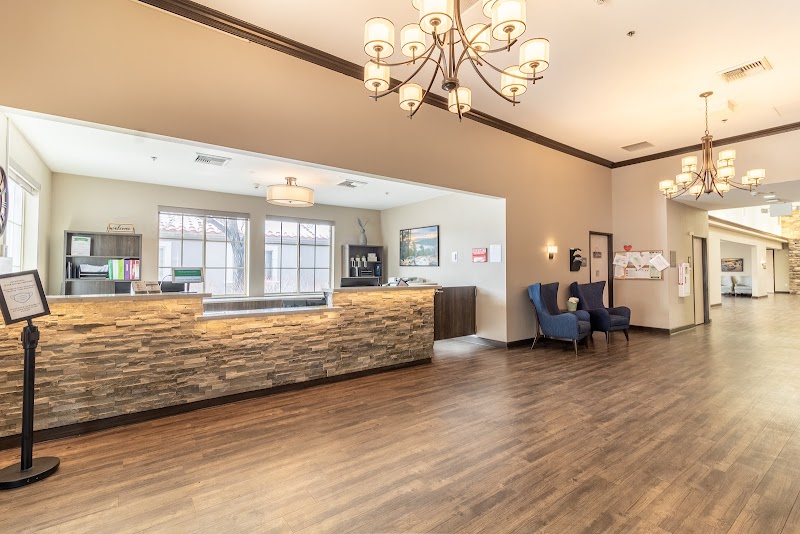
How is Alta Skilled Staffed?

CMS rates ALTA SKILLED NURSING AND REHABILITATION CENTER's staffing level at 3 out of 5 stars, which is average compared to other nursing homes. Staff turnover is 43%, compared to the Nevada average of 46%. This relatively stable workforce can support continuity of care.

What Have Inspectors Found at Alta Skilled?

State health inspectors documented 88 deficiencies at ALTA SKILLED NURSING AND REHABILITATION CENTER during 2022 to 2025. These included: 1 Immediate Jeopardy (the most serious level, indicating potential for serious harm or death), 2 that caused actual resident harm, and 85 with potential for harm. Immediate Jeopardy findings are rare and represent the most serious regulatory concerns. They require immediate corrective action.
Who Owns and Operates Alta Skilled?

ALTA SKILLED NURSING AND REHABILITATION CENTER is owned by a for-profit company. For-profit facilities operate as businesses with obligations to shareholders or private owners. The facility operates independently rather than as part of a larger chain. With 180 certified beds and approximately 157 residents (about 87% occupancy), it is a mid-sized facility located in RENO, Nevada.
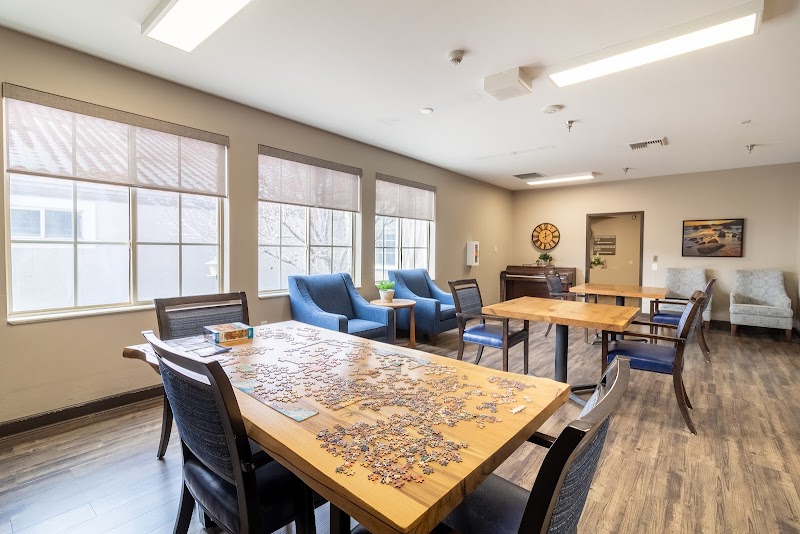
How Does Alta Skilled Compare to Other Nevada Nursing Homes?

Compared to the 100 nursing homes in Nevada, ALTA SKILLED NURSING AND REHABILITATION CENTER's overall rating (2 stars) is below the state average of 3.0, staff turnover (43%) is near the state average of 46%, and health inspection rating (2 stars) is below the national benchmark.

What Should Families Ask When Visiting Alta Skilled?

Based on this facility's data, families visiting should ask: "What changes have been made since the serious inspection findings, and how are you preventing similar issues?" "Can I visit during a mealtime to observe dining assistance and food quality?" "How do you handle medical emergencies, and what is your hospital transfer rate?" "Can I speak with family members of current residents about their experience?" These questions are particularly relevant given the facility's Immediate Jeopardy citations.

Is Alta Skilled Safe?

Based on CMS inspection data, ALTA SKILLED NURSING AND REHABILITATION CENTER has documented safety concerns. Inspectors have issued 1 Immediate Jeopardy citation (the most serious violation level indicating risk of serious injury or death). The facility has a 2-star overall rating and ranks #100 of 100 nursing homes in Nevada. Families considering this facility should ask detailed questions about what corrective actions have been taken since these incidents.

Do Nurses at Alta Skilled Stick Around?

ALTA SKILLED NURSING AND REHABILITATION CENTER has a staff turnover rate of 43%, which is about average for Nevada nursing homes (state average: 46%). Moderate turnover is common in nursing homes, but families should still ask about staff tenure and how the facility maintains care continuity when employees leave.

Was Alta Skilled Ever Fined?

ALTA SKILLED NURSING AND REHABILITATION CENTER has been fined $53,496 across 2 penalty actions. This is above the Nevada average of $33,614. Fines in this range indicate compliance issues significant enough for CMS to impose meaningful financial consequences. Common causes include delayed correction of deficiencies, repeat violations, or care failures affecting resident safety. Families should ask facility leadership what changes have been made since these penalties.

Is Alta Skilled on Any Federal Watch List?

ALTA SKILLED NURSING AND REHABILITATION CENTER is not on any federal watch list. The most significant is the Special Focus Facility (SFF) program, which identifies the bottom 1% of nursing homes nationally based on persistent, serious quality problems. Not being on this list means the facility has avoided the pattern of deficiencies that triggers enhanced federal oversight. This is a positive indicator, though families should still review the facility's inspection history directly.