MERRIMACK COUNTY NURSING HOME
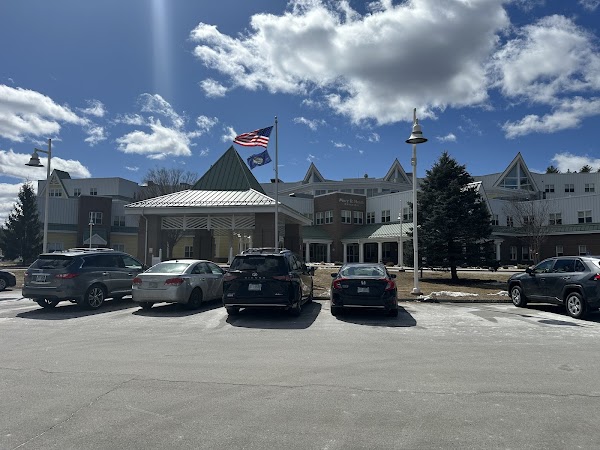
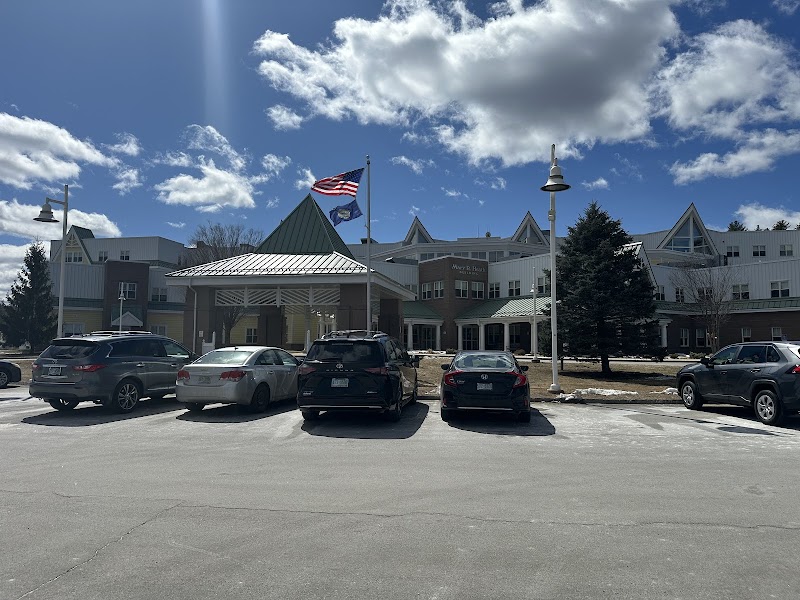
325 DANIEL WEBSTER HIGHWAY, BOSCAWEN, NH 03303 (603) 796-2165
Government - County 290 Beds Independent Data: November 2025 1 Immediate Jeopardy citation
Trust Grade
66/100
#22 of 73 in NH
Last Inspection: February 2025

Within standard 12-15 month inspection cycle. Federal law requires annual inspections.

Overview

Merrimack County Nursing Home in Boscawen, New Hampshire, has a Trust Grade of C+, indicating it is decent and slightly above average. It ranks #22 out of 73 facilities in the state, placing it in the top half, and is #2 out of 7 in Merrimack County, with only one local option rated higher. However, the facility is trending negatively, with issues increasing from 2 in 2024 to 3 in 2025. Staffing is a strong point, with a 5-star rating and a turnover rate of 42%, which is below the state average of 50%. On the downside, the home has $15,646 in fines, which is average; however, it has less RN coverage than 93% of New Hampshire facilities, which raises concerns about the level of nursing care available. Specific incidents include a critical failure to supervise residents during a fire alarm, leading to a resident leaving the facility and suffering from hypothermia, and concerns regarding expired medications not being removed from stock. Additionally, there was a failure to follow infection control protocols for a resident with an indwelling catheter. While the home has strengths in staffing and overall quality measures, these incidents highlight serious areas for improvement in resident safety and medication management.

Trust Score
C+
66/100
In New Hampshire
#22/73
Top 30%
Safety Record
High Risk
Review needed
Inspections
Getting Worse
2 → 3 violations
Staff Stability
○ Average
42% turnover. Near New Hampshire's 48% average. Typical for the industry.
Penalties
✓ Good
$15,646 in fines. Lower than most New Hampshire facilities. Relatively clean record.
Skilled Nurses
○ Average
Each resident gets 38 minutes of Registered Nurse (RN) attention daily — about average for New Hampshire. RNs are the most trained staff who monitor for health changes.
Violations
○ Average
9 deficiencies on record. Average for a facility this size. Mostly minor or procedural issues.
★★★★☆
4.0
Overall Rating
★★★★★
5.0
Staff Levels
★★★★☆
4.0
Care Quality
★★★☆☆
3.0
Inspection Score
Stable
2024: 2 issues
2025: 3 issues

The Good

  • 5-Star Staffing Rating · Excellent nurse staffing levels
  • 4-Star Quality Measures · Strong clinical quality outcomes
  • Full Sprinkler Coverage · Fire safety systems throughout facility
  • No fines on record
  • Staff turnover below average (42%)

    6 points below New Hampshire average of 48%

Facility shows strength in staffing levels, quality measures, fire safety.

The Bad

Staff Turnover: 42%

Near New Hampshire avg (46%)

Typical for the industry

Federal Fines: $15,646

Below median ($33,413)

Minor penalties assessed

The Ugly 9 deficiencies on record

1 life-threatening
Feb 2025 3 deficiencies
CONCERN (D)

Potential for Harm - no one hurt, but risky conditions existed

Infection Control (Tag F0880)

Could have caused harm · This affected 1 resident

Based on observation, interview, and record review, it was determined that the facility failed to follow policies and procedures for Enhanced Barrier Precautions (EBP) for 1 of 2 residents reviewed fo...

Read full inspector narrative →
Based on observation, interview, and record review, it was determined that the facility failed to follow policies and procedures for Enhanced Barrier Precautions (EBP) for 1 of 2 residents reviewed for indwelling catheters in a final sample of 35 residents (Resident Identifier is #225). Findings include: Review on 2/26/25 of Resident #225's physician orders revealed an order for suprapubic catheter, dated 5/28/24. Observation on 2/26/25 at approximately 10:10 a.m. of Resident #225's room revealed that Resident #225 that there was no signage at door for EBP or available Personal Protective Equipment (PPE) for use. Interview on 2/27/25 at approximately 2:30 p.m. with Staff G (Infection Preventionist) confirmed that Resident #225 was not on EBP. Interview on 2/28/25 at approximately 11:15 a.m. with Staff H (Licensed Nursing Assistant) revealed that Staff H had not followed EBP during care for Resident #225. Interview on 2/28/25 at approximately 11:17 a.m. with Staff I (Licensed Practical Nurse) confirmed that Resident #225 had a catheter. Review on 2/28/25 of Facility policy titled Enhanced Barrier Precautions, dated 7/2024, revealed .Policy Interpretation and Implementation .Requirements for EBP .1. Enhanced barrier precautions will be applied to facility residents with the following criteria: .c) Who have an indwelling medical device. (Devices include urinary catheters, .)
CONCERN (E)

Potential for Harm - no one hurt, but risky conditions existed

Deficiency F0761 (Tag F0761)

Could have caused harm · This affected multiple residents

Based on observation, interview, and record review, it was determined that the facility failed to ensure expired medications were removed from stock and multidose vials were labeled with an open/expir...

Read full inspector narrative →
Based on observation, interview, and record review, it was determined that the facility failed to ensure expired medications were removed from stock and multidose vials were labeled with an open/expiration date for 3 out of 4 medication rooms and 1 out of 7 medication carts observed (Resident identifiers are #31, #33, #36, #112, #126, and #152). Findings include: Observation on 2/26/25 at approximately 8:15 a.m. with Staff B (Registered Nurse) of Young Adult/Hospice medication room revealed a bottle of Omeprazole suspension for Resident #152 with an expiration date of 2/15/25 in the medication refrigerator. Interview on 2/26/25 at approximately 8:20 a.m. with Staff B confirmed the above findings. Review on 2/26/25 of Resident #152's medical record revealed an order for Omeprazole Oral Suspension 2mg (milligrams)/ML (milliliter) Give 10 ml via G-tube in the morning, with a start date of 1/26/24. Review on 2/26/25 of Resident #152's Medication Administration Record (MAR) revealed that Resident #152 received Omeprazole on 2/26/25. Observation on 2/26/25 at approximately 8:40 a.m. with Staff C (Registered Nurse) of the 3rd floor medication room revealed one bottle of Synthroid 25 mcg (microgram) tablets for Resident #126 with a pharmacy expiration date of 12/25/24. Review on 2/26/25 of Resident #126's medical record revealed and order for Synthroid 25 mcg give 0.5 tablet by mouth one time of day with a start date of 7/19/23. Interview on 2/26/25 at approximately 8:45 a.m. with Staff C revealed that the Resident #126 was not receiving medication from the above bottle but that it had not been removed from available stock in the medication room. Observation on 2/27/25 at approximately 9:00 a.m. with Staff F (Registered Nurse) of the 4 South medication room revealed 3 bottles of Lipitor for Resident #112 with use by dates of 6/28/24, 9/18/24, and 3/22/24. Observation further revealed two unopened bottles of house stock Geri Mox with expiration dates of 11/24. Interview on 2/27/25 at approximately 9:10 a.m. with Staff F confirmed that Resident #112 was no longer on the above medication however it had not been removed from available stock in the medication room. Observation on 2/26/25 of 3400 Medication Cart with Staff D (Licensed Practical Nurse) at approximately 9:30 a.m. revealed 3 open bottles of Refresh Tears for Resident #31, #33, and #36 with no open date or open expiration date. Interview on 2/26/25 at approximately 9:35 a.m. with Staff D confirmed the above findings. Review on 2/26/25 of Resident #31's medical record revealed and order for Artificial Tears Ophthalmic Solution 1.4% instill one drop in both eyes three times per day with a start date of 12/21/24. Review on 2/26/27 of Resident #33's medical record revealed and order for Artificial Tears 1% drops solution instill one drop in both eyes two times per day with a start date of 8/17/22. Review on 2/26/25 of Resident #36's medical record revealed an order for Refresh Tears solution instill one drop in both eyes in the morning with a start date of 12/31/22. Review on 2/27/25 of manufacturers' instructions for Refresh Tears, Revised: 6/2022, revealed . Other Information Discard 90 days after opening . Review on 2/27/25 of facility policy titled, Medication Storage In the Facility, dated May 2018, revealed . Expiration Dating (Beyond-use dating) . G. All expired medications will be removed from the active supply and destroyed in the facility, regardless of amount remaining .
MINOR (B)

Minor Issue - procedural, no safety impact

Assessment Accuracy (Tag F0641)

Minor procedural issue · This affected multiple residents

Resident #27 Review on 2/27/25 of Resident #27's Quarterly MDS, ARD of 12/11/24, revealed the following: Section O0110K1b (Special Treatments, Procedures and Programs) was coded for having Hospice wh...

Read full inspector narrative →
Resident #27 Review on 2/27/25 of Resident #27's Quarterly MDS, ARD of 12/11/24, revealed the following: Section O0110K1b (Special Treatments, Procedures and Programs) was coded for having Hospice while a resident; Section M1040 A. (Skin Conditions) was coded for having an infection of the foot; Section M1040 B was coded for having a diabetic ulcer. Review on 2/27/25 of Resident #27's medical record for December 2024 revealed no Hospice orders. Further review of Resident #27's medical record revealed no documentation of any Diabetic ulcers or foot infections. Interview on 2/28/25 at approximately 11:05 a.m. with Staff A confirmed that Resident #27 did not have Hospice services in place, did not have a foot infection, and did not have a diabetic ulcer during the look back period of the above MDS. Resident #103 Review on 2/27/25 of Resident #103's Quarterly MDS, ARD of 12/17/24, revealed that section N0415 E (Anticoagulant Medications) was coded as taking an anticoagulant medications. Review on 2/27/25 of Resident #103's medical record for December 2024 revealed no anticoagulant medications were ordered or given. Interview on 2/28/25 at approximately 11:05 a.m. with Staff A confirmed the above information and that Resident #103's Quarterly MDS, ARD 12/17/24, was not coded correctly. Resident #157 Review on 2/27/25 of Resident #157 most recent MDS, ARD 11/29/24, revealed section N0415 E (Anticoagulant Medications) was coded as taking an anticoagulant medication. Review on 2/27/25 of Resident #157 physician orders revealed no orders for an anticoagulant medication during the 7 day look back period. Further review revealed that Resident #157 was on Plavix (antiplatelet medication). Interview on 2/27/25 at approximately 1:50 p.m. with Staff A confirmed above findings. Based on record review and interview, it was determined that the facility failed to ensure that the Minimum Data Set (MDS) assessment accurately reflected the residents' status for 4 residents in a final sample of 35 residents (Resident Identifiers are #9, #27, #103 and #157). Findings include: Resident #9 Review on 2/27/25 of Resident #9's quarterly MDS with an Assessment Reference Date (ARD) of 1/29/25 revealed under item N0300 Injections and item N0350 Insulin were both coded 7 indicating that Resident #9 had received insulin injections during the last 7 days. Review on 2/27/25 of Resident #9's January 2025 Medication Administration Record and physician's orders revealed that there were no physician orders noted for insulin and no injections were documented as being administered. Interview on 2/27/25 at 1:48 p.m. with Staff A (Reimbursement Coordinator) revealed that Resident #9 was not receiving insulin in January 2025 and confirmed that the MDS was coded incorrectly.
Mar 2024 2 deficiencies 1 IJ
CRITICAL (J) 📢 Someone Reported This

A family member, employee, or ombudsman was alarmed enough to file a formal complaint

Immediate Jeopardy (IJ) - the most serious Medicare violation

Accident Prevention (Tag F0689)

Someone could have died · This affected 1 resident

Based on interview and record review, it was determined that the facility failed to ensure that residents received adequate supervision, during and after a fire alarm, which resulted in a resident elo...

Read full inspector narrative →
Based on interview and record review, it was determined that the facility failed to ensure that residents received adequate supervision, during and after a fire alarm, which resulted in a resident eloping and a delay in locating the resident in which the resident was held at the hospital for observation and treatment for hypothermia for 1 of 3 resident reviewed for elopement in a final sample of 39 residents (Resident Identifier #99). Findings include: Interview on 3/19/24 at approximately 11:00 a.m. with Staff D (Administrator) revealed that on 3/13/24, the fire alarm sounded at 12:50 a.m. due to smoke coming from a resident room. The fire alarm sounded and the locking mechanism of the locked doors disengaged which led to all exit doors being unlocked. Staff D stated that during a review of the video recordings, Resident #99 was seen exiting the 2200 Unit via the stairwell exit door at 1:00 a.m. and exiting the facility at approximately 1:15 a.m. Staff D also stated that the fire alarm was cleared at approximately 1:30 a.m. and that a resident census check was not done by the staff at 2200 unit. Interview with Staff D also revealed that at approximately 4:00 a.m. staff at 2200 Unit found that Resident #99 was missing, the nurse supervisor was notified and a code green indicating a missing resident was initiated at approximately 4:25 a.m. Staff D stated that Resident #99 was found outside the facility at approximately 5:20 a.m. and Resident #99 was sent to the hospital for evaluation. Further interview with Staff D also revealed that on 3/13/24 they began their investigation of Resident #99's elopement, they updated the facility's fire procedure and elopement policy, initiated staff education on the updated policies and procedures, and planned for mock drills which will be reviewed and monitored in Quality Assurance. Interview on 3/19/24 at 12:11 p.m. with Staff F (Licensed Nurse Assistant (LNA)) revealed that he/she did not do a resident census check after the fire alarm was cleared on 3/13/24 at the 2200 Unit. Interview on 3/19/24 at 12:26 p.m. with Staff E (LNA) revealed that he/she did not do a resident census check at the 2200 Unit after the fire alarm was cleared on 3/13/24. Review on 3/19/24 of Resident #99's hospital records, dated 3/13/24, revealed Chief Complaint Hypothermia .Assessment/Plan 1. Hypothermia .there was a fire drill .and after (pronoun omitted) was unable to be located by staff. (Pronoun omitted) was found 4 to 5 hours later on the property but in a ditch. (Pronoun omitted) was only in a short-sleeved shirt and like [sic] cotton pants. (Pronoun omitted) was hypothermic and so (pronoun omitted) was transferred to the hospital. In the ER [emergency room] (pronoun omitted) was placed on a Bair Hugger [a temperature managing system used to maintain core body temperature]. Initial Temperature at time of arrival was 33.5 C [degrees Celsius] . 33.5 C is equivalent to 92.3 degrees Fahrenheit (F). Review of Hypothermia retrieved on 3/19/24 from https://www.mayoclinic.org/diseases-conditions/hypothermia/symptoms-causes/syc-20352682 revealed the following: Hypothermia is a medical emergency that occurs when your body loses heat faster than it can produce heat, causing a dangerously low body temperature. Normal body temperature is around 98.6 F . Left untreated, hypothermia can lead to complete failure of your heart and respiratory system and eventually to death. Review on 3/19/24 of the facility's policy, titled Fire Procedures, revised date of 3/13/24, revealed Nurses .4. After the all clear the nurse will print a unit census and a safety check will be completed and documented . Review on 3/19/24 of the facility's policy titled Elopement (Missing Resident), revised date of 3/13/24, revealed .Should an employee discover that a resident is missing from the facility, the employee should: .b.Fire alarm Procedure: When the fire alarm sounds all Secure Care locked doors automatically release. Staff should be assigned to monitor theses doors. (as stated in the Emergency Operation Plan Fire Procedures book) d. Immediately after the all clear a census check should be completed and documented to verify safety of residents on all units . Review on 3/19/24 of the facility's in-service staff education sheet on the facility's updated fire procedure and elopement policy revealed that it was completed between 3/13/24 through 3/15/24. Review on 3/19/24 of the facility's sign-in sheet for Code Red (fire procedure) mock drill revealed that it was completed on 3/19/24.
CONCERN (D) 📢 Someone Reported This

A family member, employee, or ombudsman was alarmed enough to file a formal complaint

Potential for Harm - no one hurt, but risky conditions existed

Infection Control (Tag F0880)

Could have caused harm · This affected 1 resident

Based on observation, interview, and policy review, it was determined that the facility failed to maintain infection control practices in regards to wound dressing changes for 1 out of 1 resident obse...

Read full inspector narrative →
Based on observation, interview, and policy review, it was determined that the facility failed to maintain infection control practices in regards to wound dressing changes for 1 out of 1 resident observed during wound dressing changes (Resident Identifier #20). Findings include: Review on 3/22/24 of the Centers for Disease Control and Prevention Hand Hygiene in Healthcare Settings retrieved from https://www.cdc.gov/handhygiene/providers/index.html read, in part, .Introduction to Hand Hygiene . Why Practice Hand Hygiene? Cleaning your hands reduces the spread of potentially deadly germs .use an alcohol-based hand sanitizer . before moving from work on a soiled body site to a clean body site on the same patient . After contact with blood, body fluids, or contaminated surfaces .Glove Use .Change gloves and perform hand hygiene during patient care, if . gloves become visibly soiled with blood or body fluids following a task, moving from work on a soiled body site to a clean body site on the same patient . Observation on 3/19/24 at approximately 10:30 a.m. of Staff A (Registered Nurse) performing the dressing change on Resident #20's surgical site (his/her right posterior hip) revealed that Staff A removed the old dressing, cleansed the wound, prepped the clean dressing, and attempted to apply the clean dressing to the wound without changing his/her gloves or performing hand hygiene. Interview on 3/19/24 at approximately 10:40 a.m. with Staff A confirmed that he/she did not remove gloves or perform hand hygiene between removing the old dressing and applying a new dressing. Interview on 3/21/24 at approximately 1:25 p.m. with Staff C (Director of Nursing) revealed it is the facility's policy to change gloves and perform hand hygiene after removing the old dressing and before applying the new dressing. Interview on 3/21/24 at approximately 1:25 p.m. with Staff B (Infection Preventionist) confirmed it is the facility's policy to change gloves and perform hand hygiene after removing the old dressing [soiled/contaminated body site] and before applying the new dressing [clean body site]. Review on 3/22/24 of the facility's policy titled Hand Hygiene dated 12/2017 revealed .1. Hand Hygiene must be performed: .Before donning gloves and after removing gloves . When moving from a contaminated body site to a clean body site.
Mar 2023 4 deficiencies
CONCERN (D)

Potential for Harm - no one hurt, but risky conditions existed

Medication Errors (Tag F0758)

Could have caused harm · This affected 1 resident

Based on interview and record review, it was determined that the facility failed to ensure that as needed (PRN) orders for psychotropic medications were limited to 14 days, except if the attending phy...

Read full inspector narrative →
Based on interview and record review, it was determined that the facility failed to ensure that as needed (PRN) orders for psychotropic medications were limited to 14 days, except if the attending physician believed that it was appropriate for the PRN order to be extended beyond 14 days he/she would document their rational and indicate the duration for the PRN order, for 3 of 5 residents reviewed for psychotropic medication side effects in a final sample of 39 residents (Resident identifiers are #31, #177, and #205). Findings include: Resident #31 Review on 3/1/23 of Resident# 31's active physician orders revealed an order for Ativan [anti-anxiety] 0.5 milligram (mg), give 1 tablet sublingually every 4 hours as needed for mild anxiety with a start date of 1/18/23 and no duration or end date. Further review of Resident #31's active physician orders also revealed an order for Ativan 0.5 mg, give 2 tablets sublingually every 4 hours as needed for moderate to severe anxiety with start date of 1/18/23 and no duration or end date. Review on 3/2/23 of Resident #31's January 2023 and February 2023 Electronic Medication Administration Record (EMAR) revealed that Resident #31 did not receive any doses of the Ativan PRN with start date of 1/18/23. Review on 3/2/23 of Resident #31's provider notes and psychiatry consult notes revealed no documentation of duration or end date of the PRN Ativan 0.5 mg order and no documentation of rationale for extending the PRN Ativan order for more than 14 days. Interview on 3/2/23 at 2:40 p.m. with Staff A (Registered Nurse) confirmed the above findings. Resident #205 Review on 3/1/23 of Resident #205's active physician orders revealed an order for Lorazepam [anti-anxiety] 0.5 mg, give 1 tablet by mouth every 4 hours as needed for anxiety and review within 14 days with a start date of 1/25/23 and no duration or end date. Review on 3/2/23 of Resident #205's January 2023 and February 2023 EMAR revealed that Resident #205 received a dose of the PRN Ativan 0.5 mg on 1/26/23, 1/27/23, 2/1/23, 2/9/23, 2/10/23, 2/19/23, 2/26/23, 2/27/23, and 2/28/23. Review on 3/2/23 of Resident #205's provider notes and psychiatry consult notes revealed no documentation that the PRN Ativan was reviewed within 14 days from the order start date of 1/25/23, which would be approximately on 2/8/23 and 2/28/23. Further review of Resident #205's provider notes and psychiatry consult notes revealed no documentation of duration or end date for the PRN Ativan order and no documentation of rationale for extending the PRN Ativan order for more than 14 days. Interview on 3/2/23 at 2:43 p.m. with Staff B (Registered Nurse) confirmed the above findings for Resident #205. Resident #177 Review on 2/28/23 of Resident #177's February 2023 Medication Administration Record (MAR) revealed the following order: Lorazepam oral tablet 0.5 mg, give 1 tablet by mouth every 4 hours as need for anxiety or restlessness, start date 1/31/23. Interview on 3/1/23 at approximately 1:40 p.m. with Staff D (Assistant Director of Nurses) confirmed the above order for Lorazepam did not have a stop date for use.
CONCERN (D)

Potential for Harm - no one hurt, but risky conditions existed

Deficiency F0761 (Tag F0761)

Could have caused harm · This affected 1 resident

**NOTE- TERMS IN BRACKETS HAVE BEEN EDITED TO PROTECT CONFIDENTIALITY** Based on observation, interview, and record review it was determined that the facility failed to ensure 2 of 4 medication rooms ...

Read full inspector narrative →
**NOTE- TERMS IN BRACKETS HAVE BEEN EDITED TO PROTECT CONFIDENTIALITY** Based on observation, interview, and record review it was determined that the facility failed to ensure 2 of 4 medication rooms had temperatures recorded for refrigerators containing influenza vaccinations and insulin pens. Additionally, there was an expired insulin vial available for use in 1 of 6 medication carts (Resident identifiers are #25 and #96). Findings include: Young Adult / Hospice Unit Medication Room: Observation on [DATE] at approximately 8:45 a.m. of the Young Adult / Hospice Unit medication room refrigerator with Staff B (Registered Nurse) revealed a box of Fluzone High-Dose influenza vaccine and one Basaglar Kwikpen 100 units per milliliter (u/ml) insulin for Resident #25. Review on [DATE] at approximately 8:45 a.m. of the facility's form titled, Merrimack County Nursing Med Room Refrigerator Temperature Readings revealed no temperature recordings on the following dates: [DATE], [DATE], [DATE], [DATE], [DATE], [DATE], [DATE], [DATE], and [DATE]. Review on [DATE] at approximately 8:45 a.m. of the facility's form titled Merrimack County Nursing Med Room Refrigerator Temperature Readings further revealed recorded medication refrigerator temperatures out of temperature range 36 degrees (°) Fahrenheit (F) to 46 °F with no recorded resolutions on the following dates: [DATE] (30°F), [DATE] (34°F), [DATE] (32°F), [DATE] (31°F), [DATE] (31 °F), [DATE] (34 °F), and [DATE] (33 °F). 3-South Medication Room: Observation on [DATE] at approximately 9:00 a.m. of the 3-South Unit medication room with Staff F (Licensed Practical Nurse) revealed 2 unopened Trulicity 0.75 milligrams (mg) per 0.5 milliliter (ml) insulin pens for Resident #96 and 7 Fluzone High-Dose influenza vaccination syringes. Review on [DATE] at approximately 8:45 a.m. of the facility's form titled, Merrimack County Nursing Med Room Refrigerator Temperature Readings revealed no temperature recordings on the following dates: [DATE], [DATE], and [DATE]. Review on [DATE] of manufacturer specifications for Fluzone High-Dose, Basaglar Kwikpen 100u/ml insulin, and Trulicity 0.75mg/0.5ml insulin pen revealed to store unopened items refrigerated between 36°F to 46°F. Interview on [DATE] at approximately 10:50 a.m. with Staff D (Director of Nursing) confirmed the above findings. Review on [DATE] of Fluzone High-Dose manufacturer specifications stated: 16.2 Storage and Handling - Store Fluzone High-Dose Quadrivalent refrigerated at 2°C [Celsius] to 8°C (35° to 46 °F). DO NOT FREEZE. Discard if vaccine has been frozen. Review on [DATE] of Basaglar Kwikpen 100u/ml insulin manufacturer specifications stated: Store unused Pens in the refrigerator at 36°F to 46°F (2°C to 8°C) Review on [DATE] of Trulicity solution for injection in pre-filled pen manufacturer specifications stated: Store in refrigerator (2°C to 8°C). Do not freeze. Review on [DATE] of the facility's policy titled Medication Room Refrigerator, origination date [DATE] stated: 1. The acceptable temperature range will be 36°F to 46°F (2°C to 8°C) 4. 11-7 Nurse will record the temperature daily on the monitoring sheet 3-South Medication Cart: Observation on [DATE] at approximately 7:45 a.m. during medication administration revealed that Staff G (Licensed Practical Nurse) was ready to administer expired Lantus insulin to Resident #96. The opened Lantus 100 u/ml insulin vial obtained from the 3-South medication cart was expired, with a recorded open date of [DATE] and a recorded expiration date of [DATE]. At the time of the observation Staff G confirmed the finding. Review on [DATE] of Lantus Manufacturer Specifications stated: The LANTUS vials you are using should be thrown away after 28 days, even if it still has insulin left in it. Review on [DATE] of the facility's policy titled Storage of Medications, with revision date of 8/2020 stated: 6. The nurse will check the expiration date of each medication before administering it. 7. No expired medication will be administered to a resident.
CONCERN (D)

Potential for Harm - no one hurt, but risky conditions existed

Deficiency F0811 (Tag F0811)

Could have caused harm · This affected 1 resident

**NOTE- TERMS IN BRACKETS HAVE BEEN EDITED TO PROTECT CONFIDENTIALITY** Based on interview, and record review it was determined that the facility failed to ensure that the Paid Feeding Assistants (PFA...

Read full inspector narrative →
**NOTE- TERMS IN BRACKETS HAVE BEEN EDITED TO PROTECT CONFIDENTIALITY** Based on interview, and record review it was determined that the facility failed to ensure that the Paid Feeding Assistants (PFA) provided dining assistance only for residents who did not have complicated feeding problems for 1 of 3 residents who were fed by PFAs (Resident identifier is #30). Findings include: Review on 2/28/23 at approximately 11:00 a.m. of the facility's list titled Resident's who have been approved for assistance with the trained assistant revealed that Resident #30 was on this list. Review on 3/2/23 at approximately 9:00 a.m. of Resident #30's medical diagnosis list revealed that Resident #30 had a diagnosis of dysphagia. Review on 3/2/23 at approximately 9:00 a.m. of Resident #30's physician's orders revealed an order for pureed texture for dysphagia, no straws allowed, single sips via cup only. Review on 3/2/23 at approximately 9:00 a.m. of Resident #30's speech therapy Discharge summary dated [DATE] revealed that Resident #30 was discharged from speech therapy with recommendations for puree diet with thin liquids (single sips via cup, straws not allowed.) Interventions included focused education and training for Resident #30 and caregivers in safe swallow strategies in order to reduce risks for aspiration and reduce s/sx [signs/symptoms] of dysphagia. Resident #30 is nonspeaking, unable to follow commands, and totally dependent for feeding. Review on 3/2/23 at approximately 9:00 a.m. of Resident #30's nutrition assessment dated [DATE] revealed that Resident #30 is on a pureed diet with nectar thick liquids and is dependent with feeding for most meals. Review on 3/2/23 at approximately 9:15 a.m. of Resident #30's care plan revealed a focus for swallowing .Resident #30 is at risk for impaired swallowing secondary to advanced age and dementia. Care plan interventions include . monitor for chewing and/or swallowing difficulty, including oral spillage, coughing, choking, wet vocal quality, watery nose/eyes while eating, pocketing food/fluids in cheeks. Further review of Resident #30's swallowing care plan revealed that on 1/25/23 Staff K (Registered Dietitian) canceled the care plan intervention that deemed Resident #30 appropriate to participate in the feeding assistant program. Interview on 3/2/23 at approximately 10:11 a.m. with Staff H (Unit Manager) confirmed that Resident #30 was assisted at meals by PFAs identified as Staff I (Hairdresser) and Staff J (Assistant Food Service Manager). Interview on 3/2/23 at approximately 10:53 a.m. with Staff J confirmed that he/she had completed the PFA training approximately 2 months ago and that Staff J does assist Resident #30 with feeding at mealtimes. Staff J also stated that the nurse on the unit, or the Unit Manager was responsible for assigning PFAs to residents who require assistance. Interview on 3/2/23 at approximately 11:13 a.m. with Staff I confirmed that he/she had completed the PFA training approximately 2 months ago and that Staff I does assist Resident #30 with feeding at mealtimes. Staff I also stated that the nurse on the unit, or the Unit Manager is responsible for assigning PFAs to residents who require assistance. Review of the facility's policy titled Paid Feeding Assistant Training Program dated 11/2022 under section Resident Selection item #2 Residents who have complicated eating problems, such as but not limited to difficulty swallowing, recurrent lung aspirations or who receive nutrition through parenteral or enteral means will not be eligible and item #3 .Appropriateness will be reflected in resident's comprehensive care plan.
CONCERN (D)

Potential for Harm - no one hurt, but risky conditions existed

Deficiency F0886 (Tag F0886)

Could have caused harm · This affected 1 resident

Based on interview, record review, policy review, and Centers for Disease Control (CDC) COVID-19 testing guidance it was determined that the facility failed to test 1 of 4 residents reviewed for COVID...

Read full inspector narrative →
Based on interview, record review, policy review, and Centers for Disease Control (CDC) COVID-19 testing guidance it was determined that the facility failed to test 1 of 4 residents reviewed for COVID-19 testing (Resident identifier is #10). Findings include: Review on 2/28/23 of Resident #10's medical record revealed the following nursing notes and COVID-19 assessments: 1/19/23 COVID-19 assessment: . Lung Sounds clr [clear] Cough No .Headache No . 1/20/23 COVID-19 assessment: . Lung Sounds clr/dim [clear/diminished] Cough Yes, intermittent cough dry and at baseline .Headache No . 1/21/23 COVID-19 assessment: . Cough Yes, loose nonproductive .Headache Yes, Resident says comes and goes past week . 1/22/23 COVID-19 assessment: none documented in medical record 1/23/23 4:05 a.m. a PRN [as needed] dose of Guaifenesin ER [extended release] 12 hour 600mg [milligrams] was administered for loose non productive cough. 1/23/23 5:33 a.m. Slept poorly during the night. HOB [head of bed] slightly elevated. Nasal congestion with clear nasal drainage noted. Resident c/o [complaint of] headache at 0130 [1:30 a.m.]. Stated It's not a migraine. LS [lung sounds] clear throughout. Occasional loose nonproductive cough. 0400 [4:00 a.m.] I think I got it. Mucinex DM [dextrethorphan] offered and accepted for cough. Temp 97.7 [degrees]. O2 sat [oxygen saturation] 97% [percent] room air. Updated on morning testing for unit. 1/23/23 8:35 a.m. Resident tested positive for COVID-19 this morning during the unit response testing . Interview on 3/2/23 at approximately 11:30 a.m. with Staff E (Infection Preventionist) confirmed that Resident #10 was not tested for COVID-19 until 1/23/23 at 8:22 a.m. Staff E revealed that he/she would expect residents to be tested as soon as the resident develops any symptoms. Review on 3/2/23 of the facility policy titled, BinaxNOW COVID-19 Ag [antigen] testing, dated December 9, 2020 revealed: . 3. Residents suspected of a potential COVID infection will be tested after onset of symptoms, or suspected exposure event. Review on 3/2/23 of the CDC guidance titled, Interim Infection Prevention and Control Recommendations for Healthcare Personnel During the Coronavirus Disease 2019 (COVID-19) Pandemic, updated 9/27/22 .Perform SARS-CoV-2 Viral Testing Anyone with even mild symptoms of COVID-19, regardless of vaccination status, should receive a viral test for SARS-CoV-2 as soon as possible.
Understanding Severity Codes (click to expand)
Life-Threatening (Immediate Jeopardy)
J - Isolated K - Pattern L - Widespread
Actual Harm
G - Isolated H - Pattern I - Widespread
Potential for Harm
D - Isolated E - Pattern F - Widespread
No Harm (Minor)
A - Isolated B - Pattern C - Widespread

Questions to Ask on Your Visit

  • "What changes have you made since the serious inspection findings?"
  • "Can I speak with families of current residents?"
  • "What's your RN coverage like on weekends and overnight?"

Our Honest Assessment

Strengths
  • • 42% turnover. Below New Hampshire's 48% average. Good staff retention means consistent care.
Concerns
  • • Multiple safety concerns identified: 1 life-threatening violation(s). Review inspection reports carefully.
  • • 9 deficiencies on record, including 1 critical (life-threatening) violation. These warrant careful review before choosing this facility.
  • • $15,646 in fines. Above average for New Hampshire. Some compliance problems on record.
Bottom line: Mixed indicators with Trust Score of 66/100. Visit in person and ask pointed questions.

About This Facility

What is Merrimack County's CMS Rating?

CMS assigns MERRIMACK COUNTY NURSING HOME an overall rating of 4 out of 5 stars, which is considered above average nationally. Within New Hampshire, this rating places the facility higher than 99% of the state's 100 nursing homes. This rating reflects solid performance across the metrics CMS uses to evaluate nursing home quality.
How is Merrimack County Staffed?

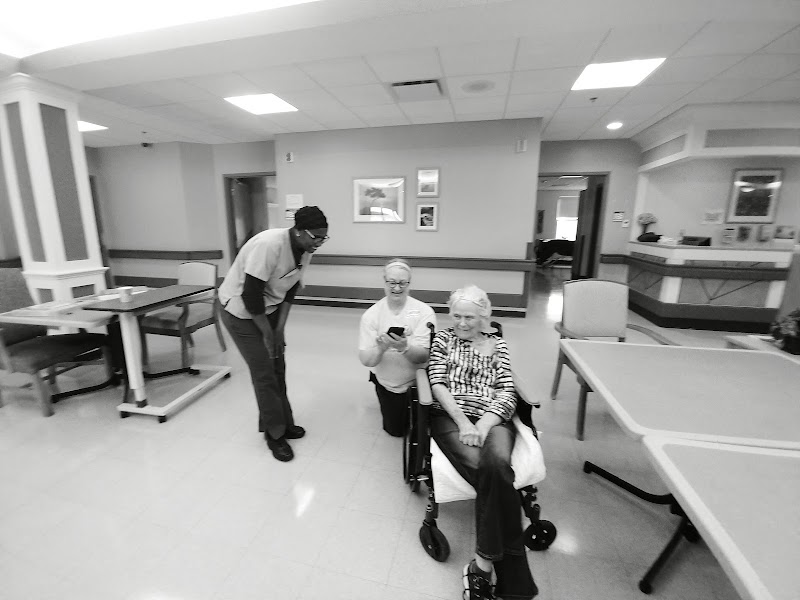
CMS rates MERRIMACK COUNTY NURSING HOME's staffing level at 5 out of 5 stars, which is much above average compared to other nursing homes. Staff turnover is 42%, compared to the New Hampshire average of 46%. This relatively stable workforce can support continuity of care.

What Have Inspectors Found at Merrimack County?

State health inspectors documented 9 deficiencies at MERRIMACK COUNTY NURSING HOME during 2023 to 2025. These included: 1 Immediate Jeopardy (the most serious level, indicating potential for serious harm or death), 7 with potential for harm, and 1 minor or isolated issues. Immediate Jeopardy findings are rare and represent the most serious regulatory concerns. They require immediate corrective action.

Who Owns and Operates Merrimack County?

MERRIMACK COUNTY NURSING HOME is owned by a government entity. Government-operated facilities are typically run by state, county, or municipal agencies. The facility operates independently rather than as part of a larger chain. With 290 certified beds and approximately 258 residents (about 89% occupancy), it is a large facility located in BOSCAWEN, New Hampshire.

How Does Merrimack County Compare to Other New Hampshire Nursing Homes?

Compared to the 100 nursing homes in New Hampshire, MERRIMACK COUNTY NURSING HOME's overall rating (4 stars) is above the state average of 3.0, staff turnover (42%) is near the state average of 46%, and health inspection rating (3 stars) is at the national benchmark.

What Should Families Ask When Visiting Merrimack County?

Based on this facility's data, families visiting should ask: "What changes have been made since the serious inspection findings, and how are you preventing similar issues?" "Can I visit during a mealtime to observe dining assistance and food quality?" "How do you handle medical emergencies, and what is your hospital transfer rate?" "Can I speak with family members of current residents about their experience?" These questions are particularly relevant given the facility's Immediate Jeopardy citations.

Is Merrimack County Safe?

Based on CMS inspection data, MERRIMACK COUNTY NURSING HOME has documented safety concerns. Inspectors have issued 1 Immediate Jeopardy citation (the most serious violation level indicating risk of serious injury or death). The facility has a 4-star overall rating and ranks #1 of 100 nursing homes in New Hampshire. Families considering this facility should ask detailed questions about what corrective actions have been taken since these incidents.

Do Nurses at Merrimack County Stick Around?

MERRIMACK COUNTY NURSING HOME has a staff turnover rate of 42%, which is about average for New Hampshire nursing homes (state average: 46%). Moderate turnover is common in nursing homes, but families should still ask about staff tenure and how the facility maintains care continuity when employees leave.

Was Merrimack County Ever Fined?

MERRIMACK COUNTY NURSING HOME has been fined $15,646 across 1 penalty action. This is below the New Hampshire average of $33,235. While any fine indicates a compliance issue, fines under $50,000 are relatively common and typically reflect isolated problems that were subsequently corrected. Families should ask what specific issues led to these fines and confirm they've been resolved.

Is Merrimack County on Any Federal Watch List?

MERRIMACK COUNTY NURSING HOME is not on any federal watch list. The most significant is the Special Focus Facility (SFF) program, which identifies the bottom 1% of nursing homes nationally based on persistent, serious quality problems. Not being on this list means the facility has avoided the pattern of deficiencies that triggers enhanced federal oversight. This is a positive indicator, though families should still review the facility's inspection history directly.