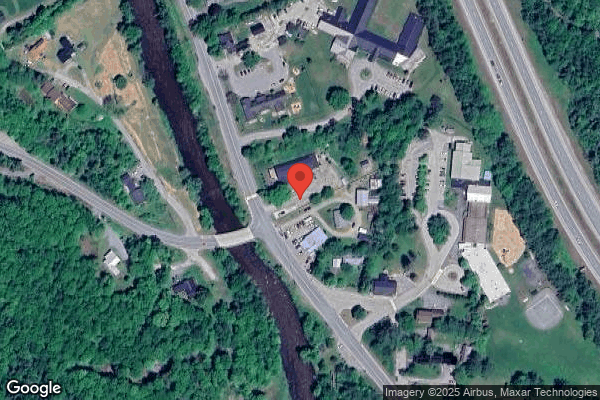
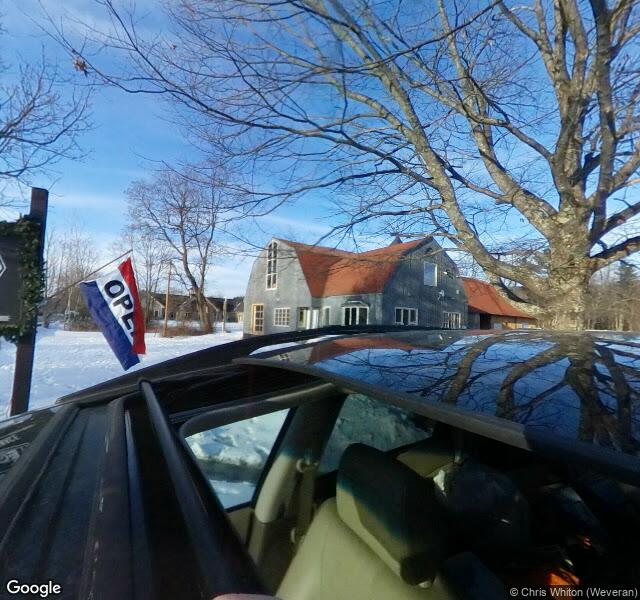
LAFAYETTE CENTER

93 MAIN STREET, FRANCONIA, NH 03580 (603) 823-5502
For profit - Limited Liability company 72 Beds Independent Data: November 2025
Trust Grade
20/100
#65 of 73 in NH
Last Inspection: May 2025

Inspected within the last 6 months. Data reflects current conditions.

Overview

The Lafayette Center in Franconia, New Hampshire has a Trust Grade of F, indicating significant concerns about the quality of care provided. They rank #65 out of 73 facilities in the state, placing them in the bottom half, and #4 out of 5 in Grafton County, meaning only one other local facility is rated worse. Although the facility is improving, reducing issues from 11 in 2024 to 7 in 2025, it still has a concerning number of fines totaling $50,164, which is higher than 91% of New Hampshire facilities. Staffing is rated at 2 out of 5 stars, with a turnover rate of 56%, which is average, but they have sufficient RN coverage. However, there have been serious concerns, such as a failure to provide proper care for a resident with pressure ulcers, leading to worsening conditions, and inadequate adherence to wound care protocols that could jeopardize resident safety.

Trust Score
F
20/100
In New Hampshire
#65/73
Bottom 11%
Safety Record
Moderate
Needs review
Inspections
Getting Better
11 → 7 violations
Staff Stability
⚠ Watch
56% turnover. Above average. Higher turnover means staff may not know residents' routines.
Penalties
○ Average
$50,164 in fines. Higher than 64% of New Hampshire facilities. Some compliance issues.
Skilled Nurses
○ Average
Each resident gets 40 minutes of Registered Nurse (RN) attention daily — about average for New Hampshire. RNs are the most trained staff who monitor for health changes.
Violations
⚠ Watch
29 deficiencies on record. Higher than average. Multiple issues found across inspections.
★☆☆☆☆
1.0
Overall Rating
★★☆☆☆
2.0
Staff Levels
★☆☆☆☆
1.0
Care Quality
★☆☆☆☆
1.0
Inspection Score
Stable
2024: 11 issues
2025: 7 issues

The Good

  • Full Sprinkler Coverage · Fire safety systems throughout facility
  • No fines on record

Facility shows strength in fire safety.

The Bad

1-Star Overall Rating

Below New Hampshire average (3.0)

Significant quality concerns identified by CMS

Staff Turnover: 56%

Near New Hampshire avg (46%)

Frequent staff changes - ask about care continuity

Federal Fines: $50,164

Above median ($33,413)

Moderate penalties - review what triggered them

Staff turnover is elevated (56%)

8 points above New Hampshire average of 48%

The Ugly 29 deficiencies on record

1 actual harm
May 2025 7 deficiencies 1 Harm
SERIOUS (G)

Actual Harm - a resident was hurt due to facility failures

Pressure Ulcer Prevention (Tag F0686)

A resident was harmed · This affected 1 resident

Based on observation, interview, and record review, it was determined that the facility failed to provide care consistent with professional standards of practice to promote healing for 1 of 3 resident...

Read full inspector narrative →
Based on observation, interview, and record review, it was determined that the facility failed to provide care consistent with professional standards of practice to promote healing for 1 of 3 residents reviewed for pressure ulcers in a final sample of 16 residents. The lack of treatment orders over a six day period resulted in a small open area that worsened into an Unstageable pressure area. (Resident identifiers is #158). Findings include: Review on 5/23/25 of Resident #158's admission Minimum Data Set with an Assessment Reference Date of 3/3/25 revealed that Resident #158 admitted to the facility on 2/2025 and under Section M - Skin Conditions was coded in item M0210 Unhealed Pressure Ulcers/Injuries as No (indicating that the Resident had no pressure ulcers during the 7 look-back period of 2/25/25 through 3/3/25). Right Buttock Review on 5/23/25 of Resident #158's Weekly Skin Review, dated 3/11/25, revealed that the Resident's skin was intact. This was completed by Staff H (Unit Manager). Review on 5/23/25 of Resident #158's Nursing Note, dated 3/18/25, revealed, Small open area noted in crease of right buttock area (appears [to be] from brief) . bordered [dressing] applied, [skilled nurse] to monitor. Review on 5/23/25 of Resident #158's Nursing Note dated 3/22/25 revealed, Peri wound is pink and warm . wound was cleansed with wound cleanser and dried. A small amount of barrier ointment was applied to the area and then covered with a pouffed silicon [sic] dressing . Review on 5/23/25 of Resident #158's medical record, including physician's orders and progress notes, revealed there was no documentation that the provider was notified of the above area or that a physician's order was obtained for the above treatment. Review on 5/23/25 of Resident #158's Provider Progress note, dated 3/24/25, (six days after open area to right buttocks was first identified) by Staff D (Advanced Practice Registered Nurse) revealed, . Patient has an Unstageable pressure ulcer on the right buttock wound bed 100% [percent] slough [a type of necrotic tissue], will order santyl gel to wound bed with silicone border cover [dressing] change [every] 3 days . Review on 5/23/25 of Resident #158's March 2025 Treatment Administration Record (TAR) revealed a physician's order, dated 3/26/25, for right buttock apply thin layer of santyl and cover with silicone border dressing every Monday, Wednesday and Friday for Unstageable pressure injury (ulcer). Further review revealed that the treatment was not signed on the TAR as being completed until 3/28/25. Review on 5/23/25 of Resident #158's medical record revealed there was no weekly documentation of the size and/or measurements of the above pressure ulcer between 3/18/25 through 4/18/25. Interview on 5/23/25 at 2:23 p.m. with Staff G (Wound Care Nurse/Infection Preventionist) confirmed there were no measurements for the right pressure area until 4/18/25. Review on 5/23/25 of Resident #158's April 2025 TAR revealed that there was no treatment ordered or documented as completed for the right buttock pressure ulcer between 4/9/25 through 4/23/25. Interview on 5/27/25 at 11:19 a.m. with Staff B (Director of Nursing), Staff D, Staff G and Staff H (Unit Manager) confirmed that the above pressure area to the right buttock was identified on 3/18/25 and that there was no physician's order for treatment until 3/26/25. Staff D confirmed that they were not aware of the open area to the right buttock until 3/24/25 when it was assessed as an Unstageable pressure ulcer. Left Buttock Review on 5/23/25 of Resident #158's medical record revealed the following progress notes: On 3/24/25 written by Staff D: . Left buttock with stage 2 pressure ulcer wound bed moist pink without [signs and symptoms] of infection triple [antibiotic] to wound ., On 3/26/25 by Staff D: . left buttock stage 2 pressure ulcer ., On 4/18/25 by Staff D: Resident has two pressure areas on bilateral gluteal folds, Left wound is improved with a 0.5 cm [centimeter] open area recommend protective silicone border dressing change 3 [times] weekly ., On 4/25/25 by Staff D: . Left wound is improved with a 0.25 cm open area recommend protective silicone dressing . Review on 5/23/25 of Resident #158's April 2025 TAR revealed there was no treatment ordered or documented as completed for the left buttock from 4/1/25 through 4/21/25. Review on 5/23/25 of Resident #158's medical record revealed there was no weekly documentation of the size and/or measurements of the above left buttock pressure area between 3/24/25 (when it was identified) and 4/18/25. Interview on 5/23/25 at 2:23 p.m. with Staff G confirmed there were no measurements for the left pressure ulcer until 4/18/25. Interview on 5/27/25 at 11:19 a.m. with Staff B, Staff D, Staff G and Staff H confirmed that the above pressure area to the left buttock was identified on 3/24/25. They confirmed that there was no treatment documented for the left buttock between 4/1/24 through 4/21/25. Dressing Change Observation Review on 5/23/25 of Resident #158's current treatment orders revealed the following: Cleanse site on interior heel (right) with normal saline, apply santyl cream to wound bed then cover with a silicone dressing change daily, with a start date of 5/22/25; Coccyx open site. Clean with normal saline, pat dry, then apply Santyl cream to site and cover with Silicone dressing every 3 days in the morning every Monday, Wednesday, Friday with a start date of 5/23/25; and Right lower buttocks reddened site, Clean with normal saline, pat dry, apply Medi honey and cover with silicone boarder dressing every 3 days in the morning every Monday, Wednesday, Friday, with a start date of 5/23/25. Observation on 5/23/25 at approximately 12:30 p.m. with Staff G and Staff D during Resident #158's wound care revealed the following: Right heel wound: Staff G applied skin prep to the wound bed and then covered the wound with a silicone dressing. Right Gluteal fold wound: Staff G applied skin prep to the wound bed, applied Medi honey, and covered the wound with a silicone dressing. No measurement was taken of this wound at the time of the dressing change. Staff D stated that it was probably 0.4 cm x 0.4 cm. Left Coccyx wound: Staff G applied skin prep to the wound bed and then applied Medi Honey. Staff D cleaned the wound to remove the treatment so they could visualize the area then reapplied Medi honey and covered with a silicone dressing. Interview on 5/23/25 at approximately 1:30 p.m. with Staff G confirmed they did not follow physician's orders for the above wound treatments and that no measurements were taken of the left gluteal fold wound.Review on 5/27/25 of the facility's policy titled Wound Treatment Management revised 9/2024 revealed, .1. Wound treatment will be provided in accordance with physician orders, including the cleansing method, type of dressing, and frequency of dressing change. 2. In the absence of treatment orders, the licensed nurse will notify physician to obtain treatment orders . 5. Treatment decisions will be based on . b. Characteristic of the wound . ii Size - including shape, depth, and presence of tunneling and/or undermining . 7. Treatments will be documented on the Treatment Administration Record or in the electronic health record. 8. The effectiveness of treatments will be monitored through ongoing assessment of the wound. considerations for needed modifications include . b. Changes in the characteristics of the wound . Review on 5/27/25 of the facility's policy titled Skin Assessment revised 2/2025 revealed, . It is our policy to perform a full body skin assessment as part of our systematic approach to pressure injury prevention and management . 1. A full body, or head to toe, skin assessment will be conducted by a licensed or registered nurse upon admission/re-admission, and weekly thereafter. The assessment may also be performed after a change of condition or after any newly identified pressure injury. 2. Procedure . e. Begin head to toe, thoroughly examining the resident's skin for conditions. Pay close attention to pressure points, bony prominences, and underneath medical devices. f. Remove any special garments or devices, if not contraindicated or ordered to remain in place. g. Remove any dressings . and note findings. h. Note any skin conditions such as redness, bruising, rashes, blisters, skin tears, open areas, ulcers, and lesions . 7 Documentation of skin assessment . b. Document observations . c. Document type of wound. d. Describe wound (measurements, color, type of tissue in wound bed, drainage, odor, pain) . Review on 5/27/25 of the facility's policy titled Maintenance and Thinning of Medical Records revised 9/2024 revealed, . 2. In accordance with accepted professional standards of practices, the facility must maintain medical records on each resident that are: a. Complete b. Accurately documented .
CONCERN (D)

Potential for Harm - no one hurt, but risky conditions existed

Deficiency F0565 (Tag F0565)

Could have caused harm · This affected 1 resident

Based on interview and record review, it was determined that the facility failed to keep residents apprised of the progress towards resolution, and maintain evidence demonstrating the response and rat...

Read full inspector narrative →
Based on interview and record review, it was determined that the facility failed to keep residents apprised of the progress towards resolution, and maintain evidence demonstrating the response and rationale of the resident group grievance for the attendees of the Resident Council Meeting for 3 of 3 months of meeting minutes reviewed. Findings include: Interview on 5/22/25 at approximately 10:00 a.m. during Resident Council Meeting revealed that the complaints about LNA's (Licensed Nursing Assistance) discussing other residents and being loud is an on going issue. All 9 residents at this meeting stated they do not feel this concern was addressed and that no one had followed up to inform them of what if any actions had been taken since the initiation of the concerns. Review on 5/22/25 of the facility's Resident Council Meeting minutes revealed the following documented concerns under Nursing: February 11, 2025 minutes: LNA's talking about residents in front of other residents; March 25, 2025 minutes: LNA's talking about residents in front of other residents. Has gotten better; April 15,2025 minutes: LNA's talking about residents in front of other residents or in the hallways near rooms. Still ongoing (Birch Wing). Hollering of staff in hallways and at nurse's stations (All wings). Interview on 5/22/25 at approximately 11:00 a.m. with Staff K (Activities Director) confirmed the above concerns regarding the LNA's had been an ongoing issue at the Resident Council Meeting. Staff K stated that Social Services is given the resident concerns after the meeting. Staff K confirmed that there was no written follow up of actions taken in the meeting minutes the months following the continued concerns. Interview on 5/22/25 at approximately 10:30 am with Staff E (Social Services coordinator) stated that they do not write the concerns from Resident Council as separate Grievances. Staff E stated that they verbalize the Resident Council concerns to the Department heads at the managers meeting the following day so all managers can be aware of what concerns are brought up and for them to address. Review on 5/22/25 of facility policy titled Resident Council Meetings, revised 10/2022, revealed .7. The facility shall act upon concerns and recommendations of the Council, make attempts to accommodate recommendations to the extent practicable, and communicate its decisions to the Council .
CONCERN (D)

Potential for Harm - no one hurt, but risky conditions existed

Deficiency F0657 (Tag F0657)

Could have caused harm · This affected 1 resident

Based on observation, interview and record review, it was determined that the facility failed to develop and update comprehensive care plans for 2 of 3 residents reviewed for pressure ulcers in a fina...

Read full inspector narrative →
Based on observation, interview and record review, it was determined that the facility failed to develop and update comprehensive care plans for 2 of 3 residents reviewed for pressure ulcers in a final sample of 16 residents. (Resident identifiers are #32 and #158). Findings include: Resident #32 Review on 5/22/25 of Resident #32's medical record revealed a provider note dated 5/19/25 written by Staff D (Advanced Practice Registered Nurse) that stated; Previously closed sacral ulcer now has one open area, mid-line, continue with medihoney and silicone border dressings to open area. Review on 5/22/25 of Resident #32's MAR (Medication Administration Record) revealed a physician's order with a start date of 4/21/25 to Cleanse sites on inner left and right buttock. Apply Medi honey and cover with silicone dressing. Change 3x [three times a] week in the morning every Mon, Wed, Fri [Monday, Wednesday, and Friday]. Interview on 5/23/25 at approximately 8:30 a.m. with Staff H (Unit Manager) confirmed that there were no new orders addressing the 5/19/25 wound note that identified the new area at mid-line. Interview on 5/23/25 at approximately 8:45 a.m. with Staff D confirmed that he/she saw Resident #32 on 5/19/25 and noted the new area at mid-line and did not write a new treatment order. Staff D further confirmed that the treatments had not been completed. Review on 5/23/25 of Resident #32's care plan for skin revealed that the last update to the care plan was on 3/27/25. Interview on 5/23/25 at approximately 9:00 a.m. with Staff H confirmed that Resident #32's care plan for skin had not been updated since 3/27/25.Resident #158 Review on 5/21/25 of Resident #158's progress notes revealed that on 3/27/25 there was an Unstageable pressure area to the right buttock and a stage 2 pressure ulcer to the left buttock. Further review revealed that on 4/12/25 there was a Deep Tissue Injury to the right heel. Observation on 5/23/25 at approximately 12:30 p.m. of Resident #158's wound care with Staff G (Infection Preventionist/Wound Care Nurse) and with Staff D revealed that Resident #158 has pressure areas to the right heel, left gluteal fold, and right coccyx area. Review on 5/23/25 of Resident #158's care plan initiated on 3/10/25 revealed, Resident at risk for skin breakdown related to impaired functional mobility and actual MASD [Moisture-associated skin damage]. Further review revealed that the care plan had not been updated to include interventions for the above pressure areas. Interview on 5/27/25 with Staff H confirmed that there was no care plan intervention for Resident #158's pressure ulcers that developed in March and April.
CONCERN (D)

Potential for Harm - no one hurt, but risky conditions existed

Deficiency F0658 (Tag F0658)

Could have caused harm · This affected 1 resident

**NOTE- TERMS IN BRACKETS HAVE BEEN EDITED TO PROTECT CONFIDENTIALITY** Based on observation, interview, and record review, it was determined that the facility failed to follow physician orders for 1 ...

Read full inspector narrative →
**NOTE- TERMS IN BRACKETS HAVE BEEN EDITED TO PROTECT CONFIDENTIALITY** Based on observation, interview, and record review, it was determined that the facility failed to follow physician orders for 1 of 3 residents reviewed for choices in a final sample of 16 residents (Resident Identifier is #21). Findings include: [NAME], [NAME] A., and [NAME]. Fundamentals of Nursing. 10th edition St. Louis, Missouri: Elsevier, 2021. Page 614 .It is essential to verify the accuracy of every medication you give to your patients with the patient's order. If the medication order is incomplete, incorrect, or inappropriate, or if there is a discrepancy between the original order and the information on the MAR [Medication Administration Record]. consult with the health care provider. Do not give a medication until you are certain that you can follow the seven rights of medication administration . Page 672 .seven rights of medication administration include right medication, right dose, right patient, right route, right time, right documentation and right indication . [NAME], [NAME] A., and [NAME]. Fundamentals of Nursing. 10th ed. St. Louis, Missouri: Mosby Elsevier, 2021. Chapter 31 Medication Administration Page 595, .Medications that are time critical most likely cause harm or have subtherapeutic effects if they are not administered in time (usually 30 minutes before and after the scheduled dose). Non-time-critical medications most likely do not cause harm if they are given within 1 hour to 2 hours before or after the schedule time. Thus, you need to administer time-critical medications at a precise time, within 30 minutes before and after a scheduled time. You administer non-time-critical medications within 1 to 2 hours of their scheduled times . Interview on 5/21/25 at 11:37 a.m. with Resident #21 revealed that his/her medications are often given late. He/she stated it has happened multiple times within the last month. Review on 5/22/25 of Resident #21's annual Minimum Data Set (MDS) with an assessment reference date of 3/18/25 revealed Resident #21 had a Basic Interview for Mental Status (BIMS) score of 15 out of 15 indicating intact cognition. Review on 5/22/25 of Resident #21's Medication Administration Audit Report for the last 30 days revealed the following medications were given past the scheduled time: On 4/21/25 Methylphenidate (central nervous system stimulant) HCI Oral Tablet 20 mg. Give 1 tablet by mouth one times a day for bipolar disorder, scheduled for 4:00 a.m., given at 6:13 a.m. On 4/22/25 Methylphenidate HCI Oral Tablet 20 mg. Give 1 tablet by mouth one times a day for bipolar disorder, scheduled for 4:00 a.m., given at 7:05 a.m. On 4/28/25 Olanzapine (antipsychotic) Oral Tablet. Give 10 mg by mouth at bedtime for bipolar disorder, scheduled for 7:00 p.m., given at 8:52 p.m. On 4/29/25 Olanzapine Oral Tablet. Give 10 mg by mouth at bedtime for bipolar disorder, scheduled for 7:00 p.m., given at 8:52 p.m. On 5/3/25 Methylphenidate HCI Oral Tablet 20 mg. Give 1 tablet by mouth one times a day for bipolar disorder, scheduled for 4:00 a.m., given at 6:17 a.m. On 5/4/25 Methylphenidate HCI Oral Tablet 20 mg. Give 1 tablet by mouth one times a day for bipolar disorder, scheduled for 4:00 a.m., given at 6:14 a.m. On 5/5/25 Methylphenidate HCI Oral Tablet 20 mg. Give 1 tablet by mouth one times a day for bipolar disorder, scheduled for 4:00 a.m., given at 6:35 a.m. Olanzapine Oral Tablet. Give 10 mg by mouth at bedtime for bipolar disorder, scheduled for 7:00 p.m., given at 8:53 p.m. On 5/7/25 Methylphenidate HCI Oral Tablet 20 mg. Give 1 tablet by mouth one times a day for bipolar disorder, scheduled for 4:00 a.m., given at 6:07 a.m. Olanzapine Oral Tablet. Give 10 mg by mouth at bedtime for bipolar disorder, scheduled for 7:00 p.m., given at 8:57 p.m. On 5/8/25 Valbenazine Tosylate (treat various movement disorder) Oral Capsule. Give 40 mg by mouth one time a day for Tardive Dyskinesia, scheduled for 7:00 a.m., given at 10:17 a.m. Valbenazine Tosylate Oral Capsule. Give 40 mg by mouth one time a day for Tardive Dyskinesia, scheduled for 4:00 p.m., given at 8:51 p.m. On 5/9/25 Valbenazine Tosylate Oral Capsule. Give 40 mg by mouth one time a day for Tardive Dyskinesia, scheduled for 4:00 p.m., given at 8:30 p.m. On 5/10/25 Valbenazine Tosylate Oral Capsule. Give 40 mg by mouth one time a day for Tardive Dyskinesia, scheduled for 4:00 p.m., given at 2:25 a.m. Olanzapine Oral Tablet. Give 10 mg by mouth at bedtime for bipolar disorder, scheduled for 7:00 p.m., given at 2:25 a.m. Gabapentin (nerve pain medication) Oral Capsule 300 mg. Give 1 capsule by mouth three times a day for polyneuropathy, scheduled for 8:00 p.m., given at 2:24 a.m. Bupropion (antidepressant) HCI ER Oral Tablet Extended Release 12 Hour 150 mg. Give 1 tablet by mouth two times a day for depression and anxiety, scheduled for 8:00 p.m., given at 2:24 a.m. On 5/11/25 Methylphenidate HCI Oral Tablet 20 mg. Give 1 tablet by mouth one times a day for bipolar disorder, scheduled for 4:00 a.m., given at 6:01 a.m. Valbenazine Tosylate Oral Capsule. Give 40 mg by mouth one time a day for Tardive Dyskinesia, scheduled for 4:00 p.m., given at 7:35 p.m. 5/12/25 Valbenazine Tosylate Oral Capsule. Give 40 mg by mouth one time a day for Tardive Dyskinesia, scheduled for 4:00 p.m., given at 8:15 p.m. On 5/13/25 Methylphenidate HCI Oral Tablet 20 mg. Give 1 tablet by mouth one times a day for bipolar disorder, scheduled for 4:00 a.m., given at 7:21 a.m. Valbenazine Tosylate Oral Capsule. Give 40 mg by mouth one time a day for Tardive Dyskinesia, scheduled for 4:00 p.m., given at 8:30 p.m. On 5/14/25 Methylphenidate HCI Oral Tablet 20 mg. Give 1 tablet by mouth one times a day for bipolar disorder, scheduled for 4:00 a.m., given at 7:09 a.m. Valbenazine Tosylate Oral Capsule. Give 40 mg by mouth one time a day for Tardive Dyskinesia, scheduled for 4:00 p.m., given at 8:05 p.m. On 5/15/25 Methylphenidate HCI Oral Tablet 20 mg. Give 1 tablet by mouth one times a day for bipolar disorder, scheduled for 4:00 a.m., given at 6:06 a.m. Valbenazine Tosylate Oral Capsule. Give 40 mg by mouth one time a day for Tardive Dyskinesia, scheduled for 4:00 p.m., given at 8:11 p.m. 5/16/25 Valbenazine Tosylate Oral Capsule. Give 40 mg by mouth one time a day for Tardive Dyskinesia, scheduled for 4:00 p.m., given at 8:24 p.m. 5/17/25 Valbenazine Tosylate Oral Capsule. Give 40 mg by mouth one time a day for Tardive Dyskinesia, scheduled for 4:00 p.m., given at 8:33 p.m. 5/18/25 Valbenazine Tosylate Oral Capsule. Give 40 mg by mouth one time a day for Tardive Dyskinesia, scheduled for 4:00 p.m., given at 8:35 p.m. On 5/21/25 Methylphenidate HCI Oral Tablet 20 mg. Give 1 tablet by mouth one times a day for bipolar disorder, scheduled for 4:00 a.m., given at 6:36 a.m. Interview on 5/23/25 at 8:51 a.m. with Staff D (Advanced Practice Registered Nurse) confirmed that the above medications were administered late. Review on 5/23/25 of the facility's policy titled Medication Administration revised on 3/25 revealed, .10. Ensure that the six rights of medication administration are followed: . e . right time .12b. Administer within 60 minutes prior to or after scheduled times unless otherwise ordered by physician .
CONCERN (D)

Potential for Harm - no one hurt, but risky conditions existed

Deficiency F0685 (Tag F0685)

Could have caused harm · This affected 1 resident

Based on interview and record review, it was determined that the facility failed to assist a resident in gaining access to hearing services for 1 of 1 resident reviewed for communication in a final sa...

Read full inspector narrative →
Based on interview and record review, it was determined that the facility failed to assist a resident in gaining access to hearing services for 1 of 1 resident reviewed for communication in a final sample of 16 residents (Resident Identifier is #42). Findings include: Interview on 5/22/25 at 10:40 a.m. with Resident #42 revealed that he/she had requested to be seen by the audiologist. Resident #42 stated that he/she felt that his/her hearing was getting worse, and he/she was concerned. Review on 5/23/25 of Resident #42's medical record revealed that Resident #42 was admitted to the facility in 2023 and diagnosed with abnormal auditory perceptions in the left ear in 9/2024. Review on 5/23/25 of Resident #42's ambulatory clinic notes for a hearing evaluation dated 5/23/24 revealed that Resident #42 was a good candidate for bilateral hearing aides. Interview on 5/23/25 at approximately 1:00 p.m. with Resident #42's Durable Power of Attorney (DPOA) revealed that Resident #42 had difficulty communicating with family both in person and on the telephone. Interview on 5/23/25 at approximately 2:00 p.m. with Staff F (Medical Records/Central Supply coordinator) confirmed that Resident #42 had requested to be seen by the audiologist for a hearing consult and the facility did not make an appointment. Review on 5/23/25 of the facility's policy titled, Consultant Referrals dated 7/21 revealed, .1. Outside clinical services will be provided to the residents as ordered by the resident physician and as available by appointment from the outside provider .
CONCERN (D)

Potential for Harm - no one hurt, but risky conditions existed

Deficiency F0778 (Tag F0778)

Could have caused harm · This affected 1 resident

Based on interview and record review, it was determined the facility failed to provide the necessary assistance in making transportation arrangements for a scheduled x-ray which resulted in a missed a...

Read full inspector narrative →
Based on interview and record review, it was determined the facility failed to provide the necessary assistance in making transportation arrangements for a scheduled x-ray which resulted in a missed appointments for 1 of 1 resident reviewed for transportation assistance in a final sample of 16 residents. (Resident Identifier is #13.) Findings include: Review on 5/21/25 of Resident #13's medical record revealed that he/she was admitted to the facility on 12/2024. Interview on 5/21/25 at 10:42 a.m. with Resident #13 revealed that he/she was upset because they were supposed to have an x-ray of their knee at the orthopaedic clinic, but was told by Staff F (Medical Records/Central Supply coordinator), who sets up the transportation, that they did not know anything about an appointment and transportation had not been set up. Interview on 5/22/25 at 2:28 p.m. with Staff L (Certified Occupational Therapy Assistant) confirmed that they had seen paperwork at the nurses station for Resident #13 regarding an appointment for an x-ray of the knee on 5/21/25 and that they had reached out to Staff F to be sure they were aware of it. Interview on 5/22/25 at 2:35 p.m. with Staff F revealed that Staff L had told them that there had been paperwork at the nurses station regarding an appointment/x-ray for Resident #13. Interview on 5/23/25 at 9:55 a.m. with Staff F and with the orthopaedic clinic confirmed that Resident #13 had been seen at the clinic on 5/6/25 and given paperwork to Resident #13 that included an appointment for an x-ray and physician visit for 5/21/25 at 12:00 p.m. The clinic confirmed that Resident #13 did not go the appointment or have the x-ray.
CONCERN (F)

Potential for Harm - no one hurt, but risky conditions existed

Infection Control (Tag F0880)

Could have caused harm · This affected most or all residents

Based on observation, interview, and record review, it was determined that the facility failed to implement policies and procedures for 2 of 2 residents observed for wound care and failed to develop a...

Read full inspector narrative →
Based on observation, interview, and record review, it was determined that the facility failed to implement policies and procedures for 2 of 2 residents observed for wound care and failed to develop a water management program to minimize the risk of Legionella that had the potential to effect the facility census of 56 residents who resided at the facility. (Resident Identifiers are #32 and #158). Findings include: Resident #32 Observation on 5/23/25 at approximately 12:00 p.m. with Staff G (Infection Preventionist/ Wound Care Nurse) and Staff D (Advanced Practice Registered Nurse) performing wound care for Resident #32 revealed the following: Staff G gathered their supplies outside of the room and placed them on a clip board without cleaning the clipboard or placing a clean field barrier. There was a sign indicating the resident needed EBP (Enhanced Barrier Precautions) hanging on the outside of Resident #32's door. Staff G entered Resident #32's room. Staff G did not don an isolation gown. Staff G removed Resident #32's dirty coccyx wound dressing. Resident #158 Observation on 5/23/25 at approximately 12:30 p.m. with Staff G and Staff D performing wound care for Resident #158 revealed the following: Staff G gathered their supplies outside of the room and placed them on a clip board without cleaning the clipboard or placing a clean field barrier. Staff G removed a pair of scissors that were stored on the top of the treatment cart and placed them on the clipboard. There was a sign indicating EBP hanging on the outside of Resident #158's door. Staff G and Staff D entered the room without putting on an isolation gown. Staff G placed the clipboard with the dressing change supplies directly on Resident #158's bed. Staff G cut Resident #158's right heel wound dressing off with the scissors and placed them back on to the clipboard. Staff G removed the left gluteal fold wound dressing. Staff G removed right coccyx wound dressing. When treatments were completed, Staff G brought the clip board and placed it on top of the treatment cart Staff G placed the dirty scissors back into the holder on the top of the cart. Interview on 5/23/25 at approximately 1:00 p.m. with Staff G confirmed the above observations. Review on 5/23/25 of facility policy titled Enhanced Barrier Precautions, revised 1/2024, revealed .3. Implementation of Enhanced Barrier Precautions .a. Make gowns and gloves available immediately near or outside of the resident's room . b. PPE for enhanced barrier precautions is only necessary when performing high-contact care activities .4. High-contact resident care activities include: .h. wound care: any skin opening requiring a dressing .10. Enhanced barrier precautions should be used for the duration of the affected resident's stay in the facility or until resolution of the wound or discontinuation of the indwelling medical device that placed them at higher risk . Review on 5/23/25 of the facility policy titled Clean Dressing Change, revised 5/2024, revealed .5. Set up clean field on the overbed table with needed supplies for wound cleansing and dressing application .12. Cleanse the wound as ordered . Review on 5/22/25 of the water management plan provided by the facility revealed that it contained a water system for a 4 story building [The facility is only one story]. Interview on 5/22/25 at approximately 11:40 a.m. with Staff I (Administrator) revealed the facility did not have a water management plan that describes the flow of the water system at the facility. Review on 5/23/25 of the facility policy titled Infection Prevention and Control Program, revised 1/2024, revealed .16. Water Management: a. A water management program has been established as part of the overall infection prevention and control program. b. Control measures and testing protocols are in place to address potential hazards associated with the facility's water systems. c. The Maintenance Director serves as the leader of the water management program.
Aug 2024 5 deficiencies
CONCERN (D) 📢 Someone Reported This

A family member, employee, or ombudsman was alarmed enough to file a formal complaint

Potential for Harm - no one hurt, but risky conditions existed

Free from Abuse/Neglect (Tag F0600)

Could have caused harm · This affected 1 resident

Based on record review and interview it was determined that the facility failed to ensure that a resident was free from abuse for 1 of 3 residents reviewed for abuse (Resident Identifier #5). Findings...

Read full inspector narrative →
Based on record review and interview it was determined that the facility failed to ensure that a resident was free from abuse for 1 of 3 residents reviewed for abuse (Resident Identifier #5). Findings include: Review on 8/7/24 of Resident #5's medical record revealed the following diagnosises: unspecified dementia, unspecified severity, without behavioral disturbance, psychotic disturbance, mood disturbance and anxiety. Further review of the medical record that Resident #5 has a Brief Interview for Mental Status (BIMS) of 3. Review on 8/7/24 of a facility reported incident, dated 5/9/24, revealed that on 5/5/24, Resident #2 was observed by a staff member with his/her hand down the pants of Resident #5. Interview on 8/7/24 with Staff A (Activities Director) revealed on 5/5/24, Staff A observed Resident #2 with his/her hand down the pants of Resident #5. Further interview revealed that Staff A was aware of multiple incidents of Resident #2 being sexually inappropriate with residents who have cognitive issues. Interview on 8/7/24 at approximately 11:50 a.m. with Staff H (Licensed Nursing Assistant (LNA)) revealed that on 7/27/24, he/she observed Resident #5 lying in bed and Resident #2 was positioned with his/her right hand on Resident #5's left shoulder and Resident #2's other hand was rubbing back and forth on Resident #5's genital area. Interview on 8/16/24 at approximately 8:30 a.m. with Staff K (LNA) revealed that on 8/13/24 around dinner time, Staff K had witnessed Resident #1 touching Resident #5 at the top of their inner thigh near their genital area. Staff K stated that he/she immediately separated the residents and reported the incident to Staff M (Licensed Practical Nurse (LPN)) because it was inappropriate. Interview on 8/19/24 at approximately 1:20 p.m. with Staff L (LNA) revealed that Staff L witnessed Resident #1 run his/her hand up Resident #5's leg to where [pronoun omitted] leg meets [pronoun omitted] crotch. Staff L further revealed that he/she was not aware of any interventions in place for Resident #1 to prevent inappropriate behaviors. Review on 8/7/24 of Resident #2's medical record revealed that Resident #2 had a BIMS of 12 with no cognitive or mood related diagnosis. Review on 8/7/24 of Resident #2 care plan revealed a focus for potential to exhibit physical behaviors related to poor impulse control and adjustment disorder with depressed mood, created on 5/29/24, revealed the following interventions: Evaluate need for Psych/Behavioral Health consult, initiated on 5/29/24, Encourage resident/patient to seek staff support for distressed mood, initiated on 5/29/24, and Divert resident/patient by giving alternative objects or activities, created on 5/29/24. Further review Resident #2's care plan revealed a care plan for tendency to exhibit sexually inappropriate behavior related to: lack of disinhibition, created on 4/1/24 and revised on 5/6/24, with the following interventions: Evaluate need for Psych/Behavioral Health consult, initiated on 5/9/24, Provide psychosocial rehabilitation education regarding appropriate sexual behavior through use of Meditelecare, initiated on 5/9/24, When sexually inappropriate behaviors occur, approach [name omitted] in a calm, unhurried manner, reassure as necessary, initiated on 4/1/24 and revised on 5/9/24. Review on 8/7/24 of Resident #1's medical record revealed that Resident #2 had a BIMS of 3 and the following diagnsosises: unspecified dementia, unspecified severity, without behavioral disturbance, psychotic disturbance, mood disturbance and anxiety. Review on 8/7/24 of Resident #1's care plan revealed a focus for the potential to demonstrate verbal/physical behaviors toward others related to ineffective coping skills, with an intervention to provide 1:1 care when up in wheel chair, created on 8/7/24.
CONCERN (D) 📢 Someone Reported This

A family member, employee, or ombudsman was alarmed enough to file a formal complaint

Potential for Harm - no one hurt, but risky conditions existed

Report Alleged Abuse (Tag F0609)

Could have caused harm · This affected 1 resident

Based on interview and record review, it was determined that the facility failed to ensure that alleged violations of abuse were reported immediately to the State Survey Agency (SSA) for 3 of 4 allega...

Read full inspector narrative →
Based on interview and record review, it was determined that the facility failed to ensure that alleged violations of abuse were reported immediately to the State Survey Agency (SSA) for 3 of 4 allegations of abuse reviewed (Resident Identifiers are #1, #2 and #3). Findings include: Review on 8/7/24 of the facility policy titled, Abuse, Neglect and Exploitation, revised on 01/2024, revealed: .VII Reporting/Response .1. Reporting of all alleged violations to the Administrator, state agency, adult protective services and to all other required agencies (e.g., law enforcement when applicable) within specified timeframe's: a. Immediately, but not later than 2 hours after the allegation is made, if the events that caused the allegation involve abuse or result in serious bodily injury, or b. Not later than 24 hours if the events that cause the allegation do not involve abuse and do not result in serious bodily injury . Resident #2 Review on 8/7/24 of a facility reported incident, reported to the State Agency on 7/28/24 at 6:02 a.m., revealed that Resident #2 was observed by Staff H (Licensed Nursing Assistant (LNA)) with his/her right hand on Resident #5's left shoulder and his/her other hand placed on the genital area of Resident #5 on 7/27/24 at 8:30 a.m Interview on 8/7/24 at approximately 11:50 a.m. with Staff H (LNA) revealed that on 7/27/24, Staff H observed Resident #2 with his/her hands on the outside of Resident #5's clothing rubbing and squeezing his/her genital area. Staff H stated they immediately notified Staff I (Nurse). Interview on 8/7/24 at approximately 11:40 a.m. with Staff I revealed that on 7/27/24, Staff H reported to Staff I that Resident #2 was in Resident #5's room and was rubbing Resident #5's genital area. Staff I also revealed that he/she wrote a note for Staff J (Assistant Director of Nursing) about the incident and left it in their mailbox because Staff J was not in the facility. Interview on 8/7/24 at approximately 1:00 p.m. with Staff F (Director of Nursing) confirmed that the incident with Resident #2 and Resident #5 occurred on 7/27/24 and was reported to the SSA on 7/28/24, more than 2 hours after the incident. Resident #3 Review on 8/7/24 of a facility reported incident, reported to the State Agency on 8/6/24 at 1:38 p.m., revealed that Resident #4 had fallen, possibly due to an altercation with Resident #3. Interview on 8/7/24 at approximately 12:40 p.m. with Staff G (Social Services) revealed that on the morning of 8/1/24, Resident #4 had told Staff G that they were attacked by another resident the night before. Interview on 8/8/24 at approximately 7:25 a.m. with Staff C (Registered Nurse) revealed that on the evening of 7/31/24, Staff C had heard a commotion coming from Resident #4 room. Staff C had responded to the commotion and had seen Resident #3 exiting Resident #4's room. Resident #4 was on the floor inside the doorway when staff arrived. Resident #4 had stated that Resident #3 had hit them and caused them to fall. Interview on 8/7/24 at approximately 9:00 a.m. with Staff F confirmed that the incident with Resident #3 and Resident #4 had occurred on 7/31/24 was reported to the SSA on 8/6/24, more than 2 hours after the allegation was made. Resident #1 Interview on 8/16/24 at approximately 8:30 a.m. with Staff K (LNA) revealed that Staff K had witnessed an interaction between Resident #1 and Resident # 5 on 8/13/24 around dinner time. Interview further revealed that Resident #1 was seen touching Resident #5 on [pronoun omitted] inner thigh almost to [pronoun omitted [genital area]. Staff K stated that Resident #5 was visibly upset. Staff K stated that he/she immediately separated the residents and reported the incident to Staff M (Licensed Practical Nurse). Interview on 8/16/24 at approximately 10:00 a.m. with Staff E (Administrator) confirmed that the incident with Resident #1 and Resident #5 had occurred on 8/13/24 and had not been reported to the SSA.
CONCERN (D) 📢 Someone Reported This

A family member, employee, or ombudsman was alarmed enough to file a formal complaint

Potential for Harm - no one hurt, but risky conditions existed

Deficiency F0657 (Tag F0657)

Could have caused harm · This affected 1 resident

Based on observation, interview, and record review, it was determined that the facility failed to revise care plans for 2 of 3 residents reviewed for abuse (Resident Identifiers are #1 and #3). Findin...

Read full inspector narrative →
Based on observation, interview, and record review, it was determined that the facility failed to revise care plans for 2 of 3 residents reviewed for abuse (Resident Identifiers are #1 and #3). Findings include: Resident #1 Review on 8/7/24 of a facility reported incident revealed that Resident #1 was observed by Staff B (Licensed Nursing Assistant) with his/her hand placed on the genital area of Resident #6 on 7/28/24 at 4:40 p.m. Review on 8/7/24 of Resident #1's medical record revealed a provider progress note, dated 7/30/24, that stated Resident #1 had been seen for increased sexual behaviors towards others and also indicated staff reported increased wandering behaviors with difficulty to redirect. Review on 8/7/24 of Resident #1's care plan revealed a care plan for the potential to demonstrate verbal/physical behaviors towards others related to ineffective coping skills, created on 7/1/24 and revised on 7/15/24. Resident #1's behavior care plan revealed the following interventions: Evaluate need/provide for Psych/Behavioral Health consultation, created on 7/15/24. Further review of Resident #1's care plan revealed no other interventions were added for behaviors. Resident #3 Interview on 8/7/24 at approximately 12:40 p.m. with Staff G (Social Services) revealed that on the morning of 8/1/24 that Resident #4 had informed Staff G that they were attacked by another resident the night before. Interview on 8/8/24 at approximately 7:25 a.m. with Staff C (Registered Nurse) revealed that on the evening of 7/31/24 Staff C had heard a commotion coming from Resident #4's room. Staff C had responded to the commotion and had seen Resident #3 exiting Resident #4's room. Resident #4 was on the floor inside the doorway of their room when staff arrived. Resident #4 had stated that Resident #3 had hit them and caused them to fall. Review on 8/7/24 of Resident #3's care plan revealed a care plan for potential to demonstrate verbal behaviors related to: Cognitive loss/ Dementia; and shaves head at times initiated on 8/23/23. Resident #3's behavior care plan identified the following interventions: If resident requests/attempts to shave head attempt to discourage from activity using calm, gentle approach and if unable to redirect, assure safety during activity, created on 8/23/23, Evaluate need/provide Psych/Behavioral Health consultation, created on 8/23/23, Explain all care, including procedures (one step at a time), and the reason for performing the care before initiating, created on 8/23/23, Provide consistent, trusted caregiver and structured daily routine, when possible, created 8/23/23, Remove resident/patient from environment, if needed. Gently guide the resident from the environment while speaking in a calm, reassuring voice, created on 8/23/23, Provide environment that is conducive to the patients ability to get adequate sleep and maintain preferred sleep/wake schedule, created 8/23/23, Allow time for expression of feelings, provide empathy, encourage, and reassurance, created 8/23/23. Further review of Resident #3's care plan revealed no other behavior care plans. Interview on 8/8/24 at approximately 1:10 p.m. with Staff F (Director of Nursing) revealed that Resident #1 and Resident #3 both had a room change in response to allegations and medication review requested in response to the above incidents.
CONCERN (D) 📢 Someone Reported This

A family member, employee, or ombudsman was alarmed enough to file a formal complaint

Potential for Harm - no one hurt, but risky conditions existed

Deficiency F0699 (Tag F0699)

Could have caused harm · This affected 1 resident

Based on observation, interview and record review it was determined that the facility failed to ensure that residents who are trauma survivors were free from re-traumatization for 1 of 1 residents rev...

Read full inspector narrative →
Based on observation, interview and record review it was determined that the facility failed to ensure that residents who are trauma survivors were free from re-traumatization for 1 of 1 residents reviewed for trauma (Resident Identifier #4). Findings include: Review on 8/7/24 of a facility reported incident revealed Resident #4 yelled out for help. Staff observed Resident #3 exiting Resident #4's room. Resident #4 was found lying on the floor with a hematoma to the top right side of his/her head, a skin tear to the right elbow and complaints of rib pain. Interview on 8/7/24 at approximately 12:40 p.m. with Staff G (Social Services) revealed that Resident #4 had told Staff G that he/she had a past history of trauma. Staff G further revealed that Resident #4's daughter had revealed to Staff G that Resident #4 had a past history of trauma. Interview on 8/7/24 at approximately 1:15 p.m. with Resident #4 revealed that he/she remembered Resident #3 coming to his/her room and hitting him/her. Resident #4 stated that he/she had a traumatic past and was upset with Resident #3 trying to get into the room. Resident #4 further revealed that the lanyard that was worn around his/her neck with a whistle at the end is in case Resident #3 comes close to him/her. Review on 8/7/24 of Resident #4's medical record revealed a nurses note written by Staff C (Registered Nurse) that documented that Resident #3 entered Resident #4's room without consent and that Resident #4 told Resident #3 to get the hell out. Further review of the nurses note revealed that Resident #3 then hit Resident #4 and knocked him/her to the ground. Further review of Resident #4 medical record revealed no evidence of care plan interventions for history of trauma.
CONCERN (D) 📢 Someone Reported This

A family member, employee, or ombudsman was alarmed enough to file a formal complaint

Potential for Harm - no one hurt, but risky conditions existed

Medical Records (Tag F0842)

Could have caused harm · This affected 1 resident

Based on interview and record review it was determined that the facility failed to ensure an accurately documented medical record for 1 of 4 allegations of abuse (Resident Identifier is #1). Interview...

Read full inspector narrative →
Based on interview and record review it was determined that the facility failed to ensure an accurately documented medical record for 1 of 4 allegations of abuse (Resident Identifier is #1). Interview on 8/16/24 at approximately 8:30 a.m. with Staff K (Licensed Nursing Assistant) revealed that Staff K had witnessed an interaction between Resident #1 and Resident # 5 on 8/13/24 around dinner time. Interview further revealed that Resident #1 was seen touching Resident #5 on [pronoun omitted] inner thigh almost to [pronoun omitted] [genital area]. Staff K stated that he/she immediately separated the residents and reported the incident to Staff M (Licensed Practical Nurse). Interview on 8/16/24 at approximately 9:00 a.m. with Staff M revealed that he/she was the nurse on duty when the above incident occurred. Staff M also revealed that he/she wrote a nurse's note, on 8/13/24, giving an accurate account of the above incident. Staff M further revealed that their nurse's note detailing the incident had been struck out, not by Staff M. Staff M was told by Staff F (Director of Nursing) that it was put in the wrong part of the medical record and it needed to be moved to another section. Review on 8/16/24 of Resident # 1's medical record confirmed that a nurse's note written by Staff M on 8/13/24 at 11:02 p.m. had been struck out. Further review of the medical recorded revealed no evidence of the incident that occurred on 8/13/24. Interview on 8/16/24 at approximately 10:20 a.m. with Staff F confirmed the above finding and revealed the incident had been struck out of the medical record and a note about the incident had been added to the Risk Management System, which is not part of the medical record.
May 2024 6 deficiencies
CONCERN (D)

Potential for Harm - no one hurt, but risky conditions existed

Pressure Ulcer Prevention (Tag F0686)

Could have caused harm · This affected 1 resident

**NOTE- TERMS IN BRACKETS HAVE BEEN EDITED TO PROTECT CONFIDENTIALITY** Based on observation, record review, policy review, and interviews, it was determined that the facility failed to provide approp...

Read full inspector narrative →
**NOTE- TERMS IN BRACKETS HAVE BEEN EDITED TO PROTECT CONFIDENTIALITY** Based on observation, record review, policy review, and interviews, it was determined that the facility failed to provide appropriate care and services to aide in the prevention of an avoidable pressure ulcer for 1 of 1 residents reviewed for pressure ulcers in a final survey sample of 19 residents (Resident Identifier is #48). Findings include: Review on 5/15/24 of the facility policy Pressure Injury Prevention and Management, dated 07/2021 and Reviewed and Revised 10/2022 and 10/2023 revealed: .4. Interventions for Prevention and to Promote Healing .a. After completing a thorough assessment/evaluation, the interdisciplinary team shall develop a relevant care plan that includes measurable goals for prevention and management of pressure injuries .c. Evidence-based interventions for prevention will be implemented for all residents who are assessed at risk or who have a pressure injury present .i. Redistribute pressure (such as repositioning, protecting and/ or offloading heels, etc.) Review on 5/13/24 of the Nursing assessment dated [DATE] revealed: Section K. Skin Integrity: 4.) Skin observation a. skin intact. Further review of the Nursing Assessment revealed that in Section L. Braden Scale (For Predicting Pressure Sore Risk), the score was a 17, indicating that Resident #48 was considered at risk for developing a pressure ulcer. Review on 5/15/24 of Resident #48's care plan dated 5/5/24 revealed: care plan focus: Resident at risk for skin breakdown related to weakness with decline in functional mobility and bowel incontinence, and care plan goal: The resident will not show signs of skin breakdown by next review. Further review revealed interventions to observe skin for sign and symptoms of skin breakdown, weekly skin check, observe skin condition daily with Activities of Daily Living (ADL) care, and obtain a Physical Therapy and Occupational Therapy evaluation to improve functional mobility. Review also revealed no interventions for offloading and repositioning. Review on 5/15/24 of the Physician note dated 5/6/24 revealed: Skin: New left heel concern. Left heel DTI [Deep Tissue Injury] noted that is intact and non-tender Float heels. Further review of physician note dated 5/14/24 revealed: Acute concerns: Follow up left heel DTI, noted right heel DTI. Review on 5/15/44 of Resident #48's Point of Care Task Record revealed the task for offloading started on 5/6/24. Interview on 5/15/24 at approximatley 12:25 p.m. with Staff C (Licensed Nursing Assistant) revealed that he/she believed that Resident #48's heels had been floated for the last 5 days. Interview on 5/15/24 at approximately 12:20 p.m. with Staff B (Licensed Practical Nurse) assigned to care for Resident #48 confirmed that he/she did not know the date that Resident #48 was supposed to have heels floated. Staff B stated Maybe as of yesterday 5/14/24. Interview on 5/15/24 with Staff D (Director of Nursing) confirmed above findings. Staff D stated Resident #48's DTI on left and right heels were facility acquired.
CONCERN (D)

Potential for Harm - no one hurt, but risky conditions existed

Accident Prevention (Tag F0689)

Could have caused harm · This affected 1 resident

Based on observation and interview, it was determined that the facility failed to ensure that the residents' environment remained free of accident hazards as is possible regarding storage of chemical ...

Read full inspector narrative →
Based on observation and interview, it was determined that the facility failed to ensure that the residents' environment remained free of accident hazards as is possible regarding storage of chemical cleaning solutions on 2 of 3 units observed (Birch Unit & Spruce Unit). Findings include: Observations on 5/13/24 at 1:15 p.m; 5/14/24 at 8:30 a.m and 9:30 a.m; and 5/15/24 at 7:40 a.m. of the Birch Unit Tub Room revealed that the door was open with a bottle of Rapid Multi Disinfectant Spray chemical cleaning solution hanging on the wall within reach of wandering residents. Interview on 5/15/24 at 7:40 a.m. with Staff F (Licensed Practical Nurse) confirmed the above finding. Observation on 5/15/24 at 7:30 a.m. of the Spruce Unit Tub Room revealed that the door was open with a container of Super Sani-Cloth Germicidal wipes on top of a portable cart within reach of wandering residents. Interview on 5/15/24 at 7:30 a.m. with Staff I (Licensed Nursing Assistant) confirmed the above finding. Interview on 5/15/24 with Staff D (Director of Nursing) further confirmed the findings and revealed there were 13 wandering residents in the facility. Review on 5/15/24 of the facility's policy titled, Hand Washing, Chemical Use, and PPE [Personal Protective Equipment], revealed: .Any area used for storing chemicals should be locked at all times, including carts and closets . Review on 5/15/24 of the facility's policy titled, Accidents and Supervision, last revised 10/2023, revealed: .The resident environment will remain free of accident hazards as is possible . Review on 5/15/24 of Rapid Multi Surface Disinfectant Cleaner Safety Data Sheet, revealed: .Section 11. Toxicological Information - Potential Health Effects: Eyes: Causes eye irritation .Eye Contact: Redness, Irritation. Review on 5/15/24 of Super Sani-Cloth Germicidal Wipes Data Sheet, last revised 2/18/2019, revealed: .11. Toxicological Information - Inhalation of high concentrations of vapors may cause upper respiratory tract irritation, headache and dizziness. May be harmful if inhaled .Eye Contact - This product is expected to cause moderate irritation to eyes based on test data .May cause redness, itching, and pain.
CONCERN (D)

Potential for Harm - no one hurt, but risky conditions existed

Deficiency F0761 (Tag F0761)

Could have caused harm · This affected 1 resident

**NOTE- TERMS IN BRACKETS HAVE BEEN EDITED TO PROTECT CONFIDENTIALITY** Based on observation, interview, and record review, it was determined that the facility failed to ensure medications were stored...

Read full inspector narrative →
**NOTE- TERMS IN BRACKETS HAVE BEEN EDITED TO PROTECT CONFIDENTIALITY** Based on observation, interview, and record review, it was determined that the facility failed to ensure medications were stored under proper temperature controls in 1 of 1 medication room observed and failed to ensure that open injectable medications were labeled in accordance with the manufacturer's instructions in 1 of 2 medication carts observed. Findings include: Birch Unit Medication Room: Review on 5/13/24 at approximately 9:30 a.m. of the Birch Unit Temperature Log for Medication/Vaccine Refrigerators, revealed missing temperatures on the following dates: 3/23/24, 3/24/24, 4/16/24, 4/17/24, 4/18/24, 4/19/24, 4/20/24, 4/21/24, 4/24/24, 4/25/24, 4/29/24, 4/30/24, 5/1/24, 5/2/24, 5/3/24, 5/4/24, and 5/5/24. Observation on 5/13/24 at approximately 9:30 a.m. with Staff F (Licensed Practical Nurse) of the Birch Unit Medication Room revealed the refrigerator temperature was 50 degrees Fahrenheit (F), and contained 3 boxes of Sanofi High-Dose Influenza Vaccinations, 9 unopened Insulin Flex Touch Pens (2 Novolog, 4 Basaglar, and 3 Tresiba) and 1 open vial of Purified Protein Derivative (PPD). Interview on 5/13/24 at approximately 9:30 a.m. at the time of the observation with Staff F confirmed the above finding. Review on 5/15/24 of the facility's policy titled, Medication Storage in the Facility, with an effective date of 5/2018, revealed: .Medications requiring refrigeration are kept in a refrigerator at temperatures between 2 degrees C [Celsius] (36 degrees F) and 8 degrees C (46 degrees F) with a thermometer to allow temperature monitoring .The Facility should maintain a temperature log in the storage area to record temperatures at least once a day .The Facility should check the refrigerator or freezer in which vaccines are stored, at least two times a day, per CDC Guidelines. Review on 5/15/24 of Sanofi Influenza manufacture instructions (https://www.sanofiflu.com/fluzone-quadrivalent-influenza-vaccine/), dated 2024, revealed: Store all Fluzone Quadrivalent presentations refrigerated at 2° [degrees] to 8°C (35° to 46°F). Review on 5/15/24 of Novolog manufacture instructions (https://www.mynovoinsulin.com/insulin-products/novolog/taking-novolog.html), revealed: Store unused NovoLog® pens and vials in refrigerator at 36°F to 46°F until expiration. Review on 5/15/24 of PPD solution manufacture instructions (https://view.officeapps.live.com/op/view.aspx?src=https%3A%2F%2Fglobaltb.njms.[NAME].edu%2Fdownloads%2Fproducts%2FMantoux_Appendices%2Ftbmantouxapp03.doc&wdOrigin=BROWSELINK) revealed: Purified protein derivative (PPD) solution must be kept refrigerated at 36-46° F. Pine Unit Medication Cart: Observation on 5/13/24 at approximately 10:00 a.m. with Staff H (Licensed Practical Nurse) of the Pine Unit (Nancy's Way) Medication Cart revealed an open Lispro Insulin Pen and Lantus Insulin Pen without an open or open expiration date. Further observation revealed 1 open vial of Lispro Insulin that had an open date of 3/22/24 and an expiration date of 4/22/24 (beyond 28 days). Interview on 5/13/24 at approximately 10:00 a.m. with Staff H confirmed the above finding. Review on 5/15/24 of the Lantus Insulin Pen manufacturer's instructions revealed: After 28 days, throw your opened Lantus pen away - even if it still has insulin in it. Review on 5/15/24 of Humalog/Insulin Lispro Injection manufacturer specifications revealed: .Storage and Handling .In-use HUMALOG vials, cartridges, pens, and HUMALOG KwikPen .must be used within 28 days or be discarded, even if they still contain HUMALOG . Review on 5/15/24 of the facility's policy titled, Medication Storage in the Facility, with an effective date of 5/2018, revealed: .The nurse shall place a 'date opened' sticker on the medication and enter the date opened and the new date of expiration .The expiration date of the vial or container will be [30] days unless the manufacturer recommends another date .
CONCERN (D)

Potential for Harm - no one hurt, but risky conditions existed

Food Safety (Tag F0812)

Could have caused harm · This affected 1 resident

Based on observation, interview, and policy review, it was determined that the facility failed to ensure that dietary staff washed their hands before handling clean and sanitized utensils during dishw...

Read full inspector narrative →
Based on observation, interview, and policy review, it was determined that the facility failed to ensure that dietary staff washed their hands before handling clean and sanitized utensils during dishwashing procedures. Findings include: Standard: Review on 5/14/24 of the FDA 2017 Food Code, retrieved from: (https://www.fda.gov/media/110822/download), revealed .2-3 PERSONAL CLEANLINESS .2-301.11 Clean Condition. FOOD EMPLOYEES shall keep their hands and exposed portions of their arms clean .2-301.14 When to Wash. FOOD EMPLOYEES shall clean their hands and exposed portions of their arms as specified under § 2-301.12 immediately before engaging in FOOD preparation including working with exposed FOOD, clean EQUIPMENT and UTENSILS, and unwrapped SINGLE-SERVICE and SINGLE-USE ARTICLES and: .(E) After handling soiled EQUIPMENT or UTENSILS; . Observation on 5/14/24 at approximately 8:45 a.m. in the kitchen dishwashing area revealed that Staff K (Dietary Aide) was stacking plate warmers, bowls and plates onto racks, then rinsing the food debris off the plates and bowls with ungloved hands prior to sanitizing them through the high temperature dish machine. Staff K then wiped their hands with a paper towel and did not perform hand hygiene before removing clean and sanitized plate warmers, bowls and plates from the dish machine, and handling meal trays for storage and handling utensils to air dry. Interview on 5/14/24 at approximately 8:45 a.m. with Staff K confirmed the above observation. Review on 5/14/24 of the facility's policy titled, Cleaning Dishes/Dish Machine, with no date, revealed: .The person loading dirty dishes will not handle the clean dishes unless they changed into clean apron and wash hands thoroughly before moving from dirty to clean dishes .
CONCERN (D)

Potential for Harm - no one hurt, but risky conditions existed

Infection Control (Tag F0880)

Could have caused harm · This affected 1 resident

**NOTE- TERMS IN BRACKETS HAVE BEEN EDITED TO PROTECT CONFIDENTIALITY** Resident # 212 Observation on 5/13/24 at approximately 1:49 p.m. of Resident #212's room revealed a contact precautions sign on ...

Read full inspector narrative →
**NOTE- TERMS IN BRACKETS HAVE BEEN EDITED TO PROTECT CONFIDENTIALITY** Resident # 212 Observation on 5/13/24 at approximately 1:49 p.m. of Resident #212's room revealed a contact precautions sign on the door and PPE outside of the door in the hallway. Interview on 5/14/24 at approximately 12:04 p.m. with Staff B (Licensed Practical Nurse (LPN), who was identified as Resident #212's nurse, revealed that he/she did not know why Resident #212 was on contact precautions. Interview on 5/14/24 at approximately 12:08 p.m. with Staff G (LPN) revealed that he/she did not know why Resident #212 was on contact precautions. Interview on 5/14/24 at approximately 12:15 p.m. with Staff D (Director of Nursing) revealed that Resident #212 had a diagnosis of viral herpes on admission and confirmed Resident #212 should be on contact precautions. Interview on 5/14/24 at approximately 1:00 p.m. with Staff M (Advanced Practice Nurse Practioner) confirmed that Resident #212 was treated at the hospital for viral herpes, and that Staff M assessed Resident #212 on 5/14/24 and confirmed that Resident #212 had viral herpes. Staff M further confirmed that he/she follows the facility's infection preventionists recommendations for precautions, and placed Resident #212 on contact precautions. Observation on 5/14/24 at approximately 10:40 a.m. at the [NAME] Way Unit revealed that Staff B was carrying a medicine cup with medications and fluids and entered Resident #212's room without donning PPE. Further observation revealed that Resident #212's room had a contact precaution sign outside the door. Staff B was administering medications to Resident #212. Interview on 5/14/24 at approximately 10:40 a.m. with Staff B confirmed the above findings. Staff B stated that he/she would don PPE only when performing Resident #212's wound treatment and/or caring for Resident #212's catheter. Staff B did not know the reason for Resident #212 being on contact precautions. Staff B also stated that when residents are on contact precautions he/she would don gown, gloves and goggles before entering a resident room. Review on 5/14/24 of the facility policy titled Isolation Precautions, revised on 4/2024, revealed: Policy Explanation and Compliance Guidelines: 2. Facility staff will apply Transmission Based Precautions, in addition to standard precautions, to residents who are known or suspected to be infected or colonized with certain infectious agents requiring additional controls to prevent transmission .8. Information regarding the particular type of precaution to be utilized will be communicated through verbal reports, written in-house communication forms, and signage .9. For questions related to what precautions to take for a particular resident, refer to the resident's nurse. Review on 5/16/24 of Implementation of Personal Protective Equipment (PPE) Use in Nursing Homes to Prevent Spread of Multidrug-Resistant Organisms (MDROs) on the CDC website, found at https://www.cdc.gov/hai/containment/PPE-Nursing-Homes.html updated 7/12/22, revealed: .Enhanced Barrier Precautions expand the use of PPE and refer to the use of gown and gloves during high-contact resident care activities that provide opportunities for transfer of MDROs to staff hands and clothing [11-15]. MDROs may be indirectly transferred from resident-to-resident during these high-contact care activities. Nursing home residents with wounds and indwelling medical devices are at especially high risk of both acquisition of and colonization with MDROs [3,5,6]. The use of gown and gloves for high-contact resident care activities is indicated, when Contact Precautions do not otherwise apply, for nursing home residents with wounds and/or indwelling medical devices regardless of MDRO colonization as well as for residents with MDRO infection or colonization . Based on record review, observation, interview, and policy review, it was determined that the facility failed to follow Center For Disease Control (CDC) guidance for wearing Personal Protective Equipment (PPE) for Enhanced Barrier Precautions (EBP) and Transmission Based Precautions (TBP) for 2 of 7 residents reviewed for infection control (Resident Identifiers are #25 and #212). Findings Include: Resident #25 Review on 5/14/24 of Resident #25's medical record revealed they received medication Intravenously (IV) and had a wound. Observation on 5/14/24 at approximately 8:30 a.m. of Resident #25 revealed an EBP sign on the door and PPE available outside of the resident's room. Further observation of Staff J (Registered Nurse) revealed while administering IV medications, they did not don a gown. Interview on 5/14/24 at approximately 8:30 a.m. with Staff J confirmed the above finding.
MINOR (B)

Minor Issue - procedural, no safety impact

Comprehensive Care Plan (Tag F0656)

Minor procedural issue · This affected multiple residents

**NOTE- TERMS IN BRACKETS HAVE BEEN EDITED TO PROTECT CONFIDENTIALITY** Based on medical record review and interview, it was determined that the facility failed to develop, implement, and revise a car...

Read full inspector narrative →
**NOTE- TERMS IN BRACKETS HAVE BEEN EDITED TO PROTECT CONFIDENTIALITY** Based on medical record review and interview, it was determined that the facility failed to develop, implement, and revise a care plan for 3 residents in a final survey sample of 19 residents (Resident Identifiers are #2, #48, and #58). Findings Include: Resident #2 Review on 5/13/24 of Resident #2's medical record revealed a diagnosis of Post Traumatic Stress Disorder (PTSD), upon admission on [DATE]. Review on 5/14/24 of Resident #2's care plan revealed no focus area or interventions related to PTSD. Interview on 5/14/24 at approximately 2:00 p.m. with Staff L (Licensed Practical Nurse) revealed they did not know the basis of Resident #2's trauma. Interview on 5/15/24 at approximately 9:55 a.m. with Staff D (Director of Nursing) confirmed the above finding. Staff D also did not know the basis of Resident #2's trauma. Resident #58 Review on 5/15/24 of Resident #58's medical record revealed an order for Coumadin for Atrial Fibrillation, since admission on [DATE]. Review on 5/15/24 of Resident #58's care plan with an initial date of 4/26/24 revealed no focus area and interventions related to anticoagulation therapy and monitoring of side effects. Interview on 5/15/24 at approximately 9:55 a.m. with Staff D confirmed the above finding. Interview on 5/15/24 at approximately 1:30 p.m. with Staff E (Administrator) revealed the facility does not have a policy related to anticoagulation therapy. Resident #48 Review on 5/13/24 of Resident #48's physician note dated 5/6/24 revealed that Resident #48 had a new left heel Deep Tissue Injury (DTI) and to float heels and apply skin prep to both heels daily to maintain skin integrity. Review on 5/15/24 of Resident #48's physician note dated 5/14/24 revealed that Resident #48's right heel has 1 intact blister on the posterior aspect of the heel. Review on 5/15/24 of Resident #48's care plan, revealed: Focus: Resident is at risk for skin breakdown related to weakness with decline in functional mobility, dated 5/5/24. Goal: Resident will not show signs or skin breakdown by next review, dated 5/5/24 and revised on 5/15/24. Review on 5/15/24 of the facility policy titled Care Plan Revisions Upon Status Change, dated 10/2022 and revised 10/2023, revealed: Policy Explanation and Compliance Guidelines .1. The comprehensive care plan will be reviewed, and revised as necessary, when a resident experiences a status change. 2. d. The care plan will be updated with new or modified interventions if needed .g. The Unit Manager or other designated staff member will communicate care plan interventions to all staff involved in the resident's care .h. The Unit Manager or other designated staff member will conduct an audit on all residents experiencing a change in status, at the time the change in status is identified, to ensure care plans have been updated to reflect current resident needs. Interview on 5/15/24 at approximately 9:00 a.m. with Staff D revealed that Resident #48's care plan had not been updated to include actual facility acquired skin breakdown identified on 5/6/24 and on 5/14/24.
Mar 2023 11 deficiencies
CONCERN (D) 📢 Someone Reported This

A family member, employee, or ombudsman was alarmed enough to file a formal complaint

Potential for Harm - no one hurt, but risky conditions existed

Deficiency F0658 (Tag F0658)

Could have caused harm · This affected 1 resident

**NOTE- TERMS IN BRACKETS HAVE BEEN EDITED TO PROTECT CONFIDENTIALITY** Based on interview and medical record review, it was determined that the facility failed to fully assess a resident's complaint ...

Read full inspector narrative →
**NOTE- TERMS IN BRACKETS HAVE BEEN EDITED TO PROTECT CONFIDENTIALITY** Based on interview and medical record review, it was determined that the facility failed to fully assess a resident's complaint of left leg pain after falling for 1 of 2 residents reviewed for falls (Resident identifier is #51) and failed to obtain physician's orders for wound care for 1 of 1 resident reviewed for skin conditions (Resident Identifier is #44) in a final sample of 21 residents. Findings include: Resident #51 Journal of Nursing; AJN, November 2007 Vol. 107, No. 11. Retrieved from https://www.nursingcenter.com/pdfjournal?AID=751198&an=00000446-200711000-00030&Journal_ID=54030&Issue_ID=751137 on 10/30/20: When a Fall Occurs Step one: assessment. When a patient falls, don't assume that no injury has occurred - this can be a devastating mistake. Before moving the patient .Observe the leg rotation, and look for hip pain, shortening of the extremity, and pelvic or spinal pain. From Merck Manual Consumer Version, Hip Fractures by [NAME], MD, University of San Francisco - Fresno last modified [DATE]. Retrieved from https://www.merckmanuals.com/home/injuries-and-poisoning/fractures/hip-fractures?query=hip%20fracture on 10/30/20: Hip fractures usually occur in older people and often result from minor falls, particularly in people with osteoporosis .Hip fractures are usually very painful and usually cause pain in the groin .However, if the broken pieces have been jammed together and the fracture is small, people can sometimes walk and may have only mild pain, and the leg appears normal .Sometimes when the hip is broken, pain seems to come from the knee instead of the hip. It feels that way because the knee and the hip share part of the same nerve pathways. Such pain is called referred pain. Review on 3/16/23 of Resident #51's medical diagnosis list revealed diagnosis of age related osteoporosis with current pathological fracture of right femur, and dementia. Review on 3/16/23 of Resident #51's resident progress notes dated 3/8/23 at 3:52 a.m. and signed by Staff A (Licensed Practical Nurse) revealed Resident noted to be on bathroom floor on his/her left side verbalizing pain and discomfort .Poor ROM [Range of Motion] to left knee and hip .[pronoun omitted] voiced knee, leg, hip and arm all on left side are painful . Review on 3/16 of Resident #51's resident progress notes dated 3/8/23 at 8:52 a.m. and signed by Staff M (Licensed Practical Nurse) revealed Resident #44 was admitted to hospital, status post fall with hip fracture. Interview on 3/21/23 with Staff A, who was present at time of fall, confirmed that Resident #51 was complaining of pain on his/her left side and was lifted into bed with a hoyer lift. Interview on 3/21/23 with Staff N (Registered Nurse), who was present at time of fall, confirmed that Resident #51 was complaining of pain on his/her left side and was lifted into bed with a hoyer lift. Resident #44 Review on 3/15/23 of Resident #44's resident progress notes dated 2/17/23 at 11:26 a.m. signed by Staff J (Licensed Practical Nurse) revealed that Resident #44 was observed to have a skin tear. Resident stated It's been there a few days. Staff J then documented . UM [Unit Manager] notified of wound. Clean dry dressing applied. Interview on 3/16/23 with Staff G (Registered Nurse / Unit Manager) stated that a protective dressing was placed on Resident #44's left lower leg for about 4 days. Staff G confirmed that there was no physician's order obtained for the dressing. Interview on 3/16/23 with Staff B (Director of Nursing) confirmed that when a resident has a skin injury/tear it is Staff B's expectation that the physician is notified and an order obtained for wound care.
CONCERN (D)

Potential for Harm - no one hurt, but risky conditions existed

Deficiency F0697 (Tag F0697)

Could have caused harm · This affected 1 resident

Based on interview and record review it was determined the facility failed to ensure that pain management was provided to a resident who requested pain medication based on physician's orders for 1 of ...

Read full inspector narrative →
Based on interview and record review it was determined the facility failed to ensure that pain management was provided to a resident who requested pain medication based on physician's orders for 1 of 2 residents reviewed for pain management in a final sample size of 21 residents (Resident Identifier #49). Findings include: Interview on 3/15/23 at 11:48 a.m. with Resident #49 revealed that he/she had not received his/her Tylenol with Codeine for a few days when they had asked for it earlier in the week. Resident #49 stated that the facility had run out of his/her medication. Resident #49 stated he/she used Tylenol with Codeine on an as needed basis. Review on 3/17/23 of Resident #49's Tylenol with Codeine Narcotic Sheet revealed that on 3/11/23 at 8:00 p.m. the narcotic count for the medication was at 0. Further review revealed on 3/15/23 at 7:45 a.m. 60 tablets were added to the narcotic count. Observation and interview on 3/17/23 at 3:30 p.m. with Staff O (Licensed Practical Nurse (LPN)) of the facility's emergency medication kit revealed that it did not contain Tylenol with Codeine. Staff O confirmed that Tylenol with Codeine was not available to Resident #49 from 3/11/23 to 3/15/23. Review on 3/17/23 of Resident #49's March 2023 Medication Administration Record (MAR) revealed the following physician's order: Acetaminophen with Codeine 300-30 milligrams [mg] give 2 tablets by mouth every 6 hours as needed for pain management. Further review revealed that Resident #49 had received this medication on 3/3/23, 3/4/23, 3/5/23, 3/9/23 and 3/16/23. Continued review of Resident #49's March 2023 MAR revealed that between 3/11/23 and 3/15/23 Tylenol 650 mg were administered on the following dates for pain; 3/13/23 at 5:20 p.m. for a pain level of 7 and at 11:38 p.m. for a pain level of 4; 3/14/23 at 5:42 p.m. for a pain level of 7. Tylenol with Codeine was not available during the above medication administrations. Interview on 3/17/23 at 9:16 a.m. with Staff M (LPN) confirmed that Resident #49 had run out of the Tylenol with Codeine during the above timeframe. Review on 3/17/23 of Resident #49's Tylenol with Codeine tablet blister pack revealed that 60 tablets were dispensed by the pharmacy on 3/14/23. Additionally, the pharmacy received the refill order on 3/13/23. Interview on 3/17/23 at 11:08 a.m. with Resident #49 revealed that he/she had been told by the nursing staff that the Tylenol with Codeine was not available during the above timeframes and was offered Tylenol instead. Resident #49 stated the Tylenol was not as effective as the Tylenol with Codeine. Resident #49 stated he/she did not use the Tylenol with Codeine a lot, but it was more effective for his/her pain. Interview on 3/17/23 at 11:32 p.m. with Staff B (Director of Nursing) confirmed that Resident #49's medication prescription was sent to the pharmacy on 3/13/23 and that Resident #49 was without the medication during the above timeframe. Review on 3/20/23 of the facility's policy titled Pain Management revised on 10/22 revealed, .The facility must ensure that pain management is provided to residents who require such services, consistent with professional standards of practice, the comprehensive person-centered plan of care, and the residents' goals and preferences . Pain Management and Treatment: 1. Based on the evaluation, the facility in collaboration with the attending physician/prescriber . and the resident . will develop, implement, monitor and revise as necessary interventions to prevent or manage each individual resident's pain . 7. Pharmacological interventions will follow a systematic approach for selecting medications and doses to treat pain .
CONCERN (D)

Potential for Harm - no one hurt, but risky conditions existed

Medication Errors (Tag F0758)

Could have caused harm · This affected 1 resident

Based on interview and record review, it was determined that the facility failed to ensure that as needed (PRN) orders for psychotropic medications were limited to 14 days, except if the attending phy...

Read full inspector narrative →
Based on interview and record review, it was determined that the facility failed to ensure that as needed (PRN) orders for psychotropic medications were limited to 14 days, except if the attending physician believed that it was appropriate for the PRN order to be extended beyond 14 days he/she would document their rational and indicate the duration for the PRN order, for 2 of 5 residents reviewed for psychotropic medication side effects in a final sample of 21 residents (Resident Identifiers are #27 and #47). Findings include: Resident #47 Review on 3/17/23 of Resident #47's active physician's order revealed an order for Olanzapine [antipsychotic] 5 milligram [mg], give 1 tablet every 6 hours as needed for agitation with a start date of 9/29/22, no duration or end date. Interview on 3/17/23 at approximately 2:40 p.m. with Staff L (Licensed Practical Nurse) confirmed the above findings. Review on 3/20/23 of Resident #47's provider notes and psychiatry consult notes revealed no documentation of duration or end date of the PRN Olanzapine 5 mg order and no documentation of rationale for extending the PRN Olanzapine order for more than 14 days. Interview on 3/20/23 at approximately 10:00 a.m. with Staff G (Unit Manager) confirmed there was no duration or end date for Resident #47's Olanzapine 5 mg PRN order and no documentation of rationale for extending the PRN Olanzapine order for more than 14 days. Staff G stated that PRN orders for psychotropic medications should have a duration of 14 days unless the provider documents a rational to indicate the PRN order beyond 14 days. Review on 3/20/23 of the facility's policy titled Use of Psychotropic Medication, dated 7/21, revised 10/22 revealed, .9. PRN orders for all psychotropic drugs shall be used only when the medication is necessary to treat a diagnosed specific condition that is documented in the clinical record, and for a limited duration (i.e. [example] 14 days). a. If the attending physician or prescribing practitioner believes that it is appropriate for the PRN order to be extended beyond 14 days, he or she shall document their rationale in the resident's medical record and indicate the duration for the PRN order.Resident #27 Review on 3/17/23 of Resident #27's medical diagnosis list revealed that Resident #27 has diagnosis of bipolar depression, major depressive disorder, drug induced subacute dyskinesia, and post-traumatic stress disorder. Review on 3/17/23 of Resident #27's Medication Administration Record revealed an order for Clonazepam tablet 0.5 mg, give 0.25 mg by mouth every 24 hours as needed for anxiety with a start date of 11/19/22. Further review of Resident #27's medical record revealed that there has been no stop date for the medication since it was ordered on 11/19/22. Interview on 3/20/23 with Staff G (Unit Manager) who confirmed that Resident #27's as needed order for Clonazepam had not been limited to 14 days since it was started on 11/19/22.
CONCERN (D) 📢 Someone Reported This

A family member, employee, or ombudsman was alarmed enough to file a formal complaint

Potential for Harm - no one hurt, but risky conditions existed

Food Safety (Tag F0812)

Could have caused harm · This affected 1 resident

Based on observation, interview, and policy review it was determined that the facility failed to label, date, and store food in accordance to professional standards, maintain a sanitary environment, a...

Read full inspector narrative →
Based on observation, interview, and policy review it was determined that the facility failed to label, date, and store food in accordance to professional standards, maintain a sanitary environment, and ensure that the ice machine was properly cleaned for food service safety in 2 out of 2 kitchenettes (Birch and Country/Spruce) observed. Findings include: Birch Kitchenette: Observation on 3/15/23 at 10:20 a.m. revealed that the floor was sticky, had crumbs, and built up dirt in the corners by the base of the cabinets. Observation on 3/15/23 at 10:21 a.m. revealed a counter top ice machine with what appeared to be white water stains down the front and dripping water from a white plastic straw into a collection tray filled with murky, stagnant water to the top of the collection tray. Observation further revealed a pink stained substance collecting around the base of the white straw on the ice dispenser. Observation on 3/15/23 at 10:22 a.m. revealed a purple sticky substance on the bottom shelf of a kitchen cabinet containing condiments. Observation on 3/15/23 at 10:25 a.m. of the refrigerator revealed a brown liquid stains on the shelves, food crumbs in the produce drawers, dried food, and red and brown liquid stains on the door shelves. Interview on 3/15/23 at 10:30 a.m. with Staff G (Unit Manager) confirmed the above condition of the floors, kitchen cabinet, ice machine and refrigerator. Staff G states that it is the responsibility of the kitchen staff to clean the contents within the refrigerator and housekeeping staff to clean the kitchenette surfaces. Review on 3/15/23 of the facility's refrigerator temperature logs for the Birch refrigerator from 3/1/23 to 3/15/23 revealed refrigerator temperatures were not recorded for 3/1, 3/3, 3/4, 3/5, and 3/9. Country/Spruce Kitchenette: Observation on 3/15/23 at 10:45 a.m. of the refrigerator revealed the following: A sticky substance with dried crumbs on the shelves; Two (2) individual containers of egg salad with a use by date of 3/11/23; Three (3) individual containers of syrup with no use by date; One (1) plate of chocolate cake, exposed with no use by date; Two (2) blue plastic coffee cups with a dark liquid with no lids. Interview on 3/15/23 at approximately 11:10 p.m. with Staff M (Licensed Practical Nurse) confirmed the above findings. Review on 3/15/23 of the facility's refrigerator temperature logs for Country/Spruce refrigerator from 3/1/23 to 3/15/23 revealed refrigerator temperatures were not recorded for 3/1, 3/3, 3/4, 3/5, 3/9. Observation on 3/16/23 at 1:50 p.m. of the counter top ice machine revealed a green and brown substance built up around the sides of the internal ice shoot. Interview on 3/16/23 at 1:55 p.m. with a service man from [company name omitted] confirmed the green and brown substance inside the internal ice shoot of the ice machine. Review on 3/16/23 of the facility's policy titled, Food: Safe Handling for Foods from Visitors, revised July 2019, revealed Procedures . 5. Refrigerator/freezers for storage of food brought in by visitors . Have temperatures monitored daily for refrigeration . Daily monitoring for refrigerate storage duration and discard any foods . Review on 3/16/23 of the facility's policy titled, Sanitation Inspection, revealed Policy Interpretation and Compliance: 1. All food services areas shall be kept clean, sanitary, free from litter . 2. The dietician, dietary manager and others that are designated by the administrator will conduct inspections . 3. Sanitation inspections will be conducted in the following manner: a: Daily . b. Weekly . 4. Inspections will be conducted but not limited to the following areas: i. Kitchenettes . Review of 3/16/23 of the manufacturer's instructions for the facility's Manitowoc Counter Top Nugget Ice Machine and Dispenser, Section 4: Maintenance revealed .Preventative Maintenance Cleaning Procedure: Perform this procedure as required for your water conditions. Recommended monthly
CONCERN (D)

Potential for Harm - no one hurt, but risky conditions existed

Deficiency F0885 (Tag F0885)

Could have caused harm · This affected 1 resident

Based on interview and record review, it was determined the facility failed to notify resident representatives and families of those residing in the facility by 5:00 p.m. the next calendar day followi...

Read full inspector narrative →
Based on interview and record review, it was determined the facility failed to notify resident representatives and families of those residing in the facility by 5:00 p.m. the next calendar day following the occurrence of a single confirmed COVID-19 infection for 4 out of 9 days reviewed from 2/7/23 to 2/25/23 when there were newly identified positive COVID-19 antigen tests. Findings include: Review on 3/16/23 of the facility's COVID-19 line list revealed that the facility had positive COVID-19 antigen test results on the following dates: 2/7/23 (1 resident); 2/8/23 (1 staff); 2/9/23 (1 resident); 2/11/23 (1 resident, 2 staff); 2/12/23 (2 residents); 2/15/23 (2 residents); 2/18/23 (1 resident, 2 staff); 2/20/23 (10 residents, 1 staff); 2/23/23 (1 staff). Interview on 3/16/23 at approximately 11:00 a.m. with Staff B (Director of Nursing) revealed that Staff C (Administrator) was the staff responsible for notifying residents, representatives, and families of confirmed or suspected COVID-19 cases in the facility. Staff B stated that email was the primary mechanism used to inform residents, their representatives, and families. Those that did not have email were called directly. Interview on 1/16/23 at approximately 11:00 a.m. with Staff B confirmed that the facility received positive COVID-19 antigen test results on 2/7/23, 2/8/23, 2/9/23, 2/11/23, 2/12/23, 2/15/23, 2/18/23, 2/20/23, and 2/23/23. Review on 1/16/23 of the facility notifications sent from 2/7/23 to 2/27/23 revealed that the facility was unable to provide notifications for the COVID-19 positive antigen test results on 2/8/23, 2/11/23, 2/18/23 and 2/23/23. Interview on 1/16/23 at approximately 1:30 p.m. with Staff B revealed that the facility did not send notifications of COVID-19 positive cases to resident representatives, and families on weekend days (Saturday and Sundays).
CONCERN (D)

Potential for Harm - no one hurt, but risky conditions existed

Deficiency F0919 (Tag F0919)

Could have caused harm · This affected 1 resident

**NOTE- TERMS IN BRACKETS HAVE BEEN EDITED TO PROTECT CONFIDENTIALITY** Based on observation, interview, and record review, it was determined that the facility failed to ensure that the residents' cal...

Read full inspector narrative →
**NOTE- TERMS IN BRACKETS HAVE BEEN EDITED TO PROTECT CONFIDENTIALITY** Based on observation, interview, and record review, it was determined that the facility failed to ensure that the residents' call system was functioning as designed or to provide residents with an alternate method to call for staff assistance for 1 resident in a facility census of 59 residents (Resident Identifier is #25). Findings include: Interview on [DATE] at 11:00 a.m. with Resident #25 revealed that the call system in the resident's bathroom was not working since [DATE]. Resident #25 stated he/she told staff but it hasn't been fixed yet. Observation on [DATE] at 11:10 a.m. revealed Resident #25's call system was not sounding at the nurse's station nor was the light blinking above the resident's door to alert staff. Interview on [DATE] with Staff G (Unit Manager) revealed that Staff G was not aware Resident #25's bathroom call system was not working. Interview on [DATE] at 9:31 a.m. with Resident #25 revealed that the call system was still not working. Interview on [DATE] at 9:32 a.m. with Staff H (Licensed Practical Nurse) revealed he/she was not aware that Resident #25s call system was not working. Interview on [DATE] at 9:30 a.m. with Staff I (Maintenance Manager) revealed that he/she was not aware of Resident #25's call system not working in the bathroom. Interview on [DATE] at 9:41 a.m. with Staff B (Director of Nursing) confirmed the call system in Resident #25's bathroom was not working. Staff B stated he/she gave Resident #25 a hand bell as an alternate method to alert staff while in the bathroom. Review of facility policy titled Call Lights: Accessibility and Timely Response , reviewed/revised date 10/22, revealed .8. Staff will report problems with a call light or the call system immediately to the supervisor and/or maintenance director and will provide immediate or alternative solutions until the problem can be remedied. (Examples include: replace call light, provide a bell or whistle, increase frequency of rounding, ect.) .
CONCERN (E)

Potential for Harm - no one hurt, but risky conditions existed

Comprehensive Care Plan (Tag F0656)

Could have caused harm · This affected multiple residents

**NOTE- TERMS IN BRACKETS HAVE BEEN EDITED TO PROTECT CONFIDENTIALITY** Resident #24 Review on 3/17/23 of Resident #24's current physician's orders revealed that Resident #24 has an order for the foll...

Read full inspector narrative →
**NOTE- TERMS IN BRACKETS HAVE BEEN EDITED TO PROTECT CONFIDENTIALITY** Resident #24 Review on 3/17/23 of Resident #24's current physician's orders revealed that Resident #24 has an order for the following medications: Seroquel 25 mg give 1 tablet by mouth in the afternoon related to restlessness and agitation with a start date of 1/31/23. Seroquel 25 mg give 2 tablets by mouth one time a day for combative behaviors, intrusive behaviors related to restlessness and agitation with a start date of 2/1/23. Trazadone HCL [Hydrochloric Acid] give 125 mg by mouth at bedtime related to sleep disorder, unspecified with a start date of 1/31/23. Trazadone HCL 25 mg by mouth every night shift for behaviors and wandering. Give at midnight every night with a start date of 5/10/22. Review on 3/17/23 of Resident #24's comprehensive care plan revealed that there was no intervention in place for psychotropic medication use, and no intervention in place to monitor for behavior or side effects from psychotropic medications. Review on 3/20/23 of Resident #24's MDS annual assessment, CAA triggers summary, Section V, dated 2/15/23 revealed that an antipsychotic medication was administered to resident in the last 7 days, coded in section N0410A and that an antidepressant medication was administered to the resident in the last 7 days, coded in section N0410C. Further review of the CAA summary revealed that psychotropic drug use would be addressed in Resident #24's care plan. Interview on 3/20/23 at approximately 12:15 p.m. with Staff O (Registered Nurse) confirmed that there was no were no interventions in place for Resident #27's psychotropic medication use, and no interventions place to monitor for behaviors or side effects from psychotropic medications. Review on 3/20/23 of the facility's policy, titled Use of Psychotropic Medication, dated 7/21, revised 10/22 revealed Policy: Residents are not given psychotropic drugs unless the medication is necessary to treat a specific condition, as diagnosed and documented in the clinical record, and the medication is beneficial to the resident, as demonstrated by monitoring and documentation of the residents response to the medication(s) Policy Explanation and Compliance Guidelines: .12. The effects of the psychotropic medications on a resident's physical, mental, and psychosocial well-being will be evaluated on an ongoing basis, such as: .d. In accordance with nurse assessments and medication monitoring parameters consistent with clinical standards of practice, manufacturer's specifications, and the resident's comprehensive plan of care . 13. The resident's response to the medication(s), including progress towards goals and the presence/absence of adverse consequences, shall be documented in the resident's medical record. Review on 3/20/23 of the facility's policy, titled Comprehensive Care plans dated 7/21, revised 10/22 revealed Policy: It is the policy of this facility to develop and implement a comprehensive person-centered care plan for each resident, consistent with the resident's rights, that includes measurable objectives and timeframes to meet a resident's medical, nursing, mental, and psychosocial needs that are identified in the resident's comprehensive assessment. Resident #31 Observation on 3/15/23 at approximately 1:15 p.m. of Resident #31 revealed a urinary catheter drainage bag. Review on 3/17/23 of Resident #31's medical diagnosis list revealed that Resident #31 has a diagnosis of Huntington's disease and Hydronephrosis. Review on 3/17/23 of Resident #31's comprehensive care plan revealed that there were no interventions place for indwelling catheter use, and no interventions in place to monitor risks associated with the use of a catheter. Review on 3/20/23 of Resident #31's MDS quarterly assessment dated [DATE] revealed Section H0100. Appliances, A. Indwelling catheter was coded Yes. Interview on 3/20/23 at approximately 12:20 p.m. with Staff O (Registered Nurse) confirmed that there was no interventions in place for Resident 31's indwelling catheter use, and no interventions in place to monitor risks associated with the use of a catheter. Resident #47 Review on 3/17/23 of Resident #47's current physician's orders revealed that Resident #47 has an order for the following medications: Olanzapine 5 mg give 1 tablet by mouth two times a day for delusional behavior, exit seeking, agitation related to agitation, and restlessness with a start date of 11/23/22. Olanzapine 5 mg give 1 tablet by mouth every 8 hours as needed for agitation with a start date of 9/29/22. Seroquel 25 mg give 1 tablet by mouth one time a day for agitation with delusional behavior related to restlessness and agitation with start date of 11/16/22. Seroquel 25 mg give 1 tablet by mouth in the afternoon for agitation, delusional behaviors related to restlessness, and agitation with a start date of 11/15/22. Seroquel 50 mg give 1 tablet by mouth at bedtime for agitation with start date of 9/29/22. Review on 3/17/23 of Resident #47's comprehensive care plan revealed that there was no interventions in place for psychotropic medication use, and no interventions in place to monitor for behavior or side effects from psychotropic medications. Review on 3/20/23 of Resident #47's MDS annual assessment, CAA triggers summary, Section V dated 9/29/22 revealed that an antipsychotic medication was administered to resident in the last 7 days, coded in section N0410A. Further review of the CAA Summary revealed that psychotropic drug use would be addressed in Resident #47's care plan. Interview on 3/20/23 at approximately 12:20 p.m. with Staff O (Registered Nurse) confirmed that there was no interventions in place for Resident #47's psychotropic medication use, and no interventions in place to monitor for behaviors or side effects from psychotropic medications. Review on 3/20/23 of the facility's policy, titled Use of Psychotropic Medication, dated 7/2021, revised 10/2022 revealed Policy: Residents are not given psychotropic drugs unless the medication is necessary to treat a specific condition, as diagnosed and documented in the clinical record, and the medication is beneficial to the resident, as demonstrated by monitoring and documentation of the residents response to the medication(s) Policy Explanation and Compliance Guidelines: .12. The effects of the psychotropic medications on a resident's physical, mental, and psychosocial well-being will be evaluated on an ongoing basis, such as: .d. In accordance with nurse assessments and medication monitoring parameters consistent with clinical standards of practice, manufacturer's specifications, and the resident's comprehensive plan of care 13. The resident's response to the medication(s), including progress towards goals and the presence/absence of adverse consequences, shall be documented in the resident's medical record. Based on observation, interview, and record review, it was determined that the facility failed to develop and implement a comprehensive care plan for 5 of 21 residents reviewed for care plans (Resident Identifiers are #24, #27, #31, #47 and #49). Findings include: Resident #49 Interview on 3/15/23 at 11:48 a.m. with Resident #49 revealed that Resident #49 does have pain and takes pain medication as needed. Review on 3/17/23 of Resident #49 March Medication Administration Record revealed that Resident #49 received Acetaminophen 650 milligrams (mg) for pain on 3/2/23, 3/13/23, 3/14/23 and 3/17/23. Further review revealed that Acetaminophen with Codeine 300-30mg was administered on 3/3/23, 3/4/23, 3/5/23, 3/9/23 and 3/16/23. The resident's pain levels were documented between a 3 and 8 (out of 10 pain scale). Review on 3/20/23 of Resident #49's admission Minimum Data Set (MDS) with an assessment reference date of 3/5/23 revealed that the resident admitted to the facility on [DATE]. Further review under Section J revealed that Resident #49 had occasional pain, received as needed pain medication and the pain limited his/her day to day activities. Further review of Resident #49's MDS Section V revealed that pain was addressed in Resident #49's care plan. This was signed in Section V0200C by Staff K (MDS Coordinator) on 3/6/23. Review on 3/20/23 of Resident #49's comprehensive care plan revealed that there were no interventions that addressed pain. Interview on 3/20/23 at 11:47 a.m. with Staff K confirmed that pain should have been addressed in Resident #49's care plan and was not. Review on 3/21/23 of Centers for Medicare and Medicaid Services (CMS) Resident Assessment Instrument (RAI) Version 3.0 Manual dated October 2019 page V-9 retrieved from https://downloads.cms.gov/files/mds-3.0-rai-manual-v1.17.1_October_2019.pdf revealed, .V0200C2, Date - The date on which a staff member completes the Care Planning Decision column (V0200A, Column B), which is done after the care plan is completed. The care plan must be completed within 7 days of the completion of the comprehensive assessment (MDS and CAAs [Care Area Assessments]), as indicated by the date in V0200B2 . Resident #27 Review on 3/17/23 of Resident #27's medical diagnosis list revealed that Resident #27 has diagnosis of bipolar depression, major depressive disorder, drug induced subacute dyskinesia, and post-traumatic stress disorder. Review on 3/17/23 of Resident #27's current physician's orders revealed that Resident #27 has orders for the following medications: Olanzapine tablet 10 mg give 1 tablet by mouth at bedtime related to bipolar disorder, give with 2.5 mg tablet for total dose of 12.5 mg with a start date of 10/19/21. Ritalin LA [long acting] capsule extended release 24 hour 10 mg, give 2 capsules by mouth in the morning for depression, bipolar disorder with a start date of 8/2/22. Citalopram hydrobromide tablet 40 mg, give 40 mg by mouth one time a day for depression with a start date of 5/10/22. Clonazepam tablet 0.5 mg, give one tablet by mouth with meals for anxiety, give 1/2 tablet for TD [tardive dyskinesia] of 0.25 mg 3 times a day with a start date of 11/15/22. Bupropion tablet extended release 24 hour 150 mg, give 1 tablet by mouth one time a day for depression with a start date of 8/5/21. Review on 3/17/23 of Resident #27's comprehensive care plan revealed that there was no interventions in place for psychotropic medication use, and no interventions in place to monitor for behaviors or side effects from psychotropic medications. Interview on 3/20/23 with Staff G (Registered Nurse / Unit Manager) who confirmed that there was no interventions in place for Resident #27's psychotropic medication use, and no interventions in place to monitor for behaviors or side effects from psychotropic medications. Further interview with Staff G revealed that the staff do not document for behavioral side effects of psychotropic medications, and that Abnormal Involuntary Movement Scale (AIMS) assessments are completed quarterly.
CONCERN (E)

Potential for Harm - no one hurt, but risky conditions existed

Deficiency F0813 (Tag F0813)

Could have caused harm · This affected multiple residents

Based on observation, interview, and policy review, it was determined that the facility failed to follow professional standards for labeling and storage of food items brought to residents by visitors ...

Read full inspector narrative →
Based on observation, interview, and policy review, it was determined that the facility failed to follow professional standards for labeling and storage of food items brought to residents by visitors to the facility for 2 of 2 kitchenettes reviewed. Findings include: Birch Kitchenette: Observation on 3/15/23 at 10:25 a.m. of the refrigerator revealed the following: One (1) container of strawberries with no resident name or received date; One (1) container of chocolate dip with a best by date of 10/3/22 with no resident name or received date; One (1) bottle of prune juice with no resident name or received date; Interview on 3/15/23 at 10:30 a.m. with Staff G (Unit Manager) confirmed the above. Country/Spruce Kitchenette: Observation on 3/15/23 at 10:45 a.m. of the refrigerator revealed the following: One (1) jar of maraschino cherries with no resident name or received by date; One (1) bottle of fat free balsamic vinaigrette with no resident name; One (1) bottle of Thousand Island dressing with no resident name; One (1) plastic bag filled with raisin bread with a use by date of 2/10/23, an Oikos yogurt and k-cup coffee pod with no resident name and no received by date; One (1) plastic bag with one (1) container with an unknown substance, one (1) container with an unknown substance, two (2) oranges, one (1) soft nectarine with brown spots, with no resident name and no received by date; One (1) container with a brown meat substance with no resident name and no received by date; One (1) styrofoam cup partly filled with a brown liquid with no resident name and no received by date; One (1) container of cream cheese with no resident name. Observation on 3/15/23 at approximately 11:00 a.m. of the freezer revealed the following: One (1) breakfast wrap with no resident name and no received by date; One (1) frozen cheesy bowl with a use by date of 10/22 with no resident name and no received by date. Observation on 3/15/23 at approximately 11:05 a.m. of the kitchen cabinets revealed the following: One (1) can of diced beets with no resident name and expired date of 12/20; One (1) can of apple sauce with an expired date of 9/25/2015; Two (2) styrofoam cups with liquid. Interview on 3/15/23 at approximately 11:10 p.m. with Staff M (Licensed Practical Nurse) confirmed the above findings. Staff M stated that the expectation is for the Licensed Nursing Assistants to label food brought from the outside with the residents name and the received date. Review on 3/16/23 of the facility's policy titled, Food: Safe Handling for Foods from Visitors, revised July 2019, revealed Procedures . 4. When food items are intended for later consumption . Label foods with the resident name and the current date . 5. Refrigerator/freezers for storage of food brought in by visitors . Have temperatures monitored daily for refrigeration . Daily monitoring for refrigerate storage duration and discard any foods .
MINOR (B)

Minor Issue - procedural, no safety impact

Deficiency F0572 (Tag F0572)

Minor procedural issue · This affected multiple residents

**NOTE- TERMS IN BRACKETS HAVE BEEN EDITED TO PROTECT CONFIDENTIALITY** Based on observation, interview, and record review, the facility failed to inform residents, both orally and in writing, of thei...

Read full inspector narrative →
**NOTE- TERMS IN BRACKETS HAVE BEEN EDITED TO PROTECT CONFIDENTIALITY** Based on observation, interview, and record review, the facility failed to inform residents, both orally and in writing, of their rights and responsibilities of all the rules and regulations prior to, or upon admission, for 2 of 2 newly admitted residents reviewed (Resident Identifiers are #49 and #158). Findings include: Resident #49 Review on 3/15/23 of Resident #49's Minimum Data Set (MDS) with an assessment reference date of 3/5/23 revealed that Resident #49 admitted to the facility on [DATE]. Further review revealed that Resident #49's Brief Interview for Mental Status (BIMS) score was 15, meaning cognitively intact. Interview on 3/15/23 at 2:27 p.m. with Resident #49 revealed that he/she did not get any paperwork from the facility including resident rights or any paperwork regarding the facility's rules and regulations. Resident #158 Review on 3/15/23 of Resident #158's medical record revealed that Resident #158 admitted to the facility on [DATE]. Interview on 3/15/23 at 2:30 p.m. with Resident #158 revealed that he/she was newly admitted and had not receive any paperwork from the facility including resident rights or any paperwork regarding the facility's rules and regulations. Interview on 3/20/23 at 1:17 p.m. with Staff D (Business Office Manager/Admissions Coordinator) revealed that he/she had been responsible for admissions since September 2022. Staff D revealed that they did not give the residents an admission Packet with a resident rights or facility rules and regulations. Staff D stated that he/she does not go over any paperwork with residents when admitted and that the only forms that residents were given on admission were the Consent to Treat and Consent to Photograph forms which were done by the nursing staff. Staff D stated that Staff E (Social Service Director) gave residents the resident's rights information. Interview on 3/20/23 at 1:32 p.m. with Staff E revealed that he/she did not give residents any paperwork on admission other than advanced directives. Staff E stated that he/she thought that Staff D went over the admission paperwork with new residents. Interview on 3/20/23 at 3:10 p.m. with Staff F (Activities Director) revealed that he/she would go over resident's rights with new residents during their 48 hour meeting, but did not document this. Interview on 3/20/23 at 2:24 p.m. with Staff C (Administrator) revealed that Staff C was not aware that residents were not getting an admission packet that included their rights and responsibilities of all the rules and regulations of the facility upon admission. Review on 3/20/23 of the facility's Resident Matrix, completed on 3/15/23, revealed that there were 11 current residents admitted in the past 30 days.
MINOR (B)

Minor Issue - procedural, no safety impact

Transfer Notice (Tag F0623)

Minor procedural issue · This affected multiple residents

Resident #31 Review on 3/20/23 of Resident #31's progress notes dated 2/22/23 revealed that Resident #31 was sent to the hospital and returned to the facility on 2/25/23 status post Gastric Abscess. ...

Read full inspector narrative →
Resident #31 Review on 3/20/23 of Resident #31's progress notes dated 2/22/23 revealed that Resident #31 was sent to the hospital and returned to the facility on 2/25/23 status post Gastric Abscess. Interview on 3/20/23 at approximately 11:50 a.m. with Staff C (Administrator) revealed that the facility did not notify Resident #31, or their representative, of the written notice of transfer, including the reason for the transfer, prior to transferring the resident to the hospital on 2/22/23. Staff C stated that the facility does not notify the resident and/or resident representative when a resident transfers from the facility. Based on record review and interview it was determined that the facility failed to provide written notice of a transfer or discharge for 2 of 2 residents reviewed for hospitalization in a final survey sample of 21 residents (Resident Identifiers are #17 and #31). Findings include: Resident #17 Review on 3/20/23 of Resident #17's progress notes dated 3/12/23 revealed that Resident #17 was sent to the hospital and returned to the facility on 3/17/23 status post Cerebrovascular Accident. Interview on 3/20/23 at approximately 11:50 a.m. with Staff C (Administrator) revealed that the facility did not notify Resident #17, or their representative, of the written notice of transfer upon Resident #17's transfer to the hospital, and that the facility does not issue notices of transfer or discharge to residents when they are sent to the hospital.
MINOR (B)

Minor Issue - procedural, no safety impact

Deficiency F0625 (Tag F0625)

Minor procedural issue · This affected multiple residents

Resident #31 Review on 3/20/23 of Resident #31's progress notes, dated 2/22/23, revealed that Resident #31 was sent to the hospital on 2/22/23 and returned to the facility on 2/25/23 status post Gastr...

Read full inspector narrative →
Resident #31 Review on 3/20/23 of Resident #31's progress notes, dated 2/22/23, revealed that Resident #31 was sent to the hospital on 2/22/23 and returned to the facility on 2/25/23 status post Gastric Abscess. Interview on 3/20/23 at approximately 11:50 a.m. with Staff C (Administrator) revealed that the facility did not notify Resident #31, or their representative, of the facility's bed hold policy after Resident #31's discharge to the hospital, and that the facility does not notify residents, or resident representatives, of the facility's bed hold policy when residents are transferred to the hospital. Review on 3/20/23 of the facility's policy titled Bed Hold Prior to Transfer (no implement, reviewed, or revised dated) revealed, Policy: It is the policy of this facility to provide written information to the resident and/or resident representative regarding bed hold policies prior to transferring a resident to the hospital or the resident goes on a therapeutic leave Notice before transfer .4. The facility will give written information concerning bed-hold policies to the resident and/or resident representative as part of the admissions packet and a signed and dated copy of the bed hold notice information will be kept in the residents file. 5. The written information given to the resident and/or resident representative will include the following: a. The duration of the state bed-hold, if any, during which the resident is permitted to return and resume residence in the facility. b. Conditions upon which the resident would return to the facility: the resident requires the services which the facility provides; the resident is eligible for Medicare skilled nursing facility services or Medicaid nursing facility services . 6. The facility will provide this written information to all facility residents, regardless of their payment source. Based on record review and interview, it was determined that the facility failed to notify the resident, or the resident's representative, of the bed hold policy upon transfer to the hospital for 2 residents in a final survey sample of 21 residents (Resident Identifiers are #17 and #31). Findings include: Resident #17 Review on 3/20/23 of Resident #17's progress notes dated 3/12/23 revealed that Resident #17 was sent to the hospital on 3/12/23 and returned to the facility on 3/17/23 status post Cerebrovascular Accident. Interview on 3/20/23 at approximately 11:50 a.m. with Staff C (Administrator) revealed that the facility did not notify Resident #17, or their representative, of the facility's bed hold policy after Resident #17's transferred to the hospital, and that the facility does not notify residents, or resident representatives, of the facility's bed hold policy when residents are transferred to the hospital.
Understanding Severity Codes (click to expand)
Life-Threatening (Immediate Jeopardy)
J - Isolated K - Pattern L - Widespread
Actual Harm
G - Isolated H - Pattern I - Widespread
Potential for Harm
D - Isolated E - Pattern F - Widespread
No Harm (Minor)
A - Isolated B - Pattern C - Widespread

Questions to Ask on Your Visit

  • "Why is there high staff turnover? How do you retain staff?"
  • "Can I speak with families of current residents?"
  • "What's your RN coverage like on weekends and overnight?"

Our Honest Assessment

Strengths
  • • Licensed and certified facility. Meets minimum state requirements.
Concerns
  • • 29 deficiencies on record, including 1 serious (caused harm) violation. Ask about corrective actions taken.
  • • $50,164 in fines. Extremely high, among the most fined facilities in New Hampshire. Major compliance failures.
  • • Grade F (20/100). Below average facility with significant concerns.
  • • 56% turnover. Above average. Higher turnover means staff may not know residents' routines.
Bottom line: Trust Score of 20/100 indicates significant concerns. Thoroughly evaluate alternatives.

About This Facility

What is Lafayette Center's CMS Rating?

CMS assigns LAFAYETTE CENTER an overall rating of 1 out of 5 stars, which is considered much below average nationally. Within New Hampshire, this rating places the facility higher than 0% of the state's 100 nursing homes. A rating at this level reflects concerns identified through health inspections, staffing assessments, or quality measures that families should carefully consider.

How is Lafayette Center Staffed?

CMS rates LAFAYETTE CENTER's staffing level at 2 out of 5 stars, which is below average compared to other nursing homes. Staff turnover is 56%, which is 10 percentage points above the New Hampshire average of 46%. High turnover can affect care consistency as new staff learn residents' individual needs. RN turnover specifically is 58%, which is notably high. RNs provide skilled clinical oversight, so turnover in this role can affect medical care quality.

What Have Inspectors Found at Lafayette Center?

State health inspectors documented 29 deficiencies at LAFAYETTE CENTER during 2023 to 2025. These included: 1 that caused actual resident harm, 24 with potential for harm, and 4 minor or isolated issues. Deficiencies causing actual harm indicate documented cases where residents experienced negative health consequences.

Who Owns and Operates Lafayette Center?

LAFAYETTE CENTER is owned by a for-profit company. For-profit facilities operate as businesses with obligations to shareholders or private owners. The facility operates independently rather than as part of a larger chain. With 72 certified beds and approximately 57 residents (about 79% occupancy), it is a smaller facility located in FRANCONIA, New Hampshire.

How Does Lafayette Center Compare to Other New Hampshire Nursing Homes?

Compared to the 100 nursing homes in New Hampshire, LAFAYETTE CENTER's overall rating (1 stars) is below the state average of 3.0, staff turnover (56%) is near the state average of 46%, and health inspection rating (1 stars) is much below the national benchmark.

What Should Families Ask When Visiting Lafayette Center?

Based on this facility's data, families visiting should ask: "How do you ensure continuity of care given staff turnover, and what is your staff retention strategy?" "Can you walk me through typical staffing levels on day, evening, and night shifts?" "Can I visit during a mealtime to observe dining assistance and food quality?" "How do you handle medical emergencies, and what is your hospital transfer rate?" These questions are particularly relevant given the facility's high staff turnover rate and the below-average staffing rating.

Is Lafayette Center Safe?

Based on CMS inspection data, LAFAYETTE CENTER has a clean safety record: no substantiated abuse findings (meaning no confirmed cases of resident harm), no Immediate Jeopardy citations (the most serious violation level indicating risk of serious injury or death), and is not on the Special Focus Facility watch list (a federal program monitoring the lowest-performing 1% of nursing homes). The facility has a 1-star overall rating and ranks #100 of 100 nursing homes in New Hampshire. While no facility is perfect, families should still ask about staff-to-resident ratios and recent inspection results during their visit.

Do Nurses at Lafayette Center Stick Around?

Staff turnover at LAFAYETTE CENTER is high. At 56%, the facility is 10 percentage points above the New Hampshire average of 46%. Registered Nurse turnover is particularly concerning at 58%. RNs handle complex medical decisions and coordinate care — frequent RN changes can directly impact care quality. High turnover means new staff may not know residents' individual needs, medications, or preferences. It can also be disorienting for residents, especially those with dementia who rely on familiar faces. Families should ask: What is causing the turnover? What retention programs are in place? How do you ensure care continuity during staff transitions?

Was Lafayette Center Ever Fined?

LAFAYETTE CENTER has been fined $50,164 across 1 penalty action. This is above the New Hampshire average of $33,581. Fines in this range indicate compliance issues significant enough for CMS to impose meaningful financial consequences. Common causes include delayed correction of deficiencies, repeat violations, or care failures affecting resident safety. Families should ask facility leadership what changes have been made since these penalties.

Is Lafayette Center on Any Federal Watch List?

LAFAYETTE CENTER is not on any federal watch list. The most significant is the Special Focus Facility (SFF) program, which identifies the bottom 1% of nursing homes nationally based on persistent, serious quality problems. Not being on this list means the facility has avoided the pattern of deficiencies that triggers enhanced federal oversight. This is a positive indicator, though families should still review the facility's inspection history directly.